window.__IS_SSR__=true
window.__INITIAL_STATE__={
"attachmentsReducer": {
"audio_0": {
"type": "attachments",
"id": "audio_0",
"imgSizes": {
"kqedFullSize": {
"file": "https://ww2.kqed.org/news/wp-content/themes/KQED-unified/img/audio_bgs/background0.jpg"
}
}
},
"audio_1": {
"type": "attachments",
"id": "audio_1",
"imgSizes": {
"kqedFullSize": {
"file": "https://ww2.kqed.org/news/wp-content/themes/KQED-unified/img/audio_bgs/background1.jpg"
}
}
},
"audio_2": {
"type": "attachments",
"id": "audio_2",
"imgSizes": {
"kqedFullSize": {
"file": "https://ww2.kqed.org/news/wp-content/themes/KQED-unified/img/audio_bgs/background2.jpg"
}
}
},
"audio_3": {
"type": "attachments",
"id": "audio_3",
"imgSizes": {
"kqedFullSize": {
"file": "https://ww2.kqed.org/news/wp-content/themes/KQED-unified/img/audio_bgs/background3.jpg"
}
}
},
"audio_4": {
"type": "attachments",
"id": "audio_4",
"imgSizes": {
"kqedFullSize": {
"file": "https://ww2.kqed.org/news/wp-content/themes/KQED-unified/img/audio_bgs/background4.jpg"
}
}
},
"placeholder": {
"type": "attachments",
"id": "placeholder",
"imgSizes": {
"thumbnail": {
"file": "https://cdn.kqed.org/wp-content/uploads/2024/12/KQED-Default-Image-816638274-2000x1333-1-160x107.jpg",
"width": 160,
"height": 107,
"mimeType": "image/jpeg"
},
"medium": {
"file": "https://cdn.kqed.org/wp-content/uploads/2024/12/KQED-Default-Image-816638274-2000x1333-1-800x533.jpg",
"width": 800,
"height": 533,
"mimeType": "image/jpeg"
},
"medium_large": {
"file": "https://cdn.kqed.org/wp-content/uploads/2024/12/KQED-Default-Image-816638274-2000x1333-1-768x512.jpg",
"width": 768,
"height": 512,
"mimeType": "image/jpeg"
},
"large": {
"file": "https://cdn.kqed.org/wp-content/uploads/2024/12/KQED-Default-Image-816638274-2000x1333-1-1020x680.jpg",
"width": 1020,
"height": 680,
"mimeType": "image/jpeg"
},
"1536x1536": {
"file": "https://cdn.kqed.org/wp-content/uploads/2024/12/KQED-Default-Image-816638274-2000x1333-1-1536x1024.jpg",
"width": 1536,
"height": 1024,
"mimeType": "image/jpeg"
},
"fd-lrg": {
"file": "https://cdn.kqed.org/wp-content/uploads/2024/12/KQED-Default-Image-816638274-2000x1333-1-1536x1024.jpg",
"width": 1536,
"height": 1024,
"mimeType": "image/jpeg"
},
"fd-med": {
"file": "https://cdn.kqed.org/wp-content/uploads/2024/12/KQED-Default-Image-816638274-2000x1333-1-1020x680.jpg",
"width": 1020,
"height": 680,
"mimeType": "image/jpeg"
},
"fd-sm": {
"file": "https://cdn.kqed.org/wp-content/uploads/2024/12/KQED-Default-Image-816638274-2000x1333-1-800x533.jpg",
"width": 800,
"height": 533,
"mimeType": "image/jpeg"
},
"post-thumbnail": {
"file": "https://cdn.kqed.org/wp-content/uploads/2024/12/KQED-Default-Image-816638274-2000x1333-1-672x372.jpg",
"width": 672,
"height": 372,
"mimeType": "image/jpeg"
},
"twentyfourteen-full-width": {
"file": "https://cdn.kqed.org/wp-content/uploads/2024/12/KQED-Default-Image-816638274-2000x1333-1-1038x576.jpg",
"width": 1038,
"height": 576,
"mimeType": "image/jpeg"
},
"xxsmall": {
"file": "https://cdn.kqed.org/wp-content/uploads/2024/12/KQED-Default-Image-816638274-2000x1333-1-160x107.jpg",
"width": 160,
"height": 107,
"mimeType": "image/jpeg"
},
"xsmall": {
"file": "https://cdn.kqed.org/wp-content/uploads/2024/12/KQED-Default-Image-816638274-2000x1333-1-672x372.jpg",
"width": 672,
"height": 372,
"mimeType": "image/jpeg"
},
"small": {
"file": "https://cdn.kqed.org/wp-content/uploads/2024/12/KQED-Default-Image-816638274-2000x1333-1-672x372.jpg",
"width": 672,
"height": 372,
"mimeType": "image/jpeg"
},
"xlarge": {
"file": "https://cdn.kqed.org/wp-content/uploads/2024/12/KQED-Default-Image-816638274-2000x1333-1-1020x680.jpg",
"width": 1020,
"height": 680,
"mimeType": "image/jpeg"
},
"full-width": {
"file": "https://cdn.kqed.org/wp-content/uploads/2024/12/KQED-Default-Image-816638274-2000x1333-1-1920x1280.jpg",
"width": 1920,
"height": 1280,
"mimeType": "image/jpeg"
},
"guest-author-32": {
"file": "https://cdn.kqed.org/wp-content/uploads/2025/01/KQED-Default-Image-816638274-1333x1333-1-160x160.jpg",
"width": 32,
"height": 32,
"mimeType": "image/jpeg"
},
"guest-author-50": {
"file": "https://cdn.kqed.org/wp-content/uploads/2025/01/KQED-Default-Image-816638274-1333x1333-1-160x160.jpg",
"width": 50,
"height": 50,
"mimeType": "image/jpeg"
},
"guest-author-64": {
"file": "https://cdn.kqed.org/wp-content/uploads/2025/01/KQED-Default-Image-816638274-1333x1333-1-160x160.jpg",
"width": 64,
"height": 64,
"mimeType": "image/jpeg"
},
"guest-author-96": {
"file": "https://cdn.kqed.org/wp-content/uploads/2025/01/KQED-Default-Image-816638274-1333x1333-1-160x160.jpg",
"width": 96,
"height": 96,
"mimeType": "image/jpeg"
},
"guest-author-128": {
"file": "https://cdn.kqed.org/wp-content/uploads/2025/01/KQED-Default-Image-816638274-1333x1333-1-160x160.jpg",
"width": 128,
"height": 128,
"mimeType": "image/jpeg"
},
"detail": {
"file": "https://cdn.kqed.org/wp-content/uploads/2025/01/KQED-Default-Image-816638274-1333x1333-1-160x160.jpg",
"width": 160,
"height": 160,
"mimeType": "image/jpeg"
},
"kqedFullSize": {
"file": "https://cdn.kqed.org/wp-content/uploads/2024/12/KQED-Default-Image-816638274-2000x1333-1.jpg",
"width": 2000,
"height": 1333
}
}
},
"science_1934379": {
"type": "attachments",
"id": "science_1934379",
"meta": {
"index": "attachments_1716263798",
"site": "science",
"id": "1934379",
"found": true
},
"parent": 1934364,
"imgSizes": {
"small": {
"file": "https://ww2.kqed.org/app/uploads/sites/35/2018/11/RS33891_SFBridge-qut-520x347.jpg",
"width": 520,
"mimeType": "image/jpeg",
"height": 347
},
"twentyfourteen-full-width": {
"file": "https://ww2.kqed.org/app/uploads/sites/35/2018/11/RS33891_SFBridge-qut-1038x576.jpg",
"width": 1038,
"mimeType": "image/jpeg",
"height": 576
},
"thumbnail": {
"file": "https://ww2.kqed.org/app/uploads/sites/35/2018/11/RS33891_SFBridge-qut-160x107.jpg",
"width": 160,
"mimeType": "image/jpeg",
"height": 107
},
"fd-sm": {
"file": "https://ww2.kqed.org/app/uploads/sites/35/2018/11/RS33891_SFBridge-qut-960x640.jpg",
"width": 960,
"mimeType": "image/jpeg",
"height": 640
},
"post-thumbnail": {
"file": "https://ww2.kqed.org/app/uploads/sites/35/2018/11/RS33891_SFBridge-qut-672x372.jpg",
"width": 672,
"mimeType": "image/jpeg",
"height": 372
},
"xsmall": {
"file": "https://ww2.kqed.org/app/uploads/sites/35/2018/11/RS33891_SFBridge-qut-375x250.jpg",
"width": 375,
"mimeType": "image/jpeg",
"height": 250
},
"kqedFullSize": {
"file": "https://ww2.kqed.org/app/uploads/sites/35/2018/11/RS33891_SFBridge-qut.jpg",
"width": 1100,
"height": 733
},
"large": {
"file": "https://ww2.kqed.org/app/uploads/sites/35/2018/11/RS33891_SFBridge-qut-1020x680.jpg",
"width": 1020,
"mimeType": "image/jpeg",
"height": 680
},
"guest-author-50": {
"file": "https://ww2.kqed.org/app/uploads/sites/35/2018/11/RS33891_SFBridge-qut-50x50.jpg",
"width": 50,
"mimeType": "image/jpeg",
"height": 50
},
"guest-author-96": {
"file": "https://ww2.kqed.org/app/uploads/sites/35/2018/11/RS33891_SFBridge-qut-96x96.jpg",
"width": 96,
"mimeType": "image/jpeg",
"height": 96
},
"medium": {
"file": "https://ww2.kqed.org/app/uploads/sites/35/2018/11/RS33891_SFBridge-qut-800x533.jpg",
"width": 800,
"mimeType": "image/jpeg",
"height": 533
},
"guest-author-64": {
"file": "https://ww2.kqed.org/app/uploads/sites/35/2018/11/RS33891_SFBridge-qut-64x64.jpg",
"width": 64,
"mimeType": "image/jpeg",
"height": 64
},
"guest-author-32": {
"file": "https://ww2.kqed.org/app/uploads/sites/35/2018/11/RS33891_SFBridge-qut-32x32.jpg",
"width": 32,
"mimeType": "image/jpeg",
"height": 32
},
"detail": {
"file": "https://ww2.kqed.org/app/uploads/sites/35/2018/11/RS33891_SFBridge-qut-150x150.jpg",
"width": 150,
"mimeType": "image/jpeg",
"height": 150
},
"medium_large": {
"file": "https://ww2.kqed.org/app/uploads/sites/35/2018/11/RS33891_SFBridge-qut-768x512.jpg",
"width": 768,
"mimeType": "image/jpeg",
"height": 512
},
"guest-author-128": {
"file": "https://ww2.kqed.org/app/uploads/sites/35/2018/11/RS33891_SFBridge-qut-128x128.jpg",
"width": 128,
"mimeType": "image/jpeg",
"height": 128
},
"xxsmall": {
"file": "https://ww2.kqed.org/app/uploads/sites/35/2018/11/RS33891_SFBridge-qut-240x160.jpg",
"width": 240,
"mimeType": "image/jpeg",
"height": 160
}
},
"publishDate": 1542323515,
"modified": 1542323559,
"caption": "Smoke blankets the Bay Bridge and San Francisco.",
"description": "Smoke blankets the Bay Bridge and San Francisco.",
"title": "RS33891_SFBridge-qut",
"credit": "Samantha Shanahan/KQED",
"status": "inherit",
"isLoading": false,
"fetchFailed": false
},
"science_1934338": {
"type": "attachments",
"id": "science_1934338",
"meta": {
"index": "attachments_1716263798",
"site": "science",
"id": "1934338",
"found": true
},
"parent": 1934332,
"imgSizes": {
"small": {
"file": "https://ww2.kqed.org/app/uploads/sites/35/2018/11/RS33764_GettyImages-1059345696-qut-520x345.jpg",
"width": 520,
"mimeType": "image/jpeg",
"height": 345
},
"twentyfourteen-full-width": {
"file": "https://ww2.kqed.org/app/uploads/sites/35/2018/11/RS33764_GettyImages-1059345696-qut-1038x576.jpg",
"width": 1038,
"mimeType": "image/jpeg",
"height": 576
},
"thumbnail": {
"file": "https://ww2.kqed.org/app/uploads/sites/35/2018/11/RS33764_GettyImages-1059345696-qut-160x106.jpg",
"width": 160,
"mimeType": "image/jpeg",
"height": 106
},
"fd-sm": {
"file": "https://ww2.kqed.org/app/uploads/sites/35/2018/11/RS33764_GettyImages-1059345696-qut-960x637.jpg",
"width": 960,
"mimeType": "image/jpeg",
"height": 637
},
"post-thumbnail": {
"file": "https://ww2.kqed.org/app/uploads/sites/35/2018/11/RS33764_GettyImages-1059345696-qut-672x372.jpg",
"width": 672,
"mimeType": "image/jpeg",
"height": 372
},
"xsmall": {
"file": "https://ww2.kqed.org/app/uploads/sites/35/2018/11/RS33764_GettyImages-1059345696-qut-375x249.jpg",
"width": 375,
"mimeType": "image/jpeg",
"height": 249
},
"kqedFullSize": {
"file": "https://ww2.kqed.org/app/uploads/sites/35/2018/11/RS33764_GettyImages-1059345696-qut.jpg",
"width": 1920,
"height": 1273
},
"large": {
"file": "https://ww2.kqed.org/app/uploads/sites/35/2018/11/RS33764_GettyImages-1059345696-qut-1020x676.jpg",
"width": 1020,
"mimeType": "image/jpeg",
"height": 676
},
"xlarge": {
"file": "https://ww2.kqed.org/app/uploads/sites/35/2018/11/RS33764_GettyImages-1059345696-qut-1180x782.jpg",
"width": 1180,
"mimeType": "image/jpeg",
"height": 782
},
"complete_open_graph": {
"file": "https://ww2.kqed.org/app/uploads/sites/35/2018/11/RS33764_GettyImages-1059345696-qut-1200x796.jpg",
"width": 1200,
"mimeType": "image/jpeg",
"height": 796
},
"guest-author-50": {
"file": "https://ww2.kqed.org/app/uploads/sites/35/2018/11/RS33764_GettyImages-1059345696-qut-50x50.jpg",
"width": 50,
"mimeType": "image/jpeg",
"height": 50
},
"guest-author-96": {
"file": "https://ww2.kqed.org/app/uploads/sites/35/2018/11/RS33764_GettyImages-1059345696-qut-96x96.jpg",
"width": 96,
"mimeType": "image/jpeg",
"height": 96
},
"medium": {
"file": "https://ww2.kqed.org/app/uploads/sites/35/2018/11/RS33764_GettyImages-1059345696-qut-800x530.jpg",
"width": 800,
"mimeType": "image/jpeg",
"height": 530
},
"guest-author-64": {
"file": "https://ww2.kqed.org/app/uploads/sites/35/2018/11/RS33764_GettyImages-1059345696-qut-64x64.jpg",
"width": 64,
"mimeType": "image/jpeg",
"height": 64
},
"guest-author-32": {
"file": "https://ww2.kqed.org/app/uploads/sites/35/2018/11/RS33764_GettyImages-1059345696-qut-32x32.jpg",
"width": 32,
"mimeType": "image/jpeg",
"height": 32
},
"fd-lrg": {
"file": "https://ww2.kqed.org/app/uploads/sites/35/2018/11/RS33764_GettyImages-1059345696-qut-1920x1273.jpg",
"width": 1920,
"mimeType": "image/jpeg",
"height": 1273
},
"fd-med": {
"file": "https://ww2.kqed.org/app/uploads/sites/35/2018/11/RS33764_GettyImages-1059345696-qut-1180x782.jpg",
"width": 1180,
"mimeType": "image/jpeg",
"height": 782
},
"full-width": {
"file": "https://ww2.kqed.org/app/uploads/sites/35/2018/11/RS33764_GettyImages-1059345696-qut-1920x1273.jpg",
"width": 1920,
"mimeType": "image/jpeg",
"height": 1273
},
"detail": {
"file": "https://ww2.kqed.org/app/uploads/sites/35/2018/11/RS33764_GettyImages-1059345696-qut-150x150.jpg",
"width": 150,
"mimeType": "image/jpeg",
"height": 150
},
"medium_large": {
"file": "https://ww2.kqed.org/app/uploads/sites/35/2018/11/RS33764_GettyImages-1059345696-qut-768x509.jpg",
"width": 768,
"mimeType": "image/jpeg",
"height": 509
},
"guest-author-128": {
"file": "https://ww2.kqed.org/app/uploads/sites/35/2018/11/RS33764_GettyImages-1059345696-qut-128x128.jpg",
"width": 128,
"mimeType": "image/jpeg",
"height": 128
},
"xxsmall": {
"file": "https://ww2.kqed.org/app/uploads/sites/35/2018/11/RS33764_GettyImages-1059345696-qut-240x159.jpg",
"width": 240,
"mimeType": "image/jpeg",
"height": 159
}
},
"publishDate": 1542311468,
"modified": 1542311485,
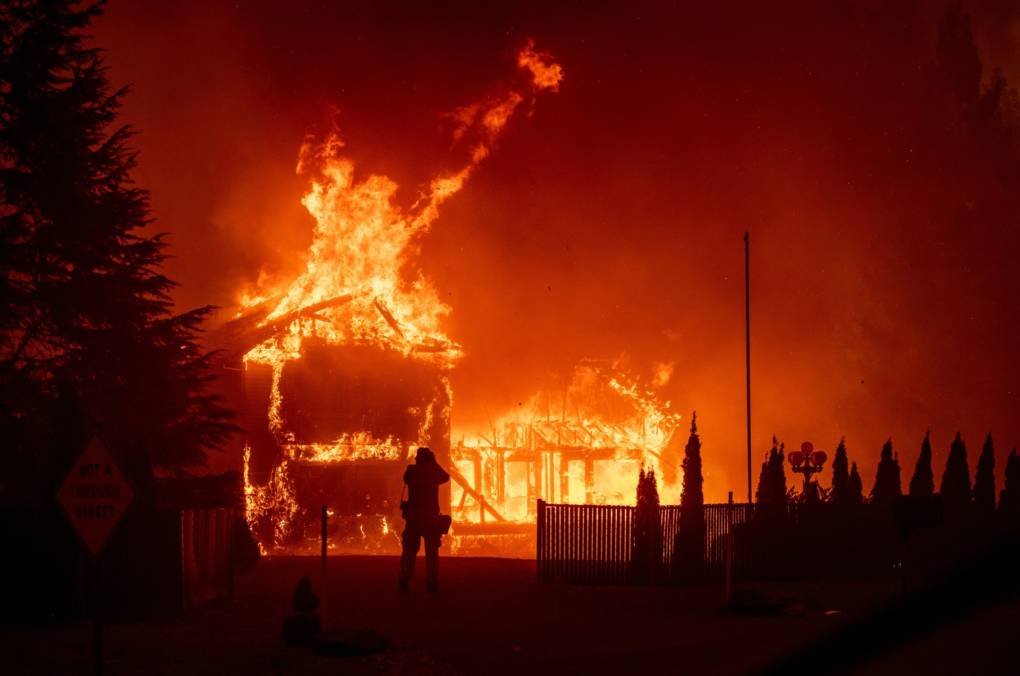
"caption": "A home burns during the Camp fire in Paradise, California.",
"description": "A home burns during the Camp fire in Paradise, California.",
"title": "US-FIRE-WEATHER",
"credit": "Josh Edelson / AFP",
"status": "inherit",
"isLoading": false,
"fetchFailed": false
},
"science_1933756": {
"type": "attachments",
"id": "science_1933756",
"meta": {
"index": "attachments_1716263798",
"site": "science",
"id": "1933756",
"found": true
},
"parent": 1933748,
"imgSizes": {
"small": {
"file": "https://ww2.kqed.org/app/uploads/sites/35/2018/10/GettyImages-1037385826-1-520x316.jpg",
"width": 520,
"mimeType": "image/jpeg",
"height": 316
},
"twentyfourteen-full-width": {
"file": "https://ww2.kqed.org/app/uploads/sites/35/2018/10/GettyImages-1037385826-1-1038x576.jpg",
"width": 1038,
"mimeType": "image/jpeg",
"height": 576
},
"thumbnail": {
"file": "https://ww2.kqed.org/app/uploads/sites/35/2018/10/GettyImages-1037385826-1-160x97.jpg",
"width": 160,
"mimeType": "image/jpeg",
"height": 97
},
"fd-sm": {
"file": "https://ww2.kqed.org/app/uploads/sites/35/2018/10/GettyImages-1037385826-1-960x584.jpg",
"width": 960,
"mimeType": "image/jpeg",
"height": 584
},
"post-thumbnail": {
"file": "https://ww2.kqed.org/app/uploads/sites/35/2018/10/GettyImages-1037385826-1-672x372.jpg",
"width": 672,
"mimeType": "image/jpeg",
"height": 372
},
"xsmall": {
"file": "https://ww2.kqed.org/app/uploads/sites/35/2018/10/GettyImages-1037385826-1-375x228.jpg",
"width": 375,
"mimeType": "image/jpeg",
"height": 228
},
"kqedFullSize": {
"file": "https://ww2.kqed.org/app/uploads/sites/35/2018/10/GettyImages-1037385826-1.jpg",
"width": 4800,
"height": 2921
},
"large": {
"file": "https://ww2.kqed.org/app/uploads/sites/35/2018/10/GettyImages-1037385826-1-1020x621.jpg",
"width": 1020,
"mimeType": "image/jpeg",
"height": 621
},
"xlarge": {
"file": "https://ww2.kqed.org/app/uploads/sites/35/2018/10/GettyImages-1037385826-1-1180x718.jpg",
"width": 1180,
"mimeType": "image/jpeg",
"height": 718
},
"complete_open_graph": {
"file": "https://ww2.kqed.org/app/uploads/sites/35/2018/10/GettyImages-1037385826-1-1200x730.jpg",
"width": 1200,
"mimeType": "image/jpeg",
"height": 730
},
"guest-author-50": {
"file": "https://ww2.kqed.org/app/uploads/sites/35/2018/10/GettyImages-1037385826-1-50x50.jpg",
"width": 50,
"mimeType": "image/jpeg",
"height": 50
},
"guest-author-96": {
"file": "https://ww2.kqed.org/app/uploads/sites/35/2018/10/GettyImages-1037385826-1-96x96.jpg",
"width": 96,
"mimeType": "image/jpeg",
"height": 96
},
"medium": {
"file": "https://ww2.kqed.org/app/uploads/sites/35/2018/10/GettyImages-1037385826-1-800x487.jpg",
"width": 800,
"mimeType": "image/jpeg",
"height": 487
},
"guest-author-64": {
"file": "https://ww2.kqed.org/app/uploads/sites/35/2018/10/GettyImages-1037385826-1-64x64.jpg",
"width": 64,
"mimeType": "image/jpeg",
"height": 64
},
"guest-author-32": {
"file": "https://ww2.kqed.org/app/uploads/sites/35/2018/10/GettyImages-1037385826-1-32x32.jpg",
"width": 32,
"mimeType": "image/jpeg",
"height": 32
},
"fd-lrg": {
"file": "https://ww2.kqed.org/app/uploads/sites/35/2018/10/GettyImages-1037385826-1-1920x1168.jpg",
"width": 1920,
"mimeType": "image/jpeg",
"height": 1168
},
"fd-med": {
"file": "https://ww2.kqed.org/app/uploads/sites/35/2018/10/GettyImages-1037385826-1-1180x718.jpg",
"width": 1180,
"mimeType": "image/jpeg",
"height": 718
},
"full-width": {
"file": "https://ww2.kqed.org/app/uploads/sites/35/2018/10/GettyImages-1037385826-1-1920x1168.jpg",
"width": 1920,
"mimeType": "image/jpeg",
"height": 1168
},
"detail": {
"file": "https://ww2.kqed.org/app/uploads/sites/35/2018/10/GettyImages-1037385826-1-150x150.jpg",
"width": 150,
"mimeType": "image/jpeg",
"height": 150
},
"medium_large": {
"file": "https://ww2.kqed.org/app/uploads/sites/35/2018/10/GettyImages-1037385826-1-768x467.jpg",
"width": 768,
"mimeType": "image/jpeg",
"height": 467
},
"guest-author-128": {
"file": "https://ww2.kqed.org/app/uploads/sites/35/2018/10/GettyImages-1037385826-1-128x128.jpg",
"width": 128,
"mimeType": "image/jpeg",
"height": 128
},
"xxsmall": {
"file": "https://ww2.kqed.org/app/uploads/sites/35/2018/10/GettyImages-1037385826-1-240x146.jpg",
"width": 240,
"mimeType": "image/jpeg",
"height": 146
}
},
"publishDate": 1540837959,
"modified": 1540848326,
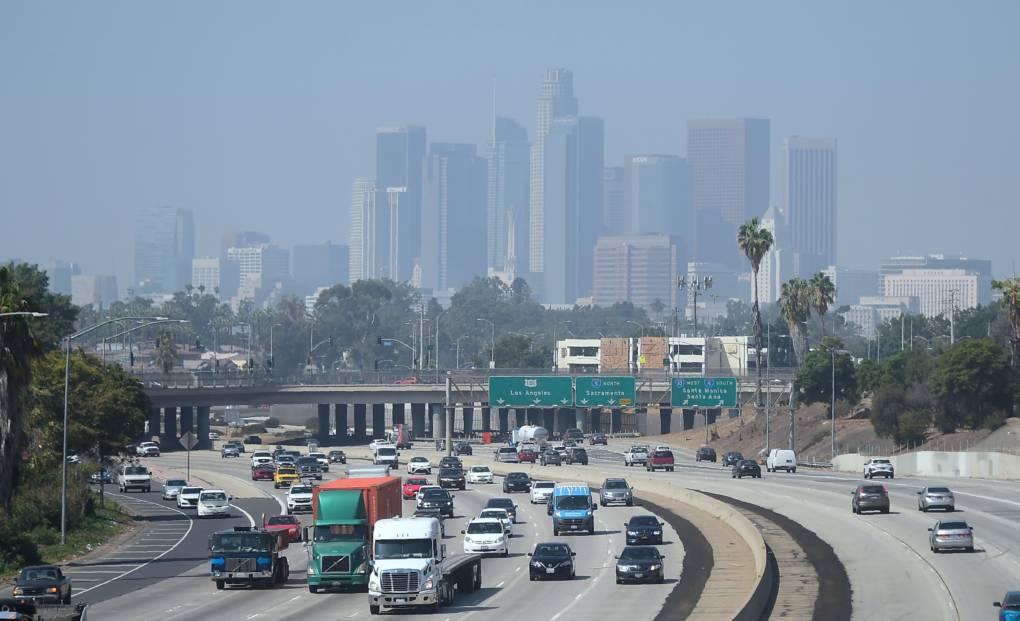
"caption": "The Los Angeles skyline, obscured on a hazy morning in September, 2018. Eighty-seven days of smog that summer made it the longest stretch of bad air in at least 20 years, according to state monitoring data.\n",
"description": "The Los Angeles skyline, obscured on a hazy morning in September, 2018. Eighty-seven days of smog that summer made it the longest stretch of bad air in at least 20 years, according to state monitoring data.\n",
"title": "US-ENVIRONMENT-POLLUTION",
"credit": "Frederic J. Brown/AFP/Getty Images",
"status": "inherit",
"isLoading": false,
"fetchFailed": false
},
"science_1926804": {
"type": "attachments",
"id": "science_1926804",
"meta": {
"index": "attachments_1716263798",
"site": "science",
"id": "1926804",
"found": true
},
"parent": 1926793,
"imgSizes": {
"small": {
"file": "https://ww2.kqed.org/app/uploads/sites/35/2018/07/GettyImages-989238802-520x338.jpg",
"width": 520,
"mimeType": "image/jpeg",
"height": 338
},
"twentyfourteen-full-width": {
"file": "https://ww2.kqed.org/app/uploads/sites/35/2018/07/GettyImages-989238802-1038x576.jpg",
"width": 1038,
"mimeType": "image/jpeg",
"height": 576
},
"thumbnail": {
"file": "https://ww2.kqed.org/app/uploads/sites/35/2018/07/GettyImages-989238802-160x104.jpg",
"width": 160,
"mimeType": "image/jpeg",
"height": 104
},
"fd-sm": {
"file": "https://ww2.kqed.org/app/uploads/sites/35/2018/07/GettyImages-989238802-960x624.jpg",
"width": 960,
"mimeType": "image/jpeg",
"height": 624
},
"post-thumbnail": {
"file": "https://ww2.kqed.org/app/uploads/sites/35/2018/07/GettyImages-989238802-672x372.jpg",
"width": 672,
"mimeType": "image/jpeg",
"height": 372
},
"xsmall": {
"file": "https://ww2.kqed.org/app/uploads/sites/35/2018/07/GettyImages-989238802-375x244.jpg",
"width": 375,
"mimeType": "image/jpeg",
"height": 244
},
"kqedFullSize": {
"file": "https://ww2.kqed.org/app/uploads/sites/35/2018/07/GettyImages-989238802-e1532720303304.jpg",
"width": 1920,
"height": 1248
},
"large": {
"file": "https://ww2.kqed.org/app/uploads/sites/35/2018/07/GettyImages-989238802-1020x663.jpg",
"width": 1020,
"mimeType": "image/jpeg",
"height": 663
},
"xlarge": {
"file": "https://ww2.kqed.org/app/uploads/sites/35/2018/07/GettyImages-989238802-1180x767.jpg",
"width": 1180,
"mimeType": "image/jpeg",
"height": 767
},
"complete_open_graph": {
"file": "https://ww2.kqed.org/app/uploads/sites/35/2018/07/GettyImages-989238802-1200x780.jpg",
"width": 1200,
"mimeType": "image/jpeg",
"height": 780
},
"guest-author-50": {
"file": "https://ww2.kqed.org/app/uploads/sites/35/2018/07/GettyImages-989238802-50x50.jpg",
"width": 50,
"mimeType": "image/jpeg",
"height": 50
},
"guest-author-96": {
"file": "https://ww2.kqed.org/app/uploads/sites/35/2018/07/GettyImages-989238802-96x96.jpg",
"width": 96,
"mimeType": "image/jpeg",
"height": 96
},
"medium": {
"file": "https://ww2.kqed.org/app/uploads/sites/35/2018/07/GettyImages-989238802-800x520.jpg",
"width": 800,
"mimeType": "image/jpeg",
"height": 520
},
"guest-author-64": {
"file": "https://ww2.kqed.org/app/uploads/sites/35/2018/07/GettyImages-989238802-64x64.jpg",
"width": 64,
"mimeType": "image/jpeg",
"height": 64
},
"guest-author-32": {
"file": "https://ww2.kqed.org/app/uploads/sites/35/2018/07/GettyImages-989238802-32x32.jpg",
"width": 32,
"mimeType": "image/jpeg",
"height": 32
},
"fd-lrg": {
"file": "https://ww2.kqed.org/app/uploads/sites/35/2018/07/GettyImages-989238802-1920x1248.jpg",
"width": 1920,
"mimeType": "image/jpeg",
"height": 1248
},
"fd-med": {
"file": "https://ww2.kqed.org/app/uploads/sites/35/2018/07/GettyImages-989238802-1180x767.jpg",
"width": 1180,
"mimeType": "image/jpeg",
"height": 767
},
"full-width": {
"file": "https://ww2.kqed.org/app/uploads/sites/35/2018/07/GettyImages-989238802-1920x1248.jpg",
"width": 1920,
"mimeType": "image/jpeg",
"height": 1248
},
"detail": {
"file": "https://ww2.kqed.org/app/uploads/sites/35/2018/07/GettyImages-989238802-150x150.jpg",
"width": 150,
"mimeType": "image/jpeg",
"height": 150
},
"medium_large": {
"file": "https://ww2.kqed.org/app/uploads/sites/35/2018/07/GettyImages-989238802-768x499.jpg",
"width": 768,
"mimeType": "image/jpeg",
"height": 499
},
"guest-author-128": {
"file": "https://ww2.kqed.org/app/uploads/sites/35/2018/07/GettyImages-989238802-128x128.jpg",
"width": 128,
"mimeType": "image/jpeg",
"height": 128
},
"xxsmall": {
"file": "https://ww2.kqed.org/app/uploads/sites/35/2018/07/GettyImages-989238802-240x156.jpg",
"width": 240,
"mimeType": "image/jpeg",
"height": 156
}
},
"publishDate": 1530590118,
"modified": 1532720306,
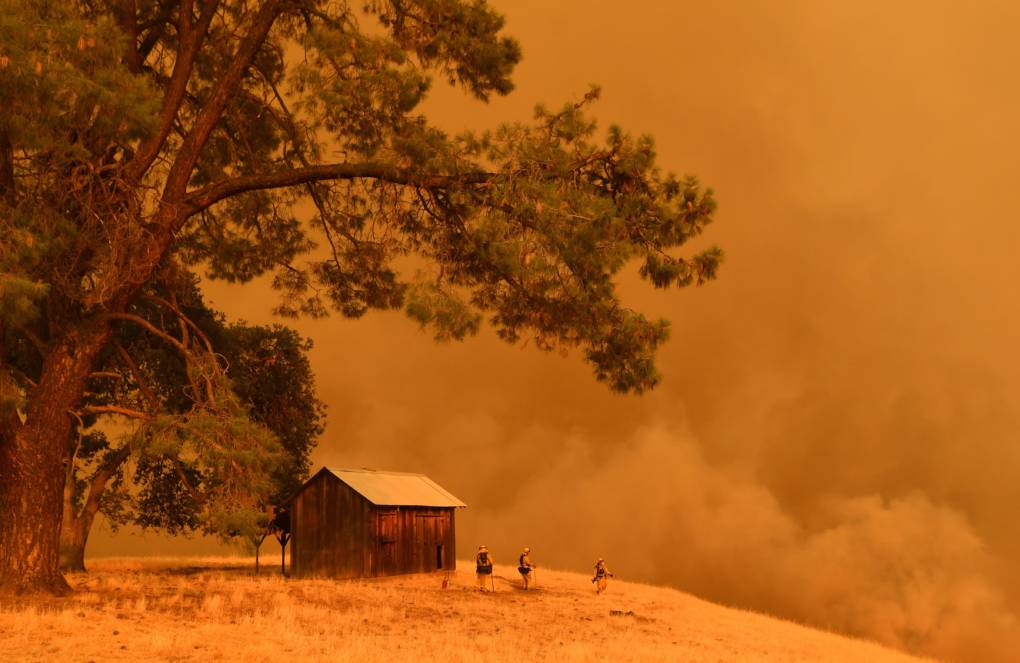
"caption": "Firefighters watch as flames from the County Fire climb a hillside in Guinda, California, on July 1, 2018. California authorities have issued red flag weather warnings and mandatory evacuation orders after a series of wildfires fanned by high winds and hot temperatures ripped through thousands of acres. ",
"description": null,
"title": "wildfire",
"credit": "JOSH EDELSON/AFP/Getty Images",
"status": "inherit",
"isLoading": false,
"fetchFailed": false
},
"science_1932401": {
"type": "attachments",
"id": "science_1932401",
"meta": {
"index": "attachments_1716263798",
"site": "science",
"id": "1932401",
"found": true
},
"parent": 1932387,
"imgSizes": {
"small": {
"file": "https://ww2.kqed.org/app/uploads/sites/35/2018/10/rebuild3-520x292.jpg",
"width": 520,
"mimeType": "image/jpeg",
"height": 292
},
"twentyfourteen-full-width": {
"file": "https://ww2.kqed.org/app/uploads/sites/35/2018/10/rebuild3-1038x576.jpg",
"width": 1038,
"mimeType": "image/jpeg",
"height": 576
},
"thumbnail": {
"file": "https://ww2.kqed.org/app/uploads/sites/35/2018/10/rebuild3-160x90.jpg",
"width": 160,
"mimeType": "image/jpeg",
"height": 90
},
"fd-sm": {
"file": "https://ww2.kqed.org/app/uploads/sites/35/2018/10/rebuild3-960x540.jpg",
"width": 960,
"mimeType": "image/jpeg",
"height": 540
},
"post-thumbnail": {
"file": "https://ww2.kqed.org/app/uploads/sites/35/2018/10/rebuild3-672x372.jpg",
"width": 672,
"mimeType": "image/jpeg",
"height": 372
},
"xsmall": {
"file": "https://ww2.kqed.org/app/uploads/sites/35/2018/10/rebuild3-375x211.jpg",
"width": 375,
"mimeType": "image/jpeg",
"height": 211
},
"kqedFullSize": {
"file": "https://ww2.kqed.org/app/uploads/sites/35/2018/10/rebuild3.jpg",
"width": 1920,
"height": 1079
},
"large": {
"file": "https://ww2.kqed.org/app/uploads/sites/35/2018/10/rebuild3-1020x573.jpg",
"width": 1020,
"mimeType": "image/jpeg",
"height": 573
},
"xlarge": {
"file": "https://ww2.kqed.org/app/uploads/sites/35/2018/10/rebuild3-1180x663.jpg",
"width": 1180,
"mimeType": "image/jpeg",
"height": 663
},
"complete_open_graph": {
"file": "https://ww2.kqed.org/app/uploads/sites/35/2018/10/rebuild3-1200x674.jpg",
"width": 1200,
"mimeType": "image/jpeg",
"height": 674
},
"guest-author-50": {
"file": "https://ww2.kqed.org/app/uploads/sites/35/2018/10/rebuild3-50x50.jpg",
"width": 50,
"mimeType": "image/jpeg",
"height": 50
},
"guest-author-96": {
"file": "https://ww2.kqed.org/app/uploads/sites/35/2018/10/rebuild3-96x96.jpg",
"width": 96,
"mimeType": "image/jpeg",
"height": 96
},
"medium": {
"file": "https://ww2.kqed.org/app/uploads/sites/35/2018/10/rebuild3-800x450.jpg",
"width": 800,
"mimeType": "image/jpeg",
"height": 450
},
"guest-author-64": {
"file": "https://ww2.kqed.org/app/uploads/sites/35/2018/10/rebuild3-64x64.jpg",
"width": 64,
"mimeType": "image/jpeg",
"height": 64
},
"guest-author-32": {
"file": "https://ww2.kqed.org/app/uploads/sites/35/2018/10/rebuild3-32x32.jpg",
"width": 32,
"mimeType": "image/jpeg",
"height": 32
},
"fd-lrg": {
"file": "https://ww2.kqed.org/app/uploads/sites/35/2018/10/rebuild3-1920x1079.jpg",
"width": 1920,
"mimeType": "image/jpeg",
"height": 1079
},
"fd-med": {
"file": "https://ww2.kqed.org/app/uploads/sites/35/2018/10/rebuild3-1180x663.jpg",
"width": 1180,
"mimeType": "image/jpeg",
"height": 663
},
"full-width": {
"file": "https://ww2.kqed.org/app/uploads/sites/35/2018/10/rebuild3-1920x1079.jpg",
"width": 1920,
"mimeType": "image/jpeg",
"height": 1079
},
"detail": {
"file": "https://ww2.kqed.org/app/uploads/sites/35/2018/10/rebuild3-150x150.jpg",
"width": 150,
"mimeType": "image/jpeg",
"height": 150
},
"medium_large": {
"file": "https://ww2.kqed.org/app/uploads/sites/35/2018/10/rebuild3-768x432.jpg",
"width": 768,
"mimeType": "image/jpeg",
"height": 432
},
"guest-author-128": {
"file": "https://ww2.kqed.org/app/uploads/sites/35/2018/10/rebuild3-128x128.jpg",
"width": 128,
"mimeType": "image/jpeg",
"height": 128
},
"xxsmall": {
"file": "https://ww2.kqed.org/app/uploads/sites/35/2018/10/rebuild3-240x135.jpg",
"width": 240,
"mimeType": "image/jpeg",
"height": 135
}
},
"publishDate": 1538780618,
"modified": 1538780645,
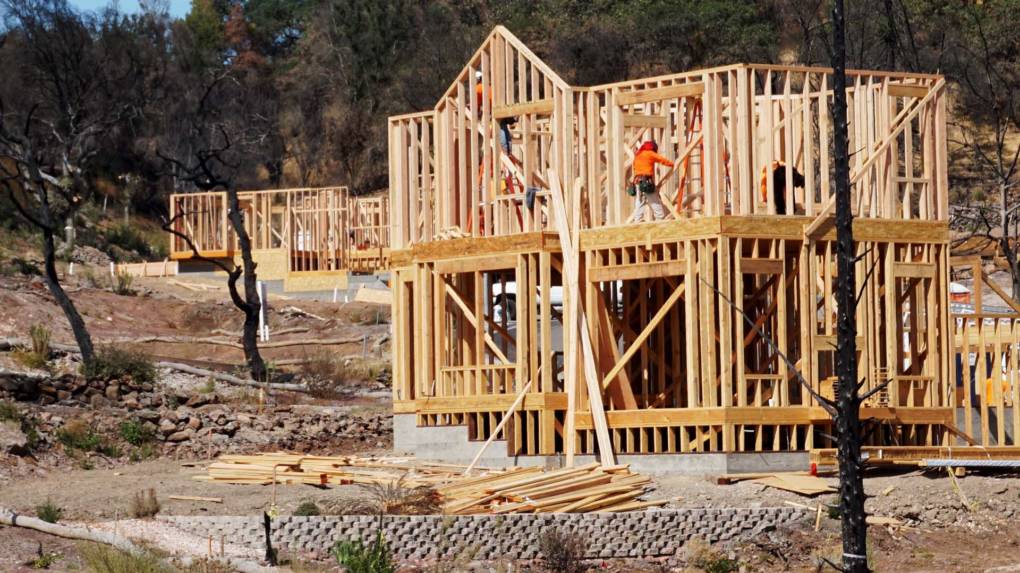
"caption": "A house burned in the Tubbs fire under construction in Santa Rosa.",
"description": null,
"title": "rebuild3",
"credit": "Lauren Sommer/KQED",
"status": "inherit",
"isLoading": false,
"fetchFailed": false
},
"science_1931823": {
"type": "attachments",
"id": "science_1931823",
"meta": {
"index": "attachments_1716263798",
"site": "science",
"id": "1931823",
"found": true
},
"parent": 1931822,
"imgSizes": {
"small": {
"file": "https://ww2.kqed.org/app/uploads/sites/35/2018/09/img_0652-29061d0a888fff0e9a08409a77e8c84667cbd74e-1-520x390.jpg",
"width": 520,
"mimeType": "image/jpeg",
"height": 390
},
"twentyfourteen-full-width": {
"file": "https://ww2.kqed.org/app/uploads/sites/35/2018/09/img_0652-29061d0a888fff0e9a08409a77e8c84667cbd74e-1-1038x576.jpg",
"width": 1038,
"mimeType": "image/jpeg",
"height": 576
},
"thumbnail": {
"file": "https://ww2.kqed.org/app/uploads/sites/35/2018/09/img_0652-29061d0a888fff0e9a08409a77e8c84667cbd74e-1-160x120.jpg",
"width": 160,
"mimeType": "image/jpeg",
"height": 120
},
"fd-sm": {
"file": "https://ww2.kqed.org/app/uploads/sites/35/2018/09/img_0652-29061d0a888fff0e9a08409a77e8c84667cbd74e-1-960x720.jpg",
"width": 960,
"mimeType": "image/jpeg",
"height": 720
},
"post-thumbnail": {
"file": "https://ww2.kqed.org/app/uploads/sites/35/2018/09/img_0652-29061d0a888fff0e9a08409a77e8c84667cbd74e-1-672x372.jpg",
"width": 672,
"mimeType": "image/jpeg",
"height": 372
},
"xsmall": {
"file": "https://ww2.kqed.org/app/uploads/sites/35/2018/09/img_0652-29061d0a888fff0e9a08409a77e8c84667cbd74e-1-375x281.jpg",
"width": 375,
"mimeType": "image/jpeg",
"height": 281
},
"kqedFullSize": {
"file": "https://ww2.kqed.org/app/uploads/sites/35/2018/09/img_0652-29061d0a888fff0e9a08409a77e8c84667cbd74e-1.jpg",
"width": 3849,
"height": 2887
},
"large": {
"file": "https://ww2.kqed.org/app/uploads/sites/35/2018/09/img_0652-29061d0a888fff0e9a08409a77e8c84667cbd74e-1-1020x765.jpg",
"width": 1020,
"mimeType": "image/jpeg",
"height": 765
},
"xlarge": {
"file": "https://ww2.kqed.org/app/uploads/sites/35/2018/09/img_0652-29061d0a888fff0e9a08409a77e8c84667cbd74e-1-1180x885.jpg",
"width": 1180,
"mimeType": "image/jpeg",
"height": 885
},
"complete_open_graph": {
"file": "https://ww2.kqed.org/app/uploads/sites/35/2018/09/img_0652-29061d0a888fff0e9a08409a77e8c84667cbd74e-1-1200x900.jpg",
"width": 1200,
"mimeType": "image/jpeg",
"height": 900
},
"guest-author-50": {
"file": "https://ww2.kqed.org/app/uploads/sites/35/2018/09/img_0652-29061d0a888fff0e9a08409a77e8c84667cbd74e-1-50x50.jpg",
"width": 50,
"mimeType": "image/jpeg",
"height": 50
},
"guest-author-96": {
"file": "https://ww2.kqed.org/app/uploads/sites/35/2018/09/img_0652-29061d0a888fff0e9a08409a77e8c84667cbd74e-1-96x96.jpg",
"width": 96,
"mimeType": "image/jpeg",
"height": 96
},
"medium": {
"file": "https://ww2.kqed.org/app/uploads/sites/35/2018/09/img_0652-29061d0a888fff0e9a08409a77e8c84667cbd74e-1-800x600.jpg",
"width": 800,
"mimeType": "image/jpeg",
"height": 600
},
"guest-author-64": {
"file": "https://ww2.kqed.org/app/uploads/sites/35/2018/09/img_0652-29061d0a888fff0e9a08409a77e8c84667cbd74e-1-64x64.jpg",
"width": 64,
"mimeType": "image/jpeg",
"height": 64
},
"guest-author-32": {
"file": "https://ww2.kqed.org/app/uploads/sites/35/2018/09/img_0652-29061d0a888fff0e9a08409a77e8c84667cbd74e-1-32x32.jpg",
"width": 32,
"mimeType": "image/jpeg",
"height": 32
},
"fd-lrg": {
"file": "https://ww2.kqed.org/app/uploads/sites/35/2018/09/img_0652-29061d0a888fff0e9a08409a77e8c84667cbd74e-1-1920x1440.jpg",
"width": 1920,
"mimeType": "image/jpeg",
"height": 1440
},
"fd-med": {
"file": "https://ww2.kqed.org/app/uploads/sites/35/2018/09/img_0652-29061d0a888fff0e9a08409a77e8c84667cbd74e-1-1180x885.jpg",
"width": 1180,
"mimeType": "image/jpeg",
"height": 885
},
"full-width": {
"file": "https://ww2.kqed.org/app/uploads/sites/35/2018/09/img_0652-29061d0a888fff0e9a08409a77e8c84667cbd74e-1-1920x1440.jpg",
"width": 1920,
"mimeType": "image/jpeg",
"height": 1440
},
"detail": {
"file": "https://ww2.kqed.org/app/uploads/sites/35/2018/09/img_0652-29061d0a888fff0e9a08409a77e8c84667cbd74e-1-150x150.jpg",
"width": 150,
"mimeType": "image/jpeg",
"height": 150
},
"medium_large": {
"file": "https://ww2.kqed.org/app/uploads/sites/35/2018/09/img_0652-29061d0a888fff0e9a08409a77e8c84667cbd74e-1-768x576.jpg",
"width": 768,
"mimeType": "image/jpeg",
"height": 576
},
"guest-author-128": {
"file": "https://ww2.kqed.org/app/uploads/sites/35/2018/09/img_0652-29061d0a888fff0e9a08409a77e8c84667cbd74e-1-128x128.jpg",
"width": 128,
"mimeType": "image/jpeg",
"height": 128
},
"xxsmall": {
"file": "https://ww2.kqed.org/app/uploads/sites/35/2018/09/img_0652-29061d0a888fff0e9a08409a77e8c84667cbd74e-1-240x180.jpg",
"width": 240,
"mimeType": "image/jpeg",
"height": 180
}
},
"publishDate": 1538082391,
"modified": 1538082391,
"caption": null,
"description": "Fire ecologist Malcolm North looks down at the still-burning Lions Fire from a ridge in the Sierra Nevadas.",
"title": "Fire ecologist Malcolm North looks down at the still-burning Lions Fire from a ridge in the Sierra Nevadas.",
"credit": null,
"status": "inherit",
"isLoading": false,
"fetchFailed": false
},
"science_1931686": {
"type": "attachments",
"id": "science_1931686",
"meta": {
"index": "attachments_1716263798",
"site": "science",
"id": "1931686",
"found": true
},
"parent": 1931684,
"imgSizes": {
"small": {
"file": "https://ww2.kqed.org/app/uploads/sites/35/2018/09/GettyImages-1028240032-520x340.jpg",
"width": 520,
"mimeType": "image/jpeg",
"height": 340
},
"twentyfourteen-full-width": {
"file": "https://ww2.kqed.org/app/uploads/sites/35/2018/09/GettyImages-1028240032-1038x576.jpg",
"width": 1038,
"mimeType": "image/jpeg",
"height": 576
},
"thumbnail": {
"file": "https://ww2.kqed.org/app/uploads/sites/35/2018/09/GettyImages-1028240032-160x105.jpg",
"width": 160,
"mimeType": "image/jpeg",
"height": 105
},
"fd-sm": {
"file": "https://ww2.kqed.org/app/uploads/sites/35/2018/09/GettyImages-1028240032-960x628.jpg",
"width": 960,
"mimeType": "image/jpeg",
"height": 628
},
"post-thumbnail": {
"file": "https://ww2.kqed.org/app/uploads/sites/35/2018/09/GettyImages-1028240032-672x372.jpg",
"width": 672,
"mimeType": "image/jpeg",
"height": 372
},
"xsmall": {
"file": "https://ww2.kqed.org/app/uploads/sites/35/2018/09/GettyImages-1028240032-375x245.jpg",
"width": 375,
"mimeType": "image/jpeg",
"height": 245
},
"kqedFullSize": {
"file": "https://ww2.kqed.org/app/uploads/sites/35/2018/09/GettyImages-1028240032.jpg",
"width": 4799,
"height": 3138
},
"large": {
"file": "https://ww2.kqed.org/app/uploads/sites/35/2018/09/GettyImages-1028240032-1020x667.jpg",
"width": 1020,
"mimeType": "image/jpeg",
"height": 667
},
"xlarge": {
"file": "https://ww2.kqed.org/app/uploads/sites/35/2018/09/GettyImages-1028240032-1180x772.jpg",
"width": 1180,
"mimeType": "image/jpeg",
"height": 772
},
"complete_open_graph": {
"file": "https://ww2.kqed.org/app/uploads/sites/35/2018/09/GettyImages-1028240032-1200x785.jpg",
"width": 1200,
"mimeType": "image/jpeg",
"height": 785
},
"guest-author-50": {
"file": "https://ww2.kqed.org/app/uploads/sites/35/2018/09/GettyImages-1028240032-50x50.jpg",
"width": 50,
"mimeType": "image/jpeg",
"height": 50
},
"guest-author-96": {
"file": "https://ww2.kqed.org/app/uploads/sites/35/2018/09/GettyImages-1028240032-96x96.jpg",
"width": 96,
"mimeType": "image/jpeg",
"height": 96
},
"medium": {
"file": "https://ww2.kqed.org/app/uploads/sites/35/2018/09/GettyImages-1028240032-800x523.jpg",
"width": 800,
"mimeType": "image/jpeg",
"height": 523
},
"guest-author-64": {
"file": "https://ww2.kqed.org/app/uploads/sites/35/2018/09/GettyImages-1028240032-64x64.jpg",
"width": 64,
"mimeType": "image/jpeg",
"height": 64
},
"guest-author-32": {
"file": "https://ww2.kqed.org/app/uploads/sites/35/2018/09/GettyImages-1028240032-32x32.jpg",
"width": 32,
"mimeType": "image/jpeg",
"height": 32
},
"fd-lrg": {
"file": "https://ww2.kqed.org/app/uploads/sites/35/2018/09/GettyImages-1028240032-1920x1255.jpg",
"width": 1920,
"mimeType": "image/jpeg",
"height": 1255
},
"fd-med": {
"file": "https://ww2.kqed.org/app/uploads/sites/35/2018/09/GettyImages-1028240032-1180x772.jpg",
"width": 1180,
"mimeType": "image/jpeg",
"height": 772
},
"full-width": {
"file": "https://ww2.kqed.org/app/uploads/sites/35/2018/09/GettyImages-1028240032-1920x1255.jpg",
"width": 1920,
"mimeType": "image/jpeg",
"height": 1255
},
"detail": {
"file": "https://ww2.kqed.org/app/uploads/sites/35/2018/09/GettyImages-1028240032-150x150.jpg",
"width": 150,
"mimeType": "image/jpeg",
"height": 150
},
"medium_large": {
"file": "https://ww2.kqed.org/app/uploads/sites/35/2018/09/GettyImages-1028240032-768x502.jpg",
"width": 768,
"mimeType": "image/jpeg",
"height": 502
},
"guest-author-128": {
"file": "https://ww2.kqed.org/app/uploads/sites/35/2018/09/GettyImages-1028240032-128x128.jpg",
"width": 128,
"mimeType": "image/jpeg",
"height": 128
},
"xxsmall": {
"file": "https://ww2.kqed.org/app/uploads/sites/35/2018/09/GettyImages-1028240032-240x157.jpg",
"width": 240,
"mimeType": "image/jpeg",
"height": 157
}
},
"publishDate": 1537759901,
"modified": 1537759935,
"caption": "An outbuilding burns as firefighters struggle to contain backfire in the Pollard Flat area of California in the Shasta Trinity National Forest, north of Redding, on September 06, 2018. ",
"description": null,
"title": "US-ENVIRONMENT-FIRE",
"credit": "JOSH EDELSON/AFP/Getty Images",
"status": "inherit",
"isLoading": false,
"fetchFailed": false
},
"science_1931027": {
"type": "attachments",
"id": "science_1931027",
"meta": {
"index": "attachments_1716263798",
"site": "science",
"id": "1931027",
"found": true
},
"parent": 1931000,
"imgSizes": {
"small": {
"file": "https://ww2.kqed.org/app/uploads/sites/35/2018/09/GettyImages-887230120-1-520x374.jpg",
"width": 520,
"mimeType": "image/jpeg",
"height": 374
},
"twentyfourteen-full-width": {
"file": "https://ww2.kqed.org/app/uploads/sites/35/2018/09/GettyImages-887230120-1-1038x576.jpg",
"width": 1038,
"mimeType": "image/jpeg",
"height": 576
},
"thumbnail": {
"file": "https://ww2.kqed.org/app/uploads/sites/35/2018/09/GettyImages-887230120-1-160x115.jpg",
"width": 160,
"mimeType": "image/jpeg",
"height": 115
},
"fd-sm": {
"file": "https://ww2.kqed.org/app/uploads/sites/35/2018/09/GettyImages-887230120-1-960x691.jpg",
"width": 960,
"mimeType": "image/jpeg",
"height": 691
},
"post-thumbnail": {
"file": "https://ww2.kqed.org/app/uploads/sites/35/2018/09/GettyImages-887230120-1-672x372.jpg",
"width": 672,
"mimeType": "image/jpeg",
"height": 372
},
"xsmall": {
"file": "https://ww2.kqed.org/app/uploads/sites/35/2018/09/GettyImages-887230120-1-375x270.jpg",
"width": 375,
"mimeType": "image/jpeg",
"height": 270
},
"kqedFullSize": {
"file": "https://ww2.kqed.org/app/uploads/sites/35/2018/09/GettyImages-887230120-1.jpg",
"width": 4248,
"height": 3056
},
"large": {
"file": "https://ww2.kqed.org/app/uploads/sites/35/2018/09/GettyImages-887230120-1-1020x734.jpg",
"width": 1020,
"mimeType": "image/jpeg",
"height": 734
},
"xlarge": {
"file": "https://ww2.kqed.org/app/uploads/sites/35/2018/09/GettyImages-887230120-1-1180x849.jpg",
"width": 1180,
"mimeType": "image/jpeg",
"height": 849
},
"complete_open_graph": {
"file": "https://ww2.kqed.org/app/uploads/sites/35/2018/09/GettyImages-887230120-1-1200x863.jpg",
"width": 1200,
"mimeType": "image/jpeg",
"height": 863
},
"guest-author-50": {
"file": "https://ww2.kqed.org/app/uploads/sites/35/2018/09/GettyImages-887230120-1-50x50.jpg",
"width": 50,
"mimeType": "image/jpeg",
"height": 50
},
"guest-author-96": {
"file": "https://ww2.kqed.org/app/uploads/sites/35/2018/09/GettyImages-887230120-1-96x96.jpg",
"width": 96,
"mimeType": "image/jpeg",
"height": 96
},
"medium": {
"file": "https://ww2.kqed.org/app/uploads/sites/35/2018/09/GettyImages-887230120-1-800x576.jpg",
"width": 800,
"mimeType": "image/jpeg",
"height": 576
},
"guest-author-64": {
"file": "https://ww2.kqed.org/app/uploads/sites/35/2018/09/GettyImages-887230120-1-64x64.jpg",
"width": 64,
"mimeType": "image/jpeg",
"height": 64
},
"guest-author-32": {
"file": "https://ww2.kqed.org/app/uploads/sites/35/2018/09/GettyImages-887230120-1-32x32.jpg",
"width": 32,
"mimeType": "image/jpeg",
"height": 32
},
"fd-lrg": {
"file": "https://ww2.kqed.org/app/uploads/sites/35/2018/09/GettyImages-887230120-1-1920x1381.jpg",
"width": 1920,
"mimeType": "image/jpeg",
"height": 1381
},
"fd-med": {
"file": "https://ww2.kqed.org/app/uploads/sites/35/2018/09/GettyImages-887230120-1-1180x849.jpg",
"width": 1180,
"mimeType": "image/jpeg",
"height": 849
},
"full-width": {
"file": "https://ww2.kqed.org/app/uploads/sites/35/2018/09/GettyImages-887230120-1-1920x1381.jpg",
"width": 1920,
"mimeType": "image/jpeg",
"height": 1381
},
"detail": {
"file": "https://ww2.kqed.org/app/uploads/sites/35/2018/09/GettyImages-887230120-1-150x150.jpg",
"width": 150,
"mimeType": "image/jpeg",
"height": 150
},
"medium_large": {
"file": "https://ww2.kqed.org/app/uploads/sites/35/2018/09/GettyImages-887230120-1-768x552.jpg",
"width": 768,
"mimeType": "image/jpeg",
"height": 552
},
"guest-author-128": {
"file": "https://ww2.kqed.org/app/uploads/sites/35/2018/09/GettyImages-887230120-1-128x128.jpg",
"width": 128,
"mimeType": "image/jpeg",
"height": 128
},
"xxsmall": {
"file": "https://ww2.kqed.org/app/uploads/sites/35/2018/09/GettyImages-887230120-1-240x173.jpg",
"width": 240,
"mimeType": "image/jpeg",
"height": 173
}
},
"publishDate": 1536615004,
"modified": 1536615068,
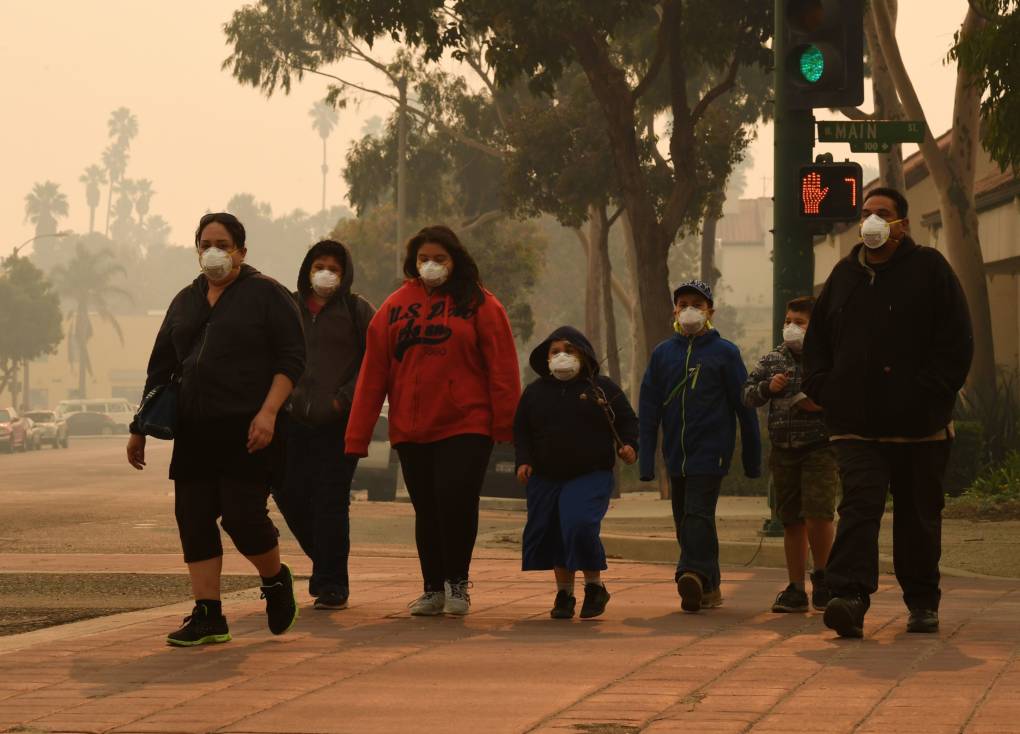
"caption": "A family wears face masks as they walk through the smoke filled streets after the Thomas wildfire swept through Ventura, California on December 6, 2017. ",
"description": null,
"title": "TOPSHOT-US-WEATHER-FIRES-CALIFORNIA",
"credit": "MARK RALSTON/AFP/Getty Images",
"status": "inherit",
"isLoading": false,
"fetchFailed": false
},
"science_1930751": {
"type": "attachments",
"id": "science_1930751",
"meta": {
"index": "attachments_1716263798",
"site": "science",
"id": "1930751",
"found": true
},
"parent": 1930749,
"imgSizes": {
"small": {
"file": "https://ww2.kqed.org/app/uploads/sites/35/2018/09/AFP_1857PK-520x347.jpg",
"width": 520,
"mimeType": "image/jpeg",
"height": 347
},
"twentyfourteen-full-width": {
"file": "https://ww2.kqed.org/app/uploads/sites/35/2018/09/AFP_1857PK-1038x576.jpg",
"width": 1038,
"mimeType": "image/jpeg",
"height": 576
},
"thumbnail": {
"file": "https://ww2.kqed.org/app/uploads/sites/35/2018/09/AFP_1857PK-160x107.jpg",
"width": 160,
"mimeType": "image/jpeg",
"height": 107
},
"fd-sm": {
"file": "https://ww2.kqed.org/app/uploads/sites/35/2018/09/AFP_1857PK-960x640.jpg",
"width": 960,
"mimeType": "image/jpeg",
"height": 640
},
"post-thumbnail": {
"file": "https://ww2.kqed.org/app/uploads/sites/35/2018/09/AFP_1857PK-672x372.jpg",
"width": 672,
"mimeType": "image/jpeg",
"height": 372
},
"xsmall": {
"file": "https://ww2.kqed.org/app/uploads/sites/35/2018/09/AFP_1857PK-375x250.jpg",
"width": 375,
"mimeType": "image/jpeg",
"height": 250
},
"kqedFullSize": {
"file": "https://ww2.kqed.org/app/uploads/sites/35/2018/09/AFP_1857PK.jpg",
"width": 1800,
"height": 1200
},
"large": {
"file": "https://ww2.kqed.org/app/uploads/sites/35/2018/09/AFP_1857PK-1020x680.jpg",
"width": 1020,
"mimeType": "image/jpeg",
"height": 680
},
"xlarge": {
"file": "https://ww2.kqed.org/app/uploads/sites/35/2018/09/AFP_1857PK-1180x787.jpg",
"width": 1180,
"mimeType": "image/jpeg",
"height": 787
},
"complete_open_graph": {
"file": "https://ww2.kqed.org/app/uploads/sites/35/2018/09/AFP_1857PK-1200x800.jpg",
"width": 1200,
"mimeType": "image/jpeg",
"height": 800
},
"guest-author-50": {
"file": "https://ww2.kqed.org/app/uploads/sites/35/2018/09/AFP_1857PK-50x50.jpg",
"width": 50,
"mimeType": "image/jpeg",
"height": 50
},
"guest-author-96": {
"file": "https://ww2.kqed.org/app/uploads/sites/35/2018/09/AFP_1857PK-96x96.jpg",
"width": 96,
"mimeType": "image/jpeg",
"height": 96
},
"medium": {
"file": "https://ww2.kqed.org/app/uploads/sites/35/2018/09/AFP_1857PK-800x533.jpg",
"width": 800,
"mimeType": "image/jpeg",
"height": 533
},
"guest-author-64": {
"file": "https://ww2.kqed.org/app/uploads/sites/35/2018/09/AFP_1857PK-64x64.jpg",
"width": 64,
"mimeType": "image/jpeg",
"height": 64
},
"guest-author-32": {
"file": "https://ww2.kqed.org/app/uploads/sites/35/2018/09/AFP_1857PK-32x32.jpg",
"width": 32,
"mimeType": "image/jpeg",
"height": 32
},
"fd-med": {
"file": "https://ww2.kqed.org/app/uploads/sites/35/2018/09/AFP_1857PK-1180x787.jpg",
"width": 1180,
"mimeType": "image/jpeg",
"height": 787
},
"detail": {
"file": "https://ww2.kqed.org/app/uploads/sites/35/2018/09/AFP_1857PK-150x150.jpg",
"width": 150,
"mimeType": "image/jpeg",
"height": 150
},
"medium_large": {
"file": "https://ww2.kqed.org/app/uploads/sites/35/2018/09/AFP_1857PK-768x512.jpg",
"width": 768,
"mimeType": "image/jpeg",
"height": 512
},
"guest-author-128": {
"file": "https://ww2.kqed.org/app/uploads/sites/35/2018/09/AFP_1857PK-128x128.jpg",
"width": 128,
"mimeType": "image/jpeg",
"height": 128
},
"xxsmall": {
"file": "https://ww2.kqed.org/app/uploads/sites/35/2018/09/AFP_1857PK-240x160.jpg",
"width": 240,
"mimeType": "image/jpeg",
"height": 160
}
},
"publishDate": 1536180085,
"modified": 1536180104,
"caption": "An air tanker drops retardant on the Ranch Fire, part of the Mendocino Complex Fire, on August 5, 2018.",
"description": null,
"title": "AFP_1857PK",
"credit": "Noah Berger/AFP/Getty Images",
"status": "inherit",
"isLoading": false,
"fetchFailed": false
},
"science_1930514": {
"type": "attachments",
"id": "science_1930514",
"meta": {
"index": "attachments_1716263798",
"site": "science",
"id": "1930514",
"found": true
},
"parent": 1930512,
"imgSizes": {
"small": {
"file": "https://ww2.kqed.org/app/uploads/sites/35/2018/08/carr-fire-destruction_wide-f1a2ba48ec84aa0716c25dd9992bf461dc24b2c3-1-520x292.jpg",
"width": 520,
"mimeType": "image/jpeg",
"height": 292
},
"twentyfourteen-full-width": {
"file": "https://ww2.kqed.org/app/uploads/sites/35/2018/08/carr-fire-destruction_wide-f1a2ba48ec84aa0716c25dd9992bf461dc24b2c3-1-1038x576.jpg",
"width": 1038,
"mimeType": "image/jpeg",
"height": 576
},
"thumbnail": {
"file": "https://ww2.kqed.org/app/uploads/sites/35/2018/08/carr-fire-destruction_wide-f1a2ba48ec84aa0716c25dd9992bf461dc24b2c3-1-160x90.jpg",
"width": 160,
"mimeType": "image/jpeg",
"height": 90
},
"fd-sm": {
"file": "https://ww2.kqed.org/app/uploads/sites/35/2018/08/carr-fire-destruction_wide-f1a2ba48ec84aa0716c25dd9992bf461dc24b2c3-1-960x540.jpg",
"width": 960,
"mimeType": "image/jpeg",
"height": 540
},
"post-thumbnail": {
"file": "https://ww2.kqed.org/app/uploads/sites/35/2018/08/carr-fire-destruction_wide-f1a2ba48ec84aa0716c25dd9992bf461dc24b2c3-1-672x372.jpg",
"width": 672,
"mimeType": "image/jpeg",
"height": 372
},
"xsmall": {
"file": "https://ww2.kqed.org/app/uploads/sites/35/2018/08/carr-fire-destruction_wide-f1a2ba48ec84aa0716c25dd9992bf461dc24b2c3-1-375x211.jpg",
"width": 375,
"mimeType": "image/jpeg",
"height": 211
},
"kqedFullSize": {
"file": "https://ww2.kqed.org/app/uploads/sites/35/2018/08/carr-fire-destruction_wide-f1a2ba48ec84aa0716c25dd9992bf461dc24b2c3-1.jpg",
"width": 3689,
"height": 2075
},
"large": {
"file": "https://ww2.kqed.org/app/uploads/sites/35/2018/08/carr-fire-destruction_wide-f1a2ba48ec84aa0716c25dd9992bf461dc24b2c3-1-1020x574.jpg",
"width": 1020,
"mimeType": "image/jpeg",
"height": 574
},
"xlarge": {
"file": "https://ww2.kqed.org/app/uploads/sites/35/2018/08/carr-fire-destruction_wide-f1a2ba48ec84aa0716c25dd9992bf461dc24b2c3-1-1180x664.jpg",
"width": 1180,
"mimeType": "image/jpeg",
"height": 664
},
"complete_open_graph": {
"file": "https://ww2.kqed.org/app/uploads/sites/35/2018/08/carr-fire-destruction_wide-f1a2ba48ec84aa0716c25dd9992bf461dc24b2c3-1-1200x675.jpg",
"width": 1200,
"mimeType": "image/jpeg",
"height": 675
},
"guest-author-50": {
"file": "https://ww2.kqed.org/app/uploads/sites/35/2018/08/carr-fire-destruction_wide-f1a2ba48ec84aa0716c25dd9992bf461dc24b2c3-1-50x50.jpg",
"width": 50,
"mimeType": "image/jpeg",
"height": 50
},
"guest-author-96": {
"file": "https://ww2.kqed.org/app/uploads/sites/35/2018/08/carr-fire-destruction_wide-f1a2ba48ec84aa0716c25dd9992bf461dc24b2c3-1-96x96.jpg",
"width": 96,
"mimeType": "image/jpeg",
"height": 96
},
"medium": {
"file": "https://ww2.kqed.org/app/uploads/sites/35/2018/08/carr-fire-destruction_wide-f1a2ba48ec84aa0716c25dd9992bf461dc24b2c3-1-800x450.jpg",
"width": 800,
"mimeType": "image/jpeg",
"height": 450
},
"guest-author-64": {
"file": "https://ww2.kqed.org/app/uploads/sites/35/2018/08/carr-fire-destruction_wide-f1a2ba48ec84aa0716c25dd9992bf461dc24b2c3-1-64x64.jpg",
"width": 64,
"mimeType": "image/jpeg",
"height": 64
},
"guest-author-32": {
"file": "https://ww2.kqed.org/app/uploads/sites/35/2018/08/carr-fire-destruction_wide-f1a2ba48ec84aa0716c25dd9992bf461dc24b2c3-1-32x32.jpg",
"width": 32,
"mimeType": "image/jpeg",
"height": 32
},
"fd-lrg": {
"file": "https://ww2.kqed.org/app/uploads/sites/35/2018/08/carr-fire-destruction_wide-f1a2ba48ec84aa0716c25dd9992bf461dc24b2c3-1-1920x1080.jpg",
"width": 1920,
"mimeType": "image/jpeg",
"height": 1080
},
"fd-med": {
"file": "https://ww2.kqed.org/app/uploads/sites/35/2018/08/carr-fire-destruction_wide-f1a2ba48ec84aa0716c25dd9992bf461dc24b2c3-1-1180x664.jpg",
"width": 1180,
"mimeType": "image/jpeg",
"height": 664
},
"full-width": {
"file": "https://ww2.kqed.org/app/uploads/sites/35/2018/08/carr-fire-destruction_wide-f1a2ba48ec84aa0716c25dd9992bf461dc24b2c3-1-1920x1080.jpg",
"width": 1920,
"mimeType": "image/jpeg",
"height": 1080
},
"detail": {
"file": "https://ww2.kqed.org/app/uploads/sites/35/2018/08/carr-fire-destruction_wide-f1a2ba48ec84aa0716c25dd9992bf461dc24b2c3-1-150x150.jpg",
"width": 150,
"mimeType": "image/jpeg",
"height": 150
},
"medium_large": {
"file": "https://ww2.kqed.org/app/uploads/sites/35/2018/08/carr-fire-destruction_wide-f1a2ba48ec84aa0716c25dd9992bf461dc24b2c3-1-768x432.jpg",
"width": 768,
"mimeType": "image/jpeg",
"height": 432
},
"guest-author-128": {
"file": "https://ww2.kqed.org/app/uploads/sites/35/2018/08/carr-fire-destruction_wide-f1a2ba48ec84aa0716c25dd9992bf461dc24b2c3-1-128x128.jpg",
"width": 128,
"mimeType": "image/jpeg",
"height": 128
},
"xxsmall": {
"file": "https://ww2.kqed.org/app/uploads/sites/35/2018/08/carr-fire-destruction_wide-f1a2ba48ec84aa0716c25dd9992bf461dc24b2c3-1-240x135.jpg",
"width": 240,
"mimeType": "image/jpeg",
"height": 135
}
},
"publishDate": 1535655180,
"modified": 1535655180,
"caption": null,
"description": "This summer's Carr Fire destroyed more than a thousand homes, largely on the western edge of Redding, Calif.",
"title": "This summer's Carr Fire destroyed more than a thousand homes, largely on the western edge of Redding, Calif.",
"credit": null,
"status": "inherit",
"isLoading": false,
"fetchFailed": false
},
"science_1929799": {
"type": "attachments",
"id": "science_1929799",
"meta": {
"index": "attachments_1716263798",
"site": "science",
"id": "1929799",
"found": true
},
"parent": 1929784,
"imgSizes": {
"small": {
"file": "https://ww2.kqed.org/app/uploads/sites/35/2018/08/8_15_18_Upton_KQED_CentralValley1-520x292.jpg",
"width": 520,
"mimeType": "image/jpeg",
"height": 292
},
"twentyfourteen-full-width": {
"file": "https://ww2.kqed.org/app/uploads/sites/35/2018/08/8_15_18_Upton_KQED_CentralValley1-1038x576.jpg",
"width": 1038,
"mimeType": "image/jpeg",
"height": 576
},
"thumbnail": {
"file": "https://ww2.kqed.org/app/uploads/sites/35/2018/08/8_15_18_Upton_KQED_CentralValley1-160x90.jpg",
"width": 160,
"mimeType": "image/jpeg",
"height": 90
},
"fd-sm": {
"file": "https://ww2.kqed.org/app/uploads/sites/35/2018/08/8_15_18_Upton_KQED_CentralValley1-960x539.jpg",
"width": 960,
"mimeType": "image/jpeg",
"height": 539
},
"post-thumbnail": {
"file": "https://ww2.kqed.org/app/uploads/sites/35/2018/08/8_15_18_Upton_KQED_CentralValley1-672x372.jpg",
"width": 672,
"mimeType": "image/jpeg",
"height": 372
},
"xsmall": {
"file": "https://ww2.kqed.org/app/uploads/sites/35/2018/08/8_15_18_Upton_KQED_CentralValley1-375x211.jpg",
"width": 375,
"mimeType": "image/jpeg",
"height": 211
},
"kqedFullSize": {
"file": "https://ww2.kqed.org/app/uploads/sites/35/2018/08/8_15_18_Upton_KQED_CentralValley1.jpg",
"width": 1200,
"height": 674
},
"large": {
"file": "https://ww2.kqed.org/app/uploads/sites/35/2018/08/8_15_18_Upton_KQED_CentralValley1-1020x573.jpg",
"width": 1020,
"mimeType": "image/jpeg",
"height": 573
},
"xlarge": {
"file": "https://ww2.kqed.org/app/uploads/sites/35/2018/08/8_15_18_Upton_KQED_CentralValley1-1180x663.jpg",
"width": 1180,
"mimeType": "image/jpeg",
"height": 663
},
"complete_open_graph": {
"file": "https://ww2.kqed.org/app/uploads/sites/35/2018/08/8_15_18_Upton_KQED_CentralValley1-1200x674.jpg",
"width": 1200,
"mimeType": "image/jpeg",
"height": 674
},
"guest-author-50": {
"file": "https://ww2.kqed.org/app/uploads/sites/35/2018/08/8_15_18_Upton_KQED_CentralValley1-50x50.jpg",
"width": 50,
"mimeType": "image/jpeg",
"height": 50
},
"guest-author-96": {
"file": "https://ww2.kqed.org/app/uploads/sites/35/2018/08/8_15_18_Upton_KQED_CentralValley1-96x96.jpg",
"width": 96,
"mimeType": "image/jpeg",
"height": 96
},
"medium": {
"file": "https://ww2.kqed.org/app/uploads/sites/35/2018/08/8_15_18_Upton_KQED_CentralValley1-800x449.jpg",
"width": 800,
"mimeType": "image/jpeg",
"height": 449
},
"guest-author-64": {
"file": "https://ww2.kqed.org/app/uploads/sites/35/2018/08/8_15_18_Upton_KQED_CentralValley1-64x64.jpg",
"width": 64,
"mimeType": "image/jpeg",
"height": 64
},
"guest-author-32": {
"file": "https://ww2.kqed.org/app/uploads/sites/35/2018/08/8_15_18_Upton_KQED_CentralValley1-32x32.jpg",
"width": 32,
"mimeType": "image/jpeg",
"height": 32
},
"fd-med": {
"file": "https://ww2.kqed.org/app/uploads/sites/35/2018/08/8_15_18_Upton_KQED_CentralValley1-1180x663.jpg",
"width": 1180,
"mimeType": "image/jpeg",
"height": 663
},
"detail": {
"file": "https://ww2.kqed.org/app/uploads/sites/35/2018/08/8_15_18_Upton_KQED_CentralValley1-150x150.jpg",
"width": 150,
"mimeType": "image/jpeg",
"height": 150
},
"medium_large": {
"file": "https://ww2.kqed.org/app/uploads/sites/35/2018/08/8_15_18_Upton_KQED_CentralValley1-768x431.jpg",
"width": 768,
"mimeType": "image/jpeg",
"height": 431
},
"guest-author-128": {
"file": "https://ww2.kqed.org/app/uploads/sites/35/2018/08/8_15_18_Upton_KQED_CentralValley1-128x128.jpg",
"width": 128,
"mimeType": "image/jpeg",
"height": 128
},
"xxsmall": {
"file": "https://ww2.kqed.org/app/uploads/sites/35/2018/08/8_15_18_Upton_KQED_CentralValley1-240x135.jpg",
"width": 240,
"mimeType": "image/jpeg",
"height": 135
}
},
"publishDate": 1534281072,
"modified": 1534284281,
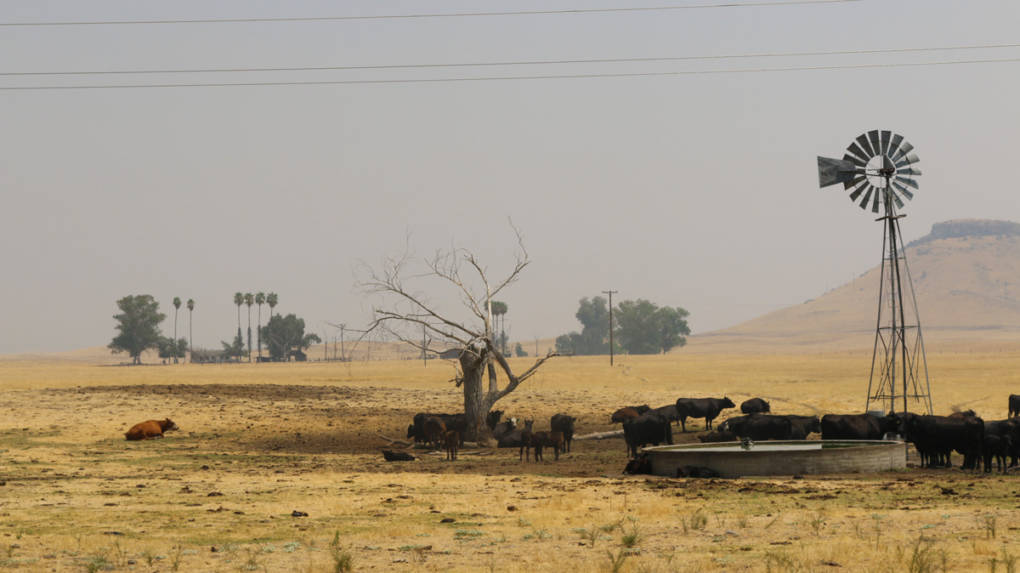
"caption": "Cows graze in a smoky field north of Fresno. Smoke from the nearby Ferguson fire and other blazes burning throughout the state has drifted and settled into the Central Valley.",
"description": "Cows graze in a smoky field north of Fresno. Smoke from the nearby Ferguson fire and other blazes burning throughout the state has drifted and settled into the Central Valley.",
"title": "8_15_18_Upton_KQED_CentralValley[1]",
"credit": "Alex Hall/KQED",
"status": "inherit",
"isLoading": false,
"fetchFailed": false
},
"science_1929790": {
"type": "attachments",
"id": "science_1929790",
"meta": {
"index": "attachments_1716263798",
"site": "science",
"id": "1929790",
"found": true
},
"parent": 1929758,
"imgSizes": {
"small": {
"file": "https://ww2.kqed.org/app/uploads/sites/35/2018/08/RANCH_SCALE_MILES_180811-520x293.jpg",
"width": 520,
"mimeType": "image/jpeg",
"height": 293
},
"twentyfourteen-full-width": {
"file": "https://ww2.kqed.org/app/uploads/sites/35/2018/08/RANCH_SCALE_MILES_180811-1038x576.jpg",
"width": 1038,
"mimeType": "image/jpeg",
"height": 576
},
"thumbnail": {
"file": "https://ww2.kqed.org/app/uploads/sites/35/2018/08/RANCH_SCALE_MILES_180811-160x90.jpg",
"width": 160,
"mimeType": "image/jpeg",
"height": 90
},
"fd-sm": {
"file": "https://ww2.kqed.org/app/uploads/sites/35/2018/08/RANCH_SCALE_MILES_180811-960x540.jpg",
"width": 960,
"mimeType": "image/jpeg",
"height": 540
},
"post-thumbnail": {
"file": "https://ww2.kqed.org/app/uploads/sites/35/2018/08/RANCH_SCALE_MILES_180811-672x372.jpg",
"width": 672,
"mimeType": "image/jpeg",
"height": 372
},
"xsmall": {
"file": "https://ww2.kqed.org/app/uploads/sites/35/2018/08/RANCH_SCALE_MILES_180811-375x211.jpg",
"width": 375,
"mimeType": "image/jpeg",
"height": 211
},
"kqedFullSize": {
"file": "https://ww2.kqed.org/app/uploads/sites/35/2018/08/RANCH_SCALE_MILES_180811.jpg",
"width": 1920,
"height": 1080
},
"large": {
"file": "https://ww2.kqed.org/app/uploads/sites/35/2018/08/RANCH_SCALE_MILES_180811-1020x574.jpg",
"width": 1020,
"mimeType": "image/jpeg",
"height": 574
},
"xlarge": {
"file": "https://ww2.kqed.org/app/uploads/sites/35/2018/08/RANCH_SCALE_MILES_180811-1180x664.jpg",
"width": 1180,
"mimeType": "image/jpeg",
"height": 664
},
"complete_open_graph": {
"file": "https://ww2.kqed.org/app/uploads/sites/35/2018/08/RANCH_SCALE_MILES_180811-1200x675.jpg",
"width": 1200,
"mimeType": "image/jpeg",
"height": 675
},
"guest-author-50": {
"file": "https://ww2.kqed.org/app/uploads/sites/35/2018/08/RANCH_SCALE_MILES_180811-50x50.jpg",
"width": 50,
"mimeType": "image/jpeg",
"height": 50
},
"guest-author-96": {
"file": "https://ww2.kqed.org/app/uploads/sites/35/2018/08/RANCH_SCALE_MILES_180811-96x96.jpg",
"width": 96,
"mimeType": "image/jpeg",
"height": 96
},
"medium": {
"file": "https://ww2.kqed.org/app/uploads/sites/35/2018/08/RANCH_SCALE_MILES_180811-800x450.jpg",
"width": 800,
"mimeType": "image/jpeg",
"height": 450
},
"guest-author-64": {
"file": "https://ww2.kqed.org/app/uploads/sites/35/2018/08/RANCH_SCALE_MILES_180811-64x64.jpg",
"width": 64,
"mimeType": "image/jpeg",
"height": 64
},
"guest-author-32": {
"file": "https://ww2.kqed.org/app/uploads/sites/35/2018/08/RANCH_SCALE_MILES_180811-32x32.jpg",
"width": 32,
"mimeType": "image/jpeg",
"height": 32
},
"fd-lrg": {
"file": "https://ww2.kqed.org/app/uploads/sites/35/2018/08/RANCH_SCALE_MILES_180811-1920x1080.jpg",
"width": 1920,
"mimeType": "image/jpeg",
"height": 1080
},
"fd-med": {
"file": "https://ww2.kqed.org/app/uploads/sites/35/2018/08/RANCH_SCALE_MILES_180811-1180x664.jpg",
"width": 1180,
"mimeType": "image/jpeg",
"height": 664
},
"full-width": {
"file": "https://ww2.kqed.org/app/uploads/sites/35/2018/08/RANCH_SCALE_MILES_180811-1920x1080.jpg",
"width": 1920,
"mimeType": "image/jpeg",
"height": 1080
},
"detail": {
"file": "https://ww2.kqed.org/app/uploads/sites/35/2018/08/RANCH_SCALE_MILES_180811-150x150.jpg",
"width": 150,
"mimeType": "image/jpeg",
"height": 150
},
"medium_large": {
"file": "https://ww2.kqed.org/app/uploads/sites/35/2018/08/RANCH_SCALE_MILES_180811-768x432.jpg",
"width": 768,
"mimeType": "image/jpeg",
"height": 432
},
"guest-author-128": {
"file": "https://ww2.kqed.org/app/uploads/sites/35/2018/08/RANCH_SCALE_MILES_180811-128x128.jpg",
"width": 128,
"mimeType": "image/jpeg",
"height": 128
},
"xxsmall": {
"file": "https://ww2.kqed.org/app/uploads/sites/35/2018/08/RANCH_SCALE_MILES_180811-240x135.jpg",
"width": 240,
"mimeType": "image/jpeg",
"height": 135
}
},
"publishDate": 1534280343,
"modified": 1534283683,
"caption": "A satellite image of smoke from the Ranch Fire, August 11, 2018. The image shows a span of 60 miles east to west and 35 miles north to south.",
"description": "A satellite image of smoke from the Ranch Fire, August 11, 2018. The image shows a span of 60 miles east to west and 35 miles north to south.",
"title": "RANCH_SCALE_MILES_180811",
"credit": "Planet Labs",
"status": "inherit",
"isLoading": false,
"fetchFailed": false
}
},
"audioPlayerReducer": {
"postId": "stream_live",
"isPaused": true,
"isPlaying": false,
"pfsActive": false,
"pledgeModalIsOpen": true,
"playerDrawerIsOpen": false,
"liveAudioPlayStartedAt": 0,
"liveAudioPlayContext": ""
},
"authorsReducer": {
"byline_science_1931822": {
"type": "authors",
"id": "byline_science_1931822",
"meta": {
"override": true
},
"slug": "byline_science_1931822",
"name": "Nathan Rott, NPR",
"isLoading": false
},
"byline_science_1931684": {
"type": "authors",
"id": "byline_science_1931684",
"meta": {
"override": true
},
"slug": "byline_science_1931684",
"name": "Julie Watson\u003cbr />The Associated Press",
"isLoading": false
},
"byline_science_1930749": {
"type": "authors",
"id": "byline_science_1930749",
"meta": {
"override": true
},
"slug": "byline_science_1930749",
"name": "Lindsay Abrams\u003cbr />Water Deeply",
"isLoading": false
},
"byline_science_1930512": {
"type": "authors",
"id": "byline_science_1930512",
"meta": {
"override": true
},
"slug": "byline_science_1930512",
"name": "Kirk Siegler, NPR",
"isLoading": false
},
"byline_science_1929784": {
"type": "authors",
"id": "byline_science_1929784",
"meta": {
"override": true
},
"slug": "byline_science_1929784",
"name": "Maya Miller, Climate Central \u003cbr /> and Alex Hall, KQED",
"isLoading": false
},
"laurensommer": {
"type": "authors",
"id": "239",
"meta": {
"index": "authors_1716337520",
"id": "239",
"found": true
},
"name": "Lauren Sommer",
"firstName": "Lauren",
"lastName": "Sommer",
"slug": "laurensommer",
"email": "lsommer@kqed.org",
"display_author_email": false,
"staff_mastheads": [],
"title": "KQED Contributor",
"bio": "Lauren is a radio reporter formerly covering environment, water, and energy for KQED Science. As part of her day job, she has scaled Sierra Nevada peaks, run from charging elephant seals, and desperately tried to get her sea legs - all in pursuit of good radio. Her work has appeared on Marketplace, Living on Earth, Science Friday and NPR's Morning Edition and All Things Considered. You can find her on Twitter at \u003ca href=\"https://twitter.com/lesommer\">@lesommer\u003c/a>.",
"avatar": "https://secure.gravatar.com/avatar/33aa3772bb86c6ad45b8aca6a238bbdf?s=600&d=blank&r=g",
"twitter": null,
"facebook": null,
"instagram": null,
"linkedin": null,
"sites": [
{
"site": "news",
"roles": [
"author"
]
},
{
"site": "science",
"roles": [
"editor",
"manage_content_types",
"manage_taxonomies"
]
},
{
"site": "quest",
"roles": [
"editor"
]
}
],
"headData": {
"title": "Lauren Sommer | KQED",
"description": "KQED Contributor",
"ogImgSrc": "https://secure.gravatar.com/avatar/33aa3772bb86c6ad45b8aca6a238bbdf?s=600&d=blank&r=g",
"twImgSrc": "https://secure.gravatar.com/avatar/33aa3772bb86c6ad45b8aca6a238bbdf?s=600&d=blank&r=g"
},
"isLoading": false,
"link": "/author/laurensommer"
},
"kdomara": {
"type": "authors",
"id": "1459",
"meta": {
"index": "authors_1716337520",
"id": "1459",
"found": true
},
"name": "Kelly O'Mara",
"firstName": "Kelly",
"lastName": "O'Mara",
"slug": "kdomara",
"email": "komara@kqed.org",
"display_author_email": false,
"staff_mastheads": [
"news"
],
"title": "KQED Contributor",
"bio": "Kelly O'Mara is a writer and reporter in the San Francisco Bay Area. She writes about food, health, sports, travel, business and California news. Her work has appeared on KQED, online for Outside Magazine, epsnW, VICE and in Competitor Magazine, among others. Follow Kelly on Twitter \u003ca href=\"https://twitter.com/kellydomara\">@kellydomara\u003c/a>.",
"avatar": "https://secure.gravatar.com/avatar/768fec7412028b72f13bdd0f5f9d8186?s=600&d=blank&r=g",
"twitter": null,
"facebook": null,
"instagram": null,
"linkedin": null,
"sites": [
{
"site": "arts",
"roles": []
},
{
"site": "news",
"roles": []
},
{
"site": "bayareabites",
"roles": []
},
{
"site": "stateofhealth",
"roles": []
},
{
"site": "science",
"roles": []
},
{
"site": "checkplease",
"roles": [
"editor"
]
},
{
"site": "food",
"roles": []
},
{
"site": "forum",
"roles": [
"editor"
]
},
{
"site": "liveblog",
"roles": [
"editor"
]
}
],
"headData": {
"title": "Kelly O'Mara | KQED",
"description": "KQED Contributor",
"ogImgSrc": "https://secure.gravatar.com/avatar/768fec7412028b72f13bdd0f5f9d8186?s=600&d=blank&r=g",
"twImgSrc": "https://secure.gravatar.com/avatar/768fec7412028b72f13bdd0f5f9d8186?s=600&d=blank&r=g"
},
"isLoading": false,
"link": "/author/kdomara"
},
"aahmed": {
"type": "authors",
"id": "11428",
"meta": {
"index": "authors_1716337520",
"id": "11428",
"found": true
},
"name": "Amel Ahmed",
"firstName": "Amel",
"lastName": "Ahmed",
"slug": "aahmed",
"email": "aahmed@kqed.org",
"display_author_email": false,
"staff_mastheads": [],
"title": "KQED Contributor",
"bio": "Amel Ahmed is a reporter for KQED. Prior to joining KQED, Amel worked at Al Jazeera America, Al Jazeera English, Democracy Now! and Punched Productions. She also helped produce \u003cem>Changing Face of Harlem\u003c/em>, a documentary that tracked gentrification in Harlem over a period of ten years. She is a 2013 graduate of Brooklyn Law School and is currently researching war on terror prosecutions for an upcoming book.",
"avatar": "https://secure.gravatar.com/avatar/c8b48ebc98e770640f3013c470d23f3e?s=600&d=blank&r=g",
"twitter": "amelscript",
"facebook": null,
"instagram": null,
"linkedin": null,
"sites": [
{
"site": "futureofyou",
"roles": []
},
{
"site": "science",
"roles": []
}
],
"headData": {
"title": "Amel Ahmed | KQED",
"description": "KQED Contributor",
"ogImgSrc": "https://secure.gravatar.com/avatar/c8b48ebc98e770640f3013c470d23f3e?s=600&d=blank&r=g",
"twImgSrc": "https://secure.gravatar.com/avatar/c8b48ebc98e770640f3013c470d23f3e?s=600&d=blank&r=g"
},
"isLoading": false,
"link": "/author/aahmed"
},
"aweill": {
"type": "authors",
"id": "11518",
"meta": {
"index": "authors_1716337520",
"id": "11518",
"found": true
},
"name": "Allie Weill",
"firstName": "Allie",
"lastName": "Weill",
"slug": "aweill",
"email": "aweill@kqed.org",
"display_author_email": false,
"staff_mastheads": [],
"title": "KQED Contributor",
"bio": "Allie Weill is the 2018 AAAS Mass Media Fellow at KQED Science. Allie comes to KQED from the University of California, Davis, where her dissertation research focuses on wildfire in California shrublands. She has a background in youth science education and citizen science and has taught about environmental topics in a wide range of places, from boats on the Hudson River to the forests of the Sierra Nevada. She has a BA in Biological Sciences and a BS in Geophysical Sciences from the University of Chicago. Her interests include plants, fire, lichens, fossils, diversity in science, crossword puzzles, and pie making. Find her on Twitter @Al_R_Wallace",
"avatar": "https://secure.gravatar.com/avatar/f08760c1295c7adfc339c9eb765a3230?s=600&d=blank&r=g",
"twitter": null,
"facebook": null,
"instagram": null,
"linkedin": null,
"sites": [
{
"site": "news",
"roles": [
"contributor"
]
},
{
"site": "science",
"roles": []
}
],
"headData": {
"title": "Allie Weill | KQED",
"description": "KQED Contributor",
"ogImgSrc": "https://secure.gravatar.com/avatar/f08760c1295c7adfc339c9eb765a3230?s=600&d=blank&r=g",
"twImgSrc": "https://secure.gravatar.com/avatar/f08760c1295c7adfc339c9eb765a3230?s=600&d=blank&r=g"
},
"isLoading": false,
"link": "/author/aweill"
}
},
"pagesReducer": {
"science_category_wildfires": {
"type": "terms",
"id": "science_3730",
"meta": {
"index": "terms_1716263798",
"site": "science",
"id": "3730",
"score": 12.461045
},
"featImg": null,
"name": "Wildfires",
"description": null,
"taxonomy": "category",
"headData": {
"twImgId": null,
"twTitle": null,
"ogTitle": null,
"ogImgId": null,
"twDescription": null,
"description": null,
"title": "Wildfires Archives | KQED Science",
"ogDescription": null
},
"ttid": 3730,
"slug": "wildfires",
"isLoading": false,
"title": "Wildfires",
"pageMeta": {
"site": "science",
"WpPageTemplate": "page-topic-editorial",
"currentPage": 17
},
"blocks": [
{
"blockName": "kqed/post-list",
"attrs": {
"layout": "cardArticle2",
"query": "posts/science?category=wildfires",
"seeMore": false,
"paginated": true,
"page": 17
}
},
{
"blockName": "kqed/ad"
}
]
}
},
"pfsSessionReducer": {},
"postsReducer": {
"stream_live": {
"type": "live",
"id": "stream_live",
"audioUrl": "https://streams.kqed.org/kqedradio",
"title": "Live Stream",
"excerpt": "Live Stream information currently unavailable.",
"link": "/radio",
"featImg": "",
"label": {
"name": "KQED Live",
"link": "/"
}
},
"stream_kqedNewscast": {
"type": "posts",
"id": "stream_kqedNewscast",
"audioUrl": "https://www.kqed.org/.stream/anon/radio/RDnews/newscast.mp3?_=1",
"title": "KQED Newscast",
"featImg": "",
"label": {
"name": "88.5 FM",
"link": "/"
}
},
"science_1934364": {
"type": "posts",
"id": "science_1934364",
"meta": {
"index": "posts_1716263798",
"site": "science",
"id": "1934364",
"score": null,
"sort": [
1542330930000
]
},
"parent": 0,
"labelTerm": {
"site": "science"
},
"blocks": [],
"publishDate": 1542330930,
"format": "standard",
"title": "What You Need to Know About the Bay Area's Current Abysmal Air Quality",
"headTitle": "What You Need to Know About the Bay Area’s Current Abysmal Air Quality | KQED",
"content": "\u003cp>Since \u003ca href=\"https://www.kqed.org/news/11705243/california-wildfires-what-you-need-to-know\" target=\"_blank\" rel=\"noopener\">the Camp Fire\u003c/a> in Butte County blew up a week ago, the Bay Area has been choked with smoke, fouling the air quality throughout the region. As of Thursday afternoon, air quality readings had gotten so bad in San Francisco that it reached “hazardous” levels per EPA standards. Due to the smoke, a number of Bay Area school districts have \u003ca href=\"https://www.kqed.org/news/11706584/friday-school-closures-and-restrictions-announced-for-the-bay-area\" target=\"_blank\" rel=\"noopener\">canceled classes on Friday.\u003c/a>\u003c/p>\n\u003cp>Conditions are expected \u003ca href=\"https://www.kqed.org/science/1934155/smoke-from-camp-fire-blankets-bay-area\" target=\"_blank\" rel=\"noopener\">to remain smoky at least through the weekend\u003c/a>, stretching the current stint of bad air to nearly two weeks, and leaving many residents wondering how to cope.\u003c/p>\n\u003cp>[contextly_sidebar id=”pDXbVZZoq1WjaMJkElnjfAXBMcSLtJSw”]Sharon Chinthrajah, a clinical associate professor in allergy and immunology at Stanford, and Kirk Smith, a professor of global environmental health at UC Berkeley, appeared on \u003ca href=\"https://www.kqed.org/forum/2010101868246/wildfire-smoke-air-quality-and-your-health\" target=\"_blank\" rel=\"noopener\">KQED’s Forum program\u003c/a> Wednesday to answer questions about smoke, air quality and the resulting health effects from exposure to toxic particles.\u003c/p>\n\u003cp>Some key takeaways:\u003c/p>\n\u003ch3>What Exactly is in the Air?\u003c/h3>\n\u003cp>When wildfires burn, they release a range of particles into the air. Wood smoke also contains chemicals like formaldehyde and benzene, especially when fire sweeps through urban areas.\u003c/p>\n\u003cp>[ad fullwidth]\u003c/p>\n\u003cp>Most of the ash consists of visible particles, but “really it’s the small particles we worry about,” said Chinthrajah. In “particular,” she means \u003ca href=\"http://www.npi.gov.au/resource/particulate-matter-pm10-and-pm25\" target=\"_blank\" rel=\"noopener\">particles less than 2.5 microns\u003c/a> in diameter. (A micron is 1/1,000,000th of a meter, or .00004 inches. For comparison, a human red blood cell is about five microns across.) When you breathe in particles smaller than 2.5 microns in diameter, they can readily enter your lungs and bloodstream.\u003c/p>\n\u003ch3>Long-term v. Short-term Health Effects\u003c/h3>\n\u003cp>While there are a number of studies that have tracked the long-term effects of breathing in chronic air pollution, said Smith, it’s more difficult to pin down the short-term effects. In the long-term, chronic exposure to small particles has been linked to early morbidity, decreased lung function, and compromised immune cells. \u003ca href=\"https://www.eurekalert.org/pub_releases/2017-10/tl-tlp101817.php\" target=\"_blank\" rel=\"noopener\">One study\u003c/a> suggested that 6.5 million people die each year prematurely due to poor air quality. In the short-term, however, it’s difficult to pin down what the effects are to those who aren’t already vulnerable to existing heart or lung disease.\u003c/p>\n\u003ch3>How to Keep Track of the Air Quality\u003c/h3>\n\u003cp>There are a number of sites that track air quality, such as \u003ca href=\"https://airnow.gov\" target=\"_blank\" rel=\"noopener\">AirNow.gov\u003c/a>, which uses sensors and data from the Bay Area Air Quality Management District, and the privately run \u003ca href=\"https://www.purpleair.com/map?#11/37.7846/-122.3379\" target=\"_blank\" rel=\"noopener\">PurpleAir\u003c/a>, and uses crowd-sourced data from its own network of for-sale air quality sensors. Many of them have been overrun with web traffic, however. You can also use\u003ca href=\"https://www.kqed.org/science/1930023/map-heres-your-daily-air-quality-report-for-the-bay-area\" target=\"_blank\" rel=\"noopener\"> the KQED air quality map\u003c/a>, which is updated continually with AirNow data.\u003c/p>\n\u003cp>[contextly_sidebar id=”szYmvQahwNmXyG8eZRFOmSVPE8fyri4S”]All of these sites allow you to type in your zip code and see the AQI, or Air Quality Index number, with a description of what that number means. The AQI is a standard calculation that quantifies both ozone pollution and PM 2.5, or particles 2.5 microns wide. AQI numbers over 100 are considered unhealthy for sensitive groups, over 150 is considered unhealthy even for healthy people, and over 200 is considered hazardous.\u003c/p>\n\u003cp>While we are currently experiencing values in the high-100s and low-200s, other parts of the world regularly have AQI numbers higher than that. New Delhi, where Smith lives half of the year, had a 340 AQI when he looked it up before coming on the program. It’s a “\u003ca href=\"https://waqi.info/\" target=\"_blank\" rel=\"noopener\">global phenomenon\u003c/a>,” he said, adding for perspective that the worst air-quality days in the Bay Area are probably comparable to the best days in New Delhi.\u003c/p>\n\u003ch3>How to Protect Yourself\u003c/h3>\n\u003cp>Limit your outdoor exposure. Even in a drafty house, the amount of air pollution is less than outdoors, because particles are absorbed partially by walls and don’t penetrate fully. Indoor air in the average house in the U.S., said Smith, is typically 15 percent less polluted than outside.\u003c/p>\n\u003cp>[contextly_sidebar id=”fNL3Os6xjtEbhZRcgtol0ySPLqslM08y”]However, if you have HEPA-certified air filters running, doors and windows closed, gaps sealed, and the air recirculating inside the house, then you can bring the air pollution levels down to 3-4 times lower than outside, Smith noted. Most air conditioners, heaters and air circulation units bring air in from the outdoors. You want to turn off that function and let the system recirculate indoor air.\u003c/p>\n\u003cp>Don’t go in and out of the house frequently, so as not to bring in outside air, and don’t burn things inside the house, like candles or incense. Unfortunately there hasn’t been a consistent government standard for testing air filters, but you want to have a filter rated to at least PM 2.5 and from a reputable company. Additionally, said Smith, you’ll want to consider the CADR (clean air delivery rate) of your air filter; a small filter in the corner won’t deliver enough cubic feet of clean air to fill a large room. And you need to replace the filters in the units regularly, both in your furnace, portable air filters and in your car.\u003c/p>\n\u003cp>If you have to be outside, then a mask rated at least N95 can catch many of the particles, if it fits well, said Chinthrajah. Health professionals will even get their masks fitted to make sure there is a good seal that doesn’t let air in. However, over-the-counter masks can fit badly, particularly for small kids or adults with facial hair.\u003c/p>\n\u003cp>\u003c/p>\n\u003cp>“Unless it’s very uncomfortable, it’s not working,” said Smith. Masks also don’t last forever. Particles get trapped in them over time and the masks have to be replaced. Although it depends on the pollution levels, Smith suggested replacing them every few days or over a week at most, in conditions like this.\u003c/p>\n\n",
"stats": {
"hasVideo": false,
"hasChartOrMap": false,
"hasAudio": false,
"hasPolis": false,
"wordCount": 1007,
"hasGoogleForm": false,
"hasGallery": false,
"hasHearkenModule": false,
"iframeSrcs": [],
"paragraphCount": 17
},
"modified": 1704927313,
"excerpt": "Two experts on KQED's Forum program answer questions about smoke, air quality, and how to protect yourself.",
"headData": {
"twImgId": "",
"twTitle": "",
"ogTitle": "",
"ogImgId": "",
"twDescription": "",
"description": "Two experts on KQED's Forum program answer questions about smoke, air quality, and how to protect yourself.",
"title": "What You Need to Know About the Bay Area's Current Abysmal Air Quality | KQED",
"ogDescription": "",
"schema": {
"@context": "https://schema.org",
"@type": "Article",
"headline": "What You Need to Know About the Bay Area's Current Abysmal Air Quality",
"datePublished": "2018-11-15T17:15:30-08:00",
"dateModified": "2024-01-10T14:55:13-08:00",
"image": "https://cdn.kqed.org/wp-content/uploads/2020/02/KQED-OG-Image@1x.png"
}
},
"guestAuthors": [],
"slug": "what-you-need-to-know-about-the-bay-areas-current-abysmal-air-quality",
"status": "publish",
"sticky": false,
"path": "/science/1934364/what-you-need-to-know-about-the-bay-areas-current-abysmal-air-quality",
"audioTrackLength": null,
"parsedContent": [
{
"type": "contentString",
"content": "\u003cdiv class=\"post-body\">\u003cp>\u003cp>Since \u003ca href=\"https://www.kqed.org/news/11705243/california-wildfires-what-you-need-to-know\" target=\"_blank\" rel=\"noopener\">the Camp Fire\u003c/a> in Butte County blew up a week ago, the Bay Area has been choked with smoke, fouling the air quality throughout the region. As of Thursday afternoon, air quality readings had gotten so bad in San Francisco that it reached “hazardous” levels per EPA standards. Due to the smoke, a number of Bay Area school districts have \u003ca href=\"https://www.kqed.org/news/11706584/friday-school-closures-and-restrictions-announced-for-the-bay-area\" target=\"_blank\" rel=\"noopener\">canceled classes on Friday.\u003c/a>\u003c/p>\n\u003cp>Conditions are expected \u003ca href=\"https://www.kqed.org/science/1934155/smoke-from-camp-fire-blankets-bay-area\" target=\"_blank\" rel=\"noopener\">to remain smoky at least through the weekend\u003c/a>, stretching the current stint of bad air to nearly two weeks, and leaving many residents wondering how to cope.\u003c/p>\n\u003cp>\u003c/p>\u003cp>\u003c/p>\u003cp>Sharon Chinthrajah, a clinical associate professor in allergy and immunology at Stanford, and Kirk Smith, a professor of global environmental health at UC Berkeley, appeared on \u003ca href=\"https://www.kqed.org/forum/2010101868246/wildfire-smoke-air-quality-and-your-health\" target=\"_blank\" rel=\"noopener\">KQED’s Forum program\u003c/a> Wednesday to answer questions about smoke, air quality and the resulting health effects from exposure to toxic particles.\u003c/p>\n\u003cp>Some key takeaways:\u003c/p>\n\u003ch3>What Exactly is in the Air?\u003c/h3>\n\u003cp>When wildfires burn, they release a range of particles into the air. Wood smoke also contains chemicals like formaldehyde and benzene, especially when fire sweeps through urban areas.\u003c/p>\n\u003cp>\u003c/p>\u003c/div>",
"attributes": {
"named": {},
"numeric": []
}
},
{
"type": "component",
"content": "",
"name": "ad",
"attributes": {
"named": {
"label": "fullwidth"
},
"numeric": [
"fullwidth"
]
}
},
{
"type": "contentString",
"content": "\u003cdiv class=\"post-body\">\u003cp>\u003c/p>\n\u003cp>Most of the ash consists of visible particles, but “really it’s the small particles we worry about,” said Chinthrajah. In “particular,” she means \u003ca href=\"http://www.npi.gov.au/resource/particulate-matter-pm10-and-pm25\" target=\"_blank\" rel=\"noopener\">particles less than 2.5 microns\u003c/a> in diameter. (A micron is 1/1,000,000th of a meter, or .00004 inches. For comparison, a human red blood cell is about five microns across.) When you breathe in particles smaller than 2.5 microns in diameter, they can readily enter your lungs and bloodstream.\u003c/p>\n\u003ch3>Long-term v. Short-term Health Effects\u003c/h3>\n\u003cp>While there are a number of studies that have tracked the long-term effects of breathing in chronic air pollution, said Smith, it’s more difficult to pin down the short-term effects. In the long-term, chronic exposure to small particles has been linked to early morbidity, decreased lung function, and compromised immune cells. \u003ca href=\"https://www.eurekalert.org/pub_releases/2017-10/tl-tlp101817.php\" target=\"_blank\" rel=\"noopener\">One study\u003c/a> suggested that 6.5 million people die each year prematurely due to poor air quality. In the short-term, however, it’s difficult to pin down what the effects are to those who aren’t already vulnerable to existing heart or lung disease.\u003c/p>\n\u003ch3>How to Keep Track of the Air Quality\u003c/h3>\n\u003cp>There are a number of sites that track air quality, such as \u003ca href=\"https://airnow.gov\" target=\"_blank\" rel=\"noopener\">AirNow.gov\u003c/a>, which uses sensors and data from the Bay Area Air Quality Management District, and the privately run \u003ca href=\"https://www.purpleair.com/map?#11/37.7846/-122.3379\" target=\"_blank\" rel=\"noopener\">PurpleAir\u003c/a>, and uses crowd-sourced data from its own network of for-sale air quality sensors. Many of them have been overrun with web traffic, however. You can also use\u003ca href=\"https://www.kqed.org/science/1930023/map-heres-your-daily-air-quality-report-for-the-bay-area\" target=\"_blank\" rel=\"noopener\"> the KQED air quality map\u003c/a>, which is updated continually with AirNow data.\u003c/p>\n\u003cp>\u003c/p>\u003cp>\u003c/p>\u003cp>All of these sites allow you to type in your zip code and see the AQI, or Air Quality Index number, with a description of what that number means. The AQI is a standard calculation that quantifies both ozone pollution and PM 2.5, or particles 2.5 microns wide. AQI numbers over 100 are considered unhealthy for sensitive groups, over 150 is considered unhealthy even for healthy people, and over 200 is considered hazardous.\u003c/p>\n\u003cp>While we are currently experiencing values in the high-100s and low-200s, other parts of the world regularly have AQI numbers higher than that. New Delhi, where Smith lives half of the year, had a 340 AQI when he looked it up before coming on the program. It’s a “\u003ca href=\"https://waqi.info/\" target=\"_blank\" rel=\"noopener\">global phenomenon\u003c/a>,” he said, adding for perspective that the worst air-quality days in the Bay Area are probably comparable to the best days in New Delhi.\u003c/p>\n\u003ch3>How to Protect Yourself\u003c/h3>\n\u003cp>Limit your outdoor exposure. Even in a drafty house, the amount of air pollution is less than outdoors, because particles are absorbed partially by walls and don’t penetrate fully. Indoor air in the average house in the U.S., said Smith, is typically 15 percent less polluted than outside.\u003c/p>\n\u003cp>\u003c/p>\u003cp>\u003c/p>\u003cp>However, if you have HEPA-certified air filters running, doors and windows closed, gaps sealed, and the air recirculating inside the house, then you can bring the air pollution levels down to 3-4 times lower than outside, Smith noted. Most air conditioners, heaters and air circulation units bring air in from the outdoors. You want to turn off that function and let the system recirculate indoor air.\u003c/p>\n\u003cp>Don’t go in and out of the house frequently, so as not to bring in outside air, and don’t burn things inside the house, like candles or incense. Unfortunately there hasn’t been a consistent government standard for testing air filters, but you want to have a filter rated to at least PM 2.5 and from a reputable company. Additionally, said Smith, you’ll want to consider the CADR (clean air delivery rate) of your air filter; a small filter in the corner won’t deliver enough cubic feet of clean air to fill a large room. And you need to replace the filters in the units regularly, both in your furnace, portable air filters and in your car.\u003c/p>\n\u003cp>If you have to be outside, then a mask rated at least N95 can catch many of the particles, if it fits well, said Chinthrajah. Health professionals will even get their masks fitted to make sure there is a good seal that doesn’t let air in. However, over-the-counter masks can fit badly, particularly for small kids or adults with facial hair.\u003c/p>\n\u003cp>\u003c/p>\n\u003cp>“Unless it’s very uncomfortable, it’s not working,” said Smith. Masks also don’t last forever. Particles get trapped in them over time and the masks have to be replaced. Although it depends on the pollution levels, Smith suggested replacing them every few days or over a week at most, in conditions like this.\u003c/p>\n\n\u003c/div>\u003c/p>",
"attributes": {
"named": {},
"numeric": []
}
}
],
"link": "/science/1934364/what-you-need-to-know-about-the-bay-areas-current-abysmal-air-quality",
"authors": [
"1459"
],
"categories": [
"science_35",
"science_40",
"science_3730"
],
"tags": [
"science_524",
"science_3820",
"science_3370",
"science_113"
],
"featImg": "science_1934379",
"label": "science"
},
"science_1934332": {
"type": "posts",
"id": "science_1934332",
"meta": {
"index": "posts_1716263798",
"site": "science",
"id": "1934332",
"score": null,
"sort": [
1542326473000
]
},
"parent": 0,
"labelTerm": {
"site": "science"
},
"blocks": [],
"publishDate": 1542326473,
"format": "standard",
"title": "The Largest, Deadliest and Most Destructive Fires in California History",
"headTitle": "The Largest, Deadliest and Most Destructive Fires in California History | KQED",
"content": "\u003cp>\u003cstrong>UPDATED: Monday, Dec. 5\u003c/strong>\u003c/p>\n\u003cp>This week \u003ca href=\"https://www.kqed.org/news/11705243/california-wildfires-what-you-need-to-know\" target=\"_blank\" rel=\"noopener\">the Camp Fire burning in Butte County\u003c/a> became the deadliest and most destructive wildfire in California history, with 85 deaths reported to date.\u003c/p>\n\u003cp>Five of the most destructive fires and two of the deadliest have occurred in the last two years, according to Cal Fire records. That doesn’t count the Thomas Fire in Southern California last year, in which just two people died as a direct result of the fire, but 21 more deaths were attributed to the mudslides that followed the fire.\u003c/p>\n\u003cp>“I’ve been doing this job for 31 years and probably in the last five, maybe seven years, every year seems to get worse,” Cal Fire Chief Scott Jalbert \u003ca href=\"https://www.youtube.com/watch?v=2Lej-NG9Qb4\" target=\"_blank\" rel=\"noopener\">told the \u003cem>Associated Press\u003c/em> recently\u003c/a>. He attributed some of the extreme fires to drought conditions and strong winds.\u003c/p>\n\u003cp>[contextly_sidebar id=”eFcWMsVCKbrP5A0zx4EcbJ5R8rPwZe2Y”]Over the weekend President Trump twice \u003ca href=\"https://twitter.com/realDonaldTrump/status/1061168803218948096\">tweeted \u003c/a>that the \u003ca href=\"https://twitter.com/realDonaldTrump/status/1061554334276747264\">fires \u003c/a>were the result of poor forest management, threatening to withhold federal aid if the problem wasn’t remedied. But forest management is just one factor in fire prevention — with \u003ca href=\"https://www.kqed.org/news/11705903/megafires-more-frequent-because-of-climate-change-and-forest-management\" target=\"_blank\" rel=\"noopener\">climate change and global warming contributing to an increase in the number of large fires\u003c/a>.\u003c/p>\n\u003cp>[ad fullwidth]\u003c/p>\n\u003cp>“Managing all the forests in every way we can does not stop climate change, and those who deny that are definitely contributing to the tragedies that we are now witnessing and will continue to witness,” Gov. Jerry Brown said during a news conference over the weekend.\u003c/p>\n\u003cp>Human-driven warming is \u003ca href=\"https://www.sfchronicle.com/bayarea/article/Wildfires-getting-worse-due-to-climate-change-9961409.php\" target=\"_blank\" rel=\"noopener\">drying out forests\u003c/a> to the point that peak fire seasons in the region have increased every year by about nine days since 2000, according to a 2017 study. Since 1970, average annual temperatures for the region have increased by 1.9 degree Farenheit, \u003ca href=\"https://www.ucsusa.org/global-warming/science-and-impacts/impacts/infographic-wildfires-climate-change.html#.W2thz_5KjOQ\" target=\"_blank\" rel=\"noopener\">about twice the pace\u003c/a> of the global average warming, according to data from the Union of Concerned Scientists. Meanwhile urbanization is contributing to the destructiveness of wildfires \u003ca href=\"https://www.kqed.org/science/1928770\" target=\"_blank\" rel=\"noopener\">as more people\u003c/a> move into harm’s way.\u003c/p>\n\u003cp>[contextly_sidebar id=”sAMHMv8j4MaXTDuTDFQaD5FcHgfSpODc”]What this means is the list of biggest and most destructive fires may need more updating soon. Below are the current top ten largest, most destructive and deadliest wildfires, according to Cal Fire records.\u003c/p>\n\u003cp>\u003cem>See all of our ongoing \u003ca href=\"https://www.kqed.org/news/tag/wildfires/\" target=\"_blank\" rel=\"noopener\">wildfire coverage\u003c/a>.\u003c/em>\u003c/p>\n\u003cfigure id=\"attachment_1934341\" class=\"wp-caption aligncenter\" style=\"max-width: 800px\">\u003cimg loading=\"lazy\" decoding=\"async\" class=\"size-medium wp-image-1934341\" src=\"https://ww2.kqed.org/science/wp-content/uploads/sites/35/2018/11/RS28632_Thomas-Fire-1-800x532.jpg\" alt=\"\" width=\"800\" height=\"532\" srcset=\"https://cdn.kqed.org/wp-content/uploads/sites/35/2018/11/RS28632_Thomas-Fire-1-800x532.jpg 800w, https://cdn.kqed.org/wp-content/uploads/sites/35/2018/11/RS28632_Thomas-Fire-1-160x106.jpg 160w, https://cdn.kqed.org/wp-content/uploads/sites/35/2018/11/RS28632_Thomas-Fire-1-768x511.jpg 768w, https://cdn.kqed.org/wp-content/uploads/sites/35/2018/11/RS28632_Thomas-Fire-1-1020x678.jpg 1020w, https://cdn.kqed.org/wp-content/uploads/sites/35/2018/11/RS28632_Thomas-Fire-1-960x638.jpg 960w, https://cdn.kqed.org/wp-content/uploads/sites/35/2018/11/RS28632_Thomas-Fire-1-240x160.jpg 240w, https://cdn.kqed.org/wp-content/uploads/sites/35/2018/11/RS28632_Thomas-Fire-1-375x249.jpg 375w, https://cdn.kqed.org/wp-content/uploads/sites/35/2018/11/RS28632_Thomas-Fire-1-520x346.jpg 520w, https://cdn.kqed.org/wp-content/uploads/sites/35/2018/11/RS28632_Thomas-Fire-1.jpg 1024w\" sizes=\"(max-width: 800px) 100vw, 800px\">\u003cfigcaption class=\"wp-caption-text\">Firefighters monitor the flames during the Thomas Fire in Dec. 2017. \u003ccite>(ROBYN BECK/AFP/GETTY IMAGES)\u003c/cite>\u003c/figcaption>\u003c/figure>\n\u003ch3>Top 10 Largest Fires\u003c/h3>\n\u003col>\n\u003cli>\u003cstrong>Mendocino Complex, July 2018.\u003c/strong> Mendocino, Lake, Glenn and Colusa counties. 459,123 acres burned. 280 structures destroyed. One death. Cause is still under investigation\u003c/li>\n\u003cli>\u003cstrong>Thomas Fire, December 2017.\u003c/strong> Ventura and Santa Barbara counties. 281,893 acres burned. 1,063 structures destroyed. Two deaths (with an additional 21 deaths attributed to the mudslides that followed the fire). Cause is still under investigation.\u003c/li>\n\u003cli>\u003cstrong>Cedar Fire, October 2003.\u003c/strong> San Diego County. 273,246 acres burned. 2,820 structures destroyed. Fifteen deaths. Sparked by a signal fire from lost hunter.\u003c/li>\n\u003cli>\u003cstrong>Rush Fire, August 2012.\u003c/strong> Lassen County. 271,911 acres burned (with an additional 43,665 acres burned in Nevada). No structures destroyed. Zero deaths. Sparked by lightning.\u003c/li>\n\u003cli>\u003cstrong>Rim Fire, August 2013.\u003c/strong> Tuolumne County. 257,314 acres burned. 112 structures destroyed. Zero deaths. Sparked by camp fire.\u003c/li>\n\u003cli>\u003cstrong>Zaca Fire, July 2007.\u003c/strong> Santa Barbara County. 240,207 acres burned. One structure destroyed. Zero deaths. The fire was caused by sparks from a grinding machine on private property.\u003c/li>\n\u003cli>\u003cstrong>Carr Fire, July 2018\u003c/strong>. Shasta and Trinity counties. 229,651 acres. 1,604 structures destroyed. Eight deaths. Sparked by a tractor trailer scraping against pavement.\u003c/li>\n\u003cli>\u003cstrong>Matilija Fire, September 1932.\u003c/strong> Ventura County. 220,000 acres burned. No structures destroyed. Zero deaths. Unknown cause.\u003c/li>\n\u003cli>\u003cstrong>Witch Fire, October 2007.\u003c/strong> San Diego County. 197,990 acres burned. 1,650 structures destroyed. Two deaths. Sparked by power lines.\u003c/li>\n\u003cli>\u003cstrong>Klamath Theater Complex, June 2008.\u003c/strong> Siskiyou County. 192,038 acres. Zero structures destroyed. Two deaths. Sparked by lightning.\u003c/li>\n\u003c/ol>\n\u003cfigure id=\"attachment_1934339\" class=\"wp-caption aligncenter\" style=\"max-width: 800px\">\u003cimg loading=\"lazy\" decoding=\"async\" class=\"size-medium wp-image-1934339\" src=\"https://ww2.kqed.org/science/wp-content/uploads/sites/35/2018/11/RS33883_IMG_1259-qut-800x533.jpg\" alt=\"\" width=\"800\" height=\"533\" srcset=\"https://cdn.kqed.org/wp-content/uploads/sites/35/2018/11/RS33883_IMG_1259-qut-800x533.jpg 800w, https://cdn.kqed.org/wp-content/uploads/sites/35/2018/11/RS33883_IMG_1259-qut-160x107.jpg 160w, https://cdn.kqed.org/wp-content/uploads/sites/35/2018/11/RS33883_IMG_1259-qut-768x512.jpg 768w, https://cdn.kqed.org/wp-content/uploads/sites/35/2018/11/RS33883_IMG_1259-qut-1020x680.jpg 1020w, https://cdn.kqed.org/wp-content/uploads/sites/35/2018/11/RS33883_IMG_1259-qut-1200x800.jpg 1200w, https://cdn.kqed.org/wp-content/uploads/sites/35/2018/11/RS33883_IMG_1259-qut.jpg 1920w, https://cdn.kqed.org/wp-content/uploads/sites/35/2018/11/RS33883_IMG_1259-qut-1180x787.jpg 1180w, https://cdn.kqed.org/wp-content/uploads/sites/35/2018/11/RS33883_IMG_1259-qut-960x640.jpg 960w, https://cdn.kqed.org/wp-content/uploads/sites/35/2018/11/RS33883_IMG_1259-qut-240x160.jpg 240w, https://cdn.kqed.org/wp-content/uploads/sites/35/2018/11/RS33883_IMG_1259-qut-375x250.jpg 375w, https://cdn.kqed.org/wp-content/uploads/sites/35/2018/11/RS33883_IMG_1259-qut-520x347.jpg 520w\" sizes=\"(max-width: 800px) 100vw, 800px\">\u003cfigcaption class=\"wp-caption-text\">The destruction in Paradise has wiped out nearly the entire town. \u003ccite>(Danielle Venton/KQED)\u003c/cite>\u003c/figcaption>\u003c/figure>\n\u003ch3>Top 10 Most Destructive Fires\u003c/h3>\n\u003col>\n\u003cli>\u003cstrong>Camp Fire, November 2018 (ongoing).\u003c/strong> Butte County. As of Nov. 16, About 16,000 structures destroyed. 151,000 acres burned. 77 deaths. Cause is still under investigation.\u003c/li>\n\u003cli>\u003cstrong>Tubbs Fire, October 2017\u003c/strong>. Napa and Sonoma counties. 5,643 structures destroyed. 36,807 acres burned. 22 deaths. Cause is still under investigation.\u003c/li>\n\u003cli>\u003cstrong>Tunnel-Oakland Hills Fire, October 1991\u003c/strong>. Alameda County. 2,900 structures destroyed. 1,600 acres burned. 25 deaths. Sparked by a rekindled grassfire and spread by heavy winds.\u003c/li>\n\u003cli>\u003cstrong>Cedar Fire, October 2003\u003c/strong>. San Diego. 2,820 structures destroyed. 273,246 acres burned. Fifteen deaths. Sparked by a signal fire from lost hunter.\u003c/li>\n\u003cli>\u003cstrong>Valley Fire, September 2015\u003c/strong>. Lake, Napa and Sonoma counties. 1,955, structures destroyed. 76,067 acres burned. Four deaths. Sparked by faulty wiring in a hot tub installation.\u003c/li>\n\u003cli>\u003cstrong>Witch Fire, October 2007.\u003c/strong> San Diego County. 1,650 structures destroyed. 197,990 acres burned. Two deaths. Sparked by power lines.\u003c/li>\n\u003cli>\u003cstrong>Carr Fire, July 2018.\u003c/strong> Shasta and Trinity counties. 1,604 structures destroyed. 229,651 acres burned. Eight deaths. Sparked by a tractor trailer scraping against pavement.\u003c/li>\n\u003cli>\u003cstrong>Nuns Fire, October 2017.\u003c/strong> Sonoma County. 1,355 structures destroyed. 54,382 acres burned. Three deaths. Cause still under investigation.\u003c/li>\n\u003cli>\u003cstrong>Thomas Fire, December 2017.\u003c/strong> Ventura and Santa Barbara counties. 1,063 structures destroyed. 281,893 acres burned. Two deaths (with an additional 21 deaths attributed to the mudslides that followed the fire). Cause is still under investigation.\u003c/li>\n\u003cli>\u003cstrong>Old Fire, October 2003\u003c/strong>. San Bernardino County. 1,003 structures destroyed. 91,281 acres burned. Six deaths. One man convicted of arson for starting the fire.\u003c/li>\n\u003c/ol>\n\u003cfigure id=\"attachment_1934383\" class=\"wp-caption aligncenter\" style=\"max-width: 800px\">\u003cimg loading=\"lazy\" decoding=\"async\" class=\"size-medium wp-image-1934383\" src=\"https://ww2.kqed.org/science/wp-content/uploads/sites/35/2018/11/RS27478_journeys-end3-qut-800x450.jpg\" alt=\"\" width=\"800\" height=\"450\" srcset=\"https://cdn.kqed.org/wp-content/uploads/sites/35/2018/11/RS27478_journeys-end3-qut-800x450.jpg 800w, https://cdn.kqed.org/wp-content/uploads/sites/35/2018/11/RS27478_journeys-end3-qut-160x90.jpg 160w, https://cdn.kqed.org/wp-content/uploads/sites/35/2018/11/RS27478_journeys-end3-qut-768x432.jpg 768w, https://cdn.kqed.org/wp-content/uploads/sites/35/2018/11/RS27478_journeys-end3-qut-1020x574.jpg 1020w, https://cdn.kqed.org/wp-content/uploads/sites/35/2018/11/RS27478_journeys-end3-qut-1200x675.jpg 1200w, https://cdn.kqed.org/wp-content/uploads/sites/35/2018/11/RS27478_journeys-end3-qut.jpg 1920w, https://cdn.kqed.org/wp-content/uploads/sites/35/2018/11/RS27478_journeys-end3-qut-1180x664.jpg 1180w, https://cdn.kqed.org/wp-content/uploads/sites/35/2018/11/RS27478_journeys-end3-qut-960x540.jpg 960w, https://cdn.kqed.org/wp-content/uploads/sites/35/2018/11/RS27478_journeys-end3-qut-240x135.jpg 240w, https://cdn.kqed.org/wp-content/uploads/sites/35/2018/11/RS27478_journeys-end3-qut-375x211.jpg 375w, https://cdn.kqed.org/wp-content/uploads/sites/35/2018/11/RS27478_journeys-end3-qut-520x293.jpg 520w\" sizes=\"(max-width: 800px) 100vw, 800px\">\u003cfigcaption class=\"wp-caption-text\">Two women look through the remains of the Tubbs Fire at Journey’s End Mobile Home Park in Santa Rosa. \u003ccite>(Adam Grossberg/KQED)\u003c/cite>\u003c/figcaption>\u003c/figure>\n\u003ch3>Top 10 Deadliest Fires\u003c/h3>\n\u003col>\n\u003cli>\u003cstrong>Camp Fire, November 2018 (ongoing).\u003c/strong> Butte County. As of Nov. 19, 77 deaths. 151,000 acres burned. About 16,000 structures destroyed. Cause is still under investigation.\u003c/li>\n\u003cli>\u003cstrong>Griffith Park, October 1933.\u003c/strong> Los Angeles. 29 deaths. 47 acres burned. Zero structures destroyed. Started as a brush fire, unknown was sparked the fire.\u003c/li>\n\u003cli>\u003cstrong>Tunnel-Oakland Hills Fire, October 1991\u003c/strong>. Alameda County. 25 deaths. 1,600 acres burned. 2,900 structures destroyed. Sparked by a rekindled grassfire and spread by heavy winds.\u003c/li>\n\u003cli>\u003cstrong>Tubbs Fire, October 2017\u003c/strong>. Napa and Sonoma counties. 22 deaths. 36,807 acres burned. 5,643 structures destroyed. Cause is still under investigation.\u003c/li>\n\u003cli>\u003cstrong>Cedar Fire, October 2003\u003c/strong>. San Diego. Fifteen deaths. 273,246 acres burned. 2,820 structures destroyed. Sparked by a signal fire from lost hunter.\u003c/li>\n\u003cli>\u003cstrong>Rattlesnake Fire, July 1953. \u003c/strong>Glenn County. Fifteen deaths. 1,340 acres burned. Zero structures destroyed. Started as arson.\u003c/li>\n\u003cli>\u003cstrong>Loop Fire, November 1966. \u003c/strong>Los Angeles County. Twelve deaths. 2,028 acres burned. Zero structures destroyed. Sparked by power lines.\u003c/li>\n\u003cli>\u003cstrong>Hauser Creek, October 1943.\u003c/strong> San Diego County. Eleven deaths. 43,904 acres burned. Zero structures destroyed. Cause unknown, likely sparked by a wayward bullet from a military training exercise.\u003c/li>\n\u003cli>\u003cstrong>Inaja Fire, November 1956.\u003c/strong> San Diego County. Eleven deaths. 1,345 acres burned. Zero structures destroyed. Sparked by a match at a campfire site.\u003c/li>\n\u003cli>\u003cstrong>Iron Alps Complex, August 2008.\u003c/strong> Trinity County. Ten deaths. 105,855 acres burned. Ten structures destroyed. Sparked by lightning.\u003c/li>\n\u003c/ol>\n\u003cp>[ad floatright]\u003c/p>\n\u003cp>\u003cem>*Though only two deaths were attributed to the Thomas Fire in December 2017 in Ventura and Santa Barbara counties, 21 people died as a result of the mudslides that followed the fire.\u003c/em>\u003c/p>\n\n",
"stats": {
"hasVideo": false,
"hasChartOrMap": false,
"hasAudio": false,
"hasPolis": false,
"wordCount": 1264,
"hasGoogleForm": false,
"hasGallery": false,
"hasHearkenModule": false,
"iframeSrcs": [],
"paragraphCount": 12
},
"modified": 1704927315,
"excerpt": "The number of deadly and destructive megafires has increased in recent years.",
"headData": {
"twImgId": "",
"twTitle": "",
"ogTitle": "",
"ogImgId": "",
"twDescription": "",
"description": "The number of deadly and destructive megafires has increased in recent years.",
"title": "The Largest, Deadliest and Most Destructive Fires in California History | KQED",
"ogDescription": "",
"schema": {
"@context": "https://schema.org",
"@type": "Article",
"headline": "The Largest, Deadliest and Most Destructive Fires in California History",
"datePublished": "2018-11-15T16:01:13-08:00",
"dateModified": "2024-01-10T14:55:15-08:00",
"image": "https://cdn.kqed.org/wp-content/uploads/2020/02/KQED-OG-Image@1x.png"
}
},
"guestAuthors": [],
"slug": "the-largest-deadliest-and-most-destructive-fires-in-california-history",
"status": "publish",
"sticky": false,
"path": "/science/1934332/the-largest-deadliest-and-most-destructive-fires-in-california-history",
"audioTrackLength": null,
"parsedContent": [
{
"type": "contentString",
"content": "\u003cdiv class=\"post-body\">\u003cp>\u003cp>\u003cstrong>UPDATED: Monday, Dec. 5\u003c/strong>\u003c/p>\n\u003cp>This week \u003ca href=\"https://www.kqed.org/news/11705243/california-wildfires-what-you-need-to-know\" target=\"_blank\" rel=\"noopener\">the Camp Fire burning in Butte County\u003c/a> became the deadliest and most destructive wildfire in California history, with 85 deaths reported to date.\u003c/p>\n\u003cp>Five of the most destructive fires and two of the deadliest have occurred in the last two years, according to Cal Fire records. That doesn’t count the Thomas Fire in Southern California last year, in which just two people died as a direct result of the fire, but 21 more deaths were attributed to the mudslides that followed the fire.\u003c/p>\n\u003cp>“I’ve been doing this job for 31 years and probably in the last five, maybe seven years, every year seems to get worse,” Cal Fire Chief Scott Jalbert \u003ca href=\"https://www.youtube.com/watch?v=2Lej-NG9Qb4\" target=\"_blank\" rel=\"noopener\">told the \u003cem>Associated Press\u003c/em> recently\u003c/a>. He attributed some of the extreme fires to drought conditions and strong winds.\u003c/p>\n\u003cp>\u003c/p>\u003cp>\u003c/p>\u003cp>Over the weekend President Trump twice \u003ca href=\"https://twitter.com/realDonaldTrump/status/1061168803218948096\">tweeted \u003c/a>that the \u003ca href=\"https://twitter.com/realDonaldTrump/status/1061554334276747264\">fires \u003c/a>were the result of poor forest management, threatening to withhold federal aid if the problem wasn’t remedied. But forest management is just one factor in fire prevention — with \u003ca href=\"https://www.kqed.org/news/11705903/megafires-more-frequent-because-of-climate-change-and-forest-management\" target=\"_blank\" rel=\"noopener\">climate change and global warming contributing to an increase in the number of large fires\u003c/a>.\u003c/p>\n\u003cp>\u003c/p>\u003c/div>",
"attributes": {
"named": {},
"numeric": []
}
},
{
"type": "component",
"content": "",
"name": "ad",
"attributes": {
"named": {
"label": "fullwidth"
},
"numeric": [
"fullwidth"
]
}
},
{
"type": "contentString",
"content": "\u003cdiv class=\"post-body\">\u003cp>\u003c/p>\n\u003cp>“Managing all the forests in every way we can does not stop climate change, and those who deny that are definitely contributing to the tragedies that we are now witnessing and will continue to witness,” Gov. Jerry Brown said during a news conference over the weekend.\u003c/p>\n\u003cp>Human-driven warming is \u003ca href=\"https://www.sfchronicle.com/bayarea/article/Wildfires-getting-worse-due-to-climate-change-9961409.php\" target=\"_blank\" rel=\"noopener\">drying out forests\u003c/a> to the point that peak fire seasons in the region have increased every year by about nine days since 2000, according to a 2017 study. Since 1970, average annual temperatures for the region have increased by 1.9 degree Farenheit, \u003ca href=\"https://www.ucsusa.org/global-warming/science-and-impacts/impacts/infographic-wildfires-climate-change.html#.W2thz_5KjOQ\" target=\"_blank\" rel=\"noopener\">about twice the pace\u003c/a> of the global average warming, according to data from the Union of Concerned Scientists. Meanwhile urbanization is contributing to the destructiveness of wildfires \u003ca href=\"https://www.kqed.org/science/1928770\" target=\"_blank\" rel=\"noopener\">as more people\u003c/a> move into harm’s way.\u003c/p>\n\u003cp>\u003c/p>\u003cp>\u003c/p>\u003cp>What this means is the list of biggest and most destructive fires may need more updating soon. Below are the current top ten largest, most destructive and deadliest wildfires, according to Cal Fire records.\u003c/p>\n\u003cp>\u003cem>See all of our ongoing \u003ca href=\"https://www.kqed.org/news/tag/wildfires/\" target=\"_blank\" rel=\"noopener\">wildfire coverage\u003c/a>.\u003c/em>\u003c/p>\n\u003cfigure id=\"attachment_1934341\" class=\"wp-caption aligncenter\" style=\"max-width: 800px\">\u003cimg loading=\"lazy\" decoding=\"async\" class=\"size-medium wp-image-1934341\" src=\"https://ww2.kqed.org/science/wp-content/uploads/sites/35/2018/11/RS28632_Thomas-Fire-1-800x532.jpg\" alt=\"\" width=\"800\" height=\"532\" srcset=\"https://cdn.kqed.org/wp-content/uploads/sites/35/2018/11/RS28632_Thomas-Fire-1-800x532.jpg 800w, https://cdn.kqed.org/wp-content/uploads/sites/35/2018/11/RS28632_Thomas-Fire-1-160x106.jpg 160w, https://cdn.kqed.org/wp-content/uploads/sites/35/2018/11/RS28632_Thomas-Fire-1-768x511.jpg 768w, https://cdn.kqed.org/wp-content/uploads/sites/35/2018/11/RS28632_Thomas-Fire-1-1020x678.jpg 1020w, https://cdn.kqed.org/wp-content/uploads/sites/35/2018/11/RS28632_Thomas-Fire-1-960x638.jpg 960w, https://cdn.kqed.org/wp-content/uploads/sites/35/2018/11/RS28632_Thomas-Fire-1-240x160.jpg 240w, https://cdn.kqed.org/wp-content/uploads/sites/35/2018/11/RS28632_Thomas-Fire-1-375x249.jpg 375w, https://cdn.kqed.org/wp-content/uploads/sites/35/2018/11/RS28632_Thomas-Fire-1-520x346.jpg 520w, https://cdn.kqed.org/wp-content/uploads/sites/35/2018/11/RS28632_Thomas-Fire-1.jpg 1024w\" sizes=\"(max-width: 800px) 100vw, 800px\">\u003cfigcaption class=\"wp-caption-text\">Firefighters monitor the flames during the Thomas Fire in Dec. 2017. \u003ccite>(ROBYN BECK/AFP/GETTY IMAGES)\u003c/cite>\u003c/figcaption>\u003c/figure>\n\u003ch3>Top 10 Largest Fires\u003c/h3>\n\u003col>\n\u003cli>\u003cstrong>Mendocino Complex, July 2018.\u003c/strong> Mendocino, Lake, Glenn and Colusa counties. 459,123 acres burned. 280 structures destroyed. One death. Cause is still under investigation\u003c/li>\n\u003cli>\u003cstrong>Thomas Fire, December 2017.\u003c/strong> Ventura and Santa Barbara counties. 281,893 acres burned. 1,063 structures destroyed. Two deaths (with an additional 21 deaths attributed to the mudslides that followed the fire). Cause is still under investigation.\u003c/li>\n\u003cli>\u003cstrong>Cedar Fire, October 2003.\u003c/strong> San Diego County. 273,246 acres burned. 2,820 structures destroyed. Fifteen deaths. Sparked by a signal fire from lost hunter.\u003c/li>\n\u003cli>\u003cstrong>Rush Fire, August 2012.\u003c/strong> Lassen County. 271,911 acres burned (with an additional 43,665 acres burned in Nevada). No structures destroyed. Zero deaths. Sparked by lightning.\u003c/li>\n\u003cli>\u003cstrong>Rim Fire, August 2013.\u003c/strong> Tuolumne County. 257,314 acres burned. 112 structures destroyed. Zero deaths. Sparked by camp fire.\u003c/li>\n\u003cli>\u003cstrong>Zaca Fire, July 2007.\u003c/strong> Santa Barbara County. 240,207 acres burned. One structure destroyed. Zero deaths. The fire was caused by sparks from a grinding machine on private property.\u003c/li>\n\u003cli>\u003cstrong>Carr Fire, July 2018\u003c/strong>. Shasta and Trinity counties. 229,651 acres. 1,604 structures destroyed. Eight deaths. Sparked by a tractor trailer scraping against pavement.\u003c/li>\n\u003cli>\u003cstrong>Matilija Fire, September 1932.\u003c/strong> Ventura County. 220,000 acres burned. No structures destroyed. Zero deaths. Unknown cause.\u003c/li>\n\u003cli>\u003cstrong>Witch Fire, October 2007.\u003c/strong> San Diego County. 197,990 acres burned. 1,650 structures destroyed. Two deaths. Sparked by power lines.\u003c/li>\n\u003cli>\u003cstrong>Klamath Theater Complex, June 2008.\u003c/strong> Siskiyou County. 192,038 acres. Zero structures destroyed. Two deaths. Sparked by lightning.\u003c/li>\n\u003c/ol>\n\u003cfigure id=\"attachment_1934339\" class=\"wp-caption aligncenter\" style=\"max-width: 800px\">\u003cimg loading=\"lazy\" decoding=\"async\" class=\"size-medium wp-image-1934339\" src=\"https://ww2.kqed.org/science/wp-content/uploads/sites/35/2018/11/RS33883_IMG_1259-qut-800x533.jpg\" alt=\"\" width=\"800\" height=\"533\" srcset=\"https://cdn.kqed.org/wp-content/uploads/sites/35/2018/11/RS33883_IMG_1259-qut-800x533.jpg 800w, https://cdn.kqed.org/wp-content/uploads/sites/35/2018/11/RS33883_IMG_1259-qut-160x107.jpg 160w, https://cdn.kqed.org/wp-content/uploads/sites/35/2018/11/RS33883_IMG_1259-qut-768x512.jpg 768w, https://cdn.kqed.org/wp-content/uploads/sites/35/2018/11/RS33883_IMG_1259-qut-1020x680.jpg 1020w, https://cdn.kqed.org/wp-content/uploads/sites/35/2018/11/RS33883_IMG_1259-qut-1200x800.jpg 1200w, https://cdn.kqed.org/wp-content/uploads/sites/35/2018/11/RS33883_IMG_1259-qut.jpg 1920w, https://cdn.kqed.org/wp-content/uploads/sites/35/2018/11/RS33883_IMG_1259-qut-1180x787.jpg 1180w, https://cdn.kqed.org/wp-content/uploads/sites/35/2018/11/RS33883_IMG_1259-qut-960x640.jpg 960w, https://cdn.kqed.org/wp-content/uploads/sites/35/2018/11/RS33883_IMG_1259-qut-240x160.jpg 240w, https://cdn.kqed.org/wp-content/uploads/sites/35/2018/11/RS33883_IMG_1259-qut-375x250.jpg 375w, https://cdn.kqed.org/wp-content/uploads/sites/35/2018/11/RS33883_IMG_1259-qut-520x347.jpg 520w\" sizes=\"(max-width: 800px) 100vw, 800px\">\u003cfigcaption class=\"wp-caption-text\">The destruction in Paradise has wiped out nearly the entire town. \u003ccite>(Danielle Venton/KQED)\u003c/cite>\u003c/figcaption>\u003c/figure>\n\u003ch3>Top 10 Most Destructive Fires\u003c/h3>\n\u003col>\n\u003cli>\u003cstrong>Camp Fire, November 2018 (ongoing).\u003c/strong> Butte County. As of Nov. 16, About 16,000 structures destroyed. 151,000 acres burned. 77 deaths. Cause is still under investigation.\u003c/li>\n\u003cli>\u003cstrong>Tubbs Fire, October 2017\u003c/strong>. Napa and Sonoma counties. 5,643 structures destroyed. 36,807 acres burned. 22 deaths. Cause is still under investigation.\u003c/li>\n\u003cli>\u003cstrong>Tunnel-Oakland Hills Fire, October 1991\u003c/strong>. Alameda County. 2,900 structures destroyed. 1,600 acres burned. 25 deaths. Sparked by a rekindled grassfire and spread by heavy winds.\u003c/li>\n\u003cli>\u003cstrong>Cedar Fire, October 2003\u003c/strong>. San Diego. 2,820 structures destroyed. 273,246 acres burned. Fifteen deaths. Sparked by a signal fire from lost hunter.\u003c/li>\n\u003cli>\u003cstrong>Valley Fire, September 2015\u003c/strong>. Lake, Napa and Sonoma counties. 1,955, structures destroyed. 76,067 acres burned. Four deaths. Sparked by faulty wiring in a hot tub installation.\u003c/li>\n\u003cli>\u003cstrong>Witch Fire, October 2007.\u003c/strong> San Diego County. 1,650 structures destroyed. 197,990 acres burned. Two deaths. Sparked by power lines.\u003c/li>\n\u003cli>\u003cstrong>Carr Fire, July 2018.\u003c/strong> Shasta and Trinity counties. 1,604 structures destroyed. 229,651 acres burned. Eight deaths. Sparked by a tractor trailer scraping against pavement.\u003c/li>\n\u003cli>\u003cstrong>Nuns Fire, October 2017.\u003c/strong> Sonoma County. 1,355 structures destroyed. 54,382 acres burned. Three deaths. Cause still under investigation.\u003c/li>\n\u003cli>\u003cstrong>Thomas Fire, December 2017.\u003c/strong> Ventura and Santa Barbara counties. 1,063 structures destroyed. 281,893 acres burned. Two deaths (with an additional 21 deaths attributed to the mudslides that followed the fire). Cause is still under investigation.\u003c/li>\n\u003cli>\u003cstrong>Old Fire, October 2003\u003c/strong>. San Bernardino County. 1,003 structures destroyed. 91,281 acres burned. Six deaths. One man convicted of arson for starting the fire.\u003c/li>\n\u003c/ol>\n\u003cfigure id=\"attachment_1934383\" class=\"wp-caption aligncenter\" style=\"max-width: 800px\">\u003cimg loading=\"lazy\" decoding=\"async\" class=\"size-medium wp-image-1934383\" src=\"https://ww2.kqed.org/science/wp-content/uploads/sites/35/2018/11/RS27478_journeys-end3-qut-800x450.jpg\" alt=\"\" width=\"800\" height=\"450\" srcset=\"https://cdn.kqed.org/wp-content/uploads/sites/35/2018/11/RS27478_journeys-end3-qut-800x450.jpg 800w, https://cdn.kqed.org/wp-content/uploads/sites/35/2018/11/RS27478_journeys-end3-qut-160x90.jpg 160w, https://cdn.kqed.org/wp-content/uploads/sites/35/2018/11/RS27478_journeys-end3-qut-768x432.jpg 768w, https://cdn.kqed.org/wp-content/uploads/sites/35/2018/11/RS27478_journeys-end3-qut-1020x574.jpg 1020w, https://cdn.kqed.org/wp-content/uploads/sites/35/2018/11/RS27478_journeys-end3-qut-1200x675.jpg 1200w, https://cdn.kqed.org/wp-content/uploads/sites/35/2018/11/RS27478_journeys-end3-qut.jpg 1920w, https://cdn.kqed.org/wp-content/uploads/sites/35/2018/11/RS27478_journeys-end3-qut-1180x664.jpg 1180w, https://cdn.kqed.org/wp-content/uploads/sites/35/2018/11/RS27478_journeys-end3-qut-960x540.jpg 960w, https://cdn.kqed.org/wp-content/uploads/sites/35/2018/11/RS27478_journeys-end3-qut-240x135.jpg 240w, https://cdn.kqed.org/wp-content/uploads/sites/35/2018/11/RS27478_journeys-end3-qut-375x211.jpg 375w, https://cdn.kqed.org/wp-content/uploads/sites/35/2018/11/RS27478_journeys-end3-qut-520x293.jpg 520w\" sizes=\"(max-width: 800px) 100vw, 800px\">\u003cfigcaption class=\"wp-caption-text\">Two women look through the remains of the Tubbs Fire at Journey’s End Mobile Home Park in Santa Rosa. \u003ccite>(Adam Grossberg/KQED)\u003c/cite>\u003c/figcaption>\u003c/figure>\n\u003ch3>Top 10 Deadliest Fires\u003c/h3>\n\u003col>\n\u003cli>\u003cstrong>Camp Fire, November 2018 (ongoing).\u003c/strong> Butte County. As of Nov. 19, 77 deaths. 151,000 acres burned. About 16,000 structures destroyed. Cause is still under investigation.\u003c/li>\n\u003cli>\u003cstrong>Griffith Park, October 1933.\u003c/strong> Los Angeles. 29 deaths. 47 acres burned. Zero structures destroyed. Started as a brush fire, unknown was sparked the fire.\u003c/li>\n\u003cli>\u003cstrong>Tunnel-Oakland Hills Fire, October 1991\u003c/strong>. Alameda County. 25 deaths. 1,600 acres burned. 2,900 structures destroyed. Sparked by a rekindled grassfire and spread by heavy winds.\u003c/li>\n\u003cli>\u003cstrong>Tubbs Fire, October 2017\u003c/strong>. Napa and Sonoma counties. 22 deaths. 36,807 acres burned. 5,643 structures destroyed. Cause is still under investigation.\u003c/li>\n\u003cli>\u003cstrong>Cedar Fire, October 2003\u003c/strong>. San Diego. Fifteen deaths. 273,246 acres burned. 2,820 structures destroyed. Sparked by a signal fire from lost hunter.\u003c/li>\n\u003cli>\u003cstrong>Rattlesnake Fire, July 1953. \u003c/strong>Glenn County. Fifteen deaths. 1,340 acres burned. Zero structures destroyed. Started as arson.\u003c/li>\n\u003cli>\u003cstrong>Loop Fire, November 1966. \u003c/strong>Los Angeles County. Twelve deaths. 2,028 acres burned. Zero structures destroyed. Sparked by power lines.\u003c/li>\n\u003cli>\u003cstrong>Hauser Creek, October 1943.\u003c/strong> San Diego County. Eleven deaths. 43,904 acres burned. Zero structures destroyed. Cause unknown, likely sparked by a wayward bullet from a military training exercise.\u003c/li>\n\u003cli>\u003cstrong>Inaja Fire, November 1956.\u003c/strong> San Diego County. Eleven deaths. 1,345 acres burned. Zero structures destroyed. Sparked by a match at a campfire site.\u003c/li>\n\u003cli>\u003cstrong>Iron Alps Complex, August 2008.\u003c/strong> Trinity County. Ten deaths. 105,855 acres burned. Ten structures destroyed. Sparked by lightning.\u003c/li>\n\u003c/ol>\n\u003cp>\u003c/p>\u003c/div>",
"attributes": {
"named": {},
"numeric": []
}
},
{
"type": "component",
"content": "",
"name": "ad",
"attributes": {
"named": {
"label": "floatright"
},
"numeric": [
"floatright"
]
}
},
{
"type": "contentString",
"content": "\u003cdiv class=\"post-body\">\u003cp>\u003c/p>\n\u003cp>\u003cem>*Though only two deaths were attributed to the Thomas Fire in December 2017 in Ventura and Santa Barbara counties, 21 people died as a result of the mudslides that followed the fire.\u003c/em>\u003c/p>\n\n\u003c/div>\u003c/p>",
"attributes": {
"named": {},
"numeric": []
}
}
],
"link": "/science/1934332/the-largest-deadliest-and-most-destructive-fires-in-california-history",
"authors": [
"1459"
],
"categories": [
"science_31",
"science_35",
"science_40",
"science_3730"
],
"tags": [
"science_5194",
"science_3820",
"science_113"
],
"featImg": "science_1934338",
"label": "science"
},
"science_1933748": {
"type": "posts",
"id": "science_1933748",
"meta": {
"index": "posts_1716263798",
"site": "science",
"id": "1933748",
"score": null,
"sort": [
1540848604000
]
},
"parent": 0,
"labelTerm": {},
"blocks": [],
"publishDate": 1540848604,
"format": "standard",
"title": "Air Pollution is 'The New Tobacco,' Warns World Health Organization",
"headTitle": "Air Pollution is ‘The New Tobacco,’ Warns World Health Organization | KQED",
"content": "\u003cp class=\"p1\">The vast majority of the world’s children under the age of 15 live in environments with poor air quality, fueling a global public health crisis, according to a \u003ca href=\"http://www.who.int/news-room/detail/29-10-2018-more-than-90-of-the-world%E2%80%99s-children-breathe-toxic-air-every-day\">\u003cspan class=\"s1\">new report\u003c/span>\u003c/a> released Monday by the World Health Organization (WHO).\u003c/p>\n\u003cp>About 1.8 billion children, or 93 percent of the age group, are exposed to air pollution levels that exceed WHO safety guidelines, according to the new report.[contextly_sidebar id=”hbedu4oUrO00I6sAXvfWSXYYhIgU5tIP”]\u003c/p>\n\u003cp>“Polluted air is poisoning millions of children and ruining their lives,” WHO Director-General Tedros Adhanom Ghebreyesus said in a statement. “This is inexcusable. Every child should be able to breathe clean air so they can grow and fulfill their full potential.”\u003c/p>\n\u003cp>Not surprisingly, 98 percent of children under the age of 5 who live in low- and middle-income countries are exposed to higher levels of dirty air.\u003c/p>\n\u003cp>By contrast, just over half of children in the same age group who live in high-income countries are exposed to levels that exceed WHO’s safety guidelines.\u003c/p>\n\u003cp>[ad fullwidth]\u003c/p>\n\u003cp>The striking new report warns that children who breathe polluted air face a greater risk of developing a host of health problems that can lead to early death, including impaired brain development,\u003cspan class=\"Apple-converted-space\"> \u003c/span>respiratory disease, childhood cancer, and cardiovascular disease later in life.\u003c/p>\n\u003cp>In 2016, poor air quality \u003ca href=\"http://www.who.int/ceh/publications/air-pollution-child-health/en/\" target=\"_blank\" rel=\"noopener\">contributed to\u003c/a> respiratory tract infections that led to the deaths of 543,000 children under the age of five, according to the same report\u003cstrong>.\u003c/strong>\u003c/p>\n\u003cp>The report arrives one week ahead of the first global conference on air pollution and health, organized by WHO.\u003c/p>\n\u003cp>At the\u003ca href=\"http://www.who.int/airpollution/events/conference/en/\" target=\"_blank\" rel=\"noopener\"> conference\u003c/a>, which opens in Geneva Oct. 29, participating nations are expected to pledge various initiatives for reducing air pollution.\u003c/p>\n\u003cp class=\"p1\">Children are particularly vulnerable to the effects of air pollution because their bodies are still developing and they breathe more rapidly than adults, causing them to absorb proportionately more pollutants, according to the report.\u003c/p>\n\u003cp class=\"p1\">Children also tend to breathe closer to the ground, where pollutants are concentrated at greater levels.\u003c/p>\n\u003cp class=\"p1\">The report’s authors say the damage may even begin before a child is born. Pregnant woman who breathe in dirty air are at a greater risk of giving birth to premature or underweight babies, conditions which can lead to chronic disease later on.\u003c/p>\n\u003cp>WHO director Ghebreyesus \u003ca href=\"https://www.theguardian.com/environment/2018/oct/27/air-pollution-is-the-new-tobacco-warns-who-head\" target=\"_blank\" rel=\"noopener\">calls air pollution\u003c/a> the “new tobacco” and blasts what he calls a “smog of complacency” that pervades the international community.\u003c/p>\n\u003cp>“The world has turned the corner on tobacco. Now it must do the same for the ‘new tobacco’ – the toxic air that billions breathe every day,” Ghebreyesus wrote in an opinion column for \u003ca href=\"https://www.theguardian.com/environment/2018/oct/27/air-pollution-is-the-new-tobacco-warns-who-head\" target=\"_blank\" rel=\"noopener\">The Guardian\u003c/a>. “No one, rich or poor, can escape air pollution. It is a silent public health emergency.”\u003c/p>\n\u003cp>WHO estimates that poor air quality kills 7 million people annually, \u003ca href=\"http://apps.who.int/iris/bitstream/handle/10665/255336/9789241565486-eng.pdf;jsessionid=1E5E1F65EE880B020CE71674203530EF?sequence=1\" target=\"_blank\" rel=\"nofollow noopener\">more than the \u003c/a>number of people killed by tobacco smoke per year.\u003c/p>\n\u003cp>In the U.S., about 77 percent of \u003ca href=\"https://gispub.epa.gov/neireport/2014/\" target=\"_blank\" rel=\"noopener\">air pollution\u003c/a> comes from power plants and other industrial processes, according to the latest available information. More than 16 percent comes from \u003ca href=\"http://www.ecowatch.com/tag/wildfires\" target=\"_blank\" rel=\"noopener\">wildfire\u003c/a> smoke.\u003c/p>\n\u003cp>\u003c/p>\n\u003cp>Under President Donald Trump, the Environmental Protection Agency has proposed rolling back several key standards that limit air pollution, including the \u003ca href=\"https://www.kqed.org/science/1920482/protesters-policymakers-and-a-polar-bear-try-to-protect-clean-power-plan\" target=\"_blank\" rel=\"noopener\">Clean Power Plan\u003c/a>, \u003ca href=\"https://www.kqed.org/science/1933612/california-escalates-battle-with-trump-epa-over-clean-car-rules\" target=\"_blank\" rel=\"noopener\">clean car rules\u003c/a>, and \u003ca href=\"https://www.kqed.org/science/1931545/trump-administration-eases-regulation-of-methane-leaks-on-public-lands\" target=\"_blank\" rel=\"noopener\">methane standards\u003c/a> for oil and gas operations.\u003c/p>\n\n",
"stats": {
"hasVideo": false,
"hasChartOrMap": false,
"hasAudio": false,
"hasPolis": false,
"wordCount": 573,
"hasGoogleForm": false,
"hasGallery": false,
"hasHearkenModule": false,
"iframeSrcs": [],
"paragraphCount": 15
},
"modified": 1704927339,
"excerpt": "More than 9 out of 10 children in the world are exposed to unsafe levels of air pollution, according to the World Health Organization, which calls it a 'silent public health emergency.'",
"headData": {
"twImgId": "",
"twTitle": "",
"ogTitle": "",
"ogImgId": "",
"twDescription": "",
"description": "More than 9 out of 10 children in the world are exposed to unsafe levels of air pollution, according to the World Health Organization, which calls it a 'silent public health emergency.'",
"title": "Air Pollution is 'The New Tobacco,' Warns World Health Organization | KQED",
"ogDescription": "",
"schema": {
"@context": "https://schema.org",
"@type": "Article",
"headline": "Air Pollution is 'The New Tobacco,' Warns World Health Organization",
"datePublished": "2018-10-29T14:30:04-07:00",
"dateModified": "2024-01-10T14:55:39-08:00",
"image": "https://cdn.kqed.org/wp-content/uploads/2020/02/KQED-OG-Image@1x.png"
}
},
"guestAuthors": [],
"slug": "air-pollution-is-the-new-tobacco-warns-world-health-organization",
"status": "publish",
"sticky": false,
"source": "Health",
"path": "/science/1933748/air-pollution-is-the-new-tobacco-warns-world-health-organization",
"audioTrackLength": null,
"parsedContent": [
{
"type": "contentString",
"content": "\u003cdiv class=\"post-body\">\u003cp>\u003cp class=\"p1\">The vast majority of the world’s children under the age of 15 live in environments with poor air quality, fueling a global public health crisis, according to a \u003ca href=\"http://www.who.int/news-room/detail/29-10-2018-more-than-90-of-the-world%E2%80%99s-children-breathe-toxic-air-every-day\">\u003cspan class=\"s1\">new report\u003c/span>\u003c/a> released Monday by the World Health Organization (WHO).\u003c/p>\n\u003cp>About 1.8 billion children, or 93 percent of the age group, are exposed to air pollution levels that exceed WHO safety guidelines, according to the new report.\u003c/p>\u003cp>\u003c/p>\u003cp>\u003c/p>\n\u003cp>“Polluted air is poisoning millions of children and ruining their lives,” WHO Director-General Tedros Adhanom Ghebreyesus said in a statement. “This is inexcusable. Every child should be able to breathe clean air so they can grow and fulfill their full potential.”\u003c/p>\n\u003cp>Not surprisingly, 98 percent of children under the age of 5 who live in low- and middle-income countries are exposed to higher levels of dirty air.\u003c/p>\n\u003cp>By contrast, just over half of children in the same age group who live in high-income countries are exposed to levels that exceed WHO’s safety guidelines.\u003c/p>\n\u003cp>\u003c/p>\u003c/div>",
"attributes": {
"named": {},
"numeric": []
}
},
{
"type": "component",
"content": "",
"name": "ad",
"attributes": {
"named": {
"label": "fullwidth"
},
"numeric": [
"fullwidth"
]
}
},
{
"type": "contentString",
"content": "\u003cdiv class=\"post-body\">\u003cp>\u003c/p>\n\u003cp>The striking new report warns that children who breathe polluted air face a greater risk of developing a host of health problems that can lead to early death, including impaired brain development,\u003cspan class=\"Apple-converted-space\"> \u003c/span>respiratory disease, childhood cancer, and cardiovascular disease later in life.\u003c/p>\n\u003cp>In 2016, poor air quality \u003ca href=\"http://www.who.int/ceh/publications/air-pollution-child-health/en/\" target=\"_blank\" rel=\"noopener\">contributed to\u003c/a> respiratory tract infections that led to the deaths of 543,000 children under the age of five, according to the same report\u003cstrong>.\u003c/strong>\u003c/p>\n\u003cp>The report arrives one week ahead of the first global conference on air pollution and health, organized by WHO.\u003c/p>\n\u003cp>At the\u003ca href=\"http://www.who.int/airpollution/events/conference/en/\" target=\"_blank\" rel=\"noopener\"> conference\u003c/a>, which opens in Geneva Oct. 29, participating nations are expected to pledge various initiatives for reducing air pollution.\u003c/p>\n\u003cp class=\"p1\">Children are particularly vulnerable to the effects of air pollution because their bodies are still developing and they breathe more rapidly than adults, causing them to absorb proportionately more pollutants, according to the report.\u003c/p>\n\u003cp class=\"p1\">Children also tend to breathe closer to the ground, where pollutants are concentrated at greater levels.\u003c/p>\n\u003cp class=\"p1\">The report’s authors say the damage may even begin before a child is born. Pregnant woman who breathe in dirty air are at a greater risk of giving birth to premature or underweight babies, conditions which can lead to chronic disease later on.\u003c/p>\n\u003cp>WHO director Ghebreyesus \u003ca href=\"https://www.theguardian.com/environment/2018/oct/27/air-pollution-is-the-new-tobacco-warns-who-head\" target=\"_blank\" rel=\"noopener\">calls air pollution\u003c/a> the “new tobacco” and blasts what he calls a “smog of complacency” that pervades the international community.\u003c/p>\n\u003cp>“The world has turned the corner on tobacco. Now it must do the same for the ‘new tobacco’ – the toxic air that billions breathe every day,” Ghebreyesus wrote in an opinion column for \u003ca href=\"https://www.theguardian.com/environment/2018/oct/27/air-pollution-is-the-new-tobacco-warns-who-head\" target=\"_blank\" rel=\"noopener\">The Guardian\u003c/a>. “No one, rich or poor, can escape air pollution. It is a silent public health emergency.”\u003c/p>\n\u003cp>WHO estimates that poor air quality kills 7 million people annually, \u003ca href=\"http://apps.who.int/iris/bitstream/handle/10665/255336/9789241565486-eng.pdf;jsessionid=1E5E1F65EE880B020CE71674203530EF?sequence=1\" target=\"_blank\" rel=\"nofollow noopener\">more than the \u003c/a>number of people killed by tobacco smoke per year.\u003c/p>\n\u003cp>In the U.S., about 77 percent of \u003ca href=\"https://gispub.epa.gov/neireport/2014/\" target=\"_blank\" rel=\"noopener\">air pollution\u003c/a> comes from power plants and other industrial processes, according to the latest available information. More than 16 percent comes from \u003ca href=\"http://www.ecowatch.com/tag/wildfires\" target=\"_blank\" rel=\"noopener\">wildfire\u003c/a> smoke.\u003c/p>\n\u003cp>\u003c/p>\n\u003cp>Under President Donald Trump, the Environmental Protection Agency has proposed rolling back several key standards that limit air pollution, including the \u003ca href=\"https://www.kqed.org/science/1920482/protesters-policymakers-and-a-polar-bear-try-to-protect-clean-power-plan\" target=\"_blank\" rel=\"noopener\">Clean Power Plan\u003c/a>, \u003ca href=\"https://www.kqed.org/science/1933612/california-escalates-battle-with-trump-epa-over-clean-car-rules\" target=\"_blank\" rel=\"noopener\">clean car rules\u003c/a>, and \u003ca href=\"https://www.kqed.org/science/1931545/trump-administration-eases-regulation-of-methane-leaks-on-public-lands\" target=\"_blank\" rel=\"noopener\">methane standards\u003c/a> for oil and gas operations.\u003c/p>\n\n\u003c/div>\u003c/p>",
"attributes": {
"named": {},
"numeric": []
}
}
],
"link": "/science/1933748/air-pollution-is-the-new-tobacco-warns-world-health-organization",
"authors": [
"11428"
],
"categories": [
"science_31",
"science_35",
"science_37",
"science_39",
"science_40",
"science_3730"
],
"tags": [
"science_505",
"science_194",
"science_664",
"science_192",
"science_2080",
"science_2164",
"science_1712",
"science_3514"
],
"featImg": "science_1933756",
"label": "source_science_1933748"
},
"science_1928625": {
"type": "posts",
"id": "science_1928625",
"meta": {
"index": "posts_1716263798",
"site": "science",
"id": "1928625",
"score": null,
"sort": [
1540333252000
]
},
"parent": 0,
"labelTerm": {},
"blocks": [],
"publishDate": 1540333252,
"format": "standard",
"title": "Fuel Matters: Why Wildfire Behavior Depends on What's Burning",
"headTitle": "Fuel Matters: Why Wildfire Behavior Depends on What’s Burning | KQED",
"content": "\u003cp>In his latest attack on California’s forest management policies, President Donald Trump claimed on Tuesday that the solution to the state’s punishing wildfire season should be a no-brainer.\u003c/p>\n\u003cp>“We’re tired of giving California hundreds and hundreds of millions of dollars, all the time for their forest fires,” Trump told the White House State Leadership Day Conference, “when you wouldn’t have them if they managed their forests properly. They don’t.”\u003c/p>\n\u003cp>Leaving aside the fact that nearly 60 percent of California’s forestland is managed by the federal government, most scientists agree that the buildup of fuels is a factor in fire severity.\u003c/p>\n\u003cp>But it’s not nearly that simple.\u003c/p>\n\u003cp>Firefighters on the ground know that fire behaves very differently depending on whether the flames are spreading in grass, chaparral, forest, or a mix. And according to fire scientists, property owners and policymakers should be paying more attention to these differences, too.\u003c/p>\n\u003cp>\u003cstrong>Building the Campfire\u003c/strong>\u003c/p>\n\u003cp>If you’ve ever built a campfire, you know that you need different kinds of fuel to get a fire going: paper, small twigs, or pine needles to ignite the fire, then small sticks to keep it going, and finally big logs that keep the fire going and produce the big flames that keep you warm all night.\u003c/p>\n\u003cp>Wildfires work the same way.\u003c/p>\n\u003cp>Firefighters categorize plants based on their size and how quickly they dry out — and consequently, how easily they will ignite and burn. Grasses are 1-hour fuels, sometimes called light fuels, or flashy fuels. If the weather becomes hot and dry, they become just as dry as the surrounding atmosphere in about an hour. Trees and dead logs and are usually 100 or 1000-hour fuels; it takes much longer before they’re ready to burn, but when they get going they can give off bigger flames, more intense heat, and can burn for a long time.\u003c/p>\n\u003cfigure id=\"attachment_1930109\" class=\"wp-caption alignnone\" style=\"max-width: 800px\">\u003cimg loading=\"lazy\" decoding=\"async\" class=\"size-medium wp-image-1930109\" src=\"https://ww2.kqed.org/science/wp-content/uploads/sites/35/2018/08/KQEDScience_Mendocino_768-800x566.png\" alt=\"\" width=\"800\" height=\"566\" srcset=\"https://cdn.kqed.org/wp-content/uploads/sites/35/2018/08/KQEDScience_Mendocino_768-800x566.png 800w, https://cdn.kqed.org/wp-content/uploads/sites/35/2018/08/KQEDScience_Mendocino_768-160x113.png 160w, https://cdn.kqed.org/wp-content/uploads/sites/35/2018/08/KQEDScience_Mendocino_768-768x543.png 768w, https://cdn.kqed.org/wp-content/uploads/sites/35/2018/08/KQEDScience_Mendocino_768-1020x721.png 1020w, https://cdn.kqed.org/wp-content/uploads/sites/35/2018/08/KQEDScience_Mendocino_768-1200x849.png 1200w, https://cdn.kqed.org/wp-content/uploads/sites/35/2018/08/KQEDScience_Mendocino_768-1920x1358.png 1920w, https://cdn.kqed.org/wp-content/uploads/sites/35/2018/08/KQEDScience_Mendocino_768-1180x834.png 1180w, https://cdn.kqed.org/wp-content/uploads/sites/35/2018/08/KQEDScience_Mendocino_768-960x679.png 960w, https://cdn.kqed.org/wp-content/uploads/sites/35/2018/08/KQEDScience_Mendocino_768-240x170.png 240w, https://cdn.kqed.org/wp-content/uploads/sites/35/2018/08/KQEDScience_Mendocino_768-375x265.png 375w, https://cdn.kqed.org/wp-content/uploads/sites/35/2018/08/KQEDScience_Mendocino_768-520x368.png 520w\" sizes=\"(max-width: 800px) 100vw, 800px\">\u003cfigcaption class=\"wp-caption-text\">As of August 16, the Mendocino Complex had burned over 370,000 acres. The larger Ranch Fire has burned in a mix of forest and shubland, while the smaller River Fire has burned mostly in shrubland. \u003ccite>(Allie Weill)\u003c/cite>\u003c/figcaption>\u003c/figure>\n\u003cp>[ad fullwidth]\u003c/p>\n\u003cp>\u003cstrong>A Multiplying Threat\u003c/strong>\u003c/p>\n\u003cp>Because of this range of fuel types, you get different kinds of fires at different times of year, according to Jonathan Cox, a battalion chief with Cal Fire. Earlier in the season, blazes tend to be grass fires that are easier to get under control, though extreme weather can make it harder. The County Fire, which started at the end of June in Yolo County, burned mostly in grasses and shrubs.\u003c/p>\n\u003cp>But as the summer wears on, the big stuff dries out, too. The Carr Fire, which began in late July and has driven the destruction around Redding, has burned through a lot of heavily forested land.\u003c/p>\n\u003cfigure id=\"attachment_1930036\" class=\"wp-caption alignnone\" style=\"max-width: 800px\">\u003cimg loading=\"lazy\" decoding=\"async\" class=\"size-medium wp-image-1930036\" src=\"https://ww2.kqed.org/science/wp-content/uploads/sites/35/2018/08/KQEDScience_Carr-800x566.jpg\" alt=\"\" width=\"800\" height=\"566\" srcset=\"https://cdn.kqed.org/wp-content/uploads/sites/35/2018/08/KQEDScience_Carr-800x566.jpg 800w, https://cdn.kqed.org/wp-content/uploads/sites/35/2018/08/KQEDScience_Carr-160x113.jpg 160w, https://cdn.kqed.org/wp-content/uploads/sites/35/2018/08/KQEDScience_Carr-768x543.jpg 768w, https://cdn.kqed.org/wp-content/uploads/sites/35/2018/08/KQEDScience_Carr-1020x721.jpg 1020w, https://cdn.kqed.org/wp-content/uploads/sites/35/2018/08/KQEDScience_Carr-1200x849.jpg 1200w, https://cdn.kqed.org/wp-content/uploads/sites/35/2018/08/KQEDScience_Carr.jpg 1920w, https://cdn.kqed.org/wp-content/uploads/sites/35/2018/08/KQEDScience_Carr-1180x835.jpg 1180w, https://cdn.kqed.org/wp-content/uploads/sites/35/2018/08/KQEDScience_Carr-960x679.jpg 960w, https://cdn.kqed.org/wp-content/uploads/sites/35/2018/08/KQEDScience_Carr-240x170.jpg 240w, https://cdn.kqed.org/wp-content/uploads/sites/35/2018/08/KQEDScience_Carr-375x265.jpg 375w, https://cdn.kqed.org/wp-content/uploads/sites/35/2018/08/KQEDScience_Carr-520x368.jpg 520w\" sizes=\"(max-width: 800px) 100vw, 800px\">\u003cfigcaption class=\"wp-caption-text\">As of August 16, the Carr Fire had burned over 200,000 acres. A lot of that land was forest, unlike in many earlier season fires, or fires in other parts of the state.\u003c/figcaption>\u003c/figure>\n\u003cp>In mid-July, Cox noted that heavier fuels were already starting to be receptive to fire.\u003c/p>\n\u003cp>“That’s a problem,” he told KQED, “because it takes more resources, and it takes more time to suppress those types of fuels. That’s why, as the fire season progresses, it’s kind of a continuing threat that kind of multiplies as those heavier fuels dry out.”\u003c/p>\n\u003cp>\u003cstrong>The Trouble with Grasses\u003c/strong>\u003c/p>\n\u003cp>It might seem like light fuels — like grasses — are preferable to heavy forest fuels or dense shrublands. In general, they are easier to manage because the flames are smaller and it’s easier for firefighters to maneuver. But grass fires have their own challenges.\u003c/p>\n\u003cp>The easier it is for fuels to dry out, the faster the rate of spread. According to Cox, fire spreads twice as fast in grass as it does in brush, and twice as fast in brush as it does in timber.\u003c/p>\n\u003cfigure id=\"attachment_1930037\" class=\"wp-caption alignnone\" style=\"max-width: 800px\">\u003cimg loading=\"lazy\" decoding=\"async\" class=\"size-medium wp-image-1930037\" src=\"https://ww2.kqed.org/science/wp-content/uploads/sites/35/2018/08/KQEDScience_Ferguson-800x566.jpg\" alt=\"\" width=\"800\" height=\"566\" srcset=\"https://cdn.kqed.org/wp-content/uploads/sites/35/2018/08/KQEDScience_Ferguson-800x566.jpg 800w, https://cdn.kqed.org/wp-content/uploads/sites/35/2018/08/KQEDScience_Ferguson-160x113.jpg 160w, https://cdn.kqed.org/wp-content/uploads/sites/35/2018/08/KQEDScience_Ferguson-768x543.jpg 768w, https://cdn.kqed.org/wp-content/uploads/sites/35/2018/08/KQEDScience_Ferguson-1020x721.jpg 1020w, https://cdn.kqed.org/wp-content/uploads/sites/35/2018/08/KQEDScience_Ferguson-1200x849.jpg 1200w, https://cdn.kqed.org/wp-content/uploads/sites/35/2018/08/KQEDScience_Ferguson.jpg 1920w, https://cdn.kqed.org/wp-content/uploads/sites/35/2018/08/KQEDScience_Ferguson-1180x835.jpg 1180w, https://cdn.kqed.org/wp-content/uploads/sites/35/2018/08/KQEDScience_Ferguson-960x679.jpg 960w, https://cdn.kqed.org/wp-content/uploads/sites/35/2018/08/KQEDScience_Ferguson-240x170.jpg 240w, https://cdn.kqed.org/wp-content/uploads/sites/35/2018/08/KQEDScience_Ferguson-375x265.jpg 375w, https://cdn.kqed.org/wp-content/uploads/sites/35/2018/08/KQEDScience_Ferguson-520x368.jpg 520w\" sizes=\"(max-width: 800px) 100vw, 800px\">\u003cfigcaption class=\"wp-caption-text\">The Ferguson Fire, burning near Yosemite National Park, burned first in areas of grass and shrubs but has expanded into forested areas.\u003c/figcaption>\u003c/figure>\n\u003cp>Because of their faster spread, grass fires are often the deadliest. Cox says a common denominator among some of the most destructive fires is that they started in light, flashy fuels.\u003c/p>\n\u003cp>“It is a very big kind of watch-out factor for firefighters as far as their safety is concerned,” he adds.\u003c/p>\n\u003caside class=\"pullquote alignright\">“It is a very big kind of watch-out factor for firefighters as far as their safety is concerned.”\u003ccite>Jonathan Cox, Cal Fire Battalion Chief\u003c/cite>\u003c/aside>\n\u003cp>\u003cstrong>No One Size Fits All\u003c/strong>\u003cbr>\nIt’s not just firefighters who need to be aware of fuel types. There are implications for land managers and homeowners, too.\u003c/p>\n\u003cp>For one thing, it offers clues to future fire patterns in any given area, points out \u003ca href=\"https://consbio.org/people/staff/alexandra-syphard\">Alexandra Syphard\u003c/a>, a fire specialist at the Conservation Biology Institute.\u003c/p>\n\u003cp>In the Bay Area and coastal Southern California, shrublands, grasslands, and forests come together in a patchwork of fuel types. Managing these lands for wildfire hazard, ecology, and resource value can be a challenge. When it comes to managing fire in the coast ranges, “there’s no one-size-fits-all,” said UC Berkeley fire scientist Scott Stephens at a symposium in May.\u003c/p>\n\u003cfigure id=\"attachment_1930035\" class=\"wp-caption alignnone\" style=\"max-width: 800px\">\u003cimg loading=\"lazy\" decoding=\"async\" class=\"size-medium wp-image-1930035\" src=\"https://ww2.kqed.org/science/wp-content/uploads/sites/35/2018/08/KQEDScience_Tubbs-800x566.jpg\" alt=\"\" width=\"800\" height=\"566\" srcset=\"https://cdn.kqed.org/wp-content/uploads/sites/35/2018/08/KQEDScience_Tubbs-800x566.jpg 800w, https://cdn.kqed.org/wp-content/uploads/sites/35/2018/08/KQEDScience_Tubbs-160x113.jpg 160w, https://cdn.kqed.org/wp-content/uploads/sites/35/2018/08/KQEDScience_Tubbs-768x543.jpg 768w, https://cdn.kqed.org/wp-content/uploads/sites/35/2018/08/KQEDScience_Tubbs-1020x721.jpg 1020w, https://cdn.kqed.org/wp-content/uploads/sites/35/2018/08/KQEDScience_Tubbs-1200x849.jpg 1200w, https://cdn.kqed.org/wp-content/uploads/sites/35/2018/08/KQEDScience_Tubbs.jpg 1920w, https://cdn.kqed.org/wp-content/uploads/sites/35/2018/08/KQEDScience_Tubbs-1180x835.jpg 1180w, https://cdn.kqed.org/wp-content/uploads/sites/35/2018/08/KQEDScience_Tubbs-960x679.jpg 960w, https://cdn.kqed.org/wp-content/uploads/sites/35/2018/08/KQEDScience_Tubbs-240x170.jpg 240w, https://cdn.kqed.org/wp-content/uploads/sites/35/2018/08/KQEDScience_Tubbs-375x265.jpg 375w, https://cdn.kqed.org/wp-content/uploads/sites/35/2018/08/KQEDScience_Tubbs-520x368.jpg 520w\" sizes=\"(max-width: 800px) 100vw, 800px\">\u003cfigcaption class=\"wp-caption-text\">The 2017 Tubbs Fire burned in an area with a patchwork of land types, including forest, shrubland, grassland, agriculture, and urban Santa Rosa.\u003c/figcaption>\u003c/figure>\n\u003cp>Because fire behaves differently in different types of fuels, if you change the fuel type, you change the fire you get there. The reverse is also true: if you change the amount of fire, you can change the type of fuel.\u003c/p>\n\u003cp>For example, native grasslands and woodlands \u003ca href=\"http://www.publish.csiro.au/wf/WF05003\">once flourished in the Bay Area\u003c/a>, maintained by regular cultural burns by Native Americans and by grazing. A reduction in grazing, as well as the end of these traditional burns, led to the conversion of grassland to shrubland and an increase in heavy fuels in some areas. Indigenous groups and conservation organizations are \u003ca href=\"https://www.hcn.org/issues/49.21/wildfire-what-fire-researchers-learned-from-northern-california-blazes\">working to return fire\u003c/a> to the land in Northern California.\u003c/p>\n\u003cp>\u003cstrong>Grass Versus Shrub In Southern California\u003c/strong>\u003c/p>\n\u003cp>On the other hand, coastal Southern California and some chaparral areas in other parts of the state actually have as much or more frequent fire today than they did historically, explains Syphard. The result is \u003ca href=\"https://link.springer.com/chapter/10.1007/978-3-319-68303-4_12\">a widespread conversion of chaparral\u003c/a> to non-native grassland. This process may be accelerated by climate change.\u003c/p>\n\u003cp>Syphard and other researchers who focus on chaparral \u003ca href=\"https://d2k78bk4kdhbpr.cloudfront.net/media/publications/files/Halsey_and_Syphard_High_Severity_Fire_in_Chaparral_20151.pdf\">caution against\u003c/a> the indiscriminate application of fire management practices that work for forests or other regions — like prescribed fire or cutting fuel breaks — to Southern California shrublands. \u003ca href=\"http://iopscience.iop.org/article/10.1088/1748-9326/10/9/094005/pdf\">Research shows\u003c/a> that these tools aren’t that effective during big chaparral fires driven by Santa Ana winds, like the Thomas Fire.\u003c/p>\n\u003cp>And those light flashy fuels might make it easier to fight the fire, but they also increase the risk of ignition in the first place. Syphard’s \u003ca href=\"https://d2k78bk4kdhbpr.cloudfront.net/media/publications/files/Comparingtheroleoffuelbreaks.pdf\">research\u003c/a> has shown that fuel breaks are mostly effective as an access point for firefighters and not so much as a hazard reduction, because exotic grasses fill in the gaps. The same conclusion might apply to management around homes.\u003c/p>\n\u003cp>“If you’re removing shrubland or woody vegetation that has pretty high fuel moisture and replacing it with grasslands that you’re not going to irrigate, you could unknowingly be putting yourself in an even worse position than you were before, ” Syphard cautions.\u003c/p>\n\u003cfigure id=\"attachment_1930038\" class=\"wp-caption alignnone\" style=\"max-width: 800px\">\u003cimg loading=\"lazy\" decoding=\"async\" class=\"size-medium wp-image-1930038\" src=\"https://ww2.kqed.org/science/wp-content/uploads/sites/35/2018/08/KQEDScience_Thomas-800x566.jpg\" alt=\"\" width=\"800\" height=\"566\" srcset=\"https://cdn.kqed.org/wp-content/uploads/sites/35/2018/08/KQEDScience_Thomas-800x566.jpg 800w, https://cdn.kqed.org/wp-content/uploads/sites/35/2018/08/KQEDScience_Thomas-160x113.jpg 160w, https://cdn.kqed.org/wp-content/uploads/sites/35/2018/08/KQEDScience_Thomas-768x543.jpg 768w, https://cdn.kqed.org/wp-content/uploads/sites/35/2018/08/KQEDScience_Thomas-1020x721.jpg 1020w, https://cdn.kqed.org/wp-content/uploads/sites/35/2018/08/KQEDScience_Thomas-1200x849.jpg 1200w, https://cdn.kqed.org/wp-content/uploads/sites/35/2018/08/KQEDScience_Thomas.jpg 1920w, https://cdn.kqed.org/wp-content/uploads/sites/35/2018/08/KQEDScience_Thomas-1180x835.jpg 1180w, https://cdn.kqed.org/wp-content/uploads/sites/35/2018/08/KQEDScience_Thomas-960x679.jpg 960w, https://cdn.kqed.org/wp-content/uploads/sites/35/2018/08/KQEDScience_Thomas-240x170.jpg 240w, https://cdn.kqed.org/wp-content/uploads/sites/35/2018/08/KQEDScience_Thomas-375x265.jpg 375w, https://cdn.kqed.org/wp-content/uploads/sites/35/2018/08/KQEDScience_Thomas-520x368.jpg 520w\" sizes=\"(max-width: 800px) 100vw, 800px\">\u003cfigcaption class=\"wp-caption-text\">Last winter’s Thomas Fire, the second-largest fire on record in California, burned mostly in shrubland. Some areas within the perimeter have burned so many times in recent years that shrubland has converted to grassland.\u003c/figcaption>\u003c/figure>\n\u003cp>It’s not an easy story, says Syphard, and managing fuels means balancing safety, cultural, and ecological concerns.\u003c/p>\n\u003cp>“One of the most important things to understand is that it’s very geographically variable and the relationships that might be true in one region are likely to be really different than others,” says Syphard.\u003c/p>\n\u003cp>Jared Dahl Aldern, an environmental historian, agrees.\u003c/p>\n\u003cp>“You know the whole southern California region is a distinct place with its own characteristics as compared to, for instance, the Sierra Nevada, ” he says. “So the key is to collaborate with local experts, including tribes who have some experience and some idea with how to proceed.”\u003c/p>\n\u003cp>[ad floatright]\u003c/p>\n",
"stats": {
"hasVideo": false,
"hasChartOrMap": false,
"hasAudio": false,
"hasPolis": false,
"wordCount": 1422,
"hasGoogleForm": false,
"hasGallery": false,
"hasHearkenModule": false,
"iframeSrcs": [],
"paragraphCount": 35
},
"modified": 1704927359,
"excerpt": "Fire behaves differently depending on whether it burns in grasses, shrubs or forest. Firefighters know this well -- but scientists say that land managers and homeowners should think about it, too.",
"headData": {
"twImgId": "",
"twTitle": "",
"ogTitle": "",
"ogImgId": "",
"twDescription": "",
"description": "Fire behaves differently depending on whether it burns in grasses, shrubs or forest. Firefighters know this well -- but scientists say that land managers and homeowners should think about it, too.",
"title": "Fuel Matters: Why Wildfire Behavior Depends on What's Burning | KQED",
"ogDescription": "",
"schema": {
"@context": "https://schema.org",
"@type": "Article",
"headline": "Fuel Matters: Why Wildfire Behavior Depends on What's Burning",
"datePublished": "2018-10-23T15:20:52-07:00",
"dateModified": "2024-01-10T14:55:59-08:00",
"image": "https://cdn.kqed.org/wp-content/uploads/2020/02/KQED-OG-Image@1x.png"
}
},
"guestAuthors": [],
"slug": "__trashed-35",
"status": "publish",
"sticky": false,
"source": "Wildfire",
"path": "/science/1928625/__trashed-35",
"audioTrackLength": null,
"parsedContent": [
{
"type": "contentString",
"content": "\u003cdiv class=\"post-body\">\u003cp>\u003cp>In his latest attack on California’s forest management policies, President Donald Trump claimed on Tuesday that the solution to the state’s punishing wildfire season should be a no-brainer.\u003c/p>\n\u003cp>“We’re tired of giving California hundreds and hundreds of millions of dollars, all the time for their forest fires,” Trump told the White House State Leadership Day Conference, “when you wouldn’t have them if they managed their forests properly. They don’t.”\u003c/p>\n\u003cp>Leaving aside the fact that nearly 60 percent of California’s forestland is managed by the federal government, most scientists agree that the buildup of fuels is a factor in fire severity.\u003c/p>\n\u003cp>But it’s not nearly that simple.\u003c/p>\n\u003cp>Firefighters on the ground know that fire behaves very differently depending on whether the flames are spreading in grass, chaparral, forest, or a mix. And according to fire scientists, property owners and policymakers should be paying more attention to these differences, too.\u003c/p>\n\u003cp>\u003cstrong>Building the Campfire\u003c/strong>\u003c/p>\n\u003cp>If you’ve ever built a campfire, you know that you need different kinds of fuel to get a fire going: paper, small twigs, or pine needles to ignite the fire, then small sticks to keep it going, and finally big logs that keep the fire going and produce the big flames that keep you warm all night.\u003c/p>\n\u003cp>Wildfires work the same way.\u003c/p>\n\u003cp>Firefighters categorize plants based on their size and how quickly they dry out — and consequently, how easily they will ignite and burn. Grasses are 1-hour fuels, sometimes called light fuels, or flashy fuels. If the weather becomes hot and dry, they become just as dry as the surrounding atmosphere in about an hour. Trees and dead logs and are usually 100 or 1000-hour fuels; it takes much longer before they’re ready to burn, but when they get going they can give off bigger flames, more intense heat, and can burn for a long time.\u003c/p>\n\u003cfigure id=\"attachment_1930109\" class=\"wp-caption alignnone\" style=\"max-width: 800px\">\u003cimg loading=\"lazy\" decoding=\"async\" class=\"size-medium wp-image-1930109\" src=\"https://ww2.kqed.org/science/wp-content/uploads/sites/35/2018/08/KQEDScience_Mendocino_768-800x566.png\" alt=\"\" width=\"800\" height=\"566\" srcset=\"https://cdn.kqed.org/wp-content/uploads/sites/35/2018/08/KQEDScience_Mendocino_768-800x566.png 800w, https://cdn.kqed.org/wp-content/uploads/sites/35/2018/08/KQEDScience_Mendocino_768-160x113.png 160w, https://cdn.kqed.org/wp-content/uploads/sites/35/2018/08/KQEDScience_Mendocino_768-768x543.png 768w, https://cdn.kqed.org/wp-content/uploads/sites/35/2018/08/KQEDScience_Mendocino_768-1020x721.png 1020w, https://cdn.kqed.org/wp-content/uploads/sites/35/2018/08/KQEDScience_Mendocino_768-1200x849.png 1200w, https://cdn.kqed.org/wp-content/uploads/sites/35/2018/08/KQEDScience_Mendocino_768-1920x1358.png 1920w, https://cdn.kqed.org/wp-content/uploads/sites/35/2018/08/KQEDScience_Mendocino_768-1180x834.png 1180w, https://cdn.kqed.org/wp-content/uploads/sites/35/2018/08/KQEDScience_Mendocino_768-960x679.png 960w, https://cdn.kqed.org/wp-content/uploads/sites/35/2018/08/KQEDScience_Mendocino_768-240x170.png 240w, https://cdn.kqed.org/wp-content/uploads/sites/35/2018/08/KQEDScience_Mendocino_768-375x265.png 375w, https://cdn.kqed.org/wp-content/uploads/sites/35/2018/08/KQEDScience_Mendocino_768-520x368.png 520w\" sizes=\"(max-width: 800px) 100vw, 800px\">\u003cfigcaption class=\"wp-caption-text\">As of August 16, the Mendocino Complex had burned over 370,000 acres. The larger Ranch Fire has burned in a mix of forest and shubland, while the smaller River Fire has burned mostly in shrubland. \u003ccite>(Allie Weill)\u003c/cite>\u003c/figcaption>\u003c/figure>\n\u003cp>\u003c/p>\u003c/div>",
"attributes": {
"named": {},
"numeric": []
}
},
{
"type": "component",
"content": "",
"name": "ad",
"attributes": {
"named": {
"label": "fullwidth"
},
"numeric": [
"fullwidth"
]
}
},
{
"type": "contentString",
"content": "\u003cdiv class=\"post-body\">\u003cp>\u003c/p>\n\u003cp>\u003cstrong>A Multiplying Threat\u003c/strong>\u003c/p>\n\u003cp>Because of this range of fuel types, you get different kinds of fires at different times of year, according to Jonathan Cox, a battalion chief with Cal Fire. Earlier in the season, blazes tend to be grass fires that are easier to get under control, though extreme weather can make it harder. The County Fire, which started at the end of June in Yolo County, burned mostly in grasses and shrubs.\u003c/p>\n\u003cp>But as the summer wears on, the big stuff dries out, too. The Carr Fire, which began in late July and has driven the destruction around Redding, has burned through a lot of heavily forested land.\u003c/p>\n\u003cfigure id=\"attachment_1930036\" class=\"wp-caption alignnone\" style=\"max-width: 800px\">\u003cimg loading=\"lazy\" decoding=\"async\" class=\"size-medium wp-image-1930036\" src=\"https://ww2.kqed.org/science/wp-content/uploads/sites/35/2018/08/KQEDScience_Carr-800x566.jpg\" alt=\"\" width=\"800\" height=\"566\" srcset=\"https://cdn.kqed.org/wp-content/uploads/sites/35/2018/08/KQEDScience_Carr-800x566.jpg 800w, https://cdn.kqed.org/wp-content/uploads/sites/35/2018/08/KQEDScience_Carr-160x113.jpg 160w, https://cdn.kqed.org/wp-content/uploads/sites/35/2018/08/KQEDScience_Carr-768x543.jpg 768w, https://cdn.kqed.org/wp-content/uploads/sites/35/2018/08/KQEDScience_Carr-1020x721.jpg 1020w, https://cdn.kqed.org/wp-content/uploads/sites/35/2018/08/KQEDScience_Carr-1200x849.jpg 1200w, https://cdn.kqed.org/wp-content/uploads/sites/35/2018/08/KQEDScience_Carr.jpg 1920w, https://cdn.kqed.org/wp-content/uploads/sites/35/2018/08/KQEDScience_Carr-1180x835.jpg 1180w, https://cdn.kqed.org/wp-content/uploads/sites/35/2018/08/KQEDScience_Carr-960x679.jpg 960w, https://cdn.kqed.org/wp-content/uploads/sites/35/2018/08/KQEDScience_Carr-240x170.jpg 240w, https://cdn.kqed.org/wp-content/uploads/sites/35/2018/08/KQEDScience_Carr-375x265.jpg 375w, https://cdn.kqed.org/wp-content/uploads/sites/35/2018/08/KQEDScience_Carr-520x368.jpg 520w\" sizes=\"(max-width: 800px) 100vw, 800px\">\u003cfigcaption class=\"wp-caption-text\">As of August 16, the Carr Fire had burned over 200,000 acres. A lot of that land was forest, unlike in many earlier season fires, or fires in other parts of the state.\u003c/figcaption>\u003c/figure>\n\u003cp>In mid-July, Cox noted that heavier fuels were already starting to be receptive to fire.\u003c/p>\n\u003cp>“That’s a problem,” he told KQED, “because it takes more resources, and it takes more time to suppress those types of fuels. That’s why, as the fire season progresses, it’s kind of a continuing threat that kind of multiplies as those heavier fuels dry out.”\u003c/p>\n\u003cp>\u003cstrong>The Trouble with Grasses\u003c/strong>\u003c/p>\n\u003cp>It might seem like light fuels — like grasses — are preferable to heavy forest fuels or dense shrublands. In general, they are easier to manage because the flames are smaller and it’s easier for firefighters to maneuver. But grass fires have their own challenges.\u003c/p>\n\u003cp>The easier it is for fuels to dry out, the faster the rate of spread. According to Cox, fire spreads twice as fast in grass as it does in brush, and twice as fast in brush as it does in timber.\u003c/p>\n\u003cfigure id=\"attachment_1930037\" class=\"wp-caption alignnone\" style=\"max-width: 800px\">\u003cimg loading=\"lazy\" decoding=\"async\" class=\"size-medium wp-image-1930037\" src=\"https://ww2.kqed.org/science/wp-content/uploads/sites/35/2018/08/KQEDScience_Ferguson-800x566.jpg\" alt=\"\" width=\"800\" height=\"566\" srcset=\"https://cdn.kqed.org/wp-content/uploads/sites/35/2018/08/KQEDScience_Ferguson-800x566.jpg 800w, https://cdn.kqed.org/wp-content/uploads/sites/35/2018/08/KQEDScience_Ferguson-160x113.jpg 160w, https://cdn.kqed.org/wp-content/uploads/sites/35/2018/08/KQEDScience_Ferguson-768x543.jpg 768w, https://cdn.kqed.org/wp-content/uploads/sites/35/2018/08/KQEDScience_Ferguson-1020x721.jpg 1020w, https://cdn.kqed.org/wp-content/uploads/sites/35/2018/08/KQEDScience_Ferguson-1200x849.jpg 1200w, https://cdn.kqed.org/wp-content/uploads/sites/35/2018/08/KQEDScience_Ferguson.jpg 1920w, https://cdn.kqed.org/wp-content/uploads/sites/35/2018/08/KQEDScience_Ferguson-1180x835.jpg 1180w, https://cdn.kqed.org/wp-content/uploads/sites/35/2018/08/KQEDScience_Ferguson-960x679.jpg 960w, https://cdn.kqed.org/wp-content/uploads/sites/35/2018/08/KQEDScience_Ferguson-240x170.jpg 240w, https://cdn.kqed.org/wp-content/uploads/sites/35/2018/08/KQEDScience_Ferguson-375x265.jpg 375w, https://cdn.kqed.org/wp-content/uploads/sites/35/2018/08/KQEDScience_Ferguson-520x368.jpg 520w\" sizes=\"(max-width: 800px) 100vw, 800px\">\u003cfigcaption class=\"wp-caption-text\">The Ferguson Fire, burning near Yosemite National Park, burned first in areas of grass and shrubs but has expanded into forested areas.\u003c/figcaption>\u003c/figure>\n\u003cp>Because of their faster spread, grass fires are often the deadliest. Cox says a common denominator among some of the most destructive fires is that they started in light, flashy fuels.\u003c/p>\n\u003cp>“It is a very big kind of watch-out factor for firefighters as far as their safety is concerned,” he adds.\u003c/p>\n\u003caside class=\"pullquote alignright\">“It is a very big kind of watch-out factor for firefighters as far as their safety is concerned.”\u003ccite>Jonathan Cox, Cal Fire Battalion Chief\u003c/cite>\u003c/aside>\n\u003cp>\u003cstrong>No One Size Fits All\u003c/strong>\u003cbr>\nIt’s not just firefighters who need to be aware of fuel types. There are implications for land managers and homeowners, too.\u003c/p>\n\u003cp>For one thing, it offers clues to future fire patterns in any given area, points out \u003ca href=\"https://consbio.org/people/staff/alexandra-syphard\">Alexandra Syphard\u003c/a>, a fire specialist at the Conservation Biology Institute.\u003c/p>\n\u003cp>In the Bay Area and coastal Southern California, shrublands, grasslands, and forests come together in a patchwork of fuel types. Managing these lands for wildfire hazard, ecology, and resource value can be a challenge. When it comes to managing fire in the coast ranges, “there’s no one-size-fits-all,” said UC Berkeley fire scientist Scott Stephens at a symposium in May.\u003c/p>\n\u003cfigure id=\"attachment_1930035\" class=\"wp-caption alignnone\" style=\"max-width: 800px\">\u003cimg loading=\"lazy\" decoding=\"async\" class=\"size-medium wp-image-1930035\" src=\"https://ww2.kqed.org/science/wp-content/uploads/sites/35/2018/08/KQEDScience_Tubbs-800x566.jpg\" alt=\"\" width=\"800\" height=\"566\" srcset=\"https://cdn.kqed.org/wp-content/uploads/sites/35/2018/08/KQEDScience_Tubbs-800x566.jpg 800w, https://cdn.kqed.org/wp-content/uploads/sites/35/2018/08/KQEDScience_Tubbs-160x113.jpg 160w, https://cdn.kqed.org/wp-content/uploads/sites/35/2018/08/KQEDScience_Tubbs-768x543.jpg 768w, https://cdn.kqed.org/wp-content/uploads/sites/35/2018/08/KQEDScience_Tubbs-1020x721.jpg 1020w, https://cdn.kqed.org/wp-content/uploads/sites/35/2018/08/KQEDScience_Tubbs-1200x849.jpg 1200w, https://cdn.kqed.org/wp-content/uploads/sites/35/2018/08/KQEDScience_Tubbs.jpg 1920w, https://cdn.kqed.org/wp-content/uploads/sites/35/2018/08/KQEDScience_Tubbs-1180x835.jpg 1180w, https://cdn.kqed.org/wp-content/uploads/sites/35/2018/08/KQEDScience_Tubbs-960x679.jpg 960w, https://cdn.kqed.org/wp-content/uploads/sites/35/2018/08/KQEDScience_Tubbs-240x170.jpg 240w, https://cdn.kqed.org/wp-content/uploads/sites/35/2018/08/KQEDScience_Tubbs-375x265.jpg 375w, https://cdn.kqed.org/wp-content/uploads/sites/35/2018/08/KQEDScience_Tubbs-520x368.jpg 520w\" sizes=\"(max-width: 800px) 100vw, 800px\">\u003cfigcaption class=\"wp-caption-text\">The 2017 Tubbs Fire burned in an area with a patchwork of land types, including forest, shrubland, grassland, agriculture, and urban Santa Rosa.\u003c/figcaption>\u003c/figure>\n\u003cp>Because fire behaves differently in different types of fuels, if you change the fuel type, you change the fire you get there. The reverse is also true: if you change the amount of fire, you can change the type of fuel.\u003c/p>\n\u003cp>For example, native grasslands and woodlands \u003ca href=\"http://www.publish.csiro.au/wf/WF05003\">once flourished in the Bay Area\u003c/a>, maintained by regular cultural burns by Native Americans and by grazing. A reduction in grazing, as well as the end of these traditional burns, led to the conversion of grassland to shrubland and an increase in heavy fuels in some areas. Indigenous groups and conservation organizations are \u003ca href=\"https://www.hcn.org/issues/49.21/wildfire-what-fire-researchers-learned-from-northern-california-blazes\">working to return fire\u003c/a> to the land in Northern California.\u003c/p>\n\u003cp>\u003cstrong>Grass Versus Shrub In Southern California\u003c/strong>\u003c/p>\n\u003cp>On the other hand, coastal Southern California and some chaparral areas in other parts of the state actually have as much or more frequent fire today than they did historically, explains Syphard. The result is \u003ca href=\"https://link.springer.com/chapter/10.1007/978-3-319-68303-4_12\">a widespread conversion of chaparral\u003c/a> to non-native grassland. This process may be accelerated by climate change.\u003c/p>\n\u003cp>Syphard and other researchers who focus on chaparral \u003ca href=\"https://d2k78bk4kdhbpr.cloudfront.net/media/publications/files/Halsey_and_Syphard_High_Severity_Fire_in_Chaparral_20151.pdf\">caution against\u003c/a> the indiscriminate application of fire management practices that work for forests or other regions — like prescribed fire or cutting fuel breaks — to Southern California shrublands. \u003ca href=\"http://iopscience.iop.org/article/10.1088/1748-9326/10/9/094005/pdf\">Research shows\u003c/a> that these tools aren’t that effective during big chaparral fires driven by Santa Ana winds, like the Thomas Fire.\u003c/p>\n\u003cp>And those light flashy fuels might make it easier to fight the fire, but they also increase the risk of ignition in the first place. Syphard’s \u003ca href=\"https://d2k78bk4kdhbpr.cloudfront.net/media/publications/files/Comparingtheroleoffuelbreaks.pdf\">research\u003c/a> has shown that fuel breaks are mostly effective as an access point for firefighters and not so much as a hazard reduction, because exotic grasses fill in the gaps. The same conclusion might apply to management around homes.\u003c/p>\n\u003cp>“If you’re removing shrubland or woody vegetation that has pretty high fuel moisture and replacing it with grasslands that you’re not going to irrigate, you could unknowingly be putting yourself in an even worse position than you were before, ” Syphard cautions.\u003c/p>\n\u003cfigure id=\"attachment_1930038\" class=\"wp-caption alignnone\" style=\"max-width: 800px\">\u003cimg loading=\"lazy\" decoding=\"async\" class=\"size-medium wp-image-1930038\" src=\"https://ww2.kqed.org/science/wp-content/uploads/sites/35/2018/08/KQEDScience_Thomas-800x566.jpg\" alt=\"\" width=\"800\" height=\"566\" srcset=\"https://cdn.kqed.org/wp-content/uploads/sites/35/2018/08/KQEDScience_Thomas-800x566.jpg 800w, https://cdn.kqed.org/wp-content/uploads/sites/35/2018/08/KQEDScience_Thomas-160x113.jpg 160w, https://cdn.kqed.org/wp-content/uploads/sites/35/2018/08/KQEDScience_Thomas-768x543.jpg 768w, https://cdn.kqed.org/wp-content/uploads/sites/35/2018/08/KQEDScience_Thomas-1020x721.jpg 1020w, https://cdn.kqed.org/wp-content/uploads/sites/35/2018/08/KQEDScience_Thomas-1200x849.jpg 1200w, https://cdn.kqed.org/wp-content/uploads/sites/35/2018/08/KQEDScience_Thomas.jpg 1920w, https://cdn.kqed.org/wp-content/uploads/sites/35/2018/08/KQEDScience_Thomas-1180x835.jpg 1180w, https://cdn.kqed.org/wp-content/uploads/sites/35/2018/08/KQEDScience_Thomas-960x679.jpg 960w, https://cdn.kqed.org/wp-content/uploads/sites/35/2018/08/KQEDScience_Thomas-240x170.jpg 240w, https://cdn.kqed.org/wp-content/uploads/sites/35/2018/08/KQEDScience_Thomas-375x265.jpg 375w, https://cdn.kqed.org/wp-content/uploads/sites/35/2018/08/KQEDScience_Thomas-520x368.jpg 520w\" sizes=\"(max-width: 800px) 100vw, 800px\">\u003cfigcaption class=\"wp-caption-text\">Last winter’s Thomas Fire, the second-largest fire on record in California, burned mostly in shrubland. Some areas within the perimeter have burned so many times in recent years that shrubland has converted to grassland.\u003c/figcaption>\u003c/figure>\n\u003cp>It’s not an easy story, says Syphard, and managing fuels means balancing safety, cultural, and ecological concerns.\u003c/p>\n\u003cp>“One of the most important things to understand is that it’s very geographically variable and the relationships that might be true in one region are likely to be really different than others,” says Syphard.\u003c/p>\n\u003cp>Jared Dahl Aldern, an environmental historian, agrees.\u003c/p>\n\u003cp>“You know the whole southern California region is a distinct place with its own characteristics as compared to, for instance, the Sierra Nevada, ” he says. “So the key is to collaborate with local experts, including tribes who have some experience and some idea with how to proceed.”\u003c/p>\n\u003cp>\u003c/p>\u003c/div>",
"attributes": {
"named": {},
"numeric": []
}
},
{
"type": "component",
"content": "",
"name": "ad",
"attributes": {
"named": {
"label": "floatright"
},
"numeric": [
"floatright"
]
}
},
{
"type": "contentString",
"content": "\u003cdiv class=\"post-body\">\u003cp>\u003c/p>\n\u003c/div>\u003c/p>",
"attributes": {
"named": {},
"numeric": []
}
}
],
"link": "/science/1928625/__trashed-35",
"authors": [
"11518"
],
"categories": [
"science_31",
"science_35",
"science_42",
"science_3730"
],
"tags": [
"science_5194",
"science_762",
"science_113"
],
"featImg": "science_1926804",
"label": "source_science_1928625"
},
"science_1932387": {
"type": "posts",
"id": "science_1932387",
"meta": {
"index": "posts_1716263798",
"site": "science",
"id": "1932387",
"score": null,
"sort": [
1539000027000
]
},
"guestAuthors": [],
"slug": "should-californians-be-rebuilding-homes-in-a-fire-zone",
"title": "Should Californians Be Rebuilding Homes in a Fire Zone?",
"publishDate": 1539000027,
"format": "standard",
"headTitle": "Should Californians Be Rebuilding Homes in a Fire Zone? | KQED",
"labelTerm": {},
"content": "\u003cp>A year ago, on a warm, windy night, Paul Lowenthal got the call; he was needed at work.\u003c/p>\n\u003cp>The Tubbs Fire, \u003ca href=\"https://www.pressdemocrat.com/multimedia/7567543-181/santa-rosas-tubbs-fire-spread\" target=\"_blank\" rel=\"noopener\">on its way\u003c/a> to becoming the most destructive blaze in California history, was spreading into Santa Rosa, and Lowenthal, the city’s assistant fire marshal, needed to get people out.\u003c/p>\n\u003cp>“It was exploding at a rate that I would have never imagined,” he says. “I left in my work truck and uniform and thought: worst case scenario, I’ll be back tomorrow morning.”\u003c/p>\n\u003caside class=\"pullquote alignright\">‘In a disaster, there’s such a strong emotional pull to get what you lost back.’\u003cbr>\n\u003ccite>Julie Combs, Santa Rosa City Council\u003c/cite>\u003c/aside>\n\u003cp>Later that night, he drove past his own neighborhood.\u003c/p>\n\u003cp>“You couldn’t actually make out individual homes in here,” he says. “It just looked like an entire wall of fire. And then realized right away my house is gone.”\u003c/p>\n\u003cp>[ad fullwidth]\u003c/p>\n\u003cp>He worked the next five days on just a few hours of sleep, until finally, he stopped to take stock.\u003c/p>\n\u003cp>“And then realized I have nothing,” he says. “Literally had nothing.”\u003c/p>\n\u003cp>\u003cstrong>Picking Up the Pieces\u003c/strong>\u003c/p>\n\u003cp>Fueled by extreme winds, \u003ca href=\"https://www.kqed.org/news/11654027/my-world-was-burning-the-north-bay-fires-and-what-went-wrong\" target=\"_blank\" rel=\"noopener\">Sonoma County’s Tubbs fire\u003c/a> killed 22 people and destroyed more than 5,000 homes and buildings.\u003c/p>\n\u003cp>Since then, the community has banded together to pick up the pieces. But it’s also been grappling with a tough question — one that faces fire-ravaged communities around the state.\u003c/p>\n\u003cp>Wildfire is a normal part of the California landscape. So, how — and where — should residents rebuild to protect themselves?\u003c/p>\n\u003cfigure id=\"attachment_1932391\" class=\"wp-caption aligncenter\" style=\"max-width: 800px\">\u003cimg loading=\"lazy\" decoding=\"async\" class=\"size-medium wp-image-1932391\" src=\"https://ww2.kqed.org/science/wp-content/uploads/sites/35/2018/10/lownethal-800x450.jpg\" alt=\"\" width=\"800\" height=\"450\" srcset=\"https://cdn.kqed.org/wp-content/uploads/sites/35/2018/10/lownethal-800x450.jpg 800w, https://cdn.kqed.org/wp-content/uploads/sites/35/2018/10/lownethal-160x90.jpg 160w, https://cdn.kqed.org/wp-content/uploads/sites/35/2018/10/lownethal-768x432.jpg 768w, https://cdn.kqed.org/wp-content/uploads/sites/35/2018/10/lownethal-1020x574.jpg 1020w, https://cdn.kqed.org/wp-content/uploads/sites/35/2018/10/lownethal-1200x676.jpg 1200w, https://cdn.kqed.org/wp-content/uploads/sites/35/2018/10/lownethal.jpg 1920w, https://cdn.kqed.org/wp-content/uploads/sites/35/2018/10/lownethal-1180x664.jpg 1180w, https://cdn.kqed.org/wp-content/uploads/sites/35/2018/10/lownethal-960x541.jpg 960w, https://cdn.kqed.org/wp-content/uploads/sites/35/2018/10/lownethal-240x135.jpg 240w, https://cdn.kqed.org/wp-content/uploads/sites/35/2018/10/lownethal-375x211.jpg 375w, https://cdn.kqed.org/wp-content/uploads/sites/35/2018/10/lownethal-520x293.jpg 520w\" sizes=\"(max-width: 800px) 100vw, 800px\">\u003cfigcaption class=\"wp-caption-text\">Nearly a year after the Tubbs Fire, Paul Lowenthal’s Larkfield rebuild was finally nearing completion — this time with more fire-resistant materials. \u003ccite>(Lauren Sommer/KQED)\u003c/cite>\u003c/figcaption>\u003c/figure>\n\u003cp>Hundreds of Sonoma residents have opted to stay put, both financially and emotionally tied to their land.\u003c/p>\n\u003cp>Lowenthal is one of them.\u003c/p>\n\u003cp>“Do I think those areas will burn again?” he says. “Absolutely. It’s done it before.”\u003c/p>\n\u003cp>It happened 54 years ago, when the Hanly Fire burned almost exactly same area. But since then, Santa Rosa’s population has grown by nearly six times, and Lowenthal was keenly aware of this latest fire’s effect on an already-tight housing market.\u003c/p>\n\u003cp>“I made a decision that it made more sense to rebuild here,” he says. His daughter was also a big part of that decision.\u003c/p>\n\u003cp>“Could I have convinced her that we could live in a really cool place somewhere else?” he says. “Maybe. But this was our home.”\u003c/p>\n\u003cp>In the hills above Santa Rosa, wooden frames of houses are rising among the blackened trees. Many of the rebuilt homes will include new fire-resistant building materials, something few had when the fire swept through.\u003c/p>\n\u003cp>Still, because of California’s decade-old zoning rules, almost 2,000 of the destroyed structures will not be required to meet building standards for wildfire-prone areas. Some homeowners are taking it on themselves to meet them anyway, dipping into their insurance payouts to cover the cost. Others are not.\u003c/p>\n\u003cp>At the same time, given the region’s severe housing shortage even before last year’s firestorm, city and county governments are under pressure to build new housing in areas at risk for wildfire.\u003c/p>\n\u003cp>As people are trying to heal and recover, local leaders have been faced with balancing those delicate issues. With climate change making California’s fires more extreme, their decisions will affect lives for decades to come.\u003c/p>\n\u003cfigure id=\"attachment_1932394\" class=\"wp-caption aligncenter\" style=\"max-width: 800px\">\u003cimg loading=\"lazy\" decoding=\"async\" class=\"size-medium wp-image-1932394\" src=\"https://ww2.kqed.org/science/wp-content/uploads/sites/35/2018/10/rebuild2-800x450.jpg\" alt=\"\" width=\"800\" height=\"450\" srcset=\"https://cdn.kqed.org/wp-content/uploads/sites/35/2018/10/rebuild2-800x450.jpg 800w, https://cdn.kqed.org/wp-content/uploads/sites/35/2018/10/rebuild2-160x90.jpg 160w, https://cdn.kqed.org/wp-content/uploads/sites/35/2018/10/rebuild2-768x432.jpg 768w, https://cdn.kqed.org/wp-content/uploads/sites/35/2018/10/rebuild2-1020x574.jpg 1020w, https://cdn.kqed.org/wp-content/uploads/sites/35/2018/10/rebuild2-1200x675.jpg 1200w, https://cdn.kqed.org/wp-content/uploads/sites/35/2018/10/rebuild2.jpg 1920w, https://cdn.kqed.org/wp-content/uploads/sites/35/2018/10/rebuild2-1180x664.jpg 1180w, https://cdn.kqed.org/wp-content/uploads/sites/35/2018/10/rebuild2-960x540.jpg 960w, https://cdn.kqed.org/wp-content/uploads/sites/35/2018/10/rebuild2-240x135.jpg 240w, https://cdn.kqed.org/wp-content/uploads/sites/35/2018/10/rebuild2-375x211.jpg 375w, https://cdn.kqed.org/wp-content/uploads/sites/35/2018/10/rebuild2-520x293.jpg 520w\" sizes=\"(max-width: 800px) 100vw, 800px\">\u003cfigcaption class=\"wp-caption-text\">The Tubbs Fire swept away about 5 percent of Santa Rosa’s housing stock. \u003ccite>(Lauren Sommer/KQED)\u003c/cite>\u003c/figcaption>\u003c/figure>\n\u003cp>\u003cstrong>Wildland Building Codes\u003c/strong>\u003c/p>\n\u003cp>A year after the fires, Lowenthal’s Larkfield home is finally taking shape, still a few weeks away from final inspection. This time, he says it will be better prepared to withstand fire, built with cement-fiber siding and other fire-resistant materials.\u003c/p>\n\u003cp>“Between the roof, the siding, things of that nature, it was definitely a step that I wanted to take,” he says.\u003c/p>\n\u003cp>But Lowenthal isn’t legally obligated to do any of that, as his home was outside the area subject to California’s “\u003ca href=\"https://www.fire.ca.gov/fire_prevention/downloads/ICC_2009_Ch7A_2007_rev_1Jan09_Supplement.pdf\" target=\"_blank\" rel=\"noopener\">Wildland-Urban Interface Codes\u003c/a>.” They include a broad range of standards for siding, roofs, decks, and windows, as well as requirements for gutters and attic vents that are meant to \u003ca href=\"https://www.kqed.org/science/1917346/wildfires-can-attack-your-house-from-the-inside-heres-how-to-prevent-it\" target=\"_blank\" rel=\"noopener\">prevent embers blown ahead of a wildfire\u003c/a> from igniting a home.\u003c/p>\n\u003cp>The zones are established by a set of \u003ca href=\"https://www.kqed.org/science/1917374/map-see-if-you-live-in-a-high-risk-fire-zone-and-what-that-means\" target=\"_blank\" rel=\"noopener\">2008 Cal Fire maps\u003c/a> that outline wildfire risk by considering vegetation, fire history and slope. Sonoma County’s zones are based exactly on those maps, while the city of Santa Rosa had extended the stricter requirements somewhat beyond what was on the state maps.\u003c/p>\n\u003cp>Almost 2,000 buildings destroyed in the Tubbs fire in Santa Rosa and Sonoma County weren’t mapped in those zones and won’t be required to use fire-resistant materials.\u003c/p>\n\u003cp>“We don’t have an extra set of rules or requirements that we put on people to rebuild,” says David Guhin, Santa Rosa’s director of planning and economic development.\u003c/p>\n\u003cp>Guhin says Santa Rosa would be on shaky legal ground if it imposed new wildfire building codes on structures that weren’t required to meet them when they were destroyed. But since most of the homes were built decades ago, before most modern building codes, he says even the basic code upgrades they’ll undergo will help.\u003c/p>\n\u003cfigure id=\"attachment_1917314\" class=\"wp-caption alignright\" style=\"max-width: 450px\">\u003cimg loading=\"lazy\" decoding=\"async\" class=\"size-full wp-image-1917314\" src=\"https://ww2.kqed.org/science/wp-content/uploads/sites/35/2017/10/FireHazard_V02_171024.gif\" alt=\"\" width=\"450\" height=\"801\">\u003cfigcaption class=\"wp-caption-text\">Fire maps based on 2007 assessment.\u003c/figcaption>\u003c/figure>\n\u003cp>“The housing stock that’s going in is much more resilient than the previous house stock,” he says.\u003c/p>\n\u003cp>Still, many believe Cal Fire’s maps are outdated, since they don’t reflect the extreme nature of today’s fires. The maps assumed fairly benign weather conditions, just 12 mph for “mid-flame” wind speed, the height that affects fire behavior. During the Tubbs Fire, gusts hit almost 80 mph.\u003c/p>\n\u003cp>Cal Fire is in the process of updating the fire hazard maps using more realistic data, including localized information and historic fire conditions. A draft of the maps is expected sometime next year. The new maps could put many homes into a fire hazard zone that aren’t in one today.\u003c/p>\n\u003cp>But several North Bay officials say the community can’t wait for that to be sorted out.\u003c/p>\n\u003cp>“I take solace in that the existing code is significantly better than what was there before,” Tennis Wick, who heads Sonoma County’s Permit and Resource Management Department. “I’m not going to let the perfect be the enemy of the good. This community needs to rebuild.”\u003c/p>\n\u003cp>Wick says many homeowners are choosing fire-resistant materials anyway, such as cement-laden siding and metal roofs.\u003c/p>\n\u003cp>\u003cstrong>Giving Home Owners Choices\u003c/strong>\u003c/p>\n\u003cp>Some fire victims have opted to pull up stakes after living through the fire’s emotional trauma or due to steep rebuilding costs. In the hilly Fountaingrove neighborhood of Santa Rosa, for-sale signs sprout from empty lots among the construction sites.\u003c/p>\n\u003cp>Other homeowners are tied to their property, either restricted by insurance policies that prescribe where they can rebuild, or simply priced out of other Bay Area homes. And that concerns Santa Rosa City Council member Julie Combs.\u003c/p>\n\u003cp>“I know I’ve heard stories about flooding along the Mississippi and thought, ‘Why did they keep rebuilding there?’” notes Combs.\u003c/p>\n\u003cp>“I’m all for having property owners have choice,” she adds. “And right now, we aren’t really giving them a choice to not build on the land they’re tied to in a high-fire-hazard area.”\u003c/p>\n\u003cp>[contextly_sidebar id=”6J0nVgqZyLvs7R2iqgz1ZfZkLrWF3g14”]Combs says she’s interested in programs like those that already exist for flooded homes, where governments or neighbors can buy out inundated properties so they won’t be re-developed.\u003c/p>\n\u003cp>She’s not confident that today’s wildfire building codes are enough to protect people. The codes are meant to reduce risk, but don’t eliminate it.\u003c/p>\n\u003cp>Within the Tubbs fire footprint in Santa Rosa, 22 homes were built with the most recent wildfire codes before the fire. Twenty-one of them burned anyway.\u003c/p>\n\u003cp>“That doesn’t strike me as particularly good odds,” says Combs.\u003c/p>\n\u003cp>\u003cstrong>Struggle Over New Housing\u003c/strong>\u003c/p>\n\u003cp>Homeowners considering not rebuilding face another hurdle: there are few other places to go.\u003c/p>\n\u003cp>In Santa Rosa, the Tubbs fire obliterated five percent of the city’s housing stock, exacerbating an already brutal housing market.\u003c/p>\n\u003cp>Before the fire, the city estimated it needed 5,000 more housing units. The fire added 3,000 more to that number.\u003c/p>\n\u003cp>“We need to walk and chew gum at the same time,” Guhin says. “We’re going to rebuild our community as fast and quickly and as efficiently as we possibly can, but we also have to build new homes as fast as we can.”\u003c/p>\n\u003cfigure id=\"attachment_1932396\" class=\"wp-caption aligncenter\" style=\"max-width: 800px\">\u003cimg loading=\"lazy\" decoding=\"async\" class=\"size-medium wp-image-1932396\" src=\"https://ww2.kqed.org/science/wp-content/uploads/sites/35/2018/10/roundbarn-800x450.jpg\" alt=\"\" width=\"800\" height=\"450\" srcset=\"https://cdn.kqed.org/wp-content/uploads/sites/35/2018/10/roundbarn-800x450.jpg 800w, https://cdn.kqed.org/wp-content/uploads/sites/35/2018/10/roundbarn-160x90.jpg 160w, https://cdn.kqed.org/wp-content/uploads/sites/35/2018/10/roundbarn-768x432.jpg 768w, https://cdn.kqed.org/wp-content/uploads/sites/35/2018/10/roundbarn-1020x574.jpg 1020w, https://cdn.kqed.org/wp-content/uploads/sites/35/2018/10/roundbarn-1200x675.jpg 1200w, https://cdn.kqed.org/wp-content/uploads/sites/35/2018/10/roundbarn.jpg 1920w, https://cdn.kqed.org/wp-content/uploads/sites/35/2018/10/roundbarn-1180x664.jpg 1180w, https://cdn.kqed.org/wp-content/uploads/sites/35/2018/10/roundbarn-960x540.jpg 960w, https://cdn.kqed.org/wp-content/uploads/sites/35/2018/10/roundbarn-240x135.jpg 240w, https://cdn.kqed.org/wp-content/uploads/sites/35/2018/10/roundbarn-375x211.jpg 375w, https://cdn.kqed.org/wp-content/uploads/sites/35/2018/10/roundbarn-520x293.jpg 520w\" sizes=\"(max-width: 800px) 100vw, 800px\">\u003cfigcaption class=\"wp-caption-text\">The 237-unit Round Barn Hill Project is proposed for an area burned in the Tubbs fire. \u003ccite>(Lauren Sommer/KQED)\u003c/cite>\u003c/figcaption>\u003c/figure>\n\u003cp>Santa Rosa is pushing for more “\u003ca href=\"https://www.kqed.org/science/1917302/bay-area-sprawl-has-put-homes-in-the-path-of-fires-what-now\" target=\"_blank\" rel=\"noopener\">in-fill development\u003c/a>,” putting housing downtown and closer to public transit.\u003c/p>\n\u003cp>“We made that a priority this year,” he says. “We put a number of polices in place such as expedited permit processing, reducing the impact fees substantially for housing in the downtown core.”\u003c/p>\n\u003cp>But there has long been pressure to build in the surrounding hills, where the wildfire risk is highest.\u003c/p>\n\u003cp>“Development of single-family homes on the outskirts of town will happen on its own,” Guhin says. “There is a market for that.”\u003c/p>\n\u003cp>In February, the Santa Rosa City Council faced down that question.\u003c/p>\n\u003cp>San Francisco-based City Ventures asked for a zoning change to allow its Round Barn Village project to go forward. The 237-unit townhome development is proposed for a hillside that burned in the Tubbs fire.\u003c/p>\n\u003cp>City Ventures made the case that the homes would be built using wildfire standards and would provide much needed affordable housing.\u003c/p>\n\u003cp>“We absolutely need the housing,” said council member John Sawyer at the meeting. “And lots of mistakes were made in the past with saying no.”\u003c/p>\n\u003cp>But doubts hounded at least one council member.\u003c/p>\n\u003cp>“We are setting a precedent to build more new housing in a fire hazard area when we vote today,” warned Combs at the meeting. “I just think we need to not put more sleeping people in a fire hazard area.”\u003c/p>\n\u003cp>The rezoning passed 6-1.\u003c/p>\n\u003cp>“I was really sorry to be a lone vote,” says Combs. “It becomes very difficult to explain why we would approve that and not approve more. And I have real concerns that more is coming. We don’t need sprawl. We need to be building up.”\u003c/p>\n\u003cp>Sonoma County is also facing pressure to build.\u003c/p>\n\u003cp>“I met with a resort that burned twice, once in the Hanley fire and a second time in the Tubbs,” Wick says. “New people came to see me about building a third one. And I told them I just could not support the project. There’s an enormous pressure on us to be approving resorts in remote areas.”\u003c/p>\n\u003cp>In communities still in shock from the fires, these fraught decisions won’t come easily.\u003c/p>\n\u003cp>[ad floatright]\u003c/p>\n\u003cp>“I think that in a disaster, there’s such a strong emotional pull to get what you lost back,” says Combs. “I think that’s a powerful pull.”\u003c/p>\n\n",
"blocks": [],
"excerpt": "One year after devastating fires, the North Bay is grappling with how and where to rebuild.",
"status": "publish",
"parent": 0,
"modified": 1727135629,
"stats": {
"hasAudio": false,
"hasVideo": false,
"hasChartOrMap": false,
"iframeSrcs": [],
"hasGoogleForm": false,
"hasGallery": false,
"hasHearkenModule": false,
"hasPolis": false,
"paragraphCount": 67,
"wordCount": 1991
},
"headData": {
"title": "Should Californians Be Rebuilding Homes in a Fire Zone? | KQED",
"description": "One year after devastating fires, the North Bay is grappling with how and where to rebuild.",
"ogTitle": "",
"ogDescription": "",
"ogImgId": "",
"twTitle": "",
"twDescription": "",
"twImgId": "",
"schema": {
"@context": "https://schema.org",
"@type": "Article",
"headline": "Should Californians Be Rebuilding Homes in a Fire Zone?",
"datePublished": "2018-10-08T05:00:27-07:00",
"dateModified": "2024-09-23T16:53:49-07:00",
"image": "https://cdn.kqed.org/wp-content/uploads/2020/02/KQED-OG-Image@1x.png"
}
},
"source": "Wildfires",
"sticky": false,
"audioTrackLength": 420,
"path": "/science/1932387/should-californians-be-rebuilding-homes-in-a-fire-zone",
"audioUrl": "https://www.kqed.org/.stream/anon/radio/science/2018/10/SommerFireRebuilding.mp3",
"audioDuration": 443000,
"parsedContent": [
{
"type": "contentString",
"content": "\u003cdiv class=\"post-body\">\u003cp>\u003cp>A year ago, on a warm, windy night, Paul Lowenthal got the call; he was needed at work.\u003c/p>\n\u003cp>The Tubbs Fire, \u003ca href=\"https://www.pressdemocrat.com/multimedia/7567543-181/santa-rosas-tubbs-fire-spread\" target=\"_blank\" rel=\"noopener\">on its way\u003c/a> to becoming the most destructive blaze in California history, was spreading into Santa Rosa, and Lowenthal, the city’s assistant fire marshal, needed to get people out.\u003c/p>\n\u003cp>“It was exploding at a rate that I would have never imagined,” he says. “I left in my work truck and uniform and thought: worst case scenario, I’ll be back tomorrow morning.”\u003c/p>\n\u003caside class=\"pullquote alignright\">‘In a disaster, there’s such a strong emotional pull to get what you lost back.’\u003cbr>\n\u003ccite>Julie Combs, Santa Rosa City Council\u003c/cite>\u003c/aside>\n\u003cp>Later that night, he drove past his own neighborhood.\u003c/p>\n\u003cp>“You couldn’t actually make out individual homes in here,” he says. “It just looked like an entire wall of fire. And then realized right away my house is gone.”\u003c/p>\n\u003cp>\u003c/p>\u003c/div>",
"attributes": {
"named": {},
"numeric": []
}
},
{
"type": "component",
"content": "",
"name": "ad",
"attributes": {
"named": {
"label": "fullwidth"
},
"numeric": [
"fullwidth"
]
}
},
{
"type": "contentString",
"content": "\u003cdiv class=\"post-body\">\u003cp>\u003c/p>\n\u003cp>He worked the next five days on just a few hours of sleep, until finally, he stopped to take stock.\u003c/p>\n\u003cp>“And then realized I have nothing,” he says. “Literally had nothing.”\u003c/p>\n\u003cp>\u003cstrong>Picking Up the Pieces\u003c/strong>\u003c/p>\n\u003cp>Fueled by extreme winds, \u003ca href=\"https://www.kqed.org/news/11654027/my-world-was-burning-the-north-bay-fires-and-what-went-wrong\" target=\"_blank\" rel=\"noopener\">Sonoma County’s Tubbs fire\u003c/a> killed 22 people and destroyed more than 5,000 homes and buildings.\u003c/p>\n\u003cp>Since then, the community has banded together to pick up the pieces. But it’s also been grappling with a tough question — one that faces fire-ravaged communities around the state.\u003c/p>\n\u003cp>Wildfire is a normal part of the California landscape. So, how — and where — should residents rebuild to protect themselves?\u003c/p>\n\u003cfigure id=\"attachment_1932391\" class=\"wp-caption aligncenter\" style=\"max-width: 800px\">\u003cimg loading=\"lazy\" decoding=\"async\" class=\"size-medium wp-image-1932391\" src=\"https://ww2.kqed.org/science/wp-content/uploads/sites/35/2018/10/lownethal-800x450.jpg\" alt=\"\" width=\"800\" height=\"450\" srcset=\"https://cdn.kqed.org/wp-content/uploads/sites/35/2018/10/lownethal-800x450.jpg 800w, https://cdn.kqed.org/wp-content/uploads/sites/35/2018/10/lownethal-160x90.jpg 160w, https://cdn.kqed.org/wp-content/uploads/sites/35/2018/10/lownethal-768x432.jpg 768w, https://cdn.kqed.org/wp-content/uploads/sites/35/2018/10/lownethal-1020x574.jpg 1020w, https://cdn.kqed.org/wp-content/uploads/sites/35/2018/10/lownethal-1200x676.jpg 1200w, https://cdn.kqed.org/wp-content/uploads/sites/35/2018/10/lownethal.jpg 1920w, https://cdn.kqed.org/wp-content/uploads/sites/35/2018/10/lownethal-1180x664.jpg 1180w, https://cdn.kqed.org/wp-content/uploads/sites/35/2018/10/lownethal-960x541.jpg 960w, https://cdn.kqed.org/wp-content/uploads/sites/35/2018/10/lownethal-240x135.jpg 240w, https://cdn.kqed.org/wp-content/uploads/sites/35/2018/10/lownethal-375x211.jpg 375w, https://cdn.kqed.org/wp-content/uploads/sites/35/2018/10/lownethal-520x293.jpg 520w\" sizes=\"(max-width: 800px) 100vw, 800px\">\u003cfigcaption class=\"wp-caption-text\">Nearly a year after the Tubbs Fire, Paul Lowenthal’s Larkfield rebuild was finally nearing completion — this time with more fire-resistant materials. \u003ccite>(Lauren Sommer/KQED)\u003c/cite>\u003c/figcaption>\u003c/figure>\n\u003cp>Hundreds of Sonoma residents have opted to stay put, both financially and emotionally tied to their land.\u003c/p>\n\u003cp>Lowenthal is one of them.\u003c/p>\n\u003cp>“Do I think those areas will burn again?” he says. “Absolutely. It’s done it before.”\u003c/p>\n\u003cp>It happened 54 years ago, when the Hanly Fire burned almost exactly same area. But since then, Santa Rosa’s population has grown by nearly six times, and Lowenthal was keenly aware of this latest fire’s effect on an already-tight housing market.\u003c/p>\n\u003cp>“I made a decision that it made more sense to rebuild here,” he says. His daughter was also a big part of that decision.\u003c/p>\n\u003cp>“Could I have convinced her that we could live in a really cool place somewhere else?” he says. “Maybe. But this was our home.”\u003c/p>\n\u003cp>In the hills above Santa Rosa, wooden frames of houses are rising among the blackened trees. Many of the rebuilt homes will include new fire-resistant building materials, something few had when the fire swept through.\u003c/p>\n\u003cp>Still, because of California’s decade-old zoning rules, almost 2,000 of the destroyed structures will not be required to meet building standards for wildfire-prone areas. Some homeowners are taking it on themselves to meet them anyway, dipping into their insurance payouts to cover the cost. Others are not.\u003c/p>\n\u003cp>At the same time, given the region’s severe housing shortage even before last year’s firestorm, city and county governments are under pressure to build new housing in areas at risk for wildfire.\u003c/p>\n\u003cp>As people are trying to heal and recover, local leaders have been faced with balancing those delicate issues. With climate change making California’s fires more extreme, their decisions will affect lives for decades to come.\u003c/p>\n\u003cfigure id=\"attachment_1932394\" class=\"wp-caption aligncenter\" style=\"max-width: 800px\">\u003cimg loading=\"lazy\" decoding=\"async\" class=\"size-medium wp-image-1932394\" src=\"https://ww2.kqed.org/science/wp-content/uploads/sites/35/2018/10/rebuild2-800x450.jpg\" alt=\"\" width=\"800\" height=\"450\" srcset=\"https://cdn.kqed.org/wp-content/uploads/sites/35/2018/10/rebuild2-800x450.jpg 800w, https://cdn.kqed.org/wp-content/uploads/sites/35/2018/10/rebuild2-160x90.jpg 160w, https://cdn.kqed.org/wp-content/uploads/sites/35/2018/10/rebuild2-768x432.jpg 768w, https://cdn.kqed.org/wp-content/uploads/sites/35/2018/10/rebuild2-1020x574.jpg 1020w, https://cdn.kqed.org/wp-content/uploads/sites/35/2018/10/rebuild2-1200x675.jpg 1200w, https://cdn.kqed.org/wp-content/uploads/sites/35/2018/10/rebuild2.jpg 1920w, https://cdn.kqed.org/wp-content/uploads/sites/35/2018/10/rebuild2-1180x664.jpg 1180w, https://cdn.kqed.org/wp-content/uploads/sites/35/2018/10/rebuild2-960x540.jpg 960w, https://cdn.kqed.org/wp-content/uploads/sites/35/2018/10/rebuild2-240x135.jpg 240w, https://cdn.kqed.org/wp-content/uploads/sites/35/2018/10/rebuild2-375x211.jpg 375w, https://cdn.kqed.org/wp-content/uploads/sites/35/2018/10/rebuild2-520x293.jpg 520w\" sizes=\"(max-width: 800px) 100vw, 800px\">\u003cfigcaption class=\"wp-caption-text\">The Tubbs Fire swept away about 5 percent of Santa Rosa’s housing stock. \u003ccite>(Lauren Sommer/KQED)\u003c/cite>\u003c/figcaption>\u003c/figure>\n\u003cp>\u003cstrong>Wildland Building Codes\u003c/strong>\u003c/p>\n\u003cp>A year after the fires, Lowenthal’s Larkfield home is finally taking shape, still a few weeks away from final inspection. This time, he says it will be better prepared to withstand fire, built with cement-fiber siding and other fire-resistant materials.\u003c/p>\n\u003cp>“Between the roof, the siding, things of that nature, it was definitely a step that I wanted to take,” he says.\u003c/p>\n\u003cp>But Lowenthal isn’t legally obligated to do any of that, as his home was outside the area subject to California’s “\u003ca href=\"https://www.fire.ca.gov/fire_prevention/downloads/ICC_2009_Ch7A_2007_rev_1Jan09_Supplement.pdf\" target=\"_blank\" rel=\"noopener\">Wildland-Urban Interface Codes\u003c/a>.” They include a broad range of standards for siding, roofs, decks, and windows, as well as requirements for gutters and attic vents that are meant to \u003ca href=\"https://www.kqed.org/science/1917346/wildfires-can-attack-your-house-from-the-inside-heres-how-to-prevent-it\" target=\"_blank\" rel=\"noopener\">prevent embers blown ahead of a wildfire\u003c/a> from igniting a home.\u003c/p>\n\u003cp>The zones are established by a set of \u003ca href=\"https://www.kqed.org/science/1917374/map-see-if-you-live-in-a-high-risk-fire-zone-and-what-that-means\" target=\"_blank\" rel=\"noopener\">2008 Cal Fire maps\u003c/a> that outline wildfire risk by considering vegetation, fire history and slope. Sonoma County’s zones are based exactly on those maps, while the city of Santa Rosa had extended the stricter requirements somewhat beyond what was on the state maps.\u003c/p>\n\u003cp>Almost 2,000 buildings destroyed in the Tubbs fire in Santa Rosa and Sonoma County weren’t mapped in those zones and won’t be required to use fire-resistant materials.\u003c/p>\n\u003cp>“We don’t have an extra set of rules or requirements that we put on people to rebuild,” says David Guhin, Santa Rosa’s director of planning and economic development.\u003c/p>\n\u003cp>Guhin says Santa Rosa would be on shaky legal ground if it imposed new wildfire building codes on structures that weren’t required to meet them when they were destroyed. But since most of the homes were built decades ago, before most modern building codes, he says even the basic code upgrades they’ll undergo will help.\u003c/p>\n\u003cfigure id=\"attachment_1917314\" class=\"wp-caption alignright\" style=\"max-width: 450px\">\u003cimg loading=\"lazy\" decoding=\"async\" class=\"size-full wp-image-1917314\" src=\"https://ww2.kqed.org/science/wp-content/uploads/sites/35/2017/10/FireHazard_V02_171024.gif\" alt=\"\" width=\"450\" height=\"801\">\u003cfigcaption class=\"wp-caption-text\">Fire maps based on 2007 assessment.\u003c/figcaption>\u003c/figure>\n\u003cp>“The housing stock that’s going in is much more resilient than the previous house stock,” he says.\u003c/p>\n\u003cp>Still, many believe Cal Fire’s maps are outdated, since they don’t reflect the extreme nature of today’s fires. The maps assumed fairly benign weather conditions, just 12 mph for “mid-flame” wind speed, the height that affects fire behavior. During the Tubbs Fire, gusts hit almost 80 mph.\u003c/p>\n\u003cp>Cal Fire is in the process of updating the fire hazard maps using more realistic data, including localized information and historic fire conditions. A draft of the maps is expected sometime next year. The new maps could put many homes into a fire hazard zone that aren’t in one today.\u003c/p>\n\u003cp>But several North Bay officials say the community can’t wait for that to be sorted out.\u003c/p>\n\u003cp>“I take solace in that the existing code is significantly better than what was there before,” Tennis Wick, who heads Sonoma County’s Permit and Resource Management Department. “I’m not going to let the perfect be the enemy of the good. This community needs to rebuild.”\u003c/p>\n\u003cp>Wick says many homeowners are choosing fire-resistant materials anyway, such as cement-laden siding and metal roofs.\u003c/p>\n\u003cp>\u003cstrong>Giving Home Owners Choices\u003c/strong>\u003c/p>\n\u003cp>Some fire victims have opted to pull up stakes after living through the fire’s emotional trauma or due to steep rebuilding costs. In the hilly Fountaingrove neighborhood of Santa Rosa, for-sale signs sprout from empty lots among the construction sites.\u003c/p>\n\u003cp>Other homeowners are tied to their property, either restricted by insurance policies that prescribe where they can rebuild, or simply priced out of other Bay Area homes. And that concerns Santa Rosa City Council member Julie Combs.\u003c/p>\n\u003cp>“I know I’ve heard stories about flooding along the Mississippi and thought, ‘Why did they keep rebuilding there?’” notes Combs.\u003c/p>\n\u003cp>“I’m all for having property owners have choice,” she adds. “And right now, we aren’t really giving them a choice to not build on the land they’re tied to in a high-fire-hazard area.”\u003c/p>\n\u003cp>\u003c/p>\u003cp>\u003c/p>\u003cp>Combs says she’s interested in programs like those that already exist for flooded homes, where governments or neighbors can buy out inundated properties so they won’t be re-developed.\u003c/p>\n\u003cp>She’s not confident that today’s wildfire building codes are enough to protect people. The codes are meant to reduce risk, but don’t eliminate it.\u003c/p>\n\u003cp>Within the Tubbs fire footprint in Santa Rosa, 22 homes were built with the most recent wildfire codes before the fire. Twenty-one of them burned anyway.\u003c/p>\n\u003cp>“That doesn’t strike me as particularly good odds,” says Combs.\u003c/p>\n\u003cp>\u003cstrong>Struggle Over New Housing\u003c/strong>\u003c/p>\n\u003cp>Homeowners considering not rebuilding face another hurdle: there are few other places to go.\u003c/p>\n\u003cp>In Santa Rosa, the Tubbs fire obliterated five percent of the city’s housing stock, exacerbating an already brutal housing market.\u003c/p>\n\u003cp>Before the fire, the city estimated it needed 5,000 more housing units. The fire added 3,000 more to that number.\u003c/p>\n\u003cp>“We need to walk and chew gum at the same time,” Guhin says. “We’re going to rebuild our community as fast and quickly and as efficiently as we possibly can, but we also have to build new homes as fast as we can.”\u003c/p>\n\u003cfigure id=\"attachment_1932396\" class=\"wp-caption aligncenter\" style=\"max-width: 800px\">\u003cimg loading=\"lazy\" decoding=\"async\" class=\"size-medium wp-image-1932396\" src=\"https://ww2.kqed.org/science/wp-content/uploads/sites/35/2018/10/roundbarn-800x450.jpg\" alt=\"\" width=\"800\" height=\"450\" srcset=\"https://cdn.kqed.org/wp-content/uploads/sites/35/2018/10/roundbarn-800x450.jpg 800w, https://cdn.kqed.org/wp-content/uploads/sites/35/2018/10/roundbarn-160x90.jpg 160w, https://cdn.kqed.org/wp-content/uploads/sites/35/2018/10/roundbarn-768x432.jpg 768w, https://cdn.kqed.org/wp-content/uploads/sites/35/2018/10/roundbarn-1020x574.jpg 1020w, https://cdn.kqed.org/wp-content/uploads/sites/35/2018/10/roundbarn-1200x675.jpg 1200w, https://cdn.kqed.org/wp-content/uploads/sites/35/2018/10/roundbarn.jpg 1920w, https://cdn.kqed.org/wp-content/uploads/sites/35/2018/10/roundbarn-1180x664.jpg 1180w, https://cdn.kqed.org/wp-content/uploads/sites/35/2018/10/roundbarn-960x540.jpg 960w, https://cdn.kqed.org/wp-content/uploads/sites/35/2018/10/roundbarn-240x135.jpg 240w, https://cdn.kqed.org/wp-content/uploads/sites/35/2018/10/roundbarn-375x211.jpg 375w, https://cdn.kqed.org/wp-content/uploads/sites/35/2018/10/roundbarn-520x293.jpg 520w\" sizes=\"(max-width: 800px) 100vw, 800px\">\u003cfigcaption class=\"wp-caption-text\">The 237-unit Round Barn Hill Project is proposed for an area burned in the Tubbs fire. \u003ccite>(Lauren Sommer/KQED)\u003c/cite>\u003c/figcaption>\u003c/figure>\n\u003cp>Santa Rosa is pushing for more “\u003ca href=\"https://www.kqed.org/science/1917302/bay-area-sprawl-has-put-homes-in-the-path-of-fires-what-now\" target=\"_blank\" rel=\"noopener\">in-fill development\u003c/a>,” putting housing downtown and closer to public transit.\u003c/p>\n\u003cp>“We made that a priority this year,” he says. “We put a number of polices in place such as expedited permit processing, reducing the impact fees substantially for housing in the downtown core.”\u003c/p>\n\u003cp>But there has long been pressure to build in the surrounding hills, where the wildfire risk is highest.\u003c/p>\n\u003cp>“Development of single-family homes on the outskirts of town will happen on its own,” Guhin says. “There is a market for that.”\u003c/p>\n\u003cp>In February, the Santa Rosa City Council faced down that question.\u003c/p>\n\u003cp>San Francisco-based City Ventures asked for a zoning change to allow its Round Barn Village project to go forward. The 237-unit townhome development is proposed for a hillside that burned in the Tubbs fire.\u003c/p>\n\u003cp>City Ventures made the case that the homes would be built using wildfire standards and would provide much needed affordable housing.\u003c/p>\n\u003cp>“We absolutely need the housing,” said council member John Sawyer at the meeting. “And lots of mistakes were made in the past with saying no.”\u003c/p>\n\u003cp>But doubts hounded at least one council member.\u003c/p>\n\u003cp>“We are setting a precedent to build more new housing in a fire hazard area when we vote today,” warned Combs at the meeting. “I just think we need to not put more sleeping people in a fire hazard area.”\u003c/p>\n\u003cp>The rezoning passed 6-1.\u003c/p>\n\u003cp>“I was really sorry to be a lone vote,” says Combs. “It becomes very difficult to explain why we would approve that and not approve more. And I have real concerns that more is coming. We don’t need sprawl. We need to be building up.”\u003c/p>\n\u003cp>Sonoma County is also facing pressure to build.\u003c/p>\n\u003cp>“I met with a resort that burned twice, once in the Hanley fire and a second time in the Tubbs,” Wick says. “New people came to see me about building a third one. And I told them I just could not support the project. There’s an enormous pressure on us to be approving resorts in remote areas.”\u003c/p>\n\u003cp>In communities still in shock from the fires, these fraught decisions won’t come easily.\u003c/p>\n\u003cp>\u003c/p>\u003c/div>",
"attributes": {
"named": {},
"numeric": []
}
},
{
"type": "component",
"content": "",
"name": "ad",
"attributes": {
"named": {
"label": "floatright"
},
"numeric": [
"floatright"
]
}
},
{
"type": "contentString",
"content": "\u003cdiv class=\"post-body\">\u003cp>\u003c/p>\n\u003cp>“I think that in a disaster, there’s such a strong emotional pull to get what you lost back,” says Combs. “I think that’s a powerful pull.”\u003c/p>\n\n\u003c/div>\u003c/p>",
"attributes": {
"named": {},
"numeric": []
}
}
],
"link": "/science/1932387/should-californians-be-rebuilding-homes-in-a-fire-zone",
"authors": [
"239"
],
"programs": [
"science_5376"
],
"categories": [
"science_46",
"science_31",
"science_89",
"science_40",
"science_5141",
"science_43",
"science_3423",
"science_3730"
],
"tags": [
"science_182",
"science_2944",
"science_3370",
"science_112",
"science_3779",
"science_3476"
],
"featImg": "science_1932401",
"label": "source_science_1932387"
},
"science_1931822": {
"type": "posts",
"id": "science_1931822",
"meta": {
"index": "posts_1716263798",
"site": "science",
"id": "1931822",
"score": null,
"sort": [
1538082600000
]
},
"guestAuthors": [],
"slug": "fire-ecologists-say-stop-smothering-fires-let-them-burn",
"title": "Fire Ecologists Say Stop Smothering Fires, Let Them Burn",
"publishDate": 1538082600,
"format": "standard",
"headTitle": "Fire Ecologists Say Stop Smothering Fires, Let Them Burn | KQED",
"labelTerm": {},
"content": "\u003cp>When a wildfire starts, whether by lightning or human hand, it is almost always smothered.[contextly_sidebar id=”rAPdiOusjR0JcHb07qYq15XwzGemasFQ”]\u003c/p>\n\u003cp>Firefighters and aircraft are dispatched at the first sign of smoke. Ground crews build tight containment lines, contouring where they can with the fire’s edge. Helicopters douse hot spots and flames with deluges of foamy water.\u003c/p>\n\u003cp>The public and media extol their efforts. The headline reads, “Brave firefighters tame destructive fire.”\u003c/p>\n\u003cp>Malcolm North, a fire ecologist with the U.S. Forest Service and the University of California, Davis, gets it. He once worked as a wildland firefighter himself.\u003c/p>\n\u003cp>The problem, he says, is that approach to wildfire is not just short-sighted, it’s dangerous.\u003c/p>\n\u003cp>[ad fullwidth]\u003c/p>\n\u003cp>Overgrown forests, the result of a century of aggressive firefighting, are one of the biggest contributors to the types of massive, catastrophic fires that are becoming more common in much of the west.\u003c/p>\n\u003cp>A lesson we learn \u003ca href=\"https://www.npr.org/2018/08/06/635983535/photos-as-one-california-wildfire-ebbs-another-explodes\" target=\"_blank\" rel=\"noopener\">over\u003c/a>, and \u003ca href=\"https://www.npr.org/2018/08/01/634696282/california-carr-fire-leaves-many-unsure-about-their-future\" target=\"_blank\" rel=\"noopener\">over\u003c/a>, and \u003ca href=\"https://www.npr.org/sections/thetwo-way/2015/07/23/425519562/wildfires-in-montana-california-scorch-thousands-of-acres-trigger-evacuationshttps://www.npr.org/sections/thetwo-way/2015/07/23/425519562/wildfires-in-montana-california-scorch-thousands-of-acres-trigger-evacuations\" target=\"_blank\" rel=\"noopener\">over\u003c/a>.\u003c/p>\n\u003cp>“Every time you get one of these big fires, it is the result of 100 years of management decisions where they went and put out lightning strikes, they limited or shut down prescribed fire. And those decisions eventually accumulate and bite you in the butt,” he says, between quick breaths, hiking up a rock-strewn trail in the Sierra Nevada.\u003c/p>\n\u003cp>Miles back, North passed a sign declaring the trail closed due to a fire ahead. The sky is a muted blue and the jagged Sierra peaks to the west are fuzzy from a haze of drifting smoke.\u003c/p>\n\u003cp>North is hiking towards the fire — \u003ca href=\"https://inciweb.nwcg.gov/incident/5850/\" target=\"_blank\" rel=\"noopener\">the Lions Fire\u003c/a> — because it’s an example of a different approach. It was, for a brief moment, the rare fire that forest managers decided not to smother, but to let burn.\u003c/p>\n\u003cp>It’s also a good example of just how difficult that decision can be.\u003c/p>\n\u003cp>\u003cstrong>A Rare Opportunity \u003c/strong>\u003c/p>\n\u003cp>The Lions Fire started the way a wildfire should, when lightning struck a tree-covered ridge in the Ansel Adams Wilderness, south of Yosemite National Park.\u003c/p>\n\u003cp>That already made it a rarity. The \u003ca href=\"https://www.npr.org/sections/thetwo-way/2017/02/27/517100594/whats-the-leading-cause-of-wildfires-in-the-u-s-humans\" target=\"_blank\" rel=\"noopener\">vast majority of wildfires\u003c/a>, 84 percent, are human-caused.[contextly_sidebar id=”4m3cHY0fNql9k9UTgKMD6a3F4sluq5MY”]\u003c/p>\n\u003cp>It also made the fire an opportunity.\u003c/p>\n\u003cp>The Forest Service has been talking about \u003ca href=\"https://www.npr.org/2017/01/05/508319075/forest-service-tries-a-different-approach-on-whether-to-let-fires-burn\" target=\"_blank\" rel=\"noopener\">letting more naturally-caused wildfires burn\u003c/a> for decades. There’s a recognition that wildfire is part of the landscape across much of America. Forests evolved with fire. They \u003ca href=\"https://www.ncbi.nlm.nih.gov/pubmed/17147189\" target=\"_blank\" rel=\"noopener\">depend on it\u003c/a>.\u003c/p>\n\u003cp>The area the Lions Fire was burning hadn’t burned in a long time, and there were indications that fire was needed. Half of the trees in the surrounding forest were already dead, killed by beetles. A windstorm, years earlier, had downed thousands of trees to the east of the fire, creating a jumbled mess on the forest floor.\u003c/p>\n\u003cp>For forest managers like Denise Tolmie, a district ranger in the Sierra National Forest, the Lions Fire seemed like an opportunity to restore some health to the forest.\u003c/p>\n\u003cp>It checked all of the boxes.\u003c/p>\n\u003cp>It started naturally, early in the season. It was far away from people and property. It was in an area that had seen fire historically but hadn’t burned in some time.\u003c/p>\n\u003cp>“Initially we said, ‘Yup. This fire is in a good place,'” Tolmie says. “Can we have positive effects from the fire? Yes we can.”\u003c/p>\n\u003cp>So the Forest Service allowed the fire to burn over a 2,000 acre area, she says. Fire crews were sent in to make sure the fire stayed in that area, but they didn’t go with the goal of stamping out every flame. They were there to manage the fire, not fight it.[contextly_sidebar id=”PmzdUgtKebdZOFLvEkIFV7HQTwb0qpx7″]\u003c/p>\n\u003cp>This decision is incredibly rare.\u003c/p>\n\u003cp>“It’s a nail-biter,” Tolmie says. “You’re making a decision where — I usually do it as: Did I dot every ‘i’ and cross every ‘t’?”\u003c/p>\n\u003cp>The Forest Service stopped counting how many fires it and other agencies manage this way in 2009, as part of a larger policy change. From the years 1998 to 2008 though, \u003ca href=\"https://www.nifc.gov/fireInfo/fireInfo_stats_fireUse.html\" target=\"_blank\" rel=\"noopener\">the last with data\u003c/a>, less than half of one percent — 0.4 percent — of all ignitions in the U.S. were allowed to burn. The rest were put out.\u003c/p>\n\u003cp>The Lions Fire would be no different.\u003c/p>\n\u003cp>\u003cstrong>Delaying The Inevitable\u003c/strong>\u003c/p>\n\u003cp>A stump burns in a swirl of flame on the eastern edge of the Lions Fire. Smoke rises from downed logs and stump holes under a canopy of tall trees.\u003c/p>\n\u003cp>The forest is quiet, apart from the occasional crack or pop of wood and flame.\u003c/p>\n\u003cp>“It almost seems peaceful,” North says. “It’s kind of nice.”\u003c/p>\n\u003cp>The Lions Fire is burning through this area at a low-intensity, slowly creeping through pine needles, branches and brush on the forest floor.\u003c/p>\n\u003cp>Historically, North says, a lot of the forests in the Sierras saw fire like this about every 20 years. For the last century, the Forest Service has been aggressively putting those fires out.\u003c/p>\n\u003cp>But the conifers didn’t stop dropping needles. Trees didn’t stop growing or falling down. Without fire, that vegetation has built up over time.\u003c/p>\n\u003cp>North looks at that accumulation as a debt that society, someday, is going to have to pay off.\u003c/p>\n\u003cp>“Every time you put a fire out, you’re just postponing it. You’re just kicking the can down the road,” he says. “And not only are you postponing it, but you just increase the actual fuel load that is out there, so when it does happen you get these massive megafire events.”\u003c/p>\n\u003cp>\u003ca href=\"https://science2017.globalchange.gov/chapter/8/\" target=\"_blank\" rel=\"noopener\">Climate change\u003c/a> is another major contributor to the those types of fires. And the effects of it are only expected to\u003ca href=\"https://journals.plos.org/plosone/article?id=10.1371/journal.pone.0188486#sec006\" target=\"_blank\" rel=\"noopener\"> worsen the problem\u003c/a> going forward.\u003c/p>\n\u003cp>But there has been more political attention on the issue of overgrown forests of late.\u003c/p>\n\u003cp>The Trump administration is \u003ca href=\"https://www.doi.gov/pressreleases/secretary-zinke-directs-interior-bureaus-take-aggressive-action-prevent-wildfires\" target=\"_blank\" rel=\"noopener\">calling for more ‘active’ logging\u003c/a> and thinning in western forests. The goal is to reduce fire risk and jump-start resource-dependent economies in parts of the rural west.\u003c/p>\n\u003cp>There are logistical challenges to doing that though. The Lions Fire, for example, is burning in the wilderness, an area where mechanical thinning or logging is prohibited.\u003c/p>\n\u003cp>“We can’t thin our way out of this,” North says.\u003c/p>\n\u003cp>Prescribed fire needs to be utilized more often, he says, and more fires need to be allowed to burn.\u003c/p>\n\u003cp>\u003cstrong>Full suppression\u003c/strong>\u003c/p>\n\u003cp>A couple of days after forest managers decided to let the Lions Fire burn, a weather event brought high winds to the area. The fire jumped from a couple dozen acres to over 1,000 overnight, expanding beyond the area in which forest managers wanted to keep it.\u003c/p>\n\u003cp>With the change in conditions, management of the fire changed too. Helicopters went in to douse the flames. Fire crews came in by aircraft to stop the fire’s spread. It was now being fully suppressed.\u003c/p>\n\u003cp>That was welcome news to the residents of Mammoth Lakes, a resort ski town about seven miles from where the fire was burning.\u003c/p>\n\u003cp>For weeks, smoke from the Lions Fire had inundated the town, driving away tourists and vacation home owners.\u003c/p>\n\u003cp>“Nature has to do its thing, but there comes a point where it gets too close for comfort,” says Cruz Jonathan Valleflores, who works at a local car rental agency. “Tourism is a huge part of this community, so if tourism doesn’t come through, there’s no money. There’s no jobs.”\u003c/p>\n\u003cp>Those concerns were shared by many in the community. Some wrote angry op-eds in the local newspaper. Others vented their frustrations on social media.\u003c/p>\n\u003cp>“We are all angry about the smoke,” says John Wentworth, a town councilman. “But personally, I know there’s no future in denial. There’s no future in just saying, ‘put out every fire that you see,’ because that’s just going to put money in the bank for the big one that’s going to come here and burn us to the ground.”\u003c/p>\n\u003cp>North was disappointed with the decision to suppress the fire.\u003c/p>\n\u003cp>He understands why it was made, but he points to a section of forest floor in the still-smoldering Lions Fire. The pine needles and branches are gone, replaced by a layer of black ash.\u003c/p>\n\u003cp>[ad floatright]\u003c/p>\n\u003cp>“These are the fire effects you want to see,” he says. “High-severity catastrophic fire — it’s going to be a lot harder for that to happen here.”\u003c/p>\n\u003cdiv class=\"fullattribution\">Copyright 2018 NPR. To see more, visit http://www.npr.org/.\u003cimg decoding=\"async\" src=\"https://www.google-analytics.com/__utm.gif?utmac=UA-5828686-4&utmdt=Fire+Ecologists+Say+More+Fires+Should+Be+Left+To+Burn.+So+Why+Aren%27t+They%3F&utme=8(APIKey)9(MDAxOTAwOTE4MDEyMTkxMDAzNjczZDljZA004)\">\u003c/div>\n\n",
"blocks": [],
"excerpt": "Fire ecologists are urging forest managers to allow more wildfires to burn on the landscape to help thin overgrown forests. Many challenges stand in the way.",
"status": "publish",
"parent": 0,
"modified": 1725578046,
"stats": {
"hasAudio": false,
"hasVideo": false,
"hasChartOrMap": false,
"iframeSrcs": [],
"hasGoogleForm": false,
"hasGallery": false,
"hasHearkenModule": false,
"hasPolis": false,
"paragraphCount": 54,
"wordCount": 1482
},
"headData": {
"title": "Fire Ecologists Say Stop Smothering Fires, Let Them Burn | KQED",
"description": "Fire ecologists are urging forest managers to allow more wildfires to burn on the landscape to help thin overgrown forests. Many challenges stand in the way.",
"ogTitle": "",
"ogDescription": "",
"ogImgId": "",
"twTitle": "",
"twDescription": "",
"twImgId": "",
"schema": {
"@context": "https://schema.org",
"@type": "Article",
"headline": "Fire Ecologists Say Stop Smothering Fires, Let Them Burn",
"datePublished": "2018-09-27T14:10:00-07:00",
"dateModified": "2024-09-05T16:14:06-07:00",
"image": "https://cdn.kqed.org/wp-content/uploads/2020/02/KQED-OG-Image@1x.png"
}
},
"source": "Environment",
"sticky": false,
"nprImageCredit": "Nathan Rott",
"nprByline": "Nathan Rott, NPR",
"nprImageAgency": "NPR",
"nprStoryId": "649649316",
"nprApiLink": "http://api.npr.org/query?id=649649316&apiKey=MDAxOTAwOTE4MDEyMTkxMDAzNjczZDljZA004",
"nprHtmlLink": "https://www.npr.org/2018/09/27/649649316/fire-ecologists-say-more-fires-should-be-left-to-burn-so-why-arent-they?ft=nprml&f=649649316",
"nprRetrievedStory": "1",
"nprPubDate": "Thu, 27 Sep 2018 16:57:00 -0400",
"nprStoryDate": "Thu, 27 Sep 2018 16:20:00 -0400",
"nprLastModifiedDate": "Thu, 27 Sep 2018 16:57:24 -0400",
"nprAudio": "https://ondemand.npr.org/anon.npr-mp3/npr/atc/2018/09/20180927_atc_fire_ecologists_say_more_fires_should_be_left_to_burn_so_why_arent_they.mp3?orgId=1&topicId=1025&d=323&p=2&story=649649316&ft=nprml&f=649649316",
"nprAudioM3u": "http://api.npr.org/m3u/1652309834-fb6d4b.m3u?orgId=1&topicId=1025&d=323&p=2&story=649649316&ft=nprml&f=649649316",
"audioTrackLength": 323,
"templateType": "standard",
"featuredImageType": "standard",
"path": "/science/1931822/fire-ecologists-say-stop-smothering-fires-let-them-burn",
"audioUrl": "https://ondemand.npr.org/anon.npr-mp3/npr/atc/2018/09/20180927_atc_fire_ecologists_say_more_fires_should_be_left_to_burn_so_why_arent_they.mp3?orgId=1&topicId=1025&d=323&p=2&story=649649316&ft=nprml&f=649649316",
"parsedContent": [
{
"type": "contentString",
"content": "\u003cdiv class=\"post-body\">\u003cp>\u003cp>When a wildfire starts, whether by lightning or human hand, it is almost always smothered.\u003c/p>\u003cp>\u003c/p>\u003cp>\u003c/p>\n\u003cp>Firefighters and aircraft are dispatched at the first sign of smoke. Ground crews build tight containment lines, contouring where they can with the fire’s edge. Helicopters douse hot spots and flames with deluges of foamy water.\u003c/p>\n\u003cp>The public and media extol their efforts. The headline reads, “Brave firefighters tame destructive fire.”\u003c/p>\n\u003cp>Malcolm North, a fire ecologist with the U.S. Forest Service and the University of California, Davis, gets it. He once worked as a wildland firefighter himself.\u003c/p>\n\u003cp>The problem, he says, is that approach to wildfire is not just short-sighted, it’s dangerous.\u003c/p>\n\u003cp>\u003c/p>\u003c/div>",
"attributes": {
"named": {},
"numeric": []
}
},
{
"type": "component",
"content": "",
"name": "ad",
"attributes": {
"named": {
"label": "fullwidth"
},
"numeric": [
"fullwidth"
]
}
},
{
"type": "contentString",
"content": "\u003cdiv class=\"post-body\">\u003cp>\u003c/p>\n\u003cp>Overgrown forests, the result of a century of aggressive firefighting, are one of the biggest contributors to the types of massive, catastrophic fires that are becoming more common in much of the west.\u003c/p>\n\u003cp>A lesson we learn \u003ca href=\"https://www.npr.org/2018/08/06/635983535/photos-as-one-california-wildfire-ebbs-another-explodes\" target=\"_blank\" rel=\"noopener\">over\u003c/a>, and \u003ca href=\"https://www.npr.org/2018/08/01/634696282/california-carr-fire-leaves-many-unsure-about-their-future\" target=\"_blank\" rel=\"noopener\">over\u003c/a>, and \u003ca href=\"https://www.npr.org/sections/thetwo-way/2015/07/23/425519562/wildfires-in-montana-california-scorch-thousands-of-acres-trigger-evacuationshttps://www.npr.org/sections/thetwo-way/2015/07/23/425519562/wildfires-in-montana-california-scorch-thousands-of-acres-trigger-evacuations\" target=\"_blank\" rel=\"noopener\">over\u003c/a>.\u003c/p>\n\u003cp>“Every time you get one of these big fires, it is the result of 100 years of management decisions where they went and put out lightning strikes, they limited or shut down prescribed fire. And those decisions eventually accumulate and bite you in the butt,” he says, between quick breaths, hiking up a rock-strewn trail in the Sierra Nevada.\u003c/p>\n\u003cp>Miles back, North passed a sign declaring the trail closed due to a fire ahead. The sky is a muted blue and the jagged Sierra peaks to the west are fuzzy from a haze of drifting smoke.\u003c/p>\n\u003cp>North is hiking towards the fire — \u003ca href=\"https://inciweb.nwcg.gov/incident/5850/\" target=\"_blank\" rel=\"noopener\">the Lions Fire\u003c/a> — because it’s an example of a different approach. It was, for a brief moment, the rare fire that forest managers decided not to smother, but to let burn.\u003c/p>\n\u003cp>It’s also a good example of just how difficult that decision can be.\u003c/p>\n\u003cp>\u003cstrong>A Rare Opportunity \u003c/strong>\u003c/p>\n\u003cp>The Lions Fire started the way a wildfire should, when lightning struck a tree-covered ridge in the Ansel Adams Wilderness, south of Yosemite National Park.\u003c/p>\n\u003cp>That already made it a rarity. The \u003ca href=\"https://www.npr.org/sections/thetwo-way/2017/02/27/517100594/whats-the-leading-cause-of-wildfires-in-the-u-s-humans\" target=\"_blank\" rel=\"noopener\">vast majority of wildfires\u003c/a>, 84 percent, are human-caused.\u003c/p>\u003cp>\u003c/p>\u003cp>\u003c/p>\n\u003cp>It also made the fire an opportunity.\u003c/p>\n\u003cp>The Forest Service has been talking about \u003ca href=\"https://www.npr.org/2017/01/05/508319075/forest-service-tries-a-different-approach-on-whether-to-let-fires-burn\" target=\"_blank\" rel=\"noopener\">letting more naturally-caused wildfires burn\u003c/a> for decades. There’s a recognition that wildfire is part of the landscape across much of America. Forests evolved with fire. They \u003ca href=\"https://www.ncbi.nlm.nih.gov/pubmed/17147189\" target=\"_blank\" rel=\"noopener\">depend on it\u003c/a>.\u003c/p>\n\u003cp>The area the Lions Fire was burning hadn’t burned in a long time, and there were indications that fire was needed. Half of the trees in the surrounding forest were already dead, killed by beetles. A windstorm, years earlier, had downed thousands of trees to the east of the fire, creating a jumbled mess on the forest floor.\u003c/p>\n\u003cp>For forest managers like Denise Tolmie, a district ranger in the Sierra National Forest, the Lions Fire seemed like an opportunity to restore some health to the forest.\u003c/p>\n\u003cp>It checked all of the boxes.\u003c/p>\n\u003cp>It started naturally, early in the season. It was far away from people and property. It was in an area that had seen fire historically but hadn’t burned in some time.\u003c/p>\n\u003cp>“Initially we said, ‘Yup. This fire is in a good place,'” Tolmie says. “Can we have positive effects from the fire? Yes we can.”\u003c/p>\n\u003cp>So the Forest Service allowed the fire to burn over a 2,000 acre area, she says. Fire crews were sent in to make sure the fire stayed in that area, but they didn’t go with the goal of stamping out every flame. They were there to manage the fire, not fight it.\u003c/p>\u003cp>\u003c/p>\u003cp>\u003c/p>\n\u003cp>This decision is incredibly rare.\u003c/p>\n\u003cp>“It’s a nail-biter,” Tolmie says. “You’re making a decision where — I usually do it as: Did I dot every ‘i’ and cross every ‘t’?”\u003c/p>\n\u003cp>The Forest Service stopped counting how many fires it and other agencies manage this way in 2009, as part of a larger policy change. From the years 1998 to 2008 though, \u003ca href=\"https://www.nifc.gov/fireInfo/fireInfo_stats_fireUse.html\" target=\"_blank\" rel=\"noopener\">the last with data\u003c/a>, less than half of one percent — 0.4 percent — of all ignitions in the U.S. were allowed to burn. The rest were put out.\u003c/p>\n\u003cp>The Lions Fire would be no different.\u003c/p>\n\u003cp>\u003cstrong>Delaying The Inevitable\u003c/strong>\u003c/p>\n\u003cp>A stump burns in a swirl of flame on the eastern edge of the Lions Fire. Smoke rises from downed logs and stump holes under a canopy of tall trees.\u003c/p>\n\u003cp>The forest is quiet, apart from the occasional crack or pop of wood and flame.\u003c/p>\n\u003cp>“It almost seems peaceful,” North says. “It’s kind of nice.”\u003c/p>\n\u003cp>The Lions Fire is burning through this area at a low-intensity, slowly creeping through pine needles, branches and brush on the forest floor.\u003c/p>\n\u003cp>Historically, North says, a lot of the forests in the Sierras saw fire like this about every 20 years. For the last century, the Forest Service has been aggressively putting those fires out.\u003c/p>\n\u003cp>But the conifers didn’t stop dropping needles. Trees didn’t stop growing or falling down. Without fire, that vegetation has built up over time.\u003c/p>\n\u003cp>North looks at that accumulation as a debt that society, someday, is going to have to pay off.\u003c/p>\n\u003cp>“Every time you put a fire out, you’re just postponing it. You’re just kicking the can down the road,” he says. “And not only are you postponing it, but you just increase the actual fuel load that is out there, so when it does happen you get these massive megafire events.”\u003c/p>\n\u003cp>\u003ca href=\"https://science2017.globalchange.gov/chapter/8/\" target=\"_blank\" rel=\"noopener\">Climate change\u003c/a> is another major contributor to the those types of fires. And the effects of it are only expected to\u003ca href=\"https://journals.plos.org/plosone/article?id=10.1371/journal.pone.0188486#sec006\" target=\"_blank\" rel=\"noopener\"> worsen the problem\u003c/a> going forward.\u003c/p>\n\u003cp>But there has been more political attention on the issue of overgrown forests of late.\u003c/p>\n\u003cp>The Trump administration is \u003ca href=\"https://www.doi.gov/pressreleases/secretary-zinke-directs-interior-bureaus-take-aggressive-action-prevent-wildfires\" target=\"_blank\" rel=\"noopener\">calling for more ‘active’ logging\u003c/a> and thinning in western forests. The goal is to reduce fire risk and jump-start resource-dependent economies in parts of the rural west.\u003c/p>\n\u003cp>There are logistical challenges to doing that though. The Lions Fire, for example, is burning in the wilderness, an area where mechanical thinning or logging is prohibited.\u003c/p>\n\u003cp>“We can’t thin our way out of this,” North says.\u003c/p>\n\u003cp>Prescribed fire needs to be utilized more often, he says, and more fires need to be allowed to burn.\u003c/p>\n\u003cp>\u003cstrong>Full suppression\u003c/strong>\u003c/p>\n\u003cp>A couple of days after forest managers decided to let the Lions Fire burn, a weather event brought high winds to the area. The fire jumped from a couple dozen acres to over 1,000 overnight, expanding beyond the area in which forest managers wanted to keep it.\u003c/p>\n\u003cp>With the change in conditions, management of the fire changed too. Helicopters went in to douse the flames. Fire crews came in by aircraft to stop the fire’s spread. It was now being fully suppressed.\u003c/p>\n\u003cp>That was welcome news to the residents of Mammoth Lakes, a resort ski town about seven miles from where the fire was burning.\u003c/p>\n\u003cp>For weeks, smoke from the Lions Fire had inundated the town, driving away tourists and vacation home owners.\u003c/p>\n\u003cp>“Nature has to do its thing, but there comes a point where it gets too close for comfort,” says Cruz Jonathan Valleflores, who works at a local car rental agency. “Tourism is a huge part of this community, so if tourism doesn’t come through, there’s no money. There’s no jobs.”\u003c/p>\n\u003cp>Those concerns were shared by many in the community. Some wrote angry op-eds in the local newspaper. Others vented their frustrations on social media.\u003c/p>\n\u003cp>“We are all angry about the smoke,” says John Wentworth, a town councilman. “But personally, I know there’s no future in denial. There’s no future in just saying, ‘put out every fire that you see,’ because that’s just going to put money in the bank for the big one that’s going to come here and burn us to the ground.”\u003c/p>\n\u003cp>North was disappointed with the decision to suppress the fire.\u003c/p>\n\u003cp>He understands why it was made, but he points to a section of forest floor in the still-smoldering Lions Fire. The pine needles and branches are gone, replaced by a layer of black ash.\u003c/p>\n\u003cp>\u003c/p>\u003c/div>",
"attributes": {
"named": {},
"numeric": []
}
},
{
"type": "component",
"content": "",
"name": "ad",
"attributes": {
"named": {
"label": "floatright"
},
"numeric": [
"floatright"
]
}
},
{
"type": "contentString",
"content": "\u003cdiv class=\"post-body\">\u003cp>\u003c/p>\n\u003cp>“These are the fire effects you want to see,” he says. “High-severity catastrophic fire — it’s going to be a lot harder for that to happen here.”\u003c/p>\n\u003cdiv class=\"fullattribution\">Copyright 2018 NPR. To see more, visit http://www.npr.org/.\u003cimg decoding=\"async\" src=\"https://www.google-analytics.com/__utm.gif?utmac=UA-5828686-4&utmdt=Fire+Ecologists+Say+More+Fires+Should+Be+Left+To+Burn.+So+Why+Aren%27t+They%3F&utme=8(APIKey)9(MDAxOTAwOTE4MDEyMTkxMDAzNjczZDljZA004)\">\u003c/div>\n\n\u003c/div>\u003c/p>",
"attributes": {
"named": {},
"numeric": []
}
}
],
"link": "/science/1931822/fire-ecologists-say-stop-smothering-fires-let-them-burn",
"authors": [
"byline_science_1931822"
],
"categories": [
"science_31",
"science_35",
"science_40",
"science_3730"
],
"tags": [
"science_194",
"science_192",
"science_113"
],
"featImg": "science_1931823",
"label": "source_science_1931822"
},
"science_1931684": {
"type": "posts",
"id": "science_1931684",
"meta": {
"index": "posts_1716263798",
"site": "science",
"id": "1931684",
"score": null,
"sort": [
1537804828000
]
},
"parent": 0,
"labelTerm": {
"site": "science"
},
"blocks": [],
"publishDate": 1537804828,
"format": "standard",
"title": "Tracing the Causes of California’s Worst Wildfires",
"headTitle": "Tracing the Causes of California’s Worst Wildfires | KQED",
"content": "\u003cp>California officials quickly determined an arsonist started last month’s huge wildfire southeast of Los Angeles, and that two weeks earlier sparks from a vehicle produced a deadly wildfire in the far northern part of the state.[contextly_sidebar id=”x9SVs9J5Md3sNK5CZuctRNYzzcoR5sxD”]\u003c/p>\n\u003cp>But causes for many of California’s worst blazes of the past decade remain a mystery.\u003c/p>\n\u003cp>The Associated Press reviewed state data on the 10 largest wildfires and 10 most destructive in terms of homes and buildings burned for each year dating to 2008. Lightning was the most common cause, accounting for about a quarter of those fires, followed by incidents involving power lines.\u003c/p>\n\u003cp>However, investigators could not determine a cause for about a third of those fires. Experts say each is a missed opportunity to learn something new.\u003c/p>\n\u003cp>“If we don’t know what causes a fire, we don’t know how to prevent them,” said Carrie Bilbao, a spokeswoman for the National Interagency Fire Center who investigated wildfires in Idaho for 26 years.\u003c/p>\n\u003cp>\u003cimg loading=\"lazy\" decoding=\"async\" class=\"aligncenter size-full wp-image-1931687\" src=\"https://ww2.kqed.org/science/wp-content/uploads/sites/35/2018/09/800-2.jpeg\" alt=\"\" width=\"800\" height=\"556\" srcset=\"https://cdn.kqed.org/wp-content/uploads/sites/35/2018/09/800-2.jpeg 800w, https://cdn.kqed.org/wp-content/uploads/sites/35/2018/09/800-2-160x111.jpeg 160w, https://cdn.kqed.org/wp-content/uploads/sites/35/2018/09/800-2-768x534.jpeg 768w, https://cdn.kqed.org/wp-content/uploads/sites/35/2018/09/800-2-240x167.jpeg 240w, https://cdn.kqed.org/wp-content/uploads/sites/35/2018/09/800-2-375x261.jpeg 375w, https://cdn.kqed.org/wp-content/uploads/sites/35/2018/09/800-2-520x361.jpeg 520w\" sizes=\"(max-width: 800px) 100vw, 800px\">\u003c/p>\n\u003cp>Finding the trigger aids criminal prosecutions and helps determine liability. It also guides campaigns to change behavior, like avoiding mowing on hot afternoons when fire threat is high. And it leads to safety enhancements, like sleeves on power lines, which came about when it was determined that falling tree branches and birds cause sparks when they hit unprotected electrical wires.\u003c/p>\n\u003cp>It’s estimated human activity — from untended campfires to sparks from vehicles — causes more than 80 percent of all wildfires in the United States, according to the National Interagency Fire Center.\u003c/p>\n\u003cp>So far in 2018, wildfires have scorched more than 2,000 square miles (5,180 square kilometers) in California. More than 2,000 homes and buildings have been destroyed, and at least 11 people killed.\u003c/p>\n\u003cp>The Mendocino Complex Fire that burned for nearly two months, killing one firefighter and destroying more than 150 homes, is the largest ever recorded in the state at 720 square miles (1,865 square kilometers), an area more than twice the size of New York City. No cause has been determined yet, nor has one been pinpointed for the Ferguson Fire, which prompted the closure of much of Yosemite National Park.[contextly_sidebar id=”ht3ccnGCMhE9MnKWGfNiADaxgb6dja0r”]\u003c/p>\n\u003cp>The Holy Fire, southeast of Los Angeles, was quickly determined to be arson. Authorities say the suspect was motivated by a feud with his neighbors in the Cleveland National Forest. The fire prompted evacuation orders for 20,000 people and nearly burned through the community of Lake Elsinore.\u003c/p>\n\u003cp>Arson was pegged as the cause for only five of California’s most destructive or largest fires of the last decade, according to state records, though officials say the true number likely is much higher. That’s because for arson to be the cause, no other possibility can exist.\u003c/p>\n\u003cp>So, for example, even if investigators believe an arsonist was responsible for a fire next to a rail line, they may leave the cause undetermined because they can’t rule out a spark from a passing train.\u003c/p>\n\u003cp>Finding causes that can lead to preventive measures has become more urgent in drought-plagued California. Even as climate change extends the fire season and feeds record-breaking infernos, more homes are being built in rugged areas where fire danger is high.\u003c/p>\n\u003cp>Three times as much acreage has burned so far this year in California as last year, which produced the Tubbs Fire that was the most destructive in recorded state history and the Thomas Fire that, until this year, was the largest ever.\u003c/p>\n\u003cp>And the most dangerous months for California wildfires are still to come.\u003c/p>\n\u003cp>The Carr Fire, the deadliest so far this year with eight fatalities, started in July with a spark from a vehicle. Whipped by winds, the flames exploded into Redding, the largest city in far Northern California. More than 1,000 homes were destroyed.[contextly_sidebar id=”W46QqhdbxLoat50CyyG3OstxHgZm0r5B”]\u003c/p>\n\u003cp>The driver immediately reported the fire so there was no mystery about how it started. Such quick confirmation is unusual.\u003c/p>\n\u003cp>“Trying to investigate any kind of fire is almost like trying to investigate a murder — except most of your evidence has been destroyed, and everything around it has been destroyed, by fire,” said Lynne Tolmachoff, spokeswoman for the California Department of Forestry and Fire Protection.\u003c/p>\n\u003cp>If lightning maps show no activity in a burn area, the assumption is it was started by humans, and fire investigators immediately head to the spot to cordon it off and protect evidence.\u003c/p>\n\u003cp>It’s a painstaking process, even when fires are small.\u003c/p>\n\u003cp>Investigators look at how the vegetation is flattened to determine where the flames originated and track it to the ignition point — usually the coldest spot.\u003c/p>\n\u003cp>But there are challenges, especially if the fire occurred along a road or other heavily trafficked area. Crews fighting fires can inadvertently wipe out key clues, like carbon particles from a car backfiring or pieces of porcelain from an exploded catalytic converter.\u003c/p>\n\u003cp>Cellphone photos and videos from witnesses help investigators. Drones provide aerial views of a point of ignition, showing burn patterns and strike marks on power lines, which are hard to see from the ground.\u003c/p>\n\u003cp>But often it comes down to two possible causes, which results in the cause being declared undetermined and the case being closed unless new evidence appears. Tolmachoff can’t recall an investigation to determine a cause ever reopening.\u003c/p>\n\u003cp>Last year’s Tubbs and Thomas fires still are under investigation.\u003c/p>\n\u003cp>Tubbs, in wine country north of San Francisco, destroyed nearly 5,700 structures and killed 22 people. Thomas, in Ventura and Santa Barbara counties, killed two people and destroyed more than 1,000 buildings. A month later, heavy rains fell on hills denuded by the fire, unleashing mudslides that killed 21 and left two others missing.\u003c/p>\n\u003cp>Lawsuits seeking billions in damages have been filed. Concern that California’s largest utility, Pacific Gas & Electric Co., would go bankrupt if it’s found at fault for the Tubbs Fire prompted the Legislature to pass a bill allowing the company to raise utility bills to pay off lawsuits.\u003c/p>\n\u003cp>[ad fullwidth]\u003c/p>\n\u003cp>\u003c/p>\n",
"stats": {
"hasVideo": false,
"hasChartOrMap": false,
"hasAudio": false,
"hasPolis": false,
"wordCount": 1034,
"hasGoogleForm": false,
"hasGallery": false,
"hasHearkenModule": false,
"iframeSrcs": [],
"paragraphCount": 30
},
"modified": 1704927467,
"excerpt": "Finding causes of wildfires that can lead to preventive measures has become more urgent in drought-plagued California. ",
"headData": {
"twImgId": "",
"twTitle": "",
"ogTitle": "",
"ogImgId": "",
"twDescription": "",
"description": "Finding causes of wildfires that can lead to preventive measures has become more urgent in drought-plagued California. ",
"title": "Tracing the Causes of California’s Worst Wildfires | KQED",
"ogDescription": "",
"schema": {
"@context": "https://schema.org",
"@type": "Article",
"headline": "Tracing the Causes of California’s Worst Wildfires",
"datePublished": "2018-09-24T09:00:28-07:00",
"dateModified": "2024-01-10T14:57:47-08:00",
"image": "https://cdn.kqed.org/wp-content/uploads/2020/02/KQED-OG-Image@1x.png"
}
},
"guestAuthors": [],
"slug": "tracing-the-causes-of-californias-worst-wildfires",
"status": "publish",
"nprByline": "Julie Watson\u003cbr />The Associated Press",
"sticky": false,
"path": "/science/1931684/tracing-the-causes-of-californias-worst-wildfires",
"audioTrackLength": null,
"parsedContent": [
{
"type": "contentString",
"content": "\u003cdiv class=\"post-body\">\u003cp>\u003cp>California officials quickly determined an arsonist started last month’s huge wildfire southeast of Los Angeles, and that two weeks earlier sparks from a vehicle produced a deadly wildfire in the far northern part of the state.\u003c/p>\u003cp>\u003c/p>\u003cp>\u003c/p>\n\u003cp>But causes for many of California’s worst blazes of the past decade remain a mystery.\u003c/p>\n\u003cp>The Associated Press reviewed state data on the 10 largest wildfires and 10 most destructive in terms of homes and buildings burned for each year dating to 2008. Lightning was the most common cause, accounting for about a quarter of those fires, followed by incidents involving power lines.\u003c/p>\n\u003cp>However, investigators could not determine a cause for about a third of those fires. Experts say each is a missed opportunity to learn something new.\u003c/p>\n\u003cp>“If we don’t know what causes a fire, we don’t know how to prevent them,” said Carrie Bilbao, a spokeswoman for the National Interagency Fire Center who investigated wildfires in Idaho for 26 years.\u003c/p>\n\u003cp>\u003cimg loading=\"lazy\" decoding=\"async\" class=\"aligncenter size-full wp-image-1931687\" src=\"https://ww2.kqed.org/science/wp-content/uploads/sites/35/2018/09/800-2.jpeg\" alt=\"\" width=\"800\" height=\"556\" srcset=\"https://cdn.kqed.org/wp-content/uploads/sites/35/2018/09/800-2.jpeg 800w, https://cdn.kqed.org/wp-content/uploads/sites/35/2018/09/800-2-160x111.jpeg 160w, https://cdn.kqed.org/wp-content/uploads/sites/35/2018/09/800-2-768x534.jpeg 768w, https://cdn.kqed.org/wp-content/uploads/sites/35/2018/09/800-2-240x167.jpeg 240w, https://cdn.kqed.org/wp-content/uploads/sites/35/2018/09/800-2-375x261.jpeg 375w, https://cdn.kqed.org/wp-content/uploads/sites/35/2018/09/800-2-520x361.jpeg 520w\" sizes=\"(max-width: 800px) 100vw, 800px\">\u003c/p>\n\u003cp>Finding the trigger aids criminal prosecutions and helps determine liability. It also guides campaigns to change behavior, like avoiding mowing on hot afternoons when fire threat is high. And it leads to safety enhancements, like sleeves on power lines, which came about when it was determined that falling tree branches and birds cause sparks when they hit unprotected electrical wires.\u003c/p>\n\u003cp>It’s estimated human activity — from untended campfires to sparks from vehicles — causes more than 80 percent of all wildfires in the United States, according to the National Interagency Fire Center.\u003c/p>\n\u003cp>So far in 2018, wildfires have scorched more than 2,000 square miles (5,180 square kilometers) in California. More than 2,000 homes and buildings have been destroyed, and at least 11 people killed.\u003c/p>\n\u003cp>The Mendocino Complex Fire that burned for nearly two months, killing one firefighter and destroying more than 150 homes, is the largest ever recorded in the state at 720 square miles (1,865 square kilometers), an area more than twice the size of New York City. No cause has been determined yet, nor has one been pinpointed for the Ferguson Fire, which prompted the closure of much of Yosemite National Park.\u003c/p>\u003cp>\u003c/p>\u003cp>\u003c/p>\n\u003cp>The Holy Fire, southeast of Los Angeles, was quickly determined to be arson. Authorities say the suspect was motivated by a feud with his neighbors in the Cleveland National Forest. The fire prompted evacuation orders for 20,000 people and nearly burned through the community of Lake Elsinore.\u003c/p>\n\u003cp>Arson was pegged as the cause for only five of California’s most destructive or largest fires of the last decade, according to state records, though officials say the true number likely is much higher. That’s because for arson to be the cause, no other possibility can exist.\u003c/p>\n\u003cp>So, for example, even if investigators believe an arsonist was responsible for a fire next to a rail line, they may leave the cause undetermined because they can’t rule out a spark from a passing train.\u003c/p>\n\u003cp>Finding causes that can lead to preventive measures has become more urgent in drought-plagued California. Even as climate change extends the fire season and feeds record-breaking infernos, more homes are being built in rugged areas where fire danger is high.\u003c/p>\n\u003cp>Three times as much acreage has burned so far this year in California as last year, which produced the Tubbs Fire that was the most destructive in recorded state history and the Thomas Fire that, until this year, was the largest ever.\u003c/p>\n\u003cp>And the most dangerous months for California wildfires are still to come.\u003c/p>\n\u003cp>The Carr Fire, the deadliest so far this year with eight fatalities, started in July with a spark from a vehicle. Whipped by winds, the flames exploded into Redding, the largest city in far Northern California. More than 1,000 homes were destroyed.\u003c/p>\u003cp>\u003c/p>\u003cp>\u003c/p>\n\u003cp>The driver immediately reported the fire so there was no mystery about how it started. Such quick confirmation is unusual.\u003c/p>\n\u003cp>“Trying to investigate any kind of fire is almost like trying to investigate a murder — except most of your evidence has been destroyed, and everything around it has been destroyed, by fire,” said Lynne Tolmachoff, spokeswoman for the California Department of Forestry and Fire Protection.\u003c/p>\n\u003cp>If lightning maps show no activity in a burn area, the assumption is it was started by humans, and fire investigators immediately head to the spot to cordon it off and protect evidence.\u003c/p>\n\u003cp>It’s a painstaking process, even when fires are small.\u003c/p>\n\u003cp>Investigators look at how the vegetation is flattened to determine where the flames originated and track it to the ignition point — usually the coldest spot.\u003c/p>\n\u003cp>But there are challenges, especially if the fire occurred along a road or other heavily trafficked area. Crews fighting fires can inadvertently wipe out key clues, like carbon particles from a car backfiring or pieces of porcelain from an exploded catalytic converter.\u003c/p>\n\u003cp>Cellphone photos and videos from witnesses help investigators. Drones provide aerial views of a point of ignition, showing burn patterns and strike marks on power lines, which are hard to see from the ground.\u003c/p>\n\u003cp>But often it comes down to two possible causes, which results in the cause being declared undetermined and the case being closed unless new evidence appears. Tolmachoff can’t recall an investigation to determine a cause ever reopening.\u003c/p>\n\u003cp>Last year’s Tubbs and Thomas fires still are under investigation.\u003c/p>\n\u003cp>Tubbs, in wine country north of San Francisco, destroyed nearly 5,700 structures and killed 22 people. Thomas, in Ventura and Santa Barbara counties, killed two people and destroyed more than 1,000 buildings. A month later, heavy rains fell on hills denuded by the fire, unleashing mudslides that killed 21 and left two others missing.\u003c/p>\n\u003cp>Lawsuits seeking billions in damages have been filed. Concern that California’s largest utility, Pacific Gas & Electric Co., would go bankrupt if it’s found at fault for the Tubbs Fire prompted the Legislature to pass a bill allowing the company to raise utility bills to pay off lawsuits.\u003c/p>\n\u003cp>\u003c/p>\u003c/div>",
"attributes": {
"named": {},
"numeric": []
}
},
{
"type": "component",
"content": "",
"name": "ad",
"attributes": {
"named": {
"label": "fullwidth"
},
"numeric": [
"fullwidth"
]
}
},
{
"type": "contentString",
"content": "\u003cdiv class=\"post-body\">\u003cp>\u003c/p>\n\u003cp>\u003c/p>\n\u003c/div>\u003c/p>",
"attributes": {
"named": {},
"numeric": []
}
}
],
"link": "/science/1931684/tracing-the-causes-of-californias-worst-wildfires",
"authors": [
"byline_science_1931684"
],
"categories": [
"science_31",
"science_35",
"science_40",
"science_3730"
],
"tags": [
"science_192",
"science_113"
],
"featImg": "science_1931686",
"label": "science"
},
"science_1931000": {
"type": "posts",
"id": "science_1931000",
"meta": {
"index": "posts_1716263798",
"site": "science",
"id": "1931000",
"score": null,
"sort": [
1536700183000
]
},
"parent": 0,
"labelTerm": {},
"blocks": [],
"publishDate": 1536700183,
"format": "standard",
"title": "U.S. Deaths From Wildfire Smoke Could Double By 2100 Even as Air Quality Improves Overall",
"headTitle": "U.S. Deaths From Wildfire Smoke Could Double By 2100 Even as Air Quality Improves Overall | KQED",
"content": "\u003cp>As wildfire season intensifies due to climate change, a new study finds that the number of U.S. deaths linked to the chronic inhalation of wildfire smoke could double by the end of the century — to more than 40,000 deaths per year.[contextly_sidebar id=”M3M5DyyUYffqWEz81xgsDJm4P5svG3Ie”]\u003c/p>\n\u003cp>The study, published in \u003ca href=\"https://agupubs.onlinelibrary.wiley.com/doi/full/10.1029/2018GH000144\" target=\"_blank\" rel=\"noopener\">the journal GeoHealth\u003c/a>, is the first to simulate the effects of wildfire smoke on human health over the coming decades.\u003c/p>\n\u003cp>Researchers looked at the impacts of changing fire emissions on air quality and premature deaths in the middle to late 21st century.\u003c/p>\n\u003cp>Based on the model, the number of deaths from chronic inhalation of wildfire smoke could increase to more than 40,000 per year by the end of the 21st century, up from around 15,000 per year today.\u003c/p>\n\u003cp>Declines in air pollution from human sources such as cars could be offset by increases in emissions from more intense wildfires, according to co-author Jeff Pierce, associate professor of atmospheric science at Colorado State University.\u003c/p>\n\u003cp>[ad fullwidth]\u003c/p>\n\u003cp>In 2017, the U.S. Forest Service’s wildfire suppression costs reached a record\u003ca href=\"https://www.fs.fed.us/blogs/2018-predicted-be-challenging-wildfire-year\" target=\"_blank\" rel=\"noopener\"> high of $2.4 billion.\u003c/a>\u003c/p>\n\u003cp>“Smoke concentrations will roughly double and this will counteract a lot of improvements gained from a reduction in emissions from human sources, such as power plants,” says Pierce.[contextly_sidebar id=”ZBSnpUWr3GDytt4NOd5KXiuOFKegGScb”]\u003c/p>\n\u003cp>Wildfire smoke\u003ca href=\"https://www.kqed.org/science/1926793/protecting-your-health-from-toxic-wildfire-smoke\" target=\"_blank\" rel=\"noopener\"> poses a risk to human health\u003c/a> because of its composition, a mixture of gases and microscopic particles from burned material known as particulate matter.\u003c/p>\n\u003cp>Exposure\u003ca href=\"https://www.cdc.gov/features/wildfires/index.html\" target=\"_blank\" rel=\"noopener\"> to particulate matter\u003c/a> can irritate the eyes, aggravate respiratory issues, and worsen chronic heart and lung diseases, according to the Centers for Disease Control and Prevention\u003c/p>\n\u003cp>It can also lead\u003ca href=\"https://www3.epa.gov/airnow/wildfire_may2016.pdf\" target=\"_blank\" rel=\"noopener\"> to premature death\u003c/a> in people with heart or lung disease, according to the Environmental Protection Agency.\u003c/p>\n\u003cp>For the study, researchers used simulated concentrations of particulate matter generated by a model for early, mid, and late-century time frames.\u003c/p>\n\u003cp>Based on those concentrations, researchers then calculated the expected number of annual deaths due to chronic exposure to wildfire smoke.\u003c/p>\n\u003cp>“We relied on previously done epidemiological studies that have come up with relationships between particulate matter concentrations and death rates,” says Pierce.\u003c/p>\n\u003cp>The findings underscore the importance of preparing for future air quality changes caused by wildfires, according to Pierce.[contextly_sidebar id=”GDcM14JS6EO9cSJhJF2nIvYmx8v5FrMP”]\u003c/p>\n\u003cp>But he cautions that more research needs to be done since the findings were based on a single simulation due to the high costs associated with doing environmental-based computational work.\u003c/p>\n\u003cp>“This is the first simulation of its kind and we don’t have a proper probability distribution model,” says Pierce. “With more models, you can come up with a range of probabilities of what the future might look like.”\u003c/p>\n\u003cp>The model used in the study bases its estimates on current climate projections that corrects for future things like temperature and relative humidity.\u003c/p>\n\u003cp>“Our study is a starting point and the information could be used as a first estimate of what to prepare for,” says Pierce.\u003c/p>\n\u003cp>\u003c/p>\n\u003cp>Public health campaigns in conjunction with climate mitigation efforts could help reduce human exposure to wildfire smoke, according to the study’s authors.\u003c/p>\n\n",
"stats": {
"hasVideo": false,
"hasChartOrMap": false,
"hasAudio": false,
"hasPolis": false,
"wordCount": 537,
"hasGoogleForm": false,
"hasGallery": false,
"hasHearkenModule": false,
"iframeSrcs": [],
"paragraphCount": 21
},
"modified": 1704927507,
"excerpt": "As wildfires continue to intensify due to climate change, scientists estimate that the number of deaths in the U.S. from chronic smoke inhalation could double by the turn of the century.",
"headData": {
"twImgId": "",
"twTitle": "",
"ogTitle": "",
"ogImgId": "",
"twDescription": "",
"description": "As wildfires continue to intensify due to climate change, scientists estimate that the number of deaths in the U.S. from chronic smoke inhalation could double by the turn of the century.",
"title": "U.S. Deaths From Wildfire Smoke Could Double By 2100 Even as Air Quality Improves Overall | KQED",
"ogDescription": "",
"schema": {
"@context": "https://schema.org",
"@type": "Article",
"headline": "U.S. Deaths From Wildfire Smoke Could Double By 2100 Even as Air Quality Improves Overall",
"datePublished": "2018-09-11T14:09:43-07:00",
"dateModified": "2024-01-10T14:58:27-08:00",
"image": "https://cdn.kqed.org/wp-content/uploads/2020/02/KQED-OG-Image@1x.png"
}
},
"guestAuthors": [],
"slug": "u-s-deaths-from-wildfire-smoke-could-double-by-2100-even-as-air-quality-improves-overall",
"status": "publish",
"sticky": false,
"source": "Wildfires",
"path": "/science/1931000/u-s-deaths-from-wildfire-smoke-could-double-by-2100-even-as-air-quality-improves-overall",
"audioTrackLength": null,
"parsedContent": [
{
"type": "contentString",
"content": "\u003cdiv class=\"post-body\">\u003cp>\u003cp>As wildfire season intensifies due to climate change, a new study finds that the number of U.S. deaths linked to the chronic inhalation of wildfire smoke could double by the end of the century — to more than 40,000 deaths per year.\u003c/p>\u003cp>\u003c/p>\u003cp>\u003c/p>\n\u003cp>The study, published in \u003ca href=\"https://agupubs.onlinelibrary.wiley.com/doi/full/10.1029/2018GH000144\" target=\"_blank\" rel=\"noopener\">the journal GeoHealth\u003c/a>, is the first to simulate the effects of wildfire smoke on human health over the coming decades.\u003c/p>\n\u003cp>Researchers looked at the impacts of changing fire emissions on air quality and premature deaths in the middle to late 21st century.\u003c/p>\n\u003cp>Based on the model, the number of deaths from chronic inhalation of wildfire smoke could increase to more than 40,000 per year by the end of the 21st century, up from around 15,000 per year today.\u003c/p>\n\u003cp>Declines in air pollution from human sources such as cars could be offset by increases in emissions from more intense wildfires, according to co-author Jeff Pierce, associate professor of atmospheric science at Colorado State University.\u003c/p>\n\u003cp>\u003c/p>\u003c/div>",
"attributes": {
"named": {},
"numeric": []
}
},
{
"type": "component",
"content": "",
"name": "ad",
"attributes": {
"named": {
"label": "fullwidth"
},
"numeric": [
"fullwidth"
]
}
},
{
"type": "contentString",
"content": "\u003cdiv class=\"post-body\">\u003cp>\u003c/p>\n\u003cp>In 2017, the U.S. Forest Service’s wildfire suppression costs reached a record\u003ca href=\"https://www.fs.fed.us/blogs/2018-predicted-be-challenging-wildfire-year\" target=\"_blank\" rel=\"noopener\"> high of $2.4 billion.\u003c/a>\u003c/p>\n\u003cp>“Smoke concentrations will roughly double and this will counteract a lot of improvements gained from a reduction in emissions from human sources, such as power plants,” says Pierce.\u003c/p>\u003cp>\u003c/p>\u003cp>\u003c/p>\n\u003cp>Wildfire smoke\u003ca href=\"https://www.kqed.org/science/1926793/protecting-your-health-from-toxic-wildfire-smoke\" target=\"_blank\" rel=\"noopener\"> poses a risk to human health\u003c/a> because of its composition, a mixture of gases and microscopic particles from burned material known as particulate matter.\u003c/p>\n\u003cp>Exposure\u003ca href=\"https://www.cdc.gov/features/wildfires/index.html\" target=\"_blank\" rel=\"noopener\"> to particulate matter\u003c/a> can irritate the eyes, aggravate respiratory issues, and worsen chronic heart and lung diseases, according to the Centers for Disease Control and Prevention\u003c/p>\n\u003cp>It can also lead\u003ca href=\"https://www3.epa.gov/airnow/wildfire_may2016.pdf\" target=\"_blank\" rel=\"noopener\"> to premature death\u003c/a> in people with heart or lung disease, according to the Environmental Protection Agency.\u003c/p>\n\u003cp>For the study, researchers used simulated concentrations of particulate matter generated by a model for early, mid, and late-century time frames.\u003c/p>\n\u003cp>Based on those concentrations, researchers then calculated the expected number of annual deaths due to chronic exposure to wildfire smoke.\u003c/p>\n\u003cp>“We relied on previously done epidemiological studies that have come up with relationships between particulate matter concentrations and death rates,” says Pierce.\u003c/p>\n\u003cp>The findings underscore the importance of preparing for future air quality changes caused by wildfires, according to Pierce.\u003c/p>\u003cp>\u003c/p>\u003cp>\u003c/p>\n\u003cp>But he cautions that more research needs to be done since the findings were based on a single simulation due to the high costs associated with doing environmental-based computational work.\u003c/p>\n\u003cp>“This is the first simulation of its kind and we don’t have a proper probability distribution model,” says Pierce. “With more models, you can come up with a range of probabilities of what the future might look like.”\u003c/p>\n\u003cp>The model used in the study bases its estimates on current climate projections that corrects for future things like temperature and relative humidity.\u003c/p>\n\u003cp>“Our study is a starting point and the information could be used as a first estimate of what to prepare for,” says Pierce.\u003c/p>\n\u003cp>\u003c/p>\n\u003cp>Public health campaigns in conjunction with climate mitigation efforts could help reduce human exposure to wildfire smoke, according to the study’s authors.\u003c/p>\n\n\u003c/div>\u003c/p>",
"attributes": {
"named": {},
"numeric": []
}
}
],
"link": "/science/1931000/u-s-deaths-from-wildfire-smoke-could-double-by-2100-even-as-air-quality-improves-overall",
"authors": [
"11428"
],
"categories": [
"science_31",
"science_35",
"science_3151",
"science_39",
"science_3424",
"science_40",
"science_3730"
],
"tags": [
"science_505",
"science_194",
"science_5181",
"science_3693"
],
"featImg": "science_1931027",
"label": "source_science_1931000"
},
"science_1930749": {
"type": "posts",
"id": "science_1930749",
"meta": {
"index": "posts_1716263798",
"site": "science",
"id": "1930749",
"score": null,
"sort": [
1536249603000
]
},
"parent": 0,
"labelTerm": {},
"blocks": [],
"publishDate": 1536249603,
"format": "aside",
"title": "Fire & Drought – What Happens When the Extremes Become Routine?",
"headTitle": "Fire & Drought – What Happens When the Extremes Become Routine? | KQED",
"content": "\u003cp>[soundcloud url=”https://api.soundcloud.com/tracks/493341765″ params=”color=#ff5500&auto_play=true&hide_related=false&show_comments=true&show_user=true&show_reposts=false&show_teaser=true&visual=true” width=”100%” height=”300″ iframe=”true” /]\u003c/p>\n\u003cp>In this month’s episode of Deeply Talks, Water Deeply managing editor Matt Weiser discussed the American West’s dual challenges of water scarcity and wildfires with Crystal Kolden, associate professor of forest, rangeland and fire sciences in the College of Natural Resources at the University of Idaho, and Van Butsic, assistant cooperative extension specialist at the University of California, Berkeley.[contextly_sidebar id=”R19g0r3w6Y4guMyUxHierEeT3WsqiEuG”]\u003c/p>\n\u003cp>Wildfire affects the watersheds that in turn supply municipal drinking water, fulfill agricultural needs and support critical species across the West. That’s why the management of both forest and water resources is so closely intertwined – and why this issue has become more pressing. The West, Kolden explained, is seeing more fires across larger areas, and even changes to how these fires burn.\u003c/p>\n\u003cp>“Most of the water utilities in California now have extensive programs that address fire prevention and suppression and also forest management to alter the behavior of fires in their watersheds,” Kolden said. Outside of California, however, the level of preparedness varies, depending on how often the municipalities have seen the effect of wildfire on their watersheds firsthand.\u003c/p>\n\u003cp>But more and more areas that haven’t had to deal with wildfires are recognizing that with climate change, they will start to. “They’re very much understanding that this is something they’ll have to tackle if they aren’t already,” she said.\u003c/p>\n\u003cp>[ad fullwidth]\u003c/p>\n\u003cp>Prescribed burns and forest thinning are recognized as ways to control wildfires, said Butsic, but it’s something that’s easier said than done, particularly because of regulations that restrict forest management. While many of these rules have benefits – for example, preventing exposure to smoke inhalation and protecting endangered species – he maintains that they are still shortsighted. In a recent study, his team proposed some changes to help take these long-term costs into account.\u003c/p>\n\u003cp>“Forest management is really about trade-offs,” Butsic said. “You’re either going to do the work now and get the benefits later, or you’re going to put off doing the work now and then you’re going to get the pain later.”\u003c/p>\n\u003cp>\u003c/p>\n\u003cp>\u003ci>\u003cspan style=\"font-weight: 400\">This article originally appeared on \u003c/span>\u003c/i>\u003ca href=\"https://mail.kqed.org/owa/redir.aspx?C=9e4bb0e1a7d74f24ba4684ef2533053d&URL=https%3a%2f%2fwww.newsdeeply.com%2fwater\">\u003ci>\u003cspan style=\"font-weight: 400\">Water Deeply\u003c/span>\u003c/i>\u003c/a>\u003ci>\u003cspan style=\"font-weight: 400\">, and you can find it \u003c/span>\u003c/i>\u003ca href=\"https://www.newsdeeply.com/water/community/2018/09/05/deeply-talks-fire-drought-the-extremes-become-routine\" target=\"_blank\" rel=\"noopener\">\u003ci>\u003cspan style=\"font-weight: 400\">here\u003c/span>\u003c/i>\u003c/a>\u003ci>\u003cspan style=\"font-weight: 400\">. For important news about the California drought, you can \u003c/span>\u003c/i>\u003ca href=\"http://waterdeeply.us5.list-manage.com/subscribe?u=8b78e9a34ff7443ec1e8c62c6&id=2947becb78\">\u003ci>\u003cspan style=\"font-weight: 400\">sign up\u003c/span>\u003c/i>\u003c/a>\u003ci>\u003cspan style=\"font-weight: 400\"> to the Water Deeply email list.\u003c/span>\u003c/i>\u003c/p>\n\n",
"stats": {
"hasVideo": false,
"hasChartOrMap": false,
"hasAudio": false,
"hasPolis": false,
"wordCount": 452,
"hasGoogleForm": false,
"hasGallery": false,
"hasHearkenModule": false,
"iframeSrcs": [],
"paragraphCount": 10
},
"modified": 1704927526,
"excerpt": "The West has entered an era of permanent water scarcity and is facing more frequent, larger wildfires. Listen to two experts explain how these challenges – and our approaches to managing them – are intertwined.",
"headData": {
"twImgId": "",
"twTitle": "",
"ogTitle": "",
"ogImgId": "",
"twDescription": "",
"description": "The West has entered an era of permanent water scarcity and is facing more frequent, larger wildfires. Listen to two experts explain how these challenges – and our approaches to managing them – are intertwined.",
"title": "Fire & Drought – What Happens When the Extremes Become Routine? | KQED",
"ogDescription": "",
"schema": {
"@context": "https://schema.org",
"@type": "Article",
"headline": "Fire & Drought – What Happens When the Extremes Become Routine?",
"datePublished": "2018-09-06T09:00:03-07:00",
"dateModified": "2024-01-10T14:58:46-08:00",
"image": "https://cdn.kqed.org/wp-content/uploads/2020/02/KQED-OG-Image@1x.png"
}
},
"guestAuthors": [],
"slug": "fire-drought-what-happens-when-the-extremes-become-routine",
"status": "publish",
"nprByline": "Lindsay Abrams\u003cbr />Water Deeply",
"sticky": false,
"source": "Climate Change",
"path": "/science/1930749/fire-drought-what-happens-when-the-extremes-become-routine",
"audioTrackLength": null,
"parsedContent": [
{
"type": "contentString",
"content": "\u003cdiv class=\"post-body\">\u003cp>\u003cp>\u003c/p>\u003cp>\u003cdiv class='utils-parseShortcode-shortcodes-__shortcodes__shortcodeWrapper'>\n \u003ciframe width='”100%”' height='”300″'\n scrolling='no' frameborder='no'\n src='https://w.soundcloud.com/player/?url=”https://api.soundcloud.com/tracks/493341765″&visual=true&”color=#ff5500&auto_play=true&hide_related=false&show_comments=true&show_user=true&show_reposts=false&show_teaser=true&visual=true”'\n title='”https://api.soundcloud.com/tracks/493341765″'>\n \u003c/iframe>\n \u003c/div>\u003c/p>\u003cp>\u003c/p>\n\u003cp>In this month’s episode of Deeply Talks, Water Deeply managing editor Matt Weiser discussed the American West’s dual challenges of water scarcity and wildfires with Crystal Kolden, associate professor of forest, rangeland and fire sciences in the College of Natural Resources at the University of Idaho, and Van Butsic, assistant cooperative extension specialist at the University of California, Berkeley.\u003c/p>\u003cp>\u003c/p>\u003cp>\u003c/p>\n\u003cp>Wildfire affects the watersheds that in turn supply municipal drinking water, fulfill agricultural needs and support critical species across the West. That’s why the management of both forest and water resources is so closely intertwined – and why this issue has become more pressing. The West, Kolden explained, is seeing more fires across larger areas, and even changes to how these fires burn.\u003c/p>\n\u003cp>“Most of the water utilities in California now have extensive programs that address fire prevention and suppression and also forest management to alter the behavior of fires in their watersheds,” Kolden said. Outside of California, however, the level of preparedness varies, depending on how often the municipalities have seen the effect of wildfire on their watersheds firsthand.\u003c/p>\n\u003cp>But more and more areas that haven’t had to deal with wildfires are recognizing that with climate change, they will start to. “They’re very much understanding that this is something they’ll have to tackle if they aren’t already,” she said.\u003c/p>\n\u003cp>\u003c/p>\u003c/div>",
"attributes": {
"named": {},
"numeric": []
}
},
{
"type": "component",
"content": "",
"name": "ad",
"attributes": {
"named": {
"label": "fullwidth"
},
"numeric": [
"fullwidth"
]
}
},
{
"type": "contentString",
"content": "\u003cdiv class=\"post-body\">\u003cp>\u003c/p>\n\u003cp>Prescribed burns and forest thinning are recognized as ways to control wildfires, said Butsic, but it’s something that’s easier said than done, particularly because of regulations that restrict forest management. While many of these rules have benefits – for example, preventing exposure to smoke inhalation and protecting endangered species – he maintains that they are still shortsighted. In a recent study, his team proposed some changes to help take these long-term costs into account.\u003c/p>\n\u003cp>“Forest management is really about trade-offs,” Butsic said. “You’re either going to do the work now and get the benefits later, or you’re going to put off doing the work now and then you’re going to get the pain later.”\u003c/p>\n\u003cp>\u003c/p>\n\u003cp>\u003ci>\u003cspan style=\"font-weight: 400\">This article originally appeared on \u003c/span>\u003c/i>\u003ca href=\"https://mail.kqed.org/owa/redir.aspx?C=9e4bb0e1a7d74f24ba4684ef2533053d&URL=https%3a%2f%2fwww.newsdeeply.com%2fwater\">\u003ci>\u003cspan style=\"font-weight: 400\">Water Deeply\u003c/span>\u003c/i>\u003c/a>\u003ci>\u003cspan style=\"font-weight: 400\">, and you can find it \u003c/span>\u003c/i>\u003ca href=\"https://www.newsdeeply.com/water/community/2018/09/05/deeply-talks-fire-drought-the-extremes-become-routine\" target=\"_blank\" rel=\"noopener\">\u003ci>\u003cspan style=\"font-weight: 400\">here\u003c/span>\u003c/i>\u003c/a>\u003ci>\u003cspan style=\"font-weight: 400\">. For important news about the California drought, you can \u003c/span>\u003c/i>\u003ca href=\"http://waterdeeply.us5.list-manage.com/subscribe?u=8b78e9a34ff7443ec1e8c62c6&id=2947becb78\">\u003ci>\u003cspan style=\"font-weight: 400\">sign up\u003c/span>\u003c/i>\u003c/a>\u003ci>\u003cspan style=\"font-weight: 400\"> to the Water Deeply email list.\u003c/span>\u003c/i>\u003c/p>\n\n\u003c/div>\u003c/p>",
"attributes": {
"named": {},
"numeric": []
}
}
],
"link": "/science/1930749/fire-drought-what-happens-when-the-extremes-become-routine",
"authors": [
"byline_science_1930749"
],
"categories": [
"science_31",
"science_35",
"science_40",
"science_98",
"science_3730"
],
"tags": [
"science_194",
"science_572",
"science_201",
"science_113"
],
"featImg": "science_1930751",
"label": "source_science_1930749"
},
"science_1930512": {
"type": "posts",
"id": "science_1930512",
"meta": {
"index": "posts_1716263798",
"site": "science",
"id": "1930512",
"score": null,
"sort": [
1535656316000
]
},
"parent": 0,
"labelTerm": {},
"blocks": [],
"publishDate": 1535656316,
"format": "audio",
"title": "'Dangerously Overgrown' Forests May Revive Logging Industry",
"headTitle": "‘Dangerously Overgrown’ Forests May Revive Logging Industry | KQED",
"content": "\u003cp>In Redding, where the Carr Fire burned more than 200,000 acres and destroyed more than a thousand homes, there’s a feeling of desperation. Something has to be done to clear the dense stands of trees and thick brush in the mountains around town, or the next fire will be even worse.[contextly_sidebar id=”6J6TyQdeTAPOMUSCY8UwzixxvC7j0q2S”]\u003c/p>\n\u003cp>“It’s not just global warming,” said Ryan Adcock, who grew up here. She was forced to evacuate her home for five days due to the Carr Fire and was taking advantage of a rare smoke free morning walking with her kids along a river front bike path.\u003c/p>\n\u003cp>“It’s not just one thing, there’s logging, there are several factors that play into why it’s worse now than it’s ever been,” she says.\u003c/p>\n\u003cp>There was a time when logging and timber companies ruled Redding. When Bill Oliver moved here in the 1960s to take a job with the U.S. Forest Service, he remembers the valley was lined with timber mill after timber mill.\u003c/p>\n\u003cp>“That was the major industry between Shasta Lake City, 8 miles north, all the way down to Anderson, 8 miles south of here,” Oliver says.\u003c/p>\n\u003cp>[ad fullwidth]\u003c/p>\n\u003cp>In response to California’s deadly wildfires, the \u003ca href=\"http://www.latimes.com/local/california/la-me-california-fires-blog-as-trump-tweets-about-california-fires-1533693230-htmlstory.html#\" target=\"_blank\" rel=\"noopener\">Trump administration is calling for more ‘active’ logging \u003c/a>in western forests. They want to open up more public lands to the timber industry, to reduce the fire risk but also revive rural, natural-resource dependent economies.\u003c/p>\n\u003cp>This is a decades-old debate in the West and by no means a new GOP talking point. But out on the ground, foresters and even some timder industry leaders say what’s really needed to mitigate the wildfire threat is a lot more involved — and expensive.\u003c/p>\n\u003cp>“The picture has changed,” says Rich Fairbanks.\u003c/p>\n\u003cp>Fairbanks managed and fought fires for the U.S. Forest Service for 30 years, largely in southern Oregon and northern California, where many of the West’s worst fires have burned so far this year. Fairbanks is now a fire and forest management consultant from his home near Ashland, Ore.[contextly_sidebar id=”hidfqgQP7teUgioPyRefKojw4JVRgmyQ”]\u003c/p>\n\u003cp>“A lot of senators and congressmen are still thinking we’re back in the 1970s,” he says.\u003c/p>\n\u003cp>Indeed, much has changed since the 1970s and 1980s, which marked the height of the timber wars over clear cutting and the spotted owl. Since then, the amount of federal land open to logging has dropped precipitously and a lot of the logging moved to private land. Timber and logging companies themselves have consolidated and mechanized, leaving fewer people necessary to do the work.\u003c/p>\n\u003cp>\u003cstrong>A ‘Sustainable’ Industry \u003c/strong>\u003c/p>\n\u003cp>So, even if more public land was opened back up to logging, retired Forest Service officials like Bill Oliver wonder whether there is enough industry left in the West to process the timber. Oliver, a wildfire scientist, says the forests are dangerously overgrown today due to prior forest management decisions.\u003c/p>\n\u003cp>“The forests are much too dense because we’ve tried to keep fire out for about a hundred years,” Oliver says.\u003c/p>\n\u003cp>Oliver says the actual stuff that needs to be cleared out of the woods are the brush and small diameter trees that provide kindling for today’s mega fires. Those don’t tend to be worth that much to the timber industry. It’s the big trees that make the money. This has long been an impediment to joint public-private forest restoration and wildfire mitigation efforts. But there are signs this is changing.[contextly_sidebar id=”c07wsvBxrVL7AM7hSFZ8MwOEGLtffZNy”]\u003c/p>\n\u003cp>One of the few big players left in northern California’s wood products industry is \u003ca href=\"http://www.spi-ind.com/\" target=\"_blank\" rel=\"noopener\">Sierra Pacific Industries\u003c/a>. Each of their six mills in the region are being systematically upgraded to handle that smaller diameter wood so it can be turned into commercially viable products like particle board.\u003c/p>\n\u003cp>The industry sees opportunity, says Dan Tomascheski, vice president of forest resources at the company. But they need reassurances that there will be a lumber supply on public lands for more than just one or two years.\u003c/p>\n\u003cp>“This can’t be a bubble,” he says. “This has to be a ramp up and then a sustained program.”\u003c/p>\n\u003cp>The Forest Service says there is a sustainable market — and opportunity — when you consider that upwards of \u003ca href=\"https://www.fs.fed.us/sites/default/files/toward-shared-stewardship.pdf\" target=\"_blank\" rel=\"noopener\">80 million acres of forest lands\u003c/a> nationwide are considered at risk of major fires and in need of treatment. So far only about two million acres of public land have been treated through logging and other thinning projects or prescribed burns, according to the agency.\u003c/p>\n\u003cp>“We’re not talking about just cutting trees to cut trees,” says Tomascheski. “We’re talking about harvesting timber in a way that produces the fuel breaks and the thinning that we all need.”\u003c/p>\n\u003cp>\u003cstrong>Environmental Appeals \u003c/strong>\u003c/p>\n\u003cp>The Trump administration says the biggest thing standing in the way of the fuel load is environmental lawsuits. \u003ca href=\"https://www.daines.senate.gov/news/press-releases/daines-introduces-legislation-to-accelerate-forest-management\" target=\"_blank\" rel=\"noopener\">A bill introduced this month\u003c/a> by Sen. Steve Daines, R-Mont., aims to reduce legal appeals and fast track forest management projects on some national forests in the West.\u003c/p>\n\u003cp>At a recent committee hearing, Daines said there were more than two dozen forest management projects under litigation in Montana alone.\u003c/p>\n\u003cp>“I can’t even see the mountains out of my backdoor in my home which are just a few miles away because of the smoke,” Daines said.\u003c/p>\n\u003cp>The administration’s secretary of the interior, Ryan Zinke, has even \u003ca href=\"https://www.breitbart.com/big-government/2018/08/13/exclusive-zinke-environmental-terrorist-groups-western-us-wildfires/\" target=\"_blank\" rel=\"noopener\">referred to some of the groups opposing logging as environmental terrorist organizations\u003c/a>, causing \u003ca href=\"https://www.nbcnews.com/news/us-news/zinke-says-environmental-terrorist-groups-enabled-wildfires-n901481\" target=\"_blank\" rel=\"noopener\">an outcry\u003c/a> in many corners of the region. Still, in a lot of the West, tensions between environmentalists and logging companies have actually cooled over the past decade.[contextly_sidebar id=”TF3m95iiRBDJOC5n3HcMPDv13WnVMO4P”]\u003c/p>\n\u003cp>There are now partnerships and compromises being made on forest health projects from \u003ca href=\"https://sites.google.com/site/panhandleforestcollaborative/home\" target=\"_blank\" rel=\"noopener\">Idaho\u003c/a> to \u003ca href=\"http://www.sierranevada.ca.gov/our-work/snfci-home\" target=\"_blank\" rel=\"noopener\">California\u003c/a> that don’t always make the headlines. Dan Tomascheski at Sierra Pacific says his company now regularly talks with some environmental groups that he couldn’t imagined working with 20 years ago. “The level of hostility and the fiery dialogue has really diminished,” Tomascheski says. He says this is largely due to an understanding among all sides that the status quo in forest management isn’t working and the \u003ca href=\"https://www.npr.org/2018/08/07/636458618/why-todays-wildfires-are-hotter-and-more-destructive\" target=\"_blank\" rel=\"noopener\">wildfires are only worsening\u003c/a> in severity.\u003c/p>\n\u003cp>People outside of Washington D.C. tend to point their finger at a much less high profile culprit they say is holding up fire mitigation projects: funding.\u003c/p>\n\u003cp>“The biggest enemy of good forest management, especially fire management, is budget cuts,” says forest management consultant Rich Armstrong.\u003c/p>\n\u003cp>Armstrong says it takes money to plan and implement the kinds of landscape level forest restoration projects that are needed. But the government has cut the budget for wildfire mitigation and other forest programs, while diverting much of the remaining funding to pay to fight wildfires.\u003c/p>\n\u003cp>At Sierra Pacific, Dan Tomascheski sees the effects of this on the ground.\u003c/p>\n\u003cp>“The Forest Service has lost quite a bit of expertise in all of the disciplines of hydrology, road engineering, wildlife biology etcetera,” he says. “They’ve lost a lot of the funding for those positions and they need to regain some of that expertise.”\u003c/p>\n\u003cp>[ad floatright]\u003c/p>\n\u003cp>Congress recently passed a bi-partisan fix creating a separate fund to pay for wildfire suppression, though that won’t take effect until next year at the earliest.\u003c/p>\n\u003cdiv class=\"fullattribution\">Copyright 2018 NPR. To see more, visit http://www.npr.org/.\u003cimg decoding=\"async\" src=\"https://www.google-analytics.com/__utm.gif?utmac=UA-5828686-4&utmdt=Will+More+Logging+Save+Western+Forests+From+Wildfires%3F&utme=8(APIKey)9(MDAxOTAwOTE4MDEyMTkxMDAzNjczZDljZA004)\">\u003c/div>\n\n",
"stats": {
"hasVideo": false,
"hasChartOrMap": false,
"hasAudio": false,
"hasPolis": false,
"wordCount": 1287,
"hasGoogleForm": false,
"hasGallery": false,
"hasHearkenModule": false,
"iframeSrcs": [],
"paragraphCount": 34
},
"modified": 1704927537,
"excerpt": "The Trump administration has called for more logging of western forests to reduce wildfire risks. But people on the ground in the west say the solution is thinning and forest restoration, not logging.",
"headData": {
"twImgId": "",
"twTitle": "",
"ogTitle": "",
"ogImgId": "",
"twDescription": "",
"description": "The Trump administration has called for more logging of western forests to reduce wildfire risks. But people on the ground in the west say the solution is thinning and forest restoration, not logging.",
"title": "'Dangerously Overgrown' Forests May Revive Logging Industry | KQED",
"ogDescription": "",
"schema": {
"@context": "https://schema.org",
"@type": "Article",
"headline": "'Dangerously Overgrown' Forests May Revive Logging Industry",
"datePublished": "2018-08-30T12:11:56-07:00",
"dateModified": "2024-01-10T14:58:57-08:00",
"image": "https://cdn.kqed.org/wp-content/uploads/2020/02/KQED-OG-Image@1x.png"
}
},
"guestAuthors": [],
"slug": "dangerously-overgrown-forests-may-revive-logging-industry",
"status": "publish",
"nprApiLink": "http://api.npr.org/query?id=642955787&apiKey=MDAxOTAwOTE4MDEyMTkxMDAzNjczZDljZA004",
"nprStoryDate": "Wed, 29 Aug 2018 16:16:00 -0400",
"nprLastModifiedDate": "Thu, 30 Aug 2018 12:07:46 -0400",
"nprHtmlLink": "https://www.npr.org/2018/08/29/642955787/will-more-logging-save-western-forests-from-wildfires?ft=nprml&f=642955787",
"nprAudio": "https://ondemand.npr.org/anon.npr-mp3/npr/atc/2018/08/20180829_atc_will_more_logging_save_western_forests_from_wildfires.mp3?orgId=1&topicId=1003&d=261&p=2&story=642955787&ft=nprml&f=642955787",
"nprImageAgency": "NPR",
"source": "Wildfires",
"nprAudioM3u": "http://api.npr.org/m3u/1643062174-73ff16.m3u?orgId=1&topicId=1003&d=261&p=2&story=642955787&ft=nprml&f=642955787",
"nprStoryId": "642955787",
"nprByline": "Kirk Siegler, NPR",
"sticky": false,
"audioTrackLength": 262,
"nprImageCredit": "Kirk Siegler",
"nprRetrievedStory": "1",
"nprPubDate": "Thu, 30 Aug 2018 11:09:00 -0400",
"path": "/science/1930512/dangerously-overgrown-forests-may-revive-logging-industry",
"audioUrl": "https://ondemand.npr.org/anon.npr-mp3/npr/atc/2018/08/20180829_atc_will_more_logging_save_western_forests_from_wildfires.mp3?orgId=1&topicId=1003&d=261&p=2&story=642955787&ft=nprml&f=642955787",
"parsedContent": [
{
"type": "contentString",
"content": "\u003cdiv class=\"post-body\">\u003cp>\u003cp>In Redding, where the Carr Fire burned more than 200,000 acres and destroyed more than a thousand homes, there’s a feeling of desperation. Something has to be done to clear the dense stands of trees and thick brush in the mountains around town, or the next fire will be even worse.\u003c/p>\u003cp>\u003c/p>\u003cp>\u003c/p>\n\u003cp>“It’s not just global warming,” said Ryan Adcock, who grew up here. She was forced to evacuate her home for five days due to the Carr Fire and was taking advantage of a rare smoke free morning walking with her kids along a river front bike path.\u003c/p>\n\u003cp>“It’s not just one thing, there’s logging, there are several factors that play into why it’s worse now than it’s ever been,” she says.\u003c/p>\n\u003cp>There was a time when logging and timber companies ruled Redding. When Bill Oliver moved here in the 1960s to take a job with the U.S. Forest Service, he remembers the valley was lined with timber mill after timber mill.\u003c/p>\n\u003cp>“That was the major industry between Shasta Lake City, 8 miles north, all the way down to Anderson, 8 miles south of here,” Oliver says.\u003c/p>\n\u003cp>\u003c/p>\u003c/div>",
"attributes": {
"named": {},
"numeric": []
}
},
{
"type": "component",
"content": "",
"name": "ad",
"attributes": {
"named": {
"label": "fullwidth"
},
"numeric": [
"fullwidth"
]
}
},
{
"type": "contentString",
"content": "\u003cdiv class=\"post-body\">\u003cp>\u003c/p>\n\u003cp>In response to California’s deadly wildfires, the \u003ca href=\"http://www.latimes.com/local/california/la-me-california-fires-blog-as-trump-tweets-about-california-fires-1533693230-htmlstory.html#\" target=\"_blank\" rel=\"noopener\">Trump administration is calling for more ‘active’ logging \u003c/a>in western forests. They want to open up more public lands to the timber industry, to reduce the fire risk but also revive rural, natural-resource dependent economies.\u003c/p>\n\u003cp>This is a decades-old debate in the West and by no means a new GOP talking point. But out on the ground, foresters and even some timder industry leaders say what’s really needed to mitigate the wildfire threat is a lot more involved — and expensive.\u003c/p>\n\u003cp>“The picture has changed,” says Rich Fairbanks.\u003c/p>\n\u003cp>Fairbanks managed and fought fires for the U.S. Forest Service for 30 years, largely in southern Oregon and northern California, where many of the West’s worst fires have burned so far this year. Fairbanks is now a fire and forest management consultant from his home near Ashland, Ore.\u003c/p>\u003cp>\u003c/p>\u003cp>\u003c/p>\n\u003cp>“A lot of senators and congressmen are still thinking we’re back in the 1970s,” he says.\u003c/p>\n\u003cp>Indeed, much has changed since the 1970s and 1980s, which marked the height of the timber wars over clear cutting and the spotted owl. Since then, the amount of federal land open to logging has dropped precipitously and a lot of the logging moved to private land. Timber and logging companies themselves have consolidated and mechanized, leaving fewer people necessary to do the work.\u003c/p>\n\u003cp>\u003cstrong>A ‘Sustainable’ Industry \u003c/strong>\u003c/p>\n\u003cp>So, even if more public land was opened back up to logging, retired Forest Service officials like Bill Oliver wonder whether there is enough industry left in the West to process the timber. Oliver, a wildfire scientist, says the forests are dangerously overgrown today due to prior forest management decisions.\u003c/p>\n\u003cp>“The forests are much too dense because we’ve tried to keep fire out for about a hundred years,” Oliver says.\u003c/p>\n\u003cp>Oliver says the actual stuff that needs to be cleared out of the woods are the brush and small diameter trees that provide kindling for today’s mega fires. Those don’t tend to be worth that much to the timber industry. It’s the big trees that make the money. This has long been an impediment to joint public-private forest restoration and wildfire mitigation efforts. But there are signs this is changing.\u003c/p>\u003cp>\u003c/p>\u003cp>\u003c/p>\n\u003cp>One of the few big players left in northern California’s wood products industry is \u003ca href=\"http://www.spi-ind.com/\" target=\"_blank\" rel=\"noopener\">Sierra Pacific Industries\u003c/a>. Each of their six mills in the region are being systematically upgraded to handle that smaller diameter wood so it can be turned into commercially viable products like particle board.\u003c/p>\n\u003cp>The industry sees opportunity, says Dan Tomascheski, vice president of forest resources at the company. But they need reassurances that there will be a lumber supply on public lands for more than just one or two years.\u003c/p>\n\u003cp>“This can’t be a bubble,” he says. “This has to be a ramp up and then a sustained program.”\u003c/p>\n\u003cp>The Forest Service says there is a sustainable market — and opportunity — when you consider that upwards of \u003ca href=\"https://www.fs.fed.us/sites/default/files/toward-shared-stewardship.pdf\" target=\"_blank\" rel=\"noopener\">80 million acres of forest lands\u003c/a> nationwide are considered at risk of major fires and in need of treatment. So far only about two million acres of public land have been treated through logging and other thinning projects or prescribed burns, according to the agency.\u003c/p>\n\u003cp>“We’re not talking about just cutting trees to cut trees,” says Tomascheski. “We’re talking about harvesting timber in a way that produces the fuel breaks and the thinning that we all need.”\u003c/p>\n\u003cp>\u003cstrong>Environmental Appeals \u003c/strong>\u003c/p>\n\u003cp>The Trump administration says the biggest thing standing in the way of the fuel load is environmental lawsuits. \u003ca href=\"https://www.daines.senate.gov/news/press-releases/daines-introduces-legislation-to-accelerate-forest-management\" target=\"_blank\" rel=\"noopener\">A bill introduced this month\u003c/a> by Sen. Steve Daines, R-Mont., aims to reduce legal appeals and fast track forest management projects on some national forests in the West.\u003c/p>\n\u003cp>At a recent committee hearing, Daines said there were more than two dozen forest management projects under litigation in Montana alone.\u003c/p>\n\u003cp>“I can’t even see the mountains out of my backdoor in my home which are just a few miles away because of the smoke,” Daines said.\u003c/p>\n\u003cp>The administration’s secretary of the interior, Ryan Zinke, has even \u003ca href=\"https://www.breitbart.com/big-government/2018/08/13/exclusive-zinke-environmental-terrorist-groups-western-us-wildfires/\" target=\"_blank\" rel=\"noopener\">referred to some of the groups opposing logging as environmental terrorist organizations\u003c/a>, causing \u003ca href=\"https://www.nbcnews.com/news/us-news/zinke-says-environmental-terrorist-groups-enabled-wildfires-n901481\" target=\"_blank\" rel=\"noopener\">an outcry\u003c/a> in many corners of the region. Still, in a lot of the West, tensions between environmentalists and logging companies have actually cooled over the past decade.\u003c/p>\u003cp>\u003c/p>\u003cp>\u003c/p>\n\u003cp>There are now partnerships and compromises being made on forest health projects from \u003ca href=\"https://sites.google.com/site/panhandleforestcollaborative/home\" target=\"_blank\" rel=\"noopener\">Idaho\u003c/a> to \u003ca href=\"http://www.sierranevada.ca.gov/our-work/snfci-home\" target=\"_blank\" rel=\"noopener\">California\u003c/a> that don’t always make the headlines. Dan Tomascheski at Sierra Pacific says his company now regularly talks with some environmental groups that he couldn’t imagined working with 20 years ago. “The level of hostility and the fiery dialogue has really diminished,” Tomascheski says. He says this is largely due to an understanding among all sides that the status quo in forest management isn’t working and the \u003ca href=\"https://www.npr.org/2018/08/07/636458618/why-todays-wildfires-are-hotter-and-more-destructive\" target=\"_blank\" rel=\"noopener\">wildfires are only worsening\u003c/a> in severity.\u003c/p>\n\u003cp>People outside of Washington D.C. tend to point their finger at a much less high profile culprit they say is holding up fire mitigation projects: funding.\u003c/p>\n\u003cp>“The biggest enemy of good forest management, especially fire management, is budget cuts,” says forest management consultant Rich Armstrong.\u003c/p>\n\u003cp>Armstrong says it takes money to plan and implement the kinds of landscape level forest restoration projects that are needed. But the government has cut the budget for wildfire mitigation and other forest programs, while diverting much of the remaining funding to pay to fight wildfires.\u003c/p>\n\u003cp>At Sierra Pacific, Dan Tomascheski sees the effects of this on the ground.\u003c/p>\n\u003cp>“The Forest Service has lost quite a bit of expertise in all of the disciplines of hydrology, road engineering, wildlife biology etcetera,” he says. “They’ve lost a lot of the funding for those positions and they need to regain some of that expertise.”\u003c/p>\n\u003cp>\u003c/p>\u003c/div>",
"attributes": {
"named": {},
"numeric": []
}
},
{
"type": "component",
"content": "",
"name": "ad",
"attributes": {
"named": {
"label": "floatright"
},
"numeric": [
"floatright"
]
}
},
{
"type": "contentString",
"content": "\u003cdiv class=\"post-body\">\u003cp>\u003c/p>\n\u003cp>Congress recently passed a bi-partisan fix creating a separate fund to pay for wildfire suppression, though that won’t take effect until next year at the earliest.\u003c/p>\n\u003cdiv class=\"fullattribution\">Copyright 2018 NPR. To see more, visit http://www.npr.org/.\u003cimg decoding=\"async\" src=\"https://www.google-analytics.com/__utm.gif?utmac=UA-5828686-4&utmdt=Will+More+Logging+Save+Western+Forests+From+Wildfires%3F&utme=8(APIKey)9(MDAxOTAwOTE4MDEyMTkxMDAzNjczZDljZA004)\">\u003c/div>\n\n\u003c/div>\u003c/p>",
"attributes": {
"named": {},
"numeric": []
}
}
],
"link": "/science/1930512/dangerously-overgrown-forests-may-revive-logging-industry",
"authors": [
"byline_science_1930512"
],
"categories": [
"science_35",
"science_40",
"science_3730"
],
"tags": [
"science_192",
"science_762",
"science_113"
],
"featImg": "science_1930514",
"label": "source_science_1930512"
},
"science_1929784": {
"type": "posts",
"id": "science_1929784",
"meta": {
"index": "posts_1716263798",
"site": "science",
"id": "1929784",
"score": null,
"sort": [
1534352405000
]
},
"guestAuthors": [],
"slug": "breathing-fire-californias-central-valley-bears-the-brunt-of-harmful-wildfire-smoke",
"title": "Breathing Fire: California's Central Valley Bears the Brunt of Harmful Wildfire Smoke",
"publishDate": 1534352405,
"format": "audio",
"headTitle": "Breathing Fire: California’s Central Valley Bears the Brunt of Harmful Wildfire Smoke | KQED",
"labelTerm": {},
"content": "\u003cp>\u003ci>Worsening wildfires linked to the weather, climate change and forest management policies are causing unprecedented smoke pollution across the West and beyond, creating public health risks and undermining decades of air quality gains. \u003c/i>\u003c/p>\n\u003cp>\u003cspan style=\"font-size: 4.6875em;float: left;line-height: 0.733em;padding: 0.05em 0.1em 0 0;font-family: times, serif, georgia\">A\u003c/span>fter 30 minutes of gardening, Donna Fisher’s eyes are burning. One is swollen shut. Since retiring to the forested foothills of the Sierra Nevada mountain range 20 years ago, the 74-year-old has cultivated a garden large enough to feed her and her husband well into the winter. For the past two years, smoke from wildfires has reduced the time she can spend tending to her vegetables before her asthma and bronchitis are triggered.\u003c/p>\n\u003cp>“It’s like somebody choking you, or putting a band around your chest and pulling it tight,” she said. Wildfire seasons in the Western U.S. are \u003ca href=\"http://assets.climatecentral.org/pdfs/westernwildfires2016v2.pdf\">105 days longer\u003c/a> than they were five decades ago, billowing smoke that contains tiny chemical particles that threaten public health. “It used to be a few days, maybe a week at worse. Now it’s longer than it’s ever been.”\u003c/p>\n\u003cfigure id=\"attachment_1929787\" class=\"wp-caption aligncenter\" style=\"max-width: 1200px\">\u003ca href=\"https://ww2.kqed.org/science/wp-content/uploads/sites/35/2018/08/8_15_18_Upton_KQED_DonnaFisher.jpg\">\u003cimg loading=\"lazy\" decoding=\"async\" class=\"wp-image-1929787 size-full\" src=\"https://ww2.kqed.org/science/wp-content/uploads/sites/35/2018/08/8_15_18_Upton_KQED_DonnaFisher.jpg\" alt=\"\" width=\"1200\" height=\"674\" srcset=\"https://cdn.kqed.org/wp-content/uploads/sites/35/2018/08/8_15_18_Upton_KQED_DonnaFisher.jpg 1200w, https://cdn.kqed.org/wp-content/uploads/sites/35/2018/08/8_15_18_Upton_KQED_DonnaFisher-160x90.jpg 160w, https://cdn.kqed.org/wp-content/uploads/sites/35/2018/08/8_15_18_Upton_KQED_DonnaFisher-800x449.jpg 800w, https://cdn.kqed.org/wp-content/uploads/sites/35/2018/08/8_15_18_Upton_KQED_DonnaFisher-768x431.jpg 768w, https://cdn.kqed.org/wp-content/uploads/sites/35/2018/08/8_15_18_Upton_KQED_DonnaFisher-1020x573.jpg 1020w, https://cdn.kqed.org/wp-content/uploads/sites/35/2018/08/8_15_18_Upton_KQED_DonnaFisher-1180x663.jpg 1180w, https://cdn.kqed.org/wp-content/uploads/sites/35/2018/08/8_15_18_Upton_KQED_DonnaFisher-960x539.jpg 960w, https://cdn.kqed.org/wp-content/uploads/sites/35/2018/08/8_15_18_Upton_KQED_DonnaFisher-240x135.jpg 240w, https://cdn.kqed.org/wp-content/uploads/sites/35/2018/08/8_15_18_Upton_KQED_DonnaFisher-375x211.jpg 375w, https://cdn.kqed.org/wp-content/uploads/sites/35/2018/08/8_15_18_Upton_KQED_DonnaFisher-520x292.jpg 520w\" sizes=\"(max-width: 1200px) 100vw, 1200px\">\u003c/a>\u003cfigcaption class=\"wp-caption-text\">Retired nurse Donna Fisher wears a hat and sunglasses to protect from the sun while she picks squash from her garden. Fisher says smoke that has settled in near her home in the Sierra Nevada foothills has affected her health. \u003ccite>(Alex Hall/KQED)\u003c/cite>\u003c/figcaption>\u003c/figure>\n\u003cp>Smoke from wildfires is undermining decades of gains made in reducing air pollution from exhaust pipes and power plants. The number of days each year that wildfires foul the air is increasing in parts of the West, with worse expected as temperatures continue to rise.\u003c/p>\n\u003caside class=\"pullquote alignright\">‘You might not automatically have a heart attack or get asthma, but health effects can last for a year or more.’\u003ccite>Loretta Mickley, Harvard chemist\u003c/cite>\u003c/aside>\n\u003cp>\u003ca href=\"http://www.pnas.org/content/113/42/11770\">Wildfires are projected to continue increasing in size and frequency,\u003c/a> leading to more ‘smoke waves’ — days-long bouts of dangerous pollution. For asthmatics like Fisher, that means more days of lung-pinching pain and confinement indoors. For those who aren’t retired, it can mean missed work.\u003c/p>\n\u003cp>[ad fullwidth]\u003c/p>\n\u003cp>Someone exposed to smoke for a few weeks can feel health impacts long afterward, says \u003ca href=\"http://www.people.fas.harvard.edu/~mickley/\">Loretta Mickley\u003c/a>, an atmospheric chemist at Harvard University who studies the relationship between smoke particles and health. In the longer term, exposure to the pollution is associated with earlier deaths.\u003c/p>\n\u003cp>“You might not automatically have a heart attack or get asthma,” Mickley said. “But health effects can last for a year or more.”\u003c/p>\n\u003cp>[contextly_sidebar id=”HWK9Tdsapvxh9XUBThIRFS0pCQet5a2x”]Fisher’s home is surrounded by forests that are naturally prone to burn, putting her at the front lines of smoke waves. Forty miles downhill, smoke from fires burning around California funnels into the Central Valley — a farming region where \u003ca href=\"http://www.ppic.org/content/pubs/jtf/JTF_CentralValleyJTF.pdf\">6.5 million residents\u003c/a>, many of them poor and working outdoors, endure some of the country’s most polluted air.\u003c/p>\n\u003cp>Since 2010, residents of the San Joaquin Valley, one of the two valleys that comprise the Central Valley, experienced at least \u003ca href=\"http://www.climatecentral.org/news/report-air-pollution-progress-still-undermined-by-western-wildfires-21911\">40 days each year\u003c/a> when air quality was dangerous according to EPA standards.\u003c/p>\n\u003cp>\u003ca href=\"https://ww2.kqed.org/science/wp-content/uploads/sites/35/2018/08/SanJoaquinExceedences.jpg\">\u003cimg loading=\"lazy\" decoding=\"async\" class=\"aligncenter size-full wp-image-1929810\" src=\"https://ww2.kqed.org/science/wp-content/uploads/sites/35/2018/08/SanJoaquinExceedences.jpg\" alt=\"Graph: AQ exceedances in the San Joaquin Valley\" width=\"1200\" height=\"847\" srcset=\"https://cdn.kqed.org/wp-content/uploads/sites/35/2018/08/SanJoaquinExceedences.jpg 1200w, https://cdn.kqed.org/wp-content/uploads/sites/35/2018/08/SanJoaquinExceedences-160x113.jpg 160w, https://cdn.kqed.org/wp-content/uploads/sites/35/2018/08/SanJoaquinExceedences-800x565.jpg 800w, https://cdn.kqed.org/wp-content/uploads/sites/35/2018/08/SanJoaquinExceedences-768x542.jpg 768w, https://cdn.kqed.org/wp-content/uploads/sites/35/2018/08/SanJoaquinExceedences-1020x720.jpg 1020w, https://cdn.kqed.org/wp-content/uploads/sites/35/2018/08/SanJoaquinExceedences-1180x833.jpg 1180w, https://cdn.kqed.org/wp-content/uploads/sites/35/2018/08/SanJoaquinExceedences-960x678.jpg 960w, https://cdn.kqed.org/wp-content/uploads/sites/35/2018/08/SanJoaquinExceedences-240x169.jpg 240w, https://cdn.kqed.org/wp-content/uploads/sites/35/2018/08/SanJoaquinExceedences-375x265.jpg 375w, https://cdn.kqed.org/wp-content/uploads/sites/35/2018/08/SanJoaquinExceedences-520x367.jpg 520w\" sizes=\"(max-width: 1200px) 100vw, 1200px\">\u003c/a>“We have the biggest challenge that any air district has in the nation,” said Jon Klassen, a program manager at the San Joaquin Valley Air Pollution Control District.\u003c/p>\n\u003cp>Amid \u003ca href=\"http://newscenter.lbl.gov/2014/08/20/air-quality-in-san-joaquin-valley/\">advances in reducing pollution\u003c/a> from farms and the trucks that haul away their produce, longer and larger wildfires burning throughout California are ushering more smoke waves into this hard-hit region. Rising temperatures, a build-up of fuel on forest floors and the growth of neighborhoods in fire-prone areas are amplifying hazards. With these wildfires, comes more smoke.\u003c/p>\n\u003cp>Residents of the Central Valley endure \u003ca href=\"https://www.cdph.ca.gov/Programs/CCDPHP/DCDIC/CDCB/CDPH%20Document%20Library/BurdenReport04-04-13_ADA.pdf\">greater risks\u003c/a> than others in the U.S. of developing asthma, suffering heart attacks and strokes, and experiencing related mental health problems. Health care costs follow. The smoke affects day-to-day activities, \u003ca href=\"https://www.npr.org/sections/ed/2017/10/21/558754511/california-wildfires-have-disrupted-school-for-a-quarter-of-a-million-students\">putting classes\u003c/a> and \u003ca href=\"https://www.sacbee.com/sports/high-school/joe-davidson/article216243435.html\">sports practices on hold\u003c/a> and keeping the sick and elderly indoors.\u003c/p>\n\u003cfigure id=\"attachment_1929819\" class=\"wp-caption aligncenter\" style=\"max-width: 1200px\">\u003ca href=\"https://ww2.kqed.org/science/wp-content/uploads/sites/35/2018/08/8_15_18_Upton_KQED_AJRamnisien1.jpg\">\u003cimg loading=\"lazy\" decoding=\"async\" class=\"size-full wp-image-1929819\" src=\"https://ww2.kqed.org/science/wp-content/uploads/sites/35/2018/08/8_15_18_Upton_KQED_AJRamnisien1.jpg\" alt=\"Photo: detailer Danny Espinoza at work in Fresno\" width=\"1200\" height=\"674\" srcset=\"https://cdn.kqed.org/wp-content/uploads/sites/35/2018/08/8_15_18_Upton_KQED_AJRamnisien1.jpg 1200w, https://cdn.kqed.org/wp-content/uploads/sites/35/2018/08/8_15_18_Upton_KQED_AJRamnisien1-160x90.jpg 160w, https://cdn.kqed.org/wp-content/uploads/sites/35/2018/08/8_15_18_Upton_KQED_AJRamnisien1-800x449.jpg 800w, https://cdn.kqed.org/wp-content/uploads/sites/35/2018/08/8_15_18_Upton_KQED_AJRamnisien1-768x431.jpg 768w, https://cdn.kqed.org/wp-content/uploads/sites/35/2018/08/8_15_18_Upton_KQED_AJRamnisien1-1020x573.jpg 1020w, https://cdn.kqed.org/wp-content/uploads/sites/35/2018/08/8_15_18_Upton_KQED_AJRamnisien1-1180x663.jpg 1180w, https://cdn.kqed.org/wp-content/uploads/sites/35/2018/08/8_15_18_Upton_KQED_AJRamnisien1-960x539.jpg 960w, https://cdn.kqed.org/wp-content/uploads/sites/35/2018/08/8_15_18_Upton_KQED_AJRamnisien1-240x135.jpg 240w, https://cdn.kqed.org/wp-content/uploads/sites/35/2018/08/8_15_18_Upton_KQED_AJRamnisien1-375x211.jpg 375w, https://cdn.kqed.org/wp-content/uploads/sites/35/2018/08/8_15_18_Upton_KQED_AJRamnisien1-520x292.jpg 520w\" sizes=\"(max-width: 1200px) 100vw, 1200px\">\u003c/a>\u003cfigcaption class=\"wp-caption-text\">Detailer Danny Espinoza wipes the windows of a client’s car in Fresno. Espinoza, who works outside, says the smoke and sun bother him, but his job requires it and he’s gotten used to it. \u003ccite>(Alex Hall/KQED)\u003c/cite>\u003c/figcaption>\u003c/figure>\n\u003cp>\u003ca href=\"https://faculty.washington.edu/djaffe/\">Dan Jaffe\u003c/a>, a chemistry professor at the University of Washington, Bothell who studies air quality, \u003ca href=\"http://www.pnas.org/content/early/2018/07/10/1804353115.short?rss=1\">analyzed data\u003c/a> from air monitors. He found that since 1970, air quality on the most polluted days each year improved on average across much of the continental U.S. But it worsened across swaths of the West, including the northern half of California and other areas affected by smoke waves.\u003c/p>\n\u003cp>“There really has been a statistically robust increase in wildfires in the Western U.S., and that’s directly impacting air pollution,” Jaffe said.\u003c/p>\n\u003cp>\u003cb>Breathing Fire \u003c/b>\u003c/p>\n\u003cp>Regina Sorondo was born and raised in Fresno, a San Joaquin Valley city home to \u003ca href=\"https://www.census.gov/quickfacts/fact/table/fresnocitycalifornia,fresnocountycalifornia,sanluisobispocountycalifornia,US/PST045217\">500,000 \u003c/a>people. Now, she’s raising her daughter and son here. Like one in four children living in Fresno County, both have been diagnosed with asthma.\u003c/p>\n\u003cp>“Last season to this season has been really bad,” said Sorondo, a call center employee, of the smoke from record-breaking fire seasons. “It’s really dangerous — it’s really scary.”\u003c/p>\n\u003cp>The tiny particles in the smoke, released when fire burns through fuel, is what Sorondo worries about most. Small enough to sneak through defense systems in the eyes, nose and mouth, the particulate matter, called PM2.5, can pierce through the lungs and travel through the bloodstream to organs including the heart.\u003c/p>\n\u003cp>“Particulate matter does affect how our central nervous system works,” said \u003ca href=\"https://www.epa.gov/sciencematters/meet-epa-lab-director-wayne-cascio-md\">Wayne Cascio\u003c/a>, a cardiologist and lab director at the federal EPA who studies the topic. “It also has an effect on inflammation, which we now know is an important role in driving cardiovascular outcomes.”\u003c/p>\n\u003cp>Staying indoors for prolonged periods, which is one of the few ways of guarding against particulate matter, can affect mental health. The Oregon Health Authority is working to help people in the southern half of the state, where wildfire smoke from California has led to sustained exposure, find psychologists and therapists.\u003c/p>\n\u003cp>The veil of pollution clouding much of the West this summer comes with fatal consequences. A \u003ca href=\"https://agupubs.onlinelibrary.wiley.com/doi/epdf/10.1029/2018GH000144\">study\u003c/a> published in \u003ci>GeoHealth\u003c/i> this summer concluded that early deaths related to wildfire smoke could double this century, even as deaths from breathing fossil fuel pollution decline amid a transition to cleaner energy.\u003c/p>\n\u003cp>“You see more patients coming in with typical symptoms of shortness of breath, wheezing, chronic cough,“ said \u003ca href=\"http://www.familyallergyasthmaclinic.com/dr-buddiga/\">Praveen Buddiga\u003c/a>, an asthma doctor who has been treating patients in Fresno for 13 years.\u003c/p>\n\u003cp>These particles don’t just affect people living close to burning wildfires. In the weeks after the Carr Fire broke out nearly 350 miles north of Fresno, Buddiga said there was an uptick in patients visiting his clinic — particularly children. Smoke from Western wildfires in early August reached far as \u003ca href=\"http://www.sonomatech.com/projects/2421\">Louisiana\u003c/a> and \u003ca href=\"https://twitter.com/NWSSanDiego/status/1027192594294628352\">New York\u003c/a>.\u003c/p>\n\u003cp>“What’s been dramatic is how the smoke is traveling eastward,” said the EPA’s Cascio. “It’s not just a local phenomena, it’s a national one.”\u003c/p>\n\u003cp>\u003cb>\u003ca href=\"https://ww2.kqed.org/science/wp-content/uploads/sites/35/2018/08/PM25map.jpg\">\u003cimg loading=\"lazy\" decoding=\"async\" class=\"aligncenter size-full wp-image-1929815\" src=\"https://ww2.kqed.org/science/wp-content/uploads/sites/35/2018/08/PM25map.jpg\" alt=\"Map: national progress toward clean air goals\" width=\"1200\" height=\"720\" srcset=\"https://cdn.kqed.org/wp-content/uploads/sites/35/2018/08/PM25map.jpg 1200w, https://cdn.kqed.org/wp-content/uploads/sites/35/2018/08/PM25map-160x96.jpg 160w, https://cdn.kqed.org/wp-content/uploads/sites/35/2018/08/PM25map-800x480.jpg 800w, https://cdn.kqed.org/wp-content/uploads/sites/35/2018/08/PM25map-768x461.jpg 768w, https://cdn.kqed.org/wp-content/uploads/sites/35/2018/08/PM25map-1020x612.jpg 1020w, https://cdn.kqed.org/wp-content/uploads/sites/35/2018/08/PM25map-1180x708.jpg 1180w, https://cdn.kqed.org/wp-content/uploads/sites/35/2018/08/PM25map-960x576.jpg 960w, https://cdn.kqed.org/wp-content/uploads/sites/35/2018/08/PM25map-240x144.jpg 240w, https://cdn.kqed.org/wp-content/uploads/sites/35/2018/08/PM25map-375x225.jpg 375w, https://cdn.kqed.org/wp-content/uploads/sites/35/2018/08/PM25map-520x312.jpg 520w\" sizes=\"(max-width: 1200px) 100vw, 1200px\">\u003c/a>Reversing Decades of Air Quality Gains\u003c/b>\u003c/p>\n\u003cp>Since the 1990s, when monitors began \u003ca href=\"https://airnow.gov/\">tracking PM2.5\u003c/a> and the EPA began fining states for breaching its standards, air quality nationwide has been improving. The number of people exposed to particulate matter has halved, and related deaths have fallen by about a third, according to \u003ca href=\"https://ehp.niehs.nih.gov/wp-content/uploads/2017/09/EHP507.alt_.pdf\">a study\u003c/a> by the National Institutes of Health.\u003c/p>\n\u003cp>With wildfires increasing in size and intensity, those gains are being undermined.\u003c/p>\n\u003cp>Climate Central \u003ca href=\"http://www.climatecentral.org/news/report-air-pollution-progress-still-undermined-by-western-wildfires-21911\">researchers examined the number of days each year\u003c/a> when PM2.5 levels exceeded federal standards. In both of the valleys that comprise California’s Central Valley, the number of these days decreased overall since 2000, but the proportion of those days occurring during the wildfire season increased.\u003c/p>\n\u003caside class=\"pullquote alignright\">‘Fire responds exponentially to warming. For every degree of warming there is in the Western U.S., the impact is a lot more.’\u003ccite>Park Williams, Columbia Univ.\u003c/cite>\u003c/aside>\n\u003cp>Health risks depend on age, health conditions and wealth. Poorer residents may not be able to miss work, and may live in drafty homes that allow smoke to permeate indoors.\u003c/p>\n\u003cp>\u003ca href=\"http://csu-cvmbs.colostate.edu/academics/erhs/Pages/sheryl-magzamen.aspx\">Sheryl Magzamen\u003c/a>, an epidemiologist at Colorado State University, has been tracking asthma-related hospital admissions in Western counties. At the beginning of August, as the Mendocino Complex Fire burned in northern California, she said she found that the likelihood of being hospitalized with asthma-related issues more than doubled along counties on the Oregon-California border.\u003c/p>\n\u003cp>“We breathe every minute of every day multiple times and it’s not something that we can stop doing,” said Magzamen. “That’s why this is concerning — this impacts everyone, it’s widespread and we’re seeing real impacts.”\u003c/p>\n\u003cp>\u003cb>The Role of Humans\u003c/b>\u003c/p>\n\u003cp>Climate change, the whims of the weather and a century of firefighting practices have all been contributing to the destructiveness of the West’s recent wildfire seasons. Even as scientists and California firefighters point to the role of warming temperatures in fueling blazes, the Trump administration has been downplaying or falsely denying the links.\u003c/p>\n\u003cp>\u003ca href=\"https://earthobservatory.nasa.gov/images/7596/california-temperatures-on-the-rise\">Rising temperatures in California\u003c/a> caused in part by the heat-trapping effects of fossil fuel pollution are sucking moisture from Western landscapes and hastening the annual melting of snowpacks, drying fuel for wildfires.\u003c/p>\n\u003cp>“Fire responds exponentially to warming,” said \u003ca href=\"https://www.ldeo.columbia.edu/user/williams\">Park Williams,\u003c/a> a bioclimatologist at Columbia University. “For every degree of warming there is in the Western U.S., the impact is a lot more.”\u003c/p>\n\u003cp>Meanwhile, \u003ca href=\"http://www.pnas.org/content/early/2018/03/06/1718850115.short\">new residents continue to move into areas\u003c/a> that are prone to burn, increasing risks to themselves, and \u003ca href=\"http://www.climatecentral.org/news/humans-blamed-for-most-wildfires-us-21197\">accidentally or deliberately starting fires\u003c/a>.\u003c/p>\n\u003cp>\u003ca href=\"https://foresthistory.org/research-explore/us-forest-service-history/policy-and-law/fire-u-s-forest-service/u-s-forest-service-fire-suppression/\">A century of aggressive firefighting\u003c/a> to protect residents and property has also contributed to the devastation, leaving fuel on forest floors that would once have burned naturally during low-level fires kindled by lightning strikes.\u003c/p>\n\u003cp>Since a series of forest fires burned three million acres of Montana, Idaho and Washington in 1910, strategies for managing fires have generally favored extinguishing them as quickly as possible.\u003c/p>\n\u003cp>“We shouldn’t suppress all fires, they are part of our ecosystem and are necessary,” said \u003ca href=\"https://www.colorado.edu/geography/colleen-reid-0\">Colleen Reid\u003c/a>, a geographer at the University of Colorado-Boulder who is investigating how controlled burns and wildfires affect public health. “The challenge is having that perspective but also caring about the health of populations.”\u003c/p>\n\u003cp>In recent years, the federal government has been working with local and state agencies to boost prescribed burns, where officials set and manage low-level fires that consume shrubs, small trees and leaf litter. The efforts have been be limited by funding shortfalls. And nearby residents and local agencies sometimes oppose prescribed burns, worried about smoke pollution and risks that the fires will get out of control.\u003c/p>\n\u003cp>As the Trump administration eliminates climate protections and falsely denies climate change’s role in wildfires, it has proposed reduced spending to agencies researching and managing wildfires.\u003c/p>\n\u003cp>“When you’re spending $2.5 billion fighting forest fires, there’s not a lot left in the budget to do forest management,” Interior Secretary Ryan Zinke \u003ca href=\"https://www.kqed.org/science/1929627/interior-secretary-ryan-zinke-says-california-fires-have-nothing-to-do-with-climate-change-hes-wrong\">said in a radio interview Sunday\u003c/a> with KCRA 3 in Sacramento. (During the interview, he incorrectly said this year’s wildfires have “nothing to do with climate change.”)\u003c/p>\n\u003cp>As federal government leaders reject basic science and \u003ca href=\"https://www.revealnews.org/article/as-wildfires-rage-trump-administration-plans-to-slash-fire-science-funding/\">move to shrink programs\u003c/a> that could reduce risks, the air district that regulates air pollution in the San Joaquin Valley is becoming more flexible in allowing for prescribed burns — even when the air is already dirty.\u003c/p>\n\u003cfigure id=\"attachment_1929790\" class=\"wp-caption aligncenter\" style=\"max-width: 1920px\">\u003ca href=\"https://ww2.kqed.org/science/wp-content/uploads/sites/35/2018/08/RANCH_SCALE_MILES_180811.jpg\">\u003cimg loading=\"lazy\" decoding=\"async\" class=\"size-full wp-image-1929790\" src=\"https://ww2.kqed.org/science/wp-content/uploads/sites/35/2018/08/RANCH_SCALE_MILES_180811.jpg\" alt=\"\" width=\"1920\" height=\"1080\" srcset=\"https://cdn.kqed.org/wp-content/uploads/sites/35/2018/08/RANCH_SCALE_MILES_180811.jpg 1920w, https://cdn.kqed.org/wp-content/uploads/sites/35/2018/08/RANCH_SCALE_MILES_180811-160x90.jpg 160w, https://cdn.kqed.org/wp-content/uploads/sites/35/2018/08/RANCH_SCALE_MILES_180811-800x450.jpg 800w, https://cdn.kqed.org/wp-content/uploads/sites/35/2018/08/RANCH_SCALE_MILES_180811-768x432.jpg 768w, https://cdn.kqed.org/wp-content/uploads/sites/35/2018/08/RANCH_SCALE_MILES_180811-1020x574.jpg 1020w, https://cdn.kqed.org/wp-content/uploads/sites/35/2018/08/RANCH_SCALE_MILES_180811-1200x675.jpg 1200w, https://cdn.kqed.org/wp-content/uploads/sites/35/2018/08/RANCH_SCALE_MILES_180811-1180x664.jpg 1180w, https://cdn.kqed.org/wp-content/uploads/sites/35/2018/08/RANCH_SCALE_MILES_180811-960x540.jpg 960w, https://cdn.kqed.org/wp-content/uploads/sites/35/2018/08/RANCH_SCALE_MILES_180811-240x135.jpg 240w, https://cdn.kqed.org/wp-content/uploads/sites/35/2018/08/RANCH_SCALE_MILES_180811-375x211.jpg 375w, https://cdn.kqed.org/wp-content/uploads/sites/35/2018/08/RANCH_SCALE_MILES_180811-520x293.jpg 520w\" sizes=\"(max-width: 1920px) 100vw, 1920px\">\u003c/a>\u003cfigcaption class=\"wp-caption-text\">A satellite image of smoke from the Ranch Fire, August 11, 2018. Smoke from fires across Northern California tends to get drawn into the Central Valley. \u003ccite>(Planet Labs)\u003c/cite>\u003c/figcaption>\u003c/figure>\n\u003cp>“We’ve had to go further than any region has before,” said Klassen, of the San Joaquin Valley’s air district. It has implemented hundreds of rules in an effort to reduce pollution, including allowing more prescribed burns in the region.\u003c/p>\n\u003cp>Still, AJ Rassamni, who manages a car wash in Fresno, wants to see more comprehensive forest management. With fewer people leaving their homes amid recent smoke waves, fewer customers have been coming through his car wash. He provides masks to protect staff, but they can make breathing difficult.\u003c/p>\n\u003cp>Worried about effects from climate change, Rassamni bought an electric car and had solar panels installed at home to reduce his climate pollution. Without aggressive steps from governments to systematically reduce pollution and boost prescribed burns, though, his efforts alone will do little to protect Central Valley residents.\u003c/p>\n\u003cp>“Is it good for us?” he said. “No. But you have a life, and you’re going to live with the weather you have.”\u003c/p>\n\u003cp>[ad floatright]\u003c/p>\n\u003cp>\u003ci>This story was produced and published in partnership with \u003c/i>\u003ca href=\"http://www.climatecentral.org/\">\u003ci>Climate Central\u003c/i>\u003c/a>\u003ci>, a non-advocacy group that researches and reports on the changing climate.\u003c/i>\u003c/p>\n\n",
"blocks": [],
"excerpt": "Worsening wildfires linked to climate change and forest management policies are causing unprecedented smoke pollution across the West and beyond, creating public health risks and undermining decades of air quality gains. ",
"status": "publish",
"parent": 0,
"modified": 1727135657,
"stats": {
"hasAudio": false,
"hasVideo": false,
"hasChartOrMap": false,
"iframeSrcs": [],
"hasGoogleForm": false,
"hasGallery": false,
"hasHearkenModule": false,
"hasPolis": false,
"paragraphCount": 50,
"wordCount": 2195
},
"headData": {
"title": "Breathing Fire: California's Central Valley Bears the Brunt of Harmful Wildfire Smoke | KQED",
"description": "Worsening wildfires linked to climate change and forest management policies are causing unprecedented smoke pollution across the West and beyond, creating public health risks and undermining decades of air quality gains. ",
"ogTitle": "",
"ogDescription": "",
"ogImgId": "",
"twTitle": "",
"twDescription": "",
"twImgId": "",
"schema": {
"@context": "https://schema.org",
"@type": "Article",
"headline": "Breathing Fire: California's Central Valley Bears the Brunt of Harmful Wildfire Smoke",
"datePublished": "2018-08-15T10:00:05-07:00",
"dateModified": "2024-09-23T16:54:17-07:00",
"image": "https://cdn.kqed.org/wp-content/uploads/2020/02/KQED-OG-Image@1x.png"
}
},
"source": "Wildfires",
"audioUrl": "https://www.kqed.org/.stream/anon/radio/RDnews/2018/08/HallAirQuality.mp3",
"sticky": false,
"nprByline": "Maya Miller, Climate Central \u003cbr /> and Alex Hall, KQED",
"audioTrackLength": 290,
"path": "/science/1929784/breathing-fire-californias-central-valley-bears-the-brunt-of-harmful-wildfire-smoke",
"audioDuration": 292000,
"parsedContent": [
{
"type": "contentString",
"content": "\u003cdiv class=\"post-body\">\u003cp>\u003cp>\u003ci>Worsening wildfires linked to the weather, climate change and forest management policies are causing unprecedented smoke pollution across the West and beyond, creating public health risks and undermining decades of air quality gains. \u003c/i>\u003c/p>\n\u003cp>\u003cspan style=\"font-size: 4.6875em;float: left;line-height: 0.733em;padding: 0.05em 0.1em 0 0;font-family: times, serif, georgia\">A\u003c/span>fter 30 minutes of gardening, Donna Fisher’s eyes are burning. One is swollen shut. Since retiring to the forested foothills of the Sierra Nevada mountain range 20 years ago, the 74-year-old has cultivated a garden large enough to feed her and her husband well into the winter. For the past two years, smoke from wildfires has reduced the time she can spend tending to her vegetables before her asthma and bronchitis are triggered.\u003c/p>\n\u003cp>“It’s like somebody choking you, or putting a band around your chest and pulling it tight,” she said. Wildfire seasons in the Western U.S. are \u003ca href=\"http://assets.climatecentral.org/pdfs/westernwildfires2016v2.pdf\">105 days longer\u003c/a> than they were five decades ago, billowing smoke that contains tiny chemical particles that threaten public health. “It used to be a few days, maybe a week at worse. Now it’s longer than it’s ever been.”\u003c/p>\n\u003cfigure id=\"attachment_1929787\" class=\"wp-caption aligncenter\" style=\"max-width: 1200px\">\u003ca href=\"https://ww2.kqed.org/science/wp-content/uploads/sites/35/2018/08/8_15_18_Upton_KQED_DonnaFisher.jpg\">\u003cimg loading=\"lazy\" decoding=\"async\" class=\"wp-image-1929787 size-full\" src=\"https://ww2.kqed.org/science/wp-content/uploads/sites/35/2018/08/8_15_18_Upton_KQED_DonnaFisher.jpg\" alt=\"\" width=\"1200\" height=\"674\" srcset=\"https://cdn.kqed.org/wp-content/uploads/sites/35/2018/08/8_15_18_Upton_KQED_DonnaFisher.jpg 1200w, https://cdn.kqed.org/wp-content/uploads/sites/35/2018/08/8_15_18_Upton_KQED_DonnaFisher-160x90.jpg 160w, https://cdn.kqed.org/wp-content/uploads/sites/35/2018/08/8_15_18_Upton_KQED_DonnaFisher-800x449.jpg 800w, https://cdn.kqed.org/wp-content/uploads/sites/35/2018/08/8_15_18_Upton_KQED_DonnaFisher-768x431.jpg 768w, https://cdn.kqed.org/wp-content/uploads/sites/35/2018/08/8_15_18_Upton_KQED_DonnaFisher-1020x573.jpg 1020w, https://cdn.kqed.org/wp-content/uploads/sites/35/2018/08/8_15_18_Upton_KQED_DonnaFisher-1180x663.jpg 1180w, https://cdn.kqed.org/wp-content/uploads/sites/35/2018/08/8_15_18_Upton_KQED_DonnaFisher-960x539.jpg 960w, https://cdn.kqed.org/wp-content/uploads/sites/35/2018/08/8_15_18_Upton_KQED_DonnaFisher-240x135.jpg 240w, https://cdn.kqed.org/wp-content/uploads/sites/35/2018/08/8_15_18_Upton_KQED_DonnaFisher-375x211.jpg 375w, https://cdn.kqed.org/wp-content/uploads/sites/35/2018/08/8_15_18_Upton_KQED_DonnaFisher-520x292.jpg 520w\" sizes=\"(max-width: 1200px) 100vw, 1200px\">\u003c/a>\u003cfigcaption class=\"wp-caption-text\">Retired nurse Donna Fisher wears a hat and sunglasses to protect from the sun while she picks squash from her garden. Fisher says smoke that has settled in near her home in the Sierra Nevada foothills has affected her health. \u003ccite>(Alex Hall/KQED)\u003c/cite>\u003c/figcaption>\u003c/figure>\n\u003cp>Smoke from wildfires is undermining decades of gains made in reducing air pollution from exhaust pipes and power plants. The number of days each year that wildfires foul the air is increasing in parts of the West, with worse expected as temperatures continue to rise.\u003c/p>\n\u003caside class=\"pullquote alignright\">‘You might not automatically have a heart attack or get asthma, but health effects can last for a year or more.’\u003ccite>Loretta Mickley, Harvard chemist\u003c/cite>\u003c/aside>\n\u003cp>\u003ca href=\"http://www.pnas.org/content/113/42/11770\">Wildfires are projected to continue increasing in size and frequency,\u003c/a> leading to more ‘smoke waves’ — days-long bouts of dangerous pollution. For asthmatics like Fisher, that means more days of lung-pinching pain and confinement indoors. For those who aren’t retired, it can mean missed work.\u003c/p>\n\u003cp>\u003c/p>\u003c/div>",
"attributes": {
"named": {},
"numeric": []
}
},
{
"type": "component",
"content": "",
"name": "ad",
"attributes": {
"named": {
"label": "fullwidth"
},
"numeric": [
"fullwidth"
]
}
},
{
"type": "contentString",
"content": "\u003cdiv class=\"post-body\">\u003cp>\u003c/p>\n\u003cp>Someone exposed to smoke for a few weeks can feel health impacts long afterward, says \u003ca href=\"http://www.people.fas.harvard.edu/~mickley/\">Loretta Mickley\u003c/a>, an atmospheric chemist at Harvard University who studies the relationship between smoke particles and health. In the longer term, exposure to the pollution is associated with earlier deaths.\u003c/p>\n\u003cp>“You might not automatically have a heart attack or get asthma,” Mickley said. “But health effects can last for a year or more.”\u003c/p>\n\u003cp>\u003c/p>\u003cp>\u003c/p>\u003cp>Fisher’s home is surrounded by forests that are naturally prone to burn, putting her at the front lines of smoke waves. Forty miles downhill, smoke from fires burning around California funnels into the Central Valley — a farming region where \u003ca href=\"http://www.ppic.org/content/pubs/jtf/JTF_CentralValleyJTF.pdf\">6.5 million residents\u003c/a>, many of them poor and working outdoors, endure some of the country’s most polluted air.\u003c/p>\n\u003cp>Since 2010, residents of the San Joaquin Valley, one of the two valleys that comprise the Central Valley, experienced at least \u003ca href=\"http://www.climatecentral.org/news/report-air-pollution-progress-still-undermined-by-western-wildfires-21911\">40 days each year\u003c/a> when air quality was dangerous according to EPA standards.\u003c/p>\n\u003cp>\u003ca href=\"https://ww2.kqed.org/science/wp-content/uploads/sites/35/2018/08/SanJoaquinExceedences.jpg\">\u003cimg loading=\"lazy\" decoding=\"async\" class=\"aligncenter size-full wp-image-1929810\" src=\"https://ww2.kqed.org/science/wp-content/uploads/sites/35/2018/08/SanJoaquinExceedences.jpg\" alt=\"Graph: AQ exceedances in the San Joaquin Valley\" width=\"1200\" height=\"847\" srcset=\"https://cdn.kqed.org/wp-content/uploads/sites/35/2018/08/SanJoaquinExceedences.jpg 1200w, https://cdn.kqed.org/wp-content/uploads/sites/35/2018/08/SanJoaquinExceedences-160x113.jpg 160w, https://cdn.kqed.org/wp-content/uploads/sites/35/2018/08/SanJoaquinExceedences-800x565.jpg 800w, https://cdn.kqed.org/wp-content/uploads/sites/35/2018/08/SanJoaquinExceedences-768x542.jpg 768w, https://cdn.kqed.org/wp-content/uploads/sites/35/2018/08/SanJoaquinExceedences-1020x720.jpg 1020w, https://cdn.kqed.org/wp-content/uploads/sites/35/2018/08/SanJoaquinExceedences-1180x833.jpg 1180w, https://cdn.kqed.org/wp-content/uploads/sites/35/2018/08/SanJoaquinExceedences-960x678.jpg 960w, https://cdn.kqed.org/wp-content/uploads/sites/35/2018/08/SanJoaquinExceedences-240x169.jpg 240w, https://cdn.kqed.org/wp-content/uploads/sites/35/2018/08/SanJoaquinExceedences-375x265.jpg 375w, https://cdn.kqed.org/wp-content/uploads/sites/35/2018/08/SanJoaquinExceedences-520x367.jpg 520w\" sizes=\"(max-width: 1200px) 100vw, 1200px\">\u003c/a>“We have the biggest challenge that any air district has in the nation,” said Jon Klassen, a program manager at the San Joaquin Valley Air Pollution Control District.\u003c/p>\n\u003cp>Amid \u003ca href=\"http://newscenter.lbl.gov/2014/08/20/air-quality-in-san-joaquin-valley/\">advances in reducing pollution\u003c/a> from farms and the trucks that haul away their produce, longer and larger wildfires burning throughout California are ushering more smoke waves into this hard-hit region. Rising temperatures, a build-up of fuel on forest floors and the growth of neighborhoods in fire-prone areas are amplifying hazards. With these wildfires, comes more smoke.\u003c/p>\n\u003cp>Residents of the Central Valley endure \u003ca href=\"https://www.cdph.ca.gov/Programs/CCDPHP/DCDIC/CDCB/CDPH%20Document%20Library/BurdenReport04-04-13_ADA.pdf\">greater risks\u003c/a> than others in the U.S. of developing asthma, suffering heart attacks and strokes, and experiencing related mental health problems. Health care costs follow. The smoke affects day-to-day activities, \u003ca href=\"https://www.npr.org/sections/ed/2017/10/21/558754511/california-wildfires-have-disrupted-school-for-a-quarter-of-a-million-students\">putting classes\u003c/a> and \u003ca href=\"https://www.sacbee.com/sports/high-school/joe-davidson/article216243435.html\">sports practices on hold\u003c/a> and keeping the sick and elderly indoors.\u003c/p>\n\u003cfigure id=\"attachment_1929819\" class=\"wp-caption aligncenter\" style=\"max-width: 1200px\">\u003ca href=\"https://ww2.kqed.org/science/wp-content/uploads/sites/35/2018/08/8_15_18_Upton_KQED_AJRamnisien1.jpg\">\u003cimg loading=\"lazy\" decoding=\"async\" class=\"size-full wp-image-1929819\" src=\"https://ww2.kqed.org/science/wp-content/uploads/sites/35/2018/08/8_15_18_Upton_KQED_AJRamnisien1.jpg\" alt=\"Photo: detailer Danny Espinoza at work in Fresno\" width=\"1200\" height=\"674\" srcset=\"https://cdn.kqed.org/wp-content/uploads/sites/35/2018/08/8_15_18_Upton_KQED_AJRamnisien1.jpg 1200w, https://cdn.kqed.org/wp-content/uploads/sites/35/2018/08/8_15_18_Upton_KQED_AJRamnisien1-160x90.jpg 160w, https://cdn.kqed.org/wp-content/uploads/sites/35/2018/08/8_15_18_Upton_KQED_AJRamnisien1-800x449.jpg 800w, https://cdn.kqed.org/wp-content/uploads/sites/35/2018/08/8_15_18_Upton_KQED_AJRamnisien1-768x431.jpg 768w, https://cdn.kqed.org/wp-content/uploads/sites/35/2018/08/8_15_18_Upton_KQED_AJRamnisien1-1020x573.jpg 1020w, https://cdn.kqed.org/wp-content/uploads/sites/35/2018/08/8_15_18_Upton_KQED_AJRamnisien1-1180x663.jpg 1180w, https://cdn.kqed.org/wp-content/uploads/sites/35/2018/08/8_15_18_Upton_KQED_AJRamnisien1-960x539.jpg 960w, https://cdn.kqed.org/wp-content/uploads/sites/35/2018/08/8_15_18_Upton_KQED_AJRamnisien1-240x135.jpg 240w, https://cdn.kqed.org/wp-content/uploads/sites/35/2018/08/8_15_18_Upton_KQED_AJRamnisien1-375x211.jpg 375w, https://cdn.kqed.org/wp-content/uploads/sites/35/2018/08/8_15_18_Upton_KQED_AJRamnisien1-520x292.jpg 520w\" sizes=\"(max-width: 1200px) 100vw, 1200px\">\u003c/a>\u003cfigcaption class=\"wp-caption-text\">Detailer Danny Espinoza wipes the windows of a client’s car in Fresno. Espinoza, who works outside, says the smoke and sun bother him, but his job requires it and he’s gotten used to it. \u003ccite>(Alex Hall/KQED)\u003c/cite>\u003c/figcaption>\u003c/figure>\n\u003cp>\u003ca href=\"https://faculty.washington.edu/djaffe/\">Dan Jaffe\u003c/a>, a chemistry professor at the University of Washington, Bothell who studies air quality, \u003ca href=\"http://www.pnas.org/content/early/2018/07/10/1804353115.short?rss=1\">analyzed data\u003c/a> from air monitors. He found that since 1970, air quality on the most polluted days each year improved on average across much of the continental U.S. But it worsened across swaths of the West, including the northern half of California and other areas affected by smoke waves.\u003c/p>\n\u003cp>“There really has been a statistically robust increase in wildfires in the Western U.S., and that’s directly impacting air pollution,” Jaffe said.\u003c/p>\n\u003cp>\u003cb>Breathing Fire \u003c/b>\u003c/p>\n\u003cp>Regina Sorondo was born and raised in Fresno, a San Joaquin Valley city home to \u003ca href=\"https://www.census.gov/quickfacts/fact/table/fresnocitycalifornia,fresnocountycalifornia,sanluisobispocountycalifornia,US/PST045217\">500,000 \u003c/a>people. Now, she’s raising her daughter and son here. Like one in four children living in Fresno County, both have been diagnosed with asthma.\u003c/p>\n\u003cp>“Last season to this season has been really bad,” said Sorondo, a call center employee, of the smoke from record-breaking fire seasons. “It’s really dangerous — it’s really scary.”\u003c/p>\n\u003cp>The tiny particles in the smoke, released when fire burns through fuel, is what Sorondo worries about most. Small enough to sneak through defense systems in the eyes, nose and mouth, the particulate matter, called PM2.5, can pierce through the lungs and travel through the bloodstream to organs including the heart.\u003c/p>\n\u003cp>“Particulate matter does affect how our central nervous system works,” said \u003ca href=\"https://www.epa.gov/sciencematters/meet-epa-lab-director-wayne-cascio-md\">Wayne Cascio\u003c/a>, a cardiologist and lab director at the federal EPA who studies the topic. “It also has an effect on inflammation, which we now know is an important role in driving cardiovascular outcomes.”\u003c/p>\n\u003cp>Staying indoors for prolonged periods, which is one of the few ways of guarding against particulate matter, can affect mental health. The Oregon Health Authority is working to help people in the southern half of the state, where wildfire smoke from California has led to sustained exposure, find psychologists and therapists.\u003c/p>\n\u003cp>The veil of pollution clouding much of the West this summer comes with fatal consequences. A \u003ca href=\"https://agupubs.onlinelibrary.wiley.com/doi/epdf/10.1029/2018GH000144\">study\u003c/a> published in \u003ci>GeoHealth\u003c/i> this summer concluded that early deaths related to wildfire smoke could double this century, even as deaths from breathing fossil fuel pollution decline amid a transition to cleaner energy.\u003c/p>\n\u003cp>“You see more patients coming in with typical symptoms of shortness of breath, wheezing, chronic cough,“ said \u003ca href=\"http://www.familyallergyasthmaclinic.com/dr-buddiga/\">Praveen Buddiga\u003c/a>, an asthma doctor who has been treating patients in Fresno for 13 years.\u003c/p>\n\u003cp>These particles don’t just affect people living close to burning wildfires. In the weeks after the Carr Fire broke out nearly 350 miles north of Fresno, Buddiga said there was an uptick in patients visiting his clinic — particularly children. Smoke from Western wildfires in early August reached far as \u003ca href=\"http://www.sonomatech.com/projects/2421\">Louisiana\u003c/a> and \u003ca href=\"https://twitter.com/NWSSanDiego/status/1027192594294628352\">New York\u003c/a>.\u003c/p>\n\u003cp>“What’s been dramatic is how the smoke is traveling eastward,” said the EPA’s Cascio. “It’s not just a local phenomena, it’s a national one.”\u003c/p>\n\u003cp>\u003cb>\u003ca href=\"https://ww2.kqed.org/science/wp-content/uploads/sites/35/2018/08/PM25map.jpg\">\u003cimg loading=\"lazy\" decoding=\"async\" class=\"aligncenter size-full wp-image-1929815\" src=\"https://ww2.kqed.org/science/wp-content/uploads/sites/35/2018/08/PM25map.jpg\" alt=\"Map: national progress toward clean air goals\" width=\"1200\" height=\"720\" srcset=\"https://cdn.kqed.org/wp-content/uploads/sites/35/2018/08/PM25map.jpg 1200w, https://cdn.kqed.org/wp-content/uploads/sites/35/2018/08/PM25map-160x96.jpg 160w, https://cdn.kqed.org/wp-content/uploads/sites/35/2018/08/PM25map-800x480.jpg 800w, https://cdn.kqed.org/wp-content/uploads/sites/35/2018/08/PM25map-768x461.jpg 768w, https://cdn.kqed.org/wp-content/uploads/sites/35/2018/08/PM25map-1020x612.jpg 1020w, https://cdn.kqed.org/wp-content/uploads/sites/35/2018/08/PM25map-1180x708.jpg 1180w, https://cdn.kqed.org/wp-content/uploads/sites/35/2018/08/PM25map-960x576.jpg 960w, https://cdn.kqed.org/wp-content/uploads/sites/35/2018/08/PM25map-240x144.jpg 240w, https://cdn.kqed.org/wp-content/uploads/sites/35/2018/08/PM25map-375x225.jpg 375w, https://cdn.kqed.org/wp-content/uploads/sites/35/2018/08/PM25map-520x312.jpg 520w\" sizes=\"(max-width: 1200px) 100vw, 1200px\">\u003c/a>Reversing Decades of Air Quality Gains\u003c/b>\u003c/p>\n\u003cp>Since the 1990s, when monitors began \u003ca href=\"https://airnow.gov/\">tracking PM2.5\u003c/a> and the EPA began fining states for breaching its standards, air quality nationwide has been improving. The number of people exposed to particulate matter has halved, and related deaths have fallen by about a third, according to \u003ca href=\"https://ehp.niehs.nih.gov/wp-content/uploads/2017/09/EHP507.alt_.pdf\">a study\u003c/a> by the National Institutes of Health.\u003c/p>\n\u003cp>With wildfires increasing in size and intensity, those gains are being undermined.\u003c/p>\n\u003cp>Climate Central \u003ca href=\"http://www.climatecentral.org/news/report-air-pollution-progress-still-undermined-by-western-wildfires-21911\">researchers examined the number of days each year\u003c/a> when PM2.5 levels exceeded federal standards. In both of the valleys that comprise California’s Central Valley, the number of these days decreased overall since 2000, but the proportion of those days occurring during the wildfire season increased.\u003c/p>\n\u003caside class=\"pullquote alignright\">‘Fire responds exponentially to warming. For every degree of warming there is in the Western U.S., the impact is a lot more.’\u003ccite>Park Williams, Columbia Univ.\u003c/cite>\u003c/aside>\n\u003cp>Health risks depend on age, health conditions and wealth. Poorer residents may not be able to miss work, and may live in drafty homes that allow smoke to permeate indoors.\u003c/p>\n\u003cp>\u003ca href=\"http://csu-cvmbs.colostate.edu/academics/erhs/Pages/sheryl-magzamen.aspx\">Sheryl Magzamen\u003c/a>, an epidemiologist at Colorado State University, has been tracking asthma-related hospital admissions in Western counties. At the beginning of August, as the Mendocino Complex Fire burned in northern California, she said she found that the likelihood of being hospitalized with asthma-related issues more than doubled along counties on the Oregon-California border.\u003c/p>\n\u003cp>“We breathe every minute of every day multiple times and it’s not something that we can stop doing,” said Magzamen. “That’s why this is concerning — this impacts everyone, it’s widespread and we’re seeing real impacts.”\u003c/p>\n\u003cp>\u003cb>The Role of Humans\u003c/b>\u003c/p>\n\u003cp>Climate change, the whims of the weather and a century of firefighting practices have all been contributing to the destructiveness of the West’s recent wildfire seasons. Even as scientists and California firefighters point to the role of warming temperatures in fueling blazes, the Trump administration has been downplaying or falsely denying the links.\u003c/p>\n\u003cp>\u003ca href=\"https://earthobservatory.nasa.gov/images/7596/california-temperatures-on-the-rise\">Rising temperatures in California\u003c/a> caused in part by the heat-trapping effects of fossil fuel pollution are sucking moisture from Western landscapes and hastening the annual melting of snowpacks, drying fuel for wildfires.\u003c/p>\n\u003cp>“Fire responds exponentially to warming,” said \u003ca href=\"https://www.ldeo.columbia.edu/user/williams\">Park Williams,\u003c/a> a bioclimatologist at Columbia University. “For every degree of warming there is in the Western U.S., the impact is a lot more.”\u003c/p>\n\u003cp>Meanwhile, \u003ca href=\"http://www.pnas.org/content/early/2018/03/06/1718850115.short\">new residents continue to move into areas\u003c/a> that are prone to burn, increasing risks to themselves, and \u003ca href=\"http://www.climatecentral.org/news/humans-blamed-for-most-wildfires-us-21197\">accidentally or deliberately starting fires\u003c/a>.\u003c/p>\n\u003cp>\u003ca href=\"https://foresthistory.org/research-explore/us-forest-service-history/policy-and-law/fire-u-s-forest-service/u-s-forest-service-fire-suppression/\">A century of aggressive firefighting\u003c/a> to protect residents and property has also contributed to the devastation, leaving fuel on forest floors that would once have burned naturally during low-level fires kindled by lightning strikes.\u003c/p>\n\u003cp>Since a series of forest fires burned three million acres of Montana, Idaho and Washington in 1910, strategies for managing fires have generally favored extinguishing them as quickly as possible.\u003c/p>\n\u003cp>“We shouldn’t suppress all fires, they are part of our ecosystem and are necessary,” said \u003ca href=\"https://www.colorado.edu/geography/colleen-reid-0\">Colleen Reid\u003c/a>, a geographer at the University of Colorado-Boulder who is investigating how controlled burns and wildfires affect public health. “The challenge is having that perspective but also caring about the health of populations.”\u003c/p>\n\u003cp>In recent years, the federal government has been working with local and state agencies to boost prescribed burns, where officials set and manage low-level fires that consume shrubs, small trees and leaf litter. The efforts have been be limited by funding shortfalls. And nearby residents and local agencies sometimes oppose prescribed burns, worried about smoke pollution and risks that the fires will get out of control.\u003c/p>\n\u003cp>As the Trump administration eliminates climate protections and falsely denies climate change’s role in wildfires, it has proposed reduced spending to agencies researching and managing wildfires.\u003c/p>\n\u003cp>“When you’re spending $2.5 billion fighting forest fires, there’s not a lot left in the budget to do forest management,” Interior Secretary Ryan Zinke \u003ca href=\"https://www.kqed.org/science/1929627/interior-secretary-ryan-zinke-says-california-fires-have-nothing-to-do-with-climate-change-hes-wrong\">said in a radio interview Sunday\u003c/a> with KCRA 3 in Sacramento. (During the interview, he incorrectly said this year’s wildfires have “nothing to do with climate change.”)\u003c/p>\n\u003cp>As federal government leaders reject basic science and \u003ca href=\"https://www.revealnews.org/article/as-wildfires-rage-trump-administration-plans-to-slash-fire-science-funding/\">move to shrink programs\u003c/a> that could reduce risks, the air district that regulates air pollution in the San Joaquin Valley is becoming more flexible in allowing for prescribed burns — even when the air is already dirty.\u003c/p>\n\u003cfigure id=\"attachment_1929790\" class=\"wp-caption aligncenter\" style=\"max-width: 1920px\">\u003ca href=\"https://ww2.kqed.org/science/wp-content/uploads/sites/35/2018/08/RANCH_SCALE_MILES_180811.jpg\">\u003cimg loading=\"lazy\" decoding=\"async\" class=\"size-full wp-image-1929790\" src=\"https://ww2.kqed.org/science/wp-content/uploads/sites/35/2018/08/RANCH_SCALE_MILES_180811.jpg\" alt=\"\" width=\"1920\" height=\"1080\" srcset=\"https://cdn.kqed.org/wp-content/uploads/sites/35/2018/08/RANCH_SCALE_MILES_180811.jpg 1920w, https://cdn.kqed.org/wp-content/uploads/sites/35/2018/08/RANCH_SCALE_MILES_180811-160x90.jpg 160w, https://cdn.kqed.org/wp-content/uploads/sites/35/2018/08/RANCH_SCALE_MILES_180811-800x450.jpg 800w, https://cdn.kqed.org/wp-content/uploads/sites/35/2018/08/RANCH_SCALE_MILES_180811-768x432.jpg 768w, https://cdn.kqed.org/wp-content/uploads/sites/35/2018/08/RANCH_SCALE_MILES_180811-1020x574.jpg 1020w, https://cdn.kqed.org/wp-content/uploads/sites/35/2018/08/RANCH_SCALE_MILES_180811-1200x675.jpg 1200w, https://cdn.kqed.org/wp-content/uploads/sites/35/2018/08/RANCH_SCALE_MILES_180811-1180x664.jpg 1180w, https://cdn.kqed.org/wp-content/uploads/sites/35/2018/08/RANCH_SCALE_MILES_180811-960x540.jpg 960w, https://cdn.kqed.org/wp-content/uploads/sites/35/2018/08/RANCH_SCALE_MILES_180811-240x135.jpg 240w, https://cdn.kqed.org/wp-content/uploads/sites/35/2018/08/RANCH_SCALE_MILES_180811-375x211.jpg 375w, https://cdn.kqed.org/wp-content/uploads/sites/35/2018/08/RANCH_SCALE_MILES_180811-520x293.jpg 520w\" sizes=\"(max-width: 1920px) 100vw, 1920px\">\u003c/a>\u003cfigcaption class=\"wp-caption-text\">A satellite image of smoke from the Ranch Fire, August 11, 2018. Smoke from fires across Northern California tends to get drawn into the Central Valley. \u003ccite>(Planet Labs)\u003c/cite>\u003c/figcaption>\u003c/figure>\n\u003cp>“We’ve had to go further than any region has before,” said Klassen, of the San Joaquin Valley’s air district. It has implemented hundreds of rules in an effort to reduce pollution, including allowing more prescribed burns in the region.\u003c/p>\n\u003cp>Still, AJ Rassamni, who manages a car wash in Fresno, wants to see more comprehensive forest management. With fewer people leaving their homes amid recent smoke waves, fewer customers have been coming through his car wash. He provides masks to protect staff, but they can make breathing difficult.\u003c/p>\n\u003cp>Worried about effects from climate change, Rassamni bought an electric car and had solar panels installed at home to reduce his climate pollution. Without aggressive steps from governments to systematically reduce pollution and boost prescribed burns, though, his efforts alone will do little to protect Central Valley residents.\u003c/p>\n\u003cp>“Is it good for us?” he said. “No. But you have a life, and you’re going to live with the weather you have.”\u003c/p>\n\u003cp>\u003c/p>\u003c/div>",
"attributes": {
"named": {},
"numeric": []
}
},
{
"type": "component",
"content": "",
"name": "ad",
"attributes": {
"named": {
"label": "floatright"
},
"numeric": [
"floatright"
]
}
},
{
"type": "contentString",
"content": "\u003cdiv class=\"post-body\">\u003cp>\u003c/p>\n\u003cp>\u003ci>This story was produced and published in partnership with \u003c/i>\u003ca href=\"http://www.climatecentral.org/\">\u003ci>Climate Central\u003c/i>\u003c/a>\u003ci>, a non-advocacy group that researches and reports on the changing climate.\u003c/i>\u003c/p>\n\n\u003c/div>\u003c/p>",
"attributes": {
"named": {},
"numeric": []
}
}
],
"link": "/science/1929784/breathing-fire-californias-central-valley-bears-the-brunt-of-harmful-wildfire-smoke",
"authors": [
"byline_science_1929784"
],
"programs": [
"science_5376"
],
"categories": [
"science_39",
"science_40",
"science_5141",
"science_3423",
"science_3730"
],
"tags": [
"science_505",
"science_3203",
"science_1596",
"science_1487",
"science_3693"
],
"featImg": "science_1929799",
"label": "source_science_1929784"
},
"science_1929758": {
"type": "posts",
"id": "science_1929758",
"meta": {
"index": "posts_1716263798",
"site": "science",
"id": "1929758",
"score": null,
"sort": [
1534291202000
]
},
"parent": 0,
"labelTerm": {},
"blocks": [],
"publishDate": 1534291202,
"format": "standard",
"title": "California Wildfires: The View From Space",
"headTitle": "California Wildfires: The View From Space | KQED",
"content": "\u003cp>As California firefighters continue to battle more than \u003ca href=\"https://www.cnn.com/2018/08/09/us/mendecino-fire-animation-trnd/index.html\">a dozen blazes\u003c/a> throughout the state, wide swaths of smoke sweep across the country, billowing thousands of miles away to move past New York City and out over the Atlantic Ocean.\u003c/p>\n\u003cp>[contextly_sidebar id=”vhVfMyS7ZGpSQX8txg2UIqbzK41tbriL”]Satellites from \u003ca href=\"https://www.planet.com/\" target=\"_blank\" rel=\"noopener\">Planet\u003c/a> captured the vast trails of smoke, including smoke from the largest fire in the state’s history, the Mendocino Complex fire.\u003c/p>\n\u003cp>The three-week old Carr fire in Shasta County became the state’s \u003ca href=\"http://www.fire.ca.gov/communications/downloads/fact_sheets/Top20_Acres.pdf\" target=\"_blank\" rel=\"noopener\">eighth largest wildfire\u003c/a> on Sunday, the same day the image below was captured.\u003c/p>\n\u003cfigure id=\"attachment_1929789\" class=\"wp-caption aligncenter\" style=\"max-width: 640px\">\u003cimg loading=\"lazy\" decoding=\"async\" class=\"wp-image-1929789 size-large\" src=\"https://ww2.kqed.org/science/wp-content/uploads/sites/35/2018/08/CARR_SCALE_MILES_180811-1020x1813.jpg\" alt=\"\" width=\"640\" height=\"1138\" srcset=\"https://cdn.kqed.org/wp-content/uploads/sites/35/2018/08/CARR_SCALE_MILES_180811-1020x1813.jpg 1020w, https://cdn.kqed.org/wp-content/uploads/sites/35/2018/08/CARR_SCALE_MILES_180811-160x284.jpg 160w, https://cdn.kqed.org/wp-content/uploads/sites/35/2018/08/CARR_SCALE_MILES_180811-800x1422.jpg 800w, https://cdn.kqed.org/wp-content/uploads/sites/35/2018/08/CARR_SCALE_MILES_180811-768x1365.jpg 768w, https://cdn.kqed.org/wp-content/uploads/sites/35/2018/08/CARR_SCALE_MILES_180811-675x1200.jpg 675w, https://cdn.kqed.org/wp-content/uploads/sites/35/2018/08/CARR_SCALE_MILES_180811-960x1707.jpg 960w, https://cdn.kqed.org/wp-content/uploads/sites/35/2018/08/CARR_SCALE_MILES_180811-240x427.jpg 240w, https://cdn.kqed.org/wp-content/uploads/sites/35/2018/08/CARR_SCALE_MILES_180811-375x667.jpg 375w, https://cdn.kqed.org/wp-content/uploads/sites/35/2018/08/CARR_SCALE_MILES_180811-520x924.jpg 520w, https://cdn.kqed.org/wp-content/uploads/sites/35/2018/08/CARR_SCALE_MILES_180811.jpg 1080w\" sizes=\"(max-width: 640px) 100vw, 640px\">\u003cfigcaption class=\"wp-caption-text\">A satellite image of smoke from the Carr Fire in Shasta County, August 11, 2018. The image spans 560 miles north to south, and 70 miles east to west. You can see the smoke hovering around the edges of Mount Shasta, in the center of the photo. SOURCE: \u003ca href=\"https://www.planet.com/\" target=\"_blank\" rel=\"noopener\">Planet\u003c/a> \u003ccite>(Planet Labs)\u003c/cite>\u003c/figcaption>\u003c/figure>\n\u003cp>The Carr Fire has scorched 207,162 acres, destroying nearly 1,100 homes and a total of 1,599 structures, making it one of the \u003ca href=\"http://www.fire.ca.gov/communications/downloads/fact_sheets/Top20_Destruction.pdf\" target=\"_blank\" rel=\"noopener\">top 10 most destructive\u003c/a> fires in state history.\u003c/p>\n\u003cp>As of Tuesday morning,\u003ca href=\"http://www.fire.ca.gov/current_incidents/incidentdetails/Index/2164\" target=\"_blank\" rel=\"noopener\"> the fire was\u003c/a> 65 percent contained. An estimated date for full containment is not yet known.\u003c/p>\n\u003cp>[ad fullwidth]\u003c/p>\n\u003cp>Meanwhile, the National Weather Service released its own satellite images today showing a layer of smoke from the California wildfires covering several states including Idaho, Montana, Oregon, and Washington.\u003c/p>\n\u003cblockquote class=\"twitter-tweet\">\n\u003cp dir=\"ltr\" lang=\"en\">Another smoky day across the region and here is another satellite image showing just how expansive we all know it is. Ugh times 2! \u003ca href=\"https://twitter.com/hashtag/wildfires?src=hash&ref_src=twsrc%5Etfw\">#wildfires\u003c/a> \u003ca href=\"https://twitter.com/hashtag/wawx?src=hash&ref_src=twsrc%5Etfw\">#wawx\u003c/a> \u003ca href=\"https://twitter.com/hashtag/idwx?src=hash&ref_src=twsrc%5Etfw\">#idwx\u003c/a> \u003ca href=\"https://twitter.com/hashtag/orwx?src=hash&ref_src=twsrc%5Etfw\">#orwx\u003c/a> \u003ca href=\"https://twitter.com/hashtag/mtwx?src=hash&ref_src=twsrc%5Etfw\">#mtwx\u003c/a> \u003ca href=\"https://twitter.com/hashtag/cawx?src=hash&ref_src=twsrc%5Etfw\">#cawx\u003c/a> \u003ca href=\"https://twitter.com/hashtag/airquality?src=hash&ref_src=twsrc%5Etfw\">#airquality\u003c/a> \u003ca href=\"https://t.co/Ad5Xm9Io82\">pic.twitter.com/Ad5Xm9Io82\u003c/a>\u003c/p>\n\u003cp>— NWS Spokane (@NWSSpokane) \u003ca href=\"https://twitter.com/NWSSpokane/status/1029192999446740992?ref_src=twsrc%5Etfw\">August 14, 2018\u003c/a>\u003c/p>\u003c/blockquote>\n\u003cp>And another image showing the path of the smoke extending out over the Atlantic.\u003c/p>\n\u003cblockquote class=\"twitter-tweet\">\n\u003cp dir=\"ltr\" lang=\"en\">The smoke from the western North America \u003ca href=\"https://twitter.com/hashtag/wildfires?src=hash&ref_src=twsrc%5Etfw\">#wildfires\u003c/a> is moving eastward across the Atlantic Ocean, captured here by our \u003ca href=\"https://twitter.com/hashtag/GOESEast?src=hash&ref_src=twsrc%5Etfw\">#GOESEast\u003c/a> satellite. More imagery: \u003ca href=\"https://t.co/P1F11zXUHI\">https://t.co/P1F11zXUHI\u003c/a> \u003ca href=\"https://t.co/HsJh25vbvY\">pic.twitter.com/HsJh25vbvY\u003c/a>\u003c/p>\n\u003cp>— NOAA Satellites (@NOAASatellites) \u003ca href=\"https://twitter.com/NOAASatellites/status/1029457750152097792?ref_src=twsrc%5Etfw\">August 14, 2018\u003c/a>\u003c/p>\u003c/blockquote>\n\u003cp>The \u003ca href=\"http://www.fire.ca.gov/communications/downloads/fact_sheets/Top20_Acres.pdf\" target=\"_blank\" rel=\"noopener\">largest fire in California history\u003c/a> is made up of two blazes burning through three counties, called the \u003ca href=\"https://www.sacbee.com/news/state/california/fires/article216163950.html\" target=\"_blank\" rel=\"noopener\">Mendocino Complex Fire\u003c/a>. The gargantuan fire has scorched more than \u003ca href=\"https://inciweb.nwcg.gov/incident/6073/\" target=\"_blank\" rel=\"noopener\">354,000 acres\u003c/a>.\u003c/p>\n\u003cp>The Ranch fire claimed its first victim on Monday evening, Utah firefighter Matthew Burchett.\u003c/p>\n\u003cp>Cal Fire crews are constructing fire lines north of the fire to prevent it from reaching some 200 residences in Lake Pillsbury, which is under a mandatory evacuation order.\u003c/p>\n\u003cfigure id=\"attachment_1929790\" class=\"wp-caption aligncenter\" style=\"max-width: 640px\">\u003cimg loading=\"lazy\" decoding=\"async\" class=\"wp-image-1929790 size-large\" src=\"https://ww2.kqed.org/science/wp-content/uploads/sites/35/2018/08/RANCH_SCALE_MILES_180811-1020x574.jpg\" alt=\"\" width=\"640\" height=\"360\" srcset=\"https://cdn.kqed.org/wp-content/uploads/sites/35/2018/08/RANCH_SCALE_MILES_180811-1020x574.jpg 1020w, https://cdn.kqed.org/wp-content/uploads/sites/35/2018/08/RANCH_SCALE_MILES_180811-160x90.jpg 160w, https://cdn.kqed.org/wp-content/uploads/sites/35/2018/08/RANCH_SCALE_MILES_180811-800x450.jpg 800w, https://cdn.kqed.org/wp-content/uploads/sites/35/2018/08/RANCH_SCALE_MILES_180811-768x432.jpg 768w, https://cdn.kqed.org/wp-content/uploads/sites/35/2018/08/RANCH_SCALE_MILES_180811-1200x675.jpg 1200w, https://cdn.kqed.org/wp-content/uploads/sites/35/2018/08/RANCH_SCALE_MILES_180811.jpg 1920w, https://cdn.kqed.org/wp-content/uploads/sites/35/2018/08/RANCH_SCALE_MILES_180811-1180x664.jpg 1180w, https://cdn.kqed.org/wp-content/uploads/sites/35/2018/08/RANCH_SCALE_MILES_180811-960x540.jpg 960w, https://cdn.kqed.org/wp-content/uploads/sites/35/2018/08/RANCH_SCALE_MILES_180811-240x135.jpg 240w, https://cdn.kqed.org/wp-content/uploads/sites/35/2018/08/RANCH_SCALE_MILES_180811-375x211.jpg 375w, https://cdn.kqed.org/wp-content/uploads/sites/35/2018/08/RANCH_SCALE_MILES_180811-520x293.jpg 520w\" sizes=\"(max-width: 640px) 100vw, 640px\">\u003cfigcaption class=\"wp-caption-text\">A satellite image of smoke from the Ranch Fire, August 11, 2018. The image represents 35 miles north-south, 60 miles east-west, with Clear Lake in the center-bottom. SOURCE: \u003ca href=\"https://www.planet.com/\" target=\"_blank\" rel=\"noopener\">Planet\u003c/a> \u003ccite>(Planet Labs)\u003c/cite>\u003c/figcaption>\u003c/figure>\n\u003cp>\u003c/p>\n\u003cp>The \u003ca href=\"http://www.fire.ca.gov/current_incidents/incidentdetails/Index/2175\" target=\"_blank\" rel=\"noopener\">Ranch Fire\u003c/a>, the larger of the twin blazes, has burned through 295,970 acres. The blaze was 68 percent contained as of Tuesday morning, with an estimated date of full containment on September 1. The River fire has been fully contained.\u003c/p>\n\n",
"stats": {
"hasVideo": false,
"hasChartOrMap": false,
"hasAudio": false,
"hasPolis": false,
"wordCount": 480,
"hasGoogleForm": false,
"hasGallery": false,
"hasHearkenModule": false,
"iframeSrcs": [],
"paragraphCount": 15
},
"modified": 1704927567,
"excerpt": "New satellite images captured of the Carr and Ranch fires show a thick layer of smoke spreading from the blazes, and smoke from North American wildfires stretching across the country.",
"headData": {
"twImgId": "",
"twTitle": "",
"ogTitle": "",
"ogImgId": "",
"twDescription": "",
"description": "New satellite images captured of the Carr and Ranch fires show a thick layer of smoke spreading from the blazes, and smoke from North American wildfires stretching across the country.",
"title": "California Wildfires: The View From Space | KQED",
"ogDescription": "",
"schema": {
"@context": "https://schema.org",
"@type": "Article",
"headline": "California Wildfires: The View From Space",
"datePublished": "2018-08-14T17:00:02-07:00",
"dateModified": "2024-01-10T14:59:27-08:00",
"image": "https://cdn.kqed.org/wp-content/uploads/2020/02/KQED-OG-Image@1x.png"
}
},
"guestAuthors": [],
"slug": "california-wildfire-smoke-seen-from-space",
"status": "publish",
"sticky": false,
"source": "Wildfires",
"path": "/science/1929758/california-wildfire-smoke-seen-from-space",
"audioTrackLength": null,
"parsedContent": [
{
"type": "contentString",
"content": "\u003cdiv class=\"post-body\">\u003cp>\u003cp>As California firefighters continue to battle more than \u003ca href=\"https://www.cnn.com/2018/08/09/us/mendecino-fire-animation-trnd/index.html\">a dozen blazes\u003c/a> throughout the state, wide swaths of smoke sweep across the country, billowing thousands of miles away to move past New York City and out over the Atlantic Ocean.\u003c/p>\n\u003cp>\u003c/p>\u003cp>\u003c/p>\u003cp>Satellites from \u003ca href=\"https://www.planet.com/\" target=\"_blank\" rel=\"noopener\">Planet\u003c/a> captured the vast trails of smoke, including smoke from the largest fire in the state’s history, the Mendocino Complex fire.\u003c/p>\n\u003cp>The three-week old Carr fire in Shasta County became the state’s \u003ca href=\"http://www.fire.ca.gov/communications/downloads/fact_sheets/Top20_Acres.pdf\" target=\"_blank\" rel=\"noopener\">eighth largest wildfire\u003c/a> on Sunday, the same day the image below was captured.\u003c/p>\n\u003cfigure id=\"attachment_1929789\" class=\"wp-caption aligncenter\" style=\"max-width: 640px\">\u003cimg loading=\"lazy\" decoding=\"async\" class=\"wp-image-1929789 size-large\" src=\"https://ww2.kqed.org/science/wp-content/uploads/sites/35/2018/08/CARR_SCALE_MILES_180811-1020x1813.jpg\" alt=\"\" width=\"640\" height=\"1138\" srcset=\"https://cdn.kqed.org/wp-content/uploads/sites/35/2018/08/CARR_SCALE_MILES_180811-1020x1813.jpg 1020w, https://cdn.kqed.org/wp-content/uploads/sites/35/2018/08/CARR_SCALE_MILES_180811-160x284.jpg 160w, https://cdn.kqed.org/wp-content/uploads/sites/35/2018/08/CARR_SCALE_MILES_180811-800x1422.jpg 800w, https://cdn.kqed.org/wp-content/uploads/sites/35/2018/08/CARR_SCALE_MILES_180811-768x1365.jpg 768w, https://cdn.kqed.org/wp-content/uploads/sites/35/2018/08/CARR_SCALE_MILES_180811-675x1200.jpg 675w, https://cdn.kqed.org/wp-content/uploads/sites/35/2018/08/CARR_SCALE_MILES_180811-960x1707.jpg 960w, https://cdn.kqed.org/wp-content/uploads/sites/35/2018/08/CARR_SCALE_MILES_180811-240x427.jpg 240w, https://cdn.kqed.org/wp-content/uploads/sites/35/2018/08/CARR_SCALE_MILES_180811-375x667.jpg 375w, https://cdn.kqed.org/wp-content/uploads/sites/35/2018/08/CARR_SCALE_MILES_180811-520x924.jpg 520w, https://cdn.kqed.org/wp-content/uploads/sites/35/2018/08/CARR_SCALE_MILES_180811.jpg 1080w\" sizes=\"(max-width: 640px) 100vw, 640px\">\u003cfigcaption class=\"wp-caption-text\">A satellite image of smoke from the Carr Fire in Shasta County, August 11, 2018. The image spans 560 miles north to south, and 70 miles east to west. You can see the smoke hovering around the edges of Mount Shasta, in the center of the photo. SOURCE: \u003ca href=\"https://www.planet.com/\" target=\"_blank\" rel=\"noopener\">Planet\u003c/a> \u003ccite>(Planet Labs)\u003c/cite>\u003c/figcaption>\u003c/figure>\n\u003cp>The Carr Fire has scorched 207,162 acres, destroying nearly 1,100 homes and a total of 1,599 structures, making it one of the \u003ca href=\"http://www.fire.ca.gov/communications/downloads/fact_sheets/Top20_Destruction.pdf\" target=\"_blank\" rel=\"noopener\">top 10 most destructive\u003c/a> fires in state history.\u003c/p>\n\u003cp>As of Tuesday morning,\u003ca href=\"http://www.fire.ca.gov/current_incidents/incidentdetails/Index/2164\" target=\"_blank\" rel=\"noopener\"> the fire was\u003c/a> 65 percent contained. An estimated date for full containment is not yet known.\u003c/p>\n\u003cp>\u003c/p>\u003c/div>",
"attributes": {
"named": {},
"numeric": []
}
},
{
"type": "component",
"content": "",
"name": "ad",
"attributes": {
"named": {
"label": "fullwidth"
},
"numeric": [
"fullwidth"
]
}
},
{
"type": "contentString",
"content": "\u003cdiv class=\"post-body\">\u003cp>\u003c/p>\n\u003cp>Meanwhile, the National Weather Service released its own satellite images today showing a layer of smoke from the California wildfires covering several states including Idaho, Montana, Oregon, and Washington.\u003c/p>\n\u003cblockquote class=\"twitter-tweet\">\n\u003cp dir=\"ltr\" lang=\"en\">Another smoky day across the region and here is another satellite image showing just how expansive we all know it is. Ugh times 2! \u003ca href=\"https://twitter.com/hashtag/wildfires?src=hash&ref_src=twsrc%5Etfw\">#wildfires\u003c/a> \u003ca href=\"https://twitter.com/hashtag/wawx?src=hash&ref_src=twsrc%5Etfw\">#wawx\u003c/a> \u003ca href=\"https://twitter.com/hashtag/idwx?src=hash&ref_src=twsrc%5Etfw\">#idwx\u003c/a> \u003ca href=\"https://twitter.com/hashtag/orwx?src=hash&ref_src=twsrc%5Etfw\">#orwx\u003c/a> \u003ca href=\"https://twitter.com/hashtag/mtwx?src=hash&ref_src=twsrc%5Etfw\">#mtwx\u003c/a> \u003ca href=\"https://twitter.com/hashtag/cawx?src=hash&ref_src=twsrc%5Etfw\">#cawx\u003c/a> \u003ca href=\"https://twitter.com/hashtag/airquality?src=hash&ref_src=twsrc%5Etfw\">#airquality\u003c/a> \u003ca href=\"https://t.co/Ad5Xm9Io82\">pic.twitter.com/Ad5Xm9Io82\u003c/a>\u003c/p>\n\u003cp>— NWS Spokane (@NWSSpokane) \u003ca href=\"https://twitter.com/NWSSpokane/status/1029192999446740992?ref_src=twsrc%5Etfw\">August 14, 2018\u003c/a>\u003c/p>\u003c/blockquote>\n\u003cp>And another image showing the path of the smoke extending out over the Atlantic.\u003c/p>\n\u003cblockquote class=\"twitter-tweet\">\n\u003cp dir=\"ltr\" lang=\"en\">The smoke from the western North America \u003ca href=\"https://twitter.com/hashtag/wildfires?src=hash&ref_src=twsrc%5Etfw\">#wildfires\u003c/a> is moving eastward across the Atlantic Ocean, captured here by our \u003ca href=\"https://twitter.com/hashtag/GOESEast?src=hash&ref_src=twsrc%5Etfw\">#GOESEast\u003c/a> satellite. More imagery: \u003ca href=\"https://t.co/P1F11zXUHI\">https://t.co/P1F11zXUHI\u003c/a> \u003ca href=\"https://t.co/HsJh25vbvY\">pic.twitter.com/HsJh25vbvY\u003c/a>\u003c/p>\n\u003cp>— NOAA Satellites (@NOAASatellites) \u003ca href=\"https://twitter.com/NOAASatellites/status/1029457750152097792?ref_src=twsrc%5Etfw\">August 14, 2018\u003c/a>\u003c/p>\u003c/blockquote>\n\u003cp>The \u003ca href=\"http://www.fire.ca.gov/communications/downloads/fact_sheets/Top20_Acres.pdf\" target=\"_blank\" rel=\"noopener\">largest fire in California history\u003c/a> is made up of two blazes burning through three counties, called the \u003ca href=\"https://www.sacbee.com/news/state/california/fires/article216163950.html\" target=\"_blank\" rel=\"noopener\">Mendocino Complex Fire\u003c/a>. The gargantuan fire has scorched more than \u003ca href=\"https://inciweb.nwcg.gov/incident/6073/\" target=\"_blank\" rel=\"noopener\">354,000 acres\u003c/a>.\u003c/p>\n\u003cp>The Ranch fire claimed its first victim on Monday evening, Utah firefighter Matthew Burchett.\u003c/p>\n\u003cp>Cal Fire crews are constructing fire lines north of the fire to prevent it from reaching some 200 residences in Lake Pillsbury, which is under a mandatory evacuation order.\u003c/p>\n\u003cfigure id=\"attachment_1929790\" class=\"wp-caption aligncenter\" style=\"max-width: 640px\">\u003cimg loading=\"lazy\" decoding=\"async\" class=\"wp-image-1929790 size-large\" src=\"https://ww2.kqed.org/science/wp-content/uploads/sites/35/2018/08/RANCH_SCALE_MILES_180811-1020x574.jpg\" alt=\"\" width=\"640\" height=\"360\" srcset=\"https://cdn.kqed.org/wp-content/uploads/sites/35/2018/08/RANCH_SCALE_MILES_180811-1020x574.jpg 1020w, https://cdn.kqed.org/wp-content/uploads/sites/35/2018/08/RANCH_SCALE_MILES_180811-160x90.jpg 160w, https://cdn.kqed.org/wp-content/uploads/sites/35/2018/08/RANCH_SCALE_MILES_180811-800x450.jpg 800w, https://cdn.kqed.org/wp-content/uploads/sites/35/2018/08/RANCH_SCALE_MILES_180811-768x432.jpg 768w, https://cdn.kqed.org/wp-content/uploads/sites/35/2018/08/RANCH_SCALE_MILES_180811-1200x675.jpg 1200w, https://cdn.kqed.org/wp-content/uploads/sites/35/2018/08/RANCH_SCALE_MILES_180811.jpg 1920w, https://cdn.kqed.org/wp-content/uploads/sites/35/2018/08/RANCH_SCALE_MILES_180811-1180x664.jpg 1180w, https://cdn.kqed.org/wp-content/uploads/sites/35/2018/08/RANCH_SCALE_MILES_180811-960x540.jpg 960w, https://cdn.kqed.org/wp-content/uploads/sites/35/2018/08/RANCH_SCALE_MILES_180811-240x135.jpg 240w, https://cdn.kqed.org/wp-content/uploads/sites/35/2018/08/RANCH_SCALE_MILES_180811-375x211.jpg 375w, https://cdn.kqed.org/wp-content/uploads/sites/35/2018/08/RANCH_SCALE_MILES_180811-520x293.jpg 520w\" sizes=\"(max-width: 640px) 100vw, 640px\">\u003cfigcaption class=\"wp-caption-text\">A satellite image of smoke from the Ranch Fire, August 11, 2018. The image represents 35 miles north-south, 60 miles east-west, with Clear Lake in the center-bottom. SOURCE: \u003ca href=\"https://www.planet.com/\" target=\"_blank\" rel=\"noopener\">Planet\u003c/a> \u003ccite>(Planet Labs)\u003c/cite>\u003c/figcaption>\u003c/figure>\n\u003cp>\u003c/p>\n\u003cp>The \u003ca href=\"http://www.fire.ca.gov/current_incidents/incidentdetails/Index/2175\" target=\"_blank\" rel=\"noopener\">Ranch Fire\u003c/a>, the larger of the twin blazes, has burned through 295,970 acres. The blaze was 68 percent contained as of Tuesday morning, with an estimated date of full containment on September 1. The River fire has been fully contained.\u003c/p>\n\n\u003c/div>\u003c/p>",
"attributes": {
"named": {},
"numeric": []
}
}
],
"link": "/science/1929758/california-wildfire-smoke-seen-from-space",
"authors": [
"11428"
],
"categories": [
"science_31",
"science_35",
"science_40",
"science_3730"
],
"tags": [
"science_182",
"science_3370",
"science_113"
],
"featImg": "science_1929790",
"label": "source_science_1929758"
}
},
"podcastsReducer": {
"isFetching": false,
"fetchFailed": false,
"hasFetched": false,
"podcasts": {}
},
"radioProgramsReducer": {
"isFetching": false,
"fetchFailed": false,
"hasFetched": false,
"radioPrograms": {}
},
"radioSearchSegmentsReducer": {},
"programsReducer": {
"all-things-considered": {
"id": "all-things-considered",
"title": "All Things Considered",
"info": "Every weekday, \u003cem>All Things Considered\u003c/em> hosts Robert Siegel, Audie Cornish, Ari Shapiro, and Kelly McEvers present the program's trademark mix of news, interviews, commentaries, reviews, and offbeat features. Michel Martin hosts on the weekends.",
"airtime": "MON-FRI 1pm-2pm, 4:30pm-6:30pm\u003cbr />SAT-SUN 5pm-6pm",
"imageSrc": "https://cdn.kqed.org/wp-content/uploads/2024/04/All-Things-Considered-Podcast-Tile-360x360-1.jpg",
"officialWebsiteLink": "https://www.npr.org/programs/all-things-considered/",
"meta": {
"site": "news",
"source": "npr"
},
"link": "/radio/program/all-things-considered"
},
"american-suburb-podcast": {
"id": "american-suburb-podcast",
"title": "American Suburb: The Podcast",
"tagline": "The flip side of gentrification, told through one town",
"info": "Gentrification is changing cities across America, forcing people from neighborhoods they have long called home. Call them the displaced. Now those priced out of the Bay Area are looking for a better life in an unlikely place. American Suburb follows this migration to one California town along the Delta, 45 miles from San Francisco. But is this once sleepy suburb ready for them?",
"imageSrc": "https://cdn.kqed.org/wp-content/uploads/2024/04/American-Suburb-Podcast-Tile-703x703-1.jpg",
"officialWebsiteLink": "/news/series/american-suburb-podcast",
"meta": {
"site": "news",
"source": "kqed",
"order": 19
},
"link": "/news/series/american-suburb-podcast/",
"subscribe": {
"npr": "https://rpb3r.app.goo.gl/RBrW",
"apple": "https://itunes.apple.com/WebObjects/MZStore.woa/wa/viewPodcast?mt=2&id=1287748328",
"tuneIn": "https://tunein.com/radio/American-Suburb-p1086805/",
"rss": "https://ww2.kqed.org/news/series/american-suburb-podcast/feed/podcast",
"google": "https://podcasts.google.com/feed/aHR0cHM6Ly9mZWVkcy5tZWdhcGhvbmUuZm0vS1FJTkMzMDExODgxNjA5"
}
},
"baycurious": {
"id": "baycurious",
"title": "Bay Curious",
"tagline": "Exploring the Bay Area, one question at a time",
"info": "KQED’s new podcast, Bay Curious, gets to the bottom of the mysteries — both profound and peculiar — that give the Bay Area its unique identity. And we’ll do it with your help! You ask the questions. You decide what Bay Curious investigates. And you join us on the journey to find the answers.",
"imageSrc": "https://cdn.kqed.org/wp-content/uploads/2024/04/Bay-Curious-Podcast-Tile-703x703-1.jpg",
"imageAlt": "KQED Bay Curious",
"officialWebsiteLink": "/news/series/baycurious",
"meta": {
"site": "news",
"source": "kqed",
"order": 3
},
"link": "/podcasts/baycurious",
"subscribe": {
"apple": "https://podcasts.apple.com/us/podcast/bay-curious/id1172473406",
"npr": "https://www.npr.org/podcasts/500557090/bay-curious",
"rss": "https://ww2.kqed.org/news/category/bay-curious-podcast/feed/podcast",
"amazon": "https://music.amazon.com/podcasts/9a90d476-aa04-455d-9a4c-0871ed6216d4/bay-curious",
"stitcher": "https://www.stitcher.com/podcast/kqed/bay-curious",
"spotify": "https://open.spotify.com/show/6O76IdmhixfijmhTZLIJ8k"
}
},
"bbc-world-service": {
"id": "bbc-world-service",
"title": "BBC World Service",
"info": "The day's top stories from BBC News compiled twice daily in the week, once at weekends.",
"airtime": "MON-FRI 9pm-10pm, TUE-FRI 1am-2am",
"imageSrc": "https://cdn.kqed.org/wp-content/uploads/2024/04/BBC-World-Service-Podcast-Tile-360x360-1.jpg",
"officialWebsiteLink": "https://www.bbc.co.uk/sounds/play/live:bbc_world_service",
"meta": {
"site": "news",
"source": "BBC World Service"
},
"link": "/radio/program/bbc-world-service",
"subscribe": {
"apple": "https://itunes.apple.com/us/podcast/global-news-podcast/id135067274?mt=2",
"tuneIn": "https://tunein.com/radio/BBC-World-Service-p455581/",
"rss": "https://podcasts.files.bbci.co.uk/p02nq0gn.rss"
}
},
"californiareport": {
"id": "californiareport",
"title": "The California Report",
"tagline": "California, day by day",
"info": "KQED’s statewide radio news program providing daily coverage of issues, trends and public policy decisions.",
"imageSrc": "https://cdn.kqed.org/wp-content/uploads/2024/04/The-California-Report-Podcast-Tile-703x703-1.jpg",
"imageAlt": "KQED The California Report",
"officialWebsiteLink": "/californiareport",
"meta": {
"site": "news",
"source": "kqed",
"order": 8
},
"link": "/californiareport",
"subscribe": {
"apple": "https://podcasts.apple.com/us/podcast/kqeds-the-california-report/id79681292",
"amazon": "https://music.amazon.com/podcasts/26099305-72af-4542-9dde-ac1807fe36d5/kqed-s-the-california-report",
"npr": "https://www.npr.org/podcasts/432285393/the-california-report",
"stitcher": "https://www.stitcher.com/podcast/kqedfm-kqeds-the-california-report-podcast-8838",
"rss": "https://ww2.kqed.org/news/tag/tcram/feed/podcast"
}
},
"californiareportmagazine": {
"id": "californiareportmagazine",
"title": "The California Report Magazine",
"tagline": "Your state, your stories",
"info": "Every week, The California Report Magazine takes you on a road trip for the ears: to visit the places and meet the people who make California unique. The in-depth storytelling podcast from the California Report.",
"airtime": "FRI 4:30pm-5pm, 6:30pm-7pm, 11pm-11:30pm",
"imageSrc": "https://cdn.kqed.org/wp-content/uploads/2024/04/The-California-Report-Magazine-Podcast-Tile-703x703-1.jpg",
"imageAlt": "KQED The California Report Magazine",
"officialWebsiteLink": "/californiareportmagazine",
"meta": {
"site": "news",
"source": "kqed",
"order": 10
},
"link": "/californiareportmagazine",
"subscribe": {
"apple": "https://podcasts.apple.com/us/podcast/the-california-report-magazine/id1314750545",
"google": "https://podcasts.google.com/feed/aHR0cHM6Ly9mZWVkcy5tZWdhcGhvbmUuZm0vS1FJTkM3NjkwNjk1OTAz",
"npr": "https://www.npr.org/podcasts/564733126/the-california-report-magazine",
"stitcher": "https://www.stitcher.com/podcast/kqed/the-california-report-magazine",
"rss": "https://ww2.kqed.org/news/tag/tcrmag/feed/podcast"
}
},
"city-arts": {
"id": "city-arts",
"title": "City Arts & Lectures",
"info": "A one-hour radio program to hear celebrated writers, artists and thinkers address contemporary ideas and values, often discussing the creative process. Please note: tapes or transcripts are not available",
"imageSrc": "https://ww2.kqed.org/radio/wp-content/uploads/sites/50/2018/05/cityartsandlecture-300x300.jpg",
"officialWebsiteLink": "https://www.cityarts.net/",
"airtime": "SUN 1pm-2pm, TUE 10pm, WED 1am",
"meta": {
"site": "news",
"source": "City Arts & Lectures"
},
"link": "https://www.cityarts.net",
"subscribe": {
"tuneIn": "https://tunein.com/radio/City-Arts-and-Lectures-p692/",
"rss": "https://www.cityarts.net/feed/"
}
},
"closealltabs": {
"id": "closealltabs",
"title": "Close All Tabs",
"tagline": "Your irreverent guide to the trends redefining our world",
"info": "Close All Tabs breaks down how digital culture shapes our world through thoughtful insights and irreverent humor.",
"imageSrc": "https://cdn.kqed.org/wp-content/uploads/2025/02/CAT_2_Tile-scaled.jpg",
"imageAlt": "KQED Close All Tabs",
"officialWebsiteLink": "/podcasts/closealltabs",
"meta": {
"site": "news",
"source": "kqed",
"order": 1
},
"link": "/podcasts/closealltabs",
"subscribe": {
"apple": "https://podcasts.apple.com/us/podcast/close-all-tabs/id214663465",
"rss": "https://feeds.megaphone.fm/KQINC6993880386",
"amazon": "https://music.amazon.com/podcasts/92d9d4ac-67a3-4eed-b10a-fb45d45b1ef2/close-all-tabs",
"spotify": "https://open.spotify.com/show/6LAJFHnGK1pYXYzv6SIol6?si=deb0cae19813417c"
}
},
"code-switch-life-kit": {
"id": "code-switch-life-kit",
"title": "Code Switch / Life Kit",
"info": "\u003cem>Code Switch\u003c/em>, which listeners will hear in the first part of the hour, has fearless and much-needed conversations about race. Hosted by journalists of color, the show tackles the subject of race head-on, exploring how it impacts every part of society — from politics and pop culture to history, sports and more.\u003cbr />\u003cbr />\u003cem>Life Kit\u003c/em>, which will be in the second part of the hour, guides you through spaces and feelings no one prepares you for — from finances to mental health, from workplace microaggressions to imposter syndrome, from relationships to parenting. The show features experts with real world experience and shares their knowledge. Because everyone needs a little help being human.\u003cbr />\u003cbr />\u003ca href=\"https://www.npr.org/podcasts/510312/codeswitch\">\u003cem>Code Switch\u003c/em> offical site and podcast\u003c/a>\u003cbr />\u003ca href=\"https://www.npr.org/lifekit\">\u003cem>Life Kit\u003c/em> offical site and podcast\u003c/a>\u003cbr />",
"airtime": "SUN 9pm-10pm",
"imageSrc": "https://cdn.kqed.org/wp-content/uploads/2024/04/Code-Switch-Life-Kit-Podcast-Tile-360x360-1.jpg",
"meta": {
"site": "radio",
"source": "npr"
},
"link": "/radio/program/code-switch-life-kit",
"subscribe": {
"apple": "https://podcasts.apple.com/podcast/1112190608?mt=2&at=11l79Y&ct=nprdirectory",
"google": "https://podcasts.google.com/feed/aHR0cHM6Ly93d3cubnByLm9yZy9yc3MvcG9kY2FzdC5waHA_aWQ9NTEwMzEy",
"spotify": "https://open.spotify.com/show/3bExJ9JQpkwNhoHvaIIuyV",
"rss": "https://feeds.npr.org/510312/podcast.xml"
}
},
"commonwealth-club": {
"id": "commonwealth-club",
"title": "Commonwealth Club of California Podcast",
"info": "The Commonwealth Club of California is the nation's oldest and largest public affairs forum. As a non-partisan forum, The Club brings to the public airwaves diverse viewpoints on important topics. The Club's weekly radio broadcast - the oldest in the U.S., dating back to 1924 - is carried across the nation on public radio stations and is now podcasting. Our website archive features audio of our recent programs, as well as selected speeches from our long and distinguished history. This podcast feed is usually updated twice a week and is always un-edited.",
"airtime": "THU 10pm, FRI 1am",
"imageSrc": "https://cdn.kqed.org/wp-content/uploads/2024/04/Commonwealth-Club-Podcast-Tile-360x360-1.jpg",
"officialWebsiteLink": "https://www.commonwealthclub.org/podcasts",
"meta": {
"site": "news",
"source": "Commonwealth Club of California"
},
"link": "/radio/program/commonwealth-club",
"subscribe": {
"apple": "https://itunes.apple.com/us/podcast/commonwealth-club-of-california-podcast/id976334034?mt=2",
"google": "https://podcasts.google.com/feed/aHR0cDovL3d3dy5jb21tb253ZWFsdGhjbHViLm9yZy9hdWRpby9wb2RjYXN0L3dlZWtseS54bWw",
"tuneIn": "https://tunein.com/radio/Commonwealth-Club-of-California-p1060/"
}
},
"forum": {
"id": "forum",
"title": "Forum",
"tagline": "The conversation starts here",
"info": "KQED’s live call-in program discussing local, state, national and international issues, as well as in-depth interviews.",
"airtime": "MON-FRI 9am-11am, 10pm-11pm",
"imageSrc": "https://cdn.kqed.org/wp-content/uploads/2024/04/Forum-Podcast-Tile-703x703-1.jpg",
"imageAlt": "KQED Forum with Mina Kim and Alexis Madrigal",
"officialWebsiteLink": "/forum",
"meta": {
"site": "news",
"source": "kqed",
"order": 9
},
"link": "/forum",
"subscribe": {
"apple": "https://podcasts.apple.com/us/podcast/kqeds-forum/id73329719",
"google": "https://podcasts.google.com/feed/aHR0cHM6Ly9mZWVkcy5tZWdhcGhvbmUuZm0vS1FJTkM5NTU3MzgxNjMz",
"npr": "https://www.npr.org/podcasts/432307980/forum",
"stitcher": "https://www.stitcher.com/podcast/kqedfm-kqeds-forum-podcast",
"rss": "https://feeds.megaphone.fm/KQINC9557381633"
}
},
"freakonomics-radio": {
"id": "freakonomics-radio",
"title": "Freakonomics Radio",
"info": "Freakonomics Radio is a one-hour award-winning podcast and public-radio project hosted by Stephen Dubner, with co-author Steve Levitt as a regular guest. It is produced in partnership with WNYC.",
"imageSrc": "https://ww2.kqed.org/news/wp-content/uploads/sites/10/2018/05/freakonomicsRadio.png",
"officialWebsiteLink": "http://freakonomics.com/",
"airtime": "SUN 1am-2am, SAT 3pm-4pm",
"meta": {
"site": "radio",
"source": "WNYC"
},
"link": "/radio/program/freakonomics-radio",
"subscribe": {
"npr": "https://rpb3r.app.goo.gl/4s8b",
"apple": "https://itunes.apple.com/us/podcast/freakonomics-radio/id354668519",
"tuneIn": "https://tunein.com/podcasts/WNYC-Podcasts/Freakonomics-Radio-p272293/",
"rss": "https://feeds.feedburner.com/freakonomicsradio"
}
},
"fresh-air": {
"id": "fresh-air",
"title": "Fresh Air",
"info": "Hosted by Terry Gross, \u003cem>Fresh Air from WHYY\u003c/em> is the Peabody Award-winning weekday magazine of contemporary arts and issues. One of public radio's most popular programs, Fresh Air features intimate conversations with today's biggest luminaries.",
"airtime": "MON-FRI 7pm-8pm",
"imageSrc": "https://cdn.kqed.org/wp-content/uploads/2024/04/Fresh-Air-Podcast-Tile-360x360-1.jpg",
"officialWebsiteLink": "https://www.npr.org/programs/fresh-air/",
"meta": {
"site": "radio",
"source": "npr"
},
"link": "/radio/program/fresh-air",
"subscribe": {
"npr": "https://rpb3r.app.goo.gl/4s8b",
"apple": "https://itunes.apple.com/WebObjects/MZStore.woa/wa/viewPodcast?s=143441&mt=2&id=214089682&at=11l79Y&ct=nprdirectory",
"tuneIn": "https://tunein.com/radio/Fresh-Air-p17/",
"rss": "https://feeds.npr.org/381444908/podcast.xml"
}
},
"here-and-now": {
"id": "here-and-now",
"title": "Here & Now",
"info": "A live production of NPR and WBUR Boston, in collaboration with stations across the country, Here & Now reflects the fluid world of news as it's happening in the middle of the day, with timely, in-depth news, interviews and conversation. Hosted by Robin Young, Jeremy Hobson and Tonya Mosley.",
"airtime": "MON-THU 11am-12pm",
"imageSrc": "https://cdn.kqed.org/wp-content/uploads/2024/04/Here-And-Now-Podcast-Tile-360x360-1.jpg",
"officialWebsiteLink": "http://www.wbur.org/hereandnow",
"meta": {
"site": "news",
"source": "npr"
},
"link": "/radio/program/here-and-now",
"subsdcribe": {
"apple": "https://itunes.apple.com/WebObjects/MZStore.woa/wa/viewPodcast?mt=2&id=426698661",
"tuneIn": "https://tunein.com/radio/Here--Now-p211/",
"rss": "https://feeds.npr.org/510051/podcast.xml"
}
},
"hidden-brain": {
"id": "hidden-brain",
"title": "Hidden Brain",
"info": "Shankar Vedantam uses science and storytelling to reveal the unconscious patterns that drive human behavior, shape our choices and direct our relationships.",
"imageSrc": "https://ww2.kqed.org/radio/wp-content/uploads/sites/50/2018/05/hiddenbrain.jpg",
"officialWebsiteLink": "https://www.npr.org/series/423302056/hidden-brain",
"airtime": "SUN 7pm-8pm",
"meta": {
"site": "news",
"source": "NPR"
},
"link": "/radio/program/hidden-brain",
"subscribe": {
"apple": "https://itunes.apple.com/us/podcast/hidden-brain/id1028908750?mt=2",
"tuneIn": "https://tunein.com/podcasts/Science-Podcasts/Hidden-Brain-p787503/",
"rss": "https://feeds.npr.org/510308/podcast.xml"
}
},
"how-i-built-this": {
"id": "how-i-built-this",
"title": "How I Built This with Guy Raz",
"info": "Guy Raz dives into the stories behind some of the world's best known companies. How I Built This weaves a narrative journey about innovators, entrepreneurs and idealists—and the movements they built.",
"imageSrc": "https://ww2.kqed.org/news/wp-content/uploads/sites/10/2018/05/howIBuiltThis.png",
"officialWebsiteLink": "https://www.npr.org/podcasts/510313/how-i-built-this",
"airtime": "SUN 7:30pm-8pm",
"meta": {
"site": "news",
"source": "npr"
},
"link": "/radio/program/how-i-built-this",
"subscribe": {
"npr": "https://rpb3r.app.goo.gl/3zxy",
"apple": "https://itunes.apple.com/us/podcast/how-i-built-this-with-guy-raz/id1150510297?mt=2",
"tuneIn": "https://tunein.com/podcasts/Arts--Culture-Podcasts/How-I-Built-This-p910896/",
"rss": "https://feeds.npr.org/510313/podcast.xml"
}
},
"hyphenacion": {
"id": "hyphenacion",
"title": "Hyphenación",
"tagline": "Where conversation and cultura meet",
"info": "What kind of no sabo word is Hyphenación? For us, it’s about living within a hyphenation. Like being a third-gen Mexican-American from the Texas border now living that Bay Area Chicano life. Like Xorje! Each week we bring together a couple of hyphenated Latinos to talk all about personal life choices: family, careers, relationships, belonging … everything is on the table. ",
"imageSrc": "https://cdn.kqed.org/wp-content/uploads/2025/03/Hyphenacion_FinalAssets_PodcastTile.png",
"imageAlt": "KQED Hyphenación",
"officialWebsiteLink": "/podcasts/hyphenacion",
"meta": {
"site": "news",
"source": "kqed",
"order": 15
},
"link": "/podcasts/hyphenacion",
"subscribe": {
"apple": "https://podcasts.apple.com/us/podcast/hyphenaci%C3%B3n/id1191591838",
"spotify": "https://open.spotify.com/show/2p3Fifq96nw9BPcmFdIq0o?si=39209f7b25774f38",
"youtube": "https://www.youtube.com/c/kqedarts",
"amazon": "https://music.amazon.com/podcasts/6c3dd23c-93fb-4aab-97ba-1725fa6315f1/hyphenaci%C3%B3n",
"rss": "https://feeds.megaphone.fm/KQINC2275451163"
}
},
"jerrybrown": {
"id": "jerrybrown",
"title": "The Political Mind of Jerry Brown",
"tagline": "Lessons from a lifetime in politics",
"info": "The Political Mind of Jerry Brown brings listeners the wisdom of the former Governor, Mayor, and presidential candidate. Scott Shafer interviewed Brown for more than 40 hours, covering the former governor's life and half-century in the political game – and Brown has some lessons he'd like to share. ",
"imageSrc": "https://cdn.kqed.org/wp-content/uploads/2024/04/The-Political-Mind-of-Jerry-Brown-Podcast-Tile-703x703-1.jpg",
"imageAlt": "KQED The Political Mind of Jerry Brown",
"officialWebsiteLink": "/podcasts/jerrybrown",
"meta": {
"site": "news",
"source": "kqed",
"order": 18
},
"link": "/podcasts/jerrybrown",
"subscribe": {
"npr": "https://www.npr.org/podcasts/790253322/the-political-mind-of-jerry-brown",
"apple": "https://itunes.apple.com/us/podcast/id1492194549",
"rss": "https://ww2.kqed.org/news/series/jerrybrown/feed/podcast/",
"tuneIn": "http://tun.in/pjGcK",
"stitcher": "https://www.stitcher.com/podcast/kqed/the-political-mind-of-jerry-brown",
"spotify": "https://open.spotify.com/show/54C1dmuyFyKMFttY6X2j6r?si=K8SgRCoISNK6ZbjpXrX5-w",
"amazon": "https://music.amazon.com/podcasts/44420f75-3b0e-4301-ab3b-16da6b09e543/the-political-mind-of-jerry-brown"
}
},
"latino-usa": {
"id": "latino-usa",
"title": "Latino USA",
"airtime": "MON 1am-2am, SUN 6pm-7pm",
"info": "Latino USA, the radio journal of news and culture, is the only national, English-language radio program produced from a Latino perspective.",
"imageSrc": "https://ww2.kqed.org/radio/wp-content/uploads/sites/50/2018/04/latinoUsa.jpg",
"officialWebsiteLink": "http://latinousa.org/",
"meta": {
"site": "news",
"source": "npr"
},
"link": "/radio/program/latino-usa",
"subscribe": {
"npr": "https://rpb3r.app.goo.gl/xtTd",
"apple": "https://itunes.apple.com/WebObjects/MZStore.woa/wa/viewPodcast?s=143441&mt=2&id=79681317&at=11l79Y&ct=nprdirectory",
"tuneIn": "https://tunein.com/radio/Latino-USA-p621/",
"rss": "https://feeds.npr.org/510016/podcast.xml"
}
},
"marketplace": {
"id": "marketplace",
"title": "Marketplace",
"info": "Our flagship program, helmed by Kai Ryssdal, examines what the day in money delivered, through stories, conversations, newsworthy numbers and more. Updated Monday through Friday at about 3:30 p.m. PT.",
"airtime": "MON-FRI 4pm-4:30pm, MON-WED 6:30pm-7pm",
"imageSrc": "https://cdn.kqed.org/wp-content/uploads/2024/04/Marketplace-Podcast-Tile-360x360-1.jpg",
"officialWebsiteLink": "https://www.marketplace.org/",
"meta": {
"site": "news",
"source": "American Public Media"
},
"link": "/radio/program/marketplace",
"subscribe": {
"apple": "https://itunes.apple.com/WebObjects/MZStore.woa/wa/viewPodcast?s=143441&mt=2&id=201853034&at=11l79Y&ct=nprdirectory",
"tuneIn": "https://tunein.com/radio/APM-Marketplace-p88/",
"rss": "https://feeds.publicradio.org/public_feeds/marketplace-pm/rss/rss"
}
},
"masters-of-scale": {
"id": "masters-of-scale",
"title": "Masters of Scale",
"info": "Masters of Scale is an original podcast in which LinkedIn co-founder and Greylock Partner Reid Hoffman sets out to describe and prove theories that explain how great entrepreneurs take their companies from zero to a gazillion in ingenious fashion.",
"airtime": "Every other Wednesday June 12 through October 16 at 8pm (repeats Thursdays at 2am)",
"imageSrc": "https://cdn.kqed.org/wp-content/uploads/2024/04/Masters-of-Scale-Podcast-Tile-360x360-1.jpg",
"officialWebsiteLink": "https://mastersofscale.com/",
"meta": {
"site": "radio",
"source": "WaitWhat"
},
"link": "/radio/program/masters-of-scale",
"subscribe": {
"apple": "http://mastersofscale.app.link/",
"rss": "https://rss.art19.com/masters-of-scale"
}
},
"mindshift": {
"id": "mindshift",
"title": "MindShift",
"tagline": "A podcast about the future of learning and how we raise our kids",
"info": "The MindShift podcast explores the innovations in education that are shaping how kids learn. Hosts Ki Sung and Katrina Schwartz introduce listeners to educators, researchers, parents and students who are developing effective ways to improve how kids learn. We cover topics like how fed-up administrators are developing surprising tactics to deal with classroom disruptions; how listening to podcasts are helping kids develop reading skills; the consequences of overparenting; and why interdisciplinary learning can engage students on all ends of the traditional achievement spectrum. This podcast is part of the MindShift education site, a division of KQED News. KQED is an NPR/PBS member station based in San Francisco. You can also visit the MindShift website for episodes and supplemental blog posts or tweet us \u003ca href=\"https://twitter.com/MindShiftKQED\">@MindShiftKQED\u003c/a> or visit us at \u003ca href=\"/mindshift\">MindShift.KQED.org\u003c/a>",
"imageSrc": "https://cdn.kqed.org/wp-content/uploads/2024/04/Mindshift-Podcast-Tile-703x703-1.jpg",
"imageAlt": "KQED MindShift: How We Will Learn",
"officialWebsiteLink": "/mindshift/",
"meta": {
"site": "news",
"source": "kqed",
"order": 12
},
"link": "/podcasts/mindshift",
"subscribe": {
"apple": "https://podcasts.apple.com/us/podcast/mindshift-podcast/id1078765985",
"google": "https://podcasts.google.com/feed/aHR0cHM6Ly9mZWVkcy5tZWdhcGhvbmUuZm0vS1FJTkM1NzY0NjAwNDI5",
"npr": "https://www.npr.org/podcasts/464615685/mind-shift-podcast",
"stitcher": "https://www.stitcher.com/podcast/kqed/stories-teachers-share",
"spotify": "https://open.spotify.com/show/0MxSpNYZKNprFLCl7eEtyx"
}
},
"morning-edition": {
"id": "morning-edition",
"title": "Morning Edition",
"info": "\u003cem>Morning Edition\u003c/em> takes listeners around the country and the world with multi-faceted stories and commentaries every weekday. Hosts Steve Inskeep, David Greene and Rachel Martin bring you the latest breaking news and features to prepare you for the day.",
"airtime": "MON-FRI 3am-9am",
"imageSrc": "https://cdn.kqed.org/wp-content/uploads/2024/04/Morning-Edition-Podcast-Tile-360x360-1.jpg",
"officialWebsiteLink": "https://www.npr.org/programs/morning-edition/",
"meta": {
"site": "news",
"source": "npr"
},
"link": "/radio/program/morning-edition"
},
"onourwatch": {
"id": "onourwatch",
"title": "On Our Watch",
"tagline": "Deeply-reported investigative journalism",
"info": "For decades, the process for how police police themselves has been inconsistent – if not opaque. In some states, like California, these proceedings were completely hidden. After a new police transparency law unsealed scores of internal affairs files, our reporters set out to examine these cases and the shadow world of police discipline. On Our Watch brings listeners into the rooms where officers are questioned and witnesses are interrogated to find out who this system is really protecting. Is it the officers, or the public they've sworn to serve?",
"imageSrc": "https://cdn.kqed.org/wp-content/uploads/2024/04/On-Our-Watch-Podcast-Tile-703x703-1.jpg",
"imageAlt": "On Our Watch from NPR and KQED",
"officialWebsiteLink": "/podcasts/onourwatch",
"meta": {
"site": "news",
"source": "kqed",
"order": 11
},
"link": "/podcasts/onourwatch",
"subscribe": {
"apple": "https://podcasts.apple.com/podcast/id1567098962",
"google": "https://podcasts.google.com/feed/aHR0cHM6Ly9mZWVkcy5ucHIub3JnLzUxMDM2MC9wb2RjYXN0LnhtbD9zYz1nb29nbGVwb2RjYXN0cw",
"npr": "https://rpb3r.app.goo.gl/onourwatch",
"spotify": "https://open.spotify.com/show/0OLWoyizopu6tY1XiuX70x",
"tuneIn": "https://tunein.com/radio/On-Our-Watch-p1436229/",
"stitcher": "https://www.stitcher.com/show/on-our-watch",
"rss": "https://feeds.npr.org/510360/podcast.xml"
}
},
"on-the-media": {
"id": "on-the-media",
"title": "On The Media",
"info": "Our weekly podcast explores how the media 'sausage' is made, casts an incisive eye on fluctuations in the marketplace of ideas, and examines threats to the freedom of information and expression in America and abroad. For one hour a week, the show tries to lift the veil from the process of \"making media,\" especially news media, because it's through that lens that we see the world and the world sees us",
"airtime": "SUN 2pm-3pm, MON 12am-1am",
"imageSrc": "https://ww2.kqed.org/radio/wp-content/uploads/sites/50/2018/04/onTheMedia.png",
"officialWebsiteLink": "https://www.wnycstudios.org/shows/otm",
"meta": {
"site": "news",
"source": "wnyc"
},
"link": "/radio/program/on-the-media",
"subscribe": {
"apple": "https://itunes.apple.com/us/podcast/on-the-media/id73330715?mt=2",
"tuneIn": "https://tunein.com/radio/On-the-Media-p69/",
"rss": "http://feeds.wnyc.org/onthemedia"
}
},
"pbs-newshour": {
"id": "pbs-newshour",
"title": "PBS NewsHour",
"info": "Analysis, background reports and updates from the PBS NewsHour putting today's news in context.",
"airtime": "MON-FRI 3pm-4pm",
"imageSrc": "https://cdn.kqed.org/wp-content/uploads/2024/04/PBS-News-Hour-Podcast-Tile-360x360-1.jpg",
"officialWebsiteLink": "https://www.pbs.org/newshour/",
"meta": {
"site": "news",
"source": "pbs"
},
"link": "/radio/program/pbs-newshour",
"subscribe": {
"apple": "https://itunes.apple.com/us/podcast/pbs-newshour-full-show/id394432287?mt=2",
"tuneIn": "https://tunein.com/radio/PBS-NewsHour---Full-Show-p425698/",
"rss": "https://www.pbs.org/newshour/feeds/rss/podcasts/show"
}
},
"perspectives": {
"id": "perspectives",
"title": "Perspectives",
"tagline": "KQED's series of daily listener commentaries since 1991",
"info": "KQED's series of daily listener commentaries since 1991.",
"imageSrc": "https://cdn.kqed.org/wp-content/uploads/2025/01/Perspectives_Tile_Final.jpg",
"imageAlt": "KQED Perspectives",
"officialWebsiteLink": "/perspectives/",
"meta": {
"site": "radio",
"source": "kqed",
"order": 14
},
"link": "/perspectives",
"subscribe": {
"apple": "https://podcasts.apple.com/us/podcast/id73801135",
"npr": "https://www.npr.org/podcasts/432309616/perspectives",
"rss": "https://ww2.kqed.org/perspectives/category/perspectives/feed/",
"google": "https://podcasts.google.com/feed/aHR0cHM6Ly93dzIua3FlZC5vcmcvcGVyc3BlY3RpdmVzL2NhdGVnb3J5L3BlcnNwZWN0aXZlcy9mZWVkLw"
}
},
"planet-money": {
"id": "planet-money",
"title": "Planet Money",
"info": "The economy explained. Imagine you could call up a friend and say, Meet me at the bar and tell me what's going on with the economy. Now imagine that's actually a fun evening.",
"airtime": "SUN 3pm-4pm",
"imageSrc": "https://ww2.kqed.org/radio/wp-content/uploads/sites/50/2018/04/planetmoney.jpg",
"officialWebsiteLink": "https://www.npr.org/sections/money/",
"meta": {
"site": "news",
"source": "npr"
},
"link": "/radio/program/planet-money",
"subscribe": {
"npr": "https://rpb3r.app.goo.gl/M4f5",
"apple": "https://itunes.apple.com/us/podcast/planet-money/id290783428?mt=2",
"tuneIn": "https://tunein.com/podcasts/Business--Economics-Podcasts/Planet-Money-p164680/",
"rss": "https://feeds.npr.org/510289/podcast.xml"
}
},
"politicalbreakdown": {
"id": "politicalbreakdown",
"title": "Political Breakdown",
"tagline": "Politics from a personal perspective",
"info": "Political Breakdown is a new series that explores the political intersection of California and the nation. Each week hosts Scott Shafer and Marisa Lagos are joined with a new special guest to unpack politics -- with personality — and offer an insider’s glimpse at how politics happens.",
"airtime": "THU 6:30pm-7pm",
"imageSrc": "https://cdn.kqed.org/wp-content/uploads/2024/04/Political-Breakdown-2024-Podcast-Tile-703x703-1.jpg",
"imageAlt": "KQED Political Breakdown",
"officialWebsiteLink": "/podcasts/politicalbreakdown",
"meta": {
"site": "radio",
"source": "kqed",
"order": 5
},
"link": "/podcasts/politicalbreakdown",
"subscribe": {
"apple": "https://podcasts.apple.com/us/podcast/political-breakdown/id1327641087",
"amazon": "https://music.amazon.com/podcasts/e0c2d153-ad36-4c8d-901d-f1da6a724824/political-breakdown",
"npr": "https://www.npr.org/podcasts/572155894/political-breakdown",
"stitcher": "https://www.stitcher.com/podcast/kqed/political-breakdown",
"spotify": "https://open.spotify.com/show/07RVyIjIdk2WDuVehvBMoN",
"rss": "https://ww2.kqed.org/news/tag/political-breakdown/feed/podcast"
}
},
"possible": {
"id": "possible",
"title": "Possible",
"info": "Possible is hosted by entrepreneur Reid Hoffman and writer Aria Finger. Together in Possible, Hoffman and Finger lead enlightening discussions about building a brighter collective future. The show features interviews with visionary guests like Trevor Noah, Sam Altman and Janette Sadik-Khan. Possible paints an optimistic portrait of the world we can create through science, policy, business, art and our shared humanity. It asks: What if everything goes right for once? How can we get there? Each episode also includes a short fiction story generated by advanced AI GPT-4, serving as a thought-provoking springboard to speculate how humanity could leverage technology for good.",
"airtime": "SUN 2pm",
"imageSrc": "https://cdn.kqed.org/wp-content/uploads/2024/04/Possible-Podcast-Tile-360x360-1.jpg",
"officialWebsiteLink": "https://www.possible.fm/",
"meta": {
"site": "news",
"source": "Possible"
},
"link": "/radio/program/possible",
"subscribe": {
"apple": "https://podcasts.apple.com/us/podcast/possible/id1677184070",
"spotify": "https://open.spotify.com/show/730YpdUSNlMyPQwNnyjp4k"
}
},
"pri-the-world": {
"id": "pri-the-world",
"title": "PRI's The World: Latest Edition",
"info": "Each weekday, host Marco Werman and his team of producers bring you the world's most interesting stories in an hour of radio that reminds us just how small our planet really is.",
"airtime": "MON-FRI 2pm-3pm",
"imageSrc": "https://cdn.kqed.org/wp-content/uploads/2024/04/The-World-Podcast-Tile-360x360-1.jpg",
"officialWebsiteLink": "https://www.pri.org/programs/the-world",
"meta": {
"site": "news",
"source": "PRI"
},
"link": "/radio/program/pri-the-world",
"subscribe": {
"apple": "https://itunes.apple.com/us/podcast/pris-the-world-latest-edition/id278196007?mt=2",
"tuneIn": "https://tunein.com/podcasts/News--Politics-Podcasts/PRIs-The-World-p24/",
"rss": "http://feeds.feedburner.com/pri/theworld"
}
},
"radiolab": {
"id": "radiolab",
"title": "Radiolab",
"info": "A two-time Peabody Award-winner, Radiolab is an investigation told through sounds and stories, and centered around one big idea. In the Radiolab world, information sounds like music and science and culture collide. Hosted by Jad Abumrad and Robert Krulwich, the show is designed for listeners who demand skepticism, but appreciate wonder. WNYC Studios is the producer of other leading podcasts including Freakonomics Radio, Death, Sex & Money, On the Media and many more.",
"airtime": "SUN 12am-1am, SAT 2pm-3pm",
"imageSrc": "https://ww2.kqed.org/radio/wp-content/uploads/sites/50/2018/04/radiolab1400.png",
"officialWebsiteLink": "https://www.wnycstudios.org/shows/radiolab/",
"meta": {
"site": "science",
"source": "WNYC"
},
"link": "/radio/program/radiolab",
"subscribe": {
"apple": "https://itunes.apple.com/us/podcast/radiolab/id152249110?mt=2",
"tuneIn": "https://tunein.com/radio/RadioLab-p68032/",
"rss": "https://feeds.wnyc.org/radiolab"
}
},
"reveal": {
"id": "reveal",
"title": "Reveal",
"info": "Created by The Center for Investigative Reporting and PRX, Reveal is public radios first one-hour weekly radio show and podcast dedicated to investigative reporting. Credible, fact based and without a partisan agenda, Reveal combines the power and artistry of driveway moment storytelling with data-rich reporting on critically important issues. The result is stories that inform and inspire, arming our listeners with information to right injustices, hold the powerful accountable and improve lives.Reveal is hosted by Al Letson and showcases the award-winning work of CIR and newsrooms large and small across the nation. In a radio and podcast market crowded with choices, Reveal focuses on important and often surprising stories that illuminate the world for our listeners.",
"airtime": "SAT 4pm-5pm",
"imageSrc": "https://ww2.kqed.org/radio/wp-content/uploads/sites/50/2018/04/reveal300px.png",
"officialWebsiteLink": "https://www.revealnews.org/episodes/",
"meta": {
"site": "news",
"source": "npr"
},
"link": "/radio/program/reveal",
"subscribe": {
"apple": "https://itunes.apple.com/us/podcast/reveal/id886009669",
"tuneIn": "https://tunein.com/radio/Reveal-p679597/",
"rss": "http://feeds.revealradio.org/revealpodcast"
}
},
"rightnowish": {
"id": "rightnowish",
"title": "Rightnowish",
"tagline": "Art is where you find it",
"info": "Rightnowish digs into life in the Bay Area right now… ish. Journalist Pendarvis Harshaw takes us to galleries painted on the sides of liquor stores in West Oakland. We'll dance in warehouses in the Bayview, make smoothies with kids in South Berkeley, and listen to classical music in a 1984 Cutlass Supreme in Richmond. Every week, Pen talks to movers and shakers about how the Bay Area shapes what they create, and how they shape the place we call home.",
"imageSrc": "https://cdn.kqed.org/wp-content/uploads/2024/04/Rightnowish-Podcast-Tile-500x500-1.jpg",
"imageAlt": "KQED Rightnowish with Pendarvis Harshaw",
"officialWebsiteLink": "/podcasts/rightnowish",
"meta": {
"site": "arts",
"source": "kqed",
"order": 16
},
"link": "/podcasts/rightnowish",
"subscribe": {
"npr": "https://www.npr.org/podcasts/721590300/rightnowish",
"rss": "https://ww2.kqed.org/arts/programs/rightnowish/feed/podcast",
"apple": "https://podcasts.apple.com/us/podcast/rightnowish/id1482187648",
"stitcher": "https://www.stitcher.com/podcast/kqed/rightnowish",
"google": "https://podcasts.google.com/feed/aHR0cHM6Ly9mZWVkcy5tZWdhcGhvbmUuZm0vS1FJTkMxMjU5MTY3NDc4",
"spotify": "https://open.spotify.com/show/7kEJuafTzTVan7B78ttz1I"
}
},
"science-friday": {
"id": "science-friday",
"title": "Science Friday",
"info": "Science Friday is a weekly science talk show, broadcast live over public radio stations nationwide. Each week, the show focuses on science topics that are in the news and tries to bring an educated, balanced discussion to bear on the scientific issues at hand. Panels of expert guests join host Ira Flatow, a veteran science journalist, to discuss science and to take questions from listeners during the call-in portion of the program.",
"airtime": "FRI 11am-1pm",
"imageSrc": "https://cdn.kqed.org/wp-content/uploads/2024/04/Science-Friday-Podcast-Tile-360x360-1.jpg",
"officialWebsiteLink": "https://www.wnycstudios.org/shows/science-friday",
"meta": {
"site": "news",
"source": "npr"
},
"link": "/radio/program/science-friday",
"subscribe": {
"apple": "https://itunes.apple.com/WebObjects/MZStore.woa/wa/viewPodcast?s=143441&mt=2&id=73329284&at=11l79Y&ct=nprdirectory",
"tuneIn": "https://tunein.com/radio/Science-Friday-p394/",
"rss": "http://feeds.wnyc.org/science-friday"
}
},
"snap-judgment": {
"id": "snap-judgment",
"title": "Snap Judgment",
"tagline": "Real stories with killer beats",
"info": "The Snap Judgment radio show and podcast mixes real stories with killer beats to produce cinematic, dramatic radio. Snap's musical brand of storytelling dares listeners to see the world through the eyes of another. This is storytelling... with a BEAT!! Snap first aired on public radio stations nationwide in July 2010. Today, Snap Judgment airs on over 450 public radio stations and is brought to the airwaves by KQED & PRX.",
"airtime": "SAT 1pm-2pm, 9pm-10pm",
"imageSrc": "https://cdn.kqed.org/wp-content/uploads/2024/05/Snap-Judgment-Podcast-Tile-703x703-1.jpg",
"imageAlt": "KQED Snap Judgment",
"officialWebsiteLink": "https://snapjudgment.org",
"meta": {
"site": "arts",
"source": "kqed",
"order": 4
},
"link": "https://snapjudgment.org",
"subscribe": {
"apple": "https://podcasts.apple.com/us/podcast/snap-judgment/id283657561",
"npr": "https://www.npr.org/podcasts/449018144/snap-judgment",
"stitcher": "https://www.pandora.com/podcast/snap-judgment/PC:241?source=stitcher-sunset",
"spotify": "https://open.spotify.com/show/3Cct7ZWmxHNAtLgBTqjC5v",
"rss": "https://snap.feed.snapjudgment.org/"
}
},
"soldout": {
"id": "soldout",
"title": "SOLD OUT: Rethinking Housing in America",
"tagline": "A new future for housing",
"info": "Sold Out: Rethinking Housing in America",
"imageSrc": "https://cdn.kqed.org/wp-content/uploads/2024/04/Sold-Out-Podcast-Tile-703x703-1.jpg",
"imageAlt": "KQED Sold Out: Rethinking Housing in America",
"officialWebsiteLink": "/podcasts/soldout",
"meta": {
"site": "news",
"source": "kqed",
"order": 13
},
"link": "/podcasts/soldout",
"subscribe": {
"npr": "https://www.npr.org/podcasts/911586047/s-o-l-d-o-u-t-a-new-future-for-housing",
"apple": "https://podcasts.apple.com/us/podcast/introducing-sold-out-rethinking-housing-in-america/id1531354937",
"rss": "https://feeds.megaphone.fm/soldout",
"spotify": "https://open.spotify.com/show/38dTBSk2ISFoPiyYNoKn1X",
"stitcher": "https://www.stitcher.com/podcast/kqed/sold-out-rethinking-housing-in-america",
"tunein": "https://tunein.com/radio/SOLD-OUT-Rethinking-Housing-in-America-p1365871/"
}
},
"spooked": {
"id": "spooked",
"title": "Spooked",
"tagline": "True-life supernatural stories",
"info": "",
"imageSrc": "https://cdn.kqed.org/wp-content/uploads/2024/10/Spooked-Podcast-Tile-703x703-1.jpg",
"imageAlt": "KQED Spooked",
"officialWebsiteLink": "https://spookedpodcast.org/",
"meta": {
"site": "news",
"source": "kqed",
"order": 7
},
"link": "https://spookedpodcast.org/",
"subscribe": {
"apple": "https://podcasts.apple.com/us/podcast/spooked/id1279361017",
"npr": "https://www.npr.org/podcasts/549547848/snap-judgment-presents-spooked",
"spotify": "https://open.spotify.com/show/76571Rfl3m7PLJQZKQIGCT",
"rss": "https://feeds.simplecast.com/TBotaapn"
}
},
"tech-nation": {
"id": "tech-nation",
"title": "Tech Nation Radio Podcast",
"info": "Tech Nation is a weekly public radio program, hosted by Dr. Moira Gunn. Founded in 1993, it has grown from a simple interview show to a multi-faceted production, featuring conversations with noted technology and science leaders, and a weekly science and technology-related commentary.",
"airtime": "FRI 10pm",
"imageSrc": "https://cdn.kqed.org/wp-content/uploads/2024/04/Tech-Nation-Radio-Podcast-Tile-360x360-1.jpg",
"officialWebsiteLink": "http://technation.podomatic.com/",
"meta": {
"site": "science",
"source": "Tech Nation Media"
},
"link": "/radio/program/tech-nation",
"subscribe": {
"rss": "https://technation.podomatic.com/rss2.xml"
}
},
"ted-radio-hour": {
"id": "ted-radio-hour",
"title": "TED Radio Hour",
"info": "The TED Radio Hour is a journey through fascinating ideas, astonishing inventions, fresh approaches to old problems, and new ways to think and create.",
"airtime": "SUN 3pm-4pm, SAT 10pm-11pm",
"imageSrc": "https://ww2.kqed.org/radio/wp-content/uploads/sites/50/2018/04/tedRadioHour.jpg",
"officialWebsiteLink": "https://www.npr.org/programs/ted-radio-hour/?showDate=2018-06-22",
"meta": {
"site": "news",
"source": "npr"
},
"link": "/radio/program/ted-radio-hour",
"subscribe": {
"npr": "https://rpb3r.app.goo.gl/8vsS",
"apple": "https://itunes.apple.com/WebObjects/MZStore.woa/wa/viewPodcast?s=143441&mt=2&id=523121474&at=11l79Y&ct=nprdirectory",
"tuneIn": "https://tunein.com/radio/TED-Radio-Hour-p418021/",
"rss": "https://feeds.npr.org/510298/podcast.xml"
}
},
"thebay": {
"id": "thebay",
"title": "The Bay",
"tagline": "Local news to keep you rooted",
"info": "Host Devin Katayama walks you through the biggest story of the day with reporters and newsmakers.",
"imageSrc": "https://cdn.kqed.org/wp-content/uploads/2024/04/The-Bay-Podcast-Tile-703x703-1.jpg",
"imageAlt": "KQED The Bay",
"officialWebsiteLink": "/podcasts/thebay",
"meta": {
"site": "radio",
"source": "kqed",
"order": 2
},
"link": "/podcasts/thebay",
"subscribe": {
"apple": "https://podcasts.apple.com/us/podcast/the-bay/id1350043452",
"amazon": "https://music.amazon.com/podcasts/d800ea4c-7a2c-42f2-b861-edaf78a5db0b/the-bay",
"npr": "https://www.npr.org/podcasts/586725995/the-bay",
"stitcher": "https://www.stitcher.com/podcast/kqed/the-bay",
"spotify": "https://open.spotify.com/show/4BIKBKIujizLHlIlBNaAqQ",
"rss": "https://feeds.megaphone.fm/KQINC8259786327"
}
},
"thelatest": {
"id": "thelatest",
"title": "The Latest",
"tagline": "Trusted local news in real time",
"info": "",
"imageSrc": "https://cdn.kqed.org/wp-content/uploads/2025/05/The-Latest-2025-Podcast-Tile-703x703-1.jpg",
"imageAlt": "KQED The Latest",
"officialWebsiteLink": "/thelatest",
"meta": {
"site": "news",
"source": "kqed",
"order": 6
},
"link": "/thelatest",
"subscribe": {
"apple": "https://podcasts.apple.com/us/podcast/the-latest-from-kqed/id1197721799",
"npr": "https://www.npr.org/podcasts/1257949365/the-latest-from-k-q-e-d",
"spotify": "https://open.spotify.com/show/5KIIXMgM9GTi5AepwOYvIZ?si=bd3053fec7244dba",
"rss": "https://feeds.megaphone.fm/KQINC9137121918"
}
},
"theleap": {
"id": "theleap",
"title": "The Leap",
"tagline": "What if you closed your eyes, and jumped?",
"info": "Stories about people making dramatic, risky changes, told by award-winning public radio reporter Judy Campbell.",
"imageSrc": "https://cdn.kqed.org/wp-content/uploads/2024/04/The-Leap-Podcast-Tile-703x703-1.jpg",
"imageAlt": "KQED The Leap",
"officialWebsiteLink": "/podcasts/theleap",
"meta": {
"site": "news",
"source": "kqed",
"order": 17
},
"link": "/podcasts/theleap",
"subscribe": {
"apple": "https://podcasts.apple.com/us/podcast/the-leap/id1046668171",
"npr": "https://www.npr.org/podcasts/447248267/the-leap",
"stitcher": "https://www.stitcher.com/podcast/kqed/the-leap",
"spotify": "https://open.spotify.com/show/3sSlVHHzU0ytLwuGs1SD1U",
"rss": "https://ww2.kqed.org/news/programs/the-leap/feed/podcast"
}
},
"the-moth-radio-hour": {
"id": "the-moth-radio-hour",
"title": "The Moth Radio Hour",
"info": "Since its launch in 1997, The Moth has presented thousands of true stories, told live and without notes, to standing-room-only crowds worldwide. Moth storytellers stand alone, under a spotlight, with only a microphone and a roomful of strangers. The storyteller and the audience embark on a high-wire act of shared experience which is both terrifying and exhilarating. Since 2008, The Moth podcast has featured many of our favorite stories told live on Moth stages around the country. For information on all of our programs and live events, visit themoth.org.",
"airtime": "SAT 8pm-9pm and SUN 11am-12pm",
"imageSrc": "https://ww2.kqed.org/radio/wp-content/uploads/sites/50/2018/04/theMoth.jpg",
"officialWebsiteLink": "https://themoth.org/",
"meta": {
"site": "arts",
"source": "prx"
},
"link": "/radio/program/the-moth-radio-hour",
"subscribe": {
"apple": "https://itunes.apple.com/us/podcast/the-moth-podcast/id275699983?mt=2",
"tuneIn": "https://tunein.com/radio/The-Moth-p273888/",
"rss": "http://feeds.themoth.org/themothpodcast"
}
},
"the-new-yorker-radio-hour": {
"id": "the-new-yorker-radio-hour",
"title": "The New Yorker Radio Hour",
"info": "The New Yorker Radio Hour is a weekly program presented by the magazine's editor, David Remnick, and produced by WNYC Studios and The New Yorker. Each episode features a diverse mix of interviews, profiles, storytelling, and an occasional burst of humor inspired by the magazine, and shaped by its writers, artists, and editors. This isn't a radio version of a magazine, but something all its own, reflecting the rich possibilities of audio storytelling and conversation. Theme music for the show was composed and performed by Merrill Garbus of tUnE-YArDs.",
"airtime": "SAT 10am-11am",
"imageSrc": "https://cdn.kqed.org/wp-content/uploads/2024/04/The-New-Yorker-Podcast-Tile-360x360-1.jpg",
"officialWebsiteLink": "https://www.wnycstudios.org/shows/tnyradiohour",
"meta": {
"site": "arts",
"source": "WNYC"
},
"link": "/radio/program/the-new-yorker-radio-hour",
"subscribe": {
"apple": "https://itunes.apple.com/us/podcast/id1050430296",
"tuneIn": "https://tunein.com/podcasts/WNYC-Podcasts/New-Yorker-Radio-Hour-p803804/",
"rss": "https://feeds.feedburner.com/newyorkerradiohour"
}
},
"the-sam-sanders-show": {
"id": "the-sam-sanders-show",
"title": "The Sam Sanders Show",
"info": "One of public radio's most dynamic voices, Sam Sanders helped launch The NPR Politics Podcast and hosted NPR's hit show It's Been A Minute. Now, the award-winning host returns with something brand new, The Sam Sanders Show. Every week, Sam Sanders and friends dig into the culture that shapes our lives: what's driving the biggest trends, how artists really think, and even the memes you can't stop scrolling past. Sam is beloved for his way of unpacking the world and bringing you up close to fresh currents and engaging conversations. The Sam Sanders Show is smart, funny and always a good time.",
"airtime": "FRI 12-1pm AND SAT 11am-12pm",
"imageSrc": "https://cdn.kqed.org/wp-content/uploads/2025/11/The-Sam-Sanders-Show-Podcast-Tile-400x400-1.jpg",
"officialWebsiteLink": "https://www.kcrw.com/shows/the-sam-sanders-show/latest",
"meta": {
"site": "arts",
"source": "KCRW"
},
"link": "https://www.kcrw.com/shows/the-sam-sanders-show/latest",
"subscribe": {
"rss": "https://feed.cdnstream1.com/zjb/feed/download/ac/28/59/ac28594c-e1d0-4231-8728-61865cdc80e8.xml"
}
},
"the-splendid-table": {
"id": "the-splendid-table",
"title": "The Splendid Table",
"info": "\u003cem>The Splendid Table\u003c/em> hosts our nation's conversations about cooking, sustainability and food culture.",
"imageSrc": "https://cdn.kqed.org/wp-content/uploads/2024/04/The-Splendid-Table-Podcast-Tile-360x360-1.jpg",
"officialWebsiteLink": "https://www.splendidtable.org/",
"airtime": "SUN 10-11 pm",
"meta": {
"site": "radio",
"source": "npr"
},
"link": "/radio/program/the-splendid-table"
},
"this-american-life": {
"id": "this-american-life",
"title": "This American Life",
"info": "This American Life is a weekly public radio show, heard by 2.2 million people on more than 500 stations. Another 2.5 million people download the weekly podcast. It is hosted by Ira Glass, produced in collaboration with Chicago Public Media, delivered to stations by PRX The Public Radio Exchange, and has won all of the major broadcasting awards.",
"airtime": "SAT 12pm-1pm, 7pm-8pm",
"imageSrc": "https://ww2.kqed.org/radio/wp-content/uploads/sites/50/2018/04/thisAmericanLife.png",
"officialWebsiteLink": "https://www.thisamericanlife.org/",
"meta": {
"site": "news",
"source": "wbez"
},
"link": "/radio/program/this-american-life",
"subscribe": {
"apple": "https://itunes.apple.com/WebObjects/MZStore.woa/wa/viewPodcast?s=143441&mt=2&id=201671138&at=11l79Y&ct=nprdirectory",
"rss": "https://www.thisamericanlife.org/podcast/rss.xml"
}
},
"tinydeskradio": {
"id": "tinydeskradio",
"title": "Tiny Desk Radio",
"info": "We're bringing the best of Tiny Desk to the airwaves, only on public radio.",
"airtime": "SUN 8pm and SAT 9pm",
"imageSrc": "https://cdn.kqed.org/wp-content/uploads/2025/04/300x300-For-Member-Station-Logo-Tiny-Desk-Radio-@2x.png",
"officialWebsiteLink": "https://www.npr.org/series/g-s1-52030/tiny-desk-radio",
"meta": {
"site": "news",
"source": "npr"
},
"link": "/radio/program/tinydeskradio",
"subscribe": {
"rss": "https://feeds.npr.org/g-s1-52030/rss.xml"
}
},
"wait-wait-dont-tell-me": {
"id": "wait-wait-dont-tell-me",
"title": "Wait Wait... Don't Tell Me!",
"info": "Peter Sagal and Bill Kurtis host the weekly NPR News quiz show alongside some of the best and brightest news and entertainment personalities.",
"airtime": "SUN 10am-11am, SAT 11am-12pm, SAT 6pm-7pm",
"imageSrc": "https://cdn.kqed.org/wp-content/uploads/2024/04/Wait-Wait-Podcast-Tile-300x300-1.jpg",
"officialWebsiteLink": "https://www.npr.org/programs/wait-wait-dont-tell-me/",
"meta": {
"site": "news",
"source": "npr"
},
"link": "/radio/program/wait-wait-dont-tell-me",
"subscribe": {
"npr": "https://rpb3r.app.goo.gl/Xogv",
"apple": "https://itunes.apple.com/WebObjects/MZStore.woa/wa/viewPodcast?s=143441&mt=2&id=121493804&at=11l79Y&ct=nprdirectory",
"tuneIn": "https://tunein.com/radio/Wait-Wait-Dont-Tell-Me-p46/",
"rss": "https://feeds.npr.org/344098539/podcast.xml"
}
},
"weekend-edition-saturday": {
"id": "weekend-edition-saturday",
"title": "Weekend Edition Saturday",
"info": "Weekend Edition Saturday wraps up the week's news and offers a mix of analysis and features on a wide range of topics, including arts, sports, entertainment, and human interest stories. The two-hour program is hosted by NPR's Peabody Award-winning Scott Simon.",
"airtime": "SAT 5am-10am",
"imageSrc": "https://cdn.kqed.org/wp-content/uploads/2024/04/Weekend-Edition-Podcast-Tile-360x360-1.jpg",
"officialWebsiteLink": "https://www.npr.org/programs/weekend-edition-saturday/",
"meta": {
"site": "news",
"source": "npr"
},
"link": "/radio/program/weekend-edition-saturday"
},
"weekend-edition-sunday": {
"id": "weekend-edition-sunday",
"title": "Weekend Edition Sunday",
"info": "Weekend Edition Sunday features interviews with newsmakers, artists, scientists, politicians, musicians, writers, theologians and historians. The program has covered news events from Nelson Mandela's 1990 release from a South African prison to the capture of Saddam Hussein.",
"airtime": "SUN 5am-10am",
"imageSrc": "https://cdn.kqed.org/wp-content/uploads/2024/04/Weekend-Edition-Podcast-Tile-360x360-1.jpg",
"officialWebsiteLink": "https://www.npr.org/programs/weekend-edition-sunday/",
"meta": {
"site": "news",
"source": "npr"
},
"link": "/radio/program/weekend-edition-sunday"
}
},
"racesReducer": {},
"racesGenElectionReducer": {},
"racesGenElection2026Reducer": {},
"racesGenElection2026PresidentialReducer": {},
"radioSchedulesReducer": {},
"listsReducer": {
"posts/science?category=wildfires": {
"isFetching": false,
"latestQuery": {
"from": 192,
"size": 12
},
"vitalsOnly": false,
"totalRequested": 12,
"isLoading": false,
"isLoadingMore": true,
"total": {
"value": 223,
"relation": "eq"
},
"items": [
"science_1934364",
"science_1934332",
"science_1933748",
"science_1928625",
"science_1932387",
"science_1931822",
"science_1931684",
"science_1931000",
"science_1930749",
"science_1930512",
"science_1929784",
"science_1929758"
],
"complete": true
}
},
"recallGuideReducer": {
"intros": {},
"policy": {},
"candidates": {}
},
"savedArticleReducer": {
"articles": [],
"status": {}
},
"newslettersReducer": {
"isFetching": false,
"fetchFailed": false,
"hasFetched": false,
"newsletters": {},
"isSubscribing": false,
"isUnsubscribing": false,
"subscribedNewsletters": {}
},
"termsReducer": {
"about": {
"name": "About",
"type": "terms",
"id": "about",
"slug": "about",
"link": "/about",
"taxonomy": "site"
},
"arts": {
"name": "Arts & Culture",
"grouping": [
"arts",
"pop",
"trulyca"
],
"description": "KQED Arts provides daily in-depth coverage of the Bay Area's music, art, film, performing arts, literature and arts news, as well as cultural commentary and criticism.",
"type": "terms",
"id": "arts",
"slug": "arts",
"link": "/arts",
"taxonomy": "site"
},
"artschool": {
"name": "Art School",
"parent": "arts",
"type": "terms",
"id": "artschool",
"slug": "artschool",
"link": "/artschool",
"taxonomy": "site"
},
"bayareabites": {
"name": "KQED food",
"grouping": [
"food",
"bayareabites",
"checkplease"
],
"parent": "food",
"type": "terms",
"id": "bayareabites",
"slug": "bayareabites",
"link": "/food",
"taxonomy": "site"
},
"bayareahiphop": {
"name": "Bay Area Hiphop",
"type": "terms",
"id": "bayareahiphop",
"slug": "bayareahiphop",
"link": "/bayareahiphop",
"taxonomy": "site"
},
"campaign21": {
"name": "Campaign 21",
"type": "terms",
"id": "campaign21",
"slug": "campaign21",
"link": "/campaign21",
"taxonomy": "site"
},
"careers": {
"name": "Careers",
"type": "terms",
"id": "careers",
"slug": "careers",
"link": "/careers",
"taxonomy": "site"
},
"checkplease": {
"name": "KQED food",
"grouping": [
"food",
"bayareabites",
"checkplease"
],
"parent": "food",
"type": "terms",
"id": "checkplease",
"slug": "checkplease",
"link": "/food",
"taxonomy": "site"
},
"education": {
"name": "Education",
"grouping": [
"education"
],
"type": "terms",
"id": "education",
"slug": "education",
"link": "/education",
"taxonomy": "site"
},
"elections": {
"name": "Elections",
"type": "terms",
"id": "elections",
"slug": "elections",
"link": "/elections",
"taxonomy": "site"
},
"events": {
"name": "Events",
"type": "terms",
"id": "events",
"slug": "events",
"link": "/events",
"taxonomy": "site"
},
"event": {
"name": "Event",
"alias": "events",
"type": "terms",
"id": "event",
"slug": "event",
"link": "/event",
"taxonomy": "site"
},
"filmschoolshorts": {
"name": "Film School Shorts",
"type": "terms",
"id": "filmschoolshorts",
"slug": "filmschoolshorts",
"link": "/filmschoolshorts",
"taxonomy": "site"
},
"food": {
"name": "KQED food",
"grouping": [
"food",
"bayareabites",
"checkplease"
],
"type": "terms",
"id": "food",
"slug": "food",
"link": "/food",
"taxonomy": "site"
},
"forum": {
"name": "Forum",
"relatedContentQuery": "posts/forum?",
"parent": "news",
"type": "terms",
"id": "forum",
"slug": "forum",
"link": "/forum",
"taxonomy": "site"
},
"futureofyou": {
"name": "Future of You",
"grouping": [
"science",
"futureofyou"
],
"parent": "science",
"type": "terms",
"id": "futureofyou",
"slug": "futureofyou",
"link": "/futureofyou",
"taxonomy": "site"
},
"jpepinheart": {
"name": "KQED food",
"relatedContentQuery": "posts/food,bayareabites,checkplease",
"parent": "food",
"type": "terms",
"id": "jpepinheart",
"slug": "jpepinheart",
"link": "/food",
"taxonomy": "site"
},
"liveblog": {
"name": "Live Blog",
"type": "terms",
"id": "liveblog",
"slug": "liveblog",
"link": "/liveblog",
"taxonomy": "site"
},
"livetv": {
"name": "Live TV",
"parent": "tv",
"type": "terms",
"id": "livetv",
"slug": "livetv",
"link": "/livetv",
"taxonomy": "site"
},
"lowdown": {
"name": "The Lowdown",
"relatedContentQuery": "posts/lowdown?",
"parent": "news",
"type": "terms",
"id": "lowdown",
"slug": "lowdown",
"link": "/lowdown",
"taxonomy": "site"
},
"mindshift": {
"name": "Mindshift",
"parent": "news",
"description": "MindShift explores the future of education by highlighting the innovative – and sometimes counterintuitive – ways educators and parents are helping all children succeed.",
"type": "terms",
"id": "mindshift",
"slug": "mindshift",
"link": "/mindshift",
"taxonomy": "site"
},
"news": {
"name": "News",
"grouping": [
"news",
"forum"
],
"type": "terms",
"id": "news",
"slug": "news",
"link": "/news",
"taxonomy": "site"
},
"newsletters": {
"name": "newsletters",
"type": "terms",
"id": "newsletters",
"slug": "newsletters",
"link": "/newsletters",
"taxonomy": "site"
},
"perspectives": {
"name": "Perspectives",
"parent": "radio",
"type": "terms",
"id": "perspectives",
"slug": "perspectives",
"link": "/perspectives",
"taxonomy": "site"
},
"podcasts": {
"name": "Podcasts",
"type": "terms",
"id": "podcasts",
"slug": "podcasts",
"link": "/podcasts",
"taxonomy": "site"
},
"pop": {
"name": "Pop",
"parent": "arts",
"type": "terms",
"id": "pop",
"slug": "pop",
"link": "/pop",
"taxonomy": "site"
},
"pressroom": {
"name": "Pressroom",
"type": "terms",
"id": "pressroom",
"slug": "pressroom",
"link": "/pressroom",
"taxonomy": "site"
},
"quest": {
"name": "Quest",
"parent": "science",
"type": "terms",
"id": "quest",
"slug": "quest",
"link": "/quest",
"taxonomy": "site"
},
"radio": {
"name": "Radio",
"grouping": [
"forum",
"perspectives"
],
"description": "Listen to KQED Public Radio – home of Forum and The California Report – on 88.5 FM in San Francisco, 89.3 FM in Sacramento, 88.3 FM in Santa Rosa and 88.1 FM in Martinez.",
"type": "terms",
"id": "radio",
"slug": "radio",
"link": "/radio",
"taxonomy": "site"
},
"root": {
"name": "KQED",
"image": "https://ww2.kqed.org/app/uploads/2020/02/KQED-OG-Image@1x.png",
"imageWidth": 1200,
"imageHeight": 630,
"headData": {
"title": "KQED | News, Radio, Podcasts, TV | Public Media for Northern California",
"description": "KQED provides public radio, television, and independent reporting on issues that matter to the Bay Area. We’re the NPR and PBS member station for Northern California."
},
"type": "terms",
"id": "root",
"slug": "root",
"link": "/root",
"taxonomy": "site"
},
"science": {
"name": "Science",
"grouping": [
"science",
"futureofyou"
],
"description": "KQED Science brings you award-winning science and environment coverage from the Bay Area and beyond.",
"type": "terms",
"id": "science",
"slug": "science",
"link": "/science",
"taxonomy": "site"
},
"stateofhealth": {
"name": "State of Health",
"parent": "science",
"type": "terms",
"id": "stateofhealth",
"slug": "stateofhealth",
"link": "/stateofhealth",
"taxonomy": "site"
},
"support": {
"name": "Support",
"type": "terms",
"id": "support",
"slug": "support",
"link": "/support",
"taxonomy": "site"
},
"thedolist": {
"name": "The Do List",
"parent": "arts",
"type": "terms",
"id": "thedolist",
"slug": "thedolist",
"link": "/thedolist",
"taxonomy": "site"
},
"trulyca": {
"name": "Truly CA",
"grouping": [
"arts",
"pop",
"trulyca"
],
"parent": "arts",
"type": "terms",
"id": "trulyca",
"slug": "trulyca",
"link": "/trulyca",
"taxonomy": "site"
},
"tv": {
"name": "TV",
"type": "terms",
"id": "tv",
"slug": "tv",
"link": "/tv",
"taxonomy": "site"
},
"voterguide": {
"name": "Voter Guide",
"parent": "elections",
"alias": "elections",
"type": "terms",
"id": "voterguide",
"slug": "voterguide",
"link": "/voterguide",
"taxonomy": "site"
},
"guiaelectoral": {
"name": "Guia Electoral",
"parent": "elections",
"alias": "elections",
"type": "terms",
"id": "guiaelectoral",
"slug": "guiaelectoral",
"link": "/guiaelectoral",
"taxonomy": "site"
},
"science_category_wildfires": {
"isLoading": true
},
"science_3730": {
"type": "terms",
"id": "science_3730",
"meta": {
"index": "terms_1716263798",
"site": "science",
"id": "3730",
"found": true
},
"relationships": {},
"featImg": null,
"name": "Wildfires",
"description": null,
"taxonomy": "category",
"headData": {
"twImgId": null,
"twTitle": null,
"ogTitle": null,
"ogImgId": null,
"twDescription": null,
"description": null,
"title": "Wildfires Archives | KQED Science",
"ogDescription": null
},
"ttid": 3730,
"slug": "wildfires",
"isLoading": false,
"link": "/science/category/wildfires"
},
"source_science_1933748": {
"type": "terms",
"id": "source_science_1933748",
"meta": {
"override": true
},
"name": "Health",
"isLoading": false
},
"source_science_1928625": {
"type": "terms",
"id": "source_science_1928625",
"meta": {
"override": true
},
"name": "Wildfire",
"isLoading": false
},
"source_science_1932387": {
"type": "terms",
"id": "source_science_1932387",
"meta": {
"override": true
},
"name": "Wildfires",
"isLoading": false
},
"source_science_1931822": {
"type": "terms",
"id": "source_science_1931822",
"meta": {
"override": true
},
"name": "Environment",
"isLoading": false
},
"source_science_1931000": {
"type": "terms",
"id": "source_science_1931000",
"meta": {
"override": true
},
"name": "Wildfires",
"isLoading": false
},
"source_science_1930749": {
"type": "terms",
"id": "source_science_1930749",
"meta": {
"override": true
},
"name": "Climate Change",
"isLoading": false
},
"source_science_1930512": {
"type": "terms",
"id": "source_science_1930512",
"meta": {
"override": true
},
"name": "Wildfires",
"isLoading": false
},
"source_science_1929784": {
"type": "terms",
"id": "source_science_1929784",
"meta": {
"override": true
},
"name": "Wildfires",
"isLoading": false
},
"source_science_1929758": {
"type": "terms",
"id": "source_science_1929758",
"meta": {
"override": true
},
"name": "Wildfires",
"isLoading": false
},
"science_35": {
"type": "terms",
"id": "science_35",
"meta": {
"index": "terms_1716263798",
"site": "science",
"id": "35",
"found": true
},
"relationships": {},
"featImg": null,
"name": "Environment",
"description": null,
"taxonomy": "category",
"headData": {
"twImgId": null,
"twTitle": null,
"ogTitle": null,
"ogImgId": null,
"twDescription": null,
"description": null,
"title": "Environment Archives | KQED Science",
"ogDescription": null
},
"ttid": 37,
"slug": "environment",
"isLoading": false,
"link": "/science/category/environment"
},
"science_40": {
"type": "terms",
"id": "science_40",
"meta": {
"index": "terms_1716263798",
"site": "science",
"id": "40",
"found": true
},
"relationships": {},
"featImg": null,
"name": "News",
"description": null,
"taxonomy": "category",
"headData": {
"twImgId": null,
"twTitle": null,
"ogTitle": null,
"ogImgId": null,
"twDescription": null,
"description": null,
"title": "News Archives | KQED Science",
"ogDescription": null
},
"ttid": 42,
"slug": "news",
"isLoading": false,
"link": "/science/category/news"
},
"science_524": {
"type": "terms",
"id": "science_524",
"meta": {
"index": "terms_1716263798",
"site": "science",
"id": "524",
"found": true
},
"relationships": {},
"featImg": null,
"name": "air quality",
"description": null,
"taxonomy": "tag",
"headData": {
"twImgId": null,
"twTitle": null,
"ogTitle": null,
"ogImgId": null,
"twDescription": null,
"description": null,
"title": "air quality Archives | KQED Science",
"ogDescription": null
},
"ttid": 530,
"slug": "air-quality",
"isLoading": false,
"link": "/science/tag/air-quality"
},
"science_3820": {
"type": "terms",
"id": "science_3820",
"meta": {
"index": "terms_1716263798",
"site": "science",
"id": "3820",
"found": true
},
"relationships": {},
"featImg": null,
"name": "camp fire",
"description": null,
"taxonomy": "tag",
"headData": {
"twImgId": null,
"twTitle": null,
"ogTitle": null,
"ogImgId": null,
"twDescription": null,
"description": null,
"title": "camp fire Archives | KQED Science",
"ogDescription": null
},
"ttid": 3820,
"slug": "camp-fire",
"isLoading": false,
"link": "/science/tag/camp-fire"
},
"science_3370": {
"type": "terms",
"id": "science_3370",
"meta": {
"index": "terms_1716263798",
"site": "science",
"id": "3370",
"found": true
},
"relationships": {},
"featImg": null,
"name": "featured",
"description": null,
"taxonomy": "tag",
"headData": {
"twImgId": null,
"twTitle": null,
"ogTitle": null,
"ogImgId": null,
"twDescription": null,
"description": null,
"title": "featured Archives | KQED Science",
"ogDescription": null
},
"ttid": 3370,
"slug": "featured",
"isLoading": false,
"link": "/science/tag/featured"
},
"science_113": {
"type": "terms",
"id": "science_113",
"meta": {
"index": "terms_1716263798",
"site": "science",
"id": "113",
"found": true
},
"relationships": {},
"featImg": null,
"name": "wildfire",
"description": null,
"taxonomy": "tag",
"headData": {
"twImgId": null,
"twTitle": null,
"ogTitle": null,
"ogImgId": null,
"twDescription": null,
"description": null,
"title": "wildfire Archives | KQED Science",
"ogDescription": null
},
"ttid": 117,
"slug": "wildfire",
"isLoading": false,
"link": "/science/tag/wildfire"
},
"science_31": {
"type": "terms",
"id": "science_31",
"meta": {
"index": "terms_1716263798",
"site": "science",
"id": "31",
"found": true
},
"relationships": {},
"featImg": null,
"name": "Climate",
"description": null,
"taxonomy": "category",
"headData": {
"twImgId": null,
"twTitle": null,
"ogTitle": null,
"ogImgId": null,
"twDescription": null,
"description": null,
"title": "Climate Archives | KQED Science",
"ogDescription": null
},
"ttid": 33,
"slug": "climate",
"isLoading": false,
"link": "/science/category/climate"
},
"science_5194": {
"type": "terms",
"id": "science_5194",
"meta": {
"index": "terms_1716263798",
"site": "science",
"id": "5194",
"found": true
},
"relationships": {},
"featImg": null,
"name": "CAL FIRE",
"description": null,
"taxonomy": "tag",
"headData": {
"twImgId": null,
"twTitle": null,
"ogTitle": null,
"ogImgId": null,
"twDescription": null,
"description": null,
"title": "CAL FIRE Archives | KQED Science",
"ogDescription": null
},
"ttid": 5194,
"slug": "cal-fire",
"isLoading": false,
"link": "/science/tag/cal-fire"
},
"science_37": {
"type": "terms",
"id": "science_37",
"meta": {
"index": "terms_1716263798",
"site": "science",
"id": "37",
"found": true
},
"relationships": {},
"featImg": null,
"name": "Events",
"description": null,
"taxonomy": "category",
"headData": {
"twImgId": null,
"twTitle": null,
"ogTitle": null,
"ogImgId": null,
"twDescription": null,
"description": null,
"title": "Events Archives | KQED Science",
"ogDescription": null
},
"ttid": 39,
"slug": "events",
"isLoading": false,
"link": "/science/category/events"
},
"science_39": {
"type": "terms",
"id": "science_39",
"meta": {
"index": "terms_1716263798",
"site": "science",
"id": "39",
"found": true
},
"relationships": {},
"featImg": null,
"name": "Health",
"description": null,
"taxonomy": "category",
"headData": {
"twImgId": null,
"twTitle": null,
"ogTitle": null,
"ogImgId": null,
"twDescription": null,
"description": null,
"title": "Health Archives | KQED Science",
"ogDescription": null
},
"ttid": 41,
"slug": "health",
"isLoading": false,
"link": "/science/category/health"
},
"science_505": {
"type": "terms",
"id": "science_505",
"meta": {
"index": "terms_1716263798",
"site": "science",
"id": "505",
"found": true
},
"relationships": {},
"featImg": null,
"name": "air pollution",
"description": null,
"taxonomy": "tag",
"headData": {
"twImgId": null,
"twTitle": null,
"ogTitle": null,
"ogImgId": null,
"twDescription": null,
"description": null,
"title": "air pollution Archives | KQED Science",
"ogDescription": null
},
"ttid": 511,
"slug": "air-pollution",
"isLoading": false,
"link": "/science/tag/air-pollution"
},
"science_194": {
"type": "terms",
"id": "science_194",
"meta": {
"index": "terms_1716263798",
"site": "science",
"id": "194",
"found": true
},
"relationships": {},
"featImg": null,
"name": "climate change",
"description": null,
"taxonomy": "tag",
"headData": {
"twImgId": null,
"twTitle": null,
"ogTitle": null,
"ogImgId": null,
"twDescription": null,
"description": null,
"title": "climate change Archives | KQED Science",
"ogDescription": null
},
"ttid": 198,
"slug": "climate-change",
"isLoading": false,
"link": "/science/tag/climate-change"
},
"science_664": {
"type": "terms",
"id": "science_664",
"meta": {
"index": "terms_1716263798",
"site": "science",
"id": "664",
"found": true
},
"relationships": {},
"featImg": null,
"name": "disease",
"description": null,
"taxonomy": "tag",
"headData": {
"twImgId": null,
"twTitle": null,
"ogTitle": null,
"ogImgId": null,
"twDescription": null,
"description": null,
"title": "disease Archives | KQED Science",
"ogDescription": null
},
"ttid": 670,
"slug": "disease",
"isLoading": false,
"link": "/science/tag/disease"
},
"science_192": {
"type": "terms",
"id": "science_192",
"meta": {
"index": "terms_1716263798",
"site": "science",
"id": "192",
"found": true
},
"relationships": {},
"featImg": null,
"name": "environment",
"description": null,
"taxonomy": "tag",
"headData": {
"twImgId": null,
"twTitle": null,
"ogTitle": null,
"ogImgId": null,
"twDescription": null,
"description": null,
"title": "environment Archives | KQED Science",
"ogDescription": null
},
"ttid": 196,
"slug": "environment-2",
"isLoading": false,
"link": "/science/tag/environment-2"
},
"science_2080": {
"type": "terms",
"id": "science_2080",
"meta": {
"index": "terms_1716263798",
"site": "science",
"id": "2080",
"found": true
},
"relationships": {},
"featImg": null,
"name": "EPA",
"description": null,
"taxonomy": "tag",
"headData": {
"twImgId": null,
"twTitle": null,
"ogTitle": null,
"ogImgId": null,
"twDescription": null,
"description": null,
"title": "EPA Archives | KQED Science",
"ogDescription": null
},
"ttid": 2091,
"slug": "epa",
"isLoading": false,
"link": "/science/tag/epa"
},
"science_2164": {
"type": "terms",
"id": "science_2164",
"meta": {
"index": "terms_1716263798",
"site": "science",
"id": "2164",
"found": true
},
"relationships": {},
"featImg": null,
"name": "greenhouse gas emissions",
"description": null,
"taxonomy": "tag",
"headData": {
"twImgId": null,
"twTitle": null,
"ogTitle": null,
"ogImgId": null,
"twDescription": null,
"description": null,
"title": "greenhouse gas emissions Archives | KQED Science",
"ogDescription": null
},
"ttid": 2175,
"slug": "greenhouse-gas-emissions",
"isLoading": false,
"link": "/science/tag/greenhouse-gas-emissions"
},
"science_1712": {
"type": "terms",
"id": "science_1712",
"meta": {
"index": "terms_1716263798",
"site": "science",
"id": "1712",
"found": true
},
"relationships": {},
"featImg": null,
"name": "oil and gas production",
"description": null,
"taxonomy": "tag",
"headData": {
"twImgId": null,
"twTitle": null,
"ogTitle": null,
"ogImgId": null,
"twDescription": null,
"description": null,
"title": "oil and gas production Archives | KQED Science",
"ogDescription": null
},
"ttid": 1722,
"slug": "oil-and-gas-production",
"isLoading": false,
"link": "/science/tag/oil-and-gas-production"
},
"science_3514": {
"type": "terms",
"id": "science_3514",
"meta": {
"index": "terms_1716263798",
"site": "science",
"id": "3514",
"found": true
},
"relationships": {},
"featImg": null,
"name": "Trump Administration",
"description": null,
"taxonomy": "tag",
"headData": {
"twImgId": null,
"twTitle": null,
"ogTitle": null,
"ogImgId": null,
"twDescription": null,
"description": null,
"title": "Trump Administration Archives | KQED Science",
"ogDescription": null
},
"ttid": 3514,
"slug": "trump-administration",
"isLoading": false,
"link": "/science/tag/trump-administration"
},
"science_42": {
"type": "terms",
"id": "science_42",
"meta": {
"index": "terms_1716263798",
"site": "science",
"id": "42",
"found": true
},
"relationships": {},
"featImg": null,
"name": "Physics",
"description": null,
"taxonomy": "category",
"headData": {
"twImgId": null,
"twTitle": null,
"ogTitle": null,
"ogImgId": null,
"twDescription": null,
"description": null,
"title": "Physics Archives | KQED Science",
"ogDescription": null
},
"ttid": 44,
"slug": "physics",
"isLoading": false,
"link": "/science/category/physics"
},
"science_762": {
"type": "terms",
"id": "science_762",
"meta": {
"index": "terms_1716263798",
"site": "science",
"id": "762",
"found": true
},
"relationships": {},
"featImg": null,
"name": "forest",
"description": null,
"taxonomy": "tag",
"headData": {
"twImgId": null,
"twTitle": null,
"ogTitle": null,
"ogImgId": null,
"twDescription": null,
"description": null,
"title": "forest Archives | KQED Science",
"ogDescription": null
},
"ttid": 769,
"slug": "forest",
"isLoading": false,
"link": "/science/tag/forest"
},
"science_5376": {
"type": "terms",
"id": "science_5376",
"meta": {
"index": "terms_1716263798",
"site": "science",
"id": "5376",
"found": true
},
"relationships": {},
"name": "Science Podcast",
"slug": "science-podcast",
"taxonomy": "program",
"description": null,
"featImg": null,
"headData": {
"title": "Science Podcast | KQED Science",
"description": null,
"ogTitle": null,
"ogDescription": null,
"ogImgId": null,
"twTitle": null,
"twDescription": null,
"twImgId": null
},
"ttid": 5376,
"isLoading": false,
"link": "/science/program/science-podcast"
},
"science_46": {
"type": "terms",
"id": "science_46",
"meta": {
"index": "terms_1716263798",
"site": "science",
"id": "46",
"found": true
},
"relationships": {},
"featImg": null,
"name": "Audio",
"description": null,
"taxonomy": "category",
"headData": {
"twImgId": null,
"twTitle": null,
"ogTitle": null,
"ogImgId": null,
"twDescription": null,
"description": null,
"title": "Audio Archives | KQED Science",
"ogDescription": null
},
"ttid": 48,
"slug": "audio",
"isLoading": false,
"link": "/science/category/audio"
},
"science_89": {
"type": "terms",
"id": "science_89",
"meta": {
"index": "terms_1716263798",
"site": "science",
"id": "89",
"found": true
},
"relationships": {},
"featImg": null,
"name": "Engineering",
"description": null,
"taxonomy": "category",
"headData": {
"twImgId": null,
"twTitle": null,
"ogTitle": null,
"ogImgId": null,
"twDescription": null,
"description": null,
"title": "Engineering Archives | KQED Science",
"ogDescription": null
},
"ttid": 92,
"slug": "engineering",
"isLoading": false,
"link": "/science/category/engineering"
},
"science_5141": {
"type": "terms",
"id": "science_5141",
"meta": {
"index": "terms_1716263798",
"site": "science",
"id": "5141",
"found": true
},
"relationships": {},
"featImg": null,
"name": "Podcast",
"description": null,
"taxonomy": "category",
"headData": {
"twImgId": null,
"twTitle": null,
"ogTitle": null,
"ogImgId": null,
"twDescription": null,
"description": null,
"title": "Podcast Archives | KQED Science",
"ogDescription": null
},
"ttid": 5141,
"slug": "podcast",
"isLoading": false,
"link": "/science/category/podcast"
},
"science_43": {
"type": "terms",
"id": "science_43",
"meta": {
"index": "terms_1716263798",
"site": "science",
"id": "43",
"found": true
},
"relationships": {},
"featImg": null,
"name": "Radio",
"description": null,
"taxonomy": "category",
"headData": {
"twImgId": null,
"twTitle": null,
"ogTitle": null,
"ogImgId": null,
"twDescription": null,
"description": null,
"title": "Radio Archives | KQED Science",
"ogDescription": null
},
"ttid": 45,
"slug": "radio",
"isLoading": false,
"link": "/science/category/radio"
},
"science_3423": {
"type": "terms",
"id": "science_3423",
"meta": {
"index": "terms_1716263798",
"site": "science",
"id": "3423",
"found": true
},
"relationships": {},
"featImg": null,
"name": "Science Podcast",
"description": null,
"taxonomy": "category",
"headData": {
"twImgId": null,
"twTitle": null,
"socialTitle": "Bay Area Science: Stories & Insights with KQED's Science Podcasts",
"ogTitle": null,
"ogImgId": null,
"twDescription": null,
"description": "Our captivating podcasts take you on a journey through the Bay Area's vibrant scientific landscape. Discover groundbreaking research & hear expert insights.",
"title": "Bay Area Science: Stories & Insights with KQED's Science Podcasts",
"ogDescription": null
},
"ttid": 3423,
"slug": "science-podcast",
"isLoading": false,
"link": "/science/category/science-podcast"
},
"science_182": {
"type": "terms",
"id": "science_182",
"meta": {
"index": "terms_1716263798",
"site": "science",
"id": "182",
"found": true
},
"relationships": {},
"featImg": null,
"name": "climate",
"description": null,
"taxonomy": "tag",
"headData": {
"twImgId": null,
"twTitle": null,
"ogTitle": null,
"ogImgId": null,
"twDescription": null,
"description": null,
"title": "climate Archives | KQED Science",
"ogDescription": null
},
"ttid": 186,
"slug": "climate-2",
"isLoading": false,
"link": "/science/tag/climate-2"
},
"science_2944": {
"type": "terms",
"id": "science_2944",
"meta": {
"index": "terms_1716263798",
"site": "science",
"id": "2944",
"found": true
},
"relationships": {},
"featImg": null,
"name": "development",
"description": null,
"taxonomy": "tag",
"headData": {
"twImgId": null,
"twTitle": null,
"ogTitle": null,
"ogImgId": null,
"twDescription": null,
"description": null,
"title": "development Archives | KQED Science",
"ogDescription": null
},
"ttid": 2944,
"slug": "development",
"isLoading": false,
"link": "/science/tag/development"
},
"science_112": {
"type": "terms",
"id": "science_112",
"meta": {
"index": "terms_1716263798",
"site": "science",
"id": "112",
"found": true
},
"relationships": {},
"featImg": null,
"name": "fire",
"description": null,
"taxonomy": "tag",
"headData": {
"twImgId": null,
"twTitle": null,
"ogTitle": null,
"ogImgId": null,
"twDescription": null,
"description": null,
"title": "fire Archives | KQED Science",
"ogDescription": null
},
"ttid": 116,
"slug": "fire",
"isLoading": false,
"link": "/science/tag/fire"
},
"science_3779": {
"type": "terms",
"id": "science_3779",
"meta": {
"index": "terms_1716263798",
"site": "science",
"id": "3779",
"found": true
},
"relationships": {},
"featImg": null,
"name": "housing",
"description": null,
"taxonomy": "tag",
"headData": {
"twImgId": null,
"twTitle": null,
"ogTitle": null,
"ogImgId": null,
"twDescription": null,
"description": null,
"title": "housing Archives | KQED Science",
"ogDescription": null
},
"ttid": 3779,
"slug": "housing",
"isLoading": false,
"link": "/science/tag/housing"
},
"science_3476": {
"type": "terms",
"id": "science_3476",
"meta": {
"index": "terms_1716263798",
"site": "science",
"id": "3476",
"found": true
},
"relationships": {},
"featImg": null,
"name": "North Bay Fires",
"description": null,
"taxonomy": "tag",
"headData": {
"twImgId": null,
"twTitle": null,
"ogTitle": null,
"ogImgId": null,
"twDescription": null,
"description": null,
"title": "North Bay Fires Archives | KQED Science",
"ogDescription": null
},
"ttid": 3476,
"slug": "north-bay-fires",
"isLoading": false,
"link": "/science/tag/north-bay-fires"
},
"science_3151": {
"type": "terms",
"id": "science_3151",
"meta": {
"index": "terms_1716263798",
"site": "science",
"id": "3151",
"found": true
},
"relationships": {},
"featImg": null,
"name": "Future of You",
"description": null,
"taxonomy": "category",
"headData": {
"twImgId": null,
"twTitle": null,
"ogTitle": null,
"ogImgId": null,
"twDescription": null,
"description": null,
"title": "Future of You Archives | KQED Science",
"ogDescription": null
},
"ttid": 3151,
"slug": "future-of-you",
"isLoading": false,
"link": "/science/category/future-of-you"
},
"science_3424": {
"type": "terms",
"id": "science_3424",
"meta": {
"index": "terms_1716263798",
"site": "science",
"id": "3424",
"found": true
},
"relationships": {},
"featImg": null,
"name": "KQED Future of You",
"description": null,
"taxonomy": "category",
"headData": {
"twImgId": null,
"twTitle": null,
"ogTitle": null,
"ogImgId": null,
"twDescription": null,
"description": null,
"title": "KQED Future of You Archives | KQED Science",
"ogDescription": null
},
"ttid": 3424,
"slug": "kqed-future-of-you",
"isLoading": false,
"link": "/science/category/kqed-future-of-you"
},
"science_5181": {
"type": "terms",
"id": "science_5181",
"meta": {
"index": "terms_1716263798",
"site": "science",
"id": "5181",
"found": true
},
"relationships": {},
"featImg": null,
"name": "health",
"description": null,
"taxonomy": "tag",
"headData": {
"twImgId": null,
"twTitle": null,
"ogTitle": null,
"ogImgId": null,
"twDescription": null,
"description": null,
"title": "health Archives | KQED Science",
"ogDescription": null
},
"ttid": 5181,
"slug": "health",
"isLoading": false,
"link": "/science/tag/health"
},
"science_3693": {
"type": "terms",
"id": "science_3693",
"meta": {
"index": "terms_1716263798",
"site": "science",
"id": "3693",
"found": true
},
"relationships": {},
"featImg": null,
"name": "wildfire smoke",
"description": null,
"taxonomy": "tag",
"headData": {
"twImgId": null,
"twTitle": null,
"ogTitle": null,
"ogImgId": null,
"twDescription": null,
"description": null,
"title": "wildfire smoke Archives | KQED Science",
"ogDescription": null
},
"ttid": 3693,
"slug": "wildfire-smoke",
"isLoading": false,
"link": "/science/tag/wildfire-smoke"
},
"science_98": {
"type": "terms",
"id": "science_98",
"meta": {
"index": "terms_1716263798",
"site": "science",
"id": "98",
"found": true
},
"relationships": {},
"featImg": null,
"name": "Water",
"description": null,
"taxonomy": "category",
"headData": {
"twImgId": null,
"twTitle": null,
"ogTitle": null,
"ogImgId": null,
"twDescription": null,
"description": null,
"title": "Water Archives | KQED Science",
"ogDescription": null
},
"ttid": 102,
"slug": "water",
"isLoading": false,
"link": "/science/category/water"
},
"science_572": {
"type": "terms",
"id": "science_572",
"meta": {
"index": "terms_1716263798",
"site": "science",
"id": "572",
"found": true
},
"relationships": {},
"featImg": null,
"name": "drought",
"description": null,
"taxonomy": "tag",
"headData": {
"twImgId": null,
"twTitle": null,
"ogTitle": null,
"ogImgId": null,
"twDescription": null,
"description": null,
"title": "drought Archives | KQED Science",
"ogDescription": null
},
"ttid": 578,
"slug": "drought",
"isLoading": false,
"link": "/science/tag/drought"
},
"science_201": {
"type": "terms",
"id": "science_201",
"meta": {
"index": "terms_1716263798",
"site": "science",
"id": "201",
"found": true
},
"relationships": {},
"featImg": null,
"name": "water",
"description": null,
"taxonomy": "tag",
"headData": {
"twImgId": null,
"twTitle": null,
"ogTitle": null,
"ogImgId": null,
"twDescription": null,
"description": null,
"title": "water Archives | KQED Science",
"ogDescription": null
},
"ttid": 205,
"slug": "water-2",
"isLoading": false,
"link": "/science/tag/water-2"
},
"science_3203": {
"type": "terms",
"id": "science_3203",
"meta": {
"index": "terms_1716263798",
"site": "science",
"id": "3203",
"found": true
},
"relationships": {},
"featImg": null,
"name": "exclude",
"description": null,
"taxonomy": "tag",
"headData": {
"twImgId": null,
"twTitle": null,
"ogTitle": null,
"ogImgId": null,
"twDescription": null,
"description": null,
"title": "exclude Archives | KQED Science",
"ogDescription": null
},
"ttid": 3203,
"slug": "exclude",
"isLoading": false,
"link": "/science/tag/exclude"
},
"science_1596": {
"type": "terms",
"id": "science_1596",
"meta": {
"index": "terms_1716263798",
"site": "science",
"id": "1596",
"found": true
},
"relationships": {},
"featImg": null,
"name": "fire season",
"description": null,
"taxonomy": "tag",
"headData": {
"twImgId": null,
"twTitle": null,
"ogTitle": null,
"ogImgId": null,
"twDescription": null,
"description": null,
"title": "fire season Archives | KQED Science",
"ogDescription": null
},
"ttid": 1605,
"slug": "fire-season",
"isLoading": false,
"link": "/science/tag/fire-season"
},
"science_1487": {
"type": "terms",
"id": "science_1487",
"meta": {
"index": "terms_1716263798",
"site": "science",
"id": "1487",
"found": true
},
"relationships": {},
"featImg": null,
"name": "San Joaquin Valley",
"description": null,
"taxonomy": "tag",
"headData": {
"twImgId": null,
"twTitle": null,
"ogTitle": null,
"ogImgId": null,
"twDescription": null,
"description": null,
"title": "San Joaquin Valley Archives | KQED Science",
"ogDescription": null
},
"ttid": 1496,
"slug": "san-joaquin-valley",
"isLoading": false,
"link": "/science/tag/san-joaquin-valley"
}
},
"userPermissionsReducer": {
"wpLoggedIn": false
},
"eventsReducer": {},
"fssReducer": {},
"tvDailyScheduleReducer": {},
"tvWeeklyScheduleReducer": {},
"tvPrimetimeScheduleReducer": {},
"tvMonthlyScheduleReducer": {},
"userAccountReducer": {
"user": {
"email": null,
"emailStatus": "EMAIL_UNVALIDATED",
"loggedStatus": "LOGGED_OUT",
"loggingChecked": false,
"articles": [],
"firstName": null,
"lastName": null,
"phoneNumber": null,
"fetchingMembership": false,
"membershipError": false,
"memberships": [
{
"id": null,
"startDate": null,
"firstName": null,
"lastName": null,
"familyNumber": null,
"memberNumber": null,
"memberSince": null,
"expirationDate": null,
"pfsEligible": false,
"isSustaining": false,
"membershipLevel": "Prospect",
"membershipStatus": "Non Member",
"lastGiftDate": null,
"renewalDate": null,
"lastDonationAmount": null
}
]
},
"authModal": {
"isOpen": false,
"view": "LANDING_VIEW"
},
"error": null
},
"youthMediaReducer": {},
"checkPleaseReducer": {
"filterData": {
"region": {
"key": "Restaurant Region",
"filters": [
"Any Region"
]
},
"cuisine": {
"key": "Restaurant Cuisine",
"filters": [
"Any Cuisine"
]
}
},
"restaurantDataById": {},
"restaurantIdsSorted": [],
"error": null
},
"userAgentReducer": {
"userAgent": "Mozilla/5.0 AppleWebKit/537.36 (KHTML, like Gecko; compatible; ClaudeBot/1.0; +claudebot@anthropic.com)",
"isBot": true
},
"requestOutcomesReducer": {
"notFound": []
}
}