window.__IS_SSR__=true
window.__INITIAL_STATE__={
"attachmentsReducer": {
"audio_0": {
"type": "attachments",
"id": "audio_0",
"imgSizes": {
"kqedFullSize": {
"file": "https://ww2.kqed.org/news/wp-content/themes/KQED-unified/img/audio_bgs/background0.jpg"
}
}
},
"audio_1": {
"type": "attachments",
"id": "audio_1",
"imgSizes": {
"kqedFullSize": {
"file": "https://ww2.kqed.org/news/wp-content/themes/KQED-unified/img/audio_bgs/background1.jpg"
}
}
},
"audio_2": {
"type": "attachments",
"id": "audio_2",
"imgSizes": {
"kqedFullSize": {
"file": "https://ww2.kqed.org/news/wp-content/themes/KQED-unified/img/audio_bgs/background2.jpg"
}
}
},
"audio_3": {
"type": "attachments",
"id": "audio_3",
"imgSizes": {
"kqedFullSize": {
"file": "https://ww2.kqed.org/news/wp-content/themes/KQED-unified/img/audio_bgs/background3.jpg"
}
}
},
"audio_4": {
"type": "attachments",
"id": "audio_4",
"imgSizes": {
"kqedFullSize": {
"file": "https://ww2.kqed.org/news/wp-content/themes/KQED-unified/img/audio_bgs/background4.jpg"
}
}
},
"placeholder": {
"type": "attachments",
"id": "placeholder",
"imgSizes": {
"thumbnail": {
"file": "https://cdn.kqed.org/wp-content/uploads/2024/12/KQED-Default-Image-816638274-2000x1333-1-160x107.jpg",
"width": 160,
"height": 107,
"mimeType": "image/jpeg"
},
"medium": {
"file": "https://cdn.kqed.org/wp-content/uploads/2024/12/KQED-Default-Image-816638274-2000x1333-1-800x533.jpg",
"width": 800,
"height": 533,
"mimeType": "image/jpeg"
},
"medium_large": {
"file": "https://cdn.kqed.org/wp-content/uploads/2024/12/KQED-Default-Image-816638274-2000x1333-1-768x512.jpg",
"width": 768,
"height": 512,
"mimeType": "image/jpeg"
},
"large": {
"file": "https://cdn.kqed.org/wp-content/uploads/2024/12/KQED-Default-Image-816638274-2000x1333-1-1020x680.jpg",
"width": 1020,
"height": 680,
"mimeType": "image/jpeg"
},
"1536x1536": {
"file": "https://cdn.kqed.org/wp-content/uploads/2024/12/KQED-Default-Image-816638274-2000x1333-1-1536x1024.jpg",
"width": 1536,
"height": 1024,
"mimeType": "image/jpeg"
},
"fd-lrg": {
"file": "https://cdn.kqed.org/wp-content/uploads/2024/12/KQED-Default-Image-816638274-2000x1333-1-1536x1024.jpg",
"width": 1536,
"height": 1024,
"mimeType": "image/jpeg"
},
"fd-med": {
"file": "https://cdn.kqed.org/wp-content/uploads/2024/12/KQED-Default-Image-816638274-2000x1333-1-1020x680.jpg",
"width": 1020,
"height": 680,
"mimeType": "image/jpeg"
},
"fd-sm": {
"file": "https://cdn.kqed.org/wp-content/uploads/2024/12/KQED-Default-Image-816638274-2000x1333-1-800x533.jpg",
"width": 800,
"height": 533,
"mimeType": "image/jpeg"
},
"post-thumbnail": {
"file": "https://cdn.kqed.org/wp-content/uploads/2024/12/KQED-Default-Image-816638274-2000x1333-1-672x372.jpg",
"width": 672,
"height": 372,
"mimeType": "image/jpeg"
},
"twentyfourteen-full-width": {
"file": "https://cdn.kqed.org/wp-content/uploads/2024/12/KQED-Default-Image-816638274-2000x1333-1-1038x576.jpg",
"width": 1038,
"height": 576,
"mimeType": "image/jpeg"
},
"xxsmall": {
"file": "https://cdn.kqed.org/wp-content/uploads/2024/12/KQED-Default-Image-816638274-2000x1333-1-160x107.jpg",
"width": 160,
"height": 107,
"mimeType": "image/jpeg"
},
"xsmall": {
"file": "https://cdn.kqed.org/wp-content/uploads/2024/12/KQED-Default-Image-816638274-2000x1333-1-672x372.jpg",
"width": 672,
"height": 372,
"mimeType": "image/jpeg"
},
"small": {
"file": "https://cdn.kqed.org/wp-content/uploads/2024/12/KQED-Default-Image-816638274-2000x1333-1-672x372.jpg",
"width": 672,
"height": 372,
"mimeType": "image/jpeg"
},
"xlarge": {
"file": "https://cdn.kqed.org/wp-content/uploads/2024/12/KQED-Default-Image-816638274-2000x1333-1-1020x680.jpg",
"width": 1020,
"height": 680,
"mimeType": "image/jpeg"
},
"full-width": {
"file": "https://cdn.kqed.org/wp-content/uploads/2024/12/KQED-Default-Image-816638274-2000x1333-1-1920x1280.jpg",
"width": 1920,
"height": 1280,
"mimeType": "image/jpeg"
},
"guest-author-32": {
"file": "https://cdn.kqed.org/wp-content/uploads/2025/01/KQED-Default-Image-816638274-1333x1333-1-160x160.jpg",
"width": 32,
"height": 32,
"mimeType": "image/jpeg"
},
"guest-author-50": {
"file": "https://cdn.kqed.org/wp-content/uploads/2025/01/KQED-Default-Image-816638274-1333x1333-1-160x160.jpg",
"width": 50,
"height": 50,
"mimeType": "image/jpeg"
},
"guest-author-64": {
"file": "https://cdn.kqed.org/wp-content/uploads/2025/01/KQED-Default-Image-816638274-1333x1333-1-160x160.jpg",
"width": 64,
"height": 64,
"mimeType": "image/jpeg"
},
"guest-author-96": {
"file": "https://cdn.kqed.org/wp-content/uploads/2025/01/KQED-Default-Image-816638274-1333x1333-1-160x160.jpg",
"width": 96,
"height": 96,
"mimeType": "image/jpeg"
},
"guest-author-128": {
"file": "https://cdn.kqed.org/wp-content/uploads/2025/01/KQED-Default-Image-816638274-1333x1333-1-160x160.jpg",
"width": 128,
"height": 128,
"mimeType": "image/jpeg"
},
"detail": {
"file": "https://cdn.kqed.org/wp-content/uploads/2025/01/KQED-Default-Image-816638274-1333x1333-1-160x160.jpg",
"width": 160,
"height": 160,
"mimeType": "image/jpeg"
},
"kqedFullSize": {
"file": "https://cdn.kqed.org/wp-content/uploads/2024/12/KQED-Default-Image-816638274-2000x1333-1.jpg",
"width": 2000,
"height": 1333
}
}
},
"science_1923951": {
"type": "attachments",
"id": "science_1923951",
"meta": {
"index": "attachments_1716263798",
"site": "science",
"id": "1923951",
"found": true
},
"parent": 1923898,
"imgSizes": {
"small": {
"file": "https://ww2.kqed.org/app/uploads/sites/35/2018/05/DL510-phead.2-520x293.jpg",
"width": 520,
"mimeType": "image/jpeg",
"height": 293
},
"twentyfourteen-full-width": {
"file": "https://ww2.kqed.org/app/uploads/sites/35/2018/05/DL510-phead.2-1038x576.jpg",
"width": 1038,
"mimeType": "image/jpeg",
"height": 576
},
"thumbnail": {
"file": "https://ww2.kqed.org/app/uploads/sites/35/2018/05/DL510-phead.2-160x90.jpg",
"width": 160,
"mimeType": "image/jpeg",
"height": 90
},
"fd-sm": {
"file": "https://ww2.kqed.org/app/uploads/sites/35/2018/05/DL510-phead.2-960x540.jpg",
"width": 960,
"mimeType": "image/jpeg",
"height": 540
},
"post-thumbnail": {
"file": "https://ww2.kqed.org/app/uploads/sites/35/2018/05/DL510-phead.2-672x372.jpg",
"width": 672,
"mimeType": "image/jpeg",
"height": 372
},
"xsmall": {
"file": "https://ww2.kqed.org/app/uploads/sites/35/2018/05/DL510-phead.2-375x211.jpg",
"width": 375,
"mimeType": "image/jpeg",
"height": 211
},
"kqedFullSize": {
"file": "https://ww2.kqed.org/app/uploads/sites/35/2018/05/DL510-phead.2.jpg",
"width": 3840,
"height": 2160
},
"large": {
"file": "https://ww2.kqed.org/app/uploads/sites/35/2018/05/DL510-phead.2-1020x574.jpg",
"width": 1020,
"mimeType": "image/jpeg",
"height": 574
},
"xlarge": {
"file": "https://ww2.kqed.org/app/uploads/sites/35/2018/05/DL510-phead.2-1180x664.jpg",
"width": 1180,
"mimeType": "image/jpeg",
"height": 664
},
"complete_open_graph": {
"file": "https://ww2.kqed.org/app/uploads/sites/35/2018/05/DL510-phead.2-1200x675.jpg",
"width": 1200,
"mimeType": "image/jpeg",
"height": 675
},
"guest-author-50": {
"file": "https://ww2.kqed.org/app/uploads/sites/35/2018/05/DL510-phead.2-50x50.jpg",
"width": 50,
"mimeType": "image/jpeg",
"height": 50
},
"guest-author-96": {
"file": "https://ww2.kqed.org/app/uploads/sites/35/2018/05/DL510-phead.2-96x96.jpg",
"width": 96,
"mimeType": "image/jpeg",
"height": 96
},
"medium": {
"file": "https://ww2.kqed.org/app/uploads/sites/35/2018/05/DL510-phead.2-800x450.jpg",
"width": 800,
"mimeType": "image/jpeg",
"height": 450
},
"guest-author-64": {
"file": "https://ww2.kqed.org/app/uploads/sites/35/2018/05/DL510-phead.2-64x64.jpg",
"width": 64,
"mimeType": "image/jpeg",
"height": 64
},
"guest-author-32": {
"file": "https://ww2.kqed.org/app/uploads/sites/35/2018/05/DL510-phead.2-32x32.jpg",
"width": 32,
"mimeType": "image/jpeg",
"height": 32
},
"fd-lrg": {
"file": "https://ww2.kqed.org/app/uploads/sites/35/2018/05/DL510-phead.2-1920x1080.jpg",
"width": 1920,
"mimeType": "image/jpeg",
"height": 1080
},
"fd-med": {
"file": "https://ww2.kqed.org/app/uploads/sites/35/2018/05/DL510-phead.2-1180x664.jpg",
"width": 1180,
"mimeType": "image/jpeg",
"height": 664
},
"full-width": {
"file": "https://ww2.kqed.org/app/uploads/sites/35/2018/05/DL510-phead.2-1920x1080.jpg",
"width": 1920,
"mimeType": "image/jpeg",
"height": 1080
},
"detail": {
"file": "https://ww2.kqed.org/app/uploads/sites/35/2018/05/DL510-phead.2-150x150.jpg",
"width": 150,
"mimeType": "image/jpeg",
"height": 150
},
"medium_large": {
"file": "https://ww2.kqed.org/app/uploads/sites/35/2018/05/DL510-phead.2-768x432.jpg",
"width": 768,
"mimeType": "image/jpeg",
"height": 432
},
"guest-author-128": {
"file": "https://ww2.kqed.org/app/uploads/sites/35/2018/05/DL510-phead.2-128x128.jpg",
"width": 128,
"mimeType": "image/jpeg",
"height": 128
},
"xxsmall": {
"file": "https://ww2.kqed.org/app/uploads/sites/35/2018/05/DL510-phead.2-240x135.jpg",
"width": 240,
"mimeType": "image/jpeg",
"height": 135
}
},
"publishDate": 1526593411,
"modified": 1527184250,
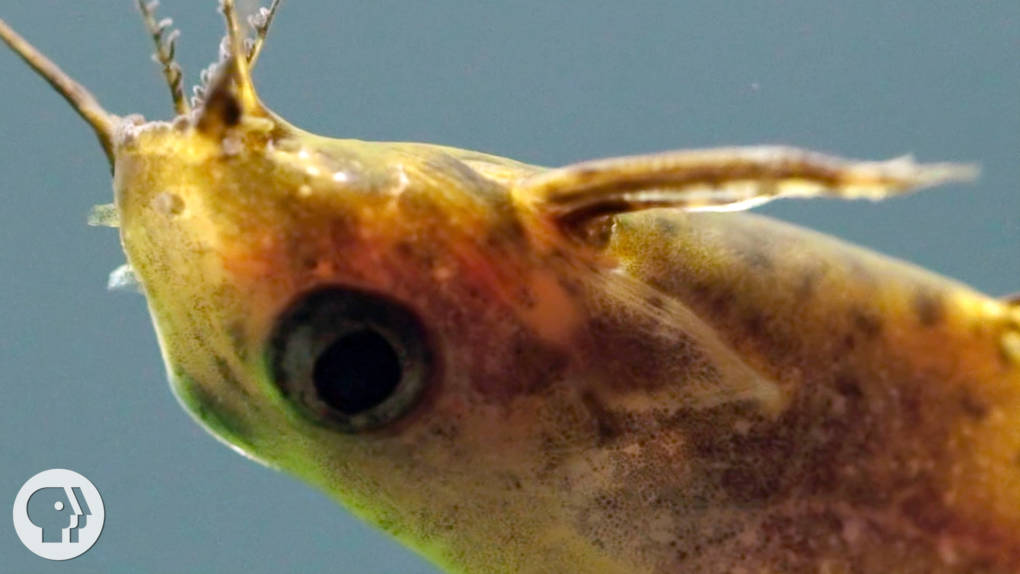
"caption": "Some cone snails hunt other, smaller snails. The banded cone snail sniffs out its next meal with its breathing tube, or siphon. ",
"description": null,
"title": "DL510 phead.2",
"credit": "Josh Cassidy/KQED",
"status": "inherit",
"isLoading": false,
"fetchFailed": false
},
"science_1923472": {
"type": "attachments",
"id": "science_1923472",
"meta": {
"index": "attachments_1716263798",
"site": "science",
"id": "1923472",
"found": true
},
"parent": 1923458,
"imgSizes": {
"small": {
"file": "https://ww2.kqed.org/app/uploads/sites/35/2018/05/DL509-Crows-MARQUEE-520x293.jpg",
"width": 520,
"mimeType": "image/jpeg",
"height": 293
},
"twentyfourteen-full-width": {
"file": "https://ww2.kqed.org/app/uploads/sites/35/2018/05/DL509-Crows-MARQUEE-1038x576.jpg",
"width": 1038,
"mimeType": "image/jpeg",
"height": 576
},
"thumbnail": {
"file": "https://ww2.kqed.org/app/uploads/sites/35/2018/05/DL509-Crows-MARQUEE-160x90.jpg",
"width": 160,
"mimeType": "image/jpeg",
"height": 90
},
"fd-sm": {
"file": "https://ww2.kqed.org/app/uploads/sites/35/2018/05/DL509-Crows-MARQUEE-960x540.jpg",
"width": 960,
"mimeType": "image/jpeg",
"height": 540
},
"post-thumbnail": {
"file": "https://ww2.kqed.org/app/uploads/sites/35/2018/05/DL509-Crows-MARQUEE-672x372.jpg",
"width": 672,
"mimeType": "image/jpeg",
"height": 372
},
"xsmall": {
"file": "https://ww2.kqed.org/app/uploads/sites/35/2018/05/DL509-Crows-MARQUEE-375x211.jpg",
"width": 375,
"mimeType": "image/jpeg",
"height": 211
},
"kqedFullSize": {
"file": "https://ww2.kqed.org/app/uploads/sites/35/2018/05/DL509-Crows-MARQUEE.jpg",
"width": 1920,
"height": 1080
},
"large": {
"file": "https://ww2.kqed.org/app/uploads/sites/35/2018/05/DL509-Crows-MARQUEE-1020x574.jpg",
"width": 1020,
"mimeType": "image/jpeg",
"height": 574
},
"xlarge": {
"file": "https://ww2.kqed.org/app/uploads/sites/35/2018/05/DL509-Crows-MARQUEE-1180x664.jpg",
"width": 1180,
"mimeType": "image/jpeg",
"height": 664
},
"complete_open_graph": {
"file": "https://ww2.kqed.org/app/uploads/sites/35/2018/05/DL509-Crows-MARQUEE-1200x675.jpg",
"width": 1200,
"mimeType": "image/jpeg",
"height": 675
},
"guest-author-50": {
"file": "https://ww2.kqed.org/app/uploads/sites/35/2018/05/DL509-Crows-MARQUEE-50x50.jpg",
"width": 50,
"mimeType": "image/jpeg",
"height": 50
},
"guest-author-96": {
"file": "https://ww2.kqed.org/app/uploads/sites/35/2018/05/DL509-Crows-MARQUEE-96x96.jpg",
"width": 96,
"mimeType": "image/jpeg",
"height": 96
},
"medium": {
"file": "https://ww2.kqed.org/app/uploads/sites/35/2018/05/DL509-Crows-MARQUEE-800x450.jpg",
"width": 800,
"mimeType": "image/jpeg",
"height": 450
},
"guest-author-64": {
"file": "https://ww2.kqed.org/app/uploads/sites/35/2018/05/DL509-Crows-MARQUEE-64x64.jpg",
"width": 64,
"mimeType": "image/jpeg",
"height": 64
},
"guest-author-32": {
"file": "https://ww2.kqed.org/app/uploads/sites/35/2018/05/DL509-Crows-MARQUEE-32x32.jpg",
"width": 32,
"mimeType": "image/jpeg",
"height": 32
},
"fd-lrg": {
"file": "https://ww2.kqed.org/app/uploads/sites/35/2018/05/DL509-Crows-MARQUEE-1920x1080.jpg",
"width": 1920,
"mimeType": "image/jpeg",
"height": 1080
},
"fd-med": {
"file": "https://ww2.kqed.org/app/uploads/sites/35/2018/05/DL509-Crows-MARQUEE-1180x664.jpg",
"width": 1180,
"mimeType": "image/jpeg",
"height": 664
},
"full-width": {
"file": "https://ww2.kqed.org/app/uploads/sites/35/2018/05/DL509-Crows-MARQUEE-1920x1080.jpg",
"width": 1920,
"mimeType": "image/jpeg",
"height": 1080
},
"detail": {
"file": "https://ww2.kqed.org/app/uploads/sites/35/2018/05/DL509-Crows-MARQUEE-150x150.jpg",
"width": 150,
"mimeType": "image/jpeg",
"height": 150
},
"medium_large": {
"file": "https://ww2.kqed.org/app/uploads/sites/35/2018/05/DL509-Crows-MARQUEE-768x432.jpg",
"width": 768,
"mimeType": "image/jpeg",
"height": 432
},
"guest-author-128": {
"file": "https://ww2.kqed.org/app/uploads/sites/35/2018/05/DL509-Crows-MARQUEE-128x128.jpg",
"width": 128,
"mimeType": "image/jpeg",
"height": 128
},
"xxsmall": {
"file": "https://ww2.kqed.org/app/uploads/sites/35/2018/05/DL509-Crows-MARQUEE-240x135.jpg",
"width": 240,
"mimeType": "image/jpeg",
"height": 135
}
},
"publishDate": 1525387410,
"modified": 1525387448,
"caption": null,
"description": null,
"title": "DL509 Crows MARQUEE",
"credit": "Josh Cassidy/KQED",
"status": "inherit",
"isLoading": false,
"fetchFailed": false
},
"science_1922993": {
"type": "attachments",
"id": "science_1922993",
"meta": {
"index": "attachments_1716263798",
"site": "science",
"id": "1922993",
"found": true
},
"parent": 1922987,
"imgSizes": {
"small": {
"file": "https://ww2.kqed.org/app/uploads/sites/35/2018/05/DL508-Tumbleweeds-marquee-P-head-520x293.jpg",
"width": 520,
"mimeType": "image/jpeg",
"height": 293
},
"twentyfourteen-full-width": {
"file": "https://ww2.kqed.org/app/uploads/sites/35/2018/05/DL508-Tumbleweeds-marquee-P-head-1038x576.jpg",
"width": 1038,
"mimeType": "image/jpeg",
"height": 576
},
"thumbnail": {
"file": "https://ww2.kqed.org/app/uploads/sites/35/2018/05/DL508-Tumbleweeds-marquee-P-head-160x90.jpg",
"width": 160,
"mimeType": "image/jpeg",
"height": 90
},
"fd-sm": {
"file": "https://ww2.kqed.org/app/uploads/sites/35/2018/05/DL508-Tumbleweeds-marquee-P-head-960x540.jpg",
"width": 960,
"mimeType": "image/jpeg",
"height": 540
},
"post-thumbnail": {
"file": "https://ww2.kqed.org/app/uploads/sites/35/2018/05/DL508-Tumbleweeds-marquee-P-head-672x372.jpg",
"width": 672,
"mimeType": "image/jpeg",
"height": 372
},
"xsmall": {
"file": "https://ww2.kqed.org/app/uploads/sites/35/2018/05/DL508-Tumbleweeds-marquee-P-head-375x211.jpg",
"width": 375,
"mimeType": "image/jpeg",
"height": 211
},
"kqedFullSize": {
"file": "https://ww2.kqed.org/app/uploads/sites/35/2018/05/DL508-Tumbleweeds-marquee-P-head.jpg",
"width": 1920,
"height": 1080
},
"large": {
"file": "https://ww2.kqed.org/app/uploads/sites/35/2018/05/DL508-Tumbleweeds-marquee-P-head-1020x574.jpg",
"width": 1020,
"mimeType": "image/jpeg",
"height": 574
},
"xlarge": {
"file": "https://ww2.kqed.org/app/uploads/sites/35/2018/05/DL508-Tumbleweeds-marquee-P-head-1180x664.jpg",
"width": 1180,
"mimeType": "image/jpeg",
"height": 664
},
"complete_open_graph": {
"file": "https://ww2.kqed.org/app/uploads/sites/35/2018/05/DL508-Tumbleweeds-marquee-P-head-1200x675.jpg",
"width": 1200,
"mimeType": "image/jpeg",
"height": 675
},
"guest-author-50": {
"file": "https://ww2.kqed.org/app/uploads/sites/35/2018/05/DL508-Tumbleweeds-marquee-P-head-50x50.jpg",
"width": 50,
"mimeType": "image/jpeg",
"height": 50
},
"guest-author-96": {
"file": "https://ww2.kqed.org/app/uploads/sites/35/2018/05/DL508-Tumbleweeds-marquee-P-head-96x96.jpg",
"width": 96,
"mimeType": "image/jpeg",
"height": 96
},
"medium": {
"file": "https://ww2.kqed.org/app/uploads/sites/35/2018/05/DL508-Tumbleweeds-marquee-P-head-800x450.jpg",
"width": 800,
"mimeType": "image/jpeg",
"height": 450
},
"guest-author-64": {
"file": "https://ww2.kqed.org/app/uploads/sites/35/2018/05/DL508-Tumbleweeds-marquee-P-head-64x64.jpg",
"width": 64,
"mimeType": "image/jpeg",
"height": 64
},
"guest-author-32": {
"file": "https://ww2.kqed.org/app/uploads/sites/35/2018/05/DL508-Tumbleweeds-marquee-P-head-32x32.jpg",
"width": 32,
"mimeType": "image/jpeg",
"height": 32
},
"fd-lrg": {
"file": "https://ww2.kqed.org/app/uploads/sites/35/2018/05/DL508-Tumbleweeds-marquee-P-head-1920x1080.jpg",
"width": 1920,
"mimeType": "image/jpeg",
"height": 1080
},
"fd-med": {
"file": "https://ww2.kqed.org/app/uploads/sites/35/2018/05/DL508-Tumbleweeds-marquee-P-head-1180x664.jpg",
"width": 1180,
"mimeType": "image/jpeg",
"height": 664
},
"full-width": {
"file": "https://ww2.kqed.org/app/uploads/sites/35/2018/05/DL508-Tumbleweeds-marquee-P-head-1920x1080.jpg",
"width": 1920,
"mimeType": "image/jpeg",
"height": 1080
},
"detail": {
"file": "https://ww2.kqed.org/app/uploads/sites/35/2018/05/DL508-Tumbleweeds-marquee-P-head-150x150.jpg",
"width": 150,
"mimeType": "image/jpeg",
"height": 150
},
"medium_large": {
"file": "https://ww2.kqed.org/app/uploads/sites/35/2018/05/DL508-Tumbleweeds-marquee-P-head-768x432.jpg",
"width": 768,
"mimeType": "image/jpeg",
"height": 432
},
"guest-author-128": {
"file": "https://ww2.kqed.org/app/uploads/sites/35/2018/05/DL508-Tumbleweeds-marquee-P-head-128x128.jpg",
"width": 128,
"mimeType": "image/jpeg",
"height": 128
},
"xxsmall": {
"file": "https://ww2.kqed.org/app/uploads/sites/35/2018/05/DL508-Tumbleweeds-marquee-P-head-240x135.jpg",
"width": 240,
"mimeType": "image/jpeg",
"height": 135
}
},
"publishDate": 1524596340,
"modified": 1524596451,
"caption": "A tumbleweed rolls across an abandoned agricultural field in Palmdale, California.",
"description": null,
"title": "DL508 Tumbleweeds marquee P-head",
"credit": "Josh Cassidy/KQED",
"status": "inherit",
"isLoading": false,
"fetchFailed": false
},
"science_1922041": {
"type": "attachments",
"id": "science_1922041",
"meta": {
"index": "attachments_1716263798",
"site": "science",
"id": "1922041",
"found": true
},
"parent": 1922038,
"imgSizes": {
"small": {
"file": "https://ww2.kqed.org/app/uploads/sites/35/2018/04/DL507-phead05-520x293.jpg",
"width": 520,
"mimeType": "image/jpeg",
"height": 293
},
"twentyfourteen-full-width": {
"file": "https://ww2.kqed.org/app/uploads/sites/35/2018/04/DL507-phead05-1038x576.jpg",
"width": 1038,
"mimeType": "image/jpeg",
"height": 576
},
"thumbnail": {
"file": "https://ww2.kqed.org/app/uploads/sites/35/2018/04/DL507-phead05-160x90.jpg",
"width": 160,
"mimeType": "image/jpeg",
"height": 90
},
"fd-sm": {
"file": "https://ww2.kqed.org/app/uploads/sites/35/2018/04/DL507-phead05-960x540.jpg",
"width": 960,
"mimeType": "image/jpeg",
"height": 540
},
"post-thumbnail": {
"file": "https://ww2.kqed.org/app/uploads/sites/35/2018/04/DL507-phead05-672x372.jpg",
"width": 672,
"mimeType": "image/jpeg",
"height": 372
},
"xsmall": {
"file": "https://ww2.kqed.org/app/uploads/sites/35/2018/04/DL507-phead05-375x211.jpg",
"width": 375,
"mimeType": "image/jpeg",
"height": 211
},
"kqedFullSize": {
"file": "https://ww2.kqed.org/app/uploads/sites/35/2018/04/DL507-phead05.jpg",
"width": 1920,
"height": 1080
},
"large": {
"file": "https://ww2.kqed.org/app/uploads/sites/35/2018/04/DL507-phead05-1020x574.jpg",
"width": 1020,
"mimeType": "image/jpeg",
"height": 574
},
"xlarge": {
"file": "https://ww2.kqed.org/app/uploads/sites/35/2018/04/DL507-phead05-1180x664.jpg",
"width": 1180,
"mimeType": "image/jpeg",
"height": 664
},
"guest-author-50": {
"file": "https://ww2.kqed.org/app/uploads/sites/35/2018/04/DL507-phead05-50x50.jpg",
"width": 50,
"mimeType": "image/jpeg",
"height": 50
},
"guest-author-96": {
"file": "https://ww2.kqed.org/app/uploads/sites/35/2018/04/DL507-phead05-96x96.jpg",
"width": 96,
"mimeType": "image/jpeg",
"height": 96
},
"medium": {
"file": "https://ww2.kqed.org/app/uploads/sites/35/2018/04/DL507-phead05-800x450.jpg",
"width": 800,
"mimeType": "image/jpeg",
"height": 450
},
"guest-author-64": {
"file": "https://ww2.kqed.org/app/uploads/sites/35/2018/04/DL507-phead05-64x64.jpg",
"width": 64,
"mimeType": "image/jpeg",
"height": 64
},
"guest-author-32": {
"file": "https://ww2.kqed.org/app/uploads/sites/35/2018/04/DL507-phead05-32x32.jpg",
"width": 32,
"mimeType": "image/jpeg",
"height": 32
},
"fd-lrg": {
"file": "https://ww2.kqed.org/app/uploads/sites/35/2018/04/DL507-phead05-1920x1080.jpg",
"width": 1920,
"mimeType": "image/jpeg",
"height": 1080
},
"fd-med": {
"file": "https://ww2.kqed.org/app/uploads/sites/35/2018/04/DL507-phead05-1180x664.jpg",
"width": 1180,
"mimeType": "image/jpeg",
"height": 664
},
"full-width": {
"file": "https://ww2.kqed.org/app/uploads/sites/35/2018/04/DL507-phead05-1920x1080.jpg",
"width": 1920,
"mimeType": "image/jpeg",
"height": 1080
},
"detail": {
"file": "https://ww2.kqed.org/app/uploads/sites/35/2018/04/DL507-phead05-150x150.jpg",
"width": 150,
"mimeType": "image/jpeg",
"height": 150
},
"medium_large": {
"file": "https://ww2.kqed.org/app/uploads/sites/35/2018/04/DL507-phead05-768x432.jpg",
"width": 768,
"mimeType": "image/jpeg",
"height": 432
},
"guest-author-128": {
"file": "https://ww2.kqed.org/app/uploads/sites/35/2018/04/DL507-phead05-128x128.jpg",
"width": 128,
"mimeType": "image/jpeg",
"height": 128
},
"xxsmall": {
"file": "https://ww2.kqed.org/app/uploads/sites/35/2018/04/DL507-phead05-240x135.jpg",
"width": 240,
"mimeType": "image/jpeg",
"height": 135
}
},
"publishDate": 1522876434,
"modified": 1522876434,
"caption": null,
"description": null,
"title": "DL507-phead05",
"credit": null,
"status": "inherit",
"isLoading": false,
"fetchFailed": false
},
"science_1921773": {
"type": "attachments",
"id": "science_1921773",
"meta": {
"index": "attachments_1716263798",
"site": "science",
"id": "1921773",
"found": true
},
"parent": 1921659,
"imgSizes": {
"small": {
"file": "https://ww2.kqed.org/app/uploads/sites/35/2018/04/DL506-Leeches-medicinal-leech-feeding-on-Weisblat-arm-MARQUEE-520x293.jpg",
"width": 520,
"mimeType": "image/jpeg",
"height": 293
},
"twentyfourteen-full-width": {
"file": "https://ww2.kqed.org/app/uploads/sites/35/2018/04/DL506-Leeches-medicinal-leech-feeding-on-Weisblat-arm-MARQUEE-1038x576.jpg",
"width": 1038,
"mimeType": "image/jpeg",
"height": 576
},
"thumbnail": {
"file": "https://ww2.kqed.org/app/uploads/sites/35/2018/04/DL506-Leeches-medicinal-leech-feeding-on-Weisblat-arm-MARQUEE-160x90.jpg",
"width": 160,
"mimeType": "image/jpeg",
"height": 90
},
"fd-sm": {
"file": "https://ww2.kqed.org/app/uploads/sites/35/2018/04/DL506-Leeches-medicinal-leech-feeding-on-Weisblat-arm-MARQUEE-960x540.jpg",
"width": 960,
"mimeType": "image/jpeg",
"height": 540
},
"post-thumbnail": {
"file": "https://ww2.kqed.org/app/uploads/sites/35/2018/04/DL506-Leeches-medicinal-leech-feeding-on-Weisblat-arm-MARQUEE-672x372.jpg",
"width": 672,
"mimeType": "image/jpeg",
"height": 372
},
"xsmall": {
"file": "https://ww2.kqed.org/app/uploads/sites/35/2018/04/DL506-Leeches-medicinal-leech-feeding-on-Weisblat-arm-MARQUEE-375x211.jpg",
"width": 375,
"mimeType": "image/jpeg",
"height": 211
},
"kqedFullSize": {
"file": "https://ww2.kqed.org/app/uploads/sites/35/2018/04/DL506-Leeches-medicinal-leech-feeding-on-Weisblat-arm-MARQUEE.jpg",
"width": 1920,
"height": 1080
},
"large": {
"file": "https://ww2.kqed.org/app/uploads/sites/35/2018/04/DL506-Leeches-medicinal-leech-feeding-on-Weisblat-arm-MARQUEE-1020x574.jpg",
"width": 1020,
"mimeType": "image/jpeg",
"height": 574
},
"xlarge": {
"file": "https://ww2.kqed.org/app/uploads/sites/35/2018/04/DL506-Leeches-medicinal-leech-feeding-on-Weisblat-arm-MARQUEE-1180x664.jpg",
"width": 1180,
"mimeType": "image/jpeg",
"height": 664
},
"guest-author-50": {
"file": "https://ww2.kqed.org/app/uploads/sites/35/2018/04/DL506-Leeches-medicinal-leech-feeding-on-Weisblat-arm-MARQUEE-50x50.jpg",
"width": 50,
"mimeType": "image/jpeg",
"height": 50
},
"guest-author-96": {
"file": "https://ww2.kqed.org/app/uploads/sites/35/2018/04/DL506-Leeches-medicinal-leech-feeding-on-Weisblat-arm-MARQUEE-96x96.jpg",
"width": 96,
"mimeType": "image/jpeg",
"height": 96
},
"medium": {
"file": "https://ww2.kqed.org/app/uploads/sites/35/2018/04/DL506-Leeches-medicinal-leech-feeding-on-Weisblat-arm-MARQUEE-800x450.jpg",
"width": 800,
"mimeType": "image/jpeg",
"height": 450
},
"guest-author-64": {
"file": "https://ww2.kqed.org/app/uploads/sites/35/2018/04/DL506-Leeches-medicinal-leech-feeding-on-Weisblat-arm-MARQUEE-64x64.jpg",
"width": 64,
"mimeType": "image/jpeg",
"height": 64
},
"guest-author-32": {
"file": "https://ww2.kqed.org/app/uploads/sites/35/2018/04/DL506-Leeches-medicinal-leech-feeding-on-Weisblat-arm-MARQUEE-32x32.jpg",
"width": 32,
"mimeType": "image/jpeg",
"height": 32
},
"fd-lrg": {
"file": "https://ww2.kqed.org/app/uploads/sites/35/2018/04/DL506-Leeches-medicinal-leech-feeding-on-Weisblat-arm-MARQUEE-1920x1080.jpg",
"width": 1920,
"mimeType": "image/jpeg",
"height": 1080
},
"fd-med": {
"file": "https://ww2.kqed.org/app/uploads/sites/35/2018/04/DL506-Leeches-medicinal-leech-feeding-on-Weisblat-arm-MARQUEE-1180x664.jpg",
"width": 1180,
"mimeType": "image/jpeg",
"height": 664
},
"full-width": {
"file": "https://ww2.kqed.org/app/uploads/sites/35/2018/04/DL506-Leeches-medicinal-leech-feeding-on-Weisblat-arm-MARQUEE-1920x1080.jpg",
"width": 1920,
"mimeType": "image/jpeg",
"height": 1080
},
"detail": {
"file": "https://ww2.kqed.org/app/uploads/sites/35/2018/04/DL506-Leeches-medicinal-leech-feeding-on-Weisblat-arm-MARQUEE-150x150.jpg",
"width": 150,
"mimeType": "image/jpeg",
"height": 150
},
"medium_large": {
"file": "https://ww2.kqed.org/app/uploads/sites/35/2018/04/DL506-Leeches-medicinal-leech-feeding-on-Weisblat-arm-MARQUEE-768x432.jpg",
"width": 768,
"mimeType": "image/jpeg",
"height": 432
},
"guest-author-128": {
"file": "https://ww2.kqed.org/app/uploads/sites/35/2018/04/DL506-Leeches-medicinal-leech-feeding-on-Weisblat-arm-MARQUEE-128x128.jpg",
"width": 128,
"mimeType": "image/jpeg",
"height": 128
},
"xxsmall": {
"file": "https://ww2.kqed.org/app/uploads/sites/35/2018/04/DL506-Leeches-medicinal-leech-feeding-on-Weisblat-arm-MARQUEE-240x135.jpg",
"width": 240,
"mimeType": "image/jpeg",
"height": 135
}
},
"publishDate": 1522180375,
"modified": 1522333404,
"caption": "A leech sucks blood from the wrist of UC Berkeley professor David Weisblat.",
"description": null,
"title": "DL506 Leeches medicinal leech feeding on Weisblat arm MARQUEE",
"credit": "Josh Cassidy/KQED",
"status": "inherit",
"isLoading": false,
"fetchFailed": false
},
"science_1920975": {
"type": "attachments",
"id": "science_1920975",
"meta": {
"index": "attachments_1716263798",
"site": "science",
"id": "1920975",
"found": true
},
"parent": 1920972,
"imgSizes": {
"small": {
"file": "https://ww2.kqed.org/app/uploads/sites/35/2018/03/DL505-Tick-Bite-marquee-w-Phead-520x293.jpg",
"width": 520,
"mimeType": "image/jpeg",
"height": 293
},
"twentyfourteen-full-width": {
"file": "https://ww2.kqed.org/app/uploads/sites/35/2018/03/DL505-Tick-Bite-marquee-w-Phead-1038x576.jpg",
"width": 1038,
"mimeType": "image/jpeg",
"height": 576
},
"thumbnail": {
"file": "https://ww2.kqed.org/app/uploads/sites/35/2018/03/DL505-Tick-Bite-marquee-w-Phead-160x90.jpg",
"width": 160,
"mimeType": "image/jpeg",
"height": 90
},
"fd-sm": {
"file": "https://ww2.kqed.org/app/uploads/sites/35/2018/03/DL505-Tick-Bite-marquee-w-Phead-960x540.jpg",
"width": 960,
"mimeType": "image/jpeg",
"height": 540
},
"post-thumbnail": {
"file": "https://ww2.kqed.org/app/uploads/sites/35/2018/03/DL505-Tick-Bite-marquee-w-Phead-672x372.jpg",
"width": 672,
"mimeType": "image/jpeg",
"height": 372
},
"xsmall": {
"file": "https://ww2.kqed.org/app/uploads/sites/35/2018/03/DL505-Tick-Bite-marquee-w-Phead-375x211.jpg",
"width": 375,
"mimeType": "image/jpeg",
"height": 211
},
"kqedFullSize": {
"file": "https://ww2.kqed.org/app/uploads/sites/35/2018/03/DL505-Tick-Bite-marquee-w-Phead.jpg",
"width": 1920,
"height": 1080
},
"large": {
"file": "https://ww2.kqed.org/app/uploads/sites/35/2018/03/DL505-Tick-Bite-marquee-w-Phead-1020x574.jpg",
"width": 1020,
"mimeType": "image/jpeg",
"height": 574
},
"xlarge": {
"file": "https://ww2.kqed.org/app/uploads/sites/35/2018/03/DL505-Tick-Bite-marquee-w-Phead-1180x664.jpg",
"width": 1180,
"mimeType": "image/jpeg",
"height": 664
},
"guest-author-50": {
"file": "https://ww2.kqed.org/app/uploads/sites/35/2018/03/DL505-Tick-Bite-marquee-w-Phead-50x50.jpg",
"width": 50,
"mimeType": "image/jpeg",
"height": 50
},
"guest-author-96": {
"file": "https://ww2.kqed.org/app/uploads/sites/35/2018/03/DL505-Tick-Bite-marquee-w-Phead-96x96.jpg",
"width": 96,
"mimeType": "image/jpeg",
"height": 96
},
"medium": {
"file": "https://ww2.kqed.org/app/uploads/sites/35/2018/03/DL505-Tick-Bite-marquee-w-Phead-800x450.jpg",
"width": 800,
"mimeType": "image/jpeg",
"height": 450
},
"guest-author-64": {
"file": "https://ww2.kqed.org/app/uploads/sites/35/2018/03/DL505-Tick-Bite-marquee-w-Phead-64x64.jpg",
"width": 64,
"mimeType": "image/jpeg",
"height": 64
},
"guest-author-32": {
"file": "https://ww2.kqed.org/app/uploads/sites/35/2018/03/DL505-Tick-Bite-marquee-w-Phead-32x32.jpg",
"width": 32,
"mimeType": "image/jpeg",
"height": 32
},
"fd-lrg": {
"file": "https://ww2.kqed.org/app/uploads/sites/35/2018/03/DL505-Tick-Bite-marquee-w-Phead-1920x1080.jpg",
"width": 1920,
"mimeType": "image/jpeg",
"height": 1080
},
"fd-med": {
"file": "https://ww2.kqed.org/app/uploads/sites/35/2018/03/DL505-Tick-Bite-marquee-w-Phead-1180x664.jpg",
"width": 1180,
"mimeType": "image/jpeg",
"height": 664
},
"full-width": {
"file": "https://ww2.kqed.org/app/uploads/sites/35/2018/03/DL505-Tick-Bite-marquee-w-Phead-1920x1080.jpg",
"width": 1920,
"mimeType": "image/jpeg",
"height": 1080
},
"detail": {
"file": "https://ww2.kqed.org/app/uploads/sites/35/2018/03/DL505-Tick-Bite-marquee-w-Phead-150x150.jpg",
"width": 150,
"mimeType": "image/jpeg",
"height": 150
},
"medium_large": {
"file": "https://ww2.kqed.org/app/uploads/sites/35/2018/03/DL505-Tick-Bite-marquee-w-Phead-768x432.jpg",
"width": 768,
"mimeType": "image/jpeg",
"height": 432
},
"guest-author-128": {
"file": "https://ww2.kqed.org/app/uploads/sites/35/2018/03/DL505-Tick-Bite-marquee-w-Phead-128x128.jpg",
"width": 128,
"mimeType": "image/jpeg",
"height": 128
},
"xxsmall": {
"file": "https://ww2.kqed.org/app/uploads/sites/35/2018/03/DL505-Tick-Bite-marquee-w-Phead-240x135.jpg",
"width": 240,
"mimeType": "image/jpeg",
"height": 135
}
},
"publishDate": 1520884403,
"modified": 1520884464,
"caption": "A young tick has dug its mouthparts into a human arm.",
"description": null,
"title": "DL505 Tick Bite marquee w Phead",
"credit": "Josh Cassidy/KQED",
"status": "inherit",
"isLoading": false,
"fetchFailed": false
},
"science_1921143": {
"type": "attachments",
"id": "science_1921143",
"meta": {
"index": "attachments_1716263798",
"site": "science",
"id": "1921143",
"found": true
},
"parent": 1921142,
"imgSizes": {
"small": {
"file": "https://ww2.kqed.org/app/uploads/sites/35/2018/03/artist-render_wide-22ba98a4be7caf5f10002ce95c8cab07bb9d438b-520x292.jpg",
"width": 520,
"mimeType": "image/jpeg",
"height": 292
},
"twentyfourteen-full-width": {
"file": "https://ww2.kqed.org/app/uploads/sites/35/2018/03/artist-render_wide-22ba98a4be7caf5f10002ce95c8cab07bb9d438b-1038x576.jpg",
"width": 1038,
"mimeType": "image/jpeg",
"height": 576
},
"thumbnail": {
"file": "https://ww2.kqed.org/app/uploads/sites/35/2018/03/artist-render_wide-22ba98a4be7caf5f10002ce95c8cab07bb9d438b-160x90.jpg",
"width": 160,
"mimeType": "image/jpeg",
"height": 90
},
"fd-sm": {
"file": "https://ww2.kqed.org/app/uploads/sites/35/2018/03/artist-render_wide-22ba98a4be7caf5f10002ce95c8cab07bb9d438b-960x540.jpg",
"width": 960,
"mimeType": "image/jpeg",
"height": 540
},
"post-thumbnail": {
"file": "https://ww2.kqed.org/app/uploads/sites/35/2018/03/artist-render_wide-22ba98a4be7caf5f10002ce95c8cab07bb9d438b-672x372.jpg",
"width": 672,
"mimeType": "image/jpeg",
"height": 372
},
"xsmall": {
"file": "https://ww2.kqed.org/app/uploads/sites/35/2018/03/artist-render_wide-22ba98a4be7caf5f10002ce95c8cab07bb9d438b-375x211.jpg",
"width": 375,
"mimeType": "image/jpeg",
"height": 211
},
"kqedFullSize": {
"file": "https://ww2.kqed.org/app/uploads/sites/35/2018/03/artist-render_wide-22ba98a4be7caf5f10002ce95c8cab07bb9d438b.jpg",
"width": 1597,
"height": 898
},
"large": {
"file": "https://ww2.kqed.org/app/uploads/sites/35/2018/03/artist-render_wide-22ba98a4be7caf5f10002ce95c8cab07bb9d438b-1020x574.jpg",
"width": 1020,
"mimeType": "image/jpeg",
"height": 574
},
"xlarge": {
"file": "https://ww2.kqed.org/app/uploads/sites/35/2018/03/artist-render_wide-22ba98a4be7caf5f10002ce95c8cab07bb9d438b-1180x664.jpg",
"width": 1180,
"mimeType": "image/jpeg",
"height": 664
},
"guest-author-50": {
"file": "https://ww2.kqed.org/app/uploads/sites/35/2018/03/artist-render_wide-22ba98a4be7caf5f10002ce95c8cab07bb9d438b-50x50.jpg",
"width": 50,
"mimeType": "image/jpeg",
"height": 50
},
"guest-author-96": {
"file": "https://ww2.kqed.org/app/uploads/sites/35/2018/03/artist-render_wide-22ba98a4be7caf5f10002ce95c8cab07bb9d438b-96x96.jpg",
"width": 96,
"mimeType": "image/jpeg",
"height": 96
},
"medium": {
"file": "https://ww2.kqed.org/app/uploads/sites/35/2018/03/artist-render_wide-22ba98a4be7caf5f10002ce95c8cab07bb9d438b-800x450.jpg",
"width": 800,
"mimeType": "image/jpeg",
"height": 450
},
"guest-author-64": {
"file": "https://ww2.kqed.org/app/uploads/sites/35/2018/03/artist-render_wide-22ba98a4be7caf5f10002ce95c8cab07bb9d438b-64x64.jpg",
"width": 64,
"mimeType": "image/jpeg",
"height": 64
},
"guest-author-32": {
"file": "https://ww2.kqed.org/app/uploads/sites/35/2018/03/artist-render_wide-22ba98a4be7caf5f10002ce95c8cab07bb9d438b-32x32.jpg",
"width": 32,
"mimeType": "image/jpeg",
"height": 32
},
"fd-med": {
"file": "https://ww2.kqed.org/app/uploads/sites/35/2018/03/artist-render_wide-22ba98a4be7caf5f10002ce95c8cab07bb9d438b-1180x664.jpg",
"width": 1180,
"mimeType": "image/jpeg",
"height": 664
},
"detail": {
"file": "https://ww2.kqed.org/app/uploads/sites/35/2018/03/artist-render_wide-22ba98a4be7caf5f10002ce95c8cab07bb9d438b-150x150.jpg",
"width": 150,
"mimeType": "image/jpeg",
"height": 150
},
"medium_large": {
"file": "https://ww2.kqed.org/app/uploads/sites/35/2018/03/artist-render_wide-22ba98a4be7caf5f10002ce95c8cab07bb9d438b-768x432.jpg",
"width": 768,
"mimeType": "image/jpeg",
"height": 432
},
"guest-author-128": {
"file": "https://ww2.kqed.org/app/uploads/sites/35/2018/03/artist-render_wide-22ba98a4be7caf5f10002ce95c8cab07bb9d438b-128x128.jpg",
"width": 128,
"mimeType": "image/jpeg",
"height": 128
},
"xxsmall": {
"file": "https://ww2.kqed.org/app/uploads/sites/35/2018/03/artist-render_wide-22ba98a4be7caf5f10002ce95c8cab07bb9d438b-240x135.jpg",
"width": 240,
"mimeType": "image/jpeg",
"height": 135
}
},
"publishDate": 1521065271,
"modified": 1521065271,
"caption": null,
"description": "This artist's-concept illustration depicts the spacecraft of NASA's Psyche mission near the mission's target, the metal asteroid Psyche.",
"title": "This artist's-concept illustration depicts NASA's Psyche spacecraft which will carry a deep-space laser communications system.",
"credit": null,
"status": "inherit",
"isLoading": false,
"fetchFailed": false
},
"science_1919985": {
"type": "attachments",
"id": "science_1919985",
"meta": {
"index": "attachments_1716263798",
"site": "science",
"id": "1919985",
"found": true
},
"parent": 1919946,
"imgSizes": {
"small": {
"file": "https://ww2.kqed.org/app/uploads/sites/35/2018/02/DL504-phead.2-520x293.jpg",
"width": 520,
"mimeType": "image/jpeg",
"height": 293
},
"twentyfourteen-full-width": {
"file": "https://ww2.kqed.org/app/uploads/sites/35/2018/02/DL504-phead.2-1038x576.jpg",
"width": 1038,
"mimeType": "image/jpeg",
"height": 576
},
"thumbnail": {
"file": "https://ww2.kqed.org/app/uploads/sites/35/2018/02/DL504-phead.2-160x90.jpg",
"width": 160,
"mimeType": "image/jpeg",
"height": 90
},
"fd-sm": {
"file": "https://ww2.kqed.org/app/uploads/sites/35/2018/02/DL504-phead.2-960x540.jpg",
"width": 960,
"mimeType": "image/jpeg",
"height": 540
},
"post-thumbnail": {
"file": "https://ww2.kqed.org/app/uploads/sites/35/2018/02/DL504-phead.2-672x372.jpg",
"width": 672,
"mimeType": "image/jpeg",
"height": 372
},
"xsmall": {
"file": "https://ww2.kqed.org/app/uploads/sites/35/2018/02/DL504-phead.2-375x211.jpg",
"width": 375,
"mimeType": "image/jpeg",
"height": 211
},
"kqedFullSize": {
"file": "https://ww2.kqed.org/app/uploads/sites/35/2018/02/DL504-phead.2.jpg",
"width": 1920,
"height": 1080
},
"large": {
"file": "https://ww2.kqed.org/app/uploads/sites/35/2018/02/DL504-phead.2-1020x574.jpg",
"width": 1020,
"mimeType": "image/jpeg",
"height": 574
},
"xlarge": {
"file": "https://ww2.kqed.org/app/uploads/sites/35/2018/02/DL504-phead.2-1180x664.jpg",
"width": 1180,
"mimeType": "image/jpeg",
"height": 664
},
"guest-author-50": {
"file": "https://ww2.kqed.org/app/uploads/sites/35/2018/02/DL504-phead.2-50x50.jpg",
"width": 50,
"mimeType": "image/jpeg",
"height": 50
},
"guest-author-96": {
"file": "https://ww2.kqed.org/app/uploads/sites/35/2018/02/DL504-phead.2-96x96.jpg",
"width": 96,
"mimeType": "image/jpeg",
"height": 96
},
"medium": {
"file": "https://ww2.kqed.org/app/uploads/sites/35/2018/02/DL504-phead.2-800x450.jpg",
"width": 800,
"mimeType": "image/jpeg",
"height": 450
},
"guest-author-64": {
"file": "https://ww2.kqed.org/app/uploads/sites/35/2018/02/DL504-phead.2-64x64.jpg",
"width": 64,
"mimeType": "image/jpeg",
"height": 64
},
"guest-author-32": {
"file": "https://ww2.kqed.org/app/uploads/sites/35/2018/02/DL504-phead.2-32x32.jpg",
"width": 32,
"mimeType": "image/jpeg",
"height": 32
},
"fd-lrg": {
"file": "https://ww2.kqed.org/app/uploads/sites/35/2018/02/DL504-phead.2-1920x1080.jpg",
"width": 1920,
"mimeType": "image/jpeg",
"height": 1080
},
"fd-med": {
"file": "https://ww2.kqed.org/app/uploads/sites/35/2018/02/DL504-phead.2-1180x664.jpg",
"width": 1180,
"mimeType": "image/jpeg",
"height": 664
},
"full-width": {
"file": "https://ww2.kqed.org/app/uploads/sites/35/2018/02/DL504-phead.2-1920x1080.jpg",
"width": 1920,
"mimeType": "image/jpeg",
"height": 1080
},
"detail": {
"file": "https://ww2.kqed.org/app/uploads/sites/35/2018/02/DL504-phead.2-150x150.jpg",
"width": 150,
"mimeType": "image/jpeg",
"height": 150
},
"medium_large": {
"file": "https://ww2.kqed.org/app/uploads/sites/35/2018/02/DL504-phead.2-768x432.jpg",
"width": 768,
"mimeType": "image/jpeg",
"height": 432
},
"guest-author-128": {
"file": "https://ww2.kqed.org/app/uploads/sites/35/2018/02/DL504-phead.2-128x128.jpg",
"width": 128,
"mimeType": "image/jpeg",
"height": 128
},
"xxsmall": {
"file": "https://ww2.kqed.org/app/uploads/sites/35/2018/02/DL504-phead.2-240x135.jpg",
"width": 240,
"mimeType": "image/jpeg",
"height": 135
}
},
"publishDate": 1518801060,
"modified": 1519080714,
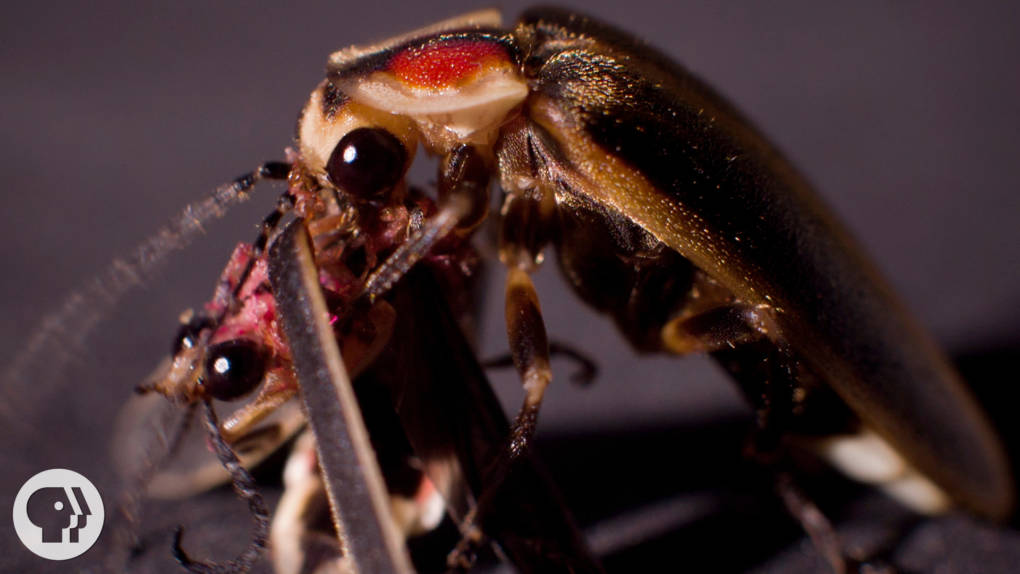
"caption": "A Photuris firefly devours a Big Dipper.",
"description": null,
"title": "DL504 phead.2",
"credit": "Kevin Collins",
"status": "inherit",
"isLoading": false,
"fetchFailed": false
},
"science_1919807": {
"type": "attachments",
"id": "science_1919807",
"meta": {
"index": "attachments_1716263798",
"site": "science",
"id": "1919807",
"found": true
},
"parent": 1919531,
"imgSizes": {
"small": {
"file": "https://ww2.kqed.org/app/uploads/sites/35/2018/02/DL503-MaARQUEE-PHead2-520x293.jpg",
"width": 520,
"mimeType": "image/jpeg",
"height": 293
},
"twentyfourteen-full-width": {
"file": "https://ww2.kqed.org/app/uploads/sites/35/2018/02/DL503-MaARQUEE-PHead2-1038x576.jpg",
"width": 1038,
"mimeType": "image/jpeg",
"height": 576
},
"thumbnail": {
"file": "https://ww2.kqed.org/app/uploads/sites/35/2018/02/DL503-MaARQUEE-PHead2-160x90.jpg",
"width": 160,
"mimeType": "image/jpeg",
"height": 90
},
"fd-sm": {
"file": "https://ww2.kqed.org/app/uploads/sites/35/2018/02/DL503-MaARQUEE-PHead2-960x540.jpg",
"width": 960,
"mimeType": "image/jpeg",
"height": 540
},
"post-thumbnail": {
"file": "https://ww2.kqed.org/app/uploads/sites/35/2018/02/DL503-MaARQUEE-PHead2-672x372.jpg",
"width": 672,
"mimeType": "image/jpeg",
"height": 372
},
"xsmall": {
"file": "https://ww2.kqed.org/app/uploads/sites/35/2018/02/DL503-MaARQUEE-PHead2-375x211.jpg",
"width": 375,
"mimeType": "image/jpeg",
"height": 211
},
"kqedFullSize": {
"file": "https://ww2.kqed.org/app/uploads/sites/35/2018/02/DL503-MaARQUEE-PHead2.jpg",
"width": 1920,
"height": 1080
},
"large": {
"file": "https://ww2.kqed.org/app/uploads/sites/35/2018/02/DL503-MaARQUEE-PHead2-1020x574.jpg",
"width": 1020,
"mimeType": "image/jpeg",
"height": 574
},
"xlarge": {
"file": "https://ww2.kqed.org/app/uploads/sites/35/2018/02/DL503-MaARQUEE-PHead2-1180x664.jpg",
"width": 1180,
"mimeType": "image/jpeg",
"height": 664
},
"guest-author-50": {
"file": "https://ww2.kqed.org/app/uploads/sites/35/2018/02/DL503-MaARQUEE-PHead2-50x50.jpg",
"width": 50,
"mimeType": "image/jpeg",
"height": 50
},
"guest-author-96": {
"file": "https://ww2.kqed.org/app/uploads/sites/35/2018/02/DL503-MaARQUEE-PHead2-96x96.jpg",
"width": 96,
"mimeType": "image/jpeg",
"height": 96
},
"medium": {
"file": "https://ww2.kqed.org/app/uploads/sites/35/2018/02/DL503-MaARQUEE-PHead2-800x450.jpg",
"width": 800,
"mimeType": "image/jpeg",
"height": 450
},
"guest-author-64": {
"file": "https://ww2.kqed.org/app/uploads/sites/35/2018/02/DL503-MaARQUEE-PHead2-64x64.jpg",
"width": 64,
"mimeType": "image/jpeg",
"height": 64
},
"guest-author-32": {
"file": "https://ww2.kqed.org/app/uploads/sites/35/2018/02/DL503-MaARQUEE-PHead2-32x32.jpg",
"width": 32,
"mimeType": "image/jpeg",
"height": 32
},
"fd-lrg": {
"file": "https://ww2.kqed.org/app/uploads/sites/35/2018/02/DL503-MaARQUEE-PHead2-1920x1080.jpg",
"width": 1920,
"mimeType": "image/jpeg",
"height": 1080
},
"fd-med": {
"file": "https://ww2.kqed.org/app/uploads/sites/35/2018/02/DL503-MaARQUEE-PHead2-1180x664.jpg",
"width": 1180,
"mimeType": "image/jpeg",
"height": 664
},
"full-width": {
"file": "https://ww2.kqed.org/app/uploads/sites/35/2018/02/DL503-MaARQUEE-PHead2-1920x1080.jpg",
"width": 1920,
"mimeType": "image/jpeg",
"height": 1080
},
"detail": {
"file": "https://ww2.kqed.org/app/uploads/sites/35/2018/02/DL503-MaARQUEE-PHead2-150x150.jpg",
"width": 150,
"mimeType": "image/jpeg",
"height": 150
},
"medium_large": {
"file": "https://ww2.kqed.org/app/uploads/sites/35/2018/02/DL503-MaARQUEE-PHead2-768x432.jpg",
"width": 768,
"mimeType": "image/jpeg",
"height": 432
},
"guest-author-128": {
"file": "https://ww2.kqed.org/app/uploads/sites/35/2018/02/DL503-MaARQUEE-PHead2-128x128.jpg",
"width": 128,
"mimeType": "image/jpeg",
"height": 128
},
"xxsmall": {
"file": "https://ww2.kqed.org/app/uploads/sites/35/2018/02/DL503-MaARQUEE-PHead2-240x135.jpg",
"width": 240,
"mimeType": "image/jpeg",
"height": 135
}
},
"publishDate": 1518458088,
"modified": 1518468563,
"caption": "Pacific mole crab buried in the sand off Ocean Beach, San Francisco.",
"description": null,
"title": "DL503 MaARQUEE PHead2",
"credit": null,
"status": "inherit",
"isLoading": false,
"fetchFailed": false
},
"science_1918976": {
"type": "attachments",
"id": "science_1918976",
"meta": {
"index": "attachments_1716263798",
"site": "science",
"id": "1918976",
"found": true
},
"parent": 1918845,
"imgSizes": {
"small": {
"file": "https://ww2.kqed.org/app/uploads/sites/35/2018/01/DL_502CorpseFlower_FLOWERS_DEEP_INSIDE_phead_marquee_1920-520x293.jpg",
"width": 520,
"mimeType": "image/jpeg",
"height": 293
},
"twentyfourteen-full-width": {
"file": "https://ww2.kqed.org/app/uploads/sites/35/2018/01/DL_502CorpseFlower_FLOWERS_DEEP_INSIDE_phead_marquee_1920-1038x576.jpg",
"width": 1038,
"mimeType": "image/jpeg",
"height": 576
},
"thumbnail": {
"file": "https://ww2.kqed.org/app/uploads/sites/35/2018/01/DL_502CorpseFlower_FLOWERS_DEEP_INSIDE_phead_marquee_1920-160x90.jpg",
"width": 160,
"mimeType": "image/jpeg",
"height": 90
},
"fd-sm": {
"file": "https://ww2.kqed.org/app/uploads/sites/35/2018/01/DL_502CorpseFlower_FLOWERS_DEEP_INSIDE_phead_marquee_1920-960x540.jpg",
"width": 960,
"mimeType": "image/jpeg",
"height": 540
},
"post-thumbnail": {
"file": "https://ww2.kqed.org/app/uploads/sites/35/2018/01/DL_502CorpseFlower_FLOWERS_DEEP_INSIDE_phead_marquee_1920-672x372.jpg",
"width": 672,
"mimeType": "image/jpeg",
"height": 372
},
"xsmall": {
"file": "https://ww2.kqed.org/app/uploads/sites/35/2018/01/DL_502CorpseFlower_FLOWERS_DEEP_INSIDE_phead_marquee_1920-375x211.jpg",
"width": 375,
"mimeType": "image/jpeg",
"height": 211
},
"kqedFullSize": {
"file": "https://ww2.kqed.org/app/uploads/sites/35/2018/01/DL_502CorpseFlower_FLOWERS_DEEP_INSIDE_phead_marquee_1920.jpg",
"width": 1920,
"height": 1080
},
"large": {
"file": "https://ww2.kqed.org/app/uploads/sites/35/2018/01/DL_502CorpseFlower_FLOWERS_DEEP_INSIDE_phead_marquee_1920-1020x574.jpg",
"width": 1020,
"mimeType": "image/jpeg",
"height": 574
},
"xlarge": {
"file": "https://ww2.kqed.org/app/uploads/sites/35/2018/01/DL_502CorpseFlower_FLOWERS_DEEP_INSIDE_phead_marquee_1920-1180x664.jpg",
"width": 1180,
"mimeType": "image/jpeg",
"height": 664
},
"guest-author-50": {
"file": "https://ww2.kqed.org/app/uploads/sites/35/2018/01/DL_502CorpseFlower_FLOWERS_DEEP_INSIDE_phead_marquee_1920-50x50.jpg",
"width": 50,
"mimeType": "image/jpeg",
"height": 50
},
"guest-author-96": {
"file": "https://ww2.kqed.org/app/uploads/sites/35/2018/01/DL_502CorpseFlower_FLOWERS_DEEP_INSIDE_phead_marquee_1920-96x96.jpg",
"width": 96,
"mimeType": "image/jpeg",
"height": 96
},
"medium": {
"file": "https://ww2.kqed.org/app/uploads/sites/35/2018/01/DL_502CorpseFlower_FLOWERS_DEEP_INSIDE_phead_marquee_1920-800x450.jpg",
"width": 800,
"mimeType": "image/jpeg",
"height": 450
},
"guest-author-64": {
"file": "https://ww2.kqed.org/app/uploads/sites/35/2018/01/DL_502CorpseFlower_FLOWERS_DEEP_INSIDE_phead_marquee_1920-64x64.jpg",
"width": 64,
"mimeType": "image/jpeg",
"height": 64
},
"guest-author-32": {
"file": "https://ww2.kqed.org/app/uploads/sites/35/2018/01/DL_502CorpseFlower_FLOWERS_DEEP_INSIDE_phead_marquee_1920-32x32.jpg",
"width": 32,
"mimeType": "image/jpeg",
"height": 32
},
"fd-lrg": {
"file": "https://ww2.kqed.org/app/uploads/sites/35/2018/01/DL_502CorpseFlower_FLOWERS_DEEP_INSIDE_phead_marquee_1920-1920x1080.jpg",
"width": 1920,
"mimeType": "image/jpeg",
"height": 1080
},
"fd-med": {
"file": "https://ww2.kqed.org/app/uploads/sites/35/2018/01/DL_502CorpseFlower_FLOWERS_DEEP_INSIDE_phead_marquee_1920-1180x664.jpg",
"width": 1180,
"mimeType": "image/jpeg",
"height": 664
},
"full-width": {
"file": "https://ww2.kqed.org/app/uploads/sites/35/2018/01/DL_502CorpseFlower_FLOWERS_DEEP_INSIDE_phead_marquee_1920-1920x1080.jpg",
"width": 1920,
"mimeType": "image/jpeg",
"height": 1080
},
"detail": {
"file": "https://ww2.kqed.org/app/uploads/sites/35/2018/01/DL_502CorpseFlower_FLOWERS_DEEP_INSIDE_phead_marquee_1920-150x150.jpg",
"width": 150,
"mimeType": "image/jpeg",
"height": 150
},
"medium_large": {
"file": "https://ww2.kqed.org/app/uploads/sites/35/2018/01/DL_502CorpseFlower_FLOWERS_DEEP_INSIDE_phead_marquee_1920-768x432.jpg",
"width": 768,
"mimeType": "image/jpeg",
"height": 432
},
"guest-author-128": {
"file": "https://ww2.kqed.org/app/uploads/sites/35/2018/01/DL_502CorpseFlower_FLOWERS_DEEP_INSIDE_phead_marquee_1920-128x128.jpg",
"width": 128,
"mimeType": "image/jpeg",
"height": 128
},
"xxsmall": {
"file": "https://ww2.kqed.org/app/uploads/sites/35/2018/01/DL_502CorpseFlower_FLOWERS_DEEP_INSIDE_phead_marquee_1920-240x135.jpg",
"width": 240,
"mimeType": "image/jpeg",
"height": 135
}
},
"publishDate": 1516659044,
"modified": 1516659095,
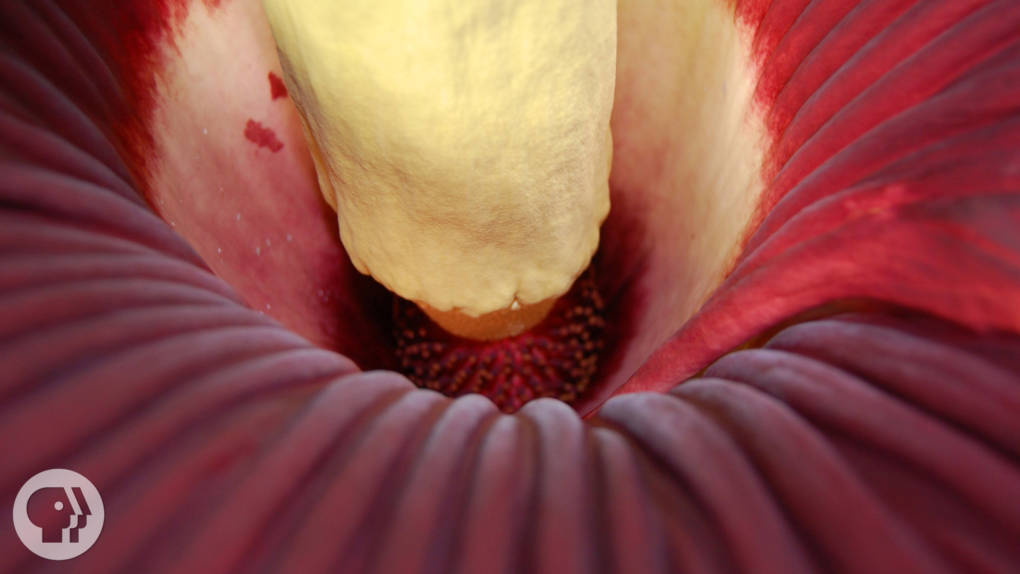
"caption": "A corpse flower's male and female flowers are deep inside the plant, at the bottom of a yellow stalk called the spadix.",
"description": null,
"title": "DL_502CorpseFlower_FLOWERS_DEEP_INSIDE_phead_marquee_1920",
"credit": "Gabriela Quirós/KQED",
"status": "inherit",
"isLoading": false,
"fetchFailed": false
},
"science_1918295": {
"type": "attachments",
"id": "science_1918295",
"meta": {
"index": "attachments_1716263798",
"site": "science",
"id": "1918295",
"found": true
},
"parent": 1917913,
"imgSizes": {
"small": {
"file": "https://ww2.kqed.org/app/uploads/sites/35/2018/01/DL501-phead.3-520x293.jpg",
"width": 520,
"mimeType": "image/jpeg",
"height": 293
},
"twentyfourteen-full-width": {
"file": "https://ww2.kqed.org/app/uploads/sites/35/2018/01/DL501-phead.3-1038x576.jpg",
"width": 1038,
"mimeType": "image/jpeg",
"height": 576
},
"thumbnail": {
"file": "https://ww2.kqed.org/app/uploads/sites/35/2018/01/DL501-phead.3-160x90.jpg",
"width": 160,
"mimeType": "image/jpeg",
"height": 90
},
"fd-sm": {
"file": "https://ww2.kqed.org/app/uploads/sites/35/2018/01/DL501-phead.3-960x540.jpg",
"width": 960,
"mimeType": "image/jpeg",
"height": 540
},
"post-thumbnail": {
"file": "https://ww2.kqed.org/app/uploads/sites/35/2018/01/DL501-phead.3-672x372.jpg",
"width": 672,
"mimeType": "image/jpeg",
"height": 372
},
"xsmall": {
"file": "https://ww2.kqed.org/app/uploads/sites/35/2018/01/DL501-phead.3-375x211.jpg",
"width": 375,
"mimeType": "image/jpeg",
"height": 211
},
"kqedFullSize": {
"file": "https://ww2.kqed.org/app/uploads/sites/35/2018/01/DL501-phead.3.jpg",
"width": 1920,
"height": 1080
},
"large": {
"file": "https://ww2.kqed.org/app/uploads/sites/35/2018/01/DL501-phead.3-1020x574.jpg",
"width": 1020,
"mimeType": "image/jpeg",
"height": 574
},
"xlarge": {
"file": "https://ww2.kqed.org/app/uploads/sites/35/2018/01/DL501-phead.3-1180x664.jpg",
"width": 1180,
"mimeType": "image/jpeg",
"height": 664
},
"guest-author-50": {
"file": "https://ww2.kqed.org/app/uploads/sites/35/2018/01/DL501-phead.3-50x50.jpg",
"width": 50,
"mimeType": "image/jpeg",
"height": 50
},
"guest-author-96": {
"file": "https://ww2.kqed.org/app/uploads/sites/35/2018/01/DL501-phead.3-96x96.jpg",
"width": 96,
"mimeType": "image/jpeg",
"height": 96
},
"medium": {
"file": "https://ww2.kqed.org/app/uploads/sites/35/2018/01/DL501-phead.3-800x450.jpg",
"width": 800,
"mimeType": "image/jpeg",
"height": 450
},
"guest-author-64": {
"file": "https://ww2.kqed.org/app/uploads/sites/35/2018/01/DL501-phead.3-64x64.jpg",
"width": 64,
"mimeType": "image/jpeg",
"height": 64
},
"guest-author-32": {
"file": "https://ww2.kqed.org/app/uploads/sites/35/2018/01/DL501-phead.3-32x32.jpg",
"width": 32,
"mimeType": "image/jpeg",
"height": 32
},
"fd-lrg": {
"file": "https://ww2.kqed.org/app/uploads/sites/35/2018/01/DL501-phead.3-1920x1080.jpg",
"width": 1920,
"mimeType": "image/jpeg",
"height": 1080
},
"fd-med": {
"file": "https://ww2.kqed.org/app/uploads/sites/35/2018/01/DL501-phead.3-1180x664.jpg",
"width": 1180,
"mimeType": "image/jpeg",
"height": 664
},
"full-width": {
"file": "https://ww2.kqed.org/app/uploads/sites/35/2018/01/DL501-phead.3-1920x1080.jpg",
"width": 1920,
"mimeType": "image/jpeg",
"height": 1080
},
"detail": {
"file": "https://ww2.kqed.org/app/uploads/sites/35/2018/01/DL501-phead.3-150x150.jpg",
"width": 150,
"mimeType": "image/jpeg",
"height": 150
},
"medium_large": {
"file": "https://ww2.kqed.org/app/uploads/sites/35/2018/01/DL501-phead.3-768x432.jpg",
"width": 768,
"mimeType": "image/jpeg",
"height": 432
},
"guest-author-128": {
"file": "https://ww2.kqed.org/app/uploads/sites/35/2018/01/DL501-phead.3-128x128.jpg",
"width": 128,
"mimeType": "image/jpeg",
"height": 128
},
"xxsmall": {
"file": "https://ww2.kqed.org/app/uploads/sites/35/2018/01/DL501-phead.3-240x135.jpg",
"width": 240,
"mimeType": "image/jpeg",
"height": 135
}
},
"publishDate": 1513122337,
"modified": 1513122337,
"caption": null,
"description": null,
"title": "DL501 phead.3",
"credit": null,
"status": "inherit",
"isLoading": false,
"fetchFailed": false
},
"science_1917658": {
"type": "attachments",
"id": "science_1917658",
"meta": {
"index": "attachments_1716263798",
"site": "science",
"id": "1917658",
"found": true
},
"parent": 1917469,
"imgSizes": {
"small": {
"file": "https://ww2.kqed.org/app/uploads/sites/35/2017/11/DL420-Mantis-green-female-face-MARQUEE-520x293.jpg",
"width": 520,
"mimeType": "image/jpeg",
"height": 293
},
"twentyfourteen-full-width": {
"file": "https://ww2.kqed.org/app/uploads/sites/35/2017/11/DL420-Mantis-green-female-face-MARQUEE-1038x576.jpg",
"width": 1038,
"mimeType": "image/jpeg",
"height": 576
},
"thumbnail": {
"file": "https://ww2.kqed.org/app/uploads/sites/35/2017/11/DL420-Mantis-green-female-face-MARQUEE-160x90.jpg",
"width": 160,
"mimeType": "image/jpeg",
"height": 90
},
"fd-sm": {
"file": "https://ww2.kqed.org/app/uploads/sites/35/2017/11/DL420-Mantis-green-female-face-MARQUEE-960x540.jpg",
"width": 960,
"mimeType": "image/jpeg",
"height": 540
},
"post-thumbnail": {
"file": "https://ww2.kqed.org/app/uploads/sites/35/2017/11/DL420-Mantis-green-female-face-MARQUEE-672x372.jpg",
"width": 672,
"mimeType": "image/jpeg",
"height": 372
},
"xsmall": {
"file": "https://ww2.kqed.org/app/uploads/sites/35/2017/11/DL420-Mantis-green-female-face-MARQUEE-375x211.jpg",
"width": 375,
"mimeType": "image/jpeg",
"height": 211
},
"kqedFullSize": {
"file": "https://ww2.kqed.org/app/uploads/sites/35/2017/11/DL420-Mantis-green-female-face-MARQUEE.jpg",
"width": 1920,
"height": 1080
},
"large": {
"file": "https://ww2.kqed.org/app/uploads/sites/35/2017/11/DL420-Mantis-green-female-face-MARQUEE-1020x574.jpg",
"width": 1020,
"mimeType": "image/jpeg",
"height": 574
},
"xlarge": {
"file": "https://ww2.kqed.org/app/uploads/sites/35/2017/11/DL420-Mantis-green-female-face-MARQUEE-1180x664.jpg",
"width": 1180,
"mimeType": "image/jpeg",
"height": 664
},
"guest-author-50": {
"file": "https://ww2.kqed.org/app/uploads/sites/35/2017/11/DL420-Mantis-green-female-face-MARQUEE-50x50.jpg",
"width": 50,
"mimeType": "image/jpeg",
"height": 50
},
"guest-author-96": {
"file": "https://ww2.kqed.org/app/uploads/sites/35/2017/11/DL420-Mantis-green-female-face-MARQUEE-96x96.jpg",
"width": 96,
"mimeType": "image/jpeg",
"height": 96
},
"medium": {
"file": "https://ww2.kqed.org/app/uploads/sites/35/2017/11/DL420-Mantis-green-female-face-MARQUEE-800x450.jpg",
"width": 800,
"mimeType": "image/jpeg",
"height": 450
},
"guest-author-64": {
"file": "https://ww2.kqed.org/app/uploads/sites/35/2017/11/DL420-Mantis-green-female-face-MARQUEE-64x64.jpg",
"width": 64,
"mimeType": "image/jpeg",
"height": 64
},
"guest-author-32": {
"file": "https://ww2.kqed.org/app/uploads/sites/35/2017/11/DL420-Mantis-green-female-face-MARQUEE-32x32.jpg",
"width": 32,
"mimeType": "image/jpeg",
"height": 32
},
"fd-lrg": {
"file": "https://ww2.kqed.org/app/uploads/sites/35/2017/11/DL420-Mantis-green-female-face-MARQUEE-1920x1080.jpg",
"width": 1920,
"mimeType": "image/jpeg",
"height": 1080
},
"fd-med": {
"file": "https://ww2.kqed.org/app/uploads/sites/35/2017/11/DL420-Mantis-green-female-face-MARQUEE-1180x664.jpg",
"width": 1180,
"mimeType": "image/jpeg",
"height": 664
},
"full-width": {
"file": "https://ww2.kqed.org/app/uploads/sites/35/2017/11/DL420-Mantis-green-female-face-MARQUEE-1920x1080.jpg",
"width": 1920,
"mimeType": "image/jpeg",
"height": 1080
},
"detail": {
"file": "https://ww2.kqed.org/app/uploads/sites/35/2017/11/DL420-Mantis-green-female-face-MARQUEE-150x150.jpg",
"width": 150,
"mimeType": "image/jpeg",
"height": 150
},
"medium_large": {
"file": "https://ww2.kqed.org/app/uploads/sites/35/2017/11/DL420-Mantis-green-female-face-MARQUEE-768x432.jpg",
"width": 768,
"mimeType": "image/jpeg",
"height": 432
},
"guest-author-128": {
"file": "https://ww2.kqed.org/app/uploads/sites/35/2017/11/DL420-Mantis-green-female-face-MARQUEE-128x128.jpg",
"width": 128,
"mimeType": "image/jpeg",
"height": 128
},
"xxsmall": {
"file": "https://ww2.kqed.org/app/uploads/sites/35/2017/11/DL420-Mantis-green-female-face-MARQUEE-240x135.jpg",
"width": 240,
"mimeType": "image/jpeg",
"height": 135
}
},
"publishDate": 1510268406,
"modified": 1510268488,
"caption": "Female bordered mantis during breeding season in Bishop, CA",
"description": null,
"title": "DL420 Mantis green female face MARQUEE",
"credit": "Josh Cassidy/KQED",
"status": "inherit",
"isLoading": false,
"fetchFailed": false
}
},
"audioPlayerReducer": {
"postId": "stream_live",
"isPaused": true,
"isPlaying": false,
"pfsActive": false,
"pledgeModalIsOpen": true,
"playerDrawerIsOpen": false,
"liveAudioPlayStartedAt": 0,
"liveAudioPlayContext": ""
},
"authorsReducer": {
"byline_science_1921659": {
"type": "authors",
"id": "byline_science_1921659",
"meta": {
"override": true
},
"slug": "byline_science_1921659",
"name": "\u003cbr>Emma Hiolski\u003c/br>",
"isLoading": false
},
"byline_science_1921142": {
"type": "authors",
"id": "byline_science_1921142",
"meta": {
"override": true
},
"slug": "byline_science_1921142",
"name": "Joe Palca\u003cbr />NPR All Tech Considered",
"isLoading": false
},
"gabriela-quiros": {
"type": "authors",
"id": "6186",
"meta": {
"index": "authors_1716337520",
"id": "6186",
"found": true
},
"name": "Gabriela Quirós",
"firstName": "Gabriela",
"lastName": "Quirós",
"slug": "gabriela-quiros",
"email": "gquiros@kqed.org",
"display_author_email": false,
"staff_mastheads": [],
"title": "Supervising Producer",
"bio": "Gabriela Quirós is the \u003cstrong>supervising producer for KQED's web science video series \u003ca href=\"https://www.kqed.org/deeplook\">Deep Look\u003c/a>\u003c/strong>. She joined KQED as a TV producer when its science series QUEST started in 2006 and has covered everything from Alzheimer’s to bee die-offs to dark energy.\r\n\r\nShe won a 2022 AAAS Kavli Science Journalism Award with a team of her Deep Look colleagues. She has won six regional Emmys as a video producer and has shared eight more as the coordinating producer of Deep Look. The episode she produced about \u003ca href=\"https://www.kqed.org/science/728086/how-mosquitoes-use-six-needles-to-suck-your-blood\">How Mosquitoes Use Six Needles to Suck Your Blood\u003c/a> won a Webby \"People's Voice\" award. She has also earned awards from the Jackson Hole Wildlife Film Festival, the Society of Professional Journalists and the Society of Environmental Journalists.\r\n\r\nHer videos for KQED have also aired on NOVA scienceNOW and the PBS NewsHour, and appeared on NPR.org.\r\n\r\nAs an independent filmmaker, she produced and directed the hour-long documentary \u003ca href=\"http://lpbp.org/beautiful-sin-qa-with-producer-gabriela-quiros/\">\u003cem>Beautiful Sin\u003c/em>\u003c/a>, about the surprising story of how Costa Rica became the only country in the world to outlaw in vitro fertilization. The film aired in 2015 on public television stations throughout the U.S., and in Costa Rica.\r\n\r\nShe started her journalism career as a newspaper reporter in Costa Rica, where she grew up. She won the National Science Journalism Award there for a series of articles about organic agriculture, and developed a life-long interest in health reporting. She moved to the Bay Area in 1996 to study documentary filmmaking at the University of California, Berkeley, where she received master’s degrees in journalism and Latin American studies.",
"avatar": "https://secure.gravatar.com/avatar/6d82c20152affd1b434c31a904c40809?s=600&d=blank&r=g",
"twitter": "gabrielaquirosr",
"facebook": null,
"instagram": null,
"linkedin": null,
"sites": [
{
"site": "science",
"roles": []
},
{
"site": "quest",
"roles": [
"ef_view_calendar",
"ef_view_story_budget"
]
}
],
"headData": {
"title": "Gabriela Quirós | KQED",
"description": "Supervising Producer",
"ogImgSrc": "https://secure.gravatar.com/avatar/6d82c20152affd1b434c31a904c40809?s=600&d=blank&r=g",
"twImgSrc": "https://secure.gravatar.com/avatar/6d82c20152affd1b434c31a904c40809?s=600&d=blank&r=g"
},
"isLoading": false,
"link": "/author/gabriela-quiros"
},
"joshua-cassidy": {
"type": "authors",
"id": "6219",
"meta": {
"index": "authors_1716337520",
"id": "6219",
"found": true
},
"name": "Josh Cassidy",
"firstName": "Josh",
"lastName": "Cassidy",
"slug": "joshua-cassidy",
"email": "jcassidy@kqed.org",
"display_author_email": false,
"staff_mastheads": [
"science"
],
"title": "Digital Video Producer",
"bio": "Josh is a Senior Video Producer for KQED Science, and the Lead Producer and Cinematographer for Deep Look. After receiving his BS in Wildlife Biology from Ohio University, he went on to participate in marine mammal research for NOAA, USGS and the Intersea Foundation. He also served as the president of The Pacific Cetacean Group, a nonprofit organization dedicated to teaching students K-6 about whales. Josh studied science and natural history filmmaking at San Francisco State University and Montana State University.",
"avatar": "https://secure.gravatar.com/avatar/f2582a0801a35af53b734d56bcac2bbe?s=600&d=blank&r=g",
"twitter": null,
"facebook": null,
"instagram": null,
"linkedin": null,
"sites": [
{
"site": "science",
"roles": [
"editor"
]
},
{
"site": "quest",
"roles": [
"author",
"edit_others_posts"
]
}
],
"headData": {
"title": "Josh Cassidy | KQED",
"description": "Digital Video Producer",
"ogImgSrc": "https://secure.gravatar.com/avatar/f2582a0801a35af53b734d56bcac2bbe?s=600&d=blank&r=g",
"twImgSrc": "https://secure.gravatar.com/avatar/f2582a0801a35af53b734d56bcac2bbe?s=600&d=blank&r=g"
},
"isLoading": false,
"link": "/author/joshua-cassidy"
},
"ekennerson": {
"type": "authors",
"id": "11090",
"meta": {
"index": "authors_1716337520",
"id": "11090",
"found": true
},
"name": "Elliott Kennerson",
"firstName": "Elliott",
"lastName": "Kennerson",
"slug": "ekennerson",
"email": "ekennerson@kqed.org",
"display_author_email": false,
"staff_mastheads": [],
"title": null,
"bio": "Elliott Kennerson joined KQED Science as a Digital Media Producer in 2015. Before joining KQED, he produced the Kickstarter-funded series “Animal R&R” for KPBS in San Diego. Elliott received his M.F.A. training in wildlife documentary at Montana State in Bozeman and holds a B.A. from Yale in archaeology. In his former life as an actor, he was an associate artist with LightBox Theater Company in New York. Elliott is the recipient of a 2017 Regional Emmy for his work as a producer on “Deep Look.\"",
"avatar": "https://secure.gravatar.com/avatar/90ebfa58055409e54c8f8a4c120ecf91?s=600&d=blank&r=g",
"twitter": "edorank",
"facebook": null,
"instagram": null,
"linkedin": null,
"sites": [
{
"site": "science",
"roles": [
"editor"
]
}
],
"headData": {
"title": "Elliott Kennerson | KQED",
"description": null,
"ogImgSrc": "https://secure.gravatar.com/avatar/90ebfa58055409e54c8f8a4c120ecf91?s=600&d=blank&r=g",
"twImgSrc": "https://secure.gravatar.com/avatar/90ebfa58055409e54c8f8a4c120ecf91?s=600&d=blank&r=g"
},
"isLoading": false,
"link": "/author/ekennerson"
},
"akusmer": {
"type": "authors",
"id": "11361",
"meta": {
"index": "authors_1716337520",
"id": "11361",
"found": true
},
"name": "Anna Kusmer",
"firstName": "Anna",
"lastName": "Kusmer",
"slug": "akusmer",
"email": "akusmer@kqed.org",
"display_author_email": false,
"staff_mastheads": [],
"title": "News Intern",
"bio": "Anna Kusmer was a 2018 KQED News intern. She has worked as an ecologist and a hamburger flipper. She is also a freelance writer with stories appearing in NPR and PBS.",
"avatar": "https://secure.gravatar.com/avatar/307ee2fc39d2a9dffeaad0482e616c80?s=600&d=blank&r=g",
"twitter": "askusmer",
"facebook": null,
"instagram": null,
"linkedin": null,
"sites": [
{
"site": "news",
"roles": [
"subscriber"
]
},
{
"site": "futureofyou",
"roles": [
"editor"
]
},
{
"site": "science",
"roles": []
}
],
"headData": {
"title": "Anna Kusmer | KQED",
"description": "News Intern",
"ogImgSrc": "https://secure.gravatar.com/avatar/307ee2fc39d2a9dffeaad0482e616c80?s=600&d=blank&r=g",
"twImgSrc": "https://secure.gravatar.com/avatar/307ee2fc39d2a9dffeaad0482e616c80?s=600&d=blank&r=g"
},
"isLoading": false,
"link": "/author/akusmer"
},
"ninglis": {
"type": "authors",
"id": "11376",
"meta": {
"index": "authors_1716337520",
"id": "11376",
"found": true
},
"name": "Nikki Inglis",
"firstName": "Nikki",
"lastName": "Inglis",
"slug": "ninglis",
"email": "ninglis@kqed.org",
"display_author_email": false,
"staff_mastheads": [],
"title": "KQED Contributor",
"bio": "Nikki Inglis is a graduate student in Applied Marine and Watershed Science at California State University Monterey Bay and a summer intern at KQED Science. She grew up on an organic farm in Upstate New York and received undergraduate degrees in psychology and journalism from the University of Colorado Boulder. She has worked as a reporter and editor at the Steamboat Pilot & Today and as a deckhand on fishing boats in the Sea of Cortez. When she's not studying environmental policy, she can be found mountain biking, skiing, surfing, camping and exploring California's public lands.",
"avatar": "https://secure.gravatar.com/avatar/41b70c9c9dbc7ef2de0442dda60e5f5946e1fedc255cb12782a8ef0883f14774?s=600&d=blank&r=g",
"twitter": null,
"bluesky": null,
"facebook": null,
"instagram": null,
"linkedin": null,
"sites": [
{
"site": "science",
"roles": [
"subscriber"
]
}
],
"headData": {
"title": "Nikki Inglis | KQED",
"description": "KQED Contributor",
"ogImgSrc": "https://secure.gravatar.com/avatar/41b70c9c9dbc7ef2de0442dda60e5f5946e1fedc255cb12782a8ef0883f14774?s=600&d=blank&r=g",
"twImgSrc": "https://secure.gravatar.com/avatar/41b70c9c9dbc7ef2de0442dda60e5f5946e1fedc255cb12782a8ef0883f14774?s=600&d=blank&r=g"
},
"isLoading": false,
"link": "/author/ninglis"
},
"ehiolski": {
"type": "authors",
"id": "11498",
"meta": {
"index": "authors_1716337520",
"id": "11498",
"found": true
},
"name": "Emma Hiolski",
"firstName": "Emma",
"lastName": "Hiolski",
"slug": "ehiolski",
"email": "ehiolski@kqed.org",
"display_author_email": false,
"staff_mastheads": [],
"title": "KQED Contributor",
"bio": "\u003ca href=\"https://tely2.kqed.org/owa/redir.aspx?C=cajHyFkI5tvMOZaa9SQfXsW9YZQP-FZtAa9Rb7WouYMM7FMh6pjVCA..&URL=https%3a%2f%2fwww.emmahiolski.com%2f\" rel=\"noopener noreferrer\">Emma Hiolski\u003c/a> is a freelance science journalist and intern with KQED's \u003ca href=\"https://tely2.kqed.org/owa/redir.aspx?C=0gWIwhnRpWsnK4RIibeM4qXXxeF9egcWeW61VzyI-C0M7FMh6pjVCA..&URL=https%3a%2f%2fwww.kqed.org%2fscience%2fseries%2fdeep-look\" rel=\"noopener noreferrer\">Deep Look\u003c/a> video series. Her work has appeared in Science, Chemical & Engineering News and The San Jose Mercury News.",
"avatar": "https://secure.gravatar.com/avatar/7ac5d5025c6714fcbdd7ff3876e7973d7a1c366d480d626a62d4212b2ee53d4d?s=600&d=blank&r=g",
"twitter": "EHiolski",
"bluesky": null,
"facebook": null,
"instagram": null,
"linkedin": null,
"sites": [
{
"site": "science",
"roles": [
"subscriber"
]
}
],
"headData": {
"title": "Emma Hiolski | KQED",
"description": "KQED Contributor",
"ogImgSrc": "https://secure.gravatar.com/avatar/7ac5d5025c6714fcbdd7ff3876e7973d7a1c366d480d626a62d4212b2ee53d4d?s=600&d=blank&r=g",
"twImgSrc": "https://secure.gravatar.com/avatar/7ac5d5025c6714fcbdd7ff3876e7973d7a1c366d480d626a62d4212b2ee53d4d?s=600&d=blank&r=g"
},
"isLoading": false,
"link": "/author/ehiolski"
}
},
"pagesReducer": {
"science_category_video": {
"type": "terms",
"id": "science_86",
"meta": {
"index": "terms_1716263798",
"site": "science",
"id": "86",
"score": 12.138525
},
"featImg": null,
"name": "Video",
"description": null,
"taxonomy": "category",
"headData": {
"twImgId": null,
"twTitle": null,
"ogTitle": null,
"ogImgId": null,
"twDescription": null,
"description": null,
"title": "Video Archives | KQED Science",
"ogDescription": null
},
"ttid": 89,
"slug": "video",
"isLoading": false,
"title": "Video",
"pageMeta": {
"site": "science",
"WpPageTemplate": "page-topic-editorial",
"currentPage": 14
},
"blocks": [
{
"blockName": "kqed/post-list",
"attrs": {
"layout": "cardArticle2",
"query": "posts/science?category=video",
"seeMore": false,
"paginated": true,
"page": 14
}
},
{
"blockName": "kqed/ad"
}
]
}
},
"pfsSessionReducer": {},
"postsReducer": {
"stream_live": {
"type": "live",
"id": "stream_live",
"audioUrl": "https://streams.kqed.org/kqedradio",
"title": "Live Stream",
"excerpt": "Live Stream information currently unavailable.",
"link": "/radio",
"featImg": "",
"label": {
"name": "KQED Live",
"link": "/"
}
},
"stream_kqedNewscast": {
"type": "posts",
"id": "stream_kqedNewscast",
"audioUrl": "https://www.kqed.org/.stream/anon/radio/RDnews/newscast.mp3?_=1",
"title": "KQED Newscast",
"featImg": "",
"label": {
"name": "88.5 FM",
"link": "/"
}
},
"science_1923898": {
"type": "posts",
"id": "science_1923898",
"meta": {
"index": "posts_1716263798",
"site": "science",
"id": "1923898",
"score": null,
"sort": [
1527598836000
]
},
"guestAuthors": [],
"slug": "watch-these-snails-stab-fish-and-swallow-them-whole",
"title": "Watch These Cunning Snails Stab and Swallow Fish Whole",
"publishDate": 1527598836,
"format": "video",
"headTitle": "Watch These Cunning Snails Stab and Swallow Fish Whole | KQED",
"labelTerm": {
"term": 1935,
"site": "science"
},
"content": "\u003cp>[dl_subscribe]It might be time to rethink the phrase “moving at a snail’s pace.”\u003c/p>\n\u003cp>New research shows that cone snails — ocean-dwelling mollusks known for their brightly colored shells — attack their prey faster than almost any member of the animal kingdom.\u003c/p>\n\u003cp>There are hundreds of species of these normally slow-moving hunters found in oceans across the world. They take down fish, worms and other snails using a hollow, harpoonlike tooth that acts like a spear and a hypodermic needle. When they impale their prey, cone snails inject a chemical cocktail that subdues their meal and gives them time to dine at their leisure.\u003c/p>\n\u003cfigure id=\"attachment_1923952\" class=\"wp-caption aligncenter\" style=\"max-width: 800px\">\u003ca href=\"https://ww2.kqed.org/science/wp-content/uploads/sites/35/2018/05/DL510-geography-cone-CC.jpg\">\u003cimg loading=\"lazy\" decoding=\"async\" class=\"size-medium wp-image-1923952\" src=\"https://ww2.kqed.org/science/wp-content/uploads/sites/35/2018/05/DL510-geography-cone-CC-800x450.jpg\" alt=\"\" width=\"800\" height=\"450\" srcset=\"https://cdn.kqed.org/wp-content/uploads/sites/35/2018/05/DL510-geography-cone-CC-800x450.jpg 800w, https://cdn.kqed.org/wp-content/uploads/sites/35/2018/05/DL510-geography-cone-CC-160x90.jpg 160w, https://cdn.kqed.org/wp-content/uploads/sites/35/2018/05/DL510-geography-cone-CC-768x432.jpg 768w, https://cdn.kqed.org/wp-content/uploads/sites/35/2018/05/DL510-geography-cone-CC-1020x574.jpg 1020w, https://cdn.kqed.org/wp-content/uploads/sites/35/2018/05/DL510-geography-cone-CC-1200x675.jpg 1200w, https://cdn.kqed.org/wp-content/uploads/sites/35/2018/05/DL510-geography-cone-CC-1920x1080.jpg 1920w, https://cdn.kqed.org/wp-content/uploads/sites/35/2018/05/DL510-geography-cone-CC-1180x664.jpg 1180w, https://cdn.kqed.org/wp-content/uploads/sites/35/2018/05/DL510-geography-cone-CC-960x540.jpg 960w, https://cdn.kqed.org/wp-content/uploads/sites/35/2018/05/DL510-geography-cone-CC-240x135.jpg 240w, https://cdn.kqed.org/wp-content/uploads/sites/35/2018/05/DL510-geography-cone-CC-375x211.jpg 375w, https://cdn.kqed.org/wp-content/uploads/sites/35/2018/05/DL510-geography-cone-CC-520x293.jpg 520w\" sizes=\"auto, (max-width: 800px) 100vw, 800px\">\u003c/a>\u003cfigcaption class=\"wp-caption-text\">The sting of some cone snail species, such as this “geography” cone, can be lethal to humans. \u003ccite>(Elliott Kennerson/KQED)\u003c/cite>\u003c/figcaption>\u003c/figure>\n\u003cp>It’s the way they shoot the harpoons that amazes researchers. Cone snails launch their harpoons so quickly that scientists were previously unable to capture the movement on camera, making it impossible to calculate just how speedy these snails are. Now, using super-high-speed video, researchers have filmed the full flight of the harpoon for the first time.\u003c/p>\n\u003cp>It’s not quite as simple as pointing a camera at a snail, however.\u003c/p>\n\u003cp>[ad fullwidth]\u003c/p>\n\u003cp>Joseph Schulz, a biologist at Occidental College in Los Angeles, studies the biomechanics of how cone snails fire their harpoons, and led the efforts to document the phenomenon.\u003c/p>\n\u003cp>Schulz’s team used cat cones, a small, fish-hunting species of cone snail with shells about 1 to 2 inches long. Their hunting appendage — a fleshy, extendable tube called a proboscis — is translucent, like frosted glass. That allowed the scientists to view the harpoon, which rests within the proboscis, and film its movement.\u003c/p>\n\u003cp>To record the harpoon-firing process, the researchers had to train the cone snails to extend their proboscis down a heavily illuminated trough and shoot the harpoonlike tooth into a fish-scented membrane at the far end.\u003c/p>\n\u003cfigure id=\"attachment_1923967\" class=\"wp-caption aligncenter\" style=\"max-width: 800px\">\u003cimg loading=\"lazy\" decoding=\"async\" class=\"size-medium wp-image-1923967\" src=\"https://ww2.kqed.org/science/wp-content/uploads/sites/35/2018/05/bandanus_tooth1-800x83.png\" alt=\"\" width=\"800\" height=\"83\" srcset=\"https://cdn.kqed.org/wp-content/uploads/sites/35/2018/05/bandanus_tooth1-800x83.png 800w, https://cdn.kqed.org/wp-content/uploads/sites/35/2018/05/bandanus_tooth1-160x17.png 160w, https://cdn.kqed.org/wp-content/uploads/sites/35/2018/05/bandanus_tooth1-768x80.png 768w, https://cdn.kqed.org/wp-content/uploads/sites/35/2018/05/bandanus_tooth1-1020x106.png 1020w, https://cdn.kqed.org/wp-content/uploads/sites/35/2018/05/bandanus_tooth1-1200x124.png 1200w, https://cdn.kqed.org/wp-content/uploads/sites/35/2018/05/bandanus_tooth1-1920x199.png 1920w, https://cdn.kqed.org/wp-content/uploads/sites/35/2018/05/bandanus_tooth1-1180x122.png 1180w, https://cdn.kqed.org/wp-content/uploads/sites/35/2018/05/bandanus_tooth1-960x99.png 960w, https://cdn.kqed.org/wp-content/uploads/sites/35/2018/05/bandanus_tooth1-240x25.png 240w, https://cdn.kqed.org/wp-content/uploads/sites/35/2018/05/bandanus_tooth1-375x39.png 375w, https://cdn.kqed.org/wp-content/uploads/sites/35/2018/05/bandanus_tooth1-520x54.png 520w\" sizes=\"auto, (max-width: 800px) 100vw, 800px\">\u003cfigcaption class=\"wp-caption-text\">Optical micrograph of the barbed, hollow harpoon of Conus bandanus, a cone snail that lives in the Indian Ocean. \u003ccite>(Courtesy Manuel Jimenez Tenorio, Universidad de Cádiz)\u003c/cite>\u003c/figcaption>\u003c/figure>\n\u003cp>“It’s not like a movie of a hummingbird wingbeat,” Schulz said. “We had to pass enough light through the proboscis to highlight the tooth.”\u003c/p>\n\u003cp>The lighting was so bright that the scientists had to wear sunglasses during the experiments, he added.\u003c/p>\n\u003cp>The team started the high-speed filming using a recording speed of 8,000 frames per second. But it couldn’t match the speed of the cone snail strike. They had to bump the frame rate all the way up to 58,000 frames per second to fully capture the harpoon’s movement.\u003c/p>\n\u003cp>By comparison, slow-motion replays in baseball and football games are usually filmed at 500 frames per second, said Toni Lucatorto, a product manager with Vision Research, the company that manufactures the high-speed camera that Schulz and his colleagues use.\u003c/p>\n\u003cfigure id=\"attachment_1923954\" class=\"wp-caption aligncenter\" style=\"max-width: 720px\">\u003ca href=\"https://ww2.kqed.org/science/wp-content/uploads/sites/35/2018/05/DL510_bw-harpoon-fish-labels_720-1.gif\">\u003cimg loading=\"lazy\" decoding=\"async\" class=\"size-full wp-image-1923954\" src=\"https://ww2.kqed.org/science/wp-content/uploads/sites/35/2018/05/DL510_bw-harpoon-fish-labels_720-1.gif\" alt=\"\" width=\"720\" height=\"405\">\u003c/a>\u003cfigcaption class=\"wp-caption-text\">Using high-speed cameras, scientists have been able to document the speed of the cone snail’s attack. \u003ccite>(Courtesy Joseph Schulz, Occidental College)\u003c/cite>\u003c/figcaption>\u003c/figure>\n\u003cp>From start to finish, the harpoon’s flight takes less than 200 microseconds. That’s one five-thousandth of a second. It launches with an acceleration equivalent to a bullet fired from a pistol.\u003c/p>\n\u003cp>This puts the cone snail in fine company, roughly equal to the acceleration with which trap-jaw ants snap their mandibles shut and mantis shrimp strike prey with their smashing arms. The team is finalizing measurements and calculations for an upcoming scientific publication.\u003c/p>\n\u003cp>So how do these sedentary snails pull off such a high-octane feat? Hydrostatic pressure — the pressure from fluid — builds within the half of the snail’s proboscis closest to its body, locked behind a tight O-ring of muscle. When it comes time to strike, the muscle relaxes, and the venom-laced fluid punches into the harpoon’s bulbous base. This pressure launches the harpoon out into the snail’s unsuspecting prey.\u003c/p>\n\u003cp>As fast as the harpoon launches, it comes to an even more abrupt stop. The base of the harpoon gets caught at the end of the proboscis so that the snail can reel in its meal.\u003c/p>\n\u003cfigure id=\"attachment_1923957\" class=\"wp-caption aligncenter\" style=\"max-width: 800px\">\u003ca href=\"https://ww2.kqed.org/science/wp-content/uploads/sites/35/2018/05/DL510-siphon-proboscis-eye-CC.jpg\">\u003cimg loading=\"lazy\" decoding=\"async\" class=\"size-medium wp-image-1923957\" src=\"https://ww2.kqed.org/science/wp-content/uploads/sites/35/2018/05/DL510-siphon-proboscis-eye-CC-800x450.jpg\" alt=\"\" width=\"800\" height=\"450\" srcset=\"https://cdn.kqed.org/wp-content/uploads/sites/35/2018/05/DL510-siphon-proboscis-eye-CC-800x450.jpg 800w, https://cdn.kqed.org/wp-content/uploads/sites/35/2018/05/DL510-siphon-proboscis-eye-CC-160x90.jpg 160w, https://cdn.kqed.org/wp-content/uploads/sites/35/2018/05/DL510-siphon-proboscis-eye-CC-768x432.jpg 768w, https://cdn.kqed.org/wp-content/uploads/sites/35/2018/05/DL510-siphon-proboscis-eye-CC-1020x574.jpg 1020w, https://cdn.kqed.org/wp-content/uploads/sites/35/2018/05/DL510-siphon-proboscis-eye-CC-1200x675.jpg 1200w, https://cdn.kqed.org/wp-content/uploads/sites/35/2018/05/DL510-siphon-proboscis-eye-CC-1920x1080.jpg 1920w, https://cdn.kqed.org/wp-content/uploads/sites/35/2018/05/DL510-siphon-proboscis-eye-CC-1180x664.jpg 1180w, https://cdn.kqed.org/wp-content/uploads/sites/35/2018/05/DL510-siphon-proboscis-eye-CC-960x540.jpg 960w, https://cdn.kqed.org/wp-content/uploads/sites/35/2018/05/DL510-siphon-proboscis-eye-CC-240x135.jpg 240w, https://cdn.kqed.org/wp-content/uploads/sites/35/2018/05/DL510-siphon-proboscis-eye-CC-375x211.jpg 375w, https://cdn.kqed.org/wp-content/uploads/sites/35/2018/05/DL510-siphon-proboscis-eye-CC-520x293.jpg 520w\" sizes=\"auto, (max-width: 800px) 100vw, 800px\">\u003c/a>\u003cfigcaption class=\"wp-caption-text\">Cone snail shells harbor an array of appendages, including a breathing tube or siphon (top), a proboscis (middle), and eyes (lower right). \u003ccite>(Josh Cassidy/KQED)\u003c/cite>\u003c/figcaption>\u003c/figure>\n\u003cp>The high-speed action doesn’t stop with the harpoon. Cone snail venom acts fast, subduing fish in as little as a few seconds. The venom is filled with unique molecules, broadly referred to as conotoxins.\u003c/p>\n\u003cp>Individual snails can produce up to 1,000 different venom components, according to Frank Marí, a biochemist with the National Institute of Standards and Technology in Charleston, South Carolina.\u003c/p>\n\u003cp>Marí studies the chemicals produced by marine organisms, with a particular focus on cone snails and conotoxins. Many cone snails are venomous, he said, which sets them apart from other mollusks.\u003c/p>\n\u003cp>The composition of cone snail venom varies from species to species, and even between individuals of the same species, creating a library of potential new drugs that researchers are eager to mine. In combination, these chemicals work together to rapidly paralyze a cone snail’s prey. Individually, some molecules from cone snail venom can provide non-opioid pain relief, and could potentially treat Parkinson’s disease or cancer, Marí said.\u003c/p>\n\u003cp>“You have a huge library of potential compounds that have medicinal purposes, and we’ve barely touched the tip of the iceberg,” he said.\u003c/p>\n\u003cp>To collect venom from the snails in his lab, Marí has trained them to fire their harpoons through a film and inject venom into a small tube. Schulz also “milks” cone snails in his lab the same way.\u003c/p>\n\u003cfigure id=\"attachment_1923906\" class=\"wp-caption alignnone\" style=\"max-width: 800px\">\u003cimg loading=\"lazy\" decoding=\"async\" class=\"size-medium wp-image-1923906\" src=\"https://ww2.kqed.org/science/wp-content/uploads/sites/35/2018/05/DL510-long-proboscis-with-taste-buds-CC_1920-800x450.jpg\" alt=\"\" width=\"800\" height=\"450\" srcset=\"https://cdn.kqed.org/wp-content/uploads/sites/35/2018/05/DL510-long-proboscis-with-taste-buds-CC_1920-800x450.jpg 800w, https://cdn.kqed.org/wp-content/uploads/sites/35/2018/05/DL510-long-proboscis-with-taste-buds-CC_1920-160x90.jpg 160w, https://cdn.kqed.org/wp-content/uploads/sites/35/2018/05/DL510-long-proboscis-with-taste-buds-CC_1920-768x432.jpg 768w, https://cdn.kqed.org/wp-content/uploads/sites/35/2018/05/DL510-long-proboscis-with-taste-buds-CC_1920-1020x574.jpg 1020w, https://cdn.kqed.org/wp-content/uploads/sites/35/2018/05/DL510-long-proboscis-with-taste-buds-CC_1920-1200x675.jpg 1200w, https://cdn.kqed.org/wp-content/uploads/sites/35/2018/05/DL510-long-proboscis-with-taste-buds-CC_1920.jpg 1920w, https://cdn.kqed.org/wp-content/uploads/sites/35/2018/05/DL510-long-proboscis-with-taste-buds-CC_1920-1180x664.jpg 1180w, https://cdn.kqed.org/wp-content/uploads/sites/35/2018/05/DL510-long-proboscis-with-taste-buds-CC_1920-960x540.jpg 960w, https://cdn.kqed.org/wp-content/uploads/sites/35/2018/05/DL510-long-proboscis-with-taste-buds-CC_1920-240x135.jpg 240w, https://cdn.kqed.org/wp-content/uploads/sites/35/2018/05/DL510-long-proboscis-with-taste-buds-CC_1920-375x211.jpg 375w, https://cdn.kqed.org/wp-content/uploads/sites/35/2018/05/DL510-long-proboscis-with-taste-buds-CC_1920-520x293.jpg 520w\" sizes=\"auto, (max-width: 800px) 100vw, 800px\">\u003cfigcaption class=\"wp-caption-text\">Cone snails can extend their proboscis up to several times their body length. Specialized sensors on the end of the proboscis help the snail close in on its next meal. \u003ccite>(Josh Cassidy/KQED)\u003c/cite>\u003c/figcaption>\u003c/figure>\n\u003cp>Schulz focuses on a group of cone snail compounds called neuroexcitatory peptides. These are small molecules that activate cells in the nervous system. Understanding how they function could someday be useful in treating spinal cord injuries by getting neurons more active, he said, or treating conditions in which the muscles that move food through the digestive tract stop working properly.\u003c/p>\n\u003cp>And, as researchers learn more about these peptides, there may be applications that they hadn’t imagined, Schulz said.\u003c/p>\n\u003cp>[ad floatright]\u003c/p>\n\u003cp>“Even though cone snails have been studied for decades now, there’s still a lot to be learned,” he said.\u003c/p>\n\u003caside>\n\u003ch3>Become a patron of science: support more episodes of Deep Look\u003c/h3>\n\u003cp>\u003ca href=\"https://www.patreon.com/deeplook\">\u003cimg loading=\"lazy\" decoding=\"async\" class=\"aligncenter size-medium wp-image-1923358\" src=\"https://ww2.kqed.org/science/wp-content/uploads/sites/35/2018/05/DL-patreon-make-gift-800x187.png\" alt=\"\" width=\"800\" height=\"187\" srcset=\"https://cdn.kqed.org/wp-content/uploads/sites/35/2018/05/DL-patreon-make-gift-800x187.png 800w, https://cdn.kqed.org/wp-content/uploads/sites/35/2018/05/DL-patreon-make-gift-160x37.png 160w, https://cdn.kqed.org/wp-content/uploads/sites/35/2018/05/DL-patreon-make-gift-768x179.png 768w, https://cdn.kqed.org/wp-content/uploads/sites/35/2018/05/DL-patreon-make-gift-1020x238.png 1020w, https://cdn.kqed.org/wp-content/uploads/sites/35/2018/05/DL-patreon-make-gift-1200x280.png 1200w, https://cdn.kqed.org/wp-content/uploads/sites/35/2018/05/DL-patreon-make-gift-1920x448.png 1920w, https://cdn.kqed.org/wp-content/uploads/sites/35/2018/05/DL-patreon-make-gift-1180x275.png 1180w, https://cdn.kqed.org/wp-content/uploads/sites/35/2018/05/DL-patreon-make-gift-960x224.png 960w, https://cdn.kqed.org/wp-content/uploads/sites/35/2018/05/DL-patreon-make-gift-240x56.png 240w, https://cdn.kqed.org/wp-content/uploads/sites/35/2018/05/DL-patreon-make-gift-375x88.png 375w, https://cdn.kqed.org/wp-content/uploads/sites/35/2018/05/DL-patreon-make-gift-520x121.png 520w\" sizes=\"auto, (max-width: 800px) 100vw, 800px\">\u003c/a>\u003cbr>\n\u003ca href=\"https://www.patreon.com/deeplook\">\u003cem>Deep Look\u003c/em> is now on Patreon\u003c/a>.If you love our show, you can kick in a little – or a lot – each month so we can do incredible things as a \u003cem>Deep Look\u003c/em> community. \u003ca href=\"https://www.patreon.com/deeplook\">Learn More\u003c/a>\u003c/p>\n\u003c/aside>\n\n",
"blocks": [],
"excerpt": "Cone snails have an arsenal under their shells. They nab prey in just microseconds and eat them alive.",
"status": "publish",
"parent": 0,
"modified": 1738969676,
"stats": {
"hasAudio": false,
"hasVideo": false,
"hasChartOrMap": false,
"iframeSrcs": [],
"hasGoogleForm": false,
"hasGallery": false,
"hasHearkenModule": false,
"hasPolis": false,
"paragraphCount": 28,
"wordCount": 1171
},
"headData": {
"title": "Watch These Cunning Snails Stab and Swallow Fish Whole | KQED",
"description": "Cone snails have an arsenal under their shells. They nab prey in just microseconds and eat them alive.",
"ogTitle": "",
"ogDescription": "",
"ogImgId": "",
"twTitle": "",
"twDescription": "",
"twImgId": "",
"schema": {
"@context": "https://schema.org",
"@type": "Article",
"headline": "Watch These Cunning Snails Stab and Swallow Fish Whole",
"datePublished": "2018-05-29T06:00:36-07:00",
"dateModified": "2025-02-07T15:07:56-08:00",
"image": "https://cdn.kqed.org/wp-content/uploads/2020/02/KQED-OG-Image@1x.png"
}
},
"videoEmbed": "https://www.youtube.com/watch?v=jYMjLgPFSso",
"pbsMediaId": "3015706938",
"sticky": false,
"WpOldSlug": "__trashed-9",
"excludeFromSiteSearch": "Include",
"articleAge": "0",
"path": "/science/1923898/watch-these-snails-stab-fish-and-swallow-them-whole",
"audioTrackLength": null,
"parsedContent": [
{
"type": "contentString",
"content": "\u003cdiv class=\"post-body\">\u003cp>\u003cp>\u003c/p>\u003c/div>",
"attributes": {
"named": {},
"numeric": []
}
},
{
"type": "component",
"content": "",
"name": "dl_subscribe",
"attributes": {
"named": {
"label": ""
},
"numeric": []
}
},
{
"type": "contentString",
"content": "\u003cdiv class=\"post-body\">\u003cp>It might be time to rethink the phrase “moving at a snail’s pace.”\u003c/p>\n\u003cp>New research shows that cone snails — ocean-dwelling mollusks known for their brightly colored shells — attack their prey faster than almost any member of the animal kingdom.\u003c/p>\n\u003cp>There are hundreds of species of these normally slow-moving hunters found in oceans across the world. They take down fish, worms and other snails using a hollow, harpoonlike tooth that acts like a spear and a hypodermic needle. When they impale their prey, cone snails inject a chemical cocktail that subdues their meal and gives them time to dine at their leisure.\u003c/p>\n\u003cfigure id=\"attachment_1923952\" class=\"wp-caption aligncenter\" style=\"max-width: 800px\">\u003ca href=\"https://ww2.kqed.org/science/wp-content/uploads/sites/35/2018/05/DL510-geography-cone-CC.jpg\">\u003cimg loading=\"lazy\" decoding=\"async\" class=\"size-medium wp-image-1923952\" src=\"https://ww2.kqed.org/science/wp-content/uploads/sites/35/2018/05/DL510-geography-cone-CC-800x450.jpg\" alt=\"\" width=\"800\" height=\"450\" srcset=\"https://cdn.kqed.org/wp-content/uploads/sites/35/2018/05/DL510-geography-cone-CC-800x450.jpg 800w, https://cdn.kqed.org/wp-content/uploads/sites/35/2018/05/DL510-geography-cone-CC-160x90.jpg 160w, https://cdn.kqed.org/wp-content/uploads/sites/35/2018/05/DL510-geography-cone-CC-768x432.jpg 768w, https://cdn.kqed.org/wp-content/uploads/sites/35/2018/05/DL510-geography-cone-CC-1020x574.jpg 1020w, https://cdn.kqed.org/wp-content/uploads/sites/35/2018/05/DL510-geography-cone-CC-1200x675.jpg 1200w, https://cdn.kqed.org/wp-content/uploads/sites/35/2018/05/DL510-geography-cone-CC-1920x1080.jpg 1920w, https://cdn.kqed.org/wp-content/uploads/sites/35/2018/05/DL510-geography-cone-CC-1180x664.jpg 1180w, https://cdn.kqed.org/wp-content/uploads/sites/35/2018/05/DL510-geography-cone-CC-960x540.jpg 960w, https://cdn.kqed.org/wp-content/uploads/sites/35/2018/05/DL510-geography-cone-CC-240x135.jpg 240w, https://cdn.kqed.org/wp-content/uploads/sites/35/2018/05/DL510-geography-cone-CC-375x211.jpg 375w, https://cdn.kqed.org/wp-content/uploads/sites/35/2018/05/DL510-geography-cone-CC-520x293.jpg 520w\" sizes=\"auto, (max-width: 800px) 100vw, 800px\">\u003c/a>\u003cfigcaption class=\"wp-caption-text\">The sting of some cone snail species, such as this “geography” cone, can be lethal to humans. \u003ccite>(Elliott Kennerson/KQED)\u003c/cite>\u003c/figcaption>\u003c/figure>\n\u003cp>It’s the way they shoot the harpoons that amazes researchers. Cone snails launch their harpoons so quickly that scientists were previously unable to capture the movement on camera, making it impossible to calculate just how speedy these snails are. Now, using super-high-speed video, researchers have filmed the full flight of the harpoon for the first time.\u003c/p>\n\u003cp>It’s not quite as simple as pointing a camera at a snail, however.\u003c/p>\n\u003cp>\u003c/p>\u003c/div>",
"attributes": {
"named": {},
"numeric": []
}
},
{
"type": "component",
"content": "",
"name": "ad",
"attributes": {
"named": {
"label": "fullwidth"
},
"numeric": [
"fullwidth"
]
}
},
{
"type": "contentString",
"content": "\u003cdiv class=\"post-body\">\u003cp>\u003c/p>\n\u003cp>Joseph Schulz, a biologist at Occidental College in Los Angeles, studies the biomechanics of how cone snails fire their harpoons, and led the efforts to document the phenomenon.\u003c/p>\n\u003cp>Schulz’s team used cat cones, a small, fish-hunting species of cone snail with shells about 1 to 2 inches long. Their hunting appendage — a fleshy, extendable tube called a proboscis — is translucent, like frosted glass. That allowed the scientists to view the harpoon, which rests within the proboscis, and film its movement.\u003c/p>\n\u003cp>To record the harpoon-firing process, the researchers had to train the cone snails to extend their proboscis down a heavily illuminated trough and shoot the harpoonlike tooth into a fish-scented membrane at the far end.\u003c/p>\n\u003cfigure id=\"attachment_1923967\" class=\"wp-caption aligncenter\" style=\"max-width: 800px\">\u003cimg loading=\"lazy\" decoding=\"async\" class=\"size-medium wp-image-1923967\" src=\"https://ww2.kqed.org/science/wp-content/uploads/sites/35/2018/05/bandanus_tooth1-800x83.png\" alt=\"\" width=\"800\" height=\"83\" srcset=\"https://cdn.kqed.org/wp-content/uploads/sites/35/2018/05/bandanus_tooth1-800x83.png 800w, https://cdn.kqed.org/wp-content/uploads/sites/35/2018/05/bandanus_tooth1-160x17.png 160w, https://cdn.kqed.org/wp-content/uploads/sites/35/2018/05/bandanus_tooth1-768x80.png 768w, https://cdn.kqed.org/wp-content/uploads/sites/35/2018/05/bandanus_tooth1-1020x106.png 1020w, https://cdn.kqed.org/wp-content/uploads/sites/35/2018/05/bandanus_tooth1-1200x124.png 1200w, https://cdn.kqed.org/wp-content/uploads/sites/35/2018/05/bandanus_tooth1-1920x199.png 1920w, https://cdn.kqed.org/wp-content/uploads/sites/35/2018/05/bandanus_tooth1-1180x122.png 1180w, https://cdn.kqed.org/wp-content/uploads/sites/35/2018/05/bandanus_tooth1-960x99.png 960w, https://cdn.kqed.org/wp-content/uploads/sites/35/2018/05/bandanus_tooth1-240x25.png 240w, https://cdn.kqed.org/wp-content/uploads/sites/35/2018/05/bandanus_tooth1-375x39.png 375w, https://cdn.kqed.org/wp-content/uploads/sites/35/2018/05/bandanus_tooth1-520x54.png 520w\" sizes=\"auto, (max-width: 800px) 100vw, 800px\">\u003cfigcaption class=\"wp-caption-text\">Optical micrograph of the barbed, hollow harpoon of Conus bandanus, a cone snail that lives in the Indian Ocean. \u003ccite>(Courtesy Manuel Jimenez Tenorio, Universidad de Cádiz)\u003c/cite>\u003c/figcaption>\u003c/figure>\n\u003cp>“It’s not like a movie of a hummingbird wingbeat,” Schulz said. “We had to pass enough light through the proboscis to highlight the tooth.”\u003c/p>\n\u003cp>The lighting was so bright that the scientists had to wear sunglasses during the experiments, he added.\u003c/p>\n\u003cp>The team started the high-speed filming using a recording speed of 8,000 frames per second. But it couldn’t match the speed of the cone snail strike. They had to bump the frame rate all the way up to 58,000 frames per second to fully capture the harpoon’s movement.\u003c/p>\n\u003cp>By comparison, slow-motion replays in baseball and football games are usually filmed at 500 frames per second, said Toni Lucatorto, a product manager with Vision Research, the company that manufactures the high-speed camera that Schulz and his colleagues use.\u003c/p>\n\u003cfigure id=\"attachment_1923954\" class=\"wp-caption aligncenter\" style=\"max-width: 720px\">\u003ca href=\"https://ww2.kqed.org/science/wp-content/uploads/sites/35/2018/05/DL510_bw-harpoon-fish-labels_720-1.gif\">\u003cimg loading=\"lazy\" decoding=\"async\" class=\"size-full wp-image-1923954\" src=\"https://ww2.kqed.org/science/wp-content/uploads/sites/35/2018/05/DL510_bw-harpoon-fish-labels_720-1.gif\" alt=\"\" width=\"720\" height=\"405\">\u003c/a>\u003cfigcaption class=\"wp-caption-text\">Using high-speed cameras, scientists have been able to document the speed of the cone snail’s attack. \u003ccite>(Courtesy Joseph Schulz, Occidental College)\u003c/cite>\u003c/figcaption>\u003c/figure>\n\u003cp>From start to finish, the harpoon’s flight takes less than 200 microseconds. That’s one five-thousandth of a second. It launches with an acceleration equivalent to a bullet fired from a pistol.\u003c/p>\n\u003cp>This puts the cone snail in fine company, roughly equal to the acceleration with which trap-jaw ants snap their mandibles shut and mantis shrimp strike prey with their smashing arms. The team is finalizing measurements and calculations for an upcoming scientific publication.\u003c/p>\n\u003cp>So how do these sedentary snails pull off such a high-octane feat? Hydrostatic pressure — the pressure from fluid — builds within the half of the snail’s proboscis closest to its body, locked behind a tight O-ring of muscle. When it comes time to strike, the muscle relaxes, and the venom-laced fluid punches into the harpoon’s bulbous base. This pressure launches the harpoon out into the snail’s unsuspecting prey.\u003c/p>\n\u003cp>As fast as the harpoon launches, it comes to an even more abrupt stop. The base of the harpoon gets caught at the end of the proboscis so that the snail can reel in its meal.\u003c/p>\n\u003cfigure id=\"attachment_1923957\" class=\"wp-caption aligncenter\" style=\"max-width: 800px\">\u003ca href=\"https://ww2.kqed.org/science/wp-content/uploads/sites/35/2018/05/DL510-siphon-proboscis-eye-CC.jpg\">\u003cimg loading=\"lazy\" decoding=\"async\" class=\"size-medium wp-image-1923957\" src=\"https://ww2.kqed.org/science/wp-content/uploads/sites/35/2018/05/DL510-siphon-proboscis-eye-CC-800x450.jpg\" alt=\"\" width=\"800\" height=\"450\" srcset=\"https://cdn.kqed.org/wp-content/uploads/sites/35/2018/05/DL510-siphon-proboscis-eye-CC-800x450.jpg 800w, https://cdn.kqed.org/wp-content/uploads/sites/35/2018/05/DL510-siphon-proboscis-eye-CC-160x90.jpg 160w, https://cdn.kqed.org/wp-content/uploads/sites/35/2018/05/DL510-siphon-proboscis-eye-CC-768x432.jpg 768w, https://cdn.kqed.org/wp-content/uploads/sites/35/2018/05/DL510-siphon-proboscis-eye-CC-1020x574.jpg 1020w, https://cdn.kqed.org/wp-content/uploads/sites/35/2018/05/DL510-siphon-proboscis-eye-CC-1200x675.jpg 1200w, https://cdn.kqed.org/wp-content/uploads/sites/35/2018/05/DL510-siphon-proboscis-eye-CC-1920x1080.jpg 1920w, https://cdn.kqed.org/wp-content/uploads/sites/35/2018/05/DL510-siphon-proboscis-eye-CC-1180x664.jpg 1180w, https://cdn.kqed.org/wp-content/uploads/sites/35/2018/05/DL510-siphon-proboscis-eye-CC-960x540.jpg 960w, https://cdn.kqed.org/wp-content/uploads/sites/35/2018/05/DL510-siphon-proboscis-eye-CC-240x135.jpg 240w, https://cdn.kqed.org/wp-content/uploads/sites/35/2018/05/DL510-siphon-proboscis-eye-CC-375x211.jpg 375w, https://cdn.kqed.org/wp-content/uploads/sites/35/2018/05/DL510-siphon-proboscis-eye-CC-520x293.jpg 520w\" sizes=\"auto, (max-width: 800px) 100vw, 800px\">\u003c/a>\u003cfigcaption class=\"wp-caption-text\">Cone snail shells harbor an array of appendages, including a breathing tube or siphon (top), a proboscis (middle), and eyes (lower right). \u003ccite>(Josh Cassidy/KQED)\u003c/cite>\u003c/figcaption>\u003c/figure>\n\u003cp>The high-speed action doesn’t stop with the harpoon. Cone snail venom acts fast, subduing fish in as little as a few seconds. The venom is filled with unique molecules, broadly referred to as conotoxins.\u003c/p>\n\u003cp>Individual snails can produce up to 1,000 different venom components, according to Frank Marí, a biochemist with the National Institute of Standards and Technology in Charleston, South Carolina.\u003c/p>\n\u003cp>Marí studies the chemicals produced by marine organisms, with a particular focus on cone snails and conotoxins. Many cone snails are venomous, he said, which sets them apart from other mollusks.\u003c/p>\n\u003cp>The composition of cone snail venom varies from species to species, and even between individuals of the same species, creating a library of potential new drugs that researchers are eager to mine. In combination, these chemicals work together to rapidly paralyze a cone snail’s prey. Individually, some molecules from cone snail venom can provide non-opioid pain relief, and could potentially treat Parkinson’s disease or cancer, Marí said.\u003c/p>\n\u003cp>“You have a huge library of potential compounds that have medicinal purposes, and we’ve barely touched the tip of the iceberg,” he said.\u003c/p>\n\u003cp>To collect venom from the snails in his lab, Marí has trained them to fire their harpoons through a film and inject venom into a small tube. Schulz also “milks” cone snails in his lab the same way.\u003c/p>\n\u003cfigure id=\"attachment_1923906\" class=\"wp-caption alignnone\" style=\"max-width: 800px\">\u003cimg loading=\"lazy\" decoding=\"async\" class=\"size-medium wp-image-1923906\" src=\"https://ww2.kqed.org/science/wp-content/uploads/sites/35/2018/05/DL510-long-proboscis-with-taste-buds-CC_1920-800x450.jpg\" alt=\"\" width=\"800\" height=\"450\" srcset=\"https://cdn.kqed.org/wp-content/uploads/sites/35/2018/05/DL510-long-proboscis-with-taste-buds-CC_1920-800x450.jpg 800w, https://cdn.kqed.org/wp-content/uploads/sites/35/2018/05/DL510-long-proboscis-with-taste-buds-CC_1920-160x90.jpg 160w, https://cdn.kqed.org/wp-content/uploads/sites/35/2018/05/DL510-long-proboscis-with-taste-buds-CC_1920-768x432.jpg 768w, https://cdn.kqed.org/wp-content/uploads/sites/35/2018/05/DL510-long-proboscis-with-taste-buds-CC_1920-1020x574.jpg 1020w, https://cdn.kqed.org/wp-content/uploads/sites/35/2018/05/DL510-long-proboscis-with-taste-buds-CC_1920-1200x675.jpg 1200w, https://cdn.kqed.org/wp-content/uploads/sites/35/2018/05/DL510-long-proboscis-with-taste-buds-CC_1920.jpg 1920w, https://cdn.kqed.org/wp-content/uploads/sites/35/2018/05/DL510-long-proboscis-with-taste-buds-CC_1920-1180x664.jpg 1180w, https://cdn.kqed.org/wp-content/uploads/sites/35/2018/05/DL510-long-proboscis-with-taste-buds-CC_1920-960x540.jpg 960w, https://cdn.kqed.org/wp-content/uploads/sites/35/2018/05/DL510-long-proboscis-with-taste-buds-CC_1920-240x135.jpg 240w, https://cdn.kqed.org/wp-content/uploads/sites/35/2018/05/DL510-long-proboscis-with-taste-buds-CC_1920-375x211.jpg 375w, https://cdn.kqed.org/wp-content/uploads/sites/35/2018/05/DL510-long-proboscis-with-taste-buds-CC_1920-520x293.jpg 520w\" sizes=\"auto, (max-width: 800px) 100vw, 800px\">\u003cfigcaption class=\"wp-caption-text\">Cone snails can extend their proboscis up to several times their body length. Specialized sensors on the end of the proboscis help the snail close in on its next meal. \u003ccite>(Josh Cassidy/KQED)\u003c/cite>\u003c/figcaption>\u003c/figure>\n\u003cp>Schulz focuses on a group of cone snail compounds called neuroexcitatory peptides. These are small molecules that activate cells in the nervous system. Understanding how they function could someday be useful in treating spinal cord injuries by getting neurons more active, he said, or treating conditions in which the muscles that move food through the digestive tract stop working properly.\u003c/p>\n\u003cp>And, as researchers learn more about these peptides, there may be applications that they hadn’t imagined, Schulz said.\u003c/p>\n\u003cp>\u003c/p>\u003c/div>",
"attributes": {
"named": {},
"numeric": []
}
},
{
"type": "component",
"content": "",
"name": "ad",
"attributes": {
"named": {
"label": "floatright"
},
"numeric": [
"floatright"
]
}
},
{
"type": "contentString",
"content": "\u003cdiv class=\"post-body\">\u003cp>\u003c/p>\n\u003cp>“Even though cone snails have been studied for decades now, there’s still a lot to be learned,” he said.\u003c/p>\n\u003caside>\n\u003ch3>Become a patron of science: support more episodes of Deep Look\u003c/h3>\n\u003cp>\u003ca href=\"https://www.patreon.com/deeplook\">\u003cimg loading=\"lazy\" decoding=\"async\" class=\"aligncenter size-medium wp-image-1923358\" src=\"https://ww2.kqed.org/science/wp-content/uploads/sites/35/2018/05/DL-patreon-make-gift-800x187.png\" alt=\"\" width=\"800\" height=\"187\" srcset=\"https://cdn.kqed.org/wp-content/uploads/sites/35/2018/05/DL-patreon-make-gift-800x187.png 800w, https://cdn.kqed.org/wp-content/uploads/sites/35/2018/05/DL-patreon-make-gift-160x37.png 160w, https://cdn.kqed.org/wp-content/uploads/sites/35/2018/05/DL-patreon-make-gift-768x179.png 768w, https://cdn.kqed.org/wp-content/uploads/sites/35/2018/05/DL-patreon-make-gift-1020x238.png 1020w, https://cdn.kqed.org/wp-content/uploads/sites/35/2018/05/DL-patreon-make-gift-1200x280.png 1200w, https://cdn.kqed.org/wp-content/uploads/sites/35/2018/05/DL-patreon-make-gift-1920x448.png 1920w, https://cdn.kqed.org/wp-content/uploads/sites/35/2018/05/DL-patreon-make-gift-1180x275.png 1180w, https://cdn.kqed.org/wp-content/uploads/sites/35/2018/05/DL-patreon-make-gift-960x224.png 960w, https://cdn.kqed.org/wp-content/uploads/sites/35/2018/05/DL-patreon-make-gift-240x56.png 240w, https://cdn.kqed.org/wp-content/uploads/sites/35/2018/05/DL-patreon-make-gift-375x88.png 375w, https://cdn.kqed.org/wp-content/uploads/sites/35/2018/05/DL-patreon-make-gift-520x121.png 520w\" sizes=\"auto, (max-width: 800px) 100vw, 800px\">\u003c/a>\u003cbr>\n\u003ca href=\"https://www.patreon.com/deeplook\">\u003cem>Deep Look\u003c/em> is now on Patreon\u003c/a>.If you love our show, you can kick in a little – or a lot – each month so we can do incredible things as a \u003cem>Deep Look\u003c/em> community. \u003ca href=\"https://www.patreon.com/deeplook\">Learn More\u003c/a>\u003c/p>\n\u003c/aside>\n\n\u003c/div>\u003c/p>",
"attributes": {
"named": {},
"numeric": []
}
}
],
"link": "/science/1923898/watch-these-snails-stab-fish-and-swallow-them-whole",
"authors": [
"11498"
],
"series": [
"science_1935"
],
"categories": [
"science_2874",
"science_30",
"science_86"
],
"tags": [
"science_1970"
],
"featImg": "science_1923951",
"label": "science_1935"
},
"science_1923458": {
"type": "posts",
"id": "science_1923458",
"meta": {
"index": "posts_1716263798",
"site": "science",
"id": "1923458",
"score": null,
"sort": [
1526389233000
]
},
"guestAuthors": [],
"slug": "youve-heard-of-a-murder-of-crows-how-about-a-crow-funeral",
"title": "You've Heard of a Murder of Crows. How About a Crow Funeral?",
"publishDate": 1526389233,
"format": "video",
"headTitle": "You’ve Heard of a Murder of Crows. How About a Crow Funeral? | KQED",
"labelTerm": {
"term": 1935,
"site": "science"
},
"content": "\u003caside class=\"alignright\">\u003cstrong>Most popular Deep Look stories\u003c/strong>\n\u003cul>\n\u003cli>\u003ca href=\"https://www.kqed.org/science/728086/how-mosquitoes-use-six-needles-to-suck-your-blood\" target=\"_blank\" rel=\"noopener\">How Mosquitoes Use Six Needles to Suck Your Blood\u003c/a>\u003c/li>\n\u003cli>\u003ca href=\"https://www.kqed.org/science/523936/this-mushroom-starts-killing-you-before-you-even-realize-it\">This Mushroom Starts Killing You Before You Even Realize it\u003c/a>\u003c/li>\n\u003cli>\u003ca href=\"https://www.kqed.org/science/28759/what-happens-when-you-put-a-hummingbird-in-a-wind-tunnel\">What Happens When You Put a Hummingbird in a Wind Tunnel\u003c/a>\u003c/li>\n\u003c/ul>\n\u003c/aside>\n\u003cp>[dl_subscribe]It’s a common sight in many parks and backyards: Crows squawking. But groups of the noisy black birds may not just be raising a fuss, scientists say. They might be holding a funeral.\u003c/p>\n\u003cp>\u003ca href=\"https://corvidresearch.blog/\">Kaeli Swift\u003c/a>, a Ph.D. candidate at the University of Washington’s \u003ca href=\"http://sefs.washington.edu/research.acl/\">Avian Conservation Laboratory\u003c/a> in Seattle, is studying how crows learn about danger from each other and how they respond to seeing one of their own who has died.\u003c/p>\n\u003cp>Unlike the majority of animals, crows react strongly to the death of a fellow member of their species, mobbing together and raising a ruckus.\u003c/p>\n\u003cp>Only a few animals, such as whales, elephants and some primates, have such strong reactions.\u003c/p>\n\u003cp>To study exactly what may be going on, Swift developed an experiment that involved exposing local crows in Seattle neighborhoods to a dead taxidermied crow in order to study their reaction.\u003c/p>\n\u003cfigure id=\"attachment_1923725\" class=\"wp-caption aligncenter\" style=\"max-width: 500px\">\u003ca href=\"https://ww2.kqed.org/science/wp-content/uploads/sites/35/2018/05/DL509-Crows-caws-at-mask-and-dead-crow.gif\">\u003cimg loading=\"lazy\" decoding=\"async\" class=\"size-full wp-image-1923725\" src=\"https://ww2.kqed.org/science/wp-content/uploads/sites/35/2018/05/DL509-Crows-caws-at-mask-and-dead-crow.gif\" alt=\"\" width=\"500\" height=\"280\">\u003c/a>\u003cfigcaption class=\"wp-caption-text\">A group of crows loudly protests the sight of a masked Kaeli Swift holding a taxidermied crow. \u003ccite>(Josh Cassidy/KQED)\u003c/cite>\u003c/figcaption>\u003c/figure>\n\u003cp>“It’s really incredible,” she said. “They’re all around in the trees just staring at you and screaming at you.”\u003c/p>\n\u003cp>[ad fullwidth]\u003c/p>\n\u003cp>Swift calls these events “crow funerals,” and they are the focus of her research.\u003c/p>\n\u003cp>She began by going to the same location in a local park or neighborhood for a few days, leaving piles of peanuts for the crows.\u003c/p>\n\u003cfigure id=\"attachment_1923728\" class=\"wp-caption aligncenter\" style=\"max-width: 640px\">\u003ca href=\"https://ww2.kqed.org/science/wp-content/uploads/sites/35/2018/05/DL509-Crows-KaeliSwift-at-gasworks-looks-up-wide.jpg\">\u003cimg loading=\"lazy\" decoding=\"async\" class=\"wp-image-1923728 size-large\" src=\"https://ww2.kqed.org/science/wp-content/uploads/sites/35/2018/05/DL509-Crows-KaeliSwift-at-gasworks-looks-up-wide-1020x574.jpg\" alt=\"\" width=\"640\" height=\"360\" srcset=\"https://cdn.kqed.org/wp-content/uploads/sites/35/2018/05/DL509-Crows-KaeliSwift-at-gasworks-looks-up-wide-1020x574.jpg 1020w, https://cdn.kqed.org/wp-content/uploads/sites/35/2018/05/DL509-Crows-KaeliSwift-at-gasworks-looks-up-wide-160x90.jpg 160w, https://cdn.kqed.org/wp-content/uploads/sites/35/2018/05/DL509-Crows-KaeliSwift-at-gasworks-looks-up-wide-800x450.jpg 800w, https://cdn.kqed.org/wp-content/uploads/sites/35/2018/05/DL509-Crows-KaeliSwift-at-gasworks-looks-up-wide-768x432.jpg 768w, https://cdn.kqed.org/wp-content/uploads/sites/35/2018/05/DL509-Crows-KaeliSwift-at-gasworks-looks-up-wide-1200x675.jpg 1200w, https://cdn.kqed.org/wp-content/uploads/sites/35/2018/05/DL509-Crows-KaeliSwift-at-gasworks-looks-up-wide-1920x1080.jpg 1920w, https://cdn.kqed.org/wp-content/uploads/sites/35/2018/05/DL509-Crows-KaeliSwift-at-gasworks-looks-up-wide-1180x664.jpg 1180w, https://cdn.kqed.org/wp-content/uploads/sites/35/2018/05/DL509-Crows-KaeliSwift-at-gasworks-looks-up-wide-960x540.jpg 960w, https://cdn.kqed.org/wp-content/uploads/sites/35/2018/05/DL509-Crows-KaeliSwift-at-gasworks-looks-up-wide-240x135.jpg 240w, https://cdn.kqed.org/wp-content/uploads/sites/35/2018/05/DL509-Crows-KaeliSwift-at-gasworks-looks-up-wide-375x211.jpg 375w, https://cdn.kqed.org/wp-content/uploads/sites/35/2018/05/DL509-Crows-KaeliSwift-at-gasworks-looks-up-wide-520x293.jpg 520w\" sizes=\"auto, (max-width: 640px) 100vw, 640px\">\u003c/a>\u003cfigcaption class=\"wp-caption-text\">Kaeli Swift studies how crows behave in urban settings, like here at Gas Works Park in Seattle. \u003ccite>(Josh Cassidy/KQED)\u003c/cite>\u003c/figcaption>\u003c/figure>\n\u003cp>But on the fourth day, she showed up looking very different. Wearing a mask and wig, she held a dead crow, preserved through taxidermy.\u003c/p>\n\u003cp>The first crow that spotted her let out an alarm call, a series of loud repetitive scolds.\u003c/p>\n\u003cp>Within seconds, all of the crows within earshot mobbed together to join in the alarm-calling. The cacophony of caws emanating from the surrounding trees was impossible to ignore.\u003c/p>\n\u003cp>“Anytime you have a group of over 20 birds screaming at you, it’s intimidating,” Swift said. “It doesn’t get old.”\u003c/p>\n\u003cp>And then, after a few minutes, the crows quieted down and dispersed. The results have played out over and over during different experiments in various locations. The whole chaotic reaction takes only a few minutes, but in that time the crows have learned some important information that they won’t soon forget.\u003c/p>\n\u003cp>During her experiments, on the second day Swift would return without the mask, wig or dead crow. She provided piles of peanuts again, but this time the crows were much more cautious, taking longer to approach and looking quite wary.\u003c/p>\n\u003cfigure id=\"attachment_1923730\" class=\"wp-caption aligncenter\" style=\"max-width: 500px\">\u003ca href=\"https://ww2.kqed.org/science/wp-content/uploads/sites/35/2018/05/DL509-Crows-eat-peanut.gif\">\u003cimg loading=\"lazy\" decoding=\"async\" class=\"size-full wp-image-1923730\" src=\"https://ww2.kqed.org/science/wp-content/uploads/sites/35/2018/05/DL509-Crows-eat-peanut.gif\" alt=\"\" width=\"500\" height=\"280\">\u003c/a>\u003cfigcaption class=\"wp-caption-text\">Swift found that crows were more timid after having seen the dead crow \u003ccite>(Josh Cassidy/KQED)\u003c/cite>\u003c/figcaption>\u003c/figure>\n\u003cp>Swift believes that the crows remembered the experience with the mask and dead crow and now connected the area with danger.\u003c/p>\n\u003cp>She would return again the next day with the mask, but without the dead crow or peanuts.\u003c/p>\n\u003cp>The crows reacted strongly, mobbing together and cawing at Swift even though she was no longer carrying the dead crow.\u003c/p>\n\u003cp>Even when she was empty-handed, they recognized the masked Swift as a threat. Weeks later, the crows continued to react to the mask.\u003c/p>\n\u003cp>And here’s what Swift said makes that really interesting: These new mobs contained crows that had never seen the masked Swift with the dead crow. But they still learned to avoid the masked figure.\u003c/p>\n\u003cp>Learning directly from each other, rather than through individual experience, is called social learning.\u003c/p>\n\u003cp>“By participating in these funerals, crows can get information about new dangers without taking the risk,” Swift said.\u003c/p>\n\u003cfigure id=\"attachment_1923732\" class=\"wp-caption aligncenter\" style=\"max-width: 500px\">\u003ca href=\"https://ww2.kqed.org/science/wp-content/uploads/sites/35/2018/05/DL509-Crows-two-crows-caw-in-branches.gif\">\u003cimg loading=\"lazy\" decoding=\"async\" class=\"wp-image-1923732 size-full\" src=\"https://ww2.kqed.org/science/wp-content/uploads/sites/35/2018/05/DL509-Crows-two-crows-caw-in-branches.gif\" alt=\"\" width=\"500\" height=\"280\">\u003c/a>\u003cfigcaption class=\"wp-caption-text\">Crows have complex social lives that require a high level of intelligence. \u003ccite>(Josh Cassidy/KQED)\u003c/cite>\u003c/figcaption>\u003c/figure>\n\u003cp>She published her findings in a 2015 article in the journal \u003ca href=\"https://www.sciencedirect.com/science/article/pii/S0003347215003188\">Animal Behaviour\u003c/a>. But she’s not done yet.\u003c/p>\n\u003cp>While her initial study focused on why crows are drawn to their dead compatriots, she has now switched her focus to look at how crows’ reactions to seeing dead crows change under different circumstances.\u003c/p>\n\u003cp>“For example, are they attentive to the dead crows’ age?” Swift said. “Does having an active nest or young kids affect the intensity of their response?”\u003c/p>\n\u003cp>She also wants to see if crows engage in tactile interactions with their dead — the way that some mammals, like primates and elephants, do.\u003c/p>\n\u003cfigure id=\"attachment_1923735\" class=\"wp-caption aligncenter\" style=\"max-width: 500px\">\u003ca href=\"https://ww2.kqed.org/science/wp-content/uploads/sites/35/2018/05/DL509-Crows-mask-scares-crow-on-grass.gif\">\u003cimg loading=\"lazy\" decoding=\"async\" class=\"size-full wp-image-1923735\" src=\"https://ww2.kqed.org/science/wp-content/uploads/sites/35/2018/05/DL509-Crows-mask-scares-crow-on-grass.gif\" alt=\"\" width=\"500\" height=\"280\">\u003c/a>\u003cfigcaption class=\"wp-caption-text\">Swift found that crows were able to recognize and remember specific human faces \u003ccite>(Josh Cassidy/KQED)\u003c/cite>\u003c/figcaption>\u003c/figure>\n\u003cp>Bystanders in the parks and neighborhoods she visits take notice of the creepy mask, too.\u003c/p>\n\u003cp>“People are either extremely alarmed or they know about the University of Washington experiments and are excited,” she said.\u003c/p>\n\u003cp>Few wild animals have as close a relationship with people as crows do. And in the thousands of years we’ve spent living in close proximity to one another, crows and humans have learned a few things about each other.\u003c/p>\n\u003cp>\u003c/p>\n\u003cp>“If you step back and examine how distantly related crows are from us, and our closest mammalian relatives, you start to see how striking this shared interest in our dead is,” said Swift. “It’s a chance to unlock deep mysteries about the evolution of our own funeral rites, and appreciate how much we share with our black cloaked companions, even if they look nothing like us.”\u003c/p>\n\u003caside>\n\u003ch3>Become a patron of science: support more episodes of Deep Look\u003c/h3>\n\u003cp>\u003ca href=\"https://www.patreon.com/deeplook\">\u003cimg loading=\"lazy\" decoding=\"async\" class=\"aligncenter size-medium wp-image-1923358\" src=\"https://ww2.kqed.org/science/wp-content/uploads/sites/35/2018/05/DL-patreon-make-gift-800x187.png\" alt=\"\" width=\"800\" height=\"187\" srcset=\"https://cdn.kqed.org/wp-content/uploads/sites/35/2018/05/DL-patreon-make-gift-800x187.png 800w, https://cdn.kqed.org/wp-content/uploads/sites/35/2018/05/DL-patreon-make-gift-160x37.png 160w, https://cdn.kqed.org/wp-content/uploads/sites/35/2018/05/DL-patreon-make-gift-768x179.png 768w, https://cdn.kqed.org/wp-content/uploads/sites/35/2018/05/DL-patreon-make-gift-1020x238.png 1020w, https://cdn.kqed.org/wp-content/uploads/sites/35/2018/05/DL-patreon-make-gift-1200x280.png 1200w, https://cdn.kqed.org/wp-content/uploads/sites/35/2018/05/DL-patreon-make-gift-1920x448.png 1920w, https://cdn.kqed.org/wp-content/uploads/sites/35/2018/05/DL-patreon-make-gift-1180x275.png 1180w, https://cdn.kqed.org/wp-content/uploads/sites/35/2018/05/DL-patreon-make-gift-960x224.png 960w, https://cdn.kqed.org/wp-content/uploads/sites/35/2018/05/DL-patreon-make-gift-240x56.png 240w, https://cdn.kqed.org/wp-content/uploads/sites/35/2018/05/DL-patreon-make-gift-375x88.png 375w, https://cdn.kqed.org/wp-content/uploads/sites/35/2018/05/DL-patreon-make-gift-520x121.png 520w\" sizes=\"auto, (max-width: 800px) 100vw, 800px\">\u003c/a>\u003cbr>\n\u003ca href=\"https://www.patreon.com/deeplook\">\u003cem>Deep Look\u003c/em> is now on Patreon\u003c/a>. If you love our show, you can kick in a little – or a lot – each month so we can do incredible things as a \u003cem>Deep Look\u003c/em> community. \u003ca href=\"https://www.patreon.com/deeplook\">Learn More\u003c/a>\u003c/p>\n\u003c/aside>\n\n",
"blocks": [],
"excerpt": "Crows may be dressed in black, but their funerals aren't the solemn events that we hold for our dead. These birds cause a ruckus around their fallen friend. Are they just scared, or is there something deeper going on?",
"status": "publish",
"parent": 0,
"modified": 1738969754,
"stats": {
"hasAudio": false,
"hasVideo": false,
"hasChartOrMap": false,
"iframeSrcs": [],
"hasGoogleForm": false,
"hasGallery": false,
"hasHearkenModule": false,
"hasPolis": false,
"paragraphCount": 32,
"wordCount": 990
},
"headData": {
"title": "You've Heard of a Murder of Crows. How About a Crow Funeral? | KQED",
"description": "Crows may be dressed in black, but their funerals aren't the solemn events that we hold for our dead. These birds cause a ruckus around their fallen friend. Are they just scared, or is there something deeper going on?",
"ogTitle": "",
"ogDescription": "",
"ogImgId": "",
"twTitle": "",
"twDescription": "",
"twImgId": "",
"schema": {
"@context": "https://schema.org",
"@type": "Article",
"headline": "You've Heard of a Murder of Crows. How About a Crow Funeral?",
"datePublished": "2018-05-15T06:00:33-07:00",
"dateModified": "2025-02-07T15:09:14-08:00",
"image": "https://cdn.kqed.org/wp-content/uploads/2020/02/KQED-OG-Image@1x.png"
}
},
"videoEmbed": "https://youtu.be/ixYVFZnNl6s",
"pbsMediaId": "3015706700/",
"sticky": false,
"excludeFromSiteSearch": "Include",
"articleAge": "0",
"path": "/science/1923458/youve-heard-of-a-murder-of-crows-how-about-a-crow-funeral",
"audioTrackLength": null,
"parsedContent": [
{
"type": "contentString",
"content": "\u003cdiv class=\"post-body\">\u003cp>\u003caside class=\"alignright\">\u003cstrong>Most popular Deep Look stories\u003c/strong>\n\u003cul>\n\u003cli>\u003ca href=\"https://www.kqed.org/science/728086/how-mosquitoes-use-six-needles-to-suck-your-blood\" target=\"_blank\" rel=\"noopener\">How Mosquitoes Use Six Needles to Suck Your Blood\u003c/a>\u003c/li>\n\u003cli>\u003ca href=\"https://www.kqed.org/science/523936/this-mushroom-starts-killing-you-before-you-even-realize-it\">This Mushroom Starts Killing You Before You Even Realize it\u003c/a>\u003c/li>\n\u003cli>\u003ca href=\"https://www.kqed.org/science/28759/what-happens-when-you-put-a-hummingbird-in-a-wind-tunnel\">What Happens When You Put a Hummingbird in a Wind Tunnel\u003c/a>\u003c/li>\n\u003c/ul>\n\u003c/aside>\n\u003cp>\u003c/p>\u003c/div>",
"attributes": {
"named": {},
"numeric": []
}
},
{
"type": "component",
"content": "",
"name": "dl_subscribe",
"attributes": {
"named": {
"label": ""
},
"numeric": []
}
},
{
"type": "contentString",
"content": "\u003cdiv class=\"post-body\">\u003cp>It’s a common sight in many parks and backyards: Crows squawking. But groups of the noisy black birds may not just be raising a fuss, scientists say. They might be holding a funeral.\u003c/p>\n\u003cp>\u003ca href=\"https://corvidresearch.blog/\">Kaeli Swift\u003c/a>, a Ph.D. candidate at the University of Washington’s \u003ca href=\"http://sefs.washington.edu/research.acl/\">Avian Conservation Laboratory\u003c/a> in Seattle, is studying how crows learn about danger from each other and how they respond to seeing one of their own who has died.\u003c/p>\n\u003cp>Unlike the majority of animals, crows react strongly to the death of a fellow member of their species, mobbing together and raising a ruckus.\u003c/p>\n\u003cp>Only a few animals, such as whales, elephants and some primates, have such strong reactions.\u003c/p>\n\u003cp>To study exactly what may be going on, Swift developed an experiment that involved exposing local crows in Seattle neighborhoods to a dead taxidermied crow in order to study their reaction.\u003c/p>\n\u003cfigure id=\"attachment_1923725\" class=\"wp-caption aligncenter\" style=\"max-width: 500px\">\u003ca href=\"https://ww2.kqed.org/science/wp-content/uploads/sites/35/2018/05/DL509-Crows-caws-at-mask-and-dead-crow.gif\">\u003cimg loading=\"lazy\" decoding=\"async\" class=\"size-full wp-image-1923725\" src=\"https://ww2.kqed.org/science/wp-content/uploads/sites/35/2018/05/DL509-Crows-caws-at-mask-and-dead-crow.gif\" alt=\"\" width=\"500\" height=\"280\">\u003c/a>\u003cfigcaption class=\"wp-caption-text\">A group of crows loudly protests the sight of a masked Kaeli Swift holding a taxidermied crow. \u003ccite>(Josh Cassidy/KQED)\u003c/cite>\u003c/figcaption>\u003c/figure>\n\u003cp>“It’s really incredible,” she said. “They’re all around in the trees just staring at you and screaming at you.”\u003c/p>\n\u003cp>\u003c/p>\u003c/div>",
"attributes": {
"named": {},
"numeric": []
}
},
{
"type": "component",
"content": "",
"name": "ad",
"attributes": {
"named": {
"label": "fullwidth"
},
"numeric": [
"fullwidth"
]
}
},
{
"type": "contentString",
"content": "\u003cdiv class=\"post-body\">\u003cp>\u003c/p>\n\u003cp>Swift calls these events “crow funerals,” and they are the focus of her research.\u003c/p>\n\u003cp>She began by going to the same location in a local park or neighborhood for a few days, leaving piles of peanuts for the crows.\u003c/p>\n\u003cfigure id=\"attachment_1923728\" class=\"wp-caption aligncenter\" style=\"max-width: 640px\">\u003ca href=\"https://ww2.kqed.org/science/wp-content/uploads/sites/35/2018/05/DL509-Crows-KaeliSwift-at-gasworks-looks-up-wide.jpg\">\u003cimg loading=\"lazy\" decoding=\"async\" class=\"wp-image-1923728 size-large\" src=\"https://ww2.kqed.org/science/wp-content/uploads/sites/35/2018/05/DL509-Crows-KaeliSwift-at-gasworks-looks-up-wide-1020x574.jpg\" alt=\"\" width=\"640\" height=\"360\" srcset=\"https://cdn.kqed.org/wp-content/uploads/sites/35/2018/05/DL509-Crows-KaeliSwift-at-gasworks-looks-up-wide-1020x574.jpg 1020w, https://cdn.kqed.org/wp-content/uploads/sites/35/2018/05/DL509-Crows-KaeliSwift-at-gasworks-looks-up-wide-160x90.jpg 160w, https://cdn.kqed.org/wp-content/uploads/sites/35/2018/05/DL509-Crows-KaeliSwift-at-gasworks-looks-up-wide-800x450.jpg 800w, https://cdn.kqed.org/wp-content/uploads/sites/35/2018/05/DL509-Crows-KaeliSwift-at-gasworks-looks-up-wide-768x432.jpg 768w, https://cdn.kqed.org/wp-content/uploads/sites/35/2018/05/DL509-Crows-KaeliSwift-at-gasworks-looks-up-wide-1200x675.jpg 1200w, https://cdn.kqed.org/wp-content/uploads/sites/35/2018/05/DL509-Crows-KaeliSwift-at-gasworks-looks-up-wide-1920x1080.jpg 1920w, https://cdn.kqed.org/wp-content/uploads/sites/35/2018/05/DL509-Crows-KaeliSwift-at-gasworks-looks-up-wide-1180x664.jpg 1180w, https://cdn.kqed.org/wp-content/uploads/sites/35/2018/05/DL509-Crows-KaeliSwift-at-gasworks-looks-up-wide-960x540.jpg 960w, https://cdn.kqed.org/wp-content/uploads/sites/35/2018/05/DL509-Crows-KaeliSwift-at-gasworks-looks-up-wide-240x135.jpg 240w, https://cdn.kqed.org/wp-content/uploads/sites/35/2018/05/DL509-Crows-KaeliSwift-at-gasworks-looks-up-wide-375x211.jpg 375w, https://cdn.kqed.org/wp-content/uploads/sites/35/2018/05/DL509-Crows-KaeliSwift-at-gasworks-looks-up-wide-520x293.jpg 520w\" sizes=\"auto, (max-width: 640px) 100vw, 640px\">\u003c/a>\u003cfigcaption class=\"wp-caption-text\">Kaeli Swift studies how crows behave in urban settings, like here at Gas Works Park in Seattle. \u003ccite>(Josh Cassidy/KQED)\u003c/cite>\u003c/figcaption>\u003c/figure>\n\u003cp>But on the fourth day, she showed up looking very different. Wearing a mask and wig, she held a dead crow, preserved through taxidermy.\u003c/p>\n\u003cp>The first crow that spotted her let out an alarm call, a series of loud repetitive scolds.\u003c/p>\n\u003cp>Within seconds, all of the crows within earshot mobbed together to join in the alarm-calling. The cacophony of caws emanating from the surrounding trees was impossible to ignore.\u003c/p>\n\u003cp>“Anytime you have a group of over 20 birds screaming at you, it’s intimidating,” Swift said. “It doesn’t get old.”\u003c/p>\n\u003cp>And then, after a few minutes, the crows quieted down and dispersed. The results have played out over and over during different experiments in various locations. The whole chaotic reaction takes only a few minutes, but in that time the crows have learned some important information that they won’t soon forget.\u003c/p>\n\u003cp>During her experiments, on the second day Swift would return without the mask, wig or dead crow. She provided piles of peanuts again, but this time the crows were much more cautious, taking longer to approach and looking quite wary.\u003c/p>\n\u003cfigure id=\"attachment_1923730\" class=\"wp-caption aligncenter\" style=\"max-width: 500px\">\u003ca href=\"https://ww2.kqed.org/science/wp-content/uploads/sites/35/2018/05/DL509-Crows-eat-peanut.gif\">\u003cimg loading=\"lazy\" decoding=\"async\" class=\"size-full wp-image-1923730\" src=\"https://ww2.kqed.org/science/wp-content/uploads/sites/35/2018/05/DL509-Crows-eat-peanut.gif\" alt=\"\" width=\"500\" height=\"280\">\u003c/a>\u003cfigcaption class=\"wp-caption-text\">Swift found that crows were more timid after having seen the dead crow \u003ccite>(Josh Cassidy/KQED)\u003c/cite>\u003c/figcaption>\u003c/figure>\n\u003cp>Swift believes that the crows remembered the experience with the mask and dead crow and now connected the area with danger.\u003c/p>\n\u003cp>She would return again the next day with the mask, but without the dead crow or peanuts.\u003c/p>\n\u003cp>The crows reacted strongly, mobbing together and cawing at Swift even though she was no longer carrying the dead crow.\u003c/p>\n\u003cp>Even when she was empty-handed, they recognized the masked Swift as a threat. Weeks later, the crows continued to react to the mask.\u003c/p>\n\u003cp>And here’s what Swift said makes that really interesting: These new mobs contained crows that had never seen the masked Swift with the dead crow. But they still learned to avoid the masked figure.\u003c/p>\n\u003cp>Learning directly from each other, rather than through individual experience, is called social learning.\u003c/p>\n\u003cp>“By participating in these funerals, crows can get information about new dangers without taking the risk,” Swift said.\u003c/p>\n\u003cfigure id=\"attachment_1923732\" class=\"wp-caption aligncenter\" style=\"max-width: 500px\">\u003ca href=\"https://ww2.kqed.org/science/wp-content/uploads/sites/35/2018/05/DL509-Crows-two-crows-caw-in-branches.gif\">\u003cimg loading=\"lazy\" decoding=\"async\" class=\"wp-image-1923732 size-full\" src=\"https://ww2.kqed.org/science/wp-content/uploads/sites/35/2018/05/DL509-Crows-two-crows-caw-in-branches.gif\" alt=\"\" width=\"500\" height=\"280\">\u003c/a>\u003cfigcaption class=\"wp-caption-text\">Crows have complex social lives that require a high level of intelligence. \u003ccite>(Josh Cassidy/KQED)\u003c/cite>\u003c/figcaption>\u003c/figure>\n\u003cp>She published her findings in a 2015 article in the journal \u003ca href=\"https://www.sciencedirect.com/science/article/pii/S0003347215003188\">Animal Behaviour\u003c/a>. But she’s not done yet.\u003c/p>\n\u003cp>While her initial study focused on why crows are drawn to their dead compatriots, she has now switched her focus to look at how crows’ reactions to seeing dead crows change under different circumstances.\u003c/p>\n\u003cp>“For example, are they attentive to the dead crows’ age?” Swift said. “Does having an active nest or young kids affect the intensity of their response?”\u003c/p>\n\u003cp>She also wants to see if crows engage in tactile interactions with their dead — the way that some mammals, like primates and elephants, do.\u003c/p>\n\u003cfigure id=\"attachment_1923735\" class=\"wp-caption aligncenter\" style=\"max-width: 500px\">\u003ca href=\"https://ww2.kqed.org/science/wp-content/uploads/sites/35/2018/05/DL509-Crows-mask-scares-crow-on-grass.gif\">\u003cimg loading=\"lazy\" decoding=\"async\" class=\"size-full wp-image-1923735\" src=\"https://ww2.kqed.org/science/wp-content/uploads/sites/35/2018/05/DL509-Crows-mask-scares-crow-on-grass.gif\" alt=\"\" width=\"500\" height=\"280\">\u003c/a>\u003cfigcaption class=\"wp-caption-text\">Swift found that crows were able to recognize and remember specific human faces \u003ccite>(Josh Cassidy/KQED)\u003c/cite>\u003c/figcaption>\u003c/figure>\n\u003cp>Bystanders in the parks and neighborhoods she visits take notice of the creepy mask, too.\u003c/p>\n\u003cp>“People are either extremely alarmed or they know about the University of Washington experiments and are excited,” she said.\u003c/p>\n\u003cp>Few wild animals have as close a relationship with people as crows do. And in the thousands of years we’ve spent living in close proximity to one another, crows and humans have learned a few things about each other.\u003c/p>\n\u003cp>\u003c/p>\n\u003cp>“If you step back and examine how distantly related crows are from us, and our closest mammalian relatives, you start to see how striking this shared interest in our dead is,” said Swift. “It’s a chance to unlock deep mysteries about the evolution of our own funeral rites, and appreciate how much we share with our black cloaked companions, even if they look nothing like us.”\u003c/p>\n\u003caside>\n\u003ch3>Become a patron of science: support more episodes of Deep Look\u003c/h3>\n\u003cp>\u003ca href=\"https://www.patreon.com/deeplook\">\u003cimg loading=\"lazy\" decoding=\"async\" class=\"aligncenter size-medium wp-image-1923358\" src=\"https://ww2.kqed.org/science/wp-content/uploads/sites/35/2018/05/DL-patreon-make-gift-800x187.png\" alt=\"\" width=\"800\" height=\"187\" srcset=\"https://cdn.kqed.org/wp-content/uploads/sites/35/2018/05/DL-patreon-make-gift-800x187.png 800w, https://cdn.kqed.org/wp-content/uploads/sites/35/2018/05/DL-patreon-make-gift-160x37.png 160w, https://cdn.kqed.org/wp-content/uploads/sites/35/2018/05/DL-patreon-make-gift-768x179.png 768w, https://cdn.kqed.org/wp-content/uploads/sites/35/2018/05/DL-patreon-make-gift-1020x238.png 1020w, https://cdn.kqed.org/wp-content/uploads/sites/35/2018/05/DL-patreon-make-gift-1200x280.png 1200w, https://cdn.kqed.org/wp-content/uploads/sites/35/2018/05/DL-patreon-make-gift-1920x448.png 1920w, https://cdn.kqed.org/wp-content/uploads/sites/35/2018/05/DL-patreon-make-gift-1180x275.png 1180w, https://cdn.kqed.org/wp-content/uploads/sites/35/2018/05/DL-patreon-make-gift-960x224.png 960w, https://cdn.kqed.org/wp-content/uploads/sites/35/2018/05/DL-patreon-make-gift-240x56.png 240w, https://cdn.kqed.org/wp-content/uploads/sites/35/2018/05/DL-patreon-make-gift-375x88.png 375w, https://cdn.kqed.org/wp-content/uploads/sites/35/2018/05/DL-patreon-make-gift-520x121.png 520w\" sizes=\"auto, (max-width: 800px) 100vw, 800px\">\u003c/a>\u003cbr>\n\u003ca href=\"https://www.patreon.com/deeplook\">\u003cem>Deep Look\u003c/em> is now on Patreon\u003c/a>. If you love our show, you can kick in a little – or a lot – each month so we can do incredible things as a \u003cem>Deep Look\u003c/em> community. \u003ca href=\"https://www.patreon.com/deeplook\">Learn More\u003c/a>\u003c/p>\n\u003c/aside>\n\n\u003c/div>\u003c/p>",
"attributes": {
"named": {},
"numeric": []
}
}
],
"link": "/science/1923458/youve-heard-of-a-murder-of-crows-how-about-a-crow-funeral",
"authors": [
"6219"
],
"series": [
"science_1935"
],
"categories": [
"science_2874",
"science_86"
],
"tags": [
"science_3370"
],
"featImg": "science_1923472",
"label": "science_1935"
},
"science_1922987": {
"type": "posts",
"id": "science_1922987",
"meta": {
"index": "posts_1716263798",
"site": "science",
"id": "1922987",
"score": null,
"sort": [
1525179623000
]
},
"guestAuthors": [],
"slug": "why-do-tumbleweeds-tumble",
"title": "Why Do Tumbleweeds Tumble?",
"publishDate": 1525179623,
"format": "video",
"headTitle": "Why Do Tumbleweeds Tumble? | KQED",
"labelTerm": {
"term": 1935,
"site": "science"
},
"content": "\u003cp>[dl_subscribe]Tumbleweeds might be the iconic props of classic Westerns. But in real life, they’re not only a noxious weed, but one that moves around. As they roll and bounce, pushed by gusts of wind, \u003ca href=\"http://www.vvdailypress.com/news/20180416/tumbleweed-takeover-high-winds-leave-neighborhood-overrun\">they can overwhelm entire neighborhoods, \u003c/a>as happened recently in Victorville, California, or become a threat for drivers and an expensive nuisance for farmers.\u003c/p>\n\u003cp>“They tumble across highways and can cause accidents,” said Mike Pitcairn, who tracks tumbleweeds at the California Department of Food and Agriculture in Sacramento. “They pile up against fences and homes.”\u003c/p>\n\u003cfigure id=\"attachment_1923099\" class=\"wp-caption aligncenter\" style=\"max-width: 500px\">\u003ca href=\"https://ww2.kqed.org/science/wp-content/uploads/sites/35/2018/05/DL_508Tumbleweed_TUMBLEWEED_ROLLS_NEXT_TO_FREEWAY.gif\">\u003cimg loading=\"lazy\" decoding=\"async\" class=\"size-full wp-image-1923099\" src=\"https://ww2.kqed.org/science/wp-content/uploads/sites/35/2018/05/DL_508Tumbleweed_TUMBLEWEED_ROLLS_NEXT_TO_FREEWAY.gif\" alt=\"\" width=\"500\" height=\"281\">\u003c/a>\u003cfigcaption class=\"wp-caption-text\">A tumbleweed rolled in an abandoned agricultural field next to the freeway in Palmdale, California, in February. When they blow into the road, tumbleweeds pose a threat to drivers, who might swerve to avoid them and get into an accident. \u003ccite>(Josh Cassidy/KQED)\u003c/cite>\u003c/figcaption>\u003c/figure>\n\u003cp>And tumbleweeds aren’t even originally from California, or the West for that matter.\u003c/p>\n\u003cp>“It’s been around a long time. You think it must be native,” said Pitcairn. “But its common name is Russian thistle.”\u003c/p>\n\u003cp>Genetic tests have shown that California’s most common tumbleweed, known as Russian thistle, likely came from Ukraine, said retired plant population biologist Debra Ayres, who studied tumbleweeds at the University of California, Davis.\u003c/p>\n\u003cp>[ad fullwidth]\u003c/p>\n\u003cp>A U.S. Department of Agriculture employee, L. H. Dewey, wrote in 1893 that Russian thistle had arrived in the U.S. through South Dakota in flaxseed imported from Europe in the 1870s.\u003c/p>\n\u003cp>“It has been known in Russia many years,” Dewey wrote, “and has quite as bad a reputation in the wheat regions there as it has in the Dakotas.” This is where the name Russian thistle originates, said Ayres, although tumbleweeds aren’t really thistles.\u003c/p>\n\u003cfigure id=\"attachment_1923102\" class=\"wp-caption aligncenter\" style=\"max-width: 1920px\">\u003ca href=\"https://ww2.kqed.org/science/wp-content/uploads/sites/35/2018/05/DL_508Tumbleweed_SEEDS_ON_DRIED_TUMBLEWEED.jpg\">\u003cimg loading=\"lazy\" decoding=\"async\" class=\"size-full wp-image-1923102\" src=\"https://ww2.kqed.org/science/wp-content/uploads/sites/35/2018/05/DL_508Tumbleweed_SEEDS_ON_DRIED_TUMBLEWEED.jpg\" alt=\"\" width=\"1920\" height=\"1080\" srcset=\"https://cdn.kqed.org/wp-content/uploads/sites/35/2018/05/DL_508Tumbleweed_SEEDS_ON_DRIED_TUMBLEWEED.jpg 1920w, https://cdn.kqed.org/wp-content/uploads/sites/35/2018/05/DL_508Tumbleweed_SEEDS_ON_DRIED_TUMBLEWEED-160x90.jpg 160w, https://cdn.kqed.org/wp-content/uploads/sites/35/2018/05/DL_508Tumbleweed_SEEDS_ON_DRIED_TUMBLEWEED-800x450.jpg 800w, https://cdn.kqed.org/wp-content/uploads/sites/35/2018/05/DL_508Tumbleweed_SEEDS_ON_DRIED_TUMBLEWEED-768x432.jpg 768w, https://cdn.kqed.org/wp-content/uploads/sites/35/2018/05/DL_508Tumbleweed_SEEDS_ON_DRIED_TUMBLEWEED-1020x574.jpg 1020w, https://cdn.kqed.org/wp-content/uploads/sites/35/2018/05/DL_508Tumbleweed_SEEDS_ON_DRIED_TUMBLEWEED-1200x675.jpg 1200w, https://cdn.kqed.org/wp-content/uploads/sites/35/2018/05/DL_508Tumbleweed_SEEDS_ON_DRIED_TUMBLEWEED-1180x664.jpg 1180w, https://cdn.kqed.org/wp-content/uploads/sites/35/2018/05/DL_508Tumbleweed_SEEDS_ON_DRIED_TUMBLEWEED-960x540.jpg 960w, https://cdn.kqed.org/wp-content/uploads/sites/35/2018/05/DL_508Tumbleweed_SEEDS_ON_DRIED_TUMBLEWEED-240x135.jpg 240w, https://cdn.kqed.org/wp-content/uploads/sites/35/2018/05/DL_508Tumbleweed_SEEDS_ON_DRIED_TUMBLEWEED-375x211.jpg 375w, https://cdn.kqed.org/wp-content/uploads/sites/35/2018/05/DL_508Tumbleweed_SEEDS_ON_DRIED_TUMBLEWEED-520x293.jpg 520w\" sizes=\"auto, (max-width: 1920px) 100vw, 1920px\">\u003c/a>\u003cfigcaption class=\"wp-caption-text\">Tumbleweeds are known by the common name Russian thistle, although they’re not thistles. In the late fall and winter, Russian thistle plants dry out. The structure that looks like a dried-out flower is a seed. As tumbleweeds tumble, their seeds fall off at a distance from each other. This gives each one sunlight and space to grow. \u003ccite>(Josh Cassidy/KQED)\u003c/cite>\u003c/figcaption>\u003c/figure>\n\u003cp>By the end of the 1800s, Russian thistle had arrived in Southern California’s Antelope Valley and Bakersfield. The weed spread quickly through the United States — on rail cars and through contamination of agricultural seeds. And by tumbling.\u003c/p>\n\u003cp>“They tumble to disperse the seeds,” said Ayres, “and thereby reduce competition.”\u003c/p>\n\u003cp>By bouncing and rolling in the wind, a tumbleweed spreads out tens of thousands of seeds so that they all get plenty of sunlight and space.\u003c/p>\n\u003cfigure id=\"attachment_1923103\" class=\"wp-caption aligncenter\" style=\"max-width: 1920px\">\u003ca href=\"https://ww2.kqed.org/science/wp-content/uploads/sites/35/2018/05/DL_508Tumbleweed_TUMBLEWEEDS_IN_ABANDONED_FIELD_PALMDALE.jpg\">\u003cimg loading=\"lazy\" decoding=\"async\" class=\"size-full wp-image-1923103\" src=\"https://ww2.kqed.org/science/wp-content/uploads/sites/35/2018/05/DL_508Tumbleweed_TUMBLEWEEDS_IN_ABANDONED_FIELD_PALMDALE.jpg\" alt=\"\" width=\"1920\" height=\"1080\" srcset=\"https://cdn.kqed.org/wp-content/uploads/sites/35/2018/05/DL_508Tumbleweed_TUMBLEWEEDS_IN_ABANDONED_FIELD_PALMDALE.jpg 1920w, https://cdn.kqed.org/wp-content/uploads/sites/35/2018/05/DL_508Tumbleweed_TUMBLEWEEDS_IN_ABANDONED_FIELD_PALMDALE-160x90.jpg 160w, https://cdn.kqed.org/wp-content/uploads/sites/35/2018/05/DL_508Tumbleweed_TUMBLEWEEDS_IN_ABANDONED_FIELD_PALMDALE-800x450.jpg 800w, https://cdn.kqed.org/wp-content/uploads/sites/35/2018/05/DL_508Tumbleweed_TUMBLEWEEDS_IN_ABANDONED_FIELD_PALMDALE-768x432.jpg 768w, https://cdn.kqed.org/wp-content/uploads/sites/35/2018/05/DL_508Tumbleweed_TUMBLEWEEDS_IN_ABANDONED_FIELD_PALMDALE-1020x574.jpg 1020w, https://cdn.kqed.org/wp-content/uploads/sites/35/2018/05/DL_508Tumbleweed_TUMBLEWEEDS_IN_ABANDONED_FIELD_PALMDALE-1200x675.jpg 1200w, https://cdn.kqed.org/wp-content/uploads/sites/35/2018/05/DL_508Tumbleweed_TUMBLEWEEDS_IN_ABANDONED_FIELD_PALMDALE-1180x664.jpg 1180w, https://cdn.kqed.org/wp-content/uploads/sites/35/2018/05/DL_508Tumbleweed_TUMBLEWEEDS_IN_ABANDONED_FIELD_PALMDALE-960x540.jpg 960w, https://cdn.kqed.org/wp-content/uploads/sites/35/2018/05/DL_508Tumbleweed_TUMBLEWEEDS_IN_ABANDONED_FIELD_PALMDALE-240x135.jpg 240w, https://cdn.kqed.org/wp-content/uploads/sites/35/2018/05/DL_508Tumbleweed_TUMBLEWEEDS_IN_ABANDONED_FIELD_PALMDALE-375x211.jpg 375w, https://cdn.kqed.org/wp-content/uploads/sites/35/2018/05/DL_508Tumbleweed_TUMBLEWEEDS_IN_ABANDONED_FIELD_PALMDALE-520x293.jpg 520w\" sizes=\"auto, (max-width: 1920px) 100vw, 1920px\">\u003c/a>\u003cfigcaption class=\"wp-caption-text\">Tumbleweeds cover an abandoned agricultural field in Palmdale, California. \u003ccite>(Josh Cassidy/KQED)\u003c/cite>\u003c/figcaption>\u003c/figure>\n\u003cp>Tumbleweeds grow well in barren places like abandoned agricultural fields, vacant lots or the side of the road, where they can tumble unobstructed and there’s no grass, which their seedlings can’t compete with.\u003c/p>\n\u003cp>“Grass has nutritive tissue — what bread is made from — to sustain the seedling until it gets its leaves up, while the tumbleweed does not,” said Ayres. “Also, many grasses germinate in the fall and are already up and thick by the time the tumbleweed germinates.”\u003c/p>\n\u003cp>Tumbleweeds start out as any plant, attached to the soil. Seedlings, which look like blades of grass with a bright pink stem, sprout at the end of the winter.\u003c/p>\n\u003cfigure id=\"attachment_1923107\" class=\"wp-caption aligncenter\" style=\"max-width: 1920px\">\u003ca href=\"https://ww2.kqed.org/science/wp-content/uploads/sites/35/2018/05/DL_508Tumbleweed_RUSSIAN_THISTLE_SEEDLINGS_1920.jpg\">\u003cimg loading=\"lazy\" decoding=\"async\" class=\"size-full wp-image-1923107\" src=\"https://ww2.kqed.org/science/wp-content/uploads/sites/35/2018/05/DL_508Tumbleweed_RUSSIAN_THISTLE_SEEDLINGS_1920.jpg\" alt=\"\" width=\"1920\" height=\"1080\" srcset=\"https://cdn.kqed.org/wp-content/uploads/sites/35/2018/05/DL_508Tumbleweed_RUSSIAN_THISTLE_SEEDLINGS_1920.jpg 1920w, https://cdn.kqed.org/wp-content/uploads/sites/35/2018/05/DL_508Tumbleweed_RUSSIAN_THISTLE_SEEDLINGS_1920-160x90.jpg 160w, https://cdn.kqed.org/wp-content/uploads/sites/35/2018/05/DL_508Tumbleweed_RUSSIAN_THISTLE_SEEDLINGS_1920-800x450.jpg 800w, https://cdn.kqed.org/wp-content/uploads/sites/35/2018/05/DL_508Tumbleweed_RUSSIAN_THISTLE_SEEDLINGS_1920-768x432.jpg 768w, https://cdn.kqed.org/wp-content/uploads/sites/35/2018/05/DL_508Tumbleweed_RUSSIAN_THISTLE_SEEDLINGS_1920-1020x574.jpg 1020w, https://cdn.kqed.org/wp-content/uploads/sites/35/2018/05/DL_508Tumbleweed_RUSSIAN_THISTLE_SEEDLINGS_1920-1200x675.jpg 1200w, https://cdn.kqed.org/wp-content/uploads/sites/35/2018/05/DL_508Tumbleweed_RUSSIAN_THISTLE_SEEDLINGS_1920-1180x664.jpg 1180w, https://cdn.kqed.org/wp-content/uploads/sites/35/2018/05/DL_508Tumbleweed_RUSSIAN_THISTLE_SEEDLINGS_1920-960x540.jpg 960w, https://cdn.kqed.org/wp-content/uploads/sites/35/2018/05/DL_508Tumbleweed_RUSSIAN_THISTLE_SEEDLINGS_1920-240x135.jpg 240w, https://cdn.kqed.org/wp-content/uploads/sites/35/2018/05/DL_508Tumbleweed_RUSSIAN_THISTLE_SEEDLINGS_1920-375x211.jpg 375w, https://cdn.kqed.org/wp-content/uploads/sites/35/2018/05/DL_508Tumbleweed_RUSSIAN_THISTLE_SEEDLINGS_1920-520x293.jpg 520w\" sizes=\"auto, (max-width: 1920px) 100vw, 1920px\">\u003c/a>\u003cfigcaption class=\"wp-caption-text\">Tiny Russian thistle seedlings grow in a vacant lot in Davis, California, in February. \u003ccite>(Josh Cassidy/KQED)\u003c/cite>\u003c/figcaption>\u003c/figure>\n\u003cp>By summer, Russian thistle plants take on their round shape and grow white, yellow or pink flowers between thorny leaves. Inside each flower, a fruit with a single seed develops.\u003c/p>\n\u003cp>Other plants attract animals with sweet, tasty fruits, and get them to carry away their seeds in their stomachs and disperse them when they defecate.\u003c/p>\n\u003cp>Tumbleweeds developed a different evolutionary strategy.\u003c/p>\n\u003cp>Starting in late fall, they dry out and die, their seeds nestled between prickly dried leaves. Gusts of wind easily break dead tumbleweeds from their roots. A microscopic layer of cells at the base of the plant — called the abscission layer — makes a clean break possible and the plants roll away, spreading their seeds. When the rains come, an embryo coiled up inside each seed sprouts.\u003c/p>\n\u003cfigure id=\"attachment_1923104\" class=\"wp-caption aligncenter\" style=\"max-width: 1920px\">\u003ca href=\"https://ww2.kqed.org/science/wp-content/uploads/sites/35/2018/05/DL_508Tumbleweed_TUMBLEWEED_EMBRYO.jpg\">\u003cimg loading=\"lazy\" decoding=\"async\" class=\"size-full wp-image-1923104\" src=\"https://ww2.kqed.org/science/wp-content/uploads/sites/35/2018/05/DL_508Tumbleweed_TUMBLEWEED_EMBRYO.jpg\" alt=\"\" width=\"1920\" height=\"1080\" srcset=\"https://cdn.kqed.org/wp-content/uploads/sites/35/2018/05/DL_508Tumbleweed_TUMBLEWEED_EMBRYO.jpg 1920w, https://cdn.kqed.org/wp-content/uploads/sites/35/2018/05/DL_508Tumbleweed_TUMBLEWEED_EMBRYO-160x90.jpg 160w, https://cdn.kqed.org/wp-content/uploads/sites/35/2018/05/DL_508Tumbleweed_TUMBLEWEED_EMBRYO-800x450.jpg 800w, https://cdn.kqed.org/wp-content/uploads/sites/35/2018/05/DL_508Tumbleweed_TUMBLEWEED_EMBRYO-768x432.jpg 768w, https://cdn.kqed.org/wp-content/uploads/sites/35/2018/05/DL_508Tumbleweed_TUMBLEWEED_EMBRYO-1020x574.jpg 1020w, https://cdn.kqed.org/wp-content/uploads/sites/35/2018/05/DL_508Tumbleweed_TUMBLEWEED_EMBRYO-1200x675.jpg 1200w, https://cdn.kqed.org/wp-content/uploads/sites/35/2018/05/DL_508Tumbleweed_TUMBLEWEED_EMBRYO-1180x664.jpg 1180w, https://cdn.kqed.org/wp-content/uploads/sites/35/2018/05/DL_508Tumbleweed_TUMBLEWEED_EMBRYO-960x540.jpg 960w, https://cdn.kqed.org/wp-content/uploads/sites/35/2018/05/DL_508Tumbleweed_TUMBLEWEED_EMBRYO-240x135.jpg 240w, https://cdn.kqed.org/wp-content/uploads/sites/35/2018/05/DL_508Tumbleweed_TUMBLEWEED_EMBRYO-375x211.jpg 375w, https://cdn.kqed.org/wp-content/uploads/sites/35/2018/05/DL_508Tumbleweed_TUMBLEWEED_EMBRYO-520x293.jpg 520w\" sizes=\"auto, (max-width: 1920px) 100vw, 1920px\">\u003c/a>\u003cfigcaption class=\"wp-caption-text\">Each tumbleweed seed contains an embryo like this one. When it gets a little water, the embryo will uncoil and grow into the soil. \u003ccite>(Josh Cassidy/KQED)\u003c/cite>\u003c/figcaption>\u003c/figure>\n\u003cp>Tumbleweeds cause a host of problems in California, where they’re found throughout the state. In places like the southern San Joaquin Valley they can grow to be more than 6 feet tall, said Pitcairn.\u003c/p>\n\u003cp>“Unsuspecting motorists tend to swerve when a 6-foot plant comes tumbling across the road,” he said, “and many times end up in an accident.”\u003c/p>\n\u003cp>To prevent this from happening, California Department of Transportation crews use pitchforks to pluck tumbleweeds from the ground and toss them into large compactor trash trucks, said Cathryne Bruce-Johnson, Caltrans public information officer in San Diego.\u003c/p>\n\u003caside class=\"pullquote alignright\">\u003cstrong>“Unsuspecting motorists tend to swerve when a 6-foot plant comes tumbling across the road.”\u003c/strong> Mike Pitcairn, California Department of Food and Agriculture\u003c/aside>\n\u003cp>Tumbleweeds can also pile up against buildings and become a fire hazard. That’s what happened the morning of April 16 in Victorville, northeast of Los Angeles, when 60 mph winds pushed hundreds of them into a neighborhood that borders undeveloped land in the Mojave Desert.\u003c/p>\n\u003cp>“It happened very quickly,” said Sue Jones, public information officer for the city.\u003c/p>\n\u003cp>Tumbleweeds piled up so high that they reached the second floors and blocked the entrances to about 100 homes, and also covered the baseball diamond at a nearby park, she said. It took 36 city workers well into the night to clear them out.\u003c/p>\n\u003cp>In many western states, Russian thistle is an agricultural weed and farmers have to spray it when it grows among their crops. That’s a bigger concern in Oregon, Washington and Idaho than in California, said Pitcairn. In California, tumbleweeds clog sprinklers and irrigation canals. And they also harbor agricultural pests when they’re green.\u003c/p>\n\u003cfigure id=\"attachment_1923106\" class=\"wp-caption aligncenter\" style=\"max-width: 1920px\">\u003ca href=\"https://ww2.kqed.org/science/wp-content/uploads/sites/35/2018/05/DL_508Tumbleweed_TUMBLEWEEDS_ON_IRRIGATION_SYSTEM_PALMDALE_1920.jpg\">\u003cimg loading=\"lazy\" decoding=\"async\" class=\"size-full wp-image-1923106\" src=\"https://ww2.kqed.org/science/wp-content/uploads/sites/35/2018/05/DL_508Tumbleweed_TUMBLEWEEDS_ON_IRRIGATION_SYSTEM_PALMDALE_1920.jpg\" alt=\"\" width=\"1920\" height=\"1080\" srcset=\"https://cdn.kqed.org/wp-content/uploads/sites/35/2018/05/DL_508Tumbleweed_TUMBLEWEEDS_ON_IRRIGATION_SYSTEM_PALMDALE_1920.jpg 1920w, https://cdn.kqed.org/wp-content/uploads/sites/35/2018/05/DL_508Tumbleweed_TUMBLEWEEDS_ON_IRRIGATION_SYSTEM_PALMDALE_1920-160x90.jpg 160w, https://cdn.kqed.org/wp-content/uploads/sites/35/2018/05/DL_508Tumbleweed_TUMBLEWEEDS_ON_IRRIGATION_SYSTEM_PALMDALE_1920-800x450.jpg 800w, https://cdn.kqed.org/wp-content/uploads/sites/35/2018/05/DL_508Tumbleweed_TUMBLEWEEDS_ON_IRRIGATION_SYSTEM_PALMDALE_1920-768x432.jpg 768w, https://cdn.kqed.org/wp-content/uploads/sites/35/2018/05/DL_508Tumbleweed_TUMBLEWEEDS_ON_IRRIGATION_SYSTEM_PALMDALE_1920-1020x574.jpg 1020w, https://cdn.kqed.org/wp-content/uploads/sites/35/2018/05/DL_508Tumbleweed_TUMBLEWEEDS_ON_IRRIGATION_SYSTEM_PALMDALE_1920-1200x675.jpg 1200w, https://cdn.kqed.org/wp-content/uploads/sites/35/2018/05/DL_508Tumbleweed_TUMBLEWEEDS_ON_IRRIGATION_SYSTEM_PALMDALE_1920-1180x664.jpg 1180w, https://cdn.kqed.org/wp-content/uploads/sites/35/2018/05/DL_508Tumbleweed_TUMBLEWEEDS_ON_IRRIGATION_SYSTEM_PALMDALE_1920-960x540.jpg 960w, https://cdn.kqed.org/wp-content/uploads/sites/35/2018/05/DL_508Tumbleweed_TUMBLEWEEDS_ON_IRRIGATION_SYSTEM_PALMDALE_1920-240x135.jpg 240w, https://cdn.kqed.org/wp-content/uploads/sites/35/2018/05/DL_508Tumbleweed_TUMBLEWEEDS_ON_IRRIGATION_SYSTEM_PALMDALE_1920-375x211.jpg 375w, https://cdn.kqed.org/wp-content/uploads/sites/35/2018/05/DL_508Tumbleweed_TUMBLEWEEDS_ON_IRRIGATION_SYSTEM_PALMDALE_1920-520x293.jpg 520w\" sizes=\"auto, (max-width: 1920px) 100vw, 1920px\">\u003c/a>\u003cfigcaption class=\"wp-caption-text\">Tumbleweeds caught on a sprinkler system in Palmdale, California, in February. \u003ccite>(Josh Cassidy/KQED)\u003c/cite>\u003c/figcaption>\u003c/figure>\n\u003cp>In the spring and fall, the California Department of Food and Agriculture sprays insecticides on green Russian thistle in the Central Valley and surrounding foothills to get rid of the beet leafhopper. The insect can transmit the curly top virus, which damages crops such as sugar beets, tomatoes, melons, cucumbers, peppers, squash, spinach and beans, said Pitcairn. Spraying costs several million dollars each year, which comes from fees paid by vegetable growers, he said.\u003c/p>\n\u003cp>The beet leafhopper lives in Russian thistle because it’s one of the few plants that stays green in the fall in the foothills of California’s Central Valley.\u003c/p>\n\u003cfigure id=\"attachment_1923110\" class=\"wp-caption aligncenter\" style=\"max-width: 1920px\">\u003ca href=\"https://ww2.kqed.org/science/wp-content/uploads/sites/35/2018/05/DL_508Tumbleweeds_GREEN_TUMBLEWEED_WOODLAND_1920.jpg\">\u003cimg loading=\"lazy\" decoding=\"async\" class=\"size-full wp-image-1923110\" src=\"https://ww2.kqed.org/science/wp-content/uploads/sites/35/2018/05/DL_508Tumbleweeds_GREEN_TUMBLEWEED_WOODLAND_1920.jpg\" alt=\"\" width=\"1920\" height=\"1080\" srcset=\"https://cdn.kqed.org/wp-content/uploads/sites/35/2018/05/DL_508Tumbleweeds_GREEN_TUMBLEWEED_WOODLAND_1920.jpg 1920w, https://cdn.kqed.org/wp-content/uploads/sites/35/2018/05/DL_508Tumbleweeds_GREEN_TUMBLEWEED_WOODLAND_1920-160x90.jpg 160w, https://cdn.kqed.org/wp-content/uploads/sites/35/2018/05/DL_508Tumbleweeds_GREEN_TUMBLEWEED_WOODLAND_1920-800x450.jpg 800w, https://cdn.kqed.org/wp-content/uploads/sites/35/2018/05/DL_508Tumbleweeds_GREEN_TUMBLEWEED_WOODLAND_1920-768x432.jpg 768w, https://cdn.kqed.org/wp-content/uploads/sites/35/2018/05/DL_508Tumbleweeds_GREEN_TUMBLEWEED_WOODLAND_1920-1020x574.jpg 1020w, https://cdn.kqed.org/wp-content/uploads/sites/35/2018/05/DL_508Tumbleweeds_GREEN_TUMBLEWEED_WOODLAND_1920-1200x675.jpg 1200w, https://cdn.kqed.org/wp-content/uploads/sites/35/2018/05/DL_508Tumbleweeds_GREEN_TUMBLEWEED_WOODLAND_1920-1180x664.jpg 1180w, https://cdn.kqed.org/wp-content/uploads/sites/35/2018/05/DL_508Tumbleweeds_GREEN_TUMBLEWEED_WOODLAND_1920-960x540.jpg 960w, https://cdn.kqed.org/wp-content/uploads/sites/35/2018/05/DL_508Tumbleweeds_GREEN_TUMBLEWEED_WOODLAND_1920-240x135.jpg 240w, https://cdn.kqed.org/wp-content/uploads/sites/35/2018/05/DL_508Tumbleweeds_GREEN_TUMBLEWEED_WOODLAND_1920-375x211.jpg 375w, https://cdn.kqed.org/wp-content/uploads/sites/35/2018/05/DL_508Tumbleweeds_GREEN_TUMBLEWEED_WOODLAND_1920-520x293.jpg 520w\" sizes=\"auto, (max-width: 1920px) 100vw, 1920px\">\u003c/a>\u003cfigcaption class=\"wp-caption-text\">When it’s green, a Russian thistle plant, like this one in Woodland, California, can harbor the beet leafhopper, which carries a virus that damages sugar beets, tomatoes, peppers and other crops. \u003ccite>(Josh Cassidy/KQED)\u003c/cite>\u003c/figcaption>\u003c/figure>\n\u003cp>“They lay eggs inside the plant tissue,” said Jennifer Willems, an environmental scientist at the Department of Food and Agriculture in Fresno. “They pierce the soft parts of the plant — the leaves — and suck the juice out.”\u003c/p>\n\u003cp>In the cities of Palmdale and Lancaster, tumbleweeds are such a big problem that Los Angeles County spends $100,000 to $150,000 yearly mowing and chipping dried-out Russian thistle in vacant lots and abandoned agricultural fields before they can tumble away, said Ariel Verayo, deputy agricultural commissioner at the county’s weed abatement division in Lancaster.\u003c/p>\n\u003cp>Tumbleweeds blow into alfalfa fields and need to be cleared out before the alfalfa is harvested. Alfalfa is cattle feed, and cows won’t eat prickly tumbleweeds, Verayo said.\u003c/p>\n\u003cp>One alfalfa farmer earlier this year found a creative use for tumbleweeds after clearing them off his field. He packed them into rectangular bales and told Verayo he planned to use the bales for bow and arrow target practice.\u003c/p>\n\u003cp>[ad floatright]\u003c/p>\n\u003cp>That’s one way of making sure tumbleweeds no longer tumble.\u003c/p>\n\n",
"blocks": [],
"excerpt": "The iconic prop of classic Westerns is a plant on a mission. And it doesn't come from the West at all. ",
"status": "publish",
"parent": 0,
"modified": 1738969842,
"stats": {
"hasAudio": false,
"hasVideo": false,
"hasChartOrMap": false,
"iframeSrcs": [],
"hasGoogleForm": false,
"hasGallery": false,
"hasHearkenModule": false,
"hasPolis": false,
"paragraphCount": 33,
"wordCount": 1377
},
"headData": {
"title": "Why Do Tumbleweeds Tumble? | KQED",
"description": "The iconic prop of classic Westerns is a plant on a mission. And it doesn't come from the West at all. ",
"ogTitle": "",
"ogDescription": "",
"ogImgId": "",
"twTitle": "",
"twDescription": "",
"twImgId": "",
"schema": {
"@context": "https://schema.org",
"@type": "Article",
"headline": "Why Do Tumbleweeds Tumble?",
"datePublished": "2018-05-01T06:00:23-07:00",
"dateModified": "2025-02-07T15:10:42-08:00",
"image": "https://cdn.kqed.org/wp-content/uploads/2020/02/KQED-OG-Image@1x.png"
}
},
"videoEmbed": "https://youtu.be/dATZsuPdOnM",
"pbsMediaId": "3015706381",
"sticky": false,
"excludeFromSiteSearch": "Include",
"articleAge": "0",
"path": "/science/1922987/why-do-tumbleweeds-tumble",
"audioTrackLength": null,
"parsedContent": [
{
"type": "contentString",
"content": "\u003cdiv class=\"post-body\">\u003cp>\u003cp>\u003c/p>\u003c/div>",
"attributes": {
"named": {},
"numeric": []
}
},
{
"type": "component",
"content": "",
"name": "dl_subscribe",
"attributes": {
"named": {
"label": ""
},
"numeric": []
}
},
{
"type": "contentString",
"content": "\u003cdiv class=\"post-body\">\u003cp>Tumbleweeds might be the iconic props of classic Westerns. But in real life, they’re not only a noxious weed, but one that moves around. As they roll and bounce, pushed by gusts of wind, \u003ca href=\"http://www.vvdailypress.com/news/20180416/tumbleweed-takeover-high-winds-leave-neighborhood-overrun\">they can overwhelm entire neighborhoods, \u003c/a>as happened recently in Victorville, California, or become a threat for drivers and an expensive nuisance for farmers.\u003c/p>\n\u003cp>“They tumble across highways and can cause accidents,” said Mike Pitcairn, who tracks tumbleweeds at the California Department of Food and Agriculture in Sacramento. “They pile up against fences and homes.”\u003c/p>\n\u003cfigure id=\"attachment_1923099\" class=\"wp-caption aligncenter\" style=\"max-width: 500px\">\u003ca href=\"https://ww2.kqed.org/science/wp-content/uploads/sites/35/2018/05/DL_508Tumbleweed_TUMBLEWEED_ROLLS_NEXT_TO_FREEWAY.gif\">\u003cimg loading=\"lazy\" decoding=\"async\" class=\"size-full wp-image-1923099\" src=\"https://ww2.kqed.org/science/wp-content/uploads/sites/35/2018/05/DL_508Tumbleweed_TUMBLEWEED_ROLLS_NEXT_TO_FREEWAY.gif\" alt=\"\" width=\"500\" height=\"281\">\u003c/a>\u003cfigcaption class=\"wp-caption-text\">A tumbleweed rolled in an abandoned agricultural field next to the freeway in Palmdale, California, in February. When they blow into the road, tumbleweeds pose a threat to drivers, who might swerve to avoid them and get into an accident. \u003ccite>(Josh Cassidy/KQED)\u003c/cite>\u003c/figcaption>\u003c/figure>\n\u003cp>And tumbleweeds aren’t even originally from California, or the West for that matter.\u003c/p>\n\u003cp>“It’s been around a long time. You think it must be native,” said Pitcairn. “But its common name is Russian thistle.”\u003c/p>\n\u003cp>Genetic tests have shown that California’s most common tumbleweed, known as Russian thistle, likely came from Ukraine, said retired plant population biologist Debra Ayres, who studied tumbleweeds at the University of California, Davis.\u003c/p>\n\u003cp>\u003c/p>\u003c/div>",
"attributes": {
"named": {},
"numeric": []
}
},
{
"type": "component",
"content": "",
"name": "ad",
"attributes": {
"named": {
"label": "fullwidth"
},
"numeric": [
"fullwidth"
]
}
},
{
"type": "contentString",
"content": "\u003cdiv class=\"post-body\">\u003cp>\u003c/p>\n\u003cp>A U.S. Department of Agriculture employee, L. H. Dewey, wrote in 1893 that Russian thistle had arrived in the U.S. through South Dakota in flaxseed imported from Europe in the 1870s.\u003c/p>\n\u003cp>“It has been known in Russia many years,” Dewey wrote, “and has quite as bad a reputation in the wheat regions there as it has in the Dakotas.” This is where the name Russian thistle originates, said Ayres, although tumbleweeds aren’t really thistles.\u003c/p>\n\u003cfigure id=\"attachment_1923102\" class=\"wp-caption aligncenter\" style=\"max-width: 1920px\">\u003ca href=\"https://ww2.kqed.org/science/wp-content/uploads/sites/35/2018/05/DL_508Tumbleweed_SEEDS_ON_DRIED_TUMBLEWEED.jpg\">\u003cimg loading=\"lazy\" decoding=\"async\" class=\"size-full wp-image-1923102\" src=\"https://ww2.kqed.org/science/wp-content/uploads/sites/35/2018/05/DL_508Tumbleweed_SEEDS_ON_DRIED_TUMBLEWEED.jpg\" alt=\"\" width=\"1920\" height=\"1080\" srcset=\"https://cdn.kqed.org/wp-content/uploads/sites/35/2018/05/DL_508Tumbleweed_SEEDS_ON_DRIED_TUMBLEWEED.jpg 1920w, https://cdn.kqed.org/wp-content/uploads/sites/35/2018/05/DL_508Tumbleweed_SEEDS_ON_DRIED_TUMBLEWEED-160x90.jpg 160w, https://cdn.kqed.org/wp-content/uploads/sites/35/2018/05/DL_508Tumbleweed_SEEDS_ON_DRIED_TUMBLEWEED-800x450.jpg 800w, https://cdn.kqed.org/wp-content/uploads/sites/35/2018/05/DL_508Tumbleweed_SEEDS_ON_DRIED_TUMBLEWEED-768x432.jpg 768w, https://cdn.kqed.org/wp-content/uploads/sites/35/2018/05/DL_508Tumbleweed_SEEDS_ON_DRIED_TUMBLEWEED-1020x574.jpg 1020w, https://cdn.kqed.org/wp-content/uploads/sites/35/2018/05/DL_508Tumbleweed_SEEDS_ON_DRIED_TUMBLEWEED-1200x675.jpg 1200w, https://cdn.kqed.org/wp-content/uploads/sites/35/2018/05/DL_508Tumbleweed_SEEDS_ON_DRIED_TUMBLEWEED-1180x664.jpg 1180w, https://cdn.kqed.org/wp-content/uploads/sites/35/2018/05/DL_508Tumbleweed_SEEDS_ON_DRIED_TUMBLEWEED-960x540.jpg 960w, https://cdn.kqed.org/wp-content/uploads/sites/35/2018/05/DL_508Tumbleweed_SEEDS_ON_DRIED_TUMBLEWEED-240x135.jpg 240w, https://cdn.kqed.org/wp-content/uploads/sites/35/2018/05/DL_508Tumbleweed_SEEDS_ON_DRIED_TUMBLEWEED-375x211.jpg 375w, https://cdn.kqed.org/wp-content/uploads/sites/35/2018/05/DL_508Tumbleweed_SEEDS_ON_DRIED_TUMBLEWEED-520x293.jpg 520w\" sizes=\"auto, (max-width: 1920px) 100vw, 1920px\">\u003c/a>\u003cfigcaption class=\"wp-caption-text\">Tumbleweeds are known by the common name Russian thistle, although they’re not thistles. In the late fall and winter, Russian thistle plants dry out. The structure that looks like a dried-out flower is a seed. As tumbleweeds tumble, their seeds fall off at a distance from each other. This gives each one sunlight and space to grow. \u003ccite>(Josh Cassidy/KQED)\u003c/cite>\u003c/figcaption>\u003c/figure>\n\u003cp>By the end of the 1800s, Russian thistle had arrived in Southern California’s Antelope Valley and Bakersfield. The weed spread quickly through the United States — on rail cars and through contamination of agricultural seeds. And by tumbling.\u003c/p>\n\u003cp>“They tumble to disperse the seeds,” said Ayres, “and thereby reduce competition.”\u003c/p>\n\u003cp>By bouncing and rolling in the wind, a tumbleweed spreads out tens of thousands of seeds so that they all get plenty of sunlight and space.\u003c/p>\n\u003cfigure id=\"attachment_1923103\" class=\"wp-caption aligncenter\" style=\"max-width: 1920px\">\u003ca href=\"https://ww2.kqed.org/science/wp-content/uploads/sites/35/2018/05/DL_508Tumbleweed_TUMBLEWEEDS_IN_ABANDONED_FIELD_PALMDALE.jpg\">\u003cimg loading=\"lazy\" decoding=\"async\" class=\"size-full wp-image-1923103\" src=\"https://ww2.kqed.org/science/wp-content/uploads/sites/35/2018/05/DL_508Tumbleweed_TUMBLEWEEDS_IN_ABANDONED_FIELD_PALMDALE.jpg\" alt=\"\" width=\"1920\" height=\"1080\" srcset=\"https://cdn.kqed.org/wp-content/uploads/sites/35/2018/05/DL_508Tumbleweed_TUMBLEWEEDS_IN_ABANDONED_FIELD_PALMDALE.jpg 1920w, https://cdn.kqed.org/wp-content/uploads/sites/35/2018/05/DL_508Tumbleweed_TUMBLEWEEDS_IN_ABANDONED_FIELD_PALMDALE-160x90.jpg 160w, https://cdn.kqed.org/wp-content/uploads/sites/35/2018/05/DL_508Tumbleweed_TUMBLEWEEDS_IN_ABANDONED_FIELD_PALMDALE-800x450.jpg 800w, https://cdn.kqed.org/wp-content/uploads/sites/35/2018/05/DL_508Tumbleweed_TUMBLEWEEDS_IN_ABANDONED_FIELD_PALMDALE-768x432.jpg 768w, https://cdn.kqed.org/wp-content/uploads/sites/35/2018/05/DL_508Tumbleweed_TUMBLEWEEDS_IN_ABANDONED_FIELD_PALMDALE-1020x574.jpg 1020w, https://cdn.kqed.org/wp-content/uploads/sites/35/2018/05/DL_508Tumbleweed_TUMBLEWEEDS_IN_ABANDONED_FIELD_PALMDALE-1200x675.jpg 1200w, https://cdn.kqed.org/wp-content/uploads/sites/35/2018/05/DL_508Tumbleweed_TUMBLEWEEDS_IN_ABANDONED_FIELD_PALMDALE-1180x664.jpg 1180w, https://cdn.kqed.org/wp-content/uploads/sites/35/2018/05/DL_508Tumbleweed_TUMBLEWEEDS_IN_ABANDONED_FIELD_PALMDALE-960x540.jpg 960w, https://cdn.kqed.org/wp-content/uploads/sites/35/2018/05/DL_508Tumbleweed_TUMBLEWEEDS_IN_ABANDONED_FIELD_PALMDALE-240x135.jpg 240w, https://cdn.kqed.org/wp-content/uploads/sites/35/2018/05/DL_508Tumbleweed_TUMBLEWEEDS_IN_ABANDONED_FIELD_PALMDALE-375x211.jpg 375w, https://cdn.kqed.org/wp-content/uploads/sites/35/2018/05/DL_508Tumbleweed_TUMBLEWEEDS_IN_ABANDONED_FIELD_PALMDALE-520x293.jpg 520w\" sizes=\"auto, (max-width: 1920px) 100vw, 1920px\">\u003c/a>\u003cfigcaption class=\"wp-caption-text\">Tumbleweeds cover an abandoned agricultural field in Palmdale, California. \u003ccite>(Josh Cassidy/KQED)\u003c/cite>\u003c/figcaption>\u003c/figure>\n\u003cp>Tumbleweeds grow well in barren places like abandoned agricultural fields, vacant lots or the side of the road, where they can tumble unobstructed and there’s no grass, which their seedlings can’t compete with.\u003c/p>\n\u003cp>“Grass has nutritive tissue — what bread is made from — to sustain the seedling until it gets its leaves up, while the tumbleweed does not,” said Ayres. “Also, many grasses germinate in the fall and are already up and thick by the time the tumbleweed germinates.”\u003c/p>\n\u003cp>Tumbleweeds start out as any plant, attached to the soil. Seedlings, which look like blades of grass with a bright pink stem, sprout at the end of the winter.\u003c/p>\n\u003cfigure id=\"attachment_1923107\" class=\"wp-caption aligncenter\" style=\"max-width: 1920px\">\u003ca href=\"https://ww2.kqed.org/science/wp-content/uploads/sites/35/2018/05/DL_508Tumbleweed_RUSSIAN_THISTLE_SEEDLINGS_1920.jpg\">\u003cimg loading=\"lazy\" decoding=\"async\" class=\"size-full wp-image-1923107\" src=\"https://ww2.kqed.org/science/wp-content/uploads/sites/35/2018/05/DL_508Tumbleweed_RUSSIAN_THISTLE_SEEDLINGS_1920.jpg\" alt=\"\" width=\"1920\" height=\"1080\" srcset=\"https://cdn.kqed.org/wp-content/uploads/sites/35/2018/05/DL_508Tumbleweed_RUSSIAN_THISTLE_SEEDLINGS_1920.jpg 1920w, https://cdn.kqed.org/wp-content/uploads/sites/35/2018/05/DL_508Tumbleweed_RUSSIAN_THISTLE_SEEDLINGS_1920-160x90.jpg 160w, https://cdn.kqed.org/wp-content/uploads/sites/35/2018/05/DL_508Tumbleweed_RUSSIAN_THISTLE_SEEDLINGS_1920-800x450.jpg 800w, https://cdn.kqed.org/wp-content/uploads/sites/35/2018/05/DL_508Tumbleweed_RUSSIAN_THISTLE_SEEDLINGS_1920-768x432.jpg 768w, https://cdn.kqed.org/wp-content/uploads/sites/35/2018/05/DL_508Tumbleweed_RUSSIAN_THISTLE_SEEDLINGS_1920-1020x574.jpg 1020w, https://cdn.kqed.org/wp-content/uploads/sites/35/2018/05/DL_508Tumbleweed_RUSSIAN_THISTLE_SEEDLINGS_1920-1200x675.jpg 1200w, https://cdn.kqed.org/wp-content/uploads/sites/35/2018/05/DL_508Tumbleweed_RUSSIAN_THISTLE_SEEDLINGS_1920-1180x664.jpg 1180w, https://cdn.kqed.org/wp-content/uploads/sites/35/2018/05/DL_508Tumbleweed_RUSSIAN_THISTLE_SEEDLINGS_1920-960x540.jpg 960w, https://cdn.kqed.org/wp-content/uploads/sites/35/2018/05/DL_508Tumbleweed_RUSSIAN_THISTLE_SEEDLINGS_1920-240x135.jpg 240w, https://cdn.kqed.org/wp-content/uploads/sites/35/2018/05/DL_508Tumbleweed_RUSSIAN_THISTLE_SEEDLINGS_1920-375x211.jpg 375w, https://cdn.kqed.org/wp-content/uploads/sites/35/2018/05/DL_508Tumbleweed_RUSSIAN_THISTLE_SEEDLINGS_1920-520x293.jpg 520w\" sizes=\"auto, (max-width: 1920px) 100vw, 1920px\">\u003c/a>\u003cfigcaption class=\"wp-caption-text\">Tiny Russian thistle seedlings grow in a vacant lot in Davis, California, in February. \u003ccite>(Josh Cassidy/KQED)\u003c/cite>\u003c/figcaption>\u003c/figure>\n\u003cp>By summer, Russian thistle plants take on their round shape and grow white, yellow or pink flowers between thorny leaves. Inside each flower, a fruit with a single seed develops.\u003c/p>\n\u003cp>Other plants attract animals with sweet, tasty fruits, and get them to carry away their seeds in their stomachs and disperse them when they defecate.\u003c/p>\n\u003cp>Tumbleweeds developed a different evolutionary strategy.\u003c/p>\n\u003cp>Starting in late fall, they dry out and die, their seeds nestled between prickly dried leaves. Gusts of wind easily break dead tumbleweeds from their roots. A microscopic layer of cells at the base of the plant — called the abscission layer — makes a clean break possible and the plants roll away, spreading their seeds. When the rains come, an embryo coiled up inside each seed sprouts.\u003c/p>\n\u003cfigure id=\"attachment_1923104\" class=\"wp-caption aligncenter\" style=\"max-width: 1920px\">\u003ca href=\"https://ww2.kqed.org/science/wp-content/uploads/sites/35/2018/05/DL_508Tumbleweed_TUMBLEWEED_EMBRYO.jpg\">\u003cimg loading=\"lazy\" decoding=\"async\" class=\"size-full wp-image-1923104\" src=\"https://ww2.kqed.org/science/wp-content/uploads/sites/35/2018/05/DL_508Tumbleweed_TUMBLEWEED_EMBRYO.jpg\" alt=\"\" width=\"1920\" height=\"1080\" srcset=\"https://cdn.kqed.org/wp-content/uploads/sites/35/2018/05/DL_508Tumbleweed_TUMBLEWEED_EMBRYO.jpg 1920w, https://cdn.kqed.org/wp-content/uploads/sites/35/2018/05/DL_508Tumbleweed_TUMBLEWEED_EMBRYO-160x90.jpg 160w, https://cdn.kqed.org/wp-content/uploads/sites/35/2018/05/DL_508Tumbleweed_TUMBLEWEED_EMBRYO-800x450.jpg 800w, https://cdn.kqed.org/wp-content/uploads/sites/35/2018/05/DL_508Tumbleweed_TUMBLEWEED_EMBRYO-768x432.jpg 768w, https://cdn.kqed.org/wp-content/uploads/sites/35/2018/05/DL_508Tumbleweed_TUMBLEWEED_EMBRYO-1020x574.jpg 1020w, https://cdn.kqed.org/wp-content/uploads/sites/35/2018/05/DL_508Tumbleweed_TUMBLEWEED_EMBRYO-1200x675.jpg 1200w, https://cdn.kqed.org/wp-content/uploads/sites/35/2018/05/DL_508Tumbleweed_TUMBLEWEED_EMBRYO-1180x664.jpg 1180w, https://cdn.kqed.org/wp-content/uploads/sites/35/2018/05/DL_508Tumbleweed_TUMBLEWEED_EMBRYO-960x540.jpg 960w, https://cdn.kqed.org/wp-content/uploads/sites/35/2018/05/DL_508Tumbleweed_TUMBLEWEED_EMBRYO-240x135.jpg 240w, https://cdn.kqed.org/wp-content/uploads/sites/35/2018/05/DL_508Tumbleweed_TUMBLEWEED_EMBRYO-375x211.jpg 375w, https://cdn.kqed.org/wp-content/uploads/sites/35/2018/05/DL_508Tumbleweed_TUMBLEWEED_EMBRYO-520x293.jpg 520w\" sizes=\"auto, (max-width: 1920px) 100vw, 1920px\">\u003c/a>\u003cfigcaption class=\"wp-caption-text\">Each tumbleweed seed contains an embryo like this one. When it gets a little water, the embryo will uncoil and grow into the soil. \u003ccite>(Josh Cassidy/KQED)\u003c/cite>\u003c/figcaption>\u003c/figure>\n\u003cp>Tumbleweeds cause a host of problems in California, where they’re found throughout the state. In places like the southern San Joaquin Valley they can grow to be more than 6 feet tall, said Pitcairn.\u003c/p>\n\u003cp>“Unsuspecting motorists tend to swerve when a 6-foot plant comes tumbling across the road,” he said, “and many times end up in an accident.”\u003c/p>\n\u003cp>To prevent this from happening, California Department of Transportation crews use pitchforks to pluck tumbleweeds from the ground and toss them into large compactor trash trucks, said Cathryne Bruce-Johnson, Caltrans public information officer in San Diego.\u003c/p>\n\u003caside class=\"pullquote alignright\">\u003cstrong>“Unsuspecting motorists tend to swerve when a 6-foot plant comes tumbling across the road.”\u003c/strong> Mike Pitcairn, California Department of Food and Agriculture\u003c/aside>\n\u003cp>Tumbleweeds can also pile up against buildings and become a fire hazard. That’s what happened the morning of April 16 in Victorville, northeast of Los Angeles, when 60 mph winds pushed hundreds of them into a neighborhood that borders undeveloped land in the Mojave Desert.\u003c/p>\n\u003cp>“It happened very quickly,” said Sue Jones, public information officer for the city.\u003c/p>\n\u003cp>Tumbleweeds piled up so high that they reached the second floors and blocked the entrances to about 100 homes, and also covered the baseball diamond at a nearby park, she said. It took 36 city workers well into the night to clear them out.\u003c/p>\n\u003cp>In many western states, Russian thistle is an agricultural weed and farmers have to spray it when it grows among their crops. That’s a bigger concern in Oregon, Washington and Idaho than in California, said Pitcairn. In California, tumbleweeds clog sprinklers and irrigation canals. And they also harbor agricultural pests when they’re green.\u003c/p>\n\u003cfigure id=\"attachment_1923106\" class=\"wp-caption aligncenter\" style=\"max-width: 1920px\">\u003ca href=\"https://ww2.kqed.org/science/wp-content/uploads/sites/35/2018/05/DL_508Tumbleweed_TUMBLEWEEDS_ON_IRRIGATION_SYSTEM_PALMDALE_1920.jpg\">\u003cimg loading=\"lazy\" decoding=\"async\" class=\"size-full wp-image-1923106\" src=\"https://ww2.kqed.org/science/wp-content/uploads/sites/35/2018/05/DL_508Tumbleweed_TUMBLEWEEDS_ON_IRRIGATION_SYSTEM_PALMDALE_1920.jpg\" alt=\"\" width=\"1920\" height=\"1080\" srcset=\"https://cdn.kqed.org/wp-content/uploads/sites/35/2018/05/DL_508Tumbleweed_TUMBLEWEEDS_ON_IRRIGATION_SYSTEM_PALMDALE_1920.jpg 1920w, https://cdn.kqed.org/wp-content/uploads/sites/35/2018/05/DL_508Tumbleweed_TUMBLEWEEDS_ON_IRRIGATION_SYSTEM_PALMDALE_1920-160x90.jpg 160w, https://cdn.kqed.org/wp-content/uploads/sites/35/2018/05/DL_508Tumbleweed_TUMBLEWEEDS_ON_IRRIGATION_SYSTEM_PALMDALE_1920-800x450.jpg 800w, https://cdn.kqed.org/wp-content/uploads/sites/35/2018/05/DL_508Tumbleweed_TUMBLEWEEDS_ON_IRRIGATION_SYSTEM_PALMDALE_1920-768x432.jpg 768w, https://cdn.kqed.org/wp-content/uploads/sites/35/2018/05/DL_508Tumbleweed_TUMBLEWEEDS_ON_IRRIGATION_SYSTEM_PALMDALE_1920-1020x574.jpg 1020w, https://cdn.kqed.org/wp-content/uploads/sites/35/2018/05/DL_508Tumbleweed_TUMBLEWEEDS_ON_IRRIGATION_SYSTEM_PALMDALE_1920-1200x675.jpg 1200w, https://cdn.kqed.org/wp-content/uploads/sites/35/2018/05/DL_508Tumbleweed_TUMBLEWEEDS_ON_IRRIGATION_SYSTEM_PALMDALE_1920-1180x664.jpg 1180w, https://cdn.kqed.org/wp-content/uploads/sites/35/2018/05/DL_508Tumbleweed_TUMBLEWEEDS_ON_IRRIGATION_SYSTEM_PALMDALE_1920-960x540.jpg 960w, https://cdn.kqed.org/wp-content/uploads/sites/35/2018/05/DL_508Tumbleweed_TUMBLEWEEDS_ON_IRRIGATION_SYSTEM_PALMDALE_1920-240x135.jpg 240w, https://cdn.kqed.org/wp-content/uploads/sites/35/2018/05/DL_508Tumbleweed_TUMBLEWEEDS_ON_IRRIGATION_SYSTEM_PALMDALE_1920-375x211.jpg 375w, https://cdn.kqed.org/wp-content/uploads/sites/35/2018/05/DL_508Tumbleweed_TUMBLEWEEDS_ON_IRRIGATION_SYSTEM_PALMDALE_1920-520x293.jpg 520w\" sizes=\"auto, (max-width: 1920px) 100vw, 1920px\">\u003c/a>\u003cfigcaption class=\"wp-caption-text\">Tumbleweeds caught on a sprinkler system in Palmdale, California, in February. \u003ccite>(Josh Cassidy/KQED)\u003c/cite>\u003c/figcaption>\u003c/figure>\n\u003cp>In the spring and fall, the California Department of Food and Agriculture sprays insecticides on green Russian thistle in the Central Valley and surrounding foothills to get rid of the beet leafhopper. The insect can transmit the curly top virus, which damages crops such as sugar beets, tomatoes, melons, cucumbers, peppers, squash, spinach and beans, said Pitcairn. Spraying costs several million dollars each year, which comes from fees paid by vegetable growers, he said.\u003c/p>\n\u003cp>The beet leafhopper lives in Russian thistle because it’s one of the few plants that stays green in the fall in the foothills of California’s Central Valley.\u003c/p>\n\u003cfigure id=\"attachment_1923110\" class=\"wp-caption aligncenter\" style=\"max-width: 1920px\">\u003ca href=\"https://ww2.kqed.org/science/wp-content/uploads/sites/35/2018/05/DL_508Tumbleweeds_GREEN_TUMBLEWEED_WOODLAND_1920.jpg\">\u003cimg loading=\"lazy\" decoding=\"async\" class=\"size-full wp-image-1923110\" src=\"https://ww2.kqed.org/science/wp-content/uploads/sites/35/2018/05/DL_508Tumbleweeds_GREEN_TUMBLEWEED_WOODLAND_1920.jpg\" alt=\"\" width=\"1920\" height=\"1080\" srcset=\"https://cdn.kqed.org/wp-content/uploads/sites/35/2018/05/DL_508Tumbleweeds_GREEN_TUMBLEWEED_WOODLAND_1920.jpg 1920w, https://cdn.kqed.org/wp-content/uploads/sites/35/2018/05/DL_508Tumbleweeds_GREEN_TUMBLEWEED_WOODLAND_1920-160x90.jpg 160w, https://cdn.kqed.org/wp-content/uploads/sites/35/2018/05/DL_508Tumbleweeds_GREEN_TUMBLEWEED_WOODLAND_1920-800x450.jpg 800w, https://cdn.kqed.org/wp-content/uploads/sites/35/2018/05/DL_508Tumbleweeds_GREEN_TUMBLEWEED_WOODLAND_1920-768x432.jpg 768w, https://cdn.kqed.org/wp-content/uploads/sites/35/2018/05/DL_508Tumbleweeds_GREEN_TUMBLEWEED_WOODLAND_1920-1020x574.jpg 1020w, https://cdn.kqed.org/wp-content/uploads/sites/35/2018/05/DL_508Tumbleweeds_GREEN_TUMBLEWEED_WOODLAND_1920-1200x675.jpg 1200w, https://cdn.kqed.org/wp-content/uploads/sites/35/2018/05/DL_508Tumbleweeds_GREEN_TUMBLEWEED_WOODLAND_1920-1180x664.jpg 1180w, https://cdn.kqed.org/wp-content/uploads/sites/35/2018/05/DL_508Tumbleweeds_GREEN_TUMBLEWEED_WOODLAND_1920-960x540.jpg 960w, https://cdn.kqed.org/wp-content/uploads/sites/35/2018/05/DL_508Tumbleweeds_GREEN_TUMBLEWEED_WOODLAND_1920-240x135.jpg 240w, https://cdn.kqed.org/wp-content/uploads/sites/35/2018/05/DL_508Tumbleweeds_GREEN_TUMBLEWEED_WOODLAND_1920-375x211.jpg 375w, https://cdn.kqed.org/wp-content/uploads/sites/35/2018/05/DL_508Tumbleweeds_GREEN_TUMBLEWEED_WOODLAND_1920-520x293.jpg 520w\" sizes=\"auto, (max-width: 1920px) 100vw, 1920px\">\u003c/a>\u003cfigcaption class=\"wp-caption-text\">When it’s green, a Russian thistle plant, like this one in Woodland, California, can harbor the beet leafhopper, which carries a virus that damages sugar beets, tomatoes, peppers and other crops. \u003ccite>(Josh Cassidy/KQED)\u003c/cite>\u003c/figcaption>\u003c/figure>\n\u003cp>“They lay eggs inside the plant tissue,” said Jennifer Willems, an environmental scientist at the Department of Food and Agriculture in Fresno. “They pierce the soft parts of the plant — the leaves — and suck the juice out.”\u003c/p>\n\u003cp>In the cities of Palmdale and Lancaster, tumbleweeds are such a big problem that Los Angeles County spends $100,000 to $150,000 yearly mowing and chipping dried-out Russian thistle in vacant lots and abandoned agricultural fields before they can tumble away, said Ariel Verayo, deputy agricultural commissioner at the county’s weed abatement division in Lancaster.\u003c/p>\n\u003cp>Tumbleweeds blow into alfalfa fields and need to be cleared out before the alfalfa is harvested. Alfalfa is cattle feed, and cows won’t eat prickly tumbleweeds, Verayo said.\u003c/p>\n\u003cp>One alfalfa farmer earlier this year found a creative use for tumbleweeds after clearing them off his field. He packed them into rectangular bales and told Verayo he planned to use the bales for bow and arrow target practice.\u003c/p>\n\u003cp>\u003c/p>\u003c/div>",
"attributes": {
"named": {},
"numeric": []
}
},
{
"type": "component",
"content": "",
"name": "ad",
"attributes": {
"named": {
"label": "floatright"
},
"numeric": [
"floatright"
]
}
},
{
"type": "contentString",
"content": "\u003cdiv class=\"post-body\">\u003cp>\u003c/p>\n\u003cp>That’s one way of making sure tumbleweeds no longer tumble.\u003c/p>\n\n\u003c/div>\u003c/p>",
"attributes": {
"named": {},
"numeric": []
}
}
],
"link": "/science/1922987/why-do-tumbleweeds-tumble",
"authors": [
"6186"
],
"series": [
"science_1935"
],
"categories": [
"science_30",
"science_86"
],
"tags": [
"science_3370",
"science_1097"
],
"featImg": "science_1922993",
"label": "science_1935"
},
"science_1922038": {
"type": "posts",
"id": "science_1922038",
"meta": {
"index": "posts_1716263798",
"site": "science",
"id": "1922038",
"score": null,
"sort": [
1523970008000
]
},
"guestAuthors": [],
"slug": "the-mystery-of-the-upside-down-catfish",
"title": "Upside-Down Catfish Doesn't Care What You Think",
"publishDate": 1523970008,
"format": "video",
"headTitle": "Upside-Down Catfish Doesn’t Care What You Think | KQED",
"labelTerm": {
"term": 1935,
"site": "science"
},
"content": "\u003cp>[dl_subscribe]Normally, an upside-down fish in your tank is bad news. As in, it’s time for a new goldfish.\u003c/p>\n\u003cp>That’s because most fish have an internal air sac called a swim bladder that allows them to control their buoyancy and orientation. They fill the bladder with air when they want to rise, and deflate it when they want to sink. Fish without swim bladders, like sharks, have to swim constantly to keep from dropping to the bottom.\u003c/p>\n\u003cp>If an aquarium fish is listing to one side or flops over on its back, it often means it has swim bladder disease, a potentially life-threatening condition usually brought on by parasites, overfeeding or high nitrate levels in the water.\u003c/p>\n\u003cfigure id=\"attachment_1922046\" class=\"wp-caption aligncenter\" style=\"max-width: 800px\">\u003ca href=\"https://ww2.kqed.org/science/wp-content/uploads/sites/35/2018/04/DL507_catfish_full-body-upside-down-swim_CC.jpg\">\u003cimg loading=\"lazy\" decoding=\"async\" class=\"size-medium wp-image-1922046\" src=\"https://ww2.kqed.org/science/wp-content/uploads/sites/35/2018/04/DL507_catfish_full-body-upside-down-swim_CC-800x450.jpg\" alt=\"\" width=\"800\" height=\"450\" srcset=\"https://cdn.kqed.org/wp-content/uploads/sites/35/2018/04/DL507_catfish_full-body-upside-down-swim_CC-800x450.jpg 800w, https://cdn.kqed.org/wp-content/uploads/sites/35/2018/04/DL507_catfish_full-body-upside-down-swim_CC-160x90.jpg 160w, https://cdn.kqed.org/wp-content/uploads/sites/35/2018/04/DL507_catfish_full-body-upside-down-swim_CC-768x432.jpg 768w, https://cdn.kqed.org/wp-content/uploads/sites/35/2018/04/DL507_catfish_full-body-upside-down-swim_CC-1020x574.jpg 1020w, https://cdn.kqed.org/wp-content/uploads/sites/35/2018/04/DL507_catfish_full-body-upside-down-swim_CC-1920x1080.jpg 1920w, https://cdn.kqed.org/wp-content/uploads/sites/35/2018/04/DL507_catfish_full-body-upside-down-swim_CC-1180x664.jpg 1180w, https://cdn.kqed.org/wp-content/uploads/sites/35/2018/04/DL507_catfish_full-body-upside-down-swim_CC-960x540.jpg 960w, https://cdn.kqed.org/wp-content/uploads/sites/35/2018/04/DL507_catfish_full-body-upside-down-swim_CC-240x135.jpg 240w, https://cdn.kqed.org/wp-content/uploads/sites/35/2018/04/DL507_catfish_full-body-upside-down-swim_CC-375x211.jpg 375w, https://cdn.kqed.org/wp-content/uploads/sites/35/2018/04/DL507_catfish_full-body-upside-down-swim_CC-520x293.jpg 520w\" sizes=\"auto, (max-width: 800px) 100vw, 800px\">\u003c/a>\u003cfigcaption class=\"wp-caption-text\">The blotched upside-down catfish is one of seven species that swim in an inverted position. \u003ccite>(Josh Cassidy / KQED)\u003c/cite>\u003c/figcaption>\u003c/figure>\n\u003cp>But for a few remarkable fish, being upside down means everything is great.\u003c/p>\n\u003cp>In fact, seven species of catfish native to Central Africa live most of their lives upended. These topsy-turvy swimmers are anatomically identical to their right-side-up cousins, despite having such an unusual orientation.\u003c/p>\n\u003cp>[ad fullwidth]\u003c/p>\n\u003cp>People’s fascination with the odd alignment of these fish goes back centuries.\u003c/p>\n\u003cp>“Our sense of where we are in space evolved very early in vertebrates,” said John Friel, director of the Alabama Museum of Natural History, and a catfish specialist. “When you have something that kind of bucks that trend, you have to wonder why.”\u003c/p>\n\u003cp>Upside-down catfish have been carved into Egyptian tomb walls dating back 4,000 years. Today, they’re more often found in aquariums, where they can live up to 15 years and grow to be 4 inches long.\u003c/p>\n\u003cp>Studies of these quizzical fish have found a number of reasons why swimming upside down makes a lot of sense — and there’s even a climate change angle.\u003c/p>\n\u003cfigure id=\"attachment_1922079\" class=\"wp-caption aligncenter\" style=\"max-width: 800px\">\u003ca href=\"https://ww2.kqed.org/science/wp-content/uploads/sites/35/2018/04/DL507_catfish_on-green-waterline-CC.jpg\">\u003cimg loading=\"lazy\" decoding=\"async\" class=\"size-medium wp-image-1922079\" src=\"https://ww2.kqed.org/science/wp-content/uploads/sites/35/2018/04/DL507_catfish_on-green-waterline-CC-800x450.jpg\" alt=\"\" width=\"800\" height=\"450\" srcset=\"https://cdn.kqed.org/wp-content/uploads/sites/35/2018/04/DL507_catfish_on-green-waterline-CC-800x450.jpg 800w, https://cdn.kqed.org/wp-content/uploads/sites/35/2018/04/DL507_catfish_on-green-waterline-CC-160x90.jpg 160w, https://cdn.kqed.org/wp-content/uploads/sites/35/2018/04/DL507_catfish_on-green-waterline-CC-768x432.jpg 768w, https://cdn.kqed.org/wp-content/uploads/sites/35/2018/04/DL507_catfish_on-green-waterline-CC-1020x574.jpg 1020w, https://cdn.kqed.org/wp-content/uploads/sites/35/2018/04/DL507_catfish_on-green-waterline-CC-1920x1080.jpg 1920w, https://cdn.kqed.org/wp-content/uploads/sites/35/2018/04/DL507_catfish_on-green-waterline-CC-1180x664.jpg 1180w, https://cdn.kqed.org/wp-content/uploads/sites/35/2018/04/DL507_catfish_on-green-waterline-CC-960x540.jpg 960w, https://cdn.kqed.org/wp-content/uploads/sites/35/2018/04/DL507_catfish_on-green-waterline-CC-240x135.jpg 240w, https://cdn.kqed.org/wp-content/uploads/sites/35/2018/04/DL507_catfish_on-green-waterline-CC-375x211.jpg 375w, https://cdn.kqed.org/wp-content/uploads/sites/35/2018/04/DL507_catfish_on-green-waterline-CC-520x293.jpg 520w\" sizes=\"auto, (max-width: 800px) 100vw, 800px\">\u003c/a>\u003cfigcaption class=\"wp-caption-text\">Whiskers, called barbels, help the catfish sense food near the surface. \u003ccite>(Elliott Kennerson / KQED)\u003c/cite>\u003c/figcaption>\u003c/figure>\n\u003cp>Robert Blake, a biology professor at the University of British Columbia, showed that, for fish, it’s just as efficient to swim upside down as it is to swim right side up. Blake, who died in 2016, found “no significant difference” in the two postures, as long as the fish was far enough below the waterline.\u003c/p>\n\u003cp>But the picture changes near the surface. Whether you’re a fish or an Olympic swimmer, that’s when “wave drag” comes into play. Wave drag is the turbulence produced by friction — basically, splashing — which makes it harder to swim.\u003c/p>\n\u003cp>In an upside-down position, fish produce a lot less wave drag, according to Blake’s research. That means upside-down catfish do a better job feeding on insect larvae at the waterline than their right-side-up counterparts, which have to return to deeper water to rest.\u003c/p>\n\u003cp>There’s something else at the surface that’s even more important to a fish’s survival than food: oxygen. The gas essential to life readily dissolves from the air into the water, where it becomes concentrated in a thin layer at the waterline — right where the upside-down catfish’s mouth and gills are perfectly positioned to get it.\u003c/p>\n\u003cp>That ability can be critical for survival when the water becomes depleted of oxygen, a condition called hypoxia — which occurs naturally in some river systems, especially if they are marked by low light and dense vegetation, as in swamps.\u003c/p>\n\u003cp>“The upside-down catfish seems to have a whole suite of adaptations that make life at the surface more tenable,” said Lauren Chapman, a biology professor at McGill University who has been studying for more than two decades how fish respond to hypoxia in African river systems.\u003c/p>\n\u003cfigure id=\"attachment_1922082\" class=\"wp-caption aligncenter\" style=\"max-width: 720px\">\u003ca href=\"https://ww2.kqed.org/science/wp-content/uploads/sites/35/2018/04/DL507_catfish_wide-swimming.gif\">\u003cimg loading=\"lazy\" decoding=\"async\" class=\"size-full wp-image-1922082\" src=\"https://ww2.kqed.org/science/wp-content/uploads/sites/35/2018/04/DL507_catfish_wide-swimming.gif\" alt=\"\" width=\"720\" height=\"405\">\u003c/a>\u003cfigcaption class=\"wp-caption-text\">An upside-down catfish swims near the waterline. \u003ccite>(Josh Cassidy / KQED)\u003c/cite>\u003c/figcaption>\u003c/figure>\n\u003cp>In one experiment, Chapman compared how upside-down and right-side-up catfish performed under low-oxygen conditions in a laboratory. She found that their swimming positions allowed the upside-down fish to breathe at the surface more easily, while the right-side-up ones had to work harder for the same benefit.\u003c/p>\n\u003cp>Upside-down swimming didn’t necessarily evolve in response to hypoxia, Chapman said. But for many fish in the wild, oxygen levels in the water can have a big impact, including increased gill size and smaller egg numbers, which eventually could lead to the formation of separate species.\u003c/p>\n\u003cp>When human activity, such as industrial pollution or farm runoff, causes hypoxia, the results are more catastrophic. The contamination feeds algal blooms and ultimately bacteria that consume the water’s oxygen. In places as far-flung as the Gulf of Mexico and Africa’s Lake Victoria, human-caused hypoxia has led to large-scale die-offs of marine life, called dead zones.\u003c/p>\n\u003cp>“It’s not just a little local issue,” said Chapman. “We have a very serious global issue with increasingly frequent and intense hypoxic events.”\u003c/p>\n\u003cfigure id=\"attachment_1922081\" class=\"wp-caption aligncenter\" style=\"max-width: 800px\">\u003ca href=\"https://ww2.kqed.org/science/wp-content/uploads/sites/35/2018/04/DL507_catfish-looking-golden-CC.jpg\">\u003cimg loading=\"lazy\" decoding=\"async\" class=\"size-medium wp-image-1922081\" src=\"https://ww2.kqed.org/science/wp-content/uploads/sites/35/2018/04/DL507_catfish-looking-golden-CC-800x450.jpg\" alt=\"\" width=\"800\" height=\"450\" srcset=\"https://cdn.kqed.org/wp-content/uploads/sites/35/2018/04/DL507_catfish-looking-golden-CC-800x450.jpg 800w, https://cdn.kqed.org/wp-content/uploads/sites/35/2018/04/DL507_catfish-looking-golden-CC-160x90.jpg 160w, https://cdn.kqed.org/wp-content/uploads/sites/35/2018/04/DL507_catfish-looking-golden-CC-768x432.jpg 768w, https://cdn.kqed.org/wp-content/uploads/sites/35/2018/04/DL507_catfish-looking-golden-CC-1020x574.jpg 1020w, https://cdn.kqed.org/wp-content/uploads/sites/35/2018/04/DL507_catfish-looking-golden-CC-1920x1080.jpg 1920w, https://cdn.kqed.org/wp-content/uploads/sites/35/2018/04/DL507_catfish-looking-golden-CC-1180x664.jpg 1180w, https://cdn.kqed.org/wp-content/uploads/sites/35/2018/04/DL507_catfish-looking-golden-CC-960x540.jpg 960w, https://cdn.kqed.org/wp-content/uploads/sites/35/2018/04/DL507_catfish-looking-golden-CC-240x135.jpg 240w, https://cdn.kqed.org/wp-content/uploads/sites/35/2018/04/DL507_catfish-looking-golden-CC-375x211.jpg 375w, https://cdn.kqed.org/wp-content/uploads/sites/35/2018/04/DL507_catfish-looking-golden-CC-520x293.jpg 520w\" sizes=\"auto, (max-width: 800px) 100vw, 800px\">\u003c/a>\u003cfigcaption class=\"wp-caption-text\">The upside-down catfish is marked by its dark underbelly. \u003ccite>(Josh Cassidy / KQED)\u003c/cite>\u003c/figcaption>\u003c/figure>\n\u003cp>Climate change has brought the issue of hypoxia further into focus, in part because warmer water holds less dissolved oxygen. For many fish species, it could be a case of adapt quickly or perish.\u003c/p>\n\u003cp>Scientists estimate that upside-down catfish have been working out their own survival strategy for as long at 35 million years. Besides their breathing and feeding behavior, the blotched upside-down catfish from the Congo Basin has also evolved a dark patch on its underside to make it harder to see against dark water.\u003c/p>\n\u003cp>That coloration is remarkable because it’s the opposite of most sea creatures, which tend to be darker on top and lighter on the bottom, a common adaptation called countershading that offsets the effects of sunlight.\u003c/p>\n\u003cp>The blotched upside-down catfish’s reverse countershading has earned it the scientific name \u003cem>nigriventris\u003c/em>, which means black-bellied.\u003c/p>\n\u003cp>But scientists have been unable to pinpoint much in the catfish’s anatomy to explain why it swims the way it does. Researchers at Nara Medical University School of Medicine in Japan, led by Ken Ohnishi, even looked at the fish’s inner ear, site of the bones that control orientation in vertebrates, and found nothing unusual.\u003c/p>\n\u003cfigure id=\"attachment_1922047\" class=\"wp-caption aligncenter\" style=\"max-width: 720px\">\u003ca href=\"https://ww2.kqed.org/science/wp-content/uploads/sites/35/2018/04/DL507_catfish_barrel-roll.gif\">\u003cimg loading=\"lazy\" decoding=\"async\" class=\"size-full wp-image-1922047\" src=\"https://ww2.kqed.org/science/wp-content/uploads/sites/35/2018/04/DL507_catfish_barrel-roll.gif\" alt=\"\" width=\"720\" height=\"405\">\u003c/a>\u003cfigcaption class=\"wp-caption-text\">While these unusual catfish sometimes turn right side up to feed, they soon return to their preferred position.\u003c/figcaption>\u003c/figure>\n\u003cp>[ad floatright]\u003c/p>\n\u003cp>So the mystery of the upside-down catfish persists, for now, as a puzzle for future scientists. “These catfish have always been interesting to people who are looking for things that are out of the ordinary,” said Friel.\u003c/p>\n\n",
"blocks": [],
"excerpt": "You might think this upside-down catfish is sick or confused, but swimming this way makes a lot of sense.",
"status": "publish",
"parent": 0,
"modified": 1738969924,
"stats": {
"hasAudio": false,
"hasVideo": false,
"hasChartOrMap": false,
"iframeSrcs": [],
"hasGoogleForm": false,
"hasGallery": false,
"hasHearkenModule": false,
"hasPolis": false,
"paragraphCount": 27,
"wordCount": 1127
},
"headData": {
"title": "Upside-Down Catfish Doesn't Care What You Think | KQED",
"description": "You might think this upside-down catfish is sick or confused, but swimming this way makes a lot of sense.",
"ogTitle": "",
"ogDescription": "",
"ogImgId": "",
"twTitle": "",
"twDescription": "",
"twImgId": "",
"schema": {
"@context": "https://schema.org",
"@type": "Article",
"headline": "Upside-Down Catfish Doesn't Care What You Think",
"datePublished": "2018-04-17T06:00:08-07:00",
"dateModified": "2025-02-07T15:12:04-08:00",
"image": "https://cdn.kqed.org/wp-content/uploads/2020/02/KQED-OG-Image@1x.png"
}
},
"videoEmbed": "https://youtu.be/eurCBOJMrsE",
"pbsMediaId": "3015702887",
"sticky": false,
"excludeFromSiteSearch": "Include",
"articleAge": "0",
"path": "/science/1922038/the-mystery-of-the-upside-down-catfish",
"audioTrackLength": null,
"parsedContent": [
{
"type": "contentString",
"content": "\u003cdiv class=\"post-body\">\u003cp>\u003cp>\u003c/p>\u003c/div>",
"attributes": {
"named": {},
"numeric": []
}
},
{
"type": "component",
"content": "",
"name": "dl_subscribe",
"attributes": {
"named": {
"label": ""
},
"numeric": []
}
},
{
"type": "contentString",
"content": "\u003cdiv class=\"post-body\">\u003cp>Normally, an upside-down fish in your tank is bad news. As in, it’s time for a new goldfish.\u003c/p>\n\u003cp>That’s because most fish have an internal air sac called a swim bladder that allows them to control their buoyancy and orientation. They fill the bladder with air when they want to rise, and deflate it when they want to sink. Fish without swim bladders, like sharks, have to swim constantly to keep from dropping to the bottom.\u003c/p>\n\u003cp>If an aquarium fish is listing to one side or flops over on its back, it often means it has swim bladder disease, a potentially life-threatening condition usually brought on by parasites, overfeeding or high nitrate levels in the water.\u003c/p>\n\u003cfigure id=\"attachment_1922046\" class=\"wp-caption aligncenter\" style=\"max-width: 800px\">\u003ca href=\"https://ww2.kqed.org/science/wp-content/uploads/sites/35/2018/04/DL507_catfish_full-body-upside-down-swim_CC.jpg\">\u003cimg loading=\"lazy\" decoding=\"async\" class=\"size-medium wp-image-1922046\" src=\"https://ww2.kqed.org/science/wp-content/uploads/sites/35/2018/04/DL507_catfish_full-body-upside-down-swim_CC-800x450.jpg\" alt=\"\" width=\"800\" height=\"450\" srcset=\"https://cdn.kqed.org/wp-content/uploads/sites/35/2018/04/DL507_catfish_full-body-upside-down-swim_CC-800x450.jpg 800w, https://cdn.kqed.org/wp-content/uploads/sites/35/2018/04/DL507_catfish_full-body-upside-down-swim_CC-160x90.jpg 160w, https://cdn.kqed.org/wp-content/uploads/sites/35/2018/04/DL507_catfish_full-body-upside-down-swim_CC-768x432.jpg 768w, https://cdn.kqed.org/wp-content/uploads/sites/35/2018/04/DL507_catfish_full-body-upside-down-swim_CC-1020x574.jpg 1020w, https://cdn.kqed.org/wp-content/uploads/sites/35/2018/04/DL507_catfish_full-body-upside-down-swim_CC-1920x1080.jpg 1920w, https://cdn.kqed.org/wp-content/uploads/sites/35/2018/04/DL507_catfish_full-body-upside-down-swim_CC-1180x664.jpg 1180w, https://cdn.kqed.org/wp-content/uploads/sites/35/2018/04/DL507_catfish_full-body-upside-down-swim_CC-960x540.jpg 960w, https://cdn.kqed.org/wp-content/uploads/sites/35/2018/04/DL507_catfish_full-body-upside-down-swim_CC-240x135.jpg 240w, https://cdn.kqed.org/wp-content/uploads/sites/35/2018/04/DL507_catfish_full-body-upside-down-swim_CC-375x211.jpg 375w, https://cdn.kqed.org/wp-content/uploads/sites/35/2018/04/DL507_catfish_full-body-upside-down-swim_CC-520x293.jpg 520w\" sizes=\"auto, (max-width: 800px) 100vw, 800px\">\u003c/a>\u003cfigcaption class=\"wp-caption-text\">The blotched upside-down catfish is one of seven species that swim in an inverted position. \u003ccite>(Josh Cassidy / KQED)\u003c/cite>\u003c/figcaption>\u003c/figure>\n\u003cp>But for a few remarkable fish, being upside down means everything is great.\u003c/p>\n\u003cp>In fact, seven species of catfish native to Central Africa live most of their lives upended. These topsy-turvy swimmers are anatomically identical to their right-side-up cousins, despite having such an unusual orientation.\u003c/p>\n\u003cp>\u003c/p>\u003c/div>",
"attributes": {
"named": {},
"numeric": []
}
},
{
"type": "component",
"content": "",
"name": "ad",
"attributes": {
"named": {
"label": "fullwidth"
},
"numeric": [
"fullwidth"
]
}
},
{
"type": "contentString",
"content": "\u003cdiv class=\"post-body\">\u003cp>\u003c/p>\n\u003cp>People’s fascination with the odd alignment of these fish goes back centuries.\u003c/p>\n\u003cp>“Our sense of where we are in space evolved very early in vertebrates,” said John Friel, director of the Alabama Museum of Natural History, and a catfish specialist. “When you have something that kind of bucks that trend, you have to wonder why.”\u003c/p>\n\u003cp>Upside-down catfish have been carved into Egyptian tomb walls dating back 4,000 years. Today, they’re more often found in aquariums, where they can live up to 15 years and grow to be 4 inches long.\u003c/p>\n\u003cp>Studies of these quizzical fish have found a number of reasons why swimming upside down makes a lot of sense — and there’s even a climate change angle.\u003c/p>\n\u003cfigure id=\"attachment_1922079\" class=\"wp-caption aligncenter\" style=\"max-width: 800px\">\u003ca href=\"https://ww2.kqed.org/science/wp-content/uploads/sites/35/2018/04/DL507_catfish_on-green-waterline-CC.jpg\">\u003cimg loading=\"lazy\" decoding=\"async\" class=\"size-medium wp-image-1922079\" src=\"https://ww2.kqed.org/science/wp-content/uploads/sites/35/2018/04/DL507_catfish_on-green-waterline-CC-800x450.jpg\" alt=\"\" width=\"800\" height=\"450\" srcset=\"https://cdn.kqed.org/wp-content/uploads/sites/35/2018/04/DL507_catfish_on-green-waterline-CC-800x450.jpg 800w, https://cdn.kqed.org/wp-content/uploads/sites/35/2018/04/DL507_catfish_on-green-waterline-CC-160x90.jpg 160w, https://cdn.kqed.org/wp-content/uploads/sites/35/2018/04/DL507_catfish_on-green-waterline-CC-768x432.jpg 768w, https://cdn.kqed.org/wp-content/uploads/sites/35/2018/04/DL507_catfish_on-green-waterline-CC-1020x574.jpg 1020w, https://cdn.kqed.org/wp-content/uploads/sites/35/2018/04/DL507_catfish_on-green-waterline-CC-1920x1080.jpg 1920w, https://cdn.kqed.org/wp-content/uploads/sites/35/2018/04/DL507_catfish_on-green-waterline-CC-1180x664.jpg 1180w, https://cdn.kqed.org/wp-content/uploads/sites/35/2018/04/DL507_catfish_on-green-waterline-CC-960x540.jpg 960w, https://cdn.kqed.org/wp-content/uploads/sites/35/2018/04/DL507_catfish_on-green-waterline-CC-240x135.jpg 240w, https://cdn.kqed.org/wp-content/uploads/sites/35/2018/04/DL507_catfish_on-green-waterline-CC-375x211.jpg 375w, https://cdn.kqed.org/wp-content/uploads/sites/35/2018/04/DL507_catfish_on-green-waterline-CC-520x293.jpg 520w\" sizes=\"auto, (max-width: 800px) 100vw, 800px\">\u003c/a>\u003cfigcaption class=\"wp-caption-text\">Whiskers, called barbels, help the catfish sense food near the surface. \u003ccite>(Elliott Kennerson / KQED)\u003c/cite>\u003c/figcaption>\u003c/figure>\n\u003cp>Robert Blake, a biology professor at the University of British Columbia, showed that, for fish, it’s just as efficient to swim upside down as it is to swim right side up. Blake, who died in 2016, found “no significant difference” in the two postures, as long as the fish was far enough below the waterline.\u003c/p>\n\u003cp>But the picture changes near the surface. Whether you’re a fish or an Olympic swimmer, that’s when “wave drag” comes into play. Wave drag is the turbulence produced by friction — basically, splashing — which makes it harder to swim.\u003c/p>\n\u003cp>In an upside-down position, fish produce a lot less wave drag, according to Blake’s research. That means upside-down catfish do a better job feeding on insect larvae at the waterline than their right-side-up counterparts, which have to return to deeper water to rest.\u003c/p>\n\u003cp>There’s something else at the surface that’s even more important to a fish’s survival than food: oxygen. The gas essential to life readily dissolves from the air into the water, where it becomes concentrated in a thin layer at the waterline — right where the upside-down catfish’s mouth and gills are perfectly positioned to get it.\u003c/p>\n\u003cp>That ability can be critical for survival when the water becomes depleted of oxygen, a condition called hypoxia — which occurs naturally in some river systems, especially if they are marked by low light and dense vegetation, as in swamps.\u003c/p>\n\u003cp>“The upside-down catfish seems to have a whole suite of adaptations that make life at the surface more tenable,” said Lauren Chapman, a biology professor at McGill University who has been studying for more than two decades how fish respond to hypoxia in African river systems.\u003c/p>\n\u003cfigure id=\"attachment_1922082\" class=\"wp-caption aligncenter\" style=\"max-width: 720px\">\u003ca href=\"https://ww2.kqed.org/science/wp-content/uploads/sites/35/2018/04/DL507_catfish_wide-swimming.gif\">\u003cimg loading=\"lazy\" decoding=\"async\" class=\"size-full wp-image-1922082\" src=\"https://ww2.kqed.org/science/wp-content/uploads/sites/35/2018/04/DL507_catfish_wide-swimming.gif\" alt=\"\" width=\"720\" height=\"405\">\u003c/a>\u003cfigcaption class=\"wp-caption-text\">An upside-down catfish swims near the waterline. \u003ccite>(Josh Cassidy / KQED)\u003c/cite>\u003c/figcaption>\u003c/figure>\n\u003cp>In one experiment, Chapman compared how upside-down and right-side-up catfish performed under low-oxygen conditions in a laboratory. She found that their swimming positions allowed the upside-down fish to breathe at the surface more easily, while the right-side-up ones had to work harder for the same benefit.\u003c/p>\n\u003cp>Upside-down swimming didn’t necessarily evolve in response to hypoxia, Chapman said. But for many fish in the wild, oxygen levels in the water can have a big impact, including increased gill size and smaller egg numbers, which eventually could lead to the formation of separate species.\u003c/p>\n\u003cp>When human activity, such as industrial pollution or farm runoff, causes hypoxia, the results are more catastrophic. The contamination feeds algal blooms and ultimately bacteria that consume the water’s oxygen. In places as far-flung as the Gulf of Mexico and Africa’s Lake Victoria, human-caused hypoxia has led to large-scale die-offs of marine life, called dead zones.\u003c/p>\n\u003cp>“It’s not just a little local issue,” said Chapman. “We have a very serious global issue with increasingly frequent and intense hypoxic events.”\u003c/p>\n\u003cfigure id=\"attachment_1922081\" class=\"wp-caption aligncenter\" style=\"max-width: 800px\">\u003ca href=\"https://ww2.kqed.org/science/wp-content/uploads/sites/35/2018/04/DL507_catfish-looking-golden-CC.jpg\">\u003cimg loading=\"lazy\" decoding=\"async\" class=\"size-medium wp-image-1922081\" src=\"https://ww2.kqed.org/science/wp-content/uploads/sites/35/2018/04/DL507_catfish-looking-golden-CC-800x450.jpg\" alt=\"\" width=\"800\" height=\"450\" srcset=\"https://cdn.kqed.org/wp-content/uploads/sites/35/2018/04/DL507_catfish-looking-golden-CC-800x450.jpg 800w, https://cdn.kqed.org/wp-content/uploads/sites/35/2018/04/DL507_catfish-looking-golden-CC-160x90.jpg 160w, https://cdn.kqed.org/wp-content/uploads/sites/35/2018/04/DL507_catfish-looking-golden-CC-768x432.jpg 768w, https://cdn.kqed.org/wp-content/uploads/sites/35/2018/04/DL507_catfish-looking-golden-CC-1020x574.jpg 1020w, https://cdn.kqed.org/wp-content/uploads/sites/35/2018/04/DL507_catfish-looking-golden-CC-1920x1080.jpg 1920w, https://cdn.kqed.org/wp-content/uploads/sites/35/2018/04/DL507_catfish-looking-golden-CC-1180x664.jpg 1180w, https://cdn.kqed.org/wp-content/uploads/sites/35/2018/04/DL507_catfish-looking-golden-CC-960x540.jpg 960w, https://cdn.kqed.org/wp-content/uploads/sites/35/2018/04/DL507_catfish-looking-golden-CC-240x135.jpg 240w, https://cdn.kqed.org/wp-content/uploads/sites/35/2018/04/DL507_catfish-looking-golden-CC-375x211.jpg 375w, https://cdn.kqed.org/wp-content/uploads/sites/35/2018/04/DL507_catfish-looking-golden-CC-520x293.jpg 520w\" sizes=\"auto, (max-width: 800px) 100vw, 800px\">\u003c/a>\u003cfigcaption class=\"wp-caption-text\">The upside-down catfish is marked by its dark underbelly. \u003ccite>(Josh Cassidy / KQED)\u003c/cite>\u003c/figcaption>\u003c/figure>\n\u003cp>Climate change has brought the issue of hypoxia further into focus, in part because warmer water holds less dissolved oxygen. For many fish species, it could be a case of adapt quickly or perish.\u003c/p>\n\u003cp>Scientists estimate that upside-down catfish have been working out their own survival strategy for as long at 35 million years. Besides their breathing and feeding behavior, the blotched upside-down catfish from the Congo Basin has also evolved a dark patch on its underside to make it harder to see against dark water.\u003c/p>\n\u003cp>That coloration is remarkable because it’s the opposite of most sea creatures, which tend to be darker on top and lighter on the bottom, a common adaptation called countershading that offsets the effects of sunlight.\u003c/p>\n\u003cp>The blotched upside-down catfish’s reverse countershading has earned it the scientific name \u003cem>nigriventris\u003c/em>, which means black-bellied.\u003c/p>\n\u003cp>But scientists have been unable to pinpoint much in the catfish’s anatomy to explain why it swims the way it does. Researchers at Nara Medical University School of Medicine in Japan, led by Ken Ohnishi, even looked at the fish’s inner ear, site of the bones that control orientation in vertebrates, and found nothing unusual.\u003c/p>\n\u003cfigure id=\"attachment_1922047\" class=\"wp-caption aligncenter\" style=\"max-width: 720px\">\u003ca href=\"https://ww2.kqed.org/science/wp-content/uploads/sites/35/2018/04/DL507_catfish_barrel-roll.gif\">\u003cimg loading=\"lazy\" decoding=\"async\" class=\"size-full wp-image-1922047\" src=\"https://ww2.kqed.org/science/wp-content/uploads/sites/35/2018/04/DL507_catfish_barrel-roll.gif\" alt=\"\" width=\"720\" height=\"405\">\u003c/a>\u003cfigcaption class=\"wp-caption-text\">While these unusual catfish sometimes turn right side up to feed, they soon return to their preferred position.\u003c/figcaption>\u003c/figure>\n\u003cp>\u003c/p>\u003c/div>",
"attributes": {
"named": {},
"numeric": []
}
},
{
"type": "component",
"content": "",
"name": "ad",
"attributes": {
"named": {
"label": "floatright"
},
"numeric": [
"floatright"
]
}
},
{
"type": "contentString",
"content": "\u003cdiv class=\"post-body\">\u003cp>\u003c/p>\n\u003cp>So the mystery of the upside-down catfish persists, for now, as a puzzle for future scientists. “These catfish have always been interesting to people who are looking for things that are out of the ordinary,” said Friel.\u003c/p>\n\n\u003c/div>\u003c/p>",
"attributes": {
"named": {},
"numeric": []
}
}
],
"link": "/science/1922038/the-mystery-of-the-upside-down-catfish",
"authors": [
"11090",
"11376"
],
"series": [
"science_1935"
],
"categories": [
"science_2874",
"science_30",
"science_35",
"science_86"
],
"tags": [
"science_3370",
"science_248"
],
"featImg": "science_1922041",
"label": "science_1935"
},
"science_1921659": {
"type": "posts",
"id": "science_1921659",
"meta": {
"index": "posts_1716263798",
"site": "science",
"id": "1921659",
"score": null,
"sort": [
1522760406000
]
},
"guestAuthors": [],
"slug": "take-two-leeches-and-call-me-in-the-morning",
"title": "Take Two Leeches And Call Me In The Morning",
"publishDate": 1522760406,
"format": "video",
"headTitle": "Take Two Leeches And Call Me In The Morning | KQED",
"labelTerm": {
"term": 1935,
"site": "science"
},
"content": "\u003cp>\u003cem>Video produced by Josh Cassidy\u003c/em>\u003c/p>\n\u003cp>[dl_subscribe]Leeches get a bad rap — but they might not deserve it. Yes, they’re creepy crawly bloodsuckers. And they can instill an almost primal sense of disgust and revulsion. Humphrey Bogart’s character in the 1951 film “The African Queen” even went so far as to call them “\u003ca href=\"http://www.imdb.com/title/tt0043265/?ref_=vi_close\">filthy little devils\u003c/a>.”\u003c/p>\n\u003cp>But the humble leech is making a comeback. Contrary to the typical derogatory definition of a human “leech,” this critter is increasingly playing a key role as a sidekick to scientists and doctors, simply by being its bloodthirsty self.\u003c/p>\n\u003cp>Distant cousins of the earthworm, most leech species are parasites that feed on the blood of animals and humans alike. They are often found in freshwater and navigate either by swimming or by inching themselves along, using two suckers — one at each end of their body — to anchor themselves.\u003c/p>\n\u003cfigure id=\"attachment_1921760\" class=\"wp-caption aligncenter\" style=\"max-width: 500px\">\u003ca href=\"https://ww2.kqed.org/science/wp-content/uploads/sites/35/2018/04/DL506-Leeches-swimming.gif\">\u003cimg loading=\"lazy\" decoding=\"async\" class=\"size-full wp-image-1921760\" src=\"https://ww2.kqed.org/science/wp-content/uploads/sites/35/2018/04/DL506-Leeches-swimming.gif\" alt=\"\" width=\"500\" height=\"280\">\u003c/a>\u003cfigcaption class=\"wp-caption-text\">Aquatic leeches flatten themselves to swim with an undulating motion. \u003ccite>(Josh Cassidy/KQED)\u003c/cite>\u003c/figcaption>\u003c/figure>\n\u003cp>Upon reaching an unsuspecting host, a leech will surreptitiously attach itself and begin to feed. It uses a triangular set of three teeth to cut in, and secretes a suite of chemicals to thin the blood and numb the skin so that its presence goes undetected.\u003c/p>\n\u003cfigure id=\"attachment_1921762\" class=\"wp-caption aligncenter\" style=\"max-width: 500px\">\u003ca href=\"https://ww2.kqed.org/science/wp-content/uploads/sites/35/2018/04/DL506-Leeches-mouth-from-below.gif\">\u003cimg loading=\"lazy\" decoding=\"async\" class=\"size-full wp-image-1921762\" src=\"https://ww2.kqed.org/science/wp-content/uploads/sites/35/2018/04/DL506-Leeches-mouth-from-below.gif\" alt=\"\" width=\"500\" height=\"280\">\u003c/a>\u003cfigcaption class=\"wp-caption-text\">Leeches clamp on to their host with their front sucker, then use three teeth to cut in and start feeding. \u003ccite>(Josh Cassidy/KQED; Quentin Gaudry, University of Maryland; Michael Baltzley, Western Oregon University; Krista Todd, Westminster College)\u003c/cite>\u003c/figcaption>\u003c/figure>\n\u003cp>Some leech species can also live on land, thriving in humid environments like the forests of southern Asia. Biologists \u003ca href=\"https://www.tandfonline.com/doi/abs/10.1080/14772000.2018.1433729?journalCode=tsab20&\">recently reported\u003c/a> that leeches in that region can provide a valuable snapshot of which animals are present in a particular area: The parasites carry their host’s blood, and DNA, within their gut after each meal.\u003c/p>\n\u003cp>[ad fullwidth]\u003c/p>\n\u003cp>“They find things you don’t find,” said \u003ca href=\"http://www.michaeltessler.net/\">Michael Tessler\u003c/a>, a postdoctoral scholar at the \u003ca href=\"https://www.amnh.org/\">American Museum of Natural History\u003c/a> in New York. As an added bonus (depending on your perspective), “leeches are very excited to find humans,” he said, which makes sample collection quick and easy.\u003c/p>\n\u003cp>Tessler and several colleagues gathered 750 small terrestrial leeches in the genus \u003cem>Haemadipsa \u003c/em>from Cambodia, Bangladesh and southern China. Then they analyzed the DNA from each leech’s bloodmeal to identify the unwilling blood donors. With this analysis, the scientists were able to identify wild and domestic animals common in those areas, including some species of concern for conservation.\u003c/p>\n\u003cp>The study also revealed a few surprises. Some leech meals had come from a few bird species, and one came from a bat. “Clearly these things get around,” Tessler said.\u003c/p>\n\u003cp>This mobility makes leeches a great complement to time-consuming traditional methods of monitoring biodiversity, like motion-sensing cameras, he added. Using a combination of the two approaches could be especially important in future work to preserve endangered species, Tessler said.\u003c/p>\n\u003cp>Beyond their utility in field biology, leeches also have an important role to play in surgeons’ medical kits.\u003c/p>\n\u003cp>The association between doctors and leeches dates back to the ancient Egyptians and ancient Greeks. According to Greek philosophers, illness was the result of an imbalance in bodily fluids, or humors. Applying leeches to patients would help restore a proper balance. Leeches were widely used as a cure-all for an array of ailments, especially in medieval Europe.\u003c/p>\n\u003cp>These practices were quickly relegated to the status of quackery by the advent of modern medicine in the 20th century. Nowadays, however, medical leeches are experiencing a renaissance, as their bloodsucking ability is tuned to a more scientific purpose.\u003c/p>\n\u003cp>Leeches come in handy during reconstructive surgeries, such as those to reattach fingers, according to Dr. Rudolf Buntic, a hand surgeon and director of microsurgery for \u003ca href=\"http://www.cpmc.org/\">California Pacific Medical Center\u003c/a> in San Francisco. During such a procedure, surgeons repair small arteries that carry blood into the severed digit. However, the tiny veins that carry blood back out may be too damaged or too small to repair, leaving blood to stagnate in the finger.\u003c/p>\n\u003cp>That’s when \u003cem>Hirudo medicinalis\u003c/em> comes in.\u003c/p>\n\u003cfigure id=\"attachment_1921670\" class=\"wp-caption aligncenter\" style=\"max-width: 640px\">\u003ca href=\"https://ww2.kqed.org/science/wp-content/uploads/sites/35/2018/04/DL506-Leeches-leech-on-reatached-finger.jpg\">\u003cimg loading=\"lazy\" decoding=\"async\" class=\"size-large wp-image-1921670\" src=\"https://ww2.kqed.org/science/wp-content/uploads/sites/35/2018/04/DL506-Leeches-leech-on-reatached-finger-1020x573.jpg\" alt=\"\" width=\"640\" height=\"360\" srcset=\"https://cdn.kqed.org/wp-content/uploads/sites/35/2018/04/DL506-Leeches-leech-on-reatached-finger-1020x573.jpg 1020w, https://cdn.kqed.org/wp-content/uploads/sites/35/2018/04/DL506-Leeches-leech-on-reatached-finger-160x90.jpg 160w, https://cdn.kqed.org/wp-content/uploads/sites/35/2018/04/DL506-Leeches-leech-on-reatached-finger-800x450.jpg 800w, https://cdn.kqed.org/wp-content/uploads/sites/35/2018/04/DL506-Leeches-leech-on-reatached-finger-768x432.jpg 768w, https://cdn.kqed.org/wp-content/uploads/sites/35/2018/04/DL506-Leeches-leech-on-reatached-finger-1920x1079.jpg 1920w, https://cdn.kqed.org/wp-content/uploads/sites/35/2018/04/DL506-Leeches-leech-on-reatached-finger-1180x663.jpg 1180w, https://cdn.kqed.org/wp-content/uploads/sites/35/2018/04/DL506-Leeches-leech-on-reatached-finger-960x539.jpg 960w, https://cdn.kqed.org/wp-content/uploads/sites/35/2018/04/DL506-Leeches-leech-on-reatached-finger-240x135.jpg 240w, https://cdn.kqed.org/wp-content/uploads/sites/35/2018/04/DL506-Leeches-leech-on-reatached-finger-375x211.jpg 375w, https://cdn.kqed.org/wp-content/uploads/sites/35/2018/04/DL506-Leeches-leech-on-reatached-finger-520x292.jpg 520w, https://cdn.kqed.org/wp-content/uploads/sites/35/2018/04/DL506-Leeches-leech-on-reatached-finger.jpg 1922w\" sizes=\"auto, (max-width: 640px) 100vw, 640px\">\u003c/a>\u003cfigcaption class=\"wp-caption-text\">Medical leeches, like this \u003cem>Hirudo medicinalis\u003c/em>, can help maintain blood circulation in reattached fingers, giving the body time to grow new veins. \u003ccite>((Walter Lin/California Pacific Medical Center))\u003c/cite>\u003c/figcaption>\u003c/figure>\n\u003cp>“The leech acts as a vein,” said Buntic.\u003c/p>\n\u003cp>It draws stale blood out of the reattached finger as it feeds, allowing fresh oxygenated blood to come in. Chemicals in the leech’s saliva also help prevent blood clots from forming in the damaged tissue. Doctors apply fresh leeches over the course of about 10 days. This provides enough time for new tiny veins to regrow and create channels for blood to leave the patient’s finger on its own, Buntic said.\u003c/p>\n\u003cp>Throughout the treatment, surgeons order leeches from the pharmacy, just as they would any other medicine.\u003c/p>\n\u003cfigure id=\"attachment_1921672\" class=\"wp-caption aligncenter\" style=\"max-width: 640px\">\u003ca href=\"https://ww2.kqed.org/science/wp-content/uploads/sites/35/2018/04/DL506-Leeches-in-bottle-wide-at-CPMC.jpg\">\u003cimg loading=\"lazy\" decoding=\"async\" class=\"wp-image-1921672 size-large\" src=\"https://ww2.kqed.org/science/wp-content/uploads/sites/35/2018/04/DL506-Leeches-in-bottle-wide-at-CPMC-1020x573.jpg\" alt=\"\" width=\"640\" height=\"360\" srcset=\"https://cdn.kqed.org/wp-content/uploads/sites/35/2018/04/DL506-Leeches-in-bottle-wide-at-CPMC-1020x573.jpg 1020w, https://cdn.kqed.org/wp-content/uploads/sites/35/2018/04/DL506-Leeches-in-bottle-wide-at-CPMC-160x90.jpg 160w, https://cdn.kqed.org/wp-content/uploads/sites/35/2018/04/DL506-Leeches-in-bottle-wide-at-CPMC-800x450.jpg 800w, https://cdn.kqed.org/wp-content/uploads/sites/35/2018/04/DL506-Leeches-in-bottle-wide-at-CPMC-768x432.jpg 768w, https://cdn.kqed.org/wp-content/uploads/sites/35/2018/04/DL506-Leeches-in-bottle-wide-at-CPMC-1920x1079.jpg 1920w, https://cdn.kqed.org/wp-content/uploads/sites/35/2018/04/DL506-Leeches-in-bottle-wide-at-CPMC-1180x663.jpg 1180w, https://cdn.kqed.org/wp-content/uploads/sites/35/2018/04/DL506-Leeches-in-bottle-wide-at-CPMC-960x539.jpg 960w, https://cdn.kqed.org/wp-content/uploads/sites/35/2018/04/DL506-Leeches-in-bottle-wide-at-CPMC-240x135.jpg 240w, https://cdn.kqed.org/wp-content/uploads/sites/35/2018/04/DL506-Leeches-in-bottle-wide-at-CPMC-375x211.jpg 375w, https://cdn.kqed.org/wp-content/uploads/sites/35/2018/04/DL506-Leeches-in-bottle-wide-at-CPMC-520x292.jpg 520w, https://cdn.kqed.org/wp-content/uploads/sites/35/2018/04/DL506-Leeches-in-bottle-wide-at-CPMC.jpg 1922w\" sizes=\"auto, (max-width: 640px) 100vw, 640px\">\u003c/a>\u003cfigcaption class=\"wp-caption-text\">When surgeons request medical leeches, pharmacists at California Pacific Medical Center answer the call, wrangling the leeches into ‘pill’ bottles. \u003ccite>(Josh Cassidy/KQED)\u003c/cite>\u003c/figcaption>\u003c/figure>\n\u003cp>If these little guys still give you the heebie-jeebies, don’t worry: They won’t be showing up at your local drugstore anytime soon.\u003c/p>\n\u003cp>You might run into them in some research labs, however. \u003ca href=\"https://mcb.berkeley.edu/faculty/CDB/weisblatd.html\">David Weisblat\u003c/a>, a biologist at the University of California, Berkeley, has been studying leech development and evolution for more than 40 years. He has recently started a project to learn more about leech behavior and neurobiology.\u003c/p>\n\u003cp>This involves placing them on a checkerboard of sorts, made of sandpaper. The squares alternate between rough and smooth grains. Many of the leeches, small snail-hunters in the genus \u003cem>Helobdella\u003c/em>, have a strong preference for the smoother squares, moving in strictly diagonal patterns.\u003c/p>\n\u003cfigure id=\"attachment_1921673\" class=\"wp-caption aligncenter\" style=\"max-width: 640px\">\u003ca href=\"https://ww2.kqed.org/science/wp-content/uploads/sites/35/2018/04/IMG_2776.jpg\">\u003cimg loading=\"lazy\" decoding=\"async\" class=\"wp-image-1921673 size-large\" src=\"https://ww2.kqed.org/science/wp-content/uploads/sites/35/2018/04/IMG_2776-1020x765.jpg\" alt=\"\" width=\"640\" height=\"480\" srcset=\"https://cdn.kqed.org/wp-content/uploads/sites/35/2018/04/IMG_2776-1020x765.jpg 1020w, https://cdn.kqed.org/wp-content/uploads/sites/35/2018/04/IMG_2776-160x120.jpg 160w, https://cdn.kqed.org/wp-content/uploads/sites/35/2018/04/IMG_2776-800x600.jpg 800w, https://cdn.kqed.org/wp-content/uploads/sites/35/2018/04/IMG_2776-768x576.jpg 768w, https://cdn.kqed.org/wp-content/uploads/sites/35/2018/04/IMG_2776-1920x1440.jpg 1920w, https://cdn.kqed.org/wp-content/uploads/sites/35/2018/04/IMG_2776-1180x885.jpg 1180w, https://cdn.kqed.org/wp-content/uploads/sites/35/2018/04/IMG_2776-960x720.jpg 960w, https://cdn.kqed.org/wp-content/uploads/sites/35/2018/04/IMG_2776-240x180.jpg 240w, https://cdn.kqed.org/wp-content/uploads/sites/35/2018/04/IMG_2776-375x281.jpg 375w, https://cdn.kqed.org/wp-content/uploads/sites/35/2018/04/IMG_2776-520x390.jpg 520w\" sizes=\"auto, (max-width: 640px) 100vw, 640px\">\u003c/a>\u003cfigcaption class=\"wp-caption-text\">David Weisblat uses this sandpaper checkerboard to study leech behavior and decisions. The leeches have a strong preference for smooth surfaces over rough. \u003ccite>(David Weisblat/UC Berkeley)\u003c/cite>\u003c/figcaption>\u003c/figure>\n\u003cp>“It’s like a little pawn on the chessboard that’s gone crazy,” Weisblat said.\u003c/p>\n\u003cp>Though leeches may have an unimpressive nervous system by vertebrate standards, they are still capable of using information from their environment to make decisions, said Weisblat. And figuring out how this process works is easier in a leech than in the nervous system of mice or rats. In understanding how leeches find their way around with so few neurons, we can begin to understand how the nervous system processes and encodes information, Weisblat said.\u003c/p>\n\u003cfigure id=\"attachment_1921674\" class=\"wp-caption aligncenter\" style=\"max-width: 640px\">\u003ca href=\"https://ww2.kqed.org/science/wp-content/uploads/sites/35/2018/04/DL506-Leeches-Medicinal-leech-showing-suckers-with-mouth-on-right-sucker.jpg\">\u003cimg loading=\"lazy\" decoding=\"async\" class=\"size-large wp-image-1921674\" src=\"https://ww2.kqed.org/science/wp-content/uploads/sites/35/2018/04/DL506-Leeches-Medicinal-leech-showing-suckers-with-mouth-on-right-sucker-1020x573.jpg\" alt=\"\" width=\"640\" height=\"360\" srcset=\"https://cdn.kqed.org/wp-content/uploads/sites/35/2018/04/DL506-Leeches-Medicinal-leech-showing-suckers-with-mouth-on-right-sucker-1020x573.jpg 1020w, https://cdn.kqed.org/wp-content/uploads/sites/35/2018/04/DL506-Leeches-Medicinal-leech-showing-suckers-with-mouth-on-right-sucker-160x90.jpg 160w, https://cdn.kqed.org/wp-content/uploads/sites/35/2018/04/DL506-Leeches-Medicinal-leech-showing-suckers-with-mouth-on-right-sucker-800x450.jpg 800w, https://cdn.kqed.org/wp-content/uploads/sites/35/2018/04/DL506-Leeches-Medicinal-leech-showing-suckers-with-mouth-on-right-sucker-768x432.jpg 768w, https://cdn.kqed.org/wp-content/uploads/sites/35/2018/04/DL506-Leeches-Medicinal-leech-showing-suckers-with-mouth-on-right-sucker-1920x1079.jpg 1920w, https://cdn.kqed.org/wp-content/uploads/sites/35/2018/04/DL506-Leeches-Medicinal-leech-showing-suckers-with-mouth-on-right-sucker-1180x663.jpg 1180w, https://cdn.kqed.org/wp-content/uploads/sites/35/2018/04/DL506-Leeches-Medicinal-leech-showing-suckers-with-mouth-on-right-sucker-960x539.jpg 960w, https://cdn.kqed.org/wp-content/uploads/sites/35/2018/04/DL506-Leeches-Medicinal-leech-showing-suckers-with-mouth-on-right-sucker-240x135.jpg 240w, https://cdn.kqed.org/wp-content/uploads/sites/35/2018/04/DL506-Leeches-Medicinal-leech-showing-suckers-with-mouth-on-right-sucker-375x211.jpg 375w, https://cdn.kqed.org/wp-content/uploads/sites/35/2018/04/DL506-Leeches-Medicinal-leech-showing-suckers-with-mouth-on-right-sucker-520x292.jpg 520w, https://cdn.kqed.org/wp-content/uploads/sites/35/2018/04/DL506-Leeches-Medicinal-leech-showing-suckers-with-mouth-on-right-sucker.jpg 1922w\" sizes=\"auto, (max-width: 640px) 100vw, 640px\">\u003c/a>\u003cfigcaption class=\"wp-caption-text\">Leeches can “inchworm” along using their suckers as anchors. \u003ccite>(Josh Cassidy/KQED)\u003c/cite>\u003c/figcaption>\u003c/figure>\n\u003cp>Capturing the way leeches sense and move through their environment could also one day translate to bioengineering applications, like designing small exploratory robotics, said Weisblat. “Leeches can go on glass surfaces, crawling with their suckers, and exploring all sorts of different ways,” he said.\u003c/p>\n\u003cp>[ad floatright]\u003c/p>\n\u003cp>“It’s pretty amazing, when you think about how simple they are.”\u003c/p>\n\n",
"blocks": [],
"excerpt": "The same blood-sucking leeches feared by hikers and swimmers are making a comeback... in hospitals. Once used for questionable treatments, leeches now help doctors complete complex surgeries to reattach severed body parts.",
"status": "publish",
"parent": 0,
"modified": 1738969996,
"stats": {
"hasAudio": false,
"hasVideo": false,
"hasChartOrMap": false,
"iframeSrcs": [],
"hasGoogleForm": false,
"hasGallery": false,
"hasHearkenModule": false,
"hasPolis": false,
"paragraphCount": 27,
"wordCount": 1160
},
"headData": {
"title": "Take Two Leeches And Call Me In The Morning | KQED",
"description": "The same blood-sucking leeches feared by hikers and swimmers are making a comeback... in hospitals. Once used for questionable treatments, leeches now help doctors complete complex surgeries to reattach severed body parts.",
"ogTitle": "",
"ogDescription": "",
"ogImgId": "",
"twTitle": "",
"twDescription": "",
"twImgId": "",
"schema": {
"@context": "https://schema.org",
"@type": "Article",
"headline": "Take Two Leeches And Call Me In The Morning",
"datePublished": "2018-04-03T06:00:06-07:00",
"dateModified": "2025-02-07T15:13:16-08:00",
"image": "https://cdn.kqed.org/wp-content/uploads/2020/02/KQED-OG-Image@1x.png"
}
},
"videoEmbed": "https://youtu.be/O-0SFWPLaII",
"pbsMediaId": "3015710359",
"sticky": false,
"nprByline": "\u003cbr>Emma Hiolski\u003c/br>",
"excludeFromSiteSearch": "Include",
"showOnAuthorArchivePages": "No",
"articleAge": "0",
"path": "/science/1921659/take-two-leeches-and-call-me-in-the-morning",
"audioTrackLength": null,
"parsedContent": [
{
"type": "contentString",
"content": "\u003cdiv class=\"post-body\">\u003cp>\u003cp>\u003cem>Video produced by Josh Cassidy\u003c/em>\u003c/p>\n\u003cp>\u003c/p>\u003c/div>",
"attributes": {
"named": {},
"numeric": []
}
},
{
"type": "component",
"content": "",
"name": "dl_subscribe",
"attributes": {
"named": {
"label": ""
},
"numeric": []
}
},
{
"type": "contentString",
"content": "\u003cdiv class=\"post-body\">\u003cp>Leeches get a bad rap — but they might not deserve it. Yes, they’re creepy crawly bloodsuckers. And they can instill an almost primal sense of disgust and revulsion. Humphrey Bogart’s character in the 1951 film “The African Queen” even went so far as to call them “\u003ca href=\"http://www.imdb.com/title/tt0043265/?ref_=vi_close\">filthy little devils\u003c/a>.”\u003c/p>\n\u003cp>But the humble leech is making a comeback. Contrary to the typical derogatory definition of a human “leech,” this critter is increasingly playing a key role as a sidekick to scientists and doctors, simply by being its bloodthirsty self.\u003c/p>\n\u003cp>Distant cousins of the earthworm, most leech species are parasites that feed on the blood of animals and humans alike. They are often found in freshwater and navigate either by swimming or by inching themselves along, using two suckers — one at each end of their body — to anchor themselves.\u003c/p>\n\u003cfigure id=\"attachment_1921760\" class=\"wp-caption aligncenter\" style=\"max-width: 500px\">\u003ca href=\"https://ww2.kqed.org/science/wp-content/uploads/sites/35/2018/04/DL506-Leeches-swimming.gif\">\u003cimg loading=\"lazy\" decoding=\"async\" class=\"size-full wp-image-1921760\" src=\"https://ww2.kqed.org/science/wp-content/uploads/sites/35/2018/04/DL506-Leeches-swimming.gif\" alt=\"\" width=\"500\" height=\"280\">\u003c/a>\u003cfigcaption class=\"wp-caption-text\">Aquatic leeches flatten themselves to swim with an undulating motion. \u003ccite>(Josh Cassidy/KQED)\u003c/cite>\u003c/figcaption>\u003c/figure>\n\u003cp>Upon reaching an unsuspecting host, a leech will surreptitiously attach itself and begin to feed. It uses a triangular set of three teeth to cut in, and secretes a suite of chemicals to thin the blood and numb the skin so that its presence goes undetected.\u003c/p>\n\u003cfigure id=\"attachment_1921762\" class=\"wp-caption aligncenter\" style=\"max-width: 500px\">\u003ca href=\"https://ww2.kqed.org/science/wp-content/uploads/sites/35/2018/04/DL506-Leeches-mouth-from-below.gif\">\u003cimg loading=\"lazy\" decoding=\"async\" class=\"size-full wp-image-1921762\" src=\"https://ww2.kqed.org/science/wp-content/uploads/sites/35/2018/04/DL506-Leeches-mouth-from-below.gif\" alt=\"\" width=\"500\" height=\"280\">\u003c/a>\u003cfigcaption class=\"wp-caption-text\">Leeches clamp on to their host with their front sucker, then use three teeth to cut in and start feeding. \u003ccite>(Josh Cassidy/KQED; Quentin Gaudry, University of Maryland; Michael Baltzley, Western Oregon University; Krista Todd, Westminster College)\u003c/cite>\u003c/figcaption>\u003c/figure>\n\u003cp>Some leech species can also live on land, thriving in humid environments like the forests of southern Asia. Biologists \u003ca href=\"https://www.tandfonline.com/doi/abs/10.1080/14772000.2018.1433729?journalCode=tsab20&\">recently reported\u003c/a> that leeches in that region can provide a valuable snapshot of which animals are present in a particular area: The parasites carry their host’s blood, and DNA, within their gut after each meal.\u003c/p>\n\u003cp>\u003c/p>\u003c/div>",
"attributes": {
"named": {},
"numeric": []
}
},
{
"type": "component",
"content": "",
"name": "ad",
"attributes": {
"named": {
"label": "fullwidth"
},
"numeric": [
"fullwidth"
]
}
},
{
"type": "contentString",
"content": "\u003cdiv class=\"post-body\">\u003cp>\u003c/p>\n\u003cp>“They find things you don’t find,” said \u003ca href=\"http://www.michaeltessler.net/\">Michael Tessler\u003c/a>, a postdoctoral scholar at the \u003ca href=\"https://www.amnh.org/\">American Museum of Natural History\u003c/a> in New York. As an added bonus (depending on your perspective), “leeches are very excited to find humans,” he said, which makes sample collection quick and easy.\u003c/p>\n\u003cp>Tessler and several colleagues gathered 750 small terrestrial leeches in the genus \u003cem>Haemadipsa \u003c/em>from Cambodia, Bangladesh and southern China. Then they analyzed the DNA from each leech’s bloodmeal to identify the unwilling blood donors. With this analysis, the scientists were able to identify wild and domestic animals common in those areas, including some species of concern for conservation.\u003c/p>\n\u003cp>The study also revealed a few surprises. Some leech meals had come from a few bird species, and one came from a bat. “Clearly these things get around,” Tessler said.\u003c/p>\n\u003cp>This mobility makes leeches a great complement to time-consuming traditional methods of monitoring biodiversity, like motion-sensing cameras, he added. Using a combination of the two approaches could be especially important in future work to preserve endangered species, Tessler said.\u003c/p>\n\u003cp>Beyond their utility in field biology, leeches also have an important role to play in surgeons’ medical kits.\u003c/p>\n\u003cp>The association between doctors and leeches dates back to the ancient Egyptians and ancient Greeks. According to Greek philosophers, illness was the result of an imbalance in bodily fluids, or humors. Applying leeches to patients would help restore a proper balance. Leeches were widely used as a cure-all for an array of ailments, especially in medieval Europe.\u003c/p>\n\u003cp>These practices were quickly relegated to the status of quackery by the advent of modern medicine in the 20th century. Nowadays, however, medical leeches are experiencing a renaissance, as their bloodsucking ability is tuned to a more scientific purpose.\u003c/p>\n\u003cp>Leeches come in handy during reconstructive surgeries, such as those to reattach fingers, according to Dr. Rudolf Buntic, a hand surgeon and director of microsurgery for \u003ca href=\"http://www.cpmc.org/\">California Pacific Medical Center\u003c/a> in San Francisco. During such a procedure, surgeons repair small arteries that carry blood into the severed digit. However, the tiny veins that carry blood back out may be too damaged or too small to repair, leaving blood to stagnate in the finger.\u003c/p>\n\u003cp>That’s when \u003cem>Hirudo medicinalis\u003c/em> comes in.\u003c/p>\n\u003cfigure id=\"attachment_1921670\" class=\"wp-caption aligncenter\" style=\"max-width: 640px\">\u003ca href=\"https://ww2.kqed.org/science/wp-content/uploads/sites/35/2018/04/DL506-Leeches-leech-on-reatached-finger.jpg\">\u003cimg loading=\"lazy\" decoding=\"async\" class=\"size-large wp-image-1921670\" src=\"https://ww2.kqed.org/science/wp-content/uploads/sites/35/2018/04/DL506-Leeches-leech-on-reatached-finger-1020x573.jpg\" alt=\"\" width=\"640\" height=\"360\" srcset=\"https://cdn.kqed.org/wp-content/uploads/sites/35/2018/04/DL506-Leeches-leech-on-reatached-finger-1020x573.jpg 1020w, https://cdn.kqed.org/wp-content/uploads/sites/35/2018/04/DL506-Leeches-leech-on-reatached-finger-160x90.jpg 160w, https://cdn.kqed.org/wp-content/uploads/sites/35/2018/04/DL506-Leeches-leech-on-reatached-finger-800x450.jpg 800w, https://cdn.kqed.org/wp-content/uploads/sites/35/2018/04/DL506-Leeches-leech-on-reatached-finger-768x432.jpg 768w, https://cdn.kqed.org/wp-content/uploads/sites/35/2018/04/DL506-Leeches-leech-on-reatached-finger-1920x1079.jpg 1920w, https://cdn.kqed.org/wp-content/uploads/sites/35/2018/04/DL506-Leeches-leech-on-reatached-finger-1180x663.jpg 1180w, https://cdn.kqed.org/wp-content/uploads/sites/35/2018/04/DL506-Leeches-leech-on-reatached-finger-960x539.jpg 960w, https://cdn.kqed.org/wp-content/uploads/sites/35/2018/04/DL506-Leeches-leech-on-reatached-finger-240x135.jpg 240w, https://cdn.kqed.org/wp-content/uploads/sites/35/2018/04/DL506-Leeches-leech-on-reatached-finger-375x211.jpg 375w, https://cdn.kqed.org/wp-content/uploads/sites/35/2018/04/DL506-Leeches-leech-on-reatached-finger-520x292.jpg 520w, https://cdn.kqed.org/wp-content/uploads/sites/35/2018/04/DL506-Leeches-leech-on-reatached-finger.jpg 1922w\" sizes=\"auto, (max-width: 640px) 100vw, 640px\">\u003c/a>\u003cfigcaption class=\"wp-caption-text\">Medical leeches, like this \u003cem>Hirudo medicinalis\u003c/em>, can help maintain blood circulation in reattached fingers, giving the body time to grow new veins. \u003ccite>((Walter Lin/California Pacific Medical Center))\u003c/cite>\u003c/figcaption>\u003c/figure>\n\u003cp>“The leech acts as a vein,” said Buntic.\u003c/p>\n\u003cp>It draws stale blood out of the reattached finger as it feeds, allowing fresh oxygenated blood to come in. Chemicals in the leech’s saliva also help prevent blood clots from forming in the damaged tissue. Doctors apply fresh leeches over the course of about 10 days. This provides enough time for new tiny veins to regrow and create channels for blood to leave the patient’s finger on its own, Buntic said.\u003c/p>\n\u003cp>Throughout the treatment, surgeons order leeches from the pharmacy, just as they would any other medicine.\u003c/p>\n\u003cfigure id=\"attachment_1921672\" class=\"wp-caption aligncenter\" style=\"max-width: 640px\">\u003ca href=\"https://ww2.kqed.org/science/wp-content/uploads/sites/35/2018/04/DL506-Leeches-in-bottle-wide-at-CPMC.jpg\">\u003cimg loading=\"lazy\" decoding=\"async\" class=\"wp-image-1921672 size-large\" src=\"https://ww2.kqed.org/science/wp-content/uploads/sites/35/2018/04/DL506-Leeches-in-bottle-wide-at-CPMC-1020x573.jpg\" alt=\"\" width=\"640\" height=\"360\" srcset=\"https://cdn.kqed.org/wp-content/uploads/sites/35/2018/04/DL506-Leeches-in-bottle-wide-at-CPMC-1020x573.jpg 1020w, https://cdn.kqed.org/wp-content/uploads/sites/35/2018/04/DL506-Leeches-in-bottle-wide-at-CPMC-160x90.jpg 160w, https://cdn.kqed.org/wp-content/uploads/sites/35/2018/04/DL506-Leeches-in-bottle-wide-at-CPMC-800x450.jpg 800w, https://cdn.kqed.org/wp-content/uploads/sites/35/2018/04/DL506-Leeches-in-bottle-wide-at-CPMC-768x432.jpg 768w, https://cdn.kqed.org/wp-content/uploads/sites/35/2018/04/DL506-Leeches-in-bottle-wide-at-CPMC-1920x1079.jpg 1920w, https://cdn.kqed.org/wp-content/uploads/sites/35/2018/04/DL506-Leeches-in-bottle-wide-at-CPMC-1180x663.jpg 1180w, https://cdn.kqed.org/wp-content/uploads/sites/35/2018/04/DL506-Leeches-in-bottle-wide-at-CPMC-960x539.jpg 960w, https://cdn.kqed.org/wp-content/uploads/sites/35/2018/04/DL506-Leeches-in-bottle-wide-at-CPMC-240x135.jpg 240w, https://cdn.kqed.org/wp-content/uploads/sites/35/2018/04/DL506-Leeches-in-bottle-wide-at-CPMC-375x211.jpg 375w, https://cdn.kqed.org/wp-content/uploads/sites/35/2018/04/DL506-Leeches-in-bottle-wide-at-CPMC-520x292.jpg 520w, https://cdn.kqed.org/wp-content/uploads/sites/35/2018/04/DL506-Leeches-in-bottle-wide-at-CPMC.jpg 1922w\" sizes=\"auto, (max-width: 640px) 100vw, 640px\">\u003c/a>\u003cfigcaption class=\"wp-caption-text\">When surgeons request medical leeches, pharmacists at California Pacific Medical Center answer the call, wrangling the leeches into ‘pill’ bottles. \u003ccite>(Josh Cassidy/KQED)\u003c/cite>\u003c/figcaption>\u003c/figure>\n\u003cp>If these little guys still give you the heebie-jeebies, don’t worry: They won’t be showing up at your local drugstore anytime soon.\u003c/p>\n\u003cp>You might run into them in some research labs, however. \u003ca href=\"https://mcb.berkeley.edu/faculty/CDB/weisblatd.html\">David Weisblat\u003c/a>, a biologist at the University of California, Berkeley, has been studying leech development and evolution for more than 40 years. He has recently started a project to learn more about leech behavior and neurobiology.\u003c/p>\n\u003cp>This involves placing them on a checkerboard of sorts, made of sandpaper. The squares alternate between rough and smooth grains. Many of the leeches, small snail-hunters in the genus \u003cem>Helobdella\u003c/em>, have a strong preference for the smoother squares, moving in strictly diagonal patterns.\u003c/p>\n\u003cfigure id=\"attachment_1921673\" class=\"wp-caption aligncenter\" style=\"max-width: 640px\">\u003ca href=\"https://ww2.kqed.org/science/wp-content/uploads/sites/35/2018/04/IMG_2776.jpg\">\u003cimg loading=\"lazy\" decoding=\"async\" class=\"wp-image-1921673 size-large\" src=\"https://ww2.kqed.org/science/wp-content/uploads/sites/35/2018/04/IMG_2776-1020x765.jpg\" alt=\"\" width=\"640\" height=\"480\" srcset=\"https://cdn.kqed.org/wp-content/uploads/sites/35/2018/04/IMG_2776-1020x765.jpg 1020w, https://cdn.kqed.org/wp-content/uploads/sites/35/2018/04/IMG_2776-160x120.jpg 160w, https://cdn.kqed.org/wp-content/uploads/sites/35/2018/04/IMG_2776-800x600.jpg 800w, https://cdn.kqed.org/wp-content/uploads/sites/35/2018/04/IMG_2776-768x576.jpg 768w, https://cdn.kqed.org/wp-content/uploads/sites/35/2018/04/IMG_2776-1920x1440.jpg 1920w, https://cdn.kqed.org/wp-content/uploads/sites/35/2018/04/IMG_2776-1180x885.jpg 1180w, https://cdn.kqed.org/wp-content/uploads/sites/35/2018/04/IMG_2776-960x720.jpg 960w, https://cdn.kqed.org/wp-content/uploads/sites/35/2018/04/IMG_2776-240x180.jpg 240w, https://cdn.kqed.org/wp-content/uploads/sites/35/2018/04/IMG_2776-375x281.jpg 375w, https://cdn.kqed.org/wp-content/uploads/sites/35/2018/04/IMG_2776-520x390.jpg 520w\" sizes=\"auto, (max-width: 640px) 100vw, 640px\">\u003c/a>\u003cfigcaption class=\"wp-caption-text\">David Weisblat uses this sandpaper checkerboard to study leech behavior and decisions. The leeches have a strong preference for smooth surfaces over rough. \u003ccite>(David Weisblat/UC Berkeley)\u003c/cite>\u003c/figcaption>\u003c/figure>\n\u003cp>“It’s like a little pawn on the chessboard that’s gone crazy,” Weisblat said.\u003c/p>\n\u003cp>Though leeches may have an unimpressive nervous system by vertebrate standards, they are still capable of using information from their environment to make decisions, said Weisblat. And figuring out how this process works is easier in a leech than in the nervous system of mice or rats. In understanding how leeches find their way around with so few neurons, we can begin to understand how the nervous system processes and encodes information, Weisblat said.\u003c/p>\n\u003cfigure id=\"attachment_1921674\" class=\"wp-caption aligncenter\" style=\"max-width: 640px\">\u003ca href=\"https://ww2.kqed.org/science/wp-content/uploads/sites/35/2018/04/DL506-Leeches-Medicinal-leech-showing-suckers-with-mouth-on-right-sucker.jpg\">\u003cimg loading=\"lazy\" decoding=\"async\" class=\"size-large wp-image-1921674\" src=\"https://ww2.kqed.org/science/wp-content/uploads/sites/35/2018/04/DL506-Leeches-Medicinal-leech-showing-suckers-with-mouth-on-right-sucker-1020x573.jpg\" alt=\"\" width=\"640\" height=\"360\" srcset=\"https://cdn.kqed.org/wp-content/uploads/sites/35/2018/04/DL506-Leeches-Medicinal-leech-showing-suckers-with-mouth-on-right-sucker-1020x573.jpg 1020w, https://cdn.kqed.org/wp-content/uploads/sites/35/2018/04/DL506-Leeches-Medicinal-leech-showing-suckers-with-mouth-on-right-sucker-160x90.jpg 160w, https://cdn.kqed.org/wp-content/uploads/sites/35/2018/04/DL506-Leeches-Medicinal-leech-showing-suckers-with-mouth-on-right-sucker-800x450.jpg 800w, https://cdn.kqed.org/wp-content/uploads/sites/35/2018/04/DL506-Leeches-Medicinal-leech-showing-suckers-with-mouth-on-right-sucker-768x432.jpg 768w, https://cdn.kqed.org/wp-content/uploads/sites/35/2018/04/DL506-Leeches-Medicinal-leech-showing-suckers-with-mouth-on-right-sucker-1920x1079.jpg 1920w, https://cdn.kqed.org/wp-content/uploads/sites/35/2018/04/DL506-Leeches-Medicinal-leech-showing-suckers-with-mouth-on-right-sucker-1180x663.jpg 1180w, https://cdn.kqed.org/wp-content/uploads/sites/35/2018/04/DL506-Leeches-Medicinal-leech-showing-suckers-with-mouth-on-right-sucker-960x539.jpg 960w, https://cdn.kqed.org/wp-content/uploads/sites/35/2018/04/DL506-Leeches-Medicinal-leech-showing-suckers-with-mouth-on-right-sucker-240x135.jpg 240w, https://cdn.kqed.org/wp-content/uploads/sites/35/2018/04/DL506-Leeches-Medicinal-leech-showing-suckers-with-mouth-on-right-sucker-375x211.jpg 375w, https://cdn.kqed.org/wp-content/uploads/sites/35/2018/04/DL506-Leeches-Medicinal-leech-showing-suckers-with-mouth-on-right-sucker-520x292.jpg 520w, https://cdn.kqed.org/wp-content/uploads/sites/35/2018/04/DL506-Leeches-Medicinal-leech-showing-suckers-with-mouth-on-right-sucker.jpg 1922w\" sizes=\"auto, (max-width: 640px) 100vw, 640px\">\u003c/a>\u003cfigcaption class=\"wp-caption-text\">Leeches can “inchworm” along using their suckers as anchors. \u003ccite>(Josh Cassidy/KQED)\u003c/cite>\u003c/figcaption>\u003c/figure>\n\u003cp>Capturing the way leeches sense and move through their environment could also one day translate to bioengineering applications, like designing small exploratory robotics, said Weisblat. “Leeches can go on glass surfaces, crawling with their suckers, and exploring all sorts of different ways,” he said.\u003c/p>\n\u003cp>\u003c/p>\u003c/div>",
"attributes": {
"named": {},
"numeric": []
}
},
{
"type": "component",
"content": "",
"name": "ad",
"attributes": {
"named": {
"label": "floatright"
},
"numeric": [
"floatright"
]
}
},
{
"type": "contentString",
"content": "\u003cdiv class=\"post-body\">\u003cp>\u003c/p>\n\u003cp>“It’s pretty amazing, when you think about how simple they are.”\u003c/p>\n\n\u003c/div>\u003c/p>",
"attributes": {
"named": {},
"numeric": []
}
}
],
"link": "/science/1921659/take-two-leeches-and-call-me-in-the-morning",
"authors": [
"byline_science_1921659"
],
"series": [
"science_1935"
],
"categories": [
"science_2874",
"science_30",
"science_39",
"science_86"
],
"featImg": "science_1921773",
"label": "science_1935"
},
"science_1920972": {
"type": "posts",
"id": "science_1920972",
"meta": {
"index": "posts_1716263798",
"site": "science",
"id": "1920972",
"score": null,
"sort": [
1521550830000
]
},
"guestAuthors": [],
"slug": "how-ticks-dig-in-with-a-mouth-full-of-hooks",
"title": "How Ticks Dig In With a Mouth Full of Hooks",
"publishDate": 1521550830,
"format": "video",
"headTitle": "How Ticks Dig In With a Mouth Full of Hooks | KQED",
"labelTerm": {
"term": 1935,
"site": "science"
},
"content": "\u003cp>[dl_subscribe]Spring is here. Unfortunately for hikers and picnickers out enjoying the warmer weather, the new season is prime time for ticks, which can transmit bacteria that cause Lyme disease.\u003c/p>\n\u003cp>How they latch on — and stay on — is a feat of engineering that scientists have been piecing together. Once you know how a tick’s mouth works, you understand why it’s impossible to simply flick a tick.\u003c/p>\n\u003cp>The key to their success is a menacing mouth covered in hooks that they use to get under the surface of our skin and attach themselves for several days while they fatten up on our blood.\u003c/p>\n\u003cfigure id=\"attachment_1921328\" class=\"wp-caption aligncenter\" style=\"max-width: 1920px\">\u003ca href=\"https://ww2.kqed.org/science/wp-content/uploads/sites/35/2018/03/DL_505TickBite_MOUTHPARTS_CU_1920.jpg\">\u003cimg loading=\"lazy\" decoding=\"async\" class=\"size-full wp-image-1921328\" src=\"https://ww2.kqed.org/science/wp-content/uploads/sites/35/2018/03/DL_505TickBite_MOUTHPARTS_CU_1920.jpg\" alt=\"\" width=\"1920\" height=\"1080\" srcset=\"https://cdn.kqed.org/wp-content/uploads/sites/35/2018/03/DL_505TickBite_MOUTHPARTS_CU_1920.jpg 1920w, https://cdn.kqed.org/wp-content/uploads/sites/35/2018/03/DL_505TickBite_MOUTHPARTS_CU_1920-160x90.jpg 160w, https://cdn.kqed.org/wp-content/uploads/sites/35/2018/03/DL_505TickBite_MOUTHPARTS_CU_1920-800x450.jpg 800w, https://cdn.kqed.org/wp-content/uploads/sites/35/2018/03/DL_505TickBite_MOUTHPARTS_CU_1920-768x432.jpg 768w, https://cdn.kqed.org/wp-content/uploads/sites/35/2018/03/DL_505TickBite_MOUTHPARTS_CU_1920-1020x574.jpg 1020w, https://cdn.kqed.org/wp-content/uploads/sites/35/2018/03/DL_505TickBite_MOUTHPARTS_CU_1920-1180x664.jpg 1180w, https://cdn.kqed.org/wp-content/uploads/sites/35/2018/03/DL_505TickBite_MOUTHPARTS_CU_1920-960x540.jpg 960w, https://cdn.kqed.org/wp-content/uploads/sites/35/2018/03/DL_505TickBite_MOUTHPARTS_CU_1920-240x135.jpg 240w, https://cdn.kqed.org/wp-content/uploads/sites/35/2018/03/DL_505TickBite_MOUTHPARTS_CU_1920-375x211.jpg 375w, https://cdn.kqed.org/wp-content/uploads/sites/35/2018/03/DL_505TickBite_MOUTHPARTS_CU_1920-520x293.jpg 520w\" sizes=\"auto, (max-width: 1920px) 100vw, 1920px\">\u003c/a>\u003cfigcaption class=\"wp-caption-text\">A tick’s mouth is covered in hooks that help it dig into the skin and stay attached for several days. This young tick’s mouth was photographed under the microscope at San Francisco State University. \u003ccite>(Annette Chan/KQED)\u003c/cite>\u003c/figcaption>\u003c/figure>\n\u003cp>“Ticks have a lovely, evolved mouth part for doing exactly what they need to do, which is extended feeding,” said Kerry Padgett, supervising public health biologist at the \u003ca href=\"https://www.cdph.ca.gov/Programs/CID/DCDC/Pages/Tick-Borne-Diseases.aspx\">California Department of Public Health\u003c/a> in Richmond. “They’re not like a mosquito that can just put their mouth parts in and out nicely, like a hypodermic needle.”\u003c/p>\n\u003cp>Instead, a tick digs in using two sets of hooks. Each set looks like a hand with three hooked fingers. The hooks dig in and wriggle into the skin. Then these “hands” bend in unison to perform approximately half-a-dozen breaststrokes that pull skin out of the way so the tick can push in a long stubby part called the hypostome.\u003c/p>\n\u003cfigure id=\"attachment_1921330\" class=\"wp-caption aligncenter\" style=\"max-width: 500px\">\u003ca href=\"https://ww2.kqed.org/science/wp-content/uploads/sites/35/2018/03/DL_505TickBite_ANIMATION_OF_TICK_USING_HOOKS_ON_MOUTHPARTS_TO_GET_INTO_SKIN.gif\">\u003cimg loading=\"lazy\" decoding=\"async\" class=\"wp-image-1921330 size-full\" src=\"https://ww2.kqed.org/science/wp-content/uploads/sites/35/2018/03/DL_505TickBite_ANIMATION_OF_TICK_USING_HOOKS_ON_MOUTHPARTS_TO_GET_INTO_SKIN.gif\" alt=\"\" width=\"500\" height=\"281\">\u003c/a>\u003cfigcaption class=\"wp-caption-text\">In this animation, a tick uses two sets of hooks on its mouth to dig into the skin and push in a long part called the hypostome. Rows of backward-facing hooks on the bottom of the hypostome will anchor the tick to the skin. \u003ccite>(Teodros Hailye/KQED)\u003c/cite>\u003c/figcaption>\u003c/figure>\n\u003cp>“It’s almost like swimming into the skin,” said \u003ca href=\"https://www.tu-braunschweig.de/geooekologie/institut/usa/personal/dania_richter/index.html\">Dania Richter\u003c/a>, a biologist at the Technische Universität Braunschweig in Germany, who has studied the mechanism closely. “By bending the hooks it’s engaging the skin. It’s pulling the skin when it retracts.”\u003c/p>\n\u003cp>[ad fullwidth]\u003c/p>\n\u003cp>The bottom of their long hypostome is also covered in rows of hooks that give it the look of a chainsaw. Those hooks act like mini-harpoons, anchoring the tick to us for the long haul.\u003c/p>\n\u003cp>“They’re teeth that are backwards facing, similar to one of those gates you would drive over, but you’re not allowed to back up or else you’d puncture your tires,” said Padgett.\u003c/p>\n\u003cp>Compounds in ticks’ saliva help blood pool under the surface of our skin. Ticks sip it, like drinking from a straw.\u003c/p>\n\u003cp>Ticks need to stay firmly attached because they’re going in for a meal that can last for three to 10 days, depending on whether they’re young ticks or adult females. Compare that to a speedy mosquito, which digs in to human skin, sucks blood and leaves, all within seconds.\u003c/p>\n\u003cfigure id=\"attachment_1921331\" class=\"wp-caption aligncenter\" style=\"max-width: 1921px\">\u003ca href=\"https://ww2.kqed.org/science/wp-content/uploads/sites/35/2018/03/DL_505TickBite_TICK_NYMPH_ATTACHED_TO_HUMAN_SKIN_PROFILE_1920_2.jpg\">\u003cimg loading=\"lazy\" decoding=\"async\" class=\"size-full wp-image-1921331\" src=\"https://ww2.kqed.org/science/wp-content/uploads/sites/35/2018/03/DL_505TickBite_TICK_NYMPH_ATTACHED_TO_HUMAN_SKIN_PROFILE_1920_2.jpg\" alt=\"\" width=\"1921\" height=\"1081\" srcset=\"https://cdn.kqed.org/wp-content/uploads/sites/35/2018/03/DL_505TickBite_TICK_NYMPH_ATTACHED_TO_HUMAN_SKIN_PROFILE_1920_2.jpg 1921w, https://cdn.kqed.org/wp-content/uploads/sites/35/2018/03/DL_505TickBite_TICK_NYMPH_ATTACHED_TO_HUMAN_SKIN_PROFILE_1920_2-160x90.jpg 160w, https://cdn.kqed.org/wp-content/uploads/sites/35/2018/03/DL_505TickBite_TICK_NYMPH_ATTACHED_TO_HUMAN_SKIN_PROFILE_1920_2-800x450.jpg 800w, https://cdn.kqed.org/wp-content/uploads/sites/35/2018/03/DL_505TickBite_TICK_NYMPH_ATTACHED_TO_HUMAN_SKIN_PROFILE_1920_2-768x432.jpg 768w, https://cdn.kqed.org/wp-content/uploads/sites/35/2018/03/DL_505TickBite_TICK_NYMPH_ATTACHED_TO_HUMAN_SKIN_PROFILE_1920_2-1020x574.jpg 1020w, https://cdn.kqed.org/wp-content/uploads/sites/35/2018/03/DL_505TickBite_TICK_NYMPH_ATTACHED_TO_HUMAN_SKIN_PROFILE_1920_2-1920x1080.jpg 1920w, https://cdn.kqed.org/wp-content/uploads/sites/35/2018/03/DL_505TickBite_TICK_NYMPH_ATTACHED_TO_HUMAN_SKIN_PROFILE_1920_2-1180x664.jpg 1180w, https://cdn.kqed.org/wp-content/uploads/sites/35/2018/03/DL_505TickBite_TICK_NYMPH_ATTACHED_TO_HUMAN_SKIN_PROFILE_1920_2-960x540.jpg 960w, https://cdn.kqed.org/wp-content/uploads/sites/35/2018/03/DL_505TickBite_TICK_NYMPH_ATTACHED_TO_HUMAN_SKIN_PROFILE_1920_2-240x135.jpg 240w, https://cdn.kqed.org/wp-content/uploads/sites/35/2018/03/DL_505TickBite_TICK_NYMPH_ATTACHED_TO_HUMAN_SKIN_PROFILE_1920_2-375x211.jpg 375w, https://cdn.kqed.org/wp-content/uploads/sites/35/2018/03/DL_505TickBite_TICK_NYMPH_ATTACHED_TO_HUMAN_SKIN_PROFILE_1920_2-520x293.jpg 520w\" sizes=\"auto, (max-width: 1921px) 100vw, 1921px\">\u003c/a>\u003cfigcaption class=\"wp-caption-text\">A tick nymph, or young tick, has dug its mouth into a human arm. Left to its own devices, this western blacklegged tick nymph will stay attached for three to four days, during which time it will drink enough blood to later molt and grow into an adult. \u003ccite>(Josh Cassidy/KQED)\u003c/cite>\u003c/figcaption>\u003c/figure>\n\u003cp>For ticks, the stakes are high because instead of taking small meals they need to gorge themselves each time. A western blacklegged tick, the species that transmits Lyme bacteria to humans along the Pacific Coast, lives three years. But in that time it eats only three huge meals, each one necessary for it to grow to its next life stage. It needs enough blood to grow from larva to nymph, nymph to adult, and then for females to lay their eggs.\u003c/p>\n\u003cp>An adult female tick drinks so much blood during its one meal that its weight increases 200 times, said Richter.\u003c/p>\n\u003cfigure id=\"attachment_1921333\" class=\"wp-caption aligncenter\" style=\"max-width: 500px\">\u003ca href=\"https://ww2.kqed.org/science/wp-content/uploads/sites/35/2018/03/DL_505TickBite_TICK_LARVA_AFTER_BLOOD_MEAL_500.gif\">\u003cimg loading=\"lazy\" decoding=\"async\" class=\"size-full wp-image-1921333\" src=\"https://ww2.kqed.org/science/wp-content/uploads/sites/35/2018/03/DL_505TickBite_TICK_LARVA_AFTER_BLOOD_MEAL_500.gif\" alt=\"\" width=\"500\" height=\"281\">\u003c/a>\u003cfigcaption class=\"wp-caption-text\">A tiny tick larva after its blood meal at the research lab of Andrea Swei, at San Francisco State University. Once full, ticks fall off their host, molt and grow to the next life stage. \u003ccite>(Josh Cassidy/KQED)\u003c/cite>\u003c/figcaption>\u003c/figure>\n\u003cp>So what’s the best way to get rid of a tick?\u003c/p>\n\u003cp>The hooks that make these infrequent, but long, banquets possible are what make it hard to pull out a tick. But pulling one out isn’t as hard as you may think. Padgett recommends grabbing the tick close to the skin using a pair of fine tweezers and simply pulling straight up.\u003c/p>\n\u003cp>“No twisting or jerking,” she said. “Use a smooth motion pulling up.”\u003c/p>\n\u003cfigure id=\"attachment_1921335\" class=\"wp-caption aligncenter\" style=\"max-width: 500px\">\u003ca href=\"https://ww2.kqed.org/science/wp-content/uploads/sites/35/2018/03/DL_505TickBite_HOW_TO_PULL_A_TICK_OUT_500.gif\">\u003cimg loading=\"lazy\" decoding=\"async\" class=\"size-full wp-image-1921335\" src=\"https://ww2.kqed.org/science/wp-content/uploads/sites/35/2018/03/DL_505TickBite_HOW_TO_PULL_A_TICK_OUT_500.gif\" alt=\"\" width=\"500\" height=\"281\">\u003c/a>\u003cfigcaption class=\"wp-caption-text\">Public health experts recommend grabbing the tick close to the skin using a pair of fine tweezers and simply pulling straight up. \u003ccite>(Josh Cassidy/KQED)\u003c/cite>\u003c/figcaption>\u003c/figure>\n\u003cp>Padgett warned against using other strategies.\u003c/p>\n\u003cp>“Don’t use Vaseline or try to burn the tick or use a cotton swab soaked in soft soap or any of these other techniques that might take a little longer or might not work at all,” she said. “You really want to remove the tick as soon as possible.”\u003c/p>\n\u003cp>Time is of the essence. If an infected tick bites humans, it actually takes at least 24 hours before Lyme bacteria start swimming out in the saliva the tick drips into its host.\u003c/p>\n\u003cp>So don’t worry if the tick’s mouth parts — the ones covered in those tenacious hooks — stay behind when you pull.\u003c/p>\n\u003cp>“The mouth parts are not going to transmit disease to people,” said Padgett.\u003c/p>\n\u003cp>Once the tick’s body is no longer attached, it can’t transmit bacteria. And if the mouth stays behind in your skin, it will eventually work its way out, sort of like a splinter does, she said.\u003c/p>\n\u003cfigure id=\"attachment_1921336\" class=\"wp-caption aligncenter\" style=\"max-width: 500px\">\u003ca href=\"https://ww2.kqed.org/science/wp-content/uploads/sites/35/2018/03/DL_505TickBite_TICK_QUESTING_500.gif\">\u003cimg loading=\"lazy\" decoding=\"async\" class=\"size-full wp-image-1921336\" src=\"https://ww2.kqed.org/science/wp-content/uploads/sites/35/2018/03/DL_505TickBite_TICK_QUESTING_500.gif\" alt=\"\" width=\"500\" height=\"281\">\u003c/a>\u003cfigcaption class=\"wp-caption-text\">In a behavior known as questing, an adult female western blacklegged tick waves its two front legs and waits for a host to latch onto at Tilden Park in Berkeley in January. Ticks can sense humans and other animals by the carbon dioxide they give off. Adult ticks are active in the winter. \u003ccite>(Josh Cassidy/KQED)\u003c/cite>\u003c/figcaption>\u003c/figure>\n\u003cp>About 100 cases of Lyme disease are diagnosed each year in California, where infections occur mainly in Northern California. Ticks need humid environments and don’t do well in the desert.\u003c/p>\n\u003cp>The Centers for Disease Control and Prevention estimates that more than 300,000 cases of Lyme disease occur each year in the United States, mainly in the Northeast and upper Midwest. Initial symptoms may include headaches, fatigue, and muscle and joint pain, as well as a rash at the site of the bite that develops up to a month later. If the infection isn’t treated with antibiotics, it can lead to problems such as nerve pain.\u003c/p>\n\u003cfigure id=\"attachment_1921338\" class=\"wp-caption aligncenter\" style=\"max-width: 1920px\">\u003ca href=\"https://ww2.kqed.org/science/wp-content/uploads/sites/35/2018/03/DL_505TickBite_TICK_NYMPH_ON_HUMAN_SKIN_1920.jpg\">\u003cimg loading=\"lazy\" decoding=\"async\" class=\"size-full wp-image-1921338\" src=\"https://ww2.kqed.org/science/wp-content/uploads/sites/35/2018/03/DL_505TickBite_TICK_NYMPH_ON_HUMAN_SKIN_1920.jpg\" alt=\"\" width=\"1920\" height=\"1080\" srcset=\"https://cdn.kqed.org/wp-content/uploads/sites/35/2018/03/DL_505TickBite_TICK_NYMPH_ON_HUMAN_SKIN_1920.jpg 1920w, https://cdn.kqed.org/wp-content/uploads/sites/35/2018/03/DL_505TickBite_TICK_NYMPH_ON_HUMAN_SKIN_1920-160x90.jpg 160w, https://cdn.kqed.org/wp-content/uploads/sites/35/2018/03/DL_505TickBite_TICK_NYMPH_ON_HUMAN_SKIN_1920-800x450.jpg 800w, https://cdn.kqed.org/wp-content/uploads/sites/35/2018/03/DL_505TickBite_TICK_NYMPH_ON_HUMAN_SKIN_1920-768x432.jpg 768w, https://cdn.kqed.org/wp-content/uploads/sites/35/2018/03/DL_505TickBite_TICK_NYMPH_ON_HUMAN_SKIN_1920-1020x574.jpg 1020w, https://cdn.kqed.org/wp-content/uploads/sites/35/2018/03/DL_505TickBite_TICK_NYMPH_ON_HUMAN_SKIN_1920-1180x664.jpg 1180w, https://cdn.kqed.org/wp-content/uploads/sites/35/2018/03/DL_505TickBite_TICK_NYMPH_ON_HUMAN_SKIN_1920-960x540.jpg 960w, https://cdn.kqed.org/wp-content/uploads/sites/35/2018/03/DL_505TickBite_TICK_NYMPH_ON_HUMAN_SKIN_1920-240x135.jpg 240w, https://cdn.kqed.org/wp-content/uploads/sites/35/2018/03/DL_505TickBite_TICK_NYMPH_ON_HUMAN_SKIN_1920-375x211.jpg 375w, https://cdn.kqed.org/wp-content/uploads/sites/35/2018/03/DL_505TickBite_TICK_NYMPH_ON_HUMAN_SKIN_1920-520x293.jpg 520w\" sizes=\"auto, (max-width: 1920px) 100vw, 1920px\">\u003c/a>\u003cfigcaption class=\"wp-caption-text\">Most people who get Lyme disease in California get it from a western blacklegged nymphal tick like this one at the research lab of Andrea Swei, at San Francisco State University. \u003ccite>(Josh Cassidy/KQED)\u003c/cite>\u003c/figcaption>\u003c/figure>\n\u003cp>The spring brings a particular threat to Northern California, where small immature ticks called nymphs become more abundant. Nymphs can be found year-round in Northern California, but their activity peaks in late spring through early summer, according to the California Department of Public Health.\u003c/p>\n\u003cp>Nymphs are hard to find because they’re about the size of a poppyseed and less colorful than the red female adult western blacklegged ticks that are active in Northern California’s forests in the winter. Nymphs are light brown, with dark innards visible through their translucent bodies.\u003c/p>\n\u003cp>“Most people are infected by nymphal ticks because they’re small and you tend not to catch them,” said \u003ca href=\"https://www.smcmvcd.org/profile/tara-roth-phd\">Tara Roth\u003c/a>, an ecologist with the \u003ca href=\"https://www.smcmvcd.org/ticks\">San Mateo County Mosquito and Vector Control District\u003c/a>.\u003c/p>\n\u003cp>Nymphs are also more of a threat than adult ticks because they’re more likely to carry Lyme bacteria, said Padgett.\u003c/p>\n\u003cfigure id=\"attachment_1921347\" class=\"wp-caption aligncenter\" style=\"max-width: 1920px\">\u003ca href=\"https://ww2.kqed.org/science/wp-content/uploads/sites/35/2018/03/DL_505TickBite_FEMALE_IXODES_PACIFICUS_TICK_QUESTING_1920.jpg\">\u003cimg loading=\"lazy\" decoding=\"async\" class=\"wp-image-1921347 size-full\" src=\"https://ww2.kqed.org/science/wp-content/uploads/sites/35/2018/03/DL_505TickBite_FEMALE_IXODES_PACIFICUS_TICK_QUESTING_1920.jpg\" alt=\"\" width=\"1920\" height=\"1080\" srcset=\"https://cdn.kqed.org/wp-content/uploads/sites/35/2018/03/DL_505TickBite_FEMALE_IXODES_PACIFICUS_TICK_QUESTING_1920.jpg 1920w, https://cdn.kqed.org/wp-content/uploads/sites/35/2018/03/DL_505TickBite_FEMALE_IXODES_PACIFICUS_TICK_QUESTING_1920-160x90.jpg 160w, https://cdn.kqed.org/wp-content/uploads/sites/35/2018/03/DL_505TickBite_FEMALE_IXODES_PACIFICUS_TICK_QUESTING_1920-800x450.jpg 800w, https://cdn.kqed.org/wp-content/uploads/sites/35/2018/03/DL_505TickBite_FEMALE_IXODES_PACIFICUS_TICK_QUESTING_1920-768x432.jpg 768w, https://cdn.kqed.org/wp-content/uploads/sites/35/2018/03/DL_505TickBite_FEMALE_IXODES_PACIFICUS_TICK_QUESTING_1920-1020x574.jpg 1020w, https://cdn.kqed.org/wp-content/uploads/sites/35/2018/03/DL_505TickBite_FEMALE_IXODES_PACIFICUS_TICK_QUESTING_1920-1180x664.jpg 1180w, https://cdn.kqed.org/wp-content/uploads/sites/35/2018/03/DL_505TickBite_FEMALE_IXODES_PACIFICUS_TICK_QUESTING_1920-960x540.jpg 960w, https://cdn.kqed.org/wp-content/uploads/sites/35/2018/03/DL_505TickBite_FEMALE_IXODES_PACIFICUS_TICK_QUESTING_1920-240x135.jpg 240w, https://cdn.kqed.org/wp-content/uploads/sites/35/2018/03/DL_505TickBite_FEMALE_IXODES_PACIFICUS_TICK_QUESTING_1920-375x211.jpg 375w, https://cdn.kqed.org/wp-content/uploads/sites/35/2018/03/DL_505TickBite_FEMALE_IXODES_PACIFICUS_TICK_QUESTING_1920-520x293.jpg 520w\" sizes=\"auto, (max-width: 1920px) 100vw, 1920px\">\u003c/a>\u003cfigcaption class=\"wp-caption-text\">An adult female western blacklegged tick on a blade of grass at Tilden Park in Berkeley in January. Only about 1 percent of adult female ticks in the park carry Lyme bacteria, according to Kerry Padgett, of the California Department of Public Health. \u003ccite>(Josh Cassidy/KQED)\u003c/cite>\u003c/figcaption>\u003c/figure>\n\u003cp>Adult ticks carry Lyme bacteria less often than nymphs because of a biological quirk in California. Ticks that carry Lyme bacteria and feed on the western fence lizard lose their infection in the process. The lizard’s blood actually clears the infection, said \u003ca href=\"http://biology.sfsu.edu/people/andrea-swei\">Andrea Swei\u003c/a>, who studies ticks and disease transmission at San Francisco State University.\u003c/p>\n\u003cp>Ticks most commonly feed on the lizards when they’re larvae and nymphs. If a nymph had been infected before it fed on a lizard, it will no longer be infected after it grows into an adult.\u003c/p>\n\u003cfigure id=\"attachment_1921340\" class=\"wp-caption aligncenter\" style=\"max-width: 500px\">\u003ca href=\"https://ww2.kqed.org/science/wp-content/uploads/sites/35/2018/03/DL_505TickBite_CLAW_ON_TICK_FOOT.gif\">\u003cimg loading=\"lazy\" decoding=\"async\" class=\"size-full wp-image-1921340\" src=\"https://ww2.kqed.org/science/wp-content/uploads/sites/35/2018/03/DL_505TickBite_CLAW_ON_TICK_FOOT.gif\" alt=\"\" width=\"500\" height=\"281\">\u003c/a>\u003cfigcaption class=\"wp-caption-text\">A tick nymph will use claws on its two front legs to latch onto a host for a blood meal. \u003ccite>(Josh Cassidy/KQED)\u003c/cite>\u003c/figcaption>\u003c/figure>\n\u003cp>Studies in Northern California indicate that western blacklegged nymphs are most commonly found in leaf litter, and on wood products such as downed logs, tree trunks and even wooden picnic tables, according to the state public health department.\u003c/p>\n\u003cp>“We also find them on mossy rocks,” said Padgett.\u003c/p>\n\u003cp>[ad floatright]\u003c/p>\n\u003cp>Experts say a key way to avoid tick bites is to be prepared. Wear long pants and put on repellent next time you’re planning a hike or picnic in an area where ticks and their impressive hooks may be lurking.\u003c/p>\n\n",
"blocks": [],
"excerpt": "Spring is here and so are ticks, with a mouth full of hooks that they use to dig in and stay on for days.",
"status": "publish",
"parent": 0,
"modified": 1738970085,
"stats": {
"hasAudio": false,
"hasVideo": false,
"hasChartOrMap": false,
"iframeSrcs": [],
"hasGoogleForm": false,
"hasGallery": false,
"hasHearkenModule": false,
"hasPolis": false,
"paragraphCount": 34,
"wordCount": 1608
},
"headData": {
"title": "How Ticks Dig In With a Mouth Full of Hooks | KQED",
"description": "Spring is here and so are ticks, with a mouth full of hooks that they use to dig in and stay on for days.",
"ogTitle": "",
"ogDescription": "",
"ogImgId": "",
"twTitle": "",
"twDescription": "",
"twImgId": "",
"schema": {
"@context": "https://schema.org",
"@type": "Article",
"headline": "How Ticks Dig In With a Mouth Full of Hooks",
"datePublished": "2018-03-20T06:00:30-07:00",
"dateModified": "2025-02-07T15:14:45-08:00",
"image": "https://cdn.kqed.org/wp-content/uploads/2020/02/KQED-OG-Image@1x.png"
}
},
"videoEmbed": "https://youtu.be/_IoOJu2_FKE",
"pbsMediaId": "3015710245",
"sticky": false,
"excludeFromSiteSearch": "Include",
"articleAge": "0",
"path": "/science/1920972/how-ticks-dig-in-with-a-mouth-full-of-hooks",
"audioTrackLength": null,
"parsedContent": [
{
"type": "contentString",
"content": "\u003cdiv class=\"post-body\">\u003cp>\u003cp>\u003c/p>\u003c/div>",
"attributes": {
"named": {},
"numeric": []
}
},
{
"type": "component",
"content": "",
"name": "dl_subscribe",
"attributes": {
"named": {
"label": ""
},
"numeric": []
}
},
{
"type": "contentString",
"content": "\u003cdiv class=\"post-body\">\u003cp>Spring is here. Unfortunately for hikers and picnickers out enjoying the warmer weather, the new season is prime time for ticks, which can transmit bacteria that cause Lyme disease.\u003c/p>\n\u003cp>How they latch on — and stay on — is a feat of engineering that scientists have been piecing together. Once you know how a tick’s mouth works, you understand why it’s impossible to simply flick a tick.\u003c/p>\n\u003cp>The key to their success is a menacing mouth covered in hooks that they use to get under the surface of our skin and attach themselves for several days while they fatten up on our blood.\u003c/p>\n\u003cfigure id=\"attachment_1921328\" class=\"wp-caption aligncenter\" style=\"max-width: 1920px\">\u003ca href=\"https://ww2.kqed.org/science/wp-content/uploads/sites/35/2018/03/DL_505TickBite_MOUTHPARTS_CU_1920.jpg\">\u003cimg loading=\"lazy\" decoding=\"async\" class=\"size-full wp-image-1921328\" src=\"https://ww2.kqed.org/science/wp-content/uploads/sites/35/2018/03/DL_505TickBite_MOUTHPARTS_CU_1920.jpg\" alt=\"\" width=\"1920\" height=\"1080\" srcset=\"https://cdn.kqed.org/wp-content/uploads/sites/35/2018/03/DL_505TickBite_MOUTHPARTS_CU_1920.jpg 1920w, https://cdn.kqed.org/wp-content/uploads/sites/35/2018/03/DL_505TickBite_MOUTHPARTS_CU_1920-160x90.jpg 160w, https://cdn.kqed.org/wp-content/uploads/sites/35/2018/03/DL_505TickBite_MOUTHPARTS_CU_1920-800x450.jpg 800w, https://cdn.kqed.org/wp-content/uploads/sites/35/2018/03/DL_505TickBite_MOUTHPARTS_CU_1920-768x432.jpg 768w, https://cdn.kqed.org/wp-content/uploads/sites/35/2018/03/DL_505TickBite_MOUTHPARTS_CU_1920-1020x574.jpg 1020w, https://cdn.kqed.org/wp-content/uploads/sites/35/2018/03/DL_505TickBite_MOUTHPARTS_CU_1920-1180x664.jpg 1180w, https://cdn.kqed.org/wp-content/uploads/sites/35/2018/03/DL_505TickBite_MOUTHPARTS_CU_1920-960x540.jpg 960w, https://cdn.kqed.org/wp-content/uploads/sites/35/2018/03/DL_505TickBite_MOUTHPARTS_CU_1920-240x135.jpg 240w, https://cdn.kqed.org/wp-content/uploads/sites/35/2018/03/DL_505TickBite_MOUTHPARTS_CU_1920-375x211.jpg 375w, https://cdn.kqed.org/wp-content/uploads/sites/35/2018/03/DL_505TickBite_MOUTHPARTS_CU_1920-520x293.jpg 520w\" sizes=\"auto, (max-width: 1920px) 100vw, 1920px\">\u003c/a>\u003cfigcaption class=\"wp-caption-text\">A tick’s mouth is covered in hooks that help it dig into the skin and stay attached for several days. This young tick’s mouth was photographed under the microscope at San Francisco State University. \u003ccite>(Annette Chan/KQED)\u003c/cite>\u003c/figcaption>\u003c/figure>\n\u003cp>“Ticks have a lovely, evolved mouth part for doing exactly what they need to do, which is extended feeding,” said Kerry Padgett, supervising public health biologist at the \u003ca href=\"https://www.cdph.ca.gov/Programs/CID/DCDC/Pages/Tick-Borne-Diseases.aspx\">California Department of Public Health\u003c/a> in Richmond. “They’re not like a mosquito that can just put their mouth parts in and out nicely, like a hypodermic needle.”\u003c/p>\n\u003cp>Instead, a tick digs in using two sets of hooks. Each set looks like a hand with three hooked fingers. The hooks dig in and wriggle into the skin. Then these “hands” bend in unison to perform approximately half-a-dozen breaststrokes that pull skin out of the way so the tick can push in a long stubby part called the hypostome.\u003c/p>\n\u003cfigure id=\"attachment_1921330\" class=\"wp-caption aligncenter\" style=\"max-width: 500px\">\u003ca href=\"https://ww2.kqed.org/science/wp-content/uploads/sites/35/2018/03/DL_505TickBite_ANIMATION_OF_TICK_USING_HOOKS_ON_MOUTHPARTS_TO_GET_INTO_SKIN.gif\">\u003cimg loading=\"lazy\" decoding=\"async\" class=\"wp-image-1921330 size-full\" src=\"https://ww2.kqed.org/science/wp-content/uploads/sites/35/2018/03/DL_505TickBite_ANIMATION_OF_TICK_USING_HOOKS_ON_MOUTHPARTS_TO_GET_INTO_SKIN.gif\" alt=\"\" width=\"500\" height=\"281\">\u003c/a>\u003cfigcaption class=\"wp-caption-text\">In this animation, a tick uses two sets of hooks on its mouth to dig into the skin and push in a long part called the hypostome. Rows of backward-facing hooks on the bottom of the hypostome will anchor the tick to the skin. \u003ccite>(Teodros Hailye/KQED)\u003c/cite>\u003c/figcaption>\u003c/figure>\n\u003cp>“It’s almost like swimming into the skin,” said \u003ca href=\"https://www.tu-braunschweig.de/geooekologie/institut/usa/personal/dania_richter/index.html\">Dania Richter\u003c/a>, a biologist at the Technische Universität Braunschweig in Germany, who has studied the mechanism closely. “By bending the hooks it’s engaging the skin. It’s pulling the skin when it retracts.”\u003c/p>\n\u003cp>\u003c/p>\u003c/div>",
"attributes": {
"named": {},
"numeric": []
}
},
{
"type": "component",
"content": "",
"name": "ad",
"attributes": {
"named": {
"label": "fullwidth"
},
"numeric": [
"fullwidth"
]
}
},
{
"type": "contentString",
"content": "\u003cdiv class=\"post-body\">\u003cp>\u003c/p>\n\u003cp>The bottom of their long hypostome is also covered in rows of hooks that give it the look of a chainsaw. Those hooks act like mini-harpoons, anchoring the tick to us for the long haul.\u003c/p>\n\u003cp>“They’re teeth that are backwards facing, similar to one of those gates you would drive over, but you’re not allowed to back up or else you’d puncture your tires,” said Padgett.\u003c/p>\n\u003cp>Compounds in ticks’ saliva help blood pool under the surface of our skin. Ticks sip it, like drinking from a straw.\u003c/p>\n\u003cp>Ticks need to stay firmly attached because they’re going in for a meal that can last for three to 10 days, depending on whether they’re young ticks or adult females. Compare that to a speedy mosquito, which digs in to human skin, sucks blood and leaves, all within seconds.\u003c/p>\n\u003cfigure id=\"attachment_1921331\" class=\"wp-caption aligncenter\" style=\"max-width: 1921px\">\u003ca href=\"https://ww2.kqed.org/science/wp-content/uploads/sites/35/2018/03/DL_505TickBite_TICK_NYMPH_ATTACHED_TO_HUMAN_SKIN_PROFILE_1920_2.jpg\">\u003cimg loading=\"lazy\" decoding=\"async\" class=\"size-full wp-image-1921331\" src=\"https://ww2.kqed.org/science/wp-content/uploads/sites/35/2018/03/DL_505TickBite_TICK_NYMPH_ATTACHED_TO_HUMAN_SKIN_PROFILE_1920_2.jpg\" alt=\"\" width=\"1921\" height=\"1081\" srcset=\"https://cdn.kqed.org/wp-content/uploads/sites/35/2018/03/DL_505TickBite_TICK_NYMPH_ATTACHED_TO_HUMAN_SKIN_PROFILE_1920_2.jpg 1921w, https://cdn.kqed.org/wp-content/uploads/sites/35/2018/03/DL_505TickBite_TICK_NYMPH_ATTACHED_TO_HUMAN_SKIN_PROFILE_1920_2-160x90.jpg 160w, https://cdn.kqed.org/wp-content/uploads/sites/35/2018/03/DL_505TickBite_TICK_NYMPH_ATTACHED_TO_HUMAN_SKIN_PROFILE_1920_2-800x450.jpg 800w, https://cdn.kqed.org/wp-content/uploads/sites/35/2018/03/DL_505TickBite_TICK_NYMPH_ATTACHED_TO_HUMAN_SKIN_PROFILE_1920_2-768x432.jpg 768w, https://cdn.kqed.org/wp-content/uploads/sites/35/2018/03/DL_505TickBite_TICK_NYMPH_ATTACHED_TO_HUMAN_SKIN_PROFILE_1920_2-1020x574.jpg 1020w, https://cdn.kqed.org/wp-content/uploads/sites/35/2018/03/DL_505TickBite_TICK_NYMPH_ATTACHED_TO_HUMAN_SKIN_PROFILE_1920_2-1920x1080.jpg 1920w, https://cdn.kqed.org/wp-content/uploads/sites/35/2018/03/DL_505TickBite_TICK_NYMPH_ATTACHED_TO_HUMAN_SKIN_PROFILE_1920_2-1180x664.jpg 1180w, https://cdn.kqed.org/wp-content/uploads/sites/35/2018/03/DL_505TickBite_TICK_NYMPH_ATTACHED_TO_HUMAN_SKIN_PROFILE_1920_2-960x540.jpg 960w, https://cdn.kqed.org/wp-content/uploads/sites/35/2018/03/DL_505TickBite_TICK_NYMPH_ATTACHED_TO_HUMAN_SKIN_PROFILE_1920_2-240x135.jpg 240w, https://cdn.kqed.org/wp-content/uploads/sites/35/2018/03/DL_505TickBite_TICK_NYMPH_ATTACHED_TO_HUMAN_SKIN_PROFILE_1920_2-375x211.jpg 375w, https://cdn.kqed.org/wp-content/uploads/sites/35/2018/03/DL_505TickBite_TICK_NYMPH_ATTACHED_TO_HUMAN_SKIN_PROFILE_1920_2-520x293.jpg 520w\" sizes=\"auto, (max-width: 1921px) 100vw, 1921px\">\u003c/a>\u003cfigcaption class=\"wp-caption-text\">A tick nymph, or young tick, has dug its mouth into a human arm. Left to its own devices, this western blacklegged tick nymph will stay attached for three to four days, during which time it will drink enough blood to later molt and grow into an adult. \u003ccite>(Josh Cassidy/KQED)\u003c/cite>\u003c/figcaption>\u003c/figure>\n\u003cp>For ticks, the stakes are high because instead of taking small meals they need to gorge themselves each time. A western blacklegged tick, the species that transmits Lyme bacteria to humans along the Pacific Coast, lives three years. But in that time it eats only three huge meals, each one necessary for it to grow to its next life stage. It needs enough blood to grow from larva to nymph, nymph to adult, and then for females to lay their eggs.\u003c/p>\n\u003cp>An adult female tick drinks so much blood during its one meal that its weight increases 200 times, said Richter.\u003c/p>\n\u003cfigure id=\"attachment_1921333\" class=\"wp-caption aligncenter\" style=\"max-width: 500px\">\u003ca href=\"https://ww2.kqed.org/science/wp-content/uploads/sites/35/2018/03/DL_505TickBite_TICK_LARVA_AFTER_BLOOD_MEAL_500.gif\">\u003cimg loading=\"lazy\" decoding=\"async\" class=\"size-full wp-image-1921333\" src=\"https://ww2.kqed.org/science/wp-content/uploads/sites/35/2018/03/DL_505TickBite_TICK_LARVA_AFTER_BLOOD_MEAL_500.gif\" alt=\"\" width=\"500\" height=\"281\">\u003c/a>\u003cfigcaption class=\"wp-caption-text\">A tiny tick larva after its blood meal at the research lab of Andrea Swei, at San Francisco State University. Once full, ticks fall off their host, molt and grow to the next life stage. \u003ccite>(Josh Cassidy/KQED)\u003c/cite>\u003c/figcaption>\u003c/figure>\n\u003cp>So what’s the best way to get rid of a tick?\u003c/p>\n\u003cp>The hooks that make these infrequent, but long, banquets possible are what make it hard to pull out a tick. But pulling one out isn’t as hard as you may think. Padgett recommends grabbing the tick close to the skin using a pair of fine tweezers and simply pulling straight up.\u003c/p>\n\u003cp>“No twisting or jerking,” she said. “Use a smooth motion pulling up.”\u003c/p>\n\u003cfigure id=\"attachment_1921335\" class=\"wp-caption aligncenter\" style=\"max-width: 500px\">\u003ca href=\"https://ww2.kqed.org/science/wp-content/uploads/sites/35/2018/03/DL_505TickBite_HOW_TO_PULL_A_TICK_OUT_500.gif\">\u003cimg loading=\"lazy\" decoding=\"async\" class=\"size-full wp-image-1921335\" src=\"https://ww2.kqed.org/science/wp-content/uploads/sites/35/2018/03/DL_505TickBite_HOW_TO_PULL_A_TICK_OUT_500.gif\" alt=\"\" width=\"500\" height=\"281\">\u003c/a>\u003cfigcaption class=\"wp-caption-text\">Public health experts recommend grabbing the tick close to the skin using a pair of fine tweezers and simply pulling straight up. \u003ccite>(Josh Cassidy/KQED)\u003c/cite>\u003c/figcaption>\u003c/figure>\n\u003cp>Padgett warned against using other strategies.\u003c/p>\n\u003cp>“Don’t use Vaseline or try to burn the tick or use a cotton swab soaked in soft soap or any of these other techniques that might take a little longer or might not work at all,” she said. “You really want to remove the tick as soon as possible.”\u003c/p>\n\u003cp>Time is of the essence. If an infected tick bites humans, it actually takes at least 24 hours before Lyme bacteria start swimming out in the saliva the tick drips into its host.\u003c/p>\n\u003cp>So don’t worry if the tick’s mouth parts — the ones covered in those tenacious hooks — stay behind when you pull.\u003c/p>\n\u003cp>“The mouth parts are not going to transmit disease to people,” said Padgett.\u003c/p>\n\u003cp>Once the tick’s body is no longer attached, it can’t transmit bacteria. And if the mouth stays behind in your skin, it will eventually work its way out, sort of like a splinter does, she said.\u003c/p>\n\u003cfigure id=\"attachment_1921336\" class=\"wp-caption aligncenter\" style=\"max-width: 500px\">\u003ca href=\"https://ww2.kqed.org/science/wp-content/uploads/sites/35/2018/03/DL_505TickBite_TICK_QUESTING_500.gif\">\u003cimg loading=\"lazy\" decoding=\"async\" class=\"size-full wp-image-1921336\" src=\"https://ww2.kqed.org/science/wp-content/uploads/sites/35/2018/03/DL_505TickBite_TICK_QUESTING_500.gif\" alt=\"\" width=\"500\" height=\"281\">\u003c/a>\u003cfigcaption class=\"wp-caption-text\">In a behavior known as questing, an adult female western blacklegged tick waves its two front legs and waits for a host to latch onto at Tilden Park in Berkeley in January. Ticks can sense humans and other animals by the carbon dioxide they give off. Adult ticks are active in the winter. \u003ccite>(Josh Cassidy/KQED)\u003c/cite>\u003c/figcaption>\u003c/figure>\n\u003cp>About 100 cases of Lyme disease are diagnosed each year in California, where infections occur mainly in Northern California. Ticks need humid environments and don’t do well in the desert.\u003c/p>\n\u003cp>The Centers for Disease Control and Prevention estimates that more than 300,000 cases of Lyme disease occur each year in the United States, mainly in the Northeast and upper Midwest. Initial symptoms may include headaches, fatigue, and muscle and joint pain, as well as a rash at the site of the bite that develops up to a month later. If the infection isn’t treated with antibiotics, it can lead to problems such as nerve pain.\u003c/p>\n\u003cfigure id=\"attachment_1921338\" class=\"wp-caption aligncenter\" style=\"max-width: 1920px\">\u003ca href=\"https://ww2.kqed.org/science/wp-content/uploads/sites/35/2018/03/DL_505TickBite_TICK_NYMPH_ON_HUMAN_SKIN_1920.jpg\">\u003cimg loading=\"lazy\" decoding=\"async\" class=\"size-full wp-image-1921338\" src=\"https://ww2.kqed.org/science/wp-content/uploads/sites/35/2018/03/DL_505TickBite_TICK_NYMPH_ON_HUMAN_SKIN_1920.jpg\" alt=\"\" width=\"1920\" height=\"1080\" srcset=\"https://cdn.kqed.org/wp-content/uploads/sites/35/2018/03/DL_505TickBite_TICK_NYMPH_ON_HUMAN_SKIN_1920.jpg 1920w, https://cdn.kqed.org/wp-content/uploads/sites/35/2018/03/DL_505TickBite_TICK_NYMPH_ON_HUMAN_SKIN_1920-160x90.jpg 160w, https://cdn.kqed.org/wp-content/uploads/sites/35/2018/03/DL_505TickBite_TICK_NYMPH_ON_HUMAN_SKIN_1920-800x450.jpg 800w, https://cdn.kqed.org/wp-content/uploads/sites/35/2018/03/DL_505TickBite_TICK_NYMPH_ON_HUMAN_SKIN_1920-768x432.jpg 768w, https://cdn.kqed.org/wp-content/uploads/sites/35/2018/03/DL_505TickBite_TICK_NYMPH_ON_HUMAN_SKIN_1920-1020x574.jpg 1020w, https://cdn.kqed.org/wp-content/uploads/sites/35/2018/03/DL_505TickBite_TICK_NYMPH_ON_HUMAN_SKIN_1920-1180x664.jpg 1180w, https://cdn.kqed.org/wp-content/uploads/sites/35/2018/03/DL_505TickBite_TICK_NYMPH_ON_HUMAN_SKIN_1920-960x540.jpg 960w, https://cdn.kqed.org/wp-content/uploads/sites/35/2018/03/DL_505TickBite_TICK_NYMPH_ON_HUMAN_SKIN_1920-240x135.jpg 240w, https://cdn.kqed.org/wp-content/uploads/sites/35/2018/03/DL_505TickBite_TICK_NYMPH_ON_HUMAN_SKIN_1920-375x211.jpg 375w, https://cdn.kqed.org/wp-content/uploads/sites/35/2018/03/DL_505TickBite_TICK_NYMPH_ON_HUMAN_SKIN_1920-520x293.jpg 520w\" sizes=\"auto, (max-width: 1920px) 100vw, 1920px\">\u003c/a>\u003cfigcaption class=\"wp-caption-text\">Most people who get Lyme disease in California get it from a western blacklegged nymphal tick like this one at the research lab of Andrea Swei, at San Francisco State University. \u003ccite>(Josh Cassidy/KQED)\u003c/cite>\u003c/figcaption>\u003c/figure>\n\u003cp>The spring brings a particular threat to Northern California, where small immature ticks called nymphs become more abundant. Nymphs can be found year-round in Northern California, but their activity peaks in late spring through early summer, according to the California Department of Public Health.\u003c/p>\n\u003cp>Nymphs are hard to find because they’re about the size of a poppyseed and less colorful than the red female adult western blacklegged ticks that are active in Northern California’s forests in the winter. Nymphs are light brown, with dark innards visible through their translucent bodies.\u003c/p>\n\u003cp>“Most people are infected by nymphal ticks because they’re small and you tend not to catch them,” said \u003ca href=\"https://www.smcmvcd.org/profile/tara-roth-phd\">Tara Roth\u003c/a>, an ecologist with the \u003ca href=\"https://www.smcmvcd.org/ticks\">San Mateo County Mosquito and Vector Control District\u003c/a>.\u003c/p>\n\u003cp>Nymphs are also more of a threat than adult ticks because they’re more likely to carry Lyme bacteria, said Padgett.\u003c/p>\n\u003cfigure id=\"attachment_1921347\" class=\"wp-caption aligncenter\" style=\"max-width: 1920px\">\u003ca href=\"https://ww2.kqed.org/science/wp-content/uploads/sites/35/2018/03/DL_505TickBite_FEMALE_IXODES_PACIFICUS_TICK_QUESTING_1920.jpg\">\u003cimg loading=\"lazy\" decoding=\"async\" class=\"wp-image-1921347 size-full\" src=\"https://ww2.kqed.org/science/wp-content/uploads/sites/35/2018/03/DL_505TickBite_FEMALE_IXODES_PACIFICUS_TICK_QUESTING_1920.jpg\" alt=\"\" width=\"1920\" height=\"1080\" srcset=\"https://cdn.kqed.org/wp-content/uploads/sites/35/2018/03/DL_505TickBite_FEMALE_IXODES_PACIFICUS_TICK_QUESTING_1920.jpg 1920w, https://cdn.kqed.org/wp-content/uploads/sites/35/2018/03/DL_505TickBite_FEMALE_IXODES_PACIFICUS_TICK_QUESTING_1920-160x90.jpg 160w, https://cdn.kqed.org/wp-content/uploads/sites/35/2018/03/DL_505TickBite_FEMALE_IXODES_PACIFICUS_TICK_QUESTING_1920-800x450.jpg 800w, https://cdn.kqed.org/wp-content/uploads/sites/35/2018/03/DL_505TickBite_FEMALE_IXODES_PACIFICUS_TICK_QUESTING_1920-768x432.jpg 768w, https://cdn.kqed.org/wp-content/uploads/sites/35/2018/03/DL_505TickBite_FEMALE_IXODES_PACIFICUS_TICK_QUESTING_1920-1020x574.jpg 1020w, https://cdn.kqed.org/wp-content/uploads/sites/35/2018/03/DL_505TickBite_FEMALE_IXODES_PACIFICUS_TICK_QUESTING_1920-1180x664.jpg 1180w, https://cdn.kqed.org/wp-content/uploads/sites/35/2018/03/DL_505TickBite_FEMALE_IXODES_PACIFICUS_TICK_QUESTING_1920-960x540.jpg 960w, https://cdn.kqed.org/wp-content/uploads/sites/35/2018/03/DL_505TickBite_FEMALE_IXODES_PACIFICUS_TICK_QUESTING_1920-240x135.jpg 240w, https://cdn.kqed.org/wp-content/uploads/sites/35/2018/03/DL_505TickBite_FEMALE_IXODES_PACIFICUS_TICK_QUESTING_1920-375x211.jpg 375w, https://cdn.kqed.org/wp-content/uploads/sites/35/2018/03/DL_505TickBite_FEMALE_IXODES_PACIFICUS_TICK_QUESTING_1920-520x293.jpg 520w\" sizes=\"auto, (max-width: 1920px) 100vw, 1920px\">\u003c/a>\u003cfigcaption class=\"wp-caption-text\">An adult female western blacklegged tick on a blade of grass at Tilden Park in Berkeley in January. Only about 1 percent of adult female ticks in the park carry Lyme bacteria, according to Kerry Padgett, of the California Department of Public Health. \u003ccite>(Josh Cassidy/KQED)\u003c/cite>\u003c/figcaption>\u003c/figure>\n\u003cp>Adult ticks carry Lyme bacteria less often than nymphs because of a biological quirk in California. Ticks that carry Lyme bacteria and feed on the western fence lizard lose their infection in the process. The lizard’s blood actually clears the infection, said \u003ca href=\"http://biology.sfsu.edu/people/andrea-swei\">Andrea Swei\u003c/a>, who studies ticks and disease transmission at San Francisco State University.\u003c/p>\n\u003cp>Ticks most commonly feed on the lizards when they’re larvae and nymphs. If a nymph had been infected before it fed on a lizard, it will no longer be infected after it grows into an adult.\u003c/p>\n\u003cfigure id=\"attachment_1921340\" class=\"wp-caption aligncenter\" style=\"max-width: 500px\">\u003ca href=\"https://ww2.kqed.org/science/wp-content/uploads/sites/35/2018/03/DL_505TickBite_CLAW_ON_TICK_FOOT.gif\">\u003cimg loading=\"lazy\" decoding=\"async\" class=\"size-full wp-image-1921340\" src=\"https://ww2.kqed.org/science/wp-content/uploads/sites/35/2018/03/DL_505TickBite_CLAW_ON_TICK_FOOT.gif\" alt=\"\" width=\"500\" height=\"281\">\u003c/a>\u003cfigcaption class=\"wp-caption-text\">A tick nymph will use claws on its two front legs to latch onto a host for a blood meal. \u003ccite>(Josh Cassidy/KQED)\u003c/cite>\u003c/figcaption>\u003c/figure>\n\u003cp>Studies in Northern California indicate that western blacklegged nymphs are most commonly found in leaf litter, and on wood products such as downed logs, tree trunks and even wooden picnic tables, according to the state public health department.\u003c/p>\n\u003cp>“We also find them on mossy rocks,” said Padgett.\u003c/p>\n\u003cp>\u003c/p>\u003c/div>",
"attributes": {
"named": {},
"numeric": []
}
},
{
"type": "component",
"content": "",
"name": "ad",
"attributes": {
"named": {
"label": "floatright"
},
"numeric": [
"floatright"
]
}
},
{
"type": "contentString",
"content": "\u003cdiv class=\"post-body\">\u003cp>\u003c/p>\n\u003cp>Experts say a key way to avoid tick bites is to be prepared. Wear long pants and put on repellent next time you’re planning a hike or picnic in an area where ticks and their impressive hooks may be lurking.\u003c/p>\n\n\u003c/div>\u003c/p>",
"attributes": {
"named": {},
"numeric": []
}
}
],
"link": "/science/1920972/how-ticks-dig-in-with-a-mouth-full-of-hooks",
"authors": [
"6186"
],
"series": [
"science_1935"
],
"categories": [
"science_30",
"science_39",
"science_86"
],
"featImg": "science_1920975",
"label": "science_1935"
},
"science_1921142": {
"type": "posts",
"id": "science_1921142",
"meta": {
"index": "posts_1716263798",
"site": "science",
"id": "1921142",
"score": null,
"sort": [
1521070056000
]
},
"parent": 0,
"labelTerm": {},
"blocks": [],
"publishDate": 1521070056,
"format": "standard",
"title": "Coming Soon to A Planet Near You: Live High Definition Video From Mars",
"headTitle": "Coming Soon to A Planet Near You: Live High Definition Video From Mars | KQED",
"content": "\u003cp>Nothing conveys the excitement of space exploration like pictures from another planet. Now NASA is planning to go one better than pictures. The space agency is aiming to launch a probe carrying a communication system that will let future missions to Mars transmit live, high definition video to Earth.\u003c/p>\n\u003cp>So when the first person walks on Mars, the live video should be far better than what the world saw when Neil Armstrong \u003ca href=\"https://www.nasa.gov/mission_pages/apollo/apollo11.html\" target=\"_blank\" rel=\"noopener\">stepped onto\u003c/a> the moon.[contextly_sidebar id=”D2rTkMI6kqRyw2z1YmwhSnLNdynahV9X”]\u003c/p>\n\u003cp>NASA has already demonstrated it can now send high definition video from the moon. In 2013, NPR \u003ca href=\"https://www.npr.org/2013/09/06/219560326/communications-gear-hit-ride-with-lunar-probe\" target=\"_blank\" rel=\"noopener\">reported\u003c/a> on the \u003ca href=\"https://www.nasa.gov/sites/default/files/llcdfactsheet.final_.web_.pdf\" target=\"_blank\" rel=\"noopener\">Lunar Laser Communication Demonstration\u003c/a> project.\u003c/p>\n\u003cp>As the name suggests, the system used laser light to transmit \u003ca href=\"https://sgss.gsfc.nasa.gov/index.php/media/7\" target=\"_blank\" rel=\"noopener\">a video\u003c/a> from the moon to Earth in real time.\u003c/p>\n\u003cp>Using light to transmit information at high speeds is nothing new. You might have fiber optic cables carrying the Internet to your house. But in space, light doesn’t travel by cable. A laser is used to send the light signals.\u003c/p>\n\u003cp>[ad fullwidth]\u003c/p>\n\u003cp>Sending a signal from the moon is one thing. Sending one from Mars is much harder.[contextly_sidebar id=”WWOyqrBVSSpGe3p4wdTAaEf16M9VnpIU”]\u003c/p>\n\u003cp>“The biggest challenges, by far, have to do with distance,” says Kevin Kelly, CEO of LGS Innovations in Herndon, Va., just outside Washington, D.C. The moon is only about 240,000 miles from Earth. Mars is on average 140 million miles away.\u003c/p>\n\u003cp>Kelly’s company is building a part of the \u003ca href=\"https://www.nasa.gov/mission_pages/tdm/dsoc/index.html\" target=\"_blank\" rel=\"noopener\">Deep Space Optical Communications\u003c/a> package NASA is planning to put on the \u003ca href=\"https://www.jpl.nasa.gov/missions/psyche/\" target=\"_blank\" rel=\"noopener\">Psyche\u003c/a> mission that will travel out past Mars.\u003c/p>\n\u003cp>From Mars, Earth appears as a small dot. “Keeping [a laser] pointed in the right direction and receiving a strong signal is going to be a physics challenge for sure,” Kelly says.\u003c/p>\n\u003cp>\u003cstrong>Laser Hiccup\u003c/strong>\u003cbr>\nThere’s one curious problem when pointing a laser from such a great distance. Even travelling at the speed of light, a laser beam can take as long as 20 minutes to go from the Earth to Mars.\u003c/p>\n\u003cp>“You may receive the signal from the Earth, but you can just point back in the direction that you got the signal from,” says David Israel, principal investigator on NASA’s Laser Communications Relay Demonstration mission.\u003c/p>\n\u003cp>Because by the time your transmission gets to where the Earth is, the Earth has moved out of the beam. You have to point it to where the Earth is going to be when the light signal arrives. This “point ahead” system is like throwing a pass to a receiver in football. If the receiver is running down the field, the quarterback has to throw it to where the receiver is going to be when the ball gets there.\u003c/p>\n\u003cfigure id=\"attachment_1919375\" class=\"wp-caption alignleft\" style=\"max-width: 563px\">\u003cimg loading=\"lazy\" decoding=\"async\" class=\"size-full wp-image-1919375\" src=\"https://ww2.kqed.org/science/wp-content/uploads/sites/35/2018/01/firstcolorimageviking1.jpg\" alt=\"The first color image from the surface of Mars, July 21st, 1976.\" width=\"563\" height=\"512\" srcset=\"https://cdn.kqed.org/wp-content/uploads/sites/35/2018/01/firstcolorimageviking1.jpg 563w, https://cdn.kqed.org/wp-content/uploads/sites/35/2018/01/firstcolorimageviking1-160x146.jpg 160w, https://cdn.kqed.org/wp-content/uploads/sites/35/2018/01/firstcolorimageviking1-240x218.jpg 240w, https://cdn.kqed.org/wp-content/uploads/sites/35/2018/01/firstcolorimageviking1-375x341.jpg 375w, https://cdn.kqed.org/wp-content/uploads/sites/35/2018/01/firstcolorimageviking1-520x473.jpg 520w\" sizes=\"(max-width: 563px) 100vw, 563px\">\u003cfigcaption class=\"wp-caption-text\">The first color image from the surface of Mars, July 21st, 1976. \u003ccite>(NASA/JPL)\u003c/cite>\u003c/figcaption>\u003c/figure>\n\u003cp>One of the challenges of deep space laser communications is capturing all the light that’s sent. To do that, NASA will be using the historic 200-inch Hale telescope on Mt. Palomar in California. The captured light will go into a detector that’s being built at NASA’s Jet Propulsion Laboratory in Pasadena.\u003c/p>\n\u003cp>The detectors can measure a single photon of light. “With these detectors we can detect these very faint signals that are going to coming back from this laser transmitter,” says JPL physicist Matt Shaw.\u003c/p>\n\u003cp>NASA’s not just interested in using laser communication from deep space. Laser systems can transmit much more data than a radio signal, so they could replace traditional radios on spacecraft.\u003c/p>\n\u003cp>\u003cstrong>Space Communication\u003c/strong>\u003cbr>\nAt MIT’s Lincoln Laboratory, engineers are building a miniature system they’re planning to send into low Earth orbit space next year.\u003c/p>\n\u003cp>“The data rates that we’re aiming for this demonstration are 200 gigabits per second, 200 billion bits per second,” says Brian Robinson, associate group leader of the optical communications technology group at the lab.\u003c/p>\n\u003cp>And with a laser in low Earth orbit, you don’t need a big telescope to capture the photons. “Between 4 to 8 inches,” he says, “maybe as large as a foot. In other words, about the size of a hobbyist’s telescope.”[contextly_sidebar id=”SWYTOm2eLVbfs5f1wY7m6XehYoyJ6bGM”]\u003c/p>\n\u003cp>Using light to transmit data and video may be the future of space communications, but it’s actually quite an old idea. Alexander Graham Bell, the inventor who brought us the telephone, built something called the \u003ca href=\"http://pdfpiw.uspto.gov/.piw?Docid=235496&idkey=NONE&homeurl=http%3A%252F%252Fpatft.uspto.gov%252Fnetahtml%252FPTO%252Fpatimg.htm\" target=\"_blank\" rel=\"noopener\">photophone\u003c/a> in the 1880s that transmitted sound using light from the sun.\u003c/p>\n\u003cp>“Bell demonstrated it right here in Washington, D.C., between a laboratory that was on the roof of a school just near the White House over to his laboratory that was just a few blocks away,” says LGS Innovations’ Kelly.\u003c/p>\n\u003cp>Talk about an inventor ahead of his time.\u003c/p>\n\u003cp>\u003c/p>\n\u003cp>NASA plans to launch its new deep space laser communication system in 2022.\u003c/p>\n\u003cdiv class=\"fullattribution\">Copyright 2018 NPR. To see more, visit \u003ca href=\"http://www.npr.org/\" target=\"_blank\" rel=\"noopener\">http://www.npr.org/\u003c/a>.\u003cimg decoding=\"async\" src=\"https://www.google-analytics.com/__utm.gif?utmac=UA-5828686-4&utmdt=Live+High+Definition+Video+From+Mars%3F+NASA+Is+Getting+Ready&utme=8(APIKey)9(MDAxOTAwOTE4MDEyMTkxMDAzNjczZDljZA004)\">\u003c/div>\n\n",
"stats": {
"hasVideo": false,
"hasChartOrMap": false,
"hasAudio": false,
"hasPolis": false,
"wordCount": 845,
"hasGoogleForm": false,
"hasGallery": false,
"hasHearkenModule": false,
"iframeSrcs": [],
"paragraphCount": 24
},
"modified": 1704928111,
"excerpt": "Sending a signal from the moon is one thing. Sending one from Mars is much harder.",
"headData": {
"twImgId": "",
"twTitle": "",
"ogTitle": "",
"ogImgId": "",
"twDescription": "",
"description": "Sending a signal from the moon is one thing. Sending one from Mars is much harder.",
"title": "Coming Soon to A Planet Near You: Live High Definition Video From Mars | KQED",
"ogDescription": "",
"schema": {
"@context": "https://schema.org",
"@type": "Article",
"headline": "Coming Soon to A Planet Near You: Live High Definition Video From Mars",
"datePublished": "2018-03-14T16:27:36-07:00",
"dateModified": "2024-01-10T15:08:31-08:00",
"image": "https://cdn.kqed.org/wp-content/uploads/2020/02/KQED-OG-Image@1x.png"
}
},
"guestAuthors": [],
"slug": "coming-soon-to-a-planet-near-you-live-high-definition-video-from-mars",
"status": "publish",
"nprApiLink": "http://api.npr.org/query?id=592910837&apiKey=MDAxOTAwOTE4MDEyMTkxMDAzNjczZDljZA004",
"nprStoryDate": "Wed, 14 Mar 2018 16:14:00 -0400",
"nprLastModifiedDate": "Wed, 14 Mar 2018 18:03:03 -0400",
"nprHtmlLink": "https://www.npr.org/sections/alltechconsidered/2018/03/14/592910837/live-high-definition-video-from-mars-nasa-is-getting-ready?ft=nprml&f=592910837",
"nprAudio": "https://ondemand.npr.org/anon.npr-mp3/npr/atc/2018/03/20180314_atc_live_high_definition_video_from_mars_nasa_is_getting_ready.mp3?orgId=1&topicId=1026&aggIds=156490415&d=224&p=2&story=592910837&ft=nprml&f=592910837",
"nprImageAgency": "JPL-Caltech/Arizona State Univ./Space Systems Loral/Peter Rubin/NASA",
"source": "Astronomy ",
"nprAudioM3u": "http://api.npr.org/m3u/1593609991-e603d9.m3u?orgId=1&topicId=1026&aggIds=156490415&d=224&p=2&story=592910837&ft=nprml&f=592910837",
"nprStoryId": "592910837",
"nprByline": "Joe Palca\u003cbr />NPR All Tech Considered",
"sticky": false,
"nprRetrievedStory": "1",
"nprPubDate": "Wed, 14 Mar 2018 18:06:00 -0400",
"path": "/science/1921142/coming-soon-to-a-planet-near-you-live-high-definition-video-from-mars",
"audioUrl": "https://ondemand.npr.org/anon.npr-mp3/npr/atc/2018/03/20180314_atc_live_high_definition_video_from_mars_nasa_is_getting_ready.mp3?orgId=1&topicId=1026&aggIds=156490415&d=224&p=2&story=592910837&ft=nprml&f=592910837",
"audioTrackLength": null,
"parsedContent": [
{
"type": "contentString",
"content": "\u003cdiv class=\"post-body\">\u003cp>\u003cp>Nothing conveys the excitement of space exploration like pictures from another planet. Now NASA is planning to go one better than pictures. The space agency is aiming to launch a probe carrying a communication system that will let future missions to Mars transmit live, high definition video to Earth.\u003c/p>\n\u003cp>So when the first person walks on Mars, the live video should be far better than what the world saw when Neil Armstrong \u003ca href=\"https://www.nasa.gov/mission_pages/apollo/apollo11.html\" target=\"_blank\" rel=\"noopener\">stepped onto\u003c/a> the moon.\u003c/p>\u003cp>\u003c/p>\u003cp>\u003c/p>\n\u003cp>NASA has already demonstrated it can now send high definition video from the moon. In 2013, NPR \u003ca href=\"https://www.npr.org/2013/09/06/219560326/communications-gear-hit-ride-with-lunar-probe\" target=\"_blank\" rel=\"noopener\">reported\u003c/a> on the \u003ca href=\"https://www.nasa.gov/sites/default/files/llcdfactsheet.final_.web_.pdf\" target=\"_blank\" rel=\"noopener\">Lunar Laser Communication Demonstration\u003c/a> project.\u003c/p>\n\u003cp>As the name suggests, the system used laser light to transmit \u003ca href=\"https://sgss.gsfc.nasa.gov/index.php/media/7\" target=\"_blank\" rel=\"noopener\">a video\u003c/a> from the moon to Earth in real time.\u003c/p>\n\u003cp>Using light to transmit information at high speeds is nothing new. You might have fiber optic cables carrying the Internet to your house. But in space, light doesn’t travel by cable. A laser is used to send the light signals.\u003c/p>\n\u003cp>\u003c/p>\u003c/div>",
"attributes": {
"named": {},
"numeric": []
}
},
{
"type": "component",
"content": "",
"name": "ad",
"attributes": {
"named": {
"label": "fullwidth"
},
"numeric": [
"fullwidth"
]
}
},
{
"type": "contentString",
"content": "\u003cdiv class=\"post-body\">\u003cp>\u003c/p>\n\u003cp>Sending a signal from the moon is one thing. Sending one from Mars is much harder.\u003c/p>\u003cp>\u003c/p>\u003cp>\u003c/p>\n\u003cp>“The biggest challenges, by far, have to do with distance,” says Kevin Kelly, CEO of LGS Innovations in Herndon, Va., just outside Washington, D.C. The moon is only about 240,000 miles from Earth. Mars is on average 140 million miles away.\u003c/p>\n\u003cp>Kelly’s company is building a part of the \u003ca href=\"https://www.nasa.gov/mission_pages/tdm/dsoc/index.html\" target=\"_blank\" rel=\"noopener\">Deep Space Optical Communications\u003c/a> package NASA is planning to put on the \u003ca href=\"https://www.jpl.nasa.gov/missions/psyche/\" target=\"_blank\" rel=\"noopener\">Psyche\u003c/a> mission that will travel out past Mars.\u003c/p>\n\u003cp>From Mars, Earth appears as a small dot. “Keeping [a laser] pointed in the right direction and receiving a strong signal is going to be a physics challenge for sure,” Kelly says.\u003c/p>\n\u003cp>\u003cstrong>Laser Hiccup\u003c/strong>\u003cbr>\nThere’s one curious problem when pointing a laser from such a great distance. Even travelling at the speed of light, a laser beam can take as long as 20 minutes to go from the Earth to Mars.\u003c/p>\n\u003cp>“You may receive the signal from the Earth, but you can just point back in the direction that you got the signal from,” says David Israel, principal investigator on NASA’s Laser Communications Relay Demonstration mission.\u003c/p>\n\u003cp>Because by the time your transmission gets to where the Earth is, the Earth has moved out of the beam. You have to point it to where the Earth is going to be when the light signal arrives. This “point ahead” system is like throwing a pass to a receiver in football. If the receiver is running down the field, the quarterback has to throw it to where the receiver is going to be when the ball gets there.\u003c/p>\n\u003cfigure id=\"attachment_1919375\" class=\"wp-caption alignleft\" style=\"max-width: 563px\">\u003cimg loading=\"lazy\" decoding=\"async\" class=\"size-full wp-image-1919375\" src=\"https://ww2.kqed.org/science/wp-content/uploads/sites/35/2018/01/firstcolorimageviking1.jpg\" alt=\"The first color image from the surface of Mars, July 21st, 1976.\" width=\"563\" height=\"512\" srcset=\"https://cdn.kqed.org/wp-content/uploads/sites/35/2018/01/firstcolorimageviking1.jpg 563w, https://cdn.kqed.org/wp-content/uploads/sites/35/2018/01/firstcolorimageviking1-160x146.jpg 160w, https://cdn.kqed.org/wp-content/uploads/sites/35/2018/01/firstcolorimageviking1-240x218.jpg 240w, https://cdn.kqed.org/wp-content/uploads/sites/35/2018/01/firstcolorimageviking1-375x341.jpg 375w, https://cdn.kqed.org/wp-content/uploads/sites/35/2018/01/firstcolorimageviking1-520x473.jpg 520w\" sizes=\"(max-width: 563px) 100vw, 563px\">\u003cfigcaption class=\"wp-caption-text\">The first color image from the surface of Mars, July 21st, 1976. \u003ccite>(NASA/JPL)\u003c/cite>\u003c/figcaption>\u003c/figure>\n\u003cp>One of the challenges of deep space laser communications is capturing all the light that’s sent. To do that, NASA will be using the historic 200-inch Hale telescope on Mt. Palomar in California. The captured light will go into a detector that’s being built at NASA’s Jet Propulsion Laboratory in Pasadena.\u003c/p>\n\u003cp>The detectors can measure a single photon of light. “With these detectors we can detect these very faint signals that are going to coming back from this laser transmitter,” says JPL physicist Matt Shaw.\u003c/p>\n\u003cp>NASA’s not just interested in using laser communication from deep space. Laser systems can transmit much more data than a radio signal, so they could replace traditional radios on spacecraft.\u003c/p>\n\u003cp>\u003cstrong>Space Communication\u003c/strong>\u003cbr>\nAt MIT’s Lincoln Laboratory, engineers are building a miniature system they’re planning to send into low Earth orbit space next year.\u003c/p>\n\u003cp>“The data rates that we’re aiming for this demonstration are 200 gigabits per second, 200 billion bits per second,” says Brian Robinson, associate group leader of the optical communications technology group at the lab.\u003c/p>\n\u003cp>And with a laser in low Earth orbit, you don’t need a big telescope to capture the photons. “Between 4 to 8 inches,” he says, “maybe as large as a foot. In other words, about the size of a hobbyist’s telescope.”\u003c/p>\u003cp>\u003c/p>\u003cp>\u003c/p>\n\u003cp>Using light to transmit data and video may be the future of space communications, but it’s actually quite an old idea. Alexander Graham Bell, the inventor who brought us the telephone, built something called the \u003ca href=\"http://pdfpiw.uspto.gov/.piw?Docid=235496&idkey=NONE&homeurl=http%3A%252F%252Fpatft.uspto.gov%252Fnetahtml%252FPTO%252Fpatimg.htm\" target=\"_blank\" rel=\"noopener\">photophone\u003c/a> in the 1880s that transmitted sound using light from the sun.\u003c/p>\n\u003cp>“Bell demonstrated it right here in Washington, D.C., between a laboratory that was on the roof of a school just near the White House over to his laboratory that was just a few blocks away,” says LGS Innovations’ Kelly.\u003c/p>\n\u003cp>Talk about an inventor ahead of his time.\u003c/p>\n\u003cp>\u003c/p>\n\u003cp>NASA plans to launch its new deep space laser communication system in 2022.\u003c/p>\n\u003cdiv class=\"fullattribution\">Copyright 2018 NPR. To see more, visit \u003ca href=\"http://www.npr.org/\" target=\"_blank\" rel=\"noopener\">http://www.npr.org/\u003c/a>.\u003cimg decoding=\"async\" src=\"https://www.google-analytics.com/__utm.gif?utmac=UA-5828686-4&utmdt=Live+High+Definition+Video+From+Mars%3F+NASA+Is+Getting+Ready&utme=8(APIKey)9(MDAxOTAwOTE4MDEyMTkxMDAzNjczZDljZA004)\">\u003c/div>\n\n\u003c/div>\u003c/p>",
"attributes": {
"named": {},
"numeric": []
}
}
],
"link": "/science/1921142/coming-soon-to-a-planet-near-you-live-high-definition-video-from-mars",
"authors": [
"byline_science_1921142"
],
"categories": [
"science_28",
"science_35",
"science_3151",
"science_3424",
"science_40",
"science_86"
],
"tags": [
"science_5179",
"science_351",
"science_5175",
"science_577",
"science_461"
],
"featImg": "science_1921143",
"label": "source_science_1921142"
},
"science_1919946": {
"type": "posts",
"id": "science_1919946",
"meta": {
"index": "posts_1716263798",
"site": "science",
"id": "1919946",
"score": null,
"sort": [
1519740010000
]
},
"guestAuthors": [],
"slug": "so-sometimes-fireflies-eat-other-fireflies",
"title": "So ... Sometimes Fireflies Eat Other Fireflies",
"publishDate": 1519740010,
"format": "video",
"headTitle": "So … Sometimes Fireflies Eat Other Fireflies | KQED",
"labelTerm": {
"term": 1935,
"site": "science"
},
"content": "\u003cp>[dl_subscribe]Most of the blinking signals that fireflies send out are intended to attract mates. But researchers are finding that, in some cases, these romantic overtures are not all wine and roses.\u003c/p>\n\u003cp>Females of one firefly group, the genus \u003cem>Photuris\u003c/em>, have learned to copy other fireflies’ flashes to attract the males of those species. When one arrives, she pounces, first sucking his blood, and then devouring his insides.\u003c/p>\n\u003cp>These “femme fatale” fireflies, which live throughout the eastern United States, were nicknamed by the scientist who first described the behavior in the 1970s, Jim Lloyd of the University of Florida in Gainesville.\u003c/p>\n\u003cfigure id=\"attachment_1919987\" class=\"wp-caption aligncenter\" style=\"max-width: 800px\">\u003ca href=\"https://ww2.kqed.org/science/wp-content/uploads/sites/35/2018/02/DL504_fireflies_firefly-eats-firefly-CC.jpg\">\u003cimg loading=\"lazy\" decoding=\"async\" class=\"size-medium wp-image-1919987\" src=\"https://ww2.kqed.org/science/wp-content/uploads/sites/35/2018/02/DL504_fireflies_firefly-eats-firefly-CC-800x450.jpg\" alt=\"\" width=\"800\" height=\"450\" srcset=\"https://cdn.kqed.org/wp-content/uploads/sites/35/2018/02/DL504_fireflies_firefly-eats-firefly-CC-800x450.jpg 800w, https://cdn.kqed.org/wp-content/uploads/sites/35/2018/02/DL504_fireflies_firefly-eats-firefly-CC-160x90.jpg 160w, https://cdn.kqed.org/wp-content/uploads/sites/35/2018/02/DL504_fireflies_firefly-eats-firefly-CC-768x432.jpg 768w, https://cdn.kqed.org/wp-content/uploads/sites/35/2018/02/DL504_fireflies_firefly-eats-firefly-CC-1020x574.jpg 1020w, https://cdn.kqed.org/wp-content/uploads/sites/35/2018/02/DL504_fireflies_firefly-eats-firefly-CC-1920x1080.jpg 1920w, https://cdn.kqed.org/wp-content/uploads/sites/35/2018/02/DL504_fireflies_firefly-eats-firefly-CC-1180x664.jpg 1180w, https://cdn.kqed.org/wp-content/uploads/sites/35/2018/02/DL504_fireflies_firefly-eats-firefly-CC-960x540.jpg 960w, https://cdn.kqed.org/wp-content/uploads/sites/35/2018/02/DL504_fireflies_firefly-eats-firefly-CC-240x135.jpg 240w, https://cdn.kqed.org/wp-content/uploads/sites/35/2018/02/DL504_fireflies_firefly-eats-firefly-CC-375x211.jpg 375w, https://cdn.kqed.org/wp-content/uploads/sites/35/2018/02/DL504_fireflies_firefly-eats-firefly-CC-520x293.jpg 520w\" sizes=\"auto, (max-width: 800px) 100vw, 800px\">\u003c/a>\u003cfigcaption class=\"wp-caption-text\">Fireflies in the genus Photuris mimic other firefly flashes to lure and eat them. \u003ccite>(Kevin Collins)\u003c/cite>\u003c/figcaption>\u003c/figure>\n\u003cp>These predatory fireflies develop widely varying light shows to target whatever species are in the area. “They alter the signal that they’re mimicking, depending on what they’re seeing around them,” said \u003ca href=\"https://silentsparks.com/\" target=\"_blank\" rel=\"noopener\">Sara Lewis,\u003c/a> a firefly researcher at Tufts University.\u003c/p>\n\u003cp>For many who grow up in the eastern U.S., firefly displays are synonymous with summer. “We had a cabin in the Great Smoky Mountains,” said Lynn Faust, author of the 2017 book \u003ca href=\"http://www.ugapress.org/index.php/books/fireflies\" target=\"_blank\" rel=\"noopener\">\u003cem>Fireflies, Glow-worms, and Lightning Bugs,\u003c/em>\u003c/a> a field guide to the insects. “We had them all around us.”\u003c/p>\n\u003cp>[ad fullwidth]\u003c/p>\n\u003cp>The predatory habits of \u003cem>Photuris \u003c/em>are just one example of how much individual firefly signals can differ from one another.\u003c/p>\n\u003cp>“Everyone initially thinks all fireflies are one species,” Faust said, but her book describes dozens, down to the unique flash patterns of each.\u003c/p>\n\u003cp>The male common eastern firefly, for example, is known for his fish hook-shaped aerial maneuver, which he repeats at six-second intervals. That characteristic move has earned the species the nickname “Big Dipper.”\u003c/p>\n\u003cfigure id=\"attachment_1919988\" class=\"wp-caption aligncenter\" style=\"max-width: 720px\">\u003ca href=\"https://ww2.kqed.org/science/wp-content/uploads/sites/35/2018/02/DL504_big-dipper_720.gif\">\u003cimg loading=\"lazy\" decoding=\"async\" class=\"size-full wp-image-1919988\" src=\"https://ww2.kqed.org/science/wp-content/uploads/sites/35/2018/02/DL504_big-dipper_720.gif\" alt=\"\" width=\"720\" height=\"405\">\u003c/a>\u003cfigcaption class=\"wp-caption-text\">The “Big Dipper” firefly, a.k.a the common eastern firefly, woos females with a hook-shaped display. \u003ccite>(Kevin Collins)\u003c/cite>\u003c/figcaption>\u003c/figure>\n\u003cp>The male Big Dipper hopes this bit of skywriting will get him noticed by females hiding in the grass. If the female likes what she sees, her reply comes as a single pulse from her smaller, heart-shaped lantern. That’s his invitation to land and mate.\u003c/p>\n\u003cp>Most firefly interactions follow the same pattern, with roving males advertising themselves to concealed females. Within a species, the back-and-forth signals are so reliable that it’s easy to attract the male fireflies with even a simple decoy.\u003c/p>\n\u003cp>Firefly light is biochemical. The complex folds inside their abdominal lanterns contain two types of chemicals, luciferases and luciferins, which interact in the presence of oxygen to produce the light.\u003c/p>\n\u003cp>But fireflies like the Big Dippers do much more with chemistry than just make light. They can mix together an array of other compounds, including invisible pheromones for mating, and others called lucibufagins (“loosa-BOOF-ajins”) that ward off predators like spiders and birds.\u003c/p>\n\u003cp>Males pass some of these chemicals, including the highly potent lucibufagins, to females during the mating process. That so-called nuptial gift plays a role in the reproductive success of both partners.\u003c/p>\n\u003cfigure id=\"attachment_1919989\" class=\"wp-caption aligncenter\" style=\"max-width: 800px\">\u003ca href=\"https://ww2.kqed.org/science/wp-content/uploads/sites/35/2018/02/DL504_Fireflies_female-signals-CC.jpg\">\u003cimg loading=\"lazy\" decoding=\"async\" class=\"size-medium wp-image-1919989\" src=\"https://ww2.kqed.org/science/wp-content/uploads/sites/35/2018/02/DL504_Fireflies_female-signals-CC-800x450.jpg\" alt=\"\" width=\"800\" height=\"450\" srcset=\"https://cdn.kqed.org/wp-content/uploads/sites/35/2018/02/DL504_Fireflies_female-signals-CC-800x450.jpg 800w, https://cdn.kqed.org/wp-content/uploads/sites/35/2018/02/DL504_Fireflies_female-signals-CC-160x90.jpg 160w, https://cdn.kqed.org/wp-content/uploads/sites/35/2018/02/DL504_Fireflies_female-signals-CC-768x432.jpg 768w, https://cdn.kqed.org/wp-content/uploads/sites/35/2018/02/DL504_Fireflies_female-signals-CC-1020x574.jpg 1020w, https://cdn.kqed.org/wp-content/uploads/sites/35/2018/02/DL504_Fireflies_female-signals-CC-1920x1080.jpg 1920w, https://cdn.kqed.org/wp-content/uploads/sites/35/2018/02/DL504_Fireflies_female-signals-CC-1180x664.jpg 1180w, https://cdn.kqed.org/wp-content/uploads/sites/35/2018/02/DL504_Fireflies_female-signals-CC-960x540.jpg 960w, https://cdn.kqed.org/wp-content/uploads/sites/35/2018/02/DL504_Fireflies_female-signals-CC-240x135.jpg 240w, https://cdn.kqed.org/wp-content/uploads/sites/35/2018/02/DL504_Fireflies_female-signals-CC-375x211.jpg 375w, https://cdn.kqed.org/wp-content/uploads/sites/35/2018/02/DL504_Fireflies_female-signals-CC-520x293.jpg 520w\" sizes=\"auto, (max-width: 800px) 100vw, 800px\">\u003c/a>\u003cfigcaption class=\"wp-caption-text\">A female Big Dipper replies to the male’s signal. \u003ccite>(Kevin Collins)\u003c/cite>\u003c/figcaption>\u003c/figure>\n\u003cp>At some point, according to Lewis, the \u003cem>Photuris\u003c/em> “femme fatale” fireflies lost the ability to make their own lucibufagins. So instead of chemistry, these bigger, stronger fireflies became adept at imitation, and evolved to turn into insect vampires to take these valuable compounds from other fireflies to boost their own defenses.\u003c/p>\n\u003cp>And it works. In experiments, predators avoided \u003cem>Photuris\u003c/em> fireflies that had recently preyed on other fireflies.\u003c/p>\n\u003cp>What’s more, while most adult fireflies don’t even eat in their three-week lifespans — like \u003ca href=\"https://ww2.kqed.org/science/2017/07/11/why-is-the-very-hungry-caterpillar-so-dang-hungry/\">butterflies,\u003c/a> they do most of their snacking in the larval stage — the \u003cem>Photuris \u003c/em>also makes a meal of her victim.\u003c/p>\n\u003cp>“She’s pretty thorough,” Lewis said, “They’re really almost like a food processor, grinding them up and leaving the hard bits behind.”\u003c/p>\n\u003cp>\u003cstrong>Fireflies in California? Yes\u003c/strong>\u003c/p>\n\u003cp>Many people are surprised to learn that despite fireflies’ reputation as a mainstay of the Midwest and the eastern U.S., California has them, too.\u003c/p>\n\u003cp>Debbi Brusco, who conducts night hikes for visitors as an activities docent at \u003ca href=\"https://www.openspace.org/\" target=\"_blank\" rel=\"noopener\">Midpeninsula Regional Open Space District,\u003c/a> won’t soon forget the first time she encountered a California pink glowworm firefly in the wild, at Monte Bello Open Space Preserve in the hills west of Cupertino.\u003c/p>\n\u003cp>“One of the other docents happened to notice this little tiny green light growing in the grass,” she recalled. “We’d never seen anything like that before.”\u003c/p>\n\u003cp>It’s now the centerpiece of a night hike she conducts every year at the preserve.\u003c/p>\n\u003cp>“Once I found out what it was,” she said, “it kind of hooked me.”\u003c/p>\n\u003cfigure id=\"attachment_1919990\" class=\"wp-caption aligncenter\" style=\"max-width: 800px\">\u003ca href=\"https://ww2.kqed.org/science/wp-content/uploads/sites/35/2018/02/DL504-Pink-glowworm.article.jpg\">\u003cimg loading=\"lazy\" decoding=\"async\" class=\"wp-image-1919990 size-medium\" src=\"https://ww2.kqed.org/science/wp-content/uploads/sites/35/2018/02/DL504-Pink-glowworm.article-800x450.jpg\" alt=\"\" width=\"800\" height=\"450\" srcset=\"https://cdn.kqed.org/wp-content/uploads/sites/35/2018/02/DL504-Pink-glowworm.article-800x450.jpg 800w, https://cdn.kqed.org/wp-content/uploads/sites/35/2018/02/DL504-Pink-glowworm.article-160x90.jpg 160w, https://cdn.kqed.org/wp-content/uploads/sites/35/2018/02/DL504-Pink-glowworm.article-768x432.jpg 768w, https://cdn.kqed.org/wp-content/uploads/sites/35/2018/02/DL504-Pink-glowworm.article-1020x574.jpg 1020w, https://cdn.kqed.org/wp-content/uploads/sites/35/2018/02/DL504-Pink-glowworm.article-1920x1080.jpg 1920w, https://cdn.kqed.org/wp-content/uploads/sites/35/2018/02/DL504-Pink-glowworm.article-1180x664.jpg 1180w, https://cdn.kqed.org/wp-content/uploads/sites/35/2018/02/DL504-Pink-glowworm.article-960x540.jpg 960w, https://cdn.kqed.org/wp-content/uploads/sites/35/2018/02/DL504-Pink-glowworm.article-240x135.jpg 240w, https://cdn.kqed.org/wp-content/uploads/sites/35/2018/02/DL504-Pink-glowworm.article-375x211.jpg 375w, https://cdn.kqed.org/wp-content/uploads/sites/35/2018/02/DL504-Pink-glowworm.article-520x293.jpg 520w\" sizes=\"auto, (max-width: 800px) 100vw, 800px\">\u003c/a>\u003cfigcaption class=\"wp-caption-text\">A pinned specimen of the California pink glowworm, one of only three at UC Berkeley’s Essig Museum of Entomology. \u003ccite>(Elliott Kennerson)\u003c/cite>\u003c/figcaption>\u003c/figure>\n\u003cp>Though their displays can’t rival what you find in the East, California’s fireflies are around — if you know when and where to look.\u003c/p>\n\u003cp>The adult females, which resemble armored, rose-colored worms, are the only ones that light up. The males fly, but don’t glow at all. Nonetheless, their mating habits follow the firefly pattern, with males on the wing searching for females hidden in the dark.\u003c/p>\n\u003cp>With the help of an engineer friend, Brusco built a lure to attract males for park visitors.\u003c/p>\n\u003cp>“You can never tell if you’re going to see any or not,” she said, “One year we got 17.”\u003c/p>\n\u003cp>California’s fireflies are found most often near mountain springs, alongside the native snails they like to eat.\u003c/p>\n\u003cp>Northern California is also home to a second type of firefly, one active only in the daytime. Though closely related to the nocturnal, lantern-bearing Big Dippers, members of this genus, \u003cem>Ellychnia\u003c/em>, don’t light up at all, probably relying on pheromones alone to find mates.\u003c/p>\n\u003cp>\u003c/p>\n\u003cp>Joining Brusco’s annual firefly hike, which is scheduled in May and takes place in June, requires a reservation on \u003ca href=\"https://openspace.org/what-to-do\" target=\"_blank\" rel=\"noopener\">https://openspace.org/what-to-do\u003c/a>.\u003c/p>\n\n",
"blocks": [],
"excerpt": "Most firefly flashes are pure romance, but one kind copies others' signals to lure them to their demise.",
"status": "publish",
"parent": 0,
"modified": 1738970187,
"stats": {
"hasAudio": false,
"hasVideo": false,
"hasChartOrMap": false,
"iframeSrcs": [],
"hasGoogleForm": false,
"hasGallery": false,
"hasHearkenModule": false,
"hasPolis": false,
"paragraphCount": 32,
"wordCount": 1053
},
"headData": {
"title": "So ... Sometimes Fireflies Eat Other Fireflies | KQED",
"description": "Most firefly flashes are pure romance, but one kind copies others' signals to lure them to their demise.",
"ogTitle": "",
"ogDescription": "",
"ogImgId": "",
"twTitle": "",
"twDescription": "",
"twImgId": "",
"schema": {
"@context": "https://schema.org",
"@type": "Article",
"headline": "So ... Sometimes Fireflies Eat Other Fireflies",
"datePublished": "2018-02-27T06:00:10-08:00",
"dateModified": "2025-02-07T15:16:27-08:00",
"image": "https://cdn.kqed.org/wp-content/uploads/2020/02/KQED-OG-Image@1x.png"
}
},
"videoEmbed": "https://youtu.be/oWdCMFvgFbo",
"pbsMediaId": "3015710056",
"sticky": false,
"excludeFromSiteSearch": "Include",
"articleAge": "0",
"path": "/science/1919946/so-sometimes-fireflies-eat-other-fireflies",
"audioTrackLength": null,
"parsedContent": [
{
"type": "contentString",
"content": "\u003cdiv class=\"post-body\">\u003cp>\u003cp>\u003c/p>\u003c/div>",
"attributes": {
"named": {},
"numeric": []
}
},
{
"type": "component",
"content": "",
"name": "dl_subscribe",
"attributes": {
"named": {
"label": ""
},
"numeric": []
}
},
{
"type": "contentString",
"content": "\u003cdiv class=\"post-body\">\u003cp>Most of the blinking signals that fireflies send out are intended to attract mates. But researchers are finding that, in some cases, these romantic overtures are not all wine and roses.\u003c/p>\n\u003cp>Females of one firefly group, the genus \u003cem>Photuris\u003c/em>, have learned to copy other fireflies’ flashes to attract the males of those species. When one arrives, she pounces, first sucking his blood, and then devouring his insides.\u003c/p>\n\u003cp>These “femme fatale” fireflies, which live throughout the eastern United States, were nicknamed by the scientist who first described the behavior in the 1970s, Jim Lloyd of the University of Florida in Gainesville.\u003c/p>\n\u003cfigure id=\"attachment_1919987\" class=\"wp-caption aligncenter\" style=\"max-width: 800px\">\u003ca href=\"https://ww2.kqed.org/science/wp-content/uploads/sites/35/2018/02/DL504_fireflies_firefly-eats-firefly-CC.jpg\">\u003cimg loading=\"lazy\" decoding=\"async\" class=\"size-medium wp-image-1919987\" src=\"https://ww2.kqed.org/science/wp-content/uploads/sites/35/2018/02/DL504_fireflies_firefly-eats-firefly-CC-800x450.jpg\" alt=\"\" width=\"800\" height=\"450\" srcset=\"https://cdn.kqed.org/wp-content/uploads/sites/35/2018/02/DL504_fireflies_firefly-eats-firefly-CC-800x450.jpg 800w, https://cdn.kqed.org/wp-content/uploads/sites/35/2018/02/DL504_fireflies_firefly-eats-firefly-CC-160x90.jpg 160w, https://cdn.kqed.org/wp-content/uploads/sites/35/2018/02/DL504_fireflies_firefly-eats-firefly-CC-768x432.jpg 768w, https://cdn.kqed.org/wp-content/uploads/sites/35/2018/02/DL504_fireflies_firefly-eats-firefly-CC-1020x574.jpg 1020w, https://cdn.kqed.org/wp-content/uploads/sites/35/2018/02/DL504_fireflies_firefly-eats-firefly-CC-1920x1080.jpg 1920w, https://cdn.kqed.org/wp-content/uploads/sites/35/2018/02/DL504_fireflies_firefly-eats-firefly-CC-1180x664.jpg 1180w, https://cdn.kqed.org/wp-content/uploads/sites/35/2018/02/DL504_fireflies_firefly-eats-firefly-CC-960x540.jpg 960w, https://cdn.kqed.org/wp-content/uploads/sites/35/2018/02/DL504_fireflies_firefly-eats-firefly-CC-240x135.jpg 240w, https://cdn.kqed.org/wp-content/uploads/sites/35/2018/02/DL504_fireflies_firefly-eats-firefly-CC-375x211.jpg 375w, https://cdn.kqed.org/wp-content/uploads/sites/35/2018/02/DL504_fireflies_firefly-eats-firefly-CC-520x293.jpg 520w\" sizes=\"auto, (max-width: 800px) 100vw, 800px\">\u003c/a>\u003cfigcaption class=\"wp-caption-text\">Fireflies in the genus Photuris mimic other firefly flashes to lure and eat them. \u003ccite>(Kevin Collins)\u003c/cite>\u003c/figcaption>\u003c/figure>\n\u003cp>These predatory fireflies develop widely varying light shows to target whatever species are in the area. “They alter the signal that they’re mimicking, depending on what they’re seeing around them,” said \u003ca href=\"https://silentsparks.com/\" target=\"_blank\" rel=\"noopener\">Sara Lewis,\u003c/a> a firefly researcher at Tufts University.\u003c/p>\n\u003cp>For many who grow up in the eastern U.S., firefly displays are synonymous with summer. “We had a cabin in the Great Smoky Mountains,” said Lynn Faust, author of the 2017 book \u003ca href=\"http://www.ugapress.org/index.php/books/fireflies\" target=\"_blank\" rel=\"noopener\">\u003cem>Fireflies, Glow-worms, and Lightning Bugs,\u003c/em>\u003c/a> a field guide to the insects. “We had them all around us.”\u003c/p>\n\u003cp>\u003c/p>\u003c/div>",
"attributes": {
"named": {},
"numeric": []
}
},
{
"type": "component",
"content": "",
"name": "ad",
"attributes": {
"named": {
"label": "fullwidth"
},
"numeric": [
"fullwidth"
]
}
},
{
"type": "contentString",
"content": "\u003cdiv class=\"post-body\">\u003cp>\u003c/p>\n\u003cp>The predatory habits of \u003cem>Photuris \u003c/em>are just one example of how much individual firefly signals can differ from one another.\u003c/p>\n\u003cp>“Everyone initially thinks all fireflies are one species,” Faust said, but her book describes dozens, down to the unique flash patterns of each.\u003c/p>\n\u003cp>The male common eastern firefly, for example, is known for his fish hook-shaped aerial maneuver, which he repeats at six-second intervals. That characteristic move has earned the species the nickname “Big Dipper.”\u003c/p>\n\u003cfigure id=\"attachment_1919988\" class=\"wp-caption aligncenter\" style=\"max-width: 720px\">\u003ca href=\"https://ww2.kqed.org/science/wp-content/uploads/sites/35/2018/02/DL504_big-dipper_720.gif\">\u003cimg loading=\"lazy\" decoding=\"async\" class=\"size-full wp-image-1919988\" src=\"https://ww2.kqed.org/science/wp-content/uploads/sites/35/2018/02/DL504_big-dipper_720.gif\" alt=\"\" width=\"720\" height=\"405\">\u003c/a>\u003cfigcaption class=\"wp-caption-text\">The “Big Dipper” firefly, a.k.a the common eastern firefly, woos females with a hook-shaped display. \u003ccite>(Kevin Collins)\u003c/cite>\u003c/figcaption>\u003c/figure>\n\u003cp>The male Big Dipper hopes this bit of skywriting will get him noticed by females hiding in the grass. If the female likes what she sees, her reply comes as a single pulse from her smaller, heart-shaped lantern. That’s his invitation to land and mate.\u003c/p>\n\u003cp>Most firefly interactions follow the same pattern, with roving males advertising themselves to concealed females. Within a species, the back-and-forth signals are so reliable that it’s easy to attract the male fireflies with even a simple decoy.\u003c/p>\n\u003cp>Firefly light is biochemical. The complex folds inside their abdominal lanterns contain two types of chemicals, luciferases and luciferins, which interact in the presence of oxygen to produce the light.\u003c/p>\n\u003cp>But fireflies like the Big Dippers do much more with chemistry than just make light. They can mix together an array of other compounds, including invisible pheromones for mating, and others called lucibufagins (“loosa-BOOF-ajins”) that ward off predators like spiders and birds.\u003c/p>\n\u003cp>Males pass some of these chemicals, including the highly potent lucibufagins, to females during the mating process. That so-called nuptial gift plays a role in the reproductive success of both partners.\u003c/p>\n\u003cfigure id=\"attachment_1919989\" class=\"wp-caption aligncenter\" style=\"max-width: 800px\">\u003ca href=\"https://ww2.kqed.org/science/wp-content/uploads/sites/35/2018/02/DL504_Fireflies_female-signals-CC.jpg\">\u003cimg loading=\"lazy\" decoding=\"async\" class=\"size-medium wp-image-1919989\" src=\"https://ww2.kqed.org/science/wp-content/uploads/sites/35/2018/02/DL504_Fireflies_female-signals-CC-800x450.jpg\" alt=\"\" width=\"800\" height=\"450\" srcset=\"https://cdn.kqed.org/wp-content/uploads/sites/35/2018/02/DL504_Fireflies_female-signals-CC-800x450.jpg 800w, https://cdn.kqed.org/wp-content/uploads/sites/35/2018/02/DL504_Fireflies_female-signals-CC-160x90.jpg 160w, https://cdn.kqed.org/wp-content/uploads/sites/35/2018/02/DL504_Fireflies_female-signals-CC-768x432.jpg 768w, https://cdn.kqed.org/wp-content/uploads/sites/35/2018/02/DL504_Fireflies_female-signals-CC-1020x574.jpg 1020w, https://cdn.kqed.org/wp-content/uploads/sites/35/2018/02/DL504_Fireflies_female-signals-CC-1920x1080.jpg 1920w, https://cdn.kqed.org/wp-content/uploads/sites/35/2018/02/DL504_Fireflies_female-signals-CC-1180x664.jpg 1180w, https://cdn.kqed.org/wp-content/uploads/sites/35/2018/02/DL504_Fireflies_female-signals-CC-960x540.jpg 960w, https://cdn.kqed.org/wp-content/uploads/sites/35/2018/02/DL504_Fireflies_female-signals-CC-240x135.jpg 240w, https://cdn.kqed.org/wp-content/uploads/sites/35/2018/02/DL504_Fireflies_female-signals-CC-375x211.jpg 375w, https://cdn.kqed.org/wp-content/uploads/sites/35/2018/02/DL504_Fireflies_female-signals-CC-520x293.jpg 520w\" sizes=\"auto, (max-width: 800px) 100vw, 800px\">\u003c/a>\u003cfigcaption class=\"wp-caption-text\">A female Big Dipper replies to the male’s signal. \u003ccite>(Kevin Collins)\u003c/cite>\u003c/figcaption>\u003c/figure>\n\u003cp>At some point, according to Lewis, the \u003cem>Photuris\u003c/em> “femme fatale” fireflies lost the ability to make their own lucibufagins. So instead of chemistry, these bigger, stronger fireflies became adept at imitation, and evolved to turn into insect vampires to take these valuable compounds from other fireflies to boost their own defenses.\u003c/p>\n\u003cp>And it works. In experiments, predators avoided \u003cem>Photuris\u003c/em> fireflies that had recently preyed on other fireflies.\u003c/p>\n\u003cp>What’s more, while most adult fireflies don’t even eat in their three-week lifespans — like \u003ca href=\"https://ww2.kqed.org/science/2017/07/11/why-is-the-very-hungry-caterpillar-so-dang-hungry/\">butterflies,\u003c/a> they do most of their snacking in the larval stage — the \u003cem>Photuris \u003c/em>also makes a meal of her victim.\u003c/p>\n\u003cp>“She’s pretty thorough,” Lewis said, “They’re really almost like a food processor, grinding them up and leaving the hard bits behind.”\u003c/p>\n\u003cp>\u003cstrong>Fireflies in California? Yes\u003c/strong>\u003c/p>\n\u003cp>Many people are surprised to learn that despite fireflies’ reputation as a mainstay of the Midwest and the eastern U.S., California has them, too.\u003c/p>\n\u003cp>Debbi Brusco, who conducts night hikes for visitors as an activities docent at \u003ca href=\"https://www.openspace.org/\" target=\"_blank\" rel=\"noopener\">Midpeninsula Regional Open Space District,\u003c/a> won’t soon forget the first time she encountered a California pink glowworm firefly in the wild, at Monte Bello Open Space Preserve in the hills west of Cupertino.\u003c/p>\n\u003cp>“One of the other docents happened to notice this little tiny green light growing in the grass,” she recalled. “We’d never seen anything like that before.”\u003c/p>\n\u003cp>It’s now the centerpiece of a night hike she conducts every year at the preserve.\u003c/p>\n\u003cp>“Once I found out what it was,” she said, “it kind of hooked me.”\u003c/p>\n\u003cfigure id=\"attachment_1919990\" class=\"wp-caption aligncenter\" style=\"max-width: 800px\">\u003ca href=\"https://ww2.kqed.org/science/wp-content/uploads/sites/35/2018/02/DL504-Pink-glowworm.article.jpg\">\u003cimg loading=\"lazy\" decoding=\"async\" class=\"wp-image-1919990 size-medium\" src=\"https://ww2.kqed.org/science/wp-content/uploads/sites/35/2018/02/DL504-Pink-glowworm.article-800x450.jpg\" alt=\"\" width=\"800\" height=\"450\" srcset=\"https://cdn.kqed.org/wp-content/uploads/sites/35/2018/02/DL504-Pink-glowworm.article-800x450.jpg 800w, https://cdn.kqed.org/wp-content/uploads/sites/35/2018/02/DL504-Pink-glowworm.article-160x90.jpg 160w, https://cdn.kqed.org/wp-content/uploads/sites/35/2018/02/DL504-Pink-glowworm.article-768x432.jpg 768w, https://cdn.kqed.org/wp-content/uploads/sites/35/2018/02/DL504-Pink-glowworm.article-1020x574.jpg 1020w, https://cdn.kqed.org/wp-content/uploads/sites/35/2018/02/DL504-Pink-glowworm.article-1920x1080.jpg 1920w, https://cdn.kqed.org/wp-content/uploads/sites/35/2018/02/DL504-Pink-glowworm.article-1180x664.jpg 1180w, https://cdn.kqed.org/wp-content/uploads/sites/35/2018/02/DL504-Pink-glowworm.article-960x540.jpg 960w, https://cdn.kqed.org/wp-content/uploads/sites/35/2018/02/DL504-Pink-glowworm.article-240x135.jpg 240w, https://cdn.kqed.org/wp-content/uploads/sites/35/2018/02/DL504-Pink-glowworm.article-375x211.jpg 375w, https://cdn.kqed.org/wp-content/uploads/sites/35/2018/02/DL504-Pink-glowworm.article-520x293.jpg 520w\" sizes=\"auto, (max-width: 800px) 100vw, 800px\">\u003c/a>\u003cfigcaption class=\"wp-caption-text\">A pinned specimen of the California pink glowworm, one of only three at UC Berkeley’s Essig Museum of Entomology. \u003ccite>(Elliott Kennerson)\u003c/cite>\u003c/figcaption>\u003c/figure>\n\u003cp>Though their displays can’t rival what you find in the East, California’s fireflies are around — if you know when and where to look.\u003c/p>\n\u003cp>The adult females, which resemble armored, rose-colored worms, are the only ones that light up. The males fly, but don’t glow at all. Nonetheless, their mating habits follow the firefly pattern, with males on the wing searching for females hidden in the dark.\u003c/p>\n\u003cp>With the help of an engineer friend, Brusco built a lure to attract males for park visitors.\u003c/p>\n\u003cp>“You can never tell if you’re going to see any or not,” she said, “One year we got 17.”\u003c/p>\n\u003cp>California’s fireflies are found most often near mountain springs, alongside the native snails they like to eat.\u003c/p>\n\u003cp>Northern California is also home to a second type of firefly, one active only in the daytime. Though closely related to the nocturnal, lantern-bearing Big Dippers, members of this genus, \u003cem>Ellychnia\u003c/em>, don’t light up at all, probably relying on pheromones alone to find mates.\u003c/p>\n\u003cp>\u003c/p>\n\u003cp>Joining Brusco’s annual firefly hike, which is scheduled in May and takes place in June, requires a reservation on \u003ca href=\"https://openspace.org/what-to-do\" target=\"_blank\" rel=\"noopener\">https://openspace.org/what-to-do\u003c/a>.\u003c/p>\n\n\u003c/div>\u003c/p>",
"attributes": {
"named": {},
"numeric": []
}
}
],
"link": "/science/1919946/so-sometimes-fireflies-eat-other-fireflies",
"authors": [
"11090"
],
"series": [
"science_1935"
],
"categories": [
"science_2874",
"science_30",
"science_29",
"science_86"
],
"tags": [
"science_798",
"science_309"
],
"featImg": "science_1919985",
"label": "science_1935"
},
"science_1919531": {
"type": "posts",
"id": "science_1919531",
"meta": {
"index": "posts_1716263798",
"site": "science",
"id": "1919531",
"score": null,
"sort": [
1518530432000
]
},
"guestAuthors": [],
"slug": "for-pacific-mole-crabs-its-dig-or-die",
"title": "For Pacific Mole Crabs It's Dig or Die",
"publishDate": 1518530432,
"format": "video",
"headTitle": "For Pacific Mole Crabs It’s Dig or Die | KQED",
"labelTerm": {
"term": 1935,
"site": "science"
},
"content": "\u003cp>[dl_subscribe]Among the surfers and beach-casting anglers, there’s a new visitor to San Francisco’s Ocean Beach shoreline.\u003c/p>\n\u003cp>Benjamin McInroe is there for only one reason — to find Pacific mole crabs, creatures commonly known as sand crabs. They are tiny animals whose burrowing causes millions of small bubbles to appear on the beach as the tide comes in and out.\u003c/p>\n\u003cp>\u003ca href=\"https://www.ocf.berkeley.edu/~bmcinroe/\">McInroe\u003c/a> is a Ph.D. student in UC Berkeley’s \u003ca href=\"http://polypedal.berkeley.edu/\">Poly-PEDAL Lab,\u003c/a> where he studies biophysics. He wants to know what makes these little creatures so proficient at digging their way through the wet sand.\u003c/p>\n\u003cp>McInroe hopes that he can one day copy their techniques to build a new generation of digging robots.\u003c/p>\n\u003cfigure id=\"attachment_1919711\" class=\"wp-caption aligncenter\" style=\"max-width: 640px\">\u003ca href=\"https://ww2.kqed.org/science/wp-content/uploads/sites/35/2018/02/DL503-Mole-Crabs-Ben-Mcinroe-collects1.jpg\">\u003cimg loading=\"lazy\" decoding=\"async\" class=\"size-large wp-image-1919711\" src=\"https://ww2.kqed.org/science/wp-content/uploads/sites/35/2018/02/DL503-Mole-Crabs-Ben-Mcinroe-collects1-1020x574.jpg\" alt=\"\" width=\"640\" height=\"360\" srcset=\"https://cdn.kqed.org/wp-content/uploads/sites/35/2018/02/DL503-Mole-Crabs-Ben-Mcinroe-collects1-1020x574.jpg 1020w, https://cdn.kqed.org/wp-content/uploads/sites/35/2018/02/DL503-Mole-Crabs-Ben-Mcinroe-collects1-160x90.jpg 160w, https://cdn.kqed.org/wp-content/uploads/sites/35/2018/02/DL503-Mole-Crabs-Ben-Mcinroe-collects1-800x450.jpg 800w, https://cdn.kqed.org/wp-content/uploads/sites/35/2018/02/DL503-Mole-Crabs-Ben-Mcinroe-collects1-768x432.jpg 768w, https://cdn.kqed.org/wp-content/uploads/sites/35/2018/02/DL503-Mole-Crabs-Ben-Mcinroe-collects1-1920x1080.jpg 1920w, https://cdn.kqed.org/wp-content/uploads/sites/35/2018/02/DL503-Mole-Crabs-Ben-Mcinroe-collects1-1180x664.jpg 1180w, https://cdn.kqed.org/wp-content/uploads/sites/35/2018/02/DL503-Mole-Crabs-Ben-Mcinroe-collects1-960x540.jpg 960w, https://cdn.kqed.org/wp-content/uploads/sites/35/2018/02/DL503-Mole-Crabs-Ben-Mcinroe-collects1-240x135.jpg 240w, https://cdn.kqed.org/wp-content/uploads/sites/35/2018/02/DL503-Mole-Crabs-Ben-Mcinroe-collects1-375x211.jpg 375w, https://cdn.kqed.org/wp-content/uploads/sites/35/2018/02/DL503-Mole-Crabs-Ben-Mcinroe-collects1-520x293.jpg 520w\" sizes=\"auto, (max-width: 640px) 100vw, 640px\">\u003c/a>\u003cfigcaption class=\"wp-caption-text\">Benjamin McInroe collects mole crabs buried under the sand at Ocean Beach, San Francisco. \u003ccite>(Josh Cassidy/KQED)\u003c/cite>\u003c/figcaption>\u003c/figure>\n\u003cp>Mole crabs are inch-long crustaceans that spend most of their lives buried just under the surface of the sand on beaches from Alaska to Baja, Mexico, as well as parts of South America.\u003c/p>\n\u003cp>[ad fullwidth]\u003c/p>\n\u003cp>“They like to live in the swash zone,” McInroe explained, referring to the part of the beach where the waves break and flow up the shore.\u003c/p>\n\u003cp>That’s where you’re most likely to find the little bubbling holes they leave in the sand after the waves recede.\u003c/p>\n\u003cfigure id=\"attachment_1919719\" class=\"wp-caption aligncenter\" style=\"max-width: 640px\">\u003ca href=\"https://ww2.kqed.org/science/wp-content/uploads/sites/35/2018/02/DL503-Leeches-in-hand2.jpg\">\u003cimg loading=\"lazy\" decoding=\"async\" class=\"size-large wp-image-1919719\" src=\"https://ww2.kqed.org/science/wp-content/uploads/sites/35/2018/02/DL503-Leeches-in-hand2-1020x574.jpg\" alt=\"\" width=\"640\" height=\"360\" srcset=\"https://cdn.kqed.org/wp-content/uploads/sites/35/2018/02/DL503-Leeches-in-hand2-1020x574.jpg 1020w, https://cdn.kqed.org/wp-content/uploads/sites/35/2018/02/DL503-Leeches-in-hand2-160x90.jpg 160w, https://cdn.kqed.org/wp-content/uploads/sites/35/2018/02/DL503-Leeches-in-hand2-800x450.jpg 800w, https://cdn.kqed.org/wp-content/uploads/sites/35/2018/02/DL503-Leeches-in-hand2-768x432.jpg 768w, https://cdn.kqed.org/wp-content/uploads/sites/35/2018/02/DL503-Leeches-in-hand2-1920x1080.jpg 1920w, https://cdn.kqed.org/wp-content/uploads/sites/35/2018/02/DL503-Leeches-in-hand2-1180x664.jpg 1180w, https://cdn.kqed.org/wp-content/uploads/sites/35/2018/02/DL503-Leeches-in-hand2-960x540.jpg 960w, https://cdn.kqed.org/wp-content/uploads/sites/35/2018/02/DL503-Leeches-in-hand2-240x135.jpg 240w, https://cdn.kqed.org/wp-content/uploads/sites/35/2018/02/DL503-Leeches-in-hand2-375x211.jpg 375w, https://cdn.kqed.org/wp-content/uploads/sites/35/2018/02/DL503-Leeches-in-hand2-520x293.jpg 520w\" sizes=\"auto, (max-width: 640px) 100vw, 640px\">\u003c/a>\u003cfigcaption class=\"wp-caption-text\">McInroe shows his first catch of the day, a Pacific mole crab plucked from the wet sand. \u003ccite>(Josh Cassidy/KQED)\u003c/cite>\u003c/figcaption>\u003c/figure>\n\u003cp>The daily movement of the tides means the swash zone is constantly moving up and down the shore, so mole crabs burrow to keep up with it and stay in the wet sand.\u003c/p>\n\u003cp>According to McInroe, you won’t find mole crabs living in dry sand. “They’d dry out,” he said, “and also there’s just nothing for them to eat there.”\u003c/p>\n\u003cp>Mole crabs prefer to stay submerged. Once a wave rolls in, they pop their stalked eyes and feathery antennae out of the sand and into the turbulent water to catch floating bits of kelp and other detritus kicked up by the waves.\u003c/p>\n\u003cfigure id=\"attachment_1919722\" class=\"wp-caption aligncenter\" style=\"max-width: 500px\">\u003ca href=\"https://ww2.kqed.org/science/wp-content/uploads/sites/35/2018/02/DL503-Mole-Crab-feeding.gif\">\u003cimg loading=\"lazy\" decoding=\"async\" class=\"size-full wp-image-1919722\" src=\"https://ww2.kqed.org/science/wp-content/uploads/sites/35/2018/02/DL503-Mole-Crab-feeding.gif\" alt=\"\" width=\"500\" height=\"281\">\u003c/a>\u003cfigcaption class=\"wp-caption-text\">Pacific mole crabs at Monterey Bay Aquarium using their long featherlike antennae to strain food out of the water. \u003ccite>(Andrew Wise/KQED)\u003c/cite>\u003c/figcaption>\u003c/figure>\n\u003cp>The tides move slowly, but that’s not the only challenge mole crabs face. The shoreline is full of hungry predators looking for a quick snack.\u003c/p>\n\u003cp>“They need to hide from seagulls that want to eat them,” McInroe said. As a result, mole crabs have become masters of the quick escape, burrowing under the sand at astonishing speed.\u003c/p>\n\u003cp>It’s this ability that has drawn McInroe’s interest. But mole crabs dig too quickly for the human eye to observe their special techniques. So McInroe brings specimens back to Berkeley to test them in a laboratory.\u003c/p>\n\u003cp>To get a look at what they do beneath the surface of the sand, he drops a mole crab into a special narrow aquarium that looks a bit like an oversized ant farm. This keeps the mole crabs near the glass when they dig.\u003c/p>\n\u003cp>He then records the action using special cameras that slow down the movement, allowing McInroe to see exactly what make the mole crabs so fast.\u003c/p>\n\u003cfigure id=\"attachment_1919728\" class=\"wp-caption aligncenter\" style=\"max-width: 500px\">\u003ca href=\"https://ww2.kqed.org/science/wp-content/uploads/sites/35/2018/02/DL503-Mole-Crab-lab-drop.gif\">\u003cimg loading=\"lazy\" decoding=\"async\" class=\"size-full wp-image-1919728\" src=\"https://ww2.kqed.org/science/wp-content/uploads/sites/35/2018/02/DL503-Mole-Crab-lab-drop.gif\" alt=\"\" width=\"500\" height=\"281\">\u003c/a>\u003cfigcaption class=\"wp-caption-text\">A Pacific mole crab liquefies the sand in order to burrow through it at astonishing speed \u003ccite>(Josh Cassidy/KQED)\u003c/cite>\u003c/figcaption>\u003c/figure>\n\u003cp>It turns out that mole crabs actually dig backward, using their pointy rumps to push past the sand grains. They vigorously beat the wet sand with their tails, whipping it into a semi-liquid state.\u003c/p>\n\u003cp>“They make the sand into a slurry,” McInroe said. Then the mole crabs hand up the grains toward the surface, using their legs. A pair of modified legs at the front look like paddles. They’re called uropods and they do a great job of moving sand.\u003c/p>\n\u003cp>“A real-world example of that is during an earthquake, when the sand is vibrated around a building foundation,” he said. “It can cause the building to sink.”\u003c/p>\n\u003cp>In both situations, the phenomenon is called liquefaction. It’s what allows mole crabs to spend their lives burrowing through heavy sand.\u003c/p>\n\u003cp>McInroe said he hopes that by studying these master diggers, he might one day be able to use the information to create technology that mimics the mole crab’s technique.\u003c/p>\n\u003cp>“Eventually, we want to develop a burrowing robot,” he said. “You could put all types of sensors on them, which could measure the property of conditions under the ground, for example, around the foundations of buildings or to study agricultural soil conditions”\u003c/p>\n\u003cp>\u003c/p>\n\u003cp>So next time you’re at the beach, keep an eye out for the little bubbling holes that mole crabs leave in the wet sand. There may be tiny engineers at work down there.\u003c/p>\n\n",
"blocks": [],
"excerpt": "Pacific mole crabs dig with astonishing speed. Benjamin McInroe, a Ph.D. student of biophysics at UC Berkeley, studies these crustaceans in an effort to eventually build a new generation of burrowing robots.",
"status": "publish",
"parent": 0,
"modified": 1738970267,
"stats": {
"hasAudio": false,
"hasVideo": false,
"hasChartOrMap": false,
"iframeSrcs": [],
"hasGoogleForm": false,
"hasGallery": false,
"hasHearkenModule": false,
"hasPolis": false,
"paragraphCount": 24,
"wordCount": 820
},
"headData": {
"title": "For Pacific Mole Crabs It's Dig or Die | KQED",
"description": "Pacific mole crabs dig with astonishing speed. Benjamin McInroe, a Ph.D. student of biophysics at UC Berkeley, studies these crustaceans in an effort to eventually build a new generation of burrowing robots.",
"ogTitle": "",
"ogDescription": "",
"ogImgId": "",
"twTitle": "",
"twDescription": "",
"twImgId": "",
"schema": {
"@context": "https://schema.org",
"@type": "Article",
"headline": "For Pacific Mole Crabs It's Dig or Die",
"datePublished": "2018-02-13T06:00:32-08:00",
"dateModified": "2025-02-07T15:17:47-08:00",
"image": "https://cdn.kqed.org/wp-content/uploads/2020/02/KQED-OG-Image@1x.png"
}
},
"videoEmbed": "https://youtu.be/tfoYD8pAsMw",
"pbsMediaId": "3015709946",
"sticky": false,
"excludeFromSiteSearch": "Include",
"articleAge": "0",
"path": "/science/1919531/for-pacific-mole-crabs-its-dig-or-die",
"audioTrackLength": null,
"parsedContent": [
{
"type": "contentString",
"content": "\u003cdiv class=\"post-body\">\u003cp>\u003cp>\u003c/p>\u003c/div>",
"attributes": {
"named": {},
"numeric": []
}
},
{
"type": "component",
"content": "",
"name": "dl_subscribe",
"attributes": {
"named": {
"label": ""
},
"numeric": []
}
},
{
"type": "contentString",
"content": "\u003cdiv class=\"post-body\">\u003cp>Among the surfers and beach-casting anglers, there’s a new visitor to San Francisco’s Ocean Beach shoreline.\u003c/p>\n\u003cp>Benjamin McInroe is there for only one reason — to find Pacific mole crabs, creatures commonly known as sand crabs. They are tiny animals whose burrowing causes millions of small bubbles to appear on the beach as the tide comes in and out.\u003c/p>\n\u003cp>\u003ca href=\"https://www.ocf.berkeley.edu/~bmcinroe/\">McInroe\u003c/a> is a Ph.D. student in UC Berkeley’s \u003ca href=\"http://polypedal.berkeley.edu/\">Poly-PEDAL Lab,\u003c/a> where he studies biophysics. He wants to know what makes these little creatures so proficient at digging their way through the wet sand.\u003c/p>\n\u003cp>McInroe hopes that he can one day copy their techniques to build a new generation of digging robots.\u003c/p>\n\u003cfigure id=\"attachment_1919711\" class=\"wp-caption aligncenter\" style=\"max-width: 640px\">\u003ca href=\"https://ww2.kqed.org/science/wp-content/uploads/sites/35/2018/02/DL503-Mole-Crabs-Ben-Mcinroe-collects1.jpg\">\u003cimg loading=\"lazy\" decoding=\"async\" class=\"size-large wp-image-1919711\" src=\"https://ww2.kqed.org/science/wp-content/uploads/sites/35/2018/02/DL503-Mole-Crabs-Ben-Mcinroe-collects1-1020x574.jpg\" alt=\"\" width=\"640\" height=\"360\" srcset=\"https://cdn.kqed.org/wp-content/uploads/sites/35/2018/02/DL503-Mole-Crabs-Ben-Mcinroe-collects1-1020x574.jpg 1020w, https://cdn.kqed.org/wp-content/uploads/sites/35/2018/02/DL503-Mole-Crabs-Ben-Mcinroe-collects1-160x90.jpg 160w, https://cdn.kqed.org/wp-content/uploads/sites/35/2018/02/DL503-Mole-Crabs-Ben-Mcinroe-collects1-800x450.jpg 800w, https://cdn.kqed.org/wp-content/uploads/sites/35/2018/02/DL503-Mole-Crabs-Ben-Mcinroe-collects1-768x432.jpg 768w, https://cdn.kqed.org/wp-content/uploads/sites/35/2018/02/DL503-Mole-Crabs-Ben-Mcinroe-collects1-1920x1080.jpg 1920w, https://cdn.kqed.org/wp-content/uploads/sites/35/2018/02/DL503-Mole-Crabs-Ben-Mcinroe-collects1-1180x664.jpg 1180w, https://cdn.kqed.org/wp-content/uploads/sites/35/2018/02/DL503-Mole-Crabs-Ben-Mcinroe-collects1-960x540.jpg 960w, https://cdn.kqed.org/wp-content/uploads/sites/35/2018/02/DL503-Mole-Crabs-Ben-Mcinroe-collects1-240x135.jpg 240w, https://cdn.kqed.org/wp-content/uploads/sites/35/2018/02/DL503-Mole-Crabs-Ben-Mcinroe-collects1-375x211.jpg 375w, https://cdn.kqed.org/wp-content/uploads/sites/35/2018/02/DL503-Mole-Crabs-Ben-Mcinroe-collects1-520x293.jpg 520w\" sizes=\"auto, (max-width: 640px) 100vw, 640px\">\u003c/a>\u003cfigcaption class=\"wp-caption-text\">Benjamin McInroe collects mole crabs buried under the sand at Ocean Beach, San Francisco. \u003ccite>(Josh Cassidy/KQED)\u003c/cite>\u003c/figcaption>\u003c/figure>\n\u003cp>Mole crabs are inch-long crustaceans that spend most of their lives buried just under the surface of the sand on beaches from Alaska to Baja, Mexico, as well as parts of South America.\u003c/p>\n\u003cp>\u003c/p>\u003c/div>",
"attributes": {
"named": {},
"numeric": []
}
},
{
"type": "component",
"content": "",
"name": "ad",
"attributes": {
"named": {
"label": "fullwidth"
},
"numeric": [
"fullwidth"
]
}
},
{
"type": "contentString",
"content": "\u003cdiv class=\"post-body\">\u003cp>\u003c/p>\n\u003cp>“They like to live in the swash zone,” McInroe explained, referring to the part of the beach where the waves break and flow up the shore.\u003c/p>\n\u003cp>That’s where you’re most likely to find the little bubbling holes they leave in the sand after the waves recede.\u003c/p>\n\u003cfigure id=\"attachment_1919719\" class=\"wp-caption aligncenter\" style=\"max-width: 640px\">\u003ca href=\"https://ww2.kqed.org/science/wp-content/uploads/sites/35/2018/02/DL503-Leeches-in-hand2.jpg\">\u003cimg loading=\"lazy\" decoding=\"async\" class=\"size-large wp-image-1919719\" src=\"https://ww2.kqed.org/science/wp-content/uploads/sites/35/2018/02/DL503-Leeches-in-hand2-1020x574.jpg\" alt=\"\" width=\"640\" height=\"360\" srcset=\"https://cdn.kqed.org/wp-content/uploads/sites/35/2018/02/DL503-Leeches-in-hand2-1020x574.jpg 1020w, https://cdn.kqed.org/wp-content/uploads/sites/35/2018/02/DL503-Leeches-in-hand2-160x90.jpg 160w, https://cdn.kqed.org/wp-content/uploads/sites/35/2018/02/DL503-Leeches-in-hand2-800x450.jpg 800w, https://cdn.kqed.org/wp-content/uploads/sites/35/2018/02/DL503-Leeches-in-hand2-768x432.jpg 768w, https://cdn.kqed.org/wp-content/uploads/sites/35/2018/02/DL503-Leeches-in-hand2-1920x1080.jpg 1920w, https://cdn.kqed.org/wp-content/uploads/sites/35/2018/02/DL503-Leeches-in-hand2-1180x664.jpg 1180w, https://cdn.kqed.org/wp-content/uploads/sites/35/2018/02/DL503-Leeches-in-hand2-960x540.jpg 960w, https://cdn.kqed.org/wp-content/uploads/sites/35/2018/02/DL503-Leeches-in-hand2-240x135.jpg 240w, https://cdn.kqed.org/wp-content/uploads/sites/35/2018/02/DL503-Leeches-in-hand2-375x211.jpg 375w, https://cdn.kqed.org/wp-content/uploads/sites/35/2018/02/DL503-Leeches-in-hand2-520x293.jpg 520w\" sizes=\"auto, (max-width: 640px) 100vw, 640px\">\u003c/a>\u003cfigcaption class=\"wp-caption-text\">McInroe shows his first catch of the day, a Pacific mole crab plucked from the wet sand. \u003ccite>(Josh Cassidy/KQED)\u003c/cite>\u003c/figcaption>\u003c/figure>\n\u003cp>The daily movement of the tides means the swash zone is constantly moving up and down the shore, so mole crabs burrow to keep up with it and stay in the wet sand.\u003c/p>\n\u003cp>According to McInroe, you won’t find mole crabs living in dry sand. “They’d dry out,” he said, “and also there’s just nothing for them to eat there.”\u003c/p>\n\u003cp>Mole crabs prefer to stay submerged. Once a wave rolls in, they pop their stalked eyes and feathery antennae out of the sand and into the turbulent water to catch floating bits of kelp and other detritus kicked up by the waves.\u003c/p>\n\u003cfigure id=\"attachment_1919722\" class=\"wp-caption aligncenter\" style=\"max-width: 500px\">\u003ca href=\"https://ww2.kqed.org/science/wp-content/uploads/sites/35/2018/02/DL503-Mole-Crab-feeding.gif\">\u003cimg loading=\"lazy\" decoding=\"async\" class=\"size-full wp-image-1919722\" src=\"https://ww2.kqed.org/science/wp-content/uploads/sites/35/2018/02/DL503-Mole-Crab-feeding.gif\" alt=\"\" width=\"500\" height=\"281\">\u003c/a>\u003cfigcaption class=\"wp-caption-text\">Pacific mole crabs at Monterey Bay Aquarium using their long featherlike antennae to strain food out of the water. \u003ccite>(Andrew Wise/KQED)\u003c/cite>\u003c/figcaption>\u003c/figure>\n\u003cp>The tides move slowly, but that’s not the only challenge mole crabs face. The shoreline is full of hungry predators looking for a quick snack.\u003c/p>\n\u003cp>“They need to hide from seagulls that want to eat them,” McInroe said. As a result, mole crabs have become masters of the quick escape, burrowing under the sand at astonishing speed.\u003c/p>\n\u003cp>It’s this ability that has drawn McInroe’s interest. But mole crabs dig too quickly for the human eye to observe their special techniques. So McInroe brings specimens back to Berkeley to test them in a laboratory.\u003c/p>\n\u003cp>To get a look at what they do beneath the surface of the sand, he drops a mole crab into a special narrow aquarium that looks a bit like an oversized ant farm. This keeps the mole crabs near the glass when they dig.\u003c/p>\n\u003cp>He then records the action using special cameras that slow down the movement, allowing McInroe to see exactly what make the mole crabs so fast.\u003c/p>\n\u003cfigure id=\"attachment_1919728\" class=\"wp-caption aligncenter\" style=\"max-width: 500px\">\u003ca href=\"https://ww2.kqed.org/science/wp-content/uploads/sites/35/2018/02/DL503-Mole-Crab-lab-drop.gif\">\u003cimg loading=\"lazy\" decoding=\"async\" class=\"size-full wp-image-1919728\" src=\"https://ww2.kqed.org/science/wp-content/uploads/sites/35/2018/02/DL503-Mole-Crab-lab-drop.gif\" alt=\"\" width=\"500\" height=\"281\">\u003c/a>\u003cfigcaption class=\"wp-caption-text\">A Pacific mole crab liquefies the sand in order to burrow through it at astonishing speed \u003ccite>(Josh Cassidy/KQED)\u003c/cite>\u003c/figcaption>\u003c/figure>\n\u003cp>It turns out that mole crabs actually dig backward, using their pointy rumps to push past the sand grains. They vigorously beat the wet sand with their tails, whipping it into a semi-liquid state.\u003c/p>\n\u003cp>“They make the sand into a slurry,” McInroe said. Then the mole crabs hand up the grains toward the surface, using their legs. A pair of modified legs at the front look like paddles. They’re called uropods and they do a great job of moving sand.\u003c/p>\n\u003cp>“A real-world example of that is during an earthquake, when the sand is vibrated around a building foundation,” he said. “It can cause the building to sink.”\u003c/p>\n\u003cp>In both situations, the phenomenon is called liquefaction. It’s what allows mole crabs to spend their lives burrowing through heavy sand.\u003c/p>\n\u003cp>McInroe said he hopes that by studying these master diggers, he might one day be able to use the information to create technology that mimics the mole crab’s technique.\u003c/p>\n\u003cp>“Eventually, we want to develop a burrowing robot,” he said. “You could put all types of sensors on them, which could measure the property of conditions under the ground, for example, around the foundations of buildings or to study agricultural soil conditions”\u003c/p>\n\u003cp>\u003c/p>\n\u003cp>So next time you’re at the beach, keep an eye out for the little bubbling holes that mole crabs leave in the wet sand. There may be tiny engineers at work down there.\u003c/p>\n\n\u003c/div>\u003c/p>",
"attributes": {
"named": {},
"numeric": []
}
}
],
"link": "/science/1919531/for-pacific-mole-crabs-its-dig-or-die",
"authors": [
"6219"
],
"series": [
"science_1935"
],
"categories": [
"science_2874",
"science_30",
"science_86"
],
"tags": [
"science_3370"
],
"featImg": "science_1919807",
"label": "science_1935"
},
"science_1918845": {
"type": "posts",
"id": "science_1918845",
"meta": {
"index": "posts_1716263798",
"site": "science",
"id": "1918845",
"score": null,
"sort": [
1516716000000
]
},
"guestAuthors": [],
"slug": "this-giant-plant-looks-like-raw-meat-and-smells-like-dead-rat",
"title": "This Giant Plant Looks Like Raw Meat and Smells Like Dead Rat",
"publishDate": 1516716000,
"format": "video",
"headTitle": "This Giant Plant Looks Like Raw Meat and Smells Like Dead Rat | KQED",
"labelTerm": {
"term": 1935,
"site": "science"
},
"content": "\u003cp>[dl_subscribe]For a plant that emits an overpowering stench of rotting carcass, you’d think the corpse flower would have a PR problem.\u003c/p>\n\u003cp>But it’s quite the opposite: Anytime a corpse flower opens up at a botanical garden somewhere in the world, visitors flock to catch a whiff and get a glimpse of the giant plant, which can grow up to 10 feet tall when it blooms and generally only does so every two to 10 years.\u003c/p>\n\u003cp>Corpse flowers — also known as titan arum — open when it’s warm, and biologists at botanical gardens around the Bay Area are tending to the fickle plants in preparation for potential blooms this spring and summer. The \u003ca href=\"http://botanicalgarden.berkeley.edu/\">University of California Botanical Garden at Berkeley\u003c/a> has 19 corpse flowers; the \u003ca href=\"http://conservatoryofflowers.org/\">Conservatory of Flowers\u003c/a> in San Francisco has five. And nearby, the \u003ca href=\"http://greenhouse.ucdavis.edu/conservatory/\">UC Davis Botanical Conservatory\u003c/a> has close to 20.\u003c/p>\n\u003cfigure id=\"attachment_1918914\" class=\"wp-caption aligncenter\" style=\"max-width: 500px\">\u003ca href=\"https://ww2.kqed.org/science/wp-content/uploads/sites/35/2018/01/DL_502CorpseFlower_SPATHE_UNFURLS.gif\">\u003cimg loading=\"lazy\" decoding=\"async\" class=\"size-full wp-image-1918914\" src=\"https://ww2.kqed.org/science/wp-content/uploads/sites/35/2018/01/DL_502CorpseFlower_SPATHE_UNFURLS.gif\" alt=\"\" width=\"500\" height=\"281\">\u003c/a>\u003cfigcaption class=\"wp-caption-text\">A corpse flower known as Maladora opens up at the University of California Botanical Garden in Berkeley on the night of Oct. 25, 2017. \u003ccite>(Josh Cassidy/KQED)\u003c/cite>\u003c/figcaption>\u003c/figure>\n\u003cp>In October, a corpse flower known as \u003ca href=\"http://botanicalgarden.berkeley.edu/titan-arum\">Maladora\u003c/a> opened at the UC Botanical Garden, that plant’s first bloom there since 2010. And in June, \u003ca href=\"https://ww2.kqed.org/news/2017/06/15/its-really-big-and-really-stinks-but-people-cant-wait-to-see-s-f-s-corpse-flower/\">Terra the Titan\u003c/a> opened at the Conservatory of Flowers, attracting 6,000 to 8,000 additional visitors. Could a repeat be in order soon?\u003c/p>\n\u003cp>“We don’t know if any will flower this summer,” said Kristen Natoli, the conservatory’s chief nursery specialist. “That’s the great adventure with these plants.”\u003c/p>\n\u003cp>[ad fullwidth]\u003c/p>\n\u003cp>At the UC Botanical Garden, Vanessa Handley, director of collections and research, said there’s “a decent chance” one will put on a show this summer.\u003c/p>\n\u003cp>And at the UC Davis Botanical Conservatory, collections manager Ernesto Sandoval is keeping his eye on three plants that he thinks could bloom as early as this spring.\u003c/p>\n\u003cp>A corpse flower’s whole survival strategy is based on deception. It’s not a flower and it’s not a rotting dead animal, but it mimics both. Pollination remains out of sight, deep within the plant. KQED’s \u003ca href=\"http://ww2.kqed.org/science/series/deep-look/\">Deep Look\u003c/a> staff was able to film inside Maladora when it bloomed on Oct. 25, revealing the rarely seen moment when the plant’s male flowers release glistening strings of pollen.\u003c/p>\n\u003cfigure id=\"attachment_1918913\" class=\"wp-caption aligncenter\" style=\"max-width: 500px\">\u003ca href=\"https://ww2.kqed.org/science/wp-content/uploads/sites/35/2018/01/DL_502CorpseFlower_POLLEN_COMES_OUT_OF_MALE_FLOWERS_CU.gif\">\u003cimg loading=\"lazy\" decoding=\"async\" class=\"size-full wp-image-1918913\" src=\"https://ww2.kqed.org/science/wp-content/uploads/sites/35/2018/01/DL_502CorpseFlower_POLLEN_COMES_OUT_OF_MALE_FLOWERS_CU.gif\" alt=\"\" width=\"500\" height=\"281\">\u003c/a>\u003cfigcaption class=\"wp-caption-text\">Male flowers inside a corpse flower release strings of pollen. This corpse flower opened up at the UC Botanical Garden in Berkeley, California, on the night of Oct. 25, 2017. The male flowers released their pollen the following afternoon. \u003ccite>(Josh Cassidy/KQED)\u003c/cite>\u003c/figcaption>\u003c/figure>\n\u003cp>It’s not that the corpse flower is the only plant to attract pollinators like flies and beetles by putting out bad smells. Nor is it the only one that produces male and female flowers at the same time.\u003c/p>\n\u003cp>“The fact that it does all of this at this outsized scale — all of this together — is what’s so unique about it biologically,” said Pati Vitt, senior scientist at the Chicago Botanic Garden.\u003c/p>\n\u003cfigure id=\"attachment_1918910\" class=\"wp-caption aligncenter\" style=\"max-width: 1920px\">\u003ca href=\"https://ww2.kqed.org/science/wp-content/uploads/sites/35/2018/01/DL_502CorpseFlower_SPADIX_AND_SPATHE_PROFILE.jpg\">\u003cimg loading=\"lazy\" decoding=\"async\" class=\"size-full wp-image-1918910\" src=\"https://ww2.kqed.org/science/wp-content/uploads/sites/35/2018/01/DL_502CorpseFlower_SPADIX_AND_SPATHE_PROFILE.jpg\" alt=\"\" width=\"1920\" height=\"1080\" srcset=\"https://cdn.kqed.org/wp-content/uploads/sites/35/2018/01/DL_502CorpseFlower_SPADIX_AND_SPATHE_PROFILE.jpg 1920w, https://cdn.kqed.org/wp-content/uploads/sites/35/2018/01/DL_502CorpseFlower_SPADIX_AND_SPATHE_PROFILE-160x90.jpg 160w, https://cdn.kqed.org/wp-content/uploads/sites/35/2018/01/DL_502CorpseFlower_SPADIX_AND_SPATHE_PROFILE-800x450.jpg 800w, https://cdn.kqed.org/wp-content/uploads/sites/35/2018/01/DL_502CorpseFlower_SPADIX_AND_SPATHE_PROFILE-768x432.jpg 768w, https://cdn.kqed.org/wp-content/uploads/sites/35/2018/01/DL_502CorpseFlower_SPADIX_AND_SPATHE_PROFILE-1020x574.jpg 1020w, https://cdn.kqed.org/wp-content/uploads/sites/35/2018/01/DL_502CorpseFlower_SPADIX_AND_SPATHE_PROFILE-1180x664.jpg 1180w, https://cdn.kqed.org/wp-content/uploads/sites/35/2018/01/DL_502CorpseFlower_SPADIX_AND_SPATHE_PROFILE-960x540.jpg 960w, https://cdn.kqed.org/wp-content/uploads/sites/35/2018/01/DL_502CorpseFlower_SPADIX_AND_SPATHE_PROFILE-240x135.jpg 240w, https://cdn.kqed.org/wp-content/uploads/sites/35/2018/01/DL_502CorpseFlower_SPADIX_AND_SPATHE_PROFILE-375x211.jpg 375w, https://cdn.kqed.org/wp-content/uploads/sites/35/2018/01/DL_502CorpseFlower_SPADIX_AND_SPATHE_PROFILE-520x293.jpg 520w\" sizes=\"auto, (max-width: 1920px) 100vw, 1920px\">\u003c/a>\u003cfigcaption class=\"wp-caption-text\">Corpse flowers, which are threatened by poachers and deforestation in their native Sumatra, are found in more than 60 botanical gardens around the world. This one, known as Maladora, opened up at the UC Botanical Garden in Berkeley, California, last October. The red “skirt” is a modified leaf called a spathe. Together with the yellow structure called the spadix, the spathe exudes chemicals that produce a stench similar to that of a dead, rotting animal, which attracts pollinators that lay their eggs on carcasses. \u003ccite>(Josh Cassidy/KQED)\u003c/cite>\u003c/figcaption>\u003c/figure>\n\u003cp>When a titan arum is ready to flower, a stalk starts to grow out of the soil. Once it has reached 4 to 10 feet, a red “skirt” unfurls. Though it has the appearance of a petal, it’s really a modified leaf called a spathe. Deep red and glistening, it looks like a raw steak.\u003c/p>\n\u003cp>The yellow stalk underneath is called the spadix and it gives the plant its scientific name, \u003cem>Amorphophallus titanum\u003c/em>, or roughly “giant deformed phallus.”\u003c/p>\n\u003cp>Hidden at the bottom of the spadix are rows of male flowers — yellow sacs that look like corn kernels — from where pollen will burst out. And right below them are rows of female flowers — purple tubes called stamens topped by round orange balls, the stigmas that will be fertilized with pollen grains.\u003c/p>\n\u003cfigure id=\"attachment_1918915\" class=\"wp-caption aligncenter\" style=\"max-width: 500px\">\u003ca href=\"https://ww2.kqed.org/science/wp-content/uploads/sites/35/2018/01/DL_502CorpseFlower_FLOWERS_DEEP_INSIDE.gif\">\u003cimg loading=\"lazy\" decoding=\"async\" class=\"size-full wp-image-1918915\" src=\"https://ww2.kqed.org/science/wp-content/uploads/sites/35/2018/01/DL_502CorpseFlower_FLOWERS_DEEP_INSIDE.gif\" alt=\"\" width=\"500\" height=\"281\">\u003c/a>\u003cfigcaption class=\"wp-caption-text\">The plant known as the corpse flower isn’t really a single flower. It hides its flowers at the bottom of a yellow stalk called the spadix. \u003ccite>(Josh Cassidy and Kia Simon/KQED)\u003c/cite>\u003c/figcaption>\u003c/figure>\n\u003cp>In its native Sumatra, the corpse flower opens for only 24 hours. In captivity, it often lasts longer. With just a day to reproduce, the stakes are high. It would be easy if the plant could reproduce using its own pollen. But the plant needs fresh genetic material — pollen from other corpse flowers — to make the fruit and seeds that eventually will become healthy new plants.\u003c/p>\n\u003cp>So it staggers things. The female flowers are ready first: They get sticky to trap the pollen grains. The male flowers won’t release their strings of pollen until hours later, when the plant’s female flowers are no longer able to be fertilized. This is how the plant avoids inbreeding.\u003c/p>\n\u003cfigure id=\"attachment_1918908\" class=\"wp-caption aligncenter\" style=\"max-width: 1920px\">\u003ca href=\"https://ww2.kqed.org/science/wp-content/uploads/sites/35/2018/01/DL_502CorpseFlower_MALE_FLOWERS_ABOVE_FEMALE_FLOWERS.jpg\">\u003cimg loading=\"lazy\" decoding=\"async\" class=\"size-full wp-image-1918908\" src=\"https://ww2.kqed.org/science/wp-content/uploads/sites/35/2018/01/DL_502CorpseFlower_MALE_FLOWERS_ABOVE_FEMALE_FLOWERS.jpg\" alt=\"\" width=\"1920\" height=\"1080\" srcset=\"https://cdn.kqed.org/wp-content/uploads/sites/35/2018/01/DL_502CorpseFlower_MALE_FLOWERS_ABOVE_FEMALE_FLOWERS.jpg 1920w, https://cdn.kqed.org/wp-content/uploads/sites/35/2018/01/DL_502CorpseFlower_MALE_FLOWERS_ABOVE_FEMALE_FLOWERS-160x90.jpg 160w, https://cdn.kqed.org/wp-content/uploads/sites/35/2018/01/DL_502CorpseFlower_MALE_FLOWERS_ABOVE_FEMALE_FLOWERS-800x450.jpg 800w, https://cdn.kqed.org/wp-content/uploads/sites/35/2018/01/DL_502CorpseFlower_MALE_FLOWERS_ABOVE_FEMALE_FLOWERS-768x432.jpg 768w, https://cdn.kqed.org/wp-content/uploads/sites/35/2018/01/DL_502CorpseFlower_MALE_FLOWERS_ABOVE_FEMALE_FLOWERS-1020x574.jpg 1020w, https://cdn.kqed.org/wp-content/uploads/sites/35/2018/01/DL_502CorpseFlower_MALE_FLOWERS_ABOVE_FEMALE_FLOWERS-1180x664.jpg 1180w, https://cdn.kqed.org/wp-content/uploads/sites/35/2018/01/DL_502CorpseFlower_MALE_FLOWERS_ABOVE_FEMALE_FLOWERS-960x540.jpg 960w, https://cdn.kqed.org/wp-content/uploads/sites/35/2018/01/DL_502CorpseFlower_MALE_FLOWERS_ABOVE_FEMALE_FLOWERS-240x135.jpg 240w, https://cdn.kqed.org/wp-content/uploads/sites/35/2018/01/DL_502CorpseFlower_MALE_FLOWERS_ABOVE_FEMALE_FLOWERS-375x211.jpg 375w, https://cdn.kqed.org/wp-content/uploads/sites/35/2018/01/DL_502CorpseFlower_MALE_FLOWERS_ABOVE_FEMALE_FLOWERS-520x293.jpg 520w\" sizes=\"auto, (max-width: 1920px) 100vw, 1920px\">\u003c/a>\u003cfigcaption class=\"wp-caption-text\">Rows of male flowers (yellow) and female flowers (orange and purple) inside a titan arum at the UC Botanical Garden in Berkeley, California. Titan arums have evolved so that their female and male flowers are ready for pollination at different times, within hours of each other. This helps the plant receive new genetic material, so it can produce strong offspring. \u003ccite>(Josh Cassidy/KQED)\u003c/cite>\u003c/figcaption>\u003c/figure>\n\u003cp>As its female flowers become receptive to pollen, the corpse flower sends out a powerful stench, more than 30 chemicals in all, according to a recent paper by Vijayasankar Raman, from the University of Mississippi, and colleagues.\u003c/p>\n\u003cp>Different parts of the plant produce different chemicals at different stages of the flowering, said Raman.\u003c/p>\n\u003cp>And the chemical compounds are released in pulses rather than in a continuous stream. This saves the plant energy, said Handley, of the UC Botanical Garden. Heat from the spadix, which warms up to body temperature, helps carry the compounds away.\u003c/p>\n\u003cp>Some of the chemicals have a pleasant scent. The spathe — the red “skirt” — releases a jasmine aroma, for example. But mostly, the corpse flower at first smells like funky cheese and rotting garlic, as a result of sulphur-smelling compounds the plant emits. Hours later, the stink changes to what Handley describes as “dead rat in the walls of your house.”\u003c/p>\n\u003cfigure id=\"attachment_1918912\" class=\"wp-caption aligncenter\" style=\"max-width: 500px\">\u003ca href=\"https://ww2.kqed.org/science/wp-content/uploads/sites/35/2018/01/DL_502CorpseFlower_FLY_RUBS_LEGS_W_POLLEN_2.gif\">\u003cimg loading=\"lazy\" decoding=\"async\" class=\"size-full wp-image-1918912\" src=\"https://ww2.kqed.org/science/wp-content/uploads/sites/35/2018/01/DL_502CorpseFlower_FLY_RUBS_LEGS_W_POLLEN_2.gif\" alt=\"\" width=\"500\" height=\"281\">\u003c/a>\u003cfigcaption class=\"wp-caption-text\">A fly covered in pollen explores the inside of a corpse flower at the UC Botanical Garden in Berkeley, California. The fly is standing on a female flower. The yellow sacs in the background are the plant’s male flowers, which produce pollen. Though corpse flowers have both male and female flowers, these plants don’t pollinate with their own pollen. They produce an aroma that mimics the stench of dead, rotting animals. The scent attracts pollinators like flies and beetles that lay their eggs on carcasses. \u003ccite>(Josh Cassidy/KQED)\u003c/cite>\u003c/figcaption>\u003c/figure>\n\u003cp>These putrid smells and the raw meat look attract the plant’s pollinators, insects that usually lay their eggs on animal carcasses. Carrion flies and beetles come and investigate, thinking the plant might be a good spot for their young.\u003c/p>\n\u003cp>“They fumble around and leave, and in the best-case scenario they’re covered in pollen that they carry to another receptive plant,” said Handley.\u003c/p>\n\u003cfigure id=\"attachment_1918936\" class=\"wp-caption aligncenter\" style=\"max-width: 1920px\">\u003ca href=\"https://ww2.kqed.org/science/wp-content/uploads/sites/35/2018/01/Vanessa-Handley-cuts-hole-in-corpse-flower.jpg\">\u003cimg loading=\"lazy\" decoding=\"async\" class=\"size-full wp-image-1918936\" src=\"https://ww2.kqed.org/science/wp-content/uploads/sites/35/2018/01/Vanessa-Handley-cuts-hole-in-corpse-flower.jpg\" alt=\"\" width=\"1920\" height=\"1080\" srcset=\"https://cdn.kqed.org/wp-content/uploads/sites/35/2018/01/Vanessa-Handley-cuts-hole-in-corpse-flower.jpg 1920w, https://cdn.kqed.org/wp-content/uploads/sites/35/2018/01/Vanessa-Handley-cuts-hole-in-corpse-flower-160x90.jpg 160w, https://cdn.kqed.org/wp-content/uploads/sites/35/2018/01/Vanessa-Handley-cuts-hole-in-corpse-flower-800x450.jpg 800w, https://cdn.kqed.org/wp-content/uploads/sites/35/2018/01/Vanessa-Handley-cuts-hole-in-corpse-flower-768x432.jpg 768w, https://cdn.kqed.org/wp-content/uploads/sites/35/2018/01/Vanessa-Handley-cuts-hole-in-corpse-flower-1020x574.jpg 1020w, https://cdn.kqed.org/wp-content/uploads/sites/35/2018/01/Vanessa-Handley-cuts-hole-in-corpse-flower-1180x664.jpg 1180w, https://cdn.kqed.org/wp-content/uploads/sites/35/2018/01/Vanessa-Handley-cuts-hole-in-corpse-flower-960x540.jpg 960w, https://cdn.kqed.org/wp-content/uploads/sites/35/2018/01/Vanessa-Handley-cuts-hole-in-corpse-flower-240x135.jpg 240w, https://cdn.kqed.org/wp-content/uploads/sites/35/2018/01/Vanessa-Handley-cuts-hole-in-corpse-flower-375x211.jpg 375w, https://cdn.kqed.org/wp-content/uploads/sites/35/2018/01/Vanessa-Handley-cuts-hole-in-corpse-flower-520x293.jpg 520w\" sizes=\"auto, (max-width: 1920px) 100vw, 1920px\">\u003c/a>\u003cfigcaption class=\"wp-caption-text\">Vanessa Handley, director of collections and research at the UC Botanical Garden in Berkeley, California, cuts a hole in Maladora on Oct. 26. \u003ccite>(Gabriela Quirós/KQED)\u003c/cite>\u003c/figcaption>\u003c/figure>\n\u003cp>When a corpse flower is in bloom in a botanical garden, there usually aren’t any others that are open. So biologists cut a hole on the side of the blooming plant through which they access the male flowers. With a metal spatula, they collect pollen by hand to freeze and use later to pollinate another corpse flower.\u003c/p>\n\u003cfigure id=\"attachment_1918911\" class=\"wp-caption aligncenter\" style=\"max-width: 500px\">\u003ca href=\"https://ww2.kqed.org/science/wp-content/uploads/sites/35/2018/01/DL_502CorpseFlower_BIOLOGIST_COLLECTS_POLLEN.gif\">\u003cimg loading=\"lazy\" decoding=\"async\" class=\"size-full wp-image-1918911\" src=\"https://ww2.kqed.org/science/wp-content/uploads/sites/35/2018/01/DL_502CorpseFlower_BIOLOGIST_COLLECTS_POLLEN.gif\" alt=\"\" width=\"500\" height=\"281\">\u003c/a>\u003cfigcaption class=\"wp-caption-text\">Vanessa Handley scrapes pollen off the male flowers inside Maladora, through a hole she cut on the side of the plant. \u003ccite>(Josh Cassidy/KQED)\u003c/cite>\u003c/figcaption>\u003c/figure>\n\u003cp>Biologists are careful not to pollinate their corpse flowers too often, though, because growing fruit and seeds requires an enormous effort on the part of the plant.\u003c/p>\n\u003cp>“This might cause the plant to put all its energy into its seeds,” said Sandoval, of the UC Davis Botanical Conservatory, “and the plant itself dying.”\u003c/p>\n\u003cp>Corpse flowers are vulnerable: Poachers and deforestation have reduced their numbers in Sumatra. And although botanical gardens will occasionally sell them to the public, they warn that the plants need a tropical greenhouse with ample space. A corpse flower grows a 10-to-15-foot leaf every year, so tall and voluminous that it resembles a whole palm tree.\u003c/p>\n\u003cfigure id=\"attachment_1918941\" class=\"wp-caption aligncenter\" style=\"max-width: 1920px\">\u003ca href=\"https://ww2.kqed.org/science/wp-content/uploads/sites/35/2018/01/Corpse-flower-leaf-at-UC-Botanical-Garden.jpg\">\u003cimg loading=\"lazy\" decoding=\"async\" class=\"size-full wp-image-1918941\" src=\"https://ww2.kqed.org/science/wp-content/uploads/sites/35/2018/01/Corpse-flower-leaf-at-UC-Botanical-Garden.jpg\" alt=\"\" width=\"1920\" height=\"1080\" srcset=\"https://cdn.kqed.org/wp-content/uploads/sites/35/2018/01/Corpse-flower-leaf-at-UC-Botanical-Garden.jpg 1920w, https://cdn.kqed.org/wp-content/uploads/sites/35/2018/01/Corpse-flower-leaf-at-UC-Botanical-Garden-160x90.jpg 160w, https://cdn.kqed.org/wp-content/uploads/sites/35/2018/01/Corpse-flower-leaf-at-UC-Botanical-Garden-800x450.jpg 800w, https://cdn.kqed.org/wp-content/uploads/sites/35/2018/01/Corpse-flower-leaf-at-UC-Botanical-Garden-768x432.jpg 768w, https://cdn.kqed.org/wp-content/uploads/sites/35/2018/01/Corpse-flower-leaf-at-UC-Botanical-Garden-1020x574.jpg 1020w, https://cdn.kqed.org/wp-content/uploads/sites/35/2018/01/Corpse-flower-leaf-at-UC-Botanical-Garden-1180x664.jpg 1180w, https://cdn.kqed.org/wp-content/uploads/sites/35/2018/01/Corpse-flower-leaf-at-UC-Botanical-Garden-960x540.jpg 960w, https://cdn.kqed.org/wp-content/uploads/sites/35/2018/01/Corpse-flower-leaf-at-UC-Botanical-Garden-240x135.jpg 240w, https://cdn.kqed.org/wp-content/uploads/sites/35/2018/01/Corpse-flower-leaf-at-UC-Botanical-Garden-375x211.jpg 375w, https://cdn.kqed.org/wp-content/uploads/sites/35/2018/01/Corpse-flower-leaf-at-UC-Botanical-Garden-520x293.jpg 520w\" sizes=\"auto, (max-width: 1920px) 100vw, 1920px\">\u003c/a>\u003cfigcaption class=\"wp-caption-text\">This plant at the UC Botanical Garden in Berkeley, California, looks like it has many leaves, but it’s actually a single leaf of a corpse flower. The leaf of a corpse flower can grow to be 15 feet tall and as voluminous as a palm tree, which makes the plants unsuitable to grow at home, say botanical garden biologists. \u003ccite>(Gabriela Quirós/KQED)\u003c/cite>\u003c/figcaption>\u003c/figure>\n\u003cp>“They’re not a realistic plant to grow at home,” said Handley, who pointed out that a number of titan arums have been returned to the UC Botanical Garden.\u003c/p>\n\u003cp>[ad floatright]\u003c/p>\n\u003cp>So for now it’s the waiting game, to see one of these lonely giant plants in the world’s museums and conservatories drawing thousands of visitors, rather than bugs.\u003c/p>\n\n",
"blocks": [],
"excerpt": "Smelly, huge corpse flowers could lure thousands to Bay Area botanical gardens this spring and summer.",
"status": "publish",
"parent": 0,
"modified": 1738970353,
"stats": {
"hasAudio": false,
"hasVideo": false,
"hasChartOrMap": false,
"iframeSrcs": [],
"hasGoogleForm": false,
"hasGallery": false,
"hasHearkenModule": false,
"hasPolis": false,
"paragraphCount": 29,
"wordCount": 1644
},
"headData": {
"title": "This Giant Plant Looks Like Raw Meat and Smells Like Dead Rat | KQED",
"description": "Smelly, huge corpse flowers could lure thousands to Bay Area botanical gardens this spring and summer.",
"ogTitle": "",
"ogDescription": "",
"ogImgId": "",
"twTitle": "",
"twDescription": "",
"twImgId": "",
"schema": {
"@context": "https://schema.org",
"@type": "Article",
"headline": "This Giant Plant Looks Like Raw Meat and Smells Like Dead Rat",
"datePublished": "2018-01-23T06:00:00-08:00",
"dateModified": "2025-02-07T15:19:13-08:00",
"image": "https://cdn.kqed.org/wp-content/uploads/2020/02/KQED-OG-Image@1x.png"
}
},
"videoEmbed": "https://youtu.be/ycUNj_Hv4_Y",
"pbsMediaId": "3015709668",
"sticky": false,
"excludeFromSiteSearch": "Include",
"articleAge": "0",
"path": "/science/1918845/this-giant-plant-looks-like-raw-meat-and-smells-like-dead-rat",
"audioTrackLength": null,
"parsedContent": [
{
"type": "contentString",
"content": "\u003cdiv class=\"post-body\">\u003cp>\u003cp>\u003c/p>\u003c/div>",
"attributes": {
"named": {},
"numeric": []
}
},
{
"type": "component",
"content": "",
"name": "dl_subscribe",
"attributes": {
"named": {
"label": ""
},
"numeric": []
}
},
{
"type": "contentString",
"content": "\u003cdiv class=\"post-body\">\u003cp>For a plant that emits an overpowering stench of rotting carcass, you’d think the corpse flower would have a PR problem.\u003c/p>\n\u003cp>But it’s quite the opposite: Anytime a corpse flower opens up at a botanical garden somewhere in the world, visitors flock to catch a whiff and get a glimpse of the giant plant, which can grow up to 10 feet tall when it blooms and generally only does so every two to 10 years.\u003c/p>\n\u003cp>Corpse flowers — also known as titan arum — open when it’s warm, and biologists at botanical gardens around the Bay Area are tending to the fickle plants in preparation for potential blooms this spring and summer. The \u003ca href=\"http://botanicalgarden.berkeley.edu/\">University of California Botanical Garden at Berkeley\u003c/a> has 19 corpse flowers; the \u003ca href=\"http://conservatoryofflowers.org/\">Conservatory of Flowers\u003c/a> in San Francisco has five. And nearby, the \u003ca href=\"http://greenhouse.ucdavis.edu/conservatory/\">UC Davis Botanical Conservatory\u003c/a> has close to 20.\u003c/p>\n\u003cfigure id=\"attachment_1918914\" class=\"wp-caption aligncenter\" style=\"max-width: 500px\">\u003ca href=\"https://ww2.kqed.org/science/wp-content/uploads/sites/35/2018/01/DL_502CorpseFlower_SPATHE_UNFURLS.gif\">\u003cimg loading=\"lazy\" decoding=\"async\" class=\"size-full wp-image-1918914\" src=\"https://ww2.kqed.org/science/wp-content/uploads/sites/35/2018/01/DL_502CorpseFlower_SPATHE_UNFURLS.gif\" alt=\"\" width=\"500\" height=\"281\">\u003c/a>\u003cfigcaption class=\"wp-caption-text\">A corpse flower known as Maladora opens up at the University of California Botanical Garden in Berkeley on the night of Oct. 25, 2017. \u003ccite>(Josh Cassidy/KQED)\u003c/cite>\u003c/figcaption>\u003c/figure>\n\u003cp>In October, a corpse flower known as \u003ca href=\"http://botanicalgarden.berkeley.edu/titan-arum\">Maladora\u003c/a> opened at the UC Botanical Garden, that plant’s first bloom there since 2010. And in June, \u003ca href=\"https://ww2.kqed.org/news/2017/06/15/its-really-big-and-really-stinks-but-people-cant-wait-to-see-s-f-s-corpse-flower/\">Terra the Titan\u003c/a> opened at the Conservatory of Flowers, attracting 6,000 to 8,000 additional visitors. Could a repeat be in order soon?\u003c/p>\n\u003cp>“We don’t know if any will flower this summer,” said Kristen Natoli, the conservatory’s chief nursery specialist. “That’s the great adventure with these plants.”\u003c/p>\n\u003cp>\u003c/p>\u003c/div>",
"attributes": {
"named": {},
"numeric": []
}
},
{
"type": "component",
"content": "",
"name": "ad",
"attributes": {
"named": {
"label": "fullwidth"
},
"numeric": [
"fullwidth"
]
}
},
{
"type": "contentString",
"content": "\u003cdiv class=\"post-body\">\u003cp>\u003c/p>\n\u003cp>At the UC Botanical Garden, Vanessa Handley, director of collections and research, said there’s “a decent chance” one will put on a show this summer.\u003c/p>\n\u003cp>And at the UC Davis Botanical Conservatory, collections manager Ernesto Sandoval is keeping his eye on three plants that he thinks could bloom as early as this spring.\u003c/p>\n\u003cp>A corpse flower’s whole survival strategy is based on deception. It’s not a flower and it’s not a rotting dead animal, but it mimics both. Pollination remains out of sight, deep within the plant. KQED’s \u003ca href=\"http://ww2.kqed.org/science/series/deep-look/\">Deep Look\u003c/a> staff was able to film inside Maladora when it bloomed on Oct. 25, revealing the rarely seen moment when the plant’s male flowers release glistening strings of pollen.\u003c/p>\n\u003cfigure id=\"attachment_1918913\" class=\"wp-caption aligncenter\" style=\"max-width: 500px\">\u003ca href=\"https://ww2.kqed.org/science/wp-content/uploads/sites/35/2018/01/DL_502CorpseFlower_POLLEN_COMES_OUT_OF_MALE_FLOWERS_CU.gif\">\u003cimg loading=\"lazy\" decoding=\"async\" class=\"size-full wp-image-1918913\" src=\"https://ww2.kqed.org/science/wp-content/uploads/sites/35/2018/01/DL_502CorpseFlower_POLLEN_COMES_OUT_OF_MALE_FLOWERS_CU.gif\" alt=\"\" width=\"500\" height=\"281\">\u003c/a>\u003cfigcaption class=\"wp-caption-text\">Male flowers inside a corpse flower release strings of pollen. This corpse flower opened up at the UC Botanical Garden in Berkeley, California, on the night of Oct. 25, 2017. The male flowers released their pollen the following afternoon. \u003ccite>(Josh Cassidy/KQED)\u003c/cite>\u003c/figcaption>\u003c/figure>\n\u003cp>It’s not that the corpse flower is the only plant to attract pollinators like flies and beetles by putting out bad smells. Nor is it the only one that produces male and female flowers at the same time.\u003c/p>\n\u003cp>“The fact that it does all of this at this outsized scale — all of this together — is what’s so unique about it biologically,” said Pati Vitt, senior scientist at the Chicago Botanic Garden.\u003c/p>\n\u003cfigure id=\"attachment_1918910\" class=\"wp-caption aligncenter\" style=\"max-width: 1920px\">\u003ca href=\"https://ww2.kqed.org/science/wp-content/uploads/sites/35/2018/01/DL_502CorpseFlower_SPADIX_AND_SPATHE_PROFILE.jpg\">\u003cimg loading=\"lazy\" decoding=\"async\" class=\"size-full wp-image-1918910\" src=\"https://ww2.kqed.org/science/wp-content/uploads/sites/35/2018/01/DL_502CorpseFlower_SPADIX_AND_SPATHE_PROFILE.jpg\" alt=\"\" width=\"1920\" height=\"1080\" srcset=\"https://cdn.kqed.org/wp-content/uploads/sites/35/2018/01/DL_502CorpseFlower_SPADIX_AND_SPATHE_PROFILE.jpg 1920w, https://cdn.kqed.org/wp-content/uploads/sites/35/2018/01/DL_502CorpseFlower_SPADIX_AND_SPATHE_PROFILE-160x90.jpg 160w, https://cdn.kqed.org/wp-content/uploads/sites/35/2018/01/DL_502CorpseFlower_SPADIX_AND_SPATHE_PROFILE-800x450.jpg 800w, https://cdn.kqed.org/wp-content/uploads/sites/35/2018/01/DL_502CorpseFlower_SPADIX_AND_SPATHE_PROFILE-768x432.jpg 768w, https://cdn.kqed.org/wp-content/uploads/sites/35/2018/01/DL_502CorpseFlower_SPADIX_AND_SPATHE_PROFILE-1020x574.jpg 1020w, https://cdn.kqed.org/wp-content/uploads/sites/35/2018/01/DL_502CorpseFlower_SPADIX_AND_SPATHE_PROFILE-1180x664.jpg 1180w, https://cdn.kqed.org/wp-content/uploads/sites/35/2018/01/DL_502CorpseFlower_SPADIX_AND_SPATHE_PROFILE-960x540.jpg 960w, https://cdn.kqed.org/wp-content/uploads/sites/35/2018/01/DL_502CorpseFlower_SPADIX_AND_SPATHE_PROFILE-240x135.jpg 240w, https://cdn.kqed.org/wp-content/uploads/sites/35/2018/01/DL_502CorpseFlower_SPADIX_AND_SPATHE_PROFILE-375x211.jpg 375w, https://cdn.kqed.org/wp-content/uploads/sites/35/2018/01/DL_502CorpseFlower_SPADIX_AND_SPATHE_PROFILE-520x293.jpg 520w\" sizes=\"auto, (max-width: 1920px) 100vw, 1920px\">\u003c/a>\u003cfigcaption class=\"wp-caption-text\">Corpse flowers, which are threatened by poachers and deforestation in their native Sumatra, are found in more than 60 botanical gardens around the world. This one, known as Maladora, opened up at the UC Botanical Garden in Berkeley, California, last October. The red “skirt” is a modified leaf called a spathe. Together with the yellow structure called the spadix, the spathe exudes chemicals that produce a stench similar to that of a dead, rotting animal, which attracts pollinators that lay their eggs on carcasses. \u003ccite>(Josh Cassidy/KQED)\u003c/cite>\u003c/figcaption>\u003c/figure>\n\u003cp>When a titan arum is ready to flower, a stalk starts to grow out of the soil. Once it has reached 4 to 10 feet, a red “skirt” unfurls. Though it has the appearance of a petal, it’s really a modified leaf called a spathe. Deep red and glistening, it looks like a raw steak.\u003c/p>\n\u003cp>The yellow stalk underneath is called the spadix and it gives the plant its scientific name, \u003cem>Amorphophallus titanum\u003c/em>, or roughly “giant deformed phallus.”\u003c/p>\n\u003cp>Hidden at the bottom of the spadix are rows of male flowers — yellow sacs that look like corn kernels — from where pollen will burst out. And right below them are rows of female flowers — purple tubes called stamens topped by round orange balls, the stigmas that will be fertilized with pollen grains.\u003c/p>\n\u003cfigure id=\"attachment_1918915\" class=\"wp-caption aligncenter\" style=\"max-width: 500px\">\u003ca href=\"https://ww2.kqed.org/science/wp-content/uploads/sites/35/2018/01/DL_502CorpseFlower_FLOWERS_DEEP_INSIDE.gif\">\u003cimg loading=\"lazy\" decoding=\"async\" class=\"size-full wp-image-1918915\" src=\"https://ww2.kqed.org/science/wp-content/uploads/sites/35/2018/01/DL_502CorpseFlower_FLOWERS_DEEP_INSIDE.gif\" alt=\"\" width=\"500\" height=\"281\">\u003c/a>\u003cfigcaption class=\"wp-caption-text\">The plant known as the corpse flower isn’t really a single flower. It hides its flowers at the bottom of a yellow stalk called the spadix. \u003ccite>(Josh Cassidy and Kia Simon/KQED)\u003c/cite>\u003c/figcaption>\u003c/figure>\n\u003cp>In its native Sumatra, the corpse flower opens for only 24 hours. In captivity, it often lasts longer. With just a day to reproduce, the stakes are high. It would be easy if the plant could reproduce using its own pollen. But the plant needs fresh genetic material — pollen from other corpse flowers — to make the fruit and seeds that eventually will become healthy new plants.\u003c/p>\n\u003cp>So it staggers things. The female flowers are ready first: They get sticky to trap the pollen grains. The male flowers won’t release their strings of pollen until hours later, when the plant’s female flowers are no longer able to be fertilized. This is how the plant avoids inbreeding.\u003c/p>\n\u003cfigure id=\"attachment_1918908\" class=\"wp-caption aligncenter\" style=\"max-width: 1920px\">\u003ca href=\"https://ww2.kqed.org/science/wp-content/uploads/sites/35/2018/01/DL_502CorpseFlower_MALE_FLOWERS_ABOVE_FEMALE_FLOWERS.jpg\">\u003cimg loading=\"lazy\" decoding=\"async\" class=\"size-full wp-image-1918908\" src=\"https://ww2.kqed.org/science/wp-content/uploads/sites/35/2018/01/DL_502CorpseFlower_MALE_FLOWERS_ABOVE_FEMALE_FLOWERS.jpg\" alt=\"\" width=\"1920\" height=\"1080\" srcset=\"https://cdn.kqed.org/wp-content/uploads/sites/35/2018/01/DL_502CorpseFlower_MALE_FLOWERS_ABOVE_FEMALE_FLOWERS.jpg 1920w, https://cdn.kqed.org/wp-content/uploads/sites/35/2018/01/DL_502CorpseFlower_MALE_FLOWERS_ABOVE_FEMALE_FLOWERS-160x90.jpg 160w, https://cdn.kqed.org/wp-content/uploads/sites/35/2018/01/DL_502CorpseFlower_MALE_FLOWERS_ABOVE_FEMALE_FLOWERS-800x450.jpg 800w, https://cdn.kqed.org/wp-content/uploads/sites/35/2018/01/DL_502CorpseFlower_MALE_FLOWERS_ABOVE_FEMALE_FLOWERS-768x432.jpg 768w, https://cdn.kqed.org/wp-content/uploads/sites/35/2018/01/DL_502CorpseFlower_MALE_FLOWERS_ABOVE_FEMALE_FLOWERS-1020x574.jpg 1020w, https://cdn.kqed.org/wp-content/uploads/sites/35/2018/01/DL_502CorpseFlower_MALE_FLOWERS_ABOVE_FEMALE_FLOWERS-1180x664.jpg 1180w, https://cdn.kqed.org/wp-content/uploads/sites/35/2018/01/DL_502CorpseFlower_MALE_FLOWERS_ABOVE_FEMALE_FLOWERS-960x540.jpg 960w, https://cdn.kqed.org/wp-content/uploads/sites/35/2018/01/DL_502CorpseFlower_MALE_FLOWERS_ABOVE_FEMALE_FLOWERS-240x135.jpg 240w, https://cdn.kqed.org/wp-content/uploads/sites/35/2018/01/DL_502CorpseFlower_MALE_FLOWERS_ABOVE_FEMALE_FLOWERS-375x211.jpg 375w, https://cdn.kqed.org/wp-content/uploads/sites/35/2018/01/DL_502CorpseFlower_MALE_FLOWERS_ABOVE_FEMALE_FLOWERS-520x293.jpg 520w\" sizes=\"auto, (max-width: 1920px) 100vw, 1920px\">\u003c/a>\u003cfigcaption class=\"wp-caption-text\">Rows of male flowers (yellow) and female flowers (orange and purple) inside a titan arum at the UC Botanical Garden in Berkeley, California. Titan arums have evolved so that their female and male flowers are ready for pollination at different times, within hours of each other. This helps the plant receive new genetic material, so it can produce strong offspring. \u003ccite>(Josh Cassidy/KQED)\u003c/cite>\u003c/figcaption>\u003c/figure>\n\u003cp>As its female flowers become receptive to pollen, the corpse flower sends out a powerful stench, more than 30 chemicals in all, according to a recent paper by Vijayasankar Raman, from the University of Mississippi, and colleagues.\u003c/p>\n\u003cp>Different parts of the plant produce different chemicals at different stages of the flowering, said Raman.\u003c/p>\n\u003cp>And the chemical compounds are released in pulses rather than in a continuous stream. This saves the plant energy, said Handley, of the UC Botanical Garden. Heat from the spadix, which warms up to body temperature, helps carry the compounds away.\u003c/p>\n\u003cp>Some of the chemicals have a pleasant scent. The spathe — the red “skirt” — releases a jasmine aroma, for example. But mostly, the corpse flower at first smells like funky cheese and rotting garlic, as a result of sulphur-smelling compounds the plant emits. Hours later, the stink changes to what Handley describes as “dead rat in the walls of your house.”\u003c/p>\n\u003cfigure id=\"attachment_1918912\" class=\"wp-caption aligncenter\" style=\"max-width: 500px\">\u003ca href=\"https://ww2.kqed.org/science/wp-content/uploads/sites/35/2018/01/DL_502CorpseFlower_FLY_RUBS_LEGS_W_POLLEN_2.gif\">\u003cimg loading=\"lazy\" decoding=\"async\" class=\"size-full wp-image-1918912\" src=\"https://ww2.kqed.org/science/wp-content/uploads/sites/35/2018/01/DL_502CorpseFlower_FLY_RUBS_LEGS_W_POLLEN_2.gif\" alt=\"\" width=\"500\" height=\"281\">\u003c/a>\u003cfigcaption class=\"wp-caption-text\">A fly covered in pollen explores the inside of a corpse flower at the UC Botanical Garden in Berkeley, California. The fly is standing on a female flower. The yellow sacs in the background are the plant’s male flowers, which produce pollen. Though corpse flowers have both male and female flowers, these plants don’t pollinate with their own pollen. They produce an aroma that mimics the stench of dead, rotting animals. The scent attracts pollinators like flies and beetles that lay their eggs on carcasses. \u003ccite>(Josh Cassidy/KQED)\u003c/cite>\u003c/figcaption>\u003c/figure>\n\u003cp>These putrid smells and the raw meat look attract the plant’s pollinators, insects that usually lay their eggs on animal carcasses. Carrion flies and beetles come and investigate, thinking the plant might be a good spot for their young.\u003c/p>\n\u003cp>“They fumble around and leave, and in the best-case scenario they’re covered in pollen that they carry to another receptive plant,” said Handley.\u003c/p>\n\u003cfigure id=\"attachment_1918936\" class=\"wp-caption aligncenter\" style=\"max-width: 1920px\">\u003ca href=\"https://ww2.kqed.org/science/wp-content/uploads/sites/35/2018/01/Vanessa-Handley-cuts-hole-in-corpse-flower.jpg\">\u003cimg loading=\"lazy\" decoding=\"async\" class=\"size-full wp-image-1918936\" src=\"https://ww2.kqed.org/science/wp-content/uploads/sites/35/2018/01/Vanessa-Handley-cuts-hole-in-corpse-flower.jpg\" alt=\"\" width=\"1920\" height=\"1080\" srcset=\"https://cdn.kqed.org/wp-content/uploads/sites/35/2018/01/Vanessa-Handley-cuts-hole-in-corpse-flower.jpg 1920w, https://cdn.kqed.org/wp-content/uploads/sites/35/2018/01/Vanessa-Handley-cuts-hole-in-corpse-flower-160x90.jpg 160w, https://cdn.kqed.org/wp-content/uploads/sites/35/2018/01/Vanessa-Handley-cuts-hole-in-corpse-flower-800x450.jpg 800w, https://cdn.kqed.org/wp-content/uploads/sites/35/2018/01/Vanessa-Handley-cuts-hole-in-corpse-flower-768x432.jpg 768w, https://cdn.kqed.org/wp-content/uploads/sites/35/2018/01/Vanessa-Handley-cuts-hole-in-corpse-flower-1020x574.jpg 1020w, https://cdn.kqed.org/wp-content/uploads/sites/35/2018/01/Vanessa-Handley-cuts-hole-in-corpse-flower-1180x664.jpg 1180w, https://cdn.kqed.org/wp-content/uploads/sites/35/2018/01/Vanessa-Handley-cuts-hole-in-corpse-flower-960x540.jpg 960w, https://cdn.kqed.org/wp-content/uploads/sites/35/2018/01/Vanessa-Handley-cuts-hole-in-corpse-flower-240x135.jpg 240w, https://cdn.kqed.org/wp-content/uploads/sites/35/2018/01/Vanessa-Handley-cuts-hole-in-corpse-flower-375x211.jpg 375w, https://cdn.kqed.org/wp-content/uploads/sites/35/2018/01/Vanessa-Handley-cuts-hole-in-corpse-flower-520x293.jpg 520w\" sizes=\"auto, (max-width: 1920px) 100vw, 1920px\">\u003c/a>\u003cfigcaption class=\"wp-caption-text\">Vanessa Handley, director of collections and research at the UC Botanical Garden in Berkeley, California, cuts a hole in Maladora on Oct. 26. \u003ccite>(Gabriela Quirós/KQED)\u003c/cite>\u003c/figcaption>\u003c/figure>\n\u003cp>When a corpse flower is in bloom in a botanical garden, there usually aren’t any others that are open. So biologists cut a hole on the side of the blooming plant through which they access the male flowers. With a metal spatula, they collect pollen by hand to freeze and use later to pollinate another corpse flower.\u003c/p>\n\u003cfigure id=\"attachment_1918911\" class=\"wp-caption aligncenter\" style=\"max-width: 500px\">\u003ca href=\"https://ww2.kqed.org/science/wp-content/uploads/sites/35/2018/01/DL_502CorpseFlower_BIOLOGIST_COLLECTS_POLLEN.gif\">\u003cimg loading=\"lazy\" decoding=\"async\" class=\"size-full wp-image-1918911\" src=\"https://ww2.kqed.org/science/wp-content/uploads/sites/35/2018/01/DL_502CorpseFlower_BIOLOGIST_COLLECTS_POLLEN.gif\" alt=\"\" width=\"500\" height=\"281\">\u003c/a>\u003cfigcaption class=\"wp-caption-text\">Vanessa Handley scrapes pollen off the male flowers inside Maladora, through a hole she cut on the side of the plant. \u003ccite>(Josh Cassidy/KQED)\u003c/cite>\u003c/figcaption>\u003c/figure>\n\u003cp>Biologists are careful not to pollinate their corpse flowers too often, though, because growing fruit and seeds requires an enormous effort on the part of the plant.\u003c/p>\n\u003cp>“This might cause the plant to put all its energy into its seeds,” said Sandoval, of the UC Davis Botanical Conservatory, “and the plant itself dying.”\u003c/p>\n\u003cp>Corpse flowers are vulnerable: Poachers and deforestation have reduced their numbers in Sumatra. And although botanical gardens will occasionally sell them to the public, they warn that the plants need a tropical greenhouse with ample space. A corpse flower grows a 10-to-15-foot leaf every year, so tall and voluminous that it resembles a whole palm tree.\u003c/p>\n\u003cfigure id=\"attachment_1918941\" class=\"wp-caption aligncenter\" style=\"max-width: 1920px\">\u003ca href=\"https://ww2.kqed.org/science/wp-content/uploads/sites/35/2018/01/Corpse-flower-leaf-at-UC-Botanical-Garden.jpg\">\u003cimg loading=\"lazy\" decoding=\"async\" class=\"size-full wp-image-1918941\" src=\"https://ww2.kqed.org/science/wp-content/uploads/sites/35/2018/01/Corpse-flower-leaf-at-UC-Botanical-Garden.jpg\" alt=\"\" width=\"1920\" height=\"1080\" srcset=\"https://cdn.kqed.org/wp-content/uploads/sites/35/2018/01/Corpse-flower-leaf-at-UC-Botanical-Garden.jpg 1920w, https://cdn.kqed.org/wp-content/uploads/sites/35/2018/01/Corpse-flower-leaf-at-UC-Botanical-Garden-160x90.jpg 160w, https://cdn.kqed.org/wp-content/uploads/sites/35/2018/01/Corpse-flower-leaf-at-UC-Botanical-Garden-800x450.jpg 800w, https://cdn.kqed.org/wp-content/uploads/sites/35/2018/01/Corpse-flower-leaf-at-UC-Botanical-Garden-768x432.jpg 768w, https://cdn.kqed.org/wp-content/uploads/sites/35/2018/01/Corpse-flower-leaf-at-UC-Botanical-Garden-1020x574.jpg 1020w, https://cdn.kqed.org/wp-content/uploads/sites/35/2018/01/Corpse-flower-leaf-at-UC-Botanical-Garden-1180x664.jpg 1180w, https://cdn.kqed.org/wp-content/uploads/sites/35/2018/01/Corpse-flower-leaf-at-UC-Botanical-Garden-960x540.jpg 960w, https://cdn.kqed.org/wp-content/uploads/sites/35/2018/01/Corpse-flower-leaf-at-UC-Botanical-Garden-240x135.jpg 240w, https://cdn.kqed.org/wp-content/uploads/sites/35/2018/01/Corpse-flower-leaf-at-UC-Botanical-Garden-375x211.jpg 375w, https://cdn.kqed.org/wp-content/uploads/sites/35/2018/01/Corpse-flower-leaf-at-UC-Botanical-Garden-520x293.jpg 520w\" sizes=\"auto, (max-width: 1920px) 100vw, 1920px\">\u003c/a>\u003cfigcaption class=\"wp-caption-text\">This plant at the UC Botanical Garden in Berkeley, California, looks like it has many leaves, but it’s actually a single leaf of a corpse flower. The leaf of a corpse flower can grow to be 15 feet tall and as voluminous as a palm tree, which makes the plants unsuitable to grow at home, say botanical garden biologists. \u003ccite>(Gabriela Quirós/KQED)\u003c/cite>\u003c/figcaption>\u003c/figure>\n\u003cp>“They’re not a realistic plant to grow at home,” said Handley, who pointed out that a number of titan arums have been returned to the UC Botanical Garden.\u003c/p>\n\u003cp>\u003c/p>\u003c/div>",
"attributes": {
"named": {},
"numeric": []
}
},
{
"type": "component",
"content": "",
"name": "ad",
"attributes": {
"named": {
"label": "floatright"
},
"numeric": [
"floatright"
]
}
},
{
"type": "contentString",
"content": "\u003cdiv class=\"post-body\">\u003cp>\u003c/p>\n\u003cp>So for now it’s the waiting game, to see one of these lonely giant plants in the world’s museums and conservatories drawing thousands of visitors, rather than bugs.\u003c/p>\n\n\u003c/div>\u003c/p>",
"attributes": {
"named": {},
"numeric": []
}
}
],
"link": "/science/1918845/this-giant-plant-looks-like-raw-meat-and-smells-like-dead-rat",
"authors": [
"6186"
],
"series": [
"science_1935"
],
"categories": [
"science_30",
"science_86"
],
"tags": [
"science_1970",
"science_527"
],
"featImg": "science_1918976",
"label": "science_1935"
},
"science_1917913": {
"type": "posts",
"id": "science_1917913",
"meta": {
"index": "posts_1716263798",
"site": "science",
"id": "1917913",
"score": null,
"sort": [
1515506429000
]
},
"guestAuthors": [],
"slug": "why-the-male-black-widow-spider-is-a-real-home-wrecker",
"title": "Why the Male Black Widow Spider Is a Real Home Wrecker",
"publishDate": 1515506429,
"format": "video",
"headTitle": "Why the Male Black Widow Spider Is a Real Home Wrecker | KQED",
"labelTerm": {
"term": 1935,
"site": "science"
},
"content": "\u003cp>[dl_subscribe]These are the longest nights of the year, which is good news for nocturnal animals like the black widow spider, which prefers to slink around in the darkness, hiding in obscure places like inside pipes and under porches.\u003c/p>\n\u003cp>“Black widows start coming out around twilight when it’s not completely dark,” said Rick Vetter, a retired scientist at UC Riverside who has studied the spider for 40 years. That’s when they start to build their tangled webs, he said, which they’ll live in their whole lives.\u003c/p>\n\u003cfigure id=\"attachment_1918350\" class=\"wp-caption aligncenter\" style=\"max-width: 500px\">\u003ca href=\"https://ww2.kqed.org/science/wp-content/uploads/sites/35/2018/01/DL501_f-red-violin_500.gif\">\u003cimg loading=\"lazy\" decoding=\"async\" class=\"size-full wp-image-1918350\" src=\"https://ww2.kqed.org/science/wp-content/uploads/sites/35/2018/01/DL501_f-red-violin_500.gif\" alt=\"\" width=\"500\" height=\"281\">\u003c/a>\u003cfigcaption class=\"wp-caption-text\">Black widow spiders build their webs at night. \u003ccite>(Josh Cassidy / KQED)\u003c/cite>\u003c/figcaption>\u003c/figure>\n\u003cp>We’ve all heard the stories. She mates and then kills. Her venom is 15 times stronger than a rattlesnake’s. One bite could kill you. With a shiny black color and a glaring red hourglass stomach, she has long inspired fear and awe.\u003c/p>\n\u003cp>But it turns out, scientists say, much of that is overblown.\u003c/p>\n\u003cp>“I think the black widow’s reputation is totally undeserved,” said Catherine Scott, an arachnologist at the University of Toronto who has researched black widows for years.\u003c/p>\n\u003cp>[ad fullwidth]\u003c/p>\n\u003cp>Most species of widow spider (there are 31), including the western black widow found in the U.S., don’t kill their mates at all. Only two widow spider species always eat their mate — the Australian redback and the brown widow, an invasive species in California.\u003c/p>\n\u003cp>And the male seems to be asking for it. In both of these species, he offers himself to her, somersaulting into her mouth after copulation.\u003c/p>\n\u003cfigure id=\"attachment_1918352\" class=\"wp-caption aligncenter\" style=\"max-width: 800px\">\u003ca href=\"https://ww2.kqed.org/science/wp-content/uploads/sites/35/2018/01/DL501-male-on-female-xcu.jpg\">\u003cimg loading=\"lazy\" decoding=\"async\" class=\"size-medium wp-image-1918352\" src=\"https://ww2.kqed.org/science/wp-content/uploads/sites/35/2018/01/DL501-male-on-female-xcu-800x450.jpg\" alt=\"\" width=\"800\" height=\"450\" srcset=\"https://cdn.kqed.org/wp-content/uploads/sites/35/2018/01/DL501-male-on-female-xcu-800x450.jpg 800w, https://cdn.kqed.org/wp-content/uploads/sites/35/2018/01/DL501-male-on-female-xcu-160x90.jpg 160w, https://cdn.kqed.org/wp-content/uploads/sites/35/2018/01/DL501-male-on-female-xcu-768x432.jpg 768w, https://cdn.kqed.org/wp-content/uploads/sites/35/2018/01/DL501-male-on-female-xcu-1020x574.jpg 1020w, https://cdn.kqed.org/wp-content/uploads/sites/35/2018/01/DL501-male-on-female-xcu-1920x1080.jpg 1920w, https://cdn.kqed.org/wp-content/uploads/sites/35/2018/01/DL501-male-on-female-xcu-1180x664.jpg 1180w, https://cdn.kqed.org/wp-content/uploads/sites/35/2018/01/DL501-male-on-female-xcu-960x540.jpg 960w, https://cdn.kqed.org/wp-content/uploads/sites/35/2018/01/DL501-male-on-female-xcu-240x135.jpg 240w, https://cdn.kqed.org/wp-content/uploads/sites/35/2018/01/DL501-male-on-female-xcu-375x211.jpg 375w, https://cdn.kqed.org/wp-content/uploads/sites/35/2018/01/DL501-male-on-female-xcu-520x293.jpg 520w\" sizes=\"auto, (max-width: 800px) 100vw, 800px\">\u003c/a>\u003cfigcaption class=\"wp-caption-text\">A male black widow spider prepares to mate with a female. \u003ccite>(Sean McCann)\u003c/cite>\u003c/figcaption>\u003c/figure>\n\u003cp>If the western black widow \u003cem>does\u003c/em> eat the male, Scott said, it’s because she mistakes him for food.\u003c/p>\n\u003cp>“If the male enters the female’s web and she’s really hungry, she might be more interested in her next meal than mating,” Scott said.\u003c/p>\n\u003cp>How he approaches her could mean the difference between life and death. When advancing on a female in her web, a male black widow must create the right vibrations with his abdomen that tell her, “I’m here to mate, not be food.”\u003c/p>\n\u003cp>Scott is conducting a research project to illuminate the antics of the male black widow, the neglected character in the mating drama. It turns out the males are far from innocent bystanders, according to Scott.\u003c/p>\n\u003cp>“Male black widows have their own web,” said Scott, “but after their final molt, they abandon it and search for females.”\u003c/p>\n\u003cp>During peak mating season, thousands of males will prowl around looking for females. Females set up their webs, stay put and wait.\u003c/p>\n\u003cp>Female black widows use pheromone-laced silk to attract males. “Kind of like a chemical personal ad,” Scott said.\u003c/p>\n\u003cp>The male can detect this scent from 200 feet away, a long distance when you’re the size of a grain of rice. The scent tells the whole story of her mating history and even includes her hunger level.\u003c/p>\n\u003cfigure id=\"attachment_1918353\" class=\"wp-caption aligncenter\" style=\"max-width: 500px\">\u003ca href=\"https://ww2.kqed.org/science/wp-content/uploads/sites/35/2018/01/DL501_web-reduction_500.gif\">\u003cimg loading=\"lazy\" decoding=\"async\" class=\"size-full wp-image-1918353\" src=\"https://ww2.kqed.org/science/wp-content/uploads/sites/35/2018/01/DL501_web-reduction_500.gif\" alt=\"\" width=\"500\" height=\"281\">\u003c/a>\u003cfigcaption class=\"wp-caption-text\">The male black widow spider prevents other males from mating with a female by reducing the size of her web. \u003ccite>(Sean McCann)\u003c/cite>\u003c/figcaption>\u003c/figure>\n\u003cp>Once the male arrives at her silken abode, he starts to wreck it, systematically disassembling her web one strand at a time. In a process scientists call web reduction, he bunches it into a little ball and wraps it up with his own silk. Scott suspects that he’s doing this to reduce competition from other males — masking her come-hither scent with this own smell that says “Keep Out.”\u003c/p>\n\u003cp>The strange thing is that female black widows seem to like it. In her research, Scott has found that females are less aggressive and become receptive to mating sooner when males tear down their webs.\u003c/p>\n\u003cp>By taking down their silk, male black widows may even be doing females a favor, Scott said.\u003c/p>\n\u003cp>As long as her pheromone-laden silk is around her, she will continue attracting males, as much as 40 each night, even if she’s done mating.\u003c/p>\n\u003cp>“As soon as she’s mated, she wants to get on with eating more, spinning her egg sacs and producing offspring,” Scott said. “She doesn’t need any more males around, and it might actually be more of a nuisance to be constantly harassed.”\u003c/p>\n\u003cp>By tearing down her silk and masking the scent, the male is giving her the opportunity to rebuild her web with some new neutral silk. It’s like he’s helping her remodel.\u003c/p>\n\u003cfigure id=\"attachment_1918354\" class=\"wp-caption aligncenter\" style=\"max-width: 800px\">\u003ca href=\"https://ww2.kqed.org/science/wp-content/uploads/sites/35/2018/01/DL501-m-f-in-web.jpg\">\u003cimg loading=\"lazy\" decoding=\"async\" class=\"size-medium wp-image-1918354\" src=\"https://ww2.kqed.org/science/wp-content/uploads/sites/35/2018/01/DL501-m-f-in-web-800x450.jpg\" alt=\"\" width=\"800\" height=\"450\" srcset=\"https://cdn.kqed.org/wp-content/uploads/sites/35/2018/01/DL501-m-f-in-web-800x450.jpg 800w, https://cdn.kqed.org/wp-content/uploads/sites/35/2018/01/DL501-m-f-in-web-160x90.jpg 160w, https://cdn.kqed.org/wp-content/uploads/sites/35/2018/01/DL501-m-f-in-web-768x432.jpg 768w, https://cdn.kqed.org/wp-content/uploads/sites/35/2018/01/DL501-m-f-in-web-1020x574.jpg 1020w, https://cdn.kqed.org/wp-content/uploads/sites/35/2018/01/DL501-m-f-in-web-1920x1080.jpg 1920w, https://cdn.kqed.org/wp-content/uploads/sites/35/2018/01/DL501-m-f-in-web-1180x664.jpg 1180w, https://cdn.kqed.org/wp-content/uploads/sites/35/2018/01/DL501-m-f-in-web-960x540.jpg 960w, https://cdn.kqed.org/wp-content/uploads/sites/35/2018/01/DL501-m-f-in-web-240x135.jpg 240w, https://cdn.kqed.org/wp-content/uploads/sites/35/2018/01/DL501-m-f-in-web-375x211.jpg 375w, https://cdn.kqed.org/wp-content/uploads/sites/35/2018/01/DL501-m-f-in-web-520x293.jpg 520w\" sizes=\"auto, (max-width: 800px) 100vw, 800px\">\u003c/a>\u003cfigcaption class=\"wp-caption-text\">Prior to mating, the male black widow wraps the female in his own silk. \u003ccite>(Sean McCann)\u003c/cite>\u003c/figcaption>\u003c/figure>\n\u003cp>Scott suspects that there are some chemicals in the male’s silk that are attractive to females. While mating, he will wrap her in fine strands that researchers refer to as the bridal veil. He drapes his silk over her legs, where her smell receptors are most concentrated.\u003c/p>\n\u003cp>After all that, he is most likely to crawl away, alive and unscathed.\u003c/p>\n\u003cp>What about that deadly bite, supposedly so fatal to humans? While many people report black widow spider bites every year, only a fraction result in serious symptoms, and almost none result in death.\u003c/p>\n\u003cp>Biting is the widow’s last defensive recourse, like if she’s about to be squished by a looming human foot.\u003c/p>\n\u003cp>In his work, Vetter pioneered research into the female black widow’s defensive behavior, illuminating how, when confronted, she will stretch a special type of silk between her two back legs and brandish it at an attacker.\u003c/p>\n\u003cp>“The silk looks like fishing line covered in droplets of glue,” said Vetter. This silk is extremely unpleasant to the curious — it can get stuck to their nose. As the tangled predator tries to free itself, the widow has a chance to run.\u003c/p>\n\u003cp>“They are not aggressive at all,” he said. “Their first response when you destroy their web, usually, is to run into their retreat and hide, or to drop off their web and curl up into a little ball on the ground and play dead. Those aren’t exactly scary aggressive tactics.”\u003c/p>\n\u003cp>Scott said the biggest misconception about black widows is that they’re something to fear.\u003c/p>\n\u003cp>[ad floatright]\u003c/p>\n\u003cp>“They’re really shy spiders,” she said. “They just want to be left alone.”\u003c/p>\n\n",
"blocks": [],
"excerpt": "The female black widow has a bad reputation. But who’s the real victim? Her male counterpart is a jerk.",
"status": "publish",
"parent": 0,
"modified": 1738970432,
"stats": {
"hasAudio": false,
"hasVideo": false,
"hasChartOrMap": false,
"iframeSrcs": [],
"hasGoogleForm": false,
"hasGallery": false,
"hasHearkenModule": false,
"hasPolis": false,
"paragraphCount": 32,
"wordCount": 1096
},
"headData": {
"title": "Why the Male Black Widow Spider Is a Real Home Wrecker | KQED",
"description": "The female black widow has a bad reputation. But who’s the real victim? Her male counterpart is a jerk.",
"ogTitle": "",
"ogDescription": "",
"ogImgId": "",
"twTitle": "",
"twDescription": "",
"twImgId": "",
"schema": {
"@context": "https://schema.org",
"@type": "Article",
"headline": "Why the Male Black Widow Spider Is a Real Home Wrecker",
"datePublished": "2018-01-09T06:00:29-08:00",
"dateModified": "2025-02-07T15:20:32-08:00",
"image": "https://cdn.kqed.org/wp-content/uploads/2020/02/KQED-OG-Image@1x.png"
}
},
"videoEmbed": "https://youtu.be/NpJNeGqExrc",
"pbsMediaId": "3015709405",
"sticky": false,
"excludeFromSiteSearch": "Include",
"articleAge": "0",
"path": "/science/1917913/why-the-male-black-widow-spider-is-a-real-home-wrecker",
"audioTrackLength": null,
"parsedContent": [
{
"type": "contentString",
"content": "\u003cdiv class=\"post-body\">\u003cp>\u003cp>\u003c/p>\u003c/div>",
"attributes": {
"named": {},
"numeric": []
}
},
{
"type": "component",
"content": "",
"name": "dl_subscribe",
"attributes": {
"named": {
"label": ""
},
"numeric": []
}
},
{
"type": "contentString",
"content": "\u003cdiv class=\"post-body\">\u003cp>These are the longest nights of the year, which is good news for nocturnal animals like the black widow spider, which prefers to slink around in the darkness, hiding in obscure places like inside pipes and under porches.\u003c/p>\n\u003cp>“Black widows start coming out around twilight when it’s not completely dark,” said Rick Vetter, a retired scientist at UC Riverside who has studied the spider for 40 years. That’s when they start to build their tangled webs, he said, which they’ll live in their whole lives.\u003c/p>\n\u003cfigure id=\"attachment_1918350\" class=\"wp-caption aligncenter\" style=\"max-width: 500px\">\u003ca href=\"https://ww2.kqed.org/science/wp-content/uploads/sites/35/2018/01/DL501_f-red-violin_500.gif\">\u003cimg loading=\"lazy\" decoding=\"async\" class=\"size-full wp-image-1918350\" src=\"https://ww2.kqed.org/science/wp-content/uploads/sites/35/2018/01/DL501_f-red-violin_500.gif\" alt=\"\" width=\"500\" height=\"281\">\u003c/a>\u003cfigcaption class=\"wp-caption-text\">Black widow spiders build their webs at night. \u003ccite>(Josh Cassidy / KQED)\u003c/cite>\u003c/figcaption>\u003c/figure>\n\u003cp>We’ve all heard the stories. She mates and then kills. Her venom is 15 times stronger than a rattlesnake’s. One bite could kill you. With a shiny black color and a glaring red hourglass stomach, she has long inspired fear and awe.\u003c/p>\n\u003cp>But it turns out, scientists say, much of that is overblown.\u003c/p>\n\u003cp>“I think the black widow’s reputation is totally undeserved,” said Catherine Scott, an arachnologist at the University of Toronto who has researched black widows for years.\u003c/p>\n\u003cp>\u003c/p>\u003c/div>",
"attributes": {
"named": {},
"numeric": []
}
},
{
"type": "component",
"content": "",
"name": "ad",
"attributes": {
"named": {
"label": "fullwidth"
},
"numeric": [
"fullwidth"
]
}
},
{
"type": "contentString",
"content": "\u003cdiv class=\"post-body\">\u003cp>\u003c/p>\n\u003cp>Most species of widow spider (there are 31), including the western black widow found in the U.S., don’t kill their mates at all. Only two widow spider species always eat their mate — the Australian redback and the brown widow, an invasive species in California.\u003c/p>\n\u003cp>And the male seems to be asking for it. In both of these species, he offers himself to her, somersaulting into her mouth after copulation.\u003c/p>\n\u003cfigure id=\"attachment_1918352\" class=\"wp-caption aligncenter\" style=\"max-width: 800px\">\u003ca href=\"https://ww2.kqed.org/science/wp-content/uploads/sites/35/2018/01/DL501-male-on-female-xcu.jpg\">\u003cimg loading=\"lazy\" decoding=\"async\" class=\"size-medium wp-image-1918352\" src=\"https://ww2.kqed.org/science/wp-content/uploads/sites/35/2018/01/DL501-male-on-female-xcu-800x450.jpg\" alt=\"\" width=\"800\" height=\"450\" srcset=\"https://cdn.kqed.org/wp-content/uploads/sites/35/2018/01/DL501-male-on-female-xcu-800x450.jpg 800w, https://cdn.kqed.org/wp-content/uploads/sites/35/2018/01/DL501-male-on-female-xcu-160x90.jpg 160w, https://cdn.kqed.org/wp-content/uploads/sites/35/2018/01/DL501-male-on-female-xcu-768x432.jpg 768w, https://cdn.kqed.org/wp-content/uploads/sites/35/2018/01/DL501-male-on-female-xcu-1020x574.jpg 1020w, https://cdn.kqed.org/wp-content/uploads/sites/35/2018/01/DL501-male-on-female-xcu-1920x1080.jpg 1920w, https://cdn.kqed.org/wp-content/uploads/sites/35/2018/01/DL501-male-on-female-xcu-1180x664.jpg 1180w, https://cdn.kqed.org/wp-content/uploads/sites/35/2018/01/DL501-male-on-female-xcu-960x540.jpg 960w, https://cdn.kqed.org/wp-content/uploads/sites/35/2018/01/DL501-male-on-female-xcu-240x135.jpg 240w, https://cdn.kqed.org/wp-content/uploads/sites/35/2018/01/DL501-male-on-female-xcu-375x211.jpg 375w, https://cdn.kqed.org/wp-content/uploads/sites/35/2018/01/DL501-male-on-female-xcu-520x293.jpg 520w\" sizes=\"auto, (max-width: 800px) 100vw, 800px\">\u003c/a>\u003cfigcaption class=\"wp-caption-text\">A male black widow spider prepares to mate with a female. \u003ccite>(Sean McCann)\u003c/cite>\u003c/figcaption>\u003c/figure>\n\u003cp>If the western black widow \u003cem>does\u003c/em> eat the male, Scott said, it’s because she mistakes him for food.\u003c/p>\n\u003cp>“If the male enters the female’s web and she’s really hungry, she might be more interested in her next meal than mating,” Scott said.\u003c/p>\n\u003cp>How he approaches her could mean the difference between life and death. When advancing on a female in her web, a male black widow must create the right vibrations with his abdomen that tell her, “I’m here to mate, not be food.”\u003c/p>\n\u003cp>Scott is conducting a research project to illuminate the antics of the male black widow, the neglected character in the mating drama. It turns out the males are far from innocent bystanders, according to Scott.\u003c/p>\n\u003cp>“Male black widows have their own web,” said Scott, “but after their final molt, they abandon it and search for females.”\u003c/p>\n\u003cp>During peak mating season, thousands of males will prowl around looking for females. Females set up their webs, stay put and wait.\u003c/p>\n\u003cp>Female black widows use pheromone-laced silk to attract males. “Kind of like a chemical personal ad,” Scott said.\u003c/p>\n\u003cp>The male can detect this scent from 200 feet away, a long distance when you’re the size of a grain of rice. The scent tells the whole story of her mating history and even includes her hunger level.\u003c/p>\n\u003cfigure id=\"attachment_1918353\" class=\"wp-caption aligncenter\" style=\"max-width: 500px\">\u003ca href=\"https://ww2.kqed.org/science/wp-content/uploads/sites/35/2018/01/DL501_web-reduction_500.gif\">\u003cimg loading=\"lazy\" decoding=\"async\" class=\"size-full wp-image-1918353\" src=\"https://ww2.kqed.org/science/wp-content/uploads/sites/35/2018/01/DL501_web-reduction_500.gif\" alt=\"\" width=\"500\" height=\"281\">\u003c/a>\u003cfigcaption class=\"wp-caption-text\">The male black widow spider prevents other males from mating with a female by reducing the size of her web. \u003ccite>(Sean McCann)\u003c/cite>\u003c/figcaption>\u003c/figure>\n\u003cp>Once the male arrives at her silken abode, he starts to wreck it, systematically disassembling her web one strand at a time. In a process scientists call web reduction, he bunches it into a little ball and wraps it up with his own silk. Scott suspects that he’s doing this to reduce competition from other males — masking her come-hither scent with this own smell that says “Keep Out.”\u003c/p>\n\u003cp>The strange thing is that female black widows seem to like it. In her research, Scott has found that females are less aggressive and become receptive to mating sooner when males tear down their webs.\u003c/p>\n\u003cp>By taking down their silk, male black widows may even be doing females a favor, Scott said.\u003c/p>\n\u003cp>As long as her pheromone-laden silk is around her, she will continue attracting males, as much as 40 each night, even if she’s done mating.\u003c/p>\n\u003cp>“As soon as she’s mated, she wants to get on with eating more, spinning her egg sacs and producing offspring,” Scott said. “She doesn’t need any more males around, and it might actually be more of a nuisance to be constantly harassed.”\u003c/p>\n\u003cp>By tearing down her silk and masking the scent, the male is giving her the opportunity to rebuild her web with some new neutral silk. It’s like he’s helping her remodel.\u003c/p>\n\u003cfigure id=\"attachment_1918354\" class=\"wp-caption aligncenter\" style=\"max-width: 800px\">\u003ca href=\"https://ww2.kqed.org/science/wp-content/uploads/sites/35/2018/01/DL501-m-f-in-web.jpg\">\u003cimg loading=\"lazy\" decoding=\"async\" class=\"size-medium wp-image-1918354\" src=\"https://ww2.kqed.org/science/wp-content/uploads/sites/35/2018/01/DL501-m-f-in-web-800x450.jpg\" alt=\"\" width=\"800\" height=\"450\" srcset=\"https://cdn.kqed.org/wp-content/uploads/sites/35/2018/01/DL501-m-f-in-web-800x450.jpg 800w, https://cdn.kqed.org/wp-content/uploads/sites/35/2018/01/DL501-m-f-in-web-160x90.jpg 160w, https://cdn.kqed.org/wp-content/uploads/sites/35/2018/01/DL501-m-f-in-web-768x432.jpg 768w, https://cdn.kqed.org/wp-content/uploads/sites/35/2018/01/DL501-m-f-in-web-1020x574.jpg 1020w, https://cdn.kqed.org/wp-content/uploads/sites/35/2018/01/DL501-m-f-in-web-1920x1080.jpg 1920w, https://cdn.kqed.org/wp-content/uploads/sites/35/2018/01/DL501-m-f-in-web-1180x664.jpg 1180w, https://cdn.kqed.org/wp-content/uploads/sites/35/2018/01/DL501-m-f-in-web-960x540.jpg 960w, https://cdn.kqed.org/wp-content/uploads/sites/35/2018/01/DL501-m-f-in-web-240x135.jpg 240w, https://cdn.kqed.org/wp-content/uploads/sites/35/2018/01/DL501-m-f-in-web-375x211.jpg 375w, https://cdn.kqed.org/wp-content/uploads/sites/35/2018/01/DL501-m-f-in-web-520x293.jpg 520w\" sizes=\"auto, (max-width: 800px) 100vw, 800px\">\u003c/a>\u003cfigcaption class=\"wp-caption-text\">Prior to mating, the male black widow wraps the female in his own silk. \u003ccite>(Sean McCann)\u003c/cite>\u003c/figcaption>\u003c/figure>\n\u003cp>Scott suspects that there are some chemicals in the male’s silk that are attractive to females. While mating, he will wrap her in fine strands that researchers refer to as the bridal veil. He drapes his silk over her legs, where her smell receptors are most concentrated.\u003c/p>\n\u003cp>After all that, he is most likely to crawl away, alive and unscathed.\u003c/p>\n\u003cp>What about that deadly bite, supposedly so fatal to humans? While many people report black widow spider bites every year, only a fraction result in serious symptoms, and almost none result in death.\u003c/p>\n\u003cp>Biting is the widow’s last defensive recourse, like if she’s about to be squished by a looming human foot.\u003c/p>\n\u003cp>In his work, Vetter pioneered research into the female black widow’s defensive behavior, illuminating how, when confronted, she will stretch a special type of silk between her two back legs and brandish it at an attacker.\u003c/p>\n\u003cp>“The silk looks like fishing line covered in droplets of glue,” said Vetter. This silk is extremely unpleasant to the curious — it can get stuck to their nose. As the tangled predator tries to free itself, the widow has a chance to run.\u003c/p>\n\u003cp>“They are not aggressive at all,” he said. “Their first response when you destroy their web, usually, is to run into their retreat and hide, or to drop off their web and curl up into a little ball on the ground and play dead. Those aren’t exactly scary aggressive tactics.”\u003c/p>\n\u003cp>Scott said the biggest misconception about black widows is that they’re something to fear.\u003c/p>\n\u003cp>\u003c/p>\u003c/div>",
"attributes": {
"named": {},
"numeric": []
}
},
{
"type": "component",
"content": "",
"name": "ad",
"attributes": {
"named": {
"label": "floatright"
},
"numeric": [
"floatright"
]
}
},
{
"type": "contentString",
"content": "\u003cdiv class=\"post-body\">\u003cp>\u003c/p>\n\u003cp>“They’re really shy spiders,” she said. “They just want to be left alone.”\u003c/p>\n\n\u003c/div>\u003c/p>",
"attributes": {
"named": {},
"numeric": []
}
}
],
"link": "/science/1917913/why-the-male-black-widow-spider-is-a-real-home-wrecker",
"authors": [
"11361",
"11090"
],
"series": [
"science_1935"
],
"categories": [
"science_2874",
"science_30",
"science_86"
],
"tags": [
"science_1120",
"science_5196"
],
"featImg": "science_1918295",
"label": "science_1935"
},
"science_1917469": {
"type": "posts",
"id": "science_1917469",
"meta": {
"index": "posts_1716263798",
"site": "science",
"id": "1917469",
"score": null,
"sort": [
1510668000000
]
},
"guestAuthors": [],
"slug": "praying-mantis-love-is-waaay-weirder-than-you-think-deep-look",
"title": "Praying Mantis Love Is Waaay Weirder Than You Think | Deep Look",
"publishDate": 1510668000,
"format": "video",
"headTitle": "Praying Mantis Love Is Waaay Weirder Than You Think | Deep Look | KQED",
"labelTerm": {
"term": 1935,
"site": "science"
},
"content": "\u003cp>[dl_subscribe]Mike Maxwell recently finished a ninth season studying the love life of the praying mantises that live around Bishop, a town in California’s Eastern Sierra.\u003c/p>\n\u003cp>Over that time, he’s seen some unsettlingly strange behaviors.\u003c/p>\n\u003cp>It’s pretty common knowledge that female mantises sometimes eat males during or after mating — a habit that biologists call “sexual cannibalism.” But among the bordered mantises that Maxwell researches, it gets weirder than that.\u003c/p>\n\u003cp>As it turns out, when a male mantis loses his head, it doesn’t mean he loses the urge to procreate.\u003c/p>\n\u003cp>You read that right. Not only can some male bordered mantises continue mating even while being attacked by their female counterparts, some males are able to mount a female and initiate mating even after getting their heads completely bitten off.\u003c/p>\n\u003cp>[ad fullwidth]\u003c/p>\n\u003cp>“It’s a really weird, strange behavior,” said Maxwell, “So what’s going on? Why do they do it?”\u003c/p>\n\u003cfigure id=\"attachment_1917713\" class=\"wp-caption aligncenter\" style=\"max-width: 640px\">\u003ca href=\"https://ww2.kqed.org/science/wp-content/uploads/sites/35/2017/11/DL420-Mantis-headless-horseman.jpg\">\u003cimg loading=\"lazy\" decoding=\"async\" class=\"size-large wp-image-1917713\" src=\"https://ww2.kqed.org/science/wp-content/uploads/sites/35/2017/11/DL420-Mantis-headless-horseman-1020x574.jpg\" alt=\"\" width=\"640\" height=\"360\" srcset=\"https://cdn.kqed.org/wp-content/uploads/sites/35/2017/11/DL420-Mantis-headless-horseman-1020x574.jpg 1020w, https://cdn.kqed.org/wp-content/uploads/sites/35/2017/11/DL420-Mantis-headless-horseman-160x90.jpg 160w, https://cdn.kqed.org/wp-content/uploads/sites/35/2017/11/DL420-Mantis-headless-horseman-800x450.jpg 800w, https://cdn.kqed.org/wp-content/uploads/sites/35/2017/11/DL420-Mantis-headless-horseman-768x432.jpg 768w, https://cdn.kqed.org/wp-content/uploads/sites/35/2017/11/DL420-Mantis-headless-horseman-1920x1080.jpg 1920w, https://cdn.kqed.org/wp-content/uploads/sites/35/2017/11/DL420-Mantis-headless-horseman-1180x664.jpg 1180w, https://cdn.kqed.org/wp-content/uploads/sites/35/2017/11/DL420-Mantis-headless-horseman-960x540.jpg 960w, https://cdn.kqed.org/wp-content/uploads/sites/35/2017/11/DL420-Mantis-headless-horseman-240x135.jpg 240w, https://cdn.kqed.org/wp-content/uploads/sites/35/2017/11/DL420-Mantis-headless-horseman-375x211.jpg 375w, https://cdn.kqed.org/wp-content/uploads/sites/35/2017/11/DL420-Mantis-headless-horseman-520x293.jpg 520w\" sizes=\"auto, (max-width: 640px) 100vw, 640px\">\u003c/a>\u003cfigcaption class=\"wp-caption-text\">He can’t rely on his eyes, but as long as this headless male mantis is close enough to use his sense of touch to find female, there’s nothing stopping him from giving it a go. \u003ccite>(Josh Cassidy/KQED)\u003c/cite>\u003c/figcaption>\u003c/figure>\n\u003cp>Both male and female mantises are ambush hunters. They typically rely on their camouflage to hide, and then they grab prey with their lightning-fast, spiky forelimbs.\u003c/p>\n\u003cp>And once they have a firm grip on their dinner, they use their powerful mandibles to munch away.\u003c/p>\n\u003cfigure id=\"attachment_1917718\" class=\"wp-caption aligncenter\" style=\"max-width: 640px\">\u003ca href=\"https://ww2.kqed.org/science/wp-content/uploads/sites/35/2017/11/DL420-Mantis-green-female-forelimbs.jpg\">\u003cimg loading=\"lazy\" decoding=\"async\" class=\"size-large wp-image-1917718\" src=\"https://ww2.kqed.org/science/wp-content/uploads/sites/35/2017/11/DL420-Mantis-green-female-forelimbs-1020x574.jpg\" alt=\"\" width=\"640\" height=\"360\" srcset=\"https://cdn.kqed.org/wp-content/uploads/sites/35/2017/11/DL420-Mantis-green-female-forelimbs-1020x574.jpg 1020w, https://cdn.kqed.org/wp-content/uploads/sites/35/2017/11/DL420-Mantis-green-female-forelimbs-160x90.jpg 160w, https://cdn.kqed.org/wp-content/uploads/sites/35/2017/11/DL420-Mantis-green-female-forelimbs-800x450.jpg 800w, https://cdn.kqed.org/wp-content/uploads/sites/35/2017/11/DL420-Mantis-green-female-forelimbs-768x432.jpg 768w, https://cdn.kqed.org/wp-content/uploads/sites/35/2017/11/DL420-Mantis-green-female-forelimbs-1920x1080.jpg 1920w, https://cdn.kqed.org/wp-content/uploads/sites/35/2017/11/DL420-Mantis-green-female-forelimbs-1180x664.jpg 1180w, https://cdn.kqed.org/wp-content/uploads/sites/35/2017/11/DL420-Mantis-green-female-forelimbs-960x540.jpg 960w, https://cdn.kqed.org/wp-content/uploads/sites/35/2017/11/DL420-Mantis-green-female-forelimbs-240x135.jpg 240w, https://cdn.kqed.org/wp-content/uploads/sites/35/2017/11/DL420-Mantis-green-female-forelimbs-375x211.jpg 375w, https://cdn.kqed.org/wp-content/uploads/sites/35/2017/11/DL420-Mantis-green-female-forelimbs-520x293.jpg 520w\" sizes=\"auto, (max-width: 640px) 100vw, 640px\">\u003c/a>\u003cfigcaption class=\"wp-caption-text\">Mantises use their raptorial forelimbs to catch and hold prey. The forelimbs are lined with sharp spikes that keep prey from slipping. \u003ccite>(Josh Cassidy/KQED)\u003c/cite>\u003c/figcaption>\u003c/figure>\n\u003cp>Biting the head off of their prey is a favorite technique for hungry mantises. So when female mantises decide to eat an approaching male mantis, they tend to use a similar technique.\u003c/p>\n\u003cp>Maxwell observed that in about a quarter of the encounters where a male approaches a female, he gets eaten. The most dangerous times for him are when he’s approaching the female and during the mating act itself. When they are done, if they survive, the males simply fall off the females or fly away.\u003c/p>\n\u003cp>You’d think that getting partially devoured would be a turnoff for a male mantis, but it’s not. About half of the males that are killed while attempting to mate are decapitated, but continue on to finish the job without their heads. Maxwell unofficially refers to these males as “headless horsemen.”\u003c/p>\n\u003cp>As a professor of biology at National University in La Jolla, California, Maxwell studies the underlying factors that cause these animals to behave the way they do. And one of them is: Cannibalism in nature is more common than people think.\u003c/p>\n\u003cfigure id=\"attachment_1917720\" class=\"wp-caption aligncenter\" style=\"max-width: 640px\">\u003ca href=\"https://ww2.kqed.org/science/wp-content/uploads/sites/35/2017/11/DL420-Mantis-BishopCA-vista.jpg\">\u003cimg loading=\"lazy\" decoding=\"async\" class=\"size-large wp-image-1917720\" src=\"https://ww2.kqed.org/science/wp-content/uploads/sites/35/2017/11/DL420-Mantis-BishopCA-vista-1020x574.jpg\" alt=\"\" width=\"640\" height=\"360\" srcset=\"https://cdn.kqed.org/wp-content/uploads/sites/35/2017/11/DL420-Mantis-BishopCA-vista-1020x574.jpg 1020w, https://cdn.kqed.org/wp-content/uploads/sites/35/2017/11/DL420-Mantis-BishopCA-vista-160x90.jpg 160w, https://cdn.kqed.org/wp-content/uploads/sites/35/2017/11/DL420-Mantis-BishopCA-vista-800x450.jpg 800w, https://cdn.kqed.org/wp-content/uploads/sites/35/2017/11/DL420-Mantis-BishopCA-vista-768x432.jpg 768w, https://cdn.kqed.org/wp-content/uploads/sites/35/2017/11/DL420-Mantis-BishopCA-vista-1920x1080.jpg 1920w, https://cdn.kqed.org/wp-content/uploads/sites/35/2017/11/DL420-Mantis-BishopCA-vista-1180x664.jpg 1180w, https://cdn.kqed.org/wp-content/uploads/sites/35/2017/11/DL420-Mantis-BishopCA-vista-960x540.jpg 960w, https://cdn.kqed.org/wp-content/uploads/sites/35/2017/11/DL420-Mantis-BishopCA-vista-240x135.jpg 240w, https://cdn.kqed.org/wp-content/uploads/sites/35/2017/11/DL420-Mantis-BishopCA-vista-375x211.jpg 375w, https://cdn.kqed.org/wp-content/uploads/sites/35/2017/11/DL420-Mantis-BishopCA-vista-520x293.jpg 520w\" sizes=\"auto, (max-width: 640px) 100vw, 640px\">\u003c/a>\u003cfigcaption class=\"wp-caption-text\">Maxwell studies a population of bordered mantises that dwell in the Owens Valley, an arid region southwest of Yosemite National Park. \u003ccite>(Josh Cassidy/KQED)\u003c/cite>\u003c/figcaption>\u003c/figure>\n\u003cp>“But usually it’s not in a sexual context,” said Maxwell. “A lot of animals in general, like sharks and salamanders, will eat their own siblings or neighbors. It usually has to do with competition for resources.”\u003c/p>\n\u003cp>But cannibalism that occurs during mating is much rarer. According to Maxwell, only a few groups of animals, including mantises, spiders and possibly scorpions, eat each other at some point during mating.\u003c/p>\n\u003cfigure id=\"attachment_1917721\" class=\"wp-caption aligncenter\" style=\"max-width: 640px\">\u003ca href=\"https://ww2.kqed.org/science/wp-content/uploads/sites/35/2017/11/DL420-Mantis-male-and-female-2.jpg\">\u003cimg loading=\"lazy\" decoding=\"async\" class=\"size-large wp-image-1917721\" src=\"https://ww2.kqed.org/science/wp-content/uploads/sites/35/2017/11/DL420-Mantis-male-and-female-2-1020x574.jpg\" alt=\"\" width=\"640\" height=\"360\" srcset=\"https://cdn.kqed.org/wp-content/uploads/sites/35/2017/11/DL420-Mantis-male-and-female-2-1020x574.jpg 1020w, https://cdn.kqed.org/wp-content/uploads/sites/35/2017/11/DL420-Mantis-male-and-female-2-160x90.jpg 160w, https://cdn.kqed.org/wp-content/uploads/sites/35/2017/11/DL420-Mantis-male-and-female-2-800x450.jpg 800w, https://cdn.kqed.org/wp-content/uploads/sites/35/2017/11/DL420-Mantis-male-and-female-2-768x432.jpg 768w, https://cdn.kqed.org/wp-content/uploads/sites/35/2017/11/DL420-Mantis-male-and-female-2-1920x1080.jpg 1920w, https://cdn.kqed.org/wp-content/uploads/sites/35/2017/11/DL420-Mantis-male-and-female-2-1180x664.jpg 1180w, https://cdn.kqed.org/wp-content/uploads/sites/35/2017/11/DL420-Mantis-male-and-female-2-960x540.jpg 960w, https://cdn.kqed.org/wp-content/uploads/sites/35/2017/11/DL420-Mantis-male-and-female-2-240x135.jpg 240w, https://cdn.kqed.org/wp-content/uploads/sites/35/2017/11/DL420-Mantis-male-and-female-2-375x211.jpg 375w, https://cdn.kqed.org/wp-content/uploads/sites/35/2017/11/DL420-Mantis-male-and-female-2-520x293.jpg 520w\" sizes=\"auto, (max-width: 640px) 100vw, 640px\">\u003c/a>\u003cfigcaption class=\"wp-caption-text\">The female bordered mantis on the left is about four to 10 times heavier and much more powerful than the male on the right. \u003ccite>(Josh Cassidy/KQED)\u003c/cite>\u003c/figcaption>\u003c/figure>\n\u003cp>Sexual cannibalism typically only occurs in animals that are predators, because they have the equipment and predatory drive necessary to kill a potential mate.\u003c/p>\n\u003cp>It’s also much more common when one of the sexes is significantly larger than the other. For mantises, the females tend to be bigger and much stronger.\u003c/p>\n\u003cp>From an evolutionary standpoint, being eaten by your mate isn’t always a bad thing. For one thing, the mother of your offspring will be more well-fed and may therefore lay more and healthier eggs. And female mantises lay about 100 eggs in a single batch, so the father is replaced many times over.\u003c/p>\n\u003cfigure id=\"attachment_1917723\" class=\"wp-caption aligncenter\" style=\"max-width: 640px\">\u003ca href=\"https://ww2.kqed.org/science/wp-content/uploads/sites/35/2017/11/DL420-Mantis-female-eating-male.jpg\">\u003cimg loading=\"lazy\" decoding=\"async\" class=\"size-large wp-image-1917723\" src=\"https://ww2.kqed.org/science/wp-content/uploads/sites/35/2017/11/DL420-Mantis-female-eating-male-1020x574.jpg\" alt=\"\" width=\"640\" height=\"360\" srcset=\"https://cdn.kqed.org/wp-content/uploads/sites/35/2017/11/DL420-Mantis-female-eating-male-1020x574.jpg 1020w, https://cdn.kqed.org/wp-content/uploads/sites/35/2017/11/DL420-Mantis-female-eating-male-160x90.jpg 160w, https://cdn.kqed.org/wp-content/uploads/sites/35/2017/11/DL420-Mantis-female-eating-male-800x450.jpg 800w, https://cdn.kqed.org/wp-content/uploads/sites/35/2017/11/DL420-Mantis-female-eating-male-768x432.jpg 768w, https://cdn.kqed.org/wp-content/uploads/sites/35/2017/11/DL420-Mantis-female-eating-male-1920x1080.jpg 1920w, https://cdn.kqed.org/wp-content/uploads/sites/35/2017/11/DL420-Mantis-female-eating-male-1180x664.jpg 1180w, https://cdn.kqed.org/wp-content/uploads/sites/35/2017/11/DL420-Mantis-female-eating-male-960x540.jpg 960w, https://cdn.kqed.org/wp-content/uploads/sites/35/2017/11/DL420-Mantis-female-eating-male-240x135.jpg 240w, https://cdn.kqed.org/wp-content/uploads/sites/35/2017/11/DL420-Mantis-female-eating-male-375x211.jpg 375w, https://cdn.kqed.org/wp-content/uploads/sites/35/2017/11/DL420-Mantis-female-eating-male-520x293.jpg 520w\" sizes=\"auto, (max-width: 640px) 100vw, 640px\">\u003c/a>\u003cfigcaption class=\"wp-caption-text\">A female bordered mantis consumes a male mantis without mating with him. \u003ccite>(Josh Cassidy/KQED)\u003c/cite>\u003c/figcaption>\u003c/figure>\n\u003cp>According to Maxwell, aside from cannibalizing their sexual partners, about a third of border mantis females also mate with multiple males throughout the breeding season.\u003c/p>\n\u003cp>The research has left Maxwell with questions.\u003c/p>\n\u003cp>“From the female’s perspective,” he wondered, “what would drive them to mate with multiple males in the first place?”\u003c/p>\n\u003cp>One possibility, he refers to as “the lottery idea.”\u003c/p>\n\u003cp>Maxwell thinks that by mating with multiple males, females may be able to create more genetic diversity among their offspring. That can be a good way for females to hedge their bets in an uncertain environment.\u003c/p>\n\u003cp>“Who knows what it will be like a year from now when her babies hatch?” Maxwell said. “At least some of the offspring might be able to thrive in the new environment better than their siblings.”\u003c/p>\n\u003cp>A big key to understanding the mantis mating strategy would be to find out which males are actually fathering the female’s eggs when she mates with more than one male.\u003c/p>\n\u003cp>To find out, Maxwell captured mantises during the mating season and set up controlled matings in which he could track which mantises mated.\u003c/p>\n\u003cfigure id=\"attachment_1917724\" class=\"wp-caption aligncenter\" style=\"max-width: 640px\">\u003ca href=\"https://ww2.kqed.org/science/wp-content/uploads/sites/35/2017/11/DL420-Mantis-ootheca-egg-case-wide.jpg\">\u003cimg loading=\"lazy\" decoding=\"async\" class=\"size-large wp-image-1917724\" src=\"https://ww2.kqed.org/science/wp-content/uploads/sites/35/2017/11/DL420-Mantis-ootheca-egg-case-wide-1020x574.jpg\" alt=\"\" width=\"640\" height=\"360\" srcset=\"https://cdn.kqed.org/wp-content/uploads/sites/35/2017/11/DL420-Mantis-ootheca-egg-case-wide-1020x574.jpg 1020w, https://cdn.kqed.org/wp-content/uploads/sites/35/2017/11/DL420-Mantis-ootheca-egg-case-wide-160x90.jpg 160w, https://cdn.kqed.org/wp-content/uploads/sites/35/2017/11/DL420-Mantis-ootheca-egg-case-wide-800x450.jpg 800w, https://cdn.kqed.org/wp-content/uploads/sites/35/2017/11/DL420-Mantis-ootheca-egg-case-wide-768x432.jpg 768w, https://cdn.kqed.org/wp-content/uploads/sites/35/2017/11/DL420-Mantis-ootheca-egg-case-wide-1920x1080.jpg 1920w, https://cdn.kqed.org/wp-content/uploads/sites/35/2017/11/DL420-Mantis-ootheca-egg-case-wide-1180x664.jpg 1180w, https://cdn.kqed.org/wp-content/uploads/sites/35/2017/11/DL420-Mantis-ootheca-egg-case-wide-960x540.jpg 960w, https://cdn.kqed.org/wp-content/uploads/sites/35/2017/11/DL420-Mantis-ootheca-egg-case-wide-240x135.jpg 240w, https://cdn.kqed.org/wp-content/uploads/sites/35/2017/11/DL420-Mantis-ootheca-egg-case-wide-375x211.jpg 375w, https://cdn.kqed.org/wp-content/uploads/sites/35/2017/11/DL420-Mantis-ootheca-egg-case-wide-520x293.jpg 520w\" sizes=\"auto, (max-width: 640px) 100vw, 640px\">\u003c/a>\u003cfigcaption class=\"wp-caption-text\">Female bordered mantises lay about 100 eggs inside a stiff foamy protective case called an ootheca. \u003ccite>(Josh Cassidy/KQED)\u003c/cite>\u003c/figcaption>\u003c/figure>\n\u003cp>About two weeks after mating, females lay their eggs in a rigid, foamy structure called an ootheca. The eggs overwinter inside the ootheca and hatch in the spring.\u003c/p>\n\u003cp>Maxwell collected the eggs that resulted from theses supervised matings and plans to study the genetics back in San Diego to figure out which males fathered the most eggs.\u003c/p>\n\u003cp>If it turns out that the eggs were fathered by both males, it could mean that female mantises mate with multiple males simply to get enough sperm to fertilize all of her eggs or to ensure variation in her offspring.\u003c/p>\n\u003cp>If Maxwell finds that most of the eggs were fertilized by the first male, that might reveal that female mantises might mate with multiple males for another reason. One possibility is that they continue to attract multiple males in order to have additional opportunities to get extra nutrition by cannibalizing the later males.\u003c/p>\n\u003cp>[ad floatright]\u003c/p>\n\u003cp>“I don’t really know why they mate with multiple males,” said Maxwell. “Right now I’m in the exploratory stage. We’ll see what studying their genetics reveals about why these mantises do what they do.”\u003c/p>\n\n",
"blocks": [],
"excerpt": "These pocket-sized predators are formidable hunters. But when it comes to hooking up, male mantises have good reason to fear commitment. ",
"status": "publish",
"parent": 0,
"modified": 1738875572,
"stats": {
"hasAudio": false,
"hasVideo": false,
"hasChartOrMap": false,
"iframeSrcs": [],
"hasGoogleForm": false,
"hasGallery": false,
"hasHearkenModule": false,
"hasPolis": false,
"paragraphCount": 32,
"wordCount": 1130
},
"headData": {
"title": "Praying Mantis Love Is Waaay Weirder Than You Think | Deep Look | KQED",
"description": "These pocket-sized predators are formidable hunters. But when it comes to hooking up, male mantises have good reason to fear commitment. ",
"ogTitle": "",
"ogDescription": "",
"ogImgId": "",
"twTitle": "",
"twDescription": "",
"twImgId": "",
"schema": {
"@context": "https://schema.org",
"@type": "Article",
"headline": "Praying Mantis Love Is Waaay Weirder Than You Think | Deep Look",
"datePublished": "2017-11-14T06:00:00-08:00",
"dateModified": "2025-02-06T12:59:32-08:00",
"image": "https://cdn.kqed.org/wp-content/uploads/2020/02/KQED-OG-Image@1x.png"
}
},
"videoEmbed": "https://youtu.be/NHf47gI8w04",
"pbsMediaId": "3015709087",
"sticky": false,
"excludeFromSiteSearch": "Include",
"articleAge": "0",
"path": "/science/1917469/praying-mantis-love-is-waaay-weirder-than-you-think-deep-look",
"audioTrackLength": null,
"parsedContent": [
{
"type": "contentString",
"content": "\u003cdiv class=\"post-body\">\u003cp>\u003cp>\u003c/p>\u003c/div>",
"attributes": {
"named": {},
"numeric": []
}
},
{
"type": "component",
"content": "",
"name": "dl_subscribe",
"attributes": {
"named": {
"label": ""
},
"numeric": []
}
},
{
"type": "contentString",
"content": "\u003cdiv class=\"post-body\">\u003cp>Mike Maxwell recently finished a ninth season studying the love life of the praying mantises that live around Bishop, a town in California’s Eastern Sierra.\u003c/p>\n\u003cp>Over that time, he’s seen some unsettlingly strange behaviors.\u003c/p>\n\u003cp>It’s pretty common knowledge that female mantises sometimes eat males during or after mating — a habit that biologists call “sexual cannibalism.” But among the bordered mantises that Maxwell researches, it gets weirder than that.\u003c/p>\n\u003cp>As it turns out, when a male mantis loses his head, it doesn’t mean he loses the urge to procreate.\u003c/p>\n\u003cp>You read that right. Not only can some male bordered mantises continue mating even while being attacked by their female counterparts, some males are able to mount a female and initiate mating even after getting their heads completely bitten off.\u003c/p>\n\u003cp>\u003c/p>\u003c/div>",
"attributes": {
"named": {},
"numeric": []
}
},
{
"type": "component",
"content": "",
"name": "ad",
"attributes": {
"named": {
"label": "fullwidth"
},
"numeric": [
"fullwidth"
]
}
},
{
"type": "contentString",
"content": "\u003cdiv class=\"post-body\">\u003cp>\u003c/p>\n\u003cp>“It’s a really weird, strange behavior,” said Maxwell, “So what’s going on? Why do they do it?”\u003c/p>\n\u003cfigure id=\"attachment_1917713\" class=\"wp-caption aligncenter\" style=\"max-width: 640px\">\u003ca href=\"https://ww2.kqed.org/science/wp-content/uploads/sites/35/2017/11/DL420-Mantis-headless-horseman.jpg\">\u003cimg loading=\"lazy\" decoding=\"async\" class=\"size-large wp-image-1917713\" src=\"https://ww2.kqed.org/science/wp-content/uploads/sites/35/2017/11/DL420-Mantis-headless-horseman-1020x574.jpg\" alt=\"\" width=\"640\" height=\"360\" srcset=\"https://cdn.kqed.org/wp-content/uploads/sites/35/2017/11/DL420-Mantis-headless-horseman-1020x574.jpg 1020w, https://cdn.kqed.org/wp-content/uploads/sites/35/2017/11/DL420-Mantis-headless-horseman-160x90.jpg 160w, https://cdn.kqed.org/wp-content/uploads/sites/35/2017/11/DL420-Mantis-headless-horseman-800x450.jpg 800w, https://cdn.kqed.org/wp-content/uploads/sites/35/2017/11/DL420-Mantis-headless-horseman-768x432.jpg 768w, https://cdn.kqed.org/wp-content/uploads/sites/35/2017/11/DL420-Mantis-headless-horseman-1920x1080.jpg 1920w, https://cdn.kqed.org/wp-content/uploads/sites/35/2017/11/DL420-Mantis-headless-horseman-1180x664.jpg 1180w, https://cdn.kqed.org/wp-content/uploads/sites/35/2017/11/DL420-Mantis-headless-horseman-960x540.jpg 960w, https://cdn.kqed.org/wp-content/uploads/sites/35/2017/11/DL420-Mantis-headless-horseman-240x135.jpg 240w, https://cdn.kqed.org/wp-content/uploads/sites/35/2017/11/DL420-Mantis-headless-horseman-375x211.jpg 375w, https://cdn.kqed.org/wp-content/uploads/sites/35/2017/11/DL420-Mantis-headless-horseman-520x293.jpg 520w\" sizes=\"auto, (max-width: 640px) 100vw, 640px\">\u003c/a>\u003cfigcaption class=\"wp-caption-text\">He can’t rely on his eyes, but as long as this headless male mantis is close enough to use his sense of touch to find female, there’s nothing stopping him from giving it a go. \u003ccite>(Josh Cassidy/KQED)\u003c/cite>\u003c/figcaption>\u003c/figure>\n\u003cp>Both male and female mantises are ambush hunters. They typically rely on their camouflage to hide, and then they grab prey with their lightning-fast, spiky forelimbs.\u003c/p>\n\u003cp>And once they have a firm grip on their dinner, they use their powerful mandibles to munch away.\u003c/p>\n\u003cfigure id=\"attachment_1917718\" class=\"wp-caption aligncenter\" style=\"max-width: 640px\">\u003ca href=\"https://ww2.kqed.org/science/wp-content/uploads/sites/35/2017/11/DL420-Mantis-green-female-forelimbs.jpg\">\u003cimg loading=\"lazy\" decoding=\"async\" class=\"size-large wp-image-1917718\" src=\"https://ww2.kqed.org/science/wp-content/uploads/sites/35/2017/11/DL420-Mantis-green-female-forelimbs-1020x574.jpg\" alt=\"\" width=\"640\" height=\"360\" srcset=\"https://cdn.kqed.org/wp-content/uploads/sites/35/2017/11/DL420-Mantis-green-female-forelimbs-1020x574.jpg 1020w, https://cdn.kqed.org/wp-content/uploads/sites/35/2017/11/DL420-Mantis-green-female-forelimbs-160x90.jpg 160w, https://cdn.kqed.org/wp-content/uploads/sites/35/2017/11/DL420-Mantis-green-female-forelimbs-800x450.jpg 800w, https://cdn.kqed.org/wp-content/uploads/sites/35/2017/11/DL420-Mantis-green-female-forelimbs-768x432.jpg 768w, https://cdn.kqed.org/wp-content/uploads/sites/35/2017/11/DL420-Mantis-green-female-forelimbs-1920x1080.jpg 1920w, https://cdn.kqed.org/wp-content/uploads/sites/35/2017/11/DL420-Mantis-green-female-forelimbs-1180x664.jpg 1180w, https://cdn.kqed.org/wp-content/uploads/sites/35/2017/11/DL420-Mantis-green-female-forelimbs-960x540.jpg 960w, https://cdn.kqed.org/wp-content/uploads/sites/35/2017/11/DL420-Mantis-green-female-forelimbs-240x135.jpg 240w, https://cdn.kqed.org/wp-content/uploads/sites/35/2017/11/DL420-Mantis-green-female-forelimbs-375x211.jpg 375w, https://cdn.kqed.org/wp-content/uploads/sites/35/2017/11/DL420-Mantis-green-female-forelimbs-520x293.jpg 520w\" sizes=\"auto, (max-width: 640px) 100vw, 640px\">\u003c/a>\u003cfigcaption class=\"wp-caption-text\">Mantises use their raptorial forelimbs to catch and hold prey. The forelimbs are lined with sharp spikes that keep prey from slipping. \u003ccite>(Josh Cassidy/KQED)\u003c/cite>\u003c/figcaption>\u003c/figure>\n\u003cp>Biting the head off of their prey is a favorite technique for hungry mantises. So when female mantises decide to eat an approaching male mantis, they tend to use a similar technique.\u003c/p>\n\u003cp>Maxwell observed that in about a quarter of the encounters where a male approaches a female, he gets eaten. The most dangerous times for him are when he’s approaching the female and during the mating act itself. When they are done, if they survive, the males simply fall off the females or fly away.\u003c/p>\n\u003cp>You’d think that getting partially devoured would be a turnoff for a male mantis, but it’s not. About half of the males that are killed while attempting to mate are decapitated, but continue on to finish the job without their heads. Maxwell unofficially refers to these males as “headless horsemen.”\u003c/p>\n\u003cp>As a professor of biology at National University in La Jolla, California, Maxwell studies the underlying factors that cause these animals to behave the way they do. And one of them is: Cannibalism in nature is more common than people think.\u003c/p>\n\u003cfigure id=\"attachment_1917720\" class=\"wp-caption aligncenter\" style=\"max-width: 640px\">\u003ca href=\"https://ww2.kqed.org/science/wp-content/uploads/sites/35/2017/11/DL420-Mantis-BishopCA-vista.jpg\">\u003cimg loading=\"lazy\" decoding=\"async\" class=\"size-large wp-image-1917720\" src=\"https://ww2.kqed.org/science/wp-content/uploads/sites/35/2017/11/DL420-Mantis-BishopCA-vista-1020x574.jpg\" alt=\"\" width=\"640\" height=\"360\" srcset=\"https://cdn.kqed.org/wp-content/uploads/sites/35/2017/11/DL420-Mantis-BishopCA-vista-1020x574.jpg 1020w, https://cdn.kqed.org/wp-content/uploads/sites/35/2017/11/DL420-Mantis-BishopCA-vista-160x90.jpg 160w, https://cdn.kqed.org/wp-content/uploads/sites/35/2017/11/DL420-Mantis-BishopCA-vista-800x450.jpg 800w, https://cdn.kqed.org/wp-content/uploads/sites/35/2017/11/DL420-Mantis-BishopCA-vista-768x432.jpg 768w, https://cdn.kqed.org/wp-content/uploads/sites/35/2017/11/DL420-Mantis-BishopCA-vista-1920x1080.jpg 1920w, https://cdn.kqed.org/wp-content/uploads/sites/35/2017/11/DL420-Mantis-BishopCA-vista-1180x664.jpg 1180w, https://cdn.kqed.org/wp-content/uploads/sites/35/2017/11/DL420-Mantis-BishopCA-vista-960x540.jpg 960w, https://cdn.kqed.org/wp-content/uploads/sites/35/2017/11/DL420-Mantis-BishopCA-vista-240x135.jpg 240w, https://cdn.kqed.org/wp-content/uploads/sites/35/2017/11/DL420-Mantis-BishopCA-vista-375x211.jpg 375w, https://cdn.kqed.org/wp-content/uploads/sites/35/2017/11/DL420-Mantis-BishopCA-vista-520x293.jpg 520w\" sizes=\"auto, (max-width: 640px) 100vw, 640px\">\u003c/a>\u003cfigcaption class=\"wp-caption-text\">Maxwell studies a population of bordered mantises that dwell in the Owens Valley, an arid region southwest of Yosemite National Park. \u003ccite>(Josh Cassidy/KQED)\u003c/cite>\u003c/figcaption>\u003c/figure>\n\u003cp>“But usually it’s not in a sexual context,” said Maxwell. “A lot of animals in general, like sharks and salamanders, will eat their own siblings or neighbors. It usually has to do with competition for resources.”\u003c/p>\n\u003cp>But cannibalism that occurs during mating is much rarer. According to Maxwell, only a few groups of animals, including mantises, spiders and possibly scorpions, eat each other at some point during mating.\u003c/p>\n\u003cfigure id=\"attachment_1917721\" class=\"wp-caption aligncenter\" style=\"max-width: 640px\">\u003ca href=\"https://ww2.kqed.org/science/wp-content/uploads/sites/35/2017/11/DL420-Mantis-male-and-female-2.jpg\">\u003cimg loading=\"lazy\" decoding=\"async\" class=\"size-large wp-image-1917721\" src=\"https://ww2.kqed.org/science/wp-content/uploads/sites/35/2017/11/DL420-Mantis-male-and-female-2-1020x574.jpg\" alt=\"\" width=\"640\" height=\"360\" srcset=\"https://cdn.kqed.org/wp-content/uploads/sites/35/2017/11/DL420-Mantis-male-and-female-2-1020x574.jpg 1020w, https://cdn.kqed.org/wp-content/uploads/sites/35/2017/11/DL420-Mantis-male-and-female-2-160x90.jpg 160w, https://cdn.kqed.org/wp-content/uploads/sites/35/2017/11/DL420-Mantis-male-and-female-2-800x450.jpg 800w, https://cdn.kqed.org/wp-content/uploads/sites/35/2017/11/DL420-Mantis-male-and-female-2-768x432.jpg 768w, https://cdn.kqed.org/wp-content/uploads/sites/35/2017/11/DL420-Mantis-male-and-female-2-1920x1080.jpg 1920w, https://cdn.kqed.org/wp-content/uploads/sites/35/2017/11/DL420-Mantis-male-and-female-2-1180x664.jpg 1180w, https://cdn.kqed.org/wp-content/uploads/sites/35/2017/11/DL420-Mantis-male-and-female-2-960x540.jpg 960w, https://cdn.kqed.org/wp-content/uploads/sites/35/2017/11/DL420-Mantis-male-and-female-2-240x135.jpg 240w, https://cdn.kqed.org/wp-content/uploads/sites/35/2017/11/DL420-Mantis-male-and-female-2-375x211.jpg 375w, https://cdn.kqed.org/wp-content/uploads/sites/35/2017/11/DL420-Mantis-male-and-female-2-520x293.jpg 520w\" sizes=\"auto, (max-width: 640px) 100vw, 640px\">\u003c/a>\u003cfigcaption class=\"wp-caption-text\">The female bordered mantis on the left is about four to 10 times heavier and much more powerful than the male on the right. \u003ccite>(Josh Cassidy/KQED)\u003c/cite>\u003c/figcaption>\u003c/figure>\n\u003cp>Sexual cannibalism typically only occurs in animals that are predators, because they have the equipment and predatory drive necessary to kill a potential mate.\u003c/p>\n\u003cp>It’s also much more common when one of the sexes is significantly larger than the other. For mantises, the females tend to be bigger and much stronger.\u003c/p>\n\u003cp>From an evolutionary standpoint, being eaten by your mate isn’t always a bad thing. For one thing, the mother of your offspring will be more well-fed and may therefore lay more and healthier eggs. And female mantises lay about 100 eggs in a single batch, so the father is replaced many times over.\u003c/p>\n\u003cfigure id=\"attachment_1917723\" class=\"wp-caption aligncenter\" style=\"max-width: 640px\">\u003ca href=\"https://ww2.kqed.org/science/wp-content/uploads/sites/35/2017/11/DL420-Mantis-female-eating-male.jpg\">\u003cimg loading=\"lazy\" decoding=\"async\" class=\"size-large wp-image-1917723\" src=\"https://ww2.kqed.org/science/wp-content/uploads/sites/35/2017/11/DL420-Mantis-female-eating-male-1020x574.jpg\" alt=\"\" width=\"640\" height=\"360\" srcset=\"https://cdn.kqed.org/wp-content/uploads/sites/35/2017/11/DL420-Mantis-female-eating-male-1020x574.jpg 1020w, https://cdn.kqed.org/wp-content/uploads/sites/35/2017/11/DL420-Mantis-female-eating-male-160x90.jpg 160w, https://cdn.kqed.org/wp-content/uploads/sites/35/2017/11/DL420-Mantis-female-eating-male-800x450.jpg 800w, https://cdn.kqed.org/wp-content/uploads/sites/35/2017/11/DL420-Mantis-female-eating-male-768x432.jpg 768w, https://cdn.kqed.org/wp-content/uploads/sites/35/2017/11/DL420-Mantis-female-eating-male-1920x1080.jpg 1920w, https://cdn.kqed.org/wp-content/uploads/sites/35/2017/11/DL420-Mantis-female-eating-male-1180x664.jpg 1180w, https://cdn.kqed.org/wp-content/uploads/sites/35/2017/11/DL420-Mantis-female-eating-male-960x540.jpg 960w, https://cdn.kqed.org/wp-content/uploads/sites/35/2017/11/DL420-Mantis-female-eating-male-240x135.jpg 240w, https://cdn.kqed.org/wp-content/uploads/sites/35/2017/11/DL420-Mantis-female-eating-male-375x211.jpg 375w, https://cdn.kqed.org/wp-content/uploads/sites/35/2017/11/DL420-Mantis-female-eating-male-520x293.jpg 520w\" sizes=\"auto, (max-width: 640px) 100vw, 640px\">\u003c/a>\u003cfigcaption class=\"wp-caption-text\">A female bordered mantis consumes a male mantis without mating with him. \u003ccite>(Josh Cassidy/KQED)\u003c/cite>\u003c/figcaption>\u003c/figure>\n\u003cp>According to Maxwell, aside from cannibalizing their sexual partners, about a third of border mantis females also mate with multiple males throughout the breeding season.\u003c/p>\n\u003cp>The research has left Maxwell with questions.\u003c/p>\n\u003cp>“From the female’s perspective,” he wondered, “what would drive them to mate with multiple males in the first place?”\u003c/p>\n\u003cp>One possibility, he refers to as “the lottery idea.”\u003c/p>\n\u003cp>Maxwell thinks that by mating with multiple males, females may be able to create more genetic diversity among their offspring. That can be a good way for females to hedge their bets in an uncertain environment.\u003c/p>\n\u003cp>“Who knows what it will be like a year from now when her babies hatch?” Maxwell said. “At least some of the offspring might be able to thrive in the new environment better than their siblings.”\u003c/p>\n\u003cp>A big key to understanding the mantis mating strategy would be to find out which males are actually fathering the female’s eggs when she mates with more than one male.\u003c/p>\n\u003cp>To find out, Maxwell captured mantises during the mating season and set up controlled matings in which he could track which mantises mated.\u003c/p>\n\u003cfigure id=\"attachment_1917724\" class=\"wp-caption aligncenter\" style=\"max-width: 640px\">\u003ca href=\"https://ww2.kqed.org/science/wp-content/uploads/sites/35/2017/11/DL420-Mantis-ootheca-egg-case-wide.jpg\">\u003cimg loading=\"lazy\" decoding=\"async\" class=\"size-large wp-image-1917724\" src=\"https://ww2.kqed.org/science/wp-content/uploads/sites/35/2017/11/DL420-Mantis-ootheca-egg-case-wide-1020x574.jpg\" alt=\"\" width=\"640\" height=\"360\" srcset=\"https://cdn.kqed.org/wp-content/uploads/sites/35/2017/11/DL420-Mantis-ootheca-egg-case-wide-1020x574.jpg 1020w, https://cdn.kqed.org/wp-content/uploads/sites/35/2017/11/DL420-Mantis-ootheca-egg-case-wide-160x90.jpg 160w, https://cdn.kqed.org/wp-content/uploads/sites/35/2017/11/DL420-Mantis-ootheca-egg-case-wide-800x450.jpg 800w, https://cdn.kqed.org/wp-content/uploads/sites/35/2017/11/DL420-Mantis-ootheca-egg-case-wide-768x432.jpg 768w, https://cdn.kqed.org/wp-content/uploads/sites/35/2017/11/DL420-Mantis-ootheca-egg-case-wide-1920x1080.jpg 1920w, https://cdn.kqed.org/wp-content/uploads/sites/35/2017/11/DL420-Mantis-ootheca-egg-case-wide-1180x664.jpg 1180w, https://cdn.kqed.org/wp-content/uploads/sites/35/2017/11/DL420-Mantis-ootheca-egg-case-wide-960x540.jpg 960w, https://cdn.kqed.org/wp-content/uploads/sites/35/2017/11/DL420-Mantis-ootheca-egg-case-wide-240x135.jpg 240w, https://cdn.kqed.org/wp-content/uploads/sites/35/2017/11/DL420-Mantis-ootheca-egg-case-wide-375x211.jpg 375w, https://cdn.kqed.org/wp-content/uploads/sites/35/2017/11/DL420-Mantis-ootheca-egg-case-wide-520x293.jpg 520w\" sizes=\"auto, (max-width: 640px) 100vw, 640px\">\u003c/a>\u003cfigcaption class=\"wp-caption-text\">Female bordered mantises lay about 100 eggs inside a stiff foamy protective case called an ootheca. \u003ccite>(Josh Cassidy/KQED)\u003c/cite>\u003c/figcaption>\u003c/figure>\n\u003cp>About two weeks after mating, females lay their eggs in a rigid, foamy structure called an ootheca. The eggs overwinter inside the ootheca and hatch in the spring.\u003c/p>\n\u003cp>Maxwell collected the eggs that resulted from theses supervised matings and plans to study the genetics back in San Diego to figure out which males fathered the most eggs.\u003c/p>\n\u003cp>If it turns out that the eggs were fathered by both males, it could mean that female mantises mate with multiple males simply to get enough sperm to fertilize all of her eggs or to ensure variation in her offspring.\u003c/p>\n\u003cp>If Maxwell finds that most of the eggs were fertilized by the first male, that might reveal that female mantises might mate with multiple males for another reason. One possibility is that they continue to attract multiple males in order to have additional opportunities to get extra nutrition by cannibalizing the later males.\u003c/p>\n\u003cp>\u003c/p>\u003c/div>",
"attributes": {
"named": {},
"numeric": []
}
},
{
"type": "component",
"content": "",
"name": "ad",
"attributes": {
"named": {
"label": "floatright"
},
"numeric": [
"floatright"
]
}
},
{
"type": "contentString",
"content": "\u003cdiv class=\"post-body\">\u003cp>\u003c/p>\n\u003cp>“I don’t really know why they mate with multiple males,” said Maxwell. “Right now I’m in the exploratory stage. We’ll see what studying their genetics reveals about why these mantises do what they do.”\u003c/p>\n\n\u003c/div>\u003c/p>",
"attributes": {
"named": {},
"numeric": []
}
}
],
"link": "/science/1917469/praying-mantis-love-is-waaay-weirder-than-you-think-deep-look",
"authors": [
"6219"
],
"series": [
"science_1935"
],
"categories": [
"science_40",
"science_86"
],
"tags": [
"science_3370"
],
"featImg": "science_1917658",
"label": "science_1935"
}
},
"podcastsReducer": {
"isFetching": false,
"fetchFailed": false,
"hasFetched": false,
"podcasts": {}
},
"radioProgramsReducer": {
"isFetching": false,
"fetchFailed": false,
"hasFetched": false,
"radioPrograms": {}
},
"radioSearchSegmentsReducer": {},
"programsReducer": {
"all-things-considered": {
"id": "all-things-considered",
"title": "All Things Considered",
"info": "Every weekday, \u003cem>All Things Considered\u003c/em> hosts Robert Siegel, Audie Cornish, Ari Shapiro, and Kelly McEvers present the program's trademark mix of news, interviews, commentaries, reviews, and offbeat features. Michel Martin hosts on the weekends.",
"airtime": "MON-FRI 1pm-2pm, 4:30pm-6:30pm\u003cbr />SAT-SUN 5pm-6pm",
"imageSrc": "https://cdn.kqed.org/wp-content/uploads/2024/04/All-Things-Considered-Podcast-Tile-360x360-1.jpg",
"officialWebsiteLink": "https://www.npr.org/programs/all-things-considered/",
"meta": {
"site": "news",
"source": "npr"
},
"link": "/radio/program/all-things-considered"
},
"american-suburb-podcast": {
"id": "american-suburb-podcast",
"title": "American Suburb: The Podcast",
"tagline": "The flip side of gentrification, told through one town",
"info": "Gentrification is changing cities across America, forcing people from neighborhoods they have long called home. Call them the displaced. Now those priced out of the Bay Area are looking for a better life in an unlikely place. American Suburb follows this migration to one California town along the Delta, 45 miles from San Francisco. But is this once sleepy suburb ready for them?",
"imageSrc": "https://cdn.kqed.org/wp-content/uploads/2024/04/American-Suburb-Podcast-Tile-703x703-1.jpg",
"officialWebsiteLink": "/news/series/american-suburb-podcast",
"meta": {
"site": "news",
"source": "kqed",
"order": 19
},
"link": "/news/series/american-suburb-podcast/",
"subscribe": {
"npr": "https://rpb3r.app.goo.gl/RBrW",
"apple": "https://itunes.apple.com/WebObjects/MZStore.woa/wa/viewPodcast?mt=2&id=1287748328",
"tuneIn": "https://tunein.com/radio/American-Suburb-p1086805/",
"rss": "https://ww2.kqed.org/news/series/american-suburb-podcast/feed/podcast",
"google": "https://podcasts.google.com/feed/aHR0cHM6Ly9mZWVkcy5tZWdhcGhvbmUuZm0vS1FJTkMzMDExODgxNjA5"
}
},
"baycurious": {
"id": "baycurious",
"title": "Bay Curious",
"tagline": "Exploring the Bay Area, one question at a time",
"info": "KQED’s new podcast, Bay Curious, gets to the bottom of the mysteries — both profound and peculiar — that give the Bay Area its unique identity. And we’ll do it with your help! You ask the questions. You decide what Bay Curious investigates. And you join us on the journey to find the answers.",
"imageSrc": "https://cdn.kqed.org/wp-content/uploads/2024/04/Bay-Curious-Podcast-Tile-703x703-1.jpg",
"imageAlt": "KQED Bay Curious",
"officialWebsiteLink": "/news/series/baycurious",
"meta": {
"site": "news",
"source": "kqed",
"order": 3
},
"link": "/podcasts/baycurious",
"subscribe": {
"apple": "https://podcasts.apple.com/us/podcast/bay-curious/id1172473406",
"npr": "https://www.npr.org/podcasts/500557090/bay-curious",
"rss": "https://ww2.kqed.org/news/category/bay-curious-podcast/feed/podcast",
"amazon": "https://music.amazon.com/podcasts/9a90d476-aa04-455d-9a4c-0871ed6216d4/bay-curious",
"stitcher": "https://www.stitcher.com/podcast/kqed/bay-curious",
"spotify": "https://open.spotify.com/show/6O76IdmhixfijmhTZLIJ8k"
}
},
"bbc-world-service": {
"id": "bbc-world-service",
"title": "BBC World Service",
"info": "The day's top stories from BBC News compiled twice daily in the week, once at weekends.",
"airtime": "MON-FRI 9pm-10pm, TUE-FRI 1am-2am",
"imageSrc": "https://cdn.kqed.org/wp-content/uploads/2024/04/BBC-World-Service-Podcast-Tile-360x360-1.jpg",
"officialWebsiteLink": "https://www.bbc.co.uk/sounds/play/live:bbc_world_service",
"meta": {
"site": "news",
"source": "BBC World Service"
},
"link": "/radio/program/bbc-world-service",
"subscribe": {
"apple": "https://itunes.apple.com/us/podcast/global-news-podcast/id135067274?mt=2",
"tuneIn": "https://tunein.com/radio/BBC-World-Service-p455581/",
"rss": "https://podcasts.files.bbci.co.uk/p02nq0gn.rss"
}
},
"californiareport": {
"id": "californiareport",
"title": "The California Report",
"tagline": "California, day by day",
"info": "KQED’s statewide radio news program providing daily coverage of issues, trends and public policy decisions.",
"imageSrc": "https://cdn.kqed.org/wp-content/uploads/2024/04/The-California-Report-Podcast-Tile-703x703-1.jpg",
"imageAlt": "KQED The California Report",
"officialWebsiteLink": "/californiareport",
"meta": {
"site": "news",
"source": "kqed",
"order": 8
},
"link": "/californiareport",
"subscribe": {
"apple": "https://podcasts.apple.com/us/podcast/kqeds-the-california-report/id79681292",
"amazon": "https://music.amazon.com/podcasts/26099305-72af-4542-9dde-ac1807fe36d5/kqed-s-the-california-report",
"npr": "https://www.npr.org/podcasts/432285393/the-california-report",
"stitcher": "https://www.stitcher.com/podcast/kqedfm-kqeds-the-california-report-podcast-8838",
"rss": "https://ww2.kqed.org/news/tag/tcram/feed/podcast"
}
},
"californiareportmagazine": {
"id": "californiareportmagazine",
"title": "The California Report Magazine",
"tagline": "Your state, your stories",
"info": "Every week, The California Report Magazine takes you on a road trip for the ears: to visit the places and meet the people who make California unique. The in-depth storytelling podcast from the California Report.",
"airtime": "FRI 4:30pm-5pm, 6:30pm-7pm, 11pm-11:30pm",
"imageSrc": "https://cdn.kqed.org/wp-content/uploads/2024/04/The-California-Report-Magazine-Podcast-Tile-703x703-1.jpg",
"imageAlt": "KQED The California Report Magazine",
"officialWebsiteLink": "/californiareportmagazine",
"meta": {
"site": "news",
"source": "kqed",
"order": 10
},
"link": "/californiareportmagazine",
"subscribe": {
"apple": "https://podcasts.apple.com/us/podcast/the-california-report-magazine/id1314750545",
"google": "https://podcasts.google.com/feed/aHR0cHM6Ly9mZWVkcy5tZWdhcGhvbmUuZm0vS1FJTkM3NjkwNjk1OTAz",
"npr": "https://www.npr.org/podcasts/564733126/the-california-report-magazine",
"stitcher": "https://www.stitcher.com/podcast/kqed/the-california-report-magazine",
"rss": "https://ww2.kqed.org/news/tag/tcrmag/feed/podcast"
}
},
"city-arts": {
"id": "city-arts",
"title": "City Arts & Lectures",
"info": "A one-hour radio program to hear celebrated writers, artists and thinkers address contemporary ideas and values, often discussing the creative process. Please note: tapes or transcripts are not available",
"imageSrc": "https://ww2.kqed.org/radio/wp-content/uploads/sites/50/2018/05/cityartsandlecture-300x300.jpg",
"officialWebsiteLink": "https://www.cityarts.net/",
"airtime": "SUN 1pm-2pm, TUE 10pm, WED 1am",
"meta": {
"site": "news",
"source": "City Arts & Lectures"
},
"link": "https://www.cityarts.net",
"subscribe": {
"tuneIn": "https://tunein.com/radio/City-Arts-and-Lectures-p692/",
"rss": "https://www.cityarts.net/feed/"
}
},
"closealltabs": {
"id": "closealltabs",
"title": "Close All Tabs",
"tagline": "Your irreverent guide to the trends redefining our world",
"info": "Close All Tabs breaks down how digital culture shapes our world through thoughtful insights and irreverent humor.",
"imageSrc": "https://cdn.kqed.org/wp-content/uploads/2025/02/CAT_2_Tile-scaled.jpg",
"imageAlt": "KQED Close All Tabs",
"officialWebsiteLink": "/podcasts/closealltabs",
"meta": {
"site": "news",
"source": "kqed",
"order": 1
},
"link": "/podcasts/closealltabs",
"subscribe": {
"apple": "https://podcasts.apple.com/us/podcast/close-all-tabs/id214663465",
"rss": "https://feeds.megaphone.fm/KQINC6993880386",
"amazon": "https://music.amazon.com/podcasts/92d9d4ac-67a3-4eed-b10a-fb45d45b1ef2/close-all-tabs",
"spotify": "https://open.spotify.com/show/6LAJFHnGK1pYXYzv6SIol6?si=deb0cae19813417c"
}
},
"code-switch-life-kit": {
"id": "code-switch-life-kit",
"title": "Code Switch / Life Kit",
"info": "\u003cem>Code Switch\u003c/em>, which listeners will hear in the first part of the hour, has fearless and much-needed conversations about race. Hosted by journalists of color, the show tackles the subject of race head-on, exploring how it impacts every part of society — from politics and pop culture to history, sports and more.\u003cbr />\u003cbr />\u003cem>Life Kit\u003c/em>, which will be in the second part of the hour, guides you through spaces and feelings no one prepares you for — from finances to mental health, from workplace microaggressions to imposter syndrome, from relationships to parenting. The show features experts with real world experience and shares their knowledge. Because everyone needs a little help being human.\u003cbr />\u003cbr />\u003ca href=\"https://www.npr.org/podcasts/510312/codeswitch\">\u003cem>Code Switch\u003c/em> offical site and podcast\u003c/a>\u003cbr />\u003ca href=\"https://www.npr.org/lifekit\">\u003cem>Life Kit\u003c/em> offical site and podcast\u003c/a>\u003cbr />",
"airtime": "SUN 9pm-10pm",
"imageSrc": "https://cdn.kqed.org/wp-content/uploads/2024/04/Code-Switch-Life-Kit-Podcast-Tile-360x360-1.jpg",
"meta": {
"site": "radio",
"source": "npr"
},
"link": "/radio/program/code-switch-life-kit",
"subscribe": {
"apple": "https://podcasts.apple.com/podcast/1112190608?mt=2&at=11l79Y&ct=nprdirectory",
"google": "https://podcasts.google.com/feed/aHR0cHM6Ly93d3cubnByLm9yZy9yc3MvcG9kY2FzdC5waHA_aWQ9NTEwMzEy",
"spotify": "https://open.spotify.com/show/3bExJ9JQpkwNhoHvaIIuyV",
"rss": "https://feeds.npr.org/510312/podcast.xml"
}
},
"commonwealth-club": {
"id": "commonwealth-club",
"title": "Commonwealth Club of California Podcast",
"info": "The Commonwealth Club of California is the nation's oldest and largest public affairs forum. As a non-partisan forum, The Club brings to the public airwaves diverse viewpoints on important topics. The Club's weekly radio broadcast - the oldest in the U.S., dating back to 1924 - is carried across the nation on public radio stations and is now podcasting. Our website archive features audio of our recent programs, as well as selected speeches from our long and distinguished history. This podcast feed is usually updated twice a week and is always un-edited.",
"airtime": "THU 10pm, FRI 1am",
"imageSrc": "https://cdn.kqed.org/wp-content/uploads/2024/04/Commonwealth-Club-Podcast-Tile-360x360-1.jpg",
"officialWebsiteLink": "https://www.commonwealthclub.org/podcasts",
"meta": {
"site": "news",
"source": "Commonwealth Club of California"
},
"link": "/radio/program/commonwealth-club",
"subscribe": {
"apple": "https://itunes.apple.com/us/podcast/commonwealth-club-of-california-podcast/id976334034?mt=2",
"google": "https://podcasts.google.com/feed/aHR0cDovL3d3dy5jb21tb253ZWFsdGhjbHViLm9yZy9hdWRpby9wb2RjYXN0L3dlZWtseS54bWw",
"tuneIn": "https://tunein.com/radio/Commonwealth-Club-of-California-p1060/"
}
},
"forum": {
"id": "forum",
"title": "Forum",
"tagline": "The conversation starts here",
"info": "KQED’s live call-in program discussing local, state, national and international issues, as well as in-depth interviews.",
"airtime": "MON-FRI 9am-11am, 10pm-11pm",
"imageSrc": "https://cdn.kqed.org/wp-content/uploads/2024/04/Forum-Podcast-Tile-703x703-1.jpg",
"imageAlt": "KQED Forum with Mina Kim and Alexis Madrigal",
"officialWebsiteLink": "/forum",
"meta": {
"site": "news",
"source": "kqed",
"order": 9
},
"link": "/forum",
"subscribe": {
"apple": "https://podcasts.apple.com/us/podcast/kqeds-forum/id73329719",
"google": "https://podcasts.google.com/feed/aHR0cHM6Ly9mZWVkcy5tZWdhcGhvbmUuZm0vS1FJTkM5NTU3MzgxNjMz",
"npr": "https://www.npr.org/podcasts/432307980/forum",
"stitcher": "https://www.stitcher.com/podcast/kqedfm-kqeds-forum-podcast",
"rss": "https://feeds.megaphone.fm/KQINC9557381633"
}
},
"freakonomics-radio": {
"id": "freakonomics-radio",
"title": "Freakonomics Radio",
"info": "Freakonomics Radio is a one-hour award-winning podcast and public-radio project hosted by Stephen Dubner, with co-author Steve Levitt as a regular guest. It is produced in partnership with WNYC.",
"imageSrc": "https://ww2.kqed.org/news/wp-content/uploads/sites/10/2018/05/freakonomicsRadio.png",
"officialWebsiteLink": "http://freakonomics.com/",
"airtime": "SUN 1am-2am, SAT 3pm-4pm",
"meta": {
"site": "radio",
"source": "WNYC"
},
"link": "/radio/program/freakonomics-radio",
"subscribe": {
"npr": "https://rpb3r.app.goo.gl/4s8b",
"apple": "https://itunes.apple.com/us/podcast/freakonomics-radio/id354668519",
"tuneIn": "https://tunein.com/podcasts/WNYC-Podcasts/Freakonomics-Radio-p272293/",
"rss": "https://feeds.feedburner.com/freakonomicsradio"
}
},
"fresh-air": {
"id": "fresh-air",
"title": "Fresh Air",
"info": "Hosted by Terry Gross, \u003cem>Fresh Air from WHYY\u003c/em> is the Peabody Award-winning weekday magazine of contemporary arts and issues. One of public radio's most popular programs, Fresh Air features intimate conversations with today's biggest luminaries.",
"airtime": "MON-FRI 7pm-8pm",
"imageSrc": "https://cdn.kqed.org/wp-content/uploads/2024/04/Fresh-Air-Podcast-Tile-360x360-1.jpg",
"officialWebsiteLink": "https://www.npr.org/programs/fresh-air/",
"meta": {
"site": "radio",
"source": "npr"
},
"link": "/radio/program/fresh-air",
"subscribe": {
"npr": "https://rpb3r.app.goo.gl/4s8b",
"apple": "https://itunes.apple.com/WebObjects/MZStore.woa/wa/viewPodcast?s=143441&mt=2&id=214089682&at=11l79Y&ct=nprdirectory",
"tuneIn": "https://tunein.com/radio/Fresh-Air-p17/",
"rss": "https://feeds.npr.org/381444908/podcast.xml"
}
},
"here-and-now": {
"id": "here-and-now",
"title": "Here & Now",
"info": "A live production of NPR and WBUR Boston, in collaboration with stations across the country, Here & Now reflects the fluid world of news as it's happening in the middle of the day, with timely, in-depth news, interviews and conversation. Hosted by Robin Young, Jeremy Hobson and Tonya Mosley.",
"airtime": "MON-THU 11am-12pm",
"imageSrc": "https://cdn.kqed.org/wp-content/uploads/2024/04/Here-And-Now-Podcast-Tile-360x360-1.jpg",
"officialWebsiteLink": "http://www.wbur.org/hereandnow",
"meta": {
"site": "news",
"source": "npr"
},
"link": "/radio/program/here-and-now",
"subsdcribe": {
"apple": "https://itunes.apple.com/WebObjects/MZStore.woa/wa/viewPodcast?mt=2&id=426698661",
"tuneIn": "https://tunein.com/radio/Here--Now-p211/",
"rss": "https://feeds.npr.org/510051/podcast.xml"
}
},
"hidden-brain": {
"id": "hidden-brain",
"title": "Hidden Brain",
"info": "Shankar Vedantam uses science and storytelling to reveal the unconscious patterns that drive human behavior, shape our choices and direct our relationships.",
"imageSrc": "https://ww2.kqed.org/radio/wp-content/uploads/sites/50/2018/05/hiddenbrain.jpg",
"officialWebsiteLink": "https://www.npr.org/series/423302056/hidden-brain",
"airtime": "SUN 7pm-8pm",
"meta": {
"site": "news",
"source": "NPR"
},
"link": "/radio/program/hidden-brain",
"subscribe": {
"apple": "https://itunes.apple.com/us/podcast/hidden-brain/id1028908750?mt=2",
"tuneIn": "https://tunein.com/podcasts/Science-Podcasts/Hidden-Brain-p787503/",
"rss": "https://feeds.npr.org/510308/podcast.xml"
}
},
"how-i-built-this": {
"id": "how-i-built-this",
"title": "How I Built This with Guy Raz",
"info": "Guy Raz dives into the stories behind some of the world's best known companies. How I Built This weaves a narrative journey about innovators, entrepreneurs and idealists—and the movements they built.",
"imageSrc": "https://ww2.kqed.org/news/wp-content/uploads/sites/10/2018/05/howIBuiltThis.png",
"officialWebsiteLink": "https://www.npr.org/podcasts/510313/how-i-built-this",
"airtime": "SUN 7:30pm-8pm",
"meta": {
"site": "news",
"source": "npr"
},
"link": "/radio/program/how-i-built-this",
"subscribe": {
"npr": "https://rpb3r.app.goo.gl/3zxy",
"apple": "https://itunes.apple.com/us/podcast/how-i-built-this-with-guy-raz/id1150510297?mt=2",
"tuneIn": "https://tunein.com/podcasts/Arts--Culture-Podcasts/How-I-Built-This-p910896/",
"rss": "https://feeds.npr.org/510313/podcast.xml"
}
},
"hyphenacion": {
"id": "hyphenacion",
"title": "Hyphenación",
"tagline": "Where conversation and cultura meet",
"info": "What kind of no sabo word is Hyphenación? For us, it’s about living within a hyphenation. Like being a third-gen Mexican-American from the Texas border now living that Bay Area Chicano life. Like Xorje! Each week we bring together a couple of hyphenated Latinos to talk all about personal life choices: family, careers, relationships, belonging … everything is on the table. ",
"imageSrc": "https://cdn.kqed.org/wp-content/uploads/2025/03/Hyphenacion_FinalAssets_PodcastTile.png",
"imageAlt": "KQED Hyphenación",
"officialWebsiteLink": "/podcasts/hyphenacion",
"meta": {
"site": "news",
"source": "kqed",
"order": 15
},
"link": "/podcasts/hyphenacion",
"subscribe": {
"apple": "https://podcasts.apple.com/us/podcast/hyphenaci%C3%B3n/id1191591838",
"spotify": "https://open.spotify.com/show/2p3Fifq96nw9BPcmFdIq0o?si=39209f7b25774f38",
"youtube": "https://www.youtube.com/c/kqedarts",
"amazon": "https://music.amazon.com/podcasts/6c3dd23c-93fb-4aab-97ba-1725fa6315f1/hyphenaci%C3%B3n",
"rss": "https://feeds.megaphone.fm/KQINC2275451163"
}
},
"jerrybrown": {
"id": "jerrybrown",
"title": "The Political Mind of Jerry Brown",
"tagline": "Lessons from a lifetime in politics",
"info": "The Political Mind of Jerry Brown brings listeners the wisdom of the former Governor, Mayor, and presidential candidate. Scott Shafer interviewed Brown for more than 40 hours, covering the former governor's life and half-century in the political game – and Brown has some lessons he'd like to share. ",
"imageSrc": "https://cdn.kqed.org/wp-content/uploads/2024/04/The-Political-Mind-of-Jerry-Brown-Podcast-Tile-703x703-1.jpg",
"imageAlt": "KQED The Political Mind of Jerry Brown",
"officialWebsiteLink": "/podcasts/jerrybrown",
"meta": {
"site": "news",
"source": "kqed",
"order": 18
},
"link": "/podcasts/jerrybrown",
"subscribe": {
"npr": "https://www.npr.org/podcasts/790253322/the-political-mind-of-jerry-brown",
"apple": "https://itunes.apple.com/us/podcast/id1492194549",
"rss": "https://ww2.kqed.org/news/series/jerrybrown/feed/podcast/",
"tuneIn": "http://tun.in/pjGcK",
"stitcher": "https://www.stitcher.com/podcast/kqed/the-political-mind-of-jerry-brown",
"spotify": "https://open.spotify.com/show/54C1dmuyFyKMFttY6X2j6r?si=K8SgRCoISNK6ZbjpXrX5-w",
"amazon": "https://music.amazon.com/podcasts/44420f75-3b0e-4301-ab3b-16da6b09e543/the-political-mind-of-jerry-brown"
}
},
"latino-usa": {
"id": "latino-usa",
"title": "Latino USA",
"airtime": "MON 1am-2am, SUN 6pm-7pm",
"info": "Latino USA, the radio journal of news and culture, is the only national, English-language radio program produced from a Latino perspective.",
"imageSrc": "https://ww2.kqed.org/radio/wp-content/uploads/sites/50/2018/04/latinoUsa.jpg",
"officialWebsiteLink": "http://latinousa.org/",
"meta": {
"site": "news",
"source": "npr"
},
"link": "/radio/program/latino-usa",
"subscribe": {
"npr": "https://rpb3r.app.goo.gl/xtTd",
"apple": "https://itunes.apple.com/WebObjects/MZStore.woa/wa/viewPodcast?s=143441&mt=2&id=79681317&at=11l79Y&ct=nprdirectory",
"tuneIn": "https://tunein.com/radio/Latino-USA-p621/",
"rss": "https://feeds.npr.org/510016/podcast.xml"
}
},
"marketplace": {
"id": "marketplace",
"title": "Marketplace",
"info": "Our flagship program, helmed by Kai Ryssdal, examines what the day in money delivered, through stories, conversations, newsworthy numbers and more. Updated Monday through Friday at about 3:30 p.m. PT.",
"airtime": "MON-FRI 4pm-4:30pm, MON-WED 6:30pm-7pm",
"imageSrc": "https://cdn.kqed.org/wp-content/uploads/2024/04/Marketplace-Podcast-Tile-360x360-1.jpg",
"officialWebsiteLink": "https://www.marketplace.org/",
"meta": {
"site": "news",
"source": "American Public Media"
},
"link": "/radio/program/marketplace",
"subscribe": {
"apple": "https://itunes.apple.com/WebObjects/MZStore.woa/wa/viewPodcast?s=143441&mt=2&id=201853034&at=11l79Y&ct=nprdirectory",
"tuneIn": "https://tunein.com/radio/APM-Marketplace-p88/",
"rss": "https://feeds.publicradio.org/public_feeds/marketplace-pm/rss/rss"
}
},
"masters-of-scale": {
"id": "masters-of-scale",
"title": "Masters of Scale",
"info": "Masters of Scale is an original podcast in which LinkedIn co-founder and Greylock Partner Reid Hoffman sets out to describe and prove theories that explain how great entrepreneurs take their companies from zero to a gazillion in ingenious fashion.",
"airtime": "Every other Wednesday June 12 through October 16 at 8pm (repeats Thursdays at 2am)",
"imageSrc": "https://cdn.kqed.org/wp-content/uploads/2024/04/Masters-of-Scale-Podcast-Tile-360x360-1.jpg",
"officialWebsiteLink": "https://mastersofscale.com/",
"meta": {
"site": "radio",
"source": "WaitWhat"
},
"link": "/radio/program/masters-of-scale",
"subscribe": {
"apple": "http://mastersofscale.app.link/",
"rss": "https://rss.art19.com/masters-of-scale"
}
},
"mindshift": {
"id": "mindshift",
"title": "MindShift",
"tagline": "A podcast about the future of learning and how we raise our kids",
"info": "The MindShift podcast explores the innovations in education that are shaping how kids learn. Hosts Ki Sung and Katrina Schwartz introduce listeners to educators, researchers, parents and students who are developing effective ways to improve how kids learn. We cover topics like how fed-up administrators are developing surprising tactics to deal with classroom disruptions; how listening to podcasts are helping kids develop reading skills; the consequences of overparenting; and why interdisciplinary learning can engage students on all ends of the traditional achievement spectrum. This podcast is part of the MindShift education site, a division of KQED News. KQED is an NPR/PBS member station based in San Francisco. You can also visit the MindShift website for episodes and supplemental blog posts or tweet us \u003ca href=\"https://twitter.com/MindShiftKQED\">@MindShiftKQED\u003c/a> or visit us at \u003ca href=\"/mindshift\">MindShift.KQED.org\u003c/a>",
"imageSrc": "https://cdn.kqed.org/wp-content/uploads/2024/04/Mindshift-Podcast-Tile-703x703-1.jpg",
"imageAlt": "KQED MindShift: How We Will Learn",
"officialWebsiteLink": "/mindshift/",
"meta": {
"site": "news",
"source": "kqed",
"order": 12
},
"link": "/podcasts/mindshift",
"subscribe": {
"apple": "https://podcasts.apple.com/us/podcast/mindshift-podcast/id1078765985",
"google": "https://podcasts.google.com/feed/aHR0cHM6Ly9mZWVkcy5tZWdhcGhvbmUuZm0vS1FJTkM1NzY0NjAwNDI5",
"npr": "https://www.npr.org/podcasts/464615685/mind-shift-podcast",
"stitcher": "https://www.stitcher.com/podcast/kqed/stories-teachers-share",
"spotify": "https://open.spotify.com/show/0MxSpNYZKNprFLCl7eEtyx"
}
},
"morning-edition": {
"id": "morning-edition",
"title": "Morning Edition",
"info": "\u003cem>Morning Edition\u003c/em> takes listeners around the country and the world with multi-faceted stories and commentaries every weekday. Hosts Steve Inskeep, David Greene and Rachel Martin bring you the latest breaking news and features to prepare you for the day.",
"airtime": "MON-FRI 3am-9am",
"imageSrc": "https://cdn.kqed.org/wp-content/uploads/2024/04/Morning-Edition-Podcast-Tile-360x360-1.jpg",
"officialWebsiteLink": "https://www.npr.org/programs/morning-edition/",
"meta": {
"site": "news",
"source": "npr"
},
"link": "/radio/program/morning-edition"
},
"onourwatch": {
"id": "onourwatch",
"title": "On Our Watch",
"tagline": "Deeply-reported investigative journalism",
"info": "For decades, the process for how police police themselves has been inconsistent – if not opaque. In some states, like California, these proceedings were completely hidden. After a new police transparency law unsealed scores of internal affairs files, our reporters set out to examine these cases and the shadow world of police discipline. On Our Watch brings listeners into the rooms where officers are questioned and witnesses are interrogated to find out who this system is really protecting. Is it the officers, or the public they've sworn to serve?",
"imageSrc": "https://cdn.kqed.org/wp-content/uploads/2024/04/On-Our-Watch-Podcast-Tile-703x703-1.jpg",
"imageAlt": "On Our Watch from NPR and KQED",
"officialWebsiteLink": "/podcasts/onourwatch",
"meta": {
"site": "news",
"source": "kqed",
"order": 11
},
"link": "/podcasts/onourwatch",
"subscribe": {
"apple": "https://podcasts.apple.com/podcast/id1567098962",
"google": "https://podcasts.google.com/feed/aHR0cHM6Ly9mZWVkcy5ucHIub3JnLzUxMDM2MC9wb2RjYXN0LnhtbD9zYz1nb29nbGVwb2RjYXN0cw",
"npr": "https://rpb3r.app.goo.gl/onourwatch",
"spotify": "https://open.spotify.com/show/0OLWoyizopu6tY1XiuX70x",
"tuneIn": "https://tunein.com/radio/On-Our-Watch-p1436229/",
"stitcher": "https://www.stitcher.com/show/on-our-watch",
"rss": "https://feeds.npr.org/510360/podcast.xml"
}
},
"on-the-media": {
"id": "on-the-media",
"title": "On The Media",
"info": "Our weekly podcast explores how the media 'sausage' is made, casts an incisive eye on fluctuations in the marketplace of ideas, and examines threats to the freedom of information and expression in America and abroad. For one hour a week, the show tries to lift the veil from the process of \"making media,\" especially news media, because it's through that lens that we see the world and the world sees us",
"airtime": "SUN 2pm-3pm, MON 12am-1am",
"imageSrc": "https://ww2.kqed.org/radio/wp-content/uploads/sites/50/2018/04/onTheMedia.png",
"officialWebsiteLink": "https://www.wnycstudios.org/shows/otm",
"meta": {
"site": "news",
"source": "wnyc"
},
"link": "/radio/program/on-the-media",
"subscribe": {
"apple": "https://itunes.apple.com/us/podcast/on-the-media/id73330715?mt=2",
"tuneIn": "https://tunein.com/radio/On-the-Media-p69/",
"rss": "http://feeds.wnyc.org/onthemedia"
}
},
"pbs-newshour": {
"id": "pbs-newshour",
"title": "PBS NewsHour",
"info": "Analysis, background reports and updates from the PBS NewsHour putting today's news in context.",
"airtime": "MON-FRI 3pm-4pm",
"imageSrc": "https://cdn.kqed.org/wp-content/uploads/2024/04/PBS-News-Hour-Podcast-Tile-360x360-1.jpg",
"officialWebsiteLink": "https://www.pbs.org/newshour/",
"meta": {
"site": "news",
"source": "pbs"
},
"link": "/radio/program/pbs-newshour",
"subscribe": {
"apple": "https://itunes.apple.com/us/podcast/pbs-newshour-full-show/id394432287?mt=2",
"tuneIn": "https://tunein.com/radio/PBS-NewsHour---Full-Show-p425698/",
"rss": "https://www.pbs.org/newshour/feeds/rss/podcasts/show"
}
},
"perspectives": {
"id": "perspectives",
"title": "Perspectives",
"tagline": "KQED's series of daily listener commentaries since 1991",
"info": "KQED's series of daily listener commentaries since 1991.",
"imageSrc": "https://cdn.kqed.org/wp-content/uploads/2025/01/Perspectives_Tile_Final.jpg",
"imageAlt": "KQED Perspectives",
"officialWebsiteLink": "/perspectives/",
"meta": {
"site": "radio",
"source": "kqed",
"order": 14
},
"link": "/perspectives",
"subscribe": {
"apple": "https://podcasts.apple.com/us/podcast/id73801135",
"npr": "https://www.npr.org/podcasts/432309616/perspectives",
"rss": "https://ww2.kqed.org/perspectives/category/perspectives/feed/",
"google": "https://podcasts.google.com/feed/aHR0cHM6Ly93dzIua3FlZC5vcmcvcGVyc3BlY3RpdmVzL2NhdGVnb3J5L3BlcnNwZWN0aXZlcy9mZWVkLw"
}
},
"planet-money": {
"id": "planet-money",
"title": "Planet Money",
"info": "The economy explained. Imagine you could call up a friend and say, Meet me at the bar and tell me what's going on with the economy. Now imagine that's actually a fun evening.",
"airtime": "SUN 3pm-4pm",
"imageSrc": "https://ww2.kqed.org/radio/wp-content/uploads/sites/50/2018/04/planetmoney.jpg",
"officialWebsiteLink": "https://www.npr.org/sections/money/",
"meta": {
"site": "news",
"source": "npr"
},
"link": "/radio/program/planet-money",
"subscribe": {
"npr": "https://rpb3r.app.goo.gl/M4f5",
"apple": "https://itunes.apple.com/us/podcast/planet-money/id290783428?mt=2",
"tuneIn": "https://tunein.com/podcasts/Business--Economics-Podcasts/Planet-Money-p164680/",
"rss": "https://feeds.npr.org/510289/podcast.xml"
}
},
"politicalbreakdown": {
"id": "politicalbreakdown",
"title": "Political Breakdown",
"tagline": "Politics from a personal perspective",
"info": "Political Breakdown is a new series that explores the political intersection of California and the nation. Each week hosts Scott Shafer and Marisa Lagos are joined with a new special guest to unpack politics -- with personality — and offer an insider’s glimpse at how politics happens.",
"airtime": "THU 6:30pm-7pm",
"imageSrc": "https://cdn.kqed.org/wp-content/uploads/2024/04/Political-Breakdown-2024-Podcast-Tile-703x703-1.jpg",
"imageAlt": "KQED Political Breakdown",
"officialWebsiteLink": "/podcasts/politicalbreakdown",
"meta": {
"site": "radio",
"source": "kqed",
"order": 5
},
"link": "/podcasts/politicalbreakdown",
"subscribe": {
"apple": "https://podcasts.apple.com/us/podcast/political-breakdown/id1327641087",
"amazon": "https://music.amazon.com/podcasts/e0c2d153-ad36-4c8d-901d-f1da6a724824/political-breakdown",
"npr": "https://www.npr.org/podcasts/572155894/political-breakdown",
"stitcher": "https://www.stitcher.com/podcast/kqed/political-breakdown",
"spotify": "https://open.spotify.com/show/07RVyIjIdk2WDuVehvBMoN",
"rss": "https://ww2.kqed.org/news/tag/political-breakdown/feed/podcast"
}
},
"possible": {
"id": "possible",
"title": "Possible",
"info": "Possible is hosted by entrepreneur Reid Hoffman and writer Aria Finger. Together in Possible, Hoffman and Finger lead enlightening discussions about building a brighter collective future. The show features interviews with visionary guests like Trevor Noah, Sam Altman and Janette Sadik-Khan. Possible paints an optimistic portrait of the world we can create through science, policy, business, art and our shared humanity. It asks: What if everything goes right for once? How can we get there? Each episode also includes a short fiction story generated by advanced AI GPT-4, serving as a thought-provoking springboard to speculate how humanity could leverage technology for good.",
"airtime": "SUN 2pm",
"imageSrc": "https://cdn.kqed.org/wp-content/uploads/2024/04/Possible-Podcast-Tile-360x360-1.jpg",
"officialWebsiteLink": "https://www.possible.fm/",
"meta": {
"site": "news",
"source": "Possible"
},
"link": "/radio/program/possible",
"subscribe": {
"apple": "https://podcasts.apple.com/us/podcast/possible/id1677184070",
"spotify": "https://open.spotify.com/show/730YpdUSNlMyPQwNnyjp4k"
}
},
"pri-the-world": {
"id": "pri-the-world",
"title": "PRI's The World: Latest Edition",
"info": "Each weekday, host Marco Werman and his team of producers bring you the world's most interesting stories in an hour of radio that reminds us just how small our planet really is.",
"airtime": "MON-FRI 2pm-3pm",
"imageSrc": "https://cdn.kqed.org/wp-content/uploads/2024/04/The-World-Podcast-Tile-360x360-1.jpg",
"officialWebsiteLink": "https://www.pri.org/programs/the-world",
"meta": {
"site": "news",
"source": "PRI"
},
"link": "/radio/program/pri-the-world",
"subscribe": {
"apple": "https://itunes.apple.com/us/podcast/pris-the-world-latest-edition/id278196007?mt=2",
"tuneIn": "https://tunein.com/podcasts/News--Politics-Podcasts/PRIs-The-World-p24/",
"rss": "http://feeds.feedburner.com/pri/theworld"
}
},
"radiolab": {
"id": "radiolab",
"title": "Radiolab",
"info": "A two-time Peabody Award-winner, Radiolab is an investigation told through sounds and stories, and centered around one big idea. In the Radiolab world, information sounds like music and science and culture collide. Hosted by Jad Abumrad and Robert Krulwich, the show is designed for listeners who demand skepticism, but appreciate wonder. WNYC Studios is the producer of other leading podcasts including Freakonomics Radio, Death, Sex & Money, On the Media and many more.",
"airtime": "SUN 12am-1am, SAT 2pm-3pm",
"imageSrc": "https://ww2.kqed.org/radio/wp-content/uploads/sites/50/2018/04/radiolab1400.png",
"officialWebsiteLink": "https://www.wnycstudios.org/shows/radiolab/",
"meta": {
"site": "science",
"source": "WNYC"
},
"link": "/radio/program/radiolab",
"subscribe": {
"apple": "https://itunes.apple.com/us/podcast/radiolab/id152249110?mt=2",
"tuneIn": "https://tunein.com/radio/RadioLab-p68032/",
"rss": "https://feeds.wnyc.org/radiolab"
}
},
"reveal": {
"id": "reveal",
"title": "Reveal",
"info": "Created by The Center for Investigative Reporting and PRX, Reveal is public radios first one-hour weekly radio show and podcast dedicated to investigative reporting. Credible, fact based and without a partisan agenda, Reveal combines the power and artistry of driveway moment storytelling with data-rich reporting on critically important issues. The result is stories that inform and inspire, arming our listeners with information to right injustices, hold the powerful accountable and improve lives.Reveal is hosted by Al Letson and showcases the award-winning work of CIR and newsrooms large and small across the nation. In a radio and podcast market crowded with choices, Reveal focuses on important and often surprising stories that illuminate the world for our listeners.",
"airtime": "SAT 4pm-5pm",
"imageSrc": "https://ww2.kqed.org/radio/wp-content/uploads/sites/50/2018/04/reveal300px.png",
"officialWebsiteLink": "https://www.revealnews.org/episodes/",
"meta": {
"site": "news",
"source": "npr"
},
"link": "/radio/program/reveal",
"subscribe": {
"apple": "https://itunes.apple.com/us/podcast/reveal/id886009669",
"tuneIn": "https://tunein.com/radio/Reveal-p679597/",
"rss": "http://feeds.revealradio.org/revealpodcast"
}
},
"rightnowish": {
"id": "rightnowish",
"title": "Rightnowish",
"tagline": "Art is where you find it",
"info": "Rightnowish digs into life in the Bay Area right now… ish. Journalist Pendarvis Harshaw takes us to galleries painted on the sides of liquor stores in West Oakland. We'll dance in warehouses in the Bayview, make smoothies with kids in South Berkeley, and listen to classical music in a 1984 Cutlass Supreme in Richmond. Every week, Pen talks to movers and shakers about how the Bay Area shapes what they create, and how they shape the place we call home.",
"imageSrc": "https://cdn.kqed.org/wp-content/uploads/2024/04/Rightnowish-Podcast-Tile-500x500-1.jpg",
"imageAlt": "KQED Rightnowish with Pendarvis Harshaw",
"officialWebsiteLink": "/podcasts/rightnowish",
"meta": {
"site": "arts",
"source": "kqed",
"order": 16
},
"link": "/podcasts/rightnowish",
"subscribe": {
"npr": "https://www.npr.org/podcasts/721590300/rightnowish",
"rss": "https://ww2.kqed.org/arts/programs/rightnowish/feed/podcast",
"apple": "https://podcasts.apple.com/us/podcast/rightnowish/id1482187648",
"stitcher": "https://www.stitcher.com/podcast/kqed/rightnowish",
"google": "https://podcasts.google.com/feed/aHR0cHM6Ly9mZWVkcy5tZWdhcGhvbmUuZm0vS1FJTkMxMjU5MTY3NDc4",
"spotify": "https://open.spotify.com/show/7kEJuafTzTVan7B78ttz1I"
}
},
"science-friday": {
"id": "science-friday",
"title": "Science Friday",
"info": "Science Friday is a weekly science talk show, broadcast live over public radio stations nationwide. Each week, the show focuses on science topics that are in the news and tries to bring an educated, balanced discussion to bear on the scientific issues at hand. Panels of expert guests join host Ira Flatow, a veteran science journalist, to discuss science and to take questions from listeners during the call-in portion of the program.",
"airtime": "FRI 11am-1pm",
"imageSrc": "https://cdn.kqed.org/wp-content/uploads/2024/04/Science-Friday-Podcast-Tile-360x360-1.jpg",
"officialWebsiteLink": "https://www.wnycstudios.org/shows/science-friday",
"meta": {
"site": "news",
"source": "npr"
},
"link": "/radio/program/science-friday",
"subscribe": {
"apple": "https://itunes.apple.com/WebObjects/MZStore.woa/wa/viewPodcast?s=143441&mt=2&id=73329284&at=11l79Y&ct=nprdirectory",
"tuneIn": "https://tunein.com/radio/Science-Friday-p394/",
"rss": "http://feeds.wnyc.org/science-friday"
}
},
"snap-judgment": {
"id": "snap-judgment",
"title": "Snap Judgment",
"tagline": "Real stories with killer beats",
"info": "The Snap Judgment radio show and podcast mixes real stories with killer beats to produce cinematic, dramatic radio. Snap's musical brand of storytelling dares listeners to see the world through the eyes of another. This is storytelling... with a BEAT!! Snap first aired on public radio stations nationwide in July 2010. Today, Snap Judgment airs on over 450 public radio stations and is brought to the airwaves by KQED & PRX.",
"airtime": "SAT 1pm-2pm, 9pm-10pm",
"imageSrc": "https://cdn.kqed.org/wp-content/uploads/2024/05/Snap-Judgment-Podcast-Tile-703x703-1.jpg",
"imageAlt": "KQED Snap Judgment",
"officialWebsiteLink": "https://snapjudgment.org",
"meta": {
"site": "arts",
"source": "kqed",
"order": 4
},
"link": "https://snapjudgment.org",
"subscribe": {
"apple": "https://podcasts.apple.com/us/podcast/snap-judgment/id283657561",
"npr": "https://www.npr.org/podcasts/449018144/snap-judgment",
"stitcher": "https://www.pandora.com/podcast/snap-judgment/PC:241?source=stitcher-sunset",
"spotify": "https://open.spotify.com/show/3Cct7ZWmxHNAtLgBTqjC5v",
"rss": "https://snap.feed.snapjudgment.org/"
}
},
"soldout": {
"id": "soldout",
"title": "SOLD OUT: Rethinking Housing in America",
"tagline": "A new future for housing",
"info": "Sold Out: Rethinking Housing in America",
"imageSrc": "https://cdn.kqed.org/wp-content/uploads/2024/04/Sold-Out-Podcast-Tile-703x703-1.jpg",
"imageAlt": "KQED Sold Out: Rethinking Housing in America",
"officialWebsiteLink": "/podcasts/soldout",
"meta": {
"site": "news",
"source": "kqed",
"order": 13
},
"link": "/podcasts/soldout",
"subscribe": {
"npr": "https://www.npr.org/podcasts/911586047/s-o-l-d-o-u-t-a-new-future-for-housing",
"apple": "https://podcasts.apple.com/us/podcast/introducing-sold-out-rethinking-housing-in-america/id1531354937",
"rss": "https://feeds.megaphone.fm/soldout",
"spotify": "https://open.spotify.com/show/38dTBSk2ISFoPiyYNoKn1X",
"stitcher": "https://www.stitcher.com/podcast/kqed/sold-out-rethinking-housing-in-america",
"tunein": "https://tunein.com/radio/SOLD-OUT-Rethinking-Housing-in-America-p1365871/"
}
},
"spooked": {
"id": "spooked",
"title": "Spooked",
"tagline": "True-life supernatural stories",
"info": "",
"imageSrc": "https://cdn.kqed.org/wp-content/uploads/2024/10/Spooked-Podcast-Tile-703x703-1.jpg",
"imageAlt": "KQED Spooked",
"officialWebsiteLink": "https://spookedpodcast.org/",
"meta": {
"site": "news",
"source": "kqed",
"order": 7
},
"link": "https://spookedpodcast.org/",
"subscribe": {
"apple": "https://podcasts.apple.com/us/podcast/spooked/id1279361017",
"npr": "https://www.npr.org/podcasts/549547848/snap-judgment-presents-spooked",
"spotify": "https://open.spotify.com/show/76571Rfl3m7PLJQZKQIGCT",
"rss": "https://feeds.simplecast.com/TBotaapn"
}
},
"tech-nation": {
"id": "tech-nation",
"title": "Tech Nation Radio Podcast",
"info": "Tech Nation is a weekly public radio program, hosted by Dr. Moira Gunn. Founded in 1993, it has grown from a simple interview show to a multi-faceted production, featuring conversations with noted technology and science leaders, and a weekly science and technology-related commentary.",
"airtime": "FRI 10pm",
"imageSrc": "https://cdn.kqed.org/wp-content/uploads/2024/04/Tech-Nation-Radio-Podcast-Tile-360x360-1.jpg",
"officialWebsiteLink": "http://technation.podomatic.com/",
"meta": {
"site": "science",
"source": "Tech Nation Media"
},
"link": "/radio/program/tech-nation",
"subscribe": {
"rss": "https://technation.podomatic.com/rss2.xml"
}
},
"ted-radio-hour": {
"id": "ted-radio-hour",
"title": "TED Radio Hour",
"info": "The TED Radio Hour is a journey through fascinating ideas, astonishing inventions, fresh approaches to old problems, and new ways to think and create.",
"airtime": "SUN 3pm-4pm, SAT 10pm-11pm",
"imageSrc": "https://ww2.kqed.org/radio/wp-content/uploads/sites/50/2018/04/tedRadioHour.jpg",
"officialWebsiteLink": "https://www.npr.org/programs/ted-radio-hour/?showDate=2018-06-22",
"meta": {
"site": "news",
"source": "npr"
},
"link": "/radio/program/ted-radio-hour",
"subscribe": {
"npr": "https://rpb3r.app.goo.gl/8vsS",
"apple": "https://itunes.apple.com/WebObjects/MZStore.woa/wa/viewPodcast?s=143441&mt=2&id=523121474&at=11l79Y&ct=nprdirectory",
"tuneIn": "https://tunein.com/radio/TED-Radio-Hour-p418021/",
"rss": "https://feeds.npr.org/510298/podcast.xml"
}
},
"thebay": {
"id": "thebay",
"title": "The Bay",
"tagline": "Local news to keep you rooted",
"info": "Host Devin Katayama walks you through the biggest story of the day with reporters and newsmakers.",
"imageSrc": "https://cdn.kqed.org/wp-content/uploads/2024/04/The-Bay-Podcast-Tile-703x703-1.jpg",
"imageAlt": "KQED The Bay",
"officialWebsiteLink": "/podcasts/thebay",
"meta": {
"site": "radio",
"source": "kqed",
"order": 2
},
"link": "/podcasts/thebay",
"subscribe": {
"apple": "https://podcasts.apple.com/us/podcast/the-bay/id1350043452",
"amazon": "https://music.amazon.com/podcasts/d800ea4c-7a2c-42f2-b861-edaf78a5db0b/the-bay",
"npr": "https://www.npr.org/podcasts/586725995/the-bay",
"stitcher": "https://www.stitcher.com/podcast/kqed/the-bay",
"spotify": "https://open.spotify.com/show/4BIKBKIujizLHlIlBNaAqQ",
"rss": "https://feeds.megaphone.fm/KQINC8259786327"
}
},
"thelatest": {
"id": "thelatest",
"title": "The Latest",
"tagline": "Trusted local news in real time",
"info": "",
"imageSrc": "https://cdn.kqed.org/wp-content/uploads/2025/05/The-Latest-2025-Podcast-Tile-703x703-1.jpg",
"imageAlt": "KQED The Latest",
"officialWebsiteLink": "/thelatest",
"meta": {
"site": "news",
"source": "kqed",
"order": 6
},
"link": "/thelatest",
"subscribe": {
"apple": "https://podcasts.apple.com/us/podcast/the-latest-from-kqed/id1197721799",
"npr": "https://www.npr.org/podcasts/1257949365/the-latest-from-k-q-e-d",
"spotify": "https://open.spotify.com/show/5KIIXMgM9GTi5AepwOYvIZ?si=bd3053fec7244dba",
"rss": "https://feeds.megaphone.fm/KQINC9137121918"
}
},
"theleap": {
"id": "theleap",
"title": "The Leap",
"tagline": "What if you closed your eyes, and jumped?",
"info": "Stories about people making dramatic, risky changes, told by award-winning public radio reporter Judy Campbell.",
"imageSrc": "https://cdn.kqed.org/wp-content/uploads/2024/04/The-Leap-Podcast-Tile-703x703-1.jpg",
"imageAlt": "KQED The Leap",
"officialWebsiteLink": "/podcasts/theleap",
"meta": {
"site": "news",
"source": "kqed",
"order": 17
},
"link": "/podcasts/theleap",
"subscribe": {
"apple": "https://podcasts.apple.com/us/podcast/the-leap/id1046668171",
"npr": "https://www.npr.org/podcasts/447248267/the-leap",
"stitcher": "https://www.stitcher.com/podcast/kqed/the-leap",
"spotify": "https://open.spotify.com/show/3sSlVHHzU0ytLwuGs1SD1U",
"rss": "https://ww2.kqed.org/news/programs/the-leap/feed/podcast"
}
},
"the-moth-radio-hour": {
"id": "the-moth-radio-hour",
"title": "The Moth Radio Hour",
"info": "Since its launch in 1997, The Moth has presented thousands of true stories, told live and without notes, to standing-room-only crowds worldwide. Moth storytellers stand alone, under a spotlight, with only a microphone and a roomful of strangers. The storyteller and the audience embark on a high-wire act of shared experience which is both terrifying and exhilarating. Since 2008, The Moth podcast has featured many of our favorite stories told live on Moth stages around the country. For information on all of our programs and live events, visit themoth.org.",
"airtime": "SAT 8pm-9pm and SUN 11am-12pm",
"imageSrc": "https://ww2.kqed.org/radio/wp-content/uploads/sites/50/2018/04/theMoth.jpg",
"officialWebsiteLink": "https://themoth.org/",
"meta": {
"site": "arts",
"source": "prx"
},
"link": "/radio/program/the-moth-radio-hour",
"subscribe": {
"apple": "https://itunes.apple.com/us/podcast/the-moth-podcast/id275699983?mt=2",
"tuneIn": "https://tunein.com/radio/The-Moth-p273888/",
"rss": "http://feeds.themoth.org/themothpodcast"
}
},
"the-new-yorker-radio-hour": {
"id": "the-new-yorker-radio-hour",
"title": "The New Yorker Radio Hour",
"info": "The New Yorker Radio Hour is a weekly program presented by the magazine's editor, David Remnick, and produced by WNYC Studios and The New Yorker. Each episode features a diverse mix of interviews, profiles, storytelling, and an occasional burst of humor inspired by the magazine, and shaped by its writers, artists, and editors. This isn't a radio version of a magazine, but something all its own, reflecting the rich possibilities of audio storytelling and conversation. Theme music for the show was composed and performed by Merrill Garbus of tUnE-YArDs.",
"airtime": "SAT 10am-11am",
"imageSrc": "https://cdn.kqed.org/wp-content/uploads/2024/04/The-New-Yorker-Podcast-Tile-360x360-1.jpg",
"officialWebsiteLink": "https://www.wnycstudios.org/shows/tnyradiohour",
"meta": {
"site": "arts",
"source": "WNYC"
},
"link": "/radio/program/the-new-yorker-radio-hour",
"subscribe": {
"apple": "https://itunes.apple.com/us/podcast/id1050430296",
"tuneIn": "https://tunein.com/podcasts/WNYC-Podcasts/New-Yorker-Radio-Hour-p803804/",
"rss": "https://feeds.feedburner.com/newyorkerradiohour"
}
},
"the-sam-sanders-show": {
"id": "the-sam-sanders-show",
"title": "The Sam Sanders Show",
"info": "One of public radio's most dynamic voices, Sam Sanders helped launch The NPR Politics Podcast and hosted NPR's hit show It's Been A Minute. Now, the award-winning host returns with something brand new, The Sam Sanders Show. Every week, Sam Sanders and friends dig into the culture that shapes our lives: what's driving the biggest trends, how artists really think, and even the memes you can't stop scrolling past. Sam is beloved for his way of unpacking the world and bringing you up close to fresh currents and engaging conversations. The Sam Sanders Show is smart, funny and always a good time.",
"airtime": "FRI 12-1pm AND SAT 11am-12pm",
"imageSrc": "https://cdn.kqed.org/wp-content/uploads/2025/11/The-Sam-Sanders-Show-Podcast-Tile-400x400-1.jpg",
"officialWebsiteLink": "https://www.kcrw.com/shows/the-sam-sanders-show/latest",
"meta": {
"site": "arts",
"source": "KCRW"
},
"link": "https://www.kcrw.com/shows/the-sam-sanders-show/latest",
"subscribe": {
"rss": "https://feed.cdnstream1.com/zjb/feed/download/ac/28/59/ac28594c-e1d0-4231-8728-61865cdc80e8.xml"
}
},
"the-splendid-table": {
"id": "the-splendid-table",
"title": "The Splendid Table",
"info": "\u003cem>The Splendid Table\u003c/em> hosts our nation's conversations about cooking, sustainability and food culture.",
"imageSrc": "https://cdn.kqed.org/wp-content/uploads/2024/04/The-Splendid-Table-Podcast-Tile-360x360-1.jpg",
"officialWebsiteLink": "https://www.splendidtable.org/",
"airtime": "SUN 10-11 pm",
"meta": {
"site": "radio",
"source": "npr"
},
"link": "/radio/program/the-splendid-table"
},
"this-american-life": {
"id": "this-american-life",
"title": "This American Life",
"info": "This American Life is a weekly public radio show, heard by 2.2 million people on more than 500 stations. Another 2.5 million people download the weekly podcast. It is hosted by Ira Glass, produced in collaboration with Chicago Public Media, delivered to stations by PRX The Public Radio Exchange, and has won all of the major broadcasting awards.",
"airtime": "SAT 12pm-1pm, 7pm-8pm",
"imageSrc": "https://ww2.kqed.org/radio/wp-content/uploads/sites/50/2018/04/thisAmericanLife.png",
"officialWebsiteLink": "https://www.thisamericanlife.org/",
"meta": {
"site": "news",
"source": "wbez"
},
"link": "/radio/program/this-american-life",
"subscribe": {
"apple": "https://itunes.apple.com/WebObjects/MZStore.woa/wa/viewPodcast?s=143441&mt=2&id=201671138&at=11l79Y&ct=nprdirectory",
"rss": "https://www.thisamericanlife.org/podcast/rss.xml"
}
},
"tinydeskradio": {
"id": "tinydeskradio",
"title": "Tiny Desk Radio",
"info": "We're bringing the best of Tiny Desk to the airwaves, only on public radio.",
"airtime": "SUN 8pm and SAT 9pm",
"imageSrc": "https://cdn.kqed.org/wp-content/uploads/2025/04/300x300-For-Member-Station-Logo-Tiny-Desk-Radio-@2x.png",
"officialWebsiteLink": "https://www.npr.org/series/g-s1-52030/tiny-desk-radio",
"meta": {
"site": "news",
"source": "npr"
},
"link": "/radio/program/tinydeskradio",
"subscribe": {
"rss": "https://feeds.npr.org/g-s1-52030/rss.xml"
}
},
"wait-wait-dont-tell-me": {
"id": "wait-wait-dont-tell-me",
"title": "Wait Wait... Don't Tell Me!",
"info": "Peter Sagal and Bill Kurtis host the weekly NPR News quiz show alongside some of the best and brightest news and entertainment personalities.",
"airtime": "SUN 10am-11am, SAT 11am-12pm, SAT 6pm-7pm",
"imageSrc": "https://cdn.kqed.org/wp-content/uploads/2024/04/Wait-Wait-Podcast-Tile-300x300-1.jpg",
"officialWebsiteLink": "https://www.npr.org/programs/wait-wait-dont-tell-me/",
"meta": {
"site": "news",
"source": "npr"
},
"link": "/radio/program/wait-wait-dont-tell-me",
"subscribe": {
"npr": "https://rpb3r.app.goo.gl/Xogv",
"apple": "https://itunes.apple.com/WebObjects/MZStore.woa/wa/viewPodcast?s=143441&mt=2&id=121493804&at=11l79Y&ct=nprdirectory",
"tuneIn": "https://tunein.com/radio/Wait-Wait-Dont-Tell-Me-p46/",
"rss": "https://feeds.npr.org/344098539/podcast.xml"
}
},
"weekend-edition-saturday": {
"id": "weekend-edition-saturday",
"title": "Weekend Edition Saturday",
"info": "Weekend Edition Saturday wraps up the week's news and offers a mix of analysis and features on a wide range of topics, including arts, sports, entertainment, and human interest stories. The two-hour program is hosted by NPR's Peabody Award-winning Scott Simon.",
"airtime": "SAT 5am-10am",
"imageSrc": "https://cdn.kqed.org/wp-content/uploads/2024/04/Weekend-Edition-Podcast-Tile-360x360-1.jpg",
"officialWebsiteLink": "https://www.npr.org/programs/weekend-edition-saturday/",
"meta": {
"site": "news",
"source": "npr"
},
"link": "/radio/program/weekend-edition-saturday"
},
"weekend-edition-sunday": {
"id": "weekend-edition-sunday",
"title": "Weekend Edition Sunday",
"info": "Weekend Edition Sunday features interviews with newsmakers, artists, scientists, politicians, musicians, writers, theologians and historians. The program has covered news events from Nelson Mandela's 1990 release from a South African prison to the capture of Saddam Hussein.",
"airtime": "SUN 5am-10am",
"imageSrc": "https://cdn.kqed.org/wp-content/uploads/2024/04/Weekend-Edition-Podcast-Tile-360x360-1.jpg",
"officialWebsiteLink": "https://www.npr.org/programs/weekend-edition-sunday/",
"meta": {
"site": "news",
"source": "npr"
},
"link": "/radio/program/weekend-edition-sunday"
}
},
"racesReducer": {},
"racesGenElectionReducer": {},
"racesGenElection2026Reducer": {},
"racesGenElection2026PresidentialReducer": {},
"radioSchedulesReducer": {},
"listsReducer": {
"posts/science?category=video": {
"isFetching": false,
"latestQuery": {
"from": 156,
"size": 12
},
"vitalsOnly": false,
"totalRequested": 12,
"isLoading": false,
"isLoadingMore": true,
"total": {
"value": 293,
"relation": "eq"
},
"items": [
"science_1923898",
"science_1923458",
"science_1922987",
"science_1922038",
"science_1921659",
"science_1920972",
"science_1921142",
"science_1919946",
"science_1919531",
"science_1918845",
"science_1917913",
"science_1917469"
],
"complete": true
}
},
"recallGuideReducer": {
"intros": {},
"policy": {},
"candidates": {}
},
"savedArticleReducer": {
"articles": [],
"status": {}
},
"newslettersReducer": {
"isFetching": false,
"fetchFailed": false,
"hasFetched": false,
"newsletters": {},
"isSubscribing": false,
"isUnsubscribing": false,
"subscribedNewsletters": {}
},
"termsReducer": {
"about": {
"name": "About",
"type": "terms",
"id": "about",
"slug": "about",
"link": "/about",
"taxonomy": "site"
},
"arts": {
"name": "Arts & Culture",
"grouping": [
"arts",
"pop",
"trulyca"
],
"description": "KQED Arts provides daily in-depth coverage of the Bay Area's music, art, film, performing arts, literature and arts news, as well as cultural commentary and criticism.",
"type": "terms",
"id": "arts",
"slug": "arts",
"link": "/arts",
"taxonomy": "site"
},
"artschool": {
"name": "Art School",
"parent": "arts",
"type": "terms",
"id": "artschool",
"slug": "artschool",
"link": "/artschool",
"taxonomy": "site"
},
"bayareabites": {
"name": "KQED food",
"grouping": [
"food",
"bayareabites",
"checkplease"
],
"parent": "food",
"type": "terms",
"id": "bayareabites",
"slug": "bayareabites",
"link": "/food",
"taxonomy": "site"
},
"bayareahiphop": {
"name": "Bay Area Hiphop",
"type": "terms",
"id": "bayareahiphop",
"slug": "bayareahiphop",
"link": "/bayareahiphop",
"taxonomy": "site"
},
"campaign21": {
"name": "Campaign 21",
"type": "terms",
"id": "campaign21",
"slug": "campaign21",
"link": "/campaign21",
"taxonomy": "site"
},
"careers": {
"name": "Careers",
"type": "terms",
"id": "careers",
"slug": "careers",
"link": "/careers",
"taxonomy": "site"
},
"checkplease": {
"name": "KQED food",
"grouping": [
"food",
"bayareabites",
"checkplease"
],
"parent": "food",
"type": "terms",
"id": "checkplease",
"slug": "checkplease",
"link": "/food",
"taxonomy": "site"
},
"education": {
"name": "Education",
"grouping": [
"education"
],
"type": "terms",
"id": "education",
"slug": "education",
"link": "/education",
"taxonomy": "site"
},
"elections": {
"name": "Elections",
"type": "terms",
"id": "elections",
"slug": "elections",
"link": "/elections",
"taxonomy": "site"
},
"events": {
"name": "Events",
"type": "terms",
"id": "events",
"slug": "events",
"link": "/events",
"taxonomy": "site"
},
"event": {
"name": "Event",
"alias": "events",
"type": "terms",
"id": "event",
"slug": "event",
"link": "/event",
"taxonomy": "site"
},
"filmschoolshorts": {
"name": "Film School Shorts",
"type": "terms",
"id": "filmschoolshorts",
"slug": "filmschoolshorts",
"link": "/filmschoolshorts",
"taxonomy": "site"
},
"food": {
"name": "KQED food",
"grouping": [
"food",
"bayareabites",
"checkplease"
],
"type": "terms",
"id": "food",
"slug": "food",
"link": "/food",
"taxonomy": "site"
},
"forum": {
"name": "Forum",
"relatedContentQuery": "posts/forum?",
"parent": "news",
"type": "terms",
"id": "forum",
"slug": "forum",
"link": "/forum",
"taxonomy": "site"
},
"futureofyou": {
"name": "Future of You",
"grouping": [
"science",
"futureofyou"
],
"parent": "science",
"type": "terms",
"id": "futureofyou",
"slug": "futureofyou",
"link": "/futureofyou",
"taxonomy": "site"
},
"jpepinheart": {
"name": "KQED food",
"relatedContentQuery": "posts/food,bayareabites,checkplease",
"parent": "food",
"type": "terms",
"id": "jpepinheart",
"slug": "jpepinheart",
"link": "/food",
"taxonomy": "site"
},
"liveblog": {
"name": "Live Blog",
"type": "terms",
"id": "liveblog",
"slug": "liveblog",
"link": "/liveblog",
"taxonomy": "site"
},
"livetv": {
"name": "Live TV",
"parent": "tv",
"type": "terms",
"id": "livetv",
"slug": "livetv",
"link": "/livetv",
"taxonomy": "site"
},
"lowdown": {
"name": "The Lowdown",
"relatedContentQuery": "posts/lowdown?",
"parent": "news",
"type": "terms",
"id": "lowdown",
"slug": "lowdown",
"link": "/lowdown",
"taxonomy": "site"
},
"mindshift": {
"name": "Mindshift",
"parent": "news",
"description": "MindShift explores the future of education by highlighting the innovative – and sometimes counterintuitive – ways educators and parents are helping all children succeed.",
"type": "terms",
"id": "mindshift",
"slug": "mindshift",
"link": "/mindshift",
"taxonomy": "site"
},
"news": {
"name": "News",
"grouping": [
"news",
"forum"
],
"type": "terms",
"id": "news",
"slug": "news",
"link": "/news",
"taxonomy": "site"
},
"newsletters": {
"name": "newsletters",
"type": "terms",
"id": "newsletters",
"slug": "newsletters",
"link": "/newsletters",
"taxonomy": "site"
},
"perspectives": {
"name": "Perspectives",
"parent": "radio",
"type": "terms",
"id": "perspectives",
"slug": "perspectives",
"link": "/perspectives",
"taxonomy": "site"
},
"podcasts": {
"name": "Podcasts",
"type": "terms",
"id": "podcasts",
"slug": "podcasts",
"link": "/podcasts",
"taxonomy": "site"
},
"pop": {
"name": "Pop",
"parent": "arts",
"type": "terms",
"id": "pop",
"slug": "pop",
"link": "/pop",
"taxonomy": "site"
},
"pressroom": {
"name": "Pressroom",
"type": "terms",
"id": "pressroom",
"slug": "pressroom",
"link": "/pressroom",
"taxonomy": "site"
},
"quest": {
"name": "Quest",
"parent": "science",
"type": "terms",
"id": "quest",
"slug": "quest",
"link": "/quest",
"taxonomy": "site"
},
"radio": {
"name": "Radio",
"grouping": [
"forum",
"perspectives"
],
"description": "Listen to KQED Public Radio – home of Forum and The California Report – on 88.5 FM in San Francisco, 89.3 FM in Sacramento, 88.3 FM in Santa Rosa and 88.1 FM in Martinez.",
"type": "terms",
"id": "radio",
"slug": "radio",
"link": "/radio",
"taxonomy": "site"
},
"root": {
"name": "KQED",
"image": "https://ww2.kqed.org/app/uploads/2020/02/KQED-OG-Image@1x.png",
"imageWidth": 1200,
"imageHeight": 630,
"headData": {
"title": "KQED | News, Radio, Podcasts, TV | Public Media for Northern California",
"description": "KQED provides public radio, television, and independent reporting on issues that matter to the Bay Area. We’re the NPR and PBS member station for Northern California."
},
"type": "terms",
"id": "root",
"slug": "root",
"link": "/root",
"taxonomy": "site"
},
"science": {
"name": "Science",
"grouping": [
"science",
"futureofyou"
],
"description": "KQED Science brings you award-winning science and environment coverage from the Bay Area and beyond.",
"type": "terms",
"id": "science",
"slug": "science",
"link": "/science",
"taxonomy": "site"
},
"stateofhealth": {
"name": "State of Health",
"parent": "science",
"type": "terms",
"id": "stateofhealth",
"slug": "stateofhealth",
"link": "/stateofhealth",
"taxonomy": "site"
},
"support": {
"name": "Support",
"type": "terms",
"id": "support",
"slug": "support",
"link": "/support",
"taxonomy": "site"
},
"thedolist": {
"name": "The Do List",
"parent": "arts",
"type": "terms",
"id": "thedolist",
"slug": "thedolist",
"link": "/thedolist",
"taxonomy": "site"
},
"trulyca": {
"name": "Truly CA",
"grouping": [
"arts",
"pop",
"trulyca"
],
"parent": "arts",
"type": "terms",
"id": "trulyca",
"slug": "trulyca",
"link": "/trulyca",
"taxonomy": "site"
},
"tv": {
"name": "TV",
"type": "terms",
"id": "tv",
"slug": "tv",
"link": "/tv",
"taxonomy": "site"
},
"voterguide": {
"name": "Voter Guide",
"parent": "elections",
"alias": "elections",
"type": "terms",
"id": "voterguide",
"slug": "voterguide",
"link": "/voterguide",
"taxonomy": "site"
},
"guiaelectoral": {
"name": "Guia Electoral",
"parent": "elections",
"alias": "elections",
"type": "terms",
"id": "guiaelectoral",
"slug": "guiaelectoral",
"link": "/guiaelectoral",
"taxonomy": "site"
},
"science_category_video": {
"isLoading": true
},
"science_86": {
"type": "terms",
"id": "science_86",
"meta": {
"index": "terms_1716263798",
"site": "science",
"id": "86",
"found": true
},
"relationships": {},
"featImg": null,
"name": "Video",
"description": null,
"taxonomy": "category",
"headData": {
"twImgId": null,
"twTitle": null,
"ogTitle": null,
"ogImgId": null,
"twDescription": null,
"description": null,
"title": "Video Archives | KQED Science",
"ogDescription": null
},
"ttid": 89,
"slug": "video",
"isLoading": false,
"link": "/science/category/video"
},
"source_science_1921142": {
"type": "terms",
"id": "source_science_1921142",
"meta": {
"override": true
},
"name": "Astronomy ",
"isLoading": false
},
"science_1935": {
"type": "terms",
"id": "science_1935",
"meta": {
"index": "terms_1716263798",
"site": "science",
"id": "1935",
"found": true
},
"relationships": {},
"featImg": null,
"name": "Deep Look",
"description": "[youtube https://www.youtube.com/watch?v=mpAc7SyETD4?rel=0&w=640&h=360]\r\n\r\n\u003cbr/>\r\n\r\n\u003ch2>About Deep Look\u003c/h2>\r\n\r\n[dl_subscribe]\r\n\r\n\u003cp>See the unseen at the very edge of our visible world. Get a new perspective on our place in the universe and meet extraordinary new friends. Explore big scientific mysteries by going incredibly small with Deep Look, a new ultra-HD (4K) short video series created by KQED San Francisco and presented by PBS Digital Studios.\u003c/p>\r\n\r\n\u003cp>Don't miss an episode! \u003ca href=\"http://goo.gl/8NwXqt\">SUBSCRIBE to Deep Look on YouTube.\u003c/a>\u003c/p>\r\n",
"taxonomy": "series",
"headData": {
"twImgId": null,
"twTitle": null,
"ogTitle": null,
"ogImgId": null,
"twDescription": null,
"description": "[youtube https://www.youtube.com/watch?v=mpAc7SyETD4?rel=0&w=640&h=360] About Deep Look [dl_subscribe] See the unseen at the very edge of our visible world. Get a new perspective on our place in the universe and meet extraordinary new friends. Explore big scientific mysteries by going incredibly small with Deep Look, a new ultra-HD (4K) short video series created by KQED San Francisco and presented by PBS Digital Studios. Don't miss an episode! SUBSCRIBE to Deep Look on YouTube.",
"title": "Deep Look Archives | KQED Science",
"ogDescription": null
},
"ttid": 1946,
"slug": "deep-look",
"isLoading": false,
"link": "/science/series/deep-look"
},
"science_2874": {
"type": "terms",
"id": "science_2874",
"meta": {
"index": "terms_1716263798",
"site": "science",
"id": "2874",
"found": true
},
"relationships": {},
"featImg": null,
"name": "Animals",
"description": null,
"taxonomy": "category",
"headData": {
"twImgId": null,
"twTitle": null,
"ogTitle": null,
"ogImgId": null,
"twDescription": null,
"description": null,
"title": "Animals Archives | KQED Science",
"ogDescription": null
},
"ttid": 2874,
"slug": "animals",
"isLoading": false,
"link": "/science/category/animals"
},
"science_30": {
"type": "terms",
"id": "science_30",
"meta": {
"index": "terms_1716263798",
"site": "science",
"id": "30",
"found": true
},
"relationships": {},
"featImg": null,
"name": "Biology",
"description": null,
"taxonomy": "category",
"headData": {
"twImgId": null,
"twTitle": null,
"ogTitle": null,
"ogImgId": null,
"twDescription": null,
"description": null,
"title": "Biology Archives | KQED Science",
"ogDescription": null
},
"ttid": 32,
"slug": "biology",
"isLoading": false,
"link": "/science/category/biology"
},
"science_1970": {
"type": "terms",
"id": "science_1970",
"meta": {
"index": "terms_1716263798",
"site": "science",
"id": "1970",
"found": true
},
"relationships": {},
"featImg": null,
"name": "deep look",
"description": null,
"taxonomy": "tag",
"headData": {
"twImgId": null,
"twTitle": null,
"ogTitle": null,
"ogImgId": null,
"twDescription": null,
"description": null,
"title": "deep look Archives | KQED Science",
"ogDescription": null
},
"ttid": 1981,
"slug": "deep-look-2",
"isLoading": false,
"link": "/science/tag/deep-look-2"
},
"science_3370": {
"type": "terms",
"id": "science_3370",
"meta": {
"index": "terms_1716263798",
"site": "science",
"id": "3370",
"found": true
},
"relationships": {},
"featImg": null,
"name": "featured",
"description": null,
"taxonomy": "tag",
"headData": {
"twImgId": null,
"twTitle": null,
"ogTitle": null,
"ogImgId": null,
"twDescription": null,
"description": null,
"title": "featured Archives | KQED Science",
"ogDescription": null
},
"ttid": 3370,
"slug": "featured",
"isLoading": false,
"link": "/science/tag/featured"
},
"science_1097": {
"type": "terms",
"id": "science_1097",
"meta": {
"index": "terms_1716263798",
"site": "science",
"id": "1097",
"found": true
},
"relationships": {},
"featImg": null,
"name": "Plants",
"description": null,
"taxonomy": "tag",
"headData": {
"twImgId": null,
"twTitle": null,
"ogTitle": null,
"ogImgId": null,
"twDescription": null,
"description": null,
"title": "Plants Archives | KQED Science",
"ogDescription": null
},
"ttid": 1105,
"slug": "plants",
"isLoading": false,
"link": "/science/tag/plants"
},
"science_35": {
"type": "terms",
"id": "science_35",
"meta": {
"index": "terms_1716263798",
"site": "science",
"id": "35",
"found": true
},
"relationships": {},
"featImg": null,
"name": "Environment",
"description": null,
"taxonomy": "category",
"headData": {
"twImgId": null,
"twTitle": null,
"ogTitle": null,
"ogImgId": null,
"twDescription": null,
"description": null,
"title": "Environment Archives | KQED Science",
"ogDescription": null
},
"ttid": 37,
"slug": "environment",
"isLoading": false,
"link": "/science/category/environment"
},
"science_248": {
"type": "terms",
"id": "science_248",
"meta": {
"index": "terms_1716263798",
"site": "science",
"id": "248",
"found": true
},
"relationships": {},
"featImg": null,
"name": "fish",
"description": null,
"taxonomy": "tag",
"headData": {
"twImgId": null,
"twTitle": null,
"ogTitle": null,
"ogImgId": null,
"twDescription": null,
"description": null,
"title": "fish Archives | KQED Science",
"ogDescription": null
},
"ttid": 252,
"slug": "fish",
"isLoading": false,
"link": "/science/tag/fish"
},
"science_39": {
"type": "terms",
"id": "science_39",
"meta": {
"index": "terms_1716263798",
"site": "science",
"id": "39",
"found": true
},
"relationships": {},
"featImg": null,
"name": "Health",
"description": null,
"taxonomy": "category",
"headData": {
"twImgId": null,
"twTitle": null,
"ogTitle": null,
"ogImgId": null,
"twDescription": null,
"description": null,
"title": "Health Archives | KQED Science",
"ogDescription": null
},
"ttid": 41,
"slug": "health",
"isLoading": false,
"link": "/science/category/health"
},
"science_28": {
"type": "terms",
"id": "science_28",
"meta": {
"index": "terms_1716263798",
"site": "science",
"id": "28",
"found": true
},
"relationships": {},
"featImg": null,
"name": "Astronomy",
"description": "Explore the universe with KQED Science! Dive into the latest astronomy news, discover celestial events, and unravel the mysteries of outer space.",
"taxonomy": "category",
"headData": {
"twImgId": null,
"twTitle": null,
"ogTitle": null,
"ogImgId": null,
"twDescription": null,
"description": "Explore the universe with KQED Science! Dive into the latest astronomy news, discover celestial events, and unravel the mysteries of outer space.",
"title": "Astronomy Articles | KQED Science",
"ogDescription": null
},
"ttid": 30,
"slug": "astronomy",
"isLoading": false,
"link": "/science/category/astronomy"
},
"science_3151": {
"type": "terms",
"id": "science_3151",
"meta": {
"index": "terms_1716263798",
"site": "science",
"id": "3151",
"found": true
},
"relationships": {},
"featImg": null,
"name": "Future of You",
"description": null,
"taxonomy": "category",
"headData": {
"twImgId": null,
"twTitle": null,
"ogTitle": null,
"ogImgId": null,
"twDescription": null,
"description": null,
"title": "Future of You Archives | KQED Science",
"ogDescription": null
},
"ttid": 3151,
"slug": "future-of-you",
"isLoading": false,
"link": "/science/category/future-of-you"
},
"science_3424": {
"type": "terms",
"id": "science_3424",
"meta": {
"index": "terms_1716263798",
"site": "science",
"id": "3424",
"found": true
},
"relationships": {},
"featImg": null,
"name": "KQED Future of You",
"description": null,
"taxonomy": "category",
"headData": {
"twImgId": null,
"twTitle": null,
"ogTitle": null,
"ogImgId": null,
"twDescription": null,
"description": null,
"title": "KQED Future of You Archives | KQED Science",
"ogDescription": null
},
"ttid": 3424,
"slug": "kqed-future-of-you",
"isLoading": false,
"link": "/science/category/kqed-future-of-you"
},
"science_40": {
"type": "terms",
"id": "science_40",
"meta": {
"index": "terms_1716263798",
"site": "science",
"id": "40",
"found": true
},
"relationships": {},
"featImg": null,
"name": "News",
"description": null,
"taxonomy": "category",
"headData": {
"twImgId": null,
"twTitle": null,
"ogTitle": null,
"ogImgId": null,
"twDescription": null,
"description": null,
"title": "News Archives | KQED Science",
"ogDescription": null
},
"ttid": 42,
"slug": "news",
"isLoading": false,
"link": "/science/category/news"
},
"science_5179": {
"type": "terms",
"id": "science_5179",
"meta": {
"index": "terms_1716263798",
"site": "science",
"id": "5179",
"found": true
},
"relationships": {},
"featImg": null,
"name": "Mars",
"description": null,
"taxonomy": "tag",
"headData": {
"twImgId": null,
"twTitle": null,
"ogTitle": null,
"ogImgId": null,
"twDescription": null,
"description": null,
"title": "Mars Archives | KQED Science",
"ogDescription": null
},
"ttid": 5179,
"slug": "mars",
"isLoading": false,
"link": "/science/tag/mars"
},
"science_351": {
"type": "terms",
"id": "science_351",
"meta": {
"index": "terms_1716263798",
"site": "science",
"id": "351",
"found": true
},
"relationships": {},
"featImg": null,
"name": "moon",
"description": null,
"taxonomy": "tag",
"headData": {
"twImgId": null,
"twTitle": null,
"ogTitle": null,
"ogImgId": null,
"twDescription": null,
"description": null,
"title": "moon Archives | KQED Science",
"ogDescription": null
},
"ttid": 357,
"slug": "moon",
"isLoading": false,
"link": "/science/tag/moon"
},
"science_5175": {
"type": "terms",
"id": "science_5175",
"meta": {
"index": "terms_1716263798",
"site": "science",
"id": "5175",
"found": true
},
"relationships": {},
"featImg": null,
"name": "NASA",
"description": null,
"taxonomy": "tag",
"headData": {
"twImgId": null,
"twTitle": null,
"ogTitle": null,
"ogImgId": null,
"twDescription": null,
"description": null,
"title": "NASA Archives | KQED Science",
"ogDescription": null
},
"ttid": 5175,
"slug": "nasa",
"isLoading": false,
"link": "/science/tag/nasa"
},
"science_577": {
"type": "terms",
"id": "science_577",
"meta": {
"index": "terms_1716263798",
"site": "science",
"id": "577",
"found": true
},
"relationships": {},
"featImg": null,
"name": "space",
"description": null,
"taxonomy": "tag",
"headData": {
"twImgId": null,
"twTitle": null,
"ogTitle": null,
"ogImgId": null,
"twDescription": null,
"description": null,
"title": "space Archives | KQED Science",
"ogDescription": null
},
"ttid": 583,
"slug": "space",
"isLoading": false,
"link": "/science/tag/space"
},
"science_461": {
"type": "terms",
"id": "science_461",
"meta": {
"index": "terms_1716263798",
"site": "science",
"id": "461",
"found": true
},
"relationships": {},
"featImg": null,
"name": "technology",
"description": null,
"taxonomy": "tag",
"headData": {
"twImgId": null,
"twTitle": null,
"ogTitle": null,
"ogImgId": null,
"twDescription": null,
"description": null,
"title": "technology Archives | KQED Science",
"ogDescription": null
},
"ttid": 467,
"slug": "technology",
"isLoading": false,
"link": "/science/tag/technology"
},
"science_29": {
"type": "terms",
"id": "science_29",
"meta": {
"index": "terms_1716263798",
"site": "science",
"id": "29",
"found": true
},
"relationships": {},
"featImg": null,
"name": "Chemistry",
"description": null,
"taxonomy": "category",
"headData": {
"twImgId": null,
"twTitle": null,
"ogTitle": null,
"ogImgId": null,
"twDescription": null,
"description": null,
"title": "Chemistry Archives | KQED Science",
"ogDescription": null
},
"ttid": 31,
"slug": "chemistry",
"isLoading": false,
"link": "/science/category/chemistry"
},
"science_798": {
"type": "terms",
"id": "science_798",
"meta": {
"index": "terms_1716263798",
"site": "science",
"id": "798",
"found": true
},
"relationships": {},
"featImg": null,
"name": "chemistry",
"description": null,
"taxonomy": "tag",
"headData": {
"twImgId": null,
"twTitle": null,
"ogTitle": null,
"ogImgId": null,
"twDescription": null,
"description": null,
"title": "chemistry Archives | KQED Science",
"ogDescription": null
},
"ttid": 805,
"slug": "chemistry-2",
"isLoading": false,
"link": "/science/tag/chemistry-2"
},
"science_309": {
"type": "terms",
"id": "science_309",
"meta": {
"index": "terms_1716263798",
"site": "science",
"id": "309",
"found": true
},
"relationships": {},
"featImg": null,
"name": "science",
"description": null,
"taxonomy": "tag",
"headData": {
"twImgId": null,
"twTitle": null,
"ogTitle": null,
"ogImgId": null,
"twDescription": null,
"description": null,
"title": "science Archives | KQED Science",
"ogDescription": null
},
"ttid": 314,
"slug": "science",
"isLoading": false,
"link": "/science/tag/science"
},
"science_527": {
"type": "terms",
"id": "science_527",
"meta": {
"index": "terms_1716263798",
"site": "science",
"id": "527",
"found": true
},
"relationships": {},
"featImg": null,
"name": "uc davis",
"description": null,
"taxonomy": "tag",
"headData": {
"twImgId": null,
"twTitle": null,
"ogTitle": null,
"ogImgId": null,
"twDescription": null,
"description": null,
"title": "uc davis Archives | KQED Science",
"ogDescription": null
},
"ttid": 533,
"slug": "uc-davis",
"isLoading": false,
"link": "/science/tag/uc-davis"
},
"science_1120": {
"type": "terms",
"id": "science_1120",
"meta": {
"index": "terms_1716263798",
"site": "science",
"id": "1120",
"found": true
},
"relationships": {},
"featImg": null,
"name": "animals",
"description": null,
"taxonomy": "tag",
"headData": {
"twImgId": null,
"twTitle": null,
"ogTitle": null,
"ogImgId": null,
"twDescription": null,
"description": null,
"title": "animals Archives | KQED Science",
"ogDescription": null
},
"ttid": 1128,
"slug": "animals",
"isLoading": false,
"link": "/science/tag/animals"
},
"science_5196": {
"type": "terms",
"id": "science_5196",
"meta": {
"index": "terms_1716263798",
"site": "science",
"id": "5196",
"found": true
},
"relationships": {},
"featImg": null,
"name": "biology",
"description": null,
"taxonomy": "tag",
"headData": {
"twImgId": null,
"twTitle": null,
"ogTitle": null,
"ogImgId": null,
"twDescription": null,
"description": null,
"title": "biology Archives | KQED Science",
"ogDescription": null
},
"ttid": 5196,
"slug": "biology",
"isLoading": false,
"link": "/science/tag/biology"
}
},
"userPermissionsReducer": {
"wpLoggedIn": false
},
"eventsReducer": {},
"fssReducer": {},
"tvDailyScheduleReducer": {},
"tvWeeklyScheduleReducer": {},
"tvPrimetimeScheduleReducer": {},
"tvMonthlyScheduleReducer": {},
"userAccountReducer": {
"user": {
"email": null,
"emailStatus": "EMAIL_UNVALIDATED",
"loggedStatus": "LOGGED_OUT",
"loggingChecked": false,
"articles": [],
"firstName": null,
"lastName": null,
"phoneNumber": null,
"fetchingMembership": false,
"membershipError": false,
"memberships": [
{
"id": null,
"startDate": null,
"firstName": null,
"lastName": null,
"familyNumber": null,
"memberNumber": null,
"memberSince": null,
"expirationDate": null,
"pfsEligible": false,
"isSustaining": false,
"membershipLevel": "Prospect",
"membershipStatus": "Non Member",
"lastGiftDate": null,
"renewalDate": null,
"lastDonationAmount": null
}
]
},
"authModal": {
"isOpen": false,
"view": "LANDING_VIEW"
},
"error": null
},
"youthMediaReducer": {},
"checkPleaseReducer": {
"filterData": {
"region": {
"key": "Restaurant Region",
"filters": [
"Any Region"
]
},
"cuisine": {
"key": "Restaurant Cuisine",
"filters": [
"Any Cuisine"
]
}
},
"restaurantDataById": {},
"restaurantIdsSorted": [],
"error": null
},
"userAgentReducer": {
"userAgent": "Mozilla/5.0 AppleWebKit/537.36 (KHTML, like Gecko; compatible; ClaudeBot/1.0; +claudebot@anthropic.com)",
"isBot": true
},
"requestOutcomesReducer": {
"notFound": []
}
}