window.__IS_SSR__=true
window.__INITIAL_STATE__={
"attachmentsReducer": {
"audio_0": {
"type": "attachments",
"id": "audio_0",
"imgSizes": {
"kqedFullSize": {
"file": "https://ww2.kqed.org/news/wp-content/themes/KQED-unified/img/audio_bgs/background0.jpg"
}
}
},
"audio_1": {
"type": "attachments",
"id": "audio_1",
"imgSizes": {
"kqedFullSize": {
"file": "https://ww2.kqed.org/news/wp-content/themes/KQED-unified/img/audio_bgs/background1.jpg"
}
}
},
"audio_2": {
"type": "attachments",
"id": "audio_2",
"imgSizes": {
"kqedFullSize": {
"file": "https://ww2.kqed.org/news/wp-content/themes/KQED-unified/img/audio_bgs/background2.jpg"
}
}
},
"audio_3": {
"type": "attachments",
"id": "audio_3",
"imgSizes": {
"kqedFullSize": {
"file": "https://ww2.kqed.org/news/wp-content/themes/KQED-unified/img/audio_bgs/background3.jpg"
}
}
},
"audio_4": {
"type": "attachments",
"id": "audio_4",
"imgSizes": {
"kqedFullSize": {
"file": "https://ww2.kqed.org/news/wp-content/themes/KQED-unified/img/audio_bgs/background4.jpg"
}
}
},
"placeholder": {
"type": "attachments",
"id": "placeholder",
"imgSizes": {
"thumbnail": {
"file": "https://cdn.kqed.org/wp-content/uploads/2024/12/KQED-Default-Image-816638274-2000x1333-1-160x107.jpg",
"width": 160,
"height": 107,
"mimeType": "image/jpeg"
},
"medium": {
"file": "https://cdn.kqed.org/wp-content/uploads/2024/12/KQED-Default-Image-816638274-2000x1333-1-800x533.jpg",
"width": 800,
"height": 533,
"mimeType": "image/jpeg"
},
"medium_large": {
"file": "https://cdn.kqed.org/wp-content/uploads/2024/12/KQED-Default-Image-816638274-2000x1333-1-768x512.jpg",
"width": 768,
"height": 512,
"mimeType": "image/jpeg"
},
"large": {
"file": "https://cdn.kqed.org/wp-content/uploads/2024/12/KQED-Default-Image-816638274-2000x1333-1-1020x680.jpg",
"width": 1020,
"height": 680,
"mimeType": "image/jpeg"
},
"1536x1536": {
"file": "https://cdn.kqed.org/wp-content/uploads/2024/12/KQED-Default-Image-816638274-2000x1333-1-1536x1024.jpg",
"width": 1536,
"height": 1024,
"mimeType": "image/jpeg"
},
"fd-lrg": {
"file": "https://cdn.kqed.org/wp-content/uploads/2024/12/KQED-Default-Image-816638274-2000x1333-1-1536x1024.jpg",
"width": 1536,
"height": 1024,
"mimeType": "image/jpeg"
},
"fd-med": {
"file": "https://cdn.kqed.org/wp-content/uploads/2024/12/KQED-Default-Image-816638274-2000x1333-1-1020x680.jpg",
"width": 1020,
"height": 680,
"mimeType": "image/jpeg"
},
"fd-sm": {
"file": "https://cdn.kqed.org/wp-content/uploads/2024/12/KQED-Default-Image-816638274-2000x1333-1-800x533.jpg",
"width": 800,
"height": 533,
"mimeType": "image/jpeg"
},
"post-thumbnail": {
"file": "https://cdn.kqed.org/wp-content/uploads/2024/12/KQED-Default-Image-816638274-2000x1333-1-672x372.jpg",
"width": 672,
"height": 372,
"mimeType": "image/jpeg"
},
"twentyfourteen-full-width": {
"file": "https://cdn.kqed.org/wp-content/uploads/2024/12/KQED-Default-Image-816638274-2000x1333-1-1038x576.jpg",
"width": 1038,
"height": 576,
"mimeType": "image/jpeg"
},
"xxsmall": {
"file": "https://cdn.kqed.org/wp-content/uploads/2024/12/KQED-Default-Image-816638274-2000x1333-1-160x107.jpg",
"width": 160,
"height": 107,
"mimeType": "image/jpeg"
},
"xsmall": {
"file": "https://cdn.kqed.org/wp-content/uploads/2024/12/KQED-Default-Image-816638274-2000x1333-1-672x372.jpg",
"width": 672,
"height": 372,
"mimeType": "image/jpeg"
},
"small": {
"file": "https://cdn.kqed.org/wp-content/uploads/2024/12/KQED-Default-Image-816638274-2000x1333-1-672x372.jpg",
"width": 672,
"height": 372,
"mimeType": "image/jpeg"
},
"xlarge": {
"file": "https://cdn.kqed.org/wp-content/uploads/2024/12/KQED-Default-Image-816638274-2000x1333-1-1020x680.jpg",
"width": 1020,
"height": 680,
"mimeType": "image/jpeg"
},
"full-width": {
"file": "https://cdn.kqed.org/wp-content/uploads/2024/12/KQED-Default-Image-816638274-2000x1333-1-1920x1280.jpg",
"width": 1920,
"height": 1280,
"mimeType": "image/jpeg"
},
"guest-author-32": {
"file": "https://cdn.kqed.org/wp-content/uploads/2025/01/KQED-Default-Image-816638274-1333x1333-1-160x160.jpg",
"width": 32,
"height": 32,
"mimeType": "image/jpeg"
},
"guest-author-50": {
"file": "https://cdn.kqed.org/wp-content/uploads/2025/01/KQED-Default-Image-816638274-1333x1333-1-160x160.jpg",
"width": 50,
"height": 50,
"mimeType": "image/jpeg"
},
"guest-author-64": {
"file": "https://cdn.kqed.org/wp-content/uploads/2025/01/KQED-Default-Image-816638274-1333x1333-1-160x160.jpg",
"width": 64,
"height": 64,
"mimeType": "image/jpeg"
},
"guest-author-96": {
"file": "https://cdn.kqed.org/wp-content/uploads/2025/01/KQED-Default-Image-816638274-1333x1333-1-160x160.jpg",
"width": 96,
"height": 96,
"mimeType": "image/jpeg"
},
"guest-author-128": {
"file": "https://cdn.kqed.org/wp-content/uploads/2025/01/KQED-Default-Image-816638274-1333x1333-1-160x160.jpg",
"width": 128,
"height": 128,
"mimeType": "image/jpeg"
},
"detail": {
"file": "https://cdn.kqed.org/wp-content/uploads/2025/01/KQED-Default-Image-816638274-1333x1333-1-160x160.jpg",
"width": 160,
"height": 160,
"mimeType": "image/jpeg"
},
"kqedFullSize": {
"file": "https://cdn.kqed.org/wp-content/uploads/2024/12/KQED-Default-Image-816638274-2000x1333-1.jpg",
"width": 2000,
"height": 1333
}
}
},
"science_1935654": {
"type": "attachments",
"id": "science_1935654",
"meta": {
"index": "attachments_1716263798",
"site": "science",
"id": "1935654",
"found": true
},
"parent": 1932923,
"imgSizes": {
"small": {
"file": "https://ww2.kqed.org/app/uploads/sites/35/2018/12/DL602_jcricket_marquee-UHD-phead-520x293.jpg",
"width": 520,
"mimeType": "image/jpeg",
"height": 293
},
"twentyfourteen-full-width": {
"file": "https://ww2.kqed.org/app/uploads/sites/35/2018/12/DL602_jcricket_marquee-UHD-phead-1038x576.jpg",
"width": 1038,
"mimeType": "image/jpeg",
"height": 576
},
"thumbnail": {
"file": "https://ww2.kqed.org/app/uploads/sites/35/2018/12/DL602_jcricket_marquee-UHD-phead-160x90.jpg",
"width": 160,
"mimeType": "image/jpeg",
"height": 90
},
"fd-sm": {
"file": "https://ww2.kqed.org/app/uploads/sites/35/2018/12/DL602_jcricket_marquee-UHD-phead-960x540.jpg",
"width": 960,
"mimeType": "image/jpeg",
"height": 540
},
"post-thumbnail": {
"file": "https://ww2.kqed.org/app/uploads/sites/35/2018/12/DL602_jcricket_marquee-UHD-phead-672x372.jpg",
"width": 672,
"mimeType": "image/jpeg",
"height": 372
},
"xsmall": {
"file": "https://ww2.kqed.org/app/uploads/sites/35/2018/12/DL602_jcricket_marquee-UHD-phead-375x211.jpg",
"width": 375,
"mimeType": "image/jpeg",
"height": 211
},
"kqedFullSize": {
"file": "https://ww2.kqed.org/app/uploads/sites/35/2018/12/DL602_jcricket_marquee-UHD-phead.jpg",
"width": 3840,
"height": 2160
},
"large": {
"file": "https://ww2.kqed.org/app/uploads/sites/35/2018/12/DL602_jcricket_marquee-UHD-phead-1020x574.jpg",
"width": 1020,
"mimeType": "image/jpeg",
"height": 574
},
"xlarge": {
"file": "https://ww2.kqed.org/app/uploads/sites/35/2018/12/DL602_jcricket_marquee-UHD-phead-1180x664.jpg",
"width": 1180,
"mimeType": "image/jpeg",
"height": 664
},
"complete_open_graph": {
"file": "https://ww2.kqed.org/app/uploads/sites/35/2018/12/DL602_jcricket_marquee-UHD-phead-1200x675.jpg",
"width": 1200,
"mimeType": "image/jpeg",
"height": 675
},
"guest-author-50": {
"file": "https://ww2.kqed.org/app/uploads/sites/35/2018/12/DL602_jcricket_marquee-UHD-phead-50x50.jpg",
"width": 50,
"mimeType": "image/jpeg",
"height": 50
},
"guest-author-96": {
"file": "https://ww2.kqed.org/app/uploads/sites/35/2018/12/DL602_jcricket_marquee-UHD-phead-96x96.jpg",
"width": 96,
"mimeType": "image/jpeg",
"height": 96
},
"medium": {
"file": "https://ww2.kqed.org/app/uploads/sites/35/2018/12/DL602_jcricket_marquee-UHD-phead-800x450.jpg",
"width": 800,
"mimeType": "image/jpeg",
"height": 450
},
"guest-author-64": {
"file": "https://ww2.kqed.org/app/uploads/sites/35/2018/12/DL602_jcricket_marquee-UHD-phead-64x64.jpg",
"width": 64,
"mimeType": "image/jpeg",
"height": 64
},
"guest-author-32": {
"file": "https://ww2.kqed.org/app/uploads/sites/35/2018/12/DL602_jcricket_marquee-UHD-phead-32x32.jpg",
"width": 32,
"mimeType": "image/jpeg",
"height": 32
},
"fd-lrg": {
"file": "https://ww2.kqed.org/app/uploads/sites/35/2018/12/DL602_jcricket_marquee-UHD-phead-1920x1080.jpg",
"width": 1920,
"mimeType": "image/jpeg",
"height": 1080
},
"fd-med": {
"file": "https://ww2.kqed.org/app/uploads/sites/35/2018/12/DL602_jcricket_marquee-UHD-phead-1180x664.jpg",
"width": 1180,
"mimeType": "image/jpeg",
"height": 664
},
"full-width": {
"file": "https://ww2.kqed.org/app/uploads/sites/35/2018/12/DL602_jcricket_marquee-UHD-phead-1920x1080.jpg",
"width": 1920,
"mimeType": "image/jpeg",
"height": 1080
},
"detail": {
"file": "https://ww2.kqed.org/app/uploads/sites/35/2018/12/DL602_jcricket_marquee-UHD-phead-150x150.jpg",
"width": 150,
"mimeType": "image/jpeg",
"height": 150
},
"medium_large": {
"file": "https://ww2.kqed.org/app/uploads/sites/35/2018/12/DL602_jcricket_marquee-UHD-phead-768x432.jpg",
"width": 768,
"mimeType": "image/jpeg",
"height": 432
},
"guest-author-128": {
"file": "https://ww2.kqed.org/app/uploads/sites/35/2018/12/DL602_jcricket_marquee-UHD-phead-128x128.jpg",
"width": 128,
"mimeType": "image/jpeg",
"height": 128
},
"xxsmall": {
"file": "https://ww2.kqed.org/app/uploads/sites/35/2018/12/DL602_jcricket_marquee-UHD-phead-240x135.jpg",
"width": 240,
"mimeType": "image/jpeg",
"height": 135
}
},
"publishDate": 1544486403,
"modified": 1544807283,
"caption": "Jerusalem cricket",
"description": null,
"title": "DL602_jcricket_marquee-UHD-phead",
"credit": "Josh Cassidy/KQED",
"status": "inherit",
"isLoading": false,
"fetchFailed": false
},
"science_1936619": {
"type": "attachments",
"id": "science_1936619",
"meta": {
"index": "attachments_1716263798",
"site": "science",
"id": "1936619",
"found": true
},
"parent": 1936465,
"imgSizes": {
"small": {
"file": "https://ww2.kqed.org/app/uploads/sites/35/2019/01/DL601_Turret_Spiders_MARQUEE_phead_UHD-520x293.jpg",
"width": 520,
"mimeType": "image/jpeg",
"height": 293
},
"twentyfourteen-full-width": {
"file": "https://ww2.kqed.org/app/uploads/sites/35/2019/01/DL601_Turret_Spiders_MARQUEE_phead_UHD-1038x576.jpg",
"width": 1038,
"mimeType": "image/jpeg",
"height": 576
},
"thumbnail": {
"file": "https://ww2.kqed.org/app/uploads/sites/35/2019/01/DL601_Turret_Spiders_MARQUEE_phead_UHD-160x90.jpg",
"width": 160,
"mimeType": "image/jpeg",
"height": 90
},
"fd-sm": {
"file": "https://ww2.kqed.org/app/uploads/sites/35/2019/01/DL601_Turret_Spiders_MARQUEE_phead_UHD-960x540.jpg",
"width": 960,
"mimeType": "image/jpeg",
"height": 540
},
"post-thumbnail": {
"file": "https://ww2.kqed.org/app/uploads/sites/35/2019/01/DL601_Turret_Spiders_MARQUEE_phead_UHD-672x372.jpg",
"width": 672,
"mimeType": "image/jpeg",
"height": 372
},
"xsmall": {
"file": "https://ww2.kqed.org/app/uploads/sites/35/2019/01/DL601_Turret_Spiders_MARQUEE_phead_UHD-375x211.jpg",
"width": 375,
"mimeType": "image/jpeg",
"height": 211
},
"kqedFullSize": {
"file": "https://ww2.kqed.org/app/uploads/sites/35/2019/01/DL601_Turret_Spiders_MARQUEE_phead_UHD.jpg",
"width": 3840,
"height": 2160
},
"large": {
"file": "https://ww2.kqed.org/app/uploads/sites/35/2019/01/DL601_Turret_Spiders_MARQUEE_phead_UHD-1020x574.jpg",
"width": 1020,
"mimeType": "image/jpeg",
"height": 574
},
"xlarge": {
"file": "https://ww2.kqed.org/app/uploads/sites/35/2019/01/DL601_Turret_Spiders_MARQUEE_phead_UHD-1180x664.jpg",
"width": 1180,
"mimeType": "image/jpeg",
"height": 664
},
"complete_open_graph": {
"file": "https://ww2.kqed.org/app/uploads/sites/35/2019/01/DL601_Turret_Spiders_MARQUEE_phead_UHD-1200x675.jpg",
"width": 1200,
"mimeType": "image/jpeg",
"height": 675
},
"guest-author-50": {
"file": "https://ww2.kqed.org/app/uploads/sites/35/2019/01/DL601_Turret_Spiders_MARQUEE_phead_UHD-50x50.jpg",
"width": 50,
"mimeType": "image/jpeg",
"height": 50
},
"guest-author-96": {
"file": "https://ww2.kqed.org/app/uploads/sites/35/2019/01/DL601_Turret_Spiders_MARQUEE_phead_UHD-96x96.jpg",
"width": 96,
"mimeType": "image/jpeg",
"height": 96
},
"medium": {
"file": "https://ww2.kqed.org/app/uploads/sites/35/2019/01/DL601_Turret_Spiders_MARQUEE_phead_UHD-800x450.jpg",
"width": 800,
"mimeType": "image/jpeg",
"height": 450
},
"guest-author-64": {
"file": "https://ww2.kqed.org/app/uploads/sites/35/2019/01/DL601_Turret_Spiders_MARQUEE_phead_UHD-64x64.jpg",
"width": 64,
"mimeType": "image/jpeg",
"height": 64
},
"guest-author-32": {
"file": "https://ww2.kqed.org/app/uploads/sites/35/2019/01/DL601_Turret_Spiders_MARQUEE_phead_UHD-32x32.jpg",
"width": 32,
"mimeType": "image/jpeg",
"height": 32
},
"fd-lrg": {
"file": "https://ww2.kqed.org/app/uploads/sites/35/2019/01/DL601_Turret_Spiders_MARQUEE_phead_UHD-1920x1080.jpg",
"width": 1920,
"mimeType": "image/jpeg",
"height": 1080
},
"fd-med": {
"file": "https://ww2.kqed.org/app/uploads/sites/35/2019/01/DL601_Turret_Spiders_MARQUEE_phead_UHD-1180x664.jpg",
"width": 1180,
"mimeType": "image/jpeg",
"height": 664
},
"full-width": {
"file": "https://ww2.kqed.org/app/uploads/sites/35/2019/01/DL601_Turret_Spiders_MARQUEE_phead_UHD-1920x1080.jpg",
"width": 1920,
"mimeType": "image/jpeg",
"height": 1080
},
"detail": {
"file": "https://ww2.kqed.org/app/uploads/sites/35/2019/01/DL601_Turret_Spiders_MARQUEE_phead_UHD-150x150.jpg",
"width": 150,
"mimeType": "image/jpeg",
"height": 150
},
"medium_large": {
"file": "https://ww2.kqed.org/app/uploads/sites/35/2019/01/DL601_Turret_Spiders_MARQUEE_phead_UHD-768x432.jpg",
"width": 768,
"mimeType": "image/jpeg",
"height": 432
},
"guest-author-128": {
"file": "https://ww2.kqed.org/app/uploads/sites/35/2019/01/DL601_Turret_Spiders_MARQUEE_phead_UHD-128x128.jpg",
"width": 128,
"mimeType": "image/jpeg",
"height": 128
},
"xxsmall": {
"file": "https://ww2.kqed.org/app/uploads/sites/35/2019/01/DL601_Turret_Spiders_MARQUEE_phead_UHD-240x135.jpg",
"width": 240,
"mimeType": "image/jpeg",
"height": 135
}
},
"publishDate": 1547151573,
"modified": 1547395972,
"caption": "A California turret spider lurks at the entrance of its turret.",
"description": null,
"title": "DL601_Turret_Spiders_MARQUEE_phead_UHD",
"credit": "Josh Cassidy/KQED",
"status": "inherit",
"isLoading": false,
"fetchFailed": false
},
"science_1933534": {
"type": "attachments",
"id": "science_1933534",
"meta": {
"index": "attachments_1716263798",
"site": "science",
"id": "1933534",
"found": true
},
"parent": 1933532,
"imgSizes": {
"small": {
"file": "https://ww2.kqed.org/app/uploads/sites/35/2018/10/DL520-phead-520x293.jpg",
"width": 520,
"mimeType": "image/jpeg",
"height": 293
},
"twentyfourteen-full-width": {
"file": "https://ww2.kqed.org/app/uploads/sites/35/2018/10/DL520-phead-1038x576.jpg",
"width": 1038,
"mimeType": "image/jpeg",
"height": 576
},
"thumbnail": {
"file": "https://ww2.kqed.org/app/uploads/sites/35/2018/10/DL520-phead-160x90.jpg",
"width": 160,
"mimeType": "image/jpeg",
"height": 90
},
"fd-sm": {
"file": "https://ww2.kqed.org/app/uploads/sites/35/2018/10/DL520-phead-960x540.jpg",
"width": 960,
"mimeType": "image/jpeg",
"height": 540
},
"post-thumbnail": {
"file": "https://ww2.kqed.org/app/uploads/sites/35/2018/10/DL520-phead-672x372.jpg",
"width": 672,
"mimeType": "image/jpeg",
"height": 372
},
"xsmall": {
"file": "https://ww2.kqed.org/app/uploads/sites/35/2018/10/DL520-phead-375x211.jpg",
"width": 375,
"mimeType": "image/jpeg",
"height": 211
},
"kqedFullSize": {
"file": "https://ww2.kqed.org/app/uploads/sites/35/2018/10/DL520-phead.jpg",
"width": 1920,
"height": 1080
},
"large": {
"file": "https://ww2.kqed.org/app/uploads/sites/35/2018/10/DL520-phead-1020x574.jpg",
"width": 1020,
"mimeType": "image/jpeg",
"height": 574
},
"xlarge": {
"file": "https://ww2.kqed.org/app/uploads/sites/35/2018/10/DL520-phead-1180x664.jpg",
"width": 1180,
"mimeType": "image/jpeg",
"height": 664
},
"complete_open_graph": {
"file": "https://ww2.kqed.org/app/uploads/sites/35/2018/10/DL520-phead-1200x675.jpg",
"width": 1200,
"mimeType": "image/jpeg",
"height": 675
},
"guest-author-50": {
"file": "https://ww2.kqed.org/app/uploads/sites/35/2018/10/DL520-phead-50x50.jpg",
"width": 50,
"mimeType": "image/jpeg",
"height": 50
},
"guest-author-96": {
"file": "https://ww2.kqed.org/app/uploads/sites/35/2018/10/DL520-phead-96x96.jpg",
"width": 96,
"mimeType": "image/jpeg",
"height": 96
},
"medium": {
"file": "https://ww2.kqed.org/app/uploads/sites/35/2018/10/DL520-phead-800x450.jpg",
"width": 800,
"mimeType": "image/jpeg",
"height": 450
},
"guest-author-64": {
"file": "https://ww2.kqed.org/app/uploads/sites/35/2018/10/DL520-phead-64x64.jpg",
"width": 64,
"mimeType": "image/jpeg",
"height": 64
},
"guest-author-32": {
"file": "https://ww2.kqed.org/app/uploads/sites/35/2018/10/DL520-phead-32x32.jpg",
"width": 32,
"mimeType": "image/jpeg",
"height": 32
},
"fd-lrg": {
"file": "https://ww2.kqed.org/app/uploads/sites/35/2018/10/DL520-phead-1920x1080.jpg",
"width": 1920,
"mimeType": "image/jpeg",
"height": 1080
},
"fd-med": {
"file": "https://ww2.kqed.org/app/uploads/sites/35/2018/10/DL520-phead-1180x664.jpg",
"width": 1180,
"mimeType": "image/jpeg",
"height": 664
},
"full-width": {
"file": "https://ww2.kqed.org/app/uploads/sites/35/2018/10/DL520-phead-1920x1080.jpg",
"width": 1920,
"mimeType": "image/jpeg",
"height": 1080
},
"detail": {
"file": "https://ww2.kqed.org/app/uploads/sites/35/2018/10/DL520-phead-150x150.jpg",
"width": 150,
"mimeType": "image/jpeg",
"height": 150
},
"medium_large": {
"file": "https://ww2.kqed.org/app/uploads/sites/35/2018/10/DL520-phead-768x432.jpg",
"width": 768,
"mimeType": "image/jpeg",
"height": 432
},
"guest-author-128": {
"file": "https://ww2.kqed.org/app/uploads/sites/35/2018/10/DL520-phead-128x128.jpg",
"width": 128,
"mimeType": "image/jpeg",
"height": 128
},
"xxsmall": {
"file": "https://ww2.kqed.org/app/uploads/sites/35/2018/10/DL520-phead-240x135.jpg",
"width": 240,
"mimeType": "image/jpeg",
"height": 135
}
},
"publishDate": 1540339833,
"modified": 1540339833,
"caption": null,
"description": null,
"title": "DL520-phead",
"credit": null,
"status": "inherit",
"isLoading": false,
"fetchFailed": false
},
"science_1935760": {
"type": "attachments",
"id": "science_1935760",
"meta": {
"index": "attachments_1716263798",
"site": "science",
"id": "1935760",
"found": true
},
"parent": 1933246,
"imgSizes": {
"small": {
"file": "https://ww2.kqed.org/app/uploads/sites/35/2018/10/DL519_Planarians_marquee_w_Phead-520x293.jpg",
"width": 520,
"mimeType": "image/jpeg",
"height": 293
},
"twentyfourteen-full-width": {
"file": "https://ww2.kqed.org/app/uploads/sites/35/2018/10/DL519_Planarians_marquee_w_Phead-1038x576.jpg",
"width": 1038,
"mimeType": "image/jpeg",
"height": 576
},
"thumbnail": {
"file": "https://ww2.kqed.org/app/uploads/sites/35/2018/10/DL519_Planarians_marquee_w_Phead-160x90.jpg",
"width": 160,
"mimeType": "image/jpeg",
"height": 90
},
"fd-sm": {
"file": "https://ww2.kqed.org/app/uploads/sites/35/2018/10/DL519_Planarians_marquee_w_Phead-960x540.jpg",
"width": 960,
"mimeType": "image/jpeg",
"height": 540
},
"post-thumbnail": {
"file": "https://ww2.kqed.org/app/uploads/sites/35/2018/10/DL519_Planarians_marquee_w_Phead-672x372.jpg",
"width": 672,
"mimeType": "image/jpeg",
"height": 372
},
"xsmall": {
"file": "https://ww2.kqed.org/app/uploads/sites/35/2018/10/DL519_Planarians_marquee_w_Phead-375x211.jpg",
"width": 375,
"mimeType": "image/jpeg",
"height": 211
},
"kqedFullSize": {
"file": "https://ww2.kqed.org/app/uploads/sites/35/2018/10/DL519_Planarians_marquee_w_Phead.jpg",
"width": 1920,
"height": 1080
},
"large": {
"file": "https://ww2.kqed.org/app/uploads/sites/35/2018/10/DL519_Planarians_marquee_w_Phead-1020x574.jpg",
"width": 1020,
"mimeType": "image/jpeg",
"height": 574
},
"xlarge": {
"file": "https://ww2.kqed.org/app/uploads/sites/35/2018/10/DL519_Planarians_marquee_w_Phead-1180x664.jpg",
"width": 1180,
"mimeType": "image/jpeg",
"height": 664
},
"complete_open_graph": {
"file": "https://ww2.kqed.org/app/uploads/sites/35/2018/10/DL519_Planarians_marquee_w_Phead-1200x675.jpg",
"width": 1200,
"mimeType": "image/jpeg",
"height": 675
},
"guest-author-50": {
"file": "https://ww2.kqed.org/app/uploads/sites/35/2018/10/DL519_Planarians_marquee_w_Phead-50x50.jpg",
"width": 50,
"mimeType": "image/jpeg",
"height": 50
},
"guest-author-96": {
"file": "https://ww2.kqed.org/app/uploads/sites/35/2018/10/DL519_Planarians_marquee_w_Phead-96x96.jpg",
"width": 96,
"mimeType": "image/jpeg",
"height": 96
},
"medium": {
"file": "https://ww2.kqed.org/app/uploads/sites/35/2018/10/DL519_Planarians_marquee_w_Phead-800x450.jpg",
"width": 800,
"mimeType": "image/jpeg",
"height": 450
},
"guest-author-64": {
"file": "https://ww2.kqed.org/app/uploads/sites/35/2018/10/DL519_Planarians_marquee_w_Phead-64x64.jpg",
"width": 64,
"mimeType": "image/jpeg",
"height": 64
},
"guest-author-32": {
"file": "https://ww2.kqed.org/app/uploads/sites/35/2018/10/DL519_Planarians_marquee_w_Phead-32x32.jpg",
"width": 32,
"mimeType": "image/jpeg",
"height": 32
},
"fd-lrg": {
"file": "https://ww2.kqed.org/app/uploads/sites/35/2018/10/DL519_Planarians_marquee_w_Phead-1920x1080.jpg",
"width": 1920,
"mimeType": "image/jpeg",
"height": 1080
},
"fd-med": {
"file": "https://ww2.kqed.org/app/uploads/sites/35/2018/10/DL519_Planarians_marquee_w_Phead-1180x664.jpg",
"width": 1180,
"mimeType": "image/jpeg",
"height": 664
},
"full-width": {
"file": "https://ww2.kqed.org/app/uploads/sites/35/2018/10/DL519_Planarians_marquee_w_Phead-1920x1080.jpg",
"width": 1920,
"mimeType": "image/jpeg",
"height": 1080
},
"detail": {
"file": "https://ww2.kqed.org/app/uploads/sites/35/2018/10/DL519_Planarians_marquee_w_Phead-150x150.jpg",
"width": 150,
"mimeType": "image/jpeg",
"height": 150
},
"medium_large": {
"file": "https://ww2.kqed.org/app/uploads/sites/35/2018/10/DL519_Planarians_marquee_w_Phead-768x432.jpg",
"width": 768,
"mimeType": "image/jpeg",
"height": 432
},
"guest-author-128": {
"file": "https://ww2.kqed.org/app/uploads/sites/35/2018/10/DL519_Planarians_marquee_w_Phead-128x128.jpg",
"width": 128,
"mimeType": "image/jpeg",
"height": 128
},
"xxsmall": {
"file": "https://ww2.kqed.org/app/uploads/sites/35/2018/10/DL519_Planarians_marquee_w_Phead-240x135.jpg",
"width": 240,
"mimeType": "image/jpeg",
"height": 135
}
},
"publishDate": 1544735625,
"modified": 1544735625,
"caption": null,
"description": null,
"title": "DL519_Planarians_marquee_w_Phead",
"credit": null,
"status": "inherit",
"isLoading": false,
"fetchFailed": false
},
"science_1932377": {
"type": "attachments",
"id": "science_1932377",
"meta": {
"index": "attachments_1716263798",
"site": "science",
"id": "1932377",
"found": true
},
"parent": 1932072,
"imgSizes": {
"small": {
"file": "https://ww2.kqed.org/app/uploads/sites/35/2018/10/DL518_MARQUEE-520x293.jpg",
"width": 520,
"mimeType": "image/jpeg",
"height": 293
},
"twentyfourteen-full-width": {
"file": "https://ww2.kqed.org/app/uploads/sites/35/2018/10/DL518_MARQUEE-1038x576.jpg",
"width": 1038,
"mimeType": "image/jpeg",
"height": 576
},
"thumbnail": {
"file": "https://ww2.kqed.org/app/uploads/sites/35/2018/10/DL518_MARQUEE-160x90.jpg",
"width": 160,
"mimeType": "image/jpeg",
"height": 90
},
"fd-sm": {
"file": "https://ww2.kqed.org/app/uploads/sites/35/2018/10/DL518_MARQUEE-960x540.jpg",
"width": 960,
"mimeType": "image/jpeg",
"height": 540
},
"post-thumbnail": {
"file": "https://ww2.kqed.org/app/uploads/sites/35/2018/10/DL518_MARQUEE-672x372.jpg",
"width": 672,
"mimeType": "image/jpeg",
"height": 372
},
"xsmall": {
"file": "https://ww2.kqed.org/app/uploads/sites/35/2018/10/DL518_MARQUEE-375x211.jpg",
"width": 375,
"mimeType": "image/jpeg",
"height": 211
},
"kqedFullSize": {
"file": "https://ww2.kqed.org/app/uploads/sites/35/2018/10/DL518_MARQUEE.jpg",
"width": 1920,
"height": 1080
},
"large": {
"file": "https://ww2.kqed.org/app/uploads/sites/35/2018/10/DL518_MARQUEE-1020x574.jpg",
"width": 1020,
"mimeType": "image/jpeg",
"height": 574
},
"xlarge": {
"file": "https://ww2.kqed.org/app/uploads/sites/35/2018/10/DL518_MARQUEE-1180x664.jpg",
"width": 1180,
"mimeType": "image/jpeg",
"height": 664
},
"complete_open_graph": {
"file": "https://ww2.kqed.org/app/uploads/sites/35/2018/10/DL518_MARQUEE-1200x675.jpg",
"width": 1200,
"mimeType": "image/jpeg",
"height": 675
},
"guest-author-50": {
"file": "https://ww2.kqed.org/app/uploads/sites/35/2018/10/DL518_MARQUEE-50x50.jpg",
"width": 50,
"mimeType": "image/jpeg",
"height": 50
},
"guest-author-96": {
"file": "https://ww2.kqed.org/app/uploads/sites/35/2018/10/DL518_MARQUEE-96x96.jpg",
"width": 96,
"mimeType": "image/jpeg",
"height": 96
},
"medium": {
"file": "https://ww2.kqed.org/app/uploads/sites/35/2018/10/DL518_MARQUEE-800x450.jpg",
"width": 800,
"mimeType": "image/jpeg",
"height": 450
},
"guest-author-64": {
"file": "https://ww2.kqed.org/app/uploads/sites/35/2018/10/DL518_MARQUEE-64x64.jpg",
"width": 64,
"mimeType": "image/jpeg",
"height": 64
},
"guest-author-32": {
"file": "https://ww2.kqed.org/app/uploads/sites/35/2018/10/DL518_MARQUEE-32x32.jpg",
"width": 32,
"mimeType": "image/jpeg",
"height": 32
},
"fd-lrg": {
"file": "https://ww2.kqed.org/app/uploads/sites/35/2018/10/DL518_MARQUEE-1920x1080.jpg",
"width": 1920,
"mimeType": "image/jpeg",
"height": 1080
},
"fd-med": {
"file": "https://ww2.kqed.org/app/uploads/sites/35/2018/10/DL518_MARQUEE-1180x664.jpg",
"width": 1180,
"mimeType": "image/jpeg",
"height": 664
},
"full-width": {
"file": "https://ww2.kqed.org/app/uploads/sites/35/2018/10/DL518_MARQUEE-1920x1080.jpg",
"width": 1920,
"mimeType": "image/jpeg",
"height": 1080
},
"detail": {
"file": "https://ww2.kqed.org/app/uploads/sites/35/2018/10/DL518_MARQUEE-150x150.jpg",
"width": 150,
"mimeType": "image/jpeg",
"height": 150
},
"medium_large": {
"file": "https://ww2.kqed.org/app/uploads/sites/35/2018/10/DL518_MARQUEE-768x432.jpg",
"width": 768,
"mimeType": "image/jpeg",
"height": 432
},
"guest-author-128": {
"file": "https://ww2.kqed.org/app/uploads/sites/35/2018/10/DL518_MARQUEE-128x128.jpg",
"width": 128,
"mimeType": "image/jpeg",
"height": 128
},
"xxsmall": {
"file": "https://ww2.kqed.org/app/uploads/sites/35/2018/10/DL518_MARQUEE-240x135.jpg",
"width": 240,
"mimeType": "image/jpeg",
"height": 135
}
},
"publishDate": 1538762654,
"modified": 1538836058,
"caption": "The skeleton of a Pacific sand dollar showing the five-pointed petaloid structure.",
"description": null,
"title": "DL518_MARQUEE",
"credit": "Josh Cassidy/KQED",
"status": "inherit",
"isLoading": false,
"fetchFailed": false
},
"science_1931374": {
"type": "attachments",
"id": "science_1931374",
"meta": {
"index": "attachments_1716263798",
"site": "science",
"id": "1931374",
"found": true
},
"parent": 1931366,
"imgSizes": {
"small": {
"file": "https://ww2.kqed.org/app/uploads/sites/35/2018/09/DL517-phead-520x293.jpg",
"width": 520,
"mimeType": "image/jpeg",
"height": 293
},
"twentyfourteen-full-width": {
"file": "https://ww2.kqed.org/app/uploads/sites/35/2018/09/DL517-phead-1038x576.jpg",
"width": 1038,
"mimeType": "image/jpeg",
"height": 576
},
"thumbnail": {
"file": "https://ww2.kqed.org/app/uploads/sites/35/2018/09/DL517-phead-160x90.jpg",
"width": 160,
"mimeType": "image/jpeg",
"height": 90
},
"fd-sm": {
"file": "https://ww2.kqed.org/app/uploads/sites/35/2018/09/DL517-phead-960x540.jpg",
"width": 960,
"mimeType": "image/jpeg",
"height": 540
},
"post-thumbnail": {
"file": "https://ww2.kqed.org/app/uploads/sites/35/2018/09/DL517-phead-672x372.jpg",
"width": 672,
"mimeType": "image/jpeg",
"height": 372
},
"xsmall": {
"file": "https://ww2.kqed.org/app/uploads/sites/35/2018/09/DL517-phead-375x211.jpg",
"width": 375,
"mimeType": "image/jpeg",
"height": 211
},
"kqedFullSize": {
"file": "https://ww2.kqed.org/app/uploads/sites/35/2018/09/DL517-phead.jpg",
"width": 1920,
"height": 1080
},
"large": {
"file": "https://ww2.kqed.org/app/uploads/sites/35/2018/09/DL517-phead-1020x574.jpg",
"width": 1020,
"mimeType": "image/jpeg",
"height": 574
},
"xlarge": {
"file": "https://ww2.kqed.org/app/uploads/sites/35/2018/09/DL517-phead-1180x664.jpg",
"width": 1180,
"mimeType": "image/jpeg",
"height": 664
},
"complete_open_graph": {
"file": "https://ww2.kqed.org/app/uploads/sites/35/2018/09/DL517-phead-1200x675.jpg",
"width": 1200,
"mimeType": "image/jpeg",
"height": 675
},
"guest-author-50": {
"file": "https://ww2.kqed.org/app/uploads/sites/35/2018/09/DL517-phead-50x50.jpg",
"width": 50,
"mimeType": "image/jpeg",
"height": 50
},
"guest-author-96": {
"file": "https://ww2.kqed.org/app/uploads/sites/35/2018/09/DL517-phead-96x96.jpg",
"width": 96,
"mimeType": "image/jpeg",
"height": 96
},
"medium": {
"file": "https://ww2.kqed.org/app/uploads/sites/35/2018/09/DL517-phead-800x450.jpg",
"width": 800,
"mimeType": "image/jpeg",
"height": 450
},
"guest-author-64": {
"file": "https://ww2.kqed.org/app/uploads/sites/35/2018/09/DL517-phead-64x64.jpg",
"width": 64,
"mimeType": "image/jpeg",
"height": 64
},
"guest-author-32": {
"file": "https://ww2.kqed.org/app/uploads/sites/35/2018/09/DL517-phead-32x32.jpg",
"width": 32,
"mimeType": "image/jpeg",
"height": 32
},
"fd-lrg": {
"file": "https://ww2.kqed.org/app/uploads/sites/35/2018/09/DL517-phead-1920x1080.jpg",
"width": 1920,
"mimeType": "image/jpeg",
"height": 1080
},
"fd-med": {
"file": "https://ww2.kqed.org/app/uploads/sites/35/2018/09/DL517-phead-1180x664.jpg",
"width": 1180,
"mimeType": "image/jpeg",
"height": 664
},
"full-width": {
"file": "https://ww2.kqed.org/app/uploads/sites/35/2018/09/DL517-phead-1920x1080.jpg",
"width": 1920,
"mimeType": "image/jpeg",
"height": 1080
},
"detail": {
"file": "https://ww2.kqed.org/app/uploads/sites/35/2018/09/DL517-phead-150x150.jpg",
"width": 150,
"mimeType": "image/jpeg",
"height": 150
},
"medium_large": {
"file": "https://ww2.kqed.org/app/uploads/sites/35/2018/09/DL517-phead-768x432.jpg",
"width": 768,
"mimeType": "image/jpeg",
"height": 432
},
"guest-author-128": {
"file": "https://ww2.kqed.org/app/uploads/sites/35/2018/09/DL517-phead-128x128.jpg",
"width": 128,
"mimeType": "image/jpeg",
"height": 128
},
"xxsmall": {
"file": "https://ww2.kqed.org/app/uploads/sites/35/2018/09/DL517-phead-240x135.jpg",
"width": 240,
"mimeType": "image/jpeg",
"height": 135
}
},
"publishDate": 1536939161,
"modified": 1537285209,
"caption": "A house centipede devours a fly.",
"description": null,
"title": "DL517-phead",
"credit": "Kevin Collins",
"status": "inherit",
"isLoading": false,
"fetchFailed": false
},
"science_1930962": {
"type": "attachments",
"id": "science_1930962",
"meta": {
"index": "attachments_1716263798",
"site": "science",
"id": "1930962",
"found": true
},
"parent": 1930803,
"imgSizes": {
"small": {
"file": "https://ww2.kqed.org/app/uploads/sites/35/2018/09/DL516-kittens-marquee-phead1920-cropped-520x293.jpg",
"width": 520,
"mimeType": "image/jpeg",
"height": 293
},
"twentyfourteen-full-width": {
"file": "https://ww2.kqed.org/app/uploads/sites/35/2018/09/DL516-kittens-marquee-phead1920-cropped-1038x576.jpg",
"width": 1038,
"mimeType": "image/jpeg",
"height": 576
},
"thumbnail": {
"file": "https://ww2.kqed.org/app/uploads/sites/35/2018/09/DL516-kittens-marquee-phead1920-cropped-160x90.jpg",
"width": 160,
"mimeType": "image/jpeg",
"height": 90
},
"fd-sm": {
"file": "https://ww2.kqed.org/app/uploads/sites/35/2018/09/DL516-kittens-marquee-phead1920-cropped-960x540.jpg",
"width": 960,
"mimeType": "image/jpeg",
"height": 540
},
"post-thumbnail": {
"file": "https://ww2.kqed.org/app/uploads/sites/35/2018/09/DL516-kittens-marquee-phead1920-cropped-672x372.jpg",
"width": 672,
"mimeType": "image/jpeg",
"height": 372
},
"xsmall": {
"file": "https://ww2.kqed.org/app/uploads/sites/35/2018/09/DL516-kittens-marquee-phead1920-cropped-375x211.jpg",
"width": 375,
"mimeType": "image/jpeg",
"height": 211
},
"kqedFullSize": {
"file": "https://ww2.kqed.org/app/uploads/sites/35/2018/09/DL516-kittens-marquee-phead1920-cropped.jpg",
"width": 1920,
"height": 1080
},
"large": {
"file": "https://ww2.kqed.org/app/uploads/sites/35/2018/09/DL516-kittens-marquee-phead1920-cropped-1020x574.jpg",
"width": 1020,
"mimeType": "image/jpeg",
"height": 574
},
"xlarge": {
"file": "https://ww2.kqed.org/app/uploads/sites/35/2018/09/DL516-kittens-marquee-phead1920-cropped-1180x664.jpg",
"width": 1180,
"mimeType": "image/jpeg",
"height": 664
},
"complete_open_graph": {
"file": "https://ww2.kqed.org/app/uploads/sites/35/2018/09/DL516-kittens-marquee-phead1920-cropped-1200x675.jpg",
"width": 1200,
"mimeType": "image/jpeg",
"height": 675
},
"guest-author-50": {
"file": "https://ww2.kqed.org/app/uploads/sites/35/2018/09/DL516-kittens-marquee-phead1920-cropped-50x50.jpg",
"width": 50,
"mimeType": "image/jpeg",
"height": 50
},
"guest-author-96": {
"file": "https://ww2.kqed.org/app/uploads/sites/35/2018/09/DL516-kittens-marquee-phead1920-cropped-96x96.jpg",
"width": 96,
"mimeType": "image/jpeg",
"height": 96
},
"medium": {
"file": "https://ww2.kqed.org/app/uploads/sites/35/2018/09/DL516-kittens-marquee-phead1920-cropped-800x450.jpg",
"width": 800,
"mimeType": "image/jpeg",
"height": 450
},
"guest-author-64": {
"file": "https://ww2.kqed.org/app/uploads/sites/35/2018/09/DL516-kittens-marquee-phead1920-cropped-64x64.jpg",
"width": 64,
"mimeType": "image/jpeg",
"height": 64
},
"guest-author-32": {
"file": "https://ww2.kqed.org/app/uploads/sites/35/2018/09/DL516-kittens-marquee-phead1920-cropped-32x32.jpg",
"width": 32,
"mimeType": "image/jpeg",
"height": 32
},
"fd-lrg": {
"file": "https://ww2.kqed.org/app/uploads/sites/35/2018/09/DL516-kittens-marquee-phead1920-cropped-1920x1080.jpg",
"width": 1920,
"mimeType": "image/jpeg",
"height": 1080
},
"fd-med": {
"file": "https://ww2.kqed.org/app/uploads/sites/35/2018/09/DL516-kittens-marquee-phead1920-cropped-1180x664.jpg",
"width": 1180,
"mimeType": "image/jpeg",
"height": 664
},
"full-width": {
"file": "https://ww2.kqed.org/app/uploads/sites/35/2018/09/DL516-kittens-marquee-phead1920-cropped-1920x1080.jpg",
"width": 1920,
"mimeType": "image/jpeg",
"height": 1080
},
"detail": {
"file": "https://ww2.kqed.org/app/uploads/sites/35/2018/09/DL516-kittens-marquee-phead1920-cropped-150x150.jpg",
"width": 150,
"mimeType": "image/jpeg",
"height": 150
},
"medium_large": {
"file": "https://ww2.kqed.org/app/uploads/sites/35/2018/09/DL516-kittens-marquee-phead1920-cropped-768x432.jpg",
"width": 768,
"mimeType": "image/jpeg",
"height": 432
},
"guest-author-128": {
"file": "https://ww2.kqed.org/app/uploads/sites/35/2018/09/DL516-kittens-marquee-phead1920-cropped-128x128.jpg",
"width": 128,
"mimeType": "image/jpeg",
"height": 128
},
"xxsmall": {
"file": "https://ww2.kqed.org/app/uploads/sites/35/2018/09/DL516-kittens-marquee-phead1920-cropped-240x135.jpg",
"width": 240,
"mimeType": "image/jpeg",
"height": 135
}
},
"publishDate": 1536596950,
"modified": 1536628650,
"caption": "Penny Dougherty bottle-feeds a 2-week-old kitten she is fostering at her house in Newcastle, California.",
"description": null,
"title": "DL516-kittens-marquee-phead1920-cropped",
"credit": "Josh Cassidy/KQED",
"status": "inherit",
"isLoading": false,
"fetchFailed": false
},
"science_1930243": {
"type": "attachments",
"id": "science_1930243",
"meta": {
"index": "attachments_1716263798",
"site": "science",
"id": "1930243",
"found": true
},
"parent": 1929993,
"imgSizes": {
"small": {
"file": "https://ww2.kqed.org/app/uploads/sites/35/2018/08/DL515-Nudibranchs-MARQUEE-phead-520x293.jpg",
"width": 520,
"mimeType": "image/jpeg",
"height": 293
},
"twentyfourteen-full-width": {
"file": "https://ww2.kqed.org/app/uploads/sites/35/2018/08/DL515-Nudibranchs-MARQUEE-phead-1038x576.jpg",
"width": 1038,
"mimeType": "image/jpeg",
"height": 576
},
"thumbnail": {
"file": "https://ww2.kqed.org/app/uploads/sites/35/2018/08/DL515-Nudibranchs-MARQUEE-phead-160x90.jpg",
"width": 160,
"mimeType": "image/jpeg",
"height": 90
},
"fd-sm": {
"file": "https://ww2.kqed.org/app/uploads/sites/35/2018/08/DL515-Nudibranchs-MARQUEE-phead-960x540.jpg",
"width": 960,
"mimeType": "image/jpeg",
"height": 540
},
"post-thumbnail": {
"file": "https://ww2.kqed.org/app/uploads/sites/35/2018/08/DL515-Nudibranchs-MARQUEE-phead-672x372.jpg",
"width": 672,
"mimeType": "image/jpeg",
"height": 372
},
"xsmall": {
"file": "https://ww2.kqed.org/app/uploads/sites/35/2018/08/DL515-Nudibranchs-MARQUEE-phead-375x211.jpg",
"width": 375,
"mimeType": "image/jpeg",
"height": 211
},
"kqedFullSize": {
"file": "https://ww2.kqed.org/app/uploads/sites/35/2018/08/DL515-Nudibranchs-MARQUEE-phead.jpg",
"width": 1920,
"height": 1080
},
"large": {
"file": "https://ww2.kqed.org/app/uploads/sites/35/2018/08/DL515-Nudibranchs-MARQUEE-phead-1020x574.jpg",
"width": 1020,
"mimeType": "image/jpeg",
"height": 574
},
"xlarge": {
"file": "https://ww2.kqed.org/app/uploads/sites/35/2018/08/DL515-Nudibranchs-MARQUEE-phead-1180x664.jpg",
"width": 1180,
"mimeType": "image/jpeg",
"height": 664
},
"complete_open_graph": {
"file": "https://ww2.kqed.org/app/uploads/sites/35/2018/08/DL515-Nudibranchs-MARQUEE-phead-1200x675.jpg",
"width": 1200,
"mimeType": "image/jpeg",
"height": 675
},
"guest-author-50": {
"file": "https://ww2.kqed.org/app/uploads/sites/35/2018/08/DL515-Nudibranchs-MARQUEE-phead-50x50.jpg",
"width": 50,
"mimeType": "image/jpeg",
"height": 50
},
"guest-author-96": {
"file": "https://ww2.kqed.org/app/uploads/sites/35/2018/08/DL515-Nudibranchs-MARQUEE-phead-96x96.jpg",
"width": 96,
"mimeType": "image/jpeg",
"height": 96
},
"medium": {
"file": "https://ww2.kqed.org/app/uploads/sites/35/2018/08/DL515-Nudibranchs-MARQUEE-phead-800x450.jpg",
"width": 800,
"mimeType": "image/jpeg",
"height": 450
},
"guest-author-64": {
"file": "https://ww2.kqed.org/app/uploads/sites/35/2018/08/DL515-Nudibranchs-MARQUEE-phead-64x64.jpg",
"width": 64,
"mimeType": "image/jpeg",
"height": 64
},
"guest-author-32": {
"file": "https://ww2.kqed.org/app/uploads/sites/35/2018/08/DL515-Nudibranchs-MARQUEE-phead-32x32.jpg",
"width": 32,
"mimeType": "image/jpeg",
"height": 32
},
"fd-lrg": {
"file": "https://ww2.kqed.org/app/uploads/sites/35/2018/08/DL515-Nudibranchs-MARQUEE-phead-1920x1080.jpg",
"width": 1920,
"mimeType": "image/jpeg",
"height": 1080
},
"fd-med": {
"file": "https://ww2.kqed.org/app/uploads/sites/35/2018/08/DL515-Nudibranchs-MARQUEE-phead-1180x664.jpg",
"width": 1180,
"mimeType": "image/jpeg",
"height": 664
},
"full-width": {
"file": "https://ww2.kqed.org/app/uploads/sites/35/2018/08/DL515-Nudibranchs-MARQUEE-phead-1920x1080.jpg",
"width": 1920,
"mimeType": "image/jpeg",
"height": 1080
},
"detail": {
"file": "https://ww2.kqed.org/app/uploads/sites/35/2018/08/DL515-Nudibranchs-MARQUEE-phead-150x150.jpg",
"width": 150,
"mimeType": "image/jpeg",
"height": 150
},
"medium_large": {
"file": "https://ww2.kqed.org/app/uploads/sites/35/2018/08/DL515-Nudibranchs-MARQUEE-phead-768x432.jpg",
"width": 768,
"mimeType": "image/jpeg",
"height": 432
},
"guest-author-128": {
"file": "https://ww2.kqed.org/app/uploads/sites/35/2018/08/DL515-Nudibranchs-MARQUEE-phead-128x128.jpg",
"width": 128,
"mimeType": "image/jpeg",
"height": 128
},
"xxsmall": {
"file": "https://ww2.kqed.org/app/uploads/sites/35/2018/08/DL515-Nudibranchs-MARQUEE-phead-240x135.jpg",
"width": 240,
"mimeType": "image/jpeg",
"height": 135
}
},
"publishDate": 1535051008,
"modified": 1535051008,
"caption": null,
"description": null,
"title": "DL515 Nudibranchs MARQUEE phead",
"credit": null,
"status": "inherit",
"isLoading": false,
"fetchFailed": false
},
"science_1928379": {
"type": "attachments",
"id": "science_1928379",
"meta": {
"index": "attachments_1716263798",
"site": "science",
"id": "1928379",
"found": true
},
"parent": 1928378,
"imgSizes": {
"small": {
"file": "https://ww2.kqed.org/app/uploads/sites/35/2018/07/DL_514BlueOrchardBees_Marquee3_w-P-head-520x293.jpg",
"width": 520,
"mimeType": "image/jpeg",
"height": 293
},
"twentyfourteen-full-width": {
"file": "https://ww2.kqed.org/app/uploads/sites/35/2018/07/DL_514BlueOrchardBees_Marquee3_w-P-head-1038x576.jpg",
"width": 1038,
"mimeType": "image/jpeg",
"height": 576
},
"thumbnail": {
"file": "https://ww2.kqed.org/app/uploads/sites/35/2018/07/DL_514BlueOrchardBees_Marquee3_w-P-head-160x90.jpg",
"width": 160,
"mimeType": "image/jpeg",
"height": 90
},
"fd-sm": {
"file": "https://ww2.kqed.org/app/uploads/sites/35/2018/07/DL_514BlueOrchardBees_Marquee3_w-P-head-960x540.jpg",
"width": 960,
"mimeType": "image/jpeg",
"height": 540
},
"post-thumbnail": {
"file": "https://ww2.kqed.org/app/uploads/sites/35/2018/07/DL_514BlueOrchardBees_Marquee3_w-P-head-672x372.jpg",
"width": 672,
"mimeType": "image/jpeg",
"height": 372
},
"xsmall": {
"file": "https://ww2.kqed.org/app/uploads/sites/35/2018/07/DL_514BlueOrchardBees_Marquee3_w-P-head-375x211.jpg",
"width": 375,
"mimeType": "image/jpeg",
"height": 211
},
"kqedFullSize": {
"file": "https://ww2.kqed.org/app/uploads/sites/35/2018/07/DL_514BlueOrchardBees_Marquee3_w-P-head.jpg",
"width": 1920,
"height": 1080
},
"large": {
"file": "https://ww2.kqed.org/app/uploads/sites/35/2018/07/DL_514BlueOrchardBees_Marquee3_w-P-head-1020x574.jpg",
"width": 1020,
"mimeType": "image/jpeg",
"height": 574
},
"xlarge": {
"file": "https://ww2.kqed.org/app/uploads/sites/35/2018/07/DL_514BlueOrchardBees_Marquee3_w-P-head-1180x664.jpg",
"width": 1180,
"mimeType": "image/jpeg",
"height": 664
},
"complete_open_graph": {
"file": "https://ww2.kqed.org/app/uploads/sites/35/2018/07/DL_514BlueOrchardBees_Marquee3_w-P-head-1200x675.jpg",
"width": 1200,
"mimeType": "image/jpeg",
"height": 675
},
"guest-author-50": {
"file": "https://ww2.kqed.org/app/uploads/sites/35/2018/07/DL_514BlueOrchardBees_Marquee3_w-P-head-50x50.jpg",
"width": 50,
"mimeType": "image/jpeg",
"height": 50
},
"guest-author-96": {
"file": "https://ww2.kqed.org/app/uploads/sites/35/2018/07/DL_514BlueOrchardBees_Marquee3_w-P-head-96x96.jpg",
"width": 96,
"mimeType": "image/jpeg",
"height": 96
},
"medium": {
"file": "https://ww2.kqed.org/app/uploads/sites/35/2018/07/DL_514BlueOrchardBees_Marquee3_w-P-head-800x450.jpg",
"width": 800,
"mimeType": "image/jpeg",
"height": 450
},
"guest-author-64": {
"file": "https://ww2.kqed.org/app/uploads/sites/35/2018/07/DL_514BlueOrchardBees_Marquee3_w-P-head-64x64.jpg",
"width": 64,
"mimeType": "image/jpeg",
"height": 64
},
"guest-author-32": {
"file": "https://ww2.kqed.org/app/uploads/sites/35/2018/07/DL_514BlueOrchardBees_Marquee3_w-P-head-32x32.jpg",
"width": 32,
"mimeType": "image/jpeg",
"height": 32
},
"fd-lrg": {
"file": "https://ww2.kqed.org/app/uploads/sites/35/2018/07/DL_514BlueOrchardBees_Marquee3_w-P-head-1920x1080.jpg",
"width": 1920,
"mimeType": "image/jpeg",
"height": 1080
},
"fd-med": {
"file": "https://ww2.kqed.org/app/uploads/sites/35/2018/07/DL_514BlueOrchardBees_Marquee3_w-P-head-1180x664.jpg",
"width": 1180,
"mimeType": "image/jpeg",
"height": 664
},
"full-width": {
"file": "https://ww2.kqed.org/app/uploads/sites/35/2018/07/DL_514BlueOrchardBees_Marquee3_w-P-head-1920x1080.jpg",
"width": 1920,
"mimeType": "image/jpeg",
"height": 1080
},
"detail": {
"file": "https://ww2.kqed.org/app/uploads/sites/35/2018/07/DL_514BlueOrchardBees_Marquee3_w-P-head-150x150.jpg",
"width": 150,
"mimeType": "image/jpeg",
"height": 150
},
"medium_large": {
"file": "https://ww2.kqed.org/app/uploads/sites/35/2018/07/DL_514BlueOrchardBees_Marquee3_w-P-head-768x432.jpg",
"width": 768,
"mimeType": "image/jpeg",
"height": 432
},
"guest-author-128": {
"file": "https://ww2.kqed.org/app/uploads/sites/35/2018/07/DL_514BlueOrchardBees_Marquee3_w-P-head-128x128.jpg",
"width": 128,
"mimeType": "image/jpeg",
"height": 128
},
"xxsmall": {
"file": "https://ww2.kqed.org/app/uploads/sites/35/2018/07/DL_514BlueOrchardBees_Marquee3_w-P-head-240x135.jpg",
"width": 240,
"mimeType": "image/jpeg",
"height": 135
}
},
"publishDate": 1533074452,
"modified": 1533074598,
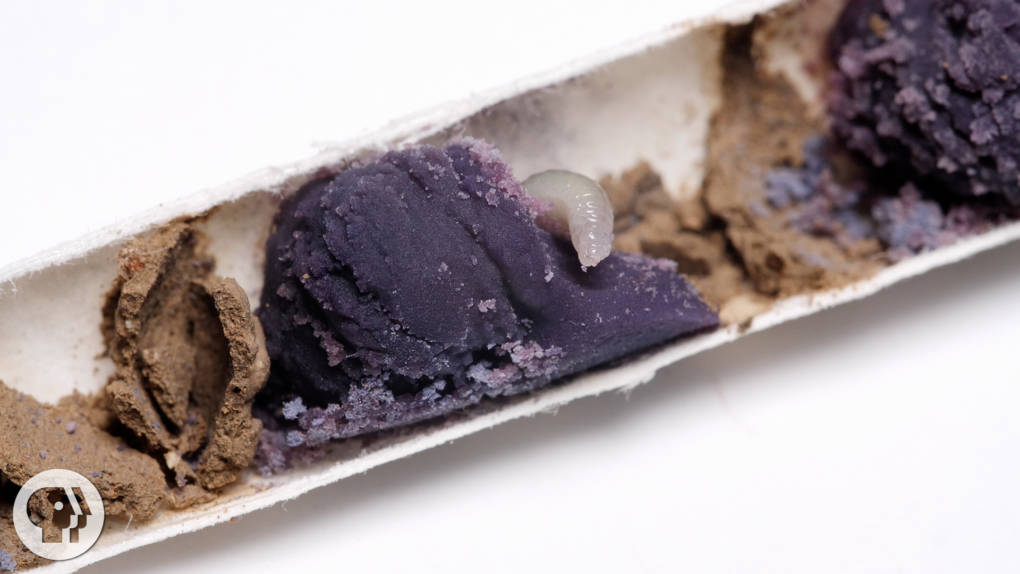
"caption": "A blue orchard bee larva feeds on purple pollen inside a nest.",
"description": null,
"title": "DL_514BlueOrchardBees_Marquee3_w-P-head",
"credit": "Josh Cassidy/KQED",
"status": "inherit",
"isLoading": false,
"fetchFailed": false
},
"science_1926625": {
"type": "attachments",
"id": "science_1926625",
"meta": {
"index": "attachments_1716263798",
"site": "science",
"id": "1926625",
"found": true
},
"parent": 1926248,
"imgSizes": {
"small": {
"file": "https://ww2.kqed.org/app/uploads/sites/35/2018/07/DL513-phead-520x293.jpg",
"width": 520,
"mimeType": "image/jpeg",
"height": 293
},
"twentyfourteen-full-width": {
"file": "https://ww2.kqed.org/app/uploads/sites/35/2018/07/DL513-phead-1038x576.jpg",
"width": 1038,
"mimeType": "image/jpeg",
"height": 576
},
"thumbnail": {
"file": "https://ww2.kqed.org/app/uploads/sites/35/2018/07/DL513-phead-160x90.jpg",
"width": 160,
"mimeType": "image/jpeg",
"height": 90
},
"fd-sm": {
"file": "https://ww2.kqed.org/app/uploads/sites/35/2018/07/DL513-phead-960x540.jpg",
"width": 960,
"mimeType": "image/jpeg",
"height": 540
},
"post-thumbnail": {
"file": "https://ww2.kqed.org/app/uploads/sites/35/2018/07/DL513-phead-672x372.jpg",
"width": 672,
"mimeType": "image/jpeg",
"height": 372
},
"xsmall": {
"file": "https://ww2.kqed.org/app/uploads/sites/35/2018/07/DL513-phead-375x211.jpg",
"width": 375,
"mimeType": "image/jpeg",
"height": 211
},
"kqedFullSize": {
"file": "https://ww2.kqed.org/app/uploads/sites/35/2018/07/DL513-phead.jpg",
"width": 1920,
"height": 1080
},
"large": {
"file": "https://ww2.kqed.org/app/uploads/sites/35/2018/07/DL513-phead-1020x574.jpg",
"width": 1020,
"mimeType": "image/jpeg",
"height": 574
},
"xlarge": {
"file": "https://ww2.kqed.org/app/uploads/sites/35/2018/07/DL513-phead-1180x664.jpg",
"width": 1180,
"mimeType": "image/jpeg",
"height": 664
},
"complete_open_graph": {
"file": "https://ww2.kqed.org/app/uploads/sites/35/2018/07/DL513-phead-1200x675.jpg",
"width": 1200,
"mimeType": "image/jpeg",
"height": 675
},
"guest-author-50": {
"file": "https://ww2.kqed.org/app/uploads/sites/35/2018/07/DL513-phead-50x50.jpg",
"width": 50,
"mimeType": "image/jpeg",
"height": 50
},
"guest-author-96": {
"file": "https://ww2.kqed.org/app/uploads/sites/35/2018/07/DL513-phead-96x96.jpg",
"width": 96,
"mimeType": "image/jpeg",
"height": 96
},
"medium": {
"file": "https://ww2.kqed.org/app/uploads/sites/35/2018/07/DL513-phead-800x450.jpg",
"width": 800,
"mimeType": "image/jpeg",
"height": 450
},
"guest-author-64": {
"file": "https://ww2.kqed.org/app/uploads/sites/35/2018/07/DL513-phead-64x64.jpg",
"width": 64,
"mimeType": "image/jpeg",
"height": 64
},
"guest-author-32": {
"file": "https://ww2.kqed.org/app/uploads/sites/35/2018/07/DL513-phead-32x32.jpg",
"width": 32,
"mimeType": "image/jpeg",
"height": 32
},
"fd-lrg": {
"file": "https://ww2.kqed.org/app/uploads/sites/35/2018/07/DL513-phead-1920x1080.jpg",
"width": 1920,
"mimeType": "image/jpeg",
"height": 1080
},
"fd-med": {
"file": "https://ww2.kqed.org/app/uploads/sites/35/2018/07/DL513-phead-1180x664.jpg",
"width": 1180,
"mimeType": "image/jpeg",
"height": 664
},
"full-width": {
"file": "https://ww2.kqed.org/app/uploads/sites/35/2018/07/DL513-phead-1920x1080.jpg",
"width": 1920,
"mimeType": "image/jpeg",
"height": 1080
},
"detail": {
"file": "https://ww2.kqed.org/app/uploads/sites/35/2018/07/DL513-phead-150x150.jpg",
"width": 150,
"mimeType": "image/jpeg",
"height": 150
},
"medium_large": {
"file": "https://ww2.kqed.org/app/uploads/sites/35/2018/07/DL513-phead-768x432.jpg",
"width": 768,
"mimeType": "image/jpeg",
"height": 432
},
"guest-author-128": {
"file": "https://ww2.kqed.org/app/uploads/sites/35/2018/07/DL513-phead-128x128.jpg",
"width": 128,
"mimeType": "image/jpeg",
"height": 128
},
"xxsmall": {
"file": "https://ww2.kqed.org/app/uploads/sites/35/2018/07/DL513-phead-240x135.jpg",
"width": 240,
"mimeType": "image/jpeg",
"height": 135
}
},
"publishDate": 1530137310,
"modified": 1530137437,
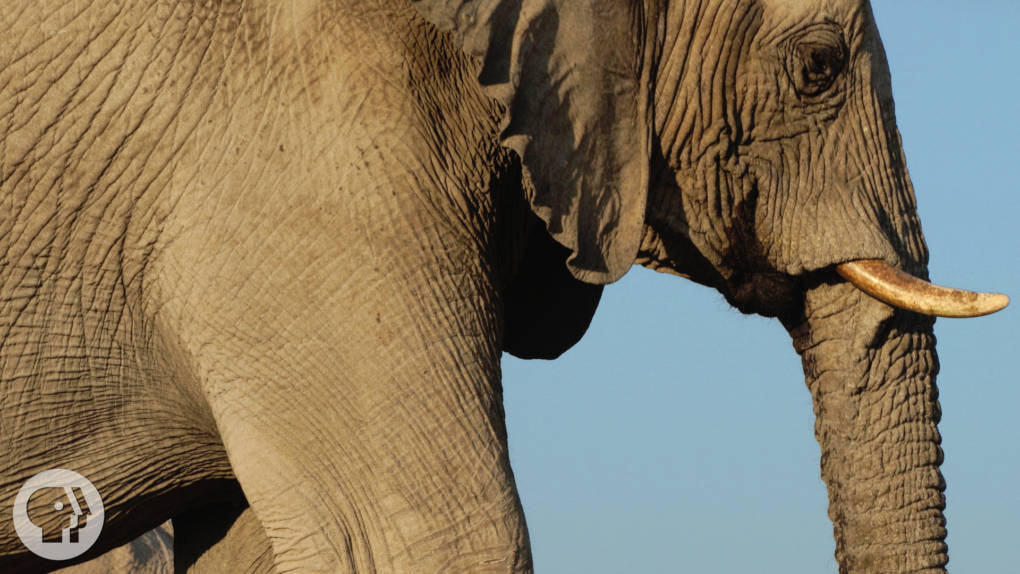
"caption": "A male bull elephant at Mushara watering hole.",
"description": null,
"title": "DL513 phead",
"credit": "Tim Rodwell/Peter Zielyk",
"status": "inherit",
"isLoading": false,
"fetchFailed": false
},
"science_1926001": {
"type": "attachments",
"id": "science_1926001",
"meta": {
"index": "attachments_1716263798",
"site": "science",
"id": "1926001",
"found": true
},
"parent": 1925887,
"imgSizes": {
"small": {
"file": "https://ww2.kqed.org/app/uploads/sites/35/2018/06/DL512-Earwigs-marquee-phead-520x293.jpg",
"width": 520,
"mimeType": "image/jpeg",
"height": 293
},
"twentyfourteen-full-width": {
"file": "https://ww2.kqed.org/app/uploads/sites/35/2018/06/DL512-Earwigs-marquee-phead-1038x576.jpg",
"width": 1038,
"mimeType": "image/jpeg",
"height": 576
},
"thumbnail": {
"file": "https://ww2.kqed.org/app/uploads/sites/35/2018/06/DL512-Earwigs-marquee-phead-160x90.jpg",
"width": 160,
"mimeType": "image/jpeg",
"height": 90
},
"fd-sm": {
"file": "https://ww2.kqed.org/app/uploads/sites/35/2018/06/DL512-Earwigs-marquee-phead-960x540.jpg",
"width": 960,
"mimeType": "image/jpeg",
"height": 540
},
"post-thumbnail": {
"file": "https://ww2.kqed.org/app/uploads/sites/35/2018/06/DL512-Earwigs-marquee-phead-672x372.jpg",
"width": 672,
"mimeType": "image/jpeg",
"height": 372
},
"xsmall": {
"file": "https://ww2.kqed.org/app/uploads/sites/35/2018/06/DL512-Earwigs-marquee-phead-375x211.jpg",
"width": 375,
"mimeType": "image/jpeg",
"height": 211
},
"kqedFullSize": {
"file": "https://ww2.kqed.org/app/uploads/sites/35/2018/06/DL512-Earwigs-marquee-phead.jpg",
"width": 1920,
"height": 1080
},
"large": {
"file": "https://ww2.kqed.org/app/uploads/sites/35/2018/06/DL512-Earwigs-marquee-phead-1020x574.jpg",
"width": 1020,
"mimeType": "image/jpeg",
"height": 574
},
"xlarge": {
"file": "https://ww2.kqed.org/app/uploads/sites/35/2018/06/DL512-Earwigs-marquee-phead-1180x664.jpg",
"width": 1180,
"mimeType": "image/jpeg",
"height": 664
},
"complete_open_graph": {
"file": "https://ww2.kqed.org/app/uploads/sites/35/2018/06/DL512-Earwigs-marquee-phead-1200x675.jpg",
"width": 1200,
"mimeType": "image/jpeg",
"height": 675
},
"guest-author-50": {
"file": "https://ww2.kqed.org/app/uploads/sites/35/2018/06/DL512-Earwigs-marquee-phead-50x50.jpg",
"width": 50,
"mimeType": "image/jpeg",
"height": 50
},
"guest-author-96": {
"file": "https://ww2.kqed.org/app/uploads/sites/35/2018/06/DL512-Earwigs-marquee-phead-96x96.jpg",
"width": 96,
"mimeType": "image/jpeg",
"height": 96
},
"medium": {
"file": "https://ww2.kqed.org/app/uploads/sites/35/2018/06/DL512-Earwigs-marquee-phead-800x450.jpg",
"width": 800,
"mimeType": "image/jpeg",
"height": 450
},
"guest-author-64": {
"file": "https://ww2.kqed.org/app/uploads/sites/35/2018/06/DL512-Earwigs-marquee-phead-64x64.jpg",
"width": 64,
"mimeType": "image/jpeg",
"height": 64
},
"guest-author-32": {
"file": "https://ww2.kqed.org/app/uploads/sites/35/2018/06/DL512-Earwigs-marquee-phead-32x32.jpg",
"width": 32,
"mimeType": "image/jpeg",
"height": 32
},
"fd-lrg": {
"file": "https://ww2.kqed.org/app/uploads/sites/35/2018/06/DL512-Earwigs-marquee-phead-1920x1080.jpg",
"width": 1920,
"mimeType": "image/jpeg",
"height": 1080
},
"fd-med": {
"file": "https://ww2.kqed.org/app/uploads/sites/35/2018/06/DL512-Earwigs-marquee-phead-1180x664.jpg",
"width": 1180,
"mimeType": "image/jpeg",
"height": 664
},
"full-width": {
"file": "https://ww2.kqed.org/app/uploads/sites/35/2018/06/DL512-Earwigs-marquee-phead-1920x1080.jpg",
"width": 1920,
"mimeType": "image/jpeg",
"height": 1080
},
"detail": {
"file": "https://ww2.kqed.org/app/uploads/sites/35/2018/06/DL512-Earwigs-marquee-phead-150x150.jpg",
"width": 150,
"mimeType": "image/jpeg",
"height": 150
},
"medium_large": {
"file": "https://ww2.kqed.org/app/uploads/sites/35/2018/06/DL512-Earwigs-marquee-phead-768x432.jpg",
"width": 768,
"mimeType": "image/jpeg",
"height": 432
},
"guest-author-128": {
"file": "https://ww2.kqed.org/app/uploads/sites/35/2018/06/DL512-Earwigs-marquee-phead-128x128.jpg",
"width": 128,
"mimeType": "image/jpeg",
"height": 128
},
"xxsmall": {
"file": "https://ww2.kqed.org/app/uploads/sites/35/2018/06/DL512-Earwigs-marquee-phead-240x135.jpg",
"width": 240,
"mimeType": "image/jpeg",
"height": 135
}
},
"publishDate": 1529364195,
"modified": 1529364195,
"caption": null,
"description": null,
"title": "DL512 Earwigs-marquee-phead",
"credit": null,
"status": "inherit",
"isLoading": false,
"fetchFailed": false
},
"science_1925254": {
"type": "attachments",
"id": "science_1925254",
"meta": {
"index": "attachments_1716263798",
"site": "science",
"id": "1925254",
"found": true
},
"parent": 1925251,
"imgSizes": {
"small": {
"file": "https://ww2.kqed.org/app/uploads/sites/35/2018/06/DL_511AcornWoodpeckers_marquee_w_P-head-520x293.jpg",
"width": 520,
"mimeType": "image/jpeg",
"height": 293
},
"twentyfourteen-full-width": {
"file": "https://ww2.kqed.org/app/uploads/sites/35/2018/06/DL_511AcornWoodpeckers_marquee_w_P-head-1038x576.jpg",
"width": 1038,
"mimeType": "image/jpeg",
"height": 576
},
"thumbnail": {
"file": "https://ww2.kqed.org/app/uploads/sites/35/2018/06/DL_511AcornWoodpeckers_marquee_w_P-head-160x90.jpg",
"width": 160,
"mimeType": "image/jpeg",
"height": 90
},
"fd-sm": {
"file": "https://ww2.kqed.org/app/uploads/sites/35/2018/06/DL_511AcornWoodpeckers_marquee_w_P-head-960x540.jpg",
"width": 960,
"mimeType": "image/jpeg",
"height": 540
},
"post-thumbnail": {
"file": "https://ww2.kqed.org/app/uploads/sites/35/2018/06/DL_511AcornWoodpeckers_marquee_w_P-head-672x372.jpg",
"width": 672,
"mimeType": "image/jpeg",
"height": 372
},
"xsmall": {
"file": "https://ww2.kqed.org/app/uploads/sites/35/2018/06/DL_511AcornWoodpeckers_marquee_w_P-head-375x211.jpg",
"width": 375,
"mimeType": "image/jpeg",
"height": 211
},
"kqedFullSize": {
"file": "https://ww2.kqed.org/app/uploads/sites/35/2018/06/DL_511AcornWoodpeckers_marquee_w_P-head.jpg",
"width": 1920,
"height": 1080
},
"large": {
"file": "https://ww2.kqed.org/app/uploads/sites/35/2018/06/DL_511AcornWoodpeckers_marquee_w_P-head-1020x574.jpg",
"width": 1020,
"mimeType": "image/jpeg",
"height": 574
},
"xlarge": {
"file": "https://ww2.kqed.org/app/uploads/sites/35/2018/06/DL_511AcornWoodpeckers_marquee_w_P-head-1180x664.jpg",
"width": 1180,
"mimeType": "image/jpeg",
"height": 664
},
"complete_open_graph": {
"file": "https://ww2.kqed.org/app/uploads/sites/35/2018/06/DL_511AcornWoodpeckers_marquee_w_P-head-1200x675.jpg",
"width": 1200,
"mimeType": "image/jpeg",
"height": 675
},
"guest-author-50": {
"file": "https://ww2.kqed.org/app/uploads/sites/35/2018/06/DL_511AcornWoodpeckers_marquee_w_P-head-50x50.jpg",
"width": 50,
"mimeType": "image/jpeg",
"height": 50
},
"guest-author-96": {
"file": "https://ww2.kqed.org/app/uploads/sites/35/2018/06/DL_511AcornWoodpeckers_marquee_w_P-head-96x96.jpg",
"width": 96,
"mimeType": "image/jpeg",
"height": 96
},
"medium": {
"file": "https://ww2.kqed.org/app/uploads/sites/35/2018/06/DL_511AcornWoodpeckers_marquee_w_P-head-800x450.jpg",
"width": 800,
"mimeType": "image/jpeg",
"height": 450
},
"guest-author-64": {
"file": "https://ww2.kqed.org/app/uploads/sites/35/2018/06/DL_511AcornWoodpeckers_marquee_w_P-head-64x64.jpg",
"width": 64,
"mimeType": "image/jpeg",
"height": 64
},
"guest-author-32": {
"file": "https://ww2.kqed.org/app/uploads/sites/35/2018/06/DL_511AcornWoodpeckers_marquee_w_P-head-32x32.jpg",
"width": 32,
"mimeType": "image/jpeg",
"height": 32
},
"fd-lrg": {
"file": "https://ww2.kqed.org/app/uploads/sites/35/2018/06/DL_511AcornWoodpeckers_marquee_w_P-head-1920x1080.jpg",
"width": 1920,
"mimeType": "image/jpeg",
"height": 1080
},
"fd-med": {
"file": "https://ww2.kqed.org/app/uploads/sites/35/2018/06/DL_511AcornWoodpeckers_marquee_w_P-head-1180x664.jpg",
"width": 1180,
"mimeType": "image/jpeg",
"height": 664
},
"full-width": {
"file": "https://ww2.kqed.org/app/uploads/sites/35/2018/06/DL_511AcornWoodpeckers_marquee_w_P-head-1920x1080.jpg",
"width": 1920,
"mimeType": "image/jpeg",
"height": 1080
},
"detail": {
"file": "https://ww2.kqed.org/app/uploads/sites/35/2018/06/DL_511AcornWoodpeckers_marquee_w_P-head-150x150.jpg",
"width": 150,
"mimeType": "image/jpeg",
"height": 150
},
"medium_large": {
"file": "https://ww2.kqed.org/app/uploads/sites/35/2018/06/DL_511AcornWoodpeckers_marquee_w_P-head-768x432.jpg",
"width": 768,
"mimeType": "image/jpeg",
"height": 432
},
"guest-author-128": {
"file": "https://ww2.kqed.org/app/uploads/sites/35/2018/06/DL_511AcornWoodpeckers_marquee_w_P-head-128x128.jpg",
"width": 128,
"mimeType": "image/jpeg",
"height": 128
},
"xxsmall": {
"file": "https://ww2.kqed.org/app/uploads/sites/35/2018/06/DL_511AcornWoodpeckers_marquee_w_P-head-240x135.jpg",
"width": 240,
"mimeType": "image/jpeg",
"height": 135
}
},
"publishDate": 1528229857,
"modified": 1528723842,
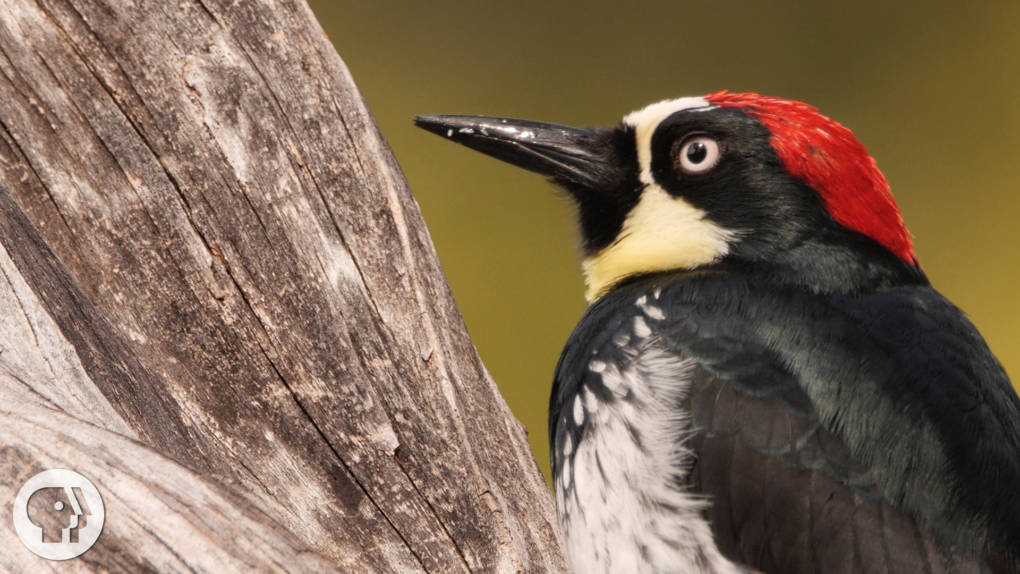
"caption": "A male acorn woodpecker in Marin County, California, has just finished eating an insect. In the spring, acorn woodpeckers eat insects and suck sap out of trees. Acorns, which don’t have that much protein and are bitter, get them through the winter.",
"description": null,
"title": "DL_511AcornWoodpeckers_marquee_w_P-head",
"credit": "Josh Cassidy/KQED",
"status": "inherit",
"isLoading": false,
"fetchFailed": false
}
},
"audioPlayerReducer": {
"postId": "stream_live",
"isPaused": true,
"isPlaying": false,
"pfsActive": false,
"pledgeModalIsOpen": true,
"playerDrawerIsOpen": false,
"liveAudioPlayStartedAt": 0,
"liveAudioPlayContext": ""
},
"authorsReducer": {
"jennyoh": {
"type": "authors",
"id": "2100",
"meta": {
"index": "authors_1716337520",
"id": "2100",
"found": true
},
"name": "Jenny Oh",
"firstName": "Jenny",
"lastName": "Oh",
"slug": "jennyoh",
"email": "joh@kqed.org",
"display_author_email": false,
"staff_mastheads": [],
"title": "Audience Engagement Producer, Deep Look",
"bio": "Jenny is an Emmy Award-winning producer and is currently the Audience Engagement Producer for KQED Science's \u003cem>Deep Look\u003c/em> online video series. She was also a long-time contributor to Bay Area Bites, KQED's popular food blog. Jenny graduated with honors from New York University’s Tisch School of the Arts Film and Television program and has worked for WNET/PBS, The Learning Channel, Sundance Channel, HBO and the University of California.",
"avatar": "https://secure.gravatar.com/avatar/7ddda0ed657e46dbe66083f569967752?s=600&d=mm&r=g",
"twitter": null,
"facebook": null,
"instagram": null,
"linkedin": null,
"sites": [
{
"site": "arts",
"roles": []
},
{
"site": "pop",
"roles": []
},
{
"site": "about",
"roles": []
},
{
"site": "bayareabites",
"roles": []
},
{
"site": "science",
"roles": []
},
{
"site": "education",
"roles": []
},
{
"site": "quest",
"roles": []
},
{
"site": "food",
"roles": []
}
],
"headData": {
"title": "Jenny Oh | KQED",
"description": "Audience Engagement Producer, Deep Look",
"ogImgSrc": "https://secure.gravatar.com/avatar/7ddda0ed657e46dbe66083f569967752?s=600&d=mm&r=g",
"twImgSrc": "https://secure.gravatar.com/avatar/7ddda0ed657e46dbe66083f569967752?s=600&d=mm&r=g"
},
"isLoading": false,
"link": "/author/jennyoh"
},
"gabriela-quiros": {
"type": "authors",
"id": "6186",
"meta": {
"index": "authors_1716337520",
"id": "6186",
"found": true
},
"name": "Gabriela Quirós",
"firstName": "Gabriela",
"lastName": "Quirós",
"slug": "gabriela-quiros",
"email": "gquiros@kqed.org",
"display_author_email": false,
"staff_mastheads": [],
"title": "Supervising Producer",
"bio": "Gabriela Quirós is the \u003cstrong>supervising producer for KQED's web science video series \u003ca href=\"https://www.kqed.org/deeplook\">Deep Look\u003c/a>\u003c/strong>. She joined KQED as a TV producer when its science series QUEST started in 2006 and has covered everything from Alzheimer’s to bee die-offs to dark energy.\r\n\r\nShe won a 2022 AAAS Kavli Science Journalism Award with a team of her Deep Look colleagues. She has won six regional Emmys as a video producer and has shared eight more as the coordinating producer of Deep Look. The episode she produced about \u003ca href=\"https://www.kqed.org/science/728086/how-mosquitoes-use-six-needles-to-suck-your-blood\">How Mosquitoes Use Six Needles to Suck Your Blood\u003c/a> won a Webby \"People's Voice\" award. She has also earned awards from the Jackson Hole Wildlife Film Festival, the Society of Professional Journalists and the Society of Environmental Journalists.\r\n\r\nHer videos for KQED have also aired on NOVA scienceNOW and the PBS NewsHour, and appeared on NPR.org.\r\n\r\nAs an independent filmmaker, she produced and directed the hour-long documentary \u003ca href=\"http://lpbp.org/beautiful-sin-qa-with-producer-gabriela-quiros/\">\u003cem>Beautiful Sin\u003c/em>\u003c/a>, about the surprising story of how Costa Rica became the only country in the world to outlaw in vitro fertilization. The film aired in 2015 on public television stations throughout the U.S., and in Costa Rica.\r\n\r\nShe started her journalism career as a newspaper reporter in Costa Rica, where she grew up. She won the National Science Journalism Award there for a series of articles about organic agriculture, and developed a life-long interest in health reporting. She moved to the Bay Area in 1996 to study documentary filmmaking at the University of California, Berkeley, where she received master’s degrees in journalism and Latin American studies.",
"avatar": "https://secure.gravatar.com/avatar/6d82c20152affd1b434c31a904c40809?s=600&d=blank&r=g",
"twitter": "gabrielaquirosr",
"facebook": null,
"instagram": null,
"linkedin": null,
"sites": [
{
"site": "science",
"roles": []
},
{
"site": "quest",
"roles": [
"ef_view_calendar",
"ef_view_story_budget"
]
}
],
"headData": {
"title": "Gabriela Quirós | KQED",
"description": "Supervising Producer",
"ogImgSrc": "https://secure.gravatar.com/avatar/6d82c20152affd1b434c31a904c40809?s=600&d=blank&r=g",
"twImgSrc": "https://secure.gravatar.com/avatar/6d82c20152affd1b434c31a904c40809?s=600&d=blank&r=g"
},
"isLoading": false,
"link": "/author/gabriela-quiros"
},
"joshua-cassidy": {
"type": "authors",
"id": "6219",
"meta": {
"index": "authors_1716337520",
"id": "6219",
"found": true
},
"name": "Josh Cassidy",
"firstName": "Josh",
"lastName": "Cassidy",
"slug": "joshua-cassidy",
"email": "jcassidy@kqed.org",
"display_author_email": false,
"staff_mastheads": [
"science"
],
"title": "Digital Video Producer",
"bio": "Josh is a Senior Video Producer for KQED Science, and the Lead Producer and Cinematographer for Deep Look. After receiving his BS in Wildlife Biology from Ohio University, he went on to participate in marine mammal research for NOAA, USGS and the Intersea Foundation. He also served as the president of The Pacific Cetacean Group, a nonprofit organization dedicated to teaching students K-6 about whales. Josh studied science and natural history filmmaking at San Francisco State University and Montana State University.",
"avatar": "https://secure.gravatar.com/avatar/f2582a0801a35af53b734d56bcac2bbe?s=600&d=blank&r=g",
"twitter": null,
"facebook": null,
"instagram": null,
"linkedin": null,
"sites": [
{
"site": "science",
"roles": [
"editor"
]
},
{
"site": "quest",
"roles": [
"author",
"edit_others_posts"
]
}
],
"headData": {
"title": "Josh Cassidy | KQED",
"description": "Digital Video Producer",
"ogImgSrc": "https://secure.gravatar.com/avatar/f2582a0801a35af53b734d56bcac2bbe?s=600&d=blank&r=g",
"twImgSrc": "https://secure.gravatar.com/avatar/f2582a0801a35af53b734d56bcac2bbe?s=600&d=blank&r=g"
},
"isLoading": false,
"link": "/author/joshua-cassidy"
},
"ekennerson": {
"type": "authors",
"id": "11090",
"meta": {
"index": "authors_1716337520",
"id": "11090",
"found": true
},
"name": "Elliott Kennerson",
"firstName": "Elliott",
"lastName": "Kennerson",
"slug": "ekennerson",
"email": "ekennerson@kqed.org",
"display_author_email": false,
"staff_mastheads": [],
"title": null,
"bio": "Elliott Kennerson joined KQED Science as a Digital Media Producer in 2015. Before joining KQED, he produced the Kickstarter-funded series “Animal R&R” for KPBS in San Diego. Elliott received his M.F.A. training in wildlife documentary at Montana State in Bozeman and holds a B.A. from Yale in archaeology. In his former life as an actor, he was an associate artist with LightBox Theater Company in New York. Elliott is the recipient of a 2017 Regional Emmy for his work as a producer on “Deep Look.\"",
"avatar": "https://secure.gravatar.com/avatar/90ebfa58055409e54c8f8a4c120ecf91?s=600&d=blank&r=g",
"twitter": "edorank",
"facebook": null,
"instagram": null,
"linkedin": null,
"sites": [
{
"site": "science",
"roles": [
"editor"
]
}
],
"headData": {
"title": "Elliott Kennerson | KQED",
"description": null,
"ogImgSrc": "https://secure.gravatar.com/avatar/90ebfa58055409e54c8f8a4c120ecf91?s=600&d=blank&r=g",
"twImgSrc": "https://secure.gravatar.com/avatar/90ebfa58055409e54c8f8a4c120ecf91?s=600&d=blank&r=g"
},
"isLoading": false,
"link": "/author/ekennerson"
},
"aheidt": {
"type": "authors",
"id": "11520",
"meta": {
"index": "authors_1716337520",
"id": "11520",
"found": true
},
"name": "Amanda Heidt",
"firstName": "Amanda",
"lastName": "Heidt",
"slug": "aheidt",
"email": "aheidt@kqed.org",
"display_author_email": false,
"staff_mastheads": [],
"title": "KQED Contributor",
"bio": "Amanda Heidt was the 2018 Dr. Allen Fuhs KQED-CSUMB Fellow at KQED Science. Amanda came to KQED from Moss Landing Marine Laboratories, where her masters research uses molecular techniques to describe communities of meiofauna, small invertebrates living between grains of sand. She has a background in education, outreach, and science communication, fostered by a recent position with the Stanford Center for Ocean Solutions. She has a BS in Marine Science and a minor in Chemistry from the University of California, Santa Cruz. Her interests include climbing, diving, camping, baking, and reading. Find her on Twitter and Instagram @Scatter_Cushion.",
"avatar": "https://secure.gravatar.com/avatar/e646090632bd7fef75fff4616269ff8c?s=600&d=blank&r=g",
"twitter": "Scatter_Cushion",
"facebook": null,
"instagram": null,
"linkedin": null,
"sites": [
{
"site": "news",
"roles": [
"subscriber"
]
},
{
"site": "science",
"roles": []
}
],
"headData": {
"title": "Amanda Heidt | KQED",
"description": "KQED Contributor",
"ogImgSrc": "https://secure.gravatar.com/avatar/e646090632bd7fef75fff4616269ff8c?s=600&d=blank&r=g",
"twImgSrc": "https://secure.gravatar.com/avatar/e646090632bd7fef75fff4616269ff8c?s=600&d=blank&r=g"
},
"isLoading": false,
"link": "/author/aheidt"
}
},
"pagesReducer": {
"science_category_video": {
"type": "terms",
"id": "science_86",
"meta": {
"index": "terms_1716263798",
"site": "science",
"id": "86",
"score": 12.138481
},
"featImg": null,
"name": "Video",
"description": null,
"taxonomy": "category",
"headData": {
"twImgId": null,
"twTitle": null,
"ogTitle": null,
"ogImgId": null,
"twDescription": null,
"description": null,
"title": "Video Archives | KQED Science",
"ogDescription": null
},
"ttid": 89,
"slug": "video",
"isLoading": false,
"title": "Video",
"pageMeta": {
"site": "science",
"WpPageTemplate": "page-topic-editorial",
"currentPage": 13
},
"blocks": [
{
"blockName": "kqed/post-list",
"attrs": {
"layout": "cardArticle2",
"query": "posts/science?category=video",
"seeMore": false,
"paginated": true,
"page": 13
}
},
{
"blockName": "kqed/ad"
}
]
}
},
"pfsSessionReducer": {},
"postsReducer": {
"stream_live": {
"type": "live",
"id": "stream_live",
"audioUrl": "https://streams.kqed.org/kqedradio",
"title": "Live Stream",
"excerpt": "Live Stream information currently unavailable.",
"link": "/radio",
"featImg": "",
"label": {
"name": "KQED Live",
"link": "/"
}
},
"stream_kqedNewscast": {
"type": "posts",
"id": "stream_kqedNewscast",
"audioUrl": "https://www.kqed.org/.stream/anon/radio/RDnews/newscast.mp3?_=1",
"title": "KQED Newscast",
"featImg": "",
"label": {
"name": "88.5 FM",
"link": "/"
}
},
"science_1932923": {
"type": "posts",
"id": "science_1932923",
"meta": {
"index": "posts_1716263798",
"site": "science",
"id": "1932923",
"score": null,
"sort": [
1548770439000
]
},
"guestAuthors": [],
"slug": "jerusalem-crickets-only-date-drummers",
"title": "Jerusalem Crickets Only Date Drummers",
"publishDate": 1548770439,
"format": "video",
"headTitle": "Jerusalem Crickets Only Date Drummers | KQED",
"labelTerm": {
"term": 1935,
"site": "science"
},
"content": "\u003cp>[dl_subscribe]Potato Bug. Child of the Earth. Old Bald-Headed Man. Skull Insects. Devil’s Baby. Spawn of Satan. There’s a fairly long list of imaginative nicknames that refer to Jerusalem crickets, those six-legged insects with eerily humanlike faces and prominent striped abdomens. And they can get quite large, too: Some measure over 3 inches long and weigh more than a mouse, so they can be quite unnerving if you see them crawling around in your backyard in summertime.\u003c/p>\n\u003cfigure id=\"attachment_1935419\" class=\"wp-caption aligncenter\" style=\"max-width: 640px\">\u003cimg loading=\"lazy\" decoding=\"async\" class=\"wp-image-1935419 size-large\" src=\"https://ww2.kqed.org/science/wp-content/uploads/sites/35/2018/12/DL_602JerusalemCricket_CLOSEUP_FACE-1020x574.jpg\" alt=\"Jerusalem cricket\" width=\"640\" height=\"360\" srcset=\"https://cdn.kqed.org/wp-content/uploads/sites/35/2018/12/DL_602JerusalemCricket_CLOSEUP_FACE-1020x574.jpg 1020w, https://cdn.kqed.org/wp-content/uploads/sites/35/2018/12/DL_602JerusalemCricket_CLOSEUP_FACE-160x90.jpg 160w, https://cdn.kqed.org/wp-content/uploads/sites/35/2018/12/DL_602JerusalemCricket_CLOSEUP_FACE-800x450.jpg 800w, https://cdn.kqed.org/wp-content/uploads/sites/35/2018/12/DL_602JerusalemCricket_CLOSEUP_FACE-768x432.jpg 768w, https://cdn.kqed.org/wp-content/uploads/sites/35/2018/12/DL_602JerusalemCricket_CLOSEUP_FACE-1200x675.jpg 1200w, https://cdn.kqed.org/wp-content/uploads/sites/35/2018/12/DL_602JerusalemCricket_CLOSEUP_FACE-1920x1080.jpg 1920w, https://cdn.kqed.org/wp-content/uploads/sites/35/2018/12/DL_602JerusalemCricket_CLOSEUP_FACE-1180x664.jpg 1180w, https://cdn.kqed.org/wp-content/uploads/sites/35/2018/12/DL_602JerusalemCricket_CLOSEUP_FACE-960x540.jpg 960w, https://cdn.kqed.org/wp-content/uploads/sites/35/2018/12/DL_602JerusalemCricket_CLOSEUP_FACE-240x135.jpg 240w, https://cdn.kqed.org/wp-content/uploads/sites/35/2018/12/DL_602JerusalemCricket_CLOSEUP_FACE-375x211.jpg 375w, https://cdn.kqed.org/wp-content/uploads/sites/35/2018/12/DL_602JerusalemCricket_CLOSEUP_FACE-520x293.jpg 520w\" sizes=\"auto, (max-width: 640px) 100vw, 640px\">\u003cfigcaption class=\"wp-caption-text\">The beady-eyed gaze of a male Jerusalem cricket. \u003ccite>(Josh Cassidy/KQED)\u003c/cite>\u003c/figcaption>\u003c/figure>\n\u003cp>One individual who finds them compelling, and not creepy, has been \u003ca href=\"https://books.google.com/books?id=CFItJVfOFDAC&pg=PR5&lpg=PR5&dq=North+and+Central+America+Jerusalem+crickets+(Orthoptera:+Stenopelmatidae):+taxonomy,+distribution,+life+cycle,+ecology+and+related+biology+of+the+American+species&source=bl&ots=z4nC#v=onepage&q=North%20and%20Central%20America%20Jerusalem%20crickets%20(Orthoptera%3A%20Stenopelmatidae)%3A%20taxonomy%2C%20distribution%2C%20life%20cycle%2C%20ecology%20and%20related%20biology%20of%20the%20American%20species&f=false\" target=\"_blank\" rel=\"noopener\">studying Jerusalem crickets for over 40 years\u003c/a>: David Weissman, a research associate in entomology affiliated with the \u003ca href=\"https://www.calacademy.org/\" target=\"_blank\" rel=\"noopener\">California Academy of Sciences\u003c/a> in San Francisco. He’s now considered the world’s foremost expert, since no one else has been as captivated or singlemindedly devoted to learning more about them.\u003c/p>\n\u003cfigure id=\"attachment_1935368\" class=\"wp-caption alignleft\" style=\"max-width: 300px\">\u003cimg loading=\"lazy\" decoding=\"async\" class=\"wp-image-1935368\" src=\"https://ww2.kqed.org/science/wp-content/uploads/sites/35/2018/12/David_Weissman-e1544121188909.jpg\" alt=\"David Weissmann\" width=\"300\" height=\"400\">\u003cfigcaption class=\"wp-caption-text\">David Weissman, research associate in entomology with the California Academy of Sciences \u003ccite>(Courtesy of David Weissman)\u003c/cite>\u003c/figcaption>\u003c/figure>\n\u003cp>“In the past, entomologists have focused on insects that are out in the daytime — beetles, butterflies — that are pretty and easier to collect,” Weissman says. “I think it’s great spending the night out collecting bugs, but most people don’t.”\u003c/p>\n\u003cp>Splitting his time between his career as an entomologist and anesthesiologist, which helped support his field work, he didn’t think it would be that difficult to catalog all the different species of Jerusalem crickets. But now he’s planning on publishing a paper in the next two years that will name and describe more than 60 species, which aren’t actually true crickets although they’re somewhat related. And they’re primarily found in the western United States, Mexico and Central America — not Jerusalem.\u003c/p>\n\u003cp>“People have asked me, ‘Why don’t you go to the tropics for field work?’ ” says Weissman. “And I’ve been there. It’s wonderful, but it’s overwhelming, too. There’s so much there. And why go to tropics when you have such neat problems in your own backyard?”\u003c/p>\n\u003cfigure id=\"attachment_1935627\" class=\"wp-caption alignright\" style=\"max-width: 500px\">\u003cimg loading=\"lazy\" decoding=\"async\" class=\"size-full wp-image-1935627\" src=\"https://ww2.kqed.org/science/wp-content/uploads/sites/35/2018/12/DL602_FEMALE_DRUM.gif\" alt=\"A female Jerusalem cricket drums to respond to a mate.\" width=\"500\" height=\"281\">\u003cfigcaption class=\"wp-caption-text\">A female Jerusalem cricket drums in response to a potential mate. \u003ccite>(Josh Cassidy/KQED)\u003c/cite>\u003c/figcaption>\u003c/figure>\n\u003cp>While much of their general behavior is still not widely understood, Jerusalem crickets typically live solitary lives underground. They’ll emerge at night to scavenge for roots, tubers and smaller insects for their meals. And it’s also when they come out to serenade potential partners with a musical ritual: To attract a mate, adult crickets use their abdomens to drum the ground and generate low-frequency sound waves.\u003c/p>\n\u003cp>[ad fullwidth]\u003c/p>\n\u003cp>“Drumming makes sense in Jerusalem crickets,” says Weissman. “The adults are out at night wandering around. It’s dark. They don’t fly. They don’t have wings to sing with. How do they find each other?”\u003c/p>\n\u003cp>If a male begins drumming and a female senses the vibrations, she’ll respond with a longer drumming sequence so that he’ll have enough time to track her down. The drumming can vary between one beat every other second up to 40 beats per second.\u003c/p>\n\u003cp>[youtube https://www.youtube.com/watch?v=Nrx37y63ZCM&w=560&h=315]\u003c/p>\n\u003cp>This duet is actually quite rare among insects. With crickets and katydids, Weissman says, “the male sings and the female comes to the male.” But with Jerusalem crickets, both of them participate in this percussive courtship.\u003c/p>\n\u003cp>“They have very keen vibratory sensors to help locate each other because they don’t have ears, so they’re actually feeling the vibrations,” says Weissman. These are located in all six of their legs and might be the most vibration-sensitive organs in the animal kingdom.\u003c/p>\n\u003cp>Many Jerusalem cricket species have their own unique drum pattern; they only respond to the tune of their own kind. Some Jerusalem cricket species also produce “sex clarification drums,” a distinct drum rhythm where males indicate which sex they are.\u003c/p>\n\u003cp>[youtube https://www.youtube.com/watch?v=IJJi1W6SOsE&w=560&h=315]\u003c/p>\n\u003cp>When they finally mate, they maneuver themselves into a position that would test the prowess of skilled gymnasts. And occasionally, the female will eat the male afterward. Weissman and other researchers aren’t sure why this happens.\u003c/p>\n\u003cp>“Praying mantises and black widows are a little bit different than Jerusalem crickets. In those cases, the female eats the male either during mating or before they mate. In Jerusalem crickets, the female doesn’t eat the male until after they’re done mating. The question is: Why? The male just lies there. Why would he let himself get eaten after he’s already done his thing and could easily run away?”\u003c/p>\n\u003cp>\u003c/p>\n\u003cp>Weissman theorizes that perhaps the female “only mates once. Therefore, by letting her eat him, he fertilizes all her eggs and gives her good nutrients for his offspring. But there’s a problem with that. She can mate repeatedly in the laboratory. And he can also mate repeatedly. I don’t know why he lets her do that. It doesn’t happen very often … around 5 percent of the time. We can come up with all kinds of theories, but these hypotheses could take a lifetime to prove.”\u003c/p>\n\n",
"blocks": [],
"excerpt": "With their big heads and beady black eyes, Jerusalem crickets aren't winning any beauty contests. But that doesn't stop them from finding mates. They use their bulbous bellies to serenade each other with some furious drumming. \r\n",
"status": "publish",
"parent": 0,
"modified": 1738966544,
"stats": {
"hasAudio": false,
"hasVideo": true,
"hasChartOrMap": false,
"iframeSrcs": [],
"hasGoogleForm": false,
"hasGallery": false,
"hasHearkenModule": false,
"hasPolis": false,
"paragraphCount": 18,
"wordCount": 921
},
"headData": {
"title": "Jerusalem Crickets Only Date Drummers | KQED",
"description": "With their big heads and beady black eyes, Jerusalem crickets aren't winning any beauty contests. But that doesn't stop them from finding mates. They use their bulbous bellies to serenade each other with some furious drumming. \r\n",
"ogTitle": "",
"ogDescription": "",
"ogImgId": "",
"twTitle": "",
"twDescription": "",
"twImgId": "",
"schema": {
"@context": "https://schema.org",
"@type": "Article",
"headline": "Jerusalem Crickets Only Date Drummers",
"datePublished": "2019-01-29T06:00:39-08:00",
"dateModified": "2025-02-07T14:15:44-08:00",
"image": "https://cdn.kqed.org/wp-content/uploads/2020/02/KQED-OG-Image@1x.png"
}
},
"videoEmbed": "https://youtu.be/mHbwC-AIyTE",
"pbsMediaId": "3049179593",
"sticky": false,
"nprStoryId": "kqed-1932923",
"excludeFromSiteSearch": "Include",
"articleAge": "0",
"path": "/science/1932923/jerusalem-crickets-only-date-drummers",
"audioTrackLength": null,
"parsedContent": [
{
"type": "contentString",
"content": "\u003cdiv class=\"post-body\">\u003cp>\u003cp>\u003c/p>\u003c/div>",
"attributes": {
"named": {},
"numeric": []
}
},
{
"type": "component",
"content": "",
"name": "dl_subscribe",
"attributes": {
"named": {
"label": ""
},
"numeric": []
}
},
{
"type": "contentString",
"content": "\u003cdiv class=\"post-body\">\u003cp>Potato Bug. Child of the Earth. Old Bald-Headed Man. Skull Insects. Devil’s Baby. Spawn of Satan. There’s a fairly long list of imaginative nicknames that refer to Jerusalem crickets, those six-legged insects with eerily humanlike faces and prominent striped abdomens. And they can get quite large, too: Some measure over 3 inches long and weigh more than a mouse, so they can be quite unnerving if you see them crawling around in your backyard in summertime.\u003c/p>\n\u003cfigure id=\"attachment_1935419\" class=\"wp-caption aligncenter\" style=\"max-width: 640px\">\u003cimg loading=\"lazy\" decoding=\"async\" class=\"wp-image-1935419 size-large\" src=\"https://ww2.kqed.org/science/wp-content/uploads/sites/35/2018/12/DL_602JerusalemCricket_CLOSEUP_FACE-1020x574.jpg\" alt=\"Jerusalem cricket\" width=\"640\" height=\"360\" srcset=\"https://cdn.kqed.org/wp-content/uploads/sites/35/2018/12/DL_602JerusalemCricket_CLOSEUP_FACE-1020x574.jpg 1020w, https://cdn.kqed.org/wp-content/uploads/sites/35/2018/12/DL_602JerusalemCricket_CLOSEUP_FACE-160x90.jpg 160w, https://cdn.kqed.org/wp-content/uploads/sites/35/2018/12/DL_602JerusalemCricket_CLOSEUP_FACE-800x450.jpg 800w, https://cdn.kqed.org/wp-content/uploads/sites/35/2018/12/DL_602JerusalemCricket_CLOSEUP_FACE-768x432.jpg 768w, https://cdn.kqed.org/wp-content/uploads/sites/35/2018/12/DL_602JerusalemCricket_CLOSEUP_FACE-1200x675.jpg 1200w, https://cdn.kqed.org/wp-content/uploads/sites/35/2018/12/DL_602JerusalemCricket_CLOSEUP_FACE-1920x1080.jpg 1920w, https://cdn.kqed.org/wp-content/uploads/sites/35/2018/12/DL_602JerusalemCricket_CLOSEUP_FACE-1180x664.jpg 1180w, https://cdn.kqed.org/wp-content/uploads/sites/35/2018/12/DL_602JerusalemCricket_CLOSEUP_FACE-960x540.jpg 960w, https://cdn.kqed.org/wp-content/uploads/sites/35/2018/12/DL_602JerusalemCricket_CLOSEUP_FACE-240x135.jpg 240w, https://cdn.kqed.org/wp-content/uploads/sites/35/2018/12/DL_602JerusalemCricket_CLOSEUP_FACE-375x211.jpg 375w, https://cdn.kqed.org/wp-content/uploads/sites/35/2018/12/DL_602JerusalemCricket_CLOSEUP_FACE-520x293.jpg 520w\" sizes=\"auto, (max-width: 640px) 100vw, 640px\">\u003cfigcaption class=\"wp-caption-text\">The beady-eyed gaze of a male Jerusalem cricket. \u003ccite>(Josh Cassidy/KQED)\u003c/cite>\u003c/figcaption>\u003c/figure>\n\u003cp>One individual who finds them compelling, and not creepy, has been \u003ca href=\"https://books.google.com/books?id=CFItJVfOFDAC&pg=PR5&lpg=PR5&dq=North+and+Central+America+Jerusalem+crickets+(Orthoptera:+Stenopelmatidae):+taxonomy,+distribution,+life+cycle,+ecology+and+related+biology+of+the+American+species&source=bl&ots=z4nC#v=onepage&q=North%20and%20Central%20America%20Jerusalem%20crickets%20(Orthoptera%3A%20Stenopelmatidae)%3A%20taxonomy%2C%20distribution%2C%20life%20cycle%2C%20ecology%20and%20related%20biology%20of%20the%20American%20species&f=false\" target=\"_blank\" rel=\"noopener\">studying Jerusalem crickets for over 40 years\u003c/a>: David Weissman, a research associate in entomology affiliated with the \u003ca href=\"https://www.calacademy.org/\" target=\"_blank\" rel=\"noopener\">California Academy of Sciences\u003c/a> in San Francisco. He’s now considered the world’s foremost expert, since no one else has been as captivated or singlemindedly devoted to learning more about them.\u003c/p>\n\u003cfigure id=\"attachment_1935368\" class=\"wp-caption alignleft\" style=\"max-width: 300px\">\u003cimg loading=\"lazy\" decoding=\"async\" class=\"wp-image-1935368\" src=\"https://ww2.kqed.org/science/wp-content/uploads/sites/35/2018/12/David_Weissman-e1544121188909.jpg\" alt=\"David Weissmann\" width=\"300\" height=\"400\">\u003cfigcaption class=\"wp-caption-text\">David Weissman, research associate in entomology with the California Academy of Sciences \u003ccite>(Courtesy of David Weissman)\u003c/cite>\u003c/figcaption>\u003c/figure>\n\u003cp>“In the past, entomologists have focused on insects that are out in the daytime — beetles, butterflies — that are pretty and easier to collect,” Weissman says. “I think it’s great spending the night out collecting bugs, but most people don’t.”\u003c/p>\n\u003cp>Splitting his time between his career as an entomologist and anesthesiologist, which helped support his field work, he didn’t think it would be that difficult to catalog all the different species of Jerusalem crickets. But now he’s planning on publishing a paper in the next two years that will name and describe more than 60 species, which aren’t actually true crickets although they’re somewhat related. And they’re primarily found in the western United States, Mexico and Central America — not Jerusalem.\u003c/p>\n\u003cp>“People have asked me, ‘Why don’t you go to the tropics for field work?’ ” says Weissman. “And I’ve been there. It’s wonderful, but it’s overwhelming, too. There’s so much there. And why go to tropics when you have such neat problems in your own backyard?”\u003c/p>\n\u003cfigure id=\"attachment_1935627\" class=\"wp-caption alignright\" style=\"max-width: 500px\">\u003cimg loading=\"lazy\" decoding=\"async\" class=\"size-full wp-image-1935627\" src=\"https://ww2.kqed.org/science/wp-content/uploads/sites/35/2018/12/DL602_FEMALE_DRUM.gif\" alt=\"A female Jerusalem cricket drums to respond to a mate.\" width=\"500\" height=\"281\">\u003cfigcaption class=\"wp-caption-text\">A female Jerusalem cricket drums in response to a potential mate. \u003ccite>(Josh Cassidy/KQED)\u003c/cite>\u003c/figcaption>\u003c/figure>\n\u003cp>While much of their general behavior is still not widely understood, Jerusalem crickets typically live solitary lives underground. They’ll emerge at night to scavenge for roots, tubers and smaller insects for their meals. And it’s also when they come out to serenade potential partners with a musical ritual: To attract a mate, adult crickets use their abdomens to drum the ground and generate low-frequency sound waves.\u003c/p>\n\u003cp>\u003c/p>\u003c/div>",
"attributes": {
"named": {},
"numeric": []
}
},
{
"type": "component",
"content": "",
"name": "ad",
"attributes": {
"named": {
"label": "fullwidth"
},
"numeric": [
"fullwidth"
]
}
},
{
"type": "contentString",
"content": "\u003cdiv class=\"post-body\">\u003cp>\u003c/p>\n\u003cp>“Drumming makes sense in Jerusalem crickets,” says Weissman. “The adults are out at night wandering around. It’s dark. They don’t fly. They don’t have wings to sing with. How do they find each other?”\u003c/p>\n\u003cp>If a male begins drumming and a female senses the vibrations, she’ll respond with a longer drumming sequence so that he’ll have enough time to track her down. The drumming can vary between one beat every other second up to 40 beats per second.\u003c/p>\n\u003cp>\u003c/p>\u003cp>\u003cspan class='utils-parseShortcode-shortcodes-__youtubeShortcode__embedYoutube'>\n \u003cspan class='utils-parseShortcode-shortcodes-__youtubeShortcode__embedYoutubeInside'>\n \u003ciframe\n loading='lazy'\n class='utils-parseShortcode-shortcodes-__youtubeShortcode__youtubePlayer'\n type='text/html'\n src='//www.youtube.com/embed/Nrx37y63ZCM'\n title='//www.youtube.com/embed/Nrx37y63ZCM'\n allowfullscreen='true'\n style='border:0;'>\u003c/iframe>\n \u003c/span>\n \u003c/span>\u003c/p>\u003cp>\u003c/p>\n\u003cp>This duet is actually quite rare among insects. With crickets and katydids, Weissman says, “the male sings and the female comes to the male.” But with Jerusalem crickets, both of them participate in this percussive courtship.\u003c/p>\n\u003cp>“They have very keen vibratory sensors to help locate each other because they don’t have ears, so they’re actually feeling the vibrations,” says Weissman. These are located in all six of their legs and might be the most vibration-sensitive organs in the animal kingdom.\u003c/p>\n\u003cp>Many Jerusalem cricket species have their own unique drum pattern; they only respond to the tune of their own kind. Some Jerusalem cricket species also produce “sex clarification drums,” a distinct drum rhythm where males indicate which sex they are.\u003c/p>\n\u003cp>\u003c/p>\u003cp>\u003cspan class='utils-parseShortcode-shortcodes-__youtubeShortcode__embedYoutube'>\n \u003cspan class='utils-parseShortcode-shortcodes-__youtubeShortcode__embedYoutubeInside'>\n \u003ciframe\n loading='lazy'\n class='utils-parseShortcode-shortcodes-__youtubeShortcode__youtubePlayer'\n type='text/html'\n src='//www.youtube.com/embed/IJJi1W6SOsE'\n title='//www.youtube.com/embed/IJJi1W6SOsE'\n allowfullscreen='true'\n style='border:0;'>\u003c/iframe>\n \u003c/span>\n \u003c/span>\u003c/p>\u003cp>\u003c/p>\n\u003cp>When they finally mate, they maneuver themselves into a position that would test the prowess of skilled gymnasts. And occasionally, the female will eat the male afterward. Weissman and other researchers aren’t sure why this happens.\u003c/p>\n\u003cp>“Praying mantises and black widows are a little bit different than Jerusalem crickets. In those cases, the female eats the male either during mating or before they mate. In Jerusalem crickets, the female doesn’t eat the male until after they’re done mating. The question is: Why? The male just lies there. Why would he let himself get eaten after he’s already done his thing and could easily run away?”\u003c/p>\n\u003cp>\u003c/p>\n\u003cp>Weissman theorizes that perhaps the female “only mates once. Therefore, by letting her eat him, he fertilizes all her eggs and gives her good nutrients for his offspring. But there’s a problem with that. She can mate repeatedly in the laboratory. And he can also mate repeatedly. I don’t know why he lets her do that. It doesn’t happen very often … around 5 percent of the time. We can come up with all kinds of theories, but these hypotheses could take a lifetime to prove.”\u003c/p>\n\n\u003c/div>\u003c/p>",
"attributes": {
"named": {},
"numeric": []
}
}
],
"link": "/science/1932923/jerusalem-crickets-only-date-drummers",
"authors": [
"2100"
],
"series": [
"science_1935"
],
"categories": [
"science_2874",
"science_30",
"science_86"
],
"tags": [
"science_3370",
"science_83"
],
"featImg": "science_1935654",
"label": "science_1935"
},
"science_1936465": {
"type": "posts",
"id": "science_1936465",
"meta": {
"index": "posts_1716263798",
"site": "science",
"id": "1936465",
"score": null,
"sort": [
1547560817000
]
},
"guestAuthors": [],
"slug": "turret-spiders-launch-sneak-attacks-from-tiny-towers",
"title": "Turret Spiders Launch Sneak Attacks From Tiny Towers",
"publishDate": 1547560817,
"format": "video",
"headTitle": "Turret Spiders Launch Sneak Attacks From Tiny Towers | KQED",
"labelTerm": {
"term": 1935,
"site": "science"
},
"content": "\u003cp>[dl_subscribe]Most Bay Area hikers pass right by without ever noticing, but a careful eye can spot tiny towers rising up from the forest floor. These mysterious little tubes, barely an inch high, are the homes of a particularly sneaky predator — the California turret spider.\u003c/p>\n\u003cp>“To me, the turrets look just like the rook in a chess set,” said Trent Pearce, a naturalist for the East Bay Regional Park District, as he scanned the terrain at Briones Regional Park in Martinez. “The spiders themselves are super-burly — like a tiny tarantula the size of your pinky nail.”\u003c/p>\n\u003cfigure id=\"attachment_1936601\" class=\"wp-caption aligncenter\" style=\"max-width: 640px\">\u003ca href=\"https://ww2.kqed.org/science/wp-content/uploads/sites/35/2019/01/DL601_Turret_Spider_hidden01b.jpg\">\u003cimg loading=\"lazy\" decoding=\"async\" class=\"size-large wp-image-1936601\" src=\"https://ww2.kqed.org/science/wp-content/uploads/sites/35/2019/01/DL601_Turret_Spider_hidden01b-1020x574.jpg\" alt=\"\" width=\"640\" height=\"360\" srcset=\"https://cdn.kqed.org/wp-content/uploads/sites/35/2019/01/DL601_Turret_Spider_hidden01b-1020x574.jpg 1020w, https://cdn.kqed.org/wp-content/uploads/sites/35/2019/01/DL601_Turret_Spider_hidden01b-160x90.jpg 160w, https://cdn.kqed.org/wp-content/uploads/sites/35/2019/01/DL601_Turret_Spider_hidden01b-800x450.jpg 800w, https://cdn.kqed.org/wp-content/uploads/sites/35/2019/01/DL601_Turret_Spider_hidden01b-768x432.jpg 768w, https://cdn.kqed.org/wp-content/uploads/sites/35/2019/01/DL601_Turret_Spider_hidden01b-1200x675.jpg 1200w, https://cdn.kqed.org/wp-content/uploads/sites/35/2019/01/DL601_Turret_Spider_hidden01b-1920x1080.jpg 1920w, https://cdn.kqed.org/wp-content/uploads/sites/35/2019/01/DL601_Turret_Spider_hidden01b-1180x664.jpg 1180w, https://cdn.kqed.org/wp-content/uploads/sites/35/2019/01/DL601_Turret_Spider_hidden01b-960x540.jpg 960w, https://cdn.kqed.org/wp-content/uploads/sites/35/2019/01/DL601_Turret_Spider_hidden01b-240x135.jpg 240w, https://cdn.kqed.org/wp-content/uploads/sites/35/2019/01/DL601_Turret_Spider_hidden01b-375x211.jpg 375w, https://cdn.kqed.org/wp-content/uploads/sites/35/2019/01/DL601_Turret_Spider_hidden01b-520x293.jpg 520w\" sizes=\"auto, (max-width: 640px) 100vw, 640px\">\u003c/a>\u003cfigcaption class=\"wp-caption-text\">Turret spiders are ambush hunters, remaining motionless while they wait for unsuspecting prey to approach within striking distance. \u003ccite>(Josh Cassidy/KQED)\u003c/cite>\u003c/figcaption>\u003c/figure>\n\u003cp>Turret spiders build their towers along creekbeds and under fallen trees in forested areas throughout Central and Northern California. They use whatever mud, moss, bark and leaves they can find nearby, making their turrets extremely well camouflaged.\u003c/p>\n\u003cp>They line the inside of their tiny castles with pearly white silk, which makes the structure supple and resilient.\u003c/p>\n\u003cp>Each turret leads down to a burrow that can extend 6 inches underground. The spiders spend their days down there in the dark, protected from the sun and predators.\u003c/p>\n\u003cfigure id=\"attachment_1936603\" class=\"wp-caption aligncenter\" style=\"max-width: 640px\">\u003ca href=\"https://ww2.kqed.org/science/wp-content/uploads/sites/35/2019/01/DL601_Turret_Spider_silk_turret.jpg\">\u003cimg loading=\"lazy\" decoding=\"async\" class=\"wp-image-1936603 size-large\" src=\"https://ww2.kqed.org/science/wp-content/uploads/sites/35/2019/01/DL601_Turret_Spider_silk_turret-1020x574.jpg\" alt=\"\" width=\"640\" height=\"360\" srcset=\"https://cdn.kqed.org/wp-content/uploads/sites/35/2019/01/DL601_Turret_Spider_silk_turret-1020x574.jpg 1020w, https://cdn.kqed.org/wp-content/uploads/sites/35/2019/01/DL601_Turret_Spider_silk_turret-160x90.jpg 160w, https://cdn.kqed.org/wp-content/uploads/sites/35/2019/01/DL601_Turret_Spider_silk_turret-800x450.jpg 800w, https://cdn.kqed.org/wp-content/uploads/sites/35/2019/01/DL601_Turret_Spider_silk_turret-768x432.jpg 768w, https://cdn.kqed.org/wp-content/uploads/sites/35/2019/01/DL601_Turret_Spider_silk_turret-1200x675.jpg 1200w, https://cdn.kqed.org/wp-content/uploads/sites/35/2019/01/DL601_Turret_Spider_silk_turret-1920x1080.jpg 1920w, https://cdn.kqed.org/wp-content/uploads/sites/35/2019/01/DL601_Turret_Spider_silk_turret-1180x664.jpg 1180w, https://cdn.kqed.org/wp-content/uploads/sites/35/2019/01/DL601_Turret_Spider_silk_turret-960x540.jpg 960w, https://cdn.kqed.org/wp-content/uploads/sites/35/2019/01/DL601_Turret_Spider_silk_turret-240x135.jpg 240w, https://cdn.kqed.org/wp-content/uploads/sites/35/2019/01/DL601_Turret_Spider_silk_turret-375x211.jpg 375w, https://cdn.kqed.org/wp-content/uploads/sites/35/2019/01/DL601_Turret_Spider_silk_turret-520x293.jpg 520w\" sizes=\"auto, (max-width: 640px) 100vw, 640px\">\u003c/a>\u003cfigcaption class=\"wp-caption-text\">Turret spiders use their silk to line their turrets, giving the tower structure and flexibility. \u003ccite>(Josh Cassidy/KQED)\u003c/cite>\u003c/figcaption>\u003c/figure>\n\u003cp>As night falls, they climb up to the entrance of the turrets to wait for unsuspecting prey, like beetles, to happen by.\u003c/p>\n\u003cp>[ad fullwidth]\u003c/p>\n\u003cp>Turret spiders are ambush hunters. While remaining hidden inside their turrets, they’re able to sense the vibrations created by their prey’s footsteps.\u003c/p>\n\u003cp>That’s when the turret spider strikes, busting out of the hollow tower like an eight-legged jack-in-the-box. With lightning speed the spider swings its fangs down like daggers, injecting venom into its prey before dragging it down into the burrow.\u003c/p>\n\u003cp>“It’s like the scene in a horror movie where the monster appears out of nowhere — you can’t not jump,” Pearce said.\u003c/p>\n\u003cp>But human footsteps and loud voices are enough to scare turret spiders into retreating down into their burrows. So it takes patience to get a glimpse of one in action.\u003c/p>\n\u003cfigure id=\"attachment_1936606\" class=\"wp-caption aligncenter\" style=\"max-width: 500px\">\u003ca href=\"https://ww2.kqed.org/science/wp-content/uploads/sites/35/2019/01/DL601_TurretSpiders_StrikeBeetle01.gif\">\u003cimg loading=\"lazy\" decoding=\"async\" class=\"size-full wp-image-1936606\" src=\"https://ww2.kqed.org/science/wp-content/uploads/sites/35/2019/01/DL601_TurretSpiders_StrikeBeetle01.gif\" alt=\"\" width=\"500\" height=\"281\">\u003c/a>\u003cfigcaption class=\"wp-caption-text\">Turret spiders are ambush hunters, bursting out from their camouflaged turrets to capture their prey before dragging it down into their underground burrows. \u003ccite>(Josh Cassidy/KQED)\u003c/cite>\u003c/figcaption>\u003c/figure>\n\u003cp>Turret spiders belong to a group called mygalomorphs, along with their more famous relatives, such as tarantulas. While most spiders build webs to ensnare their prey, mygalomorphs tend to live underground. They have large fangs that point down instead of pinching together from the sides, like most spiders.\u003c/p>\n\u003cp>Different mygalomorph spiders can be found all over the world, but it turns out California is a bit of a hot spot.\u003c/p>\n\u003cfigure id=\"attachment_1936611\" class=\"wp-caption aligncenter\" style=\"max-width: 640px\">\u003ca href=\"https://ww2.kqed.org/science/wp-content/uploads/sites/35/2019/01/DL601_Turret_Spider_tarantula.jpg\">\u003cimg loading=\"lazy\" decoding=\"async\" class=\"size-large wp-image-1936611\" src=\"https://ww2.kqed.org/science/wp-content/uploads/sites/35/2019/01/DL601_Turret_Spider_tarantula-1020x574.jpg\" alt=\"\" width=\"640\" height=\"360\" srcset=\"https://cdn.kqed.org/wp-content/uploads/sites/35/2019/01/DL601_Turret_Spider_tarantula-1020x574.jpg 1020w, https://cdn.kqed.org/wp-content/uploads/sites/35/2019/01/DL601_Turret_Spider_tarantula-160x90.jpg 160w, https://cdn.kqed.org/wp-content/uploads/sites/35/2019/01/DL601_Turret_Spider_tarantula-800x450.jpg 800w, https://cdn.kqed.org/wp-content/uploads/sites/35/2019/01/DL601_Turret_Spider_tarantula-768x432.jpg 768w, https://cdn.kqed.org/wp-content/uploads/sites/35/2019/01/DL601_Turret_Spider_tarantula-1200x675.jpg 1200w, https://cdn.kqed.org/wp-content/uploads/sites/35/2019/01/DL601_Turret_Spider_tarantula-1920x1080.jpg 1920w, https://cdn.kqed.org/wp-content/uploads/sites/35/2019/01/DL601_Turret_Spider_tarantula-1180x664.jpg 1180w, https://cdn.kqed.org/wp-content/uploads/sites/35/2019/01/DL601_Turret_Spider_tarantula-960x540.jpg 960w, https://cdn.kqed.org/wp-content/uploads/sites/35/2019/01/DL601_Turret_Spider_tarantula-240x135.jpg 240w, https://cdn.kqed.org/wp-content/uploads/sites/35/2019/01/DL601_Turret_Spider_tarantula-375x211.jpg 375w, https://cdn.kqed.org/wp-content/uploads/sites/35/2019/01/DL601_Turret_Spider_tarantula-520x293.jpg 520w\" sizes=\"auto, (max-width: 640px) 100vw, 640px\">\u003c/a>\u003cfigcaption class=\"wp-caption-text\">Like turret spiders, tarantulas also live underground and ambush prey from their homes at night. \u003ccite>(Craig Rosa/KQED)\u003c/cite>\u003c/figcaption>\u003c/figure>\n\u003cp>While tarantulas and trapdoor spiders tend to get more attention, turret spiders have captured the interest of James Starrett, a researcher from UC Davis.\u003c/p>\n\u003cp>Starrett scours the state, comparing the genetics of different populations of turret spiders throughout their range. He works with his colleague, Marshal Hedin of San Diego State University, to better understand how the changing environment might have shaped how they evolved in California.\u003c/p>\n\u003cp>“Geologic activity shaped the mountain ranges, which in turn affected the path of rivers,” Starrett said, “and the movement of those ranges influenced how the spider populations got to be isolated or come back into contact over time.”\u003c/p>\n\u003cfigure id=\"attachment_1936615\" class=\"wp-caption aligncenter\" style=\"max-width: 500px\">\u003ca href=\"https://ww2.kqed.org/science/wp-content/uploads/sites/35/2019/01/DL601_TurretSpiders_LungeAtLeaf.gif\">\u003cimg loading=\"lazy\" decoding=\"async\" class=\"size-full wp-image-1936615\" src=\"https://ww2.kqed.org/science/wp-content/uploads/sites/35/2019/01/DL601_TurretSpiders_LungeAtLeaf.gif\" alt=\"\" width=\"500\" height=\"281\">\u003c/a>\u003cfigcaption class=\"wp-caption-text\">Using a leaf or blade of grass to gently tickle a spider’s turret at night can sometimes provoke a strike. \u003ccite>(Josh Cassidy/KQED)\u003c/cite>\u003c/figcaption>\u003c/figure>\n\u003cp>Starrett has become an expert in finding the well-hidden turrets. He explains that turret spiders are long-lived. Females may stay in the same burrow for up to 16 years.\u003c/p>\n\u003cp>In the fall, mature male spiders venture out from their burrows in search of mates. It’s a risky endeavor to approach an agreeable female spider without falling victim to an ambush. Males typically die after mating. The females eventually lay eggs inside their burrows.\u003c/p>\n\u003cp>In the next few months, as winter and spring rains saturate California forests, the turret spiderlings will hatch and venture out from their mother’s turret. They usually dig their own individual burrows close by, so it’s common to find a large turret surrounded by several smaller ones.\u003c/p>\n\u003cp>\u003c/p>\n\u003cp>“That turns that little area into a minefield for a moth or bug that lands on the ground,” Starrett said. “It never really gets old seeing them jump out and grab their prey. It always makes you jump back.”\u003c/p>\n\n",
"blocks": [],
"excerpt": "There are strange little towers on the forest floor. Neat, right? Nope. Inside hides a spider that's cunning, patient and ruthless.",
"status": "publish",
"parent": 0,
"modified": 1738966623,
"stats": {
"hasAudio": false,
"hasVideo": false,
"hasChartOrMap": false,
"iframeSrcs": [],
"hasGoogleForm": false,
"hasGallery": false,
"hasHearkenModule": false,
"hasPolis": false,
"paragraphCount": 21,
"wordCount": 799
},
"headData": {
"title": "Turret Spiders Launch Sneak Attacks From Tiny Towers | KQED",
"description": "There are strange little towers on the forest floor. Neat, right? Nope. Inside hides a spider that's cunning, patient and ruthless.",
"ogTitle": "",
"ogDescription": "",
"ogImgId": "",
"twTitle": "",
"twDescription": "",
"twImgId": "",
"schema": {
"@context": "https://schema.org",
"@type": "Article",
"headline": "Turret Spiders Launch Sneak Attacks From Tiny Towers",
"datePublished": "2019-01-15T06:00:17-08:00",
"dateModified": "2025-02-07T14:17:03-08:00",
"image": "https://cdn.kqed.org/wp-content/uploads/2020/02/KQED-OG-Image@1x.png"
}
},
"videoEmbed": "https://youtu.be/9bEjYunwByw",
"pbsMediaId": "3021681644",
"sticky": false,
"nprStoryId": "kqed-1936465",
"excludeFromSiteSearch": "Include",
"articleAge": "0",
"path": "/science/1936465/turret-spiders-launch-sneak-attacks-from-tiny-towers",
"audioTrackLength": null,
"parsedContent": [
{
"type": "contentString",
"content": "\u003cdiv class=\"post-body\">\u003cp>\u003cp>\u003c/p>\u003c/div>",
"attributes": {
"named": {},
"numeric": []
}
},
{
"type": "component",
"content": "",
"name": "dl_subscribe",
"attributes": {
"named": {
"label": ""
},
"numeric": []
}
},
{
"type": "contentString",
"content": "\u003cdiv class=\"post-body\">\u003cp>Most Bay Area hikers pass right by without ever noticing, but a careful eye can spot tiny towers rising up from the forest floor. These mysterious little tubes, barely an inch high, are the homes of a particularly sneaky predator — the California turret spider.\u003c/p>\n\u003cp>“To me, the turrets look just like the rook in a chess set,” said Trent Pearce, a naturalist for the East Bay Regional Park District, as he scanned the terrain at Briones Regional Park in Martinez. “The spiders themselves are super-burly — like a tiny tarantula the size of your pinky nail.”\u003c/p>\n\u003cfigure id=\"attachment_1936601\" class=\"wp-caption aligncenter\" style=\"max-width: 640px\">\u003ca href=\"https://ww2.kqed.org/science/wp-content/uploads/sites/35/2019/01/DL601_Turret_Spider_hidden01b.jpg\">\u003cimg loading=\"lazy\" decoding=\"async\" class=\"size-large wp-image-1936601\" src=\"https://ww2.kqed.org/science/wp-content/uploads/sites/35/2019/01/DL601_Turret_Spider_hidden01b-1020x574.jpg\" alt=\"\" width=\"640\" height=\"360\" srcset=\"https://cdn.kqed.org/wp-content/uploads/sites/35/2019/01/DL601_Turret_Spider_hidden01b-1020x574.jpg 1020w, https://cdn.kqed.org/wp-content/uploads/sites/35/2019/01/DL601_Turret_Spider_hidden01b-160x90.jpg 160w, https://cdn.kqed.org/wp-content/uploads/sites/35/2019/01/DL601_Turret_Spider_hidden01b-800x450.jpg 800w, https://cdn.kqed.org/wp-content/uploads/sites/35/2019/01/DL601_Turret_Spider_hidden01b-768x432.jpg 768w, https://cdn.kqed.org/wp-content/uploads/sites/35/2019/01/DL601_Turret_Spider_hidden01b-1200x675.jpg 1200w, https://cdn.kqed.org/wp-content/uploads/sites/35/2019/01/DL601_Turret_Spider_hidden01b-1920x1080.jpg 1920w, https://cdn.kqed.org/wp-content/uploads/sites/35/2019/01/DL601_Turret_Spider_hidden01b-1180x664.jpg 1180w, https://cdn.kqed.org/wp-content/uploads/sites/35/2019/01/DL601_Turret_Spider_hidden01b-960x540.jpg 960w, https://cdn.kqed.org/wp-content/uploads/sites/35/2019/01/DL601_Turret_Spider_hidden01b-240x135.jpg 240w, https://cdn.kqed.org/wp-content/uploads/sites/35/2019/01/DL601_Turret_Spider_hidden01b-375x211.jpg 375w, https://cdn.kqed.org/wp-content/uploads/sites/35/2019/01/DL601_Turret_Spider_hidden01b-520x293.jpg 520w\" sizes=\"auto, (max-width: 640px) 100vw, 640px\">\u003c/a>\u003cfigcaption class=\"wp-caption-text\">Turret spiders are ambush hunters, remaining motionless while they wait for unsuspecting prey to approach within striking distance. \u003ccite>(Josh Cassidy/KQED)\u003c/cite>\u003c/figcaption>\u003c/figure>\n\u003cp>Turret spiders build their towers along creekbeds and under fallen trees in forested areas throughout Central and Northern California. They use whatever mud, moss, bark and leaves they can find nearby, making their turrets extremely well camouflaged.\u003c/p>\n\u003cp>They line the inside of their tiny castles with pearly white silk, which makes the structure supple and resilient.\u003c/p>\n\u003cp>Each turret leads down to a burrow that can extend 6 inches underground. The spiders spend their days down there in the dark, protected from the sun and predators.\u003c/p>\n\u003cfigure id=\"attachment_1936603\" class=\"wp-caption aligncenter\" style=\"max-width: 640px\">\u003ca href=\"https://ww2.kqed.org/science/wp-content/uploads/sites/35/2019/01/DL601_Turret_Spider_silk_turret.jpg\">\u003cimg loading=\"lazy\" decoding=\"async\" class=\"wp-image-1936603 size-large\" src=\"https://ww2.kqed.org/science/wp-content/uploads/sites/35/2019/01/DL601_Turret_Spider_silk_turret-1020x574.jpg\" alt=\"\" width=\"640\" height=\"360\" srcset=\"https://cdn.kqed.org/wp-content/uploads/sites/35/2019/01/DL601_Turret_Spider_silk_turret-1020x574.jpg 1020w, https://cdn.kqed.org/wp-content/uploads/sites/35/2019/01/DL601_Turret_Spider_silk_turret-160x90.jpg 160w, https://cdn.kqed.org/wp-content/uploads/sites/35/2019/01/DL601_Turret_Spider_silk_turret-800x450.jpg 800w, https://cdn.kqed.org/wp-content/uploads/sites/35/2019/01/DL601_Turret_Spider_silk_turret-768x432.jpg 768w, https://cdn.kqed.org/wp-content/uploads/sites/35/2019/01/DL601_Turret_Spider_silk_turret-1200x675.jpg 1200w, https://cdn.kqed.org/wp-content/uploads/sites/35/2019/01/DL601_Turret_Spider_silk_turret-1920x1080.jpg 1920w, https://cdn.kqed.org/wp-content/uploads/sites/35/2019/01/DL601_Turret_Spider_silk_turret-1180x664.jpg 1180w, https://cdn.kqed.org/wp-content/uploads/sites/35/2019/01/DL601_Turret_Spider_silk_turret-960x540.jpg 960w, https://cdn.kqed.org/wp-content/uploads/sites/35/2019/01/DL601_Turret_Spider_silk_turret-240x135.jpg 240w, https://cdn.kqed.org/wp-content/uploads/sites/35/2019/01/DL601_Turret_Spider_silk_turret-375x211.jpg 375w, https://cdn.kqed.org/wp-content/uploads/sites/35/2019/01/DL601_Turret_Spider_silk_turret-520x293.jpg 520w\" sizes=\"auto, (max-width: 640px) 100vw, 640px\">\u003c/a>\u003cfigcaption class=\"wp-caption-text\">Turret spiders use their silk to line their turrets, giving the tower structure and flexibility. \u003ccite>(Josh Cassidy/KQED)\u003c/cite>\u003c/figcaption>\u003c/figure>\n\u003cp>As night falls, they climb up to the entrance of the turrets to wait for unsuspecting prey, like beetles, to happen by.\u003c/p>\n\u003cp>\u003c/p>\u003c/div>",
"attributes": {
"named": {},
"numeric": []
}
},
{
"type": "component",
"content": "",
"name": "ad",
"attributes": {
"named": {
"label": "fullwidth"
},
"numeric": [
"fullwidth"
]
}
},
{
"type": "contentString",
"content": "\u003cdiv class=\"post-body\">\u003cp>\u003c/p>\n\u003cp>Turret spiders are ambush hunters. While remaining hidden inside their turrets, they’re able to sense the vibrations created by their prey’s footsteps.\u003c/p>\n\u003cp>That’s when the turret spider strikes, busting out of the hollow tower like an eight-legged jack-in-the-box. With lightning speed the spider swings its fangs down like daggers, injecting venom into its prey before dragging it down into the burrow.\u003c/p>\n\u003cp>“It’s like the scene in a horror movie where the monster appears out of nowhere — you can’t not jump,” Pearce said.\u003c/p>\n\u003cp>But human footsteps and loud voices are enough to scare turret spiders into retreating down into their burrows. So it takes patience to get a glimpse of one in action.\u003c/p>\n\u003cfigure id=\"attachment_1936606\" class=\"wp-caption aligncenter\" style=\"max-width: 500px\">\u003ca href=\"https://ww2.kqed.org/science/wp-content/uploads/sites/35/2019/01/DL601_TurretSpiders_StrikeBeetle01.gif\">\u003cimg loading=\"lazy\" decoding=\"async\" class=\"size-full wp-image-1936606\" src=\"https://ww2.kqed.org/science/wp-content/uploads/sites/35/2019/01/DL601_TurretSpiders_StrikeBeetle01.gif\" alt=\"\" width=\"500\" height=\"281\">\u003c/a>\u003cfigcaption class=\"wp-caption-text\">Turret spiders are ambush hunters, bursting out from their camouflaged turrets to capture their prey before dragging it down into their underground burrows. \u003ccite>(Josh Cassidy/KQED)\u003c/cite>\u003c/figcaption>\u003c/figure>\n\u003cp>Turret spiders belong to a group called mygalomorphs, along with their more famous relatives, such as tarantulas. While most spiders build webs to ensnare their prey, mygalomorphs tend to live underground. They have large fangs that point down instead of pinching together from the sides, like most spiders.\u003c/p>\n\u003cp>Different mygalomorph spiders can be found all over the world, but it turns out California is a bit of a hot spot.\u003c/p>\n\u003cfigure id=\"attachment_1936611\" class=\"wp-caption aligncenter\" style=\"max-width: 640px\">\u003ca href=\"https://ww2.kqed.org/science/wp-content/uploads/sites/35/2019/01/DL601_Turret_Spider_tarantula.jpg\">\u003cimg loading=\"lazy\" decoding=\"async\" class=\"size-large wp-image-1936611\" src=\"https://ww2.kqed.org/science/wp-content/uploads/sites/35/2019/01/DL601_Turret_Spider_tarantula-1020x574.jpg\" alt=\"\" width=\"640\" height=\"360\" srcset=\"https://cdn.kqed.org/wp-content/uploads/sites/35/2019/01/DL601_Turret_Spider_tarantula-1020x574.jpg 1020w, https://cdn.kqed.org/wp-content/uploads/sites/35/2019/01/DL601_Turret_Spider_tarantula-160x90.jpg 160w, https://cdn.kqed.org/wp-content/uploads/sites/35/2019/01/DL601_Turret_Spider_tarantula-800x450.jpg 800w, https://cdn.kqed.org/wp-content/uploads/sites/35/2019/01/DL601_Turret_Spider_tarantula-768x432.jpg 768w, https://cdn.kqed.org/wp-content/uploads/sites/35/2019/01/DL601_Turret_Spider_tarantula-1200x675.jpg 1200w, https://cdn.kqed.org/wp-content/uploads/sites/35/2019/01/DL601_Turret_Spider_tarantula-1920x1080.jpg 1920w, https://cdn.kqed.org/wp-content/uploads/sites/35/2019/01/DL601_Turret_Spider_tarantula-1180x664.jpg 1180w, https://cdn.kqed.org/wp-content/uploads/sites/35/2019/01/DL601_Turret_Spider_tarantula-960x540.jpg 960w, https://cdn.kqed.org/wp-content/uploads/sites/35/2019/01/DL601_Turret_Spider_tarantula-240x135.jpg 240w, https://cdn.kqed.org/wp-content/uploads/sites/35/2019/01/DL601_Turret_Spider_tarantula-375x211.jpg 375w, https://cdn.kqed.org/wp-content/uploads/sites/35/2019/01/DL601_Turret_Spider_tarantula-520x293.jpg 520w\" sizes=\"auto, (max-width: 640px) 100vw, 640px\">\u003c/a>\u003cfigcaption class=\"wp-caption-text\">Like turret spiders, tarantulas also live underground and ambush prey from their homes at night. \u003ccite>(Craig Rosa/KQED)\u003c/cite>\u003c/figcaption>\u003c/figure>\n\u003cp>While tarantulas and trapdoor spiders tend to get more attention, turret spiders have captured the interest of James Starrett, a researcher from UC Davis.\u003c/p>\n\u003cp>Starrett scours the state, comparing the genetics of different populations of turret spiders throughout their range. He works with his colleague, Marshal Hedin of San Diego State University, to better understand how the changing environment might have shaped how they evolved in California.\u003c/p>\n\u003cp>“Geologic activity shaped the mountain ranges, which in turn affected the path of rivers,” Starrett said, “and the movement of those ranges influenced how the spider populations got to be isolated or come back into contact over time.”\u003c/p>\n\u003cfigure id=\"attachment_1936615\" class=\"wp-caption aligncenter\" style=\"max-width: 500px\">\u003ca href=\"https://ww2.kqed.org/science/wp-content/uploads/sites/35/2019/01/DL601_TurretSpiders_LungeAtLeaf.gif\">\u003cimg loading=\"lazy\" decoding=\"async\" class=\"size-full wp-image-1936615\" src=\"https://ww2.kqed.org/science/wp-content/uploads/sites/35/2019/01/DL601_TurretSpiders_LungeAtLeaf.gif\" alt=\"\" width=\"500\" height=\"281\">\u003c/a>\u003cfigcaption class=\"wp-caption-text\">Using a leaf or blade of grass to gently tickle a spider’s turret at night can sometimes provoke a strike. \u003ccite>(Josh Cassidy/KQED)\u003c/cite>\u003c/figcaption>\u003c/figure>\n\u003cp>Starrett has become an expert in finding the well-hidden turrets. He explains that turret spiders are long-lived. Females may stay in the same burrow for up to 16 years.\u003c/p>\n\u003cp>In the fall, mature male spiders venture out from their burrows in search of mates. It’s a risky endeavor to approach an agreeable female spider without falling victim to an ambush. Males typically die after mating. The females eventually lay eggs inside their burrows.\u003c/p>\n\u003cp>In the next few months, as winter and spring rains saturate California forests, the turret spiderlings will hatch and venture out from their mother’s turret. They usually dig their own individual burrows close by, so it’s common to find a large turret surrounded by several smaller ones.\u003c/p>\n\u003cp>\u003c/p>\n\u003cp>“That turns that little area into a minefield for a moth or bug that lands on the ground,” Starrett said. “It never really gets old seeing them jump out and grab their prey. It always makes you jump back.”\u003c/p>\n\n\u003c/div>\u003c/p>",
"attributes": {
"named": {},
"numeric": []
}
}
],
"link": "/science/1936465/turret-spiders-launch-sneak-attacks-from-tiny-towers",
"authors": [
"6219"
],
"series": [
"science_1935"
],
"categories": [
"science_2874",
"science_30",
"science_86"
],
"tags": [
"science_3370"
],
"featImg": "science_1936619",
"label": "science_1935"
},
"science_1933532": {
"type": "posts",
"id": "science_1933532",
"meta": {
"index": "posts_1716263798",
"site": "science",
"id": "1933532",
"score": null,
"sort": [
1541512842000
]
},
"guestAuthors": [],
"slug": "whack-jab-crack-its-a-blackback-land-crab-smackdown",
"title": "Whack! Jab! Crack! It's a Blackback Land Crab Smackdown",
"publishDate": 1541512842,
"format": "video",
"headTitle": "Whack! Jab! Crack! It’s a Blackback Land Crab Smackdown | KQED",
"labelTerm": {
"term": 1935,
"site": "science"
},
"content": "\u003cp>[dl_subscribe]Last month, as much of Colorado was enduring a snowstorm, hundreds of crabs in Fort Collins were enjoying more pleasant conditions: 75-degree heat with 80 percent humidity.\u003c/p>\n\u003cp>In the “Crab Lab” at Colorado State University, crustacean biologist Donald Mykles houses a population of blackback land crabs, natives of the Caribbean, in an environment that mimics their tropical habitat.\u003c/p>\n\u003cfigure id=\"attachment_1933540\" class=\"wp-caption aligncenter\" style=\"max-width: 800px\">\u003cimg loading=\"lazy\" decoding=\"async\" class=\"size-medium wp-image-1933540\" src=\"https://ww2.kqed.org/science/wp-content/uploads/sites/35/2018/11/DL520_BlackbackCrabs_hero-wide_CC-800x450.jpg\" alt=\"\" width=\"800\" height=\"450\" srcset=\"https://cdn.kqed.org/wp-content/uploads/sites/35/2018/11/DL520_BlackbackCrabs_hero-wide_CC-800x450.jpg 800w, https://cdn.kqed.org/wp-content/uploads/sites/35/2018/11/DL520_BlackbackCrabs_hero-wide_CC-160x90.jpg 160w, https://cdn.kqed.org/wp-content/uploads/sites/35/2018/11/DL520_BlackbackCrabs_hero-wide_CC-768x432.jpg 768w, https://cdn.kqed.org/wp-content/uploads/sites/35/2018/11/DL520_BlackbackCrabs_hero-wide_CC-1020x574.jpg 1020w, https://cdn.kqed.org/wp-content/uploads/sites/35/2018/11/DL520_BlackbackCrabs_hero-wide_CC-1200x675.jpg 1200w, https://cdn.kqed.org/wp-content/uploads/sites/35/2018/11/DL520_BlackbackCrabs_hero-wide_CC-1920x1080.jpg 1920w, https://cdn.kqed.org/wp-content/uploads/sites/35/2018/11/DL520_BlackbackCrabs_hero-wide_CC-1180x664.jpg 1180w, https://cdn.kqed.org/wp-content/uploads/sites/35/2018/11/DL520_BlackbackCrabs_hero-wide_CC-960x540.jpg 960w, https://cdn.kqed.org/wp-content/uploads/sites/35/2018/11/DL520_BlackbackCrabs_hero-wide_CC-240x135.jpg 240w, https://cdn.kqed.org/wp-content/uploads/sites/35/2018/11/DL520_BlackbackCrabs_hero-wide_CC-375x211.jpg 375w, https://cdn.kqed.org/wp-content/uploads/sites/35/2018/11/DL520_BlackbackCrabs_hero-wide_CC-520x293.jpg 520w\" sizes=\"auto, (max-width: 800px) 100vw, 800px\">\u003cfigcaption class=\"wp-caption-text\">The blackback land crab is native to the Caribbean. \u003ccite>(Alex Jones)\u003c/cite>\u003c/figcaption>\u003c/figure>\n\u003cp>These warm-weather crabs don’t take to snow. “The blackback land crab is a temperature wimp,” Mykles said. “You can kill one by putting it on ice for five minutes.”\u003c/p>\n\u003cp>Research in the Crab Lab focuses on molting, the process that allows crabs to shed their hard shells when the soft body inside grows too big for its britches. Scientists have long studied molting, but what exactly controls it has remained somewhat mysterious.\u003c/p>\n\u003cp>Mykles’ research examines how molting might be manipulated, in case we ever wanted to, say, engineer a fast-growing variety to feed the world’s appetite for shellfish. Crab is a $700 million industry in the U.S, the second-most valuable seafood menu item after lobster.\u003c/p>\n\u003cp>[ad fullwidth]\u003c/p>\n\u003cp>“If they molt more quickly, they grow more rapidly,” Mykles said, “Instead of two crops per year, you might be able to have three, or perhaps even four.”\u003c/p>\n\u003cp>The chief crab food species are blue crab on the East Coast, Dungeness in California, and king crab in Alaska. Since all crabs share a basic molting mechanism, Mykles’ work with the blackback land crab — which is not a major food source, except in some Caribbean stews — is transferable to the more popular commercial species.\u003c/p>\n\u003cfigure id=\"attachment_1933541\" class=\"wp-caption aligncenter\" style=\"max-width: 800px\">\u003cimg loading=\"lazy\" decoding=\"async\" class=\"wp-image-1933541 size-medium\" src=\"https://ww2.kqed.org/science/wp-content/uploads/sites/35/2018/11/DL520_BlackbackCrabs_don-mykles_CC-800x450.jpg\" alt=\"\" width=\"800\" height=\"450\" srcset=\"https://cdn.kqed.org/wp-content/uploads/sites/35/2018/11/DL520_BlackbackCrabs_don-mykles_CC-800x450.jpg 800w, https://cdn.kqed.org/wp-content/uploads/sites/35/2018/11/DL520_BlackbackCrabs_don-mykles_CC-160x90.jpg 160w, https://cdn.kqed.org/wp-content/uploads/sites/35/2018/11/DL520_BlackbackCrabs_don-mykles_CC-768x432.jpg 768w, https://cdn.kqed.org/wp-content/uploads/sites/35/2018/11/DL520_BlackbackCrabs_don-mykles_CC-1020x574.jpg 1020w, https://cdn.kqed.org/wp-content/uploads/sites/35/2018/11/DL520_BlackbackCrabs_don-mykles_CC-1200x675.jpg 1200w, https://cdn.kqed.org/wp-content/uploads/sites/35/2018/11/DL520_BlackbackCrabs_don-mykles_CC-1920x1080.jpg 1920w, https://cdn.kqed.org/wp-content/uploads/sites/35/2018/11/DL520_BlackbackCrabs_don-mykles_CC-1180x664.jpg 1180w, https://cdn.kqed.org/wp-content/uploads/sites/35/2018/11/DL520_BlackbackCrabs_don-mykles_CC-960x540.jpg 960w, https://cdn.kqed.org/wp-content/uploads/sites/35/2018/11/DL520_BlackbackCrabs_don-mykles_CC-240x135.jpg 240w, https://cdn.kqed.org/wp-content/uploads/sites/35/2018/11/DL520_BlackbackCrabs_don-mykles_CC-375x211.jpg 375w, https://cdn.kqed.org/wp-content/uploads/sites/35/2018/11/DL520_BlackbackCrabs_don-mykles_CC-520x293.jpg 520w\" sizes=\"auto, (max-width: 800px) 100vw, 800px\">\u003cfigcaption class=\"wp-caption-text\">Don Mykles runs the “Crab Lab” at Colorado State University in Fort Collins. \u003ccite>(Alex Jones)\u003c/cite>\u003c/figcaption>\u003c/figure>\n\u003cp>Besides trying to build a better crab, Mykles hopes to understand how rising ocean temperatures and acidity, both associated with global climate change, might play a role in crabs’ ability to keep up with their popularity as a menu item in the future. These environmental factors could affect new shell hardening after a molt, he said.\u003c/p>\n\u003cp>Increasing levels of carbon dioxide in the atmosphere mean more of the gas becomes dissolved in the ocean, especially near the surface where crabs live. In water, carbon dioxide becomes carbonic acid, which breaks down crustacean shells. Warmer temperatures accelerate these reactions.\u003c/p>\n\u003cp>For now, conditions are still in the livable range for crabs and their relatives, Mykles said. “We don’t really know where that threshold is.”\u003c/p>\n\u003cp>The more imminent climate-change worry with crabs is about the plankton that make up their diets. These single-celled organisms are the source of the calcium carbonate critical to shell formation and are more vulnerable to changing ocean conditions.\u003c/p>\n\u003cp>Unlike their tastier cousins, Mykles’ blackback crabs spend most of their lives on land. Females return to the sea only briefly to lay their eggs.\u003c/p>\n\u003cp>On the sand-dune beaches where they live, the males do constant battle over territory. The stakes are high: If one of these baby-faced crabs secures a winning spot, he can invite a mate into his den, 6 or 7 feet beneath the surface.\u003c/p>\n\u003cfigure id=\"attachment_1933544\" class=\"wp-caption aligncenter\" style=\"max-width: 720px\">\u003cimg loading=\"lazy\" decoding=\"async\" class=\"size-full wp-image-1933544\" src=\"https://ww2.kqed.org/science/wp-content/uploads/sites/35/2018/11/DL520_BlackbackCrabs_crabfight-grab_720.gif\" alt=\"\" width=\"720\" height=\"405\">\u003cfigcaption class=\"wp-caption-text\">Blackback land crabs can tear each other apart in their battles for territory. \u003ccite>(Alex Jones)\u003c/cite>\u003c/figcaption>\u003c/figure>\n\u003cp>With all this roughhousing, more than feelings get hurt. “These crabs are not very nice. They live in large colonies. They attack each other, and they’ll eat each other,” Mykles said.\u003c/p>\n\u003cp>The male crabs inevitably lose limbs and damage their shells in constant dust-ups. Luckily, like many other arthropods, a group that includes insects and spiders, these crabs can release a leg or claw voluntarily if threatened. It’s not unusual to see animals in the field missing two or three walking legs.\u003c/p>\n\u003cp>The limbs regrow at the next molt, which is typically once a year for an adult. When a molt cycle begins, tiny limb buds form where a leg or a claw has been lost. Over the next six to eight weeks, the buds enlarge while the crab reabsorbs calcium from its old shell and secretes a new, paper-thin one underneath.\u003c/p>\n\u003cp>In the last hour of the cycle, the crab gulps air to create enough internal pressure to pop open the top of its shell, called the carapace. As the crab pushes its way out, the same internal pressure helps uncoil the new legs. The replacement shell thickens and hardens, and the crab eats the old shell.\u003c/p>\n\u003cfigure id=\"attachment_1933542\" class=\"wp-caption aligncenter\" style=\"max-width: 800px\">\u003cimg loading=\"lazy\" decoding=\"async\" class=\"size-medium wp-image-1933542\" src=\"https://ww2.kqed.org/science/wp-content/uploads/sites/35/2018/11/DL520_BlackbackCrabs_limb-bud-xcu_CC-800x450.jpg\" alt=\"\" width=\"800\" height=\"450\" srcset=\"https://cdn.kqed.org/wp-content/uploads/sites/35/2018/11/DL520_BlackbackCrabs_limb-bud-xcu_CC-800x450.jpg 800w, https://cdn.kqed.org/wp-content/uploads/sites/35/2018/11/DL520_BlackbackCrabs_limb-bud-xcu_CC-160x90.jpg 160w, https://cdn.kqed.org/wp-content/uploads/sites/35/2018/11/DL520_BlackbackCrabs_limb-bud-xcu_CC-768x432.jpg 768w, https://cdn.kqed.org/wp-content/uploads/sites/35/2018/11/DL520_BlackbackCrabs_limb-bud-xcu_CC-1020x574.jpg 1020w, https://cdn.kqed.org/wp-content/uploads/sites/35/2018/11/DL520_BlackbackCrabs_limb-bud-xcu_CC-1200x675.jpg 1200w, https://cdn.kqed.org/wp-content/uploads/sites/35/2018/11/DL520_BlackbackCrabs_limb-bud-xcu_CC-1920x1080.jpg 1920w, https://cdn.kqed.org/wp-content/uploads/sites/35/2018/11/DL520_BlackbackCrabs_limb-bud-xcu_CC-1180x664.jpg 1180w, https://cdn.kqed.org/wp-content/uploads/sites/35/2018/11/DL520_BlackbackCrabs_limb-bud-xcu_CC-960x540.jpg 960w, https://cdn.kqed.org/wp-content/uploads/sites/35/2018/11/DL520_BlackbackCrabs_limb-bud-xcu_CC-240x135.jpg 240w, https://cdn.kqed.org/wp-content/uploads/sites/35/2018/11/DL520_BlackbackCrabs_limb-bud-xcu_CC-375x211.jpg 375w, https://cdn.kqed.org/wp-content/uploads/sites/35/2018/11/DL520_BlackbackCrabs_limb-bud-xcu_CC-520x293.jpg 520w\" sizes=\"auto, (max-width: 800px) 100vw, 800px\">\u003cfigcaption class=\"wp-caption-text\">During a crab’s molt cycle, tiny buds sprout in the sockets where it lost legs. \u003ccite>(Alex Jones)\u003c/cite>\u003c/figcaption>\u003c/figure>\n\u003cp>The clues about how to produce molting on demand have been stacking up for decades.\u003c/p>\n\u003cp>It turns out that the control center lies in an unexpected place: the crab’s eyestalks, where a master nerve cluster like the human pituitary gland orders up a cocktail of hormones from an array of secondary glands.\u003c/p>\n\u003cp>Because of the location of this so-called X-organ, identified in the 1950s, Mykles and others have guessed that visual cues, like the number of nearby crabs or the length of daylight, could play a role in determining when it’s time for a change of shell.\u003c/p>\n\u003cp>What’s more, the hormones from X-organ don’t induce molting — they prevent it. Without the enzymes that keep molting in check, a crab would be constantly cycling through new shells. Such unbridled molting is fatal to a crab — after a few rounds, they get stuck trying to get out of the last shell.\u003c/p>\n\u003cp>In the 1970s, Dorothy Skinner at Oak Ridge National Laboratory in Tennessee hit on something else. Despite its very small brain, the blackback can count, at least when it comes to its legs. Consistently, her research found, if a crab loses five legs or more, molting starts ahead of schedule.\u003c/p>\n\u003cp>While these discoveries relied on classic scientific approaches, such as behavioral studies, the current work in the Crab Lab employs newly developed gene-based tools. In particular, High-Throughput Sequencing or HTS, which tracks which crab genes are most active at different points in the molt cycle, is opening a lot of avenues of research.\u003c/p>\n\u003cp>[ad floatright]\u003c/p>\n\u003cp>“Ultimately, what I’d like to do is use genomic tools to knock out the molt-inhibiting hormone,” said Mykles. “It really has revolutionized our work.”\u003c/p>\n\u003cfigure id=\"attachment_1933545\" class=\"wp-caption aligncenter\" style=\"max-width: 720px\">\u003cimg loading=\"lazy\" decoding=\"async\" class=\"size-full wp-image-1933545\" src=\"https://ww2.kqed.org/science/wp-content/uploads/sites/35/2018/11/DL520_BlackbackCrabs_sunset_720.gif\" alt=\"\" width=\"720\" height=\"405\">\u003cfigcaption class=\"wp-caption-text\">At sunset, blackback land crabs return to their dens. \u003ccite>(Alex Jones)\u003c/cite>\u003c/figcaption>\u003c/figure>\n\n",
"blocks": [],
"excerpt": "These Caribbean crabs will tear each other limb from limb. Luckily, they molt and regrow lost legs. ",
"status": "publish",
"parent": 0,
"modified": 1738968654,
"stats": {
"hasAudio": false,
"hasVideo": false,
"hasChartOrMap": false,
"iframeSrcs": [],
"hasGoogleForm": false,
"hasGallery": false,
"hasHearkenModule": false,
"hasPolis": false,
"paragraphCount": 26,
"wordCount": 1101
},
"headData": {
"title": "Whack! Jab! Crack! It's a Blackback Land Crab Smackdown | KQED",
"description": "These Caribbean crabs will tear each other limb from limb. Luckily, they molt and regrow lost legs. ",
"ogTitle": "",
"ogDescription": "",
"ogImgId": "",
"twTitle": "",
"twDescription": "",
"twImgId": "",
"schema": {
"@context": "https://schema.org",
"@type": "Article",
"headline": "Whack! Jab! Crack! It's a Blackback Land Crab Smackdown",
"datePublished": "2018-11-06T06:00:42-08:00",
"dateModified": "2025-02-07T14:50:54-08:00",
"image": "https://cdn.kqed.org/wp-content/uploads/2020/02/KQED-OG-Image@1x.png"
}
},
"videoEmbed": "https://www.youtube.com/watch?v=KBMUhG0aEFg",
"pbsMediaId": "3018196594",
"sticky": false,
"nprStoryId": "kqed-1933532",
"excludeFromSiteSearch": "Include",
"articleAge": "0",
"path": "/science/1933532/whack-jab-crack-its-a-blackback-land-crab-smackdown",
"audioTrackLength": null,
"parsedContent": [
{
"type": "contentString",
"content": "\u003cdiv class=\"post-body\">\u003cp>\u003cp>\u003c/p>\u003c/div>",
"attributes": {
"named": {},
"numeric": []
}
},
{
"type": "component",
"content": "",
"name": "dl_subscribe",
"attributes": {
"named": {
"label": ""
},
"numeric": []
}
},
{
"type": "contentString",
"content": "\u003cdiv class=\"post-body\">\u003cp>Last month, as much of Colorado was enduring a snowstorm, hundreds of crabs in Fort Collins were enjoying more pleasant conditions: 75-degree heat with 80 percent humidity.\u003c/p>\n\u003cp>In the “Crab Lab” at Colorado State University, crustacean biologist Donald Mykles houses a population of blackback land crabs, natives of the Caribbean, in an environment that mimics their tropical habitat.\u003c/p>\n\u003cfigure id=\"attachment_1933540\" class=\"wp-caption aligncenter\" style=\"max-width: 800px\">\u003cimg loading=\"lazy\" decoding=\"async\" class=\"size-medium wp-image-1933540\" src=\"https://ww2.kqed.org/science/wp-content/uploads/sites/35/2018/11/DL520_BlackbackCrabs_hero-wide_CC-800x450.jpg\" alt=\"\" width=\"800\" height=\"450\" srcset=\"https://cdn.kqed.org/wp-content/uploads/sites/35/2018/11/DL520_BlackbackCrabs_hero-wide_CC-800x450.jpg 800w, https://cdn.kqed.org/wp-content/uploads/sites/35/2018/11/DL520_BlackbackCrabs_hero-wide_CC-160x90.jpg 160w, https://cdn.kqed.org/wp-content/uploads/sites/35/2018/11/DL520_BlackbackCrabs_hero-wide_CC-768x432.jpg 768w, https://cdn.kqed.org/wp-content/uploads/sites/35/2018/11/DL520_BlackbackCrabs_hero-wide_CC-1020x574.jpg 1020w, https://cdn.kqed.org/wp-content/uploads/sites/35/2018/11/DL520_BlackbackCrabs_hero-wide_CC-1200x675.jpg 1200w, https://cdn.kqed.org/wp-content/uploads/sites/35/2018/11/DL520_BlackbackCrabs_hero-wide_CC-1920x1080.jpg 1920w, https://cdn.kqed.org/wp-content/uploads/sites/35/2018/11/DL520_BlackbackCrabs_hero-wide_CC-1180x664.jpg 1180w, https://cdn.kqed.org/wp-content/uploads/sites/35/2018/11/DL520_BlackbackCrabs_hero-wide_CC-960x540.jpg 960w, https://cdn.kqed.org/wp-content/uploads/sites/35/2018/11/DL520_BlackbackCrabs_hero-wide_CC-240x135.jpg 240w, https://cdn.kqed.org/wp-content/uploads/sites/35/2018/11/DL520_BlackbackCrabs_hero-wide_CC-375x211.jpg 375w, https://cdn.kqed.org/wp-content/uploads/sites/35/2018/11/DL520_BlackbackCrabs_hero-wide_CC-520x293.jpg 520w\" sizes=\"auto, (max-width: 800px) 100vw, 800px\">\u003cfigcaption class=\"wp-caption-text\">The blackback land crab is native to the Caribbean. \u003ccite>(Alex Jones)\u003c/cite>\u003c/figcaption>\u003c/figure>\n\u003cp>These warm-weather crabs don’t take to snow. “The blackback land crab is a temperature wimp,” Mykles said. “You can kill one by putting it on ice for five minutes.”\u003c/p>\n\u003cp>Research in the Crab Lab focuses on molting, the process that allows crabs to shed their hard shells when the soft body inside grows too big for its britches. Scientists have long studied molting, but what exactly controls it has remained somewhat mysterious.\u003c/p>\n\u003cp>Mykles’ research examines how molting might be manipulated, in case we ever wanted to, say, engineer a fast-growing variety to feed the world’s appetite for shellfish. Crab is a $700 million industry in the U.S, the second-most valuable seafood menu item after lobster.\u003c/p>\n\u003cp>\u003c/p>\u003c/div>",
"attributes": {
"named": {},
"numeric": []
}
},
{
"type": "component",
"content": "",
"name": "ad",
"attributes": {
"named": {
"label": "fullwidth"
},
"numeric": [
"fullwidth"
]
}
},
{
"type": "contentString",
"content": "\u003cdiv class=\"post-body\">\u003cp>\u003c/p>\n\u003cp>“If they molt more quickly, they grow more rapidly,” Mykles said, “Instead of two crops per year, you might be able to have three, or perhaps even four.”\u003c/p>\n\u003cp>The chief crab food species are blue crab on the East Coast, Dungeness in California, and king crab in Alaska. Since all crabs share a basic molting mechanism, Mykles’ work with the blackback land crab — which is not a major food source, except in some Caribbean stews — is transferable to the more popular commercial species.\u003c/p>\n\u003cfigure id=\"attachment_1933541\" class=\"wp-caption aligncenter\" style=\"max-width: 800px\">\u003cimg loading=\"lazy\" decoding=\"async\" class=\"wp-image-1933541 size-medium\" src=\"https://ww2.kqed.org/science/wp-content/uploads/sites/35/2018/11/DL520_BlackbackCrabs_don-mykles_CC-800x450.jpg\" alt=\"\" width=\"800\" height=\"450\" srcset=\"https://cdn.kqed.org/wp-content/uploads/sites/35/2018/11/DL520_BlackbackCrabs_don-mykles_CC-800x450.jpg 800w, https://cdn.kqed.org/wp-content/uploads/sites/35/2018/11/DL520_BlackbackCrabs_don-mykles_CC-160x90.jpg 160w, https://cdn.kqed.org/wp-content/uploads/sites/35/2018/11/DL520_BlackbackCrabs_don-mykles_CC-768x432.jpg 768w, https://cdn.kqed.org/wp-content/uploads/sites/35/2018/11/DL520_BlackbackCrabs_don-mykles_CC-1020x574.jpg 1020w, https://cdn.kqed.org/wp-content/uploads/sites/35/2018/11/DL520_BlackbackCrabs_don-mykles_CC-1200x675.jpg 1200w, https://cdn.kqed.org/wp-content/uploads/sites/35/2018/11/DL520_BlackbackCrabs_don-mykles_CC-1920x1080.jpg 1920w, https://cdn.kqed.org/wp-content/uploads/sites/35/2018/11/DL520_BlackbackCrabs_don-mykles_CC-1180x664.jpg 1180w, https://cdn.kqed.org/wp-content/uploads/sites/35/2018/11/DL520_BlackbackCrabs_don-mykles_CC-960x540.jpg 960w, https://cdn.kqed.org/wp-content/uploads/sites/35/2018/11/DL520_BlackbackCrabs_don-mykles_CC-240x135.jpg 240w, https://cdn.kqed.org/wp-content/uploads/sites/35/2018/11/DL520_BlackbackCrabs_don-mykles_CC-375x211.jpg 375w, https://cdn.kqed.org/wp-content/uploads/sites/35/2018/11/DL520_BlackbackCrabs_don-mykles_CC-520x293.jpg 520w\" sizes=\"auto, (max-width: 800px) 100vw, 800px\">\u003cfigcaption class=\"wp-caption-text\">Don Mykles runs the “Crab Lab” at Colorado State University in Fort Collins. \u003ccite>(Alex Jones)\u003c/cite>\u003c/figcaption>\u003c/figure>\n\u003cp>Besides trying to build a better crab, Mykles hopes to understand how rising ocean temperatures and acidity, both associated with global climate change, might play a role in crabs’ ability to keep up with their popularity as a menu item in the future. These environmental factors could affect new shell hardening after a molt, he said.\u003c/p>\n\u003cp>Increasing levels of carbon dioxide in the atmosphere mean more of the gas becomes dissolved in the ocean, especially near the surface where crabs live. In water, carbon dioxide becomes carbonic acid, which breaks down crustacean shells. Warmer temperatures accelerate these reactions.\u003c/p>\n\u003cp>For now, conditions are still in the livable range for crabs and their relatives, Mykles said. “We don’t really know where that threshold is.”\u003c/p>\n\u003cp>The more imminent climate-change worry with crabs is about the plankton that make up their diets. These single-celled organisms are the source of the calcium carbonate critical to shell formation and are more vulnerable to changing ocean conditions.\u003c/p>\n\u003cp>Unlike their tastier cousins, Mykles’ blackback crabs spend most of their lives on land. Females return to the sea only briefly to lay their eggs.\u003c/p>\n\u003cp>On the sand-dune beaches where they live, the males do constant battle over territory. The stakes are high: If one of these baby-faced crabs secures a winning spot, he can invite a mate into his den, 6 or 7 feet beneath the surface.\u003c/p>\n\u003cfigure id=\"attachment_1933544\" class=\"wp-caption aligncenter\" style=\"max-width: 720px\">\u003cimg loading=\"lazy\" decoding=\"async\" class=\"size-full wp-image-1933544\" src=\"https://ww2.kqed.org/science/wp-content/uploads/sites/35/2018/11/DL520_BlackbackCrabs_crabfight-grab_720.gif\" alt=\"\" width=\"720\" height=\"405\">\u003cfigcaption class=\"wp-caption-text\">Blackback land crabs can tear each other apart in their battles for territory. \u003ccite>(Alex Jones)\u003c/cite>\u003c/figcaption>\u003c/figure>\n\u003cp>With all this roughhousing, more than feelings get hurt. “These crabs are not very nice. They live in large colonies. They attack each other, and they’ll eat each other,” Mykles said.\u003c/p>\n\u003cp>The male crabs inevitably lose limbs and damage their shells in constant dust-ups. Luckily, like many other arthropods, a group that includes insects and spiders, these crabs can release a leg or claw voluntarily if threatened. It’s not unusual to see animals in the field missing two or three walking legs.\u003c/p>\n\u003cp>The limbs regrow at the next molt, which is typically once a year for an adult. When a molt cycle begins, tiny limb buds form where a leg or a claw has been lost. Over the next six to eight weeks, the buds enlarge while the crab reabsorbs calcium from its old shell and secretes a new, paper-thin one underneath.\u003c/p>\n\u003cp>In the last hour of the cycle, the crab gulps air to create enough internal pressure to pop open the top of its shell, called the carapace. As the crab pushes its way out, the same internal pressure helps uncoil the new legs. The replacement shell thickens and hardens, and the crab eats the old shell.\u003c/p>\n\u003cfigure id=\"attachment_1933542\" class=\"wp-caption aligncenter\" style=\"max-width: 800px\">\u003cimg loading=\"lazy\" decoding=\"async\" class=\"size-medium wp-image-1933542\" src=\"https://ww2.kqed.org/science/wp-content/uploads/sites/35/2018/11/DL520_BlackbackCrabs_limb-bud-xcu_CC-800x450.jpg\" alt=\"\" width=\"800\" height=\"450\" srcset=\"https://cdn.kqed.org/wp-content/uploads/sites/35/2018/11/DL520_BlackbackCrabs_limb-bud-xcu_CC-800x450.jpg 800w, https://cdn.kqed.org/wp-content/uploads/sites/35/2018/11/DL520_BlackbackCrabs_limb-bud-xcu_CC-160x90.jpg 160w, https://cdn.kqed.org/wp-content/uploads/sites/35/2018/11/DL520_BlackbackCrabs_limb-bud-xcu_CC-768x432.jpg 768w, https://cdn.kqed.org/wp-content/uploads/sites/35/2018/11/DL520_BlackbackCrabs_limb-bud-xcu_CC-1020x574.jpg 1020w, https://cdn.kqed.org/wp-content/uploads/sites/35/2018/11/DL520_BlackbackCrabs_limb-bud-xcu_CC-1200x675.jpg 1200w, https://cdn.kqed.org/wp-content/uploads/sites/35/2018/11/DL520_BlackbackCrabs_limb-bud-xcu_CC-1920x1080.jpg 1920w, https://cdn.kqed.org/wp-content/uploads/sites/35/2018/11/DL520_BlackbackCrabs_limb-bud-xcu_CC-1180x664.jpg 1180w, https://cdn.kqed.org/wp-content/uploads/sites/35/2018/11/DL520_BlackbackCrabs_limb-bud-xcu_CC-960x540.jpg 960w, https://cdn.kqed.org/wp-content/uploads/sites/35/2018/11/DL520_BlackbackCrabs_limb-bud-xcu_CC-240x135.jpg 240w, https://cdn.kqed.org/wp-content/uploads/sites/35/2018/11/DL520_BlackbackCrabs_limb-bud-xcu_CC-375x211.jpg 375w, https://cdn.kqed.org/wp-content/uploads/sites/35/2018/11/DL520_BlackbackCrabs_limb-bud-xcu_CC-520x293.jpg 520w\" sizes=\"auto, (max-width: 800px) 100vw, 800px\">\u003cfigcaption class=\"wp-caption-text\">During a crab’s molt cycle, tiny buds sprout in the sockets where it lost legs. \u003ccite>(Alex Jones)\u003c/cite>\u003c/figcaption>\u003c/figure>\n\u003cp>The clues about how to produce molting on demand have been stacking up for decades.\u003c/p>\n\u003cp>It turns out that the control center lies in an unexpected place: the crab’s eyestalks, where a master nerve cluster like the human pituitary gland orders up a cocktail of hormones from an array of secondary glands.\u003c/p>\n\u003cp>Because of the location of this so-called X-organ, identified in the 1950s, Mykles and others have guessed that visual cues, like the number of nearby crabs or the length of daylight, could play a role in determining when it’s time for a change of shell.\u003c/p>\n\u003cp>What’s more, the hormones from X-organ don’t induce molting — they prevent it. Without the enzymes that keep molting in check, a crab would be constantly cycling through new shells. Such unbridled molting is fatal to a crab — after a few rounds, they get stuck trying to get out of the last shell.\u003c/p>\n\u003cp>In the 1970s, Dorothy Skinner at Oak Ridge National Laboratory in Tennessee hit on something else. Despite its very small brain, the blackback can count, at least when it comes to its legs. Consistently, her research found, if a crab loses five legs or more, molting starts ahead of schedule.\u003c/p>\n\u003cp>While these discoveries relied on classic scientific approaches, such as behavioral studies, the current work in the Crab Lab employs newly developed gene-based tools. In particular, High-Throughput Sequencing or HTS, which tracks which crab genes are most active at different points in the molt cycle, is opening a lot of avenues of research.\u003c/p>\n\u003cp>\u003c/p>\u003c/div>",
"attributes": {
"named": {},
"numeric": []
}
},
{
"type": "component",
"content": "",
"name": "ad",
"attributes": {
"named": {
"label": "floatright"
},
"numeric": [
"floatright"
]
}
},
{
"type": "contentString",
"content": "\u003cdiv class=\"post-body\">\u003cp>\u003c/p>\n\u003cp>“Ultimately, what I’d like to do is use genomic tools to knock out the molt-inhibiting hormone,” said Mykles. “It really has revolutionized our work.”\u003c/p>\n\u003cfigure id=\"attachment_1933545\" class=\"wp-caption aligncenter\" style=\"max-width: 720px\">\u003cimg loading=\"lazy\" decoding=\"async\" class=\"size-full wp-image-1933545\" src=\"https://ww2.kqed.org/science/wp-content/uploads/sites/35/2018/11/DL520_BlackbackCrabs_sunset_720.gif\" alt=\"\" width=\"720\" height=\"405\">\u003cfigcaption class=\"wp-caption-text\">At sunset, blackback land crabs return to their dens. \u003ccite>(Alex Jones)\u003c/cite>\u003c/figcaption>\u003c/figure>\n\n\u003c/div>\u003c/p>",
"attributes": {
"named": {},
"numeric": []
}
}
],
"link": "/science/1933532/whack-jab-crack-its-a-blackback-land-crab-smackdown",
"authors": [
"11090"
],
"series": [
"science_1935"
],
"categories": [
"science_2874",
"science_30",
"science_31",
"science_35",
"science_40",
"science_86"
],
"tags": [
"science_1275"
],
"featImg": "science_1933534",
"label": "science_1935"
},
"science_1933246": {
"type": "posts",
"id": "science_1933246",
"meta": {
"index": "posts_1716263798",
"site": "science",
"id": "1933246",
"score": null,
"sort": [
1540299648000
]
},
"guestAuthors": [],
"slug": "want-a-whole-new-body-ask-this-flatworm-how",
"title": "Want a Whole New Body? Ask This Flatworm How",
"publishDate": 1540299648,
"format": "video",
"headTitle": "Want a Whole New Body? Ask This Flatworm How | KQED",
"labelTerm": {
"term": 1935,
"site": "science"
},
"content": "\u003cp>[dl_subscribe]Nelson Hall wants you to know that the googly-eyed flatworm he just sliced into four pieces is going to be OK. In fact, it’s going to be great.\u003c/p>\n\u003cp>Three of the flatworm’s four pieces have started to wriggle away from each other; its head is moving in circles under Hall’s microscope.\u003c/p>\n\u003cp>“The head will just go off and do its own thing,” said \u003ca href=\"https://wanglab.stanford.edu/members\">Hall\u003c/a>, a doctoral student of bioengineering at Stanford University. \u003c/p>\n\u003cfigure id=\"attachment_1933173\" class=\"wp-caption aligncenter\" style=\"max-width: 500px\">\u003ca href=\"https://ww2.kqed.org/science/wp-content/uploads/sites/35/2018/10/DL_519Planarians_PLANARIAN_PIECES_MOVE_AWAY_FM_EACH_OTHER.gif\">\u003cimg loading=\"lazy\" decoding=\"async\" class=\"size-full wp-image-1933173\" src=\"https://ww2.kqed.org/science/wp-content/uploads/sites/35/2018/10/DL_519Planarians_PLANARIAN_PIECES_MOVE_AWAY_FM_EACH_OTHER.gif\" alt=\"\" width=\"500\" height=\"281\">\u003c/a>\u003cfigcaption class=\"wp-caption-text\">A type of flatworm called a planarian has been sliced into four at Stanford University as part of research into its ability to regenerate its entire body. \u003ccite>(Josh Cassidy/KQED)\u003c/cite>\u003c/figcaption>\u003c/figure>\n\u003cp>But in three weeks, the head, as well as the other pieces, will each have grown into a complete flatworm just like the one Hall sliced up, dark brown and about a half-inch long.\u003c/p>\n\u003cp>Hall and \u003ca href=\"http://www.bio.sdsu.edu/faculty/zayas/links.html\">researchers around the world\u003c/a> are hard at work trying to understand how these flatworms, called planarians, use powerful stem cells to regenerate their entire bodies, an ability humans can only dream of. When we suffer a severe injury, the best we can hope for is that our wounds will heal. But our limbs don’t grow right back if they are cut off, the way that planarians do.\u003c/p>\n\u003cp>[ad fullwidth]\u003c/p>\n\u003cp>“Healing is more like closing the wound and cleaning debris. It’s too short of a process to have tissue replacement,” said Hall. “Regeneration is replacing the tissue that was lost.”\u003c/p>\n\u003cfigure id=\"attachment_1933175\" class=\"wp-caption aligncenter\" style=\"max-width: 1920px\">\u003ca href=\"https://ww2.kqed.org/science/wp-content/uploads/sites/35/2018/10/DL_519Planarians_SCHMIDTEA_MEDITERRANEA_1920.jpg\">\u003cimg loading=\"lazy\" decoding=\"async\" class=\"size-full wp-image-1933175\" src=\"https://ww2.kqed.org/science/wp-content/uploads/sites/35/2018/10/DL_519Planarians_SCHMIDTEA_MEDITERRANEA_1920.jpg\" alt=\"\" width=\"1920\" height=\"1081\">\u003c/a>\u003cfigcaption class=\"wp-caption-text\">Schmidtea mediterranea is one type of planarian that scientists are studying. It comes from Barcelona, Spain, and is commonly half an inch long. \u003ccite>(Josh Cassidy/KQED)\u003c/cite>\u003c/figcaption>\u003c/figure>\n\u003cp>Other animals like starfish, salamanders and crabs can regrow a tail or a leg. Planarians, on the other hand, can regrow their entire bodies — even their heads, which only a few animals can do.\u003c/p>\n\u003cfigure id=\"attachment_1933262\" class=\"wp-caption aligncenter\" style=\"max-width: 500px\">\u003ca href=\"https://ww2.kqed.org/science/wp-content/uploads/sites/35/2018/10/DL_519Planarians_GIRARDIA_DOROTOCEPHALA_PLANARIAN_SWIMS.gif\">\u003cimg loading=\"lazy\" decoding=\"async\" class=\"size-full wp-image-1933262\" src=\"https://ww2.kqed.org/science/wp-content/uploads/sites/35/2018/10/DL_519Planarians_GIRARDIA_DOROTOCEPHALA_PLANARIAN_SWIMS.gif\" alt=\"\" width=\"500\" height=\"281\">\u003c/a>\u003cfigcaption class=\"wp-caption-text\">This planarian called Girardia dorotocephala can be found in San Francisco’s Golden Gate Park. The two structures on its head aren’t ears; they’re called auricles and it uses them to feel around. \u003ccite>(Josh Cassidy/KQED)\u003c/cite>\u003c/figcaption>\u003c/figure>\n\u003cp>Key to planarians’ regenerative ability are powerful cells called pluripotent stem cells, which make up one-fifth of their bodies and can grow into every new body part. Humans have pluripotent stem cells only during the embryonic stage, before birth. After that, we mostly lose our ability to sprout new organs.\u003c/p>\n\u003cp>“We have a couple of tissues that can regenerate, like the liver, the outer layers of the skin and the inner layers of the intestine, and the bone marrow,” said \u003ca href=\"http://www.mirm.pitt.edu/badylak/\">Dr. Stephen Badylak\u003c/a>, deputy director of the McGowan Institute for Regenerative Medicine at the University of Pittsburgh. “But the way we heal most tissues is by forming scar tissue.”\u003c/p>\n\u003cp>Scientists hope that studying planarians could lead to treatments for humans in which our stem cells could be coaxed one day to regrow severed limbs or sick organs.\u003c/p>\n\u003cp>Doctors are limited in what they can currently do to help people who lose a limb or part of one. Badylak, who doesn’t study planarians, has developed a treatment at the University of Pittsburgh that helps patients regrow their fingertips after an accident.\u003c/p>\n\u003cfigure id=\"attachment_1933185\" class=\"wp-caption aligncenter\" style=\"max-width: 1920px\">\u003ca href=\"https://ww2.kqed.org/science/wp-content/uploads/sites/35/2018/10/DL_519Planarians_HUMAN_FINGERTIP_REGROWING_DEEPA_KULKARNI_1920.jpg\">\u003cimg loading=\"lazy\" decoding=\"async\" class=\"wp-image-1933185 size-full\" src=\"https://ww2.kqed.org/science/wp-content/uploads/sites/35/2018/10/DL_519Planarians_HUMAN_FINGERTIP_REGROWING_DEEPA_KULKARNI_1920.jpg\" alt=\"\" width=\"1920\" height=\"1080\">\u003c/a>\u003cfigcaption class=\"wp-caption-text\">Deepa Kulkarni, of Davis, California, regrew the tip of her pinky finger in 2010. Doctors can help patients regrow only a fingertip, not a whole finger, because the treatment relies on stem cells from the base of the nail. \u003ccite>(Deepa Kulkarni)\u003c/cite>\u003c/figcaption>\u003c/figure>\n\u003cp>He applies a powder made of animal collagen and substances that stimulate cells to grow, to help form a scaffold that attracts stem cells from the parts of the nail bed that weren’t cut off. The stem cells regrow the fingertip, which isn’t identical to the one that was cut off but is functional.\u003c/p>\n\u003cp>Dr. Badylak and his team also have been able to help patients regrow 30 to 40 percent of the muscle they lost after catastrophic injuries caused by roadside bombs or motorcycle accidents. He said much more could be done with increased knowledge about stem cells, and he’s excited by what scientists are learning about planarians.\u003c/p>\n\u003cp>“There’s a tremendous amount to be gained by comparing the genes of regenerative species and non-regenerative species and seeing where the similarities and the differences are,” Badylak said.\u003c/p>\n\u003cp>At Stanford University, Hall is working to make a green fluorescent planarian, one that would be genetically engineered with a protein to glow green under a certain type of light. This would allow researchers to insert different genes into planarians and study what the genes do.\u003c/p>\n\u003cfigure id=\"attachment_1933239\" class=\"wp-caption aligncenter\" style=\"max-width: 1920px\">\u003ca href=\"https://ww2.kqed.org/science/wp-content/uploads/sites/35/2018/10/DL_519Planarians_NELSON_HALL_AT_STANFORD_1920.jpg\">\u003cimg loading=\"lazy\" decoding=\"async\" class=\"size-full wp-image-1933239\" src=\"https://ww2.kqed.org/science/wp-content/uploads/sites/35/2018/10/DL_519Planarians_NELSON_HALL_AT_STANFORD_1920.jpg\" alt=\"\" width=\"1920\" height=\"1080\">\u003c/a>\u003cfigcaption class=\"wp-caption-text\">Nelson Hall examines a planarian under the microscope at Stanford University. \u003ccite>(Gabriela Quirós/KQED)\u003c/cite>\u003c/figcaption>\u003c/figure>\n\u003cp>“How do we genetically modify these worms so that we can put in our own genes,” asked Hall, “or remove existing genes to better understand how their regenerative programs function?”\u003c/p>\n\u003cp>A chunk of planarian with no tail and no head can regrow both in three weeks, and the process is astounding to watch.\u003c/p>\n\u003cp>In one week, two tiny little spots appear on the piece of planarian: new eyes grown from scratch. But the planarian, if you can call it that yet, still looks like a blob.\u003c/p>\n\u003cfigure id=\"attachment_1933191\" class=\"wp-caption aligncenter\" style=\"max-width: 1920px\">\u003ca href=\"https://ww2.kqed.org/science/wp-content/uploads/sites/35/2018/10/DL_519Planarians_REGENERATING_PLANARIAN_DAY7_HAS_EYES_1920.jpg\">\u003cimg loading=\"lazy\" decoding=\"async\" class=\"size-full wp-image-1933191\" src=\"https://ww2.kqed.org/science/wp-content/uploads/sites/35/2018/10/DL_519Planarians_REGENERATING_PLANARIAN_DAY7_HAS_EYES_1920.jpg\" alt=\"\" width=\"1920\" height=\"1080\">\u003c/a>\u003cfigcaption class=\"wp-caption-text\">After seven days, a chunk of planarian has started to regrow its eyes. \u003ccite>(Josh Cassidy/KQED)\u003c/cite>\u003c/figcaption>\u003c/figure>\n\u003cp>By Day 12, it has grown a new head and a new tail, both of them translucent — they’ll turn brown in another week. By now, it can eat, using a white, muscly tube called the pharynx, which operates something like a vacuum cleaner, extending out of the planarian’s body and sucking up bits of food.\u003c/p>\n\u003cfigure id=\"attachment_1933192\" class=\"wp-caption aligncenter\" style=\"max-width: 500px\">\u003ca href=\"https://ww2.kqed.org/science/wp-content/uploads/sites/35/2018/10/DL_519Planarians_REGENERATING_PLANARIAN_ON_DAY12.gif\">\u003cimg loading=\"lazy\" decoding=\"async\" class=\"size-full wp-image-1933192\" src=\"https://ww2.kqed.org/science/wp-content/uploads/sites/35/2018/10/DL_519Planarians_REGENERATING_PLANARIAN_ON_DAY12.gif\" alt=\"\" width=\"500\" height=\"281\">\u003c/a>\u003cfigcaption class=\"wp-caption-text\">What was once a chunk of planarian has a new head and tail by Day 12. \u003ccite>(Josh Cassidy/KQED)\u003c/cite>\u003c/figcaption>\u003c/figure>\n\u003cp>In the ponds and springs where they’re found, planarians feed on tiny animals and decomposing plants. But in the lab, they’re picky. Hall feeds them a beef liver paste, basically pate.\u003c/p>\n\u003cp>“It has to be organic, grass-fed calf liver,” Hall said.\u003c/p>\n\u003cfigure id=\"attachment_1933245\" class=\"wp-caption aligncenter\" style=\"max-width: 1920px\">\u003ca href=\"https://ww2.kqed.org/science/wp-content/uploads/sites/35/2018/10/DL_519Planarians_PHARYNX_SUCKS_UP_BEEF_LIVER_1920.jpg\">\u003cimg loading=\"lazy\" decoding=\"async\" class=\"size-full wp-image-1933245\" src=\"https://ww2.kqed.org/science/wp-content/uploads/sites/35/2018/10/DL_519Planarians_PHARYNX_SUCKS_UP_BEEF_LIVER_1920.jpg\" alt=\"\" width=\"1920\" height=\"1080\">\u003c/a>\u003cfigcaption class=\"wp-caption-text\">A planarian uses a white muscly tube called the pharynx to feed on beef liver at a lab at Stanford. \u003ccite>(Josh Cassidy/KQED)\u003c/cite>\u003c/figcaption>\u003c/figure>\n\u003cfigure id=\"attachment_1933268\" class=\"wp-caption aligncenter\" style=\"max-width: 500px\">\u003ca href=\"https://ww2.kqed.org/science/wp-content/uploads/sites/35/2018/10/DL_519Planarians_PLANARIAN_EATS_BEEF_LIVER_W_ITS_PHARYNX.gif\">\u003cimg loading=\"lazy\" decoding=\"async\" class=\"size-full wp-image-1933268\" src=\"https://ww2.kqed.org/science/wp-content/uploads/sites/35/2018/10/DL_519Planarians_PLANARIAN_EATS_BEEF_LIVER_W_ITS_PHARYNX.gif\" alt=\"\" width=\"500\" height=\"281\">\u003c/a>\u003cfigcaption class=\"wp-caption-text\">Once the meal is done, the pharynx retracts into the planarian’s body. \u003ccite>(Josh Cassidy/KQED)\u003c/cite>\u003c/figcaption>\u003c/figure>\n\u003cp>Some kinds of planarians can use regeneration to reproduce without having sex. These asexual planarians break their bodies in two and grow a new planarian from each half. Within the same species there are also planarians that reproduce sexually, by laying eggs after mating.\u003c/p>\n\u003cp>“It’s the same species that does both, which is kind of a weird thing,” said biologist \u003ca href=\"https://wanglab.stanford.edu/members\">Dania Nanes Sarfati\u003c/a>, a doctoral student at Stanford who is studying their sexual organs.\u003c/p>\n\u003cp>Researchers haven’t found much evidence that regeneration helps planarians regrow after an attack. Instead, they seem to dissuade predators with an uninviting slime that covers their bodies.\u003c/p>\n\u003cp>“In nature, they’re not being cut up into fragments,” said \u003ca href=\"http://www.bio.sdsu.edu/faculty/zayas/index.html\">Ricardo Zayas\u003c/a>, a neurobiologist who studies planarians at San Diego State University.\u003c/p>\n\u003cfigure id=\"attachment_1933260\" class=\"wp-caption aligncenter\" style=\"max-width: 500px\">\u003ca href=\"https://ww2.kqed.org/science/wp-content/uploads/sites/35/2018/10/DL_519Planarians_PLANARIAN_CU.gif\">\u003cimg loading=\"lazy\" decoding=\"async\" class=\"size-full wp-image-1933260\" src=\"https://ww2.kqed.org/science/wp-content/uploads/sites/35/2018/10/DL_519Planarians_PLANARIAN_CU.gif\" alt=\"\" width=\"500\" height=\"281\">\u003c/a>\u003cfigcaption class=\"wp-caption-text\">Planarians are covered in a slime that helps protect them from predators. \u003ccite>(Josh Cassidy/KQED)\u003c/cite>\u003c/figcaption>\u003c/figure>\n\u003cp>Zayas is studying how, after their heads are cut off in the lab, planarians are able to regrow dozens of types of neurons that help them detect their environment.\u003c/p>\n\u003cp>“How do they smell food, how do they feel touch?” Zayas said. “And the neurons that are responsible for doing that, how do they regenerate and how do they make them function?”\u003c/p>\n\u003cfigure id=\"attachment_1933174\" class=\"wp-caption aligncenter\" style=\"max-width: 500px\">\u003ca href=\"https://ww2.kqed.org/science/wp-content/uploads/sites/35/2018/10/DL_519Planarians_PLANARIAN_HEAD_SWIMS.gif\">\u003cimg loading=\"lazy\" decoding=\"async\" class=\"size-full wp-image-1933174\" src=\"https://ww2.kqed.org/science/wp-content/uploads/sites/35/2018/10/DL_519Planarians_PLANARIAN_HEAD_SWIMS.gif\" alt=\"\" width=\"500\" height=\"281\">\u003c/a>\u003cfigcaption class=\"wp-caption-text\">A planarian head swims in water, three days after it was separated from the rest of the animal’s body. \u003ccite>(Josh Cassidy/KQED)\u003c/cite>\u003c/figcaption>\u003c/figure>\n\u003cp>Scientists are trying to figure out exactly how planarians do it, and maybe one day these humble flatworms could inspire new ways to heal our injuries.\u003c/p>\n\u003cp>[ad floatright]\u003c/p>\n\u003cp>\u003cem>Allie Weill contributed reporting. \u003c/em>\u003c/p>\n\n",
"blocks": [],
"excerpt": "An injured planarian can regrow every body part — even a new head. Scientists want to know how.",
"status": "publish",
"parent": 0,
"modified": 1738968742,
"stats": {
"hasAudio": false,
"hasVideo": false,
"hasChartOrMap": false,
"iframeSrcs": [],
"hasGoogleForm": false,
"hasGallery": false,
"hasHearkenModule": false,
"hasPolis": false,
"paragraphCount": 31,
"wordCount": 1339
},
"headData": {
"title": "Want a Whole New Body? Ask This Flatworm How | KQED",
"description": "An injured planarian can regrow every body part — even a new head. Scientists want to know how.",
"ogTitle": "",
"ogDescription": "",
"ogImgId": "",
"twTitle": "",
"twDescription": "",
"twImgId": "",
"schema": {
"@context": "https://schema.org",
"@type": "Article",
"headline": "Want a Whole New Body? Ask This Flatworm How",
"datePublished": "2018-10-23T06:00:48-07:00",
"dateModified": "2025-02-07T14:52:22-08:00",
"image": "https://cdn.kqed.org/wp-content/uploads/2020/02/KQED-OG-Image@1x.png"
}
},
"primaryCategory": {
"termId": 2874,
"slug": "animals",
"name": "Animals"
},
"videoEmbed": "https://youtu.be/m12xsf5g3Bo",
"pbsMediaId": "3018196231",
"sticky": false,
"nprStoryId": "kqed-1933246",
"excludeFromSiteSearch": "Include",
"articleAge": "0",
"path": "/science/1933246/want-a-whole-new-body-ask-this-flatworm-how",
"audioTrackLength": null,
"parsedContent": [
{
"type": "contentString",
"content": "\u003cdiv class=\"post-body\">\u003cp>\u003cp>\u003c/p>\u003c/div>",
"attributes": {
"named": {},
"numeric": []
}
},
{
"type": "component",
"content": "",
"name": "dl_subscribe",
"attributes": {
"named": {
"label": ""
},
"numeric": []
}
},
{
"type": "contentString",
"content": "\u003cdiv class=\"post-body\">\u003cp>Nelson Hall wants you to know that the googly-eyed flatworm he just sliced into four pieces is going to be OK. In fact, it’s going to be great.\u003c/p>\n\u003cp>Three of the flatworm’s four pieces have started to wriggle away from each other; its head is moving in circles under Hall’s microscope.\u003c/p>\n\u003cp>“The head will just go off and do its own thing,” said \u003ca href=\"https://wanglab.stanford.edu/members\">Hall\u003c/a>, a doctoral student of bioengineering at Stanford University. \u003c/p>\n\u003cfigure id=\"attachment_1933173\" class=\"wp-caption aligncenter\" style=\"max-width: 500px\">\u003ca href=\"https://ww2.kqed.org/science/wp-content/uploads/sites/35/2018/10/DL_519Planarians_PLANARIAN_PIECES_MOVE_AWAY_FM_EACH_OTHER.gif\">\u003cimg loading=\"lazy\" decoding=\"async\" class=\"size-full wp-image-1933173\" src=\"https://ww2.kqed.org/science/wp-content/uploads/sites/35/2018/10/DL_519Planarians_PLANARIAN_PIECES_MOVE_AWAY_FM_EACH_OTHER.gif\" alt=\"\" width=\"500\" height=\"281\">\u003c/a>\u003cfigcaption class=\"wp-caption-text\">A type of flatworm called a planarian has been sliced into four at Stanford University as part of research into its ability to regenerate its entire body. \u003ccite>(Josh Cassidy/KQED)\u003c/cite>\u003c/figcaption>\u003c/figure>\n\u003cp>But in three weeks, the head, as well as the other pieces, will each have grown into a complete flatworm just like the one Hall sliced up, dark brown and about a half-inch long.\u003c/p>\n\u003cp>Hall and \u003ca href=\"http://www.bio.sdsu.edu/faculty/zayas/links.html\">researchers around the world\u003c/a> are hard at work trying to understand how these flatworms, called planarians, use powerful stem cells to regenerate their entire bodies, an ability humans can only dream of. When we suffer a severe injury, the best we can hope for is that our wounds will heal. But our limbs don’t grow right back if they are cut off, the way that planarians do.\u003c/p>\n\u003cp>\u003c/p>\u003c/div>",
"attributes": {
"named": {},
"numeric": []
}
},
{
"type": "component",
"content": "",
"name": "ad",
"attributes": {
"named": {
"label": "fullwidth"
},
"numeric": [
"fullwidth"
]
}
},
{
"type": "contentString",
"content": "\u003cdiv class=\"post-body\">\u003cp>\u003c/p>\n\u003cp>“Healing is more like closing the wound and cleaning debris. It’s too short of a process to have tissue replacement,” said Hall. “Regeneration is replacing the tissue that was lost.”\u003c/p>\n\u003cfigure id=\"attachment_1933175\" class=\"wp-caption aligncenter\" style=\"max-width: 1920px\">\u003ca href=\"https://ww2.kqed.org/science/wp-content/uploads/sites/35/2018/10/DL_519Planarians_SCHMIDTEA_MEDITERRANEA_1920.jpg\">\u003cimg loading=\"lazy\" decoding=\"async\" class=\"size-full wp-image-1933175\" src=\"https://ww2.kqed.org/science/wp-content/uploads/sites/35/2018/10/DL_519Planarians_SCHMIDTEA_MEDITERRANEA_1920.jpg\" alt=\"\" width=\"1920\" height=\"1081\">\u003c/a>\u003cfigcaption class=\"wp-caption-text\">Schmidtea mediterranea is one type of planarian that scientists are studying. It comes from Barcelona, Spain, and is commonly half an inch long. \u003ccite>(Josh Cassidy/KQED)\u003c/cite>\u003c/figcaption>\u003c/figure>\n\u003cp>Other animals like starfish, salamanders and crabs can regrow a tail or a leg. Planarians, on the other hand, can regrow their entire bodies — even their heads, which only a few animals can do.\u003c/p>\n\u003cfigure id=\"attachment_1933262\" class=\"wp-caption aligncenter\" style=\"max-width: 500px\">\u003ca href=\"https://ww2.kqed.org/science/wp-content/uploads/sites/35/2018/10/DL_519Planarians_GIRARDIA_DOROTOCEPHALA_PLANARIAN_SWIMS.gif\">\u003cimg loading=\"lazy\" decoding=\"async\" class=\"size-full wp-image-1933262\" src=\"https://ww2.kqed.org/science/wp-content/uploads/sites/35/2018/10/DL_519Planarians_GIRARDIA_DOROTOCEPHALA_PLANARIAN_SWIMS.gif\" alt=\"\" width=\"500\" height=\"281\">\u003c/a>\u003cfigcaption class=\"wp-caption-text\">This planarian called Girardia dorotocephala can be found in San Francisco’s Golden Gate Park. The two structures on its head aren’t ears; they’re called auricles and it uses them to feel around. \u003ccite>(Josh Cassidy/KQED)\u003c/cite>\u003c/figcaption>\u003c/figure>\n\u003cp>Key to planarians’ regenerative ability are powerful cells called pluripotent stem cells, which make up one-fifth of their bodies and can grow into every new body part. Humans have pluripotent stem cells only during the embryonic stage, before birth. After that, we mostly lose our ability to sprout new organs.\u003c/p>\n\u003cp>“We have a couple of tissues that can regenerate, like the liver, the outer layers of the skin and the inner layers of the intestine, and the bone marrow,” said \u003ca href=\"http://www.mirm.pitt.edu/badylak/\">Dr. Stephen Badylak\u003c/a>, deputy director of the McGowan Institute for Regenerative Medicine at the University of Pittsburgh. “But the way we heal most tissues is by forming scar tissue.”\u003c/p>\n\u003cp>Scientists hope that studying planarians could lead to treatments for humans in which our stem cells could be coaxed one day to regrow severed limbs or sick organs.\u003c/p>\n\u003cp>Doctors are limited in what they can currently do to help people who lose a limb or part of one. Badylak, who doesn’t study planarians, has developed a treatment at the University of Pittsburgh that helps patients regrow their fingertips after an accident.\u003c/p>\n\u003cfigure id=\"attachment_1933185\" class=\"wp-caption aligncenter\" style=\"max-width: 1920px\">\u003ca href=\"https://ww2.kqed.org/science/wp-content/uploads/sites/35/2018/10/DL_519Planarians_HUMAN_FINGERTIP_REGROWING_DEEPA_KULKARNI_1920.jpg\">\u003cimg loading=\"lazy\" decoding=\"async\" class=\"wp-image-1933185 size-full\" src=\"https://ww2.kqed.org/science/wp-content/uploads/sites/35/2018/10/DL_519Planarians_HUMAN_FINGERTIP_REGROWING_DEEPA_KULKARNI_1920.jpg\" alt=\"\" width=\"1920\" height=\"1080\">\u003c/a>\u003cfigcaption class=\"wp-caption-text\">Deepa Kulkarni, of Davis, California, regrew the tip of her pinky finger in 2010. Doctors can help patients regrow only a fingertip, not a whole finger, because the treatment relies on stem cells from the base of the nail. \u003ccite>(Deepa Kulkarni)\u003c/cite>\u003c/figcaption>\u003c/figure>\n\u003cp>He applies a powder made of animal collagen and substances that stimulate cells to grow, to help form a scaffold that attracts stem cells from the parts of the nail bed that weren’t cut off. The stem cells regrow the fingertip, which isn’t identical to the one that was cut off but is functional.\u003c/p>\n\u003cp>Dr. Badylak and his team also have been able to help patients regrow 30 to 40 percent of the muscle they lost after catastrophic injuries caused by roadside bombs or motorcycle accidents. He said much more could be done with increased knowledge about stem cells, and he’s excited by what scientists are learning about planarians.\u003c/p>\n\u003cp>“There’s a tremendous amount to be gained by comparing the genes of regenerative species and non-regenerative species and seeing where the similarities and the differences are,” Badylak said.\u003c/p>\n\u003cp>At Stanford University, Hall is working to make a green fluorescent planarian, one that would be genetically engineered with a protein to glow green under a certain type of light. This would allow researchers to insert different genes into planarians and study what the genes do.\u003c/p>\n\u003cfigure id=\"attachment_1933239\" class=\"wp-caption aligncenter\" style=\"max-width: 1920px\">\u003ca href=\"https://ww2.kqed.org/science/wp-content/uploads/sites/35/2018/10/DL_519Planarians_NELSON_HALL_AT_STANFORD_1920.jpg\">\u003cimg loading=\"lazy\" decoding=\"async\" class=\"size-full wp-image-1933239\" src=\"https://ww2.kqed.org/science/wp-content/uploads/sites/35/2018/10/DL_519Planarians_NELSON_HALL_AT_STANFORD_1920.jpg\" alt=\"\" width=\"1920\" height=\"1080\">\u003c/a>\u003cfigcaption class=\"wp-caption-text\">Nelson Hall examines a planarian under the microscope at Stanford University. \u003ccite>(Gabriela Quirós/KQED)\u003c/cite>\u003c/figcaption>\u003c/figure>\n\u003cp>“How do we genetically modify these worms so that we can put in our own genes,” asked Hall, “or remove existing genes to better understand how their regenerative programs function?”\u003c/p>\n\u003cp>A chunk of planarian with no tail and no head can regrow both in three weeks, and the process is astounding to watch.\u003c/p>\n\u003cp>In one week, two tiny little spots appear on the piece of planarian: new eyes grown from scratch. But the planarian, if you can call it that yet, still looks like a blob.\u003c/p>\n\u003cfigure id=\"attachment_1933191\" class=\"wp-caption aligncenter\" style=\"max-width: 1920px\">\u003ca href=\"https://ww2.kqed.org/science/wp-content/uploads/sites/35/2018/10/DL_519Planarians_REGENERATING_PLANARIAN_DAY7_HAS_EYES_1920.jpg\">\u003cimg loading=\"lazy\" decoding=\"async\" class=\"size-full wp-image-1933191\" src=\"https://ww2.kqed.org/science/wp-content/uploads/sites/35/2018/10/DL_519Planarians_REGENERATING_PLANARIAN_DAY7_HAS_EYES_1920.jpg\" alt=\"\" width=\"1920\" height=\"1080\">\u003c/a>\u003cfigcaption class=\"wp-caption-text\">After seven days, a chunk of planarian has started to regrow its eyes. \u003ccite>(Josh Cassidy/KQED)\u003c/cite>\u003c/figcaption>\u003c/figure>\n\u003cp>By Day 12, it has grown a new head and a new tail, both of them translucent — they’ll turn brown in another week. By now, it can eat, using a white, muscly tube called the pharynx, which operates something like a vacuum cleaner, extending out of the planarian’s body and sucking up bits of food.\u003c/p>\n\u003cfigure id=\"attachment_1933192\" class=\"wp-caption aligncenter\" style=\"max-width: 500px\">\u003ca href=\"https://ww2.kqed.org/science/wp-content/uploads/sites/35/2018/10/DL_519Planarians_REGENERATING_PLANARIAN_ON_DAY12.gif\">\u003cimg loading=\"lazy\" decoding=\"async\" class=\"size-full wp-image-1933192\" src=\"https://ww2.kqed.org/science/wp-content/uploads/sites/35/2018/10/DL_519Planarians_REGENERATING_PLANARIAN_ON_DAY12.gif\" alt=\"\" width=\"500\" height=\"281\">\u003c/a>\u003cfigcaption class=\"wp-caption-text\">What was once a chunk of planarian has a new head and tail by Day 12. \u003ccite>(Josh Cassidy/KQED)\u003c/cite>\u003c/figcaption>\u003c/figure>\n\u003cp>In the ponds and springs where they’re found, planarians feed on tiny animals and decomposing plants. But in the lab, they’re picky. Hall feeds them a beef liver paste, basically pate.\u003c/p>\n\u003cp>“It has to be organic, grass-fed calf liver,” Hall said.\u003c/p>\n\u003cfigure id=\"attachment_1933245\" class=\"wp-caption aligncenter\" style=\"max-width: 1920px\">\u003ca href=\"https://ww2.kqed.org/science/wp-content/uploads/sites/35/2018/10/DL_519Planarians_PHARYNX_SUCKS_UP_BEEF_LIVER_1920.jpg\">\u003cimg loading=\"lazy\" decoding=\"async\" class=\"size-full wp-image-1933245\" src=\"https://ww2.kqed.org/science/wp-content/uploads/sites/35/2018/10/DL_519Planarians_PHARYNX_SUCKS_UP_BEEF_LIVER_1920.jpg\" alt=\"\" width=\"1920\" height=\"1080\">\u003c/a>\u003cfigcaption class=\"wp-caption-text\">A planarian uses a white muscly tube called the pharynx to feed on beef liver at a lab at Stanford. \u003ccite>(Josh Cassidy/KQED)\u003c/cite>\u003c/figcaption>\u003c/figure>\n\u003cfigure id=\"attachment_1933268\" class=\"wp-caption aligncenter\" style=\"max-width: 500px\">\u003ca href=\"https://ww2.kqed.org/science/wp-content/uploads/sites/35/2018/10/DL_519Planarians_PLANARIAN_EATS_BEEF_LIVER_W_ITS_PHARYNX.gif\">\u003cimg loading=\"lazy\" decoding=\"async\" class=\"size-full wp-image-1933268\" src=\"https://ww2.kqed.org/science/wp-content/uploads/sites/35/2018/10/DL_519Planarians_PLANARIAN_EATS_BEEF_LIVER_W_ITS_PHARYNX.gif\" alt=\"\" width=\"500\" height=\"281\">\u003c/a>\u003cfigcaption class=\"wp-caption-text\">Once the meal is done, the pharynx retracts into the planarian’s body. \u003ccite>(Josh Cassidy/KQED)\u003c/cite>\u003c/figcaption>\u003c/figure>\n\u003cp>Some kinds of planarians can use regeneration to reproduce without having sex. These asexual planarians break their bodies in two and grow a new planarian from each half. Within the same species there are also planarians that reproduce sexually, by laying eggs after mating.\u003c/p>\n\u003cp>“It’s the same species that does both, which is kind of a weird thing,” said biologist \u003ca href=\"https://wanglab.stanford.edu/members\">Dania Nanes Sarfati\u003c/a>, a doctoral student at Stanford who is studying their sexual organs.\u003c/p>\n\u003cp>Researchers haven’t found much evidence that regeneration helps planarians regrow after an attack. Instead, they seem to dissuade predators with an uninviting slime that covers their bodies.\u003c/p>\n\u003cp>“In nature, they’re not being cut up into fragments,” said \u003ca href=\"http://www.bio.sdsu.edu/faculty/zayas/index.html\">Ricardo Zayas\u003c/a>, a neurobiologist who studies planarians at San Diego State University.\u003c/p>\n\u003cfigure id=\"attachment_1933260\" class=\"wp-caption aligncenter\" style=\"max-width: 500px\">\u003ca href=\"https://ww2.kqed.org/science/wp-content/uploads/sites/35/2018/10/DL_519Planarians_PLANARIAN_CU.gif\">\u003cimg loading=\"lazy\" decoding=\"async\" class=\"size-full wp-image-1933260\" src=\"https://ww2.kqed.org/science/wp-content/uploads/sites/35/2018/10/DL_519Planarians_PLANARIAN_CU.gif\" alt=\"\" width=\"500\" height=\"281\">\u003c/a>\u003cfigcaption class=\"wp-caption-text\">Planarians are covered in a slime that helps protect them from predators. \u003ccite>(Josh Cassidy/KQED)\u003c/cite>\u003c/figcaption>\u003c/figure>\n\u003cp>Zayas is studying how, after their heads are cut off in the lab, planarians are able to regrow dozens of types of neurons that help them detect their environment.\u003c/p>\n\u003cp>“How do they smell food, how do they feel touch?” Zayas said. “And the neurons that are responsible for doing that, how do they regenerate and how do they make them function?”\u003c/p>\n\u003cfigure id=\"attachment_1933174\" class=\"wp-caption aligncenter\" style=\"max-width: 500px\">\u003ca href=\"https://ww2.kqed.org/science/wp-content/uploads/sites/35/2018/10/DL_519Planarians_PLANARIAN_HEAD_SWIMS.gif\">\u003cimg loading=\"lazy\" decoding=\"async\" class=\"size-full wp-image-1933174\" src=\"https://ww2.kqed.org/science/wp-content/uploads/sites/35/2018/10/DL_519Planarians_PLANARIAN_HEAD_SWIMS.gif\" alt=\"\" width=\"500\" height=\"281\">\u003c/a>\u003cfigcaption class=\"wp-caption-text\">A planarian head swims in water, three days after it was separated from the rest of the animal’s body. \u003ccite>(Josh Cassidy/KQED)\u003c/cite>\u003c/figcaption>\u003c/figure>\n\u003cp>Scientists are trying to figure out exactly how planarians do it, and maybe one day these humble flatworms could inspire new ways to heal our injuries.\u003c/p>\n\u003cp>\u003c/p>\u003c/div>",
"attributes": {
"named": {},
"numeric": []
}
},
{
"type": "component",
"content": "",
"name": "ad",
"attributes": {
"named": {
"label": "floatright"
},
"numeric": [
"floatright"
]
}
},
{
"type": "contentString",
"content": "\u003cdiv class=\"post-body\">\u003cp>\u003c/p>\n\u003cp>\u003cem>Allie Weill contributed reporting. \u003c/em>\u003c/p>\n\n\u003c/div>\u003c/p>",
"attributes": {
"named": {},
"numeric": []
}
}
],
"link": "/science/1933246/want-a-whole-new-body-ask-this-flatworm-how",
"authors": [
"6186"
],
"series": [
"science_1935"
],
"categories": [
"science_2874",
"science_39",
"science_86"
],
"tags": [
"science_1970"
],
"featImg": "science_1935760",
"label": "science_1935"
},
"science_1932072": {
"type": "posts",
"id": "science_1932072",
"meta": {
"index": "posts_1716263798",
"site": "science",
"id": "1932072",
"score": null,
"sort": [
1539090033000
]
},
"guestAuthors": [],
"slug": "a-sand-dollars-breakfast-is-totally-metal",
"title": "A Sand Dollar's Breakfast Is Totally Metal",
"publishDate": 1539090033,
"format": "video",
"headTitle": "A Sand Dollar’s Breakfast Is Totally Metal | KQED",
"labelTerm": {
"term": 1935,
"site": "science"
},
"content": "\u003cp>[dl_subscribe]Pristine white sand dollars have long been the souvenir to commemorate a successful day at the beach. But most people who pick them up don’t realize that they’ve collected the skeleton of an animal, washed up at the end of a long life.\u003c/p>\n\u003cp>As it turns out, scientists say there’s a lot to be said about a sand dollar’s life. That skeleton — also known as a test — is really a tool, a remarkable feat of engineering that allows sand dollars to thrive on the shifting bottom of the sandy seafloor, an environment that most other sea creatures find inhospitable.\u003c/p>\n\u003cp>“They’ve done something really amazing and different,” said \u003ca href=\"https://www.calacademy.org/explore-science/rich-mooi\">Rich Mooi\u003c/a>, a researcher with the California Academy of Sciences in San Francisco. “They’re a pile of novelties, and they’ve gone way off the deep end in modifying their bodies to adapt to where they live.”\u003c/p>\n\u003cfigure id=\"attachment_1932171\" class=\"wp-caption aligncenter\" style=\"max-width: 500px\">\u003ca href=\"https://ww2.kqed.org/science/wp-content/uploads/sites/35/2018/10/DL518_Sand_Dollars_sea_urchin_side_view.gif\">\u003cimg loading=\"lazy\" decoding=\"async\" class=\"size-full wp-image-1932171\" src=\"https://ww2.kqed.org/science/wp-content/uploads/sites/35/2018/10/DL518_Sand_Dollars_sea_urchin_side_view.gif\" alt=\"\" width=\"500\" height=\"281\">\u003c/a>\u003cfigcaption class=\"wp-caption-text\">Pacific sand dollars use the long spines around their edge and underside to crawl along sandy seafloors. \u003ccite>(Josh Cassidy/KQED)\u003c/cite>\u003c/figcaption>\u003c/figure>\n\u003cp>Mooi studies \u003ca href=\"https://animaldiversity.org/accounts/Echinodermata/\">echinoderms\u003c/a>, a word that roughly translates to “hedgehog skin.” It’s an aptly fitting name for a group that includes sea urchins, sand dollars, sea stars and sea cucumbers. But Mooi said sand dollars really have his heart, in part because of their incredible adaptations.\u003c/p>\n\u003cp>Sand dollars are actually a type of sea urchin, one that struck off on its own in an evolutionary pilgrimage to take advantage of a new environment.\u003c/p>\n\u003cp>[ad fullwidth]\u003c/p>\n\u003cp>This connection is more obvious when looking at a common feature of the group: symmetry in multiples of five. Starfish have five arms, for example, while the test of a sea urchin is divided into 10 plates: five with tube feet and five with spines. Similarly, a sand dollar has five “petals” that house its specialized breathing tube feet.\u003c/p>\n\u003cfigure id=\"attachment_1932175\" class=\"wp-caption aligncenter\" style=\"max-width: 640px\">\u003ca href=\"https://ww2.kqed.org/science/wp-content/uploads/sites/35/2018/10/DL518_Sand_Dollars_Starfish_Sea_Urchin_5_point_symmetry_comparison.jpg\">\u003cimg loading=\"lazy\" decoding=\"async\" class=\"wp-image-1932175 size-large\" src=\"https://ww2.kqed.org/science/wp-content/uploads/sites/35/2018/10/DL518_Sand_Dollars_Starfish_Sea_Urchin_5_point_symmetry_comparison-1020x574.jpg\" alt=\"\" width=\"640\" height=\"360\" srcset=\"https://cdn.kqed.org/wp-content/uploads/sites/35/2018/10/DL518_Sand_Dollars_Starfish_Sea_Urchin_5_point_symmetry_comparison-1020x574.jpg 1020w, https://cdn.kqed.org/wp-content/uploads/sites/35/2018/10/DL518_Sand_Dollars_Starfish_Sea_Urchin_5_point_symmetry_comparison-160x90.jpg 160w, https://cdn.kqed.org/wp-content/uploads/sites/35/2018/10/DL518_Sand_Dollars_Starfish_Sea_Urchin_5_point_symmetry_comparison-800x450.jpg 800w, https://cdn.kqed.org/wp-content/uploads/sites/35/2018/10/DL518_Sand_Dollars_Starfish_Sea_Urchin_5_point_symmetry_comparison-768x432.jpg 768w, https://cdn.kqed.org/wp-content/uploads/sites/35/2018/10/DL518_Sand_Dollars_Starfish_Sea_Urchin_5_point_symmetry_comparison-1200x675.jpg 1200w, https://cdn.kqed.org/wp-content/uploads/sites/35/2018/10/DL518_Sand_Dollars_Starfish_Sea_Urchin_5_point_symmetry_comparison.jpg 1920w, https://cdn.kqed.org/wp-content/uploads/sites/35/2018/10/DL518_Sand_Dollars_Starfish_Sea_Urchin_5_point_symmetry_comparison-1180x664.jpg 1180w, https://cdn.kqed.org/wp-content/uploads/sites/35/2018/10/DL518_Sand_Dollars_Starfish_Sea_Urchin_5_point_symmetry_comparison-960x540.jpg 960w, https://cdn.kqed.org/wp-content/uploads/sites/35/2018/10/DL518_Sand_Dollars_Starfish_Sea_Urchin_5_point_symmetry_comparison-240x135.jpg 240w, https://cdn.kqed.org/wp-content/uploads/sites/35/2018/10/DL518_Sand_Dollars_Starfish_Sea_Urchin_5_point_symmetry_comparison-375x211.jpg 375w, https://cdn.kqed.org/wp-content/uploads/sites/35/2018/10/DL518_Sand_Dollars_Starfish_Sea_Urchin_5_point_symmetry_comparison-520x293.jpg 520w\" sizes=\"auto, (max-width: 640px) 100vw, 640px\">\u003c/a>\u003cfigcaption class=\"wp-caption-text\">The skeletons of sand dollars and their relatives, like starfish and sea urchins, show the five-point symmetry that they share. \u003ccite>(Josh Cassidy/KQED)\u003c/cite>\u003c/figcaption>\u003c/figure>\n\u003cp>Most sand dollars are solitary and small (up to 3 inches) and can be found along the world’s shorelines to as deep as 130 feet. Researchers are unsure how long they live, with typical estimates ranging from six to 10 years. But recent work on their sea urchin cousins, which traditionally were thought to have a similar life span, suggests they may be among the world’s oldest animals.\u003c/p>\n\u003cp>Shuffling slowly across the bottom on stiltlike spines, they pick up sand to pass along special feeding grooves, bucket-brigade style, to a mouth on the underside of the disk. The sand dollar’s mouth has a jaw with five teethlike sections, which are the origin of the “doves” in the familiar postcard \u003ca href=\"https://www.traditioninaction.org/religious/f024_SandDollar.htm\">poem\u003c/a> “The Legend of the Sand Dollar.” They use these teeth to grind up sand, but it’s really the coating of microscopic algae and bacteria on each grain that they’re after.\u003c/p>\n\u003cp>“Sand dollars are dealing with microscopic things, individual sand grains,” Mooi said. “So their whole body system is adapted to being able to handle small particles.”\u003c/p>\n\u003cp>When you picture a sea urchin, you might think of their long, pointy spines and their strong, suctioning tube feet. These are great tools for wedging into crevices and gripping rocks to avoid sudden waves.\u003c/p>\n\u003cfigure id=\"attachment_1932177\" class=\"wp-caption aligncenter\" style=\"max-width: 500px\">\u003ca href=\"https://ww2.kqed.org/science/wp-content/uploads/sites/35/2018/10/DL518_Sand_Dollars_sea_urchin.gif\">\u003cimg loading=\"lazy\" decoding=\"async\" class=\"size-full wp-image-1932177\" src=\"https://ww2.kqed.org/science/wp-content/uploads/sites/35/2018/10/DL518_Sand_Dollars_sea_urchin.gif\" alt=\"\" width=\"500\" height=\"281\">\u003c/a>\u003cfigcaption class=\"wp-caption-text\">Compared to most sea urchins, sand dollars appear flatter, with smaller spines \u003ccite>(Josh Cassidy/KQED)\u003c/cite>\u003c/figcaption>\u003c/figure>\n\u003cp>But on sand, where the very ground is in constant motion, the strategy is to minimize.\u003c/p>\n\u003cp>If you pick up any sand dollar and observe it edge-on, it looks like an airplane wing alive with a flurry of activity: tiny spines, tube feet and miniature pincers called pedicellariae that carry out various tasks.\u003c/p>\n\u003cp>Or perhaps, said Mooi, a bicycle.\u003c/p>\n\u003cp>“If you imagine yourself riding into the wind on a bicycle, you find yourself hunching over to get down out of the wind,” he said. “You’re trying to minimize drag. That’s what sand dollars have done.”\u003c/p>\n\u003cp>And similar to a spoiler on a car, many species have specialized holes in their skeletons known as lunules, which help equalize pressure as water flows over them to greatly reduce lift.\u003c/p>\n\u003cfigure id=\"attachment_1932179\" class=\"wp-caption alignright\" style=\"max-width: 640px\">\u003ca href=\"https://ww2.kqed.org/science/wp-content/uploads/sites/35/2018/10/DL518_Sand_Dollars_-Rotula_deciesdigitatus.jpg\">\u003cimg loading=\"lazy\" decoding=\"async\" class=\"wp-image-1932179 size-large\" src=\"https://ww2.kqed.org/science/wp-content/uploads/sites/35/2018/10/DL518_Sand_Dollars_-Rotula_deciesdigitatus-1020x1360.jpg\" alt=\"\" width=\"640\" height=\"853\" srcset=\"https://cdn.kqed.org/wp-content/uploads/sites/35/2018/10/DL518_Sand_Dollars_-Rotula_deciesdigitatus-1020x1360.jpg 1020w, https://cdn.kqed.org/wp-content/uploads/sites/35/2018/10/DL518_Sand_Dollars_-Rotula_deciesdigitatus-160x213.jpg 160w, https://cdn.kqed.org/wp-content/uploads/sites/35/2018/10/DL518_Sand_Dollars_-Rotula_deciesdigitatus-800x1067.jpg 800w, https://cdn.kqed.org/wp-content/uploads/sites/35/2018/10/DL518_Sand_Dollars_-Rotula_deciesdigitatus-768x1024.jpg 768w, https://cdn.kqed.org/wp-content/uploads/sites/35/2018/10/DL518_Sand_Dollars_-Rotula_deciesdigitatus-900x1200.jpg 900w, https://cdn.kqed.org/wp-content/uploads/sites/35/2018/10/DL518_Sand_Dollars_-Rotula_deciesdigitatus-1920x2560.jpg 1920w, https://cdn.kqed.org/wp-content/uploads/sites/35/2018/10/DL518_Sand_Dollars_-Rotula_deciesdigitatus-1180x1573.jpg 1180w, https://cdn.kqed.org/wp-content/uploads/sites/35/2018/10/DL518_Sand_Dollars_-Rotula_deciesdigitatus-960x1280.jpg 960w, https://cdn.kqed.org/wp-content/uploads/sites/35/2018/10/DL518_Sand_Dollars_-Rotula_deciesdigitatus-240x320.jpg 240w, https://cdn.kqed.org/wp-content/uploads/sites/35/2018/10/DL518_Sand_Dollars_-Rotula_deciesdigitatus-375x500.jpg 375w, https://cdn.kqed.org/wp-content/uploads/sites/35/2018/10/DL518_Sand_Dollars_-Rotula_deciesdigitatus-520x693.jpg 520w\" sizes=\"auto, (max-width: 640px) 100vw, 640px\">\u003c/a>\u003cfigcaption class=\"wp-caption-text\">Some sand dollar species have holes called lunules to help keep them from being swept away by rushing currents in the ocean. The skeletons of these Rotula deciesdigitatus are part of Rich Mooi’s collection at the California Academy of Sciences. \u003ccite>(Amanda Heidt/KQED)\u003c/cite>\u003c/figcaption>\u003c/figure>\n\u003cp>“It’s the same reason that bombers during World War II couldn’t fly as well when they had holes punched through the wings,” he said.\u003c/p>\n\u003cp>One species on the West Coast of California has taken its body modifications a step beyond. Mooi described the eccentric sand dollar (Dendraster excentricus) as “a weirdo on the West Coast. We like to do things differently here, and sand dollars are no exception.”\u003c/p>\n\u003cp>While sand dollars are usually solitary, these dollars group together in dense purple fields of up to 625 individuals per square yard. Larvae in the water use chemical cues from adults to indicate that they’re in a good place to settle out of the plankton and grow.\u003c/p>\n\u003cp>As they grow, they develop off-center, with the gills, feeding grooves, reproductive structures, mouth and anus offset to one side of the body. This pattern of development is known as eccentricity, and this is how they get their name.\u003c/p>\n\u003cp>When they are large enough to begin feeding, eccentric sand dollars align themselves parallel to the current and tip up on their edges, anchoring one end in the sand while the other sticks into the streaming waters above.\u003c/p>\n\u003cp>To put it bluntly, “they’ve got their little butts in the air,” Mooi said with a chuckle. “It’s quite brilliant.”\u003c/p>\n\u003cp>The reason: They’re filtering feeders. While most sand dollars move along the bottom, grinding up sand to eat the rich microbial organisms adhered onto them, eccentric sand dollars pluck tasty plankton morsels straight from the current by turning on-end. They’re the only sand dollar species known to feed in this way.\u003c/p>\n\u003cfigure id=\"attachment_1932182\" class=\"wp-caption aligncenter\" style=\"max-width: 500px\">\u003ca href=\"https://ww2.kqed.org/science/wp-content/uploads/sites/35/2018/10/DL518_Sand_Dollars_zoom_in_on_spines.gif\">\u003cimg loading=\"lazy\" decoding=\"async\" class=\"size-full wp-image-1932182\" src=\"https://ww2.kqed.org/science/wp-content/uploads/sites/35/2018/10/DL518_Sand_Dollars_zoom_in_on_spines.gif\" alt=\"\" width=\"500\" height=\"281\">\u003c/a>\u003cfigcaption class=\"wp-caption-text\">A group of Pacific sand dollars stand up in the current. They use their spines, tube feet and pedicellariae to catch plankton out of the water. \u003ccite>(Josh Cassidy/KQED)\u003c/cite>\u003c/figcaption>\u003c/figure>\n\u003cp>“They’re very hydrodynamically attuned animals,” Mooi said, “and they have this ability to exploit current flows.”\u003c/p>\n\u003cp>Another compelling trick: While older sand dollars are heavy enough to keep themselves firmly on the bottom, younger dollars have crafted something that may be familiar to any scuba diver or spear fisherman. They use a weight belt.\u003c/p>\n\u003cp>Sand is made up of small bits of rock and debris. The rocks along the coast determine which minerals will be present in the sand. Magnetite is one such mineral, an iron-rich deposit named for its magnetic properties. In sand, it is often seen as very small, slightly shiny black specks.\u003c/p>\n\u003cfigure id=\"attachment_1932189\" class=\"wp-caption aligncenter\" style=\"max-width: 500px\">\u003ca href=\"https://ww2.kqed.org/science/wp-content/uploads/sites/35/2018/10/DL518_Sand_Dollars_magnetite.gif\">\u003cimg loading=\"lazy\" decoding=\"async\" class=\"wp-image-1932189 size-full\" src=\"https://ww2.kqed.org/science/wp-content/uploads/sites/35/2018/10/DL518_Sand_Dollars_magnetite.gif\" alt=\"\" width=\"500\" height=\"281\">\u003c/a>\u003cfigcaption class=\"wp-caption-text\">As they grow, young sand dollars consume particles of an iron ore called magnetite that they store in their bodies, making them heavier and reducing their buoyancy. \u003ccite>(Josh Cassidy/KQED)\u003c/cite>\u003c/figcaption>\u003c/figure>\n\u003cp>Young sand dollars can pick small grains of magnetite from the surrounding sand and store them in specialized chambers of their gut called diverticula. When X-rayed, the magnetite appears as bright patches. They help weigh down the younger dollars, keeping them grounded until they bulk up as adults so they don’t wash away.\u003c/p>\n\u003cfigure id=\"attachment_1932192\" class=\"wp-caption aligncenter\" style=\"max-width: 640px\">\u003ca href=\"https://ww2.kqed.org/science/wp-content/uploads/sites/35/2018/10/DL518_Sand_Dollars_Xray_group_showing_magnetite_deposites_in_white.jpg\">\u003cimg loading=\"lazy\" decoding=\"async\" class=\"size-large wp-image-1932192\" src=\"https://ww2.kqed.org/science/wp-content/uploads/sites/35/2018/10/DL518_Sand_Dollars_Xray_group_showing_magnetite_deposites_in_white-1020x574.jpg\" alt=\"\" width=\"640\" height=\"360\" srcset=\"https://cdn.kqed.org/wp-content/uploads/sites/35/2018/10/DL518_Sand_Dollars_Xray_group_showing_magnetite_deposites_in_white-1020x574.jpg 1020w, https://cdn.kqed.org/wp-content/uploads/sites/35/2018/10/DL518_Sand_Dollars_Xray_group_showing_magnetite_deposites_in_white-160x90.jpg 160w, https://cdn.kqed.org/wp-content/uploads/sites/35/2018/10/DL518_Sand_Dollars_Xray_group_showing_magnetite_deposites_in_white-800x450.jpg 800w, https://cdn.kqed.org/wp-content/uploads/sites/35/2018/10/DL518_Sand_Dollars_Xray_group_showing_magnetite_deposites_in_white-768x432.jpg 768w, https://cdn.kqed.org/wp-content/uploads/sites/35/2018/10/DL518_Sand_Dollars_Xray_group_showing_magnetite_deposites_in_white-1200x675.jpg 1200w, https://cdn.kqed.org/wp-content/uploads/sites/35/2018/10/DL518_Sand_Dollars_Xray_group_showing_magnetite_deposites_in_white.jpg 1920w, https://cdn.kqed.org/wp-content/uploads/sites/35/2018/10/DL518_Sand_Dollars_Xray_group_showing_magnetite_deposites_in_white-1180x664.jpg 1180w, https://cdn.kqed.org/wp-content/uploads/sites/35/2018/10/DL518_Sand_Dollars_Xray_group_showing_magnetite_deposites_in_white-960x540.jpg 960w, https://cdn.kqed.org/wp-content/uploads/sites/35/2018/10/DL518_Sand_Dollars_Xray_group_showing_magnetite_deposites_in_white-240x135.jpg 240w, https://cdn.kqed.org/wp-content/uploads/sites/35/2018/10/DL518_Sand_Dollars_Xray_group_showing_magnetite_deposites_in_white-375x211.jpg 375w, https://cdn.kqed.org/wp-content/uploads/sites/35/2018/10/DL518_Sand_Dollars_Xray_group_showing_magnetite_deposites_in_white-520x293.jpg 520w\" sizes=\"auto, (max-width: 640px) 100vw, 640px\">\u003c/a>\u003cfigcaption class=\"wp-caption-text\">X-ray images of sand dollars show deposits of magnetite inside, seen here in white. \u003ccite>(Rich Mooi/ California Academy of Sciences)\u003c/cite>\u003c/figcaption>\u003c/figure>\n\u003cp>According to \u003ca href=\"http://invertebrates.si.edu/mah.htm\">Chris Mah\u003c/a>, a researcher with the Smithsonian Institution’s National Museum of Natural History in Washington, D.C., these kinds of behaviors are an elegant example of how evolution can drive species to perfectly adapt to any habitat.\u003c/p>\n\u003cp>[ad floatright]\u003c/p>\n\u003cp>“With sand dollars, there’s so much of the story of their adaptation to sandy environments that makes sense,” he said, “and it’s hard not to appreciate how lovely they are when they’re arranged in such an ordered, but aesthetically wondrous, pattern.”\u003c/p>\n\n",
"blocks": [],
"excerpt": "Their skeletons are prized by beachcombers, but sand dollars look way different in their lives beneath the waves. Covered in thousands of purple spines, they have a bizarre diet that helps them exploit the turbulent waters of the sandy seafloor. ",
"status": "publish",
"parent": 0,
"modified": 1738968968,
"stats": {
"hasAudio": false,
"hasVideo": false,
"hasChartOrMap": false,
"iframeSrcs": [],
"hasGoogleForm": false,
"hasGallery": false,
"hasHearkenModule": false,
"hasPolis": false,
"paragraphCount": 30,
"wordCount": 1403
},
"headData": {
"title": "A Sand Dollar's Breakfast Is Totally Metal | KQED",
"description": "Their skeletons are prized by beachcombers, but sand dollars look way different in their lives beneath the waves. Covered in thousands of purple spines, they have a bizarre diet that helps them exploit the turbulent waters of the sandy seafloor. ",
"ogTitle": "",
"ogDescription": "",
"ogImgId": "",
"twTitle": "",
"twDescription": "",
"twImgId": "",
"schema": {
"@context": "https://schema.org",
"@type": "Article",
"headline": "A Sand Dollar's Breakfast Is Totally Metal",
"datePublished": "2018-10-09T06:00:33-07:00",
"dateModified": "2025-02-07T14:56:08-08:00",
"image": "https://cdn.kqed.org/wp-content/uploads/2020/02/KQED-OG-Image@1x.png"
}
},
"videoEmbed": "https://youtu.be/dxZdBPDNiF4",
"pbsMediaId": "3018195942",
"sticky": false,
"nprStoryId": "kqed-1932072",
"excludeFromSiteSearch": "Include",
"articleAge": "0",
"path": "/science/1932072/a-sand-dollars-breakfast-is-totally-metal",
"audioTrackLength": null,
"parsedContent": [
{
"type": "contentString",
"content": "\u003cdiv class=\"post-body\">\u003cp>\u003cp>\u003c/p>\u003c/div>",
"attributes": {
"named": {},
"numeric": []
}
},
{
"type": "component",
"content": "",
"name": "dl_subscribe",
"attributes": {
"named": {
"label": ""
},
"numeric": []
}
},
{
"type": "contentString",
"content": "\u003cdiv class=\"post-body\">\u003cp>Pristine white sand dollars have long been the souvenir to commemorate a successful day at the beach. But most people who pick them up don’t realize that they’ve collected the skeleton of an animal, washed up at the end of a long life.\u003c/p>\n\u003cp>As it turns out, scientists say there’s a lot to be said about a sand dollar’s life. That skeleton — also known as a test — is really a tool, a remarkable feat of engineering that allows sand dollars to thrive on the shifting bottom of the sandy seafloor, an environment that most other sea creatures find inhospitable.\u003c/p>\n\u003cp>“They’ve done something really amazing and different,” said \u003ca href=\"https://www.calacademy.org/explore-science/rich-mooi\">Rich Mooi\u003c/a>, a researcher with the California Academy of Sciences in San Francisco. “They’re a pile of novelties, and they’ve gone way off the deep end in modifying their bodies to adapt to where they live.”\u003c/p>\n\u003cfigure id=\"attachment_1932171\" class=\"wp-caption aligncenter\" style=\"max-width: 500px\">\u003ca href=\"https://ww2.kqed.org/science/wp-content/uploads/sites/35/2018/10/DL518_Sand_Dollars_sea_urchin_side_view.gif\">\u003cimg loading=\"lazy\" decoding=\"async\" class=\"size-full wp-image-1932171\" src=\"https://ww2.kqed.org/science/wp-content/uploads/sites/35/2018/10/DL518_Sand_Dollars_sea_urchin_side_view.gif\" alt=\"\" width=\"500\" height=\"281\">\u003c/a>\u003cfigcaption class=\"wp-caption-text\">Pacific sand dollars use the long spines around their edge and underside to crawl along sandy seafloors. \u003ccite>(Josh Cassidy/KQED)\u003c/cite>\u003c/figcaption>\u003c/figure>\n\u003cp>Mooi studies \u003ca href=\"https://animaldiversity.org/accounts/Echinodermata/\">echinoderms\u003c/a>, a word that roughly translates to “hedgehog skin.” It’s an aptly fitting name for a group that includes sea urchins, sand dollars, sea stars and sea cucumbers. But Mooi said sand dollars really have his heart, in part because of their incredible adaptations.\u003c/p>\n\u003cp>Sand dollars are actually a type of sea urchin, one that struck off on its own in an evolutionary pilgrimage to take advantage of a new environment.\u003c/p>\n\u003cp>\u003c/p>\u003c/div>",
"attributes": {
"named": {},
"numeric": []
}
},
{
"type": "component",
"content": "",
"name": "ad",
"attributes": {
"named": {
"label": "fullwidth"
},
"numeric": [
"fullwidth"
]
}
},
{
"type": "contentString",
"content": "\u003cdiv class=\"post-body\">\u003cp>\u003c/p>\n\u003cp>This connection is more obvious when looking at a common feature of the group: symmetry in multiples of five. Starfish have five arms, for example, while the test of a sea urchin is divided into 10 plates: five with tube feet and five with spines. Similarly, a sand dollar has five “petals” that house its specialized breathing tube feet.\u003c/p>\n\u003cfigure id=\"attachment_1932175\" class=\"wp-caption aligncenter\" style=\"max-width: 640px\">\u003ca href=\"https://ww2.kqed.org/science/wp-content/uploads/sites/35/2018/10/DL518_Sand_Dollars_Starfish_Sea_Urchin_5_point_symmetry_comparison.jpg\">\u003cimg loading=\"lazy\" decoding=\"async\" class=\"wp-image-1932175 size-large\" src=\"https://ww2.kqed.org/science/wp-content/uploads/sites/35/2018/10/DL518_Sand_Dollars_Starfish_Sea_Urchin_5_point_symmetry_comparison-1020x574.jpg\" alt=\"\" width=\"640\" height=\"360\" srcset=\"https://cdn.kqed.org/wp-content/uploads/sites/35/2018/10/DL518_Sand_Dollars_Starfish_Sea_Urchin_5_point_symmetry_comparison-1020x574.jpg 1020w, https://cdn.kqed.org/wp-content/uploads/sites/35/2018/10/DL518_Sand_Dollars_Starfish_Sea_Urchin_5_point_symmetry_comparison-160x90.jpg 160w, https://cdn.kqed.org/wp-content/uploads/sites/35/2018/10/DL518_Sand_Dollars_Starfish_Sea_Urchin_5_point_symmetry_comparison-800x450.jpg 800w, https://cdn.kqed.org/wp-content/uploads/sites/35/2018/10/DL518_Sand_Dollars_Starfish_Sea_Urchin_5_point_symmetry_comparison-768x432.jpg 768w, https://cdn.kqed.org/wp-content/uploads/sites/35/2018/10/DL518_Sand_Dollars_Starfish_Sea_Urchin_5_point_symmetry_comparison-1200x675.jpg 1200w, https://cdn.kqed.org/wp-content/uploads/sites/35/2018/10/DL518_Sand_Dollars_Starfish_Sea_Urchin_5_point_symmetry_comparison.jpg 1920w, https://cdn.kqed.org/wp-content/uploads/sites/35/2018/10/DL518_Sand_Dollars_Starfish_Sea_Urchin_5_point_symmetry_comparison-1180x664.jpg 1180w, https://cdn.kqed.org/wp-content/uploads/sites/35/2018/10/DL518_Sand_Dollars_Starfish_Sea_Urchin_5_point_symmetry_comparison-960x540.jpg 960w, https://cdn.kqed.org/wp-content/uploads/sites/35/2018/10/DL518_Sand_Dollars_Starfish_Sea_Urchin_5_point_symmetry_comparison-240x135.jpg 240w, https://cdn.kqed.org/wp-content/uploads/sites/35/2018/10/DL518_Sand_Dollars_Starfish_Sea_Urchin_5_point_symmetry_comparison-375x211.jpg 375w, https://cdn.kqed.org/wp-content/uploads/sites/35/2018/10/DL518_Sand_Dollars_Starfish_Sea_Urchin_5_point_symmetry_comparison-520x293.jpg 520w\" sizes=\"auto, (max-width: 640px) 100vw, 640px\">\u003c/a>\u003cfigcaption class=\"wp-caption-text\">The skeletons of sand dollars and their relatives, like starfish and sea urchins, show the five-point symmetry that they share. \u003ccite>(Josh Cassidy/KQED)\u003c/cite>\u003c/figcaption>\u003c/figure>\n\u003cp>Most sand dollars are solitary and small (up to 3 inches) and can be found along the world’s shorelines to as deep as 130 feet. Researchers are unsure how long they live, with typical estimates ranging from six to 10 years. But recent work on their sea urchin cousins, which traditionally were thought to have a similar life span, suggests they may be among the world’s oldest animals.\u003c/p>\n\u003cp>Shuffling slowly across the bottom on stiltlike spines, they pick up sand to pass along special feeding grooves, bucket-brigade style, to a mouth on the underside of the disk. The sand dollar’s mouth has a jaw with five teethlike sections, which are the origin of the “doves” in the familiar postcard \u003ca href=\"https://www.traditioninaction.org/religious/f024_SandDollar.htm\">poem\u003c/a> “The Legend of the Sand Dollar.” They use these teeth to grind up sand, but it’s really the coating of microscopic algae and bacteria on each grain that they’re after.\u003c/p>\n\u003cp>“Sand dollars are dealing with microscopic things, individual sand grains,” Mooi said. “So their whole body system is adapted to being able to handle small particles.”\u003c/p>\n\u003cp>When you picture a sea urchin, you might think of their long, pointy spines and their strong, suctioning tube feet. These are great tools for wedging into crevices and gripping rocks to avoid sudden waves.\u003c/p>\n\u003cfigure id=\"attachment_1932177\" class=\"wp-caption aligncenter\" style=\"max-width: 500px\">\u003ca href=\"https://ww2.kqed.org/science/wp-content/uploads/sites/35/2018/10/DL518_Sand_Dollars_sea_urchin.gif\">\u003cimg loading=\"lazy\" decoding=\"async\" class=\"size-full wp-image-1932177\" src=\"https://ww2.kqed.org/science/wp-content/uploads/sites/35/2018/10/DL518_Sand_Dollars_sea_urchin.gif\" alt=\"\" width=\"500\" height=\"281\">\u003c/a>\u003cfigcaption class=\"wp-caption-text\">Compared to most sea urchins, sand dollars appear flatter, with smaller spines \u003ccite>(Josh Cassidy/KQED)\u003c/cite>\u003c/figcaption>\u003c/figure>\n\u003cp>But on sand, where the very ground is in constant motion, the strategy is to minimize.\u003c/p>\n\u003cp>If you pick up any sand dollar and observe it edge-on, it looks like an airplane wing alive with a flurry of activity: tiny spines, tube feet and miniature pincers called pedicellariae that carry out various tasks.\u003c/p>\n\u003cp>Or perhaps, said Mooi, a bicycle.\u003c/p>\n\u003cp>“If you imagine yourself riding into the wind on a bicycle, you find yourself hunching over to get down out of the wind,” he said. “You’re trying to minimize drag. That’s what sand dollars have done.”\u003c/p>\n\u003cp>And similar to a spoiler on a car, many species have specialized holes in their skeletons known as lunules, which help equalize pressure as water flows over them to greatly reduce lift.\u003c/p>\n\u003cfigure id=\"attachment_1932179\" class=\"wp-caption alignright\" style=\"max-width: 640px\">\u003ca href=\"https://ww2.kqed.org/science/wp-content/uploads/sites/35/2018/10/DL518_Sand_Dollars_-Rotula_deciesdigitatus.jpg\">\u003cimg loading=\"lazy\" decoding=\"async\" class=\"wp-image-1932179 size-large\" src=\"https://ww2.kqed.org/science/wp-content/uploads/sites/35/2018/10/DL518_Sand_Dollars_-Rotula_deciesdigitatus-1020x1360.jpg\" alt=\"\" width=\"640\" height=\"853\" srcset=\"https://cdn.kqed.org/wp-content/uploads/sites/35/2018/10/DL518_Sand_Dollars_-Rotula_deciesdigitatus-1020x1360.jpg 1020w, https://cdn.kqed.org/wp-content/uploads/sites/35/2018/10/DL518_Sand_Dollars_-Rotula_deciesdigitatus-160x213.jpg 160w, https://cdn.kqed.org/wp-content/uploads/sites/35/2018/10/DL518_Sand_Dollars_-Rotula_deciesdigitatus-800x1067.jpg 800w, https://cdn.kqed.org/wp-content/uploads/sites/35/2018/10/DL518_Sand_Dollars_-Rotula_deciesdigitatus-768x1024.jpg 768w, https://cdn.kqed.org/wp-content/uploads/sites/35/2018/10/DL518_Sand_Dollars_-Rotula_deciesdigitatus-900x1200.jpg 900w, https://cdn.kqed.org/wp-content/uploads/sites/35/2018/10/DL518_Sand_Dollars_-Rotula_deciesdigitatus-1920x2560.jpg 1920w, https://cdn.kqed.org/wp-content/uploads/sites/35/2018/10/DL518_Sand_Dollars_-Rotula_deciesdigitatus-1180x1573.jpg 1180w, https://cdn.kqed.org/wp-content/uploads/sites/35/2018/10/DL518_Sand_Dollars_-Rotula_deciesdigitatus-960x1280.jpg 960w, https://cdn.kqed.org/wp-content/uploads/sites/35/2018/10/DL518_Sand_Dollars_-Rotula_deciesdigitatus-240x320.jpg 240w, https://cdn.kqed.org/wp-content/uploads/sites/35/2018/10/DL518_Sand_Dollars_-Rotula_deciesdigitatus-375x500.jpg 375w, https://cdn.kqed.org/wp-content/uploads/sites/35/2018/10/DL518_Sand_Dollars_-Rotula_deciesdigitatus-520x693.jpg 520w\" sizes=\"auto, (max-width: 640px) 100vw, 640px\">\u003c/a>\u003cfigcaption class=\"wp-caption-text\">Some sand dollar species have holes called lunules to help keep them from being swept away by rushing currents in the ocean. The skeletons of these Rotula deciesdigitatus are part of Rich Mooi’s collection at the California Academy of Sciences. \u003ccite>(Amanda Heidt/KQED)\u003c/cite>\u003c/figcaption>\u003c/figure>\n\u003cp>“It’s the same reason that bombers during World War II couldn’t fly as well when they had holes punched through the wings,” he said.\u003c/p>\n\u003cp>One species on the West Coast of California has taken its body modifications a step beyond. Mooi described the eccentric sand dollar (Dendraster excentricus) as “a weirdo on the West Coast. We like to do things differently here, and sand dollars are no exception.”\u003c/p>\n\u003cp>While sand dollars are usually solitary, these dollars group together in dense purple fields of up to 625 individuals per square yard. Larvae in the water use chemical cues from adults to indicate that they’re in a good place to settle out of the plankton and grow.\u003c/p>\n\u003cp>As they grow, they develop off-center, with the gills, feeding grooves, reproductive structures, mouth and anus offset to one side of the body. This pattern of development is known as eccentricity, and this is how they get their name.\u003c/p>\n\u003cp>When they are large enough to begin feeding, eccentric sand dollars align themselves parallel to the current and tip up on their edges, anchoring one end in the sand while the other sticks into the streaming waters above.\u003c/p>\n\u003cp>To put it bluntly, “they’ve got their little butts in the air,” Mooi said with a chuckle. “It’s quite brilliant.”\u003c/p>\n\u003cp>The reason: They’re filtering feeders. While most sand dollars move along the bottom, grinding up sand to eat the rich microbial organisms adhered onto them, eccentric sand dollars pluck tasty plankton morsels straight from the current by turning on-end. They’re the only sand dollar species known to feed in this way.\u003c/p>\n\u003cfigure id=\"attachment_1932182\" class=\"wp-caption aligncenter\" style=\"max-width: 500px\">\u003ca href=\"https://ww2.kqed.org/science/wp-content/uploads/sites/35/2018/10/DL518_Sand_Dollars_zoom_in_on_spines.gif\">\u003cimg loading=\"lazy\" decoding=\"async\" class=\"size-full wp-image-1932182\" src=\"https://ww2.kqed.org/science/wp-content/uploads/sites/35/2018/10/DL518_Sand_Dollars_zoom_in_on_spines.gif\" alt=\"\" width=\"500\" height=\"281\">\u003c/a>\u003cfigcaption class=\"wp-caption-text\">A group of Pacific sand dollars stand up in the current. They use their spines, tube feet and pedicellariae to catch plankton out of the water. \u003ccite>(Josh Cassidy/KQED)\u003c/cite>\u003c/figcaption>\u003c/figure>\n\u003cp>“They’re very hydrodynamically attuned animals,” Mooi said, “and they have this ability to exploit current flows.”\u003c/p>\n\u003cp>Another compelling trick: While older sand dollars are heavy enough to keep themselves firmly on the bottom, younger dollars have crafted something that may be familiar to any scuba diver or spear fisherman. They use a weight belt.\u003c/p>\n\u003cp>Sand is made up of small bits of rock and debris. The rocks along the coast determine which minerals will be present in the sand. Magnetite is one such mineral, an iron-rich deposit named for its magnetic properties. In sand, it is often seen as very small, slightly shiny black specks.\u003c/p>\n\u003cfigure id=\"attachment_1932189\" class=\"wp-caption aligncenter\" style=\"max-width: 500px\">\u003ca href=\"https://ww2.kqed.org/science/wp-content/uploads/sites/35/2018/10/DL518_Sand_Dollars_magnetite.gif\">\u003cimg loading=\"lazy\" decoding=\"async\" class=\"wp-image-1932189 size-full\" src=\"https://ww2.kqed.org/science/wp-content/uploads/sites/35/2018/10/DL518_Sand_Dollars_magnetite.gif\" alt=\"\" width=\"500\" height=\"281\">\u003c/a>\u003cfigcaption class=\"wp-caption-text\">As they grow, young sand dollars consume particles of an iron ore called magnetite that they store in their bodies, making them heavier and reducing their buoyancy. \u003ccite>(Josh Cassidy/KQED)\u003c/cite>\u003c/figcaption>\u003c/figure>\n\u003cp>Young sand dollars can pick small grains of magnetite from the surrounding sand and store them in specialized chambers of their gut called diverticula. When X-rayed, the magnetite appears as bright patches. They help weigh down the younger dollars, keeping them grounded until they bulk up as adults so they don’t wash away.\u003c/p>\n\u003cfigure id=\"attachment_1932192\" class=\"wp-caption aligncenter\" style=\"max-width: 640px\">\u003ca href=\"https://ww2.kqed.org/science/wp-content/uploads/sites/35/2018/10/DL518_Sand_Dollars_Xray_group_showing_magnetite_deposites_in_white.jpg\">\u003cimg loading=\"lazy\" decoding=\"async\" class=\"size-large wp-image-1932192\" src=\"https://ww2.kqed.org/science/wp-content/uploads/sites/35/2018/10/DL518_Sand_Dollars_Xray_group_showing_magnetite_deposites_in_white-1020x574.jpg\" alt=\"\" width=\"640\" height=\"360\" srcset=\"https://cdn.kqed.org/wp-content/uploads/sites/35/2018/10/DL518_Sand_Dollars_Xray_group_showing_magnetite_deposites_in_white-1020x574.jpg 1020w, https://cdn.kqed.org/wp-content/uploads/sites/35/2018/10/DL518_Sand_Dollars_Xray_group_showing_magnetite_deposites_in_white-160x90.jpg 160w, https://cdn.kqed.org/wp-content/uploads/sites/35/2018/10/DL518_Sand_Dollars_Xray_group_showing_magnetite_deposites_in_white-800x450.jpg 800w, https://cdn.kqed.org/wp-content/uploads/sites/35/2018/10/DL518_Sand_Dollars_Xray_group_showing_magnetite_deposites_in_white-768x432.jpg 768w, https://cdn.kqed.org/wp-content/uploads/sites/35/2018/10/DL518_Sand_Dollars_Xray_group_showing_magnetite_deposites_in_white-1200x675.jpg 1200w, https://cdn.kqed.org/wp-content/uploads/sites/35/2018/10/DL518_Sand_Dollars_Xray_group_showing_magnetite_deposites_in_white.jpg 1920w, https://cdn.kqed.org/wp-content/uploads/sites/35/2018/10/DL518_Sand_Dollars_Xray_group_showing_magnetite_deposites_in_white-1180x664.jpg 1180w, https://cdn.kqed.org/wp-content/uploads/sites/35/2018/10/DL518_Sand_Dollars_Xray_group_showing_magnetite_deposites_in_white-960x540.jpg 960w, https://cdn.kqed.org/wp-content/uploads/sites/35/2018/10/DL518_Sand_Dollars_Xray_group_showing_magnetite_deposites_in_white-240x135.jpg 240w, https://cdn.kqed.org/wp-content/uploads/sites/35/2018/10/DL518_Sand_Dollars_Xray_group_showing_magnetite_deposites_in_white-375x211.jpg 375w, https://cdn.kqed.org/wp-content/uploads/sites/35/2018/10/DL518_Sand_Dollars_Xray_group_showing_magnetite_deposites_in_white-520x293.jpg 520w\" sizes=\"auto, (max-width: 640px) 100vw, 640px\">\u003c/a>\u003cfigcaption class=\"wp-caption-text\">X-ray images of sand dollars show deposits of magnetite inside, seen here in white. \u003ccite>(Rich Mooi/ California Academy of Sciences)\u003c/cite>\u003c/figcaption>\u003c/figure>\n\u003cp>According to \u003ca href=\"http://invertebrates.si.edu/mah.htm\">Chris Mah\u003c/a>, a researcher with the Smithsonian Institution’s National Museum of Natural History in Washington, D.C., these kinds of behaviors are an elegant example of how evolution can drive species to perfectly adapt to any habitat.\u003c/p>\n\u003cp>\u003c/p>\u003c/div>",
"attributes": {
"named": {},
"numeric": []
}
},
{
"type": "component",
"content": "",
"name": "ad",
"attributes": {
"named": {
"label": "floatright"
},
"numeric": [
"floatright"
]
}
},
{
"type": "contentString",
"content": "\u003cdiv class=\"post-body\">\u003cp>\u003c/p>\n\u003cp>“With sand dollars, there’s so much of the story of their adaptation to sandy environments that makes sense,” he said, “and it’s hard not to appreciate how lovely they are when they’re arranged in such an ordered, but aesthetically wondrous, pattern.”\u003c/p>\n\n\u003c/div>\u003c/p>",
"attributes": {
"named": {},
"numeric": []
}
}
],
"link": "/science/1932072/a-sand-dollars-breakfast-is-totally-metal",
"authors": [
"11520"
],
"series": [
"science_1935"
],
"categories": [
"science_2874",
"science_2873",
"science_86"
],
"featImg": "science_1932377",
"label": "science_1935"
},
"science_1931366": {
"type": "posts",
"id": "science_1931366",
"meta": {
"index": "posts_1716263798",
"site": "science",
"id": "1931366",
"score": null,
"sort": [
1537880438000
]
},
"guestAuthors": [],
"slug": "the-house-centipede-is-fast-furious-and-hella-leggy",
"title": "The House Centipede is Fast, Furious, and Just So Extra",
"publishDate": 1537880438,
"format": "video",
"headTitle": "The House Centipede is Fast, Furious, and Just So Extra | KQED",
"labelTerm": {
"term": 1935,
"site": "science"
},
"content": "\u003cp>[dl_subscribe]As California enters the winter rainy season, at least one transplant won’t be disappointed to see a change in the weather. West Coast rain is just fine for the house centipede, a guest from the Mediterranean that favors the dark, humid corners of people’s homes.\u003c/p>\n\u003cp>Not to be confused with their herbivorous cousins the millipedes, centipedes are aggressive predators that use venom to subdue their prey. Even though they are often targeted for pest control, centipedes are some of nature’s best exterminators, emerging by night from their crevices to feed on cockroaches, flies, bedbugs, crickets, spiders and snails.\u003c/p>\n\u003cfigure id=\"attachment_1931377\" class=\"wp-caption aligncenter\" style=\"max-width: 800px\">\u003cimg loading=\"lazy\" decoding=\"async\" class=\"wp-image-1931377 size-medium\" src=\"https://ww2.kqed.org/science/wp-content/uploads/sites/35/2018/09/DL517-centipede-wider-purple-legs-800x450.jpg\" alt=\"\" width=\"800\" height=\"450\" srcset=\"https://cdn.kqed.org/wp-content/uploads/sites/35/2018/09/DL517-centipede-wider-purple-legs-800x450.jpg 800w, https://cdn.kqed.org/wp-content/uploads/sites/35/2018/09/DL517-centipede-wider-purple-legs-160x90.jpg 160w, https://cdn.kqed.org/wp-content/uploads/sites/35/2018/09/DL517-centipede-wider-purple-legs-768x432.jpg 768w, https://cdn.kqed.org/wp-content/uploads/sites/35/2018/09/DL517-centipede-wider-purple-legs-1020x574.jpg 1020w, https://cdn.kqed.org/wp-content/uploads/sites/35/2018/09/DL517-centipede-wider-purple-legs-1200x675.jpg 1200w, https://cdn.kqed.org/wp-content/uploads/sites/35/2018/09/DL517-centipede-wider-purple-legs-1920x1080.jpg 1920w, https://cdn.kqed.org/wp-content/uploads/sites/35/2018/09/DL517-centipede-wider-purple-legs-1180x664.jpg 1180w, https://cdn.kqed.org/wp-content/uploads/sites/35/2018/09/DL517-centipede-wider-purple-legs-960x540.jpg 960w, https://cdn.kqed.org/wp-content/uploads/sites/35/2018/09/DL517-centipede-wider-purple-legs-240x135.jpg 240w, https://cdn.kqed.org/wp-content/uploads/sites/35/2018/09/DL517-centipede-wider-purple-legs-375x211.jpg 375w, https://cdn.kqed.org/wp-content/uploads/sites/35/2018/09/DL517-centipede-wider-purple-legs-520x293.jpg 520w\" sizes=\"auto, (max-width: 800px) 100vw, 800px\">\u003cfigcaption class=\"wp-caption-text\">House centipedes live in the dark, moist corners of people’s homes. \u003ccite>(Kevin Collins)\u003c/cite>\u003c/figcaption>\u003c/figure>\n\u003cp>“Everyone thinks they bite,” said Orin McMonigle, author of the book “Centipedes in Captivity.” “But I’ve held them in my hand a million times and they’ve never bitten me. They can’t get through your skin.”\u003c/p>\n\u003cp>Recognizable for their striking (some might say, repulsive) starburst-like shape, house centipedes have far fewer than the 100 legs their name suggests. They’re born with a modest eight, a count that grows to 30 as they reach adulthood.\u003c/p>\n\u003cp>The house centipede’s legs get progressively longer toward the rear, which creates its characteristic outline and keeps them from getting tangled when they are running fast. And they can run fast — about 16 inches a second, which is pound for pound about the same as a human running 42 mph.\u003c/p>\n\u003cfigure id=\"attachment_1931378\" class=\"wp-caption aligncenter\" style=\"max-width: 720px\">\u003cimg loading=\"lazy\" decoding=\"async\" class=\"size-full wp-image-1931378\" src=\"https://ww2.kqed.org/science/wp-content/uploads/sites/35/2018/09/DL517_cent_on_white_walksthru_720.gif\" alt=\"\" width=\"720\" height=\"405\">\u003cfigcaption class=\"wp-caption-text\">The house centipede’s legs coordinate to avoid getting tangled when it runs. \u003ccite>(Kevin Collins)\u003c/cite>\u003c/figcaption>\u003c/figure>\n\u003cp>If 30 legs sound like more than one critter really needs — perhaps it is. Over the last 450 million years or so, when centipedes split off from other arthropods, evolution has turned some of those walking limbs into other useful and versatile tools.\u003c/p>\n\u003cp>[ad fullwidth]\u003c/p>\n\u003cp>“Basically arthropods are Swiss army knives,” said Greg Edgecombe, a paleontologist who specializes in centipedes at the Natural History Museum, London. “They differentiate the legs for different functions.”\u003c/p>\n\u003cp>When it hunts, for example, the house centipede uses its legs as a rope to restrain prey in a tactic called “lassoing.” The tip of each leg is so finely segmented and flexible that it can coil around its victim to prevent escape.\u003c/p>\n\u003cfigure id=\"attachment_1931384\" class=\"wp-caption aligncenter\" style=\"max-width: 720px\">\u003cimg loading=\"lazy\" decoding=\"async\" class=\"wp-image-1931384 size-full\" src=\"https://ww2.kqed.org/science/wp-content/uploads/sites/35/2018/09/DL517_cent_catches_cricket_720.gif\" alt=\"\" width=\"720\" height=\"405\">\u003cfigcaption class=\"wp-caption-text\">A house centipede catches its prey, like this cricket, with its ropelike legs. \u003ccite>(Kevin Collins)\u003c/cite>\u003c/figcaption>\u003c/figure>\n\u003cp>The centipede’s venom-injecting fangs, called forciples, are also modified legs. Though shorter and thicker than the walking limbs, they are multijointed , which makes them far more dexterous than the fangs of insects and spiders, which hinge in only one plane.\u003c/p>\n\u003cp>Because of this dexterity, the centipede’s forciples not only inject venom, but also hold prey in place while the centipede feeds. Then they take a turn as a grooming tool. The centipede passes its legs through the forciples to clean and lubricate their sensory hairs. “All those hairs need to be kept clean, so they groom pretty regularly,” said Edgecombe.\u003c/p>\n\u003cp>And they’re methodical about it. “They groom down one side of the body and then the other,” he added. “When you interrupt them, they pick up where they left off.”\u003c/p>\n\u003cp>New research from scientists in Germany has identified another way the house centipede may be repurposing some of its many limbs, this time at the other end of the body. The research focuses on the critter’s hindmost legs, which rival its frontal antennae in length.\u003c/p>\n\u003cfigure id=\"attachment_1931380\" class=\"wp-caption aligncenter\" style=\"max-width: 800px\">\u003cimg loading=\"lazy\" decoding=\"async\" class=\"size-medium wp-image-1931380\" src=\"https://ww2.kqed.org/science/wp-content/uploads/sites/35/2018/09/DL517-centipede-underside-leg-groom-800x450.jpg\" alt=\"\" width=\"800\" height=\"450\" srcset=\"https://cdn.kqed.org/wp-content/uploads/sites/35/2018/09/DL517-centipede-underside-leg-groom-800x450.jpg 800w, https://cdn.kqed.org/wp-content/uploads/sites/35/2018/09/DL517-centipede-underside-leg-groom-160x90.jpg 160w, https://cdn.kqed.org/wp-content/uploads/sites/35/2018/09/DL517-centipede-underside-leg-groom-768x432.jpg 768w, https://cdn.kqed.org/wp-content/uploads/sites/35/2018/09/DL517-centipede-underside-leg-groom-1020x574.jpg 1020w, https://cdn.kqed.org/wp-content/uploads/sites/35/2018/09/DL517-centipede-underside-leg-groom-1200x675.jpg 1200w, https://cdn.kqed.org/wp-content/uploads/sites/35/2018/09/DL517-centipede-underside-leg-groom-1920x1080.jpg 1920w, https://cdn.kqed.org/wp-content/uploads/sites/35/2018/09/DL517-centipede-underside-leg-groom-1180x664.jpg 1180w, https://cdn.kqed.org/wp-content/uploads/sites/35/2018/09/DL517-centipede-underside-leg-groom-960x540.jpg 960w, https://cdn.kqed.org/wp-content/uploads/sites/35/2018/09/DL517-centipede-underside-leg-groom-240x135.jpg 240w, https://cdn.kqed.org/wp-content/uploads/sites/35/2018/09/DL517-centipede-underside-leg-groom-375x211.jpg 375w, https://cdn.kqed.org/wp-content/uploads/sites/35/2018/09/DL517-centipede-underside-leg-groom-520x293.jpg 520w\" sizes=\"auto, (max-width: 800px) 100vw, 800px\">\u003cfigcaption class=\"wp-caption-text\">A house centipede grooms its leg with its forciples. \u003ccite>(Kevin Collins)\u003c/cite>\u003c/figcaption>\u003c/figure>\n\u003cp>Scientists have long noticed that because of their length and the fact that the centipede holds them aloft when it walks, these back legs give the appearance of a second pair of antennae. The house centipede looks like it has two heads.\u003c/p>\n\u003cp>In evolution, when an animal imitates itself, it’s called automimicry. Automimicry occurs in some fish, birds and butterflies, and usually serves to divert predators.\u003c/p>\n\u003cp>The new research suggests that’s not the whole story with the house centipede. When Andy Sombke and Matthes Kenning from the University of Greifswald turned an electron microscope on the centipede’s legs, they found as many sensory hairs, or sensilla, on them as on the antennae.\u003c/p>\n\u003cp>“We asked whether these legs represented some kind of antennae at the back or the end of the body,” said Sombke by email.\u003c/p>\n\u003cdiv class=\"mceTemp\">\u003c/div>\n\u003cfigure id=\"attachment_1931382\" class=\"wp-caption aligncenter\" style=\"max-width: 800px\">\u003cimg loading=\"lazy\" decoding=\"async\" class=\"size-medium wp-image-1931382\" src=\"https://ww2.kqed.org/science/wp-content/uploads/sites/35/2018/09/DL517-centipede-back-legs-800x450.jpg\" alt=\"\" width=\"800\" height=\"450\" srcset=\"https://cdn.kqed.org/wp-content/uploads/sites/35/2018/09/DL517-centipede-back-legs-800x450.jpg 800w, https://cdn.kqed.org/wp-content/uploads/sites/35/2018/09/DL517-centipede-back-legs-160x90.jpg 160w, https://cdn.kqed.org/wp-content/uploads/sites/35/2018/09/DL517-centipede-back-legs-768x432.jpg 768w, https://cdn.kqed.org/wp-content/uploads/sites/35/2018/09/DL517-centipede-back-legs-1020x574.jpg 1020w, https://cdn.kqed.org/wp-content/uploads/sites/35/2018/09/DL517-centipede-back-legs-1200x675.jpg 1200w, https://cdn.kqed.org/wp-content/uploads/sites/35/2018/09/DL517-centipede-back-legs-1920x1080.jpg 1920w, https://cdn.kqed.org/wp-content/uploads/sites/35/2018/09/DL517-centipede-back-legs-1180x664.jpg 1180w, https://cdn.kqed.org/wp-content/uploads/sites/35/2018/09/DL517-centipede-back-legs-960x540.jpg 960w, https://cdn.kqed.org/wp-content/uploads/sites/35/2018/09/DL517-centipede-back-legs-240x135.jpg 240w, https://cdn.kqed.org/wp-content/uploads/sites/35/2018/09/DL517-centipede-back-legs-375x211.jpg 375w, https://cdn.kqed.org/wp-content/uploads/sites/35/2018/09/DL517-centipede-back-legs-520x293.jpg 520w\" sizes=\"auto, (max-width: 800px) 100vw, 800px\">\u003cfigcaption class=\"wp-caption-text\">The house centipede’s back legs rival its front antennae in length. \u003ccite>(Kevin Collins)\u003c/cite>\u003c/figcaption>\u003c/figure>\n\u003cp>The presence of so many sensory hairs suggests the centipede’s long back legs are not merely dummies used in a defensive ploy but serve a special function, possibly in mate selection. During courtship, both the male and female house centipede slowly raise and lower their antennae and back legs, followed by mutual tapping and probing.\u003c/p>\n\u003cp>\u003c/p>\n\u003cp>“They do this whole ritual dance,” said Randy Mercurio, who runs Centipede Venom Pharm, a North Carolina-based firm that cultivates the venom of centipedes for scientific and medical research. The pairing is difficult to observe, he notes, because house centipedes are highly cannibalistic. His advice to anyone attempting to mate them: “Make sure they’re well fed.”\u003c/p>\n\n",
"blocks": [],
"excerpt": "House centipedes are predators with a knack for fancy footwork, but not all their legs are for walking. ",
"status": "publish",
"parent": 0,
"modified": 1738969041,
"stats": {
"hasAudio": false,
"hasVideo": false,
"hasChartOrMap": false,
"iframeSrcs": [],
"hasGoogleForm": false,
"hasGallery": false,
"hasHearkenModule": false,
"hasPolis": false,
"paragraphCount": 20,
"wordCount": 898
},
"headData": {
"title": "The House Centipede is Fast, Furious, and Just So Extra | KQED",
"description": "House centipedes are predators with a knack for fancy footwork, but not all their legs are for walking. ",
"ogTitle": "",
"ogDescription": "",
"ogImgId": "",
"twTitle": "",
"twDescription": "",
"twImgId": "",
"schema": {
"@context": "https://schema.org",
"@type": "Article",
"headline": "The House Centipede is Fast, Furious, and Just So Extra",
"datePublished": "2018-09-25T06:00:38-07:00",
"dateModified": "2025-02-07T14:57:21-08:00",
"image": "https://cdn.kqed.org/wp-content/uploads/2020/02/KQED-OG-Image@1x.png"
}
},
"videoEmbed": "https://youtu.be/q2RtbP1d7Kg",
"pbsMediaId": "3018195812",
"sticky": false,
"nprStoryId": "kqed-1931366",
"excludeFromSiteSearch": "Include",
"articleAge": "0",
"path": "/science/1931366/the-house-centipede-is-fast-furious-and-hella-leggy",
"audioTrackLength": null,
"parsedContent": [
{
"type": "contentString",
"content": "\u003cdiv class=\"post-body\">\u003cp>\u003cp>\u003c/p>\u003c/div>",
"attributes": {
"named": {},
"numeric": []
}
},
{
"type": "component",
"content": "",
"name": "dl_subscribe",
"attributes": {
"named": {
"label": ""
},
"numeric": []
}
},
{
"type": "contentString",
"content": "\u003cdiv class=\"post-body\">\u003cp>As California enters the winter rainy season, at least one transplant won’t be disappointed to see a change in the weather. West Coast rain is just fine for the house centipede, a guest from the Mediterranean that favors the dark, humid corners of people’s homes.\u003c/p>\n\u003cp>Not to be confused with their herbivorous cousins the millipedes, centipedes are aggressive predators that use venom to subdue their prey. Even though they are often targeted for pest control, centipedes are some of nature’s best exterminators, emerging by night from their crevices to feed on cockroaches, flies, bedbugs, crickets, spiders and snails.\u003c/p>\n\u003cfigure id=\"attachment_1931377\" class=\"wp-caption aligncenter\" style=\"max-width: 800px\">\u003cimg loading=\"lazy\" decoding=\"async\" class=\"wp-image-1931377 size-medium\" src=\"https://ww2.kqed.org/science/wp-content/uploads/sites/35/2018/09/DL517-centipede-wider-purple-legs-800x450.jpg\" alt=\"\" width=\"800\" height=\"450\" srcset=\"https://cdn.kqed.org/wp-content/uploads/sites/35/2018/09/DL517-centipede-wider-purple-legs-800x450.jpg 800w, https://cdn.kqed.org/wp-content/uploads/sites/35/2018/09/DL517-centipede-wider-purple-legs-160x90.jpg 160w, https://cdn.kqed.org/wp-content/uploads/sites/35/2018/09/DL517-centipede-wider-purple-legs-768x432.jpg 768w, https://cdn.kqed.org/wp-content/uploads/sites/35/2018/09/DL517-centipede-wider-purple-legs-1020x574.jpg 1020w, https://cdn.kqed.org/wp-content/uploads/sites/35/2018/09/DL517-centipede-wider-purple-legs-1200x675.jpg 1200w, https://cdn.kqed.org/wp-content/uploads/sites/35/2018/09/DL517-centipede-wider-purple-legs-1920x1080.jpg 1920w, https://cdn.kqed.org/wp-content/uploads/sites/35/2018/09/DL517-centipede-wider-purple-legs-1180x664.jpg 1180w, https://cdn.kqed.org/wp-content/uploads/sites/35/2018/09/DL517-centipede-wider-purple-legs-960x540.jpg 960w, https://cdn.kqed.org/wp-content/uploads/sites/35/2018/09/DL517-centipede-wider-purple-legs-240x135.jpg 240w, https://cdn.kqed.org/wp-content/uploads/sites/35/2018/09/DL517-centipede-wider-purple-legs-375x211.jpg 375w, https://cdn.kqed.org/wp-content/uploads/sites/35/2018/09/DL517-centipede-wider-purple-legs-520x293.jpg 520w\" sizes=\"auto, (max-width: 800px) 100vw, 800px\">\u003cfigcaption class=\"wp-caption-text\">House centipedes live in the dark, moist corners of people’s homes. \u003ccite>(Kevin Collins)\u003c/cite>\u003c/figcaption>\u003c/figure>\n\u003cp>“Everyone thinks they bite,” said Orin McMonigle, author of the book “Centipedes in Captivity.” “But I’ve held them in my hand a million times and they’ve never bitten me. They can’t get through your skin.”\u003c/p>\n\u003cp>Recognizable for their striking (some might say, repulsive) starburst-like shape, house centipedes have far fewer than the 100 legs their name suggests. They’re born with a modest eight, a count that grows to 30 as they reach adulthood.\u003c/p>\n\u003cp>The house centipede’s legs get progressively longer toward the rear, which creates its characteristic outline and keeps them from getting tangled when they are running fast. And they can run fast — about 16 inches a second, which is pound for pound about the same as a human running 42 mph.\u003c/p>\n\u003cfigure id=\"attachment_1931378\" class=\"wp-caption aligncenter\" style=\"max-width: 720px\">\u003cimg loading=\"lazy\" decoding=\"async\" class=\"size-full wp-image-1931378\" src=\"https://ww2.kqed.org/science/wp-content/uploads/sites/35/2018/09/DL517_cent_on_white_walksthru_720.gif\" alt=\"\" width=\"720\" height=\"405\">\u003cfigcaption class=\"wp-caption-text\">The house centipede’s legs coordinate to avoid getting tangled when it runs. \u003ccite>(Kevin Collins)\u003c/cite>\u003c/figcaption>\u003c/figure>\n\u003cp>If 30 legs sound like more than one critter really needs — perhaps it is. Over the last 450 million years or so, when centipedes split off from other arthropods, evolution has turned some of those walking limbs into other useful and versatile tools.\u003c/p>\n\u003cp>\u003c/p>\u003c/div>",
"attributes": {
"named": {},
"numeric": []
}
},
{
"type": "component",
"content": "",
"name": "ad",
"attributes": {
"named": {
"label": "fullwidth"
},
"numeric": [
"fullwidth"
]
}
},
{
"type": "contentString",
"content": "\u003cdiv class=\"post-body\">\u003cp>\u003c/p>\n\u003cp>“Basically arthropods are Swiss army knives,” said Greg Edgecombe, a paleontologist who specializes in centipedes at the Natural History Museum, London. “They differentiate the legs for different functions.”\u003c/p>\n\u003cp>When it hunts, for example, the house centipede uses its legs as a rope to restrain prey in a tactic called “lassoing.” The tip of each leg is so finely segmented and flexible that it can coil around its victim to prevent escape.\u003c/p>\n\u003cfigure id=\"attachment_1931384\" class=\"wp-caption aligncenter\" style=\"max-width: 720px\">\u003cimg loading=\"lazy\" decoding=\"async\" class=\"wp-image-1931384 size-full\" src=\"https://ww2.kqed.org/science/wp-content/uploads/sites/35/2018/09/DL517_cent_catches_cricket_720.gif\" alt=\"\" width=\"720\" height=\"405\">\u003cfigcaption class=\"wp-caption-text\">A house centipede catches its prey, like this cricket, with its ropelike legs. \u003ccite>(Kevin Collins)\u003c/cite>\u003c/figcaption>\u003c/figure>\n\u003cp>The centipede’s venom-injecting fangs, called forciples, are also modified legs. Though shorter and thicker than the walking limbs, they are multijointed , which makes them far more dexterous than the fangs of insects and spiders, which hinge in only one plane.\u003c/p>\n\u003cp>Because of this dexterity, the centipede’s forciples not only inject venom, but also hold prey in place while the centipede feeds. Then they take a turn as a grooming tool. The centipede passes its legs through the forciples to clean and lubricate their sensory hairs. “All those hairs need to be kept clean, so they groom pretty regularly,” said Edgecombe.\u003c/p>\n\u003cp>And they’re methodical about it. “They groom down one side of the body and then the other,” he added. “When you interrupt them, they pick up where they left off.”\u003c/p>\n\u003cp>New research from scientists in Germany has identified another way the house centipede may be repurposing some of its many limbs, this time at the other end of the body. The research focuses on the critter’s hindmost legs, which rival its frontal antennae in length.\u003c/p>\n\u003cfigure id=\"attachment_1931380\" class=\"wp-caption aligncenter\" style=\"max-width: 800px\">\u003cimg loading=\"lazy\" decoding=\"async\" class=\"size-medium wp-image-1931380\" src=\"https://ww2.kqed.org/science/wp-content/uploads/sites/35/2018/09/DL517-centipede-underside-leg-groom-800x450.jpg\" alt=\"\" width=\"800\" height=\"450\" srcset=\"https://cdn.kqed.org/wp-content/uploads/sites/35/2018/09/DL517-centipede-underside-leg-groom-800x450.jpg 800w, https://cdn.kqed.org/wp-content/uploads/sites/35/2018/09/DL517-centipede-underside-leg-groom-160x90.jpg 160w, https://cdn.kqed.org/wp-content/uploads/sites/35/2018/09/DL517-centipede-underside-leg-groom-768x432.jpg 768w, https://cdn.kqed.org/wp-content/uploads/sites/35/2018/09/DL517-centipede-underside-leg-groom-1020x574.jpg 1020w, https://cdn.kqed.org/wp-content/uploads/sites/35/2018/09/DL517-centipede-underside-leg-groom-1200x675.jpg 1200w, https://cdn.kqed.org/wp-content/uploads/sites/35/2018/09/DL517-centipede-underside-leg-groom-1920x1080.jpg 1920w, https://cdn.kqed.org/wp-content/uploads/sites/35/2018/09/DL517-centipede-underside-leg-groom-1180x664.jpg 1180w, https://cdn.kqed.org/wp-content/uploads/sites/35/2018/09/DL517-centipede-underside-leg-groom-960x540.jpg 960w, https://cdn.kqed.org/wp-content/uploads/sites/35/2018/09/DL517-centipede-underside-leg-groom-240x135.jpg 240w, https://cdn.kqed.org/wp-content/uploads/sites/35/2018/09/DL517-centipede-underside-leg-groom-375x211.jpg 375w, https://cdn.kqed.org/wp-content/uploads/sites/35/2018/09/DL517-centipede-underside-leg-groom-520x293.jpg 520w\" sizes=\"auto, (max-width: 800px) 100vw, 800px\">\u003cfigcaption class=\"wp-caption-text\">A house centipede grooms its leg with its forciples. \u003ccite>(Kevin Collins)\u003c/cite>\u003c/figcaption>\u003c/figure>\n\u003cp>Scientists have long noticed that because of their length and the fact that the centipede holds them aloft when it walks, these back legs give the appearance of a second pair of antennae. The house centipede looks like it has two heads.\u003c/p>\n\u003cp>In evolution, when an animal imitates itself, it’s called automimicry. Automimicry occurs in some fish, birds and butterflies, and usually serves to divert predators.\u003c/p>\n\u003cp>The new research suggests that’s not the whole story with the house centipede. When Andy Sombke and Matthes Kenning from the University of Greifswald turned an electron microscope on the centipede’s legs, they found as many sensory hairs, or sensilla, on them as on the antennae.\u003c/p>\n\u003cp>“We asked whether these legs represented some kind of antennae at the back or the end of the body,” said Sombke by email.\u003c/p>\n\u003cdiv class=\"mceTemp\">\u003c/div>\n\u003cfigure id=\"attachment_1931382\" class=\"wp-caption aligncenter\" style=\"max-width: 800px\">\u003cimg loading=\"lazy\" decoding=\"async\" class=\"size-medium wp-image-1931382\" src=\"https://ww2.kqed.org/science/wp-content/uploads/sites/35/2018/09/DL517-centipede-back-legs-800x450.jpg\" alt=\"\" width=\"800\" height=\"450\" srcset=\"https://cdn.kqed.org/wp-content/uploads/sites/35/2018/09/DL517-centipede-back-legs-800x450.jpg 800w, https://cdn.kqed.org/wp-content/uploads/sites/35/2018/09/DL517-centipede-back-legs-160x90.jpg 160w, https://cdn.kqed.org/wp-content/uploads/sites/35/2018/09/DL517-centipede-back-legs-768x432.jpg 768w, https://cdn.kqed.org/wp-content/uploads/sites/35/2018/09/DL517-centipede-back-legs-1020x574.jpg 1020w, https://cdn.kqed.org/wp-content/uploads/sites/35/2018/09/DL517-centipede-back-legs-1200x675.jpg 1200w, https://cdn.kqed.org/wp-content/uploads/sites/35/2018/09/DL517-centipede-back-legs-1920x1080.jpg 1920w, https://cdn.kqed.org/wp-content/uploads/sites/35/2018/09/DL517-centipede-back-legs-1180x664.jpg 1180w, https://cdn.kqed.org/wp-content/uploads/sites/35/2018/09/DL517-centipede-back-legs-960x540.jpg 960w, https://cdn.kqed.org/wp-content/uploads/sites/35/2018/09/DL517-centipede-back-legs-240x135.jpg 240w, https://cdn.kqed.org/wp-content/uploads/sites/35/2018/09/DL517-centipede-back-legs-375x211.jpg 375w, https://cdn.kqed.org/wp-content/uploads/sites/35/2018/09/DL517-centipede-back-legs-520x293.jpg 520w\" sizes=\"auto, (max-width: 800px) 100vw, 800px\">\u003cfigcaption class=\"wp-caption-text\">The house centipede’s back legs rival its front antennae in length. \u003ccite>(Kevin Collins)\u003c/cite>\u003c/figcaption>\u003c/figure>\n\u003cp>The presence of so many sensory hairs suggests the centipede’s long back legs are not merely dummies used in a defensive ploy but serve a special function, possibly in mate selection. During courtship, both the male and female house centipede slowly raise and lower their antennae and back legs, followed by mutual tapping and probing.\u003c/p>\n\u003cp>\u003c/p>\n\u003cp>“They do this whole ritual dance,” said Randy Mercurio, who runs Centipede Venom Pharm, a North Carolina-based firm that cultivates the venom of centipedes for scientific and medical research. The pairing is difficult to observe, he notes, because house centipedes are highly cannibalistic. His advice to anyone attempting to mate them: “Make sure they’re well fed.”\u003c/p>\n\n\u003c/div>\u003c/p>",
"attributes": {
"named": {},
"numeric": []
}
}
],
"link": "/science/1931366/the-house-centipede-is-fast-furious-and-hella-leggy",
"authors": [
"11090"
],
"series": [
"science_1935"
],
"categories": [
"science_2874",
"science_30",
"science_40",
"science_86"
],
"tags": [
"science_1120",
"science_3370",
"science_804"
],
"featImg": "science_1931374",
"label": "science_1935"
},
"science_1930803": {
"type": "posts",
"id": "science_1930803",
"meta": {
"index": "posts_1716263798",
"site": "science",
"id": "1930803",
"score": null,
"sort": [
1536670850000
]
},
"guestAuthors": [],
"slug": "how-kittens-go-from-clueless-to-cute",
"title": "How Kittens Go From Clueless to Cute",
"publishDate": 1536670850,
"format": "video",
"headTitle": "How Kittens Go From Clueless to Cute | KQED",
"labelTerm": {
"term": 1935,
"site": "science"
},
"content": "\u003cp>[dl_subscribe]Every year, hundreds of thousands of kittens end up in animal shelters, in need of permanent homes.\u003c/p>\n\u003cfigure id=\"attachment_1930970\" class=\"wp-caption aligncenter\" style=\"max-width: 500px\">\u003ca href=\"https://ww2.kqed.org/science/wp-content/uploads/sites/35/2018/09/DL_516Kittens_FIVE-WEEK-OLD_KITTEN_CLIMBS_PEN.gif\">\u003cimg loading=\"lazy\" decoding=\"async\" class=\"wp-image-1930970 size-full\" src=\"https://ww2.kqed.org/science/wp-content/uploads/sites/35/2018/09/DL_516Kittens_FIVE-WEEK-OLD_KITTEN_CLIMBS_PEN.gif\" alt=\"\" width=\"500\" height=\"281\">\u003c/a>\u003cfigcaption class=\"wp-caption-text\">A 5-week-old kitten plays at a shelter run by the Peninsula Humane Society and SPCA in Burlingame, near San Francisco, California. \u003ccite>(Josh Cassidy/KQED)\u003c/cite>\u003c/figcaption>\u003c/figure>\n\u003cp>But raising orphaned newborns into healthy, fluffy, frisky 2-month-olds ready to be adopted requires an enormous behind-the-scenes effort. All across the country, volunteer foster parents log many sleepless nights bottle-feeding kittens, which are even more helpless than human babies. So researchers and shelters are trying to figure out ways to make it easier.\u003c/p>\n\u003cp>“A lot of people think fostering is taking kittens home and playing with them,” said Penny Dougherty, chief executive director of \u003ca href=\"https://www.kittencentralofplacercounty.org/our-program\">Kitten Central of Placer County\u003c/a>, an animal shelter she runs from her house in Newcastle, California, 30 miles northeast of Sacramento.\u003c/p>\n\u003cfigure id=\"attachment_1930966\" class=\"wp-caption aligncenter\" style=\"max-width: 500px\">\u003ca href=\"https://ww2.kqed.org/science/wp-content/uploads/sites/35/2018/09/DL_516Kittens_TWO-WEEK-OLD_KITTEN_BOTTLE_FEEDS_NIGHTTIME.gif\">\u003cimg loading=\"lazy\" decoding=\"async\" class=\"wp-image-1930966 size-full\" src=\"https://ww2.kqed.org/science/wp-content/uploads/sites/35/2018/09/DL_516Kittens_TWO-WEEK-OLD_KITTEN_BOTTLE_FEEDS_NIGHTTIME.gif\" alt=\"\" width=\"500\" height=\"281\">\u003c/a>\u003cfigcaption class=\"wp-caption-text\">Penny Dougherty bottle-feeds a 2-week-old kitten she fostered at her house in June. During their first weeks, kittens in foster care need to be bottle-fed every two to four hours, day and night. \u003ccite>(Josh Cassidy/KQED)\u003c/cite>\u003c/figcaption>\u003c/figure>\n\u003cp>Kitten Central receives most of its kittens from Placer County Animal Services. Dougherty cares for kittens up to 1 month old, as well as feral and stray cats with litters. After the kittens weigh at least 2 pounds and have been spayed and neutered, she returns them to the agency so they can put them up for adoption.\u003c/p>\n\u003cp>“They’re very happy to have our services,” said Dougherty, “because so many shelters have to euthanize.”\u003c/p>\n\u003cp>[ad fullwidth]\u003c/p>\n\u003cp>Dougherty said that before she opened Kitten Central in 2012, Placer County Animal Services regularly euthanized newborn kittens, a common practice around the country. The nonprofit covers its expenses through donations and a $62.50 charge to animal services for each kitten it fosters, a fee that covers food, vaccines, heating pads and antibiotics, said Dougherty.\u003c/p>\n\u003cp>When the days start getting longer, around January, cats start breeding. March is the beginning of what’s known among shelters as “kitten season.” The flow of kittens doesn’t slow down until November.\u003c/p>\n\u003cfigure id=\"attachment_1930964\" class=\"wp-caption aligncenter\" style=\"max-width: 500px\">\u003ca href=\"https://ww2.kqed.org/science/wp-content/uploads/sites/35/2018/09/DL_516Kittens_CAT_AND_HER_SEVEN_NEWBORN_KITTENS.gif\">\u003cimg loading=\"lazy\" decoding=\"async\" class=\"size-full wp-image-1930964\" src=\"https://ww2.kqed.org/science/wp-content/uploads/sites/35/2018/09/DL_516Kittens_CAT_AND_HER_SEVEN_NEWBORN_KITTENS.gif\" alt=\"\" width=\"500\" height=\"281\">\u003c/a>\u003cfigcaption class=\"wp-caption-text\">This stray cat gave birth to seven kittens in June in Valerie Hatfield’s bathroom. Hatfield fosters pregnant cats and orphaned kittens through the San Francisco-based nonprofit Toni’s Kitty Rescue. \u003ccite>(Gabriela Quirós/KQED)\u003c/cite>\u003c/figcaption>\u003c/figure>\n\u003cp>“Kitten season is kind of one of the banes of shelter existence,” said Cynthia Delany, supervising shelter veterinarian at Yolo County Animal Services in Woodland, west of Sacramento. “Six or seven months out of the year we’re just flooded with these little guys.”\u003c/p>\n\u003cp>For the most part, it’s a human-made problem, she said. People who come across a new litter may think that the mother has abandoned her babies, and they take them to a shelter. But more often than not, the cat is just off looking for food.\u003c/p>\n\u003cp>To steer clear of inundating shelters with newborn kittens, Delany’s advice is to leave litters alone unless they’re in immediate danger. Most of the time their mom will return, she said, so check back periodically.\u003c/p>\n\u003cp>“It’s really hard for people to see kittens and not want to just scoop them up,” she said. “But just by separating them from their mom, you’ve decreased their chance of survival because they need their mom.”\u003c/p>\n\u003cfigure id=\"attachment_1930969\" class=\"wp-caption aligncenter\" style=\"max-width: 1920px\">\u003ca href=\"https://ww2.kqed.org/science/wp-content/uploads/sites/35/2018/09/DL_516Kittens_NEWBORN_KITTEN_W_EYES_SEALED_CLOSED_1920.jpg\">\u003cimg loading=\"lazy\" decoding=\"async\" class=\"size-full wp-image-1930969\" src=\"https://ww2.kqed.org/science/wp-content/uploads/sites/35/2018/09/DL_516Kittens_NEWBORN_KITTEN_W_EYES_SEALED_CLOSED_1920.jpg\" alt=\"\" width=\"1920\" height=\"1080\" srcset=\"https://cdn.kqed.org/wp-content/uploads/sites/35/2018/09/DL_516Kittens_NEWBORN_KITTEN_W_EYES_SEALED_CLOSED_1920.jpg 1920w, https://cdn.kqed.org/wp-content/uploads/sites/35/2018/09/DL_516Kittens_NEWBORN_KITTEN_W_EYES_SEALED_CLOSED_1920-160x90.jpg 160w, https://cdn.kqed.org/wp-content/uploads/sites/35/2018/09/DL_516Kittens_NEWBORN_KITTEN_W_EYES_SEALED_CLOSED_1920-800x450.jpg 800w, https://cdn.kqed.org/wp-content/uploads/sites/35/2018/09/DL_516Kittens_NEWBORN_KITTEN_W_EYES_SEALED_CLOSED_1920-768x432.jpg 768w, https://cdn.kqed.org/wp-content/uploads/sites/35/2018/09/DL_516Kittens_NEWBORN_KITTEN_W_EYES_SEALED_CLOSED_1920-1020x574.jpg 1020w, https://cdn.kqed.org/wp-content/uploads/sites/35/2018/09/DL_516Kittens_NEWBORN_KITTEN_W_EYES_SEALED_CLOSED_1920-1200x675.jpg 1200w, https://cdn.kqed.org/wp-content/uploads/sites/35/2018/09/DL_516Kittens_NEWBORN_KITTEN_W_EYES_SEALED_CLOSED_1920-1180x664.jpg 1180w, https://cdn.kqed.org/wp-content/uploads/sites/35/2018/09/DL_516Kittens_NEWBORN_KITTEN_W_EYES_SEALED_CLOSED_1920-960x540.jpg 960w, https://cdn.kqed.org/wp-content/uploads/sites/35/2018/09/DL_516Kittens_NEWBORN_KITTEN_W_EYES_SEALED_CLOSED_1920-240x135.jpg 240w, https://cdn.kqed.org/wp-content/uploads/sites/35/2018/09/DL_516Kittens_NEWBORN_KITTEN_W_EYES_SEALED_CLOSED_1920-375x211.jpg 375w, https://cdn.kqed.org/wp-content/uploads/sites/35/2018/09/DL_516Kittens_NEWBORN_KITTEN_W_EYES_SEALED_CLOSED_1920-520x293.jpg 520w\" sizes=\"auto, (max-width: 1920px) 100vw, 1920px\">\u003c/a>\u003cfigcaption class=\"wp-caption-text\">Kittens are born with their eyes sealed shut. They don’t open up until they’re about 10 days old. \u003ccite>(Gabriela Quirós/KQED)\u003c/cite>\u003c/figcaption>\u003c/figure>\n\u003cp>Newborn kittens are particularly vulnerable because they’re born underdeveloped. They’re what’s known as altricial. They need a lot of care from their mothers, in comparison with baby animals such as foals, which stand up within an hour of birth.\u003c/p>\n\u003cp>During the first week and a half of their lives, kittens’ eyes are sealed closed and their ears are folded up, making them practically blind and deaf. They don’t stand up until they’re a month old. To survive, they need their mother to keep warm and nurse. They find her milk by sniffing and pawing.\u003c/p>\n\u003cfigure id=\"attachment_1930968\" class=\"wp-caption aligncenter\" style=\"max-width: 1920px\">\u003ca href=\"https://ww2.kqed.org/science/wp-content/uploads/sites/35/2018/09/DL_516Kittens_EAR_FOLDED_CLOSED_1920.jpg\">\u003cimg loading=\"lazy\" decoding=\"async\" class=\"wp-image-1930968 size-full\" src=\"https://ww2.kqed.org/science/wp-content/uploads/sites/35/2018/09/DL_516Kittens_EAR_FOLDED_CLOSED_1920.jpg\" alt=\"\" width=\"1920\" height=\"1080\" srcset=\"https://cdn.kqed.org/wp-content/uploads/sites/35/2018/09/DL_516Kittens_EAR_FOLDED_CLOSED_1920.jpg 1920w, https://cdn.kqed.org/wp-content/uploads/sites/35/2018/09/DL_516Kittens_EAR_FOLDED_CLOSED_1920-160x90.jpg 160w, https://cdn.kqed.org/wp-content/uploads/sites/35/2018/09/DL_516Kittens_EAR_FOLDED_CLOSED_1920-800x450.jpg 800w, https://cdn.kqed.org/wp-content/uploads/sites/35/2018/09/DL_516Kittens_EAR_FOLDED_CLOSED_1920-768x432.jpg 768w, https://cdn.kqed.org/wp-content/uploads/sites/35/2018/09/DL_516Kittens_EAR_FOLDED_CLOSED_1920-1020x574.jpg 1020w, https://cdn.kqed.org/wp-content/uploads/sites/35/2018/09/DL_516Kittens_EAR_FOLDED_CLOSED_1920-1200x675.jpg 1200w, https://cdn.kqed.org/wp-content/uploads/sites/35/2018/09/DL_516Kittens_EAR_FOLDED_CLOSED_1920-1180x664.jpg 1180w, https://cdn.kqed.org/wp-content/uploads/sites/35/2018/09/DL_516Kittens_EAR_FOLDED_CLOSED_1920-960x540.jpg 960w, https://cdn.kqed.org/wp-content/uploads/sites/35/2018/09/DL_516Kittens_EAR_FOLDED_CLOSED_1920-240x135.jpg 240w, https://cdn.kqed.org/wp-content/uploads/sites/35/2018/09/DL_516Kittens_EAR_FOLDED_CLOSED_1920-375x211.jpg 375w, https://cdn.kqed.org/wp-content/uploads/sites/35/2018/09/DL_516Kittens_EAR_FOLDED_CLOSED_1920-520x293.jpg 520w\" sizes=\"auto, (max-width: 1920px) 100vw, 1920px\">\u003c/a>\u003cfigcaption class=\"wp-caption-text\">A 2-day-old kitten’s ear is folded up. \u003ccite>(Gabriela Quirós/KQED)\u003c/cite>\u003c/figcaption>\u003c/figure>\n\u003cp>When a mama cat is absent, newborn kittens require around-the-clock human care and a heating pad to lie on. During their first two weeks, they need to be bottle-fed every two to three hours throughout the night; and after that, every three to four hours.\u003c/p>\n\u003cp>“I don’t have trouble when the alarm goes off at 3 a.m.,” said Dougherty of Kitten Central. “But staying up to 11 p.m. is rough.”\u003c/p>\n\u003cp>Newborn kittens can’t even pee on their own. They need their foster parents to lightly rub their backsides in order to be stimulated. This mimics the licking their cat mother would do. So after bottle-feeding a 2-week-old kitten, Dougherty rubs its bottom with a wipe to encourage it to pee.\u003c/p>\n\u003cp>The job becomes even harder when newborn kittens get sick with respiratory diseases or diarrhea, which they often do because their immune systems aren’t developed yet.\u003c/p>\n\u003cp>All this work makes it challenging to find volunteers.\u003c/p>\n\u003cp>“Some of my fosters burn out after three seasons,” said Dougherty. She manages 35 foster parents, who cared for 515 kittens in their houses last year.\u003c/p>\n\u003cp>In an effort to lessen the load on foster parents and increase newborn kittens’ chances of survival, \u003ca href=\"http://catsandsquirrels.com/aboutme/\">Mikel Maria Delgado\u003c/a>, a postdoctoral researcher in the School of Veterinary Medicine at UC Davis, is joining forces with Kitten Central and other animal shelters to figure out if there are optimum temperature and humidity levels that make it possible to feed newborn kittens less frequently. She has distributed incubators to the groups so that two or three kittens can be kept in each one for about three weeks.\u003c/p>\n\u003cfigure id=\"attachment_1930967\" class=\"wp-caption aligncenter\" style=\"max-width: 1920px\">\u003ca href=\"https://ww2.kqed.org/science/wp-content/uploads/sites/35/2018/09/DL_516Kittens_TWO-WEEK-OLD_KITTEN_IN_INCUBATOR_1920.jpg\">\u003cimg loading=\"lazy\" decoding=\"async\" class=\"wp-image-1930967 size-full\" src=\"https://ww2.kqed.org/science/wp-content/uploads/sites/35/2018/09/DL_516Kittens_TWO-WEEK-OLD_KITTEN_IN_INCUBATOR_1920.jpg\" alt=\"\" width=\"1920\" height=\"1080\" srcset=\"https://cdn.kqed.org/wp-content/uploads/sites/35/2018/09/DL_516Kittens_TWO-WEEK-OLD_KITTEN_IN_INCUBATOR_1920.jpg 1920w, https://cdn.kqed.org/wp-content/uploads/sites/35/2018/09/DL_516Kittens_TWO-WEEK-OLD_KITTEN_IN_INCUBATOR_1920-160x90.jpg 160w, https://cdn.kqed.org/wp-content/uploads/sites/35/2018/09/DL_516Kittens_TWO-WEEK-OLD_KITTEN_IN_INCUBATOR_1920-800x450.jpg 800w, https://cdn.kqed.org/wp-content/uploads/sites/35/2018/09/DL_516Kittens_TWO-WEEK-OLD_KITTEN_IN_INCUBATOR_1920-768x432.jpg 768w, https://cdn.kqed.org/wp-content/uploads/sites/35/2018/09/DL_516Kittens_TWO-WEEK-OLD_KITTEN_IN_INCUBATOR_1920-1020x574.jpg 1020w, https://cdn.kqed.org/wp-content/uploads/sites/35/2018/09/DL_516Kittens_TWO-WEEK-OLD_KITTEN_IN_INCUBATOR_1920-1200x675.jpg 1200w, https://cdn.kqed.org/wp-content/uploads/sites/35/2018/09/DL_516Kittens_TWO-WEEK-OLD_KITTEN_IN_INCUBATOR_1920-1180x664.jpg 1180w, https://cdn.kqed.org/wp-content/uploads/sites/35/2018/09/DL_516Kittens_TWO-WEEK-OLD_KITTEN_IN_INCUBATOR_1920-960x540.jpg 960w, https://cdn.kqed.org/wp-content/uploads/sites/35/2018/09/DL_516Kittens_TWO-WEEK-OLD_KITTEN_IN_INCUBATOR_1920-240x135.jpg 240w, https://cdn.kqed.org/wp-content/uploads/sites/35/2018/09/DL_516Kittens_TWO-WEEK-OLD_KITTEN_IN_INCUBATOR_1920-375x211.jpg 375w, https://cdn.kqed.org/wp-content/uploads/sites/35/2018/09/DL_516Kittens_TWO-WEEK-OLD_KITTEN_IN_INCUBATOR_1920-520x293.jpg 520w\" sizes=\"auto, (max-width: 1920px) 100vw, 1920px\">\u003c/a>\u003cfigcaption class=\"wp-caption-text\">A 2-week-old kitten spends its time in an incubator at Penny Dougherty’s house in Newcastle, California. The incubator was provided by Mikel Maria Delgado, a postdoctoral fellow at the UC Davis School of Veterinary Medicine, who is researching the best temperature for newborn kittens in foster care. \u003ccite>(Josh Cassidy/KQED)\u003c/cite>\u003c/figcaption>\u003c/figure>\n\u003cp>During their first two to three weeks of life, kittens can’t keep themselves warm on their own and need a constant source of heat, whether their mom, siblings or a heating pad of some sort. Some of the incubators in the study are kept at 90 degrees and others at 80 degrees.\u003c/p>\n\u003cp>“We predict that there will be some benefits to keeping them warmer and moister,” said Delgado. “What we’re hoping to find is that if a kitten is kept in a warm environment, then they’ll need fewer feedings and it would be easier to find foster parents.”\u003c/p>\n\u003cp>The incubators, which cost $1,000 apiece, look a little like toaster ovens. The kittens sleep on a warming pad inside. In an incubator on Dougherty’s kitchen counter, 2-week-old tabby brothers she calls Winston and Winfield are learning how to play, scooting around on their bellies and tentatively lunging at each other. They were abandoned at birth by a feral cat at a house nearby. As part of the research project, Dougherty weighs them after each feeding and keeps a log of how much they ate.\u003c/p>\n\u003cfigure id=\"attachment_1930987\" class=\"wp-caption aligncenter\" style=\"max-width: 1920px\">\u003ca href=\"https://ww2.kqed.org/science/wp-content/uploads/sites/35/2018/09/DL_516KITTENS_PENNY_DOUGHERTY_WEIGHS_BOTTLE_1920.jpg\">\u003cimg loading=\"lazy\" decoding=\"async\" class=\"wp-image-1930987 size-full\" src=\"https://ww2.kqed.org/science/wp-content/uploads/sites/35/2018/09/DL_516KITTENS_PENNY_DOUGHERTY_WEIGHS_BOTTLE_1920.jpg\" alt=\"\" width=\"1920\" height=\"1080\" srcset=\"https://cdn.kqed.org/wp-content/uploads/sites/35/2018/09/DL_516KITTENS_PENNY_DOUGHERTY_WEIGHS_BOTTLE_1920.jpg 1920w, https://cdn.kqed.org/wp-content/uploads/sites/35/2018/09/DL_516KITTENS_PENNY_DOUGHERTY_WEIGHS_BOTTLE_1920-160x90.jpg 160w, https://cdn.kqed.org/wp-content/uploads/sites/35/2018/09/DL_516KITTENS_PENNY_DOUGHERTY_WEIGHS_BOTTLE_1920-800x450.jpg 800w, https://cdn.kqed.org/wp-content/uploads/sites/35/2018/09/DL_516KITTENS_PENNY_DOUGHERTY_WEIGHS_BOTTLE_1920-768x432.jpg 768w, https://cdn.kqed.org/wp-content/uploads/sites/35/2018/09/DL_516KITTENS_PENNY_DOUGHERTY_WEIGHS_BOTTLE_1920-1020x574.jpg 1020w, https://cdn.kqed.org/wp-content/uploads/sites/35/2018/09/DL_516KITTENS_PENNY_DOUGHERTY_WEIGHS_BOTTLE_1920-1200x675.jpg 1200w, https://cdn.kqed.org/wp-content/uploads/sites/35/2018/09/DL_516KITTENS_PENNY_DOUGHERTY_WEIGHS_BOTTLE_1920-1180x664.jpg 1180w, https://cdn.kqed.org/wp-content/uploads/sites/35/2018/09/DL_516KITTENS_PENNY_DOUGHERTY_WEIGHS_BOTTLE_1920-960x540.jpg 960w, https://cdn.kqed.org/wp-content/uploads/sites/35/2018/09/DL_516KITTENS_PENNY_DOUGHERTY_WEIGHS_BOTTLE_1920-240x135.jpg 240w, https://cdn.kqed.org/wp-content/uploads/sites/35/2018/09/DL_516KITTENS_PENNY_DOUGHERTY_WEIGHS_BOTTLE_1920-375x211.jpg 375w, https://cdn.kqed.org/wp-content/uploads/sites/35/2018/09/DL_516KITTENS_PENNY_DOUGHERTY_WEIGHS_BOTTLE_1920-520x293.jpg 520w\" sizes=\"auto, (max-width: 1920px) 100vw, 1920px\">\u003c/a>\u003cfigcaption class=\"wp-caption-text\">Penny Dougherty weighs a bottle with formula before feeding a 2-week-old kitten at her house, where she runs Kitten Central of Placer County. \u003ccite>(Josh Cassidy/KQED)\u003c/cite>\u003c/figcaption>\u003c/figure>\n\u003cp>Delgado’s study started in May. She has collected data on 70 newborn kittens fostered by Kitten Central and other groups like the Orphan Kitten Project run by UC Davis veterinary students. She’ll be gathering data next year, too.\u003c/p>\n\u003cp>If it turns out that keeping kittens at a particular temperature and humidity helps, Delgado then plans to design a cheap alternative to an incubator that animal shelters could use.\u003c/p>\n\u003cp>“Incubators cost $500 to $1,000. We’d want to develop something affordable for rescue groups. Maybe a sponge can increase the humidity,” said Delgado. “Now people use cat carriers and cardboard boxes. Those probably aren’t warm enough and humid enough for kittens to thrive.”\u003c/p>\n\u003cp>[ad floatright]\u003c/p>\n\u003cp>\u003cem>Additional reporting contributed by Emma Hiolski. \u003c/em>\u003c/p>\n\n",
"blocks": [],
"excerpt": "Newborn kittens are a huge challenge for shelters, so they’re working on ways to help them flourish.\r\n",
"status": "publish",
"parent": 0,
"modified": 1738969115,
"stats": {
"hasAudio": false,
"hasVideo": false,
"hasChartOrMap": false,
"iframeSrcs": [],
"hasGoogleForm": false,
"hasGallery": false,
"hasHearkenModule": false,
"hasPolis": false,
"paragraphCount": 29,
"wordCount": 1431
},
"headData": {
"title": "How Kittens Go From Clueless to Cute | KQED",
"description": "Newborn kittens are a huge challenge for shelters, so they’re working on ways to help them flourish.\r\n",
"ogTitle": "",
"ogDescription": "",
"ogImgId": "",
"twTitle": "",
"twDescription": "",
"twImgId": "",
"schema": {
"@context": "https://schema.org",
"@type": "Article",
"headline": "How Kittens Go From Clueless to Cute",
"datePublished": "2018-09-11T06:00:50-07:00",
"dateModified": "2025-02-07T14:58:35-08:00",
"image": "https://cdn.kqed.org/wp-content/uploads/2020/02/KQED-OG-Image@1x.png"
}
},
"videoEmbed": "https://youtu.be/o1xRlkNwQy8",
"pbsMediaId": "3018194950",
"sticky": false,
"nprStoryId": "kqed-1930803",
"excludeFromSiteSearch": "Include",
"articleAge": "0",
"path": "/science/1930803/how-kittens-go-from-clueless-to-cute",
"audioTrackLength": null,
"parsedContent": [
{
"type": "contentString",
"content": "\u003cdiv class=\"post-body\">\u003cp>\u003cp>\u003c/p>\u003c/div>",
"attributes": {
"named": {},
"numeric": []
}
},
{
"type": "component",
"content": "",
"name": "dl_subscribe",
"attributes": {
"named": {
"label": ""
},
"numeric": []
}
},
{
"type": "contentString",
"content": "\u003cdiv class=\"post-body\">\u003cp>Every year, hundreds of thousands of kittens end up in animal shelters, in need of permanent homes.\u003c/p>\n\u003cfigure id=\"attachment_1930970\" class=\"wp-caption aligncenter\" style=\"max-width: 500px\">\u003ca href=\"https://ww2.kqed.org/science/wp-content/uploads/sites/35/2018/09/DL_516Kittens_FIVE-WEEK-OLD_KITTEN_CLIMBS_PEN.gif\">\u003cimg loading=\"lazy\" decoding=\"async\" class=\"wp-image-1930970 size-full\" src=\"https://ww2.kqed.org/science/wp-content/uploads/sites/35/2018/09/DL_516Kittens_FIVE-WEEK-OLD_KITTEN_CLIMBS_PEN.gif\" alt=\"\" width=\"500\" height=\"281\">\u003c/a>\u003cfigcaption class=\"wp-caption-text\">A 5-week-old kitten plays at a shelter run by the Peninsula Humane Society and SPCA in Burlingame, near San Francisco, California. \u003ccite>(Josh Cassidy/KQED)\u003c/cite>\u003c/figcaption>\u003c/figure>\n\u003cp>But raising orphaned newborns into healthy, fluffy, frisky 2-month-olds ready to be adopted requires an enormous behind-the-scenes effort. All across the country, volunteer foster parents log many sleepless nights bottle-feeding kittens, which are even more helpless than human babies. So researchers and shelters are trying to figure out ways to make it easier.\u003c/p>\n\u003cp>“A lot of people think fostering is taking kittens home and playing with them,” said Penny Dougherty, chief executive director of \u003ca href=\"https://www.kittencentralofplacercounty.org/our-program\">Kitten Central of Placer County\u003c/a>, an animal shelter she runs from her house in Newcastle, California, 30 miles northeast of Sacramento.\u003c/p>\n\u003cfigure id=\"attachment_1930966\" class=\"wp-caption aligncenter\" style=\"max-width: 500px\">\u003ca href=\"https://ww2.kqed.org/science/wp-content/uploads/sites/35/2018/09/DL_516Kittens_TWO-WEEK-OLD_KITTEN_BOTTLE_FEEDS_NIGHTTIME.gif\">\u003cimg loading=\"lazy\" decoding=\"async\" class=\"wp-image-1930966 size-full\" src=\"https://ww2.kqed.org/science/wp-content/uploads/sites/35/2018/09/DL_516Kittens_TWO-WEEK-OLD_KITTEN_BOTTLE_FEEDS_NIGHTTIME.gif\" alt=\"\" width=\"500\" height=\"281\">\u003c/a>\u003cfigcaption class=\"wp-caption-text\">Penny Dougherty bottle-feeds a 2-week-old kitten she fostered at her house in June. During their first weeks, kittens in foster care need to be bottle-fed every two to four hours, day and night. \u003ccite>(Josh Cassidy/KQED)\u003c/cite>\u003c/figcaption>\u003c/figure>\n\u003cp>Kitten Central receives most of its kittens from Placer County Animal Services. Dougherty cares for kittens up to 1 month old, as well as feral and stray cats with litters. After the kittens weigh at least 2 pounds and have been spayed and neutered, she returns them to the agency so they can put them up for adoption.\u003c/p>\n\u003cp>“They’re very happy to have our services,” said Dougherty, “because so many shelters have to euthanize.”\u003c/p>\n\u003cp>\u003c/p>\u003c/div>",
"attributes": {
"named": {},
"numeric": []
}
},
{
"type": "component",
"content": "",
"name": "ad",
"attributes": {
"named": {
"label": "fullwidth"
},
"numeric": [
"fullwidth"
]
}
},
{
"type": "contentString",
"content": "\u003cdiv class=\"post-body\">\u003cp>\u003c/p>\n\u003cp>Dougherty said that before she opened Kitten Central in 2012, Placer County Animal Services regularly euthanized newborn kittens, a common practice around the country. The nonprofit covers its expenses through donations and a $62.50 charge to animal services for each kitten it fosters, a fee that covers food, vaccines, heating pads and antibiotics, said Dougherty.\u003c/p>\n\u003cp>When the days start getting longer, around January, cats start breeding. March is the beginning of what’s known among shelters as “kitten season.” The flow of kittens doesn’t slow down until November.\u003c/p>\n\u003cfigure id=\"attachment_1930964\" class=\"wp-caption aligncenter\" style=\"max-width: 500px\">\u003ca href=\"https://ww2.kqed.org/science/wp-content/uploads/sites/35/2018/09/DL_516Kittens_CAT_AND_HER_SEVEN_NEWBORN_KITTENS.gif\">\u003cimg loading=\"lazy\" decoding=\"async\" class=\"size-full wp-image-1930964\" src=\"https://ww2.kqed.org/science/wp-content/uploads/sites/35/2018/09/DL_516Kittens_CAT_AND_HER_SEVEN_NEWBORN_KITTENS.gif\" alt=\"\" width=\"500\" height=\"281\">\u003c/a>\u003cfigcaption class=\"wp-caption-text\">This stray cat gave birth to seven kittens in June in Valerie Hatfield’s bathroom. Hatfield fosters pregnant cats and orphaned kittens through the San Francisco-based nonprofit Toni’s Kitty Rescue. \u003ccite>(Gabriela Quirós/KQED)\u003c/cite>\u003c/figcaption>\u003c/figure>\n\u003cp>“Kitten season is kind of one of the banes of shelter existence,” said Cynthia Delany, supervising shelter veterinarian at Yolo County Animal Services in Woodland, west of Sacramento. “Six or seven months out of the year we’re just flooded with these little guys.”\u003c/p>\n\u003cp>For the most part, it’s a human-made problem, she said. People who come across a new litter may think that the mother has abandoned her babies, and they take them to a shelter. But more often than not, the cat is just off looking for food.\u003c/p>\n\u003cp>To steer clear of inundating shelters with newborn kittens, Delany’s advice is to leave litters alone unless they’re in immediate danger. Most of the time their mom will return, she said, so check back periodically.\u003c/p>\n\u003cp>“It’s really hard for people to see kittens and not want to just scoop them up,” she said. “But just by separating them from their mom, you’ve decreased their chance of survival because they need their mom.”\u003c/p>\n\u003cfigure id=\"attachment_1930969\" class=\"wp-caption aligncenter\" style=\"max-width: 1920px\">\u003ca href=\"https://ww2.kqed.org/science/wp-content/uploads/sites/35/2018/09/DL_516Kittens_NEWBORN_KITTEN_W_EYES_SEALED_CLOSED_1920.jpg\">\u003cimg loading=\"lazy\" decoding=\"async\" class=\"size-full wp-image-1930969\" src=\"https://ww2.kqed.org/science/wp-content/uploads/sites/35/2018/09/DL_516Kittens_NEWBORN_KITTEN_W_EYES_SEALED_CLOSED_1920.jpg\" alt=\"\" width=\"1920\" height=\"1080\" srcset=\"https://cdn.kqed.org/wp-content/uploads/sites/35/2018/09/DL_516Kittens_NEWBORN_KITTEN_W_EYES_SEALED_CLOSED_1920.jpg 1920w, https://cdn.kqed.org/wp-content/uploads/sites/35/2018/09/DL_516Kittens_NEWBORN_KITTEN_W_EYES_SEALED_CLOSED_1920-160x90.jpg 160w, https://cdn.kqed.org/wp-content/uploads/sites/35/2018/09/DL_516Kittens_NEWBORN_KITTEN_W_EYES_SEALED_CLOSED_1920-800x450.jpg 800w, https://cdn.kqed.org/wp-content/uploads/sites/35/2018/09/DL_516Kittens_NEWBORN_KITTEN_W_EYES_SEALED_CLOSED_1920-768x432.jpg 768w, https://cdn.kqed.org/wp-content/uploads/sites/35/2018/09/DL_516Kittens_NEWBORN_KITTEN_W_EYES_SEALED_CLOSED_1920-1020x574.jpg 1020w, https://cdn.kqed.org/wp-content/uploads/sites/35/2018/09/DL_516Kittens_NEWBORN_KITTEN_W_EYES_SEALED_CLOSED_1920-1200x675.jpg 1200w, https://cdn.kqed.org/wp-content/uploads/sites/35/2018/09/DL_516Kittens_NEWBORN_KITTEN_W_EYES_SEALED_CLOSED_1920-1180x664.jpg 1180w, https://cdn.kqed.org/wp-content/uploads/sites/35/2018/09/DL_516Kittens_NEWBORN_KITTEN_W_EYES_SEALED_CLOSED_1920-960x540.jpg 960w, https://cdn.kqed.org/wp-content/uploads/sites/35/2018/09/DL_516Kittens_NEWBORN_KITTEN_W_EYES_SEALED_CLOSED_1920-240x135.jpg 240w, https://cdn.kqed.org/wp-content/uploads/sites/35/2018/09/DL_516Kittens_NEWBORN_KITTEN_W_EYES_SEALED_CLOSED_1920-375x211.jpg 375w, https://cdn.kqed.org/wp-content/uploads/sites/35/2018/09/DL_516Kittens_NEWBORN_KITTEN_W_EYES_SEALED_CLOSED_1920-520x293.jpg 520w\" sizes=\"auto, (max-width: 1920px) 100vw, 1920px\">\u003c/a>\u003cfigcaption class=\"wp-caption-text\">Kittens are born with their eyes sealed shut. They don’t open up until they’re about 10 days old. \u003ccite>(Gabriela Quirós/KQED)\u003c/cite>\u003c/figcaption>\u003c/figure>\n\u003cp>Newborn kittens are particularly vulnerable because they’re born underdeveloped. They’re what’s known as altricial. They need a lot of care from their mothers, in comparison with baby animals such as foals, which stand up within an hour of birth.\u003c/p>\n\u003cp>During the first week and a half of their lives, kittens’ eyes are sealed closed and their ears are folded up, making them practically blind and deaf. They don’t stand up until they’re a month old. To survive, they need their mother to keep warm and nurse. They find her milk by sniffing and pawing.\u003c/p>\n\u003cfigure id=\"attachment_1930968\" class=\"wp-caption aligncenter\" style=\"max-width: 1920px\">\u003ca href=\"https://ww2.kqed.org/science/wp-content/uploads/sites/35/2018/09/DL_516Kittens_EAR_FOLDED_CLOSED_1920.jpg\">\u003cimg loading=\"lazy\" decoding=\"async\" class=\"wp-image-1930968 size-full\" src=\"https://ww2.kqed.org/science/wp-content/uploads/sites/35/2018/09/DL_516Kittens_EAR_FOLDED_CLOSED_1920.jpg\" alt=\"\" width=\"1920\" height=\"1080\" srcset=\"https://cdn.kqed.org/wp-content/uploads/sites/35/2018/09/DL_516Kittens_EAR_FOLDED_CLOSED_1920.jpg 1920w, https://cdn.kqed.org/wp-content/uploads/sites/35/2018/09/DL_516Kittens_EAR_FOLDED_CLOSED_1920-160x90.jpg 160w, https://cdn.kqed.org/wp-content/uploads/sites/35/2018/09/DL_516Kittens_EAR_FOLDED_CLOSED_1920-800x450.jpg 800w, https://cdn.kqed.org/wp-content/uploads/sites/35/2018/09/DL_516Kittens_EAR_FOLDED_CLOSED_1920-768x432.jpg 768w, https://cdn.kqed.org/wp-content/uploads/sites/35/2018/09/DL_516Kittens_EAR_FOLDED_CLOSED_1920-1020x574.jpg 1020w, https://cdn.kqed.org/wp-content/uploads/sites/35/2018/09/DL_516Kittens_EAR_FOLDED_CLOSED_1920-1200x675.jpg 1200w, https://cdn.kqed.org/wp-content/uploads/sites/35/2018/09/DL_516Kittens_EAR_FOLDED_CLOSED_1920-1180x664.jpg 1180w, https://cdn.kqed.org/wp-content/uploads/sites/35/2018/09/DL_516Kittens_EAR_FOLDED_CLOSED_1920-960x540.jpg 960w, https://cdn.kqed.org/wp-content/uploads/sites/35/2018/09/DL_516Kittens_EAR_FOLDED_CLOSED_1920-240x135.jpg 240w, https://cdn.kqed.org/wp-content/uploads/sites/35/2018/09/DL_516Kittens_EAR_FOLDED_CLOSED_1920-375x211.jpg 375w, https://cdn.kqed.org/wp-content/uploads/sites/35/2018/09/DL_516Kittens_EAR_FOLDED_CLOSED_1920-520x293.jpg 520w\" sizes=\"auto, (max-width: 1920px) 100vw, 1920px\">\u003c/a>\u003cfigcaption class=\"wp-caption-text\">A 2-day-old kitten’s ear is folded up. \u003ccite>(Gabriela Quirós/KQED)\u003c/cite>\u003c/figcaption>\u003c/figure>\n\u003cp>When a mama cat is absent, newborn kittens require around-the-clock human care and a heating pad to lie on. During their first two weeks, they need to be bottle-fed every two to three hours throughout the night; and after that, every three to four hours.\u003c/p>\n\u003cp>“I don’t have trouble when the alarm goes off at 3 a.m.,” said Dougherty of Kitten Central. “But staying up to 11 p.m. is rough.”\u003c/p>\n\u003cp>Newborn kittens can’t even pee on their own. They need their foster parents to lightly rub their backsides in order to be stimulated. This mimics the licking their cat mother would do. So after bottle-feeding a 2-week-old kitten, Dougherty rubs its bottom with a wipe to encourage it to pee.\u003c/p>\n\u003cp>The job becomes even harder when newborn kittens get sick with respiratory diseases or diarrhea, which they often do because their immune systems aren’t developed yet.\u003c/p>\n\u003cp>All this work makes it challenging to find volunteers.\u003c/p>\n\u003cp>“Some of my fosters burn out after three seasons,” said Dougherty. She manages 35 foster parents, who cared for 515 kittens in their houses last year.\u003c/p>\n\u003cp>In an effort to lessen the load on foster parents and increase newborn kittens’ chances of survival, \u003ca href=\"http://catsandsquirrels.com/aboutme/\">Mikel Maria Delgado\u003c/a>, a postdoctoral researcher in the School of Veterinary Medicine at UC Davis, is joining forces with Kitten Central and other animal shelters to figure out if there are optimum temperature and humidity levels that make it possible to feed newborn kittens less frequently. She has distributed incubators to the groups so that two or three kittens can be kept in each one for about three weeks.\u003c/p>\n\u003cfigure id=\"attachment_1930967\" class=\"wp-caption aligncenter\" style=\"max-width: 1920px\">\u003ca href=\"https://ww2.kqed.org/science/wp-content/uploads/sites/35/2018/09/DL_516Kittens_TWO-WEEK-OLD_KITTEN_IN_INCUBATOR_1920.jpg\">\u003cimg loading=\"lazy\" decoding=\"async\" class=\"wp-image-1930967 size-full\" src=\"https://ww2.kqed.org/science/wp-content/uploads/sites/35/2018/09/DL_516Kittens_TWO-WEEK-OLD_KITTEN_IN_INCUBATOR_1920.jpg\" alt=\"\" width=\"1920\" height=\"1080\" srcset=\"https://cdn.kqed.org/wp-content/uploads/sites/35/2018/09/DL_516Kittens_TWO-WEEK-OLD_KITTEN_IN_INCUBATOR_1920.jpg 1920w, https://cdn.kqed.org/wp-content/uploads/sites/35/2018/09/DL_516Kittens_TWO-WEEK-OLD_KITTEN_IN_INCUBATOR_1920-160x90.jpg 160w, https://cdn.kqed.org/wp-content/uploads/sites/35/2018/09/DL_516Kittens_TWO-WEEK-OLD_KITTEN_IN_INCUBATOR_1920-800x450.jpg 800w, https://cdn.kqed.org/wp-content/uploads/sites/35/2018/09/DL_516Kittens_TWO-WEEK-OLD_KITTEN_IN_INCUBATOR_1920-768x432.jpg 768w, https://cdn.kqed.org/wp-content/uploads/sites/35/2018/09/DL_516Kittens_TWO-WEEK-OLD_KITTEN_IN_INCUBATOR_1920-1020x574.jpg 1020w, https://cdn.kqed.org/wp-content/uploads/sites/35/2018/09/DL_516Kittens_TWO-WEEK-OLD_KITTEN_IN_INCUBATOR_1920-1200x675.jpg 1200w, https://cdn.kqed.org/wp-content/uploads/sites/35/2018/09/DL_516Kittens_TWO-WEEK-OLD_KITTEN_IN_INCUBATOR_1920-1180x664.jpg 1180w, https://cdn.kqed.org/wp-content/uploads/sites/35/2018/09/DL_516Kittens_TWO-WEEK-OLD_KITTEN_IN_INCUBATOR_1920-960x540.jpg 960w, https://cdn.kqed.org/wp-content/uploads/sites/35/2018/09/DL_516Kittens_TWO-WEEK-OLD_KITTEN_IN_INCUBATOR_1920-240x135.jpg 240w, https://cdn.kqed.org/wp-content/uploads/sites/35/2018/09/DL_516Kittens_TWO-WEEK-OLD_KITTEN_IN_INCUBATOR_1920-375x211.jpg 375w, https://cdn.kqed.org/wp-content/uploads/sites/35/2018/09/DL_516Kittens_TWO-WEEK-OLD_KITTEN_IN_INCUBATOR_1920-520x293.jpg 520w\" sizes=\"auto, (max-width: 1920px) 100vw, 1920px\">\u003c/a>\u003cfigcaption class=\"wp-caption-text\">A 2-week-old kitten spends its time in an incubator at Penny Dougherty’s house in Newcastle, California. The incubator was provided by Mikel Maria Delgado, a postdoctoral fellow at the UC Davis School of Veterinary Medicine, who is researching the best temperature for newborn kittens in foster care. \u003ccite>(Josh Cassidy/KQED)\u003c/cite>\u003c/figcaption>\u003c/figure>\n\u003cp>During their first two to three weeks of life, kittens can’t keep themselves warm on their own and need a constant source of heat, whether their mom, siblings or a heating pad of some sort. Some of the incubators in the study are kept at 90 degrees and others at 80 degrees.\u003c/p>\n\u003cp>“We predict that there will be some benefits to keeping them warmer and moister,” said Delgado. “What we’re hoping to find is that if a kitten is kept in a warm environment, then they’ll need fewer feedings and it would be easier to find foster parents.”\u003c/p>\n\u003cp>The incubators, which cost $1,000 apiece, look a little like toaster ovens. The kittens sleep on a warming pad inside. In an incubator on Dougherty’s kitchen counter, 2-week-old tabby brothers she calls Winston and Winfield are learning how to play, scooting around on their bellies and tentatively lunging at each other. They were abandoned at birth by a feral cat at a house nearby. As part of the research project, Dougherty weighs them after each feeding and keeps a log of how much they ate.\u003c/p>\n\u003cfigure id=\"attachment_1930987\" class=\"wp-caption aligncenter\" style=\"max-width: 1920px\">\u003ca href=\"https://ww2.kqed.org/science/wp-content/uploads/sites/35/2018/09/DL_516KITTENS_PENNY_DOUGHERTY_WEIGHS_BOTTLE_1920.jpg\">\u003cimg loading=\"lazy\" decoding=\"async\" class=\"wp-image-1930987 size-full\" src=\"https://ww2.kqed.org/science/wp-content/uploads/sites/35/2018/09/DL_516KITTENS_PENNY_DOUGHERTY_WEIGHS_BOTTLE_1920.jpg\" alt=\"\" width=\"1920\" height=\"1080\" srcset=\"https://cdn.kqed.org/wp-content/uploads/sites/35/2018/09/DL_516KITTENS_PENNY_DOUGHERTY_WEIGHS_BOTTLE_1920.jpg 1920w, https://cdn.kqed.org/wp-content/uploads/sites/35/2018/09/DL_516KITTENS_PENNY_DOUGHERTY_WEIGHS_BOTTLE_1920-160x90.jpg 160w, https://cdn.kqed.org/wp-content/uploads/sites/35/2018/09/DL_516KITTENS_PENNY_DOUGHERTY_WEIGHS_BOTTLE_1920-800x450.jpg 800w, https://cdn.kqed.org/wp-content/uploads/sites/35/2018/09/DL_516KITTENS_PENNY_DOUGHERTY_WEIGHS_BOTTLE_1920-768x432.jpg 768w, https://cdn.kqed.org/wp-content/uploads/sites/35/2018/09/DL_516KITTENS_PENNY_DOUGHERTY_WEIGHS_BOTTLE_1920-1020x574.jpg 1020w, https://cdn.kqed.org/wp-content/uploads/sites/35/2018/09/DL_516KITTENS_PENNY_DOUGHERTY_WEIGHS_BOTTLE_1920-1200x675.jpg 1200w, https://cdn.kqed.org/wp-content/uploads/sites/35/2018/09/DL_516KITTENS_PENNY_DOUGHERTY_WEIGHS_BOTTLE_1920-1180x664.jpg 1180w, https://cdn.kqed.org/wp-content/uploads/sites/35/2018/09/DL_516KITTENS_PENNY_DOUGHERTY_WEIGHS_BOTTLE_1920-960x540.jpg 960w, https://cdn.kqed.org/wp-content/uploads/sites/35/2018/09/DL_516KITTENS_PENNY_DOUGHERTY_WEIGHS_BOTTLE_1920-240x135.jpg 240w, https://cdn.kqed.org/wp-content/uploads/sites/35/2018/09/DL_516KITTENS_PENNY_DOUGHERTY_WEIGHS_BOTTLE_1920-375x211.jpg 375w, https://cdn.kqed.org/wp-content/uploads/sites/35/2018/09/DL_516KITTENS_PENNY_DOUGHERTY_WEIGHS_BOTTLE_1920-520x293.jpg 520w\" sizes=\"auto, (max-width: 1920px) 100vw, 1920px\">\u003c/a>\u003cfigcaption class=\"wp-caption-text\">Penny Dougherty weighs a bottle with formula before feeding a 2-week-old kitten at her house, where she runs Kitten Central of Placer County. \u003ccite>(Josh Cassidy/KQED)\u003c/cite>\u003c/figcaption>\u003c/figure>\n\u003cp>Delgado’s study started in May. She has collected data on 70 newborn kittens fostered by Kitten Central and other groups like the Orphan Kitten Project run by UC Davis veterinary students. She’ll be gathering data next year, too.\u003c/p>\n\u003cp>If it turns out that keeping kittens at a particular temperature and humidity helps, Delgado then plans to design a cheap alternative to an incubator that animal shelters could use.\u003c/p>\n\u003cp>“Incubators cost $500 to $1,000. We’d want to develop something affordable for rescue groups. Maybe a sponge can increase the humidity,” said Delgado. “Now people use cat carriers and cardboard boxes. Those probably aren’t warm enough and humid enough for kittens to thrive.”\u003c/p>\n\u003cp>\u003c/p>\u003c/div>",
"attributes": {
"named": {},
"numeric": []
}
},
{
"type": "component",
"content": "",
"name": "ad",
"attributes": {
"named": {
"label": "floatright"
},
"numeric": [
"floatright"
]
}
},
{
"type": "contentString",
"content": "\u003cdiv class=\"post-body\">\u003cp>\u003c/p>\n\u003cp>\u003cem>Additional reporting contributed by Emma Hiolski. \u003c/em>\u003c/p>\n\n\u003c/div>\u003c/p>",
"attributes": {
"named": {},
"numeric": []
}
}
],
"link": "/science/1930803/how-kittens-go-from-clueless-to-cute",
"authors": [
"6186"
],
"series": [
"science_1935"
],
"categories": [
"science_2874",
"science_30",
"science_86"
],
"tags": [
"science_1970"
],
"featImg": "science_1930962",
"label": "science_1935"
},
"science_1929993": {
"type": "posts",
"id": "science_1929993",
"meta": {
"index": "posts_1716263798",
"site": "science",
"id": "1929993",
"score": null,
"sort": [
1535461249000
]
},
"guestAuthors": [],
"slug": "this-adorable-sea-slug-is-a-sneaky-little-thief",
"title": "This Adorable Sea Slug Is a Sneaky Little Thief",
"publishDate": 1535461249,
"format": "video",
"headTitle": "This Adorable Sea Slug Is a Sneaky Little Thief | KQED",
"labelTerm": {
"term": 1935,
"site": "science"
},
"content": "\u003cp>[dl_subscribe]The summer months bring low morning tides along the California coast, providing an opportunity to see one of the state’s most unusual inhabitants, sea slugs.\u003c/p>\n\u003cp>Also called nudibranchs, many of these relatives of snails are brightly colored and stand out among the seaweed and anemones living next to them in tidepools.\u003c/p>\n\u003cp>“Some of them are bright red, blue, yellow — you name it,” said Terry Gosliner, senior curator of invertebrate zoology and geology at the California Academy of Sciences in San Francisco. “They’re kind of designer slugs.”\u003c/p>\n\u003cp>But without a protective shell, big jaws or sharp claws, how do these squishy little creatures get away with such flamboyant colors in a habitat full of predators?\u003c/p>\n\u003cfigure id=\"attachment_1930226\" class=\"wp-caption aligncenter\" style=\"max-width: 640px\">\u003ca href=\"https://ww2.kqed.org/science/wp-content/uploads/sites/35/2018/08/DL515-Nudibranchs-Hermissenda-opalescens-on-rock.jpg\">\u003cimg loading=\"lazy\" decoding=\"async\" class=\"size-large wp-image-1930226\" src=\"https://ww2.kqed.org/science/wp-content/uploads/sites/35/2018/08/DL515-Nudibranchs-Hermissenda-opalescens-on-rock-1020x574.jpg\" alt=\"\" width=\"640\" height=\"360\" srcset=\"https://cdn.kqed.org/wp-content/uploads/sites/35/2018/08/DL515-Nudibranchs-Hermissenda-opalescens-on-rock-1020x574.jpg 1020w, https://cdn.kqed.org/wp-content/uploads/sites/35/2018/08/DL515-Nudibranchs-Hermissenda-opalescens-on-rock-160x90.jpg 160w, https://cdn.kqed.org/wp-content/uploads/sites/35/2018/08/DL515-Nudibranchs-Hermissenda-opalescens-on-rock-800x450.jpg 800w, https://cdn.kqed.org/wp-content/uploads/sites/35/2018/08/DL515-Nudibranchs-Hermissenda-opalescens-on-rock-768x432.jpg 768w, https://cdn.kqed.org/wp-content/uploads/sites/35/2018/08/DL515-Nudibranchs-Hermissenda-opalescens-on-rock-1200x675.jpg 1200w, https://cdn.kqed.org/wp-content/uploads/sites/35/2018/08/DL515-Nudibranchs-Hermissenda-opalescens-on-rock.jpg 1920w, https://cdn.kqed.org/wp-content/uploads/sites/35/2018/08/DL515-Nudibranchs-Hermissenda-opalescens-on-rock-1180x664.jpg 1180w, https://cdn.kqed.org/wp-content/uploads/sites/35/2018/08/DL515-Nudibranchs-Hermissenda-opalescens-on-rock-960x540.jpg 960w, https://cdn.kqed.org/wp-content/uploads/sites/35/2018/08/DL515-Nudibranchs-Hermissenda-opalescens-on-rock-240x135.jpg 240w, https://cdn.kqed.org/wp-content/uploads/sites/35/2018/08/DL515-Nudibranchs-Hermissenda-opalescens-on-rock-375x211.jpg 375w, https://cdn.kqed.org/wp-content/uploads/sites/35/2018/08/DL515-Nudibranchs-Hermissenda-opalescens-on-rock-520x293.jpg 520w\" sizes=\"auto, (max-width: 640px) 100vw, 640px\">\u003c/a>\u003cfigcaption class=\"wp-caption-text\">A nudibranch with bright orange cerata on its back. Scientists think the bright colors serve as a warning to predators. \u003ccite>(Josh Cassidy/KQED)\u003c/cite>\u003c/figcaption>\u003c/figure>\n\u003cp>As it turns out, the nudibranchs’ colors serve as a warning to predators: These sea slugs are packing some very sophisticated defenses. And some aren’t above stealing weapons from their prey.\u003c/p>\n\u003cp>[ad fullwidth]\u003c/p>\n\u003cp>Gosliner and Brenna Green and Emily Otstott, graduate students at San Francisco State University, were out at dawn earlier this summer searching tidepools and floating docks around the Bay Area. They want to learn more about how these delicate little sea slugs survive and how changing ocean temperatures might threaten their futures.\u003c/p>\n\u003cfigure id=\"attachment_1930228\" class=\"wp-caption aligncenter\" style=\"max-width: 640px\">\u003ca href=\"https://ww2.kqed.org/science/wp-content/uploads/sites/35/2018/08/Emily-at-Pillar-ooint-2.jpg\">\u003cimg loading=\"lazy\" decoding=\"async\" class=\"wp-image-1930228 size-large\" src=\"https://ww2.kqed.org/science/wp-content/uploads/sites/35/2018/08/Emily-at-Pillar-ooint-2-1020x574.jpg\" alt=\"\" width=\"640\" height=\"360\" srcset=\"https://cdn.kqed.org/wp-content/uploads/sites/35/2018/08/Emily-at-Pillar-ooint-2-1020x574.jpg 1020w, https://cdn.kqed.org/wp-content/uploads/sites/35/2018/08/Emily-at-Pillar-ooint-2-160x90.jpg 160w, https://cdn.kqed.org/wp-content/uploads/sites/35/2018/08/Emily-at-Pillar-ooint-2-800x450.jpg 800w, https://cdn.kqed.org/wp-content/uploads/sites/35/2018/08/Emily-at-Pillar-ooint-2-768x432.jpg 768w, https://cdn.kqed.org/wp-content/uploads/sites/35/2018/08/Emily-at-Pillar-ooint-2-1200x675.jpg 1200w, https://cdn.kqed.org/wp-content/uploads/sites/35/2018/08/Emily-at-Pillar-ooint-2.jpg 1920w, https://cdn.kqed.org/wp-content/uploads/sites/35/2018/08/Emily-at-Pillar-ooint-2-1180x664.jpg 1180w, https://cdn.kqed.org/wp-content/uploads/sites/35/2018/08/Emily-at-Pillar-ooint-2-960x540.jpg 960w, https://cdn.kqed.org/wp-content/uploads/sites/35/2018/08/Emily-at-Pillar-ooint-2-240x135.jpg 240w, https://cdn.kqed.org/wp-content/uploads/sites/35/2018/08/Emily-at-Pillar-ooint-2-375x211.jpg 375w, https://cdn.kqed.org/wp-content/uploads/sites/35/2018/08/Emily-at-Pillar-ooint-2-520x293.jpg 520w\" sizes=\"auto, (max-width: 640px) 100vw, 640px\">\u003c/a>\u003cfigcaption class=\"wp-caption-text\">Emily Otstott, a graduate student at San Francisco State University, searches for nudibranchs in the tidepools at Pillar Point just north of Half Moon Bay, California, as part of her work for the California Academy of Sciences. \u003ccite>(Josh Cassidy/KQED)\u003c/cite>\u003c/figcaption>\u003c/figure>\n\u003cp>Nudibranchs come in a staggering variety of shapes and sizes. Many accumulate toxic or bad-tasting chemicals from their prey, causing predators like fish and crabs to learn that the flashy colors mean the nudibranch wouldn’t make a good meal.\u003c/p>\n\u003cp>But Gosliner and his graduate student assistants are particularly interested in a group of nudibranchs that sport dozens of long outgrowths on their backs called cerata, which resemble colorful dreadlocks. These species take stealing defenses from their prey to a whole new level.\u003c/p>\n\u003cfigure id=\"attachment_1930231\" class=\"wp-caption aligncenter\" style=\"max-width: 500px\">\u003ca href=\"https://ww2.kqed.org/science/wp-content/uploads/sites/35/2018/08/DL515-Nudibranchs-Ectopleura-hydroid-2.gif\">\u003cimg loading=\"lazy\" decoding=\"async\" class=\"size-full wp-image-1930231\" src=\"https://ww2.kqed.org/science/wp-content/uploads/sites/35/2018/08/DL515-Nudibranchs-Ectopleura-hydroid-2.gif\" alt=\"\" width=\"500\" height=\"281\">\u003c/a>\u003cfigcaption class=\"wp-caption-text\">Hydroids wave their tentacles, each coated in stinging cells, to catch prey floating by. \u003ccite>(Josh Cassidy/KQED)\u003c/cite>\u003c/figcaption>\u003c/figure>\n\u003cp>Many of these nudibranchs feed on hydroids, smaller relatives of jellies that stay attached to the rocky seafloor.\u003c/p>\n\u003cp>According to Gosliner, most hydroids are about the size of half of your little finger, some a bit larger. “Some of them look like seaweed, while others have a branching pattern that resembles a bird’s feather,” he said.\u003c/p>\n\u003cp>Like their free-swimming cousins, hydroids have tentacles armed with stinging cells to catch tiny plankton out of the water.\u003c/p>\n\u003cp>Each one of those stinging cells contains a structure called a nematocyst that resembles a microscopic harpoon, tethered to the tentacle by a long hollow tube. It’s what gives jellies their sting.\u003c/p>\n\u003cfigure id=\"attachment_1930234\" class=\"wp-caption aligncenter\" style=\"max-width: 500px\">\u003ca href=\"https://ww2.kqed.org/science/wp-content/uploads/sites/35/2018/08/DL515-Nudibranchs-nematocysts-firing.gif\">\u003cimg loading=\"lazy\" decoding=\"async\" class=\"size-full wp-image-1930234\" src=\"https://ww2.kqed.org/science/wp-content/uploads/sites/35/2018/08/DL515-Nudibranchs-nematocysts-firing.gif\" alt=\"\" width=\"500\" height=\"281\">\u003c/a>\u003cfigcaption class=\"wp-caption-text\">A hydroid’s tentacle viewed under a microscope. When triggered, stinging nematocysts that coat the surface of a hydroid’s tentacle fire tiny harpoons to catch prey and defend from predators \u003ccite>(Josh Cassidy)\u003c/cite>\u003c/figcaption>\u003c/figure>\n\u003cp>“If anything tries to nibble on the hydroids, they shoot out their nematocysts,” said Gosliner. “So the hydroids are able to capture their prey or defend themselves using the same structures.”\u003c/p>\n\u003cp>But they’re not enough to stop nudibranchs from devouring the hydroids — stinging tentacles and all. They seem unfazed, even as the nematocysts fire off in their mouths.\u003c/p>\n\u003cp>But not all of the stinging nematocysts fire right away. Some that are not yet fully mature stay intact and travel through the nudibranch’s complex digestive tract to become a fearsome weapon.\u003c/p>\n\u003cfigure id=\"attachment_1930236\" class=\"wp-caption aligncenter\" style=\"max-width: 500px\">\u003ca href=\"https://ww2.kqed.org/science/wp-content/uploads/sites/35/2018/08/DL515-Nudibranchs-cerata-animation.gif\">\u003cimg loading=\"lazy\" decoding=\"async\" class=\"wp-image-1930236 size-full\" src=\"https://ww2.kqed.org/science/wp-content/uploads/sites/35/2018/08/DL515-Nudibranchs-cerata-animation.gif\" alt=\"\" width=\"500\" height=\"281\">\u003c/a>\u003cfigcaption class=\"wp-caption-text\">When a nudibranch eats a hydroid, some of the hydroid’s immature nematocysts don’t fire and are instead transported into the tips of the cerata on the nudibranch’s back. \u003ccite>(Teodros Hailye/KQED)\u003c/cite>\u003c/figcaption>\u003c/figure>\n\u003cp>The nudibranch’s gut has fingerlike branches that extend up into the long cerata on its back. The unfired stingers travel up into the cerata and concentrate in little sacs at the tips, where they continue to develop.\u003c/p>\n\u003cp>If a fish or crab tries to bite the nudibranch, it squeezes those sacs and shoots out the stingers, which immediately pop in the predator’s mouth. It doesn’t take long for predators to avoid the brightly colored nudibranchs.\u003c/p>\n\u003cfigure id=\"attachment_1930237\" class=\"wp-caption aligncenter\" style=\"max-width: 500px\">\u003ca href=\"https://ww2.kqed.org/science/wp-content/uploads/sites/35/2018/08/DL515-Nudibranchs-cerata-nematocysts-firing.gif\">\u003cimg loading=\"lazy\" decoding=\"async\" class=\"size-full wp-image-1930237\" src=\"https://ww2.kqed.org/science/wp-content/uploads/sites/35/2018/08/DL515-Nudibranchs-cerata-nematocysts-firing.gif\" alt=\"\" width=\"500\" height=\"281\">\u003c/a>\u003cfigcaption class=\"wp-caption-text\">Immature stinging nematocysts mature in the sacs at the tip of the nudibranch’s cerata. If the nudibranch feels threatened, it can eject the stingers that fire off when they hit the water. \u003ccite>(Teodros Hailye/KQED)\u003c/cite>\u003c/figcaption>\u003c/figure>\n\u003cp>It’s a pretty crafty way to defend oneself, stealing weapons from their prey to defend against other predators. But it might not be enough to ensure the nudibranch’s survival.\u003c/p>\n\u003cp>“It’s really important that we study these nudibranchs now, because so many of them that rely on nematocysts for their defense are facing challenges from climate change,” said Gosliner.\u003c/p>\n\u003cp>“Many of them are having to move farther north along the California coastline to avoid the warming ocean temperatures, and they may not always be able to find their preferred prey as they get forced into the cooler water northward.”\u003c/p>\n\u003cfigure id=\"attachment_1930239\" class=\"wp-caption aligncenter\" style=\"max-width: 640px\">\u003ca href=\"https://ww2.kqed.org/science/wp-content/uploads/sites/35/2018/08/IMG_2633.jpg\">\u003cimg loading=\"lazy\" decoding=\"async\" src=\"https://ww2.kqed.org/science/wp-content/uploads/sites/35/2018/08/IMG_2633-1020x573.jpg\" alt=\"\" width=\"640\" height=\"360\" class=\"size-large wp-image-1930239\" srcset=\"https://cdn.kqed.org/wp-content/uploads/sites/35/2018/08/IMG_2633-1020x573.jpg 1020w, https://cdn.kqed.org/wp-content/uploads/sites/35/2018/08/IMG_2633-160x90.jpg 160w, https://cdn.kqed.org/wp-content/uploads/sites/35/2018/08/IMG_2633-800x449.jpg 800w, https://cdn.kqed.org/wp-content/uploads/sites/35/2018/08/IMG_2633-768x431.jpg 768w, https://cdn.kqed.org/wp-content/uploads/sites/35/2018/08/IMG_2633-1200x674.jpg 1200w, https://cdn.kqed.org/wp-content/uploads/sites/35/2018/08/IMG_2633-1920x1078.jpg 1920w, https://cdn.kqed.org/wp-content/uploads/sites/35/2018/08/IMG_2633-1180x662.jpg 1180w, https://cdn.kqed.org/wp-content/uploads/sites/35/2018/08/IMG_2633-960x539.jpg 960w, https://cdn.kqed.org/wp-content/uploads/sites/35/2018/08/IMG_2633-240x135.jpg 240w, https://cdn.kqed.org/wp-content/uploads/sites/35/2018/08/IMG_2633-375x211.jpg 375w, https://cdn.kqed.org/wp-content/uploads/sites/35/2018/08/IMG_2633-520x292.jpg 520w\" sizes=\"auto, (max-width: 640px) 100vw, 640px\">\u003c/a>\u003cfigcaption class=\"wp-caption-text\">Senior curator and nudibranch expert Terry Gosliner uses a microscope at California Academy of Sciences to view a hydroid’s tentacle while Deep Look producer and cinematographer Josh Cassidy captures the images \u003ccite>(Amanda Heidt/KQED)\u003c/cite>\u003c/figcaption>\u003c/figure>\n\u003cp>If you live on the Pacific Coast and would like to see a nudibranch, Gosliner suggested visiting tidepools during low tide.\u003c/p>\n\u003cp>“Look very carefully and you’ll see something crawling around with bright colors,” he said.\u003c/p>\n\u003cp>But don’t touch them. While the hydroid stingers housing in the nudibranch’s back likely won’t be able to penetrate your skin, curious hands could easily damage nudibranchs. And nudibranchs are nearly impossible to keep in aquariums, which is why you rarely see them on display.\u003c/p>\n\u003cp>\u003c/p>\n\u003cp>“Just observe them in all their glory and take pictures,” Gosliner said. “You’ll be astounded by their beauty and diversity.”\u003c/p>\n\n",
"blocks": [],
"excerpt": "Nudibranchs may look cute, squishy and defenseless ... but watch out. These brightly colored sea slugs aren't above stealing weapons from their prey.",
"status": "publish",
"parent": 0,
"modified": 1738969237,
"stats": {
"hasAudio": false,
"hasVideo": false,
"hasChartOrMap": false,
"iframeSrcs": [],
"hasGoogleForm": false,
"hasGallery": false,
"hasHearkenModule": false,
"hasPolis": false,
"paragraphCount": 26,
"wordCount": 1040
},
"headData": {
"title": "This Adorable Sea Slug Is a Sneaky Little Thief | KQED",
"description": "Nudibranchs may look cute, squishy and defenseless ... but watch out. These brightly colored sea slugs aren't above stealing weapons from their prey.",
"ogTitle": "",
"ogDescription": "",
"ogImgId": "",
"twTitle": "",
"twDescription": "",
"twImgId": "",
"schema": {
"@context": "https://schema.org",
"@type": "Article",
"headline": "This Adorable Sea Slug Is a Sneaky Little Thief",
"datePublished": "2018-08-28T06:00:49-07:00",
"dateModified": "2025-02-07T15:00:37-08:00",
"image": "https://cdn.kqed.org/wp-content/uploads/2020/02/KQED-OG-Image@1x.png"
}
},
"videoEmbed": "https://youtu.be/KLVfWKxtfow",
"pbsMediaId": "3015700513",
"sticky": false,
"nprStoryId": "kqed-1929993",
"excludeFromSiteSearch": "Include",
"articleAge": "0",
"path": "/science/1929993/this-adorable-sea-slug-is-a-sneaky-little-thief",
"audioTrackLength": null,
"parsedContent": [
{
"type": "contentString",
"content": "\u003cdiv class=\"post-body\">\u003cp>\u003cp>\u003c/p>\u003c/div>",
"attributes": {
"named": {},
"numeric": []
}
},
{
"type": "component",
"content": "",
"name": "dl_subscribe",
"attributes": {
"named": {
"label": ""
},
"numeric": []
}
},
{
"type": "contentString",
"content": "\u003cdiv class=\"post-body\">\u003cp>The summer months bring low morning tides along the California coast, providing an opportunity to see one of the state’s most unusual inhabitants, sea slugs.\u003c/p>\n\u003cp>Also called nudibranchs, many of these relatives of snails are brightly colored and stand out among the seaweed and anemones living next to them in tidepools.\u003c/p>\n\u003cp>“Some of them are bright red, blue, yellow — you name it,” said Terry Gosliner, senior curator of invertebrate zoology and geology at the California Academy of Sciences in San Francisco. “They’re kind of designer slugs.”\u003c/p>\n\u003cp>But without a protective shell, big jaws or sharp claws, how do these squishy little creatures get away with such flamboyant colors in a habitat full of predators?\u003c/p>\n\u003cfigure id=\"attachment_1930226\" class=\"wp-caption aligncenter\" style=\"max-width: 640px\">\u003ca href=\"https://ww2.kqed.org/science/wp-content/uploads/sites/35/2018/08/DL515-Nudibranchs-Hermissenda-opalescens-on-rock.jpg\">\u003cimg loading=\"lazy\" decoding=\"async\" class=\"size-large wp-image-1930226\" src=\"https://ww2.kqed.org/science/wp-content/uploads/sites/35/2018/08/DL515-Nudibranchs-Hermissenda-opalescens-on-rock-1020x574.jpg\" alt=\"\" width=\"640\" height=\"360\" srcset=\"https://cdn.kqed.org/wp-content/uploads/sites/35/2018/08/DL515-Nudibranchs-Hermissenda-opalescens-on-rock-1020x574.jpg 1020w, https://cdn.kqed.org/wp-content/uploads/sites/35/2018/08/DL515-Nudibranchs-Hermissenda-opalescens-on-rock-160x90.jpg 160w, https://cdn.kqed.org/wp-content/uploads/sites/35/2018/08/DL515-Nudibranchs-Hermissenda-opalescens-on-rock-800x450.jpg 800w, https://cdn.kqed.org/wp-content/uploads/sites/35/2018/08/DL515-Nudibranchs-Hermissenda-opalescens-on-rock-768x432.jpg 768w, https://cdn.kqed.org/wp-content/uploads/sites/35/2018/08/DL515-Nudibranchs-Hermissenda-opalescens-on-rock-1200x675.jpg 1200w, https://cdn.kqed.org/wp-content/uploads/sites/35/2018/08/DL515-Nudibranchs-Hermissenda-opalescens-on-rock.jpg 1920w, https://cdn.kqed.org/wp-content/uploads/sites/35/2018/08/DL515-Nudibranchs-Hermissenda-opalescens-on-rock-1180x664.jpg 1180w, https://cdn.kqed.org/wp-content/uploads/sites/35/2018/08/DL515-Nudibranchs-Hermissenda-opalescens-on-rock-960x540.jpg 960w, https://cdn.kqed.org/wp-content/uploads/sites/35/2018/08/DL515-Nudibranchs-Hermissenda-opalescens-on-rock-240x135.jpg 240w, https://cdn.kqed.org/wp-content/uploads/sites/35/2018/08/DL515-Nudibranchs-Hermissenda-opalescens-on-rock-375x211.jpg 375w, https://cdn.kqed.org/wp-content/uploads/sites/35/2018/08/DL515-Nudibranchs-Hermissenda-opalescens-on-rock-520x293.jpg 520w\" sizes=\"auto, (max-width: 640px) 100vw, 640px\">\u003c/a>\u003cfigcaption class=\"wp-caption-text\">A nudibranch with bright orange cerata on its back. Scientists think the bright colors serve as a warning to predators. \u003ccite>(Josh Cassidy/KQED)\u003c/cite>\u003c/figcaption>\u003c/figure>\n\u003cp>As it turns out, the nudibranchs’ colors serve as a warning to predators: These sea slugs are packing some very sophisticated defenses. And some aren’t above stealing weapons from their prey.\u003c/p>\n\u003cp>\u003c/p>\u003c/div>",
"attributes": {
"named": {},
"numeric": []
}
},
{
"type": "component",
"content": "",
"name": "ad",
"attributes": {
"named": {
"label": "fullwidth"
},
"numeric": [
"fullwidth"
]
}
},
{
"type": "contentString",
"content": "\u003cdiv class=\"post-body\">\u003cp>\u003c/p>\n\u003cp>Gosliner and Brenna Green and Emily Otstott, graduate students at San Francisco State University, were out at dawn earlier this summer searching tidepools and floating docks around the Bay Area. They want to learn more about how these delicate little sea slugs survive and how changing ocean temperatures might threaten their futures.\u003c/p>\n\u003cfigure id=\"attachment_1930228\" class=\"wp-caption aligncenter\" style=\"max-width: 640px\">\u003ca href=\"https://ww2.kqed.org/science/wp-content/uploads/sites/35/2018/08/Emily-at-Pillar-ooint-2.jpg\">\u003cimg loading=\"lazy\" decoding=\"async\" class=\"wp-image-1930228 size-large\" src=\"https://ww2.kqed.org/science/wp-content/uploads/sites/35/2018/08/Emily-at-Pillar-ooint-2-1020x574.jpg\" alt=\"\" width=\"640\" height=\"360\" srcset=\"https://cdn.kqed.org/wp-content/uploads/sites/35/2018/08/Emily-at-Pillar-ooint-2-1020x574.jpg 1020w, https://cdn.kqed.org/wp-content/uploads/sites/35/2018/08/Emily-at-Pillar-ooint-2-160x90.jpg 160w, https://cdn.kqed.org/wp-content/uploads/sites/35/2018/08/Emily-at-Pillar-ooint-2-800x450.jpg 800w, https://cdn.kqed.org/wp-content/uploads/sites/35/2018/08/Emily-at-Pillar-ooint-2-768x432.jpg 768w, https://cdn.kqed.org/wp-content/uploads/sites/35/2018/08/Emily-at-Pillar-ooint-2-1200x675.jpg 1200w, https://cdn.kqed.org/wp-content/uploads/sites/35/2018/08/Emily-at-Pillar-ooint-2.jpg 1920w, https://cdn.kqed.org/wp-content/uploads/sites/35/2018/08/Emily-at-Pillar-ooint-2-1180x664.jpg 1180w, https://cdn.kqed.org/wp-content/uploads/sites/35/2018/08/Emily-at-Pillar-ooint-2-960x540.jpg 960w, https://cdn.kqed.org/wp-content/uploads/sites/35/2018/08/Emily-at-Pillar-ooint-2-240x135.jpg 240w, https://cdn.kqed.org/wp-content/uploads/sites/35/2018/08/Emily-at-Pillar-ooint-2-375x211.jpg 375w, https://cdn.kqed.org/wp-content/uploads/sites/35/2018/08/Emily-at-Pillar-ooint-2-520x293.jpg 520w\" sizes=\"auto, (max-width: 640px) 100vw, 640px\">\u003c/a>\u003cfigcaption class=\"wp-caption-text\">Emily Otstott, a graduate student at San Francisco State University, searches for nudibranchs in the tidepools at Pillar Point just north of Half Moon Bay, California, as part of her work for the California Academy of Sciences. \u003ccite>(Josh Cassidy/KQED)\u003c/cite>\u003c/figcaption>\u003c/figure>\n\u003cp>Nudibranchs come in a staggering variety of shapes and sizes. Many accumulate toxic or bad-tasting chemicals from their prey, causing predators like fish and crabs to learn that the flashy colors mean the nudibranch wouldn’t make a good meal.\u003c/p>\n\u003cp>But Gosliner and his graduate student assistants are particularly interested in a group of nudibranchs that sport dozens of long outgrowths on their backs called cerata, which resemble colorful dreadlocks. These species take stealing defenses from their prey to a whole new level.\u003c/p>\n\u003cfigure id=\"attachment_1930231\" class=\"wp-caption aligncenter\" style=\"max-width: 500px\">\u003ca href=\"https://ww2.kqed.org/science/wp-content/uploads/sites/35/2018/08/DL515-Nudibranchs-Ectopleura-hydroid-2.gif\">\u003cimg loading=\"lazy\" decoding=\"async\" class=\"size-full wp-image-1930231\" src=\"https://ww2.kqed.org/science/wp-content/uploads/sites/35/2018/08/DL515-Nudibranchs-Ectopleura-hydroid-2.gif\" alt=\"\" width=\"500\" height=\"281\">\u003c/a>\u003cfigcaption class=\"wp-caption-text\">Hydroids wave their tentacles, each coated in stinging cells, to catch prey floating by. \u003ccite>(Josh Cassidy/KQED)\u003c/cite>\u003c/figcaption>\u003c/figure>\n\u003cp>Many of these nudibranchs feed on hydroids, smaller relatives of jellies that stay attached to the rocky seafloor.\u003c/p>\n\u003cp>According to Gosliner, most hydroids are about the size of half of your little finger, some a bit larger. “Some of them look like seaweed, while others have a branching pattern that resembles a bird’s feather,” he said.\u003c/p>\n\u003cp>Like their free-swimming cousins, hydroids have tentacles armed with stinging cells to catch tiny plankton out of the water.\u003c/p>\n\u003cp>Each one of those stinging cells contains a structure called a nematocyst that resembles a microscopic harpoon, tethered to the tentacle by a long hollow tube. It’s what gives jellies their sting.\u003c/p>\n\u003cfigure id=\"attachment_1930234\" class=\"wp-caption aligncenter\" style=\"max-width: 500px\">\u003ca href=\"https://ww2.kqed.org/science/wp-content/uploads/sites/35/2018/08/DL515-Nudibranchs-nematocysts-firing.gif\">\u003cimg loading=\"lazy\" decoding=\"async\" class=\"size-full wp-image-1930234\" src=\"https://ww2.kqed.org/science/wp-content/uploads/sites/35/2018/08/DL515-Nudibranchs-nematocysts-firing.gif\" alt=\"\" width=\"500\" height=\"281\">\u003c/a>\u003cfigcaption class=\"wp-caption-text\">A hydroid’s tentacle viewed under a microscope. When triggered, stinging nematocysts that coat the surface of a hydroid’s tentacle fire tiny harpoons to catch prey and defend from predators \u003ccite>(Josh Cassidy)\u003c/cite>\u003c/figcaption>\u003c/figure>\n\u003cp>“If anything tries to nibble on the hydroids, they shoot out their nematocysts,” said Gosliner. “So the hydroids are able to capture their prey or defend themselves using the same structures.”\u003c/p>\n\u003cp>But they’re not enough to stop nudibranchs from devouring the hydroids — stinging tentacles and all. They seem unfazed, even as the nematocysts fire off in their mouths.\u003c/p>\n\u003cp>But not all of the stinging nematocysts fire right away. Some that are not yet fully mature stay intact and travel through the nudibranch’s complex digestive tract to become a fearsome weapon.\u003c/p>\n\u003cfigure id=\"attachment_1930236\" class=\"wp-caption aligncenter\" style=\"max-width: 500px\">\u003ca href=\"https://ww2.kqed.org/science/wp-content/uploads/sites/35/2018/08/DL515-Nudibranchs-cerata-animation.gif\">\u003cimg loading=\"lazy\" decoding=\"async\" class=\"wp-image-1930236 size-full\" src=\"https://ww2.kqed.org/science/wp-content/uploads/sites/35/2018/08/DL515-Nudibranchs-cerata-animation.gif\" alt=\"\" width=\"500\" height=\"281\">\u003c/a>\u003cfigcaption class=\"wp-caption-text\">When a nudibranch eats a hydroid, some of the hydroid’s immature nematocysts don’t fire and are instead transported into the tips of the cerata on the nudibranch’s back. \u003ccite>(Teodros Hailye/KQED)\u003c/cite>\u003c/figcaption>\u003c/figure>\n\u003cp>The nudibranch’s gut has fingerlike branches that extend up into the long cerata on its back. The unfired stingers travel up into the cerata and concentrate in little sacs at the tips, where they continue to develop.\u003c/p>\n\u003cp>If a fish or crab tries to bite the nudibranch, it squeezes those sacs and shoots out the stingers, which immediately pop in the predator’s mouth. It doesn’t take long for predators to avoid the brightly colored nudibranchs.\u003c/p>\n\u003cfigure id=\"attachment_1930237\" class=\"wp-caption aligncenter\" style=\"max-width: 500px\">\u003ca href=\"https://ww2.kqed.org/science/wp-content/uploads/sites/35/2018/08/DL515-Nudibranchs-cerata-nematocysts-firing.gif\">\u003cimg loading=\"lazy\" decoding=\"async\" class=\"size-full wp-image-1930237\" src=\"https://ww2.kqed.org/science/wp-content/uploads/sites/35/2018/08/DL515-Nudibranchs-cerata-nematocysts-firing.gif\" alt=\"\" width=\"500\" height=\"281\">\u003c/a>\u003cfigcaption class=\"wp-caption-text\">Immature stinging nematocysts mature in the sacs at the tip of the nudibranch’s cerata. If the nudibranch feels threatened, it can eject the stingers that fire off when they hit the water. \u003ccite>(Teodros Hailye/KQED)\u003c/cite>\u003c/figcaption>\u003c/figure>\n\u003cp>It’s a pretty crafty way to defend oneself, stealing weapons from their prey to defend against other predators. But it might not be enough to ensure the nudibranch’s survival.\u003c/p>\n\u003cp>“It’s really important that we study these nudibranchs now, because so many of them that rely on nematocysts for their defense are facing challenges from climate change,” said Gosliner.\u003c/p>\n\u003cp>“Many of them are having to move farther north along the California coastline to avoid the warming ocean temperatures, and they may not always be able to find their preferred prey as they get forced into the cooler water northward.”\u003c/p>\n\u003cfigure id=\"attachment_1930239\" class=\"wp-caption aligncenter\" style=\"max-width: 640px\">\u003ca href=\"https://ww2.kqed.org/science/wp-content/uploads/sites/35/2018/08/IMG_2633.jpg\">\u003cimg loading=\"lazy\" decoding=\"async\" src=\"https://ww2.kqed.org/science/wp-content/uploads/sites/35/2018/08/IMG_2633-1020x573.jpg\" alt=\"\" width=\"640\" height=\"360\" class=\"size-large wp-image-1930239\" srcset=\"https://cdn.kqed.org/wp-content/uploads/sites/35/2018/08/IMG_2633-1020x573.jpg 1020w, https://cdn.kqed.org/wp-content/uploads/sites/35/2018/08/IMG_2633-160x90.jpg 160w, https://cdn.kqed.org/wp-content/uploads/sites/35/2018/08/IMG_2633-800x449.jpg 800w, https://cdn.kqed.org/wp-content/uploads/sites/35/2018/08/IMG_2633-768x431.jpg 768w, https://cdn.kqed.org/wp-content/uploads/sites/35/2018/08/IMG_2633-1200x674.jpg 1200w, https://cdn.kqed.org/wp-content/uploads/sites/35/2018/08/IMG_2633-1920x1078.jpg 1920w, https://cdn.kqed.org/wp-content/uploads/sites/35/2018/08/IMG_2633-1180x662.jpg 1180w, https://cdn.kqed.org/wp-content/uploads/sites/35/2018/08/IMG_2633-960x539.jpg 960w, https://cdn.kqed.org/wp-content/uploads/sites/35/2018/08/IMG_2633-240x135.jpg 240w, https://cdn.kqed.org/wp-content/uploads/sites/35/2018/08/IMG_2633-375x211.jpg 375w, https://cdn.kqed.org/wp-content/uploads/sites/35/2018/08/IMG_2633-520x292.jpg 520w\" sizes=\"auto, (max-width: 640px) 100vw, 640px\">\u003c/a>\u003cfigcaption class=\"wp-caption-text\">Senior curator and nudibranch expert Terry Gosliner uses a microscope at California Academy of Sciences to view a hydroid’s tentacle while Deep Look producer and cinematographer Josh Cassidy captures the images \u003ccite>(Amanda Heidt/KQED)\u003c/cite>\u003c/figcaption>\u003c/figure>\n\u003cp>If you live on the Pacific Coast and would like to see a nudibranch, Gosliner suggested visiting tidepools during low tide.\u003c/p>\n\u003cp>“Look very carefully and you’ll see something crawling around with bright colors,” he said.\u003c/p>\n\u003cp>But don’t touch them. While the hydroid stingers housing in the nudibranch’s back likely won’t be able to penetrate your skin, curious hands could easily damage nudibranchs. And nudibranchs are nearly impossible to keep in aquariums, which is why you rarely see them on display.\u003c/p>\n\u003cp>\u003c/p>\n\u003cp>“Just observe them in all their glory and take pictures,” Gosliner said. “You’ll be astounded by their beauty and diversity.”\u003c/p>\n\n\u003c/div>\u003c/p>",
"attributes": {
"named": {},
"numeric": []
}
}
],
"link": "/science/1929993/this-adorable-sea-slug-is-a-sneaky-little-thief",
"authors": [
"6219"
],
"series": [
"science_1935"
],
"categories": [
"science_2874",
"science_30",
"science_40",
"science_86"
],
"tags": [
"science_3203",
"science_3370"
],
"featImg": "science_1930243",
"label": "science_1935"
},
"science_1928378": {
"type": "posts",
"id": "science_1928378",
"meta": {
"index": "posts_1716263798",
"site": "science",
"id": "1928378",
"score": null,
"sort": [
1533646829000
]
},
"guestAuthors": [],
"slug": "watch-this-bee-build-her-bee-jeweled-nest",
"title": "Watch This Bee Build Her Bee-jeweled Nest",
"publishDate": 1533646829,
"format": "video",
"headTitle": "Watch This Bee Build Her Bee-jeweled Nest | KQED",
"labelTerm": {
"term": 1935,
"site": "science"
},
"content": "\u003cp>[dl_subscribe]A new type of bee is buzzing through California’s orchards. And researchers are hoping that the iridescent, greenish insect may help provide a more efficient way to pollinate nuts and fruits in an era when traditional honeybees have struggled.\u003c/p>\n\u003cp>Unlike honeybees, blue orchard bees don’t sting humans. And instead of building large colonies with thousands of worker bees caring for eggs laid by a queen bee, female blue orchard bees work alone to build their nests and stock them with food. They’re solitary bees, like most of the 4,000 species of bees in North America.\u003c/p>\n\u003cfigure id=\"attachment_1928806\" class=\"wp-caption aligncenter\" style=\"max-width: 500px\">\u003ca href=\"https://ww2.kqed.org/science/wp-content/uploads/sites/35/2018/08/DL_514BlueOrchardBees_BEE_FLIES_AWAY_FM_FLOWER_500.gif\">\u003cimg loading=\"lazy\" decoding=\"async\" class=\"size-full wp-image-1928806\" src=\"https://ww2.kqed.org/science/wp-content/uploads/sites/35/2018/08/DL_514BlueOrchardBees_BEE_FLIES_AWAY_FM_FLOWER_500.gif\" alt=\"\" width=\"500\" height=\"281\">\u003c/a>\u003cfigcaption class=\"wp-caption-text\">A female blue orchard bee forages for nectar and pollen on lacy phacelia flowers. \u003ccite>(Josh Cassidy/KQED)\u003c/cite>\u003c/figcaption>\u003c/figure>\n\u003cp>\u003ca href=\"https://www.sare.org/Learning-Center/Books/How-to-Manage-the-Blue-Orchard-Bee\">Blue orchard bees\u003c/a>, which are native to the United States, are of increasing interest to scientists, government agencies and farmers for their ability to pollinate almonds, sweet cherries and other tree fruits more efficiently than honeybees.\u003c/p>\n\u003cp>“This is, I think, the moment for these bees to shine,” said entomologist \u003ca href=\"https://www.ars.usda.gov/people-locations/person/?person-id=51460\">Natalie Boyle\u003c/a>, who studies blue orchard bees at the United States Department of Agriculture in Logan, Utah.\u003c/p>\n\u003cp>Boyle works with almond growers in California, whose crop is worth $5.2 billion a year and who rely heavily on honeybees to pollinate their orchards every February. Research has found that 400 female blue orchard bees are as effective at pollinating almonds as the more than 10,000 bees in a honeybee hive, said Boyle.\u003c/p>\n\u003cp>[ad fullwidth]\u003c/p>\n\u003cp>“So for California almonds, they typically use two honeybee hives per acre,” she said. “The strategy that we’ve been trying to promote is instead of relying on two hives per acre, why don’t we bring down the stocking rate to one hive per acre plus 400 female blue orchard bees per acre?”\u003c/p>\n\u003cp>Between 40 and 50 percent of honeybee colonies die each year around the country, according to the yearly \u003ca href=\"https://beeinformed.org/aphis/\">National Honey Bee Survey\u003c/a>, carried out by universities with the sponsorship of the USDA and the California Almond Board, among others.\u003c/p>\n\u003cp>“A lot of beekeepers’ operations have been under a lot of duress for a multitude of factors: moving stress, pesticide exposure, varroa mites, viruses,” said Boyle. “You name it, these bees have had to go through it.”\u003c/p>\n\u003cp>Finding other bees that could work side by side with honeybees could offer what she calls “pollination insurance.”\u003c/p>\n\u003cp>“Maybe we don’t want to put all of our eggs in this one pollination basket,” she said, referring to honeybees, “and we can diversify the suite of pollinators that are available to us for improved food security.”\u003c/p>\n\u003cp>So researchers around the country are trying to learn everything they can about blue orchard bees’ ability to build intricate nests and pollinate almond and fruit orchards.\u003c/p>\n\u003cfigure id=\"attachment_1928821\" class=\"wp-caption aligncenter\" style=\"max-width: 500px\">\u003ca href=\"https://ww2.kqed.org/science/wp-content/uploads/sites/35/2018/08/DL_514BlueOrchardBees_BEE_CLIMBS_INTO_NEST_TUBE_500.gif\">\u003cimg loading=\"lazy\" decoding=\"async\" class=\"size-full wp-image-1928821\" src=\"https://ww2.kqed.org/science/wp-content/uploads/sites/35/2018/08/DL_514BlueOrchardBees_BEE_CLIMBS_INTO_NEST_TUBE_500.gif\" alt=\"\" width=\"500\" height=\"281\">\u003c/a>\u003cfigcaption class=\"wp-caption-text\">A female blue orchard bee climbs into her nest at UC Davis. Researchers have given these bees 6-inch straws to build their nests in. \u003ccite>(Josh Cassidy/KQED)\u003c/cite>\u003c/figcaption>\u003c/figure>\n\u003cp>Inside a 10-foot-by-10-foot mesh cage at the UC Davis bee research facility, Ph.D. student \u003ca href=\"https://www.youtube.com/watch?v=z9Sr_KkxbHs\">Clara Stuligross\u003c/a> stared at a block of wood with holes in it, each hole the width of a pencil and about 6 inches long. She had slipped a white paper straw in each one. All day long throughout May and June, she kept a close watch on the bees – all females – as they climbed in and flew out of the straws to build their nests.\u003c/p>\n\u003cp>“In the wild they would nest in maybe beetle burrows or hollow twigs or things like that,” said Stuligross. “But they take really well to these human-made drill holes in blocks. And we put the straws in just so we can take the straw out and look and monitor their nesting progression.”\u003c/p>\n\u003cp>Near the wooden nest block, Stuligross had dug a hole in the dirt and mixed in some water. Blue orchard bees are masons that use mud to build their nests. They scrape the wet earth and form a ball of mud with two huge pincerlike tools on their face called mandibles. Then they carry the mud into their nest, in this case a straw.\u003c/p>\n\u003cfigure id=\"attachment_1928808\" class=\"wp-caption aligncenter\" style=\"max-width: 500px\">\u003ca href=\"https://ww2.kqed.org/science/wp-content/uploads/sites/35/2018/08/DL_514BlueOrchardBees_BEE_COLLECTS_MUD_500.gif\">\u003cimg loading=\"lazy\" decoding=\"async\" class=\"size-full wp-image-1928808\" src=\"https://ww2.kqed.org/science/wp-content/uploads/sites/35/2018/08/DL_514BlueOrchardBees_BEE_COLLECTS_MUD_500.gif\" alt=\"\" width=\"500\" height=\"281\">\u003c/a>\u003cfigcaption class=\"wp-caption-text\">A blue orchard bee collects wet earth that it will carry back to a hole to build its nest. \u003ccite>(Josh Cassidy/KQED)\u003c/cite>\u003c/figcaption>\u003c/figure>\n\u003cp>Stuligross painted each bee so she could keep track of them.\u003c/p>\n\u003cp>“I need to see which mother bee is associated with which offspring,” she said. “So I need to know exactly which hole each of them is nesting in every day.”\u003c/p>\n\u003cp>Stuligross wants to figure out how successful the bees are at egg-laying, given the amount of insecticide she sprayed in the cage and the number of flowers she planted for them.\u003c/p>\n\u003cp>Inside its nest, the bee builds a wall of mud. Then it climbs out and flies from flower to flower drinking nectar and gathering pollen. Stuligross planted nutritious purple flowers called lacy phacelia for the bees. Each flower has several long anthers sticking out; the tip of each one is covered in purple pollen. The bee grabs the anthers with its legs and rubs the pollen onto hairs on its abdomen called scopa, which make them really good pollinators.\u003c/p>\n\u003cp>“Their bellies are very hairy,” said Stuligross, “and the pollen will stick to their bellies once they scrape it off the flower.”\u003c/p>\n\u003cfigure id=\"attachment_1928843\" class=\"wp-caption aligncenter\" style=\"max-width: 1920px\">\u003ca href=\"https://ww2.kqed.org/science/wp-content/uploads/sites/35/2018/08/DL_514BlueOrchardBees_SCOPA_NO_LABEL.jpg\">\u003cimg loading=\"lazy\" decoding=\"async\" class=\"size-full wp-image-1928843\" src=\"https://ww2.kqed.org/science/wp-content/uploads/sites/35/2018/08/DL_514BlueOrchardBees_SCOPA_NO_LABEL.jpg\" alt=\"\" width=\"1920\" height=\"1080\" srcset=\"https://cdn.kqed.org/wp-content/uploads/sites/35/2018/08/DL_514BlueOrchardBees_SCOPA_NO_LABEL.jpg 1920w, https://cdn.kqed.org/wp-content/uploads/sites/35/2018/08/DL_514BlueOrchardBees_SCOPA_NO_LABEL-160x90.jpg 160w, https://cdn.kqed.org/wp-content/uploads/sites/35/2018/08/DL_514BlueOrchardBees_SCOPA_NO_LABEL-800x450.jpg 800w, https://cdn.kqed.org/wp-content/uploads/sites/35/2018/08/DL_514BlueOrchardBees_SCOPA_NO_LABEL-768x432.jpg 768w, https://cdn.kqed.org/wp-content/uploads/sites/35/2018/08/DL_514BlueOrchardBees_SCOPA_NO_LABEL-1020x574.jpg 1020w, https://cdn.kqed.org/wp-content/uploads/sites/35/2018/08/DL_514BlueOrchardBees_SCOPA_NO_LABEL-1200x675.jpg 1200w, https://cdn.kqed.org/wp-content/uploads/sites/35/2018/08/DL_514BlueOrchardBees_SCOPA_NO_LABEL-1180x664.jpg 1180w, https://cdn.kqed.org/wp-content/uploads/sites/35/2018/08/DL_514BlueOrchardBees_SCOPA_NO_LABEL-960x540.jpg 960w, https://cdn.kqed.org/wp-content/uploads/sites/35/2018/08/DL_514BlueOrchardBees_SCOPA_NO_LABEL-240x135.jpg 240w, https://cdn.kqed.org/wp-content/uploads/sites/35/2018/08/DL_514BlueOrchardBees_SCOPA_NO_LABEL-375x211.jpg 375w, https://cdn.kqed.org/wp-content/uploads/sites/35/2018/08/DL_514BlueOrchardBees_SCOPA_NO_LABEL-520x293.jpg 520w\" sizes=\"auto, (max-width: 1920px) 100vw, 1920px\">\u003c/a>\u003cfigcaption class=\"wp-caption-text\">Female blue orchard bees rub pollen onto hairs on their abdomen called scopa, which make them really good pollinators. This bee has purple pollen on its hairs. \u003ccite>(Josh Cassidy/KQED)\u003c/cite>\u003c/figcaption>\u003c/figure>\n\u003cp>When they land on another flower, the pollen from the first flower rubs off onto the second flower as they vigorously forage.\u003c/p>\n\u003cp>“She’s up all over that blossom. I mean she’s landing on top of it, she’s crawling between the anthers, over the top of the pistil,” said Boyle. “It’s really entertaining to watch.”\u003c/p>\n\u003cp>When a bee climbs back into her nest, she scrapes the remaining pollen off her body and mixes it with a little regurgitated nectar to make a pollen ball next to the mud wall. On this ball she lays a single egg.\u003c/p>\n\u003cp>She repeats this several times in her narrow nest until she has made seven or eight little chambers separated by mud walls. Each chamber holds an egg in it, growing on a ball of pollen called a pollen provision. When she’s done, the bee seals the nest with more mud that she smoothes out with her legs and mandibles.\u003c/p>\n\u003cfigure id=\"attachment_1928815\" class=\"wp-caption aligncenter\" style=\"max-width: 500px\">\u003ca href=\"https://ww2.kqed.org/science/wp-content/uploads/sites/35/2018/08/DL_514BlueOrchardBees_BEE_COVERS_NEST_ENTRANCE_W_MUD_500.gif\">\u003cimg loading=\"lazy\" decoding=\"async\" class=\"size-full wp-image-1928815\" src=\"https://ww2.kqed.org/science/wp-content/uploads/sites/35/2018/08/DL_514BlueOrchardBees_BEE_COVERS_NEST_ENTRANCE_W_MUD_500.gif\" alt=\"\" width=\"500\" height=\"281\">\u003c/a>\u003cfigcaption class=\"wp-caption-text\">A female blue orchard bee covers the entrance to her nest with mud. \u003ccite>(Josh Cassidy/KQED)\u003c/cite>\u003c/figcaption>\u003c/figure>\n\u003cp>Stuligross carefully sliced through one of the paper straws to reveal the nest inside. The cross-section of the nest showed the bee’s incredible craftsmanship. The mud walls and purple pollen balls arranged sequentially made the nest look like a piece of jewelry. A female blue orchard bee is only active for four to six weeks in the spring, during which she mates and then lays about 15 eggs in two nests. At the end of this reproductive season, she dies.\u003c/p>\n\u003cfigure id=\"attachment_1928827\" class=\"wp-caption aligncenter\" style=\"max-width: 1920px\">\u003ca href=\"https://ww2.kqed.org/science/wp-content/uploads/sites/35/2018/08/DL_514BlueOrchardBees_NEST.jpg\">\u003cimg loading=\"lazy\" decoding=\"async\" class=\"size-full wp-image-1928827\" src=\"https://ww2.kqed.org/science/wp-content/uploads/sites/35/2018/08/DL_514BlueOrchardBees_NEST.jpg\" alt=\"\" width=\"1920\" height=\"1081\" srcset=\"https://cdn.kqed.org/wp-content/uploads/sites/35/2018/08/DL_514BlueOrchardBees_NEST.jpg 1920w, https://cdn.kqed.org/wp-content/uploads/sites/35/2018/08/DL_514BlueOrchardBees_NEST-160x90.jpg 160w, https://cdn.kqed.org/wp-content/uploads/sites/35/2018/08/DL_514BlueOrchardBees_NEST-800x450.jpg 800w, https://cdn.kqed.org/wp-content/uploads/sites/35/2018/08/DL_514BlueOrchardBees_NEST-768x432.jpg 768w, https://cdn.kqed.org/wp-content/uploads/sites/35/2018/08/DL_514BlueOrchardBees_NEST-1020x574.jpg 1020w, https://cdn.kqed.org/wp-content/uploads/sites/35/2018/08/DL_514BlueOrchardBees_NEST-1200x676.jpg 1200w, https://cdn.kqed.org/wp-content/uploads/sites/35/2018/08/DL_514BlueOrchardBees_NEST-1180x664.jpg 1180w, https://cdn.kqed.org/wp-content/uploads/sites/35/2018/08/DL_514BlueOrchardBees_NEST-960x541.jpg 960w, https://cdn.kqed.org/wp-content/uploads/sites/35/2018/08/DL_514BlueOrchardBees_NEST-240x135.jpg 240w, https://cdn.kqed.org/wp-content/uploads/sites/35/2018/08/DL_514BlueOrchardBees_NEST-375x211.jpg 375w, https://cdn.kqed.org/wp-content/uploads/sites/35/2018/08/DL_514BlueOrchardBees_NEST-520x293.jpg 520w\" sizes=\"auto, (max-width: 1920px) 100vw, 1920px\">\u003c/a>\u003cfigcaption class=\"wp-caption-text\">A blue orchard bee’s nest, built inside a straw, looks like a piece of jewelry. \u003ccite>(Josh Cassidy/KQED)\u003c/cite>\u003c/figcaption>\u003c/figure>\n\u003cp>When the eggs hatch inside the nest, a white larva in each chamber spends three weeks fattening up on its pollen provision, the purple lunchbox its mother bee packed for it.\u003c/p>\n\u003cfigure id=\"attachment_1928807\" class=\"wp-caption aligncenter\" style=\"max-width: 500px\">\u003ca href=\"https://ww2.kqed.org/science/wp-content/uploads/sites/35/2018/08/DL_514BlueOrchardBees_LARVA_EATS_POLLEN_500.gif\">\u003cimg loading=\"lazy\" decoding=\"async\" class=\"size-full wp-image-1928807\" src=\"https://ww2.kqed.org/science/wp-content/uploads/sites/35/2018/08/DL_514BlueOrchardBees_LARVA_EATS_POLLEN_500.gif\" alt=\"\" width=\"500\" height=\"281\">\u003c/a>\u003cfigcaption class=\"wp-caption-text\">A blue orchard bee larva feeds on a purple pollen ball inside a nest. \u003ccite>(Josh Cassidy/KQED)\u003c/cite>\u003c/figcaption>\u003c/figure>\n\u003cp>Still in the safety of the nest, the well-fed larva spins a cocoon inside which it grows into a pupa and then an adult. The following spring, the adult bee chews its way out.\u003c/p>\n\u003cp>These portable nests make it easy for scientists and growers to move the bees in and out of orchards. They can open up the nests, remove the cocoons and keep them in a temperature-controlled incubator until an orchard is in bloom, Boyle explained.\u003c/p>\n\u003cfigure id=\"attachment_1928832\" class=\"wp-caption aligncenter\" style=\"max-width: 500px\">\u003ca href=\"https://ww2.kqed.org/science/wp-content/uploads/sites/35/2018/08/DL_514BlueOrchardBees_BEE_EMERGES_FM_COCOON.gif\">\u003cimg loading=\"lazy\" decoding=\"async\" class=\"size-full wp-image-1928832\" src=\"https://ww2.kqed.org/science/wp-content/uploads/sites/35/2018/08/DL_514BlueOrchardBees_BEE_EMERGES_FM_COCOON.gif\" alt=\"\" width=\"500\" height=\"281\">\u003c/a>\u003cfigcaption class=\"wp-caption-text\">A female blue orchard bee emerges from a cocoon after chewing its way out. \u003ccite>(Josh Cassidy/KQED)\u003c/cite>\u003c/figcaption>\u003c/figure>\n\u003cp>Blue orchard bees are particularly good at pollinating almonds and tree fruits like cherries and apples because they love foraging in their flowers or, as Boyle puts it, the bee “has a high fidelity to orchard crops.”\u003c/p>\n\u003cp>They’re particularly well-suited to pollinate almonds, which are in bloom in February, when it’s chilly in California’s Central Valley, because they will fly around and forage at a cooler temperature than honeybees.\u003c/p>\n\u003cp>Currently, some California growers are using blue orchard bees in their almond orchards, and sweet cherry farmers in California and Washington state are also bringing them onto their fields, said Boyle.\u003c/p>\n\u003cp>But challenges remain.\u003c/p>\n\u003cp>Blue orchard bees reproduce slowly. While a queen honeybee can lay 500 eggs a day, a blue orchard bee lays only about 15 eggs in her entire lifetime of one year, said Boyle. So there just aren’t that many blue orchard bees around, which makes them expensive for growers, at about $1.50 per female.\u003c/p>\n\u003cp>If an almond grower, for example, wanted to replace one honeybee hive with 400 blue orchard bees, that would cost $600 as opposed to a $200 honeybee hive rental fee. And that’s if the blue orchard bees were available at all.\u003c/p>\n\u003cp>“The bulk of the supply right now is coming from wild-trapped populations of blue orchard bees, often times on federal land, which isn’t even legal,” said Boyle.\u003c/p>\n\u003cfigure id=\"attachment_1928834\" class=\"wp-caption aligncenter\" style=\"max-width: 500px\">\u003ca href=\"https://ww2.kqed.org/science/wp-content/uploads/sites/35/2018/08/DL_514BlueOrchardBees_BEE_SIPS_NECTAR_500.gif\">\u003cimg loading=\"lazy\" decoding=\"async\" class=\"size-full wp-image-1928834\" src=\"https://ww2.kqed.org/science/wp-content/uploads/sites/35/2018/08/DL_514BlueOrchardBees_BEE_SIPS_NECTAR_500.gif\" alt=\"\" width=\"500\" height=\"281\">\u003c/a>\u003cfigcaption class=\"wp-caption-text\">A female blue orchard bee sips nectar from a lacy phacelia flower at UC Davis. \u003ccite>(Josh Cassidy/KQED)\u003c/cite>\u003c/figcaption>\u003c/figure>\n\u003cp>Recently, the largest almond grower in the world \u003ca href=\"https://www.scientificamerican.com/article/a-promising-backup-to-the-honeybee-is-shut-down/\">ended its blue orchard bee reproduction experiments in California\u003c/a>.\u003c/p>\n\u003cp>“I just don’t think they found it to be profitable,” said Boyle, who as a USDA researcher worked with the company, Wonderful Orchards, on its blue orchard bee efforts.\u003c/p>\n\u003cp>Solitary bees that they are, blue orchard bees tend to go off on their own. They’re not like honeybees, which return to the hive each day. So there’s no way to guarantee that a farmer will end up with nests that contain a similar number of bees than they originally released on their land. This forces them to buy new bees each year, an expensive proposition.\u003c/p>\n\u003cp>Scientists are trying to figure out how to keep these bees on the land, attracting them with abundant food, for example. Boyle and her colleagues have made some progress. For the third year in a row, they have released 275 blue orchard bees per acre into tart cherry orchards in Utah, and retrieved a similar number of bees at the end of the season.\u003c/p>\n\u003cp>“We think these tart cherries that we have them in are an excellent target crop for blue orchard bees,” said Boyle.\u003c/p>\n\u003cp>She’s also excited to start research on their use in pear orchards in Washington state.\u003c/p>\n\u003cp>[ad floatright]\u003c/p>\n\u003cp>“In a lot of ways,” said Boyle, “I feel like we’re still working as pioneers for this industry.”\u003c/p>\n\n",
"blocks": [],
"excerpt": "The blue orchard bee builds intricate nests from mud, and can pollinate almonds better than honeybees can.",
"status": "publish",
"parent": 0,
"modified": 1738969372,
"stats": {
"hasAudio": false,
"hasVideo": false,
"hasChartOrMap": false,
"iframeSrcs": [],
"hasGoogleForm": false,
"hasGallery": false,
"hasHearkenModule": false,
"hasPolis": false,
"paragraphCount": 43,
"wordCount": 1896
},
"headData": {
"title": "Watch This Bee Build Her Bee-jeweled Nest | KQED",
"description": "The blue orchard bee builds intricate nests from mud, and can pollinate almonds better than honeybees can.",
"ogTitle": "",
"ogDescription": "",
"ogImgId": "",
"twTitle": "",
"twDescription": "",
"twImgId": "",
"schema": {
"@context": "https://schema.org",
"@type": "Article",
"headline": "Watch This Bee Build Her Bee-jeweled Nest",
"datePublished": "2018-08-07T06:00:29-07:00",
"dateModified": "2025-02-07T15:02:52-08:00",
"image": "https://cdn.kqed.org/wp-content/uploads/2020/02/KQED-OG-Image@1x.png"
}
},
"videoEmbed": "https://youtu.be/oPbH1YhsdP8",
"pbsMediaId": "3015707695",
"sticky": false,
"nprStoryId": "kqed-1928378",
"excludeFromSiteSearch": "Include",
"articleAge": "0",
"path": "/science/1928378/watch-this-bee-build-her-bee-jeweled-nest",
"audioTrackLength": null,
"parsedContent": [
{
"type": "contentString",
"content": "\u003cdiv class=\"post-body\">\u003cp>\u003cp>\u003c/p>\u003c/div>",
"attributes": {
"named": {},
"numeric": []
}
},
{
"type": "component",
"content": "",
"name": "dl_subscribe",
"attributes": {
"named": {
"label": ""
},
"numeric": []
}
},
{
"type": "contentString",
"content": "\u003cdiv class=\"post-body\">\u003cp>A new type of bee is buzzing through California’s orchards. And researchers are hoping that the iridescent, greenish insect may help provide a more efficient way to pollinate nuts and fruits in an era when traditional honeybees have struggled.\u003c/p>\n\u003cp>Unlike honeybees, blue orchard bees don’t sting humans. And instead of building large colonies with thousands of worker bees caring for eggs laid by a queen bee, female blue orchard bees work alone to build their nests and stock them with food. They’re solitary bees, like most of the 4,000 species of bees in North America.\u003c/p>\n\u003cfigure id=\"attachment_1928806\" class=\"wp-caption aligncenter\" style=\"max-width: 500px\">\u003ca href=\"https://ww2.kqed.org/science/wp-content/uploads/sites/35/2018/08/DL_514BlueOrchardBees_BEE_FLIES_AWAY_FM_FLOWER_500.gif\">\u003cimg loading=\"lazy\" decoding=\"async\" class=\"size-full wp-image-1928806\" src=\"https://ww2.kqed.org/science/wp-content/uploads/sites/35/2018/08/DL_514BlueOrchardBees_BEE_FLIES_AWAY_FM_FLOWER_500.gif\" alt=\"\" width=\"500\" height=\"281\">\u003c/a>\u003cfigcaption class=\"wp-caption-text\">A female blue orchard bee forages for nectar and pollen on lacy phacelia flowers. \u003ccite>(Josh Cassidy/KQED)\u003c/cite>\u003c/figcaption>\u003c/figure>\n\u003cp>\u003ca href=\"https://www.sare.org/Learning-Center/Books/How-to-Manage-the-Blue-Orchard-Bee\">Blue orchard bees\u003c/a>, which are native to the United States, are of increasing interest to scientists, government agencies and farmers for their ability to pollinate almonds, sweet cherries and other tree fruits more efficiently than honeybees.\u003c/p>\n\u003cp>“This is, I think, the moment for these bees to shine,” said entomologist \u003ca href=\"https://www.ars.usda.gov/people-locations/person/?person-id=51460\">Natalie Boyle\u003c/a>, who studies blue orchard bees at the United States Department of Agriculture in Logan, Utah.\u003c/p>\n\u003cp>Boyle works with almond growers in California, whose crop is worth $5.2 billion a year and who rely heavily on honeybees to pollinate their orchards every February. Research has found that 400 female blue orchard bees are as effective at pollinating almonds as the more than 10,000 bees in a honeybee hive, said Boyle.\u003c/p>\n\u003cp>\u003c/p>\u003c/div>",
"attributes": {
"named": {},
"numeric": []
}
},
{
"type": "component",
"content": "",
"name": "ad",
"attributes": {
"named": {
"label": "fullwidth"
},
"numeric": [
"fullwidth"
]
}
},
{
"type": "contentString",
"content": "\u003cdiv class=\"post-body\">\u003cp>\u003c/p>\n\u003cp>“So for California almonds, they typically use two honeybee hives per acre,” she said. “The strategy that we’ve been trying to promote is instead of relying on two hives per acre, why don’t we bring down the stocking rate to one hive per acre plus 400 female blue orchard bees per acre?”\u003c/p>\n\u003cp>Between 40 and 50 percent of honeybee colonies die each year around the country, according to the yearly \u003ca href=\"https://beeinformed.org/aphis/\">National Honey Bee Survey\u003c/a>, carried out by universities with the sponsorship of the USDA and the California Almond Board, among others.\u003c/p>\n\u003cp>“A lot of beekeepers’ operations have been under a lot of duress for a multitude of factors: moving stress, pesticide exposure, varroa mites, viruses,” said Boyle. “You name it, these bees have had to go through it.”\u003c/p>\n\u003cp>Finding other bees that could work side by side with honeybees could offer what she calls “pollination insurance.”\u003c/p>\n\u003cp>“Maybe we don’t want to put all of our eggs in this one pollination basket,” she said, referring to honeybees, “and we can diversify the suite of pollinators that are available to us for improved food security.”\u003c/p>\n\u003cp>So researchers around the country are trying to learn everything they can about blue orchard bees’ ability to build intricate nests and pollinate almond and fruit orchards.\u003c/p>\n\u003cfigure id=\"attachment_1928821\" class=\"wp-caption aligncenter\" style=\"max-width: 500px\">\u003ca href=\"https://ww2.kqed.org/science/wp-content/uploads/sites/35/2018/08/DL_514BlueOrchardBees_BEE_CLIMBS_INTO_NEST_TUBE_500.gif\">\u003cimg loading=\"lazy\" decoding=\"async\" class=\"size-full wp-image-1928821\" src=\"https://ww2.kqed.org/science/wp-content/uploads/sites/35/2018/08/DL_514BlueOrchardBees_BEE_CLIMBS_INTO_NEST_TUBE_500.gif\" alt=\"\" width=\"500\" height=\"281\">\u003c/a>\u003cfigcaption class=\"wp-caption-text\">A female blue orchard bee climbs into her nest at UC Davis. Researchers have given these bees 6-inch straws to build their nests in. \u003ccite>(Josh Cassidy/KQED)\u003c/cite>\u003c/figcaption>\u003c/figure>\n\u003cp>Inside a 10-foot-by-10-foot mesh cage at the UC Davis bee research facility, Ph.D. student \u003ca href=\"https://www.youtube.com/watch?v=z9Sr_KkxbHs\">Clara Stuligross\u003c/a> stared at a block of wood with holes in it, each hole the width of a pencil and about 6 inches long. She had slipped a white paper straw in each one. All day long throughout May and June, she kept a close watch on the bees – all females – as they climbed in and flew out of the straws to build their nests.\u003c/p>\n\u003cp>“In the wild they would nest in maybe beetle burrows or hollow twigs or things like that,” said Stuligross. “But they take really well to these human-made drill holes in blocks. And we put the straws in just so we can take the straw out and look and monitor their nesting progression.”\u003c/p>\n\u003cp>Near the wooden nest block, Stuligross had dug a hole in the dirt and mixed in some water. Blue orchard bees are masons that use mud to build their nests. They scrape the wet earth and form a ball of mud with two huge pincerlike tools on their face called mandibles. Then they carry the mud into their nest, in this case a straw.\u003c/p>\n\u003cfigure id=\"attachment_1928808\" class=\"wp-caption aligncenter\" style=\"max-width: 500px\">\u003ca href=\"https://ww2.kqed.org/science/wp-content/uploads/sites/35/2018/08/DL_514BlueOrchardBees_BEE_COLLECTS_MUD_500.gif\">\u003cimg loading=\"lazy\" decoding=\"async\" class=\"size-full wp-image-1928808\" src=\"https://ww2.kqed.org/science/wp-content/uploads/sites/35/2018/08/DL_514BlueOrchardBees_BEE_COLLECTS_MUD_500.gif\" alt=\"\" width=\"500\" height=\"281\">\u003c/a>\u003cfigcaption class=\"wp-caption-text\">A blue orchard bee collects wet earth that it will carry back to a hole to build its nest. \u003ccite>(Josh Cassidy/KQED)\u003c/cite>\u003c/figcaption>\u003c/figure>\n\u003cp>Stuligross painted each bee so she could keep track of them.\u003c/p>\n\u003cp>“I need to see which mother bee is associated with which offspring,” she said. “So I need to know exactly which hole each of them is nesting in every day.”\u003c/p>\n\u003cp>Stuligross wants to figure out how successful the bees are at egg-laying, given the amount of insecticide she sprayed in the cage and the number of flowers she planted for them.\u003c/p>\n\u003cp>Inside its nest, the bee builds a wall of mud. Then it climbs out and flies from flower to flower drinking nectar and gathering pollen. Stuligross planted nutritious purple flowers called lacy phacelia for the bees. Each flower has several long anthers sticking out; the tip of each one is covered in purple pollen. The bee grabs the anthers with its legs and rubs the pollen onto hairs on its abdomen called scopa, which make them really good pollinators.\u003c/p>\n\u003cp>“Their bellies are very hairy,” said Stuligross, “and the pollen will stick to their bellies once they scrape it off the flower.”\u003c/p>\n\u003cfigure id=\"attachment_1928843\" class=\"wp-caption aligncenter\" style=\"max-width: 1920px\">\u003ca href=\"https://ww2.kqed.org/science/wp-content/uploads/sites/35/2018/08/DL_514BlueOrchardBees_SCOPA_NO_LABEL.jpg\">\u003cimg loading=\"lazy\" decoding=\"async\" class=\"size-full wp-image-1928843\" src=\"https://ww2.kqed.org/science/wp-content/uploads/sites/35/2018/08/DL_514BlueOrchardBees_SCOPA_NO_LABEL.jpg\" alt=\"\" width=\"1920\" height=\"1080\" srcset=\"https://cdn.kqed.org/wp-content/uploads/sites/35/2018/08/DL_514BlueOrchardBees_SCOPA_NO_LABEL.jpg 1920w, https://cdn.kqed.org/wp-content/uploads/sites/35/2018/08/DL_514BlueOrchardBees_SCOPA_NO_LABEL-160x90.jpg 160w, https://cdn.kqed.org/wp-content/uploads/sites/35/2018/08/DL_514BlueOrchardBees_SCOPA_NO_LABEL-800x450.jpg 800w, https://cdn.kqed.org/wp-content/uploads/sites/35/2018/08/DL_514BlueOrchardBees_SCOPA_NO_LABEL-768x432.jpg 768w, https://cdn.kqed.org/wp-content/uploads/sites/35/2018/08/DL_514BlueOrchardBees_SCOPA_NO_LABEL-1020x574.jpg 1020w, https://cdn.kqed.org/wp-content/uploads/sites/35/2018/08/DL_514BlueOrchardBees_SCOPA_NO_LABEL-1200x675.jpg 1200w, https://cdn.kqed.org/wp-content/uploads/sites/35/2018/08/DL_514BlueOrchardBees_SCOPA_NO_LABEL-1180x664.jpg 1180w, https://cdn.kqed.org/wp-content/uploads/sites/35/2018/08/DL_514BlueOrchardBees_SCOPA_NO_LABEL-960x540.jpg 960w, https://cdn.kqed.org/wp-content/uploads/sites/35/2018/08/DL_514BlueOrchardBees_SCOPA_NO_LABEL-240x135.jpg 240w, https://cdn.kqed.org/wp-content/uploads/sites/35/2018/08/DL_514BlueOrchardBees_SCOPA_NO_LABEL-375x211.jpg 375w, https://cdn.kqed.org/wp-content/uploads/sites/35/2018/08/DL_514BlueOrchardBees_SCOPA_NO_LABEL-520x293.jpg 520w\" sizes=\"auto, (max-width: 1920px) 100vw, 1920px\">\u003c/a>\u003cfigcaption class=\"wp-caption-text\">Female blue orchard bees rub pollen onto hairs on their abdomen called scopa, which make them really good pollinators. This bee has purple pollen on its hairs. \u003ccite>(Josh Cassidy/KQED)\u003c/cite>\u003c/figcaption>\u003c/figure>\n\u003cp>When they land on another flower, the pollen from the first flower rubs off onto the second flower as they vigorously forage.\u003c/p>\n\u003cp>“She’s up all over that blossom. I mean she’s landing on top of it, she’s crawling between the anthers, over the top of the pistil,” said Boyle. “It’s really entertaining to watch.”\u003c/p>\n\u003cp>When a bee climbs back into her nest, she scrapes the remaining pollen off her body and mixes it with a little regurgitated nectar to make a pollen ball next to the mud wall. On this ball she lays a single egg.\u003c/p>\n\u003cp>She repeats this several times in her narrow nest until she has made seven or eight little chambers separated by mud walls. Each chamber holds an egg in it, growing on a ball of pollen called a pollen provision. When she’s done, the bee seals the nest with more mud that she smoothes out with her legs and mandibles.\u003c/p>\n\u003cfigure id=\"attachment_1928815\" class=\"wp-caption aligncenter\" style=\"max-width: 500px\">\u003ca href=\"https://ww2.kqed.org/science/wp-content/uploads/sites/35/2018/08/DL_514BlueOrchardBees_BEE_COVERS_NEST_ENTRANCE_W_MUD_500.gif\">\u003cimg loading=\"lazy\" decoding=\"async\" class=\"size-full wp-image-1928815\" src=\"https://ww2.kqed.org/science/wp-content/uploads/sites/35/2018/08/DL_514BlueOrchardBees_BEE_COVERS_NEST_ENTRANCE_W_MUD_500.gif\" alt=\"\" width=\"500\" height=\"281\">\u003c/a>\u003cfigcaption class=\"wp-caption-text\">A female blue orchard bee covers the entrance to her nest with mud. \u003ccite>(Josh Cassidy/KQED)\u003c/cite>\u003c/figcaption>\u003c/figure>\n\u003cp>Stuligross carefully sliced through one of the paper straws to reveal the nest inside. The cross-section of the nest showed the bee’s incredible craftsmanship. The mud walls and purple pollen balls arranged sequentially made the nest look like a piece of jewelry. A female blue orchard bee is only active for four to six weeks in the spring, during which she mates and then lays about 15 eggs in two nests. At the end of this reproductive season, she dies.\u003c/p>\n\u003cfigure id=\"attachment_1928827\" class=\"wp-caption aligncenter\" style=\"max-width: 1920px\">\u003ca href=\"https://ww2.kqed.org/science/wp-content/uploads/sites/35/2018/08/DL_514BlueOrchardBees_NEST.jpg\">\u003cimg loading=\"lazy\" decoding=\"async\" class=\"size-full wp-image-1928827\" src=\"https://ww2.kqed.org/science/wp-content/uploads/sites/35/2018/08/DL_514BlueOrchardBees_NEST.jpg\" alt=\"\" width=\"1920\" height=\"1081\" srcset=\"https://cdn.kqed.org/wp-content/uploads/sites/35/2018/08/DL_514BlueOrchardBees_NEST.jpg 1920w, https://cdn.kqed.org/wp-content/uploads/sites/35/2018/08/DL_514BlueOrchardBees_NEST-160x90.jpg 160w, https://cdn.kqed.org/wp-content/uploads/sites/35/2018/08/DL_514BlueOrchardBees_NEST-800x450.jpg 800w, https://cdn.kqed.org/wp-content/uploads/sites/35/2018/08/DL_514BlueOrchardBees_NEST-768x432.jpg 768w, https://cdn.kqed.org/wp-content/uploads/sites/35/2018/08/DL_514BlueOrchardBees_NEST-1020x574.jpg 1020w, https://cdn.kqed.org/wp-content/uploads/sites/35/2018/08/DL_514BlueOrchardBees_NEST-1200x676.jpg 1200w, https://cdn.kqed.org/wp-content/uploads/sites/35/2018/08/DL_514BlueOrchardBees_NEST-1180x664.jpg 1180w, https://cdn.kqed.org/wp-content/uploads/sites/35/2018/08/DL_514BlueOrchardBees_NEST-960x541.jpg 960w, https://cdn.kqed.org/wp-content/uploads/sites/35/2018/08/DL_514BlueOrchardBees_NEST-240x135.jpg 240w, https://cdn.kqed.org/wp-content/uploads/sites/35/2018/08/DL_514BlueOrchardBees_NEST-375x211.jpg 375w, https://cdn.kqed.org/wp-content/uploads/sites/35/2018/08/DL_514BlueOrchardBees_NEST-520x293.jpg 520w\" sizes=\"auto, (max-width: 1920px) 100vw, 1920px\">\u003c/a>\u003cfigcaption class=\"wp-caption-text\">A blue orchard bee’s nest, built inside a straw, looks like a piece of jewelry. \u003ccite>(Josh Cassidy/KQED)\u003c/cite>\u003c/figcaption>\u003c/figure>\n\u003cp>When the eggs hatch inside the nest, a white larva in each chamber spends three weeks fattening up on its pollen provision, the purple lunchbox its mother bee packed for it.\u003c/p>\n\u003cfigure id=\"attachment_1928807\" class=\"wp-caption aligncenter\" style=\"max-width: 500px\">\u003ca href=\"https://ww2.kqed.org/science/wp-content/uploads/sites/35/2018/08/DL_514BlueOrchardBees_LARVA_EATS_POLLEN_500.gif\">\u003cimg loading=\"lazy\" decoding=\"async\" class=\"size-full wp-image-1928807\" src=\"https://ww2.kqed.org/science/wp-content/uploads/sites/35/2018/08/DL_514BlueOrchardBees_LARVA_EATS_POLLEN_500.gif\" alt=\"\" width=\"500\" height=\"281\">\u003c/a>\u003cfigcaption class=\"wp-caption-text\">A blue orchard bee larva feeds on a purple pollen ball inside a nest. \u003ccite>(Josh Cassidy/KQED)\u003c/cite>\u003c/figcaption>\u003c/figure>\n\u003cp>Still in the safety of the nest, the well-fed larva spins a cocoon inside which it grows into a pupa and then an adult. The following spring, the adult bee chews its way out.\u003c/p>\n\u003cp>These portable nests make it easy for scientists and growers to move the bees in and out of orchards. They can open up the nests, remove the cocoons and keep them in a temperature-controlled incubator until an orchard is in bloom, Boyle explained.\u003c/p>\n\u003cfigure id=\"attachment_1928832\" class=\"wp-caption aligncenter\" style=\"max-width: 500px\">\u003ca href=\"https://ww2.kqed.org/science/wp-content/uploads/sites/35/2018/08/DL_514BlueOrchardBees_BEE_EMERGES_FM_COCOON.gif\">\u003cimg loading=\"lazy\" decoding=\"async\" class=\"size-full wp-image-1928832\" src=\"https://ww2.kqed.org/science/wp-content/uploads/sites/35/2018/08/DL_514BlueOrchardBees_BEE_EMERGES_FM_COCOON.gif\" alt=\"\" width=\"500\" height=\"281\">\u003c/a>\u003cfigcaption class=\"wp-caption-text\">A female blue orchard bee emerges from a cocoon after chewing its way out. \u003ccite>(Josh Cassidy/KQED)\u003c/cite>\u003c/figcaption>\u003c/figure>\n\u003cp>Blue orchard bees are particularly good at pollinating almonds and tree fruits like cherries and apples because they love foraging in their flowers or, as Boyle puts it, the bee “has a high fidelity to orchard crops.”\u003c/p>\n\u003cp>They’re particularly well-suited to pollinate almonds, which are in bloom in February, when it’s chilly in California’s Central Valley, because they will fly around and forage at a cooler temperature than honeybees.\u003c/p>\n\u003cp>Currently, some California growers are using blue orchard bees in their almond orchards, and sweet cherry farmers in California and Washington state are also bringing them onto their fields, said Boyle.\u003c/p>\n\u003cp>But challenges remain.\u003c/p>\n\u003cp>Blue orchard bees reproduce slowly. While a queen honeybee can lay 500 eggs a day, a blue orchard bee lays only about 15 eggs in her entire lifetime of one year, said Boyle. So there just aren’t that many blue orchard bees around, which makes them expensive for growers, at about $1.50 per female.\u003c/p>\n\u003cp>If an almond grower, for example, wanted to replace one honeybee hive with 400 blue orchard bees, that would cost $600 as opposed to a $200 honeybee hive rental fee. And that’s if the blue orchard bees were available at all.\u003c/p>\n\u003cp>“The bulk of the supply right now is coming from wild-trapped populations of blue orchard bees, often times on federal land, which isn’t even legal,” said Boyle.\u003c/p>\n\u003cfigure id=\"attachment_1928834\" class=\"wp-caption aligncenter\" style=\"max-width: 500px\">\u003ca href=\"https://ww2.kqed.org/science/wp-content/uploads/sites/35/2018/08/DL_514BlueOrchardBees_BEE_SIPS_NECTAR_500.gif\">\u003cimg loading=\"lazy\" decoding=\"async\" class=\"size-full wp-image-1928834\" src=\"https://ww2.kqed.org/science/wp-content/uploads/sites/35/2018/08/DL_514BlueOrchardBees_BEE_SIPS_NECTAR_500.gif\" alt=\"\" width=\"500\" height=\"281\">\u003c/a>\u003cfigcaption class=\"wp-caption-text\">A female blue orchard bee sips nectar from a lacy phacelia flower at UC Davis. \u003ccite>(Josh Cassidy/KQED)\u003c/cite>\u003c/figcaption>\u003c/figure>\n\u003cp>Recently, the largest almond grower in the world \u003ca href=\"https://www.scientificamerican.com/article/a-promising-backup-to-the-honeybee-is-shut-down/\">ended its blue orchard bee reproduction experiments in California\u003c/a>.\u003c/p>\n\u003cp>“I just don’t think they found it to be profitable,” said Boyle, who as a USDA researcher worked with the company, Wonderful Orchards, on its blue orchard bee efforts.\u003c/p>\n\u003cp>Solitary bees that they are, blue orchard bees tend to go off on their own. They’re not like honeybees, which return to the hive each day. So there’s no way to guarantee that a farmer will end up with nests that contain a similar number of bees than they originally released on their land. This forces them to buy new bees each year, an expensive proposition.\u003c/p>\n\u003cp>Scientists are trying to figure out how to keep these bees on the land, attracting them with abundant food, for example. Boyle and her colleagues have made some progress. For the third year in a row, they have released 275 blue orchard bees per acre into tart cherry orchards in Utah, and retrieved a similar number of bees at the end of the season.\u003c/p>\n\u003cp>“We think these tart cherries that we have them in are an excellent target crop for blue orchard bees,” said Boyle.\u003c/p>\n\u003cp>She’s also excited to start research on their use in pear orchards in Washington state.\u003c/p>\n\u003cp>\u003c/p>\u003c/div>",
"attributes": {
"named": {},
"numeric": []
}
},
{
"type": "component",
"content": "",
"name": "ad",
"attributes": {
"named": {
"label": "floatright"
},
"numeric": [
"floatright"
]
}
},
{
"type": "contentString",
"content": "\u003cdiv class=\"post-body\">\u003cp>\u003c/p>\n\u003cp>“In a lot of ways,” said Boyle, “I feel like we’re still working as pioneers for this industry.”\u003c/p>\n\n\u003c/div>\u003c/p>",
"attributes": {
"named": {},
"numeric": []
}
}
],
"link": "/science/1928378/watch-this-bee-build-her-bee-jeweled-nest",
"authors": [
"6186"
],
"series": [
"science_1935"
],
"categories": [
"science_30",
"science_86"
],
"tags": [
"science_896",
"science_3370"
],
"featImg": "science_1928379",
"label": "science_1935"
},
"science_1926248": {
"type": "posts",
"id": "science_1926248",
"meta": {
"index": "posts_1716263798",
"site": "science",
"id": "1926248",
"score": null,
"sort": [
1531832432000
]
},
"guestAuthors": [],
"slug": "how-elephants-listen-with-their-feet",
"title": "How Elephants Listen ... With Their Feet",
"publishDate": 1531832432,
"format": "video",
"headTitle": "How Elephants Listen … With Their Feet | KQED",
"labelTerm": {
"term": 1935,
"site": "science"
},
"content": "\u003cp>[dl_subscribe]Caitlin O’Connell-Rodwell has been a regular at the same watering hole for more than 25 years. Most of the other patrons are elephants.\u003c/p>\n\u003cp>This summer marks the Stanford researcher’s 26th visit to Mushara, a natural freshwater spring in Namibia’s Etosha National Park that gets heavy elephant traffic. Thousands of elephants in the southwest African nation roam an area the size of New Jersey, with different groups taking turns at the park’s numerous watering holes.\u003c/p>\n\u003cfigure id=\"attachment_1926270\" class=\"wp-caption aligncenter\" style=\"max-width: 800px\">\u003cimg loading=\"lazy\" decoding=\"async\" class=\"size-medium wp-image-1926270\" src=\"https://ww2.kqed.org/science/wp-content/uploads/sites/35/2018/07/DL513-elephants-caitlin-photographing-CC-800x450.jpg\" alt=\"\" width=\"800\" height=\"450\" srcset=\"https://cdn.kqed.org/wp-content/uploads/sites/35/2018/07/DL513-elephants-caitlin-photographing-CC-800x450.jpg 800w, https://cdn.kqed.org/wp-content/uploads/sites/35/2018/07/DL513-elephants-caitlin-photographing-CC-160x90.jpg 160w, https://cdn.kqed.org/wp-content/uploads/sites/35/2018/07/DL513-elephants-caitlin-photographing-CC-768x432.jpg 768w, https://cdn.kqed.org/wp-content/uploads/sites/35/2018/07/DL513-elephants-caitlin-photographing-CC-1020x574.jpg 1020w, https://cdn.kqed.org/wp-content/uploads/sites/35/2018/07/DL513-elephants-caitlin-photographing-CC-1200x675.jpg 1200w, https://cdn.kqed.org/wp-content/uploads/sites/35/2018/07/DL513-elephants-caitlin-photographing-CC-1920x1080.jpg 1920w, https://cdn.kqed.org/wp-content/uploads/sites/35/2018/07/DL513-elephants-caitlin-photographing-CC-1180x664.jpg 1180w, https://cdn.kqed.org/wp-content/uploads/sites/35/2018/07/DL513-elephants-caitlin-photographing-CC-960x540.jpg 960w, https://cdn.kqed.org/wp-content/uploads/sites/35/2018/07/DL513-elephants-caitlin-photographing-CC-240x135.jpg 240w, https://cdn.kqed.org/wp-content/uploads/sites/35/2018/07/DL513-elephants-caitlin-photographing-CC-375x211.jpg 375w, https://cdn.kqed.org/wp-content/uploads/sites/35/2018/07/DL513-elephants-caitlin-photographing-CC-520x293.jpg 520w\" sizes=\"auto, (max-width: 800px) 100vw, 800px\">\u003cfigcaption class=\"wp-caption-text\">Caitlin O’Connell-Rodwell observes elephants in Namibia’s Etosha National Park. \u003ccite>(Courtesy Caitlin O'Connell-Rodwell)\u003c/cite>\u003c/figcaption>\u003c/figure>\n\u003cp>O’Connell-Rodwell’s research focuses on seismic communication among elephants, a field she pioneered back in 1997. Over the years, her work has shown that African elephants exchange information by emitting low-frequency sounds that travel dozens of miles under the ground on the savanna.\u003c/p>\n\u003cp>The sound waves come from the animals’ huge vocal cords, and distant elephants “hear” the signals with their highly sensitive feet.\u003c/p>\n\u003cp>“When an elephant vocalizes, it’s like a mini-explosion at the source,” said O’Connell-Rodwell.\u003c/p>\n\u003cp>[ad fullwidth]\u003c/p>\n\u003cp>The sound waves spread out through the ground and air. By triangulating the two types of signals using both ears and feet, elephants can tune in to the direction, distance and content of a message.\u003c/p>\n\u003cp>“It would be similar to counting the difference between thunder and lightning,” she said.\u003c/p>\n\u003cp>According to O’Connell-Rodwell, seismic communication is the key to understanding the complex dynamics of elephant communities. There are seismic messages that are sent passively, such as when elephants eavesdrop on each other’s footsteps. More active announcements include alarm cries, mating calls and navigation instructions to the herd.\u003c/p>\n\u003cfigure id=\"attachment_1926271\" class=\"wp-caption aligncenter\" style=\"max-width: 720px\">\u003cimg loading=\"lazy\" decoding=\"async\" class=\"size-full wp-image-1926271\" src=\"https://ww2.kqed.org/science/wp-content/uploads/sites/35/2018/07/DL513_elephants_two-footstep_720.gif\" alt=\"\" width=\"720\" height=\"405\">\u003cfigcaption class=\"wp-caption-text\">Elephants communicate seismically through vocalizations and by picking up each other’s footsteps. \u003ccite>(Tim Rodwell/Peter Zielyk)\u003c/cite>\u003c/figcaption>\u003c/figure>\n\u003cp>In a series of experiments first developed with the help of an elephant at the Oakland Zoo, O’Connell-Rodwell played typical calls on speakers buried in the ground to elephants at the watering hole at Mushara. She found that a predator alarm played on an above-ground speaker caused the herd to flee immediately. They responded quite differently, however, to the same call played underground. They closed ranks, but stayed put.\u003c/p>\n\u003cp>She concluded that the elephants could tell the difference between nearby and distant dangers from how they had received the information.\u003c/p>\n\u003cp>This year, O’Connell-Rodwell is focusing on dominance behaviors among females. Sometimes small family groups in this matriarchal society are forced out of the herd, even violently, when resources are scarce. “It seems really harsh to watch,” said O’Connell-Rodwell, “but it’s protecting your own core family.”\u003c/p>\n\u003cp>Another ongoing study looks at how young males — who leave the herd for a solitary life in late adolescence — sometimes come together into their own family-like groups. Like typical families, these male bands seem to communicate their movements over vast distances.\u003c/p>\n\u003cfigure id=\"attachment_1926272\" class=\"wp-caption aligncenter\" style=\"max-width: 800px\">\u003cimg loading=\"lazy\" decoding=\"async\" class=\"wp-image-1926272 size-medium\" src=\"https://ww2.kqed.org/science/wp-content/uploads/sites/35/2018/07/DL513-elelphants-caitlin-tower-pointing-CC-800x450.jpg\" alt=\"\" width=\"800\" height=\"450\" srcset=\"https://cdn.kqed.org/wp-content/uploads/sites/35/2018/07/DL513-elelphants-caitlin-tower-pointing-CC-800x450.jpg 800w, https://cdn.kqed.org/wp-content/uploads/sites/35/2018/07/DL513-elelphants-caitlin-tower-pointing-CC-160x90.jpg 160w, https://cdn.kqed.org/wp-content/uploads/sites/35/2018/07/DL513-elelphants-caitlin-tower-pointing-CC-768x432.jpg 768w, https://cdn.kqed.org/wp-content/uploads/sites/35/2018/07/DL513-elelphants-caitlin-tower-pointing-CC-1020x574.jpg 1020w, https://cdn.kqed.org/wp-content/uploads/sites/35/2018/07/DL513-elelphants-caitlin-tower-pointing-CC-1200x675.jpg 1200w, https://cdn.kqed.org/wp-content/uploads/sites/35/2018/07/DL513-elelphants-caitlin-tower-pointing-CC.jpg 1920w, https://cdn.kqed.org/wp-content/uploads/sites/35/2018/07/DL513-elelphants-caitlin-tower-pointing-CC-1180x664.jpg 1180w, https://cdn.kqed.org/wp-content/uploads/sites/35/2018/07/DL513-elelphants-caitlin-tower-pointing-CC-960x540.jpg 960w, https://cdn.kqed.org/wp-content/uploads/sites/35/2018/07/DL513-elelphants-caitlin-tower-pointing-CC-240x135.jpg 240w, https://cdn.kqed.org/wp-content/uploads/sites/35/2018/07/DL513-elelphants-caitlin-tower-pointing-CC-375x211.jpg 375w, https://cdn.kqed.org/wp-content/uploads/sites/35/2018/07/DL513-elelphants-caitlin-tower-pointing-CC-520x293.jpg 520w\" sizes=\"auto, (max-width: 800px) 100vw, 800px\">\u003cfigcaption class=\"wp-caption-text\">Caitlin O’Connell-Rodwell in the observation tower at Mushara watering hole. \u003ccite>(Tim Rodwell/Peter Zielyk)\u003c/cite>\u003c/figcaption>\u003c/figure>\n\u003cp>O’Connell-Rodwell’s career studying seismic communication didn’t begin in these wide-open grasslands. As a master’s student at the University of Hawaii-Manoa she studied planthoppers, cicada-like insects that communicate with each other, chiefly for reproductive purposes, by sending out vibrations over the stems of plants.\u003c/p>\n\u003cp>The leap from working with an insect that fits in your hand to studying the world’s largest land animal was an easy one.\u003c/p>\n\u003cp>“It didn’t take me long to realize that they were behaving in exactly the same way,” she recalled. When she first observed elephants in Africa, she noticed how, like planthoppers, elephants adopted recognizable listening poses. Standing still, picking up a foot and pointing a toe at the ground were good indicators that new information was coming in.\u003c/p>\n\u003cp>Seismic communication works with elephants because of the incredible sensitivity of their feet. Like all mammals, including humans, elephants have receptors called Pacinian corpuscles, or PCs, in their skin. PCs are hardwired to a part of the brain where touch signals are processed, called the somatosensory cortex.\u003c/p>\n\u003cfigure id=\"attachment_1926274\" class=\"wp-caption aligncenter\" style=\"max-width: 720px\">\u003cimg loading=\"lazy\" decoding=\"async\" class=\"size-full wp-image-1926274\" src=\"https://ww2.kqed.org/science/wp-content/uploads/sites/35/2018/07/DL513_elephants_foot-spreads_720.gif\" alt=\"\" width=\"720\" height=\"405\">\u003cfigcaption class=\"wp-caption-text\">An elephant’s foot can spread out by 20 percent when pressed to the ground. \u003ccite>(Josh Cassidy/KQED)\u003c/cite>\u003c/figcaption>\u003c/figure>\n\u003cp>In elephants, PCs are clustered around the edge of the foot. When picking up a far-off signal, elephants sometimes press their feet into the ground, enlarging its surface by as much as 20 percent.\u003c/p>\n\u003cp>In captivity, an elephant’s foot can become its Achilles heel. The pad on the underside of the foot grows about 3 inches a year. On the savanna, 18 hours a day of walking over rocks and dirt keeps it ground down and healthy, but most captive elephants have far less space to wander.\u003c/p>\n\u003cp>“Walking and activities like digging are natural ways that wild elephants keep their nails and foot pads in good wear,” said Jackie Gai, a veterinarian at the Performing Animal Welfare Society (PAWS), a refuge in Calaveras County, California, that takes in elephants rescued from zoos, circuses and elsewhere.\u003c/p>\n\u003cp>If the pad becomes overgrown, it can dry out, crack and get infected, just like a neglected callus on a human foot. In a 2006 survey by the Oregon Zoo, a third of North American zoos reported foot problems in at least one captive elephant. Most of these problems stemmed from too little exercise and too much time spent on the wrong surfaces — namely, concrete — according to the report.\u003c/p>\n\u003cp>Biweekly pedicures are part of the routine for the eight elephants housed at the 2,300-acre PAWS facility. “One of our elephants with arthritis and crooked legs has her feet checked two to three times per week,” said Gai.\u003c/p>\n\u003cfigure id=\"attachment_1926275\" class=\"wp-caption aligncenter\" style=\"max-width: 720px\">\u003cimg loading=\"lazy\" decoding=\"async\" class=\"size-full wp-image-1926275\" src=\"https://ww2.kqed.org/science/wp-content/uploads/sites/35/2018/07/DL513_elephants_pedicure_720.gif\" alt=\"\" width=\"720\" height=\"405\">\u003cfigcaption class=\"wp-caption-text\">The elephants at PAWS get pedicures at least once a month. \u003ccite>(Josh Cassidy/KQED)\u003c/cite>\u003c/figcaption>\u003c/figure>\n\u003cp>Strictly speaking, when elephants pick up ground vibrations in their feet, it’s their sense of feeling, not hearing, at work. Typically, hearing happens without physical contact, when airborne vibrations hit the eardrum, causing the tiny bones of the inner ear to tremble and transmit a message to the brain along the auditory nerve.\u003c/p>\n\u003cp>But even in humans, the two senses are not as distinct as they seem. “People with hearing impairment process vibrotactile [touch] signals in the auditory cortex,” O’Connell-Rodwell pointed out.\u003c/p>\n\u003cp>Her work has shown that in elephants, some ground vibrations actually reach the hearing centers of the brain through a process called bone conduction. With bone conduction, the vibration message travels through the elephant’s skeleton directly to its inner ear bones, bypassing the eardrum altogether.\u003c/p>\n\u003cp>By modeling how the elephant’s inner ear bones respond to seismic sound waves, scientists are hoping to use a bone-conduction approach to develop new and better hearing aids for people. Instead of amplifying sound waves through the ear canal, these devices would transmit sound vibrations into a person’s jawbone or skull.\u003c/p>\n\u003cp>Mostly likely, elephants use both to assess the information they receive vibrationally.\u003c/p>\n\u003cp>[ad floatright]\u003c/p>\n\u003cp>“It’s very difficult to isolate one from the other,” O’Connell-Rodwell said.\u003c/p>\n\u003cfigure id=\"attachment_1926276\" class=\"wp-caption aligncenter\" style=\"max-width: 800px\">\u003cimg loading=\"lazy\" decoding=\"async\" class=\"size-medium wp-image-1926276\" src=\"https://ww2.kqed.org/science/wp-content/uploads/sites/35/2018/07/DL513-elephants_three-at-paws-CC-800x450.jpg\" alt=\"\" width=\"800\" height=\"450\" srcset=\"https://cdn.kqed.org/wp-content/uploads/sites/35/2018/07/DL513-elephants_three-at-paws-CC-800x450.jpg 800w, https://cdn.kqed.org/wp-content/uploads/sites/35/2018/07/DL513-elephants_three-at-paws-CC-160x90.jpg 160w, https://cdn.kqed.org/wp-content/uploads/sites/35/2018/07/DL513-elephants_three-at-paws-CC-768x432.jpg 768w, https://cdn.kqed.org/wp-content/uploads/sites/35/2018/07/DL513-elephants_three-at-paws-CC-1020x574.jpg 1020w, https://cdn.kqed.org/wp-content/uploads/sites/35/2018/07/DL513-elephants_three-at-paws-CC-1200x675.jpg 1200w, https://cdn.kqed.org/wp-content/uploads/sites/35/2018/07/DL513-elephants_three-at-paws-CC-1920x1080.jpg 1920w, https://cdn.kqed.org/wp-content/uploads/sites/35/2018/07/DL513-elephants_three-at-paws-CC-1180x664.jpg 1180w, https://cdn.kqed.org/wp-content/uploads/sites/35/2018/07/DL513-elephants_three-at-paws-CC-960x540.jpg 960w, https://cdn.kqed.org/wp-content/uploads/sites/35/2018/07/DL513-elephants_three-at-paws-CC-240x135.jpg 240w, https://cdn.kqed.org/wp-content/uploads/sites/35/2018/07/DL513-elephants_three-at-paws-CC-375x211.jpg 375w, https://cdn.kqed.org/wp-content/uploads/sites/35/2018/07/DL513-elephants_three-at-paws-CC-520x293.jpg 520w\" sizes=\"auto, (max-width: 800px) 100vw, 800px\">\u003cfigcaption class=\"wp-caption-text\">PAWS is home to eight African elephants. \u003ccite>(Josh Cassidy/KQED)\u003c/cite>\u003c/figcaption>\u003c/figure>\n\n",
"blocks": [],
"excerpt": "Elephants communicate over vast distances by picking up underground signals with their sensitive feet.",
"status": "publish",
"parent": 0,
"modified": 1738969450,
"stats": {
"hasAudio": false,
"hasVideo": false,
"hasChartOrMap": false,
"iframeSrcs": [],
"hasGoogleForm": false,
"hasGallery": false,
"hasHearkenModule": false,
"hasPolis": false,
"paragraphCount": 29,
"wordCount": 1247
},
"headData": {
"title": "How Elephants Listen ... With Their Feet | KQED",
"description": "Elephants communicate over vast distances by picking up underground signals with their sensitive feet.",
"ogTitle": "",
"ogDescription": "",
"ogImgId": "",
"twTitle": "",
"twDescription": "",
"twImgId": "",
"schema": {
"@context": "https://schema.org",
"@type": "Article",
"headline": "How Elephants Listen ... With Their Feet",
"datePublished": "2018-07-17T06:00:32-07:00",
"dateModified": "2025-02-07T15:04:10-08:00",
"image": "https://cdn.kqed.org/wp-content/uploads/2020/02/KQED-OG-Image@1x.png"
}
},
"videoEmbed": "https://youtu.be/iYM9oXftLIQ",
"pbsMediaId": "3015707458",
"sticky": false,
"nprStoryId": "kqed-1926248",
"excludeFromSiteSearch": "Include",
"articleAge": "0",
"path": "/science/1926248/how-elephants-listen-with-their-feet",
"audioTrackLength": null,
"parsedContent": [
{
"type": "contentString",
"content": "\u003cdiv class=\"post-body\">\u003cp>\u003cp>\u003c/p>\u003c/div>",
"attributes": {
"named": {},
"numeric": []
}
},
{
"type": "component",
"content": "",
"name": "dl_subscribe",
"attributes": {
"named": {
"label": ""
},
"numeric": []
}
},
{
"type": "contentString",
"content": "\u003cdiv class=\"post-body\">\u003cp>Caitlin O’Connell-Rodwell has been a regular at the same watering hole for more than 25 years. Most of the other patrons are elephants.\u003c/p>\n\u003cp>This summer marks the Stanford researcher’s 26th visit to Mushara, a natural freshwater spring in Namibia’s Etosha National Park that gets heavy elephant traffic. Thousands of elephants in the southwest African nation roam an area the size of New Jersey, with different groups taking turns at the park’s numerous watering holes.\u003c/p>\n\u003cfigure id=\"attachment_1926270\" class=\"wp-caption aligncenter\" style=\"max-width: 800px\">\u003cimg loading=\"lazy\" decoding=\"async\" class=\"size-medium wp-image-1926270\" src=\"https://ww2.kqed.org/science/wp-content/uploads/sites/35/2018/07/DL513-elephants-caitlin-photographing-CC-800x450.jpg\" alt=\"\" width=\"800\" height=\"450\" srcset=\"https://cdn.kqed.org/wp-content/uploads/sites/35/2018/07/DL513-elephants-caitlin-photographing-CC-800x450.jpg 800w, https://cdn.kqed.org/wp-content/uploads/sites/35/2018/07/DL513-elephants-caitlin-photographing-CC-160x90.jpg 160w, https://cdn.kqed.org/wp-content/uploads/sites/35/2018/07/DL513-elephants-caitlin-photographing-CC-768x432.jpg 768w, https://cdn.kqed.org/wp-content/uploads/sites/35/2018/07/DL513-elephants-caitlin-photographing-CC-1020x574.jpg 1020w, https://cdn.kqed.org/wp-content/uploads/sites/35/2018/07/DL513-elephants-caitlin-photographing-CC-1200x675.jpg 1200w, https://cdn.kqed.org/wp-content/uploads/sites/35/2018/07/DL513-elephants-caitlin-photographing-CC-1920x1080.jpg 1920w, https://cdn.kqed.org/wp-content/uploads/sites/35/2018/07/DL513-elephants-caitlin-photographing-CC-1180x664.jpg 1180w, https://cdn.kqed.org/wp-content/uploads/sites/35/2018/07/DL513-elephants-caitlin-photographing-CC-960x540.jpg 960w, https://cdn.kqed.org/wp-content/uploads/sites/35/2018/07/DL513-elephants-caitlin-photographing-CC-240x135.jpg 240w, https://cdn.kqed.org/wp-content/uploads/sites/35/2018/07/DL513-elephants-caitlin-photographing-CC-375x211.jpg 375w, https://cdn.kqed.org/wp-content/uploads/sites/35/2018/07/DL513-elephants-caitlin-photographing-CC-520x293.jpg 520w\" sizes=\"auto, (max-width: 800px) 100vw, 800px\">\u003cfigcaption class=\"wp-caption-text\">Caitlin O’Connell-Rodwell observes elephants in Namibia’s Etosha National Park. \u003ccite>(Courtesy Caitlin O'Connell-Rodwell)\u003c/cite>\u003c/figcaption>\u003c/figure>\n\u003cp>O’Connell-Rodwell’s research focuses on seismic communication among elephants, a field she pioneered back in 1997. Over the years, her work has shown that African elephants exchange information by emitting low-frequency sounds that travel dozens of miles under the ground on the savanna.\u003c/p>\n\u003cp>The sound waves come from the animals’ huge vocal cords, and distant elephants “hear” the signals with their highly sensitive feet.\u003c/p>\n\u003cp>“When an elephant vocalizes, it’s like a mini-explosion at the source,” said O’Connell-Rodwell.\u003c/p>\n\u003cp>\u003c/p>\u003c/div>",
"attributes": {
"named": {},
"numeric": []
}
},
{
"type": "component",
"content": "",
"name": "ad",
"attributes": {
"named": {
"label": "fullwidth"
},
"numeric": [
"fullwidth"
]
}
},
{
"type": "contentString",
"content": "\u003cdiv class=\"post-body\">\u003cp>\u003c/p>\n\u003cp>The sound waves spread out through the ground and air. By triangulating the two types of signals using both ears and feet, elephants can tune in to the direction, distance and content of a message.\u003c/p>\n\u003cp>“It would be similar to counting the difference between thunder and lightning,” she said.\u003c/p>\n\u003cp>According to O’Connell-Rodwell, seismic communication is the key to understanding the complex dynamics of elephant communities. There are seismic messages that are sent passively, such as when elephants eavesdrop on each other’s footsteps. More active announcements include alarm cries, mating calls and navigation instructions to the herd.\u003c/p>\n\u003cfigure id=\"attachment_1926271\" class=\"wp-caption aligncenter\" style=\"max-width: 720px\">\u003cimg loading=\"lazy\" decoding=\"async\" class=\"size-full wp-image-1926271\" src=\"https://ww2.kqed.org/science/wp-content/uploads/sites/35/2018/07/DL513_elephants_two-footstep_720.gif\" alt=\"\" width=\"720\" height=\"405\">\u003cfigcaption class=\"wp-caption-text\">Elephants communicate seismically through vocalizations and by picking up each other’s footsteps. \u003ccite>(Tim Rodwell/Peter Zielyk)\u003c/cite>\u003c/figcaption>\u003c/figure>\n\u003cp>In a series of experiments first developed with the help of an elephant at the Oakland Zoo, O’Connell-Rodwell played typical calls on speakers buried in the ground to elephants at the watering hole at Mushara. She found that a predator alarm played on an above-ground speaker caused the herd to flee immediately. They responded quite differently, however, to the same call played underground. They closed ranks, but stayed put.\u003c/p>\n\u003cp>She concluded that the elephants could tell the difference between nearby and distant dangers from how they had received the information.\u003c/p>\n\u003cp>This year, O’Connell-Rodwell is focusing on dominance behaviors among females. Sometimes small family groups in this matriarchal society are forced out of the herd, even violently, when resources are scarce. “It seems really harsh to watch,” said O’Connell-Rodwell, “but it’s protecting your own core family.”\u003c/p>\n\u003cp>Another ongoing study looks at how young males — who leave the herd for a solitary life in late adolescence — sometimes come together into their own family-like groups. Like typical families, these male bands seem to communicate their movements over vast distances.\u003c/p>\n\u003cfigure id=\"attachment_1926272\" class=\"wp-caption aligncenter\" style=\"max-width: 800px\">\u003cimg loading=\"lazy\" decoding=\"async\" class=\"wp-image-1926272 size-medium\" src=\"https://ww2.kqed.org/science/wp-content/uploads/sites/35/2018/07/DL513-elelphants-caitlin-tower-pointing-CC-800x450.jpg\" alt=\"\" width=\"800\" height=\"450\" srcset=\"https://cdn.kqed.org/wp-content/uploads/sites/35/2018/07/DL513-elelphants-caitlin-tower-pointing-CC-800x450.jpg 800w, https://cdn.kqed.org/wp-content/uploads/sites/35/2018/07/DL513-elelphants-caitlin-tower-pointing-CC-160x90.jpg 160w, https://cdn.kqed.org/wp-content/uploads/sites/35/2018/07/DL513-elelphants-caitlin-tower-pointing-CC-768x432.jpg 768w, https://cdn.kqed.org/wp-content/uploads/sites/35/2018/07/DL513-elelphants-caitlin-tower-pointing-CC-1020x574.jpg 1020w, https://cdn.kqed.org/wp-content/uploads/sites/35/2018/07/DL513-elelphants-caitlin-tower-pointing-CC-1200x675.jpg 1200w, https://cdn.kqed.org/wp-content/uploads/sites/35/2018/07/DL513-elelphants-caitlin-tower-pointing-CC.jpg 1920w, https://cdn.kqed.org/wp-content/uploads/sites/35/2018/07/DL513-elelphants-caitlin-tower-pointing-CC-1180x664.jpg 1180w, https://cdn.kqed.org/wp-content/uploads/sites/35/2018/07/DL513-elelphants-caitlin-tower-pointing-CC-960x540.jpg 960w, https://cdn.kqed.org/wp-content/uploads/sites/35/2018/07/DL513-elelphants-caitlin-tower-pointing-CC-240x135.jpg 240w, https://cdn.kqed.org/wp-content/uploads/sites/35/2018/07/DL513-elelphants-caitlin-tower-pointing-CC-375x211.jpg 375w, https://cdn.kqed.org/wp-content/uploads/sites/35/2018/07/DL513-elelphants-caitlin-tower-pointing-CC-520x293.jpg 520w\" sizes=\"auto, (max-width: 800px) 100vw, 800px\">\u003cfigcaption class=\"wp-caption-text\">Caitlin O’Connell-Rodwell in the observation tower at Mushara watering hole. \u003ccite>(Tim Rodwell/Peter Zielyk)\u003c/cite>\u003c/figcaption>\u003c/figure>\n\u003cp>O’Connell-Rodwell’s career studying seismic communication didn’t begin in these wide-open grasslands. As a master’s student at the University of Hawaii-Manoa she studied planthoppers, cicada-like insects that communicate with each other, chiefly for reproductive purposes, by sending out vibrations over the stems of plants.\u003c/p>\n\u003cp>The leap from working with an insect that fits in your hand to studying the world’s largest land animal was an easy one.\u003c/p>\n\u003cp>“It didn’t take me long to realize that they were behaving in exactly the same way,” she recalled. When she first observed elephants in Africa, she noticed how, like planthoppers, elephants adopted recognizable listening poses. Standing still, picking up a foot and pointing a toe at the ground were good indicators that new information was coming in.\u003c/p>\n\u003cp>Seismic communication works with elephants because of the incredible sensitivity of their feet. Like all mammals, including humans, elephants have receptors called Pacinian corpuscles, or PCs, in their skin. PCs are hardwired to a part of the brain where touch signals are processed, called the somatosensory cortex.\u003c/p>\n\u003cfigure id=\"attachment_1926274\" class=\"wp-caption aligncenter\" style=\"max-width: 720px\">\u003cimg loading=\"lazy\" decoding=\"async\" class=\"size-full wp-image-1926274\" src=\"https://ww2.kqed.org/science/wp-content/uploads/sites/35/2018/07/DL513_elephants_foot-spreads_720.gif\" alt=\"\" width=\"720\" height=\"405\">\u003cfigcaption class=\"wp-caption-text\">An elephant’s foot can spread out by 20 percent when pressed to the ground. \u003ccite>(Josh Cassidy/KQED)\u003c/cite>\u003c/figcaption>\u003c/figure>\n\u003cp>In elephants, PCs are clustered around the edge of the foot. When picking up a far-off signal, elephants sometimes press their feet into the ground, enlarging its surface by as much as 20 percent.\u003c/p>\n\u003cp>In captivity, an elephant’s foot can become its Achilles heel. The pad on the underside of the foot grows about 3 inches a year. On the savanna, 18 hours a day of walking over rocks and dirt keeps it ground down and healthy, but most captive elephants have far less space to wander.\u003c/p>\n\u003cp>“Walking and activities like digging are natural ways that wild elephants keep their nails and foot pads in good wear,” said Jackie Gai, a veterinarian at the Performing Animal Welfare Society (PAWS), a refuge in Calaveras County, California, that takes in elephants rescued from zoos, circuses and elsewhere.\u003c/p>\n\u003cp>If the pad becomes overgrown, it can dry out, crack and get infected, just like a neglected callus on a human foot. In a 2006 survey by the Oregon Zoo, a third of North American zoos reported foot problems in at least one captive elephant. Most of these problems stemmed from too little exercise and too much time spent on the wrong surfaces — namely, concrete — according to the report.\u003c/p>\n\u003cp>Biweekly pedicures are part of the routine for the eight elephants housed at the 2,300-acre PAWS facility. “One of our elephants with arthritis and crooked legs has her feet checked two to three times per week,” said Gai.\u003c/p>\n\u003cfigure id=\"attachment_1926275\" class=\"wp-caption aligncenter\" style=\"max-width: 720px\">\u003cimg loading=\"lazy\" decoding=\"async\" class=\"size-full wp-image-1926275\" src=\"https://ww2.kqed.org/science/wp-content/uploads/sites/35/2018/07/DL513_elephants_pedicure_720.gif\" alt=\"\" width=\"720\" height=\"405\">\u003cfigcaption class=\"wp-caption-text\">The elephants at PAWS get pedicures at least once a month. \u003ccite>(Josh Cassidy/KQED)\u003c/cite>\u003c/figcaption>\u003c/figure>\n\u003cp>Strictly speaking, when elephants pick up ground vibrations in their feet, it’s their sense of feeling, not hearing, at work. Typically, hearing happens without physical contact, when airborne vibrations hit the eardrum, causing the tiny bones of the inner ear to tremble and transmit a message to the brain along the auditory nerve.\u003c/p>\n\u003cp>But even in humans, the two senses are not as distinct as they seem. “People with hearing impairment process vibrotactile [touch] signals in the auditory cortex,” O’Connell-Rodwell pointed out.\u003c/p>\n\u003cp>Her work has shown that in elephants, some ground vibrations actually reach the hearing centers of the brain through a process called bone conduction. With bone conduction, the vibration message travels through the elephant’s skeleton directly to its inner ear bones, bypassing the eardrum altogether.\u003c/p>\n\u003cp>By modeling how the elephant’s inner ear bones respond to seismic sound waves, scientists are hoping to use a bone-conduction approach to develop new and better hearing aids for people. Instead of amplifying sound waves through the ear canal, these devices would transmit sound vibrations into a person’s jawbone or skull.\u003c/p>\n\u003cp>Mostly likely, elephants use both to assess the information they receive vibrationally.\u003c/p>\n\u003cp>\u003c/p>\u003c/div>",
"attributes": {
"named": {},
"numeric": []
}
},
{
"type": "component",
"content": "",
"name": "ad",
"attributes": {
"named": {
"label": "floatright"
},
"numeric": [
"floatright"
]
}
},
{
"type": "contentString",
"content": "\u003cdiv class=\"post-body\">\u003cp>\u003c/p>\n\u003cp>“It’s very difficult to isolate one from the other,” O’Connell-Rodwell said.\u003c/p>\n\u003cfigure id=\"attachment_1926276\" class=\"wp-caption aligncenter\" style=\"max-width: 800px\">\u003cimg loading=\"lazy\" decoding=\"async\" class=\"size-medium wp-image-1926276\" src=\"https://ww2.kqed.org/science/wp-content/uploads/sites/35/2018/07/DL513-elephants_three-at-paws-CC-800x450.jpg\" alt=\"\" width=\"800\" height=\"450\" srcset=\"https://cdn.kqed.org/wp-content/uploads/sites/35/2018/07/DL513-elephants_three-at-paws-CC-800x450.jpg 800w, https://cdn.kqed.org/wp-content/uploads/sites/35/2018/07/DL513-elephants_three-at-paws-CC-160x90.jpg 160w, https://cdn.kqed.org/wp-content/uploads/sites/35/2018/07/DL513-elephants_three-at-paws-CC-768x432.jpg 768w, https://cdn.kqed.org/wp-content/uploads/sites/35/2018/07/DL513-elephants_three-at-paws-CC-1020x574.jpg 1020w, https://cdn.kqed.org/wp-content/uploads/sites/35/2018/07/DL513-elephants_three-at-paws-CC-1200x675.jpg 1200w, https://cdn.kqed.org/wp-content/uploads/sites/35/2018/07/DL513-elephants_three-at-paws-CC-1920x1080.jpg 1920w, https://cdn.kqed.org/wp-content/uploads/sites/35/2018/07/DL513-elephants_three-at-paws-CC-1180x664.jpg 1180w, https://cdn.kqed.org/wp-content/uploads/sites/35/2018/07/DL513-elephants_three-at-paws-CC-960x540.jpg 960w, https://cdn.kqed.org/wp-content/uploads/sites/35/2018/07/DL513-elephants_three-at-paws-CC-240x135.jpg 240w, https://cdn.kqed.org/wp-content/uploads/sites/35/2018/07/DL513-elephants_three-at-paws-CC-375x211.jpg 375w, https://cdn.kqed.org/wp-content/uploads/sites/35/2018/07/DL513-elephants_three-at-paws-CC-520x293.jpg 520w\" sizes=\"auto, (max-width: 800px) 100vw, 800px\">\u003cfigcaption class=\"wp-caption-text\">PAWS is home to eight African elephants. \u003ccite>(Josh Cassidy/KQED)\u003c/cite>\u003c/figcaption>\u003c/figure>\n\n\u003c/div>\u003c/p>",
"attributes": {
"named": {},
"numeric": []
}
}
],
"link": "/science/1926248/how-elephants-listen-with-their-feet",
"authors": [
"11090"
],
"series": [
"science_1935"
],
"categories": [
"science_2874",
"science_30",
"science_86"
],
"tags": [
"science_3203",
"science_3370"
],
"featImg": "science_1926625",
"label": "science_1935"
},
"science_1925887": {
"type": "posts",
"id": "science_1925887",
"meta": {
"index": "posts_1716263798",
"site": "science",
"id": "1925887",
"score": null,
"sort": [
1530018002000
]
},
"guestAuthors": [],
"slug": "what-do-earwigs-do-with-those-pincers-anyway",
"title": "What Do Earwigs Do With Those Pincers Anyway?",
"publishDate": 1530018002,
"format": "video",
"headTitle": "What Do Earwigs Do With Those Pincers Anyway? | KQED",
"labelTerm": {
"term": 1935,
"site": "science"
},
"content": "\u003cp>[dl_subscribe]When you walk through a park, go for a hike or take a trip to the zoo, most of the animals and plants you see appear symmetric. Whether it’s an oak leaf or an elk’s antlers, the right and left sides match. It’s much less common to find examples of asymmetry — or things that are out of balance — in nature.\u003c/p>\n\u003cp>But scientists aren’t exactly sure why symmetry is so prevalent. One idea is that it may be beneficial to have a spare body part in case one side is injured. Or perhaps it’s just easier to move through the environment with matched pairs of legs, fins or wings.\u003c/p>\n\u003cp>Symmetry also tends to look balanced and harmonious to our eye. And we’re not alone in that feeling.\u003c/p>\n\u003cp>Many animals seem to show a preference for symmetry in a potential mate. It can be a clue that the mate has the genes necessary to develop properly and thrive in an environment full of stresses and dangers.\u003c/p>\n\u003cfigure id=\"attachment_1925926\" class=\"wp-caption aligncenter\" style=\"max-width: 500px\">\u003ca href=\"https://ww2.kqed.org/science/wp-content/uploads/sites/35/2018/06/DL512_Earwigs_lift_rock_hide.gif\">\u003cimg loading=\"lazy\" decoding=\"async\" class=\"size-full wp-image-1925926\" src=\"https://ww2.kqed.org/science/wp-content/uploads/sites/35/2018/06/DL512_Earwigs_lift_rock_hide.gif\" alt=\"\" width=\"500\" height=\"281\">\u003c/a>\u003cfigcaption class=\"wp-caption-text\">Maritime earwigs will retreat from light, often burrowing down leaving only their pincers exposed. \u003ccite>(Josh Cassidy/KQED)\u003c/cite>\u003c/figcaption>\u003c/figure>\n\u003cp>But some critters buck the trend. Like the earwig, a diminutive insect found on every continent except Antarctica.\u003c/p>\n\u003cp>[ad fullwidth]\u003c/p>\n\u003cp>Andrew Zink, an associate professor of biology at San Francisco State University, has been looking at how symmetry affects earwigs’ success when it comes to social interactions.\u003c/p>\n\u003cp>He’s studying maritime earwigs, a larger and more powerful cousin to the common European earwig you might find in your backyard. Both creatures bear fearsome-looking pincers on their backsides. And they aren’t afraid to use them to defend themselves. Zink knows all about that.\u003c/p>\n\u003cp>“It feels like someone is pinching you with tweezers,” said Zink, standing by the shore of San Francisco Bay on a recent earwig expedition.\u003c/p>\n\u003cp>“It might be more alarming if you’re afraid of insects,” Zink added. “But it’s nothing like the sting of a bee or wasp.”\u003c/p>\n\u003cp>He also regularly debunks a common myth: Earwigs are not interested in laying their eggs in your ear, he said.\u003c/p>\n\u003cfigure id=\"attachment_1925929\" class=\"wp-caption aligncenter\" style=\"max-width: 640px\">\u003ca href=\"https://ww2.kqed.org/science/wp-content/uploads/sites/35/2018/06/DL512_Earwig_ear_splitscreen.jpg\">\u003cimg loading=\"lazy\" decoding=\"async\" class=\"wp-image-1925929 size-large\" src=\"https://ww2.kqed.org/science/wp-content/uploads/sites/35/2018/06/DL512_Earwig_ear_splitscreen-1020x574.jpg\" alt=\"\" width=\"640\" height=\"360\" srcset=\"https://cdn.kqed.org/wp-content/uploads/sites/35/2018/06/DL512_Earwig_ear_splitscreen-1020x574.jpg 1020w, https://cdn.kqed.org/wp-content/uploads/sites/35/2018/06/DL512_Earwig_ear_splitscreen-160x90.jpg 160w, https://cdn.kqed.org/wp-content/uploads/sites/35/2018/06/DL512_Earwig_ear_splitscreen-800x450.jpg 800w, https://cdn.kqed.org/wp-content/uploads/sites/35/2018/06/DL512_Earwig_ear_splitscreen-768x432.jpg 768w, https://cdn.kqed.org/wp-content/uploads/sites/35/2018/06/DL512_Earwig_ear_splitscreen-1200x675.jpg 1200w, https://cdn.kqed.org/wp-content/uploads/sites/35/2018/06/DL512_Earwig_ear_splitscreen-1920x1080.jpg 1920w, https://cdn.kqed.org/wp-content/uploads/sites/35/2018/06/DL512_Earwig_ear_splitscreen-1180x664.jpg 1180w, https://cdn.kqed.org/wp-content/uploads/sites/35/2018/06/DL512_Earwig_ear_splitscreen-960x540.jpg 960w, https://cdn.kqed.org/wp-content/uploads/sites/35/2018/06/DL512_Earwig_ear_splitscreen-240x135.jpg 240w, https://cdn.kqed.org/wp-content/uploads/sites/35/2018/06/DL512_Earwig_ear_splitscreen-375x211.jpg 375w, https://cdn.kqed.org/wp-content/uploads/sites/35/2018/06/DL512_Earwig_ear_splitscreen-520x293.jpg 520w\" sizes=\"auto, (max-width: 640px) 100vw, 640px\">\u003c/a>\u003cfigcaption class=\"wp-caption-text\">Don’t worry. Earwigs do prefer dark damp areas, but they’re no more likely than other insects to crawl into your ear. \u003ccite>(Josh Cassidy/KQED)\u003c/cite>\u003c/figcaption>\u003c/figure>\n\u003cp>The first thing to know about all earwig pincers is that females have straight pincers while males have curved.\u003c/p>\n\u003cp>Scientists call the pincers cerci. It’s thought that cerci evolved from a previously existing additional rear pair of legs among the ancestors of insects.\u003c/p>\n\u003cp>Maritime earwigs make their living along the shoreline, scavenging among rocks and eelgrass for dead sea life and hunting tiny prey, like sand hoppers.\u003c/p>\n\u003cfigure id=\"attachment_1925934\" class=\"wp-caption aligncenter\" style=\"max-width: 500px\">\u003ca href=\"https://ww2.kqed.org/science/wp-content/uploads/sites/35/2018/06/DL512_Earwigs_hunt_sandhopper.gif\">\u003cimg loading=\"lazy\" decoding=\"async\" class=\"size-full wp-image-1925934\" src=\"https://ww2.kqed.org/science/wp-content/uploads/sites/35/2018/06/DL512_Earwigs_hunt_sandhopper.gif\" alt=\"\" width=\"500\" height=\"281\">\u003c/a>\u003cfigcaption class=\"wp-caption-text\">Maritime earwigs hunt small prey like sand hoppers, in addition to scavenging in the intertidal zone \u003ccite>(Josh Cassidy/KQED)\u003c/cite>\u003c/figcaption>\u003c/figure>\n\u003cp>“If you go down to the shoreline and sit on a rock for a while, you’ll see them,” Zink said, as he turned over one impressively sized rock after another.\u003c/p>\n\u003cp>The best place to find maritime earwigs is under rocks, driftwood and decaying plants around the high tide line, where they take refuge from the sun and encroaching waves.\u003c/p>\n\u003cp>It can get crowded under those rocks and life isn’t always peaceful down there.\u003c/p>\n\u003cp>If two male earwigs run into each other, they will typically engage in a ritualized battle for dominance. The fighting gets especially fierce around the spring mating season.\u003c/p>\n\u003cp>First, the males check each other out with their antennae, possibly to gauge the size of their opponent. Then they stop and turn around so that their pincers face each other.\u003c/p>\n\u003cp>Once they’re in position, they attack.\u003c/p>\n\u003cfigure id=\"attachment_1925938\" class=\"wp-caption aligncenter\" style=\"max-width: 500px\">\u003ca href=\"https://ww2.kqed.org/science/wp-content/uploads/sites/35/2018/06/DL512_Earwigs_fight_start.gif\">\u003cimg loading=\"lazy\" decoding=\"async\" class=\"size-full wp-image-1925938\" src=\"https://ww2.kqed.org/science/wp-content/uploads/sites/35/2018/06/DL512_Earwigs_fight_start.gif\" alt=\"\" width=\"500\" height=\"281\">\u003c/a>\u003cfigcaption class=\"wp-caption-text\">Male maritime earwigs don’t typically fight to the death. More often, the loser will abandon the fight after a few seconds and avoid the other. \u003ccite>(Josh Cassidy/KQED)\u003c/cite>\u003c/figcaption>\u003c/figure>\n\u003cp>Using their pincers, they strike and grab at one another. The curved shape of the males’ pincers allows them to grab on to the sides of their opponent’s abdomen and squeeze.\u003c/p>\n\u003cp>“It’s like a wrestling match,” Zink said. “Before long one earwig comes out on top and the loser retreats.”\u003c/p>\n\u003cp>Sometimes the wrestling match can be fatal. Winning these battles may allow the winners to gain more access to preferred territory, which can mean more food and better access to females.\u003c/p>\n\u003cp>“In general the larger earwigs win more often,” Zink said. But there’s more to it than size.\u003c/p>\n\u003cp>While many males have nearly symmetric pincers, others have one side shaped differently than the other.\u003c/p>\n\u003cp>Typically it’s the right-side pincer that curves in more sharply on the asymmetric males.\u003c/p>\n\u003cp>That difference in shape struck Zink and graduate student Nicole Muñoz as fascinating, because asymmetry like this is usually less attractive to potential mates.\u003c/p>\n\u003cp>It can be a big drawback, evolutionarily speaking. The researchers wondered if there might be some other advantage to that asymmetry that outweighed the potential hit to their attractiveness.\u003c/p>\n\u003cp>So Munoz brought maritime earwigs into the lab and ran staged fights to see if the symmetry of the males’ pincers had any effect on the outcomes.\u003c/p>\n\u003cp>She found that when evenly sized male earwigs battled, the one with the more asymmetric pincers tended to win more often.\u003c/p>\n\u003cfigure id=\"attachment_1925941\" class=\"wp-caption aligncenter\" style=\"max-width: 640px\">\u003ca href=\"https://ww2.kqed.org/science/wp-content/uploads/sites/35/2018/06/DL512_Earwigs_symmetry_comparison_label.jpg\">\u003cimg loading=\"lazy\" decoding=\"async\" class=\"size-large wp-image-1925941\" src=\"https://ww2.kqed.org/science/wp-content/uploads/sites/35/2018/06/DL512_Earwigs_symmetry_comparison_label-1020x574.jpg\" alt=\"\" width=\"640\" height=\"360\" srcset=\"https://cdn.kqed.org/wp-content/uploads/sites/35/2018/06/DL512_Earwigs_symmetry_comparison_label-1020x574.jpg 1020w, https://cdn.kqed.org/wp-content/uploads/sites/35/2018/06/DL512_Earwigs_symmetry_comparison_label-160x90.jpg 160w, https://cdn.kqed.org/wp-content/uploads/sites/35/2018/06/DL512_Earwigs_symmetry_comparison_label-800x450.jpg 800w, https://cdn.kqed.org/wp-content/uploads/sites/35/2018/06/DL512_Earwigs_symmetry_comparison_label-768x432.jpg 768w, https://cdn.kqed.org/wp-content/uploads/sites/35/2018/06/DL512_Earwigs_symmetry_comparison_label-1200x675.jpg 1200w, https://cdn.kqed.org/wp-content/uploads/sites/35/2018/06/DL512_Earwigs_symmetry_comparison_label-1920x1080.jpg 1920w, https://cdn.kqed.org/wp-content/uploads/sites/35/2018/06/DL512_Earwigs_symmetry_comparison_label-1180x664.jpg 1180w, https://cdn.kqed.org/wp-content/uploads/sites/35/2018/06/DL512_Earwigs_symmetry_comparison_label-960x540.jpg 960w, https://cdn.kqed.org/wp-content/uploads/sites/35/2018/06/DL512_Earwigs_symmetry_comparison_label-240x135.jpg 240w, https://cdn.kqed.org/wp-content/uploads/sites/35/2018/06/DL512_Earwigs_symmetry_comparison_label-375x211.jpg 375w, https://cdn.kqed.org/wp-content/uploads/sites/35/2018/06/DL512_Earwigs_symmetry_comparison_label-520x293.jpg 520w\" sizes=\"auto, (max-width: 640px) 100vw, 640px\">\u003c/a>\u003cfigcaption class=\"wp-caption-text\">Top-down view of increasingly asymmetric maritime earwig pincers \u003ccite>(Nicole Munoz/San Francisco State University)\u003c/cite>\u003c/figcaption>\u003c/figure>\n\u003cp>By slipping the straighter side under their opponent’s abdomen, the asymmetric males are able to bring the point of the more curved side down tip first. This grip worked better in fights and the researchers saw cases where males would pierce their opponent’s shell with that curved tip.\u003c/p>\n\u003cp>That means death for the loser.\u003c/p>\n\u003cp>“It’s like bringing a knife to a wrestling match,” said Zink.\u003c/p>\n\u003cp>But how would this asymmetry affect a male’s ability to attract a mate?\u003c/p>\n\u003cp>Vikram Iyengar, an associate professor of biology at Villanova University, studies just that.\u003c/p>\n\u003cp>Rather than focus on who wins the most fights, Iyengar looks at which features female earwigs look for when selecting a mate.\u003c/p>\n\u003cp>That’s important because female earwigs seem to be the ones that make the decisions when it comes to mating.\u003c/p>\n\u003cfigure id=\"attachment_1925943\" class=\"wp-caption aligncenter\" style=\"max-width: 500px\">\u003ca href=\"https://ww2.kqed.org/science/wp-content/uploads/sites/35/2018/06/DL512_Earwigs_male-and-female.gif\">\u003cimg loading=\"lazy\" decoding=\"async\" class=\"size-full wp-image-1925943\" src=\"https://ww2.kqed.org/science/wp-content/uploads/sites/35/2018/06/DL512_Earwigs_male-and-female.gif\" alt=\"\" width=\"500\" height=\"281\">\u003c/a>\u003cfigcaption class=\"wp-caption-text\">The curved shape of the pincers makes male earwigs easy to spot. \u003ccite>(Josh Cassidy/KQED)\u003c/cite>\u003c/figcaption>\u003c/figure>\n\u003cp>Females are typically larger and stronger than males. And their straight pincers function more like scissors, making them especially dangerous.\u003c/p>\n\u003cp>Iyengar found that female earwigs are unusual, too. Under laboratory conditions, the female earwigs he studies didn’t seem to care if a male’s pincers were symmetric or asymmetric.\u003c/p>\n\u003cp>Together, the two studies might explain the prevalence of asymmetry in those male earwigs’ pincers, since it would tend to help them win fights and not hurt when it comes to mating.\u003c/p>\n\u003cp>In addition, Iyengar found that females didn’t tend to select larger and more aggressive males, even though they might tend to win in fights more often. Instead, he found that the females preferred to mate with somewhat smaller males.\u003c/p>\n\u003cp>On the other hand, winning fights is still valuable because it allows males to spend time in the preferred territories where females tend to be.\u003c/p>\n\u003cp>[ad floatright]\u003c/p>\n\u003cp>It’s a complicated drama to be happening under a rock.\u003c/p>\n\n",
"blocks": [],
"excerpt": "Earwigs are equipped with some pretty imposing pincers on their rear, and they're not afraid to use them. But when it comes to these appendages, size isn't everything.",
"status": "publish",
"parent": 0,
"modified": 1738969524,
"stats": {
"hasAudio": false,
"hasVideo": false,
"hasChartOrMap": false,
"iframeSrcs": [],
"hasGoogleForm": false,
"hasGallery": false,
"hasHearkenModule": false,
"hasPolis": false,
"paragraphCount": 44,
"wordCount": 1249
},
"headData": {
"title": "What Do Earwigs Do With Those Pincers Anyway? | KQED",
"description": "Earwigs are equipped with some pretty imposing pincers on their rear, and they're not afraid to use them. But when it comes to these appendages, size isn't everything.",
"ogTitle": "",
"ogDescription": "",
"ogImgId": "",
"twTitle": "",
"twDescription": "",
"twImgId": "",
"schema": {
"@context": "https://schema.org",
"@type": "Article",
"headline": "What Do Earwigs Do With Those Pincers Anyway?",
"datePublished": "2018-06-26T06:00:02-07:00",
"dateModified": "2025-02-07T15:05:24-08:00",
"image": "https://cdn.kqed.org/wp-content/uploads/2020/02/KQED-OG-Image@1x.png"
}
},
"videoEmbed": "https://youtu.be/HuOnqWpIL9E",
"pbsMediaId": "3015707224",
"sticky": false,
"nprStoryId": "kqed-1925887",
"excludeFromSiteSearch": "Include",
"articleAge": "0",
"path": "/science/1925887/what-do-earwigs-do-with-those-pincers-anyway",
"audioTrackLength": null,
"parsedContent": [
{
"type": "contentString",
"content": "\u003cdiv class=\"post-body\">\u003cp>\u003cp>\u003c/p>\u003c/div>",
"attributes": {
"named": {},
"numeric": []
}
},
{
"type": "component",
"content": "",
"name": "dl_subscribe",
"attributes": {
"named": {
"label": ""
},
"numeric": []
}
},
{
"type": "contentString",
"content": "\u003cdiv class=\"post-body\">\u003cp>When you walk through a park, go for a hike or take a trip to the zoo, most of the animals and plants you see appear symmetric. Whether it’s an oak leaf or an elk’s antlers, the right and left sides match. It’s much less common to find examples of asymmetry — or things that are out of balance — in nature.\u003c/p>\n\u003cp>But scientists aren’t exactly sure why symmetry is so prevalent. One idea is that it may be beneficial to have a spare body part in case one side is injured. Or perhaps it’s just easier to move through the environment with matched pairs of legs, fins or wings.\u003c/p>\n\u003cp>Symmetry also tends to look balanced and harmonious to our eye. And we’re not alone in that feeling.\u003c/p>\n\u003cp>Many animals seem to show a preference for symmetry in a potential mate. It can be a clue that the mate has the genes necessary to develop properly and thrive in an environment full of stresses and dangers.\u003c/p>\n\u003cfigure id=\"attachment_1925926\" class=\"wp-caption aligncenter\" style=\"max-width: 500px\">\u003ca href=\"https://ww2.kqed.org/science/wp-content/uploads/sites/35/2018/06/DL512_Earwigs_lift_rock_hide.gif\">\u003cimg loading=\"lazy\" decoding=\"async\" class=\"size-full wp-image-1925926\" src=\"https://ww2.kqed.org/science/wp-content/uploads/sites/35/2018/06/DL512_Earwigs_lift_rock_hide.gif\" alt=\"\" width=\"500\" height=\"281\">\u003c/a>\u003cfigcaption class=\"wp-caption-text\">Maritime earwigs will retreat from light, often burrowing down leaving only their pincers exposed. \u003ccite>(Josh Cassidy/KQED)\u003c/cite>\u003c/figcaption>\u003c/figure>\n\u003cp>But some critters buck the trend. Like the earwig, a diminutive insect found on every continent except Antarctica.\u003c/p>\n\u003cp>\u003c/p>\u003c/div>",
"attributes": {
"named": {},
"numeric": []
}
},
{
"type": "component",
"content": "",
"name": "ad",
"attributes": {
"named": {
"label": "fullwidth"
},
"numeric": [
"fullwidth"
]
}
},
{
"type": "contentString",
"content": "\u003cdiv class=\"post-body\">\u003cp>\u003c/p>\n\u003cp>Andrew Zink, an associate professor of biology at San Francisco State University, has been looking at how symmetry affects earwigs’ success when it comes to social interactions.\u003c/p>\n\u003cp>He’s studying maritime earwigs, a larger and more powerful cousin to the common European earwig you might find in your backyard. Both creatures bear fearsome-looking pincers on their backsides. And they aren’t afraid to use them to defend themselves. Zink knows all about that.\u003c/p>\n\u003cp>“It feels like someone is pinching you with tweezers,” said Zink, standing by the shore of San Francisco Bay on a recent earwig expedition.\u003c/p>\n\u003cp>“It might be more alarming if you’re afraid of insects,” Zink added. “But it’s nothing like the sting of a bee or wasp.”\u003c/p>\n\u003cp>He also regularly debunks a common myth: Earwigs are not interested in laying their eggs in your ear, he said.\u003c/p>\n\u003cfigure id=\"attachment_1925929\" class=\"wp-caption aligncenter\" style=\"max-width: 640px\">\u003ca href=\"https://ww2.kqed.org/science/wp-content/uploads/sites/35/2018/06/DL512_Earwig_ear_splitscreen.jpg\">\u003cimg loading=\"lazy\" decoding=\"async\" class=\"wp-image-1925929 size-large\" src=\"https://ww2.kqed.org/science/wp-content/uploads/sites/35/2018/06/DL512_Earwig_ear_splitscreen-1020x574.jpg\" alt=\"\" width=\"640\" height=\"360\" srcset=\"https://cdn.kqed.org/wp-content/uploads/sites/35/2018/06/DL512_Earwig_ear_splitscreen-1020x574.jpg 1020w, https://cdn.kqed.org/wp-content/uploads/sites/35/2018/06/DL512_Earwig_ear_splitscreen-160x90.jpg 160w, https://cdn.kqed.org/wp-content/uploads/sites/35/2018/06/DL512_Earwig_ear_splitscreen-800x450.jpg 800w, https://cdn.kqed.org/wp-content/uploads/sites/35/2018/06/DL512_Earwig_ear_splitscreen-768x432.jpg 768w, https://cdn.kqed.org/wp-content/uploads/sites/35/2018/06/DL512_Earwig_ear_splitscreen-1200x675.jpg 1200w, https://cdn.kqed.org/wp-content/uploads/sites/35/2018/06/DL512_Earwig_ear_splitscreen-1920x1080.jpg 1920w, https://cdn.kqed.org/wp-content/uploads/sites/35/2018/06/DL512_Earwig_ear_splitscreen-1180x664.jpg 1180w, https://cdn.kqed.org/wp-content/uploads/sites/35/2018/06/DL512_Earwig_ear_splitscreen-960x540.jpg 960w, https://cdn.kqed.org/wp-content/uploads/sites/35/2018/06/DL512_Earwig_ear_splitscreen-240x135.jpg 240w, https://cdn.kqed.org/wp-content/uploads/sites/35/2018/06/DL512_Earwig_ear_splitscreen-375x211.jpg 375w, https://cdn.kqed.org/wp-content/uploads/sites/35/2018/06/DL512_Earwig_ear_splitscreen-520x293.jpg 520w\" sizes=\"auto, (max-width: 640px) 100vw, 640px\">\u003c/a>\u003cfigcaption class=\"wp-caption-text\">Don’t worry. Earwigs do prefer dark damp areas, but they’re no more likely than other insects to crawl into your ear. \u003ccite>(Josh Cassidy/KQED)\u003c/cite>\u003c/figcaption>\u003c/figure>\n\u003cp>The first thing to know about all earwig pincers is that females have straight pincers while males have curved.\u003c/p>\n\u003cp>Scientists call the pincers cerci. It’s thought that cerci evolved from a previously existing additional rear pair of legs among the ancestors of insects.\u003c/p>\n\u003cp>Maritime earwigs make their living along the shoreline, scavenging among rocks and eelgrass for dead sea life and hunting tiny prey, like sand hoppers.\u003c/p>\n\u003cfigure id=\"attachment_1925934\" class=\"wp-caption aligncenter\" style=\"max-width: 500px\">\u003ca href=\"https://ww2.kqed.org/science/wp-content/uploads/sites/35/2018/06/DL512_Earwigs_hunt_sandhopper.gif\">\u003cimg loading=\"lazy\" decoding=\"async\" class=\"size-full wp-image-1925934\" src=\"https://ww2.kqed.org/science/wp-content/uploads/sites/35/2018/06/DL512_Earwigs_hunt_sandhopper.gif\" alt=\"\" width=\"500\" height=\"281\">\u003c/a>\u003cfigcaption class=\"wp-caption-text\">Maritime earwigs hunt small prey like sand hoppers, in addition to scavenging in the intertidal zone \u003ccite>(Josh Cassidy/KQED)\u003c/cite>\u003c/figcaption>\u003c/figure>\n\u003cp>“If you go down to the shoreline and sit on a rock for a while, you’ll see them,” Zink said, as he turned over one impressively sized rock after another.\u003c/p>\n\u003cp>The best place to find maritime earwigs is under rocks, driftwood and decaying plants around the high tide line, where they take refuge from the sun and encroaching waves.\u003c/p>\n\u003cp>It can get crowded under those rocks and life isn’t always peaceful down there.\u003c/p>\n\u003cp>If two male earwigs run into each other, they will typically engage in a ritualized battle for dominance. The fighting gets especially fierce around the spring mating season.\u003c/p>\n\u003cp>First, the males check each other out with their antennae, possibly to gauge the size of their opponent. Then they stop and turn around so that their pincers face each other.\u003c/p>\n\u003cp>Once they’re in position, they attack.\u003c/p>\n\u003cfigure id=\"attachment_1925938\" class=\"wp-caption aligncenter\" style=\"max-width: 500px\">\u003ca href=\"https://ww2.kqed.org/science/wp-content/uploads/sites/35/2018/06/DL512_Earwigs_fight_start.gif\">\u003cimg loading=\"lazy\" decoding=\"async\" class=\"size-full wp-image-1925938\" src=\"https://ww2.kqed.org/science/wp-content/uploads/sites/35/2018/06/DL512_Earwigs_fight_start.gif\" alt=\"\" width=\"500\" height=\"281\">\u003c/a>\u003cfigcaption class=\"wp-caption-text\">Male maritime earwigs don’t typically fight to the death. More often, the loser will abandon the fight after a few seconds and avoid the other. \u003ccite>(Josh Cassidy/KQED)\u003c/cite>\u003c/figcaption>\u003c/figure>\n\u003cp>Using their pincers, they strike and grab at one another. The curved shape of the males’ pincers allows them to grab on to the sides of their opponent’s abdomen and squeeze.\u003c/p>\n\u003cp>“It’s like a wrestling match,” Zink said. “Before long one earwig comes out on top and the loser retreats.”\u003c/p>\n\u003cp>Sometimes the wrestling match can be fatal. Winning these battles may allow the winners to gain more access to preferred territory, which can mean more food and better access to females.\u003c/p>\n\u003cp>“In general the larger earwigs win more often,” Zink said. But there’s more to it than size.\u003c/p>\n\u003cp>While many males have nearly symmetric pincers, others have one side shaped differently than the other.\u003c/p>\n\u003cp>Typically it’s the right-side pincer that curves in more sharply on the asymmetric males.\u003c/p>\n\u003cp>That difference in shape struck Zink and graduate student Nicole Muñoz as fascinating, because asymmetry like this is usually less attractive to potential mates.\u003c/p>\n\u003cp>It can be a big drawback, evolutionarily speaking. The researchers wondered if there might be some other advantage to that asymmetry that outweighed the potential hit to their attractiveness.\u003c/p>\n\u003cp>So Munoz brought maritime earwigs into the lab and ran staged fights to see if the symmetry of the males’ pincers had any effect on the outcomes.\u003c/p>\n\u003cp>She found that when evenly sized male earwigs battled, the one with the more asymmetric pincers tended to win more often.\u003c/p>\n\u003cfigure id=\"attachment_1925941\" class=\"wp-caption aligncenter\" style=\"max-width: 640px\">\u003ca href=\"https://ww2.kqed.org/science/wp-content/uploads/sites/35/2018/06/DL512_Earwigs_symmetry_comparison_label.jpg\">\u003cimg loading=\"lazy\" decoding=\"async\" class=\"size-large wp-image-1925941\" src=\"https://ww2.kqed.org/science/wp-content/uploads/sites/35/2018/06/DL512_Earwigs_symmetry_comparison_label-1020x574.jpg\" alt=\"\" width=\"640\" height=\"360\" srcset=\"https://cdn.kqed.org/wp-content/uploads/sites/35/2018/06/DL512_Earwigs_symmetry_comparison_label-1020x574.jpg 1020w, https://cdn.kqed.org/wp-content/uploads/sites/35/2018/06/DL512_Earwigs_symmetry_comparison_label-160x90.jpg 160w, https://cdn.kqed.org/wp-content/uploads/sites/35/2018/06/DL512_Earwigs_symmetry_comparison_label-800x450.jpg 800w, https://cdn.kqed.org/wp-content/uploads/sites/35/2018/06/DL512_Earwigs_symmetry_comparison_label-768x432.jpg 768w, https://cdn.kqed.org/wp-content/uploads/sites/35/2018/06/DL512_Earwigs_symmetry_comparison_label-1200x675.jpg 1200w, https://cdn.kqed.org/wp-content/uploads/sites/35/2018/06/DL512_Earwigs_symmetry_comparison_label-1920x1080.jpg 1920w, https://cdn.kqed.org/wp-content/uploads/sites/35/2018/06/DL512_Earwigs_symmetry_comparison_label-1180x664.jpg 1180w, https://cdn.kqed.org/wp-content/uploads/sites/35/2018/06/DL512_Earwigs_symmetry_comparison_label-960x540.jpg 960w, https://cdn.kqed.org/wp-content/uploads/sites/35/2018/06/DL512_Earwigs_symmetry_comparison_label-240x135.jpg 240w, https://cdn.kqed.org/wp-content/uploads/sites/35/2018/06/DL512_Earwigs_symmetry_comparison_label-375x211.jpg 375w, https://cdn.kqed.org/wp-content/uploads/sites/35/2018/06/DL512_Earwigs_symmetry_comparison_label-520x293.jpg 520w\" sizes=\"auto, (max-width: 640px) 100vw, 640px\">\u003c/a>\u003cfigcaption class=\"wp-caption-text\">Top-down view of increasingly asymmetric maritime earwig pincers \u003ccite>(Nicole Munoz/San Francisco State University)\u003c/cite>\u003c/figcaption>\u003c/figure>\n\u003cp>By slipping the straighter side under their opponent’s abdomen, the asymmetric males are able to bring the point of the more curved side down tip first. This grip worked better in fights and the researchers saw cases where males would pierce their opponent’s shell with that curved tip.\u003c/p>\n\u003cp>That means death for the loser.\u003c/p>\n\u003cp>“It’s like bringing a knife to a wrestling match,” said Zink.\u003c/p>\n\u003cp>But how would this asymmetry affect a male’s ability to attract a mate?\u003c/p>\n\u003cp>Vikram Iyengar, an associate professor of biology at Villanova University, studies just that.\u003c/p>\n\u003cp>Rather than focus on who wins the most fights, Iyengar looks at which features female earwigs look for when selecting a mate.\u003c/p>\n\u003cp>That’s important because female earwigs seem to be the ones that make the decisions when it comes to mating.\u003c/p>\n\u003cfigure id=\"attachment_1925943\" class=\"wp-caption aligncenter\" style=\"max-width: 500px\">\u003ca href=\"https://ww2.kqed.org/science/wp-content/uploads/sites/35/2018/06/DL512_Earwigs_male-and-female.gif\">\u003cimg loading=\"lazy\" decoding=\"async\" class=\"size-full wp-image-1925943\" src=\"https://ww2.kqed.org/science/wp-content/uploads/sites/35/2018/06/DL512_Earwigs_male-and-female.gif\" alt=\"\" width=\"500\" height=\"281\">\u003c/a>\u003cfigcaption class=\"wp-caption-text\">The curved shape of the pincers makes male earwigs easy to spot. \u003ccite>(Josh Cassidy/KQED)\u003c/cite>\u003c/figcaption>\u003c/figure>\n\u003cp>Females are typically larger and stronger than males. And their straight pincers function more like scissors, making them especially dangerous.\u003c/p>\n\u003cp>Iyengar found that female earwigs are unusual, too. Under laboratory conditions, the female earwigs he studies didn’t seem to care if a male’s pincers were symmetric or asymmetric.\u003c/p>\n\u003cp>Together, the two studies might explain the prevalence of asymmetry in those male earwigs’ pincers, since it would tend to help them win fights and not hurt when it comes to mating.\u003c/p>\n\u003cp>In addition, Iyengar found that females didn’t tend to select larger and more aggressive males, even though they might tend to win in fights more often. Instead, he found that the females preferred to mate with somewhat smaller males.\u003c/p>\n\u003cp>On the other hand, winning fights is still valuable because it allows males to spend time in the preferred territories where females tend to be.\u003c/p>\n\u003cp>\u003c/p>\u003c/div>",
"attributes": {
"named": {},
"numeric": []
}
},
{
"type": "component",
"content": "",
"name": "ad",
"attributes": {
"named": {
"label": "floatright"
},
"numeric": [
"floatright"
]
}
},
{
"type": "contentString",
"content": "\u003cdiv class=\"post-body\">\u003cp>\u003c/p>\n\u003cp>It’s a complicated drama to be happening under a rock.\u003c/p>\n\n\u003c/div>\u003c/p>",
"attributes": {
"named": {},
"numeric": []
}
}
],
"link": "/science/1925887/what-do-earwigs-do-with-those-pincers-anyway",
"authors": [
"6219"
],
"series": [
"science_1935"
],
"categories": [
"science_2874",
"science_30",
"science_86"
],
"featImg": "science_1926001",
"label": "science_1935"
},
"science_1925251": {
"type": "posts",
"id": "science_1925251",
"meta": {
"index": "posts_1716263798",
"site": "science",
"id": "1925251",
"score": null,
"sort": [
1528808447000
]
},
"guestAuthors": [],
"slug": "youd-never-guess-what-an-acorn-woodpecker-eats",
"title": "You’d Never Guess What an Acorn Woodpecker Eats",
"publishDate": 1528808447,
"format": "video",
"headTitle": "You’d Never Guess What an Acorn Woodpecker Eats | KQED",
"labelTerm": {
"term": 1935,
"site": "science"
},
"content": "\u003cp>[dl_subscribe]Have you ever wondered why woodpeckers pound so incessantly?\u003c/p>\n\u003cp>In the case of acorn woodpeckers — gregarious black-and-red birds in California’s oak forests — they’re building an intricate pantry, a massive, well-organized stockpile of thousands of acorns to carry them through the winter.\u003c/p>\n\u003cfigure id=\"attachment_1925448\" class=\"wp-caption aligncenter\" style=\"max-width: 500px\">\u003ca href=\"https://ww2.kqed.org/science/wp-content/uploads/sites/35/2018/06/DL_511AcornWoodpeckers_WOODPECKER_POUNDS_ON_ACORN_WS_500.gif\">\u003cimg loading=\"lazy\" decoding=\"async\" class=\"size-full wp-image-1925448\" src=\"https://ww2.kqed.org/science/wp-content/uploads/sites/35/2018/06/DL_511AcornWoodpeckers_WOODPECKER_POUNDS_ON_ACORN_WS_500.gif\" alt=\"\" width=\"500\" height=\"281\">\u003c/a>\u003cfigcaption class=\"wp-caption-text\">Acorn woodpeckers have drilled thousands of holes in these redwoods on the shore of Lake Lagunitas in Marin County. They store one acorn in each hole. \u003ccite>(Josh Cassidy/KQED)\u003c/cite>\u003c/figcaption>\u003c/figure>\n\u003cp>“They’re the only animals that I know of that store their acorns individually in holes in trees,” said biologist Walter Koenig, of the \u003ca href=\"https://www.allaboutbirds.org/guide/Acorn_Woodpecker/overview\">Cornell Lab of Ornithology\u003c/a>, who has studied acorn woodpeckers for decades at the University of California’s Hastings Natural History Reservation in Carmel Valley.\u003c/p>\n\u003cfigure id=\"attachment_1925452\" class=\"wp-caption aligncenter\" style=\"max-width: 1920px\">\u003ca href=\"https://ww2.kqed.org/science/wp-content/uploads/sites/35/2018/06/DL_511AcornWoodpeckers_ACORNS_IN_GRANARY_MS_1920.jpg\">\u003cimg loading=\"lazy\" decoding=\"async\" class=\"size-full wp-image-1925452\" src=\"https://ww2.kqed.org/science/wp-content/uploads/sites/35/2018/06/DL_511AcornWoodpeckers_ACORNS_IN_GRANARY_MS_1920.jpg\" alt=\"\" width=\"1920\" height=\"1080\" srcset=\"https://cdn.kqed.org/wp-content/uploads/sites/35/2018/06/DL_511AcornWoodpeckers_ACORNS_IN_GRANARY_MS_1920.jpg 1920w, https://cdn.kqed.org/wp-content/uploads/sites/35/2018/06/DL_511AcornWoodpeckers_ACORNS_IN_GRANARY_MS_1920-160x90.jpg 160w, https://cdn.kqed.org/wp-content/uploads/sites/35/2018/06/DL_511AcornWoodpeckers_ACORNS_IN_GRANARY_MS_1920-800x450.jpg 800w, https://cdn.kqed.org/wp-content/uploads/sites/35/2018/06/DL_511AcornWoodpeckers_ACORNS_IN_GRANARY_MS_1920-768x432.jpg 768w, https://cdn.kqed.org/wp-content/uploads/sites/35/2018/06/DL_511AcornWoodpeckers_ACORNS_IN_GRANARY_MS_1920-1020x574.jpg 1020w, https://cdn.kqed.org/wp-content/uploads/sites/35/2018/06/DL_511AcornWoodpeckers_ACORNS_IN_GRANARY_MS_1920-1200x675.jpg 1200w, https://cdn.kqed.org/wp-content/uploads/sites/35/2018/06/DL_511AcornWoodpeckers_ACORNS_IN_GRANARY_MS_1920-1180x664.jpg 1180w, https://cdn.kqed.org/wp-content/uploads/sites/35/2018/06/DL_511AcornWoodpeckers_ACORNS_IN_GRANARY_MS_1920-960x540.jpg 960w, https://cdn.kqed.org/wp-content/uploads/sites/35/2018/06/DL_511AcornWoodpeckers_ACORNS_IN_GRANARY_MS_1920-240x135.jpg 240w, https://cdn.kqed.org/wp-content/uploads/sites/35/2018/06/DL_511AcornWoodpeckers_ACORNS_IN_GRANARY_MS_1920-375x211.jpg 375w, https://cdn.kqed.org/wp-content/uploads/sites/35/2018/06/DL_511AcornWoodpeckers_ACORNS_IN_GRANARY_MS_1920-520x293.jpg 520w\" sizes=\"auto, (max-width: 1920px) 100vw, 1920px\">\u003c/a>\u003cfigcaption class=\"wp-caption-text\">Storing acorns high up in the trees helps the woodpeckers protect them from squirrels, deer and jays. \u003ccite>(Josh Cassidy/KQED)\u003c/cite>\u003c/figcaption>\u003c/figure>\n\u003cp>Over generations, acorn woodpeckers can drill thousands of small holes into one or several trees close to each other, giving these so-called granaries the appearance of Swiss cheese.\u003c/p>\n\u003cp>This sets them apart from other birds that drop acorns into already-existing cavities in trees, and animals like squirrels and jays that bury acorns in the ground.\u003c/p>\n\u003cp>[ad fullwidth]\u003c/p>\n\u003cp>In spring and summer, hikers in the Bay Area commonly see acorn woodpeckers while the birds feed their chicks and care for their granaries. They don’t mind people staring at them and they’re easy to find. They greet each other with loud cries that sound like “waka-waka-waka.”\u003c/p>\n\u003cp>Marin and Contra Costa counties are good places to spot them. They’re also easy to see in San Jose’s Plaza de Cesar Chavez. Outside California they’re found in Oregon, Arizona, New Mexico and Texas, and south to Colombia.\u003c/p>\n\u003cfigure id=\"attachment_1925453\" class=\"wp-caption aligncenter\" style=\"max-width: 500px\">\u003ca href=\"https://ww2.kqed.org/science/wp-content/uploads/sites/35/2018/06/DL_511AcornWoodpeckers_WOODPECKER_STUFFS_ACORN_IN_HOLE_500.gif\">\u003cimg loading=\"lazy\" decoding=\"async\" class=\"size-full wp-image-1925453\" src=\"https://ww2.kqed.org/science/wp-content/uploads/sites/35/2018/06/DL_511AcornWoodpeckers_WOODPECKER_STUFFS_ACORN_IN_HOLE_500.gif\" alt=\"\" width=\"500\" height=\"281\">\u003c/a>\u003cfigcaption class=\"wp-caption-text\">An acorn woodpecker pounds an acorn into a hole. \u003ccite>(Josh Cassidy/KQED)\u003c/cite>\u003c/figcaption>\u003c/figure>\n\u003cp>These avian performers are constantly tapping, drilling and pounding at their granaries.\u003c/p>\n\u003cp>“They’ll usually have a central granary, maybe two trees that a group is using,” Koenig said. “Those trees are going to be close together.”\u003c/p>\n\u003cp>Acorn woodpeckers make their granaries in pines, oaks, sycamores, redwoods and even in the palm trees on the Stanford University campus.\u003c/p>\n\u003cfigure id=\"attachment_1925465\" class=\"wp-caption aligncenter\" style=\"max-width: 1920px\">\u003ca href=\"https://ww2.kqed.org/science/wp-content/uploads/sites/35/2018/06/DL_511AcornWoodpeckers_GRANARY_IN_REDWOODS_1920.jpg\">\u003cimg loading=\"lazy\" decoding=\"async\" class=\"size-full wp-image-1925465\" src=\"https://ww2.kqed.org/science/wp-content/uploads/sites/35/2018/06/DL_511AcornWoodpeckers_GRANARY_IN_REDWOODS_1920.jpg\" alt=\"\" width=\"1920\" height=\"1080\" srcset=\"https://cdn.kqed.org/wp-content/uploads/sites/35/2018/06/DL_511AcornWoodpeckers_GRANARY_IN_REDWOODS_1920.jpg 1920w, https://cdn.kqed.org/wp-content/uploads/sites/35/2018/06/DL_511AcornWoodpeckers_GRANARY_IN_REDWOODS_1920-160x90.jpg 160w, https://cdn.kqed.org/wp-content/uploads/sites/35/2018/06/DL_511AcornWoodpeckers_GRANARY_IN_REDWOODS_1920-800x450.jpg 800w, https://cdn.kqed.org/wp-content/uploads/sites/35/2018/06/DL_511AcornWoodpeckers_GRANARY_IN_REDWOODS_1920-768x432.jpg 768w, https://cdn.kqed.org/wp-content/uploads/sites/35/2018/06/DL_511AcornWoodpeckers_GRANARY_IN_REDWOODS_1920-1020x574.jpg 1020w, https://cdn.kqed.org/wp-content/uploads/sites/35/2018/06/DL_511AcornWoodpeckers_GRANARY_IN_REDWOODS_1920-1200x675.jpg 1200w, https://cdn.kqed.org/wp-content/uploads/sites/35/2018/06/DL_511AcornWoodpeckers_GRANARY_IN_REDWOODS_1920-1180x664.jpg 1180w, https://cdn.kqed.org/wp-content/uploads/sites/35/2018/06/DL_511AcornWoodpeckers_GRANARY_IN_REDWOODS_1920-960x540.jpg 960w, https://cdn.kqed.org/wp-content/uploads/sites/35/2018/06/DL_511AcornWoodpeckers_GRANARY_IN_REDWOODS_1920-240x135.jpg 240w, https://cdn.kqed.org/wp-content/uploads/sites/35/2018/06/DL_511AcornWoodpeckers_GRANARY_IN_REDWOODS_1920-375x211.jpg 375w, https://cdn.kqed.org/wp-content/uploads/sites/35/2018/06/DL_511AcornWoodpeckers_GRANARY_IN_REDWOODS_1920-520x293.jpg 520w\" sizes=\"auto, (max-width: 1920px) 100vw, 1920px\">\u003c/a>\u003cfigcaption class=\"wp-caption-text\">Woodpeckers have drilled thousands of holes into these redwoods around Lake Lagunitas in Marin County. \u003ccite>(Josh Cassidy/KQED)\u003c/cite>\u003c/figcaption>\u003c/figure>\n\u003cp>Their holes rarely hurt the trees. The birds bore only into the bark, where there’s no sap, or they make their granaries in snags.\u003c/p>\n\u003cp>“They don’t want sap in the hole because it will cause the acorn to rot,” said Koenig. “The point of storing the acorns is that it protects them from other animals getting them and it allows them to dry out.”\u003c/p>\n\u003cp>The holes usually start a few feet up the tree trunks, which makes it easier for the woodpeckers to defend their acorns from deer, squirrels and jays.\u003c/p>\n\u003cp>“They’re pretty fearless. They dive-bomb squirrels,” said \u003ca href=\"http://www.katemarianchild.com\">Kate Marianchild\u003c/a>, author of the book “Secrets of the Oak Woodlands.”\u003c/p>\n\u003cfigure id=\"attachment_1925454\" class=\"wp-caption aligncenter\" style=\"max-width: 500px\">\u003ca href=\"https://ww2.kqed.org/science/wp-content/uploads/sites/35/2018/06/DL_511AcornWoodpeckers_WOODPECKER_EATS_INSECT_500.gif\">\u003cimg loading=\"lazy\" decoding=\"async\" class=\"size-full wp-image-1925454\" src=\"https://ww2.kqed.org/science/wp-content/uploads/sites/35/2018/06/DL_511AcornWoodpeckers_WOODPECKER_EATS_INSECT_500.gif\" alt=\"\" width=\"500\" height=\"281\">\u003c/a>\u003cfigcaption class=\"wp-caption-text\">An acorn woodpecker fed on an insect in April. \u003ccite>(Josh Cassidy/KQED)\u003c/cite>\u003c/figcaption>\u003c/figure>\n\u003cp>In the spring, acorn woodpeckers have their choice of food. They catch insects, eat oak flowers and suck the sap out of shallow holes on trees such as coast live oaks.\u003c/p>\n\u003cp>But in the winter, when these foods are unavailable, the birds feed on the acorns they stored in the late summer and fall. Acorns don’t have that much protein compared to insects, and they taste bitter, said Koenig. But the birds can stock up on them and keep them readily available in their granary.\u003c/p>\n\u003cfigure id=\"attachment_1925461\" class=\"wp-caption aligncenter\" style=\"max-width: 1920px\">\u003ca href=\"https://ww2.kqed.org/science/wp-content/uploads/sites/35/2018/06/DL_511AcornWoodpeckers_BLACK_OAK_ACORN_SHELL_1920.jpg\">\u003cimg loading=\"lazy\" decoding=\"async\" class=\"size-full wp-image-1925461\" src=\"https://ww2.kqed.org/science/wp-content/uploads/sites/35/2018/06/DL_511AcornWoodpeckers_BLACK_OAK_ACORN_SHELL_1920.jpg\" alt=\"\" width=\"1920\" height=\"1080\" srcset=\"https://cdn.kqed.org/wp-content/uploads/sites/35/2018/06/DL_511AcornWoodpeckers_BLACK_OAK_ACORN_SHELL_1920.jpg 1920w, https://cdn.kqed.org/wp-content/uploads/sites/35/2018/06/DL_511AcornWoodpeckers_BLACK_OAK_ACORN_SHELL_1920-160x90.jpg 160w, https://cdn.kqed.org/wp-content/uploads/sites/35/2018/06/DL_511AcornWoodpeckers_BLACK_OAK_ACORN_SHELL_1920-800x450.jpg 800w, https://cdn.kqed.org/wp-content/uploads/sites/35/2018/06/DL_511AcornWoodpeckers_BLACK_OAK_ACORN_SHELL_1920-768x432.jpg 768w, https://cdn.kqed.org/wp-content/uploads/sites/35/2018/06/DL_511AcornWoodpeckers_BLACK_OAK_ACORN_SHELL_1920-1020x574.jpg 1020w, https://cdn.kqed.org/wp-content/uploads/sites/35/2018/06/DL_511AcornWoodpeckers_BLACK_OAK_ACORN_SHELL_1920-1200x675.jpg 1200w, https://cdn.kqed.org/wp-content/uploads/sites/35/2018/06/DL_511AcornWoodpeckers_BLACK_OAK_ACORN_SHELL_1920-1180x664.jpg 1180w, https://cdn.kqed.org/wp-content/uploads/sites/35/2018/06/DL_511AcornWoodpeckers_BLACK_OAK_ACORN_SHELL_1920-960x540.jpg 960w, https://cdn.kqed.org/wp-content/uploads/sites/35/2018/06/DL_511AcornWoodpeckers_BLACK_OAK_ACORN_SHELL_1920-240x135.jpg 240w, https://cdn.kqed.org/wp-content/uploads/sites/35/2018/06/DL_511AcornWoodpeckers_BLACK_OAK_ACORN_SHELL_1920-375x211.jpg 375w, https://cdn.kqed.org/wp-content/uploads/sites/35/2018/06/DL_511AcornWoodpeckers_BLACK_OAK_ACORN_SHELL_1920-520x293.jpg 520w\" sizes=\"auto, (max-width: 1920px) 100vw, 1920px\">\u003c/a>\u003cfigcaption class=\"wp-caption-text\">A woodpecker made a meal of this black oak acorn. \u003ccite>(Josh Cassidy/KQED)\u003c/cite>\u003c/figcaption>\u003c/figure>\n\u003cp>The birds need to keep the acorns snug in their holes so that other animals can’t pull them out. So they regularly move up and down the tree trunk, tapping the acorns into their holes as they go. If they find one that’s loose, they pull it out and move it to a smaller hole.\u003c/p>\n\u003cp>Acorn woodpeckers’ ability to reproduce in the spring depends on an abundant acorn crop the previous year. But oaks are finicky trees.\u003c/p>\n\u003cp>“Some years there are acorns all over the place,” said Koenig, “and other years there aren’t any acorns at all.” This is why acorn woodpeckers live where there are several species of oaks, he said, which increases the chances that they’ll have access to acorns.\u003c/p>\n\u003cp>Keeping a granary stocked takes a lot of work. So acorn woodpeckers live in family groups: four or five of them in something like a commune, with several males that are related to each other mating with several females that are related to each other but not to the males.\u003c/p>\n\u003cp>“There are only a handful of species in the world that are known to be similarly complex,” Koenig said.\u003c/p>\n\u003cfigure id=\"attachment_1925456\" class=\"wp-caption aligncenter\" style=\"max-width: 500px\">\u003ca href=\"https://ww2.kqed.org/science/wp-content/uploads/sites/35/2018/06/DL_511AcornWoodpeckers_FAMILY_GROUP_500.gif\">\u003cimg loading=\"lazy\" decoding=\"async\" class=\"size-full wp-image-1925456\" src=\"https://ww2.kqed.org/science/wp-content/uploads/sites/35/2018/06/DL_511AcornWoodpeckers_FAMILY_GROUP_500.gif\" alt=\"\" width=\"500\" height=\"281\">\u003c/a>\u003cfigcaption class=\"wp-caption-text\">Acorn woodpeckers live in family groups of four or five. These three woodpeckers gathered in April on a granary tree near Lake Lagunitas in Marin County. \u003ccite>(Josh Cassidy/KQED)\u003c/cite>\u003c/figcaption>\u003c/figure>\n\u003cp>Young woodpeckers who aren’t yet old enough to mate help take care of the chicks when they’re born in the summer.\u003c/p>\n\u003cp>“It’s wonderful to see several birds lined up under a nest cavity to feed the nestlings,” Marianchild said. “It’s proof of cooperative breeding.”\u003c/p>\n\u003cp>When a member of the group dies, young woodpeckers from other groups audition to join the group, in hopes of being able to start mating. These power struggles are loud and can last days.\u003c/p>\n\u003cp>“You get birds chasing each other, yelling and screaming at each other, grappling,” said Koenig. “They’re incredibly exciting.”\u003c/p>\n\u003cfigure id=\"attachment_1925457\" class=\"wp-caption aligncenter\" style=\"max-width: 500px\">\u003ca href=\"https://ww2.kqed.org/science/wp-content/uploads/sites/35/2018/06/DL_511AcornWoodpeckers_WOODPECKER_MAKES_HOLE_500.gif\">\u003cimg loading=\"lazy\" decoding=\"async\" class=\"size-full wp-image-1925457\" src=\"https://ww2.kqed.org/science/wp-content/uploads/sites/35/2018/06/DL_511AcornWoodpeckers_WOODPECKER_MAKES_HOLE_500.gif\" alt=\"\" width=\"500\" height=\"281\">\u003c/a>\u003cfigcaption class=\"wp-caption-text\">An acorn woodpecker drills a hole into a redwood. \u003ccite>(Josh Cassidy/KQED)\u003c/cite>\u003c/figcaption>\u003c/figure>\n\u003cp>A group drills a few new holes each year. Every member works on the granary, and the acorns belong to all of them. Granaries can have thousands of holes and be built and maintained over many generations.\u003c/p>\n\u003cp>When one of the birds wants to eat an acorn, it sometimes pecks it open right in the hole where it’s stored. Or it might carry the acorn to a nearby tree and wedge it in a nook before cracking it open by pounding on it.\u003c/p>\n\u003cfigure id=\"attachment_1925460\" class=\"wp-caption aligncenter\" style=\"max-width: 500px\">\u003ca href=\"https://ww2.kqed.org/science/wp-content/uploads/sites/35/2018/06/DL_511AcornWoodpeckers_WOODPECKER_POUNDS_ACORN_500.gif\">\u003cimg loading=\"lazy\" decoding=\"async\" class=\"size-full wp-image-1925460\" src=\"https://ww2.kqed.org/science/wp-content/uploads/sites/35/2018/06/DL_511AcornWoodpeckers_WOODPECKER_POUNDS_ACORN_500.gif\" alt=\"\" width=\"500\" height=\"281\">\u003c/a>\u003cfigcaption class=\"wp-caption-text\">A woodpecker cracks open an acorn. \u003ccite>(Josh Cassidy/KQED)\u003c/cite>\u003c/figcaption>\u003c/figure>\n\u003cp>Agriculture and urbanization in some places have reduced the oaks that are available to the birds and put humans in closer proximity to them. On occasion, acorn woodpeckers drill holes into telephone poles and the wood trim of houses.\u003c/p>\n\u003cp>“People can discourage them from pecking holes in their houses,” said Marianchild. “They can put up bird netting or hang shiny things. Or they can build houses out of stucco rather than wood.”\u003c/p>\n\u003cp>At the Marin Municipal Water District’s offices in Fairfax, which are surrounded by oaks, acorn woodpeckers stuff their supplies into the eaves, said Janet Klein, natural resources program manager. To protect the ranger station, they’ve put up a secondary layer of pine to give the woodpeckers something to drill into. Despite the noise, Klein enjoys watching them at work.\u003c/p>\n\u003cp>[ad floatright]\u003c/p>\n\u003cp>“You can watch the woodpeckers try out different holes,” she said. “‘Too tight, too loose.’”\u003c/p>\n\n",
"blocks": [],
"excerpt": "OK. Maybe you would. But wait until you see them carefully create their intricate acorn pantry.",
"status": "publish",
"parent": 0,
"modified": 1738969590,
"stats": {
"hasAudio": false,
"hasVideo": false,
"hasChartOrMap": false,
"iframeSrcs": [],
"hasGoogleForm": false,
"hasGallery": false,
"hasHearkenModule": false,
"hasPolis": false,
"paragraphCount": 33,
"wordCount": 1256
},
"headData": {
"title": "You’d Never Guess What an Acorn Woodpecker Eats | KQED",
"description": "OK. Maybe you would. But wait until you see them carefully create their intricate acorn pantry.",
"ogTitle": "",
"ogDescription": "",
"ogImgId": "",
"twTitle": "",
"twDescription": "",
"twImgId": "",
"schema": {
"@context": "https://schema.org",
"@type": "Article",
"headline": "You’d Never Guess What an Acorn Woodpecker Eats",
"datePublished": "2018-06-12T06:00:47-07:00",
"dateModified": "2025-02-07T15:06:30-08:00",
"image": "https://cdn.kqed.org/wp-content/uploads/2020/02/KQED-OG-Image@1x.png"
}
},
"videoEmbed": "https://youtu.be/XvPaiDX_3JM",
"pbsMediaId": "3015707110",
"sticky": false,
"excludeFromSiteSearch": "Include",
"articleAge": "0",
"path": "/science/1925251/youd-never-guess-what-an-acorn-woodpecker-eats",
"audioTrackLength": null,
"parsedContent": [
{
"type": "contentString",
"content": "\u003cdiv class=\"post-body\">\u003cp>\u003cp>\u003c/p>\u003c/div>",
"attributes": {
"named": {},
"numeric": []
}
},
{
"type": "component",
"content": "",
"name": "dl_subscribe",
"attributes": {
"named": {
"label": ""
},
"numeric": []
}
},
{
"type": "contentString",
"content": "\u003cdiv class=\"post-body\">\u003cp>Have you ever wondered why woodpeckers pound so incessantly?\u003c/p>\n\u003cp>In the case of acorn woodpeckers — gregarious black-and-red birds in California’s oak forests — they’re building an intricate pantry, a massive, well-organized stockpile of thousands of acorns to carry them through the winter.\u003c/p>\n\u003cfigure id=\"attachment_1925448\" class=\"wp-caption aligncenter\" style=\"max-width: 500px\">\u003ca href=\"https://ww2.kqed.org/science/wp-content/uploads/sites/35/2018/06/DL_511AcornWoodpeckers_WOODPECKER_POUNDS_ON_ACORN_WS_500.gif\">\u003cimg loading=\"lazy\" decoding=\"async\" class=\"size-full wp-image-1925448\" src=\"https://ww2.kqed.org/science/wp-content/uploads/sites/35/2018/06/DL_511AcornWoodpeckers_WOODPECKER_POUNDS_ON_ACORN_WS_500.gif\" alt=\"\" width=\"500\" height=\"281\">\u003c/a>\u003cfigcaption class=\"wp-caption-text\">Acorn woodpeckers have drilled thousands of holes in these redwoods on the shore of Lake Lagunitas in Marin County. They store one acorn in each hole. \u003ccite>(Josh Cassidy/KQED)\u003c/cite>\u003c/figcaption>\u003c/figure>\n\u003cp>“They’re the only animals that I know of that store their acorns individually in holes in trees,” said biologist Walter Koenig, of the \u003ca href=\"https://www.allaboutbirds.org/guide/Acorn_Woodpecker/overview\">Cornell Lab of Ornithology\u003c/a>, who has studied acorn woodpeckers for decades at the University of California’s Hastings Natural History Reservation in Carmel Valley.\u003c/p>\n\u003cfigure id=\"attachment_1925452\" class=\"wp-caption aligncenter\" style=\"max-width: 1920px\">\u003ca href=\"https://ww2.kqed.org/science/wp-content/uploads/sites/35/2018/06/DL_511AcornWoodpeckers_ACORNS_IN_GRANARY_MS_1920.jpg\">\u003cimg loading=\"lazy\" decoding=\"async\" class=\"size-full wp-image-1925452\" src=\"https://ww2.kqed.org/science/wp-content/uploads/sites/35/2018/06/DL_511AcornWoodpeckers_ACORNS_IN_GRANARY_MS_1920.jpg\" alt=\"\" width=\"1920\" height=\"1080\" srcset=\"https://cdn.kqed.org/wp-content/uploads/sites/35/2018/06/DL_511AcornWoodpeckers_ACORNS_IN_GRANARY_MS_1920.jpg 1920w, https://cdn.kqed.org/wp-content/uploads/sites/35/2018/06/DL_511AcornWoodpeckers_ACORNS_IN_GRANARY_MS_1920-160x90.jpg 160w, https://cdn.kqed.org/wp-content/uploads/sites/35/2018/06/DL_511AcornWoodpeckers_ACORNS_IN_GRANARY_MS_1920-800x450.jpg 800w, https://cdn.kqed.org/wp-content/uploads/sites/35/2018/06/DL_511AcornWoodpeckers_ACORNS_IN_GRANARY_MS_1920-768x432.jpg 768w, https://cdn.kqed.org/wp-content/uploads/sites/35/2018/06/DL_511AcornWoodpeckers_ACORNS_IN_GRANARY_MS_1920-1020x574.jpg 1020w, https://cdn.kqed.org/wp-content/uploads/sites/35/2018/06/DL_511AcornWoodpeckers_ACORNS_IN_GRANARY_MS_1920-1200x675.jpg 1200w, https://cdn.kqed.org/wp-content/uploads/sites/35/2018/06/DL_511AcornWoodpeckers_ACORNS_IN_GRANARY_MS_1920-1180x664.jpg 1180w, https://cdn.kqed.org/wp-content/uploads/sites/35/2018/06/DL_511AcornWoodpeckers_ACORNS_IN_GRANARY_MS_1920-960x540.jpg 960w, https://cdn.kqed.org/wp-content/uploads/sites/35/2018/06/DL_511AcornWoodpeckers_ACORNS_IN_GRANARY_MS_1920-240x135.jpg 240w, https://cdn.kqed.org/wp-content/uploads/sites/35/2018/06/DL_511AcornWoodpeckers_ACORNS_IN_GRANARY_MS_1920-375x211.jpg 375w, https://cdn.kqed.org/wp-content/uploads/sites/35/2018/06/DL_511AcornWoodpeckers_ACORNS_IN_GRANARY_MS_1920-520x293.jpg 520w\" sizes=\"auto, (max-width: 1920px) 100vw, 1920px\">\u003c/a>\u003cfigcaption class=\"wp-caption-text\">Storing acorns high up in the trees helps the woodpeckers protect them from squirrels, deer and jays. \u003ccite>(Josh Cassidy/KQED)\u003c/cite>\u003c/figcaption>\u003c/figure>\n\u003cp>Over generations, acorn woodpeckers can drill thousands of small holes into one or several trees close to each other, giving these so-called granaries the appearance of Swiss cheese.\u003c/p>\n\u003cp>This sets them apart from other birds that drop acorns into already-existing cavities in trees, and animals like squirrels and jays that bury acorns in the ground.\u003c/p>\n\u003cp>\u003c/p>\u003c/div>",
"attributes": {
"named": {},
"numeric": []
}
},
{
"type": "component",
"content": "",
"name": "ad",
"attributes": {
"named": {
"label": "fullwidth"
},
"numeric": [
"fullwidth"
]
}
},
{
"type": "contentString",
"content": "\u003cdiv class=\"post-body\">\u003cp>\u003c/p>\n\u003cp>In spring and summer, hikers in the Bay Area commonly see acorn woodpeckers while the birds feed their chicks and care for their granaries. They don’t mind people staring at them and they’re easy to find. They greet each other with loud cries that sound like “waka-waka-waka.”\u003c/p>\n\u003cp>Marin and Contra Costa counties are good places to spot them. They’re also easy to see in San Jose’s Plaza de Cesar Chavez. Outside California they’re found in Oregon, Arizona, New Mexico and Texas, and south to Colombia.\u003c/p>\n\u003cfigure id=\"attachment_1925453\" class=\"wp-caption aligncenter\" style=\"max-width: 500px\">\u003ca href=\"https://ww2.kqed.org/science/wp-content/uploads/sites/35/2018/06/DL_511AcornWoodpeckers_WOODPECKER_STUFFS_ACORN_IN_HOLE_500.gif\">\u003cimg loading=\"lazy\" decoding=\"async\" class=\"size-full wp-image-1925453\" src=\"https://ww2.kqed.org/science/wp-content/uploads/sites/35/2018/06/DL_511AcornWoodpeckers_WOODPECKER_STUFFS_ACORN_IN_HOLE_500.gif\" alt=\"\" width=\"500\" height=\"281\">\u003c/a>\u003cfigcaption class=\"wp-caption-text\">An acorn woodpecker pounds an acorn into a hole. \u003ccite>(Josh Cassidy/KQED)\u003c/cite>\u003c/figcaption>\u003c/figure>\n\u003cp>These avian performers are constantly tapping, drilling and pounding at their granaries.\u003c/p>\n\u003cp>“They’ll usually have a central granary, maybe two trees that a group is using,” Koenig said. “Those trees are going to be close together.”\u003c/p>\n\u003cp>Acorn woodpeckers make their granaries in pines, oaks, sycamores, redwoods and even in the palm trees on the Stanford University campus.\u003c/p>\n\u003cfigure id=\"attachment_1925465\" class=\"wp-caption aligncenter\" style=\"max-width: 1920px\">\u003ca href=\"https://ww2.kqed.org/science/wp-content/uploads/sites/35/2018/06/DL_511AcornWoodpeckers_GRANARY_IN_REDWOODS_1920.jpg\">\u003cimg loading=\"lazy\" decoding=\"async\" class=\"size-full wp-image-1925465\" src=\"https://ww2.kqed.org/science/wp-content/uploads/sites/35/2018/06/DL_511AcornWoodpeckers_GRANARY_IN_REDWOODS_1920.jpg\" alt=\"\" width=\"1920\" height=\"1080\" srcset=\"https://cdn.kqed.org/wp-content/uploads/sites/35/2018/06/DL_511AcornWoodpeckers_GRANARY_IN_REDWOODS_1920.jpg 1920w, https://cdn.kqed.org/wp-content/uploads/sites/35/2018/06/DL_511AcornWoodpeckers_GRANARY_IN_REDWOODS_1920-160x90.jpg 160w, https://cdn.kqed.org/wp-content/uploads/sites/35/2018/06/DL_511AcornWoodpeckers_GRANARY_IN_REDWOODS_1920-800x450.jpg 800w, https://cdn.kqed.org/wp-content/uploads/sites/35/2018/06/DL_511AcornWoodpeckers_GRANARY_IN_REDWOODS_1920-768x432.jpg 768w, https://cdn.kqed.org/wp-content/uploads/sites/35/2018/06/DL_511AcornWoodpeckers_GRANARY_IN_REDWOODS_1920-1020x574.jpg 1020w, https://cdn.kqed.org/wp-content/uploads/sites/35/2018/06/DL_511AcornWoodpeckers_GRANARY_IN_REDWOODS_1920-1200x675.jpg 1200w, https://cdn.kqed.org/wp-content/uploads/sites/35/2018/06/DL_511AcornWoodpeckers_GRANARY_IN_REDWOODS_1920-1180x664.jpg 1180w, https://cdn.kqed.org/wp-content/uploads/sites/35/2018/06/DL_511AcornWoodpeckers_GRANARY_IN_REDWOODS_1920-960x540.jpg 960w, https://cdn.kqed.org/wp-content/uploads/sites/35/2018/06/DL_511AcornWoodpeckers_GRANARY_IN_REDWOODS_1920-240x135.jpg 240w, https://cdn.kqed.org/wp-content/uploads/sites/35/2018/06/DL_511AcornWoodpeckers_GRANARY_IN_REDWOODS_1920-375x211.jpg 375w, https://cdn.kqed.org/wp-content/uploads/sites/35/2018/06/DL_511AcornWoodpeckers_GRANARY_IN_REDWOODS_1920-520x293.jpg 520w\" sizes=\"auto, (max-width: 1920px) 100vw, 1920px\">\u003c/a>\u003cfigcaption class=\"wp-caption-text\">Woodpeckers have drilled thousands of holes into these redwoods around Lake Lagunitas in Marin County. \u003ccite>(Josh Cassidy/KQED)\u003c/cite>\u003c/figcaption>\u003c/figure>\n\u003cp>Their holes rarely hurt the trees. The birds bore only into the bark, where there’s no sap, or they make their granaries in snags.\u003c/p>\n\u003cp>“They don’t want sap in the hole because it will cause the acorn to rot,” said Koenig. “The point of storing the acorns is that it protects them from other animals getting them and it allows them to dry out.”\u003c/p>\n\u003cp>The holes usually start a few feet up the tree trunks, which makes it easier for the woodpeckers to defend their acorns from deer, squirrels and jays.\u003c/p>\n\u003cp>“They’re pretty fearless. They dive-bomb squirrels,” said \u003ca href=\"http://www.katemarianchild.com\">Kate Marianchild\u003c/a>, author of the book “Secrets of the Oak Woodlands.”\u003c/p>\n\u003cfigure id=\"attachment_1925454\" class=\"wp-caption aligncenter\" style=\"max-width: 500px\">\u003ca href=\"https://ww2.kqed.org/science/wp-content/uploads/sites/35/2018/06/DL_511AcornWoodpeckers_WOODPECKER_EATS_INSECT_500.gif\">\u003cimg loading=\"lazy\" decoding=\"async\" class=\"size-full wp-image-1925454\" src=\"https://ww2.kqed.org/science/wp-content/uploads/sites/35/2018/06/DL_511AcornWoodpeckers_WOODPECKER_EATS_INSECT_500.gif\" alt=\"\" width=\"500\" height=\"281\">\u003c/a>\u003cfigcaption class=\"wp-caption-text\">An acorn woodpecker fed on an insect in April. \u003ccite>(Josh Cassidy/KQED)\u003c/cite>\u003c/figcaption>\u003c/figure>\n\u003cp>In the spring, acorn woodpeckers have their choice of food. They catch insects, eat oak flowers and suck the sap out of shallow holes on trees such as coast live oaks.\u003c/p>\n\u003cp>But in the winter, when these foods are unavailable, the birds feed on the acorns they stored in the late summer and fall. Acorns don’t have that much protein compared to insects, and they taste bitter, said Koenig. But the birds can stock up on them and keep them readily available in their granary.\u003c/p>\n\u003cfigure id=\"attachment_1925461\" class=\"wp-caption aligncenter\" style=\"max-width: 1920px\">\u003ca href=\"https://ww2.kqed.org/science/wp-content/uploads/sites/35/2018/06/DL_511AcornWoodpeckers_BLACK_OAK_ACORN_SHELL_1920.jpg\">\u003cimg loading=\"lazy\" decoding=\"async\" class=\"size-full wp-image-1925461\" src=\"https://ww2.kqed.org/science/wp-content/uploads/sites/35/2018/06/DL_511AcornWoodpeckers_BLACK_OAK_ACORN_SHELL_1920.jpg\" alt=\"\" width=\"1920\" height=\"1080\" srcset=\"https://cdn.kqed.org/wp-content/uploads/sites/35/2018/06/DL_511AcornWoodpeckers_BLACK_OAK_ACORN_SHELL_1920.jpg 1920w, https://cdn.kqed.org/wp-content/uploads/sites/35/2018/06/DL_511AcornWoodpeckers_BLACK_OAK_ACORN_SHELL_1920-160x90.jpg 160w, https://cdn.kqed.org/wp-content/uploads/sites/35/2018/06/DL_511AcornWoodpeckers_BLACK_OAK_ACORN_SHELL_1920-800x450.jpg 800w, https://cdn.kqed.org/wp-content/uploads/sites/35/2018/06/DL_511AcornWoodpeckers_BLACK_OAK_ACORN_SHELL_1920-768x432.jpg 768w, https://cdn.kqed.org/wp-content/uploads/sites/35/2018/06/DL_511AcornWoodpeckers_BLACK_OAK_ACORN_SHELL_1920-1020x574.jpg 1020w, https://cdn.kqed.org/wp-content/uploads/sites/35/2018/06/DL_511AcornWoodpeckers_BLACK_OAK_ACORN_SHELL_1920-1200x675.jpg 1200w, https://cdn.kqed.org/wp-content/uploads/sites/35/2018/06/DL_511AcornWoodpeckers_BLACK_OAK_ACORN_SHELL_1920-1180x664.jpg 1180w, https://cdn.kqed.org/wp-content/uploads/sites/35/2018/06/DL_511AcornWoodpeckers_BLACK_OAK_ACORN_SHELL_1920-960x540.jpg 960w, https://cdn.kqed.org/wp-content/uploads/sites/35/2018/06/DL_511AcornWoodpeckers_BLACK_OAK_ACORN_SHELL_1920-240x135.jpg 240w, https://cdn.kqed.org/wp-content/uploads/sites/35/2018/06/DL_511AcornWoodpeckers_BLACK_OAK_ACORN_SHELL_1920-375x211.jpg 375w, https://cdn.kqed.org/wp-content/uploads/sites/35/2018/06/DL_511AcornWoodpeckers_BLACK_OAK_ACORN_SHELL_1920-520x293.jpg 520w\" sizes=\"auto, (max-width: 1920px) 100vw, 1920px\">\u003c/a>\u003cfigcaption class=\"wp-caption-text\">A woodpecker made a meal of this black oak acorn. \u003ccite>(Josh Cassidy/KQED)\u003c/cite>\u003c/figcaption>\u003c/figure>\n\u003cp>The birds need to keep the acorns snug in their holes so that other animals can’t pull them out. So they regularly move up and down the tree trunk, tapping the acorns into their holes as they go. If they find one that’s loose, they pull it out and move it to a smaller hole.\u003c/p>\n\u003cp>Acorn woodpeckers’ ability to reproduce in the spring depends on an abundant acorn crop the previous year. But oaks are finicky trees.\u003c/p>\n\u003cp>“Some years there are acorns all over the place,” said Koenig, “and other years there aren’t any acorns at all.” This is why acorn woodpeckers live where there are several species of oaks, he said, which increases the chances that they’ll have access to acorns.\u003c/p>\n\u003cp>Keeping a granary stocked takes a lot of work. So acorn woodpeckers live in family groups: four or five of them in something like a commune, with several males that are related to each other mating with several females that are related to each other but not to the males.\u003c/p>\n\u003cp>“There are only a handful of species in the world that are known to be similarly complex,” Koenig said.\u003c/p>\n\u003cfigure id=\"attachment_1925456\" class=\"wp-caption aligncenter\" style=\"max-width: 500px\">\u003ca href=\"https://ww2.kqed.org/science/wp-content/uploads/sites/35/2018/06/DL_511AcornWoodpeckers_FAMILY_GROUP_500.gif\">\u003cimg loading=\"lazy\" decoding=\"async\" class=\"size-full wp-image-1925456\" src=\"https://ww2.kqed.org/science/wp-content/uploads/sites/35/2018/06/DL_511AcornWoodpeckers_FAMILY_GROUP_500.gif\" alt=\"\" width=\"500\" height=\"281\">\u003c/a>\u003cfigcaption class=\"wp-caption-text\">Acorn woodpeckers live in family groups of four or five. These three woodpeckers gathered in April on a granary tree near Lake Lagunitas in Marin County. \u003ccite>(Josh Cassidy/KQED)\u003c/cite>\u003c/figcaption>\u003c/figure>\n\u003cp>Young woodpeckers who aren’t yet old enough to mate help take care of the chicks when they’re born in the summer.\u003c/p>\n\u003cp>“It’s wonderful to see several birds lined up under a nest cavity to feed the nestlings,” Marianchild said. “It’s proof of cooperative breeding.”\u003c/p>\n\u003cp>When a member of the group dies, young woodpeckers from other groups audition to join the group, in hopes of being able to start mating. These power struggles are loud and can last days.\u003c/p>\n\u003cp>“You get birds chasing each other, yelling and screaming at each other, grappling,” said Koenig. “They’re incredibly exciting.”\u003c/p>\n\u003cfigure id=\"attachment_1925457\" class=\"wp-caption aligncenter\" style=\"max-width: 500px\">\u003ca href=\"https://ww2.kqed.org/science/wp-content/uploads/sites/35/2018/06/DL_511AcornWoodpeckers_WOODPECKER_MAKES_HOLE_500.gif\">\u003cimg loading=\"lazy\" decoding=\"async\" class=\"size-full wp-image-1925457\" src=\"https://ww2.kqed.org/science/wp-content/uploads/sites/35/2018/06/DL_511AcornWoodpeckers_WOODPECKER_MAKES_HOLE_500.gif\" alt=\"\" width=\"500\" height=\"281\">\u003c/a>\u003cfigcaption class=\"wp-caption-text\">An acorn woodpecker drills a hole into a redwood. \u003ccite>(Josh Cassidy/KQED)\u003c/cite>\u003c/figcaption>\u003c/figure>\n\u003cp>A group drills a few new holes each year. Every member works on the granary, and the acorns belong to all of them. Granaries can have thousands of holes and be built and maintained over many generations.\u003c/p>\n\u003cp>When one of the birds wants to eat an acorn, it sometimes pecks it open right in the hole where it’s stored. Or it might carry the acorn to a nearby tree and wedge it in a nook before cracking it open by pounding on it.\u003c/p>\n\u003cfigure id=\"attachment_1925460\" class=\"wp-caption aligncenter\" style=\"max-width: 500px\">\u003ca href=\"https://ww2.kqed.org/science/wp-content/uploads/sites/35/2018/06/DL_511AcornWoodpeckers_WOODPECKER_POUNDS_ACORN_500.gif\">\u003cimg loading=\"lazy\" decoding=\"async\" class=\"size-full wp-image-1925460\" src=\"https://ww2.kqed.org/science/wp-content/uploads/sites/35/2018/06/DL_511AcornWoodpeckers_WOODPECKER_POUNDS_ACORN_500.gif\" alt=\"\" width=\"500\" height=\"281\">\u003c/a>\u003cfigcaption class=\"wp-caption-text\">A woodpecker cracks open an acorn. \u003ccite>(Josh Cassidy/KQED)\u003c/cite>\u003c/figcaption>\u003c/figure>\n\u003cp>Agriculture and urbanization in some places have reduced the oaks that are available to the birds and put humans in closer proximity to them. On occasion, acorn woodpeckers drill holes into telephone poles and the wood trim of houses.\u003c/p>\n\u003cp>“People can discourage them from pecking holes in their houses,” said Marianchild. “They can put up bird netting or hang shiny things. Or they can build houses out of stucco rather than wood.”\u003c/p>\n\u003cp>At the Marin Municipal Water District’s offices in Fairfax, which are surrounded by oaks, acorn woodpeckers stuff their supplies into the eaves, said Janet Klein, natural resources program manager. To protect the ranger station, they’ve put up a secondary layer of pine to give the woodpeckers something to drill into. Despite the noise, Klein enjoys watching them at work.\u003c/p>\n\u003cp>\u003c/p>\u003c/div>",
"attributes": {
"named": {},
"numeric": []
}
},
{
"type": "component",
"content": "",
"name": "ad",
"attributes": {
"named": {
"label": "floatright"
},
"numeric": [
"floatright"
]
}
},
{
"type": "contentString",
"content": "\u003cdiv class=\"post-body\">\u003cp>\u003c/p>\n\u003cp>“You can watch the woodpeckers try out different holes,” she said. “‘Too tight, too loose.’”\u003c/p>\n\n\u003c/div>\u003c/p>",
"attributes": {
"named": {},
"numeric": []
}
}
],
"link": "/science/1925251/youd-never-guess-what-an-acorn-woodpecker-eats",
"authors": [
"6186"
],
"series": [
"science_1935"
],
"categories": [
"science_2874",
"science_30",
"science_35",
"science_86"
],
"tags": [
"science_3370",
"science_312"
],
"featImg": "science_1925254",
"label": "science_1935"
}
},
"podcastsReducer": {
"isFetching": false,
"fetchFailed": false,
"hasFetched": false,
"podcasts": {}
},
"radioProgramsReducer": {
"isFetching": false,
"fetchFailed": false,
"hasFetched": false,
"radioPrograms": {}
},
"radioSearchSegmentsReducer": {},
"programsReducer": {
"all-things-considered": {
"id": "all-things-considered",
"title": "All Things Considered",
"info": "Every weekday, \u003cem>All Things Considered\u003c/em> hosts Robert Siegel, Audie Cornish, Ari Shapiro, and Kelly McEvers present the program's trademark mix of news, interviews, commentaries, reviews, and offbeat features. Michel Martin hosts on the weekends.",
"airtime": "MON-FRI 1pm-2pm, 4:30pm-6:30pm\u003cbr />SAT-SUN 5pm-6pm",
"imageSrc": "https://cdn.kqed.org/wp-content/uploads/2024/04/All-Things-Considered-Podcast-Tile-360x360-1.jpg",
"officialWebsiteLink": "https://www.npr.org/programs/all-things-considered/",
"meta": {
"site": "news",
"source": "npr"
},
"link": "/radio/program/all-things-considered"
},
"american-suburb-podcast": {
"id": "american-suburb-podcast",
"title": "American Suburb: The Podcast",
"tagline": "The flip side of gentrification, told through one town",
"info": "Gentrification is changing cities across America, forcing people from neighborhoods they have long called home. Call them the displaced. Now those priced out of the Bay Area are looking for a better life in an unlikely place. American Suburb follows this migration to one California town along the Delta, 45 miles from San Francisco. But is this once sleepy suburb ready for them?",
"imageSrc": "https://cdn.kqed.org/wp-content/uploads/2024/04/American-Suburb-Podcast-Tile-703x703-1.jpg",
"officialWebsiteLink": "/news/series/american-suburb-podcast",
"meta": {
"site": "news",
"source": "kqed",
"order": 19
},
"link": "/news/series/american-suburb-podcast/",
"subscribe": {
"npr": "https://rpb3r.app.goo.gl/RBrW",
"apple": "https://itunes.apple.com/WebObjects/MZStore.woa/wa/viewPodcast?mt=2&id=1287748328",
"tuneIn": "https://tunein.com/radio/American-Suburb-p1086805/",
"rss": "https://ww2.kqed.org/news/series/american-suburb-podcast/feed/podcast",
"google": "https://podcasts.google.com/feed/aHR0cHM6Ly9mZWVkcy5tZWdhcGhvbmUuZm0vS1FJTkMzMDExODgxNjA5"
}
},
"baycurious": {
"id": "baycurious",
"title": "Bay Curious",
"tagline": "Exploring the Bay Area, one question at a time",
"info": "KQED’s new podcast, Bay Curious, gets to the bottom of the mysteries — both profound and peculiar — that give the Bay Area its unique identity. And we’ll do it with your help! You ask the questions. You decide what Bay Curious investigates. And you join us on the journey to find the answers.",
"imageSrc": "https://cdn.kqed.org/wp-content/uploads/2024/04/Bay-Curious-Podcast-Tile-703x703-1.jpg",
"imageAlt": "KQED Bay Curious",
"officialWebsiteLink": "/news/series/baycurious",
"meta": {
"site": "news",
"source": "kqed",
"order": 3
},
"link": "/podcasts/baycurious",
"subscribe": {
"apple": "https://podcasts.apple.com/us/podcast/bay-curious/id1172473406",
"npr": "https://www.npr.org/podcasts/500557090/bay-curious",
"rss": "https://ww2.kqed.org/news/category/bay-curious-podcast/feed/podcast",
"amazon": "https://music.amazon.com/podcasts/9a90d476-aa04-455d-9a4c-0871ed6216d4/bay-curious",
"stitcher": "https://www.stitcher.com/podcast/kqed/bay-curious",
"spotify": "https://open.spotify.com/show/6O76IdmhixfijmhTZLIJ8k"
}
},
"bbc-world-service": {
"id": "bbc-world-service",
"title": "BBC World Service",
"info": "The day's top stories from BBC News compiled twice daily in the week, once at weekends.",
"airtime": "MON-FRI 9pm-10pm, TUE-FRI 1am-2am",
"imageSrc": "https://cdn.kqed.org/wp-content/uploads/2024/04/BBC-World-Service-Podcast-Tile-360x360-1.jpg",
"officialWebsiteLink": "https://www.bbc.co.uk/sounds/play/live:bbc_world_service",
"meta": {
"site": "news",
"source": "BBC World Service"
},
"link": "/radio/program/bbc-world-service",
"subscribe": {
"apple": "https://itunes.apple.com/us/podcast/global-news-podcast/id135067274?mt=2",
"tuneIn": "https://tunein.com/radio/BBC-World-Service-p455581/",
"rss": "https://podcasts.files.bbci.co.uk/p02nq0gn.rss"
}
},
"californiareport": {
"id": "californiareport",
"title": "The California Report",
"tagline": "California, day by day",
"info": "KQED’s statewide radio news program providing daily coverage of issues, trends and public policy decisions.",
"imageSrc": "https://cdn.kqed.org/wp-content/uploads/2024/04/The-California-Report-Podcast-Tile-703x703-1.jpg",
"imageAlt": "KQED The California Report",
"officialWebsiteLink": "/californiareport",
"meta": {
"site": "news",
"source": "kqed",
"order": 8
},
"link": "/californiareport",
"subscribe": {
"apple": "https://podcasts.apple.com/us/podcast/kqeds-the-california-report/id79681292",
"amazon": "https://music.amazon.com/podcasts/26099305-72af-4542-9dde-ac1807fe36d5/kqed-s-the-california-report",
"npr": "https://www.npr.org/podcasts/432285393/the-california-report",
"stitcher": "https://www.stitcher.com/podcast/kqedfm-kqeds-the-california-report-podcast-8838",
"rss": "https://ww2.kqed.org/news/tag/tcram/feed/podcast"
}
},
"californiareportmagazine": {
"id": "californiareportmagazine",
"title": "The California Report Magazine",
"tagline": "Your state, your stories",
"info": "Every week, The California Report Magazine takes you on a road trip for the ears: to visit the places and meet the people who make California unique. The in-depth storytelling podcast from the California Report.",
"airtime": "FRI 4:30pm-5pm, 6:30pm-7pm, 11pm-11:30pm",
"imageSrc": "https://cdn.kqed.org/wp-content/uploads/2024/04/The-California-Report-Magazine-Podcast-Tile-703x703-1.jpg",
"imageAlt": "KQED The California Report Magazine",
"officialWebsiteLink": "/californiareportmagazine",
"meta": {
"site": "news",
"source": "kqed",
"order": 10
},
"link": "/californiareportmagazine",
"subscribe": {
"apple": "https://podcasts.apple.com/us/podcast/the-california-report-magazine/id1314750545",
"google": "https://podcasts.google.com/feed/aHR0cHM6Ly9mZWVkcy5tZWdhcGhvbmUuZm0vS1FJTkM3NjkwNjk1OTAz",
"npr": "https://www.npr.org/podcasts/564733126/the-california-report-magazine",
"stitcher": "https://www.stitcher.com/podcast/kqed/the-california-report-magazine",
"rss": "https://ww2.kqed.org/news/tag/tcrmag/feed/podcast"
}
},
"city-arts": {
"id": "city-arts",
"title": "City Arts & Lectures",
"info": "A one-hour radio program to hear celebrated writers, artists and thinkers address contemporary ideas and values, often discussing the creative process. Please note: tapes or transcripts are not available",
"imageSrc": "https://ww2.kqed.org/radio/wp-content/uploads/sites/50/2018/05/cityartsandlecture-300x300.jpg",
"officialWebsiteLink": "https://www.cityarts.net/",
"airtime": "SUN 1pm-2pm, TUE 10pm, WED 1am",
"meta": {
"site": "news",
"source": "City Arts & Lectures"
},
"link": "https://www.cityarts.net",
"subscribe": {
"tuneIn": "https://tunein.com/radio/City-Arts-and-Lectures-p692/",
"rss": "https://www.cityarts.net/feed/"
}
},
"closealltabs": {
"id": "closealltabs",
"title": "Close All Tabs",
"tagline": "Your irreverent guide to the trends redefining our world",
"info": "Close All Tabs breaks down how digital culture shapes our world through thoughtful insights and irreverent humor.",
"imageSrc": "https://cdn.kqed.org/wp-content/uploads/2025/02/CAT_2_Tile-scaled.jpg",
"imageAlt": "KQED Close All Tabs",
"officialWebsiteLink": "/podcasts/closealltabs",
"meta": {
"site": "news",
"source": "kqed",
"order": 1
},
"link": "/podcasts/closealltabs",
"subscribe": {
"apple": "https://podcasts.apple.com/us/podcast/close-all-tabs/id214663465",
"rss": "https://feeds.megaphone.fm/KQINC6993880386",
"amazon": "https://music.amazon.com/podcasts/92d9d4ac-67a3-4eed-b10a-fb45d45b1ef2/close-all-tabs",
"spotify": "https://open.spotify.com/show/6LAJFHnGK1pYXYzv6SIol6?si=deb0cae19813417c"
}
},
"code-switch-life-kit": {
"id": "code-switch-life-kit",
"title": "Code Switch / Life Kit",
"info": "\u003cem>Code Switch\u003c/em>, which listeners will hear in the first part of the hour, has fearless and much-needed conversations about race. Hosted by journalists of color, the show tackles the subject of race head-on, exploring how it impacts every part of society — from politics and pop culture to history, sports and more.\u003cbr />\u003cbr />\u003cem>Life Kit\u003c/em>, which will be in the second part of the hour, guides you through spaces and feelings no one prepares you for — from finances to mental health, from workplace microaggressions to imposter syndrome, from relationships to parenting. The show features experts with real world experience and shares their knowledge. Because everyone needs a little help being human.\u003cbr />\u003cbr />\u003ca href=\"https://www.npr.org/podcasts/510312/codeswitch\">\u003cem>Code Switch\u003c/em> offical site and podcast\u003c/a>\u003cbr />\u003ca href=\"https://www.npr.org/lifekit\">\u003cem>Life Kit\u003c/em> offical site and podcast\u003c/a>\u003cbr />",
"airtime": "SUN 9pm-10pm",
"imageSrc": "https://cdn.kqed.org/wp-content/uploads/2024/04/Code-Switch-Life-Kit-Podcast-Tile-360x360-1.jpg",
"meta": {
"site": "radio",
"source": "npr"
},
"link": "/radio/program/code-switch-life-kit",
"subscribe": {
"apple": "https://podcasts.apple.com/podcast/1112190608?mt=2&at=11l79Y&ct=nprdirectory",
"google": "https://podcasts.google.com/feed/aHR0cHM6Ly93d3cubnByLm9yZy9yc3MvcG9kY2FzdC5waHA_aWQ9NTEwMzEy",
"spotify": "https://open.spotify.com/show/3bExJ9JQpkwNhoHvaIIuyV",
"rss": "https://feeds.npr.org/510312/podcast.xml"
}
},
"commonwealth-club": {
"id": "commonwealth-club",
"title": "Commonwealth Club of California Podcast",
"info": "The Commonwealth Club of California is the nation's oldest and largest public affairs forum. As a non-partisan forum, The Club brings to the public airwaves diverse viewpoints on important topics. The Club's weekly radio broadcast - the oldest in the U.S., dating back to 1924 - is carried across the nation on public radio stations and is now podcasting. Our website archive features audio of our recent programs, as well as selected speeches from our long and distinguished history. This podcast feed is usually updated twice a week and is always un-edited.",
"airtime": "THU 10pm, FRI 1am",
"imageSrc": "https://cdn.kqed.org/wp-content/uploads/2024/04/Commonwealth-Club-Podcast-Tile-360x360-1.jpg",
"officialWebsiteLink": "https://www.commonwealthclub.org/podcasts",
"meta": {
"site": "news",
"source": "Commonwealth Club of California"
},
"link": "/radio/program/commonwealth-club",
"subscribe": {
"apple": "https://itunes.apple.com/us/podcast/commonwealth-club-of-california-podcast/id976334034?mt=2",
"google": "https://podcasts.google.com/feed/aHR0cDovL3d3dy5jb21tb253ZWFsdGhjbHViLm9yZy9hdWRpby9wb2RjYXN0L3dlZWtseS54bWw",
"tuneIn": "https://tunein.com/radio/Commonwealth-Club-of-California-p1060/"
}
},
"forum": {
"id": "forum",
"title": "Forum",
"tagline": "The conversation starts here",
"info": "KQED’s live call-in program discussing local, state, national and international issues, as well as in-depth interviews.",
"airtime": "MON-FRI 9am-11am, 10pm-11pm",
"imageSrc": "https://cdn.kqed.org/wp-content/uploads/2024/04/Forum-Podcast-Tile-703x703-1.jpg",
"imageAlt": "KQED Forum with Mina Kim and Alexis Madrigal",
"officialWebsiteLink": "/forum",
"meta": {
"site": "news",
"source": "kqed",
"order": 9
},
"link": "/forum",
"subscribe": {
"apple": "https://podcasts.apple.com/us/podcast/kqeds-forum/id73329719",
"google": "https://podcasts.google.com/feed/aHR0cHM6Ly9mZWVkcy5tZWdhcGhvbmUuZm0vS1FJTkM5NTU3MzgxNjMz",
"npr": "https://www.npr.org/podcasts/432307980/forum",
"stitcher": "https://www.stitcher.com/podcast/kqedfm-kqeds-forum-podcast",
"rss": "https://feeds.megaphone.fm/KQINC9557381633"
}
},
"freakonomics-radio": {
"id": "freakonomics-radio",
"title": "Freakonomics Radio",
"info": "Freakonomics Radio is a one-hour award-winning podcast and public-radio project hosted by Stephen Dubner, with co-author Steve Levitt as a regular guest. It is produced in partnership with WNYC.",
"imageSrc": "https://ww2.kqed.org/news/wp-content/uploads/sites/10/2018/05/freakonomicsRadio.png",
"officialWebsiteLink": "http://freakonomics.com/",
"airtime": "SUN 1am-2am, SAT 3pm-4pm",
"meta": {
"site": "radio",
"source": "WNYC"
},
"link": "/radio/program/freakonomics-radio",
"subscribe": {
"npr": "https://rpb3r.app.goo.gl/4s8b",
"apple": "https://itunes.apple.com/us/podcast/freakonomics-radio/id354668519",
"tuneIn": "https://tunein.com/podcasts/WNYC-Podcasts/Freakonomics-Radio-p272293/",
"rss": "https://feeds.feedburner.com/freakonomicsradio"
}
},
"fresh-air": {
"id": "fresh-air",
"title": "Fresh Air",
"info": "Hosted by Terry Gross, \u003cem>Fresh Air from WHYY\u003c/em> is the Peabody Award-winning weekday magazine of contemporary arts and issues. One of public radio's most popular programs, Fresh Air features intimate conversations with today's biggest luminaries.",
"airtime": "MON-FRI 7pm-8pm",
"imageSrc": "https://cdn.kqed.org/wp-content/uploads/2024/04/Fresh-Air-Podcast-Tile-360x360-1.jpg",
"officialWebsiteLink": "https://www.npr.org/programs/fresh-air/",
"meta": {
"site": "radio",
"source": "npr"
},
"link": "/radio/program/fresh-air",
"subscribe": {
"npr": "https://rpb3r.app.goo.gl/4s8b",
"apple": "https://itunes.apple.com/WebObjects/MZStore.woa/wa/viewPodcast?s=143441&mt=2&id=214089682&at=11l79Y&ct=nprdirectory",
"tuneIn": "https://tunein.com/radio/Fresh-Air-p17/",
"rss": "https://feeds.npr.org/381444908/podcast.xml"
}
},
"here-and-now": {
"id": "here-and-now",
"title": "Here & Now",
"info": "A live production of NPR and WBUR Boston, in collaboration with stations across the country, Here & Now reflects the fluid world of news as it's happening in the middle of the day, with timely, in-depth news, interviews and conversation. Hosted by Robin Young, Jeremy Hobson and Tonya Mosley.",
"airtime": "MON-THU 11am-12pm",
"imageSrc": "https://cdn.kqed.org/wp-content/uploads/2024/04/Here-And-Now-Podcast-Tile-360x360-1.jpg",
"officialWebsiteLink": "http://www.wbur.org/hereandnow",
"meta": {
"site": "news",
"source": "npr"
},
"link": "/radio/program/here-and-now",
"subsdcribe": {
"apple": "https://itunes.apple.com/WebObjects/MZStore.woa/wa/viewPodcast?mt=2&id=426698661",
"tuneIn": "https://tunein.com/radio/Here--Now-p211/",
"rss": "https://feeds.npr.org/510051/podcast.xml"
}
},
"hidden-brain": {
"id": "hidden-brain",
"title": "Hidden Brain",
"info": "Shankar Vedantam uses science and storytelling to reveal the unconscious patterns that drive human behavior, shape our choices and direct our relationships.",
"imageSrc": "https://ww2.kqed.org/radio/wp-content/uploads/sites/50/2018/05/hiddenbrain.jpg",
"officialWebsiteLink": "https://www.npr.org/series/423302056/hidden-brain",
"airtime": "SUN 7pm-8pm",
"meta": {
"site": "news",
"source": "NPR"
},
"link": "/radio/program/hidden-brain",
"subscribe": {
"apple": "https://itunes.apple.com/us/podcast/hidden-brain/id1028908750?mt=2",
"tuneIn": "https://tunein.com/podcasts/Science-Podcasts/Hidden-Brain-p787503/",
"rss": "https://feeds.npr.org/510308/podcast.xml"
}
},
"how-i-built-this": {
"id": "how-i-built-this",
"title": "How I Built This with Guy Raz",
"info": "Guy Raz dives into the stories behind some of the world's best known companies. How I Built This weaves a narrative journey about innovators, entrepreneurs and idealists—and the movements they built.",
"imageSrc": "https://ww2.kqed.org/news/wp-content/uploads/sites/10/2018/05/howIBuiltThis.png",
"officialWebsiteLink": "https://www.npr.org/podcasts/510313/how-i-built-this",
"airtime": "SUN 7:30pm-8pm",
"meta": {
"site": "news",
"source": "npr"
},
"link": "/radio/program/how-i-built-this",
"subscribe": {
"npr": "https://rpb3r.app.goo.gl/3zxy",
"apple": "https://itunes.apple.com/us/podcast/how-i-built-this-with-guy-raz/id1150510297?mt=2",
"tuneIn": "https://tunein.com/podcasts/Arts--Culture-Podcasts/How-I-Built-This-p910896/",
"rss": "https://feeds.npr.org/510313/podcast.xml"
}
},
"hyphenacion": {
"id": "hyphenacion",
"title": "Hyphenación",
"tagline": "Where conversation and cultura meet",
"info": "What kind of no sabo word is Hyphenación? For us, it’s about living within a hyphenation. Like being a third-gen Mexican-American from the Texas border now living that Bay Area Chicano life. Like Xorje! Each week we bring together a couple of hyphenated Latinos to talk all about personal life choices: family, careers, relationships, belonging … everything is on the table. ",
"imageSrc": "https://cdn.kqed.org/wp-content/uploads/2025/03/Hyphenacion_FinalAssets_PodcastTile.png",
"imageAlt": "KQED Hyphenación",
"officialWebsiteLink": "/podcasts/hyphenacion",
"meta": {
"site": "news",
"source": "kqed",
"order": 15
},
"link": "/podcasts/hyphenacion",
"subscribe": {
"apple": "https://podcasts.apple.com/us/podcast/hyphenaci%C3%B3n/id1191591838",
"spotify": "https://open.spotify.com/show/2p3Fifq96nw9BPcmFdIq0o?si=39209f7b25774f38",
"youtube": "https://www.youtube.com/c/kqedarts",
"amazon": "https://music.amazon.com/podcasts/6c3dd23c-93fb-4aab-97ba-1725fa6315f1/hyphenaci%C3%B3n",
"rss": "https://feeds.megaphone.fm/KQINC2275451163"
}
},
"jerrybrown": {
"id": "jerrybrown",
"title": "The Political Mind of Jerry Brown",
"tagline": "Lessons from a lifetime in politics",
"info": "The Political Mind of Jerry Brown brings listeners the wisdom of the former Governor, Mayor, and presidential candidate. Scott Shafer interviewed Brown for more than 40 hours, covering the former governor's life and half-century in the political game – and Brown has some lessons he'd like to share. ",
"imageSrc": "https://cdn.kqed.org/wp-content/uploads/2024/04/The-Political-Mind-of-Jerry-Brown-Podcast-Tile-703x703-1.jpg",
"imageAlt": "KQED The Political Mind of Jerry Brown",
"officialWebsiteLink": "/podcasts/jerrybrown",
"meta": {
"site": "news",
"source": "kqed",
"order": 18
},
"link": "/podcasts/jerrybrown",
"subscribe": {
"npr": "https://www.npr.org/podcasts/790253322/the-political-mind-of-jerry-brown",
"apple": "https://itunes.apple.com/us/podcast/id1492194549",
"rss": "https://ww2.kqed.org/news/series/jerrybrown/feed/podcast/",
"tuneIn": "http://tun.in/pjGcK",
"stitcher": "https://www.stitcher.com/podcast/kqed/the-political-mind-of-jerry-brown",
"spotify": "https://open.spotify.com/show/54C1dmuyFyKMFttY6X2j6r?si=K8SgRCoISNK6ZbjpXrX5-w",
"amazon": "https://music.amazon.com/podcasts/44420f75-3b0e-4301-ab3b-16da6b09e543/the-political-mind-of-jerry-brown"
}
},
"latino-usa": {
"id": "latino-usa",
"title": "Latino USA",
"airtime": "MON 1am-2am, SUN 6pm-7pm",
"info": "Latino USA, the radio journal of news and culture, is the only national, English-language radio program produced from a Latino perspective.",
"imageSrc": "https://ww2.kqed.org/radio/wp-content/uploads/sites/50/2018/04/latinoUsa.jpg",
"officialWebsiteLink": "http://latinousa.org/",
"meta": {
"site": "news",
"source": "npr"
},
"link": "/radio/program/latino-usa",
"subscribe": {
"npr": "https://rpb3r.app.goo.gl/xtTd",
"apple": "https://itunes.apple.com/WebObjects/MZStore.woa/wa/viewPodcast?s=143441&mt=2&id=79681317&at=11l79Y&ct=nprdirectory",
"tuneIn": "https://tunein.com/radio/Latino-USA-p621/",
"rss": "https://feeds.npr.org/510016/podcast.xml"
}
},
"marketplace": {
"id": "marketplace",
"title": "Marketplace",
"info": "Our flagship program, helmed by Kai Ryssdal, examines what the day in money delivered, through stories, conversations, newsworthy numbers and more. Updated Monday through Friday at about 3:30 p.m. PT.",
"airtime": "MON-FRI 4pm-4:30pm, MON-WED 6:30pm-7pm",
"imageSrc": "https://cdn.kqed.org/wp-content/uploads/2024/04/Marketplace-Podcast-Tile-360x360-1.jpg",
"officialWebsiteLink": "https://www.marketplace.org/",
"meta": {
"site": "news",
"source": "American Public Media"
},
"link": "/radio/program/marketplace",
"subscribe": {
"apple": "https://itunes.apple.com/WebObjects/MZStore.woa/wa/viewPodcast?s=143441&mt=2&id=201853034&at=11l79Y&ct=nprdirectory",
"tuneIn": "https://tunein.com/radio/APM-Marketplace-p88/",
"rss": "https://feeds.publicradio.org/public_feeds/marketplace-pm/rss/rss"
}
},
"masters-of-scale": {
"id": "masters-of-scale",
"title": "Masters of Scale",
"info": "Masters of Scale is an original podcast in which LinkedIn co-founder and Greylock Partner Reid Hoffman sets out to describe and prove theories that explain how great entrepreneurs take their companies from zero to a gazillion in ingenious fashion.",
"airtime": "Every other Wednesday June 12 through October 16 at 8pm (repeats Thursdays at 2am)",
"imageSrc": "https://cdn.kqed.org/wp-content/uploads/2024/04/Masters-of-Scale-Podcast-Tile-360x360-1.jpg",
"officialWebsiteLink": "https://mastersofscale.com/",
"meta": {
"site": "radio",
"source": "WaitWhat"
},
"link": "/radio/program/masters-of-scale",
"subscribe": {
"apple": "http://mastersofscale.app.link/",
"rss": "https://rss.art19.com/masters-of-scale"
}
},
"mindshift": {
"id": "mindshift",
"title": "MindShift",
"tagline": "A podcast about the future of learning and how we raise our kids",
"info": "The MindShift podcast explores the innovations in education that are shaping how kids learn. Hosts Ki Sung and Katrina Schwartz introduce listeners to educators, researchers, parents and students who are developing effective ways to improve how kids learn. We cover topics like how fed-up administrators are developing surprising tactics to deal with classroom disruptions; how listening to podcasts are helping kids develop reading skills; the consequences of overparenting; and why interdisciplinary learning can engage students on all ends of the traditional achievement spectrum. This podcast is part of the MindShift education site, a division of KQED News. KQED is an NPR/PBS member station based in San Francisco. You can also visit the MindShift website for episodes and supplemental blog posts or tweet us \u003ca href=\"https://twitter.com/MindShiftKQED\">@MindShiftKQED\u003c/a> or visit us at \u003ca href=\"/mindshift\">MindShift.KQED.org\u003c/a>",
"imageSrc": "https://cdn.kqed.org/wp-content/uploads/2024/04/Mindshift-Podcast-Tile-703x703-1.jpg",
"imageAlt": "KQED MindShift: How We Will Learn",
"officialWebsiteLink": "/mindshift/",
"meta": {
"site": "news",
"source": "kqed",
"order": 12
},
"link": "/podcasts/mindshift",
"subscribe": {
"apple": "https://podcasts.apple.com/us/podcast/mindshift-podcast/id1078765985",
"google": "https://podcasts.google.com/feed/aHR0cHM6Ly9mZWVkcy5tZWdhcGhvbmUuZm0vS1FJTkM1NzY0NjAwNDI5",
"npr": "https://www.npr.org/podcasts/464615685/mind-shift-podcast",
"stitcher": "https://www.stitcher.com/podcast/kqed/stories-teachers-share",
"spotify": "https://open.spotify.com/show/0MxSpNYZKNprFLCl7eEtyx"
}
},
"morning-edition": {
"id": "morning-edition",
"title": "Morning Edition",
"info": "\u003cem>Morning Edition\u003c/em> takes listeners around the country and the world with multi-faceted stories and commentaries every weekday. Hosts Steve Inskeep, David Greene and Rachel Martin bring you the latest breaking news and features to prepare you for the day.",
"airtime": "MON-FRI 3am-9am",
"imageSrc": "https://cdn.kqed.org/wp-content/uploads/2024/04/Morning-Edition-Podcast-Tile-360x360-1.jpg",
"officialWebsiteLink": "https://www.npr.org/programs/morning-edition/",
"meta": {
"site": "news",
"source": "npr"
},
"link": "/radio/program/morning-edition"
},
"onourwatch": {
"id": "onourwatch",
"title": "On Our Watch",
"tagline": "Deeply-reported investigative journalism",
"info": "For decades, the process for how police police themselves has been inconsistent – if not opaque. In some states, like California, these proceedings were completely hidden. After a new police transparency law unsealed scores of internal affairs files, our reporters set out to examine these cases and the shadow world of police discipline. On Our Watch brings listeners into the rooms where officers are questioned and witnesses are interrogated to find out who this system is really protecting. Is it the officers, or the public they've sworn to serve?",
"imageSrc": "https://cdn.kqed.org/wp-content/uploads/2024/04/On-Our-Watch-Podcast-Tile-703x703-1.jpg",
"imageAlt": "On Our Watch from NPR and KQED",
"officialWebsiteLink": "/podcasts/onourwatch",
"meta": {
"site": "news",
"source": "kqed",
"order": 11
},
"link": "/podcasts/onourwatch",
"subscribe": {
"apple": "https://podcasts.apple.com/podcast/id1567098962",
"google": "https://podcasts.google.com/feed/aHR0cHM6Ly9mZWVkcy5ucHIub3JnLzUxMDM2MC9wb2RjYXN0LnhtbD9zYz1nb29nbGVwb2RjYXN0cw",
"npr": "https://rpb3r.app.goo.gl/onourwatch",
"spotify": "https://open.spotify.com/show/0OLWoyizopu6tY1XiuX70x",
"tuneIn": "https://tunein.com/radio/On-Our-Watch-p1436229/",
"stitcher": "https://www.stitcher.com/show/on-our-watch",
"rss": "https://feeds.npr.org/510360/podcast.xml"
}
},
"on-the-media": {
"id": "on-the-media",
"title": "On The Media",
"info": "Our weekly podcast explores how the media 'sausage' is made, casts an incisive eye on fluctuations in the marketplace of ideas, and examines threats to the freedom of information and expression in America and abroad. For one hour a week, the show tries to lift the veil from the process of \"making media,\" especially news media, because it's through that lens that we see the world and the world sees us",
"airtime": "SUN 2pm-3pm, MON 12am-1am",
"imageSrc": "https://ww2.kqed.org/radio/wp-content/uploads/sites/50/2018/04/onTheMedia.png",
"officialWebsiteLink": "https://www.wnycstudios.org/shows/otm",
"meta": {
"site": "news",
"source": "wnyc"
},
"link": "/radio/program/on-the-media",
"subscribe": {
"apple": "https://itunes.apple.com/us/podcast/on-the-media/id73330715?mt=2",
"tuneIn": "https://tunein.com/radio/On-the-Media-p69/",
"rss": "http://feeds.wnyc.org/onthemedia"
}
},
"pbs-newshour": {
"id": "pbs-newshour",
"title": "PBS NewsHour",
"info": "Analysis, background reports and updates from the PBS NewsHour putting today's news in context.",
"airtime": "MON-FRI 3pm-4pm",
"imageSrc": "https://cdn.kqed.org/wp-content/uploads/2024/04/PBS-News-Hour-Podcast-Tile-360x360-1.jpg",
"officialWebsiteLink": "https://www.pbs.org/newshour/",
"meta": {
"site": "news",
"source": "pbs"
},
"link": "/radio/program/pbs-newshour",
"subscribe": {
"apple": "https://itunes.apple.com/us/podcast/pbs-newshour-full-show/id394432287?mt=2",
"tuneIn": "https://tunein.com/radio/PBS-NewsHour---Full-Show-p425698/",
"rss": "https://www.pbs.org/newshour/feeds/rss/podcasts/show"
}
},
"perspectives": {
"id": "perspectives",
"title": "Perspectives",
"tagline": "KQED's series of daily listener commentaries since 1991",
"info": "KQED's series of daily listener commentaries since 1991.",
"imageSrc": "https://cdn.kqed.org/wp-content/uploads/2025/01/Perspectives_Tile_Final.jpg",
"imageAlt": "KQED Perspectives",
"officialWebsiteLink": "/perspectives/",
"meta": {
"site": "radio",
"source": "kqed",
"order": 14
},
"link": "/perspectives",
"subscribe": {
"apple": "https://podcasts.apple.com/us/podcast/id73801135",
"npr": "https://www.npr.org/podcasts/432309616/perspectives",
"rss": "https://ww2.kqed.org/perspectives/category/perspectives/feed/",
"google": "https://podcasts.google.com/feed/aHR0cHM6Ly93dzIua3FlZC5vcmcvcGVyc3BlY3RpdmVzL2NhdGVnb3J5L3BlcnNwZWN0aXZlcy9mZWVkLw"
}
},
"planet-money": {
"id": "planet-money",
"title": "Planet Money",
"info": "The economy explained. Imagine you could call up a friend and say, Meet me at the bar and tell me what's going on with the economy. Now imagine that's actually a fun evening.",
"airtime": "SUN 3pm-4pm",
"imageSrc": "https://ww2.kqed.org/radio/wp-content/uploads/sites/50/2018/04/planetmoney.jpg",
"officialWebsiteLink": "https://www.npr.org/sections/money/",
"meta": {
"site": "news",
"source": "npr"
},
"link": "/radio/program/planet-money",
"subscribe": {
"npr": "https://rpb3r.app.goo.gl/M4f5",
"apple": "https://itunes.apple.com/us/podcast/planet-money/id290783428?mt=2",
"tuneIn": "https://tunein.com/podcasts/Business--Economics-Podcasts/Planet-Money-p164680/",
"rss": "https://feeds.npr.org/510289/podcast.xml"
}
},
"politicalbreakdown": {
"id": "politicalbreakdown",
"title": "Political Breakdown",
"tagline": "Politics from a personal perspective",
"info": "Political Breakdown is a new series that explores the political intersection of California and the nation. Each week hosts Scott Shafer and Marisa Lagos are joined with a new special guest to unpack politics -- with personality — and offer an insider’s glimpse at how politics happens.",
"airtime": "THU 6:30pm-7pm",
"imageSrc": "https://cdn.kqed.org/wp-content/uploads/2024/04/Political-Breakdown-2024-Podcast-Tile-703x703-1.jpg",
"imageAlt": "KQED Political Breakdown",
"officialWebsiteLink": "/podcasts/politicalbreakdown",
"meta": {
"site": "radio",
"source": "kqed",
"order": 5
},
"link": "/podcasts/politicalbreakdown",
"subscribe": {
"apple": "https://podcasts.apple.com/us/podcast/political-breakdown/id1327641087",
"amazon": "https://music.amazon.com/podcasts/e0c2d153-ad36-4c8d-901d-f1da6a724824/political-breakdown",
"npr": "https://www.npr.org/podcasts/572155894/political-breakdown",
"stitcher": "https://www.stitcher.com/podcast/kqed/political-breakdown",
"spotify": "https://open.spotify.com/show/07RVyIjIdk2WDuVehvBMoN",
"rss": "https://ww2.kqed.org/news/tag/political-breakdown/feed/podcast"
}
},
"possible": {
"id": "possible",
"title": "Possible",
"info": "Possible is hosted by entrepreneur Reid Hoffman and writer Aria Finger. Together in Possible, Hoffman and Finger lead enlightening discussions about building a brighter collective future. The show features interviews with visionary guests like Trevor Noah, Sam Altman and Janette Sadik-Khan. Possible paints an optimistic portrait of the world we can create through science, policy, business, art and our shared humanity. It asks: What if everything goes right for once? How can we get there? Each episode also includes a short fiction story generated by advanced AI GPT-4, serving as a thought-provoking springboard to speculate how humanity could leverage technology for good.",
"airtime": "SUN 2pm",
"imageSrc": "https://cdn.kqed.org/wp-content/uploads/2024/04/Possible-Podcast-Tile-360x360-1.jpg",
"officialWebsiteLink": "https://www.possible.fm/",
"meta": {
"site": "news",
"source": "Possible"
},
"link": "/radio/program/possible",
"subscribe": {
"apple": "https://podcasts.apple.com/us/podcast/possible/id1677184070",
"spotify": "https://open.spotify.com/show/730YpdUSNlMyPQwNnyjp4k"
}
},
"pri-the-world": {
"id": "pri-the-world",
"title": "PRI's The World: Latest Edition",
"info": "Each weekday, host Marco Werman and his team of producers bring you the world's most interesting stories in an hour of radio that reminds us just how small our planet really is.",
"airtime": "MON-FRI 2pm-3pm",
"imageSrc": "https://cdn.kqed.org/wp-content/uploads/2024/04/The-World-Podcast-Tile-360x360-1.jpg",
"officialWebsiteLink": "https://www.pri.org/programs/the-world",
"meta": {
"site": "news",
"source": "PRI"
},
"link": "/radio/program/pri-the-world",
"subscribe": {
"apple": "https://itunes.apple.com/us/podcast/pris-the-world-latest-edition/id278196007?mt=2",
"tuneIn": "https://tunein.com/podcasts/News--Politics-Podcasts/PRIs-The-World-p24/",
"rss": "http://feeds.feedburner.com/pri/theworld"
}
},
"radiolab": {
"id": "radiolab",
"title": "Radiolab",
"info": "A two-time Peabody Award-winner, Radiolab is an investigation told through sounds and stories, and centered around one big idea. In the Radiolab world, information sounds like music and science and culture collide. Hosted by Jad Abumrad and Robert Krulwich, the show is designed for listeners who demand skepticism, but appreciate wonder. WNYC Studios is the producer of other leading podcasts including Freakonomics Radio, Death, Sex & Money, On the Media and many more.",
"airtime": "SUN 12am-1am, SAT 2pm-3pm",
"imageSrc": "https://ww2.kqed.org/radio/wp-content/uploads/sites/50/2018/04/radiolab1400.png",
"officialWebsiteLink": "https://www.wnycstudios.org/shows/radiolab/",
"meta": {
"site": "science",
"source": "WNYC"
},
"link": "/radio/program/radiolab",
"subscribe": {
"apple": "https://itunes.apple.com/us/podcast/radiolab/id152249110?mt=2",
"tuneIn": "https://tunein.com/radio/RadioLab-p68032/",
"rss": "https://feeds.wnyc.org/radiolab"
}
},
"reveal": {
"id": "reveal",
"title": "Reveal",
"info": "Created by The Center for Investigative Reporting and PRX, Reveal is public radios first one-hour weekly radio show and podcast dedicated to investigative reporting. Credible, fact based and without a partisan agenda, Reveal combines the power and artistry of driveway moment storytelling with data-rich reporting on critically important issues. The result is stories that inform and inspire, arming our listeners with information to right injustices, hold the powerful accountable and improve lives.Reveal is hosted by Al Letson and showcases the award-winning work of CIR and newsrooms large and small across the nation. In a radio and podcast market crowded with choices, Reveal focuses on important and often surprising stories that illuminate the world for our listeners.",
"airtime": "SAT 4pm-5pm",
"imageSrc": "https://ww2.kqed.org/radio/wp-content/uploads/sites/50/2018/04/reveal300px.png",
"officialWebsiteLink": "https://www.revealnews.org/episodes/",
"meta": {
"site": "news",
"source": "npr"
},
"link": "/radio/program/reveal",
"subscribe": {
"apple": "https://itunes.apple.com/us/podcast/reveal/id886009669",
"tuneIn": "https://tunein.com/radio/Reveal-p679597/",
"rss": "http://feeds.revealradio.org/revealpodcast"
}
},
"rightnowish": {
"id": "rightnowish",
"title": "Rightnowish",
"tagline": "Art is where you find it",
"info": "Rightnowish digs into life in the Bay Area right now… ish. Journalist Pendarvis Harshaw takes us to galleries painted on the sides of liquor stores in West Oakland. We'll dance in warehouses in the Bayview, make smoothies with kids in South Berkeley, and listen to classical music in a 1984 Cutlass Supreme in Richmond. Every week, Pen talks to movers and shakers about how the Bay Area shapes what they create, and how they shape the place we call home.",
"imageSrc": "https://cdn.kqed.org/wp-content/uploads/2024/04/Rightnowish-Podcast-Tile-500x500-1.jpg",
"imageAlt": "KQED Rightnowish with Pendarvis Harshaw",
"officialWebsiteLink": "/podcasts/rightnowish",
"meta": {
"site": "arts",
"source": "kqed",
"order": 16
},
"link": "/podcasts/rightnowish",
"subscribe": {
"npr": "https://www.npr.org/podcasts/721590300/rightnowish",
"rss": "https://ww2.kqed.org/arts/programs/rightnowish/feed/podcast",
"apple": "https://podcasts.apple.com/us/podcast/rightnowish/id1482187648",
"stitcher": "https://www.stitcher.com/podcast/kqed/rightnowish",
"google": "https://podcasts.google.com/feed/aHR0cHM6Ly9mZWVkcy5tZWdhcGhvbmUuZm0vS1FJTkMxMjU5MTY3NDc4",
"spotify": "https://open.spotify.com/show/7kEJuafTzTVan7B78ttz1I"
}
},
"science-friday": {
"id": "science-friday",
"title": "Science Friday",
"info": "Science Friday is a weekly science talk show, broadcast live over public radio stations nationwide. Each week, the show focuses on science topics that are in the news and tries to bring an educated, balanced discussion to bear on the scientific issues at hand. Panels of expert guests join host Ira Flatow, a veteran science journalist, to discuss science and to take questions from listeners during the call-in portion of the program.",
"airtime": "FRI 11am-1pm",
"imageSrc": "https://cdn.kqed.org/wp-content/uploads/2024/04/Science-Friday-Podcast-Tile-360x360-1.jpg",
"officialWebsiteLink": "https://www.wnycstudios.org/shows/science-friday",
"meta": {
"site": "news",
"source": "npr"
},
"link": "/radio/program/science-friday",
"subscribe": {
"apple": "https://itunes.apple.com/WebObjects/MZStore.woa/wa/viewPodcast?s=143441&mt=2&id=73329284&at=11l79Y&ct=nprdirectory",
"tuneIn": "https://tunein.com/radio/Science-Friday-p394/",
"rss": "http://feeds.wnyc.org/science-friday"
}
},
"snap-judgment": {
"id": "snap-judgment",
"title": "Snap Judgment",
"tagline": "Real stories with killer beats",
"info": "The Snap Judgment radio show and podcast mixes real stories with killer beats to produce cinematic, dramatic radio. Snap's musical brand of storytelling dares listeners to see the world through the eyes of another. This is storytelling... with a BEAT!! Snap first aired on public radio stations nationwide in July 2010. Today, Snap Judgment airs on over 450 public radio stations and is brought to the airwaves by KQED & PRX.",
"airtime": "SAT 1pm-2pm, 9pm-10pm",
"imageSrc": "https://cdn.kqed.org/wp-content/uploads/2024/05/Snap-Judgment-Podcast-Tile-703x703-1.jpg",
"imageAlt": "KQED Snap Judgment",
"officialWebsiteLink": "https://snapjudgment.org",
"meta": {
"site": "arts",
"source": "kqed",
"order": 4
},
"link": "https://snapjudgment.org",
"subscribe": {
"apple": "https://podcasts.apple.com/us/podcast/snap-judgment/id283657561",
"npr": "https://www.npr.org/podcasts/449018144/snap-judgment",
"stitcher": "https://www.pandora.com/podcast/snap-judgment/PC:241?source=stitcher-sunset",
"spotify": "https://open.spotify.com/show/3Cct7ZWmxHNAtLgBTqjC5v",
"rss": "https://snap.feed.snapjudgment.org/"
}
},
"soldout": {
"id": "soldout",
"title": "SOLD OUT: Rethinking Housing in America",
"tagline": "A new future for housing",
"info": "Sold Out: Rethinking Housing in America",
"imageSrc": "https://cdn.kqed.org/wp-content/uploads/2024/04/Sold-Out-Podcast-Tile-703x703-1.jpg",
"imageAlt": "KQED Sold Out: Rethinking Housing in America",
"officialWebsiteLink": "/podcasts/soldout",
"meta": {
"site": "news",
"source": "kqed",
"order": 13
},
"link": "/podcasts/soldout",
"subscribe": {
"npr": "https://www.npr.org/podcasts/911586047/s-o-l-d-o-u-t-a-new-future-for-housing",
"apple": "https://podcasts.apple.com/us/podcast/introducing-sold-out-rethinking-housing-in-america/id1531354937",
"rss": "https://feeds.megaphone.fm/soldout",
"spotify": "https://open.spotify.com/show/38dTBSk2ISFoPiyYNoKn1X",
"stitcher": "https://www.stitcher.com/podcast/kqed/sold-out-rethinking-housing-in-america",
"tunein": "https://tunein.com/radio/SOLD-OUT-Rethinking-Housing-in-America-p1365871/"
}
},
"spooked": {
"id": "spooked",
"title": "Spooked",
"tagline": "True-life supernatural stories",
"info": "",
"imageSrc": "https://cdn.kqed.org/wp-content/uploads/2024/10/Spooked-Podcast-Tile-703x703-1.jpg",
"imageAlt": "KQED Spooked",
"officialWebsiteLink": "https://spookedpodcast.org/",
"meta": {
"site": "news",
"source": "kqed",
"order": 7
},
"link": "https://spookedpodcast.org/",
"subscribe": {
"apple": "https://podcasts.apple.com/us/podcast/spooked/id1279361017",
"npr": "https://www.npr.org/podcasts/549547848/snap-judgment-presents-spooked",
"spotify": "https://open.spotify.com/show/76571Rfl3m7PLJQZKQIGCT",
"rss": "https://feeds.simplecast.com/TBotaapn"
}
},
"tech-nation": {
"id": "tech-nation",
"title": "Tech Nation Radio Podcast",
"info": "Tech Nation is a weekly public radio program, hosted by Dr. Moira Gunn. Founded in 1993, it has grown from a simple interview show to a multi-faceted production, featuring conversations with noted technology and science leaders, and a weekly science and technology-related commentary.",
"airtime": "FRI 10pm",
"imageSrc": "https://cdn.kqed.org/wp-content/uploads/2024/04/Tech-Nation-Radio-Podcast-Tile-360x360-1.jpg",
"officialWebsiteLink": "http://technation.podomatic.com/",
"meta": {
"site": "science",
"source": "Tech Nation Media"
},
"link": "/radio/program/tech-nation",
"subscribe": {
"rss": "https://technation.podomatic.com/rss2.xml"
}
},
"ted-radio-hour": {
"id": "ted-radio-hour",
"title": "TED Radio Hour",
"info": "The TED Radio Hour is a journey through fascinating ideas, astonishing inventions, fresh approaches to old problems, and new ways to think and create.",
"airtime": "SUN 3pm-4pm, SAT 10pm-11pm",
"imageSrc": "https://ww2.kqed.org/radio/wp-content/uploads/sites/50/2018/04/tedRadioHour.jpg",
"officialWebsiteLink": "https://www.npr.org/programs/ted-radio-hour/?showDate=2018-06-22",
"meta": {
"site": "news",
"source": "npr"
},
"link": "/radio/program/ted-radio-hour",
"subscribe": {
"npr": "https://rpb3r.app.goo.gl/8vsS",
"apple": "https://itunes.apple.com/WebObjects/MZStore.woa/wa/viewPodcast?s=143441&mt=2&id=523121474&at=11l79Y&ct=nprdirectory",
"tuneIn": "https://tunein.com/radio/TED-Radio-Hour-p418021/",
"rss": "https://feeds.npr.org/510298/podcast.xml"
}
},
"thebay": {
"id": "thebay",
"title": "The Bay",
"tagline": "Local news to keep you rooted",
"info": "Host Devin Katayama walks you through the biggest story of the day with reporters and newsmakers.",
"imageSrc": "https://cdn.kqed.org/wp-content/uploads/2024/04/The-Bay-Podcast-Tile-703x703-1.jpg",
"imageAlt": "KQED The Bay",
"officialWebsiteLink": "/podcasts/thebay",
"meta": {
"site": "radio",
"source": "kqed",
"order": 2
},
"link": "/podcasts/thebay",
"subscribe": {
"apple": "https://podcasts.apple.com/us/podcast/the-bay/id1350043452",
"amazon": "https://music.amazon.com/podcasts/d800ea4c-7a2c-42f2-b861-edaf78a5db0b/the-bay",
"npr": "https://www.npr.org/podcasts/586725995/the-bay",
"stitcher": "https://www.stitcher.com/podcast/kqed/the-bay",
"spotify": "https://open.spotify.com/show/4BIKBKIujizLHlIlBNaAqQ",
"rss": "https://feeds.megaphone.fm/KQINC8259786327"
}
},
"thelatest": {
"id": "thelatest",
"title": "The Latest",
"tagline": "Trusted local news in real time",
"info": "",
"imageSrc": "https://cdn.kqed.org/wp-content/uploads/2025/05/The-Latest-2025-Podcast-Tile-703x703-1.jpg",
"imageAlt": "KQED The Latest",
"officialWebsiteLink": "/thelatest",
"meta": {
"site": "news",
"source": "kqed",
"order": 6
},
"link": "/thelatest",
"subscribe": {
"apple": "https://podcasts.apple.com/us/podcast/the-latest-from-kqed/id1197721799",
"npr": "https://www.npr.org/podcasts/1257949365/the-latest-from-k-q-e-d",
"spotify": "https://open.spotify.com/show/5KIIXMgM9GTi5AepwOYvIZ?si=bd3053fec7244dba",
"rss": "https://feeds.megaphone.fm/KQINC9137121918"
}
},
"theleap": {
"id": "theleap",
"title": "The Leap",
"tagline": "What if you closed your eyes, and jumped?",
"info": "Stories about people making dramatic, risky changes, told by award-winning public radio reporter Judy Campbell.",
"imageSrc": "https://cdn.kqed.org/wp-content/uploads/2024/04/The-Leap-Podcast-Tile-703x703-1.jpg",
"imageAlt": "KQED The Leap",
"officialWebsiteLink": "/podcasts/theleap",
"meta": {
"site": "news",
"source": "kqed",
"order": 17
},
"link": "/podcasts/theleap",
"subscribe": {
"apple": "https://podcasts.apple.com/us/podcast/the-leap/id1046668171",
"npr": "https://www.npr.org/podcasts/447248267/the-leap",
"stitcher": "https://www.stitcher.com/podcast/kqed/the-leap",
"spotify": "https://open.spotify.com/show/3sSlVHHzU0ytLwuGs1SD1U",
"rss": "https://ww2.kqed.org/news/programs/the-leap/feed/podcast"
}
},
"the-moth-radio-hour": {
"id": "the-moth-radio-hour",
"title": "The Moth Radio Hour",
"info": "Since its launch in 1997, The Moth has presented thousands of true stories, told live and without notes, to standing-room-only crowds worldwide. Moth storytellers stand alone, under a spotlight, with only a microphone and a roomful of strangers. The storyteller and the audience embark on a high-wire act of shared experience which is both terrifying and exhilarating. Since 2008, The Moth podcast has featured many of our favorite stories told live on Moth stages around the country. For information on all of our programs and live events, visit themoth.org.",
"airtime": "SAT 8pm-9pm and SUN 11am-12pm",
"imageSrc": "https://ww2.kqed.org/radio/wp-content/uploads/sites/50/2018/04/theMoth.jpg",
"officialWebsiteLink": "https://themoth.org/",
"meta": {
"site": "arts",
"source": "prx"
},
"link": "/radio/program/the-moth-radio-hour",
"subscribe": {
"apple": "https://itunes.apple.com/us/podcast/the-moth-podcast/id275699983?mt=2",
"tuneIn": "https://tunein.com/radio/The-Moth-p273888/",
"rss": "http://feeds.themoth.org/themothpodcast"
}
},
"the-new-yorker-radio-hour": {
"id": "the-new-yorker-radio-hour",
"title": "The New Yorker Radio Hour",
"info": "The New Yorker Radio Hour is a weekly program presented by the magazine's editor, David Remnick, and produced by WNYC Studios and The New Yorker. Each episode features a diverse mix of interviews, profiles, storytelling, and an occasional burst of humor inspired by the magazine, and shaped by its writers, artists, and editors. This isn't a radio version of a magazine, but something all its own, reflecting the rich possibilities of audio storytelling and conversation. Theme music for the show was composed and performed by Merrill Garbus of tUnE-YArDs.",
"airtime": "SAT 10am-11am",
"imageSrc": "https://cdn.kqed.org/wp-content/uploads/2024/04/The-New-Yorker-Podcast-Tile-360x360-1.jpg",
"officialWebsiteLink": "https://www.wnycstudios.org/shows/tnyradiohour",
"meta": {
"site": "arts",
"source": "WNYC"
},
"link": "/radio/program/the-new-yorker-radio-hour",
"subscribe": {
"apple": "https://itunes.apple.com/us/podcast/id1050430296",
"tuneIn": "https://tunein.com/podcasts/WNYC-Podcasts/New-Yorker-Radio-Hour-p803804/",
"rss": "https://feeds.feedburner.com/newyorkerradiohour"
}
},
"the-sam-sanders-show": {
"id": "the-sam-sanders-show",
"title": "The Sam Sanders Show",
"info": "One of public radio's most dynamic voices, Sam Sanders helped launch The NPR Politics Podcast and hosted NPR's hit show It's Been A Minute. Now, the award-winning host returns with something brand new, The Sam Sanders Show. Every week, Sam Sanders and friends dig into the culture that shapes our lives: what's driving the biggest trends, how artists really think, and even the memes you can't stop scrolling past. Sam is beloved for his way of unpacking the world and bringing you up close to fresh currents and engaging conversations. The Sam Sanders Show is smart, funny and always a good time.",
"airtime": "FRI 12-1pm AND SAT 11am-12pm",
"imageSrc": "https://cdn.kqed.org/wp-content/uploads/2025/11/The-Sam-Sanders-Show-Podcast-Tile-400x400-1.jpg",
"officialWebsiteLink": "https://www.kcrw.com/shows/the-sam-sanders-show/latest",
"meta": {
"site": "arts",
"source": "KCRW"
},
"link": "https://www.kcrw.com/shows/the-sam-sanders-show/latest",
"subscribe": {
"rss": "https://feed.cdnstream1.com/zjb/feed/download/ac/28/59/ac28594c-e1d0-4231-8728-61865cdc80e8.xml"
}
},
"the-splendid-table": {
"id": "the-splendid-table",
"title": "The Splendid Table",
"info": "\u003cem>The Splendid Table\u003c/em> hosts our nation's conversations about cooking, sustainability and food culture.",
"imageSrc": "https://cdn.kqed.org/wp-content/uploads/2024/04/The-Splendid-Table-Podcast-Tile-360x360-1.jpg",
"officialWebsiteLink": "https://www.splendidtable.org/",
"airtime": "SUN 10-11 pm",
"meta": {
"site": "radio",
"source": "npr"
},
"link": "/radio/program/the-splendid-table"
},
"this-american-life": {
"id": "this-american-life",
"title": "This American Life",
"info": "This American Life is a weekly public radio show, heard by 2.2 million people on more than 500 stations. Another 2.5 million people download the weekly podcast. It is hosted by Ira Glass, produced in collaboration with Chicago Public Media, delivered to stations by PRX The Public Radio Exchange, and has won all of the major broadcasting awards.",
"airtime": "SAT 12pm-1pm, 7pm-8pm",
"imageSrc": "https://ww2.kqed.org/radio/wp-content/uploads/sites/50/2018/04/thisAmericanLife.png",
"officialWebsiteLink": "https://www.thisamericanlife.org/",
"meta": {
"site": "news",
"source": "wbez"
},
"link": "/radio/program/this-american-life",
"subscribe": {
"apple": "https://itunes.apple.com/WebObjects/MZStore.woa/wa/viewPodcast?s=143441&mt=2&id=201671138&at=11l79Y&ct=nprdirectory",
"rss": "https://www.thisamericanlife.org/podcast/rss.xml"
}
},
"tinydeskradio": {
"id": "tinydeskradio",
"title": "Tiny Desk Radio",
"info": "We're bringing the best of Tiny Desk to the airwaves, only on public radio.",
"airtime": "SUN 8pm and SAT 9pm",
"imageSrc": "https://cdn.kqed.org/wp-content/uploads/2025/04/300x300-For-Member-Station-Logo-Tiny-Desk-Radio-@2x.png",
"officialWebsiteLink": "https://www.npr.org/series/g-s1-52030/tiny-desk-radio",
"meta": {
"site": "news",
"source": "npr"
},
"link": "/radio/program/tinydeskradio",
"subscribe": {
"rss": "https://feeds.npr.org/g-s1-52030/rss.xml"
}
},
"wait-wait-dont-tell-me": {
"id": "wait-wait-dont-tell-me",
"title": "Wait Wait... Don't Tell Me!",
"info": "Peter Sagal and Bill Kurtis host the weekly NPR News quiz show alongside some of the best and brightest news and entertainment personalities.",
"airtime": "SUN 10am-11am, SAT 11am-12pm, SAT 6pm-7pm",
"imageSrc": "https://cdn.kqed.org/wp-content/uploads/2024/04/Wait-Wait-Podcast-Tile-300x300-1.jpg",
"officialWebsiteLink": "https://www.npr.org/programs/wait-wait-dont-tell-me/",
"meta": {
"site": "news",
"source": "npr"
},
"link": "/radio/program/wait-wait-dont-tell-me",
"subscribe": {
"npr": "https://rpb3r.app.goo.gl/Xogv",
"apple": "https://itunes.apple.com/WebObjects/MZStore.woa/wa/viewPodcast?s=143441&mt=2&id=121493804&at=11l79Y&ct=nprdirectory",
"tuneIn": "https://tunein.com/radio/Wait-Wait-Dont-Tell-Me-p46/",
"rss": "https://feeds.npr.org/344098539/podcast.xml"
}
},
"weekend-edition-saturday": {
"id": "weekend-edition-saturday",
"title": "Weekend Edition Saturday",
"info": "Weekend Edition Saturday wraps up the week's news and offers a mix of analysis and features on a wide range of topics, including arts, sports, entertainment, and human interest stories. The two-hour program is hosted by NPR's Peabody Award-winning Scott Simon.",
"airtime": "SAT 5am-10am",
"imageSrc": "https://cdn.kqed.org/wp-content/uploads/2024/04/Weekend-Edition-Podcast-Tile-360x360-1.jpg",
"officialWebsiteLink": "https://www.npr.org/programs/weekend-edition-saturday/",
"meta": {
"site": "news",
"source": "npr"
},
"link": "/radio/program/weekend-edition-saturday"
},
"weekend-edition-sunday": {
"id": "weekend-edition-sunday",
"title": "Weekend Edition Sunday",
"info": "Weekend Edition Sunday features interviews with newsmakers, artists, scientists, politicians, musicians, writers, theologians and historians. The program has covered news events from Nelson Mandela's 1990 release from a South African prison to the capture of Saddam Hussein.",
"airtime": "SUN 5am-10am",
"imageSrc": "https://cdn.kqed.org/wp-content/uploads/2024/04/Weekend-Edition-Podcast-Tile-360x360-1.jpg",
"officialWebsiteLink": "https://www.npr.org/programs/weekend-edition-sunday/",
"meta": {
"site": "news",
"source": "npr"
},
"link": "/radio/program/weekend-edition-sunday"
}
},
"racesReducer": {},
"racesGenElectionReducer": {},
"racesGenElection2026Reducer": {},
"racesGenElection2026PresidentialReducer": {},
"radioSchedulesReducer": {},
"listsReducer": {
"posts/science?category=video": {
"isFetching": false,
"latestQuery": {
"from": 144,
"size": 12
},
"vitalsOnly": false,
"totalRequested": 12,
"isLoading": false,
"isLoadingMore": true,
"total": {
"value": 293,
"relation": "eq"
},
"items": [
"science_1932923",
"science_1936465",
"science_1933532",
"science_1933246",
"science_1932072",
"science_1931366",
"science_1930803",
"science_1929993",
"science_1928378",
"science_1926248",
"science_1925887",
"science_1925251"
],
"complete": true
}
},
"recallGuideReducer": {
"intros": {},
"policy": {},
"candidates": {}
},
"savedArticleReducer": {
"articles": [],
"status": {}
},
"newslettersReducer": {
"isFetching": false,
"fetchFailed": false,
"hasFetched": false,
"newsletters": {},
"isSubscribing": false,
"isUnsubscribing": false,
"subscribedNewsletters": {}
},
"termsReducer": {
"about": {
"name": "About",
"type": "terms",
"id": "about",
"slug": "about",
"link": "/about",
"taxonomy": "site"
},
"arts": {
"name": "Arts & Culture",
"grouping": [
"arts",
"pop",
"trulyca"
],
"description": "KQED Arts provides daily in-depth coverage of the Bay Area's music, art, film, performing arts, literature and arts news, as well as cultural commentary and criticism.",
"type": "terms",
"id": "arts",
"slug": "arts",
"link": "/arts",
"taxonomy": "site"
},
"artschool": {
"name": "Art School",
"parent": "arts",
"type": "terms",
"id": "artschool",
"slug": "artschool",
"link": "/artschool",
"taxonomy": "site"
},
"bayareabites": {
"name": "KQED food",
"grouping": [
"food",
"bayareabites",
"checkplease"
],
"parent": "food",
"type": "terms",
"id": "bayareabites",
"slug": "bayareabites",
"link": "/food",
"taxonomy": "site"
},
"bayareahiphop": {
"name": "Bay Area Hiphop",
"type": "terms",
"id": "bayareahiphop",
"slug": "bayareahiphop",
"link": "/bayareahiphop",
"taxonomy": "site"
},
"campaign21": {
"name": "Campaign 21",
"type": "terms",
"id": "campaign21",
"slug": "campaign21",
"link": "/campaign21",
"taxonomy": "site"
},
"careers": {
"name": "Careers",
"type": "terms",
"id": "careers",
"slug": "careers",
"link": "/careers",
"taxonomy": "site"
},
"checkplease": {
"name": "KQED food",
"grouping": [
"food",
"bayareabites",
"checkplease"
],
"parent": "food",
"type": "terms",
"id": "checkplease",
"slug": "checkplease",
"link": "/food",
"taxonomy": "site"
},
"education": {
"name": "Education",
"grouping": [
"education"
],
"type": "terms",
"id": "education",
"slug": "education",
"link": "/education",
"taxonomy": "site"
},
"elections": {
"name": "Elections",
"type": "terms",
"id": "elections",
"slug": "elections",
"link": "/elections",
"taxonomy": "site"
},
"events": {
"name": "Events",
"type": "terms",
"id": "events",
"slug": "events",
"link": "/events",
"taxonomy": "site"
},
"event": {
"name": "Event",
"alias": "events",
"type": "terms",
"id": "event",
"slug": "event",
"link": "/event",
"taxonomy": "site"
},
"filmschoolshorts": {
"name": "Film School Shorts",
"type": "terms",
"id": "filmschoolshorts",
"slug": "filmschoolshorts",
"link": "/filmschoolshorts",
"taxonomy": "site"
},
"food": {
"name": "KQED food",
"grouping": [
"food",
"bayareabites",
"checkplease"
],
"type": "terms",
"id": "food",
"slug": "food",
"link": "/food",
"taxonomy": "site"
},
"forum": {
"name": "Forum",
"relatedContentQuery": "posts/forum?",
"parent": "news",
"type": "terms",
"id": "forum",
"slug": "forum",
"link": "/forum",
"taxonomy": "site"
},
"futureofyou": {
"name": "Future of You",
"grouping": [
"science",
"futureofyou"
],
"parent": "science",
"type": "terms",
"id": "futureofyou",
"slug": "futureofyou",
"link": "/futureofyou",
"taxonomy": "site"
},
"jpepinheart": {
"name": "KQED food",
"relatedContentQuery": "posts/food,bayareabites,checkplease",
"parent": "food",
"type": "terms",
"id": "jpepinheart",
"slug": "jpepinheart",
"link": "/food",
"taxonomy": "site"
},
"liveblog": {
"name": "Live Blog",
"type": "terms",
"id": "liveblog",
"slug": "liveblog",
"link": "/liveblog",
"taxonomy": "site"
},
"livetv": {
"name": "Live TV",
"parent": "tv",
"type": "terms",
"id": "livetv",
"slug": "livetv",
"link": "/livetv",
"taxonomy": "site"
},
"lowdown": {
"name": "The Lowdown",
"relatedContentQuery": "posts/lowdown?",
"parent": "news",
"type": "terms",
"id": "lowdown",
"slug": "lowdown",
"link": "/lowdown",
"taxonomy": "site"
},
"mindshift": {
"name": "Mindshift",
"parent": "news",
"description": "MindShift explores the future of education by highlighting the innovative – and sometimes counterintuitive – ways educators and parents are helping all children succeed.",
"type": "terms",
"id": "mindshift",
"slug": "mindshift",
"link": "/mindshift",
"taxonomy": "site"
},
"news": {
"name": "News",
"grouping": [
"news",
"forum"
],
"type": "terms",
"id": "news",
"slug": "news",
"link": "/news",
"taxonomy": "site"
},
"newsletters": {
"name": "newsletters",
"type": "terms",
"id": "newsletters",
"slug": "newsletters",
"link": "/newsletters",
"taxonomy": "site"
},
"perspectives": {
"name": "Perspectives",
"parent": "radio",
"type": "terms",
"id": "perspectives",
"slug": "perspectives",
"link": "/perspectives",
"taxonomy": "site"
},
"podcasts": {
"name": "Podcasts",
"type": "terms",
"id": "podcasts",
"slug": "podcasts",
"link": "/podcasts",
"taxonomy": "site"
},
"pop": {
"name": "Pop",
"parent": "arts",
"type": "terms",
"id": "pop",
"slug": "pop",
"link": "/pop",
"taxonomy": "site"
},
"pressroom": {
"name": "Pressroom",
"type": "terms",
"id": "pressroom",
"slug": "pressroom",
"link": "/pressroom",
"taxonomy": "site"
},
"quest": {
"name": "Quest",
"parent": "science",
"type": "terms",
"id": "quest",
"slug": "quest",
"link": "/quest",
"taxonomy": "site"
},
"radio": {
"name": "Radio",
"grouping": [
"forum",
"perspectives"
],
"description": "Listen to KQED Public Radio – home of Forum and The California Report – on 88.5 FM in San Francisco, 89.3 FM in Sacramento, 88.3 FM in Santa Rosa and 88.1 FM in Martinez.",
"type": "terms",
"id": "radio",
"slug": "radio",
"link": "/radio",
"taxonomy": "site"
},
"root": {
"name": "KQED",
"image": "https://ww2.kqed.org/app/uploads/2020/02/KQED-OG-Image@1x.png",
"imageWidth": 1200,
"imageHeight": 630,
"headData": {
"title": "KQED | News, Radio, Podcasts, TV | Public Media for Northern California",
"description": "KQED provides public radio, television, and independent reporting on issues that matter to the Bay Area. We’re the NPR and PBS member station for Northern California."
},
"type": "terms",
"id": "root",
"slug": "root",
"link": "/root",
"taxonomy": "site"
},
"science": {
"name": "Science",
"grouping": [
"science",
"futureofyou"
],
"description": "KQED Science brings you award-winning science and environment coverage from the Bay Area and beyond.",
"type": "terms",
"id": "science",
"slug": "science",
"link": "/science",
"taxonomy": "site"
},
"stateofhealth": {
"name": "State of Health",
"parent": "science",
"type": "terms",
"id": "stateofhealth",
"slug": "stateofhealth",
"link": "/stateofhealth",
"taxonomy": "site"
},
"support": {
"name": "Support",
"type": "terms",
"id": "support",
"slug": "support",
"link": "/support",
"taxonomy": "site"
},
"thedolist": {
"name": "The Do List",
"parent": "arts",
"type": "terms",
"id": "thedolist",
"slug": "thedolist",
"link": "/thedolist",
"taxonomy": "site"
},
"trulyca": {
"name": "Truly CA",
"grouping": [
"arts",
"pop",
"trulyca"
],
"parent": "arts",
"type": "terms",
"id": "trulyca",
"slug": "trulyca",
"link": "/trulyca",
"taxonomy": "site"
},
"tv": {
"name": "TV",
"type": "terms",
"id": "tv",
"slug": "tv",
"link": "/tv",
"taxonomy": "site"
},
"voterguide": {
"name": "Voter Guide",
"parent": "elections",
"alias": "elections",
"type": "terms",
"id": "voterguide",
"slug": "voterguide",
"link": "/voterguide",
"taxonomy": "site"
},
"guiaelectoral": {
"name": "Guia Electoral",
"parent": "elections",
"alias": "elections",
"type": "terms",
"id": "guiaelectoral",
"slug": "guiaelectoral",
"link": "/guiaelectoral",
"taxonomy": "site"
},
"science_category_video": {
"isLoading": true
},
"science_86": {
"type": "terms",
"id": "science_86",
"meta": {
"index": "terms_1716263798",
"site": "science",
"id": "86",
"found": true
},
"relationships": {},
"featImg": null,
"name": "Video",
"description": null,
"taxonomy": "category",
"headData": {
"twImgId": null,
"twTitle": null,
"ogTitle": null,
"ogImgId": null,
"twDescription": null,
"description": null,
"title": "Video Archives | KQED Science",
"ogDescription": null
},
"ttid": 89,
"slug": "video",
"isLoading": false,
"link": "/science/category/video"
},
"science_1935": {
"type": "terms",
"id": "science_1935",
"meta": {
"index": "terms_1716263798",
"site": "science",
"id": "1935",
"found": true
},
"relationships": {},
"featImg": null,
"name": "Deep Look",
"description": "[youtube https://www.youtube.com/watch?v=mpAc7SyETD4?rel=0&w=640&h=360]\r\n\r\n\u003cbr/>\r\n\r\n\u003ch2>About Deep Look\u003c/h2>\r\n\r\n[dl_subscribe]\r\n\r\n\u003cp>See the unseen at the very edge of our visible world. Get a new perspective on our place in the universe and meet extraordinary new friends. Explore big scientific mysteries by going incredibly small with Deep Look, a new ultra-HD (4K) short video series created by KQED San Francisco and presented by PBS Digital Studios.\u003c/p>\r\n\r\n\u003cp>Don't miss an episode! \u003ca href=\"http://goo.gl/8NwXqt\">SUBSCRIBE to Deep Look on YouTube.\u003c/a>\u003c/p>\r\n",
"taxonomy": "series",
"headData": {
"twImgId": null,
"twTitle": null,
"ogTitle": null,
"ogImgId": null,
"twDescription": null,
"description": "[youtube https://www.youtube.com/watch?v=mpAc7SyETD4?rel=0&w=640&h=360] About Deep Look [dl_subscribe] See the unseen at the very edge of our visible world. Get a new perspective on our place in the universe and meet extraordinary new friends. Explore big scientific mysteries by going incredibly small with Deep Look, a new ultra-HD (4K) short video series created by KQED San Francisco and presented by PBS Digital Studios. Don't miss an episode! SUBSCRIBE to Deep Look on YouTube.",
"title": "Deep Look Archives | KQED Science",
"ogDescription": null
},
"ttid": 1946,
"slug": "deep-look",
"isLoading": false,
"link": "/science/series/deep-look"
},
"science_2874": {
"type": "terms",
"id": "science_2874",
"meta": {
"index": "terms_1716263798",
"site": "science",
"id": "2874",
"found": true
},
"relationships": {},
"featImg": null,
"name": "Animals",
"description": null,
"taxonomy": "category",
"headData": {
"twImgId": null,
"twTitle": null,
"ogTitle": null,
"ogImgId": null,
"twDescription": null,
"description": null,
"title": "Animals Archives | KQED Science",
"ogDescription": null
},
"ttid": 2874,
"slug": "animals",
"isLoading": false,
"link": "/science/category/animals"
},
"science_30": {
"type": "terms",
"id": "science_30",
"meta": {
"index": "terms_1716263798",
"site": "science",
"id": "30",
"found": true
},
"relationships": {},
"featImg": null,
"name": "Biology",
"description": null,
"taxonomy": "category",
"headData": {
"twImgId": null,
"twTitle": null,
"ogTitle": null,
"ogImgId": null,
"twDescription": null,
"description": null,
"title": "Biology Archives | KQED Science",
"ogDescription": null
},
"ttid": 32,
"slug": "biology",
"isLoading": false,
"link": "/science/category/biology"
},
"science_3370": {
"type": "terms",
"id": "science_3370",
"meta": {
"index": "terms_1716263798",
"site": "science",
"id": "3370",
"found": true
},
"relationships": {},
"featImg": null,
"name": "featured",
"description": null,
"taxonomy": "tag",
"headData": {
"twImgId": null,
"twTitle": null,
"ogTitle": null,
"ogImgId": null,
"twDescription": null,
"description": null,
"title": "featured Archives | KQED Science",
"ogDescription": null
},
"ttid": 3370,
"slug": "featured",
"isLoading": false,
"link": "/science/tag/featured"
},
"science_83": {
"type": "terms",
"id": "science_83",
"meta": {
"index": "terms_1716263798",
"site": "science",
"id": "83",
"found": true
},
"relationships": {},
"featImg": null,
"name": "insect",
"description": null,
"taxonomy": "tag",
"headData": {
"twImgId": null,
"twTitle": null,
"ogTitle": null,
"ogImgId": null,
"twDescription": null,
"description": null,
"title": "insect Archives | KQED Science",
"ogDescription": null
},
"ttid": 86,
"slug": "insect",
"isLoading": false,
"link": "/science/tag/insect"
},
"science_31": {
"type": "terms",
"id": "science_31",
"meta": {
"index": "terms_1716263798",
"site": "science",
"id": "31",
"found": true
},
"relationships": {},
"featImg": null,
"name": "Climate",
"description": null,
"taxonomy": "category",
"headData": {
"twImgId": null,
"twTitle": null,
"ogTitle": null,
"ogImgId": null,
"twDescription": null,
"description": null,
"title": "Climate Archives | KQED Science",
"ogDescription": null
},
"ttid": 33,
"slug": "climate",
"isLoading": false,
"link": "/science/category/climate"
},
"science_35": {
"type": "terms",
"id": "science_35",
"meta": {
"index": "terms_1716263798",
"site": "science",
"id": "35",
"found": true
},
"relationships": {},
"featImg": null,
"name": "Environment",
"description": null,
"taxonomy": "category",
"headData": {
"twImgId": null,
"twTitle": null,
"ogTitle": null,
"ogImgId": null,
"twDescription": null,
"description": null,
"title": "Environment Archives | KQED Science",
"ogDescription": null
},
"ttid": 37,
"slug": "environment",
"isLoading": false,
"link": "/science/category/environment"
},
"science_40": {
"type": "terms",
"id": "science_40",
"meta": {
"index": "terms_1716263798",
"site": "science",
"id": "40",
"found": true
},
"relationships": {},
"featImg": null,
"name": "News",
"description": null,
"taxonomy": "category",
"headData": {
"twImgId": null,
"twTitle": null,
"ogTitle": null,
"ogImgId": null,
"twDescription": null,
"description": null,
"title": "News Archives | KQED Science",
"ogDescription": null
},
"ttid": 42,
"slug": "news",
"isLoading": false,
"link": "/science/category/news"
},
"science_1275": {
"type": "terms",
"id": "science_1275",
"meta": {
"index": "terms_1716263798",
"site": "science",
"id": "1275",
"found": true
},
"relationships": {},
"featImg": null,
"name": "fishing",
"description": null,
"taxonomy": "tag",
"headData": {
"twImgId": null,
"twTitle": null,
"ogTitle": null,
"ogImgId": null,
"twDescription": null,
"description": null,
"title": "fishing Archives | KQED Science",
"ogDescription": null
},
"ttid": 1284,
"slug": "fishing",
"isLoading": false,
"link": "/science/tag/fishing"
},
"science_39": {
"type": "terms",
"id": "science_39",
"meta": {
"index": "terms_1716263798",
"site": "science",
"id": "39",
"found": true
},
"relationships": {},
"featImg": null,
"name": "Health",
"description": null,
"taxonomy": "category",
"headData": {
"twImgId": null,
"twTitle": null,
"ogTitle": null,
"ogImgId": null,
"twDescription": null,
"description": null,
"title": "Health Archives | KQED Science",
"ogDescription": null
},
"ttid": 41,
"slug": "health",
"isLoading": false,
"link": "/science/category/health"
},
"science_1970": {
"type": "terms",
"id": "science_1970",
"meta": {
"index": "terms_1716263798",
"site": "science",
"id": "1970",
"found": true
},
"relationships": {},
"featImg": null,
"name": "deep look",
"description": null,
"taxonomy": "tag",
"headData": {
"twImgId": null,
"twTitle": null,
"ogTitle": null,
"ogImgId": null,
"twDescription": null,
"description": null,
"title": "deep look Archives | KQED Science",
"ogDescription": null
},
"ttid": 1981,
"slug": "deep-look-2",
"isLoading": false,
"link": "/science/tag/deep-look-2"
},
"science_2873": {
"type": "terms",
"id": "science_2873",
"meta": {
"index": "terms_1716263798",
"site": "science",
"id": "2873",
"found": true
},
"relationships": {},
"featImg": null,
"name": "Oceans",
"description": null,
"taxonomy": "category",
"headData": {
"twImgId": null,
"twTitle": null,
"ogTitle": null,
"ogImgId": null,
"twDescription": null,
"description": null,
"title": "Oceans Archives | KQED Science",
"ogDescription": null
},
"ttid": 2873,
"slug": "oceans",
"isLoading": false,
"link": "/science/category/oceans"
},
"science_1120": {
"type": "terms",
"id": "science_1120",
"meta": {
"index": "terms_1716263798",
"site": "science",
"id": "1120",
"found": true
},
"relationships": {},
"featImg": null,
"name": "animals",
"description": null,
"taxonomy": "tag",
"headData": {
"twImgId": null,
"twTitle": null,
"ogTitle": null,
"ogImgId": null,
"twDescription": null,
"description": null,
"title": "animals Archives | KQED Science",
"ogDescription": null
},
"ttid": 1128,
"slug": "animals",
"isLoading": false,
"link": "/science/tag/animals"
},
"science_804": {
"type": "terms",
"id": "science_804",
"meta": {
"index": "terms_1716263798",
"site": "science",
"id": "804",
"found": true
},
"relationships": {},
"featImg": null,
"name": "wildlife",
"description": null,
"taxonomy": "tag",
"headData": {
"twImgId": null,
"twTitle": null,
"ogTitle": null,
"ogImgId": null,
"twDescription": null,
"description": null,
"title": "wildlife Archives | KQED Science",
"ogDescription": null
},
"ttid": 811,
"slug": "wildlife",
"isLoading": false,
"link": "/science/tag/wildlife"
},
"science_3203": {
"type": "terms",
"id": "science_3203",
"meta": {
"index": "terms_1716263798",
"site": "science",
"id": "3203",
"found": true
},
"relationships": {},
"featImg": null,
"name": "exclude",
"description": null,
"taxonomy": "tag",
"headData": {
"twImgId": null,
"twTitle": null,
"ogTitle": null,
"ogImgId": null,
"twDescription": null,
"description": null,
"title": "exclude Archives | KQED Science",
"ogDescription": null
},
"ttid": 3203,
"slug": "exclude",
"isLoading": false,
"link": "/science/tag/exclude"
},
"science_896": {
"type": "terms",
"id": "science_896",
"meta": {
"index": "terms_1716263798",
"site": "science",
"id": "896",
"found": true
},
"relationships": {},
"featImg": null,
"name": "Bees",
"description": null,
"taxonomy": "tag",
"headData": {
"twImgId": null,
"twTitle": null,
"ogTitle": null,
"ogImgId": null,
"twDescription": null,
"description": null,
"title": "Bees Archives | KQED Science",
"ogDescription": null
},
"ttid": 903,
"slug": "bees",
"isLoading": false,
"link": "/science/tag/bees"
},
"science_312": {
"type": "terms",
"id": "science_312",
"meta": {
"index": "terms_1716263798",
"site": "science",
"id": "312",
"found": true
},
"relationships": {},
"featImg": null,
"name": "oak",
"description": null,
"taxonomy": "tag",
"headData": {
"twImgId": null,
"twTitle": null,
"ogTitle": null,
"ogImgId": null,
"twDescription": null,
"description": null,
"title": "oak Archives | KQED Science",
"ogDescription": null
},
"ttid": 318,
"slug": "oak",
"isLoading": false,
"link": "/science/tag/oak"
}
},
"userPermissionsReducer": {
"wpLoggedIn": false
},
"eventsReducer": {},
"fssReducer": {},
"tvDailyScheduleReducer": {},
"tvWeeklyScheduleReducer": {},
"tvPrimetimeScheduleReducer": {},
"tvMonthlyScheduleReducer": {},
"userAccountReducer": {
"user": {
"email": null,
"emailStatus": "EMAIL_UNVALIDATED",
"loggedStatus": "LOGGED_OUT",
"loggingChecked": false,
"articles": [],
"firstName": null,
"lastName": null,
"phoneNumber": null,
"fetchingMembership": false,
"membershipError": false,
"memberships": [
{
"id": null,
"startDate": null,
"firstName": null,
"lastName": null,
"familyNumber": null,
"memberNumber": null,
"memberSince": null,
"expirationDate": null,
"pfsEligible": false,
"isSustaining": false,
"membershipLevel": "Prospect",
"membershipStatus": "Non Member",
"lastGiftDate": null,
"renewalDate": null,
"lastDonationAmount": null
}
]
},
"authModal": {
"isOpen": false,
"view": "LANDING_VIEW"
},
"error": null
},
"youthMediaReducer": {},
"checkPleaseReducer": {
"filterData": {
"region": {
"key": "Restaurant Region",
"filters": [
"Any Region"
]
},
"cuisine": {
"key": "Restaurant Cuisine",
"filters": [
"Any Cuisine"
]
}
},
"restaurantDataById": {},
"restaurantIdsSorted": [],
"error": null
},
"userAgentReducer": {
"userAgent": "Mozilla/5.0 AppleWebKit/537.36 (KHTML, like Gecko; compatible; ClaudeBot/1.0; +claudebot@anthropic.com)",
"isBot": true
},
"requestOutcomesReducer": {
"notFound": []
}
}