window.__IS_SSR__=true
window.__INITIAL_STATE__={
"attachmentsReducer": {
"audio_0": {
"type": "attachments",
"id": "audio_0",
"imgSizes": {
"kqedFullSize": {
"file": "https://ww2.kqed.org/news/wp-content/themes/KQED-unified/img/audio_bgs/background0.jpg"
}
}
},
"audio_1": {
"type": "attachments",
"id": "audio_1",
"imgSizes": {
"kqedFullSize": {
"file": "https://ww2.kqed.org/news/wp-content/themes/KQED-unified/img/audio_bgs/background1.jpg"
}
}
},
"audio_2": {
"type": "attachments",
"id": "audio_2",
"imgSizes": {
"kqedFullSize": {
"file": "https://ww2.kqed.org/news/wp-content/themes/KQED-unified/img/audio_bgs/background2.jpg"
}
}
},
"audio_3": {
"type": "attachments",
"id": "audio_3",
"imgSizes": {
"kqedFullSize": {
"file": "https://ww2.kqed.org/news/wp-content/themes/KQED-unified/img/audio_bgs/background3.jpg"
}
}
},
"audio_4": {
"type": "attachments",
"id": "audio_4",
"imgSizes": {
"kqedFullSize": {
"file": "https://ww2.kqed.org/news/wp-content/themes/KQED-unified/img/audio_bgs/background4.jpg"
}
}
},
"placeholder": {
"type": "attachments",
"id": "placeholder",
"imgSizes": {
"thumbnail": {
"file": "https://cdn.kqed.org/wp-content/uploads/2024/12/KQED-Default-Image-816638274-2000x1333-1-160x107.jpg",
"width": 160,
"height": 107,
"mimeType": "image/jpeg"
},
"medium": {
"file": "https://cdn.kqed.org/wp-content/uploads/2024/12/KQED-Default-Image-816638274-2000x1333-1-800x533.jpg",
"width": 800,
"height": 533,
"mimeType": "image/jpeg"
},
"medium_large": {
"file": "https://cdn.kqed.org/wp-content/uploads/2024/12/KQED-Default-Image-816638274-2000x1333-1-768x512.jpg",
"width": 768,
"height": 512,
"mimeType": "image/jpeg"
},
"large": {
"file": "https://cdn.kqed.org/wp-content/uploads/2024/12/KQED-Default-Image-816638274-2000x1333-1-1020x680.jpg",
"width": 1020,
"height": 680,
"mimeType": "image/jpeg"
},
"1536x1536": {
"file": "https://cdn.kqed.org/wp-content/uploads/2024/12/KQED-Default-Image-816638274-2000x1333-1-1536x1024.jpg",
"width": 1536,
"height": 1024,
"mimeType": "image/jpeg"
},
"fd-lrg": {
"file": "https://cdn.kqed.org/wp-content/uploads/2024/12/KQED-Default-Image-816638274-2000x1333-1-1536x1024.jpg",
"width": 1536,
"height": 1024,
"mimeType": "image/jpeg"
},
"fd-med": {
"file": "https://cdn.kqed.org/wp-content/uploads/2024/12/KQED-Default-Image-816638274-2000x1333-1-1020x680.jpg",
"width": 1020,
"height": 680,
"mimeType": "image/jpeg"
},
"fd-sm": {
"file": "https://cdn.kqed.org/wp-content/uploads/2024/12/KQED-Default-Image-816638274-2000x1333-1-800x533.jpg",
"width": 800,
"height": 533,
"mimeType": "image/jpeg"
},
"post-thumbnail": {
"file": "https://cdn.kqed.org/wp-content/uploads/2024/12/KQED-Default-Image-816638274-2000x1333-1-672x372.jpg",
"width": 672,
"height": 372,
"mimeType": "image/jpeg"
},
"twentyfourteen-full-width": {
"file": "https://cdn.kqed.org/wp-content/uploads/2024/12/KQED-Default-Image-816638274-2000x1333-1-1038x576.jpg",
"width": 1038,
"height": 576,
"mimeType": "image/jpeg"
},
"xxsmall": {
"file": "https://cdn.kqed.org/wp-content/uploads/2024/12/KQED-Default-Image-816638274-2000x1333-1-160x107.jpg",
"width": 160,
"height": 107,
"mimeType": "image/jpeg"
},
"xsmall": {
"file": "https://cdn.kqed.org/wp-content/uploads/2024/12/KQED-Default-Image-816638274-2000x1333-1-672x372.jpg",
"width": 672,
"height": 372,
"mimeType": "image/jpeg"
},
"small": {
"file": "https://cdn.kqed.org/wp-content/uploads/2024/12/KQED-Default-Image-816638274-2000x1333-1-672x372.jpg",
"width": 672,
"height": 372,
"mimeType": "image/jpeg"
},
"xlarge": {
"file": "https://cdn.kqed.org/wp-content/uploads/2024/12/KQED-Default-Image-816638274-2000x1333-1-1020x680.jpg",
"width": 1020,
"height": 680,
"mimeType": "image/jpeg"
},
"full-width": {
"file": "https://cdn.kqed.org/wp-content/uploads/2024/12/KQED-Default-Image-816638274-2000x1333-1-1920x1280.jpg",
"width": 1920,
"height": 1280,
"mimeType": "image/jpeg"
},
"guest-author-32": {
"file": "https://cdn.kqed.org/wp-content/uploads/2025/01/KQED-Default-Image-816638274-1333x1333-1-160x160.jpg",
"width": 32,
"height": 32,
"mimeType": "image/jpeg"
},
"guest-author-50": {
"file": "https://cdn.kqed.org/wp-content/uploads/2025/01/KQED-Default-Image-816638274-1333x1333-1-160x160.jpg",
"width": 50,
"height": 50,
"mimeType": "image/jpeg"
},
"guest-author-64": {
"file": "https://cdn.kqed.org/wp-content/uploads/2025/01/KQED-Default-Image-816638274-1333x1333-1-160x160.jpg",
"width": 64,
"height": 64,
"mimeType": "image/jpeg"
},
"guest-author-96": {
"file": "https://cdn.kqed.org/wp-content/uploads/2025/01/KQED-Default-Image-816638274-1333x1333-1-160x160.jpg",
"width": 96,
"height": 96,
"mimeType": "image/jpeg"
},
"guest-author-128": {
"file": "https://cdn.kqed.org/wp-content/uploads/2025/01/KQED-Default-Image-816638274-1333x1333-1-160x160.jpg",
"width": 128,
"height": 128,
"mimeType": "image/jpeg"
},
"detail": {
"file": "https://cdn.kqed.org/wp-content/uploads/2025/01/KQED-Default-Image-816638274-1333x1333-1-160x160.jpg",
"width": 160,
"height": 160,
"mimeType": "image/jpeg"
},
"kqedFullSize": {
"file": "https://cdn.kqed.org/wp-content/uploads/2024/12/KQED-Default-Image-816638274-2000x1333-1.jpg",
"width": 2000,
"height": 1333
}
}
},
"science_1917074": {
"type": "attachments",
"id": "science_1917074",
"meta": {
"index": "attachments_1716263798",
"site": "science",
"id": "1917074",
"found": true
},
"parent": 1916487,
"imgSizes": {
"small": {
"file": "https://ww2.kqed.org/app/uploads/sites/35/2017/10/DL_419BarkBeetles_Marquee-520x293.jpg",
"width": 520,
"mimeType": "image/jpeg",
"height": 293
},
"twentyfourteen-full-width": {
"file": "https://ww2.kqed.org/app/uploads/sites/35/2017/10/DL_419BarkBeetles_Marquee-1038x576.jpg",
"width": 1038,
"mimeType": "image/jpeg",
"height": 576
},
"thumbnail": {
"file": "https://ww2.kqed.org/app/uploads/sites/35/2017/10/DL_419BarkBeetles_Marquee-160x90.jpg",
"width": 160,
"mimeType": "image/jpeg",
"height": 90
},
"fd-sm": {
"file": "https://ww2.kqed.org/app/uploads/sites/35/2017/10/DL_419BarkBeetles_Marquee-960x540.jpg",
"width": 960,
"mimeType": "image/jpeg",
"height": 540
},
"post-thumbnail": {
"file": "https://ww2.kqed.org/app/uploads/sites/35/2017/10/DL_419BarkBeetles_Marquee-672x372.jpg",
"width": 672,
"mimeType": "image/jpeg",
"height": 372
},
"xsmall": {
"file": "https://ww2.kqed.org/app/uploads/sites/35/2017/10/DL_419BarkBeetles_Marquee-375x211.jpg",
"width": 375,
"mimeType": "image/jpeg",
"height": 211
},
"kqedFullSize": {
"file": "https://ww2.kqed.org/app/uploads/sites/35/2017/10/DL_419BarkBeetles_Marquee.jpg",
"width": 1920,
"height": 1080
},
"large": {
"file": "https://ww2.kqed.org/app/uploads/sites/35/2017/10/DL_419BarkBeetles_Marquee-1020x574.jpg",
"width": 1020,
"mimeType": "image/jpeg",
"height": 574
},
"xlarge": {
"file": "https://ww2.kqed.org/app/uploads/sites/35/2017/10/DL_419BarkBeetles_Marquee-1180x664.jpg",
"width": 1180,
"mimeType": "image/jpeg",
"height": 664
},
"guest-author-50": {
"file": "https://ww2.kqed.org/app/uploads/sites/35/2017/10/DL_419BarkBeetles_Marquee-50x50.jpg",
"width": 50,
"mimeType": "image/jpeg",
"height": 50
},
"guest-author-96": {
"file": "https://ww2.kqed.org/app/uploads/sites/35/2017/10/DL_419BarkBeetles_Marquee-96x96.jpg",
"width": 96,
"mimeType": "image/jpeg",
"height": 96
},
"medium": {
"file": "https://ww2.kqed.org/app/uploads/sites/35/2017/10/DL_419BarkBeetles_Marquee-800x450.jpg",
"width": 800,
"mimeType": "image/jpeg",
"height": 450
},
"guest-author-64": {
"file": "https://ww2.kqed.org/app/uploads/sites/35/2017/10/DL_419BarkBeetles_Marquee-64x64.jpg",
"width": 64,
"mimeType": "image/jpeg",
"height": 64
},
"guest-author-32": {
"file": "https://ww2.kqed.org/app/uploads/sites/35/2017/10/DL_419BarkBeetles_Marquee-32x32.jpg",
"width": 32,
"mimeType": "image/jpeg",
"height": 32
},
"fd-lrg": {
"file": "https://ww2.kqed.org/app/uploads/sites/35/2017/10/DL_419BarkBeetles_Marquee-1920x1080.jpg",
"width": 1920,
"mimeType": "image/jpeg",
"height": 1080
},
"fd-med": {
"file": "https://ww2.kqed.org/app/uploads/sites/35/2017/10/DL_419BarkBeetles_Marquee-1180x664.jpg",
"width": 1180,
"mimeType": "image/jpeg",
"height": 664
},
"full-width": {
"file": "https://ww2.kqed.org/app/uploads/sites/35/2017/10/DL_419BarkBeetles_Marquee-1920x1080.jpg",
"width": 1920,
"mimeType": "image/jpeg",
"height": 1080
},
"detail": {
"file": "https://ww2.kqed.org/app/uploads/sites/35/2017/10/DL_419BarkBeetles_Marquee-150x150.jpg",
"width": 150,
"mimeType": "image/jpeg",
"height": 150
},
"medium_large": {
"file": "https://ww2.kqed.org/app/uploads/sites/35/2017/10/DL_419BarkBeetles_Marquee-768x432.jpg",
"width": 768,
"mimeType": "image/jpeg",
"height": 432
},
"guest-author-128": {
"file": "https://ww2.kqed.org/app/uploads/sites/35/2017/10/DL_419BarkBeetles_Marquee-128x128.jpg",
"width": 128,
"mimeType": "image/jpeg",
"height": 128
},
"xxsmall": {
"file": "https://ww2.kqed.org/app/uploads/sites/35/2017/10/DL_419BarkBeetles_Marquee-240x135.jpg",
"width": 240,
"mimeType": "image/jpeg",
"height": 135
}
},
"publishDate": 1508653422,
"modified": 1508653851,
"caption": "A ponderosa pine in California’s Tahoe National Forest secretes sticky resin to repel an attack by a western pine beetle. The resin turns white as it hardens.",
"description": null,
"title": "DL_419BarkBeetles_Marquee",
"credit": "Josh Cassidy/KQED",
"status": "inherit",
"isLoading": false,
"fetchFailed": false
},
"science_1915924": {
"type": "attachments",
"id": "science_1915924",
"meta": {
"index": "attachments_1716263798",
"site": "science",
"id": "1915924",
"found": true
},
"parent": 1915923,
"imgSizes": {
"small": {
"file": "https://ww2.kqed.org/app/uploads/sites/35/2017/09/DL418-phead-520x293.jpg",
"width": 520,
"mimeType": "image/jpeg",
"height": 293
},
"twentyfourteen-full-width": {
"file": "https://ww2.kqed.org/app/uploads/sites/35/2017/09/DL418-phead-1038x576.jpg",
"width": 1038,
"mimeType": "image/jpeg",
"height": 576
},
"thumbnail": {
"file": "https://ww2.kqed.org/app/uploads/sites/35/2017/09/DL418-phead-160x90.jpg",
"width": 160,
"mimeType": "image/jpeg",
"height": 90
},
"fd-sm": {
"file": "https://ww2.kqed.org/app/uploads/sites/35/2017/09/DL418-phead-960x540.jpg",
"width": 960,
"mimeType": "image/jpeg",
"height": 540
},
"post-thumbnail": {
"file": "https://ww2.kqed.org/app/uploads/sites/35/2017/09/DL418-phead-672x372.jpg",
"width": 672,
"mimeType": "image/jpeg",
"height": 372
},
"xsmall": {
"file": "https://ww2.kqed.org/app/uploads/sites/35/2017/09/DL418-phead-375x211.jpg",
"width": 375,
"mimeType": "image/jpeg",
"height": 211
},
"kqedFullSize": {
"file": "https://ww2.kqed.org/app/uploads/sites/35/2017/09/DL418-phead.jpg",
"width": 1920,
"height": 1080
},
"large": {
"file": "https://ww2.kqed.org/app/uploads/sites/35/2017/09/DL418-phead-1020x574.jpg",
"width": 1020,
"mimeType": "image/jpeg",
"height": 574
},
"xlarge": {
"file": "https://ww2.kqed.org/app/uploads/sites/35/2017/09/DL418-phead-1180x664.jpg",
"width": 1180,
"mimeType": "image/jpeg",
"height": 664
},
"guest-author-50": {
"file": "https://ww2.kqed.org/app/uploads/sites/35/2017/09/DL418-phead-50x50.jpg",
"width": 50,
"mimeType": "image/jpeg",
"height": 50
},
"guest-author-96": {
"file": "https://ww2.kqed.org/app/uploads/sites/35/2017/09/DL418-phead-96x96.jpg",
"width": 96,
"mimeType": "image/jpeg",
"height": 96
},
"medium": {
"file": "https://ww2.kqed.org/app/uploads/sites/35/2017/09/DL418-phead-800x450.jpg",
"width": 800,
"mimeType": "image/jpeg",
"height": 450
},
"guest-author-64": {
"file": "https://ww2.kqed.org/app/uploads/sites/35/2017/09/DL418-phead-64x64.jpg",
"width": 64,
"mimeType": "image/jpeg",
"height": 64
},
"guest-author-32": {
"file": "https://ww2.kqed.org/app/uploads/sites/35/2017/09/DL418-phead-32x32.jpg",
"width": 32,
"mimeType": "image/jpeg",
"height": 32
},
"fd-lrg": {
"file": "https://ww2.kqed.org/app/uploads/sites/35/2017/09/DL418-phead-1920x1080.jpg",
"width": 1920,
"mimeType": "image/jpeg",
"height": 1080
},
"fd-med": {
"file": "https://ww2.kqed.org/app/uploads/sites/35/2017/09/DL418-phead-1180x664.jpg",
"width": 1180,
"mimeType": "image/jpeg",
"height": 664
},
"full-width": {
"file": "https://ww2.kqed.org/app/uploads/sites/35/2017/09/DL418-phead-1920x1080.jpg",
"width": 1920,
"mimeType": "image/jpeg",
"height": 1080
},
"detail": {
"file": "https://ww2.kqed.org/app/uploads/sites/35/2017/09/DL418-phead-150x150.jpg",
"width": 150,
"mimeType": "image/jpeg",
"height": 150
},
"medium_large": {
"file": "https://ww2.kqed.org/app/uploads/sites/35/2017/09/DL418-phead-768x432.jpg",
"width": 768,
"mimeType": "image/jpeg",
"height": 432
},
"guest-author-128": {
"file": "https://ww2.kqed.org/app/uploads/sites/35/2017/09/DL418-phead-128x128.jpg",
"width": 128,
"mimeType": "image/jpeg",
"height": 128
},
"xxsmall": {
"file": "https://ww2.kqed.org/app/uploads/sites/35/2017/09/DL418-phead-240x135.jpg",
"width": 240,
"mimeType": "image/jpeg",
"height": 135
}
},
"publishDate": 1506118080,
"modified": 1506118080,
"caption": null,
"description": null,
"title": "DL418 phead",
"credit": null,
"status": "inherit",
"isLoading": false,
"fetchFailed": false
},
"science_1915907": {
"type": "attachments",
"id": "science_1915907",
"meta": {
"index": "attachments_1716263798",
"site": "science",
"id": "1915907",
"found": true
},
"parent": 1915421,
"imgSizes": {
"small": {
"file": "https://ww2.kqed.org/app/uploads/sites/35/2017/09/DL417-Salmon-baby3-p-head-520x293.jpg",
"width": 520,
"mimeType": "image/jpeg",
"height": 293
},
"twentyfourteen-full-width": {
"file": "https://ww2.kqed.org/app/uploads/sites/35/2017/09/DL417-Salmon-baby3-p-head-1038x576.jpg",
"width": 1038,
"mimeType": "image/jpeg",
"height": 576
},
"thumbnail": {
"file": "https://ww2.kqed.org/app/uploads/sites/35/2017/09/DL417-Salmon-baby3-p-head-160x90.jpg",
"width": 160,
"mimeType": "image/jpeg",
"height": 90
},
"fd-sm": {
"file": "https://ww2.kqed.org/app/uploads/sites/35/2017/09/DL417-Salmon-baby3-p-head-960x540.jpg",
"width": 960,
"mimeType": "image/jpeg",
"height": 540
},
"post-thumbnail": {
"file": "https://ww2.kqed.org/app/uploads/sites/35/2017/09/DL417-Salmon-baby3-p-head-672x372.jpg",
"width": 672,
"mimeType": "image/jpeg",
"height": 372
},
"xsmall": {
"file": "https://ww2.kqed.org/app/uploads/sites/35/2017/09/DL417-Salmon-baby3-p-head-375x211.jpg",
"width": 375,
"mimeType": "image/jpeg",
"height": 211
},
"kqedFullSize": {
"file": "https://ww2.kqed.org/app/uploads/sites/35/2017/09/DL417-Salmon-baby3-p-head.jpg",
"width": 1920,
"height": 1080
},
"large": {
"file": "https://ww2.kqed.org/app/uploads/sites/35/2017/09/DL417-Salmon-baby3-p-head-1020x574.jpg",
"width": 1020,
"mimeType": "image/jpeg",
"height": 574
},
"xlarge": {
"file": "https://ww2.kqed.org/app/uploads/sites/35/2017/09/DL417-Salmon-baby3-p-head-1180x664.jpg",
"width": 1180,
"mimeType": "image/jpeg",
"height": 664
},
"guest-author-50": {
"file": "https://ww2.kqed.org/app/uploads/sites/35/2017/09/DL417-Salmon-baby3-p-head-50x50.jpg",
"width": 50,
"mimeType": "image/jpeg",
"height": 50
},
"guest-author-96": {
"file": "https://ww2.kqed.org/app/uploads/sites/35/2017/09/DL417-Salmon-baby3-p-head-96x96.jpg",
"width": 96,
"mimeType": "image/jpeg",
"height": 96
},
"medium": {
"file": "https://ww2.kqed.org/app/uploads/sites/35/2017/09/DL417-Salmon-baby3-p-head-800x450.jpg",
"width": 800,
"mimeType": "image/jpeg",
"height": 450
},
"guest-author-64": {
"file": "https://ww2.kqed.org/app/uploads/sites/35/2017/09/DL417-Salmon-baby3-p-head-64x64.jpg",
"width": 64,
"mimeType": "image/jpeg",
"height": 64
},
"guest-author-32": {
"file": "https://ww2.kqed.org/app/uploads/sites/35/2017/09/DL417-Salmon-baby3-p-head-32x32.jpg",
"width": 32,
"mimeType": "image/jpeg",
"height": 32
},
"fd-lrg": {
"file": "https://ww2.kqed.org/app/uploads/sites/35/2017/09/DL417-Salmon-baby3-p-head-1920x1080.jpg",
"width": 1920,
"mimeType": "image/jpeg",
"height": 1080
},
"fd-med": {
"file": "https://ww2.kqed.org/app/uploads/sites/35/2017/09/DL417-Salmon-baby3-p-head-1180x664.jpg",
"width": 1180,
"mimeType": "image/jpeg",
"height": 664
},
"full-width": {
"file": "https://ww2.kqed.org/app/uploads/sites/35/2017/09/DL417-Salmon-baby3-p-head-1920x1080.jpg",
"width": 1920,
"mimeType": "image/jpeg",
"height": 1080
},
"detail": {
"file": "https://ww2.kqed.org/app/uploads/sites/35/2017/09/DL417-Salmon-baby3-p-head-150x150.jpg",
"width": 150,
"mimeType": "image/jpeg",
"height": 150
},
"medium_large": {
"file": "https://ww2.kqed.org/app/uploads/sites/35/2017/09/DL417-Salmon-baby3-p-head-768x432.jpg",
"width": 768,
"mimeType": "image/jpeg",
"height": 432
},
"guest-author-128": {
"file": "https://ww2.kqed.org/app/uploads/sites/35/2017/09/DL417-Salmon-baby3-p-head-128x128.jpg",
"width": 128,
"mimeType": "image/jpeg",
"height": 128
},
"xxsmall": {
"file": "https://ww2.kqed.org/app/uploads/sites/35/2017/09/DL417-Salmon-baby3-p-head-240x135.jpg",
"width": 240,
"mimeType": "image/jpeg",
"height": 135
}
},
"publishDate": 1506038177,
"modified": 1506038216,
"caption": "Baby chum salmon ",
"description": null,
"title": "DL417 Salmon baby3 p-head",
"credit": "Josh Cassidy/KQED",
"status": "inherit",
"isLoading": false,
"fetchFailed": false
},
"science_1915437": {
"type": "attachments",
"id": "science_1915437",
"meta": {
"index": "attachments_1716263798",
"site": "science",
"id": "1915437",
"found": true
},
"parent": 1915435,
"imgSizes": {
"small": {
"file": "https://ww2.kqed.org/app/uploads/sites/35/2017/09/DL416-dragonflies-marquee-phead-final-520x293.jpg",
"width": 520,
"mimeType": "image/jpeg",
"height": 293
},
"twentyfourteen-full-width": {
"file": "https://ww2.kqed.org/app/uploads/sites/35/2017/09/DL416-dragonflies-marquee-phead-final-1038x576.jpg",
"width": 1038,
"mimeType": "image/jpeg",
"height": 576
},
"thumbnail": {
"file": "https://ww2.kqed.org/app/uploads/sites/35/2017/09/DL416-dragonflies-marquee-phead-final-160x90.jpg",
"width": 160,
"mimeType": "image/jpeg",
"height": 90
},
"fd-sm": {
"file": "https://ww2.kqed.org/app/uploads/sites/35/2017/09/DL416-dragonflies-marquee-phead-final-960x540.jpg",
"width": 960,
"mimeType": "image/jpeg",
"height": 540
},
"post-thumbnail": {
"file": "https://ww2.kqed.org/app/uploads/sites/35/2017/09/DL416-dragonflies-marquee-phead-final-672x372.jpg",
"width": 672,
"mimeType": "image/jpeg",
"height": 372
},
"xsmall": {
"file": "https://ww2.kqed.org/app/uploads/sites/35/2017/09/DL416-dragonflies-marquee-phead-final-375x211.jpg",
"width": 375,
"mimeType": "image/jpeg",
"height": 211
},
"kqedFullSize": {
"file": "https://ww2.kqed.org/app/uploads/sites/35/2017/09/DL416-dragonflies-marquee-phead-final.jpg",
"width": 1920,
"height": 1080
},
"large": {
"file": "https://ww2.kqed.org/app/uploads/sites/35/2017/09/DL416-dragonflies-marquee-phead-final-1020x574.jpg",
"width": 1020,
"mimeType": "image/jpeg",
"height": 574
},
"xlarge": {
"file": "https://ww2.kqed.org/app/uploads/sites/35/2017/09/DL416-dragonflies-marquee-phead-final-1180x664.jpg",
"width": 1180,
"mimeType": "image/jpeg",
"height": 664
},
"guest-author-50": {
"file": "https://ww2.kqed.org/app/uploads/sites/35/2017/09/DL416-dragonflies-marquee-phead-final-50x50.jpg",
"width": 50,
"mimeType": "image/jpeg",
"height": 50
},
"guest-author-96": {
"file": "https://ww2.kqed.org/app/uploads/sites/35/2017/09/DL416-dragonflies-marquee-phead-final-96x96.jpg",
"width": 96,
"mimeType": "image/jpeg",
"height": 96
},
"medium": {
"file": "https://ww2.kqed.org/app/uploads/sites/35/2017/09/DL416-dragonflies-marquee-phead-final-800x450.jpg",
"width": 800,
"mimeType": "image/jpeg",
"height": 450
},
"guest-author-64": {
"file": "https://ww2.kqed.org/app/uploads/sites/35/2017/09/DL416-dragonflies-marquee-phead-final-64x64.jpg",
"width": 64,
"mimeType": "image/jpeg",
"height": 64
},
"guest-author-32": {
"file": "https://ww2.kqed.org/app/uploads/sites/35/2017/09/DL416-dragonflies-marquee-phead-final-32x32.jpg",
"width": 32,
"mimeType": "image/jpeg",
"height": 32
},
"fd-lrg": {
"file": "https://ww2.kqed.org/app/uploads/sites/35/2017/09/DL416-dragonflies-marquee-phead-final-1920x1080.jpg",
"width": 1920,
"mimeType": "image/jpeg",
"height": 1080
},
"fd-med": {
"file": "https://ww2.kqed.org/app/uploads/sites/35/2017/09/DL416-dragonflies-marquee-phead-final-1180x664.jpg",
"width": 1180,
"mimeType": "image/jpeg",
"height": 664
},
"full-width": {
"file": "https://ww2.kqed.org/app/uploads/sites/35/2017/09/DL416-dragonflies-marquee-phead-final-1920x1080.jpg",
"width": 1920,
"mimeType": "image/jpeg",
"height": 1080
},
"detail": {
"file": "https://ww2.kqed.org/app/uploads/sites/35/2017/09/DL416-dragonflies-marquee-phead-final-150x150.jpg",
"width": 150,
"mimeType": "image/jpeg",
"height": 150
},
"medium_large": {
"file": "https://ww2.kqed.org/app/uploads/sites/35/2017/09/DL416-dragonflies-marquee-phead-final-768x432.jpg",
"width": 768,
"mimeType": "image/jpeg",
"height": 432
},
"guest-author-128": {
"file": "https://ww2.kqed.org/app/uploads/sites/35/2017/09/DL416-dragonflies-marquee-phead-final-128x128.jpg",
"width": 128,
"mimeType": "image/jpeg",
"height": 128
},
"xxsmall": {
"file": "https://ww2.kqed.org/app/uploads/sites/35/2017/09/DL416-dragonflies-marquee-phead-final-240x135.jpg",
"width": 240,
"mimeType": "image/jpeg",
"height": 135
}
},
"publishDate": 1504906410,
"modified": 1504906550,
"caption": "A dragonfly nymph extends its special mouthpart, called the labium, to catch prey. ",
"description": null,
"title": "DL416-dragonflies-marquee-phead-final",
"credit": "Josh Cassidy/KQED",
"status": "inherit",
"isLoading": false,
"fetchFailed": false
},
"science_1914973": {
"type": "attachments",
"id": "science_1914973",
"meta": {
"index": "attachments_1716263798",
"site": "science",
"id": "1914973",
"found": true
},
"parent": 1914209,
"imgSizes": {
"small": {
"file": "https://ww2.kqed.org/app/uploads/sites/35/2017/08/DL415-phead-520x293.jpg",
"width": 520,
"mimeType": "image/jpeg",
"height": 293
},
"twentyfourteen-full-width": {
"file": "https://ww2.kqed.org/app/uploads/sites/35/2017/08/DL415-phead-1038x576.jpg",
"width": 1038,
"mimeType": "image/jpeg",
"height": 576
},
"thumbnail": {
"file": "https://ww2.kqed.org/app/uploads/sites/35/2017/08/DL415-phead-160x90.jpg",
"width": 160,
"mimeType": "image/jpeg",
"height": 90
},
"fd-sm": {
"file": "https://ww2.kqed.org/app/uploads/sites/35/2017/08/DL415-phead-960x540.jpg",
"width": 960,
"mimeType": "image/jpeg",
"height": 540
},
"post-thumbnail": {
"file": "https://ww2.kqed.org/app/uploads/sites/35/2017/08/DL415-phead-672x372.jpg",
"width": 672,
"mimeType": "image/jpeg",
"height": 372
},
"xsmall": {
"file": "https://ww2.kqed.org/app/uploads/sites/35/2017/08/DL415-phead-375x211.jpg",
"width": 375,
"mimeType": "image/jpeg",
"height": 211
},
"kqedFullSize": {
"file": "https://ww2.kqed.org/app/uploads/sites/35/2017/08/DL415-phead.jpg",
"width": 1920,
"height": 1080
},
"large": {
"file": "https://ww2.kqed.org/app/uploads/sites/35/2017/08/DL415-phead-1020x574.jpg",
"width": 1020,
"mimeType": "image/jpeg",
"height": 574
},
"xlarge": {
"file": "https://ww2.kqed.org/app/uploads/sites/35/2017/08/DL415-phead-1180x664.jpg",
"width": 1180,
"mimeType": "image/jpeg",
"height": 664
},
"guest-author-50": {
"file": "https://ww2.kqed.org/app/uploads/sites/35/2017/08/DL415-phead-50x50.jpg",
"width": 50,
"mimeType": "image/jpeg",
"height": 50
},
"guest-author-96": {
"file": "https://ww2.kqed.org/app/uploads/sites/35/2017/08/DL415-phead-96x96.jpg",
"width": 96,
"mimeType": "image/jpeg",
"height": 96
},
"medium": {
"file": "https://ww2.kqed.org/app/uploads/sites/35/2017/08/DL415-phead-800x450.jpg",
"width": 800,
"mimeType": "image/jpeg",
"height": 450
},
"guest-author-64": {
"file": "https://ww2.kqed.org/app/uploads/sites/35/2017/08/DL415-phead-64x64.jpg",
"width": 64,
"mimeType": "image/jpeg",
"height": 64
},
"guest-author-32": {
"file": "https://ww2.kqed.org/app/uploads/sites/35/2017/08/DL415-phead-32x32.jpg",
"width": 32,
"mimeType": "image/jpeg",
"height": 32
},
"fd-lrg": {
"file": "https://ww2.kqed.org/app/uploads/sites/35/2017/08/DL415-phead-1920x1080.jpg",
"width": 1920,
"mimeType": "image/jpeg",
"height": 1080
},
"fd-med": {
"file": "https://ww2.kqed.org/app/uploads/sites/35/2017/08/DL415-phead-1180x664.jpg",
"width": 1180,
"mimeType": "image/jpeg",
"height": 664
},
"full-width": {
"file": "https://ww2.kqed.org/app/uploads/sites/35/2017/08/DL415-phead-1920x1080.jpg",
"width": 1920,
"mimeType": "image/jpeg",
"height": 1080
},
"detail": {
"file": "https://ww2.kqed.org/app/uploads/sites/35/2017/08/DL415-phead-150x150.jpg",
"width": 150,
"mimeType": "image/jpeg",
"height": 150
},
"medium_large": {
"file": "https://ww2.kqed.org/app/uploads/sites/35/2017/08/DL415-phead-768x432.jpg",
"width": 768,
"mimeType": "image/jpeg",
"height": 432
},
"guest-author-128": {
"file": "https://ww2.kqed.org/app/uploads/sites/35/2017/08/DL415-phead-128x128.jpg",
"width": 128,
"mimeType": "image/jpeg",
"height": 128
},
"xxsmall": {
"file": "https://ww2.kqed.org/app/uploads/sites/35/2017/08/DL415-phead-240x135.jpg",
"width": 240,
"mimeType": "image/jpeg",
"height": 135
}
},
"publishDate": 1503420736,
"modified": 1503420736,
"caption": null,
"description": null,
"title": "DL415 phead",
"credit": null,
"status": "inherit",
"isLoading": false,
"fetchFailed": false
},
"science_1892352": {
"type": "attachments",
"id": "science_1892352",
"meta": {
"index": "attachments_1716263798",
"site": "science",
"id": "1892352",
"found": true
},
"parent": 1871155,
"imgSizes": {
"thumbnail": {
"file": "https://ww2.kqed.org/app/uploads/sites/35/2017/08/DL414-Striders-row-slow-160x90.gif",
"width": 160,
"mimeType": "image/gif",
"height": 90
},
"xsmall": {
"file": "https://ww2.kqed.org/app/uploads/sites/35/2017/08/DL414-Striders-row-slow-375x211.gif",
"width": 375,
"mimeType": "image/gif",
"height": 211
},
"kqedFullSize": {
"file": "https://ww2.kqed.org/app/uploads/sites/35/2017/08/DL414-Striders-row-slow.gif",
"width": 500,
"height": 281
},
"guest-author-50": {
"file": "https://ww2.kqed.org/app/uploads/sites/35/2017/08/DL414-Striders-row-slow-50x50.gif",
"width": 50,
"mimeType": "image/gif",
"height": 50
},
"guest-author-96": {
"file": "https://ww2.kqed.org/app/uploads/sites/35/2017/08/DL414-Striders-row-slow-96x96.gif",
"width": 96,
"mimeType": "image/gif",
"height": 96
},
"guest-author-64": {
"file": "https://ww2.kqed.org/app/uploads/sites/35/2017/08/DL414-Striders-row-slow-64x64.gif",
"width": 64,
"mimeType": "image/gif",
"height": 64
},
"detail": {
"file": "https://ww2.kqed.org/app/uploads/sites/35/2017/08/DL414-Striders-row-slow-150x150.gif",
"width": 150,
"mimeType": "image/gif",
"height": 150
},
"guest-author-32": {
"file": "https://ww2.kqed.org/app/uploads/sites/35/2017/08/DL414-Striders-row-slow-32x32.gif",
"width": 32,
"mimeType": "image/gif",
"height": 32
},
"guest-author-128": {
"file": "https://ww2.kqed.org/app/uploads/sites/35/2017/08/DL414-Striders-row-slow-128x128.gif",
"width": 128,
"mimeType": "image/gif",
"height": 128
},
"xxsmall": {
"file": "https://ww2.kqed.org/app/uploads/sites/35/2017/08/DL414-Striders-row-slow-240x135.gif",
"width": 240,
"mimeType": "image/gif",
"height": 135
}
},
"publishDate": 1501180614,
"modified": 1501180657,
"caption": "Water striders use their center pair of legs to push against dimples in the water.",
"description": null,
"title": "DL414 Striders row slow",
"credit": "Josh Cassidy/KQED",
"status": "inherit",
"isLoading": false,
"fetchFailed": false
},
"science_1812008": {
"type": "attachments",
"id": "science_1812008",
"meta": {
"index": "attachments_1716263798",
"site": "science",
"id": "1812008",
"found": true
},
"parent": 1811984,
"imgSizes": {
"small": {
"file": "https://ww2.kqed.org/app/uploads/sites/35/2017/07/DL413-caterpillars-phead-marquee-final-520x293.jpg",
"width": 520,
"mimeType": "image/jpeg",
"height": 293
},
"twentyfourteen-full-width": {
"file": "https://ww2.kqed.org/app/uploads/sites/35/2017/07/DL413-caterpillars-phead-marquee-final-1038x576.jpg",
"width": 1038,
"mimeType": "image/jpeg",
"height": 576
},
"thumbnail": {
"file": "https://ww2.kqed.org/app/uploads/sites/35/2017/07/DL413-caterpillars-phead-marquee-final-160x90.jpg",
"width": 160,
"mimeType": "image/jpeg",
"height": 90
},
"fd-sm": {
"file": "https://ww2.kqed.org/app/uploads/sites/35/2017/07/DL413-caterpillars-phead-marquee-final-960x540.jpg",
"width": 960,
"mimeType": "image/jpeg",
"height": 540
},
"post-thumbnail": {
"file": "https://ww2.kqed.org/app/uploads/sites/35/2017/07/DL413-caterpillars-phead-marquee-final-672x372.jpg",
"width": 672,
"mimeType": "image/jpeg",
"height": 372
},
"xsmall": {
"file": "https://ww2.kqed.org/app/uploads/sites/35/2017/07/DL413-caterpillars-phead-marquee-final-375x211.jpg",
"width": 375,
"mimeType": "image/jpeg",
"height": 211
},
"kqedFullSize": {
"file": "https://ww2.kqed.org/app/uploads/sites/35/2017/07/DL413-caterpillars-phead-marquee-final.jpg",
"width": 1920,
"height": 1080
},
"large": {
"file": "https://ww2.kqed.org/app/uploads/sites/35/2017/07/DL413-caterpillars-phead-marquee-final-1020x574.jpg",
"width": 1020,
"mimeType": "image/jpeg",
"height": 574
},
"xlarge": {
"file": "https://ww2.kqed.org/app/uploads/sites/35/2017/07/DL413-caterpillars-phead-marquee-final-1180x664.jpg",
"width": 1180,
"mimeType": "image/jpeg",
"height": 664
},
"guest-author-50": {
"file": "https://ww2.kqed.org/app/uploads/sites/35/2017/07/DL413-caterpillars-phead-marquee-final-50x50.jpg",
"width": 50,
"mimeType": "image/jpeg",
"height": 50
},
"guest-author-96": {
"file": "https://ww2.kqed.org/app/uploads/sites/35/2017/07/DL413-caterpillars-phead-marquee-final-96x96.jpg",
"width": 96,
"mimeType": "image/jpeg",
"height": 96
},
"medium": {
"file": "https://ww2.kqed.org/app/uploads/sites/35/2017/07/DL413-caterpillars-phead-marquee-final-800x450.jpg",
"width": 800,
"mimeType": "image/jpeg",
"height": 450
},
"guest-author-64": {
"file": "https://ww2.kqed.org/app/uploads/sites/35/2017/07/DL413-caterpillars-phead-marquee-final-64x64.jpg",
"width": 64,
"mimeType": "image/jpeg",
"height": 64
},
"guest-author-32": {
"file": "https://ww2.kqed.org/app/uploads/sites/35/2017/07/DL413-caterpillars-phead-marquee-final-32x32.jpg",
"width": 32,
"mimeType": "image/jpeg",
"height": 32
},
"fd-lrg": {
"file": "https://ww2.kqed.org/app/uploads/sites/35/2017/07/DL413-caterpillars-phead-marquee-final-1920x1080.jpg",
"width": 1920,
"mimeType": "image/jpeg",
"height": 1080
},
"fd-med": {
"file": "https://ww2.kqed.org/app/uploads/sites/35/2017/07/DL413-caterpillars-phead-marquee-final-1180x664.jpg",
"width": 1180,
"mimeType": "image/jpeg",
"height": 664
},
"full-width": {
"file": "https://ww2.kqed.org/app/uploads/sites/35/2017/07/DL413-caterpillars-phead-marquee-final-1920x1080.jpg",
"width": 1920,
"mimeType": "image/jpeg",
"height": 1080
},
"detail": {
"file": "https://ww2.kqed.org/app/uploads/sites/35/2017/07/DL413-caterpillars-phead-marquee-final-150x150.jpg",
"width": 150,
"mimeType": "image/jpeg",
"height": 150
},
"medium_large": {
"file": "https://ww2.kqed.org/app/uploads/sites/35/2017/07/DL413-caterpillars-phead-marquee-final-768x432.jpg",
"width": 768,
"mimeType": "image/jpeg",
"height": 432
},
"guest-author-128": {
"file": "https://ww2.kqed.org/app/uploads/sites/35/2017/07/DL413-caterpillars-phead-marquee-final-128x128.jpg",
"width": 128,
"mimeType": "image/jpeg",
"height": 128
},
"xxsmall": {
"file": "https://ww2.kqed.org/app/uploads/sites/35/2017/07/DL413-caterpillars-phead-marquee-final-240x135.jpg",
"width": 240,
"mimeType": "image/jpeg",
"height": 135
}
},
"publishDate": 1499390117,
"modified": 1499390161,
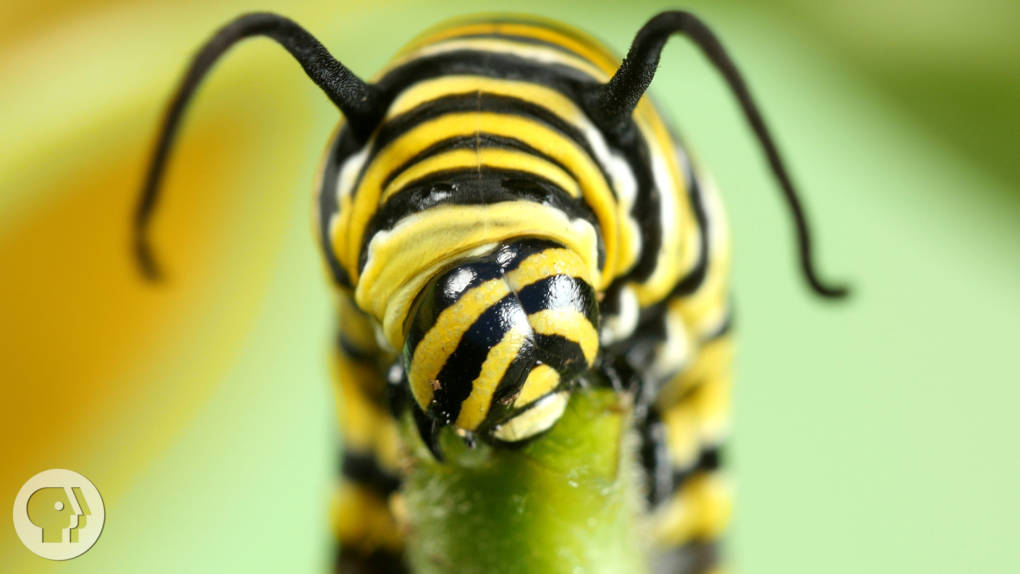
"caption": "A monarch caterpillar eats milkweed, its only food source.",
"description": null,
"title": "DL413-caterpillars-phead-marquee-final",
"credit": "Josh Cassidy/KQED",
"status": "inherit",
"isLoading": false,
"fetchFailed": false
},
"science_1680330": {
"type": "attachments",
"id": "science_1680330",
"meta": {
"index": "attachments_1716263798",
"site": "science",
"id": "1680330",
"found": true
},
"parent": 1664694,
"imgSizes": {
"small": {
"file": "https://ww2.kqed.org/app/uploads/sites/35/2017/06/DL412-phead.1-520x293.png",
"width": 520,
"mimeType": "image/png",
"height": 293
},
"twentyfourteen-full-width": {
"file": "https://ww2.kqed.org/app/uploads/sites/35/2017/06/DL412-phead.1-1038x576.png",
"width": 1038,
"mimeType": "image/png",
"height": 576
},
"thumbnail": {
"file": "https://ww2.kqed.org/app/uploads/sites/35/2017/06/DL412-phead.1-160x90.png",
"width": 160,
"mimeType": "image/png",
"height": 90
},
"fd-sm": {
"file": "https://ww2.kqed.org/app/uploads/sites/35/2017/06/DL412-phead.1-960x540.png",
"width": 960,
"mimeType": "image/png",
"height": 540
},
"post-thumbnail": {
"file": "https://ww2.kqed.org/app/uploads/sites/35/2017/06/DL412-phead.1-672x372.png",
"width": 672,
"mimeType": "image/png",
"height": 372
},
"xsmall": {
"file": "https://ww2.kqed.org/app/uploads/sites/35/2017/06/DL412-phead.1-375x211.png",
"width": 375,
"mimeType": "image/png",
"height": 211
},
"kqedFullSize": {
"file": "https://ww2.kqed.org/app/uploads/sites/35/2017/06/DL412-phead.1.png",
"width": 1920,
"height": 1080
},
"large": {
"file": "https://ww2.kqed.org/app/uploads/sites/35/2017/06/DL412-phead.1-1020x574.png",
"width": 1020,
"mimeType": "image/png",
"height": 574
},
"xlarge": {
"file": "https://ww2.kqed.org/app/uploads/sites/35/2017/06/DL412-phead.1-1180x664.png",
"width": 1180,
"mimeType": "image/png",
"height": 664
},
"guest-author-50": {
"file": "https://ww2.kqed.org/app/uploads/sites/35/2017/06/DL412-phead.1-50x50.png",
"width": 50,
"mimeType": "image/png",
"height": 50
},
"guest-author-96": {
"file": "https://ww2.kqed.org/app/uploads/sites/35/2017/06/DL412-phead.1-96x96.png",
"width": 96,
"mimeType": "image/png",
"height": 96
},
"medium": {
"file": "https://ww2.kqed.org/app/uploads/sites/35/2017/06/DL412-phead.1-800x450.png",
"width": 800,
"mimeType": "image/png",
"height": 450
},
"guest-author-64": {
"file": "https://ww2.kqed.org/app/uploads/sites/35/2017/06/DL412-phead.1-64x64.png",
"width": 64,
"mimeType": "image/png",
"height": 64
},
"guest-author-32": {
"file": "https://ww2.kqed.org/app/uploads/sites/35/2017/06/DL412-phead.1-32x32.png",
"width": 32,
"mimeType": "image/png",
"height": 32
},
"fd-lrg": {
"file": "https://ww2.kqed.org/app/uploads/sites/35/2017/06/DL412-phead.1-1920x1080.png",
"width": 1920,
"mimeType": "image/png",
"height": 1080
},
"fd-med": {
"file": "https://ww2.kqed.org/app/uploads/sites/35/2017/06/DL412-phead.1-1180x664.png",
"width": 1180,
"mimeType": "image/png",
"height": 664
},
"full-width": {
"file": "https://ww2.kqed.org/app/uploads/sites/35/2017/06/DL412-phead.1-1920x1080.png",
"width": 1920,
"mimeType": "image/png",
"height": 1080
},
"detail": {
"file": "https://ww2.kqed.org/app/uploads/sites/35/2017/06/DL412-phead.1-150x150.png",
"width": 150,
"mimeType": "image/png",
"height": 150
},
"medium_large": {
"file": "https://ww2.kqed.org/app/uploads/sites/35/2017/06/DL412-phead.1-768x432.png",
"width": 768,
"mimeType": "image/png",
"height": 432
},
"guest-author-128": {
"file": "https://ww2.kqed.org/app/uploads/sites/35/2017/06/DL412-phead.1-128x128.png",
"width": 128,
"mimeType": "image/png",
"height": 128
},
"xxsmall": {
"file": "https://ww2.kqed.org/app/uploads/sites/35/2017/06/DL412-phead.1-240x135.png",
"width": 240,
"mimeType": "image/png",
"height": 135
}
},
"publishDate": 1496179503,
"modified": 1496179503,
"caption": null,
"description": null,
"title": "DL412 phead.1",
"credit": null,
"status": "inherit",
"isLoading": false,
"fetchFailed": false
},
"science_1696241": {
"type": "attachments",
"id": "science_1696241",
"meta": {
"index": "attachments_1716263798",
"site": "science",
"id": "1696241",
"found": true
},
"parent": 1680332,
"imgSizes": {
"small": {
"file": "https://ww2.kqed.org/app/uploads/sites/35/2017/06/DL411-GRUNION-Egg-Eye-FI-FinalPHead-520x293.jpg",
"width": 520,
"mimeType": "image/jpeg",
"height": 293
},
"twentyfourteen-full-width": {
"file": "https://ww2.kqed.org/app/uploads/sites/35/2017/06/DL411-GRUNION-Egg-Eye-FI-FinalPHead-1038x576.jpg",
"width": 1038,
"mimeType": "image/jpeg",
"height": 576
},
"thumbnail": {
"file": "https://ww2.kqed.org/app/uploads/sites/35/2017/06/DL411-GRUNION-Egg-Eye-FI-FinalPHead-160x90.jpg",
"width": 160,
"mimeType": "image/jpeg",
"height": 90
},
"fd-sm": {
"file": "https://ww2.kqed.org/app/uploads/sites/35/2017/06/DL411-GRUNION-Egg-Eye-FI-FinalPHead-960x540.jpg",
"width": 960,
"mimeType": "image/jpeg",
"height": 540
},
"post-thumbnail": {
"file": "https://ww2.kqed.org/app/uploads/sites/35/2017/06/DL411-GRUNION-Egg-Eye-FI-FinalPHead-672x372.jpg",
"width": 672,
"mimeType": "image/jpeg",
"height": 372
},
"xsmall": {
"file": "https://ww2.kqed.org/app/uploads/sites/35/2017/06/DL411-GRUNION-Egg-Eye-FI-FinalPHead-375x211.jpg",
"width": 375,
"mimeType": "image/jpeg",
"height": 211
},
"kqedFullSize": {
"file": "https://ww2.kqed.org/app/uploads/sites/35/2017/06/DL411-GRUNION-Egg-Eye-FI-FinalPHead.jpg",
"width": 1920,
"height": 1080
},
"large": {
"file": "https://ww2.kqed.org/app/uploads/sites/35/2017/06/DL411-GRUNION-Egg-Eye-FI-FinalPHead-1020x574.jpg",
"width": 1020,
"mimeType": "image/jpeg",
"height": 574
},
"xlarge": {
"file": "https://ww2.kqed.org/app/uploads/sites/35/2017/06/DL411-GRUNION-Egg-Eye-FI-FinalPHead-1180x664.jpg",
"width": 1180,
"mimeType": "image/jpeg",
"height": 664
},
"guest-author-50": {
"file": "https://ww2.kqed.org/app/uploads/sites/35/2017/06/DL411-GRUNION-Egg-Eye-FI-FinalPHead-50x50.jpg",
"width": 50,
"mimeType": "image/jpeg",
"height": 50
},
"guest-author-96": {
"file": "https://ww2.kqed.org/app/uploads/sites/35/2017/06/DL411-GRUNION-Egg-Eye-FI-FinalPHead-96x96.jpg",
"width": 96,
"mimeType": "image/jpeg",
"height": 96
},
"medium": {
"file": "https://ww2.kqed.org/app/uploads/sites/35/2017/06/DL411-GRUNION-Egg-Eye-FI-FinalPHead-800x450.jpg",
"width": 800,
"mimeType": "image/jpeg",
"height": 450
},
"guest-author-64": {
"file": "https://ww2.kqed.org/app/uploads/sites/35/2017/06/DL411-GRUNION-Egg-Eye-FI-FinalPHead-64x64.jpg",
"width": 64,
"mimeType": "image/jpeg",
"height": 64
},
"guest-author-32": {
"file": "https://ww2.kqed.org/app/uploads/sites/35/2017/06/DL411-GRUNION-Egg-Eye-FI-FinalPHead-32x32.jpg",
"width": 32,
"mimeType": "image/jpeg",
"height": 32
},
"fd-lrg": {
"file": "https://ww2.kqed.org/app/uploads/sites/35/2017/06/DL411-GRUNION-Egg-Eye-FI-FinalPHead-1920x1080.jpg",
"width": 1920,
"mimeType": "image/jpeg",
"height": 1080
},
"fd-med": {
"file": "https://ww2.kqed.org/app/uploads/sites/35/2017/06/DL411-GRUNION-Egg-Eye-FI-FinalPHead-1180x664.jpg",
"width": 1180,
"mimeType": "image/jpeg",
"height": 664
},
"full-width": {
"file": "https://ww2.kqed.org/app/uploads/sites/35/2017/06/DL411-GRUNION-Egg-Eye-FI-FinalPHead-1920x1080.jpg",
"width": 1920,
"mimeType": "image/jpeg",
"height": 1080
},
"detail": {
"file": "https://ww2.kqed.org/app/uploads/sites/35/2017/06/DL411-GRUNION-Egg-Eye-FI-FinalPHead-150x150.jpg",
"width": 150,
"mimeType": "image/jpeg",
"height": 150
},
"medium_large": {
"file": "https://ww2.kqed.org/app/uploads/sites/35/2017/06/DL411-GRUNION-Egg-Eye-FI-FinalPHead-768x432.jpg",
"width": 768,
"mimeType": "image/jpeg",
"height": 432
},
"guest-author-128": {
"file": "https://ww2.kqed.org/app/uploads/sites/35/2017/06/DL411-GRUNION-Egg-Eye-FI-FinalPHead-128x128.jpg",
"width": 128,
"mimeType": "image/jpeg",
"height": 128
},
"xxsmall": {
"file": "https://ww2.kqed.org/app/uploads/sites/35/2017/06/DL411-GRUNION-Egg-Eye-FI-FinalPHead-240x135.jpg",
"width": 240,
"mimeType": "image/jpeg",
"height": 135
}
},
"publishDate": 1496689594,
"modified": 1496715274,
"caption": "A fully mature California grunion egg about to hatch",
"description": null,
"title": "DL411-GRUNION-Egg-Eye-FI-FinalPHead",
"credit": "Josh Cassidy/KQED",
"status": "inherit",
"isLoading": false,
"fetchFailed": false
},
"science_1664582": {
"type": "attachments",
"id": "science_1664582",
"meta": {
"index": "attachments_1716263798",
"site": "science",
"id": "1664582",
"found": true
},
"parent": 1648112,
"imgSizes": {
"small": {
"file": "https://ww2.kqed.org/app/uploads/sites/35/2017/05/DL_400BBehind_the_Scenes_GABRIELA_AND_JOSH_FILM_JAY_STACHOWICZ_AT_BODEGA_MARINE_LAB-520x293.jpg",
"width": 520,
"mimeType": "image/jpeg",
"height": 293
},
"twentyfourteen-full-width": {
"file": "https://ww2.kqed.org/app/uploads/sites/35/2017/05/DL_400BBehind_the_Scenes_GABRIELA_AND_JOSH_FILM_JAY_STACHOWICZ_AT_BODEGA_MARINE_LAB-1038x576.jpg",
"width": 1038,
"mimeType": "image/jpeg",
"height": 576
},
"thumbnail": {
"file": "https://ww2.kqed.org/app/uploads/sites/35/2017/05/DL_400BBehind_the_Scenes_GABRIELA_AND_JOSH_FILM_JAY_STACHOWICZ_AT_BODEGA_MARINE_LAB-160x90.jpg",
"width": 160,
"mimeType": "image/jpeg",
"height": 90
},
"fd-sm": {
"file": "https://ww2.kqed.org/app/uploads/sites/35/2017/05/DL_400BBehind_the_Scenes_GABRIELA_AND_JOSH_FILM_JAY_STACHOWICZ_AT_BODEGA_MARINE_LAB-960x540.jpg",
"width": 960,
"mimeType": "image/jpeg",
"height": 540
},
"post-thumbnail": {
"file": "https://ww2.kqed.org/app/uploads/sites/35/2017/05/DL_400BBehind_the_Scenes_GABRIELA_AND_JOSH_FILM_JAY_STACHOWICZ_AT_BODEGA_MARINE_LAB-672x372.jpg",
"width": 672,
"mimeType": "image/jpeg",
"height": 372
},
"xsmall": {
"file": "https://ww2.kqed.org/app/uploads/sites/35/2017/05/DL_400BBehind_the_Scenes_GABRIELA_AND_JOSH_FILM_JAY_STACHOWICZ_AT_BODEGA_MARINE_LAB-375x211.jpg",
"width": 375,
"mimeType": "image/jpeg",
"height": 211
},
"kqedFullSize": {
"file": "https://ww2.kqed.org/app/uploads/sites/35/2017/05/DL_400BBehind_the_Scenes_GABRIELA_AND_JOSH_FILM_JAY_STACHOWICZ_AT_BODEGA_MARINE_LAB.jpg",
"width": 1920,
"height": 1080
},
"large": {
"file": "https://ww2.kqed.org/app/uploads/sites/35/2017/05/DL_400BBehind_the_Scenes_GABRIELA_AND_JOSH_FILM_JAY_STACHOWICZ_AT_BODEGA_MARINE_LAB-1020x574.jpg",
"width": 1020,
"mimeType": "image/jpeg",
"height": 574
},
"xlarge": {
"file": "https://ww2.kqed.org/app/uploads/sites/35/2017/05/DL_400BBehind_the_Scenes_GABRIELA_AND_JOSH_FILM_JAY_STACHOWICZ_AT_BODEGA_MARINE_LAB-1180x664.jpg",
"width": 1180,
"mimeType": "image/jpeg",
"height": 664
},
"guest-author-50": {
"file": "https://ww2.kqed.org/app/uploads/sites/35/2017/05/DL_400BBehind_the_Scenes_GABRIELA_AND_JOSH_FILM_JAY_STACHOWICZ_AT_BODEGA_MARINE_LAB-50x50.jpg",
"width": 50,
"mimeType": "image/jpeg",
"height": 50
},
"guest-author-96": {
"file": "https://ww2.kqed.org/app/uploads/sites/35/2017/05/DL_400BBehind_the_Scenes_GABRIELA_AND_JOSH_FILM_JAY_STACHOWICZ_AT_BODEGA_MARINE_LAB-96x96.jpg",
"width": 96,
"mimeType": "image/jpeg",
"height": 96
},
"medium": {
"file": "https://ww2.kqed.org/app/uploads/sites/35/2017/05/DL_400BBehind_the_Scenes_GABRIELA_AND_JOSH_FILM_JAY_STACHOWICZ_AT_BODEGA_MARINE_LAB-800x450.jpg",
"width": 800,
"mimeType": "image/jpeg",
"height": 450
},
"guest-author-64": {
"file": "https://ww2.kqed.org/app/uploads/sites/35/2017/05/DL_400BBehind_the_Scenes_GABRIELA_AND_JOSH_FILM_JAY_STACHOWICZ_AT_BODEGA_MARINE_LAB-64x64.jpg",
"width": 64,
"mimeType": "image/jpeg",
"height": 64
},
"guest-author-32": {
"file": "https://ww2.kqed.org/app/uploads/sites/35/2017/05/DL_400BBehind_the_Scenes_GABRIELA_AND_JOSH_FILM_JAY_STACHOWICZ_AT_BODEGA_MARINE_LAB-32x32.jpg",
"width": 32,
"mimeType": "image/jpeg",
"height": 32
},
"fd-lrg": {
"file": "https://ww2.kqed.org/app/uploads/sites/35/2017/05/DL_400BBehind_the_Scenes_GABRIELA_AND_JOSH_FILM_JAY_STACHOWICZ_AT_BODEGA_MARINE_LAB-1920x1080.jpg",
"width": 1920,
"mimeType": "image/jpeg",
"height": 1080
},
"fd-med": {
"file": "https://ww2.kqed.org/app/uploads/sites/35/2017/05/DL_400BBehind_the_Scenes_GABRIELA_AND_JOSH_FILM_JAY_STACHOWICZ_AT_BODEGA_MARINE_LAB-1180x664.jpg",
"width": 1180,
"mimeType": "image/jpeg",
"height": 664
},
"full-width": {
"file": "https://ww2.kqed.org/app/uploads/sites/35/2017/05/DL_400BBehind_the_Scenes_GABRIELA_AND_JOSH_FILM_JAY_STACHOWICZ_AT_BODEGA_MARINE_LAB-1920x1080.jpg",
"width": 1920,
"mimeType": "image/jpeg",
"height": 1080
},
"detail": {
"file": "https://ww2.kqed.org/app/uploads/sites/35/2017/05/DL_400BBehind_the_Scenes_GABRIELA_AND_JOSH_FILM_JAY_STACHOWICZ_AT_BODEGA_MARINE_LAB-150x150.jpg",
"width": 150,
"mimeType": "image/jpeg",
"height": 150
},
"medium_large": {
"file": "https://ww2.kqed.org/app/uploads/sites/35/2017/05/DL_400BBehind_the_Scenes_GABRIELA_AND_JOSH_FILM_JAY_STACHOWICZ_AT_BODEGA_MARINE_LAB-768x432.jpg",
"width": 768,
"mimeType": "image/jpeg",
"height": 432
},
"guest-author-128": {
"file": "https://ww2.kqed.org/app/uploads/sites/35/2017/05/DL_400BBehind_the_Scenes_GABRIELA_AND_JOSH_FILM_JAY_STACHOWICZ_AT_BODEGA_MARINE_LAB-128x128.jpg",
"width": 128,
"mimeType": "image/jpeg",
"height": 128
},
"xxsmall": {
"file": "https://ww2.kqed.org/app/uploads/sites/35/2017/05/DL_400BBehind_the_Scenes_GABRIELA_AND_JOSH_FILM_JAY_STACHOWICZ_AT_BODEGA_MARINE_LAB-240x135.jpg",
"width": 240,
"mimeType": "image/jpeg",
"height": 135
}
},
"publishDate": 1495674215,
"modified": 1495674266,
"caption": "Deep Look producer Gabriela Quirós and cinematographer Josh Cassidy film biologist Jay Stachowicz as he collects crabs in the tide pools outside the Bodega Marine Laboratory, in Bodega Bay, California. ",
"description": "Deep Look producer Gabriela Quirós and cinematographer Josh Cassidy film biologist Jay Stachowicz as he collects crabs in the tide pools outside the Bodega Marine Laboratory, in Bodega Bay, California. ",
"title": "DL_400BBehind_the_Scenes_GABRIELA_AND_JOSH_FILM_JAY_STACHOWICZ_AT_BODEGA_MARINE_LAB",
"credit": "Shelley Pearson Cranshaw/KQED",
"status": "inherit",
"isLoading": false,
"fetchFailed": false
},
"science_1602628": {
"type": "attachments",
"id": "science_1602628",
"meta": {
"index": "attachments_1716263798",
"site": "science",
"id": "1602628",
"found": true
},
"parent": 1602625,
"imgSizes": {
"small": {
"file": "https://ww2.kqed.org/app/uploads/sites/35/2017/05/DL_410DecoratorCrabs_marquee_final-phead1080-520x293.jpg",
"width": 520,
"mimeType": "image/jpeg",
"height": 293
},
"twentyfourteen-full-width": {
"file": "https://ww2.kqed.org/app/uploads/sites/35/2017/05/DL_410DecoratorCrabs_marquee_final-phead1080-1038x576.jpg",
"width": 1038,
"mimeType": "image/jpeg",
"height": 576
},
"thumbnail": {
"file": "https://ww2.kqed.org/app/uploads/sites/35/2017/05/DL_410DecoratorCrabs_marquee_final-phead1080-160x90.jpg",
"width": 160,
"mimeType": "image/jpeg",
"height": 90
},
"fd-sm": {
"file": "https://ww2.kqed.org/app/uploads/sites/35/2017/05/DL_410DecoratorCrabs_marquee_final-phead1080-960x540.jpg",
"width": 960,
"mimeType": "image/jpeg",
"height": 540
},
"post-thumbnail": {
"file": "https://ww2.kqed.org/app/uploads/sites/35/2017/05/DL_410DecoratorCrabs_marquee_final-phead1080-672x372.jpg",
"width": 672,
"mimeType": "image/jpeg",
"height": 372
},
"xsmall": {
"file": "https://ww2.kqed.org/app/uploads/sites/35/2017/05/DL_410DecoratorCrabs_marquee_final-phead1080-375x211.jpg",
"width": 375,
"mimeType": "image/jpeg",
"height": 211
},
"kqedFullSize": {
"file": "https://ww2.kqed.org/app/uploads/sites/35/2017/05/DL_410DecoratorCrabs_marquee_final-phead1080.jpg",
"width": 1920,
"height": 1080
},
"large": {
"file": "https://ww2.kqed.org/app/uploads/sites/35/2017/05/DL_410DecoratorCrabs_marquee_final-phead1080-1020x574.jpg",
"width": 1020,
"mimeType": "image/jpeg",
"height": 574
},
"xlarge": {
"file": "https://ww2.kqed.org/app/uploads/sites/35/2017/05/DL_410DecoratorCrabs_marquee_final-phead1080-1180x664.jpg",
"width": 1180,
"mimeType": "image/jpeg",
"height": 664
},
"guest-author-50": {
"file": "https://ww2.kqed.org/app/uploads/sites/35/2017/05/DL_410DecoratorCrabs_marquee_final-phead1080-50x50.jpg",
"width": 50,
"mimeType": "image/jpeg",
"height": 50
},
"guest-author-96": {
"file": "https://ww2.kqed.org/app/uploads/sites/35/2017/05/DL_410DecoratorCrabs_marquee_final-phead1080-96x96.jpg",
"width": 96,
"mimeType": "image/jpeg",
"height": 96
},
"medium": {
"file": "https://ww2.kqed.org/app/uploads/sites/35/2017/05/DL_410DecoratorCrabs_marquee_final-phead1080-800x450.jpg",
"width": 800,
"mimeType": "image/jpeg",
"height": 450
},
"guest-author-64": {
"file": "https://ww2.kqed.org/app/uploads/sites/35/2017/05/DL_410DecoratorCrabs_marquee_final-phead1080-64x64.jpg",
"width": 64,
"mimeType": "image/jpeg",
"height": 64
},
"guest-author-32": {
"file": "https://ww2.kqed.org/app/uploads/sites/35/2017/05/DL_410DecoratorCrabs_marquee_final-phead1080-32x32.jpg",
"width": 32,
"mimeType": "image/jpeg",
"height": 32
},
"fd-lrg": {
"file": "https://ww2.kqed.org/app/uploads/sites/35/2017/05/DL_410DecoratorCrabs_marquee_final-phead1080-1920x1080.jpg",
"width": 1920,
"mimeType": "image/jpeg",
"height": 1080
},
"fd-med": {
"file": "https://ww2.kqed.org/app/uploads/sites/35/2017/05/DL_410DecoratorCrabs_marquee_final-phead1080-1180x664.jpg",
"width": 1180,
"mimeType": "image/jpeg",
"height": 664
},
"full-width": {
"file": "https://ww2.kqed.org/app/uploads/sites/35/2017/05/DL_410DecoratorCrabs_marquee_final-phead1080-1920x1080.jpg",
"width": 1920,
"mimeType": "image/jpeg",
"height": 1080
},
"detail": {
"file": "https://ww2.kqed.org/app/uploads/sites/35/2017/05/DL_410DecoratorCrabs_marquee_final-phead1080-150x150.jpg",
"width": 150,
"mimeType": "image/jpeg",
"height": 150
},
"medium_large": {
"file": "https://ww2.kqed.org/app/uploads/sites/35/2017/05/DL_410DecoratorCrabs_marquee_final-phead1080-768x432.jpg",
"width": 768,
"mimeType": "image/jpeg",
"height": 432
},
"guest-author-128": {
"file": "https://ww2.kqed.org/app/uploads/sites/35/2017/05/DL_410DecoratorCrabs_marquee_final-phead1080-128x128.jpg",
"width": 128,
"mimeType": "image/jpeg",
"height": 128
},
"xxsmall": {
"file": "https://ww2.kqed.org/app/uploads/sites/35/2017/05/DL_410DecoratorCrabs_marquee_final-phead1080-240x135.jpg",
"width": 240,
"mimeType": "image/jpeg",
"height": 135
}
},
"publishDate": 1493682599,
"modified": 1493682720,
"caption": "A moss crab camouflages by decorating its head with a piece of seaweed. ",
"description": null,
"title": "DL_410DecoratorCrabs_marquee_final-phead1080",
"credit": "Josh Cassidy/KQED",
"status": "inherit",
"isLoading": false,
"fetchFailed": false
},
"science_1126299": {
"type": "attachments",
"id": "science_1126299",
"meta": {
"index": "attachments_1716263798",
"site": "science",
"id": "1126299",
"found": true
},
"parent": 1109305,
"imgSizes": {
"small": {
"file": "https://ww2.kqed.org/app/uploads/sites/35/2016/11/DL320-mantis-phead-left-520x293.jpg",
"width": 520,
"mimeType": "image/jpeg",
"height": 293
},
"twentyfourteen-full-width": {
"file": "https://ww2.kqed.org/app/uploads/sites/35/2016/11/DL320-mantis-phead-left-1038x576.jpg",
"width": 1038,
"mimeType": "image/jpeg",
"height": 576
},
"thumbnail": {
"file": "https://ww2.kqed.org/app/uploads/sites/35/2016/11/DL320-mantis-phead-left-160x90.jpg",
"width": 160,
"mimeType": "image/jpeg",
"height": 90
},
"fd-sm": {
"file": "https://ww2.kqed.org/app/uploads/sites/35/2016/11/DL320-mantis-phead-left-960x540.jpg",
"width": 960,
"mimeType": "image/jpeg",
"height": 540
},
"post-thumbnail": {
"file": "https://ww2.kqed.org/app/uploads/sites/35/2016/11/DL320-mantis-phead-left-672x372.jpg",
"width": 672,
"mimeType": "image/jpeg",
"height": 372
},
"xsmall": {
"file": "https://ww2.kqed.org/app/uploads/sites/35/2016/11/DL320-mantis-phead-left-375x211.jpg",
"width": 375,
"mimeType": "image/jpeg",
"height": 211
},
"kqedFullSize": {
"file": "https://ww2.kqed.org/app/uploads/sites/35/2016/11/DL320-mantis-phead-left.jpg",
"width": 1920,
"height": 1080
},
"large": {
"file": "https://ww2.kqed.org/app/uploads/sites/35/2016/11/DL320-mantis-phead-left-1020x574.jpg",
"width": 1020,
"mimeType": "image/jpeg",
"height": 574
},
"xlarge": {
"file": "https://ww2.kqed.org/app/uploads/sites/35/2016/11/DL320-mantis-phead-left-1180x664.jpg",
"width": 1180,
"mimeType": "image/jpeg",
"height": 664
},
"guest-author-50": {
"file": "https://ww2.kqed.org/app/uploads/sites/35/2016/11/DL320-mantis-phead-left-50x50.jpg",
"width": 50,
"mimeType": "image/jpeg",
"height": 50
},
"guest-author-96": {
"file": "https://ww2.kqed.org/app/uploads/sites/35/2016/11/DL320-mantis-phead-left-96x96.jpg",
"width": 96,
"mimeType": "image/jpeg",
"height": 96
},
"medium": {
"file": "https://ww2.kqed.org/app/uploads/sites/35/2016/11/DL320-mantis-phead-left-800x450.jpg",
"width": 800,
"mimeType": "image/jpeg",
"height": 450
},
"guest-author-64": {
"file": "https://ww2.kqed.org/app/uploads/sites/35/2016/11/DL320-mantis-phead-left-64x64.jpg",
"width": 64,
"mimeType": "image/jpeg",
"height": 64
},
"guest-author-32": {
"file": "https://ww2.kqed.org/app/uploads/sites/35/2016/11/DL320-mantis-phead-left-32x32.jpg",
"width": 32,
"mimeType": "image/jpeg",
"height": 32
},
"fd-lrg": {
"file": "https://ww2.kqed.org/app/uploads/sites/35/2016/11/DL320-mantis-phead-left-1920x1080.jpg",
"width": 1920,
"mimeType": "image/jpeg",
"height": 1080
},
"fd-med": {
"file": "https://ww2.kqed.org/app/uploads/sites/35/2016/11/DL320-mantis-phead-left-1180x664.jpg",
"width": 1180,
"mimeType": "image/jpeg",
"height": 664
},
"full-width": {
"file": "https://ww2.kqed.org/app/uploads/sites/35/2016/11/DL320-mantis-phead-left-1920x1080.jpg",
"width": 1920,
"mimeType": "image/jpeg",
"height": 1080
},
"detail": {
"file": "https://ww2.kqed.org/app/uploads/sites/35/2016/11/DL320-mantis-phead-left-150x150.jpg",
"width": 150,
"mimeType": "image/jpeg",
"height": 150
},
"medium_large": {
"file": "https://ww2.kqed.org/app/uploads/sites/35/2016/11/DL320-mantis-phead-left-768x432.jpg",
"width": 768,
"mimeType": "image/jpeg",
"height": 432
},
"guest-author-128": {
"file": "https://ww2.kqed.org/app/uploads/sites/35/2016/11/DL320-mantis-phead-left-128x128.jpg",
"width": 128,
"mimeType": "image/jpeg",
"height": 128
},
"xxsmall": {
"file": "https://ww2.kqed.org/app/uploads/sites/35/2016/11/DL320-mantis-phead-left-240x135.jpg",
"width": 240,
"mimeType": "image/jpeg",
"height": 135
}
},
"publishDate": 1478039769,
"modified": 1478039769,
"caption": null,
"description": null,
"title": "dl320-mantis-phead-left",
"credit": null,
"status": "inherit",
"isLoading": false,
"fetchFailed": false
}
},
"audioPlayerReducer": {
"postId": "stream_live",
"isPaused": true,
"isPlaying": false,
"pfsActive": false,
"pledgeModalIsOpen": true,
"playerDrawerIsOpen": false,
"liveAudioPlayStartedAt": 0,
"liveAudioPlayContext": ""
},
"authorsReducer": {
"gabriela-quiros": {
"type": "authors",
"id": "6186",
"meta": {
"index": "authors_1716337520",
"id": "6186",
"found": true
},
"name": "Gabriela Quirós",
"firstName": "Gabriela",
"lastName": "Quirós",
"slug": "gabriela-quiros",
"email": "gquiros@kqed.org",
"display_author_email": false,
"staff_mastheads": [],
"title": "Supervising Producer",
"bio": "Gabriela Quirós is the \u003cstrong>supervising producer for KQED's web science video series \u003ca href=\"https://www.kqed.org/deeplook\">Deep Look\u003c/a>\u003c/strong>. She joined KQED as a TV producer when its science series QUEST started in 2006 and has covered everything from Alzheimer’s to bee die-offs to dark energy.\r\n\r\nShe won a 2022 AAAS Kavli Science Journalism Award with a team of her Deep Look colleagues. She has won six regional Emmys as a video producer and has shared eight more as the coordinating producer of Deep Look. The episode she produced about \u003ca href=\"https://www.kqed.org/science/728086/how-mosquitoes-use-six-needles-to-suck-your-blood\">How Mosquitoes Use Six Needles to Suck Your Blood\u003c/a> won a Webby \"People's Voice\" award. She has also earned awards from the Jackson Hole Wildlife Film Festival, the Society of Professional Journalists and the Society of Environmental Journalists.\r\n\r\nHer videos for KQED have also aired on NOVA scienceNOW and the PBS NewsHour, and appeared on NPR.org.\r\n\r\nAs an independent filmmaker, she produced and directed the hour-long documentary \u003ca href=\"http://lpbp.org/beautiful-sin-qa-with-producer-gabriela-quiros/\">\u003cem>Beautiful Sin\u003c/em>\u003c/a>, about the surprising story of how Costa Rica became the only country in the world to outlaw in vitro fertilization. The film aired in 2015 on public television stations throughout the U.S., and in Costa Rica.\r\n\r\nShe started her journalism career as a newspaper reporter in Costa Rica, where she grew up. She won the National Science Journalism Award there for a series of articles about organic agriculture, and developed a life-long interest in health reporting. She moved to the Bay Area in 1996 to study documentary filmmaking at the University of California, Berkeley, where she received master’s degrees in journalism and Latin American studies.",
"avatar": "https://secure.gravatar.com/avatar/6d82c20152affd1b434c31a904c40809?s=600&d=blank&r=g",
"twitter": "gabrielaquirosr",
"facebook": null,
"instagram": null,
"linkedin": null,
"sites": [
{
"site": "science",
"roles": []
},
{
"site": "quest",
"roles": [
"ef_view_calendar",
"ef_view_story_budget"
]
}
],
"headData": {
"title": "Gabriela Quirós | KQED",
"description": "Supervising Producer",
"ogImgSrc": "https://secure.gravatar.com/avatar/6d82c20152affd1b434c31a904c40809?s=600&d=blank&r=g",
"twImgSrc": "https://secure.gravatar.com/avatar/6d82c20152affd1b434c31a904c40809?s=600&d=blank&r=g"
},
"isLoading": false,
"link": "/author/gabriela-quiros"
},
"joshua-cassidy": {
"type": "authors",
"id": "6219",
"meta": {
"index": "authors_1716337520",
"id": "6219",
"found": true
},
"name": "Josh Cassidy",
"firstName": "Josh",
"lastName": "Cassidy",
"slug": "joshua-cassidy",
"email": "jcassidy@kqed.org",
"display_author_email": false,
"staff_mastheads": [
"science"
],
"title": "Digital Video Producer",
"bio": "Josh is a Senior Video Producer for KQED Science, and the Lead Producer and Cinematographer for Deep Look. After receiving his BS in Wildlife Biology from Ohio University, he went on to participate in marine mammal research for NOAA, USGS and the Intersea Foundation. He also served as the president of The Pacific Cetacean Group, a nonprofit organization dedicated to teaching students K-6 about whales. Josh studied science and natural history filmmaking at San Francisco State University and Montana State University.",
"avatar": "https://secure.gravatar.com/avatar/f2582a0801a35af53b734d56bcac2bbe?s=600&d=blank&r=g",
"twitter": null,
"facebook": null,
"instagram": null,
"linkedin": null,
"sites": [
{
"site": "science",
"roles": [
"editor"
]
},
{
"site": "quest",
"roles": [
"author",
"edit_others_posts"
]
}
],
"headData": {
"title": "Josh Cassidy | KQED",
"description": "Digital Video Producer",
"ogImgSrc": "https://secure.gravatar.com/avatar/f2582a0801a35af53b734d56bcac2bbe?s=600&d=blank&r=g",
"twImgSrc": "https://secure.gravatar.com/avatar/f2582a0801a35af53b734d56bcac2bbe?s=600&d=blank&r=g"
},
"isLoading": false,
"link": "/author/joshua-cassidy"
},
"sevdaeris": {
"type": "authors",
"id": "6364",
"meta": {
"index": "authors_1716337520",
"id": "6364",
"found": true
},
"name": "Sevda Eris",
"firstName": "Sevda",
"lastName": "Eris",
"slug": "sevdaeris",
"email": "seris@kqed.org",
"display_author_email": false,
"staff_mastheads": [],
"title": "Director of Audience Engagement",
"bio": null,
"avatar": "https://secure.gravatar.com/avatar/c99311b4355095e2f7f01ea8bf8e6fba?s=600&d=mm&r=g",
"twitter": null,
"facebook": null,
"instagram": null,
"linkedin": null,
"sites": [
{
"site": "about",
"roles": []
},
{
"site": "science",
"roles": []
},
{
"site": "pressroom",
"roles": []
}
],
"headData": {
"title": "Sevda Eris | KQED",
"description": "Director of Audience Engagement",
"ogImgSrc": "https://secure.gravatar.com/avatar/c99311b4355095e2f7f01ea8bf8e6fba?s=600&d=mm&r=g",
"twImgSrc": "https://secure.gravatar.com/avatar/c99311b4355095e2f7f01ea8bf8e6fba?s=600&d=mm&r=g"
},
"isLoading": false,
"link": "/author/sevdaeris"
},
"jbrady": {
"type": "authors",
"id": "8677",
"meta": {
"index": "authors_1716337520",
"id": "8677",
"found": true
},
"name": "Jennifer Brady",
"firstName": "Jennifer",
"lastName": "Brady",
"slug": "jbrady",
"email": "jbrady@kqed.org",
"display_author_email": false,
"staff_mastheads": [],
"title": null,
"bio": null,
"avatar": "https://secure.gravatar.com/avatar/198de5446ee0cdc4ba690e374b76c295?s=600&d=blank&r=g",
"twitter": null,
"facebook": null,
"instagram": null,
"linkedin": null,
"sites": [
{
"site": "futureofyou",
"roles": [
"editor"
]
},
{
"site": "about",
"roles": [
"editor"
]
},
{
"site": "science",
"roles": [
"editor"
]
},
{
"site": "quest",
"roles": [
"editor"
]
},
{
"site": "pressroom",
"roles": [
"editor"
]
}
],
"headData": {
"title": "Jennifer Brady | KQED",
"description": null,
"ogImgSrc": "https://secure.gravatar.com/avatar/198de5446ee0cdc4ba690e374b76c295?s=600&d=blank&r=g",
"twImgSrc": "https://secure.gravatar.com/avatar/198de5446ee0cdc4ba690e374b76c295?s=600&d=blank&r=g"
},
"isLoading": false,
"link": "/author/jbrady"
},
"ekennerson": {
"type": "authors",
"id": "11090",
"meta": {
"index": "authors_1716337520",
"id": "11090",
"found": true
},
"name": "Elliott Kennerson",
"firstName": "Elliott",
"lastName": "Kennerson",
"slug": "ekennerson",
"email": "ekennerson@kqed.org",
"display_author_email": false,
"staff_mastheads": [],
"title": null,
"bio": "Elliott Kennerson joined KQED Science as a Digital Media Producer in 2015. Before joining KQED, he produced the Kickstarter-funded series “Animal R&R” for KPBS in San Diego. Elliott received his M.F.A. training in wildlife documentary at Montana State in Bozeman and holds a B.A. from Yale in archaeology. In his former life as an actor, he was an associate artist with LightBox Theater Company in New York. Elliott is the recipient of a 2017 Regional Emmy for his work as a producer on “Deep Look.\"",
"avatar": "https://secure.gravatar.com/avatar/90ebfa58055409e54c8f8a4c120ecf91?s=600&d=blank&r=g",
"twitter": "edorank",
"facebook": null,
"instagram": null,
"linkedin": null,
"sites": [
{
"site": "science",
"roles": [
"editor"
]
}
],
"headData": {
"title": "Elliott Kennerson | KQED",
"description": null,
"ogImgSrc": "https://secure.gravatar.com/avatar/90ebfa58055409e54c8f8a4c120ecf91?s=600&d=blank&r=g",
"twImgSrc": "https://secure.gravatar.com/avatar/90ebfa58055409e54c8f8a4c120ecf91?s=600&d=blank&r=g"
},
"isLoading": false,
"link": "/author/ekennerson"
},
"akusmer": {
"type": "authors",
"id": "11361",
"meta": {
"index": "authors_1716337520",
"id": "11361",
"found": true
},
"name": "Anna Kusmer",
"firstName": "Anna",
"lastName": "Kusmer",
"slug": "akusmer",
"email": "akusmer@kqed.org",
"display_author_email": false,
"staff_mastheads": [],
"title": "News Intern",
"bio": "Anna Kusmer was a 2018 KQED News intern. She has worked as an ecologist and a hamburger flipper. She is also a freelance writer with stories appearing in NPR and PBS.",
"avatar": "https://secure.gravatar.com/avatar/307ee2fc39d2a9dffeaad0482e616c80?s=600&d=blank&r=g",
"twitter": "askusmer",
"facebook": null,
"instagram": null,
"linkedin": null,
"sites": [
{
"site": "news",
"roles": [
"subscriber"
]
},
{
"site": "futureofyou",
"roles": [
"editor"
]
},
{
"site": "science",
"roles": []
}
],
"headData": {
"title": "Anna Kusmer | KQED",
"description": "News Intern",
"ogImgSrc": "https://secure.gravatar.com/avatar/307ee2fc39d2a9dffeaad0482e616c80?s=600&d=blank&r=g",
"twImgSrc": "https://secure.gravatar.com/avatar/307ee2fc39d2a9dffeaad0482e616c80?s=600&d=blank&r=g"
},
"isLoading": false,
"link": "/author/akusmer"
}
},
"pagesReducer": {
"science_category_video": {
"type": "terms",
"id": "science_86",
"meta": {
"index": "terms_1716263798",
"site": "science",
"id": "86",
"score": 12.138525
},
"featImg": null,
"name": "Video",
"description": null,
"taxonomy": "category",
"headData": {
"twImgId": null,
"twTitle": null,
"ogTitle": null,
"ogImgId": null,
"twDescription": null,
"description": null,
"title": "Video Archives | KQED Science",
"ogDescription": null
},
"ttid": 89,
"slug": "video",
"isLoading": false,
"title": "Video",
"pageMeta": {
"site": "science",
"WpPageTemplate": "page-topic-editorial",
"currentPage": 15
},
"blocks": [
{
"blockName": "kqed/post-list",
"attrs": {
"layout": "cardArticle2",
"query": "posts/science?category=video",
"seeMore": false,
"paginated": true,
"page": 15
}
},
{
"blockName": "kqed/ad"
}
]
}
},
"pfsSessionReducer": {},
"postsReducer": {
"stream_live": {
"type": "live",
"id": "stream_live",
"audioUrl": "https://streams.kqed.org/kqedradio",
"title": "Live Stream",
"excerpt": "Live Stream information currently unavailable.",
"link": "/radio",
"featImg": "",
"label": {
"name": "KQED Live",
"link": "/"
}
},
"stream_kqedNewscast": {
"type": "posts",
"id": "stream_kqedNewscast",
"audioUrl": "https://www.kqed.org/.stream/anon/radio/RDnews/newscast.mp3?_=1",
"title": "KQED Newscast",
"featImg": "",
"label": {
"name": "88.5 FM",
"link": "/"
}
},
"science_1916487": {
"type": "posts",
"id": "science_1916487",
"meta": {
"index": "posts_1716263798",
"site": "science",
"id": "1916487",
"score": null,
"sort": [
1508850032000
]
},
"guestAuthors": [],
"slug": "with-california-drought-over-fewer-sierra-pines-dying",
"title": "It’s a Goopy Mess When Pines and Beetles Duke it Out",
"publishDate": 1508850032,
"format": "video",
"headTitle": "It’s a Goopy Mess When Pines and Beetles Duke it Out | KQED",
"labelTerm": {
"term": 1935,
"site": "science"
},
"content": "\u003cp>[dl_subscribe]After five years of drought in which \u003ca href=\"https://www.fs.usda.gov/Internet/FSE_DOCUMENTS/fseprd543943.pdf\">more than 100 million trees died in California\u003c/a> \u003cspan class=\"s1\">— \u003c/span>mostly ponderosa pines attacked by tiny bark beetles in the Sierra Nevada \u003cspan class=\"s1\">— \u003c/span>aerial surveys this summer revealed fewer dead pines than last year, a positive turn that researchers hope will continue if the state has another wet winter.\u003c/p>\n\u003cp>“We’re all hoping for another wet year that would really get us out of this situation,” said Jeffrey Moore, \u003ca href=\"https://www.fs.usda.gov/detail/r5/forest-grasslandhealth/?cid=fsbdev3_046696\">aerial survey program\u003c/a> manager with the U.S. Forest Service in Davis.\u003c/p>\n\u003cp>Results from the most recent aerial surveys won’t be available until November, said Moore. But the aerial surveys he and his team started in early July reveal that fewer ponderosa pines have died this year than in 2016, when a total of \u003ca href=\"https://www.fs.usda.gov/Internet/FSE_DOCUMENTS/fseprd543943.pdf\">62 million trees\u003c/a> are estimated to have died. The majority of dead trees in California since the drought began have been ponderosa pines. Sugar pines, Jeffrey pines, white firs, oaks and incense cedars have also died.\u003c/p>\n\u003cfigure id=\"attachment_1917076\" class=\"wp-caption aligncenter\" style=\"max-width: 1920px\">\u003ca href=\"https://ww2.kqed.org/science/wp-content/uploads/sites/35/2017/10/DL_419BarkBeetles_DEAD_TREES_TAHOE_NATIONAL_FOREST.jpg\">\u003cimg loading=\"lazy\" decoding=\"async\" class=\"size-full wp-image-1917076\" src=\"https://ww2.kqed.org/science/wp-content/uploads/sites/35/2017/10/DL_419BarkBeetles_DEAD_TREES_TAHOE_NATIONAL_FOREST.jpg\" alt=\"\" width=\"1920\" height=\"1080\" srcset=\"https://cdn.kqed.org/wp-content/uploads/sites/35/2017/10/DL_419BarkBeetles_DEAD_TREES_TAHOE_NATIONAL_FOREST.jpg 1920w, https://cdn.kqed.org/wp-content/uploads/sites/35/2017/10/DL_419BarkBeetles_DEAD_TREES_TAHOE_NATIONAL_FOREST-160x90.jpg 160w, https://cdn.kqed.org/wp-content/uploads/sites/35/2017/10/DL_419BarkBeetles_DEAD_TREES_TAHOE_NATIONAL_FOREST-800x450.jpg 800w, https://cdn.kqed.org/wp-content/uploads/sites/35/2017/10/DL_419BarkBeetles_DEAD_TREES_TAHOE_NATIONAL_FOREST-768x432.jpg 768w, https://cdn.kqed.org/wp-content/uploads/sites/35/2017/10/DL_419BarkBeetles_DEAD_TREES_TAHOE_NATIONAL_FOREST-1020x574.jpg 1020w, https://cdn.kqed.org/wp-content/uploads/sites/35/2017/10/DL_419BarkBeetles_DEAD_TREES_TAHOE_NATIONAL_FOREST-1180x664.jpg 1180w, https://cdn.kqed.org/wp-content/uploads/sites/35/2017/10/DL_419BarkBeetles_DEAD_TREES_TAHOE_NATIONAL_FOREST-960x540.jpg 960w, https://cdn.kqed.org/wp-content/uploads/sites/35/2017/10/DL_419BarkBeetles_DEAD_TREES_TAHOE_NATIONAL_FOREST-240x135.jpg 240w, https://cdn.kqed.org/wp-content/uploads/sites/35/2017/10/DL_419BarkBeetles_DEAD_TREES_TAHOE_NATIONAL_FOREST-375x211.jpg 375w, https://cdn.kqed.org/wp-content/uploads/sites/35/2017/10/DL_419BarkBeetles_DEAD_TREES_TAHOE_NATIONAL_FOREST-520x293.jpg 520w\" sizes=\"auto, (max-width: 1920px) 100vw, 1920px\">\u003c/a>\u003cfigcaption class=\"wp-caption-text\">An orange patch of dead trees is visible in California’s Tahoe National Forest in August 2017. An estimated 102 million trees died in California during its five-year drought, most of them from bark beetle attacks. \u003ccite>(Josh Cassidy/KQED)\u003c/cite>\u003c/figcaption>\u003c/figure>\n\u003cp>While oaks and incense cedars die directly from a lack of water, ponderosa pines are killed by a bark beetle that proliferates when trees are weakened by drought.\u003c/p>\n\u003cp>“In California, drought is the trigger for bark beetle outbreaks,” said Sheri Smith, an entomologist with the Forest Service in Vallejo. “Drought and too many trees on the landscape and bark beetles are the perfect storm.”\u003c/p>\n\u003cp>[ad fullwidth]\u003c/p>\n\u003cp>\u003ca href=\"https://www.fs.usda.gov/Internet/FSE_DOCUMENTS/stelprdb5384837.pdf\">Bark beetles are specialized\u003c/a>, with each species attacking only one or a few species of trees. Ponderosa pines are attacked by dark brown beetles the size of a grain of rice called western pine beetles.\u003c/p>\n\u003cp>“It’s been the most common combo in the state recently,” said Forest Service entomologist Danny Cluck, who supervises northeastern California. Western pine beetles also attack Coulter pines. And a different beetle species, mountain pine beetles, has caused extensive damage to sugar pines.\u003c/p>\n\u003cfigure id=\"attachment_1917100\" class=\"wp-caption aligncenter\" style=\"max-width: 497px\">\u003ca href=\"https://ww2.kqed.org/science/wp-content/uploads/sites/35/2017/10/DL_419BarkBeetles_WESTERN_PINE_BEETLE_FLIES_500.gif\">\u003cimg loading=\"lazy\" decoding=\"async\" class=\"size-full wp-image-1917100\" src=\"https://ww2.kqed.org/science/wp-content/uploads/sites/35/2017/10/DL_419BarkBeetles_WESTERN_PINE_BEETLE_FLIES_500.gif\" alt=\"\" width=\"497\" height=\"280\">\u003c/a>\u003cfigcaption class=\"wp-caption-text\">After growing inside a ponderosa pine, a western pine beetle flies off to search for a new pine to lay its own eggs in. \u003ccite>(Josh Cassidy/KQED)\u003c/cite>\u003c/figcaption>\u003c/figure>\n\u003cp>In the spring and summer, female western pine beetles fly around ponderosa pine stands looking for trees to lay their eggs in. As they start boring into a ponderosa, the tree oozes a sticky, viscous clear liquid called resin. If the tree is healthy, it can produce so much resin that the beetle gets exhausted and trapped as the resin hardens, which can kill it.\u003c/p>\n\u003cp>“The western pine beetle is an aggressive beetle that in order to successfully reproduce has to kill the tree,” said Forest Service ecologist \u003ca href=\"https://www.firelab.org/profile/hood-sharon\">Sharon Hood\u003c/a>, based in Montana, a state that also has western pine beetles. “So the tree has very evolved responses. With pines, they have a whole resin duct system. You can imagine these vertical and horizontal pipes.”\u003c/p>\n\u003cfigure id=\"attachment_1917075\" class=\"wp-caption aligncenter\" style=\"max-width: 497px\">\u003ca href=\"https://ww2.kqed.org/science/wp-content/uploads/sites/35/2017/10/DL_419BarkBeetles_WESTERN_PINE_BEETLE_STRUGGLES_IN_PONDEROSA_PINE_RESIN_500.gif\">\u003cimg loading=\"lazy\" decoding=\"async\" class=\"size-full wp-image-1917075\" src=\"https://ww2.kqed.org/science/wp-content/uploads/sites/35/2017/10/DL_419BarkBeetles_WESTERN_PINE_BEETLE_STRUGGLES_IN_PONDEROSA_PINE_RESIN_500.gif\" alt=\"\" width=\"497\" height=\"280\">\u003c/a>\u003cfigcaption class=\"wp-caption-text\">The sticky resin secreted by a ponderosa pine immobilizes a western pine beetle that was trying to get into the tree to reproduce. \u003ccite>(Josh Cassidy/KQED)\u003c/cite>\u003c/figcaption>\u003c/figure>\n\u003cp>But when the drought was underway and ponderosa pines weren’t getting much water, they couldn’t make enough resin to put up a strong defense. Beetles bored through the bark of millions of trees and sent out an aggregating pheromone to call more beetles and stage a mass attack.\u003c/p>\n\u003cp>Hundreds to thousands of beetles bore in and go straight to one of the tree’s most vital tissues: the phloem, a thin, spongy layer under the bark. The phloem (pronounced flow-em) moves nutrients from the tree’s needles, where sugars are produced through photosynthesis, down to its roots, where the sugars accumulate and help the tree grow the following spring.\u003c/p>\n\u003cfigure id=\"attachment_1917078\" class=\"wp-caption aligncenter\" style=\"max-width: 497px\">\u003ca href=\"https://ww2.kqed.org/science/wp-content/uploads/sites/35/2017/10/DL_419BarkBeetles_WESTERN_PINE_BEETLES_EAT_PONDEROSA_PINE_NUTRITIOUS_LAYER_500.gif\">\u003cimg loading=\"lazy\" decoding=\"async\" class=\"size-full wp-image-1917078\" src=\"https://ww2.kqed.org/science/wp-content/uploads/sites/35/2017/10/DL_419BarkBeetles_WESTERN_PINE_BEETLES_EAT_PONDEROSA_PINE_NUTRITIOUS_LAYER_500.gif\" alt=\"\" width=\"497\" height=\"280\">\u003c/a>\u003cfigcaption class=\"wp-caption-text\">When western pine beetles bore into a ponderosa pine they go straight to the tree’s nutritious layer, the phloem. The beetles eat their way through the spongy tissue and lay their eggs in it. Eventually, the beetle-induced damage cuts the flow of nutrients throughout the pine and the tree dies. \u003ccite>(Josh Cassidy/KQED)\u003c/cite>\u003c/figcaption>\u003c/figure>\n\u003cp>Western pine beetles carve winding tunnels as they eat their way through the phloem and lay their eggs. Their meandering egg galleries have earned them the nickname of “drunken pine beetles,” said Ryan Bracewell, an entomologist at the University of California, Berkeley.\u003c/p>\n\u003cp>“That meandering behavior might be important in cutting off the phloem early on, when the beetles are attacking the tree,” said Bracewell.\u003c/p>\n\u003cfigure id=\"attachment_1917151\" class=\"wp-caption aligncenter\" style=\"max-width: 1920px\">\u003ca href=\"https://ww2.kqed.org/science/wp-content/uploads/sites/35/2017/10/DL_419BarkBeetles_WESTERN_PINE_BEETLE_EGG_GALLERY.jpg\">\u003cimg loading=\"lazy\" decoding=\"async\" class=\"size-full wp-image-1917151\" src=\"https://ww2.kqed.org/science/wp-content/uploads/sites/35/2017/10/DL_419BarkBeetles_WESTERN_PINE_BEETLE_EGG_GALLERY.jpg\" alt=\"\" width=\"1920\" height=\"1080\" srcset=\"https://cdn.kqed.org/wp-content/uploads/sites/35/2017/10/DL_419BarkBeetles_WESTERN_PINE_BEETLE_EGG_GALLERY.jpg 1920w, https://cdn.kqed.org/wp-content/uploads/sites/35/2017/10/DL_419BarkBeetles_WESTERN_PINE_BEETLE_EGG_GALLERY-160x90.jpg 160w, https://cdn.kqed.org/wp-content/uploads/sites/35/2017/10/DL_419BarkBeetles_WESTERN_PINE_BEETLE_EGG_GALLERY-800x450.jpg 800w, https://cdn.kqed.org/wp-content/uploads/sites/35/2017/10/DL_419BarkBeetles_WESTERN_PINE_BEETLE_EGG_GALLERY-768x432.jpg 768w, https://cdn.kqed.org/wp-content/uploads/sites/35/2017/10/DL_419BarkBeetles_WESTERN_PINE_BEETLE_EGG_GALLERY-1020x574.jpg 1020w, https://cdn.kqed.org/wp-content/uploads/sites/35/2017/10/DL_419BarkBeetles_WESTERN_PINE_BEETLE_EGG_GALLERY-1180x664.jpg 1180w, https://cdn.kqed.org/wp-content/uploads/sites/35/2017/10/DL_419BarkBeetles_WESTERN_PINE_BEETLE_EGG_GALLERY-960x540.jpg 960w, https://cdn.kqed.org/wp-content/uploads/sites/35/2017/10/DL_419BarkBeetles_WESTERN_PINE_BEETLE_EGG_GALLERY-240x135.jpg 240w, https://cdn.kqed.org/wp-content/uploads/sites/35/2017/10/DL_419BarkBeetles_WESTERN_PINE_BEETLE_EGG_GALLERY-375x211.jpg 375w, https://cdn.kqed.org/wp-content/uploads/sites/35/2017/10/DL_419BarkBeetles_WESTERN_PINE_BEETLE_EGG_GALLERY-520x293.jpg 520w\" sizes=\"auto, (max-width: 1920px) 100vw, 1920px\">\u003c/a>\u003cfigcaption class=\"wp-caption-text\">Western pine beetles are sometimes given the nickname of “drunken pine beetles” because they’re the only bark beetles that build meandering, sinuous tunnels inside the tree to lay their eggs in. \u003ccite>(Josh Cassidy/KQED)\u003c/cite>\u003c/figcaption>\u003c/figure>\n\u003cp>This year, Moore’s aerial detection team \u003cspan class=\"s1\">— \u003c/span>looking down from a small plane \u003cspan class=\"s1\">— \u003c/span>has recorded fewer ponderosa pine deaths, but more fir mortality. Firs are attacked by beetles called fir engravers.\u003c/p>\n\u003cp>Information gathered from the air coincides with findings that scientists on the ground made this summer. Forest health scientist \u003ca href=\"https://ourenvironment.berkeley.edu/people/jodi-axelson\">Jodi Axelson\u003c/a>, a University of California extension specialist based at University of California, Berkeley, and her collaborators \u003ca href=\"https://nature.berkeley.edu/battleslab/\">John Battles\u003c/a> and \u003ca href=\"http://ucanr.edu/?facultyid=2869\">Susan Kocher\u003c/a> studied plots up and down the Sierra this summer, from Plumas National Forest in the north, to an area south of Sequoia and Kings Canyon National Parks.\u003c/p>\n\u003cp>“Overall, we saw very low levels of attacks by western pine beetles and mountain pine beetles,” said Axelson, “which is really fantastic from the point of view of tree mortality.”\u003c/p>\n\u003cp>She believes that above-normal rains last winter helped strengthen trees’ resin defense, which in turn led to a crash in these beetle populations.\u003c/p>\n\u003cfigure id=\"attachment_1917081\" class=\"wp-caption aligncenter\" style=\"max-width: 1920px\">\u003ca href=\"https://ww2.kqed.org/science/wp-content/uploads/sites/35/2017/10/DL_419BarkBeetles_WESTERN_PINE_BEETLES_TRAPPED_IN_RESIN.jpg\">\u003cimg loading=\"lazy\" decoding=\"async\" class=\"size-full wp-image-1917081\" src=\"https://ww2.kqed.org/science/wp-content/uploads/sites/35/2017/10/DL_419BarkBeetles_WESTERN_PINE_BEETLES_TRAPPED_IN_RESIN.jpg\" alt=\"\" width=\"1920\" height=\"1080\" srcset=\"https://cdn.kqed.org/wp-content/uploads/sites/35/2017/10/DL_419BarkBeetles_WESTERN_PINE_BEETLES_TRAPPED_IN_RESIN.jpg 1920w, https://cdn.kqed.org/wp-content/uploads/sites/35/2017/10/DL_419BarkBeetles_WESTERN_PINE_BEETLES_TRAPPED_IN_RESIN-160x90.jpg 160w, https://cdn.kqed.org/wp-content/uploads/sites/35/2017/10/DL_419BarkBeetles_WESTERN_PINE_BEETLES_TRAPPED_IN_RESIN-800x450.jpg 800w, https://cdn.kqed.org/wp-content/uploads/sites/35/2017/10/DL_419BarkBeetles_WESTERN_PINE_BEETLES_TRAPPED_IN_RESIN-768x432.jpg 768w, https://cdn.kqed.org/wp-content/uploads/sites/35/2017/10/DL_419BarkBeetles_WESTERN_PINE_BEETLES_TRAPPED_IN_RESIN-1020x574.jpg 1020w, https://cdn.kqed.org/wp-content/uploads/sites/35/2017/10/DL_419BarkBeetles_WESTERN_PINE_BEETLES_TRAPPED_IN_RESIN-1180x664.jpg 1180w, https://cdn.kqed.org/wp-content/uploads/sites/35/2017/10/DL_419BarkBeetles_WESTERN_PINE_BEETLES_TRAPPED_IN_RESIN-960x540.jpg 960w, https://cdn.kqed.org/wp-content/uploads/sites/35/2017/10/DL_419BarkBeetles_WESTERN_PINE_BEETLES_TRAPPED_IN_RESIN-240x135.jpg 240w, https://cdn.kqed.org/wp-content/uploads/sites/35/2017/10/DL_419BarkBeetles_WESTERN_PINE_BEETLES_TRAPPED_IN_RESIN-375x211.jpg 375w, https://cdn.kqed.org/wp-content/uploads/sites/35/2017/10/DL_419BarkBeetles_WESTERN_PINE_BEETLES_TRAPPED_IN_RESIN-520x293.jpg 520w\" sizes=\"auto, (max-width: 1920px) 100vw, 1920px\">\u003c/a>\u003cfigcaption class=\"wp-caption-text\">The sticky resin secreted by a ponderosa pine immobilized two western pine beetles that were trying to get into the tree to reproduce in Tahoe National Forest this August. \u003ccite>(Josh Cassidy/KQED)\u003c/cite>\u003c/figcaption>\u003c/figure>\n\u003cp>Axelson and her colleagues did see fir engraver beetles attacking firs, but she said that these beetles are unlikely to cause extensive damage the way that western pine beetles did.\u003c/p>\n\u003cp>In the southern Sierra, where drought was the most severe and prolonged, Moore said that ponderosa pines “have basically been wiped out.”\u003c/p>\n\u003cp>As a result, this year “bark beetles don’t have anymore pines to kill in those areas,” Moore said.\u003c/p>\n\u003cp>Stanislaus, Sierra and Sequoia National Forests were the hardest hit areas.\u003c/p>\n\u003cfigure id=\"attachment_1917082\" class=\"wp-caption aligncenter\" style=\"max-width: 497px\">\u003ca href=\"https://ww2.kqed.org/science/wp-content/uploads/sites/35/2017/10/DL_419BarkBeetles_WESTERN_PINE_BEETLE_SWIMS_IN_PONDEROSA_PINE_RESIN_500.gif\">\u003cimg loading=\"lazy\" decoding=\"async\" class=\"size-full wp-image-1917082\" src=\"https://ww2.kqed.org/science/wp-content/uploads/sites/35/2017/10/DL_419BarkBeetles_WESTERN_PINE_BEETLE_SWIMS_IN_PONDEROSA_PINE_RESIN_500.gif\" alt=\"\" width=\"497\" height=\"280\">\u003c/a>\u003cfigcaption class=\"wp-caption-text\">A western pine beetle tries to get into a ponderosa pine in Tahoe National Forest. The tree defends itself by secreting a viscous liquid called resin. \u003ccite>(Josh Cassidy/KQED)\u003c/cite>\u003c/figcaption>\u003c/figure>\n\u003cp>In northeastern California, however, western pine beetles are still attacking ponderosa pines, said Cluck, though the situation has improved this year.\u003c/p>\n\u003cp>“I did see, in general, a lot of trees had taken advantage of the soil moisture from winter and early spring, when they were coming out of dormancy, and increased their resin production,” he said.\u003c/p>\n\u003cp>Dealing with millions of dead trees presents a challenge. Fewer than two percent have been removed, said Axelson, who belongs to the state \u003ca href=\"http://www.fire.ca.gov/treetaskforce/\">Tree Mortality Task Force\u003c/a>’s working group on forest health and resilience. Priority has been given to trees that could fall on power lines, roadways or buildings, she said.\u003c/p>\n\u003cp>Standing dead trees that have lost their needles don’t increase fire risk, said Axelson. But “once they fall to the ground you end up with these very heavy fuel loads,” she said, “and that undoubtedly is going to make fire behavior more intense.”\u003c/p>\n\u003cp>The recent fires in Northern California didn’t likely involve trees killed by bark beetles. Instead, they were fueled when the \u003ca href=\"https://ww2.kqed.org/science/2017/10/23/wine-country-fires-were-fanned-by-unprecedented-winds/\">dry, warm Diablo winds\u003c/a> ignited grass that had grown abundantly during the wet winter and dried out over the summer.\u003c/p>\n\u003cp>But it’s not clear what will happen when trees killed by bark beetles begin to fall over in the Sierra.\u003c/p>\n\u003cp>[ad floatright]\u003c/p>\n\u003cp>“The biggest unknown in California in the areas impacted by bark beetles will be in five to 10 years, because we’ll end up with fuel on the ground,” said Axelson. “It’s a big source of uncertainty.”\u003c/p>\n\n",
"blocks": [],
"excerpt": "Aerial surveys this summer revealed fewer dead ponderosa pines than last year, as they beat beetles back.",
"status": "publish",
"parent": 0,
"modified": 1738875523,
"stats": {
"hasAudio": false,
"hasVideo": false,
"hasChartOrMap": false,
"iframeSrcs": [],
"hasGoogleForm": false,
"hasGallery": false,
"hasHearkenModule": false,
"hasPolis": false,
"paragraphCount": 30,
"wordCount": 1410
},
"headData": {
"title": "It’s a Goopy Mess When Pines and Beetles Duke it Out | KQED",
"description": "Aerial surveys this summer revealed fewer dead ponderosa pines than last year, as they beat beetles back.",
"ogTitle": "",
"ogDescription": "",
"ogImgId": "",
"twTitle": "",
"twDescription": "",
"twImgId": "",
"schema": {
"@context": "https://schema.org",
"@type": "Article",
"headline": "It’s a Goopy Mess When Pines and Beetles Duke it Out",
"datePublished": "2017-10-24T06:00:32-07:00",
"dateModified": "2025-02-06T12:58:43-08:00",
"image": "https://cdn.kqed.org/wp-content/uploads/2020/02/KQED-OG-Image@1x.png"
}
},
"videoEmbed": "https://youtu.be/wR5O48zsbnc",
"pbsMediaId": "3015708778",
"sticky": false,
"excludeFromSiteSearch": "Include",
"articleAge": "0",
"path": "/science/1916487/with-california-drought-over-fewer-sierra-pines-dying",
"audioTrackLength": null,
"parsedContent": [
{
"type": "contentString",
"content": "\u003cdiv class=\"post-body\">\u003cp>\u003cp>\u003c/p>\u003c/div>",
"attributes": {
"named": {},
"numeric": []
}
},
{
"type": "component",
"content": "",
"name": "dl_subscribe",
"attributes": {
"named": {
"label": ""
},
"numeric": []
}
},
{
"type": "contentString",
"content": "\u003cdiv class=\"post-body\">\u003cp>After five years of drought in which \u003ca href=\"https://www.fs.usda.gov/Internet/FSE_DOCUMENTS/fseprd543943.pdf\">more than 100 million trees died in California\u003c/a> \u003cspan class=\"s1\">— \u003c/span>mostly ponderosa pines attacked by tiny bark beetles in the Sierra Nevada \u003cspan class=\"s1\">— \u003c/span>aerial surveys this summer revealed fewer dead pines than last year, a positive turn that researchers hope will continue if the state has another wet winter.\u003c/p>\n\u003cp>“We’re all hoping for another wet year that would really get us out of this situation,” said Jeffrey Moore, \u003ca href=\"https://www.fs.usda.gov/detail/r5/forest-grasslandhealth/?cid=fsbdev3_046696\">aerial survey program\u003c/a> manager with the U.S. Forest Service in Davis.\u003c/p>\n\u003cp>Results from the most recent aerial surveys won’t be available until November, said Moore. But the aerial surveys he and his team started in early July reveal that fewer ponderosa pines have died this year than in 2016, when a total of \u003ca href=\"https://www.fs.usda.gov/Internet/FSE_DOCUMENTS/fseprd543943.pdf\">62 million trees\u003c/a> are estimated to have died. The majority of dead trees in California since the drought began have been ponderosa pines. Sugar pines, Jeffrey pines, white firs, oaks and incense cedars have also died.\u003c/p>\n\u003cfigure id=\"attachment_1917076\" class=\"wp-caption aligncenter\" style=\"max-width: 1920px\">\u003ca href=\"https://ww2.kqed.org/science/wp-content/uploads/sites/35/2017/10/DL_419BarkBeetles_DEAD_TREES_TAHOE_NATIONAL_FOREST.jpg\">\u003cimg loading=\"lazy\" decoding=\"async\" class=\"size-full wp-image-1917076\" src=\"https://ww2.kqed.org/science/wp-content/uploads/sites/35/2017/10/DL_419BarkBeetles_DEAD_TREES_TAHOE_NATIONAL_FOREST.jpg\" alt=\"\" width=\"1920\" height=\"1080\" srcset=\"https://cdn.kqed.org/wp-content/uploads/sites/35/2017/10/DL_419BarkBeetles_DEAD_TREES_TAHOE_NATIONAL_FOREST.jpg 1920w, https://cdn.kqed.org/wp-content/uploads/sites/35/2017/10/DL_419BarkBeetles_DEAD_TREES_TAHOE_NATIONAL_FOREST-160x90.jpg 160w, https://cdn.kqed.org/wp-content/uploads/sites/35/2017/10/DL_419BarkBeetles_DEAD_TREES_TAHOE_NATIONAL_FOREST-800x450.jpg 800w, https://cdn.kqed.org/wp-content/uploads/sites/35/2017/10/DL_419BarkBeetles_DEAD_TREES_TAHOE_NATIONAL_FOREST-768x432.jpg 768w, https://cdn.kqed.org/wp-content/uploads/sites/35/2017/10/DL_419BarkBeetles_DEAD_TREES_TAHOE_NATIONAL_FOREST-1020x574.jpg 1020w, https://cdn.kqed.org/wp-content/uploads/sites/35/2017/10/DL_419BarkBeetles_DEAD_TREES_TAHOE_NATIONAL_FOREST-1180x664.jpg 1180w, https://cdn.kqed.org/wp-content/uploads/sites/35/2017/10/DL_419BarkBeetles_DEAD_TREES_TAHOE_NATIONAL_FOREST-960x540.jpg 960w, https://cdn.kqed.org/wp-content/uploads/sites/35/2017/10/DL_419BarkBeetles_DEAD_TREES_TAHOE_NATIONAL_FOREST-240x135.jpg 240w, https://cdn.kqed.org/wp-content/uploads/sites/35/2017/10/DL_419BarkBeetles_DEAD_TREES_TAHOE_NATIONAL_FOREST-375x211.jpg 375w, https://cdn.kqed.org/wp-content/uploads/sites/35/2017/10/DL_419BarkBeetles_DEAD_TREES_TAHOE_NATIONAL_FOREST-520x293.jpg 520w\" sizes=\"auto, (max-width: 1920px) 100vw, 1920px\">\u003c/a>\u003cfigcaption class=\"wp-caption-text\">An orange patch of dead trees is visible in California’s Tahoe National Forest in August 2017. An estimated 102 million trees died in California during its five-year drought, most of them from bark beetle attacks. \u003ccite>(Josh Cassidy/KQED)\u003c/cite>\u003c/figcaption>\u003c/figure>\n\u003cp>While oaks and incense cedars die directly from a lack of water, ponderosa pines are killed by a bark beetle that proliferates when trees are weakened by drought.\u003c/p>\n\u003cp>“In California, drought is the trigger for bark beetle outbreaks,” said Sheri Smith, an entomologist with the Forest Service in Vallejo. “Drought and too many trees on the landscape and bark beetles are the perfect storm.”\u003c/p>\n\u003cp>\u003c/p>\u003c/div>",
"attributes": {
"named": {},
"numeric": []
}
},
{
"type": "component",
"content": "",
"name": "ad",
"attributes": {
"named": {
"label": "fullwidth"
},
"numeric": [
"fullwidth"
]
}
},
{
"type": "contentString",
"content": "\u003cdiv class=\"post-body\">\u003cp>\u003c/p>\n\u003cp>\u003ca href=\"https://www.fs.usda.gov/Internet/FSE_DOCUMENTS/stelprdb5384837.pdf\">Bark beetles are specialized\u003c/a>, with each species attacking only one or a few species of trees. Ponderosa pines are attacked by dark brown beetles the size of a grain of rice called western pine beetles.\u003c/p>\n\u003cp>“It’s been the most common combo in the state recently,” said Forest Service entomologist Danny Cluck, who supervises northeastern California. Western pine beetles also attack Coulter pines. And a different beetle species, mountain pine beetles, has caused extensive damage to sugar pines.\u003c/p>\n\u003cfigure id=\"attachment_1917100\" class=\"wp-caption aligncenter\" style=\"max-width: 497px\">\u003ca href=\"https://ww2.kqed.org/science/wp-content/uploads/sites/35/2017/10/DL_419BarkBeetles_WESTERN_PINE_BEETLE_FLIES_500.gif\">\u003cimg loading=\"lazy\" decoding=\"async\" class=\"size-full wp-image-1917100\" src=\"https://ww2.kqed.org/science/wp-content/uploads/sites/35/2017/10/DL_419BarkBeetles_WESTERN_PINE_BEETLE_FLIES_500.gif\" alt=\"\" width=\"497\" height=\"280\">\u003c/a>\u003cfigcaption class=\"wp-caption-text\">After growing inside a ponderosa pine, a western pine beetle flies off to search for a new pine to lay its own eggs in. \u003ccite>(Josh Cassidy/KQED)\u003c/cite>\u003c/figcaption>\u003c/figure>\n\u003cp>In the spring and summer, female western pine beetles fly around ponderosa pine stands looking for trees to lay their eggs in. As they start boring into a ponderosa, the tree oozes a sticky, viscous clear liquid called resin. If the tree is healthy, it can produce so much resin that the beetle gets exhausted and trapped as the resin hardens, which can kill it.\u003c/p>\n\u003cp>“The western pine beetle is an aggressive beetle that in order to successfully reproduce has to kill the tree,” said Forest Service ecologist \u003ca href=\"https://www.firelab.org/profile/hood-sharon\">Sharon Hood\u003c/a>, based in Montana, a state that also has western pine beetles. “So the tree has very evolved responses. With pines, they have a whole resin duct system. You can imagine these vertical and horizontal pipes.”\u003c/p>\n\u003cfigure id=\"attachment_1917075\" class=\"wp-caption aligncenter\" style=\"max-width: 497px\">\u003ca href=\"https://ww2.kqed.org/science/wp-content/uploads/sites/35/2017/10/DL_419BarkBeetles_WESTERN_PINE_BEETLE_STRUGGLES_IN_PONDEROSA_PINE_RESIN_500.gif\">\u003cimg loading=\"lazy\" decoding=\"async\" class=\"size-full wp-image-1917075\" src=\"https://ww2.kqed.org/science/wp-content/uploads/sites/35/2017/10/DL_419BarkBeetles_WESTERN_PINE_BEETLE_STRUGGLES_IN_PONDEROSA_PINE_RESIN_500.gif\" alt=\"\" width=\"497\" height=\"280\">\u003c/a>\u003cfigcaption class=\"wp-caption-text\">The sticky resin secreted by a ponderosa pine immobilizes a western pine beetle that was trying to get into the tree to reproduce. \u003ccite>(Josh Cassidy/KQED)\u003c/cite>\u003c/figcaption>\u003c/figure>\n\u003cp>But when the drought was underway and ponderosa pines weren’t getting much water, they couldn’t make enough resin to put up a strong defense. Beetles bored through the bark of millions of trees and sent out an aggregating pheromone to call more beetles and stage a mass attack.\u003c/p>\n\u003cp>Hundreds to thousands of beetles bore in and go straight to one of the tree’s most vital tissues: the phloem, a thin, spongy layer under the bark. The phloem (pronounced flow-em) moves nutrients from the tree’s needles, where sugars are produced through photosynthesis, down to its roots, where the sugars accumulate and help the tree grow the following spring.\u003c/p>\n\u003cfigure id=\"attachment_1917078\" class=\"wp-caption aligncenter\" style=\"max-width: 497px\">\u003ca href=\"https://ww2.kqed.org/science/wp-content/uploads/sites/35/2017/10/DL_419BarkBeetles_WESTERN_PINE_BEETLES_EAT_PONDEROSA_PINE_NUTRITIOUS_LAYER_500.gif\">\u003cimg loading=\"lazy\" decoding=\"async\" class=\"size-full wp-image-1917078\" src=\"https://ww2.kqed.org/science/wp-content/uploads/sites/35/2017/10/DL_419BarkBeetles_WESTERN_PINE_BEETLES_EAT_PONDEROSA_PINE_NUTRITIOUS_LAYER_500.gif\" alt=\"\" width=\"497\" height=\"280\">\u003c/a>\u003cfigcaption class=\"wp-caption-text\">When western pine beetles bore into a ponderosa pine they go straight to the tree’s nutritious layer, the phloem. The beetles eat their way through the spongy tissue and lay their eggs in it. Eventually, the beetle-induced damage cuts the flow of nutrients throughout the pine and the tree dies. \u003ccite>(Josh Cassidy/KQED)\u003c/cite>\u003c/figcaption>\u003c/figure>\n\u003cp>Western pine beetles carve winding tunnels as they eat their way through the phloem and lay their eggs. Their meandering egg galleries have earned them the nickname of “drunken pine beetles,” said Ryan Bracewell, an entomologist at the University of California, Berkeley.\u003c/p>\n\u003cp>“That meandering behavior might be important in cutting off the phloem early on, when the beetles are attacking the tree,” said Bracewell.\u003c/p>\n\u003cfigure id=\"attachment_1917151\" class=\"wp-caption aligncenter\" style=\"max-width: 1920px\">\u003ca href=\"https://ww2.kqed.org/science/wp-content/uploads/sites/35/2017/10/DL_419BarkBeetles_WESTERN_PINE_BEETLE_EGG_GALLERY.jpg\">\u003cimg loading=\"lazy\" decoding=\"async\" class=\"size-full wp-image-1917151\" src=\"https://ww2.kqed.org/science/wp-content/uploads/sites/35/2017/10/DL_419BarkBeetles_WESTERN_PINE_BEETLE_EGG_GALLERY.jpg\" alt=\"\" width=\"1920\" height=\"1080\" srcset=\"https://cdn.kqed.org/wp-content/uploads/sites/35/2017/10/DL_419BarkBeetles_WESTERN_PINE_BEETLE_EGG_GALLERY.jpg 1920w, https://cdn.kqed.org/wp-content/uploads/sites/35/2017/10/DL_419BarkBeetles_WESTERN_PINE_BEETLE_EGG_GALLERY-160x90.jpg 160w, https://cdn.kqed.org/wp-content/uploads/sites/35/2017/10/DL_419BarkBeetles_WESTERN_PINE_BEETLE_EGG_GALLERY-800x450.jpg 800w, https://cdn.kqed.org/wp-content/uploads/sites/35/2017/10/DL_419BarkBeetles_WESTERN_PINE_BEETLE_EGG_GALLERY-768x432.jpg 768w, https://cdn.kqed.org/wp-content/uploads/sites/35/2017/10/DL_419BarkBeetles_WESTERN_PINE_BEETLE_EGG_GALLERY-1020x574.jpg 1020w, https://cdn.kqed.org/wp-content/uploads/sites/35/2017/10/DL_419BarkBeetles_WESTERN_PINE_BEETLE_EGG_GALLERY-1180x664.jpg 1180w, https://cdn.kqed.org/wp-content/uploads/sites/35/2017/10/DL_419BarkBeetles_WESTERN_PINE_BEETLE_EGG_GALLERY-960x540.jpg 960w, https://cdn.kqed.org/wp-content/uploads/sites/35/2017/10/DL_419BarkBeetles_WESTERN_PINE_BEETLE_EGG_GALLERY-240x135.jpg 240w, https://cdn.kqed.org/wp-content/uploads/sites/35/2017/10/DL_419BarkBeetles_WESTERN_PINE_BEETLE_EGG_GALLERY-375x211.jpg 375w, https://cdn.kqed.org/wp-content/uploads/sites/35/2017/10/DL_419BarkBeetles_WESTERN_PINE_BEETLE_EGG_GALLERY-520x293.jpg 520w\" sizes=\"auto, (max-width: 1920px) 100vw, 1920px\">\u003c/a>\u003cfigcaption class=\"wp-caption-text\">Western pine beetles are sometimes given the nickname of “drunken pine beetles” because they’re the only bark beetles that build meandering, sinuous tunnels inside the tree to lay their eggs in. \u003ccite>(Josh Cassidy/KQED)\u003c/cite>\u003c/figcaption>\u003c/figure>\n\u003cp>This year, Moore’s aerial detection team \u003cspan class=\"s1\">— \u003c/span>looking down from a small plane \u003cspan class=\"s1\">— \u003c/span>has recorded fewer ponderosa pine deaths, but more fir mortality. Firs are attacked by beetles called fir engravers.\u003c/p>\n\u003cp>Information gathered from the air coincides with findings that scientists on the ground made this summer. Forest health scientist \u003ca href=\"https://ourenvironment.berkeley.edu/people/jodi-axelson\">Jodi Axelson\u003c/a>, a University of California extension specialist based at University of California, Berkeley, and her collaborators \u003ca href=\"https://nature.berkeley.edu/battleslab/\">John Battles\u003c/a> and \u003ca href=\"http://ucanr.edu/?facultyid=2869\">Susan Kocher\u003c/a> studied plots up and down the Sierra this summer, from Plumas National Forest in the north, to an area south of Sequoia and Kings Canyon National Parks.\u003c/p>\n\u003cp>“Overall, we saw very low levels of attacks by western pine beetles and mountain pine beetles,” said Axelson, “which is really fantastic from the point of view of tree mortality.”\u003c/p>\n\u003cp>She believes that above-normal rains last winter helped strengthen trees’ resin defense, which in turn led to a crash in these beetle populations.\u003c/p>\n\u003cfigure id=\"attachment_1917081\" class=\"wp-caption aligncenter\" style=\"max-width: 1920px\">\u003ca href=\"https://ww2.kqed.org/science/wp-content/uploads/sites/35/2017/10/DL_419BarkBeetles_WESTERN_PINE_BEETLES_TRAPPED_IN_RESIN.jpg\">\u003cimg loading=\"lazy\" decoding=\"async\" class=\"size-full wp-image-1917081\" src=\"https://ww2.kqed.org/science/wp-content/uploads/sites/35/2017/10/DL_419BarkBeetles_WESTERN_PINE_BEETLES_TRAPPED_IN_RESIN.jpg\" alt=\"\" width=\"1920\" height=\"1080\" srcset=\"https://cdn.kqed.org/wp-content/uploads/sites/35/2017/10/DL_419BarkBeetles_WESTERN_PINE_BEETLES_TRAPPED_IN_RESIN.jpg 1920w, https://cdn.kqed.org/wp-content/uploads/sites/35/2017/10/DL_419BarkBeetles_WESTERN_PINE_BEETLES_TRAPPED_IN_RESIN-160x90.jpg 160w, https://cdn.kqed.org/wp-content/uploads/sites/35/2017/10/DL_419BarkBeetles_WESTERN_PINE_BEETLES_TRAPPED_IN_RESIN-800x450.jpg 800w, https://cdn.kqed.org/wp-content/uploads/sites/35/2017/10/DL_419BarkBeetles_WESTERN_PINE_BEETLES_TRAPPED_IN_RESIN-768x432.jpg 768w, https://cdn.kqed.org/wp-content/uploads/sites/35/2017/10/DL_419BarkBeetles_WESTERN_PINE_BEETLES_TRAPPED_IN_RESIN-1020x574.jpg 1020w, https://cdn.kqed.org/wp-content/uploads/sites/35/2017/10/DL_419BarkBeetles_WESTERN_PINE_BEETLES_TRAPPED_IN_RESIN-1180x664.jpg 1180w, https://cdn.kqed.org/wp-content/uploads/sites/35/2017/10/DL_419BarkBeetles_WESTERN_PINE_BEETLES_TRAPPED_IN_RESIN-960x540.jpg 960w, https://cdn.kqed.org/wp-content/uploads/sites/35/2017/10/DL_419BarkBeetles_WESTERN_PINE_BEETLES_TRAPPED_IN_RESIN-240x135.jpg 240w, https://cdn.kqed.org/wp-content/uploads/sites/35/2017/10/DL_419BarkBeetles_WESTERN_PINE_BEETLES_TRAPPED_IN_RESIN-375x211.jpg 375w, https://cdn.kqed.org/wp-content/uploads/sites/35/2017/10/DL_419BarkBeetles_WESTERN_PINE_BEETLES_TRAPPED_IN_RESIN-520x293.jpg 520w\" sizes=\"auto, (max-width: 1920px) 100vw, 1920px\">\u003c/a>\u003cfigcaption class=\"wp-caption-text\">The sticky resin secreted by a ponderosa pine immobilized two western pine beetles that were trying to get into the tree to reproduce in Tahoe National Forest this August. \u003ccite>(Josh Cassidy/KQED)\u003c/cite>\u003c/figcaption>\u003c/figure>\n\u003cp>Axelson and her colleagues did see fir engraver beetles attacking firs, but she said that these beetles are unlikely to cause extensive damage the way that western pine beetles did.\u003c/p>\n\u003cp>In the southern Sierra, where drought was the most severe and prolonged, Moore said that ponderosa pines “have basically been wiped out.”\u003c/p>\n\u003cp>As a result, this year “bark beetles don’t have anymore pines to kill in those areas,” Moore said.\u003c/p>\n\u003cp>Stanislaus, Sierra and Sequoia National Forests were the hardest hit areas.\u003c/p>\n\u003cfigure id=\"attachment_1917082\" class=\"wp-caption aligncenter\" style=\"max-width: 497px\">\u003ca href=\"https://ww2.kqed.org/science/wp-content/uploads/sites/35/2017/10/DL_419BarkBeetles_WESTERN_PINE_BEETLE_SWIMS_IN_PONDEROSA_PINE_RESIN_500.gif\">\u003cimg loading=\"lazy\" decoding=\"async\" class=\"size-full wp-image-1917082\" src=\"https://ww2.kqed.org/science/wp-content/uploads/sites/35/2017/10/DL_419BarkBeetles_WESTERN_PINE_BEETLE_SWIMS_IN_PONDEROSA_PINE_RESIN_500.gif\" alt=\"\" width=\"497\" height=\"280\">\u003c/a>\u003cfigcaption class=\"wp-caption-text\">A western pine beetle tries to get into a ponderosa pine in Tahoe National Forest. The tree defends itself by secreting a viscous liquid called resin. \u003ccite>(Josh Cassidy/KQED)\u003c/cite>\u003c/figcaption>\u003c/figure>\n\u003cp>In northeastern California, however, western pine beetles are still attacking ponderosa pines, said Cluck, though the situation has improved this year.\u003c/p>\n\u003cp>“I did see, in general, a lot of trees had taken advantage of the soil moisture from winter and early spring, when they were coming out of dormancy, and increased their resin production,” he said.\u003c/p>\n\u003cp>Dealing with millions of dead trees presents a challenge. Fewer than two percent have been removed, said Axelson, who belongs to the state \u003ca href=\"http://www.fire.ca.gov/treetaskforce/\">Tree Mortality Task Force\u003c/a>’s working group on forest health and resilience. Priority has been given to trees that could fall on power lines, roadways or buildings, she said.\u003c/p>\n\u003cp>Standing dead trees that have lost their needles don’t increase fire risk, said Axelson. But “once they fall to the ground you end up with these very heavy fuel loads,” she said, “and that undoubtedly is going to make fire behavior more intense.”\u003c/p>\n\u003cp>The recent fires in Northern California didn’t likely involve trees killed by bark beetles. Instead, they were fueled when the \u003ca href=\"https://ww2.kqed.org/science/2017/10/23/wine-country-fires-were-fanned-by-unprecedented-winds/\">dry, warm Diablo winds\u003c/a> ignited grass that had grown abundantly during the wet winter and dried out over the summer.\u003c/p>\n\u003cp>But it’s not clear what will happen when trees killed by bark beetles begin to fall over in the Sierra.\u003c/p>\n\u003cp>\u003c/p>\u003c/div>",
"attributes": {
"named": {},
"numeric": []
}
},
{
"type": "component",
"content": "",
"name": "ad",
"attributes": {
"named": {
"label": "floatright"
},
"numeric": [
"floatright"
]
}
},
{
"type": "contentString",
"content": "\u003cdiv class=\"post-body\">\u003cp>\u003c/p>\n\u003cp>“The biggest unknown in California in the areas impacted by bark beetles will be in five to 10 years, because we’ll end up with fuel on the ground,” said Axelson. “It’s a big source of uncertainty.”\u003c/p>\n\n\u003c/div>\u003c/p>",
"attributes": {
"named": {},
"numeric": []
}
}
],
"link": "/science/1916487/with-california-drought-over-fewer-sierra-pines-dying",
"authors": [
"6186"
],
"series": [
"science_1935"
],
"categories": [
"science_2874",
"science_30",
"science_31",
"science_86",
"science_98"
],
"tags": [
"science_1622",
"science_1970",
"science_109"
],
"featImg": "science_1917074",
"label": "science_1935"
},
"science_1915923": {
"type": "posts",
"id": "science_1915923",
"meta": {
"index": "posts_1716263798",
"site": "science",
"id": "1915923",
"score": null,
"sort": [
1507640421000
]
},
"guestAuthors": [],
"slug": "these-whispering-walking-bats-are-onto-something",
"title": "These Whispering, Walking Bats Are Onto Something",
"publishDate": 1507640421,
"format": "video",
"headTitle": "These Whispering, Walking Bats Are Onto Something | KQED",
"labelTerm": {
"term": 1935,
"site": "science"
},
"content": "\u003cp>[dl_subscribe]It’s October. Seen any bats yet?\u003c/p>\n\u003cp>If you plan on going to a costume party or out trick-or-treating this year, you will. Vampire bats are everywhere during Halloween. But unlike so many other other icons of our spookiest holiday, vampire bats are not all make-believe. They definitely exist, and they do feed on blood. In parts of Latin America, they regularly prey on calves, pigs, and even children.\u003c/p>\n\u003cp>(Deep Look’s friends at \u003ca href=\"https://www.youtube.com/watch?v=m0YB6_7Kync\" target=\"_blank\" rel=\"noopener noreferrer\">NPR’s Skunk Bear\u003c/a> visited the front lines of bat-human interaction in Panama.)\u003c/p>\n\u003cfigure id=\"attachment_1915981\" class=\"wp-caption aligncenter\" style=\"max-width: 800px\">\u003ca href=\"https://ww2.kqed.org/science/wp-content/uploads/sites/35/2017/10/DL418_bat_bat-thumb-CC.jpg\">\u003cimg loading=\"lazy\" decoding=\"async\" class=\"size-medium wp-image-1915981\" src=\"https://ww2.kqed.org/science/wp-content/uploads/sites/35/2017/10/DL418_bat_bat-thumb-CC-800x450.jpg\" alt=\"\" width=\"800\" height=\"450\" srcset=\"https://cdn.kqed.org/wp-content/uploads/sites/35/2017/10/DL418_bat_bat-thumb-CC-800x450.jpg 800w, https://cdn.kqed.org/wp-content/uploads/sites/35/2017/10/DL418_bat_bat-thumb-CC-160x90.jpg 160w, https://cdn.kqed.org/wp-content/uploads/sites/35/2017/10/DL418_bat_bat-thumb-CC-768x432.jpg 768w, https://cdn.kqed.org/wp-content/uploads/sites/35/2017/10/DL418_bat_bat-thumb-CC-1020x574.jpg 1020w, https://cdn.kqed.org/wp-content/uploads/sites/35/2017/10/DL418_bat_bat-thumb-CC-1920x1080.jpg 1920w, https://cdn.kqed.org/wp-content/uploads/sites/35/2017/10/DL418_bat_bat-thumb-CC-1180x664.jpg 1180w, https://cdn.kqed.org/wp-content/uploads/sites/35/2017/10/DL418_bat_bat-thumb-CC-960x540.jpg 960w, https://cdn.kqed.org/wp-content/uploads/sites/35/2017/10/DL418_bat_bat-thumb-CC-240x135.jpg 240w, https://cdn.kqed.org/wp-content/uploads/sites/35/2017/10/DL418_bat_bat-thumb-CC-375x211.jpg 375w, https://cdn.kqed.org/wp-content/uploads/sites/35/2017/10/DL418_bat_bat-thumb-CC-520x293.jpg 520w\" sizes=\"auto, (max-width: 800px) 100vw, 800px\">\u003c/a>\u003cfigcaption class=\"wp-caption-text\">A bat’s hand bones form the framework of its wing. \u003ccite>(Josh Cassidy / KQED)\u003c/cite>\u003c/figcaption>\u003c/figure>\n\u003cp>Luckily, only three of the more than 950 species of bats worldwide are exclusive “hemovores” (blood-eaters). Most bats are harmless, even helpful, to humans. Only one, the common vampire bat, seems to prefer mammals.\u003c/p>\n\u003cp>Vampire bats are unusual, even among bats, for more than just \u003cem>what\u003c/em> they eat. They’re also unusual for \u003cem>how\u003c/em> they find their food.\u003c/p>\n\u003cp>[ad fullwidth]\u003c/p>\n\u003cp>Bats have been the only flying mammals for about 50 million years, and most species, with the exception of the fruit bats, use echolocation, their built-in sonar, to detect prey and snatch it from the air.\u003c/p>\n\u003cfigure id=\"attachment_1915986\" class=\"wp-caption aligncenter\" style=\"max-width: 720px\">\u003ca href=\"https://ww2.kqed.org/science/wp-content/uploads/sites/35/2017/10/DL418_bat_attack1_720.gif\">\u003cimg loading=\"lazy\" decoding=\"async\" class=\"size-full wp-image-1915986\" src=\"https://ww2.kqed.org/science/wp-content/uploads/sites/35/2017/10/DL418_bat_attack1_720.gif\" alt=\"\" width=\"720\" height=\"405\">\u003c/a>\u003cfigcaption class=\"wp-caption-text\">Bats’ combination of flight and echolocation have made them formidable predators. \u003ccite>(Aaron Corcoran, Nick Dowdy, Nickolay Histov, William E. Conner)\u003c/cite>\u003c/figcaption>\u003c/figure>\n\u003cp>But vampire bats don’t use their sonar to hunt like that. Instead, they use it only to find their way in the dark. On the hunt, they stalk victims with another sense: hearing.\u003c/p>\n\u003cp>When vampire bats pick up on a potential victim’s breathing with their super-sensitive ears, they land nearby to scout out a blood vessel.\u003c/p>\n\u003cp>“They are very good on the ground,” said \u003ca href=\"http://www.psychology.ucr.edu/faculty/razak/index.html\" target=\"_blank\" rel=\"noopener noreferrer\">Khaleel Razak\u003c/a>, a neuropsychologist who studies bat sensory patterns at the University of California, Riverside. “Once they get close, the vampires use heat sensors near their noses to detect blood vessels near the surface.”\u003c/p>\n\u003cp>Collectively, bat species that employ their in-born sonar for navigation more than for hunting are called “whispering bats,” because the wayfinding echolocation is much quieter.\u003c/p>\n\u003cp>No echolocation is in the human hearing range – it’s too high pitched – but to animals that can hear it, bat hunting signals can be as loud as a plane taking off. The navigation variety is more like a dishwasher.\u003c/p>\n\u003cfigure id=\"attachment_1915992\" class=\"wp-caption aligncenter\" style=\"max-width: 800px\">\u003ca href=\"https://ww2.kqed.org/science/wp-content/uploads/sites/35/2017/10/DL418_bat_ears_warm-CC.jpg\">\u003cimg loading=\"lazy\" decoding=\"async\" class=\"size-medium wp-image-1915992\" src=\"https://ww2.kqed.org/science/wp-content/uploads/sites/35/2017/10/DL418_bat_ears_warm-CC-800x450.jpg\" alt=\"\" width=\"800\" height=\"450\" srcset=\"https://cdn.kqed.org/wp-content/uploads/sites/35/2017/10/DL418_bat_ears_warm-CC-800x450.jpg 800w, https://cdn.kqed.org/wp-content/uploads/sites/35/2017/10/DL418_bat_ears_warm-CC-160x90.jpg 160w, https://cdn.kqed.org/wp-content/uploads/sites/35/2017/10/DL418_bat_ears_warm-CC-768x432.jpg 768w, https://cdn.kqed.org/wp-content/uploads/sites/35/2017/10/DL418_bat_ears_warm-CC-1020x574.jpg 1020w, https://cdn.kqed.org/wp-content/uploads/sites/35/2017/10/DL418_bat_ears_warm-CC.jpg 1920w, https://cdn.kqed.org/wp-content/uploads/sites/35/2017/10/DL418_bat_ears_warm-CC-1180x664.jpg 1180w, https://cdn.kqed.org/wp-content/uploads/sites/35/2017/10/DL418_bat_ears_warm-CC-960x540.jpg 960w, https://cdn.kqed.org/wp-content/uploads/sites/35/2017/10/DL418_bat_ears_warm-CC-240x135.jpg 240w, https://cdn.kqed.org/wp-content/uploads/sites/35/2017/10/DL418_bat_ears_warm-CC-375x211.jpg 375w, https://cdn.kqed.org/wp-content/uploads/sites/35/2017/10/DL418_bat_ears_warm-CC-520x293.jpg 520w\" sizes=\"auto, (max-width: 800px) 100vw, 800px\">\u003c/a>\u003cfigcaption class=\"wp-caption-text\">Pallid bats’ outsized ears are an essential part of their hunting strategy. \u003ccite>(Josh Cassidy / KQED)\u003c/cite>\u003c/figcaption>\u003c/figure>\n\u003cp>The pallid bat – one of these quieter, whispering species – is common throughout the West. They hunt insects and arachnids that live on the ground from the air. Just as the vampire bat’s ears are highly attuned to the sound of mammals breathing, the pallid bat can track the soft, low-pitched sounds of scorpions and crickets as they rustle in the earth.\u003c/p>\n\u003cp>Like vampires, pallid bats land in the final moments of their attack, when they pluck their prey from the ground, a behavior called gleaning.\u003c/p>\n\u003cp>According to Razak, the species still has the capacity to hunt with sonar and take prey from the air. “It just prefers not to,” he said of the ability.\u003c/p>\n\u003cp>It took millions of years for bats to develop the lethal pairing of flight and echolocation. Why would a bat “go back” to a more primitive hunting style?\u003c/p>\n\u003cfigure id=\"attachment_1915988\" class=\"wp-caption aligncenter\" style=\"max-width: 720px\">\u003ca href=\"https://ww2.kqed.org/science/wp-content/uploads/sites/35/2017/10/DL418_bat_lands-hunts_720.gif\">\u003cimg loading=\"lazy\" decoding=\"async\" class=\"size-full wp-image-1915988\" src=\"https://ww2.kqed.org/science/wp-content/uploads/sites/35/2017/10/DL418_bat_lands-hunts_720.gif\" alt=\"\" width=\"720\" height=\"405\">\u003c/a>\u003cfigcaption class=\"wp-caption-text\">Pallid bats land to hunt scorpions on the ground. \u003ccite>(Josh Cassidy / KQED)\u003c/cite>\u003c/figcaption>\u003c/figure>\n\u003cp>Many scientists, including Razak and \u003ca href=\"https://biology.boisestate.edu/faculty-and-staff/faculty/jesse-barber/\" target=\"_blank\" rel=\"noopener noreferrer\">Jesse Barber\u003c/a>, who studies the predatory habits of bats at Boise State University, believe the answer may have less to do with the bats alone than with moths, their principal food.\u003c/p>\n\u003cp>In what these scientists describe as an “arms race” of evolution, many moth species have adapted to hear when they’re being tracked and to deploy counter-measures to bat echolocation. “Moths were caught with their pants down,” said Barber, “and had to figure out a way to hear the bats coming.”\u003c/p>\n\u003cp>Two types of evasions predominate among moths. The hawk moth family can jam bat sonar by emitting clicks from their genitals. The clicks disrupt the echolocation signal as it returns to the bat, causing the predator to miss its target in the air.\u003c/p>\n\u003cp>The second approach is a longer game. As caterpillars, tiger moths ingest toxic plants that become embedded in their scales, making them unpalatable to bats. The moths advertise their bitter taste with warning clicks, the auditory equivalent of a warning color, like the red stripe on a venomous snake.\u003c/p>\n\u003cfigure id=\"attachment_1915989\" class=\"wp-caption aligncenter\" style=\"max-width: 800px\">\u003ca href=\"https://ww2.kqed.org/science/wp-content/uploads/sites/35/2017/10/DL418_bat_moth-genitals-CC.jpg\">\u003cimg loading=\"lazy\" decoding=\"async\" class=\"size-medium wp-image-1915989\" src=\"https://ww2.kqed.org/science/wp-content/uploads/sites/35/2017/10/DL418_bat_moth-genitals-CC-800x450.jpg\" alt=\"\" width=\"800\" height=\"450\" srcset=\"https://cdn.kqed.org/wp-content/uploads/sites/35/2017/10/DL418_bat_moth-genitals-CC-800x450.jpg 800w, https://cdn.kqed.org/wp-content/uploads/sites/35/2017/10/DL418_bat_moth-genitals-CC-160x90.jpg 160w, https://cdn.kqed.org/wp-content/uploads/sites/35/2017/10/DL418_bat_moth-genitals-CC-768x432.jpg 768w, https://cdn.kqed.org/wp-content/uploads/sites/35/2017/10/DL418_bat_moth-genitals-CC-1020x574.jpg 1020w, https://cdn.kqed.org/wp-content/uploads/sites/35/2017/10/DL418_bat_moth-genitals-CC-1920x1080.jpg 1920w, https://cdn.kqed.org/wp-content/uploads/sites/35/2017/10/DL418_bat_moth-genitals-CC-1180x664.jpg 1180w, https://cdn.kqed.org/wp-content/uploads/sites/35/2017/10/DL418_bat_moth-genitals-CC-960x540.jpg 960w, https://cdn.kqed.org/wp-content/uploads/sites/35/2017/10/DL418_bat_moth-genitals-CC-240x135.jpg 240w, https://cdn.kqed.org/wp-content/uploads/sites/35/2017/10/DL418_bat_moth-genitals-CC-375x211.jpg 375w, https://cdn.kqed.org/wp-content/uploads/sites/35/2017/10/DL418_bat_moth-genitals-CC-520x293.jpg 520w\" sizes=\"auto, (max-width: 800px) 100vw, 800px\">\u003c/a>\u003cfigcaption class=\"wp-caption-text\">Some moths emit signals from their genitals to scramble bat sonar. \u003ccite>(Jesse Barber)\u003c/cite>\u003c/figcaption>\u003c/figure>\n\u003cp>“Bats do listen, and they change their behavior when they hear these sounds,” said \u003ca href=\"https://www.mpm.edu/research-collections/zoology/invertebrate-zoology/staff\" target=\"_blank\" rel=\"noopener noreferrer\">Nick Dowdy\u003c/a>, a post-doc at the Milwaukee Public Museum who has conducted numerous experiments on bat-moth interactions at Purdue and Wake Forest Universities.\u003c/p>\n\u003cp>These developments have driven some bats to seek alternate means of catching a meal – in part by keeping their sonar volume down.\u003c/p>\n\u003cp>“They discovered that they can drop their echolocation intensity and listen to what else is out there,” said Razak, describing one possible model for the pallid bat’s evolutionary development. “It gives them a new niche to occupy.”\u003c/p>\n\u003cp>For the pallid bat, part of occupying that niche has also meant evolving immunity to scorpion venom, \u003ca href=\"http://journals.plos.org/plosone/article?id=10.1371/journal.pone.0183215\" target=\"_blank\" rel=\"noopener noreferrer\">according to a paper recently published by Razak and Bradley Hopp.\u003c/a> Another arms race.\u003c/p>\n\u003cp>Between whispering, gleaning, echolocation and flight, the great variety of bats make their living with a combination of techniques. The question now for scientists is which developments came first, and what’s currently driving evolutionary change.\u003c/p>\n\u003cp>From the standpoint of neuroscience, bats’ highly complex auditory toolkit makes them an excellent research subject to study hearing, with potential long-term applications for understanding human hearing loss.\u003c/p>\n\u003cp>\u003c/p>\n\u003cp>“We have a bat whose life depends on recognizing very soft sounds and localizing them precisely,” Razak said, “and studies of animals can provide us insights into mechanisms in humans.”\u003c/p>\n\n",
"blocks": [],
"excerpt": "Bats have a brilliant way to find prey in the dark: echolocation. But some have a sneakier way to hunt.",
"status": "publish",
"parent": 0,
"modified": 1738875479,
"stats": {
"hasAudio": false,
"hasVideo": false,
"hasChartOrMap": false,
"iframeSrcs": [],
"hasGoogleForm": false,
"hasGallery": false,
"hasHearkenModule": false,
"hasPolis": false,
"paragraphCount": 28,
"wordCount": 1041
},
"headData": {
"title": "These Whispering, Walking Bats Are Onto Something | KQED",
"description": "Bats have a brilliant way to find prey in the dark: echolocation. But some have a sneakier way to hunt.",
"ogTitle": "",
"ogDescription": "",
"ogImgId": "",
"twTitle": "",
"twDescription": "",
"twImgId": "",
"schema": {
"@context": "https://schema.org",
"@type": "Article",
"headline": "These Whispering, Walking Bats Are Onto Something",
"datePublished": "2017-10-10T06:00:21-07:00",
"dateModified": "2025-02-06T12:57:59-08:00",
"image": "https://cdn.kqed.org/wp-content/uploads/2020/02/KQED-OG-Image@1x.png"
}
},
"videoEmbed": "https://youtu.be/l2py029bwhA",
"pbsMediaId": "3015708616",
"sticky": false,
"excludeFromSiteSearch": "Include",
"articleAge": "0",
"path": "/science/1915923/these-whispering-walking-bats-are-onto-something",
"audioTrackLength": null,
"parsedContent": [
{
"type": "contentString",
"content": "\u003cdiv class=\"post-body\">\u003cp>\u003cp>\u003c/p>\u003c/div>",
"attributes": {
"named": {},
"numeric": []
}
},
{
"type": "component",
"content": "",
"name": "dl_subscribe",
"attributes": {
"named": {
"label": ""
},
"numeric": []
}
},
{
"type": "contentString",
"content": "\u003cdiv class=\"post-body\">\u003cp>It’s October. Seen any bats yet?\u003c/p>\n\u003cp>If you plan on going to a costume party or out trick-or-treating this year, you will. Vampire bats are everywhere during Halloween. But unlike so many other other icons of our spookiest holiday, vampire bats are not all make-believe. They definitely exist, and they do feed on blood. In parts of Latin America, they regularly prey on calves, pigs, and even children.\u003c/p>\n\u003cp>(Deep Look’s friends at \u003ca href=\"https://www.youtube.com/watch?v=m0YB6_7Kync\" target=\"_blank\" rel=\"noopener noreferrer\">NPR’s Skunk Bear\u003c/a> visited the front lines of bat-human interaction in Panama.)\u003c/p>\n\u003cfigure id=\"attachment_1915981\" class=\"wp-caption aligncenter\" style=\"max-width: 800px\">\u003ca href=\"https://ww2.kqed.org/science/wp-content/uploads/sites/35/2017/10/DL418_bat_bat-thumb-CC.jpg\">\u003cimg loading=\"lazy\" decoding=\"async\" class=\"size-medium wp-image-1915981\" src=\"https://ww2.kqed.org/science/wp-content/uploads/sites/35/2017/10/DL418_bat_bat-thumb-CC-800x450.jpg\" alt=\"\" width=\"800\" height=\"450\" srcset=\"https://cdn.kqed.org/wp-content/uploads/sites/35/2017/10/DL418_bat_bat-thumb-CC-800x450.jpg 800w, https://cdn.kqed.org/wp-content/uploads/sites/35/2017/10/DL418_bat_bat-thumb-CC-160x90.jpg 160w, https://cdn.kqed.org/wp-content/uploads/sites/35/2017/10/DL418_bat_bat-thumb-CC-768x432.jpg 768w, https://cdn.kqed.org/wp-content/uploads/sites/35/2017/10/DL418_bat_bat-thumb-CC-1020x574.jpg 1020w, https://cdn.kqed.org/wp-content/uploads/sites/35/2017/10/DL418_bat_bat-thumb-CC-1920x1080.jpg 1920w, https://cdn.kqed.org/wp-content/uploads/sites/35/2017/10/DL418_bat_bat-thumb-CC-1180x664.jpg 1180w, https://cdn.kqed.org/wp-content/uploads/sites/35/2017/10/DL418_bat_bat-thumb-CC-960x540.jpg 960w, https://cdn.kqed.org/wp-content/uploads/sites/35/2017/10/DL418_bat_bat-thumb-CC-240x135.jpg 240w, https://cdn.kqed.org/wp-content/uploads/sites/35/2017/10/DL418_bat_bat-thumb-CC-375x211.jpg 375w, https://cdn.kqed.org/wp-content/uploads/sites/35/2017/10/DL418_bat_bat-thumb-CC-520x293.jpg 520w\" sizes=\"auto, (max-width: 800px) 100vw, 800px\">\u003c/a>\u003cfigcaption class=\"wp-caption-text\">A bat’s hand bones form the framework of its wing. \u003ccite>(Josh Cassidy / KQED)\u003c/cite>\u003c/figcaption>\u003c/figure>\n\u003cp>Luckily, only three of the more than 950 species of bats worldwide are exclusive “hemovores” (blood-eaters). Most bats are harmless, even helpful, to humans. Only one, the common vampire bat, seems to prefer mammals.\u003c/p>\n\u003cp>Vampire bats are unusual, even among bats, for more than just \u003cem>what\u003c/em> they eat. They’re also unusual for \u003cem>how\u003c/em> they find their food.\u003c/p>\n\u003cp>\u003c/p>\u003c/div>",
"attributes": {
"named": {},
"numeric": []
}
},
{
"type": "component",
"content": "",
"name": "ad",
"attributes": {
"named": {
"label": "fullwidth"
},
"numeric": [
"fullwidth"
]
}
},
{
"type": "contentString",
"content": "\u003cdiv class=\"post-body\">\u003cp>\u003c/p>\n\u003cp>Bats have been the only flying mammals for about 50 million years, and most species, with the exception of the fruit bats, use echolocation, their built-in sonar, to detect prey and snatch it from the air.\u003c/p>\n\u003cfigure id=\"attachment_1915986\" class=\"wp-caption aligncenter\" style=\"max-width: 720px\">\u003ca href=\"https://ww2.kqed.org/science/wp-content/uploads/sites/35/2017/10/DL418_bat_attack1_720.gif\">\u003cimg loading=\"lazy\" decoding=\"async\" class=\"size-full wp-image-1915986\" src=\"https://ww2.kqed.org/science/wp-content/uploads/sites/35/2017/10/DL418_bat_attack1_720.gif\" alt=\"\" width=\"720\" height=\"405\">\u003c/a>\u003cfigcaption class=\"wp-caption-text\">Bats’ combination of flight and echolocation have made them formidable predators. \u003ccite>(Aaron Corcoran, Nick Dowdy, Nickolay Histov, William E. Conner)\u003c/cite>\u003c/figcaption>\u003c/figure>\n\u003cp>But vampire bats don’t use their sonar to hunt like that. Instead, they use it only to find their way in the dark. On the hunt, they stalk victims with another sense: hearing.\u003c/p>\n\u003cp>When vampire bats pick up on a potential victim’s breathing with their super-sensitive ears, they land nearby to scout out a blood vessel.\u003c/p>\n\u003cp>“They are very good on the ground,” said \u003ca href=\"http://www.psychology.ucr.edu/faculty/razak/index.html\" target=\"_blank\" rel=\"noopener noreferrer\">Khaleel Razak\u003c/a>, a neuropsychologist who studies bat sensory patterns at the University of California, Riverside. “Once they get close, the vampires use heat sensors near their noses to detect blood vessels near the surface.”\u003c/p>\n\u003cp>Collectively, bat species that employ their in-born sonar for navigation more than for hunting are called “whispering bats,” because the wayfinding echolocation is much quieter.\u003c/p>\n\u003cp>No echolocation is in the human hearing range – it’s too high pitched – but to animals that can hear it, bat hunting signals can be as loud as a plane taking off. The navigation variety is more like a dishwasher.\u003c/p>\n\u003cfigure id=\"attachment_1915992\" class=\"wp-caption aligncenter\" style=\"max-width: 800px\">\u003ca href=\"https://ww2.kqed.org/science/wp-content/uploads/sites/35/2017/10/DL418_bat_ears_warm-CC.jpg\">\u003cimg loading=\"lazy\" decoding=\"async\" class=\"size-medium wp-image-1915992\" src=\"https://ww2.kqed.org/science/wp-content/uploads/sites/35/2017/10/DL418_bat_ears_warm-CC-800x450.jpg\" alt=\"\" width=\"800\" height=\"450\" srcset=\"https://cdn.kqed.org/wp-content/uploads/sites/35/2017/10/DL418_bat_ears_warm-CC-800x450.jpg 800w, https://cdn.kqed.org/wp-content/uploads/sites/35/2017/10/DL418_bat_ears_warm-CC-160x90.jpg 160w, https://cdn.kqed.org/wp-content/uploads/sites/35/2017/10/DL418_bat_ears_warm-CC-768x432.jpg 768w, https://cdn.kqed.org/wp-content/uploads/sites/35/2017/10/DL418_bat_ears_warm-CC-1020x574.jpg 1020w, https://cdn.kqed.org/wp-content/uploads/sites/35/2017/10/DL418_bat_ears_warm-CC.jpg 1920w, https://cdn.kqed.org/wp-content/uploads/sites/35/2017/10/DL418_bat_ears_warm-CC-1180x664.jpg 1180w, https://cdn.kqed.org/wp-content/uploads/sites/35/2017/10/DL418_bat_ears_warm-CC-960x540.jpg 960w, https://cdn.kqed.org/wp-content/uploads/sites/35/2017/10/DL418_bat_ears_warm-CC-240x135.jpg 240w, https://cdn.kqed.org/wp-content/uploads/sites/35/2017/10/DL418_bat_ears_warm-CC-375x211.jpg 375w, https://cdn.kqed.org/wp-content/uploads/sites/35/2017/10/DL418_bat_ears_warm-CC-520x293.jpg 520w\" sizes=\"auto, (max-width: 800px) 100vw, 800px\">\u003c/a>\u003cfigcaption class=\"wp-caption-text\">Pallid bats’ outsized ears are an essential part of their hunting strategy. \u003ccite>(Josh Cassidy / KQED)\u003c/cite>\u003c/figcaption>\u003c/figure>\n\u003cp>The pallid bat – one of these quieter, whispering species – is common throughout the West. They hunt insects and arachnids that live on the ground from the air. Just as the vampire bat’s ears are highly attuned to the sound of mammals breathing, the pallid bat can track the soft, low-pitched sounds of scorpions and crickets as they rustle in the earth.\u003c/p>\n\u003cp>Like vampires, pallid bats land in the final moments of their attack, when they pluck their prey from the ground, a behavior called gleaning.\u003c/p>\n\u003cp>According to Razak, the species still has the capacity to hunt with sonar and take prey from the air. “It just prefers not to,” he said of the ability.\u003c/p>\n\u003cp>It took millions of years for bats to develop the lethal pairing of flight and echolocation. Why would a bat “go back” to a more primitive hunting style?\u003c/p>\n\u003cfigure id=\"attachment_1915988\" class=\"wp-caption aligncenter\" style=\"max-width: 720px\">\u003ca href=\"https://ww2.kqed.org/science/wp-content/uploads/sites/35/2017/10/DL418_bat_lands-hunts_720.gif\">\u003cimg loading=\"lazy\" decoding=\"async\" class=\"size-full wp-image-1915988\" src=\"https://ww2.kqed.org/science/wp-content/uploads/sites/35/2017/10/DL418_bat_lands-hunts_720.gif\" alt=\"\" width=\"720\" height=\"405\">\u003c/a>\u003cfigcaption class=\"wp-caption-text\">Pallid bats land to hunt scorpions on the ground. \u003ccite>(Josh Cassidy / KQED)\u003c/cite>\u003c/figcaption>\u003c/figure>\n\u003cp>Many scientists, including Razak and \u003ca href=\"https://biology.boisestate.edu/faculty-and-staff/faculty/jesse-barber/\" target=\"_blank\" rel=\"noopener noreferrer\">Jesse Barber\u003c/a>, who studies the predatory habits of bats at Boise State University, believe the answer may have less to do with the bats alone than with moths, their principal food.\u003c/p>\n\u003cp>In what these scientists describe as an “arms race” of evolution, many moth species have adapted to hear when they’re being tracked and to deploy counter-measures to bat echolocation. “Moths were caught with their pants down,” said Barber, “and had to figure out a way to hear the bats coming.”\u003c/p>\n\u003cp>Two types of evasions predominate among moths. The hawk moth family can jam bat sonar by emitting clicks from their genitals. The clicks disrupt the echolocation signal as it returns to the bat, causing the predator to miss its target in the air.\u003c/p>\n\u003cp>The second approach is a longer game. As caterpillars, tiger moths ingest toxic plants that become embedded in their scales, making them unpalatable to bats. The moths advertise their bitter taste with warning clicks, the auditory equivalent of a warning color, like the red stripe on a venomous snake.\u003c/p>\n\u003cfigure id=\"attachment_1915989\" class=\"wp-caption aligncenter\" style=\"max-width: 800px\">\u003ca href=\"https://ww2.kqed.org/science/wp-content/uploads/sites/35/2017/10/DL418_bat_moth-genitals-CC.jpg\">\u003cimg loading=\"lazy\" decoding=\"async\" class=\"size-medium wp-image-1915989\" src=\"https://ww2.kqed.org/science/wp-content/uploads/sites/35/2017/10/DL418_bat_moth-genitals-CC-800x450.jpg\" alt=\"\" width=\"800\" height=\"450\" srcset=\"https://cdn.kqed.org/wp-content/uploads/sites/35/2017/10/DL418_bat_moth-genitals-CC-800x450.jpg 800w, https://cdn.kqed.org/wp-content/uploads/sites/35/2017/10/DL418_bat_moth-genitals-CC-160x90.jpg 160w, https://cdn.kqed.org/wp-content/uploads/sites/35/2017/10/DL418_bat_moth-genitals-CC-768x432.jpg 768w, https://cdn.kqed.org/wp-content/uploads/sites/35/2017/10/DL418_bat_moth-genitals-CC-1020x574.jpg 1020w, https://cdn.kqed.org/wp-content/uploads/sites/35/2017/10/DL418_bat_moth-genitals-CC-1920x1080.jpg 1920w, https://cdn.kqed.org/wp-content/uploads/sites/35/2017/10/DL418_bat_moth-genitals-CC-1180x664.jpg 1180w, https://cdn.kqed.org/wp-content/uploads/sites/35/2017/10/DL418_bat_moth-genitals-CC-960x540.jpg 960w, https://cdn.kqed.org/wp-content/uploads/sites/35/2017/10/DL418_bat_moth-genitals-CC-240x135.jpg 240w, https://cdn.kqed.org/wp-content/uploads/sites/35/2017/10/DL418_bat_moth-genitals-CC-375x211.jpg 375w, https://cdn.kqed.org/wp-content/uploads/sites/35/2017/10/DL418_bat_moth-genitals-CC-520x293.jpg 520w\" sizes=\"auto, (max-width: 800px) 100vw, 800px\">\u003c/a>\u003cfigcaption class=\"wp-caption-text\">Some moths emit signals from their genitals to scramble bat sonar. \u003ccite>(Jesse Barber)\u003c/cite>\u003c/figcaption>\u003c/figure>\n\u003cp>“Bats do listen, and they change their behavior when they hear these sounds,” said \u003ca href=\"https://www.mpm.edu/research-collections/zoology/invertebrate-zoology/staff\" target=\"_blank\" rel=\"noopener noreferrer\">Nick Dowdy\u003c/a>, a post-doc at the Milwaukee Public Museum who has conducted numerous experiments on bat-moth interactions at Purdue and Wake Forest Universities.\u003c/p>\n\u003cp>These developments have driven some bats to seek alternate means of catching a meal – in part by keeping their sonar volume down.\u003c/p>\n\u003cp>“They discovered that they can drop their echolocation intensity and listen to what else is out there,” said Razak, describing one possible model for the pallid bat’s evolutionary development. “It gives them a new niche to occupy.”\u003c/p>\n\u003cp>For the pallid bat, part of occupying that niche has also meant evolving immunity to scorpion venom, \u003ca href=\"http://journals.plos.org/plosone/article?id=10.1371/journal.pone.0183215\" target=\"_blank\" rel=\"noopener noreferrer\">according to a paper recently published by Razak and Bradley Hopp.\u003c/a> Another arms race.\u003c/p>\n\u003cp>Between whispering, gleaning, echolocation and flight, the great variety of bats make their living with a combination of techniques. The question now for scientists is which developments came first, and what’s currently driving evolutionary change.\u003c/p>\n\u003cp>From the standpoint of neuroscience, bats’ highly complex auditory toolkit makes them an excellent research subject to study hearing, with potential long-term applications for understanding human hearing loss.\u003c/p>\n\u003cp>\u003c/p>\n\u003cp>“We have a bat whose life depends on recognizing very soft sounds and localizing them precisely,” Razak said, “and studies of animals can provide us insights into mechanisms in humans.”\u003c/p>\n\n\u003c/div>\u003c/p>",
"attributes": {
"named": {},
"numeric": []
}
}
],
"link": "/science/1915923/these-whispering-walking-bats-are-onto-something",
"authors": [
"11090"
],
"series": [
"science_1935"
],
"categories": [
"science_2874",
"science_30",
"science_86"
],
"tags": [
"science_1120",
"science_5196"
],
"featImg": "science_1915924",
"label": "science_1935"
},
"science_1915421": {
"type": "posts",
"id": "science_1915421",
"meta": {
"index": "posts_1716263798",
"site": "science",
"id": "1915421",
"score": null,
"sort": [
1506430844000
]
},
"guestAuthors": [],
"slug": "theres-something-fishy-about-these-trees-deep-look",
"title": "There's Something Fishy About These Trees ... | Deep Look",
"publishDate": 1506430844,
"format": "video",
"headTitle": "There’s Something Fishy About These Trees … | Deep Look | KQED",
"labelTerm": {
"term": 1935,
"site": "science"
},
"content": "\u003cp>\u003cem>Video Produced by Josh Cassidy.\u003c/em>\u003c/p>\n\u003cp>[dl_subscribe]For salmon lovers in California, October is “the peak of the return” when hundreds of thousands of \u003ca href=\"https://www.nwf.org/Wildlife/Wildlife-Library/Amphibians-Reptiles-and-Fish/Chinook-Salmon.aspx\" target=\"_blank\" rel=\"noopener noreferrer\">Chinook salmon\u003c/a> leave the open ocean and swim back to their ancestral streams to spawn and die. All along the Pacific coast, starting in the early summer and stretching as late as December, salmon wait offshore for the right time to complete their journey inland.\u003c/p>\n\u003cfigure id=\"attachment_1915447\" class=\"wp-caption aligncenter\" style=\"max-width: 500px\">\u003ca href=\"https://ww2.kqed.org/science/wp-content/uploads/sites/35/2017/09/DL417-Salmon-swim-past.gif\">\u003cimg loading=\"lazy\" decoding=\"async\" class=\"size-full wp-image-1915447\" src=\"https://ww2.kqed.org/science/wp-content/uploads/sites/35/2017/09/DL417-Salmon-swim-past.gif\" alt=\"\" width=\"500\" height=\"281\">\u003c/a>\u003cfigcaption class=\"wp-caption-text\">Chum salmon swim up Salmon Creek in Juneau, Alaska. \u003ccite>(Josh Cassidy/KQED)\u003c/cite>\u003c/figcaption>\u003c/figure>\n\u003cp>In Alaska, the season starts in late June, when salmon head to streams in lush coastal forests. Although this annual migration is welcomed by fishermen who catch the salmon offshore, scientists are finding a much broader and holistic function of the spawning salmon: feeding the forest.\u003c/p>\n\u003cp>Millions of salmon make this migratory journey–called running–every year, and their silvery bodies all but obscure the rivers they pass through. This throng of salmon flesh coming into Alaska’s forests is a mass movement of nutrients from the salt waters of the ocean to the forest floor. Decomposing salmon on the sides of streams not only fertilize the soil beneath them, they also provide the base of a complex food web that depends upon them.\u003c/p>\n\u003cp>\u003cstrong>Feeding the Forest\u003c/strong>\u003c/p>\n\u003cp>[ad fullwidth]\u003c/p>\n\u003cp>Incoming salmon keep forest soils fertile. Due to gravity and erosion, forests continuously lose soil and nutrients to the water. Migrating salmon reverse this process by eating fish and krill at sea and bringing nutrient-rich body mass back into the forest. When bears pull hundreds of thousands salmon onto the shores of coastal rivers every year, the decomposing fish, rich in nitrogen that help trees and shrubs grow, enhance the soil.\u003c/p>\n\u003cfigure id=\"attachment_1915451\" class=\"wp-caption aligncenter\" style=\"max-width: 640px\">\u003ca href=\"https://ww2.kqed.org/science/wp-content/uploads/sites/35/2017/09/DL417-Salmon-dead-face.jpg\">\u003cimg loading=\"lazy\" decoding=\"async\" class=\"size-large wp-image-1915451\" src=\"https://ww2.kqed.org/science/wp-content/uploads/sites/35/2017/09/DL417-Salmon-dead-face-1020x574.jpg\" alt=\"\" width=\"640\" height=\"360\" srcset=\"https://cdn.kqed.org/wp-content/uploads/sites/35/2017/09/DL417-Salmon-dead-face-1020x574.jpg 1020w, https://cdn.kqed.org/wp-content/uploads/sites/35/2017/09/DL417-Salmon-dead-face-160x90.jpg 160w, https://cdn.kqed.org/wp-content/uploads/sites/35/2017/09/DL417-Salmon-dead-face-800x450.jpg 800w, https://cdn.kqed.org/wp-content/uploads/sites/35/2017/09/DL417-Salmon-dead-face-768x432.jpg 768w, https://cdn.kqed.org/wp-content/uploads/sites/35/2017/09/DL417-Salmon-dead-face-1920x1080.jpg 1920w, https://cdn.kqed.org/wp-content/uploads/sites/35/2017/09/DL417-Salmon-dead-face-1180x664.jpg 1180w, https://cdn.kqed.org/wp-content/uploads/sites/35/2017/09/DL417-Salmon-dead-face-960x540.jpg 960w, https://cdn.kqed.org/wp-content/uploads/sites/35/2017/09/DL417-Salmon-dead-face-240x135.jpg 240w, https://cdn.kqed.org/wp-content/uploads/sites/35/2017/09/DL417-Salmon-dead-face-375x211.jpg 375w, https://cdn.kqed.org/wp-content/uploads/sites/35/2017/09/DL417-Salmon-dead-face-520x293.jpg 520w\" sizes=\"auto, (max-width: 640px) 100vw, 640px\">\u003c/a>\u003cfigcaption class=\"wp-caption-text\">Decomposing salmon provide nutrients like nitrogen to coastal forests. \u003ccite>(Josh Cassidy/KQED)\u003c/cite>\u003c/figcaption>\u003c/figure>\n\u003cp>Their mass migration into the forest is like a pipeline of nutrients from the sea.\u003c/p>\n\u003cp>\u003ca href=\"http://web.uvic.ca/~reimlab/\" target=\"_blank\" rel=\"noopener noreferrer\">Tom Reimchen\u003c/a>, a forest ecologist at the University of Victoria in British Columbia, said nutrients derived from the open ocean can be observed in old-growth trees, hundreds of years old, as well as the animals that live on them.\u003c/p>\n\u003cp>“You can visualize, right at the top of these giant trees,” said Reimchen, “a little spider, and it’s got salmon in its body.”\u003c/p>\n\u003cp>Reimchen and his research group track how nitrogen from the ocean spreads through the forest. They use isotope analysis to identify a heavy version of nitrogen atoms, called N\u003csup>15\u003c/sup>, that is relatively abundant in marine algae but very rare on land. When he finds N\u003csup>15\u003c/sup> in the forest, Reimchen knows it likely traveled thousands of miles in the body of a salmon to get there.\u003c/p>\n\u003cfigure id=\"attachment_1915449\" class=\"wp-caption aligncenter\" style=\"max-width: 500px\">\u003ca href=\"https://ww2.kqed.org/science/wp-content/uploads/sites/35/2017/09/DL417-Salmon-stream.gif\">\u003cimg loading=\"lazy\" decoding=\"async\" class=\"size-full wp-image-1915449\" src=\"https://ww2.kqed.org/science/wp-content/uploads/sites/35/2017/09/DL417-Salmon-stream.gif\" alt=\"\" width=\"500\" height=\"281\">\u003c/a>\u003cfigcaption class=\"wp-caption-text\">Salmon bring nutrients from the ocean into coastal forests along the Pacific Northwest. \u003ccite>(Josh Cassidy/KQED)\u003c/cite>\u003c/figcaption>\u003c/figure>\n\u003cp>Around salmon-rich rivers, 40 to 80 percent of the nitrogen in shrubs and trees originates in the open ocean, he said. And the salmon signature isotope can be found as far inland as the Rocky Mountains.\u003c/p>\n\u003cp>\u003cstrong>Forest Diversity \u003c/strong>\u003c/p>\n\u003cp>There’s a cascading effect on the food web. Salmon are primarily eaten by bears, who pull them out of streams and eat, on average, about half of each fish. The rest is consumed by gulls, ravens, crows, eagles–and insects.\u003c/p>\n\u003cp>A decomposing salmon can provide food for up to 55 insect species. One of the most significant is the blowfly, whose maggot offspring will pick a fish carcass to the bone in a few days. After maturing, these blowflies travel throughout the forest, providing food for spiders and birds, and even pollinating forest flowers.\u003c/p>\n\u003cfigure id=\"attachment_1915454\" class=\"wp-caption aligncenter\" style=\"max-width: 500px\">\u003ca href=\"https://ww2.kqed.org/science/wp-content/uploads/sites/35/2017/09/DL417-Salmon-eagle-eats-L.gif\">\u003cimg loading=\"lazy\" decoding=\"async\" class=\"size-full wp-image-1915454\" src=\"https://ww2.kqed.org/science/wp-content/uploads/sites/35/2017/09/DL417-Salmon-eagle-eats-L.gif\" alt=\"\" width=\"500\" height=\"281\">\u003c/a>\u003cfigcaption class=\"wp-caption-text\">Bald eagles take advantage of the onslaught of spawning salmon. \u003ccite>(Josh Cassidy/KQED)\u003c/cite>\u003c/figcaption>\u003c/figure>\n\u003cp>Black bears and grizzly bears will migrate from great distances for their yearly salmon feast. On average, a bear can pull up 500 to 700 salmon in a single season. But lots of other animals eat the fish and the flies.\u003c/p>\n\u003cp>“If you go in the fall to river that has 100,000 chum salmon, you’ll find 5,000 gulls, 400 crows, 50 ravens, 50 eagles, 30 bears, plus a whole litany of insect species,” Reimchen said. “In the summer, you find a diversity of songbird species.”\u003c/p>\n\u003cp>Without the salmon, he said, you won’t see nearly as many.\u003c/p>\n\u003cp>In Alaska, salmon populations are high compared to the rest of the Pacific coast. Salmon are the lifeblood of Alaska, a foundational species in forest ecosystems and a leading industry.\u003c/p>\n\u003cp>“In the coastal regions of Alaska, all the way up to the Artic, salmon still form a backbone of the economy,” said Rich Mattson, who works at the \u003ca href=\"http://www.dipac.net/\">DIPAC salmon hatchery\u003c/a> in Juneau.\u003c/p>\n\u003cp>In Southeastern Alaska, where this \u003ca href=\"https://www.youtube.com/user/KQEDDeepLook\" target=\"_blank\" rel=\"noopener noreferrer\">Deep Look\u003c/a> video footage was taken, fisheries employ a fifth of the population and bring in half a billion dollars every year. In this small region, salmon accounts for \u003ca href=\"http://ebooks.alaskaseafood.org/ASMI_Seafood_Impacts_Dec2015/pubData/source/ASMI%20Alaska%20Seafood%20Impacts%20Final%20Dec2015%20-%20low%20res.pdf\">72 percent of fishing revenue\u003c/a>.\u003c/p>\n\u003cp>To support the industry, salmon hatcheries raise baby salmon and release them into the wild to boost natural populations. About 20 to 30 percent of Alaskan salmon catches come from hatcheries.\u003c/p>\n\u003cp>\u003cstrong>Lost Salmon \u003c/strong>\u003c/p>\n\u003cp>But in other areas, salmon populations have \u003ca href=\"http://www.tandfonline.com/doi/abs/10.1577/1548-8446(2000)025%3C0015%3AAEOHAC%3E2.0.CO%3B2\">plummeted\u003c/a>. In California, some have decreased by 98 percent, and in Oregon and Washington, historic populations have been cut in half due to human development, pollution and damming of rivers.\u003c/p>\n\u003cp>One of the biggest threats to current salmon populations in California is a lack of water flowing through rivers and streams in springtime, which is often caused by diversions for farms and cities, and drought, according to John McManus, director of the \u003ca href=\"http://www.goldengatesalmon.org/\" target=\"_blank\" rel=\"noopener noreferrer\">Golden Gate Salmon Association\u003c/a> in Petaluma.\u003c/p>\n\u003cp>The straightening and channeling of rivers also threatens the survival of young salmon on the way from spawning grounds to the ocean in the spring, he said.\u003c/p>\n\u003cp>“When the rivers used to expand and flood, baby salmon used to go out on the floodplains and it was a smorgasbord out there,” he said, “lots of insects and bugs for them to eat.”\u003c/p>\n\u003cp>This valuable food source is gone now that humans have “tamed the rivers”, as McManus puts it.\u003c/p>\n\u003cp>It’s unclear what the exact impact of these population losses are to Pacific ecosystems, but according to Reimchen, a lack of salmon has a major impact on coastal forests. In his research, Reimchen found that trees will grow half as fast in forests patches with no salmon, compared to salmon-rich patches. This dramatic decrease in populations also threatens the complex web of life, which depends on an annual influx of salmon from the ocean.\u003c/p>\n\u003cp>“There’s a tight coupling–absolutely unambiguously, between historic reduction in numbers of salmon and the species that depend on them,” said Reimchen, referring to bears, eagles, gulls and songbirds, among countless others.\u003c/p>\n\u003cp>“If you take salmon out of the picture, the forest doesn’t disappear,” he said. “It is just a completely different place–it’s not as rich.”\u003c/p>\n\u003cp>In California, the end of the historic 2011-2016 drought is good news for salmon and the ecosystems that depend on them.\u003c/p>\n\u003cp>[ad floatright]\u003c/p>\n\u003cp>“The need for spring flows is still acute,” McManus said. “The last couple of years we’ve had better spring flows due to the winter rains. We believe we have a couple of good salmon years on the horizon.”\u003c/p>\n\n",
"blocks": [],
"excerpt": "Salmon make a perilous voyage upstream past hungry eagles and bears to mate in forest creeks. When the salmon die, a new journey begins–with maggots. ",
"status": "publish",
"parent": 0,
"modified": 1738875415,
"stats": {
"hasAudio": false,
"hasVideo": false,
"hasChartOrMap": false,
"iframeSrcs": [],
"hasGoogleForm": false,
"hasGallery": false,
"hasHearkenModule": false,
"hasPolis": false,
"paragraphCount": 34,
"wordCount": 1242
},
"headData": {
"title": "There's Something Fishy About These Trees ... | Deep Look | KQED",
"description": "Salmon make a perilous voyage upstream past hungry eagles and bears to mate in forest creeks. When the salmon die, a new journey begins–with maggots. ",
"ogTitle": "",
"ogDescription": "",
"ogImgId": "",
"twTitle": "",
"twDescription": "",
"twImgId": "",
"schema": {
"@context": "https://schema.org",
"@type": "Article",
"headline": "There's Something Fishy About These Trees ... | Deep Look",
"datePublished": "2017-09-26T06:00:44-07:00",
"dateModified": "2025-02-06T12:56:55-08:00",
"image": "https://cdn.kqed.org/wp-content/uploads/2020/02/KQED-OG-Image@1x.png"
}
},
"videoEmbed": "https://youtu.be/rZWiWh5acbE",
"pbsMediaId": "3015708468",
"sticky": false,
"excludeFromSiteSearch": "Include",
"articleAge": "0",
"path": "/science/1915421/theres-something-fishy-about-these-trees-deep-look",
"audioTrackLength": null,
"parsedContent": [
{
"type": "contentString",
"content": "\u003cdiv class=\"post-body\">\u003cp>\u003cp>\u003cem>Video Produced by Josh Cassidy.\u003c/em>\u003c/p>\n\u003cp>\u003c/p>\u003c/div>",
"attributes": {
"named": {},
"numeric": []
}
},
{
"type": "component",
"content": "",
"name": "dl_subscribe",
"attributes": {
"named": {
"label": ""
},
"numeric": []
}
},
{
"type": "contentString",
"content": "\u003cdiv class=\"post-body\">\u003cp>For salmon lovers in California, October is “the peak of the return” when hundreds of thousands of \u003ca href=\"https://www.nwf.org/Wildlife/Wildlife-Library/Amphibians-Reptiles-and-Fish/Chinook-Salmon.aspx\" target=\"_blank\" rel=\"noopener noreferrer\">Chinook salmon\u003c/a> leave the open ocean and swim back to their ancestral streams to spawn and die. All along the Pacific coast, starting in the early summer and stretching as late as December, salmon wait offshore for the right time to complete their journey inland.\u003c/p>\n\u003cfigure id=\"attachment_1915447\" class=\"wp-caption aligncenter\" style=\"max-width: 500px\">\u003ca href=\"https://ww2.kqed.org/science/wp-content/uploads/sites/35/2017/09/DL417-Salmon-swim-past.gif\">\u003cimg loading=\"lazy\" decoding=\"async\" class=\"size-full wp-image-1915447\" src=\"https://ww2.kqed.org/science/wp-content/uploads/sites/35/2017/09/DL417-Salmon-swim-past.gif\" alt=\"\" width=\"500\" height=\"281\">\u003c/a>\u003cfigcaption class=\"wp-caption-text\">Chum salmon swim up Salmon Creek in Juneau, Alaska. \u003ccite>(Josh Cassidy/KQED)\u003c/cite>\u003c/figcaption>\u003c/figure>\n\u003cp>In Alaska, the season starts in late June, when salmon head to streams in lush coastal forests. Although this annual migration is welcomed by fishermen who catch the salmon offshore, scientists are finding a much broader and holistic function of the spawning salmon: feeding the forest.\u003c/p>\n\u003cp>Millions of salmon make this migratory journey–called running–every year, and their silvery bodies all but obscure the rivers they pass through. This throng of salmon flesh coming into Alaska’s forests is a mass movement of nutrients from the salt waters of the ocean to the forest floor. Decomposing salmon on the sides of streams not only fertilize the soil beneath them, they also provide the base of a complex food web that depends upon them.\u003c/p>\n\u003cp>\u003cstrong>Feeding the Forest\u003c/strong>\u003c/p>\n\u003cp>\u003c/p>\u003c/div>",
"attributes": {
"named": {},
"numeric": []
}
},
{
"type": "component",
"content": "",
"name": "ad",
"attributes": {
"named": {
"label": "fullwidth"
},
"numeric": [
"fullwidth"
]
}
},
{
"type": "contentString",
"content": "\u003cdiv class=\"post-body\">\u003cp>\u003c/p>\n\u003cp>Incoming salmon keep forest soils fertile. Due to gravity and erosion, forests continuously lose soil and nutrients to the water. Migrating salmon reverse this process by eating fish and krill at sea and bringing nutrient-rich body mass back into the forest. When bears pull hundreds of thousands salmon onto the shores of coastal rivers every year, the decomposing fish, rich in nitrogen that help trees and shrubs grow, enhance the soil.\u003c/p>\n\u003cfigure id=\"attachment_1915451\" class=\"wp-caption aligncenter\" style=\"max-width: 640px\">\u003ca href=\"https://ww2.kqed.org/science/wp-content/uploads/sites/35/2017/09/DL417-Salmon-dead-face.jpg\">\u003cimg loading=\"lazy\" decoding=\"async\" class=\"size-large wp-image-1915451\" src=\"https://ww2.kqed.org/science/wp-content/uploads/sites/35/2017/09/DL417-Salmon-dead-face-1020x574.jpg\" alt=\"\" width=\"640\" height=\"360\" srcset=\"https://cdn.kqed.org/wp-content/uploads/sites/35/2017/09/DL417-Salmon-dead-face-1020x574.jpg 1020w, https://cdn.kqed.org/wp-content/uploads/sites/35/2017/09/DL417-Salmon-dead-face-160x90.jpg 160w, https://cdn.kqed.org/wp-content/uploads/sites/35/2017/09/DL417-Salmon-dead-face-800x450.jpg 800w, https://cdn.kqed.org/wp-content/uploads/sites/35/2017/09/DL417-Salmon-dead-face-768x432.jpg 768w, https://cdn.kqed.org/wp-content/uploads/sites/35/2017/09/DL417-Salmon-dead-face-1920x1080.jpg 1920w, https://cdn.kqed.org/wp-content/uploads/sites/35/2017/09/DL417-Salmon-dead-face-1180x664.jpg 1180w, https://cdn.kqed.org/wp-content/uploads/sites/35/2017/09/DL417-Salmon-dead-face-960x540.jpg 960w, https://cdn.kqed.org/wp-content/uploads/sites/35/2017/09/DL417-Salmon-dead-face-240x135.jpg 240w, https://cdn.kqed.org/wp-content/uploads/sites/35/2017/09/DL417-Salmon-dead-face-375x211.jpg 375w, https://cdn.kqed.org/wp-content/uploads/sites/35/2017/09/DL417-Salmon-dead-face-520x293.jpg 520w\" sizes=\"auto, (max-width: 640px) 100vw, 640px\">\u003c/a>\u003cfigcaption class=\"wp-caption-text\">Decomposing salmon provide nutrients like nitrogen to coastal forests. \u003ccite>(Josh Cassidy/KQED)\u003c/cite>\u003c/figcaption>\u003c/figure>\n\u003cp>Their mass migration into the forest is like a pipeline of nutrients from the sea.\u003c/p>\n\u003cp>\u003ca href=\"http://web.uvic.ca/~reimlab/\" target=\"_blank\" rel=\"noopener noreferrer\">Tom Reimchen\u003c/a>, a forest ecologist at the University of Victoria in British Columbia, said nutrients derived from the open ocean can be observed in old-growth trees, hundreds of years old, as well as the animals that live on them.\u003c/p>\n\u003cp>“You can visualize, right at the top of these giant trees,” said Reimchen, “a little spider, and it’s got salmon in its body.”\u003c/p>\n\u003cp>Reimchen and his research group track how nitrogen from the ocean spreads through the forest. They use isotope analysis to identify a heavy version of nitrogen atoms, called N\u003csup>15\u003c/sup>, that is relatively abundant in marine algae but very rare on land. When he finds N\u003csup>15\u003c/sup> in the forest, Reimchen knows it likely traveled thousands of miles in the body of a salmon to get there.\u003c/p>\n\u003cfigure id=\"attachment_1915449\" class=\"wp-caption aligncenter\" style=\"max-width: 500px\">\u003ca href=\"https://ww2.kqed.org/science/wp-content/uploads/sites/35/2017/09/DL417-Salmon-stream.gif\">\u003cimg loading=\"lazy\" decoding=\"async\" class=\"size-full wp-image-1915449\" src=\"https://ww2.kqed.org/science/wp-content/uploads/sites/35/2017/09/DL417-Salmon-stream.gif\" alt=\"\" width=\"500\" height=\"281\">\u003c/a>\u003cfigcaption class=\"wp-caption-text\">Salmon bring nutrients from the ocean into coastal forests along the Pacific Northwest. \u003ccite>(Josh Cassidy/KQED)\u003c/cite>\u003c/figcaption>\u003c/figure>\n\u003cp>Around salmon-rich rivers, 40 to 80 percent of the nitrogen in shrubs and trees originates in the open ocean, he said. And the salmon signature isotope can be found as far inland as the Rocky Mountains.\u003c/p>\n\u003cp>\u003cstrong>Forest Diversity \u003c/strong>\u003c/p>\n\u003cp>There’s a cascading effect on the food web. Salmon are primarily eaten by bears, who pull them out of streams and eat, on average, about half of each fish. The rest is consumed by gulls, ravens, crows, eagles–and insects.\u003c/p>\n\u003cp>A decomposing salmon can provide food for up to 55 insect species. One of the most significant is the blowfly, whose maggot offspring will pick a fish carcass to the bone in a few days. After maturing, these blowflies travel throughout the forest, providing food for spiders and birds, and even pollinating forest flowers.\u003c/p>\n\u003cfigure id=\"attachment_1915454\" class=\"wp-caption aligncenter\" style=\"max-width: 500px\">\u003ca href=\"https://ww2.kqed.org/science/wp-content/uploads/sites/35/2017/09/DL417-Salmon-eagle-eats-L.gif\">\u003cimg loading=\"lazy\" decoding=\"async\" class=\"size-full wp-image-1915454\" src=\"https://ww2.kqed.org/science/wp-content/uploads/sites/35/2017/09/DL417-Salmon-eagle-eats-L.gif\" alt=\"\" width=\"500\" height=\"281\">\u003c/a>\u003cfigcaption class=\"wp-caption-text\">Bald eagles take advantage of the onslaught of spawning salmon. \u003ccite>(Josh Cassidy/KQED)\u003c/cite>\u003c/figcaption>\u003c/figure>\n\u003cp>Black bears and grizzly bears will migrate from great distances for their yearly salmon feast. On average, a bear can pull up 500 to 700 salmon in a single season. But lots of other animals eat the fish and the flies.\u003c/p>\n\u003cp>“If you go in the fall to river that has 100,000 chum salmon, you’ll find 5,000 gulls, 400 crows, 50 ravens, 50 eagles, 30 bears, plus a whole litany of insect species,” Reimchen said. “In the summer, you find a diversity of songbird species.”\u003c/p>\n\u003cp>Without the salmon, he said, you won’t see nearly as many.\u003c/p>\n\u003cp>In Alaska, salmon populations are high compared to the rest of the Pacific coast. Salmon are the lifeblood of Alaska, a foundational species in forest ecosystems and a leading industry.\u003c/p>\n\u003cp>“In the coastal regions of Alaska, all the way up to the Artic, salmon still form a backbone of the economy,” said Rich Mattson, who works at the \u003ca href=\"http://www.dipac.net/\">DIPAC salmon hatchery\u003c/a> in Juneau.\u003c/p>\n\u003cp>In Southeastern Alaska, where this \u003ca href=\"https://www.youtube.com/user/KQEDDeepLook\" target=\"_blank\" rel=\"noopener noreferrer\">Deep Look\u003c/a> video footage was taken, fisheries employ a fifth of the population and bring in half a billion dollars every year. In this small region, salmon accounts for \u003ca href=\"http://ebooks.alaskaseafood.org/ASMI_Seafood_Impacts_Dec2015/pubData/source/ASMI%20Alaska%20Seafood%20Impacts%20Final%20Dec2015%20-%20low%20res.pdf\">72 percent of fishing revenue\u003c/a>.\u003c/p>\n\u003cp>To support the industry, salmon hatcheries raise baby salmon and release them into the wild to boost natural populations. About 20 to 30 percent of Alaskan salmon catches come from hatcheries.\u003c/p>\n\u003cp>\u003cstrong>Lost Salmon \u003c/strong>\u003c/p>\n\u003cp>But in other areas, salmon populations have \u003ca href=\"http://www.tandfonline.com/doi/abs/10.1577/1548-8446(2000)025%3C0015%3AAEOHAC%3E2.0.CO%3B2\">plummeted\u003c/a>. In California, some have decreased by 98 percent, and in Oregon and Washington, historic populations have been cut in half due to human development, pollution and damming of rivers.\u003c/p>\n\u003cp>One of the biggest threats to current salmon populations in California is a lack of water flowing through rivers and streams in springtime, which is often caused by diversions for farms and cities, and drought, according to John McManus, director of the \u003ca href=\"http://www.goldengatesalmon.org/\" target=\"_blank\" rel=\"noopener noreferrer\">Golden Gate Salmon Association\u003c/a> in Petaluma.\u003c/p>\n\u003cp>The straightening and channeling of rivers also threatens the survival of young salmon on the way from spawning grounds to the ocean in the spring, he said.\u003c/p>\n\u003cp>“When the rivers used to expand and flood, baby salmon used to go out on the floodplains and it was a smorgasbord out there,” he said, “lots of insects and bugs for them to eat.”\u003c/p>\n\u003cp>This valuable food source is gone now that humans have “tamed the rivers”, as McManus puts it.\u003c/p>\n\u003cp>It’s unclear what the exact impact of these population losses are to Pacific ecosystems, but according to Reimchen, a lack of salmon has a major impact on coastal forests. In his research, Reimchen found that trees will grow half as fast in forests patches with no salmon, compared to salmon-rich patches. This dramatic decrease in populations also threatens the complex web of life, which depends on an annual influx of salmon from the ocean.\u003c/p>\n\u003cp>“There’s a tight coupling–absolutely unambiguously, between historic reduction in numbers of salmon and the species that depend on them,” said Reimchen, referring to bears, eagles, gulls and songbirds, among countless others.\u003c/p>\n\u003cp>“If you take salmon out of the picture, the forest doesn’t disappear,” he said. “It is just a completely different place–it’s not as rich.”\u003c/p>\n\u003cp>In California, the end of the historic 2011-2016 drought is good news for salmon and the ecosystems that depend on them.\u003c/p>\n\u003cp>\u003c/p>\u003c/div>",
"attributes": {
"named": {},
"numeric": []
}
},
{
"type": "component",
"content": "",
"name": "ad",
"attributes": {
"named": {
"label": "floatright"
},
"numeric": [
"floatright"
]
}
},
{
"type": "contentString",
"content": "\u003cdiv class=\"post-body\">\u003cp>\u003c/p>\n\u003cp>“The need for spring flows is still acute,” McManus said. “The last couple of years we’ve had better spring flows due to the winter rains. We believe we have a couple of good salmon years on the horizon.”\u003c/p>\n\n\u003c/div>\u003c/p>",
"attributes": {
"named": {},
"numeric": []
}
}
],
"link": "/science/1915421/theres-something-fishy-about-these-trees-deep-look",
"authors": [
"11361"
],
"series": [
"science_1935"
],
"categories": [
"science_2874",
"science_30",
"science_35",
"science_40",
"science_2873",
"science_86"
],
"tags": [
"science_3370"
],
"featImg": "science_1915907",
"label": "science_1935"
},
"science_1915435": {
"type": "posts",
"id": "science_1915435",
"meta": {
"index": "posts_1716263798",
"site": "science",
"id": "1915435",
"score": null,
"sort": [
1505221208000
]
},
"guestAuthors": [],
"slug": "a-baby-dragonflys-mouth-will-give-you-nightmares",
"title": "A Baby Dragonfly's Mouth Will Give You Nightmares",
"publishDate": 1505221208,
"format": "video",
"headTitle": "A Baby Dragonfly’s Mouth Will Give You Nightmares | KQED",
"labelTerm": {
"term": 1935,
"site": "science"
},
"content": "\u003cp>[dl_subscribe]Some people watch birds. Others watch dragonflies.\u003c/p>\n\u003cp>For amateur odonatologists, as dragonfly enthusiasts are called, the summer and fall bring a bonanza.\u003c/p>\n\u003cp>In California, they might spot a pair of bright-red flame skimmers flying around, attached to each other in a mating dance. Or a blue female damselfly, wings held tightly alongside her torso, dipping the tip of her abdomen beneath a water clover to lay her eggs.\u003c/p>\n\u003cfigure id=\"attachment_1915469\" class=\"wp-caption aligncenter\" style=\"max-width: 500px\">\u003ca href=\"https://ww2.kqed.org/science/wp-content/uploads/sites/35/2017/09/DL_416DragonflyNymphs_DRAGONFLY_PUSHES_ANOTHER_OFF_FLOWER_500.gif\">\u003cimg loading=\"lazy\" decoding=\"async\" class=\"size-full wp-image-1915469\" src=\"https://ww2.kqed.org/science/wp-content/uploads/sites/35/2017/09/DL_416DragonflyNymphs_DRAGONFLY_PUSHES_ANOTHER_OFF_FLOWER_500.gif\" alt=\"\" width=\"500\" height=\"281\">\u003c/a>\u003cfigcaption class=\"wp-caption-text\">A blue dasher pushes a cardinal meadowhawk dragonfly off a flower in Sebastopol, California. \u003ccite>(Josh Cassidy/KQED)\u003c/cite>\u003c/figcaption>\u003c/figure>\n\u003cfigure id=\"attachment_1915441\" class=\"wp-caption aligncenter\" style=\"max-width: 1920px\">\u003ca href=\"https://ww2.kqed.org/science/wp-content/uploads/sites/35/2017/09/DL_416DragonflyNymphs_FLAME_SKIMMER_DRAGONFLY.jpg\">\u003cimg loading=\"lazy\" decoding=\"async\" class=\"size-full wp-image-1915441\" src=\"https://ww2.kqed.org/science/wp-content/uploads/sites/35/2017/09/DL_416DragonflyNymphs_FLAME_SKIMMER_DRAGONFLY.jpg\" alt=\"\" width=\"1920\" height=\"1080\" srcset=\"https://cdn.kqed.org/wp-content/uploads/sites/35/2017/09/DL_416DragonflyNymphs_FLAME_SKIMMER_DRAGONFLY.jpg 1920w, https://cdn.kqed.org/wp-content/uploads/sites/35/2017/09/DL_416DragonflyNymphs_FLAME_SKIMMER_DRAGONFLY-160x90.jpg 160w, https://cdn.kqed.org/wp-content/uploads/sites/35/2017/09/DL_416DragonflyNymphs_FLAME_SKIMMER_DRAGONFLY-800x450.jpg 800w, https://cdn.kqed.org/wp-content/uploads/sites/35/2017/09/DL_416DragonflyNymphs_FLAME_SKIMMER_DRAGONFLY-768x432.jpg 768w, https://cdn.kqed.org/wp-content/uploads/sites/35/2017/09/DL_416DragonflyNymphs_FLAME_SKIMMER_DRAGONFLY-1020x574.jpg 1020w, https://cdn.kqed.org/wp-content/uploads/sites/35/2017/09/DL_416DragonflyNymphs_FLAME_SKIMMER_DRAGONFLY-1180x664.jpg 1180w, https://cdn.kqed.org/wp-content/uploads/sites/35/2017/09/DL_416DragonflyNymphs_FLAME_SKIMMER_DRAGONFLY-960x540.jpg 960w, https://cdn.kqed.org/wp-content/uploads/sites/35/2017/09/DL_416DragonflyNymphs_FLAME_SKIMMER_DRAGONFLY-240x135.jpg 240w, https://cdn.kqed.org/wp-content/uploads/sites/35/2017/09/DL_416DragonflyNymphs_FLAME_SKIMMER_DRAGONFLY-375x211.jpg 375w, https://cdn.kqed.org/wp-content/uploads/sites/35/2017/09/DL_416DragonflyNymphs_FLAME_SKIMMER_DRAGONFLY-520x293.jpg 520w\" sizes=\"auto, (max-width: 1920px) 100vw, 1920px\">\u003c/a>\u003cfigcaption class=\"wp-caption-text\">A flame skimmer dragonfly sits on a branch in Sebastopol. While developing their versatile four wings, dragonflies spend months, even years, underwater as larvae. \u003ccite>(Josh Cassidy/KQED)\u003c/cite>\u003c/figcaption>\u003c/figure>\n\u003cp>What most amateur odonatologists have probably never seen is what happens after those eggs hatch underwater. It’s a surprisingly scary sight.\u003c/p>\n\u003cp>If adult dragonflies are known to be precise hunters, capable of turning on a dime and using their almost-360-degree vision to nab mosquitoes and flies in midair, their dragon-looking babies are even more fearsome.\u003c/p>\n\u003cp>[ad fullwidth]\u003c/p>\n\u003cp>And they do it without the benefit of wings. Instead, they have a mouthpart that they shoot out. It’s like a long, hinged arm that they keep folded under their head and it’s eerily similar to the snapping tongue-like protuberance the monster shoots out in the “Alien” sci-fi movies.\u003c/p>\n\u003cfigure id=\"attachment_1915461\" class=\"wp-caption aligncenter\" style=\"max-width: 500px\">\u003ca href=\"https://ww2.kqed.org/science/wp-content/uploads/sites/35/2017/09/DL_416DragonflyNymphs_DARNER_NYMPH_CATCHES_MOSQUITO_LARVA_2_500.gif\">\u003cimg loading=\"lazy\" decoding=\"async\" class=\"size-full wp-image-1915461\" src=\"https://ww2.kqed.org/science/wp-content/uploads/sites/35/2017/09/DL_416DragonflyNymphs_DARNER_NYMPH_CATCHES_MOSQUITO_LARVA_2_500.gif\" alt=\"\" width=\"500\" height=\"281\">\u003c/a>\u003cfigcaption class=\"wp-caption-text\">A dragonfly nymph catches a mosquito larva with a special mouthpart it shoots out, Alien-style, at lightning speed. \u003ccite>(Josh Cassidy/KQED)\u003c/cite>\u003c/figcaption>\u003c/figure>\n\u003cp>Dragonfly and damselfly babies, also known as larvae or nymphs, spend months or years underwater growing to a couple of inches long and developing wings on their backs. As it turns out, dragonflies spend most of their lives as aquatic insects crawling around the bottom of ponds or streams.\u003c/p>\n\u003cp>“The larval stage is all about growth,” said \u003ca href=\"https://www.ncbi.nlm.nih.gov/pmc/articles/PMC4337221/\">Joan Ball-Damerow\u003c/a>, a fellow at the Field Museum in Chicago who has surveyed dragonflies in California. “And the adult stage is all about dispersal and reproduction.”\u003c/p>\n\u003cp>Unlike butterflies, which also have distinct life stages, dragonflies’ transformation into adults doesn’t require a period of dormancy during which a pupa lives off the protein it stored as a caterpillar. Instead, dragonfly nymphs have to fend for themselves to keep up their carnivorous diet.\u003c/p>\n\u003cp>A nymph’s eyesight is almost as precise as an adult dragonfly’s and when they spot something they want to eat, they extrude this mouthpart, called a labium, to engulf, grab, or impale their next meal and draw it back to their mouth. Only dragonfly and damselfly nymphs have this special mouthpart.\u003c/p>\n\u003cp>“It’s like a built-in spear gun,” said \u003ca href=\"http://bigsnest.members.sonic.net/Pond/dragons/\">Kathy Biggs\u003c/a>, the author of guides to the dragonflies of California and the Greater Southwest. With their labium, nymphs can catch mosquito larvae, worms and even small fish and tadpoles.\u003c/p>\n\u003cfigure id=\"attachment_1915463\" class=\"wp-caption aligncenter\" style=\"max-width: 500px\">\u003ca href=\"https://ww2.kqed.org/science/wp-content/uploads/sites/35/2017/09/DL_416DragonflyNymphs_DARNER_NYMPH_CATCHES_FLY_WITH_LABIUM_500.gif\">\u003cimg loading=\"lazy\" decoding=\"async\" class=\"size-full wp-image-1915463\" src=\"https://ww2.kqed.org/science/wp-content/uploads/sites/35/2017/09/DL_416DragonflyNymphs_DARNER_NYMPH_CATCHES_FLY_WITH_LABIUM_500.gif\" alt=\"\" width=\"500\" height=\"281\">\u003c/a>\u003cfigcaption class=\"wp-caption-text\">A dragonfly nymph’s special mouthpart is referred to as a “killer lip.” Here, a nymph nabs a fly that was floating at the surface. \u003ccite>(Josh Cassidy/KQED)\u003c/cite>\u003c/figcaption>\u003c/figure>\n\u003cp>“It’s obviously an adaptation to be a predator underwater, where it’s not easy to trap things,” said \u003ca href=\"https://www.pugetsound.edu/academics/academic-resources/slater-museum/about-the-museum/contact-slater-museum-staff/dennis-paulson/\">Dennis Paulson\u003c/a>, a dragonfly biologist retired from the University of Puget Sound.\u003c/p>\n\u003cp>Dragonflies have been around for 320 million years, since before the dinosaurs. Sometime many millions of years ago, the different mouthparts that insects use to catch and push food into their mouths fused to form the labium, said Paulson.\u003c/p>\n\u003cp>Also known among biologists as a “killer lip,” the labium comes in two shapes.\u003c/p>\n\u003cp>In nymphs that will grow up to be skimmer dragonflies, the labium is shaped something like a spork.\u003c/p>\n\u003cfigure id=\"attachment_1915462\" class=\"wp-caption aligncenter\" style=\"max-width: 500px\">\u003ca href=\"https://ww2.kqed.org/science/wp-content/uploads/sites/35/2017/09/DL_416DragonflyNymphs_SKIMMER_NYMPH_TRIES_TO_CATCH_MOSQUITO_LARVA_500.gif\">\u003cimg loading=\"lazy\" decoding=\"async\" class=\"size-full wp-image-1915462\" src=\"https://ww2.kqed.org/science/wp-content/uploads/sites/35/2017/09/DL_416DragonflyNymphs_SKIMMER_NYMPH_TRIES_TO_CATCH_MOSQUITO_LARVA_500.gif\" alt=\"\" width=\"500\" height=\"281\">\u003c/a>\u003cfigcaption class=\"wp-caption-text\">The larva of a skimmer dragonfly shoots out its labium, but fails to catch a mosquito larva that was swimming by. Skimmer dragonfly nymphs engulf their prey with a spork-shaped labium. \u003ccite>(Josh Cassidy/KQED)\u003c/cite>\u003c/figcaption>\u003c/figure>\n\u003cp>Skimmer nymphs bury in the sand and wait for their prey. When the time is right, they shoot out their killer lip and scoop up their prey or trap it between two serrated halves.\u003c/p>\n\u003cp>A nymph is full of a blood-like fluid called hemolymph, which it controls by hydraulic pressure to propel the labium.\u003c/p>\n\u003cp>“Then it relaxes, and the muscles pull it back to the head,” said Paulson.\u003c/p>\n\u003cfigure id=\"attachment_1915442\" class=\"wp-caption aligncenter\" style=\"max-width: 1920px\">\u003ca href=\"https://ww2.kqed.org/science/wp-content/uploads/sites/35/2017/09/DL_416DragonflyNymph_SKIMMER_NYMPH_AND_MOSQUITO_LARVA.jpg\">\u003cimg loading=\"lazy\" decoding=\"async\" class=\"size-full wp-image-1915442\" src=\"https://ww2.kqed.org/science/wp-content/uploads/sites/35/2017/09/DL_416DragonflyNymph_SKIMMER_NYMPH_AND_MOSQUITO_LARVA.jpg\" alt=\"\" width=\"1920\" height=\"1080\" srcset=\"https://cdn.kqed.org/wp-content/uploads/sites/35/2017/09/DL_416DragonflyNymph_SKIMMER_NYMPH_AND_MOSQUITO_LARVA.jpg 1920w, https://cdn.kqed.org/wp-content/uploads/sites/35/2017/09/DL_416DragonflyNymph_SKIMMER_NYMPH_AND_MOSQUITO_LARVA-160x90.jpg 160w, https://cdn.kqed.org/wp-content/uploads/sites/35/2017/09/DL_416DragonflyNymph_SKIMMER_NYMPH_AND_MOSQUITO_LARVA-800x450.jpg 800w, https://cdn.kqed.org/wp-content/uploads/sites/35/2017/09/DL_416DragonflyNymph_SKIMMER_NYMPH_AND_MOSQUITO_LARVA-768x432.jpg 768w, https://cdn.kqed.org/wp-content/uploads/sites/35/2017/09/DL_416DragonflyNymph_SKIMMER_NYMPH_AND_MOSQUITO_LARVA-1020x574.jpg 1020w, https://cdn.kqed.org/wp-content/uploads/sites/35/2017/09/DL_416DragonflyNymph_SKIMMER_NYMPH_AND_MOSQUITO_LARVA-1180x664.jpg 1180w, https://cdn.kqed.org/wp-content/uploads/sites/35/2017/09/DL_416DragonflyNymph_SKIMMER_NYMPH_AND_MOSQUITO_LARVA-960x540.jpg 960w, https://cdn.kqed.org/wp-content/uploads/sites/35/2017/09/DL_416DragonflyNymph_SKIMMER_NYMPH_AND_MOSQUITO_LARVA-240x135.jpg 240w, https://cdn.kqed.org/wp-content/uploads/sites/35/2017/09/DL_416DragonflyNymph_SKIMMER_NYMPH_AND_MOSQUITO_LARVA-375x211.jpg 375w, https://cdn.kqed.org/wp-content/uploads/sites/35/2017/09/DL_416DragonflyNymph_SKIMMER_NYMPH_AND_MOSQUITO_LARVA-520x293.jpg 520w\" sizes=\"auto, (max-width: 1920px) 100vw, 1920px\">\u003c/a>\u003cfigcaption class=\"wp-caption-text\">A skimmer dragonfly nymph eyes a mosquito larva. \u003ccite>(Josh Cassidy/KQED)\u003c/cite>\u003c/figcaption>\u003c/figure>\n\u003cp>After use, the spoon-shaped labium rests on a skimmer’s face like the mask that the cannibalistic psychopath Hannibal Lecter was made to wear in prison in “The Silence of the Lambs.” Imagine Lecter shooting that mask out to grab a snack and you’ll have a picture of what a skimmer nymph’s labium looks like in action.\u003c/p>\n\u003cp>Nymphs that will grow up to be darner dragonflies have an extra surprise on their labium, a pair of pincers right at the end that they use to grab or impale insects they’ve stalked among aquatic plants.\u003c/p>\n\u003cfigure id=\"attachment_1915444\" class=\"wp-caption aligncenter\" style=\"max-width: 1920px\">\u003ca href=\"https://ww2.kqed.org/science/wp-content/uploads/sites/35/2017/09/DL_416DragonflyNymphs_DARNER_EATS_MOSQUITO_LARVA_CU.jpg\">\u003cimg loading=\"lazy\" decoding=\"async\" class=\"size-full wp-image-1915444\" src=\"https://ww2.kqed.org/science/wp-content/uploads/sites/35/2017/09/DL_416DragonflyNymphs_DARNER_EATS_MOSQUITO_LARVA_CU.jpg\" alt=\"\" width=\"1920\" height=\"1080\" srcset=\"https://cdn.kqed.org/wp-content/uploads/sites/35/2017/09/DL_416DragonflyNymphs_DARNER_EATS_MOSQUITO_LARVA_CU.jpg 1920w, https://cdn.kqed.org/wp-content/uploads/sites/35/2017/09/DL_416DragonflyNymphs_DARNER_EATS_MOSQUITO_LARVA_CU-160x90.jpg 160w, https://cdn.kqed.org/wp-content/uploads/sites/35/2017/09/DL_416DragonflyNymphs_DARNER_EATS_MOSQUITO_LARVA_CU-800x450.jpg 800w, https://cdn.kqed.org/wp-content/uploads/sites/35/2017/09/DL_416DragonflyNymphs_DARNER_EATS_MOSQUITO_LARVA_CU-768x432.jpg 768w, https://cdn.kqed.org/wp-content/uploads/sites/35/2017/09/DL_416DragonflyNymphs_DARNER_EATS_MOSQUITO_LARVA_CU-1020x574.jpg 1020w, https://cdn.kqed.org/wp-content/uploads/sites/35/2017/09/DL_416DragonflyNymphs_DARNER_EATS_MOSQUITO_LARVA_CU-1180x664.jpg 1180w, https://cdn.kqed.org/wp-content/uploads/sites/35/2017/09/DL_416DragonflyNymphs_DARNER_EATS_MOSQUITO_LARVA_CU-960x540.jpg 960w, https://cdn.kqed.org/wp-content/uploads/sites/35/2017/09/DL_416DragonflyNymphs_DARNER_EATS_MOSQUITO_LARVA_CU-240x135.jpg 240w, https://cdn.kqed.org/wp-content/uploads/sites/35/2017/09/DL_416DragonflyNymphs_DARNER_EATS_MOSQUITO_LARVA_CU-375x211.jpg 375w, https://cdn.kqed.org/wp-content/uploads/sites/35/2017/09/DL_416DragonflyNymphs_DARNER_EATS_MOSQUITO_LARVA_CU-520x293.jpg 520w\" sizes=\"auto, (max-width: 1920px) 100vw, 1920px\">\u003c/a>\u003cfigcaption class=\"wp-caption-text\">A darner dragonfly nymph uses the pincers on its labium to push a mosquito larva into its mouth. The labium is like a knife, fork and plate all rolled into one. \u003ccite>(Josh Cassidy/KQED)\u003c/cite>\u003c/figcaption>\u003c/figure>\n\u003cp>“The dragonfly advances slowly, step by halting step,” said Paulson. “When it’s within range, the labium shoots out, almost too rapidly to see, and the prey is suddenly back at the mouth being chewed up.”\u003c/p>\n\u003cp>The nymph’s pincers are now serving as a fork to push the food in.\u003c/p>\n\u003cp>“You have the knife, fork and plate all in the same structure,” said biologist \u003ca href=\"https://ourenvironment.berkeley.edu/people/vincent-h-resh\">Vincent Resh\u003c/a>, who studies aquatic insects at the University of California, Berkeley.\u003c/p>\n\u003cp>When the meal is over, the labium folds up neatly, ready for the next occasion.\u003c/p>\n\u003cp>\u003c/p>\n\u003cp>\u003cem>Jacob Shea contributed reporting.\u003c/em>\u003c/p>\n\n",
"blocks": [],
"excerpt": "Dragonfly babies hunt underwater by shooting out a killer lip, 'Alien'-style, at lightning speed.\r\n",
"status": "publish",
"parent": 0,
"modified": 1738875374,
"stats": {
"hasAudio": false,
"hasVideo": false,
"hasChartOrMap": false,
"iframeSrcs": [],
"hasGoogleForm": false,
"hasGallery": false,
"hasHearkenModule": false,
"hasPolis": false,
"paragraphCount": 27,
"wordCount": 986
},
"headData": {
"title": "A Baby Dragonfly's Mouth Will Give You Nightmares | KQED",
"description": "Dragonfly babies hunt underwater by shooting out a killer lip, 'Alien'-style, at lightning speed.\r\n",
"ogTitle": "",
"ogDescription": "",
"ogImgId": "",
"twTitle": "",
"twDescription": "",
"twImgId": "",
"schema": {
"@context": "https://schema.org",
"@type": "Article",
"headline": "A Baby Dragonfly's Mouth Will Give You Nightmares",
"datePublished": "2017-09-12T06:00:08-07:00",
"dateModified": "2025-02-06T12:56:14-08:00",
"image": "https://cdn.kqed.org/wp-content/uploads/2020/02/KQED-OG-Image@1x.png"
}
},
"videoEmbed": "https://youtu.be/EHo_9wnnUTE",
"pbsMediaId": "3015708232",
"sticky": false,
"excludeFromSiteSearch": "Include",
"articleAge": "0",
"path": "/science/1915435/a-baby-dragonflys-mouth-will-give-you-nightmares",
"audioTrackLength": null,
"parsedContent": [
{
"type": "contentString",
"content": "\u003cdiv class=\"post-body\">\u003cp>\u003cp>\u003c/p>\u003c/div>",
"attributes": {
"named": {},
"numeric": []
}
},
{
"type": "component",
"content": "",
"name": "dl_subscribe",
"attributes": {
"named": {
"label": ""
},
"numeric": []
}
},
{
"type": "contentString",
"content": "\u003cdiv class=\"post-body\">\u003cp>Some people watch birds. Others watch dragonflies.\u003c/p>\n\u003cp>For amateur odonatologists, as dragonfly enthusiasts are called, the summer and fall bring a bonanza.\u003c/p>\n\u003cp>In California, they might spot a pair of bright-red flame skimmers flying around, attached to each other in a mating dance. Or a blue female damselfly, wings held tightly alongside her torso, dipping the tip of her abdomen beneath a water clover to lay her eggs.\u003c/p>\n\u003cfigure id=\"attachment_1915469\" class=\"wp-caption aligncenter\" style=\"max-width: 500px\">\u003ca href=\"https://ww2.kqed.org/science/wp-content/uploads/sites/35/2017/09/DL_416DragonflyNymphs_DRAGONFLY_PUSHES_ANOTHER_OFF_FLOWER_500.gif\">\u003cimg loading=\"lazy\" decoding=\"async\" class=\"size-full wp-image-1915469\" src=\"https://ww2.kqed.org/science/wp-content/uploads/sites/35/2017/09/DL_416DragonflyNymphs_DRAGONFLY_PUSHES_ANOTHER_OFF_FLOWER_500.gif\" alt=\"\" width=\"500\" height=\"281\">\u003c/a>\u003cfigcaption class=\"wp-caption-text\">A blue dasher pushes a cardinal meadowhawk dragonfly off a flower in Sebastopol, California. \u003ccite>(Josh Cassidy/KQED)\u003c/cite>\u003c/figcaption>\u003c/figure>\n\u003cfigure id=\"attachment_1915441\" class=\"wp-caption aligncenter\" style=\"max-width: 1920px\">\u003ca href=\"https://ww2.kqed.org/science/wp-content/uploads/sites/35/2017/09/DL_416DragonflyNymphs_FLAME_SKIMMER_DRAGONFLY.jpg\">\u003cimg loading=\"lazy\" decoding=\"async\" class=\"size-full wp-image-1915441\" src=\"https://ww2.kqed.org/science/wp-content/uploads/sites/35/2017/09/DL_416DragonflyNymphs_FLAME_SKIMMER_DRAGONFLY.jpg\" alt=\"\" width=\"1920\" height=\"1080\" srcset=\"https://cdn.kqed.org/wp-content/uploads/sites/35/2017/09/DL_416DragonflyNymphs_FLAME_SKIMMER_DRAGONFLY.jpg 1920w, https://cdn.kqed.org/wp-content/uploads/sites/35/2017/09/DL_416DragonflyNymphs_FLAME_SKIMMER_DRAGONFLY-160x90.jpg 160w, https://cdn.kqed.org/wp-content/uploads/sites/35/2017/09/DL_416DragonflyNymphs_FLAME_SKIMMER_DRAGONFLY-800x450.jpg 800w, https://cdn.kqed.org/wp-content/uploads/sites/35/2017/09/DL_416DragonflyNymphs_FLAME_SKIMMER_DRAGONFLY-768x432.jpg 768w, https://cdn.kqed.org/wp-content/uploads/sites/35/2017/09/DL_416DragonflyNymphs_FLAME_SKIMMER_DRAGONFLY-1020x574.jpg 1020w, https://cdn.kqed.org/wp-content/uploads/sites/35/2017/09/DL_416DragonflyNymphs_FLAME_SKIMMER_DRAGONFLY-1180x664.jpg 1180w, https://cdn.kqed.org/wp-content/uploads/sites/35/2017/09/DL_416DragonflyNymphs_FLAME_SKIMMER_DRAGONFLY-960x540.jpg 960w, https://cdn.kqed.org/wp-content/uploads/sites/35/2017/09/DL_416DragonflyNymphs_FLAME_SKIMMER_DRAGONFLY-240x135.jpg 240w, https://cdn.kqed.org/wp-content/uploads/sites/35/2017/09/DL_416DragonflyNymphs_FLAME_SKIMMER_DRAGONFLY-375x211.jpg 375w, https://cdn.kqed.org/wp-content/uploads/sites/35/2017/09/DL_416DragonflyNymphs_FLAME_SKIMMER_DRAGONFLY-520x293.jpg 520w\" sizes=\"auto, (max-width: 1920px) 100vw, 1920px\">\u003c/a>\u003cfigcaption class=\"wp-caption-text\">A flame skimmer dragonfly sits on a branch in Sebastopol. While developing their versatile four wings, dragonflies spend months, even years, underwater as larvae. \u003ccite>(Josh Cassidy/KQED)\u003c/cite>\u003c/figcaption>\u003c/figure>\n\u003cp>What most amateur odonatologists have probably never seen is what happens after those eggs hatch underwater. It’s a surprisingly scary sight.\u003c/p>\n\u003cp>If adult dragonflies are known to be precise hunters, capable of turning on a dime and using their almost-360-degree vision to nab mosquitoes and flies in midair, their dragon-looking babies are even more fearsome.\u003c/p>\n\u003cp>\u003c/p>\u003c/div>",
"attributes": {
"named": {},
"numeric": []
}
},
{
"type": "component",
"content": "",
"name": "ad",
"attributes": {
"named": {
"label": "fullwidth"
},
"numeric": [
"fullwidth"
]
}
},
{
"type": "contentString",
"content": "\u003cdiv class=\"post-body\">\u003cp>\u003c/p>\n\u003cp>And they do it without the benefit of wings. Instead, they have a mouthpart that they shoot out. It’s like a long, hinged arm that they keep folded under their head and it’s eerily similar to the snapping tongue-like protuberance the monster shoots out in the “Alien” sci-fi movies.\u003c/p>\n\u003cfigure id=\"attachment_1915461\" class=\"wp-caption aligncenter\" style=\"max-width: 500px\">\u003ca href=\"https://ww2.kqed.org/science/wp-content/uploads/sites/35/2017/09/DL_416DragonflyNymphs_DARNER_NYMPH_CATCHES_MOSQUITO_LARVA_2_500.gif\">\u003cimg loading=\"lazy\" decoding=\"async\" class=\"size-full wp-image-1915461\" src=\"https://ww2.kqed.org/science/wp-content/uploads/sites/35/2017/09/DL_416DragonflyNymphs_DARNER_NYMPH_CATCHES_MOSQUITO_LARVA_2_500.gif\" alt=\"\" width=\"500\" height=\"281\">\u003c/a>\u003cfigcaption class=\"wp-caption-text\">A dragonfly nymph catches a mosquito larva with a special mouthpart it shoots out, Alien-style, at lightning speed. \u003ccite>(Josh Cassidy/KQED)\u003c/cite>\u003c/figcaption>\u003c/figure>\n\u003cp>Dragonfly and damselfly babies, also known as larvae or nymphs, spend months or years underwater growing to a couple of inches long and developing wings on their backs. As it turns out, dragonflies spend most of their lives as aquatic insects crawling around the bottom of ponds or streams.\u003c/p>\n\u003cp>“The larval stage is all about growth,” said \u003ca href=\"https://www.ncbi.nlm.nih.gov/pmc/articles/PMC4337221/\">Joan Ball-Damerow\u003c/a>, a fellow at the Field Museum in Chicago who has surveyed dragonflies in California. “And the adult stage is all about dispersal and reproduction.”\u003c/p>\n\u003cp>Unlike butterflies, which also have distinct life stages, dragonflies’ transformation into adults doesn’t require a period of dormancy during which a pupa lives off the protein it stored as a caterpillar. Instead, dragonfly nymphs have to fend for themselves to keep up their carnivorous diet.\u003c/p>\n\u003cp>A nymph’s eyesight is almost as precise as an adult dragonfly’s and when they spot something they want to eat, they extrude this mouthpart, called a labium, to engulf, grab, or impale their next meal and draw it back to their mouth. Only dragonfly and damselfly nymphs have this special mouthpart.\u003c/p>\n\u003cp>“It’s like a built-in spear gun,” said \u003ca href=\"http://bigsnest.members.sonic.net/Pond/dragons/\">Kathy Biggs\u003c/a>, the author of guides to the dragonflies of California and the Greater Southwest. With their labium, nymphs can catch mosquito larvae, worms and even small fish and tadpoles.\u003c/p>\n\u003cfigure id=\"attachment_1915463\" class=\"wp-caption aligncenter\" style=\"max-width: 500px\">\u003ca href=\"https://ww2.kqed.org/science/wp-content/uploads/sites/35/2017/09/DL_416DragonflyNymphs_DARNER_NYMPH_CATCHES_FLY_WITH_LABIUM_500.gif\">\u003cimg loading=\"lazy\" decoding=\"async\" class=\"size-full wp-image-1915463\" src=\"https://ww2.kqed.org/science/wp-content/uploads/sites/35/2017/09/DL_416DragonflyNymphs_DARNER_NYMPH_CATCHES_FLY_WITH_LABIUM_500.gif\" alt=\"\" width=\"500\" height=\"281\">\u003c/a>\u003cfigcaption class=\"wp-caption-text\">A dragonfly nymph’s special mouthpart is referred to as a “killer lip.” Here, a nymph nabs a fly that was floating at the surface. \u003ccite>(Josh Cassidy/KQED)\u003c/cite>\u003c/figcaption>\u003c/figure>\n\u003cp>“It’s obviously an adaptation to be a predator underwater, where it’s not easy to trap things,” said \u003ca href=\"https://www.pugetsound.edu/academics/academic-resources/slater-museum/about-the-museum/contact-slater-museum-staff/dennis-paulson/\">Dennis Paulson\u003c/a>, a dragonfly biologist retired from the University of Puget Sound.\u003c/p>\n\u003cp>Dragonflies have been around for 320 million years, since before the dinosaurs. Sometime many millions of years ago, the different mouthparts that insects use to catch and push food into their mouths fused to form the labium, said Paulson.\u003c/p>\n\u003cp>Also known among biologists as a “killer lip,” the labium comes in two shapes.\u003c/p>\n\u003cp>In nymphs that will grow up to be skimmer dragonflies, the labium is shaped something like a spork.\u003c/p>\n\u003cfigure id=\"attachment_1915462\" class=\"wp-caption aligncenter\" style=\"max-width: 500px\">\u003ca href=\"https://ww2.kqed.org/science/wp-content/uploads/sites/35/2017/09/DL_416DragonflyNymphs_SKIMMER_NYMPH_TRIES_TO_CATCH_MOSQUITO_LARVA_500.gif\">\u003cimg loading=\"lazy\" decoding=\"async\" class=\"size-full wp-image-1915462\" src=\"https://ww2.kqed.org/science/wp-content/uploads/sites/35/2017/09/DL_416DragonflyNymphs_SKIMMER_NYMPH_TRIES_TO_CATCH_MOSQUITO_LARVA_500.gif\" alt=\"\" width=\"500\" height=\"281\">\u003c/a>\u003cfigcaption class=\"wp-caption-text\">The larva of a skimmer dragonfly shoots out its labium, but fails to catch a mosquito larva that was swimming by. Skimmer dragonfly nymphs engulf their prey with a spork-shaped labium. \u003ccite>(Josh Cassidy/KQED)\u003c/cite>\u003c/figcaption>\u003c/figure>\n\u003cp>Skimmer nymphs bury in the sand and wait for their prey. When the time is right, they shoot out their killer lip and scoop up their prey or trap it between two serrated halves.\u003c/p>\n\u003cp>A nymph is full of a blood-like fluid called hemolymph, which it controls by hydraulic pressure to propel the labium.\u003c/p>\n\u003cp>“Then it relaxes, and the muscles pull it back to the head,” said Paulson.\u003c/p>\n\u003cfigure id=\"attachment_1915442\" class=\"wp-caption aligncenter\" style=\"max-width: 1920px\">\u003ca href=\"https://ww2.kqed.org/science/wp-content/uploads/sites/35/2017/09/DL_416DragonflyNymph_SKIMMER_NYMPH_AND_MOSQUITO_LARVA.jpg\">\u003cimg loading=\"lazy\" decoding=\"async\" class=\"size-full wp-image-1915442\" src=\"https://ww2.kqed.org/science/wp-content/uploads/sites/35/2017/09/DL_416DragonflyNymph_SKIMMER_NYMPH_AND_MOSQUITO_LARVA.jpg\" alt=\"\" width=\"1920\" height=\"1080\" srcset=\"https://cdn.kqed.org/wp-content/uploads/sites/35/2017/09/DL_416DragonflyNymph_SKIMMER_NYMPH_AND_MOSQUITO_LARVA.jpg 1920w, https://cdn.kqed.org/wp-content/uploads/sites/35/2017/09/DL_416DragonflyNymph_SKIMMER_NYMPH_AND_MOSQUITO_LARVA-160x90.jpg 160w, https://cdn.kqed.org/wp-content/uploads/sites/35/2017/09/DL_416DragonflyNymph_SKIMMER_NYMPH_AND_MOSQUITO_LARVA-800x450.jpg 800w, https://cdn.kqed.org/wp-content/uploads/sites/35/2017/09/DL_416DragonflyNymph_SKIMMER_NYMPH_AND_MOSQUITO_LARVA-768x432.jpg 768w, https://cdn.kqed.org/wp-content/uploads/sites/35/2017/09/DL_416DragonflyNymph_SKIMMER_NYMPH_AND_MOSQUITO_LARVA-1020x574.jpg 1020w, https://cdn.kqed.org/wp-content/uploads/sites/35/2017/09/DL_416DragonflyNymph_SKIMMER_NYMPH_AND_MOSQUITO_LARVA-1180x664.jpg 1180w, https://cdn.kqed.org/wp-content/uploads/sites/35/2017/09/DL_416DragonflyNymph_SKIMMER_NYMPH_AND_MOSQUITO_LARVA-960x540.jpg 960w, https://cdn.kqed.org/wp-content/uploads/sites/35/2017/09/DL_416DragonflyNymph_SKIMMER_NYMPH_AND_MOSQUITO_LARVA-240x135.jpg 240w, https://cdn.kqed.org/wp-content/uploads/sites/35/2017/09/DL_416DragonflyNymph_SKIMMER_NYMPH_AND_MOSQUITO_LARVA-375x211.jpg 375w, https://cdn.kqed.org/wp-content/uploads/sites/35/2017/09/DL_416DragonflyNymph_SKIMMER_NYMPH_AND_MOSQUITO_LARVA-520x293.jpg 520w\" sizes=\"auto, (max-width: 1920px) 100vw, 1920px\">\u003c/a>\u003cfigcaption class=\"wp-caption-text\">A skimmer dragonfly nymph eyes a mosquito larva. \u003ccite>(Josh Cassidy/KQED)\u003c/cite>\u003c/figcaption>\u003c/figure>\n\u003cp>After use, the spoon-shaped labium rests on a skimmer’s face like the mask that the cannibalistic psychopath Hannibal Lecter was made to wear in prison in “The Silence of the Lambs.” Imagine Lecter shooting that mask out to grab a snack and you’ll have a picture of what a skimmer nymph’s labium looks like in action.\u003c/p>\n\u003cp>Nymphs that will grow up to be darner dragonflies have an extra surprise on their labium, a pair of pincers right at the end that they use to grab or impale insects they’ve stalked among aquatic plants.\u003c/p>\n\u003cfigure id=\"attachment_1915444\" class=\"wp-caption aligncenter\" style=\"max-width: 1920px\">\u003ca href=\"https://ww2.kqed.org/science/wp-content/uploads/sites/35/2017/09/DL_416DragonflyNymphs_DARNER_EATS_MOSQUITO_LARVA_CU.jpg\">\u003cimg loading=\"lazy\" decoding=\"async\" class=\"size-full wp-image-1915444\" src=\"https://ww2.kqed.org/science/wp-content/uploads/sites/35/2017/09/DL_416DragonflyNymphs_DARNER_EATS_MOSQUITO_LARVA_CU.jpg\" alt=\"\" width=\"1920\" height=\"1080\" srcset=\"https://cdn.kqed.org/wp-content/uploads/sites/35/2017/09/DL_416DragonflyNymphs_DARNER_EATS_MOSQUITO_LARVA_CU.jpg 1920w, https://cdn.kqed.org/wp-content/uploads/sites/35/2017/09/DL_416DragonflyNymphs_DARNER_EATS_MOSQUITO_LARVA_CU-160x90.jpg 160w, https://cdn.kqed.org/wp-content/uploads/sites/35/2017/09/DL_416DragonflyNymphs_DARNER_EATS_MOSQUITO_LARVA_CU-800x450.jpg 800w, https://cdn.kqed.org/wp-content/uploads/sites/35/2017/09/DL_416DragonflyNymphs_DARNER_EATS_MOSQUITO_LARVA_CU-768x432.jpg 768w, https://cdn.kqed.org/wp-content/uploads/sites/35/2017/09/DL_416DragonflyNymphs_DARNER_EATS_MOSQUITO_LARVA_CU-1020x574.jpg 1020w, https://cdn.kqed.org/wp-content/uploads/sites/35/2017/09/DL_416DragonflyNymphs_DARNER_EATS_MOSQUITO_LARVA_CU-1180x664.jpg 1180w, https://cdn.kqed.org/wp-content/uploads/sites/35/2017/09/DL_416DragonflyNymphs_DARNER_EATS_MOSQUITO_LARVA_CU-960x540.jpg 960w, https://cdn.kqed.org/wp-content/uploads/sites/35/2017/09/DL_416DragonflyNymphs_DARNER_EATS_MOSQUITO_LARVA_CU-240x135.jpg 240w, https://cdn.kqed.org/wp-content/uploads/sites/35/2017/09/DL_416DragonflyNymphs_DARNER_EATS_MOSQUITO_LARVA_CU-375x211.jpg 375w, https://cdn.kqed.org/wp-content/uploads/sites/35/2017/09/DL_416DragonflyNymphs_DARNER_EATS_MOSQUITO_LARVA_CU-520x293.jpg 520w\" sizes=\"auto, (max-width: 1920px) 100vw, 1920px\">\u003c/a>\u003cfigcaption class=\"wp-caption-text\">A darner dragonfly nymph uses the pincers on its labium to push a mosquito larva into its mouth. The labium is like a knife, fork and plate all rolled into one. \u003ccite>(Josh Cassidy/KQED)\u003c/cite>\u003c/figcaption>\u003c/figure>\n\u003cp>“The dragonfly advances slowly, step by halting step,” said Paulson. “When it’s within range, the labium shoots out, almost too rapidly to see, and the prey is suddenly back at the mouth being chewed up.”\u003c/p>\n\u003cp>The nymph’s pincers are now serving as a fork to push the food in.\u003c/p>\n\u003cp>“You have the knife, fork and plate all in the same structure,” said biologist \u003ca href=\"https://ourenvironment.berkeley.edu/people/vincent-h-resh\">Vincent Resh\u003c/a>, who studies aquatic insects at the University of California, Berkeley.\u003c/p>\n\u003cp>When the meal is over, the labium folds up neatly, ready for the next occasion.\u003c/p>\n\u003cp>\u003c/p>\n\u003cp>\u003cem>Jacob Shea contributed reporting.\u003c/em>\u003c/p>\n\n\u003c/div>\u003c/p>",
"attributes": {
"named": {},
"numeric": []
}
}
],
"link": "/science/1915435/a-baby-dragonflys-mouth-will-give-you-nightmares",
"authors": [
"6186"
],
"series": [
"science_1935"
],
"categories": [
"science_2874",
"science_86"
],
"tags": [
"science_3370"
],
"featImg": "science_1915437",
"label": "science_1935"
},
"science_1914209": {
"type": "posts",
"id": "science_1914209",
"meta": {
"index": "posts_1716263798",
"site": "science",
"id": "1914209",
"score": null,
"sort": [
1503406808000
]
},
"guestAuthors": [],
"slug": "daddy-longlegs-risk-life-and-especially-limb-to-survive",
"title": "Daddy Longlegs Risk Life...and Especially Limb...to Survive",
"publishDate": 1503406808,
"format": "video",
"headTitle": "Daddy Longlegs Risk Life…and Especially Limb…to Survive | KQED",
"labelTerm": {
"term": 1935,
"site": "science"
},
"content": "\u003cp>[dl_subscribe]We all know it’s not nice to pull the legs off bugs.\u003c/p>\n\u003cp>Luckily for entomology researcher Ignacio Escalante, he doesn’t have to. In the \u003ca href=\"https://nature.berkeley.edu/eliaslab/\" target=\"_blank\" rel=\"noopener noreferrer\">Elias Lab\u003c/a> at UC Berkeley, he studies daddy longlegs, the harmless eight-legged critters you might have met in the shower.\u003c/p>\n\u003cfigure id=\"attachment_1914213\" class=\"wp-caption aligncenter\" style=\"max-width: 800px\">\u003ca href=\"https://ww2.kqed.org/science/wp-content/uploads/sites/35/2017/08/DL415-daddy-longlegs_med-cu-climbing.jpg\">\u003cimg loading=\"lazy\" decoding=\"async\" class=\"size-medium wp-image-1914213\" src=\"https://ww2.kqed.org/science/wp-content/uploads/sites/35/2017/08/DL415-daddy-longlegs_med-cu-climbing-800x450.jpg\" alt=\"\" width=\"800\" height=\"450\" srcset=\"https://cdn.kqed.org/wp-content/uploads/sites/35/2017/08/DL415-daddy-longlegs_med-cu-climbing-800x450.jpg 800w, https://cdn.kqed.org/wp-content/uploads/sites/35/2017/08/DL415-daddy-longlegs_med-cu-climbing-160x90.jpg 160w, https://cdn.kqed.org/wp-content/uploads/sites/35/2017/08/DL415-daddy-longlegs_med-cu-climbing-768x432.jpg 768w, https://cdn.kqed.org/wp-content/uploads/sites/35/2017/08/DL415-daddy-longlegs_med-cu-climbing-1020x574.jpg 1020w, https://cdn.kqed.org/wp-content/uploads/sites/35/2017/08/DL415-daddy-longlegs_med-cu-climbing-1920x1080.jpg 1920w, https://cdn.kqed.org/wp-content/uploads/sites/35/2017/08/DL415-daddy-longlegs_med-cu-climbing-1180x664.jpg 1180w, https://cdn.kqed.org/wp-content/uploads/sites/35/2017/08/DL415-daddy-longlegs_med-cu-climbing-960x540.jpg 960w, https://cdn.kqed.org/wp-content/uploads/sites/35/2017/08/DL415-daddy-longlegs_med-cu-climbing-240x135.jpg 240w, https://cdn.kqed.org/wp-content/uploads/sites/35/2017/08/DL415-daddy-longlegs_med-cu-climbing-375x211.jpg 375w, https://cdn.kqed.org/wp-content/uploads/sites/35/2017/08/DL415-daddy-longlegs_med-cu-climbing-520x293.jpg 520w\" sizes=\"auto, (max-width: 800px) 100vw, 800px\">\u003c/a>\u003cfigcaption class=\"wp-caption-text\">Their rope-like limbs make the creatures excellent climbers. \u003ccite>(Josh Cassidy/KQED)\u003c/cite>\u003c/figcaption>\u003c/figure>\n\u003cp>Daddy longlegs’ appendages don’t need to be pulled off because these arachnids, related to spiders, drop them deliberately. A gentle pinch is enough to trigger an internal system that discharges the leg. It’s a way to stay alive in the wild if something is trying to devour the bug’s limb.\u003c/p>\n\u003cp>Whether it hurts is up for debate, but most scientists think not, given the automatic nature of the defense mechanism. The only blood lost comes from the detached leg.\u003c/p>\n\u003cp>It’s called autotomy, the voluntary release of a body part. And it’s just one of the topics Escalante will be broaching in his presentation at \u003ca href=\"https://eastbay.nerdnite.com/\" target=\"_blank\" rel=\"noopener noreferrer\">East Bay Nerd Nite\u003c/a> next month.\u003c/p>\n\u003cp>[ad fullwidth]\u003c/p>\n\u003cp>A “nerd night,” if you hadn’t heard, is an evening of talks, usually in a bar, generally unrelated to each other, that are part lecture, part rant. More than 100 cities worldwide host nerd nights on a regular basis. The motto of East Bay Nerd Nite, which takes place on the last Monday of the month at Club 21 in Oakland, is “Be there and be square.”\u003c/p>\n\u003cp>Escalante’s research focuses on autonomy in daddy longlegs and how it affects their long term survival. But at Nerd Nite he’ll spend a good deal of time myth-busting on his favorite topic. Daddy longlegs, a.k.a harvestmen, have generated a lot of misinformation.\u003c/p>\n\u003cfigure id=\"attachment_1914240\" class=\"wp-caption aligncenter\" style=\"max-width: 720px\">\u003ca href=\"https://ww2.kqed.org/science/wp-content/uploads/sites/35/2017/08/DL415_daddylonglegs_legrelease_720.gif\">\u003cimg loading=\"lazy\" decoding=\"async\" class=\"size-full wp-image-1914240\" src=\"https://ww2.kqed.org/science/wp-content/uploads/sites/35/2017/08/DL415_daddylonglegs_legrelease_720.gif\" alt=\"\" width=\"720\" height=\"405\">\u003c/a>\u003cfigcaption class=\"wp-caption-text\">The deliberate release of a body part, seen here in a daddy longlegs, is known as autotomy. \u003ccite>(Josh Cassidy/KQED)\u003c/cite>\u003c/figcaption>\u003c/figure>\n\u003cp>For example, have you heard that daddy longlegs is the most venomous spider in the world, and that one bite could kill you, but its fangs are too small to penetrate human skin?\u003c/p>\n\u003cp>Nothing in that statement is true.\u003c/p>\n\u003cp>Daddy longlegs are not spiders at all. The two groups split 350 million years ago. Like scorpions and mites, daddy longlegs are their own order of arachnids. They lack silk glands, so if you see one in a web, you’re probably looking at a cellar spider, which is also long-legged. (To make sure, count the body segments. A spider has two, like a peanut, while a daddy longlegs has only one, like a pea.)\u003c/p>\n\u003cp>Daddy longlegs also lack venom and true fangs. But their front claws, called chelicerae, \u003cem>are\u003c/em> big enough to bite humans, though they prefer to munch on fruit.\u003c/p>\n\u003cfigure id=\"attachment_1914214\" class=\"wp-caption aligncenter\" style=\"max-width: 800px\">\u003ca href=\"https://ww2.kqed.org/science/wp-content/uploads/sites/35/2017/08/DL415-daddy-longlegs_grooming.jpg\">\u003cimg loading=\"lazy\" decoding=\"async\" class=\"size-medium wp-image-1914214\" src=\"https://ww2.kqed.org/science/wp-content/uploads/sites/35/2017/08/DL415-daddy-longlegs_grooming-800x450.jpg\" alt=\"\" width=\"800\" height=\"450\" srcset=\"https://cdn.kqed.org/wp-content/uploads/sites/35/2017/08/DL415-daddy-longlegs_grooming-800x450.jpg 800w, https://cdn.kqed.org/wp-content/uploads/sites/35/2017/08/DL415-daddy-longlegs_grooming-160x90.jpg 160w, https://cdn.kqed.org/wp-content/uploads/sites/35/2017/08/DL415-daddy-longlegs_grooming-768x432.jpg 768w, https://cdn.kqed.org/wp-content/uploads/sites/35/2017/08/DL415-daddy-longlegs_grooming-1020x574.jpg 1020w, https://cdn.kqed.org/wp-content/uploads/sites/35/2017/08/DL415-daddy-longlegs_grooming-1920x1080.jpg 1920w, https://cdn.kqed.org/wp-content/uploads/sites/35/2017/08/DL415-daddy-longlegs_grooming-1180x664.jpg 1180w, https://cdn.kqed.org/wp-content/uploads/sites/35/2017/08/DL415-daddy-longlegs_grooming-960x540.jpg 960w, https://cdn.kqed.org/wp-content/uploads/sites/35/2017/08/DL415-daddy-longlegs_grooming-240x135.jpg 240w, https://cdn.kqed.org/wp-content/uploads/sites/35/2017/08/DL415-daddy-longlegs_grooming-375x211.jpg 375w, https://cdn.kqed.org/wp-content/uploads/sites/35/2017/08/DL415-daddy-longlegs_grooming-520x293.jpg 520w\" sizes=\"auto, (max-width: 800px) 100vw, 800px\">\u003c/a>\u003cfigcaption class=\"wp-caption-text\">A daddy longlegs grooms one of its appendages. \u003ccite>(Josh Cassidy/KQED)\u003c/cite>\u003c/figcaption>\u003c/figure>\n\u003cp>Two of their appendages have evolved into feelers, which leaves the other six legs for locomotion. Daddy longlegs share this trait with insects, and have what scientists call the “alternate tripod gait,” where three legs touch the ground at any given point.\u003c/p>\n\u003cp>That elegant stride is initially hard-hit by the loss of a leg. In the daddy longlegs’ case, the lost leg doesn’t grow back.\u003c/p>\n\u003cp>But they persevere. A daddy longlegs that’s missing one, two, or even three legs can recover a surprising degree of mobility by learning to walk differently.\u003c/p>\n\u003cp>“They have a 60 percent probability of losing a leg during their lifetime,” Escalante explained. “It’s a very common phenomenon, so you would expect to find compensatory mechanisms.”\u003c/p>\n\u003cp>Those mechanisms include developing different types of strides more suited to the new leg count.\u003c/p>\n\u003cp>After losing one leg, a daddy longlegs begins to favor “stotting,” where it dribbles its body on the ground like a basketball with every stride. After losing two legs, it turns to “bobbing,” where the vertical plane of movement becomes pronounced.\u003c/p>\n\u003cfigure id=\"attachment_1914243\" class=\"wp-caption aligncenter\" style=\"max-width: 720px\">\u003ca href=\"https://ww2.kqed.org/science/wp-content/uploads/sites/35/2017/08/DL415_daddylonglegs_8-to-5-legs_720.gif\">\u003cimg loading=\"lazy\" decoding=\"async\" class=\"size-full wp-image-1914243\" src=\"https://ww2.kqed.org/science/wp-content/uploads/sites/35/2017/08/DL415_daddylonglegs_8-to-5-legs_720.gif\" alt=\"\" width=\"720\" height=\"405\">\u003c/a>\u003cfigcaption class=\"wp-caption-text\">Even after losing three legs, a daddy longlegs can recover its speed. \u003ccite>(Ignacio Escalante)\u003c/cite>\u003c/figcaption>\u003c/figure>\n\u003cp>“For certain variables, like speed, there’s a recovery after a few days,” said Escalante.\u003c/p>\n\u003cp>Because they are more chaotic, these forms of movement may even help the daddy longlegs stay alive longer because it becomes difficult for predators to track. The proof, as the saying goes, is in the pudding.\u003c/p>\n\u003cp>“If you have four legs, it probably means that you have successfully escaped four encounters with predators,” said Escalante.\u003c/p>\n\u003cp>Once these adaptations are better understood, they may have applications in the fields of robotics and prosthetic design.\u003c/p>\n\u003cfigure id=\"attachment_1914215\" class=\"wp-caption aligncenter\" style=\"max-width: 800px\">\u003ca href=\"https://ww2.kqed.org/science/wp-content/uploads/sites/35/2017/08/DL415-daddy-longlegs_hook.jpg\">\u003cimg loading=\"lazy\" decoding=\"async\" class=\"size-medium wp-image-1914215\" src=\"https://ww2.kqed.org/science/wp-content/uploads/sites/35/2017/08/DL415-daddy-longlegs_hook-800x450.jpg\" alt=\"\" width=\"800\" height=\"450\" srcset=\"https://cdn.kqed.org/wp-content/uploads/sites/35/2017/08/DL415-daddy-longlegs_hook-800x450.jpg 800w, https://cdn.kqed.org/wp-content/uploads/sites/35/2017/08/DL415-daddy-longlegs_hook-160x90.jpg 160w, https://cdn.kqed.org/wp-content/uploads/sites/35/2017/08/DL415-daddy-longlegs_hook-768x432.jpg 768w, https://cdn.kqed.org/wp-content/uploads/sites/35/2017/08/DL415-daddy-longlegs_hook-1020x574.jpg 1020w, https://cdn.kqed.org/wp-content/uploads/sites/35/2017/08/DL415-daddy-longlegs_hook-1920x1080.jpg 1920w, https://cdn.kqed.org/wp-content/uploads/sites/35/2017/08/DL415-daddy-longlegs_hook-1180x664.jpg 1180w, https://cdn.kqed.org/wp-content/uploads/sites/35/2017/08/DL415-daddy-longlegs_hook-960x540.jpg 960w, https://cdn.kqed.org/wp-content/uploads/sites/35/2017/08/DL415-daddy-longlegs_hook-240x135.jpg 240w, https://cdn.kqed.org/wp-content/uploads/sites/35/2017/08/DL415-daddy-longlegs_hook-375x211.jpg 375w, https://cdn.kqed.org/wp-content/uploads/sites/35/2017/08/DL415-daddy-longlegs_hook-520x293.jpg 520w\" sizes=\"auto, (max-width: 800px) 100vw, 800px\">\u003c/a>\u003cfigcaption class=\"wp-caption-text\">The tip of the harvestman’s leg is segmented and hooked. \u003ccite>(Josh Cassidy/KQED)\u003c/cite>\u003c/figcaption>\u003c/figure>\n\u003cp>Predators like small birds and lizards aren’t the only way a daddy longlegs can lose a limb. Mating among these arachnids can get rough too. In some species, males actually wrap their legs around the female’s to keep her in place, and even shake her, during copulation. But as with many other species, the females are often bigger and stronger.\u003c/p>\n\u003cp>“I’ve seen females pop the leg off a male because they don’t want to mate with him,” said Kasey Fowler-Finn, who researches daddy longlegs at \u003ca href=\"http://bio.slu.edu/fowlerfinn/\" target=\"_blank\" rel=\"noopener noreferrer\">St. Louis University\u003c/a>.\u003c/p>\n\u003cp>In nature, reproductive success is the goal of any survival strategy. Ultimately, for the daddy longlegs, it doesn’t matter how pretty you walk if you can get the job done. That’s the next question for Escalante.\u003c/p>\n\u003cp>\u003c/p>\n\u003cp>“I’m going to be investigating whether mating success is different in animals that have lost legs,” he said.\u003c/p>\n\n",
"blocks": [],
"excerpt": "Not pulling your leg here: When attacked, daddy longlegs deliberately release their limbs to escape.",
"status": "publish",
"parent": 0,
"modified": 1738875322,
"stats": {
"hasAudio": false,
"hasVideo": false,
"hasChartOrMap": false,
"iframeSrcs": [],
"hasGoogleForm": false,
"hasGallery": false,
"hasHearkenModule": false,
"hasPolis": false,
"paragraphCount": 27,
"wordCount": 965
},
"headData": {
"title": "Daddy Longlegs Risk Life...and Especially Limb...to Survive | KQED",
"description": "Not pulling your leg here: When attacked, daddy longlegs deliberately release their limbs to escape.",
"ogTitle": "",
"ogDescription": "",
"ogImgId": "",
"twTitle": "",
"twDescription": "",
"twImgId": "",
"schema": {
"@context": "https://schema.org",
"@type": "Article",
"headline": "Daddy Longlegs Risk Life...and Especially Limb...to Survive",
"datePublished": "2017-08-22T06:00:08-07:00",
"dateModified": "2025-02-06T12:55:22-08:00",
"image": "https://cdn.kqed.org/wp-content/uploads/2020/02/KQED-OG-Image@1x.png"
}
},
"videoEmbed": "https://youtu.be/tjDmH8zhp6o",
"pbsMediaId": "3015707987",
"sticky": false,
"excludeFromSiteSearch": "Include",
"articleAge": "0",
"path": "/science/1914209/daddy-longlegs-risk-life-and-especially-limb-to-survive",
"audioTrackLength": null,
"parsedContent": [
{
"type": "contentString",
"content": "\u003cdiv class=\"post-body\">\u003cp>\u003cp>\u003c/p>\u003c/div>",
"attributes": {
"named": {},
"numeric": []
}
},
{
"type": "component",
"content": "",
"name": "dl_subscribe",
"attributes": {
"named": {
"label": ""
},
"numeric": []
}
},
{
"type": "contentString",
"content": "\u003cdiv class=\"post-body\">\u003cp>We all know it’s not nice to pull the legs off bugs.\u003c/p>\n\u003cp>Luckily for entomology researcher Ignacio Escalante, he doesn’t have to. In the \u003ca href=\"https://nature.berkeley.edu/eliaslab/\" target=\"_blank\" rel=\"noopener noreferrer\">Elias Lab\u003c/a> at UC Berkeley, he studies daddy longlegs, the harmless eight-legged critters you might have met in the shower.\u003c/p>\n\u003cfigure id=\"attachment_1914213\" class=\"wp-caption aligncenter\" style=\"max-width: 800px\">\u003ca href=\"https://ww2.kqed.org/science/wp-content/uploads/sites/35/2017/08/DL415-daddy-longlegs_med-cu-climbing.jpg\">\u003cimg loading=\"lazy\" decoding=\"async\" class=\"size-medium wp-image-1914213\" src=\"https://ww2.kqed.org/science/wp-content/uploads/sites/35/2017/08/DL415-daddy-longlegs_med-cu-climbing-800x450.jpg\" alt=\"\" width=\"800\" height=\"450\" srcset=\"https://cdn.kqed.org/wp-content/uploads/sites/35/2017/08/DL415-daddy-longlegs_med-cu-climbing-800x450.jpg 800w, https://cdn.kqed.org/wp-content/uploads/sites/35/2017/08/DL415-daddy-longlegs_med-cu-climbing-160x90.jpg 160w, https://cdn.kqed.org/wp-content/uploads/sites/35/2017/08/DL415-daddy-longlegs_med-cu-climbing-768x432.jpg 768w, https://cdn.kqed.org/wp-content/uploads/sites/35/2017/08/DL415-daddy-longlegs_med-cu-climbing-1020x574.jpg 1020w, https://cdn.kqed.org/wp-content/uploads/sites/35/2017/08/DL415-daddy-longlegs_med-cu-climbing-1920x1080.jpg 1920w, https://cdn.kqed.org/wp-content/uploads/sites/35/2017/08/DL415-daddy-longlegs_med-cu-climbing-1180x664.jpg 1180w, https://cdn.kqed.org/wp-content/uploads/sites/35/2017/08/DL415-daddy-longlegs_med-cu-climbing-960x540.jpg 960w, https://cdn.kqed.org/wp-content/uploads/sites/35/2017/08/DL415-daddy-longlegs_med-cu-climbing-240x135.jpg 240w, https://cdn.kqed.org/wp-content/uploads/sites/35/2017/08/DL415-daddy-longlegs_med-cu-climbing-375x211.jpg 375w, https://cdn.kqed.org/wp-content/uploads/sites/35/2017/08/DL415-daddy-longlegs_med-cu-climbing-520x293.jpg 520w\" sizes=\"auto, (max-width: 800px) 100vw, 800px\">\u003c/a>\u003cfigcaption class=\"wp-caption-text\">Their rope-like limbs make the creatures excellent climbers. \u003ccite>(Josh Cassidy/KQED)\u003c/cite>\u003c/figcaption>\u003c/figure>\n\u003cp>Daddy longlegs’ appendages don’t need to be pulled off because these arachnids, related to spiders, drop them deliberately. A gentle pinch is enough to trigger an internal system that discharges the leg. It’s a way to stay alive in the wild if something is trying to devour the bug’s limb.\u003c/p>\n\u003cp>Whether it hurts is up for debate, but most scientists think not, given the automatic nature of the defense mechanism. The only blood lost comes from the detached leg.\u003c/p>\n\u003cp>It’s called autotomy, the voluntary release of a body part. And it’s just one of the topics Escalante will be broaching in his presentation at \u003ca href=\"https://eastbay.nerdnite.com/\" target=\"_blank\" rel=\"noopener noreferrer\">East Bay Nerd Nite\u003c/a> next month.\u003c/p>\n\u003cp>\u003c/p>\u003c/div>",
"attributes": {
"named": {},
"numeric": []
}
},
{
"type": "component",
"content": "",
"name": "ad",
"attributes": {
"named": {
"label": "fullwidth"
},
"numeric": [
"fullwidth"
]
}
},
{
"type": "contentString",
"content": "\u003cdiv class=\"post-body\">\u003cp>\u003c/p>\n\u003cp>A “nerd night,” if you hadn’t heard, is an evening of talks, usually in a bar, generally unrelated to each other, that are part lecture, part rant. More than 100 cities worldwide host nerd nights on a regular basis. The motto of East Bay Nerd Nite, which takes place on the last Monday of the month at Club 21 in Oakland, is “Be there and be square.”\u003c/p>\n\u003cp>Escalante’s research focuses on autonomy in daddy longlegs and how it affects their long term survival. But at Nerd Nite he’ll spend a good deal of time myth-busting on his favorite topic. Daddy longlegs, a.k.a harvestmen, have generated a lot of misinformation.\u003c/p>\n\u003cfigure id=\"attachment_1914240\" class=\"wp-caption aligncenter\" style=\"max-width: 720px\">\u003ca href=\"https://ww2.kqed.org/science/wp-content/uploads/sites/35/2017/08/DL415_daddylonglegs_legrelease_720.gif\">\u003cimg loading=\"lazy\" decoding=\"async\" class=\"size-full wp-image-1914240\" src=\"https://ww2.kqed.org/science/wp-content/uploads/sites/35/2017/08/DL415_daddylonglegs_legrelease_720.gif\" alt=\"\" width=\"720\" height=\"405\">\u003c/a>\u003cfigcaption class=\"wp-caption-text\">The deliberate release of a body part, seen here in a daddy longlegs, is known as autotomy. \u003ccite>(Josh Cassidy/KQED)\u003c/cite>\u003c/figcaption>\u003c/figure>\n\u003cp>For example, have you heard that daddy longlegs is the most venomous spider in the world, and that one bite could kill you, but its fangs are too small to penetrate human skin?\u003c/p>\n\u003cp>Nothing in that statement is true.\u003c/p>\n\u003cp>Daddy longlegs are not spiders at all. The two groups split 350 million years ago. Like scorpions and mites, daddy longlegs are their own order of arachnids. They lack silk glands, so if you see one in a web, you’re probably looking at a cellar spider, which is also long-legged. (To make sure, count the body segments. A spider has two, like a peanut, while a daddy longlegs has only one, like a pea.)\u003c/p>\n\u003cp>Daddy longlegs also lack venom and true fangs. But their front claws, called chelicerae, \u003cem>are\u003c/em> big enough to bite humans, though they prefer to munch on fruit.\u003c/p>\n\u003cfigure id=\"attachment_1914214\" class=\"wp-caption aligncenter\" style=\"max-width: 800px\">\u003ca href=\"https://ww2.kqed.org/science/wp-content/uploads/sites/35/2017/08/DL415-daddy-longlegs_grooming.jpg\">\u003cimg loading=\"lazy\" decoding=\"async\" class=\"size-medium wp-image-1914214\" src=\"https://ww2.kqed.org/science/wp-content/uploads/sites/35/2017/08/DL415-daddy-longlegs_grooming-800x450.jpg\" alt=\"\" width=\"800\" height=\"450\" srcset=\"https://cdn.kqed.org/wp-content/uploads/sites/35/2017/08/DL415-daddy-longlegs_grooming-800x450.jpg 800w, https://cdn.kqed.org/wp-content/uploads/sites/35/2017/08/DL415-daddy-longlegs_grooming-160x90.jpg 160w, https://cdn.kqed.org/wp-content/uploads/sites/35/2017/08/DL415-daddy-longlegs_grooming-768x432.jpg 768w, https://cdn.kqed.org/wp-content/uploads/sites/35/2017/08/DL415-daddy-longlegs_grooming-1020x574.jpg 1020w, https://cdn.kqed.org/wp-content/uploads/sites/35/2017/08/DL415-daddy-longlegs_grooming-1920x1080.jpg 1920w, https://cdn.kqed.org/wp-content/uploads/sites/35/2017/08/DL415-daddy-longlegs_grooming-1180x664.jpg 1180w, https://cdn.kqed.org/wp-content/uploads/sites/35/2017/08/DL415-daddy-longlegs_grooming-960x540.jpg 960w, https://cdn.kqed.org/wp-content/uploads/sites/35/2017/08/DL415-daddy-longlegs_grooming-240x135.jpg 240w, https://cdn.kqed.org/wp-content/uploads/sites/35/2017/08/DL415-daddy-longlegs_grooming-375x211.jpg 375w, https://cdn.kqed.org/wp-content/uploads/sites/35/2017/08/DL415-daddy-longlegs_grooming-520x293.jpg 520w\" sizes=\"auto, (max-width: 800px) 100vw, 800px\">\u003c/a>\u003cfigcaption class=\"wp-caption-text\">A daddy longlegs grooms one of its appendages. \u003ccite>(Josh Cassidy/KQED)\u003c/cite>\u003c/figcaption>\u003c/figure>\n\u003cp>Two of their appendages have evolved into feelers, which leaves the other six legs for locomotion. Daddy longlegs share this trait with insects, and have what scientists call the “alternate tripod gait,” where three legs touch the ground at any given point.\u003c/p>\n\u003cp>That elegant stride is initially hard-hit by the loss of a leg. In the daddy longlegs’ case, the lost leg doesn’t grow back.\u003c/p>\n\u003cp>But they persevere. A daddy longlegs that’s missing one, two, or even three legs can recover a surprising degree of mobility by learning to walk differently.\u003c/p>\n\u003cp>“They have a 60 percent probability of losing a leg during their lifetime,” Escalante explained. “It’s a very common phenomenon, so you would expect to find compensatory mechanisms.”\u003c/p>\n\u003cp>Those mechanisms include developing different types of strides more suited to the new leg count.\u003c/p>\n\u003cp>After losing one leg, a daddy longlegs begins to favor “stotting,” where it dribbles its body on the ground like a basketball with every stride. After losing two legs, it turns to “bobbing,” where the vertical plane of movement becomes pronounced.\u003c/p>\n\u003cfigure id=\"attachment_1914243\" class=\"wp-caption aligncenter\" style=\"max-width: 720px\">\u003ca href=\"https://ww2.kqed.org/science/wp-content/uploads/sites/35/2017/08/DL415_daddylonglegs_8-to-5-legs_720.gif\">\u003cimg loading=\"lazy\" decoding=\"async\" class=\"size-full wp-image-1914243\" src=\"https://ww2.kqed.org/science/wp-content/uploads/sites/35/2017/08/DL415_daddylonglegs_8-to-5-legs_720.gif\" alt=\"\" width=\"720\" height=\"405\">\u003c/a>\u003cfigcaption class=\"wp-caption-text\">Even after losing three legs, a daddy longlegs can recover its speed. \u003ccite>(Ignacio Escalante)\u003c/cite>\u003c/figcaption>\u003c/figure>\n\u003cp>“For certain variables, like speed, there’s a recovery after a few days,” said Escalante.\u003c/p>\n\u003cp>Because they are more chaotic, these forms of movement may even help the daddy longlegs stay alive longer because it becomes difficult for predators to track. The proof, as the saying goes, is in the pudding.\u003c/p>\n\u003cp>“If you have four legs, it probably means that you have successfully escaped four encounters with predators,” said Escalante.\u003c/p>\n\u003cp>Once these adaptations are better understood, they may have applications in the fields of robotics and prosthetic design.\u003c/p>\n\u003cfigure id=\"attachment_1914215\" class=\"wp-caption aligncenter\" style=\"max-width: 800px\">\u003ca href=\"https://ww2.kqed.org/science/wp-content/uploads/sites/35/2017/08/DL415-daddy-longlegs_hook.jpg\">\u003cimg loading=\"lazy\" decoding=\"async\" class=\"size-medium wp-image-1914215\" src=\"https://ww2.kqed.org/science/wp-content/uploads/sites/35/2017/08/DL415-daddy-longlegs_hook-800x450.jpg\" alt=\"\" width=\"800\" height=\"450\" srcset=\"https://cdn.kqed.org/wp-content/uploads/sites/35/2017/08/DL415-daddy-longlegs_hook-800x450.jpg 800w, https://cdn.kqed.org/wp-content/uploads/sites/35/2017/08/DL415-daddy-longlegs_hook-160x90.jpg 160w, https://cdn.kqed.org/wp-content/uploads/sites/35/2017/08/DL415-daddy-longlegs_hook-768x432.jpg 768w, https://cdn.kqed.org/wp-content/uploads/sites/35/2017/08/DL415-daddy-longlegs_hook-1020x574.jpg 1020w, https://cdn.kqed.org/wp-content/uploads/sites/35/2017/08/DL415-daddy-longlegs_hook-1920x1080.jpg 1920w, https://cdn.kqed.org/wp-content/uploads/sites/35/2017/08/DL415-daddy-longlegs_hook-1180x664.jpg 1180w, https://cdn.kqed.org/wp-content/uploads/sites/35/2017/08/DL415-daddy-longlegs_hook-960x540.jpg 960w, https://cdn.kqed.org/wp-content/uploads/sites/35/2017/08/DL415-daddy-longlegs_hook-240x135.jpg 240w, https://cdn.kqed.org/wp-content/uploads/sites/35/2017/08/DL415-daddy-longlegs_hook-375x211.jpg 375w, https://cdn.kqed.org/wp-content/uploads/sites/35/2017/08/DL415-daddy-longlegs_hook-520x293.jpg 520w\" sizes=\"auto, (max-width: 800px) 100vw, 800px\">\u003c/a>\u003cfigcaption class=\"wp-caption-text\">The tip of the harvestman’s leg is segmented and hooked. \u003ccite>(Josh Cassidy/KQED)\u003c/cite>\u003c/figcaption>\u003c/figure>\n\u003cp>Predators like small birds and lizards aren’t the only way a daddy longlegs can lose a limb. Mating among these arachnids can get rough too. In some species, males actually wrap their legs around the female’s to keep her in place, and even shake her, during copulation. But as with many other species, the females are often bigger and stronger.\u003c/p>\n\u003cp>“I’ve seen females pop the leg off a male because they don’t want to mate with him,” said Kasey Fowler-Finn, who researches daddy longlegs at \u003ca href=\"http://bio.slu.edu/fowlerfinn/\" target=\"_blank\" rel=\"noopener noreferrer\">St. Louis University\u003c/a>.\u003c/p>\n\u003cp>In nature, reproductive success is the goal of any survival strategy. Ultimately, for the daddy longlegs, it doesn’t matter how pretty you walk if you can get the job done. That’s the next question for Escalante.\u003c/p>\n\u003cp>\u003c/p>\n\u003cp>“I’m going to be investigating whether mating success is different in animals that have lost legs,” he said.\u003c/p>\n\n\u003c/div>\u003c/p>",
"attributes": {
"named": {},
"numeric": []
}
}
],
"link": "/science/1914209/daddy-longlegs-risk-life-and-especially-limb-to-survive",
"authors": [
"11090"
],
"series": [
"science_1935"
],
"categories": [
"science_2874",
"science_30",
"science_40",
"science_86"
],
"tags": [
"science_3370",
"science_309",
"science_804"
],
"featImg": "science_1914973",
"label": "science_1935"
},
"science_1871155": {
"type": "posts",
"id": "science_1871155",
"meta": {
"index": "posts_1716263798",
"site": "science",
"id": "1871155",
"score": null,
"sort": [
1501592406000
]
},
"guestAuthors": [],
"slug": "this-is-why-water-striders-make-terrible-lifeguards",
"title": "This Is Why Water Striders Make Terrible Lifeguards",
"publishDate": 1501592406,
"format": "video",
"headTitle": "This Is Why Water Striders Make Terrible Lifeguards | KQED",
"labelTerm": {
"term": 1935,
"site": "science"
},
"content": "\u003cp>[dl_subscribe]With the drought officially over and the summer heat upon us, people all across California are heading outdoors. For many, that means a day on the river or relaxing by the lake. The wet winter means there’s plenty of habitat for one of nature’s most curious creatures.\u003c/p>\n\u003cp>Water striders, also called pond skaters, seem to defy gravity. You’ve probably seen them flittering across the water’s surface, dodging ripples as they patrol streams and quiet backwater eddies.\u003c/p>\n\u003cp>Scientists like David \u003ca href=\"http://www.hu.gatech.edu/\">Hu\u003c/a> at Georgia Institute of Technology study how water striders move and how they make their living as predators lurking on the water’s surface. It’s an amazing combination of biology and physics best understood by looking up close. Very close.\u003c/p>\n\u003cfigure id=\"attachment_1892350\" class=\"wp-caption aligncenter\" style=\"max-width: 500px\">\u003ca href=\"https://ww2.kqed.org/science/wp-content/uploads/sites/35/2017/08/DL414-Striders-wide.gif\">\u003cimg loading=\"lazy\" decoding=\"async\" class=\"size-full wp-image-1892350\" src=\"https://ww2.kqed.org/science/wp-content/uploads/sites/35/2017/08/DL414-Striders-wide.gif\" alt=\"\" width=\"500\" height=\"281\">\u003c/a>\u003cfigcaption class=\"wp-caption-text\">Water striders create circular waves when they move. The waves announce the water strider’s presences to their peers. \u003ccite>(Josh Cassidy/KQED)\u003c/cite>\u003c/figcaption>\u003c/figure>\n\u003cp>Water striders are insects with six legs. They use the front and back legs to hold themselves up and the middle pair to row.\u003c/p>\n\u003cp>“They’re basically like little rowboats,” said Hu.\u003c/p>\n\u003cp>[ad fullwidth]\u003c/p>\n\u003cp>But unlike the oars of a rowboat, water striders’ legs don’t penetrate the surface of the water.\u003c/p>\n\u003cfigure id=\"attachment_1892352\" class=\"wp-caption aligncenter\" style=\"max-width: 500px\">\u003ca href=\"https://ww2.kqed.org/science/wp-content/uploads/sites/35/2017/08/DL414-Striders-row-slow.gif\">\u003cimg loading=\"lazy\" decoding=\"async\" class=\"size-full wp-image-1892352\" src=\"https://ww2.kqed.org/science/wp-content/uploads/sites/35/2017/08/DL414-Striders-row-slow.gif\" alt=\"\" width=\"500\" height=\"281\">\u003c/a>\u003cfigcaption class=\"wp-caption-text\">Water striders use their center pair of legs to push against dimples in the water. \u003ccite>(Josh Cassidy/KQED)\u003c/cite>\u003c/figcaption>\u003c/figure>\n\u003cp>That’s because water striders are covered with tiny hairs that repel water, trapping a layer of air next to the strider’s legs and body.\u003c/p>\n\u003cp>That buoyant air keeps the legs from breaking the water’s surface and makes the striders bob back up if they get swamped by a tiny wave.\u003c/p>\n\u003cp>The weight of the strider pushing down on the water causes the surface to deform—but not so much that it breaks. Instead, the water dimples.\u003c/p>\n\u003cp>“It like standing on a trampoline for them,” said Hu. “Their legs are actually under the water line but surrounded by air.”\u003c/p>\n\u003cp>Hu has studied the way striders move by filming them in dishes of water in his lab at Georgia Tech. The researchers dyed water with food coloring to reveal how striders disturb the water as they row.\u003c/p>\n\u003cp>Hu found that striders move by pushing against the walls of the dimples of water. “They use the water to push on more water,” he said.\u003c/p>\n\u003cp>That’s how striders scramble across the nearly frictionless surface of the water. They can even leap off the water in order to dodge attacks from below.\u003c/p>\n\u003cfigure id=\"attachment_1892354\" class=\"wp-caption aligncenter\" style=\"max-width: 640px\">\u003ca href=\"https://ww2.kqed.org/science/wp-content/uploads/sites/35/2017/08/DL414-WaterStriders-furry-leg.jpg\">\u003cimg loading=\"lazy\" decoding=\"async\" class=\"size-large wp-image-1892354\" src=\"https://ww2.kqed.org/science/wp-content/uploads/sites/35/2017/08/DL414-WaterStriders-furry-leg-1020x574.jpg\" alt=\"\" width=\"640\" height=\"360\" srcset=\"https://cdn.kqed.org/wp-content/uploads/sites/35/2017/08/DL414-WaterStriders-furry-leg-1020x574.jpg 1020w, https://cdn.kqed.org/wp-content/uploads/sites/35/2017/08/DL414-WaterStriders-furry-leg-160x90.jpg 160w, https://cdn.kqed.org/wp-content/uploads/sites/35/2017/08/DL414-WaterStriders-furry-leg-800x450.jpg 800w, https://cdn.kqed.org/wp-content/uploads/sites/35/2017/08/DL414-WaterStriders-furry-leg-768x432.jpg 768w, https://cdn.kqed.org/wp-content/uploads/sites/35/2017/08/DL414-WaterStriders-furry-leg.jpg 1920w, https://cdn.kqed.org/wp-content/uploads/sites/35/2017/08/DL414-WaterStriders-furry-leg-1180x664.jpg 1180w, https://cdn.kqed.org/wp-content/uploads/sites/35/2017/08/DL414-WaterStriders-furry-leg-960x540.jpg 960w, https://cdn.kqed.org/wp-content/uploads/sites/35/2017/08/DL414-WaterStriders-furry-leg-240x135.jpg 240w, https://cdn.kqed.org/wp-content/uploads/sites/35/2017/08/DL414-WaterStriders-furry-leg-375x211.jpg 375w, https://cdn.kqed.org/wp-content/uploads/sites/35/2017/08/DL414-WaterStriders-furry-leg-520x293.jpg 520w\" sizes=\"auto, (max-width: 640px) 100vw, 640px\">\u003c/a>\u003cfigcaption class=\"wp-caption-text\">Water strider legs are covered in a layer of tiny hairs that repel water. \u003ccite>(Josh Cassidy/KQED)\u003c/cite>\u003c/figcaption>\u003c/figure>\n\u003cp>The hairs create so much buoyancy that it’s very difficult for water striders to dive. That’s important because the females protect their eggs by laying them under submerged rocks or tree branches.\u003c/p>\n\u003cfigure id=\"attachment_1907156\" class=\"wp-caption aligncenter\" style=\"max-width: 500px\">\u003ca href=\"https://ww2.kqed.org/science/wp-content/uploads/sites/35/2017/08/DL414-Striders-leaf-floating-.gif\">\u003cimg loading=\"lazy\" decoding=\"async\" class=\"size-full wp-image-1907156\" src=\"https://ww2.kqed.org/science/wp-content/uploads/sites/35/2017/08/DL414-Striders-leaf-floating-.gif\" alt=\"\" width=\"500\" height=\"281\">\u003c/a>\u003cfigcaption class=\"wp-caption-text\">The weight of a leaf deforms the surface of the water but not enough to break it. \u003ccite>(Josh Cassidy/KQED)\u003c/cite>\u003c/figcaption>\u003c/figure>\n\u003cp>This ability to “walk” on water gives striders an incredible advantage over creatures that can’t.\u003c/p>\n\u003cp>What looks like a gently babbling brook to us is a deathtrap to most insects. For something the size of a fly, water is very sticky. Those that can’t free themselves from the grip of the surface tension quickly become exhausted by the struggle.\u003c/p>\n\u003cp>That’s exactly what what water striders look for.\u003c/p>\n\u003cp>“They live in a world of waves,” said Hu. “Water striders hear by feeling vibrations in the water’s surface.”\u003c/p>\n\u003cp>And to them, the vibrations caused by a cricket or moth struggling to swim sound like a dinner bell.\u003c/p>\n\u003cp>The striders wait for their prey to float by and then bolt out from the stream’s edge to collect their prize.\u003c/p>\n\u003cp>They grab hold with their front legs and use their piercing needle-like mouth to stab into their victim and squirt in digestive enzymes that pre-digest the meal.\u003c/p>\n\u003cfigure id=\"attachment_1892356\" class=\"wp-caption aligncenter\" style=\"max-width: 500px\">\u003ca href=\"https://ww2.kqed.org/science/wp-content/uploads/sites/35/2017/08/DL414-Striders-eat-cricket2.gif\">\u003cimg loading=\"lazy\" decoding=\"async\" class=\"size-full wp-image-1892356\" src=\"https://ww2.kqed.org/science/wp-content/uploads/sites/35/2017/08/DL414-Striders-eat-cricket2.gif\" alt=\"\" width=\"500\" height=\"281\">\u003c/a>\u003cfigcaption class=\"wp-caption-text\">A water strider feeds on a young cricket. \u003ccite>(Josh Cassidy/KQED)\u003c/cite>\u003c/figcaption>\u003c/figure>\n\u003cp>Moving across the stream requires agility and effort, so striders typically hang onto the side of the riverbank to rest between meals or when they feel threatened.\u003c/p>\n\u003cp>\u003c/p>\n\u003cp>For water striders, keeping their feet dry certainly gives them the upper hand.\u003c/p>\n\n",
"blocks": [],
"excerpt": "Water striders take advantage of water's physical properties to prey upon those that can't.",
"status": "publish",
"parent": 0,
"modified": 1738875275,
"stats": {
"hasAudio": false,
"hasVideo": false,
"hasChartOrMap": false,
"iframeSrcs": [],
"hasGoogleForm": false,
"hasGallery": false,
"hasHearkenModule": false,
"hasPolis": false,
"paragraphCount": 25,
"wordCount": 727
},
"headData": {
"title": "This Is Why Water Striders Make Terrible Lifeguards | KQED",
"description": "Water striders take advantage of water's physical properties to prey upon those that can't.",
"ogTitle": "",
"ogDescription": "",
"ogImgId": "",
"twTitle": "",
"twDescription": "",
"twImgId": "",
"schema": {
"@context": "https://schema.org",
"@type": "Article",
"headline": "This Is Why Water Striders Make Terrible Lifeguards",
"datePublished": "2017-08-01T06:00:06-07:00",
"dateModified": "2025-02-06T12:54:35-08:00",
"image": "https://cdn.kqed.org/wp-content/uploads/2020/02/KQED-OG-Image@1x.png"
}
},
"videoEmbed": "https://youtu.be/E2unnSK7WTE",
"pbsMediaId": "3004004739",
"sticky": false,
"excludeFromSiteSearch": "Include",
"articleAge": "0",
"path": "/science/1871155/this-is-why-water-striders-make-terrible-lifeguards",
"audioTrackLength": null,
"parsedContent": [
{
"type": "contentString",
"content": "\u003cdiv class=\"post-body\">\u003cp>\u003cp>\u003c/p>\u003c/div>",
"attributes": {
"named": {},
"numeric": []
}
},
{
"type": "component",
"content": "",
"name": "dl_subscribe",
"attributes": {
"named": {
"label": ""
},
"numeric": []
}
},
{
"type": "contentString",
"content": "\u003cdiv class=\"post-body\">\u003cp>With the drought officially over and the summer heat upon us, people all across California are heading outdoors. For many, that means a day on the river or relaxing by the lake. The wet winter means there’s plenty of habitat for one of nature’s most curious creatures.\u003c/p>\n\u003cp>Water striders, also called pond skaters, seem to defy gravity. You’ve probably seen them flittering across the water’s surface, dodging ripples as they patrol streams and quiet backwater eddies.\u003c/p>\n\u003cp>Scientists like David \u003ca href=\"http://www.hu.gatech.edu/\">Hu\u003c/a> at Georgia Institute of Technology study how water striders move and how they make their living as predators lurking on the water’s surface. It’s an amazing combination of biology and physics best understood by looking up close. Very close.\u003c/p>\n\u003cfigure id=\"attachment_1892350\" class=\"wp-caption aligncenter\" style=\"max-width: 500px\">\u003ca href=\"https://ww2.kqed.org/science/wp-content/uploads/sites/35/2017/08/DL414-Striders-wide.gif\">\u003cimg loading=\"lazy\" decoding=\"async\" class=\"size-full wp-image-1892350\" src=\"https://ww2.kqed.org/science/wp-content/uploads/sites/35/2017/08/DL414-Striders-wide.gif\" alt=\"\" width=\"500\" height=\"281\">\u003c/a>\u003cfigcaption class=\"wp-caption-text\">Water striders create circular waves when they move. The waves announce the water strider’s presences to their peers. \u003ccite>(Josh Cassidy/KQED)\u003c/cite>\u003c/figcaption>\u003c/figure>\n\u003cp>Water striders are insects with six legs. They use the front and back legs to hold themselves up and the middle pair to row.\u003c/p>\n\u003cp>“They’re basically like little rowboats,” said Hu.\u003c/p>\n\u003cp>\u003c/p>\u003c/div>",
"attributes": {
"named": {},
"numeric": []
}
},
{
"type": "component",
"content": "",
"name": "ad",
"attributes": {
"named": {
"label": "fullwidth"
},
"numeric": [
"fullwidth"
]
}
},
{
"type": "contentString",
"content": "\u003cdiv class=\"post-body\">\u003cp>\u003c/p>\n\u003cp>But unlike the oars of a rowboat, water striders’ legs don’t penetrate the surface of the water.\u003c/p>\n\u003cfigure id=\"attachment_1892352\" class=\"wp-caption aligncenter\" style=\"max-width: 500px\">\u003ca href=\"https://ww2.kqed.org/science/wp-content/uploads/sites/35/2017/08/DL414-Striders-row-slow.gif\">\u003cimg loading=\"lazy\" decoding=\"async\" class=\"size-full wp-image-1892352\" src=\"https://ww2.kqed.org/science/wp-content/uploads/sites/35/2017/08/DL414-Striders-row-slow.gif\" alt=\"\" width=\"500\" height=\"281\">\u003c/a>\u003cfigcaption class=\"wp-caption-text\">Water striders use their center pair of legs to push against dimples in the water. \u003ccite>(Josh Cassidy/KQED)\u003c/cite>\u003c/figcaption>\u003c/figure>\n\u003cp>That’s because water striders are covered with tiny hairs that repel water, trapping a layer of air next to the strider’s legs and body.\u003c/p>\n\u003cp>That buoyant air keeps the legs from breaking the water’s surface and makes the striders bob back up if they get swamped by a tiny wave.\u003c/p>\n\u003cp>The weight of the strider pushing down on the water causes the surface to deform—but not so much that it breaks. Instead, the water dimples.\u003c/p>\n\u003cp>“It like standing on a trampoline for them,” said Hu. “Their legs are actually under the water line but surrounded by air.”\u003c/p>\n\u003cp>Hu has studied the way striders move by filming them in dishes of water in his lab at Georgia Tech. The researchers dyed water with food coloring to reveal how striders disturb the water as they row.\u003c/p>\n\u003cp>Hu found that striders move by pushing against the walls of the dimples of water. “They use the water to push on more water,” he said.\u003c/p>\n\u003cp>That’s how striders scramble across the nearly frictionless surface of the water. They can even leap off the water in order to dodge attacks from below.\u003c/p>\n\u003cfigure id=\"attachment_1892354\" class=\"wp-caption aligncenter\" style=\"max-width: 640px\">\u003ca href=\"https://ww2.kqed.org/science/wp-content/uploads/sites/35/2017/08/DL414-WaterStriders-furry-leg.jpg\">\u003cimg loading=\"lazy\" decoding=\"async\" class=\"size-large wp-image-1892354\" src=\"https://ww2.kqed.org/science/wp-content/uploads/sites/35/2017/08/DL414-WaterStriders-furry-leg-1020x574.jpg\" alt=\"\" width=\"640\" height=\"360\" srcset=\"https://cdn.kqed.org/wp-content/uploads/sites/35/2017/08/DL414-WaterStriders-furry-leg-1020x574.jpg 1020w, https://cdn.kqed.org/wp-content/uploads/sites/35/2017/08/DL414-WaterStriders-furry-leg-160x90.jpg 160w, https://cdn.kqed.org/wp-content/uploads/sites/35/2017/08/DL414-WaterStriders-furry-leg-800x450.jpg 800w, https://cdn.kqed.org/wp-content/uploads/sites/35/2017/08/DL414-WaterStriders-furry-leg-768x432.jpg 768w, https://cdn.kqed.org/wp-content/uploads/sites/35/2017/08/DL414-WaterStriders-furry-leg.jpg 1920w, https://cdn.kqed.org/wp-content/uploads/sites/35/2017/08/DL414-WaterStriders-furry-leg-1180x664.jpg 1180w, https://cdn.kqed.org/wp-content/uploads/sites/35/2017/08/DL414-WaterStriders-furry-leg-960x540.jpg 960w, https://cdn.kqed.org/wp-content/uploads/sites/35/2017/08/DL414-WaterStriders-furry-leg-240x135.jpg 240w, https://cdn.kqed.org/wp-content/uploads/sites/35/2017/08/DL414-WaterStriders-furry-leg-375x211.jpg 375w, https://cdn.kqed.org/wp-content/uploads/sites/35/2017/08/DL414-WaterStriders-furry-leg-520x293.jpg 520w\" sizes=\"auto, (max-width: 640px) 100vw, 640px\">\u003c/a>\u003cfigcaption class=\"wp-caption-text\">Water strider legs are covered in a layer of tiny hairs that repel water. \u003ccite>(Josh Cassidy/KQED)\u003c/cite>\u003c/figcaption>\u003c/figure>\n\u003cp>The hairs create so much buoyancy that it’s very difficult for water striders to dive. That’s important because the females protect their eggs by laying them under submerged rocks or tree branches.\u003c/p>\n\u003cfigure id=\"attachment_1907156\" class=\"wp-caption aligncenter\" style=\"max-width: 500px\">\u003ca href=\"https://ww2.kqed.org/science/wp-content/uploads/sites/35/2017/08/DL414-Striders-leaf-floating-.gif\">\u003cimg loading=\"lazy\" decoding=\"async\" class=\"size-full wp-image-1907156\" src=\"https://ww2.kqed.org/science/wp-content/uploads/sites/35/2017/08/DL414-Striders-leaf-floating-.gif\" alt=\"\" width=\"500\" height=\"281\">\u003c/a>\u003cfigcaption class=\"wp-caption-text\">The weight of a leaf deforms the surface of the water but not enough to break it. \u003ccite>(Josh Cassidy/KQED)\u003c/cite>\u003c/figcaption>\u003c/figure>\n\u003cp>This ability to “walk” on water gives striders an incredible advantage over creatures that can’t.\u003c/p>\n\u003cp>What looks like a gently babbling brook to us is a deathtrap to most insects. For something the size of a fly, water is very sticky. Those that can’t free themselves from the grip of the surface tension quickly become exhausted by the struggle.\u003c/p>\n\u003cp>That’s exactly what what water striders look for.\u003c/p>\n\u003cp>“They live in a world of waves,” said Hu. “Water striders hear by feeling vibrations in the water’s surface.”\u003c/p>\n\u003cp>And to them, the vibrations caused by a cricket or moth struggling to swim sound like a dinner bell.\u003c/p>\n\u003cp>The striders wait for their prey to float by and then bolt out from the stream’s edge to collect their prize.\u003c/p>\n\u003cp>They grab hold with their front legs and use their piercing needle-like mouth to stab into their victim and squirt in digestive enzymes that pre-digest the meal.\u003c/p>\n\u003cfigure id=\"attachment_1892356\" class=\"wp-caption aligncenter\" style=\"max-width: 500px\">\u003ca href=\"https://ww2.kqed.org/science/wp-content/uploads/sites/35/2017/08/DL414-Striders-eat-cricket2.gif\">\u003cimg loading=\"lazy\" decoding=\"async\" class=\"size-full wp-image-1892356\" src=\"https://ww2.kqed.org/science/wp-content/uploads/sites/35/2017/08/DL414-Striders-eat-cricket2.gif\" alt=\"\" width=\"500\" height=\"281\">\u003c/a>\u003cfigcaption class=\"wp-caption-text\">A water strider feeds on a young cricket. \u003ccite>(Josh Cassidy/KQED)\u003c/cite>\u003c/figcaption>\u003c/figure>\n\u003cp>Moving across the stream requires agility and effort, so striders typically hang onto the side of the riverbank to rest between meals or when they feel threatened.\u003c/p>\n\u003cp>\u003c/p>\n\u003cp>For water striders, keeping their feet dry certainly gives them the upper hand.\u003c/p>\n\n\u003c/div>\u003c/p>",
"attributes": {
"named": {},
"numeric": []
}
}
],
"link": "/science/1871155/this-is-why-water-striders-make-terrible-lifeguards",
"authors": [
"6219"
],
"series": [
"science_1935"
],
"categories": [
"science_2874",
"science_30",
"science_35",
"science_40",
"science_86"
],
"tags": [
"science_3370"
],
"featImg": "science_1892352",
"label": "science_1935"
},
"science_1811984": {
"type": "posts",
"id": "science_1811984",
"meta": {
"index": "posts_1716263798",
"site": "science",
"id": "1811984",
"score": null,
"sort": [
1499778041000
]
},
"guestAuthors": [],
"slug": "why-is-the-very-hungry-caterpillar-so-dang-hungry",
"title": "Why Is the Very Hungry Caterpillar So Dang Hungry?",
"publishDate": 1499778041,
"format": "video",
"headTitle": "Why Is the Very Hungry Caterpillar So Dang Hungry? | KQED",
"labelTerm": {
"term": 1935,
"site": "science"
},
"content": "\u003cp>[dl_subscribe]It’s summer and butterflies are everywhere, fluttering around with their flashy looks. But the truth must come out: Behind every beautiful butterfly is a funny-looking, very determined, caterpillar.\u003c/p>\n\u003cp>In San Francisco there are a few places where you can get a behind-the-scenes look at caterpillars hard at work or chrysalises splitting open to reveal the butterflies inside.\u003c/p>\n\u003cp>That caterpillar in your backyard is more than just an awkward adolescent. It’s chewing through your best leaves for a good reason: It’s eating for itself, for the butterfly it will become, and for every egg that butterfly will lay.\u003c/p>\n\u003cp>No wonder it’s so hungry.\u003c/p>\n\u003cp>“Caterpillars have to store up incredible reserves of proteins,” said \u003ca href=\"http://www.biol.sc.edu/faculty/boggs\">Carol Boggs\u003c/a>, an ecologist at the University of South Carolina who studies butterflies. “Nectar doesn’t have much protein. Most of the protein that goes to making eggs has to come from larval feeding.”\u003c/p>\n\u003cfigure id=\"attachment_1811993\" class=\"wp-caption aligncenter\" style=\"max-width: 500px\">\u003ca href=\"https://ww2.kqed.org/science/wp-content/uploads/sites/35/2017/07/DL_413Caterpillars_FOUR_CATERPILLARS_EAT_500.gif\">\u003cimg loading=\"lazy\" decoding=\"async\" class=\"size-full wp-image-1811993\" src=\"https://ww2.kqed.org/science/wp-content/uploads/sites/35/2017/07/DL_413Caterpillars_FOUR_CATERPILLARS_EAT_500.gif\" alt=\"\" width=\"500\" height=\"280\">\u003c/a>\u003cfigcaption class=\"wp-caption-text\">Four caterpillars stuff themselves with leaves to build up protein stores that they’ll use to lay eggs once they turn into butterflies. Clockwise: monarch, Gulf fritillary, California pipevine swallowtail and painted lady caterpillars. \u003ccite>(Josh Cassidy/KQED)\u003c/cite>\u003c/figcaption>\u003c/figure>\n\u003cp>Caterpillars are the larval stage of a butterfly. Their complete transformation to pupa and then to butterfly is a strategy called holometaboly. Humans are in the minority among animals in that we don’t go through these very distinct, almost separate, lives. We start out as a smaller version of ourselves and grow bigger.\u003c/p>\n\u003cp>[ad fullwidth]\u003c/p>\n\u003cp>But from an evolutionary point of view, the way butterflies transform makes sense.\u003c/p>\n\u003cp>“You have a larva that is an eating machine,” said Boggs. “It’s very well-suited to that. Then you’re turning it into a reproduction machine, the butterfly.”\u003c/p>\n\u003cfigure id=\"attachment_1811991\" class=\"wp-caption aligncenter\" style=\"max-width: 500px\">\u003ca href=\"https://ww2.kqed.org/science/wp-content/uploads/sites/35/2017/07/DL_413Caterpillars_MONARCH_BUTTERFLY_DRINKS_NECTAR_500.gif\">\u003cimg loading=\"lazy\" decoding=\"async\" class=\"size-full wp-image-1811991\" src=\"https://ww2.kqed.org/science/wp-content/uploads/sites/35/2017/07/DL_413Caterpillars_MONARCH_BUTTERFLY_DRINKS_NECTAR_500.gif\" alt=\"\" width=\"500\" height=\"280\">\u003c/a>\u003cfigcaption class=\"wp-caption-text\">A monarch butterfly sips nectar at the Conservatory of Flowers. \u003ccite>(Josh Cassidy/KQED)\u003c/cite>\u003c/figcaption>\u003c/figure>\n\u003cp>Once it becomes a butterfly it will lose its mouth, grow a straw in its place and go on a liquid diet of sugary nectar and rotten fruit juices. Its main job will be to mate and lay eggs. Those eggs started to develop while it was a pupa, using protein that the caterpillar stored by gorging on leaves. We think of leaves as carbohydrates, but the nitrogen they contain makes them more than one quarter protein, said Boggs.\u003c/p>\n\u003cp>If you want to see caterpillars in action, the \u003ca href=\"http://www.sfbotanicalgarden.org\">San Francisco Botanical Garden\u003c/a> in Golden Gate Park is the place to go. Nearby, the \u003ca href=\"http://conservatoryofflowers.org\">Conservatory of Flowers\u003c/a> and the \u003ca href=\"http://www.calacademy.org\">California Academy of Sciences\u003c/a> both have exhibits where you can watch butterflies emerging from their chrysalises.\u003c/p>\n\u003cp>The botanical garden has cultivated a third of an acre in its native plants garden with California pipevine to provide habitat for a striking blue and orange butterfly with a hairy black and blue body dotted with white. The California pipevine swallowtail butterfly is native to the state, but rare in San Francisco because there isn’t much pipevine, the only plant its caterpillars can eat.\u003c/p>\n\u003cfigure id=\"attachment_1811987\" class=\"wp-caption aligncenter\" style=\"max-width: 1920px\">\u003ca href=\"https://ww2.kqed.org/science/wp-content/uploads/sites/35/2017/07/DL_413Caterpillars_CALIFORNIA_PIPEVINE_SWALLOWTAIL_BUTTERFLY.jpg\">\u003cimg loading=\"lazy\" decoding=\"async\" class=\"size-full wp-image-1811987\" src=\"https://ww2.kqed.org/science/wp-content/uploads/sites/35/2017/07/DL_413Caterpillars_CALIFORNIA_PIPEVINE_SWALLOWTAIL_BUTTERFLY.jpg\" alt=\"\" width=\"1920\" height=\"1080\" srcset=\"https://cdn.kqed.org/wp-content/uploads/sites/35/2017/07/DL_413Caterpillars_CALIFORNIA_PIPEVINE_SWALLOWTAIL_BUTTERFLY.jpg 1920w, https://cdn.kqed.org/wp-content/uploads/sites/35/2017/07/DL_413Caterpillars_CALIFORNIA_PIPEVINE_SWALLOWTAIL_BUTTERFLY-160x90.jpg 160w, https://cdn.kqed.org/wp-content/uploads/sites/35/2017/07/DL_413Caterpillars_CALIFORNIA_PIPEVINE_SWALLOWTAIL_BUTTERFLY-800x450.jpg 800w, https://cdn.kqed.org/wp-content/uploads/sites/35/2017/07/DL_413Caterpillars_CALIFORNIA_PIPEVINE_SWALLOWTAIL_BUTTERFLY-768x432.jpg 768w, https://cdn.kqed.org/wp-content/uploads/sites/35/2017/07/DL_413Caterpillars_CALIFORNIA_PIPEVINE_SWALLOWTAIL_BUTTERFLY-1020x574.jpg 1020w, https://cdn.kqed.org/wp-content/uploads/sites/35/2017/07/DL_413Caterpillars_CALIFORNIA_PIPEVINE_SWALLOWTAIL_BUTTERFLY-1180x664.jpg 1180w, https://cdn.kqed.org/wp-content/uploads/sites/35/2017/07/DL_413Caterpillars_CALIFORNIA_PIPEVINE_SWALLOWTAIL_BUTTERFLY-960x540.jpg 960w, https://cdn.kqed.org/wp-content/uploads/sites/35/2017/07/DL_413Caterpillars_CALIFORNIA_PIPEVINE_SWALLOWTAIL_BUTTERFLY-240x135.jpg 240w, https://cdn.kqed.org/wp-content/uploads/sites/35/2017/07/DL_413Caterpillars_CALIFORNIA_PIPEVINE_SWALLOWTAIL_BUTTERFLY-375x211.jpg 375w, https://cdn.kqed.org/wp-content/uploads/sites/35/2017/07/DL_413Caterpillars_CALIFORNIA_PIPEVINE_SWALLOWTAIL_BUTTERFLY-520x293.jpg 520w\" sizes=\"auto, (max-width: 1920px) 100vw, 1920px\">\u003c/a>\u003cfigcaption class=\"wp-caption-text\">A California pipevine swallowtail butterfly (Battus philenor hirsuta) at the San Francisco Botanical Garden. \u003ccite>(Josh Cassidy/KQED)\u003c/cite>\u003c/figcaption>\u003c/figure>\n\u003cfigure id=\"attachment_1811989\" class=\"wp-caption aligncenter\" style=\"max-width: 500px\">\u003ca href=\"https://ww2.kqed.org/science/wp-content/uploads/sites/35/2017/07/DL_413Caterpillars_CALIFORNIA_PIPEVINE_SWALLOWTAIL_CATERPILLAR_EXITS_EGG_500.gif\">\u003cimg loading=\"lazy\" decoding=\"async\" class=\"size-full wp-image-1811989\" src=\"https://ww2.kqed.org/science/wp-content/uploads/sites/35/2017/07/DL_413Caterpillars_CALIFORNIA_PIPEVINE_SWALLOWTAIL_CATERPILLAR_EXITS_EGG_500.gif\" alt=\"\" width=\"500\" height=\"280\">\u003c/a>\u003cfigcaption class=\"wp-caption-text\">A California pipevine swallowtail caterpillar emerges from its egg at the San Francisco Botanical Garden. \u003ccite>(Josh Cassidy/KQED)\u003c/cite>\u003c/figcaption>\u003c/figure>\n\u003cfigure id=\"attachment_1811990\" class=\"wp-caption aligncenter\" style=\"max-width: 1920px\">\u003ca href=\"https://ww2.kqed.org/science/wp-content/uploads/sites/35/2017/07/DL_413Caterpillars_California_pipevine_swallowtail_caterpillar.jpg\">\u003cimg loading=\"lazy\" decoding=\"async\" class=\"size-full wp-image-1811990\" src=\"https://ww2.kqed.org/science/wp-content/uploads/sites/35/2017/07/DL_413Caterpillars_California_pipevine_swallowtail_caterpillar.jpg\" alt=\"\" width=\"1920\" height=\"1080\" srcset=\"https://cdn.kqed.org/wp-content/uploads/sites/35/2017/07/DL_413Caterpillars_California_pipevine_swallowtail_caterpillar.jpg 1920w, https://cdn.kqed.org/wp-content/uploads/sites/35/2017/07/DL_413Caterpillars_California_pipevine_swallowtail_caterpillar-160x90.jpg 160w, https://cdn.kqed.org/wp-content/uploads/sites/35/2017/07/DL_413Caterpillars_California_pipevine_swallowtail_caterpillar-800x450.jpg 800w, https://cdn.kqed.org/wp-content/uploads/sites/35/2017/07/DL_413Caterpillars_California_pipevine_swallowtail_caterpillar-768x432.jpg 768w, https://cdn.kqed.org/wp-content/uploads/sites/35/2017/07/DL_413Caterpillars_California_pipevine_swallowtail_caterpillar-1020x574.jpg 1020w, https://cdn.kqed.org/wp-content/uploads/sites/35/2017/07/DL_413Caterpillars_California_pipevine_swallowtail_caterpillar-1180x664.jpg 1180w, https://cdn.kqed.org/wp-content/uploads/sites/35/2017/07/DL_413Caterpillars_California_pipevine_swallowtail_caterpillar-960x540.jpg 960w, https://cdn.kqed.org/wp-content/uploads/sites/35/2017/07/DL_413Caterpillars_California_pipevine_swallowtail_caterpillar-240x135.jpg 240w, https://cdn.kqed.org/wp-content/uploads/sites/35/2017/07/DL_413Caterpillars_California_pipevine_swallowtail_caterpillar-375x211.jpg 375w, https://cdn.kqed.org/wp-content/uploads/sites/35/2017/07/DL_413Caterpillars_California_pipevine_swallowtail_caterpillar-520x293.jpg 520w\" sizes=\"auto, (max-width: 1920px) 100vw, 1920px\">\u003c/a>\u003cfigcaption class=\"wp-caption-text\">A California pipevine swallowtail caterpillar at the San Francisco Botanical Garden after several weeks of eating pipevine leaves. \u003ccite>(Gabriela Quiros/KQED)\u003c/cite>\u003c/figcaption>\u003c/figure>\n\u003cp>Pipevine caterpillars are what’s called gregarious – they’re born in groups, eating their way out of tiny round orange egg shells. Then they munch on leaves en masse. Species like monarch caterpillars forage by themselves.\u003c/p>\n\u003cp>Pipevine caterpillars are almost as spectacular as the butterflies they become. Young ones are reddish and spiky. The oldest ones – three to six weeks old – are black with rows of bright red spikes that make them look like devils ready to go trick-or-treating. The red tells predators that the caterpillar is poisonous, a useful trick.\u003c/p>\n\u003cp>“The larval stage is the most vulnerable,” said Tim Wong, who volunteers at the botanical garden and keeps \u003ca href=\"https://www.facebook.com/CaliforniaPipevineSwallowtail/\">a Facebook page\u003c/a> about the species and its host plant. “They can be parasitized, or eaten. So they try to make it quick.”\u003c/p>\n\u003cp>When they’ve had their fill, they weave a sling out of silk and hang diagonally from a branch. Their skin splits open. As they shimmy, folds of skin bunch up at one end.\u003c/p>\n\u003cp>“It’s like wriggling out of a too-tight dress,” said Boggs.\u003c/p>\n\u003cp>When this happens, the caterpillar has turned itself into a pupa, also known as a chrysalis. They’re difficult to spot in the garden because pipevine chrysalises look like brown or green leaves to protect from predators while they continue to develop inside their hard casing.\u003c/p>\n\u003cp>Pipevine butterflies and caterpillars are out and about at the botanical garden into the fall, though they’re more abundant in April and May.\u003c/p>\n\u003cfigure id=\"attachment_1811986\" class=\"wp-caption aligncenter\" style=\"max-width: 1920px\">\u003ca href=\"https://ww2.kqed.org/science/wp-content/uploads/sites/35/2017/07/DL_413Caterpillars_Anartia-jatrophae-butterfly-emerged.jpg\">\u003cimg loading=\"lazy\" decoding=\"async\" class=\"size-full wp-image-1811986\" src=\"https://ww2.kqed.org/science/wp-content/uploads/sites/35/2017/07/DL_413Caterpillars_Anartia-jatrophae-butterfly-emerged.jpg\" alt=\"\" width=\"1920\" height=\"1080\" srcset=\"https://cdn.kqed.org/wp-content/uploads/sites/35/2017/07/DL_413Caterpillars_Anartia-jatrophae-butterfly-emerged.jpg 1920w, https://cdn.kqed.org/wp-content/uploads/sites/35/2017/07/DL_413Caterpillars_Anartia-jatrophae-butterfly-emerged-160x90.jpg 160w, https://cdn.kqed.org/wp-content/uploads/sites/35/2017/07/DL_413Caterpillars_Anartia-jatrophae-butterfly-emerged-800x450.jpg 800w, https://cdn.kqed.org/wp-content/uploads/sites/35/2017/07/DL_413Caterpillars_Anartia-jatrophae-butterfly-emerged-768x432.jpg 768w, https://cdn.kqed.org/wp-content/uploads/sites/35/2017/07/DL_413Caterpillars_Anartia-jatrophae-butterfly-emerged-1020x574.jpg 1020w, https://cdn.kqed.org/wp-content/uploads/sites/35/2017/07/DL_413Caterpillars_Anartia-jatrophae-butterfly-emerged-1180x664.jpg 1180w, https://cdn.kqed.org/wp-content/uploads/sites/35/2017/07/DL_413Caterpillars_Anartia-jatrophae-butterfly-emerged-960x540.jpg 960w, https://cdn.kqed.org/wp-content/uploads/sites/35/2017/07/DL_413Caterpillars_Anartia-jatrophae-butterfly-emerged-240x135.jpg 240w, https://cdn.kqed.org/wp-content/uploads/sites/35/2017/07/DL_413Caterpillars_Anartia-jatrophae-butterfly-emerged-375x211.jpg 375w, https://cdn.kqed.org/wp-content/uploads/sites/35/2017/07/DL_413Caterpillars_Anartia-jatrophae-butterfly-emerged-520x293.jpg 520w\" sizes=\"auto, (max-width: 1920px) 100vw, 1920px\">\u003c/a>\u003cfigcaption class=\"wp-caption-text\">A white peacock butterfly emerges from its chrysalis at the Conservatory of Flowers. \u003ccite>(Josh Cassidy/KQED)\u003c/cite>\u003c/figcaption>\u003c/figure>\n\u003cfigure id=\"attachment_1811992\" class=\"wp-caption aligncenter\" style=\"max-width: 1920px\">\u003ca href=\"https://ww2.kqed.org/science/wp-content/uploads/sites/35/2017/07/DL_413Caterpillars_WHITE_PEACOCK_BUTTERFLY_DRINKS_NECTAR.jpg\">\u003cimg loading=\"lazy\" decoding=\"async\" class=\"size-full wp-image-1811992\" src=\"https://ww2.kqed.org/science/wp-content/uploads/sites/35/2017/07/DL_413Caterpillars_WHITE_PEACOCK_BUTTERFLY_DRINKS_NECTAR.jpg\" alt=\"\" width=\"1920\" height=\"1080\" srcset=\"https://cdn.kqed.org/wp-content/uploads/sites/35/2017/07/DL_413Caterpillars_WHITE_PEACOCK_BUTTERFLY_DRINKS_NECTAR.jpg 1920w, https://cdn.kqed.org/wp-content/uploads/sites/35/2017/07/DL_413Caterpillars_WHITE_PEACOCK_BUTTERFLY_DRINKS_NECTAR-160x90.jpg 160w, https://cdn.kqed.org/wp-content/uploads/sites/35/2017/07/DL_413Caterpillars_WHITE_PEACOCK_BUTTERFLY_DRINKS_NECTAR-800x450.jpg 800w, https://cdn.kqed.org/wp-content/uploads/sites/35/2017/07/DL_413Caterpillars_WHITE_PEACOCK_BUTTERFLY_DRINKS_NECTAR-768x432.jpg 768w, https://cdn.kqed.org/wp-content/uploads/sites/35/2017/07/DL_413Caterpillars_WHITE_PEACOCK_BUTTERFLY_DRINKS_NECTAR-1020x574.jpg 1020w, https://cdn.kqed.org/wp-content/uploads/sites/35/2017/07/DL_413Caterpillars_WHITE_PEACOCK_BUTTERFLY_DRINKS_NECTAR-1180x664.jpg 1180w, https://cdn.kqed.org/wp-content/uploads/sites/35/2017/07/DL_413Caterpillars_WHITE_PEACOCK_BUTTERFLY_DRINKS_NECTAR-960x540.jpg 960w, https://cdn.kqed.org/wp-content/uploads/sites/35/2017/07/DL_413Caterpillars_WHITE_PEACOCK_BUTTERFLY_DRINKS_NECTAR-240x135.jpg 240w, https://cdn.kqed.org/wp-content/uploads/sites/35/2017/07/DL_413Caterpillars_WHITE_PEACOCK_BUTTERFLY_DRINKS_NECTAR-375x211.jpg 375w, https://cdn.kqed.org/wp-content/uploads/sites/35/2017/07/DL_413Caterpillars_WHITE_PEACOCK_BUTTERFLY_DRINKS_NECTAR-520x293.jpg 520w\" sizes=\"auto, (max-width: 1920px) 100vw, 1920px\">\u003c/a>\u003cfigcaption class=\"wp-caption-text\">Once its wings have dried off, a white peacock butterfly is ready to sip nectar with its straw-like proboscis. \u003ccite>(Josh Cassidy/KQED)\u003c/cite>\u003c/figcaption>\u003c/figure>\n\u003cp>Seeing one emerge from its chrysalis is difficult, said Wong. If you want to watch butterflies emerging, it’s a better bet to visit the Conservatory of Flowers’ “Butterflies and Blooms” exhibit, where rows of chrysalises of half-a-dozen species are displayed for visitors in a white wooden case. At least a handful of them are likely to emerge each morning when it gets warm. Midday is a good time to watch.\u003c/p>\n\u003cp>“On a high-emergence day it might be several in an hour,” said Kristen Natoli, chief nursery specialist at the Conservatory of Flowers.\u003c/p>\n\u003cp>Emergence takes less than a minute and is mesmerizing. A triangular monarch chrysalis, for example, is transparent by the time the butterfly is ready to emerge, making the orange and black wings visible inside.\u003c/p>\n\u003cp>The butterfly starts to pump its wings and cracks the cuticle.\u003c/p>\n\u003cp>“Then this perfect choreography has to happen,” said Natoli.\u003c/p>\n\u003cfigure id=\"attachment_1815214\" class=\"wp-caption aligncenter\" style=\"max-width: 500px\">\u003ca href=\"https://ww2.kqed.org/science/wp-content/uploads/sites/35/2017/07/DL_413Caterpillars_MONARCH_BUTTERFLY_EMERGES_500_.gif\">\u003cimg loading=\"lazy\" decoding=\"async\" class=\"size-full wp-image-1815214\" src=\"https://ww2.kqed.org/science/wp-content/uploads/sites/35/2017/07/DL_413Caterpillars_MONARCH_BUTTERFLY_EMERGES_500_.gif\" alt=\"\" width=\"500\" height=\"280\">\u003c/a>\u003cfigcaption class=\"wp-caption-text\">A monarch butterfly emerges at the Conservatory of Flowers. \u003ccite>(Josh Cassidy/KQED)\u003c/cite>\u003c/figcaption>\u003c/figure>\n\u003cp>The butterfly falls backward out of the sac, all while holding onto it with its legs. It moves its wings to dry them. And it curls and uncurls the two long parts of its proboscis until they zip into a straw – ready to drink nectar.\u003c/p>\n\u003cp>In an adjacent garden, butterflies flit about from flower to flower, sticking their proboscis deep into red salvias and pink Princess flowers. Among them is the spicebush swallowtail, which mimics the California pipevine swallowtail butterfly with blue and orange on its wings in order to make predators think it’s poisonous too. The conservatory’s temporary exhibit is open through early January.\u003c/p>\n\u003cp>Down the road, the California Academy of Sciences has a permanent exhibit at the top of its rainforest, where visitors can watch the emergence of the blue Morpho and other tropical butterflies brought in as chrysalises from Costa Rica.\u003c/p>\n\u003cp>“They’re moving color,” said Natoli. “They’re so delicate and fragile.”\u003c/p>\n\u003cp>[ad floatright]\u003c/p>\n\u003cp>Both exhibits are a reminder that the importance of butterflies transcends their beauty. As they move from flower to flower, they carry pollen with them, helping to fertilize plants. Think of that the next time you find a caterpillar – or a horde of them – munching on your favorite plant.\u003c/p>\n\n",
"blocks": [],
"excerpt": "Behind every beautiful butterfly is a funny-looking, yet determined caterpillar. Watch it hard at work.",
"status": "publish",
"parent": 0,
"modified": 1738875225,
"stats": {
"hasAudio": false,
"hasVideo": false,
"hasChartOrMap": false,
"iframeSrcs": [],
"hasGoogleForm": false,
"hasGallery": false,
"hasHearkenModule": false,
"hasPolis": false,
"paragraphCount": 30,
"wordCount": 1260
},
"headData": {
"title": "Why Is the Very Hungry Caterpillar So Dang Hungry? | KQED",
"description": "Behind every beautiful butterfly is a funny-looking, yet determined caterpillar. Watch it hard at work.",
"ogTitle": "",
"ogDescription": "",
"ogImgId": "",
"twTitle": "",
"twDescription": "",
"twImgId": "",
"schema": {
"@context": "https://schema.org",
"@type": "Article",
"headline": "Why Is the Very Hungry Caterpillar So Dang Hungry?",
"datePublished": "2017-07-11T06:00:41-07:00",
"dateModified": "2025-02-06T12:53:45-08:00",
"image": "https://cdn.kqed.org/wp-content/uploads/2020/02/KQED-OG-Image@1x.png"
}
},
"videoEmbed": "https://youtu.be/el_lPd2oFV4",
"pbsMediaId": "3004004437",
"sticky": false,
"excludeFromSiteSearch": "Include",
"articleAge": "0",
"path": "/science/1811984/why-is-the-very-hungry-caterpillar-so-dang-hungry",
"audioTrackLength": null,
"parsedContent": [
{
"type": "contentString",
"content": "\u003cdiv class=\"post-body\">\u003cp>\u003cp>\u003c/p>\u003c/div>",
"attributes": {
"named": {},
"numeric": []
}
},
{
"type": "component",
"content": "",
"name": "dl_subscribe",
"attributes": {
"named": {
"label": ""
},
"numeric": []
}
},
{
"type": "contentString",
"content": "\u003cdiv class=\"post-body\">\u003cp>It’s summer and butterflies are everywhere, fluttering around with their flashy looks. But the truth must come out: Behind every beautiful butterfly is a funny-looking, very determined, caterpillar.\u003c/p>\n\u003cp>In San Francisco there are a few places where you can get a behind-the-scenes look at caterpillars hard at work or chrysalises splitting open to reveal the butterflies inside.\u003c/p>\n\u003cp>That caterpillar in your backyard is more than just an awkward adolescent. It’s chewing through your best leaves for a good reason: It’s eating for itself, for the butterfly it will become, and for every egg that butterfly will lay.\u003c/p>\n\u003cp>No wonder it’s so hungry.\u003c/p>\n\u003cp>“Caterpillars have to store up incredible reserves of proteins,” said \u003ca href=\"http://www.biol.sc.edu/faculty/boggs\">Carol Boggs\u003c/a>, an ecologist at the University of South Carolina who studies butterflies. “Nectar doesn’t have much protein. Most of the protein that goes to making eggs has to come from larval feeding.”\u003c/p>\n\u003cfigure id=\"attachment_1811993\" class=\"wp-caption aligncenter\" style=\"max-width: 500px\">\u003ca href=\"https://ww2.kqed.org/science/wp-content/uploads/sites/35/2017/07/DL_413Caterpillars_FOUR_CATERPILLARS_EAT_500.gif\">\u003cimg loading=\"lazy\" decoding=\"async\" class=\"size-full wp-image-1811993\" src=\"https://ww2.kqed.org/science/wp-content/uploads/sites/35/2017/07/DL_413Caterpillars_FOUR_CATERPILLARS_EAT_500.gif\" alt=\"\" width=\"500\" height=\"280\">\u003c/a>\u003cfigcaption class=\"wp-caption-text\">Four caterpillars stuff themselves with leaves to build up protein stores that they’ll use to lay eggs once they turn into butterflies. Clockwise: monarch, Gulf fritillary, California pipevine swallowtail and painted lady caterpillars. \u003ccite>(Josh Cassidy/KQED)\u003c/cite>\u003c/figcaption>\u003c/figure>\n\u003cp>Caterpillars are the larval stage of a butterfly. Their complete transformation to pupa and then to butterfly is a strategy called holometaboly. Humans are in the minority among animals in that we don’t go through these very distinct, almost separate, lives. We start out as a smaller version of ourselves and grow bigger.\u003c/p>\n\u003cp>\u003c/p>\u003c/div>",
"attributes": {
"named": {},
"numeric": []
}
},
{
"type": "component",
"content": "",
"name": "ad",
"attributes": {
"named": {
"label": "fullwidth"
},
"numeric": [
"fullwidth"
]
}
},
{
"type": "contentString",
"content": "\u003cdiv class=\"post-body\">\u003cp>\u003c/p>\n\u003cp>But from an evolutionary point of view, the way butterflies transform makes sense.\u003c/p>\n\u003cp>“You have a larva that is an eating machine,” said Boggs. “It’s very well-suited to that. Then you’re turning it into a reproduction machine, the butterfly.”\u003c/p>\n\u003cfigure id=\"attachment_1811991\" class=\"wp-caption aligncenter\" style=\"max-width: 500px\">\u003ca href=\"https://ww2.kqed.org/science/wp-content/uploads/sites/35/2017/07/DL_413Caterpillars_MONARCH_BUTTERFLY_DRINKS_NECTAR_500.gif\">\u003cimg loading=\"lazy\" decoding=\"async\" class=\"size-full wp-image-1811991\" src=\"https://ww2.kqed.org/science/wp-content/uploads/sites/35/2017/07/DL_413Caterpillars_MONARCH_BUTTERFLY_DRINKS_NECTAR_500.gif\" alt=\"\" width=\"500\" height=\"280\">\u003c/a>\u003cfigcaption class=\"wp-caption-text\">A monarch butterfly sips nectar at the Conservatory of Flowers. \u003ccite>(Josh Cassidy/KQED)\u003c/cite>\u003c/figcaption>\u003c/figure>\n\u003cp>Once it becomes a butterfly it will lose its mouth, grow a straw in its place and go on a liquid diet of sugary nectar and rotten fruit juices. Its main job will be to mate and lay eggs. Those eggs started to develop while it was a pupa, using protein that the caterpillar stored by gorging on leaves. We think of leaves as carbohydrates, but the nitrogen they contain makes them more than one quarter protein, said Boggs.\u003c/p>\n\u003cp>If you want to see caterpillars in action, the \u003ca href=\"http://www.sfbotanicalgarden.org\">San Francisco Botanical Garden\u003c/a> in Golden Gate Park is the place to go. Nearby, the \u003ca href=\"http://conservatoryofflowers.org\">Conservatory of Flowers\u003c/a> and the \u003ca href=\"http://www.calacademy.org\">California Academy of Sciences\u003c/a> both have exhibits where you can watch butterflies emerging from their chrysalises.\u003c/p>\n\u003cp>The botanical garden has cultivated a third of an acre in its native plants garden with California pipevine to provide habitat for a striking blue and orange butterfly with a hairy black and blue body dotted with white. The California pipevine swallowtail butterfly is native to the state, but rare in San Francisco because there isn’t much pipevine, the only plant its caterpillars can eat.\u003c/p>\n\u003cfigure id=\"attachment_1811987\" class=\"wp-caption aligncenter\" style=\"max-width: 1920px\">\u003ca href=\"https://ww2.kqed.org/science/wp-content/uploads/sites/35/2017/07/DL_413Caterpillars_CALIFORNIA_PIPEVINE_SWALLOWTAIL_BUTTERFLY.jpg\">\u003cimg loading=\"lazy\" decoding=\"async\" class=\"size-full wp-image-1811987\" src=\"https://ww2.kqed.org/science/wp-content/uploads/sites/35/2017/07/DL_413Caterpillars_CALIFORNIA_PIPEVINE_SWALLOWTAIL_BUTTERFLY.jpg\" alt=\"\" width=\"1920\" height=\"1080\" srcset=\"https://cdn.kqed.org/wp-content/uploads/sites/35/2017/07/DL_413Caterpillars_CALIFORNIA_PIPEVINE_SWALLOWTAIL_BUTTERFLY.jpg 1920w, https://cdn.kqed.org/wp-content/uploads/sites/35/2017/07/DL_413Caterpillars_CALIFORNIA_PIPEVINE_SWALLOWTAIL_BUTTERFLY-160x90.jpg 160w, https://cdn.kqed.org/wp-content/uploads/sites/35/2017/07/DL_413Caterpillars_CALIFORNIA_PIPEVINE_SWALLOWTAIL_BUTTERFLY-800x450.jpg 800w, https://cdn.kqed.org/wp-content/uploads/sites/35/2017/07/DL_413Caterpillars_CALIFORNIA_PIPEVINE_SWALLOWTAIL_BUTTERFLY-768x432.jpg 768w, https://cdn.kqed.org/wp-content/uploads/sites/35/2017/07/DL_413Caterpillars_CALIFORNIA_PIPEVINE_SWALLOWTAIL_BUTTERFLY-1020x574.jpg 1020w, https://cdn.kqed.org/wp-content/uploads/sites/35/2017/07/DL_413Caterpillars_CALIFORNIA_PIPEVINE_SWALLOWTAIL_BUTTERFLY-1180x664.jpg 1180w, https://cdn.kqed.org/wp-content/uploads/sites/35/2017/07/DL_413Caterpillars_CALIFORNIA_PIPEVINE_SWALLOWTAIL_BUTTERFLY-960x540.jpg 960w, https://cdn.kqed.org/wp-content/uploads/sites/35/2017/07/DL_413Caterpillars_CALIFORNIA_PIPEVINE_SWALLOWTAIL_BUTTERFLY-240x135.jpg 240w, https://cdn.kqed.org/wp-content/uploads/sites/35/2017/07/DL_413Caterpillars_CALIFORNIA_PIPEVINE_SWALLOWTAIL_BUTTERFLY-375x211.jpg 375w, https://cdn.kqed.org/wp-content/uploads/sites/35/2017/07/DL_413Caterpillars_CALIFORNIA_PIPEVINE_SWALLOWTAIL_BUTTERFLY-520x293.jpg 520w\" sizes=\"auto, (max-width: 1920px) 100vw, 1920px\">\u003c/a>\u003cfigcaption class=\"wp-caption-text\">A California pipevine swallowtail butterfly (Battus philenor hirsuta) at the San Francisco Botanical Garden. \u003ccite>(Josh Cassidy/KQED)\u003c/cite>\u003c/figcaption>\u003c/figure>\n\u003cfigure id=\"attachment_1811989\" class=\"wp-caption aligncenter\" style=\"max-width: 500px\">\u003ca href=\"https://ww2.kqed.org/science/wp-content/uploads/sites/35/2017/07/DL_413Caterpillars_CALIFORNIA_PIPEVINE_SWALLOWTAIL_CATERPILLAR_EXITS_EGG_500.gif\">\u003cimg loading=\"lazy\" decoding=\"async\" class=\"size-full wp-image-1811989\" src=\"https://ww2.kqed.org/science/wp-content/uploads/sites/35/2017/07/DL_413Caterpillars_CALIFORNIA_PIPEVINE_SWALLOWTAIL_CATERPILLAR_EXITS_EGG_500.gif\" alt=\"\" width=\"500\" height=\"280\">\u003c/a>\u003cfigcaption class=\"wp-caption-text\">A California pipevine swallowtail caterpillar emerges from its egg at the San Francisco Botanical Garden. \u003ccite>(Josh Cassidy/KQED)\u003c/cite>\u003c/figcaption>\u003c/figure>\n\u003cfigure id=\"attachment_1811990\" class=\"wp-caption aligncenter\" style=\"max-width: 1920px\">\u003ca href=\"https://ww2.kqed.org/science/wp-content/uploads/sites/35/2017/07/DL_413Caterpillars_California_pipevine_swallowtail_caterpillar.jpg\">\u003cimg loading=\"lazy\" decoding=\"async\" class=\"size-full wp-image-1811990\" src=\"https://ww2.kqed.org/science/wp-content/uploads/sites/35/2017/07/DL_413Caterpillars_California_pipevine_swallowtail_caterpillar.jpg\" alt=\"\" width=\"1920\" height=\"1080\" srcset=\"https://cdn.kqed.org/wp-content/uploads/sites/35/2017/07/DL_413Caterpillars_California_pipevine_swallowtail_caterpillar.jpg 1920w, https://cdn.kqed.org/wp-content/uploads/sites/35/2017/07/DL_413Caterpillars_California_pipevine_swallowtail_caterpillar-160x90.jpg 160w, https://cdn.kqed.org/wp-content/uploads/sites/35/2017/07/DL_413Caterpillars_California_pipevine_swallowtail_caterpillar-800x450.jpg 800w, https://cdn.kqed.org/wp-content/uploads/sites/35/2017/07/DL_413Caterpillars_California_pipevine_swallowtail_caterpillar-768x432.jpg 768w, https://cdn.kqed.org/wp-content/uploads/sites/35/2017/07/DL_413Caterpillars_California_pipevine_swallowtail_caterpillar-1020x574.jpg 1020w, https://cdn.kqed.org/wp-content/uploads/sites/35/2017/07/DL_413Caterpillars_California_pipevine_swallowtail_caterpillar-1180x664.jpg 1180w, https://cdn.kqed.org/wp-content/uploads/sites/35/2017/07/DL_413Caterpillars_California_pipevine_swallowtail_caterpillar-960x540.jpg 960w, https://cdn.kqed.org/wp-content/uploads/sites/35/2017/07/DL_413Caterpillars_California_pipevine_swallowtail_caterpillar-240x135.jpg 240w, https://cdn.kqed.org/wp-content/uploads/sites/35/2017/07/DL_413Caterpillars_California_pipevine_swallowtail_caterpillar-375x211.jpg 375w, https://cdn.kqed.org/wp-content/uploads/sites/35/2017/07/DL_413Caterpillars_California_pipevine_swallowtail_caterpillar-520x293.jpg 520w\" sizes=\"auto, (max-width: 1920px) 100vw, 1920px\">\u003c/a>\u003cfigcaption class=\"wp-caption-text\">A California pipevine swallowtail caterpillar at the San Francisco Botanical Garden after several weeks of eating pipevine leaves. \u003ccite>(Gabriela Quiros/KQED)\u003c/cite>\u003c/figcaption>\u003c/figure>\n\u003cp>Pipevine caterpillars are what’s called gregarious – they’re born in groups, eating their way out of tiny round orange egg shells. Then they munch on leaves en masse. Species like monarch caterpillars forage by themselves.\u003c/p>\n\u003cp>Pipevine caterpillars are almost as spectacular as the butterflies they become. Young ones are reddish and spiky. The oldest ones – three to six weeks old – are black with rows of bright red spikes that make them look like devils ready to go trick-or-treating. The red tells predators that the caterpillar is poisonous, a useful trick.\u003c/p>\n\u003cp>“The larval stage is the most vulnerable,” said Tim Wong, who volunteers at the botanical garden and keeps \u003ca href=\"https://www.facebook.com/CaliforniaPipevineSwallowtail/\">a Facebook page\u003c/a> about the species and its host plant. “They can be parasitized, or eaten. So they try to make it quick.”\u003c/p>\n\u003cp>When they’ve had their fill, they weave a sling out of silk and hang diagonally from a branch. Their skin splits open. As they shimmy, folds of skin bunch up at one end.\u003c/p>\n\u003cp>“It’s like wriggling out of a too-tight dress,” said Boggs.\u003c/p>\n\u003cp>When this happens, the caterpillar has turned itself into a pupa, also known as a chrysalis. They’re difficult to spot in the garden because pipevine chrysalises look like brown or green leaves to protect from predators while they continue to develop inside their hard casing.\u003c/p>\n\u003cp>Pipevine butterflies and caterpillars are out and about at the botanical garden into the fall, though they’re more abundant in April and May.\u003c/p>\n\u003cfigure id=\"attachment_1811986\" class=\"wp-caption aligncenter\" style=\"max-width: 1920px\">\u003ca href=\"https://ww2.kqed.org/science/wp-content/uploads/sites/35/2017/07/DL_413Caterpillars_Anartia-jatrophae-butterfly-emerged.jpg\">\u003cimg loading=\"lazy\" decoding=\"async\" class=\"size-full wp-image-1811986\" src=\"https://ww2.kqed.org/science/wp-content/uploads/sites/35/2017/07/DL_413Caterpillars_Anartia-jatrophae-butterfly-emerged.jpg\" alt=\"\" width=\"1920\" height=\"1080\" srcset=\"https://cdn.kqed.org/wp-content/uploads/sites/35/2017/07/DL_413Caterpillars_Anartia-jatrophae-butterfly-emerged.jpg 1920w, https://cdn.kqed.org/wp-content/uploads/sites/35/2017/07/DL_413Caterpillars_Anartia-jatrophae-butterfly-emerged-160x90.jpg 160w, https://cdn.kqed.org/wp-content/uploads/sites/35/2017/07/DL_413Caterpillars_Anartia-jatrophae-butterfly-emerged-800x450.jpg 800w, https://cdn.kqed.org/wp-content/uploads/sites/35/2017/07/DL_413Caterpillars_Anartia-jatrophae-butterfly-emerged-768x432.jpg 768w, https://cdn.kqed.org/wp-content/uploads/sites/35/2017/07/DL_413Caterpillars_Anartia-jatrophae-butterfly-emerged-1020x574.jpg 1020w, https://cdn.kqed.org/wp-content/uploads/sites/35/2017/07/DL_413Caterpillars_Anartia-jatrophae-butterfly-emerged-1180x664.jpg 1180w, https://cdn.kqed.org/wp-content/uploads/sites/35/2017/07/DL_413Caterpillars_Anartia-jatrophae-butterfly-emerged-960x540.jpg 960w, https://cdn.kqed.org/wp-content/uploads/sites/35/2017/07/DL_413Caterpillars_Anartia-jatrophae-butterfly-emerged-240x135.jpg 240w, https://cdn.kqed.org/wp-content/uploads/sites/35/2017/07/DL_413Caterpillars_Anartia-jatrophae-butterfly-emerged-375x211.jpg 375w, https://cdn.kqed.org/wp-content/uploads/sites/35/2017/07/DL_413Caterpillars_Anartia-jatrophae-butterfly-emerged-520x293.jpg 520w\" sizes=\"auto, (max-width: 1920px) 100vw, 1920px\">\u003c/a>\u003cfigcaption class=\"wp-caption-text\">A white peacock butterfly emerges from its chrysalis at the Conservatory of Flowers. \u003ccite>(Josh Cassidy/KQED)\u003c/cite>\u003c/figcaption>\u003c/figure>\n\u003cfigure id=\"attachment_1811992\" class=\"wp-caption aligncenter\" style=\"max-width: 1920px\">\u003ca href=\"https://ww2.kqed.org/science/wp-content/uploads/sites/35/2017/07/DL_413Caterpillars_WHITE_PEACOCK_BUTTERFLY_DRINKS_NECTAR.jpg\">\u003cimg loading=\"lazy\" decoding=\"async\" class=\"size-full wp-image-1811992\" src=\"https://ww2.kqed.org/science/wp-content/uploads/sites/35/2017/07/DL_413Caterpillars_WHITE_PEACOCK_BUTTERFLY_DRINKS_NECTAR.jpg\" alt=\"\" width=\"1920\" height=\"1080\" srcset=\"https://cdn.kqed.org/wp-content/uploads/sites/35/2017/07/DL_413Caterpillars_WHITE_PEACOCK_BUTTERFLY_DRINKS_NECTAR.jpg 1920w, https://cdn.kqed.org/wp-content/uploads/sites/35/2017/07/DL_413Caterpillars_WHITE_PEACOCK_BUTTERFLY_DRINKS_NECTAR-160x90.jpg 160w, https://cdn.kqed.org/wp-content/uploads/sites/35/2017/07/DL_413Caterpillars_WHITE_PEACOCK_BUTTERFLY_DRINKS_NECTAR-800x450.jpg 800w, https://cdn.kqed.org/wp-content/uploads/sites/35/2017/07/DL_413Caterpillars_WHITE_PEACOCK_BUTTERFLY_DRINKS_NECTAR-768x432.jpg 768w, https://cdn.kqed.org/wp-content/uploads/sites/35/2017/07/DL_413Caterpillars_WHITE_PEACOCK_BUTTERFLY_DRINKS_NECTAR-1020x574.jpg 1020w, https://cdn.kqed.org/wp-content/uploads/sites/35/2017/07/DL_413Caterpillars_WHITE_PEACOCK_BUTTERFLY_DRINKS_NECTAR-1180x664.jpg 1180w, https://cdn.kqed.org/wp-content/uploads/sites/35/2017/07/DL_413Caterpillars_WHITE_PEACOCK_BUTTERFLY_DRINKS_NECTAR-960x540.jpg 960w, https://cdn.kqed.org/wp-content/uploads/sites/35/2017/07/DL_413Caterpillars_WHITE_PEACOCK_BUTTERFLY_DRINKS_NECTAR-240x135.jpg 240w, https://cdn.kqed.org/wp-content/uploads/sites/35/2017/07/DL_413Caterpillars_WHITE_PEACOCK_BUTTERFLY_DRINKS_NECTAR-375x211.jpg 375w, https://cdn.kqed.org/wp-content/uploads/sites/35/2017/07/DL_413Caterpillars_WHITE_PEACOCK_BUTTERFLY_DRINKS_NECTAR-520x293.jpg 520w\" sizes=\"auto, (max-width: 1920px) 100vw, 1920px\">\u003c/a>\u003cfigcaption class=\"wp-caption-text\">Once its wings have dried off, a white peacock butterfly is ready to sip nectar with its straw-like proboscis. \u003ccite>(Josh Cassidy/KQED)\u003c/cite>\u003c/figcaption>\u003c/figure>\n\u003cp>Seeing one emerge from its chrysalis is difficult, said Wong. If you want to watch butterflies emerging, it’s a better bet to visit the Conservatory of Flowers’ “Butterflies and Blooms” exhibit, where rows of chrysalises of half-a-dozen species are displayed for visitors in a white wooden case. At least a handful of them are likely to emerge each morning when it gets warm. Midday is a good time to watch.\u003c/p>\n\u003cp>“On a high-emergence day it might be several in an hour,” said Kristen Natoli, chief nursery specialist at the Conservatory of Flowers.\u003c/p>\n\u003cp>Emergence takes less than a minute and is mesmerizing. A triangular monarch chrysalis, for example, is transparent by the time the butterfly is ready to emerge, making the orange and black wings visible inside.\u003c/p>\n\u003cp>The butterfly starts to pump its wings and cracks the cuticle.\u003c/p>\n\u003cp>“Then this perfect choreography has to happen,” said Natoli.\u003c/p>\n\u003cfigure id=\"attachment_1815214\" class=\"wp-caption aligncenter\" style=\"max-width: 500px\">\u003ca href=\"https://ww2.kqed.org/science/wp-content/uploads/sites/35/2017/07/DL_413Caterpillars_MONARCH_BUTTERFLY_EMERGES_500_.gif\">\u003cimg loading=\"lazy\" decoding=\"async\" class=\"size-full wp-image-1815214\" src=\"https://ww2.kqed.org/science/wp-content/uploads/sites/35/2017/07/DL_413Caterpillars_MONARCH_BUTTERFLY_EMERGES_500_.gif\" alt=\"\" width=\"500\" height=\"280\">\u003c/a>\u003cfigcaption class=\"wp-caption-text\">A monarch butterfly emerges at the Conservatory of Flowers. \u003ccite>(Josh Cassidy/KQED)\u003c/cite>\u003c/figcaption>\u003c/figure>\n\u003cp>The butterfly falls backward out of the sac, all while holding onto it with its legs. It moves its wings to dry them. And it curls and uncurls the two long parts of its proboscis until they zip into a straw – ready to drink nectar.\u003c/p>\n\u003cp>In an adjacent garden, butterflies flit about from flower to flower, sticking their proboscis deep into red salvias and pink Princess flowers. Among them is the spicebush swallowtail, which mimics the California pipevine swallowtail butterfly with blue and orange on its wings in order to make predators think it’s poisonous too. The conservatory’s temporary exhibit is open through early January.\u003c/p>\n\u003cp>Down the road, the California Academy of Sciences has a permanent exhibit at the top of its rainforest, where visitors can watch the emergence of the blue Morpho and other tropical butterflies brought in as chrysalises from Costa Rica.\u003c/p>\n\u003cp>“They’re moving color,” said Natoli. “They’re so delicate and fragile.”\u003c/p>\n\u003cp>\u003c/p>\u003c/div>",
"attributes": {
"named": {},
"numeric": []
}
},
{
"type": "component",
"content": "",
"name": "ad",
"attributes": {
"named": {
"label": "floatright"
},
"numeric": [
"floatright"
]
}
},
{
"type": "contentString",
"content": "\u003cdiv class=\"post-body\">\u003cp>\u003c/p>\n\u003cp>Both exhibits are a reminder that the importance of butterflies transcends their beauty. As they move from flower to flower, they carry pollen with them, helping to fertilize plants. Think of that the next time you find a caterpillar – or a horde of them – munching on your favorite plant.\u003c/p>\n\n\u003c/div>\u003c/p>",
"attributes": {
"named": {},
"numeric": []
}
}
],
"link": "/science/1811984/why-is-the-very-hungry-caterpillar-so-dang-hungry",
"authors": [
"6186"
],
"series": [
"science_1935"
],
"categories": [
"science_2874",
"science_30",
"science_86"
],
"tags": [
"science_3370"
],
"featImg": "science_1812008",
"label": "science_1935"
},
"science_1664694": {
"type": "posts",
"id": "science_1664694",
"meta": {
"index": "posts_1716263798",
"site": "science",
"id": "1664694",
"score": null,
"sort": [
1497963608000
]
},
"guestAuthors": [],
"slug": "a-real-alien-invasion-is-coming-to-a-palm-tree-near-you",
"title": "A Real Alien Invasion Is Coming to a Palm Tree Near You",
"publishDate": 1497963608,
"format": "video",
"headTitle": "A Real Alien Invasion Is Coming to a Palm Tree Near You | KQED",
"labelTerm": {
"term": 1935,
"site": "science"
},
"content": "\u003cp>[dl_subscribe]Summer means vacation time, and nothing says, “Welcome to paradise!” quite like a palm tree. From Waikiki to Mar-a-Lago, the trees’ iconic fronds instantly signal luxury, glamor and the good life.\u003c/p>\n\u003cp>Though it’s home to only one native species, California has nonetheless adopted the palm as one of its quintessential icons. Just turn on “La La Land” and start counting how many you see on screen.\u003c/p>\n\u003cfigure id=\"attachment_1680204\" class=\"wp-caption aligncenter\" style=\"max-width: 800px\">\u003ca href=\"https://ww2.kqed.org/science/wp-content/uploads/sites/35/2017/06/DL412-canary-top-CC.jpg\">\u003cimg loading=\"lazy\" decoding=\"async\" class=\"size-medium wp-image-1680204\" src=\"https://ww2.kqed.org/science/wp-content/uploads/sites/35/2017/06/DL412-canary-top-CC-800x450.jpg\" alt=\"\" width=\"800\" height=\"450\" srcset=\"https://cdn.kqed.org/wp-content/uploads/sites/35/2017/06/DL412-canary-top-CC-800x450.jpg 800w, https://cdn.kqed.org/wp-content/uploads/sites/35/2017/06/DL412-canary-top-CC-160x90.jpg 160w, https://cdn.kqed.org/wp-content/uploads/sites/35/2017/06/DL412-canary-top-CC-768x432.jpg 768w, https://cdn.kqed.org/wp-content/uploads/sites/35/2017/06/DL412-canary-top-CC-1020x574.jpg 1020w, https://cdn.kqed.org/wp-content/uploads/sites/35/2017/06/DL412-canary-top-CC-1920x1080.jpg 1920w, https://cdn.kqed.org/wp-content/uploads/sites/35/2017/06/DL412-canary-top-CC-1180x664.jpg 1180w, https://cdn.kqed.org/wp-content/uploads/sites/35/2017/06/DL412-canary-top-CC-960x540.jpg 960w, https://cdn.kqed.org/wp-content/uploads/sites/35/2017/06/DL412-canary-top-CC-240x135.jpg 240w, https://cdn.kqed.org/wp-content/uploads/sites/35/2017/06/DL412-canary-top-CC-375x211.jpg 375w, https://cdn.kqed.org/wp-content/uploads/sites/35/2017/06/DL412-canary-top-CC-520x293.jpg 520w\" sizes=\"auto, (max-width: 800px) 100vw, 800px\">\u003c/a>\u003cfigcaption class=\"wp-caption-text\">The Canary Island date palm is one of the more iconic features of the California landscape. \u003ccite>(Mark Hoddle/UC Riverside)\u003c/cite>\u003c/figcaption>\u003c/figure>\n\u003cp>But a new snake in California’s palm tree-lined garden may soon put all that myth-making to the test. Dozens of palms in San Diego’s Sweetwater Summit Regional Park, about 10 miles from the U.S.- Mexico border, are looking more like sad, upside-down umbrellas than the usual bursts of botanical joy.\u003c/p>\n\u003cp>“They just look like brown starfish,” said Mark Hoddle, a biologist at the University of California, Riverside’s Center for Invasive Species Research.\u003c/p>\n\u003cp>The offender is the South American palm weevil, a recent arrival to the U.S. that’s long been widespread in the tropics. Large, black, shiny and possessed of an impressive proboscis (nose), the weevil prefers the king of palms, the Canary Island date palm, also known as the “pineapple palm” for the distinctive way it’s often pruned.\u003c/p>\n\u003cfigure id=\"attachment_1680207\" class=\"wp-caption aligncenter\" style=\"max-width: 800px\">\u003ca href=\"https://ww2.kqed.org/science/wp-content/uploads/sites/35/2017/06/DL412-weevil-snout-CC.jpg\">\u003cimg loading=\"lazy\" decoding=\"async\" class=\"size-medium wp-image-1680207\" src=\"https://ww2.kqed.org/science/wp-content/uploads/sites/35/2017/06/DL412-weevil-snout-CC-800x450.jpg\" alt=\"\" width=\"800\" height=\"450\" srcset=\"https://cdn.kqed.org/wp-content/uploads/sites/35/2017/06/DL412-weevil-snout-CC-800x450.jpg 800w, https://cdn.kqed.org/wp-content/uploads/sites/35/2017/06/DL412-weevil-snout-CC-160x90.jpg 160w, https://cdn.kqed.org/wp-content/uploads/sites/35/2017/06/DL412-weevil-snout-CC-768x432.jpg 768w, https://cdn.kqed.org/wp-content/uploads/sites/35/2017/06/DL412-weevil-snout-CC-1020x574.jpg 1020w, https://cdn.kqed.org/wp-content/uploads/sites/35/2017/06/DL412-weevil-snout-CC-1920x1080.jpg 1920w, https://cdn.kqed.org/wp-content/uploads/sites/35/2017/06/DL412-weevil-snout-CC-1180x664.jpg 1180w, https://cdn.kqed.org/wp-content/uploads/sites/35/2017/06/DL412-weevil-snout-CC-960x540.jpg 960w, https://cdn.kqed.org/wp-content/uploads/sites/35/2017/06/DL412-weevil-snout-CC-240x135.jpg 240w, https://cdn.kqed.org/wp-content/uploads/sites/35/2017/06/DL412-weevil-snout-CC-375x211.jpg 375w, https://cdn.kqed.org/wp-content/uploads/sites/35/2017/06/DL412-weevil-snout-CC-520x293.jpg 520w\" sizes=\"auto, (max-width: 800px) 100vw, 800px\">\u003c/a>\u003cfigcaption class=\"wp-caption-text\">The South American palm weevil has recently appeared in San Diego. \u003ccite>(Josh Cassidy/KQED)\u003c/cite>\u003c/figcaption>\u003c/figure>\n\u003cp>A palm tree is basically a gigantic cake-pop, an enormous ball of veggie goodness on a stick. The adult female palm weevil uses her long snout to drill tunnels into that goodness—known to science as the “apical meristem” and to your grocer as the “heart” of palm—where she lays her eggs.\u003c/p>\n\u003cp>[ad fullwidth]\u003c/p>\n\u003cp>When her larvae hatch, their food surrounds them. And they start to eat.\u003c/p>\n\u003cp>“They turn the inside of the tree to mush, and the mush ferments, and it stinks,” Hoddle said, adding colorfully, “It smells like baby diarrhea.”\u003c/p>\n\u003cp>As its leaf-sprouting heart shrivels, the ailing tree takes on the characteristic wilt that Hoddle has observed in the Sweetwater palms. Inside, the weevil larvae grow into pupae, mature inside cocoons and depart on the wing to a fresh host.\u003c/p>\n\u003cp>Left half alive, the palm can never regain its splendorous form.\u003c/p>\n\u003cfigure id=\"attachment_1680208\" class=\"wp-caption aligncenter\" style=\"max-width: 800px\">\u003ca href=\"https://ww2.kqed.org/science/wp-content/uploads/sites/35/2017/06/DL412-larva-fingertips-CC.jpg\">\u003cimg loading=\"lazy\" decoding=\"async\" class=\"size-medium wp-image-1680208\" src=\"https://ww2.kqed.org/science/wp-content/uploads/sites/35/2017/06/DL412-larva-fingertips-CC-800x450.jpg\" alt=\"\" width=\"800\" height=\"450\" srcset=\"https://cdn.kqed.org/wp-content/uploads/sites/35/2017/06/DL412-larva-fingertips-CC-800x450.jpg 800w, https://cdn.kqed.org/wp-content/uploads/sites/35/2017/06/DL412-larva-fingertips-CC-160x90.jpg 160w, https://cdn.kqed.org/wp-content/uploads/sites/35/2017/06/DL412-larva-fingertips-CC-768x432.jpg 768w, https://cdn.kqed.org/wp-content/uploads/sites/35/2017/06/DL412-larva-fingertips-CC-1020x574.jpg 1020w, https://cdn.kqed.org/wp-content/uploads/sites/35/2017/06/DL412-larva-fingertips-CC-1920x1080.jpg 1920w, https://cdn.kqed.org/wp-content/uploads/sites/35/2017/06/DL412-larva-fingertips-CC-1180x664.jpg 1180w, https://cdn.kqed.org/wp-content/uploads/sites/35/2017/06/DL412-larva-fingertips-CC-960x540.jpg 960w, https://cdn.kqed.org/wp-content/uploads/sites/35/2017/06/DL412-larva-fingertips-CC-240x135.jpg 240w, https://cdn.kqed.org/wp-content/uploads/sites/35/2017/06/DL412-larva-fingertips-CC-375x211.jpg 375w, https://cdn.kqed.org/wp-content/uploads/sites/35/2017/06/DL412-larva-fingertips-CC-520x293.jpg 520w\" sizes=\"auto, (max-width: 800px) 100vw, 800px\">\u003c/a>\u003cfigcaption class=\"wp-caption-text\">The red-headed larvae of the South American palm weevil eat the trees from the inside out. \u003ccite>(Josh Cassidy/KQED)\u003c/cite>\u003c/figcaption>\u003c/figure>\n\u003cp>From aerial surveys conducted by drone, Hoddle estimates that more than 50 trees have been hit in Sweetwater Summit Regional Park. Other suspected infestation zones in San Diego, including the extensive Otay Valley Regional Park seven miles south, and the county’s innumerable streets, parks and golf courses, remain unsurveyed. The total number may be closer to 150.\u003c/p>\n\u003cp>South American palm weevils are vulnerable to pesticides, but once the eggs and larvae are inside the tree, they’re just about impossible to find. Pesticides work better as a preventative measure sprayed on neighboring trees to keep the adults away.\u003c/p>\n\u003cp>Mark and his research partner (and spouse) Christina Hoddle have seen it happen before. In 2010, an arborist removing an unsightly palm in Laguna Beach, California, discovered beetles and larvae in the tree litter. The adults were distinctive, even beautiful, for their red markings. Three months later, a beetle was found on another sickly tree less than a tenth of a mile away.\u003c/p>\n\u003cp>The beetles in Laguna turned out to be the red palm weevil, a separate species related to the current San Diego invader.\u003c/p>\n\u003cp>“It’s the world’s most devastating pest to palm trees,” said Hoddle.\u003c/p>\n\u003cfigure id=\"attachment_1680209\" class=\"wp-caption aligncenter\" style=\"max-width: 800px\">\u003ca href=\"https://ww2.kqed.org/science/wp-content/uploads/sites/35/2017/06/DL412-drone-dead-palms-CC.jpg\">\u003cimg loading=\"lazy\" decoding=\"async\" class=\"size-medium wp-image-1680209\" src=\"https://ww2.kqed.org/science/wp-content/uploads/sites/35/2017/06/DL412-drone-dead-palms-CC-800x450.jpg\" alt=\"\" width=\"800\" height=\"450\" srcset=\"https://cdn.kqed.org/wp-content/uploads/sites/35/2017/06/DL412-drone-dead-palms-CC-800x450.jpg 800w, https://cdn.kqed.org/wp-content/uploads/sites/35/2017/06/DL412-drone-dead-palms-CC-160x90.jpg 160w, https://cdn.kqed.org/wp-content/uploads/sites/35/2017/06/DL412-drone-dead-palms-CC-768x432.jpg 768w, https://cdn.kqed.org/wp-content/uploads/sites/35/2017/06/DL412-drone-dead-palms-CC-1020x574.jpg 1020w, https://cdn.kqed.org/wp-content/uploads/sites/35/2017/06/DL412-drone-dead-palms-CC-1920x1080.jpg 1920w, https://cdn.kqed.org/wp-content/uploads/sites/35/2017/06/DL412-drone-dead-palms-CC-1180x664.jpg 1180w, https://cdn.kqed.org/wp-content/uploads/sites/35/2017/06/DL412-drone-dead-palms-CC-960x540.jpg 960w, https://cdn.kqed.org/wp-content/uploads/sites/35/2017/06/DL412-drone-dead-palms-CC-240x135.jpg 240w, https://cdn.kqed.org/wp-content/uploads/sites/35/2017/06/DL412-drone-dead-palms-CC-375x211.jpg 375w, https://cdn.kqed.org/wp-content/uploads/sites/35/2017/06/DL412-drone-dead-palms-CC-520x293.jpg 520w\" sizes=\"auto, (max-width: 800px) 100vw, 800px\">\u003c/a>\u003cfigcaption class=\"wp-caption-text\">Footage taken by drone shows numerous weevil-infested trees in one San Diego park. \u003ccite>(Mark Hoddle/UC Riverside)\u003c/cite>\u003c/figcaption>\u003c/figure>\n\u003cp>How that weevil got to Laguna remains a mystery. The nearest population is in Bali, an impossible distance for a weevil to travel on its own. So it had help getting here—possibly onboard an imported palm, though the FDA has had a ban on such imports in recent years.\u003c/p>\n\u003cp>The Hoddles suspect that Laguna’s red palm weevil may have been brought in deliberately by other means—such as in a suitcase, possibly as a food source. Around the world, the yellow-bodied, red-headed larvae of many weevil species are a culinary delicacy harvested from afflicted wild palms.\u003c/p>\n\u003cp>Laguna was lucky. As an isolated outbreak, the infestation was containable. The city’s $1 million eradication program included two tree removals, and preemptive chemical spraying on thirteen more. The plan took three years to be declared a success, when no new weevils turned up in that time.\u003c/p>\n\u003cp>Also lucky in the Laguna infestation was California’s $34 million date industry, centered in Indio, not to mention the much larger ornamental trade, valued at $70 million.\u003c/p>\n\u003cp>With this new weevil threat in San Diego however, that luck may be running out. Rather than an isolated appearance, this outbreak marks the leading edge of a probably irreversible expansion by the weevil. The Hoddles believe that it’s hopscotching north, from tree to transplanted tree, on its own wings.\u003c/p>\n\u003cp>“Human activity has basically provided corridors of food though habitat that would have acted as a natural barrier,” Mark Hoddle said. “And that’s allowed it to creep its way all the way up to San Diego from its native range.”\u003c/p>\n\u003cfigure id=\"attachment_1680210\" class=\"wp-caption aligncenter\" style=\"max-width: 800px\">\u003ca href=\"https://ww2.kqed.org/science/wp-content/uploads/sites/35/2017/06/DL412-pupa-xcu-CC.jpg\">\u003cimg loading=\"lazy\" decoding=\"async\" class=\"size-medium wp-image-1680210\" src=\"https://ww2.kqed.org/science/wp-content/uploads/sites/35/2017/06/DL412-pupa-xcu-CC-800x450.jpg\" alt=\"\" width=\"800\" height=\"450\" srcset=\"https://cdn.kqed.org/wp-content/uploads/sites/35/2017/06/DL412-pupa-xcu-CC-800x450.jpg 800w, https://cdn.kqed.org/wp-content/uploads/sites/35/2017/06/DL412-pupa-xcu-CC-160x90.jpg 160w, https://cdn.kqed.org/wp-content/uploads/sites/35/2017/06/DL412-pupa-xcu-CC-768x432.jpg 768w, https://cdn.kqed.org/wp-content/uploads/sites/35/2017/06/DL412-pupa-xcu-CC-1020x574.jpg 1020w, https://cdn.kqed.org/wp-content/uploads/sites/35/2017/06/DL412-pupa-xcu-CC-1920x1080.jpg 1920w, https://cdn.kqed.org/wp-content/uploads/sites/35/2017/06/DL412-pupa-xcu-CC-1180x664.jpg 1180w, https://cdn.kqed.org/wp-content/uploads/sites/35/2017/06/DL412-pupa-xcu-CC-960x540.jpg 960w, https://cdn.kqed.org/wp-content/uploads/sites/35/2017/06/DL412-pupa-xcu-CC-240x135.jpg 240w, https://cdn.kqed.org/wp-content/uploads/sites/35/2017/06/DL412-pupa-xcu-CC-375x211.jpg 375w, https://cdn.kqed.org/wp-content/uploads/sites/35/2017/06/DL412-pupa-xcu-CC-520x293.jpg 520w\" sizes=\"auto, (max-width: 800px) 100vw, 800px\">\u003c/a>\u003cfigcaption class=\"wp-caption-text\">The South American palm weevil pupa gestates in a cocoon. \u003ccite>(Josh Cassidy/KQED)\u003c/cite>\u003c/figcaption>\u003c/figure>\n\u003cp>If the South American palm weevil consolidates its foothold in California, then the worst might still be to come. While these weevils generally stick to the Canary Island palms, they can harbor a parasitic worm that causes red ring disease—a fatal infection that can strike almost any palm, including the state’s precious native, the California fan, as well as more commercially valuable trees. So far, no red ring disease has shown up in California.\u003c/p>\n\u003cp>Just across the border, Tijuana is already in the shadow of the South American palm weevil’s spread. Last year Mark Hoddle took an informal survey of Tijuana’s streets by car and found a chilling view of the future. In eight hours he counted 140 dead trees, some with only a scant few grey fronds, others so long dead and dry that they’d caught fire.\u003c/p>\n\u003cp>At the moment, no eradication efforts are underway in San Diego, though the Hoddles continue to monitor the situation while conducting research on how far and fast the weevils spread. Their preliminary data suggests that the adult weevils can fly between two and 15 miles a day.\u003c/p>\n\u003cp>[ad floatright]\u003c/p>\n\u003cp>That means, from the current infestation sites, most of San Diego is an easy leap for them. “It may only occur when they have killed everything locally and need to disperse to new pastures,” Hoddle said.\u003c/p>\n\n",
"blocks": [],
"excerpt": "The South American palm weevil has made it to California, which could mean the end of a cherished icon.",
"status": "publish",
"parent": 0,
"modified": 1738875177,
"stats": {
"hasAudio": false,
"hasVideo": false,
"hasChartOrMap": false,
"iframeSrcs": [],
"hasGoogleForm": false,
"hasGallery": false,
"hasHearkenModule": false,
"hasPolis": false,
"paragraphCount": 27,
"wordCount": 1183
},
"headData": {
"title": "A Real Alien Invasion Is Coming to a Palm Tree Near You | KQED",
"description": "The South American palm weevil has made it to California, which could mean the end of a cherished icon.",
"ogTitle": "",
"ogDescription": "",
"ogImgId": "",
"twTitle": "",
"twDescription": "",
"twImgId": "",
"schema": {
"@context": "https://schema.org",
"@type": "Article",
"headline": "A Real Alien Invasion Is Coming to a Palm Tree Near You",
"datePublished": "2017-06-20T06:00:08-07:00",
"dateModified": "2025-02-06T12:52:57-08:00",
"image": "https://cdn.kqed.org/wp-content/uploads/2020/02/KQED-OG-Image@1x.png"
}
},
"videoEmbed": "https://youtu.be/S6a3Q5DzeBM",
"pbsMediaId": "3004004221",
"sticky": false,
"excludeFromSiteSearch": "Include",
"articleAge": "0",
"path": "/science/1664694/a-real-alien-invasion-is-coming-to-a-palm-tree-near-you",
"audioTrackLength": null,
"parsedContent": [
{
"type": "contentString",
"content": "\u003cdiv class=\"post-body\">\u003cp>\u003cp>\u003c/p>\u003c/div>",
"attributes": {
"named": {},
"numeric": []
}
},
{
"type": "component",
"content": "",
"name": "dl_subscribe",
"attributes": {
"named": {
"label": ""
},
"numeric": []
}
},
{
"type": "contentString",
"content": "\u003cdiv class=\"post-body\">\u003cp>Summer means vacation time, and nothing says, “Welcome to paradise!” quite like a palm tree. From Waikiki to Mar-a-Lago, the trees’ iconic fronds instantly signal luxury, glamor and the good life.\u003c/p>\n\u003cp>Though it’s home to only one native species, California has nonetheless adopted the palm as one of its quintessential icons. Just turn on “La La Land” and start counting how many you see on screen.\u003c/p>\n\u003cfigure id=\"attachment_1680204\" class=\"wp-caption aligncenter\" style=\"max-width: 800px\">\u003ca href=\"https://ww2.kqed.org/science/wp-content/uploads/sites/35/2017/06/DL412-canary-top-CC.jpg\">\u003cimg loading=\"lazy\" decoding=\"async\" class=\"size-medium wp-image-1680204\" src=\"https://ww2.kqed.org/science/wp-content/uploads/sites/35/2017/06/DL412-canary-top-CC-800x450.jpg\" alt=\"\" width=\"800\" height=\"450\" srcset=\"https://cdn.kqed.org/wp-content/uploads/sites/35/2017/06/DL412-canary-top-CC-800x450.jpg 800w, https://cdn.kqed.org/wp-content/uploads/sites/35/2017/06/DL412-canary-top-CC-160x90.jpg 160w, https://cdn.kqed.org/wp-content/uploads/sites/35/2017/06/DL412-canary-top-CC-768x432.jpg 768w, https://cdn.kqed.org/wp-content/uploads/sites/35/2017/06/DL412-canary-top-CC-1020x574.jpg 1020w, https://cdn.kqed.org/wp-content/uploads/sites/35/2017/06/DL412-canary-top-CC-1920x1080.jpg 1920w, https://cdn.kqed.org/wp-content/uploads/sites/35/2017/06/DL412-canary-top-CC-1180x664.jpg 1180w, https://cdn.kqed.org/wp-content/uploads/sites/35/2017/06/DL412-canary-top-CC-960x540.jpg 960w, https://cdn.kqed.org/wp-content/uploads/sites/35/2017/06/DL412-canary-top-CC-240x135.jpg 240w, https://cdn.kqed.org/wp-content/uploads/sites/35/2017/06/DL412-canary-top-CC-375x211.jpg 375w, https://cdn.kqed.org/wp-content/uploads/sites/35/2017/06/DL412-canary-top-CC-520x293.jpg 520w\" sizes=\"auto, (max-width: 800px) 100vw, 800px\">\u003c/a>\u003cfigcaption class=\"wp-caption-text\">The Canary Island date palm is one of the more iconic features of the California landscape. \u003ccite>(Mark Hoddle/UC Riverside)\u003c/cite>\u003c/figcaption>\u003c/figure>\n\u003cp>But a new snake in California’s palm tree-lined garden may soon put all that myth-making to the test. Dozens of palms in San Diego’s Sweetwater Summit Regional Park, about 10 miles from the U.S.- Mexico border, are looking more like sad, upside-down umbrellas than the usual bursts of botanical joy.\u003c/p>\n\u003cp>“They just look like brown starfish,” said Mark Hoddle, a biologist at the University of California, Riverside’s Center for Invasive Species Research.\u003c/p>\n\u003cp>The offender is the South American palm weevil, a recent arrival to the U.S. that’s long been widespread in the tropics. Large, black, shiny and possessed of an impressive proboscis (nose), the weevil prefers the king of palms, the Canary Island date palm, also known as the “pineapple palm” for the distinctive way it’s often pruned.\u003c/p>\n\u003cfigure id=\"attachment_1680207\" class=\"wp-caption aligncenter\" style=\"max-width: 800px\">\u003ca href=\"https://ww2.kqed.org/science/wp-content/uploads/sites/35/2017/06/DL412-weevil-snout-CC.jpg\">\u003cimg loading=\"lazy\" decoding=\"async\" class=\"size-medium wp-image-1680207\" src=\"https://ww2.kqed.org/science/wp-content/uploads/sites/35/2017/06/DL412-weevil-snout-CC-800x450.jpg\" alt=\"\" width=\"800\" height=\"450\" srcset=\"https://cdn.kqed.org/wp-content/uploads/sites/35/2017/06/DL412-weevil-snout-CC-800x450.jpg 800w, https://cdn.kqed.org/wp-content/uploads/sites/35/2017/06/DL412-weevil-snout-CC-160x90.jpg 160w, https://cdn.kqed.org/wp-content/uploads/sites/35/2017/06/DL412-weevil-snout-CC-768x432.jpg 768w, https://cdn.kqed.org/wp-content/uploads/sites/35/2017/06/DL412-weevil-snout-CC-1020x574.jpg 1020w, https://cdn.kqed.org/wp-content/uploads/sites/35/2017/06/DL412-weevil-snout-CC-1920x1080.jpg 1920w, https://cdn.kqed.org/wp-content/uploads/sites/35/2017/06/DL412-weevil-snout-CC-1180x664.jpg 1180w, https://cdn.kqed.org/wp-content/uploads/sites/35/2017/06/DL412-weevil-snout-CC-960x540.jpg 960w, https://cdn.kqed.org/wp-content/uploads/sites/35/2017/06/DL412-weevil-snout-CC-240x135.jpg 240w, https://cdn.kqed.org/wp-content/uploads/sites/35/2017/06/DL412-weevil-snout-CC-375x211.jpg 375w, https://cdn.kqed.org/wp-content/uploads/sites/35/2017/06/DL412-weevil-snout-CC-520x293.jpg 520w\" sizes=\"auto, (max-width: 800px) 100vw, 800px\">\u003c/a>\u003cfigcaption class=\"wp-caption-text\">The South American palm weevil has recently appeared in San Diego. \u003ccite>(Josh Cassidy/KQED)\u003c/cite>\u003c/figcaption>\u003c/figure>\n\u003cp>A palm tree is basically a gigantic cake-pop, an enormous ball of veggie goodness on a stick. The adult female palm weevil uses her long snout to drill tunnels into that goodness—known to science as the “apical meristem” and to your grocer as the “heart” of palm—where she lays her eggs.\u003c/p>\n\u003cp>\u003c/p>\u003c/div>",
"attributes": {
"named": {},
"numeric": []
}
},
{
"type": "component",
"content": "",
"name": "ad",
"attributes": {
"named": {
"label": "fullwidth"
},
"numeric": [
"fullwidth"
]
}
},
{
"type": "contentString",
"content": "\u003cdiv class=\"post-body\">\u003cp>\u003c/p>\n\u003cp>When her larvae hatch, their food surrounds them. And they start to eat.\u003c/p>\n\u003cp>“They turn the inside of the tree to mush, and the mush ferments, and it stinks,” Hoddle said, adding colorfully, “It smells like baby diarrhea.”\u003c/p>\n\u003cp>As its leaf-sprouting heart shrivels, the ailing tree takes on the characteristic wilt that Hoddle has observed in the Sweetwater palms. Inside, the weevil larvae grow into pupae, mature inside cocoons and depart on the wing to a fresh host.\u003c/p>\n\u003cp>Left half alive, the palm can never regain its splendorous form.\u003c/p>\n\u003cfigure id=\"attachment_1680208\" class=\"wp-caption aligncenter\" style=\"max-width: 800px\">\u003ca href=\"https://ww2.kqed.org/science/wp-content/uploads/sites/35/2017/06/DL412-larva-fingertips-CC.jpg\">\u003cimg loading=\"lazy\" decoding=\"async\" class=\"size-medium wp-image-1680208\" src=\"https://ww2.kqed.org/science/wp-content/uploads/sites/35/2017/06/DL412-larva-fingertips-CC-800x450.jpg\" alt=\"\" width=\"800\" height=\"450\" srcset=\"https://cdn.kqed.org/wp-content/uploads/sites/35/2017/06/DL412-larva-fingertips-CC-800x450.jpg 800w, https://cdn.kqed.org/wp-content/uploads/sites/35/2017/06/DL412-larva-fingertips-CC-160x90.jpg 160w, https://cdn.kqed.org/wp-content/uploads/sites/35/2017/06/DL412-larva-fingertips-CC-768x432.jpg 768w, https://cdn.kqed.org/wp-content/uploads/sites/35/2017/06/DL412-larva-fingertips-CC-1020x574.jpg 1020w, https://cdn.kqed.org/wp-content/uploads/sites/35/2017/06/DL412-larva-fingertips-CC-1920x1080.jpg 1920w, https://cdn.kqed.org/wp-content/uploads/sites/35/2017/06/DL412-larva-fingertips-CC-1180x664.jpg 1180w, https://cdn.kqed.org/wp-content/uploads/sites/35/2017/06/DL412-larva-fingertips-CC-960x540.jpg 960w, https://cdn.kqed.org/wp-content/uploads/sites/35/2017/06/DL412-larva-fingertips-CC-240x135.jpg 240w, https://cdn.kqed.org/wp-content/uploads/sites/35/2017/06/DL412-larva-fingertips-CC-375x211.jpg 375w, https://cdn.kqed.org/wp-content/uploads/sites/35/2017/06/DL412-larva-fingertips-CC-520x293.jpg 520w\" sizes=\"auto, (max-width: 800px) 100vw, 800px\">\u003c/a>\u003cfigcaption class=\"wp-caption-text\">The red-headed larvae of the South American palm weevil eat the trees from the inside out. \u003ccite>(Josh Cassidy/KQED)\u003c/cite>\u003c/figcaption>\u003c/figure>\n\u003cp>From aerial surveys conducted by drone, Hoddle estimates that more than 50 trees have been hit in Sweetwater Summit Regional Park. Other suspected infestation zones in San Diego, including the extensive Otay Valley Regional Park seven miles south, and the county’s innumerable streets, parks and golf courses, remain unsurveyed. The total number may be closer to 150.\u003c/p>\n\u003cp>South American palm weevils are vulnerable to pesticides, but once the eggs and larvae are inside the tree, they’re just about impossible to find. Pesticides work better as a preventative measure sprayed on neighboring trees to keep the adults away.\u003c/p>\n\u003cp>Mark and his research partner (and spouse) Christina Hoddle have seen it happen before. In 2010, an arborist removing an unsightly palm in Laguna Beach, California, discovered beetles and larvae in the tree litter. The adults were distinctive, even beautiful, for their red markings. Three months later, a beetle was found on another sickly tree less than a tenth of a mile away.\u003c/p>\n\u003cp>The beetles in Laguna turned out to be the red palm weevil, a separate species related to the current San Diego invader.\u003c/p>\n\u003cp>“It’s the world’s most devastating pest to palm trees,” said Hoddle.\u003c/p>\n\u003cfigure id=\"attachment_1680209\" class=\"wp-caption aligncenter\" style=\"max-width: 800px\">\u003ca href=\"https://ww2.kqed.org/science/wp-content/uploads/sites/35/2017/06/DL412-drone-dead-palms-CC.jpg\">\u003cimg loading=\"lazy\" decoding=\"async\" class=\"size-medium wp-image-1680209\" src=\"https://ww2.kqed.org/science/wp-content/uploads/sites/35/2017/06/DL412-drone-dead-palms-CC-800x450.jpg\" alt=\"\" width=\"800\" height=\"450\" srcset=\"https://cdn.kqed.org/wp-content/uploads/sites/35/2017/06/DL412-drone-dead-palms-CC-800x450.jpg 800w, https://cdn.kqed.org/wp-content/uploads/sites/35/2017/06/DL412-drone-dead-palms-CC-160x90.jpg 160w, https://cdn.kqed.org/wp-content/uploads/sites/35/2017/06/DL412-drone-dead-palms-CC-768x432.jpg 768w, https://cdn.kqed.org/wp-content/uploads/sites/35/2017/06/DL412-drone-dead-palms-CC-1020x574.jpg 1020w, https://cdn.kqed.org/wp-content/uploads/sites/35/2017/06/DL412-drone-dead-palms-CC-1920x1080.jpg 1920w, https://cdn.kqed.org/wp-content/uploads/sites/35/2017/06/DL412-drone-dead-palms-CC-1180x664.jpg 1180w, https://cdn.kqed.org/wp-content/uploads/sites/35/2017/06/DL412-drone-dead-palms-CC-960x540.jpg 960w, https://cdn.kqed.org/wp-content/uploads/sites/35/2017/06/DL412-drone-dead-palms-CC-240x135.jpg 240w, https://cdn.kqed.org/wp-content/uploads/sites/35/2017/06/DL412-drone-dead-palms-CC-375x211.jpg 375w, https://cdn.kqed.org/wp-content/uploads/sites/35/2017/06/DL412-drone-dead-palms-CC-520x293.jpg 520w\" sizes=\"auto, (max-width: 800px) 100vw, 800px\">\u003c/a>\u003cfigcaption class=\"wp-caption-text\">Footage taken by drone shows numerous weevil-infested trees in one San Diego park. \u003ccite>(Mark Hoddle/UC Riverside)\u003c/cite>\u003c/figcaption>\u003c/figure>\n\u003cp>How that weevil got to Laguna remains a mystery. The nearest population is in Bali, an impossible distance for a weevil to travel on its own. So it had help getting here—possibly onboard an imported palm, though the FDA has had a ban on such imports in recent years.\u003c/p>\n\u003cp>The Hoddles suspect that Laguna’s red palm weevil may have been brought in deliberately by other means—such as in a suitcase, possibly as a food source. Around the world, the yellow-bodied, red-headed larvae of many weevil species are a culinary delicacy harvested from afflicted wild palms.\u003c/p>\n\u003cp>Laguna was lucky. As an isolated outbreak, the infestation was containable. The city’s $1 million eradication program included two tree removals, and preemptive chemical spraying on thirteen more. The plan took three years to be declared a success, when no new weevils turned up in that time.\u003c/p>\n\u003cp>Also lucky in the Laguna infestation was California’s $34 million date industry, centered in Indio, not to mention the much larger ornamental trade, valued at $70 million.\u003c/p>\n\u003cp>With this new weevil threat in San Diego however, that luck may be running out. Rather than an isolated appearance, this outbreak marks the leading edge of a probably irreversible expansion by the weevil. The Hoddles believe that it’s hopscotching north, from tree to transplanted tree, on its own wings.\u003c/p>\n\u003cp>“Human activity has basically provided corridors of food though habitat that would have acted as a natural barrier,” Mark Hoddle said. “And that’s allowed it to creep its way all the way up to San Diego from its native range.”\u003c/p>\n\u003cfigure id=\"attachment_1680210\" class=\"wp-caption aligncenter\" style=\"max-width: 800px\">\u003ca href=\"https://ww2.kqed.org/science/wp-content/uploads/sites/35/2017/06/DL412-pupa-xcu-CC.jpg\">\u003cimg loading=\"lazy\" decoding=\"async\" class=\"size-medium wp-image-1680210\" src=\"https://ww2.kqed.org/science/wp-content/uploads/sites/35/2017/06/DL412-pupa-xcu-CC-800x450.jpg\" alt=\"\" width=\"800\" height=\"450\" srcset=\"https://cdn.kqed.org/wp-content/uploads/sites/35/2017/06/DL412-pupa-xcu-CC-800x450.jpg 800w, https://cdn.kqed.org/wp-content/uploads/sites/35/2017/06/DL412-pupa-xcu-CC-160x90.jpg 160w, https://cdn.kqed.org/wp-content/uploads/sites/35/2017/06/DL412-pupa-xcu-CC-768x432.jpg 768w, https://cdn.kqed.org/wp-content/uploads/sites/35/2017/06/DL412-pupa-xcu-CC-1020x574.jpg 1020w, https://cdn.kqed.org/wp-content/uploads/sites/35/2017/06/DL412-pupa-xcu-CC-1920x1080.jpg 1920w, https://cdn.kqed.org/wp-content/uploads/sites/35/2017/06/DL412-pupa-xcu-CC-1180x664.jpg 1180w, https://cdn.kqed.org/wp-content/uploads/sites/35/2017/06/DL412-pupa-xcu-CC-960x540.jpg 960w, https://cdn.kqed.org/wp-content/uploads/sites/35/2017/06/DL412-pupa-xcu-CC-240x135.jpg 240w, https://cdn.kqed.org/wp-content/uploads/sites/35/2017/06/DL412-pupa-xcu-CC-375x211.jpg 375w, https://cdn.kqed.org/wp-content/uploads/sites/35/2017/06/DL412-pupa-xcu-CC-520x293.jpg 520w\" sizes=\"auto, (max-width: 800px) 100vw, 800px\">\u003c/a>\u003cfigcaption class=\"wp-caption-text\">The South American palm weevil pupa gestates in a cocoon. \u003ccite>(Josh Cassidy/KQED)\u003c/cite>\u003c/figcaption>\u003c/figure>\n\u003cp>If the South American palm weevil consolidates its foothold in California, then the worst might still be to come. While these weevils generally stick to the Canary Island palms, they can harbor a parasitic worm that causes red ring disease—a fatal infection that can strike almost any palm, including the state’s precious native, the California fan, as well as more commercially valuable trees. So far, no red ring disease has shown up in California.\u003c/p>\n\u003cp>Just across the border, Tijuana is already in the shadow of the South American palm weevil’s spread. Last year Mark Hoddle took an informal survey of Tijuana’s streets by car and found a chilling view of the future. In eight hours he counted 140 dead trees, some with only a scant few grey fronds, others so long dead and dry that they’d caught fire.\u003c/p>\n\u003cp>At the moment, no eradication efforts are underway in San Diego, though the Hoddles continue to monitor the situation while conducting research on how far and fast the weevils spread. Their preliminary data suggests that the adult weevils can fly between two and 15 miles a day.\u003c/p>\n\u003cp>\u003c/p>\u003c/div>",
"attributes": {
"named": {},
"numeric": []
}
},
{
"type": "component",
"content": "",
"name": "ad",
"attributes": {
"named": {
"label": "floatright"
},
"numeric": [
"floatright"
]
}
},
{
"type": "contentString",
"content": "\u003cdiv class=\"post-body\">\u003cp>\u003c/p>\n\u003cp>That means, from the current infestation sites, most of San Diego is an easy leap for them. “It may only occur when they have killed everything locally and need to disperse to new pastures,” Hoddle said.\u003c/p>\n\n\u003c/div>\u003c/p>",
"attributes": {
"named": {},
"numeric": []
}
}
],
"link": "/science/1664694/a-real-alien-invasion-is-coming-to-a-palm-tree-near-you",
"authors": [
"11090"
],
"series": [
"science_1935"
],
"categories": [
"science_2874",
"science_30",
"science_35",
"science_40",
"science_86"
],
"featImg": "science_1680330",
"label": "science_1935"
},
"science_1680332": {
"type": "posts",
"id": "science_1680332",
"meta": {
"index": "posts_1716263798",
"site": "science",
"id": "1680332",
"score": null,
"sort": [
1496754023000
]
},
"guestAuthors": [],
"slug": "these-fish-are-all-about-sex-on-the-beach-deep-look",
"title": "These Fish Are All About Sex on the Beach | Deep Look",
"publishDate": 1496754023,
"format": "video",
"headTitle": "These Fish Are All About Sex on the Beach | Deep Look | KQED",
"labelTerm": {
"term": 1935,
"site": "science"
},
"content": "\u003cp>[dl_subscribe]With summer just around the corner, Southern California beaches are ready to welcome the yearly arrival of some very unique and amorous guests. That’s right, the grunion are running!\u003c/p>\n\u003cp>California grunion are fish that spend their lives in the ocean. But when the tides are at their highest during spring and summer, grunion make a trip up onto beaches to mate and lay eggs.\u003c/p>\n\u003cp>Grunion mate on beaches throughout Southern California and down into Mexico. The grunion runs are especially popular in coastal communities like Santa Barbara and San Diego.\u003c/p>\n\u003cp>During warm summer nights, crowds emerge to witness the grunion run. Some are there just to watch. Others scramble in the darkness to catch the fish and bring them home for a date with the grill or frying pan.\u003c/p>\n\u003cp>Grunion ride in on the biggest waves, wiggling and flopping to get as far up onto the sand as possible.\u003c/p>\n\u003cfigure id=\"attachment_1689035\" class=\"wp-caption aligncenter\" style=\"max-width: 500px\">\u003ca href=\"https://ww2.kqed.org/science/wp-content/uploads/sites/35/2017/06/DL411-Grunion-run-500.gif\">\u003cimg loading=\"lazy\" decoding=\"async\" class=\"size-full wp-image-1689035\" src=\"https://ww2.kqed.org/science/wp-content/uploads/sites/35/2017/06/DL411-Grunion-run-500.gif\" alt=\"\" width=\"500\" height=\"277\">\u003c/a>\u003cfigcaption class=\"wp-caption-text\">California grunion spawning events can completely cover a section of beach. \u003ccite>(Michael Murrie/Pepperdine University)\u003c/cite>\u003c/figcaption>\u003c/figure>\n\u003cp>“They’re not particularly agile on land but they’re able to do what they need to do,” said Karen Martin, a biology professor at Pepperdine University.\u003c/p>\n\u003cp>[ad fullwidth]\u003c/p>\n\u003cp>Martin said she doesn’t get much sleep this time of year because California grunion typically run at night. Instead she can be found leading groups of students and researchers out to the coast where they use night-vision scopes and headlamps to search for the fish.\u003c/p>\n\u003cp>By tracking the tides, Martin is able to estimate the time \u003ca href=\"http://www.grunion.org/\">when grunion are most likely to run\u003c/a>. But the exact timing and locations are anyone’s guess.\u003c/p>\n\u003cp>“You have to know where to look,” she said.\u003c/p>\n\u003cp>“It’s not like they run across the entire beach, usually it’s just one little area where you might be able to find them.”\u003c/p>\n\u003cp>Female grunion use their tails to burrow down into the loose wet sand until they are buried up to their gills. That’s when they lay their translucent orange-yolked eggs. The eggs are tiny— each one a little smaller than a pea.\u003c/p>\n\u003cp>The male grunion do their best to join up with the females and that’s no easy feat.\u003c/p>\n\u003cfigure id=\"attachment_1689039\" class=\"wp-caption aligncenter\" style=\"max-width: 500px\">\u003ca href=\"https://ww2.kqed.org/science/wp-content/uploads/sites/35/2017/06/DL411-Grunion-flop-500.gif\">\u003cimg loading=\"lazy\" decoding=\"async\" class=\"size-full wp-image-1689039\" src=\"https://ww2.kqed.org/science/wp-content/uploads/sites/35/2017/06/DL411-Grunion-flop-500.gif\" alt=\"\" width=\"500\" height=\"278\">\u003c/a>\u003cfigcaption class=\"wp-caption-text\">A grunion searches for a mate by flopping on the damp sand. \u003ccite>(Josh Cassidy/KQED)\u003c/cite>\u003c/figcaption>\u003c/figure>\n\u003cp>Grunion don’t appear particularly well adapted to getting around on the damp sand. Instead they bend their bodies and hurl themselves into the dark in search of mates.\u003c/p>\n\u003cp>When they do meet up, the males curl their bodies around the females and fertilize the eggs.\u003c/p>\n\u003cfigure id=\"attachment_1689041\" class=\"wp-caption aligncenter\" style=\"max-width: 500px\">\u003ca href=\"https://ww2.kqed.org/science/wp-content/uploads/sites/35/2017/06/DL411-Grunion-laying-eggs-500.gif\">\u003cimg loading=\"lazy\" decoding=\"async\" class=\"size-full wp-image-1689041\" src=\"https://ww2.kqed.org/science/wp-content/uploads/sites/35/2017/06/DL411-Grunion-laying-eggs-500.gif\" alt=\"\" width=\"500\" height=\"277\">\u003c/a>\u003cfigcaption class=\"wp-caption-text\">Female grunion burrow into the semi-liquid sand to deposit their eggs. \u003ccite>(Michael Murrie/ Pepperdine University)\u003c/cite>\u003c/figcaption>\u003c/figure>\n\u003cp>“They’re not out very long,” Martin said. “But they’re not breathing air. They won’t survive very long like that, but when they’re out they don’t appear to be stressed out and panicking.”\u003c/p>\n\u003cp>When the deed is done, the grunion wiggle back out and catch the next big wave home.\u003c/p>\n\u003cp>The whole undertaking is a sight to behold and prompts the question of why a fish would want to risk coming out on land just to leave their next generation stranded in the dry sand.\u003c/p>\n\u003cp>“I guess they just do it for the kids’ sake,” Martin said. “They get to develop in a protected area.”\u003c/p>\n\u003cp>The ocean is full of predators who would like to gobble up a tasty fish egg. The grunion eggs tend to be safer up on the beach if they can make it there without raising the attention of predators like birds and raccoons.\u003c/p>\n\u003cp>Each egg is encased in a thick clear layer called a chorion that serves to protect them from damage while allowing oxygen through to the developing fish.\u003c/p>\n\u003cp>“If you touch them they almost feel like they’re made of plastic,” Martin said.\u003c/p>\n\u003cfigure id=\"attachment_1689042\" class=\"wp-caption aligncenter\" style=\"max-width: 500px\">\u003ca href=\"https://ww2.kqed.org/science/wp-content/uploads/sites/35/2017/06/DL411-Grunion-egg-eye-500.gif\">\u003cimg loading=\"lazy\" decoding=\"async\" class=\"size-full wp-image-1689042\" src=\"https://ww2.kqed.org/science/wp-content/uploads/sites/35/2017/06/DL411-Grunion-egg-eye-500.gif\" alt=\"\" width=\"500\" height=\"280\">\u003c/a>\u003cfigcaption class=\"wp-caption-text\">The eyes of a developing grunion are clearly visible through the translucent chorion layer. \u003ccite>(Josh Cassidy/KQED)\u003c/cite>\u003c/figcaption>\u003c/figure>\n\u003cp>The chorion makes the eggs tough enough to survive being buried under the sand and keeps them from drying out while they develop.\u003c/p>\n\u003cp>And that sand may not be as dry as it seems.\u003c/p>\n\u003cp>“The surface might be totally dry but if you dig down a few inches where the eggs are then it’s still damp,” Martin said.\u003c/p>\n\u003cp>The baby grunion wait for the next cycle of high tides to take them back out to sea. That typically means a two-week wait. But if that set of high tides turns out to be a dud, the grunion eggs can stay put for an extra two weeks to catch the following cycle.\u003c/p>\n\u003cp>When the high tides do return, the grunion get swept out by the waves.\u003c/p>\n\u003cp>The cold seawater is the signal to hatch.\u003c/p>\n\u003cfigure id=\"attachment_1689044\" class=\"wp-caption aligncenter\" style=\"max-width: 500px\">\u003ca href=\"https://ww2.kqed.org/science/wp-content/uploads/sites/35/2017/06/DL411-Grunion-hatch01-500.gif\">\u003cimg loading=\"lazy\" decoding=\"async\" class=\"size-full wp-image-1689044\" src=\"https://ww2.kqed.org/science/wp-content/uploads/sites/35/2017/06/DL411-Grunion-hatch01-500.gif\" alt=\"\" width=\"500\" height=\"276\">\u003c/a>\u003cfigcaption class=\"wp-caption-text\">When exposed to seawater, grunion secrete enzymes from glands in their tails that eat through the chorion allowing them to break free from the protective layer. \u003ccite>(Josh Cassidy/KQED)\u003c/cite>\u003c/figcaption>\u003c/figure>\n\u003cp>Spurred on by the agitation of getting bounced around in the waves, the grunion come bursting out of their chorions and swim off to live their lives in the sea.\u003c/p>\n\u003cp>The mating runs were first described in the early part of the 20th century, but the timing wasn’t linked to the tides until the 1940s. By then it was also becoming clear that people were catching grunion faster than they could be replaced.\u003c/p>\n\u003cp>To protect the grunion, the fishing season closes every year during the peak of the expected spawning period. During the open season there is no take limit but grunion can only be caught with hands without the use of nets or traps.\u003c/p>\n\u003cp>In addition to their dangerous mating strategy, grunion populations also contend with loss of sandy beach habitats and coastal pollution.\u003c/p>\n\u003cp>“These animals depend on their beaches,” said Martin. “The experience of watching them come surfing in on the waves… it goes along with our whole California thing.”\u003c/p>\n\u003cp>\u003c/p>\n\u003cp>For more info about grunion head over to http://www.grunion.org/\u003c/p>\n\n",
"blocks": [],
"excerpt": "During the highest tides, California grunion leave their watery home to mate and lay their eggs on sandy beaches. How will their young make it back to the ocean?",
"status": "publish",
"parent": 0,
"modified": 1738875120,
"stats": {
"hasAudio": false,
"hasVideo": false,
"hasChartOrMap": false,
"iframeSrcs": [],
"hasGoogleForm": false,
"hasGallery": false,
"hasHearkenModule": false,
"hasPolis": false,
"paragraphCount": 35,
"wordCount": 1036
},
"headData": {
"title": "These Fish Are All About Sex on the Beach | Deep Look | KQED",
"description": "During the highest tides, California grunion leave their watery home to mate and lay their eggs on sandy beaches. How will their young make it back to the ocean?",
"ogTitle": "",
"ogDescription": "",
"ogImgId": "",
"twTitle": "",
"twDescription": "",
"twImgId": "",
"schema": {
"@context": "https://schema.org",
"@type": "Article",
"headline": "These Fish Are All About Sex on the Beach | Deep Look",
"datePublished": "2017-06-06T06:00:23-07:00",
"dateModified": "2025-02-06T12:52:00-08:00",
"image": "https://cdn.kqed.org/wp-content/uploads/2020/02/KQED-OG-Image@1x.png"
}
},
"videoEmbed": "https://youtu.be/j5F3z1iP0Ic",
"pbsMediaId": "3004002604",
"sticky": false,
"excludeFromSiteSearch": "Include",
"articleAge": "0",
"path": "/science/1680332/these-fish-are-all-about-sex-on-the-beach-deep-look",
"audioTrackLength": null,
"parsedContent": [
{
"type": "contentString",
"content": "\u003cdiv class=\"post-body\">\u003cp>\u003cp>\u003c/p>\u003c/div>",
"attributes": {
"named": {},
"numeric": []
}
},
{
"type": "component",
"content": "",
"name": "dl_subscribe",
"attributes": {
"named": {
"label": ""
},
"numeric": []
}
},
{
"type": "contentString",
"content": "\u003cdiv class=\"post-body\">\u003cp>With summer just around the corner, Southern California beaches are ready to welcome the yearly arrival of some very unique and amorous guests. That’s right, the grunion are running!\u003c/p>\n\u003cp>California grunion are fish that spend their lives in the ocean. But when the tides are at their highest during spring and summer, grunion make a trip up onto beaches to mate and lay eggs.\u003c/p>\n\u003cp>Grunion mate on beaches throughout Southern California and down into Mexico. The grunion runs are especially popular in coastal communities like Santa Barbara and San Diego.\u003c/p>\n\u003cp>During warm summer nights, crowds emerge to witness the grunion run. Some are there just to watch. Others scramble in the darkness to catch the fish and bring them home for a date with the grill or frying pan.\u003c/p>\n\u003cp>Grunion ride in on the biggest waves, wiggling and flopping to get as far up onto the sand as possible.\u003c/p>\n\u003cfigure id=\"attachment_1689035\" class=\"wp-caption aligncenter\" style=\"max-width: 500px\">\u003ca href=\"https://ww2.kqed.org/science/wp-content/uploads/sites/35/2017/06/DL411-Grunion-run-500.gif\">\u003cimg loading=\"lazy\" decoding=\"async\" class=\"size-full wp-image-1689035\" src=\"https://ww2.kqed.org/science/wp-content/uploads/sites/35/2017/06/DL411-Grunion-run-500.gif\" alt=\"\" width=\"500\" height=\"277\">\u003c/a>\u003cfigcaption class=\"wp-caption-text\">California grunion spawning events can completely cover a section of beach. \u003ccite>(Michael Murrie/Pepperdine University)\u003c/cite>\u003c/figcaption>\u003c/figure>\n\u003cp>“They’re not particularly agile on land but they’re able to do what they need to do,” said Karen Martin, a biology professor at Pepperdine University.\u003c/p>\n\u003cp>\u003c/p>\u003c/div>",
"attributes": {
"named": {},
"numeric": []
}
},
{
"type": "component",
"content": "",
"name": "ad",
"attributes": {
"named": {
"label": "fullwidth"
},
"numeric": [
"fullwidth"
]
}
},
{
"type": "contentString",
"content": "\u003cdiv class=\"post-body\">\u003cp>\u003c/p>\n\u003cp>Martin said she doesn’t get much sleep this time of year because California grunion typically run at night. Instead she can be found leading groups of students and researchers out to the coast where they use night-vision scopes and headlamps to search for the fish.\u003c/p>\n\u003cp>By tracking the tides, Martin is able to estimate the time \u003ca href=\"http://www.grunion.org/\">when grunion are most likely to run\u003c/a>. But the exact timing and locations are anyone’s guess.\u003c/p>\n\u003cp>“You have to know where to look,” she said.\u003c/p>\n\u003cp>“It’s not like they run across the entire beach, usually it’s just one little area where you might be able to find them.”\u003c/p>\n\u003cp>Female grunion use their tails to burrow down into the loose wet sand until they are buried up to their gills. That’s when they lay their translucent orange-yolked eggs. The eggs are tiny— each one a little smaller than a pea.\u003c/p>\n\u003cp>The male grunion do their best to join up with the females and that’s no easy feat.\u003c/p>\n\u003cfigure id=\"attachment_1689039\" class=\"wp-caption aligncenter\" style=\"max-width: 500px\">\u003ca href=\"https://ww2.kqed.org/science/wp-content/uploads/sites/35/2017/06/DL411-Grunion-flop-500.gif\">\u003cimg loading=\"lazy\" decoding=\"async\" class=\"size-full wp-image-1689039\" src=\"https://ww2.kqed.org/science/wp-content/uploads/sites/35/2017/06/DL411-Grunion-flop-500.gif\" alt=\"\" width=\"500\" height=\"278\">\u003c/a>\u003cfigcaption class=\"wp-caption-text\">A grunion searches for a mate by flopping on the damp sand. \u003ccite>(Josh Cassidy/KQED)\u003c/cite>\u003c/figcaption>\u003c/figure>\n\u003cp>Grunion don’t appear particularly well adapted to getting around on the damp sand. Instead they bend their bodies and hurl themselves into the dark in search of mates.\u003c/p>\n\u003cp>When they do meet up, the males curl their bodies around the females and fertilize the eggs.\u003c/p>\n\u003cfigure id=\"attachment_1689041\" class=\"wp-caption aligncenter\" style=\"max-width: 500px\">\u003ca href=\"https://ww2.kqed.org/science/wp-content/uploads/sites/35/2017/06/DL411-Grunion-laying-eggs-500.gif\">\u003cimg loading=\"lazy\" decoding=\"async\" class=\"size-full wp-image-1689041\" src=\"https://ww2.kqed.org/science/wp-content/uploads/sites/35/2017/06/DL411-Grunion-laying-eggs-500.gif\" alt=\"\" width=\"500\" height=\"277\">\u003c/a>\u003cfigcaption class=\"wp-caption-text\">Female grunion burrow into the semi-liquid sand to deposit their eggs. \u003ccite>(Michael Murrie/ Pepperdine University)\u003c/cite>\u003c/figcaption>\u003c/figure>\n\u003cp>“They’re not out very long,” Martin said. “But they’re not breathing air. They won’t survive very long like that, but when they’re out they don’t appear to be stressed out and panicking.”\u003c/p>\n\u003cp>When the deed is done, the grunion wiggle back out and catch the next big wave home.\u003c/p>\n\u003cp>The whole undertaking is a sight to behold and prompts the question of why a fish would want to risk coming out on land just to leave their next generation stranded in the dry sand.\u003c/p>\n\u003cp>“I guess they just do it for the kids’ sake,” Martin said. “They get to develop in a protected area.”\u003c/p>\n\u003cp>The ocean is full of predators who would like to gobble up a tasty fish egg. The grunion eggs tend to be safer up on the beach if they can make it there without raising the attention of predators like birds and raccoons.\u003c/p>\n\u003cp>Each egg is encased in a thick clear layer called a chorion that serves to protect them from damage while allowing oxygen through to the developing fish.\u003c/p>\n\u003cp>“If you touch them they almost feel like they’re made of plastic,” Martin said.\u003c/p>\n\u003cfigure id=\"attachment_1689042\" class=\"wp-caption aligncenter\" style=\"max-width: 500px\">\u003ca href=\"https://ww2.kqed.org/science/wp-content/uploads/sites/35/2017/06/DL411-Grunion-egg-eye-500.gif\">\u003cimg loading=\"lazy\" decoding=\"async\" class=\"size-full wp-image-1689042\" src=\"https://ww2.kqed.org/science/wp-content/uploads/sites/35/2017/06/DL411-Grunion-egg-eye-500.gif\" alt=\"\" width=\"500\" height=\"280\">\u003c/a>\u003cfigcaption class=\"wp-caption-text\">The eyes of a developing grunion are clearly visible through the translucent chorion layer. \u003ccite>(Josh Cassidy/KQED)\u003c/cite>\u003c/figcaption>\u003c/figure>\n\u003cp>The chorion makes the eggs tough enough to survive being buried under the sand and keeps them from drying out while they develop.\u003c/p>\n\u003cp>And that sand may not be as dry as it seems.\u003c/p>\n\u003cp>“The surface might be totally dry but if you dig down a few inches where the eggs are then it’s still damp,” Martin said.\u003c/p>\n\u003cp>The baby grunion wait for the next cycle of high tides to take them back out to sea. That typically means a two-week wait. But if that set of high tides turns out to be a dud, the grunion eggs can stay put for an extra two weeks to catch the following cycle.\u003c/p>\n\u003cp>When the high tides do return, the grunion get swept out by the waves.\u003c/p>\n\u003cp>The cold seawater is the signal to hatch.\u003c/p>\n\u003cfigure id=\"attachment_1689044\" class=\"wp-caption aligncenter\" style=\"max-width: 500px\">\u003ca href=\"https://ww2.kqed.org/science/wp-content/uploads/sites/35/2017/06/DL411-Grunion-hatch01-500.gif\">\u003cimg loading=\"lazy\" decoding=\"async\" class=\"size-full wp-image-1689044\" src=\"https://ww2.kqed.org/science/wp-content/uploads/sites/35/2017/06/DL411-Grunion-hatch01-500.gif\" alt=\"\" width=\"500\" height=\"276\">\u003c/a>\u003cfigcaption class=\"wp-caption-text\">When exposed to seawater, grunion secrete enzymes from glands in their tails that eat through the chorion allowing them to break free from the protective layer. \u003ccite>(Josh Cassidy/KQED)\u003c/cite>\u003c/figcaption>\u003c/figure>\n\u003cp>Spurred on by the agitation of getting bounced around in the waves, the grunion come bursting out of their chorions and swim off to live their lives in the sea.\u003c/p>\n\u003cp>The mating runs were first described in the early part of the 20th century, but the timing wasn’t linked to the tides until the 1940s. By then it was also becoming clear that people were catching grunion faster than they could be replaced.\u003c/p>\n\u003cp>To protect the grunion, the fishing season closes every year during the peak of the expected spawning period. During the open season there is no take limit but grunion can only be caught with hands without the use of nets or traps.\u003c/p>\n\u003cp>In addition to their dangerous mating strategy, grunion populations also contend with loss of sandy beach habitats and coastal pollution.\u003c/p>\n\u003cp>“These animals depend on their beaches,” said Martin. “The experience of watching them come surfing in on the waves… it goes along with our whole California thing.”\u003c/p>\n\u003cp>\u003c/p>\n\u003cp>For more info about grunion head over to http://www.grunion.org/\u003c/p>\n\n\u003c/div>\u003c/p>",
"attributes": {
"named": {},
"numeric": []
}
}
],
"link": "/science/1680332/these-fish-are-all-about-sex-on-the-beach-deep-look",
"authors": [
"6219"
],
"series": [
"science_1935"
],
"categories": [
"science_2874",
"science_30",
"science_35",
"science_40",
"science_2873",
"science_86"
],
"tags": [
"science_5196",
"science_3370",
"science_248"
],
"featImg": "science_1696241",
"label": "science_1935"
},
"science_1648112": {
"type": "posts",
"id": "science_1648112",
"meta": {
"index": "posts_1716263798",
"site": "science",
"id": "1648112",
"score": null,
"sort": [
1495733401000
]
},
"guestAuthors": [],
"slug": "behind-the-scenes-with-deep-look-the-diva-decorator-crabs",
"title": "Behind the Scenes With Deep Look: The Diva Decorator Crabs",
"publishDate": 1495733401,
"format": "video",
"headTitle": "Behind the Scenes With Deep Look: The Diva Decorator Crabs | KQED",
"labelTerm": {
"term": 1935,
"site": "science"
},
"content": "\u003cp>[dl_subscribe]\u003cem>Deep Look\u003c/em> has been exploring big scientific mysteries and revealing the unseen at the edge of our visible word since 2014. In early 2017, \u003cem>Deep Look\u003c/em> welcomed a new host: \u003ca href=\"https://ww2.kqed.org/science/author/laurensommer/\">Lauren Sommer,\u003c/a> an award-winning KQED radio reporter who can make the most obscure science concepts clear and entertaining.\u003c/p>\n\u003cp>Lauren and key members of the \u003cem>Deep Look\u003c/em> team give fans a behind-the-scenes look at what goes into crafting their weirdly wonderful videos. Below are highlights from interviews conducted while the team was shooting \u003ca href=\"https://ww2.kqed.org/science/2017/05/09/decorator-crabs-make-high-fashion-at-low-tide/\">“Decorator Crabs Make High Fashion at Low Tide.”\u003c/a>\u003c/p>\n\u003cfigure id=\"attachment_1648114\" class=\"wp-caption alignnone\" style=\"max-width: 800px\">\u003cimg loading=\"lazy\" decoding=\"async\" class=\"size-medium wp-image-1648114\" src=\"https://ww2.kqed.org/science/wp-content/uploads/sites/35/2017/05/DL_400BBehind_the_Scenes_GABRIELA_JOSH_AND_JAY_STACHOWICZ_AT_BODEGA_MARINE_LAB-800x450.jpg\" alt=\"Deep Look producer Gabriela Quirós and cinematographer Josh Cassidy film biologist Jay Stachowicz\" width=\"800\" height=\"450\" srcset=\"https://cdn.kqed.org/wp-content/uploads/sites/35/2017/05/DL_400BBehind_the_Scenes_GABRIELA_JOSH_AND_JAY_STACHOWICZ_AT_BODEGA_MARINE_LAB-800x450.jpg 800w, https://cdn.kqed.org/wp-content/uploads/sites/35/2017/05/DL_400BBehind_the_Scenes_GABRIELA_JOSH_AND_JAY_STACHOWICZ_AT_BODEGA_MARINE_LAB-160x90.jpg 160w, https://cdn.kqed.org/wp-content/uploads/sites/35/2017/05/DL_400BBehind_the_Scenes_GABRIELA_JOSH_AND_JAY_STACHOWICZ_AT_BODEGA_MARINE_LAB-768x432.jpg 768w, https://cdn.kqed.org/wp-content/uploads/sites/35/2017/05/DL_400BBehind_the_Scenes_GABRIELA_JOSH_AND_JAY_STACHOWICZ_AT_BODEGA_MARINE_LAB-1020x574.jpg 1020w, https://cdn.kqed.org/wp-content/uploads/sites/35/2017/05/DL_400BBehind_the_Scenes_GABRIELA_JOSH_AND_JAY_STACHOWICZ_AT_BODEGA_MARINE_LAB.jpg 1920w, https://cdn.kqed.org/wp-content/uploads/sites/35/2017/05/DL_400BBehind_the_Scenes_GABRIELA_JOSH_AND_JAY_STACHOWICZ_AT_BODEGA_MARINE_LAB-1180x664.jpg 1180w, https://cdn.kqed.org/wp-content/uploads/sites/35/2017/05/DL_400BBehind_the_Scenes_GABRIELA_JOSH_AND_JAY_STACHOWICZ_AT_BODEGA_MARINE_LAB-960x540.jpg 960w, https://cdn.kqed.org/wp-content/uploads/sites/35/2017/05/DL_400BBehind_the_Scenes_GABRIELA_JOSH_AND_JAY_STACHOWICZ_AT_BODEGA_MARINE_LAB-240x135.jpg 240w, https://cdn.kqed.org/wp-content/uploads/sites/35/2017/05/DL_400BBehind_the_Scenes_GABRIELA_JOSH_AND_JAY_STACHOWICZ_AT_BODEGA_MARINE_LAB-375x211.jpg 375w, https://cdn.kqed.org/wp-content/uploads/sites/35/2017/05/DL_400BBehind_the_Scenes_GABRIELA_JOSH_AND_JAY_STACHOWICZ_AT_BODEGA_MARINE_LAB-520x293.jpg 520w\" sizes=\"auto, (max-width: 800px) 100vw, 800px\">\u003cfigcaption class=\"wp-caption-text\">\u003cem>Deep Look\u003c/em> producer Gabriela Quirós and cinematographer Josh Cassidy follow biologist Jay Stachowicz as he heads out to collect crabs for his research at the University of California, Davis Bodega Marine Laboratory, in Bodega Bay. \u003ccite>(Shelley Pearson Cranshaw/KQED)\u003c/cite>\u003c/figcaption>\u003c/figure>\n\u003cp>\u003cstrong>Lauren Sommer, Host and Writer\u003c/strong>\u003c/p>\n\u003cp>“\u003cem>Deep Look\u003c/em> is all about the wonder in the natural world. There are so many surprising, weird and beautiful stories to uncover, even in things we encounter every day. You don’t have to be interested in science to find a \u003cem>Deep Look\u003c/em> episode that’s captivating.”\u003c/p>\n\u003cp>“The producers come back with these really incredible images from the field. And I work with them on shaping the story and finding what the really fascinating tidbits are to highlight for our viewers.”\u003c/p>\n\u003cp>[ad fullwidth]\u003c/p>\n\u003cp>“One of my favorite things about \u003cem>Deep Look\u003c/em> is that we ask how and why things happen at a very tiny scale. And from that, we discover some incredible universal truths that you never would think would be there. We usually end up tapping into our own human experience or things that all organisms on the planet share. You probably wouldn’t think you have a lot in common with a \u003ca href=\"https://ww2.kqed.org/science/2016/08/23/sea-urchins-pull-themselves-inside-out-to-be-reborn/\">sea urchin\u003c/a> or \u003ca href=\"https://ww2.kqed.org/science/2016/10/04/for-these-tiny-spiders-its-sing-or-get-served/\">spider,\u003c/a> but you’d be surprised.”\u003c/p>\n\u003cp>“As a radio reporter, I’m usually out in the field solo, gathering interviews and finding news. It’s been a lot of fun collaborating on writing scripts and shaping stories. I cover major science news stories like droughts and floods, so sometimes it’s nice to think about lighter things like an \u003ca href=\"https://ww2.kqed.org/science/2017/02/14/if-your-hands-could-smell-youd-be-an-octopus/\">octopus’s suckers,\u003c/a> finessing the . . . um . . . ‘action’ between \u003ca href=\"https://ww2.kqed.org/science/2017/03/14/everything-you-never-wanted-to-know-about-snail-sex/\">two garden snails\u003c/a> or a decorator crab’s \u003ca href=\"https://ww2.kqed.org/science/2017/05/09/decorator-crabs-make-high-fashion-at-low-tide/\">latest bling.\u003c/a>”\u003c/p>\n\u003cfigure id=\"attachment_1648231\" class=\"wp-caption alignnone\" style=\"max-width: 800px\">\u003cimg loading=\"lazy\" decoding=\"async\" class=\"size-medium wp-image-1648231\" src=\"https://ww2.kqed.org/science/wp-content/uploads/sites/35/2017/05/DL_400BBehind_the_Scenes_LAUREN_GABI-800x450.jpg\" alt=\"Lauren Sommer goes over narration with producer Gabriela Quirós. \" width=\"800\" height=\"450\" srcset=\"https://cdn.kqed.org/wp-content/uploads/sites/35/2017/05/DL_400BBehind_the_Scenes_LAUREN_GABI-800x450.jpg 800w, https://cdn.kqed.org/wp-content/uploads/sites/35/2017/05/DL_400BBehind_the_Scenes_LAUREN_GABI-160x90.jpg 160w, https://cdn.kqed.org/wp-content/uploads/sites/35/2017/05/DL_400BBehind_the_Scenes_LAUREN_GABI-768x432.jpg 768w, https://cdn.kqed.org/wp-content/uploads/sites/35/2017/05/DL_400BBehind_the_Scenes_LAUREN_GABI-1020x574.jpg 1020w, https://cdn.kqed.org/wp-content/uploads/sites/35/2017/05/DL_400BBehind_the_Scenes_LAUREN_GABI.jpg 1920w, https://cdn.kqed.org/wp-content/uploads/sites/35/2017/05/DL_400BBehind_the_Scenes_LAUREN_GABI-1180x664.jpg 1180w, https://cdn.kqed.org/wp-content/uploads/sites/35/2017/05/DL_400BBehind_the_Scenes_LAUREN_GABI-960x540.jpg 960w, https://cdn.kqed.org/wp-content/uploads/sites/35/2017/05/DL_400BBehind_the_Scenes_LAUREN_GABI-240x135.jpg 240w, https://cdn.kqed.org/wp-content/uploads/sites/35/2017/05/DL_400BBehind_the_Scenes_LAUREN_GABI-375x211.jpg 375w, https://cdn.kqed.org/wp-content/uploads/sites/35/2017/05/DL_400BBehind_the_Scenes_LAUREN_GABI-520x293.jpg 520w\" sizes=\"auto, (max-width: 800px) 100vw, 800px\">\u003cfigcaption class=\"wp-caption-text\">Before recording narration for an episode on decorator crabs, \u003cem>Deep Look\u003c/em> host Lauren Sommer goes over narration with producer Gabriela Quirós. \u003ccite>(Mike Elwell/KQED)\u003c/cite>\u003c/figcaption>\u003c/figure>\n\u003cp>\u003cstrong>Gabriela Quirós, Coordinating Producer\u003c/strong>\u003c/p>\n\u003cp>“We aim to develop a story with characters and a narrative arc. We treat animals, or plants, as characters and try to figure out what they want, who or what is keeping them from getting what they want, and how they go about getting around these obstacles to achieve their goals. We want our stories to be as dramatic as possible, while remaining accurate.”\u003c/p>\n\u003cp>“The main challenge of producing \u003cem>Deep Look\u003c/em> is that animals and plants are on their own schedules. When we went out to film the decorator crabs, we waited almost two full days, and in the afternoon of the second day, they finally decorated for a total of about 15 minutes. Here’s an interesting fact that didn’t make it into the video: When decorator crabs outgrow their shells and molt, they sometimes transfer seaweed and anemones from their old shells to their new shells. So even decorator crabs can’t seem to let some old outfits go!”\u003c/p>\n\u003cp>“Inevitably, there’s that moment when you’re looking through the camera lens, and you see the animal or plant doing that thing that the scientists described, and it’s so fantastic. I really hope that what we’re conveying to viewers is, ‘Look how amazing the natural world is!’”\u003c/p>\n\u003cfigure id=\"attachment_1661669\" class=\"wp-caption alignnone\" style=\"max-width: 800px\">\u003cimg loading=\"lazy\" decoding=\"async\" class=\"size-medium wp-image-1661669\" src=\"https://ww2.kqed.org/science/wp-content/uploads/sites/35/2017/05/DL_400BBehind_the_Scenes_MIKE_ELWELL_FILMS_JOSH_AND_GABI-800x699.jpg\" alt=\"Gabriela Quirós and Josh Cassidy set up the tank to film. \" width=\"800\" height=\"699\" srcset=\"https://cdn.kqed.org/wp-content/uploads/sites/35/2017/05/DL_400BBehind_the_Scenes_MIKE_ELWELL_FILMS_JOSH_AND_GABI-800x699.jpg 800w, https://cdn.kqed.org/wp-content/uploads/sites/35/2017/05/DL_400BBehind_the_Scenes_MIKE_ELWELL_FILMS_JOSH_AND_GABI-160x140.jpg 160w, https://cdn.kqed.org/wp-content/uploads/sites/35/2017/05/DL_400BBehind_the_Scenes_MIKE_ELWELL_FILMS_JOSH_AND_GABI-768x671.jpg 768w, https://cdn.kqed.org/wp-content/uploads/sites/35/2017/05/DL_400BBehind_the_Scenes_MIKE_ELWELL_FILMS_JOSH_AND_GABI-1020x891.jpg 1020w, https://cdn.kqed.org/wp-content/uploads/sites/35/2017/05/DL_400BBehind_the_Scenes_MIKE_ELWELL_FILMS_JOSH_AND_GABI-1180x1031.jpg 1180w, https://cdn.kqed.org/wp-content/uploads/sites/35/2017/05/DL_400BBehind_the_Scenes_MIKE_ELWELL_FILMS_JOSH_AND_GABI-960x839.jpg 960w, https://cdn.kqed.org/wp-content/uploads/sites/35/2017/05/DL_400BBehind_the_Scenes_MIKE_ELWELL_FILMS_JOSH_AND_GABI-240x210.jpg 240w, https://cdn.kqed.org/wp-content/uploads/sites/35/2017/05/DL_400BBehind_the_Scenes_MIKE_ELWELL_FILMS_JOSH_AND_GABI-375x328.jpg 375w, https://cdn.kqed.org/wp-content/uploads/sites/35/2017/05/DL_400BBehind_the_Scenes_MIKE_ELWELL_FILMS_JOSH_AND_GABI-520x454.jpg 520w, https://cdn.kqed.org/wp-content/uploads/sites/35/2017/05/DL_400BBehind_the_Scenes_MIKE_ELWELL_FILMS_JOSH_AND_GABI.jpg 1236w\" sizes=\"auto, (max-width: 800px) 100vw, 800px\">\u003cfigcaption class=\"wp-caption-text\">\u003cem>Deep Look\u003c/em> producer Gabriela Quirós and cinematographer Josh Cassidy set up the tank to film a moss crab at the University of California, Davis Bodega Marine Laboratory, in Bodega Bay, California. \u003ccite>(Shelley Pearson Cranshaw/KQED)\u003c/cite>\u003c/figcaption>\u003c/figure>\n\u003cp>\u003cstrong>Josh Cassidy, Lead Producer and Cinematographer\u003c/strong>\u003c/p>\n\u003cp>“We really like answering a big scientific question by zooming in on our subject, like decorator crabs. When you look at a decorator crab’s shells with your naked eye, the shells look kind of fuzzy, but with the macro lens you can zoom in and really see the hooks that hold the kelp, which look a lot like Velcro.”\u003c/p>\n\u003cp>“Filming in the wild is always fun and always super challenging. The tide pools are a perfect example of a place that’s constantly changing. The waves can be coming in, and you can never really focus completely on whatever it is you’re filming. I have to keep at least one eye on the waves to make sure I don’t get swept out. I’ve spent a couple of very short trips into the ocean with my camera equipment and, of course, nothing can wreck electronics and optical equipment quite like sea water!”\u003c/p>\n\u003cp>“In this line of work, it’s always the instant that you look away when the action happens, so you have to stay focused. It was a great feeling to finally catch that whimsical moment when the crab started to get dressed like it was about to go out on the town. After a while they become their own little walking ecosystems. Nature is full of surprises.”\u003c/p>\n\u003cfigure id=\"attachment_1648116\" class=\"wp-caption alignnone\" style=\"max-width: 800px\">\u003cimg loading=\"lazy\" decoding=\"async\" class=\"size-medium wp-image-1648116\" src=\"https://ww2.kqed.org/science/wp-content/uploads/sites/35/2017/05/DL_400BBehind_the_Scenes_JOSH_CASSIDY_FILMS_CRAB_AT_BODEGA_MARINE_LAB-800x450.jpg\" alt=\"Josh Cassidy films a moss crab \" width=\"800\" height=\"450\" srcset=\"https://cdn.kqed.org/wp-content/uploads/sites/35/2017/05/DL_400BBehind_the_Scenes_JOSH_CASSIDY_FILMS_CRAB_AT_BODEGA_MARINE_LAB-800x450.jpg 800w, https://cdn.kqed.org/wp-content/uploads/sites/35/2017/05/DL_400BBehind_the_Scenes_JOSH_CASSIDY_FILMS_CRAB_AT_BODEGA_MARINE_LAB-160x90.jpg 160w, https://cdn.kqed.org/wp-content/uploads/sites/35/2017/05/DL_400BBehind_the_Scenes_JOSH_CASSIDY_FILMS_CRAB_AT_BODEGA_MARINE_LAB-768x432.jpg 768w, https://cdn.kqed.org/wp-content/uploads/sites/35/2017/05/DL_400BBehind_the_Scenes_JOSH_CASSIDY_FILMS_CRAB_AT_BODEGA_MARINE_LAB-1020x574.jpg 1020w, https://cdn.kqed.org/wp-content/uploads/sites/35/2017/05/DL_400BBehind_the_Scenes_JOSH_CASSIDY_FILMS_CRAB_AT_BODEGA_MARINE_LAB.jpg 1920w, https://cdn.kqed.org/wp-content/uploads/sites/35/2017/05/DL_400BBehind_the_Scenes_JOSH_CASSIDY_FILMS_CRAB_AT_BODEGA_MARINE_LAB-1180x664.jpg 1180w, https://cdn.kqed.org/wp-content/uploads/sites/35/2017/05/DL_400BBehind_the_Scenes_JOSH_CASSIDY_FILMS_CRAB_AT_BODEGA_MARINE_LAB-960x540.jpg 960w, https://cdn.kqed.org/wp-content/uploads/sites/35/2017/05/DL_400BBehind_the_Scenes_JOSH_CASSIDY_FILMS_CRAB_AT_BODEGA_MARINE_LAB-240x135.jpg 240w, https://cdn.kqed.org/wp-content/uploads/sites/35/2017/05/DL_400BBehind_the_Scenes_JOSH_CASSIDY_FILMS_CRAB_AT_BODEGA_MARINE_LAB-375x211.jpg 375w, https://cdn.kqed.org/wp-content/uploads/sites/35/2017/05/DL_400BBehind_the_Scenes_JOSH_CASSIDY_FILMS_CRAB_AT_BODEGA_MARINE_LAB-520x293.jpg 520w\" sizes=\"auto, (max-width: 800px) 100vw, 800px\">\u003cfigcaption class=\"wp-caption-text\">\u003cem>Deep Look\u003c/em> cinematographer Josh Cassidy films a moss crab at the University of California, Davis Bodega Marine Laboratory, in Bodega Bay, California. \u003ccite>(Shelley Pearson Cranshaw/KQED)\u003c/cite>\u003c/figcaption>\u003c/figure>\n\u003cp>\u003cstrong>\u003cbr>\nElliott Kennerson, Producer and Post-Production Coordinator\u003c/strong>\u003c/p>\n\u003cp>“We love to create a sense of magic and wonder around nature; it’s really a collaborative show. The stories are all discovered by the individual producers, but then workshopped among the producers as well as with our host, Lauren.”\u003c/p>\n\u003cp>“Before shooting begins, the producers do a lot of research so we can anticipate what’s going to happen when we get out there. That means understanding whatever animals we’re filming as well as the conditions we’ll be filming in. We go in with a plan for getting what we need for the show, but, that said, nature is always surprising! Sometimes we have to scrap the plan and work on the fly.”\u003c/p>\n\u003cp>“Macro cinematography works best when you can control the conditions. That’s a tall order in the wild. Often we’re working in a scientist’s lab or in our studio at KQED, where we have the best chance of controlling the things that can work against you on a shoot, like light, temperature and weather. Sometimes we build little sets for the critters that mimic natural conditions that allow us to capture their behaviors.”\u003c/p>\n\u003cp>“Doing this type of cinematography is incredibly difficult. It’s also not always the kind of thing where we can look into the camera as we’re filming and know that we got our shot. Often we don’t even know until we are sitting in the edit room and looking at the footage. That’s when we know we can pull together a show.”\u003c/p>\n\u003cfigure id=\"attachment_1648117\" class=\"wp-caption alignnone\" style=\"max-width: 800px\">\u003cimg loading=\"lazy\" decoding=\"async\" class=\"size-medium wp-image-1648117\" src=\"https://ww2.kqed.org/science/wp-content/uploads/sites/35/2017/05/DL_400BBehind_the_Scenes_ELLIOTT_IN_EDIT_SUITE-800x450.jpg\" alt=\"Elliott Kennerson checks out footage from our episode about decorator crabs. \" width=\"800\" height=\"450\" srcset=\"https://cdn.kqed.org/wp-content/uploads/sites/35/2017/05/DL_400BBehind_the_Scenes_ELLIOTT_IN_EDIT_SUITE-800x450.jpg 800w, https://cdn.kqed.org/wp-content/uploads/sites/35/2017/05/DL_400BBehind_the_Scenes_ELLIOTT_IN_EDIT_SUITE-160x90.jpg 160w, https://cdn.kqed.org/wp-content/uploads/sites/35/2017/05/DL_400BBehind_the_Scenes_ELLIOTT_IN_EDIT_SUITE-768x432.jpg 768w, https://cdn.kqed.org/wp-content/uploads/sites/35/2017/05/DL_400BBehind_the_Scenes_ELLIOTT_IN_EDIT_SUITE-1020x574.jpg 1020w, https://cdn.kqed.org/wp-content/uploads/sites/35/2017/05/DL_400BBehind_the_Scenes_ELLIOTT_IN_EDIT_SUITE.jpg 1920w, https://cdn.kqed.org/wp-content/uploads/sites/35/2017/05/DL_400BBehind_the_Scenes_ELLIOTT_IN_EDIT_SUITE-1180x664.jpg 1180w, https://cdn.kqed.org/wp-content/uploads/sites/35/2017/05/DL_400BBehind_the_Scenes_ELLIOTT_IN_EDIT_SUITE-960x540.jpg 960w, https://cdn.kqed.org/wp-content/uploads/sites/35/2017/05/DL_400BBehind_the_Scenes_ELLIOTT_IN_EDIT_SUITE-240x135.jpg 240w, https://cdn.kqed.org/wp-content/uploads/sites/35/2017/05/DL_400BBehind_the_Scenes_ELLIOTT_IN_EDIT_SUITE-375x211.jpg 375w, https://cdn.kqed.org/wp-content/uploads/sites/35/2017/05/DL_400BBehind_the_Scenes_ELLIOTT_IN_EDIT_SUITE-520x293.jpg 520w\" sizes=\"auto, (max-width: 800px) 100vw, 800px\">\u003cfigcaption class=\"wp-caption-text\">Elliott Kennerson, \u003cem>Deep Look’s\u003c/em> post-production supervisor, checks out footage from our episode about decorator crabs. \u003ccite>(Mike Elwell/KQED)\u003c/cite>\u003c/figcaption>\u003c/figure>\n\u003cp>Check out our \u003ca href=\"https://ww2.kqed.org/science/2016/08/16/behind-the-scenes-with-deep-look-caddisflies/\">first Behind the Scenes episode\u003c/a> for more insider information on camera tricks and water, and be sure to watch the crabs due their fashion thing: \u003ca href=\"https://ww2.kqed.org/science/2017/05/09/decorator-crabs-make-high-fashion-at-low-tide/\">“Decorator Crabs Make High Fashion at Low Tide.”\u003c/a> Watch new videos twice a month and show us some love by \u003ca href=\"http://goo.gl/8NwXqt\">subscribing to \u003cem>Deep Look\u003c/em> on YouTube.\u003c/a>\u003c/p>\n\u003cfigure id=\"attachment_1648115\" class=\"wp-caption alignnone\" style=\"max-width: 800px\">\u003cimg loading=\"lazy\" decoding=\"async\" class=\"size-medium wp-image-1648115\" src=\"https://ww2.kqed.org/science/wp-content/uploads/sites/35/2017/05/DL_400BBehind_the_Scenes_ELLIOTT_GABI_JOSH-800x450.jpg\" alt=\"Elliott Kennerson, Gabriela Quirós and Josh Cassidy at table\" width=\"800\" height=\"450\" srcset=\"https://cdn.kqed.org/wp-content/uploads/sites/35/2017/05/DL_400BBehind_the_Scenes_ELLIOTT_GABI_JOSH-800x450.jpg 800w, https://cdn.kqed.org/wp-content/uploads/sites/35/2017/05/DL_400BBehind_the_Scenes_ELLIOTT_GABI_JOSH-160x90.jpg 160w, https://cdn.kqed.org/wp-content/uploads/sites/35/2017/05/DL_400BBehind_the_Scenes_ELLIOTT_GABI_JOSH-768x432.jpg 768w, https://cdn.kqed.org/wp-content/uploads/sites/35/2017/05/DL_400BBehind_the_Scenes_ELLIOTT_GABI_JOSH-1020x574.jpg 1020w, https://cdn.kqed.org/wp-content/uploads/sites/35/2017/05/DL_400BBehind_the_Scenes_ELLIOTT_GABI_JOSH.jpg 1920w, https://cdn.kqed.org/wp-content/uploads/sites/35/2017/05/DL_400BBehind_the_Scenes_ELLIOTT_GABI_JOSH-1180x664.jpg 1180w, https://cdn.kqed.org/wp-content/uploads/sites/35/2017/05/DL_400BBehind_the_Scenes_ELLIOTT_GABI_JOSH-960x540.jpg 960w, https://cdn.kqed.org/wp-content/uploads/sites/35/2017/05/DL_400BBehind_the_Scenes_ELLIOTT_GABI_JOSH-240x135.jpg 240w, https://cdn.kqed.org/wp-content/uploads/sites/35/2017/05/DL_400BBehind_the_Scenes_ELLIOTT_GABI_JOSH-375x211.jpg 375w, https://cdn.kqed.org/wp-content/uploads/sites/35/2017/05/DL_400BBehind_the_Scenes_ELLIOTT_GABI_JOSH-520x293.jpg 520w\" sizes=\"auto, (max-width: 800px) 100vw, 800px\">\u003cfigcaption class=\"wp-caption-text\">Elliott Kennerson, Gabriela Quirós and Josh Cassidy are the three producers for KQED’s \u003cem>Deep Look.\u003c/em> \u003ccite>(Mike Elwell/KQED)\u003c/cite>\u003c/figcaption>\u003c/figure>\n\u003cp>[ad floatright]\u003c/p>\n\u003cp>\u003cem>Deep Look’s\u003c/em> core production team includes: \u003ca href=\"https://ww2.kqed.org/science/author/craig-rosa/\">Craig Rosa,\u003c/a> series producer; \u003ca href=\"https://ww2.kqed.org/science/author/laurensommer/\">Lauren Sommer,\u003c/a> host and writer; \u003ca href=\"https://ww2.kqed.org/science/author/gabriela-quiros/\">Gabriela Quirós,\u003c/a> coordinating producer; \u003ca href=\"https://ww2.kqed.org/science/author/joshua-cassidy/\">Josh Cassidy,\u003c/a> lead producer and cinematographer; and \u003ca href=\"https://ww2.kqed.org/science/author/ekennerson/\">Elliott Kennerson,\u003c/a> producer and post-production coordinator. In addition, each episode is accompanied by an original musical score by \u003ca href=\"http://www.sethgsamuel.com/\" target=\"_blank\" rel=\"noopener\">Seth G. Samuel\u003c/a> as well as additional editing and motion graphics by \u003ca href=\"http://www.sneakylittlesister.com/\" target=\"_blank\" rel=\"noopener\">Kia Simon.\u003c/a> Many episodes also feature animations by Teodros Hailye. The original story idea for the episode about decorator crabs came from \u003cem>Deep Look’s\u003c/em> intern Jacob Shea, a student at the University of California at Berkeley Graduate School of Journalism.\u003c/p>\n\n",
"blocks": [],
"excerpt": "Get to know host Lauren Sommer and producers Gabriela Quirós, Josh Cassidy and Elliott Kennerson as we put together our episode on decorator crabs and reflect on the joys and challenges of making nature films. ",
"status": "publish",
"parent": 0,
"modified": 1738875068,
"stats": {
"hasAudio": false,
"hasVideo": false,
"hasChartOrMap": false,
"iframeSrcs": [],
"hasGoogleForm": false,
"hasGallery": false,
"hasHearkenModule": false,
"hasPolis": false,
"paragraphCount": 24,
"wordCount": 1442
},
"headData": {
"title": "Behind the Scenes With Deep Look: The Diva Decorator Crabs | KQED",
"description": "Get to know host Lauren Sommer and producers Gabriela Quirós, Josh Cassidy and Elliott Kennerson as we put together our episode on decorator crabs and reflect on the joys and challenges of making nature films. ",
"ogTitle": "",
"ogDescription": "",
"ogImgId": "",
"twTitle": "",
"twDescription": "",
"twImgId": "",
"schema": {
"@context": "https://schema.org",
"@type": "Article",
"headline": "Behind the Scenes With Deep Look: The Diva Decorator Crabs",
"datePublished": "2017-05-25T10:30:01-07:00",
"dateModified": "2025-02-06T12:51:08-08:00",
"image": "https://cdn.kqed.org/wp-content/uploads/2020/02/KQED-OG-Image@1x.png"
}
},
"videoEmbed": "https://youtu.be/ErVTx-U90c0",
"pbsMediaId": "3004002328",
"sticky": false,
"excludeFromSiteSearch": "Include",
"articleAge": "0",
"path": "/science/1648112/behind-the-scenes-with-deep-look-the-diva-decorator-crabs",
"audioTrackLength": null,
"parsedContent": [
{
"type": "contentString",
"content": "\u003cdiv class=\"post-body\">\u003cp>\u003cp>\u003c/p>\u003c/div>",
"attributes": {
"named": {},
"numeric": []
}
},
{
"type": "component",
"content": "",
"name": "dl_subscribe",
"attributes": {
"named": {
"label": ""
},
"numeric": []
}
},
{
"type": "contentString",
"content": "\u003cdiv class=\"post-body\">\u003cp>\u003cem>Deep Look\u003c/em> has been exploring big scientific mysteries and revealing the unseen at the edge of our visible word since 2014. In early 2017, \u003cem>Deep Look\u003c/em> welcomed a new host: \u003ca href=\"https://ww2.kqed.org/science/author/laurensommer/\">Lauren Sommer,\u003c/a> an award-winning KQED radio reporter who can make the most obscure science concepts clear and entertaining.\u003c/p>\n\u003cp>Lauren and key members of the \u003cem>Deep Look\u003c/em> team give fans a behind-the-scenes look at what goes into crafting their weirdly wonderful videos. Below are highlights from interviews conducted while the team was shooting \u003ca href=\"https://ww2.kqed.org/science/2017/05/09/decorator-crabs-make-high-fashion-at-low-tide/\">“Decorator Crabs Make High Fashion at Low Tide.”\u003c/a>\u003c/p>\n\u003cfigure id=\"attachment_1648114\" class=\"wp-caption alignnone\" style=\"max-width: 800px\">\u003cimg loading=\"lazy\" decoding=\"async\" class=\"size-medium wp-image-1648114\" src=\"https://ww2.kqed.org/science/wp-content/uploads/sites/35/2017/05/DL_400BBehind_the_Scenes_GABRIELA_JOSH_AND_JAY_STACHOWICZ_AT_BODEGA_MARINE_LAB-800x450.jpg\" alt=\"Deep Look producer Gabriela Quirós and cinematographer Josh Cassidy film biologist Jay Stachowicz\" width=\"800\" height=\"450\" srcset=\"https://cdn.kqed.org/wp-content/uploads/sites/35/2017/05/DL_400BBehind_the_Scenes_GABRIELA_JOSH_AND_JAY_STACHOWICZ_AT_BODEGA_MARINE_LAB-800x450.jpg 800w, https://cdn.kqed.org/wp-content/uploads/sites/35/2017/05/DL_400BBehind_the_Scenes_GABRIELA_JOSH_AND_JAY_STACHOWICZ_AT_BODEGA_MARINE_LAB-160x90.jpg 160w, https://cdn.kqed.org/wp-content/uploads/sites/35/2017/05/DL_400BBehind_the_Scenes_GABRIELA_JOSH_AND_JAY_STACHOWICZ_AT_BODEGA_MARINE_LAB-768x432.jpg 768w, https://cdn.kqed.org/wp-content/uploads/sites/35/2017/05/DL_400BBehind_the_Scenes_GABRIELA_JOSH_AND_JAY_STACHOWICZ_AT_BODEGA_MARINE_LAB-1020x574.jpg 1020w, https://cdn.kqed.org/wp-content/uploads/sites/35/2017/05/DL_400BBehind_the_Scenes_GABRIELA_JOSH_AND_JAY_STACHOWICZ_AT_BODEGA_MARINE_LAB.jpg 1920w, https://cdn.kqed.org/wp-content/uploads/sites/35/2017/05/DL_400BBehind_the_Scenes_GABRIELA_JOSH_AND_JAY_STACHOWICZ_AT_BODEGA_MARINE_LAB-1180x664.jpg 1180w, https://cdn.kqed.org/wp-content/uploads/sites/35/2017/05/DL_400BBehind_the_Scenes_GABRIELA_JOSH_AND_JAY_STACHOWICZ_AT_BODEGA_MARINE_LAB-960x540.jpg 960w, https://cdn.kqed.org/wp-content/uploads/sites/35/2017/05/DL_400BBehind_the_Scenes_GABRIELA_JOSH_AND_JAY_STACHOWICZ_AT_BODEGA_MARINE_LAB-240x135.jpg 240w, https://cdn.kqed.org/wp-content/uploads/sites/35/2017/05/DL_400BBehind_the_Scenes_GABRIELA_JOSH_AND_JAY_STACHOWICZ_AT_BODEGA_MARINE_LAB-375x211.jpg 375w, https://cdn.kqed.org/wp-content/uploads/sites/35/2017/05/DL_400BBehind_the_Scenes_GABRIELA_JOSH_AND_JAY_STACHOWICZ_AT_BODEGA_MARINE_LAB-520x293.jpg 520w\" sizes=\"auto, (max-width: 800px) 100vw, 800px\">\u003cfigcaption class=\"wp-caption-text\">\u003cem>Deep Look\u003c/em> producer Gabriela Quirós and cinematographer Josh Cassidy follow biologist Jay Stachowicz as he heads out to collect crabs for his research at the University of California, Davis Bodega Marine Laboratory, in Bodega Bay. \u003ccite>(Shelley Pearson Cranshaw/KQED)\u003c/cite>\u003c/figcaption>\u003c/figure>\n\u003cp>\u003cstrong>Lauren Sommer, Host and Writer\u003c/strong>\u003c/p>\n\u003cp>“\u003cem>Deep Look\u003c/em> is all about the wonder in the natural world. There are so many surprising, weird and beautiful stories to uncover, even in things we encounter every day. You don’t have to be interested in science to find a \u003cem>Deep Look\u003c/em> episode that’s captivating.”\u003c/p>\n\u003cp>“The producers come back with these really incredible images from the field. And I work with them on shaping the story and finding what the really fascinating tidbits are to highlight for our viewers.”\u003c/p>\n\u003cp>\u003c/p>\u003c/div>",
"attributes": {
"named": {},
"numeric": []
}
},
{
"type": "component",
"content": "",
"name": "ad",
"attributes": {
"named": {
"label": "fullwidth"
},
"numeric": [
"fullwidth"
]
}
},
{
"type": "contentString",
"content": "\u003cdiv class=\"post-body\">\u003cp>\u003c/p>\n\u003cp>“One of my favorite things about \u003cem>Deep Look\u003c/em> is that we ask how and why things happen at a very tiny scale. And from that, we discover some incredible universal truths that you never would think would be there. We usually end up tapping into our own human experience or things that all organisms on the planet share. You probably wouldn’t think you have a lot in common with a \u003ca href=\"https://ww2.kqed.org/science/2016/08/23/sea-urchins-pull-themselves-inside-out-to-be-reborn/\">sea urchin\u003c/a> or \u003ca href=\"https://ww2.kqed.org/science/2016/10/04/for-these-tiny-spiders-its-sing-or-get-served/\">spider,\u003c/a> but you’d be surprised.”\u003c/p>\n\u003cp>“As a radio reporter, I’m usually out in the field solo, gathering interviews and finding news. It’s been a lot of fun collaborating on writing scripts and shaping stories. I cover major science news stories like droughts and floods, so sometimes it’s nice to think about lighter things like an \u003ca href=\"https://ww2.kqed.org/science/2017/02/14/if-your-hands-could-smell-youd-be-an-octopus/\">octopus’s suckers,\u003c/a> finessing the . . . um . . . ‘action’ between \u003ca href=\"https://ww2.kqed.org/science/2017/03/14/everything-you-never-wanted-to-know-about-snail-sex/\">two garden snails\u003c/a> or a decorator crab’s \u003ca href=\"https://ww2.kqed.org/science/2017/05/09/decorator-crabs-make-high-fashion-at-low-tide/\">latest bling.\u003c/a>”\u003c/p>\n\u003cfigure id=\"attachment_1648231\" class=\"wp-caption alignnone\" style=\"max-width: 800px\">\u003cimg loading=\"lazy\" decoding=\"async\" class=\"size-medium wp-image-1648231\" src=\"https://ww2.kqed.org/science/wp-content/uploads/sites/35/2017/05/DL_400BBehind_the_Scenes_LAUREN_GABI-800x450.jpg\" alt=\"Lauren Sommer goes over narration with producer Gabriela Quirós. \" width=\"800\" height=\"450\" srcset=\"https://cdn.kqed.org/wp-content/uploads/sites/35/2017/05/DL_400BBehind_the_Scenes_LAUREN_GABI-800x450.jpg 800w, https://cdn.kqed.org/wp-content/uploads/sites/35/2017/05/DL_400BBehind_the_Scenes_LAUREN_GABI-160x90.jpg 160w, https://cdn.kqed.org/wp-content/uploads/sites/35/2017/05/DL_400BBehind_the_Scenes_LAUREN_GABI-768x432.jpg 768w, https://cdn.kqed.org/wp-content/uploads/sites/35/2017/05/DL_400BBehind_the_Scenes_LAUREN_GABI-1020x574.jpg 1020w, https://cdn.kqed.org/wp-content/uploads/sites/35/2017/05/DL_400BBehind_the_Scenes_LAUREN_GABI.jpg 1920w, https://cdn.kqed.org/wp-content/uploads/sites/35/2017/05/DL_400BBehind_the_Scenes_LAUREN_GABI-1180x664.jpg 1180w, https://cdn.kqed.org/wp-content/uploads/sites/35/2017/05/DL_400BBehind_the_Scenes_LAUREN_GABI-960x540.jpg 960w, https://cdn.kqed.org/wp-content/uploads/sites/35/2017/05/DL_400BBehind_the_Scenes_LAUREN_GABI-240x135.jpg 240w, https://cdn.kqed.org/wp-content/uploads/sites/35/2017/05/DL_400BBehind_the_Scenes_LAUREN_GABI-375x211.jpg 375w, https://cdn.kqed.org/wp-content/uploads/sites/35/2017/05/DL_400BBehind_the_Scenes_LAUREN_GABI-520x293.jpg 520w\" sizes=\"auto, (max-width: 800px) 100vw, 800px\">\u003cfigcaption class=\"wp-caption-text\">Before recording narration for an episode on decorator crabs, \u003cem>Deep Look\u003c/em> host Lauren Sommer goes over narration with producer Gabriela Quirós. \u003ccite>(Mike Elwell/KQED)\u003c/cite>\u003c/figcaption>\u003c/figure>\n\u003cp>\u003cstrong>Gabriela Quirós, Coordinating Producer\u003c/strong>\u003c/p>\n\u003cp>“We aim to develop a story with characters and a narrative arc. We treat animals, or plants, as characters and try to figure out what they want, who or what is keeping them from getting what they want, and how they go about getting around these obstacles to achieve their goals. We want our stories to be as dramatic as possible, while remaining accurate.”\u003c/p>\n\u003cp>“The main challenge of producing \u003cem>Deep Look\u003c/em> is that animals and plants are on their own schedules. When we went out to film the decorator crabs, we waited almost two full days, and in the afternoon of the second day, they finally decorated for a total of about 15 minutes. Here’s an interesting fact that didn’t make it into the video: When decorator crabs outgrow their shells and molt, they sometimes transfer seaweed and anemones from their old shells to their new shells. So even decorator crabs can’t seem to let some old outfits go!”\u003c/p>\n\u003cp>“Inevitably, there’s that moment when you’re looking through the camera lens, and you see the animal or plant doing that thing that the scientists described, and it’s so fantastic. I really hope that what we’re conveying to viewers is, ‘Look how amazing the natural world is!’”\u003c/p>\n\u003cfigure id=\"attachment_1661669\" class=\"wp-caption alignnone\" style=\"max-width: 800px\">\u003cimg loading=\"lazy\" decoding=\"async\" class=\"size-medium wp-image-1661669\" src=\"https://ww2.kqed.org/science/wp-content/uploads/sites/35/2017/05/DL_400BBehind_the_Scenes_MIKE_ELWELL_FILMS_JOSH_AND_GABI-800x699.jpg\" alt=\"Gabriela Quirós and Josh Cassidy set up the tank to film. \" width=\"800\" height=\"699\" srcset=\"https://cdn.kqed.org/wp-content/uploads/sites/35/2017/05/DL_400BBehind_the_Scenes_MIKE_ELWELL_FILMS_JOSH_AND_GABI-800x699.jpg 800w, https://cdn.kqed.org/wp-content/uploads/sites/35/2017/05/DL_400BBehind_the_Scenes_MIKE_ELWELL_FILMS_JOSH_AND_GABI-160x140.jpg 160w, https://cdn.kqed.org/wp-content/uploads/sites/35/2017/05/DL_400BBehind_the_Scenes_MIKE_ELWELL_FILMS_JOSH_AND_GABI-768x671.jpg 768w, https://cdn.kqed.org/wp-content/uploads/sites/35/2017/05/DL_400BBehind_the_Scenes_MIKE_ELWELL_FILMS_JOSH_AND_GABI-1020x891.jpg 1020w, https://cdn.kqed.org/wp-content/uploads/sites/35/2017/05/DL_400BBehind_the_Scenes_MIKE_ELWELL_FILMS_JOSH_AND_GABI-1180x1031.jpg 1180w, https://cdn.kqed.org/wp-content/uploads/sites/35/2017/05/DL_400BBehind_the_Scenes_MIKE_ELWELL_FILMS_JOSH_AND_GABI-960x839.jpg 960w, https://cdn.kqed.org/wp-content/uploads/sites/35/2017/05/DL_400BBehind_the_Scenes_MIKE_ELWELL_FILMS_JOSH_AND_GABI-240x210.jpg 240w, https://cdn.kqed.org/wp-content/uploads/sites/35/2017/05/DL_400BBehind_the_Scenes_MIKE_ELWELL_FILMS_JOSH_AND_GABI-375x328.jpg 375w, https://cdn.kqed.org/wp-content/uploads/sites/35/2017/05/DL_400BBehind_the_Scenes_MIKE_ELWELL_FILMS_JOSH_AND_GABI-520x454.jpg 520w, https://cdn.kqed.org/wp-content/uploads/sites/35/2017/05/DL_400BBehind_the_Scenes_MIKE_ELWELL_FILMS_JOSH_AND_GABI.jpg 1236w\" sizes=\"auto, (max-width: 800px) 100vw, 800px\">\u003cfigcaption class=\"wp-caption-text\">\u003cem>Deep Look\u003c/em> producer Gabriela Quirós and cinematographer Josh Cassidy set up the tank to film a moss crab at the University of California, Davis Bodega Marine Laboratory, in Bodega Bay, California. \u003ccite>(Shelley Pearson Cranshaw/KQED)\u003c/cite>\u003c/figcaption>\u003c/figure>\n\u003cp>\u003cstrong>Josh Cassidy, Lead Producer and Cinematographer\u003c/strong>\u003c/p>\n\u003cp>“We really like answering a big scientific question by zooming in on our subject, like decorator crabs. When you look at a decorator crab’s shells with your naked eye, the shells look kind of fuzzy, but with the macro lens you can zoom in and really see the hooks that hold the kelp, which look a lot like Velcro.”\u003c/p>\n\u003cp>“Filming in the wild is always fun and always super challenging. The tide pools are a perfect example of a place that’s constantly changing. The waves can be coming in, and you can never really focus completely on whatever it is you’re filming. I have to keep at least one eye on the waves to make sure I don’t get swept out. I’ve spent a couple of very short trips into the ocean with my camera equipment and, of course, nothing can wreck electronics and optical equipment quite like sea water!”\u003c/p>\n\u003cp>“In this line of work, it’s always the instant that you look away when the action happens, so you have to stay focused. It was a great feeling to finally catch that whimsical moment when the crab started to get dressed like it was about to go out on the town. After a while they become their own little walking ecosystems. Nature is full of surprises.”\u003c/p>\n\u003cfigure id=\"attachment_1648116\" class=\"wp-caption alignnone\" style=\"max-width: 800px\">\u003cimg loading=\"lazy\" decoding=\"async\" class=\"size-medium wp-image-1648116\" src=\"https://ww2.kqed.org/science/wp-content/uploads/sites/35/2017/05/DL_400BBehind_the_Scenes_JOSH_CASSIDY_FILMS_CRAB_AT_BODEGA_MARINE_LAB-800x450.jpg\" alt=\"Josh Cassidy films a moss crab \" width=\"800\" height=\"450\" srcset=\"https://cdn.kqed.org/wp-content/uploads/sites/35/2017/05/DL_400BBehind_the_Scenes_JOSH_CASSIDY_FILMS_CRAB_AT_BODEGA_MARINE_LAB-800x450.jpg 800w, https://cdn.kqed.org/wp-content/uploads/sites/35/2017/05/DL_400BBehind_the_Scenes_JOSH_CASSIDY_FILMS_CRAB_AT_BODEGA_MARINE_LAB-160x90.jpg 160w, https://cdn.kqed.org/wp-content/uploads/sites/35/2017/05/DL_400BBehind_the_Scenes_JOSH_CASSIDY_FILMS_CRAB_AT_BODEGA_MARINE_LAB-768x432.jpg 768w, https://cdn.kqed.org/wp-content/uploads/sites/35/2017/05/DL_400BBehind_the_Scenes_JOSH_CASSIDY_FILMS_CRAB_AT_BODEGA_MARINE_LAB-1020x574.jpg 1020w, https://cdn.kqed.org/wp-content/uploads/sites/35/2017/05/DL_400BBehind_the_Scenes_JOSH_CASSIDY_FILMS_CRAB_AT_BODEGA_MARINE_LAB.jpg 1920w, https://cdn.kqed.org/wp-content/uploads/sites/35/2017/05/DL_400BBehind_the_Scenes_JOSH_CASSIDY_FILMS_CRAB_AT_BODEGA_MARINE_LAB-1180x664.jpg 1180w, https://cdn.kqed.org/wp-content/uploads/sites/35/2017/05/DL_400BBehind_the_Scenes_JOSH_CASSIDY_FILMS_CRAB_AT_BODEGA_MARINE_LAB-960x540.jpg 960w, https://cdn.kqed.org/wp-content/uploads/sites/35/2017/05/DL_400BBehind_the_Scenes_JOSH_CASSIDY_FILMS_CRAB_AT_BODEGA_MARINE_LAB-240x135.jpg 240w, https://cdn.kqed.org/wp-content/uploads/sites/35/2017/05/DL_400BBehind_the_Scenes_JOSH_CASSIDY_FILMS_CRAB_AT_BODEGA_MARINE_LAB-375x211.jpg 375w, https://cdn.kqed.org/wp-content/uploads/sites/35/2017/05/DL_400BBehind_the_Scenes_JOSH_CASSIDY_FILMS_CRAB_AT_BODEGA_MARINE_LAB-520x293.jpg 520w\" sizes=\"auto, (max-width: 800px) 100vw, 800px\">\u003cfigcaption class=\"wp-caption-text\">\u003cem>Deep Look\u003c/em> cinematographer Josh Cassidy films a moss crab at the University of California, Davis Bodega Marine Laboratory, in Bodega Bay, California. \u003ccite>(Shelley Pearson Cranshaw/KQED)\u003c/cite>\u003c/figcaption>\u003c/figure>\n\u003cp>\u003cstrong>\u003cbr>\nElliott Kennerson, Producer and Post-Production Coordinator\u003c/strong>\u003c/p>\n\u003cp>“We love to create a sense of magic and wonder around nature; it’s really a collaborative show. The stories are all discovered by the individual producers, but then workshopped among the producers as well as with our host, Lauren.”\u003c/p>\n\u003cp>“Before shooting begins, the producers do a lot of research so we can anticipate what’s going to happen when we get out there. That means understanding whatever animals we’re filming as well as the conditions we’ll be filming in. We go in with a plan for getting what we need for the show, but, that said, nature is always surprising! Sometimes we have to scrap the plan and work on the fly.”\u003c/p>\n\u003cp>“Macro cinematography works best when you can control the conditions. That’s a tall order in the wild. Often we’re working in a scientist’s lab or in our studio at KQED, where we have the best chance of controlling the things that can work against you on a shoot, like light, temperature and weather. Sometimes we build little sets for the critters that mimic natural conditions that allow us to capture their behaviors.”\u003c/p>\n\u003cp>“Doing this type of cinematography is incredibly difficult. It’s also not always the kind of thing where we can look into the camera as we’re filming and know that we got our shot. Often we don’t even know until we are sitting in the edit room and looking at the footage. That’s when we know we can pull together a show.”\u003c/p>\n\u003cfigure id=\"attachment_1648117\" class=\"wp-caption alignnone\" style=\"max-width: 800px\">\u003cimg loading=\"lazy\" decoding=\"async\" class=\"size-medium wp-image-1648117\" src=\"https://ww2.kqed.org/science/wp-content/uploads/sites/35/2017/05/DL_400BBehind_the_Scenes_ELLIOTT_IN_EDIT_SUITE-800x450.jpg\" alt=\"Elliott Kennerson checks out footage from our episode about decorator crabs. \" width=\"800\" height=\"450\" srcset=\"https://cdn.kqed.org/wp-content/uploads/sites/35/2017/05/DL_400BBehind_the_Scenes_ELLIOTT_IN_EDIT_SUITE-800x450.jpg 800w, https://cdn.kqed.org/wp-content/uploads/sites/35/2017/05/DL_400BBehind_the_Scenes_ELLIOTT_IN_EDIT_SUITE-160x90.jpg 160w, https://cdn.kqed.org/wp-content/uploads/sites/35/2017/05/DL_400BBehind_the_Scenes_ELLIOTT_IN_EDIT_SUITE-768x432.jpg 768w, https://cdn.kqed.org/wp-content/uploads/sites/35/2017/05/DL_400BBehind_the_Scenes_ELLIOTT_IN_EDIT_SUITE-1020x574.jpg 1020w, https://cdn.kqed.org/wp-content/uploads/sites/35/2017/05/DL_400BBehind_the_Scenes_ELLIOTT_IN_EDIT_SUITE.jpg 1920w, https://cdn.kqed.org/wp-content/uploads/sites/35/2017/05/DL_400BBehind_the_Scenes_ELLIOTT_IN_EDIT_SUITE-1180x664.jpg 1180w, https://cdn.kqed.org/wp-content/uploads/sites/35/2017/05/DL_400BBehind_the_Scenes_ELLIOTT_IN_EDIT_SUITE-960x540.jpg 960w, https://cdn.kqed.org/wp-content/uploads/sites/35/2017/05/DL_400BBehind_the_Scenes_ELLIOTT_IN_EDIT_SUITE-240x135.jpg 240w, https://cdn.kqed.org/wp-content/uploads/sites/35/2017/05/DL_400BBehind_the_Scenes_ELLIOTT_IN_EDIT_SUITE-375x211.jpg 375w, https://cdn.kqed.org/wp-content/uploads/sites/35/2017/05/DL_400BBehind_the_Scenes_ELLIOTT_IN_EDIT_SUITE-520x293.jpg 520w\" sizes=\"auto, (max-width: 800px) 100vw, 800px\">\u003cfigcaption class=\"wp-caption-text\">Elliott Kennerson, \u003cem>Deep Look’s\u003c/em> post-production supervisor, checks out footage from our episode about decorator crabs. \u003ccite>(Mike Elwell/KQED)\u003c/cite>\u003c/figcaption>\u003c/figure>\n\u003cp>Check out our \u003ca href=\"https://ww2.kqed.org/science/2016/08/16/behind-the-scenes-with-deep-look-caddisflies/\">first Behind the Scenes episode\u003c/a> for more insider information on camera tricks and water, and be sure to watch the crabs due their fashion thing: \u003ca href=\"https://ww2.kqed.org/science/2017/05/09/decorator-crabs-make-high-fashion-at-low-tide/\">“Decorator Crabs Make High Fashion at Low Tide.”\u003c/a> Watch new videos twice a month and show us some love by \u003ca href=\"http://goo.gl/8NwXqt\">subscribing to \u003cem>Deep Look\u003c/em> on YouTube.\u003c/a>\u003c/p>\n\u003cfigure id=\"attachment_1648115\" class=\"wp-caption alignnone\" style=\"max-width: 800px\">\u003cimg loading=\"lazy\" decoding=\"async\" class=\"size-medium wp-image-1648115\" src=\"https://ww2.kqed.org/science/wp-content/uploads/sites/35/2017/05/DL_400BBehind_the_Scenes_ELLIOTT_GABI_JOSH-800x450.jpg\" alt=\"Elliott Kennerson, Gabriela Quirós and Josh Cassidy at table\" width=\"800\" height=\"450\" srcset=\"https://cdn.kqed.org/wp-content/uploads/sites/35/2017/05/DL_400BBehind_the_Scenes_ELLIOTT_GABI_JOSH-800x450.jpg 800w, https://cdn.kqed.org/wp-content/uploads/sites/35/2017/05/DL_400BBehind_the_Scenes_ELLIOTT_GABI_JOSH-160x90.jpg 160w, https://cdn.kqed.org/wp-content/uploads/sites/35/2017/05/DL_400BBehind_the_Scenes_ELLIOTT_GABI_JOSH-768x432.jpg 768w, https://cdn.kqed.org/wp-content/uploads/sites/35/2017/05/DL_400BBehind_the_Scenes_ELLIOTT_GABI_JOSH-1020x574.jpg 1020w, https://cdn.kqed.org/wp-content/uploads/sites/35/2017/05/DL_400BBehind_the_Scenes_ELLIOTT_GABI_JOSH.jpg 1920w, https://cdn.kqed.org/wp-content/uploads/sites/35/2017/05/DL_400BBehind_the_Scenes_ELLIOTT_GABI_JOSH-1180x664.jpg 1180w, https://cdn.kqed.org/wp-content/uploads/sites/35/2017/05/DL_400BBehind_the_Scenes_ELLIOTT_GABI_JOSH-960x540.jpg 960w, https://cdn.kqed.org/wp-content/uploads/sites/35/2017/05/DL_400BBehind_the_Scenes_ELLIOTT_GABI_JOSH-240x135.jpg 240w, https://cdn.kqed.org/wp-content/uploads/sites/35/2017/05/DL_400BBehind_the_Scenes_ELLIOTT_GABI_JOSH-375x211.jpg 375w, https://cdn.kqed.org/wp-content/uploads/sites/35/2017/05/DL_400BBehind_the_Scenes_ELLIOTT_GABI_JOSH-520x293.jpg 520w\" sizes=\"auto, (max-width: 800px) 100vw, 800px\">\u003cfigcaption class=\"wp-caption-text\">Elliott Kennerson, Gabriela Quirós and Josh Cassidy are the three producers for KQED’s \u003cem>Deep Look.\u003c/em> \u003ccite>(Mike Elwell/KQED)\u003c/cite>\u003c/figcaption>\u003c/figure>\n\u003cp>\u003c/p>\u003c/div>",
"attributes": {
"named": {},
"numeric": []
}
},
{
"type": "component",
"content": "",
"name": "ad",
"attributes": {
"named": {
"label": "floatright"
},
"numeric": [
"floatright"
]
}
},
{
"type": "contentString",
"content": "\u003cdiv class=\"post-body\">\u003cp>\u003c/p>\n\u003cp>\u003cem>Deep Look’s\u003c/em> core production team includes: \u003ca href=\"https://ww2.kqed.org/science/author/craig-rosa/\">Craig Rosa,\u003c/a> series producer; \u003ca href=\"https://ww2.kqed.org/science/author/laurensommer/\">Lauren Sommer,\u003c/a> host and writer; \u003ca href=\"https://ww2.kqed.org/science/author/gabriela-quiros/\">Gabriela Quirós,\u003c/a> coordinating producer; \u003ca href=\"https://ww2.kqed.org/science/author/joshua-cassidy/\">Josh Cassidy,\u003c/a> lead producer and cinematographer; and \u003ca href=\"https://ww2.kqed.org/science/author/ekennerson/\">Elliott Kennerson,\u003c/a> producer and post-production coordinator. In addition, each episode is accompanied by an original musical score by \u003ca href=\"http://www.sethgsamuel.com/\" target=\"_blank\" rel=\"noopener\">Seth G. Samuel\u003c/a> as well as additional editing and motion graphics by \u003ca href=\"http://www.sneakylittlesister.com/\" target=\"_blank\" rel=\"noopener\">Kia Simon.\u003c/a> Many episodes also feature animations by Teodros Hailye. The original story idea for the episode about decorator crabs came from \u003cem>Deep Look’s\u003c/em> intern Jacob Shea, a student at the University of California at Berkeley Graduate School of Journalism.\u003c/p>\n\n\u003c/div>\u003c/p>",
"attributes": {
"named": {},
"numeric": []
}
}
],
"link": "/science/1648112/behind-the-scenes-with-deep-look-the-diva-decorator-crabs",
"authors": [
"6364"
],
"series": [
"science_1935"
],
"categories": [
"science_2874",
"science_30",
"science_40",
"science_2873",
"science_86"
],
"tags": [
"science_804"
],
"featImg": "science_1664582",
"label": "science_1935"
},
"science_1602625": {
"type": "posts",
"id": "science_1602625",
"meta": {
"index": "posts_1716263798",
"site": "science",
"id": "1602625",
"score": null,
"sort": [
1494334848000
]
},
"guestAuthors": [],
"slug": "decorator-crabs-make-high-fashion-at-low-tide",
"title": "Decorator Crabs Make High Fashion at Low Tide",
"publishDate": 1494334848,
"format": "video",
"headTitle": "Decorator Crabs Make High Fashion at Low Tide | KQED",
"labelTerm": {
"term": 1935,
"site": "science"
},
"content": "\u003cp>[dl_subscribe]As fans of the hit TV show \u003ca href=\"http://www.mylifetime.com/shows/project-runway?cmpid=paidsearch_M_Project+Runway&s_kwcid=AL!4852!10!16483475610!27099212686&ef_id=UFi7rwAASzIeOQTn:20170501234242:s\" target=\"_blank\" rel=\"noopener\">Project Runway\u003c/a> know, in fashion one day you’re in, and the next day you’re out. Nowhere is this truer than in the animal kingdom. One minute you’re a crab minding your own business in a tide pool, and the next, you’re a seagull’s snack.\u003c/p>\n\u003cp>Unless you’re a decorator crab, that is, and you use this season’s seaweed to save your life.\u003c/p>\n\u003cp>There are nearly 700 species of decorator crabs around the world—about a dozen of them in California, where they live in tide pools and kelp forests. They camouflage by decorating their heads, or their entire bodies depending on the species, with pieces of seaweed, anemones or other materials around them, which they attach securely to a natural Velcro that grows right on their bodies.\u003c/p>\n\u003cp>“It’s not a glue or anything; they have these hooked hairs all over their shells,” said \u003ca href=\"https://stachlab.wordpress.com/people/jay-stachowicz/\" target=\"_blank\" rel=\"noopener\">biologist Jay Stachowicz\u003c/a>, who studies decorator crabs at the University of California, Davis. “Through microscope photography we can see that it looks just like Velcro, except probably even better, even more hooked.”\u003c/p>\n\u003cp>These golden-colored hairs are thick and curled to form long rows. Some species of decorator crabs have these rows of hooked hairs only on their heads; others, on their entire bodies.\u003c/p>\n\u003cfigure id=\"attachment_1604726\" class=\"wp-caption aligncenter\" style=\"max-width: 1920px\">\u003ca href=\"https://ww2.kqed.org/science/wp-content/uploads/sites/35/2017/05/DL_410DecoratorCrabs_HOOKS_UNDER_MICROSCOPE.jpg\">\u003cimg loading=\"lazy\" decoding=\"async\" class=\"size-full wp-image-1604726\" src=\"https://ww2.kqed.org/science/wp-content/uploads/sites/35/2017/05/DL_410DecoratorCrabs_HOOKS_UNDER_MICROSCOPE.jpg\" alt=\"\" width=\"1920\" height=\"1080\" srcset=\"https://cdn.kqed.org/wp-content/uploads/sites/35/2017/05/DL_410DecoratorCrabs_HOOKS_UNDER_MICROSCOPE.jpg 1920w, https://cdn.kqed.org/wp-content/uploads/sites/35/2017/05/DL_410DecoratorCrabs_HOOKS_UNDER_MICROSCOPE-160x90.jpg 160w, https://cdn.kqed.org/wp-content/uploads/sites/35/2017/05/DL_410DecoratorCrabs_HOOKS_UNDER_MICROSCOPE-800x450.jpg 800w, https://cdn.kqed.org/wp-content/uploads/sites/35/2017/05/DL_410DecoratorCrabs_HOOKS_UNDER_MICROSCOPE-768x432.jpg 768w, https://cdn.kqed.org/wp-content/uploads/sites/35/2017/05/DL_410DecoratorCrabs_HOOKS_UNDER_MICROSCOPE-1020x574.jpg 1020w, https://cdn.kqed.org/wp-content/uploads/sites/35/2017/05/DL_410DecoratorCrabs_HOOKS_UNDER_MICROSCOPE-1180x664.jpg 1180w, https://cdn.kqed.org/wp-content/uploads/sites/35/2017/05/DL_410DecoratorCrabs_HOOKS_UNDER_MICROSCOPE-960x540.jpg 960w, https://cdn.kqed.org/wp-content/uploads/sites/35/2017/05/DL_410DecoratorCrabs_HOOKS_UNDER_MICROSCOPE-240x135.jpg 240w, https://cdn.kqed.org/wp-content/uploads/sites/35/2017/05/DL_410DecoratorCrabs_HOOKS_UNDER_MICROSCOPE-375x211.jpg 375w, https://cdn.kqed.org/wp-content/uploads/sites/35/2017/05/DL_410DecoratorCrabs_HOOKS_UNDER_MICROSCOPE-520x293.jpg 520w\" sizes=\"auto, (max-width: 1920px) 100vw, 1920px\">\u003c/a>\u003cfigcaption class=\"wp-caption-text\">Decorator crabs have Velcro-like hooked hairs on their shell into which they tuck pieces of seaweed that help them camouflage. \u003ccite>(Josh Cassidy/KQED)\u003c/cite>\u003c/figcaption>\u003c/figure>\n\u003cp>Crabs have been evolving this unique way of camouflaging for millions of years.\u003c/p>\n\u003cp>[ad fullwidth]\u003c/p>\n\u003cp>“One of the arguments for how it came to be is that it started as a food storage behavior,” said Stachowicz. “Then by accident somebody stuck something on them that wasn’t that good to eat, but it made them much less likely to be eaten. And so it was successful and went on from there.”\u003c/p>\n\u003cp>At his lab at \u003ca href=\"http://bml.ucdavis.edu/\">UC Davis’ Bodega Marine Lab\u003c/a> in Bodega Bay, Stachowicz collects crabs off the coast, places them in tanks, gives them some seaweed and watches them go to work.\u003c/p>\n\u003cfigure id=\"attachment_1604727\" class=\"wp-caption aligncenter\" style=\"max-width: 1920px\">\u003ca href=\"https://ww2.kqed.org/science/wp-content/uploads/sites/35/2017/05/DL_410DecoratorCrabs_BIOLOGIST_JAY_STACHOWICZ_AT_BODEGA_MARINE_LAB.jpg\">\u003cimg loading=\"lazy\" decoding=\"async\" class=\"size-full wp-image-1604727\" src=\"https://ww2.kqed.org/science/wp-content/uploads/sites/35/2017/05/DL_410DecoratorCrabs_BIOLOGIST_JAY_STACHOWICZ_AT_BODEGA_MARINE_LAB.jpg\" alt=\"\" width=\"1920\" height=\"1080\" srcset=\"https://cdn.kqed.org/wp-content/uploads/sites/35/2017/05/DL_410DecoratorCrabs_BIOLOGIST_JAY_STACHOWICZ_AT_BODEGA_MARINE_LAB.jpg 1920w, https://cdn.kqed.org/wp-content/uploads/sites/35/2017/05/DL_410DecoratorCrabs_BIOLOGIST_JAY_STACHOWICZ_AT_BODEGA_MARINE_LAB-160x90.jpg 160w, https://cdn.kqed.org/wp-content/uploads/sites/35/2017/05/DL_410DecoratorCrabs_BIOLOGIST_JAY_STACHOWICZ_AT_BODEGA_MARINE_LAB-800x450.jpg 800w, https://cdn.kqed.org/wp-content/uploads/sites/35/2017/05/DL_410DecoratorCrabs_BIOLOGIST_JAY_STACHOWICZ_AT_BODEGA_MARINE_LAB-768x432.jpg 768w, https://cdn.kqed.org/wp-content/uploads/sites/35/2017/05/DL_410DecoratorCrabs_BIOLOGIST_JAY_STACHOWICZ_AT_BODEGA_MARINE_LAB-1020x574.jpg 1020w, https://cdn.kqed.org/wp-content/uploads/sites/35/2017/05/DL_410DecoratorCrabs_BIOLOGIST_JAY_STACHOWICZ_AT_BODEGA_MARINE_LAB-1180x664.jpg 1180w, https://cdn.kqed.org/wp-content/uploads/sites/35/2017/05/DL_410DecoratorCrabs_BIOLOGIST_JAY_STACHOWICZ_AT_BODEGA_MARINE_LAB-960x540.jpg 960w, https://cdn.kqed.org/wp-content/uploads/sites/35/2017/05/DL_410DecoratorCrabs_BIOLOGIST_JAY_STACHOWICZ_AT_BODEGA_MARINE_LAB-240x135.jpg 240w, https://cdn.kqed.org/wp-content/uploads/sites/35/2017/05/DL_410DecoratorCrabs_BIOLOGIST_JAY_STACHOWICZ_AT_BODEGA_MARINE_LAB-375x211.jpg 375w, https://cdn.kqed.org/wp-content/uploads/sites/35/2017/05/DL_410DecoratorCrabs_BIOLOGIST_JAY_STACHOWICZ_AT_BODEGA_MARINE_LAB-520x293.jpg 520w\" sizes=\"auto, (max-width: 1920px) 100vw, 1920px\">\u003c/a>\u003cfigcaption class=\"wp-caption-text\">Biologist Jay Stachowicz points to the tide pools next to the University of California, Davis Bodega Marine Laboratory, in Bodega Bay, California, one of the places where he collects decorator crabs for his research. \u003ccite>(Gabriela Quirós/KQED)\u003c/cite>\u003c/figcaption>\u003c/figure>\n\u003cp>The process is more exciting than watching Project Runway contestants create their confections, if you consider that the crabs are making it work with much simpler tools than the designers. And the stakes are much higher.\u003c/p>\n\u003cfigure id=\"attachment_1604725\" class=\"wp-caption aligncenter\" style=\"max-width: 720px\">\u003ca href=\"https://ww2.kqed.org/science/wp-content/uploads/sites/35/2017/05/DL_410DecoratorCrabs_PUGETTIA_RICHII_DECORATES_720.gif\">\u003cimg loading=\"lazy\" decoding=\"async\" class=\"size-full wp-image-1604725\" src=\"https://ww2.kqed.org/science/wp-content/uploads/sites/35/2017/05/DL_410DecoratorCrabs_PUGETTIA_RICHII_DECORATES_720.gif\" alt=\"\" width=\"720\" height=\"405\">\u003c/a>\u003cfigcaption class=\"wp-caption-text\">The top of a Cryptic kelp crab’s head is covered in thick, curled hairs onto which it attaches pieces of seaweed to camouflage. The seaweed covers two antennae located below the crab’s head that flutter constantly and could call the attention of predators. \u003ccite>(Josh Cassidy/KQED)\u003c/cite>\u003c/figcaption>\u003c/figure>\n\u003cfigure id=\"attachment_1604732\" class=\"wp-caption aligncenter\" style=\"max-width: 1920px\">\u003ca href=\"https://ww2.kqed.org/science/wp-content/uploads/sites/35/2017/05/DL_410DecoratorCrabs_PUGETTIA_RICHII_PROFILE.jpg\">\u003cimg loading=\"lazy\" decoding=\"async\" class=\"size-full wp-image-1604732\" src=\"https://ww2.kqed.org/science/wp-content/uploads/sites/35/2017/05/DL_410DecoratorCrabs_PUGETTIA_RICHII_PROFILE.jpg\" alt=\"\" width=\"1920\" height=\"1080\" srcset=\"https://cdn.kqed.org/wp-content/uploads/sites/35/2017/05/DL_410DecoratorCrabs_PUGETTIA_RICHII_PROFILE.jpg 1920w, https://cdn.kqed.org/wp-content/uploads/sites/35/2017/05/DL_410DecoratorCrabs_PUGETTIA_RICHII_PROFILE-160x90.jpg 160w, https://cdn.kqed.org/wp-content/uploads/sites/35/2017/05/DL_410DecoratorCrabs_PUGETTIA_RICHII_PROFILE-800x450.jpg 800w, https://cdn.kqed.org/wp-content/uploads/sites/35/2017/05/DL_410DecoratorCrabs_PUGETTIA_RICHII_PROFILE-768x432.jpg 768w, https://cdn.kqed.org/wp-content/uploads/sites/35/2017/05/DL_410DecoratorCrabs_PUGETTIA_RICHII_PROFILE-1020x574.jpg 1020w, https://cdn.kqed.org/wp-content/uploads/sites/35/2017/05/DL_410DecoratorCrabs_PUGETTIA_RICHII_PROFILE-1180x664.jpg 1180w, https://cdn.kqed.org/wp-content/uploads/sites/35/2017/05/DL_410DecoratorCrabs_PUGETTIA_RICHII_PROFILE-960x540.jpg 960w, https://cdn.kqed.org/wp-content/uploads/sites/35/2017/05/DL_410DecoratorCrabs_PUGETTIA_RICHII_PROFILE-240x135.jpg 240w, https://cdn.kqed.org/wp-content/uploads/sites/35/2017/05/DL_410DecoratorCrabs_PUGETTIA_RICHII_PROFILE-375x211.jpg 375w, https://cdn.kqed.org/wp-content/uploads/sites/35/2017/05/DL_410DecoratorCrabs_PUGETTIA_RICHII_PROFILE-520x293.jpg 520w\" sizes=\"auto, (max-width: 1920px) 100vw, 1920px\">\u003c/a>\u003cfigcaption class=\"wp-caption-text\">This Cryptic kelp crab has made itself a hat out of purple seaweed. \u003ccite>(Josh Cassidy/KQED)\u003c/cite>\u003c/figcaption>\u003c/figure>\n\u003cp>A pink Cryptic kelp crab cuts a piece of purple seaweed with one of its claws.\u003c/p>\n\u003cp>“For smaller crabs in particular, it’s important that the algae be small enough to fit within the rows of hooked hairs,” said Stachowicz. “So very small, slender seaweed or sheet-like seaweeds are often chosen because they attach well.”\u003c/p>\n\u003cp>Then the crab holds the piece of seaweed above its head, the only part of its body where it has hooked hairs—four rows of them, up and down its long nose. It moves the piece of seaweed back and forth, until it’s tightly wedged inside the hooks. The crab gives the seaweed a little tug with one claw, and sure enough, the seaweed stays put. Then it repeats the process, but on the other side of its nose. The result is a “hat” of bushy seaweed that protrudes beyond its head.\u003c/p>\n\u003cp>With the seaweed, the crab is concealing two of its four antennae, short protuberances located near its mouth. These antennae are constantly aflutter. The crab uses them to smell, and they could call the attention of predators even when the crab remains still. By hiding the movement of the antennae, the seaweed visor protects the crab from birds pecking around in the tide pools and aquatic predators like fish and octopuses.\u003c/p>\n\u003cp>Crabs like this Cryptic kelp crab might be able to make do with decorating just their heads. That’s because they have another way of camouflaging: their shells can change color to mimic the algae around them.\u003c/p>\n\u003cp>But other crabs have to rely solely on decorating for their protection and have evolved hooked hairs all over their bodies. They’re what Stachowicz calls “extreme” decorators.\u003c/p>\n\u003cfigure id=\"attachment_1604724\" class=\"wp-caption aligncenter\" style=\"max-width: 720px\">\u003ca href=\"https://ww2.kqed.org/science/wp-content/uploads/sites/35/2017/05/DL_410DecoratorCrabs_LOXORHYNCHUS_CRISPATUS_DECORATES_720.gif\">\u003cimg loading=\"lazy\" decoding=\"async\" class=\"size-full wp-image-1604724\" src=\"https://ww2.kqed.org/science/wp-content/uploads/sites/35/2017/05/DL_410DecoratorCrabs_LOXORHYNCHUS_CRISPATUS_DECORATES_720.gif\" alt=\"\" width=\"720\" height=\"405\">\u003c/a>\u003cfigcaption class=\"wp-caption-text\">A moss crab attaches a piece of seaweed to its head to camouflage against predators. \u003ccite>(Josh Cassidy/KQED)\u003c/cite>\u003c/figcaption>\u003c/figure>\n\u003cp>The moss crab, for example, is so covered in greenish golden hairs that it looks like a Barbie-sized furry toy robot. Some of its many hairs aren’t made specifically for holding seaweed. They have sensation in them so that when the crab moves its claw back and forth in front of its head, the hairs below the claw help it sense that its face is uncovered.\u003c/p>\n\u003cp>So the moss crab gets to work creating itself a suitable outfit. It breaks off a piece of pink algae. Then it slides it in and out of its mouth.\u003c/p>\n\u003cp>“By ‘tasting’ the item, they can identify whether it is something they perceive as food or decoration,” said Stachowicz. “In some decorators, chemically nasty items are sensed this way and used as decoration.”\u003c/p>\n\u003cfigure id=\"attachment_1604729\" class=\"wp-caption aligncenter\" style=\"max-width: 1920px\">\u003ca href=\"https://ww2.kqed.org/science/wp-content/uploads/sites/35/2017/05/DL_410DecoratorCrabs_STRAWBERRY_ANEMONE_ON_LOXORHYNCHUS_CRISPATUS_CRAB.jpg\">\u003cimg loading=\"lazy\" decoding=\"async\" class=\"size-full wp-image-1604729\" src=\"https://ww2.kqed.org/science/wp-content/uploads/sites/35/2017/05/DL_410DecoratorCrabs_STRAWBERRY_ANEMONE_ON_LOXORHYNCHUS_CRISPATUS_CRAB.jpg\" alt=\"\" width=\"1920\" height=\"1080\" srcset=\"https://cdn.kqed.org/wp-content/uploads/sites/35/2017/05/DL_410DecoratorCrabs_STRAWBERRY_ANEMONE_ON_LOXORHYNCHUS_CRISPATUS_CRAB.jpg 1920w, https://cdn.kqed.org/wp-content/uploads/sites/35/2017/05/DL_410DecoratorCrabs_STRAWBERRY_ANEMONE_ON_LOXORHYNCHUS_CRISPATUS_CRAB-160x90.jpg 160w, https://cdn.kqed.org/wp-content/uploads/sites/35/2017/05/DL_410DecoratorCrabs_STRAWBERRY_ANEMONE_ON_LOXORHYNCHUS_CRISPATUS_CRAB-800x450.jpg 800w, https://cdn.kqed.org/wp-content/uploads/sites/35/2017/05/DL_410DecoratorCrabs_STRAWBERRY_ANEMONE_ON_LOXORHYNCHUS_CRISPATUS_CRAB-768x432.jpg 768w, https://cdn.kqed.org/wp-content/uploads/sites/35/2017/05/DL_410DecoratorCrabs_STRAWBERRY_ANEMONE_ON_LOXORHYNCHUS_CRISPATUS_CRAB-1020x574.jpg 1020w, https://cdn.kqed.org/wp-content/uploads/sites/35/2017/05/DL_410DecoratorCrabs_STRAWBERRY_ANEMONE_ON_LOXORHYNCHUS_CRISPATUS_CRAB-1180x664.jpg 1180w, https://cdn.kqed.org/wp-content/uploads/sites/35/2017/05/DL_410DecoratorCrabs_STRAWBERRY_ANEMONE_ON_LOXORHYNCHUS_CRISPATUS_CRAB-960x540.jpg 960w, https://cdn.kqed.org/wp-content/uploads/sites/35/2017/05/DL_410DecoratorCrabs_STRAWBERRY_ANEMONE_ON_LOXORHYNCHUS_CRISPATUS_CRAB-240x135.jpg 240w, https://cdn.kqed.org/wp-content/uploads/sites/35/2017/05/DL_410DecoratorCrabs_STRAWBERRY_ANEMONE_ON_LOXORHYNCHUS_CRISPATUS_CRAB-375x211.jpg 375w, https://cdn.kqed.org/wp-content/uploads/sites/35/2017/05/DL_410DecoratorCrabs_STRAWBERRY_ANEMONE_ON_LOXORHYNCHUS_CRISPATUS_CRAB-520x293.jpg 520w\" sizes=\"auto, (max-width: 1920px) 100vw, 1920px\">\u003c/a>\u003cfigcaption class=\"wp-caption-text\">A strawberry anemone grows on a moss crab in Bodega Bay, California. Anemones have stingers that keep predators away from the crab. \u003ccite>(Josh Cassidy/KQED)\u003c/cite>\u003c/figcaption>\u003c/figure>\n\u003cp>Moss crabs like the one that Stachowicz has collected also decorate themselves with strawberry anemones, bright-orange animals that provide the crab extra protection by warding off predators with their stingers.\u003c/p>\n\u003cp>Over time, the anemones and seaweed can grow and spread on the crab’s shell, fed by nutrients from the crab itself. The fanciful outfit can become a heavy load; but ultimately, it’s worth it. Being fabulous just might save the crab’s life.\u003c/p>\n\u003cp>[ad floatright]\u003c/p>\n\u003cp>\u003cem>Jacob Shea and Elliott Kennerson contributed reporting.\u003c/em>\u003c/p>\n\n",
"blocks": [],
"excerpt": "In California’s waters, crabs deck themselves out in seaweed hats and anemone accessories to camouflage.",
"status": "publish",
"parent": 0,
"modified": 1738875016,
"stats": {
"hasAudio": false,
"hasVideo": false,
"hasChartOrMap": false,
"iframeSrcs": [],
"hasGoogleForm": false,
"hasGallery": false,
"hasHearkenModule": false,
"hasPolis": false,
"paragraphCount": 23,
"wordCount": 1077
},
"headData": {
"title": "Decorator Crabs Make High Fashion at Low Tide | KQED",
"description": "In California’s waters, crabs deck themselves out in seaweed hats and anemone accessories to camouflage.",
"ogTitle": "",
"ogDescription": "",
"ogImgId": "",
"twTitle": "",
"twDescription": "",
"twImgId": "",
"schema": {
"@context": "https://schema.org",
"@type": "Article",
"headline": "Decorator Crabs Make High Fashion at Low Tide",
"datePublished": "2017-05-09T06:00:48-07:00",
"dateModified": "2025-02-06T12:50:16-08:00",
"image": "https://cdn.kqed.org/wp-content/uploads/2020/02/KQED-OG-Image@1x.png"
}
},
"videoEmbed": "https://youtu.be/OwQcv7TyX04",
"pbsMediaId": "3004070852",
"sticky": false,
"excludeFromSiteSearch": "Include",
"articleAge": "0",
"path": "/science/1602625/decorator-crabs-make-high-fashion-at-low-tide",
"audioTrackLength": null,
"parsedContent": [
{
"type": "contentString",
"content": "\u003cdiv class=\"post-body\">\u003cp>\u003cp>\u003c/p>\u003c/div>",
"attributes": {
"named": {},
"numeric": []
}
},
{
"type": "component",
"content": "",
"name": "dl_subscribe",
"attributes": {
"named": {
"label": ""
},
"numeric": []
}
},
{
"type": "contentString",
"content": "\u003cdiv class=\"post-body\">\u003cp>As fans of the hit TV show \u003ca href=\"http://www.mylifetime.com/shows/project-runway?cmpid=paidsearch_M_Project+Runway&s_kwcid=AL!4852!10!16483475610!27099212686&ef_id=UFi7rwAASzIeOQTn:20170501234242:s\" target=\"_blank\" rel=\"noopener\">Project Runway\u003c/a> know, in fashion one day you’re in, and the next day you’re out. Nowhere is this truer than in the animal kingdom. One minute you’re a crab minding your own business in a tide pool, and the next, you’re a seagull’s snack.\u003c/p>\n\u003cp>Unless you’re a decorator crab, that is, and you use this season’s seaweed to save your life.\u003c/p>\n\u003cp>There are nearly 700 species of decorator crabs around the world—about a dozen of them in California, where they live in tide pools and kelp forests. They camouflage by decorating their heads, or their entire bodies depending on the species, with pieces of seaweed, anemones or other materials around them, which they attach securely to a natural Velcro that grows right on their bodies.\u003c/p>\n\u003cp>“It’s not a glue or anything; they have these hooked hairs all over their shells,” said \u003ca href=\"https://stachlab.wordpress.com/people/jay-stachowicz/\" target=\"_blank\" rel=\"noopener\">biologist Jay Stachowicz\u003c/a>, who studies decorator crabs at the University of California, Davis. “Through microscope photography we can see that it looks just like Velcro, except probably even better, even more hooked.”\u003c/p>\n\u003cp>These golden-colored hairs are thick and curled to form long rows. Some species of decorator crabs have these rows of hooked hairs only on their heads; others, on their entire bodies.\u003c/p>\n\u003cfigure id=\"attachment_1604726\" class=\"wp-caption aligncenter\" style=\"max-width: 1920px\">\u003ca href=\"https://ww2.kqed.org/science/wp-content/uploads/sites/35/2017/05/DL_410DecoratorCrabs_HOOKS_UNDER_MICROSCOPE.jpg\">\u003cimg loading=\"lazy\" decoding=\"async\" class=\"size-full wp-image-1604726\" src=\"https://ww2.kqed.org/science/wp-content/uploads/sites/35/2017/05/DL_410DecoratorCrabs_HOOKS_UNDER_MICROSCOPE.jpg\" alt=\"\" width=\"1920\" height=\"1080\" srcset=\"https://cdn.kqed.org/wp-content/uploads/sites/35/2017/05/DL_410DecoratorCrabs_HOOKS_UNDER_MICROSCOPE.jpg 1920w, https://cdn.kqed.org/wp-content/uploads/sites/35/2017/05/DL_410DecoratorCrabs_HOOKS_UNDER_MICROSCOPE-160x90.jpg 160w, https://cdn.kqed.org/wp-content/uploads/sites/35/2017/05/DL_410DecoratorCrabs_HOOKS_UNDER_MICROSCOPE-800x450.jpg 800w, https://cdn.kqed.org/wp-content/uploads/sites/35/2017/05/DL_410DecoratorCrabs_HOOKS_UNDER_MICROSCOPE-768x432.jpg 768w, https://cdn.kqed.org/wp-content/uploads/sites/35/2017/05/DL_410DecoratorCrabs_HOOKS_UNDER_MICROSCOPE-1020x574.jpg 1020w, https://cdn.kqed.org/wp-content/uploads/sites/35/2017/05/DL_410DecoratorCrabs_HOOKS_UNDER_MICROSCOPE-1180x664.jpg 1180w, https://cdn.kqed.org/wp-content/uploads/sites/35/2017/05/DL_410DecoratorCrabs_HOOKS_UNDER_MICROSCOPE-960x540.jpg 960w, https://cdn.kqed.org/wp-content/uploads/sites/35/2017/05/DL_410DecoratorCrabs_HOOKS_UNDER_MICROSCOPE-240x135.jpg 240w, https://cdn.kqed.org/wp-content/uploads/sites/35/2017/05/DL_410DecoratorCrabs_HOOKS_UNDER_MICROSCOPE-375x211.jpg 375w, https://cdn.kqed.org/wp-content/uploads/sites/35/2017/05/DL_410DecoratorCrabs_HOOKS_UNDER_MICROSCOPE-520x293.jpg 520w\" sizes=\"auto, (max-width: 1920px) 100vw, 1920px\">\u003c/a>\u003cfigcaption class=\"wp-caption-text\">Decorator crabs have Velcro-like hooked hairs on their shell into which they tuck pieces of seaweed that help them camouflage. \u003ccite>(Josh Cassidy/KQED)\u003c/cite>\u003c/figcaption>\u003c/figure>\n\u003cp>Crabs have been evolving this unique way of camouflaging for millions of years.\u003c/p>\n\u003cp>\u003c/p>\u003c/div>",
"attributes": {
"named": {},
"numeric": []
}
},
{
"type": "component",
"content": "",
"name": "ad",
"attributes": {
"named": {
"label": "fullwidth"
},
"numeric": [
"fullwidth"
]
}
},
{
"type": "contentString",
"content": "\u003cdiv class=\"post-body\">\u003cp>\u003c/p>\n\u003cp>“One of the arguments for how it came to be is that it started as a food storage behavior,” said Stachowicz. “Then by accident somebody stuck something on them that wasn’t that good to eat, but it made them much less likely to be eaten. And so it was successful and went on from there.”\u003c/p>\n\u003cp>At his lab at \u003ca href=\"http://bml.ucdavis.edu/\">UC Davis’ Bodega Marine Lab\u003c/a> in Bodega Bay, Stachowicz collects crabs off the coast, places them in tanks, gives them some seaweed and watches them go to work.\u003c/p>\n\u003cfigure id=\"attachment_1604727\" class=\"wp-caption aligncenter\" style=\"max-width: 1920px\">\u003ca href=\"https://ww2.kqed.org/science/wp-content/uploads/sites/35/2017/05/DL_410DecoratorCrabs_BIOLOGIST_JAY_STACHOWICZ_AT_BODEGA_MARINE_LAB.jpg\">\u003cimg loading=\"lazy\" decoding=\"async\" class=\"size-full wp-image-1604727\" src=\"https://ww2.kqed.org/science/wp-content/uploads/sites/35/2017/05/DL_410DecoratorCrabs_BIOLOGIST_JAY_STACHOWICZ_AT_BODEGA_MARINE_LAB.jpg\" alt=\"\" width=\"1920\" height=\"1080\" srcset=\"https://cdn.kqed.org/wp-content/uploads/sites/35/2017/05/DL_410DecoratorCrabs_BIOLOGIST_JAY_STACHOWICZ_AT_BODEGA_MARINE_LAB.jpg 1920w, https://cdn.kqed.org/wp-content/uploads/sites/35/2017/05/DL_410DecoratorCrabs_BIOLOGIST_JAY_STACHOWICZ_AT_BODEGA_MARINE_LAB-160x90.jpg 160w, https://cdn.kqed.org/wp-content/uploads/sites/35/2017/05/DL_410DecoratorCrabs_BIOLOGIST_JAY_STACHOWICZ_AT_BODEGA_MARINE_LAB-800x450.jpg 800w, https://cdn.kqed.org/wp-content/uploads/sites/35/2017/05/DL_410DecoratorCrabs_BIOLOGIST_JAY_STACHOWICZ_AT_BODEGA_MARINE_LAB-768x432.jpg 768w, https://cdn.kqed.org/wp-content/uploads/sites/35/2017/05/DL_410DecoratorCrabs_BIOLOGIST_JAY_STACHOWICZ_AT_BODEGA_MARINE_LAB-1020x574.jpg 1020w, https://cdn.kqed.org/wp-content/uploads/sites/35/2017/05/DL_410DecoratorCrabs_BIOLOGIST_JAY_STACHOWICZ_AT_BODEGA_MARINE_LAB-1180x664.jpg 1180w, https://cdn.kqed.org/wp-content/uploads/sites/35/2017/05/DL_410DecoratorCrabs_BIOLOGIST_JAY_STACHOWICZ_AT_BODEGA_MARINE_LAB-960x540.jpg 960w, https://cdn.kqed.org/wp-content/uploads/sites/35/2017/05/DL_410DecoratorCrabs_BIOLOGIST_JAY_STACHOWICZ_AT_BODEGA_MARINE_LAB-240x135.jpg 240w, https://cdn.kqed.org/wp-content/uploads/sites/35/2017/05/DL_410DecoratorCrabs_BIOLOGIST_JAY_STACHOWICZ_AT_BODEGA_MARINE_LAB-375x211.jpg 375w, https://cdn.kqed.org/wp-content/uploads/sites/35/2017/05/DL_410DecoratorCrabs_BIOLOGIST_JAY_STACHOWICZ_AT_BODEGA_MARINE_LAB-520x293.jpg 520w\" sizes=\"auto, (max-width: 1920px) 100vw, 1920px\">\u003c/a>\u003cfigcaption class=\"wp-caption-text\">Biologist Jay Stachowicz points to the tide pools next to the University of California, Davis Bodega Marine Laboratory, in Bodega Bay, California, one of the places where he collects decorator crabs for his research. \u003ccite>(Gabriela Quirós/KQED)\u003c/cite>\u003c/figcaption>\u003c/figure>\n\u003cp>The process is more exciting than watching Project Runway contestants create their confections, if you consider that the crabs are making it work with much simpler tools than the designers. And the stakes are much higher.\u003c/p>\n\u003cfigure id=\"attachment_1604725\" class=\"wp-caption aligncenter\" style=\"max-width: 720px\">\u003ca href=\"https://ww2.kqed.org/science/wp-content/uploads/sites/35/2017/05/DL_410DecoratorCrabs_PUGETTIA_RICHII_DECORATES_720.gif\">\u003cimg loading=\"lazy\" decoding=\"async\" class=\"size-full wp-image-1604725\" src=\"https://ww2.kqed.org/science/wp-content/uploads/sites/35/2017/05/DL_410DecoratorCrabs_PUGETTIA_RICHII_DECORATES_720.gif\" alt=\"\" width=\"720\" height=\"405\">\u003c/a>\u003cfigcaption class=\"wp-caption-text\">The top of a Cryptic kelp crab’s head is covered in thick, curled hairs onto which it attaches pieces of seaweed to camouflage. The seaweed covers two antennae located below the crab’s head that flutter constantly and could call the attention of predators. \u003ccite>(Josh Cassidy/KQED)\u003c/cite>\u003c/figcaption>\u003c/figure>\n\u003cfigure id=\"attachment_1604732\" class=\"wp-caption aligncenter\" style=\"max-width: 1920px\">\u003ca href=\"https://ww2.kqed.org/science/wp-content/uploads/sites/35/2017/05/DL_410DecoratorCrabs_PUGETTIA_RICHII_PROFILE.jpg\">\u003cimg loading=\"lazy\" decoding=\"async\" class=\"size-full wp-image-1604732\" src=\"https://ww2.kqed.org/science/wp-content/uploads/sites/35/2017/05/DL_410DecoratorCrabs_PUGETTIA_RICHII_PROFILE.jpg\" alt=\"\" width=\"1920\" height=\"1080\" srcset=\"https://cdn.kqed.org/wp-content/uploads/sites/35/2017/05/DL_410DecoratorCrabs_PUGETTIA_RICHII_PROFILE.jpg 1920w, https://cdn.kqed.org/wp-content/uploads/sites/35/2017/05/DL_410DecoratorCrabs_PUGETTIA_RICHII_PROFILE-160x90.jpg 160w, https://cdn.kqed.org/wp-content/uploads/sites/35/2017/05/DL_410DecoratorCrabs_PUGETTIA_RICHII_PROFILE-800x450.jpg 800w, https://cdn.kqed.org/wp-content/uploads/sites/35/2017/05/DL_410DecoratorCrabs_PUGETTIA_RICHII_PROFILE-768x432.jpg 768w, https://cdn.kqed.org/wp-content/uploads/sites/35/2017/05/DL_410DecoratorCrabs_PUGETTIA_RICHII_PROFILE-1020x574.jpg 1020w, https://cdn.kqed.org/wp-content/uploads/sites/35/2017/05/DL_410DecoratorCrabs_PUGETTIA_RICHII_PROFILE-1180x664.jpg 1180w, https://cdn.kqed.org/wp-content/uploads/sites/35/2017/05/DL_410DecoratorCrabs_PUGETTIA_RICHII_PROFILE-960x540.jpg 960w, https://cdn.kqed.org/wp-content/uploads/sites/35/2017/05/DL_410DecoratorCrabs_PUGETTIA_RICHII_PROFILE-240x135.jpg 240w, https://cdn.kqed.org/wp-content/uploads/sites/35/2017/05/DL_410DecoratorCrabs_PUGETTIA_RICHII_PROFILE-375x211.jpg 375w, https://cdn.kqed.org/wp-content/uploads/sites/35/2017/05/DL_410DecoratorCrabs_PUGETTIA_RICHII_PROFILE-520x293.jpg 520w\" sizes=\"auto, (max-width: 1920px) 100vw, 1920px\">\u003c/a>\u003cfigcaption class=\"wp-caption-text\">This Cryptic kelp crab has made itself a hat out of purple seaweed. \u003ccite>(Josh Cassidy/KQED)\u003c/cite>\u003c/figcaption>\u003c/figure>\n\u003cp>A pink Cryptic kelp crab cuts a piece of purple seaweed with one of its claws.\u003c/p>\n\u003cp>“For smaller crabs in particular, it’s important that the algae be small enough to fit within the rows of hooked hairs,” said Stachowicz. “So very small, slender seaweed or sheet-like seaweeds are often chosen because they attach well.”\u003c/p>\n\u003cp>Then the crab holds the piece of seaweed above its head, the only part of its body where it has hooked hairs—four rows of them, up and down its long nose. It moves the piece of seaweed back and forth, until it’s tightly wedged inside the hooks. The crab gives the seaweed a little tug with one claw, and sure enough, the seaweed stays put. Then it repeats the process, but on the other side of its nose. The result is a “hat” of bushy seaweed that protrudes beyond its head.\u003c/p>\n\u003cp>With the seaweed, the crab is concealing two of its four antennae, short protuberances located near its mouth. These antennae are constantly aflutter. The crab uses them to smell, and they could call the attention of predators even when the crab remains still. By hiding the movement of the antennae, the seaweed visor protects the crab from birds pecking around in the tide pools and aquatic predators like fish and octopuses.\u003c/p>\n\u003cp>Crabs like this Cryptic kelp crab might be able to make do with decorating just their heads. That’s because they have another way of camouflaging: their shells can change color to mimic the algae around them.\u003c/p>\n\u003cp>But other crabs have to rely solely on decorating for their protection and have evolved hooked hairs all over their bodies. They’re what Stachowicz calls “extreme” decorators.\u003c/p>\n\u003cfigure id=\"attachment_1604724\" class=\"wp-caption aligncenter\" style=\"max-width: 720px\">\u003ca href=\"https://ww2.kqed.org/science/wp-content/uploads/sites/35/2017/05/DL_410DecoratorCrabs_LOXORHYNCHUS_CRISPATUS_DECORATES_720.gif\">\u003cimg loading=\"lazy\" decoding=\"async\" class=\"size-full wp-image-1604724\" src=\"https://ww2.kqed.org/science/wp-content/uploads/sites/35/2017/05/DL_410DecoratorCrabs_LOXORHYNCHUS_CRISPATUS_DECORATES_720.gif\" alt=\"\" width=\"720\" height=\"405\">\u003c/a>\u003cfigcaption class=\"wp-caption-text\">A moss crab attaches a piece of seaweed to its head to camouflage against predators. \u003ccite>(Josh Cassidy/KQED)\u003c/cite>\u003c/figcaption>\u003c/figure>\n\u003cp>The moss crab, for example, is so covered in greenish golden hairs that it looks like a Barbie-sized furry toy robot. Some of its many hairs aren’t made specifically for holding seaweed. They have sensation in them so that when the crab moves its claw back and forth in front of its head, the hairs below the claw help it sense that its face is uncovered.\u003c/p>\n\u003cp>So the moss crab gets to work creating itself a suitable outfit. It breaks off a piece of pink algae. Then it slides it in and out of its mouth.\u003c/p>\n\u003cp>“By ‘tasting’ the item, they can identify whether it is something they perceive as food or decoration,” said Stachowicz. “In some decorators, chemically nasty items are sensed this way and used as decoration.”\u003c/p>\n\u003cfigure id=\"attachment_1604729\" class=\"wp-caption aligncenter\" style=\"max-width: 1920px\">\u003ca href=\"https://ww2.kqed.org/science/wp-content/uploads/sites/35/2017/05/DL_410DecoratorCrabs_STRAWBERRY_ANEMONE_ON_LOXORHYNCHUS_CRISPATUS_CRAB.jpg\">\u003cimg loading=\"lazy\" decoding=\"async\" class=\"size-full wp-image-1604729\" src=\"https://ww2.kqed.org/science/wp-content/uploads/sites/35/2017/05/DL_410DecoratorCrabs_STRAWBERRY_ANEMONE_ON_LOXORHYNCHUS_CRISPATUS_CRAB.jpg\" alt=\"\" width=\"1920\" height=\"1080\" srcset=\"https://cdn.kqed.org/wp-content/uploads/sites/35/2017/05/DL_410DecoratorCrabs_STRAWBERRY_ANEMONE_ON_LOXORHYNCHUS_CRISPATUS_CRAB.jpg 1920w, https://cdn.kqed.org/wp-content/uploads/sites/35/2017/05/DL_410DecoratorCrabs_STRAWBERRY_ANEMONE_ON_LOXORHYNCHUS_CRISPATUS_CRAB-160x90.jpg 160w, https://cdn.kqed.org/wp-content/uploads/sites/35/2017/05/DL_410DecoratorCrabs_STRAWBERRY_ANEMONE_ON_LOXORHYNCHUS_CRISPATUS_CRAB-800x450.jpg 800w, https://cdn.kqed.org/wp-content/uploads/sites/35/2017/05/DL_410DecoratorCrabs_STRAWBERRY_ANEMONE_ON_LOXORHYNCHUS_CRISPATUS_CRAB-768x432.jpg 768w, https://cdn.kqed.org/wp-content/uploads/sites/35/2017/05/DL_410DecoratorCrabs_STRAWBERRY_ANEMONE_ON_LOXORHYNCHUS_CRISPATUS_CRAB-1020x574.jpg 1020w, https://cdn.kqed.org/wp-content/uploads/sites/35/2017/05/DL_410DecoratorCrabs_STRAWBERRY_ANEMONE_ON_LOXORHYNCHUS_CRISPATUS_CRAB-1180x664.jpg 1180w, https://cdn.kqed.org/wp-content/uploads/sites/35/2017/05/DL_410DecoratorCrabs_STRAWBERRY_ANEMONE_ON_LOXORHYNCHUS_CRISPATUS_CRAB-960x540.jpg 960w, https://cdn.kqed.org/wp-content/uploads/sites/35/2017/05/DL_410DecoratorCrabs_STRAWBERRY_ANEMONE_ON_LOXORHYNCHUS_CRISPATUS_CRAB-240x135.jpg 240w, https://cdn.kqed.org/wp-content/uploads/sites/35/2017/05/DL_410DecoratorCrabs_STRAWBERRY_ANEMONE_ON_LOXORHYNCHUS_CRISPATUS_CRAB-375x211.jpg 375w, https://cdn.kqed.org/wp-content/uploads/sites/35/2017/05/DL_410DecoratorCrabs_STRAWBERRY_ANEMONE_ON_LOXORHYNCHUS_CRISPATUS_CRAB-520x293.jpg 520w\" sizes=\"auto, (max-width: 1920px) 100vw, 1920px\">\u003c/a>\u003cfigcaption class=\"wp-caption-text\">A strawberry anemone grows on a moss crab in Bodega Bay, California. Anemones have stingers that keep predators away from the crab. \u003ccite>(Josh Cassidy/KQED)\u003c/cite>\u003c/figcaption>\u003c/figure>\n\u003cp>Moss crabs like the one that Stachowicz has collected also decorate themselves with strawberry anemones, bright-orange animals that provide the crab extra protection by warding off predators with their stingers.\u003c/p>\n\u003cp>Over time, the anemones and seaweed can grow and spread on the crab’s shell, fed by nutrients from the crab itself. The fanciful outfit can become a heavy load; but ultimately, it’s worth it. Being fabulous just might save the crab’s life.\u003c/p>\n\u003cp>\u003c/p>\u003c/div>",
"attributes": {
"named": {},
"numeric": []
}
},
{
"type": "component",
"content": "",
"name": "ad",
"attributes": {
"named": {
"label": "floatright"
},
"numeric": [
"floatright"
]
}
},
{
"type": "contentString",
"content": "\u003cdiv class=\"post-body\">\u003cp>\u003c/p>\n\u003cp>\u003cem>Jacob Shea and Elliott Kennerson contributed reporting.\u003c/em>\u003c/p>\n\n\u003c/div>\u003c/p>",
"attributes": {
"named": {},
"numeric": []
}
}
],
"link": "/science/1602625/decorator-crabs-make-high-fashion-at-low-tide",
"authors": [
"6186"
],
"series": [
"science_1935"
],
"categories": [
"science_2874",
"science_30",
"science_40",
"science_2873",
"science_86"
],
"tags": [
"science_804"
],
"featImg": "science_1602628",
"label": "science_1935"
},
"science_1612797": {
"type": "posts",
"id": "science_1612797",
"meta": {
"index": "posts_1716263798",
"site": "science",
"id": "1612797",
"score": null,
"sort": [
1494015835000
]
},
"guestAuthors": [],
"slug": "watch-the-kqed-deep-look-videos-that-just-received-emmy-nominations",
"title": "WATCH: The KQED Deep Look Videos That Just Received Emmy Nominations",
"publishDate": 1494015835,
"format": "standard",
"headTitle": "WATCH: The KQED Deep Look Videos That Just Received Emmy Nominations | KQED",
"labelTerm": {
"term": 1935,
"site": "science"
},
"content": "\u003cp>KQED has been just honored with 17 nominations in the \u003ca href=\"http://emmysf.tv/files/2017/05/Emmy-2017-Nomination-Press-Release.pdf\">46th Annual Northern California Area EMMY® Award Nominations\u003c/a>, celebrating outstanding achievement in television by The National Academy of Television Arts & Sciences.\u003c/p>\n\u003cp>Deep Look received four nominations, and you can watch all four films below! \u003ca href=\"https://ww2.kqed.org/about/2017/05/03/watch-the-kqed-videos-that-just-received-emmy-nominations/\">See a full list of our shows and segments up for nomination here.\u003c/a>\u003c/p>\n\u003cp>\u003cstrong>Health/Science/Environment-Feature/Segment\u003c/strong>\u003cbr>\n\u003ca href=\"https://ww2.kqed.org/science/2016/06/07/how-mosquitoes-use-six-needles-to-suck-your-blood/\">Deep Look: How Mosquitoes Use Six Needles to Suck Your Blood\u003c/a>, KQED\u003cbr>\n\u003cem>Gabriela V. Quirós, Producer; Craig Rosa, Series Producer; Amy Standen, Host/Writer; \u003c/em>\u003cem>Joshua Cassidy, Cinematographer; Teodros Hailye, Animations; Seth Samuel, Composer; \u003c/em>\u003cem>Elliott Kennerson, Post-Production Supervisor\u003cbr>\n\u003c/em>\u003cbr>\nhttps://www.youtube.com/watch?v=rD8SmacBUcU\u003c/p>\n\u003cp>\u003ca href=\"https://ww2.kqed.org/science/2016/08/23/sea-urchins-pull-themselves-inside-out-to-be-reborn/\">Deep Look: Sea Urchins Pull Themselves Inside Out to be Reborn\u003c/a>, KQED\u003cbr>\n\u003cem>Joshua Cassidy, Producer/Cinematographer; Craig Rosa, Series Producer; Gabriela Quirós, Coordinating Producer; \u003c/em>\u003cem> Amy Standen, Host/Writer; Seth Samuel, Composer; \u003c/em>\u003cem>Elliott Kennerson, Post-Production Supervisor\u003cbr>\n\u003c/em>\u003cbr>\nhttps://www.youtube.com/watch?v=ak2xqH5h0YY\u003c/p>\n\u003cp>\u003ca href=\"https://ww2.kqed.org/science/2016/08/09/sticky-stretchy-waterproof-the-amazing-underwater-tape-of-the-caddisfly/\">Deep Look: Sticky. Stretchy. Waterproof. The Amazing Underwater Tape of the Caddisfly\u003c/a>, KQED\u003cbr>\n\u003cem>Elliott Kennerson, Producer; Gabriela V. Quirós, Coordinating Producer ; Craig Rosa, Series \u003c/em>\u003cem>Producer; Joshua Cassidy, Cinematographer; Seth Samuel, Composer\u003cbr>\n\u003c/em>\u003cbr>\nhttps://youtu.be/Z3BHrzDHoYo\u003c/p>\n\u003cp>[ad fullwidth]\u003c/p>\n\u003cp>\u003c/p>\n\u003cp>\u003ca href=\"https://ww2.kqed.org/science/2016/11/15/the-snail-smashing-fish-spearing-eye-popping-mantis-shrimp/\">Deep Look: The Snail-Smashing, Fish-Spearing, Eye-Popping Mantis Shrimp\u003c/a>, KQED\u003cbr>\n\u003cem>Elliott Kennerson, Producer; Craig Rosa, Series Producer; Amy Standen, Host/Writer; \u003c/em>\u003cem>Joshua Cassidy, Cinematographer; Teodros Hailye, Animations; Beth Custer, Original Score; \u003c/em>\u003cem>Gabriela V. Quiros, Coordinating Producer\u003cbr>\n\u003c/em>\u003cbr>\nhttps://www.youtube.com/watch?v=Lm1ChtK9QDU\u003c/p>\n\n",
"blocks": [],
"excerpt": "KQED's Deep Look received four nominations in the 46th Annual Northern California Area EMMY® Award Nomination. You can watch all four films here! ",
"status": "publish",
"parent": 0,
"modified": 1725578680,
"stats": {
"hasAudio": false,
"hasVideo": false,
"hasChartOrMap": false,
"iframeSrcs": [],
"hasGoogleForm": false,
"hasGallery": false,
"hasHearkenModule": false,
"hasPolis": false,
"paragraphCount": 8,
"wordCount": 248
},
"headData": {
"title": "WATCH: The KQED Deep Look Videos That Just Received Emmy Nominations | KQED",
"description": "KQED's Deep Look received four nominations in the 46th Annual Northern California Area EMMY® Award Nomination. You can watch all four films here! ",
"ogTitle": "",
"ogDescription": "",
"ogImgId": "",
"twTitle": "",
"twDescription": "",
"twImgId": "",
"schema": {
"@context": "https://schema.org",
"@type": "Article",
"headline": "WATCH: The KQED Deep Look Videos That Just Received Emmy Nominations",
"datePublished": "2017-05-05T13:23:55-07:00",
"dateModified": "2024-09-05T16:24:40-07:00",
"image": "https://cdn.kqed.org/wp-content/uploads/2020/02/KQED-OG-Image@1x.png"
}
},
"sticky": false,
"path": "/science/1612797/watch-the-kqed-deep-look-videos-that-just-received-emmy-nominations",
"audioTrackLength": null,
"parsedContent": [
{
"type": "contentString",
"content": "\u003cdiv class=\"post-body\">\u003cp>\u003cp>KQED has been just honored with 17 nominations in the \u003ca href=\"http://emmysf.tv/files/2017/05/Emmy-2017-Nomination-Press-Release.pdf\">46th Annual Northern California Area EMMY® Award Nominations\u003c/a>, celebrating outstanding achievement in television by The National Academy of Television Arts & Sciences.\u003c/p>\n\u003cp>Deep Look received four nominations, and you can watch all four films below! \u003ca href=\"https://ww2.kqed.org/about/2017/05/03/watch-the-kqed-videos-that-just-received-emmy-nominations/\">See a full list of our shows and segments up for nomination here.\u003c/a>\u003c/p>\n\u003cp>\u003cstrong>Health/Science/Environment-Feature/Segment\u003c/strong>\u003cbr>\n\u003ca href=\"https://ww2.kqed.org/science/2016/06/07/how-mosquitoes-use-six-needles-to-suck-your-blood/\">Deep Look: How Mosquitoes Use Six Needles to Suck Your Blood\u003c/a>, KQED\u003cbr>\n\u003cem>Gabriela V. Quirós, Producer; Craig Rosa, Series Producer; Amy Standen, Host/Writer; \u003c/em>\u003cem>Joshua Cassidy, Cinematographer; Teodros Hailye, Animations; Seth Samuel, Composer; \u003c/em>\u003cem>Elliott Kennerson, Post-Production Supervisor\u003cbr>\n\u003c/em>\u003cbr>\u003c/p>\u003cp>\u003cspan class='utils-parseShortcode-shortcodes-__youtubeShortcode__embedYoutube'>\n \u003cspan class='utils-parseShortcode-shortcodes-__youtubeShortcode__embedYoutubeInside'>\n \u003ciframe\n loading='lazy'\n class='utils-parseShortcode-shortcodes-__youtubeShortcode__youtubePlayer'\n type='text/html'\n src='//www.youtube.com/embed/rD8SmacBUcU'\n title='//www.youtube.com/embed/rD8SmacBUcU'\n allowfullscreen='true'\n style='border:0;'>\u003c/iframe>\n \u003c/span>\n \u003c/span>\u003c/p>\u003cp>\u003cp>\u003ca href=\"https://ww2.kqed.org/science/2016/08/23/sea-urchins-pull-themselves-inside-out-to-be-reborn/\">Deep Look: Sea Urchins Pull Themselves Inside Out to be Reborn\u003c/a>, KQED\u003cbr>\n\u003cem>Joshua Cassidy, Producer/Cinematographer; Craig Rosa, Series Producer; Gabriela Quirós, Coordinating Producer; \u003c/em>\u003cem> Amy Standen, Host/Writer; Seth Samuel, Composer; \u003c/em>\u003cem>Elliott Kennerson, Post-Production Supervisor\u003cbr>\n\u003c/em>\u003cbr>\u003c/p>\u003cp>\u003cspan class='utils-parseShortcode-shortcodes-__youtubeShortcode__embedYoutube'>\n \u003cspan class='utils-parseShortcode-shortcodes-__youtubeShortcode__embedYoutubeInside'>\n \u003ciframe\n loading='lazy'\n class='utils-parseShortcode-shortcodes-__youtubeShortcode__youtubePlayer'\n type='text/html'\n src='//www.youtube.com/embed/ak2xqH5h0YY'\n title='//www.youtube.com/embed/ak2xqH5h0YY'\n allowfullscreen='true'\n style='border:0;'>\u003c/iframe>\n \u003c/span>\n \u003c/span>\u003c/p>\u003cp>\u003cp>\u003ca href=\"https://ww2.kqed.org/science/2016/08/09/sticky-stretchy-waterproof-the-amazing-underwater-tape-of-the-caddisfly/\">Deep Look: Sticky. Stretchy. Waterproof. The Amazing Underwater Tape of the Caddisfly\u003c/a>, KQED\u003cbr>\n\u003cem>Elliott Kennerson, Producer; Gabriela V. Quirós, Coordinating Producer ; Craig Rosa, Series \u003c/em>\u003cem>Producer; Joshua Cassidy, Cinematographer; Seth Samuel, Composer\u003cbr>\n\u003c/em>\u003cbr>\u003c/p>\u003cp>\u003cspan class='utils-parseShortcode-shortcodes-__youtubeShortcode__embedYoutube'>\n \u003cspan class='utils-parseShortcode-shortcodes-__youtubeShortcode__embedYoutubeInside'>\n \u003ciframe\n loading='lazy'\n class='utils-parseShortcode-shortcodes-__youtubeShortcode__youtubePlayer'\n type='text/html'\n src='//www.youtube.com/embed/Z3BHrzDHoYo'\n title='//www.youtube.com/embed/Z3BHrzDHoYo'\n allowfullscreen='true'\n style='border:0;'>\u003c/iframe>\n \u003c/span>\n \u003c/span>\u003c/p>\u003cp>\u003cp>\u003c/p>\u003c/div>",
"attributes": {
"named": {},
"numeric": []
}
},
{
"type": "component",
"content": "",
"name": "ad",
"attributes": {
"named": {
"label": "fullwidth"
},
"numeric": [
"fullwidth"
]
}
},
{
"type": "contentString",
"content": "\u003cdiv class=\"post-body\">\u003cp>\u003c/p>\n\u003cp>\u003c/p>\n\u003cp>\u003ca href=\"https://ww2.kqed.org/science/2016/11/15/the-snail-smashing-fish-spearing-eye-popping-mantis-shrimp/\">Deep Look: The Snail-Smashing, Fish-Spearing, Eye-Popping Mantis Shrimp\u003c/a>, KQED\u003cbr>\n\u003cem>Elliott Kennerson, Producer; Craig Rosa, Series Producer; Amy Standen, Host/Writer; \u003c/em>\u003cem>Joshua Cassidy, Cinematographer; Teodros Hailye, Animations; Beth Custer, Original Score; \u003c/em>\u003cem>Gabriela V. Quiros, Coordinating Producer\u003cbr>\n\u003c/em>\u003cbr>\u003c/p>\u003cp>\u003cspan class='utils-parseShortcode-shortcodes-__youtubeShortcode__embedYoutube'>\n \u003cspan class='utils-parseShortcode-shortcodes-__youtubeShortcode__embedYoutubeInside'>\n \u003ciframe\n loading='lazy'\n class='utils-parseShortcode-shortcodes-__youtubeShortcode__youtubePlayer'\n type='text/html'\n src='//www.youtube.com/embed/Lm1ChtK9QDU'\n title='//www.youtube.com/embed/Lm1ChtK9QDU'\n allowfullscreen='true'\n style='border:0;'>\u003c/iframe>\n \u003c/span>\n \u003c/span>\u003c/p>\u003cp>\n\u003c/div>\u003c/p>",
"attributes": {
"named": {},
"numeric": []
}
}
],
"link": "/science/1612797/watch-the-kqed-deep-look-videos-that-just-received-emmy-nominations",
"authors": [
"8677"
],
"series": [
"science_1935"
],
"categories": [
"science_4450",
"science_86"
],
"tags": [
"science_1970"
],
"featImg": "science_1126299",
"label": "science_1935"
}
},
"podcastsReducer": {
"isFetching": false,
"fetchFailed": false,
"hasFetched": false,
"podcasts": {}
},
"radioProgramsReducer": {
"isFetching": false,
"fetchFailed": false,
"hasFetched": false,
"radioPrograms": {}
},
"radioSearchSegmentsReducer": {},
"programsReducer": {
"all-things-considered": {
"id": "all-things-considered",
"title": "All Things Considered",
"info": "Every weekday, \u003cem>All Things Considered\u003c/em> hosts Robert Siegel, Audie Cornish, Ari Shapiro, and Kelly McEvers present the program's trademark mix of news, interviews, commentaries, reviews, and offbeat features. Michel Martin hosts on the weekends.",
"airtime": "MON-FRI 1pm-2pm, 4:30pm-6:30pm\u003cbr />SAT-SUN 5pm-6pm",
"imageSrc": "https://cdn.kqed.org/wp-content/uploads/2024/04/All-Things-Considered-Podcast-Tile-360x360-1.jpg",
"officialWebsiteLink": "https://www.npr.org/programs/all-things-considered/",
"meta": {
"site": "news",
"source": "npr"
},
"link": "/radio/program/all-things-considered"
},
"american-suburb-podcast": {
"id": "american-suburb-podcast",
"title": "American Suburb: The Podcast",
"tagline": "The flip side of gentrification, told through one town",
"info": "Gentrification is changing cities across America, forcing people from neighborhoods they have long called home. Call them the displaced. Now those priced out of the Bay Area are looking for a better life in an unlikely place. American Suburb follows this migration to one California town along the Delta, 45 miles from San Francisco. But is this once sleepy suburb ready for them?",
"imageSrc": "https://cdn.kqed.org/wp-content/uploads/2024/04/American-Suburb-Podcast-Tile-703x703-1.jpg",
"officialWebsiteLink": "/news/series/american-suburb-podcast",
"meta": {
"site": "news",
"source": "kqed",
"order": 19
},
"link": "/news/series/american-suburb-podcast/",
"subscribe": {
"npr": "https://rpb3r.app.goo.gl/RBrW",
"apple": "https://itunes.apple.com/WebObjects/MZStore.woa/wa/viewPodcast?mt=2&id=1287748328",
"tuneIn": "https://tunein.com/radio/American-Suburb-p1086805/",
"rss": "https://ww2.kqed.org/news/series/american-suburb-podcast/feed/podcast",
"google": "https://podcasts.google.com/feed/aHR0cHM6Ly9mZWVkcy5tZWdhcGhvbmUuZm0vS1FJTkMzMDExODgxNjA5"
}
},
"baycurious": {
"id": "baycurious",
"title": "Bay Curious",
"tagline": "Exploring the Bay Area, one question at a time",
"info": "KQED’s new podcast, Bay Curious, gets to the bottom of the mysteries — both profound and peculiar — that give the Bay Area its unique identity. And we’ll do it with your help! You ask the questions. You decide what Bay Curious investigates. And you join us on the journey to find the answers.",
"imageSrc": "https://cdn.kqed.org/wp-content/uploads/2024/04/Bay-Curious-Podcast-Tile-703x703-1.jpg",
"imageAlt": "KQED Bay Curious",
"officialWebsiteLink": "/news/series/baycurious",
"meta": {
"site": "news",
"source": "kqed",
"order": 3
},
"link": "/podcasts/baycurious",
"subscribe": {
"apple": "https://podcasts.apple.com/us/podcast/bay-curious/id1172473406",
"npr": "https://www.npr.org/podcasts/500557090/bay-curious",
"rss": "https://ww2.kqed.org/news/category/bay-curious-podcast/feed/podcast",
"amazon": "https://music.amazon.com/podcasts/9a90d476-aa04-455d-9a4c-0871ed6216d4/bay-curious",
"stitcher": "https://www.stitcher.com/podcast/kqed/bay-curious",
"spotify": "https://open.spotify.com/show/6O76IdmhixfijmhTZLIJ8k"
}
},
"bbc-world-service": {
"id": "bbc-world-service",
"title": "BBC World Service",
"info": "The day's top stories from BBC News compiled twice daily in the week, once at weekends.",
"airtime": "MON-FRI 9pm-10pm, TUE-FRI 1am-2am",
"imageSrc": "https://cdn.kqed.org/wp-content/uploads/2024/04/BBC-World-Service-Podcast-Tile-360x360-1.jpg",
"officialWebsiteLink": "https://www.bbc.co.uk/sounds/play/live:bbc_world_service",
"meta": {
"site": "news",
"source": "BBC World Service"
},
"link": "/radio/program/bbc-world-service",
"subscribe": {
"apple": "https://itunes.apple.com/us/podcast/global-news-podcast/id135067274?mt=2",
"tuneIn": "https://tunein.com/radio/BBC-World-Service-p455581/",
"rss": "https://podcasts.files.bbci.co.uk/p02nq0gn.rss"
}
},
"californiareport": {
"id": "californiareport",
"title": "The California Report",
"tagline": "California, day by day",
"info": "KQED’s statewide radio news program providing daily coverage of issues, trends and public policy decisions.",
"imageSrc": "https://cdn.kqed.org/wp-content/uploads/2024/04/The-California-Report-Podcast-Tile-703x703-1.jpg",
"imageAlt": "KQED The California Report",
"officialWebsiteLink": "/californiareport",
"meta": {
"site": "news",
"source": "kqed",
"order": 8
},
"link": "/californiareport",
"subscribe": {
"apple": "https://podcasts.apple.com/us/podcast/kqeds-the-california-report/id79681292",
"amazon": "https://music.amazon.com/podcasts/26099305-72af-4542-9dde-ac1807fe36d5/kqed-s-the-california-report",
"npr": "https://www.npr.org/podcasts/432285393/the-california-report",
"stitcher": "https://www.stitcher.com/podcast/kqedfm-kqeds-the-california-report-podcast-8838",
"rss": "https://ww2.kqed.org/news/tag/tcram/feed/podcast"
}
},
"californiareportmagazine": {
"id": "californiareportmagazine",
"title": "The California Report Magazine",
"tagline": "Your state, your stories",
"info": "Every week, The California Report Magazine takes you on a road trip for the ears: to visit the places and meet the people who make California unique. The in-depth storytelling podcast from the California Report.",
"airtime": "FRI 4:30pm-5pm, 6:30pm-7pm, 11pm-11:30pm",
"imageSrc": "https://cdn.kqed.org/wp-content/uploads/2024/04/The-California-Report-Magazine-Podcast-Tile-703x703-1.jpg",
"imageAlt": "KQED The California Report Magazine",
"officialWebsiteLink": "/californiareportmagazine",
"meta": {
"site": "news",
"source": "kqed",
"order": 10
},
"link": "/californiareportmagazine",
"subscribe": {
"apple": "https://podcasts.apple.com/us/podcast/the-california-report-magazine/id1314750545",
"google": "https://podcasts.google.com/feed/aHR0cHM6Ly9mZWVkcy5tZWdhcGhvbmUuZm0vS1FJTkM3NjkwNjk1OTAz",
"npr": "https://www.npr.org/podcasts/564733126/the-california-report-magazine",
"stitcher": "https://www.stitcher.com/podcast/kqed/the-california-report-magazine",
"rss": "https://ww2.kqed.org/news/tag/tcrmag/feed/podcast"
}
},
"city-arts": {
"id": "city-arts",
"title": "City Arts & Lectures",
"info": "A one-hour radio program to hear celebrated writers, artists and thinkers address contemporary ideas and values, often discussing the creative process. Please note: tapes or transcripts are not available",
"imageSrc": "https://ww2.kqed.org/radio/wp-content/uploads/sites/50/2018/05/cityartsandlecture-300x300.jpg",
"officialWebsiteLink": "https://www.cityarts.net/",
"airtime": "SUN 1pm-2pm, TUE 10pm, WED 1am",
"meta": {
"site": "news",
"source": "City Arts & Lectures"
},
"link": "https://www.cityarts.net",
"subscribe": {
"tuneIn": "https://tunein.com/radio/City-Arts-and-Lectures-p692/",
"rss": "https://www.cityarts.net/feed/"
}
},
"closealltabs": {
"id": "closealltabs",
"title": "Close All Tabs",
"tagline": "Your irreverent guide to the trends redefining our world",
"info": "Close All Tabs breaks down how digital culture shapes our world through thoughtful insights and irreverent humor.",
"imageSrc": "https://cdn.kqed.org/wp-content/uploads/2025/02/CAT_2_Tile-scaled.jpg",
"imageAlt": "KQED Close All Tabs",
"officialWebsiteLink": "/podcasts/closealltabs",
"meta": {
"site": "news",
"source": "kqed",
"order": 1
},
"link": "/podcasts/closealltabs",
"subscribe": {
"apple": "https://podcasts.apple.com/us/podcast/close-all-tabs/id214663465",
"rss": "https://feeds.megaphone.fm/KQINC6993880386",
"amazon": "https://music.amazon.com/podcasts/92d9d4ac-67a3-4eed-b10a-fb45d45b1ef2/close-all-tabs",
"spotify": "https://open.spotify.com/show/6LAJFHnGK1pYXYzv6SIol6?si=deb0cae19813417c"
}
},
"code-switch-life-kit": {
"id": "code-switch-life-kit",
"title": "Code Switch / Life Kit",
"info": "\u003cem>Code Switch\u003c/em>, which listeners will hear in the first part of the hour, has fearless and much-needed conversations about race. Hosted by journalists of color, the show tackles the subject of race head-on, exploring how it impacts every part of society — from politics and pop culture to history, sports and more.\u003cbr />\u003cbr />\u003cem>Life Kit\u003c/em>, which will be in the second part of the hour, guides you through spaces and feelings no one prepares you for — from finances to mental health, from workplace microaggressions to imposter syndrome, from relationships to parenting. The show features experts with real world experience and shares their knowledge. Because everyone needs a little help being human.\u003cbr />\u003cbr />\u003ca href=\"https://www.npr.org/podcasts/510312/codeswitch\">\u003cem>Code Switch\u003c/em> offical site and podcast\u003c/a>\u003cbr />\u003ca href=\"https://www.npr.org/lifekit\">\u003cem>Life Kit\u003c/em> offical site and podcast\u003c/a>\u003cbr />",
"airtime": "SUN 9pm-10pm",
"imageSrc": "https://cdn.kqed.org/wp-content/uploads/2024/04/Code-Switch-Life-Kit-Podcast-Tile-360x360-1.jpg",
"meta": {
"site": "radio",
"source": "npr"
},
"link": "/radio/program/code-switch-life-kit",
"subscribe": {
"apple": "https://podcasts.apple.com/podcast/1112190608?mt=2&at=11l79Y&ct=nprdirectory",
"google": "https://podcasts.google.com/feed/aHR0cHM6Ly93d3cubnByLm9yZy9yc3MvcG9kY2FzdC5waHA_aWQ9NTEwMzEy",
"spotify": "https://open.spotify.com/show/3bExJ9JQpkwNhoHvaIIuyV",
"rss": "https://feeds.npr.org/510312/podcast.xml"
}
},
"commonwealth-club": {
"id": "commonwealth-club",
"title": "Commonwealth Club of California Podcast",
"info": "The Commonwealth Club of California is the nation's oldest and largest public affairs forum. As a non-partisan forum, The Club brings to the public airwaves diverse viewpoints on important topics. The Club's weekly radio broadcast - the oldest in the U.S., dating back to 1924 - is carried across the nation on public radio stations and is now podcasting. Our website archive features audio of our recent programs, as well as selected speeches from our long and distinguished history. This podcast feed is usually updated twice a week and is always un-edited.",
"airtime": "THU 10pm, FRI 1am",
"imageSrc": "https://cdn.kqed.org/wp-content/uploads/2024/04/Commonwealth-Club-Podcast-Tile-360x360-1.jpg",
"officialWebsiteLink": "https://www.commonwealthclub.org/podcasts",
"meta": {
"site": "news",
"source": "Commonwealth Club of California"
},
"link": "/radio/program/commonwealth-club",
"subscribe": {
"apple": "https://itunes.apple.com/us/podcast/commonwealth-club-of-california-podcast/id976334034?mt=2",
"google": "https://podcasts.google.com/feed/aHR0cDovL3d3dy5jb21tb253ZWFsdGhjbHViLm9yZy9hdWRpby9wb2RjYXN0L3dlZWtseS54bWw",
"tuneIn": "https://tunein.com/radio/Commonwealth-Club-of-California-p1060/"
}
},
"forum": {
"id": "forum",
"title": "Forum",
"tagline": "The conversation starts here",
"info": "KQED’s live call-in program discussing local, state, national and international issues, as well as in-depth interviews.",
"airtime": "MON-FRI 9am-11am, 10pm-11pm",
"imageSrc": "https://cdn.kqed.org/wp-content/uploads/2024/04/Forum-Podcast-Tile-703x703-1.jpg",
"imageAlt": "KQED Forum with Mina Kim and Alexis Madrigal",
"officialWebsiteLink": "/forum",
"meta": {
"site": "news",
"source": "kqed",
"order": 9
},
"link": "/forum",
"subscribe": {
"apple": "https://podcasts.apple.com/us/podcast/kqeds-forum/id73329719",
"google": "https://podcasts.google.com/feed/aHR0cHM6Ly9mZWVkcy5tZWdhcGhvbmUuZm0vS1FJTkM5NTU3MzgxNjMz",
"npr": "https://www.npr.org/podcasts/432307980/forum",
"stitcher": "https://www.stitcher.com/podcast/kqedfm-kqeds-forum-podcast",
"rss": "https://feeds.megaphone.fm/KQINC9557381633"
}
},
"freakonomics-radio": {
"id": "freakonomics-radio",
"title": "Freakonomics Radio",
"info": "Freakonomics Radio is a one-hour award-winning podcast and public-radio project hosted by Stephen Dubner, with co-author Steve Levitt as a regular guest. It is produced in partnership with WNYC.",
"imageSrc": "https://ww2.kqed.org/news/wp-content/uploads/sites/10/2018/05/freakonomicsRadio.png",
"officialWebsiteLink": "http://freakonomics.com/",
"airtime": "SUN 1am-2am, SAT 3pm-4pm",
"meta": {
"site": "radio",
"source": "WNYC"
},
"link": "/radio/program/freakonomics-radio",
"subscribe": {
"npr": "https://rpb3r.app.goo.gl/4s8b",
"apple": "https://itunes.apple.com/us/podcast/freakonomics-radio/id354668519",
"tuneIn": "https://tunein.com/podcasts/WNYC-Podcasts/Freakonomics-Radio-p272293/",
"rss": "https://feeds.feedburner.com/freakonomicsradio"
}
},
"fresh-air": {
"id": "fresh-air",
"title": "Fresh Air",
"info": "Hosted by Terry Gross, \u003cem>Fresh Air from WHYY\u003c/em> is the Peabody Award-winning weekday magazine of contemporary arts and issues. One of public radio's most popular programs, Fresh Air features intimate conversations with today's biggest luminaries.",
"airtime": "MON-FRI 7pm-8pm",
"imageSrc": "https://cdn.kqed.org/wp-content/uploads/2024/04/Fresh-Air-Podcast-Tile-360x360-1.jpg",
"officialWebsiteLink": "https://www.npr.org/programs/fresh-air/",
"meta": {
"site": "radio",
"source": "npr"
},
"link": "/radio/program/fresh-air",
"subscribe": {
"npr": "https://rpb3r.app.goo.gl/4s8b",
"apple": "https://itunes.apple.com/WebObjects/MZStore.woa/wa/viewPodcast?s=143441&mt=2&id=214089682&at=11l79Y&ct=nprdirectory",
"tuneIn": "https://tunein.com/radio/Fresh-Air-p17/",
"rss": "https://feeds.npr.org/381444908/podcast.xml"
}
},
"here-and-now": {
"id": "here-and-now",
"title": "Here & Now",
"info": "A live production of NPR and WBUR Boston, in collaboration with stations across the country, Here & Now reflects the fluid world of news as it's happening in the middle of the day, with timely, in-depth news, interviews and conversation. Hosted by Robin Young, Jeremy Hobson and Tonya Mosley.",
"airtime": "MON-THU 11am-12pm",
"imageSrc": "https://cdn.kqed.org/wp-content/uploads/2024/04/Here-And-Now-Podcast-Tile-360x360-1.jpg",
"officialWebsiteLink": "http://www.wbur.org/hereandnow",
"meta": {
"site": "news",
"source": "npr"
},
"link": "/radio/program/here-and-now",
"subsdcribe": {
"apple": "https://itunes.apple.com/WebObjects/MZStore.woa/wa/viewPodcast?mt=2&id=426698661",
"tuneIn": "https://tunein.com/radio/Here--Now-p211/",
"rss": "https://feeds.npr.org/510051/podcast.xml"
}
},
"hidden-brain": {
"id": "hidden-brain",
"title": "Hidden Brain",
"info": "Shankar Vedantam uses science and storytelling to reveal the unconscious patterns that drive human behavior, shape our choices and direct our relationships.",
"imageSrc": "https://ww2.kqed.org/radio/wp-content/uploads/sites/50/2018/05/hiddenbrain.jpg",
"officialWebsiteLink": "https://www.npr.org/series/423302056/hidden-brain",
"airtime": "SUN 7pm-8pm",
"meta": {
"site": "news",
"source": "NPR"
},
"link": "/radio/program/hidden-brain",
"subscribe": {
"apple": "https://itunes.apple.com/us/podcast/hidden-brain/id1028908750?mt=2",
"tuneIn": "https://tunein.com/podcasts/Science-Podcasts/Hidden-Brain-p787503/",
"rss": "https://feeds.npr.org/510308/podcast.xml"
}
},
"how-i-built-this": {
"id": "how-i-built-this",
"title": "How I Built This with Guy Raz",
"info": "Guy Raz dives into the stories behind some of the world's best known companies. How I Built This weaves a narrative journey about innovators, entrepreneurs and idealists—and the movements they built.",
"imageSrc": "https://ww2.kqed.org/news/wp-content/uploads/sites/10/2018/05/howIBuiltThis.png",
"officialWebsiteLink": "https://www.npr.org/podcasts/510313/how-i-built-this",
"airtime": "SUN 7:30pm-8pm",
"meta": {
"site": "news",
"source": "npr"
},
"link": "/radio/program/how-i-built-this",
"subscribe": {
"npr": "https://rpb3r.app.goo.gl/3zxy",
"apple": "https://itunes.apple.com/us/podcast/how-i-built-this-with-guy-raz/id1150510297?mt=2",
"tuneIn": "https://tunein.com/podcasts/Arts--Culture-Podcasts/How-I-Built-This-p910896/",
"rss": "https://feeds.npr.org/510313/podcast.xml"
}
},
"hyphenacion": {
"id": "hyphenacion",
"title": "Hyphenación",
"tagline": "Where conversation and cultura meet",
"info": "What kind of no sabo word is Hyphenación? For us, it’s about living within a hyphenation. Like being a third-gen Mexican-American from the Texas border now living that Bay Area Chicano life. Like Xorje! Each week we bring together a couple of hyphenated Latinos to talk all about personal life choices: family, careers, relationships, belonging … everything is on the table. ",
"imageSrc": "https://cdn.kqed.org/wp-content/uploads/2025/03/Hyphenacion_FinalAssets_PodcastTile.png",
"imageAlt": "KQED Hyphenación",
"officialWebsiteLink": "/podcasts/hyphenacion",
"meta": {
"site": "news",
"source": "kqed",
"order": 15
},
"link": "/podcasts/hyphenacion",
"subscribe": {
"apple": "https://podcasts.apple.com/us/podcast/hyphenaci%C3%B3n/id1191591838",
"spotify": "https://open.spotify.com/show/2p3Fifq96nw9BPcmFdIq0o?si=39209f7b25774f38",
"youtube": "https://www.youtube.com/c/kqedarts",
"amazon": "https://music.amazon.com/podcasts/6c3dd23c-93fb-4aab-97ba-1725fa6315f1/hyphenaci%C3%B3n",
"rss": "https://feeds.megaphone.fm/KQINC2275451163"
}
},
"jerrybrown": {
"id": "jerrybrown",
"title": "The Political Mind of Jerry Brown",
"tagline": "Lessons from a lifetime in politics",
"info": "The Political Mind of Jerry Brown brings listeners the wisdom of the former Governor, Mayor, and presidential candidate. Scott Shafer interviewed Brown for more than 40 hours, covering the former governor's life and half-century in the political game – and Brown has some lessons he'd like to share. ",
"imageSrc": "https://cdn.kqed.org/wp-content/uploads/2024/04/The-Political-Mind-of-Jerry-Brown-Podcast-Tile-703x703-1.jpg",
"imageAlt": "KQED The Political Mind of Jerry Brown",
"officialWebsiteLink": "/podcasts/jerrybrown",
"meta": {
"site": "news",
"source": "kqed",
"order": 18
},
"link": "/podcasts/jerrybrown",
"subscribe": {
"npr": "https://www.npr.org/podcasts/790253322/the-political-mind-of-jerry-brown",
"apple": "https://itunes.apple.com/us/podcast/id1492194549",
"rss": "https://ww2.kqed.org/news/series/jerrybrown/feed/podcast/",
"tuneIn": "http://tun.in/pjGcK",
"stitcher": "https://www.stitcher.com/podcast/kqed/the-political-mind-of-jerry-brown",
"spotify": "https://open.spotify.com/show/54C1dmuyFyKMFttY6X2j6r?si=K8SgRCoISNK6ZbjpXrX5-w",
"amazon": "https://music.amazon.com/podcasts/44420f75-3b0e-4301-ab3b-16da6b09e543/the-political-mind-of-jerry-brown"
}
},
"latino-usa": {
"id": "latino-usa",
"title": "Latino USA",
"airtime": "MON 1am-2am, SUN 6pm-7pm",
"info": "Latino USA, the radio journal of news and culture, is the only national, English-language radio program produced from a Latino perspective.",
"imageSrc": "https://ww2.kqed.org/radio/wp-content/uploads/sites/50/2018/04/latinoUsa.jpg",
"officialWebsiteLink": "http://latinousa.org/",
"meta": {
"site": "news",
"source": "npr"
},
"link": "/radio/program/latino-usa",
"subscribe": {
"npr": "https://rpb3r.app.goo.gl/xtTd",
"apple": "https://itunes.apple.com/WebObjects/MZStore.woa/wa/viewPodcast?s=143441&mt=2&id=79681317&at=11l79Y&ct=nprdirectory",
"tuneIn": "https://tunein.com/radio/Latino-USA-p621/",
"rss": "https://feeds.npr.org/510016/podcast.xml"
}
},
"marketplace": {
"id": "marketplace",
"title": "Marketplace",
"info": "Our flagship program, helmed by Kai Ryssdal, examines what the day in money delivered, through stories, conversations, newsworthy numbers and more. Updated Monday through Friday at about 3:30 p.m. PT.",
"airtime": "MON-FRI 4pm-4:30pm, MON-WED 6:30pm-7pm",
"imageSrc": "https://cdn.kqed.org/wp-content/uploads/2024/04/Marketplace-Podcast-Tile-360x360-1.jpg",
"officialWebsiteLink": "https://www.marketplace.org/",
"meta": {
"site": "news",
"source": "American Public Media"
},
"link": "/radio/program/marketplace",
"subscribe": {
"apple": "https://itunes.apple.com/WebObjects/MZStore.woa/wa/viewPodcast?s=143441&mt=2&id=201853034&at=11l79Y&ct=nprdirectory",
"tuneIn": "https://tunein.com/radio/APM-Marketplace-p88/",
"rss": "https://feeds.publicradio.org/public_feeds/marketplace-pm/rss/rss"
}
},
"masters-of-scale": {
"id": "masters-of-scale",
"title": "Masters of Scale",
"info": "Masters of Scale is an original podcast in which LinkedIn co-founder and Greylock Partner Reid Hoffman sets out to describe and prove theories that explain how great entrepreneurs take their companies from zero to a gazillion in ingenious fashion.",
"airtime": "Every other Wednesday June 12 through October 16 at 8pm (repeats Thursdays at 2am)",
"imageSrc": "https://cdn.kqed.org/wp-content/uploads/2024/04/Masters-of-Scale-Podcast-Tile-360x360-1.jpg",
"officialWebsiteLink": "https://mastersofscale.com/",
"meta": {
"site": "radio",
"source": "WaitWhat"
},
"link": "/radio/program/masters-of-scale",
"subscribe": {
"apple": "http://mastersofscale.app.link/",
"rss": "https://rss.art19.com/masters-of-scale"
}
},
"mindshift": {
"id": "mindshift",
"title": "MindShift",
"tagline": "A podcast about the future of learning and how we raise our kids",
"info": "The MindShift podcast explores the innovations in education that are shaping how kids learn. Hosts Ki Sung and Katrina Schwartz introduce listeners to educators, researchers, parents and students who are developing effective ways to improve how kids learn. We cover topics like how fed-up administrators are developing surprising tactics to deal with classroom disruptions; how listening to podcasts are helping kids develop reading skills; the consequences of overparenting; and why interdisciplinary learning can engage students on all ends of the traditional achievement spectrum. This podcast is part of the MindShift education site, a division of KQED News. KQED is an NPR/PBS member station based in San Francisco. You can also visit the MindShift website for episodes and supplemental blog posts or tweet us \u003ca href=\"https://twitter.com/MindShiftKQED\">@MindShiftKQED\u003c/a> or visit us at \u003ca href=\"/mindshift\">MindShift.KQED.org\u003c/a>",
"imageSrc": "https://cdn.kqed.org/wp-content/uploads/2024/04/Mindshift-Podcast-Tile-703x703-1.jpg",
"imageAlt": "KQED MindShift: How We Will Learn",
"officialWebsiteLink": "/mindshift/",
"meta": {
"site": "news",
"source": "kqed",
"order": 12
},
"link": "/podcasts/mindshift",
"subscribe": {
"apple": "https://podcasts.apple.com/us/podcast/mindshift-podcast/id1078765985",
"google": "https://podcasts.google.com/feed/aHR0cHM6Ly9mZWVkcy5tZWdhcGhvbmUuZm0vS1FJTkM1NzY0NjAwNDI5",
"npr": "https://www.npr.org/podcasts/464615685/mind-shift-podcast",
"stitcher": "https://www.stitcher.com/podcast/kqed/stories-teachers-share",
"spotify": "https://open.spotify.com/show/0MxSpNYZKNprFLCl7eEtyx"
}
},
"morning-edition": {
"id": "morning-edition",
"title": "Morning Edition",
"info": "\u003cem>Morning Edition\u003c/em> takes listeners around the country and the world with multi-faceted stories and commentaries every weekday. Hosts Steve Inskeep, David Greene and Rachel Martin bring you the latest breaking news and features to prepare you for the day.",
"airtime": "MON-FRI 3am-9am",
"imageSrc": "https://cdn.kqed.org/wp-content/uploads/2024/04/Morning-Edition-Podcast-Tile-360x360-1.jpg",
"officialWebsiteLink": "https://www.npr.org/programs/morning-edition/",
"meta": {
"site": "news",
"source": "npr"
},
"link": "/radio/program/morning-edition"
},
"onourwatch": {
"id": "onourwatch",
"title": "On Our Watch",
"tagline": "Deeply-reported investigative journalism",
"info": "For decades, the process for how police police themselves has been inconsistent – if not opaque. In some states, like California, these proceedings were completely hidden. After a new police transparency law unsealed scores of internal affairs files, our reporters set out to examine these cases and the shadow world of police discipline. On Our Watch brings listeners into the rooms where officers are questioned and witnesses are interrogated to find out who this system is really protecting. Is it the officers, or the public they've sworn to serve?",
"imageSrc": "https://cdn.kqed.org/wp-content/uploads/2024/04/On-Our-Watch-Podcast-Tile-703x703-1.jpg",
"imageAlt": "On Our Watch from NPR and KQED",
"officialWebsiteLink": "/podcasts/onourwatch",
"meta": {
"site": "news",
"source": "kqed",
"order": 11
},
"link": "/podcasts/onourwatch",
"subscribe": {
"apple": "https://podcasts.apple.com/podcast/id1567098962",
"google": "https://podcasts.google.com/feed/aHR0cHM6Ly9mZWVkcy5ucHIub3JnLzUxMDM2MC9wb2RjYXN0LnhtbD9zYz1nb29nbGVwb2RjYXN0cw",
"npr": "https://rpb3r.app.goo.gl/onourwatch",
"spotify": "https://open.spotify.com/show/0OLWoyizopu6tY1XiuX70x",
"tuneIn": "https://tunein.com/radio/On-Our-Watch-p1436229/",
"stitcher": "https://www.stitcher.com/show/on-our-watch",
"rss": "https://feeds.npr.org/510360/podcast.xml"
}
},
"on-the-media": {
"id": "on-the-media",
"title": "On The Media",
"info": "Our weekly podcast explores how the media 'sausage' is made, casts an incisive eye on fluctuations in the marketplace of ideas, and examines threats to the freedom of information and expression in America and abroad. For one hour a week, the show tries to lift the veil from the process of \"making media,\" especially news media, because it's through that lens that we see the world and the world sees us",
"airtime": "SUN 2pm-3pm, MON 12am-1am",
"imageSrc": "https://ww2.kqed.org/radio/wp-content/uploads/sites/50/2018/04/onTheMedia.png",
"officialWebsiteLink": "https://www.wnycstudios.org/shows/otm",
"meta": {
"site": "news",
"source": "wnyc"
},
"link": "/radio/program/on-the-media",
"subscribe": {
"apple": "https://itunes.apple.com/us/podcast/on-the-media/id73330715?mt=2",
"tuneIn": "https://tunein.com/radio/On-the-Media-p69/",
"rss": "http://feeds.wnyc.org/onthemedia"
}
},
"pbs-newshour": {
"id": "pbs-newshour",
"title": "PBS NewsHour",
"info": "Analysis, background reports and updates from the PBS NewsHour putting today's news in context.",
"airtime": "MON-FRI 3pm-4pm",
"imageSrc": "https://cdn.kqed.org/wp-content/uploads/2024/04/PBS-News-Hour-Podcast-Tile-360x360-1.jpg",
"officialWebsiteLink": "https://www.pbs.org/newshour/",
"meta": {
"site": "news",
"source": "pbs"
},
"link": "/radio/program/pbs-newshour",
"subscribe": {
"apple": "https://itunes.apple.com/us/podcast/pbs-newshour-full-show/id394432287?mt=2",
"tuneIn": "https://tunein.com/radio/PBS-NewsHour---Full-Show-p425698/",
"rss": "https://www.pbs.org/newshour/feeds/rss/podcasts/show"
}
},
"perspectives": {
"id": "perspectives",
"title": "Perspectives",
"tagline": "KQED's series of daily listener commentaries since 1991",
"info": "KQED's series of daily listener commentaries since 1991.",
"imageSrc": "https://cdn.kqed.org/wp-content/uploads/2025/01/Perspectives_Tile_Final.jpg",
"imageAlt": "KQED Perspectives",
"officialWebsiteLink": "/perspectives/",
"meta": {
"site": "radio",
"source": "kqed",
"order": 14
},
"link": "/perspectives",
"subscribe": {
"apple": "https://podcasts.apple.com/us/podcast/id73801135",
"npr": "https://www.npr.org/podcasts/432309616/perspectives",
"rss": "https://ww2.kqed.org/perspectives/category/perspectives/feed/",
"google": "https://podcasts.google.com/feed/aHR0cHM6Ly93dzIua3FlZC5vcmcvcGVyc3BlY3RpdmVzL2NhdGVnb3J5L3BlcnNwZWN0aXZlcy9mZWVkLw"
}
},
"planet-money": {
"id": "planet-money",
"title": "Planet Money",
"info": "The economy explained. Imagine you could call up a friend and say, Meet me at the bar and tell me what's going on with the economy. Now imagine that's actually a fun evening.",
"airtime": "SUN 3pm-4pm",
"imageSrc": "https://ww2.kqed.org/radio/wp-content/uploads/sites/50/2018/04/planetmoney.jpg",
"officialWebsiteLink": "https://www.npr.org/sections/money/",
"meta": {
"site": "news",
"source": "npr"
},
"link": "/radio/program/planet-money",
"subscribe": {
"npr": "https://rpb3r.app.goo.gl/M4f5",
"apple": "https://itunes.apple.com/us/podcast/planet-money/id290783428?mt=2",
"tuneIn": "https://tunein.com/podcasts/Business--Economics-Podcasts/Planet-Money-p164680/",
"rss": "https://feeds.npr.org/510289/podcast.xml"
}
},
"politicalbreakdown": {
"id": "politicalbreakdown",
"title": "Political Breakdown",
"tagline": "Politics from a personal perspective",
"info": "Political Breakdown is a new series that explores the political intersection of California and the nation. Each week hosts Scott Shafer and Marisa Lagos are joined with a new special guest to unpack politics -- with personality — and offer an insider’s glimpse at how politics happens.",
"airtime": "THU 6:30pm-7pm",
"imageSrc": "https://cdn.kqed.org/wp-content/uploads/2024/04/Political-Breakdown-2024-Podcast-Tile-703x703-1.jpg",
"imageAlt": "KQED Political Breakdown",
"officialWebsiteLink": "/podcasts/politicalbreakdown",
"meta": {
"site": "radio",
"source": "kqed",
"order": 5
},
"link": "/podcasts/politicalbreakdown",
"subscribe": {
"apple": "https://podcasts.apple.com/us/podcast/political-breakdown/id1327641087",
"amazon": "https://music.amazon.com/podcasts/e0c2d153-ad36-4c8d-901d-f1da6a724824/political-breakdown",
"npr": "https://www.npr.org/podcasts/572155894/political-breakdown",
"stitcher": "https://www.stitcher.com/podcast/kqed/political-breakdown",
"spotify": "https://open.spotify.com/show/07RVyIjIdk2WDuVehvBMoN",
"rss": "https://ww2.kqed.org/news/tag/political-breakdown/feed/podcast"
}
},
"possible": {
"id": "possible",
"title": "Possible",
"info": "Possible is hosted by entrepreneur Reid Hoffman and writer Aria Finger. Together in Possible, Hoffman and Finger lead enlightening discussions about building a brighter collective future. The show features interviews with visionary guests like Trevor Noah, Sam Altman and Janette Sadik-Khan. Possible paints an optimistic portrait of the world we can create through science, policy, business, art and our shared humanity. It asks: What if everything goes right for once? How can we get there? Each episode also includes a short fiction story generated by advanced AI GPT-4, serving as a thought-provoking springboard to speculate how humanity could leverage technology for good.",
"airtime": "SUN 2pm",
"imageSrc": "https://cdn.kqed.org/wp-content/uploads/2024/04/Possible-Podcast-Tile-360x360-1.jpg",
"officialWebsiteLink": "https://www.possible.fm/",
"meta": {
"site": "news",
"source": "Possible"
},
"link": "/radio/program/possible",
"subscribe": {
"apple": "https://podcasts.apple.com/us/podcast/possible/id1677184070",
"spotify": "https://open.spotify.com/show/730YpdUSNlMyPQwNnyjp4k"
}
},
"pri-the-world": {
"id": "pri-the-world",
"title": "PRI's The World: Latest Edition",
"info": "Each weekday, host Marco Werman and his team of producers bring you the world's most interesting stories in an hour of radio that reminds us just how small our planet really is.",
"airtime": "MON-FRI 2pm-3pm",
"imageSrc": "https://cdn.kqed.org/wp-content/uploads/2024/04/The-World-Podcast-Tile-360x360-1.jpg",
"officialWebsiteLink": "https://www.pri.org/programs/the-world",
"meta": {
"site": "news",
"source": "PRI"
},
"link": "/radio/program/pri-the-world",
"subscribe": {
"apple": "https://itunes.apple.com/us/podcast/pris-the-world-latest-edition/id278196007?mt=2",
"tuneIn": "https://tunein.com/podcasts/News--Politics-Podcasts/PRIs-The-World-p24/",
"rss": "http://feeds.feedburner.com/pri/theworld"
}
},
"radiolab": {
"id": "radiolab",
"title": "Radiolab",
"info": "A two-time Peabody Award-winner, Radiolab is an investigation told through sounds and stories, and centered around one big idea. In the Radiolab world, information sounds like music and science and culture collide. Hosted by Jad Abumrad and Robert Krulwich, the show is designed for listeners who demand skepticism, but appreciate wonder. WNYC Studios is the producer of other leading podcasts including Freakonomics Radio, Death, Sex & Money, On the Media and many more.",
"airtime": "SUN 12am-1am, SAT 2pm-3pm",
"imageSrc": "https://ww2.kqed.org/radio/wp-content/uploads/sites/50/2018/04/radiolab1400.png",
"officialWebsiteLink": "https://www.wnycstudios.org/shows/radiolab/",
"meta": {
"site": "science",
"source": "WNYC"
},
"link": "/radio/program/radiolab",
"subscribe": {
"apple": "https://itunes.apple.com/us/podcast/radiolab/id152249110?mt=2",
"tuneIn": "https://tunein.com/radio/RadioLab-p68032/",
"rss": "https://feeds.wnyc.org/radiolab"
}
},
"reveal": {
"id": "reveal",
"title": "Reveal",
"info": "Created by The Center for Investigative Reporting and PRX, Reveal is public radios first one-hour weekly radio show and podcast dedicated to investigative reporting. Credible, fact based and without a partisan agenda, Reveal combines the power and artistry of driveway moment storytelling with data-rich reporting on critically important issues. The result is stories that inform and inspire, arming our listeners with information to right injustices, hold the powerful accountable and improve lives.Reveal is hosted by Al Letson and showcases the award-winning work of CIR and newsrooms large and small across the nation. In a radio and podcast market crowded with choices, Reveal focuses on important and often surprising stories that illuminate the world for our listeners.",
"airtime": "SAT 4pm-5pm",
"imageSrc": "https://ww2.kqed.org/radio/wp-content/uploads/sites/50/2018/04/reveal300px.png",
"officialWebsiteLink": "https://www.revealnews.org/episodes/",
"meta": {
"site": "news",
"source": "npr"
},
"link": "/radio/program/reveal",
"subscribe": {
"apple": "https://itunes.apple.com/us/podcast/reveal/id886009669",
"tuneIn": "https://tunein.com/radio/Reveal-p679597/",
"rss": "http://feeds.revealradio.org/revealpodcast"
}
},
"rightnowish": {
"id": "rightnowish",
"title": "Rightnowish",
"tagline": "Art is where you find it",
"info": "Rightnowish digs into life in the Bay Area right now… ish. Journalist Pendarvis Harshaw takes us to galleries painted on the sides of liquor stores in West Oakland. We'll dance in warehouses in the Bayview, make smoothies with kids in South Berkeley, and listen to classical music in a 1984 Cutlass Supreme in Richmond. Every week, Pen talks to movers and shakers about how the Bay Area shapes what they create, and how they shape the place we call home.",
"imageSrc": "https://cdn.kqed.org/wp-content/uploads/2024/04/Rightnowish-Podcast-Tile-500x500-1.jpg",
"imageAlt": "KQED Rightnowish with Pendarvis Harshaw",
"officialWebsiteLink": "/podcasts/rightnowish",
"meta": {
"site": "arts",
"source": "kqed",
"order": 16
},
"link": "/podcasts/rightnowish",
"subscribe": {
"npr": "https://www.npr.org/podcasts/721590300/rightnowish",
"rss": "https://ww2.kqed.org/arts/programs/rightnowish/feed/podcast",
"apple": "https://podcasts.apple.com/us/podcast/rightnowish/id1482187648",
"stitcher": "https://www.stitcher.com/podcast/kqed/rightnowish",
"google": "https://podcasts.google.com/feed/aHR0cHM6Ly9mZWVkcy5tZWdhcGhvbmUuZm0vS1FJTkMxMjU5MTY3NDc4",
"spotify": "https://open.spotify.com/show/7kEJuafTzTVan7B78ttz1I"
}
},
"science-friday": {
"id": "science-friday",
"title": "Science Friday",
"info": "Science Friday is a weekly science talk show, broadcast live over public radio stations nationwide. Each week, the show focuses on science topics that are in the news and tries to bring an educated, balanced discussion to bear on the scientific issues at hand. Panels of expert guests join host Ira Flatow, a veteran science journalist, to discuss science and to take questions from listeners during the call-in portion of the program.",
"airtime": "FRI 11am-1pm",
"imageSrc": "https://cdn.kqed.org/wp-content/uploads/2024/04/Science-Friday-Podcast-Tile-360x360-1.jpg",
"officialWebsiteLink": "https://www.wnycstudios.org/shows/science-friday",
"meta": {
"site": "news",
"source": "npr"
},
"link": "/radio/program/science-friday",
"subscribe": {
"apple": "https://itunes.apple.com/WebObjects/MZStore.woa/wa/viewPodcast?s=143441&mt=2&id=73329284&at=11l79Y&ct=nprdirectory",
"tuneIn": "https://tunein.com/radio/Science-Friday-p394/",
"rss": "http://feeds.wnyc.org/science-friday"
}
},
"snap-judgment": {
"id": "snap-judgment",
"title": "Snap Judgment",
"tagline": "Real stories with killer beats",
"info": "The Snap Judgment radio show and podcast mixes real stories with killer beats to produce cinematic, dramatic radio. Snap's musical brand of storytelling dares listeners to see the world through the eyes of another. This is storytelling... with a BEAT!! Snap first aired on public radio stations nationwide in July 2010. Today, Snap Judgment airs on over 450 public radio stations and is brought to the airwaves by KQED & PRX.",
"airtime": "SAT 1pm-2pm, 9pm-10pm",
"imageSrc": "https://cdn.kqed.org/wp-content/uploads/2024/05/Snap-Judgment-Podcast-Tile-703x703-1.jpg",
"imageAlt": "KQED Snap Judgment",
"officialWebsiteLink": "https://snapjudgment.org",
"meta": {
"site": "arts",
"source": "kqed",
"order": 4
},
"link": "https://snapjudgment.org",
"subscribe": {
"apple": "https://podcasts.apple.com/us/podcast/snap-judgment/id283657561",
"npr": "https://www.npr.org/podcasts/449018144/snap-judgment",
"stitcher": "https://www.pandora.com/podcast/snap-judgment/PC:241?source=stitcher-sunset",
"spotify": "https://open.spotify.com/show/3Cct7ZWmxHNAtLgBTqjC5v",
"rss": "https://snap.feed.snapjudgment.org/"
}
},
"soldout": {
"id": "soldout",
"title": "SOLD OUT: Rethinking Housing in America",
"tagline": "A new future for housing",
"info": "Sold Out: Rethinking Housing in America",
"imageSrc": "https://cdn.kqed.org/wp-content/uploads/2024/04/Sold-Out-Podcast-Tile-703x703-1.jpg",
"imageAlt": "KQED Sold Out: Rethinking Housing in America",
"officialWebsiteLink": "/podcasts/soldout",
"meta": {
"site": "news",
"source": "kqed",
"order": 13
},
"link": "/podcasts/soldout",
"subscribe": {
"npr": "https://www.npr.org/podcasts/911586047/s-o-l-d-o-u-t-a-new-future-for-housing",
"apple": "https://podcasts.apple.com/us/podcast/introducing-sold-out-rethinking-housing-in-america/id1531354937",
"rss": "https://feeds.megaphone.fm/soldout",
"spotify": "https://open.spotify.com/show/38dTBSk2ISFoPiyYNoKn1X",
"stitcher": "https://www.stitcher.com/podcast/kqed/sold-out-rethinking-housing-in-america",
"tunein": "https://tunein.com/radio/SOLD-OUT-Rethinking-Housing-in-America-p1365871/"
}
},
"spooked": {
"id": "spooked",
"title": "Spooked",
"tagline": "True-life supernatural stories",
"info": "",
"imageSrc": "https://cdn.kqed.org/wp-content/uploads/2024/10/Spooked-Podcast-Tile-703x703-1.jpg",
"imageAlt": "KQED Spooked",
"officialWebsiteLink": "https://spookedpodcast.org/",
"meta": {
"site": "news",
"source": "kqed",
"order": 7
},
"link": "https://spookedpodcast.org/",
"subscribe": {
"apple": "https://podcasts.apple.com/us/podcast/spooked/id1279361017",
"npr": "https://www.npr.org/podcasts/549547848/snap-judgment-presents-spooked",
"spotify": "https://open.spotify.com/show/76571Rfl3m7PLJQZKQIGCT",
"rss": "https://feeds.simplecast.com/TBotaapn"
}
},
"tech-nation": {
"id": "tech-nation",
"title": "Tech Nation Radio Podcast",
"info": "Tech Nation is a weekly public radio program, hosted by Dr. Moira Gunn. Founded in 1993, it has grown from a simple interview show to a multi-faceted production, featuring conversations with noted technology and science leaders, and a weekly science and technology-related commentary.",
"airtime": "FRI 10pm",
"imageSrc": "https://cdn.kqed.org/wp-content/uploads/2024/04/Tech-Nation-Radio-Podcast-Tile-360x360-1.jpg",
"officialWebsiteLink": "http://technation.podomatic.com/",
"meta": {
"site": "science",
"source": "Tech Nation Media"
},
"link": "/radio/program/tech-nation",
"subscribe": {
"rss": "https://technation.podomatic.com/rss2.xml"
}
},
"ted-radio-hour": {
"id": "ted-radio-hour",
"title": "TED Radio Hour",
"info": "The TED Radio Hour is a journey through fascinating ideas, astonishing inventions, fresh approaches to old problems, and new ways to think and create.",
"airtime": "SUN 3pm-4pm, SAT 10pm-11pm",
"imageSrc": "https://ww2.kqed.org/radio/wp-content/uploads/sites/50/2018/04/tedRadioHour.jpg",
"officialWebsiteLink": "https://www.npr.org/programs/ted-radio-hour/?showDate=2018-06-22",
"meta": {
"site": "news",
"source": "npr"
},
"link": "/radio/program/ted-radio-hour",
"subscribe": {
"npr": "https://rpb3r.app.goo.gl/8vsS",
"apple": "https://itunes.apple.com/WebObjects/MZStore.woa/wa/viewPodcast?s=143441&mt=2&id=523121474&at=11l79Y&ct=nprdirectory",
"tuneIn": "https://tunein.com/radio/TED-Radio-Hour-p418021/",
"rss": "https://feeds.npr.org/510298/podcast.xml"
}
},
"thebay": {
"id": "thebay",
"title": "The Bay",
"tagline": "Local news to keep you rooted",
"info": "Host Devin Katayama walks you through the biggest story of the day with reporters and newsmakers.",
"imageSrc": "https://cdn.kqed.org/wp-content/uploads/2024/04/The-Bay-Podcast-Tile-703x703-1.jpg",
"imageAlt": "KQED The Bay",
"officialWebsiteLink": "/podcasts/thebay",
"meta": {
"site": "radio",
"source": "kqed",
"order": 2
},
"link": "/podcasts/thebay",
"subscribe": {
"apple": "https://podcasts.apple.com/us/podcast/the-bay/id1350043452",
"amazon": "https://music.amazon.com/podcasts/d800ea4c-7a2c-42f2-b861-edaf78a5db0b/the-bay",
"npr": "https://www.npr.org/podcasts/586725995/the-bay",
"stitcher": "https://www.stitcher.com/podcast/kqed/the-bay",
"spotify": "https://open.spotify.com/show/4BIKBKIujizLHlIlBNaAqQ",
"rss": "https://feeds.megaphone.fm/KQINC8259786327"
}
},
"thelatest": {
"id": "thelatest",
"title": "The Latest",
"tagline": "Trusted local news in real time",
"info": "",
"imageSrc": "https://cdn.kqed.org/wp-content/uploads/2025/05/The-Latest-2025-Podcast-Tile-703x703-1.jpg",
"imageAlt": "KQED The Latest",
"officialWebsiteLink": "/thelatest",
"meta": {
"site": "news",
"source": "kqed",
"order": 6
},
"link": "/thelatest",
"subscribe": {
"apple": "https://podcasts.apple.com/us/podcast/the-latest-from-kqed/id1197721799",
"npr": "https://www.npr.org/podcasts/1257949365/the-latest-from-k-q-e-d",
"spotify": "https://open.spotify.com/show/5KIIXMgM9GTi5AepwOYvIZ?si=bd3053fec7244dba",
"rss": "https://feeds.megaphone.fm/KQINC9137121918"
}
},
"theleap": {
"id": "theleap",
"title": "The Leap",
"tagline": "What if you closed your eyes, and jumped?",
"info": "Stories about people making dramatic, risky changes, told by award-winning public radio reporter Judy Campbell.",
"imageSrc": "https://cdn.kqed.org/wp-content/uploads/2024/04/The-Leap-Podcast-Tile-703x703-1.jpg",
"imageAlt": "KQED The Leap",
"officialWebsiteLink": "/podcasts/theleap",
"meta": {
"site": "news",
"source": "kqed",
"order": 17
},
"link": "/podcasts/theleap",
"subscribe": {
"apple": "https://podcasts.apple.com/us/podcast/the-leap/id1046668171",
"npr": "https://www.npr.org/podcasts/447248267/the-leap",
"stitcher": "https://www.stitcher.com/podcast/kqed/the-leap",
"spotify": "https://open.spotify.com/show/3sSlVHHzU0ytLwuGs1SD1U",
"rss": "https://ww2.kqed.org/news/programs/the-leap/feed/podcast"
}
},
"the-moth-radio-hour": {
"id": "the-moth-radio-hour",
"title": "The Moth Radio Hour",
"info": "Since its launch in 1997, The Moth has presented thousands of true stories, told live and without notes, to standing-room-only crowds worldwide. Moth storytellers stand alone, under a spotlight, with only a microphone and a roomful of strangers. The storyteller and the audience embark on a high-wire act of shared experience which is both terrifying and exhilarating. Since 2008, The Moth podcast has featured many of our favorite stories told live on Moth stages around the country. For information on all of our programs and live events, visit themoth.org.",
"airtime": "SAT 8pm-9pm and SUN 11am-12pm",
"imageSrc": "https://ww2.kqed.org/radio/wp-content/uploads/sites/50/2018/04/theMoth.jpg",
"officialWebsiteLink": "https://themoth.org/",
"meta": {
"site": "arts",
"source": "prx"
},
"link": "/radio/program/the-moth-radio-hour",
"subscribe": {
"apple": "https://itunes.apple.com/us/podcast/the-moth-podcast/id275699983?mt=2",
"tuneIn": "https://tunein.com/radio/The-Moth-p273888/",
"rss": "http://feeds.themoth.org/themothpodcast"
}
},
"the-new-yorker-radio-hour": {
"id": "the-new-yorker-radio-hour",
"title": "The New Yorker Radio Hour",
"info": "The New Yorker Radio Hour is a weekly program presented by the magazine's editor, David Remnick, and produced by WNYC Studios and The New Yorker. Each episode features a diverse mix of interviews, profiles, storytelling, and an occasional burst of humor inspired by the magazine, and shaped by its writers, artists, and editors. This isn't a radio version of a magazine, but something all its own, reflecting the rich possibilities of audio storytelling and conversation. Theme music for the show was composed and performed by Merrill Garbus of tUnE-YArDs.",
"airtime": "SAT 10am-11am",
"imageSrc": "https://cdn.kqed.org/wp-content/uploads/2024/04/The-New-Yorker-Podcast-Tile-360x360-1.jpg",
"officialWebsiteLink": "https://www.wnycstudios.org/shows/tnyradiohour",
"meta": {
"site": "arts",
"source": "WNYC"
},
"link": "/radio/program/the-new-yorker-radio-hour",
"subscribe": {
"apple": "https://itunes.apple.com/us/podcast/id1050430296",
"tuneIn": "https://tunein.com/podcasts/WNYC-Podcasts/New-Yorker-Radio-Hour-p803804/",
"rss": "https://feeds.feedburner.com/newyorkerradiohour"
}
},
"the-sam-sanders-show": {
"id": "the-sam-sanders-show",
"title": "The Sam Sanders Show",
"info": "One of public radio's most dynamic voices, Sam Sanders helped launch The NPR Politics Podcast and hosted NPR's hit show It's Been A Minute. Now, the award-winning host returns with something brand new, The Sam Sanders Show. Every week, Sam Sanders and friends dig into the culture that shapes our lives: what's driving the biggest trends, how artists really think, and even the memes you can't stop scrolling past. Sam is beloved for his way of unpacking the world and bringing you up close to fresh currents and engaging conversations. The Sam Sanders Show is smart, funny and always a good time.",
"airtime": "FRI 12-1pm AND SAT 11am-12pm",
"imageSrc": "https://cdn.kqed.org/wp-content/uploads/2025/11/The-Sam-Sanders-Show-Podcast-Tile-400x400-1.jpg",
"officialWebsiteLink": "https://www.kcrw.com/shows/the-sam-sanders-show/latest",
"meta": {
"site": "arts",
"source": "KCRW"
},
"link": "https://www.kcrw.com/shows/the-sam-sanders-show/latest",
"subscribe": {
"rss": "https://feed.cdnstream1.com/zjb/feed/download/ac/28/59/ac28594c-e1d0-4231-8728-61865cdc80e8.xml"
}
},
"the-splendid-table": {
"id": "the-splendid-table",
"title": "The Splendid Table",
"info": "\u003cem>The Splendid Table\u003c/em> hosts our nation's conversations about cooking, sustainability and food culture.",
"imageSrc": "https://cdn.kqed.org/wp-content/uploads/2024/04/The-Splendid-Table-Podcast-Tile-360x360-1.jpg",
"officialWebsiteLink": "https://www.splendidtable.org/",
"airtime": "SUN 10-11 pm",
"meta": {
"site": "radio",
"source": "npr"
},
"link": "/radio/program/the-splendid-table"
},
"this-american-life": {
"id": "this-american-life",
"title": "This American Life",
"info": "This American Life is a weekly public radio show, heard by 2.2 million people on more than 500 stations. Another 2.5 million people download the weekly podcast. It is hosted by Ira Glass, produced in collaboration with Chicago Public Media, delivered to stations by PRX The Public Radio Exchange, and has won all of the major broadcasting awards.",
"airtime": "SAT 12pm-1pm, 7pm-8pm",
"imageSrc": "https://ww2.kqed.org/radio/wp-content/uploads/sites/50/2018/04/thisAmericanLife.png",
"officialWebsiteLink": "https://www.thisamericanlife.org/",
"meta": {
"site": "news",
"source": "wbez"
},
"link": "/radio/program/this-american-life",
"subscribe": {
"apple": "https://itunes.apple.com/WebObjects/MZStore.woa/wa/viewPodcast?s=143441&mt=2&id=201671138&at=11l79Y&ct=nprdirectory",
"rss": "https://www.thisamericanlife.org/podcast/rss.xml"
}
},
"tinydeskradio": {
"id": "tinydeskradio",
"title": "Tiny Desk Radio",
"info": "We're bringing the best of Tiny Desk to the airwaves, only on public radio.",
"airtime": "SUN 8pm and SAT 9pm",
"imageSrc": "https://cdn.kqed.org/wp-content/uploads/2025/04/300x300-For-Member-Station-Logo-Tiny-Desk-Radio-@2x.png",
"officialWebsiteLink": "https://www.npr.org/series/g-s1-52030/tiny-desk-radio",
"meta": {
"site": "news",
"source": "npr"
},
"link": "/radio/program/tinydeskradio",
"subscribe": {
"rss": "https://feeds.npr.org/g-s1-52030/rss.xml"
}
},
"wait-wait-dont-tell-me": {
"id": "wait-wait-dont-tell-me",
"title": "Wait Wait... Don't Tell Me!",
"info": "Peter Sagal and Bill Kurtis host the weekly NPR News quiz show alongside some of the best and brightest news and entertainment personalities.",
"airtime": "SUN 10am-11am, SAT 11am-12pm, SAT 6pm-7pm",
"imageSrc": "https://cdn.kqed.org/wp-content/uploads/2024/04/Wait-Wait-Podcast-Tile-300x300-1.jpg",
"officialWebsiteLink": "https://www.npr.org/programs/wait-wait-dont-tell-me/",
"meta": {
"site": "news",
"source": "npr"
},
"link": "/radio/program/wait-wait-dont-tell-me",
"subscribe": {
"npr": "https://rpb3r.app.goo.gl/Xogv",
"apple": "https://itunes.apple.com/WebObjects/MZStore.woa/wa/viewPodcast?s=143441&mt=2&id=121493804&at=11l79Y&ct=nprdirectory",
"tuneIn": "https://tunein.com/radio/Wait-Wait-Dont-Tell-Me-p46/",
"rss": "https://feeds.npr.org/344098539/podcast.xml"
}
},
"weekend-edition-saturday": {
"id": "weekend-edition-saturday",
"title": "Weekend Edition Saturday",
"info": "Weekend Edition Saturday wraps up the week's news and offers a mix of analysis and features on a wide range of topics, including arts, sports, entertainment, and human interest stories. The two-hour program is hosted by NPR's Peabody Award-winning Scott Simon.",
"airtime": "SAT 5am-10am",
"imageSrc": "https://cdn.kqed.org/wp-content/uploads/2024/04/Weekend-Edition-Podcast-Tile-360x360-1.jpg",
"officialWebsiteLink": "https://www.npr.org/programs/weekend-edition-saturday/",
"meta": {
"site": "news",
"source": "npr"
},
"link": "/radio/program/weekend-edition-saturday"
},
"weekend-edition-sunday": {
"id": "weekend-edition-sunday",
"title": "Weekend Edition Sunday",
"info": "Weekend Edition Sunday features interviews with newsmakers, artists, scientists, politicians, musicians, writers, theologians and historians. The program has covered news events from Nelson Mandela's 1990 release from a South African prison to the capture of Saddam Hussein.",
"airtime": "SUN 5am-10am",
"imageSrc": "https://cdn.kqed.org/wp-content/uploads/2024/04/Weekend-Edition-Podcast-Tile-360x360-1.jpg",
"officialWebsiteLink": "https://www.npr.org/programs/weekend-edition-sunday/",
"meta": {
"site": "news",
"source": "npr"
},
"link": "/radio/program/weekend-edition-sunday"
}
},
"racesReducer": {},
"racesGenElectionReducer": {},
"racesGenElection2026Reducer": {},
"racesGenElection2026PresidentialReducer": {},
"radioSchedulesReducer": {},
"listsReducer": {
"posts/science?category=video": {
"isFetching": false,
"latestQuery": {
"from": 168,
"size": 12
},
"vitalsOnly": false,
"totalRequested": 12,
"isLoading": false,
"isLoadingMore": true,
"total": {
"value": 293,
"relation": "eq"
},
"items": [
"science_1916487",
"science_1915923",
"science_1915421",
"science_1915435",
"science_1914209",
"science_1871155",
"science_1811984",
"science_1664694",
"science_1680332",
"science_1648112",
"science_1602625",
"science_1612797"
],
"complete": true
}
},
"recallGuideReducer": {
"intros": {},
"policy": {},
"candidates": {}
},
"savedArticleReducer": {
"articles": [],
"status": {}
},
"newslettersReducer": {
"isFetching": false,
"fetchFailed": false,
"hasFetched": false,
"newsletters": {},
"isSubscribing": false,
"isUnsubscribing": false,
"subscribedNewsletters": {}
},
"termsReducer": {
"about": {
"name": "About",
"type": "terms",
"id": "about",
"slug": "about",
"link": "/about",
"taxonomy": "site"
},
"arts": {
"name": "Arts & Culture",
"grouping": [
"arts",
"pop",
"trulyca"
],
"description": "KQED Arts provides daily in-depth coverage of the Bay Area's music, art, film, performing arts, literature and arts news, as well as cultural commentary and criticism.",
"type": "terms",
"id": "arts",
"slug": "arts",
"link": "/arts",
"taxonomy": "site"
},
"artschool": {
"name": "Art School",
"parent": "arts",
"type": "terms",
"id": "artschool",
"slug": "artschool",
"link": "/artschool",
"taxonomy": "site"
},
"bayareabites": {
"name": "KQED food",
"grouping": [
"food",
"bayareabites",
"checkplease"
],
"parent": "food",
"type": "terms",
"id": "bayareabites",
"slug": "bayareabites",
"link": "/food",
"taxonomy": "site"
},
"bayareahiphop": {
"name": "Bay Area Hiphop",
"type": "terms",
"id": "bayareahiphop",
"slug": "bayareahiphop",
"link": "/bayareahiphop",
"taxonomy": "site"
},
"campaign21": {
"name": "Campaign 21",
"type": "terms",
"id": "campaign21",
"slug": "campaign21",
"link": "/campaign21",
"taxonomy": "site"
},
"careers": {
"name": "Careers",
"type": "terms",
"id": "careers",
"slug": "careers",
"link": "/careers",
"taxonomy": "site"
},
"checkplease": {
"name": "KQED food",
"grouping": [
"food",
"bayareabites",
"checkplease"
],
"parent": "food",
"type": "terms",
"id": "checkplease",
"slug": "checkplease",
"link": "/food",
"taxonomy": "site"
},
"education": {
"name": "Education",
"grouping": [
"education"
],
"type": "terms",
"id": "education",
"slug": "education",
"link": "/education",
"taxonomy": "site"
},
"elections": {
"name": "Elections",
"type": "terms",
"id": "elections",
"slug": "elections",
"link": "/elections",
"taxonomy": "site"
},
"events": {
"name": "Events",
"type": "terms",
"id": "events",
"slug": "events",
"link": "/events",
"taxonomy": "site"
},
"event": {
"name": "Event",
"alias": "events",
"type": "terms",
"id": "event",
"slug": "event",
"link": "/event",
"taxonomy": "site"
},
"filmschoolshorts": {
"name": "Film School Shorts",
"type": "terms",
"id": "filmschoolshorts",
"slug": "filmschoolshorts",
"link": "/filmschoolshorts",
"taxonomy": "site"
},
"food": {
"name": "KQED food",
"grouping": [
"food",
"bayareabites",
"checkplease"
],
"type": "terms",
"id": "food",
"slug": "food",
"link": "/food",
"taxonomy": "site"
},
"forum": {
"name": "Forum",
"relatedContentQuery": "posts/forum?",
"parent": "news",
"type": "terms",
"id": "forum",
"slug": "forum",
"link": "/forum",
"taxonomy": "site"
},
"futureofyou": {
"name": "Future of You",
"grouping": [
"science",
"futureofyou"
],
"parent": "science",
"type": "terms",
"id": "futureofyou",
"slug": "futureofyou",
"link": "/futureofyou",
"taxonomy": "site"
},
"jpepinheart": {
"name": "KQED food",
"relatedContentQuery": "posts/food,bayareabites,checkplease",
"parent": "food",
"type": "terms",
"id": "jpepinheart",
"slug": "jpepinheart",
"link": "/food",
"taxonomy": "site"
},
"liveblog": {
"name": "Live Blog",
"type": "terms",
"id": "liveblog",
"slug": "liveblog",
"link": "/liveblog",
"taxonomy": "site"
},
"livetv": {
"name": "Live TV",
"parent": "tv",
"type": "terms",
"id": "livetv",
"slug": "livetv",
"link": "/livetv",
"taxonomy": "site"
},
"lowdown": {
"name": "The Lowdown",
"relatedContentQuery": "posts/lowdown?",
"parent": "news",
"type": "terms",
"id": "lowdown",
"slug": "lowdown",
"link": "/lowdown",
"taxonomy": "site"
},
"mindshift": {
"name": "Mindshift",
"parent": "news",
"description": "MindShift explores the future of education by highlighting the innovative – and sometimes counterintuitive – ways educators and parents are helping all children succeed.",
"type": "terms",
"id": "mindshift",
"slug": "mindshift",
"link": "/mindshift",
"taxonomy": "site"
},
"news": {
"name": "News",
"grouping": [
"news",
"forum"
],
"type": "terms",
"id": "news",
"slug": "news",
"link": "/news",
"taxonomy": "site"
},
"newsletters": {
"name": "newsletters",
"type": "terms",
"id": "newsletters",
"slug": "newsletters",
"link": "/newsletters",
"taxonomy": "site"
},
"perspectives": {
"name": "Perspectives",
"parent": "radio",
"type": "terms",
"id": "perspectives",
"slug": "perspectives",
"link": "/perspectives",
"taxonomy": "site"
},
"podcasts": {
"name": "Podcasts",
"type": "terms",
"id": "podcasts",
"slug": "podcasts",
"link": "/podcasts",
"taxonomy": "site"
},
"pop": {
"name": "Pop",
"parent": "arts",
"type": "terms",
"id": "pop",
"slug": "pop",
"link": "/pop",
"taxonomy": "site"
},
"pressroom": {
"name": "Pressroom",
"type": "terms",
"id": "pressroom",
"slug": "pressroom",
"link": "/pressroom",
"taxonomy": "site"
},
"quest": {
"name": "Quest",
"parent": "science",
"type": "terms",
"id": "quest",
"slug": "quest",
"link": "/quest",
"taxonomy": "site"
},
"radio": {
"name": "Radio",
"grouping": [
"forum",
"perspectives"
],
"description": "Listen to KQED Public Radio – home of Forum and The California Report – on 88.5 FM in San Francisco, 89.3 FM in Sacramento, 88.3 FM in Santa Rosa and 88.1 FM in Martinez.",
"type": "terms",
"id": "radio",
"slug": "radio",
"link": "/radio",
"taxonomy": "site"
},
"root": {
"name": "KQED",
"image": "https://ww2.kqed.org/app/uploads/2020/02/KQED-OG-Image@1x.png",
"imageWidth": 1200,
"imageHeight": 630,
"headData": {
"title": "KQED | News, Radio, Podcasts, TV | Public Media for Northern California",
"description": "KQED provides public radio, television, and independent reporting on issues that matter to the Bay Area. We’re the NPR and PBS member station for Northern California."
},
"type": "terms",
"id": "root",
"slug": "root",
"link": "/root",
"taxonomy": "site"
},
"science": {
"name": "Science",
"grouping": [
"science",
"futureofyou"
],
"description": "KQED Science brings you award-winning science and environment coverage from the Bay Area and beyond.",
"type": "terms",
"id": "science",
"slug": "science",
"link": "/science",
"taxonomy": "site"
},
"stateofhealth": {
"name": "State of Health",
"parent": "science",
"type": "terms",
"id": "stateofhealth",
"slug": "stateofhealth",
"link": "/stateofhealth",
"taxonomy": "site"
},
"support": {
"name": "Support",
"type": "terms",
"id": "support",
"slug": "support",
"link": "/support",
"taxonomy": "site"
},
"thedolist": {
"name": "The Do List",
"parent": "arts",
"type": "terms",
"id": "thedolist",
"slug": "thedolist",
"link": "/thedolist",
"taxonomy": "site"
},
"trulyca": {
"name": "Truly CA",
"grouping": [
"arts",
"pop",
"trulyca"
],
"parent": "arts",
"type": "terms",
"id": "trulyca",
"slug": "trulyca",
"link": "/trulyca",
"taxonomy": "site"
},
"tv": {
"name": "TV",
"type": "terms",
"id": "tv",
"slug": "tv",
"link": "/tv",
"taxonomy": "site"
},
"voterguide": {
"name": "Voter Guide",
"parent": "elections",
"alias": "elections",
"type": "terms",
"id": "voterguide",
"slug": "voterguide",
"link": "/voterguide",
"taxonomy": "site"
},
"guiaelectoral": {
"name": "Guia Electoral",
"parent": "elections",
"alias": "elections",
"type": "terms",
"id": "guiaelectoral",
"slug": "guiaelectoral",
"link": "/guiaelectoral",
"taxonomy": "site"
},
"science_category_video": {
"isLoading": true
},
"science_86": {
"type": "terms",
"id": "science_86",
"meta": {
"index": "terms_1716263798",
"site": "science",
"id": "86",
"found": true
},
"relationships": {},
"featImg": null,
"name": "Video",
"description": null,
"taxonomy": "category",
"headData": {
"twImgId": null,
"twTitle": null,
"ogTitle": null,
"ogImgId": null,
"twDescription": null,
"description": null,
"title": "Video Archives | KQED Science",
"ogDescription": null
},
"ttid": 89,
"slug": "video",
"isLoading": false,
"link": "/science/category/video"
},
"science_1935": {
"type": "terms",
"id": "science_1935",
"meta": {
"index": "terms_1716263798",
"site": "science",
"id": "1935",
"found": true
},
"relationships": {},
"featImg": null,
"name": "Deep Look",
"description": "[youtube https://www.youtube.com/watch?v=mpAc7SyETD4?rel=0&w=640&h=360]\r\n\r\n\u003cbr/>\r\n\r\n\u003ch2>About Deep Look\u003c/h2>\r\n\r\n[dl_subscribe]\r\n\r\n\u003cp>See the unseen at the very edge of our visible world. Get a new perspective on our place in the universe and meet extraordinary new friends. Explore big scientific mysteries by going incredibly small with Deep Look, a new ultra-HD (4K) short video series created by KQED San Francisco and presented by PBS Digital Studios.\u003c/p>\r\n\r\n\u003cp>Don't miss an episode! \u003ca href=\"http://goo.gl/8NwXqt\">SUBSCRIBE to Deep Look on YouTube.\u003c/a>\u003c/p>\r\n",
"taxonomy": "series",
"headData": {
"twImgId": null,
"twTitle": null,
"ogTitle": null,
"ogImgId": null,
"twDescription": null,
"description": "[youtube https://www.youtube.com/watch?v=mpAc7SyETD4?rel=0&w=640&h=360] About Deep Look [dl_subscribe] See the unseen at the very edge of our visible world. Get a new perspective on our place in the universe and meet extraordinary new friends. Explore big scientific mysteries by going incredibly small with Deep Look, a new ultra-HD (4K) short video series created by KQED San Francisco and presented by PBS Digital Studios. Don't miss an episode! SUBSCRIBE to Deep Look on YouTube.",
"title": "Deep Look Archives | KQED Science",
"ogDescription": null
},
"ttid": 1946,
"slug": "deep-look",
"isLoading": false,
"link": "/science/series/deep-look"
},
"science_2874": {
"type": "terms",
"id": "science_2874",
"meta": {
"index": "terms_1716263798",
"site": "science",
"id": "2874",
"found": true
},
"relationships": {},
"featImg": null,
"name": "Animals",
"description": null,
"taxonomy": "category",
"headData": {
"twImgId": null,
"twTitle": null,
"ogTitle": null,
"ogImgId": null,
"twDescription": null,
"description": null,
"title": "Animals Archives | KQED Science",
"ogDescription": null
},
"ttid": 2874,
"slug": "animals",
"isLoading": false,
"link": "/science/category/animals"
},
"science_30": {
"type": "terms",
"id": "science_30",
"meta": {
"index": "terms_1716263798",
"site": "science",
"id": "30",
"found": true
},
"relationships": {},
"featImg": null,
"name": "Biology",
"description": null,
"taxonomy": "category",
"headData": {
"twImgId": null,
"twTitle": null,
"ogTitle": null,
"ogImgId": null,
"twDescription": null,
"description": null,
"title": "Biology Archives | KQED Science",
"ogDescription": null
},
"ttid": 32,
"slug": "biology",
"isLoading": false,
"link": "/science/category/biology"
},
"science_31": {
"type": "terms",
"id": "science_31",
"meta": {
"index": "terms_1716263798",
"site": "science",
"id": "31",
"found": true
},
"relationships": {},
"featImg": null,
"name": "Climate",
"description": null,
"taxonomy": "category",
"headData": {
"twImgId": null,
"twTitle": null,
"ogTitle": null,
"ogImgId": null,
"twDescription": null,
"description": null,
"title": "Climate Archives | KQED Science",
"ogDescription": null
},
"ttid": 33,
"slug": "climate",
"isLoading": false,
"link": "/science/category/climate"
},
"science_98": {
"type": "terms",
"id": "science_98",
"meta": {
"index": "terms_1716263798",
"site": "science",
"id": "98",
"found": true
},
"relationships": {},
"featImg": null,
"name": "Water",
"description": null,
"taxonomy": "category",
"headData": {
"twImgId": null,
"twTitle": null,
"ogTitle": null,
"ogImgId": null,
"twDescription": null,
"description": null,
"title": "Water Archives | KQED Science",
"ogDescription": null
},
"ttid": 102,
"slug": "water",
"isLoading": false,
"link": "/science/category/water"
},
"science_1622": {
"type": "terms",
"id": "science_1622",
"meta": {
"index": "terms_1716263798",
"site": "science",
"id": "1622",
"found": true
},
"relationships": {},
"featImg": null,
"name": "California drought",
"description": null,
"taxonomy": "tag",
"headData": {
"twImgId": null,
"twTitle": null,
"ogTitle": null,
"ogImgId": null,
"twDescription": null,
"description": null,
"title": "California drought Archives | KQED Science",
"ogDescription": null
},
"ttid": 1631,
"slug": "california-drought",
"isLoading": false,
"link": "/science/tag/california-drought"
},
"science_1970": {
"type": "terms",
"id": "science_1970",
"meta": {
"index": "terms_1716263798",
"site": "science",
"id": "1970",
"found": true
},
"relationships": {},
"featImg": null,
"name": "deep look",
"description": null,
"taxonomy": "tag",
"headData": {
"twImgId": null,
"twTitle": null,
"ogTitle": null,
"ogImgId": null,
"twDescription": null,
"description": null,
"title": "deep look Archives | KQED Science",
"ogDescription": null
},
"ttid": 1981,
"slug": "deep-look-2",
"isLoading": false,
"link": "/science/tag/deep-look-2"
},
"science_109": {
"type": "terms",
"id": "science_109",
"meta": {
"index": "terms_1716263798",
"site": "science",
"id": "109",
"found": true
},
"relationships": {},
"featImg": null,
"name": "sierra nevada",
"description": null,
"taxonomy": "tag",
"headData": {
"twImgId": null,
"twTitle": null,
"ogTitle": null,
"ogImgId": null,
"twDescription": null,
"description": null,
"title": "sierra nevada Archives | KQED Science",
"ogDescription": null
},
"ttid": 113,
"slug": "sierra-nevada",
"isLoading": false,
"link": "/science/tag/sierra-nevada"
},
"science_1120": {
"type": "terms",
"id": "science_1120",
"meta": {
"index": "terms_1716263798",
"site": "science",
"id": "1120",
"found": true
},
"relationships": {},
"featImg": null,
"name": "animals",
"description": null,
"taxonomy": "tag",
"headData": {
"twImgId": null,
"twTitle": null,
"ogTitle": null,
"ogImgId": null,
"twDescription": null,
"description": null,
"title": "animals Archives | KQED Science",
"ogDescription": null
},
"ttid": 1128,
"slug": "animals",
"isLoading": false,
"link": "/science/tag/animals"
},
"science_5196": {
"type": "terms",
"id": "science_5196",
"meta": {
"index": "terms_1716263798",
"site": "science",
"id": "5196",
"found": true
},
"relationships": {},
"featImg": null,
"name": "biology",
"description": null,
"taxonomy": "tag",
"headData": {
"twImgId": null,
"twTitle": null,
"ogTitle": null,
"ogImgId": null,
"twDescription": null,
"description": null,
"title": "biology Archives | KQED Science",
"ogDescription": null
},
"ttid": 5196,
"slug": "biology",
"isLoading": false,
"link": "/science/tag/biology"
},
"science_35": {
"type": "terms",
"id": "science_35",
"meta": {
"index": "terms_1716263798",
"site": "science",
"id": "35",
"found": true
},
"relationships": {},
"featImg": null,
"name": "Environment",
"description": null,
"taxonomy": "category",
"headData": {
"twImgId": null,
"twTitle": null,
"ogTitle": null,
"ogImgId": null,
"twDescription": null,
"description": null,
"title": "Environment Archives | KQED Science",
"ogDescription": null
},
"ttid": 37,
"slug": "environment",
"isLoading": false,
"link": "/science/category/environment"
},
"science_40": {
"type": "terms",
"id": "science_40",
"meta": {
"index": "terms_1716263798",
"site": "science",
"id": "40",
"found": true
},
"relationships": {},
"featImg": null,
"name": "News",
"description": null,
"taxonomy": "category",
"headData": {
"twImgId": null,
"twTitle": null,
"ogTitle": null,
"ogImgId": null,
"twDescription": null,
"description": null,
"title": "News Archives | KQED Science",
"ogDescription": null
},
"ttid": 42,
"slug": "news",
"isLoading": false,
"link": "/science/category/news"
},
"science_2873": {
"type": "terms",
"id": "science_2873",
"meta": {
"index": "terms_1716263798",
"site": "science",
"id": "2873",
"found": true
},
"relationships": {},
"featImg": null,
"name": "Oceans",
"description": null,
"taxonomy": "category",
"headData": {
"twImgId": null,
"twTitle": null,
"ogTitle": null,
"ogImgId": null,
"twDescription": null,
"description": null,
"title": "Oceans Archives | KQED Science",
"ogDescription": null
},
"ttid": 2873,
"slug": "oceans",
"isLoading": false,
"link": "/science/category/oceans"
},
"science_3370": {
"type": "terms",
"id": "science_3370",
"meta": {
"index": "terms_1716263798",
"site": "science",
"id": "3370",
"found": true
},
"relationships": {},
"featImg": null,
"name": "featured",
"description": null,
"taxonomy": "tag",
"headData": {
"twImgId": null,
"twTitle": null,
"ogTitle": null,
"ogImgId": null,
"twDescription": null,
"description": null,
"title": "featured Archives | KQED Science",
"ogDescription": null
},
"ttid": 3370,
"slug": "featured",
"isLoading": false,
"link": "/science/tag/featured"
},
"science_309": {
"type": "terms",
"id": "science_309",
"meta": {
"index": "terms_1716263798",
"site": "science",
"id": "309",
"found": true
},
"relationships": {},
"featImg": null,
"name": "science",
"description": null,
"taxonomy": "tag",
"headData": {
"twImgId": null,
"twTitle": null,
"ogTitle": null,
"ogImgId": null,
"twDescription": null,
"description": null,
"title": "science Archives | KQED Science",
"ogDescription": null
},
"ttid": 314,
"slug": "science",
"isLoading": false,
"link": "/science/tag/science"
},
"science_804": {
"type": "terms",
"id": "science_804",
"meta": {
"index": "terms_1716263798",
"site": "science",
"id": "804",
"found": true
},
"relationships": {},
"featImg": null,
"name": "wildlife",
"description": null,
"taxonomy": "tag",
"headData": {
"twImgId": null,
"twTitle": null,
"ogTitle": null,
"ogImgId": null,
"twDescription": null,
"description": null,
"title": "wildlife Archives | KQED Science",
"ogDescription": null
},
"ttid": 811,
"slug": "wildlife",
"isLoading": false,
"link": "/science/tag/wildlife"
},
"science_248": {
"type": "terms",
"id": "science_248",
"meta": {
"index": "terms_1716263798",
"site": "science",
"id": "248",
"found": true
},
"relationships": {},
"featImg": null,
"name": "fish",
"description": null,
"taxonomy": "tag",
"headData": {
"twImgId": null,
"twTitle": null,
"ogTitle": null,
"ogImgId": null,
"twDescription": null,
"description": null,
"title": "fish Archives | KQED Science",
"ogDescription": null
},
"ttid": 252,
"slug": "fish",
"isLoading": false,
"link": "/science/tag/fish"
},
"science_4450": {
"type": "terms",
"id": "science_4450",
"meta": {
"index": "terms_1716263798",
"site": "science",
"id": "4450",
"found": true
},
"relationships": {},
"featImg": null,
"name": "Science",
"description": null,
"taxonomy": "category",
"headData": {
"twImgId": null,
"twTitle": null,
"ogTitle": null,
"ogImgId": null,
"twDescription": null,
"description": null,
"title": "Science Archives | KQED Science",
"ogDescription": null
},
"ttid": 4450,
"slug": "science",
"isLoading": false,
"link": "/science/category/science"
}
},
"userPermissionsReducer": {
"wpLoggedIn": false
},
"eventsReducer": {},
"fssReducer": {},
"tvDailyScheduleReducer": {},
"tvWeeklyScheduleReducer": {},
"tvPrimetimeScheduleReducer": {},
"tvMonthlyScheduleReducer": {},
"userAccountReducer": {
"user": {
"email": null,
"emailStatus": "EMAIL_UNVALIDATED",
"loggedStatus": "LOGGED_OUT",
"loggingChecked": false,
"articles": [],
"firstName": null,
"lastName": null,
"phoneNumber": null,
"fetchingMembership": false,
"membershipError": false,
"memberships": [
{
"id": null,
"startDate": null,
"firstName": null,
"lastName": null,
"familyNumber": null,
"memberNumber": null,
"memberSince": null,
"expirationDate": null,
"pfsEligible": false,
"isSustaining": false,
"membershipLevel": "Prospect",
"membershipStatus": "Non Member",
"lastGiftDate": null,
"renewalDate": null,
"lastDonationAmount": null
}
]
},
"authModal": {
"isOpen": false,
"view": "LANDING_VIEW"
},
"error": null
},
"youthMediaReducer": {},
"checkPleaseReducer": {
"filterData": {
"region": {
"key": "Restaurant Region",
"filters": [
"Any Region"
]
},
"cuisine": {
"key": "Restaurant Cuisine",
"filters": [
"Any Cuisine"
]
}
},
"restaurantDataById": {},
"restaurantIdsSorted": [],
"error": null
},
"userAgentReducer": {
"userAgent": "Mozilla/5.0 AppleWebKit/537.36 (KHTML, like Gecko; compatible; ClaudeBot/1.0; +claudebot@anthropic.com)",
"isBot": true
},
"requestOutcomesReducer": {
"notFound": []
}
}