window.__IS_SSR__=true
window.__INITIAL_STATE__={
"attachmentsReducer": {
"audio_0": {
"type": "attachments",
"id": "audio_0",
"imgSizes": {
"kqedFullSize": {
"file": "https://ww2.kqed.org/news/wp-content/themes/KQED-unified/img/audio_bgs/background0.jpg"
}
}
},
"audio_1": {
"type": "attachments",
"id": "audio_1",
"imgSizes": {
"kqedFullSize": {
"file": "https://ww2.kqed.org/news/wp-content/themes/KQED-unified/img/audio_bgs/background1.jpg"
}
}
},
"audio_2": {
"type": "attachments",
"id": "audio_2",
"imgSizes": {
"kqedFullSize": {
"file": "https://ww2.kqed.org/news/wp-content/themes/KQED-unified/img/audio_bgs/background2.jpg"
}
}
},
"audio_3": {
"type": "attachments",
"id": "audio_3",
"imgSizes": {
"kqedFullSize": {
"file": "https://ww2.kqed.org/news/wp-content/themes/KQED-unified/img/audio_bgs/background3.jpg"
}
}
},
"audio_4": {
"type": "attachments",
"id": "audio_4",
"imgSizes": {
"kqedFullSize": {
"file": "https://ww2.kqed.org/news/wp-content/themes/KQED-unified/img/audio_bgs/background4.jpg"
}
}
},
"placeholder": {
"type": "attachments",
"id": "placeholder",
"imgSizes": {
"thumbnail": {
"file": "https://cdn.kqed.org/wp-content/uploads/2024/12/KQED-Default-Image-816638274-2000x1333-1-160x107.jpg",
"width": 160,
"height": 107,
"mimeType": "image/jpeg"
},
"medium": {
"file": "https://cdn.kqed.org/wp-content/uploads/2024/12/KQED-Default-Image-816638274-2000x1333-1-800x533.jpg",
"width": 800,
"height": 533,
"mimeType": "image/jpeg"
},
"medium_large": {
"file": "https://cdn.kqed.org/wp-content/uploads/2024/12/KQED-Default-Image-816638274-2000x1333-1-768x512.jpg",
"width": 768,
"height": 512,
"mimeType": "image/jpeg"
},
"large": {
"file": "https://cdn.kqed.org/wp-content/uploads/2024/12/KQED-Default-Image-816638274-2000x1333-1-1020x680.jpg",
"width": 1020,
"height": 680,
"mimeType": "image/jpeg"
},
"1536x1536": {
"file": "https://cdn.kqed.org/wp-content/uploads/2024/12/KQED-Default-Image-816638274-2000x1333-1-1536x1024.jpg",
"width": 1536,
"height": 1024,
"mimeType": "image/jpeg"
},
"fd-lrg": {
"file": "https://cdn.kqed.org/wp-content/uploads/2024/12/KQED-Default-Image-816638274-2000x1333-1-1536x1024.jpg",
"width": 1536,
"height": 1024,
"mimeType": "image/jpeg"
},
"fd-med": {
"file": "https://cdn.kqed.org/wp-content/uploads/2024/12/KQED-Default-Image-816638274-2000x1333-1-1020x680.jpg",
"width": 1020,
"height": 680,
"mimeType": "image/jpeg"
},
"fd-sm": {
"file": "https://cdn.kqed.org/wp-content/uploads/2024/12/KQED-Default-Image-816638274-2000x1333-1-800x533.jpg",
"width": 800,
"height": 533,
"mimeType": "image/jpeg"
},
"post-thumbnail": {
"file": "https://cdn.kqed.org/wp-content/uploads/2024/12/KQED-Default-Image-816638274-2000x1333-1-672x372.jpg",
"width": 672,
"height": 372,
"mimeType": "image/jpeg"
},
"twentyfourteen-full-width": {
"file": "https://cdn.kqed.org/wp-content/uploads/2024/12/KQED-Default-Image-816638274-2000x1333-1-1038x576.jpg",
"width": 1038,
"height": 576,
"mimeType": "image/jpeg"
},
"xxsmall": {
"file": "https://cdn.kqed.org/wp-content/uploads/2024/12/KQED-Default-Image-816638274-2000x1333-1-160x107.jpg",
"width": 160,
"height": 107,
"mimeType": "image/jpeg"
},
"xsmall": {
"file": "https://cdn.kqed.org/wp-content/uploads/2024/12/KQED-Default-Image-816638274-2000x1333-1-672x372.jpg",
"width": 672,
"height": 372,
"mimeType": "image/jpeg"
},
"small": {
"file": "https://cdn.kqed.org/wp-content/uploads/2024/12/KQED-Default-Image-816638274-2000x1333-1-672x372.jpg",
"width": 672,
"height": 372,
"mimeType": "image/jpeg"
},
"xlarge": {
"file": "https://cdn.kqed.org/wp-content/uploads/2024/12/KQED-Default-Image-816638274-2000x1333-1-1020x680.jpg",
"width": 1020,
"height": 680,
"mimeType": "image/jpeg"
},
"full-width": {
"file": "https://cdn.kqed.org/wp-content/uploads/2024/12/KQED-Default-Image-816638274-2000x1333-1-1920x1280.jpg",
"width": 1920,
"height": 1280,
"mimeType": "image/jpeg"
},
"guest-author-32": {
"file": "https://cdn.kqed.org/wp-content/uploads/2025/01/KQED-Default-Image-816638274-1333x1333-1-160x160.jpg",
"width": 32,
"height": 32,
"mimeType": "image/jpeg"
},
"guest-author-50": {
"file": "https://cdn.kqed.org/wp-content/uploads/2025/01/KQED-Default-Image-816638274-1333x1333-1-160x160.jpg",
"width": 50,
"height": 50,
"mimeType": "image/jpeg"
},
"guest-author-64": {
"file": "https://cdn.kqed.org/wp-content/uploads/2025/01/KQED-Default-Image-816638274-1333x1333-1-160x160.jpg",
"width": 64,
"height": 64,
"mimeType": "image/jpeg"
},
"guest-author-96": {
"file": "https://cdn.kqed.org/wp-content/uploads/2025/01/KQED-Default-Image-816638274-1333x1333-1-160x160.jpg",
"width": 96,
"height": 96,
"mimeType": "image/jpeg"
},
"guest-author-128": {
"file": "https://cdn.kqed.org/wp-content/uploads/2025/01/KQED-Default-Image-816638274-1333x1333-1-160x160.jpg",
"width": 128,
"height": 128,
"mimeType": "image/jpeg"
},
"detail": {
"file": "https://cdn.kqed.org/wp-content/uploads/2025/01/KQED-Default-Image-816638274-1333x1333-1-160x160.jpg",
"width": 160,
"height": 160,
"mimeType": "image/jpeg"
},
"kqedFullSize": {
"file": "https://cdn.kqed.org/wp-content/uploads/2024/12/KQED-Default-Image-816638274-2000x1333-1.jpg",
"width": 2000,
"height": 1333
}
}
},
"science_1994138": {
"type": "attachments",
"id": "science_1994138",
"meta": {
"index": "attachments_1716263798",
"site": "science",
"id": "1994138",
"found": true
},
"title": "YoutTube Thumbnail2",
"publishDate": 1725490577,
"status": "inherit",
"parent": 1991514,
"modified": 1725490577,
"caption": null,
"credit": null,
"altTag": null,
"description": null,
"imgSizes": {
"medium": {
"file": "https://cdn.kqed.org/wp-content/uploads/sites/35/2024/02/DEEP_1103_Thats_Not_Rain_Thats_Super_powered_Pee_shield_D-800x450.jpg",
"width": 800,
"height": 450,
"mimeType": "image/jpeg"
},
"large": {
"file": "https://cdn.kqed.org/wp-content/uploads/sites/35/2024/02/DEEP_1103_Thats_Not_Rain_Thats_Super_powered_Pee_shield_D-1020x574.jpg",
"width": 1020,
"height": 574,
"mimeType": "image/jpeg"
},
"thumbnail": {
"file": "https://cdn.kqed.org/wp-content/uploads/sites/35/2024/02/DEEP_1103_Thats_Not_Rain_Thats_Super_powered_Pee_shield_D-160x90.jpg",
"width": 160,
"height": 90,
"mimeType": "image/jpeg"
},
"medium_large": {
"file": "https://cdn.kqed.org/wp-content/uploads/sites/35/2024/02/DEEP_1103_Thats_Not_Rain_Thats_Super_powered_Pee_shield_D-768x432.jpg",
"width": 768,
"height": 432,
"mimeType": "image/jpeg"
},
"1536x1536": {
"file": "https://cdn.kqed.org/wp-content/uploads/sites/35/2024/02/DEEP_1103_Thats_Not_Rain_Thats_Super_powered_Pee_shield_D-1536x864.jpg",
"width": 1536,
"height": 864,
"mimeType": "image/jpeg"
},
"2048x2048": {
"file": "https://cdn.kqed.org/wp-content/uploads/sites/35/2024/02/DEEP_1103_Thats_Not_Rain_Thats_Super_powered_Pee_shield_D-2048x1152.jpg",
"width": 2048,
"height": 1152,
"mimeType": "image/jpeg"
},
"post-thumbnail": {
"file": "https://cdn.kqed.org/wp-content/uploads/sites/35/2024/02/DEEP_1103_Thats_Not_Rain_Thats_Super_powered_Pee_shield_D-672x372.jpg",
"width": 672,
"height": 372,
"mimeType": "image/jpeg"
},
"twentyfourteen-full-width": {
"file": "https://cdn.kqed.org/wp-content/uploads/sites/35/2024/02/DEEP_1103_Thats_Not_Rain_Thats_Super_powered_Pee_shield_D-1038x576.jpg",
"width": 1038,
"height": 576,
"mimeType": "image/jpeg"
},
"full-width": {
"file": "https://cdn.kqed.org/wp-content/uploads/sites/35/2024/02/DEEP_1103_Thats_Not_Rain_Thats_Super_powered_Pee_shield_D-1920x1080.jpg",
"width": 1920,
"height": 1080,
"mimeType": "image/jpeg"
},
"kqedFullSize": {
"file": "https://cdn.kqed.org/wp-content/uploads/sites/35/2024/02/DEEP_1103_Thats_Not_Rain_Thats_Super_powered_Pee_shield_D-scaled.jpg",
"width": 2560,
"height": 1440
}
},
"isLoading": false,
"fetchFailed": false
},
"science_1991592": {
"type": "attachments",
"id": "science_1991592",
"meta": {
"index": "attachments_1716263798",
"site": "science",
"id": "1991592",
"found": true
},
"parent": 1991580,
"imgSizes": {
"twentyfourteen-full-width": {
"file": "https://cdn.kqed.org/wp-content/uploads/sites/35/2024/02/026_Meyers_CaldorFire_08312021_qut-1038x576.jpg",
"width": 1038,
"mimeType": "image/jpeg",
"height": 576
},
"thumbnail": {
"file": "https://cdn.kqed.org/wp-content/uploads/sites/35/2024/02/026_Meyers_CaldorFire_08312021_qut-160x107.jpg",
"width": 160,
"mimeType": "image/jpeg",
"height": 107
},
"post-thumbnail": {
"file": "https://cdn.kqed.org/wp-content/uploads/sites/35/2024/02/026_Meyers_CaldorFire_08312021_qut-672x372.jpg",
"width": 672,
"mimeType": "image/jpeg",
"height": 372
},
"kqedFullSize": {
"file": "https://cdn.kqed.org/wp-content/uploads/sites/35/2024/02/026_Meyers_CaldorFire_08312021_qut.jpg",
"width": 1920,
"height": 1280
},
"large": {
"file": "https://cdn.kqed.org/wp-content/uploads/sites/35/2024/02/026_Meyers_CaldorFire_08312021_qut-1020x680.jpg",
"width": 1020,
"mimeType": "image/jpeg",
"height": 680
},
"1536x1536": {
"file": "https://cdn.kqed.org/wp-content/uploads/sites/35/2024/02/026_Meyers_CaldorFire_08312021_qut-1536x1024.jpg",
"width": 1536,
"mimeType": "image/jpeg",
"height": 1024
},
"medium": {
"file": "https://cdn.kqed.org/wp-content/uploads/sites/35/2024/02/026_Meyers_CaldorFire_08312021_qut-800x533.jpg",
"width": 800,
"mimeType": "image/jpeg",
"height": 533
},
"medium_large": {
"file": "https://cdn.kqed.org/wp-content/uploads/sites/35/2024/02/026_Meyers_CaldorFire_08312021_qut-768x512.jpg",
"width": 768,
"mimeType": "image/jpeg",
"height": 512
}
},
"publishDate": 1708989539,
"modified": 1708989637,
"caption": "Jesse Kohler (right) and Nick Garcia from the Carson City Fire Department battle the Caldor Fire off of Highway 50 near Chiapa Drive on Aug. 31, 2021.",
"description": null,
"title": "026_Meyers_CaldorFire_08312021_qut",
"credit": "Beth LaBerge/KQED",
"status": "inherit",
"altTag": "Two men wearing fire safety helmets, uniforms, and equipment look towards a fire in a forest.",
"isLoading": false,
"fetchFailed": false
},
"science_1991548": {
"type": "attachments",
"id": "science_1991548",
"meta": {
"index": "attachments_1716263798",
"site": "science",
"id": "1991548",
"found": true
},
"parent": 1991547,
"imgSizes": {
"twentyfourteen-full-width": {
"file": "https://cdn.kqed.org/wp-content/uploads/sites/35/2024/02/0b6a0036-06ea966de591d4fa6f948968be4ed1fa9a376e6f-1038x576.jpg",
"width": 1038,
"mimeType": "image/jpeg",
"height": 576
},
"thumbnail": {
"file": "https://cdn.kqed.org/wp-content/uploads/sites/35/2024/02/0b6a0036-06ea966de591d4fa6f948968be4ed1fa9a376e6f-160x120.jpg",
"width": 160,
"mimeType": "image/jpeg",
"height": 120
},
"post-thumbnail": {
"file": "https://cdn.kqed.org/wp-content/uploads/sites/35/2024/02/0b6a0036-06ea966de591d4fa6f948968be4ed1fa9a376e6f-672x372.jpg",
"width": 672,
"mimeType": "image/jpeg",
"height": 372
},
"kqedFullSize": {
"file": "https://cdn.kqed.org/wp-content/uploads/sites/35/2024/02/0b6a0036-06ea966de591d4fa6f948968be4ed1fa9a376e6f-scaled.jpg",
"width": 2560,
"height": 1920
},
"2048x2048": {
"file": "https://cdn.kqed.org/wp-content/uploads/sites/35/2024/02/0b6a0036-06ea966de591d4fa6f948968be4ed1fa9a376e6f-2048x1536.jpg",
"width": 2048,
"mimeType": "image/jpeg",
"height": 1536
},
"large": {
"file": "https://cdn.kqed.org/wp-content/uploads/sites/35/2024/02/0b6a0036-06ea966de591d4fa6f948968be4ed1fa9a376e6f-1020x765.jpg",
"width": 1020,
"mimeType": "image/jpeg",
"height": 765
},
"1536x1536": {
"file": "https://cdn.kqed.org/wp-content/uploads/sites/35/2024/02/0b6a0036-06ea966de591d4fa6f948968be4ed1fa9a376e6f-1536x1152.jpg",
"width": 1536,
"mimeType": "image/jpeg",
"height": 1152
},
"full-width": {
"file": "https://cdn.kqed.org/wp-content/uploads/sites/35/2024/02/0b6a0036-06ea966de591d4fa6f948968be4ed1fa9a376e6f-1920x1440.jpg",
"width": 1920,
"mimeType": "image/jpeg",
"height": 1440
},
"medium": {
"file": "https://cdn.kqed.org/wp-content/uploads/sites/35/2024/02/0b6a0036-06ea966de591d4fa6f948968be4ed1fa9a376e6f-800x600.jpg",
"width": 800,
"mimeType": "image/jpeg",
"height": 600
},
"medium_large": {
"file": "https://cdn.kqed.org/wp-content/uploads/sites/35/2024/02/0b6a0036-06ea966de591d4fa6f948968be4ed1fa9a376e6f-768x576.jpg",
"width": 768,
"mimeType": "image/jpeg",
"height": 576
}
},
"publishDate": 1708978635,
"modified": 1708978723,
"caption": "Gabi Huerta, with the Eastern Sierra Conservation Corps, replants trees in Sequoia and Kings Canyon National Parks.",
"description": null,
"title": "Gabi Huerta, with the Eastern Sierra Conservation Corps, replants trees in Sequoia and Kings Canyon National Parks.",
"credit": "Ryan Kellman/NPR",
"status": "inherit",
"altTag": null,
"isLoading": false,
"fetchFailed": false
},
"science_1991497": {
"type": "attachments",
"id": "science_1991497",
"meta": {
"index": "attachments_1716263798",
"site": "science",
"id": "1991497",
"found": true
},
"parent": 0,
"imgSizes": {
"twentyfourteen-full-width": {
"file": "https://cdn.kqed.org/wp-content/uploads/sites/35/2024/02/Clipboard_02-21-2024_01-nasa-1038x576.jpg",
"width": 1038,
"mimeType": "image/jpeg",
"height": 576
},
"thumbnail": {
"file": "https://cdn.kqed.org/wp-content/uploads/sites/35/2024/02/Clipboard_02-21-2024_01-nasa-160x90.jpg",
"width": 160,
"mimeType": "image/jpeg",
"height": 90
},
"post-thumbnail": {
"file": "https://cdn.kqed.org/wp-content/uploads/sites/35/2024/02/Clipboard_02-21-2024_01-nasa-672x372.jpg",
"width": 672,
"mimeType": "image/jpeg",
"height": 372
},
"kqedFullSize": {
"file": "https://cdn.kqed.org/wp-content/uploads/sites/35/2024/02/Clipboard_02-21-2024_01-nasa.jpg",
"width": 1041,
"height": 585
},
"large": {
"file": "https://cdn.kqed.org/wp-content/uploads/sites/35/2024/02/Clipboard_02-21-2024_01-nasa-1020x573.jpg",
"width": 1020,
"mimeType": "image/jpeg",
"height": 573
},
"medium": {
"file": "https://cdn.kqed.org/wp-content/uploads/sites/35/2024/02/Clipboard_02-21-2024_01-nasa-800x450.jpg",
"width": 800,
"mimeType": "image/jpeg",
"height": 450
},
"medium_large": {
"file": "https://cdn.kqed.org/wp-content/uploads/sites/35/2024/02/Clipboard_02-21-2024_01-nasa-768x432.jpg",
"width": 768,
"mimeType": "image/jpeg",
"height": 432
}
},
"publishDate": 1708531106,
"modified": 1708629621,
"caption": "Earth and Sun — image captured from the International Space Station as it orbited above Canada. ",
"description": "Earth and Sun--image captured from the International Space Station as it orbited above Canada. ",
"title": "Clipboard_02-21-2024_01-nasa",
"credit": "NASA",
"status": "inherit",
"altTag": "The white sun shines in the distance behind blue Earth.",
"isLoading": false,
"fetchFailed": false
},
"science_1991292": {
"type": "attachments",
"id": "science_1991292",
"meta": {
"index": "attachments_1716263798",
"site": "science",
"id": "1991292",
"found": true
},
"parent": 1991290,
"imgSizes": {
"twentyfourteen-full-width": {
"file": "https://cdn.kqed.org/wp-content/uploads/sites/35/2024/02/IMG_5298-1038x576.jpg",
"width": 1038,
"mimeType": "image/jpeg",
"height": 576
},
"thumbnail": {
"file": "https://cdn.kqed.org/wp-content/uploads/sites/35/2024/02/IMG_5298-160x107.jpg",
"width": 160,
"mimeType": "image/jpeg",
"height": 107
},
"post-thumbnail": {
"file": "https://cdn.kqed.org/wp-content/uploads/sites/35/2024/02/IMG_5298-672x372.jpg",
"width": 672,
"mimeType": "image/jpeg",
"height": 372
},
"kqedFullSize": {
"file": "https://cdn.kqed.org/wp-content/uploads/sites/35/2024/02/IMG_5298.jpg",
"width": 1620,
"height": 1080
},
"large": {
"file": "https://cdn.kqed.org/wp-content/uploads/sites/35/2024/02/IMG_5298-1020x680.jpg",
"width": 1020,
"mimeType": "image/jpeg",
"height": 680
},
"1536x1536": {
"file": "https://cdn.kqed.org/wp-content/uploads/sites/35/2024/02/IMG_5298-1536x1024.jpg",
"width": 1536,
"mimeType": "image/jpeg",
"height": 1024
},
"medium": {
"file": "https://cdn.kqed.org/wp-content/uploads/sites/35/2024/02/IMG_5298-800x533.jpg",
"width": 800,
"mimeType": "image/jpeg",
"height": 533
},
"medium_large": {
"file": "https://cdn.kqed.org/wp-content/uploads/sites/35/2024/02/IMG_5298-768x512.jpg",
"width": 768,
"mimeType": "image/jpeg",
"height": 512
}
},
"publishDate": 1707076619,
"modified": 1707078065,
"caption": "A group of tourists walk through Alamo Square Park during a storm in San Francisco on Feb. 4, 2024.",
"description": null,
"title": "IMG_5298",
"credit": "Beth LaBerge/KQED",
"status": "inherit",
"altTag": "Several people wearing rain ponchos walk outside as the wind blows.",
"isLoading": false,
"fetchFailed": false
},
"science_1991453": {
"type": "attachments",
"id": "science_1991453",
"meta": {
"index": "attachments_1716263798",
"site": "science",
"id": "1991453",
"found": true
},
"parent": 1992415,
"imgSizes": {
"twentyfourteen-full-width": {
"file": "https://cdn.kqed.org/wp-content/uploads/sites/35/2024/02/240214-COASTALCOMMISSION-22-BL-KQED-1038x576.jpg",
"width": 1038,
"mimeType": "image/jpeg",
"height": 576
},
"thumbnail": {
"file": "https://cdn.kqed.org/wp-content/uploads/sites/35/2024/02/240214-COASTALCOMMISSION-22-BL-KQED-160x107.jpg",
"width": 160,
"mimeType": "image/jpeg",
"height": 107
},
"post-thumbnail": {
"file": "https://cdn.kqed.org/wp-content/uploads/sites/35/2024/02/240214-COASTALCOMMISSION-22-BL-KQED-672x372.jpg",
"width": 672,
"mimeType": "image/jpeg",
"height": 372
},
"kqedFullSize": {
"file": "https://cdn.kqed.org/wp-content/uploads/sites/35/2024/02/240214-COASTALCOMMISSION-22-BL-KQED.jpg",
"width": 2000,
"height": 1333
},
"large": {
"file": "https://cdn.kqed.org/wp-content/uploads/sites/35/2024/02/240214-COASTALCOMMISSION-22-BL-KQED-1020x680.jpg",
"width": 1020,
"mimeType": "image/jpeg",
"height": 680
},
"1536x1536": {
"file": "https://cdn.kqed.org/wp-content/uploads/sites/35/2024/02/240214-COASTALCOMMISSION-22-BL-KQED-1536x1024.jpg",
"width": 1536,
"mimeType": "image/jpeg",
"height": 1024
},
"full-width": {
"file": "https://cdn.kqed.org/wp-content/uploads/sites/35/2024/02/240214-COASTALCOMMISSION-22-BL-KQED-1920x1280.jpg",
"width": 1920,
"mimeType": "image/jpeg",
"height": 1280
},
"medium": {
"file": "https://cdn.kqed.org/wp-content/uploads/sites/35/2024/02/240214-COASTALCOMMISSION-22-BL-KQED-800x533.jpg",
"width": 800,
"mimeType": "image/jpeg",
"height": 533
},
"medium_large": {
"file": "https://cdn.kqed.org/wp-content/uploads/sites/35/2024/02/240214-COASTALCOMMISSION-22-BL-KQED-768x512.jpg",
"width": 768,
"mimeType": "image/jpeg",
"height": 512
}
},
"publishDate": 1707945925,
"modified": 1713554229,
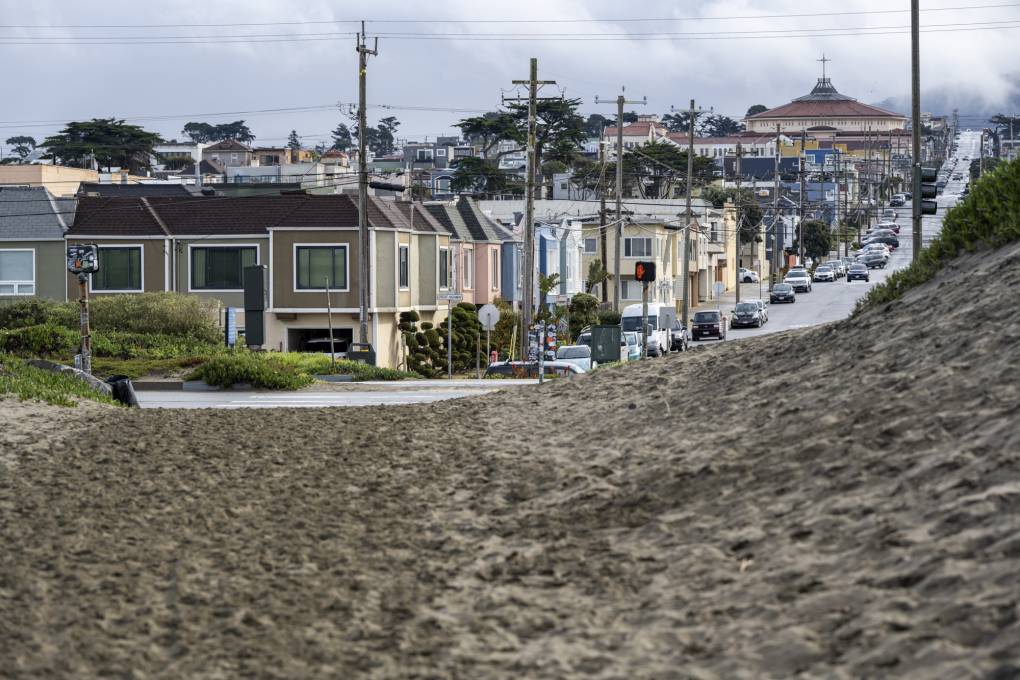
"caption": "A sandy path leads from Ocean Beach to the Great Highway and the Sunset District in San Francisco on Feb. 14, 2024.",
"description": null,
"title": "240214-COASTALCOMMISSION-22-BL-KQED",
"credit": "Beth LaBerge/KQED",
"status": "inherit",
"altTag": "A view of a residential neighborhood with a sandy coastline on the other side of a road.",
"isLoading": false,
"fetchFailed": false
},
"science_1991462": {
"type": "attachments",
"id": "science_1991462",
"meta": {
"index": "attachments_1716263798",
"site": "science",
"id": "1991462",
"found": true
},
"parent": 0,
"imgSizes": {
"twentyfourteen-full-width": {
"file": "https://cdn.kqed.org/wp-content/uploads/sites/35/2024/02/240214-FRACKING-TOWER-GETTY-COTP-KQED-1038x576.jpg",
"width": 1038,
"mimeType": "image/jpeg",
"height": 576
},
"thumbnail": {
"file": "https://cdn.kqed.org/wp-content/uploads/sites/35/2024/02/240214-FRACKING-TOWER-GETTY-COTP-KQED-160x107.jpg",
"width": 160,
"mimeType": "image/jpeg",
"height": 107
},
"post-thumbnail": {
"file": "https://cdn.kqed.org/wp-content/uploads/sites/35/2024/02/240214-FRACKING-TOWER-GETTY-COTP-KQED-672x372.jpg",
"width": 672,
"mimeType": "image/jpeg",
"height": 372
},
"kqedFullSize": {
"file": "https://cdn.kqed.org/wp-content/uploads/sites/35/2024/02/240214-FRACKING-TOWER-GETTY-COTP-KQED.jpg",
"width": 2000,
"height": 1333
},
"large": {
"file": "https://cdn.kqed.org/wp-content/uploads/sites/35/2024/02/240214-FRACKING-TOWER-GETTY-COTP-KQED-1020x680.jpg",
"width": 1020,
"mimeType": "image/jpeg",
"height": 680
},
"1536x1536": {
"file": "https://cdn.kqed.org/wp-content/uploads/sites/35/2024/02/240214-FRACKING-TOWER-GETTY-COTP-KQED-1536x1024.jpg",
"width": 1536,
"mimeType": "image/jpeg",
"height": 1024
},
"full-width": {
"file": "https://cdn.kqed.org/wp-content/uploads/sites/35/2024/02/240214-FRACKING-TOWER-GETTY-COTP-KQED-1920x1280.jpg",
"width": 1920,
"mimeType": "image/jpeg",
"height": 1280
},
"medium": {
"file": "https://cdn.kqed.org/wp-content/uploads/sites/35/2024/02/240214-FRACKING-TOWER-GETTY-COTP-KQED-800x533.jpg",
"width": 800,
"mimeType": "image/jpeg",
"height": 533
},
"medium_large": {
"file": "https://cdn.kqed.org/wp-content/uploads/sites/35/2024/02/240214-FRACKING-TOWER-GETTY-COTP-KQED-768x512.jpg",
"width": 768,
"mimeType": "image/jpeg",
"height": 512
}
},
"publishDate": 1707950693,
"modified": 1707950757,
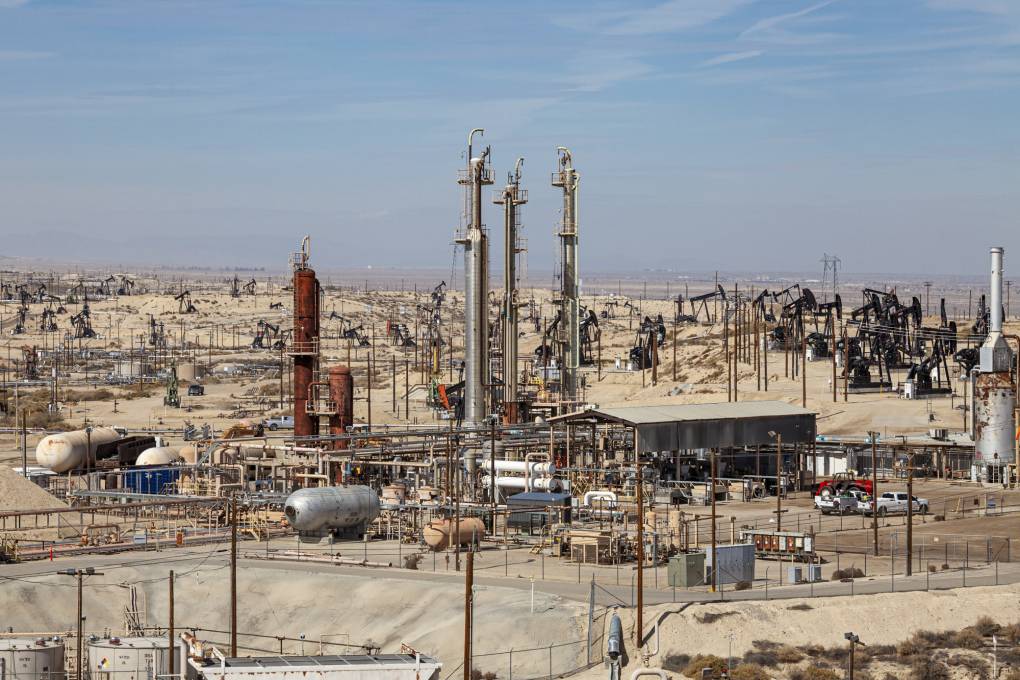
"caption": "Belridge Oil Field in Kern County on Oct. 21, 2021.",
"description": null,
"title": "Belridge Oil Field, Kern County",
"credit": "Citizen of the Planet/UCG/Universal Images Group via Getty Images",
"status": "inherit",
"altTag": null,
"isLoading": false,
"fetchFailed": false
},
"science_1991405": {
"type": "attachments",
"id": "science_1991405",
"meta": {
"index": "attachments_1716263798",
"site": "science",
"id": "1991405",
"found": true
},
"parent": 1991404,
"imgSizes": {
"twentyfourteen-full-width": {
"file": "https://cdn.kqed.org/wp-content/uploads/sites/35/2024/02/GettyImages-1482069963-1038x576.jpg",
"width": 1038,
"mimeType": "image/jpeg",
"height": 576
},
"thumbnail": {
"file": "https://cdn.kqed.org/wp-content/uploads/sites/35/2024/02/GettyImages-1482069963-160x90.jpg",
"width": 160,
"mimeType": "image/jpeg",
"height": 90
},
"post-thumbnail": {
"file": "https://cdn.kqed.org/wp-content/uploads/sites/35/2024/02/GettyImages-1482069963-672x372.jpg",
"width": 672,
"mimeType": "image/jpeg",
"height": 372
},
"kqedFullSize": {
"file": "https://cdn.kqed.org/wp-content/uploads/sites/35/2024/02/GettyImages-1482069963.jpg",
"width": 2310,
"height": 1298
},
"2048x2048": {
"file": "https://cdn.kqed.org/wp-content/uploads/sites/35/2024/02/GettyImages-1482069963-2048x1151.jpg",
"width": 2048,
"mimeType": "image/jpeg",
"height": 1151
},
"large": {
"file": "https://cdn.kqed.org/wp-content/uploads/sites/35/2024/02/GettyImages-1482069963-1020x573.jpg",
"width": 1020,
"mimeType": "image/jpeg",
"height": 573
},
"1536x1536": {
"file": "https://cdn.kqed.org/wp-content/uploads/sites/35/2024/02/GettyImages-1482069963-1536x863.jpg",
"width": 1536,
"mimeType": "image/jpeg",
"height": 863
},
"full-width": {
"file": "https://cdn.kqed.org/wp-content/uploads/sites/35/2024/02/GettyImages-1482069963-1920x1079.jpg",
"width": 1920,
"mimeType": "image/jpeg",
"height": 1079
},
"medium": {
"file": "https://cdn.kqed.org/wp-content/uploads/sites/35/2024/02/GettyImages-1482069963-800x450.jpg",
"width": 800,
"mimeType": "image/jpeg",
"height": 450
},
"medium_large": {
"file": "https://cdn.kqed.org/wp-content/uploads/sites/35/2024/02/GettyImages-1482069963-768x432.jpg",
"width": 768,
"mimeType": "image/jpeg",
"height": 432
}
},
"publishDate": 1707848543,
"modified": 1707933878,
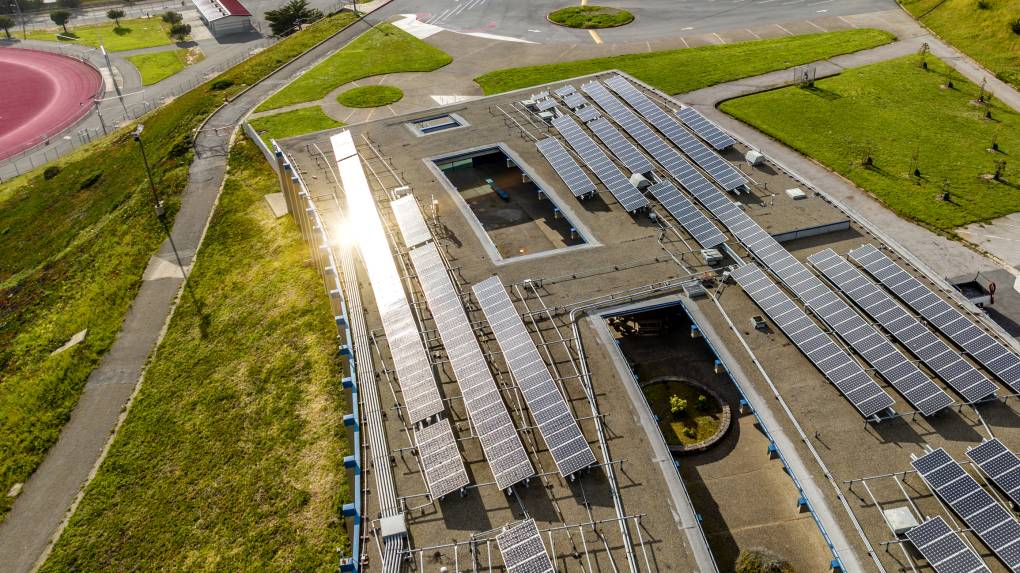
"caption": "A high school with solar panels on the roof. A state decision to reduce rooftop solar incentives could drive up costs and hurt school districts' efforts to increase solar energy use.",
"description": null,
"title": "High School Rooftop Solar",
"credit": "JasonDoiy/iStock/Getty Images Plus",
"status": "inherit",
"altTag": "Solar panels on top of a building seen from the air.",
"isLoading": false,
"fetchFailed": false
},
"science_1991381": {
"type": "attachments",
"id": "science_1991381",
"meta": {
"index": "attachments_1716263798",
"site": "science",
"id": "1991381",
"found": true
},
"parent": 1991379,
"imgSizes": {
"twentyfourteen-full-width": {
"file": "https://cdn.kqed.org/wp-content/uploads/sites/35/2024/02/gettyimages-492854507-b2477877975252afbcfd9cf72f6141bc2adb5ea9-s900-c85-900x576.jpg",
"width": 900,
"mimeType": "image/jpeg",
"height": 576
},
"thumbnail": {
"file": "https://cdn.kqed.org/wp-content/uploads/sites/35/2024/02/gettyimages-492854507-b2477877975252afbcfd9cf72f6141bc2adb5ea9-s900-c85-160x120.jpg",
"width": 160,
"mimeType": "image/jpeg",
"height": 120
},
"post-thumbnail": {
"file": "https://cdn.kqed.org/wp-content/uploads/sites/35/2024/02/gettyimages-492854507-b2477877975252afbcfd9cf72f6141bc2adb5ea9-s900-c85-672x372.jpg",
"width": 672,
"mimeType": "image/jpeg",
"height": 372
},
"kqedFullSize": {
"file": "https://cdn.kqed.org/wp-content/uploads/sites/35/2024/02/gettyimages-492854507-b2477877975252afbcfd9cf72f6141bc2adb5ea9-s900-c85.jpg",
"width": 900,
"height": 674
},
"medium": {
"file": "https://cdn.kqed.org/wp-content/uploads/sites/35/2024/02/gettyimages-492854507-b2477877975252afbcfd9cf72f6141bc2adb5ea9-s900-c85-800x599.jpg",
"width": 800,
"mimeType": "image/jpeg",
"height": 599
},
"medium_large": {
"file": "https://cdn.kqed.org/wp-content/uploads/sites/35/2024/02/gettyimages-492854507-b2477877975252afbcfd9cf72f6141bc2adb5ea9-s900-c85-768x575.jpg",
"width": 768,
"mimeType": "image/jpeg",
"height": 575
}
},
"publishDate": 1707328133,
"modified": 1707328306,
"caption": "Football on the ground, held by player wearing gloves on playfield.",
"description": null,
"title": "American football, close up",
"credit": "Bernhard Lang/Getty Images",
"status": "inherit",
"altTag": null,
"isLoading": false,
"fetchFailed": false
},
"science_1991372": {
"type": "attachments",
"id": "science_1991372",
"meta": {
"index": "attachments_1716263798",
"site": "science",
"id": "1991372",
"found": true
},
"parent": 1991340,
"imgSizes": {
"twentyfourteen-full-width": {
"file": "https://cdn.kqed.org/wp-content/uploads/sites/35/2024/02/231112-APECProtest-57-BL_qut-1038x576.jpg",
"width": 1038,
"mimeType": "image/jpeg",
"height": 576
},
"thumbnail": {
"file": "https://cdn.kqed.org/wp-content/uploads/sites/35/2024/02/231112-APECProtest-57-BL_qut-160x107.jpg",
"width": 160,
"mimeType": "image/jpeg",
"height": 107
},
"post-thumbnail": {
"file": "https://cdn.kqed.org/wp-content/uploads/sites/35/2024/02/231112-APECProtest-57-BL_qut-672x372.jpg",
"width": 672,
"mimeType": "image/jpeg",
"height": 372
},
"kqedFullSize": {
"file": "https://cdn.kqed.org/wp-content/uploads/sites/35/2024/02/231112-APECProtest-57-BL_qut.jpg",
"width": 1920,
"height": 1280
},
"large": {
"file": "https://cdn.kqed.org/wp-content/uploads/sites/35/2024/02/231112-APECProtest-57-BL_qut-1020x680.jpg",
"width": 1020,
"mimeType": "image/jpeg",
"height": 680
},
"1536x1536": {
"file": "https://cdn.kqed.org/wp-content/uploads/sites/35/2024/02/231112-APECProtest-57-BL_qut-1536x1024.jpg",
"width": 1536,
"mimeType": "image/jpeg",
"height": 1024
},
"medium": {
"file": "https://cdn.kqed.org/wp-content/uploads/sites/35/2024/02/231112-APECProtest-57-BL_qut-800x533.jpg",
"width": 800,
"mimeType": "image/jpeg",
"height": 533
},
"medium_large": {
"file": "https://cdn.kqed.org/wp-content/uploads/sites/35/2024/02/231112-APECProtest-57-BL_qut-768x512.jpg",
"width": 768,
"mimeType": "image/jpeg",
"height": 512
}
},
"publishDate": 1707272109,
"modified": 1707337744,
"caption": "Amaani Cassim marches in Downtown San Francisco on Nov. 12, 2023.",
"description": null,
"title": "APEC Protest",
"credit": "Beth LaBerge/KQED",
"status": "inherit",
"altTag": "A woman with a black shirt that says \"Free Palestine\" holds her left hand up in the air in a fist.",
"isLoading": false,
"fetchFailed": false
},
"science_1991291": {
"type": "attachments",
"id": "science_1991291",
"meta": {
"index": "attachments_1716263798",
"site": "science",
"id": "1991291",
"found": true
},
"parent": 1991290,
"imgSizes": {
"twentyfourteen-full-width": {
"file": "https://cdn.kqed.org/wp-content/uploads/sites/35/2024/02/4FF4A342-7C85-4170-8CCF-B7039468A054-1038x576.jpg",
"width": 1038,
"mimeType": "image/jpeg",
"height": 576
},
"thumbnail": {
"file": "https://cdn.kqed.org/wp-content/uploads/sites/35/2024/02/4FF4A342-7C85-4170-8CCF-B7039468A054-160x107.jpg",
"width": 160,
"mimeType": "image/jpeg",
"height": 107
},
"post-thumbnail": {
"file": "https://cdn.kqed.org/wp-content/uploads/sites/35/2024/02/4FF4A342-7C85-4170-8CCF-B7039468A054-672x372.jpg",
"width": 672,
"mimeType": "image/jpeg",
"height": 372
},
"kqedFullSize": {
"file": "https://cdn.kqed.org/wp-content/uploads/sites/35/2024/02/4FF4A342-7C85-4170-8CCF-B7039468A054.jpg",
"width": 1620,
"height": 1080
},
"large": {
"file": "https://cdn.kqed.org/wp-content/uploads/sites/35/2024/02/4FF4A342-7C85-4170-8CCF-B7039468A054-1020x680.jpg",
"width": 1020,
"mimeType": "image/jpeg",
"height": 680
},
"1536x1536": {
"file": "https://cdn.kqed.org/wp-content/uploads/sites/35/2024/02/4FF4A342-7C85-4170-8CCF-B7039468A054-1536x1024.jpg",
"width": 1536,
"mimeType": "image/jpeg",
"height": 1024
},
"medium": {
"file": "https://cdn.kqed.org/wp-content/uploads/sites/35/2024/02/4FF4A342-7C85-4170-8CCF-B7039468A054-800x533.jpg",
"width": 800,
"mimeType": "image/jpeg",
"height": 533
},
"medium_large": {
"file": "https://cdn.kqed.org/wp-content/uploads/sites/35/2024/02/4FF4A342-7C85-4170-8CCF-B7039468A054-768x512.jpg",
"width": 768,
"mimeType": "image/jpeg",
"height": 512
}
},
"publishDate": 1707076613,
"modified": 1707148479,
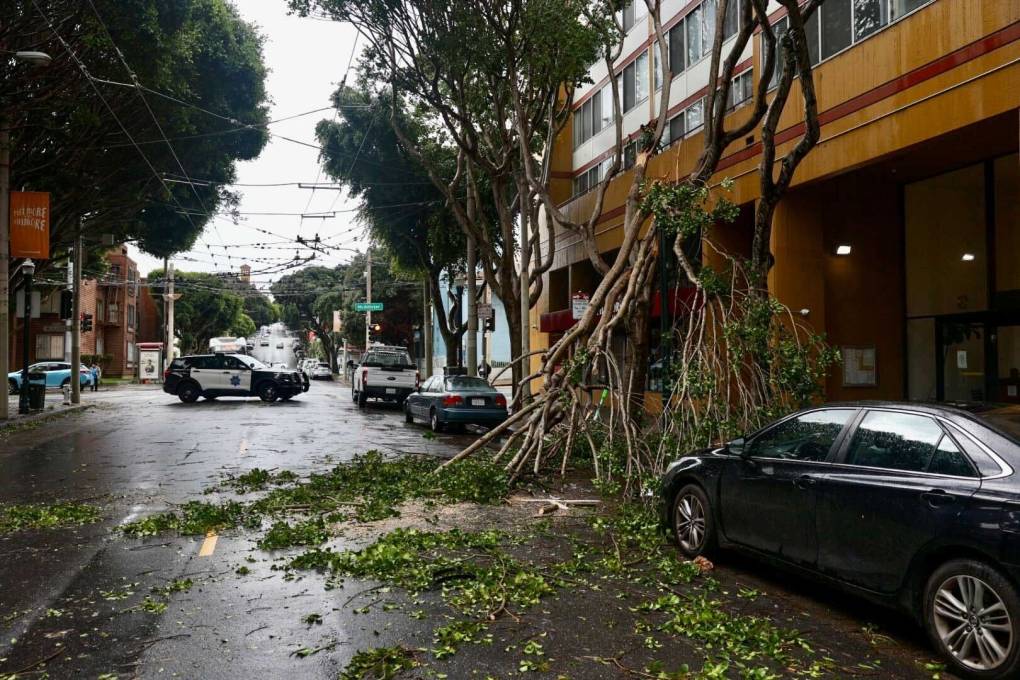
"caption": "A fallen tree closes Fillmore Street between Golden Gate Avenue and McAllister Street during a storm in San Francisco on Feb. 4, 2024.",
"description": null,
"title": "4FF4A342-7C85-4170-8CCF-B7039468A054",
"credit": "Beth LaBerge/KQED",
"status": "inherit",
"altTag": "A fallen tree on a city street.",
"isLoading": false,
"fetchFailed": false
},
"science_1991281": {
"type": "attachments",
"id": "science_1991281",
"meta": {
"index": "attachments_1716263798",
"site": "science",
"id": "1991281",
"found": true
},
"parent": 1991280,
"imgSizes": {
"twentyfourteen-full-width": {
"file": "https://cdn.kqed.org/wp-content/uploads/sites/35/2024/02/03292023_kqed_marchrain-083_qut-1038x576.jpg",
"width": 1038,
"mimeType": "image/jpeg",
"height": 576
},
"thumbnail": {
"file": "https://cdn.kqed.org/wp-content/uploads/sites/35/2024/02/03292023_kqed_marchrain-083_qut-160x106.jpg",
"width": 160,
"mimeType": "image/jpeg",
"height": 106
},
"post-thumbnail": {
"file": "https://cdn.kqed.org/wp-content/uploads/sites/35/2024/02/03292023_kqed_marchrain-083_qut-672x372.jpg",
"width": 672,
"mimeType": "image/jpeg",
"height": 372
},
"kqedFullSize": {
"file": "https://cdn.kqed.org/wp-content/uploads/sites/35/2024/02/03292023_kqed_marchrain-083_qut.jpg",
"width": 1920,
"height": 1277
},
"large": {
"file": "https://cdn.kqed.org/wp-content/uploads/sites/35/2024/02/03292023_kqed_marchrain-083_qut-1020x678.jpg",
"width": 1020,
"mimeType": "image/jpeg",
"height": 678
},
"1536x1536": {
"file": "https://cdn.kqed.org/wp-content/uploads/sites/35/2024/02/03292023_kqed_marchrain-083_qut-1536x1022.jpg",
"width": 1536,
"mimeType": "image/jpeg",
"height": 1022
},
"medium": {
"file": "https://cdn.kqed.org/wp-content/uploads/sites/35/2024/02/03292023_kqed_marchrain-083_qut-800x532.jpg",
"width": 800,
"mimeType": "image/jpeg",
"height": 532
},
"medium_large": {
"file": "https://cdn.kqed.org/wp-content/uploads/sites/35/2024/02/03292023_kqed_marchrain-083_qut-768x511.jpg",
"width": 768,
"mimeType": "image/jpeg",
"height": 511
}
},
"publishDate": 1707000934,
"modified": 1707000961,
"caption": "A pedestrian walks across the street in downtown San Francisco on March 29, 2023. ",
"description": null,
"title": "03292023_kqed_marchrain 083_qut",
"credit": "Kori Suzuki / KQED News",
"status": "inherit",
"altTag": null,
"isLoading": false,
"fetchFailed": false
}
},
"audioPlayerReducer": {
"postId": "stream_live",
"isPaused": true,
"isPlaying": false,
"pfsActive": false,
"pledgeModalIsOpen": true,
"playerDrawerIsOpen": false,
"liveAudioPlayStartedAt": 0,
"liveAudioPlayContext": ""
},
"authorsReducer": {
"byline_science_1991547": {
"type": "authors",
"id": "byline_science_1991547",
"meta": {
"override": true
},
"slug": "byline_science_1991547",
"name": "\u003ca>Lauren Sommer, \u003ca href=\"https://www.npr.org/people/513324587/ryan-kellman\">Ryan Kellman",
"isLoading": false
},
"byline_science_1991404": {
"type": "authors",
"id": "byline_science_1991404",
"meta": {
"override": true
},
"slug": "byline_science_1991404",
"name": "\u003ca href=\"https://twitter.com/kate_selig?lang=en\">Kate Selig\u003c/a>",
"isLoading": false
},
"byline_science_1991379": {
"type": "authors",
"id": "byline_science_1991379",
"meta": {
"override": true
},
"slug": "byline_science_1991379",
"name": "\u003ca href=\"https://www.npr.org/people/1082526815/regina-g-barber\">Regina G. Barber, \u003ca href=\"https://www.npr.org/people/1112796909/rachel-carlson\">Rachel Carlson, \u003ca href=\"https://www.npr.org/people/785481294/rebecca-ramirez\">Rebecca Ramirez",
"isLoading": false
},
"ben-burress": {
"type": "authors",
"id": "6180",
"meta": {
"index": "authors_1716337520",
"id": "6180",
"found": true
},
"name": "Ben Burress",
"firstName": "Ben",
"lastName": "Burress",
"slug": "ben-burress",
"email": "bburress@chabotspace.org",
"display_author_email": false,
"staff_mastheads": [],
"title": null,
"bio": "\u003cstrong>Benjamin Burress\u003c/strong> has been a staff astronomer at Chabot Space & Science Center since July 1999. He graduated from Sonoma State University in 1985 with a bachelor’s degree in physics (and minor in astronomy), after which he signed on for a two-year stint in the Peace Corps, where he taught physics and mathematics in the African nation of Cameroon. From 1989-96 he served on the crew of NASA’s Kuiper Airborne Observatory at Ames Research Center in Mountain View, CA. From 1996-99, he was Head Observer at the Naval Prototype Optical Interferometer program at Lowell Observatory in Flagstaff, AZ.\r\n\r\nRead his \u003ca href=\"http://science.kqed.org/quest/author/ben-burress/\">previous contributions\u003c/a> to \u003ca href=\"http://science.kqed.org/quest/\">QUEST\u003c/a>, a project dedicated to exploring the Science of Sustainability.",
"avatar": "https://secure.gravatar.com/avatar/8263bffa345b7e4923a0b8b9f0f6a161?s=600&d=blank&r=g",
"twitter": null,
"facebook": null,
"instagram": null,
"linkedin": null,
"sites": [
{
"site": "science",
"roles": [
"editor"
]
},
{
"site": "quest",
"roles": [
"subscriber"
]
}
],
"headData": {
"title": "Ben Burress | KQED",
"description": null,
"ogImgSrc": "https://secure.gravatar.com/avatar/8263bffa345b7e4923a0b8b9f0f6a161?s=600&d=blank&r=g",
"twImgSrc": "https://secure.gravatar.com/avatar/8263bffa345b7e4923a0b8b9f0f6a161?s=600&d=blank&r=g"
},
"isLoading": false,
"link": "/author/ben-burress"
},
"lklivans": {
"type": "authors",
"id": "8648",
"meta": {
"index": "authors_1716337520",
"id": "8648",
"found": true
},
"name": "Laura Klivans",
"firstName": "Laura",
"lastName": "Klivans",
"slug": "lklivans",
"email": "lklivans@kqed.org",
"display_author_email": true,
"staff_mastheads": [
"news",
"science"
],
"title": "Reporter",
"bio": "Laura Klivans is an award-winning science reporter for KQED News, where she covers climate change with an eye on both groundbreaking progress and gaps in action. She is the former host of KQED's blockbuster video series about tiny, amazing animals, \u003cem>Deep Look\u003c/em>. Her work reaches national audiences through NPR, \u003cem>Here & Now, \u003c/em>PRI, and other major outlets. \r\n\r\nLaura’s won five Northern California Area Emmy Awards for Deep Look and First Place in the Greater Bay Area Journalism Awards for a podcast exploring how one Oakland neighborhood teamed up to reduce planet-heating pollution.\r\n\r\nBeyond her reporting, she hosts and moderates events. In the past, she taught audio storytelling at the UC Berkeley Graduate School of Journalism, led international education programs, worked with immigrants and refugees along the Thai-Burmese border, taught high schoolers sex ed, and was an actress. \r\n\r\nShe's a former UC Berkeley Human Rights Fellow, USC Center for Health Journalism's California Fellow and Coro Fellow in Public Affairs. Laura has a master’s in journalism from UC Berkeley, a master’s in education from Harvard, and an undergraduate degree from Northwestern University.\r\n\r\nShe loves trying to riddle the meaning out of vanity license plates.",
"avatar": "https://secure.gravatar.com/avatar/2d2ecd1550a494cc10ad4a503406965585902124739e775a9b3817eebf1d88be?s=600&d=blank&r=g",
"twitter": "lauraklivans",
"bluesky": null,
"facebook": null,
"instagram": null,
"linkedin": null,
"sites": [
{
"site": "news",
"roles": [
"editor"
]
},
{
"site": "stateofhealth",
"roles": [
"contributor",
"editor"
]
},
{
"site": "science",
"roles": [
"editor"
]
},
{
"site": "forum",
"roles": [
"editor"
]
}
],
"headData": {
"title": "Laura Klivans | KQED",
"description": "Reporter",
"ogImgSrc": "https://secure.gravatar.com/avatar/2d2ecd1550a494cc10ad4a503406965585902124739e775a9b3817eebf1d88be?s=600&d=blank&r=g",
"twImgSrc": "https://secure.gravatar.com/avatar/2d2ecd1550a494cc10ad4a503406965585902124739e775a9b3817eebf1d88be?s=600&d=blank&r=g"
},
"isLoading": false,
"link": "/author/lklivans"
},
"dventon": {
"type": "authors",
"id": "11088",
"meta": {
"index": "authors_1716337520",
"id": "11088",
"found": true
},
"name": "Danielle Venton",
"firstName": "Danielle",
"lastName": "Venton",
"slug": "dventon",
"email": "dventon@kqed.org",
"display_author_email": true,
"staff_mastheads": [
"science"
],
"title": "Science reporter",
"bio": "Danielle Venton is a reporter for KQED Science. She covers wildfires, space and oceans (though she is prone to sea sickness).\r\n\r\nBefore joining KQED in 2015, Danielle was a staff reporter at KRCB in Sonoma County and a freelancer. She studied science communication at UC Santa Cruz and formerly worked at CERN in Geneva, Switzerland where she wrote about computing. She lives in Sonoma County and enjoys backpacking.",
"avatar": "https://secure.gravatar.com/avatar/37b292b5c40c8d93959c4f48d73b5286f41b7abd8588277e941905a3ed4c801c?s=600&d=blank&r=g",
"twitter": "DanielleVenton",
"bluesky": null,
"facebook": null,
"instagram": null,
"linkedin": null,
"sites": [
{
"site": "arts",
"roles": [
"contributor"
]
},
{
"site": "news",
"roles": [
"editor"
]
},
{
"site": "futureofyou",
"roles": [
"editor"
]
},
{
"site": "science",
"roles": [
"editor"
]
},
{
"site": "liveblog",
"roles": [
"contributor"
]
}
],
"headData": {
"title": "Danielle Venton | KQED",
"description": "Science reporter",
"ogImgSrc": "https://secure.gravatar.com/avatar/37b292b5c40c8d93959c4f48d73b5286f41b7abd8588277e941905a3ed4c801c?s=600&d=blank&r=g",
"twImgSrc": "https://secure.gravatar.com/avatar/37b292b5c40c8d93959c4f48d73b5286f41b7abd8588277e941905a3ed4c801c?s=600&d=blank&r=g"
},
"isLoading": false,
"link": "/author/dventon"
},
"kevinstark": {
"type": "authors",
"id": "11608",
"meta": {
"index": "authors_1716337520",
"id": "11608",
"found": true
},
"name": "Kevin Stark",
"firstName": "Kevin",
"lastName": "Stark",
"slug": "kevinstark",
"email": "kstark@kqed.org",
"display_author_email": true,
"staff_mastheads": [
"science"
],
"title": "Senior Editor",
"bio": "Kevin is a senior editor for KQED Science, managing the station's health and climate desks. His journalism career began in the Pacific Northwest, and he later became a lead reporter for the San Francisco Public Press. His work has appeared in Pacific Standard magazine, the Energy News Network, the Center for Investigative Reporting's Reveal and WBEZ in Chicago. Kevin joined KQED in 2019, and has covered issues related to energy, wildfire, climate change and the environment.",
"avatar": "https://secure.gravatar.com/avatar/365aaa4b597d3a8374f67504ff0facd323d7906e8eb4be0a7efd2427408e802c?s=600&d=blank&r=g",
"twitter": "starkkev",
"bluesky": null,
"facebook": null,
"instagram": null,
"linkedin": null,
"sites": [
{
"site": "",
"roles": [
"editor"
]
},
{
"site": "news",
"roles": [
"editor"
]
},
{
"site": "science",
"roles": [
"administrator"
]
}
],
"headData": {
"title": "Kevin Stark | KQED",
"description": "Senior Editor",
"ogImgSrc": "https://secure.gravatar.com/avatar/365aaa4b597d3a8374f67504ff0facd323d7906e8eb4be0a7efd2427408e802c?s=600&d=blank&r=g",
"twImgSrc": "https://secure.gravatar.com/avatar/365aaa4b597d3a8374f67504ff0facd323d7906e8eb4be0a7efd2427408e802c?s=600&d=blank&r=g"
},
"isLoading": false,
"link": "/author/kevinstark"
},
"smohamad": {
"type": "authors",
"id": "11631",
"meta": {
"index": "authors_1716337520",
"id": "11631",
"found": true
},
"name": "Sarah Mohamad",
"firstName": "Sarah",
"lastName": "Mohamad",
"slug": "smohamad",
"email": "smohamad@KQED.org",
"display_author_email": true,
"staff_mastheads": [],
"title": "Engagement Producer and Reporter, KQED Science",
"bio": "Sarah Mohamad is an audience engagement reporter and producer for KQED Science. She reports on audience-focused science and environment stories and manages the team's social media, newsletter, and engagement efforts. Prior to this role, she played a key role as project manager for NSF's \u003ca href=\"https://www.kqed.org/crackingthecode\">\u003cem>Cracking the Code: Influencing Millennial Science Engagement\u003c/em> \u003c/a>audience research.",
"avatar": "https://secure.gravatar.com/avatar/e6224957cd82d015183756ddde1f928013a563d7ca2e4565f8c4de1ec64886c5?s=600&d=blank&r=g",
"twitter": "sarahkmohamad",
"bluesky": null,
"facebook": null,
"instagram": null,
"linkedin": null,
"sites": [
{
"site": "",
"roles": [
"editor"
]
},
{
"site": "arts",
"roles": [
"editor"
]
},
{
"site": "news",
"roles": [
"editor"
]
},
{
"site": "about",
"roles": [
"editor"
]
},
{
"site": "science",
"roles": [
"editor"
]
}
],
"headData": {
"title": "Sarah Mohamad | KQED",
"description": "Engagement Producer and Reporter, KQED Science",
"ogImgSrc": "https://secure.gravatar.com/avatar/e6224957cd82d015183756ddde1f928013a563d7ca2e4565f8c4de1ec64886c5?s=600&d=blank&r=g",
"twImgSrc": "https://secure.gravatar.com/avatar/e6224957cd82d015183756ddde1f928013a563d7ca2e4565f8c4de1ec64886c5?s=600&d=blank&r=g"
},
"isLoading": false,
"link": "/author/smohamad"
},
"eromero": {
"type": "authors",
"id": "11746",
"meta": {
"index": "authors_1716337520",
"id": "11746",
"found": true
},
"name": "Ezra David Romero",
"firstName": "Ezra David",
"lastName": "Romero",
"slug": "eromero",
"email": "eromero@kqed.org",
"display_author_email": true,
"staff_mastheads": [
"news",
"science"
],
"title": "Climate Reporter",
"bio": "Ezra David Romero is a climate reporter for KQED News. He covers the absence and excess of water in the Bay Area — think sea level rise, flooding and drought. For nearly a decade he’s covered how warming temperatures are altering the lives of Californians. He’s reported on farmers worried their pistachio trees aren’t getting enough sleep, families desperate for water, scientists studying dying giant sequoias, and alongside firefighters containing wildfires. His work has appeared on local stations across California and nationally on public radio shows like Morning Edition, Here and Now, All Things Considered and Science Friday. ",
"avatar": "https://secure.gravatar.com/avatar/c76404d287c10ed40224227551ac36e24352c7306f106632caf6fead76f8801f?s=600&d=blank&r=g",
"twitter": "ezraromero",
"bluesky": null,
"facebook": null,
"instagram": null,
"linkedin": null,
"sites": [
{
"site": "arts",
"roles": [
"editor"
]
},
{
"site": "news",
"roles": [
"editor"
]
},
{
"site": "science",
"roles": [
"editor"
]
},
{
"site": "liveblog",
"roles": [
"author"
]
}
],
"headData": {
"title": "Ezra David Romero | KQED",
"description": "Climate Reporter",
"ogImgSrc": "https://secure.gravatar.com/avatar/c76404d287c10ed40224227551ac36e24352c7306f106632caf6fead76f8801f?s=600&d=blank&r=g",
"twImgSrc": "https://secure.gravatar.com/avatar/c76404d287c10ed40224227551ac36e24352c7306f106632caf6fead76f8801f?s=600&d=blank&r=g"
},
"isLoading": false,
"link": "/author/eromero"
},
"mschiffman": {
"type": "authors",
"id": "11833",
"meta": {
"index": "authors_1716337520",
"id": "11833",
"found": true
},
"name": "Mimi Schiffman",
"firstName": "Mimi",
"lastName": "Schiffman",
"slug": "mschiffman",
"email": "mschiffman@kqed.org",
"display_author_email": false,
"staff_mastheads": [],
"title": "KQED Contributor",
"bio": "Mimi Schiffman is a producer for Deep Look.\r\n\r\nPrior to joining the Deep Look team she made hundreds of stories over more than a decade as a producer, director of photography and/or editor. \r\n\r\nShe's filmed lemurs finger painting (a favorite pastime of the amazing Duke Lemur Center inhabitants), stayed awake for 36 hours while trailing the first person with dwarfism to complete an Ironman (shout out to John Young, aka \"The Hammer\") and got to interview the late, great Anthony Bourdain.\r\n \r\nFun facts: Mimi's first job was weighing foraminifera - single cell organisms - in tiny foil cups, and she once got a river designated as “Wild and scenic.” She’s passionate about animals in general but very specifically her rescue dog, Henry. And her kid, Sierra and husband, Peter.",
"avatar": "https://secure.gravatar.com/avatar/e8b898539bc6a47f47f94992f0f17948?s=600&d=blank&r=g",
"twitter": null,
"facebook": null,
"instagram": null,
"linkedin": null,
"sites": [
{
"site": "science",
"roles": [
"editor"
]
}
],
"headData": {
"title": "Mimi Schiffman | KQED",
"description": "KQED Contributor",
"ogImgSrc": "https://secure.gravatar.com/avatar/e8b898539bc6a47f47f94992f0f17948?s=600&d=blank&r=g",
"twImgSrc": "https://secure.gravatar.com/avatar/e8b898539bc6a47f47f94992f0f17948?s=600&d=blank&r=g"
},
"isLoading": false,
"link": "/author/mschiffman"
}
},
"pagesReducer": {
"science_category_news": {
"type": "terms",
"id": "science_40",
"meta": {
"index": "terms_1716263798",
"site": "science",
"id": "40",
"score": 10.8133335
},
"featImg": null,
"name": "News",
"description": null,
"taxonomy": "category",
"headData": {
"twImgId": null,
"twTitle": null,
"ogTitle": null,
"ogImgId": null,
"twDescription": null,
"description": null,
"title": "News Archives | KQED Science",
"ogDescription": null
},
"ttid": 42,
"slug": "news",
"isLoading": false,
"title": "News",
"pageMeta": {
"site": "science",
"WpPageTemplate": "page-topic-editorial",
"currentPage": 39
},
"blocks": [
{
"blockName": "kqed/post-list",
"attrs": {
"layout": "cardArticle2",
"query": "posts/science?category=news",
"seeMore": false,
"paginated": true,
"page": 39
}
},
{
"blockName": "kqed/ad"
}
]
}
},
"pfsSessionReducer": {},
"postsReducer": {
"stream_live": {
"type": "live",
"id": "stream_live",
"audioUrl": "https://streams.kqed.org/kqedradio",
"title": "Live Stream",
"excerpt": "Live Stream information currently unavailable.",
"link": "/radio",
"featImg": "",
"label": {
"name": "KQED Live",
"link": "/"
}
},
"stream_kqedNewscast": {
"type": "posts",
"id": "stream_kqedNewscast",
"audioUrl": "https://www.kqed.org/.stream/anon/radio/RDnews/newscast.mp3?_=1",
"title": "KQED Newscast",
"featImg": "",
"label": {
"name": "88.5 FM",
"link": "/"
}
},
"science_1991514": {
"type": "posts",
"id": "science_1991514",
"meta": {
"index": "posts_1716263798",
"site": "science",
"id": "1991514",
"score": null,
"sort": [
1709049555000
]
},
"guestAuthors": [],
"slug": "sharpshooter-insects-are-real-wizzes-at-whizzing",
"title": "That's Not Rain, That's Super-powered Pee!",
"publishDate": 1709049555,
"format": "video",
"headTitle": "That’s Not Rain, That’s Super-powered Pee! | KQED",
"labelTerm": {
"term": 1935,
"site": "science"
},
"content": "\u003cp>[dl_subscribe]\u003c/p>\n\u003cp>\u003cem>Sharpshooters survive by guzzling a lot of plant sap. But drinking all of that liquid nutrition presents a problem for these tiny insects: how do you move it all out? They’ve perfected a super-propulsive urination technique using a special catapult in their butt.\u003c/em>\u003c/p>\n\u003ch3>TRANSCRIPT\u003c/h3>\n\u003cp>Not a cloud in the sky. So how is it raining under this grapevine?\u003c/p>\n\u003cp>That’s not rain … that’s pee!\u003c/p>\n\u003cp>It comes from this insect, a sharpshooter.\u003c/p>\n\u003cp>[ad fullwidth]\u003c/p>\n\u003cp>And flinging pee rapid-fire like this is crucial to its survival.\u003c/p>\n\u003cp>The sharpshooter gets all its nutrition from the thin, watery liquid inside a plant, called xylem sap, which it sucks out with this tube-shaped stylet.\u003c/p>\n\u003cp>Both the brilliant blue adults and their translucent nymphs feed on the sap in grapevines and other plants.\u003c/p>\n\u003cp>The sap has so little nutrition that sharpshooters need to guzzle nonstop.\u003c/p>\n\u003cp>They consume more than 300 times their body weight a day.\u003c/p>\n\u003cp>That’d be like you downing over 80 bathtubs of cucumber water.\u003c/p>\n\u003cp>Yummmmmm.\u003c/p>\n\u003cp>The sharpshooter uses massive muscles in its head to suck out the liquid.\u003c/p>\n\u003cp>Taking all that liquid in presents a problem – how to move it out.\u003c/p>\n\u003cp>When you’re this small, gravity won’t just roll this effluent away.\u003c/p>\n\u003cp>Instead, surface tension makes the drops stick to the sharpshooter.\u003c/p>\n\u003cp>Gah!\u003c/p>\n\u003cp>And if it can’t remove those drops, the sharpshooter could get sick … or rot.\u003c/p>\n\u003cp>So, best to send that pee flying away as fast as possible.\u003c/p>\n\u003cp>And the sharpshooter has evolved the perfect tool for the job: an anal stylus – or butt flicker, if you will.\u003c/p>\n\u003cp>As the pee flows out of the sharpshooter, it accumulates. When enough of it collects, kapow! The flicker catapults the drop away with tremendous power.\u003c/p>\n\u003cp>They even do it while doing it.\u003c/p>\n\u003cp>Here’s something incredible: Each drop of pee actually travels faster than the speed at which the butt flicker launched it.\u003c/p>\n\u003cp>It’s called superpropulsion.\u003c/p>\n\u003cp>Scientists at Georgia Tech filmed sharpshooters peeing in slo-mo.\u003c/p>\n\u003cp>The researchers noticed that after the sharpshooter forms a pee droplet, it gets compressed.\u003c/p>\n\u003cp>Like what happens to a water balloon that hits the ground and flattens.\u003c/p>\n\u003cp>A force builds in that compression, which then springs the balloon back into shape and away from the surface.\u003c/p>\n\u003cp>The same goes for the drop of pee!\u003c/p>\n\u003cp>It picks up speed as it returns to its orb shape.\u003c/p>\n\u003cp>So, why would researchers want to study insect urination?\u003c/p>\n\u003cp>Learning how sharpshooters eject liquid could help our own tiny devices do the same and be more reliable. Things like hearing aids or phones.\u003c/p>\n\u003cp>Everyone has something they’re good at, right?\u003c/p>\n\u003cp>\u003c/p>\n\u003cp>The sharpshooter, it’s a whiz at whizzing.\u003c/p>\n\n",
"blocks": [],
"excerpt": "Sharpshooters survive by guzzling a lot of plant sap. But drinking all of that liquid nutrition presents a problem for these tiny insects: How do they move it all out? Easy. They've perfected a super-propulsive urination technique using a special catapult in their butt.",
"status": "publish",
"parent": 0,
"modified": 1738872556,
"stats": {
"hasAudio": false,
"hasVideo": false,
"hasChartOrMap": false,
"iframeSrcs": [],
"hasGoogleForm": false,
"hasGallery": false,
"hasHearkenModule": false,
"hasPolis": false,
"paragraphCount": 36,
"wordCount": 462
},
"headData": {
"title": "That's Not Rain, That's Super-powered Pee! | KQED",
"description": "Sharpshooters survive by guzzling a lot of plant sap. But drinking all of that liquid nutrition presents a problem for these tiny insects: How do they move it all out? Easy. They've perfected a super-propulsive urination technique using a special catapult in their butt.",
"ogTitle": "",
"ogDescription": "",
"ogImgId": "",
"twTitle": "",
"twDescription": "",
"twImgId": "",
"schema": {
"@context": "https://schema.org",
"@type": "Article",
"headline": "That's Not Rain, That's Super-powered Pee!",
"datePublished": "2024-02-27T07:59:15-08:00",
"dateModified": "2025-02-06T12:09:16-08:00",
"image": "https://cdn.kqed.org/wp-content/uploads/2020/02/KQED-OG-Image@1x.png"
}
},
"videoEmbed": "https://youtu.be/AWLIlc-IRK4?si=JTrc9OUP7U2wahBD",
"pbsMediaId": "3088976851",
"sticky": false,
"excludeFromSiteSearch": "Include",
"articleAge": "0",
"path": "/science/1991514/sharpshooter-insects-are-real-wizzes-at-whizzing",
"audioTrackLength": null,
"parsedContent": [
{
"type": "contentString",
"content": "\u003cdiv class=\"post-body\">\u003cp>\u003cp>\u003c/p>\u003c/div>",
"attributes": {
"named": {},
"numeric": []
}
},
{
"type": "component",
"content": "",
"name": "dl_subscribe",
"attributes": {
"named": {
"label": ""
},
"numeric": []
}
},
{
"type": "contentString",
"content": "\u003cdiv class=\"post-body\">\u003cp>\u003c/p>\n\u003cp>\u003cem>Sharpshooters survive by guzzling a lot of plant sap. But drinking all of that liquid nutrition presents a problem for these tiny insects: how do you move it all out? They’ve perfected a super-propulsive urination technique using a special catapult in their butt.\u003c/em>\u003c/p>\n\u003ch3>TRANSCRIPT\u003c/h3>\n\u003cp>Not a cloud in the sky. So how is it raining under this grapevine?\u003c/p>\n\u003cp>That’s not rain … that’s pee!\u003c/p>\n\u003cp>It comes from this insect, a sharpshooter.\u003c/p>\n\u003cp>\u003c/p>\u003c/div>",
"attributes": {
"named": {},
"numeric": []
}
},
{
"type": "component",
"content": "",
"name": "ad",
"attributes": {
"named": {
"label": "fullwidth"
},
"numeric": [
"fullwidth"
]
}
},
{
"type": "contentString",
"content": "\u003cdiv class=\"post-body\">\u003cp>\u003c/p>\n\u003cp>And flinging pee rapid-fire like this is crucial to its survival.\u003c/p>\n\u003cp>The sharpshooter gets all its nutrition from the thin, watery liquid inside a plant, called xylem sap, which it sucks out with this tube-shaped stylet.\u003c/p>\n\u003cp>Both the brilliant blue adults and their translucent nymphs feed on the sap in grapevines and other plants.\u003c/p>\n\u003cp>The sap has so little nutrition that sharpshooters need to guzzle nonstop.\u003c/p>\n\u003cp>They consume more than 300 times their body weight a day.\u003c/p>\n\u003cp>That’d be like you downing over 80 bathtubs of cucumber water.\u003c/p>\n\u003cp>Yummmmmm.\u003c/p>\n\u003cp>The sharpshooter uses massive muscles in its head to suck out the liquid.\u003c/p>\n\u003cp>Taking all that liquid in presents a problem – how to move it out.\u003c/p>\n\u003cp>When you’re this small, gravity won’t just roll this effluent away.\u003c/p>\n\u003cp>Instead, surface tension makes the drops stick to the sharpshooter.\u003c/p>\n\u003cp>Gah!\u003c/p>\n\u003cp>And if it can’t remove those drops, the sharpshooter could get sick … or rot.\u003c/p>\n\u003cp>So, best to send that pee flying away as fast as possible.\u003c/p>\n\u003cp>And the sharpshooter has evolved the perfect tool for the job: an anal stylus – or butt flicker, if you will.\u003c/p>\n\u003cp>As the pee flows out of the sharpshooter, it accumulates. When enough of it collects, kapow! The flicker catapults the drop away with tremendous power.\u003c/p>\n\u003cp>They even do it while doing it.\u003c/p>\n\u003cp>Here’s something incredible: Each drop of pee actually travels faster than the speed at which the butt flicker launched it.\u003c/p>\n\u003cp>It’s called superpropulsion.\u003c/p>\n\u003cp>Scientists at Georgia Tech filmed sharpshooters peeing in slo-mo.\u003c/p>\n\u003cp>The researchers noticed that after the sharpshooter forms a pee droplet, it gets compressed.\u003c/p>\n\u003cp>Like what happens to a water balloon that hits the ground and flattens.\u003c/p>\n\u003cp>A force builds in that compression, which then springs the balloon back into shape and away from the surface.\u003c/p>\n\u003cp>The same goes for the drop of pee!\u003c/p>\n\u003cp>It picks up speed as it returns to its orb shape.\u003c/p>\n\u003cp>So, why would researchers want to study insect urination?\u003c/p>\n\u003cp>Learning how sharpshooters eject liquid could help our own tiny devices do the same and be more reliable. Things like hearing aids or phones.\u003c/p>\n\u003cp>Everyone has something they’re good at, right?\u003c/p>\n\u003cp>\u003c/p>\n\u003cp>The sharpshooter, it’s a whiz at whizzing.\u003c/p>\n\n\u003c/div>\u003c/p>",
"attributes": {
"named": {},
"numeric": []
}
}
],
"link": "/science/1991514/sharpshooter-insects-are-real-wizzes-at-whizzing",
"authors": [
"11833"
],
"series": [
"science_1935"
],
"categories": [
"science_2874",
"science_30",
"science_40",
"science_4450",
"science_86"
],
"tags": [
"science_1970"
],
"featImg": "science_1994138",
"label": "science_1935"
},
"science_1991580": {
"type": "posts",
"id": "science_1991580",
"meta": {
"index": "posts_1716263798",
"site": "science",
"id": "1991580",
"score": null,
"sort": [
1709047812000
]
},
"parent": 0,
"labelTerm": {
"site": "science"
},
"blocks": [],
"publishDate": 1709047812,
"format": "standard",
"title": "California Legislators Introduce Bills to Enhance Wildfire Safety Measures",
"headTitle": "California Legislators Introduce Bills to Enhance Wildfire Safety Measures | KQED",
"content": "\u003cp>California has enjoyed a few relatively quiet wildfire seasons, but lawmakers are still focused on lowering the state’s risk and have introduced a number of fire-focused bills in the last few weeks. Here’s a roundup of some of the bills working their way through Sacramento.\u003c/p>\n\u003cp>Legislation recently introduced by state Sen. Bill Dodd (D-Napa) aims to push utilities like Pacific Gas and Electric Co. toward the fastest and most cost-effective improvements when upgrading power lines and other equipment for wildfire safety. It’s an effort to save money for ratepayers who have to cover the costs of infrastructure improvements.\u003c/p>\n\u003cp>[pullquote size=\"medium\" align=\"right\" citation=\"State Sen. Bill Dodd\"]‘In other words, utilities need to get the biggest bang for the buck when they do projects. That way, we protect our communities from wildfires sooner and avoid unwarranted rate increases as we’re forced to absorb the cost of these improvements.’[/pullquote]Utilities, such as PG&E, at the urging of the state, have taken steps to increase undergrounding — the practice of burying power lines to prevent them from touching off megafires — but the costs of doing so have resulted in large increases in electrical bills.\u003c/p>\n\u003cp>“As utilities make upgrades to their systems to keep us safe from wildfire, we must ensure they identify projects that have the biggest impact and can be completed in the shortest amount of time for the least amount of money,” Dodd said in a press release.\u003c/p>\n\u003cp>“In other words, utilities need to get the biggest bang for the buck when they do projects. That way, we protect our communities from wildfires sooner and avoid unwarranted rate increases as we’re forced to absorb the cost of these improvements.”\u003c/p>\n\u003cp>[ad fullwidth]\u003c/p>\n\u003cp>Recently, the California Public Utilities Commission \u003ca href=\"https://www.cpuc.ca.gov/news-and-updates/all-news/cpuc-prioritizes-safety-reliability-and-affordability-in-pge-rate-case-2023\">approved a rate increase\u003c/a>, allowing PG&E to clear a revenue of $13.5 billion in 2023. This increase of $1.3 billion was to help the utility pay for burying 1,230 miles of power lines over three years. (PG&E said the plan is also funding investments in other wildfire mitigation work and the growth of clean energy.) It costs about $3 million to bury one mile of overhead lines. In response, the average PG&E customer’s bill has gone up by \u003ca href=\"https://www.pgecurrents.com/articles/3903-energy-bill-s-ahead-lower-energy-costs\">$34.50 per month\u003c/a>.\u003c/p>\n\u003cp>[aside postID=\"science_1971666,news_11970558,science_1985398\" label=\"Related Stories\"]But PG&E wants to bury more than 10,000 miles over the next decade, which could send electricity rates even higher.\u003c/p>\n\u003cp>Dodd’s bill, \u003ca href=\"https://legiscan.com/CA/text/SB1003/id/291251\">SB 1003\u003c/a>, would require utilities to consider the benefits and tradeoffs of other options, such as, such as insulating wires. Adding insulation to wires is far less expensive, around $800,000 per mile, can happen far more quickly, and, in some circumstances, can be as safe.\u003c/p>\n\u003cp>“Undergrounding lines in high-risk areas is important and needs to continue in a targeted manner, but we also need to advance faster, cheaper methods to maximize safety today,” Dodd said. “It’s all about maximizing benefit while minimizing ratepayer costs.”\u003c/p>\n\u003cp>Reached for comment, Mike Toney, executive director of the Utility Reform Network, a consumer advocacy organization, said the bill was “right on target in terms of telling the utilities and telling the Public Utilities Commission that we need to find the least cost solutions when it comes to wildfire safety and that insulating overhead power lines is so much cheaper and so much faster, and just as safe as burying them underground.”\u003c/p>\n\u003cp>PG&E said in a statement to KQED that it is reviewing the legislation and has not taken a position on it at this time. \u003c/p>\n\u003ch2>Other proposed wildfire bills focus on safety planning, roadside clearing and smoke impacts\u003c/h2>\n\u003cp>Dodd has also introduced \u003ca href=\"https://legiscan.com/CA/text/SB1014/id/2915484\">SB 1014\u003c/a>, the California Wildfire Mitigation Strategic Planning Act. Its goal is to encourage coordination across state and federal agencies and investor-owned utilities — all of whom are spending a lot of money on wildfire mitigation. Currently, there is no framework in place to encourage comprehensive planning between, for example, a community fire safety project, PG&E and CalFire.\u003c/p>\n\u003cp>“Preventing catastrophic wildfire requires strong coordination between all of our investments,” Michael Wara said in a statement. Wara directs the Climate and Energy Policy Program at Stanford University. He consulted on the proposed legislation. “Building on current efforts, this bill would create a planning structure to maximize the effectiveness of California’s work to reduce the impacts of wildfire. As California spends more to prevent catastrophic wildfire, we should also make sure that these investments go as far as possible in keeping residents safe. This bill creates a planning structure that does just that and ensures that all our efforts are well coordinated.”\u003c/p>\n\u003cp>\u003ca href=\"https://www.pacificbio.org/publications/wildfire_studies/Roads_And_Wildfires_2007.pdf\">Humans start most wildfires, and most human-started wildfires happen near a road, from things like equipment striking a spark or a cigarette butt being tossed out a window\u003c/a>. The third piece of wildfire-related legislation introduced by Dodd is designed to ease the red tape of getting approval to clear combustible brush and trees along roads.\u003c/p>\n\u003cp>\u003ca href=\"https://legiscan.com/CA/text/SB1159/id/2929089\">SB 1159\u003c/a> would ask the state’s Natural Resources Agency to consider exempting roadside clearing projects meant to reduce wildfire risk from environmental review. The aim is to speed up the work, improve evacuation routes and reduce the financial burden of environmental review on small local agencies and communities.\u003c/p>\n\u003cp>Sen. Marie Alvarado-Gil, D-Jackson, has also introduced a bill designed to help the state understand the health impacts of wildfire smoke. \u003ca href=\"https://legiscan.com/CA/text/SB945/2023\">SB 945\u003c/a> would allow state agencies to keep tabs on smoke exposure and its impact on Californian’s health.\u003c/p>\n\u003cp>“Ensuring the well-being of our communities means understanding the true impact of wildfire smoke. Our bill aims to unveil the impacts on our population, emphasizing the urgent need to address forest health for a resilient and healthier California,” Alvarado-Gil said in a press release.\u003c/p>\n\u003cp>\u003c/p>\n\u003cp>\u003ca href=\"https://www.kqed.org/science/1971666/california-wildfires-killed-106-people-two-years-ago-researchers-say-the-smoke-killed-3652\">Researchers estimate\u003c/a> that intense smoke kills more people than flames during catastrophic wildfires. During the 2018 season, California wildfires officially killed 106 people. UC Irvine scientists estimated that, when the harms from air pollution were folded in, thousands of additional people — 3,652 — died as a result of the fires.\u003c/p>\n\n",
"stats": {
"hasVideo": false,
"hasChartOrMap": false,
"hasAudio": false,
"hasPolis": false,
"wordCount": 1067,
"hasGoogleForm": false,
"hasGallery": false,
"hasHearkenModule": false,
"iframeSrcs": [],
"paragraphCount": 20
},
"modified": 1709079973,
"excerpt": "While California has enjoyed a few relatively quiet wildfire seasons, lawmakers are still focused on lowering the state’s risk and have introduced a number of fire-focused bills recently.",
"headData": {
"twImgId": "",
"twTitle": "",
"ogTitle": "",
"ogImgId": "",
"twDescription": "",
"description": "While California has enjoyed a few relatively quiet wildfire seasons, lawmakers are still focused on lowering the state’s risk and have introduced a number of fire-focused bills recently.",
"title": "California Legislators Introduce Bills to Enhance Wildfire Safety Measures | KQED",
"ogDescription": "",
"schema": {
"@context": "https://schema.org",
"@type": "Article",
"headline": "California Legislators Introduce Bills to Enhance Wildfire Safety Measures",
"datePublished": "2024-02-27T07:30:12-08:00",
"dateModified": "2024-02-27T16:26:13-08:00",
"image": "https://cdn.kqed.org/wp-content/uploads/2020/02/KQED-OG-Image@1x.png"
}
},
"guestAuthors": [],
"slug": "california-legislators-introduce-bills-to-enhance-wildfire-safety-measures",
"status": "publish",
"excludeFromSiteSearch": "Include",
"sticky": false,
"articleAge": "0",
"path": "/science/1991580/california-legislators-introduce-bills-to-enhance-wildfire-safety-measures",
"audioTrackLength": null,
"parsedContent": [
{
"type": "contentString",
"content": "\u003cdiv class=\"post-body\">\u003cp>\u003cp>California has enjoyed a few relatively quiet wildfire seasons, but lawmakers are still focused on lowering the state’s risk and have introduced a number of fire-focused bills in the last few weeks. Here’s a roundup of some of the bills working their way through Sacramento.\u003c/p>\n\u003cp>Legislation recently introduced by state Sen. Bill Dodd (D-Napa) aims to push utilities like Pacific Gas and Electric Co. toward the fastest and most cost-effective improvements when upgrading power lines and other equipment for wildfire safety. It’s an effort to save money for ratepayers who have to cover the costs of infrastructure improvements.\u003c/p>\n\u003cp>\u003c/p>\u003c/div>",
"attributes": {
"named": {},
"numeric": []
}
},
{
"type": "component",
"content": "‘In other words, utilities need to get the biggest bang for the buck when they do projects. That way, we protect our communities from wildfires sooner and avoid unwarranted rate increases as we’re forced to absorb the cost of these improvements.’",
"name": "pullquote",
"attributes": {
"named": {
"size": "medium",
"align": "right",
"citation": "State Sen. Bill Dodd",
"label": ""
},
"numeric": []
}
},
{
"type": "contentString",
"content": "\u003cdiv class=\"post-body\">\u003cp>Utilities, such as PG&E, at the urging of the state, have taken steps to increase undergrounding — the practice of burying power lines to prevent them from touching off megafires — but the costs of doing so have resulted in large increases in electrical bills.\u003c/p>\n\u003cp>“As utilities make upgrades to their systems to keep us safe from wildfire, we must ensure they identify projects that have the biggest impact and can be completed in the shortest amount of time for the least amount of money,” Dodd said in a press release.\u003c/p>\n\u003cp>“In other words, utilities need to get the biggest bang for the buck when they do projects. That way, we protect our communities from wildfires sooner and avoid unwarranted rate increases as we’re forced to absorb the cost of these improvements.”\u003c/p>\n\u003cp>\u003c/p>\u003c/div>",
"attributes": {
"named": {},
"numeric": []
}
},
{
"type": "component",
"content": "",
"name": "ad",
"attributes": {
"named": {
"label": "fullwidth"
},
"numeric": [
"fullwidth"
]
}
},
{
"type": "contentString",
"content": "\u003cdiv class=\"post-body\">\u003cp>\u003c/p>\n\u003cp>Recently, the California Public Utilities Commission \u003ca href=\"https://www.cpuc.ca.gov/news-and-updates/all-news/cpuc-prioritizes-safety-reliability-and-affordability-in-pge-rate-case-2023\">approved a rate increase\u003c/a>, allowing PG&E to clear a revenue of $13.5 billion in 2023. This increase of $1.3 billion was to help the utility pay for burying 1,230 miles of power lines over three years. (PG&E said the plan is also funding investments in other wildfire mitigation work and the growth of clean energy.) It costs about $3 million to bury one mile of overhead lines. In response, the average PG&E customer’s bill has gone up by \u003ca href=\"https://www.pgecurrents.com/articles/3903-energy-bill-s-ahead-lower-energy-costs\">$34.50 per month\u003c/a>.\u003c/p>\n\u003cp>\u003c/p>\u003c/div>",
"attributes": {
"named": {},
"numeric": []
}
},
{
"type": "component",
"content": "",
"name": "aside",
"attributes": {
"named": {
"postid": "science_1971666,news_11970558,science_1985398",
"label": "Related Stories "
},
"numeric": []
}
},
{
"type": "contentString",
"content": "\u003cdiv class=\"post-body\">\u003cp>But PG&E wants to bury more than 10,000 miles over the next decade, which could send electricity rates even higher.\u003c/p>\n\u003cp>Dodd’s bill, \u003ca href=\"https://legiscan.com/CA/text/SB1003/id/291251\">SB 1003\u003c/a>, would require utilities to consider the benefits and tradeoffs of other options, such as, such as insulating wires. Adding insulation to wires is far less expensive, around $800,000 per mile, can happen far more quickly, and, in some circumstances, can be as safe.\u003c/p>\n\u003cp>“Undergrounding lines in high-risk areas is important and needs to continue in a targeted manner, but we also need to advance faster, cheaper methods to maximize safety today,” Dodd said. “It’s all about maximizing benefit while minimizing ratepayer costs.”\u003c/p>\n\u003cp>Reached for comment, Mike Toney, executive director of the Utility Reform Network, a consumer advocacy organization, said the bill was “right on target in terms of telling the utilities and telling the Public Utilities Commission that we need to find the least cost solutions when it comes to wildfire safety and that insulating overhead power lines is so much cheaper and so much faster, and just as safe as burying them underground.”\u003c/p>\n\u003cp>PG&E said in a statement to KQED that it is reviewing the legislation and has not taken a position on it at this time. \u003c/p>\n\u003ch2>Other proposed wildfire bills focus on safety planning, roadside clearing and smoke impacts\u003c/h2>\n\u003cp>Dodd has also introduced \u003ca href=\"https://legiscan.com/CA/text/SB1014/id/2915484\">SB 1014\u003c/a>, the California Wildfire Mitigation Strategic Planning Act. Its goal is to encourage coordination across state and federal agencies and investor-owned utilities — all of whom are spending a lot of money on wildfire mitigation. Currently, there is no framework in place to encourage comprehensive planning between, for example, a community fire safety project, PG&E and CalFire.\u003c/p>\n\u003cp>“Preventing catastrophic wildfire requires strong coordination between all of our investments,” Michael Wara said in a statement. Wara directs the Climate and Energy Policy Program at Stanford University. He consulted on the proposed legislation. “Building on current efforts, this bill would create a planning structure to maximize the effectiveness of California’s work to reduce the impacts of wildfire. As California spends more to prevent catastrophic wildfire, we should also make sure that these investments go as far as possible in keeping residents safe. This bill creates a planning structure that does just that and ensures that all our efforts are well coordinated.”\u003c/p>\n\u003cp>\u003ca href=\"https://www.pacificbio.org/publications/wildfire_studies/Roads_And_Wildfires_2007.pdf\">Humans start most wildfires, and most human-started wildfires happen near a road, from things like equipment striking a spark or a cigarette butt being tossed out a window\u003c/a>. The third piece of wildfire-related legislation introduced by Dodd is designed to ease the red tape of getting approval to clear combustible brush and trees along roads.\u003c/p>\n\u003cp>\u003ca href=\"https://legiscan.com/CA/text/SB1159/id/2929089\">SB 1159\u003c/a> would ask the state’s Natural Resources Agency to consider exempting roadside clearing projects meant to reduce wildfire risk from environmental review. The aim is to speed up the work, improve evacuation routes and reduce the financial burden of environmental review on small local agencies and communities.\u003c/p>\n\u003cp>Sen. Marie Alvarado-Gil, D-Jackson, has also introduced a bill designed to help the state understand the health impacts of wildfire smoke. \u003ca href=\"https://legiscan.com/CA/text/SB945/2023\">SB 945\u003c/a> would allow state agencies to keep tabs on smoke exposure and its impact on Californian’s health.\u003c/p>\n\u003cp>“Ensuring the well-being of our communities means understanding the true impact of wildfire smoke. Our bill aims to unveil the impacts on our population, emphasizing the urgent need to address forest health for a resilient and healthier California,” Alvarado-Gil said in a press release.\u003c/p>\n\u003cp>\u003c/p>\n\u003cp>\u003ca href=\"https://www.kqed.org/science/1971666/california-wildfires-killed-106-people-two-years-ago-researchers-say-the-smoke-killed-3652\">Researchers estimate\u003c/a> that intense smoke kills more people than flames during catastrophic wildfires. During the 2018 season, California wildfires officially killed 106 people. UC Irvine scientists estimated that, when the harms from air pollution were folded in, thousands of additional people — 3,652 — died as a result of the fires.\u003c/p>\n\n\u003c/div>\u003c/p>",
"attributes": {
"named": {},
"numeric": []
}
}
],
"link": "/science/1991580/california-legislators-introduce-bills-to-enhance-wildfire-safety-measures",
"authors": [
"11088"
],
"categories": [
"science_40",
"science_4450"
],
"tags": [
"science_4417",
"science_4414",
"science_5249",
"science_113",
"science_1498",
"science_3693"
],
"featImg": "science_1991592",
"label": "science"
},
"science_1991547": {
"type": "posts",
"id": "science_1991547",
"meta": {
"index": "posts_1716263798",
"site": "science",
"id": "1991547",
"score": null,
"sort": [
1709035213000
]
},
"guestAuthors": [],
"slug": "wildfires-are-killing-californias-ancient-giants-can-seedlings-save-the-species",
"title": "Wildfires Are Killing California's Ancient Giants. Can Seedlings Save the Species?",
"publishDate": 1709035213,
"format": "standard",
"headTitle": "Wildfires Are Killing California’s Ancient Giants. Can Seedlings Save the Species? | KQED",
"labelTerm": {},
"content": "\u003cp>On a late autumn day, a team of forestry workers spreads out among the burned trunks of giant sequoia trees. The 1,000-year-old trees in the grove are dead but still standing, killed in an extreme wildfire that raced through Sequoia and Kings Canyon National Parks.\u003c/p>\n\u003cp>In the shadow of one of the trees, the crew gets to work, pulling tiny, 4-inch seedlings out of bags clipped to their belts and tucking them into the dirt.\u003c/p>\n\u003cp>“Wish it some luck, and that’s it,” says Micah Craig of the Eastern Sierra Conservation Corps, standing back to look at the young sequoia. He then grabs another seedling, part of a historic planting effort that the National Park Service hopes will be enough to preserve one of the world’s most iconic species.\u003c/p>\n\u003cfigure id=\"attachment_1991564\" class=\"wp-caption alignnone\" style=\"max-width: 1300px\">\u003cimg loading=\"lazy\" decoding=\"async\" class=\"wp-image-1991564 size-full\" src=\"https://cdn.kqed.org/wp-content/uploads/sites/35/2024/02/0b6a9999_custom-97507e99af8b762a4029b26d5427f402a20fca1d-s1300-c85.jpg\" alt=\"\" width=\"1300\" height=\"865\" srcset=\"https://cdn.kqed.org/wp-content/uploads/sites/35/2024/02/0b6a9999_custom-97507e99af8b762a4029b26d5427f402a20fca1d-s1300-c85.jpg 1300w, https://cdn.kqed.org/wp-content/uploads/sites/35/2024/02/0b6a9999_custom-97507e99af8b762a4029b26d5427f402a20fca1d-s1300-c85-800x532.jpg 800w, https://cdn.kqed.org/wp-content/uploads/sites/35/2024/02/0b6a9999_custom-97507e99af8b762a4029b26d5427f402a20fca1d-s1300-c85-1020x679.jpg 1020w, https://cdn.kqed.org/wp-content/uploads/sites/35/2024/02/0b6a9999_custom-97507e99af8b762a4029b26d5427f402a20fca1d-s1300-c85-160x106.jpg 160w, https://cdn.kqed.org/wp-content/uploads/sites/35/2024/02/0b6a9999_custom-97507e99af8b762a4029b26d5427f402a20fca1d-s1300-c85-768x511.jpg 768w\" sizes=\"(max-width: 1300px) 100vw, 1300px\">\u003cfigcaption class=\"wp-caption-text\">Ecologists estimate that up to 14,000 sequoias have been killed in recent wildfires, a shocking number for a species that was thought to survive most fires. \u003ccite>(Ryan Kellman/NPR)\u003c/cite>\u003c/figcaption>\u003c/figure>\n\u003cp>Over only two years, about one-fifth of all giant sequoias have been killed in extreme wildfires in California. The numbers shocked ecologists since the enormous trees can live more than 2,000 years and have evolved to live with frequent, low-intensity fires in the Sierra Nevada.\u003c/p>\n\u003cp>Recent fires have burned bigger and more intensely than sequoias are accustomed to, a result of the way humans have changed the forest. After the 2020 and 2021 fires, scientists watched the sequoia groves to see if the next generation of trees is emerging to replace their lost parents. In some places, seedlings are filling the forest floor. In others, fewer are emerging from the burned soil.\u003c/p>\n\u003cp>[ad fullwidth]\u003c/p>\n\u003cp>The smaller numbers of seedlings concerned scientists and the National Park Service. So, in a historic step, the agency, for the first time, has begun replanting some severely burned areas. With a life span of thousands of years, the new seedlings will grow up in a climate that’s rapidly changing. So, park officials are bringing in seedlings from other sequoia groves, ones that may have the genetic tools to handle a more hostile future.\u003c/p>\n\u003cfigure id=\"attachment_1991565\" class=\"wp-caption alignnone\" style=\"max-width: 1300px\">\u003cimg loading=\"lazy\" decoding=\"async\" class=\"size-full wp-image-1991565\" src=\"https://cdn.kqed.org/wp-content/uploads/sites/35/2024/02/triptych-copy_custom-aba63a380fe8b5154c5bbefa59a5d34391c14706-s1300-c85.jpg\" alt=\"\" width=\"1300\" height=\"1305\" srcset=\"https://cdn.kqed.org/wp-content/uploads/sites/35/2024/02/triptych-copy_custom-aba63a380fe8b5154c5bbefa59a5d34391c14706-s1300-c85.jpg 1300w, https://cdn.kqed.org/wp-content/uploads/sites/35/2024/02/triptych-copy_custom-aba63a380fe8b5154c5bbefa59a5d34391c14706-s1300-c85-800x803.jpg 800w, https://cdn.kqed.org/wp-content/uploads/sites/35/2024/02/triptych-copy_custom-aba63a380fe8b5154c5bbefa59a5d34391c14706-s1300-c85-1020x1024.jpg 1020w, https://cdn.kqed.org/wp-content/uploads/sites/35/2024/02/triptych-copy_custom-aba63a380fe8b5154c5bbefa59a5d34391c14706-s1300-c85-160x161.jpg 160w, https://cdn.kqed.org/wp-content/uploads/sites/35/2024/02/triptych-copy_custom-aba63a380fe8b5154c5bbefa59a5d34391c14706-s1300-c85-768x771.jpg 768w\" sizes=\"(max-width: 1300px) 100vw, 1300px\">\u003cfigcaption class=\"wp-caption-text\">With so many ancient trees killed, the National Park Service has sprouted hundreds of sequoia seedlings to replant the severely burned areas, along with other species normally found there like white fir and sugar pines. \u003ccite>(Ryan Kellman/NPR)\u003c/cite>\u003c/figcaption>\u003c/figure>\n\u003cp>The project has run into opposition. A handful of conservation groups are suing to halt the effort, arguing that such intervention shouldn’t occur in an area designated as federal wilderness and that the sequoia trees could possibly regenerate adequately on their own.\u003c/p>\n\u003cp>The debate is one occurring on public lands across the country as the impacts of climate change get worse. Land managers face a key question: As humans take an increasing toll on natural landscapes, how far should we go to fix it?\u003c/p>\n\u003cfigure id=\"attachment_1991551\" class=\"wp-caption alignnone\" style=\"max-width: 2560px\">\u003cimg loading=\"lazy\" decoding=\"async\" class=\"size-full wp-image-1991551\" src=\"https://cdn.kqed.org/wp-content/uploads/sites/35/2024/02/d9a0143-4701444110d81d883803d7f55e030103ea55df99-scaled.jpg\" alt=\"\" width=\"2560\" height=\"1920\" srcset=\"https://cdn.kqed.org/wp-content/uploads/sites/35/2024/02/d9a0143-4701444110d81d883803d7f55e030103ea55df99-scaled.jpg 2560w, https://cdn.kqed.org/wp-content/uploads/sites/35/2024/02/d9a0143-4701444110d81d883803d7f55e030103ea55df99-800x600.jpg 800w, https://cdn.kqed.org/wp-content/uploads/sites/35/2024/02/d9a0143-4701444110d81d883803d7f55e030103ea55df99-1020x765.jpg 1020w, https://cdn.kqed.org/wp-content/uploads/sites/35/2024/02/d9a0143-4701444110d81d883803d7f55e030103ea55df99-160x120.jpg 160w, https://cdn.kqed.org/wp-content/uploads/sites/35/2024/02/d9a0143-4701444110d81d883803d7f55e030103ea55df99-768x576.jpg 768w, https://cdn.kqed.org/wp-content/uploads/sites/35/2024/02/d9a0143-4701444110d81d883803d7f55e030103ea55df99-1536x1152.jpg 1536w, https://cdn.kqed.org/wp-content/uploads/sites/35/2024/02/d9a0143-4701444110d81d883803d7f55e030103ea55df99-2048x1536.jpg 2048w, https://cdn.kqed.org/wp-content/uploads/sites/35/2024/02/d9a0143-4701444110d81d883803d7f55e030103ea55df99-1920x1440.jpg 1920w\" sizes=\"(max-width: 2560px) 100vw, 2560px\">\u003cfigcaption class=\"wp-caption-text\">Sequoia National Park was created in 1890 to protect the mammoth trees for the public. Along with Kings Canyon National Park, the two parks are home to about 40% of all sequoias. \u003ccite>(Ryan Kellman/NPR)\u003c/cite>\u003c/figcaption>\u003c/figure>\n\u003ch2>A carpet of green\u003c/h2>\n\u003cp>Hopeful signs have emerged in the wake of the KNP Complex Fire, which tore through Sequoia National Park in 2021. The forest floor is still scorched black, but in some areas, thousands of lime-green sequoia seedlings have sprung up a few inches high.\u003c/p>\n\u003cp>“It’s awesome,” says Christy Brigham, chief of resources management and science at Sequoia and Kings Canyon National Parks. “This is what has happened for millennia.”\u003c/p>\n\u003cp>The lifecycle of sequoias is bound to fire. The massive trees, often 15 feet around, are protected from the heat by a thick, shaggy bark. Their lowest branches are far from the forest floor, reducing the chances they’ll ignite when smaller trees burn. And when a fire’s heat rises, the sequoias’ cones open up, releasing thousands of seeds. Those seeds sprout quickly in the newly cleared soil below their parent trees. Most of the seedlings will die, eventually leaving only one or two giant trees centuries from now.\u003c/p>\n\u003cfigure id=\"attachment_1991566\" class=\"wp-caption alignnone\" style=\"max-width: 1300px\">\u003cimg loading=\"lazy\" decoding=\"async\" class=\"wp-image-1991566 size-full\" src=\"https://cdn.kqed.org/wp-content/uploads/sites/35/2024/02/sap_1_custom-3e6531fb937b4d33bb53fd0ded107ff441cb96f7-s1300-c85.jpg\" alt=\"\" width=\"1300\" height=\"429\" srcset=\"https://cdn.kqed.org/wp-content/uploads/sites/35/2024/02/sap_1_custom-3e6531fb937b4d33bb53fd0ded107ff441cb96f7-s1300-c85.jpg 1300w, https://cdn.kqed.org/wp-content/uploads/sites/35/2024/02/sap_1_custom-3e6531fb937b4d33bb53fd0ded107ff441cb96f7-s1300-c85-800x264.jpg 800w, https://cdn.kqed.org/wp-content/uploads/sites/35/2024/02/sap_1_custom-3e6531fb937b4d33bb53fd0ded107ff441cb96f7-s1300-c85-1020x337.jpg 1020w, https://cdn.kqed.org/wp-content/uploads/sites/35/2024/02/sap_1_custom-3e6531fb937b4d33bb53fd0ded107ff441cb96f7-s1300-c85-160x53.jpg 160w, https://cdn.kqed.org/wp-content/uploads/sites/35/2024/02/sap_1_custom-3e6531fb937b4d33bb53fd0ded107ff441cb96f7-s1300-c85-768x253.jpg 768w\" sizes=\"(max-width: 1300px) 100vw, 1300px\">\u003cfigcaption class=\"wp-caption-text\">Some areas of Sequoia and Kings Canyon National Parks show a carpet of green — thousands of sequoia seedlings poking a few inches above the ground. In more severely burned areas, there are fewer emerging from the soil. \u003ccite>(Ryan Kellman/NPR)\u003c/cite>\u003c/figcaption>\u003c/figure>\n\u003cp>“Lots of bad things are going to happen to these,” Brigham says, looking down at the carpet of green. “Another fire, fire after fire, before they get that big. Dead trees are going to fall on them. So they make a lot. A lot, a lot, a lot.”\u003c/p>\n\u003cp>High above, the thousand-year-old sequoias in this part of Redwood Mountain Grove are still alive, their broccoli-shaped tops still green. The fire burned at low or moderate intensity here because the forest floor was relatively clear of brush and other vegetation that could burn. National Park Service crews had previously done prescribed burns, purposely using fire to remove the dry, dead fuels.\u003c/p>\n\u003cfigure id=\"attachment_1991567\" class=\"wp-caption alignnone\" style=\"max-width: 1300px\">\u003cimg loading=\"lazy\" decoding=\"async\" class=\"size-full wp-image-1991567\" src=\"https://cdn.kqed.org/wp-content/uploads/sites/35/2024/02/0b6a0097_custom-4221da9369a4b356244c27dca988397cdbe1d694-s1300-c85.jpg\" alt=\"\" width=\"1300\" height=\"865\" srcset=\"https://cdn.kqed.org/wp-content/uploads/sites/35/2024/02/0b6a0097_custom-4221da9369a4b356244c27dca988397cdbe1d694-s1300-c85.jpg 1300w, https://cdn.kqed.org/wp-content/uploads/sites/35/2024/02/0b6a0097_custom-4221da9369a4b356244c27dca988397cdbe1d694-s1300-c85-800x532.jpg 800w, https://cdn.kqed.org/wp-content/uploads/sites/35/2024/02/0b6a0097_custom-4221da9369a4b356244c27dca988397cdbe1d694-s1300-c85-1020x679.jpg 1020w, https://cdn.kqed.org/wp-content/uploads/sites/35/2024/02/0b6a0097_custom-4221da9369a4b356244c27dca988397cdbe1d694-s1300-c85-160x106.jpg 160w, https://cdn.kqed.org/wp-content/uploads/sites/35/2024/02/0b6a0097_custom-4221da9369a4b356244c27dca988397cdbe1d694-s1300-c85-768x511.jpg 768w\" sizes=\"(max-width: 1300px) 100vw, 1300px\">\u003cfigcaption class=\"wp-caption-text\">Sequoia trees are susceptible to heat and drought, conditions that are expected to get more extreme as the climate keeps changing. \u003ccite>(Ryan Kellman/NPR)\u003c/cite>\u003c/figcaption>\u003c/figure>\n\u003ch2>Gates of Mordor\u003c/h2>\n\u003cp>Farther down the trail, it’s a different story. Many of the giant sequoias have little or no green foliage left, their bare, jagged branches rising high above the rest of the forest.\u003c/p>\n\u003cp>“We have now arrived at the location we call the Gates of Mordor,” Brigham says. “These trees are not coming back.”\u003c/p>\n\u003cp>The KNP Complex Fire roared up this sequoia grove in less than a day. Fire crews made a last-ditch effort to save some of the enormous trees, clearing the vegetation around them as the flames moved in.\u003c/p>\n\u003cp>“It was horrible,” Brigham says. “I don’t think I’ve cried so much in my entire life.”\u003c/p>\n\u003cfigure id=\"attachment_1991568\" class=\"wp-caption alignnone\" style=\"max-width: 1300px\">\u003cimg loading=\"lazy\" decoding=\"async\" class=\"size-full wp-image-1991568\" src=\"https://cdn.kqed.org/wp-content/uploads/sites/35/2024/02/0b6a0086_custom-25e1a08104985a1944cd691c3b94db2c2791b3f0-s1300-c85.jpg\" alt=\"\" width=\"1300\" height=\"865\" srcset=\"https://cdn.kqed.org/wp-content/uploads/sites/35/2024/02/0b6a0086_custom-25e1a08104985a1944cd691c3b94db2c2791b3f0-s1300-c85.jpg 1300w, https://cdn.kqed.org/wp-content/uploads/sites/35/2024/02/0b6a0086_custom-25e1a08104985a1944cd691c3b94db2c2791b3f0-s1300-c85-800x532.jpg 800w, https://cdn.kqed.org/wp-content/uploads/sites/35/2024/02/0b6a0086_custom-25e1a08104985a1944cd691c3b94db2c2791b3f0-s1300-c85-1020x679.jpg 1020w, https://cdn.kqed.org/wp-content/uploads/sites/35/2024/02/0b6a0086_custom-25e1a08104985a1944cd691c3b94db2c2791b3f0-s1300-c85-160x106.jpg 160w, https://cdn.kqed.org/wp-content/uploads/sites/35/2024/02/0b6a0086_custom-25e1a08104985a1944cd691c3b94db2c2791b3f0-s1300-c85-768x511.jpg 768w\" sizes=\"(max-width: 1300px) 100vw, 1300px\">\u003cfigcaption class=\"wp-caption-text\">Smaller pines and other trees, killed in California’s extreme droughts, acted as kindling in recent wildfires, fueling the intense burning. \u003ccite>(Ryan Kellman/NPR)\u003c/cite>\u003c/figcaption>\u003c/figure>\n\u003cp>The forest here was primed to burn. Historically, the Sierra Nevada saw regular low-grade wildfires caused by lightning strikes and set by Native American tribes \u003ca href=\"https://www.npr.org/2020/08/24/899422710/to-manage-wildfire-california-looks-to-what-tribes-have-known-all-along\">who shaped the landscape through controlled burning\u003c/a>. But for the last century, humans have extinguished wildfires, allowing dead and dry vegetation to build up on the forest floor.\u003c/p>\n\u003cp>Extreme drought, exacerbated by climate change, has also led to \u003ca href=\"https://www.fs.usda.gov/detail/r5/news-events/?cid=FSEPRD1088646\">millions of smaller trees dying\u003c/a> in recent years. Water-stressed pines and other trees were more vulnerable to attacks from bark beetles. Researchers found that the \u003ca href=\"https://news.uci.edu/2023/09/25/uc-irvine-scientists-reveal-what-fuels-wildfires-in-sierra-nevada-mountains/\">dead trees acted as kindling, contributing to the extreme heat\u003c/a> and intensity of the KNP Complex Fire.\u003c/p>\n\u003cp>Along with two other extreme fires in 2020–21, between \u003ca href=\"https://www.nps.gov/articles/000/2021-fire-season-impacts-to-giant-sequoias.htm\">13% and 19% of all giant sequoias were killed\u003c/a>, up to more than 14,000 trees.\u003c/p>\n\u003cfigure id=\"attachment_1991569\" class=\"wp-caption alignnone\" style=\"max-width: 800px\">\u003cimg loading=\"lazy\" decoding=\"async\" class=\"size-full wp-image-1991569\" src=\"https://cdn.kqed.org/wp-content/uploads/sites/35/2024/02/following1.gif\" alt=\"\" width=\"800\" height=\"450\">\u003cfigcaption class=\"wp-caption-text\">Christy Brigham walks through Sequoia and Kings Canyon National Parks. \u003ccite>(Ryan Kellman/NPR)\u003c/cite>\u003c/figcaption>\u003c/figure>\n\u003cp>“We have never seen anything like this in giant sequoia,” Brigham says. “Large giant sequoias, before now, survived wildfire.”\u003c/p>\n\u003cp>With so many giant trees gone, teams from several federal agencies turned to another key issue: the next generation of sequoias. They surveyed how many seedlings are growing below the burned trees. \u003ca href=\"https://ecoevorxiv.org/repository/view/5433/\">Two\u003c/a> \u003ca href=\"https://ecoevorxiv.org/repository/view/5457/\">studies\u003c/a> from scientists at the U.S. Geological Survey found that some of the severely burned areas have lower densities of sequoia seedlings compared to the numbers found after previous fires.\u003c/p>\n\u003cp>Brigham says it’s possible that too many sequoia cones and their seeds burned up in the fire. But with fewer adult trees left alive to make seeds in the future, there’s a risk some of this sequoia grove won’t come back.\u003c/p>\n\u003cp>“These parks were in part established to conserve sequoias,” Brigham says. “What would it mean for that mission if we did nothing here?”\u003c/p>\n\u003cfigure id=\"attachment_1991570\" class=\"wp-caption alignnone\" style=\"max-width: 1300px\">\u003cimg loading=\"lazy\" decoding=\"async\" class=\"size-full wp-image-1991570\" src=\"https://cdn.kqed.org/wp-content/uploads/sites/35/2024/02/0b6a9920_custom-51f8b8e47a06557d1b51bf3d56ece980a640df23-s1300-c85.jpg\" alt=\"\" width=\"1300\" height=\"865\" srcset=\"https://cdn.kqed.org/wp-content/uploads/sites/35/2024/02/0b6a9920_custom-51f8b8e47a06557d1b51bf3d56ece980a640df23-s1300-c85.jpg 1300w, https://cdn.kqed.org/wp-content/uploads/sites/35/2024/02/0b6a9920_custom-51f8b8e47a06557d1b51bf3d56ece980a640df23-s1300-c85-800x532.jpg 800w, https://cdn.kqed.org/wp-content/uploads/sites/35/2024/02/0b6a9920_custom-51f8b8e47a06557d1b51bf3d56ece980a640df23-s1300-c85-1020x679.jpg 1020w, https://cdn.kqed.org/wp-content/uploads/sites/35/2024/02/0b6a9920_custom-51f8b8e47a06557d1b51bf3d56ece980a640df23-s1300-c85-160x106.jpg 160w, https://cdn.kqed.org/wp-content/uploads/sites/35/2024/02/0b6a9920_custom-51f8b8e47a06557d1b51bf3d56ece980a640df23-s1300-c85-768x511.jpg 768w\" sizes=\"(max-width: 1300px) 100vw, 1300px\">\u003cfigcaption class=\"wp-caption-text\">Mules and horses are stationed at a trailhead to help transport seedlings deep into the park. \u003ccite>(Ryan Kellman/NPR)\u003c/cite>\u003c/figcaption>\u003c/figure>\n\u003ch2>A replanting effort begins\u003c/h2>\n\u003cp>In the late afternoon, a line of mules winds its way through the burned sequoia grove. On their backs, they carry boxes of sequoia seedlings deep into the backcountry. A crew from the Eastern Sierra Conservation Corps takes the seedlings on the last steps of their journey, searching for planting spots that offer some protection from the upcoming summer heat.\u003c/p>\n\u003cp>“Planting sequoias, that’s a legacy thing. Something we were all stoked to do that will transcend after us,” says crew member Micah Craig.\u003c/p>\n\u003cfigure id=\"attachment_1991571\" class=\"wp-caption alignnone\" style=\"max-width: 1300px\">\u003cimg loading=\"lazy\" decoding=\"async\" class=\"size-full wp-image-1991571\" src=\"https://cdn.kqed.org/wp-content/uploads/sites/35/2024/02/dip2_custom-73668552806d16ffb0c6dacae938e5f448bd74e8-s1300-c85.jpg\" alt=\"\" width=\"1300\" height=\"596\" srcset=\"https://cdn.kqed.org/wp-content/uploads/sites/35/2024/02/dip2_custom-73668552806d16ffb0c6dacae938e5f448bd74e8-s1300-c85.jpg 1300w, https://cdn.kqed.org/wp-content/uploads/sites/35/2024/02/dip2_custom-73668552806d16ffb0c6dacae938e5f448bd74e8-s1300-c85-800x367.jpg 800w, https://cdn.kqed.org/wp-content/uploads/sites/35/2024/02/dip2_custom-73668552806d16ffb0c6dacae938e5f448bd74e8-s1300-c85-1020x468.jpg 1020w, https://cdn.kqed.org/wp-content/uploads/sites/35/2024/02/dip2_custom-73668552806d16ffb0c6dacae938e5f448bd74e8-s1300-c85-160x73.jpg 160w, https://cdn.kqed.org/wp-content/uploads/sites/35/2024/02/dip2_custom-73668552806d16ffb0c6dacae938e5f448bd74e8-s1300-c85-768x352.jpg 768w\" sizes=\"(max-width: 1300px) 100vw, 1300px\">\u003cfigcaption class=\"wp-caption-text\">Micah Craig and a team from the Eastern Sierra Conservation Corps replant sequoia seedlings. Some are from groves already experiencing hotter, drier conditions, which could give them a better shot at withstanding climate change. \u003ccite>(Ryan Kellman/NPR)\u003c/cite>\u003c/figcaption>\u003c/figure>\n\u003cp>Most of these sequoia seedlings were grown from seeds collected from this same grove. But 20% come from seeds collected from other groves. Sequoia seedlings are vulnerable to heat and drought, conditions that will get more extreme as the climate keeps changing. With that in mind, managers selected seeds from groves at lower elevations that already naturally live in hotter conditions. The idea is to increase the genetic diversity in case those trees are better adapted to a hotter, drier future.\u003c/p>\n\u003cp>“We have the ability to give this grove a little bit of a bigger toolkit for adapting to changing conditions, and that’s what we’re trying to do,” Brigham says. “We’re asking a lot of these trees to survive for 400 years, 1,000 years, and they can do it, but let’s give them a little help.”\u003c/p>\n\u003cfigure id=\"attachment_1991572\" class=\"wp-caption alignnone\" style=\"max-width: 1300px\">\u003cimg loading=\"lazy\" decoding=\"async\" class=\"size-full wp-image-1991572\" src=\"https://cdn.kqed.org/wp-content/uploads/sites/35/2024/02/d9a9959-2_custom-e9b7b11a792ea7cf1dc6e8b853ed55ebbbfb0a4d-s1300-c85.jpg\" alt=\"\" width=\"1300\" height=\"865\" srcset=\"https://cdn.kqed.org/wp-content/uploads/sites/35/2024/02/d9a9959-2_custom-e9b7b11a792ea7cf1dc6e8b853ed55ebbbfb0a4d-s1300-c85.jpg 1300w, https://cdn.kqed.org/wp-content/uploads/sites/35/2024/02/d9a9959-2_custom-e9b7b11a792ea7cf1dc6e8b853ed55ebbbfb0a4d-s1300-c85-800x532.jpg 800w, https://cdn.kqed.org/wp-content/uploads/sites/35/2024/02/d9a9959-2_custom-e9b7b11a792ea7cf1dc6e8b853ed55ebbbfb0a4d-s1300-c85-1020x679.jpg 1020w, https://cdn.kqed.org/wp-content/uploads/sites/35/2024/02/d9a9959-2_custom-e9b7b11a792ea7cf1dc6e8b853ed55ebbbfb0a4d-s1300-c85-160x106.jpg 160w, https://cdn.kqed.org/wp-content/uploads/sites/35/2024/02/d9a9959-2_custom-e9b7b11a792ea7cf1dc6e8b853ed55ebbbfb0a4d-s1300-c85-768x511.jpg 768w\" sizes=\"(max-width: 1300px) 100vw, 1300px\">\u003cfigcaption class=\"wp-caption-text\">A mule train delivers boxes of sequoia seedlings through shrubs that have sprung up in the wake of the KNP Complex Fire. Sequoia seedlings do best in the first few years after a fire when there’s little vegetation to shade them out. \u003ccite>(Ryan Kellman/NPR)\u003c/cite>\u003c/figcaption>\u003c/figure>\n\u003cp>The technique, known as “assisted gene flow,” has been used in a handful of cases already to \u003ca href=\"https://www.pnas.org/doi/full/10.1073/pnas.2110559118\">help coral survive a hotter climate\u003c/a> or \u003ca href=\"https://www.americanforests.org/article/the-race-to-save-the-whitebark-pine/\">whitebark pine trees resist disease\u003c/a>. It’s part of a larger toolkit land managers are beginning to consider as ecosystems struggle to keep up with climate change. The National Park Service has developed a new framework for considering when to intervene, known as \u003ca href=\"https://www.nps.gov/subjects/climatechange/resistacceptdirect.htm\">“resist, accept, or direct\u003c/a>,” acknowledging that some ecosystems will need help to resist changes, while in others, change may be inevitable.\u003c/p>\n\u003ch2>Lawsuit filed to stop replanting\u003c/h2>\n\u003cp>A group of four conservation groups \u003ca href=\"https://wildernesswatch.org/lawsuit-filed-to-protect-seki\">is suing to halt the project\u003c/a>, contending that because the sequoia groves are protected under the federal Wilderness Act, a higher level of intervention isn’t appropriate. They argue that having wilderness protection means the land should remain untouched, even if that means losing sequoias there.\u003c/p>\n\u003cp>“We need to allow nature some places where human beings aren’t trying to be the managers, aren’t trying to be the gardeners,” says George Nickas, executive director of Wilderness Watch, one of the groups that filed suit. “Because we’re the ones that messed it up, it doesn’t flow that we’re the ones to fix it. That’s that sort of arrogance of humanism, if you will. That’s when we need to learn to step back.”\u003c/p>\n\u003cp>\u003cimg loading=\"lazy\" decoding=\"async\" class=\"alignnone size-full wp-image-1991573\" src=\"https://cdn.kqed.org/wp-content/uploads/sites/35/2024/02/0b6a9967_custom-bd62b7ff8767a0ef8b596749df9464c66cc5b2af-s1300-c85.jpg\" alt=\"\" width=\"1300\" height=\"865\" srcset=\"https://cdn.kqed.org/wp-content/uploads/sites/35/2024/02/0b6a9967_custom-bd62b7ff8767a0ef8b596749df9464c66cc5b2af-s1300-c85.jpg 1300w, https://cdn.kqed.org/wp-content/uploads/sites/35/2024/02/0b6a9967_custom-bd62b7ff8767a0ef8b596749df9464c66cc5b2af-s1300-c85-800x532.jpg 800w, https://cdn.kqed.org/wp-content/uploads/sites/35/2024/02/0b6a9967_custom-bd62b7ff8767a0ef8b596749df9464c66cc5b2af-s1300-c85-1020x679.jpg 1020w, https://cdn.kqed.org/wp-content/uploads/sites/35/2024/02/0b6a9967_custom-bd62b7ff8767a0ef8b596749df9464c66cc5b2af-s1300-c85-160x106.jpg 160w, https://cdn.kqed.org/wp-content/uploads/sites/35/2024/02/0b6a9967_custom-bd62b7ff8767a0ef8b596749df9464c66cc5b2af-s1300-c85-768x511.jpg 768w\" sizes=\"(max-width: 1300px) 100vw, 1300px\">\u003c/p>\n\u003cp>The Wilderness Act specifies that protected areas should be “untrammeled by man.” That framing has frustrated Native American tribes in California, which shaped the landscape for millennia with cultural, or prescribed, burning.\u003c/p>\n\u003cp>The National Park Service doesn’t comment on pending lawsuits. But \u003ca href=\"https://parkplanning.nps.gov/document.cfm?parkID=342&projectID=107200&documentID=131953\">in public documents\u003c/a>, it responded that language in the Wilderness Act mandates that the land be “protected and managed so as to preserve its natural conditions,” and the act doesn’t infringe on the agency’s responsibility to preserve the ecosystem.\u003c/p>\n\u003cp>The conservation groups’ lawsuit also contends that sequoias in severely burned areas could regenerate on their own. Sequoia seedlings tend to do best in places that have burned more intensely since it clears out vegetation that shades the forest floor.\u003c/p>\n\u003cp>“I’m not worried about it because the system is massively and redundantly resilient to these sorts of disturbances,” says Chad Hanson, director of the John Muir Project, another group that joined the lawsuit.\u003c/p>\n\u003cfigure id=\"attachment_1991574\" class=\"wp-caption alignnone\" style=\"max-width: 1300px\">\u003cimg loading=\"lazy\" decoding=\"async\" class=\"size-full wp-image-1991574\" src=\"https://cdn.kqed.org/wp-content/uploads/sites/35/2024/02/0b6a0009_custom-fc1a11c18f2b2a5a05261042cce54f2e69a42616-s1300-c85.jpg\" alt=\"\" width=\"1300\" height=\"865\" srcset=\"https://cdn.kqed.org/wp-content/uploads/sites/35/2024/02/0b6a0009_custom-fc1a11c18f2b2a5a05261042cce54f2e69a42616-s1300-c85.jpg 1300w, https://cdn.kqed.org/wp-content/uploads/sites/35/2024/02/0b6a0009_custom-fc1a11c18f2b2a5a05261042cce54f2e69a42616-s1300-c85-800x532.jpg 800w, https://cdn.kqed.org/wp-content/uploads/sites/35/2024/02/0b6a0009_custom-fc1a11c18f2b2a5a05261042cce54f2e69a42616-s1300-c85-1020x679.jpg 1020w, https://cdn.kqed.org/wp-content/uploads/sites/35/2024/02/0b6a0009_custom-fc1a11c18f2b2a5a05261042cce54f2e69a42616-s1300-c85-160x106.jpg 160w, https://cdn.kqed.org/wp-content/uploads/sites/35/2024/02/0b6a0009_custom-fc1a11c18f2b2a5a05261042cce54f2e69a42616-s1300-c85-768x511.jpg 768w\" sizes=\"(max-width: 1300px) 100vw, 1300px\">\u003cfigcaption class=\"wp-caption-text\">“These parks were in part established to conserve sequoias,” says Christy Brigham of the National Park Service. “What would it mean for that mission if we did nothing here?” \u003ccite>(Ryan Kellman/NPR)\u003c/cite>\u003c/figcaption>\u003c/figure>\n\u003cp>Hanson contends that any number of sequoia seedlings, no matter how low, is adequate for the groves to endure into the future. However, numerous scientific studies show that sequoia seedlings have high rates of mortality over the first few centuries of life, with more than \u003ca href=\"https://www.biodiversitylibrary.org/page/47941096#page/20/mode/1up\">90% dying in the first 20 years alone\u003c/a>.\u003c/p>\n\u003cp>In proposing the project, the National Park Service says climate change poses an even greater risk that sequoia seedlings will struggle to get established. Hanson says he’d prefer that the park service monitor the seedlings’ survival before making a decision to replant.\u003c/p>\n\u003cp>“What I would say is if they start dying at high levels, which is inconsistent with the data we’ve had up until this point, then I would have to evaluate my assumptions and maybe would need to do something there,” Hanson says.\u003c/p>\n\u003cfigure id=\"attachment_1991575\" class=\"wp-caption alignnone\" style=\"max-width: 1300px\">\u003cimg loading=\"lazy\" decoding=\"async\" class=\"size-full wp-image-1991575\" src=\"https://cdn.kqed.org/wp-content/uploads/sites/35/2024/02/d9a0176-2_custom-564d5e3fb2efba9cd39533185311d638efd8c740-s1300-c85.jpg\" alt=\"\" width=\"1300\" height=\"865\" srcset=\"https://cdn.kqed.org/wp-content/uploads/sites/35/2024/02/d9a0176-2_custom-564d5e3fb2efba9cd39533185311d638efd8c740-s1300-c85.jpg 1300w, https://cdn.kqed.org/wp-content/uploads/sites/35/2024/02/d9a0176-2_custom-564d5e3fb2efba9cd39533185311d638efd8c740-s1300-c85-800x532.jpg 800w, https://cdn.kqed.org/wp-content/uploads/sites/35/2024/02/d9a0176-2_custom-564d5e3fb2efba9cd39533185311d638efd8c740-s1300-c85-1020x679.jpg 1020w, https://cdn.kqed.org/wp-content/uploads/sites/35/2024/02/d9a0176-2_custom-564d5e3fb2efba9cd39533185311d638efd8c740-s1300-c85-160x106.jpg 160w, https://cdn.kqed.org/wp-content/uploads/sites/35/2024/02/d9a0176-2_custom-564d5e3fb2efba9cd39533185311d638efd8c740-s1300-c85-768x511.jpg 768w\" sizes=\"(max-width: 1300px) 100vw, 1300px\">\u003cfigcaption class=\"wp-caption-text\">Light streams through the trees in Grant Grove in Kings Canyon National Park. \u003ccite>(Ryan Kellman/NPR)\u003c/cite>\u003c/figcaption>\u003c/figure>\n\u003cp>The debate is a sign of the increasingly complex decisions land managers are facing in a hotter climate. In the face of unprecedented impacts, the risk of losing species only worsens. Managers have to weigh bigger and bigger human interventions if they seek to preserve what’s left.\u003c/p>\n\u003cp>Brigham says that as one of the largest and longest-living species on the planet, giant sequoia trees are forcing that conversation to happen.\u003c/p>\n\u003cp>[ad floatright]\u003c/p>\n\u003cp>“You cannot look at them without thinking about 1,000 years in the future,” Brigham says. “They demand better of us. And I think we need that. We need those species that are being impacted by climate change that we love to be, like, hey, I think you can do better.”\u003c/p>\n\u003cdiv class=\"fullattribution\">\u003cem>Copyright 2024 NPR. To see more, visit https://www.npr.org.\u003cimg decoding=\"async\" src=\"https://www.google-analytics.com/__utm.gif?utmac=UA-5828686-4&utmdt=Wildfires+are+killing+California%27s+ancient+giants.+Can+seedlings+save+the+species%3F&utme=8(APIKey)9(MDAxOTAwOTE4MDEyMTkxMDAzNjczZDljZA004)\">\u003c/em>\u003c/div>\n\n",
"blocks": [],
"excerpt": "Extreme wildfires have destroyed about one-fifth of all giant sequoia trees. To safeguard their future, the National Park Service is planting seedlings that could better survive a hotter climate.",
"status": "publish",
"parent": 0,
"modified": 1725576810,
"stats": {
"hasAudio": false,
"hasVideo": false,
"hasChartOrMap": false,
"iframeSrcs": [],
"hasGoogleForm": false,
"hasGallery": false,
"hasHearkenModule": false,
"hasPolis": false,
"paragraphCount": 44,
"wordCount": 2423
},
"headData": {
"title": "Wildfires Are Killing California's Ancient Giants. Can Seedlings Save the Species? | KQED",
"description": "Extreme wildfires have destroyed about one-fifth of all giant sequoia trees. To safeguard their future, the National Park Service is planting seedlings that could better survive a hotter climate.",
"ogTitle": "",
"ogDescription": "",
"ogImgId": "",
"twTitle": "",
"twDescription": "",
"twImgId": "",
"schema": {
"@context": "https://schema.org",
"@type": "Article",
"headline": "Wildfires Are Killing California's Ancient Giants. Can Seedlings Save the Species?",
"datePublished": "2024-02-27T04:00:13-08:00",
"dateModified": "2024-09-05T15:53:30-07:00",
"image": "https://cdn.kqed.org/wp-content/uploads/2020/02/KQED-OG-Image@1x.png"
}
},
"source": "NPR",
"sticky": false,
"nprImageCredit": "Ryan Kellman",
"nprByline": "\u003ca>Lauren Sommer, \u003ca href=\"https://www.npr.org/people/513324587/ryan-kellman\">Ryan Kellman",
"nprImageAgency": "NPR",
"nprStoryId": "1232963498",
"nprApiLink": "http://api.npr.org/query?id=1232963498&apiKey=MDAxOTAwOTE4MDEyMTkxMDAzNjczZDljZA004",
"nprHtmlLink": "https://www.npr.org/2024/02/26/1232963498/sequoias-wildfires-climate-change-replanting?ft=nprml&f=1232963498",
"nprRetrievedStory": "1",
"nprPubDate": "Mon, 26 Feb 2024 05:00:00 -0500",
"nprStoryDate": "Mon, 26 Feb 2024 05:00:10 -0500",
"nprLastModifiedDate": "Mon, 26 Feb 2024 05:00:10 -0500",
"excludeFromSiteSearch": "Include",
"showOnAuthorArchivePages": "No",
"articleAge": "0",
"path": "/science/1991547/wildfires-are-killing-californias-ancient-giants-can-seedlings-save-the-species",
"audioTrackLength": null,
"parsedContent": [
{
"type": "contentString",
"content": "\u003cdiv class=\"post-body\">\u003cp>\u003cp>On a late autumn day, a team of forestry workers spreads out among the burned trunks of giant sequoia trees. The 1,000-year-old trees in the grove are dead but still standing, killed in an extreme wildfire that raced through Sequoia and Kings Canyon National Parks.\u003c/p>\n\u003cp>In the shadow of one of the trees, the crew gets to work, pulling tiny, 4-inch seedlings out of bags clipped to their belts and tucking them into the dirt.\u003c/p>\n\u003cp>“Wish it some luck, and that’s it,” says Micah Craig of the Eastern Sierra Conservation Corps, standing back to look at the young sequoia. He then grabs another seedling, part of a historic planting effort that the National Park Service hopes will be enough to preserve one of the world’s most iconic species.\u003c/p>\n\u003cfigure id=\"attachment_1991564\" class=\"wp-caption alignnone\" style=\"max-width: 1300px\">\u003cimg loading=\"lazy\" decoding=\"async\" class=\"wp-image-1991564 size-full\" src=\"https://cdn.kqed.org/wp-content/uploads/sites/35/2024/02/0b6a9999_custom-97507e99af8b762a4029b26d5427f402a20fca1d-s1300-c85.jpg\" alt=\"\" width=\"1300\" height=\"865\" srcset=\"https://cdn.kqed.org/wp-content/uploads/sites/35/2024/02/0b6a9999_custom-97507e99af8b762a4029b26d5427f402a20fca1d-s1300-c85.jpg 1300w, https://cdn.kqed.org/wp-content/uploads/sites/35/2024/02/0b6a9999_custom-97507e99af8b762a4029b26d5427f402a20fca1d-s1300-c85-800x532.jpg 800w, https://cdn.kqed.org/wp-content/uploads/sites/35/2024/02/0b6a9999_custom-97507e99af8b762a4029b26d5427f402a20fca1d-s1300-c85-1020x679.jpg 1020w, https://cdn.kqed.org/wp-content/uploads/sites/35/2024/02/0b6a9999_custom-97507e99af8b762a4029b26d5427f402a20fca1d-s1300-c85-160x106.jpg 160w, https://cdn.kqed.org/wp-content/uploads/sites/35/2024/02/0b6a9999_custom-97507e99af8b762a4029b26d5427f402a20fca1d-s1300-c85-768x511.jpg 768w\" sizes=\"(max-width: 1300px) 100vw, 1300px\">\u003cfigcaption class=\"wp-caption-text\">Ecologists estimate that up to 14,000 sequoias have been killed in recent wildfires, a shocking number for a species that was thought to survive most fires. \u003ccite>(Ryan Kellman/NPR)\u003c/cite>\u003c/figcaption>\u003c/figure>\n\u003cp>Over only two years, about one-fifth of all giant sequoias have been killed in extreme wildfires in California. The numbers shocked ecologists since the enormous trees can live more than 2,000 years and have evolved to live with frequent, low-intensity fires in the Sierra Nevada.\u003c/p>\n\u003cp>Recent fires have burned bigger and more intensely than sequoias are accustomed to, a result of the way humans have changed the forest. After the 2020 and 2021 fires, scientists watched the sequoia groves to see if the next generation of trees is emerging to replace their lost parents. In some places, seedlings are filling the forest floor. In others, fewer are emerging from the burned soil.\u003c/p>\n\u003cp>\u003c/p>\u003c/div>",
"attributes": {
"named": {},
"numeric": []
}
},
{
"type": "component",
"content": "",
"name": "ad",
"attributes": {
"named": {
"label": "fullwidth"
},
"numeric": [
"fullwidth"
]
}
},
{
"type": "contentString",
"content": "\u003cdiv class=\"post-body\">\u003cp>\u003c/p>\n\u003cp>The smaller numbers of seedlings concerned scientists and the National Park Service. So, in a historic step, the agency, for the first time, has begun replanting some severely burned areas. With a life span of thousands of years, the new seedlings will grow up in a climate that’s rapidly changing. So, park officials are bringing in seedlings from other sequoia groves, ones that may have the genetic tools to handle a more hostile future.\u003c/p>\n\u003cfigure id=\"attachment_1991565\" class=\"wp-caption alignnone\" style=\"max-width: 1300px\">\u003cimg loading=\"lazy\" decoding=\"async\" class=\"size-full wp-image-1991565\" src=\"https://cdn.kqed.org/wp-content/uploads/sites/35/2024/02/triptych-copy_custom-aba63a380fe8b5154c5bbefa59a5d34391c14706-s1300-c85.jpg\" alt=\"\" width=\"1300\" height=\"1305\" srcset=\"https://cdn.kqed.org/wp-content/uploads/sites/35/2024/02/triptych-copy_custom-aba63a380fe8b5154c5bbefa59a5d34391c14706-s1300-c85.jpg 1300w, https://cdn.kqed.org/wp-content/uploads/sites/35/2024/02/triptych-copy_custom-aba63a380fe8b5154c5bbefa59a5d34391c14706-s1300-c85-800x803.jpg 800w, https://cdn.kqed.org/wp-content/uploads/sites/35/2024/02/triptych-copy_custom-aba63a380fe8b5154c5bbefa59a5d34391c14706-s1300-c85-1020x1024.jpg 1020w, https://cdn.kqed.org/wp-content/uploads/sites/35/2024/02/triptych-copy_custom-aba63a380fe8b5154c5bbefa59a5d34391c14706-s1300-c85-160x161.jpg 160w, https://cdn.kqed.org/wp-content/uploads/sites/35/2024/02/triptych-copy_custom-aba63a380fe8b5154c5bbefa59a5d34391c14706-s1300-c85-768x771.jpg 768w\" sizes=\"(max-width: 1300px) 100vw, 1300px\">\u003cfigcaption class=\"wp-caption-text\">With so many ancient trees killed, the National Park Service has sprouted hundreds of sequoia seedlings to replant the severely burned areas, along with other species normally found there like white fir and sugar pines. \u003ccite>(Ryan Kellman/NPR)\u003c/cite>\u003c/figcaption>\u003c/figure>\n\u003cp>The project has run into opposition. A handful of conservation groups are suing to halt the effort, arguing that such intervention shouldn’t occur in an area designated as federal wilderness and that the sequoia trees could possibly regenerate adequately on their own.\u003c/p>\n\u003cp>The debate is one occurring on public lands across the country as the impacts of climate change get worse. Land managers face a key question: As humans take an increasing toll on natural landscapes, how far should we go to fix it?\u003c/p>\n\u003cfigure id=\"attachment_1991551\" class=\"wp-caption alignnone\" style=\"max-width: 2560px\">\u003cimg loading=\"lazy\" decoding=\"async\" class=\"size-full wp-image-1991551\" src=\"https://cdn.kqed.org/wp-content/uploads/sites/35/2024/02/d9a0143-4701444110d81d883803d7f55e030103ea55df99-scaled.jpg\" alt=\"\" width=\"2560\" height=\"1920\" srcset=\"https://cdn.kqed.org/wp-content/uploads/sites/35/2024/02/d9a0143-4701444110d81d883803d7f55e030103ea55df99-scaled.jpg 2560w, https://cdn.kqed.org/wp-content/uploads/sites/35/2024/02/d9a0143-4701444110d81d883803d7f55e030103ea55df99-800x600.jpg 800w, https://cdn.kqed.org/wp-content/uploads/sites/35/2024/02/d9a0143-4701444110d81d883803d7f55e030103ea55df99-1020x765.jpg 1020w, https://cdn.kqed.org/wp-content/uploads/sites/35/2024/02/d9a0143-4701444110d81d883803d7f55e030103ea55df99-160x120.jpg 160w, https://cdn.kqed.org/wp-content/uploads/sites/35/2024/02/d9a0143-4701444110d81d883803d7f55e030103ea55df99-768x576.jpg 768w, https://cdn.kqed.org/wp-content/uploads/sites/35/2024/02/d9a0143-4701444110d81d883803d7f55e030103ea55df99-1536x1152.jpg 1536w, https://cdn.kqed.org/wp-content/uploads/sites/35/2024/02/d9a0143-4701444110d81d883803d7f55e030103ea55df99-2048x1536.jpg 2048w, https://cdn.kqed.org/wp-content/uploads/sites/35/2024/02/d9a0143-4701444110d81d883803d7f55e030103ea55df99-1920x1440.jpg 1920w\" sizes=\"(max-width: 2560px) 100vw, 2560px\">\u003cfigcaption class=\"wp-caption-text\">Sequoia National Park was created in 1890 to protect the mammoth trees for the public. Along with Kings Canyon National Park, the two parks are home to about 40% of all sequoias. \u003ccite>(Ryan Kellman/NPR)\u003c/cite>\u003c/figcaption>\u003c/figure>\n\u003ch2>A carpet of green\u003c/h2>\n\u003cp>Hopeful signs have emerged in the wake of the KNP Complex Fire, which tore through Sequoia National Park in 2021. The forest floor is still scorched black, but in some areas, thousands of lime-green sequoia seedlings have sprung up a few inches high.\u003c/p>\n\u003cp>“It’s awesome,” says Christy Brigham, chief of resources management and science at Sequoia and Kings Canyon National Parks. “This is what has happened for millennia.”\u003c/p>\n\u003cp>The lifecycle of sequoias is bound to fire. The massive trees, often 15 feet around, are protected from the heat by a thick, shaggy bark. Their lowest branches are far from the forest floor, reducing the chances they’ll ignite when smaller trees burn. And when a fire’s heat rises, the sequoias’ cones open up, releasing thousands of seeds. Those seeds sprout quickly in the newly cleared soil below their parent trees. Most of the seedlings will die, eventually leaving only one or two giant trees centuries from now.\u003c/p>\n\u003cfigure id=\"attachment_1991566\" class=\"wp-caption alignnone\" style=\"max-width: 1300px\">\u003cimg loading=\"lazy\" decoding=\"async\" class=\"wp-image-1991566 size-full\" src=\"https://cdn.kqed.org/wp-content/uploads/sites/35/2024/02/sap_1_custom-3e6531fb937b4d33bb53fd0ded107ff441cb96f7-s1300-c85.jpg\" alt=\"\" width=\"1300\" height=\"429\" srcset=\"https://cdn.kqed.org/wp-content/uploads/sites/35/2024/02/sap_1_custom-3e6531fb937b4d33bb53fd0ded107ff441cb96f7-s1300-c85.jpg 1300w, https://cdn.kqed.org/wp-content/uploads/sites/35/2024/02/sap_1_custom-3e6531fb937b4d33bb53fd0ded107ff441cb96f7-s1300-c85-800x264.jpg 800w, https://cdn.kqed.org/wp-content/uploads/sites/35/2024/02/sap_1_custom-3e6531fb937b4d33bb53fd0ded107ff441cb96f7-s1300-c85-1020x337.jpg 1020w, https://cdn.kqed.org/wp-content/uploads/sites/35/2024/02/sap_1_custom-3e6531fb937b4d33bb53fd0ded107ff441cb96f7-s1300-c85-160x53.jpg 160w, https://cdn.kqed.org/wp-content/uploads/sites/35/2024/02/sap_1_custom-3e6531fb937b4d33bb53fd0ded107ff441cb96f7-s1300-c85-768x253.jpg 768w\" sizes=\"(max-width: 1300px) 100vw, 1300px\">\u003cfigcaption class=\"wp-caption-text\">Some areas of Sequoia and Kings Canyon National Parks show a carpet of green — thousands of sequoia seedlings poking a few inches above the ground. In more severely burned areas, there are fewer emerging from the soil. \u003ccite>(Ryan Kellman/NPR)\u003c/cite>\u003c/figcaption>\u003c/figure>\n\u003cp>“Lots of bad things are going to happen to these,” Brigham says, looking down at the carpet of green. “Another fire, fire after fire, before they get that big. Dead trees are going to fall on them. So they make a lot. A lot, a lot, a lot.”\u003c/p>\n\u003cp>High above, the thousand-year-old sequoias in this part of Redwood Mountain Grove are still alive, their broccoli-shaped tops still green. The fire burned at low or moderate intensity here because the forest floor was relatively clear of brush and other vegetation that could burn. National Park Service crews had previously done prescribed burns, purposely using fire to remove the dry, dead fuels.\u003c/p>\n\u003cfigure id=\"attachment_1991567\" class=\"wp-caption alignnone\" style=\"max-width: 1300px\">\u003cimg loading=\"lazy\" decoding=\"async\" class=\"size-full wp-image-1991567\" src=\"https://cdn.kqed.org/wp-content/uploads/sites/35/2024/02/0b6a0097_custom-4221da9369a4b356244c27dca988397cdbe1d694-s1300-c85.jpg\" alt=\"\" width=\"1300\" height=\"865\" srcset=\"https://cdn.kqed.org/wp-content/uploads/sites/35/2024/02/0b6a0097_custom-4221da9369a4b356244c27dca988397cdbe1d694-s1300-c85.jpg 1300w, https://cdn.kqed.org/wp-content/uploads/sites/35/2024/02/0b6a0097_custom-4221da9369a4b356244c27dca988397cdbe1d694-s1300-c85-800x532.jpg 800w, https://cdn.kqed.org/wp-content/uploads/sites/35/2024/02/0b6a0097_custom-4221da9369a4b356244c27dca988397cdbe1d694-s1300-c85-1020x679.jpg 1020w, https://cdn.kqed.org/wp-content/uploads/sites/35/2024/02/0b6a0097_custom-4221da9369a4b356244c27dca988397cdbe1d694-s1300-c85-160x106.jpg 160w, https://cdn.kqed.org/wp-content/uploads/sites/35/2024/02/0b6a0097_custom-4221da9369a4b356244c27dca988397cdbe1d694-s1300-c85-768x511.jpg 768w\" sizes=\"(max-width: 1300px) 100vw, 1300px\">\u003cfigcaption class=\"wp-caption-text\">Sequoia trees are susceptible to heat and drought, conditions that are expected to get more extreme as the climate keeps changing. \u003ccite>(Ryan Kellman/NPR)\u003c/cite>\u003c/figcaption>\u003c/figure>\n\u003ch2>Gates of Mordor\u003c/h2>\n\u003cp>Farther down the trail, it’s a different story. Many of the giant sequoias have little or no green foliage left, their bare, jagged branches rising high above the rest of the forest.\u003c/p>\n\u003cp>“We have now arrived at the location we call the Gates of Mordor,” Brigham says. “These trees are not coming back.”\u003c/p>\n\u003cp>The KNP Complex Fire roared up this sequoia grove in less than a day. Fire crews made a last-ditch effort to save some of the enormous trees, clearing the vegetation around them as the flames moved in.\u003c/p>\n\u003cp>“It was horrible,” Brigham says. “I don’t think I’ve cried so much in my entire life.”\u003c/p>\n\u003cfigure id=\"attachment_1991568\" class=\"wp-caption alignnone\" style=\"max-width: 1300px\">\u003cimg loading=\"lazy\" decoding=\"async\" class=\"size-full wp-image-1991568\" src=\"https://cdn.kqed.org/wp-content/uploads/sites/35/2024/02/0b6a0086_custom-25e1a08104985a1944cd691c3b94db2c2791b3f0-s1300-c85.jpg\" alt=\"\" width=\"1300\" height=\"865\" srcset=\"https://cdn.kqed.org/wp-content/uploads/sites/35/2024/02/0b6a0086_custom-25e1a08104985a1944cd691c3b94db2c2791b3f0-s1300-c85.jpg 1300w, https://cdn.kqed.org/wp-content/uploads/sites/35/2024/02/0b6a0086_custom-25e1a08104985a1944cd691c3b94db2c2791b3f0-s1300-c85-800x532.jpg 800w, https://cdn.kqed.org/wp-content/uploads/sites/35/2024/02/0b6a0086_custom-25e1a08104985a1944cd691c3b94db2c2791b3f0-s1300-c85-1020x679.jpg 1020w, https://cdn.kqed.org/wp-content/uploads/sites/35/2024/02/0b6a0086_custom-25e1a08104985a1944cd691c3b94db2c2791b3f0-s1300-c85-160x106.jpg 160w, https://cdn.kqed.org/wp-content/uploads/sites/35/2024/02/0b6a0086_custom-25e1a08104985a1944cd691c3b94db2c2791b3f0-s1300-c85-768x511.jpg 768w\" sizes=\"(max-width: 1300px) 100vw, 1300px\">\u003cfigcaption class=\"wp-caption-text\">Smaller pines and other trees, killed in California’s extreme droughts, acted as kindling in recent wildfires, fueling the intense burning. \u003ccite>(Ryan Kellman/NPR)\u003c/cite>\u003c/figcaption>\u003c/figure>\n\u003cp>The forest here was primed to burn. Historically, the Sierra Nevada saw regular low-grade wildfires caused by lightning strikes and set by Native American tribes \u003ca href=\"https://www.npr.org/2020/08/24/899422710/to-manage-wildfire-california-looks-to-what-tribes-have-known-all-along\">who shaped the landscape through controlled burning\u003c/a>. But for the last century, humans have extinguished wildfires, allowing dead and dry vegetation to build up on the forest floor.\u003c/p>\n\u003cp>Extreme drought, exacerbated by climate change, has also led to \u003ca href=\"https://www.fs.usda.gov/detail/r5/news-events/?cid=FSEPRD1088646\">millions of smaller trees dying\u003c/a> in recent years. Water-stressed pines and other trees were more vulnerable to attacks from bark beetles. Researchers found that the \u003ca href=\"https://news.uci.edu/2023/09/25/uc-irvine-scientists-reveal-what-fuels-wildfires-in-sierra-nevada-mountains/\">dead trees acted as kindling, contributing to the extreme heat\u003c/a> and intensity of the KNP Complex Fire.\u003c/p>\n\u003cp>Along with two other extreme fires in 2020–21, between \u003ca href=\"https://www.nps.gov/articles/000/2021-fire-season-impacts-to-giant-sequoias.htm\">13% and 19% of all giant sequoias were killed\u003c/a>, up to more than 14,000 trees.\u003c/p>\n\u003cfigure id=\"attachment_1991569\" class=\"wp-caption alignnone\" style=\"max-width: 800px\">\u003cimg loading=\"lazy\" decoding=\"async\" class=\"size-full wp-image-1991569\" src=\"https://cdn.kqed.org/wp-content/uploads/sites/35/2024/02/following1.gif\" alt=\"\" width=\"800\" height=\"450\">\u003cfigcaption class=\"wp-caption-text\">Christy Brigham walks through Sequoia and Kings Canyon National Parks. \u003ccite>(Ryan Kellman/NPR)\u003c/cite>\u003c/figcaption>\u003c/figure>\n\u003cp>“We have never seen anything like this in giant sequoia,” Brigham says. “Large giant sequoias, before now, survived wildfire.”\u003c/p>\n\u003cp>With so many giant trees gone, teams from several federal agencies turned to another key issue: the next generation of sequoias. They surveyed how many seedlings are growing below the burned trees. \u003ca href=\"https://ecoevorxiv.org/repository/view/5433/\">Two\u003c/a> \u003ca href=\"https://ecoevorxiv.org/repository/view/5457/\">studies\u003c/a> from scientists at the U.S. Geological Survey found that some of the severely burned areas have lower densities of sequoia seedlings compared to the numbers found after previous fires.\u003c/p>\n\u003cp>Brigham says it’s possible that too many sequoia cones and their seeds burned up in the fire. But with fewer adult trees left alive to make seeds in the future, there’s a risk some of this sequoia grove won’t come back.\u003c/p>\n\u003cp>“These parks were in part established to conserve sequoias,” Brigham says. “What would it mean for that mission if we did nothing here?”\u003c/p>\n\u003cfigure id=\"attachment_1991570\" class=\"wp-caption alignnone\" style=\"max-width: 1300px\">\u003cimg loading=\"lazy\" decoding=\"async\" class=\"size-full wp-image-1991570\" src=\"https://cdn.kqed.org/wp-content/uploads/sites/35/2024/02/0b6a9920_custom-51f8b8e47a06557d1b51bf3d56ece980a640df23-s1300-c85.jpg\" alt=\"\" width=\"1300\" height=\"865\" srcset=\"https://cdn.kqed.org/wp-content/uploads/sites/35/2024/02/0b6a9920_custom-51f8b8e47a06557d1b51bf3d56ece980a640df23-s1300-c85.jpg 1300w, https://cdn.kqed.org/wp-content/uploads/sites/35/2024/02/0b6a9920_custom-51f8b8e47a06557d1b51bf3d56ece980a640df23-s1300-c85-800x532.jpg 800w, https://cdn.kqed.org/wp-content/uploads/sites/35/2024/02/0b6a9920_custom-51f8b8e47a06557d1b51bf3d56ece980a640df23-s1300-c85-1020x679.jpg 1020w, https://cdn.kqed.org/wp-content/uploads/sites/35/2024/02/0b6a9920_custom-51f8b8e47a06557d1b51bf3d56ece980a640df23-s1300-c85-160x106.jpg 160w, https://cdn.kqed.org/wp-content/uploads/sites/35/2024/02/0b6a9920_custom-51f8b8e47a06557d1b51bf3d56ece980a640df23-s1300-c85-768x511.jpg 768w\" sizes=\"(max-width: 1300px) 100vw, 1300px\">\u003cfigcaption class=\"wp-caption-text\">Mules and horses are stationed at a trailhead to help transport seedlings deep into the park. \u003ccite>(Ryan Kellman/NPR)\u003c/cite>\u003c/figcaption>\u003c/figure>\n\u003ch2>A replanting effort begins\u003c/h2>\n\u003cp>In the late afternoon, a line of mules winds its way through the burned sequoia grove. On their backs, they carry boxes of sequoia seedlings deep into the backcountry. A crew from the Eastern Sierra Conservation Corps takes the seedlings on the last steps of their journey, searching for planting spots that offer some protection from the upcoming summer heat.\u003c/p>\n\u003cp>“Planting sequoias, that’s a legacy thing. Something we were all stoked to do that will transcend after us,” says crew member Micah Craig.\u003c/p>\n\u003cfigure id=\"attachment_1991571\" class=\"wp-caption alignnone\" style=\"max-width: 1300px\">\u003cimg loading=\"lazy\" decoding=\"async\" class=\"size-full wp-image-1991571\" src=\"https://cdn.kqed.org/wp-content/uploads/sites/35/2024/02/dip2_custom-73668552806d16ffb0c6dacae938e5f448bd74e8-s1300-c85.jpg\" alt=\"\" width=\"1300\" height=\"596\" srcset=\"https://cdn.kqed.org/wp-content/uploads/sites/35/2024/02/dip2_custom-73668552806d16ffb0c6dacae938e5f448bd74e8-s1300-c85.jpg 1300w, https://cdn.kqed.org/wp-content/uploads/sites/35/2024/02/dip2_custom-73668552806d16ffb0c6dacae938e5f448bd74e8-s1300-c85-800x367.jpg 800w, https://cdn.kqed.org/wp-content/uploads/sites/35/2024/02/dip2_custom-73668552806d16ffb0c6dacae938e5f448bd74e8-s1300-c85-1020x468.jpg 1020w, https://cdn.kqed.org/wp-content/uploads/sites/35/2024/02/dip2_custom-73668552806d16ffb0c6dacae938e5f448bd74e8-s1300-c85-160x73.jpg 160w, https://cdn.kqed.org/wp-content/uploads/sites/35/2024/02/dip2_custom-73668552806d16ffb0c6dacae938e5f448bd74e8-s1300-c85-768x352.jpg 768w\" sizes=\"(max-width: 1300px) 100vw, 1300px\">\u003cfigcaption class=\"wp-caption-text\">Micah Craig and a team from the Eastern Sierra Conservation Corps replant sequoia seedlings. Some are from groves already experiencing hotter, drier conditions, which could give them a better shot at withstanding climate change. \u003ccite>(Ryan Kellman/NPR)\u003c/cite>\u003c/figcaption>\u003c/figure>\n\u003cp>Most of these sequoia seedlings were grown from seeds collected from this same grove. But 20% come from seeds collected from other groves. Sequoia seedlings are vulnerable to heat and drought, conditions that will get more extreme as the climate keeps changing. With that in mind, managers selected seeds from groves at lower elevations that already naturally live in hotter conditions. The idea is to increase the genetic diversity in case those trees are better adapted to a hotter, drier future.\u003c/p>\n\u003cp>“We have the ability to give this grove a little bit of a bigger toolkit for adapting to changing conditions, and that’s what we’re trying to do,” Brigham says. “We’re asking a lot of these trees to survive for 400 years, 1,000 years, and they can do it, but let’s give them a little help.”\u003c/p>\n\u003cfigure id=\"attachment_1991572\" class=\"wp-caption alignnone\" style=\"max-width: 1300px\">\u003cimg loading=\"lazy\" decoding=\"async\" class=\"size-full wp-image-1991572\" src=\"https://cdn.kqed.org/wp-content/uploads/sites/35/2024/02/d9a9959-2_custom-e9b7b11a792ea7cf1dc6e8b853ed55ebbbfb0a4d-s1300-c85.jpg\" alt=\"\" width=\"1300\" height=\"865\" srcset=\"https://cdn.kqed.org/wp-content/uploads/sites/35/2024/02/d9a9959-2_custom-e9b7b11a792ea7cf1dc6e8b853ed55ebbbfb0a4d-s1300-c85.jpg 1300w, https://cdn.kqed.org/wp-content/uploads/sites/35/2024/02/d9a9959-2_custom-e9b7b11a792ea7cf1dc6e8b853ed55ebbbfb0a4d-s1300-c85-800x532.jpg 800w, https://cdn.kqed.org/wp-content/uploads/sites/35/2024/02/d9a9959-2_custom-e9b7b11a792ea7cf1dc6e8b853ed55ebbbfb0a4d-s1300-c85-1020x679.jpg 1020w, https://cdn.kqed.org/wp-content/uploads/sites/35/2024/02/d9a9959-2_custom-e9b7b11a792ea7cf1dc6e8b853ed55ebbbfb0a4d-s1300-c85-160x106.jpg 160w, https://cdn.kqed.org/wp-content/uploads/sites/35/2024/02/d9a9959-2_custom-e9b7b11a792ea7cf1dc6e8b853ed55ebbbfb0a4d-s1300-c85-768x511.jpg 768w\" sizes=\"(max-width: 1300px) 100vw, 1300px\">\u003cfigcaption class=\"wp-caption-text\">A mule train delivers boxes of sequoia seedlings through shrubs that have sprung up in the wake of the KNP Complex Fire. Sequoia seedlings do best in the first few years after a fire when there’s little vegetation to shade them out. \u003ccite>(Ryan Kellman/NPR)\u003c/cite>\u003c/figcaption>\u003c/figure>\n\u003cp>The technique, known as “assisted gene flow,” has been used in a handful of cases already to \u003ca href=\"https://www.pnas.org/doi/full/10.1073/pnas.2110559118\">help coral survive a hotter climate\u003c/a> or \u003ca href=\"https://www.americanforests.org/article/the-race-to-save-the-whitebark-pine/\">whitebark pine trees resist disease\u003c/a>. It’s part of a larger toolkit land managers are beginning to consider as ecosystems struggle to keep up with climate change. The National Park Service has developed a new framework for considering when to intervene, known as \u003ca href=\"https://www.nps.gov/subjects/climatechange/resistacceptdirect.htm\">“resist, accept, or direct\u003c/a>,” acknowledging that some ecosystems will need help to resist changes, while in others, change may be inevitable.\u003c/p>\n\u003ch2>Lawsuit filed to stop replanting\u003c/h2>\n\u003cp>A group of four conservation groups \u003ca href=\"https://wildernesswatch.org/lawsuit-filed-to-protect-seki\">is suing to halt the project\u003c/a>, contending that because the sequoia groves are protected under the federal Wilderness Act, a higher level of intervention isn’t appropriate. They argue that having wilderness protection means the land should remain untouched, even if that means losing sequoias there.\u003c/p>\n\u003cp>“We need to allow nature some places where human beings aren’t trying to be the managers, aren’t trying to be the gardeners,” says George Nickas, executive director of Wilderness Watch, one of the groups that filed suit. “Because we’re the ones that messed it up, it doesn’t flow that we’re the ones to fix it. That’s that sort of arrogance of humanism, if you will. That’s when we need to learn to step back.”\u003c/p>\n\u003cp>\u003cimg loading=\"lazy\" decoding=\"async\" class=\"alignnone size-full wp-image-1991573\" src=\"https://cdn.kqed.org/wp-content/uploads/sites/35/2024/02/0b6a9967_custom-bd62b7ff8767a0ef8b596749df9464c66cc5b2af-s1300-c85.jpg\" alt=\"\" width=\"1300\" height=\"865\" srcset=\"https://cdn.kqed.org/wp-content/uploads/sites/35/2024/02/0b6a9967_custom-bd62b7ff8767a0ef8b596749df9464c66cc5b2af-s1300-c85.jpg 1300w, https://cdn.kqed.org/wp-content/uploads/sites/35/2024/02/0b6a9967_custom-bd62b7ff8767a0ef8b596749df9464c66cc5b2af-s1300-c85-800x532.jpg 800w, https://cdn.kqed.org/wp-content/uploads/sites/35/2024/02/0b6a9967_custom-bd62b7ff8767a0ef8b596749df9464c66cc5b2af-s1300-c85-1020x679.jpg 1020w, https://cdn.kqed.org/wp-content/uploads/sites/35/2024/02/0b6a9967_custom-bd62b7ff8767a0ef8b596749df9464c66cc5b2af-s1300-c85-160x106.jpg 160w, https://cdn.kqed.org/wp-content/uploads/sites/35/2024/02/0b6a9967_custom-bd62b7ff8767a0ef8b596749df9464c66cc5b2af-s1300-c85-768x511.jpg 768w\" sizes=\"(max-width: 1300px) 100vw, 1300px\">\u003c/p>\n\u003cp>The Wilderness Act specifies that protected areas should be “untrammeled by man.” That framing has frustrated Native American tribes in California, which shaped the landscape for millennia with cultural, or prescribed, burning.\u003c/p>\n\u003cp>The National Park Service doesn’t comment on pending lawsuits. But \u003ca href=\"https://parkplanning.nps.gov/document.cfm?parkID=342&projectID=107200&documentID=131953\">in public documents\u003c/a>, it responded that language in the Wilderness Act mandates that the land be “protected and managed so as to preserve its natural conditions,” and the act doesn’t infringe on the agency’s responsibility to preserve the ecosystem.\u003c/p>\n\u003cp>The conservation groups’ lawsuit also contends that sequoias in severely burned areas could regenerate on their own. Sequoia seedlings tend to do best in places that have burned more intensely since it clears out vegetation that shades the forest floor.\u003c/p>\n\u003cp>“I’m not worried about it because the system is massively and redundantly resilient to these sorts of disturbances,” says Chad Hanson, director of the John Muir Project, another group that joined the lawsuit.\u003c/p>\n\u003cfigure id=\"attachment_1991574\" class=\"wp-caption alignnone\" style=\"max-width: 1300px\">\u003cimg loading=\"lazy\" decoding=\"async\" class=\"size-full wp-image-1991574\" src=\"https://cdn.kqed.org/wp-content/uploads/sites/35/2024/02/0b6a0009_custom-fc1a11c18f2b2a5a05261042cce54f2e69a42616-s1300-c85.jpg\" alt=\"\" width=\"1300\" height=\"865\" srcset=\"https://cdn.kqed.org/wp-content/uploads/sites/35/2024/02/0b6a0009_custom-fc1a11c18f2b2a5a05261042cce54f2e69a42616-s1300-c85.jpg 1300w, https://cdn.kqed.org/wp-content/uploads/sites/35/2024/02/0b6a0009_custom-fc1a11c18f2b2a5a05261042cce54f2e69a42616-s1300-c85-800x532.jpg 800w, https://cdn.kqed.org/wp-content/uploads/sites/35/2024/02/0b6a0009_custom-fc1a11c18f2b2a5a05261042cce54f2e69a42616-s1300-c85-1020x679.jpg 1020w, https://cdn.kqed.org/wp-content/uploads/sites/35/2024/02/0b6a0009_custom-fc1a11c18f2b2a5a05261042cce54f2e69a42616-s1300-c85-160x106.jpg 160w, https://cdn.kqed.org/wp-content/uploads/sites/35/2024/02/0b6a0009_custom-fc1a11c18f2b2a5a05261042cce54f2e69a42616-s1300-c85-768x511.jpg 768w\" sizes=\"(max-width: 1300px) 100vw, 1300px\">\u003cfigcaption class=\"wp-caption-text\">“These parks were in part established to conserve sequoias,” says Christy Brigham of the National Park Service. “What would it mean for that mission if we did nothing here?” \u003ccite>(Ryan Kellman/NPR)\u003c/cite>\u003c/figcaption>\u003c/figure>\n\u003cp>Hanson contends that any number of sequoia seedlings, no matter how low, is adequate for the groves to endure into the future. However, numerous scientific studies show that sequoia seedlings have high rates of mortality over the first few centuries of life, with more than \u003ca href=\"https://www.biodiversitylibrary.org/page/47941096#page/20/mode/1up\">90% dying in the first 20 years alone\u003c/a>.\u003c/p>\n\u003cp>In proposing the project, the National Park Service says climate change poses an even greater risk that sequoia seedlings will struggle to get established. Hanson says he’d prefer that the park service monitor the seedlings’ survival before making a decision to replant.\u003c/p>\n\u003cp>“What I would say is if they start dying at high levels, which is inconsistent with the data we’ve had up until this point, then I would have to evaluate my assumptions and maybe would need to do something there,” Hanson says.\u003c/p>\n\u003cfigure id=\"attachment_1991575\" class=\"wp-caption alignnone\" style=\"max-width: 1300px\">\u003cimg loading=\"lazy\" decoding=\"async\" class=\"size-full wp-image-1991575\" src=\"https://cdn.kqed.org/wp-content/uploads/sites/35/2024/02/d9a0176-2_custom-564d5e3fb2efba9cd39533185311d638efd8c740-s1300-c85.jpg\" alt=\"\" width=\"1300\" height=\"865\" srcset=\"https://cdn.kqed.org/wp-content/uploads/sites/35/2024/02/d9a0176-2_custom-564d5e3fb2efba9cd39533185311d638efd8c740-s1300-c85.jpg 1300w, https://cdn.kqed.org/wp-content/uploads/sites/35/2024/02/d9a0176-2_custom-564d5e3fb2efba9cd39533185311d638efd8c740-s1300-c85-800x532.jpg 800w, https://cdn.kqed.org/wp-content/uploads/sites/35/2024/02/d9a0176-2_custom-564d5e3fb2efba9cd39533185311d638efd8c740-s1300-c85-1020x679.jpg 1020w, https://cdn.kqed.org/wp-content/uploads/sites/35/2024/02/d9a0176-2_custom-564d5e3fb2efba9cd39533185311d638efd8c740-s1300-c85-160x106.jpg 160w, https://cdn.kqed.org/wp-content/uploads/sites/35/2024/02/d9a0176-2_custom-564d5e3fb2efba9cd39533185311d638efd8c740-s1300-c85-768x511.jpg 768w\" sizes=\"(max-width: 1300px) 100vw, 1300px\">\u003cfigcaption class=\"wp-caption-text\">Light streams through the trees in Grant Grove in Kings Canyon National Park. \u003ccite>(Ryan Kellman/NPR)\u003c/cite>\u003c/figcaption>\u003c/figure>\n\u003cp>The debate is a sign of the increasingly complex decisions land managers are facing in a hotter climate. In the face of unprecedented impacts, the risk of losing species only worsens. Managers have to weigh bigger and bigger human interventions if they seek to preserve what’s left.\u003c/p>\n\u003cp>Brigham says that as one of the largest and longest-living species on the planet, giant sequoia trees are forcing that conversation to happen.\u003c/p>\n\u003cp>\u003c/p>\u003c/div>",
"attributes": {
"named": {},
"numeric": []
}
},
{
"type": "component",
"content": "",
"name": "ad",
"attributes": {
"named": {
"label": "floatright"
},
"numeric": [
"floatright"
]
}
},
{
"type": "contentString",
"content": "\u003cdiv class=\"post-body\">\u003cp>\u003c/p>\n\u003cp>“You cannot look at them without thinking about 1,000 years in the future,” Brigham says. “They demand better of us. And I think we need that. We need those species that are being impacted by climate change that we love to be, like, hey, I think you can do better.”\u003c/p>\n\u003cdiv class=\"fullattribution\">\u003cem>Copyright 2024 NPR. To see more, visit https://www.npr.org.\u003cimg decoding=\"async\" src=\"https://www.google-analytics.com/__utm.gif?utmac=UA-5828686-4&utmdt=Wildfires+are+killing+California%27s+ancient+giants.+Can+seedlings+save+the+species%3F&utme=8(APIKey)9(MDAxOTAwOTE4MDEyMTkxMDAzNjczZDljZA004)\">\u003c/em>\u003c/div>\n\n\u003c/div>\u003c/p>",
"attributes": {
"named": {},
"numeric": []
}
}
],
"link": "/science/1991547/wildfires-are-killing-californias-ancient-giants-can-seedlings-save-the-species",
"authors": [
"byline_science_1991547"
],
"categories": [
"science_31",
"science_40",
"science_4450"
],
"tags": [
"science_4877",
"science_182",
"science_194",
"science_205",
"science_4417",
"science_4414",
"science_956"
],
"featImg": "science_1991548",
"label": "source_science_1991547"
},
"science_1991493": {
"type": "posts",
"id": "science_1991493",
"meta": {
"index": "posts_1716263798",
"site": "science",
"id": "1991493",
"score": null,
"sort": [
1708615829000
]
},
"parent": 0,
"labelTerm": {},
"blocks": [],
"publishDate": 1708615829,
"format": "standard",
"title": "Leap Year 2024: Why Do We Get an Extra Day?",
"headTitle": "Leap Year 2024: Why Do We Get an Extra Day? | KQED",
"content": "\u003cp>How many of you were born on Feb. 29? Well, happy upcoming birthday, 2024! You get to celebrate in your actual birth month, not your surrogate party day, March 1.\u003c/p>\n\u003ch2>An extra day to play\u003c/h2>\n\u003cp>Leap year is upon us, giving us a chance once again to get some extra stuff done and ponder one of nature’s cycles — in this case, the ongoing role of Earth spinning through the days and revolving around the years.\u003c/p>\n\u003cp>Every four years, \u003ca href=\"https://airandspace.si.edu/stories/editorial/science-leap-year\">we add an extra day\u003c/a> to the calendar, tacked onto the end of February. Why bother? Why not just celebrate the textbook 365 days every year?\u003c/p>\n\u003ch2>Earth’s clock ticks to its own rhythm\u003c/h2>\n\u003cp>The answer is that Earth doesn’t keep perfect time like your smartphone does (neither does your smartphone, really, but it periodically syncs to a highly accurate \u003ca href=\"https://www.nasa.gov/missions/tech-demonstration/deep-space-atomic-clock/what-is-an-atomic-clock/\">atomic clock\u003c/a> time to give you that impression). And, like your smartphone aligning itself to atomic time, Earth and the solar calendar must be occasionally synched to make up the difference.\u003c/p>\n\u003cfigure id=\"attachment_1991495\" class=\"wp-caption aligncenter\" style=\"max-width: 640px\">\u003cimg loading=\"lazy\" decoding=\"async\" class=\"size-full wp-image-1991495\" src=\"https://cdn.kqed.org/wp-content/uploads/sites/35/2024/02/leap-common-tropical_years-DMID1-5xo7g6oek-640x359-nasa-tonyrice.jpg\" alt=\"\" width=\"640\" height=\"360\" srcset=\"https://cdn.kqed.org/wp-content/uploads/sites/35/2024/02/leap-common-tropical_years-DMID1-5xo7g6oek-640x359-nasa-tonyrice.jpg 640w, https://cdn.kqed.org/wp-content/uploads/sites/35/2024/02/leap-common-tropical_years-DMID1-5xo7g6oek-640x359-nasa-tonyrice-160x90.jpg 160w\" sizes=\"(max-width: 640px) 100vw, 640px\">\u003cfigcaption class=\"wp-caption-text\">The common (calendar) year is 365 days, compared to the tropical year, which is 365.24 days. Every four years, an extra day is added to the calendar on Leap Year to make up the difference.\u003c/figcaption>\u003c/figure>\n\u003cp>The \u003ca href=\"https://sciencing.com/difference-between-lunar-calendar-solar-calendar-22648.html\">solar calendar\u003c/a> is based on the seasonal cycle of the sun and Earth, where natural events like the winter and summer \u003ca href=\"https://education.nationalgeographic.org/resource/solstice/\">solstices\u003c/a>, or the vernal and autumn \u003ca href=\"https://education.nationalgeographic.org/resource/equinox/\">equinoxes\u003c/a>, happen on the same calendar days every year. And the calendar would remain in step with those events if Earth actually took exactly 365 days to go around the sun. Noon on the winter solstice would take place every 365 days without fail, and that would be that.\u003c/p>\n\u003cp>[ad fullwidth]\u003c/p>\n\u003cp>In reality, Earth takes an extra quarter day (5.8 hours to be exact) to complete one orbit around the sun, so the exact time of winter solstice, or midnight on Jan. 1, or the moment of your birth gradually slides on the calendar.\u003c/p>\n\u003cp>Celebrating New Year, your birthday or whatever 5.8 hours later than last year would be no big deal, and you wouldn’t notice the difference from one year to the next anyway. But over time, the deficit builds up and eventually becomes noticeable without slowing down the calendar with that extra leap year day. Left unadjusted, events like the solstice or equinox would migrate several weeks on the calendar over your lifetime.\u003c/p>\n\u003cfigure id=\"attachment_1991496\" class=\"wp-caption aligncenter\" style=\"max-width: 1320px\">\u003cimg loading=\"lazy\" decoding=\"async\" class=\"wp-image-1991496 size-full\" src=\"https://cdn.kqed.org/wp-content/uploads/sites/35/2024/02/1_dsac-satellite.width-1320-NASA.jpg\" alt=\"An illustration of a blocky satellite and large square clock. \" width=\"1320\" height=\"742\" srcset=\"https://cdn.kqed.org/wp-content/uploads/sites/35/2024/02/1_dsac-satellite.width-1320-NASA.jpg 1320w, https://cdn.kqed.org/wp-content/uploads/sites/35/2024/02/1_dsac-satellite.width-1320-NASA-800x450.jpg 800w, https://cdn.kqed.org/wp-content/uploads/sites/35/2024/02/1_dsac-satellite.width-1320-NASA-1020x573.jpg 1020w, https://cdn.kqed.org/wp-content/uploads/sites/35/2024/02/1_dsac-satellite.width-1320-NASA-160x90.jpg 160w, https://cdn.kqed.org/wp-content/uploads/sites/35/2024/02/1_dsac-satellite.width-1320-NASA-768x432.jpg 768w\" sizes=\"(max-width: 1320px) 100vw, 1320px\">\u003cfigcaption class=\"wp-caption-text\">In 2019, NASA launched the Deep Space Atomic Clock experiment on the General Atomics’ Orbital Test Bed spacecraft. DSAC is a technology concept for equipping future deep space missions with onboard atomic clocks for navigation instead of relying on Earth-based clocks to supply accurate time.\u003c/figcaption>\u003c/figure>\n\u003ch2>Nature’s beat\u003c/h2>\n\u003cp>Our calendars and clocks are designed to track time in a rigid, metronome-like cadence, but the actual natural cycles they are based on are more fluid, like a symphony of string and wind instruments. The drum-beat tempo of the clock must follow the lead of nature’s flowing composition.\u003c/p>\n\u003cp>Even the speed at which \u003ca href=\"https://phys.org/news/2014-11-earth-orbit-sun.html\">Earth moves around the sun\u003c/a> does not remain steady but grows and ebbs cyclically as our planet falls along its elliptical orbit, speeding up and slowing down like a rollercoaster car on a looping track and making the Northern Hemisphere’s summer season about five days longer than winter.\u003c/p>\n\u003cp>\u003c/p>\n\u003cp>So, enjoy the ride! This year, you have an extra day to do it.\u003c/p>\n\n",
"stats": {
"hasVideo": false,
"hasChartOrMap": false,
"hasAudio": false,
"hasPolis": false,
"wordCount": 580,
"hasGoogleForm": false,
"hasGallery": false,
"hasHearkenModule": false,
"iframeSrcs": [],
"paragraphCount": 12
},
"modified": 1708629673,
"excerpt": "A Bay Area astronomer explains: It's time to adjust the calendar; the Earth clock is running slow.",
"headData": {
"twImgId": "",
"twTitle": "",
"ogTitle": "",
"ogImgId": "",
"twDescription": "",
"description": "A Bay Area astronomer explains: It's time to adjust the calendar; the Earth clock is running slow.",
"title": "Leap Year 2024: Why Do We Get an Extra Day? | KQED",
"ogDescription": "",
"schema": {
"@context": "https://schema.org",
"@type": "Article",
"headline": "Leap Year 2024: Why Do We Get an Extra Day?",
"datePublished": "2024-02-22T07:30:29-08:00",
"dateModified": "2024-02-22T11:21:13-08:00",
"image": "https://cdn.kqed.org/wp-content/uploads/2020/02/KQED-OG-Image@1x.png"
}
},
"guestAuthors": [],
"slug": "why-do-we-have-a-leap-year-anyway-the-science-behind-it-explained",
"status": "publish",
"excludeFromSiteSearch": "Include",
"sticky": false,
"source": "Astronomy",
"articleAge": "0",
"path": "/science/1991493/why-do-we-have-a-leap-year-anyway-the-science-behind-it-explained",
"audioTrackLength": null,
"parsedContent": [
{
"type": "contentString",
"content": "\u003cdiv class=\"post-body\">\u003cp>\u003cp>How many of you were born on Feb. 29? Well, happy upcoming birthday, 2024! You get to celebrate in your actual birth month, not your surrogate party day, March 1.\u003c/p>\n\u003ch2>An extra day to play\u003c/h2>\n\u003cp>Leap year is upon us, giving us a chance once again to get some extra stuff done and ponder one of nature’s cycles — in this case, the ongoing role of Earth spinning through the days and revolving around the years.\u003c/p>\n\u003cp>Every four years, \u003ca href=\"https://airandspace.si.edu/stories/editorial/science-leap-year\">we add an extra day\u003c/a> to the calendar, tacked onto the end of February. Why bother? Why not just celebrate the textbook 365 days every year?\u003c/p>\n\u003ch2>Earth’s clock ticks to its own rhythm\u003c/h2>\n\u003cp>The answer is that Earth doesn’t keep perfect time like your smartphone does (neither does your smartphone, really, but it periodically syncs to a highly accurate \u003ca href=\"https://www.nasa.gov/missions/tech-demonstration/deep-space-atomic-clock/what-is-an-atomic-clock/\">atomic clock\u003c/a> time to give you that impression). And, like your smartphone aligning itself to atomic time, Earth and the solar calendar must be occasionally synched to make up the difference.\u003c/p>\n\u003cfigure id=\"attachment_1991495\" class=\"wp-caption aligncenter\" style=\"max-width: 640px\">\u003cimg loading=\"lazy\" decoding=\"async\" class=\"size-full wp-image-1991495\" src=\"https://cdn.kqed.org/wp-content/uploads/sites/35/2024/02/leap-common-tropical_years-DMID1-5xo7g6oek-640x359-nasa-tonyrice.jpg\" alt=\"\" width=\"640\" height=\"360\" srcset=\"https://cdn.kqed.org/wp-content/uploads/sites/35/2024/02/leap-common-tropical_years-DMID1-5xo7g6oek-640x359-nasa-tonyrice.jpg 640w, https://cdn.kqed.org/wp-content/uploads/sites/35/2024/02/leap-common-tropical_years-DMID1-5xo7g6oek-640x359-nasa-tonyrice-160x90.jpg 160w\" sizes=\"(max-width: 640px) 100vw, 640px\">\u003cfigcaption class=\"wp-caption-text\">The common (calendar) year is 365 days, compared to the tropical year, which is 365.24 days. Every four years, an extra day is added to the calendar on Leap Year to make up the difference.\u003c/figcaption>\u003c/figure>\n\u003cp>The \u003ca href=\"https://sciencing.com/difference-between-lunar-calendar-solar-calendar-22648.html\">solar calendar\u003c/a> is based on the seasonal cycle of the sun and Earth, where natural events like the winter and summer \u003ca href=\"https://education.nationalgeographic.org/resource/solstice/\">solstices\u003c/a>, or the vernal and autumn \u003ca href=\"https://education.nationalgeographic.org/resource/equinox/\">equinoxes\u003c/a>, happen on the same calendar days every year. And the calendar would remain in step with those events if Earth actually took exactly 365 days to go around the sun. Noon on the winter solstice would take place every 365 days without fail, and that would be that.\u003c/p>\n\u003cp>\u003c/p>\u003c/div>",
"attributes": {
"named": {},
"numeric": []
}
},
{
"type": "component",
"content": "",
"name": "ad",
"attributes": {
"named": {
"label": "fullwidth"
},
"numeric": [
"fullwidth"
]
}
},
{
"type": "contentString",
"content": "\u003cdiv class=\"post-body\">\u003cp>\u003c/p>\n\u003cp>In reality, Earth takes an extra quarter day (5.8 hours to be exact) to complete one orbit around the sun, so the exact time of winter solstice, or midnight on Jan. 1, or the moment of your birth gradually slides on the calendar.\u003c/p>\n\u003cp>Celebrating New Year, your birthday or whatever 5.8 hours later than last year would be no big deal, and you wouldn’t notice the difference from one year to the next anyway. But over time, the deficit builds up and eventually becomes noticeable without slowing down the calendar with that extra leap year day. Left unadjusted, events like the solstice or equinox would migrate several weeks on the calendar over your lifetime.\u003c/p>\n\u003cfigure id=\"attachment_1991496\" class=\"wp-caption aligncenter\" style=\"max-width: 1320px\">\u003cimg loading=\"lazy\" decoding=\"async\" class=\"wp-image-1991496 size-full\" src=\"https://cdn.kqed.org/wp-content/uploads/sites/35/2024/02/1_dsac-satellite.width-1320-NASA.jpg\" alt=\"An illustration of a blocky satellite and large square clock. \" width=\"1320\" height=\"742\" srcset=\"https://cdn.kqed.org/wp-content/uploads/sites/35/2024/02/1_dsac-satellite.width-1320-NASA.jpg 1320w, https://cdn.kqed.org/wp-content/uploads/sites/35/2024/02/1_dsac-satellite.width-1320-NASA-800x450.jpg 800w, https://cdn.kqed.org/wp-content/uploads/sites/35/2024/02/1_dsac-satellite.width-1320-NASA-1020x573.jpg 1020w, https://cdn.kqed.org/wp-content/uploads/sites/35/2024/02/1_dsac-satellite.width-1320-NASA-160x90.jpg 160w, https://cdn.kqed.org/wp-content/uploads/sites/35/2024/02/1_dsac-satellite.width-1320-NASA-768x432.jpg 768w\" sizes=\"(max-width: 1320px) 100vw, 1320px\">\u003cfigcaption class=\"wp-caption-text\">In 2019, NASA launched the Deep Space Atomic Clock experiment on the General Atomics’ Orbital Test Bed spacecraft. DSAC is a technology concept for equipping future deep space missions with onboard atomic clocks for navigation instead of relying on Earth-based clocks to supply accurate time.\u003c/figcaption>\u003c/figure>\n\u003ch2>Nature’s beat\u003c/h2>\n\u003cp>Our calendars and clocks are designed to track time in a rigid, metronome-like cadence, but the actual natural cycles they are based on are more fluid, like a symphony of string and wind instruments. The drum-beat tempo of the clock must follow the lead of nature’s flowing composition.\u003c/p>\n\u003cp>Even the speed at which \u003ca href=\"https://phys.org/news/2014-11-earth-orbit-sun.html\">Earth moves around the sun\u003c/a> does not remain steady but grows and ebbs cyclically as our planet falls along its elliptical orbit, speeding up and slowing down like a rollercoaster car on a looping track and making the Northern Hemisphere’s summer season about five days longer than winter.\u003c/p>\n\u003cp>\u003c/p>\n\u003cp>So, enjoy the ride! This year, you have an extra day to do it.\u003c/p>\n\n\u003c/div>\u003c/p>",
"attributes": {
"named": {},
"numeric": []
}
}
],
"link": "/science/1991493/why-do-we-have-a-leap-year-anyway-the-science-behind-it-explained",
"authors": [
"6180"
],
"categories": [
"science_28",
"science_40",
"science_4450"
],
"tags": [
"science_1073",
"science_4417"
],
"featImg": "science_1991497",
"label": "source_science_1991493"
},
"science_1991417": {
"type": "posts",
"id": "science_1991417",
"meta": {
"index": "posts_1716263798",
"site": "science",
"id": "1991417",
"score": null,
"sort": [
1708129041000
]
},
"parent": 0,
"labelTerm": {
"site": "science"
},
"blocks": [],
"publishDate": 1708129041,
"format": "standard",
"title": "Holiday Weekend Storms On Tap Could Bring Flooding to the Bay Area",
"headTitle": "Holiday Weekend Storms On Tap Could Bring Flooding to the Bay Area | KQED",
"content": "\u003cp>\u003ci>Updated, 1 p.m. Sunday:\u003c/i>\u003c/p>\n\u003cp>A strong storm with heavy rain is expected to hit the Bay Area around midday and continue through the night. According to the National Weather Service, strong winds that could knock down trees, a high surf, thunderstorms and potential flooding will last through Monday with conditions improving to lingering showers on Tuesday.\u003c/p>\n\u003cp>The atmospheric river could bring two to five inches of rain to some Bay Area cities on Sunday afternoon and a flood watch will be in effect until Wednesday morning. In anticipation of potential landslides and other storm hazards, some parks in San Mateo County including Memorial Park have closed on Sunday.\u003c/p>\n\u003cp>https://twitter.com/NWSBayArea/status/1759301577851211845\u003c/p>\n\u003cp>\u003ci>Updated, 1 p.m. Saturday:\u003c/i>\u003c/p>\n\u003cp>[ad fullwidth]\u003c/p>\n\u003cp>As the first of two moderate atmospheric rivers begin to roll over the region, the National Weather Service has issued a flood watch for the Bay Area and the Central Coast from Sunday through Wednesday morning. The advisory includes concerns about rising creeks, rivers and streams and the increased risk of shallow landslides.\u003c/p>\n\u003cp>A \u003ca href=\"https://www.weather.gov/mtr/\">high surf advisory \u003c/a>has been issued by the National Weather Service’s Bay Area office for all West-facing beaches from Sonoma County down to Monterey County. The high surf advisory will be in effect from 10 a.m. Saturday through 4 p.m. Sunday, with large breaking waves of 18 to 22 feet expected.\u003c/p>\n\u003cp>https://twitter.com/NWSBayArea/status/1758558171214537121\u003c/p>\n\u003cp>Dalton Behringer, a meteorologist with the weather service’s Bay Area office, said Saturday’s storm is “priming the pump” for potential flooding later in the weekend and into early next week. He said most parts of the Bay Area should expect between 1 and 3 inches of rain, and 6 to 8 inches could fall in coastal mountain ranges near Santa Cruz and Marin counties.\u003c/p>\n\u003cp>“That’s going to help the soils get closer to saturation if they’re not already, and we will likely be dealing with numerous shallow landslides and minor urban flooding,” he said. “I would expect some trees down and power outages due to the wind.”\u003c/p>\n\u003cp>He said Saturday’s storm could contain wind gusts of up to 30 mph, and Sunday’s storm could have gusts of up to 35 mph along the coast and higher elevations. However, stronger lowland winds are possible in the Santa Clara and Salinas valleys.\u003c/p>\n\u003cp>Behringer said he is most concerned about the Russian River near Guerneville because meteorologists forecast the North Bay to receive more rain than most places in the region. He said the Russian River has a 20% chance of reaching a lower flood stage.\u003c/p>\n\u003cp>UCLA climate scientist Daniel Swain said the Bay Area “could be under the gun for a good 24 to 48 hours.” He is concerned that either storm could stall over an already saturated area.\u003c/p>\n\u003cp>“If you get those embedded heavy rain bands that stay over the same spot for a long time, that relatively modest storm by other means can potentially produce significant flooding,” he said.\u003c/p>\n\u003cp>https://twitter.com/CW3E_Scripps/status/1758616085035888784\u003c/p>\n\u003cp>\u003cstrong>Update, 2 p.m. Thursday: \u003c/strong>\u003c/p>\n\u003cp>Meteorologists are now forecasting two moderate atmospheric river storms will move over the Bay Area and into the Sierra Nevada over President’s Day Weekend, beginning with a weaker storm late Friday night. The first deluge could drop an inch of rain in populated areas of the region and up to 3 inches in the coastal range.\u003c/p>\n\u003cp>“The second one is coming on the heels of the first one,” said Chad Hecht, a meteorologist at the Center for Western Weather and Water Extremes at the University of California, San Diego’s Scripps Institution of Oceanography.\u003c/p>\n\u003cp>“When you compound these storms, you tend to get a more exacerbated hydrologic response. Things like the ground saturated and heavy winds toppling trees.”\u003c/p>\n\u003cp>Hecht said the first storm would last about 24 hours and is forecasted to land in Northern California before working down the central coast. Forecasters expect Sunday’s storm to linger a few days and make landfall along the Central Coast, but Hecht said the Bay could still feel its effects because of the storm’s large size.\u003c/p>\n\u003cp>The National Weather Service’s Bay Area office forecasts high surf Saturday and Sunday with waves of 12 feet or larger from Monterey County to the San Francisco peninsula to the North Bay.\u003c/p>\n\u003cp>“We could see locally higher breaking waves up to 28 feet,” NWS meteorologist Dalton Behringer said.\u003c/p>\n\u003cp>“The west and southwest-facing beaches are going to be the most impacted,” he said. “The typical hotspots like Mavericks.”\u003c/p>\n\u003cp>He said both storms could bring wind gusts up to 40 mph along the coast and in more populated areas up to 35 mph. Behringer doesn’t expect extreme flooding since he forecasts the storms will occur over several days.\u003c/p>\n\u003cp>“We’re going to be looking at minor, shallow landslides for much of the area,” he said. “The good news is that rivers still have quite a bit of capacity to take the runoff.”\u003c/p>\n\u003cp>Behringer said the highest likelihood of any flooding issues due to streams or rivers rising is in the North Bay. But Hecht, with Scripps, said it is too early to tell where the worst storm effects will be.\u003c/p>\n\u003cp>“There is potential for some rivers to rise above flood stage with these storms,” Hecht said. “The exact location of where the heaviest precipitation will fall or what rivers will flood is hard to nail down, but the potential is there.”\u003c/p>\n\u003cp>Meteorologists forecast as much as 3 feet of snow falling on the Sierra Nevada between storms. The worst of the wintery conditions could come Sunday through Tuesday morning, coinciding with President’s Day this weekend.\u003c/p>\n\u003cp>https://twitter.com/NWSSacramento/status/1758242277581783100\u003c/p>\n\u003cp>“If you’re planning on traveling Monday into Tuesday, we would advise against it because that’s when we are expecting heavy mountain snow,” said Chelsea Peters, an NWS Sacramento meteorologist.\u003c/p>\n\u003cp>\u003cstrong>Original story, Feb. 13:\u003c/strong>\u003c/p>\n\u003cp>The National Weather Service forecasts three storms of varying intensities will roll through the Bay Area this week, starting with a relatively weak storm on Wednesday that could include some light rain, followed by a couple of stronger storms during the long President’s Day weekend.\u003c/p>\n\u003cp>Forecasters expect three-quarters of an inch of rain across most of the region on Wednesday, with more than an inch expected to fall in the North Bay and Santa Cruz mountains. Over the weekend through early next week, NWS Bay Area meteorologist Roger Gass said as much as 6 inches of rain could fall along the coastal range. San Francisco could receive 2.5 inches of rain.\u003c/p>\n\u003cp>[pullquote size=\"medium\" align=\"right\" citation=\"Nathan Rick, meteorologist, NWS Sacramento\"]‘If you plan to travel, just be prepared for possible closures, chain controls and difficult driving conditions.’[/pullquote]While those numbers seem high, Gass cautioned that “we’re talking about [over] the course of several days. So it’s not all going to come at one time.”\u003c/p>\n\u003cp>That could mean that the impact of the storm won’t be as extreme, although just how intense Sunday’s storm will be is still up in the air.\u003c/p>\n\u003cp>“We’re still trying to fine-tune the details, but, again, it’s not expected to be as strong as the last system,” Gass said of the storm a week and a half ago that pounded the region with rain.\u003c/p>\n\u003cp>https://twitter.com/NWSBayArea/status/1757498765068607873?s=20\u003c/p>\n\u003cp>The three storms combined could add several feet of snow to the Sierra Nevada, and meteorologists advise holiday travelers to take extra precautions when visiting places like Tahoe or Yosemite National Park.\u003c/p>\n\u003cp>Meteorologists expect significant snow to fall on the Sierra Saturday through Tuesday morning, with as much as 3 feet of snow at higher elevations. The storms coincide with the holiday weekend, and forecasters warn that getting out of the mountains on Monday could be a harrowing experience.\u003c/p>\n\u003cp>[aside postID=\"science_1991123,science_1985890,science_1991249\" label=\"Related Stories\"]“If you plan to travel, just be prepared for possible closures, chain controls and difficult driving conditions,” said Nathan Rick, a meteorologist with NWS Sacramento. “Definitely have some alternative plans in place again if you can.”\u003c/p>\n\u003cp>The storms aren’t quite atmospheric rivers — which can dump multiple inches of rain over a short period — but have some characteristics of these storms, mainly that the storms could encompass much of the state.\u003c/p>\n\u003cp>“It’s going to be probably more or less an equal opportunity event,” UCLA climate scientist Daniel Swain said in a Monday briefing. “It’s going to affect most of the state simultaneously.”\u003c/p>\n\u003cp>Swain said the weekend storms could produce “very wet conditions across most of the state.” He adds there’s a possibility of strong winds, “although almost certainly not as strong as what we saw last week in terms of wind” when gusts reached more than 90 mph in some places.\u003c/p>\n\u003cp>The trio of storms could bring flooding and landslides, especially as each deluge intensifies into next week. Swain said there could be flood concerns in Northern California because recent storms saturated much of the region.\u003c/p>\n\u003cp>“The difference is this one is coming fairly close on the heels of the previous very wet storm cycle,” he said. “It is now wet enough that a big storm cycle is going to start to result in larger flood-related impacts and the higher risk of landslides because the soil column is starting to become saturated at a deeper level.”\u003c/p>\n\u003cp>[ad floatright]\u003c/p>\n\u003cp>In the Bay Area, meteorologists forecast nuisance flooding in local streams and drainages but not necessarily major rivers.\u003c/p>\n\n",
"stats": {
"hasVideo": false,
"hasChartOrMap": false,
"hasAudio": false,
"hasPolis": false,
"wordCount": 1681,
"hasGoogleForm": false,
"hasGallery": false,
"hasHearkenModule": false,
"iframeSrcs": [],
"paragraphCount": 43
},
"modified": 1708290599,
"excerpt": "The National Weather Service forecasts intensifying rain over the Bay Area and snow in the Sierra during President’s Day weekend. A high surf advisory has been issued along the coast through Sunday evening.",
"headData": {
"twImgId": "",
"twTitle": "",
"ogTitle": "",
"ogImgId": "",
"twDescription": "",
"description": "The National Weather Service forecasts intensifying rain over the Bay Area and snow in the Sierra during President’s Day weekend. A high surf advisory has been issued along the coast through Sunday evening.",
"title": "Holiday Weekend Storms On Tap Could Bring Flooding to the Bay Area | KQED",
"ogDescription": "",
"schema": {
"@context": "https://schema.org",
"@type": "Article",
"headline": "Holiday Weekend Storms On Tap Could Bring Flooding to the Bay Area",
"datePublished": "2024-02-16T16:17:21-08:00",
"dateModified": "2024-02-18T13:09:59-08:00",
"image": "https://cdn.kqed.org/wp-content/uploads/2020/02/KQED-OG-Image@1x.png"
}
},
"guestAuthors": [],
"slug": "bay-area-braces-for-multiple-storms-sierra-nevada-snowfall-threat",
"status": "publish",
"excludeFromSiteSearch": "Include",
"sticky": false,
"articleAge": "0",
"path": "/science/1991417/bay-area-braces-for-multiple-storms-sierra-nevada-snowfall-threat",
"audioTrackLength": null,
"parsedContent": [
{
"type": "contentString",
"content": "\u003cdiv class=\"post-body\">\u003cp>\u003cp>\u003ci>Updated, 1 p.m. Sunday:\u003c/i>\u003c/p>\n\u003cp>A strong storm with heavy rain is expected to hit the Bay Area around midday and continue through the night. According to the National Weather Service, strong winds that could knock down trees, a high surf, thunderstorms and potential flooding will last through Monday with conditions improving to lingering showers on Tuesday.\u003c/p>\n\u003cp>The atmospheric river could bring two to five inches of rain to some Bay Area cities on Sunday afternoon and a flood watch will be in effect until Wednesday morning. In anticipation of potential landslides and other storm hazards, some parks in San Mateo County including Memorial Park have closed on Sunday.\u003c/p>\u003c/p>\u003c/div>",
"attributes": {
"named": {},
"numeric": []
}
},
{
"type": "component",
"content": "",
"name": "singleTwitterStatus",
"attributes": {
"named": {
"id": "1759301577851211845"
},
"numeric": []
}
},
{
"type": "contentString",
"content": "\u003cdiv class=\"post-body\">\u003cp>\n\u003cp>\u003ci>Updated, 1 p.m. Saturday:\u003c/i>\u003c/p>\n\u003cp>\u003c/p>\u003c/div>",
"attributes": {
"named": {},
"numeric": []
}
},
{
"type": "component",
"content": "",
"name": "ad",
"attributes": {
"named": {
"label": "fullwidth"
},
"numeric": [
"fullwidth"
]
}
},
{
"type": "contentString",
"content": "\u003cdiv class=\"post-body\">\u003cp>\u003c/p>\n\u003cp>As the first of two moderate atmospheric rivers begin to roll over the region, the National Weather Service has issued a flood watch for the Bay Area and the Central Coast from Sunday through Wednesday morning. The advisory includes concerns about rising creeks, rivers and streams and the increased risk of shallow landslides.\u003c/p>\n\u003cp>A \u003ca href=\"https://www.weather.gov/mtr/\">high surf advisory \u003c/a>has been issued by the National Weather Service’s Bay Area office for all West-facing beaches from Sonoma County down to Monterey County. The high surf advisory will be in effect from 10 a.m. Saturday through 4 p.m. Sunday, with large breaking waves of 18 to 22 feet expected.\u003c/p>\u003c/p>\u003c/div>",
"attributes": {
"named": {},
"numeric": []
}
},
{
"type": "component",
"content": "",
"name": "singleTwitterStatus",
"attributes": {
"named": {
"id": "1758558171214537121"
},
"numeric": []
}
},
{
"type": "contentString",
"content": "\u003cdiv class=\"post-body\">\u003cp>\n\u003cp>Dalton Behringer, a meteorologist with the weather service’s Bay Area office, said Saturday’s storm is “priming the pump” for potential flooding later in the weekend and into early next week. He said most parts of the Bay Area should expect between 1 and 3 inches of rain, and 6 to 8 inches could fall in coastal mountain ranges near Santa Cruz and Marin counties.\u003c/p>\n\u003cp>“That’s going to help the soils get closer to saturation if they’re not already, and we will likely be dealing with numerous shallow landslides and minor urban flooding,” he said. “I would expect some trees down and power outages due to the wind.”\u003c/p>\n\u003cp>He said Saturday’s storm could contain wind gusts of up to 30 mph, and Sunday’s storm could have gusts of up to 35 mph along the coast and higher elevations. However, stronger lowland winds are possible in the Santa Clara and Salinas valleys.\u003c/p>\n\u003cp>Behringer said he is most concerned about the Russian River near Guerneville because meteorologists forecast the North Bay to receive more rain than most places in the region. He said the Russian River has a 20% chance of reaching a lower flood stage.\u003c/p>\n\u003cp>UCLA climate scientist Daniel Swain said the Bay Area “could be under the gun for a good 24 to 48 hours.” He is concerned that either storm could stall over an already saturated area.\u003c/p>\n\u003cp>“If you get those embedded heavy rain bands that stay over the same spot for a long time, that relatively modest storm by other means can potentially produce significant flooding,” he said.\u003c/p>\u003c/p>\u003c/div>",
"attributes": {
"named": {},
"numeric": []
}
},
{
"type": "component",
"content": "",
"name": "singleTwitterStatus",
"attributes": {
"named": {
"id": "1758616085035888784"
},
"numeric": []
}
},
{
"type": "contentString",
"content": "\u003cdiv class=\"post-body\">\u003cp>\n\u003cp>\u003cstrong>Update, 2 p.m. Thursday: \u003c/strong>\u003c/p>\n\u003cp>Meteorologists are now forecasting two moderate atmospheric river storms will move over the Bay Area and into the Sierra Nevada over President’s Day Weekend, beginning with a weaker storm late Friday night. The first deluge could drop an inch of rain in populated areas of the region and up to 3 inches in the coastal range.\u003c/p>\n\u003cp>“The second one is coming on the heels of the first one,” said Chad Hecht, a meteorologist at the Center for Western Weather and Water Extremes at the University of California, San Diego’s Scripps Institution of Oceanography.\u003c/p>\n\u003cp>“When you compound these storms, you tend to get a more exacerbated hydrologic response. Things like the ground saturated and heavy winds toppling trees.”\u003c/p>\n\u003cp>Hecht said the first storm would last about 24 hours and is forecasted to land in Northern California before working down the central coast. Forecasters expect Sunday’s storm to linger a few days and make landfall along the Central Coast, but Hecht said the Bay could still feel its effects because of the storm’s large size.\u003c/p>\n\u003cp>The National Weather Service’s Bay Area office forecasts high surf Saturday and Sunday with waves of 12 feet or larger from Monterey County to the San Francisco peninsula to the North Bay.\u003c/p>\n\u003cp>“We could see locally higher breaking waves up to 28 feet,” NWS meteorologist Dalton Behringer said.\u003c/p>\n\u003cp>“The west and southwest-facing beaches are going to be the most impacted,” he said. “The typical hotspots like Mavericks.”\u003c/p>\n\u003cp>He said both storms could bring wind gusts up to 40 mph along the coast and in more populated areas up to 35 mph. Behringer doesn’t expect extreme flooding since he forecasts the storms will occur over several days.\u003c/p>\n\u003cp>“We’re going to be looking at minor, shallow landslides for much of the area,” he said. “The good news is that rivers still have quite a bit of capacity to take the runoff.”\u003c/p>\n\u003cp>Behringer said the highest likelihood of any flooding issues due to streams or rivers rising is in the North Bay. But Hecht, with Scripps, said it is too early to tell where the worst storm effects will be.\u003c/p>\n\u003cp>“There is potential for some rivers to rise above flood stage with these storms,” Hecht said. “The exact location of where the heaviest precipitation will fall or what rivers will flood is hard to nail down, but the potential is there.”\u003c/p>\n\u003cp>Meteorologists forecast as much as 3 feet of snow falling on the Sierra Nevada between storms. The worst of the wintery conditions could come Sunday through Tuesday morning, coinciding with President’s Day this weekend.\u003c/p>\u003c/p>\u003c/div>",
"attributes": {
"named": {},
"numeric": []
}
},
{
"type": "component",
"content": "",
"name": "singleTwitterStatus",
"attributes": {
"named": {
"id": "1758242277581783100"
},
"numeric": []
}
},
{
"type": "contentString",
"content": "\u003cdiv class=\"post-body\">\u003cp>\n\u003cp>“If you’re planning on traveling Monday into Tuesday, we would advise against it because that’s when we are expecting heavy mountain snow,” said Chelsea Peters, an NWS Sacramento meteorologist.\u003c/p>\n\u003cp>\u003cstrong>Original story, Feb. 13:\u003c/strong>\u003c/p>\n\u003cp>The National Weather Service forecasts three storms of varying intensities will roll through the Bay Area this week, starting with a relatively weak storm on Wednesday that could include some light rain, followed by a couple of stronger storms during the long President’s Day weekend.\u003c/p>\n\u003cp>Forecasters expect three-quarters of an inch of rain across most of the region on Wednesday, with more than an inch expected to fall in the North Bay and Santa Cruz mountains. Over the weekend through early next week, NWS Bay Area meteorologist Roger Gass said as much as 6 inches of rain could fall along the coastal range. San Francisco could receive 2.5 inches of rain.\u003c/p>\n\u003cp>\u003c/p>\u003c/div>",
"attributes": {
"named": {},
"numeric": []
}
},
{
"type": "component",
"content": "‘If you plan to travel, just be prepared for possible closures, chain controls and difficult driving conditions.’",
"name": "pullquote",
"attributes": {
"named": {
"size": "medium",
"align": "right",
"citation": "Nathan Rick, meteorologist, NWS Sacramento",
"label": ""
},
"numeric": []
}
},
{
"type": "contentString",
"content": "\u003cdiv class=\"post-body\">\u003cp>While those numbers seem high, Gass cautioned that “we’re talking about [over] the course of several days. So it’s not all going to come at one time.”\u003c/p>\n\u003cp>That could mean that the impact of the storm won’t be as extreme, although just how intense Sunday’s storm will be is still up in the air.\u003c/p>\n\u003cp>“We’re still trying to fine-tune the details, but, again, it’s not expected to be as strong as the last system,” Gass said of the storm a week and a half ago that pounded the region with rain.\u003c/p>\u003c/p>\u003c/div>",
"attributes": {
"named": {},
"numeric": []
}
},
{
"type": "component",
"content": "",
"name": "singleTwitterStatus",
"attributes": {
"named": {
"id": "1757498765068607873"
},
"numeric": []
}
},
{
"type": "contentString",
"content": "\u003cdiv class=\"post-body\">\u003cp>\n\u003cp>The three storms combined could add several feet of snow to the Sierra Nevada, and meteorologists advise holiday travelers to take extra precautions when visiting places like Tahoe or Yosemite National Park.\u003c/p>\n\u003cp>Meteorologists expect significant snow to fall on the Sierra Saturday through Tuesday morning, with as much as 3 feet of snow at higher elevations. The storms coincide with the holiday weekend, and forecasters warn that getting out of the mountains on Monday could be a harrowing experience.\u003c/p>\n\u003cp>\u003c/p>\u003c/div>",
"attributes": {
"named": {},
"numeric": []
}
},
{
"type": "component",
"content": "",
"name": "aside",
"attributes": {
"named": {
"postid": "science_1991123,science_1985890,science_1991249",
"label": "Related Stories "
},
"numeric": []
}
},
{
"type": "contentString",
"content": "\u003cdiv class=\"post-body\">\u003cp>“If you plan to travel, just be prepared for possible closures, chain controls and difficult driving conditions,” said Nathan Rick, a meteorologist with NWS Sacramento. “Definitely have some alternative plans in place again if you can.”\u003c/p>\n\u003cp>The storms aren’t quite atmospheric rivers — which can dump multiple inches of rain over a short period — but have some characteristics of these storms, mainly that the storms could encompass much of the state.\u003c/p>\n\u003cp>“It’s going to be probably more or less an equal opportunity event,” UCLA climate scientist Daniel Swain said in a Monday briefing. “It’s going to affect most of the state simultaneously.”\u003c/p>\n\u003cp>Swain said the weekend storms could produce “very wet conditions across most of the state.” He adds there’s a possibility of strong winds, “although almost certainly not as strong as what we saw last week in terms of wind” when gusts reached more than 90 mph in some places.\u003c/p>\n\u003cp>The trio of storms could bring flooding and landslides, especially as each deluge intensifies into next week. Swain said there could be flood concerns in Northern California because recent storms saturated much of the region.\u003c/p>\n\u003cp>“The difference is this one is coming fairly close on the heels of the previous very wet storm cycle,” he said. “It is now wet enough that a big storm cycle is going to start to result in larger flood-related impacts and the higher risk of landslides because the soil column is starting to become saturated at a deeper level.”\u003c/p>\n\u003cp>\u003c/p>\u003c/div>",
"attributes": {
"named": {},
"numeric": []
}
},
{
"type": "component",
"content": "",
"name": "ad",
"attributes": {
"named": {
"label": "floatright"
},
"numeric": [
"floatright"
]
}
},
{
"type": "contentString",
"content": "\u003cdiv class=\"post-body\">\u003cp>\u003c/p>\n\u003cp>In the Bay Area, meteorologists forecast nuisance flooding in local streams and drainages but not necessarily major rivers.\u003c/p>\n\n\u003c/div>\u003c/p>",
"attributes": {
"named": {},
"numeric": []
}
}
],
"link": "/science/1991417/bay-area-braces-for-multiple-storms-sierra-nevada-snowfall-threat",
"authors": [
"11746"
],
"categories": [
"science_35",
"science_40",
"science_4450"
],
"tags": [
"science_4417",
"science_1213",
"science_107",
"science_2878"
],
"featImg": "science_1991292",
"label": "science"
},
"science_1991442": {
"type": "posts",
"id": "science_1991442",
"meta": {
"index": "posts_1716263798",
"site": "science",
"id": "1991442",
"score": null,
"sort": [
1707998404000
]
},
"parent": 0,
"labelTerm": {
"site": "science"
},
"blocks": [],
"publishDate": 1707998404,
"format": "standard",
"title": "Battle Over San Francisco's Coastal Development Sparks Statewide Concerns",
"headTitle": "Battle Over San Francisco’s Coastal Development Sparks Statewide Concerns | KQED",
"content": "\u003cp>A feud over balancing housing needs and preserving the California coast as seas rise is brewing along the western shores of San Francisco.\u003c/p>\n\u003cp>State Sen. Scott Wiener (D-San Francisco) introduced a bill — \u003ca href=\"https://leginfo.legislature.ca.gov/faces/billTextClient.xhtml?bill_id=202320240SB951\">Senate Bill 951\u003c/a> — in mid-January that aims to remove urban San Francisco from the protections of the California Coastal Commission. He said his bill would “aid cities’ efforts to meet state housing goals by refining the commission’s role in housing approvals and permitting. Removing San Francisco from the commission’s tight regulations is about making it easier to build affordable housing in the city when dealing with a housing crisis.”\u003c/p>\n\u003cp>The agency regulates land and water use in the coastal zone — the boundary varies, but in San Francisco, it rides the coast and extends a few blocks into the city — including developing and preparing this area for rising sea levels.\u003c/p>\n\u003cp>[pullquote align=\"right\" size=\"medium\" citation=\"State Sen. Scott Wiener (D-San Francisco)\"]‘We should be able to have new housing in this area without giving a tool to anti-housing obstructionists so that they can abuse the Coastal Commission process to try to kill new housing.’[/pullquote]“Not enough housing is getting built, particularly, that’s affordable to working-class people,” Wiener said. “We need to make sure that all parts of San Francisco and all parts of California are doing their fair share.”\u003c/p>\n\u003cp>San Francisco Mayor London Breed sponsored the bill and \u003ca href=\"https://sd11.senate.ca.gov/news/20240119-senator-wiener-introduces-bill-exclude-urbanized-san-francisco-coastal-zone-clarify\">said in a press release that barriers to development need removal, even at the state level\u003c/a>.\u003c/p>\n\u003cp>“This is the kind of surgical, smart policy we need to expand housing opportunities while still being strong protectors of our natural environment,” she said.\u003c/p>\n\u003cp>Wiener said he introduced the bill to make sure the city gets ahead of looming housing affordability issues.\u003c/p>\n\u003cp>“We should be able to have new housing in this area without giving a tool to anti-housing obstructionists so that they can abuse the Coastal Commission process to try to kill new housing,” he said.\u003c/p>\n\u003ch2>\u003cstrong>‘The precedent is dangerous and scary’\u003c/strong>\u003c/h2>\n\u003cp>Members of the San Francisco Board of Supervisors, on the other hand, have ridiculed the plan, saying the bill is shortsighted, favors developers and would limit the commission’s power to prepare the city for future sea-level rise. The Board of Supervisors’ Land Use and Transportation Committee approved a resolution opposing Wieners’ bill, and the Board of Supervisors voted by a veto-proof majority to support it.\u003c/p>\n\u003cp>Board President Aaron Peskin said Wiener overstepped and didn’t have “any idea that there would be this kind of a backlash.”\u003c/p>\n\u003cp>“The danger here goes far beyond a boundary adjustment in San Francisco County,” he said. “It just signals to developers that they can go to their state senator and start chopping apart one of California’s most cherished pieces of law. The precedent is dangerous and scary, and it’s got to be stopped now.”\u003c/p>\n\u003cp>https://twitter.com/Scott_Wiener/status/1755021067842986269\u003c/p>\n\u003cp>While Wiener says the bill is about creating affordable housing, Peskin believes Wiener’s bill is about permitting \u003ca href=\"https://www.sfchronicle.com/opinion/openforum/article/sf-housing-sunset-skyscraper-18494637.php\">a 50-story high-rise planned for the Outer Sunset\u003c/a>.\u003c/p>\n\u003cp>“Senator Wiener wants to take that property out of the coastal zone,” he said. “The Coastal Commission hasn’t opposed that project but has the right to review that project. I think he wants to be able to pursue any kind of development along the Pacific Ocean.”\u003c/p>\n\u003cp>\u003cspan style=\"font-weight: 400\">Wiener refutes this, saying the Sunset and Richmond neighborhoods are not zoned for high-rise development and “the bill doesn’t touch zoning.” Development in these neighborhoods is a “strategy to reduce emissions and fight climate change.” \u003c/span>\u003cspan style=\"font-weight: 400\">\u003cbr>\n\u003c/span>\u003cspan style=\"font-weight: 400\">\u003cbr>\n\u003c/span>\u003cspan style=\"font-weight: 400\">“Transportation is the largest source of greenhouse gas emissions in California, and living in dense urban communities allows people to drive less,” he said. \u003c/span>\u003c/p>\n\u003cp>Climate experts and coastal public officials across the state believe this idea would have statewide ramifications and could create a domino effect with other cities and counties following. They argue it could weaken the commission’s power to protect shoreline public access, regulate proposed development and plan for sea-level rise.\u003c/p>\n\u003cp>The bill would “set a political precedent,” said UC Davis’ Mark Lubell, who studies the nexus between governance and rising seas. “I don’t think it’s a good strategy to try to erode [laws] that have statewide benefit for the very narrow local benefits for the housing development process.”\u003c/p>\n\u003cfigure id=\"attachment_1991452\" class=\"wp-caption alignnone\" style=\"max-width: 2000px\">\u003cimg loading=\"lazy\" decoding=\"async\" class=\"size-full wp-image-1991452\" src=\"https://cdn.kqed.org/wp-content/uploads/sites/35/2024/02/240214-COASTALCOMMISSION-15-BL-KQED.jpg\" alt=\"A surfer heads toward the water in tall grass with the ocean stretching out to a cloudy gray horizon.\" width=\"2000\" height=\"1333\" srcset=\"https://cdn.kqed.org/wp-content/uploads/sites/35/2024/02/240214-COASTALCOMMISSION-15-BL-KQED.jpg 2000w, https://cdn.kqed.org/wp-content/uploads/sites/35/2024/02/240214-COASTALCOMMISSION-15-BL-KQED-800x533.jpg 800w, https://cdn.kqed.org/wp-content/uploads/sites/35/2024/02/240214-COASTALCOMMISSION-15-BL-KQED-1020x680.jpg 1020w, https://cdn.kqed.org/wp-content/uploads/sites/35/2024/02/240214-COASTALCOMMISSION-15-BL-KQED-160x107.jpg 160w, https://cdn.kqed.org/wp-content/uploads/sites/35/2024/02/240214-COASTALCOMMISSION-15-BL-KQED-768x512.jpg 768w, https://cdn.kqed.org/wp-content/uploads/sites/35/2024/02/240214-COASTALCOMMISSION-15-BL-KQED-1536x1024.jpg 1536w, https://cdn.kqed.org/wp-content/uploads/sites/35/2024/02/240214-COASTALCOMMISSION-15-BL-KQED-1920x1280.jpg 1920w\" sizes=\"(max-width: 2000px) 100vw, 2000px\">\u003cfigcaption class=\"wp-caption-text\">A surfer watches the waves at Ocean Beach in San Francisco on Feb. 14, 2024. \u003ccite>(Beth LaBerge/KQED)\u003c/cite>\u003c/figcaption>\u003c/figure>\n\u003cp>Lubell said a bill like this will not solve San Francisco’s housing crisis; instead, “It is going to take a regional approach that considers all of the housing opportunities across the entire Bay area.”\u003c/p>\n\u003cp>Evan Rosen is a San Francisco resident who lives in the Parkside Neighborhood within the Sunset District. At a recent supervisor’s meeting, he stood alongside a long line of opponents to Wiener’s bill. He said it would be “undoubtedly the first step towards gutting the Coastal Commission’s authority.”\u003c/p>\n\u003cp>“It would seem that [SB] 951 was crafted to begin turning Ocean Beach into Miami Beach,” he said. “As San Franciscans, we must prevent this from happening.”\u003c/p>\n\u003ch2>\u003cstrong>The beach will ‘ultimately disappear’\u003c/strong>\u003c/h2>\n\u003cp>The California Coastal Commission is the state’s leading voice in planning for sea-level rise and policy experts and lawmakers said the new bill threatens that authority.\u003c/p>\n\u003cp>Wiener’s bill would redraw the coastal zone boundary in San Francisco, removing portions of the Richmond and Sunset neighborhoods, a portion of Golden Gate Park, and other tweaks. He said the newly redrawn coastal zone would be limited to the beach up to the Great Highway. It would also narrow the types of coastal development permits the commission can appeal, which, Wiener said, “restricts the ability of local governments to swiftly move forward on projects that are within the listed permitted uses.”\u003c/p>\n\u003cfigure id=\"attachment_1991455\" class=\"wp-caption alignnone\" style=\"max-width: 2000px\">\u003cimg loading=\"lazy\" decoding=\"async\" class=\"size-full wp-image-1991455\" src=\"https://cdn.kqed.org/wp-content/uploads/sites/35/2024/02/240214-COASTALCOMMISSION-46-BL-KQED.jpg\" alt=\"\" width=\"2000\" height=\"1333\" srcset=\"https://cdn.kqed.org/wp-content/uploads/sites/35/2024/02/240214-COASTALCOMMISSION-46-BL-KQED.jpg 2000w, https://cdn.kqed.org/wp-content/uploads/sites/35/2024/02/240214-COASTALCOMMISSION-46-BL-KQED-800x533.jpg 800w, https://cdn.kqed.org/wp-content/uploads/sites/35/2024/02/240214-COASTALCOMMISSION-46-BL-KQED-1020x680.jpg 1020w, https://cdn.kqed.org/wp-content/uploads/sites/35/2024/02/240214-COASTALCOMMISSION-46-BL-KQED-160x107.jpg 160w, https://cdn.kqed.org/wp-content/uploads/sites/35/2024/02/240214-COASTALCOMMISSION-46-BL-KQED-768x512.jpg 768w, https://cdn.kqed.org/wp-content/uploads/sites/35/2024/02/240214-COASTALCOMMISSION-46-BL-KQED-1536x1024.jpg 1536w, https://cdn.kqed.org/wp-content/uploads/sites/35/2024/02/240214-COASTALCOMMISSION-46-BL-KQED-1920x1280.jpg 1920w\" sizes=\"(max-width: 2000px) 100vw, 2000px\">\u003cfigcaption class=\"wp-caption-text\">Gabriel Gabbert and his dog Kali stand along the Great Highway in San Francisco on Feb. 14, 2024. \u003ccite>(Beth LaBerge/KQED)\u003c/cite>\u003c/figcaption>\u003c/figure>\n\u003cp>“Narrowing the coastal zone in this way would dramatically reduce the state’s role in important planning efforts for western San Francisco, particularly how that stretch of coastal area adapts to sea-level rise,” said Sean Drake, a senior legislative analyst for the commission.\u003c/p>\n\u003cp>Drake said the bill would also limit how the commission can protect much of the critical infrastructure along the Great Highway, businesses and residential development. The coastal zone extends approximately four blocks into the city and encompasses about 6% of the city’s land area.\u003c/p>\n\u003cp>[pullquote align=\"right\" size=\"medium\" citation=\"State Sen. John Laird (D-Santa Cruz)\"]‘… [I]t would unleash different developers and other people on me, asking me to exempt wherever their project is going to be from the coastal zone. I just don’t think that’s a good precedent.’[/pullquote]“As sea levels rise with little opportunity to implement comprehensive resiliency strategies, Ocean Beach will likely shrink against the exterior of the Great Highway and ultimately disappear,” he said.\u003c/p>\n\u003cp>Last week, the Coastal Commission voted unanimously to oppose the bill unless amended. Drake said the commission is working with the city and Wieners’s office to devise a solution that doesn’t include legislation.\u003c/p>\n\u003cp>Wiener said he is working with the commission and the San Francisco Planning Department on a compromise plan that would protect the coast while “having a pro-housing stance.”\u003c/p>\n\u003cp>Laura Walsh, California policy manager with the Surfrider Foundation, lives in the Outer Sunset neighborhood and argues that the Coastal Commission is a needed authority for jurisdictions like San Francisco to plan for the looming climate threat.\u003c/p>\n\u003cp>[aside label=\"Related Stories\" postID=\"news_11970148,news_11973653,news_11965492,news_11970993\"]“This is an environmental law that has kept our coastline in California safe for the public in light of sea-level rise,” she said. “It’s not something we want to be tweaking or eliminating boundaries around.”\u003c/p>\n\u003cp>State Sen. John Laird (D-Santa Cruz), who represents around 20% of the coast from north of Santa Cruz to just south past Arroyo Grande, said Wiener’s bill “is a slippery slope” for developers to build in areas prone to flooding.\u003c/p>\n\u003cp>“In my case, it would unleash different developers and other people on me, asking me to exempt wherever their project is going to be from the coastal zone,” he said. “I just don’t think that’s a good precedent.”\u003c/p>\n\u003cp>Laird applauds Wiener for taking action on the housing issue in San Francisco but said his idea would have negative implications for much of the coast.\u003c/p>\n\u003cp>“I hope that he can find a way to address it in San Francisco rather than bringing in the coastal zone of all the rest of our districts in an animated discussion about how to protect the coast,” he said.\u003c/p>\n\u003ch2>\u003cstrong>‘People who want to obstruct new housing’\u003c/strong>\u003c/h2>\n\u003cp>Wiener said groups who oppose new housing easily manipulate the commission and use the planning process to stop or delay needed development in cities like San Francisco.\u003c/p>\n\u003cp>[pullquote align=\"right\" size=\"medium\" citation=\"Jean Barish, Richmond neighborhood resident\"]‘My experience at the beach would significantly change if there were 15- and 20-story high-rises lining the ocean. There would be a lot more traffic because those people would be coming in and going out. It just wouldn’t have the quiet, peaceful quality I came to love.’[/pullquote]“People who want to obstruct new housing on the west side of San Francisco have now figured out that they can use the Coastal Commission process to delay and potentially obstruct new housing,” he said. “That is not okay.”\u003c/p>\n\u003cp>\u003cspan style=\"font-weight: 400\">The commission refutes the idea that its processes delay or obstruct new housing. Commission Legislative Director Sarah Christie said the commission certified San Francisco’s local coastal plan in 1986, and since then, there have only been two projects appealed to the commission, one of which had to do with housing. \u003c/span>\u003c/p>\n\u003cp>\u003cspan style=\"font-weight: 400\">“The only appeal of a San Francisco housing project was in 1988, and the Commission dismissed it the month after it was filed,” she said. “This bill is a problem masquerading as a solution in search of a problem that doesn’t exist.”\u003c/span>\u003c/p>\n\u003cp>Wiener believes the future of development on the western shore of San Francisco is at risk if the commission continues to hold power over parts of the neighborhoods. But environmental organizations like \u003ca href=\"https://azul.org/en/who-are-we/\">Azul\u003c/a>, a Latinx ocean conservation group, said the commission has not blocked many housing projects in the city.\u003c/p>\n\u003cp>“We need more affordable housing, and we think that the Coastal Commission has in the past been a tool to enforce and push for that,” said Marce Gutiérrez-Graudiņš, founder and executive director of Azul. “We’re not sure why Wiener’s trying to weaken something that’s worked in the past for something that doesn’t seem the solution to that particular problem.”\u003c/p>\n\u003cp>Caryl Hart, chair of the commission, said affordable housing within the coastal zone is a mutual goal of the commission, the board of supervisors, environmental groups and Wiener.\u003c/p>\n\u003cp>“When we can come together, we can create the benefits for California that are severely needed,” she said.\u003c/p>\n\u003cfigure id=\"attachment_1991454\" class=\"wp-caption alignnone\" style=\"max-width: 2000px\">\u003cimg loading=\"lazy\" decoding=\"async\" class=\"size-full wp-image-1991454\" src=\"https://cdn.kqed.org/wp-content/uploads/sites/35/2024/02/240214-COASTALCOMMISSION-28-BL-KQED.jpg\" alt=\"\" width=\"2000\" height=\"1333\" srcset=\"https://cdn.kqed.org/wp-content/uploads/sites/35/2024/02/240214-COASTALCOMMISSION-28-BL-KQED.jpg 2000w, https://cdn.kqed.org/wp-content/uploads/sites/35/2024/02/240214-COASTALCOMMISSION-28-BL-KQED-800x533.jpg 800w, https://cdn.kqed.org/wp-content/uploads/sites/35/2024/02/240214-COASTALCOMMISSION-28-BL-KQED-1020x680.jpg 1020w, https://cdn.kqed.org/wp-content/uploads/sites/35/2024/02/240214-COASTALCOMMISSION-28-BL-KQED-160x107.jpg 160w, https://cdn.kqed.org/wp-content/uploads/sites/35/2024/02/240214-COASTALCOMMISSION-28-BL-KQED-768x512.jpg 768w, https://cdn.kqed.org/wp-content/uploads/sites/35/2024/02/240214-COASTALCOMMISSION-28-BL-KQED-1536x1024.jpg 1536w, https://cdn.kqed.org/wp-content/uploads/sites/35/2024/02/240214-COASTALCOMMISSION-28-BL-KQED-1920x1280.jpg 1920w\" sizes=\"(max-width: 2000px) 100vw, 2000px\">\u003cfigcaption class=\"wp-caption-text\">A man walks toward Ocean Beach in San Francisco on Feb. 14, 2024 \u003ccite>(Beth LaBerge/KQED)\u003c/cite>\u003c/figcaption>\u003c/figure>\n\u003cp>For Richmond neighborhood resident Jean Barish, who started going to Ocean Beach in high school decades ago, stopping Wiener’s bill is about preserving access to the coast.\u003c/p>\n\u003cp>“My experience at the beach would significantly change if there were 15- and 20-story high-rises lining the ocean,” she said. “There would be a lot more traffic because those people would be coming in and going out. It just wouldn’t have the quiet, peaceful quality I came to love.”\u003c/p>\n\u003cp>\u003cem>This story was updated with additional comments from Sen. Wiener and officials with the Coastal Commission.\u003c/em>\u003c/p>\n\u003cp>\u003cem>KQED’s Joe Fitzgerald Rodriguez contributed reporting to this story.\u003c/em>\u003c/p>\n\u003cp>[ad fullwidth]\u003c/p>\n\u003cp>[ad floatright]\u003c/p>\n",
"stats": {
"hasVideo": false,
"hasChartOrMap": false,
"hasAudio": false,
"hasPolis": false,
"wordCount": 2116,
"hasGoogleForm": false,
"hasGallery": false,
"hasHearkenModule": false,
"iframeSrcs": [],
"paragraphCount": 46
},
"modified": 1708130233,
"excerpt": "A feud over balancing housing needs and preserving the California coast as seas rise is brewing along the western shores of San Francisco. ",
"headData": {
"twImgId": "",
"twTitle": "",
"ogTitle": "",
"ogImgId": "",
"twDescription": "",
"description": "A feud over balancing housing needs and preserving the California coast as seas rise is brewing along the western shores of San Francisco. ",
"title": "Battle Over San Francisco's Coastal Development Sparks Statewide Concerns | KQED",
"ogDescription": "",
"schema": {
"@context": "https://schema.org",
"@type": "Article",
"headline": "Battle Over San Francisco's Coastal Development Sparks Statewide Concerns",
"datePublished": "2024-02-15T04:00:04-08:00",
"dateModified": "2024-02-16T16:37:13-08:00",
"image": "https://cdn.kqed.org/wp-content/uploads/2020/02/KQED-OG-Image@1x.png"
}
},
"guestAuthors": [],
"slug": "battle-over-san-franciscos-coastal-development-sparks-statewide-concerns",
"status": "publish",
"excludeFromSiteSearch": "Include",
"sticky": false,
"articleAge": "0",
"path": "/science/1991442/battle-over-san-franciscos-coastal-development-sparks-statewide-concerns",
"audioTrackLength": null,
"parsedContent": [
{
"type": "contentString",
"content": "\u003cdiv class=\"post-body\">\u003cp>\u003cp>A feud over balancing housing needs and preserving the California coast as seas rise is brewing along the western shores of San Francisco.\u003c/p>\n\u003cp>State Sen. Scott Wiener (D-San Francisco) introduced a bill — \u003ca href=\"https://leginfo.legislature.ca.gov/faces/billTextClient.xhtml?bill_id=202320240SB951\">Senate Bill 951\u003c/a> — in mid-January that aims to remove urban San Francisco from the protections of the California Coastal Commission. He said his bill would “aid cities’ efforts to meet state housing goals by refining the commission’s role in housing approvals and permitting. Removing San Francisco from the commission’s tight regulations is about making it easier to build affordable housing in the city when dealing with a housing crisis.”\u003c/p>\n\u003cp>The agency regulates land and water use in the coastal zone — the boundary varies, but in San Francisco, it rides the coast and extends a few blocks into the city — including developing and preparing this area for rising sea levels.\u003c/p>\n\u003cp>\u003c/p>\u003c/div>",
"attributes": {
"named": {},
"numeric": []
}
},
{
"type": "component",
"content": "‘We should be able to have new housing in this area without giving a tool to anti-housing obstructionists so that they can abuse the Coastal Commission process to try to kill new housing.’",
"name": "pullquote",
"attributes": {
"named": {
"align": "right",
"size": "medium",
"citation": "State Sen. Scott Wiener (D-San Francisco)",
"label": ""
},
"numeric": []
}
},
{
"type": "contentString",
"content": "\u003cdiv class=\"post-body\">\u003cp>“Not enough housing is getting built, particularly, that’s affordable to working-class people,” Wiener said. “We need to make sure that all parts of San Francisco and all parts of California are doing their fair share.”\u003c/p>\n\u003cp>San Francisco Mayor London Breed sponsored the bill and \u003ca href=\"https://sd11.senate.ca.gov/news/20240119-senator-wiener-introduces-bill-exclude-urbanized-san-francisco-coastal-zone-clarify\">said in a press release that barriers to development need removal, even at the state level\u003c/a>.\u003c/p>\n\u003cp>“This is the kind of surgical, smart policy we need to expand housing opportunities while still being strong protectors of our natural environment,” she said.\u003c/p>\n\u003cp>Wiener said he introduced the bill to make sure the city gets ahead of looming housing affordability issues.\u003c/p>\n\u003cp>“We should be able to have new housing in this area without giving a tool to anti-housing obstructionists so that they can abuse the Coastal Commission process to try to kill new housing,” he said.\u003c/p>\n\u003ch2>\u003cstrong>‘The precedent is dangerous and scary’\u003c/strong>\u003c/h2>\n\u003cp>Members of the San Francisco Board of Supervisors, on the other hand, have ridiculed the plan, saying the bill is shortsighted, favors developers and would limit the commission’s power to prepare the city for future sea-level rise. The Board of Supervisors’ Land Use and Transportation Committee approved a resolution opposing Wieners’ bill, and the Board of Supervisors voted by a veto-proof majority to support it.\u003c/p>\n\u003cp>Board President Aaron Peskin said Wiener overstepped and didn’t have “any idea that there would be this kind of a backlash.”\u003c/p>\n\u003cp>“The danger here goes far beyond a boundary adjustment in San Francisco County,” he said. “It just signals to developers that they can go to their state senator and start chopping apart one of California’s most cherished pieces of law. The precedent is dangerous and scary, and it’s got to be stopped now.”\u003c/p>\u003c/p>\u003c/div>",
"attributes": {
"named": {},
"numeric": []
}
},
{
"type": "component",
"content": "",
"name": "singleTwitterStatus",
"attributes": {
"named": {
"id": "1755021067842986269"
},
"numeric": []
}
},
{
"type": "contentString",
"content": "\u003cdiv class=\"post-body\">\u003cp>\n\u003cp>While Wiener says the bill is about creating affordable housing, Peskin believes Wiener’s bill is about permitting \u003ca href=\"https://www.sfchronicle.com/opinion/openforum/article/sf-housing-sunset-skyscraper-18494637.php\">a 50-story high-rise planned for the Outer Sunset\u003c/a>.\u003c/p>\n\u003cp>“Senator Wiener wants to take that property out of the coastal zone,” he said. “The Coastal Commission hasn’t opposed that project but has the right to review that project. I think he wants to be able to pursue any kind of development along the Pacific Ocean.”\u003c/p>\n\u003cp>\u003cspan style=\"font-weight: 400\">Wiener refutes this, saying the Sunset and Richmond neighborhoods are not zoned for high-rise development and “the bill doesn’t touch zoning.” Development in these neighborhoods is a “strategy to reduce emissions and fight climate change.” \u003c/span>\u003cspan style=\"font-weight: 400\">\u003cbr>\n\u003c/span>\u003cspan style=\"font-weight: 400\">\u003cbr>\n\u003c/span>\u003cspan style=\"font-weight: 400\">“Transportation is the largest source of greenhouse gas emissions in California, and living in dense urban communities allows people to drive less,” he said. \u003c/span>\u003c/p>\n\u003cp>Climate experts and coastal public officials across the state believe this idea would have statewide ramifications and could create a domino effect with other cities and counties following. They argue it could weaken the commission’s power to protect shoreline public access, regulate proposed development and plan for sea-level rise.\u003c/p>\n\u003cp>The bill would “set a political precedent,” said UC Davis’ Mark Lubell, who studies the nexus between governance and rising seas. “I don’t think it’s a good strategy to try to erode [laws] that have statewide benefit for the very narrow local benefits for the housing development process.”\u003c/p>\n\u003cfigure id=\"attachment_1991452\" class=\"wp-caption alignnone\" style=\"max-width: 2000px\">\u003cimg loading=\"lazy\" decoding=\"async\" class=\"size-full wp-image-1991452\" src=\"https://cdn.kqed.org/wp-content/uploads/sites/35/2024/02/240214-COASTALCOMMISSION-15-BL-KQED.jpg\" alt=\"A surfer heads toward the water in tall grass with the ocean stretching out to a cloudy gray horizon.\" width=\"2000\" height=\"1333\" srcset=\"https://cdn.kqed.org/wp-content/uploads/sites/35/2024/02/240214-COASTALCOMMISSION-15-BL-KQED.jpg 2000w, https://cdn.kqed.org/wp-content/uploads/sites/35/2024/02/240214-COASTALCOMMISSION-15-BL-KQED-800x533.jpg 800w, https://cdn.kqed.org/wp-content/uploads/sites/35/2024/02/240214-COASTALCOMMISSION-15-BL-KQED-1020x680.jpg 1020w, https://cdn.kqed.org/wp-content/uploads/sites/35/2024/02/240214-COASTALCOMMISSION-15-BL-KQED-160x107.jpg 160w, https://cdn.kqed.org/wp-content/uploads/sites/35/2024/02/240214-COASTALCOMMISSION-15-BL-KQED-768x512.jpg 768w, https://cdn.kqed.org/wp-content/uploads/sites/35/2024/02/240214-COASTALCOMMISSION-15-BL-KQED-1536x1024.jpg 1536w, https://cdn.kqed.org/wp-content/uploads/sites/35/2024/02/240214-COASTALCOMMISSION-15-BL-KQED-1920x1280.jpg 1920w\" sizes=\"(max-width: 2000px) 100vw, 2000px\">\u003cfigcaption class=\"wp-caption-text\">A surfer watches the waves at Ocean Beach in San Francisco on Feb. 14, 2024. \u003ccite>(Beth LaBerge/KQED)\u003c/cite>\u003c/figcaption>\u003c/figure>\n\u003cp>Lubell said a bill like this will not solve San Francisco’s housing crisis; instead, “It is going to take a regional approach that considers all of the housing opportunities across the entire Bay area.”\u003c/p>\n\u003cp>Evan Rosen is a San Francisco resident who lives in the Parkside Neighborhood within the Sunset District. At a recent supervisor’s meeting, he stood alongside a long line of opponents to Wiener’s bill. He said it would be “undoubtedly the first step towards gutting the Coastal Commission’s authority.”\u003c/p>\n\u003cp>“It would seem that [SB] 951 was crafted to begin turning Ocean Beach into Miami Beach,” he said. “As San Franciscans, we must prevent this from happening.”\u003c/p>\n\u003ch2>\u003cstrong>The beach will ‘ultimately disappear’\u003c/strong>\u003c/h2>\n\u003cp>The California Coastal Commission is the state’s leading voice in planning for sea-level rise and policy experts and lawmakers said the new bill threatens that authority.\u003c/p>\n\u003cp>Wiener’s bill would redraw the coastal zone boundary in San Francisco, removing portions of the Richmond and Sunset neighborhoods, a portion of Golden Gate Park, and other tweaks. He said the newly redrawn coastal zone would be limited to the beach up to the Great Highway. It would also narrow the types of coastal development permits the commission can appeal, which, Wiener said, “restricts the ability of local governments to swiftly move forward on projects that are within the listed permitted uses.”\u003c/p>\n\u003cfigure id=\"attachment_1991455\" class=\"wp-caption alignnone\" style=\"max-width: 2000px\">\u003cimg loading=\"lazy\" decoding=\"async\" class=\"size-full wp-image-1991455\" src=\"https://cdn.kqed.org/wp-content/uploads/sites/35/2024/02/240214-COASTALCOMMISSION-46-BL-KQED.jpg\" alt=\"\" width=\"2000\" height=\"1333\" srcset=\"https://cdn.kqed.org/wp-content/uploads/sites/35/2024/02/240214-COASTALCOMMISSION-46-BL-KQED.jpg 2000w, https://cdn.kqed.org/wp-content/uploads/sites/35/2024/02/240214-COASTALCOMMISSION-46-BL-KQED-800x533.jpg 800w, https://cdn.kqed.org/wp-content/uploads/sites/35/2024/02/240214-COASTALCOMMISSION-46-BL-KQED-1020x680.jpg 1020w, https://cdn.kqed.org/wp-content/uploads/sites/35/2024/02/240214-COASTALCOMMISSION-46-BL-KQED-160x107.jpg 160w, https://cdn.kqed.org/wp-content/uploads/sites/35/2024/02/240214-COASTALCOMMISSION-46-BL-KQED-768x512.jpg 768w, https://cdn.kqed.org/wp-content/uploads/sites/35/2024/02/240214-COASTALCOMMISSION-46-BL-KQED-1536x1024.jpg 1536w, https://cdn.kqed.org/wp-content/uploads/sites/35/2024/02/240214-COASTALCOMMISSION-46-BL-KQED-1920x1280.jpg 1920w\" sizes=\"(max-width: 2000px) 100vw, 2000px\">\u003cfigcaption class=\"wp-caption-text\">Gabriel Gabbert and his dog Kali stand along the Great Highway in San Francisco on Feb. 14, 2024. \u003ccite>(Beth LaBerge/KQED)\u003c/cite>\u003c/figcaption>\u003c/figure>\n\u003cp>“Narrowing the coastal zone in this way would dramatically reduce the state’s role in important planning efforts for western San Francisco, particularly how that stretch of coastal area adapts to sea-level rise,” said Sean Drake, a senior legislative analyst for the commission.\u003c/p>\n\u003cp>Drake said the bill would also limit how the commission can protect much of the critical infrastructure along the Great Highway, businesses and residential development. The coastal zone extends approximately four blocks into the city and encompasses about 6% of the city’s land area.\u003c/p>\n\u003cp>\u003c/p>\u003c/div>",
"attributes": {
"named": {},
"numeric": []
}
},
{
"type": "component",
"content": "‘… [I]t would unleash different developers and other people on me, asking me to exempt wherever their project is going to be from the coastal zone. I just don’t think that’s a good precedent.’",
"name": "pullquote",
"attributes": {
"named": {
"align": "right",
"size": "medium",
"citation": "State Sen. John Laird (D-Santa Cruz)",
"label": ""
},
"numeric": []
}
},
{
"type": "contentString",
"content": "\u003cdiv class=\"post-body\">\u003cp>“As sea levels rise with little opportunity to implement comprehensive resiliency strategies, Ocean Beach will likely shrink against the exterior of the Great Highway and ultimately disappear,” he said.\u003c/p>\n\u003cp>Last week, the Coastal Commission voted unanimously to oppose the bill unless amended. Drake said the commission is working with the city and Wieners’s office to devise a solution that doesn’t include legislation.\u003c/p>\n\u003cp>Wiener said he is working with the commission and the San Francisco Planning Department on a compromise plan that would protect the coast while “having a pro-housing stance.”\u003c/p>\n\u003cp>Laura Walsh, California policy manager with the Surfrider Foundation, lives in the Outer Sunset neighborhood and argues that the Coastal Commission is a needed authority for jurisdictions like San Francisco to plan for the looming climate threat.\u003c/p>\n\u003cp>\u003c/p>\u003c/div>",
"attributes": {
"named": {},
"numeric": []
}
},
{
"type": "component",
"content": "",
"name": "aside",
"attributes": {
"named": {
"label": "Related Stories ",
"postid": "news_11970148,news_11973653,news_11965492,news_11970993"
},
"numeric": []
}
},
{
"type": "contentString",
"content": "\u003cdiv class=\"post-body\">\u003cp>“This is an environmental law that has kept our coastline in California safe for the public in light of sea-level rise,” she said. “It’s not something we want to be tweaking or eliminating boundaries around.”\u003c/p>\n\u003cp>State Sen. John Laird (D-Santa Cruz), who represents around 20% of the coast from north of Santa Cruz to just south past Arroyo Grande, said Wiener’s bill “is a slippery slope” for developers to build in areas prone to flooding.\u003c/p>\n\u003cp>“In my case, it would unleash different developers and other people on me, asking me to exempt wherever their project is going to be from the coastal zone,” he said. “I just don’t think that’s a good precedent.”\u003c/p>\n\u003cp>Laird applauds Wiener for taking action on the housing issue in San Francisco but said his idea would have negative implications for much of the coast.\u003c/p>\n\u003cp>“I hope that he can find a way to address it in San Francisco rather than bringing in the coastal zone of all the rest of our districts in an animated discussion about how to protect the coast,” he said.\u003c/p>\n\u003ch2>\u003cstrong>‘People who want to obstruct new housing’\u003c/strong>\u003c/h2>\n\u003cp>Wiener said groups who oppose new housing easily manipulate the commission and use the planning process to stop or delay needed development in cities like San Francisco.\u003c/p>\n\u003cp>\u003c/p>\u003c/div>",
"attributes": {
"named": {},
"numeric": []
}
},
{
"type": "component",
"content": "‘My experience at the beach would significantly change if there were 15- and 20-story high-rises lining the ocean. There would be a lot more traffic because those people would be coming in and going out. It just wouldn’t have the quiet, peaceful quality I came to love.’",
"name": "pullquote",
"attributes": {
"named": {
"align": "right",
"size": "medium",
"citation": "Jean Barish, Richmond neighborhood resident",
"label": ""
},
"numeric": []
}
},
{
"type": "contentString",
"content": "\u003cdiv class=\"post-body\">\u003cp>“People who want to obstruct new housing on the west side of San Francisco have now figured out that they can use the Coastal Commission process to delay and potentially obstruct new housing,” he said. “That is not okay.”\u003c/p>\n\u003cp>\u003cspan style=\"font-weight: 400\">The commission refutes the idea that its processes delay or obstruct new housing. Commission Legislative Director Sarah Christie said the commission certified San Francisco’s local coastal plan in 1986, and since then, there have only been two projects appealed to the commission, one of which had to do with housing. \u003c/span>\u003c/p>\n\u003cp>\u003cspan style=\"font-weight: 400\">“The only appeal of a San Francisco housing project was in 1988, and the Commission dismissed it the month after it was filed,” she said. “This bill is a problem masquerading as a solution in search of a problem that doesn’t exist.”\u003c/span>\u003c/p>\n\u003cp>Wiener believes the future of development on the western shore of San Francisco is at risk if the commission continues to hold power over parts of the neighborhoods. But environmental organizations like \u003ca href=\"https://azul.org/en/who-are-we/\">Azul\u003c/a>, a Latinx ocean conservation group, said the commission has not blocked many housing projects in the city.\u003c/p>\n\u003cp>“We need more affordable housing, and we think that the Coastal Commission has in the past been a tool to enforce and push for that,” said Marce Gutiérrez-Graudiņš, founder and executive director of Azul. “We’re not sure why Wiener’s trying to weaken something that’s worked in the past for something that doesn’t seem the solution to that particular problem.”\u003c/p>\n\u003cp>Caryl Hart, chair of the commission, said affordable housing within the coastal zone is a mutual goal of the commission, the board of supervisors, environmental groups and Wiener.\u003c/p>\n\u003cp>“When we can come together, we can create the benefits for California that are severely needed,” she said.\u003c/p>\n\u003cfigure id=\"attachment_1991454\" class=\"wp-caption alignnone\" style=\"max-width: 2000px\">\u003cimg loading=\"lazy\" decoding=\"async\" class=\"size-full wp-image-1991454\" src=\"https://cdn.kqed.org/wp-content/uploads/sites/35/2024/02/240214-COASTALCOMMISSION-28-BL-KQED.jpg\" alt=\"\" width=\"2000\" height=\"1333\" srcset=\"https://cdn.kqed.org/wp-content/uploads/sites/35/2024/02/240214-COASTALCOMMISSION-28-BL-KQED.jpg 2000w, https://cdn.kqed.org/wp-content/uploads/sites/35/2024/02/240214-COASTALCOMMISSION-28-BL-KQED-800x533.jpg 800w, https://cdn.kqed.org/wp-content/uploads/sites/35/2024/02/240214-COASTALCOMMISSION-28-BL-KQED-1020x680.jpg 1020w, https://cdn.kqed.org/wp-content/uploads/sites/35/2024/02/240214-COASTALCOMMISSION-28-BL-KQED-160x107.jpg 160w, https://cdn.kqed.org/wp-content/uploads/sites/35/2024/02/240214-COASTALCOMMISSION-28-BL-KQED-768x512.jpg 768w, https://cdn.kqed.org/wp-content/uploads/sites/35/2024/02/240214-COASTALCOMMISSION-28-BL-KQED-1536x1024.jpg 1536w, https://cdn.kqed.org/wp-content/uploads/sites/35/2024/02/240214-COASTALCOMMISSION-28-BL-KQED-1920x1280.jpg 1920w\" sizes=\"(max-width: 2000px) 100vw, 2000px\">\u003cfigcaption class=\"wp-caption-text\">A man walks toward Ocean Beach in San Francisco on Feb. 14, 2024 \u003ccite>(Beth LaBerge/KQED)\u003c/cite>\u003c/figcaption>\u003c/figure>\n\u003cp>For Richmond neighborhood resident Jean Barish, who started going to Ocean Beach in high school decades ago, stopping Wiener’s bill is about preserving access to the coast.\u003c/p>\n\u003cp>“My experience at the beach would significantly change if there were 15- and 20-story high-rises lining the ocean,” she said. “There would be a lot more traffic because those people would be coming in and going out. It just wouldn’t have the quiet, peaceful quality I came to love.”\u003c/p>\n\u003cp>\u003cem>This story was updated with additional comments from Sen. Wiener and officials with the Coastal Commission.\u003c/em>\u003c/p>\n\u003cp>\u003cem>KQED’s Joe Fitzgerald Rodriguez contributed reporting to this story.\u003c/em>\u003c/p>\n\u003cp>\u003c/p>\u003c/div>",
"attributes": {
"named": {},
"numeric": []
}
},
{
"type": "component",
"content": "",
"name": "ad",
"attributes": {
"named": {
"label": "fullwidth"
},
"numeric": [
"fullwidth"
]
}
},
{
"type": "contentString",
"content": "\u003cdiv class=\"post-body\">\u003cp>\u003c/p>\n\u003cp>\u003c/p>\u003c/div>",
"attributes": {
"named": {},
"numeric": []
}
},
{
"type": "component",
"content": "",
"name": "ad",
"attributes": {
"named": {
"label": "floatright"
},
"numeric": [
"floatright"
]
}
},
{
"type": "contentString",
"content": "\u003cdiv class=\"post-body\">\u003cp>\u003c/p>\n\u003c/div>\u003c/p>",
"attributes": {
"named": {},
"numeric": []
}
}
],
"link": "/science/1991442/battle-over-san-franciscos-coastal-development-sparks-statewide-concerns",
"authors": [
"11746"
],
"categories": [
"science_35",
"science_40",
"science_4450"
],
"tags": [
"science_715",
"science_192",
"science_4417",
"science_4414",
"science_3779",
"science_201"
],
"featImg": "science_1991453",
"label": "science"
},
"science_1991432": {
"type": "posts",
"id": "science_1991432",
"meta": {
"index": "posts_1716263798",
"site": "science",
"id": "1991432",
"score": null,
"sort": [
1707942335000
]
},
"parent": 0,
"labelTerm": {
"site": "science"
},
"blocks": [],
"publishDate": 1707942335,
"format": "standard",
"title": "California Releases Formal Proposal to End Fracking in the State",
"headTitle": "California Releases Formal Proposal to End Fracking in the State | KQED",
"content": "\u003cp>California oil and gas regulators have formally released \u003ca href=\"https://www.conservation.ca.gov/calgem/Pages/Oil,-Gas,-and-Geothermal-Rulemaking-and-Laws.aspx\">their plan\u003c/a> to phase out fracking three years after essentially halting new permits for the practice.\u003c/p>\n\u003cp>The California Geologic Energy Management Division (CalGEM) \u003ca href=\"https://www.conservation.ca.gov/calgem/Documents/1.%20WST%20Text%20of%20the%20Regulation.pdf\">wrote that they would not approve (PDF)\u003c/a> applications for permits for well stimulation treatments like fracking to “\u003ca href=\"https://www.conservation.ca.gov/calgem/Documents/3.%20WST%20Initial%20Statement%20of%20Reasons.pdf\">prevent damage to life, health, property, and natural resources (PDF)\u003c/a>” in addition to protecting public health and mitigating greenhouse gas emissions.\u003c/p>\n\u003cp>“I’ve made it clear I don’t see a role for fracking in that future and, similarly, believe that California needs to move beyond oil,” Gov. Gavin Newsom said \u003ca href=\"https://www.gov.ca.gov/2021/04/23/governor-newsom-takes-action-to-phase-out-oil-extraction-in-california/\">in a statement in 2021\u003c/a> when he initiated regulatory action to phase out new fracking permits.\u003c/p>\n\u003cp>Hydraulic fracturing injects liquids, mostly water, underground at high pressure to extract oil or gas. Oil companies say fracking has been done safely for years under state regulation and that a ban should come from the Legislature, not a state agency.\u003c/p>\n\u003cp>[pullquote align=\"right\" size=\"medium\" citation=\"Chirag Bhakta, California director, Food & Water Watch\"]‘Fracking is a very dangerous, climate-change-accelerating, water-polluting, earthquake-causing process. … We’re really happy that California is finally taking the formal steps to officially ban some fracking in the state.’[/pullquote]“These things truly exceed the limits of CalGEM’s legal authority,” said Kevin Slagle, vice president of strategy and communications at the Western States Petroleum Association.\u003c/p>\n\u003cp>Slagle said the policy would include trade-offs for the state’s energy supplies. “They have been rapidly shrinking under this administration. And when you shrink supplies, that typically means higher costs for consumers.”\u003c/p>\n\u003cp>However, environmental groups say fracking pollutes groundwater and the air.\u003c/p>\n\u003cp>“Fracking is a very dangerous, climate-change-accelerating, water-polluting, earthquake-causing process,” said Chirag Bhakta, California director at the environmental group Food & Water Watch.\u003c/p>\n\u003cp>“We’re really happy that California is finally taking the formal steps to officially ban some fracking in the state,” Bhakta said. But he said the proposed regulations do not address other widely-used well-stimulation methods such as steam injection fracking.\u003c/p>\n\u003cp>This move will likely rekindle a longstanding debate over whether to continue producing oil in Kern County, where most of the state’s fracking occurs. \u003ca href=\"https://www.conservation.ca.gov/calgem/Documents/4.%20WST%20Standardized%20Regulatory%20Impact%20Assessment.pdf\">State analysis (PDF)\u003c/a> said the new plan would hurt the county’s economy and significantly lower their property tax revenue.\u003c/p>\n\u003cp>[ad fullwidth]\u003c/p>\n\u003cp>But Maricruz Ramirez, a community organizer with the nonprofit Center on Race, Poverty and the Environment, who is based in Kern County, applauded the move.\u003c/p>\n\u003cp>“Fracking has long posed a threat to public health, clean air, and water. Banning it in California prioritizes communities over the oil industry, especially in Kern County,” Ramirez said.\u003c/p>\n\u003cp>The state has not approved fracking permits in the last three years, and oil and gas representatives say the state agency has overstepped its authority and that a ban on fracking should be in the hands of the Legislature instead.\u003c/p>\n\u003cp>\u003cem>The public can comment on the proposal until 11:50 p.m. on March 27. Comments can be submitted by email to calgemregulations@conservation.ca.gov or by mail to the Department of Conservation, 715 P Street, MS 19-07 Sacramento, CA 95814, ATTN: Well Stimulation Permitting Phase-Out.\u003c/em>\u003c/p>\n\u003cp>\u003cem>A public hearing will be held at 5:30 p.m. on March 26. You can register \u003ca href=\"https://us06web.zoom.us/webinar/register/WN_9zermeFDRJGhlZLJpLZrAA\">here\u003c/a> or join by telephone:\u003cbr>\n\u003c/em>\u003cem>404-443-6397 (English), \u003c/em>\u003cem>877-336-1831 (English), Conf Code: 148676 \u003c/em>\u003cbr>\n\u003cem>888-455-1820 (Español), Código: 3167375\u003c/em>\u003c/p>\n\u003cp>\u003c/p>\n",
"stats": {
"hasVideo": false,
"hasChartOrMap": false,
"hasAudio": false,
"hasPolis": false,
"wordCount": 602,
"hasGoogleForm": false,
"hasGallery": false,
"hasHearkenModule": false,
"iframeSrcs": [],
"paragraphCount": 17
},
"modified": 1707950795,
"excerpt": "Gov. Gavin Newsom follows up on his 2021 vision to permanently end fracking in California in pursuit of California’s target of 100% clean energy by 2045.",
"headData": {
"twImgId": "",
"twTitle": "",
"ogTitle": "",
"ogImgId": "",
"twDescription": "",
"description": "Gov. Gavin Newsom follows up on his 2021 vision to permanently end fracking in California in pursuit of California’s target of 100% clean energy by 2045.",
"title": "California Releases Formal Proposal to End Fracking in the State | KQED",
"ogDescription": "",
"schema": {
"@context": "https://schema.org",
"@type": "Article",
"headline": "California Releases Formal Proposal to End Fracking in the State",
"datePublished": "2024-02-14T12:25:35-08:00",
"dateModified": "2024-02-14T14:46:35-08:00",
"image": "https://cdn.kqed.org/wp-content/uploads/2020/02/KQED-OG-Image@1x.png"
}
},
"guestAuthors": [],
"slug": "california-releases-formal-proposal-to-end-fracking-in-the-state",
"status": "publish",
"excludeFromSiteSearch": "Include",
"sticky": false,
"articleAge": "0",
"path": "/science/1991432/california-releases-formal-proposal-to-end-fracking-in-the-state",
"audioTrackLength": null,
"parsedContent": [
{
"type": "contentString",
"content": "\u003cdiv class=\"post-body\">\u003cp>\u003cp>California oil and gas regulators have formally released \u003ca href=\"https://www.conservation.ca.gov/calgem/Pages/Oil,-Gas,-and-Geothermal-Rulemaking-and-Laws.aspx\">their plan\u003c/a> to phase out fracking three years after essentially halting new permits for the practice.\u003c/p>\n\u003cp>The California Geologic Energy Management Division (CalGEM) \u003ca href=\"https://www.conservation.ca.gov/calgem/Documents/1.%20WST%20Text%20of%20the%20Regulation.pdf\">wrote that they would not approve (PDF)\u003c/a> applications for permits for well stimulation treatments like fracking to “\u003ca href=\"https://www.conservation.ca.gov/calgem/Documents/3.%20WST%20Initial%20Statement%20of%20Reasons.pdf\">prevent damage to life, health, property, and natural resources (PDF)\u003c/a>” in addition to protecting public health and mitigating greenhouse gas emissions.\u003c/p>\n\u003cp>“I’ve made it clear I don’t see a role for fracking in that future and, similarly, believe that California needs to move beyond oil,” Gov. Gavin Newsom said \u003ca href=\"https://www.gov.ca.gov/2021/04/23/governor-newsom-takes-action-to-phase-out-oil-extraction-in-california/\">in a statement in 2021\u003c/a> when he initiated regulatory action to phase out new fracking permits.\u003c/p>\n\u003cp>Hydraulic fracturing injects liquids, mostly water, underground at high pressure to extract oil or gas. Oil companies say fracking has been done safely for years under state regulation and that a ban should come from the Legislature, not a state agency.\u003c/p>\n\u003cp>\u003c/p>\u003c/div>",
"attributes": {
"named": {},
"numeric": []
}
},
{
"type": "component",
"content": "‘Fracking is a very dangerous, climate-change-accelerating, water-polluting, earthquake-causing process. … We’re really happy that California is finally taking the formal steps to officially ban some fracking in the state.’",
"name": "pullquote",
"attributes": {
"named": {
"align": "right",
"size": "medium",
"citation": "Chirag Bhakta, California director, Food & Water Watch",
"label": ""
},
"numeric": []
}
},
{
"type": "contentString",
"content": "\u003cdiv class=\"post-body\">\u003cp>“These things truly exceed the limits of CalGEM’s legal authority,” said Kevin Slagle, vice president of strategy and communications at the Western States Petroleum Association.\u003c/p>\n\u003cp>Slagle said the policy would include trade-offs for the state’s energy supplies. “They have been rapidly shrinking under this administration. And when you shrink supplies, that typically means higher costs for consumers.”\u003c/p>\n\u003cp>However, environmental groups say fracking pollutes groundwater and the air.\u003c/p>\n\u003cp>“Fracking is a very dangerous, climate-change-accelerating, water-polluting, earthquake-causing process,” said Chirag Bhakta, California director at the environmental group Food & Water Watch.\u003c/p>\n\u003cp>“We’re really happy that California is finally taking the formal steps to officially ban some fracking in the state,” Bhakta said. But he said the proposed regulations do not address other widely-used well-stimulation methods such as steam injection fracking.\u003c/p>\n\u003cp>This move will likely rekindle a longstanding debate over whether to continue producing oil in Kern County, where most of the state’s fracking occurs. \u003ca href=\"https://www.conservation.ca.gov/calgem/Documents/4.%20WST%20Standardized%20Regulatory%20Impact%20Assessment.pdf\">State analysis (PDF)\u003c/a> said the new plan would hurt the county’s economy and significantly lower their property tax revenue.\u003c/p>\n\u003cp>\u003c/p>\u003c/div>",
"attributes": {
"named": {},
"numeric": []
}
},
{
"type": "component",
"content": "",
"name": "ad",
"attributes": {
"named": {
"label": "fullwidth"
},
"numeric": [
"fullwidth"
]
}
},
{
"type": "contentString",
"content": "\u003cdiv class=\"post-body\">\u003cp>\u003c/p>\n\u003cp>But Maricruz Ramirez, a community organizer with the nonprofit Center on Race, Poverty and the Environment, who is based in Kern County, applauded the move.\u003c/p>\n\u003cp>“Fracking has long posed a threat to public health, clean air, and water. Banning it in California prioritizes communities over the oil industry, especially in Kern County,” Ramirez said.\u003c/p>\n\u003cp>The state has not approved fracking permits in the last three years, and oil and gas representatives say the state agency has overstepped its authority and that a ban on fracking should be in the hands of the Legislature instead.\u003c/p>\n\u003cp>\u003cem>The public can comment on the proposal until 11:50 p.m. on March 27. Comments can be submitted by email to calgemregulations@conservation.ca.gov or by mail to the Department of Conservation, 715 P Street, MS 19-07 Sacramento, CA 95814, ATTN: Well Stimulation Permitting Phase-Out.\u003c/em>\u003c/p>\n\u003cp>\u003cem>A public hearing will be held at 5:30 p.m. on March 26. You can register \u003ca href=\"https://us06web.zoom.us/webinar/register/WN_9zermeFDRJGhlZLJpLZrAA\">here\u003c/a> or join by telephone:\u003cbr>\n\u003c/em>\u003cem>404-443-6397 (English), \u003c/em>\u003cem>877-336-1831 (English), Conf Code: 148676 \u003c/em>\u003cbr>\n\u003cem>888-455-1820 (Español), Código: 3167375\u003c/em>\u003c/p>\n\u003cp>\u003c/p>\n\u003c/div>\u003c/p>",
"attributes": {
"named": {},
"numeric": []
}
}
],
"link": "/science/1991432/california-releases-formal-proposal-to-end-fracking-in-the-state",
"authors": [
"8648"
],
"categories": [
"science_31",
"science_33",
"science_35",
"science_38",
"science_40",
"science_4450"
],
"tags": [
"science_2889",
"science_182",
"science_192",
"science_4417",
"science_4414",
"science_429",
"science_4008",
"science_952"
],
"featImg": "science_1991462",
"label": "science"
},
"science_1991404": {
"type": "posts",
"id": "science_1991404",
"meta": {
"index": "posts_1716263798",
"site": "science",
"id": "1991404",
"score": null,
"sort": [
1707912050000
]
},
"parent": 0,
"labelTerm": {
"site": "science"
},
"blocks": [],
"publishDate": 1707912050,
"format": "standard",
"title": "California Solar Customers, Industry Brace for Impact of Reduced State Incentives",
"headTitle": "California Solar Customers, Industry Brace for Impact of Reduced State Incentives | KQED",
"content": "\u003cp>Caitlin Quinn remembers seeing the first solar panels go up in Petaluma City Schools as a high school student. The panels helped “normalize” green energy and were a learning opportunity, she said.\u003c/p>\n\u003cp>Now, Quinn is the school district’s board president, where she is exploring opportunities to install more solar. Already, solar energy accounts for between about 40% and 70% of energy use per campus. But she’s worried that a state decision to reduce rooftop solar incentives could drive up costs and hurt the district’s efforts.\u003c/p>\n\u003cp>“Is it better to keep investing in solar when it saves less money or pay our teachers enough so they can afford to live in Sonoma County?” she said. “These are not decisions we want to be making.”\u003c/p>\n\u003cp>[pullquote align=\"right\" size=\"medium\" citation=\"Caitlin Quinn, board president, Petaluma City Schools\"]‘Is it better to keep investing in solar when it saves less money or pay our teachers enough so they can afford to live in Sonoma County? These are not decisions we want to be making.’[/pullquote]Starting Valentine’s Day, a controversial new rate will take effect across California, reducing the cost savings of installing solar for customers with more than one electric meter, a category that includes many schools, apartment buildings and businesses.\u003c/p>\n\u003cp>New customers will be credited about 80% less for the energy they produce and sell back to the grid, according to solar advocates. Additionally, most non-residential customers with more than one meter will be charged for the electricity they consume at full retail price, even during the sunny hours when their equipment is generating power. Meanwhile, the solar energy they generate is sold back to their provider at a reduced rate.\u003c/p>\n\u003cp>Currently, the California Public Utilities Commission assumes that electricity generated by solar homes is used on-site and doesn’t require customers to be charged.\u003c/p>\n\u003cp>Solar advocates said that these changes will further drive down demand for solar, putting additional strain on an industry that has suffered since a similar policy went into effect for homeowners last April. These changes could also threaten the state’s efforts to meet its goal of 100% clean power by 2045, solar advocates said.\u003c/p>\n\u003cp>“California is sabotaging its clean energy goals with this decision,” said Bernadette Del Chiaro, executive director of the California Solar and Storage Association.\u003c/p>\n\u003cp>The CPUC, on the other hand, described the changes as an effort to “modernize” solar regulations. (The regulatory agency did not respond to questions sent by KQED and instead directed the publication to two \u003ca href=\"https://docs.cpuc.ca.gov/PublishedDocs/Published/G000/M520/K893/520893708.PDF\">press\u003c/a> \u003ca href=\"https://www.cpuc.ca.gov/-/media/cpuc-website/divisions/energy-division/documents/net-energy-metering-nem/nemrevisit/vnem-pd-fact-sheet-update-111323.pdf\">releases [PDFs]\u003c/a>.)\u003c/p>\n\u003cp>[aside label=\"Related Stories\" postID=\"news_11963769,news_11969614,science_1985611\"]The commission has in the past argued that the reduced rates better reflect the true value that solar customers provide to the grid and could temper the state’s soaring electricity bills, which are some of the highest in the country. The changes are also designed to incentivize customers to install battery storage, which could bolster grid reliability, the commission said.\u003c/p>\n\u003cp>Energy experts said these goals have merit: “In order to achieve our renewable goals, we need to build a lot of solar, period,” said Michael Wara, director of the climate and energy policy program at Stanford Woods Institute for the Environment. “But we need to make sure we do it in a way that’s fair and equitable for all Californians.”\u003c/p>\n\u003cp>Wara said the previous rates did not reflect the cost solar customers impose on the grid by using it as a “giant battery” — feeding power into it in the daytime and taking it out at night. He said the old incentives shifted costs onto customers without solar, contributing to rate increases, which disproportionately affect Californians with lower incomes.\u003c/p>\n\u003cp>Commission officials’ rationale has not appeased the broad coalition of groups that assembled to oppose the new regulations, which regulators unanimously approved in November and are taking effect after a 90-day grace period. Climate advocacy groups, farmers, school districts and elected officials all \u003ca href=\"https://www.canarymedia.com/articles/solar/california-makes-it-harder-for-schools-farms-and-rental-housing-to-go-solar\">wrote\u003c/a> to regulators in advance of the decision, detailing the ways the changes would hurt their ability to install solar.\u003c/p>\n\u003cp>[ad fullwidth]\u003c/p>\n\u003cp>Oakland Unified School District Board President Sam Davis said the district’s goal of achieving 100% clean electricity by 2030 and completing new school construction and renovation with high environmental standards is a “no-brainer.” But the new rates, he said, will make it harder to afford additional solar panels.\u003c/p>\n\u003cp>“It feels very hypocritical,” he said of the state’s latest policy change. “We say we’re about building a green economy and addressing climate change, but then we’re not supporting school districts’ ability to put in green infrastructure.”\u003c/p>\n\u003cp>The reduced incentives could also exacerbate the challenges facing California’s strained solar industry. The California Solar and Storage Association estimates that about 17,000 solar workers lost their jobs by the end of 2023 after a similar rate structure went into effect for single-meter customers in April.\u003c/p>\n\u003cp>These layoffs are continuing into the New Year. San Francisco-based solar company Sunrun, one of the largest solar installers in the country, laid off 88 workers in California in January, according to Worker Adjustment and Retraining Notification (WARN) Act filings. This follows the company laying off roughly 1,000 direct employees in California in the second half of 2023, according to Sunrun’s vice president of public policy, Walker Wright.\u003c/p>\n\u003cp>[pullquote align=\"right\" size=\"medium\" citation=\"Sam Davis, board president, Oakland Unified School District\"]‘It feels very hypocritical. We say we’re about building a green economy and addressing climate change, but then we’re not supporting school districts’ ability to put in green infrastructure.’[/pullquote]Del Chiaro said the latest decision would especially affect solar businesses that specialize in commercial installations, which she estimates constitute about a third of California’s solar industry. She anticipates that the industry will see layoffs rise again in the summer after these companies work through the backlog of projects.\u003c/p>\n\u003cp>“We’ve decimated that market going forward,” she said, adding that she is concerned about the impact the decision will have on the state’s climate goals.\u003c/p>\n\u003cp>These climate concerns were shared by the school district officials and others who have spoken out against the changes.\u003c/p>\n\u003cp>The CPUC \u003ca href=\"https://www.canarymedia.com/articles/clean-energy/california-ups-renewables-target-again-with-new-plan-to-add-85gw-by-2035\">aims\u003c/a> to add about 86,000 megawatts of electric resources to the grid by 2035, which would more than double the state’s existing capacity. Of that total, the plan calls for about 39,000 megawatts of solar power and 28,000 megawatts of battery storage.\u003c/p>\n\u003cp>Wara, the Stanford researcher, was more reserved in his judgment. He said the state needed to set a rate structure that incentivized more storage, but it is not yet clear whether they struck the right balance between promoting increased storage and energy generation.\u003c/p>\n\u003cp>“It’s too soon to know,” he said.\u003c/p>\n\u003cp>\u003cem>This article was reported in partnership with \u003c/em>\u003ca href=\"https://biglocalnews.org/content/about/\">\u003cem>Big Local News\u003c/em>\u003c/a>\u003cem> at Stanford University.\u003c/em>\u003c/p>\n\u003cp>[ad floatright]\u003c/p>\n",
"stats": {
"hasVideo": false,
"hasChartOrMap": false,
"hasAudio": false,
"hasPolis": false,
"wordCount": 1201,
"hasGoogleForm": false,
"hasGallery": false,
"hasHearkenModule": false,
"iframeSrcs": [],
"paragraphCount": 26
},
"modified": 1707933889,
"excerpt": "Solar advocates say a controversial new rate that takes effect across California today will further drive down demand for solar and threaten the state’s efforts to meet its goal of 100% clean power by 2045.",
"headData": {
"twImgId": "",
"twTitle": "",
"ogTitle": "",
"ogImgId": "",
"twDescription": "",
"description": "Solar advocates say a controversial new rate that takes effect across California today will further drive down demand for solar and threaten the state’s efforts to meet its goal of 100% clean power by 2045.",
"title": "California Solar Customers, Industry Brace for Impact of Reduced State Incentives | KQED",
"ogDescription": "",
"schema": {
"@context": "https://schema.org",
"@type": "Article",
"headline": "California Solar Customers, Industry Brace for Impact of Reduced State Incentives",
"datePublished": "2024-02-14T04:00:50-08:00",
"dateModified": "2024-02-14T10:04:49-08:00",
"image": "https://cdn.kqed.org/wp-content/uploads/2020/02/KQED-OG-Image@1x.png"
}
},
"guestAuthors": [],
"slug": "california-solar-customers-industry-brace-for-impact-of-reduced-state-incentives",
"status": "publish",
"nprByline": "\u003ca href=\"https://twitter.com/kate_selig?lang=en\">Kate Selig\u003c/a>",
"excludeFromSiteSearch": "Include",
"sticky": false,
"showOnAuthorArchivePages": "No",
"articleAge": "0",
"path": "/science/1991404/california-solar-customers-industry-brace-for-impact-of-reduced-state-incentives",
"audioTrackLength": null,
"parsedContent": [
{
"type": "contentString",
"content": "\u003cdiv class=\"post-body\">\u003cp>\u003cp>Caitlin Quinn remembers seeing the first solar panels go up in Petaluma City Schools as a high school student. The panels helped “normalize” green energy and were a learning opportunity, she said.\u003c/p>\n\u003cp>Now, Quinn is the school district’s board president, where she is exploring opportunities to install more solar. Already, solar energy accounts for between about 40% and 70% of energy use per campus. But she’s worried that a state decision to reduce rooftop solar incentives could drive up costs and hurt the district’s efforts.\u003c/p>\n\u003cp>“Is it better to keep investing in solar when it saves less money or pay our teachers enough so they can afford to live in Sonoma County?” she said. “These are not decisions we want to be making.”\u003c/p>\n\u003cp>\u003c/p>\u003c/div>",
"attributes": {
"named": {},
"numeric": []
}
},
{
"type": "component",
"content": "‘Is it better to keep investing in solar when it saves less money or pay our teachers enough so they can afford to live in Sonoma County? These are not decisions we want to be making.’",
"name": "pullquote",
"attributes": {
"named": {
"align": "right",
"size": "medium",
"citation": "Caitlin Quinn, board president, Petaluma City Schools",
"label": ""
},
"numeric": []
}
},
{
"type": "contentString",
"content": "\u003cdiv class=\"post-body\">\u003cp>Starting Valentine’s Day, a controversial new rate will take effect across California, reducing the cost savings of installing solar for customers with more than one electric meter, a category that includes many schools, apartment buildings and businesses.\u003c/p>\n\u003cp>New customers will be credited about 80% less for the energy they produce and sell back to the grid, according to solar advocates. Additionally, most non-residential customers with more than one meter will be charged for the electricity they consume at full retail price, even during the sunny hours when their equipment is generating power. Meanwhile, the solar energy they generate is sold back to their provider at a reduced rate.\u003c/p>\n\u003cp>Currently, the California Public Utilities Commission assumes that electricity generated by solar homes is used on-site and doesn’t require customers to be charged.\u003c/p>\n\u003cp>Solar advocates said that these changes will further drive down demand for solar, putting additional strain on an industry that has suffered since a similar policy went into effect for homeowners last April. These changes could also threaten the state’s efforts to meet its goal of 100% clean power by 2045, solar advocates said.\u003c/p>\n\u003cp>“California is sabotaging its clean energy goals with this decision,” said Bernadette Del Chiaro, executive director of the California Solar and Storage Association.\u003c/p>\n\u003cp>The CPUC, on the other hand, described the changes as an effort to “modernize” solar regulations. (The regulatory agency did not respond to questions sent by KQED and instead directed the publication to two \u003ca href=\"https://docs.cpuc.ca.gov/PublishedDocs/Published/G000/M520/K893/520893708.PDF\">press\u003c/a> \u003ca href=\"https://www.cpuc.ca.gov/-/media/cpuc-website/divisions/energy-division/documents/net-energy-metering-nem/nemrevisit/vnem-pd-fact-sheet-update-111323.pdf\">releases [PDFs]\u003c/a>.)\u003c/p>\n\u003cp>\u003c/p>\u003c/div>",
"attributes": {
"named": {},
"numeric": []
}
},
{
"type": "component",
"content": "",
"name": "aside",
"attributes": {
"named": {
"label": "Related Stories ",
"postid": "news_11963769,news_11969614,science_1985611"
},
"numeric": []
}
},
{
"type": "contentString",
"content": "\u003cdiv class=\"post-body\">\u003cp>The commission has in the past argued that the reduced rates better reflect the true value that solar customers provide to the grid and could temper the state’s soaring electricity bills, which are some of the highest in the country. The changes are also designed to incentivize customers to install battery storage, which could bolster grid reliability, the commission said.\u003c/p>\n\u003cp>Energy experts said these goals have merit: “In order to achieve our renewable goals, we need to build a lot of solar, period,” said Michael Wara, director of the climate and energy policy program at Stanford Woods Institute for the Environment. “But we need to make sure we do it in a way that’s fair and equitable for all Californians.”\u003c/p>\n\u003cp>Wara said the previous rates did not reflect the cost solar customers impose on the grid by using it as a “giant battery” — feeding power into it in the daytime and taking it out at night. He said the old incentives shifted costs onto customers without solar, contributing to rate increases, which disproportionately affect Californians with lower incomes.\u003c/p>\n\u003cp>Commission officials’ rationale has not appeased the broad coalition of groups that assembled to oppose the new regulations, which regulators unanimously approved in November and are taking effect after a 90-day grace period. Climate advocacy groups, farmers, school districts and elected officials all \u003ca href=\"https://www.canarymedia.com/articles/solar/california-makes-it-harder-for-schools-farms-and-rental-housing-to-go-solar\">wrote\u003c/a> to regulators in advance of the decision, detailing the ways the changes would hurt their ability to install solar.\u003c/p>\n\u003cp>\u003c/p>\u003c/div>",
"attributes": {
"named": {},
"numeric": []
}
},
{
"type": "component",
"content": "",
"name": "ad",
"attributes": {
"named": {
"label": "fullwidth"
},
"numeric": [
"fullwidth"
]
}
},
{
"type": "contentString",
"content": "\u003cdiv class=\"post-body\">\u003cp>\u003c/p>\n\u003cp>Oakland Unified School District Board President Sam Davis said the district’s goal of achieving 100% clean electricity by 2030 and completing new school construction and renovation with high environmental standards is a “no-brainer.” But the new rates, he said, will make it harder to afford additional solar panels.\u003c/p>\n\u003cp>“It feels very hypocritical,” he said of the state’s latest policy change. “We say we’re about building a green economy and addressing climate change, but then we’re not supporting school districts’ ability to put in green infrastructure.”\u003c/p>\n\u003cp>The reduced incentives could also exacerbate the challenges facing California’s strained solar industry. The California Solar and Storage Association estimates that about 17,000 solar workers lost their jobs by the end of 2023 after a similar rate structure went into effect for single-meter customers in April.\u003c/p>\n\u003cp>These layoffs are continuing into the New Year. San Francisco-based solar company Sunrun, one of the largest solar installers in the country, laid off 88 workers in California in January, according to Worker Adjustment and Retraining Notification (WARN) Act filings. This follows the company laying off roughly 1,000 direct employees in California in the second half of 2023, according to Sunrun’s vice president of public policy, Walker Wright.\u003c/p>\n\u003cp>\u003c/p>\u003c/div>",
"attributes": {
"named": {},
"numeric": []
}
},
{
"type": "component",
"content": "‘It feels very hypocritical. We say we’re about building a green economy and addressing climate change, but then we’re not supporting school districts’ ability to put in green infrastructure.’",
"name": "pullquote",
"attributes": {
"named": {
"align": "right",
"size": "medium",
"citation": "Sam Davis, board president, Oakland Unified School District",
"label": ""
},
"numeric": []
}
},
{
"type": "contentString",
"content": "\u003cdiv class=\"post-body\">\u003cp>Del Chiaro said the latest decision would especially affect solar businesses that specialize in commercial installations, which she estimates constitute about a third of California’s solar industry. She anticipates that the industry will see layoffs rise again in the summer after these companies work through the backlog of projects.\u003c/p>\n\u003cp>“We’ve decimated that market going forward,” she said, adding that she is concerned about the impact the decision will have on the state’s climate goals.\u003c/p>\n\u003cp>These climate concerns were shared by the school district officials and others who have spoken out against the changes.\u003c/p>\n\u003cp>The CPUC \u003ca href=\"https://www.canarymedia.com/articles/clean-energy/california-ups-renewables-target-again-with-new-plan-to-add-85gw-by-2035\">aims\u003c/a> to add about 86,000 megawatts of electric resources to the grid by 2035, which would more than double the state’s existing capacity. Of that total, the plan calls for about 39,000 megawatts of solar power and 28,000 megawatts of battery storage.\u003c/p>\n\u003cp>Wara, the Stanford researcher, was more reserved in his judgment. He said the state needed to set a rate structure that incentivized more storage, but it is not yet clear whether they struck the right balance between promoting increased storage and energy generation.\u003c/p>\n\u003cp>“It’s too soon to know,” he said.\u003c/p>\n\u003cp>\u003cem>This article was reported in partnership with \u003c/em>\u003ca href=\"https://biglocalnews.org/content/about/\">\u003cem>Big Local News\u003c/em>\u003c/a>\u003cem> at Stanford University.\u003c/em>\u003c/p>\n\u003cp>\u003c/p>\u003c/div>",
"attributes": {
"named": {},
"numeric": []
}
},
{
"type": "component",
"content": "",
"name": "ad",
"attributes": {
"named": {
"label": "floatright"
},
"numeric": [
"floatright"
]
}
},
{
"type": "contentString",
"content": "\u003cdiv class=\"post-body\">\u003cp>\u003c/p>\n\u003c/div>\u003c/p>",
"attributes": {
"named": {},
"numeric": []
}
}
],
"link": "/science/1991404/california-solar-customers-industry-brace-for-impact-of-reduced-state-incentives",
"authors": [
"byline_science_1991404"
],
"categories": [
"science_31",
"science_32",
"science_33",
"science_40",
"science_4450"
],
"tags": [
"science_2889",
"science_182",
"science_142",
"science_1947",
"science_4417",
"science_4414",
"science_1066"
],
"featImg": "science_1991405",
"label": "science"
},
"science_1991379": {
"type": "posts",
"id": "science_1991379",
"meta": {
"index": "posts_1716263798",
"site": "science",
"id": "1991379",
"score": null,
"sort": [
1707339651000
]
},
"parent": 0,
"labelTerm": {},
"blocks": [],
"publishDate": 1707339651,
"format": "standard",
"title": "This Scientist Reveals the Physics Behind the Spiral Pass After 20 Years",
"headTitle": "This Scientist Reveals the Physics Behind the Spiral Pass After 20 Years | KQED",
"content": "\u003cp>If you’ve ever watched part of a professional football game, you’ve probably seen a tight spiral pass. They’re those perfect throws where the football leaves the player’s hand and neatly spins as it arcs through the air.\u003c/p>\n\u003cp>But those passes seem to defy fundamental physics.\u003c/p>\n\u003cp>And for a long time, scientists couldn’t figure out exactly \u003cem>why\u003c/em> — until experimental atomic physicist Tim Gay cracked the case just a few years ago. His answer comes after two decades of hobby research and more than a couple of late-night shouting matches with two other physicists over Zoom.\u003c/p>\n\u003ch2>Accidentally kicking off a mystery\u003c/h2>\n\u003cp>Gay has always loved both football and physics. As a high schooler, he couldn’t help thinking about the sport through a scientific lens, asking questions about the shape of the football and how players were able to execute passes seamlessly.\u003c/p>\n\u003cp>He loved the sport so much that, as a physics professor at the University of Nebraska-Lincoln, Gay gave one-minute lectures for packed stadiums in the middle of football games.\u003c/p>\n\u003cp>These lectures caught the attention of Nobel Laureate Bill Phillips, who invited Gay to give a lecture on physics and football at the National Institute of Standards and Technology in 2000.\u003c/p>\n\u003cp>After Gay finished his talk, Phillips stood up to ask a question.\u003c/p>\n\u003cp>“I have been to enough meetings with Bill that I knew that if he stood up and asked a question, the speaker had probably screwed something up,” Gay says. “So I was a little petrified.”\u003c/p>\n\u003cp>Phillips wanted to know why, in a tight spiral pass, the front nose of the ballpoints up when it leaves the quarterback’s hand and then tilts down when it lands in the hands of a receiver. It was puzzling because fundamental physics suggests that the ball should either rotate in the air or just stay mostly upright.\u003c/p>\n\u003cp>But it doesn’t.\u003c/p>\n\u003cp>So when Gay heard the question, he racked his brain for an answer until he finally looked at Bill and said, “I have no idea!”\u003c/p>\n\u003cp>[ad fullwidth]\u003c/p>\n\u003ch2>Journeying through a few false starts\u003c/h2>\n\u003cp>As Gay began searching, he hit roadblock after roadblock. There \u003cem>were \u003c/em>papers on the subject, but none of them told the whole story.\u003c/p>\n\u003cp>Some researchers thought the football might act like a perfectly upright spinning top. In the case of the top, its axis is along an invisible vertical line. The top will return to that vertical even if you tap the top so the axis momentarily moves.\u003c/p>\n\u003cp>But that’s not what happens when a football flies through the air.\u003c/p>\n\u003cp>“When you throw a football, it starts out vertical,” Gay says. “But it’s not like you perturb it with a tap. It’s like there’s an increasing force that’s continuing to try to push it either up or down.”\u003c/p>\n\u003cp>Instead of the front of the football remaining upward at the end of the pass, it points to the receiver.\u003c/p>\n\u003cp>Other papers tried to explain this inconsistency away with air resistance or air drag. But, among other things, this theory relies on the football being asymmetrical like a weathervane, which it is not. So, Gay found that even air resistance couldn’t \u003cem>completely \u003c/em>account for what was happening on the field.\u003c/p>\n\u003cp>So, while he knew that air resistance was likely another piece in the problem’s solution, Gay also knew that he had to press onward with his research.\u003c/p>\n\u003ch2>Twenty years later, the end zone is in sight\u003c/h2>\n\u003cp>As he continued searching for the answer, Gay enlisted the help of two other physicists, \u003ca href=\"https://physics.mit.edu/physics-directory/richard-price/\">Richard Price\u003c/a> at MIT and William Moss at Lawrence Livermore National Laboratory.\u003c/p>\n\u003cp>“We spent the next three years yelling at each other over Zoom about the problem,” Gay says.\u003c/p>\n\u003cp>Until one day, Gay started to wonder about another important concept: torque, or how much a force makes an object rotate.\u003c/p>\n\u003cp>For example, if you throw a pencil across the room, the torque from the thrower makes it flip over itself in the air as it flies. But in a forward pass, “it seems to be causing the ball to tilt down,” Gay says.\u003c/p>\n\u003cp>So Gay, Price and Moss knew this was only a partial explanation and wondered if there might be another kind of rotation involved: gyroscopic precession.\u003c/p>\n\u003cp>The concept describes the way the axis of something — like a spinning top or a football — makes a cone shape as it spirals. In the case of a spinning top, it circles around an invisible vertical line that runs through its point of support due to gravity.\u003c/p>\n\u003cp>But for the football, that line is defined by the airflow around the ball as it travels.\u003c/p>\n\u003cp>Gay, Price and Moss did theoretical calculations and computer simulations to put the theory to the test.\u003c/p>\n\u003cp>“It all clicked,” Gay says.\u003c/p>\n\u003cp>After twenty years of working late nights around his full-time teaching and research job, Gay could finally close the case of the tight spiral pass.\u003c/p>\n\u003cp>\u003cem>Listen to Short Wave on \u003c/em>\u003ca href=\"https://n.pr/3HOQKeK\">\u003cem>Spotify\u003c/em>\u003c/a>\u003cem>, \u003c/em>\u003ca href=\"https://n.pr/3WA9vqh\">\u003cem>Apple Podcasts\u003c/em>\u003c/a>\u003cem> and \u003c/em>\u003ca href=\"https://n.pr/3Vi9Xsm\">\u003cem>Google Podcasts\u003c/em>\u003c/a>\u003cem>.\u003c/em>\u003c/p>\n\u003cp>\u003cem>Listen to every episode of Short Wave sponsor-free and support our work at NPR by signing up for Short Wave+ at \u003c/em>\u003ca href=\"http://plus.npr.org/shortwave\">\u003cem>plus.npr.org/shortwave\u003c/em>\u003c/a>\u003cem>. \u003c/em>\u003c/p>\n\u003cp>\u003cem>This episode was produced by Rachel Carlson. It was edited by Rebecca Ramirez. Brit Hanson checked the facts. Gilly Moon\u003c/em> \u003cem>was the audio engineer. \u003c/em>\u003c/p>\n\u003cdiv class=\"fullattribution\">Copyright 2024 NPR. To see more, visit https://www.npr.org.\u003cimg decoding=\"async\" src=\"https://www.google-analytics.com/__utm.gif?utmac=UA-5828686-4&utmdt=After+20+years%2C+this+scientist+uncovered+the+physics+behind+the+spiral+pass&utme=8(APIKey)9(MDAxOTAwOTE4MDEyMTkxMDAzNjczZDljZA004)\">\u003c/div>\n\u003cp>\u003c/p>\n",
"stats": {
"hasVideo": false,
"hasChartOrMap": false,
"hasAudio": false,
"hasPolis": false,
"wordCount": 932,
"hasGoogleForm": false,
"hasGallery": false,
"hasHearkenModule": false,
"iframeSrcs": [],
"paragraphCount": 33
},
"modified": 1707507772,
"excerpt": "If you've ever watched part of a professional football game, you've probably seen a tight spiral pass. Those passes seem to defy fundamental physics. And for a long time, scientists couldn't figure out exactly why — until more recently.",
"headData": {
"twImgId": "",
"twTitle": "",
"ogTitle": "",
"ogImgId": "",
"twDescription": "",
"description": "If you've ever watched part of a professional football game, you've probably seen a tight spiral pass. Those passes seem to defy fundamental physics. And for a long time, scientists couldn't figure out exactly why — until more recently.",
"title": "This Scientist Reveals the Physics Behind the Spiral Pass After 20 Years | KQED",
"ogDescription": "",
"schema": {
"@context": "https://schema.org",
"@type": "Article",
"headline": "This Scientist Reveals the Physics Behind the Spiral Pass After 20 Years",
"datePublished": "2024-02-07T13:00:51-08:00",
"dateModified": "2024-02-09T11:42:52-08:00",
"image": "https://cdn.kqed.org/wp-content/uploads/2020/02/KQED-OG-Image@1x.png"
}
},
"guestAuthors": [],
"slug": "this-scientist-reveals-the-physics-behind-the-spiral-pass-after-20-years",
"status": "publish",
"nprApiLink": "http://api.npr.org/query?id=1198909272&profileTypeId=15&apiKey=MDAxOTAwOTE4MDEyMTkxMDAzNjczZDljZA004",
"nprStoryDate": "Wed, 07 Feb 2024 03:00:59 -0500",
"excludeFromSiteSearch": "Include",
"nprLastModifiedDate": "Wed, 07 Feb 2024 12:28:20 -0500",
"nprHtmlLink": "https://www.npr.org/2024/02/07/1198909272/physics-football-superbowl-tight-spiral-pass?ft=nprml&f=1198909272",
"nprAudio": "https://play.podtrac.com/npr-510351/traffic.megaphone.fm/NPR4565125807.mp3?orgId=1&topicId=1007&p=510351&e=1198909272&size=11926928&d=745&t=podcast&ft=nprml&f=1198909272,https://play.podtrac.com/npr-510351/ondemand.npr.org/anon.npr-mp3/npr/dailyscience/2024/02/20240207_dailyscience_56052e52-8413-4e01-aa88-1bdc1accc776.mp3?orgId=1&topicId=1007&d=745&p=510351&story=1198909272&t=podcast&e=1198909272&ft=nprml&f=1198909272",
"source": "NPR",
"nprAudioM3u": "http://api.npr.org/m3u/11229645191-d59d43.m3u?orgId=1&topicId=1007&p=510351&e=1198909272&size=11926928&d=745&t=podcast&ft=nprml&f=1198909272,http://api.npr.org/m3u/11229645177-f94ed6.m3u?orgId=1&topicId=1007&d=745&p=510351&story=1198909272&t=podcast&e=1198909272&ft=nprml&f=1198909272",
"nprStoryId": "1198909272",
"nprByline": "\u003ca href=\"https://www.npr.org/people/1082526815/regina-g-barber\">Regina G. Barber, \u003ca href=\"https://www.npr.org/people/1112796909/rachel-carlson\">Rachel Carlson, \u003ca href=\"https://www.npr.org/people/785481294/rebecca-ramirez\">Rebecca Ramirez",
"sticky": false,
"showOnAuthorArchivePages": "No",
"articleAge": "0",
"nprRetrievedStory": "1",
"nprPubDate": "Wed, 07 Feb 2024 12:28:00 -0500",
"path": "/science/1991379/this-scientist-reveals-the-physics-behind-the-spiral-pass-after-20-years",
"audioUrl": "https://play.podtrac.com/npr-510351/traffic.megaphone.fm/NPR4565125807.mp3?orgId=1&topicId=1007&p=510351&e=1198909272&size=11926928&d=745&t=podcast&ft=nprml&f=1198909272,https://play.podtrac.com/npr-510351/ondemand.npr.org/anon.npr-mp3/npr/dailyscience/2024/02/20240207_dailyscience_56052e52-8413-4e01-aa88-1bdc1accc776.mp3?orgId=1&topicId=1007&d=745&p=510351&story=1198909272&t=podcast&e=1198909272&ft=nprml&f=1198909272",
"audioTrackLength": null,
"parsedContent": [
{
"type": "contentString",
"content": "\u003cdiv class=\"post-body\">\u003cp>\u003cp>If you’ve ever watched part of a professional football game, you’ve probably seen a tight spiral pass. They’re those perfect throws where the football leaves the player’s hand and neatly spins as it arcs through the air.\u003c/p>\n\u003cp>But those passes seem to defy fundamental physics.\u003c/p>\n\u003cp>And for a long time, scientists couldn’t figure out exactly \u003cem>why\u003c/em> — until experimental atomic physicist Tim Gay cracked the case just a few years ago. His answer comes after two decades of hobby research and more than a couple of late-night shouting matches with two other physicists over Zoom.\u003c/p>\n\u003ch2>Accidentally kicking off a mystery\u003c/h2>\n\u003cp>Gay has always loved both football and physics. As a high schooler, he couldn’t help thinking about the sport through a scientific lens, asking questions about the shape of the football and how players were able to execute passes seamlessly.\u003c/p>\n\u003cp>He loved the sport so much that, as a physics professor at the University of Nebraska-Lincoln, Gay gave one-minute lectures for packed stadiums in the middle of football games.\u003c/p>\n\u003cp>These lectures caught the attention of Nobel Laureate Bill Phillips, who invited Gay to give a lecture on physics and football at the National Institute of Standards and Technology in 2000.\u003c/p>\n\u003cp>After Gay finished his talk, Phillips stood up to ask a question.\u003c/p>\n\u003cp>“I have been to enough meetings with Bill that I knew that if he stood up and asked a question, the speaker had probably screwed something up,” Gay says. “So I was a little petrified.”\u003c/p>\n\u003cp>Phillips wanted to know why, in a tight spiral pass, the front nose of the ballpoints up when it leaves the quarterback’s hand and then tilts down when it lands in the hands of a receiver. It was puzzling because fundamental physics suggests that the ball should either rotate in the air or just stay mostly upright.\u003c/p>\n\u003cp>But it doesn’t.\u003c/p>\n\u003cp>So when Gay heard the question, he racked his brain for an answer until he finally looked at Bill and said, “I have no idea!”\u003c/p>\n\u003cp>\u003c/p>\u003c/div>",
"attributes": {
"named": {},
"numeric": []
}
},
{
"type": "component",
"content": "",
"name": "ad",
"attributes": {
"named": {
"label": "fullwidth"
},
"numeric": [
"fullwidth"
]
}
},
{
"type": "contentString",
"content": "\u003cdiv class=\"post-body\">\u003cp>\u003c/p>\n\u003ch2>Journeying through a few false starts\u003c/h2>\n\u003cp>As Gay began searching, he hit roadblock after roadblock. There \u003cem>were \u003c/em>papers on the subject, but none of them told the whole story.\u003c/p>\n\u003cp>Some researchers thought the football might act like a perfectly upright spinning top. In the case of the top, its axis is along an invisible vertical line. The top will return to that vertical even if you tap the top so the axis momentarily moves.\u003c/p>\n\u003cp>But that’s not what happens when a football flies through the air.\u003c/p>\n\u003cp>“When you throw a football, it starts out vertical,” Gay says. “But it’s not like you perturb it with a tap. It’s like there’s an increasing force that’s continuing to try to push it either up or down.”\u003c/p>\n\u003cp>Instead of the front of the football remaining upward at the end of the pass, it points to the receiver.\u003c/p>\n\u003cp>Other papers tried to explain this inconsistency away with air resistance or air drag. But, among other things, this theory relies on the football being asymmetrical like a weathervane, which it is not. So, Gay found that even air resistance couldn’t \u003cem>completely \u003c/em>account for what was happening on the field.\u003c/p>\n\u003cp>So, while he knew that air resistance was likely another piece in the problem’s solution, Gay also knew that he had to press onward with his research.\u003c/p>\n\u003ch2>Twenty years later, the end zone is in sight\u003c/h2>\n\u003cp>As he continued searching for the answer, Gay enlisted the help of two other physicists, \u003ca href=\"https://physics.mit.edu/physics-directory/richard-price/\">Richard Price\u003c/a> at MIT and William Moss at Lawrence Livermore National Laboratory.\u003c/p>\n\u003cp>“We spent the next three years yelling at each other over Zoom about the problem,” Gay says.\u003c/p>\n\u003cp>Until one day, Gay started to wonder about another important concept: torque, or how much a force makes an object rotate.\u003c/p>\n\u003cp>For example, if you throw a pencil across the room, the torque from the thrower makes it flip over itself in the air as it flies. But in a forward pass, “it seems to be causing the ball to tilt down,” Gay says.\u003c/p>\n\u003cp>So Gay, Price and Moss knew this was only a partial explanation and wondered if there might be another kind of rotation involved: gyroscopic precession.\u003c/p>\n\u003cp>The concept describes the way the axis of something — like a spinning top or a football — makes a cone shape as it spirals. In the case of a spinning top, it circles around an invisible vertical line that runs through its point of support due to gravity.\u003c/p>\n\u003cp>But for the football, that line is defined by the airflow around the ball as it travels.\u003c/p>\n\u003cp>Gay, Price and Moss did theoretical calculations and computer simulations to put the theory to the test.\u003c/p>\n\u003cp>“It all clicked,” Gay says.\u003c/p>\n\u003cp>After twenty years of working late nights around his full-time teaching and research job, Gay could finally close the case of the tight spiral pass.\u003c/p>\n\u003cp>\u003cem>Listen to Short Wave on \u003c/em>\u003ca href=\"https://n.pr/3HOQKeK\">\u003cem>Spotify\u003c/em>\u003c/a>\u003cem>, \u003c/em>\u003ca href=\"https://n.pr/3WA9vqh\">\u003cem>Apple Podcasts\u003c/em>\u003c/a>\u003cem> and \u003c/em>\u003ca href=\"https://n.pr/3Vi9Xsm\">\u003cem>Google Podcasts\u003c/em>\u003c/a>\u003cem>.\u003c/em>\u003c/p>\n\u003cp>\u003cem>Listen to every episode of Short Wave sponsor-free and support our work at NPR by signing up for Short Wave+ at \u003c/em>\u003ca href=\"http://plus.npr.org/shortwave\">\u003cem>plus.npr.org/shortwave\u003c/em>\u003c/a>\u003cem>. \u003c/em>\u003c/p>\n\u003cp>\u003cem>This episode was produced by Rachel Carlson. It was edited by Rebecca Ramirez. Brit Hanson checked the facts. Gilly Moon\u003c/em> \u003cem>was the audio engineer. \u003c/em>\u003c/p>\n\u003cdiv class=\"fullattribution\">Copyright 2024 NPR. To see more, visit https://www.npr.org.\u003cimg decoding=\"async\" src=\"https://www.google-analytics.com/__utm.gif?utmac=UA-5828686-4&utmdt=After+20+years%2C+this+scientist+uncovered+the+physics+behind+the+spiral+pass&utme=8(APIKey)9(MDAxOTAwOTE4MDEyMTkxMDAzNjczZDljZA004)\">\u003c/div>\n\u003cp>\u003c/p>\n\u003c/div>\u003c/p>",
"attributes": {
"named": {},
"numeric": []
}
}
],
"link": "/science/1991379/this-scientist-reveals-the-physics-behind-the-spiral-pass-after-20-years",
"authors": [
"byline_science_1991379"
],
"categories": [
"science_40",
"science_4450"
],
"tags": [
"science_4414",
"science_672",
"science_3543"
],
"featImg": "science_1991381",
"label": "source_science_1991379"
},
"science_1991340": {
"type": "posts",
"id": "science_1991340",
"meta": {
"index": "posts_1716263798",
"site": "science",
"id": "1991340",
"score": null,
"sort": [
1707336038000
]
},
"parent": 0,
"labelTerm": {
"site": "science"
},
"blocks": [],
"publishDate": 1707336038,
"format": "standard",
"title": "From Richmond to Gaza: Bay Area Environmentalists Speak Out Against the War",
"headTitle": "From Richmond to Gaza: Bay Area Environmentalists Speak Out Against the War | KQED",
"content": "\u003cp>It has been more than 120 days now since the start of Israel’s bombing of Gaza, following an attack by Hamas that began on Oct. 7.\u003c/p>\n\u003cp>The death toll in Gaza is now more than \u003ca href=\"https://apnews.com/article/israel-hamas-war-live-updates-02-05-2024-dd005061f9925525c56ea460ab5c9e77#:~:text=The%20offensive%20in%20Gaza%20that,ruled%20territory's%20Health%20Ministry%20reported.\">27,400 people\u003c/a> — NPR reports that \u003ca href=\"https://www.npr.org/2024/01/14/1224674017/100-days-of-war-23-000-killed-in-gaza-with-over-60-of-homes-destroyed\">most of the dead are women and children, citing Gaza health officials\u003c/a>. \u003ca href=\"https://apnews.com/article/israel-hamas-war-live-updates-1-26-2024-49a168140cbca3778095e8fb437aba37\">Approximately 1,200 people in Israel have been killed since the beginning of this tragedy\u003c/a>.[aside label=\"related coverage\" tag=\"gaza\"]\u003c/p>\n\u003cp>On Oct. 25, the \u003ca href=\"https://www.latimes.com/california/story/2023-10-25/california-city-first-in-nation-to-support-palestinians-in-gaza-with-resolution-accusing-israel-of-ethnic-cleansing\">Richmond city council was the first city in the U.S. to call for a Gaza cease-fire resolution\u003c/a>. In late November, \u003ca href=\"https://www.kqed.org/news/11968400/oakland-city-council-set-to-vote-on-gaza-cease-fire-resolution\">Oakland’s leaders voted unanimously on their own resolution\u003c/a>, \u003ca href=\"https://www.kqed.org/news/11971971/san-francisco-is-considering-a-gaza-cease-fire-resolution-what-is-a-resolution\">followed by supervisors in San Francisco\u003c/a>. While much of the debate around these measures has centered on the horrors of the war and the loss of life, Bay Area’s climate and environmental leaders — both in the streets and in elected positions — have been at the center of the push for these solidarity resolutions.\u003c/p>\n\u003cp>Two Bay Area environmental organizations — the Asian Pacific Environmental Network (APEN) and Communities for Better Environment (CBE) in Richmond — were integral in organizing the effort in Richmond.\u003c/p>\n\u003cp>They argued that on top of the loss of life, war has tremendous impacts on our climate and environment. “Global militaries are the world’s largest industrial polluters,” said Keala Uchoa, Richmond youth organizer at CBE in Richmond, pointing to a recent study that shows that \u003ca href=\"https://www.theguardian.com/world/2024/jan/09/emissions-gaza-israel-hamas-war-climate-change\">militaries account for almost 5.5% of global greenhouse emissions annually\u003c/a>.\u003c/p>\n\u003cfigure id=\"attachment_1991349\" class=\"wp-caption alignnone\" style=\"max-width: 2560px\">\u003cimg loading=\"lazy\" decoding=\"async\" class=\"wp-image-1991349 size-full\" src=\"https://cdn.kqed.org/wp-content/uploads/sites/35/2024/02/Keala-Uchoa-and-others-stand-behind-ceasefire-now-banner-scaled.jpg\" alt=\"Three activists wearing white masks hold up a black banner that reads "No more California money for Israel's crimes." \" width=\"2560\" height=\"1703\" srcset=\"https://cdn.kqed.org/wp-content/uploads/sites/35/2024/02/Keala-Uchoa-and-others-stand-behind-ceasefire-now-banner-scaled.jpg 2560w, https://cdn.kqed.org/wp-content/uploads/sites/35/2024/02/Keala-Uchoa-and-others-stand-behind-ceasefire-now-banner-800x532.jpg 800w, https://cdn.kqed.org/wp-content/uploads/sites/35/2024/02/Keala-Uchoa-and-others-stand-behind-ceasefire-now-banner-1020x679.jpg 1020w, https://cdn.kqed.org/wp-content/uploads/sites/35/2024/02/Keala-Uchoa-and-others-stand-behind-ceasefire-now-banner-160x106.jpg 160w, https://cdn.kqed.org/wp-content/uploads/sites/35/2024/02/Keala-Uchoa-and-others-stand-behind-ceasefire-now-banner-768x511.jpg 768w, https://cdn.kqed.org/wp-content/uploads/sites/35/2024/02/Keala-Uchoa-and-others-stand-behind-ceasefire-now-banner-1536x1022.jpg 1536w, https://cdn.kqed.org/wp-content/uploads/sites/35/2024/02/Keala-Uchoa-and-others-stand-behind-ceasefire-now-banner-2048x1363.jpg 2048w, https://cdn.kqed.org/wp-content/uploads/sites/35/2024/02/Keala-Uchoa-and-others-stand-behind-ceasefire-now-banner-1920x1277.jpg 1920w\" sizes=\"(max-width: 2560px) 100vw, 2560px\">\u003cfigcaption class=\"wp-caption-text\">Keala Uchoa and others stand behind a banner that reads ‘Ceasefire Now.’ \u003ccite>(Courtesy of APEN)\u003c/cite>\u003c/figcaption>\u003c/figure>\n\u003cp>People in Gaza are already vulnerable to the effects of climate change, she argued, \u003ca href=\"https://agupubs.onlinelibrary.wiley.com/doi/full/10.1029/2021RG000762\">and live in a region that is warming twice as fast as the global average\u003c/a>. On top of that, bombs are destroying farmland and carbon sinks like forests that purify the air. “All of those things compound to create a very deadly climate [and] environmental situation,” Uchoa added.\u003c/p>\n\u003cp>[pullquote align=\"right\" size=\"medium\" citation=\"Hayward Councilmember George Syrop\"]“Why do we spend years and millions of taxpayer dollars trying to fight climate change, just to have Israel’s bombs that we pay for emit more CO2 than 20 countries combined, accelerating an unlivable future for all of us.”[/pullquote]On Jan. 23, the Hayward City Council voted to divest its shares of companies with ties to Israel, including Caterpillar, Chevron, Hyundai and Intel. \u003ca href=\"https://www.sfchronicle.com/eastbay/article/hayward-divest-shares-four-companies-business-18628705.php\">Hayward is the first city in the Bay Area to take such a measure\u003c/a>.\u003c/p>\n\u003cp>Councilmember George Syrop lobbied for it and made an environmental case. “Why do we spend years and millions of taxpayer dollars trying to fight climate change, just to have Israel’s bombs that we pay for emit more CO2 than 20 countries combined, accelerating an unlivable future for all of us,” he said, \u003ca href=\"https://papers.ssrn.com/sol3/papers.cfm?abstract_id=4684768\">referring to a recent estimate led by researchers at Queen Mary University of London\u003c/a>.\u003c/p>\n\u003cp>The scientists calculated the carbon emissions from aircraft, tanks and fuel from other vehicles and emissions generated from the manufacturing and detonation of bombs, artillery and rockets.\u003c/p>\n\u003cp>“As Hayward being a climate forward city, I don’t know why we’re investing in Chevron in the first place,” Syrop said.\u003c/p>\n\u003cp>[ad fullwidth]\u003c/p>\n\u003ch2>From Richmond to Gaza: fighting for environmental justice\u003c/h2>\n\u003cp>Richmond resident Katherine Lee comes from a family of refugees who fled the Laotian War.\u003c/p>\n\u003cp>Her family’s history is one reason she joined in organizing for the call for a cease-fire back in October. Those experiences are “very real for what’s happening in Palestine,” too, she said.\u003c/p>\n\u003cp>Lee is a senior Richmond youth organizer at APEN. Her family’s history is only part of it. Lee grew up around the Chevron refinery in Richmond, one of the largest polluters in the state, breathing the fumes it releases into the air. “It’s just a constant thing in our environment that we have to really fight [for],” she said.\u003c/p>\n\u003cp>Chevron is also \u003ca href=\"https://israel.chevron.com/en/our-businesses\">one of the largest energy companies to work in Israel\u003c/a>, bringing the government \u003ca href=\"https://israel.chevron.com/en/our-businesses/natural-gas\">billions of dollars in revenue annually\u003c/a>. APEN has called for a \u003ca href=\"https://bdsmovement.net/news/bds-movement-calls-for-consumer-boycott-chevron-branded-gas-stations\">boycott of Chevron\u003c/a> locally, saying it is a fight for the environmental rights of both Richmond residents and Palestinians.\u003c/p>\n\u003cp>The facility released nearly 3 million metric tons of planet-warming gas emissions in 2022, according to an \u003ca href=\"https://www.sfchronicle.com/climate/article/greenhouse-gas-emissions-18531155.php\">analysis from the \u003cem>San Francisco Chronicle\u003c/em>\u003c/a>.\u003c/p>\n\u003cp>Pollutants released by refineries can cause \u003ca href=\"https://www.ncbi.nlm.nih.gov/pmc/articles/PMC6524223/\">respiratory problems and chronic health issues.\u003c/a> \u003ca href=\"https://clear.ucsf.edu/reach\">A UCSF-led community health assessment of Richmond found\u003c/a> that the childhood asthma rate in Richmond is \u003ca href=\"https://www.contracosta.ca.gov/ArchiveCenter/ViewFile/Item/5207\">double the national average\u003c/a>. People with existing heart or lung disease, diabetes, older adults, children, and people of lower socio-economic status have a greater risk of particle pollution health effects.\u003c/p>\n\u003cfigure id=\"attachment_1991347\" class=\"wp-caption alignnone\" style=\"max-width: 2560px\">\u003cimg loading=\"lazy\" decoding=\"async\" class=\"wp-image-1991347 size-full\" src=\"https://cdn.kqed.org/wp-content/uploads/sites/35/2024/02/Katherine-Lee-APEN-youth-organizer-speaks-at-Padilla-action-credit-Jen-Rocha--scaled.jpg\" alt=\"A woman holds a microphone and wears a yellow sweatshirt. \" width=\"2560\" height=\"1707\" srcset=\"https://cdn.kqed.org/wp-content/uploads/sites/35/2024/02/Katherine-Lee-APEN-youth-organizer-speaks-at-Padilla-action-credit-Jen-Rocha--scaled.jpg 2560w, https://cdn.kqed.org/wp-content/uploads/sites/35/2024/02/Katherine-Lee-APEN-youth-organizer-speaks-at-Padilla-action-credit-Jen-Rocha--800x533.jpg 800w, https://cdn.kqed.org/wp-content/uploads/sites/35/2024/02/Katherine-Lee-APEN-youth-organizer-speaks-at-Padilla-action-credit-Jen-Rocha--1020x680.jpg 1020w, https://cdn.kqed.org/wp-content/uploads/sites/35/2024/02/Katherine-Lee-APEN-youth-organizer-speaks-at-Padilla-action-credit-Jen-Rocha--160x107.jpg 160w, https://cdn.kqed.org/wp-content/uploads/sites/35/2024/02/Katherine-Lee-APEN-youth-organizer-speaks-at-Padilla-action-credit-Jen-Rocha--768x512.jpg 768w, https://cdn.kqed.org/wp-content/uploads/sites/35/2024/02/Katherine-Lee-APEN-youth-organizer-speaks-at-Padilla-action-credit-Jen-Rocha--1536x1024.jpg 1536w, https://cdn.kqed.org/wp-content/uploads/sites/35/2024/02/Katherine-Lee-APEN-youth-organizer-speaks-at-Padilla-action-credit-Jen-Rocha--2048x1365.jpg 2048w, https://cdn.kqed.org/wp-content/uploads/sites/35/2024/02/Katherine-Lee-APEN-youth-organizer-speaks-at-Padilla-action-credit-Jen-Rocha--1920x1280.jpg 1920w\" sizes=\"(max-width: 2560px) 100vw, 2560px\">\u003cfigcaption class=\"wp-caption-text\">Katherine Lee, APEN youth organizer, speaks at an action. \u003ccite>(Jen Rocha)\u003c/cite>\u003c/figcaption>\u003c/figure>\n\u003cp>“Our local fights for environmental justice and destabilizing Chevron and ultimately decommissioning the refinery are connected to international solidarity work with Indigenous people, including the Indigenous people of Palestine,” Uchoa said. “There’s a sacred relationship between Indigenous people and the land that they belong to.”\u003c/p>\n\u003cp>“Not only are we losing thousands and thousands of human beings, but we’re also losing so many knowledge bearers of the land and of culture. And the land is feeling that,” she said.\u003c/p>\n\u003cp>On Feb. 3, hundreds of protesters marched in front of the Chevron facility in Richmond to call for a cease-fire in Gaza and for the company to divest from Israel. They’re asking for the public to boycott Chevron fuel until they do so.\u003c/p>\n\u003cp>In a statement responding to the protest, Chevron said it respects the rights of individuals to express their viewpoints peacefully.\u003c/p>\n\u003cp>Aisha Mansour is Palestinian from a small village called Al-Walaja in the West Bank. She currently lives in Oakland, but some of her family still reside in Palestine. Mansour was one of the “Bay Bridge 78” protesters who \u003ca href=\"https://www.nbcbayarea.com/news/local/san-francisco/dozens-of-protesters-stop-traffic-on-bay-bridge/3373428/\">shut down the westbound lanes of the Bay Bridge on Nov. 16, demanding a cease-fire\u003c/a>.\u003c/p>\n\u003cp>[pullquote align=\"right\" size=\"medium\" citation=\"Aisha Mansour, communications director, Honor the Earth\"]“They got it. They got that it was bigger than them. And that was amazing.”[/pullquote]“That was an amazingly powerful day. Not just because of what we’re able to accomplish, but also just the massive amount of support from people that we were able to feel,” said Mansour, communications director at Honor the Earth, an Indigenous-led environmental organization known for their advocacy against fossil fuel pipelines. “I didn’t expect it. I thought people would be frustrated, maybe rightfully so. But they got it. They got that it was bigger than them. And that was amazing.”\u003c/p>\n\u003cp>Mansour is motivated, in part, by the impact the war has had on her community. In December, she attended a funeral for seven people killed by a bomb in Gaza, family members of one of her Palestinian community members in the Bay Area. “Our families are being killed,” she said.\u003c/p>\n\u003cfigure id=\"attachment_1991343\" class=\"wp-caption alignnone\" style=\"max-width: 1170px\">\u003cimg loading=\"lazy\" decoding=\"async\" class=\"size-full wp-image-1991343\" src=\"https://cdn.kqed.org/wp-content/uploads/sites/35/2024/02/Aisha-Mansour-2.jpg\" alt=\"\" width=\"1170\" height=\"776\" srcset=\"https://cdn.kqed.org/wp-content/uploads/sites/35/2024/02/Aisha-Mansour-2.jpg 1170w, https://cdn.kqed.org/wp-content/uploads/sites/35/2024/02/Aisha-Mansour-2-800x531.jpg 800w, https://cdn.kqed.org/wp-content/uploads/sites/35/2024/02/Aisha-Mansour-2-1020x677.jpg 1020w, https://cdn.kqed.org/wp-content/uploads/sites/35/2024/02/Aisha-Mansour-2-160x106.jpg 160w, https://cdn.kqed.org/wp-content/uploads/sites/35/2024/02/Aisha-Mansour-2-768x509.jpg 768w\" sizes=\"(max-width: 1170px) 100vw, 1170px\">\u003cfigcaption class=\"wp-caption-text\">Aisha Mansour speaks at a Bay Bridge 78 press conference in San Francisco in December. \u003ccite>(Savannah Kuang)\u003c/cite>\u003c/figcaption>\u003c/figure>\n\u003ch2>Legacies of past war and conflicts\u003c/h2>\n\u003cp>The environmental impacts of war often lead to the displacement of people, whether it’s in Gaza, where Palestinians are relocating to the south of the territory, or Vietnam, Iraq and Ukraine. “You have the immediate contamination of the sites where fighting occurs,” said Logan Hennessy, a professor in the School of Liberal Studies at San Francisco State University. “But then you also have the exodus of people. And the exodus also creates other environmental issues and problems.”\u003c/p>\n\u003cp>In Ukraine, Russian attacks on industrial sites, including factories, fuel depots, and nuclear power facilities with potential radioactive waste storage, \u003ca href=\"https://www.unep.org/news-and-stories/story/toxic-legacy-ukraine-war\">could result in water contamination that might linger for decades or even centuries\u003c/a>, said Hennessy, who teaches classes on international development and resource justice, as well as forest ecology and conservation.\u003c/p>\n\u003cp>[pullquote align=\"right\" size=\"medium\" citation=\"Keala Uchoa, Richmond youth organizer, CBE in Richmond\"]“Our local fights for environmental justice and destabilizing Chevron and ultimately decommissioning the refinery are connected to international solidarity work with Indigenous people, including the Indigenous people of Palestine.”[/pullquote]The U.S. used chemicals such as Agent Orange in Laos, Vietnam and Cambodia during the Vietnam War to defoliate millions of acres of forests and farmland. This was not only harmful to the environment, it \u003ca href=\"https://www.ncbi.nlm.nih.gov/books/NBK594243/\">also could have caused cancer, birth disorders, and life-threatening health complications\u003c/a> for generations to come.\u003c/p>\n\u003cp>Similarly, Israel’s use of \u003ca href=\"https://www.washingtonpost.com/investigations/2023/12/11/israel-us-white-phosphorus-lebanon/\">white phosphorus in the recent bombardment in Gaza\u003c/a> \u003ca href=\"https://www.who.int/news-room/fact-sheets/detail/white-phosphorus\">not only burns the flesh of humans it touches\u003c/a>, but these chemicals will contaminate the soil for decades and are also an air pollutant.\u003c/p>\n\u003cp>In the case of Gaza, these displacements can strain vital resources like food, water and medicine as millions of Palestinians relocate. “You have a second wave of environmental impacts that then have cascading effects,” he said.\u003c/p>\n\u003cp>It makes sense that organizing efforts for moving towards better, cleaner, and more just environments here in the Bay Area have solidarity with other communities facing similar problems anywhere, Hennessy said.\u003c/p>\n\u003cp>“We’re not going to achieve any kind of progress, environmentally speaking, in terms of climate change by just focusing on only local issues,” he added. “The movement here for environmental justice is deeply connected to any kind of continued environmental impact we see anywhere.”\u003c/p>\n\u003cfigure id=\"attachment_1991352\" class=\"wp-caption alignnone\" style=\"max-width: 2560px\">\u003cimg loading=\"lazy\" decoding=\"async\" class=\"wp-image-1991352 size-full\" src=\"https://cdn.kqed.org/wp-content/uploads/sites/35/2024/02/Ayesha-Abbasi-state-organizer-scaled.jpg\" alt=\"A woman with a white mask on stands in front of a black banner and infront of a sign that says cease fire now. \" width=\"2560\" height=\"1703\" srcset=\"https://cdn.kqed.org/wp-content/uploads/sites/35/2024/02/Ayesha-Abbasi-state-organizer-scaled.jpg 2560w, https://cdn.kqed.org/wp-content/uploads/sites/35/2024/02/Ayesha-Abbasi-state-organizer-800x532.jpg 800w, https://cdn.kqed.org/wp-content/uploads/sites/35/2024/02/Ayesha-Abbasi-state-organizer-1020x679.jpg 1020w, https://cdn.kqed.org/wp-content/uploads/sites/35/2024/02/Ayesha-Abbasi-state-organizer-160x106.jpg 160w, https://cdn.kqed.org/wp-content/uploads/sites/35/2024/02/Ayesha-Abbasi-state-organizer-768x511.jpg 768w, https://cdn.kqed.org/wp-content/uploads/sites/35/2024/02/Ayesha-Abbasi-state-organizer-1536x1022.jpg 1536w, https://cdn.kqed.org/wp-content/uploads/sites/35/2024/02/Ayesha-Abbasi-state-organizer-2048x1363.jpg 2048w, https://cdn.kqed.org/wp-content/uploads/sites/35/2024/02/Ayesha-Abbasi-state-organizer-1920x1277.jpg 1920w\" sizes=\"(max-width: 2560px) 100vw, 2560px\">\u003cfigcaption class=\"wp-caption-text\">Ayesha Abbasi, APEN state organizer holding up a banner that reads ‘Ceasefire Now.’ \u003ccite>(Courtesy of APEN)\u003c/cite>\u003c/figcaption>\u003c/figure>\n\u003ch2>History of Bay Area environmental movements against war\u003c/h2>\n\u003cp>Environmental organizations, such as APEN, have been involved in anti-war efforts long before the war in Gaza. The group made activism against what they described as former President George Bush’s “war agenda” in Iraq and Afghanistan central to their environmental campaigns.\u003c/p>\n\u003cp>An \u003ca href=\"http://archive.apen4ej.org/download/2002%20APEN%20annual%20report.pdf\">annual report from the organization about the Iraq war in 2003 (PDF)\u003c/a> stated that APEN’s “longer-term agenda for environmental justice that ensures basic needs such as housing are met, that rights of workers, women, girls, are valued and addressed, decision-making rests in the many, rather than an elite few. Our work is both global and local.”\u003c/p>\n\u003cp>[pullquote align=\"right\" size=\"medium\" citation=\"Logan Hennessy, professor, School of Liberal Studies at San Francisco State University\"]“The movement here for environmental justice is deeply connected to any kind of continued environmental impact we see anywhere.”[/pullquote]\u003ca href=\"http://www.envirosagainstwar.org/sayno/endorsers.html\">A few other Bay Area environmental organizations opposed the Iraq War\u003c/a>, including San Francisco’s \u003ca href=\"https://podersf.org/\">People Organizing to Demand Environmental & Economical Rights (PODER)\u003c/a>, \u003ca href=\"https://treesfoundation.org/partner-groups/bay-area-coalition-for-headwaters/\">Bay Area Coalition for Headwaters\u003c/a>, \u003ca href=\"https://dhventures.com/West_about_us.htm\">West County Toxics Coalition\u003c/a> in Contra Costa County, and more. In 2008, \u003ca href=\"https://www.indybay.org/newsitems/2008/05/25/18502090.php\">these organizations participated in anti-war protests at Chevron in San Ramon\u003c/a>.\u003c/p>\n\u003cp>The \u003ca href=\"http://www.envirosagainstwar.org/sayno/sierraclubpresident.html\">Sierra Club opposed an invasion of Iraq in 2003\u003c/a>. While Bay Area environmental organizations like APEN and CBE are calling for a cease-fire in Gaza, noting the destruction the war is causing to humans and the environment, the \u003ca href=\"https://www.sierraclub.org/california\">Sierra Club in California\u003c/a> has not taken any stance on the matter.\u003c/p>\n\u003cp>“It’s been incredibly disappointing to see the continued silence of some of the bigger green organizations like Sierra Club and others that have a really strong influence in Washington,” said Ayesha Abbasi, state organizer at APEN.\u003c/p>\n\u003cp>The Sierra Club in California did not respond to an email asking for a statement about the war.\u003c/p>\n\u003cp>To Abbasi, ensuring that everyone can live in a healthy environment where they can thrive should be the vision for the future, “whether it’s in Palestine or Richmond,” she said.\u003c/p>\n\u003cp>[ad floatright]\u003c/p>\n",
"stats": {
"hasVideo": false,
"hasChartOrMap": false,
"hasAudio": false,
"hasPolis": false,
"wordCount": 1999,
"hasGoogleForm": false,
"hasGallery": false,
"hasHearkenModule": false,
"iframeSrcs": [],
"paragraphCount": 39
},
"modified": 1707505870,
"excerpt": "Bay Area’s climate and environmental leaders — both in the streets and in elected positions — have been at the center of the push for cease-fire resolutions. ",
"headData": {
"twImgId": "",
"twTitle": "",
"ogTitle": "",
"ogImgId": "",
"twDescription": "",
"description": "Bay Area’s climate and environmental leaders — both in the streets and in elected positions — have been at the center of the push for cease-fire resolutions. ",
"title": "From Richmond to Gaza: Bay Area Environmentalists Speak Out Against the War | KQED",
"ogDescription": "",
"schema": {
"@context": "https://schema.org",
"@type": "Article",
"headline": "From Richmond to Gaza: Bay Area Environmentalists Speak Out Against the War",
"datePublished": "2024-02-07T12:00:38-08:00",
"dateModified": "2024-02-09T11:11:10-08:00",
"image": "https://cdn.kqed.org/wp-content/uploads/2020/02/KQED-OG-Image@1x.png"
}
},
"guestAuthors": [],
"slug": "from-richmond-to-gaza-bay-area-environmentalists-speak-out-against-the-war",
"status": "publish",
"excludeFromSiteSearch": "Include",
"sticky": false,
"articleAge": "0",
"path": "/science/1991340/from-richmond-to-gaza-bay-area-environmentalists-speak-out-against-the-war",
"audioTrackLength": null,
"parsedContent": [
{
"type": "contentString",
"content": "\u003cdiv class=\"post-body\">\u003cp>\u003cp>It has been more than 120 days now since the start of Israel’s bombing of Gaza, following an attack by Hamas that began on Oct. 7.\u003c/p>\n\u003cp>The death toll in Gaza is now more than \u003ca href=\"https://apnews.com/article/israel-hamas-war-live-updates-02-05-2024-dd005061f9925525c56ea460ab5c9e77#:~:text=The%20offensive%20in%20Gaza%20that,ruled%20territory's%20Health%20Ministry%20reported.\">27,400 people\u003c/a> — NPR reports that \u003ca href=\"https://www.npr.org/2024/01/14/1224674017/100-days-of-war-23-000-killed-in-gaza-with-over-60-of-homes-destroyed\">most of the dead are women and children, citing Gaza health officials\u003c/a>. \u003ca href=\"https://apnews.com/article/israel-hamas-war-live-updates-1-26-2024-49a168140cbca3778095e8fb437aba37\">Approximately 1,200 people in Israel have been killed since the beginning of this tragedy\u003c/a>.\u003c/p>\u003c/div>",
"attributes": {
"named": {},
"numeric": []
}
},
{
"type": "component",
"content": "",
"name": "aside",
"attributes": {
"named": {
"label": "related coverage ",
"tag": "gaza"
},
"numeric": []
}
},
{
"type": "contentString",
"content": "\u003cdiv class=\"post-body\">\u003cp>\u003c/p>\n\u003cp>On Oct. 25, the \u003ca href=\"https://www.latimes.com/california/story/2023-10-25/california-city-first-in-nation-to-support-palestinians-in-gaza-with-resolution-accusing-israel-of-ethnic-cleansing\">Richmond city council was the first city in the U.S. to call for a Gaza cease-fire resolution\u003c/a>. In late November, \u003ca href=\"https://www.kqed.org/news/11968400/oakland-city-council-set-to-vote-on-gaza-cease-fire-resolution\">Oakland’s leaders voted unanimously on their own resolution\u003c/a>, \u003ca href=\"https://www.kqed.org/news/11971971/san-francisco-is-considering-a-gaza-cease-fire-resolution-what-is-a-resolution\">followed by supervisors in San Francisco\u003c/a>. While much of the debate around these measures has centered on the horrors of the war and the loss of life, Bay Area’s climate and environmental leaders — both in the streets and in elected positions — have been at the center of the push for these solidarity resolutions.\u003c/p>\n\u003cp>Two Bay Area environmental organizations — the Asian Pacific Environmental Network (APEN) and Communities for Better Environment (CBE) in Richmond — were integral in organizing the effort in Richmond.\u003c/p>\n\u003cp>They argued that on top of the loss of life, war has tremendous impacts on our climate and environment. “Global militaries are the world’s largest industrial polluters,” said Keala Uchoa, Richmond youth organizer at CBE in Richmond, pointing to a recent study that shows that \u003ca href=\"https://www.theguardian.com/world/2024/jan/09/emissions-gaza-israel-hamas-war-climate-change\">militaries account for almost 5.5% of global greenhouse emissions annually\u003c/a>.\u003c/p>\n\u003cfigure id=\"attachment_1991349\" class=\"wp-caption alignnone\" style=\"max-width: 2560px\">\u003cimg loading=\"lazy\" decoding=\"async\" class=\"wp-image-1991349 size-full\" src=\"https://cdn.kqed.org/wp-content/uploads/sites/35/2024/02/Keala-Uchoa-and-others-stand-behind-ceasefire-now-banner-scaled.jpg\" alt=\"Three activists wearing white masks hold up a black banner that reads "No more California money for Israel's crimes." \" width=\"2560\" height=\"1703\" srcset=\"https://cdn.kqed.org/wp-content/uploads/sites/35/2024/02/Keala-Uchoa-and-others-stand-behind-ceasefire-now-banner-scaled.jpg 2560w, https://cdn.kqed.org/wp-content/uploads/sites/35/2024/02/Keala-Uchoa-and-others-stand-behind-ceasefire-now-banner-800x532.jpg 800w, https://cdn.kqed.org/wp-content/uploads/sites/35/2024/02/Keala-Uchoa-and-others-stand-behind-ceasefire-now-banner-1020x679.jpg 1020w, https://cdn.kqed.org/wp-content/uploads/sites/35/2024/02/Keala-Uchoa-and-others-stand-behind-ceasefire-now-banner-160x106.jpg 160w, https://cdn.kqed.org/wp-content/uploads/sites/35/2024/02/Keala-Uchoa-and-others-stand-behind-ceasefire-now-banner-768x511.jpg 768w, https://cdn.kqed.org/wp-content/uploads/sites/35/2024/02/Keala-Uchoa-and-others-stand-behind-ceasefire-now-banner-1536x1022.jpg 1536w, https://cdn.kqed.org/wp-content/uploads/sites/35/2024/02/Keala-Uchoa-and-others-stand-behind-ceasefire-now-banner-2048x1363.jpg 2048w, https://cdn.kqed.org/wp-content/uploads/sites/35/2024/02/Keala-Uchoa-and-others-stand-behind-ceasefire-now-banner-1920x1277.jpg 1920w\" sizes=\"(max-width: 2560px) 100vw, 2560px\">\u003cfigcaption class=\"wp-caption-text\">Keala Uchoa and others stand behind a banner that reads ‘Ceasefire Now.’ \u003ccite>(Courtesy of APEN)\u003c/cite>\u003c/figcaption>\u003c/figure>\n\u003cp>People in Gaza are already vulnerable to the effects of climate change, she argued, \u003ca href=\"https://agupubs.onlinelibrary.wiley.com/doi/full/10.1029/2021RG000762\">and live in a region that is warming twice as fast as the global average\u003c/a>. On top of that, bombs are destroying farmland and carbon sinks like forests that purify the air. “All of those things compound to create a very deadly climate [and] environmental situation,” Uchoa added.\u003c/p>\n\u003cp>\u003c/p>\u003c/div>",
"attributes": {
"named": {},
"numeric": []
}
},
{
"type": "component",
"content": "“Why do we spend years and millions of taxpayer dollars trying to fight climate change, just to have Israel’s bombs that we pay for emit more CO2 than 20 countries combined, accelerating an unlivable future for all of us.”",
"name": "pullquote",
"attributes": {
"named": {
"align": "right",
"size": "medium",
"citation": "Hayward Councilmember George Syrop",
"label": ""
},
"numeric": []
}
},
{
"type": "contentString",
"content": "\u003cdiv class=\"post-body\">\u003cp>On Jan. 23, the Hayward City Council voted to divest its shares of companies with ties to Israel, including Caterpillar, Chevron, Hyundai and Intel. \u003ca href=\"https://www.sfchronicle.com/eastbay/article/hayward-divest-shares-four-companies-business-18628705.php\">Hayward is the first city in the Bay Area to take such a measure\u003c/a>.\u003c/p>\n\u003cp>Councilmember George Syrop lobbied for it and made an environmental case. “Why do we spend years and millions of taxpayer dollars trying to fight climate change, just to have Israel’s bombs that we pay for emit more CO2 than 20 countries combined, accelerating an unlivable future for all of us,” he said, \u003ca href=\"https://papers.ssrn.com/sol3/papers.cfm?abstract_id=4684768\">referring to a recent estimate led by researchers at Queen Mary University of London\u003c/a>.\u003c/p>\n\u003cp>The scientists calculated the carbon emissions from aircraft, tanks and fuel from other vehicles and emissions generated from the manufacturing and detonation of bombs, artillery and rockets.\u003c/p>\n\u003cp>“As Hayward being a climate forward city, I don’t know why we’re investing in Chevron in the first place,” Syrop said.\u003c/p>\n\u003cp>\u003c/p>\u003c/div>",
"attributes": {
"named": {},
"numeric": []
}
},
{
"type": "component",
"content": "",
"name": "ad",
"attributes": {
"named": {
"label": "fullwidth"
},
"numeric": [
"fullwidth"
]
}
},
{
"type": "contentString",
"content": "\u003cdiv class=\"post-body\">\u003cp>\u003c/p>\n\u003ch2>From Richmond to Gaza: fighting for environmental justice\u003c/h2>\n\u003cp>Richmond resident Katherine Lee comes from a family of refugees who fled the Laotian War.\u003c/p>\n\u003cp>Her family’s history is one reason she joined in organizing for the call for a cease-fire back in October. Those experiences are “very real for what’s happening in Palestine,” too, she said.\u003c/p>\n\u003cp>Lee is a senior Richmond youth organizer at APEN. Her family’s history is only part of it. Lee grew up around the Chevron refinery in Richmond, one of the largest polluters in the state, breathing the fumes it releases into the air. “It’s just a constant thing in our environment that we have to really fight [for],” she said.\u003c/p>\n\u003cp>Chevron is also \u003ca href=\"https://israel.chevron.com/en/our-businesses\">one of the largest energy companies to work in Israel\u003c/a>, bringing the government \u003ca href=\"https://israel.chevron.com/en/our-businesses/natural-gas\">billions of dollars in revenue annually\u003c/a>. APEN has called for a \u003ca href=\"https://bdsmovement.net/news/bds-movement-calls-for-consumer-boycott-chevron-branded-gas-stations\">boycott of Chevron\u003c/a> locally, saying it is a fight for the environmental rights of both Richmond residents and Palestinians.\u003c/p>\n\u003cp>The facility released nearly 3 million metric tons of planet-warming gas emissions in 2022, according to an \u003ca href=\"https://www.sfchronicle.com/climate/article/greenhouse-gas-emissions-18531155.php\">analysis from the \u003cem>San Francisco Chronicle\u003c/em>\u003c/a>.\u003c/p>\n\u003cp>Pollutants released by refineries can cause \u003ca href=\"https://www.ncbi.nlm.nih.gov/pmc/articles/PMC6524223/\">respiratory problems and chronic health issues.\u003c/a> \u003ca href=\"https://clear.ucsf.edu/reach\">A UCSF-led community health assessment of Richmond found\u003c/a> that the childhood asthma rate in Richmond is \u003ca href=\"https://www.contracosta.ca.gov/ArchiveCenter/ViewFile/Item/5207\">double the national average\u003c/a>. People with existing heart or lung disease, diabetes, older adults, children, and people of lower socio-economic status have a greater risk of particle pollution health effects.\u003c/p>\n\u003cfigure id=\"attachment_1991347\" class=\"wp-caption alignnone\" style=\"max-width: 2560px\">\u003cimg loading=\"lazy\" decoding=\"async\" class=\"wp-image-1991347 size-full\" src=\"https://cdn.kqed.org/wp-content/uploads/sites/35/2024/02/Katherine-Lee-APEN-youth-organizer-speaks-at-Padilla-action-credit-Jen-Rocha--scaled.jpg\" alt=\"A woman holds a microphone and wears a yellow sweatshirt. \" width=\"2560\" height=\"1707\" srcset=\"https://cdn.kqed.org/wp-content/uploads/sites/35/2024/02/Katherine-Lee-APEN-youth-organizer-speaks-at-Padilla-action-credit-Jen-Rocha--scaled.jpg 2560w, https://cdn.kqed.org/wp-content/uploads/sites/35/2024/02/Katherine-Lee-APEN-youth-organizer-speaks-at-Padilla-action-credit-Jen-Rocha--800x533.jpg 800w, https://cdn.kqed.org/wp-content/uploads/sites/35/2024/02/Katherine-Lee-APEN-youth-organizer-speaks-at-Padilla-action-credit-Jen-Rocha--1020x680.jpg 1020w, https://cdn.kqed.org/wp-content/uploads/sites/35/2024/02/Katherine-Lee-APEN-youth-organizer-speaks-at-Padilla-action-credit-Jen-Rocha--160x107.jpg 160w, https://cdn.kqed.org/wp-content/uploads/sites/35/2024/02/Katherine-Lee-APEN-youth-organizer-speaks-at-Padilla-action-credit-Jen-Rocha--768x512.jpg 768w, https://cdn.kqed.org/wp-content/uploads/sites/35/2024/02/Katherine-Lee-APEN-youth-organizer-speaks-at-Padilla-action-credit-Jen-Rocha--1536x1024.jpg 1536w, https://cdn.kqed.org/wp-content/uploads/sites/35/2024/02/Katherine-Lee-APEN-youth-organizer-speaks-at-Padilla-action-credit-Jen-Rocha--2048x1365.jpg 2048w, https://cdn.kqed.org/wp-content/uploads/sites/35/2024/02/Katherine-Lee-APEN-youth-organizer-speaks-at-Padilla-action-credit-Jen-Rocha--1920x1280.jpg 1920w\" sizes=\"(max-width: 2560px) 100vw, 2560px\">\u003cfigcaption class=\"wp-caption-text\">Katherine Lee, APEN youth organizer, speaks at an action. \u003ccite>(Jen Rocha)\u003c/cite>\u003c/figcaption>\u003c/figure>\n\u003cp>“Our local fights for environmental justice and destabilizing Chevron and ultimately decommissioning the refinery are connected to international solidarity work with Indigenous people, including the Indigenous people of Palestine,” Uchoa said. “There’s a sacred relationship between Indigenous people and the land that they belong to.”\u003c/p>\n\u003cp>“Not only are we losing thousands and thousands of human beings, but we’re also losing so many knowledge bearers of the land and of culture. And the land is feeling that,” she said.\u003c/p>\n\u003cp>On Feb. 3, hundreds of protesters marched in front of the Chevron facility in Richmond to call for a cease-fire in Gaza and for the company to divest from Israel. They’re asking for the public to boycott Chevron fuel until they do so.\u003c/p>\n\u003cp>In a statement responding to the protest, Chevron said it respects the rights of individuals to express their viewpoints peacefully.\u003c/p>\n\u003cp>Aisha Mansour is Palestinian from a small village called Al-Walaja in the West Bank. She currently lives in Oakland, but some of her family still reside in Palestine. Mansour was one of the “Bay Bridge 78” protesters who \u003ca href=\"https://www.nbcbayarea.com/news/local/san-francisco/dozens-of-protesters-stop-traffic-on-bay-bridge/3373428/\">shut down the westbound lanes of the Bay Bridge on Nov. 16, demanding a cease-fire\u003c/a>.\u003c/p>\n\u003cp>\u003c/p>\u003c/div>",
"attributes": {
"named": {},
"numeric": []
}
},
{
"type": "component",
"content": "“They got it. They got that it was bigger than them. And that was amazing.”",
"name": "pullquote",
"attributes": {
"named": {
"align": "right",
"size": "medium",
"citation": "Aisha Mansour, communications director, Honor the Earth",
"label": ""
},
"numeric": []
}
},
{
"type": "contentString",
"content": "\u003cdiv class=\"post-body\">\u003cp>“That was an amazingly powerful day. Not just because of what we’re able to accomplish, but also just the massive amount of support from people that we were able to feel,” said Mansour, communications director at Honor the Earth, an Indigenous-led environmental organization known for their advocacy against fossil fuel pipelines. “I didn’t expect it. I thought people would be frustrated, maybe rightfully so. But they got it. They got that it was bigger than them. And that was amazing.”\u003c/p>\n\u003cp>Mansour is motivated, in part, by the impact the war has had on her community. In December, she attended a funeral for seven people killed by a bomb in Gaza, family members of one of her Palestinian community members in the Bay Area. “Our families are being killed,” she said.\u003c/p>\n\u003cfigure id=\"attachment_1991343\" class=\"wp-caption alignnone\" style=\"max-width: 1170px\">\u003cimg loading=\"lazy\" decoding=\"async\" class=\"size-full wp-image-1991343\" src=\"https://cdn.kqed.org/wp-content/uploads/sites/35/2024/02/Aisha-Mansour-2.jpg\" alt=\"\" width=\"1170\" height=\"776\" srcset=\"https://cdn.kqed.org/wp-content/uploads/sites/35/2024/02/Aisha-Mansour-2.jpg 1170w, https://cdn.kqed.org/wp-content/uploads/sites/35/2024/02/Aisha-Mansour-2-800x531.jpg 800w, https://cdn.kqed.org/wp-content/uploads/sites/35/2024/02/Aisha-Mansour-2-1020x677.jpg 1020w, https://cdn.kqed.org/wp-content/uploads/sites/35/2024/02/Aisha-Mansour-2-160x106.jpg 160w, https://cdn.kqed.org/wp-content/uploads/sites/35/2024/02/Aisha-Mansour-2-768x509.jpg 768w\" sizes=\"(max-width: 1170px) 100vw, 1170px\">\u003cfigcaption class=\"wp-caption-text\">Aisha Mansour speaks at a Bay Bridge 78 press conference in San Francisco in December. \u003ccite>(Savannah Kuang)\u003c/cite>\u003c/figcaption>\u003c/figure>\n\u003ch2>Legacies of past war and conflicts\u003c/h2>\n\u003cp>The environmental impacts of war often lead to the displacement of people, whether it’s in Gaza, where Palestinians are relocating to the south of the territory, or Vietnam, Iraq and Ukraine. “You have the immediate contamination of the sites where fighting occurs,” said Logan Hennessy, a professor in the School of Liberal Studies at San Francisco State University. “But then you also have the exodus of people. And the exodus also creates other environmental issues and problems.”\u003c/p>\n\u003cp>In Ukraine, Russian attacks on industrial sites, including factories, fuel depots, and nuclear power facilities with potential radioactive waste storage, \u003ca href=\"https://www.unep.org/news-and-stories/story/toxic-legacy-ukraine-war\">could result in water contamination that might linger for decades or even centuries\u003c/a>, said Hennessy, who teaches classes on international development and resource justice, as well as forest ecology and conservation.\u003c/p>\n\u003cp>\u003c/p>\u003c/div>",
"attributes": {
"named": {},
"numeric": []
}
},
{
"type": "component",
"content": "“Our local fights for environmental justice and destabilizing Chevron and ultimately decommissioning the refinery are connected to international solidarity work with Indigenous people, including the Indigenous people of Palestine.”",
"name": "pullquote",
"attributes": {
"named": {
"align": "right",
"size": "medium",
"citation": "Keala Uchoa, Richmond youth organizer, CBE in Richmond",
"label": ""
},
"numeric": []
}
},
{
"type": "contentString",
"content": "\u003cdiv class=\"post-body\">\u003cp>The U.S. used chemicals such as Agent Orange in Laos, Vietnam and Cambodia during the Vietnam War to defoliate millions of acres of forests and farmland. This was not only harmful to the environment, it \u003ca href=\"https://www.ncbi.nlm.nih.gov/books/NBK594243/\">also could have caused cancer, birth disorders, and life-threatening health complications\u003c/a> for generations to come.\u003c/p>\n\u003cp>Similarly, Israel’s use of \u003ca href=\"https://www.washingtonpost.com/investigations/2023/12/11/israel-us-white-phosphorus-lebanon/\">white phosphorus in the recent bombardment in Gaza\u003c/a> \u003ca href=\"https://www.who.int/news-room/fact-sheets/detail/white-phosphorus\">not only burns the flesh of humans it touches\u003c/a>, but these chemicals will contaminate the soil for decades and are also an air pollutant.\u003c/p>\n\u003cp>In the case of Gaza, these displacements can strain vital resources like food, water and medicine as millions of Palestinians relocate. “You have a second wave of environmental impacts that then have cascading effects,” he said.\u003c/p>\n\u003cp>It makes sense that organizing efforts for moving towards better, cleaner, and more just environments here in the Bay Area have solidarity with other communities facing similar problems anywhere, Hennessy said.\u003c/p>\n\u003cp>“We’re not going to achieve any kind of progress, environmentally speaking, in terms of climate change by just focusing on only local issues,” he added. “The movement here for environmental justice is deeply connected to any kind of continued environmental impact we see anywhere.”\u003c/p>\n\u003cfigure id=\"attachment_1991352\" class=\"wp-caption alignnone\" style=\"max-width: 2560px\">\u003cimg loading=\"lazy\" decoding=\"async\" class=\"wp-image-1991352 size-full\" src=\"https://cdn.kqed.org/wp-content/uploads/sites/35/2024/02/Ayesha-Abbasi-state-organizer-scaled.jpg\" alt=\"A woman with a white mask on stands in front of a black banner and infront of a sign that says cease fire now. \" width=\"2560\" height=\"1703\" srcset=\"https://cdn.kqed.org/wp-content/uploads/sites/35/2024/02/Ayesha-Abbasi-state-organizer-scaled.jpg 2560w, https://cdn.kqed.org/wp-content/uploads/sites/35/2024/02/Ayesha-Abbasi-state-organizer-800x532.jpg 800w, https://cdn.kqed.org/wp-content/uploads/sites/35/2024/02/Ayesha-Abbasi-state-organizer-1020x679.jpg 1020w, https://cdn.kqed.org/wp-content/uploads/sites/35/2024/02/Ayesha-Abbasi-state-organizer-160x106.jpg 160w, https://cdn.kqed.org/wp-content/uploads/sites/35/2024/02/Ayesha-Abbasi-state-organizer-768x511.jpg 768w, https://cdn.kqed.org/wp-content/uploads/sites/35/2024/02/Ayesha-Abbasi-state-organizer-1536x1022.jpg 1536w, https://cdn.kqed.org/wp-content/uploads/sites/35/2024/02/Ayesha-Abbasi-state-organizer-2048x1363.jpg 2048w, https://cdn.kqed.org/wp-content/uploads/sites/35/2024/02/Ayesha-Abbasi-state-organizer-1920x1277.jpg 1920w\" sizes=\"(max-width: 2560px) 100vw, 2560px\">\u003cfigcaption class=\"wp-caption-text\">Ayesha Abbasi, APEN state organizer holding up a banner that reads ‘Ceasefire Now.’ \u003ccite>(Courtesy of APEN)\u003c/cite>\u003c/figcaption>\u003c/figure>\n\u003ch2>History of Bay Area environmental movements against war\u003c/h2>\n\u003cp>Environmental organizations, such as APEN, have been involved in anti-war efforts long before the war in Gaza. The group made activism against what they described as former President George Bush’s “war agenda” in Iraq and Afghanistan central to their environmental campaigns.\u003c/p>\n\u003cp>An \u003ca href=\"http://archive.apen4ej.org/download/2002%20APEN%20annual%20report.pdf\">annual report from the organization about the Iraq war in 2003 (PDF)\u003c/a> stated that APEN’s “longer-term agenda for environmental justice that ensures basic needs such as housing are met, that rights of workers, women, girls, are valued and addressed, decision-making rests in the many, rather than an elite few. Our work is both global and local.”\u003c/p>\n\u003cp>\u003c/p>\u003c/div>",
"attributes": {
"named": {},
"numeric": []
}
},
{
"type": "component",
"content": "“The movement here for environmental justice is deeply connected to any kind of continued environmental impact we see anywhere.”",
"name": "pullquote",
"attributes": {
"named": {
"align": "right",
"size": "medium",
"citation": "Logan Hennessy, professor, School of Liberal Studies at San Francisco State University",
"label": ""
},
"numeric": []
}
},
{
"type": "contentString",
"content": "\u003cdiv class=\"post-body\">\u003cp>\u003ca href=\"http://www.envirosagainstwar.org/sayno/endorsers.html\">A few other Bay Area environmental organizations opposed the Iraq War\u003c/a>, including San Francisco’s \u003ca href=\"https://podersf.org/\">People Organizing to Demand Environmental & Economical Rights (PODER)\u003c/a>, \u003ca href=\"https://treesfoundation.org/partner-groups/bay-area-coalition-for-headwaters/\">Bay Area Coalition for Headwaters\u003c/a>, \u003ca href=\"https://dhventures.com/West_about_us.htm\">West County Toxics Coalition\u003c/a> in Contra Costa County, and more. In 2008, \u003ca href=\"https://www.indybay.org/newsitems/2008/05/25/18502090.php\">these organizations participated in anti-war protests at Chevron in San Ramon\u003c/a>.\u003c/p>\n\u003cp>The \u003ca href=\"http://www.envirosagainstwar.org/sayno/sierraclubpresident.html\">Sierra Club opposed an invasion of Iraq in 2003\u003c/a>. While Bay Area environmental organizations like APEN and CBE are calling for a cease-fire in Gaza, noting the destruction the war is causing to humans and the environment, the \u003ca href=\"https://www.sierraclub.org/california\">Sierra Club in California\u003c/a> has not taken any stance on the matter.\u003c/p>\n\u003cp>“It’s been incredibly disappointing to see the continued silence of some of the bigger green organizations like Sierra Club and others that have a really strong influence in Washington,” said Ayesha Abbasi, state organizer at APEN.\u003c/p>\n\u003cp>The Sierra Club in California did not respond to an email asking for a statement about the war.\u003c/p>\n\u003cp>To Abbasi, ensuring that everyone can live in a healthy environment where they can thrive should be the vision for the future, “whether it’s in Palestine or Richmond,” she said.\u003c/p>\n\u003cp>\u003c/p>\u003c/div>",
"attributes": {
"named": {},
"numeric": []
}
},
{
"type": "component",
"content": "",
"name": "ad",
"attributes": {
"named": {
"label": "floatright"
},
"numeric": [
"floatright"
]
}
},
{
"type": "contentString",
"content": "\u003cdiv class=\"post-body\">\u003cp>\u003c/p>\n\u003c/div>\u003c/p>",
"attributes": {
"named": {},
"numeric": []
}
}
],
"link": "/science/1991340/from-richmond-to-gaza-bay-area-environmentalists-speak-out-against-the-war",
"authors": [
"11631"
],
"categories": [
"science_31",
"science_35",
"science_40",
"science_4450"
],
"tags": [
"science_505",
"science_5193",
"science_1754",
"science_4417",
"science_4414",
"science_5236",
"science_553",
"science_1455"
],
"featImg": "science_1991372",
"label": "science"
},
"science_1991290": {
"type": "posts",
"id": "science_1991290",
"meta": {
"index": "posts_1716263798",
"site": "science",
"id": "1991290",
"score": null,
"sort": [
1707079367000
]
},
"parent": 0,
"labelTerm": {
"site": "science"
},
"blocks": [],
"publishDate": 1707079367,
"format": "standard",
"title": "Severe Bay Area Storm Brings Historic Winds, Regional Flooding and Power Outages",
"headTitle": "Severe Bay Area Storm Brings Historic Winds, Regional Flooding and Power Outages | KQED",
"content": "\u003cp>\u003cem>Updated 12 p.m. Tuesday\u003c/em>\u003c/p>\n\u003cp>At least three people in Northern California were killed in the massive storm that slammed the region on Sunday and Monday before moving farther south, officials said.\u003c/p>\n\u003cp>An 82-year-old man in Yuba City, north of Sacramento, was found crushed beneath a redwood tree in his yard on Monday, the California Governor’s Office of Emergency Services confirmed. Investigators said the man, \u003ca href=\"https://www.abc10.com/article/news/local/82-year-old-man-killed-falling-tree-yuba-city/103-eeb5e2aa-0a08-4193-b1ef-5a2f5b57a1b1\">identified as David Gomes\u003c/a>, appeared to be using a ladder in an attempt to clear the damaged tree away from his home when it fell on him.\u003c/p>\n\u003cp>Also on Monday, a 45-year-old man in Boulder Creek, in the Santa Cruz mountains, was killed when a tree fell on his home, officials confirmed. The man, Robert Brainard III, was pronounced dead at the scene, \u003ca href=\"https://www.santacruzsentinel.com/2024/02/05/boulder-creek-man-dies-after-tree-falls-into-home/\">the \u003cem>Santa Cruz Sentinel\u003c/em>\u003c/a> reported.\u003c/p>\n\u003cp>And on Sunday, Chad Ensey, a 41-year-old man in the Sacramento suburb of Carmichael, also died after a tree fell on him in his backyard, the \u003cem>\u003ca href=\"https://www.sfchronicle.com/bayarea/article/storm-pge-outages-atmospheric-river-18649070.php\">San Francisco Chronicle\u003c/a> \u003c/em>reported.\u003c/p>\n\u003cp>[ad fullwidth]\u003c/p>\n\u003cp>The intense atmospheric river-fueled storm that pummeled the region with heavy rainfall and hurricane-force winds — \u003ca href=\"https://twitter.com/NWSBayArea/status/1754593798448111748\">nearing or topping 100 mph\u003c/a> in a handful of mountainous Bay Area locations — left hundreds of thousands of homes and businesses without power on Sunday and into Monday. As of 10 a.m. Tuesday, more than 63,000 homes in the Bay Area — including upward of 27,000 in the North Bay — were still in the dark, according to \u003ca href=\"https://www.pgecurrents.com/articles/3918-pg-e-responding-atmospheric-river-storm-outages\">PG&E.\u003c/a>\u003c/p>\n\u003cp>With the storm expected to wreak even more havoc in already-saturated Southern California, Gov. Gavin Newsom on Saturday \u003ca href=\"https://www.gov.ca.gov/2024/02/04/governor-newsom-proclaims-state-of-emergency-in-southern-california-as-powerful-storm-makes-landfall/\">declared a state of emergency\u003c/a> for Los Angeles, Orange, Riverside, San Bernardino, San Diego, San Luis Obispo, Santa Barbara and Ventura counties, which allows the state to mobilize the National Guard for emergency response if necessary. The Office of Emergency Services activated its operations center and positioned thousands of personnel and equipment in areas throughout the region most at risk.\u003c/p>\n\u003cp>\u003cem>Updated 7:50 p.m. Sunday\u003c/em>\u003c/p>\n\u003cp>As a massive storm continues to roll over the region, the National Weather Service said thunderstorms, lightning and hail are still impacting the Bay Area Sunday evening, with power outages impacting more than 700,000 customers.\u003c/p>\n\u003cp>Scattered thunderstorms and showers will last through the night until most of the rain has passed by Monday morning.\u003c/p>\n\u003cp>“There still could be some residual flooding on the roadways with the soils being saturated,” said NWS meteorologist Sarah McCorkle. “We could still see some downed trees, but overall, things should calm down by tomorrow morning.”\u003c/p>\n\u003cp>According to the state Office of Emergency Services, in the last few hours, Santa Clara County has seen the number of customers in the dark more than quadruple, to nearly 109,000. Close to 80,000 customers are without power across the North Bay.\u003c/p>\n\u003cp>San Mateo power outages have more than tripled in that time frame to over 74,000.\u003c/p>\n\u003cp>“We’ve got hundreds of crews out there responding to these outages, and it’s all storm-related,” said Jeff Smith with PG&E. “You know there’s a lot of heavy winds, and winds can knock power lines together and sometimes cause trees and branches to get into power lines.”\u003c/p>\n\u003cp>High wind warnings and wind advisories remain in effect through Sunday at 10 p.m. as wind speeds diminish this evening except at higher peaks.\u003c/p>\n\u003cp>“The NWS Storm Prediction Center in northern Oklahoma, usually the place that issues severe thunderstorm and tornado watches, just highlighted this region as having at least a slight chance of generating tornadic thunderstorms in the next one to two hours,” UCLA climate scientist Daniel Swain said on Sunday, pointing out that the extreme rain and intense winds stretched from Santa Cruz to San Jose.\u003c/p>\n\u003cp>Meteorologists with the NWS Bay Area office explained there’s a 5% chance they’ll issue a tornado watch.\u003c/p>\n\u003cp>https://twitter.com/NWSSPC/status/1754275921971060738?s=20\u003c/p>\n\u003cp>Water officials in the South Bay said the worst of today’s storms have passed — without flooding along the Guadalupe River in San Jose, which city officials thought could overflow. Water levels reached above seven feet around noon but have since declined. That’s short of the 9-and-a-half feet the National Weather Service defines as flood stage for the river.\u003c/p>\n\u003cp>Valley Water spokesman Matt Keller says that’s good news for nearby residents.\u003c/p>\n\u003cp>“You know, if the forecast would have delivered what it was, they would have seen flooding in that area,” he said. “But because, you know, Mother Nature could do what Mother Nature does, it’s as much as we like to forecast, it can still be unpredictable. And, we did not see the impacts that we were expecting.”\u003c/p>\n\u003cp>The city of San José remains under a wind advisory with gusts expected up to 60 miles per hour.\u003c/p>\n\u003cp>\u003cem>Updated 4:30 p.m. Sunday\u003c/em>\u003c/p>\n\u003cp>A community center in San José will remain open today for unhoused residents seeking shelter from the wet weather. The Roosevelt Community Center on Santa Clara Street will accept walk-ins today — with space for 90 individuals.\u003c/p>\n\u003cp>On Saturday, the city ordered an evacuation for unhoused residents living along the banks of the Guadalupe River, which ultimately avoided flooding. San José Mayor Matt Mahan says city police broadcast a message over a loudspeaker warning people to leave the river banks.\u003c/p>\n\u003cp>“It’s the most efficient tool we have for letting homeless residents living along the waterways know that there’s a risk and that they need to relocate,” he said.\u003c/p>\n\u003cp>After Saturday’s evacuation order, more than 40 people stayed at the Roosevelt Community Center.\u003c/p>\n\u003cp>“Right now, it’s just the wind that I’m keeping an eye on because we could have more trees and power lines down and more power outages,” Mahan said.\u003c/p>\n\u003cp>In Oakland on Sunday, Eugene Jacobs, who has been unhoused since 2017, tied a tarp over his tent under the 980 overpass at Sycamore St. The Oakland native said he lives in a tent just a few hundred feet away.\u003c/p>\n\u003cp>“My whole front door and back door have been torn off,’ he said. “It’s been hard to deal with, but as long as you stay under this underpass right here when you’re homeless, you stay dry.”\u003c/p>\n\u003cp>While the Bay Area is still experiencing the lingering wind and rain, much of the effects have yet to hit Southern California, but Swain says that will change as the day continues with flash flood warnings from Santa Barbara south.\u003c/p>\n\u003cp>“If you’re in Los Angeles and San Diego, you’re still saying ‘what storm?’ because it is essentially raining lightly on the west side of LA with partly cloudy conditions or sunny conditions relatively warm, east and south of that, but just wait, it is coming,” he said.\u003c/p>\n\u003cp>\u003cem>Original story\u003c/em>\u003c/p>\n\u003cp>[aside postID=\"news_11936674\" hero=\"https://ww2.kqed.org/app/uploads/sites/10/2020/08/pexels-dids-1986996-1-1020x680-1.jpg\"]The Bay Area is preparing for extreme weather conditions, flooding, massive waves, downed trees and power outages as an atmospheric river-boosted storm sweeps across the region. The National Weather Service expects the storm to last through Monday and could be stronger and more intense than any storm this year.\u003c/p>\n\u003cp>NWS meteorologists said Sunday up to three inches of rain could fall on the Santa Clara area, which could be the hardest hit this afternoon and evening. NWS expects up to five inches of rain on the coastal side of the Santa Cruz Mountains.\u003c/p>\n\u003cp>“The heavier rain is expected this afternoon when there’ll be heavier downpours and thunderstorms,” said NWS meteorologist Sarah McCorkle.\u003c/p>\n\u003cfigure id=\"attachment_1991292\" class=\"wp-caption aligncenter\" style=\"max-width: 1620px\">\u003ca href=\"https://cdn.kqed.org/wp-content/uploads/sites/35/2024/02/IMG_5298.jpg\">\u003cimg loading=\"lazy\" decoding=\"async\" class=\"size-full wp-image-1991292\" src=\"https://cdn.kqed.org/wp-content/uploads/sites/35/2024/02/IMG_5298.jpg\" alt=\"Several people wearing rain ponchos walk outside as the wind blows.\" width=\"1620\" height=\"1080\" srcset=\"https://cdn.kqed.org/wp-content/uploads/sites/35/2024/02/IMG_5298.jpg 1620w, https://cdn.kqed.org/wp-content/uploads/sites/35/2024/02/IMG_5298-800x533.jpg 800w, https://cdn.kqed.org/wp-content/uploads/sites/35/2024/02/IMG_5298-1020x680.jpg 1020w, https://cdn.kqed.org/wp-content/uploads/sites/35/2024/02/IMG_5298-160x107.jpg 160w, https://cdn.kqed.org/wp-content/uploads/sites/35/2024/02/IMG_5298-768x512.jpg 768w, https://cdn.kqed.org/wp-content/uploads/sites/35/2024/02/IMG_5298-1536x1024.jpg 1536w\" sizes=\"(max-width: 1620px) 100vw, 1620px\">\u003c/a>\u003cfigcaption class=\"wp-caption-text\">A group of tourists walk through Alamo Square Park during a storm in San Francisco on Feb. 4, 2024. \u003ccite>(Beth LaBerge/KQED)\u003c/cite>\u003c/figcaption>\u003c/figure>\n\u003cp>San José has issued a mandatory evacuation along four creeks — the Coyote, Los Gatos, Penitencia and Ross Creeks — and the Guadalupe River. The city has alerted unhoused residents that the waterways are likely to rise. The \u003ca href=\"https://cnrfc.noaa.gov/obsRiver_hc.php?id=GUDC1\">river forecast center with NWS\u003c/a> now predicts the Guadalupe River will peak at 2 p.m. today above the flood stage.\u003c/p>\n\u003cp>“Please do not be anywhere near the waterway and be aware while driving or parked vehicles,” said San José Mayor Matt Mahan in a Saturday press conference.\u003c/p>\n\u003cp>https://twitter.com/RobMayeda/status/1754157436460822690?s=20\u003c/p>\n\u003ch2>Power outages and flight delays\u003c/h2>\n\u003cp>\u003ca href=\"https://poweroutage.us/area/state/california\">More than 120,000 customers from Sonoma to Monterrey Counties are without power\u003c/a>, according to the PowerOutage site, including residences from Rohnert Park, Tiburon, San Francisco, Pacifica, Newark, and San José.\u003c/p>\n\u003cp>The greatest concentration of power outages in the region is in the South Bay. Around 23,000 PG&E customers are without power in the San José, Cupertino and Sunnyvale areas. In the North Bay, there are around 12,000 PG&E customers without power. PG&E has hundreds of crews responding to storm-related outages across the Bay Area.\u003c/p>\n\u003cp>Bay Area airports are seeing a rise in delays and cancellations as heavy wind and rain move through the region. The San Francisco Chronicle \u003ca href=\"https://www.sfchronicle.com/weather/article/bay-area-california-storm-18647684.php\">reported\u003c/a> San Francisco International Airport temporarily delayed landings this morning and rerouted two flights to Oakland airport.\u003c/p>\n\u003cp>Kaley Skantz, public information officer at Oakland International Airport, said the airport has had 18 departure delays and two cancellations.\u003c/p>\n\u003cp>“We do recommend checking flight status with your airline before coming to the airport just to ensure that you have the most recent information about your travel itinerary,” she said.\u003c/p>\n\u003cp>In San Jose, officials with Minetta International Airport said they had 57 delays and two cancellations so far today, which a spokesperson says is higher than normal, but not out of the ordinary for a stormy day.\u003c/p>\n\u003cp>Along the San Mateo coastline, waves crashing on the shore are 25 feet tall, according to San Mateo County Supervisor Ray Mueller.\u003c/p>\n\u003cp>“Right now, Highway 1 is completely closed south of Pescadero due to downed powerlines in roads,” he said.\u003c/p>\n\u003cfigure id=\"attachment_1991300\" class=\"wp-caption aligncenter\" style=\"max-width: 1469px\">\u003ca href=\"https://cdn.kqed.org/wp-content/uploads/sites/35/2024/02/8BE641FA-73E8-4D77-B53D-39E32AC9B80B.jpg\">\u003cimg loading=\"lazy\" decoding=\"async\" class=\"size-full wp-image-1991300\" src=\"https://cdn.kqed.org/wp-content/uploads/sites/35/2024/02/8BE641FA-73E8-4D77-B53D-39E32AC9B80B.jpg\" alt=\"A tree blocks part of a street in a city.\" width=\"1469\" height=\"979\" srcset=\"https://cdn.kqed.org/wp-content/uploads/sites/35/2024/02/8BE641FA-73E8-4D77-B53D-39E32AC9B80B.jpg 1469w, https://cdn.kqed.org/wp-content/uploads/sites/35/2024/02/8BE641FA-73E8-4D77-B53D-39E32AC9B80B-800x533.jpg 800w, https://cdn.kqed.org/wp-content/uploads/sites/35/2024/02/8BE641FA-73E8-4D77-B53D-39E32AC9B80B-1020x680.jpg 1020w, https://cdn.kqed.org/wp-content/uploads/sites/35/2024/02/8BE641FA-73E8-4D77-B53D-39E32AC9B80B-160x107.jpg 160w, https://cdn.kqed.org/wp-content/uploads/sites/35/2024/02/8BE641FA-73E8-4D77-B53D-39E32AC9B80B-768x512.jpg 768w\" sizes=\"(max-width: 1469px) 100vw, 1469px\">\u003c/a>\u003cfigcaption class=\"wp-caption-text\">A tree blocks Market Street at 18th during a storm in San Francisco on Feb. 4, 2024. \u003ccite>(Beth LaBerge/KQED)\u003c/cite>\u003c/figcaption>\u003c/figure>\n\u003ch2>Strong winds\u003c/h2>\n\u003cp>The storm, lasting through Monday, is also expected to bring 30-80 miles per hour of winds across the region as well as nuisance flooding. Weather officials expect hurricane-force winds off the Monterey Coast.\u003c/p>\n\u003cp>https://twitter.com/nwsbayarea/status/1754219146794111130?s=46&t=8L9OHVE58oUXKjH2wCBDtA\u003c/p>\n\u003cp>“For the first time in their history, there’s a hurricane-force wind warning for the offshore waters of Monterey County and that does not mean that the storm itself is a true hurricane,” said UCLA climate scientist Daniel Swain. “In most places, the strongest winds haven’t occurred yet.”\u003c/p>\n\u003cp>https://twitter.com/RobMayeda/status/1754153339758301245?s=20\u003c/p>\n\u003cp>Swain said the storm, with its tail reaching past Hawaii, is developing in place and the worst of the precipitation is yet to come. As the storm heads south, he said, water spouts or tornadoes are possible.\u003c/p>\n\u003cp>“It’s far from over yet and in some respects, the storm won’t peak until this afternoon or evening,” he said.\u003c/p>\n\u003cp>https://twitter.com/Weather_West/status/1754196799676391903?s=20\u003c/p>\n\u003ch2>Potential flooding\u003c/h2>\n\u003cp>Regarding flooding, Swain said he doesn’t think the flood risk will be widespread in the Bay Area.\u003c/p>\n\u003cp>“This is not an epic flood event for Northern California because it isn’t in the right position for the storm to see high rainfall totals, but it could be for Southern California,” he said.\u003c/p>\n\u003cp>After the storm sweeps over the Bay Area, Swain expects it to hit Southern California, where flash flooding could inundate the region and a few evacuation orders are already in place.\u003c/p>\n\u003cp>“This is just going to increasingly align across Southern California for the next day and does bring for flooding risk later on across Southern California,” he said.\u003c/p>\n\u003cp>As for the Sierra Nevada snowpack, Swan said this storm will likely give it a “kickstart” and could be the biggest snow event of the year so far.\u003c/p>\n\u003ch2>Emergency services\u003c/h2>\n\u003cp>According to San José’s\u003ca href=\"https://www.sanjoseca.gov/news-stories/news/emergency-notifications\"> official website\u003c/a>, Roosevelt Community Center (901 East Santa Clara Street) will serve as an extended Overnight Warming Location (OWL). Walk-ins will be accepted at the OWL today and Monday, and pets are welcome. Additional information about Santa Clara County’s warming locations can be found \u003ca href=\"https://emergencymanagement.sccgov.org/residents/cold-weather-safety?utm_campaign=preparescc-vanity-redirect&utm_medium=redirect&utm_source=vanity\">here\u003c/a>.\u003c/p>\n\u003cp>[ad floatright]\u003c/p>\n\u003cp>\u003cem>KQED’s Annelise Finney, Rachael Vasquez, Lakshmi Sarah and Beth LaBerge contributed reporting to this story. \u003c/em>\u003c/p>\n\n",
"stats": {
"hasVideo": false,
"hasChartOrMap": false,
"hasAudio": false,
"hasPolis": false,
"wordCount": 2151,
"hasGoogleForm": false,
"hasGallery": false,
"hasHearkenModule": false,
"iframeSrcs": [],
"paragraphCount": 58
},
"modified": 1707260899,
"excerpt": " The National Weather Service expects the storm to last through Monday and could be stronger and more intense than any storm this year.",
"headData": {
"twImgId": "",
"twTitle": "",
"ogTitle": "",
"ogImgId": "",
"twDescription": "",
"description": " The National Weather Service expects the storm to last through Monday and could be stronger and more intense than any storm this year.",
"title": "Severe Bay Area Storm Brings Historic Winds, Regional Flooding and Power Outages | KQED",
"ogDescription": "",
"schema": {
"@context": "https://schema.org",
"@type": "Article",
"headline": "Severe Bay Area Storm Brings Historic Winds, Regional Flooding and Power Outages",
"datePublished": "2024-02-04T12:42:47-08:00",
"dateModified": "2024-02-06T15:08:19-08:00",
"image": "https://cdn.kqed.org/wp-content/uploads/2020/02/KQED-OG-Image@1x.png"
}
},
"guestAuthors": [],
"slug": "severe-bay-area-storm-brings-historic-winds-regional-flooding-and-power-outages",
"status": "publish",
"excludeFromSiteSearch": "Include",
"sticky": false,
"articleAge": "0",
"path": "/science/1991290/severe-bay-area-storm-brings-historic-winds-regional-flooding-and-power-outages",
"audioTrackLength": null,
"parsedContent": [
{
"type": "contentString",
"content": "\u003cdiv class=\"post-body\">\u003cp>\u003cp>\u003cem>Updated 12 p.m. Tuesday\u003c/em>\u003c/p>\n\u003cp>At least three people in Northern California were killed in the massive storm that slammed the region on Sunday and Monday before moving farther south, officials said.\u003c/p>\n\u003cp>An 82-year-old man in Yuba City, north of Sacramento, was found crushed beneath a redwood tree in his yard on Monday, the California Governor’s Office of Emergency Services confirmed. Investigators said the man, \u003ca href=\"https://www.abc10.com/article/news/local/82-year-old-man-killed-falling-tree-yuba-city/103-eeb5e2aa-0a08-4193-b1ef-5a2f5b57a1b1\">identified as David Gomes\u003c/a>, appeared to be using a ladder in an attempt to clear the damaged tree away from his home when it fell on him.\u003c/p>\n\u003cp>Also on Monday, a 45-year-old man in Boulder Creek, in the Santa Cruz mountains, was killed when a tree fell on his home, officials confirmed. The man, Robert Brainard III, was pronounced dead at the scene, \u003ca href=\"https://www.santacruzsentinel.com/2024/02/05/boulder-creek-man-dies-after-tree-falls-into-home/\">the \u003cem>Santa Cruz Sentinel\u003c/em>\u003c/a> reported.\u003c/p>\n\u003cp>And on Sunday, Chad Ensey, a 41-year-old man in the Sacramento suburb of Carmichael, also died after a tree fell on him in his backyard, the \u003cem>\u003ca href=\"https://www.sfchronicle.com/bayarea/article/storm-pge-outages-atmospheric-river-18649070.php\">San Francisco Chronicle\u003c/a> \u003c/em>reported.\u003c/p>\n\u003cp>\u003c/p>\u003c/div>",
"attributes": {
"named": {},
"numeric": []
}
},
{
"type": "component",
"content": "",
"name": "ad",
"attributes": {
"named": {
"label": "fullwidth"
},
"numeric": [
"fullwidth"
]
}
},
{
"type": "contentString",
"content": "\u003cdiv class=\"post-body\">\u003cp>\u003c/p>\n\u003cp>The intense atmospheric river-fueled storm that pummeled the region with heavy rainfall and hurricane-force winds — \u003ca href=\"https://twitter.com/NWSBayArea/status/1754593798448111748\">nearing or topping 100 mph\u003c/a> in a handful of mountainous Bay Area locations — left hundreds of thousands of homes and businesses without power on Sunday and into Monday. As of 10 a.m. Tuesday, more than 63,000 homes in the Bay Area — including upward of 27,000 in the North Bay — were still in the dark, according to \u003ca href=\"https://www.pgecurrents.com/articles/3918-pg-e-responding-atmospheric-river-storm-outages\">PG&E.\u003c/a>\u003c/p>\n\u003cp>With the storm expected to wreak even more havoc in already-saturated Southern California, Gov. Gavin Newsom on Saturday \u003ca href=\"https://www.gov.ca.gov/2024/02/04/governor-newsom-proclaims-state-of-emergency-in-southern-california-as-powerful-storm-makes-landfall/\">declared a state of emergency\u003c/a> for Los Angeles, Orange, Riverside, San Bernardino, San Diego, San Luis Obispo, Santa Barbara and Ventura counties, which allows the state to mobilize the National Guard for emergency response if necessary. The Office of Emergency Services activated its operations center and positioned thousands of personnel and equipment in areas throughout the region most at risk.\u003c/p>\n\u003cp>\u003cem>Updated 7:50 p.m. Sunday\u003c/em>\u003c/p>\n\u003cp>As a massive storm continues to roll over the region, the National Weather Service said thunderstorms, lightning and hail are still impacting the Bay Area Sunday evening, with power outages impacting more than 700,000 customers.\u003c/p>\n\u003cp>Scattered thunderstorms and showers will last through the night until most of the rain has passed by Monday morning.\u003c/p>\n\u003cp>“There still could be some residual flooding on the roadways with the soils being saturated,” said NWS meteorologist Sarah McCorkle. “We could still see some downed trees, but overall, things should calm down by tomorrow morning.”\u003c/p>\n\u003cp>According to the state Office of Emergency Services, in the last few hours, Santa Clara County has seen the number of customers in the dark more than quadruple, to nearly 109,000. Close to 80,000 customers are without power across the North Bay.\u003c/p>\n\u003cp>San Mateo power outages have more than tripled in that time frame to over 74,000.\u003c/p>\n\u003cp>“We’ve got hundreds of crews out there responding to these outages, and it’s all storm-related,” said Jeff Smith with PG&E. “You know there’s a lot of heavy winds, and winds can knock power lines together and sometimes cause trees and branches to get into power lines.”\u003c/p>\n\u003cp>High wind warnings and wind advisories remain in effect through Sunday at 10 p.m. as wind speeds diminish this evening except at higher peaks.\u003c/p>\n\u003cp>“The NWS Storm Prediction Center in northern Oklahoma, usually the place that issues severe thunderstorm and tornado watches, just highlighted this region as having at least a slight chance of generating tornadic thunderstorms in the next one to two hours,” UCLA climate scientist Daniel Swain said on Sunday, pointing out that the extreme rain and intense winds stretched from Santa Cruz to San Jose.\u003c/p>\n\u003cp>Meteorologists with the NWS Bay Area office explained there’s a 5% chance they’ll issue a tornado watch.\u003c/p>\u003c/p>\u003c/div>",
"attributes": {
"named": {},
"numeric": []
}
},
{
"type": "component",
"content": "",
"name": "singleTwitterStatus",
"attributes": {
"named": {
"id": "1754275921971060738"
},
"numeric": []
}
},
{
"type": "contentString",
"content": "\u003cdiv class=\"post-body\">\u003cp>\n\u003cp>Water officials in the South Bay said the worst of today’s storms have passed — without flooding along the Guadalupe River in San Jose, which city officials thought could overflow. Water levels reached above seven feet around noon but have since declined. That’s short of the 9-and-a-half feet the National Weather Service defines as flood stage for the river.\u003c/p>\n\u003cp>Valley Water spokesman Matt Keller says that’s good news for nearby residents.\u003c/p>\n\u003cp>“You know, if the forecast would have delivered what it was, they would have seen flooding in that area,” he said. “But because, you know, Mother Nature could do what Mother Nature does, it’s as much as we like to forecast, it can still be unpredictable. And, we did not see the impacts that we were expecting.”\u003c/p>\n\u003cp>The city of San José remains under a wind advisory with gusts expected up to 60 miles per hour.\u003c/p>\n\u003cp>\u003cem>Updated 4:30 p.m. Sunday\u003c/em>\u003c/p>\n\u003cp>A community center in San José will remain open today for unhoused residents seeking shelter from the wet weather. The Roosevelt Community Center on Santa Clara Street will accept walk-ins today — with space for 90 individuals.\u003c/p>\n\u003cp>On Saturday, the city ordered an evacuation for unhoused residents living along the banks of the Guadalupe River, which ultimately avoided flooding. San José Mayor Matt Mahan says city police broadcast a message over a loudspeaker warning people to leave the river banks.\u003c/p>\n\u003cp>“It’s the most efficient tool we have for letting homeless residents living along the waterways know that there’s a risk and that they need to relocate,” he said.\u003c/p>\n\u003cp>After Saturday’s evacuation order, more than 40 people stayed at the Roosevelt Community Center.\u003c/p>\n\u003cp>“Right now, it’s just the wind that I’m keeping an eye on because we could have more trees and power lines down and more power outages,” Mahan said.\u003c/p>\n\u003cp>In Oakland on Sunday, Eugene Jacobs, who has been unhoused since 2017, tied a tarp over his tent under the 980 overpass at Sycamore St. The Oakland native said he lives in a tent just a few hundred feet away.\u003c/p>\n\u003cp>“My whole front door and back door have been torn off,’ he said. “It’s been hard to deal with, but as long as you stay under this underpass right here when you’re homeless, you stay dry.”\u003c/p>\n\u003cp>While the Bay Area is still experiencing the lingering wind and rain, much of the effects have yet to hit Southern California, but Swain says that will change as the day continues with flash flood warnings from Santa Barbara south.\u003c/p>\n\u003cp>“If you’re in Los Angeles and San Diego, you’re still saying ‘what storm?’ because it is essentially raining lightly on the west side of LA with partly cloudy conditions or sunny conditions relatively warm, east and south of that, but just wait, it is coming,” he said.\u003c/p>\n\u003cp>\u003cem>Original story\u003c/em>\u003c/p>\n\u003cp>\u003c/p>\u003c/div>",
"attributes": {
"named": {},
"numeric": []
}
},
{
"type": "component",
"content": "",
"name": "aside",
"attributes": {
"named": {
"postid": "news_11936674",
"hero": "https://ww2.kqed.org/app/uploads/sites/10/2020/08/pexels-dids-1986996-1-1020x680-1.jpg",
"label": ""
},
"numeric": []
}
},
{
"type": "contentString",
"content": "\u003cdiv class=\"post-body\">\u003cp>The Bay Area is preparing for extreme weather conditions, flooding, massive waves, downed trees and power outages as an atmospheric river-boosted storm sweeps across the region. The National Weather Service expects the storm to last through Monday and could be stronger and more intense than any storm this year.\u003c/p>\n\u003cp>NWS meteorologists said Sunday up to three inches of rain could fall on the Santa Clara area, which could be the hardest hit this afternoon and evening. NWS expects up to five inches of rain on the coastal side of the Santa Cruz Mountains.\u003c/p>\n\u003cp>“The heavier rain is expected this afternoon when there’ll be heavier downpours and thunderstorms,” said NWS meteorologist Sarah McCorkle.\u003c/p>\n\u003cfigure id=\"attachment_1991292\" class=\"wp-caption aligncenter\" style=\"max-width: 1620px\">\u003ca href=\"https://cdn.kqed.org/wp-content/uploads/sites/35/2024/02/IMG_5298.jpg\">\u003cimg loading=\"lazy\" decoding=\"async\" class=\"size-full wp-image-1991292\" src=\"https://cdn.kqed.org/wp-content/uploads/sites/35/2024/02/IMG_5298.jpg\" alt=\"Several people wearing rain ponchos walk outside as the wind blows.\" width=\"1620\" height=\"1080\" srcset=\"https://cdn.kqed.org/wp-content/uploads/sites/35/2024/02/IMG_5298.jpg 1620w, https://cdn.kqed.org/wp-content/uploads/sites/35/2024/02/IMG_5298-800x533.jpg 800w, https://cdn.kqed.org/wp-content/uploads/sites/35/2024/02/IMG_5298-1020x680.jpg 1020w, https://cdn.kqed.org/wp-content/uploads/sites/35/2024/02/IMG_5298-160x107.jpg 160w, https://cdn.kqed.org/wp-content/uploads/sites/35/2024/02/IMG_5298-768x512.jpg 768w, https://cdn.kqed.org/wp-content/uploads/sites/35/2024/02/IMG_5298-1536x1024.jpg 1536w\" sizes=\"(max-width: 1620px) 100vw, 1620px\">\u003c/a>\u003cfigcaption class=\"wp-caption-text\">A group of tourists walk through Alamo Square Park during a storm in San Francisco on Feb. 4, 2024. \u003ccite>(Beth LaBerge/KQED)\u003c/cite>\u003c/figcaption>\u003c/figure>\n\u003cp>San José has issued a mandatory evacuation along four creeks — the Coyote, Los Gatos, Penitencia and Ross Creeks — and the Guadalupe River. The city has alerted unhoused residents that the waterways are likely to rise. The \u003ca href=\"https://cnrfc.noaa.gov/obsRiver_hc.php?id=GUDC1\">river forecast center with NWS\u003c/a> now predicts the Guadalupe River will peak at 2 p.m. today above the flood stage.\u003c/p>\n\u003cp>“Please do not be anywhere near the waterway and be aware while driving or parked vehicles,” said San José Mayor Matt Mahan in a Saturday press conference.\u003c/p>\u003c/p>\u003c/div>",
"attributes": {
"named": {},
"numeric": []
}
},
{
"type": "component",
"content": "",
"name": "singleTwitterStatus",
"attributes": {
"named": {
"id": "1754157436460822690"
},
"numeric": []
}
},
{
"type": "contentString",
"content": "\u003cdiv class=\"post-body\">\u003cp>\n\u003ch2>Power outages and flight delays\u003c/h2>\n\u003cp>\u003ca href=\"https://poweroutage.us/area/state/california\">More than 120,000 customers from Sonoma to Monterrey Counties are without power\u003c/a>, according to the PowerOutage site, including residences from Rohnert Park, Tiburon, San Francisco, Pacifica, Newark, and San José.\u003c/p>\n\u003cp>The greatest concentration of power outages in the region is in the South Bay. Around 23,000 PG&E customers are without power in the San José, Cupertino and Sunnyvale areas. In the North Bay, there are around 12,000 PG&E customers without power. PG&E has hundreds of crews responding to storm-related outages across the Bay Area.\u003c/p>\n\u003cp>Bay Area airports are seeing a rise in delays and cancellations as heavy wind and rain move through the region. The San Francisco Chronicle \u003ca href=\"https://www.sfchronicle.com/weather/article/bay-area-california-storm-18647684.php\">reported\u003c/a> San Francisco International Airport temporarily delayed landings this morning and rerouted two flights to Oakland airport.\u003c/p>\n\u003cp>Kaley Skantz, public information officer at Oakland International Airport, said the airport has had 18 departure delays and two cancellations.\u003c/p>\n\u003cp>“We do recommend checking flight status with your airline before coming to the airport just to ensure that you have the most recent information about your travel itinerary,” she said.\u003c/p>\n\u003cp>In San Jose, officials with Minetta International Airport said they had 57 delays and two cancellations so far today, which a spokesperson says is higher than normal, but not out of the ordinary for a stormy day.\u003c/p>\n\u003cp>Along the San Mateo coastline, waves crashing on the shore are 25 feet tall, according to San Mateo County Supervisor Ray Mueller.\u003c/p>\n\u003cp>“Right now, Highway 1 is completely closed south of Pescadero due to downed powerlines in roads,” he said.\u003c/p>\n\u003cfigure id=\"attachment_1991300\" class=\"wp-caption aligncenter\" style=\"max-width: 1469px\">\u003ca href=\"https://cdn.kqed.org/wp-content/uploads/sites/35/2024/02/8BE641FA-73E8-4D77-B53D-39E32AC9B80B.jpg\">\u003cimg loading=\"lazy\" decoding=\"async\" class=\"size-full wp-image-1991300\" src=\"https://cdn.kqed.org/wp-content/uploads/sites/35/2024/02/8BE641FA-73E8-4D77-B53D-39E32AC9B80B.jpg\" alt=\"A tree blocks part of a street in a city.\" width=\"1469\" height=\"979\" srcset=\"https://cdn.kqed.org/wp-content/uploads/sites/35/2024/02/8BE641FA-73E8-4D77-B53D-39E32AC9B80B.jpg 1469w, https://cdn.kqed.org/wp-content/uploads/sites/35/2024/02/8BE641FA-73E8-4D77-B53D-39E32AC9B80B-800x533.jpg 800w, https://cdn.kqed.org/wp-content/uploads/sites/35/2024/02/8BE641FA-73E8-4D77-B53D-39E32AC9B80B-1020x680.jpg 1020w, https://cdn.kqed.org/wp-content/uploads/sites/35/2024/02/8BE641FA-73E8-4D77-B53D-39E32AC9B80B-160x107.jpg 160w, https://cdn.kqed.org/wp-content/uploads/sites/35/2024/02/8BE641FA-73E8-4D77-B53D-39E32AC9B80B-768x512.jpg 768w\" sizes=\"(max-width: 1469px) 100vw, 1469px\">\u003c/a>\u003cfigcaption class=\"wp-caption-text\">A tree blocks Market Street at 18th during a storm in San Francisco on Feb. 4, 2024. \u003ccite>(Beth LaBerge/KQED)\u003c/cite>\u003c/figcaption>\u003c/figure>\n\u003ch2>Strong winds\u003c/h2>\n\u003cp>The storm, lasting through Monday, is also expected to bring 30-80 miles per hour of winds across the region as well as nuisance flooding. Weather officials expect hurricane-force winds off the Monterey Coast.\u003c/p>\u003c/p>\u003c/div>",
"attributes": {
"named": {},
"numeric": []
}
},
{
"type": "component",
"content": "",
"name": "singleTwitterStatus",
"attributes": {
"named": {
"id": "1754219146794111130"
},
"numeric": []
}
},
{
"type": "contentString",
"content": "\u003cdiv class=\"post-body\">\u003cp>\n\u003cp>“For the first time in their history, there’s a hurricane-force wind warning for the offshore waters of Monterey County and that does not mean that the storm itself is a true hurricane,” said UCLA climate scientist Daniel Swain. “In most places, the strongest winds haven’t occurred yet.”\u003c/p>\u003c/p>\u003c/div>",
"attributes": {
"named": {},
"numeric": []
}
},
{
"type": "component",
"content": "",
"name": "singleTwitterStatus",
"attributes": {
"named": {
"id": "1754153339758301245"
},
"numeric": []
}
},
{
"type": "contentString",
"content": "\u003cdiv class=\"post-body\">\u003cp>\n\u003cp>Swain said the storm, with its tail reaching past Hawaii, is developing in place and the worst of the precipitation is yet to come. As the storm heads south, he said, water spouts or tornadoes are possible.\u003c/p>\n\u003cp>“It’s far from over yet and in some respects, the storm won’t peak until this afternoon or evening,” he said.\u003c/p>\u003c/p>\u003c/div>",
"attributes": {
"named": {},
"numeric": []
}
},
{
"type": "component",
"content": "",
"name": "singleTwitterStatus",
"attributes": {
"named": {
"id": "1754196799676391903"
},
"numeric": []
}
},
{
"type": "contentString",
"content": "\u003cdiv class=\"post-body\">\u003cp>\n\u003ch2>Potential flooding\u003c/h2>\n\u003cp>Regarding flooding, Swain said he doesn’t think the flood risk will be widespread in the Bay Area.\u003c/p>\n\u003cp>“This is not an epic flood event for Northern California because it isn’t in the right position for the storm to see high rainfall totals, but it could be for Southern California,” he said.\u003c/p>\n\u003cp>After the storm sweeps over the Bay Area, Swain expects it to hit Southern California, where flash flooding could inundate the region and a few evacuation orders are already in place.\u003c/p>\n\u003cp>“This is just going to increasingly align across Southern California for the next day and does bring for flooding risk later on across Southern California,” he said.\u003c/p>\n\u003cp>As for the Sierra Nevada snowpack, Swan said this storm will likely give it a “kickstart” and could be the biggest snow event of the year so far.\u003c/p>\n\u003ch2>Emergency services\u003c/h2>\n\u003cp>According to San José’s\u003ca href=\"https://www.sanjoseca.gov/news-stories/news/emergency-notifications\"> official website\u003c/a>, Roosevelt Community Center (901 East Santa Clara Street) will serve as an extended Overnight Warming Location (OWL). Walk-ins will be accepted at the OWL today and Monday, and pets are welcome. Additional information about Santa Clara County’s warming locations can be found \u003ca href=\"https://emergencymanagement.sccgov.org/residents/cold-weather-safety?utm_campaign=preparescc-vanity-redirect&utm_medium=redirect&utm_source=vanity\">here\u003c/a>.\u003c/p>\n\u003cp>\u003c/p>\u003c/div>",
"attributes": {
"named": {},
"numeric": []
}
},
{
"type": "component",
"content": "",
"name": "ad",
"attributes": {
"named": {
"label": "floatright"
},
"numeric": [
"floatright"
]
}
},
{
"type": "contentString",
"content": "\u003cdiv class=\"post-body\">\u003cp>\u003c/p>\n\u003cp>\u003cem>KQED’s Annelise Finney, Rachael Vasquez, Lakshmi Sarah and Beth LaBerge contributed reporting to this story. \u003c/em>\u003c/p>\n\n\u003c/div>\u003c/p>",
"attributes": {
"named": {},
"numeric": []
}
}
],
"link": "/science/1991290/severe-bay-area-storm-brings-historic-winds-regional-flooding-and-power-outages",
"authors": [
"11746"
],
"categories": [
"science_40",
"science_4450"
],
"tags": [
"science_2227",
"science_4417",
"science_4414",
"science_5235",
"science_2878"
],
"featImg": "science_1991291",
"label": "science"
},
"science_1991280": {
"type": "posts",
"id": "science_1991280",
"meta": {
"index": "posts_1716263798",
"site": "science",
"id": "1991280",
"score": null,
"sort": [
1707001436000
]
},
"parent": 0,
"labelTerm": {},
"blocks": [],
"publishDate": 1707001436,
"format": "standard",
"title": "Storm Brings More Powerful Wind and Rain to the Bay Area",
"headTitle": "Storm Brings More Powerful Wind and Rain to the Bay Area | KQED",
"content": "\u003cp>\u003cem>Updated Sunday 8:30 a.m.\u003c/em>\u003c/p>\n\u003cp>Yet another atmospheric river-boosted storm is bringing heavy rain and gusty weather to the Bay Area. The storm is forecast to last through Monday and is expected to be more powerful than those that have hit the region thus far this year, bringing with it the potential of flooding rain and strong winds that could damage trees and lead to power outages.\u003c/p>\n\u003cp>San Jose has issued a \u003ca href=\"https://www.sanjoseca.gov/news-stories/news/emergency-notifications\">proclamation of local emergency — \u003c/a> a mandatory evacuation for unhoused individuals living along the banks of the waterways. The Bay Area Taxi Cab Inc. (408-573-7777) is providing free rides to the Roosevelt Community Center which serves as a warming center for unhoused individuals.\u003c/p>\n\u003cp>A list of \u003ca href=\"https://emergencymanagement.sccgov.org/residents/cold-weather-safety?\">warming centers in San Jose\u003c/a> is located here.\u003c/p>\n\u003cp>\u003cstrong>Jump to:\u003c/strong>\u003c/p>\n\u003cul>\n\u003cli>\u003cstrong>\u003ca href=\"#start\">How should I prepare my home for a storm?\u003c/a>\u003c/strong>\u003c/li>\n\u003cli>\u003cstrong>\u003ca href=\"#sandbags\">Where can I get free sandbags?\u003c/a>\u003c/strong>\u003c/li>\n\u003cli>\u003cstrong>\u003ca href=\"#poweroutages\">How can I be ready for potential power outages?\u003c/a>\u003c/strong>\u003c/li>\n\u003cli>\u003cstrong>\u003ca href=\"#driving\">What are best practices for driving in heavy rain and wind?\u003c/a>\u003c/strong>\u003c/li>\n\u003cli>\u003cstrong>\u003ca href=\"#updates\">How can I receive updates about my area?\u003c/a>\u003c/strong>\u003c/li>\n\u003c/ul>\n\u003cp>The system appears aimed at the Central Coast and Southern California, but the National Weather Service is warning that recent models suggest the Bay Area will be facing much stronger gusting winds than previously anticipated.\u003c/p>\n\u003cp>The weather service’s latest forecast discussion from the Bay Area office said that the “second half of Saturday is when the magic happens.”\u003c/p>\n\u003cp>“Shower activity and south to southeast winds build in the southern portions of the [region], particularly along the Big Sur coast. Winds and showers spread north and east through Saturday night with dangerously strong winds expected in the late night and through Sunday. Rain rates begin to increase into the late night as the main rainband arrives.”\u003c/p>\n\u003cp>Meteorologist Roger Gass with the National Weather Service says he recommends people stay home Sunday if they can — a message that officials have plastered on digital billboards overhead the Bay Bridge, too.\u003c/p>\n\u003cp>“The impacts will be the greatest with some gusts up to 80 miles per hour in the hills,” he said. “We may get up to 70 miles per hour along the coast and within the city we’re expecting gusts in the 45 to 55 mile per hour range.\u003c/p>\n\u003cp>Much of the Bay Area and Central Coast are also under a flood watch through Monday morning, meaning roads, rivers, creeks and rivers are at risk of flooding. Burn scars are also at risk of flash flooding and debris flows.\u003c/p>\n\u003cp>The California Governor’s Office of Emergency Services is monitoring five rivers across the state it says are at risk of flooding, including the Guadalupe River in Santa Clara County, the Russian River in Mendocino County and the Carmel River in Monterey County.\u003c/p>\n\u003cp>https://twitter.com/NWSBayArea/status/1753554716360106346?s=20\u003c/p>\n\u003cp>Gov. Gavin Newsom has activated emergency operations centers around the state and mobilized 8,300 workers to respond to storm impacts.\u003c/p>\n\u003cp>“Avoid going outside as there are dangerous debris, falling tree limbs, and downed power lines. High winds may lead to power outages. Keep your batteries handy for your devices,” said Cal OES director Nancy Ward during a Saturday press conference.\u003c/p>\n\u003cp>The San Francisco Bay Area is forecast to get about three inches of rain between now and Monday afternoon.\u003c/p>\n\u003cp>But the biggest impact for the Bay Area, according to UCLA’s Daniel Swain, could come from the strong winds, which could be “highly disruptive and possibly substantially damaging winds” at times, along the central coast and even parts of the Bay Area.\u003c/p>\n\u003cp>“With an explosively developing surface low expected to be located just a couple hundred miles southwest of the SF Bay Area by late tonight, a major and possibly widespread damaging windstorm will be likely along much of the Central Coast, portions of the SF Bay Area, and possibly also farther north and east (especially across the northern San Joaquin and southern/central Sacramento Valley),” Swain wrote in a blog post posted this morning.\u003c/p>\n\u003cp>This latest series of storms will also bring heavy snow to the Sierra Nevada. The weather service’s Sacramento office warns of “significant mountain travel impacts” from Sunday into Tuesday and that driving in the Tahoe region will bring delays, snow-covered roads, chain control and possible road closures, and could be dangerous.\u003c/p>\n\u003cp>https://twitter.com/nwsreno/status/1753648693155332543?s=46\u003c/p>\n\u003ch2>\u003ca id=\"start\">\u003c/a>How should I start preparing?\u003c/h2>\n\u003cp>First up, understand just how much you — and your home — could be affected by another storm of this magnitude.\u003c/p>\n\u003cp>Previous storms in the Bay Area have knocked down trees, flooded roads and cut power to tens of thousands of homes and businesses, and contributed to several deaths. Winds have also previously forced the cancellation of flights at local airports including San Francisco International Airport.\u003c/p>\n\u003cp>Flooding could mean you have to evacuate your home, or live without crucial services for an extended period. Besides flashlights, experts recommend having \u003ca href=\"https://www.ready.gov/floods#prepare\">an emergency supply kit\u003c/a> ready in both your home and car — should you need to evacuate — that includes nonperishable foods, necessary medications, cleaning supplies and water for several days, in case services are cut off in your area. You can also include \u003ca href=\"https://www.kqed.org/news/11833686/what-to-pack-in-your-emergency-bag-with-covid-19-in-mind\">a copy of your ID, charging cables for your cellphone\u003c/a> and a portable cellphone battery pack.\u003c/p>\n\u003cp>Previous storms in the Bay Area have resulted in power outages that affected over 100,000 \u003ca href=\"https://pgealerts.alerts.pge.com/outagecenter/\">PG&E customers\u003c/a>. \u003ca href=\"#poweroutages\">Read more about preparing your home for a potential power outage \u003c/a>in this next storm.\u003c/p>\n\u003cfigure id=\"attachment_11937690\" class=\"wp-caption alignnone\" style=\"max-width: 1620px\">\u003cimg loading=\"lazy\" decoding=\"async\" class=\"size-full wp-image-11937690\" src=\"https://ww2.kqed.org/app/uploads/sites/10/2023/01/5D65DA1F-1731-42C5-834B-6BA5B80BEF7F.jpg\" alt=\"two people in raincoats stand in shin deep water as they try to clear a drain on a city street in San Francisco\" width=\"1620\" height=\"1080\">\u003cfigcaption class=\"wp-caption-text\">Two Mission District residents work to open a clogged drain on Mission and 21st streets in San Francisco on Jan. 10, 2023.\u003c/figcaption>\u003c/figure>\n\u003cp>[aside postID=\"news_11833686\" hero=\"https://ww2.kqed.org/app/uploads/sites/10/2020/08/pexels-dids-1986996-1-1020x680-1.jpg\"]If your home experienced flooding during previous storms this year — or in storms from years past — officials recommend having sandbags, plastic sheeting and other flood control materials ready. Counties, public utilities and even community organizations across the Bay Area are distributing free sandbags. Keep in mind that some distribution sites, like those in San Francisco and San José, may ask you to show ID to prove you are a resident. \u003ca href=\"#sandbags\">Learn more about where to find sandbags.\u003c/a>\u003c/p>\n\u003cp>Following the atmospheric river storm that hit Northern California on New Year’s Eve, officials around the Bay Area have doubled down on efforts to keep waterways and storm drains clear to reduce the risk of flooding in residential areas. Both \u003ca href=\"https://www.oaklandca.gov/services/adopt-a-drain\">Oakland\u003c/a> and \u003ca href=\"https://sfpuc.org/learning/how-you-can-help/adopt-drain-sf\">San Francisco\u003c/a> have programs where \u003ca href=\"https://www.kqed.org/arts/13923319/you-can-adopt-a-drain-in-san-francisco-with-naming-rights-included\">residents can “adopt” a storm drain in their community\u003c/a> and help remove leaves and other debris.\u003c/p>\n\u003cp>https://twitter.com/valleywater/status/1633925512853856256\u003c/p>\n\u003cp>FEMA also has created a tool that tracks which parts of a city are under flood risk — and to what extent. You can input your address in the \u003ca href=\"https://msc.fema.gov/portal/home\">FEMA Flood Map Service Center\u003c/a>. Once the map tool locates your address, you can select the “Dynamic Map” option to see a more detailed map that may have certain neighborhoods or blocks color coded to represent flood risk.\u003c/p>\n\u003cp>If you are a homeowner, keep in mind that most home insurance plans do \u003cem>not\u003c/em> cover damage caused by flooding. However, you can buy an additional policy with the \u003ca href=\"https://floodsmart.gov/\">National Flood Insurance Program\u003c/a> through your existing insurance provider. It’s important to mention that if you decide to buy a plan now, there is a 30-day wait period for the benefits to begin, so the policy would not cover damages potentially caused by this week’s storms.\u003cbr>\n[ad fullwidth]\u003c/p>\n\u003ch2>\u003ca id=\"sandbags\">\u003c/a>I need sandbags. Where can I get them?\u003c/h2>\n\u003cp>In San Francisco, officials in the past have stressed that only residents who have previously experienced flooding in their homes should seek out the free sandbags provided by city agencies. Additionally, San Mateo County has added on its emergency preparation website that \u003ca href=\"https://www.smcgov.org/ceo/news/prepare-now-heavy-rains-and-strong-winds-forecast-san-mateo-county\">sandbags brought out during a previous storm can be reused\u003c/a>.\u003c/p>\n\u003cp>Santa Clara Valley Water has \u003ca href=\"https://www.youtube.com/watch?v=GpvVAQ57uqM&t=39s\">created a helpful video tutorial on how best to place sandbags around a home\u003c/a>.\u003c/p>\n\u003cp>If your home has flooded in the past and you’re looking to pick up free sandbags, several options are available. Be aware that some sites may offer bags and sand separately or exclusively, and that you may need to bring your own shovel to some locations. You may also be required to prove county residency with an ID. Be sure to research the site you’re visiting before leaving.\u003c/p>\n\u003cp>\u003cstrong>Alameda County\u003c/strong>: In Alameda County, \u003ca href=\"https://www.acpwa.org/prepare-for-winter-storms.page\">residents can pick up sandbags supplied by the County Public Works Agency from four sites\u003c/a>.\u003c/p>\n\u003cp>\u003cstrong>Contra Costa County\u003c/strong>: Each city in Contra Costa County has its own sandbag pickup locations. \u003ca href=\"https://www.contracosta.ca.gov/DocumentCenter/View/55575/Sandbag-City-Contacts-11-20-18-PDF?bidId=\">You can find the contact information for your city’s sandbag distribution site here (PDF).\u003c/a> Additionally, if you live in an unincorporated part of the county,\u003ca href=\"https://contracosta.ca.gov/5976/Sandbags\"> six additional locations are available\u003c/a>.\u003c/p>\n\u003cp>\u003cstrong>Marin County\u003c/strong>: Marin County has a list of both government-provided locations and commercial/retail options for sandbags.\u003c/p>\n\u003cul>\n\u003cli>\u003ca href=\"https://emergency.marincounty.org/pages/flooding#sandbags\">Where to find sandbags in Marin County\u003c/a>\u003c/li>\n\u003c/ul>\n\u003cp>\u003cstrong>Napa County\u003c/strong>: In addition to the county-run sandbag locations below, Napa County also recommends residents of American Canyon, Napa, St. Helena, Calistoga and Yountville \u003ca href=\"https://www.countyofnapa.org/DocumentCenter/View/20444/2023-Sandbag-Locations-PDF?bidId=\">contact their city directly for sandbag locations and availability (PDF)\u003c/a>.\u003c/p>\n\u003cul>\n\u003cli>\u003ca href=\"https://www.smcgov.org/publicworks/storm-preparedness\">Where to find sandbags in San Mateo County\u003c/a>\u003c/li>\n\u003c/ul>\n\u003cp>\u003cstrong>Santa Clara County: \u003c/strong>Santa Clara County residents can pick up free sandbags from \u003ca href=\"https://www.valleywater.org/flooding-safety/flood-ready/sandbags\">several locations managed by Santa Clara Valley Water\u003c/a>.\u003c/p>\n\u003cp>\u003cstrong>Solano County\u003c/strong>: All locations are self-serve and require your own shovel.\u003c/p>\n\u003cul>\n\u003cli>\u003ca href=\"https://www.solanocounty.com/depts/oes/grs/storm_ready/sandbag_information.asp\">Where to find sandbags in Solano County\u003c/a>\u003c/li>\n\u003c/ul>\n\u003cp>\u003cstrong>Sonoma County\u003c/strong>: Sandbags are available at over 10 locations around the county.\u003c/p>\n\u003cul>\n\u003cli>\u003ca href=\"https://socoemergency.org/emergency/flooding/sandbags/\">Where to find sandbags in Sonoma County\u003c/a>\u003c/li>\n\u003c/ul>\n\u003ch2>\u003ca id=\"poweroutages\">\u003c/a>How can I be ready for potential power outages?\u003c/h2>\n\u003cp>Flooding, downed trees and downed power lines: All of these can create the very real possibility of power outages during a storm like this.\u003c/p>\n\u003cp>Remember: It can sometimes take days for PG&E to do safety checks and turn your power back on, particularly if an outage affects a large enough number of people. If you have medical needs that rely on power, consider planning which family members or friends you can stay with during a lengthy power outage. You might also talk to your doctor in advance about how to prepare with medications or mobility needs.\u003c/p>\n\u003cp>\u003cstrong>Things to have close at hand before a potential power outage\u003c/strong>:\u003c/p>\n\u003cul>\n\u003cli>Battery-powered flashlights, ideally one for every household member.\u003c/li>\n\u003cli>A supply of fresh batteries.\u003c/li>\n\u003cli>Portable chargers or battery packs to keep your mobile phone charged.\u003c/li>\n\u003cli>LED candles, instead of wax candles, are recommended by PG&E.\u003c/li>\n\u003cli>A battery-powered radio to hear updates on storm conditions and outages.\u003c/li>\n\u003cli>Nonperishable food (think canned goods) and water: The state recommends having enough food and water for every member of your household for three days.\u003c/li>\n\u003cli>A thermometer to make sure your food is safe to eat (more on that below).\u003c/li>\n\u003c/ul>\n\u003cp>Make sure you know exactly where these crucial items are, so you’re not scrambling to find them in the dark.\u003c/p>\n\u003cp>\u003cstrong>Other things to do ahead of an outage\u003c/strong>:\u003c/p>\n\u003cul>\n\u003cli>Fully charge your cellphone and any portable chargers.\u003c/li>\n\u003cli>Get cash, as ATMs may not work during a power outage.\u003c/li>\n\u003cli>Top your vehicle up with a full tank of gas (similarly, gas stations may not be operational during an outage).\u003c/li>\n\u003cli>Fill up plastic containers with water and store them in your freezer, which you can use later as ice substitutes to keep food fresh.\u003c/li>\n\u003c/ul>\n\u003cp>\u003cstrong>Additionally, make sure you and your household all know:\u003c/strong>\u003c/p>\n\u003cul>\n\u003cli>How to manually open any door in your home or building that requires electricity (think garage doors, apartment complex doors that require key cards).\u003c/li>\n\u003cli>How you’ll communicate in an emergency situation, and not depend on a phone that needs electricity.\u003c/li>\n\u003cli>How you’ll operate a generator, if you have one — check ahead of time that the one you have works, and make sure you know \u003ca href=\"https://www.pge.com/en_US/safety/electrical-safety/electric-generator-safety/electric-generator-safety.page\">how to use it safely and eliminate the risk of carbon-monoxide poisoning\u003c/a>.\u003c/li>\n\u003c/ul>\n\u003cp>As always, you should also consider checking on neighbors, especially those who may need assistance.\u003c/p>\n\u003ch2>What should I do if a power outage hits my home?\u003c/h2>\n\u003cp>\u003cstrong>Turn off almost all your appliances\u003c/strong>\u003c/p>\n\u003cp>If your power goes out, be sure to unplug or turn off any appliances and equipment to prevent damage from surges when the power is restored.\u003c/p>\n\u003cp>PG&E recommends keeping one lamp turned to the on position, to alert you when power has returned. You can then turn each appliance back on one by one.\u003c/p>\n\u003cp>\u003cstrong>Stay far away from any downed power lines, and report them\u003c/strong>\u003c/p>\n\u003cp>\u003ca href=\"https://www.pge.com/en_US/safety/emergency-preparedness/natural-disaster/storms/storms.page\">If you’re near a downed power line, PG&E advises that you assume it’s energized and dangerous\u003c/a> and stay far away from it. You should:\u003c/p>\n\u003cul>\n\u003cli>Make sure that others in your household, especially children, also stay far back from any downed lines.\u003c/li>\n\u003cli>Call 911 to report the downed power line, and make sure you give the location clearly.\u003c/li>\n\u003cli>Then call PG&E to report the downed line, at \u003ca href=\"tel:18007435000\">(800) 743-5000\u003c/a>.\u003c/li>\n\u003c/ul>\n\u003cp>\u003cstrong>Keep your food safe and edible during an outage \u003c/strong>\u003c/p>\n\u003cp>Once your power is out, be especially purposeful about when you open your freezer or your refrigerator.\u003c/p>\n\u003cp>A refrigerator that loses power can keep food cold for about four hours, and a freezer for about 48 hours, if kept closed. Plan to rely on coolers with ice or any water-filled plastic containers you’ve frozen ahead of time.\u003c/p>\n\u003cp>The state recommends that during an outage, you monitor food temperatures with a thermometer — and throw out any food that has a temperature of 40 degrees or higher.\u003c/p>\n\u003cp>If you’re opting to use a camp stove or a grill in the absence of your oven or microwave, you should only use these appliances outdoors.\u003c/p>\n\u003cp>If you’re without power for more than 48 hours, you may qualify for compensation from PG&E. \u003ca href=\"https://www.pge.com/en_US/residential/outages/current-outages/report-view-an-electric-outage/additional-resources/extended-outage-compensation/extended-outage-compensation.page\">Read more about the PG&E Safety Net program\u003c/a>, which offers these payments due to “severe events, like storms.”\u003c/p>\n\u003ch2>\u003ca id=\"driving\">\u003c/a>How can I drive safely in rain and strong winds?\u003c/h2>\n\u003cp>During these storms, officials urge residents to limit unnecessary travel and stay home if at all possible during weather events like these, citing the potential dangers presented by downed trees and power lines in addition to flooding.\u003c/p>\n\u003cp>If you must drive, use your headlights, turn off cruise control, maintain a firm grip on the steering wheel and drive more slowly and cautiously than usual. Leave twice as much space between your vehicle and the one in front of it; wet roads might mean it takes longer to stop. Be alert for debris on the road. If your car begins to hydroplane, do not slam on the brakes. Remain calm, ease off the gas, steer in the direction you want to go and very lightly pump the brakes until you regain traction.\u003c/p>\n\u003cfigure id=\"attachment_11936994\" class=\"wp-caption alignnone\" style=\"max-width: 1478px\">\u003cimg loading=\"lazy\" decoding=\"async\" class=\"size-full wp-image-11936994\" src=\"https://ww2.kqed.org/app/uploads/sites/10/2023/01/E2081DCF-BC1D-480F-B27A-DBB7E0C45B3A.jpg\" alt=\"A red car lies abandoned under a flooded underpass with another car submerged behind it.\" width=\"1478\" height=\"985\">\u003cfigcaption class=\"wp-caption-text\">Two cars are stuck in a flooded underpass at 34th and Webster streets in Oakland on Jan. 4, 2023.\u003c/figcaption>\u003c/figure>\n\u003cp>If flooding occurs, err on the side of caution. Don’t assume you know the depth of a pool of water or the conditions of the road underneath it, especially at night.\u003c/p>\n\u003cp>\u003cstrong>Always turn around rather than driving through a flooded area\u003c/strong> — as few as 6 inches of water is enough to disable or stall a small car, while 12 inches can sweep away a vehicle. If floodwaters begin to rise around your car, abandon the car and move to higher ground on foot. According to the California Department of Water Resources, more people become trapped and die in their vehicles than anywhere else during a flood.\u003c/p>\n\u003ch2>\u003ca id=\"updates\">\u003c/a>How can I receive updates about my area?\u003c/h2>\n\u003cp>If you haven’t done so already, sign up to receive emergency weather alerts from your county. County officials use these notifications to inform residents of weather alerts, street and road closures, and evacuation orders. Find your county below:\u003c/p>\n\u003cul>\n\u003cli>\u003ca href=\"https://www.acgov.org/emergencysite/\">Alameda County emergency alerts\u003c/a>\u003c/li>\n\u003cli>\u003ca href=\"https://www.cityofberkeley.info/EmergencyAlerting/\">City of Berkeley emergency alerts\u003c/a>\u003c/li>\n\u003cli>\u003ca href=\"https://www.contracosta.ca.gov/2269/Emergency-Alerts-Resources\">Contra Costa County emergency alerts\u003c/a>\u003c/li>\n\u003cli>\u003ca href=\"https://emergency.marincounty.org/\">Marin County emergency alerts\u003c/a>\u003c/li>\n\u003cli>\u003ca href=\"https://www.countyofnapa.org/2481/Emergency-Alerts\">Napa County emergency alerts\u003c/a>\u003c/li>\n\u003cli>\u003ca href=\"https://sf.gov/information/be-know-official-emergency-alerts\">City and County of San Francisco emergency alerts\u003c/a>\u003c/li>\n\u003cli>\u003ca href=\"https://cmo.smcgov.org/smc-alert\">San Mateo County emergency alerts\u003c/a>\u003c/li>\n\u003cli>\u003ca href=\"https://emergencymanagement.sccgov.org/AlertSCC\">Santa Clara County emergency alerts\u003c/a>\u003c/li>\n\u003cli>\u003ca href=\"https://www.solanocounty.com/depts/oes/emergency.asp\">Solano County emergency alerts\u003c/a>\u003c/li>\n\u003cli>\u003ca href=\"https://socoemergency.org/get-ready/sign-up/\">Sonoma County emergency alerts\u003c/a>\u003c/li>\n\u003c/ul>\n\u003cp>In San Francisco, officials have asked the public to call 311 to report flooding inside homes, instead of 911. “We still have to run all our critical 911 calls whether it’s a cardiac arrest, a car accident or a fire. If you add all these flooding issues … it can really overtax the system,” Fire Chief Jeanine Nicholson said. “So if you have a little bit of flooding in your home, call 311. If someone is having a heart attack or if someone is being swept by water, call 911.”\u003c/p>\n\u003cp>\u003cem>An earlier version of this story was published on Jan 30, 2024. KQED’s Danielle Venton, Kevin Stark, Daisy Nguyen and Erin Baldassari contributed to this story.\u003c/em>\u003c/p>\n\u003cp>[ad floatright]\u003c/p>\n",
"stats": {
"hasVideo": false,
"hasChartOrMap": false,
"hasAudio": false,
"hasPolis": false,
"wordCount": 2850,
"hasGoogleForm": false,
"hasGallery": false,
"hasHearkenModule": false,
"iframeSrcs": [],
"paragraphCount": 62
},
"modified": 1707066255,
"excerpt": "The storm is forecast to last through Monday and is expected to be more powerful than those that have hit the region thus far this year. ",
"headData": {
"twImgId": "",
"twTitle": "",
"ogTitle": "",
"ogImgId": "",
"twDescription": "",
"description": "The storm is forecast to last through Monday and is expected to be more powerful than those that have hit the region thus far this year. ",
"title": "Storm Brings More Powerful Wind and Rain to the Bay Area | KQED",
"ogDescription": "",
"schema": {
"@context": "https://schema.org",
"@type": "Article",
"headline": "Storm Brings More Powerful Wind and Rain to the Bay Area",
"datePublished": "2024-02-03T15:03:56-08:00",
"dateModified": "2024-02-04T09:04:15-08:00",
"image": "https://cdn.kqed.org/wp-content/uploads/2020/02/KQED-OG-Image@1x.png"
}
},
"guestAuthors": [],
"slug": "incoming-storm-bringing-powerful-wind-rain-to-the-bay-area",
"status": "publish",
"excludeFromSiteSearch": "Include",
"sticky": false,
"source": "Atmospheric River",
"articleAge": "0",
"path": "/science/1991280/incoming-storm-bringing-powerful-wind-rain-to-the-bay-area",
"audioTrackLength": null,
"parsedContent": [
{
"type": "contentString",
"content": "\u003cdiv class=\"post-body\">\u003cp>\u003cp>\u003cem>Updated Sunday 8:30 a.m.\u003c/em>\u003c/p>\n\u003cp>Yet another atmospheric river-boosted storm is bringing heavy rain and gusty weather to the Bay Area. The storm is forecast to last through Monday and is expected to be more powerful than those that have hit the region thus far this year, bringing with it the potential of flooding rain and strong winds that could damage trees and lead to power outages.\u003c/p>\n\u003cp>San Jose has issued a \u003ca href=\"https://www.sanjoseca.gov/news-stories/news/emergency-notifications\">proclamation of local emergency — \u003c/a> a mandatory evacuation for unhoused individuals living along the banks of the waterways. The Bay Area Taxi Cab Inc. (408-573-7777) is providing free rides to the Roosevelt Community Center which serves as a warming center for unhoused individuals.\u003c/p>\n\u003cp>A list of \u003ca href=\"https://emergencymanagement.sccgov.org/residents/cold-weather-safety?\">warming centers in San Jose\u003c/a> is located here.\u003c/p>\n\u003cp>\u003cstrong>Jump to:\u003c/strong>\u003c/p>\n\u003cul>\n\u003cli>\u003cstrong>\u003ca href=\"#start\">How should I prepare my home for a storm?\u003c/a>\u003c/strong>\u003c/li>\n\u003cli>\u003cstrong>\u003ca href=\"#sandbags\">Where can I get free sandbags?\u003c/a>\u003c/strong>\u003c/li>\n\u003cli>\u003cstrong>\u003ca href=\"#poweroutages\">How can I be ready for potential power outages?\u003c/a>\u003c/strong>\u003c/li>\n\u003cli>\u003cstrong>\u003ca href=\"#driving\">What are best practices for driving in heavy rain and wind?\u003c/a>\u003c/strong>\u003c/li>\n\u003cli>\u003cstrong>\u003ca href=\"#updates\">How can I receive updates about my area?\u003c/a>\u003c/strong>\u003c/li>\n\u003c/ul>\n\u003cp>The system appears aimed at the Central Coast and Southern California, but the National Weather Service is warning that recent models suggest the Bay Area will be facing much stronger gusting winds than previously anticipated.\u003c/p>\n\u003cp>The weather service’s latest forecast discussion from the Bay Area office said that the “second half of Saturday is when the magic happens.”\u003c/p>\n\u003cp>“Shower activity and south to southeast winds build in the southern portions of the [region], particularly along the Big Sur coast. Winds and showers spread north and east through Saturday night with dangerously strong winds expected in the late night and through Sunday. Rain rates begin to increase into the late night as the main rainband arrives.”\u003c/p>\n\u003cp>Meteorologist Roger Gass with the National Weather Service says he recommends people stay home Sunday if they can — a message that officials have plastered on digital billboards overhead the Bay Bridge, too.\u003c/p>\n\u003cp>“The impacts will be the greatest with some gusts up to 80 miles per hour in the hills,” he said. “We may get up to 70 miles per hour along the coast and within the city we’re expecting gusts in the 45 to 55 mile per hour range.\u003c/p>\n\u003cp>Much of the Bay Area and Central Coast are also under a flood watch through Monday morning, meaning roads, rivers, creeks and rivers are at risk of flooding. Burn scars are also at risk of flash flooding and debris flows.\u003c/p>\n\u003cp>The California Governor’s Office of Emergency Services is monitoring five rivers across the state it says are at risk of flooding, including the Guadalupe River in Santa Clara County, the Russian River in Mendocino County and the Carmel River in Monterey County.\u003c/p>\u003c/p>\u003c/div>",
"attributes": {
"named": {},
"numeric": []
}
},
{
"type": "component",
"content": "",
"name": "singleTwitterStatus",
"attributes": {
"named": {
"id": "1753554716360106346"
},
"numeric": []
}
},
{
"type": "contentString",
"content": "\u003cdiv class=\"post-body\">\u003cp>\n\u003cp>Gov. Gavin Newsom has activated emergency operations centers around the state and mobilized 8,300 workers to respond to storm impacts.\u003c/p>\n\u003cp>“Avoid going outside as there are dangerous debris, falling tree limbs, and downed power lines. High winds may lead to power outages. Keep your batteries handy for your devices,” said Cal OES director Nancy Ward during a Saturday press conference.\u003c/p>\n\u003cp>The San Francisco Bay Area is forecast to get about three inches of rain between now and Monday afternoon.\u003c/p>\n\u003cp>But the biggest impact for the Bay Area, according to UCLA’s Daniel Swain, could come from the strong winds, which could be “highly disruptive and possibly substantially damaging winds” at times, along the central coast and even parts of the Bay Area.\u003c/p>\n\u003cp>“With an explosively developing surface low expected to be located just a couple hundred miles southwest of the SF Bay Area by late tonight, a major and possibly widespread damaging windstorm will be likely along much of the Central Coast, portions of the SF Bay Area, and possibly also farther north and east (especially across the northern San Joaquin and southern/central Sacramento Valley),” Swain wrote in a blog post posted this morning.\u003c/p>\n\u003cp>This latest series of storms will also bring heavy snow to the Sierra Nevada. The weather service’s Sacramento office warns of “significant mountain travel impacts” from Sunday into Tuesday and that driving in the Tahoe region will bring delays, snow-covered roads, chain control and possible road closures, and could be dangerous.\u003c/p>\u003c/p>\u003c/div>",
"attributes": {
"named": {},
"numeric": []
}
},
{
"type": "component",
"content": "",
"name": "singleTwitterStatus",
"attributes": {
"named": {
"id": "1753648693155332543"
},
"numeric": []
}
},
{
"type": "contentString",
"content": "\u003cdiv class=\"post-body\">\u003cp>\n\u003ch2>\u003ca id=\"start\">\u003c/a>How should I start preparing?\u003c/h2>\n\u003cp>First up, understand just how much you — and your home — could be affected by another storm of this magnitude.\u003c/p>\n\u003cp>Previous storms in the Bay Area have knocked down trees, flooded roads and cut power to tens of thousands of homes and businesses, and contributed to several deaths. Winds have also previously forced the cancellation of flights at local airports including San Francisco International Airport.\u003c/p>\n\u003cp>Flooding could mean you have to evacuate your home, or live without crucial services for an extended period. Besides flashlights, experts recommend having \u003ca href=\"https://www.ready.gov/floods#prepare\">an emergency supply kit\u003c/a> ready in both your home and car — should you need to evacuate — that includes nonperishable foods, necessary medications, cleaning supplies and water for several days, in case services are cut off in your area. You can also include \u003ca href=\"https://www.kqed.org/news/11833686/what-to-pack-in-your-emergency-bag-with-covid-19-in-mind\">a copy of your ID, charging cables for your cellphone\u003c/a> and a portable cellphone battery pack.\u003c/p>\n\u003cp>Previous storms in the Bay Area have resulted in power outages that affected over 100,000 \u003ca href=\"https://pgealerts.alerts.pge.com/outagecenter/\">PG&E customers\u003c/a>. \u003ca href=\"#poweroutages\">Read more about preparing your home for a potential power outage \u003c/a>in this next storm.\u003c/p>\n\u003cfigure id=\"attachment_11937690\" class=\"wp-caption alignnone\" style=\"max-width: 1620px\">\u003cimg loading=\"lazy\" decoding=\"async\" class=\"size-full wp-image-11937690\" src=\"https://ww2.kqed.org/app/uploads/sites/10/2023/01/5D65DA1F-1731-42C5-834B-6BA5B80BEF7F.jpg\" alt=\"two people in raincoats stand in shin deep water as they try to clear a drain on a city street in San Francisco\" width=\"1620\" height=\"1080\">\u003cfigcaption class=\"wp-caption-text\">Two Mission District residents work to open a clogged drain on Mission and 21st streets in San Francisco on Jan. 10, 2023.\u003c/figcaption>\u003c/figure>\n\u003cp>\u003c/p>\u003c/div>",
"attributes": {
"named": {},
"numeric": []
}
},
{
"type": "component",
"content": "",
"name": "aside",
"attributes": {
"named": {
"postid": "news_11833686",
"hero": "https://ww2.kqed.org/app/uploads/sites/10/2020/08/pexels-dids-1986996-1-1020x680-1.jpg",
"label": ""
},
"numeric": []
}
},
{
"type": "contentString",
"content": "\u003cdiv class=\"post-body\">\u003cp>If your home experienced flooding during previous storms this year — or in storms from years past — officials recommend having sandbags, plastic sheeting and other flood control materials ready. Counties, public utilities and even community organizations across the Bay Area are distributing free sandbags. Keep in mind that some distribution sites, like those in San Francisco and San José, may ask you to show ID to prove you are a resident. \u003ca href=\"#sandbags\">Learn more about where to find sandbags.\u003c/a>\u003c/p>\n\u003cp>Following the atmospheric river storm that hit Northern California on New Year’s Eve, officials around the Bay Area have doubled down on efforts to keep waterways and storm drains clear to reduce the risk of flooding in residential areas. Both \u003ca href=\"https://www.oaklandca.gov/services/adopt-a-drain\">Oakland\u003c/a> and \u003ca href=\"https://sfpuc.org/learning/how-you-can-help/adopt-drain-sf\">San Francisco\u003c/a> have programs where \u003ca href=\"https://www.kqed.org/arts/13923319/you-can-adopt-a-drain-in-san-francisco-with-naming-rights-included\">residents can “adopt” a storm drain in their community\u003c/a> and help remove leaves and other debris.\u003c/p>\u003c/p>\u003c/div>",
"attributes": {
"named": {},
"numeric": []
}
},
{
"type": "component",
"content": "",
"name": "singleTwitterStatus",
"attributes": {
"named": {
"id": "1633925512853856256"
},
"numeric": []
}
},
{
"type": "contentString",
"content": "\u003cdiv class=\"post-body\">\u003cp>\n\u003cp>FEMA also has created a tool that tracks which parts of a city are under flood risk — and to what extent. You can input your address in the \u003ca href=\"https://msc.fema.gov/portal/home\">FEMA Flood Map Service Center\u003c/a>. Once the map tool locates your address, you can select the “Dynamic Map” option to see a more detailed map that may have certain neighborhoods or blocks color coded to represent flood risk.\u003c/p>\n\u003cp>If you are a homeowner, keep in mind that most home insurance plans do \u003cem>not\u003c/em> cover damage caused by flooding. However, you can buy an additional policy with the \u003ca href=\"https://floodsmart.gov/\">National Flood Insurance Program\u003c/a> through your existing insurance provider. It’s important to mention that if you decide to buy a plan now, there is a 30-day wait period for the benefits to begin, so the policy would not cover damages potentially caused by this week’s storms.\u003cbr>\n\u003c/p>\u003c/div>",
"attributes": {
"named": {},
"numeric": []
}
},
{
"type": "component",
"content": "",
"name": "ad",
"attributes": {
"named": {
"label": "fullwidth"
},
"numeric": [
"fullwidth"
]
}
},
{
"type": "contentString",
"content": "\u003cdiv class=\"post-body\">\u003cp>\u003c/p>\n\u003ch2>\u003ca id=\"sandbags\">\u003c/a>I need sandbags. Where can I get them?\u003c/h2>\n\u003cp>In San Francisco, officials in the past have stressed that only residents who have previously experienced flooding in their homes should seek out the free sandbags provided by city agencies. Additionally, San Mateo County has added on its emergency preparation website that \u003ca href=\"https://www.smcgov.org/ceo/news/prepare-now-heavy-rains-and-strong-winds-forecast-san-mateo-county\">sandbags brought out during a previous storm can be reused\u003c/a>.\u003c/p>\n\u003cp>Santa Clara Valley Water has \u003ca href=\"https://www.youtube.com/watch?v=GpvVAQ57uqM&t=39s\">created a helpful video tutorial on how best to place sandbags around a home\u003c/a>.\u003c/p>\n\u003cp>If your home has flooded in the past and you’re looking to pick up free sandbags, several options are available. Be aware that some sites may offer bags and sand separately or exclusively, and that you may need to bring your own shovel to some locations. You may also be required to prove county residency with an ID. Be sure to research the site you’re visiting before leaving.\u003c/p>\n\u003cp>\u003cstrong>Alameda County\u003c/strong>: In Alameda County, \u003ca href=\"https://www.acpwa.org/prepare-for-winter-storms.page\">residents can pick up sandbags supplied by the County Public Works Agency from four sites\u003c/a>.\u003c/p>\n\u003cp>\u003cstrong>Contra Costa County\u003c/strong>: Each city in Contra Costa County has its own sandbag pickup locations. \u003ca href=\"https://www.contracosta.ca.gov/DocumentCenter/View/55575/Sandbag-City-Contacts-11-20-18-PDF?bidId=\">You can find the contact information for your city’s sandbag distribution site here (PDF).\u003c/a> Additionally, if you live in an unincorporated part of the county,\u003ca href=\"https://contracosta.ca.gov/5976/Sandbags\"> six additional locations are available\u003c/a>.\u003c/p>\n\u003cp>\u003cstrong>Marin County\u003c/strong>: Marin County has a list of both government-provided locations and commercial/retail options for sandbags.\u003c/p>\n\u003cul>\n\u003cli>\u003ca href=\"https://emergency.marincounty.org/pages/flooding#sandbags\">Where to find sandbags in Marin County\u003c/a>\u003c/li>\n\u003c/ul>\n\u003cp>\u003cstrong>Napa County\u003c/strong>: In addition to the county-run sandbag locations below, Napa County also recommends residents of American Canyon, Napa, St. Helena, Calistoga and Yountville \u003ca href=\"https://www.countyofnapa.org/DocumentCenter/View/20444/2023-Sandbag-Locations-PDF?bidId=\">contact their city directly for sandbag locations and availability (PDF)\u003c/a>.\u003c/p>\n\u003cul>\n\u003cli>\u003ca href=\"https://www.smcgov.org/publicworks/storm-preparedness\">Where to find sandbags in San Mateo County\u003c/a>\u003c/li>\n\u003c/ul>\n\u003cp>\u003cstrong>Santa Clara County: \u003c/strong>Santa Clara County residents can pick up free sandbags from \u003ca href=\"https://www.valleywater.org/flooding-safety/flood-ready/sandbags\">several locations managed by Santa Clara Valley Water\u003c/a>.\u003c/p>\n\u003cp>\u003cstrong>Solano County\u003c/strong>: All locations are self-serve and require your own shovel.\u003c/p>\n\u003cul>\n\u003cli>\u003ca href=\"https://www.solanocounty.com/depts/oes/grs/storm_ready/sandbag_information.asp\">Where to find sandbags in Solano County\u003c/a>\u003c/li>\n\u003c/ul>\n\u003cp>\u003cstrong>Sonoma County\u003c/strong>: Sandbags are available at over 10 locations around the county.\u003c/p>\n\u003cul>\n\u003cli>\u003ca href=\"https://socoemergency.org/emergency/flooding/sandbags/\">Where to find sandbags in Sonoma County\u003c/a>\u003c/li>\n\u003c/ul>\n\u003ch2>\u003ca id=\"poweroutages\">\u003c/a>How can I be ready for potential power outages?\u003c/h2>\n\u003cp>Flooding, downed trees and downed power lines: All of these can create the very real possibility of power outages during a storm like this.\u003c/p>\n\u003cp>Remember: It can sometimes take days for PG&E to do safety checks and turn your power back on, particularly if an outage affects a large enough number of people. If you have medical needs that rely on power, consider planning which family members or friends you can stay with during a lengthy power outage. You might also talk to your doctor in advance about how to prepare with medications or mobility needs.\u003c/p>\n\u003cp>\u003cstrong>Things to have close at hand before a potential power outage\u003c/strong>:\u003c/p>\n\u003cul>\n\u003cli>Battery-powered flashlights, ideally one for every household member.\u003c/li>\n\u003cli>A supply of fresh batteries.\u003c/li>\n\u003cli>Portable chargers or battery packs to keep your mobile phone charged.\u003c/li>\n\u003cli>LED candles, instead of wax candles, are recommended by PG&E.\u003c/li>\n\u003cli>A battery-powered radio to hear updates on storm conditions and outages.\u003c/li>\n\u003cli>Nonperishable food (think canned goods) and water: The state recommends having enough food and water for every member of your household for three days.\u003c/li>\n\u003cli>A thermometer to make sure your food is safe to eat (more on that below).\u003c/li>\n\u003c/ul>\n\u003cp>Make sure you know exactly where these crucial items are, so you’re not scrambling to find them in the dark.\u003c/p>\n\u003cp>\u003cstrong>Other things to do ahead of an outage\u003c/strong>:\u003c/p>\n\u003cul>\n\u003cli>Fully charge your cellphone and any portable chargers.\u003c/li>\n\u003cli>Get cash, as ATMs may not work during a power outage.\u003c/li>\n\u003cli>Top your vehicle up with a full tank of gas (similarly, gas stations may not be operational during an outage).\u003c/li>\n\u003cli>Fill up plastic containers with water and store them in your freezer, which you can use later as ice substitutes to keep food fresh.\u003c/li>\n\u003c/ul>\n\u003cp>\u003cstrong>Additionally, make sure you and your household all know:\u003c/strong>\u003c/p>\n\u003cul>\n\u003cli>How to manually open any door in your home or building that requires electricity (think garage doors, apartment complex doors that require key cards).\u003c/li>\n\u003cli>How you’ll communicate in an emergency situation, and not depend on a phone that needs electricity.\u003c/li>\n\u003cli>How you’ll operate a generator, if you have one — check ahead of time that the one you have works, and make sure you know \u003ca href=\"https://www.pge.com/en_US/safety/electrical-safety/electric-generator-safety/electric-generator-safety.page\">how to use it safely and eliminate the risk of carbon-monoxide poisoning\u003c/a>.\u003c/li>\n\u003c/ul>\n\u003cp>As always, you should also consider checking on neighbors, especially those who may need assistance.\u003c/p>\n\u003ch2>What should I do if a power outage hits my home?\u003c/h2>\n\u003cp>\u003cstrong>Turn off almost all your appliances\u003c/strong>\u003c/p>\n\u003cp>If your power goes out, be sure to unplug or turn off any appliances and equipment to prevent damage from surges when the power is restored.\u003c/p>\n\u003cp>PG&E recommends keeping one lamp turned to the on position, to alert you when power has returned. You can then turn each appliance back on one by one.\u003c/p>\n\u003cp>\u003cstrong>Stay far away from any downed power lines, and report them\u003c/strong>\u003c/p>\n\u003cp>\u003ca href=\"https://www.pge.com/en_US/safety/emergency-preparedness/natural-disaster/storms/storms.page\">If you’re near a downed power line, PG&E advises that you assume it’s energized and dangerous\u003c/a> and stay far away from it. You should:\u003c/p>\n\u003cul>\n\u003cli>Make sure that others in your household, especially children, also stay far back from any downed lines.\u003c/li>\n\u003cli>Call 911 to report the downed power line, and make sure you give the location clearly.\u003c/li>\n\u003cli>Then call PG&E to report the downed line, at \u003ca href=\"tel:18007435000\">(800) 743-5000\u003c/a>.\u003c/li>\n\u003c/ul>\n\u003cp>\u003cstrong>Keep your food safe and edible during an outage \u003c/strong>\u003c/p>\n\u003cp>Once your power is out, be especially purposeful about when you open your freezer or your refrigerator.\u003c/p>\n\u003cp>A refrigerator that loses power can keep food cold for about four hours, and a freezer for about 48 hours, if kept closed. Plan to rely on coolers with ice or any water-filled plastic containers you’ve frozen ahead of time.\u003c/p>\n\u003cp>The state recommends that during an outage, you monitor food temperatures with a thermometer — and throw out any food that has a temperature of 40 degrees or higher.\u003c/p>\n\u003cp>If you’re opting to use a camp stove or a grill in the absence of your oven or microwave, you should only use these appliances outdoors.\u003c/p>\n\u003cp>If you’re without power for more than 48 hours, you may qualify for compensation from PG&E. \u003ca href=\"https://www.pge.com/en_US/residential/outages/current-outages/report-view-an-electric-outage/additional-resources/extended-outage-compensation/extended-outage-compensation.page\">Read more about the PG&E Safety Net program\u003c/a>, which offers these payments due to “severe events, like storms.”\u003c/p>\n\u003ch2>\u003ca id=\"driving\">\u003c/a>How can I drive safely in rain and strong winds?\u003c/h2>\n\u003cp>During these storms, officials urge residents to limit unnecessary travel and stay home if at all possible during weather events like these, citing the potential dangers presented by downed trees and power lines in addition to flooding.\u003c/p>\n\u003cp>If you must drive, use your headlights, turn off cruise control, maintain a firm grip on the steering wheel and drive more slowly and cautiously than usual. Leave twice as much space between your vehicle and the one in front of it; wet roads might mean it takes longer to stop. Be alert for debris on the road. If your car begins to hydroplane, do not slam on the brakes. Remain calm, ease off the gas, steer in the direction you want to go and very lightly pump the brakes until you regain traction.\u003c/p>\n\u003cfigure id=\"attachment_11936994\" class=\"wp-caption alignnone\" style=\"max-width: 1478px\">\u003cimg loading=\"lazy\" decoding=\"async\" class=\"size-full wp-image-11936994\" src=\"https://ww2.kqed.org/app/uploads/sites/10/2023/01/E2081DCF-BC1D-480F-B27A-DBB7E0C45B3A.jpg\" alt=\"A red car lies abandoned under a flooded underpass with another car submerged behind it.\" width=\"1478\" height=\"985\">\u003cfigcaption class=\"wp-caption-text\">Two cars are stuck in a flooded underpass at 34th and Webster streets in Oakland on Jan. 4, 2023.\u003c/figcaption>\u003c/figure>\n\u003cp>If flooding occurs, err on the side of caution. Don’t assume you know the depth of a pool of water or the conditions of the road underneath it, especially at night.\u003c/p>\n\u003cp>\u003cstrong>Always turn around rather than driving through a flooded area\u003c/strong> — as few as 6 inches of water is enough to disable or stall a small car, while 12 inches can sweep away a vehicle. If floodwaters begin to rise around your car, abandon the car and move to higher ground on foot. According to the California Department of Water Resources, more people become trapped and die in their vehicles than anywhere else during a flood.\u003c/p>\n\u003ch2>\u003ca id=\"updates\">\u003c/a>How can I receive updates about my area?\u003c/h2>\n\u003cp>If you haven’t done so already, sign up to receive emergency weather alerts from your county. County officials use these notifications to inform residents of weather alerts, street and road closures, and evacuation orders. Find your county below:\u003c/p>\n\u003cul>\n\u003cli>\u003ca href=\"https://www.acgov.org/emergencysite/\">Alameda County emergency alerts\u003c/a>\u003c/li>\n\u003cli>\u003ca href=\"https://www.cityofberkeley.info/EmergencyAlerting/\">City of Berkeley emergency alerts\u003c/a>\u003c/li>\n\u003cli>\u003ca href=\"https://www.contracosta.ca.gov/2269/Emergency-Alerts-Resources\">Contra Costa County emergency alerts\u003c/a>\u003c/li>\n\u003cli>\u003ca href=\"https://emergency.marincounty.org/\">Marin County emergency alerts\u003c/a>\u003c/li>\n\u003cli>\u003ca href=\"https://www.countyofnapa.org/2481/Emergency-Alerts\">Napa County emergency alerts\u003c/a>\u003c/li>\n\u003cli>\u003ca href=\"https://sf.gov/information/be-know-official-emergency-alerts\">City and County of San Francisco emergency alerts\u003c/a>\u003c/li>\n\u003cli>\u003ca href=\"https://cmo.smcgov.org/smc-alert\">San Mateo County emergency alerts\u003c/a>\u003c/li>\n\u003cli>\u003ca href=\"https://emergencymanagement.sccgov.org/AlertSCC\">Santa Clara County emergency alerts\u003c/a>\u003c/li>\n\u003cli>\u003ca href=\"https://www.solanocounty.com/depts/oes/emergency.asp\">Solano County emergency alerts\u003c/a>\u003c/li>\n\u003cli>\u003ca href=\"https://socoemergency.org/get-ready/sign-up/\">Sonoma County emergency alerts\u003c/a>\u003c/li>\n\u003c/ul>\n\u003cp>In San Francisco, officials have asked the public to call 311 to report flooding inside homes, instead of 911. “We still have to run all our critical 911 calls whether it’s a cardiac arrest, a car accident or a fire. If you add all these flooding issues … it can really overtax the system,” Fire Chief Jeanine Nicholson said. “So if you have a little bit of flooding in your home, call 311. If someone is having a heart attack or if someone is being swept by water, call 911.”\u003c/p>\n\u003cp>\u003cem>An earlier version of this story was published on Jan 30, 2024. KQED’s Danielle Venton, Kevin Stark, Daisy Nguyen and Erin Baldassari contributed to this story.\u003c/em>\u003c/p>\n\u003cp>\u003c/p>\u003c/div>",
"attributes": {
"named": {},
"numeric": []
}
},
{
"type": "component",
"content": "",
"name": "ad",
"attributes": {
"named": {
"label": "floatright"
},
"numeric": [
"floatright"
]
}
},
{
"type": "contentString",
"content": "\u003cdiv class=\"post-body\">\u003cp>\u003c/p>\n\u003c/div>\u003c/p>",
"attributes": {
"named": {},
"numeric": []
}
}
],
"link": "/science/1991280/incoming-storm-bringing-powerful-wind-rain-to-the-bay-area",
"authors": [
"11608"
],
"categories": [
"science_31",
"science_35",
"science_40",
"science_4450"
],
"tags": [
"science_2227",
"science_4417",
"science_365"
],
"featImg": "science_1991281",
"label": "source_science_1991280"
}
},
"podcastsReducer": {
"isFetching": false,
"fetchFailed": false,
"hasFetched": false,
"podcasts": {}
},
"radioProgramsReducer": {
"isFetching": false,
"fetchFailed": false,
"hasFetched": false,
"radioPrograms": {}
},
"radioSearchSegmentsReducer": {},
"programsReducer": {
"all-things-considered": {
"id": "all-things-considered",
"title": "All Things Considered",
"info": "Every weekday, \u003cem>All Things Considered\u003c/em> hosts Robert Siegel, Audie Cornish, Ari Shapiro, and Kelly McEvers present the program's trademark mix of news, interviews, commentaries, reviews, and offbeat features. Michel Martin hosts on the weekends.",
"airtime": "MON-FRI 1pm-2pm, 4:30pm-6:30pm\u003cbr />SAT-SUN 5pm-6pm",
"imageSrc": "https://cdn.kqed.org/wp-content/uploads/2024/04/All-Things-Considered-Podcast-Tile-360x360-1.jpg",
"officialWebsiteLink": "https://www.npr.org/programs/all-things-considered/",
"meta": {
"site": "news",
"source": "npr"
},
"link": "/radio/program/all-things-considered"
},
"american-suburb-podcast": {
"id": "american-suburb-podcast",
"title": "American Suburb: The Podcast",
"tagline": "The flip side of gentrification, told through one town",
"info": "Gentrification is changing cities across America, forcing people from neighborhoods they have long called home. Call them the displaced. Now those priced out of the Bay Area are looking for a better life in an unlikely place. American Suburb follows this migration to one California town along the Delta, 45 miles from San Francisco. But is this once sleepy suburb ready for them?",
"imageSrc": "https://cdn.kqed.org/wp-content/uploads/2024/04/American-Suburb-Podcast-Tile-703x703-1.jpg",
"officialWebsiteLink": "/news/series/american-suburb-podcast",
"meta": {
"site": "news",
"source": "kqed",
"order": 19
},
"link": "/news/series/american-suburb-podcast/",
"subscribe": {
"npr": "https://rpb3r.app.goo.gl/RBrW",
"apple": "https://itunes.apple.com/WebObjects/MZStore.woa/wa/viewPodcast?mt=2&id=1287748328",
"tuneIn": "https://tunein.com/radio/American-Suburb-p1086805/",
"rss": "https://ww2.kqed.org/news/series/american-suburb-podcast/feed/podcast",
"google": "https://podcasts.google.com/feed/aHR0cHM6Ly9mZWVkcy5tZWdhcGhvbmUuZm0vS1FJTkMzMDExODgxNjA5"
}
},
"baycurious": {
"id": "baycurious",
"title": "Bay Curious",
"tagline": "Exploring the Bay Area, one question at a time",
"info": "KQED’s new podcast, Bay Curious, gets to the bottom of the mysteries — both profound and peculiar — that give the Bay Area its unique identity. And we’ll do it with your help! You ask the questions. You decide what Bay Curious investigates. And you join us on the journey to find the answers.",
"imageSrc": "https://cdn.kqed.org/wp-content/uploads/2024/04/Bay-Curious-Podcast-Tile-703x703-1.jpg",
"imageAlt": "KQED Bay Curious",
"officialWebsiteLink": "/news/series/baycurious",
"meta": {
"site": "news",
"source": "kqed",
"order": 3
},
"link": "/podcasts/baycurious",
"subscribe": {
"apple": "https://podcasts.apple.com/us/podcast/bay-curious/id1172473406",
"npr": "https://www.npr.org/podcasts/500557090/bay-curious",
"rss": "https://ww2.kqed.org/news/category/bay-curious-podcast/feed/podcast",
"amazon": "https://music.amazon.com/podcasts/9a90d476-aa04-455d-9a4c-0871ed6216d4/bay-curious",
"stitcher": "https://www.stitcher.com/podcast/kqed/bay-curious",
"spotify": "https://open.spotify.com/show/6O76IdmhixfijmhTZLIJ8k"
}
},
"bbc-world-service": {
"id": "bbc-world-service",
"title": "BBC World Service",
"info": "The day's top stories from BBC News compiled twice daily in the week, once at weekends.",
"airtime": "MON-FRI 9pm-10pm, TUE-FRI 1am-2am",
"imageSrc": "https://cdn.kqed.org/wp-content/uploads/2024/04/BBC-World-Service-Podcast-Tile-360x360-1.jpg",
"officialWebsiteLink": "https://www.bbc.co.uk/sounds/play/live:bbc_world_service",
"meta": {
"site": "news",
"source": "BBC World Service"
},
"link": "/radio/program/bbc-world-service",
"subscribe": {
"apple": "https://itunes.apple.com/us/podcast/global-news-podcast/id135067274?mt=2",
"tuneIn": "https://tunein.com/radio/BBC-World-Service-p455581/",
"rss": "https://podcasts.files.bbci.co.uk/p02nq0gn.rss"
}
},
"californiareport": {
"id": "californiareport",
"title": "The California Report",
"tagline": "California, day by day",
"info": "KQED’s statewide radio news program providing daily coverage of issues, trends and public policy decisions.",
"imageSrc": "https://cdn.kqed.org/wp-content/uploads/2024/04/The-California-Report-Podcast-Tile-703x703-1.jpg",
"imageAlt": "KQED The California Report",
"officialWebsiteLink": "/californiareport",
"meta": {
"site": "news",
"source": "kqed",
"order": 8
},
"link": "/californiareport",
"subscribe": {
"apple": "https://podcasts.apple.com/us/podcast/kqeds-the-california-report/id79681292",
"amazon": "https://music.amazon.com/podcasts/26099305-72af-4542-9dde-ac1807fe36d5/kqed-s-the-california-report",
"npr": "https://www.npr.org/podcasts/432285393/the-california-report",
"stitcher": "https://www.stitcher.com/podcast/kqedfm-kqeds-the-california-report-podcast-8838",
"rss": "https://ww2.kqed.org/news/tag/tcram/feed/podcast"
}
},
"californiareportmagazine": {
"id": "californiareportmagazine",
"title": "The California Report Magazine",
"tagline": "Your state, your stories",
"info": "Every week, The California Report Magazine takes you on a road trip for the ears: to visit the places and meet the people who make California unique. The in-depth storytelling podcast from the California Report.",
"airtime": "FRI 4:30pm-5pm, 6:30pm-7pm, 11pm-11:30pm",
"imageSrc": "https://cdn.kqed.org/wp-content/uploads/2024/04/The-California-Report-Magazine-Podcast-Tile-703x703-1.jpg",
"imageAlt": "KQED The California Report Magazine",
"officialWebsiteLink": "/californiareportmagazine",
"meta": {
"site": "news",
"source": "kqed",
"order": 10
},
"link": "/californiareportmagazine",
"subscribe": {
"apple": "https://podcasts.apple.com/us/podcast/the-california-report-magazine/id1314750545",
"google": "https://podcasts.google.com/feed/aHR0cHM6Ly9mZWVkcy5tZWdhcGhvbmUuZm0vS1FJTkM3NjkwNjk1OTAz",
"npr": "https://www.npr.org/podcasts/564733126/the-california-report-magazine",
"stitcher": "https://www.stitcher.com/podcast/kqed/the-california-report-magazine",
"rss": "https://ww2.kqed.org/news/tag/tcrmag/feed/podcast"
}
},
"city-arts": {
"id": "city-arts",
"title": "City Arts & Lectures",
"info": "A one-hour radio program to hear celebrated writers, artists and thinkers address contemporary ideas and values, often discussing the creative process. Please note: tapes or transcripts are not available",
"imageSrc": "https://ww2.kqed.org/radio/wp-content/uploads/sites/50/2018/05/cityartsandlecture-300x300.jpg",
"officialWebsiteLink": "https://www.cityarts.net/",
"airtime": "SUN 1pm-2pm, TUE 10pm, WED 1am",
"meta": {
"site": "news",
"source": "City Arts & Lectures"
},
"link": "https://www.cityarts.net",
"subscribe": {
"tuneIn": "https://tunein.com/radio/City-Arts-and-Lectures-p692/",
"rss": "https://www.cityarts.net/feed/"
}
},
"closealltabs": {
"id": "closealltabs",
"title": "Close All Tabs",
"tagline": "Your irreverent guide to the trends redefining our world",
"info": "Close All Tabs breaks down how digital culture shapes our world through thoughtful insights and irreverent humor.",
"imageSrc": "https://cdn.kqed.org/wp-content/uploads/2025/02/CAT_2_Tile-scaled.jpg",
"imageAlt": "KQED Close All Tabs",
"officialWebsiteLink": "/podcasts/closealltabs",
"meta": {
"site": "news",
"source": "kqed",
"order": 1
},
"link": "/podcasts/closealltabs",
"subscribe": {
"apple": "https://podcasts.apple.com/us/podcast/close-all-tabs/id214663465",
"rss": "https://feeds.megaphone.fm/KQINC6993880386",
"amazon": "https://music.amazon.com/podcasts/92d9d4ac-67a3-4eed-b10a-fb45d45b1ef2/close-all-tabs",
"spotify": "https://open.spotify.com/show/6LAJFHnGK1pYXYzv6SIol6?si=deb0cae19813417c"
}
},
"code-switch-life-kit": {
"id": "code-switch-life-kit",
"title": "Code Switch / Life Kit",
"info": "\u003cem>Code Switch\u003c/em>, which listeners will hear in the first part of the hour, has fearless and much-needed conversations about race. Hosted by journalists of color, the show tackles the subject of race head-on, exploring how it impacts every part of society — from politics and pop culture to history, sports and more.\u003cbr />\u003cbr />\u003cem>Life Kit\u003c/em>, which will be in the second part of the hour, guides you through spaces and feelings no one prepares you for — from finances to mental health, from workplace microaggressions to imposter syndrome, from relationships to parenting. The show features experts with real world experience and shares their knowledge. Because everyone needs a little help being human.\u003cbr />\u003cbr />\u003ca href=\"https://www.npr.org/podcasts/510312/codeswitch\">\u003cem>Code Switch\u003c/em> offical site and podcast\u003c/a>\u003cbr />\u003ca href=\"https://www.npr.org/lifekit\">\u003cem>Life Kit\u003c/em> offical site and podcast\u003c/a>\u003cbr />",
"airtime": "SUN 9pm-10pm",
"imageSrc": "https://cdn.kqed.org/wp-content/uploads/2024/04/Code-Switch-Life-Kit-Podcast-Tile-360x360-1.jpg",
"meta": {
"site": "radio",
"source": "npr"
},
"link": "/radio/program/code-switch-life-kit",
"subscribe": {
"apple": "https://podcasts.apple.com/podcast/1112190608?mt=2&at=11l79Y&ct=nprdirectory",
"google": "https://podcasts.google.com/feed/aHR0cHM6Ly93d3cubnByLm9yZy9yc3MvcG9kY2FzdC5waHA_aWQ9NTEwMzEy",
"spotify": "https://open.spotify.com/show/3bExJ9JQpkwNhoHvaIIuyV",
"rss": "https://feeds.npr.org/510312/podcast.xml"
}
},
"commonwealth-club": {
"id": "commonwealth-club",
"title": "Commonwealth Club of California Podcast",
"info": "The Commonwealth Club of California is the nation's oldest and largest public affairs forum. As a non-partisan forum, The Club brings to the public airwaves diverse viewpoints on important topics. The Club's weekly radio broadcast - the oldest in the U.S., dating back to 1924 - is carried across the nation on public radio stations and is now podcasting. Our website archive features audio of our recent programs, as well as selected speeches from our long and distinguished history. This podcast feed is usually updated twice a week and is always un-edited.",
"airtime": "THU 10pm, FRI 1am",
"imageSrc": "https://cdn.kqed.org/wp-content/uploads/2024/04/Commonwealth-Club-Podcast-Tile-360x360-1.jpg",
"officialWebsiteLink": "https://www.commonwealthclub.org/podcasts",
"meta": {
"site": "news",
"source": "Commonwealth Club of California"
},
"link": "/radio/program/commonwealth-club",
"subscribe": {
"apple": "https://itunes.apple.com/us/podcast/commonwealth-club-of-california-podcast/id976334034?mt=2",
"google": "https://podcasts.google.com/feed/aHR0cDovL3d3dy5jb21tb253ZWFsdGhjbHViLm9yZy9hdWRpby9wb2RjYXN0L3dlZWtseS54bWw",
"tuneIn": "https://tunein.com/radio/Commonwealth-Club-of-California-p1060/"
}
},
"forum": {
"id": "forum",
"title": "Forum",
"tagline": "The conversation starts here",
"info": "KQED’s live call-in program discussing local, state, national and international issues, as well as in-depth interviews.",
"airtime": "MON-FRI 9am-11am, 10pm-11pm",
"imageSrc": "https://cdn.kqed.org/wp-content/uploads/2024/04/Forum-Podcast-Tile-703x703-1.jpg",
"imageAlt": "KQED Forum with Mina Kim and Alexis Madrigal",
"officialWebsiteLink": "/forum",
"meta": {
"site": "news",
"source": "kqed",
"order": 9
},
"link": "/forum",
"subscribe": {
"apple": "https://podcasts.apple.com/us/podcast/kqeds-forum/id73329719",
"google": "https://podcasts.google.com/feed/aHR0cHM6Ly9mZWVkcy5tZWdhcGhvbmUuZm0vS1FJTkM5NTU3MzgxNjMz",
"npr": "https://www.npr.org/podcasts/432307980/forum",
"stitcher": "https://www.stitcher.com/podcast/kqedfm-kqeds-forum-podcast",
"rss": "https://feeds.megaphone.fm/KQINC9557381633"
}
},
"freakonomics-radio": {
"id": "freakonomics-radio",
"title": "Freakonomics Radio",
"info": "Freakonomics Radio is a one-hour award-winning podcast and public-radio project hosted by Stephen Dubner, with co-author Steve Levitt as a regular guest. It is produced in partnership with WNYC.",
"imageSrc": "https://ww2.kqed.org/news/wp-content/uploads/sites/10/2018/05/freakonomicsRadio.png",
"officialWebsiteLink": "http://freakonomics.com/",
"airtime": "SUN 1am-2am, SAT 3pm-4pm",
"meta": {
"site": "radio",
"source": "WNYC"
},
"link": "/radio/program/freakonomics-radio",
"subscribe": {
"npr": "https://rpb3r.app.goo.gl/4s8b",
"apple": "https://itunes.apple.com/us/podcast/freakonomics-radio/id354668519",
"tuneIn": "https://tunein.com/podcasts/WNYC-Podcasts/Freakonomics-Radio-p272293/",
"rss": "https://feeds.feedburner.com/freakonomicsradio"
}
},
"fresh-air": {
"id": "fresh-air",
"title": "Fresh Air",
"info": "Hosted by Terry Gross, \u003cem>Fresh Air from WHYY\u003c/em> is the Peabody Award-winning weekday magazine of contemporary arts and issues. One of public radio's most popular programs, Fresh Air features intimate conversations with today's biggest luminaries.",
"airtime": "MON-FRI 7pm-8pm",
"imageSrc": "https://cdn.kqed.org/wp-content/uploads/2024/04/Fresh-Air-Podcast-Tile-360x360-1.jpg",
"officialWebsiteLink": "https://www.npr.org/programs/fresh-air/",
"meta": {
"site": "radio",
"source": "npr"
},
"link": "/radio/program/fresh-air",
"subscribe": {
"npr": "https://rpb3r.app.goo.gl/4s8b",
"apple": "https://itunes.apple.com/WebObjects/MZStore.woa/wa/viewPodcast?s=143441&mt=2&id=214089682&at=11l79Y&ct=nprdirectory",
"tuneIn": "https://tunein.com/radio/Fresh-Air-p17/",
"rss": "https://feeds.npr.org/381444908/podcast.xml"
}
},
"here-and-now": {
"id": "here-and-now",
"title": "Here & Now",
"info": "A live production of NPR and WBUR Boston, in collaboration with stations across the country, Here & Now reflects the fluid world of news as it's happening in the middle of the day, with timely, in-depth news, interviews and conversation. Hosted by Robin Young, Jeremy Hobson and Tonya Mosley.",
"airtime": "MON-THU 11am-12pm",
"imageSrc": "https://cdn.kqed.org/wp-content/uploads/2024/04/Here-And-Now-Podcast-Tile-360x360-1.jpg",
"officialWebsiteLink": "http://www.wbur.org/hereandnow",
"meta": {
"site": "news",
"source": "npr"
},
"link": "/radio/program/here-and-now",
"subsdcribe": {
"apple": "https://itunes.apple.com/WebObjects/MZStore.woa/wa/viewPodcast?mt=2&id=426698661",
"tuneIn": "https://tunein.com/radio/Here--Now-p211/",
"rss": "https://feeds.npr.org/510051/podcast.xml"
}
},
"hidden-brain": {
"id": "hidden-brain",
"title": "Hidden Brain",
"info": "Shankar Vedantam uses science and storytelling to reveal the unconscious patterns that drive human behavior, shape our choices and direct our relationships.",
"imageSrc": "https://ww2.kqed.org/radio/wp-content/uploads/sites/50/2018/05/hiddenbrain.jpg",
"officialWebsiteLink": "https://www.npr.org/series/423302056/hidden-brain",
"airtime": "SUN 7pm-8pm",
"meta": {
"site": "news",
"source": "NPR"
},
"link": "/radio/program/hidden-brain",
"subscribe": {
"apple": "https://itunes.apple.com/us/podcast/hidden-brain/id1028908750?mt=2",
"tuneIn": "https://tunein.com/podcasts/Science-Podcasts/Hidden-Brain-p787503/",
"rss": "https://feeds.npr.org/510308/podcast.xml"
}
},
"how-i-built-this": {
"id": "how-i-built-this",
"title": "How I Built This with Guy Raz",
"info": "Guy Raz dives into the stories behind some of the world's best known companies. How I Built This weaves a narrative journey about innovators, entrepreneurs and idealists—and the movements they built.",
"imageSrc": "https://ww2.kqed.org/news/wp-content/uploads/sites/10/2018/05/howIBuiltThis.png",
"officialWebsiteLink": "https://www.npr.org/podcasts/510313/how-i-built-this",
"airtime": "SUN 7:30pm-8pm",
"meta": {
"site": "news",
"source": "npr"
},
"link": "/radio/program/how-i-built-this",
"subscribe": {
"npr": "https://rpb3r.app.goo.gl/3zxy",
"apple": "https://itunes.apple.com/us/podcast/how-i-built-this-with-guy-raz/id1150510297?mt=2",
"tuneIn": "https://tunein.com/podcasts/Arts--Culture-Podcasts/How-I-Built-This-p910896/",
"rss": "https://feeds.npr.org/510313/podcast.xml"
}
},
"hyphenacion": {
"id": "hyphenacion",
"title": "Hyphenación",
"tagline": "Where conversation and cultura meet",
"info": "What kind of no sabo word is Hyphenación? For us, it’s about living within a hyphenation. Like being a third-gen Mexican-American from the Texas border now living that Bay Area Chicano life. Like Xorje! Each week we bring together a couple of hyphenated Latinos to talk all about personal life choices: family, careers, relationships, belonging … everything is on the table. ",
"imageSrc": "https://cdn.kqed.org/wp-content/uploads/2025/03/Hyphenacion_FinalAssets_PodcastTile.png",
"imageAlt": "KQED Hyphenación",
"officialWebsiteLink": "/podcasts/hyphenacion",
"meta": {
"site": "news",
"source": "kqed",
"order": 15
},
"link": "/podcasts/hyphenacion",
"subscribe": {
"apple": "https://podcasts.apple.com/us/podcast/hyphenaci%C3%B3n/id1191591838",
"spotify": "https://open.spotify.com/show/2p3Fifq96nw9BPcmFdIq0o?si=39209f7b25774f38",
"youtube": "https://www.youtube.com/c/kqedarts",
"amazon": "https://music.amazon.com/podcasts/6c3dd23c-93fb-4aab-97ba-1725fa6315f1/hyphenaci%C3%B3n",
"rss": "https://feeds.megaphone.fm/KQINC2275451163"
}
},
"jerrybrown": {
"id": "jerrybrown",
"title": "The Political Mind of Jerry Brown",
"tagline": "Lessons from a lifetime in politics",
"info": "The Political Mind of Jerry Brown brings listeners the wisdom of the former Governor, Mayor, and presidential candidate. Scott Shafer interviewed Brown for more than 40 hours, covering the former governor's life and half-century in the political game – and Brown has some lessons he'd like to share. ",
"imageSrc": "https://cdn.kqed.org/wp-content/uploads/2024/04/The-Political-Mind-of-Jerry-Brown-Podcast-Tile-703x703-1.jpg",
"imageAlt": "KQED The Political Mind of Jerry Brown",
"officialWebsiteLink": "/podcasts/jerrybrown",
"meta": {
"site": "news",
"source": "kqed",
"order": 18
},
"link": "/podcasts/jerrybrown",
"subscribe": {
"npr": "https://www.npr.org/podcasts/790253322/the-political-mind-of-jerry-brown",
"apple": "https://itunes.apple.com/us/podcast/id1492194549",
"rss": "https://ww2.kqed.org/news/series/jerrybrown/feed/podcast/",
"tuneIn": "http://tun.in/pjGcK",
"stitcher": "https://www.stitcher.com/podcast/kqed/the-political-mind-of-jerry-brown",
"spotify": "https://open.spotify.com/show/54C1dmuyFyKMFttY6X2j6r?si=K8SgRCoISNK6ZbjpXrX5-w",
"amazon": "https://music.amazon.com/podcasts/44420f75-3b0e-4301-ab3b-16da6b09e543/the-political-mind-of-jerry-brown"
}
},
"latino-usa": {
"id": "latino-usa",
"title": "Latino USA",
"airtime": "MON 1am-2am, SUN 6pm-7pm",
"info": "Latino USA, the radio journal of news and culture, is the only national, English-language radio program produced from a Latino perspective.",
"imageSrc": "https://ww2.kqed.org/radio/wp-content/uploads/sites/50/2018/04/latinoUsa.jpg",
"officialWebsiteLink": "http://latinousa.org/",
"meta": {
"site": "news",
"source": "npr"
},
"link": "/radio/program/latino-usa",
"subscribe": {
"npr": "https://rpb3r.app.goo.gl/xtTd",
"apple": "https://itunes.apple.com/WebObjects/MZStore.woa/wa/viewPodcast?s=143441&mt=2&id=79681317&at=11l79Y&ct=nprdirectory",
"tuneIn": "https://tunein.com/radio/Latino-USA-p621/",
"rss": "https://feeds.npr.org/510016/podcast.xml"
}
},
"marketplace": {
"id": "marketplace",
"title": "Marketplace",
"info": "Our flagship program, helmed by Kai Ryssdal, examines what the day in money delivered, through stories, conversations, newsworthy numbers and more. Updated Monday through Friday at about 3:30 p.m. PT.",
"airtime": "MON-FRI 4pm-4:30pm, MON-WED 6:30pm-7pm",
"imageSrc": "https://cdn.kqed.org/wp-content/uploads/2024/04/Marketplace-Podcast-Tile-360x360-1.jpg",
"officialWebsiteLink": "https://www.marketplace.org/",
"meta": {
"site": "news",
"source": "American Public Media"
},
"link": "/radio/program/marketplace",
"subscribe": {
"apple": "https://itunes.apple.com/WebObjects/MZStore.woa/wa/viewPodcast?s=143441&mt=2&id=201853034&at=11l79Y&ct=nprdirectory",
"tuneIn": "https://tunein.com/radio/APM-Marketplace-p88/",
"rss": "https://feeds.publicradio.org/public_feeds/marketplace-pm/rss/rss"
}
},
"masters-of-scale": {
"id": "masters-of-scale",
"title": "Masters of Scale",
"info": "Masters of Scale is an original podcast in which LinkedIn co-founder and Greylock Partner Reid Hoffman sets out to describe and prove theories that explain how great entrepreneurs take their companies from zero to a gazillion in ingenious fashion.",
"airtime": "Every other Wednesday June 12 through October 16 at 8pm (repeats Thursdays at 2am)",
"imageSrc": "https://cdn.kqed.org/wp-content/uploads/2024/04/Masters-of-Scale-Podcast-Tile-360x360-1.jpg",
"officialWebsiteLink": "https://mastersofscale.com/",
"meta": {
"site": "radio",
"source": "WaitWhat"
},
"link": "/radio/program/masters-of-scale",
"subscribe": {
"apple": "http://mastersofscale.app.link/",
"rss": "https://rss.art19.com/masters-of-scale"
}
},
"mindshift": {
"id": "mindshift",
"title": "MindShift",
"tagline": "A podcast about the future of learning and how we raise our kids",
"info": "The MindShift podcast explores the innovations in education that are shaping how kids learn. Hosts Ki Sung and Katrina Schwartz introduce listeners to educators, researchers, parents and students who are developing effective ways to improve how kids learn. We cover topics like how fed-up administrators are developing surprising tactics to deal with classroom disruptions; how listening to podcasts are helping kids develop reading skills; the consequences of overparenting; and why interdisciplinary learning can engage students on all ends of the traditional achievement spectrum. This podcast is part of the MindShift education site, a division of KQED News. KQED is an NPR/PBS member station based in San Francisco. You can also visit the MindShift website for episodes and supplemental blog posts or tweet us \u003ca href=\"https://twitter.com/MindShiftKQED\">@MindShiftKQED\u003c/a> or visit us at \u003ca href=\"/mindshift\">MindShift.KQED.org\u003c/a>",
"imageSrc": "https://cdn.kqed.org/wp-content/uploads/2024/04/Mindshift-Podcast-Tile-703x703-1.jpg",
"imageAlt": "KQED MindShift: How We Will Learn",
"officialWebsiteLink": "/mindshift/",
"meta": {
"site": "news",
"source": "kqed",
"order": 12
},
"link": "/podcasts/mindshift",
"subscribe": {
"apple": "https://podcasts.apple.com/us/podcast/mindshift-podcast/id1078765985",
"google": "https://podcasts.google.com/feed/aHR0cHM6Ly9mZWVkcy5tZWdhcGhvbmUuZm0vS1FJTkM1NzY0NjAwNDI5",
"npr": "https://www.npr.org/podcasts/464615685/mind-shift-podcast",
"stitcher": "https://www.stitcher.com/podcast/kqed/stories-teachers-share",
"spotify": "https://open.spotify.com/show/0MxSpNYZKNprFLCl7eEtyx"
}
},
"morning-edition": {
"id": "morning-edition",
"title": "Morning Edition",
"info": "\u003cem>Morning Edition\u003c/em> takes listeners around the country and the world with multi-faceted stories and commentaries every weekday. Hosts Steve Inskeep, David Greene and Rachel Martin bring you the latest breaking news and features to prepare you for the day.",
"airtime": "MON-FRI 3am-9am",
"imageSrc": "https://cdn.kqed.org/wp-content/uploads/2024/04/Morning-Edition-Podcast-Tile-360x360-1.jpg",
"officialWebsiteLink": "https://www.npr.org/programs/morning-edition/",
"meta": {
"site": "news",
"source": "npr"
},
"link": "/radio/program/morning-edition"
},
"onourwatch": {
"id": "onourwatch",
"title": "On Our Watch",
"tagline": "Deeply-reported investigative journalism",
"info": "For decades, the process for how police police themselves has been inconsistent – if not opaque. In some states, like California, these proceedings were completely hidden. After a new police transparency law unsealed scores of internal affairs files, our reporters set out to examine these cases and the shadow world of police discipline. On Our Watch brings listeners into the rooms where officers are questioned and witnesses are interrogated to find out who this system is really protecting. Is it the officers, or the public they've sworn to serve?",
"imageSrc": "https://cdn.kqed.org/wp-content/uploads/2024/04/On-Our-Watch-Podcast-Tile-703x703-1.jpg",
"imageAlt": "On Our Watch from NPR and KQED",
"officialWebsiteLink": "/podcasts/onourwatch",
"meta": {
"site": "news",
"source": "kqed",
"order": 11
},
"link": "/podcasts/onourwatch",
"subscribe": {
"apple": "https://podcasts.apple.com/podcast/id1567098962",
"google": "https://podcasts.google.com/feed/aHR0cHM6Ly9mZWVkcy5ucHIub3JnLzUxMDM2MC9wb2RjYXN0LnhtbD9zYz1nb29nbGVwb2RjYXN0cw",
"npr": "https://rpb3r.app.goo.gl/onourwatch",
"spotify": "https://open.spotify.com/show/0OLWoyizopu6tY1XiuX70x",
"tuneIn": "https://tunein.com/radio/On-Our-Watch-p1436229/",
"stitcher": "https://www.stitcher.com/show/on-our-watch",
"rss": "https://feeds.npr.org/510360/podcast.xml"
}
},
"on-the-media": {
"id": "on-the-media",
"title": "On The Media",
"info": "Our weekly podcast explores how the media 'sausage' is made, casts an incisive eye on fluctuations in the marketplace of ideas, and examines threats to the freedom of information and expression in America and abroad. For one hour a week, the show tries to lift the veil from the process of \"making media,\" especially news media, because it's through that lens that we see the world and the world sees us",
"airtime": "SUN 2pm-3pm, MON 12am-1am",
"imageSrc": "https://ww2.kqed.org/radio/wp-content/uploads/sites/50/2018/04/onTheMedia.png",
"officialWebsiteLink": "https://www.wnycstudios.org/shows/otm",
"meta": {
"site": "news",
"source": "wnyc"
},
"link": "/radio/program/on-the-media",
"subscribe": {
"apple": "https://itunes.apple.com/us/podcast/on-the-media/id73330715?mt=2",
"tuneIn": "https://tunein.com/radio/On-the-Media-p69/",
"rss": "http://feeds.wnyc.org/onthemedia"
}
},
"pbs-newshour": {
"id": "pbs-newshour",
"title": "PBS NewsHour",
"info": "Analysis, background reports and updates from the PBS NewsHour putting today's news in context.",
"airtime": "MON-FRI 3pm-4pm",
"imageSrc": "https://cdn.kqed.org/wp-content/uploads/2024/04/PBS-News-Hour-Podcast-Tile-360x360-1.jpg",
"officialWebsiteLink": "https://www.pbs.org/newshour/",
"meta": {
"site": "news",
"source": "pbs"
},
"link": "/radio/program/pbs-newshour",
"subscribe": {
"apple": "https://itunes.apple.com/us/podcast/pbs-newshour-full-show/id394432287?mt=2",
"tuneIn": "https://tunein.com/radio/PBS-NewsHour---Full-Show-p425698/",
"rss": "https://www.pbs.org/newshour/feeds/rss/podcasts/show"
}
},
"perspectives": {
"id": "perspectives",
"title": "Perspectives",
"tagline": "KQED's series of daily listener commentaries since 1991",
"info": "KQED's series of daily listener commentaries since 1991.",
"imageSrc": "https://cdn.kqed.org/wp-content/uploads/2025/01/Perspectives_Tile_Final.jpg",
"imageAlt": "KQED Perspectives",
"officialWebsiteLink": "/perspectives/",
"meta": {
"site": "radio",
"source": "kqed",
"order": 14
},
"link": "/perspectives",
"subscribe": {
"apple": "https://podcasts.apple.com/us/podcast/id73801135",
"npr": "https://www.npr.org/podcasts/432309616/perspectives",
"rss": "https://ww2.kqed.org/perspectives/category/perspectives/feed/",
"google": "https://podcasts.google.com/feed/aHR0cHM6Ly93dzIua3FlZC5vcmcvcGVyc3BlY3RpdmVzL2NhdGVnb3J5L3BlcnNwZWN0aXZlcy9mZWVkLw"
}
},
"planet-money": {
"id": "planet-money",
"title": "Planet Money",
"info": "The economy explained. Imagine you could call up a friend and say, Meet me at the bar and tell me what's going on with the economy. Now imagine that's actually a fun evening.",
"airtime": "SUN 3pm-4pm",
"imageSrc": "https://ww2.kqed.org/radio/wp-content/uploads/sites/50/2018/04/planetmoney.jpg",
"officialWebsiteLink": "https://www.npr.org/sections/money/",
"meta": {
"site": "news",
"source": "npr"
},
"link": "/radio/program/planet-money",
"subscribe": {
"npr": "https://rpb3r.app.goo.gl/M4f5",
"apple": "https://itunes.apple.com/us/podcast/planet-money/id290783428?mt=2",
"tuneIn": "https://tunein.com/podcasts/Business--Economics-Podcasts/Planet-Money-p164680/",
"rss": "https://feeds.npr.org/510289/podcast.xml"
}
},
"politicalbreakdown": {
"id": "politicalbreakdown",
"title": "Political Breakdown",
"tagline": "Politics from a personal perspective",
"info": "Political Breakdown is a new series that explores the political intersection of California and the nation. Each week hosts Scott Shafer and Marisa Lagos are joined with a new special guest to unpack politics -- with personality — and offer an insider’s glimpse at how politics happens.",
"airtime": "THU 6:30pm-7pm",
"imageSrc": "https://cdn.kqed.org/wp-content/uploads/2024/04/Political-Breakdown-2024-Podcast-Tile-703x703-1.jpg",
"imageAlt": "KQED Political Breakdown",
"officialWebsiteLink": "/podcasts/politicalbreakdown",
"meta": {
"site": "radio",
"source": "kqed",
"order": 5
},
"link": "/podcasts/politicalbreakdown",
"subscribe": {
"apple": "https://podcasts.apple.com/us/podcast/political-breakdown/id1327641087",
"amazon": "https://music.amazon.com/podcasts/e0c2d153-ad36-4c8d-901d-f1da6a724824/political-breakdown",
"npr": "https://www.npr.org/podcasts/572155894/political-breakdown",
"stitcher": "https://www.stitcher.com/podcast/kqed/political-breakdown",
"spotify": "https://open.spotify.com/show/07RVyIjIdk2WDuVehvBMoN",
"rss": "https://ww2.kqed.org/news/tag/political-breakdown/feed/podcast"
}
},
"possible": {
"id": "possible",
"title": "Possible",
"info": "Possible is hosted by entrepreneur Reid Hoffman and writer Aria Finger. Together in Possible, Hoffman and Finger lead enlightening discussions about building a brighter collective future. The show features interviews with visionary guests like Trevor Noah, Sam Altman and Janette Sadik-Khan. Possible paints an optimistic portrait of the world we can create through science, policy, business, art and our shared humanity. It asks: What if everything goes right for once? How can we get there? Each episode also includes a short fiction story generated by advanced AI GPT-4, serving as a thought-provoking springboard to speculate how humanity could leverage technology for good.",
"airtime": "SUN 2pm",
"imageSrc": "https://cdn.kqed.org/wp-content/uploads/2024/04/Possible-Podcast-Tile-360x360-1.jpg",
"officialWebsiteLink": "https://www.possible.fm/",
"meta": {
"site": "news",
"source": "Possible"
},
"link": "/radio/program/possible",
"subscribe": {
"apple": "https://podcasts.apple.com/us/podcast/possible/id1677184070",
"spotify": "https://open.spotify.com/show/730YpdUSNlMyPQwNnyjp4k"
}
},
"pri-the-world": {
"id": "pri-the-world",
"title": "PRI's The World: Latest Edition",
"info": "Each weekday, host Marco Werman and his team of producers bring you the world's most interesting stories in an hour of radio that reminds us just how small our planet really is.",
"airtime": "MON-FRI 2pm-3pm",
"imageSrc": "https://cdn.kqed.org/wp-content/uploads/2024/04/The-World-Podcast-Tile-360x360-1.jpg",
"officialWebsiteLink": "https://www.pri.org/programs/the-world",
"meta": {
"site": "news",
"source": "PRI"
},
"link": "/radio/program/pri-the-world",
"subscribe": {
"apple": "https://itunes.apple.com/us/podcast/pris-the-world-latest-edition/id278196007?mt=2",
"tuneIn": "https://tunein.com/podcasts/News--Politics-Podcasts/PRIs-The-World-p24/",
"rss": "http://feeds.feedburner.com/pri/theworld"
}
},
"radiolab": {
"id": "radiolab",
"title": "Radiolab",
"info": "A two-time Peabody Award-winner, Radiolab is an investigation told through sounds and stories, and centered around one big idea. In the Radiolab world, information sounds like music and science and culture collide. Hosted by Jad Abumrad and Robert Krulwich, the show is designed for listeners who demand skepticism, but appreciate wonder. WNYC Studios is the producer of other leading podcasts including Freakonomics Radio, Death, Sex & Money, On the Media and many more.",
"airtime": "SUN 12am-1am, SAT 2pm-3pm",
"imageSrc": "https://ww2.kqed.org/radio/wp-content/uploads/sites/50/2018/04/radiolab1400.png",
"officialWebsiteLink": "https://www.wnycstudios.org/shows/radiolab/",
"meta": {
"site": "science",
"source": "WNYC"
},
"link": "/radio/program/radiolab",
"subscribe": {
"apple": "https://itunes.apple.com/us/podcast/radiolab/id152249110?mt=2",
"tuneIn": "https://tunein.com/radio/RadioLab-p68032/",
"rss": "https://feeds.wnyc.org/radiolab"
}
},
"reveal": {
"id": "reveal",
"title": "Reveal",
"info": "Created by The Center for Investigative Reporting and PRX, Reveal is public radios first one-hour weekly radio show and podcast dedicated to investigative reporting. Credible, fact based and without a partisan agenda, Reveal combines the power and artistry of driveway moment storytelling with data-rich reporting on critically important issues. The result is stories that inform and inspire, arming our listeners with information to right injustices, hold the powerful accountable and improve lives.Reveal is hosted by Al Letson and showcases the award-winning work of CIR and newsrooms large and small across the nation. In a radio and podcast market crowded with choices, Reveal focuses on important and often surprising stories that illuminate the world for our listeners.",
"airtime": "SAT 4pm-5pm",
"imageSrc": "https://ww2.kqed.org/radio/wp-content/uploads/sites/50/2018/04/reveal300px.png",
"officialWebsiteLink": "https://www.revealnews.org/episodes/",
"meta": {
"site": "news",
"source": "npr"
},
"link": "/radio/program/reveal",
"subscribe": {
"apple": "https://itunes.apple.com/us/podcast/reveal/id886009669",
"tuneIn": "https://tunein.com/radio/Reveal-p679597/",
"rss": "http://feeds.revealradio.org/revealpodcast"
}
},
"rightnowish": {
"id": "rightnowish",
"title": "Rightnowish",
"tagline": "Art is where you find it",
"info": "Rightnowish digs into life in the Bay Area right now… ish. Journalist Pendarvis Harshaw takes us to galleries painted on the sides of liquor stores in West Oakland. We'll dance in warehouses in the Bayview, make smoothies with kids in South Berkeley, and listen to classical music in a 1984 Cutlass Supreme in Richmond. Every week, Pen talks to movers and shakers about how the Bay Area shapes what they create, and how they shape the place we call home.",
"imageSrc": "https://cdn.kqed.org/wp-content/uploads/2024/04/Rightnowish-Podcast-Tile-500x500-1.jpg",
"imageAlt": "KQED Rightnowish with Pendarvis Harshaw",
"officialWebsiteLink": "/podcasts/rightnowish",
"meta": {
"site": "arts",
"source": "kqed",
"order": 16
},
"link": "/podcasts/rightnowish",
"subscribe": {
"npr": "https://www.npr.org/podcasts/721590300/rightnowish",
"rss": "https://ww2.kqed.org/arts/programs/rightnowish/feed/podcast",
"apple": "https://podcasts.apple.com/us/podcast/rightnowish/id1482187648",
"stitcher": "https://www.stitcher.com/podcast/kqed/rightnowish",
"google": "https://podcasts.google.com/feed/aHR0cHM6Ly9mZWVkcy5tZWdhcGhvbmUuZm0vS1FJTkMxMjU5MTY3NDc4",
"spotify": "https://open.spotify.com/show/7kEJuafTzTVan7B78ttz1I"
}
},
"science-friday": {
"id": "science-friday",
"title": "Science Friday",
"info": "Science Friday is a weekly science talk show, broadcast live over public radio stations nationwide. Each week, the show focuses on science topics that are in the news and tries to bring an educated, balanced discussion to bear on the scientific issues at hand. Panels of expert guests join host Ira Flatow, a veteran science journalist, to discuss science and to take questions from listeners during the call-in portion of the program.",
"airtime": "FRI 11am-1pm",
"imageSrc": "https://cdn.kqed.org/wp-content/uploads/2024/04/Science-Friday-Podcast-Tile-360x360-1.jpg",
"officialWebsiteLink": "https://www.wnycstudios.org/shows/science-friday",
"meta": {
"site": "news",
"source": "npr"
},
"link": "/radio/program/science-friday",
"subscribe": {
"apple": "https://itunes.apple.com/WebObjects/MZStore.woa/wa/viewPodcast?s=143441&mt=2&id=73329284&at=11l79Y&ct=nprdirectory",
"tuneIn": "https://tunein.com/radio/Science-Friday-p394/",
"rss": "http://feeds.wnyc.org/science-friday"
}
},
"snap-judgment": {
"id": "snap-judgment",
"title": "Snap Judgment",
"tagline": "Real stories with killer beats",
"info": "The Snap Judgment radio show and podcast mixes real stories with killer beats to produce cinematic, dramatic radio. Snap's musical brand of storytelling dares listeners to see the world through the eyes of another. This is storytelling... with a BEAT!! Snap first aired on public radio stations nationwide in July 2010. Today, Snap Judgment airs on over 450 public radio stations and is brought to the airwaves by KQED & PRX.",
"airtime": "SAT 1pm-2pm, 9pm-10pm",
"imageSrc": "https://cdn.kqed.org/wp-content/uploads/2024/05/Snap-Judgment-Podcast-Tile-703x703-1.jpg",
"imageAlt": "KQED Snap Judgment",
"officialWebsiteLink": "https://snapjudgment.org",
"meta": {
"site": "arts",
"source": "kqed",
"order": 4
},
"link": "https://snapjudgment.org",
"subscribe": {
"apple": "https://podcasts.apple.com/us/podcast/snap-judgment/id283657561",
"npr": "https://www.npr.org/podcasts/449018144/snap-judgment",
"stitcher": "https://www.pandora.com/podcast/snap-judgment/PC:241?source=stitcher-sunset",
"spotify": "https://open.spotify.com/show/3Cct7ZWmxHNAtLgBTqjC5v",
"rss": "https://snap.feed.snapjudgment.org/"
}
},
"soldout": {
"id": "soldout",
"title": "SOLD OUT: Rethinking Housing in America",
"tagline": "A new future for housing",
"info": "Sold Out: Rethinking Housing in America",
"imageSrc": "https://cdn.kqed.org/wp-content/uploads/2024/04/Sold-Out-Podcast-Tile-703x703-1.jpg",
"imageAlt": "KQED Sold Out: Rethinking Housing in America",
"officialWebsiteLink": "/podcasts/soldout",
"meta": {
"site": "news",
"source": "kqed",
"order": 13
},
"link": "/podcasts/soldout",
"subscribe": {
"npr": "https://www.npr.org/podcasts/911586047/s-o-l-d-o-u-t-a-new-future-for-housing",
"apple": "https://podcasts.apple.com/us/podcast/introducing-sold-out-rethinking-housing-in-america/id1531354937",
"rss": "https://feeds.megaphone.fm/soldout",
"spotify": "https://open.spotify.com/show/38dTBSk2ISFoPiyYNoKn1X",
"stitcher": "https://www.stitcher.com/podcast/kqed/sold-out-rethinking-housing-in-america",
"tunein": "https://tunein.com/radio/SOLD-OUT-Rethinking-Housing-in-America-p1365871/"
}
},
"spooked": {
"id": "spooked",
"title": "Spooked",
"tagline": "True-life supernatural stories",
"info": "",
"imageSrc": "https://cdn.kqed.org/wp-content/uploads/2024/10/Spooked-Podcast-Tile-703x703-1.jpg",
"imageAlt": "KQED Spooked",
"officialWebsiteLink": "https://spookedpodcast.org/",
"meta": {
"site": "news",
"source": "kqed",
"order": 7
},
"link": "https://spookedpodcast.org/",
"subscribe": {
"apple": "https://podcasts.apple.com/us/podcast/spooked/id1279361017",
"npr": "https://www.npr.org/podcasts/549547848/snap-judgment-presents-spooked",
"spotify": "https://open.spotify.com/show/76571Rfl3m7PLJQZKQIGCT",
"rss": "https://feeds.simplecast.com/TBotaapn"
}
},
"tech-nation": {
"id": "tech-nation",
"title": "Tech Nation Radio Podcast",
"info": "Tech Nation is a weekly public radio program, hosted by Dr. Moira Gunn. Founded in 1993, it has grown from a simple interview show to a multi-faceted production, featuring conversations with noted technology and science leaders, and a weekly science and technology-related commentary.",
"airtime": "FRI 10pm",
"imageSrc": "https://cdn.kqed.org/wp-content/uploads/2024/04/Tech-Nation-Radio-Podcast-Tile-360x360-1.jpg",
"officialWebsiteLink": "http://technation.podomatic.com/",
"meta": {
"site": "science",
"source": "Tech Nation Media"
},
"link": "/radio/program/tech-nation",
"subscribe": {
"rss": "https://technation.podomatic.com/rss2.xml"
}
},
"ted-radio-hour": {
"id": "ted-radio-hour",
"title": "TED Radio Hour",
"info": "The TED Radio Hour is a journey through fascinating ideas, astonishing inventions, fresh approaches to old problems, and new ways to think and create.",
"airtime": "SUN 3pm-4pm, SAT 10pm-11pm",
"imageSrc": "https://ww2.kqed.org/radio/wp-content/uploads/sites/50/2018/04/tedRadioHour.jpg",
"officialWebsiteLink": "https://www.npr.org/programs/ted-radio-hour/?showDate=2018-06-22",
"meta": {
"site": "news",
"source": "npr"
},
"link": "/radio/program/ted-radio-hour",
"subscribe": {
"npr": "https://rpb3r.app.goo.gl/8vsS",
"apple": "https://itunes.apple.com/WebObjects/MZStore.woa/wa/viewPodcast?s=143441&mt=2&id=523121474&at=11l79Y&ct=nprdirectory",
"tuneIn": "https://tunein.com/radio/TED-Radio-Hour-p418021/",
"rss": "https://feeds.npr.org/510298/podcast.xml"
}
},
"thebay": {
"id": "thebay",
"title": "The Bay",
"tagline": "Local news to keep you rooted",
"info": "Host Devin Katayama walks you through the biggest story of the day with reporters and newsmakers.",
"imageSrc": "https://cdn.kqed.org/wp-content/uploads/2024/04/The-Bay-Podcast-Tile-703x703-1.jpg",
"imageAlt": "KQED The Bay",
"officialWebsiteLink": "/podcasts/thebay",
"meta": {
"site": "radio",
"source": "kqed",
"order": 2
},
"link": "/podcasts/thebay",
"subscribe": {
"apple": "https://podcasts.apple.com/us/podcast/the-bay/id1350043452",
"amazon": "https://music.amazon.com/podcasts/d800ea4c-7a2c-42f2-b861-edaf78a5db0b/the-bay",
"npr": "https://www.npr.org/podcasts/586725995/the-bay",
"stitcher": "https://www.stitcher.com/podcast/kqed/the-bay",
"spotify": "https://open.spotify.com/show/4BIKBKIujizLHlIlBNaAqQ",
"rss": "https://feeds.megaphone.fm/KQINC8259786327"
}
},
"thelatest": {
"id": "thelatest",
"title": "The Latest",
"tagline": "Trusted local news in real time",
"info": "",
"imageSrc": "https://cdn.kqed.org/wp-content/uploads/2025/05/The-Latest-2025-Podcast-Tile-703x703-1.jpg",
"imageAlt": "KQED The Latest",
"officialWebsiteLink": "/thelatest",
"meta": {
"site": "news",
"source": "kqed",
"order": 6
},
"link": "/thelatest",
"subscribe": {
"apple": "https://podcasts.apple.com/us/podcast/the-latest-from-kqed/id1197721799",
"npr": "https://www.npr.org/podcasts/1257949365/the-latest-from-k-q-e-d",
"spotify": "https://open.spotify.com/show/5KIIXMgM9GTi5AepwOYvIZ?si=bd3053fec7244dba",
"rss": "https://feeds.megaphone.fm/KQINC9137121918"
}
},
"theleap": {
"id": "theleap",
"title": "The Leap",
"tagline": "What if you closed your eyes, and jumped?",
"info": "Stories about people making dramatic, risky changes, told by award-winning public radio reporter Judy Campbell.",
"imageSrc": "https://cdn.kqed.org/wp-content/uploads/2024/04/The-Leap-Podcast-Tile-703x703-1.jpg",
"imageAlt": "KQED The Leap",
"officialWebsiteLink": "/podcasts/theleap",
"meta": {
"site": "news",
"source": "kqed",
"order": 17
},
"link": "/podcasts/theleap",
"subscribe": {
"apple": "https://podcasts.apple.com/us/podcast/the-leap/id1046668171",
"npr": "https://www.npr.org/podcasts/447248267/the-leap",
"stitcher": "https://www.stitcher.com/podcast/kqed/the-leap",
"spotify": "https://open.spotify.com/show/3sSlVHHzU0ytLwuGs1SD1U",
"rss": "https://ww2.kqed.org/news/programs/the-leap/feed/podcast"
}
},
"the-moth-radio-hour": {
"id": "the-moth-radio-hour",
"title": "The Moth Radio Hour",
"info": "Since its launch in 1997, The Moth has presented thousands of true stories, told live and without notes, to standing-room-only crowds worldwide. Moth storytellers stand alone, under a spotlight, with only a microphone and a roomful of strangers. The storyteller and the audience embark on a high-wire act of shared experience which is both terrifying and exhilarating. Since 2008, The Moth podcast has featured many of our favorite stories told live on Moth stages around the country. For information on all of our programs and live events, visit themoth.org.",
"airtime": "SAT 8pm-9pm and SUN 11am-12pm",
"imageSrc": "https://ww2.kqed.org/radio/wp-content/uploads/sites/50/2018/04/theMoth.jpg",
"officialWebsiteLink": "https://themoth.org/",
"meta": {
"site": "arts",
"source": "prx"
},
"link": "/radio/program/the-moth-radio-hour",
"subscribe": {
"apple": "https://itunes.apple.com/us/podcast/the-moth-podcast/id275699983?mt=2",
"tuneIn": "https://tunein.com/radio/The-Moth-p273888/",
"rss": "http://feeds.themoth.org/themothpodcast"
}
},
"the-new-yorker-radio-hour": {
"id": "the-new-yorker-radio-hour",
"title": "The New Yorker Radio Hour",
"info": "The New Yorker Radio Hour is a weekly program presented by the magazine's editor, David Remnick, and produced by WNYC Studios and The New Yorker. Each episode features a diverse mix of interviews, profiles, storytelling, and an occasional burst of humor inspired by the magazine, and shaped by its writers, artists, and editors. This isn't a radio version of a magazine, but something all its own, reflecting the rich possibilities of audio storytelling and conversation. Theme music for the show was composed and performed by Merrill Garbus of tUnE-YArDs.",
"airtime": "SAT 10am-11am",
"imageSrc": "https://cdn.kqed.org/wp-content/uploads/2024/04/The-New-Yorker-Podcast-Tile-360x360-1.jpg",
"officialWebsiteLink": "https://www.wnycstudios.org/shows/tnyradiohour",
"meta": {
"site": "arts",
"source": "WNYC"
},
"link": "/radio/program/the-new-yorker-radio-hour",
"subscribe": {
"apple": "https://itunes.apple.com/us/podcast/id1050430296",
"tuneIn": "https://tunein.com/podcasts/WNYC-Podcasts/New-Yorker-Radio-Hour-p803804/",
"rss": "https://feeds.feedburner.com/newyorkerradiohour"
}
},
"the-sam-sanders-show": {
"id": "the-sam-sanders-show",
"title": "The Sam Sanders Show",
"info": "One of public radio's most dynamic voices, Sam Sanders helped launch The NPR Politics Podcast and hosted NPR's hit show It's Been A Minute. Now, the award-winning host returns with something brand new, The Sam Sanders Show. Every week, Sam Sanders and friends dig into the culture that shapes our lives: what's driving the biggest trends, how artists really think, and even the memes you can't stop scrolling past. Sam is beloved for his way of unpacking the world and bringing you up close to fresh currents and engaging conversations. The Sam Sanders Show is smart, funny and always a good time.",
"airtime": "FRI 12-1pm AND SAT 11am-12pm",
"imageSrc": "https://cdn.kqed.org/wp-content/uploads/2025/11/The-Sam-Sanders-Show-Podcast-Tile-400x400-1.jpg",
"officialWebsiteLink": "https://www.kcrw.com/shows/the-sam-sanders-show/latest",
"meta": {
"site": "arts",
"source": "KCRW"
},
"link": "https://www.kcrw.com/shows/the-sam-sanders-show/latest",
"subscribe": {
"rss": "https://feed.cdnstream1.com/zjb/feed/download/ac/28/59/ac28594c-e1d0-4231-8728-61865cdc80e8.xml"
}
},
"the-splendid-table": {
"id": "the-splendid-table",
"title": "The Splendid Table",
"info": "\u003cem>The Splendid Table\u003c/em> hosts our nation's conversations about cooking, sustainability and food culture.",
"imageSrc": "https://cdn.kqed.org/wp-content/uploads/2024/04/The-Splendid-Table-Podcast-Tile-360x360-1.jpg",
"officialWebsiteLink": "https://www.splendidtable.org/",
"airtime": "SUN 10-11 pm",
"meta": {
"site": "radio",
"source": "npr"
},
"link": "/radio/program/the-splendid-table"
},
"this-american-life": {
"id": "this-american-life",
"title": "This American Life",
"info": "This American Life is a weekly public radio show, heard by 2.2 million people on more than 500 stations. Another 2.5 million people download the weekly podcast. It is hosted by Ira Glass, produced in collaboration with Chicago Public Media, delivered to stations by PRX The Public Radio Exchange, and has won all of the major broadcasting awards.",
"airtime": "SAT 12pm-1pm, 7pm-8pm",
"imageSrc": "https://ww2.kqed.org/radio/wp-content/uploads/sites/50/2018/04/thisAmericanLife.png",
"officialWebsiteLink": "https://www.thisamericanlife.org/",
"meta": {
"site": "news",
"source": "wbez"
},
"link": "/radio/program/this-american-life",
"subscribe": {
"apple": "https://itunes.apple.com/WebObjects/MZStore.woa/wa/viewPodcast?s=143441&mt=2&id=201671138&at=11l79Y&ct=nprdirectory",
"rss": "https://www.thisamericanlife.org/podcast/rss.xml"
}
},
"tinydeskradio": {
"id": "tinydeskradio",
"title": "Tiny Desk Radio",
"info": "We're bringing the best of Tiny Desk to the airwaves, only on public radio.",
"airtime": "SUN 8pm and SAT 9pm",
"imageSrc": "https://cdn.kqed.org/wp-content/uploads/2025/04/300x300-For-Member-Station-Logo-Tiny-Desk-Radio-@2x.png",
"officialWebsiteLink": "https://www.npr.org/series/g-s1-52030/tiny-desk-radio",
"meta": {
"site": "news",
"source": "npr"
},
"link": "/radio/program/tinydeskradio",
"subscribe": {
"rss": "https://feeds.npr.org/g-s1-52030/rss.xml"
}
},
"wait-wait-dont-tell-me": {
"id": "wait-wait-dont-tell-me",
"title": "Wait Wait... Don't Tell Me!",
"info": "Peter Sagal and Bill Kurtis host the weekly NPR News quiz show alongside some of the best and brightest news and entertainment personalities.",
"airtime": "SUN 10am-11am, SAT 11am-12pm, SAT 6pm-7pm",
"imageSrc": "https://cdn.kqed.org/wp-content/uploads/2024/04/Wait-Wait-Podcast-Tile-300x300-1.jpg",
"officialWebsiteLink": "https://www.npr.org/programs/wait-wait-dont-tell-me/",
"meta": {
"site": "news",
"source": "npr"
},
"link": "/radio/program/wait-wait-dont-tell-me",
"subscribe": {
"npr": "https://rpb3r.app.goo.gl/Xogv",
"apple": "https://itunes.apple.com/WebObjects/MZStore.woa/wa/viewPodcast?s=143441&mt=2&id=121493804&at=11l79Y&ct=nprdirectory",
"tuneIn": "https://tunein.com/radio/Wait-Wait-Dont-Tell-Me-p46/",
"rss": "https://feeds.npr.org/344098539/podcast.xml"
}
},
"weekend-edition-saturday": {
"id": "weekend-edition-saturday",
"title": "Weekend Edition Saturday",
"info": "Weekend Edition Saturday wraps up the week's news and offers a mix of analysis and features on a wide range of topics, including arts, sports, entertainment, and human interest stories. The two-hour program is hosted by NPR's Peabody Award-winning Scott Simon.",
"airtime": "SAT 5am-10am",
"imageSrc": "https://cdn.kqed.org/wp-content/uploads/2024/04/Weekend-Edition-Podcast-Tile-360x360-1.jpg",
"officialWebsiteLink": "https://www.npr.org/programs/weekend-edition-saturday/",
"meta": {
"site": "news",
"source": "npr"
},
"link": "/radio/program/weekend-edition-saturday"
},
"weekend-edition-sunday": {
"id": "weekend-edition-sunday",
"title": "Weekend Edition Sunday",
"info": "Weekend Edition Sunday features interviews with newsmakers, artists, scientists, politicians, musicians, writers, theologians and historians. The program has covered news events from Nelson Mandela's 1990 release from a South African prison to the capture of Saddam Hussein.",
"airtime": "SUN 5am-10am",
"imageSrc": "https://cdn.kqed.org/wp-content/uploads/2024/04/Weekend-Edition-Podcast-Tile-360x360-1.jpg",
"officialWebsiteLink": "https://www.npr.org/programs/weekend-edition-sunday/",
"meta": {
"site": "news",
"source": "npr"
},
"link": "/radio/program/weekend-edition-sunday"
}
},
"racesReducer": {},
"racesGenElectionReducer": {},
"racesGenElection2026Reducer": {},
"radioSchedulesReducer": {},
"listsReducer": {
"posts/science?category=news": {
"isFetching": false,
"latestQuery": {
"from": 456,
"size": 12
},
"vitalsOnly": false,
"totalRequested": 12,
"isLoading": false,
"isLoadingMore": true,
"total": {
"value": 3378,
"relation": "eq"
},
"items": [
"science_1991514",
"science_1991580",
"science_1991547",
"science_1991493",
"science_1991417",
"science_1991442",
"science_1991432",
"science_1991404",
"science_1991379",
"science_1991340",
"science_1991290",
"science_1991280"
],
"complete": true
}
},
"recallGuideReducer": {
"intros": {},
"policy": {},
"candidates": {}
},
"savedArticleReducer": {
"articles": [],
"status": {}
},
"newslettersReducer": {
"isFetching": false,
"fetchFailed": false,
"hasFetched": false,
"newsletters": {},
"isSubscribing": false,
"isUnsubscribing": false,
"subscribedNewsletters": {}
},
"termsReducer": {
"about": {
"name": "About",
"type": "terms",
"id": "about",
"slug": "about",
"link": "/about",
"taxonomy": "site"
},
"arts": {
"name": "Arts & Culture",
"grouping": [
"arts",
"pop",
"trulyca"
],
"description": "KQED Arts provides daily in-depth coverage of the Bay Area's music, art, film, performing arts, literature and arts news, as well as cultural commentary and criticism.",
"type": "terms",
"id": "arts",
"slug": "arts",
"link": "/arts",
"taxonomy": "site"
},
"artschool": {
"name": "Art School",
"parent": "arts",
"type": "terms",
"id": "artschool",
"slug": "artschool",
"link": "/artschool",
"taxonomy": "site"
},
"bayareabites": {
"name": "KQED food",
"grouping": [
"food",
"bayareabites",
"checkplease"
],
"parent": "food",
"type": "terms",
"id": "bayareabites",
"slug": "bayareabites",
"link": "/food",
"taxonomy": "site"
},
"bayareahiphop": {
"name": "Bay Area Hiphop",
"type": "terms",
"id": "bayareahiphop",
"slug": "bayareahiphop",
"link": "/bayareahiphop",
"taxonomy": "site"
},
"campaign21": {
"name": "Campaign 21",
"type": "terms",
"id": "campaign21",
"slug": "campaign21",
"link": "/campaign21",
"taxonomy": "site"
},
"careers": {
"name": "Careers",
"type": "terms",
"id": "careers",
"slug": "careers",
"link": "/careers",
"taxonomy": "site"
},
"checkplease": {
"name": "KQED food",
"grouping": [
"food",
"bayareabites",
"checkplease"
],
"parent": "food",
"type": "terms",
"id": "checkplease",
"slug": "checkplease",
"link": "/food",
"taxonomy": "site"
},
"education": {
"name": "Education",
"grouping": [
"education"
],
"type": "terms",
"id": "education",
"slug": "education",
"link": "/education",
"taxonomy": "site"
},
"elections": {
"name": "Elections",
"type": "terms",
"id": "elections",
"slug": "elections",
"link": "/elections",
"taxonomy": "site"
},
"events": {
"name": "Events",
"type": "terms",
"id": "events",
"slug": "events",
"link": "/events",
"taxonomy": "site"
},
"event": {
"name": "Event",
"alias": "events",
"type": "terms",
"id": "event",
"slug": "event",
"link": "/event",
"taxonomy": "site"
},
"filmschoolshorts": {
"name": "Film School Shorts",
"type": "terms",
"id": "filmschoolshorts",
"slug": "filmschoolshorts",
"link": "/filmschoolshorts",
"taxonomy": "site"
},
"food": {
"name": "KQED food",
"grouping": [
"food",
"bayareabites",
"checkplease"
],
"type": "terms",
"id": "food",
"slug": "food",
"link": "/food",
"taxonomy": "site"
},
"forum": {
"name": "Forum",
"relatedContentQuery": "posts/forum?",
"parent": "news",
"type": "terms",
"id": "forum",
"slug": "forum",
"link": "/forum",
"taxonomy": "site"
},
"futureofyou": {
"name": "Future of You",
"grouping": [
"science",
"futureofyou"
],
"parent": "science",
"type": "terms",
"id": "futureofyou",
"slug": "futureofyou",
"link": "/futureofyou",
"taxonomy": "site"
},
"jpepinheart": {
"name": "KQED food",
"relatedContentQuery": "posts/food,bayareabites,checkplease",
"parent": "food",
"type": "terms",
"id": "jpepinheart",
"slug": "jpepinheart",
"link": "/food",
"taxonomy": "site"
},
"liveblog": {
"name": "Live Blog",
"type": "terms",
"id": "liveblog",
"slug": "liveblog",
"link": "/liveblog",
"taxonomy": "site"
},
"livetv": {
"name": "Live TV",
"parent": "tv",
"type": "terms",
"id": "livetv",
"slug": "livetv",
"link": "/livetv",
"taxonomy": "site"
},
"lowdown": {
"name": "The Lowdown",
"relatedContentQuery": "posts/lowdown?",
"parent": "news",
"type": "terms",
"id": "lowdown",
"slug": "lowdown",
"link": "/lowdown",
"taxonomy": "site"
},
"mindshift": {
"name": "Mindshift",
"parent": "news",
"description": "MindShift explores the future of education by highlighting the innovative – and sometimes counterintuitive – ways educators and parents are helping all children succeed.",
"type": "terms",
"id": "mindshift",
"slug": "mindshift",
"link": "/mindshift",
"taxonomy": "site"
},
"news": {
"name": "News",
"grouping": [
"news",
"forum"
],
"type": "terms",
"id": "news",
"slug": "news",
"link": "/news",
"taxonomy": "site"
},
"newsletters": {
"name": "newsletters",
"type": "terms",
"id": "newsletters",
"slug": "newsletters",
"link": "/newsletters",
"taxonomy": "site"
},
"perspectives": {
"name": "Perspectives",
"parent": "radio",
"type": "terms",
"id": "perspectives",
"slug": "perspectives",
"link": "/perspectives",
"taxonomy": "site"
},
"podcasts": {
"name": "Podcasts",
"type": "terms",
"id": "podcasts",
"slug": "podcasts",
"link": "/podcasts",
"taxonomy": "site"
},
"pop": {
"name": "Pop",
"parent": "arts",
"type": "terms",
"id": "pop",
"slug": "pop",
"link": "/pop",
"taxonomy": "site"
},
"pressroom": {
"name": "Pressroom",
"type": "terms",
"id": "pressroom",
"slug": "pressroom",
"link": "/pressroom",
"taxonomy": "site"
},
"quest": {
"name": "Quest",
"parent": "science",
"type": "terms",
"id": "quest",
"slug": "quest",
"link": "/quest",
"taxonomy": "site"
},
"radio": {
"name": "Radio",
"grouping": [
"forum",
"perspectives"
],
"description": "Listen to KQED Public Radio – home of Forum and The California Report – on 88.5 FM in San Francisco, 89.3 FM in Sacramento, 88.3 FM in Santa Rosa and 88.1 FM in Martinez.",
"type": "terms",
"id": "radio",
"slug": "radio",
"link": "/radio",
"taxonomy": "site"
},
"root": {
"name": "KQED",
"image": "https://ww2.kqed.org/app/uploads/2020/02/KQED-OG-Image@1x.png",
"imageWidth": 1200,
"imageHeight": 630,
"headData": {
"title": "KQED | News, Radio, Podcasts, TV | Public Media for Northern California",
"description": "KQED provides public radio, television, and independent reporting on issues that matter to the Bay Area. We’re the NPR and PBS member station for Northern California."
},
"type": "terms",
"id": "root",
"slug": "root",
"link": "/root",
"taxonomy": "site"
},
"science": {
"name": "Science",
"grouping": [
"science",
"futureofyou"
],
"description": "KQED Science brings you award-winning science and environment coverage from the Bay Area and beyond.",
"type": "terms",
"id": "science",
"slug": "science",
"link": "/science",
"taxonomy": "site"
},
"stateofhealth": {
"name": "State of Health",
"parent": "science",
"type": "terms",
"id": "stateofhealth",
"slug": "stateofhealth",
"link": "/stateofhealth",
"taxonomy": "site"
},
"support": {
"name": "Support",
"type": "terms",
"id": "support",
"slug": "support",
"link": "/support",
"taxonomy": "site"
},
"thedolist": {
"name": "The Do List",
"parent": "arts",
"type": "terms",
"id": "thedolist",
"slug": "thedolist",
"link": "/thedolist",
"taxonomy": "site"
},
"trulyca": {
"name": "Truly CA",
"grouping": [
"arts",
"pop",
"trulyca"
],
"parent": "arts",
"type": "terms",
"id": "trulyca",
"slug": "trulyca",
"link": "/trulyca",
"taxonomy": "site"
},
"tv": {
"name": "TV",
"type": "terms",
"id": "tv",
"slug": "tv",
"link": "/tv",
"taxonomy": "site"
},
"voterguide": {
"name": "Voter Guide",
"parent": "elections",
"alias": "elections",
"type": "terms",
"id": "voterguide",
"slug": "voterguide",
"link": "/voterguide",
"taxonomy": "site"
},
"guiaelectoral": {
"name": "Guia Electoral",
"parent": "elections",
"alias": "elections",
"type": "terms",
"id": "guiaelectoral",
"slug": "guiaelectoral",
"link": "/guiaelectoral",
"taxonomy": "site"
},
"science_category_news": {
"isLoading": true
},
"science_40": {
"type": "terms",
"id": "science_40",
"meta": {
"index": "terms_1716263798",
"site": "science",
"id": "40",
"found": true
},
"relationships": {},
"featImg": null,
"name": "News",
"description": null,
"taxonomy": "category",
"headData": {
"twImgId": null,
"twTitle": null,
"ogTitle": null,
"ogImgId": null,
"twDescription": null,
"description": null,
"title": "News Archives | KQED Science",
"ogDescription": null
},
"ttid": 42,
"slug": "news",
"isLoading": false,
"link": "/science/category/news"
},
"source_science_1991547": {
"type": "terms",
"id": "source_science_1991547",
"meta": {
"override": true
},
"name": "NPR",
"isLoading": false
},
"source_science_1991493": {
"type": "terms",
"id": "source_science_1991493",
"meta": {
"override": true
},
"name": "Astronomy",
"isLoading": false
},
"source_science_1991379": {
"type": "terms",
"id": "source_science_1991379",
"meta": {
"override": true
},
"name": "NPR",
"isLoading": false
},
"source_science_1991280": {
"type": "terms",
"id": "source_science_1991280",
"meta": {
"override": true
},
"name": "Atmospheric River",
"isLoading": false
},
"science_1935": {
"type": "terms",
"id": "science_1935",
"meta": {
"index": "terms_1716263798",
"site": "science",
"id": "1935",
"found": true
},
"relationships": {},
"featImg": null,
"name": "Deep Look",
"description": "[youtube https://www.youtube.com/watch?v=mpAc7SyETD4?rel=0&w=640&h=360]\r\n\r\n\u003cbr/>\r\n\r\n\u003ch2>About Deep Look\u003c/h2>\r\n\r\n[dl_subscribe]\r\n\r\n\u003cp>See the unseen at the very edge of our visible world. Get a new perspective on our place in the universe and meet extraordinary new friends. Explore big scientific mysteries by going incredibly small with Deep Look, a new ultra-HD (4K) short video series created by KQED San Francisco and presented by PBS Digital Studios.\u003c/p>\r\n\r\n\u003cp>Don't miss an episode! \u003ca href=\"http://goo.gl/8NwXqt\">SUBSCRIBE to Deep Look on YouTube.\u003c/a>\u003c/p>\r\n",
"taxonomy": "series",
"headData": {
"twImgId": null,
"twTitle": null,
"ogTitle": null,
"ogImgId": null,
"twDescription": null,
"description": "[youtube https://www.youtube.com/watch?v=mpAc7SyETD4?rel=0&w=640&h=360] About Deep Look [dl_subscribe] See the unseen at the very edge of our visible world. Get a new perspective on our place in the universe and meet extraordinary new friends. Explore big scientific mysteries by going incredibly small with Deep Look, a new ultra-HD (4K) short video series created by KQED San Francisco and presented by PBS Digital Studios. Don't miss an episode! SUBSCRIBE to Deep Look on YouTube.",
"title": "Deep Look Archives | KQED Science",
"ogDescription": null
},
"ttid": 1946,
"slug": "deep-look",
"isLoading": false,
"link": "/science/series/deep-look"
},
"science_2874": {
"type": "terms",
"id": "science_2874",
"meta": {
"index": "terms_1716263798",
"site": "science",
"id": "2874",
"found": true
},
"relationships": {},
"featImg": null,
"name": "Animals",
"description": null,
"taxonomy": "category",
"headData": {
"twImgId": null,
"twTitle": null,
"ogTitle": null,
"ogImgId": null,
"twDescription": null,
"description": null,
"title": "Animals Archives | KQED Science",
"ogDescription": null
},
"ttid": 2874,
"slug": "animals",
"isLoading": false,
"link": "/science/category/animals"
},
"science_30": {
"type": "terms",
"id": "science_30",
"meta": {
"index": "terms_1716263798",
"site": "science",
"id": "30",
"found": true
},
"relationships": {},
"featImg": null,
"name": "Biology",
"description": null,
"taxonomy": "category",
"headData": {
"twImgId": null,
"twTitle": null,
"ogTitle": null,
"ogImgId": null,
"twDescription": null,
"description": null,
"title": "Biology Archives | KQED Science",
"ogDescription": null
},
"ttid": 32,
"slug": "biology",
"isLoading": false,
"link": "/science/category/biology"
},
"science_4450": {
"type": "terms",
"id": "science_4450",
"meta": {
"index": "terms_1716263798",
"site": "science",
"id": "4450",
"found": true
},
"relationships": {},
"featImg": null,
"name": "Science",
"description": null,
"taxonomy": "category",
"headData": {
"twImgId": null,
"twTitle": null,
"ogTitle": null,
"ogImgId": null,
"twDescription": null,
"description": null,
"title": "Science Archives | KQED Science",
"ogDescription": null
},
"ttid": 4450,
"slug": "science",
"isLoading": false,
"link": "/science/category/science"
},
"science_86": {
"type": "terms",
"id": "science_86",
"meta": {
"index": "terms_1716263798",
"site": "science",
"id": "86",
"found": true
},
"relationships": {},
"featImg": null,
"name": "Video",
"description": null,
"taxonomy": "category",
"headData": {
"twImgId": null,
"twTitle": null,
"ogTitle": null,
"ogImgId": null,
"twDescription": null,
"description": null,
"title": "Video Archives | KQED Science",
"ogDescription": null
},
"ttid": 89,
"slug": "video",
"isLoading": false,
"link": "/science/category/video"
},
"science_1970": {
"type": "terms",
"id": "science_1970",
"meta": {
"index": "terms_1716263798",
"site": "science",
"id": "1970",
"found": true
},
"relationships": {},
"featImg": null,
"name": "deep look",
"description": null,
"taxonomy": "tag",
"headData": {
"twImgId": null,
"twTitle": null,
"ogTitle": null,
"ogImgId": null,
"twDescription": null,
"description": null,
"title": "deep look Archives | KQED Science",
"ogDescription": null
},
"ttid": 1981,
"slug": "deep-look-2",
"isLoading": false,
"link": "/science/tag/deep-look-2"
},
"science_5216": {
"type": "terms",
"id": "science_5216",
"meta": {
"index": "terms_1716263798",
"site": "science",
"id": "5216",
"found": true
},
"relationships": {},
"featImg": null,
"name": "Science",
"description": null,
"taxonomy": "interest",
"headData": {
"twImgId": null,
"twTitle": null,
"ogTitle": null,
"ogImgId": null,
"twDescription": null,
"description": null,
"title": "Science Archives | KQED Science",
"ogDescription": null
},
"ttid": 5216,
"slug": "science",
"isLoading": false,
"link": "/science/interest/science"
},
"science_4417": {
"type": "terms",
"id": "science_4417",
"meta": {
"index": "terms_1716263798",
"site": "science",
"id": "4417",
"found": true
},
"relationships": {},
"featImg": null,
"name": "featured-news",
"description": null,
"taxonomy": "tag",
"headData": {
"twImgId": null,
"twTitle": null,
"ogTitle": null,
"ogImgId": null,
"twDescription": null,
"description": null,
"title": "featured-news Archives | KQED Science",
"ogDescription": null
},
"ttid": 4417,
"slug": "featured-news",
"isLoading": false,
"link": "/science/tag/featured-news"
},
"science_4414": {
"type": "terms",
"id": "science_4414",
"meta": {
"index": "terms_1716263798",
"site": "science",
"id": "4414",
"found": true
},
"relationships": {},
"featImg": null,
"name": "featured-science",
"description": null,
"taxonomy": "tag",
"headData": {
"twImgId": null,
"twTitle": null,
"ogTitle": null,
"ogImgId": null,
"twDescription": null,
"description": null,
"title": "featured-science Archives | KQED Science",
"ogDescription": null
},
"ttid": 4414,
"slug": "featured-science",
"isLoading": false,
"link": "/science/tag/featured-science"
},
"science_5249": {
"type": "terms",
"id": "science_5249",
"meta": {
"index": "terms_1716263798",
"site": "science",
"id": "5249",
"found": true
},
"relationships": {},
"featImg": null,
"name": "legislation",
"description": null,
"taxonomy": "tag",
"headData": {
"twImgId": null,
"twTitle": null,
"ogTitle": null,
"ogImgId": null,
"twDescription": null,
"description": null,
"title": "legislation Archives | KQED Science",
"ogDescription": null
},
"ttid": 5249,
"slug": "legislation",
"isLoading": false,
"link": "/science/tag/legislation"
},
"science_113": {
"type": "terms",
"id": "science_113",
"meta": {
"index": "terms_1716263798",
"site": "science",
"id": "113",
"found": true
},
"relationships": {},
"featImg": null,
"name": "wildfire",
"description": null,
"taxonomy": "tag",
"headData": {
"twImgId": null,
"twTitle": null,
"ogTitle": null,
"ogImgId": null,
"twDescription": null,
"description": null,
"title": "wildfire Archives | KQED Science",
"ogDescription": null
},
"ttid": 117,
"slug": "wildfire",
"isLoading": false,
"link": "/science/tag/wildfire"
},
"science_1498": {
"type": "terms",
"id": "science_1498",
"meta": {
"index": "terms_1716263798",
"site": "science",
"id": "1498",
"found": true
},
"relationships": {},
"featImg": null,
"name": "wildfire prevention",
"description": null,
"taxonomy": "tag",
"headData": {
"twImgId": null,
"twTitle": null,
"ogTitle": null,
"ogImgId": null,
"twDescription": null,
"description": null,
"title": "wildfire prevention Archives | KQED Science",
"ogDescription": null
},
"ttid": 1507,
"slug": "wildfire-prevention",
"isLoading": false,
"link": "/science/tag/wildfire-prevention"
},
"science_3693": {
"type": "terms",
"id": "science_3693",
"meta": {
"index": "terms_1716263798",
"site": "science",
"id": "3693",
"found": true
},
"relationships": {},
"featImg": null,
"name": "wildfire smoke",
"description": null,
"taxonomy": "tag",
"headData": {
"twImgId": null,
"twTitle": null,
"ogTitle": null,
"ogImgId": null,
"twDescription": null,
"description": null,
"title": "wildfire smoke Archives | KQED Science",
"ogDescription": null
},
"ttid": 3693,
"slug": "wildfire-smoke",
"isLoading": false,
"link": "/science/tag/wildfire-smoke"
},
"science_31": {
"type": "terms",
"id": "science_31",
"meta": {
"index": "terms_1716263798",
"site": "science",
"id": "31",
"found": true
},
"relationships": {},
"featImg": null,
"name": "Climate",
"description": null,
"taxonomy": "category",
"headData": {
"twImgId": null,
"twTitle": null,
"ogTitle": null,
"ogImgId": null,
"twDescription": null,
"description": null,
"title": "Climate Archives | KQED Science",
"ogDescription": null
},
"ttid": 33,
"slug": "climate",
"isLoading": false,
"link": "/science/category/climate"
},
"science_4877": {
"type": "terms",
"id": "science_4877",
"meta": {
"index": "terms_1716263798",
"site": "science",
"id": "4877",
"found": true
},
"relationships": {},
"featImg": null,
"name": "California Wildfire",
"description": null,
"taxonomy": "tag",
"headData": {
"twImgId": null,
"twTitle": null,
"ogTitle": null,
"ogImgId": null,
"twDescription": null,
"description": null,
"title": "California Wildfire Archives | KQED Science",
"ogDescription": null
},
"ttid": 4877,
"slug": "california-wildfire",
"isLoading": false,
"link": "/science/tag/california-wildfire"
},
"science_182": {
"type": "terms",
"id": "science_182",
"meta": {
"index": "terms_1716263798",
"site": "science",
"id": "182",
"found": true
},
"relationships": {},
"featImg": null,
"name": "climate",
"description": null,
"taxonomy": "tag",
"headData": {
"twImgId": null,
"twTitle": null,
"ogTitle": null,
"ogImgId": null,
"twDescription": null,
"description": null,
"title": "climate Archives | KQED Science",
"ogDescription": null
},
"ttid": 186,
"slug": "climate-2",
"isLoading": false,
"link": "/science/tag/climate-2"
},
"science_194": {
"type": "terms",
"id": "science_194",
"meta": {
"index": "terms_1716263798",
"site": "science",
"id": "194",
"found": true
},
"relationships": {},
"featImg": null,
"name": "climate change",
"description": null,
"taxonomy": "tag",
"headData": {
"twImgId": null,
"twTitle": null,
"ogTitle": null,
"ogImgId": null,
"twDescription": null,
"description": null,
"title": "climate change Archives | KQED Science",
"ogDescription": null
},
"ttid": 198,
"slug": "climate-change",
"isLoading": false,
"link": "/science/tag/climate-change"
},
"science_205": {
"type": "terms",
"id": "science_205",
"meta": {
"index": "terms_1716263798",
"site": "science",
"id": "205",
"found": true
},
"relationships": {},
"featImg": null,
"name": "conservation",
"description": null,
"taxonomy": "tag",
"headData": {
"twImgId": null,
"twTitle": null,
"ogTitle": null,
"ogImgId": null,
"twDescription": null,
"description": null,
"title": "conservation Archives | KQED Science",
"ogDescription": null
},
"ttid": 209,
"slug": "conservation",
"isLoading": false,
"link": "/science/tag/conservation"
},
"science_956": {
"type": "terms",
"id": "science_956",
"meta": {
"index": "terms_1716263798",
"site": "science",
"id": "956",
"found": true
},
"relationships": {},
"featImg": null,
"name": "national park service",
"description": null,
"taxonomy": "tag",
"headData": {
"twImgId": null,
"twTitle": null,
"ogTitle": null,
"ogImgId": null,
"twDescription": null,
"description": null,
"title": "national park service Archives | KQED Science",
"ogDescription": null
},
"ttid": 963,
"slug": "national-park-service",
"isLoading": false,
"link": "/science/tag/national-park-service"
},
"science_28": {
"type": "terms",
"id": "science_28",
"meta": {
"index": "terms_1716263798",
"site": "science",
"id": "28",
"found": true
},
"relationships": {},
"featImg": null,
"name": "Astronomy",
"description": "Explore the universe with KQED Science! Dive into the latest astronomy news, discover celestial events, and unravel the mysteries of outer space.",
"taxonomy": "category",
"headData": {
"twImgId": null,
"twTitle": null,
"ogTitle": null,
"ogImgId": null,
"twDescription": null,
"description": "Explore the universe with KQED Science! Dive into the latest astronomy news, discover celestial events, and unravel the mysteries of outer space.",
"title": "Astronomy Articles | KQED Science",
"ogDescription": null
},
"ttid": 30,
"slug": "astronomy",
"isLoading": false,
"link": "/science/category/astronomy"
},
"science_1073": {
"type": "terms",
"id": "science_1073",
"meta": {
"index": "terms_1716263798",
"site": "science",
"id": "1073",
"found": true
},
"relationships": {},
"featImg": null,
"name": "astronomy",
"description": null,
"taxonomy": "tag",
"headData": {
"twImgId": null,
"twTitle": null,
"ogTitle": null,
"ogImgId": null,
"twDescription": null,
"description": null,
"title": "astronomy Archives | KQED Science",
"ogDescription": null
},
"ttid": 1081,
"slug": "astronomy-2",
"isLoading": false,
"link": "/science/tag/astronomy-2"
},
"science_35": {
"type": "terms",
"id": "science_35",
"meta": {
"index": "terms_1716263798",
"site": "science",
"id": "35",
"found": true
},
"relationships": {},
"featImg": null,
"name": "Environment",
"description": null,
"taxonomy": "category",
"headData": {
"twImgId": null,
"twTitle": null,
"ogTitle": null,
"ogImgId": null,
"twDescription": null,
"description": null,
"title": "Environment Archives | KQED Science",
"ogDescription": null
},
"ttid": 37,
"slug": "environment",
"isLoading": false,
"link": "/science/category/environment"
},
"science_1213": {
"type": "terms",
"id": "science_1213",
"meta": {
"index": "terms_1716263798",
"site": "science",
"id": "1213",
"found": true
},
"relationships": {},
"featImg": null,
"name": "rain",
"description": null,
"taxonomy": "tag",
"headData": {
"twImgId": null,
"twTitle": null,
"ogTitle": null,
"ogImgId": null,
"twDescription": null,
"description": null,
"title": "rain Archives | KQED Science",
"ogDescription": null
},
"ttid": 1222,
"slug": "rain",
"isLoading": false,
"link": "/science/tag/rain"
},
"science_107": {
"type": "terms",
"id": "science_107",
"meta": {
"index": "terms_1716263798",
"site": "science",
"id": "107",
"found": true
},
"relationships": {},
"featImg": null,
"name": "snow",
"description": null,
"taxonomy": "tag",
"headData": {
"twImgId": null,
"twTitle": null,
"ogTitle": null,
"ogImgId": null,
"twDescription": null,
"description": null,
"title": "snow Archives | KQED Science",
"ogDescription": null
},
"ttid": 111,
"slug": "snow",
"isLoading": false,
"link": "/science/tag/snow"
},
"science_2878": {
"type": "terms",
"id": "science_2878",
"meta": {
"index": "terms_1716263798",
"site": "science",
"id": "2878",
"found": true
},
"relationships": {},
"featImg": null,
"name": "storms",
"description": null,
"taxonomy": "tag",
"headData": {
"twImgId": null,
"twTitle": null,
"ogTitle": null,
"ogImgId": null,
"twDescription": null,
"description": null,
"title": "storms Archives | KQED Science",
"ogDescription": null
},
"ttid": 2878,
"slug": "storms",
"isLoading": false,
"link": "/science/tag/storms"
},
"science_715": {
"type": "terms",
"id": "science_715",
"meta": {
"index": "terms_1716263798",
"site": "science",
"id": "715",
"found": true
},
"relationships": {},
"featImg": null,
"name": "California Coastal Commission",
"description": null,
"taxonomy": "tag",
"headData": {
"twImgId": null,
"twTitle": null,
"ogTitle": null,
"ogImgId": null,
"twDescription": null,
"description": null,
"title": "California Coastal Commission Archives | KQED Science",
"ogDescription": null
},
"ttid": 722,
"slug": "california-coastal-commission",
"isLoading": false,
"link": "/science/tag/california-coastal-commission"
},
"science_192": {
"type": "terms",
"id": "science_192",
"meta": {
"index": "terms_1716263798",
"site": "science",
"id": "192",
"found": true
},
"relationships": {},
"featImg": null,
"name": "environment",
"description": null,
"taxonomy": "tag",
"headData": {
"twImgId": null,
"twTitle": null,
"ogTitle": null,
"ogImgId": null,
"twDescription": null,
"description": null,
"title": "environment Archives | KQED Science",
"ogDescription": null
},
"ttid": 196,
"slug": "environment-2",
"isLoading": false,
"link": "/science/tag/environment-2"
},
"science_3779": {
"type": "terms",
"id": "science_3779",
"meta": {
"index": "terms_1716263798",
"site": "science",
"id": "3779",
"found": true
},
"relationships": {},
"featImg": null,
"name": "housing",
"description": null,
"taxonomy": "tag",
"headData": {
"twImgId": null,
"twTitle": null,
"ogTitle": null,
"ogImgId": null,
"twDescription": null,
"description": null,
"title": "housing Archives | KQED Science",
"ogDescription": null
},
"ttid": 3779,
"slug": "housing",
"isLoading": false,
"link": "/science/tag/housing"
},
"science_201": {
"type": "terms",
"id": "science_201",
"meta": {
"index": "terms_1716263798",
"site": "science",
"id": "201",
"found": true
},
"relationships": {},
"featImg": null,
"name": "water",
"description": null,
"taxonomy": "tag",
"headData": {
"twImgId": null,
"twTitle": null,
"ogTitle": null,
"ogImgId": null,
"twDescription": null,
"description": null,
"title": "water Archives | KQED Science",
"ogDescription": null
},
"ttid": 205,
"slug": "water-2",
"isLoading": false,
"link": "/science/tag/water-2"
},
"science_33": {
"type": "terms",
"id": "science_33",
"meta": {
"index": "terms_1716263798",
"site": "science",
"id": "33",
"found": true
},
"relationships": {},
"featImg": null,
"name": "Energy",
"description": null,
"taxonomy": "category",
"headData": {
"twImgId": null,
"twTitle": null,
"ogTitle": null,
"ogImgId": null,
"twDescription": null,
"description": null,
"title": "Energy Archives | KQED Science",
"ogDescription": null
},
"ttid": 35,
"slug": "energy",
"isLoading": false,
"link": "/science/category/energy"
},
"science_38": {
"type": "terms",
"id": "science_38",
"meta": {
"index": "terms_1716263798",
"site": "science",
"id": "38",
"found": true
},
"relationships": {},
"featImg": null,
"name": "Geology",
"description": null,
"taxonomy": "category",
"headData": {
"twImgId": null,
"twTitle": null,
"ogTitle": null,
"ogImgId": null,
"twDescription": null,
"description": null,
"title": "Geology Archives | KQED Science",
"ogDescription": null
},
"ttid": 40,
"slug": "geology",
"isLoading": false,
"link": "/science/category/geology"
},
"science_2889": {
"type": "terms",
"id": "science_2889",
"meta": {
"index": "terms_1716263798",
"site": "science",
"id": "2889",
"found": true
},
"relationships": {},
"featImg": null,
"name": "clean energy",
"description": null,
"taxonomy": "tag",
"headData": {
"twImgId": null,
"twTitle": null,
"ogTitle": null,
"ogImgId": null,
"twDescription": null,
"description": null,
"title": "clean energy Archives | KQED Science",
"ogDescription": null
},
"ttid": 2889,
"slug": "clean-energy",
"isLoading": false,
"link": "/science/tag/clean-energy"
},
"science_429": {
"type": "terms",
"id": "science_429",
"meta": {
"index": "terms_1716263798",
"site": "science",
"id": "429",
"found": true
},
"relationships": {},
"featImg": null,
"name": "fracking",
"description": null,
"taxonomy": "tag",
"headData": {
"twImgId": null,
"twTitle": null,
"ogTitle": null,
"ogImgId": null,
"twDescription": null,
"description": null,
"title": "fracking Archives | KQED Science",
"ogDescription": null
},
"ttid": 435,
"slug": "fracking",
"isLoading": false,
"link": "/science/tag/fracking"
},
"science_4008": {
"type": "terms",
"id": "science_4008",
"meta": {
"index": "terms_1716263798",
"site": "science",
"id": "4008",
"found": true
},
"relationships": {},
"featImg": null,
"name": "Gov. Gavin Newsom",
"description": null,
"taxonomy": "tag",
"headData": {
"twImgId": null,
"twTitle": null,
"ogTitle": null,
"ogImgId": null,
"twDescription": null,
"description": null,
"title": "Gov. Gavin Newsom Archives | KQED Science",
"ogDescription": null
},
"ttid": 4008,
"slug": "gov-gavin-newsom",
"isLoading": false,
"link": "/science/tag/gov-gavin-newsom"
},
"science_952": {
"type": "terms",
"id": "science_952",
"meta": {
"index": "terms_1716263798",
"site": "science",
"id": "952",
"found": true
},
"relationships": {},
"featImg": null,
"name": "oil",
"description": null,
"taxonomy": "tag",
"headData": {
"twImgId": null,
"twTitle": null,
"ogTitle": null,
"ogImgId": null,
"twDescription": null,
"description": null,
"title": "oil Archives | KQED Science",
"ogDescription": null
},
"ttid": 959,
"slug": "oil",
"isLoading": false,
"link": "/science/tag/oil"
},
"science_32": {
"type": "terms",
"id": "science_32",
"meta": {
"index": "terms_1716263798",
"site": "science",
"id": "32",
"found": true
},
"relationships": {},
"featImg": null,
"name": "Education",
"description": null,
"taxonomy": "category",
"headData": {
"twImgId": null,
"twTitle": null,
"ogTitle": null,
"ogImgId": null,
"twDescription": null,
"description": null,
"title": "Education Archives | KQED Science",
"ogDescription": null
},
"ttid": 34,
"slug": "education",
"isLoading": false,
"link": "/science/category/education"
},
"science_142": {
"type": "terms",
"id": "science_142",
"meta": {
"index": "terms_1716263798",
"site": "science",
"id": "142",
"found": true
},
"relationships": {},
"featImg": null,
"name": "CPUC",
"description": null,
"taxonomy": "tag",
"headData": {
"twImgId": null,
"twTitle": null,
"ogTitle": null,
"ogImgId": null,
"twDescription": null,
"description": null,
"title": "CPUC Archives | KQED Science",
"ogDescription": null
},
"ttid": 146,
"slug": "cpuc",
"isLoading": false,
"link": "/science/tag/cpuc"
},
"science_1947": {
"type": "terms",
"id": "science_1947",
"meta": {
"index": "terms_1716263798",
"site": "science",
"id": "1947",
"found": true
},
"relationships": {},
"featImg": null,
"name": "education",
"description": null,
"taxonomy": "tag",
"headData": {
"twImgId": null,
"twTitle": null,
"ogTitle": null,
"ogImgId": null,
"twDescription": null,
"description": null,
"title": "education Archives | KQED Science",
"ogDescription": null
},
"ttid": 1958,
"slug": "education-2",
"isLoading": false,
"link": "/science/tag/education-2"
},
"science_1066": {
"type": "terms",
"id": "science_1066",
"meta": {
"index": "terms_1716263798",
"site": "science",
"id": "1066",
"found": true
},
"relationships": {},
"featImg": null,
"name": "solar energy",
"description": null,
"taxonomy": "tag",
"headData": {
"twImgId": null,
"twTitle": null,
"ogTitle": null,
"ogImgId": null,
"twDescription": null,
"description": null,
"title": "solar energy Archives | KQED Science",
"ogDescription": null
},
"ttid": 1074,
"slug": "solar-energy",
"isLoading": false,
"link": "/science/tag/solar-energy"
},
"science_672": {
"type": "terms",
"id": "science_672",
"meta": {
"index": "terms_1716263798",
"site": "science",
"id": "672",
"found": true
},
"relationships": {},
"featImg": null,
"name": "physics",
"description": null,
"taxonomy": "tag",
"headData": {
"twImgId": null,
"twTitle": null,
"ogTitle": null,
"ogImgId": null,
"twDescription": null,
"description": null,
"title": "physics Archives | KQED Science",
"ogDescription": null
},
"ttid": 678,
"slug": "physics-2",
"isLoading": false,
"link": "/science/tag/physics-2"
},
"science_3543": {
"type": "terms",
"id": "science_3543",
"meta": {
"index": "terms_1716263798",
"site": "science",
"id": "3543",
"found": true
},
"relationships": {},
"featImg": null,
"name": "research",
"description": null,
"taxonomy": "tag",
"headData": {
"twImgId": null,
"twTitle": null,
"ogTitle": null,
"ogImgId": null,
"twDescription": null,
"description": null,
"title": "research Archives | KQED Science",
"ogDescription": null
},
"ttid": 3543,
"slug": "research",
"isLoading": false,
"link": "/science/tag/research"
},
"science_505": {
"type": "terms",
"id": "science_505",
"meta": {
"index": "terms_1716263798",
"site": "science",
"id": "505",
"found": true
},
"relationships": {},
"featImg": null,
"name": "air pollution",
"description": null,
"taxonomy": "tag",
"headData": {
"twImgId": null,
"twTitle": null,
"ogTitle": null,
"ogImgId": null,
"twDescription": null,
"description": null,
"title": "air pollution Archives | KQED Science",
"ogDescription": null
},
"ttid": 511,
"slug": "air-pollution",
"isLoading": false,
"link": "/science/tag/air-pollution"
},
"science_5193": {
"type": "terms",
"id": "science_5193",
"meta": {
"index": "terms_1716263798",
"site": "science",
"id": "5193",
"found": true
},
"relationships": {},
"featImg": null,
"name": "Chevron",
"description": null,
"taxonomy": "tag",
"headData": {
"twImgId": null,
"twTitle": null,
"ogTitle": null,
"ogImgId": null,
"twDescription": null,
"description": null,
"title": "Chevron Archives | KQED Science",
"ogDescription": null
},
"ttid": 5193,
"slug": "chevron",
"isLoading": false,
"link": "/science/tag/chevron"
},
"science_1754": {
"type": "terms",
"id": "science_1754",
"meta": {
"index": "terms_1716263798",
"site": "science",
"id": "1754",
"found": true
},
"relationships": {},
"featImg": null,
"name": "environmental justice",
"description": null,
"taxonomy": "tag",
"headData": {
"twImgId": null,
"twTitle": null,
"ogTitle": null,
"ogImgId": null,
"twDescription": null,
"description": null,
"title": "environmental justice Archives | KQED Science",
"ogDescription": null
},
"ttid": 1764,
"slug": "environmental-justice",
"isLoading": false,
"link": "/science/tag/environmental-justice"
},
"science_5236": {
"type": "terms",
"id": "science_5236",
"meta": {
"index": "terms_1716263798",
"site": "science",
"id": "5236",
"found": true
},
"relationships": {},
"featImg": null,
"name": "gaza",
"description": null,
"taxonomy": "tag",
"headData": {
"twImgId": null,
"twTitle": null,
"ogTitle": null,
"ogImgId": null,
"twDescription": null,
"description": null,
"title": "gaza Archives | KQED Science",
"ogDescription": null
},
"ttid": 5236,
"slug": "gaza",
"isLoading": false,
"link": "/science/tag/gaza"
},
"science_553": {
"type": "terms",
"id": "science_553",
"meta": {
"index": "terms_1716263798",
"site": "science",
"id": "553",
"found": true
},
"relationships": {},
"featImg": null,
"name": "refinery",
"description": null,
"taxonomy": "tag",
"headData": {
"twImgId": null,
"twTitle": null,
"ogTitle": null,
"ogImgId": null,
"twDescription": null,
"description": null,
"title": "refinery Archives | KQED Science",
"ogDescription": null
},
"ttid": 559,
"slug": "refinery",
"isLoading": false,
"link": "/science/tag/refinery"
},
"science_1455": {
"type": "terms",
"id": "science_1455",
"meta": {
"index": "terms_1716263798",
"site": "science",
"id": "1455",
"found": true
},
"relationships": {},
"featImg": null,
"name": "richmond",
"description": null,
"taxonomy": "tag",
"headData": {
"twImgId": null,
"twTitle": null,
"ogTitle": null,
"ogImgId": null,
"twDescription": null,
"description": null,
"title": "richmond Archives | KQED Science",
"ogDescription": null
},
"ttid": 1464,
"slug": "richmond",
"isLoading": false,
"link": "/science/tag/richmond"
},
"science_2227": {
"type": "terms",
"id": "science_2227",
"meta": {
"index": "terms_1716263798",
"site": "science",
"id": "2227",
"found": true
},
"relationships": {},
"featImg": null,
"name": "atmospheric river",
"description": null,
"taxonomy": "tag",
"headData": {
"twImgId": null,
"twTitle": null,
"ogTitle": null,
"ogImgId": null,
"twDescription": null,
"description": null,
"title": "atmospheric river Archives | KQED Science",
"ogDescription": null
},
"ttid": 2239,
"slug": "atmospheric-river",
"isLoading": false,
"link": "/science/tag/atmospheric-river"
},
"science_5235": {
"type": "terms",
"id": "science_5235",
"meta": {
"index": "terms_1716263798",
"site": "science",
"id": "5235",
"found": true
},
"relationships": {},
"featImg": null,
"name": "power outage",
"description": null,
"taxonomy": "tag",
"headData": {
"twImgId": null,
"twTitle": null,
"ogTitle": null,
"ogImgId": null,
"twDescription": null,
"description": null,
"title": "power outage Archives | KQED Science",
"ogDescription": null
},
"ttid": 5235,
"slug": "power-outage",
"isLoading": false,
"link": "/science/tag/power-outage"
},
"science_365": {
"type": "terms",
"id": "science_365",
"meta": {
"index": "terms_1716263798",
"site": "science",
"id": "365",
"found": true
},
"relationships": {},
"featImg": null,
"name": "weather",
"description": null,
"taxonomy": "tag",
"headData": {
"twImgId": null,
"twTitle": null,
"ogTitle": null,
"ogImgId": null,
"twDescription": null,
"description": null,
"title": "weather Archives | KQED Science",
"ogDescription": null
},
"ttid": 371,
"slug": "weather",
"isLoading": false,
"link": "/science/tag/weather"
}
},
"userPermissionsReducer": {
"wpLoggedIn": false
},
"eventsReducer": {},
"fssReducer": {},
"tvDailyScheduleReducer": {},
"tvWeeklyScheduleReducer": {},
"tvPrimetimeScheduleReducer": {},
"tvMonthlyScheduleReducer": {},
"userAccountReducer": {
"user": {
"email": null,
"emailStatus": "EMAIL_UNVALIDATED",
"loggedStatus": "LOGGED_OUT",
"loggingChecked": false,
"articles": [],
"firstName": null,
"lastName": null,
"phoneNumber": null,
"fetchingMembership": false,
"membershipError": false,
"memberships": [
{
"id": null,
"startDate": null,
"firstName": null,
"lastName": null,
"familyNumber": null,
"memberNumber": null,
"memberSince": null,
"expirationDate": null,
"pfsEligible": false,
"isSustaining": false,
"membershipLevel": "Prospect",
"membershipStatus": "Non Member",
"lastGiftDate": null,
"renewalDate": null,
"lastDonationAmount": null
}
]
},
"authModal": {
"isOpen": false,
"view": "LANDING_VIEW"
},
"error": null
},
"youthMediaReducer": {},
"checkPleaseReducer": {
"filterData": {
"region": {
"key": "Restaurant Region",
"filters": [
"Any Region"
]
},
"cuisine": {
"key": "Restaurant Cuisine",
"filters": [
"Any Cuisine"
]
}
},
"restaurantDataById": {},
"restaurantIdsSorted": [],
"error": null
},
"userAgentReducer": {
"userAgent": "Mozilla/5.0 AppleWebKit/537.36 (KHTML, like Gecko; compatible; ClaudeBot/1.0; +claudebot@anthropic.com)",
"isBot": true
},
"requestOutcomesReducer": {
"notFound": []
}
}