window.__IS_SSR__=true
window.__INITIAL_STATE__={
"attachmentsReducer": {
"audio_0": {
"type": "attachments",
"id": "audio_0",
"imgSizes": {
"kqedFullSize": {
"file": "https://ww2.kqed.org/news/wp-content/themes/KQED-unified/img/audio_bgs/background0.jpg"
}
}
},
"audio_1": {
"type": "attachments",
"id": "audio_1",
"imgSizes": {
"kqedFullSize": {
"file": "https://ww2.kqed.org/news/wp-content/themes/KQED-unified/img/audio_bgs/background1.jpg"
}
}
},
"audio_2": {
"type": "attachments",
"id": "audio_2",
"imgSizes": {
"kqedFullSize": {
"file": "https://ww2.kqed.org/news/wp-content/themes/KQED-unified/img/audio_bgs/background2.jpg"
}
}
},
"audio_3": {
"type": "attachments",
"id": "audio_3",
"imgSizes": {
"kqedFullSize": {
"file": "https://ww2.kqed.org/news/wp-content/themes/KQED-unified/img/audio_bgs/background3.jpg"
}
}
},
"audio_4": {
"type": "attachments",
"id": "audio_4",
"imgSizes": {
"kqedFullSize": {
"file": "https://ww2.kqed.org/news/wp-content/themes/KQED-unified/img/audio_bgs/background4.jpg"
}
}
},
"placeholder": {
"type": "attachments",
"id": "placeholder",
"imgSizes": {
"thumbnail": {
"file": "https://cdn.kqed.org/wp-content/uploads/2024/12/KQED-Default-Image-816638274-2000x1333-1-160x107.jpg",
"width": 160,
"height": 107,
"mimeType": "image/jpeg"
},
"medium": {
"file": "https://cdn.kqed.org/wp-content/uploads/2024/12/KQED-Default-Image-816638274-2000x1333-1-800x533.jpg",
"width": 800,
"height": 533,
"mimeType": "image/jpeg"
},
"medium_large": {
"file": "https://cdn.kqed.org/wp-content/uploads/2024/12/KQED-Default-Image-816638274-2000x1333-1-768x512.jpg",
"width": 768,
"height": 512,
"mimeType": "image/jpeg"
},
"large": {
"file": "https://cdn.kqed.org/wp-content/uploads/2024/12/KQED-Default-Image-816638274-2000x1333-1-1020x680.jpg",
"width": 1020,
"height": 680,
"mimeType": "image/jpeg"
},
"1536x1536": {
"file": "https://cdn.kqed.org/wp-content/uploads/2024/12/KQED-Default-Image-816638274-2000x1333-1-1536x1024.jpg",
"width": 1536,
"height": 1024,
"mimeType": "image/jpeg"
},
"fd-lrg": {
"file": "https://cdn.kqed.org/wp-content/uploads/2024/12/KQED-Default-Image-816638274-2000x1333-1-1536x1024.jpg",
"width": 1536,
"height": 1024,
"mimeType": "image/jpeg"
},
"fd-med": {
"file": "https://cdn.kqed.org/wp-content/uploads/2024/12/KQED-Default-Image-816638274-2000x1333-1-1020x680.jpg",
"width": 1020,
"height": 680,
"mimeType": "image/jpeg"
},
"fd-sm": {
"file": "https://cdn.kqed.org/wp-content/uploads/2024/12/KQED-Default-Image-816638274-2000x1333-1-800x533.jpg",
"width": 800,
"height": 533,
"mimeType": "image/jpeg"
},
"post-thumbnail": {
"file": "https://cdn.kqed.org/wp-content/uploads/2024/12/KQED-Default-Image-816638274-2000x1333-1-672x372.jpg",
"width": 672,
"height": 372,
"mimeType": "image/jpeg"
},
"twentyfourteen-full-width": {
"file": "https://cdn.kqed.org/wp-content/uploads/2024/12/KQED-Default-Image-816638274-2000x1333-1-1038x576.jpg",
"width": 1038,
"height": 576,
"mimeType": "image/jpeg"
},
"xxsmall": {
"file": "https://cdn.kqed.org/wp-content/uploads/2024/12/KQED-Default-Image-816638274-2000x1333-1-160x107.jpg",
"width": 160,
"height": 107,
"mimeType": "image/jpeg"
},
"xsmall": {
"file": "https://cdn.kqed.org/wp-content/uploads/2024/12/KQED-Default-Image-816638274-2000x1333-1-672x372.jpg",
"width": 672,
"height": 372,
"mimeType": "image/jpeg"
},
"small": {
"file": "https://cdn.kqed.org/wp-content/uploads/2024/12/KQED-Default-Image-816638274-2000x1333-1-672x372.jpg",
"width": 672,
"height": 372,
"mimeType": "image/jpeg"
},
"xlarge": {
"file": "https://cdn.kqed.org/wp-content/uploads/2024/12/KQED-Default-Image-816638274-2000x1333-1-1020x680.jpg",
"width": 1020,
"height": 680,
"mimeType": "image/jpeg"
},
"full-width": {
"file": "https://cdn.kqed.org/wp-content/uploads/2024/12/KQED-Default-Image-816638274-2000x1333-1-1920x1280.jpg",
"width": 1920,
"height": 1280,
"mimeType": "image/jpeg"
},
"guest-author-32": {
"file": "https://cdn.kqed.org/wp-content/uploads/2025/01/KQED-Default-Image-816638274-1333x1333-1-160x160.jpg",
"width": 32,
"height": 32,
"mimeType": "image/jpeg"
},
"guest-author-50": {
"file": "https://cdn.kqed.org/wp-content/uploads/2025/01/KQED-Default-Image-816638274-1333x1333-1-160x160.jpg",
"width": 50,
"height": 50,
"mimeType": "image/jpeg"
},
"guest-author-64": {
"file": "https://cdn.kqed.org/wp-content/uploads/2025/01/KQED-Default-Image-816638274-1333x1333-1-160x160.jpg",
"width": 64,
"height": 64,
"mimeType": "image/jpeg"
},
"guest-author-96": {
"file": "https://cdn.kqed.org/wp-content/uploads/2025/01/KQED-Default-Image-816638274-1333x1333-1-160x160.jpg",
"width": 96,
"height": 96,
"mimeType": "image/jpeg"
},
"guest-author-128": {
"file": "https://cdn.kqed.org/wp-content/uploads/2025/01/KQED-Default-Image-816638274-1333x1333-1-160x160.jpg",
"width": 128,
"height": 128,
"mimeType": "image/jpeg"
},
"detail": {
"file": "https://cdn.kqed.org/wp-content/uploads/2025/01/KQED-Default-Image-816638274-1333x1333-1-160x160.jpg",
"width": 160,
"height": 160,
"mimeType": "image/jpeg"
},
"kqedFullSize": {
"file": "https://cdn.kqed.org/wp-content/uploads/2024/12/KQED-Default-Image-816638274-2000x1333-1.jpg",
"width": 2000,
"height": 1333
}
}
},
"science_1994250": {
"type": "attachments",
"id": "science_1994250",
"meta": {
"index": "attachments_1716263798",
"site": "science",
"id": "1994250",
"found": true
},
"title": "240909-BOYLESFIRE-09-BL-KQED",
"publishDate": 1725915619,
"status": "inherit",
"parent": 0,
"modified": 1725917492,
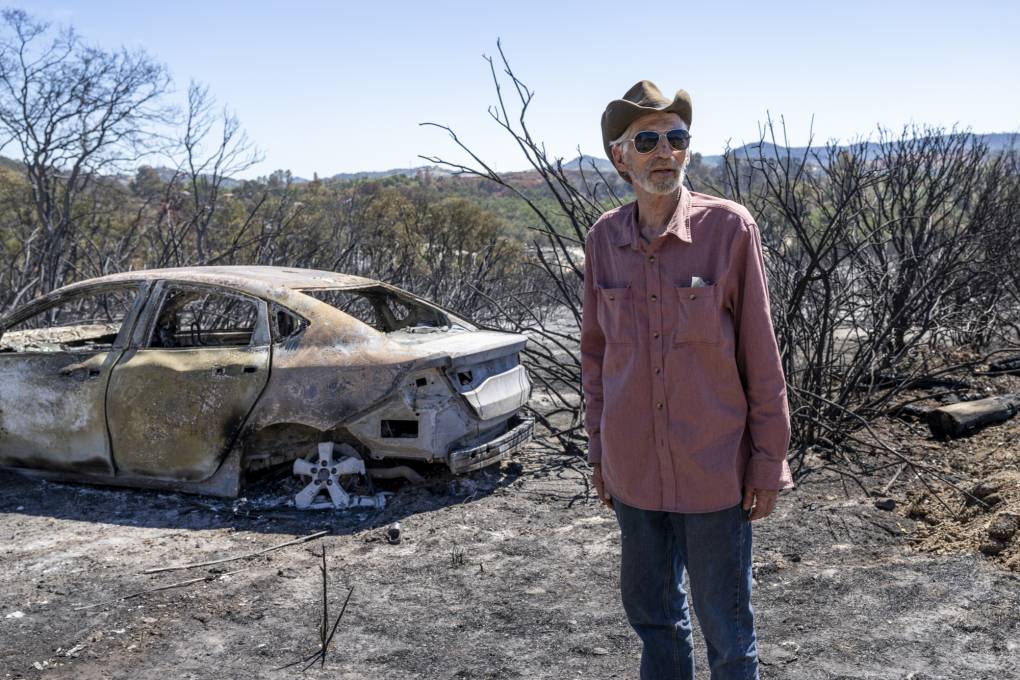
"caption": "Clearlake resident Jeff Stanley walks along 18th Avenue in Clearlake on Sept. 9, 2024.",
"credit": "Beth LaBerge/KQED",
"altTag": null,
"description": null,
"imgSizes": {
"medium": {
"file": "https://cdn.kqed.org/wp-content/uploads/sites/35/2024/09/240909-BOYLESFIRE-09-BL-KQED-800x533.jpg",
"width": 800,
"height": 533,
"mimeType": "image/jpeg"
},
"large": {
"file": "https://cdn.kqed.org/wp-content/uploads/sites/35/2024/09/240909-BOYLESFIRE-09-BL-KQED-1020x680.jpg",
"width": 1020,
"height": 680,
"mimeType": "image/jpeg"
},
"thumbnail": {
"file": "https://cdn.kqed.org/wp-content/uploads/sites/35/2024/09/240909-BOYLESFIRE-09-BL-KQED-160x107.jpg",
"width": 160,
"height": 107,
"mimeType": "image/jpeg"
},
"medium_large": {
"file": "https://cdn.kqed.org/wp-content/uploads/sites/35/2024/09/240909-BOYLESFIRE-09-BL-KQED-768x512.jpg",
"width": 768,
"height": 512,
"mimeType": "image/jpeg"
},
"1536x1536": {
"file": "https://cdn.kqed.org/wp-content/uploads/sites/35/2024/09/240909-BOYLESFIRE-09-BL-KQED-1536x1024.jpg",
"width": 1536,
"height": 1024,
"mimeType": "image/jpeg"
},
"post-thumbnail": {
"file": "https://cdn.kqed.org/wp-content/uploads/sites/35/2024/09/240909-BOYLESFIRE-09-BL-KQED-672x372.jpg",
"width": 672,
"height": 372,
"mimeType": "image/jpeg"
},
"twentyfourteen-full-width": {
"file": "https://cdn.kqed.org/wp-content/uploads/sites/35/2024/09/240909-BOYLESFIRE-09-BL-KQED-1038x576.jpg",
"width": 1038,
"height": 576,
"mimeType": "image/jpeg"
},
"full-width": {
"file": "https://cdn.kqed.org/wp-content/uploads/sites/35/2024/09/240909-BOYLESFIRE-09-BL-KQED-1920x1280.jpg",
"width": 1920,
"height": 1280,
"mimeType": "image/jpeg"
},
"kqedFullSize": {
"file": "https://cdn.kqed.org/wp-content/uploads/sites/35/2024/09/240909-BOYLESFIRE-09-BL-KQED.jpg",
"width": 2000,
"height": 1333
}
},
"isLoading": false,
"fetchFailed": false
},
"science_1994259": {
"type": "attachments",
"id": "science_1994259",
"meta": {
"index": "attachments_1716263798",
"site": "science",
"id": "1994259",
"found": true
},
"title": "240909-BOYLESFIRE-45-BL-KQED",
"publishDate": 1725925574,
"status": "inherit",
"parent": 0,
"modified": 1725996122,
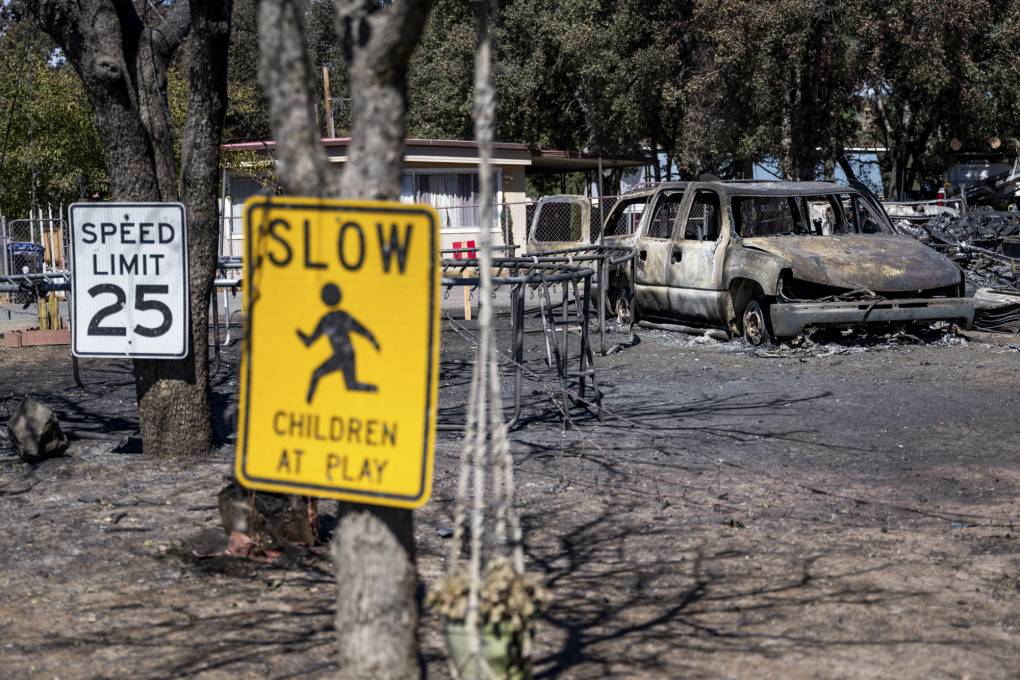
"caption": "A burned vehicle in Clearlake on Sept. 9, 2024, after the Boyles Fire swept through the area on Sept. 8.",
"credit": "Beth LaBerge/KQED",
"altTag": null,
"description": null,
"imgSizes": {
"medium": {
"file": "https://cdn.kqed.org/wp-content/uploads/sites/35/2024/09/240909-BOYLESFIRE-45-BL-KQED-800x533.jpg",
"width": 800,
"height": 533,
"mimeType": "image/jpeg"
},
"large": {
"file": "https://cdn.kqed.org/wp-content/uploads/sites/35/2024/09/240909-BOYLESFIRE-45-BL-KQED-1020x680.jpg",
"width": 1020,
"height": 680,
"mimeType": "image/jpeg"
},
"thumbnail": {
"file": "https://cdn.kqed.org/wp-content/uploads/sites/35/2024/09/240909-BOYLESFIRE-45-BL-KQED-160x107.jpg",
"width": 160,
"height": 107,
"mimeType": "image/jpeg"
},
"medium_large": {
"file": "https://cdn.kqed.org/wp-content/uploads/sites/35/2024/09/240909-BOYLESFIRE-45-BL-KQED-768x512.jpg",
"width": 768,
"height": 512,
"mimeType": "image/jpeg"
},
"1536x1536": {
"file": "https://cdn.kqed.org/wp-content/uploads/sites/35/2024/09/240909-BOYLESFIRE-45-BL-KQED-1536x1024.jpg",
"width": 1536,
"height": 1024,
"mimeType": "image/jpeg"
},
"post-thumbnail": {
"file": "https://cdn.kqed.org/wp-content/uploads/sites/35/2024/09/240909-BOYLESFIRE-45-BL-KQED-672x372.jpg",
"width": 672,
"height": 372,
"mimeType": "image/jpeg"
},
"twentyfourteen-full-width": {
"file": "https://cdn.kqed.org/wp-content/uploads/sites/35/2024/09/240909-BOYLESFIRE-45-BL-KQED-1038x576.jpg",
"width": 1038,
"height": 576,
"mimeType": "image/jpeg"
},
"full-width": {
"file": "https://cdn.kqed.org/wp-content/uploads/sites/35/2024/09/240909-BOYLESFIRE-45-BL-KQED-1920x1280.jpg",
"width": 1920,
"height": 1280,
"mimeType": "image/jpeg"
},
"kqedFullSize": {
"file": "https://cdn.kqed.org/wp-content/uploads/sites/35/2024/09/240909-BOYLESFIRE-45-BL-KQED.jpg",
"width": 2000,
"height": 1333
}
},
"isLoading": false,
"fetchFailed": false
},
"science_1994236": {
"type": "attachments",
"id": "science_1994236",
"meta": {
"index": "attachments_1716263798",
"site": "science",
"id": "1994236",
"found": true
},
"title": "Thousands of bats take flight from the Yolo Causeway, as traffic speeds by in Davis, Ca., as seen on Mon. August 5, 2019.",
"publishDate": 1725908613,
"status": "inherit",
"parent": 1994229,
"modified": 1725908734,
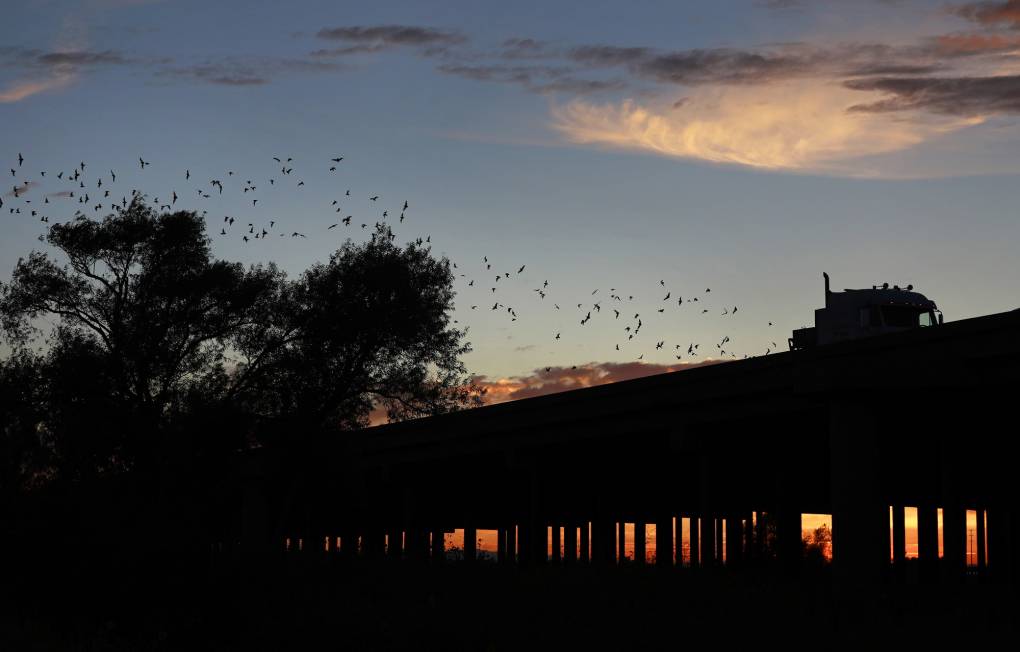
"caption": "Thousands of bats take flight from the Yolo Causeway as traffic speeds by in Davis, California, on Aug. 5, 2019.",
"credit": "Michael Macor/The San Francisco Chronicle via Getty Images",
"altTag": null,
"description": null,
"imgSizes": {
"medium": {
"file": "https://cdn.kqed.org/wp-content/uploads/sites/35/2024/09/BatsDavisGetty-800x511.jpg",
"width": 800,
"height": 511,
"mimeType": "image/jpeg"
},
"large": {
"file": "https://cdn.kqed.org/wp-content/uploads/sites/35/2024/09/BatsDavisGetty-1020x652.jpg",
"width": 1020,
"height": 652,
"mimeType": "image/jpeg"
},
"thumbnail": {
"file": "https://cdn.kqed.org/wp-content/uploads/sites/35/2024/09/BatsDavisGetty-160x102.jpg",
"width": 160,
"height": 102,
"mimeType": "image/jpeg"
},
"medium_large": {
"file": "https://cdn.kqed.org/wp-content/uploads/sites/35/2024/09/BatsDavisGetty-768x491.jpg",
"width": 768,
"height": 491,
"mimeType": "image/jpeg"
},
"1536x1536": {
"file": "https://cdn.kqed.org/wp-content/uploads/sites/35/2024/09/BatsDavisGetty-1536x982.jpg",
"width": 1536,
"height": 982,
"mimeType": "image/jpeg"
},
"post-thumbnail": {
"file": "https://cdn.kqed.org/wp-content/uploads/sites/35/2024/09/BatsDavisGetty-672x372.jpg",
"width": 672,
"height": 372,
"mimeType": "image/jpeg"
},
"twentyfourteen-full-width": {
"file": "https://cdn.kqed.org/wp-content/uploads/sites/35/2024/09/BatsDavisGetty-1038x576.jpg",
"width": 1038,
"height": 576,
"mimeType": "image/jpeg"
},
"full-width": {
"file": "https://cdn.kqed.org/wp-content/uploads/sites/35/2024/09/BatsDavisGetty-1920x1227.jpg",
"width": 1920,
"height": 1227,
"mimeType": "image/jpeg"
},
"kqedFullSize": {
"file": "https://cdn.kqed.org/wp-content/uploads/sites/35/2024/09/BatsDavisGetty.jpg",
"width": 2000,
"height": 1278
}
},
"isLoading": false,
"fetchFailed": false
},
"science_1994257": {
"type": "attachments",
"id": "science_1994257",
"meta": {
"index": "attachments_1716263798",
"site": "science",
"id": "1994257",
"found": true
},
"title": "240909-BOYLESFIRE-22-BL-KQED",
"publishDate": 1725925564,
"status": "inherit",
"parent": 0,
"modified": 1760123263,
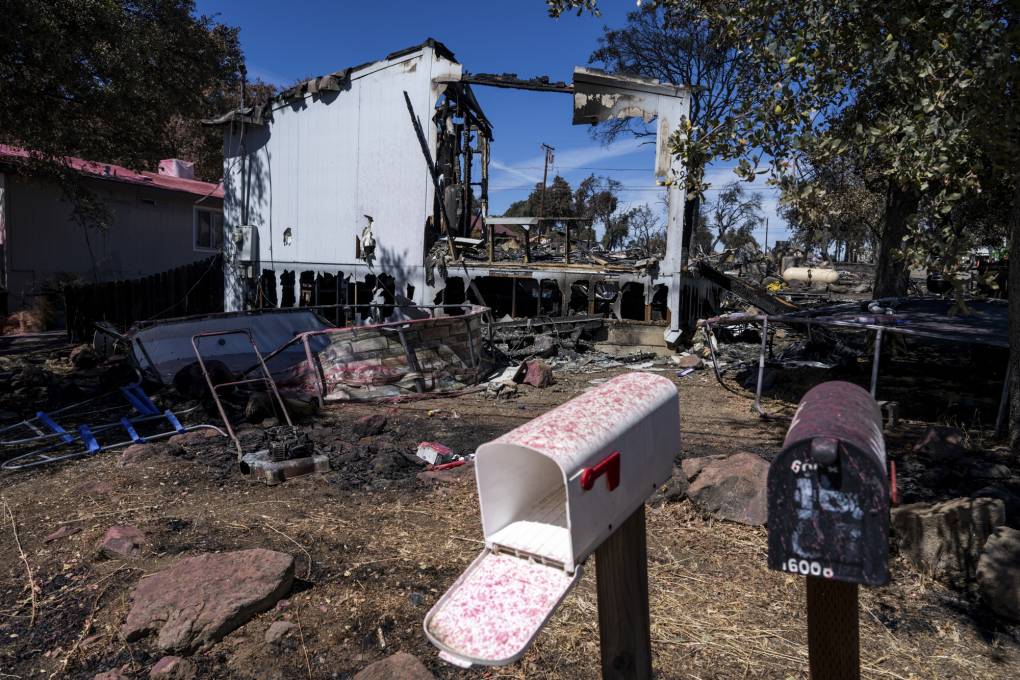
"caption": "A home destroyed by the Boyles Fire in Clearlake on Sept. 9, 2024, after the wildfire swept through the area on Sept. 8, 2024.",
"credit": "Beth LaBerge/KQED",
"altTag": null,
"description": null,
"imgSizes": {
"medium": {
"file": "https://cdn.kqed.org/wp-content/uploads/sites/35/2024/09/240909-BOYLESFIRE-22-BL-KQED-800x533.jpg",
"width": 800,
"height": 533,
"mimeType": "image/jpeg"
},
"large": {
"file": "https://cdn.kqed.org/wp-content/uploads/sites/35/2024/09/240909-BOYLESFIRE-22-BL-KQED-1020x680.jpg",
"width": 1020,
"height": 680,
"mimeType": "image/jpeg"
},
"thumbnail": {
"file": "https://cdn.kqed.org/wp-content/uploads/sites/35/2024/09/240909-BOYLESFIRE-22-BL-KQED-160x107.jpg",
"width": 160,
"height": 107,
"mimeType": "image/jpeg"
},
"medium_large": {
"file": "https://cdn.kqed.org/wp-content/uploads/sites/35/2024/09/240909-BOYLESFIRE-22-BL-KQED-768x512.jpg",
"width": 768,
"height": 512,
"mimeType": "image/jpeg"
},
"1536x1536": {
"file": "https://cdn.kqed.org/wp-content/uploads/sites/35/2024/09/240909-BOYLESFIRE-22-BL-KQED-1536x1024.jpg",
"width": 1536,
"height": 1024,
"mimeType": "image/jpeg"
},
"post-thumbnail": {
"file": "https://cdn.kqed.org/wp-content/uploads/sites/35/2024/09/240909-BOYLESFIRE-22-BL-KQED-672x372.jpg",
"width": 672,
"height": 372,
"mimeType": "image/jpeg"
},
"twentyfourteen-full-width": {
"file": "https://cdn.kqed.org/wp-content/uploads/sites/35/2024/09/240909-BOYLESFIRE-22-BL-KQED-1038x576.jpg",
"width": 1038,
"height": 576,
"mimeType": "image/jpeg"
},
"full-width": {
"file": "https://cdn.kqed.org/wp-content/uploads/sites/35/2024/09/240909-BOYLESFIRE-22-BL-KQED-1920x1280.jpg",
"width": 1920,
"height": 1280,
"mimeType": "image/jpeg"
},
"kqedFullSize": {
"file": "https://cdn.kqed.org/wp-content/uploads/sites/35/2024/09/240909-BOYLESFIRE-22-BL-KQED.jpg",
"width": 2000,
"height": 1333
}
},
"isLoading": false,
"fetchFailed": false
},
"science_1994171": {
"type": "attachments",
"id": "science_1994171",
"meta": {
"index": "attachments_1716263798",
"site": "science",
"id": "1994171",
"found": true
},
"title": "Humpback Whales",
"publishDate": 1725649436,
"status": "inherit",
"parent": 1994170,
"modified": 1725651464,
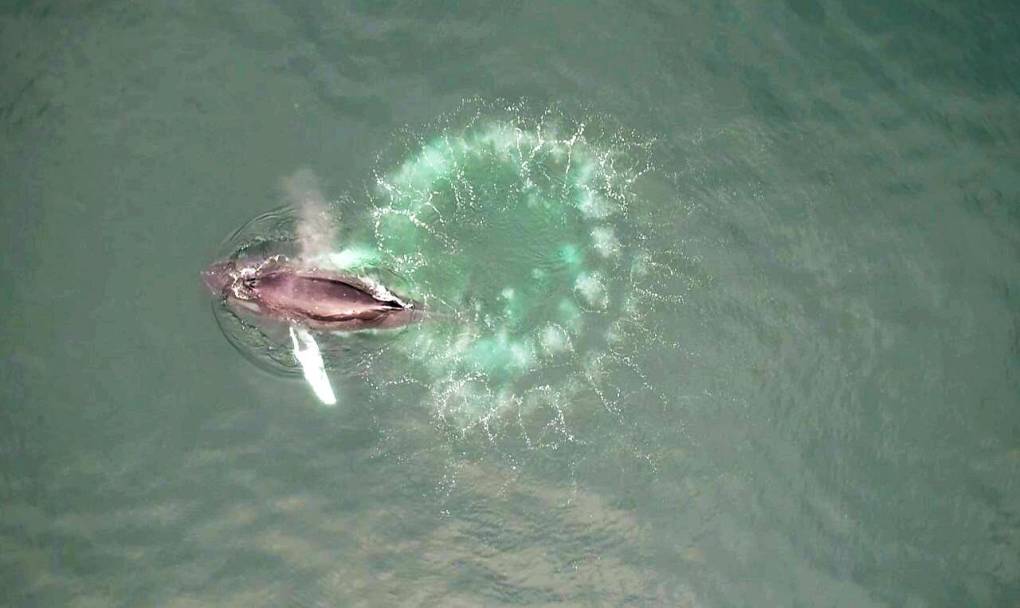
"caption": "Humpback whales blow spiraling circles of bubbles to create underwater nets for their tiny prey, krill.",
"credit": "Hunter Warick/Alaska Whale Foundation, images collected under NMFS Permit #19703",
"altTag": "A picture of humpback whales in a body of water shows how they create a ring of bubbles to capture prey.",
"description": null,
"imgSizes": {
"medium": {
"file": "https://cdn.kqed.org/wp-content/uploads/sites/35/2024/09/bubble-net-800x477.jpeg",
"width": 800,
"height": 477,
"mimeType": "image/jpeg"
},
"large": {
"file": "https://cdn.kqed.org/wp-content/uploads/sites/35/2024/09/bubble-net-1020x608.jpeg",
"width": 1020,
"height": 608,
"mimeType": "image/jpeg"
},
"thumbnail": {
"file": "https://cdn.kqed.org/wp-content/uploads/sites/35/2024/09/bubble-net-160x95.jpeg",
"width": 160,
"height": 95,
"mimeType": "image/jpeg"
},
"medium_large": {
"file": "https://cdn.kqed.org/wp-content/uploads/sites/35/2024/09/bubble-net-768x458.jpeg",
"width": 768,
"height": 458,
"mimeType": "image/jpeg"
},
"post-thumbnail": {
"file": "https://cdn.kqed.org/wp-content/uploads/sites/35/2024/09/bubble-net-672x372.jpeg",
"width": 672,
"height": 372,
"mimeType": "image/jpeg"
},
"twentyfourteen-full-width": {
"file": "https://cdn.kqed.org/wp-content/uploads/sites/35/2024/09/bubble-net-1038x576.jpeg",
"width": 1038,
"height": 576,
"mimeType": "image/jpeg"
},
"kqedFullSize": {
"file": "https://cdn.kqed.org/wp-content/uploads/sites/35/2024/09/bubble-net.jpeg",
"width": 1280,
"height": 763
}
},
"isLoading": false,
"fetchFailed": false
},
"science_1994212": {
"type": "attachments",
"id": "science_1994212",
"meta": {
"index": "attachments_1716263798",
"site": "science",
"id": "1994212",
"found": true
},
"title": "240820-PajaroFolo-112-BL-2",
"publishDate": 1725660060,
"status": "inherit",
"parent": 0,
"modified": 1725660086,
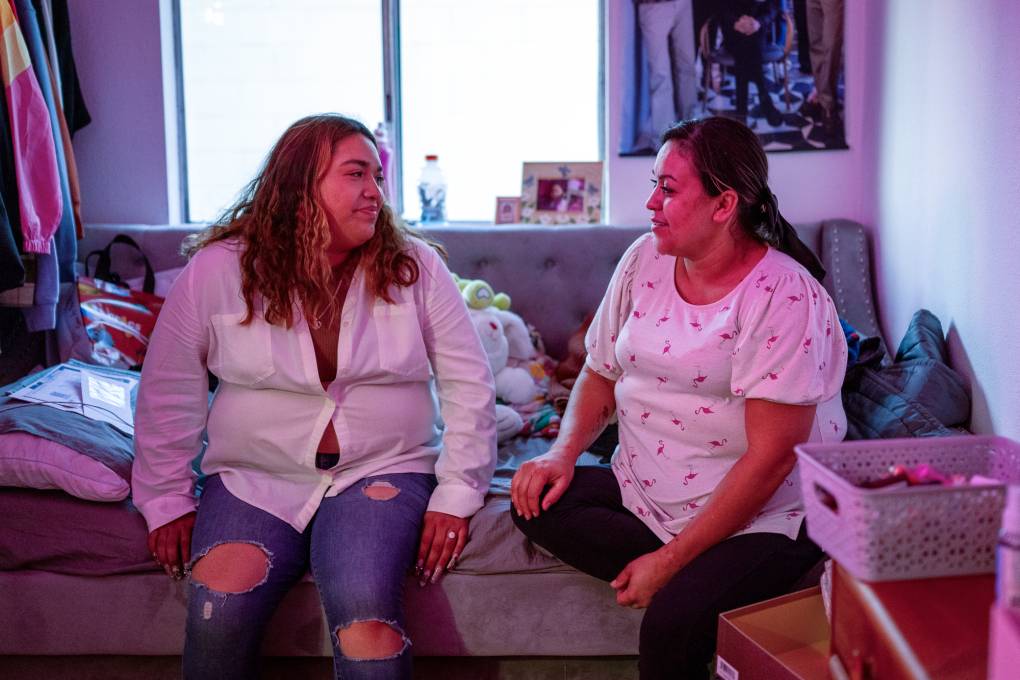
"caption": "Carla Escutia and her daughter, Denia, sit in Denia's new bedroom in Pajaro on Aug. 20, 2024.",
"credit": "Beth LaBerge/KQED",
"altTag": null,
"description": null,
"imgSizes": {
"medium": {
"file": "https://cdn.kqed.org/wp-content/uploads/sites/35/2024/09/240820-PajaroFolo-112-BL-2-800x533.jpg",
"width": 800,
"height": 533,
"mimeType": "image/jpeg"
},
"large": {
"file": "https://cdn.kqed.org/wp-content/uploads/sites/35/2024/09/240820-PajaroFolo-112-BL-2-1020x680.jpg",
"width": 1020,
"height": 680,
"mimeType": "image/jpeg"
},
"thumbnail": {
"file": "https://cdn.kqed.org/wp-content/uploads/sites/35/2024/09/240820-PajaroFolo-112-BL-2-160x107.jpg",
"width": 160,
"height": 107,
"mimeType": "image/jpeg"
},
"medium_large": {
"file": "https://cdn.kqed.org/wp-content/uploads/sites/35/2024/09/240820-PajaroFolo-112-BL-2-768x512.jpg",
"width": 768,
"height": 512,
"mimeType": "image/jpeg"
},
"1536x1536": {
"file": "https://cdn.kqed.org/wp-content/uploads/sites/35/2024/09/240820-PajaroFolo-112-BL-2-1536x1024.jpg",
"width": 1536,
"height": 1024,
"mimeType": "image/jpeg"
},
"post-thumbnail": {
"file": "https://cdn.kqed.org/wp-content/uploads/sites/35/2024/09/240820-PajaroFolo-112-BL-2-672x372.jpg",
"width": 672,
"height": 372,
"mimeType": "image/jpeg"
},
"twentyfourteen-full-width": {
"file": "https://cdn.kqed.org/wp-content/uploads/sites/35/2024/09/240820-PajaroFolo-112-BL-2-1038x576.jpg",
"width": 1038,
"height": 576,
"mimeType": "image/jpeg"
},
"full-width": {
"file": "https://cdn.kqed.org/wp-content/uploads/sites/35/2024/09/240820-PajaroFolo-112-BL-2-1920x1280.jpg",
"width": 1920,
"height": 1280,
"mimeType": "image/jpeg"
},
"kqedFullSize": {
"file": "https://cdn.kqed.org/wp-content/uploads/sites/35/2024/09/240820-PajaroFolo-112-BL-2.jpg",
"width": 2000,
"height": 1333
}
},
"isLoading": false,
"fetchFailed": false
},
"science_1994188": {
"type": "attachments",
"id": "science_1994188",
"meta": {
"index": "attachments_1716263798",
"site": "science",
"id": "1994188",
"found": true
},
"title": "California Faces First Case Of \"Community Acquired\" Coronavirus",
"publishDate": 1725652717,
"status": "inherit",
"parent": 1994175,
"modified": 1725653152,
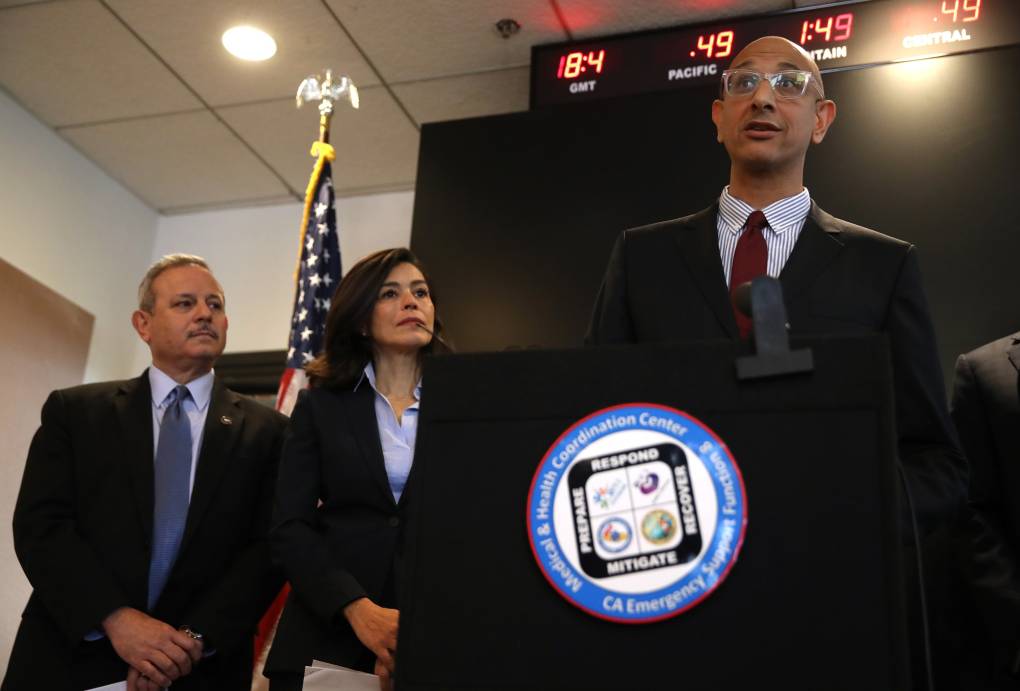
"caption": "Dr. Mark Ghaly speaks at a news conference alongside Dr. Sonia Angell (center), California's public health director, and Mark Ghilarducci (left), director of the Governor's Office of Emergency Services, on February 27, 2020, in Sacramento. On Friday, Gov. Gavin Newsom announced that Ghaly, who led the state’s COVID-19 response, will step down as the head of the California Health and Human Services Agency, with Kim Johnson set to succeed him.",
"credit": "Justin Sullivan/Getty Images",
"altTag": null,
"description": null,
"imgSizes": {
"medium": {
"file": "https://cdn.kqed.org/wp-content/uploads/sites/35/2024/09/Dr.MarkGhalyGetty-800x542.jpg",
"width": 800,
"height": 542,
"mimeType": "image/jpeg"
},
"large": {
"file": "https://cdn.kqed.org/wp-content/uploads/sites/35/2024/09/Dr.MarkGhalyGetty-1020x691.jpg",
"width": 1020,
"height": 691,
"mimeType": "image/jpeg"
},
"thumbnail": {
"file": "https://cdn.kqed.org/wp-content/uploads/sites/35/2024/09/Dr.MarkGhalyGetty-160x108.jpg",
"width": 160,
"height": 108,
"mimeType": "image/jpeg"
},
"medium_large": {
"file": "https://cdn.kqed.org/wp-content/uploads/sites/35/2024/09/Dr.MarkGhalyGetty-768x520.jpg",
"width": 768,
"height": 520,
"mimeType": "image/jpeg"
},
"1536x1536": {
"file": "https://cdn.kqed.org/wp-content/uploads/sites/35/2024/09/Dr.MarkGhalyGetty-1536x1040.jpg",
"width": 1536,
"height": 1040,
"mimeType": "image/jpeg"
},
"post-thumbnail": {
"file": "https://cdn.kqed.org/wp-content/uploads/sites/35/2024/09/Dr.MarkGhalyGetty-672x372.jpg",
"width": 672,
"height": 372,
"mimeType": "image/jpeg"
},
"twentyfourteen-full-width": {
"file": "https://cdn.kqed.org/wp-content/uploads/sites/35/2024/09/Dr.MarkGhalyGetty-1038x576.jpg",
"width": 1038,
"height": 576,
"mimeType": "image/jpeg"
},
"full-width": {
"file": "https://cdn.kqed.org/wp-content/uploads/sites/35/2024/09/Dr.MarkGhalyGetty-1920x1300.jpg",
"width": 1920,
"height": 1300,
"mimeType": "image/jpeg"
},
"kqedFullSize": {
"file": "https://cdn.kqed.org/wp-content/uploads/sites/35/2024/09/Dr.MarkGhalyGetty.jpg",
"width": 2000,
"height": 1354
}
},
"isLoading": false,
"fetchFailed": false
},
"science_1994109": {
"type": "attachments",
"id": "science_1994109",
"meta": {
"index": "attachments_1716263798",
"site": "science",
"id": "1994109",
"found": true
},
"title": "California Power Grid Strained By Heat Wave",
"publishDate": 1725384177,
"status": "inherit",
"parent": 1994107,
"modified": 1725384312,
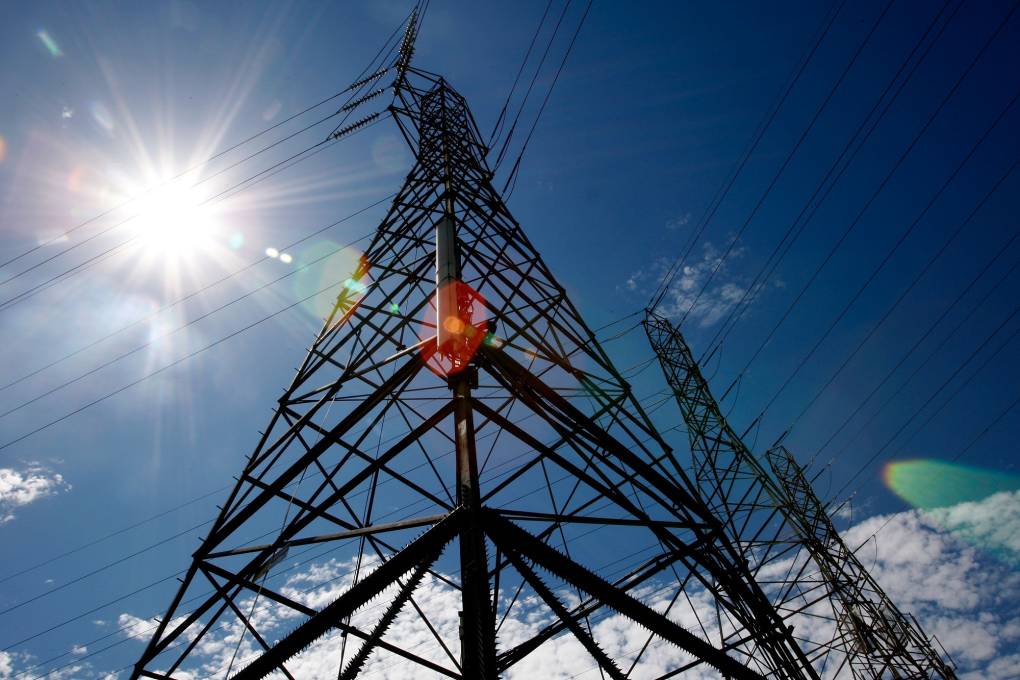
"caption": "The sun shines over towers carrying electrical lines in South San Francisco. With a Bay Area heat wave starting this week, California's grid operator has ordered providers to delay maintenance to handle the surge in electricity demand.",
"credit": "Justin Sullivan/Getty Images",
"altTag": null,
"description": null,
"imgSizes": {
"medium": {
"file": "https://cdn.kqed.org/wp-content/uploads/sites/35/2024/09/SFEnergyGridGetty1-800x533.jpg",
"width": 800,
"height": 533,
"mimeType": "image/jpeg"
},
"large": {
"file": "https://cdn.kqed.org/wp-content/uploads/sites/35/2024/09/SFEnergyGridGetty1-1020x680.jpg",
"width": 1020,
"height": 680,
"mimeType": "image/jpeg"
},
"thumbnail": {
"file": "https://cdn.kqed.org/wp-content/uploads/sites/35/2024/09/SFEnergyGridGetty1-160x107.jpg",
"width": 160,
"height": 107,
"mimeType": "image/jpeg"
},
"medium_large": {
"file": "https://cdn.kqed.org/wp-content/uploads/sites/35/2024/09/SFEnergyGridGetty1-768x512.jpg",
"width": 768,
"height": 512,
"mimeType": "image/jpeg"
},
"1536x1536": {
"file": "https://cdn.kqed.org/wp-content/uploads/sites/35/2024/09/SFEnergyGridGetty1-1536x1024.jpg",
"width": 1536,
"height": 1024,
"mimeType": "image/jpeg"
},
"post-thumbnail": {
"file": "https://cdn.kqed.org/wp-content/uploads/sites/35/2024/09/SFEnergyGridGetty1-672x372.jpg",
"width": 672,
"height": 372,
"mimeType": "image/jpeg"
},
"twentyfourteen-full-width": {
"file": "https://cdn.kqed.org/wp-content/uploads/sites/35/2024/09/SFEnergyGridGetty1-1038x576.jpg",
"width": 1038,
"height": 576,
"mimeType": "image/jpeg"
},
"full-width": {
"file": "https://cdn.kqed.org/wp-content/uploads/sites/35/2024/09/SFEnergyGridGetty1-1920x1280.jpg",
"width": 1920,
"height": 1280,
"mimeType": "image/jpeg"
},
"kqedFullSize": {
"file": "https://cdn.kqed.org/wp-content/uploads/sites/35/2024/09/SFEnergyGridGetty1.jpg",
"width": 2000,
"height": 1333
}
},
"isLoading": false,
"fetchFailed": false
},
"science_1994066": {
"type": "attachments",
"id": "science_1994066",
"meta": {
"index": "attachments_1716263798",
"site": "science",
"id": "1994066",
"found": true
},
"title": "Hospice Cares For Terminally Ill During Final Stage Of Life",
"publishDate": 1725054154,
"status": "inherit",
"parent": 1994050,
"modified": 1725055071,
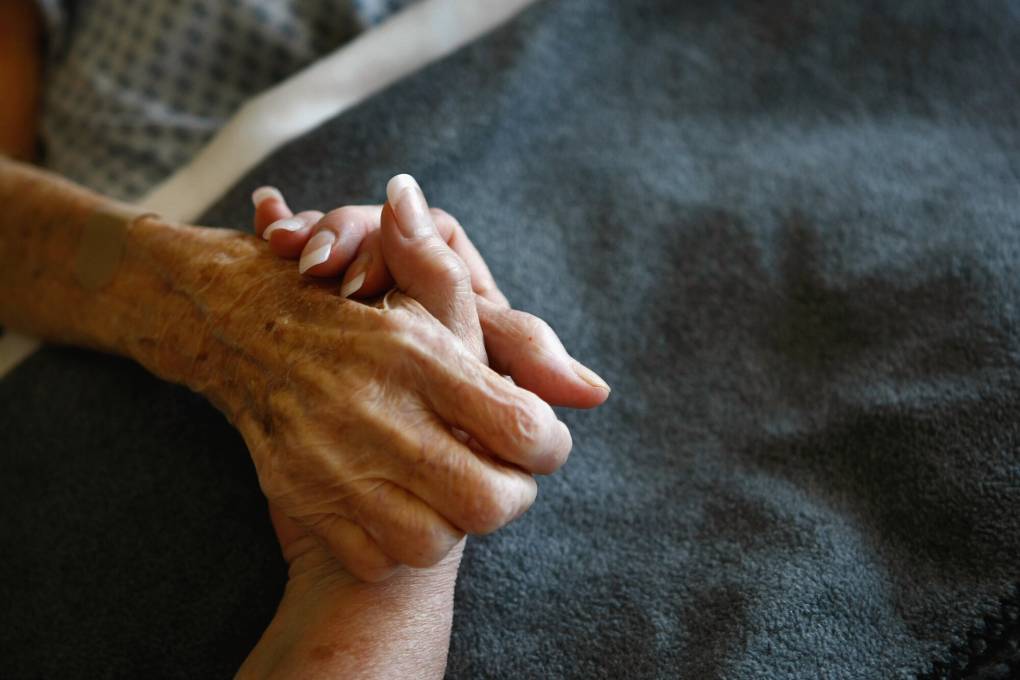
"caption": "An elderly patient holding hands with a family member.",
"credit": "John Moore/Getty Images",
"altTag": null,
"description": null,
"imgSizes": {
"medium": {
"file": "https://cdn.kqed.org/wp-content/uploads/sites/35/2024/09/89980265_qed-3-800x533.jpg",
"width": 800,
"height": 533,
"mimeType": "image/jpeg"
},
"large": {
"file": "https://cdn.kqed.org/wp-content/uploads/sites/35/2024/09/89980265_qed-3-1020x680.jpg",
"width": 1020,
"height": 680,
"mimeType": "image/jpeg"
},
"thumbnail": {
"file": "https://cdn.kqed.org/wp-content/uploads/sites/35/2024/09/89980265_qed-3-160x107.jpg",
"width": 160,
"height": 107,
"mimeType": "image/jpeg"
},
"medium_large": {
"file": "https://cdn.kqed.org/wp-content/uploads/sites/35/2024/09/89980265_qed-3-768x512.jpg",
"width": 768,
"height": 512,
"mimeType": "image/jpeg"
},
"1536x1536": {
"file": "https://cdn.kqed.org/wp-content/uploads/sites/35/2024/09/89980265_qed-3-1536x1024.jpg",
"width": 1536,
"height": 1024,
"mimeType": "image/jpeg"
},
"post-thumbnail": {
"file": "https://cdn.kqed.org/wp-content/uploads/sites/35/2024/09/89980265_qed-3-672x372.jpg",
"width": 672,
"height": 372,
"mimeType": "image/jpeg"
},
"twentyfourteen-full-width": {
"file": "https://cdn.kqed.org/wp-content/uploads/sites/35/2024/09/89980265_qed-3-1038x576.jpg",
"width": 1038,
"height": 576,
"mimeType": "image/jpeg"
},
"full-width": {
"file": "https://cdn.kqed.org/wp-content/uploads/sites/35/2024/09/89980265_qed-3-1920x1280.jpg",
"width": 1920,
"height": 1280,
"mimeType": "image/jpeg"
},
"kqedFullSize": {
"file": "https://cdn.kqed.org/wp-content/uploads/sites/35/2024/09/89980265_qed-3.jpg",
"width": 2000,
"height": 1333
}
},
"isLoading": false,
"fetchFailed": false
},
"science_1972139": {
"type": "attachments",
"id": "science_1972139",
"meta": {
"index": "attachments_1716263798",
"site": "science",
"id": "1972139",
"found": true
},
"title": "California Governor Gavin Newsom And Oakland Mayor Libby Schaaf Speak On State's Actions On Homelessness Crisis",
"publishDate": 1610154874,
"status": "inherit",
"parent": 1972138,
"modified": 1725058031,
"caption": "California Gov. Gavin Newsom speaks during a news conference about the state's efforts on the homelessness crisis on Jan. 16, 2020, in Oakland. Oakland Mayor Libby Schaaf joined Newsom to announce that Oakland will receive 15 unused FEMA trailers for the city to use as temporary housing and as mobile health and social services clinics for the homeless. Newsom signed an executive order on Jan. 8 to deploy 100 trailers and crisis response teams to areas in need across the state.",
"credit": "Justin Sullivan/Getty Images",
"altTag": null,
"description": null,
"imgSizes": {
"medium": {
"file": "https://cdn.kqed.org/wp-content/uploads/sites/35/2021/01/RS46512_GettyImages-1199995830-qut-800x533.jpg",
"width": 800,
"height": 533,
"mimeType": "image/jpeg"
},
"large": {
"file": "https://cdn.kqed.org/wp-content/uploads/sites/35/2021/01/RS46512_GettyImages-1199995830-qut-1020x680.jpg",
"width": 1020,
"height": 680,
"mimeType": "image/jpeg"
},
"thumbnail": {
"file": "https://cdn.kqed.org/wp-content/uploads/sites/35/2021/01/RS46512_GettyImages-1199995830-qut-160x107.jpg",
"width": 160,
"height": 107,
"mimeType": "image/jpeg"
},
"medium_large": {
"file": "https://cdn.kqed.org/wp-content/uploads/sites/35/2021/01/RS46512_GettyImages-1199995830-qut-768x512.jpg",
"width": 768,
"height": 512,
"mimeType": "image/jpeg"
},
"1536x1536": {
"file": "https://cdn.kqed.org/wp-content/uploads/sites/35/2021/01/RS46512_GettyImages-1199995830-qut-1536x1024.jpg",
"width": 1536,
"height": 1024,
"mimeType": "image/jpeg"
},
"post-thumbnail": {
"file": "https://cdn.kqed.org/wp-content/uploads/sites/35/2021/01/RS46512_GettyImages-1199995830-qut-672x372.jpg",
"width": 672,
"height": 372,
"mimeType": "image/jpeg"
},
"twentyfourteen-full-width": {
"file": "https://cdn.kqed.org/wp-content/uploads/sites/35/2021/01/RS46512_GettyImages-1199995830-qut-1038x576.jpg",
"width": 1038,
"height": 576,
"mimeType": "image/jpeg"
},
"kqedFullSize": {
"file": "https://cdn.kqed.org/wp-content/uploads/sites/35/2021/01/RS46512_GettyImages-1199995830-qut.jpg",
"width": 1920,
"height": 1280
}
},
"isLoading": false,
"fetchFailed": false
},
"science_1994010": {
"type": "attachments",
"id": "science_1994010",
"meta": {
"index": "attachments_1716263798",
"site": "science",
"id": "1994010",
"found": true
},
"title": "Chaunacops coloratus (sea toad) \"standing\" on fins",
"publishDate": 1724792811,
"status": "inherit",
"parent": 0,
"modified": 1724794153,
"caption": "A Chaunacops coloratus, commonly known as a sea toad, using its pectoral fins braced against both rock and sand.",
"credit": "Courtesy of Schmidt Ocean Institute",
"altTag": null,
"description": null,
"imgSizes": {
"medium": {
"file": "https://cdn.kqed.org/wp-content/uploads/sites/35/2024/08/240827-MARINE-DISCOVERY-14-KQED-800x533.jpg",
"width": 800,
"height": 533,
"mimeType": "image/jpeg"
},
"large": {
"file": "https://cdn.kqed.org/wp-content/uploads/sites/35/2024/08/240827-MARINE-DISCOVERY-14-KQED-1020x680.jpg",
"width": 1020,
"height": 680,
"mimeType": "image/jpeg"
},
"thumbnail": {
"file": "https://cdn.kqed.org/wp-content/uploads/sites/35/2024/08/240827-MARINE-DISCOVERY-14-KQED-160x107.jpg",
"width": 160,
"height": 107,
"mimeType": "image/jpeg"
},
"medium_large": {
"file": "https://cdn.kqed.org/wp-content/uploads/sites/35/2024/08/240827-MARINE-DISCOVERY-14-KQED-768x512.jpg",
"width": 768,
"height": 512,
"mimeType": "image/jpeg"
},
"1536x1536": {
"file": "https://cdn.kqed.org/wp-content/uploads/sites/35/2024/08/240827-MARINE-DISCOVERY-14-KQED-1536x1024.jpg",
"width": 1536,
"height": 1024,
"mimeType": "image/jpeg"
},
"post-thumbnail": {
"file": "https://cdn.kqed.org/wp-content/uploads/sites/35/2024/08/240827-MARINE-DISCOVERY-14-KQED-672x372.jpg",
"width": 672,
"height": 372,
"mimeType": "image/jpeg"
},
"twentyfourteen-full-width": {
"file": "https://cdn.kqed.org/wp-content/uploads/sites/35/2024/08/240827-MARINE-DISCOVERY-14-KQED-1038x576.jpg",
"width": 1038,
"height": 576,
"mimeType": "image/jpeg"
},
"full-width": {
"file": "https://cdn.kqed.org/wp-content/uploads/sites/35/2024/08/240827-MARINE-DISCOVERY-14-KQED-1920x1280.jpg",
"width": 1920,
"height": 1280,
"mimeType": "image/jpeg"
},
"kqedFullSize": {
"file": "https://cdn.kqed.org/wp-content/uploads/sites/35/2024/08/240827-MARINE-DISCOVERY-14-KQED.jpg",
"width": 2000,
"height": 1333
}
},
"isLoading": false,
"fetchFailed": false
},
"science_1956124": {
"type": "attachments",
"id": "science_1956124",
"meta": {
"index": "attachments_1716263798",
"site": "science",
"id": "1956124",
"found": true
},
"title": "RS36479_GettyImages-110129474_Justin-Sullivan-qut",
"publishDate": 1579902361,
"status": "inherit",
"parent": 1956117,
"modified": 1724884567,
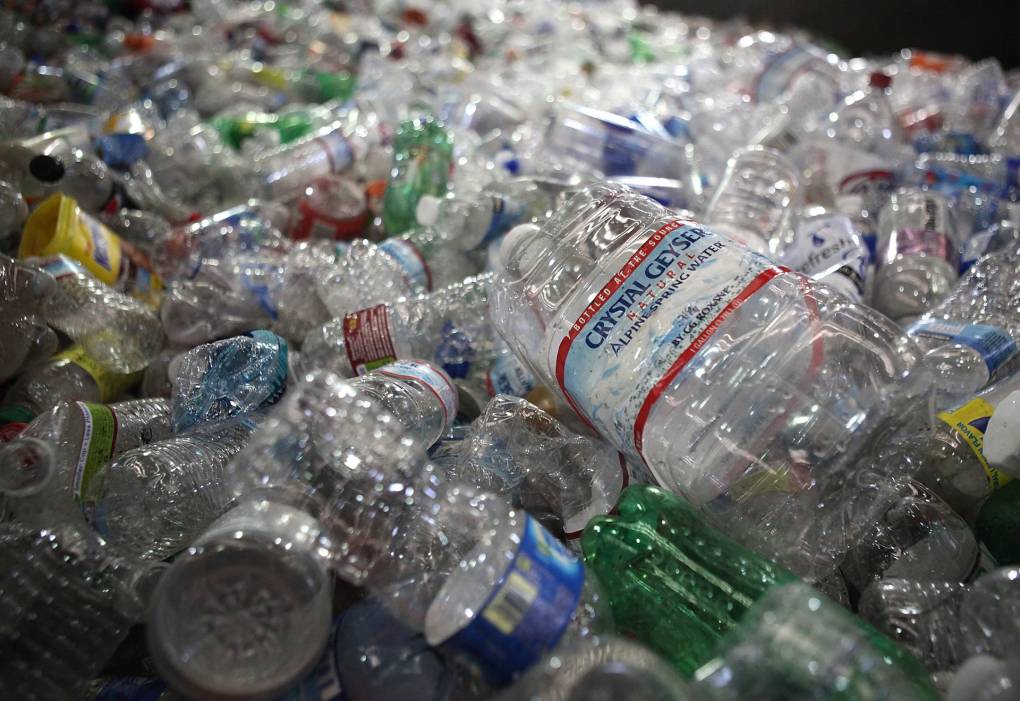
"caption": "Hundreds of recycled plastic water bottles are piled up inside the Recology recycling facility on March 15, 2011, in San Francisco.",
"credit": "Justin Sullivan/Getty Images",
"altTag": null,
"description": null,
"imgSizes": {
"thumbnail": {
"file": "https://cdn.kqed.org/wp-content/uploads/sites/35/2020/01/RS36479_GettyImages-110129474_Justin-Sullivan-qut-160x110.jpg",
"width": 160,
"height": 110,
"mimeType": "image/jpeg"
},
"medium": {
"file": "https://cdn.kqed.org/wp-content/uploads/sites/35/2020/01/RS36479_GettyImages-110129474_Justin-Sullivan-qut-800x550.jpg",
"width": 800,
"height": 550,
"mimeType": "image/jpeg"
},
"medium_large": {
"file": "https://cdn.kqed.org/wp-content/uploads/sites/35/2020/01/RS36479_GettyImages-110129474_Justin-Sullivan-qut-768x528.jpg",
"width": 768,
"height": 528,
"mimeType": "image/jpeg"
},
"large": {
"file": "https://cdn.kqed.org/wp-content/uploads/sites/35/2020/01/RS36479_GettyImages-110129474_Justin-Sullivan-qut-1020x701.jpg",
"width": 1020,
"height": 701,
"mimeType": "image/jpeg"
},
"post-thumbnail": {
"file": "https://cdn.kqed.org/wp-content/uploads/sites/35/2020/01/RS36479_GettyImages-110129474_Justin-Sullivan-qut-672x372.jpg",
"width": 672,
"height": 372,
"mimeType": "image/jpeg"
},
"twentyfourteen-full-width": {
"file": "https://cdn.kqed.org/wp-content/uploads/sites/35/2020/01/RS36479_GettyImages-110129474_Justin-Sullivan-qut-1038x576.jpg",
"width": 1038,
"height": 576,
"mimeType": "image/jpeg"
},
"full-width": {
"file": "https://cdn.kqed.org/wp-content/uploads/sites/35/2020/01/RS36479_GettyImages-110129474_Justin-Sullivan-qut-1920x1320.jpg",
"width": 1920,
"height": 1320,
"mimeType": "image/jpeg"
},
"kqedFullSize": {
"file": "https://cdn.kqed.org/wp-content/uploads/sites/35/2020/01/RS36479_GettyImages-110129474_Justin-Sullivan-qut.jpg",
"width": 1920,
"height": 1320
}
},
"isLoading": false,
"fetchFailed": false
}
},
"audioPlayerReducer": {
"postId": "stream_live",
"isPaused": true,
"isPlaying": false,
"pfsActive": false,
"pledgeModalIsOpen": true,
"playerDrawerIsOpen": false,
"liveAudioPlayStartedAt": 0,
"liveAudioPlayContext": ""
},
"authorsReducer": {
"byline_science_1994170": {
"type": "authors",
"id": "byline_science_1994170",
"meta": {
"override": true
},
"slug": "byline_science_1994170",
"name": "Lauren Sommer, NPR",
"isLoading": false
},
"lklivans": {
"type": "authors",
"id": "8648",
"meta": {
"index": "authors_1716337520",
"id": "8648",
"found": true
},
"name": "Laura Klivans",
"firstName": "Laura",
"lastName": "Klivans",
"slug": "lklivans",
"email": "lklivans@kqed.org",
"display_author_email": true,
"staff_mastheads": [
"news",
"science"
],
"title": "Reporter",
"bio": "Laura Klivans is an award-winning science reporter for KQED News, where she covers climate change with an eye on both groundbreaking progress and gaps in action. She is the former host of KQED's blockbuster video series about tiny, amazing animals, \u003cem>Deep Look\u003c/em>. Her work reaches national audiences through NPR, \u003cem>Here & Now, \u003c/em>PRI, and other major outlets. \r\n\r\nLaura’s won five Northern California Area Emmy Awards for Deep Look and First Place in the Greater Bay Area Journalism Awards for a podcast exploring how one Oakland neighborhood teamed up to reduce planet-heating pollution.\r\n\r\nBeyond her reporting, she hosts and moderates events. In the past, she taught audio storytelling at the UC Berkeley Graduate School of Journalism, led international education programs, worked with immigrants and refugees along the Thai-Burmese border, taught high schoolers sex ed, and was an actress. \r\n\r\nShe's a former UC Berkeley Human Rights Fellow, USC Center for Health Journalism's California Fellow and Coro Fellow in Public Affairs. Laura has a master’s in journalism from UC Berkeley, a master’s in education from Harvard, and an undergraduate degree from Northwestern University.\r\n\r\nShe loves trying to riddle the meaning out of vanity license plates.",
"avatar": "https://secure.gravatar.com/avatar/2d2ecd1550a494cc10ad4a503406965585902124739e775a9b3817eebf1d88be?s=600&d=blank&r=g",
"twitter": "lauraklivans",
"bluesky": null,
"facebook": null,
"instagram": null,
"linkedin": null,
"sites": [
{
"site": "news",
"roles": [
"editor"
]
},
{
"site": "stateofhealth",
"roles": [
"contributor",
"editor"
]
},
{
"site": "science",
"roles": [
"editor"
]
},
{
"site": "forum",
"roles": [
"editor"
]
}
],
"headData": {
"title": "Laura Klivans | KQED",
"description": "Reporter",
"ogImgSrc": "https://secure.gravatar.com/avatar/2d2ecd1550a494cc10ad4a503406965585902124739e775a9b3817eebf1d88be?s=600&d=blank&r=g",
"twImgSrc": "https://secure.gravatar.com/avatar/2d2ecd1550a494cc10ad4a503406965585902124739e775a9b3817eebf1d88be?s=600&d=blank&r=g"
},
"isLoading": false,
"link": "/author/lklivans"
},
"dventon": {
"type": "authors",
"id": "11088",
"meta": {
"index": "authors_1716337520",
"id": "11088",
"found": true
},
"name": "Danielle Venton",
"firstName": "Danielle",
"lastName": "Venton",
"slug": "dventon",
"email": "dventon@kqed.org",
"display_author_email": true,
"staff_mastheads": [
"science"
],
"title": "Science reporter",
"bio": "Danielle Venton is a reporter for KQED Science. She covers wildfires, space and oceans (though she is prone to sea sickness).\r\n\r\nBefore joining KQED in 2015, Danielle was a staff reporter at KRCB in Sonoma County and a freelancer. She studied science communication at UC Santa Cruz and formerly worked at CERN in Geneva, Switzerland where she wrote about computing. She lives in Sonoma County and enjoys backpacking.",
"avatar": "https://secure.gravatar.com/avatar/37b292b5c40c8d93959c4f48d73b5286f41b7abd8588277e941905a3ed4c801c?s=600&d=blank&r=g",
"twitter": "DanielleVenton",
"bluesky": null,
"facebook": null,
"instagram": null,
"linkedin": null,
"sites": [
{
"site": "arts",
"roles": [
"contributor"
]
},
{
"site": "news",
"roles": [
"editor"
]
},
{
"site": "futureofyou",
"roles": [
"editor"
]
},
{
"site": "science",
"roles": [
"editor"
]
},
{
"site": "liveblog",
"roles": [
"contributor"
]
}
],
"headData": {
"title": "Danielle Venton | KQED",
"description": "Science reporter",
"ogImgSrc": "https://secure.gravatar.com/avatar/37b292b5c40c8d93959c4f48d73b5286f41b7abd8588277e941905a3ed4c801c?s=600&d=blank&r=g",
"twImgSrc": "https://secure.gravatar.com/avatar/37b292b5c40c8d93959c4f48d73b5286f41b7abd8588277e941905a3ed4c801c?s=600&d=blank&r=g"
},
"isLoading": false,
"link": "/author/dventon"
},
"lesleymcclurg": {
"type": "authors",
"id": "11229",
"meta": {
"index": "authors_1716337520",
"id": "11229",
"found": true
},
"name": "Lesley McClurg",
"firstName": "Lesley",
"lastName": "McClurg",
"slug": "lesleymcclurg",
"email": "lmcclurg@KQED.org",
"display_author_email": false,
"staff_mastheads": [
"news",
"science"
],
"title": "KQED Health Correspondent",
"bio": "Lesley McClurg is a health correspondent and fill-in host whose work is regularly rebroadcast on NPR and PBS programs. She’s earned multiple regional Emmy awards, a national and a regional Edward R. Murrow award, and was named Best Beat Reporter by the Association of Health Care Journalists. The Society of Professional Journalists has recognized her work several times, and the Society of Environmental Journalists spotlighted her coverage of California’s historic drought.\r\n\r\nBefore joining KQED in 2016, Lesley covered food and sustainability for Capital Public Radio, environmental issues for Colorado Public Radio, and reported for KUOW and KCTS 9 in Seattle. Away from the newsroom, she loves skiing with her daughter, mountain biking with her partner, and playing with Ollie, the family’s goldendoodle. On deadline, she runs almost entirely on chocolate chips.\r\n\r\n ",
"avatar": "https://secure.gravatar.com/avatar/bab49e972ea10c774fe0f5e29dba1722b158f7c0d58a360923d1389d380b2978?s=600&d=blank&r=g",
"twitter": "lesleywmcclurg",
"bluesky": null,
"facebook": null,
"instagram": null,
"linkedin": null,
"sites": [
{
"site": "arts",
"roles": [
"author"
]
},
{
"site": "news",
"roles": [
"editor"
]
},
{
"site": "futureofyou",
"roles": [
"editor"
]
},
{
"site": "stateofhealth",
"roles": [
"author"
]
},
{
"site": "science",
"roles": [
"editor"
]
},
{
"site": "quest",
"roles": [
"subscriber"
]
},
{
"site": "forum",
"roles": [
"administrator"
]
},
{
"site": "liveblog",
"roles": [
"author"
]
}
],
"headData": {
"title": "Lesley McClurg | KQED",
"description": "KQED Health Correspondent",
"ogImgSrc": "https://secure.gravatar.com/avatar/bab49e972ea10c774fe0f5e29dba1722b158f7c0d58a360923d1389d380b2978?s=600&d=blank&r=g",
"twImgSrc": "https://secure.gravatar.com/avatar/bab49e972ea10c774fe0f5e29dba1722b158f7c0d58a360923d1389d380b2978?s=600&d=blank&r=g"
},
"isLoading": false,
"link": "/author/lesleymcclurg"
},
"kevinstark": {
"type": "authors",
"id": "11608",
"meta": {
"index": "authors_1716337520",
"id": "11608",
"found": true
},
"name": "Kevin Stark",
"firstName": "Kevin",
"lastName": "Stark",
"slug": "kevinstark",
"email": "kstark@kqed.org",
"display_author_email": true,
"staff_mastheads": [
"science"
],
"title": "Senior Editor",
"bio": "Kevin is a senior editor for KQED Science, managing the station's health and climate desks. His journalism career began in the Pacific Northwest, and he later became a lead reporter for the San Francisco Public Press. His work has appeared in Pacific Standard magazine, the Energy News Network, the Center for Investigative Reporting's Reveal and WBEZ in Chicago. Kevin joined KQED in 2019, and has covered issues related to energy, wildfire, climate change and the environment.",
"avatar": "https://secure.gravatar.com/avatar/365aaa4b597d3a8374f67504ff0facd323d7906e8eb4be0a7efd2427408e802c?s=600&d=blank&r=g",
"twitter": "starkkev",
"bluesky": null,
"facebook": null,
"instagram": null,
"linkedin": null,
"sites": [
{
"site": "",
"roles": [
"editor"
]
},
{
"site": "news",
"roles": [
"editor"
]
},
{
"site": "science",
"roles": [
"administrator"
]
}
],
"headData": {
"title": "Kevin Stark | KQED",
"description": "Senior Editor",
"ogImgSrc": "https://secure.gravatar.com/avatar/365aaa4b597d3a8374f67504ff0facd323d7906e8eb4be0a7efd2427408e802c?s=600&d=blank&r=g",
"twImgSrc": "https://secure.gravatar.com/avatar/365aaa4b597d3a8374f67504ff0facd323d7906e8eb4be0a7efd2427408e802c?s=600&d=blank&r=g"
},
"isLoading": false,
"link": "/author/kevinstark"
},
"smohamad": {
"type": "authors",
"id": "11631",
"meta": {
"index": "authors_1716337520",
"id": "11631",
"found": true
},
"name": "Sarah Mohamad",
"firstName": "Sarah",
"lastName": "Mohamad",
"slug": "smohamad",
"email": "smohamad@KQED.org",
"display_author_email": true,
"staff_mastheads": [],
"title": "Engagement Producer and Reporter, KQED Science",
"bio": "Sarah Mohamad is an audience engagement reporter and producer for KQED Science. She reports on audience-focused science and environment stories and manages the team's social media, newsletter, and engagement efforts. Prior to this role, she played a key role as project manager for NSF's \u003ca href=\"https://www.kqed.org/crackingthecode\">\u003cem>Cracking the Code: Influencing Millennial Science Engagement\u003c/em> \u003c/a>audience research.",
"avatar": "https://secure.gravatar.com/avatar/e6224957cd82d015183756ddde1f928013a563d7ca2e4565f8c4de1ec64886c5?s=600&d=blank&r=g",
"twitter": "sarahkmohamad",
"bluesky": null,
"facebook": null,
"instagram": null,
"linkedin": null,
"sites": [
{
"site": "",
"roles": [
"editor"
]
},
{
"site": "arts",
"roles": [
"editor"
]
},
{
"site": "news",
"roles": [
"editor"
]
},
{
"site": "about",
"roles": [
"editor"
]
},
{
"site": "science",
"roles": [
"editor"
]
}
],
"headData": {
"title": "Sarah Mohamad | KQED",
"description": "Engagement Producer and Reporter, KQED Science",
"ogImgSrc": "https://secure.gravatar.com/avatar/e6224957cd82d015183756ddde1f928013a563d7ca2e4565f8c4de1ec64886c5?s=600&d=blank&r=g",
"twImgSrc": "https://secure.gravatar.com/avatar/e6224957cd82d015183756ddde1f928013a563d7ca2e4565f8c4de1ec64886c5?s=600&d=blank&r=g"
},
"isLoading": false,
"link": "/author/smohamad"
},
"eromero": {
"type": "authors",
"id": "11746",
"meta": {
"index": "authors_1716337520",
"id": "11746",
"found": true
},
"name": "Ezra David Romero",
"firstName": "Ezra David",
"lastName": "Romero",
"slug": "eromero",
"email": "eromero@kqed.org",
"display_author_email": true,
"staff_mastheads": [
"news",
"science"
],
"title": "Climate Reporter",
"bio": "Ezra David Romero is a climate reporter for KQED News. He covers the absence and excess of water in the Bay Area — think sea level rise, flooding and drought. For nearly a decade he’s covered how warming temperatures are altering the lives of Californians. He’s reported on farmers worried their pistachio trees aren’t getting enough sleep, families desperate for water, scientists studying dying giant sequoias, and alongside firefighters containing wildfires. His work has appeared on local stations across California and nationally on public radio shows like Morning Edition, Here and Now, All Things Considered and Science Friday. ",
"avatar": "https://secure.gravatar.com/avatar/c76404d287c10ed40224227551ac36e24352c7306f106632caf6fead76f8801f?s=600&d=blank&r=g",
"twitter": "ezraromero",
"bluesky": null,
"facebook": null,
"instagram": null,
"linkedin": null,
"sites": [
{
"site": "arts",
"roles": [
"editor"
]
},
{
"site": "news",
"roles": [
"editor"
]
},
{
"site": "science",
"roles": [
"editor"
]
},
{
"site": "liveblog",
"roles": [
"author"
]
}
],
"headData": {
"title": "Ezra David Romero | KQED",
"description": "Climate Reporter",
"ogImgSrc": "https://secure.gravatar.com/avatar/c76404d287c10ed40224227551ac36e24352c7306f106632caf6fead76f8801f?s=600&d=blank&r=g",
"twImgSrc": "https://secure.gravatar.com/avatar/c76404d287c10ed40224227551ac36e24352c7306f106632caf6fead76f8801f?s=600&d=blank&r=g"
},
"isLoading": false,
"link": "/author/eromero"
}
},
"pagesReducer": {
"science_category_news": {
"type": "terms",
"id": "science_40",
"meta": {
"index": "terms_1716263798",
"site": "science",
"id": "40",
"score": 10.8133335
},
"featImg": null,
"name": "News",
"description": null,
"taxonomy": "category",
"headData": {
"twImgId": null,
"twTitle": null,
"ogTitle": null,
"ogImgId": null,
"twDescription": null,
"description": null,
"title": "News Archives | KQED Science",
"ogDescription": null
},
"ttid": 42,
"slug": "news",
"isLoading": false,
"title": "News",
"pageMeta": {
"site": "science",
"WpPageTemplate": "page-topic-editorial",
"currentPage": 29
},
"blocks": [
{
"blockName": "kqed/post-list",
"attrs": {
"layout": "cardArticle2",
"query": "posts/science?category=news",
"seeMore": false,
"paginated": true,
"page": 29
}
},
{
"blockName": "kqed/ad"
}
]
}
},
"pfsSessionReducer": {},
"postsReducer": {
"stream_live": {
"type": "live",
"id": "stream_live",
"audioUrl": "https://streams.kqed.org/kqedradio",
"title": "Live Stream",
"excerpt": "Live Stream information currently unavailable.",
"link": "/radio",
"featImg": "",
"label": {
"name": "KQED Live",
"link": "/"
}
},
"stream_kqedNewscast": {
"type": "posts",
"id": "stream_kqedNewscast",
"audioUrl": "https://www.kqed.org/.stream/anon/radio/RDnews/newscast.mp3?_=1",
"title": "KQED Newscast",
"featImg": "",
"label": {
"name": "88.5 FM",
"link": "/"
}
},
"science_1994265": {
"type": "posts",
"id": "science_1994265",
"meta": {
"index": "posts_1716263798",
"site": "science",
"id": "1994265",
"score": null,
"sort": [
1726003892000
]
},
"guestAuthors": [],
"slug": "fire-weary-lake-county-again-faces-a-tough-recovery-and-questions-over-rebuilding",
"title": "Fire-Weary Lake County Again Faces a Tough Recovery and Questions Over Rebuilding",
"publishDate": 1726003892,
"format": "standard",
"headTitle": "Fire-Weary Lake County Again Faces a Tough Recovery and Questions Over Rebuilding | KQED",
"labelTerm": {
"site": "science"
},
"content": "\u003cp>Jeff Stanley watched in horror as \u003ca href=\"https://www.kqed.org/science/1994218/after-lake-county-fire-burns-dozens-of-homes-and-vehicles-crews-will-search-for-potential-casualties\">the Boyles Fire\u003c/a> enveloped his hilly Clearlake neighborhood Sunday, consuming his friends’ homes and cars. Standing near the rubble, Stanley reached down to pick up a handful of golden, dry grass.\u003c/p>\n\u003cp>“If you put a match to it, it’s almost like TNT,” he said.\u003c/p>\n\u003cp>Fire crews stopped the fire just blocks from his home in a Lake County neighborhood painted fluorescent pink with fire retardant and charred black with the short-term memory of flames. Thirty of his neighbors’ homes weren’t so lucky.\u003c/p>\n\u003cp>Stanley worries that the community won’t be able to rebound quickly due to a lack of money to rebuild.\u003c/p>\n\u003cp>[ad fullwidth]\u003c/p>\n\u003cp>“Most of us here are on government checks,” he said. “I’m on Social Security. When a house here burns to the ground, they’ve lost everything. There’s some sad stories here.”\u003c/p>\n\u003cp>Two days after the fire scorched the southern edge of Clearlake, in a region that is no stranger to wildfires, authorities are strategizing how to rebuild.\u003c/p>\n\u003cfigure id=\"attachment_1994258\" class=\"wp-caption aligncenter\" style=\"max-width: 2000px\">\u003cimg loading=\"lazy\" decoding=\"async\" class=\"size-full wp-image-1994258\" src=\"https://cdn.kqed.org/wp-content/uploads/sites/35/2024/09/240909-BOYLESFIRE-25-BL-KQED.jpg\" alt=\"\" width=\"2000\" height=\"1333\" srcset=\"https://cdn.kqed.org/wp-content/uploads/sites/35/2024/09/240909-BOYLESFIRE-25-BL-KQED.jpg 2000w, https://cdn.kqed.org/wp-content/uploads/sites/35/2024/09/240909-BOYLESFIRE-25-BL-KQED-800x533.jpg 800w, https://cdn.kqed.org/wp-content/uploads/sites/35/2024/09/240909-BOYLESFIRE-25-BL-KQED-1020x680.jpg 1020w, https://cdn.kqed.org/wp-content/uploads/sites/35/2024/09/240909-BOYLESFIRE-25-BL-KQED-160x107.jpg 160w, https://cdn.kqed.org/wp-content/uploads/sites/35/2024/09/240909-BOYLESFIRE-25-BL-KQED-768x512.jpg 768w, https://cdn.kqed.org/wp-content/uploads/sites/35/2024/09/240909-BOYLESFIRE-25-BL-KQED-1536x1024.jpg 1536w, https://cdn.kqed.org/wp-content/uploads/sites/35/2024/09/240909-BOYLESFIRE-25-BL-KQED-1920x1280.jpg 1920w\" sizes=\"(max-width: 2000px) 100vw, 2000px\">\u003cfigcaption class=\"wp-caption-text\">Fire retardant covers a home on 18th Avenue in Clearlake on Sept. 9, 2024, after the Boyles Fire swept through the area on Sept. 8. \u003ccite>(Beth LaBerge/KQED)\u003c/cite>\u003c/figcaption>\u003c/figure>\n\u003cp>The city is working with State Sen. Mike McGuire to fund temporary housing for the families who lost their homes. But the recovery won’t be easy — complicated by a potential lack of home insurance — and while the char isn’t visible from nearby Highway 53, the scar left on the community will be felt for decades, Clearlake Mayor David Claffey said.\u003c/p>\n\u003cp>“Every fire leaves a scar on the community, and a large part of that is because it’s so tough to rebuild here in California,” Claffey said. “Unfortunately, Lake County has experienced a lot of them.”\u003c/p>\n\u003cp>No other county has felt \u003ca href=\"https://www.kqed.org/science/1994263/california-fire-season-wakes-up-again-with-major-wildfires-and-hot-dry-conditions\">California’s wildfire crisis\u003c/a> like Lake County, where over 60% of land has burned since the 2015 Valley Fire, according to Claffey.\u003c/p>\n\u003cp>The destruction from the Boyles Fire could have been worse, Claffey said, attributing brush thinning near the burned area as part of the reason the fire didn’t spread farther.\u003c/p>\n\u003cfigure id=\"attachment_1994261\" class=\"wp-caption aligncenter\" style=\"max-width: 2000px\">\u003cimg loading=\"lazy\" decoding=\"async\" class=\"size-full wp-image-1994261\" src=\"https://cdn.kqed.org/wp-content/uploads/sites/35/2024/09/240909-BOYLESFIRE-67-BL-KQED.jpg\" alt=\"\" width=\"2000\" height=\"1333\" srcset=\"https://cdn.kqed.org/wp-content/uploads/sites/35/2024/09/240909-BOYLESFIRE-67-BL-KQED.jpg 2000w, https://cdn.kqed.org/wp-content/uploads/sites/35/2024/09/240909-BOYLESFIRE-67-BL-KQED-800x533.jpg 800w, https://cdn.kqed.org/wp-content/uploads/sites/35/2024/09/240909-BOYLESFIRE-67-BL-KQED-1020x680.jpg 1020w, https://cdn.kqed.org/wp-content/uploads/sites/35/2024/09/240909-BOYLESFIRE-67-BL-KQED-160x107.jpg 160w, https://cdn.kqed.org/wp-content/uploads/sites/35/2024/09/240909-BOYLESFIRE-67-BL-KQED-768x512.jpg 768w, https://cdn.kqed.org/wp-content/uploads/sites/35/2024/09/240909-BOYLESFIRE-67-BL-KQED-1536x1024.jpg 1536w, https://cdn.kqed.org/wp-content/uploads/sites/35/2024/09/240909-BOYLESFIRE-67-BL-KQED-1920x1280.jpg 1920w\" sizes=\"(max-width: 2000px) 100vw, 2000px\">\u003cfigcaption class=\"wp-caption-text\">Flames can be seen inside a tree near Boyles Avenue in Clearlake on Sept. 9, 2024, after the Boyles Fire swept through the area on Sept. 8. \u003ccite>(Beth LaBerge/KQED)\u003c/cite>\u003c/figcaption>\u003c/figure>\n\u003cp>“Only losing about 30 homes is a testament to all that work,” he said.\u003c/p>\n\u003cp>The other helpful break: a city police officer who lives nearby saw the plume of smoke and evacuated the first family out of a house that caught fire.\u003c/p>\n\u003cp>Claffey said as many as 2,300 people are still under evacuation orders, staying with family and friends or at a Red Cross shelter in the nearby city of Middletown.\u003c/p>\n\u003cp>They include Samantha Tarver and her 17-year-old son, Jeremy Cova, who stayed at a hotel Sunday night and visited the Red Cross shelter Monday to find out what aid might be available.\u003c/p>\n\u003cp>“We don’t know what we are going to do if our house burns. We just rented our place in May,” Tarver said, explaining that when the family evacuated, the fire was right across the street from their mobile home. As of Monday, she wasn’t sure if her home had burned. “I don’t want to live there anymore. I want to go somewhere that isn’t dangerous.”\u003c/p>\n\u003cfigure id=\"attachment_1994260\" class=\"wp-caption aligncenter\" style=\"max-width: 2000px\">\u003cimg loading=\"lazy\" decoding=\"async\" class=\"size-full wp-image-1994260\" src=\"https://cdn.kqed.org/wp-content/uploads/sites/35/2024/09/240909-BOYLESFIRE-57-BL-KQED.jpg\" alt=\"\" width=\"2000\" height=\"1333\" srcset=\"https://cdn.kqed.org/wp-content/uploads/sites/35/2024/09/240909-BOYLESFIRE-57-BL-KQED.jpg 2000w, https://cdn.kqed.org/wp-content/uploads/sites/35/2024/09/240909-BOYLESFIRE-57-BL-KQED-800x533.jpg 800w, https://cdn.kqed.org/wp-content/uploads/sites/35/2024/09/240909-BOYLESFIRE-57-BL-KQED-1020x680.jpg 1020w, https://cdn.kqed.org/wp-content/uploads/sites/35/2024/09/240909-BOYLESFIRE-57-BL-KQED-160x107.jpg 160w, https://cdn.kqed.org/wp-content/uploads/sites/35/2024/09/240909-BOYLESFIRE-57-BL-KQED-768x512.jpg 768w, https://cdn.kqed.org/wp-content/uploads/sites/35/2024/09/240909-BOYLESFIRE-57-BL-KQED-1536x1024.jpg 1536w, https://cdn.kqed.org/wp-content/uploads/sites/35/2024/09/240909-BOYLESFIRE-57-BL-KQED-1920x1280.jpg 1920w\" sizes=\"(max-width: 2000px) 100vw, 2000px\">\u003cfigcaption class=\"wp-caption-text\">El Cerrito Fire Department firefighter Henry Becker chainsaws a tree near Boyles Avenue in Clearlake on Sept. 9, 2024. \u003ccite>(Beth LaBerge/KQED)\u003c/cite>\u003c/figcaption>\u003c/figure>\n\u003cp>The city’s temporary housing plan in the works with McGuire would put people who lost their homes into local hotels free of charge, according to Claffey.\u003c/p>\n\u003cp>“We’re committed to getting folks out of the shelter as soon as possible,” he said. “The temporary housing could last several months or a very long time. Our goal is to get them in a more comfortable environment.”\u003c/p>\n\u003cp>Another issue the blaze surfaces is a potential lack of home insurance in the neighborhood. Claffey said the city is calculating how many people have insurance, are underinsured or are uninsured.\u003c/p>\n\u003cp>[aside postID=news_11834132 hero='https://cdn.kqed.org/wp-content/uploads/sites/10/2024/06/FireMapCap.jpg']\u003c/p>\n\u003cp>Kirsten Priebe lives several streets away from where the fire burned. Her anxiety was heightened given that Social Security checks make up most of her monthly income, and she gave up her home insurance a few years ago when the price doubled from $900 to $1,900.\u003c/p>\n\u003cp>“That’s two of my two checks,” she said. “I had to let my insurance go because I couldn’t afford it. So, it makes it extra scary.”\u003c/p>\n\u003cp>Because Priebe can’t afford home insurance, over the past few years she has prepared her home to withstand blazes like the Boyles Fire. She installed cement board siding on the home’s exterior, cut trees back, removed the grass in her yard and paved a lot of her property.\u003c/p>\n\u003cp>Still, the question remains whether staying in such a highly fire-prone area is feasible. UC Santa Cruz professor Miriam Greenberg, who studies the effects of climate catastrophes like fires on housing in the wildland-urban interface, cautioned the city and its residents to think about whether rebuilding in Clearlake is a good idea.\u003c/p>\n\u003cp>“It’s a question that should be asked sensitively because a fire may have already displaced them from an affordable housing community,” she said. “We haven’t had these conversations about fire-prone areas, but it’s beginning to happen.”\u003c/p>\n\u003cp>With all the issues that arise from living in a fire-vulnerable region like Lake County, Greenberg suggested considering the idea of managed retreat — choosing to leave because of the growing risk of wildfires fueled by human-caused climate change.\u003c/p>\n\u003cp>The idea might sound simple in theory but, in reality, is complex and can change the makeup of a community, she said, adding that for it to work, authorities must develop equitable solutions for those who want to stay and “for those individuals or families or communities that are actually interested in leaving but just can’t afford to do so.”\u003c/p>\n\u003cp>\u003c/p>\n",
"blocks": [],
"excerpt": "The Boyles Fire destroyed as many as 30 homes in Clearlake, where many are on fixed incomes and experts question whether it’s time to move out of the fire-prone area.",
"status": "publish",
"parent": 0,
"modified": 1726005654,
"stats": {
"hasAudio": false,
"hasVideo": false,
"hasChartOrMap": false,
"iframeSrcs": [],
"hasGoogleForm": false,
"hasGallery": false,
"hasHearkenModule": false,
"hasPolis": false,
"paragraphCount": 28,
"wordCount": 1076
},
"headData": {
"title": "Fire-Weary Lake County Again Faces a Tough Recovery and Questions Over Rebuilding | KQED",
"description": "The Boyles Fire destroyed as many as 30 homes in Clearlake, where many are on fixed incomes and experts question whether it’s time to move out of the fire-prone area.",
"ogTitle": "",
"ogDescription": "",
"ogImgId": "",
"twTitle": "",
"twDescription": "",
"twImgId": "",
"schema": {
"@context": "https://schema.org",
"@type": "Article",
"headline": "Fire-Weary Lake County Again Faces a Tough Recovery and Questions Over Rebuilding",
"datePublished": "2024-09-10T14:31:32-07:00",
"dateModified": "2024-09-10T15:00:54-07:00",
"image": "https://cdn.kqed.org/wp-content/uploads/2020/02/KQED-OG-Image@1x.png"
}
},
"sticky": false,
"nprStoryId": "kqed-1994265",
"excludeFromSiteSearch": "Include",
"articleAge": "0",
"path": "/science/1994265/fire-weary-lake-county-again-faces-a-tough-recovery-and-questions-over-rebuilding",
"audioTrackLength": null,
"parsedContent": [
{
"type": "contentString",
"content": "\u003cdiv class=\"post-body\">\u003cp>\u003cp>Jeff Stanley watched in horror as \u003ca href=\"https://www.kqed.org/science/1994218/after-lake-county-fire-burns-dozens-of-homes-and-vehicles-crews-will-search-for-potential-casualties\">the Boyles Fire\u003c/a> enveloped his hilly Clearlake neighborhood Sunday, consuming his friends’ homes and cars. Standing near the rubble, Stanley reached down to pick up a handful of golden, dry grass.\u003c/p>\n\u003cp>“If you put a match to it, it’s almost like TNT,” he said.\u003c/p>\n\u003cp>Fire crews stopped the fire just blocks from his home in a Lake County neighborhood painted fluorescent pink with fire retardant and charred black with the short-term memory of flames. Thirty of his neighbors’ homes weren’t so lucky.\u003c/p>\n\u003cp>Stanley worries that the community won’t be able to rebound quickly due to a lack of money to rebuild.\u003c/p>\n\u003cp>\u003c/p>\u003c/div>",
"attributes": {
"named": {},
"numeric": []
}
},
{
"type": "component",
"content": "",
"name": "ad",
"attributes": {
"named": {
"label": "fullwidth"
},
"numeric": [
"fullwidth"
]
}
},
{
"type": "contentString",
"content": "\u003cdiv class=\"post-body\">\u003cp>\u003c/p>\n\u003cp>“Most of us here are on government checks,” he said. “I’m on Social Security. When a house here burns to the ground, they’ve lost everything. There’s some sad stories here.”\u003c/p>\n\u003cp>Two days after the fire scorched the southern edge of Clearlake, in a region that is no stranger to wildfires, authorities are strategizing how to rebuild.\u003c/p>\n\u003cfigure id=\"attachment_1994258\" class=\"wp-caption aligncenter\" style=\"max-width: 2000px\">\u003cimg loading=\"lazy\" decoding=\"async\" class=\"size-full wp-image-1994258\" src=\"https://cdn.kqed.org/wp-content/uploads/sites/35/2024/09/240909-BOYLESFIRE-25-BL-KQED.jpg\" alt=\"\" width=\"2000\" height=\"1333\" srcset=\"https://cdn.kqed.org/wp-content/uploads/sites/35/2024/09/240909-BOYLESFIRE-25-BL-KQED.jpg 2000w, https://cdn.kqed.org/wp-content/uploads/sites/35/2024/09/240909-BOYLESFIRE-25-BL-KQED-800x533.jpg 800w, https://cdn.kqed.org/wp-content/uploads/sites/35/2024/09/240909-BOYLESFIRE-25-BL-KQED-1020x680.jpg 1020w, https://cdn.kqed.org/wp-content/uploads/sites/35/2024/09/240909-BOYLESFIRE-25-BL-KQED-160x107.jpg 160w, https://cdn.kqed.org/wp-content/uploads/sites/35/2024/09/240909-BOYLESFIRE-25-BL-KQED-768x512.jpg 768w, https://cdn.kqed.org/wp-content/uploads/sites/35/2024/09/240909-BOYLESFIRE-25-BL-KQED-1536x1024.jpg 1536w, https://cdn.kqed.org/wp-content/uploads/sites/35/2024/09/240909-BOYLESFIRE-25-BL-KQED-1920x1280.jpg 1920w\" sizes=\"(max-width: 2000px) 100vw, 2000px\">\u003cfigcaption class=\"wp-caption-text\">Fire retardant covers a home on 18th Avenue in Clearlake on Sept. 9, 2024, after the Boyles Fire swept through the area on Sept. 8. \u003ccite>(Beth LaBerge/KQED)\u003c/cite>\u003c/figcaption>\u003c/figure>\n\u003cp>The city is working with State Sen. Mike McGuire to fund temporary housing for the families who lost their homes. But the recovery won’t be easy — complicated by a potential lack of home insurance — and while the char isn’t visible from nearby Highway 53, the scar left on the community will be felt for decades, Clearlake Mayor David Claffey said.\u003c/p>\n\u003cp>“Every fire leaves a scar on the community, and a large part of that is because it’s so tough to rebuild here in California,” Claffey said. “Unfortunately, Lake County has experienced a lot of them.”\u003c/p>\n\u003cp>No other county has felt \u003ca href=\"https://www.kqed.org/science/1994263/california-fire-season-wakes-up-again-with-major-wildfires-and-hot-dry-conditions\">California’s wildfire crisis\u003c/a> like Lake County, where over 60% of land has burned since the 2015 Valley Fire, according to Claffey.\u003c/p>\n\u003cp>The destruction from the Boyles Fire could have been worse, Claffey said, attributing brush thinning near the burned area as part of the reason the fire didn’t spread farther.\u003c/p>\n\u003cfigure id=\"attachment_1994261\" class=\"wp-caption aligncenter\" style=\"max-width: 2000px\">\u003cimg loading=\"lazy\" decoding=\"async\" class=\"size-full wp-image-1994261\" src=\"https://cdn.kqed.org/wp-content/uploads/sites/35/2024/09/240909-BOYLESFIRE-67-BL-KQED.jpg\" alt=\"\" width=\"2000\" height=\"1333\" srcset=\"https://cdn.kqed.org/wp-content/uploads/sites/35/2024/09/240909-BOYLESFIRE-67-BL-KQED.jpg 2000w, https://cdn.kqed.org/wp-content/uploads/sites/35/2024/09/240909-BOYLESFIRE-67-BL-KQED-800x533.jpg 800w, https://cdn.kqed.org/wp-content/uploads/sites/35/2024/09/240909-BOYLESFIRE-67-BL-KQED-1020x680.jpg 1020w, https://cdn.kqed.org/wp-content/uploads/sites/35/2024/09/240909-BOYLESFIRE-67-BL-KQED-160x107.jpg 160w, https://cdn.kqed.org/wp-content/uploads/sites/35/2024/09/240909-BOYLESFIRE-67-BL-KQED-768x512.jpg 768w, https://cdn.kqed.org/wp-content/uploads/sites/35/2024/09/240909-BOYLESFIRE-67-BL-KQED-1536x1024.jpg 1536w, https://cdn.kqed.org/wp-content/uploads/sites/35/2024/09/240909-BOYLESFIRE-67-BL-KQED-1920x1280.jpg 1920w\" sizes=\"(max-width: 2000px) 100vw, 2000px\">\u003cfigcaption class=\"wp-caption-text\">Flames can be seen inside a tree near Boyles Avenue in Clearlake on Sept. 9, 2024, after the Boyles Fire swept through the area on Sept. 8. \u003ccite>(Beth LaBerge/KQED)\u003c/cite>\u003c/figcaption>\u003c/figure>\n\u003cp>“Only losing about 30 homes is a testament to all that work,” he said.\u003c/p>\n\u003cp>The other helpful break: a city police officer who lives nearby saw the plume of smoke and evacuated the first family out of a house that caught fire.\u003c/p>\n\u003cp>Claffey said as many as 2,300 people are still under evacuation orders, staying with family and friends or at a Red Cross shelter in the nearby city of Middletown.\u003c/p>\n\u003cp>They include Samantha Tarver and her 17-year-old son, Jeremy Cova, who stayed at a hotel Sunday night and visited the Red Cross shelter Monday to find out what aid might be available.\u003c/p>\n\u003cp>“We don’t know what we are going to do if our house burns. We just rented our place in May,” Tarver said, explaining that when the family evacuated, the fire was right across the street from their mobile home. As of Monday, she wasn’t sure if her home had burned. “I don’t want to live there anymore. I want to go somewhere that isn’t dangerous.”\u003c/p>\n\u003cfigure id=\"attachment_1994260\" class=\"wp-caption aligncenter\" style=\"max-width: 2000px\">\u003cimg loading=\"lazy\" decoding=\"async\" class=\"size-full wp-image-1994260\" src=\"https://cdn.kqed.org/wp-content/uploads/sites/35/2024/09/240909-BOYLESFIRE-57-BL-KQED.jpg\" alt=\"\" width=\"2000\" height=\"1333\" srcset=\"https://cdn.kqed.org/wp-content/uploads/sites/35/2024/09/240909-BOYLESFIRE-57-BL-KQED.jpg 2000w, https://cdn.kqed.org/wp-content/uploads/sites/35/2024/09/240909-BOYLESFIRE-57-BL-KQED-800x533.jpg 800w, https://cdn.kqed.org/wp-content/uploads/sites/35/2024/09/240909-BOYLESFIRE-57-BL-KQED-1020x680.jpg 1020w, https://cdn.kqed.org/wp-content/uploads/sites/35/2024/09/240909-BOYLESFIRE-57-BL-KQED-160x107.jpg 160w, https://cdn.kqed.org/wp-content/uploads/sites/35/2024/09/240909-BOYLESFIRE-57-BL-KQED-768x512.jpg 768w, https://cdn.kqed.org/wp-content/uploads/sites/35/2024/09/240909-BOYLESFIRE-57-BL-KQED-1536x1024.jpg 1536w, https://cdn.kqed.org/wp-content/uploads/sites/35/2024/09/240909-BOYLESFIRE-57-BL-KQED-1920x1280.jpg 1920w\" sizes=\"(max-width: 2000px) 100vw, 2000px\">\u003cfigcaption class=\"wp-caption-text\">El Cerrito Fire Department firefighter Henry Becker chainsaws a tree near Boyles Avenue in Clearlake on Sept. 9, 2024. \u003ccite>(Beth LaBerge/KQED)\u003c/cite>\u003c/figcaption>\u003c/figure>\n\u003cp>The city’s temporary housing plan in the works with McGuire would put people who lost their homes into local hotels free of charge, according to Claffey.\u003c/p>\n\u003cp>“We’re committed to getting folks out of the shelter as soon as possible,” he said. “The temporary housing could last several months or a very long time. Our goal is to get them in a more comfortable environment.”\u003c/p>\n\u003cp>Another issue the blaze surfaces is a potential lack of home insurance in the neighborhood. Claffey said the city is calculating how many people have insurance, are underinsured or are uninsured.\u003c/p>\n\u003cp>\u003c/p>\u003c/div>",
"attributes": {
"named": {},
"numeric": []
}
},
{
"type": "component",
"content": "",
"name": "aside",
"attributes": {
"named": {
"postid": "news_11834132",
"hero": "https://cdn.kqed.org/wp-content/uploads/sites/10/2024/06/FireMapCap.jpg",
"label": ""
},
"numeric": []
}
},
{
"type": "contentString",
"content": "\u003cdiv class=\"post-body\">\u003cp>\u003c/p>\n\u003cp>Kirsten Priebe lives several streets away from where the fire burned. Her anxiety was heightened given that Social Security checks make up most of her monthly income, and she gave up her home insurance a few years ago when the price doubled from $900 to $1,900.\u003c/p>\n\u003cp>“That’s two of my two checks,” she said. “I had to let my insurance go because I couldn’t afford it. So, it makes it extra scary.”\u003c/p>\n\u003cp>Because Priebe can’t afford home insurance, over the past few years she has prepared her home to withstand blazes like the Boyles Fire. She installed cement board siding on the home’s exterior, cut trees back, removed the grass in her yard and paved a lot of her property.\u003c/p>\n\u003cp>Still, the question remains whether staying in such a highly fire-prone area is feasible. UC Santa Cruz professor Miriam Greenberg, who studies the effects of climate catastrophes like fires on housing in the wildland-urban interface, cautioned the city and its residents to think about whether rebuilding in Clearlake is a good idea.\u003c/p>\n\u003cp>“It’s a question that should be asked sensitively because a fire may have already displaced them from an affordable housing community,” she said. “We haven’t had these conversations about fire-prone areas, but it’s beginning to happen.”\u003c/p>\n\u003cp>With all the issues that arise from living in a fire-vulnerable region like Lake County, Greenberg suggested considering the idea of managed retreat — choosing to leave because of the growing risk of wildfires fueled by human-caused climate change.\u003c/p>\n\u003cp>The idea might sound simple in theory but, in reality, is complex and can change the makeup of a community, she said, adding that for it to work, authorities must develop equitable solutions for those who want to stay and “for those individuals or families or communities that are actually interested in leaving but just can’t afford to do so.”\u003c/p>\n\u003cp>\u003c/p>\n\u003c/div>\u003c/p>",
"attributes": {
"named": {},
"numeric": []
}
}
],
"link": "/science/1994265/fire-weary-lake-county-again-faces-a-tough-recovery-and-questions-over-rebuilding",
"authors": [
"11746"
],
"categories": [
"science_40",
"science_4450",
"science_3730"
],
"tags": [
"science_5178",
"science_182",
"science_194",
"science_192",
"science_4417",
"science_4414",
"science_3464",
"science_309",
"science_5347"
],
"featImg": "science_1994250",
"label": "science"
},
"science_1994263": {
"type": "posts",
"id": "science_1994263",
"meta": {
"index": "posts_1716263798",
"site": "science",
"id": "1994263",
"score": null,
"sort": [
1725996947000
]
},
"guestAuthors": [],
"slug": "california-fire-season-wakes-up-again-with-major-wildfires-and-hot-dry-conditions",
"title": "California Fire Season Wakes Up Again With Major Wildfires and Hot, Dry Conditions",
"publishDate": 1725996947,
"format": "standard",
"headTitle": "California Fire Season Wakes Up Again With Major Wildfires and Hot, Dry Conditions | KQED",
"labelTerm": {
"site": "science"
},
"content": "\u003cp>California’s fire season has roared back to life in September after settling down somewhat during a cooler-than-average August, and forecasters warn that new powerful \u003ca href=\"https://www.kqed.org/wildfires\">wildfires could\u003c/a> still come before the winter rains.\u003c/p>\n\u003cp>In Lake County, \u003ca href=\"https://www.kqed.org/science/1994265/fire-weary-lake-county-again-faces-a-tough-recovery-and-questions-over-rebuilding\">the Boyles Fire\u003c/a> exploded Sunday afternoon amid hot, dry conditions and quickly destroyed scores of homes. Firefighters have stopped its spread as crews continue to assess the damage, but the conditions that fueled the fire are being felt around the state, as grass and brush are kept critically dry and primed to burn.\u003c/p>\n\u003cp>\u003ca href=\"https://www.kqed.org/news/11834132/see-where-wildfires-are-burning-in-california\">Several powerful wildfires\u003c/a> now burning out of control in Northern and Southern California, forcing thousands of people from their homes, closing schools and causing power outages.\u003c/p>\n\u003cp>[ad fullwidth]\u003c/p>\n\u003cp>In Southern California, three major fires — the Line, Bridge and Airport fires — threaten thousands of structures and leave populations swathed by deep smoke. Meanwhile, the region is at the tail end of a heat wave that has broken several records, with an excessive heat warning for multiple counties.\u003c/p>\n\u003cp>Gov. Gavin Newsom has \u003ca href=\"https://www.gov.ca.gov/2024/09/07/governor-newsom-proclaims-state-of-emergency-in-san-bernardino-county-secures-federal-assistance-to-support-response-to-line-fire\">proclaimed\u003c/a> a state of emergency in San Bernardino County in response to the Line Fire, which has burned over 26,000 acres and threatens over 65,000 structures, \u003ca href=\"https://www.fire.ca.gov/incidents/2024/9/5/line-fire\">according to Cal Fire\u003c/a>.\u003c/p>\n\u003cp>[aside postID=news_11834132 hero='https://cdn.kqed.org/wp-content/uploads/sites/10/2024/06/FireMapCap.jpg']\u003c/p>\n\u003cp>In Northern California, fire officials forecast above-normal conditions for bad fires between now and October.\u003c/p>\n\u003cp>Although the Bay Area in the next few days can expect a relaxing of the heat and low humidity that fed blazes like the Boyles Fire, it will come with the tradeoff of higher winds.\u003c/p>\n\u003cp>“We’re seeing that ridge that was responsible for the hot and dry conditions break down,” said Nicole Sarment, a meteorologist with the National Weather Service. It’ll be replaced by a pool of cold air sweeping into the upper atmosphere.\u003c/p>\n\u003cp>“Our main concern that we’re really trying to hammer home is wind,” Sarment said. “People should take precautions, secure objects, trash cans, etc.”\u003c/p>\n\u003cp>While this will welcome the cooler, moister marine layer, windy conditions could still pose a problem. If fires do get started, Sarment said, they will burn through fuels that are still critically dry and could be carried by the winds.\u003c/p>\n\u003cp>\u003c/p>\n",
"blocks": [],
"excerpt": "After a cooler-than-average August, a September heat wave has helped fuel major wildfires across California, and forecasters warn there could be new powerful fires still to come.",
"status": "publish",
"parent": 0,
"modified": 1727907050,
"stats": {
"hasAudio": false,
"hasVideo": false,
"hasChartOrMap": false,
"iframeSrcs": [],
"hasGoogleForm": false,
"hasGallery": false,
"hasHearkenModule": false,
"hasPolis": false,
"paragraphCount": 13,
"wordCount": 388
},
"headData": {
"title": "California Fire Season Wakes Up Again With Major Wildfires and Hot, Dry Conditions | KQED",
"description": "After a cooler-than-average August, a September heat wave has helped fuel major wildfires across California, and forecasters warn there could be new powerful fires still to come.",
"ogTitle": "",
"ogDescription": "",
"ogImgId": "",
"twTitle": "",
"twDescription": "",
"twImgId": "",
"schema": {
"@context": "https://schema.org",
"@type": "Article",
"headline": "California Fire Season Wakes Up Again With Major Wildfires and Hot, Dry Conditions",
"datePublished": "2024-09-10T12:35:47-07:00",
"dateModified": "2024-10-02T15:10:50-07:00",
"image": "https://cdn.kqed.org/wp-content/uploads/2020/02/KQED-OG-Image@1x.png"
}
},
"sticky": false,
"nprStoryId": "kqed-1994263",
"excludeFromSiteSearch": "Include",
"articleAge": "0",
"path": "/science/1994263/california-fire-season-wakes-up-again-with-major-wildfires-and-hot-dry-conditions",
"audioTrackLength": null,
"parsedContent": [
{
"type": "contentString",
"content": "\u003cdiv class=\"post-body\">\u003cp>\u003cp>California’s fire season has roared back to life in September after settling down somewhat during a cooler-than-average August, and forecasters warn that new powerful \u003ca href=\"https://www.kqed.org/wildfires\">wildfires could\u003c/a> still come before the winter rains.\u003c/p>\n\u003cp>In Lake County, \u003ca href=\"https://www.kqed.org/science/1994265/fire-weary-lake-county-again-faces-a-tough-recovery-and-questions-over-rebuilding\">the Boyles Fire\u003c/a> exploded Sunday afternoon amid hot, dry conditions and quickly destroyed scores of homes. Firefighters have stopped its spread as crews continue to assess the damage, but the conditions that fueled the fire are being felt around the state, as grass and brush are kept critically dry and primed to burn.\u003c/p>\n\u003cp>\u003ca href=\"https://www.kqed.org/news/11834132/see-where-wildfires-are-burning-in-california\">Several powerful wildfires\u003c/a> now burning out of control in Northern and Southern California, forcing thousands of people from their homes, closing schools and causing power outages.\u003c/p>\n\u003cp>\u003c/p>\u003c/div>",
"attributes": {
"named": {},
"numeric": []
}
},
{
"type": "component",
"content": "",
"name": "ad",
"attributes": {
"named": {
"label": "fullwidth"
},
"numeric": [
"fullwidth"
]
}
},
{
"type": "contentString",
"content": "\u003cdiv class=\"post-body\">\u003cp>\u003c/p>\n\u003cp>In Southern California, three major fires — the Line, Bridge and Airport fires — threaten thousands of structures and leave populations swathed by deep smoke. Meanwhile, the region is at the tail end of a heat wave that has broken several records, with an excessive heat warning for multiple counties.\u003c/p>\n\u003cp>Gov. Gavin Newsom has \u003ca href=\"https://www.gov.ca.gov/2024/09/07/governor-newsom-proclaims-state-of-emergency-in-san-bernardino-county-secures-federal-assistance-to-support-response-to-line-fire\">proclaimed\u003c/a> a state of emergency in San Bernardino County in response to the Line Fire, which has burned over 26,000 acres and threatens over 65,000 structures, \u003ca href=\"https://www.fire.ca.gov/incidents/2024/9/5/line-fire\">according to Cal Fire\u003c/a>.\u003c/p>\n\u003cp>\u003c/p>\u003c/div>",
"attributes": {
"named": {},
"numeric": []
}
},
{
"type": "component",
"content": "",
"name": "aside",
"attributes": {
"named": {
"postid": "news_11834132",
"hero": "https://cdn.kqed.org/wp-content/uploads/sites/10/2024/06/FireMapCap.jpg",
"label": ""
},
"numeric": []
}
},
{
"type": "contentString",
"content": "\u003cdiv class=\"post-body\">\u003cp>\u003c/p>\n\u003cp>In Northern California, fire officials forecast above-normal conditions for bad fires between now and October.\u003c/p>\n\u003cp>Although the Bay Area in the next few days can expect a relaxing of the heat and low humidity that fed blazes like the Boyles Fire, it will come with the tradeoff of higher winds.\u003c/p>\n\u003cp>“We’re seeing that ridge that was responsible for the hot and dry conditions break down,” said Nicole Sarment, a meteorologist with the National Weather Service. It’ll be replaced by a pool of cold air sweeping into the upper atmosphere.\u003c/p>\n\u003cp>“Our main concern that we’re really trying to hammer home is wind,” Sarment said. “People should take precautions, secure objects, trash cans, etc.”\u003c/p>\n\u003cp>While this will welcome the cooler, moister marine layer, windy conditions could still pose a problem. If fires do get started, Sarment said, they will burn through fuels that are still critically dry and could be carried by the winds.\u003c/p>\n\u003cp>\u003c/p>\n\u003c/div>\u003c/p>",
"attributes": {
"named": {},
"numeric": []
}
}
],
"link": "/science/1994263/california-fire-season-wakes-up-again-with-major-wildfires-and-hot-dry-conditions",
"authors": [
"11088"
],
"categories": [
"science_31",
"science_40",
"science_4450",
"science_3730"
],
"tags": [
"science_5178",
"science_182",
"science_194",
"science_192",
"science_4414",
"science_3464",
"science_5347"
],
"featImg": "science_1994259",
"label": "science"
},
"science_1994229": {
"type": "posts",
"id": "science_1994229",
"meta": {
"index": "posts_1716263798",
"site": "science",
"id": "1994229",
"score": null,
"sort": [
1725910793000
]
},
"guestAuthors": [],
"slug": "how-an-invasive-fungus-that-kills-bats-can-lead-to-more-infant-deaths",
"title": "How an Invasive Fungus That Kills Bats Can Lead to More Infant Deaths",
"publishDate": 1725910793,
"format": "standard",
"headTitle": "How an Invasive Fungus That Kills Bats Can Lead to More Infant Deaths | KQED",
"labelTerm": {
"site": "science"
},
"content": "\u003cp>Scientists have linked declining bat populations to an uptick in child mortality, research that underscores a cause-and-effect relationship between wildlife and human health that could have potentially serious consequences for \u003ca href=\"https://www.kqed.org/news/tag/california\">California\u003c/a>’s numerous agricultural communities.\u003c/p>\n\u003cp>The cascading effects start with \u003ca href=\"https://www.science.org/content/article/white-nose-syndrome-has-almost-completely-wiped-out-some-north-american-bat-colonies\">white-nose syndrome\u003c/a>, a disease caused by an invasive fungus that can devastate bat populations. With fewer predators like bats, insect populations grow, which prompts farmers to use more pesticides to keep them at bay. \u003ca href=\"https://www.science.org/doi/10.1126/science.adg0344\">Research published Friday in the journal Science\u003c/a> shows that in counties where this took place, infant mortality rose by 8%.\u003c/p>\n\u003cp>Study authors link that increase in child deaths to the uptick in insecticide use, which can be harmful to \u003ca href=\"https://www.ncbi.nlm.nih.gov/books/NBK582900/\">developing fetuses\u003c/a> and \u003ca href=\"https://www.epa.gov/sites/default/files/2015-12/documents/pest-impact-hsstaff.pdf\">infants\u003c/a>.\u003c/p>\n\u003cp>[ad fullwidth]\u003c/p>\n\u003cp>The fungus at the heart of the study, called Pseudogymnoascus destructans, was first detected in California in 2019.\u003c/p>\n\u003cp>“Now that the fungus that causes white-nose syndrome has been detected in California, I think there is room for concern that similar patterns of substitution towards insecticides will happen and lead to off-farm exposure,” said Eyal Frank, lead author of the study and assistant professor at the University of Chicago Harris School of Public Policy.\u003c/p>\n\u003cp>Fortunately, the state has not seen a single case of the disease in bats (the fungus that causes it is not known to hurt people or common house pets).\u003c/p>\n\u003cp>[aside postID=news_12002977 hero='https://cdn.kqed.org/wp-content/uploads/sites/10/2024/09/BakersfieldClockTowerGetty1-1020x680.jpg']\u003c/p>\n\u003cp>Winifred Frick, chief scientist at Bat Conservation International and adjunct professor in ecology and evolutionary biology at UC Santa Cruz, is not sure why California has so far been spared, but she noted that the disease kills during bats’ winter hibernation.\u003c/p>\n\u003cp>“There’s some optimism that maybe because we have milder winters in California, we might see less mortality, but it’s basically too soon to tell,” Frick said. “We need to do everything we can to protect our bat populations. Especially given how important bats are to agriculture.”\u003c/p>\n\u003cp>Many scientists and researchers are working to reduce contact between the fungus and bats to prevent an outbreak of white-nose disease in California and nationally. This can be done, for example, by asking tourists to step onto a mat that can kill any fungal spores on their shoes before exploring popular cave sites where bats hibernate in the winter.\u003c/p>\n\u003cp>Other researchers are working to develop a vaccine to prevent bats from developing the disease.\u003c/p>\n\u003cp>Frick said the new research linking child mortality and bat population decline also underscores the connection between healthy biodiversity and healthy humans.\u003c/p>\n\u003cp>“People think that conservation is this sort of altruistic exercise of trying to protect wildlife for wildlife’s sake, but [this research] really shows that we’re all connected, and protecting bats also protects our agricultural production and ourselves,” she said.\u003c/p>\n\u003cp>White-nose disease has killed more than 6 million bats in North America since it was first discovered in New York in 2006. The hardest-hit areas have been Pennsylvania, New York and elsewhere in the Northeast.\u003c/p>\n\u003cp>\u003c/p>\n",
"blocks": [],
"excerpt": "As bat populations decline, farmers use more insecticides and infant mortality rises, underscoring the link between biodiversity and human health, scientists said.",
"status": "publish",
"parent": 0,
"modified": 1727906501,
"stats": {
"hasAudio": false,
"hasVideo": false,
"hasChartOrMap": false,
"iframeSrcs": [],
"hasGoogleForm": false,
"hasGallery": false,
"hasHearkenModule": false,
"hasPolis": false,
"paragraphCount": 16,
"wordCount": 522
},
"headData": {
"title": "How an Invasive Fungus That Kills Bats Can Lead to More Infant Deaths | KQED",
"description": "As bat populations decline, farmers use more insecticides and infant mortality rises, underscoring the link between biodiversity and human health, scientists said.",
"ogTitle": "",
"ogDescription": "",
"ogImgId": "",
"twTitle": "",
"twDescription": "",
"twImgId": "",
"schema": {
"@context": "https://schema.org",
"@type": "Article",
"headline": "How an Invasive Fungus That Kills Bats Can Lead to More Infant Deaths",
"datePublished": "2024-09-09T12:39:53-07:00",
"dateModified": "2024-10-02T15:01:41-07:00",
"image": "https://cdn.kqed.org/wp-content/uploads/2020/02/KQED-OG-Image@1x.png"
}
},
"sticky": false,
"nprStoryId": "kqed-1994229",
"excludeFromSiteSearch": "Include",
"articleAge": "0",
"path": "/science/1994229/how-an-invasive-fungus-that-kills-bats-can-lead-to-more-infant-deaths",
"audioTrackLength": null,
"parsedContent": [
{
"type": "contentString",
"content": "\u003cdiv class=\"post-body\">\u003cp>\u003cp>Scientists have linked declining bat populations to an uptick in child mortality, research that underscores a cause-and-effect relationship between wildlife and human health that could have potentially serious consequences for \u003ca href=\"https://www.kqed.org/news/tag/california\">California\u003c/a>’s numerous agricultural communities.\u003c/p>\n\u003cp>The cascading effects start with \u003ca href=\"https://www.science.org/content/article/white-nose-syndrome-has-almost-completely-wiped-out-some-north-american-bat-colonies\">white-nose syndrome\u003c/a>, a disease caused by an invasive fungus that can devastate bat populations. With fewer predators like bats, insect populations grow, which prompts farmers to use more pesticides to keep them at bay. \u003ca href=\"https://www.science.org/doi/10.1126/science.adg0344\">Research published Friday in the journal Science\u003c/a> shows that in counties where this took place, infant mortality rose by 8%.\u003c/p>\n\u003cp>Study authors link that increase in child deaths to the uptick in insecticide use, which can be harmful to \u003ca href=\"https://www.ncbi.nlm.nih.gov/books/NBK582900/\">developing fetuses\u003c/a> and \u003ca href=\"https://www.epa.gov/sites/default/files/2015-12/documents/pest-impact-hsstaff.pdf\">infants\u003c/a>.\u003c/p>\n\u003cp>\u003c/p>\u003c/div>",
"attributes": {
"named": {},
"numeric": []
}
},
{
"type": "component",
"content": "",
"name": "ad",
"attributes": {
"named": {
"label": "fullwidth"
},
"numeric": [
"fullwidth"
]
}
},
{
"type": "contentString",
"content": "\u003cdiv class=\"post-body\">\u003cp>\u003c/p>\n\u003cp>The fungus at the heart of the study, called Pseudogymnoascus destructans, was first detected in California in 2019.\u003c/p>\n\u003cp>“Now that the fungus that causes white-nose syndrome has been detected in California, I think there is room for concern that similar patterns of substitution towards insecticides will happen and lead to off-farm exposure,” said Eyal Frank, lead author of the study and assistant professor at the University of Chicago Harris School of Public Policy.\u003c/p>\n\u003cp>Fortunately, the state has not seen a single case of the disease in bats (the fungus that causes it is not known to hurt people or common house pets).\u003c/p>\n\u003cp>\u003c/p>\u003c/div>",
"attributes": {
"named": {},
"numeric": []
}
},
{
"type": "component",
"content": "",
"name": "aside",
"attributes": {
"named": {
"postid": "news_12002977",
"hero": "https://cdn.kqed.org/wp-content/uploads/sites/10/2024/09/BakersfieldClockTowerGetty1-1020x680.jpg",
"label": ""
},
"numeric": []
}
},
{
"type": "contentString",
"content": "\u003cdiv class=\"post-body\">\u003cp>\u003c/p>\n\u003cp>Winifred Frick, chief scientist at Bat Conservation International and adjunct professor in ecology and evolutionary biology at UC Santa Cruz, is not sure why California has so far been spared, but she noted that the disease kills during bats’ winter hibernation.\u003c/p>\n\u003cp>“There’s some optimism that maybe because we have milder winters in California, we might see less mortality, but it’s basically too soon to tell,” Frick said. “We need to do everything we can to protect our bat populations. Especially given how important bats are to agriculture.”\u003c/p>\n\u003cp>Many scientists and researchers are working to reduce contact between the fungus and bats to prevent an outbreak of white-nose disease in California and nationally. This can be done, for example, by asking tourists to step onto a mat that can kill any fungal spores on their shoes before exploring popular cave sites where bats hibernate in the winter.\u003c/p>\n\u003cp>Other researchers are working to develop a vaccine to prevent bats from developing the disease.\u003c/p>\n\u003cp>Frick said the new research linking child mortality and bat population decline also underscores the connection between healthy biodiversity and healthy humans.\u003c/p>\n\u003cp>“People think that conservation is this sort of altruistic exercise of trying to protect wildlife for wildlife’s sake, but [this research] really shows that we’re all connected, and protecting bats also protects our agricultural production and ourselves,” she said.\u003c/p>\n\u003cp>White-nose disease has killed more than 6 million bats in North America since it was first discovered in New York in 2006. The hardest-hit areas have been Pennsylvania, New York and elsewhere in the Northeast.\u003c/p>\n\u003cp>\u003c/p>\n\u003c/div>\u003c/p>",
"attributes": {
"named": {},
"numeric": []
}
}
],
"link": "/science/1994229/how-an-invasive-fungus-that-kills-bats-can-lead-to-more-infant-deaths",
"authors": [
"8648"
],
"categories": [
"science_2874",
"science_31",
"science_39",
"science_40",
"science_4450"
],
"tags": [
"science_1120",
"science_5178",
"science_4417",
"science_2544",
"science_5181",
"science_4277",
"science_3153"
],
"featImg": "science_1994236",
"label": "science"
},
"science_1994218": {
"type": "posts",
"id": "science_1994218",
"meta": {
"index": "posts_1716263798",
"site": "science",
"id": "1994218",
"score": null,
"sort": [
1725905039000
]
},
"guestAuthors": [],
"slug": "after-lake-county-fire-burns-dozens-of-homes-and-vehicles-crews-will-search-for-potential-casualties",
"title": "After Lake County Fire Burns Dozens of Homes and Vehicles, Crews Search for Casualties",
"publishDate": 1725905039,
"format": "standard",
"headTitle": "After Lake County Fire Burns Dozens of Homes and Vehicles, Crews Search for Casualties | KQED",
"labelTerm": {
"site": "science"
},
"content": "\u003cp>\u003cem>Updated 2:33 p.m. Monday\u003c/em>\u003c/p>\n\u003cp>A day after the Boyles Fire broke out and swept through brush into a \u003ca href=\"https://www.kqed.org/news/tag/lake-county\">Lake County\u003c/a> neighborhood, burning homes and vehicles, authorities on Monday will assess the destruction and search for any potential casualties.\u003c/p>\n\u003cp>While no injuries have been reported yet, firefighters and law enforcement struggled to get residents out of their homes before they were overtaken by flames Sunday afternoon.\u003c/p>\n\u003cp>Cadaver dogs will be brought in on Monday to sweep the area, said Senate President Pro Tem Mike McGuire, who represents Lake County. Firefighters will focus on “mopping up,” or putting out any remaining hotspots.\u003c/p>\n\u003cp>The wildfire started behind a shopping center and moved quickly uphill into the neighborhood. So far, about 30 homes and an estimated 40-60 vehicles, including RVs and trailers, are known to have been destroyed, according to a Cal Fire spokesperson. Those numbers are likely to rise.\u003c/p>\n\u003cp>[ad fullwidth]\u003c/p>\n\u003cp>“We fully expect that the damage assessment, once we get the final numbers and the number of structures damaged and or destroyed, could go up,” McGuire said.\u003c/p>\n\u003cp>About 4,000 people are out of their homes because of the fire, including Samantha Tarver, who escaped the fire Sunday with her family. It burned right next to the house she rents on 19th Avenue in the city of Clearlake.\u003c/p>\n\u003cfigure id=\"attachment_1994248\" class=\"wp-caption aligncenter\" style=\"max-width: 2000px\">\u003cimg loading=\"lazy\" decoding=\"async\" class=\"size-full wp-image-1994248\" src=\"https://cdn.kqed.org/wp-content/uploads/sites/35/2024/09/240909-BOYLESFIRE-01-BL-KQED.jpg\" alt=\"\" width=\"2000\" height=\"1333\" srcset=\"https://cdn.kqed.org/wp-content/uploads/sites/35/2024/09/240909-BOYLESFIRE-01-BL-KQED.jpg 2000w, https://cdn.kqed.org/wp-content/uploads/sites/35/2024/09/240909-BOYLESFIRE-01-BL-KQED-800x533.jpg 800w, https://cdn.kqed.org/wp-content/uploads/sites/35/2024/09/240909-BOYLESFIRE-01-BL-KQED-1020x680.jpg 1020w, https://cdn.kqed.org/wp-content/uploads/sites/35/2024/09/240909-BOYLESFIRE-01-BL-KQED-160x107.jpg 160w, https://cdn.kqed.org/wp-content/uploads/sites/35/2024/09/240909-BOYLESFIRE-01-BL-KQED-768x512.jpg 768w, https://cdn.kqed.org/wp-content/uploads/sites/35/2024/09/240909-BOYLESFIRE-01-BL-KQED-1536x1024.jpg 1536w, https://cdn.kqed.org/wp-content/uploads/sites/35/2024/09/240909-BOYLESFIRE-01-BL-KQED-1920x1280.jpg 1920w\" sizes=\"(max-width: 2000px) 100vw, 2000px\">\u003cfigcaption class=\"wp-caption-text\">Brian and Samantha Tarver and Samantha’s son Jeremy Cova, 17, enter the Red Cross evacuation center at the Twin Pine casino in Middleton on Sept. 9, 2024, after evacuating from Clearlake during the Boyles Fire on Sept. 8. \u003ccite>(Beth LaBerge/KQED)\u003c/cite>\u003c/figcaption>\u003c/figure>\n\u003cp>“We were inside watching TV and all of a sudden, my neighbor yells for me to come out and you can see the flames,” she said.\u003c/p>\n\u003cp>She and her 17-year-old son Jeremy Cova rushed to spray the home with water in an attempt to prevent embers from landing on and igniting the trailer with a blue add-on apartment. She gathered a purse and her two chihuahuas, while her son collected an Xbox and blankets. Within a half hour, they left the house.\u003c/p>\n\u003cp>“Everything’s orange all around,” Cova said. “We see people walking towards the fire, taking photos and everything. Then you start hearing the sirens go by. Evacuation sirens, getting everyone out.”\u003c/p>\n\u003cp>They spent Sunday night in a hotel and visited an evacuation shelter on Monday at the Twin Pine Casino along Highway 29 in Middletown to find out when they’d be allowed to return to Clearlake.\u003c/p>\n\u003cfigure id=\"attachment_1994249\" class=\"wp-caption aligncenter\" style=\"max-width: 2000px\">\u003cimg loading=\"lazy\" decoding=\"async\" class=\"size-full wp-image-1994249\" src=\"https://cdn.kqed.org/wp-content/uploads/sites/35/2024/09/240909-BOYLESFIRE-06-BL-KQED.jpg\" alt=\"\" width=\"2000\" height=\"1333\" srcset=\"https://cdn.kqed.org/wp-content/uploads/sites/35/2024/09/240909-BOYLESFIRE-06-BL-KQED.jpg 2000w, https://cdn.kqed.org/wp-content/uploads/sites/35/2024/09/240909-BOYLESFIRE-06-BL-KQED-800x533.jpg 800w, https://cdn.kqed.org/wp-content/uploads/sites/35/2024/09/240909-BOYLESFIRE-06-BL-KQED-1020x680.jpg 1020w, https://cdn.kqed.org/wp-content/uploads/sites/35/2024/09/240909-BOYLESFIRE-06-BL-KQED-160x107.jpg 160w, https://cdn.kqed.org/wp-content/uploads/sites/35/2024/09/240909-BOYLESFIRE-06-BL-KQED-768x512.jpg 768w, https://cdn.kqed.org/wp-content/uploads/sites/35/2024/09/240909-BOYLESFIRE-06-BL-KQED-1536x1024.jpg 1536w, https://cdn.kqed.org/wp-content/uploads/sites/35/2024/09/240909-BOYLESFIRE-06-BL-KQED-1920x1280.jpg 1920w\" sizes=\"(max-width: 2000px) 100vw, 2000px\">\u003cfigcaption class=\"wp-caption-text\">Brian Tarver checks on his family’s dogs, Scarlet and Mary, outside the Red Cross evacuation center at the Twin Pine casino in Middleton on Sept. 9, 2024, after evacuating with his family from Clearlake during the Boyles Fire on Sept. 8. \u003ccite>(Beth LaBerge/KQED)\u003c/cite>\u003c/figcaption>\u003c/figure>\n\u003cp>As the fire spread rapidly on Sunday, firefighters in helicopters and planes dumped water and retardant to slow its spread.\u003c/p>\n\u003cp>Kirsten Priebe lives on 26th Avenue in Clearlake. “I could hear those planes as soon as they started going over my house,” she said. “And as soon as I hear that, I know that something’s going on. I run outside and there’s this big smoke cloud.”\u003c/p>\n\u003cp>Priebe said she’s lived there for 10 years and recalls fires in “almost every year.”\u003c/p>\n\u003cp>Her neighbor Jeff Stanley rushed outside, too.\u003c/p>\n\u003cfigure id=\"attachment_1994251\" class=\"wp-caption aligncenter\" style=\"max-width: 2000px\">\u003cimg loading=\"lazy\" decoding=\"async\" class=\"size-full wp-image-1994251\" src=\"https://cdn.kqed.org/wp-content/uploads/sites/35/2024/09/240909-BOYLESFIRE-16-BL-KQED.jpg\" alt=\"\" width=\"2000\" height=\"1333\" srcset=\"https://cdn.kqed.org/wp-content/uploads/sites/35/2024/09/240909-BOYLESFIRE-16-BL-KQED.jpg 2000w, https://cdn.kqed.org/wp-content/uploads/sites/35/2024/09/240909-BOYLESFIRE-16-BL-KQED-800x533.jpg 800w, https://cdn.kqed.org/wp-content/uploads/sites/35/2024/09/240909-BOYLESFIRE-16-BL-KQED-1020x680.jpg 1020w, https://cdn.kqed.org/wp-content/uploads/sites/35/2024/09/240909-BOYLESFIRE-16-BL-KQED-160x107.jpg 160w, https://cdn.kqed.org/wp-content/uploads/sites/35/2024/09/240909-BOYLESFIRE-16-BL-KQED-768x512.jpg 768w, https://cdn.kqed.org/wp-content/uploads/sites/35/2024/09/240909-BOYLESFIRE-16-BL-KQED-1536x1024.jpg 1536w, https://cdn.kqed.org/wp-content/uploads/sites/35/2024/09/240909-BOYLESFIRE-16-BL-KQED-1920x1280.jpg 1920w\" sizes=\"(max-width: 2000px) 100vw, 2000px\">\u003cfigcaption class=\"wp-caption-text\">Clearlake residents Kristen Priebe stands on 18th Avenue in Clearlake on Sept. 9, 2024, after the Boyles Fire swept through the area on Sept. 8. \u003ccite>(Beth LaBerge/KQED)\u003c/cite>\u003c/figcaption>\u003c/figure>\n\u003cp>“[The planes] coming in, getting ready for the run right over the house,” he said. “The wind is shaking the trees. I could hit them with a slingshot. I got a close-up view.”\u003c/p>\n\u003cp>Priebe and Stanley are executives with the local water district and inspected the hydrants around Clearlake on Monday to see how they held up.\u003c/p>\n\u003cp>“You can see they dropped over there, that house is pink,” Priebe said, pointing to a house covered in fire retardant. “There’s pink houses all around here.”\u003c/p>\n\u003cfigure id=\"attachment_1994250\" class=\"wp-caption aligncenter\" style=\"max-width: 2000px\">\u003cimg loading=\"lazy\" decoding=\"async\" class=\"size-full wp-image-1994250\" src=\"https://cdn.kqed.org/wp-content/uploads/sites/35/2024/09/240909-BOYLESFIRE-09-BL-KQED.jpg\" alt=\"\" width=\"2000\" height=\"1333\" srcset=\"https://cdn.kqed.org/wp-content/uploads/sites/35/2024/09/240909-BOYLESFIRE-09-BL-KQED.jpg 2000w, https://cdn.kqed.org/wp-content/uploads/sites/35/2024/09/240909-BOYLESFIRE-09-BL-KQED-800x533.jpg 800w, https://cdn.kqed.org/wp-content/uploads/sites/35/2024/09/240909-BOYLESFIRE-09-BL-KQED-1020x680.jpg 1020w, https://cdn.kqed.org/wp-content/uploads/sites/35/2024/09/240909-BOYLESFIRE-09-BL-KQED-160x107.jpg 160w, https://cdn.kqed.org/wp-content/uploads/sites/35/2024/09/240909-BOYLESFIRE-09-BL-KQED-768x512.jpg 768w, https://cdn.kqed.org/wp-content/uploads/sites/35/2024/09/240909-BOYLESFIRE-09-BL-KQED-1536x1024.jpg 1536w, https://cdn.kqed.org/wp-content/uploads/sites/35/2024/09/240909-BOYLESFIRE-09-BL-KQED-1920x1280.jpg 1920w\" sizes=\"(max-width: 2000px) 100vw, 2000px\">\u003cfigcaption class=\"wp-caption-text\">Clearlake resident Jeff Stanley walks along 18th Avenue in Clearlake on Sept. 9, 2024. \u003ccite>(Beth LaBerge/KQED)\u003c/cite>\u003c/figcaption>\u003c/figure>\n\u003cp>People living in this mountainous part of Lake County have lived through numerous fires in recent years, including the massive LNU Complex fires in 2020. Tarver said she evacuated because of fires before but “they’ve never been as close to me as they were this time.”\u003c/p>\n\u003cp>About 15 people stayed over at the Twin Pine Casino shelter on Sunday night, McGuire said, and over 30 were there on Monday.\u003c/p>\n\u003cp>“We’re going to be focused on getting them into longer-term care, into hotels, in the coming hours,” he said.\u003c/p>\n\u003cp>Much of the affected area is without electricity.\u003c/p>\n\u003cp>By Monday afternoon, the fire stood at nearly 80 acres and was 40% contained, with its forward progress stopped. Still, firefighters were preparing for expected hot, dry weather.\u003c/p>\n\u003cp>[aside postID=news_11834132 hero='https://cdn.kqed.org/wp-content/uploads/sites/10/2024/06/FireMapCap.jpg']\u003c/p>\n\u003cp>Weather conditions are expected to remain favorable to fire through Wednesday due to low relative humidity and moderate winds. The hours between mid-afternoon and early evening can be especially dangerous.\u003c/p>\n\u003cp>Because of that, officials on Monday will “have a heavy complement of resources on the fire,” said Autumn Lancaster, spokesperson for the Lake County Fire Department, noting that they will have to be careful of flare-ups.\u003c/p>\n\u003cp>“We’ve had fires in the in the past, such as \u003ca href=\"https://www.kqed.org/news/11050881/wildfire-rages-on-outskirts-of-lake-county-towns\">the 2016 Clayton Fire\u003c/a>, where we have some sort of containment on it and then the next day, during what we coin the witching hour — where the [relative humidity] is lowest and the winds are highest — and you could see potential flare up,” Lancaster said.\u003c/p>\n\u003cp>Cal Fire is assisting as well as crews from neighboring Sonoma and Napa counties, with 21 fire engines, two water tankers and one dozer fighting the blaze. The cause of the fire is still under investigation.\u003c/p>\n\u003cp>No other county has felt California’s wildfire crisis like Lake County. Since \u003ca href=\"https://www.kqed.org/news/11617750/2-years-after-destructive-valley-fire-lake-county-rebuilds-and-readjusts\">the 2015 Valley Fire\u003c/a>, over 60% of the county’s land mass has burned.\u003c/p>\n\u003cp>\u003c/p>\n",
"blocks": [],
"excerpt": "The Boyles Fire moved quickly into a neighborhood on Sunday, making it difficult for authorities to get residents out. Cadaver dogs will be brought in as firefighters focus on ‘mopping up.’",
"status": "publish",
"parent": 0,
"modified": 1725925787,
"stats": {
"hasAudio": false,
"hasVideo": false,
"hasChartOrMap": false,
"iframeSrcs": [],
"hasGoogleForm": false,
"hasGallery": false,
"hasHearkenModule": false,
"hasPolis": false,
"paragraphCount": 31,
"wordCount": 1058
},
"headData": {
"title": "After Lake County Fire Burns Dozens of Homes and Vehicles, Crews Search for Casualties | KQED",
"description": "The Boyles Fire moved quickly into a neighborhood on Sunday, making it difficult for authorities to get residents out. Cadaver dogs will be brought in as firefighters focus on ‘mopping up.’",
"ogTitle": "",
"ogDescription": "",
"ogImgId": "",
"twTitle": "",
"twDescription": "",
"twImgId": "",
"schema": {
"@context": "https://schema.org",
"@type": "Article",
"headline": "After Lake County Fire Burns Dozens of Homes and Vehicles, Crews Search for Casualties",
"datePublished": "2024-09-09T11:03:59-07:00",
"dateModified": "2024-09-09T16:49:47-07:00",
"image": "https://cdn.kqed.org/wp-content/uploads/2020/02/KQED-OG-Image@1x.png"
}
},
"sticky": false,
"nprStoryId": "kqed-1994218",
"excludeFromSiteSearch": "Include",
"articleAge": "0",
"path": "/science/1994218/after-lake-county-fire-burns-dozens-of-homes-and-vehicles-crews-will-search-for-potential-casualties",
"audioTrackLength": null,
"parsedContent": [
{
"type": "contentString",
"content": "\u003cdiv class=\"post-body\">\u003cp>\u003cp>\u003cem>Updated 2:33 p.m. Monday\u003c/em>\u003c/p>\n\u003cp>A day after the Boyles Fire broke out and swept through brush into a \u003ca href=\"https://www.kqed.org/news/tag/lake-county\">Lake County\u003c/a> neighborhood, burning homes and vehicles, authorities on Monday will assess the destruction and search for any potential casualties.\u003c/p>\n\u003cp>While no injuries have been reported yet, firefighters and law enforcement struggled to get residents out of their homes before they were overtaken by flames Sunday afternoon.\u003c/p>\n\u003cp>Cadaver dogs will be brought in on Monday to sweep the area, said Senate President Pro Tem Mike McGuire, who represents Lake County. Firefighters will focus on “mopping up,” or putting out any remaining hotspots.\u003c/p>\n\u003cp>The wildfire started behind a shopping center and moved quickly uphill into the neighborhood. So far, about 30 homes and an estimated 40-60 vehicles, including RVs and trailers, are known to have been destroyed, according to a Cal Fire spokesperson. Those numbers are likely to rise.\u003c/p>\n\u003cp>\u003c/p>\u003c/div>",
"attributes": {
"named": {},
"numeric": []
}
},
{
"type": "component",
"content": "",
"name": "ad",
"attributes": {
"named": {
"label": "fullwidth"
},
"numeric": [
"fullwidth"
]
}
},
{
"type": "contentString",
"content": "\u003cdiv class=\"post-body\">\u003cp>\u003c/p>\n\u003cp>“We fully expect that the damage assessment, once we get the final numbers and the number of structures damaged and or destroyed, could go up,” McGuire said.\u003c/p>\n\u003cp>About 4,000 people are out of their homes because of the fire, including Samantha Tarver, who escaped the fire Sunday with her family. It burned right next to the house she rents on 19th Avenue in the city of Clearlake.\u003c/p>\n\u003cfigure id=\"attachment_1994248\" class=\"wp-caption aligncenter\" style=\"max-width: 2000px\">\u003cimg loading=\"lazy\" decoding=\"async\" class=\"size-full wp-image-1994248\" src=\"https://cdn.kqed.org/wp-content/uploads/sites/35/2024/09/240909-BOYLESFIRE-01-BL-KQED.jpg\" alt=\"\" width=\"2000\" height=\"1333\" srcset=\"https://cdn.kqed.org/wp-content/uploads/sites/35/2024/09/240909-BOYLESFIRE-01-BL-KQED.jpg 2000w, https://cdn.kqed.org/wp-content/uploads/sites/35/2024/09/240909-BOYLESFIRE-01-BL-KQED-800x533.jpg 800w, https://cdn.kqed.org/wp-content/uploads/sites/35/2024/09/240909-BOYLESFIRE-01-BL-KQED-1020x680.jpg 1020w, https://cdn.kqed.org/wp-content/uploads/sites/35/2024/09/240909-BOYLESFIRE-01-BL-KQED-160x107.jpg 160w, https://cdn.kqed.org/wp-content/uploads/sites/35/2024/09/240909-BOYLESFIRE-01-BL-KQED-768x512.jpg 768w, https://cdn.kqed.org/wp-content/uploads/sites/35/2024/09/240909-BOYLESFIRE-01-BL-KQED-1536x1024.jpg 1536w, https://cdn.kqed.org/wp-content/uploads/sites/35/2024/09/240909-BOYLESFIRE-01-BL-KQED-1920x1280.jpg 1920w\" sizes=\"(max-width: 2000px) 100vw, 2000px\">\u003cfigcaption class=\"wp-caption-text\">Brian and Samantha Tarver and Samantha’s son Jeremy Cova, 17, enter the Red Cross evacuation center at the Twin Pine casino in Middleton on Sept. 9, 2024, after evacuating from Clearlake during the Boyles Fire on Sept. 8. \u003ccite>(Beth LaBerge/KQED)\u003c/cite>\u003c/figcaption>\u003c/figure>\n\u003cp>“We were inside watching TV and all of a sudden, my neighbor yells for me to come out and you can see the flames,” she said.\u003c/p>\n\u003cp>She and her 17-year-old son Jeremy Cova rushed to spray the home with water in an attempt to prevent embers from landing on and igniting the trailer with a blue add-on apartment. She gathered a purse and her two chihuahuas, while her son collected an Xbox and blankets. Within a half hour, they left the house.\u003c/p>\n\u003cp>“Everything’s orange all around,” Cova said. “We see people walking towards the fire, taking photos and everything. Then you start hearing the sirens go by. Evacuation sirens, getting everyone out.”\u003c/p>\n\u003cp>They spent Sunday night in a hotel and visited an evacuation shelter on Monday at the Twin Pine Casino along Highway 29 in Middletown to find out when they’d be allowed to return to Clearlake.\u003c/p>\n\u003cfigure id=\"attachment_1994249\" class=\"wp-caption aligncenter\" style=\"max-width: 2000px\">\u003cimg loading=\"lazy\" decoding=\"async\" class=\"size-full wp-image-1994249\" src=\"https://cdn.kqed.org/wp-content/uploads/sites/35/2024/09/240909-BOYLESFIRE-06-BL-KQED.jpg\" alt=\"\" width=\"2000\" height=\"1333\" srcset=\"https://cdn.kqed.org/wp-content/uploads/sites/35/2024/09/240909-BOYLESFIRE-06-BL-KQED.jpg 2000w, https://cdn.kqed.org/wp-content/uploads/sites/35/2024/09/240909-BOYLESFIRE-06-BL-KQED-800x533.jpg 800w, https://cdn.kqed.org/wp-content/uploads/sites/35/2024/09/240909-BOYLESFIRE-06-BL-KQED-1020x680.jpg 1020w, https://cdn.kqed.org/wp-content/uploads/sites/35/2024/09/240909-BOYLESFIRE-06-BL-KQED-160x107.jpg 160w, https://cdn.kqed.org/wp-content/uploads/sites/35/2024/09/240909-BOYLESFIRE-06-BL-KQED-768x512.jpg 768w, https://cdn.kqed.org/wp-content/uploads/sites/35/2024/09/240909-BOYLESFIRE-06-BL-KQED-1536x1024.jpg 1536w, https://cdn.kqed.org/wp-content/uploads/sites/35/2024/09/240909-BOYLESFIRE-06-BL-KQED-1920x1280.jpg 1920w\" sizes=\"(max-width: 2000px) 100vw, 2000px\">\u003cfigcaption class=\"wp-caption-text\">Brian Tarver checks on his family’s dogs, Scarlet and Mary, outside the Red Cross evacuation center at the Twin Pine casino in Middleton on Sept. 9, 2024, after evacuating with his family from Clearlake during the Boyles Fire on Sept. 8. \u003ccite>(Beth LaBerge/KQED)\u003c/cite>\u003c/figcaption>\u003c/figure>\n\u003cp>As the fire spread rapidly on Sunday, firefighters in helicopters and planes dumped water and retardant to slow its spread.\u003c/p>\n\u003cp>Kirsten Priebe lives on 26th Avenue in Clearlake. “I could hear those planes as soon as they started going over my house,” she said. “And as soon as I hear that, I know that something’s going on. I run outside and there’s this big smoke cloud.”\u003c/p>\n\u003cp>Priebe said she’s lived there for 10 years and recalls fires in “almost every year.”\u003c/p>\n\u003cp>Her neighbor Jeff Stanley rushed outside, too.\u003c/p>\n\u003cfigure id=\"attachment_1994251\" class=\"wp-caption aligncenter\" style=\"max-width: 2000px\">\u003cimg loading=\"lazy\" decoding=\"async\" class=\"size-full wp-image-1994251\" src=\"https://cdn.kqed.org/wp-content/uploads/sites/35/2024/09/240909-BOYLESFIRE-16-BL-KQED.jpg\" alt=\"\" width=\"2000\" height=\"1333\" srcset=\"https://cdn.kqed.org/wp-content/uploads/sites/35/2024/09/240909-BOYLESFIRE-16-BL-KQED.jpg 2000w, https://cdn.kqed.org/wp-content/uploads/sites/35/2024/09/240909-BOYLESFIRE-16-BL-KQED-800x533.jpg 800w, https://cdn.kqed.org/wp-content/uploads/sites/35/2024/09/240909-BOYLESFIRE-16-BL-KQED-1020x680.jpg 1020w, https://cdn.kqed.org/wp-content/uploads/sites/35/2024/09/240909-BOYLESFIRE-16-BL-KQED-160x107.jpg 160w, https://cdn.kqed.org/wp-content/uploads/sites/35/2024/09/240909-BOYLESFIRE-16-BL-KQED-768x512.jpg 768w, https://cdn.kqed.org/wp-content/uploads/sites/35/2024/09/240909-BOYLESFIRE-16-BL-KQED-1536x1024.jpg 1536w, https://cdn.kqed.org/wp-content/uploads/sites/35/2024/09/240909-BOYLESFIRE-16-BL-KQED-1920x1280.jpg 1920w\" sizes=\"(max-width: 2000px) 100vw, 2000px\">\u003cfigcaption class=\"wp-caption-text\">Clearlake residents Kristen Priebe stands on 18th Avenue in Clearlake on Sept. 9, 2024, after the Boyles Fire swept through the area on Sept. 8. \u003ccite>(Beth LaBerge/KQED)\u003c/cite>\u003c/figcaption>\u003c/figure>\n\u003cp>“[The planes] coming in, getting ready for the run right over the house,” he said. “The wind is shaking the trees. I could hit them with a slingshot. I got a close-up view.”\u003c/p>\n\u003cp>Priebe and Stanley are executives with the local water district and inspected the hydrants around Clearlake on Monday to see how they held up.\u003c/p>\n\u003cp>“You can see they dropped over there, that house is pink,” Priebe said, pointing to a house covered in fire retardant. “There’s pink houses all around here.”\u003c/p>\n\u003cfigure id=\"attachment_1994250\" class=\"wp-caption aligncenter\" style=\"max-width: 2000px\">\u003cimg loading=\"lazy\" decoding=\"async\" class=\"size-full wp-image-1994250\" src=\"https://cdn.kqed.org/wp-content/uploads/sites/35/2024/09/240909-BOYLESFIRE-09-BL-KQED.jpg\" alt=\"\" width=\"2000\" height=\"1333\" srcset=\"https://cdn.kqed.org/wp-content/uploads/sites/35/2024/09/240909-BOYLESFIRE-09-BL-KQED.jpg 2000w, https://cdn.kqed.org/wp-content/uploads/sites/35/2024/09/240909-BOYLESFIRE-09-BL-KQED-800x533.jpg 800w, https://cdn.kqed.org/wp-content/uploads/sites/35/2024/09/240909-BOYLESFIRE-09-BL-KQED-1020x680.jpg 1020w, https://cdn.kqed.org/wp-content/uploads/sites/35/2024/09/240909-BOYLESFIRE-09-BL-KQED-160x107.jpg 160w, https://cdn.kqed.org/wp-content/uploads/sites/35/2024/09/240909-BOYLESFIRE-09-BL-KQED-768x512.jpg 768w, https://cdn.kqed.org/wp-content/uploads/sites/35/2024/09/240909-BOYLESFIRE-09-BL-KQED-1536x1024.jpg 1536w, https://cdn.kqed.org/wp-content/uploads/sites/35/2024/09/240909-BOYLESFIRE-09-BL-KQED-1920x1280.jpg 1920w\" sizes=\"(max-width: 2000px) 100vw, 2000px\">\u003cfigcaption class=\"wp-caption-text\">Clearlake resident Jeff Stanley walks along 18th Avenue in Clearlake on Sept. 9, 2024. \u003ccite>(Beth LaBerge/KQED)\u003c/cite>\u003c/figcaption>\u003c/figure>\n\u003cp>People living in this mountainous part of Lake County have lived through numerous fires in recent years, including the massive LNU Complex fires in 2020. Tarver said she evacuated because of fires before but “they’ve never been as close to me as they were this time.”\u003c/p>\n\u003cp>About 15 people stayed over at the Twin Pine Casino shelter on Sunday night, McGuire said, and over 30 were there on Monday.\u003c/p>\n\u003cp>“We’re going to be focused on getting them into longer-term care, into hotels, in the coming hours,” he said.\u003c/p>\n\u003cp>Much of the affected area is without electricity.\u003c/p>\n\u003cp>By Monday afternoon, the fire stood at nearly 80 acres and was 40% contained, with its forward progress stopped. Still, firefighters were preparing for expected hot, dry weather.\u003c/p>\n\u003cp>\u003c/p>\u003c/div>",
"attributes": {
"named": {},
"numeric": []
}
},
{
"type": "component",
"content": "",
"name": "aside",
"attributes": {
"named": {
"postid": "news_11834132",
"hero": "https://cdn.kqed.org/wp-content/uploads/sites/10/2024/06/FireMapCap.jpg",
"label": ""
},
"numeric": []
}
},
{
"type": "contentString",
"content": "\u003cdiv class=\"post-body\">\u003cp>\u003c/p>\n\u003cp>Weather conditions are expected to remain favorable to fire through Wednesday due to low relative humidity and moderate winds. The hours between mid-afternoon and early evening can be especially dangerous.\u003c/p>\n\u003cp>Because of that, officials on Monday will “have a heavy complement of resources on the fire,” said Autumn Lancaster, spokesperson for the Lake County Fire Department, noting that they will have to be careful of flare-ups.\u003c/p>\n\u003cp>“We’ve had fires in the in the past, such as \u003ca href=\"https://www.kqed.org/news/11050881/wildfire-rages-on-outskirts-of-lake-county-towns\">the 2016 Clayton Fire\u003c/a>, where we have some sort of containment on it and then the next day, during what we coin the witching hour — where the [relative humidity] is lowest and the winds are highest — and you could see potential flare up,” Lancaster said.\u003c/p>\n\u003cp>Cal Fire is assisting as well as crews from neighboring Sonoma and Napa counties, with 21 fire engines, two water tankers and one dozer fighting the blaze. The cause of the fire is still under investigation.\u003c/p>\n\u003cp>No other county has felt California’s wildfire crisis like Lake County. Since \u003ca href=\"https://www.kqed.org/news/11617750/2-years-after-destructive-valley-fire-lake-county-rebuilds-and-readjusts\">the 2015 Valley Fire\u003c/a>, over 60% of the county’s land mass has burned.\u003c/p>\n\u003cp>\u003c/p>\n\u003c/div>\u003c/p>",
"attributes": {
"named": {},
"numeric": []
}
}
],
"link": "/science/1994218/after-lake-county-fire-burns-dozens-of-homes-and-vehicles-crews-will-search-for-potential-casualties",
"authors": [
"11088",
"11746"
],
"categories": [
"science_40",
"science_3730"
],
"tags": [
"science_4417",
"science_4414",
"science_5347"
],
"featImg": "science_1994257",
"label": "science"
},
"science_1994170": {
"type": "posts",
"id": "science_1994170",
"meta": {
"index": "posts_1716263798",
"site": "science",
"id": "1994170",
"score": null,
"sort": [
1725807720000
]
},
"guestAuthors": [],
"slug": "humpback-whales-make-custom-fishing-nets-out-of-bubbles",
"title": "Humpback Whales Make Custom Fishing Nets — Out of Bubbles",
"publishDate": 1725807720,
"format": "standard",
"headTitle": "Humpback Whales Make Custom Fishing Nets — Out of Bubbles | KQED",
"labelTerm": {},
"content": "\u003cp>Some of the largest living animals on the planet eat the tiniest food. For humpback whales, it’s krill — small shrimp-like animals floating in the ocean. Capturing enough krill can take a lot of work, like if your morning bowl of cereal were spread out across a football field.\u003c/p>\n\u003cp>So humpbacks have developed a solution: bubbles.\u003c/p>\n\u003cp>The 50-foot whales blow circles of bubbles underwater, creating a net of air that entraps the krill. A \u003ca href=\"https://royalsocietypublishing.org/doi/10.1098/rsos.240328\">\u003cu>new study\u003c/u>\u003c/a> shows that humpbacks can do this with remarkable precision to corral their prey, even tailoring the bubble nets for the type of food they’re eating.\u003c/p>\n\u003cp>“You realize how much control the animals are exerting over this,” says Andy Szabo, biologist and director of the Alaska Whale Foundation, who worked on the research. “It is not a random behavior. It’s a very structured, choreographed behavior.”\u003c/p>\n\u003cp>The researchers say it’s an example of tool-use by animals, something that few other animals are known to do, like \u003ca href=\"https://www.npr.org/2024/05/20/1252214990/sea-otters-tool-use-favorite-foods-disappearing\">\u003cu>sea otters\u003c/u>\u003c/a>, \u003ca href=\"https://www.npr.org/sections/health-shots/2023/03/10/1161652099/monkey-stone-flakes-early-humans-tools\">\u003cu>monkeys\u003c/u>\u003c/a>, and \u003ca href=\"https://www.npr.org/2020/10/23/927088859/crows-are-they-scary-or-just-super-smart\">\u003cu>crows\u003c/u>\u003c/a>.\u003c/p>\n\u003cp>[ad fullwidth]\u003c/p>\n\u003cp>“These whales are actually manufacturing these tools,” Szabo says. “And so we think that really elevates these animals, or it should elevate these animals in our own consciousness, in terms of their cognition.”\u003c/p>\n\u003ch2>Casting a net of bubbles\u003c/h2>\n\u003cp>Getting a whale’s eye view of dinnertime isn’t easy. To do it, Szabo and researchers from the University of Hawaiʻi at Mānoa used special suction-cup cameras with motion sensors that stick to the whale’s back. Attaching it requires \u003ca href=\"https://www.hawaii.edu/news/2024/08/21/humpback-whales-wield-tools/\">\u003cu>a 20-foot pole and a bit of finesse\u003c/u>\u003c/a>. They also used drones for an aerial view.\u003c/p>\n\u003cfigure class=\"wp-block-image size-large\">\u003cimg decoding=\"async\" src=\"https://npr.brightspotcdn.com/dims3/default/strip/false/crop/3326x2218+0+0/resize/1200/quality/75/format/jpeg/?url=http%3A%2F%2Fnpr-brightspot.s3.amazonaws.com%2Fdf%2Fdc%2F0a6dda1a43c3b83cbdc5b94c4bd9%2Fpl23-anim2490.jpg\" alt=\"Using bubble nets helps humpbacks consolidate krill, reducing the amount of energy they need to catch them.\">\u003cfigcaption>Using bubble nets helps humpbacks consolidate krill, reducing the amount of energy they need to catch them. \u003ccite>(Christin Khan | NOAA)\u003c/cite>\u003c/figcaption>\u003c/figure>\n\u003cp>In all, they documented more than 80 bubble nets in high detail in the waters of southeast Alaska.\u003c/p>\n\u003cp>The netting works like this: first, a humpback swims into a cloud of krill. Then, it starts swimming in a circle, blowing bubbles from its blowhole. The bubbles rise, creating a cylindrical shape with walls of air.\u003c/p>\n\u003cp>The krill avoid the bubbles, becoming trapped inside the net. The humpback keeps blowing bubbles but in tighter circles.\u003c/p>\n\u003cp>“The circle is getting smaller and smaller and smaller, so it’s creating a series of rings inside the net,” Szabo says. “They’re perfect nested rings within each ring.”\u003c/p>\n\u003cp>Finally, the humpback lunges upwards, gulping the krill in one big bite. The technique confines the krill into a much smaller space, increasing the density of the prey by about seven times, Szabo says.\u003c/p>\n\u003cp>“That translates to seven fewer mouthfuls that the whale needs to take to get the same amount of prey, so that seems to be where the big advantage is,” Szabo says. Humpbacks in Alaska don’t use bubble nets every time they feed on krill, suggesting they only use them when they need to.\u003c/p>\n\u003ch2>For fish, humpbacks bubble net in groups\u003c/h2>\n\u003cp>To catch fish, humpbacks deploy a different kind of bubble net. Herring are small schooling fish that are much faster swimmers than krill. So, to corral them, humpbacks use teamwork.\u003c/p>\n\u003cp>One humpback blows a large bubble net around the herring. Then, a second whale makes a feeding call.\u003c/p>\n\u003cp>“It’s a loud, trumpeting sound, and you can hear it through your boat hull,” says John Moran, a biologist at NOAA’s Alaska Fisheries Science Center. “If you hear a feeding call, it’s time to move away because they’re going to come up somewhere close to you.”\u003c/p>\n\u003cp>Then, a group of whales all lunge upwards at the same time, scooping up the herring with gaping mouths. Humpbacks generally position themselves in the same order each time, sometimes as many as 15 whales at once.\u003c/p>\n\u003cp>“They’re basically doing the same thing that fishermen are doing,” Moran says. “They’re being smart about it. They’re making it more energetically efficient to forage that way.”\u003c/p>\n\u003cp>Getting the most calories per gulp is a key survival strategy for humpbacks who spend their summers in Alaska. Afterward, they migrate thousands of miles to their breeding grounds in Hawaii or Mexico, where humpbacks don’t feed much. Packing on the pounds is crucial for that journey.\u003c/p>\n\u003ch2>Climate change upsets the food chain\u003c/h2>\n\u003cp>The flexibility that humpback whales use in bubble-netting is an example of tool use, Szabo says, which biologists define as when animals use something external to purposefully manipulate their environment.\u003c/p>\n\u003cp>“It really suggests that these whales have a toolkit,” Szabo says. “They’re trading out the net for whatever it is they’re targeting on that day, which is a pretty remarkable thing when you stop to think about it.”\u003c/p>\n\u003cp>It also shows that humpbacks are adaptable to their environment, tailoring their feeding techniques for different conditions. That seems to have helped humpback populations recover from the era of whaling faster than other whales.\u003c/p>\n\u003cp>Still, adaptability has its limits. In 2014, “the blob” hit the Pacific Ocean, where a marine heat wave dramatically increased ocean temperatures for several years. The entire food chain was affected, making it harder for humpbacks to feed.\u003c/p>\n\u003cp>“The prey was gone,” Moran says. “It cost them more to make a living. And we saw skinny whales, and the calf production dropped.”\u003c/p>\n\u003cp>Humpback whales in the North Pacific Ocean \u003ca href=\"https://www.npr.org/2024/02/29/1234718984/humpback-whale-decline-pacific-climate-change\">\u003cu>declined by 20%\u003c/u>\u003c/a> from 2012 to 2021. With marine heat waves expected to become more frequent and intense with climate change, understanding how whales feed and the nuances of how they maximize their bubble nets could be crucial for conservation.\u003c/p>\n\u003cp>\u003c/p>\n\u003cp>“It really starts to change our perception of these animals,” Szabo says. “That is very powerful when trying to convince people that there are remarkable animals out there and most of these animals are in jeopardy, unfortunately.”\u003c/p>\n\n",
"blocks": [],
"excerpt": "To target the tiny prey they depend on, humpbacks have developed a way of trapping them with nets made out of bubbles. A new study shows exactly how they do it.",
"status": "publish",
"parent": 0,
"modified": 1725894510,
"stats": {
"hasAudio": false,
"hasVideo": false,
"hasChartOrMap": false,
"iframeSrcs": [],
"hasGoogleForm": false,
"hasGallery": false,
"hasHearkenModule": false,
"hasPolis": false,
"paragraphCount": 28,
"wordCount": 1020
},
"headData": {
"title": "Humpback Whales Make Custom Fishing Nets — Out of Bubbles | KQED",
"description": "To target the tiny prey they depend on, humpbacks have developed a way of trapping them with nets made out of bubbles. A new study shows exactly how they do it.",
"ogTitle": "",
"ogDescription": "",
"ogImgId": "",
"twTitle": "",
"twDescription": "",
"twImgId": "",
"schema": {
"@context": "https://schema.org",
"@type": "Article",
"headline": "Humpback Whales Make Custom Fishing Nets — Out of Bubbles",
"datePublished": "2024-09-08T08:02:00-07:00",
"dateModified": "2024-09-09T08:08:30-07:00",
"image": "https://cdn.kqed.org/wp-content/uploads/2020/02/KQED-OG-Image@1x.png"
}
},
"source": "NPR",
"sticky": false,
"nprByline": "Lauren Sommer, NPR",
"nprStoryId": "nx-s1-5087900",
"nprHtmlLink": "https://www.npr.org/2024/09/06/nx-s1-5087900/humpback-whales-krill-bubble-net-feeding",
"nprRetrievedStory": "1",
"nprPubDate": "2024-09-06T05:45:00-04:00",
"nprStoryDate": "2024-09-06T05:45:00-04:00",
"nprLastModifiedDate": "2024-09-06T13:08:02.989-04:00",
"excludeFromSiteSearch": "Include",
"showOnAuthorArchivePages": "No",
"articleAge": "0",
"path": "/science/1994170/humpback-whales-make-custom-fishing-nets-out-of-bubbles",
"audioTrackLength": null,
"parsedContent": [
{
"type": "contentString",
"content": "\u003cdiv class=\"post-body\">\u003cp>\u003cp>Some of the largest living animals on the planet eat the tiniest food. For humpback whales, it’s krill — small shrimp-like animals floating in the ocean. Capturing enough krill can take a lot of work, like if your morning bowl of cereal were spread out across a football field.\u003c/p>\n\u003cp>So humpbacks have developed a solution: bubbles.\u003c/p>\n\u003cp>The 50-foot whales blow circles of bubbles underwater, creating a net of air that entraps the krill. A \u003ca href=\"https://royalsocietypublishing.org/doi/10.1098/rsos.240328\">\u003cu>new study\u003c/u>\u003c/a> shows that humpbacks can do this with remarkable precision to corral their prey, even tailoring the bubble nets for the type of food they’re eating.\u003c/p>\n\u003cp>“You realize how much control the animals are exerting over this,” says Andy Szabo, biologist and director of the Alaska Whale Foundation, who worked on the research. “It is not a random behavior. It’s a very structured, choreographed behavior.”\u003c/p>\n\u003cp>The researchers say it’s an example of tool-use by animals, something that few other animals are known to do, like \u003ca href=\"https://www.npr.org/2024/05/20/1252214990/sea-otters-tool-use-favorite-foods-disappearing\">\u003cu>sea otters\u003c/u>\u003c/a>, \u003ca href=\"https://www.npr.org/sections/health-shots/2023/03/10/1161652099/monkey-stone-flakes-early-humans-tools\">\u003cu>monkeys\u003c/u>\u003c/a>, and \u003ca href=\"https://www.npr.org/2020/10/23/927088859/crows-are-they-scary-or-just-super-smart\">\u003cu>crows\u003c/u>\u003c/a>.\u003c/p>\n\u003cp>\u003c/p>\u003c/div>",
"attributes": {
"named": {},
"numeric": []
}
},
{
"type": "component",
"content": "",
"name": "ad",
"attributes": {
"named": {
"label": "fullwidth"
},
"numeric": [
"fullwidth"
]
}
},
{
"type": "contentString",
"content": "\u003cdiv class=\"post-body\">\u003cp>\u003c/p>\n\u003cp>“These whales are actually manufacturing these tools,” Szabo says. “And so we think that really elevates these animals, or it should elevate these animals in our own consciousness, in terms of their cognition.”\u003c/p>\n\u003ch2>Casting a net of bubbles\u003c/h2>\n\u003cp>Getting a whale’s eye view of dinnertime isn’t easy. To do it, Szabo and researchers from the University of Hawaiʻi at Mānoa used special suction-cup cameras with motion sensors that stick to the whale’s back. Attaching it requires \u003ca href=\"https://www.hawaii.edu/news/2024/08/21/humpback-whales-wield-tools/\">\u003cu>a 20-foot pole and a bit of finesse\u003c/u>\u003c/a>. They also used drones for an aerial view.\u003c/p>\n\u003cfigure class=\"wp-block-image size-large\">\u003cimg decoding=\"async\" src=\"https://npr.brightspotcdn.com/dims3/default/strip/false/crop/3326x2218+0+0/resize/1200/quality/75/format/jpeg/?url=http%3A%2F%2Fnpr-brightspot.s3.amazonaws.com%2Fdf%2Fdc%2F0a6dda1a43c3b83cbdc5b94c4bd9%2Fpl23-anim2490.jpg\" alt=\"Using bubble nets helps humpbacks consolidate krill, reducing the amount of energy they need to catch them.\">\u003cfigcaption>Using bubble nets helps humpbacks consolidate krill, reducing the amount of energy they need to catch them. \u003ccite>(Christin Khan | NOAA)\u003c/cite>\u003c/figcaption>\u003c/figure>\n\u003cp>In all, they documented more than 80 bubble nets in high detail in the waters of southeast Alaska.\u003c/p>\n\u003cp>The netting works like this: first, a humpback swims into a cloud of krill. Then, it starts swimming in a circle, blowing bubbles from its blowhole. The bubbles rise, creating a cylindrical shape with walls of air.\u003c/p>\n\u003cp>The krill avoid the bubbles, becoming trapped inside the net. The humpback keeps blowing bubbles but in tighter circles.\u003c/p>\n\u003cp>“The circle is getting smaller and smaller and smaller, so it’s creating a series of rings inside the net,” Szabo says. “They’re perfect nested rings within each ring.”\u003c/p>\n\u003cp>Finally, the humpback lunges upwards, gulping the krill in one big bite. The technique confines the krill into a much smaller space, increasing the density of the prey by about seven times, Szabo says.\u003c/p>\n\u003cp>“That translates to seven fewer mouthfuls that the whale needs to take to get the same amount of prey, so that seems to be where the big advantage is,” Szabo says. Humpbacks in Alaska don’t use bubble nets every time they feed on krill, suggesting they only use them when they need to.\u003c/p>\n\u003ch2>For fish, humpbacks bubble net in groups\u003c/h2>\n\u003cp>To catch fish, humpbacks deploy a different kind of bubble net. Herring are small schooling fish that are much faster swimmers than krill. So, to corral them, humpbacks use teamwork.\u003c/p>\n\u003cp>One humpback blows a large bubble net around the herring. Then, a second whale makes a feeding call.\u003c/p>\n\u003cp>“It’s a loud, trumpeting sound, and you can hear it through your boat hull,” says John Moran, a biologist at NOAA’s Alaska Fisheries Science Center. “If you hear a feeding call, it’s time to move away because they’re going to come up somewhere close to you.”\u003c/p>\n\u003cp>Then, a group of whales all lunge upwards at the same time, scooping up the herring with gaping mouths. Humpbacks generally position themselves in the same order each time, sometimes as many as 15 whales at once.\u003c/p>\n\u003cp>“They’re basically doing the same thing that fishermen are doing,” Moran says. “They’re being smart about it. They’re making it more energetically efficient to forage that way.”\u003c/p>\n\u003cp>Getting the most calories per gulp is a key survival strategy for humpbacks who spend their summers in Alaska. Afterward, they migrate thousands of miles to their breeding grounds in Hawaii or Mexico, where humpbacks don’t feed much. Packing on the pounds is crucial for that journey.\u003c/p>\n\u003ch2>Climate change upsets the food chain\u003c/h2>\n\u003cp>The flexibility that humpback whales use in bubble-netting is an example of tool use, Szabo says, which biologists define as when animals use something external to purposefully manipulate their environment.\u003c/p>\n\u003cp>“It really suggests that these whales have a toolkit,” Szabo says. “They’re trading out the net for whatever it is they’re targeting on that day, which is a pretty remarkable thing when you stop to think about it.”\u003c/p>\n\u003cp>It also shows that humpbacks are adaptable to their environment, tailoring their feeding techniques for different conditions. That seems to have helped humpback populations recover from the era of whaling faster than other whales.\u003c/p>\n\u003cp>Still, adaptability has its limits. In 2014, “the blob” hit the Pacific Ocean, where a marine heat wave dramatically increased ocean temperatures for several years. The entire food chain was affected, making it harder for humpbacks to feed.\u003c/p>\n\u003cp>“The prey was gone,” Moran says. “It cost them more to make a living. And we saw skinny whales, and the calf production dropped.”\u003c/p>\n\u003cp>Humpback whales in the North Pacific Ocean \u003ca href=\"https://www.npr.org/2024/02/29/1234718984/humpback-whale-decline-pacific-climate-change\">\u003cu>declined by 20%\u003c/u>\u003c/a> from 2012 to 2021. With marine heat waves expected to become more frequent and intense with climate change, understanding how whales feed and the nuances of how they maximize their bubble nets could be crucial for conservation.\u003c/p>\n\u003cp>\u003c/p>\n\u003cp>“It really starts to change our perception of these animals,” Szabo says. “That is very powerful when trying to convince people that there are remarkable animals out there and most of these animals are in jeopardy, unfortunately.”\u003c/p>\n\n\u003c/div>\u003c/p>",
"attributes": {
"named": {},
"numeric": []
}
}
],
"link": "/science/1994170/humpback-whales-make-custom-fishing-nets-out-of-bubbles",
"authors": [
"byline_science_1994170"
],
"categories": [
"science_2874",
"science_31",
"science_40",
"science_4450"
],
"tags": [
"science_194",
"science_324",
"science_255"
],
"featImg": "science_1994171",
"label": "source_science_1994170"
},
"science_1994168": {
"type": "posts",
"id": "science_1994168",
"meta": {
"index": "posts_1716263798",
"site": "science",
"id": "1994168",
"score": null,
"sort": [
1725719405000
]
},
"guestAuthors": [],
"slug": "the-pajaro-flood-forced-them-to-flee-californias-high-rents-forced-them-to-return",
"title": "The Pajaro Flood Forced Them to Flee. California's High Rents Forced Them to Return",
"publishDate": 1725719405,
"format": "standard",
"headTitle": "The Pajaro Flood Forced Them to Flee. California’s High Rents Forced Them to Return | KQED",
"labelTerm": {
"site": "science"
},
"content": "\u003cp>[dropcap]C[/dropcap]arla Escutia fled with her three kids to the second story of an apartment building across the street when a storm burst an infamously weak levee outside their town of Pajaro in March 2023.\u003c/p>\n\u003cp>They huddled and watched in horror as chocolate milk-colored flood water swamped their beige home and rendered their cars inoperable. When the California National Guard rescued her family, crammed into military vehicles, they swore they’d find a new place to live on higher ground.\u003c/p>\n\u003cp>That was the beginning of what would turn into a 16-month odyssey to find an affordable two-bedroom apartment, which can cost more than $3,000 in the area around Monterey County. The family cycled through a shelter, a trailer, group homes, rentals and couches at other family members’ houses. Escutia, a custodian at UC Santa Cruz, encountered landlords who wouldn’t accept applicants from single parents like her with little kids and teenagers.\u003c/p>\n\u003cp>[ad fullwidth]\u003c/p>\n\u003cp>“They said little kids would destroy the property,” Escutia explained. Some of the apartments cost as much as $4,000. “It was difficult. The prices were really high, and I couldn’t pay that much.”\u003c/p>\n\u003cp>\u003c!-- iframe plugin v.4.3 wordpress.org/plugins/iframe/ -->\u003cbr>\n\u003ciframe loading=\"lazy\" frameborder=\"0\" height=\"200\" scrolling=\"no\" src=\"https://playlist.megaphone.fm?e=KQINC3448175992&light=true\" width=\"100%\" class=\"iframe-class\">\u003c/iframe>\u003c/p>\n\u003cp>The only affordable option Escutia, 42, could find was an apartment back in Pajaro, but she did not want to put her kids through that trauma again. “I wanted to find something far away,” she said. Authorities have reinforced the crumbled section of the levee, but they admit it is still too small to protect Pajaro, a community of many lower-income earners and farmworkers who harvest strawberries and other crops near Watsonville and Monterey County. The Army Corps of Engineers, along with the state and the local flood agency, plan to build a new levee, but that project won’t be completed until at least 2031.\u003c/p>\n\u003cp>“We left because we don’t want the same thing to happen again,” said her oldest daughter, Denia Escutia, who KQED profiled for the third season of its Sold Out podcast. The 19-year-old \u003ca href=\"https://www.kqed.org/science/1984643/reluctant-retreat-one-familys-fight-against-climate-induced-flooding\">deferred her dream of studying at UCLA\u003c/a> to help her mom, choosing to enroll in community college and working to help pay bills instead.\u003c/p>\n\u003cp>In April, the Escutias landed a spot for $1700 in a shared house with 12 people in Castroville, about 20 minutes from Watsonville. The family hated the cramped quarters and quickly resented their housemates who raided their bathroom for toilet paper.\u003c/p>\n\u003cfigure id=\"attachment_1994210\" class=\"wp-caption alignnone\" style=\"max-width: 2500px\">\u003cimg loading=\"lazy\" decoding=\"async\" class=\"size-full wp-image-1994210\" src=\"https://cdn.kqed.org/wp-content/uploads/sites/35/2024/09/Pajaro-Diptych-1.jpg\" alt=\"\" width=\"2500\" height=\"833\" srcset=\"https://cdn.kqed.org/wp-content/uploads/sites/35/2024/09/Pajaro-Diptych-1.jpg 2500w, https://cdn.kqed.org/wp-content/uploads/sites/35/2024/09/Pajaro-Diptych-1-800x267.jpg 800w, https://cdn.kqed.org/wp-content/uploads/sites/35/2024/09/Pajaro-Diptych-1-1020x340.jpg 1020w, https://cdn.kqed.org/wp-content/uploads/sites/35/2024/09/Pajaro-Diptych-1-160x53.jpg 160w, https://cdn.kqed.org/wp-content/uploads/sites/35/2024/09/Pajaro-Diptych-1-768x256.jpg 768w, https://cdn.kqed.org/wp-content/uploads/sites/35/2024/09/Pajaro-Diptych-1-1536x512.jpg 1536w, https://cdn.kqed.org/wp-content/uploads/sites/35/2024/09/Pajaro-Diptych-1-2048x682.jpg 2048w, https://cdn.kqed.org/wp-content/uploads/sites/35/2024/09/Pajaro-Diptych-1-1920x640.jpg 1920w\" sizes=\"auto, (max-width: 2500px) 100vw, 2500px\">\u003cfigcaption class=\"wp-caption-text\">Left: Denia Escutia stands for a portrait outside her mud-coated bedroom in Pajaro, on March 24, 2023. Right: Denia Escutia sits in her new bedroom in Pajaro on Aug. 20, 2024. \u003ccite>(Left: Kori Suzuki/KQED; Right: Beth LaBerge/KQED)\u003c/cite>\u003c/figcaption>\u003c/figure>\n\u003cp>“One family had a daughter who would go into our refrigerator and grab stuff,” said Denia Escutia, with shoulder-length chestnut brown hair and pearl-colored long acrylic nails. “We didn’t have our own space, and I was uncomfortable.”\u003c/p>\n\u003cp>In July, reality set in; Escutia wanted to get her three kids out. Beaten down by the reality of living in one of the most expensive areas in the country for rentals, she called the landlord in Pajaro and accepted the apartment.\u003c/p>\n\u003cp>The family would return to the floodplain.\u003c/p>\n\u003cp>Their nearly year-and-a-half-long housing search concluded right across the street from their old home in the same apartment complex where they had found refuge from the flood.\u003c/p>\n\u003cp>They moved in early August and now pay $1,900 for a freshly painted three-bedroom apartment. They knew the landlord and said he gave them a deal based on their relationship, and because of the flood risk, Escutia explained as she stirred sizzling chorizo and flipped homemade corn tortillas on a comal in her new thin galley kitchen.\u003c/p>\n\u003cp>“There were no options but this one,” Escutia said, her brown hair tied with a big black bow. “I am happy that I have my room and my kids have privacy.”\u003c/p>\n\u003cp>Her new address is just one number different from her previous home.\u003c/p>\n\u003cp>“I am scared the flooding might happen again, but I try to put it in the back of my head, telling myself it won’t happen for a few years and in a few years, we will probably not live here,” said Escutia, as she served her daughter a guava Jarritos soda.\u003c/p>\n\u003cp>Daily, she’s reminded of the flood and the toll on her family. From her upstairs bedroom window, she can see her former landlord slowly repairing the gutted tan house across the street.\u003c/p>\n\u003cp>“I miss that house,” she said. “When I see it, I feel sad they’re rebuilding the house, and it’s not for us.”\u003c/p>\n\u003cfigure id=\"attachment_1994204\" class=\"wp-caption alignnone\" style=\"max-width: 2000px\">\u003cimg loading=\"lazy\" decoding=\"async\" class=\"size-full wp-image-1994204\" src=\"https://cdn.kqed.org/wp-content/uploads/sites/35/2024/09/240820-PajaroFolo-60-BL_qed.jpg\" alt=\"\" width=\"2000\" height=\"1333\" srcset=\"https://cdn.kqed.org/wp-content/uploads/sites/35/2024/09/240820-PajaroFolo-60-BL_qed.jpg 2000w, https://cdn.kqed.org/wp-content/uploads/sites/35/2024/09/240820-PajaroFolo-60-BL_qed-800x533.jpg 800w, https://cdn.kqed.org/wp-content/uploads/sites/35/2024/09/240820-PajaroFolo-60-BL_qed-1020x680.jpg 1020w, https://cdn.kqed.org/wp-content/uploads/sites/35/2024/09/240820-PajaroFolo-60-BL_qed-160x107.jpg 160w, https://cdn.kqed.org/wp-content/uploads/sites/35/2024/09/240820-PajaroFolo-60-BL_qed-768x512.jpg 768w, https://cdn.kqed.org/wp-content/uploads/sites/35/2024/09/240820-PajaroFolo-60-BL_qed-1536x1024.jpg 1536w, https://cdn.kqed.org/wp-content/uploads/sites/35/2024/09/240820-PajaroFolo-60-BL_qed-1920x1280.jpg 1920w\" sizes=\"auto, (max-width: 2000px) 100vw, 2000px\">\u003cfigcaption class=\"wp-caption-text\">The house that Carla Escutia lived in for 19 years, which flooded in March 2023, can be seen from her bedroom window in the new apartment where she and her family live in Pajaro on Aug. 20, 2024. \u003ccite>(Beth LaBerge/KQED)\u003c/cite>\u003c/figcaption>\u003c/figure>\n\u003ch2>‘We’re taking that chance’\u003c/h2>\n\u003cp>The family now lives in a constant state of déjà vu, dwelling in the apartment complex they fled to when the debris-laden water ran up the walls of their home.\u003c/p>\n\u003cp>“If it floods again, where will we go when we just settled down? We’re taking that chance,” said Denia Escutia, who is in her third semester at Cabrillo Community College in Aptos.\u003c/p>\n\u003cp>The family’s choice — to return to the floodplain — is one other Californians will face as future storms intensify due to human-caused climate change. Thousands of miles of levees pen in rivers and streams across the state; much of that infrastructure, including the levee that protects Pajaro, is aging and is not built for these storms, which could cause major flooding in any given year. A \u003ca href=\"https://www.washingtonpost.com/weather/2024/08/19/connecticut-floods-nyc-nj-rain-weather/\">1-in-1000-year storm flooded the Connecticut area last month\u003c/a>, and a similarly rare storm \u003ca href=\"https://laist.com/news/climate-environment/atmospheric-river-la-storm-evacuations-damage-los-angeles-orange-riverside-san-bernardino-santa-barbara\">flooded parts of Los Angeles last February\u003c/a>.\u003c/p>\n\u003cfigure id=\"attachment_1994207\" class=\"wp-caption aligncenter\" style=\"max-width: 1024px\">\u003cimg loading=\"lazy\" decoding=\"async\" class=\"size-full wp-image-1994207\" src=\"https://cdn.kqed.org/wp-content/uploads/sites/35/2024/09/GettyImages-1248040358.jpg\" alt=\"\" width=\"1024\" height=\"615\" srcset=\"https://cdn.kqed.org/wp-content/uploads/sites/35/2024/09/GettyImages-1248040358.jpg 1024w, https://cdn.kqed.org/wp-content/uploads/sites/35/2024/09/GettyImages-1248040358-800x480.jpg 800w, https://cdn.kqed.org/wp-content/uploads/sites/35/2024/09/GettyImages-1248040358-1020x613.jpg 1020w, https://cdn.kqed.org/wp-content/uploads/sites/35/2024/09/GettyImages-1248040358-160x96.jpg 160w, https://cdn.kqed.org/wp-content/uploads/sites/35/2024/09/GettyImages-1248040358-768x461.jpg 768w\" sizes=\"auto, (max-width: 1024px) 100vw, 1024px\">\u003cfigcaption class=\"wp-caption-text\">An aerial view shows people making their way around a flooded neighborhood in the unincorporated community of Pajaro in Watsonville, Santa Cruz County on March 11, 2023. \u003ccite>(Josh Edelson/AFP via Getty Images)\u003c/cite>\u003c/figcaption>\u003c/figure>\n\u003cp>“Climate change is affecting these probabilities,” said Noah Diffenbaugh, professor of Earth system science at the Stanford Doerr School of Sustainability. “What is clear is that the probability of extreme wet conditions is going up.”\u003c/p>\n\u003cp>The storms that doused the region in 2023 were a small example of what Californians can expect, and they still oversaturated the system.\u003c/p>\n\u003cp>The 2023 Pajaro flood \u003ca href=\"https://hazards.colorado.edu/quick-response-report/toward-equitable-recovery-for-unincorporated-areas\">damaged 273 homes and destroyed five\u003c/a>. Most of the damaged homes were single-story, single-family residences, like the Escutias’, according to an assessment by Danielle Zoe Rivera, assistant professor of landscape architecture and environmental planning at UC Berkeley. She reviewed an early assessment of damaged structures from the Cal Fire Damage Inspection Program.\u003c/p>\n\u003cp>Rivera is trying to determine how many people moved back after the water receded. The Pájaro Valley Unified School District lost 2,043 of its 17,963 students between the 2022–23 and 2023–24 school years, which she said is a “hint at the scale of the displacement” but might not be due to the storm.\u003c/p>\n\u003cp>She also reviewed the U.S. Postal Service records and found very few people moved from Pajaro after 2023. She said residents, facing the high cost of housing, appear to have chosen to “live through flooding” instead of finding a new place to live.\u003c/p>\n\u003cp>“Maybe some people did leave, but the need for housing was so great in the region that people just instantly repopulated those flooded homes,” Rivera said.\u003c/p>\n\u003cfigure id=\"attachment_1994211\" class=\"wp-caption aligncenter\" style=\"max-width: 2500px\">\u003cimg loading=\"lazy\" decoding=\"async\" class=\"size-full wp-image-1994211\" src=\"https://cdn.kqed.org/wp-content/uploads/sites/35/2024/09/Pajaro-Diptych-2.jpg\" alt=\"\" width=\"2500\" height=\"833\" srcset=\"https://cdn.kqed.org/wp-content/uploads/sites/35/2024/09/Pajaro-Diptych-2.jpg 2500w, https://cdn.kqed.org/wp-content/uploads/sites/35/2024/09/Pajaro-Diptych-2-800x267.jpg 800w, https://cdn.kqed.org/wp-content/uploads/sites/35/2024/09/Pajaro-Diptych-2-1020x340.jpg 1020w, https://cdn.kqed.org/wp-content/uploads/sites/35/2024/09/Pajaro-Diptych-2-160x53.jpg 160w, https://cdn.kqed.org/wp-content/uploads/sites/35/2024/09/Pajaro-Diptych-2-768x256.jpg 768w, https://cdn.kqed.org/wp-content/uploads/sites/35/2024/09/Pajaro-Diptych-2-1536x512.jpg 1536w, https://cdn.kqed.org/wp-content/uploads/sites/35/2024/09/Pajaro-Diptych-2-2048x682.jpg 2048w, https://cdn.kqed.org/wp-content/uploads/sites/35/2024/09/Pajaro-Diptych-2-1920x640.jpg 1920w\" sizes=\"auto, (max-width: 2500px) 100vw, 2500px\">\u003cfigcaption class=\"wp-caption-text\">Left: An aerial view of the broken levee in Pajaro on March 13, 2023. Right: A construction project is underway to stabilize and add height to the Pajaro levee on Aug. 20, 2024, after a breach in the levee flooded the community of Pajaro in March of 2023. \u003ccite>(Left: Jennifer Cain/Getty Images; Right: Beth LaBerge/KQED)\u003c/cite>\u003c/figcaption>\u003c/figure>\n\u003ch2>‘An undersized levee system’\u003c/h2>\n\u003cp>Under pressure from lawmakers, the local flood agency quickly rebuilt the 400 feet of levee that ruptured. The restored section has the same amount of flood protection as the levee that failed, leaving Pajaro vulnerable.\u003c/p>\n\u003cp>“Residents still need to be a bit concerned because we are still living in a situation where we have an undersized levee system,” said Mark Strudley, executive director of the Pajaro Regional Flood Management Agency. “My hope is that if water starts touching this part of the levee system, we’re going to see less damage.”\u003c/p>\n\u003cp>Tommy Williams, chief of project management at the Army Corps in San Francisco, said the positive news is that the newly repaired section is “no longer the weakest link.” The bad news is that while crews frequently inspect the mostly earthen structure, the exact strength of the entire aging levee is nearly impossible to tell.\u003c/p>\n\u003cfigure id=\"attachment_1993960\" class=\"wp-caption alignnone\" style=\"max-width: 2000px\">\u003cimg loading=\"lazy\" decoding=\"async\" class=\"size-full wp-image-1993960\" src=\"https://cdn.kqed.org/wp-content/uploads/sites/35/2024/08/240820-PAJAROFOLO-33-BL-KQED.jpg\" alt=\"\" width=\"2000\" height=\"1333\" srcset=\"https://cdn.kqed.org/wp-content/uploads/sites/35/2024/08/240820-PAJAROFOLO-33-BL-KQED.jpg 2000w, https://cdn.kqed.org/wp-content/uploads/sites/35/2024/08/240820-PAJAROFOLO-33-BL-KQED-800x533.jpg 800w, https://cdn.kqed.org/wp-content/uploads/sites/35/2024/08/240820-PAJAROFOLO-33-BL-KQED-1020x680.jpg 1020w, https://cdn.kqed.org/wp-content/uploads/sites/35/2024/08/240820-PAJAROFOLO-33-BL-KQED-160x107.jpg 160w, https://cdn.kqed.org/wp-content/uploads/sites/35/2024/08/240820-PAJAROFOLO-33-BL-KQED-768x512.jpg 768w, https://cdn.kqed.org/wp-content/uploads/sites/35/2024/08/240820-PAJAROFOLO-33-BL-KQED-1536x1024.jpg 1536w, https://cdn.kqed.org/wp-content/uploads/sites/35/2024/08/240820-PAJAROFOLO-33-BL-KQED-1920x1280.jpg 1920w\" sizes=\"auto, (max-width: 2000px) 100vw, 2000px\">\u003cfigcaption class=\"wp-caption-text\">Mark Strudley, Executive Director of the Pajaro Regional Flood Management Agency, stands on the Pajaro levee on Aug. 20, 2024. A breach in the levee flooded the Pajaro community in March of 2023. \u003ccite>(Beth LaBerge/KQED)\u003c/cite>\u003c/figcaption>\u003c/figure>\n\u003cp>The Corps expects to break ground later this fall on a project to raise and widen nearly 14 miles of levee to strengthen it against future storms. Flood authorities won’t widen the main section that failed for several years, although Williams said the design work has started. They want to set the new levee back 100 feet from where it is today to give the river room to expand during storms.\u003c/p>\n\u003cp>Years before the recent flood, the Corps had officially rated the levee along the Pajaro River a “moderate” risk of flooding. The truth is that for decades, officials knew it needed repair but didn’t act. They determined that the town wasn’t worth protecting because property values were too low, according to levee records and interviews with several officials.\u003c/p>\n\u003cp>The Corps’ plan will prepare the most populated areas for a 1-in-100-year flood — some experts believe that is only half the needed protection. With that level of protection, \u003ca href=\"https://www.kqed.org/science/1982513/experts-call-for-doubled-levee-protection-to-battle-climate-change-in-california\">a house has a 25% chance of flooding\u003c/a> during a typical Pajaro homeowner’s 30-year mortgage.\u003c/p>\n\u003cp>Living behind a makeshift levee scares residents and leaders of community groups like Regeneración – Pájaro Valley Climate Action.\u003c/p>\n\u003cp>“It’s a ticking time bomb,” said Nancy Faulstich, director of the community group. “We all know there are vulnerabilities here, and with the acceleration of climate change, all bets are off.”\u003c/p>\n\u003cfigure id=\"attachment_1993958\" class=\"wp-caption alignnone\" style=\"max-width: 2000px\">\u003cimg loading=\"lazy\" decoding=\"async\" class=\"size-full wp-image-1993958\" src=\"https://cdn.kqed.org/wp-content/uploads/sites/35/2024/08/240820-PAJAROFOLO-12-BL-KQED.jpg\" alt=\"\" width=\"2000\" height=\"1333\" srcset=\"https://cdn.kqed.org/wp-content/uploads/sites/35/2024/08/240820-PAJAROFOLO-12-BL-KQED.jpg 2000w, https://cdn.kqed.org/wp-content/uploads/sites/35/2024/08/240820-PAJAROFOLO-12-BL-KQED-800x533.jpg 800w, https://cdn.kqed.org/wp-content/uploads/sites/35/2024/08/240820-PAJAROFOLO-12-BL-KQED-1020x680.jpg 1020w, https://cdn.kqed.org/wp-content/uploads/sites/35/2024/08/240820-PAJAROFOLO-12-BL-KQED-160x107.jpg 160w, https://cdn.kqed.org/wp-content/uploads/sites/35/2024/08/240820-PAJAROFOLO-12-BL-KQED-768x512.jpg 768w, https://cdn.kqed.org/wp-content/uploads/sites/35/2024/08/240820-PAJAROFOLO-12-BL-KQED-1536x1024.jpg 1536w, https://cdn.kqed.org/wp-content/uploads/sites/35/2024/08/240820-PAJAROFOLO-12-BL-KQED-1920x1280.jpg 1920w\" sizes=\"auto, (max-width: 2000px) 100vw, 2000px\">\u003cfigcaption class=\"wp-caption-text\">A construction project is underway to stabilize and add height to the Pajaro levee on Aug. 20, 2024, after a breach in the levee flooded the community of Pajaro in March of 2023. \u003ccite>(Beth LaBerge/KQED)\u003c/cite>\u003c/figcaption>\u003c/figure>\n\u003ch2>‘I fear we’ll have to leave this one, too’\u003c/h2>\n\u003cp>A Pajaro where all bets are off is a future the Escutias hope to escape. Denia Escutia wants to become a doctor and eventually buy “a big house or ranch where I can have my mom retire from her work.”\u003c/p>\n\u003cp>Unless the family’s financial situation changes, that could prove difficult. \u003ca href=\"https://nlihc.org/oor\">The Santa Cruz-Watsonville region is the most out-of-reach metropolitan area in the country for rental homes\u003c/a>, according to the latest report by the National Low Income Housing Coalition.\u003c/p>\n\u003cp>[aside label=\"Related Stories\" postID=\"science_1984643,news_11961759,news_11944295\"]\u003c/p>\n\u003cp>The 2024 study found a family like the Escutias would need a household hourly wage of $77.96 to afford a modest two-bedroom rental in this area without spending more than 30% of their income on housing.\u003c/p>\n\u003cp>“Most people would have to work nearly five full-time jobs, with a minimum wage of $16 an hour, to afford just a regular rental in our county,” said Miriam Greenberg, professor of sociology at UC Santa Cruz and co-director of the Center for Critical Urban and Environmental Studies.\u003c/p>\n\u003cp>Greenberg studies the intersection of housing and climate catastrophes. She said when a wildfire burns through a community, it displaces families and, in turn, can raise the rent price. She said the same thing happens when floods eliminate the number of rentals in a community and “compound an already dire situation for housing.”\u003c/p>\n\u003cp>Denia Escutia finds herself replaying the fear of flooding and displacement, even as she lays on her new trundle bed covered in lavender sheets surrounded by K-Pop posters and scissor-cut photos of her girlfriends.\u003c/p>\n\u003cp>“We were forced to leave one house, and now we have another house,” she said. “I fear we’ll have to leave this one, too, and we might not find anything.”\u003c/p>\n\u003cp>[ad floatright]\u003c/p>\n",
"blocks": [],
"excerpt": "KQED followed the Escutia family after they fled Pajaro following ferocious winter flooding. After struggling to find a place to live, they're back behind the levee — which won't be rebuilt for years. ",
"status": "publish",
"parent": 0,
"modified": 1738793190,
"stats": {
"hasAudio": true,
"hasVideo": false,
"hasChartOrMap": false,
"iframeSrcs": [],
"hasGoogleForm": false,
"hasGallery": false,
"hasHearkenModule": false,
"hasPolis": false,
"paragraphCount": 45,
"wordCount": 2170
},
"headData": {
"title": "The Pajaro Flood Forced Them to Flee. California's High Rents Forced Them to Return | KQED",
"description": "KQED followed the Escutia family after they fled Pajaro following ferocious winter flooding. After struggling to find a place to live, they're back behind the levee — which won't be rebuilt for years. ",
"ogTitle": "",
"ogDescription": "",
"ogImgId": "",
"twTitle": "",
"twDescription": "",
"twImgId": "",
"schema": {
"@context": "https://schema.org",
"@type": "Article",
"headline": "The Pajaro Flood Forced Them to Flee. California's High Rents Forced Them to Return",
"datePublished": "2024-09-07T07:30:05-07:00",
"dateModified": "2025-02-05T14:06:30-08:00",
"image": "https://cdn.kqed.org/wp-content/uploads/2020/02/KQED-OG-Image@1x.png"
}
},
"sticky": false,
"nprStoryId": "kqed-1994168",
"excludeFromSiteSearch": "Include",
"articleAge": "0",
"path": "/science/1994168/the-pajaro-flood-forced-them-to-flee-californias-high-rents-forced-them-to-return",
"audioTrackLength": null,
"parsedContent": [
{
"type": "contentString",
"content": "\u003cdiv class=\"post-body\">\u003cp>\u003cp>\u003c/p>\u003cp>\u003cspan class=\"utils-parseShortcode-shortcodes-__dropcapShortcode__dropcap\">C\u003c/span>\u003c/p>\u003cp>arla Escutia fled with her three kids to the second story of an apartment building across the street when a storm burst an infamously weak levee outside their town of Pajaro in March 2023.\u003c/p>\n\u003cp>They huddled and watched in horror as chocolate milk-colored flood water swamped their beige home and rendered their cars inoperable. When the California National Guard rescued her family, crammed into military vehicles, they swore they’d find a new place to live on higher ground.\u003c/p>\n\u003cp>That was the beginning of what would turn into a 16-month odyssey to find an affordable two-bedroom apartment, which can cost more than $3,000 in the area around Monterey County. The family cycled through a shelter, a trailer, group homes, rentals and couches at other family members’ houses. Escutia, a custodian at UC Santa Cruz, encountered landlords who wouldn’t accept applicants from single parents like her with little kids and teenagers.\u003c/p>\n\u003cp>\u003c/p>\u003c/div>",
"attributes": {
"named": {},
"numeric": []
}
},
{
"type": "component",
"content": "",
"name": "ad",
"attributes": {
"named": {
"label": "fullwidth"
},
"numeric": [
"fullwidth"
]
}
},
{
"type": "contentString",
"content": "\u003cdiv class=\"post-body\">\u003cp>\u003c/p>\n\u003cp>“They said little kids would destroy the property,” Escutia explained. Some of the apartments cost as much as $4,000. “It was difficult. The prices were really high, and I couldn’t pay that much.”\u003c/p>\n\u003cp>\u003c!-- iframe plugin v.4.3 wordpress.org/plugins/iframe/ -->\u003cbr>\n\u003ciframe loading=\"lazy\" frameborder=\"0\" height=\"200\" scrolling=\"no\" src=\"https://playlist.megaphone.fm?e=KQINC3448175992&light=true\" width=\"100%\" class=\"iframe-class\">\u003c/iframe>\u003c/p>\n\u003cp>The only affordable option Escutia, 42, could find was an apartment back in Pajaro, but she did not want to put her kids through that trauma again. “I wanted to find something far away,” she said. Authorities have reinforced the crumbled section of the levee, but they admit it is still too small to protect Pajaro, a community of many lower-income earners and farmworkers who harvest strawberries and other crops near Watsonville and Monterey County. The Army Corps of Engineers, along with the state and the local flood agency, plan to build a new levee, but that project won’t be completed until at least 2031.\u003c/p>\n\u003cp>“We left because we don’t want the same thing to happen again,” said her oldest daughter, Denia Escutia, who KQED profiled for the third season of its Sold Out podcast. The 19-year-old \u003ca href=\"https://www.kqed.org/science/1984643/reluctant-retreat-one-familys-fight-against-climate-induced-flooding\">deferred her dream of studying at UCLA\u003c/a> to help her mom, choosing to enroll in community college and working to help pay bills instead.\u003c/p>\n\u003cp>In April, the Escutias landed a spot for $1700 in a shared house with 12 people in Castroville, about 20 minutes from Watsonville. The family hated the cramped quarters and quickly resented their housemates who raided their bathroom for toilet paper.\u003c/p>\n\u003cfigure id=\"attachment_1994210\" class=\"wp-caption alignnone\" style=\"max-width: 2500px\">\u003cimg loading=\"lazy\" decoding=\"async\" class=\"size-full wp-image-1994210\" src=\"https://cdn.kqed.org/wp-content/uploads/sites/35/2024/09/Pajaro-Diptych-1.jpg\" alt=\"\" width=\"2500\" height=\"833\" srcset=\"https://cdn.kqed.org/wp-content/uploads/sites/35/2024/09/Pajaro-Diptych-1.jpg 2500w, https://cdn.kqed.org/wp-content/uploads/sites/35/2024/09/Pajaro-Diptych-1-800x267.jpg 800w, https://cdn.kqed.org/wp-content/uploads/sites/35/2024/09/Pajaro-Diptych-1-1020x340.jpg 1020w, https://cdn.kqed.org/wp-content/uploads/sites/35/2024/09/Pajaro-Diptych-1-160x53.jpg 160w, https://cdn.kqed.org/wp-content/uploads/sites/35/2024/09/Pajaro-Diptych-1-768x256.jpg 768w, https://cdn.kqed.org/wp-content/uploads/sites/35/2024/09/Pajaro-Diptych-1-1536x512.jpg 1536w, https://cdn.kqed.org/wp-content/uploads/sites/35/2024/09/Pajaro-Diptych-1-2048x682.jpg 2048w, https://cdn.kqed.org/wp-content/uploads/sites/35/2024/09/Pajaro-Diptych-1-1920x640.jpg 1920w\" sizes=\"auto, (max-width: 2500px) 100vw, 2500px\">\u003cfigcaption class=\"wp-caption-text\">Left: Denia Escutia stands for a portrait outside her mud-coated bedroom in Pajaro, on March 24, 2023. Right: Denia Escutia sits in her new bedroom in Pajaro on Aug. 20, 2024. \u003ccite>(Left: Kori Suzuki/KQED; Right: Beth LaBerge/KQED)\u003c/cite>\u003c/figcaption>\u003c/figure>\n\u003cp>“One family had a daughter who would go into our refrigerator and grab stuff,” said Denia Escutia, with shoulder-length chestnut brown hair and pearl-colored long acrylic nails. “We didn’t have our own space, and I was uncomfortable.”\u003c/p>\n\u003cp>In July, reality set in; Escutia wanted to get her three kids out. Beaten down by the reality of living in one of the most expensive areas in the country for rentals, she called the landlord in Pajaro and accepted the apartment.\u003c/p>\n\u003cp>The family would return to the floodplain.\u003c/p>\n\u003cp>Their nearly year-and-a-half-long housing search concluded right across the street from their old home in the same apartment complex where they had found refuge from the flood.\u003c/p>\n\u003cp>They moved in early August and now pay $1,900 for a freshly painted three-bedroom apartment. They knew the landlord and said he gave them a deal based on their relationship, and because of the flood risk, Escutia explained as she stirred sizzling chorizo and flipped homemade corn tortillas on a comal in her new thin galley kitchen.\u003c/p>\n\u003cp>“There were no options but this one,” Escutia said, her brown hair tied with a big black bow. “I am happy that I have my room and my kids have privacy.”\u003c/p>\n\u003cp>Her new address is just one number different from her previous home.\u003c/p>\n\u003cp>“I am scared the flooding might happen again, but I try to put it in the back of my head, telling myself it won’t happen for a few years and in a few years, we will probably not live here,” said Escutia, as she served her daughter a guava Jarritos soda.\u003c/p>\n\u003cp>Daily, she’s reminded of the flood and the toll on her family. From her upstairs bedroom window, she can see her former landlord slowly repairing the gutted tan house across the street.\u003c/p>\n\u003cp>“I miss that house,” she said. “When I see it, I feel sad they’re rebuilding the house, and it’s not for us.”\u003c/p>\n\u003cfigure id=\"attachment_1994204\" class=\"wp-caption alignnone\" style=\"max-width: 2000px\">\u003cimg loading=\"lazy\" decoding=\"async\" class=\"size-full wp-image-1994204\" src=\"https://cdn.kqed.org/wp-content/uploads/sites/35/2024/09/240820-PajaroFolo-60-BL_qed.jpg\" alt=\"\" width=\"2000\" height=\"1333\" srcset=\"https://cdn.kqed.org/wp-content/uploads/sites/35/2024/09/240820-PajaroFolo-60-BL_qed.jpg 2000w, https://cdn.kqed.org/wp-content/uploads/sites/35/2024/09/240820-PajaroFolo-60-BL_qed-800x533.jpg 800w, https://cdn.kqed.org/wp-content/uploads/sites/35/2024/09/240820-PajaroFolo-60-BL_qed-1020x680.jpg 1020w, https://cdn.kqed.org/wp-content/uploads/sites/35/2024/09/240820-PajaroFolo-60-BL_qed-160x107.jpg 160w, https://cdn.kqed.org/wp-content/uploads/sites/35/2024/09/240820-PajaroFolo-60-BL_qed-768x512.jpg 768w, https://cdn.kqed.org/wp-content/uploads/sites/35/2024/09/240820-PajaroFolo-60-BL_qed-1536x1024.jpg 1536w, https://cdn.kqed.org/wp-content/uploads/sites/35/2024/09/240820-PajaroFolo-60-BL_qed-1920x1280.jpg 1920w\" sizes=\"auto, (max-width: 2000px) 100vw, 2000px\">\u003cfigcaption class=\"wp-caption-text\">The house that Carla Escutia lived in for 19 years, which flooded in March 2023, can be seen from her bedroom window in the new apartment where she and her family live in Pajaro on Aug. 20, 2024. \u003ccite>(Beth LaBerge/KQED)\u003c/cite>\u003c/figcaption>\u003c/figure>\n\u003ch2>‘We’re taking that chance’\u003c/h2>\n\u003cp>The family now lives in a constant state of déjà vu, dwelling in the apartment complex they fled to when the debris-laden water ran up the walls of their home.\u003c/p>\n\u003cp>“If it floods again, where will we go when we just settled down? We’re taking that chance,” said Denia Escutia, who is in her third semester at Cabrillo Community College in Aptos.\u003c/p>\n\u003cp>The family’s choice — to return to the floodplain — is one other Californians will face as future storms intensify due to human-caused climate change. Thousands of miles of levees pen in rivers and streams across the state; much of that infrastructure, including the levee that protects Pajaro, is aging and is not built for these storms, which could cause major flooding in any given year. A \u003ca href=\"https://www.washingtonpost.com/weather/2024/08/19/connecticut-floods-nyc-nj-rain-weather/\">1-in-1000-year storm flooded the Connecticut area last month\u003c/a>, and a similarly rare storm \u003ca href=\"https://laist.com/news/climate-environment/atmospheric-river-la-storm-evacuations-damage-los-angeles-orange-riverside-san-bernardino-santa-barbara\">flooded parts of Los Angeles last February\u003c/a>.\u003c/p>\n\u003cfigure id=\"attachment_1994207\" class=\"wp-caption aligncenter\" style=\"max-width: 1024px\">\u003cimg loading=\"lazy\" decoding=\"async\" class=\"size-full wp-image-1994207\" src=\"https://cdn.kqed.org/wp-content/uploads/sites/35/2024/09/GettyImages-1248040358.jpg\" alt=\"\" width=\"1024\" height=\"615\" srcset=\"https://cdn.kqed.org/wp-content/uploads/sites/35/2024/09/GettyImages-1248040358.jpg 1024w, https://cdn.kqed.org/wp-content/uploads/sites/35/2024/09/GettyImages-1248040358-800x480.jpg 800w, https://cdn.kqed.org/wp-content/uploads/sites/35/2024/09/GettyImages-1248040358-1020x613.jpg 1020w, https://cdn.kqed.org/wp-content/uploads/sites/35/2024/09/GettyImages-1248040358-160x96.jpg 160w, https://cdn.kqed.org/wp-content/uploads/sites/35/2024/09/GettyImages-1248040358-768x461.jpg 768w\" sizes=\"auto, (max-width: 1024px) 100vw, 1024px\">\u003cfigcaption class=\"wp-caption-text\">An aerial view shows people making their way around a flooded neighborhood in the unincorporated community of Pajaro in Watsonville, Santa Cruz County on March 11, 2023. \u003ccite>(Josh Edelson/AFP via Getty Images)\u003c/cite>\u003c/figcaption>\u003c/figure>\n\u003cp>“Climate change is affecting these probabilities,” said Noah Diffenbaugh, professor of Earth system science at the Stanford Doerr School of Sustainability. “What is clear is that the probability of extreme wet conditions is going up.”\u003c/p>\n\u003cp>The storms that doused the region in 2023 were a small example of what Californians can expect, and they still oversaturated the system.\u003c/p>\n\u003cp>The 2023 Pajaro flood \u003ca href=\"https://hazards.colorado.edu/quick-response-report/toward-equitable-recovery-for-unincorporated-areas\">damaged 273 homes and destroyed five\u003c/a>. Most of the damaged homes were single-story, single-family residences, like the Escutias’, according to an assessment by Danielle Zoe Rivera, assistant professor of landscape architecture and environmental planning at UC Berkeley. She reviewed an early assessment of damaged structures from the Cal Fire Damage Inspection Program.\u003c/p>\n\u003cp>Rivera is trying to determine how many people moved back after the water receded. The Pájaro Valley Unified School District lost 2,043 of its 17,963 students between the 2022–23 and 2023–24 school years, which she said is a “hint at the scale of the displacement” but might not be due to the storm.\u003c/p>\n\u003cp>She also reviewed the U.S. Postal Service records and found very few people moved from Pajaro after 2023. She said residents, facing the high cost of housing, appear to have chosen to “live through flooding” instead of finding a new place to live.\u003c/p>\n\u003cp>“Maybe some people did leave, but the need for housing was so great in the region that people just instantly repopulated those flooded homes,” Rivera said.\u003c/p>\n\u003cfigure id=\"attachment_1994211\" class=\"wp-caption aligncenter\" style=\"max-width: 2500px\">\u003cimg loading=\"lazy\" decoding=\"async\" class=\"size-full wp-image-1994211\" src=\"https://cdn.kqed.org/wp-content/uploads/sites/35/2024/09/Pajaro-Diptych-2.jpg\" alt=\"\" width=\"2500\" height=\"833\" srcset=\"https://cdn.kqed.org/wp-content/uploads/sites/35/2024/09/Pajaro-Diptych-2.jpg 2500w, https://cdn.kqed.org/wp-content/uploads/sites/35/2024/09/Pajaro-Diptych-2-800x267.jpg 800w, https://cdn.kqed.org/wp-content/uploads/sites/35/2024/09/Pajaro-Diptych-2-1020x340.jpg 1020w, https://cdn.kqed.org/wp-content/uploads/sites/35/2024/09/Pajaro-Diptych-2-160x53.jpg 160w, https://cdn.kqed.org/wp-content/uploads/sites/35/2024/09/Pajaro-Diptych-2-768x256.jpg 768w, https://cdn.kqed.org/wp-content/uploads/sites/35/2024/09/Pajaro-Diptych-2-1536x512.jpg 1536w, https://cdn.kqed.org/wp-content/uploads/sites/35/2024/09/Pajaro-Diptych-2-2048x682.jpg 2048w, https://cdn.kqed.org/wp-content/uploads/sites/35/2024/09/Pajaro-Diptych-2-1920x640.jpg 1920w\" sizes=\"auto, (max-width: 2500px) 100vw, 2500px\">\u003cfigcaption class=\"wp-caption-text\">Left: An aerial view of the broken levee in Pajaro on March 13, 2023. Right: A construction project is underway to stabilize and add height to the Pajaro levee on Aug. 20, 2024, after a breach in the levee flooded the community of Pajaro in March of 2023. \u003ccite>(Left: Jennifer Cain/Getty Images; Right: Beth LaBerge/KQED)\u003c/cite>\u003c/figcaption>\u003c/figure>\n\u003ch2>‘An undersized levee system’\u003c/h2>\n\u003cp>Under pressure from lawmakers, the local flood agency quickly rebuilt the 400 feet of levee that ruptured. The restored section has the same amount of flood protection as the levee that failed, leaving Pajaro vulnerable.\u003c/p>\n\u003cp>“Residents still need to be a bit concerned because we are still living in a situation where we have an undersized levee system,” said Mark Strudley, executive director of the Pajaro Regional Flood Management Agency. “My hope is that if water starts touching this part of the levee system, we’re going to see less damage.”\u003c/p>\n\u003cp>Tommy Williams, chief of project management at the Army Corps in San Francisco, said the positive news is that the newly repaired section is “no longer the weakest link.” The bad news is that while crews frequently inspect the mostly earthen structure, the exact strength of the entire aging levee is nearly impossible to tell.\u003c/p>\n\u003cfigure id=\"attachment_1993960\" class=\"wp-caption alignnone\" style=\"max-width: 2000px\">\u003cimg loading=\"lazy\" decoding=\"async\" class=\"size-full wp-image-1993960\" src=\"https://cdn.kqed.org/wp-content/uploads/sites/35/2024/08/240820-PAJAROFOLO-33-BL-KQED.jpg\" alt=\"\" width=\"2000\" height=\"1333\" srcset=\"https://cdn.kqed.org/wp-content/uploads/sites/35/2024/08/240820-PAJAROFOLO-33-BL-KQED.jpg 2000w, https://cdn.kqed.org/wp-content/uploads/sites/35/2024/08/240820-PAJAROFOLO-33-BL-KQED-800x533.jpg 800w, https://cdn.kqed.org/wp-content/uploads/sites/35/2024/08/240820-PAJAROFOLO-33-BL-KQED-1020x680.jpg 1020w, https://cdn.kqed.org/wp-content/uploads/sites/35/2024/08/240820-PAJAROFOLO-33-BL-KQED-160x107.jpg 160w, https://cdn.kqed.org/wp-content/uploads/sites/35/2024/08/240820-PAJAROFOLO-33-BL-KQED-768x512.jpg 768w, https://cdn.kqed.org/wp-content/uploads/sites/35/2024/08/240820-PAJAROFOLO-33-BL-KQED-1536x1024.jpg 1536w, https://cdn.kqed.org/wp-content/uploads/sites/35/2024/08/240820-PAJAROFOLO-33-BL-KQED-1920x1280.jpg 1920w\" sizes=\"auto, (max-width: 2000px) 100vw, 2000px\">\u003cfigcaption class=\"wp-caption-text\">Mark Strudley, Executive Director of the Pajaro Regional Flood Management Agency, stands on the Pajaro levee on Aug. 20, 2024. A breach in the levee flooded the Pajaro community in March of 2023. \u003ccite>(Beth LaBerge/KQED)\u003c/cite>\u003c/figcaption>\u003c/figure>\n\u003cp>The Corps expects to break ground later this fall on a project to raise and widen nearly 14 miles of levee to strengthen it against future storms. Flood authorities won’t widen the main section that failed for several years, although Williams said the design work has started. They want to set the new levee back 100 feet from where it is today to give the river room to expand during storms.\u003c/p>\n\u003cp>Years before the recent flood, the Corps had officially rated the levee along the Pajaro River a “moderate” risk of flooding. The truth is that for decades, officials knew it needed repair but didn’t act. They determined that the town wasn’t worth protecting because property values were too low, according to levee records and interviews with several officials.\u003c/p>\n\u003cp>The Corps’ plan will prepare the most populated areas for a 1-in-100-year flood — some experts believe that is only half the needed protection. With that level of protection, \u003ca href=\"https://www.kqed.org/science/1982513/experts-call-for-doubled-levee-protection-to-battle-climate-change-in-california\">a house has a 25% chance of flooding\u003c/a> during a typical Pajaro homeowner’s 30-year mortgage.\u003c/p>\n\u003cp>Living behind a makeshift levee scares residents and leaders of community groups like Regeneración – Pájaro Valley Climate Action.\u003c/p>\n\u003cp>“It’s a ticking time bomb,” said Nancy Faulstich, director of the community group. “We all know there are vulnerabilities here, and with the acceleration of climate change, all bets are off.”\u003c/p>\n\u003cfigure id=\"attachment_1993958\" class=\"wp-caption alignnone\" style=\"max-width: 2000px\">\u003cimg loading=\"lazy\" decoding=\"async\" class=\"size-full wp-image-1993958\" src=\"https://cdn.kqed.org/wp-content/uploads/sites/35/2024/08/240820-PAJAROFOLO-12-BL-KQED.jpg\" alt=\"\" width=\"2000\" height=\"1333\" srcset=\"https://cdn.kqed.org/wp-content/uploads/sites/35/2024/08/240820-PAJAROFOLO-12-BL-KQED.jpg 2000w, https://cdn.kqed.org/wp-content/uploads/sites/35/2024/08/240820-PAJAROFOLO-12-BL-KQED-800x533.jpg 800w, https://cdn.kqed.org/wp-content/uploads/sites/35/2024/08/240820-PAJAROFOLO-12-BL-KQED-1020x680.jpg 1020w, https://cdn.kqed.org/wp-content/uploads/sites/35/2024/08/240820-PAJAROFOLO-12-BL-KQED-160x107.jpg 160w, https://cdn.kqed.org/wp-content/uploads/sites/35/2024/08/240820-PAJAROFOLO-12-BL-KQED-768x512.jpg 768w, https://cdn.kqed.org/wp-content/uploads/sites/35/2024/08/240820-PAJAROFOLO-12-BL-KQED-1536x1024.jpg 1536w, https://cdn.kqed.org/wp-content/uploads/sites/35/2024/08/240820-PAJAROFOLO-12-BL-KQED-1920x1280.jpg 1920w\" sizes=\"auto, (max-width: 2000px) 100vw, 2000px\">\u003cfigcaption class=\"wp-caption-text\">A construction project is underway to stabilize and add height to the Pajaro levee on Aug. 20, 2024, after a breach in the levee flooded the community of Pajaro in March of 2023. \u003ccite>(Beth LaBerge/KQED)\u003c/cite>\u003c/figcaption>\u003c/figure>\n\u003ch2>‘I fear we’ll have to leave this one, too’\u003c/h2>\n\u003cp>A Pajaro where all bets are off is a future the Escutias hope to escape. Denia Escutia wants to become a doctor and eventually buy “a big house or ranch where I can have my mom retire from her work.”\u003c/p>\n\u003cp>Unless the family’s financial situation changes, that could prove difficult. \u003ca href=\"https://nlihc.org/oor\">The Santa Cruz-Watsonville region is the most out-of-reach metropolitan area in the country for rental homes\u003c/a>, according to the latest report by the National Low Income Housing Coalition.\u003c/p>\n\u003cp>\u003c/p>\u003c/div>",
"attributes": {
"named": {},
"numeric": []
}
},
{
"type": "component",
"content": "",
"name": "aside",
"attributes": {
"named": {
"label": "Related Stories ",
"postid": "science_1984643,news_11961759,news_11944295"
},
"numeric": []
}
},
{
"type": "contentString",
"content": "\u003cdiv class=\"post-body\">\u003cp>\u003c/p>\n\u003cp>The 2024 study found a family like the Escutias would need a household hourly wage of $77.96 to afford a modest two-bedroom rental in this area without spending more than 30% of their income on housing.\u003c/p>\n\u003cp>“Most people would have to work nearly five full-time jobs, with a minimum wage of $16 an hour, to afford just a regular rental in our county,” said Miriam Greenberg, professor of sociology at UC Santa Cruz and co-director of the Center for Critical Urban and Environmental Studies.\u003c/p>\n\u003cp>Greenberg studies the intersection of housing and climate catastrophes. She said when a wildfire burns through a community, it displaces families and, in turn, can raise the rent price. She said the same thing happens when floods eliminate the number of rentals in a community and “compound an already dire situation for housing.”\u003c/p>\n\u003cp>Denia Escutia finds herself replaying the fear of flooding and displacement, even as she lays on her new trundle bed covered in lavender sheets surrounded by K-Pop posters and scissor-cut photos of her girlfriends.\u003c/p>\n\u003cp>“We were forced to leave one house, and now we have another house,” she said. “I fear we’ll have to leave this one, too, and we might not find anything.”\u003c/p>\n\u003cp>\u003c/p>\u003c/div>",
"attributes": {
"named": {},
"numeric": []
}
},
{
"type": "component",
"content": "",
"name": "ad",
"attributes": {
"named": {
"label": "floatright"
},
"numeric": [
"floatright"
]
}
},
{
"type": "contentString",
"content": "\u003cdiv class=\"post-body\">\u003cp>\u003c/p>\n\u003c/div>\u003c/p>",
"attributes": {
"named": {},
"numeric": []
}
}
],
"link": "/science/1994168/the-pajaro-flood-forced-them-to-flee-californias-high-rents-forced-them-to-return",
"authors": [
"11746"
],
"categories": [
"science_31",
"science_35",
"science_40",
"science_4450",
"science_98"
],
"tags": [
"science_182",
"science_4417",
"science_4414",
"science_2114",
"science_3779",
"science_2830",
"science_5379"
],
"featImg": "science_1994212",
"label": "science"
},
"science_1994175": {
"type": "posts",
"id": "science_1994175",
"meta": {
"index": "posts_1716263798",
"site": "science",
"id": "1994175",
"score": null,
"sort": [
1725653509000
]
},
"guestAuthors": [],
"slug": "californias-top-health-official-to-step-down",
"title": "California’s Top Health Official to Step Down",
"publishDate": 1725653509,
"format": "standard",
"headTitle": "California’s Top Health Official to Step Down | KQED",
"labelTerm": {
"site": "science"
},
"content": "\u003cp>Dr. Mark Ghaly is stepping down as head of California Health and Human Services Agency, Gov. \u003ca href=\"https://www.kqed.org/news/tag/gavin-newsom\">Gavin Newsom\u003c/a>’s office announced in a showy press release on Friday.\u003c/p>\n\u003cp>Ghaly \u003ca href=\"https://www.politico.com/news/2024/09/06/california-mark-ghaly-steps-down-00177599\">told \u003c/a>\u003cem>Politico\u003c/em> he’s leaving his position to spend more time with his family.\u003c/p>\n\u003cp>“I think we’ve dug a new foundation, we’ve rebarred, we’ve done all the reinforcements so that it’s stable in times of uncertainty to really see California thrive,” he said.\u003c/p>\n\u003cp>Newsom tapped Kim Johnson, who leads the state’s Department of Social Services, to replace him. She awaits senate confirmation, and the baton will likely pass to her on Oct. 1.\u003c/p>\n\u003cp>[ad fullwidth]\u003c/p>\n\u003cp>Ghaly, a trained pediatrician, was appointed in March 2019. He played a pivotal role in California’s response to the pandemic, helping craft some of the country’s most aggressive containment measures on masking, business and school closures and vaccination efforts, which Newsom’s office argues saved lives.\u003c/p>\n\u003cp>“I am grateful to Secretary Ghaly for his steadfast leadership and partnership during one of the greatest public health crises of our lifetime,” said Dr. Nadine Burke Harris, who served as California’s Surgeon General, in a \u003ca href=\"https://www.gov.ca.gov/2024/09/06/calhhs-secretary-dr-ghaly-to-depart-cdss-director-johnson-appointed-new-secretary/\">statement\u003c/a>.\u003c/p>\n\u003cp>The state’s strict approach to the pandemic was also loudly criticized by parents desperate to send their children back to school and businesses that lost revenue during the rolling lockdowns. Gov. Newsom beat back a GOP-led recall election in 2021, which was, in essence, a referendum on the state’s leadership during the crisis.\u003c/p>\n\u003cp>[aside postID=news_12001036 hero='https://ww2.kqed.org/app/uploads/sites/10/2019/06/Shell-Oil-Refinery-Martinez-1020x680.jpg']\u003c/p>\n\u003cp>Beyond the pandemic, Ghaly helped lead the transformation of Medi-Cal through the CalAIM program, seeking to provide more comprehensive services to low-income Californians.\u003c/p>\n\u003cp>He also aimed to make the state more accessible and supportive for older adults and introduced reforms to California’s behavioral health services like the Children and Youth Behavioral Health Initiative and the CARE program, which seeks to address the mental health needs of vulnerable populations.\u003c/p>\n\u003cp>“He has been a driving force for transformative changes to make healthcare more affordable and accessible,” Newsom said in a \u003ca href=\"https://www.gov.ca.gov/2024/09/06/calhhs-secretary-dr-ghaly-to-depart-cdss-director-johnson-appointed-new-secretary/\">statement\u003c/a>. “And has overseen the state’s overhaul of our behavioral health system to better reach those most in need.”\u003c/p>\n\u003cp>Before leading the state’s social service agency, Johnson worked in numerous positions advocating for vulnerable communities, including as the deputy director of the Family Engagement and Empowerment Division, branch chief of CalWORKs and Child Care, and branch chief of Refugee Programs and Child Care. She graduated from UC Berkeley with a degree in Social Welfare.\u003c/p>\n\u003cp>“Kim has been an indispensable partner in delivering foundational services that millions of Californians rely on,” Newsom said. “I’m confident that under her leadership, we’ll continue advancing the health and well-being of all Californians.”\u003c/p>\n\u003cp>The leadership transition comes as California faces mounting challenges in healthcare affordability, mental health, and the ongoing struggle to address homelessness — issues that have become central to the state’s political discourse.\u003c/p>\n\u003cp>\u003c/p>\n",
"blocks": [],
"excerpt": "California Health and Human Services Secretary Dr. Mark Ghaly, who led the state’s public health policy through the COVID-19 pandemic, will be succeeded by Kim Johnson.",
"status": "publish",
"parent": 0,
"modified": 1725655489,
"stats": {
"hasAudio": false,
"hasVideo": false,
"hasChartOrMap": false,
"iframeSrcs": [],
"hasGoogleForm": false,
"hasGallery": false,
"hasHearkenModule": false,
"hasPolis": false,
"paragraphCount": 16,
"wordCount": 539
},
"headData": {
"title": "California’s Top Health Official to Step Down | KQED",
"description": "California Health and Human Services Secretary Dr. Mark Ghaly, who led the state’s public health policy through the COVID-19 pandemic, will be succeeded by Kim Johnson.",
"ogTitle": "",
"ogDescription": "",
"ogImgId": "",
"twTitle": "",
"twDescription": "",
"twImgId": "",
"schema": {
"@context": "https://schema.org",
"@type": "Article",
"headline": "California’s Top Health Official to Step Down",
"datePublished": "2024-09-06T13:11:49-07:00",
"dateModified": "2024-09-06T13:44:49-07:00",
"image": "https://cdn.kqed.org/wp-content/uploads/2020/02/KQED-OG-Image@1x.png"
}
},
"sticky": false,
"nprStoryId": "kqed-1994175",
"excludeFromSiteSearch": "Include",
"articleAge": "0",
"path": "/science/1994175/californias-top-health-official-to-step-down",
"audioTrackLength": null,
"parsedContent": [
{
"type": "contentString",
"content": "\u003cdiv class=\"post-body\">\u003cp>\u003cp>Dr. Mark Ghaly is stepping down as head of California Health and Human Services Agency, Gov. \u003ca href=\"https://www.kqed.org/news/tag/gavin-newsom\">Gavin Newsom\u003c/a>’s office announced in a showy press release on Friday.\u003c/p>\n\u003cp>Ghaly \u003ca href=\"https://www.politico.com/news/2024/09/06/california-mark-ghaly-steps-down-00177599\">told \u003c/a>\u003cem>Politico\u003c/em> he’s leaving his position to spend more time with his family.\u003c/p>\n\u003cp>“I think we’ve dug a new foundation, we’ve rebarred, we’ve done all the reinforcements so that it’s stable in times of uncertainty to really see California thrive,” he said.\u003c/p>\n\u003cp>Newsom tapped Kim Johnson, who leads the state’s Department of Social Services, to replace him. She awaits senate confirmation, and the baton will likely pass to her on Oct. 1.\u003c/p>\n\u003cp>\u003c/p>\u003c/div>",
"attributes": {
"named": {},
"numeric": []
}
},
{
"type": "component",
"content": "",
"name": "ad",
"attributes": {
"named": {
"label": "fullwidth"
},
"numeric": [
"fullwidth"
]
}
},
{
"type": "contentString",
"content": "\u003cdiv class=\"post-body\">\u003cp>\u003c/p>\n\u003cp>Ghaly, a trained pediatrician, was appointed in March 2019. He played a pivotal role in California’s response to the pandemic, helping craft some of the country’s most aggressive containment measures on masking, business and school closures and vaccination efforts, which Newsom’s office argues saved lives.\u003c/p>\n\u003cp>“I am grateful to Secretary Ghaly for his steadfast leadership and partnership during one of the greatest public health crises of our lifetime,” said Dr. Nadine Burke Harris, who served as California’s Surgeon General, in a \u003ca href=\"https://www.gov.ca.gov/2024/09/06/calhhs-secretary-dr-ghaly-to-depart-cdss-director-johnson-appointed-new-secretary/\">statement\u003c/a>.\u003c/p>\n\u003cp>The state’s strict approach to the pandemic was also loudly criticized by parents desperate to send their children back to school and businesses that lost revenue during the rolling lockdowns. Gov. Newsom beat back a GOP-led recall election in 2021, which was, in essence, a referendum on the state’s leadership during the crisis.\u003c/p>\n\u003cp>\u003c/p>\u003c/div>",
"attributes": {
"named": {},
"numeric": []
}
},
{
"type": "component",
"content": "",
"name": "aside",
"attributes": {
"named": {
"postid": "news_12001036",
"hero": "https://ww2.kqed.org/app/uploads/sites/10/2019/06/Shell-Oil-Refinery-Martinez-1020x680.jpg",
"label": ""
},
"numeric": []
}
},
{
"type": "contentString",
"content": "\u003cdiv class=\"post-body\">\u003cp>\u003c/p>\n\u003cp>Beyond the pandemic, Ghaly helped lead the transformation of Medi-Cal through the CalAIM program, seeking to provide more comprehensive services to low-income Californians.\u003c/p>\n\u003cp>He also aimed to make the state more accessible and supportive for older adults and introduced reforms to California’s behavioral health services like the Children and Youth Behavioral Health Initiative and the CARE program, which seeks to address the mental health needs of vulnerable populations.\u003c/p>\n\u003cp>“He has been a driving force for transformative changes to make healthcare more affordable and accessible,” Newsom said in a \u003ca href=\"https://www.gov.ca.gov/2024/09/06/calhhs-secretary-dr-ghaly-to-depart-cdss-director-johnson-appointed-new-secretary/\">statement\u003c/a>. “And has overseen the state’s overhaul of our behavioral health system to better reach those most in need.”\u003c/p>\n\u003cp>Before leading the state’s social service agency, Johnson worked in numerous positions advocating for vulnerable communities, including as the deputy director of the Family Engagement and Empowerment Division, branch chief of CalWORKs and Child Care, and branch chief of Refugee Programs and Child Care. She graduated from UC Berkeley with a degree in Social Welfare.\u003c/p>\n\u003cp>“Kim has been an indispensable partner in delivering foundational services that millions of Californians rely on,” Newsom said. “I’m confident that under her leadership, we’ll continue advancing the health and well-being of all Californians.”\u003c/p>\n\u003cp>The leadership transition comes as California faces mounting challenges in healthcare affordability, mental health, and the ongoing struggle to address homelessness — issues that have become central to the state’s political discourse.\u003c/p>\n\u003cp>\u003c/p>\n\u003c/div>\u003c/p>",
"attributes": {
"named": {},
"numeric": []
}
}
],
"link": "/science/1994175/californias-top-health-official-to-step-down",
"authors": [
"11229"
],
"categories": [
"science_39",
"science_40"
],
"tags": [
"science_5178",
"science_4414",
"science_5371",
"science_5181",
"science_1520",
"science_4277"
],
"featImg": "science_1994188",
"label": "science"
},
"science_1994107": {
"type": "posts",
"id": "science_1994107",
"meta": {
"index": "posts_1716263798",
"site": "science",
"id": "1994107",
"score": null,
"sort": [
1725402614000
]
},
"guestAuthors": [],
"slug": "bay-area-dances-on-the-edge-of-a-heat-wave-fire-danger-looms",
"title": "Bay Area Dances on the Edge of a Heat Wave, Fire Danger Looms",
"publishDate": 1725402614,
"format": "standard",
"headTitle": "Bay Area Dances on the Edge of a Heat Wave, Fire Danger Looms | KQED",
"labelTerm": {
"site": "science"
},
"content": "\u003cp>Homes in \u003ca href=\"https://www.kqed.org/news/tag/san-francisco\">San Francisco\u003c/a>’s sunnier neighborhoods, like the Mission District, aren’t known for having air conditioning, so with temperatures expected to peak up to 85 degrees over the next few days, forecasters said residents should open windows and let down their blinds — or escape the heat altogether by heading to Fort Funston to cool off.\u003c/p>\n\u003cp>“If it gets really hot inside, go find a local park where you can sit under a shade tree or head west to find that breeze at Ocean Beach,” said Brian Garcia, the National Weather Service’s Bay Area warning coordination meteorologist. “It’s going to be a lot cooler out there, and it’s going to keep you a lot safer.”\u003c/p>\n\u003cp>Across the city by the bay, Garcia said temperatures could sneak above average in neighborhoods along the bay shore and only slightly cool off at night. That’s why he said the weather service issued a heat advisory for Tuesday for the entire city, which he calls a “rare event.”\u003c/p>\n\u003cp>[ad fullwidth]\u003c/p>\n\u003cp>“It’s going to take some time for these places to cool off,” he said. “We’re crossing some thresholds in the city that put us outside the norm, with minimum temperatures only dropping into the low 60s.”\u003c/p>\n\u003cp>Through Friday, temperatures in inland cities like Healdsburg, Concord, Livermore and Morgan Hill could spike into the triple digits. A heat advisory will be in effect on Wednesday and Thursday for temperatures ranging 10 to 20 degrees above average for inland areas, according to the weather service’s daily forecast discussion for the Bay Area.\u003c/p>\n\u003cp>https://twitter.com/NWSBayArea/status/1831016323754926568\u003c/p>\n\u003cp>Farther inland in the Central Valley, the weather service has issued a moderate to major heat risk advisory with triple-digit temperatures from Redding to Sacramento.\u003c/p>\n\u003cp>“We expect about 10 to 15 degrees above the climatological normal in many of these cities,” said Katrina Hand, meteorologist with the weather service in Sacramento. “We expect high temperatures in the triple digits up to 107 degrees.”\u003c/p>\n\u003cp>\u003c!-- iframe plugin v.4.3 wordpress.org/plugins/iframe/ -->\u003cbr>\n\u003ciframe loading=\"lazy\" src=\"https://kqedsf.maps.arcgis.com/apps/instant/basic/index.html?appid=bf643abda876496db0b74dacc2620b53\" width=\"1000\" height=\"700\" frameborder=\"0\" style=\"border:0\" scrolling=\"yes\" class=\"iframe-class\">\u003c/iframe>\u003c/p>\n\u003cp>The warming trend in the Bay Area doesn’t quite equate to a heat wave, but Garcia said such conditions — mainly a spike from average temperatures for several days — are “teetering right on the edge” of becoming a reality.\u003c/p>\n\u003cp>Garcia also expects nighttime lows, especially at high elevations around the region, to remain relatively warm. Combined with wind gusts of 20 to 30 mph and ample dry grass and brush, that makes for the perfect conditions for igniting wildfires.\u003c/p>\n\u003cp>“Fire danger is widespread across the Bay Area now,” he said. “Essentially, what we’re looking at right now is a tinderbox of dry fuels at elevation. If a spark occurs, it could expand quickly into flames and spread rapidly.”\u003c/p>\n\u003cp>Electricity grid operators also worry that several days of heat could increase the risk of power outages. In a heat bulletin issued late last week, the California Independent System Operator \u003ca href=\"https://www.caiso.com/about/news/heat-forecasted-for-much-of-the-western-united-states\">cautioned utility companies to defer maintenance scheduled between Wednesday and Friday to ensure enough generation\u003c/a>. Meanwhile, the Bay Area Air Quality Management District has issued a Spare the Air Alert for smog for Tuesday and Wednesday.\u003c/p>\n\u003cp>\u003c/p>\n",
"blocks": [],
"excerpt": "The National Weather Service is advising Bay Area residents to find solace on the coast as temperatures peak above average across the region this week.",
"status": "publish",
"parent": 0,
"modified": 1725483852,
"stats": {
"hasAudio": false,
"hasVideo": false,
"hasChartOrMap": true,
"iframeSrcs": [
"https://kqedsf.maps.arcgis.com/apps/instant/basic/index.html"
],
"hasGoogleForm": false,
"hasGallery": false,
"hasHearkenModule": false,
"hasPolis": false,
"paragraphCount": 14,
"wordCount": 553
},
"headData": {
"title": "Bay Area Dances on the Edge of a Heat Wave, Fire Danger Looms | KQED",
"description": "The National Weather Service is advising Bay Area residents to find solace on the coast as temperatures peak above average across the region this week.",
"ogTitle": "",
"ogDescription": "",
"ogImgId": "",
"twTitle": "",
"twDescription": "",
"twImgId": "",
"schema": {
"@context": "https://schema.org",
"@type": "Article",
"headline": "Bay Area Dances on the Edge of a Heat Wave, Fire Danger Looms",
"datePublished": "2024-09-03T15:30:14-07:00",
"dateModified": "2024-09-04T14:04:12-07:00",
"image": "https://cdn.kqed.org/wp-content/uploads/2020/02/KQED-OG-Image@1x.png"
}
},
"sticky": false,
"nprStoryId": "kqed-1994107",
"excludeFromSiteSearch": "Include",
"articleAge": "0",
"path": "/science/1994107/bay-area-dances-on-the-edge-of-a-heat-wave-fire-danger-looms",
"audioTrackLength": null,
"parsedContent": [
{
"type": "contentString",
"content": "\u003cdiv class=\"post-body\">\u003cp>\u003cp>Homes in \u003ca href=\"https://www.kqed.org/news/tag/san-francisco\">San Francisco\u003c/a>’s sunnier neighborhoods, like the Mission District, aren’t known for having air conditioning, so with temperatures expected to peak up to 85 degrees over the next few days, forecasters said residents should open windows and let down their blinds — or escape the heat altogether by heading to Fort Funston to cool off.\u003c/p>\n\u003cp>“If it gets really hot inside, go find a local park where you can sit under a shade tree or head west to find that breeze at Ocean Beach,” said Brian Garcia, the National Weather Service’s Bay Area warning coordination meteorologist. “It’s going to be a lot cooler out there, and it’s going to keep you a lot safer.”\u003c/p>\n\u003cp>Across the city by the bay, Garcia said temperatures could sneak above average in neighborhoods along the bay shore and only slightly cool off at night. That’s why he said the weather service issued a heat advisory for Tuesday for the entire city, which he calls a “rare event.”\u003c/p>\n\u003cp>\u003c/p>\u003c/div>",
"attributes": {
"named": {},
"numeric": []
}
},
{
"type": "component",
"content": "",
"name": "ad",
"attributes": {
"named": {
"label": "fullwidth"
},
"numeric": [
"fullwidth"
]
}
},
{
"type": "contentString",
"content": "\u003cdiv class=\"post-body\">\u003cp>\u003c/p>\n\u003cp>“It’s going to take some time for these places to cool off,” he said. “We’re crossing some thresholds in the city that put us outside the norm, with minimum temperatures only dropping into the low 60s.”\u003c/p>\n\u003cp>Through Friday, temperatures in inland cities like Healdsburg, Concord, Livermore and Morgan Hill could spike into the triple digits. A heat advisory will be in effect on Wednesday and Thursday for temperatures ranging 10 to 20 degrees above average for inland areas, according to the weather service’s daily forecast discussion for the Bay Area.\u003c/p>\u003c/p>\u003c/div>",
"attributes": {
"named": {},
"numeric": []
}
},
{
"type": "component",
"content": "",
"name": "singleTwitterStatus",
"attributes": {
"named": {
"id": "1831016323754926568"
},
"numeric": []
}
},
{
"type": "contentString",
"content": "\u003cdiv class=\"post-body\">\u003cp>\n\u003cp>Farther inland in the Central Valley, the weather service has issued a moderate to major heat risk advisory with triple-digit temperatures from Redding to Sacramento.\u003c/p>\n\u003cp>“We expect about 10 to 15 degrees above the climatological normal in many of these cities,” said Katrina Hand, meteorologist with the weather service in Sacramento. “We expect high temperatures in the triple digits up to 107 degrees.”\u003c/p>\n\u003cp>\u003c!-- iframe plugin v.4.3 wordpress.org/plugins/iframe/ -->\u003cbr>\n\u003ciframe loading=\"lazy\" src=\"https://kqedsf.maps.arcgis.com/apps/instant/basic/index.html?appid=bf643abda876496db0b74dacc2620b53\" width=\"1000\" height=\"700\" frameborder=\"0\" style=\"border:0\" scrolling=\"yes\" class=\"iframe-class\">\u003c/iframe>\u003c/p>\n\u003cp>The warming trend in the Bay Area doesn’t quite equate to a heat wave, but Garcia said such conditions — mainly a spike from average temperatures for several days — are “teetering right on the edge” of becoming a reality.\u003c/p>\n\u003cp>Garcia also expects nighttime lows, especially at high elevations around the region, to remain relatively warm. Combined with wind gusts of 20 to 30 mph and ample dry grass and brush, that makes for the perfect conditions for igniting wildfires.\u003c/p>\n\u003cp>“Fire danger is widespread across the Bay Area now,” he said. “Essentially, what we’re looking at right now is a tinderbox of dry fuels at elevation. If a spark occurs, it could expand quickly into flames and spread rapidly.”\u003c/p>\n\u003cp>Electricity grid operators also worry that several days of heat could increase the risk of power outages. In a heat bulletin issued late last week, the California Independent System Operator \u003ca href=\"https://www.caiso.com/about/news/heat-forecasted-for-much-of-the-western-united-states\">cautioned utility companies to defer maintenance scheduled between Wednesday and Friday to ensure enough generation\u003c/a>. Meanwhile, the Bay Area Air Quality Management District has issued a Spare the Air Alert for smog for Tuesday and Wednesday.\u003c/p>\n\u003cp>\u003c/p>\n\u003c/div>\u003c/p>",
"attributes": {
"named": {},
"numeric": []
}
}
],
"link": "/science/1994107/bay-area-dances-on-the-edge-of-a-heat-wave-fire-danger-looms",
"authors": [
"11746"
],
"categories": [
"science_31",
"science_35",
"science_40"
],
"tags": [
"science_5178",
"science_134",
"science_4414",
"science_2184",
"science_365"
],
"featImg": "science_1994109",
"label": "science"
},
"science_1994050": {
"type": "posts",
"id": "science_1994050",
"meta": {
"index": "posts_1716263798",
"site": "science",
"id": "1994050",
"score": null,
"sort": [
1725361214000
]
},
"guestAuthors": [],
"slug": "how-to-have-difficult-conversations-about-aging-with-loved-ones",
"title": "How to Approach Difficult Conversations About Aging with Loved Ones",
"publishDate": 1725361214,
"format": "standard",
"headTitle": "How to Approach Difficult Conversations About Aging with Loved Ones | KQED",
"labelTerm": {
"site": "science"
},
"content": "\u003cp>When a loved one starts to forget things, starts repeating stories, or is physically ailing, it’s heartbreaking. The country collectively watched an example of this as President Joe Biden’s voice weakened over the past few years; he lost his train of thought during a high-stakes debate and then pulled out of the campaign.\u003c/p>\n\u003cp>“One of the things that makes it stressful is that people wait to have hard conversations until they are sort of imminent, and decline is happening,” said Louise Aronson, a geriatrician and professor of medicine at the University of California, San Francisco, \u003ca href=\"https://www.kqed.org/forum/2010101906590/when-elderly-loved-ones-need-extra-help\">in a recent episode of KQED Forum\u003c/a>. “And so the person who is declining is feeling more threatened. If you begin sooner, then they’re more part of the process, and they feel a sense of control.”\u003c/p>\n\u003cp>These difficult conversations — even in private settings — remain surprisingly rare. However, geriatricians point to numerous tools and resources that can make the transition easier.\u003c/p>\n\u003ch2>Making an optimal plan for elderhood\u003c/h2>\n\u003cp>“The most helpful way to approach the conversation is to think about the tension between the two parties,” said Dr. Katherine Ward, a geriatrician with Stanford Senior Care. “The child is most concerned about safety in the older adult’s environment, and the older adult is most concerned about their independence. And so if you look at that tug of war, you can discuss the benefits and risks of both.”\u003c/p>\n\u003cp>Both parties may avoid the conversation altogether because they find the decline depressing. If a senior refuses to talk about the future, Aronson suggested expressing concern. A child can say something like, “I love you, and I am worried. I see that you didn’t pay your bills last month. Or, I see that your shirt is on backwards. Can we talk about getting some help?”\u003c/p>\n\u003cp>[ad fullwidth]\u003c/p>\n\u003cp>Or either party may make false assumptions. Seniors may assume they will move in with their children when the time comes, but younger generations may not have the time or resources to be an adequate caretaker. Cultural expectations can exacerbate these differences.\u003c/p>\n\u003cp>If or when making a care plan is difficult within a family, Aronson recommended a mediator or intermediary with cultural and linguistic fluency aligned with the senior.\u003c/p>\n\u003ch2>Staying at home\u003c/h2>\n\u003cp>Many seniors may prefer to live independently for as long as possible. \u003ca href=\"https://www.medicarefaq.com/faqs/home-safety-assessment-for-the-elderly/\">Medicare covers the cost of a “home safety evaluation,”\u003c/a> where an occupational therapist visits and then suggests modifications for a home like grab bars, ramps and increased lighting. \u003ca href=\"https://preferhome.com/senior-resources/common-senior-concerns/free-services-for-seniors/\">Preferred Care at Home provides this service\u003c/a> for free. And, \u003ca href=\"https://www.ioaging.org/activities-wellness/home-safety-evaluations-critical-checklist-keep-loved-ones-safe/\">online DIY resources offer checklists\u003c/a> to assess the safety of a home.\u003c/p>\n\u003cp>Government assistance may be a critical resource for older adults. In California, the \u003ca href=\"https://aging.ca.gov/Programs_and_Services/Home_and_Community_Services/\">Home & Community Services program\u003c/a> includes caregiver assistance, adult day health care, and legal support. However, there is not a centralized access point for these programs and applications can be confusing. \u003ca href=\"https://canhr.org/hcbs-quick-guide/\">The California Advocates for Nursing Home Reform\u003c/a> offers a quick guide to help people get started.\u003c/p>\n\u003cp>For families separated by distance, \u003ca href=\"https://www.aginglifecare.org/\">a geriatric care manager\u003c/a>, usually a licensed nurse or social worker who charges by the hour, can help make a care plan and find services.\u003c/p>\n\u003cfigure id=\"attachment_1993983\" class=\"wp-caption aligncenter\" style=\"max-width: 2000px\">\u003cimg loading=\"lazy\" decoding=\"async\" class=\"size-full wp-image-1993983\" src=\"https://cdn.kqed.org/wp-content/uploads/sites/35/2024/08/240822-ELDERLYSUPPORT-15-BL-KQED.jpg\" alt=\"\" width=\"2000\" height=\"1333\" srcset=\"https://cdn.kqed.org/wp-content/uploads/sites/35/2024/08/240822-ELDERLYSUPPORT-15-BL-KQED.jpg 2000w, https://cdn.kqed.org/wp-content/uploads/sites/35/2024/08/240822-ELDERLYSUPPORT-15-BL-KQED-800x533.jpg 800w, https://cdn.kqed.org/wp-content/uploads/sites/35/2024/08/240822-ELDERLYSUPPORT-15-BL-KQED-1020x680.jpg 1020w, https://cdn.kqed.org/wp-content/uploads/sites/35/2024/08/240822-ELDERLYSUPPORT-15-BL-KQED-160x107.jpg 160w, https://cdn.kqed.org/wp-content/uploads/sites/35/2024/08/240822-ELDERLYSUPPORT-15-BL-KQED-768x512.jpg 768w, https://cdn.kqed.org/wp-content/uploads/sites/35/2024/08/240822-ELDERLYSUPPORT-15-BL-KQED-1536x1024.jpg 1536w, https://cdn.kqed.org/wp-content/uploads/sites/35/2024/08/240822-ELDERLYSUPPORT-15-BL-KQED-1920x1280.jpg 1920w\" sizes=\"auto, (max-width: 2000px) 100vw, 2000px\">\u003cfigcaption class=\"wp-caption-text\">Dr. Louise Aronson, a geriatrician and founder of the optimizing aging practice at the UCSF Osher Center for Integrative Health, speaks with a patient at the hospital in San Francisco on Aug. 22, 2024. \u003ccite>(Beth LaBerge/KQED)\u003c/cite>\u003c/figcaption>\u003c/figure>\n\u003cp>\u003ca href=\"https://www.healthinaging.org/health-aging-foundation\">The Health in Aging Foundation\u003c/a> and \u003ca href=\"https://eldercare.acl.gov/Public/Index.aspx\">Eldercare Locator\u003c/a> can help families access a network of healthcare professionals specializing in geriatrics, or help connect families to in-home help, transportation options and offer guidance on financing care. \u003ca href=\"https://www.mealsonwheelsamerica.org/\">Meals on Wheels\u003c/a> is a tool to ensure access to nutritious meals.\u003c/p>\n\u003cp>If it is time to hand over one’s driver’s license, Aronson said, you can make it easier by thinking about what role driving played in that person’s life. “Maybe it was getting out of the house. Maybe it was alone time. Maybe it was time to go explore. Are there other ways of getting those same pleasures?”\u003c/p>\n\u003cp>All along the way, Aronson said, an elder should lead the conversation by sharing their preferences, hopes and priorities.\u003c/p>\n\u003ch2>When is time to consider a residential care facility?\u003c/h2>\n\u003cp>Families will have to weigh independence versus the benefits of social contact, because studies show that \u003ca>isolation and loneliness is bad for your health\u003c/a>. Living in a community can be protective against developing cognitive impairment or dementia.[aside postID=\"news_11996924,news_11970744,news_11998218\" label=\"Related Stories\"]\u003c/p>\n\u003cp>If a family member begins to show serious signs of mental or physical decline, it may be time to relocate an elder to a residential care facility like an assisted living facility or a nursing home.\u003cbr>\nSome red flags signaling it’s time for a safer place to call home:\u003c/p>\n\u003cul>\n\u003cli>Unsteady walking up and down stairs\u003c/li>\n\u003cli>Frequent falls\u003c/li>\n\u003cli>Struggling to calculate the tip at a restaurant\u003c/li>\n\u003cli>A serious financial mistake\u003c/li>\n\u003cli>Losing track of daily medications\u003c/li>\n\u003c/ul>\n\u003cp>If you can afford it, an assisted living facility is likely the first option. There are lots of \u003ca href=\"https://canhr.org/overview-of-assisted-living-residential-care-facilities-for-the-elderly-rcfes/\">online resources to help people find and vet complexes\u003c/a>. Unfortunately, facilities vary greatly in both quality and cost.\u003c/p>\n\u003cp>“Historically, Medi-Cal [the state’s insurance for people on a limited income or disability] does not pay for assisted living outside of a really small and very income-limited assisted living waiver program,” Maura Gibney said. “So then we’re talking about private pay, and the average cost of an assisted living facility in California is $5,000 a month and up. We regularly talk to people who are paying $7-10,000 a month for an assisted living facility.”\u003c/p>\n\u003ch2>What about a nursing home?\u003c/h2>\n\u003cp>If frequent falls lead to visits to the emergency room, it may be time to consider long-term care in a nursing home. But, Gibney says this is a last resort, “At this point in California, it’s really difficult to find a ‘good nursing home.’”\u003c/p>\n\u003cp>If possible, she recommends visiting homes ahead of time. “Trust your gut. Does it smell? Are residents freely moving around? Or is everyone in bed? Are they dressed? Does the facility feel clean? Do the staff greet you when you come through?”\u003c/p>\n\u003cp>All medical experts stressed that making a plan for elderhood varies within each family, but the earlier you can start the conversation with a loved one, the more likely an elder will live out their final years in a dignified and comfortable environment.\u003c/p>\n\u003cp>[ad floatright]\u003c/p>\n\u003cp>“This may not be popular, but I’d say every one of us should probably start thinking about our final chapter in our 60s,” Aronson said.\u003c/p>\n\n",
"blocks": [],
"excerpt": "Families must navigate the 'tug of war' between an older adult’s desire for autonomy and their younger relative’s concern for safety, making informed discussions and planning essential for a smooth transition.",
"status": "publish",
"parent": 0,
"modified": 1747765227,
"stats": {
"hasAudio": false,
"hasVideo": false,
"hasChartOrMap": false,
"iframeSrcs": [],
"hasGoogleForm": false,
"hasGallery": false,
"hasHearkenModule": false,
"hasPolis": false,
"paragraphCount": 23,
"wordCount": 1142
},
"headData": {
"title": "Approaching Difficult Conversations About Aging | KQED",
"description": "How to start meaningful discussions about aging with loved ones. Get tips on navigating sensitive topics like health, care, and future planning with compassion.",
"ogTitle": "",
"ogDescription": "",
"ogImgId": "",
"twTitle": "",
"twDescription": "",
"twImgId": "",
"socialTitle": "Approaching Difficult Conversations About Aging | KQED",
"socialDescription": "How to start meaningful discussions about aging with loved ones. Get tips on navigating sensitive topics like health, care, and future planning with compassion.",
"schema": {
"@context": "https://schema.org",
"@type": "Article",
"headline": "How to Approach Difficult Conversations About Aging with Loved Ones",
"datePublished": "2024-09-03T04:00:14-07:00",
"dateModified": "2025-05-20T11:20:27-07:00",
"image": "https://cdn.kqed.org/wp-content/uploads/2020/02/KQED-OG-Image@1x.png"
}
},
"sticky": false,
"nprStoryId": "kqed-1994050",
"templateType": "standard",
"featuredImageType": "standard",
"excludeFromSiteSearch": "Include",
"articleAge": "0",
"path": "/science/1994050/how-to-have-difficult-conversations-about-aging-with-loved-ones",
"audioTrackLength": null,
"parsedContent": [
{
"type": "contentString",
"content": "\u003cdiv class=\"post-body\">\u003cp>\u003cp>When a loved one starts to forget things, starts repeating stories, or is physically ailing, it’s heartbreaking. The country collectively watched an example of this as President Joe Biden’s voice weakened over the past few years; he lost his train of thought during a high-stakes debate and then pulled out of the campaign.\u003c/p>\n\u003cp>“One of the things that makes it stressful is that people wait to have hard conversations until they are sort of imminent, and decline is happening,” said Louise Aronson, a geriatrician and professor of medicine at the University of California, San Francisco, \u003ca href=\"https://www.kqed.org/forum/2010101906590/when-elderly-loved-ones-need-extra-help\">in a recent episode of KQED Forum\u003c/a>. “And so the person who is declining is feeling more threatened. If you begin sooner, then they’re more part of the process, and they feel a sense of control.”\u003c/p>\n\u003cp>These difficult conversations — even in private settings — remain surprisingly rare. However, geriatricians point to numerous tools and resources that can make the transition easier.\u003c/p>\n\u003ch2>Making an optimal plan for elderhood\u003c/h2>\n\u003cp>“The most helpful way to approach the conversation is to think about the tension between the two parties,” said Dr. Katherine Ward, a geriatrician with Stanford Senior Care. “The child is most concerned about safety in the older adult’s environment, and the older adult is most concerned about their independence. And so if you look at that tug of war, you can discuss the benefits and risks of both.”\u003c/p>\n\u003cp>Both parties may avoid the conversation altogether because they find the decline depressing. If a senior refuses to talk about the future, Aronson suggested expressing concern. A child can say something like, “I love you, and I am worried. I see that you didn’t pay your bills last month. Or, I see that your shirt is on backwards. Can we talk about getting some help?”\u003c/p>\n\u003cp>\u003c/p>\u003c/div>",
"attributes": {
"named": {},
"numeric": []
}
},
{
"type": "component",
"content": "",
"name": "ad",
"attributes": {
"named": {
"label": "fullwidth"
},
"numeric": [
"fullwidth"
]
}
},
{
"type": "contentString",
"content": "\u003cdiv class=\"post-body\">\u003cp>\u003c/p>\n\u003cp>Or either party may make false assumptions. Seniors may assume they will move in with their children when the time comes, but younger generations may not have the time or resources to be an adequate caretaker. Cultural expectations can exacerbate these differences.\u003c/p>\n\u003cp>If or when making a care plan is difficult within a family, Aronson recommended a mediator or intermediary with cultural and linguistic fluency aligned with the senior.\u003c/p>\n\u003ch2>Staying at home\u003c/h2>\n\u003cp>Many seniors may prefer to live independently for as long as possible. \u003ca href=\"https://www.medicarefaq.com/faqs/home-safety-assessment-for-the-elderly/\">Medicare covers the cost of a “home safety evaluation,”\u003c/a> where an occupational therapist visits and then suggests modifications for a home like grab bars, ramps and increased lighting. \u003ca href=\"https://preferhome.com/senior-resources/common-senior-concerns/free-services-for-seniors/\">Preferred Care at Home provides this service\u003c/a> for free. And, \u003ca href=\"https://www.ioaging.org/activities-wellness/home-safety-evaluations-critical-checklist-keep-loved-ones-safe/\">online DIY resources offer checklists\u003c/a> to assess the safety of a home.\u003c/p>\n\u003cp>Government assistance may be a critical resource for older adults. In California, the \u003ca href=\"https://aging.ca.gov/Programs_and_Services/Home_and_Community_Services/\">Home & Community Services program\u003c/a> includes caregiver assistance, adult day health care, and legal support. However, there is not a centralized access point for these programs and applications can be confusing. \u003ca href=\"https://canhr.org/hcbs-quick-guide/\">The California Advocates for Nursing Home Reform\u003c/a> offers a quick guide to help people get started.\u003c/p>\n\u003cp>For families separated by distance, \u003ca href=\"https://www.aginglifecare.org/\">a geriatric care manager\u003c/a>, usually a licensed nurse or social worker who charges by the hour, can help make a care plan and find services.\u003c/p>\n\u003cfigure id=\"attachment_1993983\" class=\"wp-caption aligncenter\" style=\"max-width: 2000px\">\u003cimg loading=\"lazy\" decoding=\"async\" class=\"size-full wp-image-1993983\" src=\"https://cdn.kqed.org/wp-content/uploads/sites/35/2024/08/240822-ELDERLYSUPPORT-15-BL-KQED.jpg\" alt=\"\" width=\"2000\" height=\"1333\" srcset=\"https://cdn.kqed.org/wp-content/uploads/sites/35/2024/08/240822-ELDERLYSUPPORT-15-BL-KQED.jpg 2000w, https://cdn.kqed.org/wp-content/uploads/sites/35/2024/08/240822-ELDERLYSUPPORT-15-BL-KQED-800x533.jpg 800w, https://cdn.kqed.org/wp-content/uploads/sites/35/2024/08/240822-ELDERLYSUPPORT-15-BL-KQED-1020x680.jpg 1020w, https://cdn.kqed.org/wp-content/uploads/sites/35/2024/08/240822-ELDERLYSUPPORT-15-BL-KQED-160x107.jpg 160w, https://cdn.kqed.org/wp-content/uploads/sites/35/2024/08/240822-ELDERLYSUPPORT-15-BL-KQED-768x512.jpg 768w, https://cdn.kqed.org/wp-content/uploads/sites/35/2024/08/240822-ELDERLYSUPPORT-15-BL-KQED-1536x1024.jpg 1536w, https://cdn.kqed.org/wp-content/uploads/sites/35/2024/08/240822-ELDERLYSUPPORT-15-BL-KQED-1920x1280.jpg 1920w\" sizes=\"auto, (max-width: 2000px) 100vw, 2000px\">\u003cfigcaption class=\"wp-caption-text\">Dr. Louise Aronson, a geriatrician and founder of the optimizing aging practice at the UCSF Osher Center for Integrative Health, speaks with a patient at the hospital in San Francisco on Aug. 22, 2024. \u003ccite>(Beth LaBerge/KQED)\u003c/cite>\u003c/figcaption>\u003c/figure>\n\u003cp>\u003ca href=\"https://www.healthinaging.org/health-aging-foundation\">The Health in Aging Foundation\u003c/a> and \u003ca href=\"https://eldercare.acl.gov/Public/Index.aspx\">Eldercare Locator\u003c/a> can help families access a network of healthcare professionals specializing in geriatrics, or help connect families to in-home help, transportation options and offer guidance on financing care. \u003ca href=\"https://www.mealsonwheelsamerica.org/\">Meals on Wheels\u003c/a> is a tool to ensure access to nutritious meals.\u003c/p>\n\u003cp>If it is time to hand over one’s driver’s license, Aronson said, you can make it easier by thinking about what role driving played in that person’s life. “Maybe it was getting out of the house. Maybe it was alone time. Maybe it was time to go explore. Are there other ways of getting those same pleasures?”\u003c/p>\n\u003cp>All along the way, Aronson said, an elder should lead the conversation by sharing their preferences, hopes and priorities.\u003c/p>\n\u003ch2>When is time to consider a residential care facility?\u003c/h2>\n\u003cp>Families will have to weigh independence versus the benefits of social contact, because studies show that \u003ca>isolation and loneliness is bad for your health\u003c/a>. Living in a community can be protective against developing cognitive impairment or dementia.\u003c/p>\u003c/div>",
"attributes": {
"named": {},
"numeric": []
}
},
{
"type": "component",
"content": "",
"name": "aside",
"attributes": {
"named": {
"postid": "news_11996924,news_11970744,news_11998218",
"label": "Related Stories "
},
"numeric": []
}
},
{
"type": "contentString",
"content": "\u003cdiv class=\"post-body\">\u003cp>\u003c/p>\n\u003cp>If a family member begins to show serious signs of mental or physical decline, it may be time to relocate an elder to a residential care facility like an assisted living facility or a nursing home.\u003cbr>\nSome red flags signaling it’s time for a safer place to call home:\u003c/p>\n\u003cul>\n\u003cli>Unsteady walking up and down stairs\u003c/li>\n\u003cli>Frequent falls\u003c/li>\n\u003cli>Struggling to calculate the tip at a restaurant\u003c/li>\n\u003cli>A serious financial mistake\u003c/li>\n\u003cli>Losing track of daily medications\u003c/li>\n\u003c/ul>\n\u003cp>If you can afford it, an assisted living facility is likely the first option. There are lots of \u003ca href=\"https://canhr.org/overview-of-assisted-living-residential-care-facilities-for-the-elderly-rcfes/\">online resources to help people find and vet complexes\u003c/a>. Unfortunately, facilities vary greatly in both quality and cost.\u003c/p>\n\u003cp>“Historically, Medi-Cal [the state’s insurance for people on a limited income or disability] does not pay for assisted living outside of a really small and very income-limited assisted living waiver program,” Maura Gibney said. “So then we’re talking about private pay, and the average cost of an assisted living facility in California is $5,000 a month and up. We regularly talk to people who are paying $7-10,000 a month for an assisted living facility.”\u003c/p>\n\u003ch2>What about a nursing home?\u003c/h2>\n\u003cp>If frequent falls lead to visits to the emergency room, it may be time to consider long-term care in a nursing home. But, Gibney says this is a last resort, “At this point in California, it’s really difficult to find a ‘good nursing home.’”\u003c/p>\n\u003cp>If possible, she recommends visiting homes ahead of time. “Trust your gut. Does it smell? Are residents freely moving around? Or is everyone in bed? Are they dressed? Does the facility feel clean? Do the staff greet you when you come through?”\u003c/p>\n\u003cp>All medical experts stressed that making a plan for elderhood varies within each family, but the earlier you can start the conversation with a loved one, the more likely an elder will live out their final years in a dignified and comfortable environment.\u003c/p>\n\u003cp>\u003c/p>\u003c/div>",
"attributes": {
"named": {},
"numeric": []
}
},
{
"type": "component",
"content": "",
"name": "ad",
"attributes": {
"named": {
"label": "floatright"
},
"numeric": [
"floatright"
]
}
},
{
"type": "contentString",
"content": "\u003cdiv class=\"post-body\">\u003cp>\u003c/p>\n\u003cp>“This may not be popular, but I’d say every one of us should probably start thinking about our final chapter in our 60s,” Aronson said.\u003c/p>\n\n\u003c/div>\u003c/p>",
"attributes": {
"named": {},
"numeric": []
}
}
],
"link": "/science/1994050/how-to-have-difficult-conversations-about-aging-with-loved-ones",
"authors": [
"11229"
],
"categories": [
"science_39",
"science_40",
"science_4450"
],
"tags": [
"science_5370",
"science_4992",
"science_4414",
"science_5181"
],
"featImg": "science_1994066",
"label": "science"
},
"science_1994047": {
"type": "posts",
"id": "science_1994047",
"meta": {
"index": "posts_1716263798",
"site": "science",
"id": "1994047",
"score": null,
"sort": [
1725055223000
]
},
"guestAuthors": [],
"slug": "newsom-is-in-a-standoff-with-democrats-on-energy-bills-time-is-running-out",
"title": "Newsom Is in a Standoff With Democrats on Energy Bills. Time Is Running Out",
"publishDate": 1725055223,
"format": "standard",
"headTitle": "Newsom Is in a Standoff With Democrats on Energy Bills. Time Is Running Out | KQED",
"labelTerm": {
"site": "science"
},
"content": "\u003cp>The sand is draining out in the final hours of California’s legislative session, and Gov. Gavin Newsom is locked in a stalemate with lawmakers over a series of energy bills and whether or not to call a special session on high gasoline prices.\u003c/p>\n\u003cp>Newsom wants the Legislature to pass reforms proposed by a state oil industry watchdog tapped to root out price manipulation in the oil market.\u003c/p>\n\u003cp>Also on the table are a series of other bills giving one-time credits of about $30 to most California ratepayers, streamlining renewable energy development and increasing oversight of wildfire mitigation spending.\u003c/p>\n\u003cp>The proposals were finalized just before the deadline on Wednesday, and Assembly leaders and environmentalists bristled with what they saw as ramming through a sweeping set of high-stakes policies.\u003c/p>\n\u003cp>Here’s what to know.\u003c/p>\n\u003cp>[ad fullwidth]\u003c/p>\n\u003cp>\u003cstrong>The context:\u003c/strong> Newsom tapped former antitrust prosecutor Tai Milder to lead the oil watchdog effort. When gas prices surged across California to nearly $6 a gallon last September, Milder’s team blamed the increase, in part, on refiners not maintaining supply.\u003c/p>\n\u003cp>Among the reforms proposed by Milder’s office is a requirement that refineries store a minimum amount of reserve gas. The state’s energy commission \u003ca href=\"https://www.energy.ca.gov/news/2024-06/state-officials-provide-update-gasoline-supplies-and-summer-outlook\">has warned that if refineries go offline without an adequate reserve\u003c/a>, then oil and gas inventories drop, leading to price spikes at the pump.\u003c/p>\n\u003cp>Industry groups and trade associations have said the Newsom administration’s plan could lead to higher gas prices in California. Andy Walz, Chevron’s president of American products, said in a letter to the energy commission that “this bill risks the safety of refinery operations, the orderly functioning of markets and would leave industry and labor experts without a voice in key policies.”\u003c/p>\n\u003cp>Newsom’s press team responded by saying “predictable lies” in a \u003ca href=\"https://x.com/GovPressOffice/status/1829591477695217954\">social media post\u003c/a> that included a yawning-face emoji.\u003c/p>\n\u003cp>[aside label=\"more science coverage\" tag=\"science\"]\u003c/p>\n\u003cp>\u003cstrong>What’s next:\u003c/strong> Legislators have said they’d like more time to massage out the details of complex legislation. Assembly Speaker Robert Rivas (D-Salinas) backed a special session in a statement released by his office on Friday, indicating that his chamber would not pass the bills by the end of session this weekend.\u003c/p>\n\u003cp>“If the Governor calls a special session, we’re going to do the work and deliver results,” he said. “What I’m not going to do is push through bills that haven’t been sufficiently vetted with public hearings. Doing so could lead to unintended consequences on Californians’ pocketbooks.”\u003c/p>\n\u003cp>However, Senate President Pro Tem Mike McGuire (D-Healdsburg) reportedly stated unequivocally this week that he “will not support convening a special session this fall.”\u003c/p>\n\u003cp>\u003cstrong>Warning signs: \u003c/strong>High costs of electricity to power homes and gasoline to fuel cars are on the minds of many Bay Area residents and are a perennial political issue in the Golden State.\u003c/p>\n\u003cp>At the beginning of the year, for example,\u003ca href=\"https://www.kqed.org/news/11968220/why-your-pge-bill-is-about-to-go-up\"> PG&E ratepayers saw their monthly bills increase\u003c/a> by an average of about $30 to help pay for infrastructure projects, including work on power lines that will reduce the risk of wildfires.\u003c/p>\n\u003cp>Then, in May, the California Public Utilities Commission voted in favor of a plan to lower the amount \u003ca href=\"https://www.kqed.org/science/1992639/california-regulators-approve-adding-24-fixed-fee-to-utility-bills\">Californians pay per kilowatt hour while adding a fixed charge of $24.15\u003c/a>, a move regulators argued would incentivize people to use more clean energy and help pay for modernizing the grid.\u003c/p>\n\u003cp>\u003cstrong>Zoom in:\u003c/strong> The bill to reduce the cost of electricity would see the state send $500 million back to customers via credits but also cut energy programs that advocates said are crucial.\u003c/p>\n\u003cp>The money would come from a fund that, among other things, finances HVAC upgrades in schools and solar on multifamily housing. Customers would pocket between $30 and $50.\u003c/p>\n\u003cp>“It’s a tiny drop in the bucket for most people, and we’re cutting programs that are really meaningful to the schools and the affordable housing developers,” said Merrian Borgeson, a policy director at the Natural Resources Defense Council. “It’s just not worth it.”\u003c/p>\n\u003cp>Mark Toney, executive director of The Utility Reform Network, agrees the one-time customer rebates are not a lot, but he said they are a meaningful first step. The package will “provide billions of dollars of long-term rate relief” by pressuring utilities like PG&E to make more cost-effective choices like insulating overhead wires rather than burying them to mitigate wildfire risk, he said.\u003c/p>\n\u003cp>Toney said the package will also protect low-income families who are behind on bills or have had their power shut off by offering them more time to pay back what they owe.\u003c/p>\n\u003cp>[aside label=\"more legislature coverage\" tag=\"california-legislature\"]\u003c/p>\n\u003cp>\u003cstrong>Zoom out:\u003c/strong> Environmental advocates argue that there are a range of causes for high electricity prices, including the increased costs associated with fighting wildfire and modernizing the energy grid.\u003c/p>\n\u003cp>“This policy proposal will move the needle on some of these challenges, but it also includes damaging cuts to important programs that benefit vulnerable communities,” Borgeson said. “We need comprehensive, long-term policy solutions for an affordable and equitable energy system.”\u003c/p>\n\u003cp>\u003cstrong>What’s new:\u003c/strong> California Republicans are trying to hang the high price of energy in this state around the neck of Vice President Kamala Harris in an attempt to weigh down her presidential campaign.\u003c/p>\n\u003cp>Republican Assemblymember Vince Fong of Bakersfield, in a social media post, criticized Newsom for “intentionally disrupting needed energy production and raising gasoline costs even more in California” and said that he is “following Kamalanomics in pushing terrible policies not grounded in economic reality.”\u003c/p>\n\u003cp>\u003cem>Politico\u003c/em> \u003ca href=\"https://www.politico.com/news/2024/08/29/newsom-harris-gas-price-policy-00176817\">reported\u003c/a> that Republicans in Arizona are warning of “significant adverse impacts on fuel supplies and consumer costs in Arizona” from Newsom’s price gouging proposal.\u003cbr>\n\u003cstrong>\u003cbr>\nThe bottom line: \u003c/strong>The clock is ticking on Newsom and lawmakers to come to some kind of agreement; the legislative session is scheduled to adjourn at the end of the day on Saturday.\u003c/p>\n\u003cp>If they can’t hash out some kind of deal, all eyes will be on the Newsom administration to see if it makes good on the promise to schedule a special session for later this year.\u003c/p>\n\u003cp>[ad floatright]\u003c/p>\n",
"blocks": [],
"excerpt": "Here’s what to know about the stalemate in California over energy bills and whether to call a special session on high gasoline prices.",
"status": "publish",
"parent": 0,
"modified": 1725128061,
"stats": {
"hasAudio": false,
"hasVideo": false,
"hasChartOrMap": false,
"iframeSrcs": [],
"hasGoogleForm": false,
"hasGallery": false,
"hasHearkenModule": false,
"hasPolis": false,
"paragraphCount": 30,
"wordCount": 1073
},
"headData": {
"title": "Newsom Is in a Standoff With Democrats on Energy Bills. Time Is Running Out | KQED",
"description": "Here’s what to know about the stalemate in California over energy bills and whether to call a special session on high gasoline prices.",
"ogTitle": "",
"ogDescription": "",
"ogImgId": "",
"twTitle": "",
"twDescription": "",
"twImgId": "",
"schema": {
"@context": "https://schema.org",
"@type": "Article",
"headline": "Newsom Is in a Standoff With Democrats on Energy Bills. Time Is Running Out",
"datePublished": "2024-08-30T15:00:23-07:00",
"dateModified": "2024-08-31T11:14:21-07:00",
"image": "https://cdn.kqed.org/wp-content/uploads/2020/02/KQED-OG-Image@1x.png"
}
},
"sticky": false,
"nprStoryId": "kqed-1994047",
"excludeFromSiteSearch": "Include",
"articleAge": "0",
"path": "/science/1994047/newsom-is-in-a-standoff-with-democrats-on-energy-bills-time-is-running-out",
"audioTrackLength": null,
"parsedContent": [
{
"type": "contentString",
"content": "\u003cdiv class=\"post-body\">\u003cp>\u003cp>The sand is draining out in the final hours of California’s legislative session, and Gov. Gavin Newsom is locked in a stalemate with lawmakers over a series of energy bills and whether or not to call a special session on high gasoline prices.\u003c/p>\n\u003cp>Newsom wants the Legislature to pass reforms proposed by a state oil industry watchdog tapped to root out price manipulation in the oil market.\u003c/p>\n\u003cp>Also on the table are a series of other bills giving one-time credits of about $30 to most California ratepayers, streamlining renewable energy development and increasing oversight of wildfire mitigation spending.\u003c/p>\n\u003cp>The proposals were finalized just before the deadline on Wednesday, and Assembly leaders and environmentalists bristled with what they saw as ramming through a sweeping set of high-stakes policies.\u003c/p>\n\u003cp>Here’s what to know.\u003c/p>\n\u003cp>\u003c/p>\u003c/div>",
"attributes": {
"named": {},
"numeric": []
}
},
{
"type": "component",
"content": "",
"name": "ad",
"attributes": {
"named": {
"label": "fullwidth"
},
"numeric": [
"fullwidth"
]
}
},
{
"type": "contentString",
"content": "\u003cdiv class=\"post-body\">\u003cp>\u003c/p>\n\u003cp>\u003cstrong>The context:\u003c/strong> Newsom tapped former antitrust prosecutor Tai Milder to lead the oil watchdog effort. When gas prices surged across California to nearly $6 a gallon last September, Milder’s team blamed the increase, in part, on refiners not maintaining supply.\u003c/p>\n\u003cp>Among the reforms proposed by Milder’s office is a requirement that refineries store a minimum amount of reserve gas. The state’s energy commission \u003ca href=\"https://www.energy.ca.gov/news/2024-06/state-officials-provide-update-gasoline-supplies-and-summer-outlook\">has warned that if refineries go offline without an adequate reserve\u003c/a>, then oil and gas inventories drop, leading to price spikes at the pump.\u003c/p>\n\u003cp>Industry groups and trade associations have said the Newsom administration’s plan could lead to higher gas prices in California. Andy Walz, Chevron’s president of American products, said in a letter to the energy commission that “this bill risks the safety of refinery operations, the orderly functioning of markets and would leave industry and labor experts without a voice in key policies.”\u003c/p>\n\u003cp>Newsom’s press team responded by saying “predictable lies” in a \u003ca href=\"https://x.com/GovPressOffice/status/1829591477695217954\">social media post\u003c/a> that included a yawning-face emoji.\u003c/p>\n\u003cp>\u003c/p>\u003c/div>",
"attributes": {
"named": {},
"numeric": []
}
},
{
"type": "component",
"content": "",
"name": "aside",
"attributes": {
"named": {
"label": "more science coverage ",
"tag": "science"
},
"numeric": []
}
},
{
"type": "contentString",
"content": "\u003cdiv class=\"post-body\">\u003cp>\u003c/p>\n\u003cp>\u003cstrong>What’s next:\u003c/strong> Legislators have said they’d like more time to massage out the details of complex legislation. Assembly Speaker Robert Rivas (D-Salinas) backed a special session in a statement released by his office on Friday, indicating that his chamber would not pass the bills by the end of session this weekend.\u003c/p>\n\u003cp>“If the Governor calls a special session, we’re going to do the work and deliver results,” he said. “What I’m not going to do is push through bills that haven’t been sufficiently vetted with public hearings. Doing so could lead to unintended consequences on Californians’ pocketbooks.”\u003c/p>\n\u003cp>However, Senate President Pro Tem Mike McGuire (D-Healdsburg) reportedly stated unequivocally this week that he “will not support convening a special session this fall.”\u003c/p>\n\u003cp>\u003cstrong>Warning signs: \u003c/strong>High costs of electricity to power homes and gasoline to fuel cars are on the minds of many Bay Area residents and are a perennial political issue in the Golden State.\u003c/p>\n\u003cp>At the beginning of the year, for example,\u003ca href=\"https://www.kqed.org/news/11968220/why-your-pge-bill-is-about-to-go-up\"> PG&E ratepayers saw their monthly bills increase\u003c/a> by an average of about $30 to help pay for infrastructure projects, including work on power lines that will reduce the risk of wildfires.\u003c/p>\n\u003cp>Then, in May, the California Public Utilities Commission voted in favor of a plan to lower the amount \u003ca href=\"https://www.kqed.org/science/1992639/california-regulators-approve-adding-24-fixed-fee-to-utility-bills\">Californians pay per kilowatt hour while adding a fixed charge of $24.15\u003c/a>, a move regulators argued would incentivize people to use more clean energy and help pay for modernizing the grid.\u003c/p>\n\u003cp>\u003cstrong>Zoom in:\u003c/strong> The bill to reduce the cost of electricity would see the state send $500 million back to customers via credits but also cut energy programs that advocates said are crucial.\u003c/p>\n\u003cp>The money would come from a fund that, among other things, finances HVAC upgrades in schools and solar on multifamily housing. Customers would pocket between $30 and $50.\u003c/p>\n\u003cp>“It’s a tiny drop in the bucket for most people, and we’re cutting programs that are really meaningful to the schools and the affordable housing developers,” said Merrian Borgeson, a policy director at the Natural Resources Defense Council. “It’s just not worth it.”\u003c/p>\n\u003cp>Mark Toney, executive director of The Utility Reform Network, agrees the one-time customer rebates are not a lot, but he said they are a meaningful first step. The package will “provide billions of dollars of long-term rate relief” by pressuring utilities like PG&E to make more cost-effective choices like insulating overhead wires rather than burying them to mitigate wildfire risk, he said.\u003c/p>\n\u003cp>Toney said the package will also protect low-income families who are behind on bills or have had their power shut off by offering them more time to pay back what they owe.\u003c/p>\n\u003cp>\u003c/p>\u003c/div>",
"attributes": {
"named": {},
"numeric": []
}
},
{
"type": "component",
"content": "",
"name": "aside",
"attributes": {
"named": {
"label": "more legislature coverage ",
"tag": "california-legislature"
},
"numeric": []
}
},
{
"type": "contentString",
"content": "\u003cdiv class=\"post-body\">\u003cp>\u003c/p>\n\u003cp>\u003cstrong>Zoom out:\u003c/strong> Environmental advocates argue that there are a range of causes for high electricity prices, including the increased costs associated with fighting wildfire and modernizing the energy grid.\u003c/p>\n\u003cp>“This policy proposal will move the needle on some of these challenges, but it also includes damaging cuts to important programs that benefit vulnerable communities,” Borgeson said. “We need comprehensive, long-term policy solutions for an affordable and equitable energy system.”\u003c/p>\n\u003cp>\u003cstrong>What’s new:\u003c/strong> California Republicans are trying to hang the high price of energy in this state around the neck of Vice President Kamala Harris in an attempt to weigh down her presidential campaign.\u003c/p>\n\u003cp>Republican Assemblymember Vince Fong of Bakersfield, in a social media post, criticized Newsom for “intentionally disrupting needed energy production and raising gasoline costs even more in California” and said that he is “following Kamalanomics in pushing terrible policies not grounded in economic reality.”\u003c/p>\n\u003cp>\u003cem>Politico\u003c/em> \u003ca href=\"https://www.politico.com/news/2024/08/29/newsom-harris-gas-price-policy-00176817\">reported\u003c/a> that Republicans in Arizona are warning of “significant adverse impacts on fuel supplies and consumer costs in Arizona” from Newsom’s price gouging proposal.\u003cbr>\n\u003cstrong>\u003cbr>\nThe bottom line: \u003c/strong>The clock is ticking on Newsom and lawmakers to come to some kind of agreement; the legislative session is scheduled to adjourn at the end of the day on Saturday.\u003c/p>\n\u003cp>If they can’t hash out some kind of deal, all eyes will be on the Newsom administration to see if it makes good on the promise to schedule a special session for later this year.\u003c/p>\n\u003cp>\u003c/p>\u003c/div>",
"attributes": {
"named": {},
"numeric": []
}
},
{
"type": "component",
"content": "",
"name": "ad",
"attributes": {
"named": {
"label": "floatright"
},
"numeric": [
"floatright"
]
}
},
{
"type": "contentString",
"content": "\u003cdiv class=\"post-body\">\u003cp>\u003c/p>\n\u003c/div>\u003c/p>",
"attributes": {
"named": {},
"numeric": []
}
}
],
"link": "/science/1994047/newsom-is-in-a-standoff-with-democrats-on-energy-bills-time-is-running-out",
"authors": [
"8648",
"11608"
],
"categories": [
"science_33",
"science_35",
"science_40"
],
"tags": [
"science_134",
"science_356",
"science_4414",
"science_5371",
"science_2288",
"science_1712"
],
"featImg": "science_1972139",
"label": "science"
},
"science_1994038": {
"type": "posts",
"id": "science_1994038",
"meta": {
"index": "posts_1716263798",
"site": "science",
"id": "1994038",
"score": null,
"sort": [
1725015613000
]
},
"guestAuthors": [],
"slug": "take-a-look-at-new-species-of-marine-life-discovered-by-bay-area-scientists",
"title": "Take a Look at New Species of Marine Life Discovered by Bay Area Scientists",
"publishDate": 1725015613,
"format": "standard",
"headTitle": "Take a Look at New Species of Marine Life Discovered by Bay Area Scientists | KQED",
"labelTerm": {
"site": "science"
},
"content": "\u003cp>A team of oceanographers led by Palo Alto-based Schmidt Ocean Institute discovered twenty possible new species of ocean life across ten seamounts during an ocean expedition on the \u003ca href=\"https://schmidtocean.org/cruise/journey-to-the-nazca-ridge/\">Nazca Ridge\u003c/a> in the Pacific Ocean, 900 miles off the coast of Chile.\u003c/p>\n\u003cp>One of the newly discovered and mapped seamounts located on the southern part of the Nazca Ridge underwater mountain chain is over two miles tall and supports a thriving deep-sea ecosystem, including sponge and coral gardens. The coral garden is the size of three tennis courts and harbors diverse marine life, including rockfish, brittle stars, and king crabs.\u003c/p>\n\u003cfigure id=\"attachment_1994002\" class=\"wp-caption aligncenter\" style=\"max-width: 2000px\">\u003cimg loading=\"lazy\" decoding=\"async\" class=\"size-full wp-image-1994002\" src=\"https://cdn.kqed.org/wp-content/uploads/sites/35/2024/08/240827-MARINE-DISCOVERY-06-KQED.jpg\" alt=\"\" width=\"2000\" height=\"1333\" srcset=\"https://cdn.kqed.org/wp-content/uploads/sites/35/2024/08/240827-MARINE-DISCOVERY-06-KQED.jpg 2000w, https://cdn.kqed.org/wp-content/uploads/sites/35/2024/08/240827-MARINE-DISCOVERY-06-KQED-800x533.jpg 800w, https://cdn.kqed.org/wp-content/uploads/sites/35/2024/08/240827-MARINE-DISCOVERY-06-KQED-1020x680.jpg 1020w, https://cdn.kqed.org/wp-content/uploads/sites/35/2024/08/240827-MARINE-DISCOVERY-06-KQED-160x107.jpg 160w, https://cdn.kqed.org/wp-content/uploads/sites/35/2024/08/240827-MARINE-DISCOVERY-06-KQED-768x512.jpg 768w, https://cdn.kqed.org/wp-content/uploads/sites/35/2024/08/240827-MARINE-DISCOVERY-06-KQED-1536x1024.jpg 1536w, https://cdn.kqed.org/wp-content/uploads/sites/35/2024/08/240827-MARINE-DISCOVERY-06-KQED-1920x1280.jpg 1920w\" sizes=\"(max-width: 2000px) 100vw, 2000px\">\u003cfigcaption class=\"wp-caption-text\">A Neolithodes sp. (king crab) with epibiont (Poecilasma sp.) growth was documented on Dive 691 at Shorygin Guyot along the Nazca Ridge off the coast of Chile. \u003ccite>(Courtesy of Schmidt Ocean Institute)\u003c/cite>\u003c/figcaption>\u003c/figure>\n\u003cp>In addition to discovering and mapping the new seamount, the team also captured the first-ever live footage of a rare Promachoteuthis squid, a rare species previously known only from dead specimens found in nets. They also documented a ghostly white Casper octopus, a species seen for the first time in the Southern Pacific, and two rare Bathyphysa siphonophores, commonly known as flying spaghetti monsters.\u003c/p>\n\u003cfigure id=\"attachment_1994003\" class=\"wp-caption aligncenter\" style=\"max-width: 2000px\">\u003cimg loading=\"lazy\" decoding=\"async\" class=\"size-full wp-image-1994003\" src=\"https://cdn.kqed.org/wp-content/uploads/sites/35/2024/08/240827-MARINE-DISCOVERY-07-KQED.jpg\" alt=\"\" width=\"2000\" height=\"1333\" srcset=\"https://cdn.kqed.org/wp-content/uploads/sites/35/2024/08/240827-MARINE-DISCOVERY-07-KQED.jpg 2000w, https://cdn.kqed.org/wp-content/uploads/sites/35/2024/08/240827-MARINE-DISCOVERY-07-KQED-800x533.jpg 800w, https://cdn.kqed.org/wp-content/uploads/sites/35/2024/08/240827-MARINE-DISCOVERY-07-KQED-1020x680.jpg 1020w, https://cdn.kqed.org/wp-content/uploads/sites/35/2024/08/240827-MARINE-DISCOVERY-07-KQED-160x107.jpg 160w, https://cdn.kqed.org/wp-content/uploads/sites/35/2024/08/240827-MARINE-DISCOVERY-07-KQED-768x512.jpg 768w, https://cdn.kqed.org/wp-content/uploads/sites/35/2024/08/240827-MARINE-DISCOVERY-07-KQED-1536x1024.jpg 1536w, https://cdn.kqed.org/wp-content/uploads/sites/35/2024/08/240827-MARINE-DISCOVERY-07-KQED-1920x1280.jpg 1920w\" sizes=\"(max-width: 2000px) 100vw, 2000px\">\u003cfigcaption class=\"wp-caption-text\">A rarely seen Bathyphysa conifera, commonly known as flying spaghetti monster, was documented on Dive 692 while the research team was surveying an unnamed and unexplored seamount (internally designated as T06) along the Nazca Ridge off the coast of Chile. \u003ccite>(Courtesy of Schmidt Ocean Institute)\u003c/cite>\u003c/figcaption>\u003c/figure>\n\u003cp>“There is so much diversity and richness below the ocean surface, specifically on the seafloor, that we’re unaware of,” said Tomer Ketter, co-chief scientist and Schmidt Ocean Institute marine technician.\u003c/p>\n\u003cp>Researchers aboard the \u003ca href=\"https://schmidtocean.org/education/falkor-too-qa/\">R/V Falkor (too)\u003c/a> research vessel used a remotely operated vehicle named SuBastian to capture high-quality footage and collect samples during the deep sea exploration.\u003c/p>\n\u003cfigure id=\"attachment_1994001\" class=\"wp-caption aligncenter\" style=\"max-width: 2000px\">\u003cimg loading=\"lazy\" decoding=\"async\" class=\"size-full wp-image-1994001\" src=\"https://cdn.kqed.org/wp-content/uploads/sites/35/2024/08/240827-MARINE-DISCOVERY-05-KQED.jpg\" alt=\"\" width=\"2000\" height=\"1333\" srcset=\"https://cdn.kqed.org/wp-content/uploads/sites/35/2024/08/240827-MARINE-DISCOVERY-05-KQED.jpg 2000w, https://cdn.kqed.org/wp-content/uploads/sites/35/2024/08/240827-MARINE-DISCOVERY-05-KQED-800x533.jpg 800w, https://cdn.kqed.org/wp-content/uploads/sites/35/2024/08/240827-MARINE-DISCOVERY-05-KQED-1020x680.jpg 1020w, https://cdn.kqed.org/wp-content/uploads/sites/35/2024/08/240827-MARINE-DISCOVERY-05-KQED-160x107.jpg 160w, https://cdn.kqed.org/wp-content/uploads/sites/35/2024/08/240827-MARINE-DISCOVERY-05-KQED-768x512.jpg 768w, https://cdn.kqed.org/wp-content/uploads/sites/35/2024/08/240827-MARINE-DISCOVERY-05-KQED-1536x1024.jpg 1536w, https://cdn.kqed.org/wp-content/uploads/sites/35/2024/08/240827-MARINE-DISCOVERY-05-KQED-1920x1280.jpg 1920w\" sizes=\"(max-width: 2000px) 100vw, 2000px\">\u003cfigcaption class=\"wp-caption-text\">This is the first time this rare octopus species, informally named the Casper octopus, has been seen in the Southern Pacific. \u003ccite>(Courtesy of Schmidt Ocean Institute)\u003c/cite>\u003c/figcaption>\u003c/figure>\n\u003cp>Most seamounts are remnants of extinct volcanoes and are vital ocean structures that provide habitat for abundant marine life. Less than 1% of the Earth’s seamounts have been thoroughly mapped and sampled, and those of the Southeast Pacific remain some of the least explored.\u003c/p>\n\u003cp>[ad fullwidth]\u003c/p>\n\u003cp>The UN is considering the Nazca and Salas y Gómez ridges for designation as a \u003ca href=\"https://www.un.org/bbnjagreement/en\">high-seas marine protected area\u003c/a>.\u003c/p>\n\u003cp>The expedition was the third exploration this year of the Salas y Gómez and Nazca ridges conducted on the Schmidt Ocean Institute. Two previous expeditions in January and February documented over \u003ca href=\"https://schmidtocean.org/scientists-find-pristine-ecosystems-on-high-seas-seamounts/\">150 previously unknown species\u003c/a> and numerous others not previously known to live on the ridge. Twenty more new species were collected during this most recent expedition that concluded in August.\u003c/p>\n\u003cfigure id=\"attachment_1994005\" class=\"wp-caption aligncenter\" style=\"max-width: 2000px\">\u003cimg loading=\"lazy\" decoding=\"async\" class=\"size-full wp-image-1994005\" src=\"https://cdn.kqed.org/wp-content/uploads/sites/35/2024/08/240827-MARINE-DISCOVERY-09-KQED.jpg\" alt=\"\" width=\"2000\" height=\"1333\" srcset=\"https://cdn.kqed.org/wp-content/uploads/sites/35/2024/08/240827-MARINE-DISCOVERY-09-KQED.jpg 2000w, https://cdn.kqed.org/wp-content/uploads/sites/35/2024/08/240827-MARINE-DISCOVERY-09-KQED-800x533.jpg 800w, https://cdn.kqed.org/wp-content/uploads/sites/35/2024/08/240827-MARINE-DISCOVERY-09-KQED-1020x680.jpg 1020w, https://cdn.kqed.org/wp-content/uploads/sites/35/2024/08/240827-MARINE-DISCOVERY-09-KQED-160x107.jpg 160w, https://cdn.kqed.org/wp-content/uploads/sites/35/2024/08/240827-MARINE-DISCOVERY-09-KQED-768x512.jpg 768w, https://cdn.kqed.org/wp-content/uploads/sites/35/2024/08/240827-MARINE-DISCOVERY-09-KQED-1536x1024.jpg 1536w, https://cdn.kqed.org/wp-content/uploads/sites/35/2024/08/240827-MARINE-DISCOVERY-09-KQED-1920x1280.jpg 1920w\" sizes=\"(max-width: 2000px) 100vw, 2000px\">\u003cfigcaption class=\"wp-caption-text\">An image from the first footage of a live Promachoteuthis squid. Until now, the squid genus has only been characterized from dead samples found in nets. The squid was documented on Dive 693 while exploring an unnamed seamount (internally designated as T06) along the Nazca Ridge off the coast of Chile. \u003ccite>(Courtesy of Schmidt Ocean Institute)\u003c/cite>\u003c/figcaption>\u003c/figure>\n\u003cp>These underwater mountains harbor remarkable biodiversity, and the data gathered will help establish the baseline scientific knowledge needed to inform conservation and protection efforts, which many experts believe is critical to the overall health of the ocean. “The data gathered from these expeditions are expected to inform future policies to safeguard these pristine environments,” Ketter added.\u003c/p>\n\u003cfigure id=\"attachment_1994011\" class=\"wp-caption aligncenter\" style=\"max-width: 2000px\">\u003cimg loading=\"lazy\" decoding=\"async\" class=\"size-full wp-image-1994011\" src=\"https://cdn.kqed.org/wp-content/uploads/sites/35/2024/08/240827-MARINE-DISCOVERY-15-KQED.jpg\" alt=\"\" width=\"2000\" height=\"1333\" srcset=\"https://cdn.kqed.org/wp-content/uploads/sites/35/2024/08/240827-MARINE-DISCOVERY-15-KQED.jpg 2000w, https://cdn.kqed.org/wp-content/uploads/sites/35/2024/08/240827-MARINE-DISCOVERY-15-KQED-800x533.jpg 800w, https://cdn.kqed.org/wp-content/uploads/sites/35/2024/08/240827-MARINE-DISCOVERY-15-KQED-1020x680.jpg 1020w, https://cdn.kqed.org/wp-content/uploads/sites/35/2024/08/240827-MARINE-DISCOVERY-15-KQED-160x107.jpg 160w, https://cdn.kqed.org/wp-content/uploads/sites/35/2024/08/240827-MARINE-DISCOVERY-15-KQED-768x512.jpg 768w, https://cdn.kqed.org/wp-content/uploads/sites/35/2024/08/240827-MARINE-DISCOVERY-15-KQED-1536x1024.jpg 1536w, https://cdn.kqed.org/wp-content/uploads/sites/35/2024/08/240827-MARINE-DISCOVERY-15-KQED-1920x1280.jpg 1920w\" sizes=\"(max-width: 2000px) 100vw, 2000px\">\u003cfigcaption class=\"wp-caption-text\">Not only do seamounts have a rocky substrate for these sessile (immobile) animals to cling to, but they also offer a place for gathering nutrients carried by the currents so these slow-growing animals are able to establish lush deep sea gardens that support a host of wildlife. This scene was documented during Dive 697 while exploring a newly mapped seamount (designated internally as T08) of the Nazca Ridge off the coast of Chile. \u003ccite>(Courtesy of Schmidt Ocean Institute)\u003c/cite>\u003c/figcaption>\u003c/figure>\n\u003cp>“This was the first mission led by the staff and crew of Schmidt Ocean Institute, with wonderful colleagues from a number of organizations on board, and I was privileged to be among the scientists joining the research vessel remotely,” said Dr. Jyotika Virmani, co-chief scientist and Schmidt Ocean Institute executive director in a statement.\u003c/p>\n\u003cp>The discovery of the new seamount, which is about 2 miles tall — almost four times the height of the tallest skyscraper in the world, the Burj Khalifa — with a vibrant ecosystem was very exciting, Virmani added.\u003c/p>\n\u003cp>\u003c/p>\n\u003cp>“Only 26% of the seafloor has been mapped to this high resolution and each expedition on Falkor (too) brings into focus a little more of the unknown seabed and life on our home planet.”\u003c/p>\n\n",
"blocks": [],
"excerpt": "Schmidt Ocean Institute scientists discovered twenty possible new species across ten seamounts, the first-ever recording of a rare squid, and thriving deep-sea coral reefs during an expedition to international waters of the Nazca Ridge, 900 miles off the coast of Chile. ",
"status": "publish",
"parent": 0,
"modified": 1725038351,
"stats": {
"hasAudio": false,
"hasVideo": false,
"hasChartOrMap": false,
"iframeSrcs": [],
"hasGoogleForm": false,
"hasGallery": false,
"hasHearkenModule": false,
"hasPolis": false,
"paragraphCount": 14,
"wordCount": 790
},
"headData": {
"title": "Take a Look at New Species of Marine Life Discovered by Bay Area Scientists | KQED",
"description": "Schmidt Ocean Institute scientists discovered twenty possible new species across ten seamounts, the first-ever recording of a rare squid, and thriving deep-sea coral reefs during an expedition to international waters of the Nazca Ridge, 900 miles off the coast of Chile. ",
"ogTitle": "",
"ogDescription": "",
"ogImgId": "",
"twTitle": "",
"twDescription": "",
"twImgId": "",
"schema": {
"@context": "https://schema.org",
"@type": "Article",
"headline": "Take a Look at New Species of Marine Life Discovered by Bay Area Scientists",
"datePublished": "2024-08-30T04:00:13-07:00",
"dateModified": "2024-08-30T10:19:11-07:00",
"image": "https://cdn.kqed.org/wp-content/uploads/2020/02/KQED-OG-Image@1x.png"
}
},
"sticky": false,
"nprStoryId": "kqed-1994038",
"excludeFromSiteSearch": "Include",
"articleAge": "0",
"path": "/science/1994038/take-a-look-at-new-species-of-marine-life-discovered-by-bay-area-scientists",
"audioTrackLength": null,
"parsedContent": [
{
"type": "contentString",
"content": "\u003cdiv class=\"post-body\">\u003cp>\u003cp>A team of oceanographers led by Palo Alto-based Schmidt Ocean Institute discovered twenty possible new species of ocean life across ten seamounts during an ocean expedition on the \u003ca href=\"https://schmidtocean.org/cruise/journey-to-the-nazca-ridge/\">Nazca Ridge\u003c/a> in the Pacific Ocean, 900 miles off the coast of Chile.\u003c/p>\n\u003cp>One of the newly discovered and mapped seamounts located on the southern part of the Nazca Ridge underwater mountain chain is over two miles tall and supports a thriving deep-sea ecosystem, including sponge and coral gardens. The coral garden is the size of three tennis courts and harbors diverse marine life, including rockfish, brittle stars, and king crabs.\u003c/p>\n\u003cfigure id=\"attachment_1994002\" class=\"wp-caption aligncenter\" style=\"max-width: 2000px\">\u003cimg loading=\"lazy\" decoding=\"async\" class=\"size-full wp-image-1994002\" src=\"https://cdn.kqed.org/wp-content/uploads/sites/35/2024/08/240827-MARINE-DISCOVERY-06-KQED.jpg\" alt=\"\" width=\"2000\" height=\"1333\" srcset=\"https://cdn.kqed.org/wp-content/uploads/sites/35/2024/08/240827-MARINE-DISCOVERY-06-KQED.jpg 2000w, https://cdn.kqed.org/wp-content/uploads/sites/35/2024/08/240827-MARINE-DISCOVERY-06-KQED-800x533.jpg 800w, https://cdn.kqed.org/wp-content/uploads/sites/35/2024/08/240827-MARINE-DISCOVERY-06-KQED-1020x680.jpg 1020w, https://cdn.kqed.org/wp-content/uploads/sites/35/2024/08/240827-MARINE-DISCOVERY-06-KQED-160x107.jpg 160w, https://cdn.kqed.org/wp-content/uploads/sites/35/2024/08/240827-MARINE-DISCOVERY-06-KQED-768x512.jpg 768w, https://cdn.kqed.org/wp-content/uploads/sites/35/2024/08/240827-MARINE-DISCOVERY-06-KQED-1536x1024.jpg 1536w, https://cdn.kqed.org/wp-content/uploads/sites/35/2024/08/240827-MARINE-DISCOVERY-06-KQED-1920x1280.jpg 1920w\" sizes=\"(max-width: 2000px) 100vw, 2000px\">\u003cfigcaption class=\"wp-caption-text\">A Neolithodes sp. (king crab) with epibiont (Poecilasma sp.) growth was documented on Dive 691 at Shorygin Guyot along the Nazca Ridge off the coast of Chile. \u003ccite>(Courtesy of Schmidt Ocean Institute)\u003c/cite>\u003c/figcaption>\u003c/figure>\n\u003cp>In addition to discovering and mapping the new seamount, the team also captured the first-ever live footage of a rare Promachoteuthis squid, a rare species previously known only from dead specimens found in nets. They also documented a ghostly white Casper octopus, a species seen for the first time in the Southern Pacific, and two rare Bathyphysa siphonophores, commonly known as flying spaghetti monsters.\u003c/p>\n\u003cfigure id=\"attachment_1994003\" class=\"wp-caption aligncenter\" style=\"max-width: 2000px\">\u003cimg loading=\"lazy\" decoding=\"async\" class=\"size-full wp-image-1994003\" src=\"https://cdn.kqed.org/wp-content/uploads/sites/35/2024/08/240827-MARINE-DISCOVERY-07-KQED.jpg\" alt=\"\" width=\"2000\" height=\"1333\" srcset=\"https://cdn.kqed.org/wp-content/uploads/sites/35/2024/08/240827-MARINE-DISCOVERY-07-KQED.jpg 2000w, https://cdn.kqed.org/wp-content/uploads/sites/35/2024/08/240827-MARINE-DISCOVERY-07-KQED-800x533.jpg 800w, https://cdn.kqed.org/wp-content/uploads/sites/35/2024/08/240827-MARINE-DISCOVERY-07-KQED-1020x680.jpg 1020w, https://cdn.kqed.org/wp-content/uploads/sites/35/2024/08/240827-MARINE-DISCOVERY-07-KQED-160x107.jpg 160w, https://cdn.kqed.org/wp-content/uploads/sites/35/2024/08/240827-MARINE-DISCOVERY-07-KQED-768x512.jpg 768w, https://cdn.kqed.org/wp-content/uploads/sites/35/2024/08/240827-MARINE-DISCOVERY-07-KQED-1536x1024.jpg 1536w, https://cdn.kqed.org/wp-content/uploads/sites/35/2024/08/240827-MARINE-DISCOVERY-07-KQED-1920x1280.jpg 1920w\" sizes=\"(max-width: 2000px) 100vw, 2000px\">\u003cfigcaption class=\"wp-caption-text\">A rarely seen Bathyphysa conifera, commonly known as flying spaghetti monster, was documented on Dive 692 while the research team was surveying an unnamed and unexplored seamount (internally designated as T06) along the Nazca Ridge off the coast of Chile. \u003ccite>(Courtesy of Schmidt Ocean Institute)\u003c/cite>\u003c/figcaption>\u003c/figure>\n\u003cp>“There is so much diversity and richness below the ocean surface, specifically on the seafloor, that we’re unaware of,” said Tomer Ketter, co-chief scientist and Schmidt Ocean Institute marine technician.\u003c/p>\n\u003cp>Researchers aboard the \u003ca href=\"https://schmidtocean.org/education/falkor-too-qa/\">R/V Falkor (too)\u003c/a> research vessel used a remotely operated vehicle named SuBastian to capture high-quality footage and collect samples during the deep sea exploration.\u003c/p>\n\u003cfigure id=\"attachment_1994001\" class=\"wp-caption aligncenter\" style=\"max-width: 2000px\">\u003cimg loading=\"lazy\" decoding=\"async\" class=\"size-full wp-image-1994001\" src=\"https://cdn.kqed.org/wp-content/uploads/sites/35/2024/08/240827-MARINE-DISCOVERY-05-KQED.jpg\" alt=\"\" width=\"2000\" height=\"1333\" srcset=\"https://cdn.kqed.org/wp-content/uploads/sites/35/2024/08/240827-MARINE-DISCOVERY-05-KQED.jpg 2000w, https://cdn.kqed.org/wp-content/uploads/sites/35/2024/08/240827-MARINE-DISCOVERY-05-KQED-800x533.jpg 800w, https://cdn.kqed.org/wp-content/uploads/sites/35/2024/08/240827-MARINE-DISCOVERY-05-KQED-1020x680.jpg 1020w, https://cdn.kqed.org/wp-content/uploads/sites/35/2024/08/240827-MARINE-DISCOVERY-05-KQED-160x107.jpg 160w, https://cdn.kqed.org/wp-content/uploads/sites/35/2024/08/240827-MARINE-DISCOVERY-05-KQED-768x512.jpg 768w, https://cdn.kqed.org/wp-content/uploads/sites/35/2024/08/240827-MARINE-DISCOVERY-05-KQED-1536x1024.jpg 1536w, https://cdn.kqed.org/wp-content/uploads/sites/35/2024/08/240827-MARINE-DISCOVERY-05-KQED-1920x1280.jpg 1920w\" sizes=\"(max-width: 2000px) 100vw, 2000px\">\u003cfigcaption class=\"wp-caption-text\">This is the first time this rare octopus species, informally named the Casper octopus, has been seen in the Southern Pacific. \u003ccite>(Courtesy of Schmidt Ocean Institute)\u003c/cite>\u003c/figcaption>\u003c/figure>\n\u003cp>Most seamounts are remnants of extinct volcanoes and are vital ocean structures that provide habitat for abundant marine life. Less than 1% of the Earth’s seamounts have been thoroughly mapped and sampled, and those of the Southeast Pacific remain some of the least explored.\u003c/p>\n\u003cp>\u003c/p>\u003c/div>",
"attributes": {
"named": {},
"numeric": []
}
},
{
"type": "component",
"content": "",
"name": "ad",
"attributes": {
"named": {
"label": "fullwidth"
},
"numeric": [
"fullwidth"
]
}
},
{
"type": "contentString",
"content": "\u003cdiv class=\"post-body\">\u003cp>\u003c/p>\n\u003cp>The UN is considering the Nazca and Salas y Gómez ridges for designation as a \u003ca href=\"https://www.un.org/bbnjagreement/en\">high-seas marine protected area\u003c/a>.\u003c/p>\n\u003cp>The expedition was the third exploration this year of the Salas y Gómez and Nazca ridges conducted on the Schmidt Ocean Institute. Two previous expeditions in January and February documented over \u003ca href=\"https://schmidtocean.org/scientists-find-pristine-ecosystems-on-high-seas-seamounts/\">150 previously unknown species\u003c/a> and numerous others not previously known to live on the ridge. Twenty more new species were collected during this most recent expedition that concluded in August.\u003c/p>\n\u003cfigure id=\"attachment_1994005\" class=\"wp-caption aligncenter\" style=\"max-width: 2000px\">\u003cimg loading=\"lazy\" decoding=\"async\" class=\"size-full wp-image-1994005\" src=\"https://cdn.kqed.org/wp-content/uploads/sites/35/2024/08/240827-MARINE-DISCOVERY-09-KQED.jpg\" alt=\"\" width=\"2000\" height=\"1333\" srcset=\"https://cdn.kqed.org/wp-content/uploads/sites/35/2024/08/240827-MARINE-DISCOVERY-09-KQED.jpg 2000w, https://cdn.kqed.org/wp-content/uploads/sites/35/2024/08/240827-MARINE-DISCOVERY-09-KQED-800x533.jpg 800w, https://cdn.kqed.org/wp-content/uploads/sites/35/2024/08/240827-MARINE-DISCOVERY-09-KQED-1020x680.jpg 1020w, https://cdn.kqed.org/wp-content/uploads/sites/35/2024/08/240827-MARINE-DISCOVERY-09-KQED-160x107.jpg 160w, https://cdn.kqed.org/wp-content/uploads/sites/35/2024/08/240827-MARINE-DISCOVERY-09-KQED-768x512.jpg 768w, https://cdn.kqed.org/wp-content/uploads/sites/35/2024/08/240827-MARINE-DISCOVERY-09-KQED-1536x1024.jpg 1536w, https://cdn.kqed.org/wp-content/uploads/sites/35/2024/08/240827-MARINE-DISCOVERY-09-KQED-1920x1280.jpg 1920w\" sizes=\"(max-width: 2000px) 100vw, 2000px\">\u003cfigcaption class=\"wp-caption-text\">An image from the first footage of a live Promachoteuthis squid. Until now, the squid genus has only been characterized from dead samples found in nets. The squid was documented on Dive 693 while exploring an unnamed seamount (internally designated as T06) along the Nazca Ridge off the coast of Chile. \u003ccite>(Courtesy of Schmidt Ocean Institute)\u003c/cite>\u003c/figcaption>\u003c/figure>\n\u003cp>These underwater mountains harbor remarkable biodiversity, and the data gathered will help establish the baseline scientific knowledge needed to inform conservation and protection efforts, which many experts believe is critical to the overall health of the ocean. “The data gathered from these expeditions are expected to inform future policies to safeguard these pristine environments,” Ketter added.\u003c/p>\n\u003cfigure id=\"attachment_1994011\" class=\"wp-caption aligncenter\" style=\"max-width: 2000px\">\u003cimg loading=\"lazy\" decoding=\"async\" class=\"size-full wp-image-1994011\" src=\"https://cdn.kqed.org/wp-content/uploads/sites/35/2024/08/240827-MARINE-DISCOVERY-15-KQED.jpg\" alt=\"\" width=\"2000\" height=\"1333\" srcset=\"https://cdn.kqed.org/wp-content/uploads/sites/35/2024/08/240827-MARINE-DISCOVERY-15-KQED.jpg 2000w, https://cdn.kqed.org/wp-content/uploads/sites/35/2024/08/240827-MARINE-DISCOVERY-15-KQED-800x533.jpg 800w, https://cdn.kqed.org/wp-content/uploads/sites/35/2024/08/240827-MARINE-DISCOVERY-15-KQED-1020x680.jpg 1020w, https://cdn.kqed.org/wp-content/uploads/sites/35/2024/08/240827-MARINE-DISCOVERY-15-KQED-160x107.jpg 160w, https://cdn.kqed.org/wp-content/uploads/sites/35/2024/08/240827-MARINE-DISCOVERY-15-KQED-768x512.jpg 768w, https://cdn.kqed.org/wp-content/uploads/sites/35/2024/08/240827-MARINE-DISCOVERY-15-KQED-1536x1024.jpg 1536w, https://cdn.kqed.org/wp-content/uploads/sites/35/2024/08/240827-MARINE-DISCOVERY-15-KQED-1920x1280.jpg 1920w\" sizes=\"(max-width: 2000px) 100vw, 2000px\">\u003cfigcaption class=\"wp-caption-text\">Not only do seamounts have a rocky substrate for these sessile (immobile) animals to cling to, but they also offer a place for gathering nutrients carried by the currents so these slow-growing animals are able to establish lush deep sea gardens that support a host of wildlife. This scene was documented during Dive 697 while exploring a newly mapped seamount (designated internally as T08) of the Nazca Ridge off the coast of Chile. \u003ccite>(Courtesy of Schmidt Ocean Institute)\u003c/cite>\u003c/figcaption>\u003c/figure>\n\u003cp>“This was the first mission led by the staff and crew of Schmidt Ocean Institute, with wonderful colleagues from a number of organizations on board, and I was privileged to be among the scientists joining the research vessel remotely,” said Dr. Jyotika Virmani, co-chief scientist and Schmidt Ocean Institute executive director in a statement.\u003c/p>\n\u003cp>The discovery of the new seamount, which is about 2 miles tall — almost four times the height of the tallest skyscraper in the world, the Burj Khalifa — with a vibrant ecosystem was very exciting, Virmani added.\u003c/p>\n\u003cp>\u003c/p>\n\u003cp>“Only 26% of the seafloor has been mapped to this high resolution and each expedition on Falkor (too) brings into focus a little more of the unknown seabed and life on our home planet.”\u003c/p>\n\n\u003c/div>\u003c/p>",
"attributes": {
"named": {},
"numeric": []
}
}
],
"link": "/science/1994038/take-a-look-at-new-species-of-marine-life-discovered-by-bay-area-scientists",
"authors": [
"11631"
],
"categories": [
"science_40",
"science_2873",
"science_4450"
],
"tags": [
"science_4414",
"science_843",
"science_324",
"science_1155"
],
"featImg": "science_1994010",
"label": "science"
},
"science_1994014": {
"type": "posts",
"id": "science_1994014",
"meta": {
"index": "posts_1716263798",
"site": "science",
"id": "1994014",
"score": null,
"sort": [
1724954455000
]
},
"guestAuthors": [],
"slug": "uc-berkeley-chemists-can-now-vaporize-plastic-waste-into-molecular-building-blocks",
"title": "UC Berkeley Chemists Can Now Vaporize Plastic Waste Into Molecular Building Blocks",
"publishDate": 1724954455,
"format": "standard",
"headTitle": "UC Berkeley Chemists Can Now Vaporize Plastic Waste Into Molecular Building Blocks | KQED",
"labelTerm": {
"site": "science"
},
"content": "\u003cp>Chemists at UC Berkeley said they have created a new laboratory process that could represent a major step forward in recycling plastic products — from single-use bags commonly found in grocery stores to the harder materials like toys, yogurt tubs, coffee pods and luggage.\u003c/p>\n\u003cp>Currently, recycling facilities often mix up plastic waste and melt it to develop new products. Mechanical recycling, as the process is known, can generate playscapes for children’s parks, decking furniture and other low-value products.\u003c/p>\n\u003cp>However, the Berkeley research team’s method, \u003ca href=\"https://doi.org/10.1126/science.adq7316\">published Thursday in the journal \u003cem>Science\u003c/em>,\u003c/a> breaks the plastics down much further to the level of essentially molecular puzzle pieces, which can be reconstructed into new plastics.\u003c/p>\n\u003cp>That means a sandwich bag could be recycled into a new sandwich bag, a soiled milk jug into a fresh milk jug, Berkeley chemist John Hartwig, who led the research team, explained to KQED.\u003c/p>\n\u003cp>[ad fullwidth]\u003c/p>\n\u003cp>With mechanical recycling, “if you mix the sandwich bag and the milk jug together and then try to remake an object from that, you can’t make a very good milk jug and you can’t make a very good sandwich bag,” he said. \u003cem>\u003cbr>\n\u003c/em>\u003cbr>\n“We’re trying to bring the plastics back to the chemicals from which they’re made in the first place,” Hartwig said.\u003c/p>\n\u003cp>The researchers use a catalyst, a component of a chemical reaction that makes it go faster, to vaporize both polyethylene and polypropylene plastics — two of the largest volumes of plastics in existence — transforming the solid waste into gases.\u003c/p>\n\u003cfigure id=\"attachment_1994016\" class=\"wp-caption aligncenter\" style=\"max-width: 1000px\">\u003cimg loading=\"lazy\" decoding=\"async\" class=\"size-full wp-image-1994016\" src=\"https://cdn.kqed.org/wp-content/uploads/sites/35/2024/08/berkeley-plastics-lab.png\" alt=\"\" width=\"1000\" height=\"571\" srcset=\"https://cdn.kqed.org/wp-content/uploads/sites/35/2024/08/berkeley-plastics-lab.png 1000w, https://cdn.kqed.org/wp-content/uploads/sites/35/2024/08/berkeley-plastics-lab-800x457.png 800w, https://cdn.kqed.org/wp-content/uploads/sites/35/2024/08/berkeley-plastics-lab-160x91.png 160w, https://cdn.kqed.org/wp-content/uploads/sites/35/2024/08/berkeley-plastics-lab-768x439.png 768w\" sizes=\"(max-width: 1000px) 100vw, 1000px\">\u003cfigcaption class=\"wp-caption-text\">Graduate student RJ Conk adjusts a reaction chamber in which mixed plastics are degraded into the reusable building blocks of new polymers. \u003ccite>(Robert Sanders/UC Berkeley)\u003c/cite>\u003c/figcaption>\u003c/figure>\n\u003cp>The polymers are reduced to their chemical precursors, which can then be reconstructed. In a press release, the university said the process brings “a circular economy for plastics one step closer to reality.”\u003c/p>\n\u003cp>“It’s like taking a pearl necklace, breaking it in the middle so that the pearls can fall out,” Hartwig said. “You can take the pearls one by one; go make the same pearl necklace or a shorter one or a longer one.”\u003c/p>\n\u003cp>About two-thirds of the world’s plastic waste is made from polyethylene and polypropylene materials, and 80% of it is either incinerated or ends up as litter in the street, floating in the ocean or tossed into a landfill. The rest is recycled.\u003c/p>\n\u003cp>These types of plastics mixed together in the waste stream are hard to separate using robots and other methods. But Hartwig’s team found their process can break polyethylene and polypropylene materials down even when they are mixed, which alleviates the burden of separating them.\u003c/p>\n\u003cp>[aside postID=news_11999982 hero='https://cdn.kqed.org/wp-content/uploads/sites/10/2024/08/MyShakeUCBerkeley-1020x679.jpg']\u003c/p>\n\u003cp>Government and industry are scrambling to stem the growing amount of plastic waste that ends up as trash and pollution. Scientists \u003ca href=\"https://nap.nationalacademies.org/catalog/26132/reckoning-with-the-us-role-in-global-ocean-plastic-waste\">estimate\u003c/a> about 8 million metric tons enter the world’s oceans each year, which is “the equivalent of dumping a garbage truck of plastic waste into the ocean every minute,” according to a report from researchers working with the National Academies of Sciences, Engineering, and Medicine.\u003c/p>\n\u003cp>Plastic waste floats on the surface of the sea, throughout its vast water column and is stored deep in its sediment. Researchers have found it in the Great Lakes, Lake Tahoe and other freshwater ecosystems, and increasingly in the foods and beverages \u003ca href=\"https://www.kqed.org/science/1943187/there-may-be-way-more-plastic-in-your-diet-than-you-thought\">consumed by humans\u003c/a>.\u003c/p>\n\u003cp>According to \u003ca href=\"https://advances.sciencemag.org/content/3/7/e1700782\">research\u003c/a> from UC Santa Barbara, published in 2017, half of all the plastic that ever existed was produced within the prior 13 years.\u003c/p>\n\u003cp>Though Hartwig’s team found success in the lab, they had to refine the work for it to become industrially feasible, a distance that he described as the “so-called valley of death” for new scientific achievements. His team is pursuing federal grants and discussions with industrial partners.\u003c/p>\n\u003cp>The business case is not yet clear. Transforming a used yogurt container into a new yogurt container, while valuable for the environment, generates a commodity chemical that’s already available to companies at a very low cost. To make this process economically feasible might require a new plastic tax or similar legislation.\u003c/p>\n\u003cp>The research advances an early achievement from the Berkeley team, in which they successfully used an expensive heavy metal catalyst in a similar process. While interesting, that was largely an academic exercise.\u003c/p>\n\u003cp>With this new study, Hartwig’s team replaced the metal catalyst with a more practical solution: sodium and tungsten. “These are elements that are widely available, inexpensive, and already used commercially,” he said.\u003c/p>\n\u003cp>\u003c/p>\n",
"blocks": [],
"excerpt": "The researchers’ new process could help recycle single-use bags, yogurt tubs and other challenging plastic materials into new products.",
"status": "publish",
"parent": 0,
"modified": 1724954761,
"stats": {
"hasAudio": false,
"hasVideo": false,
"hasChartOrMap": false,
"iframeSrcs": [],
"hasGoogleForm": false,
"hasGallery": false,
"hasHearkenModule": false,
"hasPolis": false,
"paragraphCount": 20,
"wordCount": 797
},
"headData": {
"title": "UC Berkeley Chemists Can Now Vaporize Plastic Waste Into Molecular Building Blocks | KQED",
"description": "The researchers’ new process could help recycle single-use bags, yogurt tubs and other challenging plastic materials into new products.",
"ogTitle": "",
"ogDescription": "",
"ogImgId": "",
"twTitle": "",
"twDescription": "",
"twImgId": "",
"schema": {
"@context": "https://schema.org",
"@type": "Article",
"headline": "UC Berkeley Chemists Can Now Vaporize Plastic Waste Into Molecular Building Blocks",
"datePublished": "2024-08-29T11:00:55-07:00",
"dateModified": "2024-08-29T11:06:01-07:00",
"image": "https://cdn.kqed.org/wp-content/uploads/2020/02/KQED-OG-Image@1x.png"
}
},
"sticky": false,
"nprStoryId": "kqed-1994014",
"excludeFromSiteSearch": "Include",
"articleAge": "0",
"path": "/science/1994014/uc-berkeley-chemists-can-now-vaporize-plastic-waste-into-molecular-building-blocks",
"audioTrackLength": null,
"parsedContent": [
{
"type": "contentString",
"content": "\u003cdiv class=\"post-body\">\u003cp>\u003cp>Chemists at UC Berkeley said they have created a new laboratory process that could represent a major step forward in recycling plastic products — from single-use bags commonly found in grocery stores to the harder materials like toys, yogurt tubs, coffee pods and luggage.\u003c/p>\n\u003cp>Currently, recycling facilities often mix up plastic waste and melt it to develop new products. Mechanical recycling, as the process is known, can generate playscapes for children’s parks, decking furniture and other low-value products.\u003c/p>\n\u003cp>However, the Berkeley research team’s method, \u003ca href=\"https://doi.org/10.1126/science.adq7316\">published Thursday in the journal \u003cem>Science\u003c/em>,\u003c/a> breaks the plastics down much further to the level of essentially molecular puzzle pieces, which can be reconstructed into new plastics.\u003c/p>\n\u003cp>That means a sandwich bag could be recycled into a new sandwich bag, a soiled milk jug into a fresh milk jug, Berkeley chemist John Hartwig, who led the research team, explained to KQED.\u003c/p>\n\u003cp>\u003c/p>\u003c/div>",
"attributes": {
"named": {},
"numeric": []
}
},
{
"type": "component",
"content": "",
"name": "ad",
"attributes": {
"named": {
"label": "fullwidth"
},
"numeric": [
"fullwidth"
]
}
},
{
"type": "contentString",
"content": "\u003cdiv class=\"post-body\">\u003cp>\u003c/p>\n\u003cp>With mechanical recycling, “if you mix the sandwich bag and the milk jug together and then try to remake an object from that, you can’t make a very good milk jug and you can’t make a very good sandwich bag,” he said. \u003cem>\u003cbr>\n\u003c/em>\u003cbr>\n“We’re trying to bring the plastics back to the chemicals from which they’re made in the first place,” Hartwig said.\u003c/p>\n\u003cp>The researchers use a catalyst, a component of a chemical reaction that makes it go faster, to vaporize both polyethylene and polypropylene plastics — two of the largest volumes of plastics in existence — transforming the solid waste into gases.\u003c/p>\n\u003cfigure id=\"attachment_1994016\" class=\"wp-caption aligncenter\" style=\"max-width: 1000px\">\u003cimg loading=\"lazy\" decoding=\"async\" class=\"size-full wp-image-1994016\" src=\"https://cdn.kqed.org/wp-content/uploads/sites/35/2024/08/berkeley-plastics-lab.png\" alt=\"\" width=\"1000\" height=\"571\" srcset=\"https://cdn.kqed.org/wp-content/uploads/sites/35/2024/08/berkeley-plastics-lab.png 1000w, https://cdn.kqed.org/wp-content/uploads/sites/35/2024/08/berkeley-plastics-lab-800x457.png 800w, https://cdn.kqed.org/wp-content/uploads/sites/35/2024/08/berkeley-plastics-lab-160x91.png 160w, https://cdn.kqed.org/wp-content/uploads/sites/35/2024/08/berkeley-plastics-lab-768x439.png 768w\" sizes=\"(max-width: 1000px) 100vw, 1000px\">\u003cfigcaption class=\"wp-caption-text\">Graduate student RJ Conk adjusts a reaction chamber in which mixed plastics are degraded into the reusable building blocks of new polymers. \u003ccite>(Robert Sanders/UC Berkeley)\u003c/cite>\u003c/figcaption>\u003c/figure>\n\u003cp>The polymers are reduced to their chemical precursors, which can then be reconstructed. In a press release, the university said the process brings “a circular economy for plastics one step closer to reality.”\u003c/p>\n\u003cp>“It’s like taking a pearl necklace, breaking it in the middle so that the pearls can fall out,” Hartwig said. “You can take the pearls one by one; go make the same pearl necklace or a shorter one or a longer one.”\u003c/p>\n\u003cp>About two-thirds of the world’s plastic waste is made from polyethylene and polypropylene materials, and 80% of it is either incinerated or ends up as litter in the street, floating in the ocean or tossed into a landfill. The rest is recycled.\u003c/p>\n\u003cp>These types of plastics mixed together in the waste stream are hard to separate using robots and other methods. But Hartwig’s team found their process can break polyethylene and polypropylene materials down even when they are mixed, which alleviates the burden of separating them.\u003c/p>\n\u003cp>\u003c/p>\u003c/div>",
"attributes": {
"named": {},
"numeric": []
}
},
{
"type": "component",
"content": "",
"name": "aside",
"attributes": {
"named": {
"postid": "news_11999982",
"hero": "https://cdn.kqed.org/wp-content/uploads/sites/10/2024/08/MyShakeUCBerkeley-1020x679.jpg",
"label": ""
},
"numeric": []
}
},
{
"type": "contentString",
"content": "\u003cdiv class=\"post-body\">\u003cp>\u003c/p>\n\u003cp>Government and industry are scrambling to stem the growing amount of plastic waste that ends up as trash and pollution. Scientists \u003ca href=\"https://nap.nationalacademies.org/catalog/26132/reckoning-with-the-us-role-in-global-ocean-plastic-waste\">estimate\u003c/a> about 8 million metric tons enter the world’s oceans each year, which is “the equivalent of dumping a garbage truck of plastic waste into the ocean every minute,” according to a report from researchers working with the National Academies of Sciences, Engineering, and Medicine.\u003c/p>\n\u003cp>Plastic waste floats on the surface of the sea, throughout its vast water column and is stored deep in its sediment. Researchers have found it in the Great Lakes, Lake Tahoe and other freshwater ecosystems, and increasingly in the foods and beverages \u003ca href=\"https://www.kqed.org/science/1943187/there-may-be-way-more-plastic-in-your-diet-than-you-thought\">consumed by humans\u003c/a>.\u003c/p>\n\u003cp>According to \u003ca href=\"https://advances.sciencemag.org/content/3/7/e1700782\">research\u003c/a> from UC Santa Barbara, published in 2017, half of all the plastic that ever existed was produced within the prior 13 years.\u003c/p>\n\u003cp>Though Hartwig’s team found success in the lab, they had to refine the work for it to become industrially feasible, a distance that he described as the “so-called valley of death” for new scientific achievements. His team is pursuing federal grants and discussions with industrial partners.\u003c/p>\n\u003cp>The business case is not yet clear. Transforming a used yogurt container into a new yogurt container, while valuable for the environment, generates a commodity chemical that’s already available to companies at a very low cost. To make this process economically feasible might require a new plastic tax or similar legislation.\u003c/p>\n\u003cp>The research advances an early achievement from the Berkeley team, in which they successfully used an expensive heavy metal catalyst in a similar process. While interesting, that was largely an academic exercise.\u003c/p>\n\u003cp>With this new study, Hartwig’s team replaced the metal catalyst with a more practical solution: sodium and tungsten. “These are elements that are widely available, inexpensive, and already used commercially,” he said.\u003c/p>\n\u003cp>\u003c/p>\n\u003c/div>\u003c/p>",
"attributes": {
"named": {},
"numeric": []
}
}
],
"link": "/science/1994014/uc-berkeley-chemists-can-now-vaporize-plastic-waste-into-molecular-building-blocks",
"authors": [
"11608"
],
"categories": [
"science_29",
"science_40",
"science_4450"
],
"tags": [
"science_798",
"science_182",
"science_4414",
"science_1189",
"science_269",
"science_309",
"science_3153"
],
"featImg": "science_1956124",
"label": "science"
}
},
"podcastsReducer": {
"isFetching": false,
"fetchFailed": false,
"hasFetched": false,
"podcasts": {}
},
"radioProgramsReducer": {
"isFetching": false,
"fetchFailed": false,
"hasFetched": false,
"radioPrograms": {}
},
"radioSearchSegmentsReducer": {},
"programsReducer": {
"all-things-considered": {
"id": "all-things-considered",
"title": "All Things Considered",
"info": "Every weekday, \u003cem>All Things Considered\u003c/em> hosts Robert Siegel, Audie Cornish, Ari Shapiro, and Kelly McEvers present the program's trademark mix of news, interviews, commentaries, reviews, and offbeat features. Michel Martin hosts on the weekends.",
"airtime": "MON-FRI 1pm-2pm, 4:30pm-6:30pm\u003cbr />SAT-SUN 5pm-6pm",
"imageSrc": "https://cdn.kqed.org/wp-content/uploads/2024/04/All-Things-Considered-Podcast-Tile-360x360-1.jpg",
"officialWebsiteLink": "https://www.npr.org/programs/all-things-considered/",
"meta": {
"site": "news",
"source": "npr"
},
"link": "/radio/program/all-things-considered"
},
"american-suburb-podcast": {
"id": "american-suburb-podcast",
"title": "American Suburb: The Podcast",
"tagline": "The flip side of gentrification, told through one town",
"info": "Gentrification is changing cities across America, forcing people from neighborhoods they have long called home. Call them the displaced. Now those priced out of the Bay Area are looking for a better life in an unlikely place. American Suburb follows this migration to one California town along the Delta, 45 miles from San Francisco. But is this once sleepy suburb ready for them?",
"imageSrc": "https://cdn.kqed.org/wp-content/uploads/2024/04/American-Suburb-Podcast-Tile-703x703-1.jpg",
"officialWebsiteLink": "/news/series/american-suburb-podcast",
"meta": {
"site": "news",
"source": "kqed",
"order": 19
},
"link": "/news/series/american-suburb-podcast/",
"subscribe": {
"npr": "https://rpb3r.app.goo.gl/RBrW",
"apple": "https://itunes.apple.com/WebObjects/MZStore.woa/wa/viewPodcast?mt=2&id=1287748328",
"tuneIn": "https://tunein.com/radio/American-Suburb-p1086805/",
"rss": "https://ww2.kqed.org/news/series/american-suburb-podcast/feed/podcast",
"google": "https://podcasts.google.com/feed/aHR0cHM6Ly9mZWVkcy5tZWdhcGhvbmUuZm0vS1FJTkMzMDExODgxNjA5"
}
},
"baycurious": {
"id": "baycurious",
"title": "Bay Curious",
"tagline": "Exploring the Bay Area, one question at a time",
"info": "KQED’s new podcast, Bay Curious, gets to the bottom of the mysteries — both profound and peculiar — that give the Bay Area its unique identity. And we’ll do it with your help! You ask the questions. You decide what Bay Curious investigates. And you join us on the journey to find the answers.",
"imageSrc": "https://cdn.kqed.org/wp-content/uploads/2024/04/Bay-Curious-Podcast-Tile-703x703-1.jpg",
"imageAlt": "KQED Bay Curious",
"officialWebsiteLink": "/news/series/baycurious",
"meta": {
"site": "news",
"source": "kqed",
"order": 3
},
"link": "/podcasts/baycurious",
"subscribe": {
"apple": "https://podcasts.apple.com/us/podcast/bay-curious/id1172473406",
"npr": "https://www.npr.org/podcasts/500557090/bay-curious",
"rss": "https://ww2.kqed.org/news/category/bay-curious-podcast/feed/podcast",
"amazon": "https://music.amazon.com/podcasts/9a90d476-aa04-455d-9a4c-0871ed6216d4/bay-curious",
"stitcher": "https://www.stitcher.com/podcast/kqed/bay-curious",
"spotify": "https://open.spotify.com/show/6O76IdmhixfijmhTZLIJ8k"
}
},
"bbc-world-service": {
"id": "bbc-world-service",
"title": "BBC World Service",
"info": "The day's top stories from BBC News compiled twice daily in the week, once at weekends.",
"airtime": "MON-FRI 9pm-10pm, TUE-FRI 1am-2am",
"imageSrc": "https://cdn.kqed.org/wp-content/uploads/2024/04/BBC-World-Service-Podcast-Tile-360x360-1.jpg",
"officialWebsiteLink": "https://www.bbc.co.uk/sounds/play/live:bbc_world_service",
"meta": {
"site": "news",
"source": "BBC World Service"
},
"link": "/radio/program/bbc-world-service",
"subscribe": {
"apple": "https://itunes.apple.com/us/podcast/global-news-podcast/id135067274?mt=2",
"tuneIn": "https://tunein.com/radio/BBC-World-Service-p455581/",
"rss": "https://podcasts.files.bbci.co.uk/p02nq0gn.rss"
}
},
"californiareport": {
"id": "californiareport",
"title": "The California Report",
"tagline": "California, day by day",
"info": "KQED’s statewide radio news program providing daily coverage of issues, trends and public policy decisions.",
"imageSrc": "https://cdn.kqed.org/wp-content/uploads/2024/04/The-California-Report-Podcast-Tile-703x703-1.jpg",
"imageAlt": "KQED The California Report",
"officialWebsiteLink": "/californiareport",
"meta": {
"site": "news",
"source": "kqed",
"order": 8
},
"link": "/californiareport",
"subscribe": {
"apple": "https://podcasts.apple.com/us/podcast/kqeds-the-california-report/id79681292",
"amazon": "https://music.amazon.com/podcasts/26099305-72af-4542-9dde-ac1807fe36d5/kqed-s-the-california-report",
"npr": "https://www.npr.org/podcasts/432285393/the-california-report",
"stitcher": "https://www.stitcher.com/podcast/kqedfm-kqeds-the-california-report-podcast-8838",
"rss": "https://ww2.kqed.org/news/tag/tcram/feed/podcast"
}
},
"californiareportmagazine": {
"id": "californiareportmagazine",
"title": "The California Report Magazine",
"tagline": "Your state, your stories",
"info": "Every week, The California Report Magazine takes you on a road trip for the ears: to visit the places and meet the people who make California unique. The in-depth storytelling podcast from the California Report.",
"airtime": "FRI 4:30pm-5pm, 6:30pm-7pm, 11pm-11:30pm",
"imageSrc": "https://cdn.kqed.org/wp-content/uploads/2024/04/The-California-Report-Magazine-Podcast-Tile-703x703-1.jpg",
"imageAlt": "KQED The California Report Magazine",
"officialWebsiteLink": "/californiareportmagazine",
"meta": {
"site": "news",
"source": "kqed",
"order": 10
},
"link": "/californiareportmagazine",
"subscribe": {
"apple": "https://podcasts.apple.com/us/podcast/the-california-report-magazine/id1314750545",
"google": "https://podcasts.google.com/feed/aHR0cHM6Ly9mZWVkcy5tZWdhcGhvbmUuZm0vS1FJTkM3NjkwNjk1OTAz",
"npr": "https://www.npr.org/podcasts/564733126/the-california-report-magazine",
"stitcher": "https://www.stitcher.com/podcast/kqed/the-california-report-magazine",
"rss": "https://ww2.kqed.org/news/tag/tcrmag/feed/podcast"
}
},
"city-arts": {
"id": "city-arts",
"title": "City Arts & Lectures",
"info": "A one-hour radio program to hear celebrated writers, artists and thinkers address contemporary ideas and values, often discussing the creative process. Please note: tapes or transcripts are not available",
"imageSrc": "https://ww2.kqed.org/radio/wp-content/uploads/sites/50/2018/05/cityartsandlecture-300x300.jpg",
"officialWebsiteLink": "https://www.cityarts.net/",
"airtime": "SUN 1pm-2pm, TUE 10pm, WED 1am",
"meta": {
"site": "news",
"source": "City Arts & Lectures"
},
"link": "https://www.cityarts.net",
"subscribe": {
"tuneIn": "https://tunein.com/radio/City-Arts-and-Lectures-p692/",
"rss": "https://www.cityarts.net/feed/"
}
},
"closealltabs": {
"id": "closealltabs",
"title": "Close All Tabs",
"tagline": "Your irreverent guide to the trends redefining our world",
"info": "Close All Tabs breaks down how digital culture shapes our world through thoughtful insights and irreverent humor.",
"imageSrc": "https://cdn.kqed.org/wp-content/uploads/2025/02/CAT_2_Tile-scaled.jpg",
"imageAlt": "KQED Close All Tabs",
"officialWebsiteLink": "/podcasts/closealltabs",
"meta": {
"site": "news",
"source": "kqed",
"order": 1
},
"link": "/podcasts/closealltabs",
"subscribe": {
"apple": "https://podcasts.apple.com/us/podcast/close-all-tabs/id214663465",
"rss": "https://feeds.megaphone.fm/KQINC6993880386",
"amazon": "https://music.amazon.com/podcasts/92d9d4ac-67a3-4eed-b10a-fb45d45b1ef2/close-all-tabs",
"spotify": "https://open.spotify.com/show/6LAJFHnGK1pYXYzv6SIol6?si=deb0cae19813417c"
}
},
"code-switch-life-kit": {
"id": "code-switch-life-kit",
"title": "Code Switch / Life Kit",
"info": "\u003cem>Code Switch\u003c/em>, which listeners will hear in the first part of the hour, has fearless and much-needed conversations about race. Hosted by journalists of color, the show tackles the subject of race head-on, exploring how it impacts every part of society — from politics and pop culture to history, sports and more.\u003cbr />\u003cbr />\u003cem>Life Kit\u003c/em>, which will be in the second part of the hour, guides you through spaces and feelings no one prepares you for — from finances to mental health, from workplace microaggressions to imposter syndrome, from relationships to parenting. The show features experts with real world experience and shares their knowledge. Because everyone needs a little help being human.\u003cbr />\u003cbr />\u003ca href=\"https://www.npr.org/podcasts/510312/codeswitch\">\u003cem>Code Switch\u003c/em> offical site and podcast\u003c/a>\u003cbr />\u003ca href=\"https://www.npr.org/lifekit\">\u003cem>Life Kit\u003c/em> offical site and podcast\u003c/a>\u003cbr />",
"airtime": "SUN 9pm-10pm",
"imageSrc": "https://cdn.kqed.org/wp-content/uploads/2024/04/Code-Switch-Life-Kit-Podcast-Tile-360x360-1.jpg",
"meta": {
"site": "radio",
"source": "npr"
},
"link": "/radio/program/code-switch-life-kit",
"subscribe": {
"apple": "https://podcasts.apple.com/podcast/1112190608?mt=2&at=11l79Y&ct=nprdirectory",
"google": "https://podcasts.google.com/feed/aHR0cHM6Ly93d3cubnByLm9yZy9yc3MvcG9kY2FzdC5waHA_aWQ9NTEwMzEy",
"spotify": "https://open.spotify.com/show/3bExJ9JQpkwNhoHvaIIuyV",
"rss": "https://feeds.npr.org/510312/podcast.xml"
}
},
"commonwealth-club": {
"id": "commonwealth-club",
"title": "Commonwealth Club of California Podcast",
"info": "The Commonwealth Club of California is the nation's oldest and largest public affairs forum. As a non-partisan forum, The Club brings to the public airwaves diverse viewpoints on important topics. The Club's weekly radio broadcast - the oldest in the U.S., dating back to 1924 - is carried across the nation on public radio stations and is now podcasting. Our website archive features audio of our recent programs, as well as selected speeches from our long and distinguished history. This podcast feed is usually updated twice a week and is always un-edited.",
"airtime": "THU 10pm, FRI 1am",
"imageSrc": "https://cdn.kqed.org/wp-content/uploads/2024/04/Commonwealth-Club-Podcast-Tile-360x360-1.jpg",
"officialWebsiteLink": "https://www.commonwealthclub.org/podcasts",
"meta": {
"site": "news",
"source": "Commonwealth Club of California"
},
"link": "/radio/program/commonwealth-club",
"subscribe": {
"apple": "https://itunes.apple.com/us/podcast/commonwealth-club-of-california-podcast/id976334034?mt=2",
"google": "https://podcasts.google.com/feed/aHR0cDovL3d3dy5jb21tb253ZWFsdGhjbHViLm9yZy9hdWRpby9wb2RjYXN0L3dlZWtseS54bWw",
"tuneIn": "https://tunein.com/radio/Commonwealth-Club-of-California-p1060/"
}
},
"forum": {
"id": "forum",
"title": "Forum",
"tagline": "The conversation starts here",
"info": "KQED’s live call-in program discussing local, state, national and international issues, as well as in-depth interviews.",
"airtime": "MON-FRI 9am-11am, 10pm-11pm",
"imageSrc": "https://cdn.kqed.org/wp-content/uploads/2024/04/Forum-Podcast-Tile-703x703-1.jpg",
"imageAlt": "KQED Forum with Mina Kim and Alexis Madrigal",
"officialWebsiteLink": "/forum",
"meta": {
"site": "news",
"source": "kqed",
"order": 9
},
"link": "/forum",
"subscribe": {
"apple": "https://podcasts.apple.com/us/podcast/kqeds-forum/id73329719",
"google": "https://podcasts.google.com/feed/aHR0cHM6Ly9mZWVkcy5tZWdhcGhvbmUuZm0vS1FJTkM5NTU3MzgxNjMz",
"npr": "https://www.npr.org/podcasts/432307980/forum",
"stitcher": "https://www.stitcher.com/podcast/kqedfm-kqeds-forum-podcast",
"rss": "https://feeds.megaphone.fm/KQINC9557381633"
}
},
"freakonomics-radio": {
"id": "freakonomics-radio",
"title": "Freakonomics Radio",
"info": "Freakonomics Radio is a one-hour award-winning podcast and public-radio project hosted by Stephen Dubner, with co-author Steve Levitt as a regular guest. It is produced in partnership with WNYC.",
"imageSrc": "https://ww2.kqed.org/news/wp-content/uploads/sites/10/2018/05/freakonomicsRadio.png",
"officialWebsiteLink": "http://freakonomics.com/",
"airtime": "SUN 1am-2am, SAT 3pm-4pm",
"meta": {
"site": "radio",
"source": "WNYC"
},
"link": "/radio/program/freakonomics-radio",
"subscribe": {
"npr": "https://rpb3r.app.goo.gl/4s8b",
"apple": "https://itunes.apple.com/us/podcast/freakonomics-radio/id354668519",
"tuneIn": "https://tunein.com/podcasts/WNYC-Podcasts/Freakonomics-Radio-p272293/",
"rss": "https://feeds.feedburner.com/freakonomicsradio"
}
},
"fresh-air": {
"id": "fresh-air",
"title": "Fresh Air",
"info": "Hosted by Terry Gross, \u003cem>Fresh Air from WHYY\u003c/em> is the Peabody Award-winning weekday magazine of contemporary arts and issues. One of public radio's most popular programs, Fresh Air features intimate conversations with today's biggest luminaries.",
"airtime": "MON-FRI 7pm-8pm",
"imageSrc": "https://cdn.kqed.org/wp-content/uploads/2024/04/Fresh-Air-Podcast-Tile-360x360-1.jpg",
"officialWebsiteLink": "https://www.npr.org/programs/fresh-air/",
"meta": {
"site": "radio",
"source": "npr"
},
"link": "/radio/program/fresh-air",
"subscribe": {
"npr": "https://rpb3r.app.goo.gl/4s8b",
"apple": "https://itunes.apple.com/WebObjects/MZStore.woa/wa/viewPodcast?s=143441&mt=2&id=214089682&at=11l79Y&ct=nprdirectory",
"tuneIn": "https://tunein.com/radio/Fresh-Air-p17/",
"rss": "https://feeds.npr.org/381444908/podcast.xml"
}
},
"here-and-now": {
"id": "here-and-now",
"title": "Here & Now",
"info": "A live production of NPR and WBUR Boston, in collaboration with stations across the country, Here & Now reflects the fluid world of news as it's happening in the middle of the day, with timely, in-depth news, interviews and conversation. Hosted by Robin Young, Jeremy Hobson and Tonya Mosley.",
"airtime": "MON-THU 11am-12pm",
"imageSrc": "https://cdn.kqed.org/wp-content/uploads/2024/04/Here-And-Now-Podcast-Tile-360x360-1.jpg",
"officialWebsiteLink": "http://www.wbur.org/hereandnow",
"meta": {
"site": "news",
"source": "npr"
},
"link": "/radio/program/here-and-now",
"subsdcribe": {
"apple": "https://itunes.apple.com/WebObjects/MZStore.woa/wa/viewPodcast?mt=2&id=426698661",
"tuneIn": "https://tunein.com/radio/Here--Now-p211/",
"rss": "https://feeds.npr.org/510051/podcast.xml"
}
},
"hidden-brain": {
"id": "hidden-brain",
"title": "Hidden Brain",
"info": "Shankar Vedantam uses science and storytelling to reveal the unconscious patterns that drive human behavior, shape our choices and direct our relationships.",
"imageSrc": "https://ww2.kqed.org/radio/wp-content/uploads/sites/50/2018/05/hiddenbrain.jpg",
"officialWebsiteLink": "https://www.npr.org/series/423302056/hidden-brain",
"airtime": "SUN 7pm-8pm",
"meta": {
"site": "news",
"source": "NPR"
},
"link": "/radio/program/hidden-brain",
"subscribe": {
"apple": "https://itunes.apple.com/us/podcast/hidden-brain/id1028908750?mt=2",
"tuneIn": "https://tunein.com/podcasts/Science-Podcasts/Hidden-Brain-p787503/",
"rss": "https://feeds.npr.org/510308/podcast.xml"
}
},
"how-i-built-this": {
"id": "how-i-built-this",
"title": "How I Built This with Guy Raz",
"info": "Guy Raz dives into the stories behind some of the world's best known companies. How I Built This weaves a narrative journey about innovators, entrepreneurs and idealists—and the movements they built.",
"imageSrc": "https://ww2.kqed.org/news/wp-content/uploads/sites/10/2018/05/howIBuiltThis.png",
"officialWebsiteLink": "https://www.npr.org/podcasts/510313/how-i-built-this",
"airtime": "SUN 7:30pm-8pm",
"meta": {
"site": "news",
"source": "npr"
},
"link": "/radio/program/how-i-built-this",
"subscribe": {
"npr": "https://rpb3r.app.goo.gl/3zxy",
"apple": "https://itunes.apple.com/us/podcast/how-i-built-this-with-guy-raz/id1150510297?mt=2",
"tuneIn": "https://tunein.com/podcasts/Arts--Culture-Podcasts/How-I-Built-This-p910896/",
"rss": "https://feeds.npr.org/510313/podcast.xml"
}
},
"hyphenacion": {
"id": "hyphenacion",
"title": "Hyphenación",
"tagline": "Where conversation and cultura meet",
"info": "What kind of no sabo word is Hyphenación? For us, it’s about living within a hyphenation. Like being a third-gen Mexican-American from the Texas border now living that Bay Area Chicano life. Like Xorje! Each week we bring together a couple of hyphenated Latinos to talk all about personal life choices: family, careers, relationships, belonging … everything is on the table. ",
"imageSrc": "https://cdn.kqed.org/wp-content/uploads/2025/03/Hyphenacion_FinalAssets_PodcastTile.png",
"imageAlt": "KQED Hyphenación",
"officialWebsiteLink": "/podcasts/hyphenacion",
"meta": {
"site": "news",
"source": "kqed",
"order": 15
},
"link": "/podcasts/hyphenacion",
"subscribe": {
"apple": "https://podcasts.apple.com/us/podcast/hyphenaci%C3%B3n/id1191591838",
"spotify": "https://open.spotify.com/show/2p3Fifq96nw9BPcmFdIq0o?si=39209f7b25774f38",
"youtube": "https://www.youtube.com/c/kqedarts",
"amazon": "https://music.amazon.com/podcasts/6c3dd23c-93fb-4aab-97ba-1725fa6315f1/hyphenaci%C3%B3n",
"rss": "https://feeds.megaphone.fm/KQINC2275451163"
}
},
"jerrybrown": {
"id": "jerrybrown",
"title": "The Political Mind of Jerry Brown",
"tagline": "Lessons from a lifetime in politics",
"info": "The Political Mind of Jerry Brown brings listeners the wisdom of the former Governor, Mayor, and presidential candidate. Scott Shafer interviewed Brown for more than 40 hours, covering the former governor's life and half-century in the political game – and Brown has some lessons he'd like to share. ",
"imageSrc": "https://cdn.kqed.org/wp-content/uploads/2024/04/The-Political-Mind-of-Jerry-Brown-Podcast-Tile-703x703-1.jpg",
"imageAlt": "KQED The Political Mind of Jerry Brown",
"officialWebsiteLink": "/podcasts/jerrybrown",
"meta": {
"site": "news",
"source": "kqed",
"order": 18
},
"link": "/podcasts/jerrybrown",
"subscribe": {
"npr": "https://www.npr.org/podcasts/790253322/the-political-mind-of-jerry-brown",
"apple": "https://itunes.apple.com/us/podcast/id1492194549",
"rss": "https://ww2.kqed.org/news/series/jerrybrown/feed/podcast/",
"tuneIn": "http://tun.in/pjGcK",
"stitcher": "https://www.stitcher.com/podcast/kqed/the-political-mind-of-jerry-brown",
"spotify": "https://open.spotify.com/show/54C1dmuyFyKMFttY6X2j6r?si=K8SgRCoISNK6ZbjpXrX5-w",
"amazon": "https://music.amazon.com/podcasts/44420f75-3b0e-4301-ab3b-16da6b09e543/the-political-mind-of-jerry-brown"
}
},
"latino-usa": {
"id": "latino-usa",
"title": "Latino USA",
"airtime": "MON 1am-2am, SUN 6pm-7pm",
"info": "Latino USA, the radio journal of news and culture, is the only national, English-language radio program produced from a Latino perspective.",
"imageSrc": "https://ww2.kqed.org/radio/wp-content/uploads/sites/50/2018/04/latinoUsa.jpg",
"officialWebsiteLink": "http://latinousa.org/",
"meta": {
"site": "news",
"source": "npr"
},
"link": "/radio/program/latino-usa",
"subscribe": {
"npr": "https://rpb3r.app.goo.gl/xtTd",
"apple": "https://itunes.apple.com/WebObjects/MZStore.woa/wa/viewPodcast?s=143441&mt=2&id=79681317&at=11l79Y&ct=nprdirectory",
"tuneIn": "https://tunein.com/radio/Latino-USA-p621/",
"rss": "https://feeds.npr.org/510016/podcast.xml"
}
},
"marketplace": {
"id": "marketplace",
"title": "Marketplace",
"info": "Our flagship program, helmed by Kai Ryssdal, examines what the day in money delivered, through stories, conversations, newsworthy numbers and more. Updated Monday through Friday at about 3:30 p.m. PT.",
"airtime": "MON-FRI 4pm-4:30pm, MON-WED 6:30pm-7pm",
"imageSrc": "https://cdn.kqed.org/wp-content/uploads/2024/04/Marketplace-Podcast-Tile-360x360-1.jpg",
"officialWebsiteLink": "https://www.marketplace.org/",
"meta": {
"site": "news",
"source": "American Public Media"
},
"link": "/radio/program/marketplace",
"subscribe": {
"apple": "https://itunes.apple.com/WebObjects/MZStore.woa/wa/viewPodcast?s=143441&mt=2&id=201853034&at=11l79Y&ct=nprdirectory",
"tuneIn": "https://tunein.com/radio/APM-Marketplace-p88/",
"rss": "https://feeds.publicradio.org/public_feeds/marketplace-pm/rss/rss"
}
},
"masters-of-scale": {
"id": "masters-of-scale",
"title": "Masters of Scale",
"info": "Masters of Scale is an original podcast in which LinkedIn co-founder and Greylock Partner Reid Hoffman sets out to describe and prove theories that explain how great entrepreneurs take their companies from zero to a gazillion in ingenious fashion.",
"airtime": "Every other Wednesday June 12 through October 16 at 8pm (repeats Thursdays at 2am)",
"imageSrc": "https://cdn.kqed.org/wp-content/uploads/2024/04/Masters-of-Scale-Podcast-Tile-360x360-1.jpg",
"officialWebsiteLink": "https://mastersofscale.com/",
"meta": {
"site": "radio",
"source": "WaitWhat"
},
"link": "/radio/program/masters-of-scale",
"subscribe": {
"apple": "http://mastersofscale.app.link/",
"rss": "https://rss.art19.com/masters-of-scale"
}
},
"mindshift": {
"id": "mindshift",
"title": "MindShift",
"tagline": "A podcast about the future of learning and how we raise our kids",
"info": "The MindShift podcast explores the innovations in education that are shaping how kids learn. Hosts Ki Sung and Katrina Schwartz introduce listeners to educators, researchers, parents and students who are developing effective ways to improve how kids learn. We cover topics like how fed-up administrators are developing surprising tactics to deal with classroom disruptions; how listening to podcasts are helping kids develop reading skills; the consequences of overparenting; and why interdisciplinary learning can engage students on all ends of the traditional achievement spectrum. This podcast is part of the MindShift education site, a division of KQED News. KQED is an NPR/PBS member station based in San Francisco. You can also visit the MindShift website for episodes and supplemental blog posts or tweet us \u003ca href=\"https://twitter.com/MindShiftKQED\">@MindShiftKQED\u003c/a> or visit us at \u003ca href=\"/mindshift\">MindShift.KQED.org\u003c/a>",
"imageSrc": "https://cdn.kqed.org/wp-content/uploads/2024/04/Mindshift-Podcast-Tile-703x703-1.jpg",
"imageAlt": "KQED MindShift: How We Will Learn",
"officialWebsiteLink": "/mindshift/",
"meta": {
"site": "news",
"source": "kqed",
"order": 12
},
"link": "/podcasts/mindshift",
"subscribe": {
"apple": "https://podcasts.apple.com/us/podcast/mindshift-podcast/id1078765985",
"google": "https://podcasts.google.com/feed/aHR0cHM6Ly9mZWVkcy5tZWdhcGhvbmUuZm0vS1FJTkM1NzY0NjAwNDI5",
"npr": "https://www.npr.org/podcasts/464615685/mind-shift-podcast",
"stitcher": "https://www.stitcher.com/podcast/kqed/stories-teachers-share",
"spotify": "https://open.spotify.com/show/0MxSpNYZKNprFLCl7eEtyx"
}
},
"morning-edition": {
"id": "morning-edition",
"title": "Morning Edition",
"info": "\u003cem>Morning Edition\u003c/em> takes listeners around the country and the world with multi-faceted stories and commentaries every weekday. Hosts Steve Inskeep, David Greene and Rachel Martin bring you the latest breaking news and features to prepare you for the day.",
"airtime": "MON-FRI 3am-9am",
"imageSrc": "https://cdn.kqed.org/wp-content/uploads/2024/04/Morning-Edition-Podcast-Tile-360x360-1.jpg",
"officialWebsiteLink": "https://www.npr.org/programs/morning-edition/",
"meta": {
"site": "news",
"source": "npr"
},
"link": "/radio/program/morning-edition"
},
"onourwatch": {
"id": "onourwatch",
"title": "On Our Watch",
"tagline": "Deeply-reported investigative journalism",
"info": "For decades, the process for how police police themselves has been inconsistent – if not opaque. In some states, like California, these proceedings were completely hidden. After a new police transparency law unsealed scores of internal affairs files, our reporters set out to examine these cases and the shadow world of police discipline. On Our Watch brings listeners into the rooms where officers are questioned and witnesses are interrogated to find out who this system is really protecting. Is it the officers, or the public they've sworn to serve?",
"imageSrc": "https://cdn.kqed.org/wp-content/uploads/2024/04/On-Our-Watch-Podcast-Tile-703x703-1.jpg",
"imageAlt": "On Our Watch from NPR and KQED",
"officialWebsiteLink": "/podcasts/onourwatch",
"meta": {
"site": "news",
"source": "kqed",
"order": 11
},
"link": "/podcasts/onourwatch",
"subscribe": {
"apple": "https://podcasts.apple.com/podcast/id1567098962",
"google": "https://podcasts.google.com/feed/aHR0cHM6Ly9mZWVkcy5ucHIub3JnLzUxMDM2MC9wb2RjYXN0LnhtbD9zYz1nb29nbGVwb2RjYXN0cw",
"npr": "https://rpb3r.app.goo.gl/onourwatch",
"spotify": "https://open.spotify.com/show/0OLWoyizopu6tY1XiuX70x",
"tuneIn": "https://tunein.com/radio/On-Our-Watch-p1436229/",
"stitcher": "https://www.stitcher.com/show/on-our-watch",
"rss": "https://feeds.npr.org/510360/podcast.xml"
}
},
"on-the-media": {
"id": "on-the-media",
"title": "On The Media",
"info": "Our weekly podcast explores how the media 'sausage' is made, casts an incisive eye on fluctuations in the marketplace of ideas, and examines threats to the freedom of information and expression in America and abroad. For one hour a week, the show tries to lift the veil from the process of \"making media,\" especially news media, because it's through that lens that we see the world and the world sees us",
"airtime": "SUN 2pm-3pm, MON 12am-1am",
"imageSrc": "https://ww2.kqed.org/radio/wp-content/uploads/sites/50/2018/04/onTheMedia.png",
"officialWebsiteLink": "https://www.wnycstudios.org/shows/otm",
"meta": {
"site": "news",
"source": "wnyc"
},
"link": "/radio/program/on-the-media",
"subscribe": {
"apple": "https://itunes.apple.com/us/podcast/on-the-media/id73330715?mt=2",
"tuneIn": "https://tunein.com/radio/On-the-Media-p69/",
"rss": "http://feeds.wnyc.org/onthemedia"
}
},
"pbs-newshour": {
"id": "pbs-newshour",
"title": "PBS NewsHour",
"info": "Analysis, background reports and updates from the PBS NewsHour putting today's news in context.",
"airtime": "MON-FRI 3pm-4pm",
"imageSrc": "https://cdn.kqed.org/wp-content/uploads/2024/04/PBS-News-Hour-Podcast-Tile-360x360-1.jpg",
"officialWebsiteLink": "https://www.pbs.org/newshour/",
"meta": {
"site": "news",
"source": "pbs"
},
"link": "/radio/program/pbs-newshour",
"subscribe": {
"apple": "https://itunes.apple.com/us/podcast/pbs-newshour-full-show/id394432287?mt=2",
"tuneIn": "https://tunein.com/radio/PBS-NewsHour---Full-Show-p425698/",
"rss": "https://www.pbs.org/newshour/feeds/rss/podcasts/show"
}
},
"perspectives": {
"id": "perspectives",
"title": "Perspectives",
"tagline": "KQED's series of daily listener commentaries since 1991",
"info": "KQED's series of daily listener commentaries since 1991.",
"imageSrc": "https://cdn.kqed.org/wp-content/uploads/2025/01/Perspectives_Tile_Final.jpg",
"imageAlt": "KQED Perspectives",
"officialWebsiteLink": "/perspectives/",
"meta": {
"site": "radio",
"source": "kqed",
"order": 14
},
"link": "/perspectives",
"subscribe": {
"apple": "https://podcasts.apple.com/us/podcast/id73801135",
"npr": "https://www.npr.org/podcasts/432309616/perspectives",
"rss": "https://ww2.kqed.org/perspectives/category/perspectives/feed/",
"google": "https://podcasts.google.com/feed/aHR0cHM6Ly93dzIua3FlZC5vcmcvcGVyc3BlY3RpdmVzL2NhdGVnb3J5L3BlcnNwZWN0aXZlcy9mZWVkLw"
}
},
"planet-money": {
"id": "planet-money",
"title": "Planet Money",
"info": "The economy explained. Imagine you could call up a friend and say, Meet me at the bar and tell me what's going on with the economy. Now imagine that's actually a fun evening.",
"airtime": "SUN 3pm-4pm",
"imageSrc": "https://ww2.kqed.org/radio/wp-content/uploads/sites/50/2018/04/planetmoney.jpg",
"officialWebsiteLink": "https://www.npr.org/sections/money/",
"meta": {
"site": "news",
"source": "npr"
},
"link": "/radio/program/planet-money",
"subscribe": {
"npr": "https://rpb3r.app.goo.gl/M4f5",
"apple": "https://itunes.apple.com/us/podcast/planet-money/id290783428?mt=2",
"tuneIn": "https://tunein.com/podcasts/Business--Economics-Podcasts/Planet-Money-p164680/",
"rss": "https://feeds.npr.org/510289/podcast.xml"
}
},
"politicalbreakdown": {
"id": "politicalbreakdown",
"title": "Political Breakdown",
"tagline": "Politics from a personal perspective",
"info": "Political Breakdown is a new series that explores the political intersection of California and the nation. Each week hosts Scott Shafer and Marisa Lagos are joined with a new special guest to unpack politics -- with personality — and offer an insider’s glimpse at how politics happens.",
"airtime": "THU 6:30pm-7pm",
"imageSrc": "https://cdn.kqed.org/wp-content/uploads/2024/04/Political-Breakdown-2024-Podcast-Tile-703x703-1.jpg",
"imageAlt": "KQED Political Breakdown",
"officialWebsiteLink": "/podcasts/politicalbreakdown",
"meta": {
"site": "radio",
"source": "kqed",
"order": 5
},
"link": "/podcasts/politicalbreakdown",
"subscribe": {
"apple": "https://podcasts.apple.com/us/podcast/political-breakdown/id1327641087",
"amazon": "https://music.amazon.com/podcasts/e0c2d153-ad36-4c8d-901d-f1da6a724824/political-breakdown",
"npr": "https://www.npr.org/podcasts/572155894/political-breakdown",
"stitcher": "https://www.stitcher.com/podcast/kqed/political-breakdown",
"spotify": "https://open.spotify.com/show/07RVyIjIdk2WDuVehvBMoN",
"rss": "https://ww2.kqed.org/news/tag/political-breakdown/feed/podcast"
}
},
"possible": {
"id": "possible",
"title": "Possible",
"info": "Possible is hosted by entrepreneur Reid Hoffman and writer Aria Finger. Together in Possible, Hoffman and Finger lead enlightening discussions about building a brighter collective future. The show features interviews with visionary guests like Trevor Noah, Sam Altman and Janette Sadik-Khan. Possible paints an optimistic portrait of the world we can create through science, policy, business, art and our shared humanity. It asks: What if everything goes right for once? How can we get there? Each episode also includes a short fiction story generated by advanced AI GPT-4, serving as a thought-provoking springboard to speculate how humanity could leverage technology for good.",
"airtime": "SUN 2pm",
"imageSrc": "https://cdn.kqed.org/wp-content/uploads/2024/04/Possible-Podcast-Tile-360x360-1.jpg",
"officialWebsiteLink": "https://www.possible.fm/",
"meta": {
"site": "news",
"source": "Possible"
},
"link": "/radio/program/possible",
"subscribe": {
"apple": "https://podcasts.apple.com/us/podcast/possible/id1677184070",
"spotify": "https://open.spotify.com/show/730YpdUSNlMyPQwNnyjp4k"
}
},
"pri-the-world": {
"id": "pri-the-world",
"title": "PRI's The World: Latest Edition",
"info": "Each weekday, host Marco Werman and his team of producers bring you the world's most interesting stories in an hour of radio that reminds us just how small our planet really is.",
"airtime": "MON-FRI 2pm-3pm",
"imageSrc": "https://cdn.kqed.org/wp-content/uploads/2024/04/The-World-Podcast-Tile-360x360-1.jpg",
"officialWebsiteLink": "https://www.pri.org/programs/the-world",
"meta": {
"site": "news",
"source": "PRI"
},
"link": "/radio/program/pri-the-world",
"subscribe": {
"apple": "https://itunes.apple.com/us/podcast/pris-the-world-latest-edition/id278196007?mt=2",
"tuneIn": "https://tunein.com/podcasts/News--Politics-Podcasts/PRIs-The-World-p24/",
"rss": "http://feeds.feedburner.com/pri/theworld"
}
},
"radiolab": {
"id": "radiolab",
"title": "Radiolab",
"info": "A two-time Peabody Award-winner, Radiolab is an investigation told through sounds and stories, and centered around one big idea. In the Radiolab world, information sounds like music and science and culture collide. Hosted by Jad Abumrad and Robert Krulwich, the show is designed for listeners who demand skepticism, but appreciate wonder. WNYC Studios is the producer of other leading podcasts including Freakonomics Radio, Death, Sex & Money, On the Media and many more.",
"airtime": "SUN 12am-1am, SAT 2pm-3pm",
"imageSrc": "https://ww2.kqed.org/radio/wp-content/uploads/sites/50/2018/04/radiolab1400.png",
"officialWebsiteLink": "https://www.wnycstudios.org/shows/radiolab/",
"meta": {
"site": "science",
"source": "WNYC"
},
"link": "/radio/program/radiolab",
"subscribe": {
"apple": "https://itunes.apple.com/us/podcast/radiolab/id152249110?mt=2",
"tuneIn": "https://tunein.com/radio/RadioLab-p68032/",
"rss": "https://feeds.wnyc.org/radiolab"
}
},
"reveal": {
"id": "reveal",
"title": "Reveal",
"info": "Created by The Center for Investigative Reporting and PRX, Reveal is public radios first one-hour weekly radio show and podcast dedicated to investigative reporting. Credible, fact based and without a partisan agenda, Reveal combines the power and artistry of driveway moment storytelling with data-rich reporting on critically important issues. The result is stories that inform and inspire, arming our listeners with information to right injustices, hold the powerful accountable and improve lives.Reveal is hosted by Al Letson and showcases the award-winning work of CIR and newsrooms large and small across the nation. In a radio and podcast market crowded with choices, Reveal focuses on important and often surprising stories that illuminate the world for our listeners.",
"airtime": "SAT 4pm-5pm",
"imageSrc": "https://ww2.kqed.org/radio/wp-content/uploads/sites/50/2018/04/reveal300px.png",
"officialWebsiteLink": "https://www.revealnews.org/episodes/",
"meta": {
"site": "news",
"source": "npr"
},
"link": "/radio/program/reveal",
"subscribe": {
"apple": "https://itunes.apple.com/us/podcast/reveal/id886009669",
"tuneIn": "https://tunein.com/radio/Reveal-p679597/",
"rss": "http://feeds.revealradio.org/revealpodcast"
}
},
"rightnowish": {
"id": "rightnowish",
"title": "Rightnowish",
"tagline": "Art is where you find it",
"info": "Rightnowish digs into life in the Bay Area right now… ish. Journalist Pendarvis Harshaw takes us to galleries painted on the sides of liquor stores in West Oakland. We'll dance in warehouses in the Bayview, make smoothies with kids in South Berkeley, and listen to classical music in a 1984 Cutlass Supreme in Richmond. Every week, Pen talks to movers and shakers about how the Bay Area shapes what they create, and how they shape the place we call home.",
"imageSrc": "https://cdn.kqed.org/wp-content/uploads/2024/04/Rightnowish-Podcast-Tile-500x500-1.jpg",
"imageAlt": "KQED Rightnowish with Pendarvis Harshaw",
"officialWebsiteLink": "/podcasts/rightnowish",
"meta": {
"site": "arts",
"source": "kqed",
"order": 16
},
"link": "/podcasts/rightnowish",
"subscribe": {
"npr": "https://www.npr.org/podcasts/721590300/rightnowish",
"rss": "https://ww2.kqed.org/arts/programs/rightnowish/feed/podcast",
"apple": "https://podcasts.apple.com/us/podcast/rightnowish/id1482187648",
"stitcher": "https://www.stitcher.com/podcast/kqed/rightnowish",
"google": "https://podcasts.google.com/feed/aHR0cHM6Ly9mZWVkcy5tZWdhcGhvbmUuZm0vS1FJTkMxMjU5MTY3NDc4",
"spotify": "https://open.spotify.com/show/7kEJuafTzTVan7B78ttz1I"
}
},
"science-friday": {
"id": "science-friday",
"title": "Science Friday",
"info": "Science Friday is a weekly science talk show, broadcast live over public radio stations nationwide. Each week, the show focuses on science topics that are in the news and tries to bring an educated, balanced discussion to bear on the scientific issues at hand. Panels of expert guests join host Ira Flatow, a veteran science journalist, to discuss science and to take questions from listeners during the call-in portion of the program.",
"airtime": "FRI 11am-1pm",
"imageSrc": "https://cdn.kqed.org/wp-content/uploads/2024/04/Science-Friday-Podcast-Tile-360x360-1.jpg",
"officialWebsiteLink": "https://www.wnycstudios.org/shows/science-friday",
"meta": {
"site": "news",
"source": "npr"
},
"link": "/radio/program/science-friday",
"subscribe": {
"apple": "https://itunes.apple.com/WebObjects/MZStore.woa/wa/viewPodcast?s=143441&mt=2&id=73329284&at=11l79Y&ct=nprdirectory",
"tuneIn": "https://tunein.com/radio/Science-Friday-p394/",
"rss": "http://feeds.wnyc.org/science-friday"
}
},
"snap-judgment": {
"id": "snap-judgment",
"title": "Snap Judgment",
"tagline": "Real stories with killer beats",
"info": "The Snap Judgment radio show and podcast mixes real stories with killer beats to produce cinematic, dramatic radio. Snap's musical brand of storytelling dares listeners to see the world through the eyes of another. This is storytelling... with a BEAT!! Snap first aired on public radio stations nationwide in July 2010. Today, Snap Judgment airs on over 450 public radio stations and is brought to the airwaves by KQED & PRX.",
"airtime": "SAT 1pm-2pm, 9pm-10pm",
"imageSrc": "https://cdn.kqed.org/wp-content/uploads/2024/05/Snap-Judgment-Podcast-Tile-703x703-1.jpg",
"imageAlt": "KQED Snap Judgment",
"officialWebsiteLink": "https://snapjudgment.org",
"meta": {
"site": "arts",
"source": "kqed",
"order": 4
},
"link": "https://snapjudgment.org",
"subscribe": {
"apple": "https://podcasts.apple.com/us/podcast/snap-judgment/id283657561",
"npr": "https://www.npr.org/podcasts/449018144/snap-judgment",
"stitcher": "https://www.pandora.com/podcast/snap-judgment/PC:241?source=stitcher-sunset",
"spotify": "https://open.spotify.com/show/3Cct7ZWmxHNAtLgBTqjC5v",
"rss": "https://snap.feed.snapjudgment.org/"
}
},
"soldout": {
"id": "soldout",
"title": "SOLD OUT: Rethinking Housing in America",
"tagline": "A new future for housing",
"info": "Sold Out: Rethinking Housing in America",
"imageSrc": "https://cdn.kqed.org/wp-content/uploads/2024/04/Sold-Out-Podcast-Tile-703x703-1.jpg",
"imageAlt": "KQED Sold Out: Rethinking Housing in America",
"officialWebsiteLink": "/podcasts/soldout",
"meta": {
"site": "news",
"source": "kqed",
"order": 13
},
"link": "/podcasts/soldout",
"subscribe": {
"npr": "https://www.npr.org/podcasts/911586047/s-o-l-d-o-u-t-a-new-future-for-housing",
"apple": "https://podcasts.apple.com/us/podcast/introducing-sold-out-rethinking-housing-in-america/id1531354937",
"rss": "https://feeds.megaphone.fm/soldout",
"spotify": "https://open.spotify.com/show/38dTBSk2ISFoPiyYNoKn1X",
"stitcher": "https://www.stitcher.com/podcast/kqed/sold-out-rethinking-housing-in-america",
"tunein": "https://tunein.com/radio/SOLD-OUT-Rethinking-Housing-in-America-p1365871/"
}
},
"spooked": {
"id": "spooked",
"title": "Spooked",
"tagline": "True-life supernatural stories",
"info": "",
"imageSrc": "https://cdn.kqed.org/wp-content/uploads/2024/10/Spooked-Podcast-Tile-703x703-1.jpg",
"imageAlt": "KQED Spooked",
"officialWebsiteLink": "https://spookedpodcast.org/",
"meta": {
"site": "news",
"source": "kqed",
"order": 7
},
"link": "https://spookedpodcast.org/",
"subscribe": {
"apple": "https://podcasts.apple.com/us/podcast/spooked/id1279361017",
"npr": "https://www.npr.org/podcasts/549547848/snap-judgment-presents-spooked",
"spotify": "https://open.spotify.com/show/76571Rfl3m7PLJQZKQIGCT",
"rss": "https://feeds.simplecast.com/TBotaapn"
}
},
"tech-nation": {
"id": "tech-nation",
"title": "Tech Nation Radio Podcast",
"info": "Tech Nation is a weekly public radio program, hosted by Dr. Moira Gunn. Founded in 1993, it has grown from a simple interview show to a multi-faceted production, featuring conversations with noted technology and science leaders, and a weekly science and technology-related commentary.",
"airtime": "FRI 10pm",
"imageSrc": "https://cdn.kqed.org/wp-content/uploads/2024/04/Tech-Nation-Radio-Podcast-Tile-360x360-1.jpg",
"officialWebsiteLink": "http://technation.podomatic.com/",
"meta": {
"site": "science",
"source": "Tech Nation Media"
},
"link": "/radio/program/tech-nation",
"subscribe": {
"rss": "https://technation.podomatic.com/rss2.xml"
}
},
"ted-radio-hour": {
"id": "ted-radio-hour",
"title": "TED Radio Hour",
"info": "The TED Radio Hour is a journey through fascinating ideas, astonishing inventions, fresh approaches to old problems, and new ways to think and create.",
"airtime": "SUN 3pm-4pm, SAT 10pm-11pm",
"imageSrc": "https://ww2.kqed.org/radio/wp-content/uploads/sites/50/2018/04/tedRadioHour.jpg",
"officialWebsiteLink": "https://www.npr.org/programs/ted-radio-hour/?showDate=2018-06-22",
"meta": {
"site": "news",
"source": "npr"
},
"link": "/radio/program/ted-radio-hour",
"subscribe": {
"npr": "https://rpb3r.app.goo.gl/8vsS",
"apple": "https://itunes.apple.com/WebObjects/MZStore.woa/wa/viewPodcast?s=143441&mt=2&id=523121474&at=11l79Y&ct=nprdirectory",
"tuneIn": "https://tunein.com/radio/TED-Radio-Hour-p418021/",
"rss": "https://feeds.npr.org/510298/podcast.xml"
}
},
"thebay": {
"id": "thebay",
"title": "The Bay",
"tagline": "Local news to keep you rooted",
"info": "Host Devin Katayama walks you through the biggest story of the day with reporters and newsmakers.",
"imageSrc": "https://cdn.kqed.org/wp-content/uploads/2024/04/The-Bay-Podcast-Tile-703x703-1.jpg",
"imageAlt": "KQED The Bay",
"officialWebsiteLink": "/podcasts/thebay",
"meta": {
"site": "radio",
"source": "kqed",
"order": 2
},
"link": "/podcasts/thebay",
"subscribe": {
"apple": "https://podcasts.apple.com/us/podcast/the-bay/id1350043452",
"amazon": "https://music.amazon.com/podcasts/d800ea4c-7a2c-42f2-b861-edaf78a5db0b/the-bay",
"npr": "https://www.npr.org/podcasts/586725995/the-bay",
"stitcher": "https://www.stitcher.com/podcast/kqed/the-bay",
"spotify": "https://open.spotify.com/show/4BIKBKIujizLHlIlBNaAqQ",
"rss": "https://feeds.megaphone.fm/KQINC8259786327"
}
},
"thelatest": {
"id": "thelatest",
"title": "The Latest",
"tagline": "Trusted local news in real time",
"info": "",
"imageSrc": "https://cdn.kqed.org/wp-content/uploads/2025/05/The-Latest-2025-Podcast-Tile-703x703-1.jpg",
"imageAlt": "KQED The Latest",
"officialWebsiteLink": "/thelatest",
"meta": {
"site": "news",
"source": "kqed",
"order": 6
},
"link": "/thelatest",
"subscribe": {
"apple": "https://podcasts.apple.com/us/podcast/the-latest-from-kqed/id1197721799",
"npr": "https://www.npr.org/podcasts/1257949365/the-latest-from-k-q-e-d",
"spotify": "https://open.spotify.com/show/5KIIXMgM9GTi5AepwOYvIZ?si=bd3053fec7244dba",
"rss": "https://feeds.megaphone.fm/KQINC9137121918"
}
},
"theleap": {
"id": "theleap",
"title": "The Leap",
"tagline": "What if you closed your eyes, and jumped?",
"info": "Stories about people making dramatic, risky changes, told by award-winning public radio reporter Judy Campbell.",
"imageSrc": "https://cdn.kqed.org/wp-content/uploads/2024/04/The-Leap-Podcast-Tile-703x703-1.jpg",
"imageAlt": "KQED The Leap",
"officialWebsiteLink": "/podcasts/theleap",
"meta": {
"site": "news",
"source": "kqed",
"order": 17
},
"link": "/podcasts/theleap",
"subscribe": {
"apple": "https://podcasts.apple.com/us/podcast/the-leap/id1046668171",
"npr": "https://www.npr.org/podcasts/447248267/the-leap",
"stitcher": "https://www.stitcher.com/podcast/kqed/the-leap",
"spotify": "https://open.spotify.com/show/3sSlVHHzU0ytLwuGs1SD1U",
"rss": "https://ww2.kqed.org/news/programs/the-leap/feed/podcast"
}
},
"the-moth-radio-hour": {
"id": "the-moth-radio-hour",
"title": "The Moth Radio Hour",
"info": "Since its launch in 1997, The Moth has presented thousands of true stories, told live and without notes, to standing-room-only crowds worldwide. Moth storytellers stand alone, under a spotlight, with only a microphone and a roomful of strangers. The storyteller and the audience embark on a high-wire act of shared experience which is both terrifying and exhilarating. Since 2008, The Moth podcast has featured many of our favorite stories told live on Moth stages around the country. For information on all of our programs and live events, visit themoth.org.",
"airtime": "SAT 8pm-9pm and SUN 11am-12pm",
"imageSrc": "https://ww2.kqed.org/radio/wp-content/uploads/sites/50/2018/04/theMoth.jpg",
"officialWebsiteLink": "https://themoth.org/",
"meta": {
"site": "arts",
"source": "prx"
},
"link": "/radio/program/the-moth-radio-hour",
"subscribe": {
"apple": "https://itunes.apple.com/us/podcast/the-moth-podcast/id275699983?mt=2",
"tuneIn": "https://tunein.com/radio/The-Moth-p273888/",
"rss": "http://feeds.themoth.org/themothpodcast"
}
},
"the-new-yorker-radio-hour": {
"id": "the-new-yorker-radio-hour",
"title": "The New Yorker Radio Hour",
"info": "The New Yorker Radio Hour is a weekly program presented by the magazine's editor, David Remnick, and produced by WNYC Studios and The New Yorker. Each episode features a diverse mix of interviews, profiles, storytelling, and an occasional burst of humor inspired by the magazine, and shaped by its writers, artists, and editors. This isn't a radio version of a magazine, but something all its own, reflecting the rich possibilities of audio storytelling and conversation. Theme music for the show was composed and performed by Merrill Garbus of tUnE-YArDs.",
"airtime": "SAT 10am-11am",
"imageSrc": "https://cdn.kqed.org/wp-content/uploads/2024/04/The-New-Yorker-Podcast-Tile-360x360-1.jpg",
"officialWebsiteLink": "https://www.wnycstudios.org/shows/tnyradiohour",
"meta": {
"site": "arts",
"source": "WNYC"
},
"link": "/radio/program/the-new-yorker-radio-hour",
"subscribe": {
"apple": "https://itunes.apple.com/us/podcast/id1050430296",
"tuneIn": "https://tunein.com/podcasts/WNYC-Podcasts/New-Yorker-Radio-Hour-p803804/",
"rss": "https://feeds.feedburner.com/newyorkerradiohour"
}
},
"the-sam-sanders-show": {
"id": "the-sam-sanders-show",
"title": "The Sam Sanders Show",
"info": "One of public radio's most dynamic voices, Sam Sanders helped launch The NPR Politics Podcast and hosted NPR's hit show It's Been A Minute. Now, the award-winning host returns with something brand new, The Sam Sanders Show. Every week, Sam Sanders and friends dig into the culture that shapes our lives: what's driving the biggest trends, how artists really think, and even the memes you can't stop scrolling past. Sam is beloved for his way of unpacking the world and bringing you up close to fresh currents and engaging conversations. The Sam Sanders Show is smart, funny and always a good time.",
"airtime": "FRI 12-1pm AND SAT 11am-12pm",
"imageSrc": "https://cdn.kqed.org/wp-content/uploads/2025/11/The-Sam-Sanders-Show-Podcast-Tile-400x400-1.jpg",
"officialWebsiteLink": "https://www.kcrw.com/shows/the-sam-sanders-show/latest",
"meta": {
"site": "arts",
"source": "KCRW"
},
"link": "https://www.kcrw.com/shows/the-sam-sanders-show/latest",
"subscribe": {
"rss": "https://feed.cdnstream1.com/zjb/feed/download/ac/28/59/ac28594c-e1d0-4231-8728-61865cdc80e8.xml"
}
},
"the-splendid-table": {
"id": "the-splendid-table",
"title": "The Splendid Table",
"info": "\u003cem>The Splendid Table\u003c/em> hosts our nation's conversations about cooking, sustainability and food culture.",
"imageSrc": "https://cdn.kqed.org/wp-content/uploads/2024/04/The-Splendid-Table-Podcast-Tile-360x360-1.jpg",
"officialWebsiteLink": "https://www.splendidtable.org/",
"airtime": "SUN 10-11 pm",
"meta": {
"site": "radio",
"source": "npr"
},
"link": "/radio/program/the-splendid-table"
},
"this-american-life": {
"id": "this-american-life",
"title": "This American Life",
"info": "This American Life is a weekly public radio show, heard by 2.2 million people on more than 500 stations. Another 2.5 million people download the weekly podcast. It is hosted by Ira Glass, produced in collaboration with Chicago Public Media, delivered to stations by PRX The Public Radio Exchange, and has won all of the major broadcasting awards.",
"airtime": "SAT 12pm-1pm, 7pm-8pm",
"imageSrc": "https://ww2.kqed.org/radio/wp-content/uploads/sites/50/2018/04/thisAmericanLife.png",
"officialWebsiteLink": "https://www.thisamericanlife.org/",
"meta": {
"site": "news",
"source": "wbez"
},
"link": "/radio/program/this-american-life",
"subscribe": {
"apple": "https://itunes.apple.com/WebObjects/MZStore.woa/wa/viewPodcast?s=143441&mt=2&id=201671138&at=11l79Y&ct=nprdirectory",
"rss": "https://www.thisamericanlife.org/podcast/rss.xml"
}
},
"tinydeskradio": {
"id": "tinydeskradio",
"title": "Tiny Desk Radio",
"info": "We're bringing the best of Tiny Desk to the airwaves, only on public radio.",
"airtime": "SUN 8pm and SAT 9pm",
"imageSrc": "https://cdn.kqed.org/wp-content/uploads/2025/04/300x300-For-Member-Station-Logo-Tiny-Desk-Radio-@2x.png",
"officialWebsiteLink": "https://www.npr.org/series/g-s1-52030/tiny-desk-radio",
"meta": {
"site": "news",
"source": "npr"
},
"link": "/radio/program/tinydeskradio",
"subscribe": {
"rss": "https://feeds.npr.org/g-s1-52030/rss.xml"
}
},
"wait-wait-dont-tell-me": {
"id": "wait-wait-dont-tell-me",
"title": "Wait Wait... Don't Tell Me!",
"info": "Peter Sagal and Bill Kurtis host the weekly NPR News quiz show alongside some of the best and brightest news and entertainment personalities.",
"airtime": "SUN 10am-11am, SAT 11am-12pm, SAT 6pm-7pm",
"imageSrc": "https://cdn.kqed.org/wp-content/uploads/2024/04/Wait-Wait-Podcast-Tile-300x300-1.jpg",
"officialWebsiteLink": "https://www.npr.org/programs/wait-wait-dont-tell-me/",
"meta": {
"site": "news",
"source": "npr"
},
"link": "/radio/program/wait-wait-dont-tell-me",
"subscribe": {
"npr": "https://rpb3r.app.goo.gl/Xogv",
"apple": "https://itunes.apple.com/WebObjects/MZStore.woa/wa/viewPodcast?s=143441&mt=2&id=121493804&at=11l79Y&ct=nprdirectory",
"tuneIn": "https://tunein.com/radio/Wait-Wait-Dont-Tell-Me-p46/",
"rss": "https://feeds.npr.org/344098539/podcast.xml"
}
},
"weekend-edition-saturday": {
"id": "weekend-edition-saturday",
"title": "Weekend Edition Saturday",
"info": "Weekend Edition Saturday wraps up the week's news and offers a mix of analysis and features on a wide range of topics, including arts, sports, entertainment, and human interest stories. The two-hour program is hosted by NPR's Peabody Award-winning Scott Simon.",
"airtime": "SAT 5am-10am",
"imageSrc": "https://cdn.kqed.org/wp-content/uploads/2024/04/Weekend-Edition-Podcast-Tile-360x360-1.jpg",
"officialWebsiteLink": "https://www.npr.org/programs/weekend-edition-saturday/",
"meta": {
"site": "news",
"source": "npr"
},
"link": "/radio/program/weekend-edition-saturday"
},
"weekend-edition-sunday": {
"id": "weekend-edition-sunday",
"title": "Weekend Edition Sunday",
"info": "Weekend Edition Sunday features interviews with newsmakers, artists, scientists, politicians, musicians, writers, theologians and historians. The program has covered news events from Nelson Mandela's 1990 release from a South African prison to the capture of Saddam Hussein.",
"airtime": "SUN 5am-10am",
"imageSrc": "https://cdn.kqed.org/wp-content/uploads/2024/04/Weekend-Edition-Podcast-Tile-360x360-1.jpg",
"officialWebsiteLink": "https://www.npr.org/programs/weekend-edition-sunday/",
"meta": {
"site": "news",
"source": "npr"
},
"link": "/radio/program/weekend-edition-sunday"
}
},
"racesReducer": {},
"racesGenElectionReducer": {},
"racesGenElection2026Reducer": {},
"radioSchedulesReducer": {},
"listsReducer": {
"posts/science?category=news": {
"isFetching": false,
"latestQuery": {
"from": 336,
"size": 12
},
"vitalsOnly": false,
"totalRequested": 12,
"isLoading": false,
"isLoadingMore": true,
"total": {
"value": 3378,
"relation": "eq"
},
"items": [
"science_1994265",
"science_1994263",
"science_1994229",
"science_1994218",
"science_1994170",
"science_1994168",
"science_1994175",
"science_1994107",
"science_1994050",
"science_1994047",
"science_1994038",
"science_1994014"
],
"complete": true
}
},
"recallGuideReducer": {
"intros": {},
"policy": {},
"candidates": {}
},
"savedArticleReducer": {
"articles": [],
"status": {}
},
"newslettersReducer": {
"isFetching": false,
"fetchFailed": false,
"hasFetched": false,
"newsletters": {},
"isSubscribing": false,
"isUnsubscribing": false,
"subscribedNewsletters": {}
},
"termsReducer": {
"about": {
"name": "About",
"type": "terms",
"id": "about",
"slug": "about",
"link": "/about",
"taxonomy": "site"
},
"arts": {
"name": "Arts & Culture",
"grouping": [
"arts",
"pop",
"trulyca"
],
"description": "KQED Arts provides daily in-depth coverage of the Bay Area's music, art, film, performing arts, literature and arts news, as well as cultural commentary and criticism.",
"type": "terms",
"id": "arts",
"slug": "arts",
"link": "/arts",
"taxonomy": "site"
},
"artschool": {
"name": "Art School",
"parent": "arts",
"type": "terms",
"id": "artschool",
"slug": "artschool",
"link": "/artschool",
"taxonomy": "site"
},
"bayareabites": {
"name": "KQED food",
"grouping": [
"food",
"bayareabites",
"checkplease"
],
"parent": "food",
"type": "terms",
"id": "bayareabites",
"slug": "bayareabites",
"link": "/food",
"taxonomy": "site"
},
"bayareahiphop": {
"name": "Bay Area Hiphop",
"type": "terms",
"id": "bayareahiphop",
"slug": "bayareahiphop",
"link": "/bayareahiphop",
"taxonomy": "site"
},
"campaign21": {
"name": "Campaign 21",
"type": "terms",
"id": "campaign21",
"slug": "campaign21",
"link": "/campaign21",
"taxonomy": "site"
},
"careers": {
"name": "Careers",
"type": "terms",
"id": "careers",
"slug": "careers",
"link": "/careers",
"taxonomy": "site"
},
"checkplease": {
"name": "KQED food",
"grouping": [
"food",
"bayareabites",
"checkplease"
],
"parent": "food",
"type": "terms",
"id": "checkplease",
"slug": "checkplease",
"link": "/food",
"taxonomy": "site"
},
"education": {
"name": "Education",
"grouping": [
"education"
],
"type": "terms",
"id": "education",
"slug": "education",
"link": "/education",
"taxonomy": "site"
},
"elections": {
"name": "Elections",
"type": "terms",
"id": "elections",
"slug": "elections",
"link": "/elections",
"taxonomy": "site"
},
"events": {
"name": "Events",
"type": "terms",
"id": "events",
"slug": "events",
"link": "/events",
"taxonomy": "site"
},
"event": {
"name": "Event",
"alias": "events",
"type": "terms",
"id": "event",
"slug": "event",
"link": "/event",
"taxonomy": "site"
},
"filmschoolshorts": {
"name": "Film School Shorts",
"type": "terms",
"id": "filmschoolshorts",
"slug": "filmschoolshorts",
"link": "/filmschoolshorts",
"taxonomy": "site"
},
"food": {
"name": "KQED food",
"grouping": [
"food",
"bayareabites",
"checkplease"
],
"type": "terms",
"id": "food",
"slug": "food",
"link": "/food",
"taxonomy": "site"
},
"forum": {
"name": "Forum",
"relatedContentQuery": "posts/forum?",
"parent": "news",
"type": "terms",
"id": "forum",
"slug": "forum",
"link": "/forum",
"taxonomy": "site"
},
"futureofyou": {
"name": "Future of You",
"grouping": [
"science",
"futureofyou"
],
"parent": "science",
"type": "terms",
"id": "futureofyou",
"slug": "futureofyou",
"link": "/futureofyou",
"taxonomy": "site"
},
"jpepinheart": {
"name": "KQED food",
"relatedContentQuery": "posts/food,bayareabites,checkplease",
"parent": "food",
"type": "terms",
"id": "jpepinheart",
"slug": "jpepinheart",
"link": "/food",
"taxonomy": "site"
},
"liveblog": {
"name": "Live Blog",
"type": "terms",
"id": "liveblog",
"slug": "liveblog",
"link": "/liveblog",
"taxonomy": "site"
},
"livetv": {
"name": "Live TV",
"parent": "tv",
"type": "terms",
"id": "livetv",
"slug": "livetv",
"link": "/livetv",
"taxonomy": "site"
},
"lowdown": {
"name": "The Lowdown",
"relatedContentQuery": "posts/lowdown?",
"parent": "news",
"type": "terms",
"id": "lowdown",
"slug": "lowdown",
"link": "/lowdown",
"taxonomy": "site"
},
"mindshift": {
"name": "Mindshift",
"parent": "news",
"description": "MindShift explores the future of education by highlighting the innovative – and sometimes counterintuitive – ways educators and parents are helping all children succeed.",
"type": "terms",
"id": "mindshift",
"slug": "mindshift",
"link": "/mindshift",
"taxonomy": "site"
},
"news": {
"name": "News",
"grouping": [
"news",
"forum"
],
"type": "terms",
"id": "news",
"slug": "news",
"link": "/news",
"taxonomy": "site"
},
"newsletters": {
"name": "newsletters",
"type": "terms",
"id": "newsletters",
"slug": "newsletters",
"link": "/newsletters",
"taxonomy": "site"
},
"perspectives": {
"name": "Perspectives",
"parent": "radio",
"type": "terms",
"id": "perspectives",
"slug": "perspectives",
"link": "/perspectives",
"taxonomy": "site"
},
"podcasts": {
"name": "Podcasts",
"type": "terms",
"id": "podcasts",
"slug": "podcasts",
"link": "/podcasts",
"taxonomy": "site"
},
"pop": {
"name": "Pop",
"parent": "arts",
"type": "terms",
"id": "pop",
"slug": "pop",
"link": "/pop",
"taxonomy": "site"
},
"pressroom": {
"name": "Pressroom",
"type": "terms",
"id": "pressroom",
"slug": "pressroom",
"link": "/pressroom",
"taxonomy": "site"
},
"quest": {
"name": "Quest",
"parent": "science",
"type": "terms",
"id": "quest",
"slug": "quest",
"link": "/quest",
"taxonomy": "site"
},
"radio": {
"name": "Radio",
"grouping": [
"forum",
"perspectives"
],
"description": "Listen to KQED Public Radio – home of Forum and The California Report – on 88.5 FM in San Francisco, 89.3 FM in Sacramento, 88.3 FM in Santa Rosa and 88.1 FM in Martinez.",
"type": "terms",
"id": "radio",
"slug": "radio",
"link": "/radio",
"taxonomy": "site"
},
"root": {
"name": "KQED",
"image": "https://ww2.kqed.org/app/uploads/2020/02/KQED-OG-Image@1x.png",
"imageWidth": 1200,
"imageHeight": 630,
"headData": {
"title": "KQED | News, Radio, Podcasts, TV | Public Media for Northern California",
"description": "KQED provides public radio, television, and independent reporting on issues that matter to the Bay Area. We’re the NPR and PBS member station for Northern California."
},
"type": "terms",
"id": "root",
"slug": "root",
"link": "/root",
"taxonomy": "site"
},
"science": {
"name": "Science",
"grouping": [
"science",
"futureofyou"
],
"description": "KQED Science brings you award-winning science and environment coverage from the Bay Area and beyond.",
"type": "terms",
"id": "science",
"slug": "science",
"link": "/science",
"taxonomy": "site"
},
"stateofhealth": {
"name": "State of Health",
"parent": "science",
"type": "terms",
"id": "stateofhealth",
"slug": "stateofhealth",
"link": "/stateofhealth",
"taxonomy": "site"
},
"support": {
"name": "Support",
"type": "terms",
"id": "support",
"slug": "support",
"link": "/support",
"taxonomy": "site"
},
"thedolist": {
"name": "The Do List",
"parent": "arts",
"type": "terms",
"id": "thedolist",
"slug": "thedolist",
"link": "/thedolist",
"taxonomy": "site"
},
"trulyca": {
"name": "Truly CA",
"grouping": [
"arts",
"pop",
"trulyca"
],
"parent": "arts",
"type": "terms",
"id": "trulyca",
"slug": "trulyca",
"link": "/trulyca",
"taxonomy": "site"
},
"tv": {
"name": "TV",
"type": "terms",
"id": "tv",
"slug": "tv",
"link": "/tv",
"taxonomy": "site"
},
"voterguide": {
"name": "Voter Guide",
"parent": "elections",
"alias": "elections",
"type": "terms",
"id": "voterguide",
"slug": "voterguide",
"link": "/voterguide",
"taxonomy": "site"
},
"guiaelectoral": {
"name": "Guia Electoral",
"parent": "elections",
"alias": "elections",
"type": "terms",
"id": "guiaelectoral",
"slug": "guiaelectoral",
"link": "/guiaelectoral",
"taxonomy": "site"
},
"science_category_news": {
"isLoading": true
},
"science_40": {
"type": "terms",
"id": "science_40",
"meta": {
"index": "terms_1716263798",
"site": "science",
"id": "40",
"found": true
},
"relationships": {},
"featImg": null,
"name": "News",
"description": null,
"taxonomy": "category",
"headData": {
"twImgId": null,
"twTitle": null,
"ogTitle": null,
"ogImgId": null,
"twDescription": null,
"description": null,
"title": "News Archives | KQED Science",
"ogDescription": null
},
"ttid": 42,
"slug": "news",
"isLoading": false,
"link": "/science/category/news"
},
"source_science_1994170": {
"type": "terms",
"id": "source_science_1994170",
"meta": {
"override": true
},
"name": "NPR",
"isLoading": false
},
"science_4450": {
"type": "terms",
"id": "science_4450",
"meta": {
"index": "terms_1716263798",
"site": "science",
"id": "4450",
"found": true
},
"relationships": {},
"featImg": null,
"name": "Science",
"description": null,
"taxonomy": "category",
"headData": {
"twImgId": null,
"twTitle": null,
"ogTitle": null,
"ogImgId": null,
"twDescription": null,
"description": null,
"title": "Science Archives | KQED Science",
"ogDescription": null
},
"ttid": 4450,
"slug": "science",
"isLoading": false,
"link": "/science/category/science"
},
"science_3730": {
"type": "terms",
"id": "science_3730",
"meta": {
"index": "terms_1716263798",
"site": "science",
"id": "3730",
"found": true
},
"relationships": {},
"featImg": null,
"name": "Wildfires",
"description": null,
"taxonomy": "category",
"headData": {
"twImgId": null,
"twTitle": null,
"ogTitle": null,
"ogImgId": null,
"twDescription": null,
"description": null,
"title": "Wildfires Archives | KQED Science",
"ogDescription": null
},
"ttid": 3730,
"slug": "wildfires",
"isLoading": false,
"link": "/science/category/wildfires"
},
"science_5178": {
"type": "terms",
"id": "science_5178",
"meta": {
"index": "terms_1716263798",
"site": "science",
"id": "5178",
"found": true
},
"relationships": {},
"featImg": null,
"name": "California",
"description": null,
"taxonomy": "tag",
"headData": {
"twImgId": null,
"twTitle": null,
"ogTitle": null,
"ogImgId": null,
"twDescription": null,
"description": null,
"title": "California Archives | KQED Science",
"ogDescription": null
},
"ttid": 5178,
"slug": "california",
"isLoading": false,
"link": "/science/tag/california"
},
"science_182": {
"type": "terms",
"id": "science_182",
"meta": {
"index": "terms_1716263798",
"site": "science",
"id": "182",
"found": true
},
"relationships": {},
"featImg": null,
"name": "climate",
"description": null,
"taxonomy": "tag",
"headData": {
"twImgId": null,
"twTitle": null,
"ogTitle": null,
"ogImgId": null,
"twDescription": null,
"description": null,
"title": "climate Archives | KQED Science",
"ogDescription": null
},
"ttid": 186,
"slug": "climate-2",
"isLoading": false,
"link": "/science/tag/climate-2"
},
"science_194": {
"type": "terms",
"id": "science_194",
"meta": {
"index": "terms_1716263798",
"site": "science",
"id": "194",
"found": true
},
"relationships": {},
"featImg": null,
"name": "climate change",
"description": null,
"taxonomy": "tag",
"headData": {
"twImgId": null,
"twTitle": null,
"ogTitle": null,
"ogImgId": null,
"twDescription": null,
"description": null,
"title": "climate change Archives | KQED Science",
"ogDescription": null
},
"ttid": 198,
"slug": "climate-change",
"isLoading": false,
"link": "/science/tag/climate-change"
},
"science_192": {
"type": "terms",
"id": "science_192",
"meta": {
"index": "terms_1716263798",
"site": "science",
"id": "192",
"found": true
},
"relationships": {},
"featImg": null,
"name": "environment",
"description": null,
"taxonomy": "tag",
"headData": {
"twImgId": null,
"twTitle": null,
"ogTitle": null,
"ogImgId": null,
"twDescription": null,
"description": null,
"title": "environment Archives | KQED Science",
"ogDescription": null
},
"ttid": 196,
"slug": "environment-2",
"isLoading": false,
"link": "/science/tag/environment-2"
},
"science_4417": {
"type": "terms",
"id": "science_4417",
"meta": {
"index": "terms_1716263798",
"site": "science",
"id": "4417",
"found": true
},
"relationships": {},
"featImg": null,
"name": "featured-news",
"description": null,
"taxonomy": "tag",
"headData": {
"twImgId": null,
"twTitle": null,
"ogTitle": null,
"ogImgId": null,
"twDescription": null,
"description": null,
"title": "featured-news Archives | KQED Science",
"ogDescription": null
},
"ttid": 4417,
"slug": "featured-news",
"isLoading": false,
"link": "/science/tag/featured-news"
},
"science_4414": {
"type": "terms",
"id": "science_4414",
"meta": {
"index": "terms_1716263798",
"site": "science",
"id": "4414",
"found": true
},
"relationships": {},
"featImg": null,
"name": "featured-science",
"description": null,
"taxonomy": "tag",
"headData": {
"twImgId": null,
"twTitle": null,
"ogTitle": null,
"ogImgId": null,
"twDescription": null,
"description": null,
"title": "featured-science Archives | KQED Science",
"ogDescription": null
},
"ttid": 4414,
"slug": "featured-science",
"isLoading": false,
"link": "/science/tag/featured-science"
},
"science_3464": {
"type": "terms",
"id": "science_3464",
"meta": {
"index": "terms_1716263798",
"site": "science",
"id": "3464",
"found": true
},
"relationships": {},
"featImg": null,
"name": "northern california wildfires",
"description": null,
"taxonomy": "tag",
"headData": {
"twImgId": null,
"twTitle": null,
"ogTitle": null,
"ogImgId": null,
"twDescription": null,
"description": null,
"title": "northern california wildfires Archives | KQED Science",
"ogDescription": null
},
"ttid": 3464,
"slug": "northern-california-wildfires",
"isLoading": false,
"link": "/science/tag/northern-california-wildfires"
},
"science_309": {
"type": "terms",
"id": "science_309",
"meta": {
"index": "terms_1716263798",
"site": "science",
"id": "309",
"found": true
},
"relationships": {},
"featImg": null,
"name": "science",
"description": null,
"taxonomy": "tag",
"headData": {
"twImgId": null,
"twTitle": null,
"ogTitle": null,
"ogImgId": null,
"twDescription": null,
"description": null,
"title": "science Archives | KQED Science",
"ogDescription": null
},
"ttid": 314,
"slug": "science",
"isLoading": false,
"link": "/science/tag/science"
},
"science_5347": {
"type": "terms",
"id": "science_5347",
"meta": {
"index": "terms_1716263798",
"site": "science",
"id": "5347",
"found": true
},
"relationships": {},
"name": "wildfires",
"slug": "wildfires",
"taxonomy": "tag",
"description": null,
"featImg": null,
"headData": {
"title": "wildfires Archives | KQED Science",
"description": null,
"ogTitle": null,
"ogDescription": null,
"ogImgId": null,
"twTitle": null,
"twDescription": null,
"twImgId": null
},
"ttid": 5347,
"isLoading": false,
"link": "/science/tag/wildfires"
},
"science_5217": {
"type": "terms",
"id": "science_5217",
"meta": {
"index": "terms_1716263798",
"site": "science",
"id": "5217",
"found": true
},
"relationships": {},
"featImg": null,
"name": "California",
"description": null,
"taxonomy": "interest",
"headData": {
"twImgId": null,
"twTitle": null,
"ogTitle": null,
"ogImgId": null,
"twDescription": null,
"description": null,
"title": "California Archives | KQED Science",
"ogDescription": null
},
"ttid": 5217,
"slug": "california",
"isLoading": false,
"link": "/science/interest/california"
},
"science_5229": {
"type": "terms",
"id": "science_5229",
"meta": {
"index": "terms_1716263798",
"site": "science",
"id": "5229",
"found": true
},
"relationships": {},
"featImg": null,
"name": "Climate",
"description": null,
"taxonomy": "interest",
"headData": {
"twImgId": null,
"twTitle": null,
"ogTitle": null,
"ogImgId": null,
"twDescription": null,
"description": null,
"title": "Climate Archives | KQED Science",
"ogDescription": null
},
"ttid": 5229,
"slug": "climate",
"isLoading": false,
"link": "/science/interest/climate"
},
"science_5212": {
"type": "terms",
"id": "science_5212",
"meta": {
"index": "terms_1716263798",
"site": "science",
"id": "5212",
"found": true
},
"relationships": {},
"featImg": null,
"name": "News",
"description": null,
"taxonomy": "interest",
"headData": {
"twImgId": null,
"twTitle": null,
"ogTitle": null,
"ogImgId": null,
"twDescription": null,
"description": null,
"title": "News Archives | KQED Science",
"ogDescription": null
},
"ttid": 5212,
"slug": "news",
"isLoading": false,
"link": "/science/interest/news"
},
"science_31": {
"type": "terms",
"id": "science_31",
"meta": {
"index": "terms_1716263798",
"site": "science",
"id": "31",
"found": true
},
"relationships": {},
"featImg": null,
"name": "Climate",
"description": null,
"taxonomy": "category",
"headData": {
"twImgId": null,
"twTitle": null,
"ogTitle": null,
"ogImgId": null,
"twDescription": null,
"description": null,
"title": "Climate Archives | KQED Science",
"ogDescription": null
},
"ttid": 33,
"slug": "climate",
"isLoading": false,
"link": "/science/category/climate"
},
"science_2874": {
"type": "terms",
"id": "science_2874",
"meta": {
"index": "terms_1716263798",
"site": "science",
"id": "2874",
"found": true
},
"relationships": {},
"featImg": null,
"name": "Animals",
"description": null,
"taxonomy": "category",
"headData": {
"twImgId": null,
"twTitle": null,
"ogTitle": null,
"ogImgId": null,
"twDescription": null,
"description": null,
"title": "Animals Archives | KQED Science",
"ogDescription": null
},
"ttid": 2874,
"slug": "animals",
"isLoading": false,
"link": "/science/category/animals"
},
"science_39": {
"type": "terms",
"id": "science_39",
"meta": {
"index": "terms_1716263798",
"site": "science",
"id": "39",
"found": true
},
"relationships": {},
"featImg": null,
"name": "Health",
"description": null,
"taxonomy": "category",
"headData": {
"twImgId": null,
"twTitle": null,
"ogTitle": null,
"ogImgId": null,
"twDescription": null,
"description": null,
"title": "Health Archives | KQED Science",
"ogDescription": null
},
"ttid": 41,
"slug": "health",
"isLoading": false,
"link": "/science/category/health"
},
"science_1120": {
"type": "terms",
"id": "science_1120",
"meta": {
"index": "terms_1716263798",
"site": "science",
"id": "1120",
"found": true
},
"relationships": {},
"featImg": null,
"name": "animals",
"description": null,
"taxonomy": "tag",
"headData": {
"twImgId": null,
"twTitle": null,
"ogTitle": null,
"ogImgId": null,
"twDescription": null,
"description": null,
"title": "animals Archives | KQED Science",
"ogDescription": null
},
"ttid": 1128,
"slug": "animals",
"isLoading": false,
"link": "/science/tag/animals"
},
"science_2544": {
"type": "terms",
"id": "science_2544",
"meta": {
"index": "terms_1716263798",
"site": "science",
"id": "2544",
"found": true
},
"relationships": {},
"featImg": null,
"name": "fungus",
"description": null,
"taxonomy": "tag",
"headData": {
"twImgId": null,
"twTitle": null,
"ogTitle": null,
"ogImgId": null,
"twDescription": null,
"description": null,
"title": "fungus Archives | KQED Science",
"ogDescription": null
},
"ttid": 2556,
"slug": "fungus",
"isLoading": false,
"link": "/science/tag/fungus"
},
"science_5181": {
"type": "terms",
"id": "science_5181",
"meta": {
"index": "terms_1716263798",
"site": "science",
"id": "5181",
"found": true
},
"relationships": {},
"featImg": null,
"name": "health",
"description": null,
"taxonomy": "tag",
"headData": {
"twImgId": null,
"twTitle": null,
"ogTitle": null,
"ogImgId": null,
"twDescription": null,
"description": null,
"title": "health Archives | KQED Science",
"ogDescription": null
},
"ttid": 5181,
"slug": "health",
"isLoading": false,
"link": "/science/tag/health"
},
"science_4277": {
"type": "terms",
"id": "science_4277",
"meta": {
"index": "terms_1716263798",
"site": "science",
"id": "4277",
"found": true
},
"relationships": {},
"featImg": null,
"name": "Public health",
"description": null,
"taxonomy": "tag",
"headData": {
"twImgId": null,
"twTitle": null,
"ogTitle": null,
"ogImgId": null,
"twDescription": null,
"description": null,
"title": "Public health Archives | KQED Science",
"ogDescription": null
},
"ttid": 4277,
"slug": "public-health",
"isLoading": false,
"link": "/science/tag/public-health"
},
"science_3153": {
"type": "terms",
"id": "science_3153",
"meta": {
"index": "terms_1716263798",
"site": "science",
"id": "3153",
"found": true
},
"relationships": {},
"featImg": null,
"name": "study",
"description": null,
"taxonomy": "tag",
"headData": {
"twImgId": null,
"twTitle": null,
"ogTitle": null,
"ogImgId": null,
"twDescription": null,
"description": null,
"title": "study Archives | KQED Science",
"ogDescription": null
},
"ttid": 3153,
"slug": "study",
"isLoading": false,
"link": "/science/tag/study"
},
"science_324": {
"type": "terms",
"id": "science_324",
"meta": {
"index": "terms_1716263798",
"site": "science",
"id": "324",
"found": true
},
"relationships": {},
"featImg": null,
"name": "oceans",
"description": null,
"taxonomy": "tag",
"headData": {
"twImgId": null,
"twTitle": null,
"ogTitle": null,
"ogImgId": null,
"twDescription": null,
"description": null,
"title": "oceans Archives | KQED Science",
"ogDescription": null
},
"ttid": 330,
"slug": "oceans",
"isLoading": false,
"link": "/science/tag/oceans"
},
"science_255": {
"type": "terms",
"id": "science_255",
"meta": {
"index": "terms_1716263798",
"site": "science",
"id": "255",
"found": true
},
"relationships": {},
"featImg": null,
"name": "whales",
"description": null,
"taxonomy": "tag",
"headData": {
"twImgId": null,
"twTitle": null,
"ogTitle": null,
"ogImgId": null,
"twDescription": null,
"description": null,
"title": "whales Archives | KQED Science",
"ogDescription": null
},
"ttid": 259,
"slug": "whales",
"isLoading": false,
"link": "/science/tag/whales"
},
"science_5216": {
"type": "terms",
"id": "science_5216",
"meta": {
"index": "terms_1716263798",
"site": "science",
"id": "5216",
"found": true
},
"relationships": {},
"featImg": null,
"name": "Science",
"description": null,
"taxonomy": "interest",
"headData": {
"twImgId": null,
"twTitle": null,
"ogTitle": null,
"ogImgId": null,
"twDescription": null,
"description": null,
"title": "Science Archives | KQED Science",
"ogDescription": null
},
"ttid": 5216,
"slug": "science",
"isLoading": false,
"link": "/science/interest/science"
},
"science_35": {
"type": "terms",
"id": "science_35",
"meta": {
"index": "terms_1716263798",
"site": "science",
"id": "35",
"found": true
},
"relationships": {},
"featImg": null,
"name": "Environment",
"description": null,
"taxonomy": "category",
"headData": {
"twImgId": null,
"twTitle": null,
"ogTitle": null,
"ogImgId": null,
"twDescription": null,
"description": null,
"title": "Environment Archives | KQED Science",
"ogDescription": null
},
"ttid": 37,
"slug": "environment",
"isLoading": false,
"link": "/science/category/environment"
},
"science_98": {
"type": "terms",
"id": "science_98",
"meta": {
"index": "terms_1716263798",
"site": "science",
"id": "98",
"found": true
},
"relationships": {},
"featImg": null,
"name": "Water",
"description": null,
"taxonomy": "category",
"headData": {
"twImgId": null,
"twTitle": null,
"ogTitle": null,
"ogImgId": null,
"twDescription": null,
"description": null,
"title": "Water Archives | KQED Science",
"ogDescription": null
},
"ttid": 102,
"slug": "water",
"isLoading": false,
"link": "/science/category/water"
},
"science_2114": {
"type": "terms",
"id": "science_2114",
"meta": {
"index": "terms_1716263798",
"site": "science",
"id": "2114",
"found": true
},
"relationships": {},
"featImg": null,
"name": "flooding",
"description": null,
"taxonomy": "tag",
"headData": {
"twImgId": null,
"twTitle": null,
"ogTitle": null,
"ogImgId": null,
"twDescription": null,
"description": null,
"title": "flooding Archives | KQED Science",
"ogDescription": null
},
"ttid": 2125,
"slug": "flooding",
"isLoading": false,
"link": "/science/tag/flooding"
},
"science_3779": {
"type": "terms",
"id": "science_3779",
"meta": {
"index": "terms_1716263798",
"site": "science",
"id": "3779",
"found": true
},
"relationships": {},
"featImg": null,
"name": "housing",
"description": null,
"taxonomy": "tag",
"headData": {
"twImgId": null,
"twTitle": null,
"ogTitle": null,
"ogImgId": null,
"twDescription": null,
"description": null,
"title": "housing Archives | KQED Science",
"ogDescription": null
},
"ttid": 3779,
"slug": "housing",
"isLoading": false,
"link": "/science/tag/housing"
},
"science_2830": {
"type": "terms",
"id": "science_2830",
"meta": {
"index": "terms_1716263798",
"site": "science",
"id": "2830",
"found": true
},
"relationships": {},
"featImg": null,
"name": "levees",
"description": null,
"taxonomy": "tag",
"headData": {
"twImgId": null,
"twTitle": null,
"ogTitle": null,
"ogImgId": null,
"twDescription": null,
"description": null,
"title": "levees Archives | KQED Science",
"ogDescription": null
},
"ttid": 2830,
"slug": "levees",
"isLoading": false,
"link": "/science/tag/levees"
},
"science_5379": {
"type": "terms",
"id": "science_5379",
"meta": {
"index": "terms_1716263798",
"site": "science",
"id": "5379",
"found": true
},
"relationships": {},
"name": "pajaro",
"slug": "pajaro",
"taxonomy": "tag",
"description": null,
"featImg": null,
"headData": {
"title": "pajaro | KQED Science",
"description": null,
"ogTitle": null,
"ogDescription": null,
"ogImgId": null,
"twTitle": null,
"twDescription": null,
"twImgId": null
},
"ttid": 5379,
"isLoading": false,
"link": "/science/tag/pajaro"
},
"science_5371": {
"type": "terms",
"id": "science_5371",
"meta": {
"index": "terms_1716263798",
"site": "science",
"id": "5371",
"found": true
},
"relationships": {},
"name": "Gavin Newsom",
"slug": "gavin-newsom",
"taxonomy": "tag",
"description": null,
"featImg": null,
"headData": {
"title": "Gavin Newsom | KQED Science",
"description": null,
"ogTitle": null,
"ogDescription": null,
"ogImgId": null,
"twTitle": null,
"twDescription": null,
"twImgId": null
},
"ttid": 5371,
"isLoading": false,
"link": "/science/tag/gavin-newsom"
},
"science_1520": {
"type": "terms",
"id": "science_1520",
"meta": {
"index": "terms_1716263798",
"site": "science",
"id": "1520",
"found": true
},
"relationships": {},
"featImg": null,
"name": "pandemic",
"description": null,
"taxonomy": "tag",
"headData": {
"twImgId": null,
"twTitle": null,
"ogTitle": null,
"ogImgId": null,
"twDescription": null,
"description": null,
"title": "pandemic Archives | KQED Science",
"ogDescription": null
},
"ttid": 1529,
"slug": "pandemic",
"isLoading": false,
"link": "/science/tag/pandemic"
},
"science_5226": {
"type": "terms",
"id": "science_5226",
"meta": {
"index": "terms_1716263798",
"site": "science",
"id": "5226",
"found": true
},
"relationships": {},
"featImg": null,
"name": "Health",
"description": null,
"taxonomy": "interest",
"headData": {
"twImgId": null,
"twTitle": null,
"ogTitle": null,
"ogImgId": null,
"twDescription": null,
"description": null,
"title": "Health Archives | KQED Science",
"ogDescription": null
},
"ttid": 5226,
"slug": "health",
"isLoading": false,
"link": "/science/interest/health"
},
"science_134": {
"type": "terms",
"id": "science_134",
"meta": {
"index": "terms_1716263798",
"site": "science",
"id": "134",
"found": true
},
"relationships": {},
"featImg": null,
"name": "energy",
"description": null,
"taxonomy": "tag",
"headData": {
"twImgId": null,
"twTitle": null,
"ogTitle": null,
"ogImgId": null,
"twDescription": null,
"description": null,
"title": "energy Archives | KQED Science",
"ogDescription": null
},
"ttid": 138,
"slug": "energy-2",
"isLoading": false,
"link": "/science/tag/energy-2"
},
"science_2184": {
"type": "terms",
"id": "science_2184",
"meta": {
"index": "terms_1716263798",
"site": "science",
"id": "2184",
"found": true
},
"relationships": {},
"featImg": null,
"name": "heat",
"description": null,
"taxonomy": "tag",
"headData": {
"twImgId": null,
"twTitle": null,
"ogTitle": null,
"ogImgId": null,
"twDescription": null,
"description": null,
"title": "heat Archives | KQED Science",
"ogDescription": null
},
"ttid": 2196,
"slug": "heat",
"isLoading": false,
"link": "/science/tag/heat"
},
"science_365": {
"type": "terms",
"id": "science_365",
"meta": {
"index": "terms_1716263798",
"site": "science",
"id": "365",
"found": true
},
"relationships": {},
"featImg": null,
"name": "weather",
"description": null,
"taxonomy": "tag",
"headData": {
"twImgId": null,
"twTitle": null,
"ogTitle": null,
"ogImgId": null,
"twDescription": null,
"description": null,
"title": "weather Archives | KQED Science",
"ogDescription": null
},
"ttid": 371,
"slug": "weather",
"isLoading": false,
"link": "/science/tag/weather"
},
"science_5370": {
"type": "terms",
"id": "science_5370",
"meta": {
"index": "terms_1716263798",
"site": "science",
"id": "5370",
"found": true
},
"relationships": {},
"name": "aging",
"slug": "aging",
"taxonomy": "tag",
"description": null,
"featImg": null,
"headData": {
"title": "aging | KQED Science",
"description": null,
"ogTitle": null,
"ogDescription": null,
"ogImgId": null,
"twTitle": null,
"twDescription": null,
"twImgId": null
},
"ttid": 5370,
"isLoading": false,
"link": "/science/tag/aging"
},
"science_4992": {
"type": "terms",
"id": "science_4992",
"meta": {
"index": "terms_1716263798",
"site": "science",
"id": "4992",
"found": true
},
"relationships": {},
"featImg": null,
"name": "audience-news",
"description": null,
"taxonomy": "tag",
"headData": {
"twImgId": null,
"twTitle": null,
"ogTitle": null,
"ogImgId": null,
"twDescription": null,
"description": null,
"title": "audience-news Archives | KQED Science",
"ogDescription": null
},
"ttid": 4992,
"slug": "audience-news",
"isLoading": false,
"link": "/science/tag/audience-news"
},
"science_33": {
"type": "terms",
"id": "science_33",
"meta": {
"index": "terms_1716263798",
"site": "science",
"id": "33",
"found": true
},
"relationships": {},
"featImg": null,
"name": "Energy",
"description": null,
"taxonomy": "category",
"headData": {
"twImgId": null,
"twTitle": null,
"ogTitle": null,
"ogImgId": null,
"twDescription": null,
"description": null,
"title": "Energy Archives | KQED Science",
"ogDescription": null
},
"ttid": 35,
"slug": "energy",
"isLoading": false,
"link": "/science/category/energy"
},
"science_356": {
"type": "terms",
"id": "science_356",
"meta": {
"index": "terms_1716263798",
"site": "science",
"id": "356",
"found": true
},
"relationships": {},
"featImg": null,
"name": "energy efficiency",
"description": null,
"taxonomy": "tag",
"headData": {
"twImgId": null,
"twTitle": null,
"ogTitle": null,
"ogImgId": null,
"twDescription": null,
"description": null,
"title": "energy efficiency Archives | KQED Science",
"ogDescription": null
},
"ttid": 362,
"slug": "energy-efficiency",
"isLoading": false,
"link": "/science/tag/energy-efficiency"
},
"science_2288": {
"type": "terms",
"id": "science_2288",
"meta": {
"index": "terms_1716263798",
"site": "science",
"id": "2288",
"found": true
},
"relationships": {},
"featImg": null,
"name": "oil and gas petroleum",
"description": null,
"taxonomy": "tag",
"headData": {
"twImgId": null,
"twTitle": null,
"ogTitle": null,
"ogImgId": null,
"twDescription": null,
"description": null,
"title": "oil and gas petroleum Archives | KQED Science",
"ogDescription": null
},
"ttid": 2300,
"slug": "oil-and-gas-petroleum",
"isLoading": false,
"link": "/science/tag/oil-and-gas-petroleum"
},
"science_1712": {
"type": "terms",
"id": "science_1712",
"meta": {
"index": "terms_1716263798",
"site": "science",
"id": "1712",
"found": true
},
"relationships": {},
"featImg": null,
"name": "oil and gas production",
"description": null,
"taxonomy": "tag",
"headData": {
"twImgId": null,
"twTitle": null,
"ogTitle": null,
"ogImgId": null,
"twDescription": null,
"description": null,
"title": "oil and gas production Archives | KQED Science",
"ogDescription": null
},
"ttid": 1722,
"slug": "oil-and-gas-production",
"isLoading": false,
"link": "/science/tag/oil-and-gas-production"
},
"science_2873": {
"type": "terms",
"id": "science_2873",
"meta": {
"index": "terms_1716263798",
"site": "science",
"id": "2873",
"found": true
},
"relationships": {},
"featImg": null,
"name": "Oceans",
"description": null,
"taxonomy": "category",
"headData": {
"twImgId": null,
"twTitle": null,
"ogTitle": null,
"ogImgId": null,
"twDescription": null,
"description": null,
"title": "Oceans Archives | KQED Science",
"ogDescription": null
},
"ttid": 2873,
"slug": "oceans",
"isLoading": false,
"link": "/science/category/oceans"
},
"science_843": {
"type": "terms",
"id": "science_843",
"meta": {
"index": "terms_1716263798",
"site": "science",
"id": "843",
"found": true
},
"relationships": {},
"featImg": null,
"name": "ocean",
"description": null,
"taxonomy": "tag",
"headData": {
"twImgId": null,
"twTitle": null,
"ogTitle": null,
"ogImgId": null,
"twDescription": null,
"description": null,
"title": "ocean Archives | KQED Science",
"ogDescription": null
},
"ttid": 849,
"slug": "ocean",
"isLoading": false,
"link": "/science/tag/ocean"
},
"science_1155": {
"type": "terms",
"id": "science_1155",
"meta": {
"index": "terms_1716263798",
"site": "science",
"id": "1155",
"found": true
},
"relationships": {},
"featImg": null,
"name": "pacific ocean",
"description": null,
"taxonomy": "tag",
"headData": {
"twImgId": null,
"twTitle": null,
"ogTitle": null,
"ogImgId": null,
"twDescription": null,
"description": null,
"title": "pacific ocean Archives | KQED Science",
"ogDescription": null
},
"ttid": 1164,
"slug": "pacific-ocean",
"isLoading": false,
"link": "/science/tag/pacific-ocean"
},
"science_29": {
"type": "terms",
"id": "science_29",
"meta": {
"index": "terms_1716263798",
"site": "science",
"id": "29",
"found": true
},
"relationships": {},
"featImg": null,
"name": "Chemistry",
"description": null,
"taxonomy": "category",
"headData": {
"twImgId": null,
"twTitle": null,
"ogTitle": null,
"ogImgId": null,
"twDescription": null,
"description": null,
"title": "Chemistry Archives | KQED Science",
"ogDescription": null
},
"ttid": 31,
"slug": "chemistry",
"isLoading": false,
"link": "/science/category/chemistry"
},
"science_798": {
"type": "terms",
"id": "science_798",
"meta": {
"index": "terms_1716263798",
"site": "science",
"id": "798",
"found": true
},
"relationships": {},
"featImg": null,
"name": "chemistry",
"description": null,
"taxonomy": "tag",
"headData": {
"twImgId": null,
"twTitle": null,
"ogTitle": null,
"ogImgId": null,
"twDescription": null,
"description": null,
"title": "chemistry Archives | KQED Science",
"ogDescription": null
},
"ttid": 805,
"slug": "chemistry-2",
"isLoading": false,
"link": "/science/tag/chemistry-2"
},
"science_1189": {
"type": "terms",
"id": "science_1189",
"meta": {
"index": "terms_1716263798",
"site": "science",
"id": "1189",
"found": true
},
"relationships": {},
"featImg": null,
"name": "plastic",
"description": null,
"taxonomy": "tag",
"headData": {
"twImgId": null,
"twTitle": null,
"ogTitle": null,
"ogImgId": null,
"twDescription": null,
"description": null,
"title": "plastic Archives | KQED Science",
"ogDescription": null
},
"ttid": 1198,
"slug": "plastic",
"isLoading": false,
"link": "/science/tag/plastic"
},
"science_269": {
"type": "terms",
"id": "science_269",
"meta": {
"index": "terms_1716263798",
"site": "science",
"id": "269",
"found": true
},
"relationships": {},
"featImg": null,
"name": "recycling",
"description": null,
"taxonomy": "tag",
"headData": {
"twImgId": null,
"twTitle": null,
"ogTitle": null,
"ogImgId": null,
"twDescription": null,
"description": null,
"title": "recycling Archives | KQED Science",
"ogDescription": null
},
"ttid": 273,
"slug": "recycling",
"isLoading": false,
"link": "/science/tag/recycling"
},
"science_5221": {
"type": "terms",
"id": "science_5221",
"meta": {
"index": "terms_1716263798",
"site": "science",
"id": "5221",
"found": true
},
"relationships": {},
"featImg": null,
"name": "Berkeley",
"description": null,
"taxonomy": "interest",
"headData": {
"twImgId": null,
"twTitle": null,
"ogTitle": null,
"ogImgId": null,
"twDescription": null,
"description": null,
"title": "Berkeley Archives | KQED Science",
"ogDescription": null
},
"ttid": 5221,
"slug": "berkeley",
"isLoading": false,
"link": "/science/interest/berkeley"
}
},
"userPermissionsReducer": {
"wpLoggedIn": false
},
"eventsReducer": {},
"fssReducer": {},
"tvDailyScheduleReducer": {},
"tvWeeklyScheduleReducer": {},
"tvPrimetimeScheduleReducer": {},
"tvMonthlyScheduleReducer": {},
"userAccountReducer": {
"user": {
"email": null,
"emailStatus": "EMAIL_UNVALIDATED",
"loggedStatus": "LOGGED_OUT",
"loggingChecked": false,
"articles": [],
"firstName": null,
"lastName": null,
"phoneNumber": null,
"fetchingMembership": false,
"membershipError": false,
"memberships": [
{
"id": null,
"startDate": null,
"firstName": null,
"lastName": null,
"familyNumber": null,
"memberNumber": null,
"memberSince": null,
"expirationDate": null,
"pfsEligible": false,
"isSustaining": false,
"membershipLevel": "Prospect",
"membershipStatus": "Non Member",
"lastGiftDate": null,
"renewalDate": null,
"lastDonationAmount": null
}
]
},
"authModal": {
"isOpen": false,
"view": "LANDING_VIEW"
},
"error": null
},
"youthMediaReducer": {},
"checkPleaseReducer": {
"filterData": {
"region": {
"key": "Restaurant Region",
"filters": [
"Any Region"
]
},
"cuisine": {
"key": "Restaurant Cuisine",
"filters": [
"Any Cuisine"
]
}
},
"restaurantDataById": {},
"restaurantIdsSorted": [],
"error": null
},
"userAgentReducer": {
"userAgent": "Mozilla/5.0 AppleWebKit/537.36 (KHTML, like Gecko; compatible; ClaudeBot/1.0; +claudebot@anthropic.com)",
"isBot": true
},
"requestOutcomesReducer": {
"notFound": []
}
}