window.__IS_SSR__=true
window.__INITIAL_STATE__={
"attachmentsReducer": {
"audio_0": {
"type": "attachments",
"id": "audio_0",
"imgSizes": {
"kqedFullSize": {
"file": "https://ww2.kqed.org/news/wp-content/themes/KQED-unified/img/audio_bgs/background0.jpg"
}
}
},
"audio_1": {
"type": "attachments",
"id": "audio_1",
"imgSizes": {
"kqedFullSize": {
"file": "https://ww2.kqed.org/news/wp-content/themes/KQED-unified/img/audio_bgs/background1.jpg"
}
}
},
"audio_2": {
"type": "attachments",
"id": "audio_2",
"imgSizes": {
"kqedFullSize": {
"file": "https://ww2.kqed.org/news/wp-content/themes/KQED-unified/img/audio_bgs/background2.jpg"
}
}
},
"audio_3": {
"type": "attachments",
"id": "audio_3",
"imgSizes": {
"kqedFullSize": {
"file": "https://ww2.kqed.org/news/wp-content/themes/KQED-unified/img/audio_bgs/background3.jpg"
}
}
},
"audio_4": {
"type": "attachments",
"id": "audio_4",
"imgSizes": {
"kqedFullSize": {
"file": "https://ww2.kqed.org/news/wp-content/themes/KQED-unified/img/audio_bgs/background4.jpg"
}
}
},
"placeholder": {
"type": "attachments",
"id": "placeholder",
"imgSizes": {
"thumbnail": {
"file": "https://cdn.kqed.org/wp-content/uploads/2024/12/KQED-Default-Image-816638274-2000x1333-1-160x107.jpg",
"width": 160,
"height": 107,
"mimeType": "image/jpeg"
},
"medium": {
"file": "https://cdn.kqed.org/wp-content/uploads/2024/12/KQED-Default-Image-816638274-2000x1333-1-800x533.jpg",
"width": 800,
"height": 533,
"mimeType": "image/jpeg"
},
"medium_large": {
"file": "https://cdn.kqed.org/wp-content/uploads/2024/12/KQED-Default-Image-816638274-2000x1333-1-768x512.jpg",
"width": 768,
"height": 512,
"mimeType": "image/jpeg"
},
"large": {
"file": "https://cdn.kqed.org/wp-content/uploads/2024/12/KQED-Default-Image-816638274-2000x1333-1-1020x680.jpg",
"width": 1020,
"height": 680,
"mimeType": "image/jpeg"
},
"1536x1536": {
"file": "https://cdn.kqed.org/wp-content/uploads/2024/12/KQED-Default-Image-816638274-2000x1333-1-1536x1024.jpg",
"width": 1536,
"height": 1024,
"mimeType": "image/jpeg"
},
"fd-lrg": {
"file": "https://cdn.kqed.org/wp-content/uploads/2024/12/KQED-Default-Image-816638274-2000x1333-1-1536x1024.jpg",
"width": 1536,
"height": 1024,
"mimeType": "image/jpeg"
},
"fd-med": {
"file": "https://cdn.kqed.org/wp-content/uploads/2024/12/KQED-Default-Image-816638274-2000x1333-1-1020x680.jpg",
"width": 1020,
"height": 680,
"mimeType": "image/jpeg"
},
"fd-sm": {
"file": "https://cdn.kqed.org/wp-content/uploads/2024/12/KQED-Default-Image-816638274-2000x1333-1-800x533.jpg",
"width": 800,
"height": 533,
"mimeType": "image/jpeg"
},
"post-thumbnail": {
"file": "https://cdn.kqed.org/wp-content/uploads/2024/12/KQED-Default-Image-816638274-2000x1333-1-672x372.jpg",
"width": 672,
"height": 372,
"mimeType": "image/jpeg"
},
"twentyfourteen-full-width": {
"file": "https://cdn.kqed.org/wp-content/uploads/2024/12/KQED-Default-Image-816638274-2000x1333-1-1038x576.jpg",
"width": 1038,
"height": 576,
"mimeType": "image/jpeg"
},
"xxsmall": {
"file": "https://cdn.kqed.org/wp-content/uploads/2024/12/KQED-Default-Image-816638274-2000x1333-1-160x107.jpg",
"width": 160,
"height": 107,
"mimeType": "image/jpeg"
},
"xsmall": {
"file": "https://cdn.kqed.org/wp-content/uploads/2024/12/KQED-Default-Image-816638274-2000x1333-1-672x372.jpg",
"width": 672,
"height": 372,
"mimeType": "image/jpeg"
},
"small": {
"file": "https://cdn.kqed.org/wp-content/uploads/2024/12/KQED-Default-Image-816638274-2000x1333-1-672x372.jpg",
"width": 672,
"height": 372,
"mimeType": "image/jpeg"
},
"xlarge": {
"file": "https://cdn.kqed.org/wp-content/uploads/2024/12/KQED-Default-Image-816638274-2000x1333-1-1020x680.jpg",
"width": 1020,
"height": 680,
"mimeType": "image/jpeg"
},
"full-width": {
"file": "https://cdn.kqed.org/wp-content/uploads/2024/12/KQED-Default-Image-816638274-2000x1333-1-1920x1280.jpg",
"width": 1920,
"height": 1280,
"mimeType": "image/jpeg"
},
"guest-author-32": {
"file": "https://cdn.kqed.org/wp-content/uploads/2025/01/KQED-Default-Image-816638274-1333x1333-1-160x160.jpg",
"width": 32,
"height": 32,
"mimeType": "image/jpeg"
},
"guest-author-50": {
"file": "https://cdn.kqed.org/wp-content/uploads/2025/01/KQED-Default-Image-816638274-1333x1333-1-160x160.jpg",
"width": 50,
"height": 50,
"mimeType": "image/jpeg"
},
"guest-author-64": {
"file": "https://cdn.kqed.org/wp-content/uploads/2025/01/KQED-Default-Image-816638274-1333x1333-1-160x160.jpg",
"width": 64,
"height": 64,
"mimeType": "image/jpeg"
},
"guest-author-96": {
"file": "https://cdn.kqed.org/wp-content/uploads/2025/01/KQED-Default-Image-816638274-1333x1333-1-160x160.jpg",
"width": 96,
"height": 96,
"mimeType": "image/jpeg"
},
"guest-author-128": {
"file": "https://cdn.kqed.org/wp-content/uploads/2025/01/KQED-Default-Image-816638274-1333x1333-1-160x160.jpg",
"width": 128,
"height": 128,
"mimeType": "image/jpeg"
},
"detail": {
"file": "https://cdn.kqed.org/wp-content/uploads/2025/01/KQED-Default-Image-816638274-1333x1333-1-160x160.jpg",
"width": 160,
"height": 160,
"mimeType": "image/jpeg"
},
"kqedFullSize": {
"file": "https://cdn.kqed.org/wp-content/uploads/2024/12/KQED-Default-Image-816638274-2000x1333-1.jpg",
"width": 2000,
"height": 1333
}
}
},
"science_1425602": {
"type": "attachments",
"id": "science_1425602",
"meta": {
"index": "attachments_1716263798",
"site": "science",
"id": "1425602",
"found": true
},
"parent": 1425599,
"imgSizes": {
"small": {
"file": "https://ww2.kqed.org/app/uploads/sites/35/2017/02/new-planets-520x260.png",
"width": 520,
"mimeType": "image/png",
"height": 260
},
"thumbnail": {
"file": "https://ww2.kqed.org/app/uploads/sites/35/2017/02/new-planets-160x80.png",
"width": 160,
"mimeType": "image/png",
"height": 80
},
"fd-sm": {
"file": "https://ww2.kqed.org/app/uploads/sites/35/2017/02/new-planets-960x480.png",
"width": 960,
"mimeType": "image/png",
"height": 480
},
"post-thumbnail": {
"file": "https://ww2.kqed.org/app/uploads/sites/35/2017/02/new-planets-672x372.png",
"width": 672,
"mimeType": "image/png",
"height": 372
},
"xsmall": {
"file": "https://ww2.kqed.org/app/uploads/sites/35/2017/02/new-planets-375x188.png",
"width": 375,
"mimeType": "image/png",
"height": 188
},
"kqedFullSize": {
"file": "https://ww2.kqed.org/app/uploads/sites/35/2017/02/new-planets.png",
"width": 985,
"height": 493
},
"guest-author-50": {
"file": "https://ww2.kqed.org/app/uploads/sites/35/2017/02/new-planets-50x50.png",
"width": 50,
"mimeType": "image/png",
"height": 50
},
"guest-author-96": {
"file": "https://ww2.kqed.org/app/uploads/sites/35/2017/02/new-planets-96x96.png",
"width": 96,
"mimeType": "image/png",
"height": 96
},
"medium": {
"file": "https://ww2.kqed.org/app/uploads/sites/35/2017/02/new-planets-800x400.png",
"width": 800,
"mimeType": "image/png",
"height": 400
},
"guest-author-64": {
"file": "https://ww2.kqed.org/app/uploads/sites/35/2017/02/new-planets-64x64.png",
"width": 64,
"mimeType": "image/png",
"height": 64
},
"guest-author-32": {
"file": "https://ww2.kqed.org/app/uploads/sites/35/2017/02/new-planets-32x32.png",
"width": 32,
"mimeType": "image/png",
"height": 32
},
"detail": {
"file": "https://ww2.kqed.org/app/uploads/sites/35/2017/02/new-planets-150x150.png",
"width": 150,
"mimeType": "image/png",
"height": 150
},
"medium_large": {
"file": "https://ww2.kqed.org/app/uploads/sites/35/2017/02/new-planets-768x384.png",
"width": 768,
"mimeType": "image/png",
"height": 384
},
"guest-author-128": {
"file": "https://ww2.kqed.org/app/uploads/sites/35/2017/02/new-planets-128x128.png",
"width": 128,
"mimeType": "image/png",
"height": 128
},
"xxsmall": {
"file": "https://ww2.kqed.org/app/uploads/sites/35/2017/02/new-planets-240x120.png",
"width": 240,
"mimeType": "image/png",
"height": 120
}
},
"publishDate": 1487788300,
"modified": 1487788329,
"caption": "This artist's concept shows what each of the TRAPPIST-1 planets may look like, based on available data about their sizes, masses and orbital distances.\n",
"description": null,
"title": "new planets",
"credit": "NASA/JPL-Caltech",
"status": "inherit",
"isLoading": false,
"fetchFailed": false
},
"science_1415564": {
"type": "attachments",
"id": "science_1415564",
"meta": {
"index": "attachments_1716263798",
"site": "science",
"id": "1415564",
"found": true
},
"parent": 1415456,
"imgSizes": {
"small": {
"file": "https://ww2.kqed.org/app/uploads/sites/35/2017/02/weather_LA-520x323.jpg",
"width": 520,
"mimeType": "image/jpeg",
"height": 323
},
"twentyfourteen-full-width": {
"file": "https://ww2.kqed.org/app/uploads/sites/35/2017/02/weather_LA-1038x576.jpg",
"width": 1038,
"mimeType": "image/jpeg",
"height": 576
},
"thumbnail": {
"file": "https://ww2.kqed.org/app/uploads/sites/35/2017/02/weather_LA-160x99.jpg",
"width": 160,
"mimeType": "image/jpeg",
"height": 99
},
"fd-sm": {
"file": "https://ww2.kqed.org/app/uploads/sites/35/2017/02/weather_LA-960x597.jpg",
"width": 960,
"mimeType": "image/jpeg",
"height": 597
},
"post-thumbnail": {
"file": "https://ww2.kqed.org/app/uploads/sites/35/2017/02/weather_LA-672x372.jpg",
"width": 672,
"mimeType": "image/jpeg",
"height": 372
},
"xsmall": {
"file": "https://ww2.kqed.org/app/uploads/sites/35/2017/02/weather_LA-375x233.jpg",
"width": 375,
"mimeType": "image/jpeg",
"height": 233
},
"kqedFullSize": {
"file": "https://ww2.kqed.org/app/uploads/sites/35/2017/02/weather_LA.jpg",
"width": 1920,
"height": 1193
},
"large": {
"file": "https://ww2.kqed.org/app/uploads/sites/35/2017/02/weather_LA-1020x634.jpg",
"width": 1020,
"mimeType": "image/jpeg",
"height": 634
},
"xlarge": {
"file": "https://ww2.kqed.org/app/uploads/sites/35/2017/02/weather_LA-1180x733.jpg",
"width": 1180,
"mimeType": "image/jpeg",
"height": 733
},
"guest-author-50": {
"file": "https://ww2.kqed.org/app/uploads/sites/35/2017/02/weather_LA-50x50.jpg",
"width": 50,
"mimeType": "image/jpeg",
"height": 50
},
"guest-author-96": {
"file": "https://ww2.kqed.org/app/uploads/sites/35/2017/02/weather_LA-96x96.jpg",
"width": 96,
"mimeType": "image/jpeg",
"height": 96
},
"medium": {
"file": "https://ww2.kqed.org/app/uploads/sites/35/2017/02/weather_LA-800x497.jpg",
"width": 800,
"mimeType": "image/jpeg",
"height": 497
},
"guest-author-64": {
"file": "https://ww2.kqed.org/app/uploads/sites/35/2017/02/weather_LA-64x64.jpg",
"width": 64,
"mimeType": "image/jpeg",
"height": 64
},
"guest-author-32": {
"file": "https://ww2.kqed.org/app/uploads/sites/35/2017/02/weather_LA-32x32.jpg",
"width": 32,
"mimeType": "image/jpeg",
"height": 32
},
"fd-lrg": {
"file": "https://ww2.kqed.org/app/uploads/sites/35/2017/02/weather_LA-1920x1193.jpg",
"width": 1920,
"mimeType": "image/jpeg",
"height": 1193
},
"fd-med": {
"file": "https://ww2.kqed.org/app/uploads/sites/35/2017/02/weather_LA-1180x733.jpg",
"width": 1180,
"mimeType": "image/jpeg",
"height": 733
},
"full-width": {
"file": "https://ww2.kqed.org/app/uploads/sites/35/2017/02/weather_LA-1920x1193.jpg",
"width": 1920,
"mimeType": "image/jpeg",
"height": 1193
},
"detail": {
"file": "https://ww2.kqed.org/app/uploads/sites/35/2017/02/weather_LA-150x150.jpg",
"width": 150,
"mimeType": "image/jpeg",
"height": 150
},
"medium_large": {
"file": "https://ww2.kqed.org/app/uploads/sites/35/2017/02/weather_LA-768x477.jpg",
"width": 768,
"mimeType": "image/jpeg",
"height": 477
},
"guest-author-128": {
"file": "https://ww2.kqed.org/app/uploads/sites/35/2017/02/weather_LA-128x128.jpg",
"width": 128,
"mimeType": "image/jpeg",
"height": 128
},
"xxsmall": {
"file": "https://ww2.kqed.org/app/uploads/sites/35/2017/02/weather_LA-240x149.jpg",
"width": 240,
"mimeType": "image/jpeg",
"height": 149
}
},
"publishDate": 1487454937,
"modified": 1487454995,
"caption": "The busy I5 freeway is shut down in both direction because of flooding as a powerful storm moves across Southern California on February 17, 2017 ",
"description": null,
"title": "Strongest Storm In Six Years Slams Southern California",
"credit": "David McNew/Getty Images",
"status": "inherit",
"isLoading": false,
"fetchFailed": false
},
"science_1413409": {
"type": "attachments",
"id": "science_1413409",
"meta": {
"index": "attachments_1716263798",
"site": "science",
"id": "1413409",
"found": true
},
"parent": 1413406,
"imgSizes": {
"small": {
"file": "https://ww2.kqed.org/app/uploads/sites/35/2017/02/DBK_San_Joaquin_Flood_01_07_1997-520x306.jpg",
"width": 520,
"mimeType": "image/jpeg",
"height": 306
},
"twentyfourteen-full-width": {
"file": "https://ww2.kqed.org/app/uploads/sites/35/2017/02/DBK_San_Joaquin_Flood_01_07_1997-1038x576.jpg",
"width": 1038,
"mimeType": "image/jpeg",
"height": 576
},
"thumbnail": {
"file": "https://ww2.kqed.org/app/uploads/sites/35/2017/02/DBK_San_Joaquin_Flood_01_07_1997-160x94.jpg",
"width": 160,
"mimeType": "image/jpeg",
"height": 94
},
"fd-sm": {
"file": "https://ww2.kqed.org/app/uploads/sites/35/2017/02/DBK_San_Joaquin_Flood_01_07_1997-960x565.jpg",
"width": 960,
"mimeType": "image/jpeg",
"height": 565
},
"post-thumbnail": {
"file": "https://ww2.kqed.org/app/uploads/sites/35/2017/02/DBK_San_Joaquin_Flood_01_07_1997-672x372.jpg",
"width": 672,
"mimeType": "image/jpeg",
"height": 372
},
"xsmall": {
"file": "https://ww2.kqed.org/app/uploads/sites/35/2017/02/DBK_San_Joaquin_Flood_01_07_1997-375x221.jpg",
"width": 375,
"mimeType": "image/jpeg",
"height": 221
},
"kqedFullSize": {
"file": "https://ww2.kqed.org/app/uploads/sites/35/2017/02/DBK_San_Joaquin_Flood_01_07_1997.jpg",
"width": 1920,
"height": 1130
},
"large": {
"file": "https://ww2.kqed.org/app/uploads/sites/35/2017/02/DBK_San_Joaquin_Flood_01_07_1997-1020x600.jpg",
"width": 1020,
"mimeType": "image/jpeg",
"height": 600
},
"xlarge": {
"file": "https://ww2.kqed.org/app/uploads/sites/35/2017/02/DBK_San_Joaquin_Flood_01_07_1997-1180x694.jpg",
"width": 1180,
"mimeType": "image/jpeg",
"height": 694
},
"guest-author-50": {
"file": "https://ww2.kqed.org/app/uploads/sites/35/2017/02/DBK_San_Joaquin_Flood_01_07_1997-50x50.jpg",
"width": 50,
"mimeType": "image/jpeg",
"height": 50
},
"guest-author-96": {
"file": "https://ww2.kqed.org/app/uploads/sites/35/2017/02/DBK_San_Joaquin_Flood_01_07_1997-96x96.jpg",
"width": 96,
"mimeType": "image/jpeg",
"height": 96
},
"medium": {
"file": "https://ww2.kqed.org/app/uploads/sites/35/2017/02/DBK_San_Joaquin_Flood_01_07_1997-800x471.jpg",
"width": 800,
"mimeType": "image/jpeg",
"height": 471
},
"guest-author-64": {
"file": "https://ww2.kqed.org/app/uploads/sites/35/2017/02/DBK_San_Joaquin_Flood_01_07_1997-64x64.jpg",
"width": 64,
"mimeType": "image/jpeg",
"height": 64
},
"guest-author-32": {
"file": "https://ww2.kqed.org/app/uploads/sites/35/2017/02/DBK_San_Joaquin_Flood_01_07_1997-32x32.jpg",
"width": 32,
"mimeType": "image/jpeg",
"height": 32
},
"fd-lrg": {
"file": "https://ww2.kqed.org/app/uploads/sites/35/2017/02/DBK_San_Joaquin_Flood_01_07_1997-1920x1130.jpg",
"width": 1920,
"mimeType": "image/jpeg",
"height": 1130
},
"fd-med": {
"file": "https://ww2.kqed.org/app/uploads/sites/35/2017/02/DBK_San_Joaquin_Flood_01_07_1997-1180x694.jpg",
"width": 1180,
"mimeType": "image/jpeg",
"height": 694
},
"full-width": {
"file": "https://ww2.kqed.org/app/uploads/sites/35/2017/02/DBK_San_Joaquin_Flood_01_07_1997-1920x1130.jpg",
"width": 1920,
"mimeType": "image/jpeg",
"height": 1130
},
"detail": {
"file": "https://ww2.kqed.org/app/uploads/sites/35/2017/02/DBK_San_Joaquin_Flood_01_07_1997-150x150.jpg",
"width": 150,
"mimeType": "image/jpeg",
"height": 150
},
"medium_large": {
"file": "https://ww2.kqed.org/app/uploads/sites/35/2017/02/DBK_San_Joaquin_Flood_01_07_1997-768x452.jpg",
"width": 768,
"mimeType": "image/jpeg",
"height": 452
},
"guest-author-128": {
"file": "https://ww2.kqed.org/app/uploads/sites/35/2017/02/DBK_San_Joaquin_Flood_01_07_1997-128x128.jpg",
"width": 128,
"mimeType": "image/jpeg",
"height": 128
},
"xxsmall": {
"file": "https://ww2.kqed.org/app/uploads/sites/35/2017/02/DBK_San_Joaquin_Flood_01_07_1997-240x141.jpg",
"width": 240,
"mimeType": "image/jpeg",
"height": 141
}
},
"publishDate": 1487382680,
"modified": 1487382793,
"caption": "A 1997 flood on the San Joaquin River. That year 300 square miles flooded across the state.",
"description": null,
"title": "DBK_San_Joaquin_Flood_01_07_1997",
"credit": "Dale Kolke/California Department of Water Resources",
"status": "inherit",
"isLoading": false,
"fetchFailed": false
},
"science_1408201": {
"type": "attachments",
"id": "science_1408201",
"meta": {
"index": "attachments_1716263798",
"site": "science",
"id": "1408201",
"found": true
},
"parent": 1408085,
"imgSizes": {
"small": {
"file": "https://ww2.kqed.org/app/uploads/sites/35/2017/02/KQED_Oroville_Desktop-520x419.jpg",
"width": 520,
"mimeType": "image/jpeg",
"height": 419
},
"twentyfourteen-full-width": {
"file": "https://ww2.kqed.org/app/uploads/sites/35/2017/02/KQED_Oroville_Desktop-1038x576.jpg",
"width": 1038,
"mimeType": "image/jpeg",
"height": 576
},
"thumbnail": {
"file": "https://ww2.kqed.org/app/uploads/sites/35/2017/02/KQED_Oroville_Desktop-160x129.jpg",
"width": 160,
"mimeType": "image/jpeg",
"height": 129
},
"fd-sm": {
"file": "https://ww2.kqed.org/app/uploads/sites/35/2017/02/KQED_Oroville_Desktop-960x774.jpg",
"width": 960,
"mimeType": "image/jpeg",
"height": 774
},
"post-thumbnail": {
"file": "https://ww2.kqed.org/app/uploads/sites/35/2017/02/KQED_Oroville_Desktop-672x372.jpg",
"width": 672,
"mimeType": "image/jpeg",
"height": 372
},
"xsmall": {
"file": "https://ww2.kqed.org/app/uploads/sites/35/2017/02/KQED_Oroville_Desktop-375x302.jpg",
"width": 375,
"mimeType": "image/jpeg",
"height": 302
},
"kqedFullSize": {
"file": "https://ww2.kqed.org/app/uploads/sites/35/2017/02/KQED_Oroville_Desktop.jpg",
"width": 1334,
"height": 1075
},
"large": {
"file": "https://ww2.kqed.org/app/uploads/sites/35/2017/02/KQED_Oroville_Desktop-1020x822.jpg",
"width": 1020,
"mimeType": "image/jpeg",
"height": 822
},
"xlarge": {
"file": "https://ww2.kqed.org/app/uploads/sites/35/2017/02/KQED_Oroville_Desktop-1180x951.jpg",
"width": 1180,
"mimeType": "image/jpeg",
"height": 951
},
"guest-author-50": {
"file": "https://ww2.kqed.org/app/uploads/sites/35/2017/02/KQED_Oroville_Desktop-50x50.jpg",
"width": 50,
"mimeType": "image/jpeg",
"height": 50
},
"guest-author-96": {
"file": "https://ww2.kqed.org/app/uploads/sites/35/2017/02/KQED_Oroville_Desktop-96x96.jpg",
"width": 96,
"mimeType": "image/jpeg",
"height": 96
},
"medium": {
"file": "https://ww2.kqed.org/app/uploads/sites/35/2017/02/KQED_Oroville_Desktop-800x645.jpg",
"width": 800,
"mimeType": "image/jpeg",
"height": 645
},
"guest-author-64": {
"file": "https://ww2.kqed.org/app/uploads/sites/35/2017/02/KQED_Oroville_Desktop-64x64.jpg",
"width": 64,
"mimeType": "image/jpeg",
"height": 64
},
"guest-author-32": {
"file": "https://ww2.kqed.org/app/uploads/sites/35/2017/02/KQED_Oroville_Desktop-32x32.jpg",
"width": 32,
"mimeType": "image/jpeg",
"height": 32
},
"fd-med": {
"file": "https://ww2.kqed.org/app/uploads/sites/35/2017/02/KQED_Oroville_Desktop-1180x951.jpg",
"width": 1180,
"mimeType": "image/jpeg",
"height": 951
},
"detail": {
"file": "https://ww2.kqed.org/app/uploads/sites/35/2017/02/KQED_Oroville_Desktop-150x150.jpg",
"width": 150,
"mimeType": "image/jpeg",
"height": 150
},
"medium_large": {
"file": "https://ww2.kqed.org/app/uploads/sites/35/2017/02/KQED_Oroville_Desktop-768x619.jpg",
"width": 768,
"mimeType": "image/jpeg",
"height": 619
},
"guest-author-128": {
"file": "https://ww2.kqed.org/app/uploads/sites/35/2017/02/KQED_Oroville_Desktop-128x128.jpg",
"width": 128,
"mimeType": "image/jpeg",
"height": 128
},
"xxsmall": {
"file": "https://ww2.kqed.org/app/uploads/sites/35/2017/02/KQED_Oroville_Desktop-240x193.jpg",
"width": 240,
"mimeType": "image/jpeg",
"height": 193
}
},
"publishDate": 1487211290,
"modified": 1487211308,
"caption": null,
"description": null,
"title": "KQED_Oroville_Desktop",
"credit": "Teodros Hailye/KQED",
"status": "inherit",
"isLoading": false,
"fetchFailed": false
},
"science_1389302": {
"type": "attachments",
"id": "science_1389302",
"meta": {
"index": "attachments_1716263798",
"site": "science",
"id": "1389302",
"found": true
},
"parent": 1386675,
"imgSizes": {
"small": {
"file": "https://ww2.kqed.org/app/uploads/sites/35/2017/02/Urban-rain-520x347.jpg",
"width": 520,
"mimeType": "image/jpeg",
"height": 347
},
"thumbnail": {
"file": "https://ww2.kqed.org/app/uploads/sites/35/2017/02/Urban-rain-160x107.jpg",
"width": 160,
"mimeType": "image/jpeg",
"height": 107
},
"post-thumbnail": {
"file": "https://ww2.kqed.org/app/uploads/sites/35/2017/02/Urban-rain-672x372.jpg",
"width": 672,
"mimeType": "image/jpeg",
"height": 372
},
"xsmall": {
"file": "https://ww2.kqed.org/app/uploads/sites/35/2017/02/Urban-rain-375x250.jpg",
"width": 375,
"mimeType": "image/jpeg",
"height": 250
},
"kqedFullSize": {
"file": "https://ww2.kqed.org/app/uploads/sites/35/2017/02/Urban-rain.jpg",
"width": 850,
"height": 567
},
"guest-author-50": {
"file": "https://ww2.kqed.org/app/uploads/sites/35/2017/02/Urban-rain-50x50.jpg",
"width": 50,
"mimeType": "image/jpeg",
"height": 50
},
"guest-author-96": {
"file": "https://ww2.kqed.org/app/uploads/sites/35/2017/02/Urban-rain-96x96.jpg",
"width": 96,
"mimeType": "image/jpeg",
"height": 96
},
"medium": {
"file": "https://ww2.kqed.org/app/uploads/sites/35/2017/02/Urban-rain-800x534.jpg",
"width": 800,
"mimeType": "image/jpeg",
"height": 534
},
"guest-author-64": {
"file": "https://ww2.kqed.org/app/uploads/sites/35/2017/02/Urban-rain-64x64.jpg",
"width": 64,
"mimeType": "image/jpeg",
"height": 64
},
"guest-author-32": {
"file": "https://ww2.kqed.org/app/uploads/sites/35/2017/02/Urban-rain-32x32.jpg",
"width": 32,
"mimeType": "image/jpeg",
"height": 32
},
"detail": {
"file": "https://ww2.kqed.org/app/uploads/sites/35/2017/02/Urban-rain-150x150.jpg",
"width": 150,
"mimeType": "image/jpeg",
"height": 150
},
"medium_large": {
"file": "https://ww2.kqed.org/app/uploads/sites/35/2017/02/Urban-rain-768x512.jpg",
"width": 768,
"mimeType": "image/jpeg",
"height": 512
},
"guest-author-128": {
"file": "https://ww2.kqed.org/app/uploads/sites/35/2017/02/Urban-rain-128x128.jpg",
"width": 128,
"mimeType": "image/jpeg",
"height": 128
},
"xxsmall": {
"file": "https://ww2.kqed.org/app/uploads/sites/35/2017/02/Urban-rain-240x160.jpg",
"width": 240,
"mimeType": "image/jpeg",
"height": 160
}
},
"publishDate": 1486597414,
"modified": 1486604505,
"caption": "Many cities around California have already received a normal year's worth of precipitation -- with more than two months to go in the \"wet season.\"",
"description": "A pedestrian walks down Broadway in the rain in downtown Oakland.",
"title": "Urban rain",
"credit": "Mark Andrew Boyer/KQED",
"status": "inherit",
"isLoading": false,
"fetchFailed": false
},
"science_1382175": {
"type": "attachments",
"id": "science_1382175",
"meta": {
"index": "attachments_1716263798",
"site": "science",
"id": "1382175",
"found": true
},
"parent": 1365412,
"imgSizes": {
"small": {
"file": "https://ww2.kqed.org/app/uploads/sites/35/2017/02/Carmel_River_featured_image-520x290.jpg",
"width": 520,
"mimeType": "image/jpeg",
"height": 290
},
"twentyfourteen-full-width": {
"file": "https://ww2.kqed.org/app/uploads/sites/35/2017/02/Carmel_River_featured_image-1038x576.jpg",
"width": 1038,
"mimeType": "image/jpeg",
"height": 576
},
"thumbnail": {
"file": "https://ww2.kqed.org/app/uploads/sites/35/2017/02/Carmel_River_featured_image-160x89.jpg",
"width": 160,
"mimeType": "image/jpeg",
"height": 89
},
"fd-sm": {
"file": "https://ww2.kqed.org/app/uploads/sites/35/2017/02/Carmel_River_featured_image-960x535.jpg",
"width": 960,
"mimeType": "image/jpeg",
"height": 535
},
"post-thumbnail": {
"file": "https://ww2.kqed.org/app/uploads/sites/35/2017/02/Carmel_River_featured_image-672x372.jpg",
"width": 672,
"mimeType": "image/jpeg",
"height": 372
},
"xsmall": {
"file": "https://ww2.kqed.org/app/uploads/sites/35/2017/02/Carmel_River_featured_image-375x209.jpg",
"width": 375,
"mimeType": "image/jpeg",
"height": 209
},
"kqedFullSize": {
"file": "https://ww2.kqed.org/app/uploads/sites/35/2017/02/Carmel_River_featured_image.jpg",
"width": 1724,
"height": 960
},
"large": {
"file": "https://ww2.kqed.org/app/uploads/sites/35/2017/02/Carmel_River_featured_image-1020x568.jpg",
"width": 1020,
"mimeType": "image/jpeg",
"height": 568
},
"xlarge": {
"file": "https://ww2.kqed.org/app/uploads/sites/35/2017/02/Carmel_River_featured_image-1180x657.jpg",
"width": 1180,
"mimeType": "image/jpeg",
"height": 657
},
"guest-author-50": {
"file": "https://ww2.kqed.org/app/uploads/sites/35/2017/02/Carmel_River_featured_image-50x50.jpg",
"width": 50,
"mimeType": "image/jpeg",
"height": 50
},
"guest-author-96": {
"file": "https://ww2.kqed.org/app/uploads/sites/35/2017/02/Carmel_River_featured_image-96x96.jpg",
"width": 96,
"mimeType": "image/jpeg",
"height": 96
},
"medium": {
"file": "https://ww2.kqed.org/app/uploads/sites/35/2017/02/Carmel_River_featured_image-800x445.jpg",
"width": 800,
"mimeType": "image/jpeg",
"height": 445
},
"guest-author-64": {
"file": "https://ww2.kqed.org/app/uploads/sites/35/2017/02/Carmel_River_featured_image-64x64.jpg",
"width": 64,
"mimeType": "image/jpeg",
"height": 64
},
"guest-author-32": {
"file": "https://ww2.kqed.org/app/uploads/sites/35/2017/02/Carmel_River_featured_image-32x32.jpg",
"width": 32,
"mimeType": "image/jpeg",
"height": 32
},
"fd-med": {
"file": "https://ww2.kqed.org/app/uploads/sites/35/2017/02/Carmel_River_featured_image-1180x657.jpg",
"width": 1180,
"mimeType": "image/jpeg",
"height": 657
},
"detail": {
"file": "https://ww2.kqed.org/app/uploads/sites/35/2017/02/Carmel_River_featured_image-150x150.jpg",
"width": 150,
"mimeType": "image/jpeg",
"height": 150
},
"medium_large": {
"file": "https://ww2.kqed.org/app/uploads/sites/35/2017/02/Carmel_River_featured_image-768x428.jpg",
"width": 768,
"mimeType": "image/jpeg",
"height": 428
},
"guest-author-128": {
"file": "https://ww2.kqed.org/app/uploads/sites/35/2017/02/Carmel_River_featured_image-128x128.jpg",
"width": 128,
"mimeType": "image/jpeg",
"height": 128
},
"xxsmall": {
"file": "https://ww2.kqed.org/app/uploads/sites/35/2017/02/Carmel_River_featured_image-240x134.jpg",
"width": 240,
"mimeType": "image/jpeg",
"height": 134
}
},
"publishDate": 1486361877,
"modified": 1486361899,
"caption": "A swath of the Carmel River, upstream from the former San Clemente Dam site, surged with water on January 26, 2017. ",
"description": null,
"title": "Carmel_River_featured_image",
"credit": "Lindsey Hoshaw/KQED",
"status": "inherit",
"isLoading": false,
"fetchFailed": false
},
"science_1368126": {
"type": "attachments",
"id": "science_1368126",
"meta": {
"index": "attachments_1716263798",
"site": "science",
"id": "1368126",
"found": true
},
"parent": 1367470,
"imgSizes": {
"small": {
"file": "https://ww2.kqed.org/app/uploads/sites/35/2017/01/nasa-orion-520x293.jpg",
"width": 520,
"mimeType": "image/jpeg",
"height": 293
},
"thumbnail": {
"file": "https://ww2.kqed.org/app/uploads/sites/35/2017/01/nasa-orion-160x90.jpg",
"width": 160,
"mimeType": "image/jpeg",
"height": 90
},
"post-thumbnail": {
"file": "https://ww2.kqed.org/app/uploads/sites/35/2017/01/nasa-orion-672x372.jpg",
"width": 672,
"mimeType": "image/jpeg",
"height": 372
},
"xsmall": {
"file": "https://ww2.kqed.org/app/uploads/sites/35/2017/01/nasa-orion-375x211.jpg",
"width": 375,
"mimeType": "image/jpeg",
"height": 211
},
"kqedFullSize": {
"file": "https://ww2.kqed.org/app/uploads/sites/35/2017/01/nasa-orion.jpg",
"width": 800,
"height": 450
},
"guest-author-50": {
"file": "https://ww2.kqed.org/app/uploads/sites/35/2017/01/nasa-orion-50x50.jpg",
"width": 50,
"mimeType": "image/jpeg",
"height": 50
},
"guest-author-96": {
"file": "https://ww2.kqed.org/app/uploads/sites/35/2017/01/nasa-orion-96x96.jpg",
"width": 96,
"mimeType": "image/jpeg",
"height": 96
},
"medium": {
"file": "https://ww2.kqed.org/app/uploads/sites/35/2017/01/nasa-orion-800x450.jpg",
"width": 800,
"mimeType": "image/jpeg",
"height": 450
},
"guest-author-64": {
"file": "https://ww2.kqed.org/app/uploads/sites/35/2017/01/nasa-orion-64x64.jpg",
"width": 64,
"mimeType": "image/jpeg",
"height": 64
},
"guest-author-32": {
"file": "https://ww2.kqed.org/app/uploads/sites/35/2017/01/nasa-orion-32x32.jpg",
"width": 32,
"mimeType": "image/jpeg",
"height": 32
},
"detail": {
"file": "https://ww2.kqed.org/app/uploads/sites/35/2017/01/nasa-orion-150x150.jpg",
"width": 150,
"mimeType": "image/jpeg",
"height": 150
},
"medium_large": {
"file": "https://ww2.kqed.org/app/uploads/sites/35/2017/01/nasa-orion-768x432.jpg",
"width": 768,
"mimeType": "image/jpeg",
"height": 432
},
"guest-author-128": {
"file": "https://ww2.kqed.org/app/uploads/sites/35/2017/01/nasa-orion-128x128.jpg",
"width": 128,
"mimeType": "image/jpeg",
"height": 128
},
"xxsmall": {
"file": "https://ww2.kqed.org/app/uploads/sites/35/2017/01/nasa-orion-240x135.jpg",
"width": 240,
"mimeType": "image/jpeg",
"height": 135
}
},
"publishDate": 1485904315,
"modified": 1485904358,
"caption": "Artist illustration of NASA's next-generation crewed spacecraft, Orion. ",
"description": "Artist illustration of NASA's next-generation crewed spacecraft, Orion. ",
"title": "nasa-orion",
"credit": "NASA",
"status": "inherit",
"isLoading": false,
"fetchFailed": false
},
"science_1372917": {
"type": "attachments",
"id": "science_1372917",
"meta": {
"index": "attachments_1716263798",
"site": "science",
"id": "1372917",
"found": true
},
"parent": 1370768,
"imgSizes": {
"small": {
"file": "https://ww2.kqed.org/app/uploads/sites/35/2017/02/Minarets_vista_DanBerisford-NASAJPL-520x359.jpeg",
"width": 520,
"mimeType": "image/jpeg",
"height": 359
},
"twentyfourteen-full-width": {
"file": "https://ww2.kqed.org/app/uploads/sites/35/2017/02/Minarets_vista_DanBerisford-NASAJPL-1038x576.jpeg",
"width": 1038,
"mimeType": "image/jpeg",
"height": 576
},
"thumbnail": {
"file": "https://ww2.kqed.org/app/uploads/sites/35/2017/02/Minarets_vista_DanBerisford-NASAJPL-160x110.jpeg",
"width": 160,
"mimeType": "image/jpeg",
"height": 110
},
"fd-sm": {
"file": "https://ww2.kqed.org/app/uploads/sites/35/2017/02/Minarets_vista_DanBerisford-NASAJPL-960x663.jpeg",
"width": 960,
"mimeType": "image/jpeg",
"height": 663
},
"post-thumbnail": {
"file": "https://ww2.kqed.org/app/uploads/sites/35/2017/02/Minarets_vista_DanBerisford-NASAJPL-672x372.jpeg",
"width": 672,
"mimeType": "image/jpeg",
"height": 372
},
"xsmall": {
"file": "https://ww2.kqed.org/app/uploads/sites/35/2017/02/Minarets_vista_DanBerisford-NASAJPL-375x259.jpeg",
"width": 375,
"mimeType": "image/jpeg",
"height": 259
},
"kqedFullSize": {
"file": "https://ww2.kqed.org/app/uploads/sites/35/2017/02/Minarets_vista_DanBerisford-NASAJPL-e1486065819242.jpeg",
"width": 1920,
"height": 1326
},
"large": {
"file": "https://ww2.kqed.org/app/uploads/sites/35/2017/02/Minarets_vista_DanBerisford-NASAJPL-1020x704.jpeg",
"width": 1020,
"mimeType": "image/jpeg",
"height": 704
},
"xlarge": {
"file": "https://ww2.kqed.org/app/uploads/sites/35/2017/02/Minarets_vista_DanBerisford-NASAJPL-1180x815.jpeg",
"width": 1180,
"mimeType": "image/jpeg",
"height": 815
},
"guest-author-50": {
"file": "https://ww2.kqed.org/app/uploads/sites/35/2017/02/Minarets_vista_DanBerisford-NASAJPL-50x50.jpeg",
"width": 50,
"mimeType": "image/jpeg",
"height": 50
},
"guest-author-96": {
"file": "https://ww2.kqed.org/app/uploads/sites/35/2017/02/Minarets_vista_DanBerisford-NASAJPL-96x96.jpeg",
"width": 96,
"mimeType": "image/jpeg",
"height": 96
},
"medium": {
"file": "https://ww2.kqed.org/app/uploads/sites/35/2017/02/Minarets_vista_DanBerisford-NASAJPL-800x552.jpeg",
"width": 800,
"mimeType": "image/jpeg",
"height": 552
},
"guest-author-64": {
"file": "https://ww2.kqed.org/app/uploads/sites/35/2017/02/Minarets_vista_DanBerisford-NASAJPL-64x64.jpeg",
"width": 64,
"mimeType": "image/jpeg",
"height": 64
},
"guest-author-32": {
"file": "https://ww2.kqed.org/app/uploads/sites/35/2017/02/Minarets_vista_DanBerisford-NASAJPL-32x32.jpeg",
"width": 32,
"mimeType": "image/jpeg",
"height": 32
},
"fd-lrg": {
"file": "https://ww2.kqed.org/app/uploads/sites/35/2017/02/Minarets_vista_DanBerisford-NASAJPL-1920x1326.jpeg",
"width": 1920,
"mimeType": "image/jpeg",
"height": 1326
},
"fd-med": {
"file": "https://ww2.kqed.org/app/uploads/sites/35/2017/02/Minarets_vista_DanBerisford-NASAJPL-1180x815.jpeg",
"width": 1180,
"mimeType": "image/jpeg",
"height": 815
},
"full-width": {
"file": "https://ww2.kqed.org/app/uploads/sites/35/2017/02/Minarets_vista_DanBerisford-NASAJPL-1920x1326.jpeg",
"width": 1920,
"mimeType": "image/jpeg",
"height": 1326
},
"detail": {
"file": "https://ww2.kqed.org/app/uploads/sites/35/2017/02/Minarets_vista_DanBerisford-NASAJPL-150x150.jpeg",
"width": 150,
"mimeType": "image/jpeg",
"height": 150
},
"medium_large": {
"file": "https://ww2.kqed.org/app/uploads/sites/35/2017/02/Minarets_vista_DanBerisford-NASAJPL-768x530.jpeg",
"width": 768,
"mimeType": "image/jpeg",
"height": 530
},
"guest-author-128": {
"file": "https://ww2.kqed.org/app/uploads/sites/35/2017/02/Minarets_vista_DanBerisford-NASAJPL-128x128.jpeg",
"width": 128,
"mimeType": "image/jpeg",
"height": 128
},
"xxsmall": {
"file": "https://ww2.kqed.org/app/uploads/sites/35/2017/02/Minarets_vista_DanBerisford-NASAJPL-240x166.jpeg",
"width": 240,
"mimeType": "image/jpeg",
"height": 166
}
},
"publishDate": 1486057209,
"modified": 1486057430,
"caption": "Deep Sierra snow against the background of the formation known as the Minarets.",
"description": "Deep Sierra snow against the background of the formation known as the Minarets.",
"title": "Minarets_vista_DanBerisford-NASAJPL",
"credit": "Dan Berisford/NASA-JPL",
"status": "inherit",
"isLoading": false,
"fetchFailed": false
},
"science_1368576": {
"type": "attachments",
"id": "science_1368576",
"meta": {
"index": "attachments_1716263798",
"site": "science",
"id": "1368576",
"found": true
},
"parent": 1367908,
"imgSizes": {
"small": {
"file": "https://ww2.kqed.org/app/uploads/sites/35/2017/01/IMG_6265-520x371.jpg",
"width": 520,
"mimeType": "image/jpeg",
"height": 371
},
"twentyfourteen-full-width": {
"file": "https://ww2.kqed.org/app/uploads/sites/35/2017/01/IMG_6265-1038x576.jpg",
"width": 1038,
"mimeType": "image/jpeg",
"height": 576
},
"thumbnail": {
"file": "https://ww2.kqed.org/app/uploads/sites/35/2017/01/IMG_6265-160x114.jpg",
"width": 160,
"mimeType": "image/jpeg",
"height": 114
},
"fd-sm": {
"file": "https://ww2.kqed.org/app/uploads/sites/35/2017/01/IMG_6265-960x685.jpg",
"width": 960,
"mimeType": "image/jpeg",
"height": 685
},
"post-thumbnail": {
"file": "https://ww2.kqed.org/app/uploads/sites/35/2017/01/IMG_6265-672x372.jpg",
"width": 672,
"mimeType": "image/jpeg",
"height": 372
},
"xsmall": {
"file": "https://ww2.kqed.org/app/uploads/sites/35/2017/01/IMG_6265-375x268.jpg",
"width": 375,
"mimeType": "image/jpeg",
"height": 268
},
"kqedFullSize": {
"file": "https://ww2.kqed.org/app/uploads/sites/35/2017/01/IMG_6265.jpg",
"width": 2000,
"height": 1428
},
"large": {
"file": "https://ww2.kqed.org/app/uploads/sites/35/2017/01/IMG_6265-1020x728.jpg",
"width": 1020,
"mimeType": "image/jpeg",
"height": 728
},
"xlarge": {
"file": "https://ww2.kqed.org/app/uploads/sites/35/2017/01/IMG_6265-1180x843.jpg",
"width": 1180,
"mimeType": "image/jpeg",
"height": 843
},
"guest-author-50": {
"file": "https://ww2.kqed.org/app/uploads/sites/35/2017/01/IMG_6265-50x50.jpg",
"width": 50,
"mimeType": "image/jpeg",
"height": 50
},
"guest-author-96": {
"file": "https://ww2.kqed.org/app/uploads/sites/35/2017/01/IMG_6265-96x96.jpg",
"width": 96,
"mimeType": "image/jpeg",
"height": 96
},
"medium": {
"file": "https://ww2.kqed.org/app/uploads/sites/35/2017/01/IMG_6265-800x571.jpg",
"width": 800,
"mimeType": "image/jpeg",
"height": 571
},
"guest-author-64": {
"file": "https://ww2.kqed.org/app/uploads/sites/35/2017/01/IMG_6265-64x64.jpg",
"width": 64,
"mimeType": "image/jpeg",
"height": 64
},
"guest-author-32": {
"file": "https://ww2.kqed.org/app/uploads/sites/35/2017/01/IMG_6265-32x32.jpg",
"width": 32,
"mimeType": "image/jpeg",
"height": 32
},
"fd-lrg": {
"file": "https://ww2.kqed.org/app/uploads/sites/35/2017/01/IMG_6265-1920x1371.jpg",
"width": 1920,
"mimeType": "image/jpeg",
"height": 1371
},
"fd-med": {
"file": "https://ww2.kqed.org/app/uploads/sites/35/2017/01/IMG_6265-1180x843.jpg",
"width": 1180,
"mimeType": "image/jpeg",
"height": 843
},
"full-width": {
"file": "https://ww2.kqed.org/app/uploads/sites/35/2017/01/IMG_6265-1920x1371.jpg",
"width": 1920,
"mimeType": "image/jpeg",
"height": 1371
},
"detail": {
"file": "https://ww2.kqed.org/app/uploads/sites/35/2017/01/IMG_6265-150x150.jpg",
"width": 150,
"mimeType": "image/jpeg",
"height": 150
},
"medium_large": {
"file": "https://ww2.kqed.org/app/uploads/sites/35/2017/01/IMG_6265-768x548.jpg",
"width": 768,
"mimeType": "image/jpeg",
"height": 548
},
"guest-author-128": {
"file": "https://ww2.kqed.org/app/uploads/sites/35/2017/01/IMG_6265-128x128.jpg",
"width": 128,
"mimeType": "image/jpeg",
"height": 128
},
"xxsmall": {
"file": "https://ww2.kqed.org/app/uploads/sites/35/2017/01/IMG_6265-240x171.jpg",
"width": 240,
"mimeType": "image/jpeg",
"height": 171
}
},
"publishDate": 1485915667,
"modified": 1485915783,
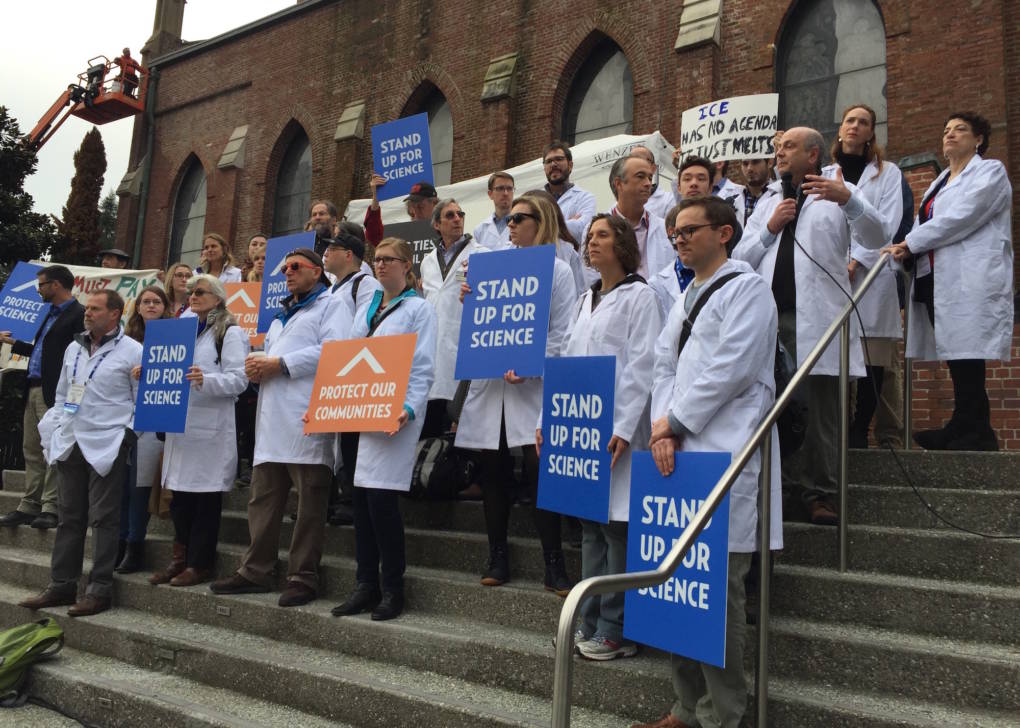
"caption": "Scientists rally outside the American Geophysical Union's fall meeting in San Francisco.",
"description": "Scientists rally outside the American Geophysical Union's fall meeting in San Francisco.",
"title": "IMG_6265",
"credit": "Craig Miller/KQED",
"status": "inherit",
"isLoading": false,
"fetchFailed": false
},
"science_1367458": {
"type": "attachments",
"id": "science_1367458",
"meta": {
"index": "attachments_1716263798",
"site": "science",
"id": "1367458",
"found": true
},
"parent": 1367457,
"imgSizes": {
"small": {
"file": "https://ww2.kqed.org/app/uploads/sites/35/2017/01/morley-lanl-gps-data_custom-425affce5cb372a3e310ff0a3435d5c86a0c91f5-520x389.jpg",
"width": 520,
"mimeType": "image/jpeg",
"height": 389
},
"twentyfourteen-full-width": {
"file": "https://ww2.kqed.org/app/uploads/sites/35/2017/01/morley-lanl-gps-data_custom-425affce5cb372a3e310ff0a3435d5c86a0c91f5-1038x576.jpg",
"width": 1038,
"mimeType": "image/jpeg",
"height": 576
},
"thumbnail": {
"file": "https://ww2.kqed.org/app/uploads/sites/35/2017/01/morley-lanl-gps-data_custom-425affce5cb372a3e310ff0a3435d5c86a0c91f5-160x120.jpg",
"width": 160,
"mimeType": "image/jpeg",
"height": 120
},
"fd-sm": {
"file": "https://ww2.kqed.org/app/uploads/sites/35/2017/01/morley-lanl-gps-data_custom-425affce5cb372a3e310ff0a3435d5c86a0c91f5-960x718.jpg",
"width": 960,
"mimeType": "image/jpeg",
"height": 718
},
"post-thumbnail": {
"file": "https://ww2.kqed.org/app/uploads/sites/35/2017/01/morley-lanl-gps-data_custom-425affce5cb372a3e310ff0a3435d5c86a0c91f5-672x372.jpg",
"width": 672,
"mimeType": "image/jpeg",
"height": 372
},
"xsmall": {
"file": "https://ww2.kqed.org/app/uploads/sites/35/2017/01/morley-lanl-gps-data_custom-425affce5cb372a3e310ff0a3435d5c86a0c91f5-375x280.jpg",
"width": 375,
"mimeType": "image/jpeg",
"height": 280
},
"kqedFullSize": {
"file": "https://ww2.kqed.org/app/uploads/sites/35/2017/01/morley-lanl-gps-data_custom-425affce5cb372a3e310ff0a3435d5c86a0c91f5.jpg",
"width": 1160,
"height": 867
},
"large": {
"file": "https://ww2.kqed.org/app/uploads/sites/35/2017/01/morley-lanl-gps-data_custom-425affce5cb372a3e310ff0a3435d5c86a0c91f5-1020x762.jpg",
"width": 1020,
"mimeType": "image/jpeg",
"height": 762
},
"guest-author-50": {
"file": "https://ww2.kqed.org/app/uploads/sites/35/2017/01/morley-lanl-gps-data_custom-425affce5cb372a3e310ff0a3435d5c86a0c91f5-50x50.jpg",
"width": 50,
"mimeType": "image/jpeg",
"height": 50
},
"guest-author-96": {
"file": "https://ww2.kqed.org/app/uploads/sites/35/2017/01/morley-lanl-gps-data_custom-425affce5cb372a3e310ff0a3435d5c86a0c91f5-96x96.jpg",
"width": 96,
"mimeType": "image/jpeg",
"height": 96
},
"medium": {
"file": "https://ww2.kqed.org/app/uploads/sites/35/2017/01/morley-lanl-gps-data_custom-425affce5cb372a3e310ff0a3435d5c86a0c91f5-800x598.jpg",
"width": 800,
"mimeType": "image/jpeg",
"height": 598
},
"guest-author-64": {
"file": "https://ww2.kqed.org/app/uploads/sites/35/2017/01/morley-lanl-gps-data_custom-425affce5cb372a3e310ff0a3435d5c86a0c91f5-64x64.jpg",
"width": 64,
"mimeType": "image/jpeg",
"height": 64
},
"guest-author-32": {
"file": "https://ww2.kqed.org/app/uploads/sites/35/2017/01/morley-lanl-gps-data_custom-425affce5cb372a3e310ff0a3435d5c86a0c91f5-32x32.jpg",
"width": 32,
"mimeType": "image/jpeg",
"height": 32
},
"detail": {
"file": "https://ww2.kqed.org/app/uploads/sites/35/2017/01/morley-lanl-gps-data_custom-425affce5cb372a3e310ff0a3435d5c86a0c91f5-150x150.jpg",
"width": 150,
"mimeType": "image/jpeg",
"height": 150
},
"medium_large": {
"file": "https://ww2.kqed.org/app/uploads/sites/35/2017/01/morley-lanl-gps-data_custom-425affce5cb372a3e310ff0a3435d5c86a0c91f5-768x574.jpg",
"width": 768,
"mimeType": "image/jpeg",
"height": 574
},
"guest-author-128": {
"file": "https://ww2.kqed.org/app/uploads/sites/35/2017/01/morley-lanl-gps-data_custom-425affce5cb372a3e310ff0a3435d5c86a0c91f5-128x128.jpg",
"width": 128,
"mimeType": "image/jpeg",
"height": 128
},
"xxsmall": {
"file": "https://ww2.kqed.org/app/uploads/sites/35/2017/01/morley-lanl-gps-data_custom-425affce5cb372a3e310ff0a3435d5c86a0c91f5-240x179.jpg",
"width": 240,
"mimeType": "image/jpeg",
"height": 179
}
},
"publishDate": 1485880732,
"modified": 1485880987,
"caption": "For years, the satellites that make up America's Global Position System have been carrying sensors that measure the weather in space. This image illustrates the orbital planes in which GPS satellites travel around Earth.",
"description": null,
"title": "For years, the satellites that make up America's Global Position System have been carrying sensors that measure the weather in space. This image illustrates the orbital planes in which GPS satellites travel around Earth.",
"credit": "Los Alamos National Laboratory",
"status": "inherit",
"isLoading": false,
"fetchFailed": false
},
"science_1336527": {
"type": "attachments",
"id": "science_1336527",
"meta": {
"index": "attachments_1716263798",
"site": "science",
"id": "1336527",
"found": true
},
"parent": 1336526,
"imgSizes": {
"small": {
"file": "https://ww2.kqed.org/app/uploads/sites/35/2017/01/DL403-MARQUEE.03-520x293.jpg",
"width": 520,
"mimeType": "image/jpeg",
"height": 293
},
"twentyfourteen-full-width": {
"file": "https://ww2.kqed.org/app/uploads/sites/35/2017/01/DL403-MARQUEE.03-1038x576.jpg",
"width": 1038,
"mimeType": "image/jpeg",
"height": 576
},
"thumbnail": {
"file": "https://ww2.kqed.org/app/uploads/sites/35/2017/01/DL403-MARQUEE.03-160x90.jpg",
"width": 160,
"mimeType": "image/jpeg",
"height": 90
},
"fd-sm": {
"file": "https://ww2.kqed.org/app/uploads/sites/35/2017/01/DL403-MARQUEE.03-960x540.jpg",
"width": 960,
"mimeType": "image/jpeg",
"height": 540
},
"post-thumbnail": {
"file": "https://ww2.kqed.org/app/uploads/sites/35/2017/01/DL403-MARQUEE.03-672x372.jpg",
"width": 672,
"mimeType": "image/jpeg",
"height": 372
},
"xsmall": {
"file": "https://ww2.kqed.org/app/uploads/sites/35/2017/01/DL403-MARQUEE.03-375x211.jpg",
"width": 375,
"mimeType": "image/jpeg",
"height": 211
},
"kqedFullSize": {
"file": "https://ww2.kqed.org/app/uploads/sites/35/2017/01/DL403-MARQUEE.03.jpg",
"width": 1920,
"height": 1080
},
"large": {
"file": "https://ww2.kqed.org/app/uploads/sites/35/2017/01/DL403-MARQUEE.03-1020x574.jpg",
"width": 1020,
"mimeType": "image/jpeg",
"height": 574
},
"xlarge": {
"file": "https://ww2.kqed.org/app/uploads/sites/35/2017/01/DL403-MARQUEE.03-1180x664.jpg",
"width": 1180,
"mimeType": "image/jpeg",
"height": 664
},
"guest-author-50": {
"file": "https://ww2.kqed.org/app/uploads/sites/35/2017/01/DL403-MARQUEE.03-50x50.jpg",
"width": 50,
"mimeType": "image/jpeg",
"height": 50
},
"guest-author-96": {
"file": "https://ww2.kqed.org/app/uploads/sites/35/2017/01/DL403-MARQUEE.03-96x96.jpg",
"width": 96,
"mimeType": "image/jpeg",
"height": 96
},
"medium": {
"file": "https://ww2.kqed.org/app/uploads/sites/35/2017/01/DL403-MARQUEE.03-800x450.jpg",
"width": 800,
"mimeType": "image/jpeg",
"height": 450
},
"guest-author-64": {
"file": "https://ww2.kqed.org/app/uploads/sites/35/2017/01/DL403-MARQUEE.03-64x64.jpg",
"width": 64,
"mimeType": "image/jpeg",
"height": 64
},
"guest-author-32": {
"file": "https://ww2.kqed.org/app/uploads/sites/35/2017/01/DL403-MARQUEE.03-32x32.jpg",
"width": 32,
"mimeType": "image/jpeg",
"height": 32
},
"fd-lrg": {
"file": "https://ww2.kqed.org/app/uploads/sites/35/2017/01/DL403-MARQUEE.03-1920x1080.jpg",
"width": 1920,
"mimeType": "image/jpeg",
"height": 1080
},
"fd-med": {
"file": "https://ww2.kqed.org/app/uploads/sites/35/2017/01/DL403-MARQUEE.03-1180x664.jpg",
"width": 1180,
"mimeType": "image/jpeg",
"height": 664
},
"full-width": {
"file": "https://ww2.kqed.org/app/uploads/sites/35/2017/01/DL403-MARQUEE.03-1920x1080.jpg",
"width": 1920,
"mimeType": "image/jpeg",
"height": 1080
},
"detail": {
"file": "https://ww2.kqed.org/app/uploads/sites/35/2017/01/DL403-MARQUEE.03-150x150.jpg",
"width": 150,
"mimeType": "image/jpeg",
"height": 150
},
"medium_large": {
"file": "https://ww2.kqed.org/app/uploads/sites/35/2017/01/DL403-MARQUEE.03-768x432.jpg",
"width": 768,
"mimeType": "image/jpeg",
"height": 432
},
"guest-author-128": {
"file": "https://ww2.kqed.org/app/uploads/sites/35/2017/01/DL403-MARQUEE.03-128x128.jpg",
"width": 128,
"mimeType": "image/jpeg",
"height": 128
},
"xxsmall": {
"file": "https://ww2.kqed.org/app/uploads/sites/35/2017/01/DL403-MARQUEE.03-240x135.jpg",
"width": 240,
"mimeType": "image/jpeg",
"height": 135
}
},
"publishDate": 1484877487,
"modified": 1484877561,
"caption": "Archerfish spit water at prey.",
"description": null,
"title": "DL403 MARQUEE.03",
"credit": "Josh Cassidy/KQED",
"status": "inherit",
"isLoading": false,
"fetchFailed": false
},
"science_1357325": {
"type": "attachments",
"id": "science_1357325",
"meta": {
"index": "attachments_1716263798",
"site": "science",
"id": "1357325",
"found": true
},
"parent": 0,
"imgSizes": {
"small": {
"file": "https://ww2.kqed.org/app/uploads/sites/35/2017/01/5616563031_5159179b71_o-520x345.jpg",
"width": 520,
"mimeType": "image/jpeg",
"height": 345
},
"twentyfourteen-full-width": {
"file": "https://ww2.kqed.org/app/uploads/sites/35/2017/01/5616563031_5159179b71_o-1038x576.jpg",
"width": 1038,
"mimeType": "image/jpeg",
"height": 576
},
"thumbnail": {
"file": "https://ww2.kqed.org/app/uploads/sites/35/2017/01/5616563031_5159179b71_o-160x106.jpg",
"width": 160,
"mimeType": "image/jpeg",
"height": 106
},
"fd-sm": {
"file": "https://ww2.kqed.org/app/uploads/sites/35/2017/01/5616563031_5159179b71_o-960x638.jpg",
"width": 960,
"mimeType": "image/jpeg",
"height": 638
},
"post-thumbnail": {
"file": "https://ww2.kqed.org/app/uploads/sites/35/2017/01/5616563031_5159179b71_o-672x372.jpg",
"width": 672,
"mimeType": "image/jpeg",
"height": 372
},
"xsmall": {
"file": "https://ww2.kqed.org/app/uploads/sites/35/2017/01/5616563031_5159179b71_o-375x249.jpg",
"width": 375,
"mimeType": "image/jpeg",
"height": 249
},
"kqedFullSize": {
"file": "https://ww2.kqed.org/app/uploads/sites/35/2017/01/5616563031_5159179b71_o.jpg",
"width": 2560,
"height": 1700
},
"large": {
"file": "https://ww2.kqed.org/app/uploads/sites/35/2017/01/5616563031_5159179b71_o-1020x677.jpg",
"width": 1020,
"mimeType": "image/jpeg",
"height": 677
},
"xlarge": {
"file": "https://ww2.kqed.org/app/uploads/sites/35/2017/01/5616563031_5159179b71_o-1180x784.jpg",
"width": 1180,
"mimeType": "image/jpeg",
"height": 784
},
"guest-author-50": {
"file": "https://ww2.kqed.org/app/uploads/sites/35/2017/01/5616563031_5159179b71_o-50x50.jpg",
"width": 50,
"mimeType": "image/jpeg",
"height": 50
},
"guest-author-96": {
"file": "https://ww2.kqed.org/app/uploads/sites/35/2017/01/5616563031_5159179b71_o-96x96.jpg",
"width": 96,
"mimeType": "image/jpeg",
"height": 96
},
"medium": {
"file": "https://ww2.kqed.org/app/uploads/sites/35/2017/01/5616563031_5159179b71_o-800x531.jpg",
"width": 800,
"mimeType": "image/jpeg",
"height": 531
},
"guest-author-64": {
"file": "https://ww2.kqed.org/app/uploads/sites/35/2017/01/5616563031_5159179b71_o-64x64.jpg",
"width": 64,
"mimeType": "image/jpeg",
"height": 64
},
"guest-author-32": {
"file": "https://ww2.kqed.org/app/uploads/sites/35/2017/01/5616563031_5159179b71_o-32x32.jpg",
"width": 32,
"mimeType": "image/jpeg",
"height": 32
},
"fd-lrg": {
"file": "https://ww2.kqed.org/app/uploads/sites/35/2017/01/5616563031_5159179b71_o-1920x1275.jpg",
"width": 1920,
"mimeType": "image/jpeg",
"height": 1275
},
"fd-med": {
"file": "https://ww2.kqed.org/app/uploads/sites/35/2017/01/5616563031_5159179b71_o-1180x784.jpg",
"width": 1180,
"mimeType": "image/jpeg",
"height": 784
},
"full-width": {
"file": "https://ww2.kqed.org/app/uploads/sites/35/2017/01/5616563031_5159179b71_o-1920x1275.jpg",
"width": 1920,
"mimeType": "image/jpeg",
"height": 1275
},
"detail": {
"file": "https://ww2.kqed.org/app/uploads/sites/35/2017/01/5616563031_5159179b71_o-150x150.jpg",
"width": 150,
"mimeType": "image/jpeg",
"height": 150
},
"medium_large": {
"file": "https://ww2.kqed.org/app/uploads/sites/35/2017/01/5616563031_5159179b71_o-768x510.jpg",
"width": 768,
"mimeType": "image/jpeg",
"height": 510
},
"guest-author-128": {
"file": "https://ww2.kqed.org/app/uploads/sites/35/2017/01/5616563031_5159179b71_o-128x128.jpg",
"width": 128,
"mimeType": "image/jpeg",
"height": 128
},
"xxsmall": {
"file": "https://ww2.kqed.org/app/uploads/sites/35/2017/01/5616563031_5159179b71_o-240x159.jpg",
"width": 240,
"mimeType": "image/jpeg",
"height": 159
}
},
"publishDate": 1485550798,
"modified": 1485551044,
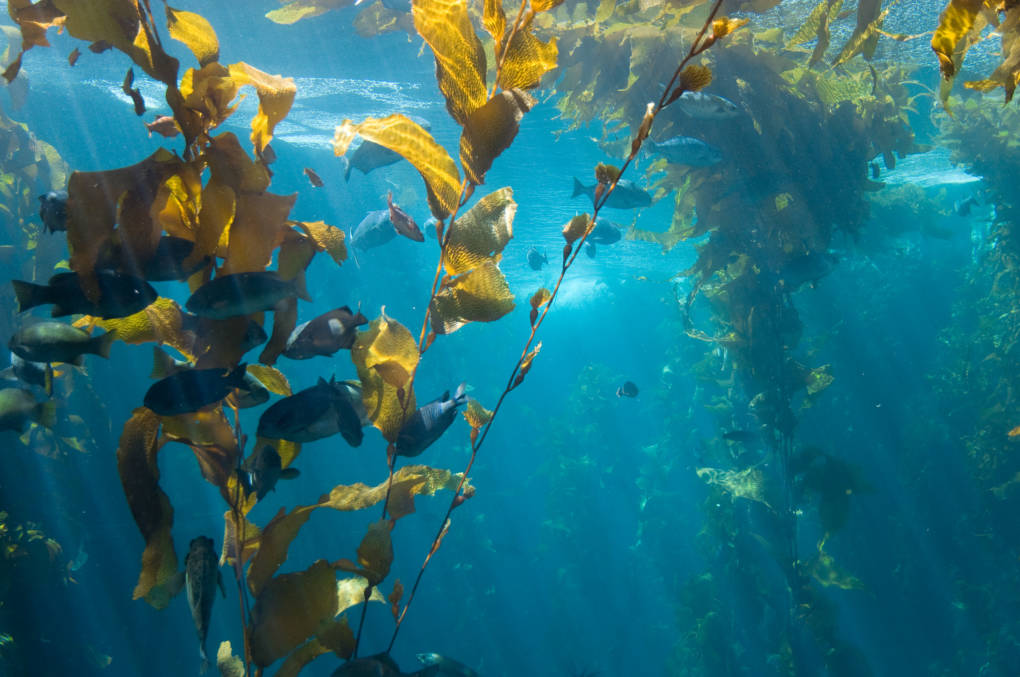
"caption": "Due to warm water temperatures, kelp forests stretching from the Bay Area to the Oregon border have shrunk by more than 90 percent.",
"description": null,
"title": "5616563031_5159179b71_o",
"credit": "Jonathan Kriz/flickr",
"status": "inherit",
"isLoading": false,
"fetchFailed": false
}
},
"audioPlayerReducer": {
"postId": "stream_live",
"isPaused": true,
"isPlaying": false,
"pfsActive": false,
"pledgeModalIsOpen": true,
"playerDrawerIsOpen": false,
"liveAudioPlayStartedAt": 0,
"liveAudioPlayContext": ""
},
"authorsReducer": {
"byline_science_1425599": {
"type": "authors",
"id": "byline_science_1425599",
"meta": {
"override": true
},
"slug": "byline_science_1425599",
"name": "Marcia Dunn\u003c/br>Associated Press",
"isLoading": false
},
"byline_science_1415456": {
"type": "authors",
"id": "byline_science_1415456",
"meta": {
"override": true
},
"slug": "byline_science_1415456",
"name": "\u003cstrong>Robert Jablon\u003cbr>Associated Press\u003c/strong>",
"isLoading": false
},
"byline_science_1367457": {
"type": "authors",
"id": "byline_science_1367457",
"meta": {
"override": true
},
"slug": "byline_science_1367457",
"name": "\u003ca href=\"http://www.npr.org/people/384067907/rebecca-hersher\" target=\"_blank\">Rebecca Hersher\u003c/a>\u003c/br>NPR",
"isLoading": false
},
"cmiller": {
"type": "authors",
"id": "221",
"meta": {
"index": "authors_1716337520",
"id": "221",
"found": true
},
"name": "Craig Miller",
"firstName": "Craig",
"lastName": "Miller",
"slug": "cmiller",
"email": "craig@voxterra.net",
"display_author_email": false,
"staff_mastheads": [
"science"
],
"title": "Editor Emeritus, Science",
"bio": "Craig is a former KQED Science editor, specializing in weather, climate, water & energy issues, with a little seismology thrown in just to shake things up. Prior to that, he launched and led the station's award-winning multimedia project, Climate Watch. Craig is also an accomplished writer/producer of television documentaries, with a focus on natural resource issues.",
"avatar": "https://secure.gravatar.com/avatar/b91661df645e001a9cafe0861fa685f9?s=600&d=blank&r=g",
"twitter": "voxterra",
"facebook": null,
"instagram": null,
"linkedin": null,
"sites": [
{
"site": "news",
"roles": [
"author"
]
},
{
"site": "futureofyou",
"roles": [
"editor"
]
},
{
"site": "stateofhealth",
"roles": [
"author"
]
},
{
"site": "science",
"roles": [
"editor"
]
},
{
"site": "quest",
"roles": [
"editor"
]
}
],
"headData": {
"title": "Craig Miller | KQED",
"description": "Editor Emeritus, Science",
"ogImgSrc": "https://secure.gravatar.com/avatar/b91661df645e001a9cafe0861fa685f9?s=600&d=blank&r=g",
"twImgSrc": "https://secure.gravatar.com/avatar/b91661df645e001a9cafe0861fa685f9?s=600&d=blank&r=g"
},
"isLoading": false,
"link": "/author/cmiller"
},
"katsnow": {
"type": "authors",
"id": "235",
"meta": {
"index": "authors_1716337520",
"id": "235",
"found": true
},
"name": "Katrin Snow",
"firstName": "Katrin",
"lastName": "Snow",
"slug": "katsnow",
"email": "ksnow@kqed.org",
"display_author_email": true,
"staff_mastheads": [
"science"
],
"title": "Senior Editor",
"bio": "Kat started in radio in 1985 at KMUN in Astoria, Oregon, where the Columbia River meets the sea. She worked several years protecting monarch butterfly habitat in California with the Xerces Society, an invertebrate conservation organization, before a love for radio news drew her back into journalism. Kat came to KQED in 2002, and before that was a reporter and news director at KUER in Salt Lake City, covering the state legislature, the environment and health. Kat coaches reporters and others in embodied narration and public speaking. She is a certified teacher of Soul Motion®, a conscious dance practice, and can sometimes be found in the Mojave desert or the Eastern Sierra.",
"avatar": "https://secure.gravatar.com/avatar/fa6bf8a74a2692973a5484e64ebd2b52?s=600&d=blank&r=g",
"twitter": "cosmologicalkat",
"facebook": null,
"instagram": null,
"linkedin": null,
"sites": [
{
"site": "arts",
"roles": [
"contributor"
]
},
{
"site": "news",
"roles": [
"editor"
]
},
{
"site": "futureofyou",
"roles": [
"editor"
]
},
{
"site": "science",
"roles": [
"editor"
]
}
],
"headData": {
"title": "Katrin Snow | KQED",
"description": "Senior Editor",
"ogImgSrc": "https://secure.gravatar.com/avatar/fa6bf8a74a2692973a5484e64ebd2b52?s=600&d=blank&r=g",
"twImgSrc": "https://secure.gravatar.com/avatar/fa6bf8a74a2692973a5484e64ebd2b52?s=600&d=blank&r=g"
},
"isLoading": false,
"link": "/author/katsnow"
},
"laurensommer": {
"type": "authors",
"id": "239",
"meta": {
"index": "authors_1716337520",
"id": "239",
"found": true
},
"name": "Lauren Sommer",
"firstName": "Lauren",
"lastName": "Sommer",
"slug": "laurensommer",
"email": "lsommer@kqed.org",
"display_author_email": false,
"staff_mastheads": [],
"title": "KQED Contributor",
"bio": "Lauren is a radio reporter formerly covering environment, water, and energy for KQED Science. As part of her day job, she has scaled Sierra Nevada peaks, run from charging elephant seals, and desperately tried to get her sea legs - all in pursuit of good radio. Her work has appeared on Marketplace, Living on Earth, Science Friday and NPR's Morning Edition and All Things Considered. You can find her on Twitter at \u003ca href=\"https://twitter.com/lesommer\">@lesommer\u003c/a>.",
"avatar": "https://secure.gravatar.com/avatar/33aa3772bb86c6ad45b8aca6a238bbdf?s=600&d=blank&r=g",
"twitter": null,
"facebook": null,
"instagram": null,
"linkedin": null,
"sites": [
{
"site": "news",
"roles": [
"author"
]
},
{
"site": "science",
"roles": [
"editor",
"manage_content_types",
"manage_taxonomies"
]
},
{
"site": "quest",
"roles": [
"editor"
]
}
],
"headData": {
"title": "Lauren Sommer | KQED",
"description": "KQED Contributor",
"ogImgSrc": "https://secure.gravatar.com/avatar/33aa3772bb86c6ad45b8aca6a238bbdf?s=600&d=blank&r=g",
"twImgSrc": "https://secure.gravatar.com/avatar/33aa3772bb86c6ad45b8aca6a238bbdf?s=600&d=blank&r=g"
},
"isLoading": false,
"link": "/author/laurensommer"
},
"lindseyhoshaw": {
"type": "authors",
"id": "5432",
"meta": {
"index": "authors_1716337520",
"id": "5432",
"found": true
},
"name": "Lindsey Hoshaw",
"firstName": "Lindsey",
"lastName": "Hoshaw",
"slug": "lindseyhoshaw",
"email": "lhoshaw@kqed.org",
"display_author_email": false,
"staff_mastheads": [],
"title": "KQED Contributor",
"bio": "Lindsey Hoshaw is a former interactive producer for KQED Science. Before joining KQED, Lindsey was a science correspondent for The New York Times, The Boston Globe, Forbes and Scientific American. On Twitter @lindseyhoshaw",
"avatar": "https://secure.gravatar.com/avatar/274b07694c998eaa8f26cfabaa941186?s=600&d=mm&r=g",
"twitter": "lindseyhoshaw",
"facebook": "lindsey.hoshaw.9",
"instagram": null,
"linkedin": null,
"sites": [
{
"site": "arts",
"roles": [
"author"
]
},
{
"site": "news",
"roles": [
"subscriber"
]
},
{
"site": "futureofyou",
"roles": [
"editor"
]
},
{
"site": "bayareabites",
"roles": [
"contributor"
]
},
{
"site": "stateofhealth",
"roles": [
"author"
]
},
{
"site": "science",
"roles": [
"edit_theme_options",
"subscriber"
]
},
{
"site": "quest",
"roles": [
"edit_post_subscriptions",
"edit_usergroups",
"unfiltered_html",
"unfiltered_upload",
"leadcoordinator",
"editor"
]
},
{
"site": "food",
"roles": []
}
],
"headData": {
"title": "Lindsey Hoshaw | KQED",
"description": "KQED Contributor",
"ogImgSrc": "https://secure.gravatar.com/avatar/274b07694c998eaa8f26cfabaa941186?s=600&d=mm&r=g",
"twImgSrc": "https://secure.gravatar.com/avatar/274b07694c998eaa8f26cfabaa941186?s=600&d=mm&r=g"
},
"isLoading": false,
"link": "/author/lindseyhoshaw"
},
"ben-burress": {
"type": "authors",
"id": "6180",
"meta": {
"index": "authors_1716337520",
"id": "6180",
"found": true
},
"name": "Ben Burress",
"firstName": "Ben",
"lastName": "Burress",
"slug": "ben-burress",
"email": "bburress@chabotspace.org",
"display_author_email": false,
"staff_mastheads": [],
"title": null,
"bio": "\u003cstrong>Benjamin Burress\u003c/strong> has been a staff astronomer at Chabot Space & Science Center since July 1999. He graduated from Sonoma State University in 1985 with a bachelor’s degree in physics (and minor in astronomy), after which he signed on for a two-year stint in the Peace Corps, where he taught physics and mathematics in the African nation of Cameroon. From 1989-96 he served on the crew of NASA’s Kuiper Airborne Observatory at Ames Research Center in Mountain View, CA. From 1996-99, he was Head Observer at the Naval Prototype Optical Interferometer program at Lowell Observatory in Flagstaff, AZ.\r\n\r\nRead his \u003ca href=\"http://science.kqed.org/quest/author/ben-burress/\">previous contributions\u003c/a> to \u003ca href=\"http://science.kqed.org/quest/\">QUEST\u003c/a>, a project dedicated to exploring the Science of Sustainability.",
"avatar": "https://secure.gravatar.com/avatar/8263bffa345b7e4923a0b8b9f0f6a161?s=600&d=blank&r=g",
"twitter": null,
"facebook": null,
"instagram": null,
"linkedin": null,
"sites": [
{
"site": "science",
"roles": [
"editor"
]
},
{
"site": "quest",
"roles": [
"subscriber"
]
}
],
"headData": {
"title": "Ben Burress | KQED",
"description": null,
"ogImgSrc": "https://secure.gravatar.com/avatar/8263bffa345b7e4923a0b8b9f0f6a161?s=600&d=blank&r=g",
"twImgSrc": "https://secure.gravatar.com/avatar/8263bffa345b7e4923a0b8b9f0f6a161?s=600&d=blank&r=g"
},
"isLoading": false,
"link": "/author/ben-burress"
},
"ekennerson": {
"type": "authors",
"id": "11090",
"meta": {
"index": "authors_1716337520",
"id": "11090",
"found": true
},
"name": "Elliott Kennerson",
"firstName": "Elliott",
"lastName": "Kennerson",
"slug": "ekennerson",
"email": "ekennerson@kqed.org",
"display_author_email": false,
"staff_mastheads": [],
"title": null,
"bio": "Elliott Kennerson joined KQED Science as a Digital Media Producer in 2015. Before joining KQED, he produced the Kickstarter-funded series “Animal R&R” for KPBS in San Diego. Elliott received his M.F.A. training in wildlife documentary at Montana State in Bozeman and holds a B.A. from Yale in archaeology. In his former life as an actor, he was an associate artist with LightBox Theater Company in New York. Elliott is the recipient of a 2017 Regional Emmy for his work as a producer on “Deep Look.\"",
"avatar": "https://secure.gravatar.com/avatar/90ebfa58055409e54c8f8a4c120ecf91?s=600&d=blank&r=g",
"twitter": "edorank",
"facebook": null,
"instagram": null,
"linkedin": null,
"sites": [
{
"site": "science",
"roles": [
"editor"
]
}
],
"headData": {
"title": "Elliott Kennerson | KQED",
"description": null,
"ogImgSrc": "https://secure.gravatar.com/avatar/90ebfa58055409e54c8f8a4c120ecf91?s=600&d=blank&r=g",
"twImgSrc": "https://secure.gravatar.com/avatar/90ebfa58055409e54c8f8a4c120ecf91?s=600&d=blank&r=g"
},
"isLoading": false,
"link": "/author/ekennerson"
},
"ewirtschafter": {
"type": "authors",
"id": "11259",
"meta": {
"index": "authors_1716337520",
"id": "11259",
"found": true
},
"name": "Eli Wirtschafter",
"firstName": "Eli",
"lastName": "Wirtschafter",
"slug": "ewirtschafter",
"email": "ewirtschafter@KQED.org",
"display_author_email": false,
"staff_mastheads": [],
"title": "KQED Contributor",
"bio": "Eli Wirtschafter is a freelance reporter and producer focusing on transportation, art, and activism. He previously interned with \u003cem>The California Report\u003c/em> and KQED Local News\u003cem>.\u003c/em> Eli is also KALW's transportation reporter, and a graduate of KALW's \u003ca href=\"http://kalw.org/post/enrollment-now-open-kalws-audio-academy#stream/0\" target=\"_blank\" rel=\"noopener noreferrer\">Audio Academy.\u003c/a> Eli's work has been heard on NPR, Here & Now, and BackStory. Find him on Twitter at \u003ca href=\"https://twitter.com/RadioEli\" target=\"_blank\" rel=\"noopener noreferrer\">@RadioEli\u003c/a>.",
"avatar": "https://secure.gravatar.com/avatar/dd6917a8f3309e9659ae1da5ffc10865559102003d58d9f077ca49c7f7ca792e?s=600&d=blank&r=g",
"twitter": "RadioEli",
"bluesky": null,
"facebook": null,
"instagram": null,
"linkedin": null,
"sites": [
{
"site": "arts",
"roles": [
"subscriber"
]
},
{
"site": "news",
"roles": [
"author"
]
},
{
"site": "science",
"roles": [
"author"
]
}
],
"headData": {
"title": "Eli Wirtschafter | KQED",
"description": "KQED Contributor",
"ogImgSrc": "https://secure.gravatar.com/avatar/dd6917a8f3309e9659ae1da5ffc10865559102003d58d9f077ca49c7f7ca792e?s=600&d=blank&r=g",
"twImgSrc": "https://secure.gravatar.com/avatar/dd6917a8f3309e9659ae1da5ffc10865559102003d58d9f077ca49c7f7ca792e?s=600&d=blank&r=g"
},
"isLoading": false,
"link": "/author/ewirtschafter"
}
},
"pagesReducer": {
"science_category_news": {
"type": "terms",
"id": "science_40",
"meta": {
"index": "terms_1716263798",
"site": "science",
"id": "40",
"score": 10.814472
},
"featImg": null,
"name": "News",
"description": null,
"taxonomy": "category",
"headData": {
"twImgId": null,
"twTitle": null,
"ogTitle": null,
"ogImgId": null,
"twDescription": null,
"description": null,
"title": "News Archives | KQED Science",
"ogDescription": null
},
"ttid": 42,
"slug": "news",
"isLoading": false,
"title": "News",
"pageMeta": {
"site": "science",
"WpPageTemplate": "page-topic-editorial",
"currentPage": 205
},
"blocks": [
{
"blockName": "kqed/post-list",
"attrs": {
"layout": "cardArticle2",
"query": "posts/science?category=news",
"seeMore": false,
"paginated": true,
"page": 205
}
},
{
"blockName": "kqed/ad"
}
]
}
},
"pfsSessionReducer": {},
"postsReducer": {
"stream_live": {
"type": "live",
"id": "stream_live",
"audioUrl": "https://streams.kqed.org/kqedradio",
"title": "Live Stream",
"excerpt": "Live Stream information currently unavailable.",
"link": "/radio",
"featImg": "",
"label": {
"name": "KQED Live",
"link": "/"
}
},
"stream_kqedNewscast": {
"type": "posts",
"id": "stream_kqedNewscast",
"audioUrl": "https://www.kqed.org/.stream/anon/radio/RDnews/newscast.mp3?_=1",
"title": "KQED Newscast",
"featImg": "",
"label": {
"name": "88.5 FM",
"link": "/"
}
},
"science_1425599": {
"type": "posts",
"id": "science_1425599",
"meta": {
"index": "posts_1716263798",
"site": "science",
"id": "1425599",
"score": null,
"sort": [
1487788377000
]
},
"parent": 0,
"labelTerm": {},
"blocks": [],
"publishDate": 1487788377,
"format": "standard",
"title": "7 Earth-Size Worlds Found Orbiting Star; The Planets Could Hold Life",
"headTitle": "7 Earth-Size Worlds Found Orbiting Star; The Planets Could Hold Life | KQED",
"content": "\u003cp>For the first time ever, astronomers have discovered seven Earth-size planets orbiting a nearby star — and these new worlds could hold life.\u003c/p>\n\u003cp>This cluster of planets is less than 40 light-years away in the constellation Aquarius, according to NASA and the Belgian-led research team who announced the discovery Wednesday.\u003c/p>\n\u003cp>The planets circle tightly around a dim dwarf star called Trappist-1, barely the size of Jupiter. Three are in the so-called habitable zone, where liquid water and, possibly life, might exist. The others are right on the doorstep.\u003c/p>\n\u003cfigure id=\"attachment_1425606\" class=\"wp-caption alignright\" style=\"max-width: 3200px\">\u003cimg loading=\"lazy\" decoding=\"async\" class=\"size-full wp-image-1425606\" src=\"https://ww2.kqed.org/science/wp-content/uploads/sites/35/2017/02/Planets_lower_res.jpg\" alt=\"The TRAPPIST-1 star, an ultra-cool dwarf, has seven Earth-size planets orbiting it. This artist's concept appeared on the cover of the journal Nature on Feb. 23, 2017. \" width=\"3200\" height=\"4000\" srcset=\"https://cdn.kqed.org/wp-content/uploads/sites/35/2017/02/Planets_lower_res.jpg 3200w, https://cdn.kqed.org/wp-content/uploads/sites/35/2017/02/Planets_lower_res-160x200.jpg 160w, https://cdn.kqed.org/wp-content/uploads/sites/35/2017/02/Planets_lower_res-800x1000.jpg 800w, https://cdn.kqed.org/wp-content/uploads/sites/35/2017/02/Planets_lower_res-768x960.jpg 768w, https://cdn.kqed.org/wp-content/uploads/sites/35/2017/02/Planets_lower_res-1020x1275.jpg 1020w, https://cdn.kqed.org/wp-content/uploads/sites/35/2017/02/Planets_lower_res-1920x2400.jpg 1920w, https://cdn.kqed.org/wp-content/uploads/sites/35/2017/02/Planets_lower_res-1180x1475.jpg 1180w, https://cdn.kqed.org/wp-content/uploads/sites/35/2017/02/Planets_lower_res-960x1200.jpg 960w, https://cdn.kqed.org/wp-content/uploads/sites/35/2017/02/Planets_lower_res-240x300.jpg 240w, https://cdn.kqed.org/wp-content/uploads/sites/35/2017/02/Planets_lower_res-375x469.jpg 375w, https://cdn.kqed.org/wp-content/uploads/sites/35/2017/02/Planets_lower_res-520x650.jpg 520w\" sizes=\"(max-width: 3200px) 100vw, 3200px\">\u003cfigcaption class=\"wp-caption-text\">The TRAPPIST-1 star, an ultra-cool dwarf, has seven Earth-size planets orbiting it. This artist’s concept appeared on the cover of the journal Nature on Feb. 23, 2017. \u003ccite>(NASA/JPL-Caltech)\u003c/cite>\u003c/figcaption>\u003c/figure>\n\u003cp>Scientists said they need to study the atmospheres before determining whether these rocky, terrestrial planets could support some sort of life. But it already shows just how many Earth-size planets could be out there — especially in a star’s sweet spot, ripe for extraterrestrial life.\u003c/p>\n\u003cp>The takeaway from all this is, “we’ve made a crucial step toward finding if there is life out there,” said the University of Cambridge’s Amaury Triaud, one of the researchers. The potential for more Earth-size planets in our Milky Way galaxy is mind-boggling.\u003c/p>\n\u003cp>[ad fullwidth]\u003c/p>\n\u003cp>“There are 200 billion stars in our galaxy,” said co-author Emmanuel Jehin of the University of Liege. So do an account. You multiply this by 10, and you have the number of Earth-size planets in the galaxy — which is a lot.”\u003c/p>\n\u003cp>Last spring, the University of Liege’s Michael Gillon and his team reported finding three planets around Trappist-1. Now the count is up to seven, and Gillon said there could be more. Their latest findings appear in the journal Nature.\u003c/p>\n\u003cp>This compact solar system is reminiscent of Jupiter and its Galilean moons, according to the researchers.\u003c/p>\n\u003cp>Picture this: If Trappist-1 were our sun, all seven planets would be inside Mercury’s orbit. Mercury is the innermost planet of our own solar system.\u003c/p>\n\u003cp>The ultracool star at the heart of this system would shine 200 times dimmer than our sun, a perpetual twilight as we know it. And the star would glow red — maybe salmon-colored, the researchers speculate.\u003c/p>\n\u003cp>“The spectacle would be beautiful because every now and then, you would see another planet, maybe about as big as twice the moon in the sky, depending on which planet you’re on and which planet you look at,” Triaud said Tuesday in a teleconference with reporters.\u003c/p>\n\u003cp>https://youtu.be/bnKFaAS30X8\u003c/p>\n\u003cp>The Leiden Observatory’s Ignas Snellen, who was not involved in the study, is excited by the prospect of learning more about what he calls “the seven sisters of planet Earth.” In a companion article in Nature, he said Gillon’s team could have been lucky in nabbing so many terrestrial planets in one stellar swoop.\u003c/p>\n\u003cp>“But finding seven transiting Earth-sized planets in such a small sample suggests that the solar system with its four (sub-) Earth-sized planets might be nothing out of the ordinary,” Snellen wrote.\u003c/p>\n\u003cp>Gillon and his team used both ground and space telescopes to identify and track the planets, which they label simply by lowercase letters, “b” through “h.” As is typical in these cases, the letter “A” — in upper case — is reserved for the star. Planets cast shadows on their star as they pass in front of it; that’s how the scientists spotted them.\u003c/p>\n\u003cp>Tiny, cold stars like Trappist-1 were long shunned by exoplanet-hunters (exoplanets are those outside our solar system). But the Belgian astronomers decided to seek them out, building a telescope in Chile to observe 60 of the closest ultracool dwarf stars. Their Trappist telescope lent its name to this star.\u003c/p>\n\u003cp>While faint, the Trappist-1 star is close by cosmic standards, allowing astronomers to study the atmospheres of its seven temperate planets. All seven look to be solid like Earth — mostly rocky and possibly icy, too.\u003c/p>\n\u003cp>They all appear to be tidally locked, which means the same side continually faces the star, just like the same side of our moon always faces us. Life could still exist at these places, the researchers explained.\u003c/p>\n\u003cp>“Here, if life managed to thrive and releases gases similar to that that we have on Earth, then we will know,” Triaud said.\u003c/p>\n\u003cp>\u003c/p>\n\u003cp>Chemical analyses should indicate life with perhaps 99 percent confidence, Gillon noted. But he added: “We will never be completely sure” without going there.\u003c/p>\n\n",
"stats": {
"hasVideo": false,
"hasChartOrMap": false,
"hasAudio": false,
"hasPolis": false,
"wordCount": 796,
"hasGoogleForm": false,
"hasGallery": false,
"hasHearkenModule": false,
"iframeSrcs": [],
"paragraphCount": 21
},
"modified": 1704929051,
"excerpt": "NASA says the planets and star are \"relatively close to us,\" only ~40 light-years away.",
"headData": {
"twImgId": "",
"twTitle": "",
"ogTitle": "",
"ogImgId": "",
"twDescription": "",
"description": "NASA says the planets and star are "relatively close to us," only ~40 light-years away.",
"title": "7 Earth-Size Worlds Found Orbiting Star; The Planets Could Hold Life | KQED",
"ogDescription": "",
"schema": {
"@context": "https://schema.org",
"@type": "Article",
"headline": "7 Earth-Size Worlds Found Orbiting Star; The Planets Could Hold Life",
"datePublished": "2017-02-22T10:32:57-08:00",
"dateModified": "2024-01-10T15:24:11-08:00",
"image": "https://cdn.kqed.org/wp-content/uploads/2020/02/KQED-OG-Image@1x.png"
}
},
"guestAuthors": [],
"slug": "7-earth-size-worlds-found-orbiting-star-that-could-hold-life",
"status": "publish",
"nprByline": "Marcia Dunn\u003c/br>Associated Press",
"sticky": false,
"source": "Associated Press",
"path": "/science/1425599/7-earth-size-worlds-found-orbiting-star-that-could-hold-life",
"audioTrackLength": null,
"parsedContent": [
{
"type": "contentString",
"content": "\u003cdiv class=\"post-body\">\u003cp>\u003cp>For the first time ever, astronomers have discovered seven Earth-size planets orbiting a nearby star — and these new worlds could hold life.\u003c/p>\n\u003cp>This cluster of planets is less than 40 light-years away in the constellation Aquarius, according to NASA and the Belgian-led research team who announced the discovery Wednesday.\u003c/p>\n\u003cp>The planets circle tightly around a dim dwarf star called Trappist-1, barely the size of Jupiter. Three are in the so-called habitable zone, where liquid water and, possibly life, might exist. The others are right on the doorstep.\u003c/p>\n\u003cfigure id=\"attachment_1425606\" class=\"wp-caption alignright\" style=\"max-width: 3200px\">\u003cimg loading=\"lazy\" decoding=\"async\" class=\"size-full wp-image-1425606\" src=\"https://ww2.kqed.org/science/wp-content/uploads/sites/35/2017/02/Planets_lower_res.jpg\" alt=\"The TRAPPIST-1 star, an ultra-cool dwarf, has seven Earth-size planets orbiting it. This artist's concept appeared on the cover of the journal Nature on Feb. 23, 2017. \" width=\"3200\" height=\"4000\" srcset=\"https://cdn.kqed.org/wp-content/uploads/sites/35/2017/02/Planets_lower_res.jpg 3200w, https://cdn.kqed.org/wp-content/uploads/sites/35/2017/02/Planets_lower_res-160x200.jpg 160w, https://cdn.kqed.org/wp-content/uploads/sites/35/2017/02/Planets_lower_res-800x1000.jpg 800w, https://cdn.kqed.org/wp-content/uploads/sites/35/2017/02/Planets_lower_res-768x960.jpg 768w, https://cdn.kqed.org/wp-content/uploads/sites/35/2017/02/Planets_lower_res-1020x1275.jpg 1020w, https://cdn.kqed.org/wp-content/uploads/sites/35/2017/02/Planets_lower_res-1920x2400.jpg 1920w, https://cdn.kqed.org/wp-content/uploads/sites/35/2017/02/Planets_lower_res-1180x1475.jpg 1180w, https://cdn.kqed.org/wp-content/uploads/sites/35/2017/02/Planets_lower_res-960x1200.jpg 960w, https://cdn.kqed.org/wp-content/uploads/sites/35/2017/02/Planets_lower_res-240x300.jpg 240w, https://cdn.kqed.org/wp-content/uploads/sites/35/2017/02/Planets_lower_res-375x469.jpg 375w, https://cdn.kqed.org/wp-content/uploads/sites/35/2017/02/Planets_lower_res-520x650.jpg 520w\" sizes=\"(max-width: 3200px) 100vw, 3200px\">\u003cfigcaption class=\"wp-caption-text\">The TRAPPIST-1 star, an ultra-cool dwarf, has seven Earth-size planets orbiting it. This artist’s concept appeared on the cover of the journal Nature on Feb. 23, 2017. \u003ccite>(NASA/JPL-Caltech)\u003c/cite>\u003c/figcaption>\u003c/figure>\n\u003cp>Scientists said they need to study the atmospheres before determining whether these rocky, terrestrial planets could support some sort of life. But it already shows just how many Earth-size planets could be out there — especially in a star’s sweet spot, ripe for extraterrestrial life.\u003c/p>\n\u003cp>The takeaway from all this is, “we’ve made a crucial step toward finding if there is life out there,” said the University of Cambridge’s Amaury Triaud, one of the researchers. The potential for more Earth-size planets in our Milky Way galaxy is mind-boggling.\u003c/p>\n\u003cp>\u003c/p>\u003c/div>",
"attributes": {
"named": {},
"numeric": []
}
},
{
"type": "component",
"content": "",
"name": "ad",
"attributes": {
"named": {
"label": "fullwidth"
},
"numeric": [
"fullwidth"
]
}
},
{
"type": "contentString",
"content": "\u003cdiv class=\"post-body\">\u003cp>\u003c/p>\n\u003cp>“There are 200 billion stars in our galaxy,” said co-author Emmanuel Jehin of the University of Liege. So do an account. You multiply this by 10, and you have the number of Earth-size planets in the galaxy — which is a lot.”\u003c/p>\n\u003cp>Last spring, the University of Liege’s Michael Gillon and his team reported finding three planets around Trappist-1. Now the count is up to seven, and Gillon said there could be more. Their latest findings appear in the journal Nature.\u003c/p>\n\u003cp>This compact solar system is reminiscent of Jupiter and its Galilean moons, according to the researchers.\u003c/p>\n\u003cp>Picture this: If Trappist-1 were our sun, all seven planets would be inside Mercury’s orbit. Mercury is the innermost planet of our own solar system.\u003c/p>\n\u003cp>The ultracool star at the heart of this system would shine 200 times dimmer than our sun, a perpetual twilight as we know it. And the star would glow red — maybe salmon-colored, the researchers speculate.\u003c/p>\n\u003cp>“The spectacle would be beautiful because every now and then, you would see another planet, maybe about as big as twice the moon in the sky, depending on which planet you’re on and which planet you look at,” Triaud said Tuesday in a teleconference with reporters.\u003c/p>\u003c/p>\u003cp>\u003cspan class='utils-parseShortcode-shortcodes-__youtubeShortcode__embedYoutube'>\n \u003cspan class='utils-parseShortcode-shortcodes-__youtubeShortcode__embedYoutubeInside'>\n \u003ciframe\n loading='lazy'\n class='utils-parseShortcode-shortcodes-__youtubeShortcode__youtubePlayer'\n type='text/html'\n src='//www.youtube.com/embed/bnKFaAS30X8'\n title='//www.youtube.com/embed/bnKFaAS30X8'\n allowfullscreen='true'\n style='border:0;'>\u003c/iframe>\n \u003c/span>\n \u003c/span>\u003c/p>\u003cp>\u003cp>The Leiden Observatory’s Ignas Snellen, who was not involved in the study, is excited by the prospect of learning more about what he calls “the seven sisters of planet Earth.” In a companion article in Nature, he said Gillon’s team could have been lucky in nabbing so many terrestrial planets in one stellar swoop.\u003c/p>\n\u003cp>“But finding seven transiting Earth-sized planets in such a small sample suggests that the solar system with its four (sub-) Earth-sized planets might be nothing out of the ordinary,” Snellen wrote.\u003c/p>\n\u003cp>Gillon and his team used both ground and space telescopes to identify and track the planets, which they label simply by lowercase letters, “b” through “h.” As is typical in these cases, the letter “A” — in upper case — is reserved for the star. Planets cast shadows on their star as they pass in front of it; that’s how the scientists spotted them.\u003c/p>\n\u003cp>Tiny, cold stars like Trappist-1 were long shunned by exoplanet-hunters (exoplanets are those outside our solar system). But the Belgian astronomers decided to seek them out, building a telescope in Chile to observe 60 of the closest ultracool dwarf stars. Their Trappist telescope lent its name to this star.\u003c/p>\n\u003cp>While faint, the Trappist-1 star is close by cosmic standards, allowing astronomers to study the atmospheres of its seven temperate planets. All seven look to be solid like Earth — mostly rocky and possibly icy, too.\u003c/p>\n\u003cp>They all appear to be tidally locked, which means the same side continually faces the star, just like the same side of our moon always faces us. Life could still exist at these places, the researchers explained.\u003c/p>\n\u003cp>“Here, if life managed to thrive and releases gases similar to that that we have on Earth, then we will know,” Triaud said.\u003c/p>\n\u003cp>\u003c/p>\n\u003cp>Chemical analyses should indicate life with perhaps 99 percent confidence, Gillon noted. But he added: “We will never be completely sure” without going there.\u003c/p>\n\n\u003c/div>\u003c/p>",
"attributes": {
"named": {},
"numeric": []
}
}
],
"link": "/science/1425599/7-earth-size-worlds-found-orbiting-star-that-could-hold-life",
"authors": [
"byline_science_1425599"
],
"categories": [
"science_28",
"science_40"
],
"featImg": "science_1425602",
"label": "source_science_1425599"
},
"science_1415456": {
"type": "posts",
"id": "science_1415456",
"meta": {
"index": "posts_1716263798",
"site": "science",
"id": "1415456",
"score": null,
"sort": [
1487458844000
]
},
"parent": 0,
"labelTerm": {},
"blocks": [],
"publishDate": 1487458844,
"format": "standard",
"title": "As Southern Calif. Rain Eases, Northern Calif. Faces Renewed Storm",
"headTitle": "As Southern Calif. Rain Eases, Northern Calif. Faces Renewed Storm | KQED",
"content": "\u003cp>LOS ANGELES — A huge Pacific storm that parked itself over Southern California and unloaded, ravaging roads, opening sinkholes and leading to the deaths of at least two people, eased off Saturday but it was only a temporary reprieve as new storms took aim farther north.\u003c/p>\n\u003cp>The National Weather Service predicted drying weather through Sunday followed by the return of wet weather in the region. But while flash flood watches for Southern California were canceled, Northern California and the San Francisco Bay Area were facing a weekend return of heavy rain and winds that lashed them earlier in the week before the storm moves out.\u003c/p>\n\u003cp>“Stronger southerly winds and widespread flooding will be likely as an atmospheric river (of moisture) takes aim somewhere along the central California Coast,” a weather statement warned.\u003c/p>\n\u003cp>The approaching rain could cause more problems in the far north where damage to spillways of the Lake Oroville dam forced evacuation of 188,000 people last weekend. As of Saturday, the lake’s water elevation had fallen more than 45 feet.\u003c/p>\n\u003cp>Meanwhile, authorities up and down the state were dealing with the fallout, including overflowing creeks, mudslide threats in foothill areas denuded by previous fires, road collapses and hundreds of toppled trees in neighborhoods.\u003c/p>\n\u003cp>[ad fullwidth]\u003c/p>\n\u003cp>Northwest of Sacramento, nearly 200 people were evacuated Saturday as overflowing creeks turned the town of Maxwell into a brown pond. Fire Chief Kenny Cohen said nearly 100 homes and the elementary school filled with a couple inches of water before the water began receding.\u003c/p>\n\u003cp>No injuries were reported.\u003c/p>\n\u003cp>Southern California appeared to dodge any major disasters, but in the desert town of Victorville, several cars were washed down a flooded street, and one man was found dead in a submerged vehicle after others were rescued, San Bernardino County fire spokesman Eric Sherwin said.\u003c/p>\n\u003cp>And in the Sherman Oaks area of Los Angeles, a man was electrocuted when a tree falling in heavy rain downed power lines that hit his car.\u003c/p>\n\u003cp>Later in nearby Studio City, a sinkhole swallowed two cars, the second on live TV as viewers watched it teeter on the edge before plunging in. Firefighters rescued one person from the first car, and the driver got out of the second before it fell. One driver was taken to the hospital in fair condition.\u003c/p>\n\u003cp>Inland at the Cajon Pass, the shoulder of Interstate 15 crumbled and sent a parked firetruck spilling over the side, but no one was hurt. The California Department of Transportation estimated emergency repairs to the freeway would cost $3 million.\u003c/p>\n\u003cp>In Thousand Oaks, north of Los Angeles, the search continued Saturday for a man who reportedly was swept away in a flooded gully on Friday. Three other people stranded by the water were rescued.\u003c/p>\n\u003cp>___\u003c/p>\n\u003cp>\u003c/p>\n\u003cp>AP writers John Antczak and Mike Balsamo contributed to this report.\u003c/p>\n\n",
"stats": {
"hasVideo": false,
"hasChartOrMap": false,
"hasAudio": false,
"hasPolis": false,
"wordCount": 474,
"hasGoogleForm": false,
"hasGallery": false,
"hasHearkenModule": false,
"iframeSrcs": [],
"paragraphCount": 16
},
"modified": 1704929066,
"excerpt": "As authorities deal with storm damage up and down the state, strong winds and flooding will be likely along the central California Coast.\r\n",
"headData": {
"twImgId": "",
"twTitle": "",
"ogTitle": "",
"ogImgId": "",
"twDescription": "",
"description": "As authorities deal with storm damage up and down the state, strong winds and flooding will be likely along the central California Coast.\r\n",
"title": "As Southern Calif. Rain Eases, Northern Calif. Faces Renewed Storm | KQED",
"ogDescription": "",
"schema": {
"@context": "https://schema.org",
"@type": "Article",
"headline": "As Southern Calif. Rain Eases, Northern Calif. Faces Renewed Storm",
"datePublished": "2017-02-18T15:00:44-08:00",
"dateModified": "2024-01-10T15:24:26-08:00",
"image": "https://cdn.kqed.org/wp-content/uploads/2020/02/KQED-OG-Image@1x.png"
}
},
"guestAuthors": [],
"slug": "as-southern-calif-rain-eases-northern-calif-faces-renewed-storm",
"status": "publish",
"nprByline": "\u003cstrong>Robert Jablon\u003cbr>Associated Press\u003c/strong>",
"sticky": false,
"source": "AP",
"path": "/science/1415456/as-southern-calif-rain-eases-northern-calif-faces-renewed-storm",
"audioTrackLength": null,
"parsedContent": [
{
"type": "contentString",
"content": "\u003cdiv class=\"post-body\">\u003cp>\u003cp>LOS ANGELES — A huge Pacific storm that parked itself over Southern California and unloaded, ravaging roads, opening sinkholes and leading to the deaths of at least two people, eased off Saturday but it was only a temporary reprieve as new storms took aim farther north.\u003c/p>\n\u003cp>The National Weather Service predicted drying weather through Sunday followed by the return of wet weather in the region. But while flash flood watches for Southern California were canceled, Northern California and the San Francisco Bay Area were facing a weekend return of heavy rain and winds that lashed them earlier in the week before the storm moves out.\u003c/p>\n\u003cp>“Stronger southerly winds and widespread flooding will be likely as an atmospheric river (of moisture) takes aim somewhere along the central California Coast,” a weather statement warned.\u003c/p>\n\u003cp>The approaching rain could cause more problems in the far north where damage to spillways of the Lake Oroville dam forced evacuation of 188,000 people last weekend. As of Saturday, the lake’s water elevation had fallen more than 45 feet.\u003c/p>\n\u003cp>Meanwhile, authorities up and down the state were dealing with the fallout, including overflowing creeks, mudslide threats in foothill areas denuded by previous fires, road collapses and hundreds of toppled trees in neighborhoods.\u003c/p>\n\u003cp>\u003c/p>\u003c/div>",
"attributes": {
"named": {},
"numeric": []
}
},
{
"type": "component",
"content": "",
"name": "ad",
"attributes": {
"named": {
"label": "fullwidth"
},
"numeric": [
"fullwidth"
]
}
},
{
"type": "contentString",
"content": "\u003cdiv class=\"post-body\">\u003cp>\u003c/p>\n\u003cp>Northwest of Sacramento, nearly 200 people were evacuated Saturday as overflowing creeks turned the town of Maxwell into a brown pond. Fire Chief Kenny Cohen said nearly 100 homes and the elementary school filled with a couple inches of water before the water began receding.\u003c/p>\n\u003cp>No injuries were reported.\u003c/p>\n\u003cp>Southern California appeared to dodge any major disasters, but in the desert town of Victorville, several cars were washed down a flooded street, and one man was found dead in a submerged vehicle after others were rescued, San Bernardino County fire spokesman Eric Sherwin said.\u003c/p>\n\u003cp>And in the Sherman Oaks area of Los Angeles, a man was electrocuted when a tree falling in heavy rain downed power lines that hit his car.\u003c/p>\n\u003cp>Later in nearby Studio City, a sinkhole swallowed two cars, the second on live TV as viewers watched it teeter on the edge before plunging in. Firefighters rescued one person from the first car, and the driver got out of the second before it fell. One driver was taken to the hospital in fair condition.\u003c/p>\n\u003cp>Inland at the Cajon Pass, the shoulder of Interstate 15 crumbled and sent a parked firetruck spilling over the side, but no one was hurt. The California Department of Transportation estimated emergency repairs to the freeway would cost $3 million.\u003c/p>\n\u003cp>In Thousand Oaks, north of Los Angeles, the search continued Saturday for a man who reportedly was swept away in a flooded gully on Friday. Three other people stranded by the water were rescued.\u003c/p>\n\u003cp>___\u003c/p>\n\u003cp>\u003c/p>\n\u003cp>AP writers John Antczak and Mike Balsamo contributed to this report.\u003c/p>\n\n\u003c/div>\u003c/p>",
"attributes": {
"named": {},
"numeric": []
}
}
],
"link": "/science/1415456/as-southern-calif-rain-eases-northern-calif-faces-renewed-storm",
"authors": [
"byline_science_1415456"
],
"categories": [
"science_40"
],
"tags": [
"science_813"
],
"featImg": "science_1415564",
"label": "source_science_1415456"
},
"science_1413406": {
"type": "posts",
"id": "science_1413406",
"meta": {
"index": "posts_1716263798",
"site": "science",
"id": "1413406",
"score": null,
"sort": [
1487385910000
]
},
"parent": 0,
"labelTerm": {
"site": "science",
"term": 1151
},
"blocks": [],
"publishDate": 1487385910,
"format": "standard",
"title": "Another California Dam Grapples With Flood Danger",
"headTitle": "Another California Dam Grapples With Flood Danger | KQED",
"content": "\u003cp>With yet another major rainstorm pelting California, water agencies around the state are preparing for flooding, as the state’s infrastructure strains under the onslaught of water.\u003c/p>\n\u003cp>Officials are still working to \u003ca href=\"https://ww2.kqed.org/news/2017/02/07/engineers-assess-spillway-problem-at-oroville-dam/\">lower the water level\u003c/a> behind \u003ca href=\"https://ww2.kqed.org/news/2017/02/12/photos-oroville-dam-spillway-trouble-and-evacuation/\">Oroville Dam\u003c/a>, where last Sunday rising waters threatened to cause a catastrophic failure of the auxiliary spillway — but another reservoir is expected to use its auxiliary spillway for the first time in 20 years, potentially causing flooding downstream.\u003c/p>\n\u003cp>\u003ca href=\"http://www.tid.org/water/projects/don-pedro-reservoir\">Don Pedro Reservoir\u003c/a>, which supplies water to nearly 6,000 farms in the San Joaquin Valley, has filled quickly in the last month, rising above levels recommended by flood control engineers.\u003c/p>\n\u003caside class=\"pullquote alignright\">‘We would expect some localized flooding at certain points on the Tuolumne River.’\u003cbr>\n\u003ccite>Herb Smart, Turlock Irrigation District\u003c/cite>\u003c/aside>\n\u003cp>Operators are \u003ca href=\"http://www.spk-wc.usace.army.mil/fcgi-bin/getplot.py?plot=dnpr&wy=2017&interval=d&length=wy\" target=\"_blank\" rel=\"noopener\">releasing as much water as possible\u003c/a> to make room for anticipated storm runoff. The lake level is hovering around 826 feet in elevation, close to the 830-foot maximum.\u003c/p>\n\u003cp>But with almost five inches of rain expected on Monday and Tuesday, officials say if the forecast pans out, they might need to open their “controlled spillway.”\u003c/p>\n\u003cp>[ad fullwidth]\u003c/p>\n\u003cp>The last time the spillway was used in 1997, parts of Modesto were flooded.\u003c/p>\n\u003cp>“That storm came on fast,” says Herb Smart, spokesman for the Turlock Irrigation District, which co-manages Don Pedro. “This time, we are looking at flows, — if the forecast holds — that are nowhere near the flows in 1997.”\u003c/p>\n\u003cp>Still, Smart says they’re working with the Stanislaus County Office of Emergency Services to identify which areas are now at risk.\u003c/p>\n\u003cp>“It’s tough to tell at this point, but we would expect some localized flooding at certain points on the Tuolumne River that are more low-lying areas,” says Smart.\u003c/p>\n\u003cp>Water flow to the spillway is controlled by three 45-foot gates that lead into a rock channel that was carved out when the spillway was last used in 1997. From there, it rejoins the Tuolumne River.\u003c/p>\n\u003cfigure id=\"attachment_1413740\" class=\"wp-caption aligncenter\" style=\"max-width: 2590px\">\u003cimg loading=\"lazy\" decoding=\"async\" class=\"wp-image-1413740 size-full\" src=\"https://ww2.kqed.org/science/wp-content/uploads/sites/35/2017/02/TID-spillway.jpg\" alt=\"The controlled auxiliary spillway on Don Pedro Dam.\" width=\"2590\" height=\"1598\" srcset=\"https://cdn.kqed.org/wp-content/uploads/sites/35/2017/02/TID-spillway.jpg 2590w, https://cdn.kqed.org/wp-content/uploads/sites/35/2017/02/TID-spillway-160x99.jpg 160w, https://cdn.kqed.org/wp-content/uploads/sites/35/2017/02/TID-spillway-800x494.jpg 800w, https://cdn.kqed.org/wp-content/uploads/sites/35/2017/02/TID-spillway-768x474.jpg 768w, https://cdn.kqed.org/wp-content/uploads/sites/35/2017/02/TID-spillway-1020x629.jpg 1020w, https://cdn.kqed.org/wp-content/uploads/sites/35/2017/02/TID-spillway-1920x1185.jpg 1920w, https://cdn.kqed.org/wp-content/uploads/sites/35/2017/02/TID-spillway-1180x728.jpg 1180w, https://cdn.kqed.org/wp-content/uploads/sites/35/2017/02/TID-spillway-960x592.jpg 960w, https://cdn.kqed.org/wp-content/uploads/sites/35/2017/02/TID-spillway-240x148.jpg 240w, https://cdn.kqed.org/wp-content/uploads/sites/35/2017/02/TID-spillway-375x231.jpg 375w, https://cdn.kqed.org/wp-content/uploads/sites/35/2017/02/TID-spillway-520x321.jpg 520w\" sizes=\"(max-width: 2590px) 100vw, 2590px\">\u003cfigcaption class=\"wp-caption-text\">The controlled auxiliary spillway on Don Pedro Dam. \u003ccite>(Turlock Irrigation District)\u003c/cite>\u003c/figcaption>\u003c/figure>\n\u003cp>The dam also has an unlined emergency spillway, much like Oroville Dam’s earthen slope, over which water would flow if the reservoir fills completely. While Oroville’s earthen spillway was designed to handle cascades of more than 200,000 cubic feet per second, engineers at the state Department of Water Resources were stunned by how quickly the bank melted away under just a small fraction of that force last weekend.\u003c/p>\n\u003cp>Operators at Don Pedro got clearance from the Army Corps of Engineers to increase their releases recently, but they say the limiting factor is the narrow river channel downstream, which can’t handle extremely high flows.\u003c/p>\n\u003cp>“We were trying to push out as much water as we could,” says Smart. “The channel capacity has been hard. Oroville is able to push tens of thousands of cfs, but we just don’t have that luxury.”\u003c/p>\n\u003cp>Reservoir managers in California \u003ca href=\"https://ww2.kqed.org/science/2016/02/29/california-reservoirs-are-dumping-water-in-a-drought-but-science-could-change-that/\" target=\"_blank\" rel=\"noopener\">try to walk a tightrope\u003c/a> – staying as full as possible in the winter to boost their summer supplies, while also leaving enough room to capture winter storm runoff. The maximum levels during the wet season are set by the federal government, and require congressional action to change.\u003c/p>\n\u003cp>Smart says another constraint at Don Pedro is water that enters the Tuolumne River from Dry Creek, which further strains the river channel’s capacity.\u003c/p>\n\u003cp>“That’s water we have to account for in how we release water from Don Pedro because it’s not controlled,” said Smart. “That was a really tricky balance.”\u003c/p>\n\u003cp>\u003c/p>\n\u003cp>Flood information \u003ca href=\"http://www.stanemergency.org/naturaldisasters/2017Flood.shtm\" target=\"_blank\" rel=\"noopener\">can be found at the Stanislaus County Office of Emergency Services\u003c/a>.\u003c/p>\n\n",
"stats": {
"hasVideo": false,
"hasChartOrMap": false,
"hasAudio": false,
"hasPolis": false,
"wordCount": 631,
"hasGoogleForm": false,
"hasGallery": false,
"hasHearkenModule": false,
"iframeSrcs": [],
"paragraphCount": 19
},
"modified": 1704929068,
"excerpt": "Areas around Modesto could see flooding next week, if Don Pedro Reservoir opens a spillway for the first time in 20 years.",
"headData": {
"twImgId": "",
"twTitle": "",
"ogTitle": "",
"ogImgId": "",
"twDescription": "",
"description": "Areas around Modesto could see flooding next week, if Don Pedro Reservoir opens a spillway for the first time in 20 years.",
"title": "Another California Dam Grapples With Flood Danger | KQED",
"ogDescription": "",
"schema": {
"@context": "https://schema.org",
"@type": "Article",
"headline": "Another California Dam Grapples With Flood Danger",
"datePublished": "2017-02-17T18:45:10-08:00",
"dateModified": "2024-01-10T15:24:28-08:00",
"image": "https://cdn.kqed.org/wp-content/uploads/2020/02/KQED-OG-Image@1x.png"
}
},
"guestAuthors": [],
"slug": "another-california-dam-grapples-with-flood-danger",
"status": "publish",
"sticky": false,
"path": "/science/1413406/another-california-dam-grapples-with-flood-danger",
"audioTrackLength": null,
"parsedContent": [
{
"type": "contentString",
"content": "\u003cdiv class=\"post-body\">\u003cp>\u003cp>With yet another major rainstorm pelting California, water agencies around the state are preparing for flooding, as the state’s infrastructure strains under the onslaught of water.\u003c/p>\n\u003cp>Officials are still working to \u003ca href=\"https://ww2.kqed.org/news/2017/02/07/engineers-assess-spillway-problem-at-oroville-dam/\">lower the water level\u003c/a> behind \u003ca href=\"https://ww2.kqed.org/news/2017/02/12/photos-oroville-dam-spillway-trouble-and-evacuation/\">Oroville Dam\u003c/a>, where last Sunday rising waters threatened to cause a catastrophic failure of the auxiliary spillway — but another reservoir is expected to use its auxiliary spillway for the first time in 20 years, potentially causing flooding downstream.\u003c/p>\n\u003cp>\u003ca href=\"http://www.tid.org/water/projects/don-pedro-reservoir\">Don Pedro Reservoir\u003c/a>, which supplies water to nearly 6,000 farms in the San Joaquin Valley, has filled quickly in the last month, rising above levels recommended by flood control engineers.\u003c/p>\n\u003caside class=\"pullquote alignright\">‘We would expect some localized flooding at certain points on the Tuolumne River.’\u003cbr>\n\u003ccite>Herb Smart, Turlock Irrigation District\u003c/cite>\u003c/aside>\n\u003cp>Operators are \u003ca href=\"http://www.spk-wc.usace.army.mil/fcgi-bin/getplot.py?plot=dnpr&wy=2017&interval=d&length=wy\" target=\"_blank\" rel=\"noopener\">releasing as much water as possible\u003c/a> to make room for anticipated storm runoff. The lake level is hovering around 826 feet in elevation, close to the 830-foot maximum.\u003c/p>\n\u003cp>But with almost five inches of rain expected on Monday and Tuesday, officials say if the forecast pans out, they might need to open their “controlled spillway.”\u003c/p>\n\u003cp>\u003c/p>\u003c/div>",
"attributes": {
"named": {},
"numeric": []
}
},
{
"type": "component",
"content": "",
"name": "ad",
"attributes": {
"named": {
"label": "fullwidth"
},
"numeric": [
"fullwidth"
]
}
},
{
"type": "contentString",
"content": "\u003cdiv class=\"post-body\">\u003cp>\u003c/p>\n\u003cp>The last time the spillway was used in 1997, parts of Modesto were flooded.\u003c/p>\n\u003cp>“That storm came on fast,” says Herb Smart, spokesman for the Turlock Irrigation District, which co-manages Don Pedro. “This time, we are looking at flows, — if the forecast holds — that are nowhere near the flows in 1997.”\u003c/p>\n\u003cp>Still, Smart says they’re working with the Stanislaus County Office of Emergency Services to identify which areas are now at risk.\u003c/p>\n\u003cp>“It’s tough to tell at this point, but we would expect some localized flooding at certain points on the Tuolumne River that are more low-lying areas,” says Smart.\u003c/p>\n\u003cp>Water flow to the spillway is controlled by three 45-foot gates that lead into a rock channel that was carved out when the spillway was last used in 1997. From there, it rejoins the Tuolumne River.\u003c/p>\n\u003cfigure id=\"attachment_1413740\" class=\"wp-caption aligncenter\" style=\"max-width: 2590px\">\u003cimg loading=\"lazy\" decoding=\"async\" class=\"wp-image-1413740 size-full\" src=\"https://ww2.kqed.org/science/wp-content/uploads/sites/35/2017/02/TID-spillway.jpg\" alt=\"The controlled auxiliary spillway on Don Pedro Dam.\" width=\"2590\" height=\"1598\" srcset=\"https://cdn.kqed.org/wp-content/uploads/sites/35/2017/02/TID-spillway.jpg 2590w, https://cdn.kqed.org/wp-content/uploads/sites/35/2017/02/TID-spillway-160x99.jpg 160w, https://cdn.kqed.org/wp-content/uploads/sites/35/2017/02/TID-spillway-800x494.jpg 800w, https://cdn.kqed.org/wp-content/uploads/sites/35/2017/02/TID-spillway-768x474.jpg 768w, https://cdn.kqed.org/wp-content/uploads/sites/35/2017/02/TID-spillway-1020x629.jpg 1020w, https://cdn.kqed.org/wp-content/uploads/sites/35/2017/02/TID-spillway-1920x1185.jpg 1920w, https://cdn.kqed.org/wp-content/uploads/sites/35/2017/02/TID-spillway-1180x728.jpg 1180w, https://cdn.kqed.org/wp-content/uploads/sites/35/2017/02/TID-spillway-960x592.jpg 960w, https://cdn.kqed.org/wp-content/uploads/sites/35/2017/02/TID-spillway-240x148.jpg 240w, https://cdn.kqed.org/wp-content/uploads/sites/35/2017/02/TID-spillway-375x231.jpg 375w, https://cdn.kqed.org/wp-content/uploads/sites/35/2017/02/TID-spillway-520x321.jpg 520w\" sizes=\"(max-width: 2590px) 100vw, 2590px\">\u003cfigcaption class=\"wp-caption-text\">The controlled auxiliary spillway on Don Pedro Dam. \u003ccite>(Turlock Irrigation District)\u003c/cite>\u003c/figcaption>\u003c/figure>\n\u003cp>The dam also has an unlined emergency spillway, much like Oroville Dam’s earthen slope, over which water would flow if the reservoir fills completely. While Oroville’s earthen spillway was designed to handle cascades of more than 200,000 cubic feet per second, engineers at the state Department of Water Resources were stunned by how quickly the bank melted away under just a small fraction of that force last weekend.\u003c/p>\n\u003cp>Operators at Don Pedro got clearance from the Army Corps of Engineers to increase their releases recently, but they say the limiting factor is the narrow river channel downstream, which can’t handle extremely high flows.\u003c/p>\n\u003cp>“We were trying to push out as much water as we could,” says Smart. “The channel capacity has been hard. Oroville is able to push tens of thousands of cfs, but we just don’t have that luxury.”\u003c/p>\n\u003cp>Reservoir managers in California \u003ca href=\"https://ww2.kqed.org/science/2016/02/29/california-reservoirs-are-dumping-water-in-a-drought-but-science-could-change-that/\" target=\"_blank\" rel=\"noopener\">try to walk a tightrope\u003c/a> – staying as full as possible in the winter to boost their summer supplies, while also leaving enough room to capture winter storm runoff. The maximum levels during the wet season are set by the federal government, and require congressional action to change.\u003c/p>\n\u003cp>Smart says another constraint at Don Pedro is water that enters the Tuolumne River from Dry Creek, which further strains the river channel’s capacity.\u003c/p>\n\u003cp>“That’s water we have to account for in how we release water from Don Pedro because it’s not controlled,” said Smart. “That was a really tricky balance.”\u003c/p>\n\u003cp>\u003c/p>\n\u003cp>Flood information \u003ca href=\"http://www.stanemergency.org/naturaldisasters/2017Flood.shtm\" target=\"_blank\" rel=\"noopener\">can be found at the Stanislaus County Office of Emergency Services\u003c/a>.\u003c/p>\n\n\u003c/div>\u003c/p>",
"attributes": {
"named": {},
"numeric": []
}
}
],
"link": "/science/1413406/another-california-dam-grapples-with-flood-danger",
"authors": [
"239"
],
"series": [
"science_87",
"science_1151"
],
"categories": [
"science_89",
"science_35",
"science_40",
"science_98"
],
"tags": [
"science_1195",
"science_1196",
"science_201"
],
"featImg": "science_1413409",
"label": "science_1151"
},
"science_1408085": {
"type": "posts",
"id": "science_1408085",
"meta": {
"index": "posts_1716263798",
"site": "science",
"id": "1408085",
"score": null,
"sort": [
1487211854000
]
},
"parent": 0,
"labelTerm": {
"site": "science",
"term": 1151
},
"blocks": [],
"publishDate": 1487211854,
"format": "aside",
"title": "Map: See How Oroville Dam Crisis Unfolded",
"headTitle": "Map: See How Oroville Dam Crisis Unfolded | KQED",
"content": "\u003cp>Water officials say the storms arriving in Oroville Thursday and over the weekend are expected to be relatively small and unlikely to pose a threat to repairs at the spillway.\u003c/p>\n\u003cp>“With the high rate of release we have now, we shouldn’t see the lake level rise,” said Bill Croyle, acting director of the state department of water resources. “We’ll be moving more water out than we’re seeing coming in in the next day or so.”\u003c/p>\n\u003cp>Nonetheless, said Butte County Sheriff Kory Honea, people should be ready to evacuate again, by having things they need at hand and making a plan for where they can go.\u003c/p>\n\u003cdiv class=\"sharedaddy show-for-medium-up\">\u003ca href=\"https://ww2.kqed.org/science/wp-content/uploads/sites/35/2017/02/KQED_Oroville_Desktop.jpg\">\u003cimg loading=\"lazy\" decoding=\"async\" class=\"aligncenter size-medium wp-image-1408201\" src=\"https://ww2.kqed.org/science/wp-content/uploads/sites/35/2017/02/KQED_Oroville_Desktop-800x645.jpg\" alt=\"KQED_Oroville_Desktop\" width=\"800\" height=\"645\" srcset=\"https://cdn.kqed.org/wp-content/uploads/sites/35/2017/02/KQED_Oroville_Desktop-800x645.jpg 800w, https://cdn.kqed.org/wp-content/uploads/sites/35/2017/02/KQED_Oroville_Desktop-160x129.jpg 160w, https://cdn.kqed.org/wp-content/uploads/sites/35/2017/02/KQED_Oroville_Desktop-768x619.jpg 768w, https://cdn.kqed.org/wp-content/uploads/sites/35/2017/02/KQED_Oroville_Desktop-1020x822.jpg 1020w, https://cdn.kqed.org/wp-content/uploads/sites/35/2017/02/KQED_Oroville_Desktop-1180x951.jpg 1180w, https://cdn.kqed.org/wp-content/uploads/sites/35/2017/02/KQED_Oroville_Desktop-960x774.jpg 960w, https://cdn.kqed.org/wp-content/uploads/sites/35/2017/02/KQED_Oroville_Desktop-240x193.jpg 240w, https://cdn.kqed.org/wp-content/uploads/sites/35/2017/02/KQED_Oroville_Desktop-375x302.jpg 375w, https://cdn.kqed.org/wp-content/uploads/sites/35/2017/02/KQED_Oroville_Desktop-520x419.jpg 520w, https://cdn.kqed.org/wp-content/uploads/sites/35/2017/02/KQED_Oroville_Desktop.jpg 1334w\" sizes=\"(max-width: 800px) 100vw, 800px\">\u003c/a>\u003c/div>\n\u003cdiv class=\"show-for-small-only\">\u003ca href=\"https://ww2.kqed.org/science/wp-content/uploads/sites/35/2017/02/KQED_Oroville_Mobile.jpg\">\u003cimg loading=\"lazy\" decoding=\"async\" class=\"aligncenter size-full wp-image-1408199\" src=\"https://ww2.kqed.org/science/wp-content/uploads/sites/35/2017/02/KQED_Oroville_Mobile.jpg\" alt=\"KQED_Oroville_Mobile\" width=\"750\" height=\"1335\" srcset=\"https://cdn.kqed.org/wp-content/uploads/sites/35/2017/02/KQED_Oroville_Mobile.jpg 750w, https://cdn.kqed.org/wp-content/uploads/sites/35/2017/02/KQED_Oroville_Mobile-160x285.jpg 160w, https://cdn.kqed.org/wp-content/uploads/sites/35/2017/02/KQED_Oroville_Mobile-240x427.jpg 240w, https://cdn.kqed.org/wp-content/uploads/sites/35/2017/02/KQED_Oroville_Mobile-375x668.jpg 375w, https://cdn.kqed.org/wp-content/uploads/sites/35/2017/02/KQED_Oroville_Mobile-520x926.jpg 520w\" sizes=\"(max-width: 750px) 100vw, 750px\">\u003c/a>\u003c/div>\n\u003cp> \u003c/p>\n\u003cp>“This is still an emergency situation; they need to maintain vigilance,” he said. “And we want them to go to our website and sign up for our \u003ca href=\"https://buttecounty.onthealert.com/\" target=\"_blank\" rel=\"noopener\">mass notification system\u003c/a> so we can push information out to them as needed.”\u003c/p>\n\u003cp>[ad fullwidth]\u003c/p>\n\u003cp>Sheriff Honea issued an evacuation order for 188,000 people on Sunday, when erosion under the emergency spillway threatened to cause it to collapse. Helicopter and truck crews continue to pour 1,200 tons of rock and other material every hour into that eroded area of the emergency spillway. Croyle said the material is shoring up the area so that it’s less likely to erode in the future, even if the lake does fill and water cascades down from the emergency spillway.\u003c/p>\n\u003cp>[contextly_sidebar id=”kBUfSAKZrJ7BkCFZTcAsoNTcWn3F8BNG”]”As we continue to armor and pretty much glue it together, so to speak,” he said, “that will help us if we had to use that facility again, that we could use it and minimize that threat.”\u003c/p>\n\u003cp>By 5 p.m. Wednesday, the water level at Lake Oroville had fallen to 875.26 feet above sea level – 26 feet below the emergency spillway’s top. Dam operators continued to release 100,000 cubic feet per second down the damaged main concrete spillway in a tense race to create as much space as possible in the massive, 10-mile-long reservoir before the next storm arrives tomorrow.\u003c/p>\n\u003cp>The math was working in their favor. Only 20,268 cubic feet per second was flowing into the lake, roughly one-fifth of the amount flowing out. By late Wednesday the lake was dropping about 1 foot every two hours.\u003c/p>\n\u003cp>Croyle said his agency’s goal is still to drop the lake’s level by 50 feet as a way to take pressure off the emergency spillway, which is heavily eroded, and to reduce the chances that water will flow over it again. He said even with the incoming storms, he expects inflow to be roughly 45,000 cubic feet per second, still well below the flow out of the main concrete spillway.\u003c/p>\n\u003cp>Simply put, the job was half finished Wednesday afternoon, with 25 feet left to go. But water officials said they don’t expect the three storm systems forecast to continue over the weekend and into next week would send lake levels rising again.\u003c/p>\n\u003cp>\u003c/p>\n\u003cp>In fact, Croyle said, don’t be surprised if officials decide to ease up on how much water they’re letting out the concrete spillway. While that main spillway has been stable for a number of days now, it does have a massive hole in the concrete base. Said Croyle, they want “to ensure the structure doesn’t get torn up any more” than it is already.\u003c/p>\n\n",
"stats": {
"hasVideo": false,
"hasChartOrMap": false,
"hasAudio": false,
"hasPolis": false,
"wordCount": 605,
"hasGoogleForm": false,
"hasGallery": false,
"hasHearkenModule": false,
"iframeSrcs": [],
"paragraphCount": 13
},
"modified": 1704929077,
"excerpt": "Authorities say they don't expect coming storms to pose a threat to the Oroville spillway, but they caution people to be prepared.",
"headData": {
"twImgId": "",
"twTitle": "",
"ogTitle": "",
"ogImgId": "",
"twDescription": "",
"description": "Authorities say they don't expect coming storms to pose a threat to the Oroville spillway, but they caution people to be prepared.",
"title": "Map: See How Oroville Dam Crisis Unfolded | KQED",
"ogDescription": "",
"schema": {
"@context": "https://schema.org",
"@type": "Article",
"headline": "Map: See How Oroville Dam Crisis Unfolded",
"datePublished": "2017-02-15T18:24:14-08:00",
"dateModified": "2024-01-10T15:24:37-08:00",
"image": "https://cdn.kqed.org/wp-content/uploads/2020/02/KQED-OG-Image@1x.png"
}
},
"guestAuthors": [],
"slug": "map-see-how-oroville-dam-crisis-unfolded",
"status": "publish",
"sticky": false,
"path": "/science/1408085/map-see-how-oroville-dam-crisis-unfolded",
"audioTrackLength": null,
"parsedContent": [
{
"type": "contentString",
"content": "\u003cdiv class=\"post-body\">\u003cp>\u003cp>Water officials say the storms arriving in Oroville Thursday and over the weekend are expected to be relatively small and unlikely to pose a threat to repairs at the spillway.\u003c/p>\n\u003cp>“With the high rate of release we have now, we shouldn’t see the lake level rise,” said Bill Croyle, acting director of the state department of water resources. “We’ll be moving more water out than we’re seeing coming in in the next day or so.”\u003c/p>\n\u003cp>Nonetheless, said Butte County Sheriff Kory Honea, people should be ready to evacuate again, by having things they need at hand and making a plan for where they can go.\u003c/p>\n\u003cdiv class=\"sharedaddy show-for-medium-up\">\u003ca href=\"https://ww2.kqed.org/science/wp-content/uploads/sites/35/2017/02/KQED_Oroville_Desktop.jpg\">\u003cimg loading=\"lazy\" decoding=\"async\" class=\"aligncenter size-medium wp-image-1408201\" src=\"https://ww2.kqed.org/science/wp-content/uploads/sites/35/2017/02/KQED_Oroville_Desktop-800x645.jpg\" alt=\"KQED_Oroville_Desktop\" width=\"800\" height=\"645\" srcset=\"https://cdn.kqed.org/wp-content/uploads/sites/35/2017/02/KQED_Oroville_Desktop-800x645.jpg 800w, https://cdn.kqed.org/wp-content/uploads/sites/35/2017/02/KQED_Oroville_Desktop-160x129.jpg 160w, https://cdn.kqed.org/wp-content/uploads/sites/35/2017/02/KQED_Oroville_Desktop-768x619.jpg 768w, https://cdn.kqed.org/wp-content/uploads/sites/35/2017/02/KQED_Oroville_Desktop-1020x822.jpg 1020w, https://cdn.kqed.org/wp-content/uploads/sites/35/2017/02/KQED_Oroville_Desktop-1180x951.jpg 1180w, https://cdn.kqed.org/wp-content/uploads/sites/35/2017/02/KQED_Oroville_Desktop-960x774.jpg 960w, https://cdn.kqed.org/wp-content/uploads/sites/35/2017/02/KQED_Oroville_Desktop-240x193.jpg 240w, https://cdn.kqed.org/wp-content/uploads/sites/35/2017/02/KQED_Oroville_Desktop-375x302.jpg 375w, https://cdn.kqed.org/wp-content/uploads/sites/35/2017/02/KQED_Oroville_Desktop-520x419.jpg 520w, https://cdn.kqed.org/wp-content/uploads/sites/35/2017/02/KQED_Oroville_Desktop.jpg 1334w\" sizes=\"(max-width: 800px) 100vw, 800px\">\u003c/a>\u003c/div>\n\u003cdiv class=\"show-for-small-only\">\u003ca href=\"https://ww2.kqed.org/science/wp-content/uploads/sites/35/2017/02/KQED_Oroville_Mobile.jpg\">\u003cimg loading=\"lazy\" decoding=\"async\" class=\"aligncenter size-full wp-image-1408199\" src=\"https://ww2.kqed.org/science/wp-content/uploads/sites/35/2017/02/KQED_Oroville_Mobile.jpg\" alt=\"KQED_Oroville_Mobile\" width=\"750\" height=\"1335\" srcset=\"https://cdn.kqed.org/wp-content/uploads/sites/35/2017/02/KQED_Oroville_Mobile.jpg 750w, https://cdn.kqed.org/wp-content/uploads/sites/35/2017/02/KQED_Oroville_Mobile-160x285.jpg 160w, https://cdn.kqed.org/wp-content/uploads/sites/35/2017/02/KQED_Oroville_Mobile-240x427.jpg 240w, https://cdn.kqed.org/wp-content/uploads/sites/35/2017/02/KQED_Oroville_Mobile-375x668.jpg 375w, https://cdn.kqed.org/wp-content/uploads/sites/35/2017/02/KQED_Oroville_Mobile-520x926.jpg 520w\" sizes=\"(max-width: 750px) 100vw, 750px\">\u003c/a>\u003c/div>\n\u003cp> \u003c/p>\n\u003cp>“This is still an emergency situation; they need to maintain vigilance,” he said. “And we want them to go to our website and sign up for our \u003ca href=\"https://buttecounty.onthealert.com/\" target=\"_blank\" rel=\"noopener\">mass notification system\u003c/a> so we can push information out to them as needed.”\u003c/p>\n\u003cp>\u003c/p>\u003c/div>",
"attributes": {
"named": {},
"numeric": []
}
},
{
"type": "component",
"content": "",
"name": "ad",
"attributes": {
"named": {
"label": "fullwidth"
},
"numeric": [
"fullwidth"
]
}
},
{
"type": "contentString",
"content": "\u003cdiv class=\"post-body\">\u003cp>\u003c/p>\n\u003cp>Sheriff Honea issued an evacuation order for 188,000 people on Sunday, when erosion under the emergency spillway threatened to cause it to collapse. Helicopter and truck crews continue to pour 1,200 tons of rock and other material every hour into that eroded area of the emergency spillway. Croyle said the material is shoring up the area so that it’s less likely to erode in the future, even if the lake does fill and water cascades down from the emergency spillway.\u003c/p>\n\u003cp>\u003c/p>\u003cp>\u003c/p>\u003cp>”As we continue to armor and pretty much glue it together, so to speak,” he said, “that will help us if we had to use that facility again, that we could use it and minimize that threat.”\u003c/p>\n\u003cp>By 5 p.m. Wednesday, the water level at Lake Oroville had fallen to 875.26 feet above sea level – 26 feet below the emergency spillway’s top. Dam operators continued to release 100,000 cubic feet per second down the damaged main concrete spillway in a tense race to create as much space as possible in the massive, 10-mile-long reservoir before the next storm arrives tomorrow.\u003c/p>\n\u003cp>The math was working in their favor. Only 20,268 cubic feet per second was flowing into the lake, roughly one-fifth of the amount flowing out. By late Wednesday the lake was dropping about 1 foot every two hours.\u003c/p>\n\u003cp>Croyle said his agency’s goal is still to drop the lake’s level by 50 feet as a way to take pressure off the emergency spillway, which is heavily eroded, and to reduce the chances that water will flow over it again. He said even with the incoming storms, he expects inflow to be roughly 45,000 cubic feet per second, still well below the flow out of the main concrete spillway.\u003c/p>\n\u003cp>Simply put, the job was half finished Wednesday afternoon, with 25 feet left to go. But water officials said they don’t expect the three storm systems forecast to continue over the weekend and into next week would send lake levels rising again.\u003c/p>\n\u003cp>\u003c/p>\n\u003cp>In fact, Croyle said, don’t be surprised if officials decide to ease up on how much water they’re letting out the concrete spillway. While that main spillway has been stable for a number of days now, it does have a massive hole in the concrete base. Said Croyle, they want “to ensure the structure doesn’t get torn up any more” than it is already.\u003c/p>\n\n\u003c/div>\u003c/p>",
"attributes": {
"named": {},
"numeric": []
}
}
],
"link": "/science/1408085/map-see-how-oroville-dam-crisis-unfolded",
"authors": [
"235"
],
"series": [
"science_1151"
],
"categories": [
"science_89",
"science_40",
"science_98"
],
"tags": [
"science_192",
"science_2773",
"science_3273",
"science_309",
"science_201"
],
"featImg": "science_1408201",
"label": "science_1151"
},
"science_1386675": {
"type": "posts",
"id": "science_1386675",
"meta": {
"index": "posts_1716263798",
"site": "science",
"id": "1386675",
"score": null,
"sort": [
1486597455000
]
},
"parent": 0,
"labelTerm": {
"site": "science",
"term": 1151
},
"blocks": [],
"publishDate": 1486597455,
"format": "standard",
"title": "As Rains Continue, State Extends Drought Regulations Through Summer",
"headTitle": "As Rains Continue, State Extends Drought Regulations Through Summer | KQED",
"content": "\u003cp>It might seem like California’s marathon drought is over, but state water regulators beg to differ.\u003c/p>\n\u003cp>Citing California’s notoriously capricious winter weather, the State Water Resources Control Board voted unanimously on Wednesday to extend the current water conservation rules through September.\u003c/p>\n\u003cp>“If the state were to drop everything now, the headline would be: ‘State drops all restrictions, drought’s over, go back to watering,’ said Max Gomberg, head of climate and conservation for the water board. “We don’t want to send that message.”\u003c/p>\n\u003cp>Despite a whole average winter’s worth of snow blanketing the Sierra, and major reservoirs packing double their volume of water from last year at this time, the water board’s new regulation reflects continued angst over the few months left in California’s wet season.\u003c/p>\n\u003cp>“We don’t know what February, March, April will bring in terms of weather,” said Gomberg. “It could continue to be wet. It could be dry.”\u003c/p>\n\u003cp>[ad fullwidth]\u003c/p>\n\u003cp>Adding to the worry are lingering concerns over groundwater in the southern San Joaquin Valley and parts of the Central Coast. According to Jay Lund, who heads the Center for Watershed Sciences at UC Davis, “Groundwater in the southern part of the Central Valley remains more than 10 million acre-ft below pre-drought levels.” That’s more than twice the capacity of Lake Shasta, California’s largest reservoir.\u003c/p>\n\u003cp>Perhaps more significant is what the board did not do: it did not lift emergency rules all together, nor did it return to the previous state-imposed conservation quotas on local water suppliers.\u003c/p>\n\u003cp>That didn’t stop local water managers from lining up to protest the extension of emergency rules, asking, “Where’s the emergency?”\u003c/p>\n\u003cp>“The water conditions that we are seeing are nowhere near what we we would term an emergency,” said Paul Jones, who manages the Eastern Municipal Water District in Riverside County. “We really think you need to shift to more of a long-term efficiency strategy.”\u003c/p>\n\u003cp>Gomberg argues that the current rules are in line with that.\u003c/p>\n\u003cp>“This is a really commonsense set of requirements,” he told KQED. “We have made adjustments, we have made this flexible, we have made it responsive to local conditions.”\u003c/p>\n\u003cp>Locals will still determine their own conservation “tiers” using a stress test designed to show whether urban areas have enough supply to withstand a three-year drought. More than 80 percent of the state’s local suppliers passed that test.\u003c/p>\n\u003cp>Gov. Brown favors a five-year test and went so far as to write that into \u003ca href=\"https://www.gov.ca.gov/docs/5.9.16_Attested_Drought_Order.pdf\">an executive order\u003c/a> last May — but the water board says implementing that will require legislative action.\u003c/p>\n\u003cp>One new wrinkle was added to the rules: cities and counties may no longer penalize property owners for complying with water restrictions, even if it means letting their lawns go brown. Homeowners’ associations were already banned from doing so.\u003c/p>\n\u003cp>Brown has already ordered the water board to make certain prohibitions “permanent,” a process that will take months to codify. Those include excess watering of landscapes (that creates runoff), watering at all within 48 hours of rainfall, washing cars without using a shutoff nozzle, hosing down sidewalks and driveways, and the widely-ignored proscription on eateries from serving water unless customers ask for it.\u003c/p>\n\u003cp>\u003c/p>\n\u003cp>The temporary rules could be relaxed sooner than September. Gomberg says the board could opt to revisit the state’s water conditions in May and possibly rescind the rules at that time. Or, he says, the governor could decide to lift his statewide drought emergency declaration, in place since January of 2014.\u003c/p>\n\n",
"stats": {
"hasVideo": false,
"hasChartOrMap": false,
"hasAudio": false,
"hasPolis": false,
"wordCount": 637,
"hasGoogleForm": false,
"hasGallery": false,
"hasHearkenModule": false,
"iframeSrcs": [],
"paragraphCount": 18
},
"modified": 1704929104,
"excerpt": "In 'California's Wettest Drought,' regulators make a tough call to keep water consumers on the straight-and-narrow.",
"headData": {
"twImgId": "",
"twTitle": "",
"ogTitle": "",
"ogImgId": "",
"twDescription": "",
"description": "In 'California's Wettest Drought,' regulators make a tough call to keep water consumers on the straight-and-narrow.",
"title": "As Rains Continue, State Extends Drought Regulations Through Summer | KQED",
"ogDescription": "",
"schema": {
"@context": "https://schema.org",
"@type": "Article",
"headline": "As Rains Continue, State Extends Drought Regulations Through Summer",
"datePublished": "2017-02-08T15:44:15-08:00",
"dateModified": "2024-01-10T15:25:04-08:00",
"image": "https://cdn.kqed.org/wp-content/uploads/2020/02/KQED-OG-Image@1x.png"
}
},
"guestAuthors": [],
"slug": "as-rains-continue-state-extends-drought-regulations-through-summer",
"status": "publish",
"sticky": false,
"WpOldSlug": "water-board-post-hold-for-wed-vote",
"path": "/science/1386675/as-rains-continue-state-extends-drought-regulations-through-summer",
"audioTrackLength": null,
"parsedContent": [
{
"type": "contentString",
"content": "\u003cdiv class=\"post-body\">\u003cp>\u003cp>It might seem like California’s marathon drought is over, but state water regulators beg to differ.\u003c/p>\n\u003cp>Citing California’s notoriously capricious winter weather, the State Water Resources Control Board voted unanimously on Wednesday to extend the current water conservation rules through September.\u003c/p>\n\u003cp>“If the state were to drop everything now, the headline would be: ‘State drops all restrictions, drought’s over, go back to watering,’ said Max Gomberg, head of climate and conservation for the water board. “We don’t want to send that message.”\u003c/p>\n\u003cp>Despite a whole average winter’s worth of snow blanketing the Sierra, and major reservoirs packing double their volume of water from last year at this time, the water board’s new regulation reflects continued angst over the few months left in California’s wet season.\u003c/p>\n\u003cp>“We don’t know what February, March, April will bring in terms of weather,” said Gomberg. “It could continue to be wet. It could be dry.”\u003c/p>\n\u003cp>\u003c/p>\u003c/div>",
"attributes": {
"named": {},
"numeric": []
}
},
{
"type": "component",
"content": "",
"name": "ad",
"attributes": {
"named": {
"label": "fullwidth"
},
"numeric": [
"fullwidth"
]
}
},
{
"type": "contentString",
"content": "\u003cdiv class=\"post-body\">\u003cp>\u003c/p>\n\u003cp>Adding to the worry are lingering concerns over groundwater in the southern San Joaquin Valley and parts of the Central Coast. According to Jay Lund, who heads the Center for Watershed Sciences at UC Davis, “Groundwater in the southern part of the Central Valley remains more than 10 million acre-ft below pre-drought levels.” That’s more than twice the capacity of Lake Shasta, California’s largest reservoir.\u003c/p>\n\u003cp>Perhaps more significant is what the board did not do: it did not lift emergency rules all together, nor did it return to the previous state-imposed conservation quotas on local water suppliers.\u003c/p>\n\u003cp>That didn’t stop local water managers from lining up to protest the extension of emergency rules, asking, “Where’s the emergency?”\u003c/p>\n\u003cp>“The water conditions that we are seeing are nowhere near what we we would term an emergency,” said Paul Jones, who manages the Eastern Municipal Water District in Riverside County. “We really think you need to shift to more of a long-term efficiency strategy.”\u003c/p>\n\u003cp>Gomberg argues that the current rules are in line with that.\u003c/p>\n\u003cp>“This is a really commonsense set of requirements,” he told KQED. “We have made adjustments, we have made this flexible, we have made it responsive to local conditions.”\u003c/p>\n\u003cp>Locals will still determine their own conservation “tiers” using a stress test designed to show whether urban areas have enough supply to withstand a three-year drought. More than 80 percent of the state’s local suppliers passed that test.\u003c/p>\n\u003cp>Gov. Brown favors a five-year test and went so far as to write that into \u003ca href=\"https://www.gov.ca.gov/docs/5.9.16_Attested_Drought_Order.pdf\">an executive order\u003c/a> last May — but the water board says implementing that will require legislative action.\u003c/p>\n\u003cp>One new wrinkle was added to the rules: cities and counties may no longer penalize property owners for complying with water restrictions, even if it means letting their lawns go brown. Homeowners’ associations were already banned from doing so.\u003c/p>\n\u003cp>Brown has already ordered the water board to make certain prohibitions “permanent,” a process that will take months to codify. Those include excess watering of landscapes (that creates runoff), watering at all within 48 hours of rainfall, washing cars without using a shutoff nozzle, hosing down sidewalks and driveways, and the widely-ignored proscription on eateries from serving water unless customers ask for it.\u003c/p>\n\u003cp>\u003c/p>\n\u003cp>The temporary rules could be relaxed sooner than September. Gomberg says the board could opt to revisit the state’s water conditions in May and possibly rescind the rules at that time. Or, he says, the governor could decide to lift his statewide drought emergency declaration, in place since January of 2014.\u003c/p>\n\n\u003c/div>\u003c/p>",
"attributes": {
"named": {},
"numeric": []
}
}
],
"link": "/science/1386675/as-rains-continue-state-extends-drought-regulations-through-summer",
"authors": [
"221"
],
"series": [
"science_1151"
],
"categories": [
"science_31",
"science_35",
"science_40",
"science_98"
],
"tags": [
"science_1622",
"science_876",
"science_110"
],
"featImg": "science_1389302",
"label": "science_1151"
},
"science_1365412": {
"type": "posts",
"id": "science_1365412",
"meta": {
"index": "posts_1716263798",
"site": "science",
"id": "1365412",
"score": null,
"sort": [
1486396844000
]
},
"parent": 0,
"labelTerm": {
"site": "science"
},
"blocks": [],
"publishDate": 1486396844,
"format": "standard",
"title": "With Dam Gone, California River Comes Back to Life",
"headTitle": "With Dam Gone, California River Comes Back to Life | KQED",
"content": "\u003cp>\u003cspan style=\"font-size: 4.6875em;float: left;line-height: 0.733em;padding: 0.05em 0.1em 0 0;font-family: times, serif, georgia\">T\u003c/span>ommy Williams—a fisheries biologist whose enthusiasm bubbles forth so swiftly, he’s often interrupting himself mid-sentence—is pacing on the banks of the Carmel River. “Amazing,” he says, snapping pictures of newly formed sandbanks and twigs wedged in between white alder, black cottonwood and willow trunks.\u003c/p>\n\u003cp>It’s not the trees or twigs that delight him. It’s the thundering flow of a river that has been dammed for the last 94 years—and the sediment (dirt and rocks) that are pushing everything downstream.\u003c/p>\n\u003cfigure id=\"attachment_1371003\" class=\"wp-caption alignright\" style=\"max-width: 410px\">\u003cimg loading=\"lazy\" decoding=\"async\" class=\"wp-image-1371003 \" src=\"https://ww2.kqed.org/science/wp-content/uploads/sites/35/2017/02/San-Clemente-Dam_historic-1020x765.jpg\" alt=\"San Clemente Dam_historic\" width=\"410\" height=\"308\" srcset=\"https://cdn.kqed.org/wp-content/uploads/sites/35/2017/02/San-Clemente-Dam_historic-1020x765.jpg 1020w, https://cdn.kqed.org/wp-content/uploads/sites/35/2017/02/San-Clemente-Dam_historic-160x120.jpg 160w, https://cdn.kqed.org/wp-content/uploads/sites/35/2017/02/San-Clemente-Dam_historic-800x600.jpg 800w, https://cdn.kqed.org/wp-content/uploads/sites/35/2017/02/San-Clemente-Dam_historic-768x576.jpg 768w, https://cdn.kqed.org/wp-content/uploads/sites/35/2017/02/San-Clemente-Dam_historic-1920x1440.jpg 1920w, https://cdn.kqed.org/wp-content/uploads/sites/35/2017/02/San-Clemente-Dam_historic-1180x885.jpg 1180w, https://cdn.kqed.org/wp-content/uploads/sites/35/2017/02/San-Clemente-Dam_historic-960x720.jpg 960w, https://cdn.kqed.org/wp-content/uploads/sites/35/2017/02/San-Clemente-Dam_historic-240x180.jpg 240w, https://cdn.kqed.org/wp-content/uploads/sites/35/2017/02/San-Clemente-Dam_historic-375x281.jpg 375w, https://cdn.kqed.org/wp-content/uploads/sites/35/2017/02/San-Clemente-Dam_historic-520x390.jpg 520w\" sizes=\"(max-width: 410px) 100vw, 410px\">\u003cfigcaption class=\"wp-caption-text\">A view of the San Clemente Dam, before it was torn down in 2015. \u003ccite>(California American Water)\u003c/cite>\u003c/figcaption>\u003c/figure>\n\u003cp>“These trees have been growing in a place that haven’t had this kind of sediment flow here for 100 years,” says Williams, who works in the Santa Cruz office for \u003ca href=\"http://www.nmfs.noaa.gov/\" target=\"_blank\" rel=\"noopener\">NOAA Fisheries\u003c/a>. “This is rocking their world right now.”\u003c/p>\n\u003cp>Williams doesn’t even mind that recent high flows have stripped out some of the tree tags he’d tied to branches along the river’s edge to mark fish survey spots. NOAA’s collaborating agency, the \u003ca href=\"https://www.usgs.gov/\" target=\"_blank\" rel=\"noopener\">USGS\u003c/a>, has also lost several rebar survey markers (which designate geological study areas) to the floods.\u003c/p>\n\u003cp>In fact, Carmel River flows in January were the highest they’ve been since 1998. That’s due to winter storms which soaked the Carmel Basin with 25 inches of rain since the first of the year.\u003c/p>\n\u003cp>[ad fullwidth]\u003c/p>\n\u003cp>At its peak, the river water was rushing by at about 75,000 gallons a second. That’s 4.5 million gallons every minute, roughly enough water to fill six Olympic-size swimming pools.\u003c/p>\n\u003cp>The water sent boulders and broken tree branches crashing onto a service road alongside the river. By mid-January, it became impassable.\u003c/p>\n\u003ch4 style=\"text-align: center\">Carmel River Flows\u003c/h4>\n\u003cfigure id=\"attachment_1382063\" class=\"wp-caption aligncenter\" style=\"max-width: 1150px\">\u003cimg loading=\"lazy\" decoding=\"async\" class=\"size-full wp-image-1382063\" src=\"https://ww2.kqed.org/science/wp-content/uploads/sites/35/2017/02/USGS_graph_Carmel_River_Flows.jpg\" alt=\"In January 2017, Carmel River flows were the highest they’ve been since 1998.\" width=\"1150\" height=\"730\" srcset=\"https://cdn.kqed.org/wp-content/uploads/sites/35/2017/02/USGS_graph_Carmel_River_Flows.jpg 1150w, https://cdn.kqed.org/wp-content/uploads/sites/35/2017/02/USGS_graph_Carmel_River_Flows-160x102.jpg 160w, https://cdn.kqed.org/wp-content/uploads/sites/35/2017/02/USGS_graph_Carmel_River_Flows-800x508.jpg 800w, https://cdn.kqed.org/wp-content/uploads/sites/35/2017/02/USGS_graph_Carmel_River_Flows-768x488.jpg 768w, https://cdn.kqed.org/wp-content/uploads/sites/35/2017/02/USGS_graph_Carmel_River_Flows-1020x647.jpg 1020w, https://cdn.kqed.org/wp-content/uploads/sites/35/2017/02/USGS_graph_Carmel_River_Flows-960x609.jpg 960w, https://cdn.kqed.org/wp-content/uploads/sites/35/2017/02/USGS_graph_Carmel_River_Flows-240x152.jpg 240w, https://cdn.kqed.org/wp-content/uploads/sites/35/2017/02/USGS_graph_Carmel_River_Flows-375x238.jpg 375w, https://cdn.kqed.org/wp-content/uploads/sites/35/2017/02/USGS_graph_Carmel_River_Flows-520x330.jpg 520w\" sizes=\"(max-width: 1150px) 100vw, 1150px\">\u003cfigcaption class=\"wp-caption-text\">In January 2017, Carmel River flows were the highest they’ve been since 1998. \u003ccite>(USGS)\u003c/cite>\u003c/figcaption>\u003c/figure>\n\u003cp>“It’s kind of messy,” says Williams. “But messy is okay.”\u003c/p>\n\u003cp>Actually, “messy” is crucial. The roots of upturned trees capture gravel, which provides essential spawning ground for federally protected steelhead trout. The back eddies and side channels next to the unearthed trees give fish a place to hide from predators like kingfishers and garter snakes. Or rest, as they make their long trek up river to spawn.\u003c/p>\n\u003cp>\u003cstrong>Tearing Down a Relic, Restoring a River\u003c/strong>\u003c/p>\n\u003cp>The river hasn’t been this messy since Woodrow Wilson was president. All that debris used to be trapped behind the San Clemente Dam, a concrete behemoth built in 1921 that became choked with silt and was eventually declared seismically unsafe in 1991. The dam crossed where the Carmel River and the San Clemente Creek naturally converged.\u003c/p>\n\u003cp>San Clemente Dam stopped supplying water to Monterey residents in 2002, when it was 90 percent full of silt and there was only a sliver of storage capacity left for water.\u003c/p>\n\u003cp>Cranes and bulldozers chipped away at it, demolishing the dam in 2015 after state and federal agencies decided it was too hazardous. If it were flooded or if an earthquake struck, up to 250,000 dump trucks worth of sediment could spew forth, suffocating anything living in the river.\u003c/p>\n\u003cdiv class=\"sharedaddy show-for-medium-up\">\u003cimg loading=\"lazy\" decoding=\"async\" class=\"aligncenter size-full wp-image-1375780\" src=\"https://ww2.kqed.org/science/wp-content/uploads/sites/35/2017/02/Dam_desktop.jpg\" alt=\"Dam_desktop\" width=\"1334\" height=\"1075\" srcset=\"https://cdn.kqed.org/wp-content/uploads/sites/35/2017/02/Dam_desktop.jpg 1334w, https://cdn.kqed.org/wp-content/uploads/sites/35/2017/02/Dam_desktop-160x129.jpg 160w, https://cdn.kqed.org/wp-content/uploads/sites/35/2017/02/Dam_desktop-800x645.jpg 800w, https://cdn.kqed.org/wp-content/uploads/sites/35/2017/02/Dam_desktop-768x619.jpg 768w, https://cdn.kqed.org/wp-content/uploads/sites/35/2017/02/Dam_desktop-1020x822.jpg 1020w, https://cdn.kqed.org/wp-content/uploads/sites/35/2017/02/Dam_desktop-1180x951.jpg 1180w, https://cdn.kqed.org/wp-content/uploads/sites/35/2017/02/Dam_desktop-960x774.jpg 960w, https://cdn.kqed.org/wp-content/uploads/sites/35/2017/02/Dam_desktop-240x193.jpg 240w, https://cdn.kqed.org/wp-content/uploads/sites/35/2017/02/Dam_desktop-375x302.jpg 375w, https://cdn.kqed.org/wp-content/uploads/sites/35/2017/02/Dam_desktop-520x419.jpg 520w\" sizes=\"(max-width: 1334px) 100vw, 1334px\">\u003c/div>\n\u003cdiv class=\"show-for-small-only\">\u003cimg loading=\"lazy\" decoding=\"async\" class=\"aligncenter size-full wp-image-1375781\" src=\"https://ww2.kqed.org/science/wp-content/uploads/sites/35/2017/02/Dam_mobile.jpg\" alt=\"Dam_mobile\" width=\"752\" height=\"1335\" srcset=\"https://cdn.kqed.org/wp-content/uploads/sites/35/2017/02/Dam_mobile.jpg 752w, https://cdn.kqed.org/wp-content/uploads/sites/35/2017/02/Dam_mobile-160x284.jpg 160w, https://cdn.kqed.org/wp-content/uploads/sites/35/2017/02/Dam_mobile-240x426.jpg 240w, https://cdn.kqed.org/wp-content/uploads/sites/35/2017/02/Dam_mobile-375x666.jpg 375w, https://cdn.kqed.org/wp-content/uploads/sites/35/2017/02/Dam_mobile-520x923.jpg 520w\" sizes=\"(max-width: 752px) 100vw, 752px\">\u003c/div>\n\u003cp> \u003c/p>\n\u003cp>The project involved a major river reroute—getting half a mile of the Carmel to flow into an adjacent stream: San Clemente Creek. \u003cspan style=\"font-weight: 400\">This allowed engineers to stabilize the built-up sediment behind the dam and cover it with grass and tree saplings.\u003c/span>\u003c/p>\n\u003cp>Trish Chapman, regional manager for the \u003ca href=\"http://scc.ca.gov/\" target=\"_blank\" rel=\"noopener\">California State Coastal Conservancy\u003c/a>, says the removal “seemed so much smarter than just slapping more concrete on a dam that no longer had any function.”\u003c/p>\n\u003cp>\u003ca href=\"https://amwater.com/caaw/\" target=\"_blank\" rel=\"noopener\">California American Water Company\u003c/a>, the agency that owns the dam, could have retrofitted the structure for $49 million, which still would have presented problems as the dam weakened and aged. So for $84 million, the company tore it down.\u003c/p>\n\u003cp>\u003cstrong>Expanding Habitat for Steelhead to Spawn\u003c/strong>\u003c/p>\n\u003cp>Now the Carmel River is flowing freely again, carrying sediment downstream that was trapped behind the 106-foot wall for almost a century.\u003c/p>\n\u003cfigure id=\"attachment_1382193\" class=\"wp-caption alignleft\" style=\"max-width: 343px\">\u003cimg loading=\"lazy\" decoding=\"async\" class=\" wp-image-1382193\" src=\"https://ww2.kqed.org/science/wp-content/uploads/sites/35/2017/02/Steelhead_trout.jpg\" alt=\"Steelhead trout live in the Carmel River.\" width=\"343\" height=\"343\" srcset=\"https://cdn.kqed.org/wp-content/uploads/sites/35/2017/02/Steelhead_trout.jpg 450w, https://cdn.kqed.org/wp-content/uploads/sites/35/2017/02/Steelhead_trout-160x160.jpg 160w, https://cdn.kqed.org/wp-content/uploads/sites/35/2017/02/Steelhead_trout-240x240.jpg 240w, https://cdn.kqed.org/wp-content/uploads/sites/35/2017/02/Steelhead_trout-375x375.jpg 375w, https://cdn.kqed.org/wp-content/uploads/sites/35/2017/02/Steelhead_trout-32x32.jpg 32w, https://cdn.kqed.org/wp-content/uploads/sites/35/2017/02/Steelhead_trout-50x50.jpg 50w, https://cdn.kqed.org/wp-content/uploads/sites/35/2017/02/Steelhead_trout-64x64.jpg 64w, https://cdn.kqed.org/wp-content/uploads/sites/35/2017/02/Steelhead_trout-96x96.jpg 96w, https://cdn.kqed.org/wp-content/uploads/sites/35/2017/02/Steelhead_trout-128x128.jpg 128w, https://cdn.kqed.org/wp-content/uploads/sites/35/2017/02/Steelhead_trout-150x150.jpg 150w\" sizes=\"(max-width: 343px) 100vw, 343px\">\u003cfigcaption class=\"wp-caption-text\">Steelhead trout live in the Carmel River. \u003ccite>(The National Park Service)\u003c/cite>\u003c/figcaption>\u003c/figure>\n\u003cp>“Did I ever think we’d see dams coming down? Not really,” says Williams. The biologist is also involved in the \u003ca href=\"https://ww2.kqed.org/news/2016/10/24/removal-of-klamath-dams-would-be-largest-river-restoration-in-u-s-history/\" target=\"_blank\" rel=\"noopener\">planned removal of four hydroelectric dams\u003c/a> on the Klamath River.\u003c/p>\n\u003cp>“So it’s a pretty exciting time,” he adds.\u003c/p>\n\u003cp>Exciting and historic. The San Clemente deconstruction was the largest dam removal in state history.\u003c/p>\n\u003cp>Demolition of the dam opened 25 miles of upstream tributaries and creeks so that endangered steelhead can start to make their way up river to spawn.\u003c/p>\n\u003cp>The old dam impeded the fish’s migration to and from the ocean. There was a fish ladder, but it was the steepest fish ladder in western North America. Over time, the steelhead population dwindled from 1,350 in 1965 to 249 in 2013, the year the dam closed.\u003c/p>\n\u003cp>By 2016, the California State Coastal Conservancy was already seeing initial signs of recovery.\u003c/p>\n\u003cfigure id=\"attachment_1375543\" class=\"wp-caption alignright\" style=\"max-width: 2272px\">\u003cimg loading=\"lazy\" decoding=\"async\" class=\"size-full wp-image-1375543\" src=\"https://ww2.kqed.org/science/wp-content/uploads/sites/35/2017/02/Tommy-Williams_photo.jpg\" alt=\"Fisheries biologist Tommy Williams scans a juvenile steelhead trout for a passive integrated transponder (PIT) tag. PIT tags uniquely identify the fish and in mark-and-recapture studies, they allow scientists to estimate fish survival rates and population size.\" width=\"2272\" height=\"1704\" srcset=\"https://cdn.kqed.org/wp-content/uploads/sites/35/2017/02/Tommy-Williams_photo.jpg 2272w, https://cdn.kqed.org/wp-content/uploads/sites/35/2017/02/Tommy-Williams_photo-160x120.jpg 160w, https://cdn.kqed.org/wp-content/uploads/sites/35/2017/02/Tommy-Williams_photo-800x600.jpg 800w, https://cdn.kqed.org/wp-content/uploads/sites/35/2017/02/Tommy-Williams_photo-768x576.jpg 768w, https://cdn.kqed.org/wp-content/uploads/sites/35/2017/02/Tommy-Williams_photo-1020x765.jpg 1020w, https://cdn.kqed.org/wp-content/uploads/sites/35/2017/02/Tommy-Williams_photo-1920x1440.jpg 1920w, https://cdn.kqed.org/wp-content/uploads/sites/35/2017/02/Tommy-Williams_photo-1180x885.jpg 1180w, https://cdn.kqed.org/wp-content/uploads/sites/35/2017/02/Tommy-Williams_photo-960x720.jpg 960w, https://cdn.kqed.org/wp-content/uploads/sites/35/2017/02/Tommy-Williams_photo-240x180.jpg 240w, https://cdn.kqed.org/wp-content/uploads/sites/35/2017/02/Tommy-Williams_photo-375x281.jpg 375w, https://cdn.kqed.org/wp-content/uploads/sites/35/2017/02/Tommy-Williams_photo-520x390.jpg 520w\" sizes=\"(max-width: 2272px) 100vw, 2272px\">\u003cfigcaption class=\"wp-caption-text\">Fisheries biologist Tommy Williams scans a juvenile steelhead trout for a passive integrated transponder (PIT) tag. PIT tags uniquely identify each fish. \u003ccite>(NOAA Fisheries)\u003c/cite>\u003c/figcaption>\u003c/figure>\n\u003cp>Trish Chapman says fisheries biologists surveyed a “reach,” or section of the river they’d restored, and discovered steelhead nests above where the dam had been, evidence that the fish were making it past the old dam site.\u003c/p>\n\u003cp>“Finding out last year that fish had made it up above the reach that we worked on… that was pretty exciting,” says Chapman.\u003c/p>\n\u003cp>Williams says it will take years, maybe decades, before the biologists know whether the river has fully repaired itself and the fish are coming back.\u003c/p>\n\u003cp>“For me, extinction is not an option here,” says Williams. “We have to say, ‘what would we do to try to keep these fish around?'”\u003c/p>\n\u003cp>For now, that means allowing the river to run its course.\u003c/p>\n\u003cp>\u003c/p>\n\u003cp>This summer, Williams and his team will return to tag and measure fish after the roaring rush of the river—fueled by winter rains—has finally slowed to a crawl.\u003c/p>\n\n",
"stats": {
"hasVideo": false,
"hasChartOrMap": false,
"hasAudio": false,
"hasPolis": false,
"wordCount": 1105,
"hasGoogleForm": false,
"hasGallery": false,
"hasHearkenModule": false,
"iframeSrcs": [],
"paragraphCount": 32
},
"modified": 1704929113,
"excerpt": "After nearly 100 years, the Carmel River runs unobstructed again and set a record for high flow levels in January.\r\n",
"headData": {
"twImgId": "",
"twTitle": "",
"ogTitle": "",
"ogImgId": "",
"twDescription": "",
"description": "After nearly 100 years, the Carmel River runs unobstructed again and set a record for high flow levels in January.\r\n",
"title": "With Dam Gone, California River Comes Back to Life | KQED",
"ogDescription": "",
"schema": {
"@context": "https://schema.org",
"@type": "Article",
"headline": "With Dam Gone, California River Comes Back to Life",
"datePublished": "2017-02-06T08:00:44-08:00",
"dateModified": "2024-01-10T15:25:13-08:00",
"image": "https://cdn.kqed.org/wp-content/uploads/2020/02/KQED-OG-Image@1x.png"
}
},
"guestAuthors": [],
"slug": "with-dam-gone-california-river-comes-back-to-life",
"status": "publish",
"sticky": false,
"path": "/science/1365412/with-dam-gone-california-river-comes-back-to-life",
"audioTrackLength": null,
"parsedContent": [
{
"type": "contentString",
"content": "\u003cdiv class=\"post-body\">\u003cp>\u003cp>\u003cspan style=\"font-size: 4.6875em;float: left;line-height: 0.733em;padding: 0.05em 0.1em 0 0;font-family: times, serif, georgia\">T\u003c/span>ommy Williams—a fisheries biologist whose enthusiasm bubbles forth so swiftly, he’s often interrupting himself mid-sentence—is pacing on the banks of the Carmel River. “Amazing,” he says, snapping pictures of newly formed sandbanks and twigs wedged in between white alder, black cottonwood and willow trunks.\u003c/p>\n\u003cp>It’s not the trees or twigs that delight him. It’s the thundering flow of a river that has been dammed for the last 94 years—and the sediment (dirt and rocks) that are pushing everything downstream.\u003c/p>\n\u003cfigure id=\"attachment_1371003\" class=\"wp-caption alignright\" style=\"max-width: 410px\">\u003cimg loading=\"lazy\" decoding=\"async\" class=\"wp-image-1371003 \" src=\"https://ww2.kqed.org/science/wp-content/uploads/sites/35/2017/02/San-Clemente-Dam_historic-1020x765.jpg\" alt=\"San Clemente Dam_historic\" width=\"410\" height=\"308\" srcset=\"https://cdn.kqed.org/wp-content/uploads/sites/35/2017/02/San-Clemente-Dam_historic-1020x765.jpg 1020w, https://cdn.kqed.org/wp-content/uploads/sites/35/2017/02/San-Clemente-Dam_historic-160x120.jpg 160w, https://cdn.kqed.org/wp-content/uploads/sites/35/2017/02/San-Clemente-Dam_historic-800x600.jpg 800w, https://cdn.kqed.org/wp-content/uploads/sites/35/2017/02/San-Clemente-Dam_historic-768x576.jpg 768w, https://cdn.kqed.org/wp-content/uploads/sites/35/2017/02/San-Clemente-Dam_historic-1920x1440.jpg 1920w, https://cdn.kqed.org/wp-content/uploads/sites/35/2017/02/San-Clemente-Dam_historic-1180x885.jpg 1180w, https://cdn.kqed.org/wp-content/uploads/sites/35/2017/02/San-Clemente-Dam_historic-960x720.jpg 960w, https://cdn.kqed.org/wp-content/uploads/sites/35/2017/02/San-Clemente-Dam_historic-240x180.jpg 240w, https://cdn.kqed.org/wp-content/uploads/sites/35/2017/02/San-Clemente-Dam_historic-375x281.jpg 375w, https://cdn.kqed.org/wp-content/uploads/sites/35/2017/02/San-Clemente-Dam_historic-520x390.jpg 520w\" sizes=\"(max-width: 410px) 100vw, 410px\">\u003cfigcaption class=\"wp-caption-text\">A view of the San Clemente Dam, before it was torn down in 2015. \u003ccite>(California American Water)\u003c/cite>\u003c/figcaption>\u003c/figure>\n\u003cp>“These trees have been growing in a place that haven’t had this kind of sediment flow here for 100 years,” says Williams, who works in the Santa Cruz office for \u003ca href=\"http://www.nmfs.noaa.gov/\" target=\"_blank\" rel=\"noopener\">NOAA Fisheries\u003c/a>. “This is rocking their world right now.”\u003c/p>\n\u003cp>Williams doesn’t even mind that recent high flows have stripped out some of the tree tags he’d tied to branches along the river’s edge to mark fish survey spots. NOAA’s collaborating agency, the \u003ca href=\"https://www.usgs.gov/\" target=\"_blank\" rel=\"noopener\">USGS\u003c/a>, has also lost several rebar survey markers (which designate geological study areas) to the floods.\u003c/p>\n\u003cp>In fact, Carmel River flows in January were the highest they’ve been since 1998. That’s due to winter storms which soaked the Carmel Basin with 25 inches of rain since the first of the year.\u003c/p>\n\u003cp>\u003c/p>\u003c/div>",
"attributes": {
"named": {},
"numeric": []
}
},
{
"type": "component",
"content": "",
"name": "ad",
"attributes": {
"named": {
"label": "fullwidth"
},
"numeric": [
"fullwidth"
]
}
},
{
"type": "contentString",
"content": "\u003cdiv class=\"post-body\">\u003cp>\u003c/p>\n\u003cp>At its peak, the river water was rushing by at about 75,000 gallons a second. That’s 4.5 million gallons every minute, roughly enough water to fill six Olympic-size swimming pools.\u003c/p>\n\u003cp>The water sent boulders and broken tree branches crashing onto a service road alongside the river. By mid-January, it became impassable.\u003c/p>\n\u003ch4 style=\"text-align: center\">Carmel River Flows\u003c/h4>\n\u003cfigure id=\"attachment_1382063\" class=\"wp-caption aligncenter\" style=\"max-width: 1150px\">\u003cimg loading=\"lazy\" decoding=\"async\" class=\"size-full wp-image-1382063\" src=\"https://ww2.kqed.org/science/wp-content/uploads/sites/35/2017/02/USGS_graph_Carmel_River_Flows.jpg\" alt=\"In January 2017, Carmel River flows were the highest they’ve been since 1998.\" width=\"1150\" height=\"730\" srcset=\"https://cdn.kqed.org/wp-content/uploads/sites/35/2017/02/USGS_graph_Carmel_River_Flows.jpg 1150w, https://cdn.kqed.org/wp-content/uploads/sites/35/2017/02/USGS_graph_Carmel_River_Flows-160x102.jpg 160w, https://cdn.kqed.org/wp-content/uploads/sites/35/2017/02/USGS_graph_Carmel_River_Flows-800x508.jpg 800w, https://cdn.kqed.org/wp-content/uploads/sites/35/2017/02/USGS_graph_Carmel_River_Flows-768x488.jpg 768w, https://cdn.kqed.org/wp-content/uploads/sites/35/2017/02/USGS_graph_Carmel_River_Flows-1020x647.jpg 1020w, https://cdn.kqed.org/wp-content/uploads/sites/35/2017/02/USGS_graph_Carmel_River_Flows-960x609.jpg 960w, https://cdn.kqed.org/wp-content/uploads/sites/35/2017/02/USGS_graph_Carmel_River_Flows-240x152.jpg 240w, https://cdn.kqed.org/wp-content/uploads/sites/35/2017/02/USGS_graph_Carmel_River_Flows-375x238.jpg 375w, https://cdn.kqed.org/wp-content/uploads/sites/35/2017/02/USGS_graph_Carmel_River_Flows-520x330.jpg 520w\" sizes=\"(max-width: 1150px) 100vw, 1150px\">\u003cfigcaption class=\"wp-caption-text\">In January 2017, Carmel River flows were the highest they’ve been since 1998. \u003ccite>(USGS)\u003c/cite>\u003c/figcaption>\u003c/figure>\n\u003cp>“It’s kind of messy,” says Williams. “But messy is okay.”\u003c/p>\n\u003cp>Actually, “messy” is crucial. The roots of upturned trees capture gravel, which provides essential spawning ground for federally protected steelhead trout. The back eddies and side channels next to the unearthed trees give fish a place to hide from predators like kingfishers and garter snakes. Or rest, as they make their long trek up river to spawn.\u003c/p>\n\u003cp>\u003cstrong>Tearing Down a Relic, Restoring a River\u003c/strong>\u003c/p>\n\u003cp>The river hasn’t been this messy since Woodrow Wilson was president. All that debris used to be trapped behind the San Clemente Dam, a concrete behemoth built in 1921 that became choked with silt and was eventually declared seismically unsafe in 1991. The dam crossed where the Carmel River and the San Clemente Creek naturally converged.\u003c/p>\n\u003cp>San Clemente Dam stopped supplying water to Monterey residents in 2002, when it was 90 percent full of silt and there was only a sliver of storage capacity left for water.\u003c/p>\n\u003cp>Cranes and bulldozers chipped away at it, demolishing the dam in 2015 after state and federal agencies decided it was too hazardous. If it were flooded or if an earthquake struck, up to 250,000 dump trucks worth of sediment could spew forth, suffocating anything living in the river.\u003c/p>\n\u003cdiv class=\"sharedaddy show-for-medium-up\">\u003cimg loading=\"lazy\" decoding=\"async\" class=\"aligncenter size-full wp-image-1375780\" src=\"https://ww2.kqed.org/science/wp-content/uploads/sites/35/2017/02/Dam_desktop.jpg\" alt=\"Dam_desktop\" width=\"1334\" height=\"1075\" srcset=\"https://cdn.kqed.org/wp-content/uploads/sites/35/2017/02/Dam_desktop.jpg 1334w, https://cdn.kqed.org/wp-content/uploads/sites/35/2017/02/Dam_desktop-160x129.jpg 160w, https://cdn.kqed.org/wp-content/uploads/sites/35/2017/02/Dam_desktop-800x645.jpg 800w, https://cdn.kqed.org/wp-content/uploads/sites/35/2017/02/Dam_desktop-768x619.jpg 768w, https://cdn.kqed.org/wp-content/uploads/sites/35/2017/02/Dam_desktop-1020x822.jpg 1020w, https://cdn.kqed.org/wp-content/uploads/sites/35/2017/02/Dam_desktop-1180x951.jpg 1180w, https://cdn.kqed.org/wp-content/uploads/sites/35/2017/02/Dam_desktop-960x774.jpg 960w, https://cdn.kqed.org/wp-content/uploads/sites/35/2017/02/Dam_desktop-240x193.jpg 240w, https://cdn.kqed.org/wp-content/uploads/sites/35/2017/02/Dam_desktop-375x302.jpg 375w, https://cdn.kqed.org/wp-content/uploads/sites/35/2017/02/Dam_desktop-520x419.jpg 520w\" sizes=\"(max-width: 1334px) 100vw, 1334px\">\u003c/div>\n\u003cdiv class=\"show-for-small-only\">\u003cimg loading=\"lazy\" decoding=\"async\" class=\"aligncenter size-full wp-image-1375781\" src=\"https://ww2.kqed.org/science/wp-content/uploads/sites/35/2017/02/Dam_mobile.jpg\" alt=\"Dam_mobile\" width=\"752\" height=\"1335\" srcset=\"https://cdn.kqed.org/wp-content/uploads/sites/35/2017/02/Dam_mobile.jpg 752w, https://cdn.kqed.org/wp-content/uploads/sites/35/2017/02/Dam_mobile-160x284.jpg 160w, https://cdn.kqed.org/wp-content/uploads/sites/35/2017/02/Dam_mobile-240x426.jpg 240w, https://cdn.kqed.org/wp-content/uploads/sites/35/2017/02/Dam_mobile-375x666.jpg 375w, https://cdn.kqed.org/wp-content/uploads/sites/35/2017/02/Dam_mobile-520x923.jpg 520w\" sizes=\"(max-width: 752px) 100vw, 752px\">\u003c/div>\n\u003cp> \u003c/p>\n\u003cp>The project involved a major river reroute—getting half a mile of the Carmel to flow into an adjacent stream: San Clemente Creek. \u003cspan style=\"font-weight: 400\">This allowed engineers to stabilize the built-up sediment behind the dam and cover it with grass and tree saplings.\u003c/span>\u003c/p>\n\u003cp>Trish Chapman, regional manager for the \u003ca href=\"http://scc.ca.gov/\" target=\"_blank\" rel=\"noopener\">California State Coastal Conservancy\u003c/a>, says the removal “seemed so much smarter than just slapping more concrete on a dam that no longer had any function.”\u003c/p>\n\u003cp>\u003ca href=\"https://amwater.com/caaw/\" target=\"_blank\" rel=\"noopener\">California American Water Company\u003c/a>, the agency that owns the dam, could have retrofitted the structure for $49 million, which still would have presented problems as the dam weakened and aged. So for $84 million, the company tore it down.\u003c/p>\n\u003cp>\u003cstrong>Expanding Habitat for Steelhead to Spawn\u003c/strong>\u003c/p>\n\u003cp>Now the Carmel River is flowing freely again, carrying sediment downstream that was trapped behind the 106-foot wall for almost a century.\u003c/p>\n\u003cfigure id=\"attachment_1382193\" class=\"wp-caption alignleft\" style=\"max-width: 343px\">\u003cimg loading=\"lazy\" decoding=\"async\" class=\" wp-image-1382193\" src=\"https://ww2.kqed.org/science/wp-content/uploads/sites/35/2017/02/Steelhead_trout.jpg\" alt=\"Steelhead trout live in the Carmel River.\" width=\"343\" height=\"343\" srcset=\"https://cdn.kqed.org/wp-content/uploads/sites/35/2017/02/Steelhead_trout.jpg 450w, https://cdn.kqed.org/wp-content/uploads/sites/35/2017/02/Steelhead_trout-160x160.jpg 160w, https://cdn.kqed.org/wp-content/uploads/sites/35/2017/02/Steelhead_trout-240x240.jpg 240w, https://cdn.kqed.org/wp-content/uploads/sites/35/2017/02/Steelhead_trout-375x375.jpg 375w, https://cdn.kqed.org/wp-content/uploads/sites/35/2017/02/Steelhead_trout-32x32.jpg 32w, https://cdn.kqed.org/wp-content/uploads/sites/35/2017/02/Steelhead_trout-50x50.jpg 50w, https://cdn.kqed.org/wp-content/uploads/sites/35/2017/02/Steelhead_trout-64x64.jpg 64w, https://cdn.kqed.org/wp-content/uploads/sites/35/2017/02/Steelhead_trout-96x96.jpg 96w, https://cdn.kqed.org/wp-content/uploads/sites/35/2017/02/Steelhead_trout-128x128.jpg 128w, https://cdn.kqed.org/wp-content/uploads/sites/35/2017/02/Steelhead_trout-150x150.jpg 150w\" sizes=\"(max-width: 343px) 100vw, 343px\">\u003cfigcaption class=\"wp-caption-text\">Steelhead trout live in the Carmel River. \u003ccite>(The National Park Service)\u003c/cite>\u003c/figcaption>\u003c/figure>\n\u003cp>“Did I ever think we’d see dams coming down? Not really,” says Williams. The biologist is also involved in the \u003ca href=\"https://ww2.kqed.org/news/2016/10/24/removal-of-klamath-dams-would-be-largest-river-restoration-in-u-s-history/\" target=\"_blank\" rel=\"noopener\">planned removal of four hydroelectric dams\u003c/a> on the Klamath River.\u003c/p>\n\u003cp>“So it’s a pretty exciting time,” he adds.\u003c/p>\n\u003cp>Exciting and historic. The San Clemente deconstruction was the largest dam removal in state history.\u003c/p>\n\u003cp>Demolition of the dam opened 25 miles of upstream tributaries and creeks so that endangered steelhead can start to make their way up river to spawn.\u003c/p>\n\u003cp>The old dam impeded the fish’s migration to and from the ocean. There was a fish ladder, but it was the steepest fish ladder in western North America. Over time, the steelhead population dwindled from 1,350 in 1965 to 249 in 2013, the year the dam closed.\u003c/p>\n\u003cp>By 2016, the California State Coastal Conservancy was already seeing initial signs of recovery.\u003c/p>\n\u003cfigure id=\"attachment_1375543\" class=\"wp-caption alignright\" style=\"max-width: 2272px\">\u003cimg loading=\"lazy\" decoding=\"async\" class=\"size-full wp-image-1375543\" src=\"https://ww2.kqed.org/science/wp-content/uploads/sites/35/2017/02/Tommy-Williams_photo.jpg\" alt=\"Fisheries biologist Tommy Williams scans a juvenile steelhead trout for a passive integrated transponder (PIT) tag. PIT tags uniquely identify the fish and in mark-and-recapture studies, they allow scientists to estimate fish survival rates and population size.\" width=\"2272\" height=\"1704\" srcset=\"https://cdn.kqed.org/wp-content/uploads/sites/35/2017/02/Tommy-Williams_photo.jpg 2272w, https://cdn.kqed.org/wp-content/uploads/sites/35/2017/02/Tommy-Williams_photo-160x120.jpg 160w, https://cdn.kqed.org/wp-content/uploads/sites/35/2017/02/Tommy-Williams_photo-800x600.jpg 800w, https://cdn.kqed.org/wp-content/uploads/sites/35/2017/02/Tommy-Williams_photo-768x576.jpg 768w, https://cdn.kqed.org/wp-content/uploads/sites/35/2017/02/Tommy-Williams_photo-1020x765.jpg 1020w, https://cdn.kqed.org/wp-content/uploads/sites/35/2017/02/Tommy-Williams_photo-1920x1440.jpg 1920w, https://cdn.kqed.org/wp-content/uploads/sites/35/2017/02/Tommy-Williams_photo-1180x885.jpg 1180w, https://cdn.kqed.org/wp-content/uploads/sites/35/2017/02/Tommy-Williams_photo-960x720.jpg 960w, https://cdn.kqed.org/wp-content/uploads/sites/35/2017/02/Tommy-Williams_photo-240x180.jpg 240w, https://cdn.kqed.org/wp-content/uploads/sites/35/2017/02/Tommy-Williams_photo-375x281.jpg 375w, https://cdn.kqed.org/wp-content/uploads/sites/35/2017/02/Tommy-Williams_photo-520x390.jpg 520w\" sizes=\"(max-width: 2272px) 100vw, 2272px\">\u003cfigcaption class=\"wp-caption-text\">Fisheries biologist Tommy Williams scans a juvenile steelhead trout for a passive integrated transponder (PIT) tag. PIT tags uniquely identify each fish. \u003ccite>(NOAA Fisheries)\u003c/cite>\u003c/figcaption>\u003c/figure>\n\u003cp>Trish Chapman says fisheries biologists surveyed a “reach,” or section of the river they’d restored, and discovered steelhead nests above where the dam had been, evidence that the fish were making it past the old dam site.\u003c/p>\n\u003cp>“Finding out last year that fish had made it up above the reach that we worked on… that was pretty exciting,” says Chapman.\u003c/p>\n\u003cp>Williams says it will take years, maybe decades, before the biologists know whether the river has fully repaired itself and the fish are coming back.\u003c/p>\n\u003cp>“For me, extinction is not an option here,” says Williams. “We have to say, ‘what would we do to try to keep these fish around?'”\u003c/p>\n\u003cp>For now, that means allowing the river to run its course.\u003c/p>\n\u003cp>\u003c/p>\n\u003cp>This summer, Williams and his team will return to tag and measure fish after the roaring rush of the river—fueled by winter rains—has finally slowed to a crawl.\u003c/p>\n\n\u003c/div>\u003c/p>",
"attributes": {
"named": {},
"numeric": []
}
}
],
"link": "/science/1365412/with-dam-gone-california-river-comes-back-to-life",
"authors": [
"5432"
],
"categories": [
"science_2874",
"science_89",
"science_35",
"science_40",
"science_98"
],
"tags": [
"science_5182",
"science_838"
],
"featImg": "science_1382175",
"label": "science"
},
"science_1367470": {
"type": "posts",
"id": "science_1367470",
"meta": {
"index": "posts_1716263798",
"site": "science",
"id": "1367470",
"score": null,
"sort": [
1486166931000
]
},
"parent": 0,
"labelTerm": {
"site": "science"
},
"blocks": [],
"publishDate": 1486166931,
"format": "standard",
"title": "Which Way Are Political Winds Blowing for NASA?",
"headTitle": "Which Way Are Political Winds Blowing for NASA? | KQED",
"content": "\u003cp>As high-minded and visionary as the narrative of space exploration can be, real ventures into outer space are heavily grounded in financial, technical and political reality.\u003c/p>\n\u003cp>With a new administration in the White House that has been characterized by game-changing executive orders and unpredictable pivots on foreign and domestic policy, what may be in store for NASA’s mission of space exploration?\u003c/p>\n\u003cp>\u003cstrong>Visions of Presidents Past\u003c/strong>\u003c/p>\n\u003cp>First, some history. What ultimately got humans to the moon in the late 1960’s and early 1970’s was not some lofty goal of raising humanity above a mire of terrestrial problems, but a struggle for dominance between global superpowers, and a president—John F. Kennedy—setting us on that path. The Apollo Program resulted in twelve men landing on the moon, but it was eventually cancelled—among several reasons, because it had successfully accomplished the primary political objective of beating the Soviet Union to a moon landing.\u003c/p>\n\u003cfigure id=\"attachment_1368128\" class=\"wp-caption aligncenter\" style=\"max-width: 1000px\">\u003cimg loading=\"lazy\" decoding=\"async\" class=\"size-full wp-image-1368128\" src=\"https://ww2.kqed.org/science/wp-content/uploads/sites/35/2017/01/apollo11.jpg\" alt=\"NASA astronaut Buzz Aldrin during the historic Apollo 11 mission, which first landed men on the moon in 1969.\" width=\"1000\" height=\"780\" srcset=\"https://cdn.kqed.org/wp-content/uploads/sites/35/2017/01/apollo11.jpg 1000w, https://cdn.kqed.org/wp-content/uploads/sites/35/2017/01/apollo11-160x125.jpg 160w, https://cdn.kqed.org/wp-content/uploads/sites/35/2017/01/apollo11-800x624.jpg 800w, https://cdn.kqed.org/wp-content/uploads/sites/35/2017/01/apollo11-768x599.jpg 768w, https://cdn.kqed.org/wp-content/uploads/sites/35/2017/01/apollo11-960x749.jpg 960w, https://cdn.kqed.org/wp-content/uploads/sites/35/2017/01/apollo11-240x187.jpg 240w, https://cdn.kqed.org/wp-content/uploads/sites/35/2017/01/apollo11-375x293.jpg 375w, https://cdn.kqed.org/wp-content/uploads/sites/35/2017/01/apollo11-520x406.jpg 520w\" sizes=\"(max-width: 1000px) 100vw, 1000px\">\u003cfigcaption class=\"wp-caption-text\">NASA astronaut Buzz Aldrin during the historic Apollo 11 mission, which first landed men on the moon in 1969. \u003ccite>(NASA)\u003c/cite>\u003c/figcaption>\u003c/figure>\n\u003cp>George W. Bush’s administration set its sights on a \u003ca href=\"http://govinfo.library.unt.edu/moontomars/\">constellation of space achievements\u003c/a>—the “Constellation” Program—whose goals included the completion of the International Space Station, a return of human astronauts to the moon by no later than 2020, and ultimately, a crewed flight to Mars.\u003c/p>\n\u003cp>[ad fullwidth]\u003c/p>\n\u003cp>When Barack Obama took office, he cancelled most of his predecessor’s Constellation program, though elements of it, like the Orion spacecraft and a new heavy-lift launch vehicle, were retained. Along with this hardware, \u003ca href=\"http://www.usatoday.com/story/news/politics/2016/02/09/president-obama-proposes-19-billion-nasa-fiscal-2017/80053964/\">new plans\u003c/a> for crewed missions to an asteroid (in 2025) and a Mars orbital mission (2030) were put into place.\u003c/p>\n\u003cfigure id=\"attachment_1368237\" class=\"wp-caption aligncenter\" style=\"max-width: 1000px\">\u003cimg loading=\"lazy\" decoding=\"async\" class=\"size-full wp-image-1368237\" src=\"https://ww2.kqed.org/science/wp-content/uploads/sites/35/2017/01/journeytomars.jpg\" alt=\"Elements of NASA's "Journey To Mars" vision, whose goal is to send humans to Mars around 2030. \" width=\"1000\" height=\"563\" srcset=\"https://cdn.kqed.org/wp-content/uploads/sites/35/2017/01/journeytomars.jpg 1000w, https://cdn.kqed.org/wp-content/uploads/sites/35/2017/01/journeytomars-160x90.jpg 160w, https://cdn.kqed.org/wp-content/uploads/sites/35/2017/01/journeytomars-800x450.jpg 800w, https://cdn.kqed.org/wp-content/uploads/sites/35/2017/01/journeytomars-768x432.jpg 768w, https://cdn.kqed.org/wp-content/uploads/sites/35/2017/01/journeytomars-960x540.jpg 960w, https://cdn.kqed.org/wp-content/uploads/sites/35/2017/01/journeytomars-240x135.jpg 240w, https://cdn.kqed.org/wp-content/uploads/sites/35/2017/01/journeytomars-375x211.jpg 375w, https://cdn.kqed.org/wp-content/uploads/sites/35/2017/01/journeytomars-520x293.jpg 520w\" sizes=\"(max-width: 1000px) 100vw, 1000px\">\u003cfigcaption class=\"wp-caption-text\">Elements of NASA’s “Journey To Mars” vision, whose goal is to send humans to Mars around 2030. \u003ccite>(NASA)\u003c/cite>\u003c/figcaption>\u003c/figure>\n\u003cp>\u003cstrong>Which Direction Will NASA Fly Now?\u003c/strong>\u003c/p>\n\u003cp>So, since the winds of space exploration—at least with respect to the U.S. and NASA—seem to shift reliably with the changing of the guard in Washington D.C., what might a Trump presidency mean for our ongoing exploration of the final frontier?\u003c/p>\n\u003cp>It’s a question without a solid answer yet—particularly in the absence of a John F. Kennedy-style “Man on the Moon in less than a decade” vision for NASA.\u003c/p>\n\u003cp>So far since President Trump took office, NASA has not received any\u003ca href=\"https://www.washingtonpost.com/news/speaking-of-science/wp/2017/01/25/nasa-under-trump-is-still-waiting-for-marching-and-launching-orders/?utm_term=.c607fe61ee19\"> new marching orders\u003c/a>, or even a new NASA Administrator—although the Trump NASA “landing team” has been\u003ca href=\"http://spacenews.com/trump-transition-office-adding-commercial-space-expertise-to-nasa-landing-team/\"> setting up camp\u003c/a> to start legwork for the transition.\u003c/p>\n\u003cp>Over the past year leading up to the November elections, then-\u003ca href=\"http://www.planetary.org/get-involved/be-a-space-advocate/election2016/trump.html\">candidate Trump said variously of NASA\u003c/a>: that it was one of the most important agencies in the United States government and should remain so; that NASA should be focused on deep-space activities, and that Earth-centric work is best handled by other agencies; and that he wants to free NASA from serving as a logistics agency for low-Earth-orbit activity and refocus its mission on space exploration.\u003c/p>\n\u003cp>\u003cstrong>Privatization of Space Travel?\u003c/strong>\u003c/p>\n\u003cp>Another of Trump’s pre-election comments pertaining to NASA was that the government’s space policy should be coordinated to determine where private sector solutions could take the lead, and do so without government investment.\u003c/p>\n\u003cp>Recent years have seen a rise in the involvement of privately-held companies in the traditionally public realm of space exploration, both in terms of partnerships between government and the private sector and through independent business ventures .\u003c/p>\n\u003cp>The $10 million Ansari X Prize competition in 2004 challenged non-government organizations around the world to develop space-faring technology. “\u003ca href=\"http://www.scaled.com/projects/tierone/\">SpaceShipOne\u003c/a>,” built by Scaled Composites, won the prize that year. Later, Scaled Composites entered into a joint venture with the Virgin Group toward taking passengers into space under the name \u003ca href=\"http://www.virgingalactic.com/\">Virgin Galactic\u003c/a>.\u003c/p>\n\u003cfigure id=\"attachment_1368238\" class=\"wp-caption aligncenter\" style=\"max-width: 900px\">\u003cimg loading=\"lazy\" decoding=\"async\" class=\"size-full wp-image-1368238\" src=\"https://ww2.kqed.org/science/wp-content/uploads/sites/35/2017/01/dragon.jpg\" alt=\"SpaceX Corporation's "Dragon" space capsule, currently operating as an un-crewed cargo vessel to supply the ISS. SpaceX is also developing a crewed version, "Dragon 2". \" width=\"900\" height=\"599\" srcset=\"https://cdn.kqed.org/wp-content/uploads/sites/35/2017/01/dragon.jpg 900w, https://cdn.kqed.org/wp-content/uploads/sites/35/2017/01/dragon-160x106.jpg 160w, https://cdn.kqed.org/wp-content/uploads/sites/35/2017/01/dragon-800x532.jpg 800w, https://cdn.kqed.org/wp-content/uploads/sites/35/2017/01/dragon-768x511.jpg 768w, https://cdn.kqed.org/wp-content/uploads/sites/35/2017/01/dragon-240x160.jpg 240w, https://cdn.kqed.org/wp-content/uploads/sites/35/2017/01/dragon-375x250.jpg 375w, https://cdn.kqed.org/wp-content/uploads/sites/35/2017/01/dragon-520x346.jpg 520w\" sizes=\"(max-width: 900px) 100vw, 900px\">\u003cfigcaption class=\"wp-caption-text\">SpaceX Corporation’s “Dragon” space capsule, currently operating as an un-crewed cargo vessel to supply the ISS. SpaceX is also developing a crewed version, “Dragon 2”. \u003ccite>(NASA)\u003c/cite>\u003c/figcaption>\u003c/figure>\n\u003cp>Since the retirement of NASA’s Space Shuttle fleet, some of the work of supplying of the International Space Station has been carried out by the “Dragon” spacecraft and the Falcon 9 launch vehicle, both produced by Elon Musk’s \u003ca href=\"http://www.spacex.com/about\">SpaceX corporation\u003c/a>.\u003c/p>\n\u003cp>Now the media is abuzz over \u003ca href=\"https://www.wired.com/2016/09/elon-musk-colonize-mars/\">Elon Musk’s intrepid goals\u003c/a> for SpaceX to send humans to Mars by as early as 2024, and ultimately to colonize it.\u003c/p>\n\u003cp>Elon Musk was \u003ca href=\"http://www.forbes.com/sites/alanohnsman/2017/02/02/elon-musk-to-stay-on-trump-business-council-voice-immigration-order-objections/#1bb3d73d1949\">recently named to\u003c/a> President Trump’s business Advisory Forum.\u003c/p>\n\u003cp>Whatever vision the Trump administration has in mind for NASA’s direction in space exploration, it seems likely that the involvement of private business in the endeavor will continue to grow.\u003c/p>\n\u003cp>\u003c/p>\n\u003cp> \u003c/p>\n\n",
"stats": {
"hasVideo": false,
"hasChartOrMap": false,
"hasAudio": false,
"hasPolis": false,
"wordCount": 813,
"hasGoogleForm": false,
"hasGallery": false,
"hasHearkenModule": false,
"iframeSrcs": [],
"paragraphCount": 21
},
"modified": 1704929116,
"excerpt": "What direction might President Trump's White House take with NASA's space exploration program? Candidate Trump's comments were telling. Here's what we know so far. \r\n",
"headData": {
"twImgId": "",
"twTitle": "",
"ogTitle": "",
"ogImgId": "",
"twDescription": "",
"description": "What direction might President Trump's White House take with NASA's space exploration program? Candidate Trump's comments were telling. Here's what we know so far. \r\n",
"title": "Which Way Are Political Winds Blowing for NASA? | KQED",
"ogDescription": "",
"schema": {
"@context": "https://schema.org",
"@type": "Article",
"headline": "Which Way Are Political Winds Blowing for NASA?",
"datePublished": "2017-02-03T16:08:51-08:00",
"dateModified": "2024-01-10T15:25:16-08:00",
"image": "https://cdn.kqed.org/wp-content/uploads/2020/02/KQED-OG-Image@1x.png"
}
},
"guestAuthors": [],
"slug": "which-way-are-political-winds-blowing-for-nasa",
"status": "publish",
"sticky": false,
"path": "/science/1367470/which-way-are-political-winds-blowing-for-nasa",
"audioTrackLength": null,
"parsedContent": [
{
"type": "contentString",
"content": "\u003cdiv class=\"post-body\">\u003cp>\u003cp>As high-minded and visionary as the narrative of space exploration can be, real ventures into outer space are heavily grounded in financial, technical and political reality.\u003c/p>\n\u003cp>With a new administration in the White House that has been characterized by game-changing executive orders and unpredictable pivots on foreign and domestic policy, what may be in store for NASA’s mission of space exploration?\u003c/p>\n\u003cp>\u003cstrong>Visions of Presidents Past\u003c/strong>\u003c/p>\n\u003cp>First, some history. What ultimately got humans to the moon in the late 1960’s and early 1970’s was not some lofty goal of raising humanity above a mire of terrestrial problems, but a struggle for dominance between global superpowers, and a president—John F. Kennedy—setting us on that path. The Apollo Program resulted in twelve men landing on the moon, but it was eventually cancelled—among several reasons, because it had successfully accomplished the primary political objective of beating the Soviet Union to a moon landing.\u003c/p>\n\u003cfigure id=\"attachment_1368128\" class=\"wp-caption aligncenter\" style=\"max-width: 1000px\">\u003cimg loading=\"lazy\" decoding=\"async\" class=\"size-full wp-image-1368128\" src=\"https://ww2.kqed.org/science/wp-content/uploads/sites/35/2017/01/apollo11.jpg\" alt=\"NASA astronaut Buzz Aldrin during the historic Apollo 11 mission, which first landed men on the moon in 1969.\" width=\"1000\" height=\"780\" srcset=\"https://cdn.kqed.org/wp-content/uploads/sites/35/2017/01/apollo11.jpg 1000w, https://cdn.kqed.org/wp-content/uploads/sites/35/2017/01/apollo11-160x125.jpg 160w, https://cdn.kqed.org/wp-content/uploads/sites/35/2017/01/apollo11-800x624.jpg 800w, https://cdn.kqed.org/wp-content/uploads/sites/35/2017/01/apollo11-768x599.jpg 768w, https://cdn.kqed.org/wp-content/uploads/sites/35/2017/01/apollo11-960x749.jpg 960w, https://cdn.kqed.org/wp-content/uploads/sites/35/2017/01/apollo11-240x187.jpg 240w, https://cdn.kqed.org/wp-content/uploads/sites/35/2017/01/apollo11-375x293.jpg 375w, https://cdn.kqed.org/wp-content/uploads/sites/35/2017/01/apollo11-520x406.jpg 520w\" sizes=\"(max-width: 1000px) 100vw, 1000px\">\u003cfigcaption class=\"wp-caption-text\">NASA astronaut Buzz Aldrin during the historic Apollo 11 mission, which first landed men on the moon in 1969. \u003ccite>(NASA)\u003c/cite>\u003c/figcaption>\u003c/figure>\n\u003cp>George W. Bush’s administration set its sights on a \u003ca href=\"http://govinfo.library.unt.edu/moontomars/\">constellation of space achievements\u003c/a>—the “Constellation” Program—whose goals included the completion of the International Space Station, a return of human astronauts to the moon by no later than 2020, and ultimately, a crewed flight to Mars.\u003c/p>\n\u003cp>\u003c/p>\u003c/div>",
"attributes": {
"named": {},
"numeric": []
}
},
{
"type": "component",
"content": "",
"name": "ad",
"attributes": {
"named": {
"label": "fullwidth"
},
"numeric": [
"fullwidth"
]
}
},
{
"type": "contentString",
"content": "\u003cdiv class=\"post-body\">\u003cp>\u003c/p>\n\u003cp>When Barack Obama took office, he cancelled most of his predecessor’s Constellation program, though elements of it, like the Orion spacecraft and a new heavy-lift launch vehicle, were retained. Along with this hardware, \u003ca href=\"http://www.usatoday.com/story/news/politics/2016/02/09/president-obama-proposes-19-billion-nasa-fiscal-2017/80053964/\">new plans\u003c/a> for crewed missions to an asteroid (in 2025) and a Mars orbital mission (2030) were put into place.\u003c/p>\n\u003cfigure id=\"attachment_1368237\" class=\"wp-caption aligncenter\" style=\"max-width: 1000px\">\u003cimg loading=\"lazy\" decoding=\"async\" class=\"size-full wp-image-1368237\" src=\"https://ww2.kqed.org/science/wp-content/uploads/sites/35/2017/01/journeytomars.jpg\" alt=\"Elements of NASA's "Journey To Mars" vision, whose goal is to send humans to Mars around 2030. \" width=\"1000\" height=\"563\" srcset=\"https://cdn.kqed.org/wp-content/uploads/sites/35/2017/01/journeytomars.jpg 1000w, https://cdn.kqed.org/wp-content/uploads/sites/35/2017/01/journeytomars-160x90.jpg 160w, https://cdn.kqed.org/wp-content/uploads/sites/35/2017/01/journeytomars-800x450.jpg 800w, https://cdn.kqed.org/wp-content/uploads/sites/35/2017/01/journeytomars-768x432.jpg 768w, https://cdn.kqed.org/wp-content/uploads/sites/35/2017/01/journeytomars-960x540.jpg 960w, https://cdn.kqed.org/wp-content/uploads/sites/35/2017/01/journeytomars-240x135.jpg 240w, https://cdn.kqed.org/wp-content/uploads/sites/35/2017/01/journeytomars-375x211.jpg 375w, https://cdn.kqed.org/wp-content/uploads/sites/35/2017/01/journeytomars-520x293.jpg 520w\" sizes=\"(max-width: 1000px) 100vw, 1000px\">\u003cfigcaption class=\"wp-caption-text\">Elements of NASA’s “Journey To Mars” vision, whose goal is to send humans to Mars around 2030. \u003ccite>(NASA)\u003c/cite>\u003c/figcaption>\u003c/figure>\n\u003cp>\u003cstrong>Which Direction Will NASA Fly Now?\u003c/strong>\u003c/p>\n\u003cp>So, since the winds of space exploration—at least with respect to the U.S. and NASA—seem to shift reliably with the changing of the guard in Washington D.C., what might a Trump presidency mean for our ongoing exploration of the final frontier?\u003c/p>\n\u003cp>It’s a question without a solid answer yet—particularly in the absence of a John F. Kennedy-style “Man on the Moon in less than a decade” vision for NASA.\u003c/p>\n\u003cp>So far since President Trump took office, NASA has not received any\u003ca href=\"https://www.washingtonpost.com/news/speaking-of-science/wp/2017/01/25/nasa-under-trump-is-still-waiting-for-marching-and-launching-orders/?utm_term=.c607fe61ee19\"> new marching orders\u003c/a>, or even a new NASA Administrator—although the Trump NASA “landing team” has been\u003ca href=\"http://spacenews.com/trump-transition-office-adding-commercial-space-expertise-to-nasa-landing-team/\"> setting up camp\u003c/a> to start legwork for the transition.\u003c/p>\n\u003cp>Over the past year leading up to the November elections, then-\u003ca href=\"http://www.planetary.org/get-involved/be-a-space-advocate/election2016/trump.html\">candidate Trump said variously of NASA\u003c/a>: that it was one of the most important agencies in the United States government and should remain so; that NASA should be focused on deep-space activities, and that Earth-centric work is best handled by other agencies; and that he wants to free NASA from serving as a logistics agency for low-Earth-orbit activity and refocus its mission on space exploration.\u003c/p>\n\u003cp>\u003cstrong>Privatization of Space Travel?\u003c/strong>\u003c/p>\n\u003cp>Another of Trump’s pre-election comments pertaining to NASA was that the government’s space policy should be coordinated to determine where private sector solutions could take the lead, and do so without government investment.\u003c/p>\n\u003cp>Recent years have seen a rise in the involvement of privately-held companies in the traditionally public realm of space exploration, both in terms of partnerships between government and the private sector and through independent business ventures .\u003c/p>\n\u003cp>The $10 million Ansari X Prize competition in 2004 challenged non-government organizations around the world to develop space-faring technology. “\u003ca href=\"http://www.scaled.com/projects/tierone/\">SpaceShipOne\u003c/a>,” built by Scaled Composites, won the prize that year. Later, Scaled Composites entered into a joint venture with the Virgin Group toward taking passengers into space under the name \u003ca href=\"http://www.virgingalactic.com/\">Virgin Galactic\u003c/a>.\u003c/p>\n\u003cfigure id=\"attachment_1368238\" class=\"wp-caption aligncenter\" style=\"max-width: 900px\">\u003cimg loading=\"lazy\" decoding=\"async\" class=\"size-full wp-image-1368238\" src=\"https://ww2.kqed.org/science/wp-content/uploads/sites/35/2017/01/dragon.jpg\" alt=\"SpaceX Corporation's "Dragon" space capsule, currently operating as an un-crewed cargo vessel to supply the ISS. SpaceX is also developing a crewed version, "Dragon 2". \" width=\"900\" height=\"599\" srcset=\"https://cdn.kqed.org/wp-content/uploads/sites/35/2017/01/dragon.jpg 900w, https://cdn.kqed.org/wp-content/uploads/sites/35/2017/01/dragon-160x106.jpg 160w, https://cdn.kqed.org/wp-content/uploads/sites/35/2017/01/dragon-800x532.jpg 800w, https://cdn.kqed.org/wp-content/uploads/sites/35/2017/01/dragon-768x511.jpg 768w, https://cdn.kqed.org/wp-content/uploads/sites/35/2017/01/dragon-240x160.jpg 240w, https://cdn.kqed.org/wp-content/uploads/sites/35/2017/01/dragon-375x250.jpg 375w, https://cdn.kqed.org/wp-content/uploads/sites/35/2017/01/dragon-520x346.jpg 520w\" sizes=\"(max-width: 900px) 100vw, 900px\">\u003cfigcaption class=\"wp-caption-text\">SpaceX Corporation’s “Dragon” space capsule, currently operating as an un-crewed cargo vessel to supply the ISS. SpaceX is also developing a crewed version, “Dragon 2”. \u003ccite>(NASA)\u003c/cite>\u003c/figcaption>\u003c/figure>\n\u003cp>Since the retirement of NASA’s Space Shuttle fleet, some of the work of supplying of the International Space Station has been carried out by the “Dragon” spacecraft and the Falcon 9 launch vehicle, both produced by Elon Musk’s \u003ca href=\"http://www.spacex.com/about\">SpaceX corporation\u003c/a>.\u003c/p>\n\u003cp>Now the media is abuzz over \u003ca href=\"https://www.wired.com/2016/09/elon-musk-colonize-mars/\">Elon Musk’s intrepid goals\u003c/a> for SpaceX to send humans to Mars by as early as 2024, and ultimately to colonize it.\u003c/p>\n\u003cp>Elon Musk was \u003ca href=\"http://www.forbes.com/sites/alanohnsman/2017/02/02/elon-musk-to-stay-on-trump-business-council-voice-immigration-order-objections/#1bb3d73d1949\">recently named to\u003c/a> President Trump’s business Advisory Forum.\u003c/p>\n\u003cp>Whatever vision the Trump administration has in mind for NASA’s direction in space exploration, it seems likely that the involvement of private business in the endeavor will continue to grow.\u003c/p>\n\u003cp>\u003c/p>\n\u003cp> \u003c/p>\n\n\u003c/div>\u003c/p>",
"attributes": {
"named": {},
"numeric": []
}
}
],
"link": "/science/1367470/which-way-are-political-winds-blowing-for-nasa",
"authors": [
"6180"
],
"categories": [
"science_28",
"science_40"
],
"tags": [
"science_3221",
"science_5189",
"science_5175"
],
"featImg": "science_1368126",
"label": "science"
},
"science_1370768": {
"type": "posts",
"id": "science_1370768",
"meta": {
"index": "posts_1716263798",
"site": "science",
"id": "1370768",
"score": null,
"sort": [
1486059262000
]
},
"parent": 0,
"labelTerm": {
"site": "science",
"term": 1151
},
"blocks": [],
"publishDate": 1486059262,
"format": "image",
"title": "'Astounding' Snowpack Bodes Well for Summer Water Supply",
"headTitle": "‘Astounding’ Snowpack Bodes Well for Summer Water Supply | KQED",
"content": "\u003cp>Two years ago, as the Sierra snowpack would normally be peaking, Gov. Jerry Brown \u003ca href=\"https://ww2.kqed.org/science/2015/03/31/record-low-sierra-snowpack-will-drive-home-drought-impacts/\">stood on a barren mountain\u003c/a> slope near Lake Tahoe and announced statewide emergency drought measures.\u003c/p>\n\u003cp>Standing in the same spot today, he’d be buried under more than seven feet of snow.\u003c/p>\n\u003cp>“It’s a transformed landscape,” observed Tom Painter, a snow hydrologist and principal investigator at the \u003ca href=\"http://aso.jpl.nasa.gov/\">NASA Airborne Snow Observatory\u003c/a>.\u003c/p>\n\u003cp>Statewide, \u003ca href=\"http://cdec.water.ca.gov/cdecapp/snowapp/sweq.action\">the Sierra snowpack\u003c/a>, source of about a third of California’s water, stands at 173 percent of the long-term average for early February. In fact, it’s already more than 100 percent of the average for Apr. 1, when the snowpack usually tops out for the year. In other words, there’s essentially an entire winter’s worth of snow already on the ground.\u003c/p>\n\u003caside class=\"pullquote alignright\">‘It’s unbelievable how much water fell out of the sky during that period.’\u003ccite>Tom Painter, snow hydrologist\u003c/cite>\u003c/aside>\n\u003cp>Even more impressive, though, is how much of it fell during just two prolonged “atmospheric river” storms in January.\u003c/p>\n\u003cp>[ad fullwidth]\u003c/p>\n\u003cp>“It’s unbelievable how much water fell out of the sky during that period of ‘snow-pocalypse,'” said Painter, who was digging into the snow 10,000 feet up Mammoth Mountain this week, to take measurements that will provide more accurate runoff predictions.\u003c/p>\n\u003cp>Painter told KQED that the volume of water that fell on the Sierra from multi-day storms that began on Jan. 7 and 18, respectively, was 25 percent more than the average annual flow of the Colorado River.\u003c/p>\n\u003cp>[soundcloud url=”https://api.soundcloud.com/tracks/305803770″ params=”color=ff5500&auto_play=false&hide_related=false&show_comments=true&show_user=true&show_reposts=false” width=”100%” height=”166″ iframe=”true” /]\u003c/p>\n\u003cp>Painter’s colleague, Noah Molotch was a bit more understated.\u003c/p>\n\u003cp>“Impressive,” is how Molotch describes it. He and Painter co-authored a study suggesting that January’s snows by themselves \u003ca href=\"http://www.jpl.nasa.gov/news/news.php?release=2017-018\">might have erased as much as 37 percent\u003c/a> of the snow-water deficit accrued over more than five years of California drought.\u003c/p>\n\u003cfigure id=\"attachment_1372918\" class=\"wp-caption alignright\" style=\"max-width: 1252px\">\u003cimg loading=\"lazy\" decoding=\"async\" class=\"size-full wp-image-1372918\" src=\"https://ww2.kqed.org/science/wp-content/uploads/sites/35/2017/02/Painter_snowpit-Mammoth_170201.png\" alt=\"Snow hydrologist Tom Painter takes a break after digging out a snow pit, to measure density and other parameters.\" width=\"1252\" height=\"1664\" srcset=\"https://cdn.kqed.org/wp-content/uploads/sites/35/2017/02/Painter_snowpit-Mammoth_170201.png 1252w, https://cdn.kqed.org/wp-content/uploads/sites/35/2017/02/Painter_snowpit-Mammoth_170201-160x213.png 160w, https://cdn.kqed.org/wp-content/uploads/sites/35/2017/02/Painter_snowpit-Mammoth_170201-800x1063.png 800w, https://cdn.kqed.org/wp-content/uploads/sites/35/2017/02/Painter_snowpit-Mammoth_170201-768x1021.png 768w, https://cdn.kqed.org/wp-content/uploads/sites/35/2017/02/Painter_snowpit-Mammoth_170201-1020x1356.png 1020w, https://cdn.kqed.org/wp-content/uploads/sites/35/2017/02/Painter_snowpit-Mammoth_170201-1180x1568.png 1180w, https://cdn.kqed.org/wp-content/uploads/sites/35/2017/02/Painter_snowpit-Mammoth_170201-960x1276.png 960w, https://cdn.kqed.org/wp-content/uploads/sites/35/2017/02/Painter_snowpit-Mammoth_170201-240x319.png 240w, https://cdn.kqed.org/wp-content/uploads/sites/35/2017/02/Painter_snowpit-Mammoth_170201-375x498.png 375w, https://cdn.kqed.org/wp-content/uploads/sites/35/2017/02/Painter_snowpit-Mammoth_170201-520x691.png 520w\" sizes=\"(max-width: 1252px) 100vw, 1252px\">\u003cfigcaption class=\"wp-caption-text\">Snow hydrologist Tom Painter takes a break after digging out a snow pit, to measure density, temperature, and other parameters. \u003ccite>(Kat Borman/NASA-JPL)\u003c/cite>\u003c/figcaption>\u003c/figure>\n\u003cp>“It is a fairly astounding quantity when you think about it,” says Molotch, a snow hydrologist at the University of Colorado, “but it still is only about a third of the total snow-water deficit that we experienced during the drought.”\u003c/p>\n\u003cp>The major remaining concern is the state’s groundwater supply. The enormous draw-down of California’s aquifers during the recent dry years — especially in the Central Valley — is one reason that state officials have been hesitant to declare an official \u003ca href=\"http://droughtmonitor.unl.edu/Home/StateDroughtMonitor.aspx?CA\">end to the drought\u003c/a>. Molotch says recharging that vast underground reservoir will take time.\u003c/p>\n\u003cp>“This is a big part of why one or even two big snow years is not going to make up for the long-term water deficit that has resulted from the very intense groundwater pumping that has occurred during the drought.”\u003c/p>\n\u003cp>The ever-buoyant Painter pointed to a bonus: the high-elevation snow remains extremely cold, which means it’s likely to stay in place longer into the spring. That will produce a gradual, measured runoff that should keep rivers and reservoirs at healthy levels, and keep hydroelectric plants humming well into the dry season.\u003c/p>\n\u003cp>Despite this year’s eye-popping snowpack, scientists still expect California’s “frozen reservoir” to decline in coming decades, as temperatures rise and precipitation patterns shift with the changing climate.\u003c/p>\n\u003cp>\u003c/p>\n\u003cp> \u003c/p>\n\n",
"stats": {
"hasVideo": false,
"hasChartOrMap": false,
"hasAudio": false,
"hasPolis": false,
"wordCount": 629,
"hasGoogleForm": false,
"hasGallery": false,
"hasHearkenModule": false,
"iframeSrcs": [],
"paragraphCount": 17
},
"modified": 1704929118,
"excerpt": "In California's snowiest January on record, more water fell on the Sierra than the annual flow of the Colorado River.",
"headData": {
"twImgId": "",
"twTitle": "",
"ogTitle": "",
"ogImgId": "",
"twDescription": "",
"description": "In California's snowiest January on record, more water fell on the Sierra than the annual flow of the Colorado River.",
"title": "'Astounding' Snowpack Bodes Well for Summer Water Supply | KQED",
"ogDescription": "",
"schema": {
"@context": "https://schema.org",
"@type": "Article",
"headline": "'Astounding' Snowpack Bodes Well for Summer Water Supply",
"datePublished": "2017-02-02T10:14:22-08:00",
"dateModified": "2024-01-10T15:25:18-08:00",
"image": "https://cdn.kqed.org/wp-content/uploads/2020/02/KQED-OG-Image@1x.png"
}
},
"guestAuthors": [],
"slug": "astounding-snowpack-bodes-well-for-summer-water-supply",
"status": "publish",
"sticky": false,
"path": "/science/1370768/astounding-snowpack-bodes-well-for-summer-water-supply",
"audioTrackLength": null,
"parsedContent": [
{
"type": "contentString",
"content": "\u003cdiv class=\"post-body\">\u003cp>\u003cp>Two years ago, as the Sierra snowpack would normally be peaking, Gov. Jerry Brown \u003ca href=\"https://ww2.kqed.org/science/2015/03/31/record-low-sierra-snowpack-will-drive-home-drought-impacts/\">stood on a barren mountain\u003c/a> slope near Lake Tahoe and announced statewide emergency drought measures.\u003c/p>\n\u003cp>Standing in the same spot today, he’d be buried under more than seven feet of snow.\u003c/p>\n\u003cp>“It’s a transformed landscape,” observed Tom Painter, a snow hydrologist and principal investigator at the \u003ca href=\"http://aso.jpl.nasa.gov/\">NASA Airborne Snow Observatory\u003c/a>.\u003c/p>\n\u003cp>Statewide, \u003ca href=\"http://cdec.water.ca.gov/cdecapp/snowapp/sweq.action\">the Sierra snowpack\u003c/a>, source of about a third of California’s water, stands at 173 percent of the long-term average for early February. In fact, it’s already more than 100 percent of the average for Apr. 1, when the snowpack usually tops out for the year. In other words, there’s essentially an entire winter’s worth of snow already on the ground.\u003c/p>\n\u003caside class=\"pullquote alignright\">‘It’s unbelievable how much water fell out of the sky during that period.’\u003ccite>Tom Painter, snow hydrologist\u003c/cite>\u003c/aside>\n\u003cp>Even more impressive, though, is how much of it fell during just two prolonged “atmospheric river” storms in January.\u003c/p>\n\u003cp>\u003c/p>\u003c/div>",
"attributes": {
"named": {},
"numeric": []
}
},
{
"type": "component",
"content": "",
"name": "ad",
"attributes": {
"named": {
"label": "fullwidth"
},
"numeric": [
"fullwidth"
]
}
},
{
"type": "contentString",
"content": "\u003cdiv class=\"post-body\">\u003cp>\u003c/p>\n\u003cp>“It’s unbelievable how much water fell out of the sky during that period of ‘snow-pocalypse,'” said Painter, who was digging into the snow 10,000 feet up Mammoth Mountain this week, to take measurements that will provide more accurate runoff predictions.\u003c/p>\n\u003cp>Painter told KQED that the volume of water that fell on the Sierra from multi-day storms that began on Jan. 7 and 18, respectively, was 25 percent more than the average annual flow of the Colorado River.\u003c/p>\n\u003cp>\u003c/p>\u003cp>\u003cdiv class='utils-parseShortcode-shortcodes-__shortcodes__shortcodeWrapper'>\n \u003ciframe width='”100%”' height='”166″'\n scrolling='no' frameborder='no'\n src='https://w.soundcloud.com/player/?url=”https://api.soundcloud.com/tracks/305803770″&visual=true&”color=ff5500&auto_play=false&hide_related=false&show_comments=true&show_user=true&show_reposts=false”'\n title='”https://api.soundcloud.com/tracks/305803770″'>\n \u003c/iframe>\n \u003c/div>\u003c/p>\u003cp>\u003c/p>\n\u003cp>Painter’s colleague, Noah Molotch was a bit more understated.\u003c/p>\n\u003cp>“Impressive,” is how Molotch describes it. He and Painter co-authored a study suggesting that January’s snows by themselves \u003ca href=\"http://www.jpl.nasa.gov/news/news.php?release=2017-018\">might have erased as much as 37 percent\u003c/a> of the snow-water deficit accrued over more than five years of California drought.\u003c/p>\n\u003cfigure id=\"attachment_1372918\" class=\"wp-caption alignright\" style=\"max-width: 1252px\">\u003cimg loading=\"lazy\" decoding=\"async\" class=\"size-full wp-image-1372918\" src=\"https://ww2.kqed.org/science/wp-content/uploads/sites/35/2017/02/Painter_snowpit-Mammoth_170201.png\" alt=\"Snow hydrologist Tom Painter takes a break after digging out a snow pit, to measure density and other parameters.\" width=\"1252\" height=\"1664\" srcset=\"https://cdn.kqed.org/wp-content/uploads/sites/35/2017/02/Painter_snowpit-Mammoth_170201.png 1252w, https://cdn.kqed.org/wp-content/uploads/sites/35/2017/02/Painter_snowpit-Mammoth_170201-160x213.png 160w, https://cdn.kqed.org/wp-content/uploads/sites/35/2017/02/Painter_snowpit-Mammoth_170201-800x1063.png 800w, https://cdn.kqed.org/wp-content/uploads/sites/35/2017/02/Painter_snowpit-Mammoth_170201-768x1021.png 768w, https://cdn.kqed.org/wp-content/uploads/sites/35/2017/02/Painter_snowpit-Mammoth_170201-1020x1356.png 1020w, https://cdn.kqed.org/wp-content/uploads/sites/35/2017/02/Painter_snowpit-Mammoth_170201-1180x1568.png 1180w, https://cdn.kqed.org/wp-content/uploads/sites/35/2017/02/Painter_snowpit-Mammoth_170201-960x1276.png 960w, https://cdn.kqed.org/wp-content/uploads/sites/35/2017/02/Painter_snowpit-Mammoth_170201-240x319.png 240w, https://cdn.kqed.org/wp-content/uploads/sites/35/2017/02/Painter_snowpit-Mammoth_170201-375x498.png 375w, https://cdn.kqed.org/wp-content/uploads/sites/35/2017/02/Painter_snowpit-Mammoth_170201-520x691.png 520w\" sizes=\"(max-width: 1252px) 100vw, 1252px\">\u003cfigcaption class=\"wp-caption-text\">Snow hydrologist Tom Painter takes a break after digging out a snow pit, to measure density, temperature, and other parameters. \u003ccite>(Kat Borman/NASA-JPL)\u003c/cite>\u003c/figcaption>\u003c/figure>\n\u003cp>“It is a fairly astounding quantity when you think about it,” says Molotch, a snow hydrologist at the University of Colorado, “but it still is only about a third of the total snow-water deficit that we experienced during the drought.”\u003c/p>\n\u003cp>The major remaining concern is the state’s groundwater supply. The enormous draw-down of California’s aquifers during the recent dry years — especially in the Central Valley — is one reason that state officials have been hesitant to declare an official \u003ca href=\"http://droughtmonitor.unl.edu/Home/StateDroughtMonitor.aspx?CA\">end to the drought\u003c/a>. Molotch says recharging that vast underground reservoir will take time.\u003c/p>\n\u003cp>“This is a big part of why one or even two big snow years is not going to make up for the long-term water deficit that has resulted from the very intense groundwater pumping that has occurred during the drought.”\u003c/p>\n\u003cp>The ever-buoyant Painter pointed to a bonus: the high-elevation snow remains extremely cold, which means it’s likely to stay in place longer into the spring. That will produce a gradual, measured runoff that should keep rivers and reservoirs at healthy levels, and keep hydroelectric plants humming well into the dry season.\u003c/p>\n\u003cp>Despite this year’s eye-popping snowpack, scientists still expect California’s “frozen reservoir” to decline in coming decades, as temperatures rise and precipitation patterns shift with the changing climate.\u003c/p>\n\u003cp>\u003c/p>\n\u003cp> \u003c/p>\n\n\u003c/div>\u003c/p>",
"attributes": {
"named": {},
"numeric": []
}
}
],
"link": "/science/1370768/astounding-snowpack-bodes-well-for-summer-water-supply",
"authors": [
"221"
],
"series": [
"science_1151"
],
"categories": [
"science_31",
"science_33",
"science_40",
"science_43",
"science_98"
],
"tags": [
"science_1622",
"science_5175",
"science_1462",
"science_110"
],
"featImg": "science_1372917",
"label": "science_1151"
},
"science_1367908": {
"type": "posts",
"id": "science_1367908",
"meta": {
"index": "posts_1716263798",
"site": "science",
"id": "1367908",
"score": null,
"sort": [
1485967226000
]
},
"parent": 0,
"labelTerm": {
"site": "science"
},
"blocks": [],
"publishDate": 1485967226,
"format": "standard",
"title": "Thousands of UC, Cal State Faculty Urge Trump Turnaround on Climate",
"headTitle": "Thousands of UC, Cal State Faculty Urge Trump Turnaround on Climate | KQED",
"content": "\u003cp>Last week, Governor Jerry Brown turned up on public radio’s \u003ca href=\"http://www.sciencefriday.com/episodes/january-27-2017/\">Science Friday\u003c/a> program, urging scientists to stand up and be heard on the impacts of climate change and other “existential threats,” from mass extinction of species to nuclear war.\u003c/p>\n\u003cp>“Catastrophe — it does loom,” said Brown, calling on scientists to, “speak the truth as they know it and thereby combat the error and the falsity that is spreading like a cancerous plague.”\u003c/p>\n\u003cp>This week, more than 2,300 faculty members from Caltech, the University of California and Cal State University systems responded by sending an \u003ca href=\"https://docs.google.com/document/u/1/d/1PKBnTWIGk__YNnmDqaO_7ckSK_s5P3J2Gygy7WTQCfY/pub\">open letter to President Donald Trump\u003c/a>, imploring him to rethink his position on climate change.\u003c/p>\n\u003cp class=\"c7\">\u003cspan class=\"c3 c5\">The letter, written by Berkeley astronomer \u003ca href=\"http://astro.berkeley.edu/faculty-profile/aaron-parsons\">Aaron Parsons\u003c/a>, urged Trump and his administration “\u003cspan class=\"c11\">in the most urgent terms possible\u003c/span>” to stand by the international climate agreement signed in Paris by the U.S. (under President Barack Obama) and nearly 200 other nations. Trump has threatened to “tear up” the agreement, while on other occasions saying he has an “open mind” on the matter.\u003cbr>\n\u003c/span>\u003c/p>\n\u003caside class=\"pullquote alignright\">‘We run an increasing risk of major damage to America’s economy and security.’\u003ccite>Aaron Parsons, Letter Author\u003c/cite>\u003c/aside>\n\u003cp class=\"c7\">The letter, to which signatures are still being added electronically, warns that the rapidly warming globe will lead to “catastrophic, unstoppable consequences,” if “bold and decisive action” isn’t taken to reduce burning of fossil fuels. Trump has aggressively promoted fossil fuels, with his words and appointments .\u003c/p>\n\u003cp>[ad fullwidth]\u003c/p>\n\u003cp class=\"c7\">“We’re really at a critical crossroads here and there doesn’t seem to be any time to lose,” Parsons told KQED. “And I really felt compelled to have to do something about it.”\u003c/p>\n\u003cp class=\"c7\">Parsons is under no illusions that the letter will be taken to heart in Washington.\u003c/p>\n\u003cp class=\"c7\">“I’m pretty sure the people to whom this letter is directly addressed are going to ignore it,” he said. Parsons explained that he hopes the effort will spur more people within the science and academic communities to stand up and be heard, and also that California’s state and federal representatives will rally to the cause.\u003c/p>\n\u003cp class=\"c7\">Parsons thus joins the ranks of academics such as Harvard’s \u003ca href=\"https://ww2.kqed.org/science/2017/01/09/why-climate-change-continues-to-be-a-tough-sell/\">Naomi Oreskes\u003c/a> and Ed Maibach of George Mason University, who have been calling on scientists to become more vocal advocates of, well, science, while well-established facts such as the warming planet and humans’ role in that process continue to be challenged in the national political arena.\u003c/p>\n\u003cp class=\"c7\">“These aren’t things that are, in our minds, subject to debate,” said Parsons, “but if they’re subject to debate in political circles, then scientists have to weigh in on that.”\u003c/p>\n\u003cp class=\"c7\">And indeed, scientists are planning to weigh in with their own “\u003ca href=\"https://ww2.kqed.org/science/2017/01/25/scientists-are-planning-the-next-big-washington-march/\">March on Washington,\u003c/a>” scheduled for Earth Day, April 22.\u003c/p>\n\u003cp>[ad floatright]\u003c/p>\n\u003cp class=\"c7\">\u003cspan class=\"c3 c5\">Full text of the letter:\u003cbr>\n\u003c/span>\u003c/p>\n\u003cblockquote>\n\u003cp class=\"c8\">\u003cstrong>\u003cspan class=\"c11\">An Open Letter to President Donald Trump and His Administration\u003c/span>\u003c/strong>\u003c/p>\n\u003cp class=\"c8\">\u003cspan class=\"c11\">We the undersigned are calling on you, in the most urgent terms possible, to maintain our country’s commitment to meeting the greenhouse gas emission targets set forth in the Paris Climate Agreement. This agreement is the first of a series of steps required to avert substantial\u003c/span>\u003cspan class=\"c0\"> climate change. The Earth’s climate is entering a state that has not been experienced in human history. Continuing to produce greenhouse gases at current rates will have catastrophic, unstoppable consequences for our environment, our economy, and our country. Bold and decisive action may still avoid the worst scenarios, allow for adaptation to the changes, mitigate the damage, and bring new economic opportunities to our country. To this end, we ask that you ensure America’s place as the global leader on climate action.\u003c/span>\u003c/p>\n\u003cp class=\"c8\">\u003cspan class=\"c11\">With this letter, we aim to express the degree to which the scientists and intellectual leaders of our state, speaking for themselves and not on behalf of their respective employers, agree on the facts of climate change. Despite misleading portrayals, there is widespread consensus in the scientific and academic communities that human-caused climate change is real, with consequences that are already being felt.\u003c/span>\u003cspan class=\"c0\"> The science of how greenhouse gases trap heat is unimpeachable. Climate records are being broken as human-caused changes add onto natural oscillations (e.g., El Niño) in the climate system. Fossil records from pre-human times show much higher sea levels and a reorganization of vegetation patterns when greenhouse gases were higher and Earth’s climate was much warmer than today. Increasing levels of greenhouse gases in our atmosphere set in motion regional variations in weather, weather extremes, the loss of major ice sheets, and declining biodiversity that has been associated with mass extinctions in Earth’s past.\u003c/span>\u003c/p>\n\u003cp class=\"c8\">\u003cspan class=\"c0\">Scientists have warned for decades of the dangers of overreliance on fossil fuels. The world has been slow to respond and, as a result, we run an increasing risk of major damage to America’s economy and security. We have had an unusually large number of serious natural disasters in the past decade that are in line with climate change predictions. The Southeast and West suffer from increasing droughts. Miami floods at high tide as sea levels rise. Major cities on the Eastern and Gulf coasts regularly suffer major damage from violent weather. Western forests die because winters are insufficiently cold to prevent insect infestation of drought-stressed trees. Left unchecked, the frequency and severity of these climate change events will increase with time, as will their economic impact. To secure and conserve our way of life, our economy, and our environment, we need immediate action.\u003c/span>\u003c/p>\n\u003cp class=\"c8\">\u003cspan class=\"c0\">The United States now has a unique opportunity to lead the world in developing innovative ways to reduce greenhouse gas emissions. By investing in and incentivizing clean energy and carbon sequestration technologies now, we position ourselves to be the economic and political leaders of the 21st century. To do otherwise cedes these opportunities to others and undermines our national security, food security, water security, and the future of our children and grandchildren. For these reasons, we ask you to maintain and increase our country’s commitment to taking action on climate change, beginning with the current Paris Climate Agreement.\u003c/span>\u003c/p>\n\u003cp class=\"c8\">\u003cspan class=\"c11\">Signed by\u003c/span>\u003cspan class=\"c0\">,\u003c/span>\u003c/p>\n\u003cp class=\"c8\">\u003cspan class=\"c0\">2344 \u003ca href=\"http://bit.ly/2kNeOSa\">faculty members\u003c/a>, (as of 5 p.m. Tuesday) listed on \u003ca href=\"http://bit.ly/2kNeOSa\">the following pages\u003c/a>.\u003c/span>\u003c/p>\n\u003c/blockquote>\n\n",
"stats": {
"hasVideo": false,
"hasChartOrMap": false,
"hasAudio": false,
"hasPolis": false,
"wordCount": 1086,
"hasGoogleForm": false,
"hasGallery": false,
"hasHearkenModule": false,
"iframeSrcs": [],
"paragraphCount": 5
},
"modified": 1704929121,
"excerpt": "Early actions by the Trump administration to downplay climate change and censor scientists have elicited an unprecedented hue and cry from scientists themselves.",
"headData": {
"twImgId": "",
"twTitle": "",
"ogTitle": "",
"ogImgId": "",
"twDescription": "",
"description": "Early actions by the Trump administration to downplay climate change and censor scientists have elicited an unprecedented hue and cry from scientists themselves.",
"title": "Thousands of UC, Cal State Faculty Urge Trump Turnaround on Climate | KQED",
"ogDescription": "",
"schema": {
"@context": "https://schema.org",
"@type": "Article",
"headline": "Thousands of UC, Cal State Faculty Urge Trump Turnaround on Climate",
"datePublished": "2017-02-01T08:40:26-08:00",
"dateModified": "2024-01-10T15:25:21-08:00",
"image": "https://cdn.kqed.org/wp-content/uploads/2020/02/KQED-OG-Image@1x.png"
}
},
"guestAuthors": [],
"slug": "thousands-of-uc-cal-state-faculty-urge-trump-turnaround-on-climate",
"status": "publish",
"sticky": false,
"path": "/science/1367908/thousands-of-uc-cal-state-faculty-urge-trump-turnaround-on-climate",
"audioTrackLength": null,
"parsedContent": [
{
"type": "contentString",
"content": "\u003cdiv class=\"post-body\">\u003cp>\u003cp>Last week, Governor Jerry Brown turned up on public radio’s \u003ca href=\"http://www.sciencefriday.com/episodes/january-27-2017/\">Science Friday\u003c/a> program, urging scientists to stand up and be heard on the impacts of climate change and other “existential threats,” from mass extinction of species to nuclear war.\u003c/p>\n\u003cp>“Catastrophe — it does loom,” said Brown, calling on scientists to, “speak the truth as they know it and thereby combat the error and the falsity that is spreading like a cancerous plague.”\u003c/p>\n\u003cp>This week, more than 2,300 faculty members from Caltech, the University of California and Cal State University systems responded by sending an \u003ca href=\"https://docs.google.com/document/u/1/d/1PKBnTWIGk__YNnmDqaO_7ckSK_s5P3J2Gygy7WTQCfY/pub\">open letter to President Donald Trump\u003c/a>, imploring him to rethink his position on climate change.\u003c/p>\n\u003cp class=\"c7\">\u003cspan class=\"c3 c5\">The letter, written by Berkeley astronomer \u003ca href=\"http://astro.berkeley.edu/faculty-profile/aaron-parsons\">Aaron Parsons\u003c/a>, urged Trump and his administration “\u003cspan class=\"c11\">in the most urgent terms possible\u003c/span>” to stand by the international climate agreement signed in Paris by the U.S. (under President Barack Obama) and nearly 200 other nations. Trump has threatened to “tear up” the agreement, while on other occasions saying he has an “open mind” on the matter.\u003cbr>\n\u003c/span>\u003c/p>\n\u003caside class=\"pullquote alignright\">‘We run an increasing risk of major damage to America’s economy and security.’\u003ccite>Aaron Parsons, Letter Author\u003c/cite>\u003c/aside>\n\u003cp class=\"c7\">The letter, to which signatures are still being added electronically, warns that the rapidly warming globe will lead to “catastrophic, unstoppable consequences,” if “bold and decisive action” isn’t taken to reduce burning of fossil fuels. Trump has aggressively promoted fossil fuels, with his words and appointments .\u003c/p>\n\u003cp>\u003c/p>\u003c/div>",
"attributes": {
"named": {},
"numeric": []
}
},
{
"type": "component",
"content": "",
"name": "ad",
"attributes": {
"named": {
"label": "fullwidth"
},
"numeric": [
"fullwidth"
]
}
},
{
"type": "contentString",
"content": "\u003cdiv class=\"post-body\">\u003cp>\u003c/p>\n\u003cp class=\"c7\">“We’re really at a critical crossroads here and there doesn’t seem to be any time to lose,” Parsons told KQED. “And I really felt compelled to have to do something about it.”\u003c/p>\n\u003cp class=\"c7\">Parsons is under no illusions that the letter will be taken to heart in Washington.\u003c/p>\n\u003cp class=\"c7\">“I’m pretty sure the people to whom this letter is directly addressed are going to ignore it,” he said. Parsons explained that he hopes the effort will spur more people within the science and academic communities to stand up and be heard, and also that California’s state and federal representatives will rally to the cause.\u003c/p>\n\u003cp class=\"c7\">Parsons thus joins the ranks of academics such as Harvard’s \u003ca href=\"https://ww2.kqed.org/science/2017/01/09/why-climate-change-continues-to-be-a-tough-sell/\">Naomi Oreskes\u003c/a> and Ed Maibach of George Mason University, who have been calling on scientists to become more vocal advocates of, well, science, while well-established facts such as the warming planet and humans’ role in that process continue to be challenged in the national political arena.\u003c/p>\n\u003cp class=\"c7\">“These aren’t things that are, in our minds, subject to debate,” said Parsons, “but if they’re subject to debate in political circles, then scientists have to weigh in on that.”\u003c/p>\n\u003cp class=\"c7\">And indeed, scientists are planning to weigh in with their own “\u003ca href=\"https://ww2.kqed.org/science/2017/01/25/scientists-are-planning-the-next-big-washington-march/\">March on Washington,\u003c/a>” scheduled for Earth Day, April 22.\u003c/p>\n\u003cp>\u003c/p>\u003c/div>",
"attributes": {
"named": {},
"numeric": []
}
},
{
"type": "component",
"content": "",
"name": "ad",
"attributes": {
"named": {
"label": "floatright"
},
"numeric": [
"floatright"
]
}
},
{
"type": "contentString",
"content": "\u003cdiv class=\"post-body\">\u003cp>\u003c/p>\n\u003cp class=\"c7\">\u003cspan class=\"c3 c5\">Full text of the letter:\u003cbr>\n\u003c/span>\u003c/p>\n\u003cblockquote>\n\u003cp class=\"c8\">\u003cstrong>\u003cspan class=\"c11\">An Open Letter to President Donald Trump and His Administration\u003c/span>\u003c/strong>\u003c/p>\n\u003cp class=\"c8\">\u003cspan class=\"c11\">We the undersigned are calling on you, in the most urgent terms possible, to maintain our country’s commitment to meeting the greenhouse gas emission targets set forth in the Paris Climate Agreement. This agreement is the first of a series of steps required to avert substantial\u003c/span>\u003cspan class=\"c0\"> climate change. The Earth’s climate is entering a state that has not been experienced in human history. Continuing to produce greenhouse gases at current rates will have catastrophic, unstoppable consequences for our environment, our economy, and our country. Bold and decisive action may still avoid the worst scenarios, allow for adaptation to the changes, mitigate the damage, and bring new economic opportunities to our country. To this end, we ask that you ensure America’s place as the global leader on climate action.\u003c/span>\u003c/p>\n\u003cp class=\"c8\">\u003cspan class=\"c11\">With this letter, we aim to express the degree to which the scientists and intellectual leaders of our state, speaking for themselves and not on behalf of their respective employers, agree on the facts of climate change. Despite misleading portrayals, there is widespread consensus in the scientific and academic communities that human-caused climate change is real, with consequences that are already being felt.\u003c/span>\u003cspan class=\"c0\"> The science of how greenhouse gases trap heat is unimpeachable. Climate records are being broken as human-caused changes add onto natural oscillations (e.g., El Niño) in the climate system. Fossil records from pre-human times show much higher sea levels and a reorganization of vegetation patterns when greenhouse gases were higher and Earth’s climate was much warmer than today. Increasing levels of greenhouse gases in our atmosphere set in motion regional variations in weather, weather extremes, the loss of major ice sheets, and declining biodiversity that has been associated with mass extinctions in Earth’s past.\u003c/span>\u003c/p>\n\u003cp class=\"c8\">\u003cspan class=\"c0\">Scientists have warned for decades of the dangers of overreliance on fossil fuels. The world has been slow to respond and, as a result, we run an increasing risk of major damage to America’s economy and security. We have had an unusually large number of serious natural disasters in the past decade that are in line with climate change predictions. The Southeast and West suffer from increasing droughts. Miami floods at high tide as sea levels rise. Major cities on the Eastern and Gulf coasts regularly suffer major damage from violent weather. Western forests die because winters are insufficiently cold to prevent insect infestation of drought-stressed trees. Left unchecked, the frequency and severity of these climate change events will increase with time, as will their economic impact. To secure and conserve our way of life, our economy, and our environment, we need immediate action.\u003c/span>\u003c/p>\n\u003cp class=\"c8\">\u003cspan class=\"c0\">The United States now has a unique opportunity to lead the world in developing innovative ways to reduce greenhouse gas emissions. By investing in and incentivizing clean energy and carbon sequestration technologies now, we position ourselves to be the economic and political leaders of the 21st century. To do otherwise cedes these opportunities to others and undermines our national security, food security, water security, and the future of our children and grandchildren. For these reasons, we ask you to maintain and increase our country’s commitment to taking action on climate change, beginning with the current Paris Climate Agreement.\u003c/span>\u003c/p>\n\u003cp class=\"c8\">\u003cspan class=\"c11\">Signed by\u003c/span>\u003cspan class=\"c0\">,\u003c/span>\u003c/p>\n\u003cp class=\"c8\">\u003cspan class=\"c0\">2344 \u003ca href=\"http://bit.ly/2kNeOSa\">faculty members\u003c/a>, (as of 5 p.m. Tuesday) listed on \u003ca href=\"http://bit.ly/2kNeOSa\">the following pages\u003c/a>.\u003c/span>\u003c/p>\n\u003c/blockquote>\n\n\u003c/div>\u003c/p>",
"attributes": {
"named": {},
"numeric": []
}
}
],
"link": "/science/1367908/thousands-of-uc-cal-state-faculty-urge-trump-turnaround-on-climate",
"authors": [
"221"
],
"categories": [
"science_31",
"science_40",
"science_43"
],
"tags": [
"science_194",
"science_3221",
"science_101"
],
"featImg": "science_1368576",
"label": "science"
},
"science_1367457": {
"type": "posts",
"id": "science_1367457",
"meta": {
"index": "posts_1716263798",
"site": "science",
"id": "1367457",
"score": null,
"sort": [
1485881059000
]
},
"parent": 0,
"labelTerm": {},
"blocks": [],
"publishDate": 1485881059,
"format": "standard",
"title": "Government Releases 16 Years of Data About Solar Weather",
"headTitle": "Government Releases 16 Years of Data About Solar Weather | KQED",
"content": "\u003cp>For years, the satellites of America’s Global Positioning System have been carrying sensors that measure the weather in space.\u003c/p>\n\u003cp>The information has been kept by the military, which manages the satellites, because solar storms and other space weather can damage satellites.\u003c/p>\n\u003cp>Today, as the result of an executive order signed last October, the government released 16 years of that space weather data to the public for the first time.\u003c/p>\n\u003cp>https://twitter.com/LosAlamosNatLab/status/826103121306873856\u003c/p>\n\u003cp>“It’s really an unprecedented amount of information,” explained \u003ca href=\"https://news.agu.org/press-release/gps-data-release-to-boost-space-weather-science/\">Marc Kippen\u003c/a>, a program manager at Los Alamos National Laboratory, where the sensors were designed.\u003c/p>\n\u003cp>[ad fullwidth]\u003c/p>\n\u003cp>Twenty-three of the more than 30 U.S. military GPS satellites carry space-weather sensors, which measure charged particles in Earth’s magnetic field and together provide 92 measurements every day of the radiation around the planet.\u003c/p>\n\u003cp>Space weather is all about radiation. The National Oceanic and Atmospheric Administration publishes \u003ca href=\"http://www.swpc.noaa.gov/\">regular updates\u003c/a> on three types of space weather: geomagnetic storms, solar radiation storms and radio blackouts. \u003ca href=\"http://www.swpc.noaa.gov/noaa-scales-explanation\">All three\u003c/a> can disrupt satellite operations and distort navigation systems.\u003c/p>\n\u003cp>But the raw data from the satellites has not been made public. Within the military “there’s a general hesitancy to broadcast even fairly innocuous things out to the broad community,” Kippen \u003ca href=\"http://www.sciencemag.org/news/2017/01/los-alamos-releases-16-years-gps-solar-weather-data\">told the journal Science\u003c/a>.\u003c/p>\n\u003cp>An \u003ca href=\"https://obamawhitehouse.archives.gov/the-press-office/2016/10/13/executive-order-coordinating-efforts-prepare-nation-space-weather-events\">executive order\u003c/a> signed by President Obama changed that, requiring the information to be released on the grounds that space weather events have the potential to cause catastrophes down on Earth, meaning the information is relevant to the broader public.\u003c/p>\n\u003cp>This is how the executive order describes the potential effects of space weather events on Earth:\u003c/p>\n\u003cblockquote>\u003cp>“Extreme space weather events — those that could significantly degrade critical infrastructure — could disable large portions of the electrical power grid, resulting in cascading failures that would affect key services such as water supply, healthcare, and transportation. Space weather has the potential to simultaneously affect and disrupt health and safety across entire continents. Successfully preparing for space weather events is an all-of-nation endeavor that requires partnerships across governments, emergency managers, academia, the media, the insurance industry, non-profits, and the private sector.”\u003c/p>\u003c/blockquote>\n\u003cp>An example of space weather causing disruption occurred in April 2010. A Los Alamos National Lab \u003ca href=\"http://www.lanl.gov/discover/news-release-archive/2017/January/01.30-space-weather-science.php\">press release\u003c/a> notes a large magnetic disturbance that month, “resulted in a communications failure, causing a satellite to uncontrollably drift in space and presenting a hazard to nearby satellites.”\u003c/p>\n\u003cp>“Currently, scientists are unable to predict when these extreme events will occur, how strong they will be, or how severe the effects will be. The release of Los Alamos-GPS data enables new studies that will help answer these questions,” the press release states.\u003c/p>\n\u003cp>This is not the first time data gathered by military assets has proved to be more broadly useful, as NPR’s Geoff Brumfiel \u003ca href=\"http://www.nature.com/news/2011/110921/full/477388a.html\">reported for Nature\u003c/a> in 2011. Soviet-era American spy satellites gathered photos of Earth that were later used for archaeological research. Military data collected in the 1970s and 1980s showed the thinning of Arctic sea ice.\u003c/p>\n\u003cp>\u003c/p>\n\u003cp>As of today, the GPS solar weather data has been released for all who might study it or use it to prepare for the next radiation storm. The information is available through the government data portal \u003ca href=\"https://www.data.gov/\">www.data.gov\u003c/a> with the search term “GPS Energetic Particles.” An \u003ca href=\"http://onlinelibrary.wiley.com/doi/10.1002/2017SW001604/full\">overview\u003c/a> of the data was also published today in the journal \u003cem>Space Weather.\u003c/em>\u003c/p>\n\u003cdiv class=\"fullattribution\">Copyright 2017 NPR. To see more, visit http://www.npr.org/.\u003cimg decoding=\"async\" src=\"http://www.google-analytics.com/__utm.gif?utmac=UA-5828686-4&utmdt=Government+Releases+16+Years+Of+Data+About+Solar+Weather&utme=8(APIKey)9(MDAxOTAwOTE4MDEyMTkxMDAzNjczZDljZA004)\">\u003c/div>\n\n",
"stats": {
"hasVideo": false,
"hasChartOrMap": false,
"hasAudio": false,
"hasPolis": false,
"wordCount": 592,
"hasGoogleForm": false,
"hasGallery": false,
"hasHearkenModule": false,
"iframeSrcs": [],
"paragraphCount": 16
},
"modified": 1704929127,
"excerpt": "It's the first time the U.S military has made public the data collected by GPS satellites about solar events. It may help people predict Earth disasters caused by space weather.",
"headData": {
"twImgId": "",
"twTitle": "",
"ogTitle": "",
"ogImgId": "",
"twDescription": "",
"description": "It's the first time the U.S military has made public the data collected by GPS satellites about solar events. It may help people predict Earth disasters caused by space weather.",
"title": "Government Releases 16 Years of Data About Solar Weather | KQED",
"ogDescription": "",
"schema": {
"@context": "https://schema.org",
"@type": "Article",
"headline": "Government Releases 16 Years of Data About Solar Weather",
"datePublished": "2017-01-31T08:44:19-08:00",
"dateModified": "2024-01-10T15:25:27-08:00",
"image": "https://cdn.kqed.org/wp-content/uploads/2020/02/KQED-OG-Image@1x.png"
}
},
"guestAuthors": [],
"slug": "government-releases-16-years-of-data-about-solar-weather",
"status": "publish",
"sourceUrl": "http://www.npr.org/",
"nprApiLink": "http://api.npr.org/query?id=512492059&apiKey=MDAxOTAwOTE4MDEyMTkxMDAzNjczZDljZA004",
"nprByline": "\u003ca href=\"http://www.npr.org/people/384067907/rebecca-hersher\" target=\"_blank\">Rebecca Hersher\u003c/a>\u003c/br>NPR",
"nprStoryDate": "Mon, 30 Jan 2017 16:58:00 -0500",
"nprLastModifiedDate": "Mon, 30 Jan 2017 16:58:01 -0500",
"sticky": false,
"nprHtmlLink": "http://www.npr.org/sections/thetwo-way/2017/01/30/512492059/government-releases-16-years-of-data-about-solar-weather?ft=nprml&f=512492059",
"nprImageAgency": "Courtesy of Los Alamos National Laboratory",
"source": "NPR",
"nprStoryId": "512492059",
"nprRetrievedStory": "1",
"nprPubDate": "Mon, 30 Jan 2017 16:57:00 -0500",
"path": "/science/1367457/government-releases-16-years-of-data-about-solar-weather",
"audioTrackLength": null,
"parsedContent": [
{
"type": "contentString",
"content": "\u003cdiv class=\"post-body\">\u003cp>\u003cp>For years, the satellites of America’s Global Positioning System have been carrying sensors that measure the weather in space.\u003c/p>\n\u003cp>The information has been kept by the military, which manages the satellites, because solar storms and other space weather can damage satellites.\u003c/p>\n\u003cp>Today, as the result of an executive order signed last October, the government released 16 years of that space weather data to the public for the first time.\u003c/p>\u003c/p>\u003c/div>",
"attributes": {
"named": {},
"numeric": []
}
},
{
"type": "component",
"content": "",
"name": "singleTwitterStatus",
"attributes": {
"named": {
"id": "826103121306873856"
},
"numeric": []
}
},
{
"type": "contentString",
"content": "\u003cdiv class=\"post-body\">\u003cp>\n\u003cp>“It’s really an unprecedented amount of information,” explained \u003ca href=\"https://news.agu.org/press-release/gps-data-release-to-boost-space-weather-science/\">Marc Kippen\u003c/a>, a program manager at Los Alamos National Laboratory, where the sensors were designed.\u003c/p>\n\u003cp>\u003c/p>\u003c/div>",
"attributes": {
"named": {},
"numeric": []
}
},
{
"type": "component",
"content": "",
"name": "ad",
"attributes": {
"named": {
"label": "fullwidth"
},
"numeric": [
"fullwidth"
]
}
},
{
"type": "contentString",
"content": "\u003cdiv class=\"post-body\">\u003cp>\u003c/p>\n\u003cp>Twenty-three of the more than 30 U.S. military GPS satellites carry space-weather sensors, which measure charged particles in Earth’s magnetic field and together provide 92 measurements every day of the radiation around the planet.\u003c/p>\n\u003cp>Space weather is all about radiation. The National Oceanic and Atmospheric Administration publishes \u003ca href=\"http://www.swpc.noaa.gov/\">regular updates\u003c/a> on three types of space weather: geomagnetic storms, solar radiation storms and radio blackouts. \u003ca href=\"http://www.swpc.noaa.gov/noaa-scales-explanation\">All three\u003c/a> can disrupt satellite operations and distort navigation systems.\u003c/p>\n\u003cp>But the raw data from the satellites has not been made public. Within the military “there’s a general hesitancy to broadcast even fairly innocuous things out to the broad community,” Kippen \u003ca href=\"http://www.sciencemag.org/news/2017/01/los-alamos-releases-16-years-gps-solar-weather-data\">told the journal Science\u003c/a>.\u003c/p>\n\u003cp>An \u003ca href=\"https://obamawhitehouse.archives.gov/the-press-office/2016/10/13/executive-order-coordinating-efforts-prepare-nation-space-weather-events\">executive order\u003c/a> signed by President Obama changed that, requiring the information to be released on the grounds that space weather events have the potential to cause catastrophes down on Earth, meaning the information is relevant to the broader public.\u003c/p>\n\u003cp>This is how the executive order describes the potential effects of space weather events on Earth:\u003c/p>\n\u003cblockquote>\u003cp>“Extreme space weather events — those that could significantly degrade critical infrastructure — could disable large portions of the electrical power grid, resulting in cascading failures that would affect key services such as water supply, healthcare, and transportation. Space weather has the potential to simultaneously affect and disrupt health and safety across entire continents. Successfully preparing for space weather events is an all-of-nation endeavor that requires partnerships across governments, emergency managers, academia, the media, the insurance industry, non-profits, and the private sector.”\u003c/p>\u003c/blockquote>\n\u003cp>An example of space weather causing disruption occurred in April 2010. A Los Alamos National Lab \u003ca href=\"http://www.lanl.gov/discover/news-release-archive/2017/January/01.30-space-weather-science.php\">press release\u003c/a> notes a large magnetic disturbance that month, “resulted in a communications failure, causing a satellite to uncontrollably drift in space and presenting a hazard to nearby satellites.”\u003c/p>\n\u003cp>“Currently, scientists are unable to predict when these extreme events will occur, how strong they will be, or how severe the effects will be. The release of Los Alamos-GPS data enables new studies that will help answer these questions,” the press release states.\u003c/p>\n\u003cp>This is not the first time data gathered by military assets has proved to be more broadly useful, as NPR’s Geoff Brumfiel \u003ca href=\"http://www.nature.com/news/2011/110921/full/477388a.html\">reported for Nature\u003c/a> in 2011. Soviet-era American spy satellites gathered photos of Earth that were later used for archaeological research. Military data collected in the 1970s and 1980s showed the thinning of Arctic sea ice.\u003c/p>\n\u003cp>\u003c/p>\n\u003cp>As of today, the GPS solar weather data has been released for all who might study it or use it to prepare for the next radiation storm. The information is available through the government data portal \u003ca href=\"https://www.data.gov/\">www.data.gov\u003c/a> with the search term “GPS Energetic Particles.” An \u003ca href=\"http://onlinelibrary.wiley.com/doi/10.1002/2017SW001604/full\">overview\u003c/a> of the data was also published today in the journal \u003cem>Space Weather.\u003c/em>\u003c/p>\n\u003cdiv class=\"fullattribution\">Copyright 2017 NPR. To see more, visit http://www.npr.org/.\u003cimg decoding=\"async\" src=\"http://www.google-analytics.com/__utm.gif?utmac=UA-5828686-4&utmdt=Government+Releases+16+Years+Of+Data+About+Solar+Weather&utme=8(APIKey)9(MDAxOTAwOTE4MDEyMTkxMDAzNjczZDljZA004)\">\u003c/div>\n\n\u003c/div>\u003c/p>",
"attributes": {
"named": {},
"numeric": []
}
}
],
"link": "/science/1367457/government-releases-16-years-of-data-about-solar-weather",
"authors": [
"byline_science_1367457"
],
"categories": [
"science_31",
"science_40"
],
"featImg": "science_1367458",
"label": "source_science_1367457"
},
"science_1336526": {
"type": "posts",
"id": "science_1336526",
"meta": {
"index": "posts_1716263798",
"site": "science",
"id": "1336526",
"score": null,
"sort": [
1485871257000
]
},
"guestAuthors": [],
"slug": "archerfish-says-i-spit-in-your-face",
"title": "Archerfish Says...\"I Spit in Your Face!\"",
"publishDate": 1485871257,
"format": "video",
"headTitle": "Archerfish Says…”I Spit in Your Face!” | KQED",
"labelTerm": {
"term": 1935,
"site": "science"
},
"content": "\u003cp>[dl_subscribe]Most people would find getting regularly spit in the face an unacceptable occupational hazard.\u003c/p>\n\u003cp>But that’s life for researchers like \u003ca href=\"https://www.youtube.com/watch?v=J32TQQRfzg8\" target=\"_blank\" rel=\"noopener\">Morgan Burnett,\u003c/a> a biologist at \u003ca href=\"http://college.wfu.edu/biology/\" target=\"_blank\" rel=\"noopener\">Wake Forest University\u003c/a> in North Carolina who studies archerfish.\u003c/p>\n\u003cp>“If they see something moving up there, they’re gonna spit at it,” he said.\u003c/p>\n\u003cp>That includes your eyes, which draw the fish’s attention because of their shine, contrast and darting movement.\u003c/p>\n\u003cp>Burnett’s been hit too many times to count. “I’ve taken a few surprise shots,” he said, “this cold stream of water just hits you.”\u003c/p>\n\u003cfigure id=\"attachment_1351890\" class=\"wp-caption aligncenter\" style=\"max-width: 640px\">\u003ca href=\"https://ww2.kqed.org/science/wp-content/uploads/sites/35/2017/01/DL403-Fish-full-profile-CRX.jpg\">\u003cimg loading=\"lazy\" decoding=\"async\" class=\"size-large wp-image-1351890\" src=\"https://ww2.kqed.org/science/wp-content/uploads/sites/35/2017/01/DL403-Fish-full-profile-CRX-1020x574.jpg\" alt=\"Archerfish like this one at the California Academy of Sciences live in the mangrove forests of Asia and Australia.\" width=\"640\" height=\"360\" srcset=\"https://cdn.kqed.org/wp-content/uploads/sites/35/2017/01/DL403-Fish-full-profile-CRX-1020x574.jpg 1020w, https://cdn.kqed.org/wp-content/uploads/sites/35/2017/01/DL403-Fish-full-profile-CRX-160x90.jpg 160w, https://cdn.kqed.org/wp-content/uploads/sites/35/2017/01/DL403-Fish-full-profile-CRX-800x450.jpg 800w, https://cdn.kqed.org/wp-content/uploads/sites/35/2017/01/DL403-Fish-full-profile-CRX-768x432.jpg 768w, https://cdn.kqed.org/wp-content/uploads/sites/35/2017/01/DL403-Fish-full-profile-CRX-1920x1080.jpg 1920w, https://cdn.kqed.org/wp-content/uploads/sites/35/2017/01/DL403-Fish-full-profile-CRX-1180x664.jpg 1180w, https://cdn.kqed.org/wp-content/uploads/sites/35/2017/01/DL403-Fish-full-profile-CRX-960x540.jpg 960w, https://cdn.kqed.org/wp-content/uploads/sites/35/2017/01/DL403-Fish-full-profile-CRX-240x135.jpg 240w, https://cdn.kqed.org/wp-content/uploads/sites/35/2017/01/DL403-Fish-full-profile-CRX-375x211.jpg 375w, https://cdn.kqed.org/wp-content/uploads/sites/35/2017/01/DL403-Fish-full-profile-CRX-520x293.jpg 520w\" sizes=\"auto, (max-width: 640px) 100vw, 640px\">\u003c/a>\u003cfigcaption class=\"wp-caption-text\">Archerfish like this one at the California Academy of Sciences live in the mangrove forests of Asia and Australia. \u003ccite>(Josh Cassidy / KQED)\u003c/cite>\u003c/figcaption>\u003c/figure>\n\u003cp>“Spitting is exploratory,” explained Caitlin Newport, a zoologist at the \u003ca href=\"http://www.zoo.ox.ac.uk/department-zoology\" target=\"_blank\" rel=\"noopener\">University of Oxford,\u003c/a> who also studies the fish. Her subjects fire at most things that move within their field of vision, she said, “especially things that are shiny and move quickly.”\u003c/p>\n\u003cp>[ad fullwidth]\u003c/p>\n\u003cp>Archerfish normally do their spitting in the mangrove forests of Southeast Asia and Australia, where they take aim at ants, beetles and other insects living on the trees’ half-submerged roots. The fish’s high-pressure projectiles knock prey from their perches into the water, and the fish swoops in.\u003c/p>\n\u003cp>The day I went to scout this episode of “Deep Look” at the \u003ca href=\"http://www.calacademy.org/\" target=\"_blank\" rel=\"noopener\">California Academy of Sciences\u003c/a> in San Francisco, I arrived when feeding time was getting underway. As the archerfish scanned the artificial vines of their aquarium for crickets, they reminded me of dogs intent on chasing\u003cb> \u003c/b>a stick. The way they track their targets, take aim, and strike is focused, almost cold-blooded.\u003c/p>\n\u003cfigure id=\"attachment_1355252\" class=\"wp-caption aligncenter\" style=\"max-width: 720px\">\u003ca href=\"https://ww2.kqed.org/science/wp-content/uploads/sites/35/2017/01/DL403_archerfish_spit_720-1.gif\">\u003cimg loading=\"lazy\" decoding=\"async\" class=\"size-full wp-image-1355252\" src=\"https://ww2.kqed.org/science/wp-content/uploads/sites/35/2017/01/DL403_archerfish_spit_720-1.gif\" alt=\"With its controlled jets of water, archerfish can take prey up to six feet away.\" width=\"720\" height=\"405\">\u003c/a>\u003cfigcaption class=\"wp-caption-text\">With its controlled jets of water, archerfish can take prey up to six feet away. \u003ccite>(Josh Cassidy / KQED)\u003c/cite>\u003c/figcaption>\u003c/figure>\n\u003cp>This novel feeding behavior, restricted to only seven species of fish, has attracted the attention of researchers ever since it was first described in 1764.\u003c/p>\n\u003cp>John Albert Schlosser, an eminent Dutch naturalist, described the scene this way to the \u003ca href=\"http://rstl.royalsocietypublishing.org/content/54/89\" target=\"_blank\" rel=\"noopener\">Royal Society of London\u003c/a> almost 250 years ago:\u003c/p>\n\u003cp>\u003cem>“With surprizing dexterity, it ejects out of its tubular-mouth a single drop of water, which never fails striking the fly into the sea….”\u003c/em>\u003c/p>\n\u003cp>It’s pretty charming to watch, as you can \u003ca href=\"https://youtu.be/XJKcyU1TtuU\" target=\"_blank\" rel=\"noopener\">tell from my reaction.\u003c/a>\u003c/p>\n\u003cp>Since Schlosser’s time, researchers like Burnett have refined our understanding of the fish’s technique. For one, that \u003cem>single drop\u003c/em> isn’t a drop at all, but a jet.\u003c/p>\n\u003cp>The jet’s tip and tail unite at the moment of impact, which is critical to the success of the attack, especially as the target distance approaches the limit of the fish’s maximum spitting range of about 6 feet.\u003c/p>\n\u003cp>“When the fish fires the shot,” Burnett explained, citing the work of other \u003ca href=\"http://www.cell.com/current-biology/abstract/S0960-9822(14)00922-1?_returnURL=http%3A%2F%2Flinkinghub.elsevier.com%2Fretrieve%2Fpii%2FS0960982214009221%3Fshowall%3Dtrue\" target=\"_blank\" rel=\"noopener\">researchers in Germany\u003c/a> who first used high-speed cameras to observe the projectiles in 2014, “the water leaves the mouth as essentially a very long stream. But during flight, the stream merges into a ball.”\u003c/p>\n\u003cfigure id=\"attachment_1355253\" class=\"wp-caption aligncenter\" style=\"max-width: 720px\">\u003ca href=\"https://ww2.kqed.org/science/wp-content/uploads/sites/35/2017/01/DL403_archerfish_longspit_720-1.gif\">\u003cimg loading=\"lazy\" decoding=\"async\" class=\"size-full wp-image-1355253\" src=\"https://ww2.kqed.org/science/wp-content/uploads/sites/35/2017/01/DL403_archerfish_longspit_720-1.gif\" alt=\"German scientists used high-speed cameras to observe the archerfish's spitting habits.\" width=\"720\" height=\"405\">\u003c/a>\u003cfigcaption class=\"wp-caption-text\">German scientists used high-speed cameras to observe the archerfish’s spitting habits. \u003ccite>(Stefan Schuster)\u003c/cite>\u003c/figcaption>\u003c/figure>\n\u003cp>It takes a certain amount of force to knock an insect off its perch. When the tail of the stream adds its size to the stream’s head, it bumps up the overall force of the strike, even as the projectile slows in the air.\u003c/p>\n\u003cp>At that moment, thanks to Newton’s second law of motion, \u003cem>whammo! \u003c/em>—dinner is served.\u003c/p>\n\u003cp>The fish accomplishes this feat of timing through deliberate control of its highly-evolved mouthparts, in particular its lips, which act like an adjustable hose that can expand and contract while releasing the water.\u003c/p>\n\u003cp>So in a way, to hit a target that’s further away, the fish doesn’t spit harder. It spits smarter.\u003c/p>\n\u003cp>Humans have always assumed we’ve cornered the market on intelligence. But because of archerfish and other bright lights in the animal kingdom—not all of them mammals—that idea is itself evolving.\u003c/p>\n\u003cfigure id=\"attachment_1352007\" class=\"wp-caption aligncenter\" style=\"max-width: 640px\">\u003ca href=\"https://ww2.kqed.org/science/wp-content/uploads/sites/35/2017/01/DL403-fish-looking-at-you-closer-CRX.jpg\">\u003cimg loading=\"lazy\" decoding=\"async\" class=\"size-large wp-image-1352007\" src=\"https://ww2.kqed.org/science/wp-content/uploads/sites/35/2017/01/DL403-fish-looking-at-you-closer-CRX-1020x574.jpg\" alt=\"The archerfish could be smarter than it looks.\" width=\"640\" height=\"360\" srcset=\"https://cdn.kqed.org/wp-content/uploads/sites/35/2017/01/DL403-fish-looking-at-you-closer-CRX-1020x574.jpg 1020w, https://cdn.kqed.org/wp-content/uploads/sites/35/2017/01/DL403-fish-looking-at-you-closer-CRX-160x90.jpg 160w, https://cdn.kqed.org/wp-content/uploads/sites/35/2017/01/DL403-fish-looking-at-you-closer-CRX-800x450.jpg 800w, https://cdn.kqed.org/wp-content/uploads/sites/35/2017/01/DL403-fish-looking-at-you-closer-CRX-768x432.jpg 768w, https://cdn.kqed.org/wp-content/uploads/sites/35/2017/01/DL403-fish-looking-at-you-closer-CRX-1920x1080.jpg 1920w, https://cdn.kqed.org/wp-content/uploads/sites/35/2017/01/DL403-fish-looking-at-you-closer-CRX-1180x664.jpg 1180w, https://cdn.kqed.org/wp-content/uploads/sites/35/2017/01/DL403-fish-looking-at-you-closer-CRX-960x540.jpg 960w, https://cdn.kqed.org/wp-content/uploads/sites/35/2017/01/DL403-fish-looking-at-you-closer-CRX-240x135.jpg 240w, https://cdn.kqed.org/wp-content/uploads/sites/35/2017/01/DL403-fish-looking-at-you-closer-CRX-375x211.jpg 375w, https://cdn.kqed.org/wp-content/uploads/sites/35/2017/01/DL403-fish-looking-at-you-closer-CRX-520x293.jpg 520w\" sizes=\"auto, (max-width: 640px) 100vw, 640px\">\u003c/a>\u003cfigcaption class=\"wp-caption-text\">The archerfish could be smarter than it looks. \u003ccite>(Josh Cassidy / KQED)\u003c/cite>\u003c/figcaption>\u003c/figure>\n\u003cp>The German scientists, including Stefan Schuster at the \u003ca href=\"https://www.uni-bayreuth.de/en/index.html\" target=\"_blank\" rel=\"noopener\">University of Bayreuth,\u003c/a> even suggested that the archerfish’s hunting practice constitutes tool use. \u003ca href=\"http://www.cell.com/current-biology/abstract/S0960-9822(14)00922-1?_returnURL=http%3A%2F%2Flinkinghub.elsevier.com%2Fretrieve%2Fpii%2FS0960982214009221%3Fshowall%3Dtrue\" target=\"_blank\" rel=\"noopener\">In the 2014 paper,\u003c/a> he wrote that the fish can “change the hydrodynamic properties of a free jet of water—a task considered difficult in human technology.”\u003c/p>\n\u003cp>According to evolutionary theory, Schuster reminds us in his paper, the invention of throwing (stones, spears) by humans called extra neurons into action, enlarging the brain over time.\u003c/p>\n\u003cp>So if archerfish are basically \u003cem>throwing water,\u003c/em> are they on some kind of evolutionary fast track, about to make some giant leap with a new brand of water-based technology, like the aliens in James Cameron’s \u003cem>The Abyss? \u003c/em>\u003c/p>\n\u003cp>Just how smart is an archerfish?\u003c/p>\n\u003cp>Last June, \u003ca href=\"http://www.nature.com/articles/srep27523\" target=\"_blank\" rel=\"noopener\">another experiment,\u003c/a> conducted at the \u003ca href=\"http://www.uq.edu.au/sbms/front-page\" target=\"_blank\" rel=\"noopener\">University of Queensland,\u003c/a> prompted headlines like “‘Smart’ Fish Can Recognize Humans.”\u003c/p>\n\u003cp>The headline’s a stunner because, according to Newport, who’s since moved to Oxford, “Recognizing faces has been considered something uniquely human. We think only we can do it.”\u003c/p>\n\u003cp>Using the archerfish’s spitting habits as a starting point, Newport trained some lab fish to spit at an image of one human face with food rewards. Then, on a monitor suspended over the fish tank, she showed them a series of other faces, in pairs, adding in the familiar one.\u003c/p>\n\u003cfigure id=\"attachment_1352008\" class=\"wp-caption aligncenter\" style=\"max-width: 640px\">\u003ca href=\"https://ww2.kqed.org/science/wp-content/uploads/sites/35/2017/01/Caitlin-Newport-still-Archerfish-facial-discrimination-longer_Cait-Newport.mov.00_00_05_06.Still001.jpg\">\u003cimg loading=\"lazy\" decoding=\"async\" class=\"size-large wp-image-1352008\" src=\"https://ww2.kqed.org/science/wp-content/uploads/sites/35/2017/01/Caitlin-Newport-still-Archerfish-facial-discrimination-longer_Cait-Newport.mov.00_00_05_06.Still001-1020x574.jpg\" alt=\"Caitlin Newport's experiment showed that archerfish can tell human apart.\" width=\"640\" height=\"360\" srcset=\"https://cdn.kqed.org/wp-content/uploads/sites/35/2017/01/Caitlin-Newport-still-Archerfish-facial-discrimination-longer_Cait-Newport.mov.00_00_05_06.Still001-1020x574.jpg 1020w, https://cdn.kqed.org/wp-content/uploads/sites/35/2017/01/Caitlin-Newport-still-Archerfish-facial-discrimination-longer_Cait-Newport.mov.00_00_05_06.Still001-160x90.jpg 160w, https://cdn.kqed.org/wp-content/uploads/sites/35/2017/01/Caitlin-Newport-still-Archerfish-facial-discrimination-longer_Cait-Newport.mov.00_00_05_06.Still001-800x450.jpg 800w, https://cdn.kqed.org/wp-content/uploads/sites/35/2017/01/Caitlin-Newport-still-Archerfish-facial-discrimination-longer_Cait-Newport.mov.00_00_05_06.Still001-768x432.jpg 768w, https://cdn.kqed.org/wp-content/uploads/sites/35/2017/01/Caitlin-Newport-still-Archerfish-facial-discrimination-longer_Cait-Newport.mov.00_00_05_06.Still001-1180x664.jpg 1180w, https://cdn.kqed.org/wp-content/uploads/sites/35/2017/01/Caitlin-Newport-still-Archerfish-facial-discrimination-longer_Cait-Newport.mov.00_00_05_06.Still001-960x540.jpg 960w, https://cdn.kqed.org/wp-content/uploads/sites/35/2017/01/Caitlin-Newport-still-Archerfish-facial-discrimination-longer_Cait-Newport.mov.00_00_05_06.Still001-240x135.jpg 240w, https://cdn.kqed.org/wp-content/uploads/sites/35/2017/01/Caitlin-Newport-still-Archerfish-facial-discrimination-longer_Cait-Newport.mov.00_00_05_06.Still001-375x211.jpg 375w, https://cdn.kqed.org/wp-content/uploads/sites/35/2017/01/Caitlin-Newport-still-Archerfish-facial-discrimination-longer_Cait-Newport.mov.00_00_05_06.Still001-520x293.jpg 520w, https://cdn.kqed.org/wp-content/uploads/sites/35/2017/01/Caitlin-Newport-still-Archerfish-facial-discrimination-longer_Cait-Newport.mov.00_00_05_06.Still001.jpg 1280w\" sizes=\"auto, (max-width: 640px) 100vw, 640px\">\u003c/a>\u003cfigcaption class=\"wp-caption-text\">Caitlin Newport’s experiment showed that archerfish can tell human faces apart. \u003ccite>(Caitlin Newport)\u003c/cite>\u003c/figcaption>\u003c/figure>\n\u003cp>I asked Newport why she used faces instead of, say, apples and oranges. Facial recognition in humans takes place in the neocortex, she told me, and fish have no neocortex. Instead their eyes are wired to an optic tectum, a more instinctual, primitive part of the brain. Recognizing a face should be beyond them, anatomically speaking.\u003c/p>\n\u003cp>She wanted to see how they’d do.\u003c/p>\n\u003cp>When the trained fish saw that familiar face, they would spit, to a high degree of accuracy. In a sense, the fish “recognized” the face.\u003c/p>\n\u003cp>In a sense. According to Newport, however, what her experiment showed is only that an archerfish could \u003cem>discriminate \u003c/em>between two human faces. Full-fledged \u003cem>recognition\u003c/em> is a higher-order task and remains unproved in the fish.\u003c/p>\n\u003cp>“To go from discrimination to recognition,” Newport explained to me, “you would have to show different views, or a partial view.”\u003c/p>\n\u003cp>In other words, the fish would have to know that what it’s looking at isn’t the whole story, and be able to infer what’s missing.\u003c/p>\n\u003cp>“That’s the next experiment,” she said.\u003c/p>\n\u003cp>Still, even this level of discrimination should have been beyond the archerfish’s ability.\u003c/p>\n\u003cp>[ad floatright]\u003c/p>\n\u003cp>“I don’t think we know the limits,” Newport said. “The point that we’re coming to is that there’s lots they can do with their simple brain.”\u003c/p>\n\u003cfigure id=\"attachment_1352009\" class=\"wp-caption aligncenter\" style=\"max-width: 640px\">\u003ca href=\"https://ww2.kqed.org/science/wp-content/uploads/sites/35/2017/01/DL403-Fish-no-mirror-CRX.jpg\">\u003cimg loading=\"lazy\" decoding=\"async\" class=\"size-large wp-image-1352009\" src=\"https://ww2.kqed.org/science/wp-content/uploads/sites/35/2017/01/DL403-Fish-no-mirror-CRX-1020x574.jpg\" alt=\"An archerfish eyes its terrestrial prey from underwater. \" width=\"640\" height=\"360\" srcset=\"https://cdn.kqed.org/wp-content/uploads/sites/35/2017/01/DL403-Fish-no-mirror-CRX-1020x574.jpg 1020w, https://cdn.kqed.org/wp-content/uploads/sites/35/2017/01/DL403-Fish-no-mirror-CRX-160x90.jpg 160w, https://cdn.kqed.org/wp-content/uploads/sites/35/2017/01/DL403-Fish-no-mirror-CRX-800x450.jpg 800w, https://cdn.kqed.org/wp-content/uploads/sites/35/2017/01/DL403-Fish-no-mirror-CRX-768x432.jpg 768w, https://cdn.kqed.org/wp-content/uploads/sites/35/2017/01/DL403-Fish-no-mirror-CRX-1920x1080.jpg 1920w, https://cdn.kqed.org/wp-content/uploads/sites/35/2017/01/DL403-Fish-no-mirror-CRX-1180x664.jpg 1180w, https://cdn.kqed.org/wp-content/uploads/sites/35/2017/01/DL403-Fish-no-mirror-CRX-960x540.jpg 960w, https://cdn.kqed.org/wp-content/uploads/sites/35/2017/01/DL403-Fish-no-mirror-CRX-240x135.jpg 240w, https://cdn.kqed.org/wp-content/uploads/sites/35/2017/01/DL403-Fish-no-mirror-CRX-375x211.jpg 375w, https://cdn.kqed.org/wp-content/uploads/sites/35/2017/01/DL403-Fish-no-mirror-CRX-520x293.jpg 520w\" sizes=\"auto, (max-width: 640px) 100vw, 640px\">\u003c/a>\u003cfigcaption class=\"wp-caption-text\">An archerfish eyes its terrestrial prey from underwater. \u003ccite>(Josh Cassidy / KQED)\u003c/cite>\u003c/figcaption>\u003c/figure>\n\n",
"blocks": [],
"excerpt": "The archerfish hunts by spitting water at terrestrial targets with weapon-like precision, and can even tell human faces apart. Is this fish smarter than it looks?",
"status": "publish",
"parent": 0,
"modified": 1738874665,
"stats": {
"hasAudio": false,
"hasVideo": false,
"hasChartOrMap": false,
"iframeSrcs": [],
"hasGoogleForm": false,
"hasGallery": false,
"hasHearkenModule": false,
"hasPolis": false,
"paragraphCount": 38,
"wordCount": 1227
},
"headData": {
"title": "Archerfish Says...\"I Spit in Your Face!\" | KQED",
"description": "The archerfish hunts by spitting water at terrestrial targets with weapon-like precision, and can even tell human faces apart. Is this fish smarter than it looks?",
"ogTitle": "",
"ogDescription": "",
"ogImgId": "",
"twTitle": "",
"twDescription": "",
"twImgId": "",
"schema": {
"@context": "https://schema.org",
"@type": "Article",
"headline": "Archerfish Says...\"I Spit in Your Face!\"",
"datePublished": "2017-01-31T06:00:57-08:00",
"dateModified": "2025-02-06T12:44:25-08:00",
"image": "https://cdn.kqed.org/wp-content/uploads/2020/02/KQED-OG-Image@1x.png"
}
},
"videoEmbed": "https://www.youtube.com/watch?v=gN81dtxilhE",
"pbsMediaId": "3052282190",
"sticky": false,
"excludeFromSiteSearch": "Include",
"articleAge": "0",
"path": "/science/1336526/archerfish-says-i-spit-in-your-face",
"audioTrackLength": null,
"parsedContent": [
{
"type": "contentString",
"content": "\u003cdiv class=\"post-body\">\u003cp>\u003cp>\u003c/p>\u003c/div>",
"attributes": {
"named": {},
"numeric": []
}
},
{
"type": "component",
"content": "",
"name": "dl_subscribe",
"attributes": {
"named": {
"label": ""
},
"numeric": []
}
},
{
"type": "contentString",
"content": "\u003cdiv class=\"post-body\">\u003cp>Most people would find getting regularly spit in the face an unacceptable occupational hazard.\u003c/p>\n\u003cp>But that’s life for researchers like \u003ca href=\"https://www.youtube.com/watch?v=J32TQQRfzg8\" target=\"_blank\" rel=\"noopener\">Morgan Burnett,\u003c/a> a biologist at \u003ca href=\"http://college.wfu.edu/biology/\" target=\"_blank\" rel=\"noopener\">Wake Forest University\u003c/a> in North Carolina who studies archerfish.\u003c/p>\n\u003cp>“If they see something moving up there, they’re gonna spit at it,” he said.\u003c/p>\n\u003cp>That includes your eyes, which draw the fish’s attention because of their shine, contrast and darting movement.\u003c/p>\n\u003cp>Burnett’s been hit too many times to count. “I’ve taken a few surprise shots,” he said, “this cold stream of water just hits you.”\u003c/p>\n\u003cfigure id=\"attachment_1351890\" class=\"wp-caption aligncenter\" style=\"max-width: 640px\">\u003ca href=\"https://ww2.kqed.org/science/wp-content/uploads/sites/35/2017/01/DL403-Fish-full-profile-CRX.jpg\">\u003cimg loading=\"lazy\" decoding=\"async\" class=\"size-large wp-image-1351890\" src=\"https://ww2.kqed.org/science/wp-content/uploads/sites/35/2017/01/DL403-Fish-full-profile-CRX-1020x574.jpg\" alt=\"Archerfish like this one at the California Academy of Sciences live in the mangrove forests of Asia and Australia.\" width=\"640\" height=\"360\" srcset=\"https://cdn.kqed.org/wp-content/uploads/sites/35/2017/01/DL403-Fish-full-profile-CRX-1020x574.jpg 1020w, https://cdn.kqed.org/wp-content/uploads/sites/35/2017/01/DL403-Fish-full-profile-CRX-160x90.jpg 160w, https://cdn.kqed.org/wp-content/uploads/sites/35/2017/01/DL403-Fish-full-profile-CRX-800x450.jpg 800w, https://cdn.kqed.org/wp-content/uploads/sites/35/2017/01/DL403-Fish-full-profile-CRX-768x432.jpg 768w, https://cdn.kqed.org/wp-content/uploads/sites/35/2017/01/DL403-Fish-full-profile-CRX-1920x1080.jpg 1920w, https://cdn.kqed.org/wp-content/uploads/sites/35/2017/01/DL403-Fish-full-profile-CRX-1180x664.jpg 1180w, https://cdn.kqed.org/wp-content/uploads/sites/35/2017/01/DL403-Fish-full-profile-CRX-960x540.jpg 960w, https://cdn.kqed.org/wp-content/uploads/sites/35/2017/01/DL403-Fish-full-profile-CRX-240x135.jpg 240w, https://cdn.kqed.org/wp-content/uploads/sites/35/2017/01/DL403-Fish-full-profile-CRX-375x211.jpg 375w, https://cdn.kqed.org/wp-content/uploads/sites/35/2017/01/DL403-Fish-full-profile-CRX-520x293.jpg 520w\" sizes=\"auto, (max-width: 640px) 100vw, 640px\">\u003c/a>\u003cfigcaption class=\"wp-caption-text\">Archerfish like this one at the California Academy of Sciences live in the mangrove forests of Asia and Australia. \u003ccite>(Josh Cassidy / KQED)\u003c/cite>\u003c/figcaption>\u003c/figure>\n\u003cp>“Spitting is exploratory,” explained Caitlin Newport, a zoologist at the \u003ca href=\"http://www.zoo.ox.ac.uk/department-zoology\" target=\"_blank\" rel=\"noopener\">University of Oxford,\u003c/a> who also studies the fish. Her subjects fire at most things that move within their field of vision, she said, “especially things that are shiny and move quickly.”\u003c/p>\n\u003cp>\u003c/p>\u003c/div>",
"attributes": {
"named": {},
"numeric": []
}
},
{
"type": "component",
"content": "",
"name": "ad",
"attributes": {
"named": {
"label": "fullwidth"
},
"numeric": [
"fullwidth"
]
}
},
{
"type": "contentString",
"content": "\u003cdiv class=\"post-body\">\u003cp>\u003c/p>\n\u003cp>Archerfish normally do their spitting in the mangrove forests of Southeast Asia and Australia, where they take aim at ants, beetles and other insects living on the trees’ half-submerged roots. The fish’s high-pressure projectiles knock prey from their perches into the water, and the fish swoops in.\u003c/p>\n\u003cp>The day I went to scout this episode of “Deep Look” at the \u003ca href=\"http://www.calacademy.org/\" target=\"_blank\" rel=\"noopener\">California Academy of Sciences\u003c/a> in San Francisco, I arrived when feeding time was getting underway. As the archerfish scanned the artificial vines of their aquarium for crickets, they reminded me of dogs intent on chasing\u003cb> \u003c/b>a stick. The way they track their targets, take aim, and strike is focused, almost cold-blooded.\u003c/p>\n\u003cfigure id=\"attachment_1355252\" class=\"wp-caption aligncenter\" style=\"max-width: 720px\">\u003ca href=\"https://ww2.kqed.org/science/wp-content/uploads/sites/35/2017/01/DL403_archerfish_spit_720-1.gif\">\u003cimg loading=\"lazy\" decoding=\"async\" class=\"size-full wp-image-1355252\" src=\"https://ww2.kqed.org/science/wp-content/uploads/sites/35/2017/01/DL403_archerfish_spit_720-1.gif\" alt=\"With its controlled jets of water, archerfish can take prey up to six feet away.\" width=\"720\" height=\"405\">\u003c/a>\u003cfigcaption class=\"wp-caption-text\">With its controlled jets of water, archerfish can take prey up to six feet away. \u003ccite>(Josh Cassidy / KQED)\u003c/cite>\u003c/figcaption>\u003c/figure>\n\u003cp>This novel feeding behavior, restricted to only seven species of fish, has attracted the attention of researchers ever since it was first described in 1764.\u003c/p>\n\u003cp>John Albert Schlosser, an eminent Dutch naturalist, described the scene this way to the \u003ca href=\"http://rstl.royalsocietypublishing.org/content/54/89\" target=\"_blank\" rel=\"noopener\">Royal Society of London\u003c/a> almost 250 years ago:\u003c/p>\n\u003cp>\u003cem>“With surprizing dexterity, it ejects out of its tubular-mouth a single drop of water, which never fails striking the fly into the sea….”\u003c/em>\u003c/p>\n\u003cp>It’s pretty charming to watch, as you can \u003ca href=\"https://youtu.be/XJKcyU1TtuU\" target=\"_blank\" rel=\"noopener\">tell from my reaction.\u003c/a>\u003c/p>\n\u003cp>Since Schlosser’s time, researchers like Burnett have refined our understanding of the fish’s technique. For one, that \u003cem>single drop\u003c/em> isn’t a drop at all, but a jet.\u003c/p>\n\u003cp>The jet’s tip and tail unite at the moment of impact, which is critical to the success of the attack, especially as the target distance approaches the limit of the fish’s maximum spitting range of about 6 feet.\u003c/p>\n\u003cp>“When the fish fires the shot,” Burnett explained, citing the work of other \u003ca href=\"http://www.cell.com/current-biology/abstract/S0960-9822(14)00922-1?_returnURL=http%3A%2F%2Flinkinghub.elsevier.com%2Fretrieve%2Fpii%2FS0960982214009221%3Fshowall%3Dtrue\" target=\"_blank\" rel=\"noopener\">researchers in Germany\u003c/a> who first used high-speed cameras to observe the projectiles in 2014, “the water leaves the mouth as essentially a very long stream. But during flight, the stream merges into a ball.”\u003c/p>\n\u003cfigure id=\"attachment_1355253\" class=\"wp-caption aligncenter\" style=\"max-width: 720px\">\u003ca href=\"https://ww2.kqed.org/science/wp-content/uploads/sites/35/2017/01/DL403_archerfish_longspit_720-1.gif\">\u003cimg loading=\"lazy\" decoding=\"async\" class=\"size-full wp-image-1355253\" src=\"https://ww2.kqed.org/science/wp-content/uploads/sites/35/2017/01/DL403_archerfish_longspit_720-1.gif\" alt=\"German scientists used high-speed cameras to observe the archerfish's spitting habits.\" width=\"720\" height=\"405\">\u003c/a>\u003cfigcaption class=\"wp-caption-text\">German scientists used high-speed cameras to observe the archerfish’s spitting habits. \u003ccite>(Stefan Schuster)\u003c/cite>\u003c/figcaption>\u003c/figure>\n\u003cp>It takes a certain amount of force to knock an insect off its perch. When the tail of the stream adds its size to the stream’s head, it bumps up the overall force of the strike, even as the projectile slows in the air.\u003c/p>\n\u003cp>At that moment, thanks to Newton’s second law of motion, \u003cem>whammo! \u003c/em>—dinner is served.\u003c/p>\n\u003cp>The fish accomplishes this feat of timing through deliberate control of its highly-evolved mouthparts, in particular its lips, which act like an adjustable hose that can expand and contract while releasing the water.\u003c/p>\n\u003cp>So in a way, to hit a target that’s further away, the fish doesn’t spit harder. It spits smarter.\u003c/p>\n\u003cp>Humans have always assumed we’ve cornered the market on intelligence. But because of archerfish and other bright lights in the animal kingdom—not all of them mammals—that idea is itself evolving.\u003c/p>\n\u003cfigure id=\"attachment_1352007\" class=\"wp-caption aligncenter\" style=\"max-width: 640px\">\u003ca href=\"https://ww2.kqed.org/science/wp-content/uploads/sites/35/2017/01/DL403-fish-looking-at-you-closer-CRX.jpg\">\u003cimg loading=\"lazy\" decoding=\"async\" class=\"size-large wp-image-1352007\" src=\"https://ww2.kqed.org/science/wp-content/uploads/sites/35/2017/01/DL403-fish-looking-at-you-closer-CRX-1020x574.jpg\" alt=\"The archerfish could be smarter than it looks.\" width=\"640\" height=\"360\" srcset=\"https://cdn.kqed.org/wp-content/uploads/sites/35/2017/01/DL403-fish-looking-at-you-closer-CRX-1020x574.jpg 1020w, https://cdn.kqed.org/wp-content/uploads/sites/35/2017/01/DL403-fish-looking-at-you-closer-CRX-160x90.jpg 160w, https://cdn.kqed.org/wp-content/uploads/sites/35/2017/01/DL403-fish-looking-at-you-closer-CRX-800x450.jpg 800w, https://cdn.kqed.org/wp-content/uploads/sites/35/2017/01/DL403-fish-looking-at-you-closer-CRX-768x432.jpg 768w, https://cdn.kqed.org/wp-content/uploads/sites/35/2017/01/DL403-fish-looking-at-you-closer-CRX-1920x1080.jpg 1920w, https://cdn.kqed.org/wp-content/uploads/sites/35/2017/01/DL403-fish-looking-at-you-closer-CRX-1180x664.jpg 1180w, https://cdn.kqed.org/wp-content/uploads/sites/35/2017/01/DL403-fish-looking-at-you-closer-CRX-960x540.jpg 960w, https://cdn.kqed.org/wp-content/uploads/sites/35/2017/01/DL403-fish-looking-at-you-closer-CRX-240x135.jpg 240w, https://cdn.kqed.org/wp-content/uploads/sites/35/2017/01/DL403-fish-looking-at-you-closer-CRX-375x211.jpg 375w, https://cdn.kqed.org/wp-content/uploads/sites/35/2017/01/DL403-fish-looking-at-you-closer-CRX-520x293.jpg 520w\" sizes=\"auto, (max-width: 640px) 100vw, 640px\">\u003c/a>\u003cfigcaption class=\"wp-caption-text\">The archerfish could be smarter than it looks. \u003ccite>(Josh Cassidy / KQED)\u003c/cite>\u003c/figcaption>\u003c/figure>\n\u003cp>The German scientists, including Stefan Schuster at the \u003ca href=\"https://www.uni-bayreuth.de/en/index.html\" target=\"_blank\" rel=\"noopener\">University of Bayreuth,\u003c/a> even suggested that the archerfish’s hunting practice constitutes tool use. \u003ca href=\"http://www.cell.com/current-biology/abstract/S0960-9822(14)00922-1?_returnURL=http%3A%2F%2Flinkinghub.elsevier.com%2Fretrieve%2Fpii%2FS0960982214009221%3Fshowall%3Dtrue\" target=\"_blank\" rel=\"noopener\">In the 2014 paper,\u003c/a> he wrote that the fish can “change the hydrodynamic properties of a free jet of water—a task considered difficult in human technology.”\u003c/p>\n\u003cp>According to evolutionary theory, Schuster reminds us in his paper, the invention of throwing (stones, spears) by humans called extra neurons into action, enlarging the brain over time.\u003c/p>\n\u003cp>So if archerfish are basically \u003cem>throwing water,\u003c/em> are they on some kind of evolutionary fast track, about to make some giant leap with a new brand of water-based technology, like the aliens in James Cameron’s \u003cem>The Abyss? \u003c/em>\u003c/p>\n\u003cp>Just how smart is an archerfish?\u003c/p>\n\u003cp>Last June, \u003ca href=\"http://www.nature.com/articles/srep27523\" target=\"_blank\" rel=\"noopener\">another experiment,\u003c/a> conducted at the \u003ca href=\"http://www.uq.edu.au/sbms/front-page\" target=\"_blank\" rel=\"noopener\">University of Queensland,\u003c/a> prompted headlines like “‘Smart’ Fish Can Recognize Humans.”\u003c/p>\n\u003cp>The headline’s a stunner because, according to Newport, who’s since moved to Oxford, “Recognizing faces has been considered something uniquely human. We think only we can do it.”\u003c/p>\n\u003cp>Using the archerfish’s spitting habits as a starting point, Newport trained some lab fish to spit at an image of one human face with food rewards. Then, on a monitor suspended over the fish tank, she showed them a series of other faces, in pairs, adding in the familiar one.\u003c/p>\n\u003cfigure id=\"attachment_1352008\" class=\"wp-caption aligncenter\" style=\"max-width: 640px\">\u003ca href=\"https://ww2.kqed.org/science/wp-content/uploads/sites/35/2017/01/Caitlin-Newport-still-Archerfish-facial-discrimination-longer_Cait-Newport.mov.00_00_05_06.Still001.jpg\">\u003cimg loading=\"lazy\" decoding=\"async\" class=\"size-large wp-image-1352008\" src=\"https://ww2.kqed.org/science/wp-content/uploads/sites/35/2017/01/Caitlin-Newport-still-Archerfish-facial-discrimination-longer_Cait-Newport.mov.00_00_05_06.Still001-1020x574.jpg\" alt=\"Caitlin Newport's experiment showed that archerfish can tell human apart.\" width=\"640\" height=\"360\" srcset=\"https://cdn.kqed.org/wp-content/uploads/sites/35/2017/01/Caitlin-Newport-still-Archerfish-facial-discrimination-longer_Cait-Newport.mov.00_00_05_06.Still001-1020x574.jpg 1020w, https://cdn.kqed.org/wp-content/uploads/sites/35/2017/01/Caitlin-Newport-still-Archerfish-facial-discrimination-longer_Cait-Newport.mov.00_00_05_06.Still001-160x90.jpg 160w, https://cdn.kqed.org/wp-content/uploads/sites/35/2017/01/Caitlin-Newport-still-Archerfish-facial-discrimination-longer_Cait-Newport.mov.00_00_05_06.Still001-800x450.jpg 800w, https://cdn.kqed.org/wp-content/uploads/sites/35/2017/01/Caitlin-Newport-still-Archerfish-facial-discrimination-longer_Cait-Newport.mov.00_00_05_06.Still001-768x432.jpg 768w, https://cdn.kqed.org/wp-content/uploads/sites/35/2017/01/Caitlin-Newport-still-Archerfish-facial-discrimination-longer_Cait-Newport.mov.00_00_05_06.Still001-1180x664.jpg 1180w, https://cdn.kqed.org/wp-content/uploads/sites/35/2017/01/Caitlin-Newport-still-Archerfish-facial-discrimination-longer_Cait-Newport.mov.00_00_05_06.Still001-960x540.jpg 960w, https://cdn.kqed.org/wp-content/uploads/sites/35/2017/01/Caitlin-Newport-still-Archerfish-facial-discrimination-longer_Cait-Newport.mov.00_00_05_06.Still001-240x135.jpg 240w, https://cdn.kqed.org/wp-content/uploads/sites/35/2017/01/Caitlin-Newport-still-Archerfish-facial-discrimination-longer_Cait-Newport.mov.00_00_05_06.Still001-375x211.jpg 375w, https://cdn.kqed.org/wp-content/uploads/sites/35/2017/01/Caitlin-Newport-still-Archerfish-facial-discrimination-longer_Cait-Newport.mov.00_00_05_06.Still001-520x293.jpg 520w, https://cdn.kqed.org/wp-content/uploads/sites/35/2017/01/Caitlin-Newport-still-Archerfish-facial-discrimination-longer_Cait-Newport.mov.00_00_05_06.Still001.jpg 1280w\" sizes=\"auto, (max-width: 640px) 100vw, 640px\">\u003c/a>\u003cfigcaption class=\"wp-caption-text\">Caitlin Newport’s experiment showed that archerfish can tell human faces apart. \u003ccite>(Caitlin Newport)\u003c/cite>\u003c/figcaption>\u003c/figure>\n\u003cp>I asked Newport why she used faces instead of, say, apples and oranges. Facial recognition in humans takes place in the neocortex, she told me, and fish have no neocortex. Instead their eyes are wired to an optic tectum, a more instinctual, primitive part of the brain. Recognizing a face should be beyond them, anatomically speaking.\u003c/p>\n\u003cp>She wanted to see how they’d do.\u003c/p>\n\u003cp>When the trained fish saw that familiar face, they would spit, to a high degree of accuracy. In a sense, the fish “recognized” the face.\u003c/p>\n\u003cp>In a sense. According to Newport, however, what her experiment showed is only that an archerfish could \u003cem>discriminate \u003c/em>between two human faces. Full-fledged \u003cem>recognition\u003c/em> is a higher-order task and remains unproved in the fish.\u003c/p>\n\u003cp>“To go from discrimination to recognition,” Newport explained to me, “you would have to show different views, or a partial view.”\u003c/p>\n\u003cp>In other words, the fish would have to know that what it’s looking at isn’t the whole story, and be able to infer what’s missing.\u003c/p>\n\u003cp>“That’s the next experiment,” she said.\u003c/p>\n\u003cp>Still, even this level of discrimination should have been beyond the archerfish’s ability.\u003c/p>\n\u003cp>\u003c/p>\u003c/div>",
"attributes": {
"named": {},
"numeric": []
}
},
{
"type": "component",
"content": "",
"name": "ad",
"attributes": {
"named": {
"label": "floatright"
},
"numeric": [
"floatright"
]
}
},
{
"type": "contentString",
"content": "\u003cdiv class=\"post-body\">\u003cp>\u003c/p>\n\u003cp>“I don’t think we know the limits,” Newport said. “The point that we’re coming to is that there’s lots they can do with their simple brain.”\u003c/p>\n\u003cfigure id=\"attachment_1352009\" class=\"wp-caption aligncenter\" style=\"max-width: 640px\">\u003ca href=\"https://ww2.kqed.org/science/wp-content/uploads/sites/35/2017/01/DL403-Fish-no-mirror-CRX.jpg\">\u003cimg loading=\"lazy\" decoding=\"async\" class=\"size-large wp-image-1352009\" src=\"https://ww2.kqed.org/science/wp-content/uploads/sites/35/2017/01/DL403-Fish-no-mirror-CRX-1020x574.jpg\" alt=\"An archerfish eyes its terrestrial prey from underwater. \" width=\"640\" height=\"360\" srcset=\"https://cdn.kqed.org/wp-content/uploads/sites/35/2017/01/DL403-Fish-no-mirror-CRX-1020x574.jpg 1020w, https://cdn.kqed.org/wp-content/uploads/sites/35/2017/01/DL403-Fish-no-mirror-CRX-160x90.jpg 160w, https://cdn.kqed.org/wp-content/uploads/sites/35/2017/01/DL403-Fish-no-mirror-CRX-800x450.jpg 800w, https://cdn.kqed.org/wp-content/uploads/sites/35/2017/01/DL403-Fish-no-mirror-CRX-768x432.jpg 768w, https://cdn.kqed.org/wp-content/uploads/sites/35/2017/01/DL403-Fish-no-mirror-CRX-1920x1080.jpg 1920w, https://cdn.kqed.org/wp-content/uploads/sites/35/2017/01/DL403-Fish-no-mirror-CRX-1180x664.jpg 1180w, https://cdn.kqed.org/wp-content/uploads/sites/35/2017/01/DL403-Fish-no-mirror-CRX-960x540.jpg 960w, https://cdn.kqed.org/wp-content/uploads/sites/35/2017/01/DL403-Fish-no-mirror-CRX-240x135.jpg 240w, https://cdn.kqed.org/wp-content/uploads/sites/35/2017/01/DL403-Fish-no-mirror-CRX-375x211.jpg 375w, https://cdn.kqed.org/wp-content/uploads/sites/35/2017/01/DL403-Fish-no-mirror-CRX-520x293.jpg 520w\" sizes=\"auto, (max-width: 640px) 100vw, 640px\">\u003c/a>\u003cfigcaption class=\"wp-caption-text\">An archerfish eyes its terrestrial prey from underwater. \u003ccite>(Josh Cassidy / KQED)\u003c/cite>\u003c/figcaption>\u003c/figure>\n\n\u003c/div>\u003c/p>",
"attributes": {
"named": {},
"numeric": []
}
}
],
"link": "/science/1336526/archerfish-says-i-spit-in-your-face",
"authors": [
"11090"
],
"series": [
"science_1935"
],
"categories": [
"science_2874",
"science_30",
"science_40",
"science_2873",
"science_86"
],
"featImg": "science_1336527",
"label": "science_1935"
},
"science_1357320": {
"type": "posts",
"id": "science_1357320",
"meta": {
"index": "posts_1716263798",
"site": "science",
"id": "1357320",
"score": null,
"sort": [
1485788405000
]
},
"guestAuthors": [],
"slug": "scientists-and-fishermen-scramble-to-save-northern-californias-kelp-forests",
"title": "Scientists and Fishermen Scramble to Save Northern California's Kelp Forests",
"publishDate": 1485788405,
"format": "audio",
"headTitle": "Scientists and Fishermen Scramble to Save Northern California’s Kelp Forests | KQED",
"labelTerm": {
"site": "science"
},
"content": "\u003cp>On the coast of Northern California, two years of unusually warm water temperatures have wreaked havoc with the marine ecosystem. Kelp forests stretching from the Bay Area to the Oregon border have shrunk by more than 90 percent since 2008.\u003c/p>\n\u003cp>Cynthia Catton, a marine biologist with the California Department of Fish and Wildlife, says the size of a kelp forest varies from year to year, but the recent low levels are unprecedented. “We’re in a new phase,” she says.\u003c/p>\n\u003cp>Kelp beds play a key role in marine ecology. The fast-growing seaweed forms a habitat for juvenile fish, which hide in its stalks. It’s also a food source for many undersea animals, including abalone and urchins.\u003c/p>\n\u003cp>Catton says the kelp forests north of the Bay Area were hit by a “perfect storm of large-scale ecosystem stressors.”\u003c/p>\n\u003caside class=\"pullquote alignright\">‘The kelp forest has just gotten it from all sides.’\u003ccite>Marine biologist Cynthia Catton\u003c/cite>\u003c/aside>\n\u003caside class=\"pullquote alignright\">\u003c/aside>\n\u003cp>It all began in 2013, when a wasting disease nearly wiped out sea star populations along the entire Pacific coast of North America.\u003c/p>\n\u003cp>[ad fullwidth]\u003c/p>\n\u003cp>Sea stars were sea urchins’ main predator. With sea stars in decline, urchins went on a kelp-eating rampage.\u003c/p>\n\u003cp>“I have a friend who calls them the goats of the sea,” says Catton. “They form these feeding fronts and they just munch through everywhere they’re walking.”\u003c/p>\n\u003cp>The next problem: Kelp need cold water. In 2014, oceanographers noticed an unusual warming in the Northern Pacific–even more than could be explained by climate science. For lack of a better term, they called it the “Pacific warm blob.” Then, last year’s El Niño made the water even warmer.\u003c/p>\n\u003cp>In the last three years, income for urchin divers in Mendocino County has plummeted by 90 percent.\u003c/p>\n\u003cfigure id=\"attachment_11202032\" class=\"wp-caption aligncenter\" style=\"max-width: 800px\">\u003ca href=\"http://ww2.kqed.org/news/wp-content/uploads/sites/10/2016/12/RS20950_IMG_1862-qut.jpg\">\u003cimg loading=\"lazy\" decoding=\"async\" class=\"size-medium wp-image-11202032\" src=\"http://ww2.kqed.org/news/wp-content/uploads/sites/10/2016/12/RS20950_IMG_1862-qut-800x450.jpg\" alt=\"Marine biologist Cynthia Catton meets divers Carson Bell and Jon Holcomb on a seafood processing dock in Fort Bragg.\" width=\"800\" height=\"450\">\u003c/a>\u003cfigcaption class=\"wp-caption-text\">Marine biologist Cynthia Catton meets divers Carson Bell and Jon Holcomb on a seafood processing dock in Fort Bragg.\u003c/figcaption>\u003c/figure>\n\u003cp>The crisis has led to an alliance between fishermen and regulators. Both groups are concerned about the rapid decline of the kelp forest. Catton says that when they first met last spring, they “didn’t have to spend a lot of time thinking about what’s happening.” Instead, they thought about “what we can do together to solve it.”\u003c/p>\n\u003cp>Together, they’re experimenting with new methods of restoring the ecosystem.\u003c/p>\n\u003cp>\u003cstrong>Getting Rid of Purple Urchins\u003c/strong>\u003c/p>\n\u003cp>Jon Holcomb is an old-time urchin diver with the leathery skin of a man who spends a lot of time on his boat. For 42 years, Holcomb has made his living diving for red urchins. Their buttery insides are a delicacy in Japanese restaurants where they show up on menus as uni.\u003c/p>\n\u003cp>On a recent morning, he motored out to a cove by the town of Mendocino. It’s a test site, where Holcomb and a few other divers volunteered to help biologist Catton with a restoration effort.\u003c/p>\n\u003cp>Holcomb says when he first started fishing here in the mid-’80s, this area was “a complete mat” of kelp “you couldn’t swim through.”\u003c/p>\n\u003cp>Now, just a few dark green kelp heads bob in the water. “It’s like a lake,” says Holcomb.\u003c/p>\n\u003cp>The kelp here has been devoured by purple urchins. Compared to red urchins — the species that Holcomb harvests — they’re smaller, less meaty and not worth fishing for. And they’re voracious eaters of kelp. “Nothing can survive their appetite,” says Holcomb.\u003c/p>\n\u003cp>Now, many parts of the California coast north of the Bay Area have turned into what scientists call an “urchin barren.” There’s not much life besides a mass of spiny purple creatures carpeting the seafloor.\u003c/p>\n\u003cp>Paradoxically, these urchins keep reproducing even while they have little to eat. Holcomb calls them “starving animals that don’t die from starvation. They just keep breeding, and there’s more and more of them every year.”\u003c/p>\n\u003cp>As part of a pilot project with the Department of Fish and Wildlife, Holcomb has been diving underwater to remove masses of purple urchins. He’s hoping that their effort to remove urchin in a few test sites will allow kelp to grow back in the spring.\u003c/p>\n\u003cp>The challenge is collecting thousands of urchins at a time.\u003c/p>\n\u003cfigure id=\"attachment_11202000\" class=\"wp-caption aligncenter\" style=\"max-width: 800px\">\u003ca href=\"http://ww2.kqed.org/news/wp-content/uploads/sites/10/2016/11/RS20910_IMG_1586-qut.jpg\">\u003cimg loading=\"lazy\" decoding=\"async\" class=\"size-medium wp-image-11202000\" src=\"http://ww2.kqed.org/news/wp-content/uploads/sites/10/2016/11/RS20910_IMG_1586-qut-800x450.jpg\" alt=\"Jon Holcomb, a veteran diver with his urchin airlift.\" width=\"800\" height=\"450\">\u003c/a>\u003cfigcaption class=\"wp-caption-text\">Jon Holcomb, a veteran diver with his urchin airlift.\u003c/figcaption>\u003c/figure>\n\u003cp>\u003cstrong>A Homemade Underwater Vacuum Cleaner\u003c/strong>\u003c/p>\n\u003cp>Holcomb assembles the device he’s developed for just this purpose. He slaps together 10-foot-long pieces of fiberglass tubing to make a sort of homemade underwater vacuum cleaner.\u003c/p>\n\u003cp>It’s a modified version of a tool called an airlift, which is used to clear sand and silt from the seafloor. This one is built for purple urchins.\u003c/p>\n\u003cp>In \u003ca href=\"https://www.youtube.com/watch?v=AaXExXw4R0A\">videos\u003c/a> he’s made of his method, the seafloor looks like a minefield of spiky purple creatures. Holcomb puts on his scuba gear and connects the pipes to an air compressor on deck. Then he dives down with the equipment to depths of about 30 feet.\u003c/p>\n\u003cp>He uses a little metal rake to scrape the urchins off the rocks and into his fiberglass tube. The device sucks the urchins up and deposits them into a large net.\u003c/p>\n\u003cp>It takes him almost two hours to clear off an area smaller than a tennis court.\u003c/p>\n\u003caside class=\"pullquote alignleft\">‘It’s much like trying to scratch the paint off a house with a pin. It’s not gonna be easy.’\u003ccite>Jon Holcomb, urchin diver\u003c/cite>\u003c/aside>\n\u003cp>When he finally comes up, his net is packed with thousands of purple urchins with wiggly spines. They’re much lighter than the same number of urchins would be in a healthy kelp forest.\u003c/p>\n\u003cp>Holcomb smashes one open to show that there’s almost no flesh inside. “They’re all empty,” he says. “There’s no food value in them.”\u003c/p>\n\u003cfigure id=\"attachment_11202020\" class=\"wp-caption aligncenter\" style=\"max-width: 800px\">\u003ca href=\"http://ww2.kqed.org/news/wp-content/uploads/sites/10/2016/12/RS20924_IMG_1735-qut.jpg\">\u003cimg loading=\"lazy\" decoding=\"async\" class=\"size-medium wp-image-11202020\" src=\"http://ww2.kqed.org/news/wp-content/uploads/sites/10/2016/12/RS20924_IMG_1735-qut-800x450.jpg\" alt=\"Holcomb shows the insides of an empty purple urchin, surviving without much kelp to eat.\" width=\"800\" height=\"450\">\u003c/a>\u003cfigcaption class=\"wp-caption-text\">Holcomb shows the insides of an empty purple urchin, surviving without much kelp to eat.\u003c/figcaption>\u003c/figure>\n\u003cp>We head back to a dock in Fort Bragg, where Catton has brought a group of local volunteers to count and measure the urchins.\u003c/p>\n\u003cp>“We want to be able to say, ‘How much effort does this take?’ ” says Catton. “How effective is this on a small scale? How can we expand this effectively? And if not, what do we need to do differently?”\u003c/p>\n\u003cp>In a few months, her team will return to the test sites to find out if the divers’ efforts have enabled kelp to grow back. But even if their experiment succeeds, the problem of restoring the entire coastline is vast.\u003c/p>\n\u003cp>“It’s much like trying to scratch the paint off a house with a pin,” says Holcomb. “It’s not gonna be easy.”\u003c/p>\n\u003cp>Recently though, a few changes in the ocean may point toward a recovery for the kelp forest.\u003c/p>\n\u003cp>\u003ca href=\"https://www.esrl.noaa.gov/psd/map/clim/sst.shtml\">The warm blob in the Pacific has abated\u003c/a>. The coastal storms of the last few months have cooled off the ocean, and water temperatures are closer to normal.\u003c/p>\n\u003cp>[ad floatright]\u003c/p>\n\u003cp>Additionally, many \u003ca href=\"http://news.nationalgeographic.com/2016/05/160524-starfish-baby-boom-surprises-biologists/\">sea star populations along the coast appear to be recovering\u003c/a>. If the baby sea stars survive to adulthood without dying of the wasting disease, they could help bring balance back to the ecosystem by eating the urchins that have been destroying kelp forests.\u003c/p>\n\n",
"blocks": [],
"excerpt": "California fishermen and marine biologists are working to revive the coast's disappearing kelp forest.",
"status": "publish",
"parent": 0,
"modified": 1721149577,
"stats": {
"hasAudio": false,
"hasVideo": false,
"hasChartOrMap": false,
"iframeSrcs": [],
"hasGoogleForm": false,
"hasGallery": false,
"hasHearkenModule": false,
"hasPolis": false,
"paragraphCount": 38,
"wordCount": 1272
},
"headData": {
"title": "Scientists and Fishermen Scramble to Save Northern California's Kelp Forests | KQED",
"description": "California fishermen and marine biologists are working to revive the coast's disappearing kelp forest.",
"ogTitle": "",
"ogDescription": "",
"ogImgId": "",
"twTitle": "",
"twDescription": "",
"twImgId": "",
"schema": {
"@context": "https://schema.org",
"@type": "Article",
"headline": "Scientists and Fishermen Scramble to Save Northern California's Kelp Forests",
"datePublished": "2017-01-30T07:00:05-08:00",
"dateModified": "2024-07-16T10:06:17-07:00",
"image": "https://cdn.kqed.org/wp-content/uploads/2020/02/KQED-OG-Image@1x.png"
}
},
"audioUrl": "http://www.kqed.org/.stream/anon/radio/science/2017/01/.mp3",
"sticky": false,
"path": "/science/1357320/scientists-and-fishermen-scramble-to-save-northern-californias-kelp-forests",
"audioTrackLength": null,
"parsedContent": [
{
"type": "contentString",
"content": "\u003cdiv class=\"post-body\">\u003cp>\u003cp>On the coast of Northern California, two years of unusually warm water temperatures have wreaked havoc with the marine ecosystem. Kelp forests stretching from the Bay Area to the Oregon border have shrunk by more than 90 percent since 2008.\u003c/p>\n\u003cp>Cynthia Catton, a marine biologist with the California Department of Fish and Wildlife, says the size of a kelp forest varies from year to year, but the recent low levels are unprecedented. “We’re in a new phase,” she says.\u003c/p>\n\u003cp>Kelp beds play a key role in marine ecology. The fast-growing seaweed forms a habitat for juvenile fish, which hide in its stalks. It’s also a food source for many undersea animals, including abalone and urchins.\u003c/p>\n\u003cp>Catton says the kelp forests north of the Bay Area were hit by a “perfect storm of large-scale ecosystem stressors.”\u003c/p>\n\u003caside class=\"pullquote alignright\">‘The kelp forest has just gotten it from all sides.’\u003ccite>Marine biologist Cynthia Catton\u003c/cite>\u003c/aside>\n\u003caside class=\"pullquote alignright\">\u003c/aside>\n\u003cp>It all began in 2013, when a wasting disease nearly wiped out sea star populations along the entire Pacific coast of North America.\u003c/p>\n\u003cp>\u003c/p>\u003c/div>",
"attributes": {
"named": {},
"numeric": []
}
},
{
"type": "component",
"content": "",
"name": "ad",
"attributes": {
"named": {
"label": "fullwidth"
},
"numeric": [
"fullwidth"
]
}
},
{
"type": "contentString",
"content": "\u003cdiv class=\"post-body\">\u003cp>\u003c/p>\n\u003cp>Sea stars were sea urchins’ main predator. With sea stars in decline, urchins went on a kelp-eating rampage.\u003c/p>\n\u003cp>“I have a friend who calls them the goats of the sea,” says Catton. “They form these feeding fronts and they just munch through everywhere they’re walking.”\u003c/p>\n\u003cp>The next problem: Kelp need cold water. In 2014, oceanographers noticed an unusual warming in the Northern Pacific–even more than could be explained by climate science. For lack of a better term, they called it the “Pacific warm blob.” Then, last year’s El Niño made the water even warmer.\u003c/p>\n\u003cp>In the last three years, income for urchin divers in Mendocino County has plummeted by 90 percent.\u003c/p>\n\u003cfigure id=\"attachment_11202032\" class=\"wp-caption aligncenter\" style=\"max-width: 800px\">\u003ca href=\"http://ww2.kqed.org/news/wp-content/uploads/sites/10/2016/12/RS20950_IMG_1862-qut.jpg\">\u003cimg loading=\"lazy\" decoding=\"async\" class=\"size-medium wp-image-11202032\" src=\"http://ww2.kqed.org/news/wp-content/uploads/sites/10/2016/12/RS20950_IMG_1862-qut-800x450.jpg\" alt=\"Marine biologist Cynthia Catton meets divers Carson Bell and Jon Holcomb on a seafood processing dock in Fort Bragg.\" width=\"800\" height=\"450\">\u003c/a>\u003cfigcaption class=\"wp-caption-text\">Marine biologist Cynthia Catton meets divers Carson Bell and Jon Holcomb on a seafood processing dock in Fort Bragg.\u003c/figcaption>\u003c/figure>\n\u003cp>The crisis has led to an alliance between fishermen and regulators. Both groups are concerned about the rapid decline of the kelp forest. Catton says that when they first met last spring, they “didn’t have to spend a lot of time thinking about what’s happening.” Instead, they thought about “what we can do together to solve it.”\u003c/p>\n\u003cp>Together, they’re experimenting with new methods of restoring the ecosystem.\u003c/p>\n\u003cp>\u003cstrong>Getting Rid of Purple Urchins\u003c/strong>\u003c/p>\n\u003cp>Jon Holcomb is an old-time urchin diver with the leathery skin of a man who spends a lot of time on his boat. For 42 years, Holcomb has made his living diving for red urchins. Their buttery insides are a delicacy in Japanese restaurants where they show up on menus as uni.\u003c/p>\n\u003cp>On a recent morning, he motored out to a cove by the town of Mendocino. It’s a test site, where Holcomb and a few other divers volunteered to help biologist Catton with a restoration effort.\u003c/p>\n\u003cp>Holcomb says when he first started fishing here in the mid-’80s, this area was “a complete mat” of kelp “you couldn’t swim through.”\u003c/p>\n\u003cp>Now, just a few dark green kelp heads bob in the water. “It’s like a lake,” says Holcomb.\u003c/p>\n\u003cp>The kelp here has been devoured by purple urchins. Compared to red urchins — the species that Holcomb harvests — they’re smaller, less meaty and not worth fishing for. And they’re voracious eaters of kelp. “Nothing can survive their appetite,” says Holcomb.\u003c/p>\n\u003cp>Now, many parts of the California coast north of the Bay Area have turned into what scientists call an “urchin barren.” There’s not much life besides a mass of spiny purple creatures carpeting the seafloor.\u003c/p>\n\u003cp>Paradoxically, these urchins keep reproducing even while they have little to eat. Holcomb calls them “starving animals that don’t die from starvation. They just keep breeding, and there’s more and more of them every year.”\u003c/p>\n\u003cp>As part of a pilot project with the Department of Fish and Wildlife, Holcomb has been diving underwater to remove masses of purple urchins. He’s hoping that their effort to remove urchin in a few test sites will allow kelp to grow back in the spring.\u003c/p>\n\u003cp>The challenge is collecting thousands of urchins at a time.\u003c/p>\n\u003cfigure id=\"attachment_11202000\" class=\"wp-caption aligncenter\" style=\"max-width: 800px\">\u003ca href=\"http://ww2.kqed.org/news/wp-content/uploads/sites/10/2016/11/RS20910_IMG_1586-qut.jpg\">\u003cimg loading=\"lazy\" decoding=\"async\" class=\"size-medium wp-image-11202000\" src=\"http://ww2.kqed.org/news/wp-content/uploads/sites/10/2016/11/RS20910_IMG_1586-qut-800x450.jpg\" alt=\"Jon Holcomb, a veteran diver with his urchin airlift.\" width=\"800\" height=\"450\">\u003c/a>\u003cfigcaption class=\"wp-caption-text\">Jon Holcomb, a veteran diver with his urchin airlift.\u003c/figcaption>\u003c/figure>\n\u003cp>\u003cstrong>A Homemade Underwater Vacuum Cleaner\u003c/strong>\u003c/p>\n\u003cp>Holcomb assembles the device he’s developed for just this purpose. He slaps together 10-foot-long pieces of fiberglass tubing to make a sort of homemade underwater vacuum cleaner.\u003c/p>\n\u003cp>It’s a modified version of a tool called an airlift, which is used to clear sand and silt from the seafloor. This one is built for purple urchins.\u003c/p>\n\u003cp>In \u003ca href=\"https://www.youtube.com/watch?v=AaXExXw4R0A\">videos\u003c/a> he’s made of his method, the seafloor looks like a minefield of spiky purple creatures. Holcomb puts on his scuba gear and connects the pipes to an air compressor on deck. Then he dives down with the equipment to depths of about 30 feet.\u003c/p>\n\u003cp>He uses a little metal rake to scrape the urchins off the rocks and into his fiberglass tube. The device sucks the urchins up and deposits them into a large net.\u003c/p>\n\u003cp>It takes him almost two hours to clear off an area smaller than a tennis court.\u003c/p>\n\u003caside class=\"pullquote alignleft\">‘It’s much like trying to scratch the paint off a house with a pin. It’s not gonna be easy.’\u003ccite>Jon Holcomb, urchin diver\u003c/cite>\u003c/aside>\n\u003cp>When he finally comes up, his net is packed with thousands of purple urchins with wiggly spines. They’re much lighter than the same number of urchins would be in a healthy kelp forest.\u003c/p>\n\u003cp>Holcomb smashes one open to show that there’s almost no flesh inside. “They’re all empty,” he says. “There’s no food value in them.”\u003c/p>\n\u003cfigure id=\"attachment_11202020\" class=\"wp-caption aligncenter\" style=\"max-width: 800px\">\u003ca href=\"http://ww2.kqed.org/news/wp-content/uploads/sites/10/2016/12/RS20924_IMG_1735-qut.jpg\">\u003cimg loading=\"lazy\" decoding=\"async\" class=\"size-medium wp-image-11202020\" src=\"http://ww2.kqed.org/news/wp-content/uploads/sites/10/2016/12/RS20924_IMG_1735-qut-800x450.jpg\" alt=\"Holcomb shows the insides of an empty purple urchin, surviving without much kelp to eat.\" width=\"800\" height=\"450\">\u003c/a>\u003cfigcaption class=\"wp-caption-text\">Holcomb shows the insides of an empty purple urchin, surviving without much kelp to eat.\u003c/figcaption>\u003c/figure>\n\u003cp>We head back to a dock in Fort Bragg, where Catton has brought a group of local volunteers to count and measure the urchins.\u003c/p>\n\u003cp>“We want to be able to say, ‘How much effort does this take?’ ” says Catton. “How effective is this on a small scale? How can we expand this effectively? And if not, what do we need to do differently?”\u003c/p>\n\u003cp>In a few months, her team will return to the test sites to find out if the divers’ efforts have enabled kelp to grow back. But even if their experiment succeeds, the problem of restoring the entire coastline is vast.\u003c/p>\n\u003cp>“It’s much like trying to scratch the paint off a house with a pin,” says Holcomb. “It’s not gonna be easy.”\u003c/p>\n\u003cp>Recently though, a few changes in the ocean may point toward a recovery for the kelp forest.\u003c/p>\n\u003cp>\u003ca href=\"https://www.esrl.noaa.gov/psd/map/clim/sst.shtml\">The warm blob in the Pacific has abated\u003c/a>. The coastal storms of the last few months have cooled off the ocean, and water temperatures are closer to normal.\u003c/p>\n\u003cp>\u003c/p>\u003c/div>",
"attributes": {
"named": {},
"numeric": []
}
},
{
"type": "component",
"content": "",
"name": "ad",
"attributes": {
"named": {
"label": "floatright"
},
"numeric": [
"floatright"
]
}
},
{
"type": "contentString",
"content": "\u003cdiv class=\"post-body\">\u003cp>\u003c/p>\n\u003cp>Additionally, many \u003ca href=\"http://news.nationalgeographic.com/2016/05/160524-starfish-baby-boom-surprises-biologists/\">sea star populations along the coast appear to be recovering\u003c/a>. If the baby sea stars survive to adulthood without dying of the wasting disease, they could help bring balance back to the ecosystem by eating the urchins that have been destroying kelp forests.\u003c/p>\n\n\u003c/div>\u003c/p>",
"attributes": {
"named": {},
"numeric": []
}
}
],
"link": "/science/1357320/scientists-and-fishermen-scramble-to-save-northern-californias-kelp-forests",
"authors": [
"11259"
],
"categories": [
"science_31",
"science_35",
"science_40",
"science_2873"
],
"tags": [
"science_3265",
"science_3266"
],
"featImg": "science_1357325",
"label": "science"
}
},
"podcastsReducer": {
"isFetching": false,
"fetchFailed": false,
"hasFetched": false,
"podcasts": {}
},
"radioProgramsReducer": {
"isFetching": false,
"fetchFailed": false,
"hasFetched": false,
"radioPrograms": {}
},
"radioSearchSegmentsReducer": {},
"programsReducer": {
"all-things-considered": {
"id": "all-things-considered",
"title": "All Things Considered",
"info": "Every weekday, \u003cem>All Things Considered\u003c/em> hosts Robert Siegel, Audie Cornish, Ari Shapiro, and Kelly McEvers present the program's trademark mix of news, interviews, commentaries, reviews, and offbeat features. Michel Martin hosts on the weekends.",
"airtime": "MON-FRI 1pm-2pm, 4:30pm-6:30pm\u003cbr />SAT-SUN 5pm-6pm",
"imageSrc": "https://cdn.kqed.org/wp-content/uploads/2024/04/All-Things-Considered-Podcast-Tile-360x360-1.jpg",
"officialWebsiteLink": "https://www.npr.org/programs/all-things-considered/",
"meta": {
"site": "news",
"source": "npr"
},
"link": "/radio/program/all-things-considered"
},
"american-suburb-podcast": {
"id": "american-suburb-podcast",
"title": "American Suburb: The Podcast",
"tagline": "The flip side of gentrification, told through one town",
"info": "Gentrification is changing cities across America, forcing people from neighborhoods they have long called home. Call them the displaced. Now those priced out of the Bay Area are looking for a better life in an unlikely place. American Suburb follows this migration to one California town along the Delta, 45 miles from San Francisco. But is this once sleepy suburb ready for them?",
"imageSrc": "https://cdn.kqed.org/wp-content/uploads/2024/04/American-Suburb-Podcast-Tile-703x703-1.jpg",
"officialWebsiteLink": "/news/series/american-suburb-podcast",
"meta": {
"site": "news",
"source": "kqed",
"order": 19
},
"link": "/news/series/american-suburb-podcast/",
"subscribe": {
"npr": "https://rpb3r.app.goo.gl/RBrW",
"apple": "https://itunes.apple.com/WebObjects/MZStore.woa/wa/viewPodcast?mt=2&id=1287748328",
"tuneIn": "https://tunein.com/radio/American-Suburb-p1086805/",
"rss": "https://ww2.kqed.org/news/series/american-suburb-podcast/feed/podcast",
"google": "https://podcasts.google.com/feed/aHR0cHM6Ly9mZWVkcy5tZWdhcGhvbmUuZm0vS1FJTkMzMDExODgxNjA5"
}
},
"baycurious": {
"id": "baycurious",
"title": "Bay Curious",
"tagline": "Exploring the Bay Area, one question at a time",
"info": "KQED’s new podcast, Bay Curious, gets to the bottom of the mysteries — both profound and peculiar — that give the Bay Area its unique identity. And we’ll do it with your help! You ask the questions. You decide what Bay Curious investigates. And you join us on the journey to find the answers.",
"imageSrc": "https://cdn.kqed.org/wp-content/uploads/2024/04/Bay-Curious-Podcast-Tile-703x703-1.jpg",
"imageAlt": "KQED Bay Curious",
"officialWebsiteLink": "/news/series/baycurious",
"meta": {
"site": "news",
"source": "kqed",
"order": 3
},
"link": "/podcasts/baycurious",
"subscribe": {
"apple": "https://podcasts.apple.com/us/podcast/bay-curious/id1172473406",
"npr": "https://www.npr.org/podcasts/500557090/bay-curious",
"rss": "https://ww2.kqed.org/news/category/bay-curious-podcast/feed/podcast",
"amazon": "https://music.amazon.com/podcasts/9a90d476-aa04-455d-9a4c-0871ed6216d4/bay-curious",
"stitcher": "https://www.stitcher.com/podcast/kqed/bay-curious",
"spotify": "https://open.spotify.com/show/6O76IdmhixfijmhTZLIJ8k"
}
},
"bbc-world-service": {
"id": "bbc-world-service",
"title": "BBC World Service",
"info": "The day's top stories from BBC News compiled twice daily in the week, once at weekends.",
"airtime": "MON-FRI 9pm-10pm, TUE-FRI 1am-2am",
"imageSrc": "https://cdn.kqed.org/wp-content/uploads/2024/04/BBC-World-Service-Podcast-Tile-360x360-1.jpg",
"officialWebsiteLink": "https://www.bbc.co.uk/sounds/play/live:bbc_world_service",
"meta": {
"site": "news",
"source": "BBC World Service"
},
"link": "/radio/program/bbc-world-service",
"subscribe": {
"apple": "https://itunes.apple.com/us/podcast/global-news-podcast/id135067274?mt=2",
"tuneIn": "https://tunein.com/radio/BBC-World-Service-p455581/",
"rss": "https://podcasts.files.bbci.co.uk/p02nq0gn.rss"
}
},
"californiareport": {
"id": "californiareport",
"title": "The California Report",
"tagline": "California, day by day",
"info": "KQED’s statewide radio news program providing daily coverage of issues, trends and public policy decisions.",
"imageSrc": "https://cdn.kqed.org/wp-content/uploads/2024/04/The-California-Report-Podcast-Tile-703x703-1.jpg",
"imageAlt": "KQED The California Report",
"officialWebsiteLink": "/californiareport",
"meta": {
"site": "news",
"source": "kqed",
"order": 8
},
"link": "/californiareport",
"subscribe": {
"apple": "https://podcasts.apple.com/us/podcast/kqeds-the-california-report/id79681292",
"amazon": "https://music.amazon.com/podcasts/26099305-72af-4542-9dde-ac1807fe36d5/kqed-s-the-california-report",
"npr": "https://www.npr.org/podcasts/432285393/the-california-report",
"stitcher": "https://www.stitcher.com/podcast/kqedfm-kqeds-the-california-report-podcast-8838",
"rss": "https://ww2.kqed.org/news/tag/tcram/feed/podcast"
}
},
"californiareportmagazine": {
"id": "californiareportmagazine",
"title": "The California Report Magazine",
"tagline": "Your state, your stories",
"info": "Every week, The California Report Magazine takes you on a road trip for the ears: to visit the places and meet the people who make California unique. The in-depth storytelling podcast from the California Report.",
"airtime": "FRI 4:30pm-5pm, 6:30pm-7pm, 11pm-11:30pm",
"imageSrc": "https://cdn.kqed.org/wp-content/uploads/2024/04/The-California-Report-Magazine-Podcast-Tile-703x703-1.jpg",
"imageAlt": "KQED The California Report Magazine",
"officialWebsiteLink": "/californiareportmagazine",
"meta": {
"site": "news",
"source": "kqed",
"order": 10
},
"link": "/californiareportmagazine",
"subscribe": {
"apple": "https://podcasts.apple.com/us/podcast/the-california-report-magazine/id1314750545",
"google": "https://podcasts.google.com/feed/aHR0cHM6Ly9mZWVkcy5tZWdhcGhvbmUuZm0vS1FJTkM3NjkwNjk1OTAz",
"npr": "https://www.npr.org/podcasts/564733126/the-california-report-magazine",
"stitcher": "https://www.stitcher.com/podcast/kqed/the-california-report-magazine",
"rss": "https://ww2.kqed.org/news/tag/tcrmag/feed/podcast"
}
},
"city-arts": {
"id": "city-arts",
"title": "City Arts & Lectures",
"info": "A one-hour radio program to hear celebrated writers, artists and thinkers address contemporary ideas and values, often discussing the creative process. Please note: tapes or transcripts are not available",
"imageSrc": "https://ww2.kqed.org/radio/wp-content/uploads/sites/50/2018/05/cityartsandlecture-300x300.jpg",
"officialWebsiteLink": "https://www.cityarts.net/",
"airtime": "SUN 1pm-2pm, TUE 10pm, WED 1am",
"meta": {
"site": "news",
"source": "City Arts & Lectures"
},
"link": "https://www.cityarts.net",
"subscribe": {
"tuneIn": "https://tunein.com/radio/City-Arts-and-Lectures-p692/",
"rss": "https://www.cityarts.net/feed/"
}
},
"closealltabs": {
"id": "closealltabs",
"title": "Close All Tabs",
"tagline": "Your irreverent guide to the trends redefining our world",
"info": "Close All Tabs breaks down how digital culture shapes our world through thoughtful insights and irreverent humor.",
"imageSrc": "https://cdn.kqed.org/wp-content/uploads/2025/02/CAT_2_Tile-scaled.jpg",
"imageAlt": "KQED Close All Tabs",
"officialWebsiteLink": "/podcasts/closealltabs",
"meta": {
"site": "news",
"source": "kqed",
"order": 1
},
"link": "/podcasts/closealltabs",
"subscribe": {
"apple": "https://podcasts.apple.com/us/podcast/close-all-tabs/id214663465",
"rss": "https://feeds.megaphone.fm/KQINC6993880386",
"amazon": "https://music.amazon.com/podcasts/92d9d4ac-67a3-4eed-b10a-fb45d45b1ef2/close-all-tabs",
"spotify": "https://open.spotify.com/show/6LAJFHnGK1pYXYzv6SIol6?si=deb0cae19813417c"
}
},
"code-switch-life-kit": {
"id": "code-switch-life-kit",
"title": "Code Switch / Life Kit",
"info": "\u003cem>Code Switch\u003c/em>, which listeners will hear in the first part of the hour, has fearless and much-needed conversations about race. Hosted by journalists of color, the show tackles the subject of race head-on, exploring how it impacts every part of society — from politics and pop culture to history, sports and more.\u003cbr />\u003cbr />\u003cem>Life Kit\u003c/em>, which will be in the second part of the hour, guides you through spaces and feelings no one prepares you for — from finances to mental health, from workplace microaggressions to imposter syndrome, from relationships to parenting. The show features experts with real world experience and shares their knowledge. Because everyone needs a little help being human.\u003cbr />\u003cbr />\u003ca href=\"https://www.npr.org/podcasts/510312/codeswitch\">\u003cem>Code Switch\u003c/em> offical site and podcast\u003c/a>\u003cbr />\u003ca href=\"https://www.npr.org/lifekit\">\u003cem>Life Kit\u003c/em> offical site and podcast\u003c/a>\u003cbr />",
"airtime": "SUN 9pm-10pm",
"imageSrc": "https://cdn.kqed.org/wp-content/uploads/2024/04/Code-Switch-Life-Kit-Podcast-Tile-360x360-1.jpg",
"meta": {
"site": "radio",
"source": "npr"
},
"link": "/radio/program/code-switch-life-kit",
"subscribe": {
"apple": "https://podcasts.apple.com/podcast/1112190608?mt=2&at=11l79Y&ct=nprdirectory",
"google": "https://podcasts.google.com/feed/aHR0cHM6Ly93d3cubnByLm9yZy9yc3MvcG9kY2FzdC5waHA_aWQ9NTEwMzEy",
"spotify": "https://open.spotify.com/show/3bExJ9JQpkwNhoHvaIIuyV",
"rss": "https://feeds.npr.org/510312/podcast.xml"
}
},
"commonwealth-club": {
"id": "commonwealth-club",
"title": "Commonwealth Club of California Podcast",
"info": "The Commonwealth Club of California is the nation's oldest and largest public affairs forum. As a non-partisan forum, The Club brings to the public airwaves diverse viewpoints on important topics. The Club's weekly radio broadcast - the oldest in the U.S., dating back to 1924 - is carried across the nation on public radio stations and is now podcasting. Our website archive features audio of our recent programs, as well as selected speeches from our long and distinguished history. This podcast feed is usually updated twice a week and is always un-edited.",
"airtime": "THU 10pm, FRI 1am",
"imageSrc": "https://cdn.kqed.org/wp-content/uploads/2024/04/Commonwealth-Club-Podcast-Tile-360x360-1.jpg",
"officialWebsiteLink": "https://www.commonwealthclub.org/podcasts",
"meta": {
"site": "news",
"source": "Commonwealth Club of California"
},
"link": "/radio/program/commonwealth-club",
"subscribe": {
"apple": "https://itunes.apple.com/us/podcast/commonwealth-club-of-california-podcast/id976334034?mt=2",
"google": "https://podcasts.google.com/feed/aHR0cDovL3d3dy5jb21tb253ZWFsdGhjbHViLm9yZy9hdWRpby9wb2RjYXN0L3dlZWtseS54bWw",
"tuneIn": "https://tunein.com/radio/Commonwealth-Club-of-California-p1060/"
}
},
"forum": {
"id": "forum",
"title": "Forum",
"tagline": "The conversation starts here",
"info": "KQED’s live call-in program discussing local, state, national and international issues, as well as in-depth interviews.",
"airtime": "MON-FRI 9am-11am, 10pm-11pm",
"imageSrc": "https://cdn.kqed.org/wp-content/uploads/2024/04/Forum-Podcast-Tile-703x703-1.jpg",
"imageAlt": "KQED Forum with Mina Kim and Alexis Madrigal",
"officialWebsiteLink": "/forum",
"meta": {
"site": "news",
"source": "kqed",
"order": 9
},
"link": "/forum",
"subscribe": {
"apple": "https://podcasts.apple.com/us/podcast/kqeds-forum/id73329719",
"google": "https://podcasts.google.com/feed/aHR0cHM6Ly9mZWVkcy5tZWdhcGhvbmUuZm0vS1FJTkM5NTU3MzgxNjMz",
"npr": "https://www.npr.org/podcasts/432307980/forum",
"stitcher": "https://www.stitcher.com/podcast/kqedfm-kqeds-forum-podcast",
"rss": "https://feeds.megaphone.fm/KQINC9557381633"
}
},
"freakonomics-radio": {
"id": "freakonomics-radio",
"title": "Freakonomics Radio",
"info": "Freakonomics Radio is a one-hour award-winning podcast and public-radio project hosted by Stephen Dubner, with co-author Steve Levitt as a regular guest. It is produced in partnership with WNYC.",
"imageSrc": "https://ww2.kqed.org/news/wp-content/uploads/sites/10/2018/05/freakonomicsRadio.png",
"officialWebsiteLink": "http://freakonomics.com/",
"airtime": "SUN 1am-2am, SAT 3pm-4pm",
"meta": {
"site": "radio",
"source": "WNYC"
},
"link": "/radio/program/freakonomics-radio",
"subscribe": {
"npr": "https://rpb3r.app.goo.gl/4s8b",
"apple": "https://itunes.apple.com/us/podcast/freakonomics-radio/id354668519",
"tuneIn": "https://tunein.com/podcasts/WNYC-Podcasts/Freakonomics-Radio-p272293/",
"rss": "https://feeds.feedburner.com/freakonomicsradio"
}
},
"fresh-air": {
"id": "fresh-air",
"title": "Fresh Air",
"info": "Hosted by Terry Gross, \u003cem>Fresh Air from WHYY\u003c/em> is the Peabody Award-winning weekday magazine of contemporary arts and issues. One of public radio's most popular programs, Fresh Air features intimate conversations with today's biggest luminaries.",
"airtime": "MON-FRI 7pm-8pm",
"imageSrc": "https://cdn.kqed.org/wp-content/uploads/2024/04/Fresh-Air-Podcast-Tile-360x360-1.jpg",
"officialWebsiteLink": "https://www.npr.org/programs/fresh-air/",
"meta": {
"site": "radio",
"source": "npr"
},
"link": "/radio/program/fresh-air",
"subscribe": {
"npr": "https://rpb3r.app.goo.gl/4s8b",
"apple": "https://itunes.apple.com/WebObjects/MZStore.woa/wa/viewPodcast?s=143441&mt=2&id=214089682&at=11l79Y&ct=nprdirectory",
"tuneIn": "https://tunein.com/radio/Fresh-Air-p17/",
"rss": "https://feeds.npr.org/381444908/podcast.xml"
}
},
"here-and-now": {
"id": "here-and-now",
"title": "Here & Now",
"info": "A live production of NPR and WBUR Boston, in collaboration with stations across the country, Here & Now reflects the fluid world of news as it's happening in the middle of the day, with timely, in-depth news, interviews and conversation. Hosted by Robin Young, Jeremy Hobson and Tonya Mosley.",
"airtime": "MON-THU 11am-12pm",
"imageSrc": "https://cdn.kqed.org/wp-content/uploads/2024/04/Here-And-Now-Podcast-Tile-360x360-1.jpg",
"officialWebsiteLink": "http://www.wbur.org/hereandnow",
"meta": {
"site": "news",
"source": "npr"
},
"link": "/radio/program/here-and-now",
"subsdcribe": {
"apple": "https://itunes.apple.com/WebObjects/MZStore.woa/wa/viewPodcast?mt=2&id=426698661",
"tuneIn": "https://tunein.com/radio/Here--Now-p211/",
"rss": "https://feeds.npr.org/510051/podcast.xml"
}
},
"hidden-brain": {
"id": "hidden-brain",
"title": "Hidden Brain",
"info": "Shankar Vedantam uses science and storytelling to reveal the unconscious patterns that drive human behavior, shape our choices and direct our relationships.",
"imageSrc": "https://ww2.kqed.org/radio/wp-content/uploads/sites/50/2018/05/hiddenbrain.jpg",
"officialWebsiteLink": "https://www.npr.org/series/423302056/hidden-brain",
"airtime": "SUN 7pm-8pm",
"meta": {
"site": "news",
"source": "NPR"
},
"link": "/radio/program/hidden-brain",
"subscribe": {
"apple": "https://itunes.apple.com/us/podcast/hidden-brain/id1028908750?mt=2",
"tuneIn": "https://tunein.com/podcasts/Science-Podcasts/Hidden-Brain-p787503/",
"rss": "https://feeds.npr.org/510308/podcast.xml"
}
},
"how-i-built-this": {
"id": "how-i-built-this",
"title": "How I Built This with Guy Raz",
"info": "Guy Raz dives into the stories behind some of the world's best known companies. How I Built This weaves a narrative journey about innovators, entrepreneurs and idealists—and the movements they built.",
"imageSrc": "https://ww2.kqed.org/news/wp-content/uploads/sites/10/2018/05/howIBuiltThis.png",
"officialWebsiteLink": "https://www.npr.org/podcasts/510313/how-i-built-this",
"airtime": "SUN 7:30pm-8pm",
"meta": {
"site": "news",
"source": "npr"
},
"link": "/radio/program/how-i-built-this",
"subscribe": {
"npr": "https://rpb3r.app.goo.gl/3zxy",
"apple": "https://itunes.apple.com/us/podcast/how-i-built-this-with-guy-raz/id1150510297?mt=2",
"tuneIn": "https://tunein.com/podcasts/Arts--Culture-Podcasts/How-I-Built-This-p910896/",
"rss": "https://feeds.npr.org/510313/podcast.xml"
}
},
"hyphenacion": {
"id": "hyphenacion",
"title": "Hyphenación",
"tagline": "Where conversation and cultura meet",
"info": "What kind of no sabo word is Hyphenación? For us, it’s about living within a hyphenation. Like being a third-gen Mexican-American from the Texas border now living that Bay Area Chicano life. Like Xorje! Each week we bring together a couple of hyphenated Latinos to talk all about personal life choices: family, careers, relationships, belonging … everything is on the table. ",
"imageSrc": "https://cdn.kqed.org/wp-content/uploads/2025/03/Hyphenacion_FinalAssets_PodcastTile.png",
"imageAlt": "KQED Hyphenación",
"officialWebsiteLink": "/podcasts/hyphenacion",
"meta": {
"site": "news",
"source": "kqed",
"order": 15
},
"link": "/podcasts/hyphenacion",
"subscribe": {
"apple": "https://podcasts.apple.com/us/podcast/hyphenaci%C3%B3n/id1191591838",
"spotify": "https://open.spotify.com/show/2p3Fifq96nw9BPcmFdIq0o?si=39209f7b25774f38",
"youtube": "https://www.youtube.com/c/kqedarts",
"amazon": "https://music.amazon.com/podcasts/6c3dd23c-93fb-4aab-97ba-1725fa6315f1/hyphenaci%C3%B3n",
"rss": "https://feeds.megaphone.fm/KQINC2275451163"
}
},
"jerrybrown": {
"id": "jerrybrown",
"title": "The Political Mind of Jerry Brown",
"tagline": "Lessons from a lifetime in politics",
"info": "The Political Mind of Jerry Brown brings listeners the wisdom of the former Governor, Mayor, and presidential candidate. Scott Shafer interviewed Brown for more than 40 hours, covering the former governor's life and half-century in the political game – and Brown has some lessons he'd like to share. ",
"imageSrc": "https://cdn.kqed.org/wp-content/uploads/2024/04/The-Political-Mind-of-Jerry-Brown-Podcast-Tile-703x703-1.jpg",
"imageAlt": "KQED The Political Mind of Jerry Brown",
"officialWebsiteLink": "/podcasts/jerrybrown",
"meta": {
"site": "news",
"source": "kqed",
"order": 18
},
"link": "/podcasts/jerrybrown",
"subscribe": {
"npr": "https://www.npr.org/podcasts/790253322/the-political-mind-of-jerry-brown",
"apple": "https://itunes.apple.com/us/podcast/id1492194549",
"rss": "https://ww2.kqed.org/news/series/jerrybrown/feed/podcast/",
"tuneIn": "http://tun.in/pjGcK",
"stitcher": "https://www.stitcher.com/podcast/kqed/the-political-mind-of-jerry-brown",
"spotify": "https://open.spotify.com/show/54C1dmuyFyKMFttY6X2j6r?si=K8SgRCoISNK6ZbjpXrX5-w",
"amazon": "https://music.amazon.com/podcasts/44420f75-3b0e-4301-ab3b-16da6b09e543/the-political-mind-of-jerry-brown"
}
},
"latino-usa": {
"id": "latino-usa",
"title": "Latino USA",
"airtime": "MON 1am-2am, SUN 6pm-7pm",
"info": "Latino USA, the radio journal of news and culture, is the only national, English-language radio program produced from a Latino perspective.",
"imageSrc": "https://ww2.kqed.org/radio/wp-content/uploads/sites/50/2018/04/latinoUsa.jpg",
"officialWebsiteLink": "http://latinousa.org/",
"meta": {
"site": "news",
"source": "npr"
},
"link": "/radio/program/latino-usa",
"subscribe": {
"npr": "https://rpb3r.app.goo.gl/xtTd",
"apple": "https://itunes.apple.com/WebObjects/MZStore.woa/wa/viewPodcast?s=143441&mt=2&id=79681317&at=11l79Y&ct=nprdirectory",
"tuneIn": "https://tunein.com/radio/Latino-USA-p621/",
"rss": "https://feeds.npr.org/510016/podcast.xml"
}
},
"marketplace": {
"id": "marketplace",
"title": "Marketplace",
"info": "Our flagship program, helmed by Kai Ryssdal, examines what the day in money delivered, through stories, conversations, newsworthy numbers and more. Updated Monday through Friday at about 3:30 p.m. PT.",
"airtime": "MON-FRI 4pm-4:30pm, MON-WED 6:30pm-7pm",
"imageSrc": "https://cdn.kqed.org/wp-content/uploads/2024/04/Marketplace-Podcast-Tile-360x360-1.jpg",
"officialWebsiteLink": "https://www.marketplace.org/",
"meta": {
"site": "news",
"source": "American Public Media"
},
"link": "/radio/program/marketplace",
"subscribe": {
"apple": "https://itunes.apple.com/WebObjects/MZStore.woa/wa/viewPodcast?s=143441&mt=2&id=201853034&at=11l79Y&ct=nprdirectory",
"tuneIn": "https://tunein.com/radio/APM-Marketplace-p88/",
"rss": "https://feeds.publicradio.org/public_feeds/marketplace-pm/rss/rss"
}
},
"masters-of-scale": {
"id": "masters-of-scale",
"title": "Masters of Scale",
"info": "Masters of Scale is an original podcast in which LinkedIn co-founder and Greylock Partner Reid Hoffman sets out to describe and prove theories that explain how great entrepreneurs take their companies from zero to a gazillion in ingenious fashion.",
"airtime": "Every other Wednesday June 12 through October 16 at 8pm (repeats Thursdays at 2am)",
"imageSrc": "https://cdn.kqed.org/wp-content/uploads/2024/04/Masters-of-Scale-Podcast-Tile-360x360-1.jpg",
"officialWebsiteLink": "https://mastersofscale.com/",
"meta": {
"site": "radio",
"source": "WaitWhat"
},
"link": "/radio/program/masters-of-scale",
"subscribe": {
"apple": "http://mastersofscale.app.link/",
"rss": "https://rss.art19.com/masters-of-scale"
}
},
"mindshift": {
"id": "mindshift",
"title": "MindShift",
"tagline": "A podcast about the future of learning and how we raise our kids",
"info": "The MindShift podcast explores the innovations in education that are shaping how kids learn. Hosts Ki Sung and Katrina Schwartz introduce listeners to educators, researchers, parents and students who are developing effective ways to improve how kids learn. We cover topics like how fed-up administrators are developing surprising tactics to deal with classroom disruptions; how listening to podcasts are helping kids develop reading skills; the consequences of overparenting; and why interdisciplinary learning can engage students on all ends of the traditional achievement spectrum. This podcast is part of the MindShift education site, a division of KQED News. KQED is an NPR/PBS member station based in San Francisco. You can also visit the MindShift website for episodes and supplemental blog posts or tweet us \u003ca href=\"https://twitter.com/MindShiftKQED\">@MindShiftKQED\u003c/a> or visit us at \u003ca href=\"/mindshift\">MindShift.KQED.org\u003c/a>",
"imageSrc": "https://cdn.kqed.org/wp-content/uploads/2024/04/Mindshift-Podcast-Tile-703x703-1.jpg",
"imageAlt": "KQED MindShift: How We Will Learn",
"officialWebsiteLink": "/mindshift/",
"meta": {
"site": "news",
"source": "kqed",
"order": 12
},
"link": "/podcasts/mindshift",
"subscribe": {
"apple": "https://podcasts.apple.com/us/podcast/mindshift-podcast/id1078765985",
"google": "https://podcasts.google.com/feed/aHR0cHM6Ly9mZWVkcy5tZWdhcGhvbmUuZm0vS1FJTkM1NzY0NjAwNDI5",
"npr": "https://www.npr.org/podcasts/464615685/mind-shift-podcast",
"stitcher": "https://www.stitcher.com/podcast/kqed/stories-teachers-share",
"spotify": "https://open.spotify.com/show/0MxSpNYZKNprFLCl7eEtyx"
}
},
"morning-edition": {
"id": "morning-edition",
"title": "Morning Edition",
"info": "\u003cem>Morning Edition\u003c/em> takes listeners around the country and the world with multi-faceted stories and commentaries every weekday. Hosts Steve Inskeep, David Greene and Rachel Martin bring you the latest breaking news and features to prepare you for the day.",
"airtime": "MON-FRI 3am-9am",
"imageSrc": "https://cdn.kqed.org/wp-content/uploads/2024/04/Morning-Edition-Podcast-Tile-360x360-1.jpg",
"officialWebsiteLink": "https://www.npr.org/programs/morning-edition/",
"meta": {
"site": "news",
"source": "npr"
},
"link": "/radio/program/morning-edition"
},
"onourwatch": {
"id": "onourwatch",
"title": "On Our Watch",
"tagline": "Deeply-reported investigative journalism",
"info": "For decades, the process for how police police themselves has been inconsistent – if not opaque. In some states, like California, these proceedings were completely hidden. After a new police transparency law unsealed scores of internal affairs files, our reporters set out to examine these cases and the shadow world of police discipline. On Our Watch brings listeners into the rooms where officers are questioned and witnesses are interrogated to find out who this system is really protecting. Is it the officers, or the public they've sworn to serve?",
"imageSrc": "https://cdn.kqed.org/wp-content/uploads/2024/04/On-Our-Watch-Podcast-Tile-703x703-1.jpg",
"imageAlt": "On Our Watch from NPR and KQED",
"officialWebsiteLink": "/podcasts/onourwatch",
"meta": {
"site": "news",
"source": "kqed",
"order": 11
},
"link": "/podcasts/onourwatch",
"subscribe": {
"apple": "https://podcasts.apple.com/podcast/id1567098962",
"google": "https://podcasts.google.com/feed/aHR0cHM6Ly9mZWVkcy5ucHIub3JnLzUxMDM2MC9wb2RjYXN0LnhtbD9zYz1nb29nbGVwb2RjYXN0cw",
"npr": "https://rpb3r.app.goo.gl/onourwatch",
"spotify": "https://open.spotify.com/show/0OLWoyizopu6tY1XiuX70x",
"tuneIn": "https://tunein.com/radio/On-Our-Watch-p1436229/",
"stitcher": "https://www.stitcher.com/show/on-our-watch",
"rss": "https://feeds.npr.org/510360/podcast.xml"
}
},
"on-the-media": {
"id": "on-the-media",
"title": "On The Media",
"info": "Our weekly podcast explores how the media 'sausage' is made, casts an incisive eye on fluctuations in the marketplace of ideas, and examines threats to the freedom of information and expression in America and abroad. For one hour a week, the show tries to lift the veil from the process of \"making media,\" especially news media, because it's through that lens that we see the world and the world sees us",
"airtime": "SUN 2pm-3pm, MON 12am-1am",
"imageSrc": "https://ww2.kqed.org/radio/wp-content/uploads/sites/50/2018/04/onTheMedia.png",
"officialWebsiteLink": "https://www.wnycstudios.org/shows/otm",
"meta": {
"site": "news",
"source": "wnyc"
},
"link": "/radio/program/on-the-media",
"subscribe": {
"apple": "https://itunes.apple.com/us/podcast/on-the-media/id73330715?mt=2",
"tuneIn": "https://tunein.com/radio/On-the-Media-p69/",
"rss": "http://feeds.wnyc.org/onthemedia"
}
},
"pbs-newshour": {
"id": "pbs-newshour",
"title": "PBS NewsHour",
"info": "Analysis, background reports and updates from the PBS NewsHour putting today's news in context.",
"airtime": "MON-FRI 3pm-4pm",
"imageSrc": "https://cdn.kqed.org/wp-content/uploads/2024/04/PBS-News-Hour-Podcast-Tile-360x360-1.jpg",
"officialWebsiteLink": "https://www.pbs.org/newshour/",
"meta": {
"site": "news",
"source": "pbs"
},
"link": "/radio/program/pbs-newshour",
"subscribe": {
"apple": "https://itunes.apple.com/us/podcast/pbs-newshour-full-show/id394432287?mt=2",
"tuneIn": "https://tunein.com/radio/PBS-NewsHour---Full-Show-p425698/",
"rss": "https://www.pbs.org/newshour/feeds/rss/podcasts/show"
}
},
"perspectives": {
"id": "perspectives",
"title": "Perspectives",
"tagline": "KQED's series of daily listener commentaries since 1991",
"info": "KQED's series of daily listener commentaries since 1991.",
"imageSrc": "https://cdn.kqed.org/wp-content/uploads/2025/01/Perspectives_Tile_Final.jpg",
"imageAlt": "KQED Perspectives",
"officialWebsiteLink": "/perspectives/",
"meta": {
"site": "radio",
"source": "kqed",
"order": 14
},
"link": "/perspectives",
"subscribe": {
"apple": "https://podcasts.apple.com/us/podcast/id73801135",
"npr": "https://www.npr.org/podcasts/432309616/perspectives",
"rss": "https://ww2.kqed.org/perspectives/category/perspectives/feed/",
"google": "https://podcasts.google.com/feed/aHR0cHM6Ly93dzIua3FlZC5vcmcvcGVyc3BlY3RpdmVzL2NhdGVnb3J5L3BlcnNwZWN0aXZlcy9mZWVkLw"
}
},
"planet-money": {
"id": "planet-money",
"title": "Planet Money",
"info": "The economy explained. Imagine you could call up a friend and say, Meet me at the bar and tell me what's going on with the economy. Now imagine that's actually a fun evening.",
"airtime": "SUN 3pm-4pm",
"imageSrc": "https://ww2.kqed.org/radio/wp-content/uploads/sites/50/2018/04/planetmoney.jpg",
"officialWebsiteLink": "https://www.npr.org/sections/money/",
"meta": {
"site": "news",
"source": "npr"
},
"link": "/radio/program/planet-money",
"subscribe": {
"npr": "https://rpb3r.app.goo.gl/M4f5",
"apple": "https://itunes.apple.com/us/podcast/planet-money/id290783428?mt=2",
"tuneIn": "https://tunein.com/podcasts/Business--Economics-Podcasts/Planet-Money-p164680/",
"rss": "https://feeds.npr.org/510289/podcast.xml"
}
},
"politicalbreakdown": {
"id": "politicalbreakdown",
"title": "Political Breakdown",
"tagline": "Politics from a personal perspective",
"info": "Political Breakdown is a new series that explores the political intersection of California and the nation. Each week hosts Scott Shafer and Marisa Lagos are joined with a new special guest to unpack politics -- with personality — and offer an insider’s glimpse at how politics happens.",
"airtime": "THU 6:30pm-7pm",
"imageSrc": "https://cdn.kqed.org/wp-content/uploads/2024/04/Political-Breakdown-2024-Podcast-Tile-703x703-1.jpg",
"imageAlt": "KQED Political Breakdown",
"officialWebsiteLink": "/podcasts/politicalbreakdown",
"meta": {
"site": "radio",
"source": "kqed",
"order": 5
},
"link": "/podcasts/politicalbreakdown",
"subscribe": {
"apple": "https://podcasts.apple.com/us/podcast/political-breakdown/id1327641087",
"amazon": "https://music.amazon.com/podcasts/e0c2d153-ad36-4c8d-901d-f1da6a724824/political-breakdown",
"npr": "https://www.npr.org/podcasts/572155894/political-breakdown",
"stitcher": "https://www.stitcher.com/podcast/kqed/political-breakdown",
"spotify": "https://open.spotify.com/show/07RVyIjIdk2WDuVehvBMoN",
"rss": "https://ww2.kqed.org/news/tag/political-breakdown/feed/podcast"
}
},
"possible": {
"id": "possible",
"title": "Possible",
"info": "Possible is hosted by entrepreneur Reid Hoffman and writer Aria Finger. Together in Possible, Hoffman and Finger lead enlightening discussions about building a brighter collective future. The show features interviews with visionary guests like Trevor Noah, Sam Altman and Janette Sadik-Khan. Possible paints an optimistic portrait of the world we can create through science, policy, business, art and our shared humanity. It asks: What if everything goes right for once? How can we get there? Each episode also includes a short fiction story generated by advanced AI GPT-4, serving as a thought-provoking springboard to speculate how humanity could leverage technology for good.",
"airtime": "SUN 2pm",
"imageSrc": "https://cdn.kqed.org/wp-content/uploads/2024/04/Possible-Podcast-Tile-360x360-1.jpg",
"officialWebsiteLink": "https://www.possible.fm/",
"meta": {
"site": "news",
"source": "Possible"
},
"link": "/radio/program/possible",
"subscribe": {
"apple": "https://podcasts.apple.com/us/podcast/possible/id1677184070",
"spotify": "https://open.spotify.com/show/730YpdUSNlMyPQwNnyjp4k"
}
},
"pri-the-world": {
"id": "pri-the-world",
"title": "PRI's The World: Latest Edition",
"info": "Each weekday, host Marco Werman and his team of producers bring you the world's most interesting stories in an hour of radio that reminds us just how small our planet really is.",
"airtime": "MON-FRI 2pm-3pm",
"imageSrc": "https://cdn.kqed.org/wp-content/uploads/2024/04/The-World-Podcast-Tile-360x360-1.jpg",
"officialWebsiteLink": "https://www.pri.org/programs/the-world",
"meta": {
"site": "news",
"source": "PRI"
},
"link": "/radio/program/pri-the-world",
"subscribe": {
"apple": "https://itunes.apple.com/us/podcast/pris-the-world-latest-edition/id278196007?mt=2",
"tuneIn": "https://tunein.com/podcasts/News--Politics-Podcasts/PRIs-The-World-p24/",
"rss": "http://feeds.feedburner.com/pri/theworld"
}
},
"radiolab": {
"id": "radiolab",
"title": "Radiolab",
"info": "A two-time Peabody Award-winner, Radiolab is an investigation told through sounds and stories, and centered around one big idea. In the Radiolab world, information sounds like music and science and culture collide. Hosted by Jad Abumrad and Robert Krulwich, the show is designed for listeners who demand skepticism, but appreciate wonder. WNYC Studios is the producer of other leading podcasts including Freakonomics Radio, Death, Sex & Money, On the Media and many more.",
"airtime": "SUN 12am-1am, SAT 2pm-3pm",
"imageSrc": "https://ww2.kqed.org/radio/wp-content/uploads/sites/50/2018/04/radiolab1400.png",
"officialWebsiteLink": "https://www.wnycstudios.org/shows/radiolab/",
"meta": {
"site": "science",
"source": "WNYC"
},
"link": "/radio/program/radiolab",
"subscribe": {
"apple": "https://itunes.apple.com/us/podcast/radiolab/id152249110?mt=2",
"tuneIn": "https://tunein.com/radio/RadioLab-p68032/",
"rss": "https://feeds.wnyc.org/radiolab"
}
},
"reveal": {
"id": "reveal",
"title": "Reveal",
"info": "Created by The Center for Investigative Reporting and PRX, Reveal is public radios first one-hour weekly radio show and podcast dedicated to investigative reporting. Credible, fact based and without a partisan agenda, Reveal combines the power and artistry of driveway moment storytelling with data-rich reporting on critically important issues. The result is stories that inform and inspire, arming our listeners with information to right injustices, hold the powerful accountable and improve lives.Reveal is hosted by Al Letson and showcases the award-winning work of CIR and newsrooms large and small across the nation. In a radio and podcast market crowded with choices, Reveal focuses on important and often surprising stories that illuminate the world for our listeners.",
"airtime": "SAT 4pm-5pm",
"imageSrc": "https://ww2.kqed.org/radio/wp-content/uploads/sites/50/2018/04/reveal300px.png",
"officialWebsiteLink": "https://www.revealnews.org/episodes/",
"meta": {
"site": "news",
"source": "npr"
},
"link": "/radio/program/reveal",
"subscribe": {
"apple": "https://itunes.apple.com/us/podcast/reveal/id886009669",
"tuneIn": "https://tunein.com/radio/Reveal-p679597/",
"rss": "http://feeds.revealradio.org/revealpodcast"
}
},
"rightnowish": {
"id": "rightnowish",
"title": "Rightnowish",
"tagline": "Art is where you find it",
"info": "Rightnowish digs into life in the Bay Area right now… ish. Journalist Pendarvis Harshaw takes us to galleries painted on the sides of liquor stores in West Oakland. We'll dance in warehouses in the Bayview, make smoothies with kids in South Berkeley, and listen to classical music in a 1984 Cutlass Supreme in Richmond. Every week, Pen talks to movers and shakers about how the Bay Area shapes what they create, and how they shape the place we call home.",
"imageSrc": "https://cdn.kqed.org/wp-content/uploads/2024/04/Rightnowish-Podcast-Tile-500x500-1.jpg",
"imageAlt": "KQED Rightnowish with Pendarvis Harshaw",
"officialWebsiteLink": "/podcasts/rightnowish",
"meta": {
"site": "arts",
"source": "kqed",
"order": 16
},
"link": "/podcasts/rightnowish",
"subscribe": {
"npr": "https://www.npr.org/podcasts/721590300/rightnowish",
"rss": "https://ww2.kqed.org/arts/programs/rightnowish/feed/podcast",
"apple": "https://podcasts.apple.com/us/podcast/rightnowish/id1482187648",
"stitcher": "https://www.stitcher.com/podcast/kqed/rightnowish",
"google": "https://podcasts.google.com/feed/aHR0cHM6Ly9mZWVkcy5tZWdhcGhvbmUuZm0vS1FJTkMxMjU5MTY3NDc4",
"spotify": "https://open.spotify.com/show/7kEJuafTzTVan7B78ttz1I"
}
},
"science-friday": {
"id": "science-friday",
"title": "Science Friday",
"info": "Science Friday is a weekly science talk show, broadcast live over public radio stations nationwide. Each week, the show focuses on science topics that are in the news and tries to bring an educated, balanced discussion to bear on the scientific issues at hand. Panels of expert guests join host Ira Flatow, a veteran science journalist, to discuss science and to take questions from listeners during the call-in portion of the program.",
"airtime": "FRI 11am-1pm",
"imageSrc": "https://cdn.kqed.org/wp-content/uploads/2024/04/Science-Friday-Podcast-Tile-360x360-1.jpg",
"officialWebsiteLink": "https://www.wnycstudios.org/shows/science-friday",
"meta": {
"site": "news",
"source": "npr"
},
"link": "/radio/program/science-friday",
"subscribe": {
"apple": "https://itunes.apple.com/WebObjects/MZStore.woa/wa/viewPodcast?s=143441&mt=2&id=73329284&at=11l79Y&ct=nprdirectory",
"tuneIn": "https://tunein.com/radio/Science-Friday-p394/",
"rss": "http://feeds.wnyc.org/science-friday"
}
},
"snap-judgment": {
"id": "snap-judgment",
"title": "Snap Judgment",
"tagline": "Real stories with killer beats",
"info": "The Snap Judgment radio show and podcast mixes real stories with killer beats to produce cinematic, dramatic radio. Snap's musical brand of storytelling dares listeners to see the world through the eyes of another. This is storytelling... with a BEAT!! Snap first aired on public radio stations nationwide in July 2010. Today, Snap Judgment airs on over 450 public radio stations and is brought to the airwaves by KQED & PRX.",
"airtime": "SAT 1pm-2pm, 9pm-10pm",
"imageSrc": "https://cdn.kqed.org/wp-content/uploads/2024/05/Snap-Judgment-Podcast-Tile-703x703-1.jpg",
"imageAlt": "KQED Snap Judgment",
"officialWebsiteLink": "https://snapjudgment.org",
"meta": {
"site": "arts",
"source": "kqed",
"order": 4
},
"link": "https://snapjudgment.org",
"subscribe": {
"apple": "https://podcasts.apple.com/us/podcast/snap-judgment/id283657561",
"npr": "https://www.npr.org/podcasts/449018144/snap-judgment",
"stitcher": "https://www.pandora.com/podcast/snap-judgment/PC:241?source=stitcher-sunset",
"spotify": "https://open.spotify.com/show/3Cct7ZWmxHNAtLgBTqjC5v",
"rss": "https://snap.feed.snapjudgment.org/"
}
},
"soldout": {
"id": "soldout",
"title": "SOLD OUT: Rethinking Housing in America",
"tagline": "A new future for housing",
"info": "Sold Out: Rethinking Housing in America",
"imageSrc": "https://cdn.kqed.org/wp-content/uploads/2024/04/Sold-Out-Podcast-Tile-703x703-1.jpg",
"imageAlt": "KQED Sold Out: Rethinking Housing in America",
"officialWebsiteLink": "/podcasts/soldout",
"meta": {
"site": "news",
"source": "kqed",
"order": 13
},
"link": "/podcasts/soldout",
"subscribe": {
"npr": "https://www.npr.org/podcasts/911586047/s-o-l-d-o-u-t-a-new-future-for-housing",
"apple": "https://podcasts.apple.com/us/podcast/introducing-sold-out-rethinking-housing-in-america/id1531354937",
"rss": "https://feeds.megaphone.fm/soldout",
"spotify": "https://open.spotify.com/show/38dTBSk2ISFoPiyYNoKn1X",
"stitcher": "https://www.stitcher.com/podcast/kqed/sold-out-rethinking-housing-in-america",
"tunein": "https://tunein.com/radio/SOLD-OUT-Rethinking-Housing-in-America-p1365871/"
}
},
"spooked": {
"id": "spooked",
"title": "Spooked",
"tagline": "True-life supernatural stories",
"info": "",
"imageSrc": "https://cdn.kqed.org/wp-content/uploads/2024/10/Spooked-Podcast-Tile-703x703-1.jpg",
"imageAlt": "KQED Spooked",
"officialWebsiteLink": "https://spookedpodcast.org/",
"meta": {
"site": "news",
"source": "kqed",
"order": 7
},
"link": "https://spookedpodcast.org/",
"subscribe": {
"apple": "https://podcasts.apple.com/us/podcast/spooked/id1279361017",
"npr": "https://www.npr.org/podcasts/549547848/snap-judgment-presents-spooked",
"spotify": "https://open.spotify.com/show/76571Rfl3m7PLJQZKQIGCT",
"rss": "https://feeds.simplecast.com/TBotaapn"
}
},
"tech-nation": {
"id": "tech-nation",
"title": "Tech Nation Radio Podcast",
"info": "Tech Nation is a weekly public radio program, hosted by Dr. Moira Gunn. Founded in 1993, it has grown from a simple interview show to a multi-faceted production, featuring conversations with noted technology and science leaders, and a weekly science and technology-related commentary.",
"airtime": "FRI 10pm",
"imageSrc": "https://cdn.kqed.org/wp-content/uploads/2024/04/Tech-Nation-Radio-Podcast-Tile-360x360-1.jpg",
"officialWebsiteLink": "http://technation.podomatic.com/",
"meta": {
"site": "science",
"source": "Tech Nation Media"
},
"link": "/radio/program/tech-nation",
"subscribe": {
"rss": "https://technation.podomatic.com/rss2.xml"
}
},
"ted-radio-hour": {
"id": "ted-radio-hour",
"title": "TED Radio Hour",
"info": "The TED Radio Hour is a journey through fascinating ideas, astonishing inventions, fresh approaches to old problems, and new ways to think and create.",
"airtime": "SUN 3pm-4pm, SAT 10pm-11pm",
"imageSrc": "https://ww2.kqed.org/radio/wp-content/uploads/sites/50/2018/04/tedRadioHour.jpg",
"officialWebsiteLink": "https://www.npr.org/programs/ted-radio-hour/?showDate=2018-06-22",
"meta": {
"site": "news",
"source": "npr"
},
"link": "/radio/program/ted-radio-hour",
"subscribe": {
"npr": "https://rpb3r.app.goo.gl/8vsS",
"apple": "https://itunes.apple.com/WebObjects/MZStore.woa/wa/viewPodcast?s=143441&mt=2&id=523121474&at=11l79Y&ct=nprdirectory",
"tuneIn": "https://tunein.com/radio/TED-Radio-Hour-p418021/",
"rss": "https://feeds.npr.org/510298/podcast.xml"
}
},
"thebay": {
"id": "thebay",
"title": "The Bay",
"tagline": "Local news to keep you rooted",
"info": "Host Devin Katayama walks you through the biggest story of the day with reporters and newsmakers.",
"imageSrc": "https://cdn.kqed.org/wp-content/uploads/2024/04/The-Bay-Podcast-Tile-703x703-1.jpg",
"imageAlt": "KQED The Bay",
"officialWebsiteLink": "/podcasts/thebay",
"meta": {
"site": "radio",
"source": "kqed",
"order": 2
},
"link": "/podcasts/thebay",
"subscribe": {
"apple": "https://podcasts.apple.com/us/podcast/the-bay/id1350043452",
"amazon": "https://music.amazon.com/podcasts/d800ea4c-7a2c-42f2-b861-edaf78a5db0b/the-bay",
"npr": "https://www.npr.org/podcasts/586725995/the-bay",
"stitcher": "https://www.stitcher.com/podcast/kqed/the-bay",
"spotify": "https://open.spotify.com/show/4BIKBKIujizLHlIlBNaAqQ",
"rss": "https://feeds.megaphone.fm/KQINC8259786327"
}
},
"thelatest": {
"id": "thelatest",
"title": "The Latest",
"tagline": "Trusted local news in real time",
"info": "",
"imageSrc": "https://cdn.kqed.org/wp-content/uploads/2025/05/The-Latest-2025-Podcast-Tile-703x703-1.jpg",
"imageAlt": "KQED The Latest",
"officialWebsiteLink": "/thelatest",
"meta": {
"site": "news",
"source": "kqed",
"order": 6
},
"link": "/thelatest",
"subscribe": {
"apple": "https://podcasts.apple.com/us/podcast/the-latest-from-kqed/id1197721799",
"npr": "https://www.npr.org/podcasts/1257949365/the-latest-from-k-q-e-d",
"spotify": "https://open.spotify.com/show/5KIIXMgM9GTi5AepwOYvIZ?si=bd3053fec7244dba",
"rss": "https://feeds.megaphone.fm/KQINC9137121918"
}
},
"theleap": {
"id": "theleap",
"title": "The Leap",
"tagline": "What if you closed your eyes, and jumped?",
"info": "Stories about people making dramatic, risky changes, told by award-winning public radio reporter Judy Campbell.",
"imageSrc": "https://cdn.kqed.org/wp-content/uploads/2024/04/The-Leap-Podcast-Tile-703x703-1.jpg",
"imageAlt": "KQED The Leap",
"officialWebsiteLink": "/podcasts/theleap",
"meta": {
"site": "news",
"source": "kqed",
"order": 17
},
"link": "/podcasts/theleap",
"subscribe": {
"apple": "https://podcasts.apple.com/us/podcast/the-leap/id1046668171",
"npr": "https://www.npr.org/podcasts/447248267/the-leap",
"stitcher": "https://www.stitcher.com/podcast/kqed/the-leap",
"spotify": "https://open.spotify.com/show/3sSlVHHzU0ytLwuGs1SD1U",
"rss": "https://ww2.kqed.org/news/programs/the-leap/feed/podcast"
}
},
"the-moth-radio-hour": {
"id": "the-moth-radio-hour",
"title": "The Moth Radio Hour",
"info": "Since its launch in 1997, The Moth has presented thousands of true stories, told live and without notes, to standing-room-only crowds worldwide. Moth storytellers stand alone, under a spotlight, with only a microphone and a roomful of strangers. The storyteller and the audience embark on a high-wire act of shared experience which is both terrifying and exhilarating. Since 2008, The Moth podcast has featured many of our favorite stories told live on Moth stages around the country. For information on all of our programs and live events, visit themoth.org.",
"airtime": "SAT 8pm-9pm and SUN 11am-12pm",
"imageSrc": "https://ww2.kqed.org/radio/wp-content/uploads/sites/50/2018/04/theMoth.jpg",
"officialWebsiteLink": "https://themoth.org/",
"meta": {
"site": "arts",
"source": "prx"
},
"link": "/radio/program/the-moth-radio-hour",
"subscribe": {
"apple": "https://itunes.apple.com/us/podcast/the-moth-podcast/id275699983?mt=2",
"tuneIn": "https://tunein.com/radio/The-Moth-p273888/",
"rss": "http://feeds.themoth.org/themothpodcast"
}
},
"the-new-yorker-radio-hour": {
"id": "the-new-yorker-radio-hour",
"title": "The New Yorker Radio Hour",
"info": "The New Yorker Radio Hour is a weekly program presented by the magazine's editor, David Remnick, and produced by WNYC Studios and The New Yorker. Each episode features a diverse mix of interviews, profiles, storytelling, and an occasional burst of humor inspired by the magazine, and shaped by its writers, artists, and editors. This isn't a radio version of a magazine, but something all its own, reflecting the rich possibilities of audio storytelling and conversation. Theme music for the show was composed and performed by Merrill Garbus of tUnE-YArDs.",
"airtime": "SAT 10am-11am",
"imageSrc": "https://cdn.kqed.org/wp-content/uploads/2024/04/The-New-Yorker-Podcast-Tile-360x360-1.jpg",
"officialWebsiteLink": "https://www.wnycstudios.org/shows/tnyradiohour",
"meta": {
"site": "arts",
"source": "WNYC"
},
"link": "/radio/program/the-new-yorker-radio-hour",
"subscribe": {
"apple": "https://itunes.apple.com/us/podcast/id1050430296",
"tuneIn": "https://tunein.com/podcasts/WNYC-Podcasts/New-Yorker-Radio-Hour-p803804/",
"rss": "https://feeds.feedburner.com/newyorkerradiohour"
}
},
"the-sam-sanders-show": {
"id": "the-sam-sanders-show",
"title": "The Sam Sanders Show",
"info": "One of public radio's most dynamic voices, Sam Sanders helped launch The NPR Politics Podcast and hosted NPR's hit show It's Been A Minute. Now, the award-winning host returns with something brand new, The Sam Sanders Show. Every week, Sam Sanders and friends dig into the culture that shapes our lives: what's driving the biggest trends, how artists really think, and even the memes you can't stop scrolling past. Sam is beloved for his way of unpacking the world and bringing you up close to fresh currents and engaging conversations. The Sam Sanders Show is smart, funny and always a good time.",
"airtime": "FRI 12-1pm AND SAT 11am-12pm",
"imageSrc": "https://cdn.kqed.org/wp-content/uploads/2025/11/The-Sam-Sanders-Show-Podcast-Tile-400x400-1.jpg",
"officialWebsiteLink": "https://www.kcrw.com/shows/the-sam-sanders-show/latest",
"meta": {
"site": "arts",
"source": "KCRW"
},
"link": "https://www.kcrw.com/shows/the-sam-sanders-show/latest",
"subscribe": {
"rss": "https://feed.cdnstream1.com/zjb/feed/download/ac/28/59/ac28594c-e1d0-4231-8728-61865cdc80e8.xml"
}
},
"the-splendid-table": {
"id": "the-splendid-table",
"title": "The Splendid Table",
"info": "\u003cem>The Splendid Table\u003c/em> hosts our nation's conversations about cooking, sustainability and food culture.",
"imageSrc": "https://cdn.kqed.org/wp-content/uploads/2024/04/The-Splendid-Table-Podcast-Tile-360x360-1.jpg",
"officialWebsiteLink": "https://www.splendidtable.org/",
"airtime": "SUN 10-11 pm",
"meta": {
"site": "radio",
"source": "npr"
},
"link": "/radio/program/the-splendid-table"
},
"this-american-life": {
"id": "this-american-life",
"title": "This American Life",
"info": "This American Life is a weekly public radio show, heard by 2.2 million people on more than 500 stations. Another 2.5 million people download the weekly podcast. It is hosted by Ira Glass, produced in collaboration with Chicago Public Media, delivered to stations by PRX The Public Radio Exchange, and has won all of the major broadcasting awards.",
"airtime": "SAT 12pm-1pm, 7pm-8pm",
"imageSrc": "https://ww2.kqed.org/radio/wp-content/uploads/sites/50/2018/04/thisAmericanLife.png",
"officialWebsiteLink": "https://www.thisamericanlife.org/",
"meta": {
"site": "news",
"source": "wbez"
},
"link": "/radio/program/this-american-life",
"subscribe": {
"apple": "https://itunes.apple.com/WebObjects/MZStore.woa/wa/viewPodcast?s=143441&mt=2&id=201671138&at=11l79Y&ct=nprdirectory",
"rss": "https://www.thisamericanlife.org/podcast/rss.xml"
}
},
"tinydeskradio": {
"id": "tinydeskradio",
"title": "Tiny Desk Radio",
"info": "We're bringing the best of Tiny Desk to the airwaves, only on public radio.",
"airtime": "SUN 8pm and SAT 9pm",
"imageSrc": "https://cdn.kqed.org/wp-content/uploads/2025/04/300x300-For-Member-Station-Logo-Tiny-Desk-Radio-@2x.png",
"officialWebsiteLink": "https://www.npr.org/series/g-s1-52030/tiny-desk-radio",
"meta": {
"site": "news",
"source": "npr"
},
"link": "/radio/program/tinydeskradio",
"subscribe": {
"rss": "https://feeds.npr.org/g-s1-52030/rss.xml"
}
},
"wait-wait-dont-tell-me": {
"id": "wait-wait-dont-tell-me",
"title": "Wait Wait... Don't Tell Me!",
"info": "Peter Sagal and Bill Kurtis host the weekly NPR News quiz show alongside some of the best and brightest news and entertainment personalities.",
"airtime": "SUN 10am-11am, SAT 11am-12pm, SAT 6pm-7pm",
"imageSrc": "https://cdn.kqed.org/wp-content/uploads/2024/04/Wait-Wait-Podcast-Tile-300x300-1.jpg",
"officialWebsiteLink": "https://www.npr.org/programs/wait-wait-dont-tell-me/",
"meta": {
"site": "news",
"source": "npr"
},
"link": "/radio/program/wait-wait-dont-tell-me",
"subscribe": {
"npr": "https://rpb3r.app.goo.gl/Xogv",
"apple": "https://itunes.apple.com/WebObjects/MZStore.woa/wa/viewPodcast?s=143441&mt=2&id=121493804&at=11l79Y&ct=nprdirectory",
"tuneIn": "https://tunein.com/radio/Wait-Wait-Dont-Tell-Me-p46/",
"rss": "https://feeds.npr.org/344098539/podcast.xml"
}
},
"weekend-edition-saturday": {
"id": "weekend-edition-saturday",
"title": "Weekend Edition Saturday",
"info": "Weekend Edition Saturday wraps up the week's news and offers a mix of analysis and features on a wide range of topics, including arts, sports, entertainment, and human interest stories. The two-hour program is hosted by NPR's Peabody Award-winning Scott Simon.",
"airtime": "SAT 5am-10am",
"imageSrc": "https://cdn.kqed.org/wp-content/uploads/2024/04/Weekend-Edition-Podcast-Tile-360x360-1.jpg",
"officialWebsiteLink": "https://www.npr.org/programs/weekend-edition-saturday/",
"meta": {
"site": "news",
"source": "npr"
},
"link": "/radio/program/weekend-edition-saturday"
},
"weekend-edition-sunday": {
"id": "weekend-edition-sunday",
"title": "Weekend Edition Sunday",
"info": "Weekend Edition Sunday features interviews with newsmakers, artists, scientists, politicians, musicians, writers, theologians and historians. The program has covered news events from Nelson Mandela's 1990 release from a South African prison to the capture of Saddam Hussein.",
"airtime": "SUN 5am-10am",
"imageSrc": "https://cdn.kqed.org/wp-content/uploads/2024/04/Weekend-Edition-Podcast-Tile-360x360-1.jpg",
"officialWebsiteLink": "https://www.npr.org/programs/weekend-edition-sunday/",
"meta": {
"site": "news",
"source": "npr"
},
"link": "/radio/program/weekend-edition-sunday"
}
},
"racesReducer": {},
"racesGenElectionReducer": {},
"racesGenElection2026Reducer": {},
"racesGenElection2026PresidentialReducer": {},
"radioSchedulesReducer": {},
"listsReducer": {
"posts/science?category=news": {
"isFetching": false,
"latestQuery": {
"from": 2448,
"size": 12
},
"vitalsOnly": false,
"totalRequested": 12,
"isLoading": false,
"isLoadingMore": true,
"total": {
"value": 3382,
"relation": "eq"
},
"items": [
"science_1425599",
"science_1415456",
"science_1413406",
"science_1408085",
"science_1386675",
"science_1365412",
"science_1367470",
"science_1370768",
"science_1367908",
"science_1367457",
"science_1336526",
"science_1357320"
],
"complete": true
}
},
"recallGuideReducer": {
"intros": {},
"policy": {},
"candidates": {}
},
"savedArticleReducer": {
"articles": [],
"status": {}
},
"newslettersReducer": {
"isFetching": false,
"fetchFailed": false,
"hasFetched": false,
"newsletters": {},
"isSubscribing": false,
"isUnsubscribing": false,
"subscribedNewsletters": {}
},
"termsReducer": {
"about": {
"name": "About",
"type": "terms",
"id": "about",
"slug": "about",
"link": "/about",
"taxonomy": "site"
},
"arts": {
"name": "Arts & Culture",
"grouping": [
"arts",
"pop",
"trulyca"
],
"description": "KQED Arts provides daily in-depth coverage of the Bay Area's music, art, film, performing arts, literature and arts news, as well as cultural commentary and criticism.",
"type": "terms",
"id": "arts",
"slug": "arts",
"link": "/arts",
"taxonomy": "site"
},
"artschool": {
"name": "Art School",
"parent": "arts",
"type": "terms",
"id": "artschool",
"slug": "artschool",
"link": "/artschool",
"taxonomy": "site"
},
"bayareabites": {
"name": "KQED food",
"grouping": [
"food",
"bayareabites",
"checkplease"
],
"parent": "food",
"type": "terms",
"id": "bayareabites",
"slug": "bayareabites",
"link": "/food",
"taxonomy": "site"
},
"bayareahiphop": {
"name": "Bay Area Hiphop",
"type": "terms",
"id": "bayareahiphop",
"slug": "bayareahiphop",
"link": "/bayareahiphop",
"taxonomy": "site"
},
"campaign21": {
"name": "Campaign 21",
"type": "terms",
"id": "campaign21",
"slug": "campaign21",
"link": "/campaign21",
"taxonomy": "site"
},
"careers": {
"name": "Careers",
"type": "terms",
"id": "careers",
"slug": "careers",
"link": "/careers",
"taxonomy": "site"
},
"checkplease": {
"name": "KQED food",
"grouping": [
"food",
"bayareabites",
"checkplease"
],
"parent": "food",
"type": "terms",
"id": "checkplease",
"slug": "checkplease",
"link": "/food",
"taxonomy": "site"
},
"education": {
"name": "Education",
"grouping": [
"education"
],
"type": "terms",
"id": "education",
"slug": "education",
"link": "/education",
"taxonomy": "site"
},
"elections": {
"name": "Elections",
"type": "terms",
"id": "elections",
"slug": "elections",
"link": "/elections",
"taxonomy": "site"
},
"events": {
"name": "Events",
"type": "terms",
"id": "events",
"slug": "events",
"link": "/events",
"taxonomy": "site"
},
"event": {
"name": "Event",
"alias": "events",
"type": "terms",
"id": "event",
"slug": "event",
"link": "/event",
"taxonomy": "site"
},
"filmschoolshorts": {
"name": "Film School Shorts",
"type": "terms",
"id": "filmschoolshorts",
"slug": "filmschoolshorts",
"link": "/filmschoolshorts",
"taxonomy": "site"
},
"food": {
"name": "KQED food",
"grouping": [
"food",
"bayareabites",
"checkplease"
],
"type": "terms",
"id": "food",
"slug": "food",
"link": "/food",
"taxonomy": "site"
},
"forum": {
"name": "Forum",
"relatedContentQuery": "posts/forum?",
"parent": "news",
"type": "terms",
"id": "forum",
"slug": "forum",
"link": "/forum",
"taxonomy": "site"
},
"futureofyou": {
"name": "Future of You",
"grouping": [
"science",
"futureofyou"
],
"parent": "science",
"type": "terms",
"id": "futureofyou",
"slug": "futureofyou",
"link": "/futureofyou",
"taxonomy": "site"
},
"jpepinheart": {
"name": "KQED food",
"relatedContentQuery": "posts/food,bayareabites,checkplease",
"parent": "food",
"type": "terms",
"id": "jpepinheart",
"slug": "jpepinheart",
"link": "/food",
"taxonomy": "site"
},
"liveblog": {
"name": "Live Blog",
"type": "terms",
"id": "liveblog",
"slug": "liveblog",
"link": "/liveblog",
"taxonomy": "site"
},
"livetv": {
"name": "Live TV",
"parent": "tv",
"type": "terms",
"id": "livetv",
"slug": "livetv",
"link": "/livetv",
"taxonomy": "site"
},
"lowdown": {
"name": "The Lowdown",
"relatedContentQuery": "posts/lowdown?",
"parent": "news",
"type": "terms",
"id": "lowdown",
"slug": "lowdown",
"link": "/lowdown",
"taxonomy": "site"
},
"mindshift": {
"name": "Mindshift",
"parent": "news",
"description": "MindShift explores the future of education by highlighting the innovative – and sometimes counterintuitive – ways educators and parents are helping all children succeed.",
"type": "terms",
"id": "mindshift",
"slug": "mindshift",
"link": "/mindshift",
"taxonomy": "site"
},
"news": {
"name": "News",
"grouping": [
"news",
"forum"
],
"type": "terms",
"id": "news",
"slug": "news",
"link": "/news",
"taxonomy": "site"
},
"newsletters": {
"name": "newsletters",
"type": "terms",
"id": "newsletters",
"slug": "newsletters",
"link": "/newsletters",
"taxonomy": "site"
},
"perspectives": {
"name": "Perspectives",
"parent": "radio",
"type": "terms",
"id": "perspectives",
"slug": "perspectives",
"link": "/perspectives",
"taxonomy": "site"
},
"podcasts": {
"name": "Podcasts",
"type": "terms",
"id": "podcasts",
"slug": "podcasts",
"link": "/podcasts",
"taxonomy": "site"
},
"pop": {
"name": "Pop",
"parent": "arts",
"type": "terms",
"id": "pop",
"slug": "pop",
"link": "/pop",
"taxonomy": "site"
},
"pressroom": {
"name": "Pressroom",
"type": "terms",
"id": "pressroom",
"slug": "pressroom",
"link": "/pressroom",
"taxonomy": "site"
},
"quest": {
"name": "Quest",
"parent": "science",
"type": "terms",
"id": "quest",
"slug": "quest",
"link": "/quest",
"taxonomy": "site"
},
"radio": {
"name": "Radio",
"grouping": [
"forum",
"perspectives"
],
"description": "Listen to KQED Public Radio – home of Forum and The California Report – on 88.5 FM in San Francisco, 89.3 FM in Sacramento, 88.3 FM in Santa Rosa and 88.1 FM in Martinez.",
"type": "terms",
"id": "radio",
"slug": "radio",
"link": "/radio",
"taxonomy": "site"
},
"root": {
"name": "KQED",
"image": "https://ww2.kqed.org/app/uploads/2020/02/KQED-OG-Image@1x.png",
"imageWidth": 1200,
"imageHeight": 630,
"headData": {
"title": "KQED | News, Radio, Podcasts, TV | Public Media for Northern California",
"description": "KQED provides public radio, television, and independent reporting on issues that matter to the Bay Area. We’re the NPR and PBS member station for Northern California."
},
"type": "terms",
"id": "root",
"slug": "root",
"link": "/root",
"taxonomy": "site"
},
"science": {
"name": "Science",
"grouping": [
"science",
"futureofyou"
],
"description": "KQED Science brings you award-winning science and environment coverage from the Bay Area and beyond.",
"type": "terms",
"id": "science",
"slug": "science",
"link": "/science",
"taxonomy": "site"
},
"stateofhealth": {
"name": "State of Health",
"parent": "science",
"type": "terms",
"id": "stateofhealth",
"slug": "stateofhealth",
"link": "/stateofhealth",
"taxonomy": "site"
},
"support": {
"name": "Support",
"type": "terms",
"id": "support",
"slug": "support",
"link": "/support",
"taxonomy": "site"
},
"thedolist": {
"name": "The Do List",
"parent": "arts",
"type": "terms",
"id": "thedolist",
"slug": "thedolist",
"link": "/thedolist",
"taxonomy": "site"
},
"trulyca": {
"name": "Truly CA",
"grouping": [
"arts",
"pop",
"trulyca"
],
"parent": "arts",
"type": "terms",
"id": "trulyca",
"slug": "trulyca",
"link": "/trulyca",
"taxonomy": "site"
},
"tv": {
"name": "TV",
"type": "terms",
"id": "tv",
"slug": "tv",
"link": "/tv",
"taxonomy": "site"
},
"voterguide": {
"name": "Voter Guide",
"parent": "elections",
"alias": "elections",
"type": "terms",
"id": "voterguide",
"slug": "voterguide",
"link": "/voterguide",
"taxonomy": "site"
},
"guiaelectoral": {
"name": "Guia Electoral",
"parent": "elections",
"alias": "elections",
"type": "terms",
"id": "guiaelectoral",
"slug": "guiaelectoral",
"link": "/guiaelectoral",
"taxonomy": "site"
},
"science_category_news": {
"isLoading": true
},
"science_40": {
"type": "terms",
"id": "science_40",
"meta": {
"index": "terms_1716263798",
"site": "science",
"id": "40",
"found": true
},
"relationships": {},
"featImg": null,
"name": "News",
"description": null,
"taxonomy": "category",
"headData": {
"twImgId": null,
"twTitle": null,
"ogTitle": null,
"ogImgId": null,
"twDescription": null,
"description": null,
"title": "News Archives | KQED Science",
"ogDescription": null
},
"ttid": 42,
"slug": "news",
"isLoading": false,
"link": "/science/category/news"
},
"source_science_1425599": {
"type": "terms",
"id": "source_science_1425599",
"meta": {
"override": true
},
"name": "Associated Press",
"isLoading": false
},
"source_science_1415456": {
"type": "terms",
"id": "source_science_1415456",
"meta": {
"override": true
},
"name": "AP",
"isLoading": false
},
"source_science_1367457": {
"type": "terms",
"id": "source_science_1367457",
"meta": {
"override": true
},
"name": "NPR",
"link": "http://www.npr.org/",
"isLoading": false
},
"science_28": {
"type": "terms",
"id": "science_28",
"meta": {
"index": "terms_1716263798",
"site": "science",
"id": "28",
"found": true
},
"relationships": {},
"featImg": null,
"name": "Astronomy",
"description": "Explore the universe with KQED Science! Dive into the latest astronomy news, discover celestial events, and unravel the mysteries of outer space.",
"taxonomy": "category",
"headData": {
"twImgId": null,
"twTitle": null,
"ogTitle": null,
"ogImgId": null,
"twDescription": null,
"description": "Explore the universe with KQED Science! Dive into the latest astronomy news, discover celestial events, and unravel the mysteries of outer space.",
"title": "Astronomy Articles | KQED Science",
"ogDescription": null
},
"ttid": 30,
"slug": "astronomy",
"isLoading": false,
"link": "/science/category/astronomy"
},
"science_813": {
"type": "terms",
"id": "science_813",
"meta": {
"index": "terms_1716263798",
"site": "science",
"id": "813",
"found": true
},
"relationships": {},
"featImg": null,
"name": "news",
"description": null,
"taxonomy": "tag",
"headData": {
"twImgId": null,
"twTitle": null,
"ogTitle": null,
"ogImgId": null,
"twDescription": null,
"description": null,
"title": "news Archives | KQED Science",
"ogDescription": null
},
"ttid": 820,
"slug": "news-2",
"isLoading": false,
"link": "/science/tag/news-2"
},
"science_87": {
"type": "terms",
"id": "science_87",
"meta": {
"index": "terms_1716263798",
"site": "science",
"id": "87",
"found": true
},
"relationships": {},
"featImg": null,
"name": "California's Sacramento-San Joaquin Delta",
"description": "\u003cp>[caption id=\"attachment_11894\" width=\"1180px\"]\u003cimg src=\"https://ww2.kqed.org/science/wp-content/uploads/sites/35/2013/12/deltadiablo.jpg\" alt=\"The Delta at sunset.\" align=\"none\" width=\"1180px\"/> The Delta at sunset. (\u003ca href=\"http://www.flickr.com/photos/artolog/315963076/\">Art Siegel/Flickr\u003c/a>)[/caption]\u003c/p>\r\n\r\n\r\n\u003cp>If you live in California, chances are that the Sacramento-San Joaquin Delta matters to you. It’s the hub for California’s water supply. Two-thirds of Californians get their water from the vast inland Delta, which lies east of San Francisco Bay, at the confluence of California's two largest rivers, the Sacramento and San Joaquin. The water reaches cities from Silicon Valley to San Diego, and supplies millions of acres of Central Valley farmland through sprawling infrastructure projects built over the past century.But the Delta’s natural ecosystem has declined and it's become ground zero for the state’s most contentious battles over water and endangered species.\u003c/p>\u003cstrong>The Problem\u003c/strong>\u003cp>The Delta is home to a number of threatened or endangered species, including Delta smelt and Chinook salmon. Biologists point to a number of reasons for their decline. After the gold rush, farms replaced what was once a rich network of tidal wetlands. About \u003ca href=\"http://science.kqed.org/quest/delta-map/\">95 percent of the Delta’s historic habitat\u003c/a> has been lost. Upstream dams have altered the rivers’ flow, and fish die when they’re drawn toward the large pumps that divert water to the Bay Area and Southern California.\u003c/p>\u003cstrong>The Latest\u003c/strong>\u003cp>To protect fish species, limits were placed on how much water could be pumped out of the Delta. Now, Governor Jerry Brown is proposing a $24.5 billion fix, known as the Bay Delta Conservation Plan. Two 35-mile water tunnels would cross the Delta, bypassing the ecosystem from below. More than 100,000 acres of habitat would be restored. The majority of the costs would be covered by the water users.Concerns remain about whether the plan would help the Delta’s ecosystem recover. Farmers and other residents in the Delta region fear permanent changes to their way of life. And water consumers south of the Delta are reluctant to pay for the project if it doesn’t include assurances that adequate volumes of water are delivered.\u003c/p> \r\n",
"taxonomy": "series",
"headData": {
"twImgId": null,
"twTitle": null,
"ogTitle": null,
"ogImgId": null,
"twDescription": null,
"description": "[caption id=\"attachment_11894\" width=\"1180px\"] The Delta at sunset. (Art Siegel/Flickr)[/caption] If you live in California, chances are that the Sacramento-San Joaquin Delta matters to you. It’s the hub for California’s water supply. Two-thirds of Californians get their water from the vast inland Delta, which lies east of San Francisco Bay, at the confluence of California's two largest rivers, the Sacramento and San Joaquin. The water reaches cities from Silicon Valley to San Diego, and supplies millions of acres of Central Valley farmland through sprawling infrastructure projects built over the past century.But the Delta’s natural ecosystem has declined and it's become ground zero for the state’s most contentious battles over water and endangered species.The ProblemThe Delta is home to a number of threatened or endangered species, including Delta smelt and Chinook salmon. Biologists point to a number of reasons for their decline. After the gold rush, farms replaced what was once a rich network of tidal wetlands. About 95 percent of the Delta’s historic habitat has been lost. Upstream dams have altered the rivers’ flow, and fish die when they’re drawn toward the large pumps that divert water to the Bay Area and Southern California.The LatestTo protect fish species, limits were placed on how much water could be pumped out of the Delta. Now, Governor Jerry Brown is proposing a $24.5 billion fix, known as the Bay Delta Conservation Plan. Two 35-mile water tunnels would cross the Delta, bypassing the ecosystem from below. More than 100,000 acres of habitat would be restored. The majority of the costs would be covered by the water users.Concerns remain about whether the plan would help the Delta’s ecosystem recover. Farmers and other residents in the Delta region fear permanent changes to their way of life. And water consumers south of the Delta are reluctant to pay for the project if it doesn’t include assurances that adequate volumes of water are delivered.",
"title": "California's Sacramento-San Joaquin Delta Archives | KQED Science",
"ogDescription": null
},
"ttid": 90,
"slug": "ca-delta",
"isLoading": false,
"link": "/science/series/ca-delta"
},
"science_1151": {
"type": "terms",
"id": "science_1151",
"meta": {
"index": "terms_1716263798",
"site": "science",
"id": "1151",
"found": true
},
"relationships": {},
"featImg": null,
"name": "Drought Watch",
"description": "\u003cem>What California's reservoirs look like right now (From KQED's \u003ca href=\"http://ww2.kqed.org/lowdown/\">The Lowdown\u003c/a>)\u003c/em>\r\n\r\n[iframe src=\"http://kroodsma.com/KQED/water-supply-master/public/map.html\" width=\"640\" height=\"720\" frameborder=\"0\" scrolling=\"no\"]\r\n\r\n\u003cem>We’re collecting all of our California drought coverage here, starting with the current state of the drought, then providing the \u003ca href=\"#background\">background\u003c/a> and rounding up \u003ca href=\"#river\">all the stories\u003c/a> we’ve produced.\u003c/em>\r\n\r\n\u003cstrong>Relief at Last\r\n\u003c/strong>\r\n\r\nIn early April, after more than five years of the most withering drought on record, California Governor Jerry Brown finally lifted the emergency drought order he issued in January of 2014. By that time, the record-setting winter of 2016-17 had removed all doubt that the drought was over, though concerns over depleted groundwater levels still remain. According to the \u003ca href=\"http://droughtmonitor.unl.edu/\" target=\"_blank\">U.S. Drought Monitor\u003c/a>, less than 10 percent of California remains in “moderate drought” — compared to nearly 100 percent of the state a year ago.\r\n\r\n[http_redir]",
"taxonomy": "series",
"headData": {
"twImgId": null,
"twTitle": null,
"ogTitle": null,
"ogImgId": null,
"twDescription": null,
"description": "What California's reservoirs look like right now (From KQED's The Lowdown) [iframe src=\"http://kroodsma.com/KQED/water-supply-master/public/map.html\" width=\"640\" height=\"720\" frameborder=\"0\" scrolling=\"no\"] We’re collecting all of our California drought coverage here, starting with the current state of the drought, then providing the background and rounding up all the stories we’ve produced. Relief at Last In early April, after more than five years of the most withering drought on record, California Governor Jerry Brown finally lifted the emergency drought order he issued in January of 2014. By that time, the record-setting winter of 2016-17 had removed all doubt that the drought was over, though concerns over depleted groundwater levels still remain. According to the U.S. Drought Monitor, less than 10 percent of California remains in “moderate drought” — compared to nearly 100 percent of the state a year ago. [http_redir]",
"title": "Drought Watch Archives | KQED Science",
"ogDescription": null
},
"ttid": 1160,
"slug": "california-drought-watch",
"isLoading": false,
"link": "/science/series/california-drought-watch"
},
"science_89": {
"type": "terms",
"id": "science_89",
"meta": {
"index": "terms_1716263798",
"site": "science",
"id": "89",
"found": true
},
"relationships": {},
"featImg": null,
"name": "Engineering",
"description": null,
"taxonomy": "category",
"headData": {
"twImgId": null,
"twTitle": null,
"ogTitle": null,
"ogImgId": null,
"twDescription": null,
"description": null,
"title": "Engineering Archives | KQED Science",
"ogDescription": null
},
"ttid": 92,
"slug": "engineering",
"isLoading": false,
"link": "/science/category/engineering"
},
"science_35": {
"type": "terms",
"id": "science_35",
"meta": {
"index": "terms_1716263798",
"site": "science",
"id": "35",
"found": true
},
"relationships": {},
"featImg": null,
"name": "Environment",
"description": null,
"taxonomy": "category",
"headData": {
"twImgId": null,
"twTitle": null,
"ogTitle": null,
"ogImgId": null,
"twDescription": null,
"description": null,
"title": "Environment Archives | KQED Science",
"ogDescription": null
},
"ttid": 37,
"slug": "environment",
"isLoading": false,
"link": "/science/category/environment"
},
"science_98": {
"type": "terms",
"id": "science_98",
"meta": {
"index": "terms_1716263798",
"site": "science",
"id": "98",
"found": true
},
"relationships": {},
"featImg": null,
"name": "Water",
"description": null,
"taxonomy": "category",
"headData": {
"twImgId": null,
"twTitle": null,
"ogTitle": null,
"ogImgId": null,
"twDescription": null,
"description": null,
"title": "Water Archives | KQED Science",
"ogDescription": null
},
"ttid": 102,
"slug": "water",
"isLoading": false,
"link": "/science/category/water"
},
"science_1195": {
"type": "terms",
"id": "science_1195",
"meta": {
"index": "terms_1716263798",
"site": "science",
"id": "1195",
"found": true
},
"relationships": {},
"featImg": null,
"name": "dams",
"description": null,
"taxonomy": "tag",
"headData": {
"twImgId": null,
"twTitle": null,
"ogTitle": null,
"ogImgId": null,
"twDescription": null,
"description": null,
"title": "dams Archives | KQED Science",
"ogDescription": null
},
"ttid": 1204,
"slug": "dams",
"isLoading": false,
"link": "/science/tag/dams"
},
"science_1196": {
"type": "terms",
"id": "science_1196",
"meta": {
"index": "terms_1716263798",
"site": "science",
"id": "1196",
"found": true
},
"relationships": {},
"featImg": null,
"name": "reservoirs",
"description": null,
"taxonomy": "tag",
"headData": {
"twImgId": null,
"twTitle": null,
"ogTitle": null,
"ogImgId": null,
"twDescription": null,
"description": null,
"title": "reservoirs Archives | KQED Science",
"ogDescription": null
},
"ttid": 1205,
"slug": "reservoirs",
"isLoading": false,
"link": "/science/tag/reservoirs"
},
"science_201": {
"type": "terms",
"id": "science_201",
"meta": {
"index": "terms_1716263798",
"site": "science",
"id": "201",
"found": true
},
"relationships": {},
"featImg": null,
"name": "water",
"description": null,
"taxonomy": "tag",
"headData": {
"twImgId": null,
"twTitle": null,
"ogTitle": null,
"ogImgId": null,
"twDescription": null,
"description": null,
"title": "water Archives | KQED Science",
"ogDescription": null
},
"ttid": 205,
"slug": "water-2",
"isLoading": false,
"link": "/science/tag/water-2"
},
"science_192": {
"type": "terms",
"id": "science_192",
"meta": {
"index": "terms_1716263798",
"site": "science",
"id": "192",
"found": true
},
"relationships": {},
"featImg": null,
"name": "environment",
"description": null,
"taxonomy": "tag",
"headData": {
"twImgId": null,
"twTitle": null,
"ogTitle": null,
"ogImgId": null,
"twDescription": null,
"description": null,
"title": "environment Archives | KQED Science",
"ogDescription": null
},
"ttid": 196,
"slug": "environment-2",
"isLoading": false,
"link": "/science/tag/environment-2"
},
"science_2773": {
"type": "terms",
"id": "science_2773",
"meta": {
"index": "terms_1716263798",
"site": "science",
"id": "2773",
"found": true
},
"relationships": {},
"featImg": null,
"name": "map",
"description": null,
"taxonomy": "tag",
"headData": {
"twImgId": null,
"twTitle": null,
"ogTitle": null,
"ogImgId": null,
"twDescription": null,
"description": null,
"title": "map Archives | KQED Science",
"ogDescription": null
},
"ttid": 2773,
"slug": "map",
"isLoading": false,
"link": "/science/tag/map"
},
"science_3273": {
"type": "terms",
"id": "science_3273",
"meta": {
"index": "terms_1716263798",
"site": "science",
"id": "3273",
"found": true
},
"relationships": {},
"featImg": null,
"name": "Oroville dam",
"description": null,
"taxonomy": "tag",
"headData": {
"twImgId": null,
"twTitle": null,
"ogTitle": null,
"ogImgId": null,
"twDescription": null,
"description": null,
"title": "Oroville dam Archives | KQED Science",
"ogDescription": null
},
"ttid": 3273,
"slug": "oroville-dam",
"isLoading": false,
"link": "/science/tag/oroville-dam"
},
"science_309": {
"type": "terms",
"id": "science_309",
"meta": {
"index": "terms_1716263798",
"site": "science",
"id": "309",
"found": true
},
"relationships": {},
"featImg": null,
"name": "science",
"description": null,
"taxonomy": "tag",
"headData": {
"twImgId": null,
"twTitle": null,
"ogTitle": null,
"ogImgId": null,
"twDescription": null,
"description": null,
"title": "science Archives | KQED Science",
"ogDescription": null
},
"ttid": 314,
"slug": "science",
"isLoading": false,
"link": "/science/tag/science"
},
"science_31": {
"type": "terms",
"id": "science_31",
"meta": {
"index": "terms_1716263798",
"site": "science",
"id": "31",
"found": true
},
"relationships": {},
"featImg": null,
"name": "Climate",
"description": null,
"taxonomy": "category",
"headData": {
"twImgId": null,
"twTitle": null,
"ogTitle": null,
"ogImgId": null,
"twDescription": null,
"description": null,
"title": "Climate Archives | KQED Science",
"ogDescription": null
},
"ttid": 33,
"slug": "climate",
"isLoading": false,
"link": "/science/category/climate"
},
"science_1622": {
"type": "terms",
"id": "science_1622",
"meta": {
"index": "terms_1716263798",
"site": "science",
"id": "1622",
"found": true
},
"relationships": {},
"featImg": null,
"name": "California drought",
"description": null,
"taxonomy": "tag",
"headData": {
"twImgId": null,
"twTitle": null,
"ogTitle": null,
"ogImgId": null,
"twDescription": null,
"description": null,
"title": "California drought Archives | KQED Science",
"ogDescription": null
},
"ttid": 1631,
"slug": "california-drought",
"isLoading": false,
"link": "/science/tag/california-drought"
},
"science_876": {
"type": "terms",
"id": "science_876",
"meta": {
"index": "terms_1716263798",
"site": "science",
"id": "876",
"found": true
},
"relationships": {},
"featImg": null,
"name": "water conservation",
"description": null,
"taxonomy": "tag",
"headData": {
"twImgId": null,
"twTitle": null,
"ogTitle": null,
"ogImgId": null,
"twDescription": null,
"description": null,
"title": "water conservation Archives | KQED Science",
"ogDescription": null
},
"ttid": 882,
"slug": "water-conservation",
"isLoading": false,
"link": "/science/tag/water-conservation"
},
"science_110": {
"type": "terms",
"id": "science_110",
"meta": {
"index": "terms_1716263798",
"site": "science",
"id": "110",
"found": true
},
"relationships": {},
"featImg": null,
"name": "water supply",
"description": null,
"taxonomy": "tag",
"headData": {
"twImgId": null,
"twTitle": null,
"ogTitle": null,
"ogImgId": null,
"twDescription": null,
"description": null,
"title": "water supply Archives | KQED Science",
"ogDescription": null
},
"ttid": 114,
"slug": "water-supply",
"isLoading": false,
"link": "/science/tag/water-supply"
},
"science_2874": {
"type": "terms",
"id": "science_2874",
"meta": {
"index": "terms_1716263798",
"site": "science",
"id": "2874",
"found": true
},
"relationships": {},
"featImg": null,
"name": "Animals",
"description": null,
"taxonomy": "category",
"headData": {
"twImgId": null,
"twTitle": null,
"ogTitle": null,
"ogImgId": null,
"twDescription": null,
"description": null,
"title": "Animals Archives | KQED Science",
"ogDescription": null
},
"ttid": 2874,
"slug": "animals",
"isLoading": false,
"link": "/science/category/animals"
},
"science_5182": {
"type": "terms",
"id": "science_5182",
"meta": {
"index": "terms_1716263798",
"site": "science",
"id": "5182",
"found": true
},
"relationships": {},
"featImg": null,
"name": "NOAA",
"description": null,
"taxonomy": "tag",
"headData": {
"twImgId": null,
"twTitle": null,
"ogTitle": null,
"ogImgId": null,
"twDescription": null,
"description": null,
"title": "NOAA Archives | KQED Science",
"ogDescription": null
},
"ttid": 5182,
"slug": "noaa",
"isLoading": false,
"link": "/science/tag/noaa"
},
"science_838": {
"type": "terms",
"id": "science_838",
"meta": {
"index": "terms_1716263798",
"site": "science",
"id": "838",
"found": true
},
"relationships": {},
"featImg": null,
"name": "USGS",
"description": null,
"taxonomy": "tag",
"headData": {
"twImgId": null,
"twTitle": null,
"ogTitle": null,
"ogImgId": null,
"twDescription": null,
"description": null,
"title": "USGS Archives | KQED Science",
"ogDescription": null
},
"ttid": 844,
"slug": "usgs-2",
"isLoading": false,
"link": "/science/tag/usgs-2"
},
"science_3221": {
"type": "terms",
"id": "science_3221",
"meta": {
"index": "terms_1716263798",
"site": "science",
"id": "3221",
"found": true
},
"relationships": {},
"featImg": null,
"name": "Donald Trump",
"description": null,
"taxonomy": "tag",
"headData": {
"twImgId": null,
"twTitle": null,
"ogTitle": null,
"ogImgId": null,
"twDescription": null,
"description": null,
"title": "Donald Trump Archives | KQED Science",
"ogDescription": null
},
"ttid": 3221,
"slug": "donald-trump",
"isLoading": false,
"link": "/science/tag/donald-trump"
},
"science_5189": {
"type": "terms",
"id": "science_5189",
"meta": {
"index": "terms_1716263798",
"site": "science",
"id": "5189",
"found": true
},
"relationships": {},
"featImg": null,
"name": "Elon Musk",
"description": null,
"taxonomy": "tag",
"headData": {
"twImgId": null,
"twTitle": null,
"ogTitle": null,
"ogImgId": null,
"twDescription": null,
"description": null,
"title": "Elon Musk Archives | KQED Science",
"ogDescription": null
},
"ttid": 5189,
"slug": "elon-musk",
"isLoading": false,
"link": "/science/tag/elon-musk"
},
"science_5175": {
"type": "terms",
"id": "science_5175",
"meta": {
"index": "terms_1716263798",
"site": "science",
"id": "5175",
"found": true
},
"relationships": {},
"featImg": null,
"name": "NASA",
"description": null,
"taxonomy": "tag",
"headData": {
"twImgId": null,
"twTitle": null,
"ogTitle": null,
"ogImgId": null,
"twDescription": null,
"description": null,
"title": "NASA Archives | KQED Science",
"ogDescription": null
},
"ttid": 5175,
"slug": "nasa",
"isLoading": false,
"link": "/science/tag/nasa"
},
"science_33": {
"type": "terms",
"id": "science_33",
"meta": {
"index": "terms_1716263798",
"site": "science",
"id": "33",
"found": true
},
"relationships": {},
"featImg": null,
"name": "Energy",
"description": null,
"taxonomy": "category",
"headData": {
"twImgId": null,
"twTitle": null,
"ogTitle": null,
"ogImgId": null,
"twDescription": null,
"description": null,
"title": "Energy Archives | KQED Science",
"ogDescription": null
},
"ttid": 35,
"slug": "energy",
"isLoading": false,
"link": "/science/category/energy"
},
"science_43": {
"type": "terms",
"id": "science_43",
"meta": {
"index": "terms_1716263798",
"site": "science",
"id": "43",
"found": true
},
"relationships": {},
"featImg": null,
"name": "Radio",
"description": null,
"taxonomy": "category",
"headData": {
"twImgId": null,
"twTitle": null,
"ogTitle": null,
"ogImgId": null,
"twDescription": null,
"description": null,
"title": "Radio Archives | KQED Science",
"ogDescription": null
},
"ttid": 45,
"slug": "radio",
"isLoading": false,
"link": "/science/category/radio"
},
"science_1462": {
"type": "terms",
"id": "science_1462",
"meta": {
"index": "terms_1716263798",
"site": "science",
"id": "1462",
"found": true
},
"relationships": {},
"featImg": null,
"name": "Sierra snowpack",
"description": null,
"taxonomy": "tag",
"headData": {
"twImgId": null,
"twTitle": null,
"ogTitle": null,
"ogImgId": null,
"twDescription": null,
"description": null,
"title": "Sierra snowpack Archives | KQED Science",
"ogDescription": null
},
"ttid": 1471,
"slug": "sierra-snowpack",
"isLoading": false,
"link": "/science/tag/sierra-snowpack"
},
"science_194": {
"type": "terms",
"id": "science_194",
"meta": {
"index": "terms_1716263798",
"site": "science",
"id": "194",
"found": true
},
"relationships": {},
"featImg": null,
"name": "climate change",
"description": null,
"taxonomy": "tag",
"headData": {
"twImgId": null,
"twTitle": null,
"ogTitle": null,
"ogImgId": null,
"twDescription": null,
"description": null,
"title": "climate change Archives | KQED Science",
"ogDescription": null
},
"ttid": 198,
"slug": "climate-change",
"isLoading": false,
"link": "/science/tag/climate-change"
},
"science_101": {
"type": "terms",
"id": "science_101",
"meta": {
"index": "terms_1716263798",
"site": "science",
"id": "101",
"found": true
},
"relationships": {},
"featImg": null,
"name": "Jerry Brown",
"description": null,
"taxonomy": "tag",
"headData": {
"twImgId": null,
"twTitle": null,
"ogTitle": null,
"ogImgId": null,
"twDescription": null,
"description": null,
"title": "Jerry Brown Archives | KQED Science",
"ogDescription": null
},
"ttid": 105,
"slug": "jerry-brown",
"isLoading": false,
"link": "/science/tag/jerry-brown"
},
"science_1935": {
"type": "terms",
"id": "science_1935",
"meta": {
"index": "terms_1716263798",
"site": "science",
"id": "1935",
"found": true
},
"relationships": {},
"featImg": null,
"name": "Deep Look",
"description": "[youtube https://www.youtube.com/watch?v=mpAc7SyETD4?rel=0&w=640&h=360]\r\n\r\n\u003cbr/>\r\n\r\n\u003ch2>About Deep Look\u003c/h2>\r\n\r\n[dl_subscribe]\r\n\r\n\u003cp>See the unseen at the very edge of our visible world. Get a new perspective on our place in the universe and meet extraordinary new friends. Explore big scientific mysteries by going incredibly small with Deep Look, a new ultra-HD (4K) short video series created by KQED San Francisco and presented by PBS Digital Studios.\u003c/p>\r\n\r\n\u003cp>Don't miss an episode! \u003ca href=\"http://goo.gl/8NwXqt\">SUBSCRIBE to Deep Look on YouTube.\u003c/a>\u003c/p>\r\n",
"taxonomy": "series",
"headData": {
"twImgId": null,
"twTitle": null,
"ogTitle": null,
"ogImgId": null,
"twDescription": null,
"description": "[youtube https://www.youtube.com/watch?v=mpAc7SyETD4?rel=0&w=640&h=360] About Deep Look [dl_subscribe] See the unseen at the very edge of our visible world. Get a new perspective on our place in the universe and meet extraordinary new friends. Explore big scientific mysteries by going incredibly small with Deep Look, a new ultra-HD (4K) short video series created by KQED San Francisco and presented by PBS Digital Studios. Don't miss an episode! SUBSCRIBE to Deep Look on YouTube.",
"title": "Deep Look Archives | KQED Science",
"ogDescription": null
},
"ttid": 1946,
"slug": "deep-look",
"isLoading": false,
"link": "/science/series/deep-look"
},
"science_30": {
"type": "terms",
"id": "science_30",
"meta": {
"index": "terms_1716263798",
"site": "science",
"id": "30",
"found": true
},
"relationships": {},
"featImg": null,
"name": "Biology",
"description": null,
"taxonomy": "category",
"headData": {
"twImgId": null,
"twTitle": null,
"ogTitle": null,
"ogImgId": null,
"twDescription": null,
"description": null,
"title": "Biology Archives | KQED Science",
"ogDescription": null
},
"ttid": 32,
"slug": "biology",
"isLoading": false,
"link": "/science/category/biology"
},
"science_2873": {
"type": "terms",
"id": "science_2873",
"meta": {
"index": "terms_1716263798",
"site": "science",
"id": "2873",
"found": true
},
"relationships": {},
"featImg": null,
"name": "Oceans",
"description": null,
"taxonomy": "category",
"headData": {
"twImgId": null,
"twTitle": null,
"ogTitle": null,
"ogImgId": null,
"twDescription": null,
"description": null,
"title": "Oceans Archives | KQED Science",
"ogDescription": null
},
"ttid": 2873,
"slug": "oceans",
"isLoading": false,
"link": "/science/category/oceans"
},
"science_86": {
"type": "terms",
"id": "science_86",
"meta": {
"index": "terms_1716263798",
"site": "science",
"id": "86",
"found": true
},
"relationships": {},
"featImg": null,
"name": "Video",
"description": null,
"taxonomy": "category",
"headData": {
"twImgId": null,
"twTitle": null,
"ogTitle": null,
"ogImgId": null,
"twDescription": null,
"description": null,
"title": "Video Archives | KQED Science",
"ogDescription": null
},
"ttid": 89,
"slug": "video",
"isLoading": false,
"link": "/science/category/video"
},
"science_3265": {
"type": "terms",
"id": "science_3265",
"meta": {
"index": "terms_1716263798",
"site": "science",
"id": "3265",
"found": true
},
"relationships": {},
"featImg": null,
"name": "kelp forest",
"description": null,
"taxonomy": "tag",
"headData": {
"twImgId": null,
"twTitle": null,
"ogTitle": null,
"ogImgId": null,
"twDescription": null,
"description": null,
"title": "kelp forest Archives | KQED Science",
"ogDescription": null
},
"ttid": 3265,
"slug": "kelp-forest",
"isLoading": false,
"link": "/science/tag/kelp-forest"
},
"science_3266": {
"type": "terms",
"id": "science_3266",
"meta": {
"index": "terms_1716263798",
"site": "science",
"id": "3266",
"found": true
},
"relationships": {},
"featImg": null,
"name": "sea star wasting disease",
"description": null,
"taxonomy": "tag",
"headData": {
"twImgId": null,
"twTitle": null,
"ogTitle": null,
"ogImgId": null,
"twDescription": null,
"description": null,
"title": "sea star wasting disease Archives | KQED Science",
"ogDescription": null
},
"ttid": 3266,
"slug": "sea-star-wasting-disease",
"isLoading": false,
"link": "/science/tag/sea-star-wasting-disease"
}
},
"userPermissionsReducer": {
"wpLoggedIn": false
},
"eventsReducer": {},
"fssReducer": {},
"tvDailyScheduleReducer": {},
"tvWeeklyScheduleReducer": {},
"tvPrimetimeScheduleReducer": {},
"tvMonthlyScheduleReducer": {},
"userAccountReducer": {
"user": {
"email": null,
"emailStatus": "EMAIL_UNVALIDATED",
"loggedStatus": "LOGGED_OUT",
"loggingChecked": false,
"articles": [],
"firstName": null,
"lastName": null,
"phoneNumber": null,
"fetchingMembership": false,
"membershipError": false,
"memberships": [
{
"id": null,
"startDate": null,
"firstName": null,
"lastName": null,
"familyNumber": null,
"memberNumber": null,
"memberSince": null,
"expirationDate": null,
"pfsEligible": false,
"isSustaining": false,
"membershipLevel": "Prospect",
"membershipStatus": "Non Member",
"lastGiftDate": null,
"renewalDate": null,
"lastDonationAmount": null
}
]
},
"authModal": {
"isOpen": false,
"view": "LANDING_VIEW"
},
"error": null
},
"youthMediaReducer": {},
"checkPleaseReducer": {
"filterData": {
"region": {
"key": "Restaurant Region",
"filters": [
"Any Region"
]
},
"cuisine": {
"key": "Restaurant Cuisine",
"filters": [
"Any Cuisine"
]
}
},
"restaurantDataById": {},
"restaurantIdsSorted": [],
"error": null
},
"userAgentReducer": {
"userAgent": "Mozilla/5.0 AppleWebKit/537.36 (KHTML, like Gecko; compatible; ClaudeBot/1.0; +claudebot@anthropic.com)",
"isBot": true
},
"requestOutcomesReducer": {
"notFound": []
}
}