window.__IS_SSR__=true
window.__INITIAL_STATE__={
"attachmentsReducer": {
"audio_0": {
"type": "attachments",
"id": "audio_0",
"imgSizes": {
"kqedFullSize": {
"file": "https://ww2.kqed.org/news/wp-content/themes/KQED-unified/img/audio_bgs/background0.jpg"
}
}
},
"audio_1": {
"type": "attachments",
"id": "audio_1",
"imgSizes": {
"kqedFullSize": {
"file": "https://ww2.kqed.org/news/wp-content/themes/KQED-unified/img/audio_bgs/background1.jpg"
}
}
},
"audio_2": {
"type": "attachments",
"id": "audio_2",
"imgSizes": {
"kqedFullSize": {
"file": "https://ww2.kqed.org/news/wp-content/themes/KQED-unified/img/audio_bgs/background2.jpg"
}
}
},
"audio_3": {
"type": "attachments",
"id": "audio_3",
"imgSizes": {
"kqedFullSize": {
"file": "https://ww2.kqed.org/news/wp-content/themes/KQED-unified/img/audio_bgs/background3.jpg"
}
}
},
"audio_4": {
"type": "attachments",
"id": "audio_4",
"imgSizes": {
"kqedFullSize": {
"file": "https://ww2.kqed.org/news/wp-content/themes/KQED-unified/img/audio_bgs/background4.jpg"
}
}
},
"placeholder": {
"type": "attachments",
"id": "placeholder",
"imgSizes": {
"thumbnail": {
"file": "https://cdn.kqed.org/wp-content/uploads/2024/12/KQED-Default-Image-816638274-2000x1333-1-160x107.jpg",
"width": 160,
"height": 107,
"mimeType": "image/jpeg"
},
"medium": {
"file": "https://cdn.kqed.org/wp-content/uploads/2024/12/KQED-Default-Image-816638274-2000x1333-1-800x533.jpg",
"width": 800,
"height": 533,
"mimeType": "image/jpeg"
},
"medium_large": {
"file": "https://cdn.kqed.org/wp-content/uploads/2024/12/KQED-Default-Image-816638274-2000x1333-1-768x512.jpg",
"width": 768,
"height": 512,
"mimeType": "image/jpeg"
},
"large": {
"file": "https://cdn.kqed.org/wp-content/uploads/2024/12/KQED-Default-Image-816638274-2000x1333-1-1020x680.jpg",
"width": 1020,
"height": 680,
"mimeType": "image/jpeg"
},
"1536x1536": {
"file": "https://cdn.kqed.org/wp-content/uploads/2024/12/KQED-Default-Image-816638274-2000x1333-1-1536x1024.jpg",
"width": 1536,
"height": 1024,
"mimeType": "image/jpeg"
},
"fd-lrg": {
"file": "https://cdn.kqed.org/wp-content/uploads/2024/12/KQED-Default-Image-816638274-2000x1333-1-1536x1024.jpg",
"width": 1536,
"height": 1024,
"mimeType": "image/jpeg"
},
"fd-med": {
"file": "https://cdn.kqed.org/wp-content/uploads/2024/12/KQED-Default-Image-816638274-2000x1333-1-1020x680.jpg",
"width": 1020,
"height": 680,
"mimeType": "image/jpeg"
},
"fd-sm": {
"file": "https://cdn.kqed.org/wp-content/uploads/2024/12/KQED-Default-Image-816638274-2000x1333-1-800x533.jpg",
"width": 800,
"height": 533,
"mimeType": "image/jpeg"
},
"post-thumbnail": {
"file": "https://cdn.kqed.org/wp-content/uploads/2024/12/KQED-Default-Image-816638274-2000x1333-1-672x372.jpg",
"width": 672,
"height": 372,
"mimeType": "image/jpeg"
},
"twentyfourteen-full-width": {
"file": "https://cdn.kqed.org/wp-content/uploads/2024/12/KQED-Default-Image-816638274-2000x1333-1-1038x576.jpg",
"width": 1038,
"height": 576,
"mimeType": "image/jpeg"
},
"xxsmall": {
"file": "https://cdn.kqed.org/wp-content/uploads/2024/12/KQED-Default-Image-816638274-2000x1333-1-160x107.jpg",
"width": 160,
"height": 107,
"mimeType": "image/jpeg"
},
"xsmall": {
"file": "https://cdn.kqed.org/wp-content/uploads/2024/12/KQED-Default-Image-816638274-2000x1333-1-672x372.jpg",
"width": 672,
"height": 372,
"mimeType": "image/jpeg"
},
"small": {
"file": "https://cdn.kqed.org/wp-content/uploads/2024/12/KQED-Default-Image-816638274-2000x1333-1-672x372.jpg",
"width": 672,
"height": 372,
"mimeType": "image/jpeg"
},
"xlarge": {
"file": "https://cdn.kqed.org/wp-content/uploads/2024/12/KQED-Default-Image-816638274-2000x1333-1-1020x680.jpg",
"width": 1020,
"height": 680,
"mimeType": "image/jpeg"
},
"full-width": {
"file": "https://cdn.kqed.org/wp-content/uploads/2024/12/KQED-Default-Image-816638274-2000x1333-1-1920x1280.jpg",
"width": 1920,
"height": 1280,
"mimeType": "image/jpeg"
},
"guest-author-32": {
"file": "https://cdn.kqed.org/wp-content/uploads/2025/01/KQED-Default-Image-816638274-1333x1333-1-160x160.jpg",
"width": 32,
"height": 32,
"mimeType": "image/jpeg"
},
"guest-author-50": {
"file": "https://cdn.kqed.org/wp-content/uploads/2025/01/KQED-Default-Image-816638274-1333x1333-1-160x160.jpg",
"width": 50,
"height": 50,
"mimeType": "image/jpeg"
},
"guest-author-64": {
"file": "https://cdn.kqed.org/wp-content/uploads/2025/01/KQED-Default-Image-816638274-1333x1333-1-160x160.jpg",
"width": 64,
"height": 64,
"mimeType": "image/jpeg"
},
"guest-author-96": {
"file": "https://cdn.kqed.org/wp-content/uploads/2025/01/KQED-Default-Image-816638274-1333x1333-1-160x160.jpg",
"width": 96,
"height": 96,
"mimeType": "image/jpeg"
},
"guest-author-128": {
"file": "https://cdn.kqed.org/wp-content/uploads/2025/01/KQED-Default-Image-816638274-1333x1333-1-160x160.jpg",
"width": 128,
"height": 128,
"mimeType": "image/jpeg"
},
"detail": {
"file": "https://cdn.kqed.org/wp-content/uploads/2025/01/KQED-Default-Image-816638274-1333x1333-1-160x160.jpg",
"width": 160,
"height": 160,
"mimeType": "image/jpeg"
},
"kqedFullSize": {
"file": "https://cdn.kqed.org/wp-content/uploads/2024/12/KQED-Default-Image-816638274-2000x1333-1.jpg",
"width": 2000,
"height": 1333
}
}
},
"science_1930299": {
"type": "attachments",
"id": "science_1930299",
"meta": {
"index": "attachments_1716263798",
"site": "science",
"id": "1930299",
"found": true
},
"parent": 1930284,
"imgSizes": {
"small": {
"file": "https://ww2.kqed.org/app/uploads/sites/35/2018/08/GettyImages-980583384-1-520x338.jpg",
"width": 520,
"mimeType": "image/jpeg",
"height": 338
},
"twentyfourteen-full-width": {
"file": "https://ww2.kqed.org/app/uploads/sites/35/2018/08/GettyImages-980583384-1-1038x576.jpg",
"width": 1038,
"mimeType": "image/jpeg",
"height": 576
},
"thumbnail": {
"file": "https://ww2.kqed.org/app/uploads/sites/35/2018/08/GettyImages-980583384-1-160x104.jpg",
"width": 160,
"mimeType": "image/jpeg",
"height": 104
},
"fd-sm": {
"file": "https://ww2.kqed.org/app/uploads/sites/35/2018/08/GettyImages-980583384-1-960x623.jpg",
"width": 960,
"mimeType": "image/jpeg",
"height": 623
},
"post-thumbnail": {
"file": "https://ww2.kqed.org/app/uploads/sites/35/2018/08/GettyImages-980583384-1-672x372.jpg",
"width": 672,
"mimeType": "image/jpeg",
"height": 372
},
"xsmall": {
"file": "https://ww2.kqed.org/app/uploads/sites/35/2018/08/GettyImages-980583384-1-375x244.jpg",
"width": 375,
"mimeType": "image/jpeg",
"height": 244
},
"kqedFullSize": {
"file": "https://ww2.kqed.org/app/uploads/sites/35/2018/08/GettyImages-980583384-1.jpg",
"width": 3000,
"height": 1948
},
"large": {
"file": "https://ww2.kqed.org/app/uploads/sites/35/2018/08/GettyImages-980583384-1-1020x662.jpg",
"width": 1020,
"mimeType": "image/jpeg",
"height": 662
},
"xlarge": {
"file": "https://ww2.kqed.org/app/uploads/sites/35/2018/08/GettyImages-980583384-1-1180x766.jpg",
"width": 1180,
"mimeType": "image/jpeg",
"height": 766
},
"complete_open_graph": {
"file": "https://ww2.kqed.org/app/uploads/sites/35/2018/08/GettyImages-980583384-1-1200x779.jpg",
"width": 1200,
"mimeType": "image/jpeg",
"height": 779
},
"guest-author-50": {
"file": "https://ww2.kqed.org/app/uploads/sites/35/2018/08/GettyImages-980583384-1-50x50.jpg",
"width": 50,
"mimeType": "image/jpeg",
"height": 50
},
"guest-author-96": {
"file": "https://ww2.kqed.org/app/uploads/sites/35/2018/08/GettyImages-980583384-1-96x96.jpg",
"width": 96,
"mimeType": "image/jpeg",
"height": 96
},
"medium": {
"file": "https://ww2.kqed.org/app/uploads/sites/35/2018/08/GettyImages-980583384-1-800x519.jpg",
"width": 800,
"mimeType": "image/jpeg",
"height": 519
},
"guest-author-64": {
"file": "https://ww2.kqed.org/app/uploads/sites/35/2018/08/GettyImages-980583384-1-64x64.jpg",
"width": 64,
"mimeType": "image/jpeg",
"height": 64
},
"guest-author-32": {
"file": "https://ww2.kqed.org/app/uploads/sites/35/2018/08/GettyImages-980583384-1-32x32.jpg",
"width": 32,
"mimeType": "image/jpeg",
"height": 32
},
"fd-lrg": {
"file": "https://ww2.kqed.org/app/uploads/sites/35/2018/08/GettyImages-980583384-1-1920x1247.jpg",
"width": 1920,
"mimeType": "image/jpeg",
"height": 1247
},
"fd-med": {
"file": "https://ww2.kqed.org/app/uploads/sites/35/2018/08/GettyImages-980583384-1-1180x766.jpg",
"width": 1180,
"mimeType": "image/jpeg",
"height": 766
},
"full-width": {
"file": "https://ww2.kqed.org/app/uploads/sites/35/2018/08/GettyImages-980583384-1-1920x1247.jpg",
"width": 1920,
"mimeType": "image/jpeg",
"height": 1247
},
"detail": {
"file": "https://ww2.kqed.org/app/uploads/sites/35/2018/08/GettyImages-980583384-1-150x150.jpg",
"width": 150,
"mimeType": "image/jpeg",
"height": 150
},
"medium_large": {
"file": "https://ww2.kqed.org/app/uploads/sites/35/2018/08/GettyImages-980583384-1-768x499.jpg",
"width": 768,
"mimeType": "image/jpeg",
"height": 499
},
"guest-author-128": {
"file": "https://ww2.kqed.org/app/uploads/sites/35/2018/08/GettyImages-980583384-1-128x128.jpg",
"width": 128,
"mimeType": "image/jpeg",
"height": 128
},
"xxsmall": {
"file": "https://ww2.kqed.org/app/uploads/sites/35/2018/08/GettyImages-980583384-1-240x156.jpg",
"width": 240,
"mimeType": "image/jpeg",
"height": 156
}
},
"publishDate": 1535063211,
"modified": 1535063257,
"caption": "A bartender makes cocktails that have paper straws on June 21, 2018 in San Francisco, California. \n\n",
"description": null,
"title": "San Francisco Proposes Ban On Plastic Straws",
"credit": "Justin Sullivan/Getty Images",
"status": "inherit",
"isLoading": false,
"fetchFailed": false
},
"science_690353": {
"type": "attachments",
"id": "science_690353",
"meta": {
"index": "attachments_1716263798",
"site": "science",
"id": "690353",
"found": true
},
"parent": 0,
"imgSizes": {
"thumbnail": {
"file": "https://ww2.kqed.org/app/uploads/sites/35/2016/05/690352-thumb-400x225.jpg",
"width": 400,
"mimeType": "image/jpeg",
"height": 225
},
"kqedFullSize": {
"file": "https://ww2.kqed.org/app/uploads/sites/35/2016/05/690352-thumb.jpg",
"width": 400,
"height": 225
},
"guest-author-96": {
"file": "https://ww2.kqed.org/app/uploads/sites/35/2016/05/690352-thumb-96x96.jpg",
"width": 96,
"mimeType": "image/jpeg",
"height": 96
},
"guest-author-64": {
"file": "https://ww2.kqed.org/app/uploads/sites/35/2016/05/690352-thumb-64x64.jpg",
"width": 64,
"mimeType": "image/jpeg",
"height": 64
},
"detail": {
"file": "https://ww2.kqed.org/app/uploads/sites/35/2016/05/690352-thumb-150x150.jpg",
"width": 150,
"mimeType": "image/jpeg",
"height": 150
},
"guest-author-32": {
"file": "https://ww2.kqed.org/app/uploads/sites/35/2016/05/690352-thumb-32x32.jpg",
"width": 32,
"mimeType": "image/jpeg",
"height": 32
},
"guest-author-128": {
"file": "https://ww2.kqed.org/app/uploads/sites/35/2016/05/690352-thumb-128x128.jpg",
"width": 128,
"mimeType": "image/jpeg",
"height": 128
}
},
"publishDate": 1462925838,
"modified": 1535041100,
"caption": null,
"description": "TO GO WITH US-IT-Internet-IPO-Facebook-Asia,FOCUS by Dan Martin\nIn a picture taken on May 15, 2012, a logo of social networking facebook is displayed on a laptop screen inside a restaurant in Manila. As Facebook nears saturation levels in some Western countries, Asian users are helping drive the social-networking leader's march on the 1-billion-user milestone and beyond. AFP PHOTO/TED ALJIBE (Photo credit should read TED ALJIBE/AFP/GettyImages)",
"title": "Thumbnail for 690352",
"credit": "TED ALJIBE/AFP/GettyImages",
"status": "inherit",
"isLoading": false,
"fetchFailed": false
},
"science_1930006": {
"type": "attachments",
"id": "science_1930006",
"meta": {
"index": "attachments_1716263798",
"site": "science",
"id": "1930006",
"found": true
},
"parent": 1929999,
"imgSizes": {
"small": {
"file": "https://ww2.kqed.org/app/uploads/sites/35/2018/08/hetchhetchy-520x292.jpg",
"width": 520,
"mimeType": "image/jpeg",
"height": 292
},
"twentyfourteen-full-width": {
"file": "https://ww2.kqed.org/app/uploads/sites/35/2018/08/hetchhetchy-1038x576.jpg",
"width": 1038,
"mimeType": "image/jpeg",
"height": 576
},
"thumbnail": {
"file": "https://ww2.kqed.org/app/uploads/sites/35/2018/08/hetchhetchy-160x90.jpg",
"width": 160,
"mimeType": "image/jpeg",
"height": 90
},
"fd-sm": {
"file": "https://ww2.kqed.org/app/uploads/sites/35/2018/08/hetchhetchy-960x538.jpg",
"width": 960,
"mimeType": "image/jpeg",
"height": 538
},
"post-thumbnail": {
"file": "https://ww2.kqed.org/app/uploads/sites/35/2018/08/hetchhetchy-672x372.jpg",
"width": 672,
"mimeType": "image/jpeg",
"height": 372
},
"xsmall": {
"file": "https://ww2.kqed.org/app/uploads/sites/35/2018/08/hetchhetchy-375x210.jpg",
"width": 375,
"mimeType": "image/jpeg",
"height": 210
},
"kqedFullSize": {
"file": "https://ww2.kqed.org/app/uploads/sites/35/2018/08/hetchhetchy.jpg",
"width": 1375,
"height": 771
},
"large": {
"file": "https://ww2.kqed.org/app/uploads/sites/35/2018/08/hetchhetchy-1020x572.jpg",
"width": 1020,
"mimeType": "image/jpeg",
"height": 572
},
"xlarge": {
"file": "https://ww2.kqed.org/app/uploads/sites/35/2018/08/hetchhetchy-1180x662.jpg",
"width": 1180,
"mimeType": "image/jpeg",
"height": 662
},
"complete_open_graph": {
"file": "https://ww2.kqed.org/app/uploads/sites/35/2018/08/hetchhetchy-1200x673.jpg",
"width": 1200,
"mimeType": "image/jpeg",
"height": 673
},
"guest-author-50": {
"file": "https://ww2.kqed.org/app/uploads/sites/35/2018/08/hetchhetchy-50x50.jpg",
"width": 50,
"mimeType": "image/jpeg",
"height": 50
},
"guest-author-96": {
"file": "https://ww2.kqed.org/app/uploads/sites/35/2018/08/hetchhetchy-96x96.jpg",
"width": 96,
"mimeType": "image/jpeg",
"height": 96
},
"medium": {
"file": "https://ww2.kqed.org/app/uploads/sites/35/2018/08/hetchhetchy-800x449.jpg",
"width": 800,
"mimeType": "image/jpeg",
"height": 449
},
"guest-author-64": {
"file": "https://ww2.kqed.org/app/uploads/sites/35/2018/08/hetchhetchy-64x64.jpg",
"width": 64,
"mimeType": "image/jpeg",
"height": 64
},
"guest-author-32": {
"file": "https://ww2.kqed.org/app/uploads/sites/35/2018/08/hetchhetchy-32x32.jpg",
"width": 32,
"mimeType": "image/jpeg",
"height": 32
},
"fd-med": {
"file": "https://ww2.kqed.org/app/uploads/sites/35/2018/08/hetchhetchy-1180x662.jpg",
"width": 1180,
"mimeType": "image/jpeg",
"height": 662
},
"detail": {
"file": "https://ww2.kqed.org/app/uploads/sites/35/2018/08/hetchhetchy-150x150.jpg",
"width": 150,
"mimeType": "image/jpeg",
"height": 150
},
"medium_large": {
"file": "https://ww2.kqed.org/app/uploads/sites/35/2018/08/hetchhetchy-768x431.jpg",
"width": 768,
"mimeType": "image/jpeg",
"height": 431
},
"guest-author-128": {
"file": "https://ww2.kqed.org/app/uploads/sites/35/2018/08/hetchhetchy-128x128.jpg",
"width": 128,
"mimeType": "image/jpeg",
"height": 128
},
"xxsmall": {
"file": "https://ww2.kqed.org/app/uploads/sites/35/2018/08/hetchhetchy-240x135.jpg",
"width": 240,
"mimeType": "image/jpeg",
"height": 135
}
},
"publishDate": 1534464403,
"modified": 1534464458,
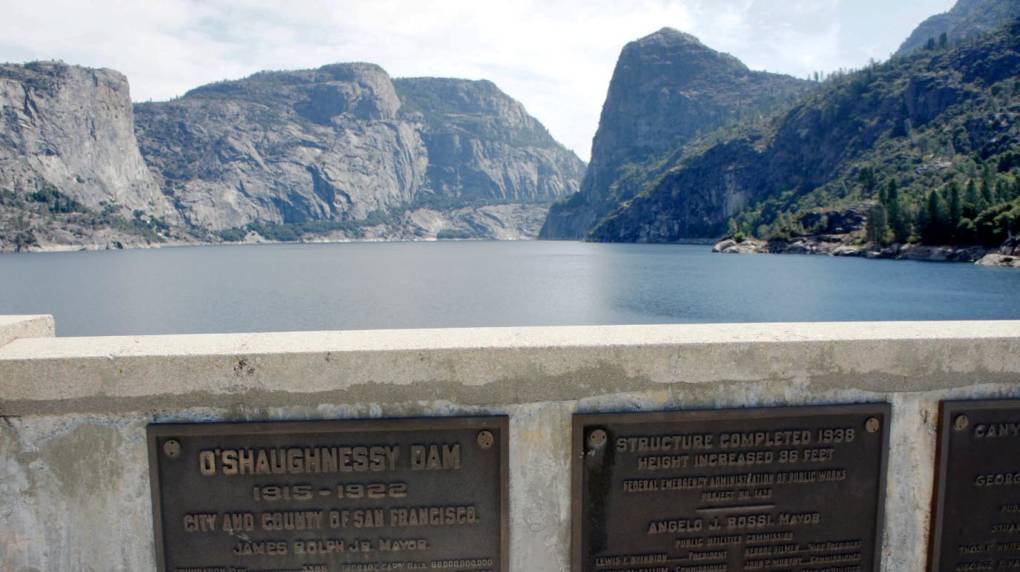
"caption": "More than 2.5 million Bay Area residents get their water from Hetch Hetchy Reservoir.",
"description": null,
"title": "hetchhetchy",
"credit": "Lauren Sommer/KQED",
"status": "inherit",
"isLoading": false,
"fetchFailed": false
},
"science_1928056": {
"type": "attachments",
"id": "science_1928056",
"meta": {
"index": "attachments_1716263798",
"site": "science",
"id": "1928056",
"found": true
},
"parent": 1926500,
"imgSizes": {
"small": {
"file": "https://ww2.kqed.org/app/uploads/sites/35/2018/07/1280px-Achillea_millefolium_bloem-520x390.jpg",
"width": 520,
"mimeType": "image/jpeg",
"height": 390
},
"twentyfourteen-full-width": {
"file": "https://ww2.kqed.org/app/uploads/sites/35/2018/07/1280px-Achillea_millefolium_bloem-1038x576.jpg",
"width": 1038,
"mimeType": "image/jpeg",
"height": 576
},
"thumbnail": {
"file": "https://ww2.kqed.org/app/uploads/sites/35/2018/07/1280px-Achillea_millefolium_bloem-160x120.jpg",
"width": 160,
"mimeType": "image/jpeg",
"height": 120
},
"fd-sm": {
"file": "https://ww2.kqed.org/app/uploads/sites/35/2018/07/1280px-Achillea_millefolium_bloem-960x720.jpg",
"width": 960,
"mimeType": "image/jpeg",
"height": 720
},
"post-thumbnail": {
"file": "https://ww2.kqed.org/app/uploads/sites/35/2018/07/1280px-Achillea_millefolium_bloem-672x372.jpg",
"width": 672,
"mimeType": "image/jpeg",
"height": 372
},
"xsmall": {
"file": "https://ww2.kqed.org/app/uploads/sites/35/2018/07/1280px-Achillea_millefolium_bloem-375x281.jpg",
"width": 375,
"mimeType": "image/jpeg",
"height": 281
},
"kqedFullSize": {
"file": "https://ww2.kqed.org/app/uploads/sites/35/2018/07/1280px-Achillea_millefolium_bloem.jpg",
"width": 1280,
"height": 960
},
"large": {
"file": "https://ww2.kqed.org/app/uploads/sites/35/2018/07/1280px-Achillea_millefolium_bloem-1020x765.jpg",
"width": 1020,
"mimeType": "image/jpeg",
"height": 765
},
"xlarge": {
"file": "https://ww2.kqed.org/app/uploads/sites/35/2018/07/1280px-Achillea_millefolium_bloem-1180x885.jpg",
"width": 1180,
"mimeType": "image/jpeg",
"height": 885
},
"complete_open_graph": {
"file": "https://ww2.kqed.org/app/uploads/sites/35/2018/07/1280px-Achillea_millefolium_bloem-1200x900.jpg",
"width": 1200,
"mimeType": "image/jpeg",
"height": 900
},
"guest-author-50": {
"file": "https://ww2.kqed.org/app/uploads/sites/35/2018/07/1280px-Achillea_millefolium_bloem-50x50.jpg",
"width": 50,
"mimeType": "image/jpeg",
"height": 50
},
"guest-author-96": {
"file": "https://ww2.kqed.org/app/uploads/sites/35/2018/07/1280px-Achillea_millefolium_bloem-96x96.jpg",
"width": 96,
"mimeType": "image/jpeg",
"height": 96
},
"medium": {
"file": "https://ww2.kqed.org/app/uploads/sites/35/2018/07/1280px-Achillea_millefolium_bloem-800x600.jpg",
"width": 800,
"mimeType": "image/jpeg",
"height": 600
},
"guest-author-64": {
"file": "https://ww2.kqed.org/app/uploads/sites/35/2018/07/1280px-Achillea_millefolium_bloem-64x64.jpg",
"width": 64,
"mimeType": "image/jpeg",
"height": 64
},
"guest-author-32": {
"file": "https://ww2.kqed.org/app/uploads/sites/35/2018/07/1280px-Achillea_millefolium_bloem-32x32.jpg",
"width": 32,
"mimeType": "image/jpeg",
"height": 32
},
"fd-med": {
"file": "https://ww2.kqed.org/app/uploads/sites/35/2018/07/1280px-Achillea_millefolium_bloem-1180x885.jpg",
"width": 1180,
"mimeType": "image/jpeg",
"height": 885
},
"detail": {
"file": "https://ww2.kqed.org/app/uploads/sites/35/2018/07/1280px-Achillea_millefolium_bloem-150x150.jpg",
"width": 150,
"mimeType": "image/jpeg",
"height": 150
},
"medium_large": {
"file": "https://ww2.kqed.org/app/uploads/sites/35/2018/07/1280px-Achillea_millefolium_bloem-768x576.jpg",
"width": 768,
"mimeType": "image/jpeg",
"height": 576
},
"guest-author-128": {
"file": "https://ww2.kqed.org/app/uploads/sites/35/2018/07/1280px-Achillea_millefolium_bloem-128x128.jpg",
"width": 128,
"mimeType": "image/jpeg",
"height": 128
},
"xxsmall": {
"file": "https://ww2.kqed.org/app/uploads/sites/35/2018/07/1280px-Achillea_millefolium_bloem-240x180.jpg",
"width": 240,
"mimeType": "image/jpeg",
"height": 180
}
},
"publishDate": 1532628980,
"modified": 1532629240,
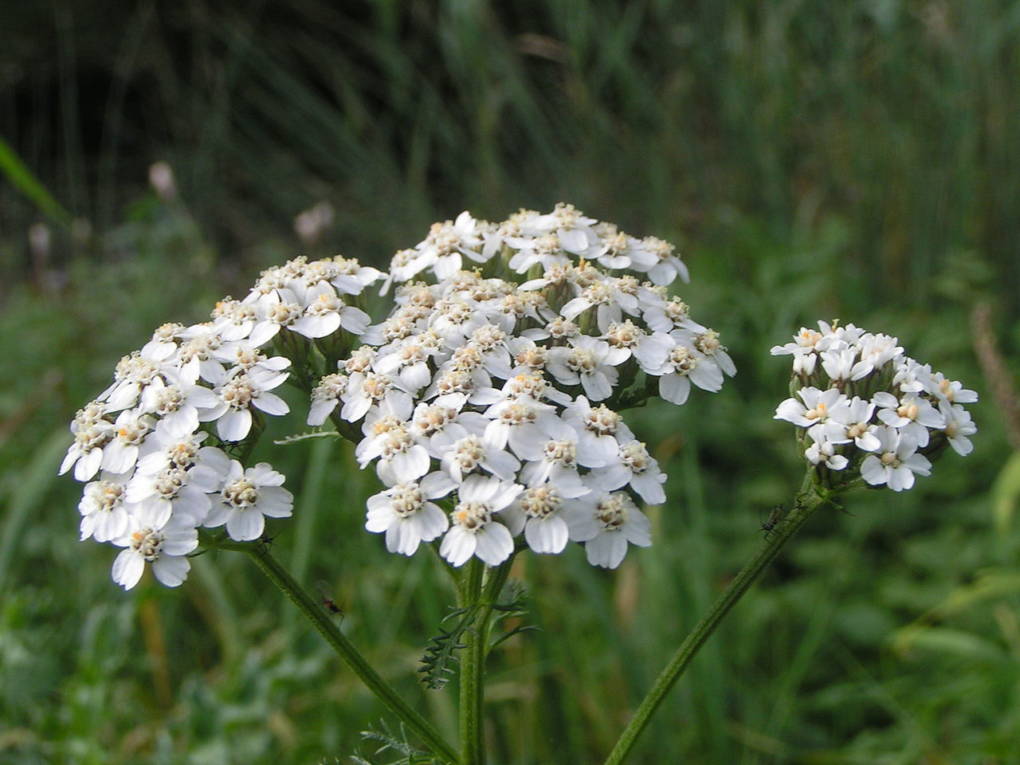
"caption": "Common Yarrow (Achillea millefolium), one of the plants selected for 'Future Garden,' attracts predatory insects that feed on botanical pests. It is also credited with stopping bleeding and inhibiting bacterial growth.",
"description": null,
"title": "1280px-Achillea_millefolium_bloem",
"credit": "\u003ca href=\"https://nl.wikipedia.org/wiki/User:Pethan\">Pethan\u003c/a>",
"status": "inherit",
"isLoading": false,
"fetchFailed": false
},
"science_1929799": {
"type": "attachments",
"id": "science_1929799",
"meta": {
"index": "attachments_1716263798",
"site": "science",
"id": "1929799",
"found": true
},
"parent": 1929784,
"imgSizes": {
"small": {
"file": "https://ww2.kqed.org/app/uploads/sites/35/2018/08/8_15_18_Upton_KQED_CentralValley1-520x292.jpg",
"width": 520,
"mimeType": "image/jpeg",
"height": 292
},
"twentyfourteen-full-width": {
"file": "https://ww2.kqed.org/app/uploads/sites/35/2018/08/8_15_18_Upton_KQED_CentralValley1-1038x576.jpg",
"width": 1038,
"mimeType": "image/jpeg",
"height": 576
},
"thumbnail": {
"file": "https://ww2.kqed.org/app/uploads/sites/35/2018/08/8_15_18_Upton_KQED_CentralValley1-160x90.jpg",
"width": 160,
"mimeType": "image/jpeg",
"height": 90
},
"fd-sm": {
"file": "https://ww2.kqed.org/app/uploads/sites/35/2018/08/8_15_18_Upton_KQED_CentralValley1-960x539.jpg",
"width": 960,
"mimeType": "image/jpeg",
"height": 539
},
"post-thumbnail": {
"file": "https://ww2.kqed.org/app/uploads/sites/35/2018/08/8_15_18_Upton_KQED_CentralValley1-672x372.jpg",
"width": 672,
"mimeType": "image/jpeg",
"height": 372
},
"xsmall": {
"file": "https://ww2.kqed.org/app/uploads/sites/35/2018/08/8_15_18_Upton_KQED_CentralValley1-375x211.jpg",
"width": 375,
"mimeType": "image/jpeg",
"height": 211
},
"kqedFullSize": {
"file": "https://ww2.kqed.org/app/uploads/sites/35/2018/08/8_15_18_Upton_KQED_CentralValley1.jpg",
"width": 1200,
"height": 674
},
"large": {
"file": "https://ww2.kqed.org/app/uploads/sites/35/2018/08/8_15_18_Upton_KQED_CentralValley1-1020x573.jpg",
"width": 1020,
"mimeType": "image/jpeg",
"height": 573
},
"xlarge": {
"file": "https://ww2.kqed.org/app/uploads/sites/35/2018/08/8_15_18_Upton_KQED_CentralValley1-1180x663.jpg",
"width": 1180,
"mimeType": "image/jpeg",
"height": 663
},
"complete_open_graph": {
"file": "https://ww2.kqed.org/app/uploads/sites/35/2018/08/8_15_18_Upton_KQED_CentralValley1-1200x674.jpg",
"width": 1200,
"mimeType": "image/jpeg",
"height": 674
},
"guest-author-50": {
"file": "https://ww2.kqed.org/app/uploads/sites/35/2018/08/8_15_18_Upton_KQED_CentralValley1-50x50.jpg",
"width": 50,
"mimeType": "image/jpeg",
"height": 50
},
"guest-author-96": {
"file": "https://ww2.kqed.org/app/uploads/sites/35/2018/08/8_15_18_Upton_KQED_CentralValley1-96x96.jpg",
"width": 96,
"mimeType": "image/jpeg",
"height": 96
},
"medium": {
"file": "https://ww2.kqed.org/app/uploads/sites/35/2018/08/8_15_18_Upton_KQED_CentralValley1-800x449.jpg",
"width": 800,
"mimeType": "image/jpeg",
"height": 449
},
"guest-author-64": {
"file": "https://ww2.kqed.org/app/uploads/sites/35/2018/08/8_15_18_Upton_KQED_CentralValley1-64x64.jpg",
"width": 64,
"mimeType": "image/jpeg",
"height": 64
},
"guest-author-32": {
"file": "https://ww2.kqed.org/app/uploads/sites/35/2018/08/8_15_18_Upton_KQED_CentralValley1-32x32.jpg",
"width": 32,
"mimeType": "image/jpeg",
"height": 32
},
"fd-med": {
"file": "https://ww2.kqed.org/app/uploads/sites/35/2018/08/8_15_18_Upton_KQED_CentralValley1-1180x663.jpg",
"width": 1180,
"mimeType": "image/jpeg",
"height": 663
},
"detail": {
"file": "https://ww2.kqed.org/app/uploads/sites/35/2018/08/8_15_18_Upton_KQED_CentralValley1-150x150.jpg",
"width": 150,
"mimeType": "image/jpeg",
"height": 150
},
"medium_large": {
"file": "https://ww2.kqed.org/app/uploads/sites/35/2018/08/8_15_18_Upton_KQED_CentralValley1-768x431.jpg",
"width": 768,
"mimeType": "image/jpeg",
"height": 431
},
"guest-author-128": {
"file": "https://ww2.kqed.org/app/uploads/sites/35/2018/08/8_15_18_Upton_KQED_CentralValley1-128x128.jpg",
"width": 128,
"mimeType": "image/jpeg",
"height": 128
},
"xxsmall": {
"file": "https://ww2.kqed.org/app/uploads/sites/35/2018/08/8_15_18_Upton_KQED_CentralValley1-240x135.jpg",
"width": 240,
"mimeType": "image/jpeg",
"height": 135
}
},
"publishDate": 1534281072,
"modified": 1534284281,
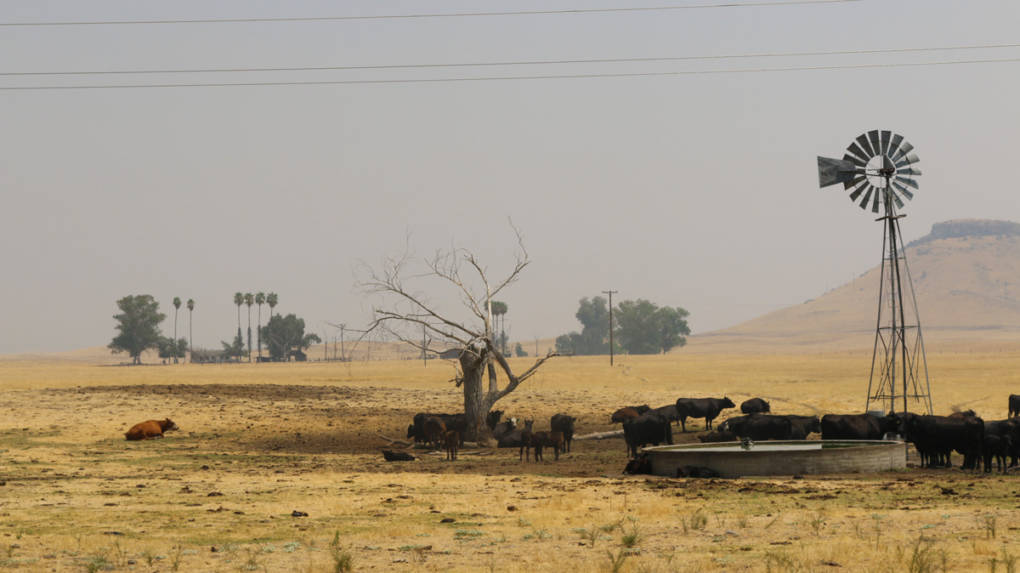
"caption": "Cows graze in a smoky field north of Fresno. Smoke from the nearby Ferguson fire and other blazes burning throughout the state has drifted and settled into the Central Valley.",
"description": "Cows graze in a smoky field north of Fresno. Smoke from the nearby Ferguson fire and other blazes burning throughout the state has drifted and settled into the Central Valley.",
"title": "8_15_18_Upton_KQED_CentralValley[1]",
"credit": "Alex Hall/KQED",
"status": "inherit",
"isLoading": false,
"fetchFailed": false
},
"science_1928000": {
"type": "attachments",
"id": "science_1928000",
"meta": {
"index": "attachments_1716263798",
"site": "science",
"id": "1928000",
"found": true
},
"parent": 1927927,
"imgSizes": {
"small": {
"file": "https://ww2.kqed.org/app/uploads/sites/35/2018/07/KlamathR_Palmer-520x350.jpg",
"width": 520,
"mimeType": "image/jpeg",
"height": 350
},
"twentyfourteen-full-width": {
"file": "https://ww2.kqed.org/app/uploads/sites/35/2018/07/KlamathR_Palmer-1038x576.jpg",
"width": 1038,
"mimeType": "image/jpeg",
"height": 576
},
"thumbnail": {
"file": "https://ww2.kqed.org/app/uploads/sites/35/2018/07/KlamathR_Palmer-160x108.jpg",
"width": 160,
"mimeType": "image/jpeg",
"height": 108
},
"fd-sm": {
"file": "https://ww2.kqed.org/app/uploads/sites/35/2018/07/KlamathR_Palmer-960x646.jpg",
"width": 960,
"mimeType": "image/jpeg",
"height": 646
},
"post-thumbnail": {
"file": "https://ww2.kqed.org/app/uploads/sites/35/2018/07/KlamathR_Palmer-672x372.jpg",
"width": 672,
"mimeType": "image/jpeg",
"height": 372
},
"xsmall": {
"file": "https://ww2.kqed.org/app/uploads/sites/35/2018/07/KlamathR_Palmer-375x252.jpg",
"width": 375,
"mimeType": "image/jpeg",
"height": 252
},
"kqedFullSize": {
"file": "https://ww2.kqed.org/app/uploads/sites/35/2018/07/KlamathR_Palmer.jpg",
"width": 2000,
"height": 1346
},
"large": {
"file": "https://ww2.kqed.org/app/uploads/sites/35/2018/07/KlamathR_Palmer-1020x686.jpg",
"width": 1020,
"mimeType": "image/jpeg",
"height": 686
},
"xlarge": {
"file": "https://ww2.kqed.org/app/uploads/sites/35/2018/07/KlamathR_Palmer-1180x794.jpg",
"width": 1180,
"mimeType": "image/jpeg",
"height": 794
},
"complete_open_graph": {
"file": "https://ww2.kqed.org/app/uploads/sites/35/2018/07/KlamathR_Palmer-1200x808.jpg",
"width": 1200,
"mimeType": "image/jpeg",
"height": 808
},
"guest-author-50": {
"file": "https://ww2.kqed.org/app/uploads/sites/35/2018/07/KlamathR_Palmer-50x50.jpg",
"width": 50,
"mimeType": "image/jpeg",
"height": 50
},
"guest-author-96": {
"file": "https://ww2.kqed.org/app/uploads/sites/35/2018/07/KlamathR_Palmer-96x96.jpg",
"width": 96,
"mimeType": "image/jpeg",
"height": 96
},
"medium": {
"file": "https://ww2.kqed.org/app/uploads/sites/35/2018/07/KlamathR_Palmer-800x538.jpg",
"width": 800,
"mimeType": "image/jpeg",
"height": 538
},
"guest-author-64": {
"file": "https://ww2.kqed.org/app/uploads/sites/35/2018/07/KlamathR_Palmer-64x64.jpg",
"width": 64,
"mimeType": "image/jpeg",
"height": 64
},
"guest-author-32": {
"file": "https://ww2.kqed.org/app/uploads/sites/35/2018/07/KlamathR_Palmer-32x32.jpg",
"width": 32,
"mimeType": "image/jpeg",
"height": 32
},
"fd-lrg": {
"file": "https://ww2.kqed.org/app/uploads/sites/35/2018/07/KlamathR_Palmer-1920x1292.jpg",
"width": 1920,
"mimeType": "image/jpeg",
"height": 1292
},
"fd-med": {
"file": "https://ww2.kqed.org/app/uploads/sites/35/2018/07/KlamathR_Palmer-1180x794.jpg",
"width": 1180,
"mimeType": "image/jpeg",
"height": 794
},
"full-width": {
"file": "https://ww2.kqed.org/app/uploads/sites/35/2018/07/KlamathR_Palmer-1920x1292.jpg",
"width": 1920,
"mimeType": "image/jpeg",
"height": 1292
},
"detail": {
"file": "https://ww2.kqed.org/app/uploads/sites/35/2018/07/KlamathR_Palmer-150x150.jpg",
"width": 150,
"mimeType": "image/jpeg",
"height": 150
},
"medium_large": {
"file": "https://ww2.kqed.org/app/uploads/sites/35/2018/07/KlamathR_Palmer-768x517.jpg",
"width": 768,
"mimeType": "image/jpeg",
"height": 517
},
"guest-author-128": {
"file": "https://ww2.kqed.org/app/uploads/sites/35/2018/07/KlamathR_Palmer-128x128.jpg",
"width": 128,
"mimeType": "image/jpeg",
"height": 128
},
"xxsmall": {
"file": "https://ww2.kqed.org/app/uploads/sites/35/2018/07/KlamathR_Palmer-240x162.jpg",
"width": 240,
"mimeType": "image/jpeg",
"height": 162
}
},
"publishDate": 1532543811,
"modified": 1532544020,
"caption": "The Klamath River at Eysee Bar, 2003 -- one of the California rivers with federally designated Wild and Scenic portions.",
"description": "The Klamath River at Eysee Bar, 2003. The Klamath crosses the Oregon-California border and joins the ocean on the Humboldt coast.",
"title": "CA Klamath R",
"credit": "Tim Palmer",
"status": "inherit",
"isLoading": false,
"fetchFailed": false
},
"science_1929767": {
"type": "attachments",
"id": "science_1929767",
"meta": {
"index": "attachments_1716263798",
"site": "science",
"id": "1929767",
"found": true
},
"parent": 1929188,
"imgSizes": {
"small": {
"file": "https://ww2.kqed.org/app/uploads/sites/35/2018/08/24709817770_7f83e9368b_o-520x347.jpg",
"width": 520,
"mimeType": "image/jpeg",
"height": 347
},
"twentyfourteen-full-width": {
"file": "https://ww2.kqed.org/app/uploads/sites/35/2018/08/24709817770_7f83e9368b_o-1038x576.jpg",
"width": 1038,
"mimeType": "image/jpeg",
"height": 576
},
"thumbnail": {
"file": "https://ww2.kqed.org/app/uploads/sites/35/2018/08/24709817770_7f83e9368b_o-160x107.jpg",
"width": 160,
"mimeType": "image/jpeg",
"height": 107
},
"fd-sm": {
"file": "https://ww2.kqed.org/app/uploads/sites/35/2018/08/24709817770_7f83e9368b_o-960x640.jpg",
"width": 960,
"mimeType": "image/jpeg",
"height": 640
},
"post-thumbnail": {
"file": "https://ww2.kqed.org/app/uploads/sites/35/2018/08/24709817770_7f83e9368b_o-672x372.jpg",
"width": 672,
"mimeType": "image/jpeg",
"height": 372
},
"xsmall": {
"file": "https://ww2.kqed.org/app/uploads/sites/35/2018/08/24709817770_7f83e9368b_o-375x250.jpg",
"width": 375,
"mimeType": "image/jpeg",
"height": 250
},
"kqedFullSize": {
"file": "https://ww2.kqed.org/app/uploads/sites/35/2018/08/24709817770_7f83e9368b_o.jpg",
"width": 2000,
"height": 1333
},
"large": {
"file": "https://ww2.kqed.org/app/uploads/sites/35/2018/08/24709817770_7f83e9368b_o-1020x680.jpg",
"width": 1020,
"mimeType": "image/jpeg",
"height": 680
},
"xlarge": {
"file": "https://ww2.kqed.org/app/uploads/sites/35/2018/08/24709817770_7f83e9368b_o-1180x786.jpg",
"width": 1180,
"mimeType": "image/jpeg",
"height": 786
},
"complete_open_graph": {
"file": "https://ww2.kqed.org/app/uploads/sites/35/2018/08/24709817770_7f83e9368b_o-1200x800.jpg",
"width": 1200,
"mimeType": "image/jpeg",
"height": 800
},
"guest-author-50": {
"file": "https://ww2.kqed.org/app/uploads/sites/35/2018/08/24709817770_7f83e9368b_o-50x50.jpg",
"width": 50,
"mimeType": "image/jpeg",
"height": 50
},
"guest-author-96": {
"file": "https://ww2.kqed.org/app/uploads/sites/35/2018/08/24709817770_7f83e9368b_o-96x96.jpg",
"width": 96,
"mimeType": "image/jpeg",
"height": 96
},
"medium": {
"file": "https://ww2.kqed.org/app/uploads/sites/35/2018/08/24709817770_7f83e9368b_o-800x533.jpg",
"width": 800,
"mimeType": "image/jpeg",
"height": 533
},
"guest-author-64": {
"file": "https://ww2.kqed.org/app/uploads/sites/35/2018/08/24709817770_7f83e9368b_o-64x64.jpg",
"width": 64,
"mimeType": "image/jpeg",
"height": 64
},
"guest-author-32": {
"file": "https://ww2.kqed.org/app/uploads/sites/35/2018/08/24709817770_7f83e9368b_o-32x32.jpg",
"width": 32,
"mimeType": "image/jpeg",
"height": 32
},
"fd-lrg": {
"file": "https://ww2.kqed.org/app/uploads/sites/35/2018/08/24709817770_7f83e9368b_o-1920x1280.jpg",
"width": 1920,
"mimeType": "image/jpeg",
"height": 1280
},
"fd-med": {
"file": "https://ww2.kqed.org/app/uploads/sites/35/2018/08/24709817770_7f83e9368b_o-1180x786.jpg",
"width": 1180,
"mimeType": "image/jpeg",
"height": 786
},
"full-width": {
"file": "https://ww2.kqed.org/app/uploads/sites/35/2018/08/24709817770_7f83e9368b_o-1920x1280.jpg",
"width": 1920,
"mimeType": "image/jpeg",
"height": 1280
},
"detail": {
"file": "https://ww2.kqed.org/app/uploads/sites/35/2018/08/24709817770_7f83e9368b_o-150x150.jpg",
"width": 150,
"mimeType": "image/jpeg",
"height": 150
},
"medium_large": {
"file": "https://ww2.kqed.org/app/uploads/sites/35/2018/08/24709817770_7f83e9368b_o-768x512.jpg",
"width": 768,
"mimeType": "image/jpeg",
"height": 512
},
"guest-author-128": {
"file": "https://ww2.kqed.org/app/uploads/sites/35/2018/08/24709817770_7f83e9368b_o-128x128.jpg",
"width": 128,
"mimeType": "image/jpeg",
"height": 128
},
"xxsmall": {
"file": "https://ww2.kqed.org/app/uploads/sites/35/2018/08/24709817770_7f83e9368b_o-240x160.jpg",
"width": 240,
"mimeType": "image/jpeg",
"height": 160
}
},
"publishDate": 1534272167,
"modified": 1534289015,
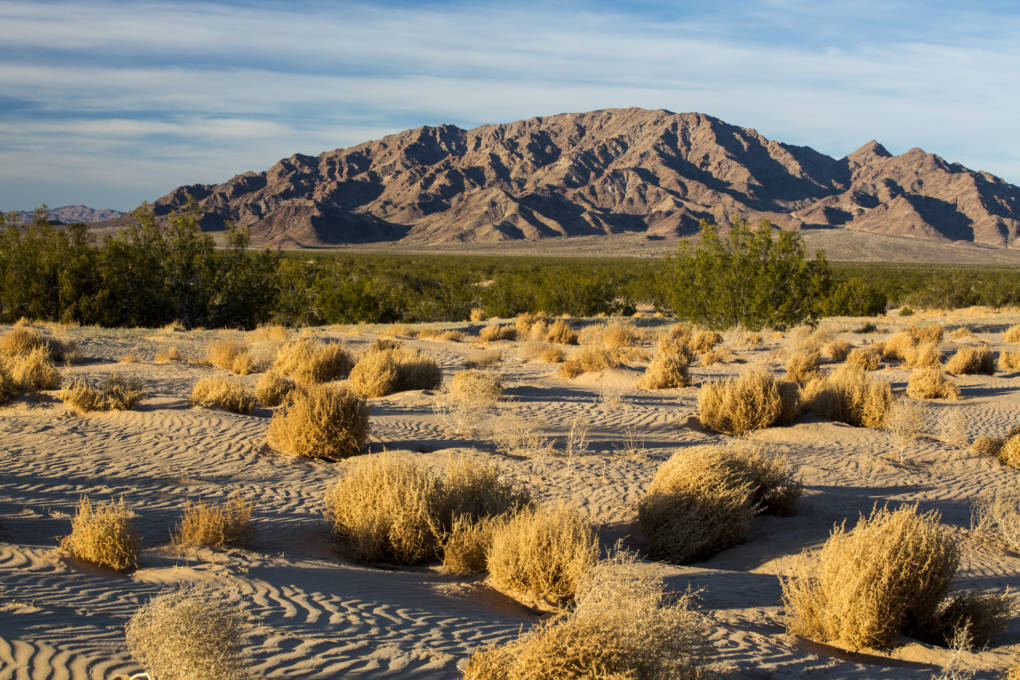
"caption": "The Ship Mountains, as seen from Cadiz Dunes in Mojave Trails National Monument.",
"description": null,
"title": "BLM Mojave Trails National Monument",
"credit": "\u003ca href=\"https://www.flickr.com/photos/mypubliclands/24709817770/in/album-72157663936032779/\" rel=\"noopener\" target=\"_blank\">Bob Wick/Bureau of Land Management/Flickr\u003c/a>",
"status": "inherit",
"isLoading": false,
"fetchFailed": false
},
"science_1929790": {
"type": "attachments",
"id": "science_1929790",
"meta": {
"index": "attachments_1716263798",
"site": "science",
"id": "1929790",
"found": true
},
"parent": 1929758,
"imgSizes": {
"small": {
"file": "https://ww2.kqed.org/app/uploads/sites/35/2018/08/RANCH_SCALE_MILES_180811-520x293.jpg",
"width": 520,
"mimeType": "image/jpeg",
"height": 293
},
"twentyfourteen-full-width": {
"file": "https://ww2.kqed.org/app/uploads/sites/35/2018/08/RANCH_SCALE_MILES_180811-1038x576.jpg",
"width": 1038,
"mimeType": "image/jpeg",
"height": 576
},
"thumbnail": {
"file": "https://ww2.kqed.org/app/uploads/sites/35/2018/08/RANCH_SCALE_MILES_180811-160x90.jpg",
"width": 160,
"mimeType": "image/jpeg",
"height": 90
},
"fd-sm": {
"file": "https://ww2.kqed.org/app/uploads/sites/35/2018/08/RANCH_SCALE_MILES_180811-960x540.jpg",
"width": 960,
"mimeType": "image/jpeg",
"height": 540
},
"post-thumbnail": {
"file": "https://ww2.kqed.org/app/uploads/sites/35/2018/08/RANCH_SCALE_MILES_180811-672x372.jpg",
"width": 672,
"mimeType": "image/jpeg",
"height": 372
},
"xsmall": {
"file": "https://ww2.kqed.org/app/uploads/sites/35/2018/08/RANCH_SCALE_MILES_180811-375x211.jpg",
"width": 375,
"mimeType": "image/jpeg",
"height": 211
},
"kqedFullSize": {
"file": "https://ww2.kqed.org/app/uploads/sites/35/2018/08/RANCH_SCALE_MILES_180811.jpg",
"width": 1920,
"height": 1080
},
"large": {
"file": "https://ww2.kqed.org/app/uploads/sites/35/2018/08/RANCH_SCALE_MILES_180811-1020x574.jpg",
"width": 1020,
"mimeType": "image/jpeg",
"height": 574
},
"xlarge": {
"file": "https://ww2.kqed.org/app/uploads/sites/35/2018/08/RANCH_SCALE_MILES_180811-1180x664.jpg",
"width": 1180,
"mimeType": "image/jpeg",
"height": 664
},
"complete_open_graph": {
"file": "https://ww2.kqed.org/app/uploads/sites/35/2018/08/RANCH_SCALE_MILES_180811-1200x675.jpg",
"width": 1200,
"mimeType": "image/jpeg",
"height": 675
},
"guest-author-50": {
"file": "https://ww2.kqed.org/app/uploads/sites/35/2018/08/RANCH_SCALE_MILES_180811-50x50.jpg",
"width": 50,
"mimeType": "image/jpeg",
"height": 50
},
"guest-author-96": {
"file": "https://ww2.kqed.org/app/uploads/sites/35/2018/08/RANCH_SCALE_MILES_180811-96x96.jpg",
"width": 96,
"mimeType": "image/jpeg",
"height": 96
},
"medium": {
"file": "https://ww2.kqed.org/app/uploads/sites/35/2018/08/RANCH_SCALE_MILES_180811-800x450.jpg",
"width": 800,
"mimeType": "image/jpeg",
"height": 450
},
"guest-author-64": {
"file": "https://ww2.kqed.org/app/uploads/sites/35/2018/08/RANCH_SCALE_MILES_180811-64x64.jpg",
"width": 64,
"mimeType": "image/jpeg",
"height": 64
},
"guest-author-32": {
"file": "https://ww2.kqed.org/app/uploads/sites/35/2018/08/RANCH_SCALE_MILES_180811-32x32.jpg",
"width": 32,
"mimeType": "image/jpeg",
"height": 32
},
"fd-lrg": {
"file": "https://ww2.kqed.org/app/uploads/sites/35/2018/08/RANCH_SCALE_MILES_180811-1920x1080.jpg",
"width": 1920,
"mimeType": "image/jpeg",
"height": 1080
},
"fd-med": {
"file": "https://ww2.kqed.org/app/uploads/sites/35/2018/08/RANCH_SCALE_MILES_180811-1180x664.jpg",
"width": 1180,
"mimeType": "image/jpeg",
"height": 664
},
"full-width": {
"file": "https://ww2.kqed.org/app/uploads/sites/35/2018/08/RANCH_SCALE_MILES_180811-1920x1080.jpg",
"width": 1920,
"mimeType": "image/jpeg",
"height": 1080
},
"detail": {
"file": "https://ww2.kqed.org/app/uploads/sites/35/2018/08/RANCH_SCALE_MILES_180811-150x150.jpg",
"width": 150,
"mimeType": "image/jpeg",
"height": 150
},
"medium_large": {
"file": "https://ww2.kqed.org/app/uploads/sites/35/2018/08/RANCH_SCALE_MILES_180811-768x432.jpg",
"width": 768,
"mimeType": "image/jpeg",
"height": 432
},
"guest-author-128": {
"file": "https://ww2.kqed.org/app/uploads/sites/35/2018/08/RANCH_SCALE_MILES_180811-128x128.jpg",
"width": 128,
"mimeType": "image/jpeg",
"height": 128
},
"xxsmall": {
"file": "https://ww2.kqed.org/app/uploads/sites/35/2018/08/RANCH_SCALE_MILES_180811-240x135.jpg",
"width": 240,
"mimeType": "image/jpeg",
"height": 135
}
},
"publishDate": 1534280343,
"modified": 1534283683,
"caption": "A satellite image of smoke from the Ranch Fire, August 11, 2018. The image shows a span of 60 miles east to west and 35 miles north to south.",
"description": "A satellite image of smoke from the Ranch Fire, August 11, 2018. The image shows a span of 60 miles east to west and 35 miles north to south.",
"title": "RANCH_SCALE_MILES_180811",
"credit": "Planet Labs",
"status": "inherit",
"isLoading": false,
"fetchFailed": false
},
"science_1929508": {
"type": "attachments",
"id": "science_1929508",
"meta": {
"index": "attachments_1716263798",
"site": "science",
"id": "1929508",
"found": true
},
"parent": 1929460,
"imgSizes": {
"small": {
"file": "https://ww2.kqed.org/app/uploads/sites/35/2018/08/GettyImages-997300682-520x305.jpg",
"width": 520,
"mimeType": "image/jpeg",
"height": 305
},
"twentyfourteen-full-width": {
"file": "https://ww2.kqed.org/app/uploads/sites/35/2018/08/GettyImages-997300682-1038x576.jpg",
"width": 1038,
"mimeType": "image/jpeg",
"height": 576
},
"thumbnail": {
"file": "https://ww2.kqed.org/app/uploads/sites/35/2018/08/GettyImages-997300682-160x94.jpg",
"width": 160,
"mimeType": "image/jpeg",
"height": 94
},
"fd-sm": {
"file": "https://ww2.kqed.org/app/uploads/sites/35/2018/08/GettyImages-997300682-960x563.jpg",
"width": 960,
"mimeType": "image/jpeg",
"height": 563
},
"post-thumbnail": {
"file": "https://ww2.kqed.org/app/uploads/sites/35/2018/08/GettyImages-997300682-672x372.jpg",
"width": 672,
"mimeType": "image/jpeg",
"height": 372
},
"xsmall": {
"file": "https://ww2.kqed.org/app/uploads/sites/35/2018/08/GettyImages-997300682-375x220.jpg",
"width": 375,
"mimeType": "image/jpeg",
"height": 220
},
"kqedFullSize": {
"file": "https://ww2.kqed.org/app/uploads/sites/35/2018/08/GettyImages-997300682.jpg",
"width": 3543,
"height": 2077
},
"large": {
"file": "https://ww2.kqed.org/app/uploads/sites/35/2018/08/GettyImages-997300682-1020x598.jpg",
"width": 1020,
"mimeType": "image/jpeg",
"height": 598
},
"xlarge": {
"file": "https://ww2.kqed.org/app/uploads/sites/35/2018/08/GettyImages-997300682-1180x692.jpg",
"width": 1180,
"mimeType": "image/jpeg",
"height": 692
},
"complete_open_graph": {
"file": "https://ww2.kqed.org/app/uploads/sites/35/2018/08/GettyImages-997300682-1200x703.jpg",
"width": 1200,
"mimeType": "image/jpeg",
"height": 703
},
"guest-author-50": {
"file": "https://ww2.kqed.org/app/uploads/sites/35/2018/08/GettyImages-997300682-50x50.jpg",
"width": 50,
"mimeType": "image/jpeg",
"height": 50
},
"guest-author-96": {
"file": "https://ww2.kqed.org/app/uploads/sites/35/2018/08/GettyImages-997300682-96x96.jpg",
"width": 96,
"mimeType": "image/jpeg",
"height": 96
},
"medium": {
"file": "https://ww2.kqed.org/app/uploads/sites/35/2018/08/GettyImages-997300682-800x469.jpg",
"width": 800,
"mimeType": "image/jpeg",
"height": 469
},
"guest-author-64": {
"file": "https://ww2.kqed.org/app/uploads/sites/35/2018/08/GettyImages-997300682-64x64.jpg",
"width": 64,
"mimeType": "image/jpeg",
"height": 64
},
"guest-author-32": {
"file": "https://ww2.kqed.org/app/uploads/sites/35/2018/08/GettyImages-997300682-32x32.jpg",
"width": 32,
"mimeType": "image/jpeg",
"height": 32
},
"fd-lrg": {
"file": "https://ww2.kqed.org/app/uploads/sites/35/2018/08/GettyImages-997300682-1920x1126.jpg",
"width": 1920,
"mimeType": "image/jpeg",
"height": 1126
},
"fd-med": {
"file": "https://ww2.kqed.org/app/uploads/sites/35/2018/08/GettyImages-997300682-1180x692.jpg",
"width": 1180,
"mimeType": "image/jpeg",
"height": 692
},
"full-width": {
"file": "https://ww2.kqed.org/app/uploads/sites/35/2018/08/GettyImages-997300682-1920x1126.jpg",
"width": 1920,
"mimeType": "image/jpeg",
"height": 1126
},
"detail": {
"file": "https://ww2.kqed.org/app/uploads/sites/35/2018/08/GettyImages-997300682-150x150.jpg",
"width": 150,
"mimeType": "image/jpeg",
"height": 150
},
"medium_large": {
"file": "https://ww2.kqed.org/app/uploads/sites/35/2018/08/GettyImages-997300682-768x450.jpg",
"width": 768,
"mimeType": "image/jpeg",
"height": 450
},
"guest-author-128": {
"file": "https://ww2.kqed.org/app/uploads/sites/35/2018/08/GettyImages-997300682-128x128.jpg",
"width": 128,
"mimeType": "image/jpeg",
"height": 128
},
"xxsmall": {
"file": "https://ww2.kqed.org/app/uploads/sites/35/2018/08/GettyImages-997300682-240x141.jpg",
"width": 240,
"mimeType": "image/jpeg",
"height": 141
}
},
"publishDate": 1533936909,
"modified": 1533936951,
"caption": "Students of Unified Educational Centers (CEU) attend a lesson on 'Fake News in Sao Paulo, Brazil on June 21, 2018\n\n",
"description": null,
"title": "BRAZIL-EDUCATION-FAKE-NEWS",
"credit": "MIGUEL SCHINCARIOL/AFP/Getty Images",
"status": "inherit",
"isLoading": false,
"fetchFailed": false
},
"science_1923655": {
"type": "attachments",
"id": "science_1923655",
"meta": {
"index": "attachments_1716263798",
"site": "science",
"id": "1923655",
"found": true
},
"parent": 1923614,
"imgSizes": {
"small": {
"file": "https://ww2.kqed.org/app/uploads/sites/35/2018/05/parkersolarprobe-nasa1-520x293.jpg",
"width": 520,
"mimeType": "image/jpeg",
"height": 293
},
"twentyfourteen-full-width": {
"file": "https://ww2.kqed.org/app/uploads/sites/35/2018/05/parkersolarprobe-nasa1-1038x576.jpg",
"width": 1038,
"mimeType": "image/jpeg",
"height": 576
},
"thumbnail": {
"file": "https://ww2.kqed.org/app/uploads/sites/35/2018/05/parkersolarprobe-nasa1-160x90.jpg",
"width": 160,
"mimeType": "image/jpeg",
"height": 90
},
"fd-sm": {
"file": "https://ww2.kqed.org/app/uploads/sites/35/2018/05/parkersolarprobe-nasa1-960x540.jpg",
"width": 960,
"mimeType": "image/jpeg",
"height": 540
},
"post-thumbnail": {
"file": "https://ww2.kqed.org/app/uploads/sites/35/2018/05/parkersolarprobe-nasa1-672x372.jpg",
"width": 672,
"mimeType": "image/jpeg",
"height": 372
},
"xsmall": {
"file": "https://ww2.kqed.org/app/uploads/sites/35/2018/05/parkersolarprobe-nasa1-375x211.jpg",
"width": 375,
"mimeType": "image/jpeg",
"height": 211
},
"kqedFullSize": {
"file": "https://ww2.kqed.org/app/uploads/sites/35/2018/05/parkersolarprobe-nasa1.jpg",
"width": 1920,
"height": 1080
},
"large": {
"file": "https://ww2.kqed.org/app/uploads/sites/35/2018/05/parkersolarprobe-nasa1-1020x574.jpg",
"width": 1020,
"mimeType": "image/jpeg",
"height": 574
},
"xlarge": {
"file": "https://ww2.kqed.org/app/uploads/sites/35/2018/05/parkersolarprobe-nasa1-1180x664.jpg",
"width": 1180,
"mimeType": "image/jpeg",
"height": 664
},
"complete_open_graph": {
"file": "https://ww2.kqed.org/app/uploads/sites/35/2018/05/parkersolarprobe-nasa1-1200x675.jpg",
"width": 1200,
"mimeType": "image/jpeg",
"height": 675
},
"guest-author-50": {
"file": "https://ww2.kqed.org/app/uploads/sites/35/2018/05/parkersolarprobe-nasa1-50x50.jpg",
"width": 50,
"mimeType": "image/jpeg",
"height": 50
},
"guest-author-96": {
"file": "https://ww2.kqed.org/app/uploads/sites/35/2018/05/parkersolarprobe-nasa1-96x96.jpg",
"width": 96,
"mimeType": "image/jpeg",
"height": 96
},
"medium": {
"file": "https://ww2.kqed.org/app/uploads/sites/35/2018/05/parkersolarprobe-nasa1-800x450.jpg",
"width": 800,
"mimeType": "image/jpeg",
"height": 450
},
"guest-author-64": {
"file": "https://ww2.kqed.org/app/uploads/sites/35/2018/05/parkersolarprobe-nasa1-64x64.jpg",
"width": 64,
"mimeType": "image/jpeg",
"height": 64
},
"guest-author-32": {
"file": "https://ww2.kqed.org/app/uploads/sites/35/2018/05/parkersolarprobe-nasa1-32x32.jpg",
"width": 32,
"mimeType": "image/jpeg",
"height": 32
},
"fd-lrg": {
"file": "https://ww2.kqed.org/app/uploads/sites/35/2018/05/parkersolarprobe-nasa1-1920x1080.jpg",
"width": 1920,
"mimeType": "image/jpeg",
"height": 1080
},
"fd-med": {
"file": "https://ww2.kqed.org/app/uploads/sites/35/2018/05/parkersolarprobe-nasa1-1180x664.jpg",
"width": 1180,
"mimeType": "image/jpeg",
"height": 664
},
"full-width": {
"file": "https://ww2.kqed.org/app/uploads/sites/35/2018/05/parkersolarprobe-nasa1-1920x1080.jpg",
"width": 1920,
"mimeType": "image/jpeg",
"height": 1080
},
"detail": {
"file": "https://ww2.kqed.org/app/uploads/sites/35/2018/05/parkersolarprobe-nasa1-150x150.jpg",
"width": 150,
"mimeType": "image/jpeg",
"height": 150
},
"medium_large": {
"file": "https://ww2.kqed.org/app/uploads/sites/35/2018/05/parkersolarprobe-nasa1-768x432.jpg",
"width": 768,
"mimeType": "image/jpeg",
"height": 432
},
"guest-author-128": {
"file": "https://ww2.kqed.org/app/uploads/sites/35/2018/05/parkersolarprobe-nasa1-128x128.jpg",
"width": 128,
"mimeType": "image/jpeg",
"height": 128
},
"xxsmall": {
"file": "https://ww2.kqed.org/app/uploads/sites/35/2018/05/parkersolarprobe-nasa1-240x135.jpg",
"width": 240,
"mimeType": "image/jpeg",
"height": 135
}
},
"publishDate": 1525803627,
"modified": 1525803843,
"caption": "Artist concept of NASA's Parker Solar Probe, the first mission on course to pass through the sun's corona. The spacecraft will pass within 3.85 million miles of the sun in 2024. ",
"description": "Artist concept of NASA's Parker Solar Probe, the first mission on course to pass through the sun's corona. The spacecraft will pass within 3.85 million miles of the sun in 2024. ",
"title": "parkersolarprobe-nasa1",
"credit": "Johns Hopkins University Applied Physics Laboratory",
"status": "inherit",
"isLoading": false,
"fetchFailed": false
},
"science_1929523": {
"type": "attachments",
"id": "science_1929523",
"meta": {
"index": "attachments_1716263798",
"site": "science",
"id": "1929523",
"found": true
},
"parent": 1929009,
"imgSizes": {
"small": {
"file": "https://ww2.kqed.org/app/uploads/sites/35/2018/08/ice-520x332.jpg",
"width": 520,
"mimeType": "image/jpeg",
"height": 332
},
"twentyfourteen-full-width": {
"file": "https://ww2.kqed.org/app/uploads/sites/35/2018/08/ice-1038x576.jpg",
"width": 1038,
"mimeType": "image/jpeg",
"height": 576
},
"thumbnail": {
"file": "https://ww2.kqed.org/app/uploads/sites/35/2018/08/ice-160x102.jpg",
"width": 160,
"mimeType": "image/jpeg",
"height": 102
},
"fd-sm": {
"file": "https://ww2.kqed.org/app/uploads/sites/35/2018/08/ice-960x614.jpg",
"width": 960,
"mimeType": "image/jpeg",
"height": 614
},
"post-thumbnail": {
"file": "https://ww2.kqed.org/app/uploads/sites/35/2018/08/ice-672x372.jpg",
"width": 672,
"mimeType": "image/jpeg",
"height": 372
},
"xsmall": {
"file": "https://ww2.kqed.org/app/uploads/sites/35/2018/08/ice-375x240.jpg",
"width": 375,
"mimeType": "image/jpeg",
"height": 240
},
"kqedFullSize": {
"file": "https://ww2.kqed.org/app/uploads/sites/35/2018/08/ice.jpg",
"width": 1920,
"height": 1227
},
"large": {
"file": "https://ww2.kqed.org/app/uploads/sites/35/2018/08/ice-1020x652.jpg",
"width": 1020,
"mimeType": "image/jpeg",
"height": 652
},
"xlarge": {
"file": "https://ww2.kqed.org/app/uploads/sites/35/2018/08/ice-1180x754.jpg",
"width": 1180,
"mimeType": "image/jpeg",
"height": 754
},
"complete_open_graph": {
"file": "https://ww2.kqed.org/app/uploads/sites/35/2018/08/ice-1200x767.jpg",
"width": 1200,
"mimeType": "image/jpeg",
"height": 767
},
"guest-author-50": {
"file": "https://ww2.kqed.org/app/uploads/sites/35/2018/08/ice-50x50.jpg",
"width": 50,
"mimeType": "image/jpeg",
"height": 50
},
"guest-author-96": {
"file": "https://ww2.kqed.org/app/uploads/sites/35/2018/08/ice-96x96.jpg",
"width": 96,
"mimeType": "image/jpeg",
"height": 96
},
"medium": {
"file": "https://ww2.kqed.org/app/uploads/sites/35/2018/08/ice-800x511.jpg",
"width": 800,
"mimeType": "image/jpeg",
"height": 511
},
"guest-author-64": {
"file": "https://ww2.kqed.org/app/uploads/sites/35/2018/08/ice-64x64.jpg",
"width": 64,
"mimeType": "image/jpeg",
"height": 64
},
"guest-author-32": {
"file": "https://ww2.kqed.org/app/uploads/sites/35/2018/08/ice-32x32.jpg",
"width": 32,
"mimeType": "image/jpeg",
"height": 32
},
"fd-lrg": {
"file": "https://ww2.kqed.org/app/uploads/sites/35/2018/08/ice-1920x1227.jpg",
"width": 1920,
"mimeType": "image/jpeg",
"height": 1227
},
"fd-med": {
"file": "https://ww2.kqed.org/app/uploads/sites/35/2018/08/ice-1180x754.jpg",
"width": 1180,
"mimeType": "image/jpeg",
"height": 754
},
"full-width": {
"file": "https://ww2.kqed.org/app/uploads/sites/35/2018/08/ice-1920x1227.jpg",
"width": 1920,
"mimeType": "image/jpeg",
"height": 1227
},
"detail": {
"file": "https://ww2.kqed.org/app/uploads/sites/35/2018/08/ice-150x150.jpg",
"width": 150,
"mimeType": "image/jpeg",
"height": 150
},
"medium_large": {
"file": "https://ww2.kqed.org/app/uploads/sites/35/2018/08/ice-768x491.jpg",
"width": 768,
"mimeType": "image/jpeg",
"height": 491
},
"guest-author-128": {
"file": "https://ww2.kqed.org/app/uploads/sites/35/2018/08/ice-128x128.jpg",
"width": 128,
"mimeType": "image/jpeg",
"height": 128
},
"xxsmall": {
"file": "https://ww2.kqed.org/app/uploads/sites/35/2018/08/ice-240x153.jpg",
"width": 240,
"mimeType": "image/jpeg",
"height": 153
}
},
"publishDate": 1533940487,
"modified": 1533940609,
"caption": "Sea ice floats near the coast of West Antarctica in 2016. Researchers have used the IceBridge data to observe that the West Antarctic Ice Sheet may be in a state of irreversible decline directly contributing to rising sea levels.",
"description": "Sea ice floats near the coast of West Antarctica as seen from a window of a NASA Operation IceBridge airplane on October 27, 2016 in-flight over Antarctica. NASA's Operation IceBridge has been studying how polar ice has evolved over the past eight years and is currently flying a set of 12-hour research flights over West Antarctica at the start of the melt season. Researchers have used the IceBridge data to observe that the West Antarctic Ice Sheet may be in a state of irreversible decline directly contributing to rising sea levels. NASA and University of California, Irvine (UCI) researchers have recently detected the speediest ongoing Western Antarctica glacial retreat rates ever observed. The United Nations climate change talks begin November 7 in the Moroccan city of Marrakech. (Photo by Mario Tama/Getty Images)",
"title": "ice",
"credit": "Mario Tama/Getty Images",
"status": "inherit",
"isLoading": false,
"fetchFailed": false
}
},
"audioPlayerReducer": {
"postId": "stream_live",
"isPaused": true,
"isPlaying": false,
"pfsActive": false,
"pledgeModalIsOpen": true,
"playerDrawerIsOpen": false,
"liveAudioPlayStartedAt": 0,
"liveAudioPlayContext": ""
},
"authorsReducer": {
"byline_science_1930284": {
"type": "authors",
"id": "byline_science_1930284",
"meta": {
"override": true
},
"slug": "byline_science_1930284",
"name": "Sophia Bollag\u003cbr />The Associated Press",
"isLoading": false
},
"byline_science_1930212": {
"type": "authors",
"id": "byline_science_1930212",
"meta": {
"override": true
},
"slug": "byline_science_1930212",
"name": "Barbara Ortutay\u003cbr />The Associated Press",
"isLoading": false
},
"byline_science_1929784": {
"type": "authors",
"id": "byline_science_1929784",
"meta": {
"override": true
},
"slug": "byline_science_1929784",
"name": "Maya Miller, Climate Central \u003cbr /> and Alex Hall, KQED",
"isLoading": false
},
"jbrooks": {
"type": "authors",
"id": "80",
"meta": {
"index": "authors_1716337520",
"id": "80",
"found": true
},
"name": "Jon Brooks",
"firstName": "Jon",
"lastName": "Brooks",
"slug": "jbrooks",
"email": "jbrooks@kqed.org",
"display_author_email": true,
"staff_mastheads": [
"science"
],
"title": "Digital Editor",
"bio": "Jon Brooks is a former Digital Editor for KQED Science. He is the former editor of KQED’s daily news blog, News Fix. In 2014, he won a California Journalism Award for his coverage of ride services like Uber and Lyft and the taxi industry. A veteran blogger, he previously worked for Yahoo! in various news writing and editing roles. Jon is also a playwright whose work has been produced in San Francisco, New York, Italy, and around the U.S. He has written about film for his own blog and studied film at Boston University.",
"avatar": "https://secure.gravatar.com/avatar/98887f7ed1c876ed414d4c915e969584?s=600&d=blank&r=g",
"twitter": "jbrooksfoy",
"facebook": null,
"instagram": null,
"linkedin": null,
"sites": [
{
"site": "arts",
"roles": [
"Contributor",
"editor"
]
},
{
"site": "news",
"roles": [
"author"
]
},
{
"site": "futureofyou",
"roles": [
"administrator"
]
},
{
"site": "mindshift",
"roles": [
"editor"
]
},
{
"site": "stateofhealth",
"roles": [
"editor"
]
},
{
"site": "science",
"roles": [
"administrator"
]
},
{
"site": "quest",
"roles": [
"editor"
]
}
],
"headData": {
"title": "Jon Brooks | KQED",
"description": "Digital Editor",
"ogImgSrc": "https://secure.gravatar.com/avatar/98887f7ed1c876ed414d4c915e969584?s=600&d=blank&r=g",
"twImgSrc": "https://secure.gravatar.com/avatar/98887f7ed1c876ed414d4c915e969584?s=600&d=blank&r=g"
},
"isLoading": false,
"link": "/author/jbrooks"
},
"cmiller": {
"type": "authors",
"id": "221",
"meta": {
"index": "authors_1716337520",
"id": "221",
"found": true
},
"name": "Craig Miller",
"firstName": "Craig",
"lastName": "Miller",
"slug": "cmiller",
"email": "craig@voxterra.net",
"display_author_email": false,
"staff_mastheads": [
"science"
],
"title": "Editor Emeritus, Science",
"bio": "Craig is a former KQED Science editor, specializing in weather, climate, water & energy issues, with a little seismology thrown in just to shake things up. Prior to that, he launched and led the station's award-winning multimedia project, Climate Watch. Craig is also an accomplished writer/producer of television documentaries, with a focus on natural resource issues.",
"avatar": "https://secure.gravatar.com/avatar/b91661df645e001a9cafe0861fa685f9?s=600&d=blank&r=g",
"twitter": "voxterra",
"facebook": null,
"instagram": null,
"linkedin": null,
"sites": [
{
"site": "news",
"roles": [
"author"
]
},
{
"site": "futureofyou",
"roles": [
"editor"
]
},
{
"site": "stateofhealth",
"roles": [
"author"
]
},
{
"site": "science",
"roles": [
"editor"
]
},
{
"site": "quest",
"roles": [
"editor"
]
}
],
"headData": {
"title": "Craig Miller | KQED",
"description": "Editor Emeritus, Science",
"ogImgSrc": "https://secure.gravatar.com/avatar/b91661df645e001a9cafe0861fa685f9?s=600&d=blank&r=g",
"twImgSrc": "https://secure.gravatar.com/avatar/b91661df645e001a9cafe0861fa685f9?s=600&d=blank&r=g"
},
"isLoading": false,
"link": "/author/cmiller"
},
"laurensommer": {
"type": "authors",
"id": "239",
"meta": {
"index": "authors_1716337520",
"id": "239",
"found": true
},
"name": "Lauren Sommer",
"firstName": "Lauren",
"lastName": "Sommer",
"slug": "laurensommer",
"email": "lsommer@kqed.org",
"display_author_email": false,
"staff_mastheads": [],
"title": "KQED Contributor",
"bio": "Lauren is a radio reporter formerly covering environment, water, and energy for KQED Science. As part of her day job, she has scaled Sierra Nevada peaks, run from charging elephant seals, and desperately tried to get her sea legs - all in pursuit of good radio. Her work has appeared on Marketplace, Living on Earth, Science Friday and NPR's Morning Edition and All Things Considered. You can find her on Twitter at \u003ca href=\"https://twitter.com/lesommer\">@lesommer\u003c/a>.",
"avatar": "https://secure.gravatar.com/avatar/33aa3772bb86c6ad45b8aca6a238bbdf?s=600&d=blank&r=g",
"twitter": null,
"facebook": null,
"instagram": null,
"linkedin": null,
"sites": [
{
"site": "news",
"roles": [
"author"
]
},
{
"site": "science",
"roles": [
"editor",
"manage_content_types",
"manage_taxonomies"
]
},
{
"site": "quest",
"roles": [
"editor"
]
}
],
"headData": {
"title": "Lauren Sommer | KQED",
"description": "KQED Contributor",
"ogImgSrc": "https://secure.gravatar.com/avatar/33aa3772bb86c6ad45b8aca6a238bbdf?s=600&d=blank&r=g",
"twImgSrc": "https://secure.gravatar.com/avatar/33aa3772bb86c6ad45b8aca6a238bbdf?s=600&d=blank&r=g"
},
"isLoading": false,
"link": "/author/laurensommer"
},
"ben-burress": {
"type": "authors",
"id": "6180",
"meta": {
"index": "authors_1716337520",
"id": "6180",
"found": true
},
"name": "Ben Burress",
"firstName": "Ben",
"lastName": "Burress",
"slug": "ben-burress",
"email": "bburress@chabotspace.org",
"display_author_email": false,
"staff_mastheads": [],
"title": null,
"bio": "\u003cstrong>Benjamin Burress\u003c/strong> has been a staff astronomer at Chabot Space & Science Center since July 1999. He graduated from Sonoma State University in 1985 with a bachelor’s degree in physics (and minor in astronomy), after which he signed on for a two-year stint in the Peace Corps, where he taught physics and mathematics in the African nation of Cameroon. From 1989-96 he served on the crew of NASA’s Kuiper Airborne Observatory at Ames Research Center in Mountain View, CA. From 1996-99, he was Head Observer at the Naval Prototype Optical Interferometer program at Lowell Observatory in Flagstaff, AZ.\r\n\r\nRead his \u003ca href=\"http://science.kqed.org/quest/author/ben-burress/\">previous contributions\u003c/a> to \u003ca href=\"http://science.kqed.org/quest/\">QUEST\u003c/a>, a project dedicated to exploring the Science of Sustainability.",
"avatar": "https://secure.gravatar.com/avatar/8263bffa345b7e4923a0b8b9f0f6a161?s=600&d=blank&r=g",
"twitter": null,
"facebook": null,
"instagram": null,
"linkedin": null,
"sites": [
{
"site": "science",
"roles": [
"editor"
]
},
{
"site": "quest",
"roles": [
"subscriber"
]
}
],
"headData": {
"title": "Ben Burress | KQED",
"description": null,
"ogImgSrc": "https://secure.gravatar.com/avatar/8263bffa345b7e4923a0b8b9f0f6a161?s=600&d=blank&r=g",
"twImgSrc": "https://secure.gravatar.com/avatar/8263bffa345b7e4923a0b8b9f0f6a161?s=600&d=blank&r=g"
},
"isLoading": false,
"link": "/author/ben-burress"
},
"cveltman": {
"type": "authors",
"id": "8608",
"meta": {
"index": "authors_1716337520",
"id": "8608",
"found": true
},
"name": "Chloe Veltman",
"firstName": "Chloe",
"lastName": "Veltman",
"slug": "cveltman",
"email": "cveltman@kqed.org",
"display_author_email": true,
"staff_mastheads": [],
"title": "Arts and Culture Reporter",
"bio": "Chloe Veltman is a former arts and culture reporter for KQED. Prior to joining the organization, she launched and led the arts bureau at Colorado Public Radio, served as the Bay Area's culture columnist for the New York Times, and was the founder, host and executive producer of VoiceBox, a national award-winning weekly podcast/radio show and live events series all about the human voice. Chloe is the recipient of numerous prizes, grants and fellowships including a Webby Award for her work on interactive storytelling, both the John S Knight Journalism Fellowship and Humanities Center Fellowship at Stanford University, the Sundance Arts Writing Fellowship and a Library of Congress Research Fellowship. She is the author of the book \"On Acting\" and has appeared as a guest lecturer at Yale University and the San Francisco Conservatory of Music among other institutions. She holds a BA in english literature from King's College, Cambridge, and a Masters in Dramaturgy from the Central School of Speech and Drama/Harvard Institute for Advanced Theater Training.\r\n\u003ca href=\"https://www.chloeveltman.com\">www.chloeveltman.com\u003c/a>",
"avatar": "https://secure.gravatar.com/avatar/55403394b00a1ddab683952c2eb2cf85?s=600&d=blank&r=g",
"twitter": "chloeveltman",
"facebook": null,
"instagram": null,
"linkedin": null,
"sites": [
{
"site": "arts",
"roles": []
},
{
"site": "news",
"roles": [
"author"
]
},
{
"site": "pop",
"roles": [
"editor"
]
},
{
"site": "science",
"roles": []
}
],
"headData": {
"title": "Chloe Veltman | KQED",
"description": "Arts and Culture Reporter",
"ogImgSrc": "https://secure.gravatar.com/avatar/55403394b00a1ddab683952c2eb2cf85?s=600&d=blank&r=g",
"twImgSrc": "https://secure.gravatar.com/avatar/55403394b00a1ddab683952c2eb2cf85?s=600&d=blank&r=g"
},
"isLoading": false,
"link": "/author/cveltman"
},
"dventon": {
"type": "authors",
"id": "11088",
"meta": {
"index": "authors_1716337520",
"id": "11088",
"found": true
},
"name": "Danielle Venton",
"firstName": "Danielle",
"lastName": "Venton",
"slug": "dventon",
"email": "dventon@kqed.org",
"display_author_email": true,
"staff_mastheads": [
"science"
],
"title": "Science reporter",
"bio": "Danielle Venton is a reporter for KQED Science. She covers wildfires, space and oceans (though she is prone to sea sickness).\r\n\r\nBefore joining KQED in 2015, Danielle was a staff reporter at KRCB in Sonoma County and a freelancer. She studied science communication at UC Santa Cruz and formerly worked at CERN in Geneva, Switzerland where she wrote about computing. She lives in Sonoma County and enjoys backpacking.",
"avatar": "https://secure.gravatar.com/avatar/37b292b5c40c8d93959c4f48d73b5286f41b7abd8588277e941905a3ed4c801c?s=600&d=blank&r=g",
"twitter": "DanielleVenton",
"bluesky": null,
"facebook": null,
"instagram": null,
"linkedin": null,
"sites": [
{
"site": "arts",
"roles": [
"contributor"
]
},
{
"site": "news",
"roles": [
"editor"
]
},
{
"site": "futureofyou",
"roles": [
"editor"
]
},
{
"site": "science",
"roles": [
"editor"
]
},
{
"site": "liveblog",
"roles": [
"contributor"
]
}
],
"headData": {
"title": "Danielle Venton | KQED",
"description": "Science reporter",
"ogImgSrc": "https://secure.gravatar.com/avatar/37b292b5c40c8d93959c4f48d73b5286f41b7abd8588277e941905a3ed4c801c?s=600&d=blank&r=g",
"twImgSrc": "https://secure.gravatar.com/avatar/37b292b5c40c8d93959c4f48d73b5286f41b7abd8588277e941905a3ed4c801c?s=600&d=blank&r=g"
},
"isLoading": false,
"link": "/author/dventon"
},
"aahmed": {
"type": "authors",
"id": "11428",
"meta": {
"index": "authors_1716337520",
"id": "11428",
"found": true
},
"name": "Amel Ahmed",
"firstName": "Amel",
"lastName": "Ahmed",
"slug": "aahmed",
"email": "aahmed@kqed.org",
"display_author_email": false,
"staff_mastheads": [],
"title": "KQED Contributor",
"bio": "Amel Ahmed is a reporter for KQED. Prior to joining KQED, Amel worked at Al Jazeera America, Al Jazeera English, Democracy Now! and Punched Productions. She also helped produce \u003cem>Changing Face of Harlem\u003c/em>, a documentary that tracked gentrification in Harlem over a period of ten years. She is a 2013 graduate of Brooklyn Law School and is currently researching war on terror prosecutions for an upcoming book.",
"avatar": "https://secure.gravatar.com/avatar/c8b48ebc98e770640f3013c470d23f3e?s=600&d=blank&r=g",
"twitter": "amelscript",
"facebook": null,
"instagram": null,
"linkedin": null,
"sites": [
{
"site": "futureofyou",
"roles": []
},
{
"site": "science",
"roles": []
}
],
"headData": {
"title": "Amel Ahmed | KQED",
"description": "KQED Contributor",
"ogImgSrc": "https://secure.gravatar.com/avatar/c8b48ebc98e770640f3013c470d23f3e?s=600&d=blank&r=g",
"twImgSrc": "https://secure.gravatar.com/avatar/c8b48ebc98e770640f3013c470d23f3e?s=600&d=blank&r=g"
},
"isLoading": false,
"link": "/author/aahmed"
},
"aweill": {
"type": "authors",
"id": "11518",
"meta": {
"index": "authors_1716337520",
"id": "11518",
"found": true
},
"name": "Allie Weill",
"firstName": "Allie",
"lastName": "Weill",
"slug": "aweill",
"email": "aweill@kqed.org",
"display_author_email": false,
"staff_mastheads": [],
"title": "KQED Contributor",
"bio": "Allie Weill is the 2018 AAAS Mass Media Fellow at KQED Science. Allie comes to KQED from the University of California, Davis, where her dissertation research focuses on wildfire in California shrublands. She has a background in youth science education and citizen science and has taught about environmental topics in a wide range of places, from boats on the Hudson River to the forests of the Sierra Nevada. She has a BA in Biological Sciences and a BS in Geophysical Sciences from the University of Chicago. Her interests include plants, fire, lichens, fossils, diversity in science, crossword puzzles, and pie making. Find her on Twitter @Al_R_Wallace",
"avatar": "https://secure.gravatar.com/avatar/f08760c1295c7adfc339c9eb765a3230?s=600&d=blank&r=g",
"twitter": null,
"facebook": null,
"instagram": null,
"linkedin": null,
"sites": [
{
"site": "news",
"roles": [
"contributor"
]
},
{
"site": "science",
"roles": []
}
],
"headData": {
"title": "Allie Weill | KQED",
"description": "KQED Contributor",
"ogImgSrc": "https://secure.gravatar.com/avatar/f08760c1295c7adfc339c9eb765a3230?s=600&d=blank&r=g",
"twImgSrc": "https://secure.gravatar.com/avatar/f08760c1295c7adfc339c9eb765a3230?s=600&d=blank&r=g"
},
"isLoading": false,
"link": "/author/aweill"
},
"aheidt": {
"type": "authors",
"id": "11520",
"meta": {
"index": "authors_1716337520",
"id": "11520",
"found": true
},
"name": "Amanda Heidt",
"firstName": "Amanda",
"lastName": "Heidt",
"slug": "aheidt",
"email": "aheidt@kqed.org",
"display_author_email": false,
"staff_mastheads": [],
"title": "KQED Contributor",
"bio": "Amanda Heidt was the 2018 Dr. Allen Fuhs KQED-CSUMB Fellow at KQED Science. Amanda came to KQED from Moss Landing Marine Laboratories, where her masters research uses molecular techniques to describe communities of meiofauna, small invertebrates living between grains of sand. She has a background in education, outreach, and science communication, fostered by a recent position with the Stanford Center for Ocean Solutions. She has a BS in Marine Science and a minor in Chemistry from the University of California, Santa Cruz. Her interests include climbing, diving, camping, baking, and reading. Find her on Twitter and Instagram @Scatter_Cushion.",
"avatar": "https://secure.gravatar.com/avatar/e646090632bd7fef75fff4616269ff8c?s=600&d=blank&r=g",
"twitter": "Scatter_Cushion",
"facebook": null,
"instagram": null,
"linkedin": null,
"sites": [
{
"site": "news",
"roles": [
"subscriber"
]
},
{
"site": "science",
"roles": []
}
],
"headData": {
"title": "Amanda Heidt | KQED",
"description": "KQED Contributor",
"ogImgSrc": "https://secure.gravatar.com/avatar/e646090632bd7fef75fff4616269ff8c?s=600&d=blank&r=g",
"twImgSrc": "https://secure.gravatar.com/avatar/e646090632bd7fef75fff4616269ff8c?s=600&d=blank&r=g"
},
"isLoading": false,
"link": "/author/aheidt"
}
},
"pagesReducer": {
"science_category_news": {
"type": "terms",
"id": "science_40",
"meta": {
"index": "terms_1716263798",
"site": "science",
"id": "40",
"score": 10.814472
},
"featImg": null,
"name": "News",
"description": null,
"taxonomy": "category",
"headData": {
"twImgId": null,
"twTitle": null,
"ogTitle": null,
"ogImgId": null,
"twDescription": null,
"description": null,
"title": "News Archives | KQED Science",
"ogDescription": null
},
"ttid": 42,
"slug": "news",
"isLoading": false,
"title": "News",
"pageMeta": {
"site": "science",
"WpPageTemplate": "page-topic-editorial",
"currentPage": 162
},
"blocks": [
{
"blockName": "kqed/post-list",
"attrs": {
"layout": "cardArticle2",
"query": "posts/science?category=news",
"seeMore": false,
"paginated": true,
"page": 162
}
},
{
"blockName": "kqed/ad"
}
]
}
},
"pfsSessionReducer": {},
"postsReducer": {
"stream_live": {
"type": "live",
"id": "stream_live",
"audioUrl": "https://streams.kqed.org/kqedradio",
"title": "Live Stream",
"excerpt": "Live Stream information currently unavailable.",
"link": "/radio",
"featImg": "",
"label": {
"name": "KQED Live",
"link": "/"
}
},
"stream_kqedNewscast": {
"type": "posts",
"id": "stream_kqedNewscast",
"audioUrl": "https://www.kqed.org/.stream/anon/radio/RDnews/newscast.mp3?_=1",
"title": "KQED Newscast",
"featImg": "",
"label": {
"name": "88.5 FM",
"link": "/"
}
},
"science_1930284": {
"type": "posts",
"id": "science_1930284",
"meta": {
"index": "posts_1716263798",
"site": "science",
"id": "1930284",
"score": null,
"sort": [
1535063038000
]
},
"parent": 0,
"labelTerm": {},
"blocks": [],
"publishDate": 1535063038,
"format": "standard",
"title": "California Closer to Becoming First State to Restrict Plastic Straws in Restaurants",
"headTitle": "California Closer to Becoming First State to Restrict Plastic Straws in Restaurants | KQED",
"content": "\u003cp>If you want a plastic straw with your drink you may soon have to ask at California restaurants.\u003c/p>\n\u003cp>Lawmakers in the Assembly sent Gov. Jerry Brown a bill Thursday that would bar full-service restaurants from giving out straws unless customers request them. It wouldn’t ban straws outright.[contextly_sidebar id=”v9WdhyFJanDxkZ2XnkqaJp2xsyoqPFtV”]\u003c/p>\n\u003cp>Restaurants would be warned for first and second violations and fined up to $300 per year for subsequent violations.\u003c/p>\n\u003cp>Democratic Assemblyman Ian Calderon of Whittier described the bill as a small step toward reducing plastic use and fighting ocean pollution. The measure would affect full-service restaurants and wouldn’t apply to fast food establishments.\u003c/p>\n\u003cp>Republican Assemblywoman Melissa Melendez of Lake Elsinore says she doesn’t believe it will reduce pollution but will punish restaurants.\u003c/p>\n\u003cp>[ad fullwidth]\u003c/p>\n\u003cp>The restaurant industry doesn’t oppose the measure.\u003c/p>\n\u003cp>The California Coastal Commission has recorded roughly 835,000 straws and stirrers picked up between 1988 and 2014 during beach cleanups, according to\u003ca href=\"http://www.latimes.com/politics/la-pol-ca-plastic-straw-limits-california-20180823-story.html\" target=\"_blank\" rel=\"noopener\"> the LA Times.\u003c/a>\u003c/p>\n\u003cp>[contextly_sidebar id=”yqZOmEOBCMbBg4YxHjib0asDXgXfT41t”]Plastic can take up to \u003ca href=\"https://www.des.nh.gov/organization/divisions/water/wmb/coastal/trash/documents/marine_debris.pdf\">500 years\u003c/a> to decompose and leaks toxins into the soil and water.\u003c/p>\n\u003cp>\u003c/p>\n\u003cp>The Environmental Protection Agency\u003ca href=\"https://blogs.ei.columbia.edu/2012/01/31/what-happens-to-all-that-plastic/\" target=\"_blank\" rel=\"noopener\"> estimates\u003c/a> that Americans disposed of more than 33 million tons of plastic in 2014, most of which was not recycled.\u003c/p>\n\n",
"stats": {
"hasVideo": false,
"hasChartOrMap": false,
"hasAudio": false,
"hasPolis": false,
"wordCount": 219,
"hasGoogleForm": false,
"hasGallery": false,
"hasHearkenModule": false,
"iframeSrcs": [],
"paragraphCount": 11
},
"modified": 1704927551,
"excerpt": "Restaurants would be warned for first and second violations and fined up to $300 per year for subsequent violations. ",
"headData": {
"twImgId": "",
"twTitle": "",
"ogTitle": "",
"ogImgId": "",
"twDescription": "",
"description": "Restaurants would be warned for first and second violations and fined up to $300 per year for subsequent violations. ",
"title": "California Closer to Becoming First State to Restrict Plastic Straws in Restaurants | KQED",
"ogDescription": "",
"schema": {
"@context": "https://schema.org",
"@type": "Article",
"headline": "California Closer to Becoming First State to Restrict Plastic Straws in Restaurants",
"datePublished": "2018-08-23T15:23:58-07:00",
"dateModified": "2024-01-10T14:59:11-08:00",
"image": "https://cdn.kqed.org/wp-content/uploads/2020/02/KQED-OG-Image@1x.png"
}
},
"guestAuthors": [],
"slug": "california-may-become-the-first-state-to-restrict-plastic-straws-in-restaurants",
"status": "publish",
"nprByline": "Sophia Bollag\u003cbr />The Associated Press",
"sticky": false,
"source": "Environment",
"path": "/science/1930284/california-may-become-the-first-state-to-restrict-plastic-straws-in-restaurants",
"audioTrackLength": null,
"parsedContent": [
{
"type": "contentString",
"content": "\u003cdiv class=\"post-body\">\u003cp>\u003cp>If you want a plastic straw with your drink you may soon have to ask at California restaurants.\u003c/p>\n\u003cp>Lawmakers in the Assembly sent Gov. Jerry Brown a bill Thursday that would bar full-service restaurants from giving out straws unless customers request them. It wouldn’t ban straws outright.\u003c/p>\u003cp>\u003c/p>\u003cp>\u003c/p>\n\u003cp>Restaurants would be warned for first and second violations and fined up to $300 per year for subsequent violations.\u003c/p>\n\u003cp>Democratic Assemblyman Ian Calderon of Whittier described the bill as a small step toward reducing plastic use and fighting ocean pollution. The measure would affect full-service restaurants and wouldn’t apply to fast food establishments.\u003c/p>\n\u003cp>Republican Assemblywoman Melissa Melendez of Lake Elsinore says she doesn’t believe it will reduce pollution but will punish restaurants.\u003c/p>\n\u003cp>\u003c/p>\u003c/div>",
"attributes": {
"named": {},
"numeric": []
}
},
{
"type": "component",
"content": "",
"name": "ad",
"attributes": {
"named": {
"label": "fullwidth"
},
"numeric": [
"fullwidth"
]
}
},
{
"type": "contentString",
"content": "\u003cdiv class=\"post-body\">\u003cp>\u003c/p>\n\u003cp>The restaurant industry doesn’t oppose the measure.\u003c/p>\n\u003cp>The California Coastal Commission has recorded roughly 835,000 straws and stirrers picked up between 1988 and 2014 during beach cleanups, according to\u003ca href=\"http://www.latimes.com/politics/la-pol-ca-plastic-straw-limits-california-20180823-story.html\" target=\"_blank\" rel=\"noopener\"> the LA Times.\u003c/a>\u003c/p>\n\u003cp>\u003c/p>\u003cp>\u003c/p>\u003cp>Plastic can take up to \u003ca href=\"https://www.des.nh.gov/organization/divisions/water/wmb/coastal/trash/documents/marine_debris.pdf\">500 years\u003c/a> to decompose and leaks toxins into the soil and water.\u003c/p>\n\u003cp>\u003c/p>\n\u003cp>The Environmental Protection Agency\u003ca href=\"https://blogs.ei.columbia.edu/2012/01/31/what-happens-to-all-that-plastic/\" target=\"_blank\" rel=\"noopener\"> estimates\u003c/a> that Americans disposed of more than 33 million tons of plastic in 2014, most of which was not recycled.\u003c/p>\n\n\u003c/div>\u003c/p>",
"attributes": {
"named": {},
"numeric": []
}
}
],
"link": "/science/1930284/california-may-become-the-first-state-to-restrict-plastic-straws-in-restaurants",
"authors": [
"byline_science_1930284"
],
"categories": [
"science_35",
"science_37",
"science_40",
"science_2873"
],
"tags": [
"science_507",
"science_2688",
"science_3103",
"science_324",
"science_1189",
"science_554"
],
"featImg": "science_1930299",
"label": "source_science_1930284"
},
"science_1930212": {
"type": "posts",
"id": "science_1930212",
"meta": {
"index": "posts_1716263798",
"site": "science",
"id": "1930212",
"score": null,
"sort": [
1535043657000
]
},
"parent": 0,
"labelTerm": {},
"blocks": [],
"publishDate": 1535043657,
"format": "standard",
"title": "Can Tech Giants Put Squabbles Aside And Band Together Against Security Threats?",
"headTitle": "Can Tech Giants Put Squabbles Aside And Band Together Against Security Threats? | KQED",
"content": "\u003cp>Facebook, Twitter and Google routinely squabble for users, engineers and advertising money. Yet it makes sense for these tech giants to work together on security threats, elections meddling and other common ills.\u003c/p>\n\u003cp>Such cooperation was evident Tuesday when Facebook announced that it had \u003ca href=\"https://apnews.com/c1581fb125644e6db3e934d5a1c3f993\">removed 652 suspicious pages, groups and accounts\u003c/a> linked to Russia and Iran. This was followed by similar news from Twitter. On Monday, meanwhile, Microsoft reported a new Russian effort to impersonate conservative U.S. websites, potentially as part of an espionage campaign.\u003c/p>\n\u003cp>Cooperation makes it easier for tech companies to combat fraudulent use of their services. It also makes them look good in the eyes of their users and regulators by showing that they take the threats seriously enough to set aside competitive differences.\u003c/p>\n\u003cp>They have little other choice if they want to avoid regulation and stay ahead of — or just keep up with — the malicious actors, who are getting smarter and smarter at evading the tech companies’ controls.\u003c/p>\n\u003cp>Case in point: While Facebook said there was no evidence that Russian and Iranian actors cooperated with each other in the latest efforts to create fake accounts to mislead users, the company said their tactics were similar. In other words, if the bad guys are learning from each other, the companies fighting them would need to do the same.\u003c/p>\n\u003cp>[ad fullwidth]\u003c/p>\n\u003cp>Facebook has significantly stepped up policing of its services since last year, when it acknowledged that Russian agents successfully used Facebook to run political influence operations aimed at swaying the 2016 presidential election.\u003c/p>\n\u003cp>Other social media companies have done likewise and continue to turn up fresh evidence of political disinformation campaigns. While some of the 2016 disruptions seemed to support certain candidates, more recent campaigns appear \u003ca href=\"https://apnews.com/08b334e5e07d4d579de25c5c5d59f4e7\">aimed at sowing discord\u003c/a> and driving people to more extreme sides of the political stage.\u003c/p>\n\u003cp>Tech companies already share information to fight terrorism, child pornography, malware and spam. They are now adding global political threats from nation-states. In congressional hearings earlier this year, Facebook General Counsel Colin Stretch said Facebook, Twitter and Google have a “long history” of working together on such threats. He expressed hope that sharing information becomes “industry standard practice.”\u003c/p>\n\u003cp>Understanding the threat requires understanding how the malicious actors communicate, operate and move among various services, Facebook said in a blog post on Tuesday. “To help gather this information, we often share intelligence with other companies once we have a basic grasp of what’s happening,” the company wrote.\u003c/p>\n\u003cp>Even with all the cooperation, disagreements exist. The companies don’t always agree on when and how to go public with threats they uncover, for example. And while critics have called for a formal industry body to address issues such as elections meddling, misinformation and hate speech on social networks, no such broad-reaching organization exists.\u003c/p>\n\u003cp>The closest is the Cybersecurity Tech Accord, which Microsoft, Facebook and other companies formed to protect businesses and users from internet crime. But bigshots such as Google and Twitter were noticeably missing. (Those companies did not respond to messages Wednesday asking if they have joined since).\u003c/p>\n\u003cp>Nonetheless, cooperation has helped other industries stave off regulation. For example, the movie industry banded together to develop its own ratings system in the 1960s to ward off government censorship.\u003c/p>\n\u003cp>Jeff Bardin, chief information officer at the security firm Treadstone 71, said cooperation is one way to combat fake accounts without imposing tighter verification when users sign up. Of course, if Facebook started asking potential members for a government-issued ID and a home address, it would drive people away.\u003c/p>\n\u003cp>\u003c/p>\n\u003cp>“There is no way they will do that upfront,” he said. So, what’s left is to continue to play the cat-and-mouse game, catching and removing the enemy and then learning its new tactics as it changes them.\u003c/p>\n\n",
"stats": {
"hasVideo": false,
"hasChartOrMap": false,
"hasAudio": false,
"hasPolis": false,
"wordCount": 652,
"hasGoogleForm": false,
"hasGallery": false,
"hasHearkenModule": false,
"iframeSrcs": [],
"paragraphCount": 16
},
"modified": 1704927553,
"excerpt": "While critics have called for a formal industry body to address issues such as elections meddling, no such broad-reaching organization exists. ",
"headData": {
"twImgId": "",
"twTitle": "",
"ogTitle": "",
"ogImgId": "",
"twDescription": "",
"description": "While critics have called for a formal industry body to address issues such as elections meddling, no such broad-reaching organization exists. ",
"title": "Can Tech Giants Put Squabbles Aside And Band Together Against Security Threats? | KQED",
"ogDescription": "",
"schema": {
"@context": "https://schema.org",
"@type": "Article",
"headline": "Can Tech Giants Put Squabbles Aside And Band Together Against Security Threats?",
"datePublished": "2018-08-23T10:00:57-07:00",
"dateModified": "2024-01-10T14:59:13-08:00",
"image": "https://cdn.kqed.org/wp-content/uploads/2020/02/KQED-OG-Image@1x.png"
}
},
"guestAuthors": [],
"slug": "can-tech-giants-work-together-against-their-common-enemies",
"status": "publish",
"nprByline": "Barbara Ortutay\u003cbr />The Associated Press",
"sticky": false,
"source": "Technology",
"path": "/science/1930212/can-tech-giants-work-together-against-their-common-enemies",
"audioTrackLength": null,
"parsedContent": [
{
"type": "contentString",
"content": "\u003cdiv class=\"post-body\">\u003cp>\u003cp>Facebook, Twitter and Google routinely squabble for users, engineers and advertising money. Yet it makes sense for these tech giants to work together on security threats, elections meddling and other common ills.\u003c/p>\n\u003cp>Such cooperation was evident Tuesday when Facebook announced that it had \u003ca href=\"https://apnews.com/c1581fb125644e6db3e934d5a1c3f993\">removed 652 suspicious pages, groups and accounts\u003c/a> linked to Russia and Iran. This was followed by similar news from Twitter. On Monday, meanwhile, Microsoft reported a new Russian effort to impersonate conservative U.S. websites, potentially as part of an espionage campaign.\u003c/p>\n\u003cp>Cooperation makes it easier for tech companies to combat fraudulent use of their services. It also makes them look good in the eyes of their users and regulators by showing that they take the threats seriously enough to set aside competitive differences.\u003c/p>\n\u003cp>They have little other choice if they want to avoid regulation and stay ahead of — or just keep up with — the malicious actors, who are getting smarter and smarter at evading the tech companies’ controls.\u003c/p>\n\u003cp>Case in point: While Facebook said there was no evidence that Russian and Iranian actors cooperated with each other in the latest efforts to create fake accounts to mislead users, the company said their tactics were similar. In other words, if the bad guys are learning from each other, the companies fighting them would need to do the same.\u003c/p>\n\u003cp>\u003c/p>\u003c/div>",
"attributes": {
"named": {},
"numeric": []
}
},
{
"type": "component",
"content": "",
"name": "ad",
"attributes": {
"named": {
"label": "fullwidth"
},
"numeric": [
"fullwidth"
]
}
},
{
"type": "contentString",
"content": "\u003cdiv class=\"post-body\">\u003cp>\u003c/p>\n\u003cp>Facebook has significantly stepped up policing of its services since last year, when it acknowledged that Russian agents successfully used Facebook to run political influence operations aimed at swaying the 2016 presidential election.\u003c/p>\n\u003cp>Other social media companies have done likewise and continue to turn up fresh evidence of political disinformation campaigns. While some of the 2016 disruptions seemed to support certain candidates, more recent campaigns appear \u003ca href=\"https://apnews.com/08b334e5e07d4d579de25c5c5d59f4e7\">aimed at sowing discord\u003c/a> and driving people to more extreme sides of the political stage.\u003c/p>\n\u003cp>Tech companies already share information to fight terrorism, child pornography, malware and spam. They are now adding global political threats from nation-states. In congressional hearings earlier this year, Facebook General Counsel Colin Stretch said Facebook, Twitter and Google have a “long history” of working together on such threats. He expressed hope that sharing information becomes “industry standard practice.”\u003c/p>\n\u003cp>Understanding the threat requires understanding how the malicious actors communicate, operate and move among various services, Facebook said in a blog post on Tuesday. “To help gather this information, we often share intelligence with other companies once we have a basic grasp of what’s happening,” the company wrote.\u003c/p>\n\u003cp>Even with all the cooperation, disagreements exist. The companies don’t always agree on when and how to go public with threats they uncover, for example. And while critics have called for a formal industry body to address issues such as elections meddling, misinformation and hate speech on social networks, no such broad-reaching organization exists.\u003c/p>\n\u003cp>The closest is the Cybersecurity Tech Accord, which Microsoft, Facebook and other companies formed to protect businesses and users from internet crime. But bigshots such as Google and Twitter were noticeably missing. (Those companies did not respond to messages Wednesday asking if they have joined since).\u003c/p>\n\u003cp>Nonetheless, cooperation has helped other industries stave off regulation. For example, the movie industry banded together to develop its own ratings system in the 1960s to ward off government censorship.\u003c/p>\n\u003cp>Jeff Bardin, chief information officer at the security firm Treadstone 71, said cooperation is one way to combat fake accounts without imposing tighter verification when users sign up. Of course, if Facebook started asking potential members for a government-issued ID and a home address, it would drive people away.\u003c/p>\n\u003cp>\u003c/p>\n\u003cp>“There is no way they will do that upfront,” he said. So, what’s left is to continue to play the cat-and-mouse game, catching and removing the enemy and then learning its new tactics as it changes them.\u003c/p>\n\n\u003c/div>\u003c/p>",
"attributes": {
"named": {},
"numeric": []
}
}
],
"link": "/science/1930212/can-tech-giants-work-together-against-their-common-enemies",
"authors": [
"byline_science_1930212"
],
"categories": [
"science_3151",
"science_40"
],
"tags": [
"science_697",
"science_461"
],
"featImg": "science_690353",
"label": "source_science_1930212"
},
"science_1929999": {
"type": "posts",
"id": "science_1929999",
"meta": {
"index": "posts_1716263798",
"site": "science",
"id": "1929999",
"score": null,
"sort": [
1534748514000
]
},
"parent": 0,
"labelTerm": {},
"blocks": [],
"publishDate": 1534748514,
"format": "standard",
"title": "San Francisco Is Fighting California’s Plan to Save Salmon. Wait. What?",
"headTitle": "San Francisco Is Fighting California’s Plan to Save Salmon. Wait. What? | KQED",
"content": "\u003cp>California water officials are poised to approve a revolutionary plan that could redefine the way water is allocated.\u003c/p>\n\u003caside class=\"pullquote alignright\">‘It’s a big deal and trying to fix it is not for the faint of heart.’\u003cbr>\n\u003ccite>Felicia Marcus, State Water Resources Control Board\u003c/cite>\u003c/aside>\n\u003cp>At stake are the state’s oldest water rights, known as “senior rights,” which have long been seen as untouchable, and that includes San Francisco’s.\u003c/p>\n\u003cp>For a century, San Francisco has enjoyed a pristine source of water, dodging the shortages others have faced during California’s chronic water wars. Now, as key rivers continue a downward ecological spiral, the city is being pulled into the fray.\u003c/p>\n\u003cp>The state plan has sparked a fierce debate. Environmental groups say it doesn’t go far enough to save imperiled salmon. San Francisco doesn’t agree and it’s allied itself with some unexpected bedfellows: conservative agricultural districts in the Central Valley.\u003c/p>\n\u003cp>That might be surprising for San Francisco, known for its a solar-powered, food-composting climate-friendly reputation. Yet when it comes to water, some say the city is lagging behind others that are on the leading edge of reusing and recycling their supplies.\u003c/p>\n\u003cp>[ad fullwidth]\u003c/p>\n\u003cp>\u003cstrong>A Separate Piece\u003c/strong>\u003c/p>\n\u003cp>Like most California cities, San Francisco gets the majority of its from far beyond its borders; in this case, it’s 150 miles away in Yosemite National Park. That’s where Hetch Hetchy Reservoir traps snowmelt that feeds the Tuolumne River.\u003c/p>\n\u003cp>From there, the water \u003ca href=\"https://sfwater.org/index.aspx?page=355\" target=\"_blank\" rel=\"noopener\">flows through a chain of reservoirs\u003c/a> and pipelines that carry it directly to San Francisco. It also supplies much of the Bay Area. About 2.7 million people from Alameda County to Silicon Valley rely on it as well.\u003c/p>\n\u003cp>San Francisco’s right to the water goes back to 1901, when leaders in the booming city were desperately searching for a new supply. As the story goes, the claim was tacked to an 8-inch diameter oak tree on a riverbank.\u003c/p>\n\u003cfigure id=\"attachment_1930074\" class=\"wp-caption aligncenter\" style=\"max-width: 800px\">\u003cimg loading=\"lazy\" decoding=\"async\" class=\"size-medium wp-image-1930074\" src=\"https://ww2.kqed.org/science/wp-content/uploads/sites/35/2018/08/tuolumne-usgs-800x450.jpg\" alt=\"\" width=\"800\" height=\"450\" srcset=\"https://cdn.kqed.org/wp-content/uploads/sites/35/2018/08/tuolumne-usgs-800x450.jpg 800w, https://cdn.kqed.org/wp-content/uploads/sites/35/2018/08/tuolumne-usgs-160x90.jpg 160w, https://cdn.kqed.org/wp-content/uploads/sites/35/2018/08/tuolumne-usgs-768x432.jpg 768w, https://cdn.kqed.org/wp-content/uploads/sites/35/2018/08/tuolumne-usgs-1020x574.jpg 1020w, https://cdn.kqed.org/wp-content/uploads/sites/35/2018/08/tuolumne-usgs-1200x675.jpg 1200w, https://cdn.kqed.org/wp-content/uploads/sites/35/2018/08/tuolumne-usgs-1180x664.jpg 1180w, https://cdn.kqed.org/wp-content/uploads/sites/35/2018/08/tuolumne-usgs-960x540.jpg 960w, https://cdn.kqed.org/wp-content/uploads/sites/35/2018/08/tuolumne-usgs-240x135.jpg 240w, https://cdn.kqed.org/wp-content/uploads/sites/35/2018/08/tuolumne-usgs-375x211.jpg 375w, https://cdn.kqed.org/wp-content/uploads/sites/35/2018/08/tuolumne-usgs-520x293.jpg 520w, https://cdn.kqed.org/wp-content/uploads/sites/35/2018/08/tuolumne-usgs.jpg 1440w\" sizes=\"(max-width: 800px) 100vw, 800px\">\u003cfigcaption class=\"wp-caption-text\">Flows on the Tuolumne River in 1912. \u003ccite>(J.G. Spaack, USGS)\u003c/cite>\u003c/figcaption>\u003c/figure>\n\u003cp>“When you filed for water rights, you basically had to post a notice where you proposed to divert water from,” explains Steve Ritchie, assistant general manager at the San Francisco Public Utilities Commission, “which in effect was filing a piece of paper to a tree that was hanging over the Tuolumne River.”\u003c/p>\n\u003cp>Following its natural course, water in the Tuolumne flows into the Sacramento-San Joaquin Delta, the great nexus of California’s supply and the trenches of the fiercest battles over water. By sinking a straw into the Tuolumne to take out water far upstream of the Delta, San Francisco has avoided those fights.\u003c/p>\n\u003cp>“San Francisco has been able to stay out of the water wars because the San Francisco system is separate from other systems,” says Ritchie.\u003c/p>\n\u003cp>\u003cstrong>Water Wars Flow Uphill\u003c/strong>\u003c/p>\n\u003cp>Now, the ecological crisis in the Delta has gotten so bad, the water wars are reaching all the way upstream.\u003c/p>\n\u003cp>Before it gets to the Delta, the Tuolumne joins up with the San Joaquin, a major river that often runs completely dry.\u003c/p>\n\u003cp>“In some years, up to 90 percent of the water is taken out of the river by humans,” says Jon Rosenfield, a biologist with the Bay Institute, an environmental group. “Once the river loses that much, it’s not really functioning like a river anymore. The salmon fishery has plummeted.”\u003c/p>\n\u003cp>Chinook salmon, the species that fishermen catch in the Pacific Ocean, must return to California’s rivers to reproduce and lay their eggs. In 1984, about 70,000 Chinook returned to the San Joaquin River basin. By 2014, it was down to 8,000.\u003c/p>\n\u003cfigure id=\"attachment_914724\" class=\"wp-caption aligncenter\" style=\"max-width: 800px\">\u003cimg loading=\"lazy\" decoding=\"async\" class=\"size-medium wp-image-914724\" src=\"https://ww2.kqed.org/science/wp-content/uploads/sites/35/2016/08/SJR2-800x450.jpg\" alt=\"\" width=\"800\" height=\"450\" srcset=\"https://cdn.kqed.org/wp-content/uploads/sites/35/2016/08/SJR2-800x450.jpg 800w, https://cdn.kqed.org/wp-content/uploads/sites/35/2016/08/SJR2-400x225.jpg 400w, https://cdn.kqed.org/wp-content/uploads/sites/35/2016/08/SJR2-768x432.jpg 768w, https://cdn.kqed.org/wp-content/uploads/sites/35/2016/08/SJR2-1440x810.jpg 1440w, https://cdn.kqed.org/wp-content/uploads/sites/35/2016/08/SJR2.jpg 1920w, https://cdn.kqed.org/wp-content/uploads/sites/35/2016/08/SJR2-1180x664.jpg 1180w, https://cdn.kqed.org/wp-content/uploads/sites/35/2016/08/SJR2-960x540.jpg 960w\" sizes=\"(max-width: 800px) 100vw, 800px\">\u003cfigcaption class=\"wp-caption-text\">A dry channel of the San Joaquin River in 2014. \u003ccite>(Lauren Sommer/KQED)\u003c/cite>\u003c/figcaption>\u003c/figure>\n\u003cp>California is required by federal law to regulate water quality in the Delta. \u003ca href=\"https://www.waterboards.ca.gov/waterrights/water_issues/programs/bay_delta/bay_delta_plan/water_quality_control_planning/\" target=\"_blank\" rel=\"noopener\">The Bay-Delta Water Quality Control Plan\u003c/a>, as it’s known, was last updated more than 20 years ago.\u003c/p>\n\u003cp>Now, the State Water Resources Control Board has put together a new plan that attempts to balance both the health of the environment and the needs of farms and cities.\u003c/p>\n\u003cp>“It’s a big deal and trying to fix it is not for the faint of heart,” says Felicia Marcus, chair of the water board. “We’re simply bound to rebalance a system that has had too much water removed from it for it to survive as a healthy ecosystem.”\u003c/p>\n\u003cp>The plan marks a new approach to how the Delta would be managed. Traditionally, protecting water quality and endangered species there has fallen to a few water users that have major pumping infrastructure in the Delta. They’re the ones who’ve faced cutbacks when water quality has degraded.\u003c/p>\n\u003cp>But in 2009, California lawmakers passed legislation requiring agencies to look at upstream river flows or “flow criteria.” It’s a more holistic approach, looking at the entire watershed.\u003c/p>\n\u003cp>“This is really a now-or-never moment,” says Rosenfield. “This proposal is the single most important event in California water in a generation. And it will take a generation to correct any mistakes that are made now.”\u003c/p>\n\u003cp>A \u003ca href=\"https://www.waterboards.ca.gov/waterrights/water_issues/programs/bay_delta/deltaflow/docs/final_rpt080310.pdf\" target=\"_blank\" rel=\"noopener\">scientific report\u003c/a> that followed passage of the law, recommended restoring a natural springtime surge of water to help both the San Joaquin River and the Delta ecosystem. On the San Joaquin, the report concluded that the ecosystem needs 60 percent of “unimpaired flow,” meaning the flow that would naturally go down the river if humans weren’t siphoning off water along the way.\u003c/p>\n\u003cp>The state water board considered that number, but also is charged with balancing it with the needs of farms and cities.\u003c/p>\n\u003cp>“The issue isn’t about choosing one over the other,” says Marcus. “It’s about sharing the river as thoughtfully as we can.”\u003c/p>\n\u003cp>\u003cimg loading=\"lazy\" decoding=\"async\" class=\"aligncenter size-full wp-image-1930078\" src=\"https://ww2.kqed.org/science/wp-content/uploads/sites/35/2018/08/DeltaAnimation_01_160815.jpg\" alt=\"\" width=\"791\" height=\"522\" srcset=\"https://cdn.kqed.org/wp-content/uploads/sites/35/2018/08/DeltaAnimation_01_160815.jpg 791w, https://cdn.kqed.org/wp-content/uploads/sites/35/2018/08/DeltaAnimation_01_160815-160x106.jpg 160w, https://cdn.kqed.org/wp-content/uploads/sites/35/2018/08/DeltaAnimation_01_160815-768x507.jpg 768w, https://cdn.kqed.org/wp-content/uploads/sites/35/2018/08/DeltaAnimation_01_160815-240x158.jpg 240w, https://cdn.kqed.org/wp-content/uploads/sites/35/2018/08/DeltaAnimation_01_160815-375x247.jpg 375w, https://cdn.kqed.org/wp-content/uploads/sites/35/2018/08/DeltaAnimation_01_160815-520x343.jpg 520w\" sizes=\"(max-width: 791px) 100vw, 791px\">\u003c/p>\n\u003cp>In a final draft plan released this year, the water board proposed returning 40 percent of the unimpaired flow to the San Joaquin and three of its tributaries: the Tuolumne, Stanislaus and Merced Rivers. The flows could fluctuate within a flexible range of 30 to 50 percent. Currently, flows range from 21 to 40 percent on average.\u003c/p>\n\u003cp>The numbers disappointed environmental groups, which argued the science supported higher flow in the river.\u003c/p>\n\u003cp>“Thirty to 50 percent of unimpaired flow is not going to address the problems the board is required to address,” says Rosenfield. “State and federal policy is not just to keep salmon from going extinct, but actually to restore them to benefit all of us and the commercial fishery.”\u003c/p>\n\u003cp>It also disappointed the water districts faced with giving up some of their water, including San Francisco.\u003c/p>\n\u003cp>\u003cstrong>Bottom Feeders\u003cbr>\n\u003c/strong>\u003c/p>\n\u003cp>“It’s an aggressive stance to take because it means a lot of water,” says SFPUC’s Steve Ritchie. “It’s a big deal for the Bay Area, not the just the city and county of San Francisco.”\u003c/p>\n\u003cp>Even with its senior water rights, San Francisco has found itself, for the first time, at the bottom of the food chain.\u003c/p>\n\u003cp>On the Tuolumne River, the two other major water users, the Turlock Irrigation District and the Merced Irrigation District, have even earlier water rights, making them more senior. In California, the doctrine is generally “first in time, first in right,” so San Francisco would be facing cutbacks before those rural districts do.\u003c/p>\n\u003cp>[contextly_sidebar id=”vFeAvG9iemwhdcApFXA9HCYCL4l6E5NH”]In wet years, there would be plenty of water. But with the Bay Area growing, SFPUC predicts the cuts would mean rationing during droughts and billions of dollars of economic impact, though state board staff have challenged those numbers.\u003c/p>\n\u003cp>“We might have to, in the second year of a drought, go to 30 or 40 percent rationing and get to 50 percent in the fourth or fifth year,” says Ritchie. “All of a sudden, you’re having to save a lot more water really fast to know you have enough to get to the end of a drought.”\u003c/p>\n\u003cp>During the last drought, SFPUC’s customers conserved about 13 percent compared to pre-drought water use. Ritchie says to get deeper cuts, commercial and industrial customers would have to cut back.\u003c/p>\n\u003cp>\u003cstrong>Finding New Water\u003c/strong>\u003c/p>\n\u003cp>As SFPUC and other water districts filed increasingly alarmed comments on the proposed plan, the state board had a response: Get creative.\u003c/p>\n\u003cp>“Water users can adapt by switching crops, become more efficient, and putting more water away in wet or normal times for the inevitable dry times,” says Marcus.\u003c/p>\n\u003cp>That’s been common in some Southern California cities, which have led the way in water recycling, conservation and capturing storm water runoff for reuse.\u003c/p>\n\u003cp>San Francisco has been a bit late to the party.\u003c/p>\n\u003cp>“If you just look at their recycled water numbers, they’re pretty low,” says Heather Cooley of the Pacific Institute, a water policy think tank. “They certainly could do more.”\u003c/p>\n\u003cp>Last year, SFPUC broke ground on its first water recycling project. The \u003ca href=\"https://sfwater.org/index.aspx?page=144\" target=\"_blank\" rel=\"noopener\">Westside Enhanced Water Recycling Project\u003c/a> will clean up wastewater and use it to irrigate Golden Gate Park and local golf courses.\u003c/p>\n\u003cp>Other cities have already taken water recycling to the next level. Orange County and San Jose treat some of their wastewater to drinking water quality so it can be added back to the area’s water supply.\u003c/p>\n\u003cp>Ritchie says SFPUC is in very early conversations for a similar project, but they take time.\u003c/p>\n\u003cp>“We’re being as progressive as we can,” says Ritchie. “We’re looking at taking wastewater from the Peninsula, treating it to a high level and put it in Crystal Springs reservoir, and blend it there into our local Bay Area supplies.”\u003c/p>\n\u003cfigure id=\"attachment_1930082\" class=\"wp-caption aligncenter\" style=\"max-width: 800px\">\u003cimg loading=\"lazy\" decoding=\"async\" class=\"size-medium wp-image-1930082\" src=\"https://ww2.kqed.org/science/wp-content/uploads/sites/35/2018/08/sfpuc-800x450.jpg\" alt=\"\" width=\"800\" height=\"450\" srcset=\"https://cdn.kqed.org/wp-content/uploads/sites/35/2018/08/sfpuc-800x450.jpg 800w, https://cdn.kqed.org/wp-content/uploads/sites/35/2018/08/sfpuc-160x90.jpg 160w, https://cdn.kqed.org/wp-content/uploads/sites/35/2018/08/sfpuc-768x432.jpg 768w, https://cdn.kqed.org/wp-content/uploads/sites/35/2018/08/sfpuc-1020x574.jpg 1020w, https://cdn.kqed.org/wp-content/uploads/sites/35/2018/08/sfpuc-1200x675.jpg 1200w, https://cdn.kqed.org/wp-content/uploads/sites/35/2018/08/sfpuc-1180x664.jpg 1180w, https://cdn.kqed.org/wp-content/uploads/sites/35/2018/08/sfpuc-960x540.jpg 960w, https://cdn.kqed.org/wp-content/uploads/sites/35/2018/08/sfpuc-240x135.jpg 240w, https://cdn.kqed.org/wp-content/uploads/sites/35/2018/08/sfpuc-375x211.jpg 375w, https://cdn.kqed.org/wp-content/uploads/sites/35/2018/08/sfpuc-520x293.jpg 520w, https://cdn.kqed.org/wp-content/uploads/sites/35/2018/08/sfpuc.jpg 1440w\" sizes=\"(max-width: 800px) 100vw, 800px\">\u003cfigcaption class=\"wp-caption-text\">SFPUC’s new water recycling project under construction. \u003ccite>(San Francisco Public Utilities Commission)\u003c/cite>\u003c/figcaption>\u003c/figure>\n\u003cp>Today, San Francisco residents use less water than average Californians do, thanks to a cool climate and the city’s lack of expansive lawns. Other parts of the Bay Area that use SFPUC’s water have higher water use.\u003c/p>\n\u003cp>“San Francisco certainly trails behind Los Angeles in terms of its efforts to conserve water,” says Rosenfield. “Los Angeles has grown its population by over a million people and reduced its total water demand.”\u003c/p>\n\u003cp>Still, San Francisco has a groundbreaking water efficiency policy, passed in 2012. New buildings of 250,000 square feet or more must have “\u003ca href=\"https://sfwater.org/index.aspx?page=686\" target=\"_blank\" rel=\"noopener\">on-site reuse systems\u003c/a>,” which could include recycling potable water and using it a second time to flush toilets.\u003c/p>\n\u003cp>“They’re the first city in California that has done that,” says Cooley. “It’s an innovative strategy for leveraging private investment in recycled water.”\u003c/p>\n\u003cp>If SFPUC does face cutbacks during a drought, the agency could buy water from farmers who would in turn fallow their land, a strategy known as “water transfers.”\u003c/p>\n\u003cp>Ritchie says SFPUC tried it during the last drought, but was unsuccessful in finding farmers willing to sell. Several other California water districts were able complete water transfer deals.\u003c/p>\n\u003cp>During a long-term drought, the SFPUC could buy water from an irrigation district at a price that would compensate farmers, laborers, processors and distributors for what they would have made — but without having to do any work, and at a price lower than what the SFPUC charges its wholesale customers.\u003c/p>\n\u003cp>According to Peter Drekmeier of the Tuolumne River Trust, “That’s a pretty sweet incentive for irrigation districts to sell water to the Bay Area.”\u003c/p>\n\u003cp>\u003cstrong>A Road to Compromise\u003c/strong>\u003c/p>\n\u003cp>Following the nearly inevitable course of water battles in California, the water board’s plan is likely headed to court.\u003c/p>\n\u003cp>Asked whether San Francisco will be in line at the courthouse steps if the plan is formally adopted, Ritchie doesn’t shrink from the question.\u003c/p>\n\u003cp>“Yeah, that’s a very real possibility because the consequences are so great,” he replies.\u003c/p>\n\u003cp>To avoid that, the water board has repeatedly asked for a deal to be struck. Water users, including SFPUC, could come up with a different plan that includes strategies to help salmon and other fish, like restoring floodplain habitat.\u003c/p>\n\u003cp>Despite several years of negotiations, a deal still isn’t on the table. SFPUC has argued that the “unimpaired flow” approach — leaving more water in the Tuolumne River — isn’t necessary and that restoration and other projects should be enough.\u003c/p>\n\u003cp>State officials and biologists, so far, haven’t agreed.\u003c/p>\n\u003cp>“Habitat restoration alone is not going to cut it,” says Rosenfield. “In order for restored habitat to work, there needs to be enough water for fish to use that habitat and migrate out of the river.”\u003c/p>\n\u003cp>The state water board delayed its final vote on the plan and will be taking more comments on Tuesday.\u003c/p>\n\u003cp>Whichever way it goes, it could be a wake-up call for San Francisco, which is now facing the same water-strapped realities as the rest of California.\u003c/p>\n\u003cp>[ad floatright]\u003c/p>\n\u003cp>“The future is challenging no matter what happens,” Ritchie says.\u003c/p>\n\n",
"stats": {
"hasVideo": false,
"hasChartOrMap": false,
"hasAudio": false,
"hasPolis": false,
"wordCount": 2250,
"hasGoogleForm": false,
"hasGallery": false,
"hasHearkenModule": false,
"iframeSrcs": [],
"paragraphCount": 69
},
"modified": 1704927558,
"excerpt": "It's been called 'the single most important event in California water in a generation.' It might also be among the least popular.",
"headData": {
"twImgId": "",
"twTitle": "",
"ogTitle": "",
"ogImgId": "",
"twDescription": "",
"description": "It's been called 'the single most important event in California water in a generation.' It might also be among the least popular.",
"title": "San Francisco Is Fighting California’s Plan to Save Salmon. Wait. What? | KQED",
"ogDescription": "",
"schema": {
"@context": "https://schema.org",
"@type": "Article",
"headline": "San Francisco Is Fighting California’s Plan to Save Salmon. Wait. What?",
"datePublished": "2018-08-20T00:01:54-07:00",
"dateModified": "2024-01-10T14:59:18-08:00",
"image": "https://cdn.kqed.org/wp-content/uploads/2020/02/KQED-OG-Image@1x.png"
}
},
"guestAuthors": [],
"slug": "san-francisco-is-fighting-californias-plan-to-save-salmon-wait-what",
"status": "publish",
"sticky": false,
"source": "Water",
"path": "/science/1929999/san-francisco-is-fighting-californias-plan-to-save-salmon-wait-what",
"audioTrackLength": null,
"parsedContent": [
{
"type": "contentString",
"content": "\u003cdiv class=\"post-body\">\u003cp>\u003cp>California water officials are poised to approve a revolutionary plan that could redefine the way water is allocated.\u003c/p>\n\u003caside class=\"pullquote alignright\">‘It’s a big deal and trying to fix it is not for the faint of heart.’\u003cbr>\n\u003ccite>Felicia Marcus, State Water Resources Control Board\u003c/cite>\u003c/aside>\n\u003cp>At stake are the state’s oldest water rights, known as “senior rights,” which have long been seen as untouchable, and that includes San Francisco’s.\u003c/p>\n\u003cp>For a century, San Francisco has enjoyed a pristine source of water, dodging the shortages others have faced during California’s chronic water wars. Now, as key rivers continue a downward ecological spiral, the city is being pulled into the fray.\u003c/p>\n\u003cp>The state plan has sparked a fierce debate. Environmental groups say it doesn’t go far enough to save imperiled salmon. San Francisco doesn’t agree and it’s allied itself with some unexpected bedfellows: conservative agricultural districts in the Central Valley.\u003c/p>\n\u003cp>That might be surprising for San Francisco, known for its a solar-powered, food-composting climate-friendly reputation. Yet when it comes to water, some say the city is lagging behind others that are on the leading edge of reusing and recycling their supplies.\u003c/p>\n\u003cp>\u003c/p>\u003c/div>",
"attributes": {
"named": {},
"numeric": []
}
},
{
"type": "component",
"content": "",
"name": "ad",
"attributes": {
"named": {
"label": "fullwidth"
},
"numeric": [
"fullwidth"
]
}
},
{
"type": "contentString",
"content": "\u003cdiv class=\"post-body\">\u003cp>\u003c/p>\n\u003cp>\u003cstrong>A Separate Piece\u003c/strong>\u003c/p>\n\u003cp>Like most California cities, San Francisco gets the majority of its from far beyond its borders; in this case, it’s 150 miles away in Yosemite National Park. That’s where Hetch Hetchy Reservoir traps snowmelt that feeds the Tuolumne River.\u003c/p>\n\u003cp>From there, the water \u003ca href=\"https://sfwater.org/index.aspx?page=355\" target=\"_blank\" rel=\"noopener\">flows through a chain of reservoirs\u003c/a> and pipelines that carry it directly to San Francisco. It also supplies much of the Bay Area. About 2.7 million people from Alameda County to Silicon Valley rely on it as well.\u003c/p>\n\u003cp>San Francisco’s right to the water goes back to 1901, when leaders in the booming city were desperately searching for a new supply. As the story goes, the claim was tacked to an 8-inch diameter oak tree on a riverbank.\u003c/p>\n\u003cfigure id=\"attachment_1930074\" class=\"wp-caption aligncenter\" style=\"max-width: 800px\">\u003cimg loading=\"lazy\" decoding=\"async\" class=\"size-medium wp-image-1930074\" src=\"https://ww2.kqed.org/science/wp-content/uploads/sites/35/2018/08/tuolumne-usgs-800x450.jpg\" alt=\"\" width=\"800\" height=\"450\" srcset=\"https://cdn.kqed.org/wp-content/uploads/sites/35/2018/08/tuolumne-usgs-800x450.jpg 800w, https://cdn.kqed.org/wp-content/uploads/sites/35/2018/08/tuolumne-usgs-160x90.jpg 160w, https://cdn.kqed.org/wp-content/uploads/sites/35/2018/08/tuolumne-usgs-768x432.jpg 768w, https://cdn.kqed.org/wp-content/uploads/sites/35/2018/08/tuolumne-usgs-1020x574.jpg 1020w, https://cdn.kqed.org/wp-content/uploads/sites/35/2018/08/tuolumne-usgs-1200x675.jpg 1200w, https://cdn.kqed.org/wp-content/uploads/sites/35/2018/08/tuolumne-usgs-1180x664.jpg 1180w, https://cdn.kqed.org/wp-content/uploads/sites/35/2018/08/tuolumne-usgs-960x540.jpg 960w, https://cdn.kqed.org/wp-content/uploads/sites/35/2018/08/tuolumne-usgs-240x135.jpg 240w, https://cdn.kqed.org/wp-content/uploads/sites/35/2018/08/tuolumne-usgs-375x211.jpg 375w, https://cdn.kqed.org/wp-content/uploads/sites/35/2018/08/tuolumne-usgs-520x293.jpg 520w, https://cdn.kqed.org/wp-content/uploads/sites/35/2018/08/tuolumne-usgs.jpg 1440w\" sizes=\"(max-width: 800px) 100vw, 800px\">\u003cfigcaption class=\"wp-caption-text\">Flows on the Tuolumne River in 1912. \u003ccite>(J.G. Spaack, USGS)\u003c/cite>\u003c/figcaption>\u003c/figure>\n\u003cp>“When you filed for water rights, you basically had to post a notice where you proposed to divert water from,” explains Steve Ritchie, assistant general manager at the San Francisco Public Utilities Commission, “which in effect was filing a piece of paper to a tree that was hanging over the Tuolumne River.”\u003c/p>\n\u003cp>Following its natural course, water in the Tuolumne flows into the Sacramento-San Joaquin Delta, the great nexus of California’s supply and the trenches of the fiercest battles over water. By sinking a straw into the Tuolumne to take out water far upstream of the Delta, San Francisco has avoided those fights.\u003c/p>\n\u003cp>“San Francisco has been able to stay out of the water wars because the San Francisco system is separate from other systems,” says Ritchie.\u003c/p>\n\u003cp>\u003cstrong>Water Wars Flow Uphill\u003c/strong>\u003c/p>\n\u003cp>Now, the ecological crisis in the Delta has gotten so bad, the water wars are reaching all the way upstream.\u003c/p>\n\u003cp>Before it gets to the Delta, the Tuolumne joins up with the San Joaquin, a major river that often runs completely dry.\u003c/p>\n\u003cp>“In some years, up to 90 percent of the water is taken out of the river by humans,” says Jon Rosenfield, a biologist with the Bay Institute, an environmental group. “Once the river loses that much, it’s not really functioning like a river anymore. The salmon fishery has plummeted.”\u003c/p>\n\u003cp>Chinook salmon, the species that fishermen catch in the Pacific Ocean, must return to California’s rivers to reproduce and lay their eggs. In 1984, about 70,000 Chinook returned to the San Joaquin River basin. By 2014, it was down to 8,000.\u003c/p>\n\u003cfigure id=\"attachment_914724\" class=\"wp-caption aligncenter\" style=\"max-width: 800px\">\u003cimg loading=\"lazy\" decoding=\"async\" class=\"size-medium wp-image-914724\" src=\"https://ww2.kqed.org/science/wp-content/uploads/sites/35/2016/08/SJR2-800x450.jpg\" alt=\"\" width=\"800\" height=\"450\" srcset=\"https://cdn.kqed.org/wp-content/uploads/sites/35/2016/08/SJR2-800x450.jpg 800w, https://cdn.kqed.org/wp-content/uploads/sites/35/2016/08/SJR2-400x225.jpg 400w, https://cdn.kqed.org/wp-content/uploads/sites/35/2016/08/SJR2-768x432.jpg 768w, https://cdn.kqed.org/wp-content/uploads/sites/35/2016/08/SJR2-1440x810.jpg 1440w, https://cdn.kqed.org/wp-content/uploads/sites/35/2016/08/SJR2.jpg 1920w, https://cdn.kqed.org/wp-content/uploads/sites/35/2016/08/SJR2-1180x664.jpg 1180w, https://cdn.kqed.org/wp-content/uploads/sites/35/2016/08/SJR2-960x540.jpg 960w\" sizes=\"(max-width: 800px) 100vw, 800px\">\u003cfigcaption class=\"wp-caption-text\">A dry channel of the San Joaquin River in 2014. \u003ccite>(Lauren Sommer/KQED)\u003c/cite>\u003c/figcaption>\u003c/figure>\n\u003cp>California is required by federal law to regulate water quality in the Delta. \u003ca href=\"https://www.waterboards.ca.gov/waterrights/water_issues/programs/bay_delta/bay_delta_plan/water_quality_control_planning/\" target=\"_blank\" rel=\"noopener\">The Bay-Delta Water Quality Control Plan\u003c/a>, as it’s known, was last updated more than 20 years ago.\u003c/p>\n\u003cp>Now, the State Water Resources Control Board has put together a new plan that attempts to balance both the health of the environment and the needs of farms and cities.\u003c/p>\n\u003cp>“It’s a big deal and trying to fix it is not for the faint of heart,” says Felicia Marcus, chair of the water board. “We’re simply bound to rebalance a system that has had too much water removed from it for it to survive as a healthy ecosystem.”\u003c/p>\n\u003cp>The plan marks a new approach to how the Delta would be managed. Traditionally, protecting water quality and endangered species there has fallen to a few water users that have major pumping infrastructure in the Delta. They’re the ones who’ve faced cutbacks when water quality has degraded.\u003c/p>\n\u003cp>But in 2009, California lawmakers passed legislation requiring agencies to look at upstream river flows or “flow criteria.” It’s a more holistic approach, looking at the entire watershed.\u003c/p>\n\u003cp>“This is really a now-or-never moment,” says Rosenfield. “This proposal is the single most important event in California water in a generation. And it will take a generation to correct any mistakes that are made now.”\u003c/p>\n\u003cp>A \u003ca href=\"https://www.waterboards.ca.gov/waterrights/water_issues/programs/bay_delta/deltaflow/docs/final_rpt080310.pdf\" target=\"_blank\" rel=\"noopener\">scientific report\u003c/a> that followed passage of the law, recommended restoring a natural springtime surge of water to help both the San Joaquin River and the Delta ecosystem. On the San Joaquin, the report concluded that the ecosystem needs 60 percent of “unimpaired flow,” meaning the flow that would naturally go down the river if humans weren’t siphoning off water along the way.\u003c/p>\n\u003cp>The state water board considered that number, but also is charged with balancing it with the needs of farms and cities.\u003c/p>\n\u003cp>“The issue isn’t about choosing one over the other,” says Marcus. “It’s about sharing the river as thoughtfully as we can.”\u003c/p>\n\u003cp>\u003cimg loading=\"lazy\" decoding=\"async\" class=\"aligncenter size-full wp-image-1930078\" src=\"https://ww2.kqed.org/science/wp-content/uploads/sites/35/2018/08/DeltaAnimation_01_160815.jpg\" alt=\"\" width=\"791\" height=\"522\" srcset=\"https://cdn.kqed.org/wp-content/uploads/sites/35/2018/08/DeltaAnimation_01_160815.jpg 791w, https://cdn.kqed.org/wp-content/uploads/sites/35/2018/08/DeltaAnimation_01_160815-160x106.jpg 160w, https://cdn.kqed.org/wp-content/uploads/sites/35/2018/08/DeltaAnimation_01_160815-768x507.jpg 768w, https://cdn.kqed.org/wp-content/uploads/sites/35/2018/08/DeltaAnimation_01_160815-240x158.jpg 240w, https://cdn.kqed.org/wp-content/uploads/sites/35/2018/08/DeltaAnimation_01_160815-375x247.jpg 375w, https://cdn.kqed.org/wp-content/uploads/sites/35/2018/08/DeltaAnimation_01_160815-520x343.jpg 520w\" sizes=\"(max-width: 791px) 100vw, 791px\">\u003c/p>\n\u003cp>In a final draft plan released this year, the water board proposed returning 40 percent of the unimpaired flow to the San Joaquin and three of its tributaries: the Tuolumne, Stanislaus and Merced Rivers. The flows could fluctuate within a flexible range of 30 to 50 percent. Currently, flows range from 21 to 40 percent on average.\u003c/p>\n\u003cp>The numbers disappointed environmental groups, which argued the science supported higher flow in the river.\u003c/p>\n\u003cp>“Thirty to 50 percent of unimpaired flow is not going to address the problems the board is required to address,” says Rosenfield. “State and federal policy is not just to keep salmon from going extinct, but actually to restore them to benefit all of us and the commercial fishery.”\u003c/p>\n\u003cp>It also disappointed the water districts faced with giving up some of their water, including San Francisco.\u003c/p>\n\u003cp>\u003cstrong>Bottom Feeders\u003cbr>\n\u003c/strong>\u003c/p>\n\u003cp>“It’s an aggressive stance to take because it means a lot of water,” says SFPUC’s Steve Ritchie. “It’s a big deal for the Bay Area, not the just the city and county of San Francisco.”\u003c/p>\n\u003cp>Even with its senior water rights, San Francisco has found itself, for the first time, at the bottom of the food chain.\u003c/p>\n\u003cp>On the Tuolumne River, the two other major water users, the Turlock Irrigation District and the Merced Irrigation District, have even earlier water rights, making them more senior. In California, the doctrine is generally “first in time, first in right,” so San Francisco would be facing cutbacks before those rural districts do.\u003c/p>\n\u003cp>\u003c/p>\u003cp>\u003c/p>\u003cp>In wet years, there would be plenty of water. But with the Bay Area growing, SFPUC predicts the cuts would mean rationing during droughts and billions of dollars of economic impact, though state board staff have challenged those numbers.\u003c/p>\n\u003cp>“We might have to, in the second year of a drought, go to 30 or 40 percent rationing and get to 50 percent in the fourth or fifth year,” says Ritchie. “All of a sudden, you’re having to save a lot more water really fast to know you have enough to get to the end of a drought.”\u003c/p>\n\u003cp>During the last drought, SFPUC’s customers conserved about 13 percent compared to pre-drought water use. Ritchie says to get deeper cuts, commercial and industrial customers would have to cut back.\u003c/p>\n\u003cp>\u003cstrong>Finding New Water\u003c/strong>\u003c/p>\n\u003cp>As SFPUC and other water districts filed increasingly alarmed comments on the proposed plan, the state board had a response: Get creative.\u003c/p>\n\u003cp>“Water users can adapt by switching crops, become more efficient, and putting more water away in wet or normal times for the inevitable dry times,” says Marcus.\u003c/p>\n\u003cp>That’s been common in some Southern California cities, which have led the way in water recycling, conservation and capturing storm water runoff for reuse.\u003c/p>\n\u003cp>San Francisco has been a bit late to the party.\u003c/p>\n\u003cp>“If you just look at their recycled water numbers, they’re pretty low,” says Heather Cooley of the Pacific Institute, a water policy think tank. “They certainly could do more.”\u003c/p>\n\u003cp>Last year, SFPUC broke ground on its first water recycling project. The \u003ca href=\"https://sfwater.org/index.aspx?page=144\" target=\"_blank\" rel=\"noopener\">Westside Enhanced Water Recycling Project\u003c/a> will clean up wastewater and use it to irrigate Golden Gate Park and local golf courses.\u003c/p>\n\u003cp>Other cities have already taken water recycling to the next level. Orange County and San Jose treat some of their wastewater to drinking water quality so it can be added back to the area’s water supply.\u003c/p>\n\u003cp>Ritchie says SFPUC is in very early conversations for a similar project, but they take time.\u003c/p>\n\u003cp>“We’re being as progressive as we can,” says Ritchie. “We’re looking at taking wastewater from the Peninsula, treating it to a high level and put it in Crystal Springs reservoir, and blend it there into our local Bay Area supplies.”\u003c/p>\n\u003cfigure id=\"attachment_1930082\" class=\"wp-caption aligncenter\" style=\"max-width: 800px\">\u003cimg loading=\"lazy\" decoding=\"async\" class=\"size-medium wp-image-1930082\" src=\"https://ww2.kqed.org/science/wp-content/uploads/sites/35/2018/08/sfpuc-800x450.jpg\" alt=\"\" width=\"800\" height=\"450\" srcset=\"https://cdn.kqed.org/wp-content/uploads/sites/35/2018/08/sfpuc-800x450.jpg 800w, https://cdn.kqed.org/wp-content/uploads/sites/35/2018/08/sfpuc-160x90.jpg 160w, https://cdn.kqed.org/wp-content/uploads/sites/35/2018/08/sfpuc-768x432.jpg 768w, https://cdn.kqed.org/wp-content/uploads/sites/35/2018/08/sfpuc-1020x574.jpg 1020w, https://cdn.kqed.org/wp-content/uploads/sites/35/2018/08/sfpuc-1200x675.jpg 1200w, https://cdn.kqed.org/wp-content/uploads/sites/35/2018/08/sfpuc-1180x664.jpg 1180w, https://cdn.kqed.org/wp-content/uploads/sites/35/2018/08/sfpuc-960x540.jpg 960w, https://cdn.kqed.org/wp-content/uploads/sites/35/2018/08/sfpuc-240x135.jpg 240w, https://cdn.kqed.org/wp-content/uploads/sites/35/2018/08/sfpuc-375x211.jpg 375w, https://cdn.kqed.org/wp-content/uploads/sites/35/2018/08/sfpuc-520x293.jpg 520w, https://cdn.kqed.org/wp-content/uploads/sites/35/2018/08/sfpuc.jpg 1440w\" sizes=\"(max-width: 800px) 100vw, 800px\">\u003cfigcaption class=\"wp-caption-text\">SFPUC’s new water recycling project under construction. \u003ccite>(San Francisco Public Utilities Commission)\u003c/cite>\u003c/figcaption>\u003c/figure>\n\u003cp>Today, San Francisco residents use less water than average Californians do, thanks to a cool climate and the city’s lack of expansive lawns. Other parts of the Bay Area that use SFPUC’s water have higher water use.\u003c/p>\n\u003cp>“San Francisco certainly trails behind Los Angeles in terms of its efforts to conserve water,” says Rosenfield. “Los Angeles has grown its population by over a million people and reduced its total water demand.”\u003c/p>\n\u003cp>Still, San Francisco has a groundbreaking water efficiency policy, passed in 2012. New buildings of 250,000 square feet or more must have “\u003ca href=\"https://sfwater.org/index.aspx?page=686\" target=\"_blank\" rel=\"noopener\">on-site reuse systems\u003c/a>,” which could include recycling potable water and using it a second time to flush toilets.\u003c/p>\n\u003cp>“They’re the first city in California that has done that,” says Cooley. “It’s an innovative strategy for leveraging private investment in recycled water.”\u003c/p>\n\u003cp>If SFPUC does face cutbacks during a drought, the agency could buy water from farmers who would in turn fallow their land, a strategy known as “water transfers.”\u003c/p>\n\u003cp>Ritchie says SFPUC tried it during the last drought, but was unsuccessful in finding farmers willing to sell. Several other California water districts were able complete water transfer deals.\u003c/p>\n\u003cp>During a long-term drought, the SFPUC could buy water from an irrigation district at a price that would compensate farmers, laborers, processors and distributors for what they would have made — but without having to do any work, and at a price lower than what the SFPUC charges its wholesale customers.\u003c/p>\n\u003cp>According to Peter Drekmeier of the Tuolumne River Trust, “That’s a pretty sweet incentive for irrigation districts to sell water to the Bay Area.”\u003c/p>\n\u003cp>\u003cstrong>A Road to Compromise\u003c/strong>\u003c/p>\n\u003cp>Following the nearly inevitable course of water battles in California, the water board’s plan is likely headed to court.\u003c/p>\n\u003cp>Asked whether San Francisco will be in line at the courthouse steps if the plan is formally adopted, Ritchie doesn’t shrink from the question.\u003c/p>\n\u003cp>“Yeah, that’s a very real possibility because the consequences are so great,” he replies.\u003c/p>\n\u003cp>To avoid that, the water board has repeatedly asked for a deal to be struck. Water users, including SFPUC, could come up with a different plan that includes strategies to help salmon and other fish, like restoring floodplain habitat.\u003c/p>\n\u003cp>Despite several years of negotiations, a deal still isn’t on the table. SFPUC has argued that the “unimpaired flow” approach — leaving more water in the Tuolumne River — isn’t necessary and that restoration and other projects should be enough.\u003c/p>\n\u003cp>State officials and biologists, so far, haven’t agreed.\u003c/p>\n\u003cp>“Habitat restoration alone is not going to cut it,” says Rosenfield. “In order for restored habitat to work, there needs to be enough water for fish to use that habitat and migrate out of the river.”\u003c/p>\n\u003cp>The state water board delayed its final vote on the plan and will be taking more comments on Tuesday.\u003c/p>\n\u003cp>Whichever way it goes, it could be a wake-up call for San Francisco, which is now facing the same water-strapped realities as the rest of California.\u003c/p>\n\u003cp>\u003c/p>\u003c/div>",
"attributes": {
"named": {},
"numeric": []
}
},
{
"type": "component",
"content": "",
"name": "ad",
"attributes": {
"named": {
"label": "floatright"
},
"numeric": [
"floatright"
]
}
},
{
"type": "contentString",
"content": "\u003cdiv class=\"post-body\">\u003cp>\u003c/p>\n\u003cp>“The future is challenging no matter what happens,” Ritchie says.\u003c/p>\n\n\u003c/div>\u003c/p>",
"attributes": {
"named": {},
"numeric": []
}
}
],
"link": "/science/1929999/san-francisco-is-fighting-californias-plan-to-save-salmon-wait-what",
"authors": [
"239"
],
"categories": [
"science_35",
"science_40",
"science_98"
],
"tags": [
"science_202",
"science_572",
"science_3370",
"science_2078",
"science_247",
"science_201"
],
"featImg": "science_1930006",
"label": "source_science_1929999"
},
"science_1926500": {
"type": "posts",
"id": "science_1926500",
"meta": {
"index": "posts_1716263798",
"site": "science",
"id": "1926500",
"score": null,
"sort": [
1534489298000
]
},
"guestAuthors": [],
"slug": "a-glimpse-into-the-future-of-northern-california-plantlife",
"title": "A Glimpse Into the Future of Northern California Plant Life",
"publishDate": 1534489298,
"format": "audio",
"headTitle": "A Glimpse Into the Future of Northern California Plant Life | KQED",
"labelTerm": {
"term": 5376,
"site": "science"
},
"content": "\u003cp>Imagine what a Northern California garden might look like 100 years from now as temperatures keep rising. Where lush grasses, riotously bright California poppies and quaking aspens once stood, picture — what? Cracked earth, tumbleweeds, cactus and giant cockroaches, maybe?\u003c/p>\n\u003cp>A group of artists and scientists at UC Santa Cruz (UCSC) have a different vision for the California landscape of the future, and they’re starting to prepare for it now.\u003c/p>\n\u003cp>Part science experiment and part art installation, \u003ca href=\"http://ias.ucsc.edu/events/2018/future-garden-opening-may-19\" target=\"_blank\" rel=\"noopener\">“Future Garden for the Central Coast of California” \u003c/a>aims to discover which plants are most likely to survive escalating temperatures and can help regenerate the regional ecosystem as climates shift.\u003c/p>\n\u003cfigure id=\"attachment_1926525\" class=\"wp-caption aligncenter\" style=\"max-width: 800px\">\u003cimg loading=\"lazy\" decoding=\"async\" class=\"size-medium wp-image-1926525\" src=\"https://ww2.kqed.org/science/wp-content/uploads/sites/35/2018/06/IMG_0684-800x600.jpg\" alt=\"The three eco-domes at the UCSC Arboretum that are the main focus of the 'Future Garden' project.\" width=\"800\" height=\"600\" srcset=\"https://cdn.kqed.org/wp-content/uploads/sites/35/2018/06/IMG_0684-800x600.jpg 800w, https://cdn.kqed.org/wp-content/uploads/sites/35/2018/06/IMG_0684-160x120.jpg 160w, https://cdn.kqed.org/wp-content/uploads/sites/35/2018/06/IMG_0684-768x576.jpg 768w, https://cdn.kqed.org/wp-content/uploads/sites/35/2018/06/IMG_0684-1020x765.jpg 1020w, https://cdn.kqed.org/wp-content/uploads/sites/35/2018/06/IMG_0684-1200x900.jpg 1200w, https://cdn.kqed.org/wp-content/uploads/sites/35/2018/06/IMG_0684-1920x1440.jpg 1920w, https://cdn.kqed.org/wp-content/uploads/sites/35/2018/06/IMG_0684-1180x885.jpg 1180w, https://cdn.kqed.org/wp-content/uploads/sites/35/2018/06/IMG_0684-960x720.jpg 960w, https://cdn.kqed.org/wp-content/uploads/sites/35/2018/06/IMG_0684-240x180.jpg 240w, https://cdn.kqed.org/wp-content/uploads/sites/35/2018/06/IMG_0684-375x281.jpg 375w, https://cdn.kqed.org/wp-content/uploads/sites/35/2018/06/IMG_0684-520x390.jpg 520w\" sizes=\"(max-width: 800px) 100vw, 800px\">\u003cfigcaption class=\"wp-caption-text\">The three eco-domes at the UCSC Arboretum that are the main focus of the ‘Future Garden’ project. \u003ccite>(Photo: Chloe Veltman/KQED)\u003c/cite>\u003c/figcaption>\u003c/figure>\n\u003cp>There are 16 different species of plants in each of the three restored, 1970s-era geodesic domes at the \u003ca href=\"https://arboretum.ucsc.edu/\" target=\"_blank\" rel=\"noopener\">UCSC Arboretum and Botanic Garden\u003c/a>. The plan is to accelerate the process of climate change inside the domes to find out which species are more resilient over time.\u003c/p>\n\u003cp>The process is going to take a while; the recently-installed project is expected to last 50 to 75 years.\u003c/p>\n\u003cp>[ad fullwidth]\u003c/p>\n\u003cp>“W\u003cspan style=\"font-weight: 400\">e’re assisting the migration of species through time,” says Santa Cruz-based environmental artist Newton Harrison, who co-created the project with his late wife Helen Mayer Harrison and other science and art partners at UCSC. \u003c/span>\u003c/p>\n\u003cp>\u003cspan style=\"font-weight: 400\">The world-renowned artists, who in 2016 became the subject of a \u003ca href=\"https://www.amazon.com/Time-Force-Majeure-Counterforce-Horizon/dp/379135549X\" target=\"_blank\" rel=\"noopener\">beautifully-illustrated tome\u003c/a> published by Random House, and whose \u003ca href=\"https://exhibits.stanford.edu/harrison/about/the-helen-and-newton-harrison-papers-at-stanford\" target=\"_blank\" rel=\"noopener\">archives are housed at Stanford University\u003c/a>, have been making environmental artworks on a global scale since 1969. \u003c/span>\u003cspan style=\"font-weight: 400\">The Harrisons’ work mostly takes the form of installations, writings and large-format wall maps. And it has brought them both fame and notoriety over the years.\u003c/span>\u003cstrong> \u003c/strong>\u003c/p>\n\u003cfigure id=\"attachment_1926528\" class=\"wp-caption aligncenter\" style=\"max-width: 800px\">\u003cimg loading=\"lazy\" decoding=\"async\" class=\"wp-image-1926528 size-medium\" src=\"https://ww2.kqed.org/science/wp-content/uploads/sites/35/2018/06/HelenNewtonCover-1038x576-800x444.jpg\" alt=\"Helen Mayer Harrison and Newton Harrison. A collage composed of two different photos taken in the early 1990s. Helen would have been about 64 and Newton about 59 at the time these photos were taken.\" width=\"800\" height=\"444\" srcset=\"https://cdn.kqed.org/wp-content/uploads/sites/35/2018/06/HelenNewtonCover-1038x576-800x444.jpg 800w, https://cdn.kqed.org/wp-content/uploads/sites/35/2018/06/HelenNewtonCover-1038x576-160x89.jpg 160w, https://cdn.kqed.org/wp-content/uploads/sites/35/2018/06/HelenNewtonCover-1038x576-768x426.jpg 768w, https://cdn.kqed.org/wp-content/uploads/sites/35/2018/06/HelenNewtonCover-1038x576-1020x566.jpg 1020w, https://cdn.kqed.org/wp-content/uploads/sites/35/2018/06/HelenNewtonCover-1038x576-960x533.jpg 960w, https://cdn.kqed.org/wp-content/uploads/sites/35/2018/06/HelenNewtonCover-1038x576-672x372.jpg 672w, https://cdn.kqed.org/wp-content/uploads/sites/35/2018/06/HelenNewtonCover-1038x576-240x133.jpg 240w, https://cdn.kqed.org/wp-content/uploads/sites/35/2018/06/HelenNewtonCover-1038x576-375x208.jpg 375w, https://cdn.kqed.org/wp-content/uploads/sites/35/2018/06/HelenNewtonCover-1038x576-520x289.jpg 520w, https://cdn.kqed.org/wp-content/uploads/sites/35/2018/06/HelenNewtonCover-1038x576.jpg 1038w\" sizes=\"(max-width: 800px) 100vw, 800px\">\u003cfigcaption class=\"wp-caption-text\">Helen Mayer Harrison and Newton Harrison. A collage composed of two different photos taken in the early 1990s. Helen would have been about 64 and Newton about 59 at the time these photos were taken. \u003ccite>(Photo: Peggy Jarrell Kaplan Courtesy of The Harrison Studio)\u003c/cite>\u003c/figcaption>\u003c/figure>\n\u003cp>\u003cspan style=\"font-weight: 400\">One the one hand, they inspired a branch of the Dutch government to change its approach to urban planning as a result of their \u003ca href=\"http://theharrisonstudio.net/?page_id=534\" target=\"_blank\" rel=\"noopener\">\u003cem>Green Heart of Holland\u003c/em>\u003c/a> project; on the other, they caused political uproar in England during \u003ca href=\"http://theharrisonstudio.net/?page_id=192\" target=\"_blank\" rel=\"noopener\">an exhibition at London’s Hayward Gallery\u003c/a> involving the electrocution of catfish. (The controversy was later transformed into a \u003ca href=\"http://www.tete-a-tete.org.uk/catfish-conundrum/\" target=\"_blank\" rel=\"noopener\">chamber opera\u003c/a>.) \u003c/span>\u003cspan style=\"font-weight: 400\">You can read and listen to a KQED profile of the Harrisons and their epic career \u003ca href=\"https://www.kqed.org/arts/11314278/how-two-santa-cruz-artists-changed-the-course-of-environmental-history\" target=\"_blank\" rel=\"noopener\">here\u003c/a>. \u003c/span>\u003c/p>\n\u003cp>The inspiration for this latest project at the UCSC Arboretum came more than two years ago, when the Harrisons happened to stroll past the three, then-decrepit domes and saw an opportunity to renovate and convert them into testing grounds for local plants facing the effects of climate change. “Nature is pretty opportunistic,” Harrison says. “And artists are pretty opportunistic, too.”\u003c/p>\n\u003cp>“Two of the domes had been completely shut off and empty and one of them was being used for a crafting group,” says Martin Quigley, executive director of the UCSC Arboretum and the Harrisons’ main collaborator on the project. “All of them were in very bad repair. So this has revitalized the whole area.”\u003c/p>\n\u003cp>There’s new fabric on the domes, and a fresh, stable framework, plus new landscaping all around the area.\u003c/p>\n\u003cfigure id=\"attachment_1926522\" class=\"wp-caption aligncenter\" style=\"max-width: 800px\">\u003cimg loading=\"lazy\" decoding=\"async\" class=\"size-medium wp-image-1926522\" src=\"https://ww2.kqed.org/science/wp-content/uploads/sites/35/2018/06/IMG_0665-800x600.jpg\" alt=\"UCSC Arboretum executive director Martin Quigley.\" width=\"800\" height=\"600\" srcset=\"https://cdn.kqed.org/wp-content/uploads/sites/35/2018/06/IMG_0665-800x600.jpg 800w, https://cdn.kqed.org/wp-content/uploads/sites/35/2018/06/IMG_0665-160x120.jpg 160w, https://cdn.kqed.org/wp-content/uploads/sites/35/2018/06/IMG_0665-768x576.jpg 768w, https://cdn.kqed.org/wp-content/uploads/sites/35/2018/06/IMG_0665-1020x765.jpg 1020w, https://cdn.kqed.org/wp-content/uploads/sites/35/2018/06/IMG_0665-1200x900.jpg 1200w, https://cdn.kqed.org/wp-content/uploads/sites/35/2018/06/IMG_0665-1920x1440.jpg 1920w, https://cdn.kqed.org/wp-content/uploads/sites/35/2018/06/IMG_0665-1180x885.jpg 1180w, https://cdn.kqed.org/wp-content/uploads/sites/35/2018/06/IMG_0665-960x720.jpg 960w, https://cdn.kqed.org/wp-content/uploads/sites/35/2018/06/IMG_0665-240x180.jpg 240w, https://cdn.kqed.org/wp-content/uploads/sites/35/2018/06/IMG_0665-375x281.jpg 375w, https://cdn.kqed.org/wp-content/uploads/sites/35/2018/06/IMG_0665-520x390.jpg 520w\" sizes=\"(max-width: 800px) 100vw, 800px\">\u003cfigcaption class=\"wp-caption-text\">UCSC Arboretum executive director Martin Quigley. \u003ccite>(Photo: Chloe Veltman/KQED)\u003c/cite>\u003c/figcaption>\u003c/figure>\n\u003cp>Each \u003cem>Future Garden\u003c/em> dome houses an assortment of 16 native plants, chosen chiefly for their likely resilience in the face of sudden, drastic temperature and water fluctuations. Species on display include yarrow, fescue and coyote mint. Some of the plants are edible. Some have medicinal properties. Many have also been a staple of Native American life in the region for thousands of years.\u003c/p>\n\u003cp>After a year of establishing the plants, the project team members plan to start playing with the conditions inside each dome. One dome will experience heat spikes in summer months and less than normal rain during the winter, similar to a continental desert. One dome will mimic coastal temperate conditions in the Pacific northwest, with ambient temperatures and summer rainfall. The third dome will experience both heat and water spikes amid warmer than average temperatures, mimicking subtropical conditions.\u003c/p>\n\u003cp>Outside the domes, the same species have been planted in small walled gardens around each dome to provide a set of control experiments.\u003c/p>\n\u003cfigure id=\"attachment_1926524\" class=\"wp-caption aligncenter\" style=\"max-width: 800px\">\u003cimg loading=\"lazy\" decoding=\"async\" class=\"size-medium wp-image-1926524\" src=\"https://ww2.kqed.org/science/wp-content/uploads/sites/35/2018/06/IMG_0680-800x600.jpg\" alt=\"Inside one of the eco-domes.\" width=\"800\" height=\"600\" srcset=\"https://cdn.kqed.org/wp-content/uploads/sites/35/2018/06/IMG_0680-800x600.jpg 800w, https://cdn.kqed.org/wp-content/uploads/sites/35/2018/06/IMG_0680-160x120.jpg 160w, https://cdn.kqed.org/wp-content/uploads/sites/35/2018/06/IMG_0680-768x576.jpg 768w, https://cdn.kqed.org/wp-content/uploads/sites/35/2018/06/IMG_0680-1020x765.jpg 1020w, https://cdn.kqed.org/wp-content/uploads/sites/35/2018/06/IMG_0680-1200x900.jpg 1200w, https://cdn.kqed.org/wp-content/uploads/sites/35/2018/06/IMG_0680-1920x1440.jpg 1920w, https://cdn.kqed.org/wp-content/uploads/sites/35/2018/06/IMG_0680-1180x885.jpg 1180w, https://cdn.kqed.org/wp-content/uploads/sites/35/2018/06/IMG_0680-960x720.jpg 960w, https://cdn.kqed.org/wp-content/uploads/sites/35/2018/06/IMG_0680-240x180.jpg 240w, https://cdn.kqed.org/wp-content/uploads/sites/35/2018/06/IMG_0680-375x281.jpg 375w, https://cdn.kqed.org/wp-content/uploads/sites/35/2018/06/IMG_0680-520x390.jpg 520w\" sizes=\"(max-width: 800px) 100vw, 800px\">\u003cfigcaption class=\"wp-caption-text\">Inside one of the eco-domes. \u003ccite>(Photo: Chloe Veltman/KQED)\u003c/cite>\u003c/figcaption>\u003c/figure>\n\u003cp>“Climate change isn’t about a slow steady temperature increase,” says Quigley. “It’s about spikes and randomness that increase. And because these domes are smallish, it’s very easy to manipulate that in a strong way.”\u003c/p>\n\u003cp>\u003cem>Future Garde\u003c/em>n is part of a larger, ongoing investigation by the Harrisons into the survival of species in the face of climate change, entitled \u003cem>\u003ca href=\"http://theharrisonstudio.net/art-projects-2/force-majeure-synthesis-2009-present\" target=\"_blank\" rel=\"noopener\">The Force Majeure\u003c/a>. \u003c/em>The Harrisons co-opted the legal term “force majeure” for this body of work, which means a huge power that cannot be controlled, not unlike the fast-encroaching water levels and rising temperatures we’re experiencing on the planet today.\u003c/p>\n\u003cfigure id=\"attachment_1926521\" class=\"wp-caption aligncenter\" style=\"max-width: 800px\">\u003cimg loading=\"lazy\" decoding=\"async\" class=\"size-medium wp-image-1926521\" src=\"https://ww2.kqed.org/science/wp-content/uploads/sites/35/2018/06/IMG_0661-800x600.jpg\" alt=\"Artist Newton Harrison\" width=\"800\" height=\"600\" srcset=\"https://cdn.kqed.org/wp-content/uploads/sites/35/2018/06/IMG_0661-800x600.jpg 800w, https://cdn.kqed.org/wp-content/uploads/sites/35/2018/06/IMG_0661-160x120.jpg 160w, https://cdn.kqed.org/wp-content/uploads/sites/35/2018/06/IMG_0661-768x576.jpg 768w, https://cdn.kqed.org/wp-content/uploads/sites/35/2018/06/IMG_0661-1020x765.jpg 1020w, https://cdn.kqed.org/wp-content/uploads/sites/35/2018/06/IMG_0661-1200x900.jpg 1200w, https://cdn.kqed.org/wp-content/uploads/sites/35/2018/06/IMG_0661-1920x1440.jpg 1920w, https://cdn.kqed.org/wp-content/uploads/sites/35/2018/06/IMG_0661-1180x885.jpg 1180w, https://cdn.kqed.org/wp-content/uploads/sites/35/2018/06/IMG_0661-960x720.jpg 960w, https://cdn.kqed.org/wp-content/uploads/sites/35/2018/06/IMG_0661-240x180.jpg 240w, https://cdn.kqed.org/wp-content/uploads/sites/35/2018/06/IMG_0661-375x281.jpg 375w, https://cdn.kqed.org/wp-content/uploads/sites/35/2018/06/IMG_0661-520x390.jpg 520w\" sizes=\"(max-width: 800px) 100vw, 800px\">\u003cfigcaption class=\"wp-caption-text\">Artist Newton Harrison today. The artist’s wife and long-term creative partner Helen Mayer Harrison recently passed away. \u003ccite>(Photo: Chloe Veltman/KQED)\u003c/cite>\u003c/figcaption>\u003c/figure>\n\u003cp>Another \u003cem>Force Majeure\u003c/em> project, at the University of California Berkeley’s \u003ca href=\"http://www.ucnrs.org/reserves/sagehen-creek-field-station.html\" target=\"_blank\" rel=\"noopener\">Sagehen Creek Field Station\u003c/a> in the Eastern Sierra Nevada, is already starting to see results. For the four-year-old installation, artists collaborated with field station scientists to physically move groups of plant species to different altitude levels. The aim is to help seedlings — such as wild rose and red fir — become resilient to the warming effects of climate change.\u003c/p>\n\u003cp>“We found something rather astonishing, after drought and all the other problems it could possibly have,” says Harrison. “Of the 21 species we installed, about six — or 25 percent — live at all levels. That’s success.”\u003c/p>\n\u003cfigure id=\"attachment_1926523\" class=\"wp-caption aligncenter\" style=\"max-width: 800px\">\u003cimg loading=\"lazy\" decoding=\"async\" class=\"size-medium wp-image-1926523\" src=\"https://ww2.kqed.org/science/wp-content/uploads/sites/35/2018/06/IMG_0675-800x600.jpg\" alt=\"A 'Future Garden' eco-dome.\" width=\"800\" height=\"600\" srcset=\"https://cdn.kqed.org/wp-content/uploads/sites/35/2018/06/IMG_0675-800x600.jpg 800w, https://cdn.kqed.org/wp-content/uploads/sites/35/2018/06/IMG_0675-160x120.jpg 160w, https://cdn.kqed.org/wp-content/uploads/sites/35/2018/06/IMG_0675-768x576.jpg 768w, https://cdn.kqed.org/wp-content/uploads/sites/35/2018/06/IMG_0675-1020x765.jpg 1020w, https://cdn.kqed.org/wp-content/uploads/sites/35/2018/06/IMG_0675-1200x900.jpg 1200w, https://cdn.kqed.org/wp-content/uploads/sites/35/2018/06/IMG_0675-1920x1440.jpg 1920w, https://cdn.kqed.org/wp-content/uploads/sites/35/2018/06/IMG_0675-1180x885.jpg 1180w, https://cdn.kqed.org/wp-content/uploads/sites/35/2018/06/IMG_0675-960x720.jpg 960w, https://cdn.kqed.org/wp-content/uploads/sites/35/2018/06/IMG_0675-240x180.jpg 240w, https://cdn.kqed.org/wp-content/uploads/sites/35/2018/06/IMG_0675-375x281.jpg 375w, https://cdn.kqed.org/wp-content/uploads/sites/35/2018/06/IMG_0675-520x390.jpg 520w\" sizes=\"(max-width: 800px) 100vw, 800px\">\u003cfigcaption class=\"wp-caption-text\">A ‘Future Garden’ eco-dome. \u003ccite>(Photo: Chloe Veltman/KQED)\u003c/cite>\u003c/figcaption>\u003c/figure>\n\u003cp>Although he has reason to be mildly optimistic, Harrison continues to worry about what our hot, dry future might look like. And though it’s a controversial idea, he believes finding a way to help a few, hardy species learn to become more adaptable to rising temperatures is ultimately more likely to succeed than trying to save many already-endangered species from dying out.\u003c/p>\n\u003cp>“An awful lot of the experimentation that receives grants aims to save the most endangered species, which if the temperature gets hot enough, are not inherently savable,” Harrison says. “We take exactly the opposite position. We look for the most resilient species.”\u003c/p>\n\u003cp>\u003cem>“Future Garden for the Central Coast of California” is presented by UCSC’s Institute of the Arts and Sciences.\u003c/em>\u003c/p>\n\u003cp> \u003c/p>\n\u003cp>[ad floatright]\u003c/p>\n\u003cp> \u003c/p>\n\n",
"blocks": [],
"excerpt": "A new, long-term art and science project at the University of California Santa Cruz tests possible scenarios for what gardens might look like 50 years from now as regional temperatures continue to rise.",
"status": "publish",
"parent": 0,
"modified": 1727135655,
"stats": {
"hasAudio": false,
"hasVideo": false,
"hasChartOrMap": false,
"iframeSrcs": [],
"hasGoogleForm": false,
"hasGallery": false,
"hasHearkenModule": false,
"hasPolis": false,
"paragraphCount": 23,
"wordCount": 1185
},
"headData": {
"title": "A Glimpse Into the Future of Northern California Plant Life | KQED",
"description": "A new, long-term art and science project at the University of California Santa Cruz tests possible scenarios for what gardens might look like 50 years from now as regional temperatures continue to rise.",
"ogTitle": "",
"ogDescription": "",
"ogImgId": "",
"twTitle": "",
"twDescription": "",
"twImgId": "",
"schema": {
"@context": "https://schema.org",
"@type": "Article",
"headline": "A Glimpse Into the Future of Northern California Plant Life",
"datePublished": "2018-08-17T00:01:38-07:00",
"dateModified": "2024-09-23T16:54:15-07:00",
"image": "https://cdn.kqed.org/wp-content/uploads/2020/02/KQED-OG-Image@1x.png"
}
},
"audioUrl": "https://www.kqed.org/.stream/anon/radio/RDnews/2018/08/VeltmanVentonFutureGardens.mp3",
"sticky": false,
"audioTrackLength": 438,
"path": "/science/1926500/a-glimpse-into-the-future-of-northern-california-plantlife",
"audioDuration": 440000,
"parsedContent": [
{
"type": "contentString",
"content": "\u003cdiv class=\"post-body\">\u003cp>\u003cp>Imagine what a Northern California garden might look like 100 years from now as temperatures keep rising. Where lush grasses, riotously bright California poppies and quaking aspens once stood, picture — what? Cracked earth, tumbleweeds, cactus and giant cockroaches, maybe?\u003c/p>\n\u003cp>A group of artists and scientists at UC Santa Cruz (UCSC) have a different vision for the California landscape of the future, and they’re starting to prepare for it now.\u003c/p>\n\u003cp>Part science experiment and part art installation, \u003ca href=\"http://ias.ucsc.edu/events/2018/future-garden-opening-may-19\" target=\"_blank\" rel=\"noopener\">“Future Garden for the Central Coast of California” \u003c/a>aims to discover which plants are most likely to survive escalating temperatures and can help regenerate the regional ecosystem as climates shift.\u003c/p>\n\u003cfigure id=\"attachment_1926525\" class=\"wp-caption aligncenter\" style=\"max-width: 800px\">\u003cimg loading=\"lazy\" decoding=\"async\" class=\"size-medium wp-image-1926525\" src=\"https://ww2.kqed.org/science/wp-content/uploads/sites/35/2018/06/IMG_0684-800x600.jpg\" alt=\"The three eco-domes at the UCSC Arboretum that are the main focus of the 'Future Garden' project.\" width=\"800\" height=\"600\" srcset=\"https://cdn.kqed.org/wp-content/uploads/sites/35/2018/06/IMG_0684-800x600.jpg 800w, https://cdn.kqed.org/wp-content/uploads/sites/35/2018/06/IMG_0684-160x120.jpg 160w, https://cdn.kqed.org/wp-content/uploads/sites/35/2018/06/IMG_0684-768x576.jpg 768w, https://cdn.kqed.org/wp-content/uploads/sites/35/2018/06/IMG_0684-1020x765.jpg 1020w, https://cdn.kqed.org/wp-content/uploads/sites/35/2018/06/IMG_0684-1200x900.jpg 1200w, https://cdn.kqed.org/wp-content/uploads/sites/35/2018/06/IMG_0684-1920x1440.jpg 1920w, https://cdn.kqed.org/wp-content/uploads/sites/35/2018/06/IMG_0684-1180x885.jpg 1180w, https://cdn.kqed.org/wp-content/uploads/sites/35/2018/06/IMG_0684-960x720.jpg 960w, https://cdn.kqed.org/wp-content/uploads/sites/35/2018/06/IMG_0684-240x180.jpg 240w, https://cdn.kqed.org/wp-content/uploads/sites/35/2018/06/IMG_0684-375x281.jpg 375w, https://cdn.kqed.org/wp-content/uploads/sites/35/2018/06/IMG_0684-520x390.jpg 520w\" sizes=\"(max-width: 800px) 100vw, 800px\">\u003cfigcaption class=\"wp-caption-text\">The three eco-domes at the UCSC Arboretum that are the main focus of the ‘Future Garden’ project. \u003ccite>(Photo: Chloe Veltman/KQED)\u003c/cite>\u003c/figcaption>\u003c/figure>\n\u003cp>There are 16 different species of plants in each of the three restored, 1970s-era geodesic domes at the \u003ca href=\"https://arboretum.ucsc.edu/\" target=\"_blank\" rel=\"noopener\">UCSC Arboretum and Botanic Garden\u003c/a>. The plan is to accelerate the process of climate change inside the domes to find out which species are more resilient over time.\u003c/p>\n\u003cp>The process is going to take a while; the recently-installed project is expected to last 50 to 75 years.\u003c/p>\n\u003cp>\u003c/p>\u003c/div>",
"attributes": {
"named": {},
"numeric": []
}
},
{
"type": "component",
"content": "",
"name": "ad",
"attributes": {
"named": {
"label": "fullwidth"
},
"numeric": [
"fullwidth"
]
}
},
{
"type": "contentString",
"content": "\u003cdiv class=\"post-body\">\u003cp>\u003c/p>\n\u003cp>“W\u003cspan style=\"font-weight: 400\">e’re assisting the migration of species through time,” says Santa Cruz-based environmental artist Newton Harrison, who co-created the project with his late wife Helen Mayer Harrison and other science and art partners at UCSC. \u003c/span>\u003c/p>\n\u003cp>\u003cspan style=\"font-weight: 400\">The world-renowned artists, who in 2016 became the subject of a \u003ca href=\"https://www.amazon.com/Time-Force-Majeure-Counterforce-Horizon/dp/379135549X\" target=\"_blank\" rel=\"noopener\">beautifully-illustrated tome\u003c/a> published by Random House, and whose \u003ca href=\"https://exhibits.stanford.edu/harrison/about/the-helen-and-newton-harrison-papers-at-stanford\" target=\"_blank\" rel=\"noopener\">archives are housed at Stanford University\u003c/a>, have been making environmental artworks on a global scale since 1969. \u003c/span>\u003cspan style=\"font-weight: 400\">The Harrisons’ work mostly takes the form of installations, writings and large-format wall maps. And it has brought them both fame and notoriety over the years.\u003c/span>\u003cstrong> \u003c/strong>\u003c/p>\n\u003cfigure id=\"attachment_1926528\" class=\"wp-caption aligncenter\" style=\"max-width: 800px\">\u003cimg loading=\"lazy\" decoding=\"async\" class=\"wp-image-1926528 size-medium\" src=\"https://ww2.kqed.org/science/wp-content/uploads/sites/35/2018/06/HelenNewtonCover-1038x576-800x444.jpg\" alt=\"Helen Mayer Harrison and Newton Harrison. A collage composed of two different photos taken in the early 1990s. Helen would have been about 64 and Newton about 59 at the time these photos were taken.\" width=\"800\" height=\"444\" srcset=\"https://cdn.kqed.org/wp-content/uploads/sites/35/2018/06/HelenNewtonCover-1038x576-800x444.jpg 800w, https://cdn.kqed.org/wp-content/uploads/sites/35/2018/06/HelenNewtonCover-1038x576-160x89.jpg 160w, https://cdn.kqed.org/wp-content/uploads/sites/35/2018/06/HelenNewtonCover-1038x576-768x426.jpg 768w, https://cdn.kqed.org/wp-content/uploads/sites/35/2018/06/HelenNewtonCover-1038x576-1020x566.jpg 1020w, https://cdn.kqed.org/wp-content/uploads/sites/35/2018/06/HelenNewtonCover-1038x576-960x533.jpg 960w, https://cdn.kqed.org/wp-content/uploads/sites/35/2018/06/HelenNewtonCover-1038x576-672x372.jpg 672w, https://cdn.kqed.org/wp-content/uploads/sites/35/2018/06/HelenNewtonCover-1038x576-240x133.jpg 240w, https://cdn.kqed.org/wp-content/uploads/sites/35/2018/06/HelenNewtonCover-1038x576-375x208.jpg 375w, https://cdn.kqed.org/wp-content/uploads/sites/35/2018/06/HelenNewtonCover-1038x576-520x289.jpg 520w, https://cdn.kqed.org/wp-content/uploads/sites/35/2018/06/HelenNewtonCover-1038x576.jpg 1038w\" sizes=\"(max-width: 800px) 100vw, 800px\">\u003cfigcaption class=\"wp-caption-text\">Helen Mayer Harrison and Newton Harrison. A collage composed of two different photos taken in the early 1990s. Helen would have been about 64 and Newton about 59 at the time these photos were taken. \u003ccite>(Photo: Peggy Jarrell Kaplan Courtesy of The Harrison Studio)\u003c/cite>\u003c/figcaption>\u003c/figure>\n\u003cp>\u003cspan style=\"font-weight: 400\">One the one hand, they inspired a branch of the Dutch government to change its approach to urban planning as a result of their \u003ca href=\"http://theharrisonstudio.net/?page_id=534\" target=\"_blank\" rel=\"noopener\">\u003cem>Green Heart of Holland\u003c/em>\u003c/a> project; on the other, they caused political uproar in England during \u003ca href=\"http://theharrisonstudio.net/?page_id=192\" target=\"_blank\" rel=\"noopener\">an exhibition at London’s Hayward Gallery\u003c/a> involving the electrocution of catfish. (The controversy was later transformed into a \u003ca href=\"http://www.tete-a-tete.org.uk/catfish-conundrum/\" target=\"_blank\" rel=\"noopener\">chamber opera\u003c/a>.) \u003c/span>\u003cspan style=\"font-weight: 400\">You can read and listen to a KQED profile of the Harrisons and their epic career \u003ca href=\"https://www.kqed.org/arts/11314278/how-two-santa-cruz-artists-changed-the-course-of-environmental-history\" target=\"_blank\" rel=\"noopener\">here\u003c/a>. \u003c/span>\u003c/p>\n\u003cp>The inspiration for this latest project at the UCSC Arboretum came more than two years ago, when the Harrisons happened to stroll past the three, then-decrepit domes and saw an opportunity to renovate and convert them into testing grounds for local plants facing the effects of climate change. “Nature is pretty opportunistic,” Harrison says. “And artists are pretty opportunistic, too.”\u003c/p>\n\u003cp>“Two of the domes had been completely shut off and empty and one of them was being used for a crafting group,” says Martin Quigley, executive director of the UCSC Arboretum and the Harrisons’ main collaborator on the project. “All of them were in very bad repair. So this has revitalized the whole area.”\u003c/p>\n\u003cp>There’s new fabric on the domes, and a fresh, stable framework, plus new landscaping all around the area.\u003c/p>\n\u003cfigure id=\"attachment_1926522\" class=\"wp-caption aligncenter\" style=\"max-width: 800px\">\u003cimg loading=\"lazy\" decoding=\"async\" class=\"size-medium wp-image-1926522\" src=\"https://ww2.kqed.org/science/wp-content/uploads/sites/35/2018/06/IMG_0665-800x600.jpg\" alt=\"UCSC Arboretum executive director Martin Quigley.\" width=\"800\" height=\"600\" srcset=\"https://cdn.kqed.org/wp-content/uploads/sites/35/2018/06/IMG_0665-800x600.jpg 800w, https://cdn.kqed.org/wp-content/uploads/sites/35/2018/06/IMG_0665-160x120.jpg 160w, https://cdn.kqed.org/wp-content/uploads/sites/35/2018/06/IMG_0665-768x576.jpg 768w, https://cdn.kqed.org/wp-content/uploads/sites/35/2018/06/IMG_0665-1020x765.jpg 1020w, https://cdn.kqed.org/wp-content/uploads/sites/35/2018/06/IMG_0665-1200x900.jpg 1200w, https://cdn.kqed.org/wp-content/uploads/sites/35/2018/06/IMG_0665-1920x1440.jpg 1920w, https://cdn.kqed.org/wp-content/uploads/sites/35/2018/06/IMG_0665-1180x885.jpg 1180w, https://cdn.kqed.org/wp-content/uploads/sites/35/2018/06/IMG_0665-960x720.jpg 960w, https://cdn.kqed.org/wp-content/uploads/sites/35/2018/06/IMG_0665-240x180.jpg 240w, https://cdn.kqed.org/wp-content/uploads/sites/35/2018/06/IMG_0665-375x281.jpg 375w, https://cdn.kqed.org/wp-content/uploads/sites/35/2018/06/IMG_0665-520x390.jpg 520w\" sizes=\"(max-width: 800px) 100vw, 800px\">\u003cfigcaption class=\"wp-caption-text\">UCSC Arboretum executive director Martin Quigley. \u003ccite>(Photo: Chloe Veltman/KQED)\u003c/cite>\u003c/figcaption>\u003c/figure>\n\u003cp>Each \u003cem>Future Garden\u003c/em> dome houses an assortment of 16 native plants, chosen chiefly for their likely resilience in the face of sudden, drastic temperature and water fluctuations. Species on display include yarrow, fescue and coyote mint. Some of the plants are edible. Some have medicinal properties. Many have also been a staple of Native American life in the region for thousands of years.\u003c/p>\n\u003cp>After a year of establishing the plants, the project team members plan to start playing with the conditions inside each dome. One dome will experience heat spikes in summer months and less than normal rain during the winter, similar to a continental desert. One dome will mimic coastal temperate conditions in the Pacific northwest, with ambient temperatures and summer rainfall. The third dome will experience both heat and water spikes amid warmer than average temperatures, mimicking subtropical conditions.\u003c/p>\n\u003cp>Outside the domes, the same species have been planted in small walled gardens around each dome to provide a set of control experiments.\u003c/p>\n\u003cfigure id=\"attachment_1926524\" class=\"wp-caption aligncenter\" style=\"max-width: 800px\">\u003cimg loading=\"lazy\" decoding=\"async\" class=\"size-medium wp-image-1926524\" src=\"https://ww2.kqed.org/science/wp-content/uploads/sites/35/2018/06/IMG_0680-800x600.jpg\" alt=\"Inside one of the eco-domes.\" width=\"800\" height=\"600\" srcset=\"https://cdn.kqed.org/wp-content/uploads/sites/35/2018/06/IMG_0680-800x600.jpg 800w, https://cdn.kqed.org/wp-content/uploads/sites/35/2018/06/IMG_0680-160x120.jpg 160w, https://cdn.kqed.org/wp-content/uploads/sites/35/2018/06/IMG_0680-768x576.jpg 768w, https://cdn.kqed.org/wp-content/uploads/sites/35/2018/06/IMG_0680-1020x765.jpg 1020w, https://cdn.kqed.org/wp-content/uploads/sites/35/2018/06/IMG_0680-1200x900.jpg 1200w, https://cdn.kqed.org/wp-content/uploads/sites/35/2018/06/IMG_0680-1920x1440.jpg 1920w, https://cdn.kqed.org/wp-content/uploads/sites/35/2018/06/IMG_0680-1180x885.jpg 1180w, https://cdn.kqed.org/wp-content/uploads/sites/35/2018/06/IMG_0680-960x720.jpg 960w, https://cdn.kqed.org/wp-content/uploads/sites/35/2018/06/IMG_0680-240x180.jpg 240w, https://cdn.kqed.org/wp-content/uploads/sites/35/2018/06/IMG_0680-375x281.jpg 375w, https://cdn.kqed.org/wp-content/uploads/sites/35/2018/06/IMG_0680-520x390.jpg 520w\" sizes=\"(max-width: 800px) 100vw, 800px\">\u003cfigcaption class=\"wp-caption-text\">Inside one of the eco-domes. \u003ccite>(Photo: Chloe Veltman/KQED)\u003c/cite>\u003c/figcaption>\u003c/figure>\n\u003cp>“Climate change isn’t about a slow steady temperature increase,” says Quigley. “It’s about spikes and randomness that increase. And because these domes are smallish, it’s very easy to manipulate that in a strong way.”\u003c/p>\n\u003cp>\u003cem>Future Garde\u003c/em>n is part of a larger, ongoing investigation by the Harrisons into the survival of species in the face of climate change, entitled \u003cem>\u003ca href=\"http://theharrisonstudio.net/art-projects-2/force-majeure-synthesis-2009-present\" target=\"_blank\" rel=\"noopener\">The Force Majeure\u003c/a>. \u003c/em>The Harrisons co-opted the legal term “force majeure” for this body of work, which means a huge power that cannot be controlled, not unlike the fast-encroaching water levels and rising temperatures we’re experiencing on the planet today.\u003c/p>\n\u003cfigure id=\"attachment_1926521\" class=\"wp-caption aligncenter\" style=\"max-width: 800px\">\u003cimg loading=\"lazy\" decoding=\"async\" class=\"size-medium wp-image-1926521\" src=\"https://ww2.kqed.org/science/wp-content/uploads/sites/35/2018/06/IMG_0661-800x600.jpg\" alt=\"Artist Newton Harrison\" width=\"800\" height=\"600\" srcset=\"https://cdn.kqed.org/wp-content/uploads/sites/35/2018/06/IMG_0661-800x600.jpg 800w, https://cdn.kqed.org/wp-content/uploads/sites/35/2018/06/IMG_0661-160x120.jpg 160w, https://cdn.kqed.org/wp-content/uploads/sites/35/2018/06/IMG_0661-768x576.jpg 768w, https://cdn.kqed.org/wp-content/uploads/sites/35/2018/06/IMG_0661-1020x765.jpg 1020w, https://cdn.kqed.org/wp-content/uploads/sites/35/2018/06/IMG_0661-1200x900.jpg 1200w, https://cdn.kqed.org/wp-content/uploads/sites/35/2018/06/IMG_0661-1920x1440.jpg 1920w, https://cdn.kqed.org/wp-content/uploads/sites/35/2018/06/IMG_0661-1180x885.jpg 1180w, https://cdn.kqed.org/wp-content/uploads/sites/35/2018/06/IMG_0661-960x720.jpg 960w, https://cdn.kqed.org/wp-content/uploads/sites/35/2018/06/IMG_0661-240x180.jpg 240w, https://cdn.kqed.org/wp-content/uploads/sites/35/2018/06/IMG_0661-375x281.jpg 375w, https://cdn.kqed.org/wp-content/uploads/sites/35/2018/06/IMG_0661-520x390.jpg 520w\" sizes=\"(max-width: 800px) 100vw, 800px\">\u003cfigcaption class=\"wp-caption-text\">Artist Newton Harrison today. The artist’s wife and long-term creative partner Helen Mayer Harrison recently passed away. \u003ccite>(Photo: Chloe Veltman/KQED)\u003c/cite>\u003c/figcaption>\u003c/figure>\n\u003cp>Another \u003cem>Force Majeure\u003c/em> project, at the University of California Berkeley’s \u003ca href=\"http://www.ucnrs.org/reserves/sagehen-creek-field-station.html\" target=\"_blank\" rel=\"noopener\">Sagehen Creek Field Station\u003c/a> in the Eastern Sierra Nevada, is already starting to see results. For the four-year-old installation, artists collaborated with field station scientists to physically move groups of plant species to different altitude levels. The aim is to help seedlings — such as wild rose and red fir — become resilient to the warming effects of climate change.\u003c/p>\n\u003cp>“We found something rather astonishing, after drought and all the other problems it could possibly have,” says Harrison. “Of the 21 species we installed, about six — or 25 percent — live at all levels. That’s success.”\u003c/p>\n\u003cfigure id=\"attachment_1926523\" class=\"wp-caption aligncenter\" style=\"max-width: 800px\">\u003cimg loading=\"lazy\" decoding=\"async\" class=\"size-medium wp-image-1926523\" src=\"https://ww2.kqed.org/science/wp-content/uploads/sites/35/2018/06/IMG_0675-800x600.jpg\" alt=\"A 'Future Garden' eco-dome.\" width=\"800\" height=\"600\" srcset=\"https://cdn.kqed.org/wp-content/uploads/sites/35/2018/06/IMG_0675-800x600.jpg 800w, https://cdn.kqed.org/wp-content/uploads/sites/35/2018/06/IMG_0675-160x120.jpg 160w, https://cdn.kqed.org/wp-content/uploads/sites/35/2018/06/IMG_0675-768x576.jpg 768w, https://cdn.kqed.org/wp-content/uploads/sites/35/2018/06/IMG_0675-1020x765.jpg 1020w, https://cdn.kqed.org/wp-content/uploads/sites/35/2018/06/IMG_0675-1200x900.jpg 1200w, https://cdn.kqed.org/wp-content/uploads/sites/35/2018/06/IMG_0675-1920x1440.jpg 1920w, https://cdn.kqed.org/wp-content/uploads/sites/35/2018/06/IMG_0675-1180x885.jpg 1180w, https://cdn.kqed.org/wp-content/uploads/sites/35/2018/06/IMG_0675-960x720.jpg 960w, https://cdn.kqed.org/wp-content/uploads/sites/35/2018/06/IMG_0675-240x180.jpg 240w, https://cdn.kqed.org/wp-content/uploads/sites/35/2018/06/IMG_0675-375x281.jpg 375w, https://cdn.kqed.org/wp-content/uploads/sites/35/2018/06/IMG_0675-520x390.jpg 520w\" sizes=\"(max-width: 800px) 100vw, 800px\">\u003cfigcaption class=\"wp-caption-text\">A ‘Future Garden’ eco-dome. \u003ccite>(Photo: Chloe Veltman/KQED)\u003c/cite>\u003c/figcaption>\u003c/figure>\n\u003cp>Although he has reason to be mildly optimistic, Harrison continues to worry about what our hot, dry future might look like. And though it’s a controversial idea, he believes finding a way to help a few, hardy species learn to become more adaptable to rising temperatures is ultimately more likely to succeed than trying to save many already-endangered species from dying out.\u003c/p>\n\u003cp>“An awful lot of the experimentation that receives grants aims to save the most endangered species, which if the temperature gets hot enough, are not inherently savable,” Harrison says. “We take exactly the opposite position. We look for the most resilient species.”\u003c/p>\n\u003cp>\u003cem>“Future Garden for the Central Coast of California” is presented by UCSC’s Institute of the Arts and Sciences.\u003c/em>\u003c/p>\n\u003cp> \u003c/p>\n\u003cp>\u003c/p>\u003c/div>",
"attributes": {
"named": {},
"numeric": []
}
},
{
"type": "component",
"content": "",
"name": "ad",
"attributes": {
"named": {
"label": "floatright"
},
"numeric": [
"floatright"
]
}
},
{
"type": "contentString",
"content": "\u003cdiv class=\"post-body\">\u003cp>\u003c/p>\n\u003cp> \u003c/p>\n\n\u003c/div>\u003c/p>",
"attributes": {
"named": {},
"numeric": []
}
}
],
"link": "/science/1926500/a-glimpse-into-the-future-of-northern-california-plantlife",
"authors": [
"8608",
"11088"
],
"programs": [
"science_5376"
],
"categories": [
"science_31",
"science_35",
"science_40",
"science_5141",
"science_3423"
],
"tags": [
"science_1678",
"science_3370",
"science_311",
"science_727"
],
"featImg": "science_1928056",
"label": "science_5376"
},
"science_1929784": {
"type": "posts",
"id": "science_1929784",
"meta": {
"index": "posts_1716263798",
"site": "science",
"id": "1929784",
"score": null,
"sort": [
1534352405000
]
},
"guestAuthors": [],
"slug": "breathing-fire-californias-central-valley-bears-the-brunt-of-harmful-wildfire-smoke",
"title": "Breathing Fire: California's Central Valley Bears the Brunt of Harmful Wildfire Smoke",
"publishDate": 1534352405,
"format": "audio",
"headTitle": "Breathing Fire: California’s Central Valley Bears the Brunt of Harmful Wildfire Smoke | KQED",
"labelTerm": {},
"content": "\u003cp>\u003ci>Worsening wildfires linked to the weather, climate change and forest management policies are causing unprecedented smoke pollution across the West and beyond, creating public health risks and undermining decades of air quality gains. \u003c/i>\u003c/p>\n\u003cp>\u003cspan style=\"font-size: 4.6875em;float: left;line-height: 0.733em;padding: 0.05em 0.1em 0 0;font-family: times, serif, georgia\">A\u003c/span>fter 30 minutes of gardening, Donna Fisher’s eyes are burning. One is swollen shut. Since retiring to the forested foothills of the Sierra Nevada mountain range 20 years ago, the 74-year-old has cultivated a garden large enough to feed her and her husband well into the winter. For the past two years, smoke from wildfires has reduced the time she can spend tending to her vegetables before her asthma and bronchitis are triggered.\u003c/p>\n\u003cp>“It’s like somebody choking you, or putting a band around your chest and pulling it tight,” she said. Wildfire seasons in the Western U.S. are \u003ca href=\"http://assets.climatecentral.org/pdfs/westernwildfires2016v2.pdf\">105 days longer\u003c/a> than they were five decades ago, billowing smoke that contains tiny chemical particles that threaten public health. “It used to be a few days, maybe a week at worse. Now it’s longer than it’s ever been.”\u003c/p>\n\u003cfigure id=\"attachment_1929787\" class=\"wp-caption aligncenter\" style=\"max-width: 1200px\">\u003ca href=\"https://ww2.kqed.org/science/wp-content/uploads/sites/35/2018/08/8_15_18_Upton_KQED_DonnaFisher.jpg\">\u003cimg loading=\"lazy\" decoding=\"async\" class=\"wp-image-1929787 size-full\" src=\"https://ww2.kqed.org/science/wp-content/uploads/sites/35/2018/08/8_15_18_Upton_KQED_DonnaFisher.jpg\" alt=\"\" width=\"1200\" height=\"674\" srcset=\"https://cdn.kqed.org/wp-content/uploads/sites/35/2018/08/8_15_18_Upton_KQED_DonnaFisher.jpg 1200w, https://cdn.kqed.org/wp-content/uploads/sites/35/2018/08/8_15_18_Upton_KQED_DonnaFisher-160x90.jpg 160w, https://cdn.kqed.org/wp-content/uploads/sites/35/2018/08/8_15_18_Upton_KQED_DonnaFisher-800x449.jpg 800w, https://cdn.kqed.org/wp-content/uploads/sites/35/2018/08/8_15_18_Upton_KQED_DonnaFisher-768x431.jpg 768w, https://cdn.kqed.org/wp-content/uploads/sites/35/2018/08/8_15_18_Upton_KQED_DonnaFisher-1020x573.jpg 1020w, https://cdn.kqed.org/wp-content/uploads/sites/35/2018/08/8_15_18_Upton_KQED_DonnaFisher-1180x663.jpg 1180w, https://cdn.kqed.org/wp-content/uploads/sites/35/2018/08/8_15_18_Upton_KQED_DonnaFisher-960x539.jpg 960w, https://cdn.kqed.org/wp-content/uploads/sites/35/2018/08/8_15_18_Upton_KQED_DonnaFisher-240x135.jpg 240w, https://cdn.kqed.org/wp-content/uploads/sites/35/2018/08/8_15_18_Upton_KQED_DonnaFisher-375x211.jpg 375w, https://cdn.kqed.org/wp-content/uploads/sites/35/2018/08/8_15_18_Upton_KQED_DonnaFisher-520x292.jpg 520w\" sizes=\"(max-width: 1200px) 100vw, 1200px\">\u003c/a>\u003cfigcaption class=\"wp-caption-text\">Retired nurse Donna Fisher wears a hat and sunglasses to protect from the sun while she picks squash from her garden. Fisher says smoke that has settled in near her home in the Sierra Nevada foothills has affected her health. \u003ccite>(Alex Hall/KQED)\u003c/cite>\u003c/figcaption>\u003c/figure>\n\u003cp>Smoke from wildfires is undermining decades of gains made in reducing air pollution from exhaust pipes and power plants. The number of days each year that wildfires foul the air is increasing in parts of the West, with worse expected as temperatures continue to rise.\u003c/p>\n\u003caside class=\"pullquote alignright\">‘You might not automatically have a heart attack or get asthma, but health effects can last for a year or more.’\u003ccite>Loretta Mickley, Harvard chemist\u003c/cite>\u003c/aside>\n\u003cp>\u003ca href=\"http://www.pnas.org/content/113/42/11770\">Wildfires are projected to continue increasing in size and frequency,\u003c/a> leading to more ‘smoke waves’ — days-long bouts of dangerous pollution. For asthmatics like Fisher, that means more days of lung-pinching pain and confinement indoors. For those who aren’t retired, it can mean missed work.\u003c/p>\n\u003cp>[ad fullwidth]\u003c/p>\n\u003cp>Someone exposed to smoke for a few weeks can feel health impacts long afterward, says \u003ca href=\"http://www.people.fas.harvard.edu/~mickley/\">Loretta Mickley\u003c/a>, an atmospheric chemist at Harvard University who studies the relationship between smoke particles and health. In the longer term, exposure to the pollution is associated with earlier deaths.\u003c/p>\n\u003cp>“You might not automatically have a heart attack or get asthma,” Mickley said. “But health effects can last for a year or more.”\u003c/p>\n\u003cp>[contextly_sidebar id=”HWK9Tdsapvxh9XUBThIRFS0pCQet5a2x”]Fisher’s home is surrounded by forests that are naturally prone to burn, putting her at the front lines of smoke waves. Forty miles downhill, smoke from fires burning around California funnels into the Central Valley — a farming region where \u003ca href=\"http://www.ppic.org/content/pubs/jtf/JTF_CentralValleyJTF.pdf\">6.5 million residents\u003c/a>, many of them poor and working outdoors, endure some of the country’s most polluted air.\u003c/p>\n\u003cp>Since 2010, residents of the San Joaquin Valley, one of the two valleys that comprise the Central Valley, experienced at least \u003ca href=\"http://www.climatecentral.org/news/report-air-pollution-progress-still-undermined-by-western-wildfires-21911\">40 days each year\u003c/a> when air quality was dangerous according to EPA standards.\u003c/p>\n\u003cp>\u003ca href=\"https://ww2.kqed.org/science/wp-content/uploads/sites/35/2018/08/SanJoaquinExceedences.jpg\">\u003cimg loading=\"lazy\" decoding=\"async\" class=\"aligncenter size-full wp-image-1929810\" src=\"https://ww2.kqed.org/science/wp-content/uploads/sites/35/2018/08/SanJoaquinExceedences.jpg\" alt=\"Graph: AQ exceedances in the San Joaquin Valley\" width=\"1200\" height=\"847\" srcset=\"https://cdn.kqed.org/wp-content/uploads/sites/35/2018/08/SanJoaquinExceedences.jpg 1200w, https://cdn.kqed.org/wp-content/uploads/sites/35/2018/08/SanJoaquinExceedences-160x113.jpg 160w, https://cdn.kqed.org/wp-content/uploads/sites/35/2018/08/SanJoaquinExceedences-800x565.jpg 800w, https://cdn.kqed.org/wp-content/uploads/sites/35/2018/08/SanJoaquinExceedences-768x542.jpg 768w, https://cdn.kqed.org/wp-content/uploads/sites/35/2018/08/SanJoaquinExceedences-1020x720.jpg 1020w, https://cdn.kqed.org/wp-content/uploads/sites/35/2018/08/SanJoaquinExceedences-1180x833.jpg 1180w, https://cdn.kqed.org/wp-content/uploads/sites/35/2018/08/SanJoaquinExceedences-960x678.jpg 960w, https://cdn.kqed.org/wp-content/uploads/sites/35/2018/08/SanJoaquinExceedences-240x169.jpg 240w, https://cdn.kqed.org/wp-content/uploads/sites/35/2018/08/SanJoaquinExceedences-375x265.jpg 375w, https://cdn.kqed.org/wp-content/uploads/sites/35/2018/08/SanJoaquinExceedences-520x367.jpg 520w\" sizes=\"(max-width: 1200px) 100vw, 1200px\">\u003c/a>“We have the biggest challenge that any air district has in the nation,” said Jon Klassen, a program manager at the San Joaquin Valley Air Pollution Control District.\u003c/p>\n\u003cp>Amid \u003ca href=\"http://newscenter.lbl.gov/2014/08/20/air-quality-in-san-joaquin-valley/\">advances in reducing pollution\u003c/a> from farms and the trucks that haul away their produce, longer and larger wildfires burning throughout California are ushering more smoke waves into this hard-hit region. Rising temperatures, a build-up of fuel on forest floors and the growth of neighborhoods in fire-prone areas are amplifying hazards. With these wildfires, comes more smoke.\u003c/p>\n\u003cp>Residents of the Central Valley endure \u003ca href=\"https://www.cdph.ca.gov/Programs/CCDPHP/DCDIC/CDCB/CDPH%20Document%20Library/BurdenReport04-04-13_ADA.pdf\">greater risks\u003c/a> than others in the U.S. of developing asthma, suffering heart attacks and strokes, and experiencing related mental health problems. Health care costs follow. The smoke affects day-to-day activities, \u003ca href=\"https://www.npr.org/sections/ed/2017/10/21/558754511/california-wildfires-have-disrupted-school-for-a-quarter-of-a-million-students\">putting classes\u003c/a> and \u003ca href=\"https://www.sacbee.com/sports/high-school/joe-davidson/article216243435.html\">sports practices on hold\u003c/a> and keeping the sick and elderly indoors.\u003c/p>\n\u003cfigure id=\"attachment_1929819\" class=\"wp-caption aligncenter\" style=\"max-width: 1200px\">\u003ca href=\"https://ww2.kqed.org/science/wp-content/uploads/sites/35/2018/08/8_15_18_Upton_KQED_AJRamnisien1.jpg\">\u003cimg loading=\"lazy\" decoding=\"async\" class=\"size-full wp-image-1929819\" src=\"https://ww2.kqed.org/science/wp-content/uploads/sites/35/2018/08/8_15_18_Upton_KQED_AJRamnisien1.jpg\" alt=\"Photo: detailer Danny Espinoza at work in Fresno\" width=\"1200\" height=\"674\" srcset=\"https://cdn.kqed.org/wp-content/uploads/sites/35/2018/08/8_15_18_Upton_KQED_AJRamnisien1.jpg 1200w, https://cdn.kqed.org/wp-content/uploads/sites/35/2018/08/8_15_18_Upton_KQED_AJRamnisien1-160x90.jpg 160w, https://cdn.kqed.org/wp-content/uploads/sites/35/2018/08/8_15_18_Upton_KQED_AJRamnisien1-800x449.jpg 800w, https://cdn.kqed.org/wp-content/uploads/sites/35/2018/08/8_15_18_Upton_KQED_AJRamnisien1-768x431.jpg 768w, https://cdn.kqed.org/wp-content/uploads/sites/35/2018/08/8_15_18_Upton_KQED_AJRamnisien1-1020x573.jpg 1020w, https://cdn.kqed.org/wp-content/uploads/sites/35/2018/08/8_15_18_Upton_KQED_AJRamnisien1-1180x663.jpg 1180w, https://cdn.kqed.org/wp-content/uploads/sites/35/2018/08/8_15_18_Upton_KQED_AJRamnisien1-960x539.jpg 960w, https://cdn.kqed.org/wp-content/uploads/sites/35/2018/08/8_15_18_Upton_KQED_AJRamnisien1-240x135.jpg 240w, https://cdn.kqed.org/wp-content/uploads/sites/35/2018/08/8_15_18_Upton_KQED_AJRamnisien1-375x211.jpg 375w, https://cdn.kqed.org/wp-content/uploads/sites/35/2018/08/8_15_18_Upton_KQED_AJRamnisien1-520x292.jpg 520w\" sizes=\"(max-width: 1200px) 100vw, 1200px\">\u003c/a>\u003cfigcaption class=\"wp-caption-text\">Detailer Danny Espinoza wipes the windows of a client’s car in Fresno. Espinoza, who works outside, says the smoke and sun bother him, but his job requires it and he’s gotten used to it. \u003ccite>(Alex Hall/KQED)\u003c/cite>\u003c/figcaption>\u003c/figure>\n\u003cp>\u003ca href=\"https://faculty.washington.edu/djaffe/\">Dan Jaffe\u003c/a>, a chemistry professor at the University of Washington, Bothell who studies air quality, \u003ca href=\"http://www.pnas.org/content/early/2018/07/10/1804353115.short?rss=1\">analyzed data\u003c/a> from air monitors. He found that since 1970, air quality on the most polluted days each year improved on average across much of the continental U.S. But it worsened across swaths of the West, including the northern half of California and other areas affected by smoke waves.\u003c/p>\n\u003cp>“There really has been a statistically robust increase in wildfires in the Western U.S., and that’s directly impacting air pollution,” Jaffe said.\u003c/p>\n\u003cp>\u003cb>Breathing Fire \u003c/b>\u003c/p>\n\u003cp>Regina Sorondo was born and raised in Fresno, a San Joaquin Valley city home to \u003ca href=\"https://www.census.gov/quickfacts/fact/table/fresnocitycalifornia,fresnocountycalifornia,sanluisobispocountycalifornia,US/PST045217\">500,000 \u003c/a>people. Now, she’s raising her daughter and son here. Like one in four children living in Fresno County, both have been diagnosed with asthma.\u003c/p>\n\u003cp>“Last season to this season has been really bad,” said Sorondo, a call center employee, of the smoke from record-breaking fire seasons. “It’s really dangerous — it’s really scary.”\u003c/p>\n\u003cp>The tiny particles in the smoke, released when fire burns through fuel, is what Sorondo worries about most. Small enough to sneak through defense systems in the eyes, nose and mouth, the particulate matter, called PM2.5, can pierce through the lungs and travel through the bloodstream to organs including the heart.\u003c/p>\n\u003cp>“Particulate matter does affect how our central nervous system works,” said \u003ca href=\"https://www.epa.gov/sciencematters/meet-epa-lab-director-wayne-cascio-md\">Wayne Cascio\u003c/a>, a cardiologist and lab director at the federal EPA who studies the topic. “It also has an effect on inflammation, which we now know is an important role in driving cardiovascular outcomes.”\u003c/p>\n\u003cp>Staying indoors for prolonged periods, which is one of the few ways of guarding against particulate matter, can affect mental health. The Oregon Health Authority is working to help people in the southern half of the state, where wildfire smoke from California has led to sustained exposure, find psychologists and therapists.\u003c/p>\n\u003cp>The veil of pollution clouding much of the West this summer comes with fatal consequences. A \u003ca href=\"https://agupubs.onlinelibrary.wiley.com/doi/epdf/10.1029/2018GH000144\">study\u003c/a> published in \u003ci>GeoHealth\u003c/i> this summer concluded that early deaths related to wildfire smoke could double this century, even as deaths from breathing fossil fuel pollution decline amid a transition to cleaner energy.\u003c/p>\n\u003cp>“You see more patients coming in with typical symptoms of shortness of breath, wheezing, chronic cough,“ said \u003ca href=\"http://www.familyallergyasthmaclinic.com/dr-buddiga/\">Praveen Buddiga\u003c/a>, an asthma doctor who has been treating patients in Fresno for 13 years.\u003c/p>\n\u003cp>These particles don’t just affect people living close to burning wildfires. In the weeks after the Carr Fire broke out nearly 350 miles north of Fresno, Buddiga said there was an uptick in patients visiting his clinic — particularly children. Smoke from Western wildfires in early August reached far as \u003ca href=\"http://www.sonomatech.com/projects/2421\">Louisiana\u003c/a> and \u003ca href=\"https://twitter.com/NWSSanDiego/status/1027192594294628352\">New York\u003c/a>.\u003c/p>\n\u003cp>“What’s been dramatic is how the smoke is traveling eastward,” said the EPA’s Cascio. “It’s not just a local phenomena, it’s a national one.”\u003c/p>\n\u003cp>\u003cb>\u003ca href=\"https://ww2.kqed.org/science/wp-content/uploads/sites/35/2018/08/PM25map.jpg\">\u003cimg loading=\"lazy\" decoding=\"async\" class=\"aligncenter size-full wp-image-1929815\" src=\"https://ww2.kqed.org/science/wp-content/uploads/sites/35/2018/08/PM25map.jpg\" alt=\"Map: national progress toward clean air goals\" width=\"1200\" height=\"720\" srcset=\"https://cdn.kqed.org/wp-content/uploads/sites/35/2018/08/PM25map.jpg 1200w, https://cdn.kqed.org/wp-content/uploads/sites/35/2018/08/PM25map-160x96.jpg 160w, https://cdn.kqed.org/wp-content/uploads/sites/35/2018/08/PM25map-800x480.jpg 800w, https://cdn.kqed.org/wp-content/uploads/sites/35/2018/08/PM25map-768x461.jpg 768w, https://cdn.kqed.org/wp-content/uploads/sites/35/2018/08/PM25map-1020x612.jpg 1020w, https://cdn.kqed.org/wp-content/uploads/sites/35/2018/08/PM25map-1180x708.jpg 1180w, https://cdn.kqed.org/wp-content/uploads/sites/35/2018/08/PM25map-960x576.jpg 960w, https://cdn.kqed.org/wp-content/uploads/sites/35/2018/08/PM25map-240x144.jpg 240w, https://cdn.kqed.org/wp-content/uploads/sites/35/2018/08/PM25map-375x225.jpg 375w, https://cdn.kqed.org/wp-content/uploads/sites/35/2018/08/PM25map-520x312.jpg 520w\" sizes=\"(max-width: 1200px) 100vw, 1200px\">\u003c/a>Reversing Decades of Air Quality Gains\u003c/b>\u003c/p>\n\u003cp>Since the 1990s, when monitors began \u003ca href=\"https://airnow.gov/\">tracking PM2.5\u003c/a> and the EPA began fining states for breaching its standards, air quality nationwide has been improving. The number of people exposed to particulate matter has halved, and related deaths have fallen by about a third, according to \u003ca href=\"https://ehp.niehs.nih.gov/wp-content/uploads/2017/09/EHP507.alt_.pdf\">a study\u003c/a> by the National Institutes of Health.\u003c/p>\n\u003cp>With wildfires increasing in size and intensity, those gains are being undermined.\u003c/p>\n\u003cp>Climate Central \u003ca href=\"http://www.climatecentral.org/news/report-air-pollution-progress-still-undermined-by-western-wildfires-21911\">researchers examined the number of days each year\u003c/a> when PM2.5 levels exceeded federal standards. In both of the valleys that comprise California’s Central Valley, the number of these days decreased overall since 2000, but the proportion of those days occurring during the wildfire season increased.\u003c/p>\n\u003caside class=\"pullquote alignright\">‘Fire responds exponentially to warming. For every degree of warming there is in the Western U.S., the impact is a lot more.’\u003ccite>Park Williams, Columbia Univ.\u003c/cite>\u003c/aside>\n\u003cp>Health risks depend on age, health conditions and wealth. Poorer residents may not be able to miss work, and may live in drafty homes that allow smoke to permeate indoors.\u003c/p>\n\u003cp>\u003ca href=\"http://csu-cvmbs.colostate.edu/academics/erhs/Pages/sheryl-magzamen.aspx\">Sheryl Magzamen\u003c/a>, an epidemiologist at Colorado State University, has been tracking asthma-related hospital admissions in Western counties. At the beginning of August, as the Mendocino Complex Fire burned in northern California, she said she found that the likelihood of being hospitalized with asthma-related issues more than doubled along counties on the Oregon-California border.\u003c/p>\n\u003cp>“We breathe every minute of every day multiple times and it’s not something that we can stop doing,” said Magzamen. “That’s why this is concerning — this impacts everyone, it’s widespread and we’re seeing real impacts.”\u003c/p>\n\u003cp>\u003cb>The Role of Humans\u003c/b>\u003c/p>\n\u003cp>Climate change, the whims of the weather and a century of firefighting practices have all been contributing to the destructiveness of the West’s recent wildfire seasons. Even as scientists and California firefighters point to the role of warming temperatures in fueling blazes, the Trump administration has been downplaying or falsely denying the links.\u003c/p>\n\u003cp>\u003ca href=\"https://earthobservatory.nasa.gov/images/7596/california-temperatures-on-the-rise\">Rising temperatures in California\u003c/a> caused in part by the heat-trapping effects of fossil fuel pollution are sucking moisture from Western landscapes and hastening the annual melting of snowpacks, drying fuel for wildfires.\u003c/p>\n\u003cp>“Fire responds exponentially to warming,” said \u003ca href=\"https://www.ldeo.columbia.edu/user/williams\">Park Williams,\u003c/a> a bioclimatologist at Columbia University. “For every degree of warming there is in the Western U.S., the impact is a lot more.”\u003c/p>\n\u003cp>Meanwhile, \u003ca href=\"http://www.pnas.org/content/early/2018/03/06/1718850115.short\">new residents continue to move into areas\u003c/a> that are prone to burn, increasing risks to themselves, and \u003ca href=\"http://www.climatecentral.org/news/humans-blamed-for-most-wildfires-us-21197\">accidentally or deliberately starting fires\u003c/a>.\u003c/p>\n\u003cp>\u003ca href=\"https://foresthistory.org/research-explore/us-forest-service-history/policy-and-law/fire-u-s-forest-service/u-s-forest-service-fire-suppression/\">A century of aggressive firefighting\u003c/a> to protect residents and property has also contributed to the devastation, leaving fuel on forest floors that would once have burned naturally during low-level fires kindled by lightning strikes.\u003c/p>\n\u003cp>Since a series of forest fires burned three million acres of Montana, Idaho and Washington in 1910, strategies for managing fires have generally favored extinguishing them as quickly as possible.\u003c/p>\n\u003cp>“We shouldn’t suppress all fires, they are part of our ecosystem and are necessary,” said \u003ca href=\"https://www.colorado.edu/geography/colleen-reid-0\">Colleen Reid\u003c/a>, a geographer at the University of Colorado-Boulder who is investigating how controlled burns and wildfires affect public health. “The challenge is having that perspective but also caring about the health of populations.”\u003c/p>\n\u003cp>In recent years, the federal government has been working with local and state agencies to boost prescribed burns, where officials set and manage low-level fires that consume shrubs, small trees and leaf litter. The efforts have been be limited by funding shortfalls. And nearby residents and local agencies sometimes oppose prescribed burns, worried about smoke pollution and risks that the fires will get out of control.\u003c/p>\n\u003cp>As the Trump administration eliminates climate protections and falsely denies climate change’s role in wildfires, it has proposed reduced spending to agencies researching and managing wildfires.\u003c/p>\n\u003cp>“When you’re spending $2.5 billion fighting forest fires, there’s not a lot left in the budget to do forest management,” Interior Secretary Ryan Zinke \u003ca href=\"https://www.kqed.org/science/1929627/interior-secretary-ryan-zinke-says-california-fires-have-nothing-to-do-with-climate-change-hes-wrong\">said in a radio interview Sunday\u003c/a> with KCRA 3 in Sacramento. (During the interview, he incorrectly said this year’s wildfires have “nothing to do with climate change.”)\u003c/p>\n\u003cp>As federal government leaders reject basic science and \u003ca href=\"https://www.revealnews.org/article/as-wildfires-rage-trump-administration-plans-to-slash-fire-science-funding/\">move to shrink programs\u003c/a> that could reduce risks, the air district that regulates air pollution in the San Joaquin Valley is becoming more flexible in allowing for prescribed burns — even when the air is already dirty.\u003c/p>\n\u003cfigure id=\"attachment_1929790\" class=\"wp-caption aligncenter\" style=\"max-width: 1920px\">\u003ca href=\"https://ww2.kqed.org/science/wp-content/uploads/sites/35/2018/08/RANCH_SCALE_MILES_180811.jpg\">\u003cimg loading=\"lazy\" decoding=\"async\" class=\"size-full wp-image-1929790\" src=\"https://ww2.kqed.org/science/wp-content/uploads/sites/35/2018/08/RANCH_SCALE_MILES_180811.jpg\" alt=\"\" width=\"1920\" height=\"1080\" srcset=\"https://cdn.kqed.org/wp-content/uploads/sites/35/2018/08/RANCH_SCALE_MILES_180811.jpg 1920w, https://cdn.kqed.org/wp-content/uploads/sites/35/2018/08/RANCH_SCALE_MILES_180811-160x90.jpg 160w, https://cdn.kqed.org/wp-content/uploads/sites/35/2018/08/RANCH_SCALE_MILES_180811-800x450.jpg 800w, https://cdn.kqed.org/wp-content/uploads/sites/35/2018/08/RANCH_SCALE_MILES_180811-768x432.jpg 768w, https://cdn.kqed.org/wp-content/uploads/sites/35/2018/08/RANCH_SCALE_MILES_180811-1020x574.jpg 1020w, https://cdn.kqed.org/wp-content/uploads/sites/35/2018/08/RANCH_SCALE_MILES_180811-1200x675.jpg 1200w, https://cdn.kqed.org/wp-content/uploads/sites/35/2018/08/RANCH_SCALE_MILES_180811-1180x664.jpg 1180w, https://cdn.kqed.org/wp-content/uploads/sites/35/2018/08/RANCH_SCALE_MILES_180811-960x540.jpg 960w, https://cdn.kqed.org/wp-content/uploads/sites/35/2018/08/RANCH_SCALE_MILES_180811-240x135.jpg 240w, https://cdn.kqed.org/wp-content/uploads/sites/35/2018/08/RANCH_SCALE_MILES_180811-375x211.jpg 375w, https://cdn.kqed.org/wp-content/uploads/sites/35/2018/08/RANCH_SCALE_MILES_180811-520x293.jpg 520w\" sizes=\"(max-width: 1920px) 100vw, 1920px\">\u003c/a>\u003cfigcaption class=\"wp-caption-text\">A satellite image of smoke from the Ranch Fire, August 11, 2018. Smoke from fires across Northern California tends to get drawn into the Central Valley. \u003ccite>(Planet Labs)\u003c/cite>\u003c/figcaption>\u003c/figure>\n\u003cp>“We’ve had to go further than any region has before,” said Klassen, of the San Joaquin Valley’s air district. It has implemented hundreds of rules in an effort to reduce pollution, including allowing more prescribed burns in the region.\u003c/p>\n\u003cp>Still, AJ Rassamni, who manages a car wash in Fresno, wants to see more comprehensive forest management. With fewer people leaving their homes amid recent smoke waves, fewer customers have been coming through his car wash. He provides masks to protect staff, but they can make breathing difficult.\u003c/p>\n\u003cp>Worried about effects from climate change, Rassamni bought an electric car and had solar panels installed at home to reduce his climate pollution. Without aggressive steps from governments to systematically reduce pollution and boost prescribed burns, though, his efforts alone will do little to protect Central Valley residents.\u003c/p>\n\u003cp>“Is it good for us?” he said. “No. But you have a life, and you’re going to live with the weather you have.”\u003c/p>\n\u003cp>[ad floatright]\u003c/p>\n\u003cp>\u003ci>This story was produced and published in partnership with \u003c/i>\u003ca href=\"http://www.climatecentral.org/\">\u003ci>Climate Central\u003c/i>\u003c/a>\u003ci>, a non-advocacy group that researches and reports on the changing climate.\u003c/i>\u003c/p>\n\n",
"blocks": [],
"excerpt": "Worsening wildfires linked to climate change and forest management policies are causing unprecedented smoke pollution across the West and beyond, creating public health risks and undermining decades of air quality gains. ",
"status": "publish",
"parent": 0,
"modified": 1727135657,
"stats": {
"hasAudio": false,
"hasVideo": false,
"hasChartOrMap": false,
"iframeSrcs": [],
"hasGoogleForm": false,
"hasGallery": false,
"hasHearkenModule": false,
"hasPolis": false,
"paragraphCount": 50,
"wordCount": 2195
},
"headData": {
"title": "Breathing Fire: California's Central Valley Bears the Brunt of Harmful Wildfire Smoke | KQED",
"description": "Worsening wildfires linked to climate change and forest management policies are causing unprecedented smoke pollution across the West and beyond, creating public health risks and undermining decades of air quality gains. ",
"ogTitle": "",
"ogDescription": "",
"ogImgId": "",
"twTitle": "",
"twDescription": "",
"twImgId": "",
"schema": {
"@context": "https://schema.org",
"@type": "Article",
"headline": "Breathing Fire: California's Central Valley Bears the Brunt of Harmful Wildfire Smoke",
"datePublished": "2018-08-15T10:00:05-07:00",
"dateModified": "2024-09-23T16:54:17-07:00",
"image": "https://cdn.kqed.org/wp-content/uploads/2020/02/KQED-OG-Image@1x.png"
}
},
"source": "Wildfires",
"audioUrl": "https://www.kqed.org/.stream/anon/radio/RDnews/2018/08/HallAirQuality.mp3",
"sticky": false,
"nprByline": "Maya Miller, Climate Central \u003cbr /> and Alex Hall, KQED",
"audioTrackLength": 290,
"path": "/science/1929784/breathing-fire-californias-central-valley-bears-the-brunt-of-harmful-wildfire-smoke",
"audioDuration": 292000,
"parsedContent": [
{
"type": "contentString",
"content": "\u003cdiv class=\"post-body\">\u003cp>\u003cp>\u003ci>Worsening wildfires linked to the weather, climate change and forest management policies are causing unprecedented smoke pollution across the West and beyond, creating public health risks and undermining decades of air quality gains. \u003c/i>\u003c/p>\n\u003cp>\u003cspan style=\"font-size: 4.6875em;float: left;line-height: 0.733em;padding: 0.05em 0.1em 0 0;font-family: times, serif, georgia\">A\u003c/span>fter 30 minutes of gardening, Donna Fisher’s eyes are burning. One is swollen shut. Since retiring to the forested foothills of the Sierra Nevada mountain range 20 years ago, the 74-year-old has cultivated a garden large enough to feed her and her husband well into the winter. For the past two years, smoke from wildfires has reduced the time she can spend tending to her vegetables before her asthma and bronchitis are triggered.\u003c/p>\n\u003cp>“It’s like somebody choking you, or putting a band around your chest and pulling it tight,” she said. Wildfire seasons in the Western U.S. are \u003ca href=\"http://assets.climatecentral.org/pdfs/westernwildfires2016v2.pdf\">105 days longer\u003c/a> than they were five decades ago, billowing smoke that contains tiny chemical particles that threaten public health. “It used to be a few days, maybe a week at worse. Now it’s longer than it’s ever been.”\u003c/p>\n\u003cfigure id=\"attachment_1929787\" class=\"wp-caption aligncenter\" style=\"max-width: 1200px\">\u003ca href=\"https://ww2.kqed.org/science/wp-content/uploads/sites/35/2018/08/8_15_18_Upton_KQED_DonnaFisher.jpg\">\u003cimg loading=\"lazy\" decoding=\"async\" class=\"wp-image-1929787 size-full\" src=\"https://ww2.kqed.org/science/wp-content/uploads/sites/35/2018/08/8_15_18_Upton_KQED_DonnaFisher.jpg\" alt=\"\" width=\"1200\" height=\"674\" srcset=\"https://cdn.kqed.org/wp-content/uploads/sites/35/2018/08/8_15_18_Upton_KQED_DonnaFisher.jpg 1200w, https://cdn.kqed.org/wp-content/uploads/sites/35/2018/08/8_15_18_Upton_KQED_DonnaFisher-160x90.jpg 160w, https://cdn.kqed.org/wp-content/uploads/sites/35/2018/08/8_15_18_Upton_KQED_DonnaFisher-800x449.jpg 800w, https://cdn.kqed.org/wp-content/uploads/sites/35/2018/08/8_15_18_Upton_KQED_DonnaFisher-768x431.jpg 768w, https://cdn.kqed.org/wp-content/uploads/sites/35/2018/08/8_15_18_Upton_KQED_DonnaFisher-1020x573.jpg 1020w, https://cdn.kqed.org/wp-content/uploads/sites/35/2018/08/8_15_18_Upton_KQED_DonnaFisher-1180x663.jpg 1180w, https://cdn.kqed.org/wp-content/uploads/sites/35/2018/08/8_15_18_Upton_KQED_DonnaFisher-960x539.jpg 960w, https://cdn.kqed.org/wp-content/uploads/sites/35/2018/08/8_15_18_Upton_KQED_DonnaFisher-240x135.jpg 240w, https://cdn.kqed.org/wp-content/uploads/sites/35/2018/08/8_15_18_Upton_KQED_DonnaFisher-375x211.jpg 375w, https://cdn.kqed.org/wp-content/uploads/sites/35/2018/08/8_15_18_Upton_KQED_DonnaFisher-520x292.jpg 520w\" sizes=\"(max-width: 1200px) 100vw, 1200px\">\u003c/a>\u003cfigcaption class=\"wp-caption-text\">Retired nurse Donna Fisher wears a hat and sunglasses to protect from the sun while she picks squash from her garden. Fisher says smoke that has settled in near her home in the Sierra Nevada foothills has affected her health. \u003ccite>(Alex Hall/KQED)\u003c/cite>\u003c/figcaption>\u003c/figure>\n\u003cp>Smoke from wildfires is undermining decades of gains made in reducing air pollution from exhaust pipes and power plants. The number of days each year that wildfires foul the air is increasing in parts of the West, with worse expected as temperatures continue to rise.\u003c/p>\n\u003caside class=\"pullquote alignright\">‘You might not automatically have a heart attack or get asthma, but health effects can last for a year or more.’\u003ccite>Loretta Mickley, Harvard chemist\u003c/cite>\u003c/aside>\n\u003cp>\u003ca href=\"http://www.pnas.org/content/113/42/11770\">Wildfires are projected to continue increasing in size and frequency,\u003c/a> leading to more ‘smoke waves’ — days-long bouts of dangerous pollution. For asthmatics like Fisher, that means more days of lung-pinching pain and confinement indoors. For those who aren’t retired, it can mean missed work.\u003c/p>\n\u003cp>\u003c/p>\u003c/div>",
"attributes": {
"named": {},
"numeric": []
}
},
{
"type": "component",
"content": "",
"name": "ad",
"attributes": {
"named": {
"label": "fullwidth"
},
"numeric": [
"fullwidth"
]
}
},
{
"type": "contentString",
"content": "\u003cdiv class=\"post-body\">\u003cp>\u003c/p>\n\u003cp>Someone exposed to smoke for a few weeks can feel health impacts long afterward, says \u003ca href=\"http://www.people.fas.harvard.edu/~mickley/\">Loretta Mickley\u003c/a>, an atmospheric chemist at Harvard University who studies the relationship between smoke particles and health. In the longer term, exposure to the pollution is associated with earlier deaths.\u003c/p>\n\u003cp>“You might not automatically have a heart attack or get asthma,” Mickley said. “But health effects can last for a year or more.”\u003c/p>\n\u003cp>\u003c/p>\u003cp>\u003c/p>\u003cp>Fisher’s home is surrounded by forests that are naturally prone to burn, putting her at the front lines of smoke waves. Forty miles downhill, smoke from fires burning around California funnels into the Central Valley — a farming region where \u003ca href=\"http://www.ppic.org/content/pubs/jtf/JTF_CentralValleyJTF.pdf\">6.5 million residents\u003c/a>, many of them poor and working outdoors, endure some of the country’s most polluted air.\u003c/p>\n\u003cp>Since 2010, residents of the San Joaquin Valley, one of the two valleys that comprise the Central Valley, experienced at least \u003ca href=\"http://www.climatecentral.org/news/report-air-pollution-progress-still-undermined-by-western-wildfires-21911\">40 days each year\u003c/a> when air quality was dangerous according to EPA standards.\u003c/p>\n\u003cp>\u003ca href=\"https://ww2.kqed.org/science/wp-content/uploads/sites/35/2018/08/SanJoaquinExceedences.jpg\">\u003cimg loading=\"lazy\" decoding=\"async\" class=\"aligncenter size-full wp-image-1929810\" src=\"https://ww2.kqed.org/science/wp-content/uploads/sites/35/2018/08/SanJoaquinExceedences.jpg\" alt=\"Graph: AQ exceedances in the San Joaquin Valley\" width=\"1200\" height=\"847\" srcset=\"https://cdn.kqed.org/wp-content/uploads/sites/35/2018/08/SanJoaquinExceedences.jpg 1200w, https://cdn.kqed.org/wp-content/uploads/sites/35/2018/08/SanJoaquinExceedences-160x113.jpg 160w, https://cdn.kqed.org/wp-content/uploads/sites/35/2018/08/SanJoaquinExceedences-800x565.jpg 800w, https://cdn.kqed.org/wp-content/uploads/sites/35/2018/08/SanJoaquinExceedences-768x542.jpg 768w, https://cdn.kqed.org/wp-content/uploads/sites/35/2018/08/SanJoaquinExceedences-1020x720.jpg 1020w, https://cdn.kqed.org/wp-content/uploads/sites/35/2018/08/SanJoaquinExceedences-1180x833.jpg 1180w, https://cdn.kqed.org/wp-content/uploads/sites/35/2018/08/SanJoaquinExceedences-960x678.jpg 960w, https://cdn.kqed.org/wp-content/uploads/sites/35/2018/08/SanJoaquinExceedences-240x169.jpg 240w, https://cdn.kqed.org/wp-content/uploads/sites/35/2018/08/SanJoaquinExceedences-375x265.jpg 375w, https://cdn.kqed.org/wp-content/uploads/sites/35/2018/08/SanJoaquinExceedences-520x367.jpg 520w\" sizes=\"(max-width: 1200px) 100vw, 1200px\">\u003c/a>“We have the biggest challenge that any air district has in the nation,” said Jon Klassen, a program manager at the San Joaquin Valley Air Pollution Control District.\u003c/p>\n\u003cp>Amid \u003ca href=\"http://newscenter.lbl.gov/2014/08/20/air-quality-in-san-joaquin-valley/\">advances in reducing pollution\u003c/a> from farms and the trucks that haul away their produce, longer and larger wildfires burning throughout California are ushering more smoke waves into this hard-hit region. Rising temperatures, a build-up of fuel on forest floors and the growth of neighborhoods in fire-prone areas are amplifying hazards. With these wildfires, comes more smoke.\u003c/p>\n\u003cp>Residents of the Central Valley endure \u003ca href=\"https://www.cdph.ca.gov/Programs/CCDPHP/DCDIC/CDCB/CDPH%20Document%20Library/BurdenReport04-04-13_ADA.pdf\">greater risks\u003c/a> than others in the U.S. of developing asthma, suffering heart attacks and strokes, and experiencing related mental health problems. Health care costs follow. The smoke affects day-to-day activities, \u003ca href=\"https://www.npr.org/sections/ed/2017/10/21/558754511/california-wildfires-have-disrupted-school-for-a-quarter-of-a-million-students\">putting classes\u003c/a> and \u003ca href=\"https://www.sacbee.com/sports/high-school/joe-davidson/article216243435.html\">sports practices on hold\u003c/a> and keeping the sick and elderly indoors.\u003c/p>\n\u003cfigure id=\"attachment_1929819\" class=\"wp-caption aligncenter\" style=\"max-width: 1200px\">\u003ca href=\"https://ww2.kqed.org/science/wp-content/uploads/sites/35/2018/08/8_15_18_Upton_KQED_AJRamnisien1.jpg\">\u003cimg loading=\"lazy\" decoding=\"async\" class=\"size-full wp-image-1929819\" src=\"https://ww2.kqed.org/science/wp-content/uploads/sites/35/2018/08/8_15_18_Upton_KQED_AJRamnisien1.jpg\" alt=\"Photo: detailer Danny Espinoza at work in Fresno\" width=\"1200\" height=\"674\" srcset=\"https://cdn.kqed.org/wp-content/uploads/sites/35/2018/08/8_15_18_Upton_KQED_AJRamnisien1.jpg 1200w, https://cdn.kqed.org/wp-content/uploads/sites/35/2018/08/8_15_18_Upton_KQED_AJRamnisien1-160x90.jpg 160w, https://cdn.kqed.org/wp-content/uploads/sites/35/2018/08/8_15_18_Upton_KQED_AJRamnisien1-800x449.jpg 800w, https://cdn.kqed.org/wp-content/uploads/sites/35/2018/08/8_15_18_Upton_KQED_AJRamnisien1-768x431.jpg 768w, https://cdn.kqed.org/wp-content/uploads/sites/35/2018/08/8_15_18_Upton_KQED_AJRamnisien1-1020x573.jpg 1020w, https://cdn.kqed.org/wp-content/uploads/sites/35/2018/08/8_15_18_Upton_KQED_AJRamnisien1-1180x663.jpg 1180w, https://cdn.kqed.org/wp-content/uploads/sites/35/2018/08/8_15_18_Upton_KQED_AJRamnisien1-960x539.jpg 960w, https://cdn.kqed.org/wp-content/uploads/sites/35/2018/08/8_15_18_Upton_KQED_AJRamnisien1-240x135.jpg 240w, https://cdn.kqed.org/wp-content/uploads/sites/35/2018/08/8_15_18_Upton_KQED_AJRamnisien1-375x211.jpg 375w, https://cdn.kqed.org/wp-content/uploads/sites/35/2018/08/8_15_18_Upton_KQED_AJRamnisien1-520x292.jpg 520w\" sizes=\"(max-width: 1200px) 100vw, 1200px\">\u003c/a>\u003cfigcaption class=\"wp-caption-text\">Detailer Danny Espinoza wipes the windows of a client’s car in Fresno. Espinoza, who works outside, says the smoke and sun bother him, but his job requires it and he’s gotten used to it. \u003ccite>(Alex Hall/KQED)\u003c/cite>\u003c/figcaption>\u003c/figure>\n\u003cp>\u003ca href=\"https://faculty.washington.edu/djaffe/\">Dan Jaffe\u003c/a>, a chemistry professor at the University of Washington, Bothell who studies air quality, \u003ca href=\"http://www.pnas.org/content/early/2018/07/10/1804353115.short?rss=1\">analyzed data\u003c/a> from air monitors. He found that since 1970, air quality on the most polluted days each year improved on average across much of the continental U.S. But it worsened across swaths of the West, including the northern half of California and other areas affected by smoke waves.\u003c/p>\n\u003cp>“There really has been a statistically robust increase in wildfires in the Western U.S., and that’s directly impacting air pollution,” Jaffe said.\u003c/p>\n\u003cp>\u003cb>Breathing Fire \u003c/b>\u003c/p>\n\u003cp>Regina Sorondo was born and raised in Fresno, a San Joaquin Valley city home to \u003ca href=\"https://www.census.gov/quickfacts/fact/table/fresnocitycalifornia,fresnocountycalifornia,sanluisobispocountycalifornia,US/PST045217\">500,000 \u003c/a>people. Now, she’s raising her daughter and son here. Like one in four children living in Fresno County, both have been diagnosed with asthma.\u003c/p>\n\u003cp>“Last season to this season has been really bad,” said Sorondo, a call center employee, of the smoke from record-breaking fire seasons. “It’s really dangerous — it’s really scary.”\u003c/p>\n\u003cp>The tiny particles in the smoke, released when fire burns through fuel, is what Sorondo worries about most. Small enough to sneak through defense systems in the eyes, nose and mouth, the particulate matter, called PM2.5, can pierce through the lungs and travel through the bloodstream to organs including the heart.\u003c/p>\n\u003cp>“Particulate matter does affect how our central nervous system works,” said \u003ca href=\"https://www.epa.gov/sciencematters/meet-epa-lab-director-wayne-cascio-md\">Wayne Cascio\u003c/a>, a cardiologist and lab director at the federal EPA who studies the topic. “It also has an effect on inflammation, which we now know is an important role in driving cardiovascular outcomes.”\u003c/p>\n\u003cp>Staying indoors for prolonged periods, which is one of the few ways of guarding against particulate matter, can affect mental health. The Oregon Health Authority is working to help people in the southern half of the state, where wildfire smoke from California has led to sustained exposure, find psychologists and therapists.\u003c/p>\n\u003cp>The veil of pollution clouding much of the West this summer comes with fatal consequences. A \u003ca href=\"https://agupubs.onlinelibrary.wiley.com/doi/epdf/10.1029/2018GH000144\">study\u003c/a> published in \u003ci>GeoHealth\u003c/i> this summer concluded that early deaths related to wildfire smoke could double this century, even as deaths from breathing fossil fuel pollution decline amid a transition to cleaner energy.\u003c/p>\n\u003cp>“You see more patients coming in with typical symptoms of shortness of breath, wheezing, chronic cough,“ said \u003ca href=\"http://www.familyallergyasthmaclinic.com/dr-buddiga/\">Praveen Buddiga\u003c/a>, an asthma doctor who has been treating patients in Fresno for 13 years.\u003c/p>\n\u003cp>These particles don’t just affect people living close to burning wildfires. In the weeks after the Carr Fire broke out nearly 350 miles north of Fresno, Buddiga said there was an uptick in patients visiting his clinic — particularly children. Smoke from Western wildfires in early August reached far as \u003ca href=\"http://www.sonomatech.com/projects/2421\">Louisiana\u003c/a> and \u003ca href=\"https://twitter.com/NWSSanDiego/status/1027192594294628352\">New York\u003c/a>.\u003c/p>\n\u003cp>“What’s been dramatic is how the smoke is traveling eastward,” said the EPA’s Cascio. “It’s not just a local phenomena, it’s a national one.”\u003c/p>\n\u003cp>\u003cb>\u003ca href=\"https://ww2.kqed.org/science/wp-content/uploads/sites/35/2018/08/PM25map.jpg\">\u003cimg loading=\"lazy\" decoding=\"async\" class=\"aligncenter size-full wp-image-1929815\" src=\"https://ww2.kqed.org/science/wp-content/uploads/sites/35/2018/08/PM25map.jpg\" alt=\"Map: national progress toward clean air goals\" width=\"1200\" height=\"720\" srcset=\"https://cdn.kqed.org/wp-content/uploads/sites/35/2018/08/PM25map.jpg 1200w, https://cdn.kqed.org/wp-content/uploads/sites/35/2018/08/PM25map-160x96.jpg 160w, https://cdn.kqed.org/wp-content/uploads/sites/35/2018/08/PM25map-800x480.jpg 800w, https://cdn.kqed.org/wp-content/uploads/sites/35/2018/08/PM25map-768x461.jpg 768w, https://cdn.kqed.org/wp-content/uploads/sites/35/2018/08/PM25map-1020x612.jpg 1020w, https://cdn.kqed.org/wp-content/uploads/sites/35/2018/08/PM25map-1180x708.jpg 1180w, https://cdn.kqed.org/wp-content/uploads/sites/35/2018/08/PM25map-960x576.jpg 960w, https://cdn.kqed.org/wp-content/uploads/sites/35/2018/08/PM25map-240x144.jpg 240w, https://cdn.kqed.org/wp-content/uploads/sites/35/2018/08/PM25map-375x225.jpg 375w, https://cdn.kqed.org/wp-content/uploads/sites/35/2018/08/PM25map-520x312.jpg 520w\" sizes=\"(max-width: 1200px) 100vw, 1200px\">\u003c/a>Reversing Decades of Air Quality Gains\u003c/b>\u003c/p>\n\u003cp>Since the 1990s, when monitors began \u003ca href=\"https://airnow.gov/\">tracking PM2.5\u003c/a> and the EPA began fining states for breaching its standards, air quality nationwide has been improving. The number of people exposed to particulate matter has halved, and related deaths have fallen by about a third, according to \u003ca href=\"https://ehp.niehs.nih.gov/wp-content/uploads/2017/09/EHP507.alt_.pdf\">a study\u003c/a> by the National Institutes of Health.\u003c/p>\n\u003cp>With wildfires increasing in size and intensity, those gains are being undermined.\u003c/p>\n\u003cp>Climate Central \u003ca href=\"http://www.climatecentral.org/news/report-air-pollution-progress-still-undermined-by-western-wildfires-21911\">researchers examined the number of days each year\u003c/a> when PM2.5 levels exceeded federal standards. In both of the valleys that comprise California’s Central Valley, the number of these days decreased overall since 2000, but the proportion of those days occurring during the wildfire season increased.\u003c/p>\n\u003caside class=\"pullquote alignright\">‘Fire responds exponentially to warming. For every degree of warming there is in the Western U.S., the impact is a lot more.’\u003ccite>Park Williams, Columbia Univ.\u003c/cite>\u003c/aside>\n\u003cp>Health risks depend on age, health conditions and wealth. Poorer residents may not be able to miss work, and may live in drafty homes that allow smoke to permeate indoors.\u003c/p>\n\u003cp>\u003ca href=\"http://csu-cvmbs.colostate.edu/academics/erhs/Pages/sheryl-magzamen.aspx\">Sheryl Magzamen\u003c/a>, an epidemiologist at Colorado State University, has been tracking asthma-related hospital admissions in Western counties. At the beginning of August, as the Mendocino Complex Fire burned in northern California, she said she found that the likelihood of being hospitalized with asthma-related issues more than doubled along counties on the Oregon-California border.\u003c/p>\n\u003cp>“We breathe every minute of every day multiple times and it’s not something that we can stop doing,” said Magzamen. “That’s why this is concerning — this impacts everyone, it’s widespread and we’re seeing real impacts.”\u003c/p>\n\u003cp>\u003cb>The Role of Humans\u003c/b>\u003c/p>\n\u003cp>Climate change, the whims of the weather and a century of firefighting practices have all been contributing to the destructiveness of the West’s recent wildfire seasons. Even as scientists and California firefighters point to the role of warming temperatures in fueling blazes, the Trump administration has been downplaying or falsely denying the links.\u003c/p>\n\u003cp>\u003ca href=\"https://earthobservatory.nasa.gov/images/7596/california-temperatures-on-the-rise\">Rising temperatures in California\u003c/a> caused in part by the heat-trapping effects of fossil fuel pollution are sucking moisture from Western landscapes and hastening the annual melting of snowpacks, drying fuel for wildfires.\u003c/p>\n\u003cp>“Fire responds exponentially to warming,” said \u003ca href=\"https://www.ldeo.columbia.edu/user/williams\">Park Williams,\u003c/a> a bioclimatologist at Columbia University. “For every degree of warming there is in the Western U.S., the impact is a lot more.”\u003c/p>\n\u003cp>Meanwhile, \u003ca href=\"http://www.pnas.org/content/early/2018/03/06/1718850115.short\">new residents continue to move into areas\u003c/a> that are prone to burn, increasing risks to themselves, and \u003ca href=\"http://www.climatecentral.org/news/humans-blamed-for-most-wildfires-us-21197\">accidentally or deliberately starting fires\u003c/a>.\u003c/p>\n\u003cp>\u003ca href=\"https://foresthistory.org/research-explore/us-forest-service-history/policy-and-law/fire-u-s-forest-service/u-s-forest-service-fire-suppression/\">A century of aggressive firefighting\u003c/a> to protect residents and property has also contributed to the devastation, leaving fuel on forest floors that would once have burned naturally during low-level fires kindled by lightning strikes.\u003c/p>\n\u003cp>Since a series of forest fires burned three million acres of Montana, Idaho and Washington in 1910, strategies for managing fires have generally favored extinguishing them as quickly as possible.\u003c/p>\n\u003cp>“We shouldn’t suppress all fires, they are part of our ecosystem and are necessary,” said \u003ca href=\"https://www.colorado.edu/geography/colleen-reid-0\">Colleen Reid\u003c/a>, a geographer at the University of Colorado-Boulder who is investigating how controlled burns and wildfires affect public health. “The challenge is having that perspective but also caring about the health of populations.”\u003c/p>\n\u003cp>In recent years, the federal government has been working with local and state agencies to boost prescribed burns, where officials set and manage low-level fires that consume shrubs, small trees and leaf litter. The efforts have been be limited by funding shortfalls. And nearby residents and local agencies sometimes oppose prescribed burns, worried about smoke pollution and risks that the fires will get out of control.\u003c/p>\n\u003cp>As the Trump administration eliminates climate protections and falsely denies climate change’s role in wildfires, it has proposed reduced spending to agencies researching and managing wildfires.\u003c/p>\n\u003cp>“When you’re spending $2.5 billion fighting forest fires, there’s not a lot left in the budget to do forest management,” Interior Secretary Ryan Zinke \u003ca href=\"https://www.kqed.org/science/1929627/interior-secretary-ryan-zinke-says-california-fires-have-nothing-to-do-with-climate-change-hes-wrong\">said in a radio interview Sunday\u003c/a> with KCRA 3 in Sacramento. (During the interview, he incorrectly said this year’s wildfires have “nothing to do with climate change.”)\u003c/p>\n\u003cp>As federal government leaders reject basic science and \u003ca href=\"https://www.revealnews.org/article/as-wildfires-rage-trump-administration-plans-to-slash-fire-science-funding/\">move to shrink programs\u003c/a> that could reduce risks, the air district that regulates air pollution in the San Joaquin Valley is becoming more flexible in allowing for prescribed burns — even when the air is already dirty.\u003c/p>\n\u003cfigure id=\"attachment_1929790\" class=\"wp-caption aligncenter\" style=\"max-width: 1920px\">\u003ca href=\"https://ww2.kqed.org/science/wp-content/uploads/sites/35/2018/08/RANCH_SCALE_MILES_180811.jpg\">\u003cimg loading=\"lazy\" decoding=\"async\" class=\"size-full wp-image-1929790\" src=\"https://ww2.kqed.org/science/wp-content/uploads/sites/35/2018/08/RANCH_SCALE_MILES_180811.jpg\" alt=\"\" width=\"1920\" height=\"1080\" srcset=\"https://cdn.kqed.org/wp-content/uploads/sites/35/2018/08/RANCH_SCALE_MILES_180811.jpg 1920w, https://cdn.kqed.org/wp-content/uploads/sites/35/2018/08/RANCH_SCALE_MILES_180811-160x90.jpg 160w, https://cdn.kqed.org/wp-content/uploads/sites/35/2018/08/RANCH_SCALE_MILES_180811-800x450.jpg 800w, https://cdn.kqed.org/wp-content/uploads/sites/35/2018/08/RANCH_SCALE_MILES_180811-768x432.jpg 768w, https://cdn.kqed.org/wp-content/uploads/sites/35/2018/08/RANCH_SCALE_MILES_180811-1020x574.jpg 1020w, https://cdn.kqed.org/wp-content/uploads/sites/35/2018/08/RANCH_SCALE_MILES_180811-1200x675.jpg 1200w, https://cdn.kqed.org/wp-content/uploads/sites/35/2018/08/RANCH_SCALE_MILES_180811-1180x664.jpg 1180w, https://cdn.kqed.org/wp-content/uploads/sites/35/2018/08/RANCH_SCALE_MILES_180811-960x540.jpg 960w, https://cdn.kqed.org/wp-content/uploads/sites/35/2018/08/RANCH_SCALE_MILES_180811-240x135.jpg 240w, https://cdn.kqed.org/wp-content/uploads/sites/35/2018/08/RANCH_SCALE_MILES_180811-375x211.jpg 375w, https://cdn.kqed.org/wp-content/uploads/sites/35/2018/08/RANCH_SCALE_MILES_180811-520x293.jpg 520w\" sizes=\"(max-width: 1920px) 100vw, 1920px\">\u003c/a>\u003cfigcaption class=\"wp-caption-text\">A satellite image of smoke from the Ranch Fire, August 11, 2018. Smoke from fires across Northern California tends to get drawn into the Central Valley. \u003ccite>(Planet Labs)\u003c/cite>\u003c/figcaption>\u003c/figure>\n\u003cp>“We’ve had to go further than any region has before,” said Klassen, of the San Joaquin Valley’s air district. It has implemented hundreds of rules in an effort to reduce pollution, including allowing more prescribed burns in the region.\u003c/p>\n\u003cp>Still, AJ Rassamni, who manages a car wash in Fresno, wants to see more comprehensive forest management. With fewer people leaving their homes amid recent smoke waves, fewer customers have been coming through his car wash. He provides masks to protect staff, but they can make breathing difficult.\u003c/p>\n\u003cp>Worried about effects from climate change, Rassamni bought an electric car and had solar panels installed at home to reduce his climate pollution. Without aggressive steps from governments to systematically reduce pollution and boost prescribed burns, though, his efforts alone will do little to protect Central Valley residents.\u003c/p>\n\u003cp>“Is it good for us?” he said. “No. But you have a life, and you’re going to live with the weather you have.”\u003c/p>\n\u003cp>\u003c/p>\u003c/div>",
"attributes": {
"named": {},
"numeric": []
}
},
{
"type": "component",
"content": "",
"name": "ad",
"attributes": {
"named": {
"label": "floatright"
},
"numeric": [
"floatright"
]
}
},
{
"type": "contentString",
"content": "\u003cdiv class=\"post-body\">\u003cp>\u003c/p>\n\u003cp>\u003ci>This story was produced and published in partnership with \u003c/i>\u003ca href=\"http://www.climatecentral.org/\">\u003ci>Climate Central\u003c/i>\u003c/a>\u003ci>, a non-advocacy group that researches and reports on the changing climate.\u003c/i>\u003c/p>\n\n\u003c/div>\u003c/p>",
"attributes": {
"named": {},
"numeric": []
}
}
],
"link": "/science/1929784/breathing-fire-californias-central-valley-bears-the-brunt-of-harmful-wildfire-smoke",
"authors": [
"byline_science_1929784"
],
"programs": [
"science_5376"
],
"categories": [
"science_39",
"science_40",
"science_5141",
"science_3423",
"science_3730"
],
"tags": [
"science_505",
"science_3203",
"science_1596",
"science_1487",
"science_3693"
],
"featImg": "science_1929799",
"label": "source_science_1929784"
},
"science_1927927": {
"type": "posts",
"id": "science_1927927",
"meta": {
"index": "posts_1716263798",
"site": "science",
"id": "1927927",
"score": null,
"sort": [
1534338032000
]
},
"parent": 0,
"labelTerm": {},
"blocks": [],
"publishDate": 1534338032,
"format": "image",
"title": "Can California's Wild and Scenic Rivers Stay That Way?",
"headTitle": "Can California’s Wild and Scenic Rivers Stay That Way? | KQED",
"content": "\u003cp>Spot quiz: Of the dozens of rivers that flow through California, how many are completely undammed?\u003c/p>\n\u003cp>Answer: Just one. (Read on to find out which.)\u003c/p>\n\u003caside class=\"pullquote alignright\">‘This is the real thing, you know? This is where I evolve.’\u003c/aside>\n\u003cp>But that number would likely be zero, were it not for a law passed by Congress 50 years ago: the Wild and Scenic Rivers Act.\u003c/p>\n\u003cp>For \u003ca href=\"http://www.timpalmer.org/about_tim\" target=\"_blank\" rel=\"noopener\">Tim Palmer\u003c/a>, a naturalist, photographer, and \u003ca href=\"http://www.timpalmer.org/books_by_tim\" target=\"_blank\" rel=\"noopener\">author of 26 books\u003c/a>, including “California Rivers” and “\u003ca href=\"http://osupress.oregonstate.edu/blog/crafting-wild-and-scenic-rivers-american-legacy\" target=\"_blank\" rel=\"noopener\">Wild and Scenic: An American Legacy\u003c/a>,” the date is etched into his consciousness as firmly as his own birthday. For nearly 40 years, Palmer has chronicled and photographed America’s rivers, with an eye to their role in nature and society. And frankly, he’s a little worried.\u003c/p>\n\u003cp>It’s impressive to see Palmer — at a sinewy age 70 — haul his 75-pound canoe off the top of his van and onto his back as if it were a day pack. This day, the setting along Putah Creek in Napa County was scenic, if not especially wild, just below the towering \u003ca href=\"https://en.wikipedia.org/wiki/Monticello_Dam\" target=\"_blank\" rel=\"noopener\">Monticello Dam\u003c/a>. But anywhere he can get on the water makes him giddy.\u003c/p>\n\u003cfigure id=\"attachment_1927972\" class=\"wp-caption aligncenter\" style=\"max-width: 2000px\">\u003ca href=\"https://ww2.kqed.org/science/wp-content/uploads/sites/35/2018/07/IMG_0124_2000.jpg\">\u003cimg loading=\"lazy\" decoding=\"async\" class=\"size-full wp-image-1927972\" src=\"https://ww2.kqed.org/science/wp-content/uploads/sites/35/2018/07/IMG_0124_2000.jpg\" alt=\"Photo: Tim Palmer paddling on Putah Creek, May 2018\" width=\"2000\" height=\"1500\" srcset=\"https://cdn.kqed.org/wp-content/uploads/sites/35/2018/07/IMG_0124_2000.jpg 2000w, https://cdn.kqed.org/wp-content/uploads/sites/35/2018/07/IMG_0124_2000-160x120.jpg 160w, https://cdn.kqed.org/wp-content/uploads/sites/35/2018/07/IMG_0124_2000-800x600.jpg 800w, https://cdn.kqed.org/wp-content/uploads/sites/35/2018/07/IMG_0124_2000-768x576.jpg 768w, https://cdn.kqed.org/wp-content/uploads/sites/35/2018/07/IMG_0124_2000-1020x765.jpg 1020w, https://cdn.kqed.org/wp-content/uploads/sites/35/2018/07/IMG_0124_2000-1200x900.jpg 1200w, https://cdn.kqed.org/wp-content/uploads/sites/35/2018/07/IMG_0124_2000-1920x1440.jpg 1920w, https://cdn.kqed.org/wp-content/uploads/sites/35/2018/07/IMG_0124_2000-1180x885.jpg 1180w, https://cdn.kqed.org/wp-content/uploads/sites/35/2018/07/IMG_0124_2000-960x720.jpg 960w, https://cdn.kqed.org/wp-content/uploads/sites/35/2018/07/IMG_0124_2000-240x180.jpg 240w, https://cdn.kqed.org/wp-content/uploads/sites/35/2018/07/IMG_0124_2000-375x281.jpg 375w, https://cdn.kqed.org/wp-content/uploads/sites/35/2018/07/IMG_0124_2000-520x390.jpg 520w\" sizes=\"(max-width: 2000px) 100vw, 2000px\">\u003c/a>\u003cfigcaption class=\"wp-caption-text\">Tim Palmer takes a short paddle on Putah Creek in Napa County. \u003ccite>(Craig Miller/KQED)\u003c/cite>\u003c/figcaption>\u003c/figure>\n\u003cp>“Rivers are the lifelines to almost everything that exists,” says Palmer. The fact that about 1,400 dams, large and small, now dot the California map is testament to human dependence on them for water, electricity, and recreation.\u003c/p>\n\u003cp>[ad fullwidth]\u003c/p>\n\u003cp>“Some rivers have 8, 9, 10, 12 dams on them that affect the flow,” notes Palmer, “and where they’re not dammed, we have agriculture, we have urban development, we have suburban development, we have mining, clear cut logging. All of these effects diminish the natural qualities of most of our rivers. I mean, virtually all of them.”\u003c/p>\n\u003cp>In fact, only one major river — the Smith, on California’s North Coast — remains undammed and unsullied by human development.\u003c/p>\n\u003cfigure id=\"attachment_1927969\" class=\"wp-caption aligncenter\" style=\"max-width: 2000px\">\u003ca href=\"https://ww2.kqed.org/science/wp-content/uploads/sites/35/2018/07/CA-SmithR_NFk.jpg\">\u003cimg loading=\"lazy\" decoding=\"async\" class=\"size-full wp-image-1927969\" src=\"https://ww2.kqed.org/science/wp-content/uploads/sites/35/2018/07/CA-SmithR_NFk.jpg\" alt=\"Photo: Smith R., N. Fork at water level\" width=\"2000\" height=\"1500\" srcset=\"https://cdn.kqed.org/wp-content/uploads/sites/35/2018/07/CA-SmithR_NFk.jpg 2000w, https://cdn.kqed.org/wp-content/uploads/sites/35/2018/07/CA-SmithR_NFk-160x120.jpg 160w, https://cdn.kqed.org/wp-content/uploads/sites/35/2018/07/CA-SmithR_NFk-800x600.jpg 800w, https://cdn.kqed.org/wp-content/uploads/sites/35/2018/07/CA-SmithR_NFk-768x576.jpg 768w, https://cdn.kqed.org/wp-content/uploads/sites/35/2018/07/CA-SmithR_NFk-1020x765.jpg 1020w, https://cdn.kqed.org/wp-content/uploads/sites/35/2018/07/CA-SmithR_NFk-1200x900.jpg 1200w, https://cdn.kqed.org/wp-content/uploads/sites/35/2018/07/CA-SmithR_NFk-1920x1440.jpg 1920w, https://cdn.kqed.org/wp-content/uploads/sites/35/2018/07/CA-SmithR_NFk-1180x885.jpg 1180w, https://cdn.kqed.org/wp-content/uploads/sites/35/2018/07/CA-SmithR_NFk-960x720.jpg 960w, https://cdn.kqed.org/wp-content/uploads/sites/35/2018/07/CA-SmithR_NFk-240x180.jpg 240w, https://cdn.kqed.org/wp-content/uploads/sites/35/2018/07/CA-SmithR_NFk-375x281.jpg 375w, https://cdn.kqed.org/wp-content/uploads/sites/35/2018/07/CA-SmithR_NFk-520x390.jpg 520w\" sizes=\"(max-width: 2000px) 100vw, 2000px\">\u003c/a>\u003cfigcaption class=\"wp-caption-text\">Rafters approach a rapid on the North Fork of the Smith River, California’s last major river with no dams. \u003ccite>(Tim Palmer)\u003c/cite>\u003c/figcaption>\u003c/figure>\n\u003cp>“It flows pure and clean because we’ve prevented mining and extensive logging up there,” says Palmer. “There are no real cities on the river, so it’s our one example of a pristine river.” (The question of how many undammed rivers there are is \u003ca href=\"http://www.kiene.com/forums/showthread.php?36369-How-many-undammed-rivers-in-California\" target=\"_blank\" rel=\"noopener\">a bit controversial\u003c/a> in itself, depending on your definition of “dam” and even “river.”)\u003c/p>\n\u003cp>For that, you can thank the federal \u003ca href=\"https://www.rivers.gov/wsr-act.php\" target=\"_blank\" rel=\"noopener\">Wild and Scenic Rivers Act\u003c/a>, which passed Congress in 1968, “to preserve certain rivers with outstanding natural, cultural, and recreational values in a free-flowing condition for the enjoyment of present and future generations.”\u003c/p>\n\u003cfigure id=\"attachment_1927971\" class=\"wp-caption alignright\" style=\"max-width: 2000px\">\u003ca href=\"https://ww2.kqed.org/science/wp-content/uploads/sites/35/2018/07/CA-Tuolumne-R.jpg\">\u003cimg loading=\"lazy\" decoding=\"async\" class=\"size-full wp-image-1927971\" src=\"https://ww2.kqed.org/science/wp-content/uploads/sites/35/2018/07/CA-Tuolumne-R.jpg\" alt=\"Photo: Tuolumne R., 1984\" width=\"2000\" height=\"2605\" srcset=\"https://cdn.kqed.org/wp-content/uploads/sites/35/2018/07/CA-Tuolumne-R.jpg 2000w, https://cdn.kqed.org/wp-content/uploads/sites/35/2018/07/CA-Tuolumne-R-160x208.jpg 160w, https://cdn.kqed.org/wp-content/uploads/sites/35/2018/07/CA-Tuolumne-R-800x1042.jpg 800w, https://cdn.kqed.org/wp-content/uploads/sites/35/2018/07/CA-Tuolumne-R-768x1000.jpg 768w, https://cdn.kqed.org/wp-content/uploads/sites/35/2018/07/CA-Tuolumne-R-1020x1329.jpg 1020w, https://cdn.kqed.org/wp-content/uploads/sites/35/2018/07/CA-Tuolumne-R-921x1200.jpg 921w, https://cdn.kqed.org/wp-content/uploads/sites/35/2018/07/CA-Tuolumne-R-1920x2501.jpg 1920w, https://cdn.kqed.org/wp-content/uploads/sites/35/2018/07/CA-Tuolumne-R-1180x1537.jpg 1180w, https://cdn.kqed.org/wp-content/uploads/sites/35/2018/07/CA-Tuolumne-R-960x1250.jpg 960w, https://cdn.kqed.org/wp-content/uploads/sites/35/2018/07/CA-Tuolumne-R-240x313.jpg 240w, https://cdn.kqed.org/wp-content/uploads/sites/35/2018/07/CA-Tuolumne-R-375x488.jpg 375w, https://cdn.kqed.org/wp-content/uploads/sites/35/2018/07/CA-Tuolumne-R-520x677.jpg 520w\" sizes=\"(max-width: 2000px) 100vw, 2000px\">\u003c/a>\u003cfigcaption class=\"wp-caption-text\">Tuolumne River below Clavey Falls. The river is the main source of drinking water for San Franciscans. \u003ccite>(Tim Palmer)\u003c/cite>\u003c/figcaption>\u003c/figure>\n\u003cp>The law prohibits the building of dams and sets limits on other types of development, typically along select stretches of designated rivers. A segment of the Smith is on that list, as are nearly 2,000 miles along 23 California rivers and creeks, including parts of the Eel, Feather, Tuolumne, and even the North Fork of the American, which flows through Sacramento. That last is likely the most urbanized of rivers with designations.\u003c/p>\n\u003cp>California has also had its own \u003ca href=\"https://www.watereducation.org/aquapedia/california-wild-and-scenic-rivers-act\" target=\"_blank\" rel=\"noopener\">state-designated rivers\u003c/a> since 1972, when it modeled a Wild and Scenic program on the federal law\u003cem>\u003cstrong>.\u003c/strong>\u003c/em> In June, Gov. Jerry Brown signed off on protection for 37 miles of \u003ca href=\"https://www.newsdeeply.com/water/community/2018/07/26/why-californias-new-wild-and-scenic-river-is-a-big-deal\" target=\"_blank\" rel=\"noopener\">the Mokelumne River\u003c/a> in Amador and Calaveras counties. Nine rivers have both state and federal protection.\u003c/p>\n\u003cp>\u003cem>UPDATE: In late August, Brown signed into law a process (AB 2975) that would backstop federal river protections by fast-tracking Wild and Scenic designations under state law in the event that federal protections are stripped from any rivers in California.\u003c/em>\u003c/p>\n\u003cp>In this era of unwinding environmental protections under the Trump administration, Palmer isn’t concerned about potential attacks on the federal act itself, though he does worry about some rivers currently under its protection.\u003c/p>\n\u003cp>[audio src=\"https://www.kqed.org/.stream/anon/radio/science/2018/08/MillerWildScenicRivers.mp3\" title=\"Listen to the radio story\" program=\"Science\" image=\"https://ww2.kqed.org/science/wp-content/uploads/sites/35/2017/05/SciencePlayer_BG.jpeg\"]\u003c/p>\n\u003cp>He points to a proposal by the Merced Irrigation District to expand the reservoir behind Exchequer Dam, which could require reversing part of the Merced River’s current Wild and Scenic designation.\u003c/p>\n\u003cp>“It would yield only a pittance of new water to their vast irrigation system,” says Palmer, “yet that would create a compromise in the Wild and Scenic River Program that would be … like undesignating a portion of Yosemite National Park and saying, ‘Oh, we don’t need that part of Yosemite anymore.’ So it’s a very dangerous precedent to be set.”\u003c/p>\n\u003cp>The Trump administration has also endorsed elevating Shasta Dam by 18 feet, which would cause a stretch of the lower McCloud River to disappear, drowning sacred sites of the Winnemem Wintu tribe of Native Americans along with it.\u003c/p>\n\u003cfigure id=\"attachment_1927970\" class=\"wp-caption aligncenter\" style=\"max-width: 2000px\">\u003ca href=\"https://ww2.kqed.org/science/wp-content/uploads/sites/35/2018/07/CAFeatherR_MF_2000.jpg\">\u003cimg loading=\"lazy\" decoding=\"async\" class=\"size-full wp-image-1927970\" src=\"https://ww2.kqed.org/science/wp-content/uploads/sites/35/2018/07/CAFeatherR_MF_2000.jpg\" alt=\"Photo: Middle Fork, Feather R.\" width=\"2000\" height=\"1456\" srcset=\"https://cdn.kqed.org/wp-content/uploads/sites/35/2018/07/CAFeatherR_MF_2000.jpg 2000w, https://cdn.kqed.org/wp-content/uploads/sites/35/2018/07/CAFeatherR_MF_2000-160x116.jpg 160w, https://cdn.kqed.org/wp-content/uploads/sites/35/2018/07/CAFeatherR_MF_2000-800x582.jpg 800w, https://cdn.kqed.org/wp-content/uploads/sites/35/2018/07/CAFeatherR_MF_2000-768x559.jpg 768w, https://cdn.kqed.org/wp-content/uploads/sites/35/2018/07/CAFeatherR_MF_2000-1020x743.jpg 1020w, https://cdn.kqed.org/wp-content/uploads/sites/35/2018/07/CAFeatherR_MF_2000-1200x874.jpg 1200w, https://cdn.kqed.org/wp-content/uploads/sites/35/2018/07/CAFeatherR_MF_2000-1920x1398.jpg 1920w, https://cdn.kqed.org/wp-content/uploads/sites/35/2018/07/CAFeatherR_MF_2000-1180x859.jpg 1180w, https://cdn.kqed.org/wp-content/uploads/sites/35/2018/07/CAFeatherR_MF_2000-960x699.jpg 960w, https://cdn.kqed.org/wp-content/uploads/sites/35/2018/07/CAFeatherR_MF_2000-240x175.jpg 240w, https://cdn.kqed.org/wp-content/uploads/sites/35/2018/07/CAFeatherR_MF_2000-375x273.jpg 375w, https://cdn.kqed.org/wp-content/uploads/sites/35/2018/07/CAFeatherR_MF_2000-520x379.jpg 520w\" sizes=\"(max-width: 2000px) 100vw, 2000px\">\u003c/a>\u003cfigcaption class=\"wp-caption-text\">Middle Fork of the Feather River, below Milsap Bar, in 2004, looking like an oil painting.. \u003ccite>(Tim Palmer)\u003c/cite>\u003c/figcaption>\u003c/figure>\n\u003cp>But of all the threats facing Wild and Scenic Rivers, Palmer says he sweats climate change the most.\u003c/p>\n\u003cp>“Global warming is affecting our rivers and virtually everything about life, and many of our rivers are now stressed by high temperatures,” he says. “That is the most common violation of water quality standards. It’s not necessarily sewage pollution or industrial pollution, although those both remain big issues, but temperatures way higher than the natural environment would yield are prevalent across so many of our rivers today.”\u003c/p>\n\u003cp>In his years in the wild, Palmer has roamed and written about forests, glaciers and grasslands, but when he comes to a river, it’s like coming home.\u003c/p>\n\u003cp>“This is the real thing, you know? This is where I evolve.”\u003c/p>\n\u003cp>Palmer lived out of his van for 22 years to be close to the subjects he wrote about and photographed.\u003c/p>\n\u003cp>\u003c/p>\n\u003cp>“This is where people and all life came from, and I feel just rooted in that and I feel like I’ve come back home again.”\u003c/p>\n\n",
"stats": {
"hasVideo": false,
"hasChartOrMap": false,
"hasAudio": true,
"hasPolis": false,
"wordCount": 1080,
"hasGoogleForm": false,
"hasGallery": false,
"hasHearkenModule": false,
"iframeSrcs": [],
"paragraphCount": 25
},
"modified": 1704927563,
"excerpt": "In his years in the wild, Tim Palmer has roamed forests, glaciers, and grasslands. But when he comes to a river, it's like coming home. In this era of unwinding environmental protections, he's also worried ...",
"headData": {
"twImgId": "",
"twTitle": "",
"ogTitle": "",
"ogImgId": "",
"twDescription": "",
"description": "In his years in the wild, Tim Palmer has roamed forests, glaciers, and grasslands. But when he comes to a river, it's like coming home. In this era of unwinding environmental protections, he's also worried ...",
"title": "Can California's Wild and Scenic Rivers Stay That Way? | KQED",
"ogDescription": "",
"schema": {
"@context": "https://schema.org",
"@type": "Article",
"headline": "Can California's Wild and Scenic Rivers Stay That Way?",
"datePublished": "2018-08-15T06:00:32-07:00",
"dateModified": "2024-01-10T14:59:23-08:00",
"image": "https://cdn.kqed.org/wp-content/uploads/2020/02/KQED-OG-Image@1x.png"
}
},
"guestAuthors": [],
"slug": "californias-wild-and-scenic-rivers-can-they-stay-that-way",
"status": "publish",
"sticky": false,
"source": "Environment",
"path": "/science/1927927/californias-wild-and-scenic-rivers-can-they-stay-that-way",
"audioTrackLength": null,
"parsedContent": [
{
"type": "contentString",
"content": "\u003cdiv class=\"post-body\">\u003cp>\u003cp>Spot quiz: Of the dozens of rivers that flow through California, how many are completely undammed?\u003c/p>\n\u003cp>Answer: Just one. (Read on to find out which.)\u003c/p>\n\u003caside class=\"pullquote alignright\">‘This is the real thing, you know? This is where I evolve.’\u003c/aside>\n\u003cp>But that number would likely be zero, were it not for a law passed by Congress 50 years ago: the Wild and Scenic Rivers Act.\u003c/p>\n\u003cp>For \u003ca href=\"http://www.timpalmer.org/about_tim\" target=\"_blank\" rel=\"noopener\">Tim Palmer\u003c/a>, a naturalist, photographer, and \u003ca href=\"http://www.timpalmer.org/books_by_tim\" target=\"_blank\" rel=\"noopener\">author of 26 books\u003c/a>, including “California Rivers” and “\u003ca href=\"http://osupress.oregonstate.edu/blog/crafting-wild-and-scenic-rivers-american-legacy\" target=\"_blank\" rel=\"noopener\">Wild and Scenic: An American Legacy\u003c/a>,” the date is etched into his consciousness as firmly as his own birthday. For nearly 40 years, Palmer has chronicled and photographed America’s rivers, with an eye to their role in nature and society. And frankly, he’s a little worried.\u003c/p>\n\u003cp>It’s impressive to see Palmer — at a sinewy age 70 — haul his 75-pound canoe off the top of his van and onto his back as if it were a day pack. This day, the setting along Putah Creek in Napa County was scenic, if not especially wild, just below the towering \u003ca href=\"https://en.wikipedia.org/wiki/Monticello_Dam\" target=\"_blank\" rel=\"noopener\">Monticello Dam\u003c/a>. But anywhere he can get on the water makes him giddy.\u003c/p>\n\u003cfigure id=\"attachment_1927972\" class=\"wp-caption aligncenter\" style=\"max-width: 2000px\">\u003ca href=\"https://ww2.kqed.org/science/wp-content/uploads/sites/35/2018/07/IMG_0124_2000.jpg\">\u003cimg loading=\"lazy\" decoding=\"async\" class=\"size-full wp-image-1927972\" src=\"https://ww2.kqed.org/science/wp-content/uploads/sites/35/2018/07/IMG_0124_2000.jpg\" alt=\"Photo: Tim Palmer paddling on Putah Creek, May 2018\" width=\"2000\" height=\"1500\" srcset=\"https://cdn.kqed.org/wp-content/uploads/sites/35/2018/07/IMG_0124_2000.jpg 2000w, https://cdn.kqed.org/wp-content/uploads/sites/35/2018/07/IMG_0124_2000-160x120.jpg 160w, https://cdn.kqed.org/wp-content/uploads/sites/35/2018/07/IMG_0124_2000-800x600.jpg 800w, https://cdn.kqed.org/wp-content/uploads/sites/35/2018/07/IMG_0124_2000-768x576.jpg 768w, https://cdn.kqed.org/wp-content/uploads/sites/35/2018/07/IMG_0124_2000-1020x765.jpg 1020w, https://cdn.kqed.org/wp-content/uploads/sites/35/2018/07/IMG_0124_2000-1200x900.jpg 1200w, https://cdn.kqed.org/wp-content/uploads/sites/35/2018/07/IMG_0124_2000-1920x1440.jpg 1920w, https://cdn.kqed.org/wp-content/uploads/sites/35/2018/07/IMG_0124_2000-1180x885.jpg 1180w, https://cdn.kqed.org/wp-content/uploads/sites/35/2018/07/IMG_0124_2000-960x720.jpg 960w, https://cdn.kqed.org/wp-content/uploads/sites/35/2018/07/IMG_0124_2000-240x180.jpg 240w, https://cdn.kqed.org/wp-content/uploads/sites/35/2018/07/IMG_0124_2000-375x281.jpg 375w, https://cdn.kqed.org/wp-content/uploads/sites/35/2018/07/IMG_0124_2000-520x390.jpg 520w\" sizes=\"(max-width: 2000px) 100vw, 2000px\">\u003c/a>\u003cfigcaption class=\"wp-caption-text\">Tim Palmer takes a short paddle on Putah Creek in Napa County. \u003ccite>(Craig Miller/KQED)\u003c/cite>\u003c/figcaption>\u003c/figure>\n\u003cp>“Rivers are the lifelines to almost everything that exists,” says Palmer. The fact that about 1,400 dams, large and small, now dot the California map is testament to human dependence on them for water, electricity, and recreation.\u003c/p>\n\u003cp>\u003c/p>\u003c/div>",
"attributes": {
"named": {},
"numeric": []
}
},
{
"type": "component",
"content": "",
"name": "ad",
"attributes": {
"named": {
"label": "fullwidth"
},
"numeric": [
"fullwidth"
]
}
},
{
"type": "contentString",
"content": "\u003cdiv class=\"post-body\">\u003cp>\u003c/p>\n\u003cp>“Some rivers have 8, 9, 10, 12 dams on them that affect the flow,” notes Palmer, “and where they’re not dammed, we have agriculture, we have urban development, we have suburban development, we have mining, clear cut logging. All of these effects diminish the natural qualities of most of our rivers. I mean, virtually all of them.”\u003c/p>\n\u003cp>In fact, only one major river — the Smith, on California’s North Coast — remains undammed and unsullied by human development.\u003c/p>\n\u003cfigure id=\"attachment_1927969\" class=\"wp-caption aligncenter\" style=\"max-width: 2000px\">\u003ca href=\"https://ww2.kqed.org/science/wp-content/uploads/sites/35/2018/07/CA-SmithR_NFk.jpg\">\u003cimg loading=\"lazy\" decoding=\"async\" class=\"size-full wp-image-1927969\" src=\"https://ww2.kqed.org/science/wp-content/uploads/sites/35/2018/07/CA-SmithR_NFk.jpg\" alt=\"Photo: Smith R., N. Fork at water level\" width=\"2000\" height=\"1500\" srcset=\"https://cdn.kqed.org/wp-content/uploads/sites/35/2018/07/CA-SmithR_NFk.jpg 2000w, https://cdn.kqed.org/wp-content/uploads/sites/35/2018/07/CA-SmithR_NFk-160x120.jpg 160w, https://cdn.kqed.org/wp-content/uploads/sites/35/2018/07/CA-SmithR_NFk-800x600.jpg 800w, https://cdn.kqed.org/wp-content/uploads/sites/35/2018/07/CA-SmithR_NFk-768x576.jpg 768w, https://cdn.kqed.org/wp-content/uploads/sites/35/2018/07/CA-SmithR_NFk-1020x765.jpg 1020w, https://cdn.kqed.org/wp-content/uploads/sites/35/2018/07/CA-SmithR_NFk-1200x900.jpg 1200w, https://cdn.kqed.org/wp-content/uploads/sites/35/2018/07/CA-SmithR_NFk-1920x1440.jpg 1920w, https://cdn.kqed.org/wp-content/uploads/sites/35/2018/07/CA-SmithR_NFk-1180x885.jpg 1180w, https://cdn.kqed.org/wp-content/uploads/sites/35/2018/07/CA-SmithR_NFk-960x720.jpg 960w, https://cdn.kqed.org/wp-content/uploads/sites/35/2018/07/CA-SmithR_NFk-240x180.jpg 240w, https://cdn.kqed.org/wp-content/uploads/sites/35/2018/07/CA-SmithR_NFk-375x281.jpg 375w, https://cdn.kqed.org/wp-content/uploads/sites/35/2018/07/CA-SmithR_NFk-520x390.jpg 520w\" sizes=\"(max-width: 2000px) 100vw, 2000px\">\u003c/a>\u003cfigcaption class=\"wp-caption-text\">Rafters approach a rapid on the North Fork of the Smith River, California’s last major river with no dams. \u003ccite>(Tim Palmer)\u003c/cite>\u003c/figcaption>\u003c/figure>\n\u003cp>“It flows pure and clean because we’ve prevented mining and extensive logging up there,” says Palmer. “There are no real cities on the river, so it’s our one example of a pristine river.” (The question of how many undammed rivers there are is \u003ca href=\"http://www.kiene.com/forums/showthread.php?36369-How-many-undammed-rivers-in-California\" target=\"_blank\" rel=\"noopener\">a bit controversial\u003c/a> in itself, depending on your definition of “dam” and even “river.”)\u003c/p>\n\u003cp>For that, you can thank the federal \u003ca href=\"https://www.rivers.gov/wsr-act.php\" target=\"_blank\" rel=\"noopener\">Wild and Scenic Rivers Act\u003c/a>, which passed Congress in 1968, “to preserve certain rivers with outstanding natural, cultural, and recreational values in a free-flowing condition for the enjoyment of present and future generations.”\u003c/p>\n\u003cfigure id=\"attachment_1927971\" class=\"wp-caption alignright\" style=\"max-width: 2000px\">\u003ca href=\"https://ww2.kqed.org/science/wp-content/uploads/sites/35/2018/07/CA-Tuolumne-R.jpg\">\u003cimg loading=\"lazy\" decoding=\"async\" class=\"size-full wp-image-1927971\" src=\"https://ww2.kqed.org/science/wp-content/uploads/sites/35/2018/07/CA-Tuolumne-R.jpg\" alt=\"Photo: Tuolumne R., 1984\" width=\"2000\" height=\"2605\" srcset=\"https://cdn.kqed.org/wp-content/uploads/sites/35/2018/07/CA-Tuolumne-R.jpg 2000w, https://cdn.kqed.org/wp-content/uploads/sites/35/2018/07/CA-Tuolumne-R-160x208.jpg 160w, https://cdn.kqed.org/wp-content/uploads/sites/35/2018/07/CA-Tuolumne-R-800x1042.jpg 800w, https://cdn.kqed.org/wp-content/uploads/sites/35/2018/07/CA-Tuolumne-R-768x1000.jpg 768w, https://cdn.kqed.org/wp-content/uploads/sites/35/2018/07/CA-Tuolumne-R-1020x1329.jpg 1020w, https://cdn.kqed.org/wp-content/uploads/sites/35/2018/07/CA-Tuolumne-R-921x1200.jpg 921w, https://cdn.kqed.org/wp-content/uploads/sites/35/2018/07/CA-Tuolumne-R-1920x2501.jpg 1920w, https://cdn.kqed.org/wp-content/uploads/sites/35/2018/07/CA-Tuolumne-R-1180x1537.jpg 1180w, https://cdn.kqed.org/wp-content/uploads/sites/35/2018/07/CA-Tuolumne-R-960x1250.jpg 960w, https://cdn.kqed.org/wp-content/uploads/sites/35/2018/07/CA-Tuolumne-R-240x313.jpg 240w, https://cdn.kqed.org/wp-content/uploads/sites/35/2018/07/CA-Tuolumne-R-375x488.jpg 375w, https://cdn.kqed.org/wp-content/uploads/sites/35/2018/07/CA-Tuolumne-R-520x677.jpg 520w\" sizes=\"(max-width: 2000px) 100vw, 2000px\">\u003c/a>\u003cfigcaption class=\"wp-caption-text\">Tuolumne River below Clavey Falls. The river is the main source of drinking water for San Franciscans. \u003ccite>(Tim Palmer)\u003c/cite>\u003c/figcaption>\u003c/figure>\n\u003cp>The law prohibits the building of dams and sets limits on other types of development, typically along select stretches of designated rivers. A segment of the Smith is on that list, as are nearly 2,000 miles along 23 California rivers and creeks, including parts of the Eel, Feather, Tuolumne, and even the North Fork of the American, which flows through Sacramento. That last is likely the most urbanized of rivers with designations.\u003c/p>\n\u003cp>California has also had its own \u003ca href=\"https://www.watereducation.org/aquapedia/california-wild-and-scenic-rivers-act\" target=\"_blank\" rel=\"noopener\">state-designated rivers\u003c/a> since 1972, when it modeled a Wild and Scenic program on the federal law\u003cem>\u003cstrong>.\u003c/strong>\u003c/em> In June, Gov. Jerry Brown signed off on protection for 37 miles of \u003ca href=\"https://www.newsdeeply.com/water/community/2018/07/26/why-californias-new-wild-and-scenic-river-is-a-big-deal\" target=\"_blank\" rel=\"noopener\">the Mokelumne River\u003c/a> in Amador and Calaveras counties. Nine rivers have both state and federal protection.\u003c/p>\n\u003cp>\u003cem>UPDATE: In late August, Brown signed into law a process (AB 2975) that would backstop federal river protections by fast-tracking Wild and Scenic designations under state law in the event that federal protections are stripped from any rivers in California.\u003c/em>\u003c/p>\n\u003cp>In this era of unwinding environmental protections under the Trump administration, Palmer isn’t concerned about potential attacks on the federal act itself, though he does worry about some rivers currently under its protection.\u003c/p>\n\u003cp>\u003c/p>\u003c/div>",
"attributes": {
"named": {},
"numeric": []
}
},
{
"type": "component",
"content": "",
"name": "audio",
"attributes": {
"named": {
"src": "https://www.kqed.org/.stream/anon/radio/science/2018/08/MillerWildScenicRivers.mp3",
"title": "Listen to the radio story",
"program": "Science",
"image": "https://ww2.kqed.org/science/wp-content/uploads/sites/35/2017/05/SciencePlayer_BG.jpeg",
"label": ""
},
"numeric": []
}
},
{
"type": "contentString",
"content": "\u003cdiv class=\"post-body\">\u003cp>\u003c/p>\n\u003cp>He points to a proposal by the Merced Irrigation District to expand the reservoir behind Exchequer Dam, which could require reversing part of the Merced River’s current Wild and Scenic designation.\u003c/p>\n\u003cp>“It would yield only a pittance of new water to their vast irrigation system,” says Palmer, “yet that would create a compromise in the Wild and Scenic River Program that would be … like undesignating a portion of Yosemite National Park and saying, ‘Oh, we don’t need that part of Yosemite anymore.’ So it’s a very dangerous precedent to be set.”\u003c/p>\n\u003cp>The Trump administration has also endorsed elevating Shasta Dam by 18 feet, which would cause a stretch of the lower McCloud River to disappear, drowning sacred sites of the Winnemem Wintu tribe of Native Americans along with it.\u003c/p>\n\u003cfigure id=\"attachment_1927970\" class=\"wp-caption aligncenter\" style=\"max-width: 2000px\">\u003ca href=\"https://ww2.kqed.org/science/wp-content/uploads/sites/35/2018/07/CAFeatherR_MF_2000.jpg\">\u003cimg loading=\"lazy\" decoding=\"async\" class=\"size-full wp-image-1927970\" src=\"https://ww2.kqed.org/science/wp-content/uploads/sites/35/2018/07/CAFeatherR_MF_2000.jpg\" alt=\"Photo: Middle Fork, Feather R.\" width=\"2000\" height=\"1456\" srcset=\"https://cdn.kqed.org/wp-content/uploads/sites/35/2018/07/CAFeatherR_MF_2000.jpg 2000w, https://cdn.kqed.org/wp-content/uploads/sites/35/2018/07/CAFeatherR_MF_2000-160x116.jpg 160w, https://cdn.kqed.org/wp-content/uploads/sites/35/2018/07/CAFeatherR_MF_2000-800x582.jpg 800w, https://cdn.kqed.org/wp-content/uploads/sites/35/2018/07/CAFeatherR_MF_2000-768x559.jpg 768w, https://cdn.kqed.org/wp-content/uploads/sites/35/2018/07/CAFeatherR_MF_2000-1020x743.jpg 1020w, https://cdn.kqed.org/wp-content/uploads/sites/35/2018/07/CAFeatherR_MF_2000-1200x874.jpg 1200w, https://cdn.kqed.org/wp-content/uploads/sites/35/2018/07/CAFeatherR_MF_2000-1920x1398.jpg 1920w, https://cdn.kqed.org/wp-content/uploads/sites/35/2018/07/CAFeatherR_MF_2000-1180x859.jpg 1180w, https://cdn.kqed.org/wp-content/uploads/sites/35/2018/07/CAFeatherR_MF_2000-960x699.jpg 960w, https://cdn.kqed.org/wp-content/uploads/sites/35/2018/07/CAFeatherR_MF_2000-240x175.jpg 240w, https://cdn.kqed.org/wp-content/uploads/sites/35/2018/07/CAFeatherR_MF_2000-375x273.jpg 375w, https://cdn.kqed.org/wp-content/uploads/sites/35/2018/07/CAFeatherR_MF_2000-520x379.jpg 520w\" sizes=\"(max-width: 2000px) 100vw, 2000px\">\u003c/a>\u003cfigcaption class=\"wp-caption-text\">Middle Fork of the Feather River, below Milsap Bar, in 2004, looking like an oil painting.. \u003ccite>(Tim Palmer)\u003c/cite>\u003c/figcaption>\u003c/figure>\n\u003cp>But of all the threats facing Wild and Scenic Rivers, Palmer says he sweats climate change the most.\u003c/p>\n\u003cp>“Global warming is affecting our rivers and virtually everything about life, and many of our rivers are now stressed by high temperatures,” he says. “That is the most common violation of water quality standards. It’s not necessarily sewage pollution or industrial pollution, although those both remain big issues, but temperatures way higher than the natural environment would yield are prevalent across so many of our rivers today.”\u003c/p>\n\u003cp>In his years in the wild, Palmer has roamed and written about forests, glaciers and grasslands, but when he comes to a river, it’s like coming home.\u003c/p>\n\u003cp>“This is the real thing, you know? This is where I evolve.”\u003c/p>\n\u003cp>Palmer lived out of his van for 22 years to be close to the subjects he wrote about and photographed.\u003c/p>\n\u003cp>\u003c/p>\n\u003cp>“This is where people and all life came from, and I feel just rooted in that and I feel like I’ve come back home again.”\u003c/p>\n\n\u003c/div>\u003c/p>",
"attributes": {
"named": {},
"numeric": []
}
}
],
"link": "/science/1927927/californias-wild-and-scenic-rivers-can-they-stay-that-way",
"authors": [
"221"
],
"categories": [
"science_35",
"science_40",
"science_98"
],
"tags": [
"science_3370"
],
"featImg": "science_1928000",
"label": "source_science_1927927"
},
"science_1929188": {
"type": "posts",
"id": "science_1929188",
"meta": {
"index": "posts_1716263798",
"site": "science",
"id": "1929188",
"score": null,
"sort": [
1534316473000
]
},
"parent": 0,
"labelTerm": {
"site": "science"
},
"blocks": [],
"publishDate": 1534316473,
"format": "standard",
"title": "Bird Species Collapse in the Mojave, Driven by Climate Change",
"headTitle": "Bird Species Collapse in the Mojave, Driven by Climate Change | KQED",
"content": "\u003cp>Bird populations in the Mojave are plummeting for lack of water, in an imbalance driven by climate change. A \u003ca href=\"http://www.pnas.org/content/pnas/early/2018/07/31/1805123115.full.pdf\" target=\"_blank\" rel=\"noopener\">new study\u003c/a> from UC Berkeley finds shrinking rainfall has led to the loss of more than 40 percent of bird species, in a habitat that relies heavily on birds for basic functions such as pollinating plants and acting as both predator and prey.\u003c/p>\n\u003caside class=\"pullquote alignright\">‘Deserts are really amazing ecosystems where most of life has developed skills to live at the limits of where life can survive.’\u003ccite>Steve Beissinger, UC Berkeley\u003c/cite>\u003c/aside>\n\u003cp>This collapse of Mojave bird communities, say the authors, is a precursor to the overall loss of animals and other biodiversity in desert climates.\u003c/p>\n\u003cp>The Mojave, which recently won the unenviable record for \u003ca href=\"https://www.kqed.org/science/1928476/wowzers-death-valley-sets-tentative-world-record-for-hottest-month\">world’s hottest month\u003c/a>, routinely gets less than 2 inches of rain a year, a fraction of what most deserts receive. Yet even that small amount makes a huge difference, scientists found.\u003c/p>\n\u003cp>\u003cb>Bird Species Now, and a Century Ago\u003c/b>\u003c/p>\n\u003cp>During a three-year survey of an area larger than the state of New York, senior researcher and UC Berkeley professor Steve Beissinger and his collaborator reported that today, there are 43 percent fewer bird species than existed in the desert a century ago. And of 135 remaining species surveyed, all but 3 were in some stage of decline.\u003c/p>\n\u003cp>[ad fullwidth]\u003c/p>\n\u003cp>This work follows up on a previous UC Berkeley study done in 1908 by \u003ca href=\"http://mvz.berkeley.edu/Grinnell.html\">Joseph Grinnell\u003c/a>, the original Director of the Museum of Vertebrate Zoology at Berkeley. Known for taking extremely detailed field notes, Grinnell’s study is rare in that it contains enough detail for modern researchers to recreate it. So researchers were able to \u003ca href=\"http://mvz.berkeley.edu/Grinnell/index.html\">look at the same sites\u003c/a> Grinnell surveyed 100 years later, and compare their results to his list of birds present in the Mojave at the turn of the 20th century.\u003c/p>\n\u003cp>“Grinnell definitely had a sense that he was giving us a record of what California was like in the early 1900s,” Beissinger says. “He gave us the gift of a baseline.”\u003c/p>\n\u003cp>And now, with the “partial collapse of the avian community,” the baseline has shrunk to around half the number of birds per location, compared to a century ago.\u003c/p>\n\u003cfigure id=\"attachment_1929769\" class=\"wp-caption alignnone\" style=\"max-width: 800px\">\u003cimg loading=\"lazy\" decoding=\"async\" class=\"wp-image-1929769 size-medium\" src=\"https://ww2.kqed.org/science/wp-content/uploads/sites/35/2018/08/30150329222_d2a35de5ef_o-800x647.jpg\" alt=\"\" width=\"800\" height=\"647\" srcset=\"https://cdn.kqed.org/wp-content/uploads/sites/35/2018/08/30150329222_d2a35de5ef_o-800x647.jpg 800w, https://cdn.kqed.org/wp-content/uploads/sites/35/2018/08/30150329222_d2a35de5ef_o-160x129.jpg 160w, https://cdn.kqed.org/wp-content/uploads/sites/35/2018/08/30150329222_d2a35de5ef_o-768x621.jpg 768w, https://cdn.kqed.org/wp-content/uploads/sites/35/2018/08/30150329222_d2a35de5ef_o-1020x825.jpg 1020w, https://cdn.kqed.org/wp-content/uploads/sites/35/2018/08/30150329222_d2a35de5ef_o-1200x971.jpg 1200w, https://cdn.kqed.org/wp-content/uploads/sites/35/2018/08/30150329222_d2a35de5ef_o-1920x1553.jpg 1920w, https://cdn.kqed.org/wp-content/uploads/sites/35/2018/08/30150329222_d2a35de5ef_o-1180x955.jpg 1180w, https://cdn.kqed.org/wp-content/uploads/sites/35/2018/08/30150329222_d2a35de5ef_o-960x777.jpg 960w, https://cdn.kqed.org/wp-content/uploads/sites/35/2018/08/30150329222_d2a35de5ef_o-240x194.jpg 240w, https://cdn.kqed.org/wp-content/uploads/sites/35/2018/08/30150329222_d2a35de5ef_o-375x303.jpg 375w, https://cdn.kqed.org/wp-content/uploads/sites/35/2018/08/30150329222_d2a35de5ef_o-520x421.jpg 520w\" sizes=\"(max-width: 800px) 100vw, 800px\">\u003cfigcaption class=\"wp-caption-text\">Many recognizable birds, such as this Greater Roadrunner (Geococcyx californianus), are experiencing declines under climate change. Researchers say carnivorous birds such as these are hit particularly hard. \u003ccite>(\u003ca href=\"https://www.flickr.com/photos/mypubliclands/30150329222/in/album-72157673900045520/\" rel=\"noopener\" target=\"_blank\">Lisa Phillips/Bureau of Land Management/Flickr\u003c/a>)\u003c/cite>\u003c/figcaption>\u003c/figure>\n\u003cp>Why this matters has to do with the unique harshness of desert environments. Because deserts cannot support many large carnivores such as bears or mountain lions, birds become more important in the food web.\u003c/p>\n\u003cp>“Birds are important seed dispersers, pollinators of plants, and top-level desert carnivores,” Beissinger says, “This collapse in the avian community indicates an imbalance in the Mojave. Maybe it’s an early warning system.”\u003c/p>\n\u003cp>As an avid wildlife photographer, David Lamfrom, Director of California Desert and National Wildlife Programs at the National Parks Conservation Association, says it has been clear to him for years that birds are disappearing.\u003c/p>\n\u003caside class=\"pullquote alignright\">‘It’s a shot across the bow that climate change is happening even in our national park jewels.’\u003ccite>Steve Beissinger, UC Berkeley\u003c/cite>\u003c/aside>\n\u003cp>“It’s the greatest fear for conservationists,” he says. “When you consider the Mojave is one of the quietest places on Earth, you begin to appreciate how rich birdsong is. Especially in its absence.”\u003c/p>\n\u003cp>The one species doing well under these new conditions is the common raven (\u003cem>Corvus corax\u003c/em>). Both Beissinger and Lamfrom say this should not be a surprise. Whereas many desert birds are specialists who target a specific food resource in their habitat, such as a golden eagle who learns to hunt jackrabbits, ravens are generalists who can make do with what is available.\u003c/p>\n\u003cp>“They’re able to live around humans, fly long distances to find water, and eat so many things,” Beissinger says, pointing out that much of their food these days is picked from trash cans and litter.\u003c/p>\n\u003cp>\u003cstrong>Climate Change is Driving the Loss\u003c/strong>\u003c/p>\n\u003cp>Climate change can mean many things: warmer average temperatures (often with extreme spikes), reduced rainfall and more droughts, increased risk for fires, and more violent storms.\u003c/p>\n\u003cp>[contextly_sidebar id=”LC2qCI4GGP41nvhg9UdnvuKonc0DX5iE”]When researchers looked to see what was causing the losses in birds\u003cstrong>,\u003c/strong> they found it was the loss of rain — not warmer temperatures — that most accurately explained the changes. Most locations Grinnell had surveyed are now drier, receiving as much as 20 percent less rain than a century ago. Springs and pools that traditionally supported desert wildlife are disappearing, and birds are losing water-rich sources of food.\u003c/p>\n\u003cp>“Water is life, and water is fundamental to the desert,” says Lamfrom, “and the availability of water in the desert is having a real profound effect on how species can continue to survive.”\u003c/p>\n\u003cp>The study also found that for many species, it came down to habitat preference and diet. As previously-reliable water sources dried out, so too did many seed-bearing plants which provide food (and water) for birds. As a result, many birds were forced to either travel long distances to better areas or to remain close to those few sites of refuge. Both strategies put them at risk of poor health and predation.\u003c/p>\n\u003cp>According to Beissinger, the damage is so severe because so many desert species already exist at the absolute edge of their bodily tolerance. Even small increases in heat or decreases in rainfall can lead to lethal dehydration and overheating.\u003c/p>\n\u003cfigure id=\"attachment_1929321\" class=\"wp-caption alignnone\" style=\"max-width: 640px\">\u003cimg loading=\"lazy\" decoding=\"async\" class=\"size-full wp-image-1929321\" src=\"https://ww2.kqed.org/science/wp-content/uploads/sites/35/2018/08/flower.jpg\" alt=\"\" width=\"640\" height=\"480\" srcset=\"https://cdn.kqed.org/wp-content/uploads/sites/35/2018/08/flower.jpg 640w, https://cdn.kqed.org/wp-content/uploads/sites/35/2018/08/flower-160x120.jpg 160w, https://cdn.kqed.org/wp-content/uploads/sites/35/2018/08/flower-240x180.jpg 240w, https://cdn.kqed.org/wp-content/uploads/sites/35/2018/08/flower-375x281.jpg 375w, https://cdn.kqed.org/wp-content/uploads/sites/35/2018/08/flower-520x390.jpg 520w\" sizes=\"(max-width: 640px) 100vw, 640px\">\u003cfigcaption class=\"wp-caption-text\">A cactus flowers ahead of a rare rain in Death Valley National Park. \u003ccite>(Amanda Heidt)\u003c/cite>\u003c/figcaption>\u003c/figure>\n\u003cp>In a series of studies, researchers are doing a \u003ca href=\"http://mvz.berkeley.edu/Grinnell/index.html\">broad resurvey\u003c/a> of all of Grinnell’s sites in the state, including those in the \u003ca href=\"https://pdfs.semanticscholar.org/e0e5/4a09e7f8206c01915b953e6ac39735a76c66.pdf\">Sierra Nevada\u003c/a> and \u003ca href=\"https://nature.berkeley.edu/breakthroughs/sp18/century-of-change-gift-of-baseline\">Central Valley\u003c/a>. In areas with lower temperatures and more reliable access to water, bird populations also dropped, but these are minor losses of close to three species per site. But it’s nothing like what is happening in the Mojave, where sites lost an average of 18 species.\u003c/p>\n\u003cp>\u003cstrong>National Park Jewels\u003c/strong>\u003c/p>\n\u003cp>That this is happening in the Mojave at all, Beissinger stresses, is significant.\u003c/p>\n\u003cp>“It’s a shot across the bow that climate change is happening even in our national park jewels.”\u003c/p>\n\u003cp>[contextly_sidebar id=”W6Ry2KifKfPSxZJI9DlnVZRTWWD6p7UI”]Much of the Mojave is protected from human disturbance because it lies within either the Mojave National Preserve or Death Valley National Park. This keeps it safe from habitat loss, development, and hunting. A whopping 91 percent of Death Valley National Park, the largest national park\u003cb> \u003c/b>in the lower 48 states, has been designated as wilderness.\u003c/p>\n\u003cp>These are places we expect to be immune to the effects of people, Beissinger says; that these results can be so dramatic in a place as remote as this speaks to the necessity of addressing ongoing climate change.\u003c/p>\n\u003cp>“We know these climate change problems are big,” he says, “and they really require us to address them now.”\u003c/p>\n\u003cp>Lamfrom, too, points to other protected areas where birds are disappearing. Joshua Tree National Park, he says, was once home to a healthy population of mountain quail.\u003c/p>\n\u003cp>“It’s a really unique bird, but it’s also not a bird you would usually think of when you think of places like Joshua Tree,” he continues, “You’d probably think of a place like the Sierras.”\u003c/p>\n\u003cp>\u003ca href=\"https://cpp.usanpn.org/about\">Recent surveys\u003c/a> have failed to find the iconic California bird in Joshua Tree. As deserts across the country continue to become hotter and drier, Lamfrom says, perhaps the quail are returning to their namesake homes in the mountains.\u003c/p>\n\u003cp>“Mountains can provide isolated pockets of protection,” Lamfrom says, “Many species are being pushed to higher altitudes to get away from the heat.”\u003c/p>\n\u003cp>When asked what can be done to help ease these effects in the future, Beissinger says the short-term solution is to place artificial water sources throughout the park for local wildlife. These might include small ponds or troughs with reliable access to water.\u003c/p>\n\u003cp>“Think of it as a big bird-bath in the ground,” says Beissinger.\u003c/p>\n\u003cp>[ad floatright]\u003c/p>\n\u003cp>The longer-term solution has to involve managing groundwater, Beissinger says, because when aquifers are overdrawn, it’s the desert that dries out first.\u003c/p>\n\n",
"stats": {
"hasVideo": false,
"hasChartOrMap": false,
"hasAudio": false,
"hasPolis": false,
"wordCount": 1418,
"hasGoogleForm": false,
"hasGallery": false,
"hasHearkenModule": false,
"iframeSrcs": [],
"paragraphCount": 36
},
"modified": 1704927565,
"excerpt": "Researchers went back to places surveyed at the turn of the 20th century, to see what difference 100 years makes.",
"headData": {
"twImgId": "",
"twTitle": "",
"ogTitle": "",
"ogImgId": "",
"twDescription": "",
"description": "Researchers went back to places surveyed at the turn of the 20th century, to see what difference 100 years makes.",
"title": "Bird Species Collapse in the Mojave, Driven by Climate Change | KQED",
"ogDescription": "",
"schema": {
"@context": "https://schema.org",
"@type": "Article",
"headline": "Bird Species Collapse in the Mojave, Driven by Climate Change",
"datePublished": "2018-08-15T00:01:13-07:00",
"dateModified": "2024-01-10T14:59:25-08:00",
"image": "https://cdn.kqed.org/wp-content/uploads/2020/02/KQED-OG-Image@1x.png"
}
},
"guestAuthors": [],
"slug": "bird-species-collapse-in-the-mojave-driven-by-climate-change",
"status": "publish",
"sticky": false,
"path": "/science/1929188/bird-species-collapse-in-the-mojave-driven-by-climate-change",
"audioTrackLength": null,
"parsedContent": [
{
"type": "contentString",
"content": "\u003cdiv class=\"post-body\">\u003cp>\u003cp>Bird populations in the Mojave are plummeting for lack of water, in an imbalance driven by climate change. A \u003ca href=\"http://www.pnas.org/content/pnas/early/2018/07/31/1805123115.full.pdf\" target=\"_blank\" rel=\"noopener\">new study\u003c/a> from UC Berkeley finds shrinking rainfall has led to the loss of more than 40 percent of bird species, in a habitat that relies heavily on birds for basic functions such as pollinating plants and acting as both predator and prey.\u003c/p>\n\u003caside class=\"pullquote alignright\">‘Deserts are really amazing ecosystems where most of life has developed skills to live at the limits of where life can survive.’\u003ccite>Steve Beissinger, UC Berkeley\u003c/cite>\u003c/aside>\n\u003cp>This collapse of Mojave bird communities, say the authors, is a precursor to the overall loss of animals and other biodiversity in desert climates.\u003c/p>\n\u003cp>The Mojave, which recently won the unenviable record for \u003ca href=\"https://www.kqed.org/science/1928476/wowzers-death-valley-sets-tentative-world-record-for-hottest-month\">world’s hottest month\u003c/a>, routinely gets less than 2 inches of rain a year, a fraction of what most deserts receive. Yet even that small amount makes a huge difference, scientists found.\u003c/p>\n\u003cp>\u003cb>Bird Species Now, and a Century Ago\u003c/b>\u003c/p>\n\u003cp>During a three-year survey of an area larger than the state of New York, senior researcher and UC Berkeley professor Steve Beissinger and his collaborator reported that today, there are 43 percent fewer bird species than existed in the desert a century ago. And of 135 remaining species surveyed, all but 3 were in some stage of decline.\u003c/p>\n\u003cp>\u003c/p>\u003c/div>",
"attributes": {
"named": {},
"numeric": []
}
},
{
"type": "component",
"content": "",
"name": "ad",
"attributes": {
"named": {
"label": "fullwidth"
},
"numeric": [
"fullwidth"
]
}
},
{
"type": "contentString",
"content": "\u003cdiv class=\"post-body\">\u003cp>\u003c/p>\n\u003cp>This work follows up on a previous UC Berkeley study done in 1908 by \u003ca href=\"http://mvz.berkeley.edu/Grinnell.html\">Joseph Grinnell\u003c/a>, the original Director of the Museum of Vertebrate Zoology at Berkeley. Known for taking extremely detailed field notes, Grinnell’s study is rare in that it contains enough detail for modern researchers to recreate it. So researchers were able to \u003ca href=\"http://mvz.berkeley.edu/Grinnell/index.html\">look at the same sites\u003c/a> Grinnell surveyed 100 years later, and compare their results to his list of birds present in the Mojave at the turn of the 20th century.\u003c/p>\n\u003cp>“Grinnell definitely had a sense that he was giving us a record of what California was like in the early 1900s,” Beissinger says. “He gave us the gift of a baseline.”\u003c/p>\n\u003cp>And now, with the “partial collapse of the avian community,” the baseline has shrunk to around half the number of birds per location, compared to a century ago.\u003c/p>\n\u003cfigure id=\"attachment_1929769\" class=\"wp-caption alignnone\" style=\"max-width: 800px\">\u003cimg loading=\"lazy\" decoding=\"async\" class=\"wp-image-1929769 size-medium\" src=\"https://ww2.kqed.org/science/wp-content/uploads/sites/35/2018/08/30150329222_d2a35de5ef_o-800x647.jpg\" alt=\"\" width=\"800\" height=\"647\" srcset=\"https://cdn.kqed.org/wp-content/uploads/sites/35/2018/08/30150329222_d2a35de5ef_o-800x647.jpg 800w, https://cdn.kqed.org/wp-content/uploads/sites/35/2018/08/30150329222_d2a35de5ef_o-160x129.jpg 160w, https://cdn.kqed.org/wp-content/uploads/sites/35/2018/08/30150329222_d2a35de5ef_o-768x621.jpg 768w, https://cdn.kqed.org/wp-content/uploads/sites/35/2018/08/30150329222_d2a35de5ef_o-1020x825.jpg 1020w, https://cdn.kqed.org/wp-content/uploads/sites/35/2018/08/30150329222_d2a35de5ef_o-1200x971.jpg 1200w, https://cdn.kqed.org/wp-content/uploads/sites/35/2018/08/30150329222_d2a35de5ef_o-1920x1553.jpg 1920w, https://cdn.kqed.org/wp-content/uploads/sites/35/2018/08/30150329222_d2a35de5ef_o-1180x955.jpg 1180w, https://cdn.kqed.org/wp-content/uploads/sites/35/2018/08/30150329222_d2a35de5ef_o-960x777.jpg 960w, https://cdn.kqed.org/wp-content/uploads/sites/35/2018/08/30150329222_d2a35de5ef_o-240x194.jpg 240w, https://cdn.kqed.org/wp-content/uploads/sites/35/2018/08/30150329222_d2a35de5ef_o-375x303.jpg 375w, https://cdn.kqed.org/wp-content/uploads/sites/35/2018/08/30150329222_d2a35de5ef_o-520x421.jpg 520w\" sizes=\"(max-width: 800px) 100vw, 800px\">\u003cfigcaption class=\"wp-caption-text\">Many recognizable birds, such as this Greater Roadrunner (Geococcyx californianus), are experiencing declines under climate change. Researchers say carnivorous birds such as these are hit particularly hard. \u003ccite>(\u003ca href=\"https://www.flickr.com/photos/mypubliclands/30150329222/in/album-72157673900045520/\" rel=\"noopener\" target=\"_blank\">Lisa Phillips/Bureau of Land Management/Flickr\u003c/a>)\u003c/cite>\u003c/figcaption>\u003c/figure>\n\u003cp>Why this matters has to do with the unique harshness of desert environments. Because deserts cannot support many large carnivores such as bears or mountain lions, birds become more important in the food web.\u003c/p>\n\u003cp>“Birds are important seed dispersers, pollinators of plants, and top-level desert carnivores,” Beissinger says, “This collapse in the avian community indicates an imbalance in the Mojave. Maybe it’s an early warning system.”\u003c/p>\n\u003cp>As an avid wildlife photographer, David Lamfrom, Director of California Desert and National Wildlife Programs at the National Parks Conservation Association, says it has been clear to him for years that birds are disappearing.\u003c/p>\n\u003caside class=\"pullquote alignright\">‘It’s a shot across the bow that climate change is happening even in our national park jewels.’\u003ccite>Steve Beissinger, UC Berkeley\u003c/cite>\u003c/aside>\n\u003cp>“It’s the greatest fear for conservationists,” he says. “When you consider the Mojave is one of the quietest places on Earth, you begin to appreciate how rich birdsong is. Especially in its absence.”\u003c/p>\n\u003cp>The one species doing well under these new conditions is the common raven (\u003cem>Corvus corax\u003c/em>). Both Beissinger and Lamfrom say this should not be a surprise. Whereas many desert birds are specialists who target a specific food resource in their habitat, such as a golden eagle who learns to hunt jackrabbits, ravens are generalists who can make do with what is available.\u003c/p>\n\u003cp>“They’re able to live around humans, fly long distances to find water, and eat so many things,” Beissinger says, pointing out that much of their food these days is picked from trash cans and litter.\u003c/p>\n\u003cp>\u003cstrong>Climate Change is Driving the Loss\u003c/strong>\u003c/p>\n\u003cp>Climate change can mean many things: warmer average temperatures (often with extreme spikes), reduced rainfall and more droughts, increased risk for fires, and more violent storms.\u003c/p>\n\u003cp>\u003c/p>\u003cp>\u003c/p>\u003cp>When researchers looked to see what was causing the losses in birds\u003cstrong>,\u003c/strong> they found it was the loss of rain — not warmer temperatures — that most accurately explained the changes. Most locations Grinnell had surveyed are now drier, receiving as much as 20 percent less rain than a century ago. Springs and pools that traditionally supported desert wildlife are disappearing, and birds are losing water-rich sources of food.\u003c/p>\n\u003cp>“Water is life, and water is fundamental to the desert,” says Lamfrom, “and the availability of water in the desert is having a real profound effect on how species can continue to survive.”\u003c/p>\n\u003cp>The study also found that for many species, it came down to habitat preference and diet. As previously-reliable water sources dried out, so too did many seed-bearing plants which provide food (and water) for birds. As a result, many birds were forced to either travel long distances to better areas or to remain close to those few sites of refuge. Both strategies put them at risk of poor health and predation.\u003c/p>\n\u003cp>According to Beissinger, the damage is so severe because so many desert species already exist at the absolute edge of their bodily tolerance. Even small increases in heat or decreases in rainfall can lead to lethal dehydration and overheating.\u003c/p>\n\u003cfigure id=\"attachment_1929321\" class=\"wp-caption alignnone\" style=\"max-width: 640px\">\u003cimg loading=\"lazy\" decoding=\"async\" class=\"size-full wp-image-1929321\" src=\"https://ww2.kqed.org/science/wp-content/uploads/sites/35/2018/08/flower.jpg\" alt=\"\" width=\"640\" height=\"480\" srcset=\"https://cdn.kqed.org/wp-content/uploads/sites/35/2018/08/flower.jpg 640w, https://cdn.kqed.org/wp-content/uploads/sites/35/2018/08/flower-160x120.jpg 160w, https://cdn.kqed.org/wp-content/uploads/sites/35/2018/08/flower-240x180.jpg 240w, https://cdn.kqed.org/wp-content/uploads/sites/35/2018/08/flower-375x281.jpg 375w, https://cdn.kqed.org/wp-content/uploads/sites/35/2018/08/flower-520x390.jpg 520w\" sizes=\"(max-width: 640px) 100vw, 640px\">\u003cfigcaption class=\"wp-caption-text\">A cactus flowers ahead of a rare rain in Death Valley National Park. \u003ccite>(Amanda Heidt)\u003c/cite>\u003c/figcaption>\u003c/figure>\n\u003cp>In a series of studies, researchers are doing a \u003ca href=\"http://mvz.berkeley.edu/Grinnell/index.html\">broad resurvey\u003c/a> of all of Grinnell’s sites in the state, including those in the \u003ca href=\"https://pdfs.semanticscholar.org/e0e5/4a09e7f8206c01915b953e6ac39735a76c66.pdf\">Sierra Nevada\u003c/a> and \u003ca href=\"https://nature.berkeley.edu/breakthroughs/sp18/century-of-change-gift-of-baseline\">Central Valley\u003c/a>. In areas with lower temperatures and more reliable access to water, bird populations also dropped, but these are minor losses of close to three species per site. But it’s nothing like what is happening in the Mojave, where sites lost an average of 18 species.\u003c/p>\n\u003cp>\u003cstrong>National Park Jewels\u003c/strong>\u003c/p>\n\u003cp>That this is happening in the Mojave at all, Beissinger stresses, is significant.\u003c/p>\n\u003cp>“It’s a shot across the bow that climate change is happening even in our national park jewels.”\u003c/p>\n\u003cp>\u003c/p>\u003cp>\u003c/p>\u003cp>Much of the Mojave is protected from human disturbance because it lies within either the Mojave National Preserve or Death Valley National Park. This keeps it safe from habitat loss, development, and hunting. A whopping 91 percent of Death Valley National Park, the largest national park\u003cb> \u003c/b>in the lower 48 states, has been designated as wilderness.\u003c/p>\n\u003cp>These are places we expect to be immune to the effects of people, Beissinger says; that these results can be so dramatic in a place as remote as this speaks to the necessity of addressing ongoing climate change.\u003c/p>\n\u003cp>“We know these climate change problems are big,” he says, “and they really require us to address them now.”\u003c/p>\n\u003cp>Lamfrom, too, points to other protected areas where birds are disappearing. Joshua Tree National Park, he says, was once home to a healthy population of mountain quail.\u003c/p>\n\u003cp>“It’s a really unique bird, but it’s also not a bird you would usually think of when you think of places like Joshua Tree,” he continues, “You’d probably think of a place like the Sierras.”\u003c/p>\n\u003cp>\u003ca href=\"https://cpp.usanpn.org/about\">Recent surveys\u003c/a> have failed to find the iconic California bird in Joshua Tree. As deserts across the country continue to become hotter and drier, Lamfrom says, perhaps the quail are returning to their namesake homes in the mountains.\u003c/p>\n\u003cp>“Mountains can provide isolated pockets of protection,” Lamfrom says, “Many species are being pushed to higher altitudes to get away from the heat.”\u003c/p>\n\u003cp>When asked what can be done to help ease these effects in the future, Beissinger says the short-term solution is to place artificial water sources throughout the park for local wildlife. These might include small ponds or troughs with reliable access to water.\u003c/p>\n\u003cp>“Think of it as a big bird-bath in the ground,” says Beissinger.\u003c/p>\n\u003cp>\u003c/p>\u003c/div>",
"attributes": {
"named": {},
"numeric": []
}
},
{
"type": "component",
"content": "",
"name": "ad",
"attributes": {
"named": {
"label": "floatright"
},
"numeric": [
"floatright"
]
}
},
{
"type": "contentString",
"content": "\u003cdiv class=\"post-body\">\u003cp>\u003c/p>\n\u003cp>The longer-term solution has to involve managing groundwater, Beissinger says, because when aquifers are overdrawn, it’s the desert that dries out first.\u003c/p>\n\n\u003c/div>\u003c/p>",
"attributes": {
"named": {},
"numeric": []
}
}
],
"link": "/science/1929188/bird-species-collapse-in-the-mojave-driven-by-climate-change",
"authors": [
"11520"
],
"categories": [
"science_2874",
"science_30",
"science_31",
"science_35",
"science_40"
],
"tags": [
"science_163",
"science_194",
"science_572",
"science_3370",
"science_438"
],
"featImg": "science_1929767",
"label": "science"
},
"science_1929758": {
"type": "posts",
"id": "science_1929758",
"meta": {
"index": "posts_1716263798",
"site": "science",
"id": "1929758",
"score": null,
"sort": [
1534291202000
]
},
"parent": 0,
"labelTerm": {},
"blocks": [],
"publishDate": 1534291202,
"format": "standard",
"title": "California Wildfires: The View From Space",
"headTitle": "California Wildfires: The View From Space | KQED",
"content": "\u003cp>As California firefighters continue to battle more than \u003ca href=\"https://www.cnn.com/2018/08/09/us/mendecino-fire-animation-trnd/index.html\">a dozen blazes\u003c/a> throughout the state, wide swaths of smoke sweep across the country, billowing thousands of miles away to move past New York City and out over the Atlantic Ocean.\u003c/p>\n\u003cp>[contextly_sidebar id=”vhVfMyS7ZGpSQX8txg2UIqbzK41tbriL”]Satellites from \u003ca href=\"https://www.planet.com/\" target=\"_blank\" rel=\"noopener\">Planet\u003c/a> captured the vast trails of smoke, including smoke from the largest fire in the state’s history, the Mendocino Complex fire.\u003c/p>\n\u003cp>The three-week old Carr fire in Shasta County became the state’s \u003ca href=\"http://www.fire.ca.gov/communications/downloads/fact_sheets/Top20_Acres.pdf\" target=\"_blank\" rel=\"noopener\">eighth largest wildfire\u003c/a> on Sunday, the same day the image below was captured.\u003c/p>\n\u003cfigure id=\"attachment_1929789\" class=\"wp-caption aligncenter\" style=\"max-width: 640px\">\u003cimg loading=\"lazy\" decoding=\"async\" class=\"wp-image-1929789 size-large\" src=\"https://ww2.kqed.org/science/wp-content/uploads/sites/35/2018/08/CARR_SCALE_MILES_180811-1020x1813.jpg\" alt=\"\" width=\"640\" height=\"1138\" srcset=\"https://cdn.kqed.org/wp-content/uploads/sites/35/2018/08/CARR_SCALE_MILES_180811-1020x1813.jpg 1020w, https://cdn.kqed.org/wp-content/uploads/sites/35/2018/08/CARR_SCALE_MILES_180811-160x284.jpg 160w, https://cdn.kqed.org/wp-content/uploads/sites/35/2018/08/CARR_SCALE_MILES_180811-800x1422.jpg 800w, https://cdn.kqed.org/wp-content/uploads/sites/35/2018/08/CARR_SCALE_MILES_180811-768x1365.jpg 768w, https://cdn.kqed.org/wp-content/uploads/sites/35/2018/08/CARR_SCALE_MILES_180811-675x1200.jpg 675w, https://cdn.kqed.org/wp-content/uploads/sites/35/2018/08/CARR_SCALE_MILES_180811-960x1707.jpg 960w, https://cdn.kqed.org/wp-content/uploads/sites/35/2018/08/CARR_SCALE_MILES_180811-240x427.jpg 240w, https://cdn.kqed.org/wp-content/uploads/sites/35/2018/08/CARR_SCALE_MILES_180811-375x667.jpg 375w, https://cdn.kqed.org/wp-content/uploads/sites/35/2018/08/CARR_SCALE_MILES_180811-520x924.jpg 520w, https://cdn.kqed.org/wp-content/uploads/sites/35/2018/08/CARR_SCALE_MILES_180811.jpg 1080w\" sizes=\"(max-width: 640px) 100vw, 640px\">\u003cfigcaption class=\"wp-caption-text\">A satellite image of smoke from the Carr Fire in Shasta County, August 11, 2018. The image spans 560 miles north to south, and 70 miles east to west. You can see the smoke hovering around the edges of Mount Shasta, in the center of the photo. SOURCE: \u003ca href=\"https://www.planet.com/\" target=\"_blank\" rel=\"noopener\">Planet\u003c/a> \u003ccite>(Planet Labs)\u003c/cite>\u003c/figcaption>\u003c/figure>\n\u003cp>The Carr Fire has scorched 207,162 acres, destroying nearly 1,100 homes and a total of 1,599 structures, making it one of the \u003ca href=\"http://www.fire.ca.gov/communications/downloads/fact_sheets/Top20_Destruction.pdf\" target=\"_blank\" rel=\"noopener\">top 10 most destructive\u003c/a> fires in state history.\u003c/p>\n\u003cp>As of Tuesday morning,\u003ca href=\"http://www.fire.ca.gov/current_incidents/incidentdetails/Index/2164\" target=\"_blank\" rel=\"noopener\"> the fire was\u003c/a> 65 percent contained. An estimated date for full containment is not yet known.\u003c/p>\n\u003cp>[ad fullwidth]\u003c/p>\n\u003cp>Meanwhile, the National Weather Service released its own satellite images today showing a layer of smoke from the California wildfires covering several states including Idaho, Montana, Oregon, and Washington.\u003c/p>\n\u003cblockquote class=\"twitter-tweet\">\n\u003cp dir=\"ltr\" lang=\"en\">Another smoky day across the region and here is another satellite image showing just how expansive we all know it is. Ugh times 2! \u003ca href=\"https://twitter.com/hashtag/wildfires?src=hash&ref_src=twsrc%5Etfw\">#wildfires\u003c/a> \u003ca href=\"https://twitter.com/hashtag/wawx?src=hash&ref_src=twsrc%5Etfw\">#wawx\u003c/a> \u003ca href=\"https://twitter.com/hashtag/idwx?src=hash&ref_src=twsrc%5Etfw\">#idwx\u003c/a> \u003ca href=\"https://twitter.com/hashtag/orwx?src=hash&ref_src=twsrc%5Etfw\">#orwx\u003c/a> \u003ca href=\"https://twitter.com/hashtag/mtwx?src=hash&ref_src=twsrc%5Etfw\">#mtwx\u003c/a> \u003ca href=\"https://twitter.com/hashtag/cawx?src=hash&ref_src=twsrc%5Etfw\">#cawx\u003c/a> \u003ca href=\"https://twitter.com/hashtag/airquality?src=hash&ref_src=twsrc%5Etfw\">#airquality\u003c/a> \u003ca href=\"https://t.co/Ad5Xm9Io82\">pic.twitter.com/Ad5Xm9Io82\u003c/a>\u003c/p>\n\u003cp>— NWS Spokane (@NWSSpokane) \u003ca href=\"https://twitter.com/NWSSpokane/status/1029192999446740992?ref_src=twsrc%5Etfw\">August 14, 2018\u003c/a>\u003c/p>\u003c/blockquote>\n\u003cp>And another image showing the path of the smoke extending out over the Atlantic.\u003c/p>\n\u003cblockquote class=\"twitter-tweet\">\n\u003cp dir=\"ltr\" lang=\"en\">The smoke from the western North America \u003ca href=\"https://twitter.com/hashtag/wildfires?src=hash&ref_src=twsrc%5Etfw\">#wildfires\u003c/a> is moving eastward across the Atlantic Ocean, captured here by our \u003ca href=\"https://twitter.com/hashtag/GOESEast?src=hash&ref_src=twsrc%5Etfw\">#GOESEast\u003c/a> satellite. More imagery: \u003ca href=\"https://t.co/P1F11zXUHI\">https://t.co/P1F11zXUHI\u003c/a> \u003ca href=\"https://t.co/HsJh25vbvY\">pic.twitter.com/HsJh25vbvY\u003c/a>\u003c/p>\n\u003cp>— NOAA Satellites (@NOAASatellites) \u003ca href=\"https://twitter.com/NOAASatellites/status/1029457750152097792?ref_src=twsrc%5Etfw\">August 14, 2018\u003c/a>\u003c/p>\u003c/blockquote>\n\u003cp>The \u003ca href=\"http://www.fire.ca.gov/communications/downloads/fact_sheets/Top20_Acres.pdf\" target=\"_blank\" rel=\"noopener\">largest fire in California history\u003c/a> is made up of two blazes burning through three counties, called the \u003ca href=\"https://www.sacbee.com/news/state/california/fires/article216163950.html\" target=\"_blank\" rel=\"noopener\">Mendocino Complex Fire\u003c/a>. The gargantuan fire has scorched more than \u003ca href=\"https://inciweb.nwcg.gov/incident/6073/\" target=\"_blank\" rel=\"noopener\">354,000 acres\u003c/a>.\u003c/p>\n\u003cp>The Ranch fire claimed its first victim on Monday evening, Utah firefighter Matthew Burchett.\u003c/p>\n\u003cp>Cal Fire crews are constructing fire lines north of the fire to prevent it from reaching some 200 residences in Lake Pillsbury, which is under a mandatory evacuation order.\u003c/p>\n\u003cfigure id=\"attachment_1929790\" class=\"wp-caption aligncenter\" style=\"max-width: 640px\">\u003cimg loading=\"lazy\" decoding=\"async\" class=\"wp-image-1929790 size-large\" src=\"https://ww2.kqed.org/science/wp-content/uploads/sites/35/2018/08/RANCH_SCALE_MILES_180811-1020x574.jpg\" alt=\"\" width=\"640\" height=\"360\" srcset=\"https://cdn.kqed.org/wp-content/uploads/sites/35/2018/08/RANCH_SCALE_MILES_180811-1020x574.jpg 1020w, https://cdn.kqed.org/wp-content/uploads/sites/35/2018/08/RANCH_SCALE_MILES_180811-160x90.jpg 160w, https://cdn.kqed.org/wp-content/uploads/sites/35/2018/08/RANCH_SCALE_MILES_180811-800x450.jpg 800w, https://cdn.kqed.org/wp-content/uploads/sites/35/2018/08/RANCH_SCALE_MILES_180811-768x432.jpg 768w, https://cdn.kqed.org/wp-content/uploads/sites/35/2018/08/RANCH_SCALE_MILES_180811-1200x675.jpg 1200w, https://cdn.kqed.org/wp-content/uploads/sites/35/2018/08/RANCH_SCALE_MILES_180811.jpg 1920w, https://cdn.kqed.org/wp-content/uploads/sites/35/2018/08/RANCH_SCALE_MILES_180811-1180x664.jpg 1180w, https://cdn.kqed.org/wp-content/uploads/sites/35/2018/08/RANCH_SCALE_MILES_180811-960x540.jpg 960w, https://cdn.kqed.org/wp-content/uploads/sites/35/2018/08/RANCH_SCALE_MILES_180811-240x135.jpg 240w, https://cdn.kqed.org/wp-content/uploads/sites/35/2018/08/RANCH_SCALE_MILES_180811-375x211.jpg 375w, https://cdn.kqed.org/wp-content/uploads/sites/35/2018/08/RANCH_SCALE_MILES_180811-520x293.jpg 520w\" sizes=\"(max-width: 640px) 100vw, 640px\">\u003cfigcaption class=\"wp-caption-text\">A satellite image of smoke from the Ranch Fire, August 11, 2018. The image represents 35 miles north-south, 60 miles east-west, with Clear Lake in the center-bottom. SOURCE: \u003ca href=\"https://www.planet.com/\" target=\"_blank\" rel=\"noopener\">Planet\u003c/a> \u003ccite>(Planet Labs)\u003c/cite>\u003c/figcaption>\u003c/figure>\n\u003cp>\u003c/p>\n\u003cp>The \u003ca href=\"http://www.fire.ca.gov/current_incidents/incidentdetails/Index/2175\" target=\"_blank\" rel=\"noopener\">Ranch Fire\u003c/a>, the larger of the twin blazes, has burned through 295,970 acres. The blaze was 68 percent contained as of Tuesday morning, with an estimated date of full containment on September 1. The River fire has been fully contained.\u003c/p>\n\n",
"stats": {
"hasVideo": false,
"hasChartOrMap": false,
"hasAudio": false,
"hasPolis": false,
"wordCount": 480,
"hasGoogleForm": false,
"hasGallery": false,
"hasHearkenModule": false,
"iframeSrcs": [],
"paragraphCount": 15
},
"modified": 1704927567,
"excerpt": "New satellite images captured of the Carr and Ranch fires show a thick layer of smoke spreading from the blazes, and smoke from North American wildfires stretching across the country.",
"headData": {
"twImgId": "",
"twTitle": "",
"ogTitle": "",
"ogImgId": "",
"twDescription": "",
"description": "New satellite images captured of the Carr and Ranch fires show a thick layer of smoke spreading from the blazes, and smoke from North American wildfires stretching across the country.",
"title": "California Wildfires: The View From Space | KQED",
"ogDescription": "",
"schema": {
"@context": "https://schema.org",
"@type": "Article",
"headline": "California Wildfires: The View From Space",
"datePublished": "2018-08-14T17:00:02-07:00",
"dateModified": "2024-01-10T14:59:27-08:00",
"image": "https://cdn.kqed.org/wp-content/uploads/2020/02/KQED-OG-Image@1x.png"
}
},
"guestAuthors": [],
"slug": "california-wildfire-smoke-seen-from-space",
"status": "publish",
"sticky": false,
"source": "Wildfires",
"path": "/science/1929758/california-wildfire-smoke-seen-from-space",
"audioTrackLength": null,
"parsedContent": [
{
"type": "contentString",
"content": "\u003cdiv class=\"post-body\">\u003cp>\u003cp>As California firefighters continue to battle more than \u003ca href=\"https://www.cnn.com/2018/08/09/us/mendecino-fire-animation-trnd/index.html\">a dozen blazes\u003c/a> throughout the state, wide swaths of smoke sweep across the country, billowing thousands of miles away to move past New York City and out over the Atlantic Ocean.\u003c/p>\n\u003cp>\u003c/p>\u003cp>\u003c/p>\u003cp>Satellites from \u003ca href=\"https://www.planet.com/\" target=\"_blank\" rel=\"noopener\">Planet\u003c/a> captured the vast trails of smoke, including smoke from the largest fire in the state’s history, the Mendocino Complex fire.\u003c/p>\n\u003cp>The three-week old Carr fire in Shasta County became the state’s \u003ca href=\"http://www.fire.ca.gov/communications/downloads/fact_sheets/Top20_Acres.pdf\" target=\"_blank\" rel=\"noopener\">eighth largest wildfire\u003c/a> on Sunday, the same day the image below was captured.\u003c/p>\n\u003cfigure id=\"attachment_1929789\" class=\"wp-caption aligncenter\" style=\"max-width: 640px\">\u003cimg loading=\"lazy\" decoding=\"async\" class=\"wp-image-1929789 size-large\" src=\"https://ww2.kqed.org/science/wp-content/uploads/sites/35/2018/08/CARR_SCALE_MILES_180811-1020x1813.jpg\" alt=\"\" width=\"640\" height=\"1138\" srcset=\"https://cdn.kqed.org/wp-content/uploads/sites/35/2018/08/CARR_SCALE_MILES_180811-1020x1813.jpg 1020w, https://cdn.kqed.org/wp-content/uploads/sites/35/2018/08/CARR_SCALE_MILES_180811-160x284.jpg 160w, https://cdn.kqed.org/wp-content/uploads/sites/35/2018/08/CARR_SCALE_MILES_180811-800x1422.jpg 800w, https://cdn.kqed.org/wp-content/uploads/sites/35/2018/08/CARR_SCALE_MILES_180811-768x1365.jpg 768w, https://cdn.kqed.org/wp-content/uploads/sites/35/2018/08/CARR_SCALE_MILES_180811-675x1200.jpg 675w, https://cdn.kqed.org/wp-content/uploads/sites/35/2018/08/CARR_SCALE_MILES_180811-960x1707.jpg 960w, https://cdn.kqed.org/wp-content/uploads/sites/35/2018/08/CARR_SCALE_MILES_180811-240x427.jpg 240w, https://cdn.kqed.org/wp-content/uploads/sites/35/2018/08/CARR_SCALE_MILES_180811-375x667.jpg 375w, https://cdn.kqed.org/wp-content/uploads/sites/35/2018/08/CARR_SCALE_MILES_180811-520x924.jpg 520w, https://cdn.kqed.org/wp-content/uploads/sites/35/2018/08/CARR_SCALE_MILES_180811.jpg 1080w\" sizes=\"(max-width: 640px) 100vw, 640px\">\u003cfigcaption class=\"wp-caption-text\">A satellite image of smoke from the Carr Fire in Shasta County, August 11, 2018. The image spans 560 miles north to south, and 70 miles east to west. You can see the smoke hovering around the edges of Mount Shasta, in the center of the photo. SOURCE: \u003ca href=\"https://www.planet.com/\" target=\"_blank\" rel=\"noopener\">Planet\u003c/a> \u003ccite>(Planet Labs)\u003c/cite>\u003c/figcaption>\u003c/figure>\n\u003cp>The Carr Fire has scorched 207,162 acres, destroying nearly 1,100 homes and a total of 1,599 structures, making it one of the \u003ca href=\"http://www.fire.ca.gov/communications/downloads/fact_sheets/Top20_Destruction.pdf\" target=\"_blank\" rel=\"noopener\">top 10 most destructive\u003c/a> fires in state history.\u003c/p>\n\u003cp>As of Tuesday morning,\u003ca href=\"http://www.fire.ca.gov/current_incidents/incidentdetails/Index/2164\" target=\"_blank\" rel=\"noopener\"> the fire was\u003c/a> 65 percent contained. An estimated date for full containment is not yet known.\u003c/p>\n\u003cp>\u003c/p>\u003c/div>",
"attributes": {
"named": {},
"numeric": []
}
},
{
"type": "component",
"content": "",
"name": "ad",
"attributes": {
"named": {
"label": "fullwidth"
},
"numeric": [
"fullwidth"
]
}
},
{
"type": "contentString",
"content": "\u003cdiv class=\"post-body\">\u003cp>\u003c/p>\n\u003cp>Meanwhile, the National Weather Service released its own satellite images today showing a layer of smoke from the California wildfires covering several states including Idaho, Montana, Oregon, and Washington.\u003c/p>\n\u003cblockquote class=\"twitter-tweet\">\n\u003cp dir=\"ltr\" lang=\"en\">Another smoky day across the region and here is another satellite image showing just how expansive we all know it is. Ugh times 2! \u003ca href=\"https://twitter.com/hashtag/wildfires?src=hash&ref_src=twsrc%5Etfw\">#wildfires\u003c/a> \u003ca href=\"https://twitter.com/hashtag/wawx?src=hash&ref_src=twsrc%5Etfw\">#wawx\u003c/a> \u003ca href=\"https://twitter.com/hashtag/idwx?src=hash&ref_src=twsrc%5Etfw\">#idwx\u003c/a> \u003ca href=\"https://twitter.com/hashtag/orwx?src=hash&ref_src=twsrc%5Etfw\">#orwx\u003c/a> \u003ca href=\"https://twitter.com/hashtag/mtwx?src=hash&ref_src=twsrc%5Etfw\">#mtwx\u003c/a> \u003ca href=\"https://twitter.com/hashtag/cawx?src=hash&ref_src=twsrc%5Etfw\">#cawx\u003c/a> \u003ca href=\"https://twitter.com/hashtag/airquality?src=hash&ref_src=twsrc%5Etfw\">#airquality\u003c/a> \u003ca href=\"https://t.co/Ad5Xm9Io82\">pic.twitter.com/Ad5Xm9Io82\u003c/a>\u003c/p>\n\u003cp>— NWS Spokane (@NWSSpokane) \u003ca href=\"https://twitter.com/NWSSpokane/status/1029192999446740992?ref_src=twsrc%5Etfw\">August 14, 2018\u003c/a>\u003c/p>\u003c/blockquote>\n\u003cp>And another image showing the path of the smoke extending out over the Atlantic.\u003c/p>\n\u003cblockquote class=\"twitter-tweet\">\n\u003cp dir=\"ltr\" lang=\"en\">The smoke from the western North America \u003ca href=\"https://twitter.com/hashtag/wildfires?src=hash&ref_src=twsrc%5Etfw\">#wildfires\u003c/a> is moving eastward across the Atlantic Ocean, captured here by our \u003ca href=\"https://twitter.com/hashtag/GOESEast?src=hash&ref_src=twsrc%5Etfw\">#GOESEast\u003c/a> satellite. More imagery: \u003ca href=\"https://t.co/P1F11zXUHI\">https://t.co/P1F11zXUHI\u003c/a> \u003ca href=\"https://t.co/HsJh25vbvY\">pic.twitter.com/HsJh25vbvY\u003c/a>\u003c/p>\n\u003cp>— NOAA Satellites (@NOAASatellites) \u003ca href=\"https://twitter.com/NOAASatellites/status/1029457750152097792?ref_src=twsrc%5Etfw\">August 14, 2018\u003c/a>\u003c/p>\u003c/blockquote>\n\u003cp>The \u003ca href=\"http://www.fire.ca.gov/communications/downloads/fact_sheets/Top20_Acres.pdf\" target=\"_blank\" rel=\"noopener\">largest fire in California history\u003c/a> is made up of two blazes burning through three counties, called the \u003ca href=\"https://www.sacbee.com/news/state/california/fires/article216163950.html\" target=\"_blank\" rel=\"noopener\">Mendocino Complex Fire\u003c/a>. The gargantuan fire has scorched more than \u003ca href=\"https://inciweb.nwcg.gov/incident/6073/\" target=\"_blank\" rel=\"noopener\">354,000 acres\u003c/a>.\u003c/p>\n\u003cp>The Ranch fire claimed its first victim on Monday evening, Utah firefighter Matthew Burchett.\u003c/p>\n\u003cp>Cal Fire crews are constructing fire lines north of the fire to prevent it from reaching some 200 residences in Lake Pillsbury, which is under a mandatory evacuation order.\u003c/p>\n\u003cfigure id=\"attachment_1929790\" class=\"wp-caption aligncenter\" style=\"max-width: 640px\">\u003cimg loading=\"lazy\" decoding=\"async\" class=\"wp-image-1929790 size-large\" src=\"https://ww2.kqed.org/science/wp-content/uploads/sites/35/2018/08/RANCH_SCALE_MILES_180811-1020x574.jpg\" alt=\"\" width=\"640\" height=\"360\" srcset=\"https://cdn.kqed.org/wp-content/uploads/sites/35/2018/08/RANCH_SCALE_MILES_180811-1020x574.jpg 1020w, https://cdn.kqed.org/wp-content/uploads/sites/35/2018/08/RANCH_SCALE_MILES_180811-160x90.jpg 160w, https://cdn.kqed.org/wp-content/uploads/sites/35/2018/08/RANCH_SCALE_MILES_180811-800x450.jpg 800w, https://cdn.kqed.org/wp-content/uploads/sites/35/2018/08/RANCH_SCALE_MILES_180811-768x432.jpg 768w, https://cdn.kqed.org/wp-content/uploads/sites/35/2018/08/RANCH_SCALE_MILES_180811-1200x675.jpg 1200w, https://cdn.kqed.org/wp-content/uploads/sites/35/2018/08/RANCH_SCALE_MILES_180811.jpg 1920w, https://cdn.kqed.org/wp-content/uploads/sites/35/2018/08/RANCH_SCALE_MILES_180811-1180x664.jpg 1180w, https://cdn.kqed.org/wp-content/uploads/sites/35/2018/08/RANCH_SCALE_MILES_180811-960x540.jpg 960w, https://cdn.kqed.org/wp-content/uploads/sites/35/2018/08/RANCH_SCALE_MILES_180811-240x135.jpg 240w, https://cdn.kqed.org/wp-content/uploads/sites/35/2018/08/RANCH_SCALE_MILES_180811-375x211.jpg 375w, https://cdn.kqed.org/wp-content/uploads/sites/35/2018/08/RANCH_SCALE_MILES_180811-520x293.jpg 520w\" sizes=\"(max-width: 640px) 100vw, 640px\">\u003cfigcaption class=\"wp-caption-text\">A satellite image of smoke from the Ranch Fire, August 11, 2018. The image represents 35 miles north-south, 60 miles east-west, with Clear Lake in the center-bottom. SOURCE: \u003ca href=\"https://www.planet.com/\" target=\"_blank\" rel=\"noopener\">Planet\u003c/a> \u003ccite>(Planet Labs)\u003c/cite>\u003c/figcaption>\u003c/figure>\n\u003cp>\u003c/p>\n\u003cp>The \u003ca href=\"http://www.fire.ca.gov/current_incidents/incidentdetails/Index/2175\" target=\"_blank\" rel=\"noopener\">Ranch Fire\u003c/a>, the larger of the twin blazes, has burned through 295,970 acres. The blaze was 68 percent contained as of Tuesday morning, with an estimated date of full containment on September 1. The River fire has been fully contained.\u003c/p>\n\n\u003c/div>\u003c/p>",
"attributes": {
"named": {},
"numeric": []
}
}
],
"link": "/science/1929758/california-wildfire-smoke-seen-from-space",
"authors": [
"11428"
],
"categories": [
"science_31",
"science_35",
"science_40",
"science_3730"
],
"tags": [
"science_182",
"science_3370",
"science_113"
],
"featImg": "science_1929790",
"label": "source_science_1929758"
},
"science_1929627": {
"type": "posts",
"id": "science_1929627",
"meta": {
"index": "posts_1716263798",
"site": "science",
"id": "1929627",
"score": null,
"sort": [
1534209204000
]
},
"parent": 0,
"labelTerm": {},
"blocks": [],
"publishDate": 1534209204,
"format": "aside",
"title": "Interior Secretary Ryan Zinke Says California Fires ‘Have Nothing to Do With Climate Change.’ He's Wrong",
"headTitle": "Interior Secretary Ryan Zinke Says California Fires ‘Have Nothing to Do With Climate Change.’ He’s Wrong | KQED",
"content": "\u003cp>On Sunday, U.S. Secretary of the Interior Ryan Zinke argued that climate change is not a factor in California’s wildfires. Or at least, if it is, it doesn’t much matter.\u003c/p>\n\u003cp>“I’ve heard the climate change argument back and forth,” Zinke told KCRA 3, in Sacramento. “This has nothing to do with climate change. This has to do with active forest management.”\u003c/p>\n\u003cp>[youtube https://www.youtube.com/watch?v=m60146AeQ_g&w=560&h=315]\u003c/p>\n\u003cp>KCRA reporter Mike Luery, who conducted the interview, says Zinke brought up the subject on his own, before Luery could even ask him a question. Later, they returned to the topic. Luery has a transcript of the full interview and he read us Zinke’s answer, which doesn’t appear online:\u003c/p>\n\u003cp>“The argument of climate change to me takes a backseat to ‘let’s manage it,’ ” Zinke said. “Because if it’s climate change, you still have to manage the forest.”\u003c/p>\n\u003cp>[ad fullwidth]\u003c/p>\n\u003cp>Zinke’s statement came just after a visit to the site of the Carr Fire, where a record-setting \u003ca href=\"https://www.kqed.org/science/1928143/reddings-firenado-was-not-your-garden-variety-fire-whirl\">fire tornado\u003c/a> driven by extreme heat and wind amplified devastation on the western edge of Redding in late July.\u003c/p>\n\u003cp>Last week, the secretary seemed to acknowledge that climate played a role in the fire, though he did not use the words “climate change.”\u003c/p>\n\u003caside class=\"pullquote alignright\">‘I’ve heard the climate change argument back and forth. This has nothing to do with climate change.’\u003ccite>Ryan Zinke\u003c/cite>\u003c/aside>\n\u003cp>Zinke \u003ca href=\"https://twitter.com/SecretaryZinke/status/1027141678749175808\">wrote on Twitter\u003c/a>: “Wildfires are burning hotter and more intense due to drier and hotter conditions and due to a buildup of dead and dying timber.”\u003c/p>\n\u003cp>Later, as \u003ca href=\"https://www.sacbee.com/news/state/california/fires/article216550420.html\">the Sacramento Bee reported\u003c/a>, Zinke also said that, “there’s no doubt the (fire) season is getting longer, the temperatures are getting hotter.”\u003c/p>\n\u003cp>That much is true. July \u003ca href=\"http://www.noaa.gov/news/july-2018-was-11th-warmest-july-on-record-for-us\">was the hottest month on record in California\u003c/a>, based on more than a century of data. Research has shown that the \u003ca href=\"http://rstb.royalsocietypublishing.org/content/371/1696/20150178\">fire season has gotten longer\u003c/a>. And California is still dealing with the effects of the severe drought between 2011 and 2017, which \u003ca href=\"https://www.kqed.org/science/1918327/california-drought-kills-27-million-more-trees\">killed trees across California\u003c/a> (presumably the “dead and dying timber” that Zinke mentioned).\u003c/p>\n\u003cp>\u003cstrong>It’s Climate Change\u003c/strong>\u003c/p>\n\u003cp>If it’s not clear what, exactly, Zinke thinks is responsible for the hotter, drier conditions and the longer fire seasons, fire and climate scientists, as well as California firefighters, have no difficulty putting a name to it: Climate change. Research has tied both the \u003ca href=\"https://agupubs.onlinelibrary.wiley.com/doi/abs/10.1002/2015GL064924\">recent California drought\u003c/a> and the \u003ca href=\"http://www.pnas.org/content/113/42/11770.short\">area burned in Western U.S. forests\u003c/a> to human-caused climate change.\u003c/p>\n\u003cp>While other factors, like forest management, play a role, too, climate change is a “threat multiplier,” \u003ca href=\"https://www.theguardian.com/environment/2018/aug/07/california-wildfires-megafires-future-climate-change\">wrote climate and fire scientists \u003c/a>Daniel Swain, Crystal Kolden, and John Abatzoglou last week.\u003c/p>\n\u003cp>Zinke’s comments about forest management appear to refer to the increasing density of trees, shrubs, and grasses in many of California’s forests that have resulted from a century of fire suppression policy.\u003c/p>\n\u003cp>Most fire scientists agree with Zinke that forest management is also a major factor in many of California’s fires. And while \u003ca href=\"http://www.latimes.com/opinion/op-ed/la-oe-hanson-miller-governor-fire-orders-20180525-story.html\">some environmental groups\u003c/a> oppose forest thinning in the name of habitat protection, some of the biggest conservation groups are among the most vocal supporters of forest management reform.\u003c/p>\n\u003cp>Earlier this year, Congress passed a bipartisan \u003ca href=\"http://resources.ca.gov/wp-content/uploads/2018/03/Laird-Fire-Funding-Fix-statement.pdf\">“fire funding fix”\u003c/a> that is designed to free up funds for forest management projects. Prior to its passage, The Nature Conservancy \u003ca href=\"https://support.nature.org/site/Advocacy?cmd=display&page=UserAction&id=180\">was one of its biggest cheerleaders\u003c/a>.\u003c/p>\n\u003cp>At the state level, Gov. Jerry Brown is also a big supporter, having built $210 million of funding for forest management into the \u003ca href=\"https://www.gov.ca.gov/2018/06/27/governor-brown-signs-final-state-budget-with-record-rainy-day-fund-school-funding/\">state budget\u003c/a>.\u003c/p>\n\u003cp>Meanwhile, in Washington, the Forest Service is facing budget cuts, and the Joint Fire Science Program, which supports wildfire research, much of it related to forest management, \u003ca href=\"http://www.wyomingpublicmedia.org/post/next-years-federal-budget-could-slash-funding-fire-science-and-research#stream/0\">may be eliminated\u003c/a>.\u003c/p>\n\u003cp>\u003cstrong>Few Trees, Intense Fires \u003c/strong>\u003c/p>\n\u003cp>Regardless, forest management is only one driver of fire behavior in California. Though it has played a role in many California forests, cutting down trees won’t make wildfire behavior less extreme everywhere. Many of California’s largest and most destructive fires of the past two years have burned in places where there are few trees to begin with. The vast majority of land burned in the Thomas Fire, now the second-largest fire in California history, was chaparral (sometimes called “brush”), not forest.\u003c/p>\n\u003cp>\u003ca href=\"https://twitter.com/pyrogeog/status/1026581511464611840\">Tweeted\u003c/a> fire scientist Crystal Kolden:\u003c/p>\n\u003cblockquote class=\"twitter-tweet\">\n\u003cp dir=\"ltr\" lang=\"en\">If you believe that the primary reason fires are getting worse is dead trees in forests, please explain why non-forest fires are also getting worse? (Hint: it starts with “climate” and ends with “change”) 🤔\u003c/p>\n\u003cp>— Dr. Crystal A. Kolden (@pyrogeog) \u003ca href=\"https://twitter.com/pyrogeog/status/1026581511464611840?ref_src=twsrc%5Etfw\">August 6, 2018\u003c/a>\u003c/p>\u003c/blockquote>\n\u003cp>And when it comes to fire behavior, Cal Fire Battalion chief Jonathan Cox says that weather is more important than fuel load in the forest.\u003c/p>\n\u003cp>“If it’s hot, if it’s windy, that’s going to have a much greater impact on the fire behavior, as opposed to the fuel or the topography,” says Cox.\u003c/p>\n\u003cp>Though climate and weather are not the same thing, they go hand-in-hand, with climate change driving shifts in day-to-day weather. Weather is saying, “It’s hot today.” But Zinke’s statement “the temperatures are getting hotter” is a description of a change in climate.\u003c/p>\n\u003cp>\u003c/p>\n\u003cp>\u003cem>Allie Weill is a fire ecologist at UC Davis, currently serving as a AAAS Fellow at KQED Science. Jon Brooks contributed to this report.\u003c/em>\u003c/p>\n\n",
"stats": {
"hasVideo": true,
"hasChartOrMap": false,
"hasAudio": false,
"hasPolis": false,
"wordCount": 954,
"hasGoogleForm": false,
"hasGallery": false,
"hasHearkenModule": false,
"iframeSrcs": [],
"paragraphCount": 28
},
"modified": 1704927568,
"excerpt": "Interior Secretary Ryan Zinke says forest management should be the focus of preventing destructive wildfires, and that climate change doesn't matter. Scientists and firefighters disagree.",
"headData": {
"twImgId": "",
"twTitle": "",
"ogTitle": "",
"ogImgId": "",
"twDescription": "",
"description": "Interior Secretary Ryan Zinke says forest management should be the focus of preventing destructive wildfires, and that climate change doesn't matter. Scientists and firefighters disagree.",
"title": "Interior Secretary Ryan Zinke Says California Fires ‘Have Nothing to Do With Climate Change.’ He's Wrong | KQED",
"ogDescription": "",
"schema": {
"@context": "https://schema.org",
"@type": "Article",
"headline": "Interior Secretary Ryan Zinke Says California Fires ‘Have Nothing to Do With Climate Change.’ He's Wrong",
"datePublished": "2018-08-13T18:13:24-07:00",
"dateModified": "2024-01-10T14:59:28-08:00",
"image": "https://cdn.kqed.org/wp-content/uploads/2020/02/KQED-OG-Image@1x.png"
}
},
"guestAuthors": [],
"slug": "interior-secretary-ryan-zinke-says-california-fires-have-nothing-to-do-with-climate-change-hes-wrong",
"status": "publish",
"sticky": false,
"source": "Wildfire",
"path": "/science/1929627/interior-secretary-ryan-zinke-says-california-fires-have-nothing-to-do-with-climate-change-hes-wrong",
"audioTrackLength": null,
"parsedContent": [
{
"type": "contentString",
"content": "\u003cdiv class=\"post-body\">\u003cp>\u003cp>On Sunday, U.S. Secretary of the Interior Ryan Zinke argued that climate change is not a factor in California’s wildfires. Or at least, if it is, it doesn’t much matter.\u003c/p>\n\u003cp>“I’ve heard the climate change argument back and forth,” Zinke told KCRA 3, in Sacramento. “This has nothing to do with climate change. This has to do with active forest management.”\u003c/p>\n\u003cp>\u003c/p>\u003cp>\u003cspan class='utils-parseShortcode-shortcodes-__youtubeShortcode__embedYoutube'>\n \u003cspan class='utils-parseShortcode-shortcodes-__youtubeShortcode__embedYoutubeInside'>\n \u003ciframe\n loading='lazy'\n class='utils-parseShortcode-shortcodes-__youtubeShortcode__youtubePlayer'\n type='text/html'\n src='//www.youtube.com/embed/m60146AeQ_g'\n title='//www.youtube.com/embed/m60146AeQ_g'\n allowfullscreen='true'\n style='border:0;'>\u003c/iframe>\n \u003c/span>\n \u003c/span>\u003c/p>\u003cp>\u003c/p>\n\u003cp>KCRA reporter Mike Luery, who conducted the interview, says Zinke brought up the subject on his own, before Luery could even ask him a question. Later, they returned to the topic. Luery has a transcript of the full interview and he read us Zinke’s answer, which doesn’t appear online:\u003c/p>\n\u003cp>“The argument of climate change to me takes a backseat to ‘let’s manage it,’ ” Zinke said. “Because if it’s climate change, you still have to manage the forest.”\u003c/p>\n\u003cp>\u003c/p>\u003c/div>",
"attributes": {
"named": {},
"numeric": []
}
},
{
"type": "component",
"content": "",
"name": "ad",
"attributes": {
"named": {
"label": "fullwidth"
},
"numeric": [
"fullwidth"
]
}
},
{
"type": "contentString",
"content": "\u003cdiv class=\"post-body\">\u003cp>\u003c/p>\n\u003cp>Zinke’s statement came just after a visit to the site of the Carr Fire, where a record-setting \u003ca href=\"https://www.kqed.org/science/1928143/reddings-firenado-was-not-your-garden-variety-fire-whirl\">fire tornado\u003c/a> driven by extreme heat and wind amplified devastation on the western edge of Redding in late July.\u003c/p>\n\u003cp>Last week, the secretary seemed to acknowledge that climate played a role in the fire, though he did not use the words “climate change.”\u003c/p>\n\u003caside class=\"pullquote alignright\">‘I’ve heard the climate change argument back and forth. This has nothing to do with climate change.’\u003ccite>Ryan Zinke\u003c/cite>\u003c/aside>\n\u003cp>Zinke \u003ca href=\"https://twitter.com/SecretaryZinke/status/1027141678749175808\">wrote on Twitter\u003c/a>: “Wildfires are burning hotter and more intense due to drier and hotter conditions and due to a buildup of dead and dying timber.”\u003c/p>\n\u003cp>Later, as \u003ca href=\"https://www.sacbee.com/news/state/california/fires/article216550420.html\">the Sacramento Bee reported\u003c/a>, Zinke also said that, “there’s no doubt the (fire) season is getting longer, the temperatures are getting hotter.”\u003c/p>\n\u003cp>That much is true. July \u003ca href=\"http://www.noaa.gov/news/july-2018-was-11th-warmest-july-on-record-for-us\">was the hottest month on record in California\u003c/a>, based on more than a century of data. Research has shown that the \u003ca href=\"http://rstb.royalsocietypublishing.org/content/371/1696/20150178\">fire season has gotten longer\u003c/a>. And California is still dealing with the effects of the severe drought between 2011 and 2017, which \u003ca href=\"https://www.kqed.org/science/1918327/california-drought-kills-27-million-more-trees\">killed trees across California\u003c/a> (presumably the “dead and dying timber” that Zinke mentioned).\u003c/p>\n\u003cp>\u003cstrong>It’s Climate Change\u003c/strong>\u003c/p>\n\u003cp>If it’s not clear what, exactly, Zinke thinks is responsible for the hotter, drier conditions and the longer fire seasons, fire and climate scientists, as well as California firefighters, have no difficulty putting a name to it: Climate change. Research has tied both the \u003ca href=\"https://agupubs.onlinelibrary.wiley.com/doi/abs/10.1002/2015GL064924\">recent California drought\u003c/a> and the \u003ca href=\"http://www.pnas.org/content/113/42/11770.short\">area burned in Western U.S. forests\u003c/a> to human-caused climate change.\u003c/p>\n\u003cp>While other factors, like forest management, play a role, too, climate change is a “threat multiplier,” \u003ca href=\"https://www.theguardian.com/environment/2018/aug/07/california-wildfires-megafires-future-climate-change\">wrote climate and fire scientists \u003c/a>Daniel Swain, Crystal Kolden, and John Abatzoglou last week.\u003c/p>\n\u003cp>Zinke’s comments about forest management appear to refer to the increasing density of trees, shrubs, and grasses in many of California’s forests that have resulted from a century of fire suppression policy.\u003c/p>\n\u003cp>Most fire scientists agree with Zinke that forest management is also a major factor in many of California’s fires. And while \u003ca href=\"http://www.latimes.com/opinion/op-ed/la-oe-hanson-miller-governor-fire-orders-20180525-story.html\">some environmental groups\u003c/a> oppose forest thinning in the name of habitat protection, some of the biggest conservation groups are among the most vocal supporters of forest management reform.\u003c/p>\n\u003cp>Earlier this year, Congress passed a bipartisan \u003ca href=\"http://resources.ca.gov/wp-content/uploads/2018/03/Laird-Fire-Funding-Fix-statement.pdf\">“fire funding fix”\u003c/a> that is designed to free up funds for forest management projects. Prior to its passage, The Nature Conservancy \u003ca href=\"https://support.nature.org/site/Advocacy?cmd=display&page=UserAction&id=180\">was one of its biggest cheerleaders\u003c/a>.\u003c/p>\n\u003cp>At the state level, Gov. Jerry Brown is also a big supporter, having built $210 million of funding for forest management into the \u003ca href=\"https://www.gov.ca.gov/2018/06/27/governor-brown-signs-final-state-budget-with-record-rainy-day-fund-school-funding/\">state budget\u003c/a>.\u003c/p>\n\u003cp>Meanwhile, in Washington, the Forest Service is facing budget cuts, and the Joint Fire Science Program, which supports wildfire research, much of it related to forest management, \u003ca href=\"http://www.wyomingpublicmedia.org/post/next-years-federal-budget-could-slash-funding-fire-science-and-research#stream/0\">may be eliminated\u003c/a>.\u003c/p>\n\u003cp>\u003cstrong>Few Trees, Intense Fires \u003c/strong>\u003c/p>\n\u003cp>Regardless, forest management is only one driver of fire behavior in California. Though it has played a role in many California forests, cutting down trees won’t make wildfire behavior less extreme everywhere. Many of California’s largest and most destructive fires of the past two years have burned in places where there are few trees to begin with. The vast majority of land burned in the Thomas Fire, now the second-largest fire in California history, was chaparral (sometimes called “brush”), not forest.\u003c/p>\n\u003cp>\u003ca href=\"https://twitter.com/pyrogeog/status/1026581511464611840\">Tweeted\u003c/a> fire scientist Crystal Kolden:\u003c/p>\n\u003cblockquote class=\"twitter-tweet\">\n\u003cp dir=\"ltr\" lang=\"en\">If you believe that the primary reason fires are getting worse is dead trees in forests, please explain why non-forest fires are also getting worse? (Hint: it starts with “climate” and ends with “change”) 🤔\u003c/p>\n\u003cp>— Dr. Crystal A. Kolden (@pyrogeog) \u003ca href=\"https://twitter.com/pyrogeog/status/1026581511464611840?ref_src=twsrc%5Etfw\">August 6, 2018\u003c/a>\u003c/p>\u003c/blockquote>\n\u003cp>And when it comes to fire behavior, Cal Fire Battalion chief Jonathan Cox says that weather is more important than fuel load in the forest.\u003c/p>\n\u003cp>“If it’s hot, if it’s windy, that’s going to have a much greater impact on the fire behavior, as opposed to the fuel or the topography,” says Cox.\u003c/p>\n\u003cp>Though climate and weather are not the same thing, they go hand-in-hand, with climate change driving shifts in day-to-day weather. Weather is saying, “It’s hot today.” But Zinke’s statement “the temperatures are getting hotter” is a description of a change in climate.\u003c/p>\n\u003cp>\u003c/p>\n\u003cp>\u003cem>Allie Weill is a fire ecologist at UC Davis, currently serving as a AAAS Fellow at KQED Science. Jon Brooks contributed to this report.\u003c/em>\u003c/p>\n\n\u003c/div>\u003c/p>",
"attributes": {
"named": {},
"numeric": []
}
}
],
"link": "/science/1929627/interior-secretary-ryan-zinke-says-california-fires-have-nothing-to-do-with-climate-change-hes-wrong",
"authors": [
"11518"
],
"categories": [
"science_31",
"science_40",
"science_3730"
],
"tags": [
"science_194",
"science_3370",
"science_3514",
"science_113"
],
"label": "source_science_1929627"
},
"science_1929460": {
"type": "posts",
"id": "science_1929460",
"meta": {
"index": "posts_1716263798",
"site": "science",
"id": "1929460",
"score": null,
"sort": [
1534186827000
]
},
"parent": 0,
"labelTerm": {},
"blocks": [],
"publishDate": 1534186827,
"format": "standard",
"title": "Powerful Fake News Algorithm Receives Funding Boost",
"headTitle": "Powerful Fake News Algorithm Receives Funding Boost | KQED",
"content": "\u003cp>The fight to curb the proliferation of fake news has been an uphill battle.\u003c/p>\n\u003cp>But UC Riverside researchers have developed an algorithm that they say works with 75 percent accuracy to root out misinformation. Ultimately, the tool may one day be incorporated into user newsfeeds to filter out fake news reports.[contextly_sidebar id=”9rFWt9QSHMvVcKM9tnckZUTMhyLjsJSs”]\u003c/p>\n\u003cp>Their efforts \u003ca href=\"https://ucrtoday.ucr.edu/54738\" target=\"_blank\" rel=\"noopener\">recently received a\u003c/a> funding boost from Snapchat, allowing researchers to continue improving the algorithm’s accuracy.\u003c/p>\n\u003cp>The university’s Multi-Aspect Data Lab, which is working on the project, acquired a $7,000\u003ca href=\"https://ucrtoday.ucr.edu/54738\" target=\"_blank\" rel=\"noopener\"> donation from\u003c/a> the research wing of Snap Inc.\u003c/p>\n\u003cp>Researchers say the automated algorithm will be used to screen articles for trustworthiness with as little human input as possible. From \u003ca href=\"https://www.digitaltrends.com/cool-tech/snapchat-supporting-algorithm-fight-fake-news/\" target=\"_blank\" rel=\"noopener\">Digital Trends\u003c/a>:\u003c/p>\n\u003cblockquote>\u003cp>What makes UC Riverside’s research different to the dozens, maybe even hundreds, of other research projects trying to break the fake news cycle is the ambition of the project. It’s not a simple keyword blocker, nor does it aim to put a blanket ban on certain URLS. Nor, perhaps most interestingly, is it particularly interested in the facts contained in stories. This makes it distinct from fact-checking websites like Snopes, which rely on human input.\u003c/p>\u003c/blockquote>\n\u003cp>So how does it work? The algorithm first analyzes an articles’ structure to look for certain patterns that indicate a story may be fake, according to computer scientist Vagelis E. Papalexakis, who directs the lab.\u003c/p>\n\u003cp>[ad fullwidth]\u003c/p>\n\u003cp>“Who shared the article? What hashtags did they use?” Papalexakis told Digital Trends. “Who wrote it? Which news organization is it from? What does the webpage look like? We’re trying to figure out which factors [matter] and how much influence they have.”[contextly_sidebar id=”QOwEbjcVICYkAH0JlKg8pWOZlue2cfHJ”]\u003c/p>\n\u003cp>The algorithm then groups together articles that are potentially fake. Machine learning, a form of artificial intelligence, is then applied to the process with limited human oversight.\u003c/p>\n\u003cp>“The method requires a small base knowledge of articles labeled by people from which it learns and sorts other articles,” according to a statement from the university. “But the approach requires far fewer human-annotated articles than current methods.”\u003c/p>\n\u003cp>Researchers tested the algorithm by ingesting tens of thousands of articles — some known to be real, some known to be fake. They found that it accurately categorized fake news reports 75 percent of the time.\u003c/p>\n\u003cp>Relying on technology alone to distinguish fake news probably won’t work, according to Papalexakis, since humans make subjective decisions about the information they read.\u003c/p>\n\u003cp>\u003c/p>\n\u003cp>His primary aim is to create a tool that helps people make better informed decisions about the stories they encounter.\u003c/p>\n\n",
"stats": {
"hasVideo": false,
"hasChartOrMap": false,
"hasAudio": false,
"hasPolis": false,
"wordCount": 453,
"hasGoogleForm": false,
"hasGallery": false,
"hasHearkenModule": false,
"iframeSrcs": [],
"paragraphCount": 15
},
"modified": 1704927570,
"excerpt": "UC Riverside researchers have developed a tool that they say can root out fake news with 75 percent accuracy.",
"headData": {
"twImgId": "",
"twTitle": "",
"ogTitle": "",
"ogImgId": "",
"twDescription": "",
"description": "UC Riverside researchers have developed a tool that they say can root out fake news with 75 percent accuracy.",
"title": "Powerful Fake News Algorithm Receives Funding Boost | KQED",
"ogDescription": "",
"schema": {
"@context": "https://schema.org",
"@type": "Article",
"headline": "Powerful Fake News Algorithm Receives Funding Boost",
"datePublished": "2018-08-13T12:00:27-07:00",
"dateModified": "2024-01-10T14:59:30-08:00",
"image": "https://cdn.kqed.org/wp-content/uploads/2020/02/KQED-OG-Image@1x.png"
}
},
"guestAuthors": [],
"slug": "powerful-fake-news-algorithm-receives-funding-boost",
"status": "publish",
"sticky": false,
"source": "Technology",
"path": "/science/1929460/powerful-fake-news-algorithm-receives-funding-boost",
"audioTrackLength": null,
"parsedContent": [
{
"type": "contentString",
"content": "\u003cdiv class=\"post-body\">\u003cp>\u003cp>The fight to curb the proliferation of fake news has been an uphill battle.\u003c/p>\n\u003cp>But UC Riverside researchers have developed an algorithm that they say works with 75 percent accuracy to root out misinformation. Ultimately, the tool may one day be incorporated into user newsfeeds to filter out fake news reports.\u003c/p>\u003cp>\u003c/p>\u003cp>\u003c/p>\n\u003cp>Their efforts \u003ca href=\"https://ucrtoday.ucr.edu/54738\" target=\"_blank\" rel=\"noopener\">recently received a\u003c/a> funding boost from Snapchat, allowing researchers to continue improving the algorithm’s accuracy.\u003c/p>\n\u003cp>The university’s Multi-Aspect Data Lab, which is working on the project, acquired a $7,000\u003ca href=\"https://ucrtoday.ucr.edu/54738\" target=\"_blank\" rel=\"noopener\"> donation from\u003c/a> the research wing of Snap Inc.\u003c/p>\n\u003cp>Researchers say the automated algorithm will be used to screen articles for trustworthiness with as little human input as possible. From \u003ca href=\"https://www.digitaltrends.com/cool-tech/snapchat-supporting-algorithm-fight-fake-news/\" target=\"_blank\" rel=\"noopener\">Digital Trends\u003c/a>:\u003c/p>\n\u003cblockquote>\u003cp>What makes UC Riverside’s research different to the dozens, maybe even hundreds, of other research projects trying to break the fake news cycle is the ambition of the project. It’s not a simple keyword blocker, nor does it aim to put a blanket ban on certain URLS. Nor, perhaps most interestingly, is it particularly interested in the facts contained in stories. This makes it distinct from fact-checking websites like Snopes, which rely on human input.\u003c/p>\u003c/blockquote>\n\u003cp>So how does it work? The algorithm first analyzes an articles’ structure to look for certain patterns that indicate a story may be fake, according to computer scientist Vagelis E. Papalexakis, who directs the lab.\u003c/p>\n\u003cp>\u003c/p>\u003c/div>",
"attributes": {
"named": {},
"numeric": []
}
},
{
"type": "component",
"content": "",
"name": "ad",
"attributes": {
"named": {
"label": "fullwidth"
},
"numeric": [
"fullwidth"
]
}
},
{
"type": "contentString",
"content": "\u003cdiv class=\"post-body\">\u003cp>\u003c/p>\n\u003cp>“Who shared the article? What hashtags did they use?” Papalexakis told Digital Trends. “Who wrote it? Which news organization is it from? What does the webpage look like? We’re trying to figure out which factors [matter] and how much influence they have.”\u003c/p>\u003cp>\u003c/p>\u003cp>\u003c/p>\n\u003cp>The algorithm then groups together articles that are potentially fake. Machine learning, a form of artificial intelligence, is then applied to the process with limited human oversight.\u003c/p>\n\u003cp>“The method requires a small base knowledge of articles labeled by people from which it learns and sorts other articles,” according to a statement from the university. “But the approach requires far fewer human-annotated articles than current methods.”\u003c/p>\n\u003cp>Researchers tested the algorithm by ingesting tens of thousands of articles — some known to be real, some known to be fake. They found that it accurately categorized fake news reports 75 percent of the time.\u003c/p>\n\u003cp>Relying on technology alone to distinguish fake news probably won’t work, according to Papalexakis, since humans make subjective decisions about the information they read.\u003c/p>\n\u003cp>\u003c/p>\n\u003cp>His primary aim is to create a tool that helps people make better informed decisions about the stories they encounter.\u003c/p>\n\n\u003c/div>\u003c/p>",
"attributes": {
"named": {},
"numeric": []
}
}
],
"link": "/science/1929460/powerful-fake-news-algorithm-receives-funding-boost",
"authors": [
"11428"
],
"categories": [
"science_89",
"science_40"
],
"tags": [
"science_697",
"science_461"
],
"featImg": "science_1929508",
"label": "source_science_1929460"
},
"science_1923614": {
"type": "posts",
"id": "science_1923614",
"meta": {
"index": "posts_1716263798",
"site": "science",
"id": "1923614",
"score": null,
"sort": [
1534176047000
]
},
"parent": 0,
"labelTerm": {},
"blocks": [],
"publishDate": 1534176047,
"format": "standard",
"title": "Destination: Sun. NASA Launches Parker Solar Probe",
"headTitle": "Destination: Sun. NASA Launches Parker Solar Probe | KQED",
"content": "\u003cp>Shields up! We are approaching the sun and will soon be zipping through its corona at 430,000 miles per hour, enduring blistering outside temperatures of up to 2,500 degrees Fahrenheit and risking severe damage from high-intensity radiation… .\u003c/p>\n\u003caside class=\"pullquote alignright\">NASA probe will travel seven times closer to the sun than the previous record-holder.\u003c/aside>\n\u003cp>No, this is not a supercaffeinated episode of “Star Trek\u003cem>,”\u003c/em> in which the gallant crew of the Enterprise yet again put their lives in peril in the name of science.\u003c/p>\n\u003cp>This is real: NASA’s \u003ca href=\"https://www.nasa.gov/content/goddard/parker-solar-probe\">Parker Solar Probe\u003c/a> mission launched on Sunday, its own 7-year mission to go boldly where no spacecraft has gone before, into the sun’s superheated, radiation-rampant \u003ca href=\"https://spaceplace.nasa.gov/sun-corona/en/\">corona\u003c/a>.\u003c/p>\n\u003cfigure id=\"attachment_1923657\" class=\"wp-caption aligncenter\" style=\"max-width: 640px\">\u003cimg loading=\"lazy\" decoding=\"async\" class=\"size-full wp-image-1923657\" src=\"https://ww2.kqed.org/science/wp-content/uploads/sites/35/2018/05/sdo-solarcorona2.jpg\" alt=\"Composite extreme-ultraviolet image of the sun's corona, the super-heated atmospheric layer enveloping the sun. \" width=\"640\" height=\"360\" srcset=\"https://cdn.kqed.org/wp-content/uploads/sites/35/2018/05/sdo-solarcorona2.jpg 640w, https://cdn.kqed.org/wp-content/uploads/sites/35/2018/05/sdo-solarcorona2-160x90.jpg 160w, https://cdn.kqed.org/wp-content/uploads/sites/35/2018/05/sdo-solarcorona2-240x135.jpg 240w, https://cdn.kqed.org/wp-content/uploads/sites/35/2018/05/sdo-solarcorona2-375x211.jpg 375w, https://cdn.kqed.org/wp-content/uploads/sites/35/2018/05/sdo-solarcorona2-520x293.jpg 520w\" sizes=\"(max-width: 640px) 100vw, 640px\">\u003cfigcaption class=\"wp-caption-text\">Composite extreme-ultraviolet image of the sun’s corona, the super-heated atmospheric layer enveloping the sun. \u003ccite>(Solar Dynamics Observatory/NASA)\u003c/cite>\u003c/figcaption>\u003c/figure>\n\u003cp>Thousands watched as a Delta IV Heavy rocket carried the probe aloft, thundering into the clear, star-studded sky on three pillars of fire that lit up the middle-of-the-night darkness.\u003c/p>\n\u003cp>Not only is the Parker Solar Probe the first spacecraft ever targeted to the sun’s close vicinity, it’s the first NASA spacecraft named after a living person, \u003ca href=\"https://astro.uchicago.edu/people/eugene-n-parker.php\">solar physicist Eugene Parker\u003c/a>.\u003c/p>\n\u003cp>[ad fullwidth]\u003c/p>\n\u003cp>\u003cstrong>Probing The Source of Space Weather\u003c/strong>\u003c/p>\n\u003cp>The Parker Solar Probe is part of the Living With a Star program of NASA’s Marshall Space Flight Center in Greenbelt, Maryland. \u003ca href=\"https://lws.gsfc.nasa.gov/\">Living With a Star\u003c/a> seeks to understand how the radiation and electrically charged plasma the sun blows into space — the \u003ca href=\"https://solarscience.msfc.nasa.gov/SolarWind.shtml\">solar wind\u003c/a> — affects us here on Earth.\u003c/p>\n\u003caside class=\"alignright\">\n\u003cul>\n\u003cli>\u003ca href=\"https://twitter.com/NASASun?ref_src=twsrc%5Etfw&ref_url=https%3A%2F%2Fwww.nasa.gov%2Fcontent%2Fgoddard%2Fparker-solar-probe\" target=\"_blank\" rel=\"noopener\">Follow NASA Space & Sun on Twitter\u003c/a>\u003c/li>\n\u003cli>\u003ca href=\"https://www.youtube.com/watch?time_continue=5&v=XBudjihQKsw\" target=\"_blank\" rel=\"noopener\">Video: Parker Solar Probe\u003c/a>\u003c/li>\n\u003c/ul>\n\u003c/aside>\n\u003cp>Key to understanding this sun-Earth connection is comprehending the sun itself — and more specifically, the region of the sun’s atmosphere, the corona, where most space weather conditions originate.\u003c/p>\n\u003cp>Until now, \u003ca href=\"http://www.planetary.org/explore/space-topics/space-missions/missions-to-study-the-sun.html\">missions investigating the sun\u003c/a> have either been space-based observatories using telescopes from a distance, or “space weather stations” that measure the conditions of the solar wind as it blows past Earth — or both.\u003c/p>\n\u003cp>This is a little like studying hurricanes on Earth by watching them from above with satellites or measuring the weather conditions on the ground as the storm makes landfall.\u003c/p>\n\u003cp>But to fully understand hurricanes and make accurate predictions of their strength, duration and trajectories across the ocean and land, we need to study the atmospheric conditions that ultimately give birth to these powerful storms.\u003c/p>\n\u003cfigure id=\"attachment_1923658\" class=\"wp-caption aligncenter\" style=\"max-width: 800px\">\u003cimg loading=\"lazy\" decoding=\"async\" class=\"size-medium wp-image-1923658\" src=\"https://ww2.kqed.org/science/wp-content/uploads/sites/35/2018/05/coronasolarwind.en_-800x450.gif\" alt=\"Animation showing the relationship between the sun's photosphere, corona, and solar wind. \" width=\"800\" height=\"450\" srcset=\"https://cdn.kqed.org/wp-content/uploads/sites/35/2018/05/coronasolarwind.en_-800x450.gif 800w, https://cdn.kqed.org/wp-content/uploads/sites/35/2018/05/coronasolarwind.en_-160x90.gif 160w, https://cdn.kqed.org/wp-content/uploads/sites/35/2018/05/coronasolarwind.en_-768x432.gif 768w, https://cdn.kqed.org/wp-content/uploads/sites/35/2018/05/coronasolarwind.en_-960x540.gif 960w, https://cdn.kqed.org/wp-content/uploads/sites/35/2018/05/coronasolarwind.en_-240x135.gif 240w, https://cdn.kqed.org/wp-content/uploads/sites/35/2018/05/coronasolarwind.en_-375x211.gif 375w, https://cdn.kqed.org/wp-content/uploads/sites/35/2018/05/coronasolarwind.en_-520x292.gif 520w\" sizes=\"(max-width: 800px) 100vw, 800px\">\u003cfigcaption class=\"wp-caption-text\">Animation showing the relationship between the sun’s photosphere, corona, and solar wind. \u003ccite>(NASA/Goddard Space Flight Center/Lisa Poje)\u003c/cite>\u003c/figcaption>\u003c/figure>\n\u003cp>That’s where the Parker Solar Probe is different from other solar missions. This spacecraft is being sent to the sun’s corona, the headwaters of the solar wind, where it will shine some light on the little-understood processes that stir up space weather.\u003c/p>\n\u003cp>With its \u003ca href=\"http://parkersolarprobe.jhuapl.edu/Spacecraft/index.php\">suite of scientific instruments\u003c/a>, the Parker Solar Probe will investigate the structure and dynamic changes of the sun’s powerful and complex magnetic field, count and analyze high-speed electrons, protons and alpha particles (helium nuclei), and capture images of the solar corona and inner \u003ca href=\"https://www.nasa.gov/mission_pages/sunearth/science/Heliosphere.html\">heliosphere\u003c/a>.\u003c/p>\n\u003cp>By getting an up-close and detailed look at the mechanisms that drive space weather, we will gain a clearer understanding of its interaction with Earth’s magnetic field and atmosphere, its potential impacts on satellites orbiting the Earth, and how \u003ca href=\"https://www.cbsnews.com/news/what-kind-of-damage-can-a-solar-storm-do/\">space weather “storms”\u003c/a> that periodically reach us can affect astronauts in space or even people on the ground.\u003c/p>\n\u003cp>\u003cstrong>Close But Not \u003cem>Too\u003c/em> Close\u003cbr>\n\u003c/strong>\u003c/p>\n\u003cp>The Parker Solar Probe won’t be using warp drive to get to the sun right away. (Remember, this is real.)\u003c/p>\n\u003cp>In the real world of solar system navigation, the spacecraft will spend a few years maneuvering closer and closer to the sun, making several passes by the planet Venus, using its gravity to alter its orbit.\u003c/p>\n\u003cfigure id=\"attachment_1923664\" class=\"wp-caption aligncenter\" style=\"max-width: 800px\">\u003cimg loading=\"lazy\" decoding=\"async\" class=\"size-medium wp-image-1923664\" src=\"https://ww2.kqed.org/science/wp-content/uploads/sites/35/2018/05/parkerorbits-nasa-jhuapl-800x560.jpg\" alt=\"Diagram showing the Parker Solar Probe's orbital trajectory over it's 7-year mission to get close and personal with the sun. \" width=\"800\" height=\"560\" srcset=\"https://cdn.kqed.org/wp-content/uploads/sites/35/2018/05/parkerorbits-nasa-jhuapl-800x560.jpg 800w, https://cdn.kqed.org/wp-content/uploads/sites/35/2018/05/parkerorbits-nasa-jhuapl-160x112.jpg 160w, https://cdn.kqed.org/wp-content/uploads/sites/35/2018/05/parkerorbits-nasa-jhuapl-768x538.jpg 768w, https://cdn.kqed.org/wp-content/uploads/sites/35/2018/05/parkerorbits-nasa-jhuapl-1020x714.jpg 1020w, https://cdn.kqed.org/wp-content/uploads/sites/35/2018/05/parkerorbits-nasa-jhuapl-1200x840.jpg 1200w, https://cdn.kqed.org/wp-content/uploads/sites/35/2018/05/parkerorbits-nasa-jhuapl-1920x1344.jpg 1920w, https://cdn.kqed.org/wp-content/uploads/sites/35/2018/05/parkerorbits-nasa-jhuapl-1180x826.jpg 1180w, https://cdn.kqed.org/wp-content/uploads/sites/35/2018/05/parkerorbits-nasa-jhuapl-960x672.jpg 960w, https://cdn.kqed.org/wp-content/uploads/sites/35/2018/05/parkerorbits-nasa-jhuapl-240x168.jpg 240w, https://cdn.kqed.org/wp-content/uploads/sites/35/2018/05/parkerorbits-nasa-jhuapl-375x263.jpg 375w, https://cdn.kqed.org/wp-content/uploads/sites/35/2018/05/parkerorbits-nasa-jhuapl-520x364.jpg 520w\" sizes=\"(max-width: 800px) 100vw, 800px\">\u003cfigcaption class=\"wp-caption-text\">Diagram showing the Parker Solar Probe’s orbital trajectory over it’s 7-year mission to get close and personal with the sun. \u003ccite>(Johns Hopkins University Applied Physics Lab/NASA)\u003c/cite>\u003c/figcaption>\u003c/figure>\n\u003cp>The orbit will be highly elliptical, in a sense ducking in and out of the most radiation-intense regions close to the sun, to minimize time there. Over the course of its mission the probe will make 24 orbits around the sun, as well as seven close flybys of Venus — and with each pass by Venus its perihelion distance (the point of closest approach to the sun) will grow smaller.\u003c/p>\n\u003cp>Parker, built and operated by the Applied Physics Lab at \u003ca href=\"http://parkersolarprobe.jhuapl.edu/\">Johns Hopkins University\u003c/a>, will conduct scientific measurements throughout its 7-year mission, and on Dec. 19, 2024 will make its closest perihelion plunge into the sun’s corona, coming within 3.85 million miles of the sun’s \u003ca href=\"https://www.nasa.gov/mission_pages/iris/multimedia/layerzoo.html\">photosphere\u003c/a> (the visible surface we see). That’s 10 times closer than the planet Mercury is from the sun, and seven times closer than the previous record-holding spacecraft, \u003ca href=\"https://solarsystem.nasa.gov/missions/helios-2/in-depth/\">Helios 2\u003c/a>, in 1976.\u003c/p>\n\u003cp>At this distance, solar radiation is over 500 times more intense than on Earth.\u003c/p>\n\u003cp>\u003cstrong>Shields Up!\u003c/strong>\u003c/p>\n\u003cfigure id=\"attachment_1923665\" class=\"wp-caption aligncenter\" style=\"max-width: 800px\">\u003cimg loading=\"lazy\" decoding=\"async\" class=\"size-medium wp-image-1923665\" src=\"https://ww2.kqed.org/science/wp-content/uploads/sites/35/2018/05/PSP-TPS-jhuaplnasa-800x635.jpg\" alt=\"A 2013 "shake test" of the Parker Solar Probe's Thermal Protection System (TPS)--the carbon-fiber shield that will protect it from sunlight 500 times more intense than what shines on Earth. \" width=\"800\" height=\"635\" srcset=\"https://cdn.kqed.org/wp-content/uploads/sites/35/2018/05/PSP-TPS-jhuaplnasa-800x635.jpg 800w, https://cdn.kqed.org/wp-content/uploads/sites/35/2018/05/PSP-TPS-jhuaplnasa-160x127.jpg 160w, https://cdn.kqed.org/wp-content/uploads/sites/35/2018/05/PSP-TPS-jhuaplnasa-768x610.jpg 768w, https://cdn.kqed.org/wp-content/uploads/sites/35/2018/05/PSP-TPS-jhuaplnasa-1020x810.jpg 1020w, https://cdn.kqed.org/wp-content/uploads/sites/35/2018/05/PSP-TPS-jhuaplnasa-1200x952.jpg 1200w, https://cdn.kqed.org/wp-content/uploads/sites/35/2018/05/PSP-TPS-jhuaplnasa-1920x1524.jpg 1920w, https://cdn.kqed.org/wp-content/uploads/sites/35/2018/05/PSP-TPS-jhuaplnasa-1180x937.jpg 1180w, https://cdn.kqed.org/wp-content/uploads/sites/35/2018/05/PSP-TPS-jhuaplnasa-960x762.jpg 960w, https://cdn.kqed.org/wp-content/uploads/sites/35/2018/05/PSP-TPS-jhuaplnasa-240x190.jpg 240w, https://cdn.kqed.org/wp-content/uploads/sites/35/2018/05/PSP-TPS-jhuaplnasa-375x298.jpg 375w, https://cdn.kqed.org/wp-content/uploads/sites/35/2018/05/PSP-TPS-jhuaplnasa-520x413.jpg 520w, https://cdn.kqed.org/wp-content/uploads/sites/35/2018/05/PSP-TPS-jhuaplnasa.jpg 2016w\" sizes=\"(max-width: 800px) 100vw, 800px\">\u003cfigcaption class=\"wp-caption-text\">A 2013 “shake test” of the Parker Solar Probe’s Thermal Protection System (TPS)–the carbon-fiber shield that will protect it from sunlight 500 times more intense than what shines on Earth.\u003c/figcaption>\u003c/figure>\n\u003cp>Though the Parker Solar Probe won’t have the sci-fi deflector screens of the starship Enterprise, it will be well-protected by the latest thermal insulation technology: a 4.5-inch-thick carbon-composite shield, or “super parasol.”\u003c/p>\n\u003cp>During its closest approach to the sun, the spacecraft will retract its main solar power panels behind the shield to protect them from the super-intense sunlight, using a smaller, more robust secondary array to generate electricity.\u003c/p>\n\u003cp>\u003c/p>\n\u003cp>And, with a little luck, it will survive the passage in good health — though maybe a little warmer for the wear.\u003c/p>\n\n",
"stats": {
"hasVideo": false,
"hasChartOrMap": false,
"hasAudio": false,
"hasPolis": false,
"wordCount": 1004,
"hasGoogleForm": false,
"hasGallery": false,
"hasHearkenModule": false,
"iframeSrcs": [],
"paragraphCount": 26
},
"modified": 1704927571,
"excerpt": "NASA has launched the Parker Solar Probe on a 7-year mission to explore the mysteries of space weather. In the process, it's going to get closer than any space mission has ever been to the sun.",
"headData": {
"twImgId": "",
"twTitle": "",
"ogTitle": "",
"ogImgId": "",
"twDescription": "",
"description": "NASA has launched the Parker Solar Probe on a 7-year mission to explore the mysteries of space weather. In the process, it's going to get closer than any space mission has ever been to the sun.",
"title": "Destination: Sun. NASA Launches Parker Solar Probe | KQED",
"ogDescription": "",
"schema": {
"@context": "https://schema.org",
"@type": "Article",
"headline": "Destination: Sun. NASA Launches Parker Solar Probe",
"datePublished": "2018-08-13T09:00:47-07:00",
"dateModified": "2024-01-10T14:59:31-08:00",
"image": "https://cdn.kqed.org/wp-content/uploads/2020/02/KQED-OG-Image@1x.png"
}
},
"guestAuthors": [],
"slug": "where-no-robot-has-gone-before-right-into-the-suns-corona",
"status": "publish",
"sticky": false,
"source": "Astronomy",
"path": "/science/1923614/where-no-robot-has-gone-before-right-into-the-suns-corona",
"audioTrackLength": null,
"parsedContent": [
{
"type": "contentString",
"content": "\u003cdiv class=\"post-body\">\u003cp>\u003cp>Shields up! We are approaching the sun and will soon be zipping through its corona at 430,000 miles per hour, enduring blistering outside temperatures of up to 2,500 degrees Fahrenheit and risking severe damage from high-intensity radiation… .\u003c/p>\n\u003caside class=\"pullquote alignright\">NASA probe will travel seven times closer to the sun than the previous record-holder.\u003c/aside>\n\u003cp>No, this is not a supercaffeinated episode of “Star Trek\u003cem>,”\u003c/em> in which the gallant crew of the Enterprise yet again put their lives in peril in the name of science.\u003c/p>\n\u003cp>This is real: NASA’s \u003ca href=\"https://www.nasa.gov/content/goddard/parker-solar-probe\">Parker Solar Probe\u003c/a> mission launched on Sunday, its own 7-year mission to go boldly where no spacecraft has gone before, into the sun’s superheated, radiation-rampant \u003ca href=\"https://spaceplace.nasa.gov/sun-corona/en/\">corona\u003c/a>.\u003c/p>\n\u003cfigure id=\"attachment_1923657\" class=\"wp-caption aligncenter\" style=\"max-width: 640px\">\u003cimg loading=\"lazy\" decoding=\"async\" class=\"size-full wp-image-1923657\" src=\"https://ww2.kqed.org/science/wp-content/uploads/sites/35/2018/05/sdo-solarcorona2.jpg\" alt=\"Composite extreme-ultraviolet image of the sun's corona, the super-heated atmospheric layer enveloping the sun. \" width=\"640\" height=\"360\" srcset=\"https://cdn.kqed.org/wp-content/uploads/sites/35/2018/05/sdo-solarcorona2.jpg 640w, https://cdn.kqed.org/wp-content/uploads/sites/35/2018/05/sdo-solarcorona2-160x90.jpg 160w, https://cdn.kqed.org/wp-content/uploads/sites/35/2018/05/sdo-solarcorona2-240x135.jpg 240w, https://cdn.kqed.org/wp-content/uploads/sites/35/2018/05/sdo-solarcorona2-375x211.jpg 375w, https://cdn.kqed.org/wp-content/uploads/sites/35/2018/05/sdo-solarcorona2-520x293.jpg 520w\" sizes=\"(max-width: 640px) 100vw, 640px\">\u003cfigcaption class=\"wp-caption-text\">Composite extreme-ultraviolet image of the sun’s corona, the super-heated atmospheric layer enveloping the sun. \u003ccite>(Solar Dynamics Observatory/NASA)\u003c/cite>\u003c/figcaption>\u003c/figure>\n\u003cp>Thousands watched as a Delta IV Heavy rocket carried the probe aloft, thundering into the clear, star-studded sky on three pillars of fire that lit up the middle-of-the-night darkness.\u003c/p>\n\u003cp>Not only is the Parker Solar Probe the first spacecraft ever targeted to the sun’s close vicinity, it’s the first NASA spacecraft named after a living person, \u003ca href=\"https://astro.uchicago.edu/people/eugene-n-parker.php\">solar physicist Eugene Parker\u003c/a>.\u003c/p>\n\u003cp>\u003c/p>\u003c/div>",
"attributes": {
"named": {},
"numeric": []
}
},
{
"type": "component",
"content": "",
"name": "ad",
"attributes": {
"named": {
"label": "fullwidth"
},
"numeric": [
"fullwidth"
]
}
},
{
"type": "contentString",
"content": "\u003cdiv class=\"post-body\">\u003cp>\u003c/p>\n\u003cp>\u003cstrong>Probing The Source of Space Weather\u003c/strong>\u003c/p>\n\u003cp>The Parker Solar Probe is part of the Living With a Star program of NASA’s Marshall Space Flight Center in Greenbelt, Maryland. \u003ca href=\"https://lws.gsfc.nasa.gov/\">Living With a Star\u003c/a> seeks to understand how the radiation and electrically charged plasma the sun blows into space — the \u003ca href=\"https://solarscience.msfc.nasa.gov/SolarWind.shtml\">solar wind\u003c/a> — affects us here on Earth.\u003c/p>\n\u003caside class=\"alignright\">\n\u003cul>\n\u003cli>\u003ca href=\"https://twitter.com/NASASun?ref_src=twsrc%5Etfw&ref_url=https%3A%2F%2Fwww.nasa.gov%2Fcontent%2Fgoddard%2Fparker-solar-probe\" target=\"_blank\" rel=\"noopener\">Follow NASA Space & Sun on Twitter\u003c/a>\u003c/li>\n\u003cli>\u003ca href=\"https://www.youtube.com/watch?time_continue=5&v=XBudjihQKsw\" target=\"_blank\" rel=\"noopener\">Video: Parker Solar Probe\u003c/a>\u003c/li>\n\u003c/ul>\n\u003c/aside>\n\u003cp>Key to understanding this sun-Earth connection is comprehending the sun itself — and more specifically, the region of the sun’s atmosphere, the corona, where most space weather conditions originate.\u003c/p>\n\u003cp>Until now, \u003ca href=\"http://www.planetary.org/explore/space-topics/space-missions/missions-to-study-the-sun.html\">missions investigating the sun\u003c/a> have either been space-based observatories using telescopes from a distance, or “space weather stations” that measure the conditions of the solar wind as it blows past Earth — or both.\u003c/p>\n\u003cp>This is a little like studying hurricanes on Earth by watching them from above with satellites or measuring the weather conditions on the ground as the storm makes landfall.\u003c/p>\n\u003cp>But to fully understand hurricanes and make accurate predictions of their strength, duration and trajectories across the ocean and land, we need to study the atmospheric conditions that ultimately give birth to these powerful storms.\u003c/p>\n\u003cfigure id=\"attachment_1923658\" class=\"wp-caption aligncenter\" style=\"max-width: 800px\">\u003cimg loading=\"lazy\" decoding=\"async\" class=\"size-medium wp-image-1923658\" src=\"https://ww2.kqed.org/science/wp-content/uploads/sites/35/2018/05/coronasolarwind.en_-800x450.gif\" alt=\"Animation showing the relationship between the sun's photosphere, corona, and solar wind. \" width=\"800\" height=\"450\" srcset=\"https://cdn.kqed.org/wp-content/uploads/sites/35/2018/05/coronasolarwind.en_-800x450.gif 800w, https://cdn.kqed.org/wp-content/uploads/sites/35/2018/05/coronasolarwind.en_-160x90.gif 160w, https://cdn.kqed.org/wp-content/uploads/sites/35/2018/05/coronasolarwind.en_-768x432.gif 768w, https://cdn.kqed.org/wp-content/uploads/sites/35/2018/05/coronasolarwind.en_-960x540.gif 960w, https://cdn.kqed.org/wp-content/uploads/sites/35/2018/05/coronasolarwind.en_-240x135.gif 240w, https://cdn.kqed.org/wp-content/uploads/sites/35/2018/05/coronasolarwind.en_-375x211.gif 375w, https://cdn.kqed.org/wp-content/uploads/sites/35/2018/05/coronasolarwind.en_-520x292.gif 520w\" sizes=\"(max-width: 800px) 100vw, 800px\">\u003cfigcaption class=\"wp-caption-text\">Animation showing the relationship between the sun’s photosphere, corona, and solar wind. \u003ccite>(NASA/Goddard Space Flight Center/Lisa Poje)\u003c/cite>\u003c/figcaption>\u003c/figure>\n\u003cp>That’s where the Parker Solar Probe is different from other solar missions. This spacecraft is being sent to the sun’s corona, the headwaters of the solar wind, where it will shine some light on the little-understood processes that stir up space weather.\u003c/p>\n\u003cp>With its \u003ca href=\"http://parkersolarprobe.jhuapl.edu/Spacecraft/index.php\">suite of scientific instruments\u003c/a>, the Parker Solar Probe will investigate the structure and dynamic changes of the sun’s powerful and complex magnetic field, count and analyze high-speed electrons, protons and alpha particles (helium nuclei), and capture images of the solar corona and inner \u003ca href=\"https://www.nasa.gov/mission_pages/sunearth/science/Heliosphere.html\">heliosphere\u003c/a>.\u003c/p>\n\u003cp>By getting an up-close and detailed look at the mechanisms that drive space weather, we will gain a clearer understanding of its interaction with Earth’s magnetic field and atmosphere, its potential impacts on satellites orbiting the Earth, and how \u003ca href=\"https://www.cbsnews.com/news/what-kind-of-damage-can-a-solar-storm-do/\">space weather “storms”\u003c/a> that periodically reach us can affect astronauts in space or even people on the ground.\u003c/p>\n\u003cp>\u003cstrong>Close But Not \u003cem>Too\u003c/em> Close\u003cbr>\n\u003c/strong>\u003c/p>\n\u003cp>The Parker Solar Probe won’t be using warp drive to get to the sun right away. (Remember, this is real.)\u003c/p>\n\u003cp>In the real world of solar system navigation, the spacecraft will spend a few years maneuvering closer and closer to the sun, making several passes by the planet Venus, using its gravity to alter its orbit.\u003c/p>\n\u003cfigure id=\"attachment_1923664\" class=\"wp-caption aligncenter\" style=\"max-width: 800px\">\u003cimg loading=\"lazy\" decoding=\"async\" class=\"size-medium wp-image-1923664\" src=\"https://ww2.kqed.org/science/wp-content/uploads/sites/35/2018/05/parkerorbits-nasa-jhuapl-800x560.jpg\" alt=\"Diagram showing the Parker Solar Probe's orbital trajectory over it's 7-year mission to get close and personal with the sun. \" width=\"800\" height=\"560\" srcset=\"https://cdn.kqed.org/wp-content/uploads/sites/35/2018/05/parkerorbits-nasa-jhuapl-800x560.jpg 800w, https://cdn.kqed.org/wp-content/uploads/sites/35/2018/05/parkerorbits-nasa-jhuapl-160x112.jpg 160w, https://cdn.kqed.org/wp-content/uploads/sites/35/2018/05/parkerorbits-nasa-jhuapl-768x538.jpg 768w, https://cdn.kqed.org/wp-content/uploads/sites/35/2018/05/parkerorbits-nasa-jhuapl-1020x714.jpg 1020w, https://cdn.kqed.org/wp-content/uploads/sites/35/2018/05/parkerorbits-nasa-jhuapl-1200x840.jpg 1200w, https://cdn.kqed.org/wp-content/uploads/sites/35/2018/05/parkerorbits-nasa-jhuapl-1920x1344.jpg 1920w, https://cdn.kqed.org/wp-content/uploads/sites/35/2018/05/parkerorbits-nasa-jhuapl-1180x826.jpg 1180w, https://cdn.kqed.org/wp-content/uploads/sites/35/2018/05/parkerorbits-nasa-jhuapl-960x672.jpg 960w, https://cdn.kqed.org/wp-content/uploads/sites/35/2018/05/parkerorbits-nasa-jhuapl-240x168.jpg 240w, https://cdn.kqed.org/wp-content/uploads/sites/35/2018/05/parkerorbits-nasa-jhuapl-375x263.jpg 375w, https://cdn.kqed.org/wp-content/uploads/sites/35/2018/05/parkerorbits-nasa-jhuapl-520x364.jpg 520w\" sizes=\"(max-width: 800px) 100vw, 800px\">\u003cfigcaption class=\"wp-caption-text\">Diagram showing the Parker Solar Probe’s orbital trajectory over it’s 7-year mission to get close and personal with the sun. \u003ccite>(Johns Hopkins University Applied Physics Lab/NASA)\u003c/cite>\u003c/figcaption>\u003c/figure>\n\u003cp>The orbit will be highly elliptical, in a sense ducking in and out of the most radiation-intense regions close to the sun, to minimize time there. Over the course of its mission the probe will make 24 orbits around the sun, as well as seven close flybys of Venus — and with each pass by Venus its perihelion distance (the point of closest approach to the sun) will grow smaller.\u003c/p>\n\u003cp>Parker, built and operated by the Applied Physics Lab at \u003ca href=\"http://parkersolarprobe.jhuapl.edu/\">Johns Hopkins University\u003c/a>, will conduct scientific measurements throughout its 7-year mission, and on Dec. 19, 2024 will make its closest perihelion plunge into the sun’s corona, coming within 3.85 million miles of the sun’s \u003ca href=\"https://www.nasa.gov/mission_pages/iris/multimedia/layerzoo.html\">photosphere\u003c/a> (the visible surface we see). That’s 10 times closer than the planet Mercury is from the sun, and seven times closer than the previous record-holding spacecraft, \u003ca href=\"https://solarsystem.nasa.gov/missions/helios-2/in-depth/\">Helios 2\u003c/a>, in 1976.\u003c/p>\n\u003cp>At this distance, solar radiation is over 500 times more intense than on Earth.\u003c/p>\n\u003cp>\u003cstrong>Shields Up!\u003c/strong>\u003c/p>\n\u003cfigure id=\"attachment_1923665\" class=\"wp-caption aligncenter\" style=\"max-width: 800px\">\u003cimg loading=\"lazy\" decoding=\"async\" class=\"size-medium wp-image-1923665\" src=\"https://ww2.kqed.org/science/wp-content/uploads/sites/35/2018/05/PSP-TPS-jhuaplnasa-800x635.jpg\" alt=\"A 2013 "shake test" of the Parker Solar Probe's Thermal Protection System (TPS)--the carbon-fiber shield that will protect it from sunlight 500 times more intense than what shines on Earth. \" width=\"800\" height=\"635\" srcset=\"https://cdn.kqed.org/wp-content/uploads/sites/35/2018/05/PSP-TPS-jhuaplnasa-800x635.jpg 800w, https://cdn.kqed.org/wp-content/uploads/sites/35/2018/05/PSP-TPS-jhuaplnasa-160x127.jpg 160w, https://cdn.kqed.org/wp-content/uploads/sites/35/2018/05/PSP-TPS-jhuaplnasa-768x610.jpg 768w, https://cdn.kqed.org/wp-content/uploads/sites/35/2018/05/PSP-TPS-jhuaplnasa-1020x810.jpg 1020w, https://cdn.kqed.org/wp-content/uploads/sites/35/2018/05/PSP-TPS-jhuaplnasa-1200x952.jpg 1200w, https://cdn.kqed.org/wp-content/uploads/sites/35/2018/05/PSP-TPS-jhuaplnasa-1920x1524.jpg 1920w, https://cdn.kqed.org/wp-content/uploads/sites/35/2018/05/PSP-TPS-jhuaplnasa-1180x937.jpg 1180w, https://cdn.kqed.org/wp-content/uploads/sites/35/2018/05/PSP-TPS-jhuaplnasa-960x762.jpg 960w, https://cdn.kqed.org/wp-content/uploads/sites/35/2018/05/PSP-TPS-jhuaplnasa-240x190.jpg 240w, https://cdn.kqed.org/wp-content/uploads/sites/35/2018/05/PSP-TPS-jhuaplnasa-375x298.jpg 375w, https://cdn.kqed.org/wp-content/uploads/sites/35/2018/05/PSP-TPS-jhuaplnasa-520x413.jpg 520w, https://cdn.kqed.org/wp-content/uploads/sites/35/2018/05/PSP-TPS-jhuaplnasa.jpg 2016w\" sizes=\"(max-width: 800px) 100vw, 800px\">\u003cfigcaption class=\"wp-caption-text\">A 2013 “shake test” of the Parker Solar Probe’s Thermal Protection System (TPS)–the carbon-fiber shield that will protect it from sunlight 500 times more intense than what shines on Earth.\u003c/figcaption>\u003c/figure>\n\u003cp>Though the Parker Solar Probe won’t have the sci-fi deflector screens of the starship Enterprise, it will be well-protected by the latest thermal insulation technology: a 4.5-inch-thick carbon-composite shield, or “super parasol.”\u003c/p>\n\u003cp>During its closest approach to the sun, the spacecraft will retract its main solar power panels behind the shield to protect them from the super-intense sunlight, using a smaller, more robust secondary array to generate electricity.\u003c/p>\n\u003cp>\u003c/p>\n\u003cp>And, with a little luck, it will survive the passage in good health — though maybe a little warmer for the wear.\u003c/p>\n\n\u003c/div>\u003c/p>",
"attributes": {
"named": {},
"numeric": []
}
}
],
"link": "/science/1923614/where-no-robot-has-gone-before-right-into-the-suns-corona",
"authors": [
"6180"
],
"categories": [
"science_28",
"science_40"
],
"tags": [
"science_3370",
"science_5175"
],
"featImg": "science_1923655",
"label": "source_science_1923614"
},
"science_1929009": {
"type": "posts",
"id": "science_1929009",
"meta": {
"index": "posts_1716263798",
"site": "science",
"id": "1929009",
"score": null,
"sort": [
1533940762000
]
},
"parent": 0,
"labelTerm": {},
"blocks": [],
"publishDate": 1533940762,
"format": "aside",
"title": "Watch: Television Show Cautioned Viewers About Climate Change ... in 1958",
"headTitle": "Watch: Television Show Cautioned Viewers About Climate Change … in 1958 | KQED",
"content": "\u003cp>\u003cem>Watch starting at 50:12 …\u003c/em>\u003c/p>\n\u003cp>[youtube https://www.youtube.com/watch?v=x1ph_7C1Jq4?rel=0&start=3012&w=560&h=315]\u003c/p>\n\u003cp>As the \u003ca href=\"https://www.kqed.org/news/11683410/carr-fire-expands-in-shasta-two-wildfires-blaze-in-mendocino\" target=\"_blank\" rel=\"noopener\">conflagration\u003c/a> of California continues, the 17 blazes that have cumulatively burned an area the size of Delaware have also gotten people thinking about the connection between climate change and wildfires like never before.\u003c/p>\n\u003cp>Take the people who are writing in to NPR, for instance, criticizing the public media company for \u003ca href=\"https://www.kqed.org/science/1929240/why-npr-doesnt-mention-climate-change-in-every-fire-story\" target=\"_blank\" rel=\"noopener\">not mentioning climate change\u003c/a> enough in its current fire coverage.\u003c/p>\n\u003cp>But it’s also showing up in online search behavior, as laid out in this graph from Google Trends mapping searches that contain both “climate change” and “California fires” over the last three years. It clearly shows a marked upswing in those queries since 2015.\u003c/p>\n\u003cdiv>\u003ca href=\"https://trends.google.com/trends/explore?date=2015-07-10%202018-08-10&geo=US&q=%22california%20fires%22%20%22climate%20change%22\">\u003cimg loading=\"lazy\" decoding=\"async\" class=\"aligncenter wp-image-1929222\" src=\"https://ww2.kqed.org/science/wp-content/uploads/sites/35/2018/08/climatechart-1020x280.png\" alt=\"\" width=\"977\" height=\"268\" srcset=\"https://cdn.kqed.org/wp-content/uploads/sites/35/2018/08/climatechart-1020x280.png 1020w, https://cdn.kqed.org/wp-content/uploads/sites/35/2018/08/climatechart-160x44.png 160w, https://cdn.kqed.org/wp-content/uploads/sites/35/2018/08/climatechart-800x220.png 800w, https://cdn.kqed.org/wp-content/uploads/sites/35/2018/08/climatechart-768x211.png 768w, https://cdn.kqed.org/wp-content/uploads/sites/35/2018/08/climatechart-960x264.png 960w, https://cdn.kqed.org/wp-content/uploads/sites/35/2018/08/climatechart-240x66.png 240w, https://cdn.kqed.org/wp-content/uploads/sites/35/2018/08/climatechart-375x103.png 375w, https://cdn.kqed.org/wp-content/uploads/sites/35/2018/08/climatechart-520x143.png 520w, https://cdn.kqed.org/wp-content/uploads/sites/35/2018/08/climatechart.png 1143w\" sizes=\"(max-width: 977px) 100vw, 977px\">\u003c/a>\u003c/div>\n\u003cp>Have we reached an inflection point where extreme weather and the warming climate have become inextricably linked in the public’s mind?\u003c/p>\n\u003cp>[ad fullwidth]\u003c/p>\n\u003cp>Back in the 1990s, climate change — in its earlier linguistic incarnation as “global warming” — was something most people only knew as that weird thing \u003ca href=\"https://www.newyorker.com/magazine/2006/04/24/ozone-man\" target=\"_blank\" rel=\"noopener\">Al Gore\u003c/a> liked to scold people about. Before that, NASA’s James Hansen brought the issue to the fore by \u003ca href=\"https://www.nytimes.com/1988/06/24/us/global-warming-has-begun-expert-tells-senate.html\" target=\"_blank\" rel=\"noopener\">testifying\u003c/a> to Congress that it was a near certainty that greenhouse gases were the culprit behind the earth’s warming trend.\u003c/p>\n\u003caside class=\"pullquote alignright\">‘Due to our release through factories and automobiles every year of more than 6 billion tons of carbon dioxide, which helps air absorb heat from the sun, our atmosphere seems to be getting warmer.’\u003ccite>‘Dr. Research,’ in the 1958 televised science special ‘The Unchained Goddess’\u003c/cite>\u003c/aside>\n\u003cp>In 1965, a panel of the Presidential Science Advisory Committee \u003ca href=\"https://www.documentcloud.org/documents/3227654-PSAC-1965-Restoring-the-Quality-of-Our-Environment.html\" target=\"_blank\" rel=\"noopener\">reported\u003c/a> that “Man is unwittingly conducting a vast geophysical experiment. Within a few generations he is burning the fossil fuels that slowly accumulated in the earth over the past 500 million years.” The report said the climatic changes caused by the buildup of CO2 “could be deleterious from the point of view of human beings.” President Lyndon Johnson later made a public statement referring to the findings : “This generation has altered the composition of the atmosphere on a global scale through radioactive materials and a steady increase in carbon dioxide from the burning of fossil fuels.”\u003c/p>\n\u003cp>So how \u003ca href=\"https://history.aip.org/history/climate/Govt.htm\" target=\"_blank\" rel=\"noopener\">far back\u003c/a> does awareness of climate change go? Well, the Intergovernmental Panel on Climate Change \u003ca href=\"https://www.ipcc.ch/pdf/assessment-report/ar4/wg1/ar4-wg1-chapter1.pdf\" target=\"_blank\" rel=\"noopener\">traces\u003c/a> the evolution of the science back to the 18th century.\u003c/p>\n\u003cp>As for American media, you may be surprised that the idea made it to television in the 1950s. Check out the video at the top of the page, starting at the 50:12 mark. It’s a bit from a 1958 Bell Science Hour television special called “The Unchained Goddess,” part of a series produced and mostly written by Hollywood directing legend Frank Capra. This particular episode is all about weather, and the clip above specifically addresses the effects of climate change. The exchange features \u003ca href=\"https://current.org/1996/01/frank-baxter-televisions-first-man-of-learning/\" target=\"_blank\" rel=\"noopener\">Dr. Frank C. Baxter\u003c/a>, a popular academic of the time, playing “Dr. Research,” and the actor Richard Carlson playing “The Writer.”\u003c/p>\n\u003cp>It goes like this, and, with accompanying apocalyptic visuals and music, plays like a 45-second version of “An Inconvenient Truth”:\u003c/p>\n\u003cp>\u003cem>Dr. Research: Even now, man may be unwittingly changing the world’s climate through the waste products of his civilization. Due to our release through factories and automobiles every year of more than 6 billion tons of carbon dioxide, which helps air absorb heat from the sun, our atmosphere seems to be getting warmer.\u003c/em>\u003c/p>\n\u003cp>\u003cem>The Writer: This is bad?\u003c/em>\u003c/p>\n\u003cp>\u003cem>Dr. Research: Well, it’s been calculated a few degrees rise in the Earth’s temperature would melt the polar ice caps. And if this happens, an inland sea would fill a good portion of the Mississippi valley. Tourists in glass-bottom boats would be viewing the drowned towers of Miami through 150 feet of tropical water. For in weather, we’re not only dealing with forces of a far greater variety than even the atomic physicist encounters, but with life itself.\u003c/em>\u003c/p>\n\u003cp>We should say here that nobody’s anticipating a 150-feet sea level rise. But the \u003ca href=\"https://www.kqed.org/science/1924735/map-see-whether-your-home-is-at-risk-from-rising-seas\" target=\"_blank\" rel=\"noopener\">projections\u003c/a> are bad enough as is.\u003c/p>\n\u003cp>In any event, the \u003ca href=\"https://www.washingtonpost.com/opinions/we-wont-stop-californias-wildfires-if-we-dont-talk-about-climate-change/2018/08/08/99768218-9a80-11e8-8d5e-c6c594024954_story.html?utm_term=.3790ee6c9327\" target=\"_blank\" rel=\"noopener\">media\u003c/a> right now appears to be less and less shy about making the \u003ca href=\"https://www.usatoday.com/story/opinion/2018/07/30/climate-change-hellish-july-validates-forecasts-editorials-debates/855435002/\" target=\"_blank\" rel=\"noopener\">connection\u003c/a> between these \u003ca href=\"http://www.wbur.org/hereandnow/2018/08/02/summer-weather-climate-change\" target=\"_blank\" rel=\"noopener\">catastrophic weather events and climate change\u003c/a>.\u003c/p>\n\u003cp>And while the president \u003ca href=\"https://www.kqed.org/science/1929060/trumps-confusing-tweets-on-california-fires-now-appear-to-be-actual-policy\" target=\"_blank\" rel=\"noopener\">Tweets\u003c/a> as California burns, we note:\u003c/p>\n\u003cp>\u003c/p>\n\u003cp>We are now only halfway through fire season.\u003c/p>\n\n",
"stats": {
"hasVideo": true,
"hasChartOrMap": false,
"hasAudio": false,
"hasPolis": false,
"wordCount": 773,
"hasGoogleForm": false,
"hasGallery": false,
"hasHearkenModule": false,
"iframeSrcs": [],
"paragraphCount": 20
},
"modified": 1704927575,
"excerpt": "As the conflagration of California continues, a brief history of awareness about climate change, including a long-ago TV special on the weather, written and produced by Hollywood directing legend Frank Capra.",
"headData": {
"twImgId": "",
"twTitle": "",
"ogTitle": "",
"ogImgId": "",
"twDescription": "",
"description": "As the conflagration of California continues, a brief history of awareness about climate change, including a long-ago TV special on the weather, written and produced by Hollywood directing legend Frank Capra.",
"title": "Watch: Television Show Cautioned Viewers About Climate Change ... in 1958 | KQED",
"ogDescription": "",
"schema": {
"@context": "https://schema.org",
"@type": "Article",
"headline": "Watch: Television Show Cautioned Viewers About Climate Change ... in 1958",
"datePublished": "2018-08-10T15:39:22-07:00",
"dateModified": "2024-01-10T14:59:35-08:00",
"image": "https://cdn.kqed.org/wp-content/uploads/2020/02/KQED-OG-Image@1x.png"
}
},
"guestAuthors": [],
"slug": "watch-television-show-cautioned-viewers-about-climate-change-in-1958",
"status": "publish",
"sticky": false,
"source": "Climate Change",
"path": "/science/1929009/watch-television-show-cautioned-viewers-about-climate-change-in-1958",
"audioTrackLength": null,
"parsedContent": [
{
"type": "contentString",
"content": "\u003cdiv class=\"post-body\">\u003cp>\u003cp>\u003cem>Watch starting at 50:12 …\u003c/em>\u003c/p>\n\u003cp>\u003c/p>\u003cp>\u003cspan class='utils-parseShortcode-shortcodes-__youtubeShortcode__embedYoutube'>\n \u003cspan class='utils-parseShortcode-shortcodes-__youtubeShortcode__embedYoutubeInside'>\n \u003ciframe\n loading='lazy'\n class='utils-parseShortcode-shortcodes-__youtubeShortcode__youtubePlayer'\n type='text/html'\n src='//www.youtube.com/embed/x1ph_7C1Jq4?rel=0'\n title='//www.youtube.com/embed/x1ph_7C1Jq4?rel=0'\n allowfullscreen='true'\n style='border:0;'>\u003c/iframe>\n \u003c/span>\n \u003c/span>\u003c/p>\u003cp>\u003c/p>\n\u003cp>As the \u003ca href=\"https://www.kqed.org/news/11683410/carr-fire-expands-in-shasta-two-wildfires-blaze-in-mendocino\" target=\"_blank\" rel=\"noopener\">conflagration\u003c/a> of California continues, the 17 blazes that have cumulatively burned an area the size of Delaware have also gotten people thinking about the connection between climate change and wildfires like never before.\u003c/p>\n\u003cp>Take the people who are writing in to NPR, for instance, criticizing the public media company for \u003ca href=\"https://www.kqed.org/science/1929240/why-npr-doesnt-mention-climate-change-in-every-fire-story\" target=\"_blank\" rel=\"noopener\">not mentioning climate change\u003c/a> enough in its current fire coverage.\u003c/p>\n\u003cp>But it’s also showing up in online search behavior, as laid out in this graph from Google Trends mapping searches that contain both “climate change” and “California fires” over the last three years. It clearly shows a marked upswing in those queries since 2015.\u003c/p>\n\u003cdiv>\u003ca href=\"https://trends.google.com/trends/explore?date=2015-07-10%202018-08-10&geo=US&q=%22california%20fires%22%20%22climate%20change%22\">\u003cimg loading=\"lazy\" decoding=\"async\" class=\"aligncenter wp-image-1929222\" src=\"https://ww2.kqed.org/science/wp-content/uploads/sites/35/2018/08/climatechart-1020x280.png\" alt=\"\" width=\"977\" height=\"268\" srcset=\"https://cdn.kqed.org/wp-content/uploads/sites/35/2018/08/climatechart-1020x280.png 1020w, https://cdn.kqed.org/wp-content/uploads/sites/35/2018/08/climatechart-160x44.png 160w, https://cdn.kqed.org/wp-content/uploads/sites/35/2018/08/climatechart-800x220.png 800w, https://cdn.kqed.org/wp-content/uploads/sites/35/2018/08/climatechart-768x211.png 768w, https://cdn.kqed.org/wp-content/uploads/sites/35/2018/08/climatechart-960x264.png 960w, https://cdn.kqed.org/wp-content/uploads/sites/35/2018/08/climatechart-240x66.png 240w, https://cdn.kqed.org/wp-content/uploads/sites/35/2018/08/climatechart-375x103.png 375w, https://cdn.kqed.org/wp-content/uploads/sites/35/2018/08/climatechart-520x143.png 520w, https://cdn.kqed.org/wp-content/uploads/sites/35/2018/08/climatechart.png 1143w\" sizes=\"(max-width: 977px) 100vw, 977px\">\u003c/a>\u003c/div>\n\u003cp>Have we reached an inflection point where extreme weather and the warming climate have become inextricably linked in the public’s mind?\u003c/p>\n\u003cp>\u003c/p>\u003c/div>",
"attributes": {
"named": {},
"numeric": []
}
},
{
"type": "component",
"content": "",
"name": "ad",
"attributes": {
"named": {
"label": "fullwidth"
},
"numeric": [
"fullwidth"
]
}
},
{
"type": "contentString",
"content": "\u003cdiv class=\"post-body\">\u003cp>\u003c/p>\n\u003cp>Back in the 1990s, climate change — in its earlier linguistic incarnation as “global warming” — was something most people only knew as that weird thing \u003ca href=\"https://www.newyorker.com/magazine/2006/04/24/ozone-man\" target=\"_blank\" rel=\"noopener\">Al Gore\u003c/a> liked to scold people about. Before that, NASA’s James Hansen brought the issue to the fore by \u003ca href=\"https://www.nytimes.com/1988/06/24/us/global-warming-has-begun-expert-tells-senate.html\" target=\"_blank\" rel=\"noopener\">testifying\u003c/a> to Congress that it was a near certainty that greenhouse gases were the culprit behind the earth’s warming trend.\u003c/p>\n\u003caside class=\"pullquote alignright\">‘Due to our release through factories and automobiles every year of more than 6 billion tons of carbon dioxide, which helps air absorb heat from the sun, our atmosphere seems to be getting warmer.’\u003ccite>‘Dr. Research,’ in the 1958 televised science special ‘The Unchained Goddess’\u003c/cite>\u003c/aside>\n\u003cp>In 1965, a panel of the Presidential Science Advisory Committee \u003ca href=\"https://www.documentcloud.org/documents/3227654-PSAC-1965-Restoring-the-Quality-of-Our-Environment.html\" target=\"_blank\" rel=\"noopener\">reported\u003c/a> that “Man is unwittingly conducting a vast geophysical experiment. Within a few generations he is burning the fossil fuels that slowly accumulated in the earth over the past 500 million years.” The report said the climatic changes caused by the buildup of CO2 “could be deleterious from the point of view of human beings.” President Lyndon Johnson later made a public statement referring to the findings : “This generation has altered the composition of the atmosphere on a global scale through radioactive materials and a steady increase in carbon dioxide from the burning of fossil fuels.”\u003c/p>\n\u003cp>So how \u003ca href=\"https://history.aip.org/history/climate/Govt.htm\" target=\"_blank\" rel=\"noopener\">far back\u003c/a> does awareness of climate change go? Well, the Intergovernmental Panel on Climate Change \u003ca href=\"https://www.ipcc.ch/pdf/assessment-report/ar4/wg1/ar4-wg1-chapter1.pdf\" target=\"_blank\" rel=\"noopener\">traces\u003c/a> the evolution of the science back to the 18th century.\u003c/p>\n\u003cp>As for American media, you may be surprised that the idea made it to television in the 1950s. Check out the video at the top of the page, starting at the 50:12 mark. It’s a bit from a 1958 Bell Science Hour television special called “The Unchained Goddess,” part of a series produced and mostly written by Hollywood directing legend Frank Capra. This particular episode is all about weather, and the clip above specifically addresses the effects of climate change. The exchange features \u003ca href=\"https://current.org/1996/01/frank-baxter-televisions-first-man-of-learning/\" target=\"_blank\" rel=\"noopener\">Dr. Frank C. Baxter\u003c/a>, a popular academic of the time, playing “Dr. Research,” and the actor Richard Carlson playing “The Writer.”\u003c/p>\n\u003cp>It goes like this, and, with accompanying apocalyptic visuals and music, plays like a 45-second version of “An Inconvenient Truth”:\u003c/p>\n\u003cp>\u003cem>Dr. Research: Even now, man may be unwittingly changing the world’s climate through the waste products of his civilization. Due to our release through factories and automobiles every year of more than 6 billion tons of carbon dioxide, which helps air absorb heat from the sun, our atmosphere seems to be getting warmer.\u003c/em>\u003c/p>\n\u003cp>\u003cem>The Writer: This is bad?\u003c/em>\u003c/p>\n\u003cp>\u003cem>Dr. Research: Well, it’s been calculated a few degrees rise in the Earth’s temperature would melt the polar ice caps. And if this happens, an inland sea would fill a good portion of the Mississippi valley. Tourists in glass-bottom boats would be viewing the drowned towers of Miami through 150 feet of tropical water. For in weather, we’re not only dealing with forces of a far greater variety than even the atomic physicist encounters, but with life itself.\u003c/em>\u003c/p>\n\u003cp>We should say here that nobody’s anticipating a 150-feet sea level rise. But the \u003ca href=\"https://www.kqed.org/science/1924735/map-see-whether-your-home-is-at-risk-from-rising-seas\" target=\"_blank\" rel=\"noopener\">projections\u003c/a> are bad enough as is.\u003c/p>\n\u003cp>In any event, the \u003ca href=\"https://www.washingtonpost.com/opinions/we-wont-stop-californias-wildfires-if-we-dont-talk-about-climate-change/2018/08/08/99768218-9a80-11e8-8d5e-c6c594024954_story.html?utm_term=.3790ee6c9327\" target=\"_blank\" rel=\"noopener\">media\u003c/a> right now appears to be less and less shy about making the \u003ca href=\"https://www.usatoday.com/story/opinion/2018/07/30/climate-change-hellish-july-validates-forecasts-editorials-debates/855435002/\" target=\"_blank\" rel=\"noopener\">connection\u003c/a> between these \u003ca href=\"http://www.wbur.org/hereandnow/2018/08/02/summer-weather-climate-change\" target=\"_blank\" rel=\"noopener\">catastrophic weather events and climate change\u003c/a>.\u003c/p>\n\u003cp>And while the president \u003ca href=\"https://www.kqed.org/science/1929060/trumps-confusing-tweets-on-california-fires-now-appear-to-be-actual-policy\" target=\"_blank\" rel=\"noopener\">Tweets\u003c/a> as California burns, we note:\u003c/p>\n\u003cp>\u003c/p>\n\u003cp>We are now only halfway through fire season.\u003c/p>\n\n\u003c/div>\u003c/p>",
"attributes": {
"named": {},
"numeric": []
}
}
],
"link": "/science/1929009/watch-television-show-cautioned-viewers-about-climate-change-in-1958",
"authors": [
"80"
],
"categories": [
"science_31",
"science_40"
],
"tags": [
"science_194"
],
"featImg": "science_1929523",
"label": "source_science_1929009"
}
},
"podcastsReducer": {
"isFetching": false,
"fetchFailed": false,
"hasFetched": false,
"podcasts": {}
},
"radioProgramsReducer": {
"isFetching": false,
"fetchFailed": false,
"hasFetched": false,
"radioPrograms": {}
},
"radioSearchSegmentsReducer": {},
"programsReducer": {
"all-things-considered": {
"id": "all-things-considered",
"title": "All Things Considered",
"info": "Every weekday, \u003cem>All Things Considered\u003c/em> hosts Robert Siegel, Audie Cornish, Ari Shapiro, and Kelly McEvers present the program's trademark mix of news, interviews, commentaries, reviews, and offbeat features. Michel Martin hosts on the weekends.",
"airtime": "MON-FRI 1pm-2pm, 4:30pm-6:30pm\u003cbr />SAT-SUN 5pm-6pm",
"imageSrc": "https://cdn.kqed.org/wp-content/uploads/2024/04/All-Things-Considered-Podcast-Tile-360x360-1.jpg",
"officialWebsiteLink": "https://www.npr.org/programs/all-things-considered/",
"meta": {
"site": "news",
"source": "npr"
},
"link": "/radio/program/all-things-considered"
},
"american-suburb-podcast": {
"id": "american-suburb-podcast",
"title": "American Suburb: The Podcast",
"tagline": "The flip side of gentrification, told through one town",
"info": "Gentrification is changing cities across America, forcing people from neighborhoods they have long called home. Call them the displaced. Now those priced out of the Bay Area are looking for a better life in an unlikely place. American Suburb follows this migration to one California town along the Delta, 45 miles from San Francisco. But is this once sleepy suburb ready for them?",
"imageSrc": "https://cdn.kqed.org/wp-content/uploads/2024/04/American-Suburb-Podcast-Tile-703x703-1.jpg",
"officialWebsiteLink": "/news/series/american-suburb-podcast",
"meta": {
"site": "news",
"source": "kqed",
"order": 19
},
"link": "/news/series/american-suburb-podcast/",
"subscribe": {
"npr": "https://rpb3r.app.goo.gl/RBrW",
"apple": "https://itunes.apple.com/WebObjects/MZStore.woa/wa/viewPodcast?mt=2&id=1287748328",
"tuneIn": "https://tunein.com/radio/American-Suburb-p1086805/",
"rss": "https://ww2.kqed.org/news/series/american-suburb-podcast/feed/podcast",
"google": "https://podcasts.google.com/feed/aHR0cHM6Ly9mZWVkcy5tZWdhcGhvbmUuZm0vS1FJTkMzMDExODgxNjA5"
}
},
"baycurious": {
"id": "baycurious",
"title": "Bay Curious",
"tagline": "Exploring the Bay Area, one question at a time",
"info": "KQED’s new podcast, Bay Curious, gets to the bottom of the mysteries — both profound and peculiar — that give the Bay Area its unique identity. And we’ll do it with your help! You ask the questions. You decide what Bay Curious investigates. And you join us on the journey to find the answers.",
"imageSrc": "https://cdn.kqed.org/wp-content/uploads/2024/04/Bay-Curious-Podcast-Tile-703x703-1.jpg",
"imageAlt": "KQED Bay Curious",
"officialWebsiteLink": "/news/series/baycurious",
"meta": {
"site": "news",
"source": "kqed",
"order": 3
},
"link": "/podcasts/baycurious",
"subscribe": {
"apple": "https://podcasts.apple.com/us/podcast/bay-curious/id1172473406",
"npr": "https://www.npr.org/podcasts/500557090/bay-curious",
"rss": "https://ww2.kqed.org/news/category/bay-curious-podcast/feed/podcast",
"amazon": "https://music.amazon.com/podcasts/9a90d476-aa04-455d-9a4c-0871ed6216d4/bay-curious",
"stitcher": "https://www.stitcher.com/podcast/kqed/bay-curious",
"spotify": "https://open.spotify.com/show/6O76IdmhixfijmhTZLIJ8k"
}
},
"bbc-world-service": {
"id": "bbc-world-service",
"title": "BBC World Service",
"info": "The day's top stories from BBC News compiled twice daily in the week, once at weekends.",
"airtime": "MON-FRI 9pm-10pm, TUE-FRI 1am-2am",
"imageSrc": "https://cdn.kqed.org/wp-content/uploads/2024/04/BBC-World-Service-Podcast-Tile-360x360-1.jpg",
"officialWebsiteLink": "https://www.bbc.co.uk/sounds/play/live:bbc_world_service",
"meta": {
"site": "news",
"source": "BBC World Service"
},
"link": "/radio/program/bbc-world-service",
"subscribe": {
"apple": "https://itunes.apple.com/us/podcast/global-news-podcast/id135067274?mt=2",
"tuneIn": "https://tunein.com/radio/BBC-World-Service-p455581/",
"rss": "https://podcasts.files.bbci.co.uk/p02nq0gn.rss"
}
},
"californiareport": {
"id": "californiareport",
"title": "The California Report",
"tagline": "California, day by day",
"info": "KQED’s statewide radio news program providing daily coverage of issues, trends and public policy decisions.",
"imageSrc": "https://cdn.kqed.org/wp-content/uploads/2024/04/The-California-Report-Podcast-Tile-703x703-1.jpg",
"imageAlt": "KQED The California Report",
"officialWebsiteLink": "/californiareport",
"meta": {
"site": "news",
"source": "kqed",
"order": 8
},
"link": "/californiareport",
"subscribe": {
"apple": "https://podcasts.apple.com/us/podcast/kqeds-the-california-report/id79681292",
"amazon": "https://music.amazon.com/podcasts/26099305-72af-4542-9dde-ac1807fe36d5/kqed-s-the-california-report",
"npr": "https://www.npr.org/podcasts/432285393/the-california-report",
"stitcher": "https://www.stitcher.com/podcast/kqedfm-kqeds-the-california-report-podcast-8838",
"rss": "https://ww2.kqed.org/news/tag/tcram/feed/podcast"
}
},
"californiareportmagazine": {
"id": "californiareportmagazine",
"title": "The California Report Magazine",
"tagline": "Your state, your stories",
"info": "Every week, The California Report Magazine takes you on a road trip for the ears: to visit the places and meet the people who make California unique. The in-depth storytelling podcast from the California Report.",
"airtime": "FRI 4:30pm-5pm, 6:30pm-7pm, 11pm-11:30pm",
"imageSrc": "https://cdn.kqed.org/wp-content/uploads/2024/04/The-California-Report-Magazine-Podcast-Tile-703x703-1.jpg",
"imageAlt": "KQED The California Report Magazine",
"officialWebsiteLink": "/californiareportmagazine",
"meta": {
"site": "news",
"source": "kqed",
"order": 10
},
"link": "/californiareportmagazine",
"subscribe": {
"apple": "https://podcasts.apple.com/us/podcast/the-california-report-magazine/id1314750545",
"google": "https://podcasts.google.com/feed/aHR0cHM6Ly9mZWVkcy5tZWdhcGhvbmUuZm0vS1FJTkM3NjkwNjk1OTAz",
"npr": "https://www.npr.org/podcasts/564733126/the-california-report-magazine",
"stitcher": "https://www.stitcher.com/podcast/kqed/the-california-report-magazine",
"rss": "https://ww2.kqed.org/news/tag/tcrmag/feed/podcast"
}
},
"city-arts": {
"id": "city-arts",
"title": "City Arts & Lectures",
"info": "A one-hour radio program to hear celebrated writers, artists and thinkers address contemporary ideas and values, often discussing the creative process. Please note: tapes or transcripts are not available",
"imageSrc": "https://ww2.kqed.org/radio/wp-content/uploads/sites/50/2018/05/cityartsandlecture-300x300.jpg",
"officialWebsiteLink": "https://www.cityarts.net/",
"airtime": "SUN 1pm-2pm, TUE 10pm, WED 1am",
"meta": {
"site": "news",
"source": "City Arts & Lectures"
},
"link": "https://www.cityarts.net",
"subscribe": {
"tuneIn": "https://tunein.com/radio/City-Arts-and-Lectures-p692/",
"rss": "https://www.cityarts.net/feed/"
}
},
"closealltabs": {
"id": "closealltabs",
"title": "Close All Tabs",
"tagline": "Your irreverent guide to the trends redefining our world",
"info": "Close All Tabs breaks down how digital culture shapes our world through thoughtful insights and irreverent humor.",
"imageSrc": "https://cdn.kqed.org/wp-content/uploads/2025/02/CAT_2_Tile-scaled.jpg",
"imageAlt": "KQED Close All Tabs",
"officialWebsiteLink": "/podcasts/closealltabs",
"meta": {
"site": "news",
"source": "kqed",
"order": 1
},
"link": "/podcasts/closealltabs",
"subscribe": {
"apple": "https://podcasts.apple.com/us/podcast/close-all-tabs/id214663465",
"rss": "https://feeds.megaphone.fm/KQINC6993880386",
"amazon": "https://music.amazon.com/podcasts/92d9d4ac-67a3-4eed-b10a-fb45d45b1ef2/close-all-tabs",
"spotify": "https://open.spotify.com/show/6LAJFHnGK1pYXYzv6SIol6?si=deb0cae19813417c"
}
},
"code-switch-life-kit": {
"id": "code-switch-life-kit",
"title": "Code Switch / Life Kit",
"info": "\u003cem>Code Switch\u003c/em>, which listeners will hear in the first part of the hour, has fearless and much-needed conversations about race. Hosted by journalists of color, the show tackles the subject of race head-on, exploring how it impacts every part of society — from politics and pop culture to history, sports and more.\u003cbr />\u003cbr />\u003cem>Life Kit\u003c/em>, which will be in the second part of the hour, guides you through spaces and feelings no one prepares you for — from finances to mental health, from workplace microaggressions to imposter syndrome, from relationships to parenting. The show features experts with real world experience and shares their knowledge. Because everyone needs a little help being human.\u003cbr />\u003cbr />\u003ca href=\"https://www.npr.org/podcasts/510312/codeswitch\">\u003cem>Code Switch\u003c/em> offical site and podcast\u003c/a>\u003cbr />\u003ca href=\"https://www.npr.org/lifekit\">\u003cem>Life Kit\u003c/em> offical site and podcast\u003c/a>\u003cbr />",
"airtime": "SUN 9pm-10pm",
"imageSrc": "https://cdn.kqed.org/wp-content/uploads/2024/04/Code-Switch-Life-Kit-Podcast-Tile-360x360-1.jpg",
"meta": {
"site": "radio",
"source": "npr"
},
"link": "/radio/program/code-switch-life-kit",
"subscribe": {
"apple": "https://podcasts.apple.com/podcast/1112190608?mt=2&at=11l79Y&ct=nprdirectory",
"google": "https://podcasts.google.com/feed/aHR0cHM6Ly93d3cubnByLm9yZy9yc3MvcG9kY2FzdC5waHA_aWQ9NTEwMzEy",
"spotify": "https://open.spotify.com/show/3bExJ9JQpkwNhoHvaIIuyV",
"rss": "https://feeds.npr.org/510312/podcast.xml"
}
},
"commonwealth-club": {
"id": "commonwealth-club",
"title": "Commonwealth Club of California Podcast",
"info": "The Commonwealth Club of California is the nation's oldest and largest public affairs forum. As a non-partisan forum, The Club brings to the public airwaves diverse viewpoints on important topics. The Club's weekly radio broadcast - the oldest in the U.S., dating back to 1924 - is carried across the nation on public radio stations and is now podcasting. Our website archive features audio of our recent programs, as well as selected speeches from our long and distinguished history. This podcast feed is usually updated twice a week and is always un-edited.",
"airtime": "THU 10pm, FRI 1am",
"imageSrc": "https://cdn.kqed.org/wp-content/uploads/2024/04/Commonwealth-Club-Podcast-Tile-360x360-1.jpg",
"officialWebsiteLink": "https://www.commonwealthclub.org/podcasts",
"meta": {
"site": "news",
"source": "Commonwealth Club of California"
},
"link": "/radio/program/commonwealth-club",
"subscribe": {
"apple": "https://itunes.apple.com/us/podcast/commonwealth-club-of-california-podcast/id976334034?mt=2",
"google": "https://podcasts.google.com/feed/aHR0cDovL3d3dy5jb21tb253ZWFsdGhjbHViLm9yZy9hdWRpby9wb2RjYXN0L3dlZWtseS54bWw",
"tuneIn": "https://tunein.com/radio/Commonwealth-Club-of-California-p1060/"
}
},
"forum": {
"id": "forum",
"title": "Forum",
"tagline": "The conversation starts here",
"info": "KQED’s live call-in program discussing local, state, national and international issues, as well as in-depth interviews.",
"airtime": "MON-FRI 9am-11am, 10pm-11pm",
"imageSrc": "https://cdn.kqed.org/wp-content/uploads/2024/04/Forum-Podcast-Tile-703x703-1.jpg",
"imageAlt": "KQED Forum with Mina Kim and Alexis Madrigal",
"officialWebsiteLink": "/forum",
"meta": {
"site": "news",
"source": "kqed",
"order": 9
},
"link": "/forum",
"subscribe": {
"apple": "https://podcasts.apple.com/us/podcast/kqeds-forum/id73329719",
"google": "https://podcasts.google.com/feed/aHR0cHM6Ly9mZWVkcy5tZWdhcGhvbmUuZm0vS1FJTkM5NTU3MzgxNjMz",
"npr": "https://www.npr.org/podcasts/432307980/forum",
"stitcher": "https://www.stitcher.com/podcast/kqedfm-kqeds-forum-podcast",
"rss": "https://feeds.megaphone.fm/KQINC9557381633"
}
},
"freakonomics-radio": {
"id": "freakonomics-radio",
"title": "Freakonomics Radio",
"info": "Freakonomics Radio is a one-hour award-winning podcast and public-radio project hosted by Stephen Dubner, with co-author Steve Levitt as a regular guest. It is produced in partnership with WNYC.",
"imageSrc": "https://ww2.kqed.org/news/wp-content/uploads/sites/10/2018/05/freakonomicsRadio.png",
"officialWebsiteLink": "http://freakonomics.com/",
"airtime": "SUN 1am-2am, SAT 3pm-4pm",
"meta": {
"site": "radio",
"source": "WNYC"
},
"link": "/radio/program/freakonomics-radio",
"subscribe": {
"npr": "https://rpb3r.app.goo.gl/4s8b",
"apple": "https://itunes.apple.com/us/podcast/freakonomics-radio/id354668519",
"tuneIn": "https://tunein.com/podcasts/WNYC-Podcasts/Freakonomics-Radio-p272293/",
"rss": "https://feeds.feedburner.com/freakonomicsradio"
}
},
"fresh-air": {
"id": "fresh-air",
"title": "Fresh Air",
"info": "Hosted by Terry Gross, \u003cem>Fresh Air from WHYY\u003c/em> is the Peabody Award-winning weekday magazine of contemporary arts and issues. One of public radio's most popular programs, Fresh Air features intimate conversations with today's biggest luminaries.",
"airtime": "MON-FRI 7pm-8pm",
"imageSrc": "https://cdn.kqed.org/wp-content/uploads/2024/04/Fresh-Air-Podcast-Tile-360x360-1.jpg",
"officialWebsiteLink": "https://www.npr.org/programs/fresh-air/",
"meta": {
"site": "radio",
"source": "npr"
},
"link": "/radio/program/fresh-air",
"subscribe": {
"npr": "https://rpb3r.app.goo.gl/4s8b",
"apple": "https://itunes.apple.com/WebObjects/MZStore.woa/wa/viewPodcast?s=143441&mt=2&id=214089682&at=11l79Y&ct=nprdirectory",
"tuneIn": "https://tunein.com/radio/Fresh-Air-p17/",
"rss": "https://feeds.npr.org/381444908/podcast.xml"
}
},
"here-and-now": {
"id": "here-and-now",
"title": "Here & Now",
"info": "A live production of NPR and WBUR Boston, in collaboration with stations across the country, Here & Now reflects the fluid world of news as it's happening in the middle of the day, with timely, in-depth news, interviews and conversation. Hosted by Robin Young, Jeremy Hobson and Tonya Mosley.",
"airtime": "MON-THU 11am-12pm",
"imageSrc": "https://cdn.kqed.org/wp-content/uploads/2024/04/Here-And-Now-Podcast-Tile-360x360-1.jpg",
"officialWebsiteLink": "http://www.wbur.org/hereandnow",
"meta": {
"site": "news",
"source": "npr"
},
"link": "/radio/program/here-and-now",
"subsdcribe": {
"apple": "https://itunes.apple.com/WebObjects/MZStore.woa/wa/viewPodcast?mt=2&id=426698661",
"tuneIn": "https://tunein.com/radio/Here--Now-p211/",
"rss": "https://feeds.npr.org/510051/podcast.xml"
}
},
"hidden-brain": {
"id": "hidden-brain",
"title": "Hidden Brain",
"info": "Shankar Vedantam uses science and storytelling to reveal the unconscious patterns that drive human behavior, shape our choices and direct our relationships.",
"imageSrc": "https://ww2.kqed.org/radio/wp-content/uploads/sites/50/2018/05/hiddenbrain.jpg",
"officialWebsiteLink": "https://www.npr.org/series/423302056/hidden-brain",
"airtime": "SUN 7pm-8pm",
"meta": {
"site": "news",
"source": "NPR"
},
"link": "/radio/program/hidden-brain",
"subscribe": {
"apple": "https://itunes.apple.com/us/podcast/hidden-brain/id1028908750?mt=2",
"tuneIn": "https://tunein.com/podcasts/Science-Podcasts/Hidden-Brain-p787503/",
"rss": "https://feeds.npr.org/510308/podcast.xml"
}
},
"how-i-built-this": {
"id": "how-i-built-this",
"title": "How I Built This with Guy Raz",
"info": "Guy Raz dives into the stories behind some of the world's best known companies. How I Built This weaves a narrative journey about innovators, entrepreneurs and idealists—and the movements they built.",
"imageSrc": "https://ww2.kqed.org/news/wp-content/uploads/sites/10/2018/05/howIBuiltThis.png",
"officialWebsiteLink": "https://www.npr.org/podcasts/510313/how-i-built-this",
"airtime": "SUN 7:30pm-8pm",
"meta": {
"site": "news",
"source": "npr"
},
"link": "/radio/program/how-i-built-this",
"subscribe": {
"npr": "https://rpb3r.app.goo.gl/3zxy",
"apple": "https://itunes.apple.com/us/podcast/how-i-built-this-with-guy-raz/id1150510297?mt=2",
"tuneIn": "https://tunein.com/podcasts/Arts--Culture-Podcasts/How-I-Built-This-p910896/",
"rss": "https://feeds.npr.org/510313/podcast.xml"
}
},
"hyphenacion": {
"id": "hyphenacion",
"title": "Hyphenación",
"tagline": "Where conversation and cultura meet",
"info": "What kind of no sabo word is Hyphenación? For us, it’s about living within a hyphenation. Like being a third-gen Mexican-American from the Texas border now living that Bay Area Chicano life. Like Xorje! Each week we bring together a couple of hyphenated Latinos to talk all about personal life choices: family, careers, relationships, belonging … everything is on the table. ",
"imageSrc": "https://cdn.kqed.org/wp-content/uploads/2025/03/Hyphenacion_FinalAssets_PodcastTile.png",
"imageAlt": "KQED Hyphenación",
"officialWebsiteLink": "/podcasts/hyphenacion",
"meta": {
"site": "news",
"source": "kqed",
"order": 15
},
"link": "/podcasts/hyphenacion",
"subscribe": {
"apple": "https://podcasts.apple.com/us/podcast/hyphenaci%C3%B3n/id1191591838",
"spotify": "https://open.spotify.com/show/2p3Fifq96nw9BPcmFdIq0o?si=39209f7b25774f38",
"youtube": "https://www.youtube.com/c/kqedarts",
"amazon": "https://music.amazon.com/podcasts/6c3dd23c-93fb-4aab-97ba-1725fa6315f1/hyphenaci%C3%B3n",
"rss": "https://feeds.megaphone.fm/KQINC2275451163"
}
},
"jerrybrown": {
"id": "jerrybrown",
"title": "The Political Mind of Jerry Brown",
"tagline": "Lessons from a lifetime in politics",
"info": "The Political Mind of Jerry Brown brings listeners the wisdom of the former Governor, Mayor, and presidential candidate. Scott Shafer interviewed Brown for more than 40 hours, covering the former governor's life and half-century in the political game – and Brown has some lessons he'd like to share. ",
"imageSrc": "https://cdn.kqed.org/wp-content/uploads/2024/04/The-Political-Mind-of-Jerry-Brown-Podcast-Tile-703x703-1.jpg",
"imageAlt": "KQED The Political Mind of Jerry Brown",
"officialWebsiteLink": "/podcasts/jerrybrown",
"meta": {
"site": "news",
"source": "kqed",
"order": 18
},
"link": "/podcasts/jerrybrown",
"subscribe": {
"npr": "https://www.npr.org/podcasts/790253322/the-political-mind-of-jerry-brown",
"apple": "https://itunes.apple.com/us/podcast/id1492194549",
"rss": "https://ww2.kqed.org/news/series/jerrybrown/feed/podcast/",
"tuneIn": "http://tun.in/pjGcK",
"stitcher": "https://www.stitcher.com/podcast/kqed/the-political-mind-of-jerry-brown",
"spotify": "https://open.spotify.com/show/54C1dmuyFyKMFttY6X2j6r?si=K8SgRCoISNK6ZbjpXrX5-w",
"amazon": "https://music.amazon.com/podcasts/44420f75-3b0e-4301-ab3b-16da6b09e543/the-political-mind-of-jerry-brown"
}
},
"latino-usa": {
"id": "latino-usa",
"title": "Latino USA",
"airtime": "MON 1am-2am, SUN 6pm-7pm",
"info": "Latino USA, the radio journal of news and culture, is the only national, English-language radio program produced from a Latino perspective.",
"imageSrc": "https://ww2.kqed.org/radio/wp-content/uploads/sites/50/2018/04/latinoUsa.jpg",
"officialWebsiteLink": "http://latinousa.org/",
"meta": {
"site": "news",
"source": "npr"
},
"link": "/radio/program/latino-usa",
"subscribe": {
"npr": "https://rpb3r.app.goo.gl/xtTd",
"apple": "https://itunes.apple.com/WebObjects/MZStore.woa/wa/viewPodcast?s=143441&mt=2&id=79681317&at=11l79Y&ct=nprdirectory",
"tuneIn": "https://tunein.com/radio/Latino-USA-p621/",
"rss": "https://feeds.npr.org/510016/podcast.xml"
}
},
"marketplace": {
"id": "marketplace",
"title": "Marketplace",
"info": "Our flagship program, helmed by Kai Ryssdal, examines what the day in money delivered, through stories, conversations, newsworthy numbers and more. Updated Monday through Friday at about 3:30 p.m. PT.",
"airtime": "MON-FRI 4pm-4:30pm, MON-WED 6:30pm-7pm",
"imageSrc": "https://cdn.kqed.org/wp-content/uploads/2024/04/Marketplace-Podcast-Tile-360x360-1.jpg",
"officialWebsiteLink": "https://www.marketplace.org/",
"meta": {
"site": "news",
"source": "American Public Media"
},
"link": "/radio/program/marketplace",
"subscribe": {
"apple": "https://itunes.apple.com/WebObjects/MZStore.woa/wa/viewPodcast?s=143441&mt=2&id=201853034&at=11l79Y&ct=nprdirectory",
"tuneIn": "https://tunein.com/radio/APM-Marketplace-p88/",
"rss": "https://feeds.publicradio.org/public_feeds/marketplace-pm/rss/rss"
}
},
"masters-of-scale": {
"id": "masters-of-scale",
"title": "Masters of Scale",
"info": "Masters of Scale is an original podcast in which LinkedIn co-founder and Greylock Partner Reid Hoffman sets out to describe and prove theories that explain how great entrepreneurs take their companies from zero to a gazillion in ingenious fashion.",
"airtime": "Every other Wednesday June 12 through October 16 at 8pm (repeats Thursdays at 2am)",
"imageSrc": "https://cdn.kqed.org/wp-content/uploads/2024/04/Masters-of-Scale-Podcast-Tile-360x360-1.jpg",
"officialWebsiteLink": "https://mastersofscale.com/",
"meta": {
"site": "radio",
"source": "WaitWhat"
},
"link": "/radio/program/masters-of-scale",
"subscribe": {
"apple": "http://mastersofscale.app.link/",
"rss": "https://rss.art19.com/masters-of-scale"
}
},
"mindshift": {
"id": "mindshift",
"title": "MindShift",
"tagline": "A podcast about the future of learning and how we raise our kids",
"info": "The MindShift podcast explores the innovations in education that are shaping how kids learn. Hosts Ki Sung and Katrina Schwartz introduce listeners to educators, researchers, parents and students who are developing effective ways to improve how kids learn. We cover topics like how fed-up administrators are developing surprising tactics to deal with classroom disruptions; how listening to podcasts are helping kids develop reading skills; the consequences of overparenting; and why interdisciplinary learning can engage students on all ends of the traditional achievement spectrum. This podcast is part of the MindShift education site, a division of KQED News. KQED is an NPR/PBS member station based in San Francisco. You can also visit the MindShift website for episodes and supplemental blog posts or tweet us \u003ca href=\"https://twitter.com/MindShiftKQED\">@MindShiftKQED\u003c/a> or visit us at \u003ca href=\"/mindshift\">MindShift.KQED.org\u003c/a>",
"imageSrc": "https://cdn.kqed.org/wp-content/uploads/2024/04/Mindshift-Podcast-Tile-703x703-1.jpg",
"imageAlt": "KQED MindShift: How We Will Learn",
"officialWebsiteLink": "/mindshift/",
"meta": {
"site": "news",
"source": "kqed",
"order": 12
},
"link": "/podcasts/mindshift",
"subscribe": {
"apple": "https://podcasts.apple.com/us/podcast/mindshift-podcast/id1078765985",
"google": "https://podcasts.google.com/feed/aHR0cHM6Ly9mZWVkcy5tZWdhcGhvbmUuZm0vS1FJTkM1NzY0NjAwNDI5",
"npr": "https://www.npr.org/podcasts/464615685/mind-shift-podcast",
"stitcher": "https://www.stitcher.com/podcast/kqed/stories-teachers-share",
"spotify": "https://open.spotify.com/show/0MxSpNYZKNprFLCl7eEtyx"
}
},
"morning-edition": {
"id": "morning-edition",
"title": "Morning Edition",
"info": "\u003cem>Morning Edition\u003c/em> takes listeners around the country and the world with multi-faceted stories and commentaries every weekday. Hosts Steve Inskeep, David Greene and Rachel Martin bring you the latest breaking news and features to prepare you for the day.",
"airtime": "MON-FRI 3am-9am",
"imageSrc": "https://cdn.kqed.org/wp-content/uploads/2024/04/Morning-Edition-Podcast-Tile-360x360-1.jpg",
"officialWebsiteLink": "https://www.npr.org/programs/morning-edition/",
"meta": {
"site": "news",
"source": "npr"
},
"link": "/radio/program/morning-edition"
},
"onourwatch": {
"id": "onourwatch",
"title": "On Our Watch",
"tagline": "Deeply-reported investigative journalism",
"info": "For decades, the process for how police police themselves has been inconsistent – if not opaque. In some states, like California, these proceedings were completely hidden. After a new police transparency law unsealed scores of internal affairs files, our reporters set out to examine these cases and the shadow world of police discipline. On Our Watch brings listeners into the rooms where officers are questioned and witnesses are interrogated to find out who this system is really protecting. Is it the officers, or the public they've sworn to serve?",
"imageSrc": "https://cdn.kqed.org/wp-content/uploads/2024/04/On-Our-Watch-Podcast-Tile-703x703-1.jpg",
"imageAlt": "On Our Watch from NPR and KQED",
"officialWebsiteLink": "/podcasts/onourwatch",
"meta": {
"site": "news",
"source": "kqed",
"order": 11
},
"link": "/podcasts/onourwatch",
"subscribe": {
"apple": "https://podcasts.apple.com/podcast/id1567098962",
"google": "https://podcasts.google.com/feed/aHR0cHM6Ly9mZWVkcy5ucHIub3JnLzUxMDM2MC9wb2RjYXN0LnhtbD9zYz1nb29nbGVwb2RjYXN0cw",
"npr": "https://rpb3r.app.goo.gl/onourwatch",
"spotify": "https://open.spotify.com/show/0OLWoyizopu6tY1XiuX70x",
"tuneIn": "https://tunein.com/radio/On-Our-Watch-p1436229/",
"stitcher": "https://www.stitcher.com/show/on-our-watch",
"rss": "https://feeds.npr.org/510360/podcast.xml"
}
},
"on-the-media": {
"id": "on-the-media",
"title": "On The Media",
"info": "Our weekly podcast explores how the media 'sausage' is made, casts an incisive eye on fluctuations in the marketplace of ideas, and examines threats to the freedom of information and expression in America and abroad. For one hour a week, the show tries to lift the veil from the process of \"making media,\" especially news media, because it's through that lens that we see the world and the world sees us",
"airtime": "SUN 2pm-3pm, MON 12am-1am",
"imageSrc": "https://ww2.kqed.org/radio/wp-content/uploads/sites/50/2018/04/onTheMedia.png",
"officialWebsiteLink": "https://www.wnycstudios.org/shows/otm",
"meta": {
"site": "news",
"source": "wnyc"
},
"link": "/radio/program/on-the-media",
"subscribe": {
"apple": "https://itunes.apple.com/us/podcast/on-the-media/id73330715?mt=2",
"tuneIn": "https://tunein.com/radio/On-the-Media-p69/",
"rss": "http://feeds.wnyc.org/onthemedia"
}
},
"pbs-newshour": {
"id": "pbs-newshour",
"title": "PBS NewsHour",
"info": "Analysis, background reports and updates from the PBS NewsHour putting today's news in context.",
"airtime": "MON-FRI 3pm-4pm",
"imageSrc": "https://cdn.kqed.org/wp-content/uploads/2024/04/PBS-News-Hour-Podcast-Tile-360x360-1.jpg",
"officialWebsiteLink": "https://www.pbs.org/newshour/",
"meta": {
"site": "news",
"source": "pbs"
},
"link": "/radio/program/pbs-newshour",
"subscribe": {
"apple": "https://itunes.apple.com/us/podcast/pbs-newshour-full-show/id394432287?mt=2",
"tuneIn": "https://tunein.com/radio/PBS-NewsHour---Full-Show-p425698/",
"rss": "https://www.pbs.org/newshour/feeds/rss/podcasts/show"
}
},
"perspectives": {
"id": "perspectives",
"title": "Perspectives",
"tagline": "KQED's series of daily listener commentaries since 1991",
"info": "KQED's series of daily listener commentaries since 1991.",
"imageSrc": "https://cdn.kqed.org/wp-content/uploads/2025/01/Perspectives_Tile_Final.jpg",
"imageAlt": "KQED Perspectives",
"officialWebsiteLink": "/perspectives/",
"meta": {
"site": "radio",
"source": "kqed",
"order": 14
},
"link": "/perspectives",
"subscribe": {
"apple": "https://podcasts.apple.com/us/podcast/id73801135",
"npr": "https://www.npr.org/podcasts/432309616/perspectives",
"rss": "https://ww2.kqed.org/perspectives/category/perspectives/feed/",
"google": "https://podcasts.google.com/feed/aHR0cHM6Ly93dzIua3FlZC5vcmcvcGVyc3BlY3RpdmVzL2NhdGVnb3J5L3BlcnNwZWN0aXZlcy9mZWVkLw"
}
},
"planet-money": {
"id": "planet-money",
"title": "Planet Money",
"info": "The economy explained. Imagine you could call up a friend and say, Meet me at the bar and tell me what's going on with the economy. Now imagine that's actually a fun evening.",
"airtime": "SUN 3pm-4pm",
"imageSrc": "https://ww2.kqed.org/radio/wp-content/uploads/sites/50/2018/04/planetmoney.jpg",
"officialWebsiteLink": "https://www.npr.org/sections/money/",
"meta": {
"site": "news",
"source": "npr"
},
"link": "/radio/program/planet-money",
"subscribe": {
"npr": "https://rpb3r.app.goo.gl/M4f5",
"apple": "https://itunes.apple.com/us/podcast/planet-money/id290783428?mt=2",
"tuneIn": "https://tunein.com/podcasts/Business--Economics-Podcasts/Planet-Money-p164680/",
"rss": "https://feeds.npr.org/510289/podcast.xml"
}
},
"politicalbreakdown": {
"id": "politicalbreakdown",
"title": "Political Breakdown",
"tagline": "Politics from a personal perspective",
"info": "Political Breakdown is a new series that explores the political intersection of California and the nation. Each week hosts Scott Shafer and Marisa Lagos are joined with a new special guest to unpack politics -- with personality — and offer an insider’s glimpse at how politics happens.",
"airtime": "THU 6:30pm-7pm",
"imageSrc": "https://cdn.kqed.org/wp-content/uploads/2024/04/Political-Breakdown-2024-Podcast-Tile-703x703-1.jpg",
"imageAlt": "KQED Political Breakdown",
"officialWebsiteLink": "/podcasts/politicalbreakdown",
"meta": {
"site": "radio",
"source": "kqed",
"order": 5
},
"link": "/podcasts/politicalbreakdown",
"subscribe": {
"apple": "https://podcasts.apple.com/us/podcast/political-breakdown/id1327641087",
"amazon": "https://music.amazon.com/podcasts/e0c2d153-ad36-4c8d-901d-f1da6a724824/political-breakdown",
"npr": "https://www.npr.org/podcasts/572155894/political-breakdown",
"stitcher": "https://www.stitcher.com/podcast/kqed/political-breakdown",
"spotify": "https://open.spotify.com/show/07RVyIjIdk2WDuVehvBMoN",
"rss": "https://ww2.kqed.org/news/tag/political-breakdown/feed/podcast"
}
},
"possible": {
"id": "possible",
"title": "Possible",
"info": "Possible is hosted by entrepreneur Reid Hoffman and writer Aria Finger. Together in Possible, Hoffman and Finger lead enlightening discussions about building a brighter collective future. The show features interviews with visionary guests like Trevor Noah, Sam Altman and Janette Sadik-Khan. Possible paints an optimistic portrait of the world we can create through science, policy, business, art and our shared humanity. It asks: What if everything goes right for once? How can we get there? Each episode also includes a short fiction story generated by advanced AI GPT-4, serving as a thought-provoking springboard to speculate how humanity could leverage technology for good.",
"airtime": "SUN 2pm",
"imageSrc": "https://cdn.kqed.org/wp-content/uploads/2024/04/Possible-Podcast-Tile-360x360-1.jpg",
"officialWebsiteLink": "https://www.possible.fm/",
"meta": {
"site": "news",
"source": "Possible"
},
"link": "/radio/program/possible",
"subscribe": {
"apple": "https://podcasts.apple.com/us/podcast/possible/id1677184070",
"spotify": "https://open.spotify.com/show/730YpdUSNlMyPQwNnyjp4k"
}
},
"pri-the-world": {
"id": "pri-the-world",
"title": "PRI's The World: Latest Edition",
"info": "Each weekday, host Marco Werman and his team of producers bring you the world's most interesting stories in an hour of radio that reminds us just how small our planet really is.",
"airtime": "MON-FRI 2pm-3pm",
"imageSrc": "https://cdn.kqed.org/wp-content/uploads/2024/04/The-World-Podcast-Tile-360x360-1.jpg",
"officialWebsiteLink": "https://www.pri.org/programs/the-world",
"meta": {
"site": "news",
"source": "PRI"
},
"link": "/radio/program/pri-the-world",
"subscribe": {
"apple": "https://itunes.apple.com/us/podcast/pris-the-world-latest-edition/id278196007?mt=2",
"tuneIn": "https://tunein.com/podcasts/News--Politics-Podcasts/PRIs-The-World-p24/",
"rss": "http://feeds.feedburner.com/pri/theworld"
}
},
"radiolab": {
"id": "radiolab",
"title": "Radiolab",
"info": "A two-time Peabody Award-winner, Radiolab is an investigation told through sounds and stories, and centered around one big idea. In the Radiolab world, information sounds like music and science and culture collide. Hosted by Jad Abumrad and Robert Krulwich, the show is designed for listeners who demand skepticism, but appreciate wonder. WNYC Studios is the producer of other leading podcasts including Freakonomics Radio, Death, Sex & Money, On the Media and many more.",
"airtime": "SUN 12am-1am, SAT 2pm-3pm",
"imageSrc": "https://ww2.kqed.org/radio/wp-content/uploads/sites/50/2018/04/radiolab1400.png",
"officialWebsiteLink": "https://www.wnycstudios.org/shows/radiolab/",
"meta": {
"site": "science",
"source": "WNYC"
},
"link": "/radio/program/radiolab",
"subscribe": {
"apple": "https://itunes.apple.com/us/podcast/radiolab/id152249110?mt=2",
"tuneIn": "https://tunein.com/radio/RadioLab-p68032/",
"rss": "https://feeds.wnyc.org/radiolab"
}
},
"reveal": {
"id": "reveal",
"title": "Reveal",
"info": "Created by The Center for Investigative Reporting and PRX, Reveal is public radios first one-hour weekly radio show and podcast dedicated to investigative reporting. Credible, fact based and without a partisan agenda, Reveal combines the power and artistry of driveway moment storytelling with data-rich reporting on critically important issues. The result is stories that inform and inspire, arming our listeners with information to right injustices, hold the powerful accountable and improve lives.Reveal is hosted by Al Letson and showcases the award-winning work of CIR and newsrooms large and small across the nation. In a radio and podcast market crowded with choices, Reveal focuses on important and often surprising stories that illuminate the world for our listeners.",
"airtime": "SAT 4pm-5pm",
"imageSrc": "https://ww2.kqed.org/radio/wp-content/uploads/sites/50/2018/04/reveal300px.png",
"officialWebsiteLink": "https://www.revealnews.org/episodes/",
"meta": {
"site": "news",
"source": "npr"
},
"link": "/radio/program/reveal",
"subscribe": {
"apple": "https://itunes.apple.com/us/podcast/reveal/id886009669",
"tuneIn": "https://tunein.com/radio/Reveal-p679597/",
"rss": "http://feeds.revealradio.org/revealpodcast"
}
},
"rightnowish": {
"id": "rightnowish",
"title": "Rightnowish",
"tagline": "Art is where you find it",
"info": "Rightnowish digs into life in the Bay Area right now… ish. Journalist Pendarvis Harshaw takes us to galleries painted on the sides of liquor stores in West Oakland. We'll dance in warehouses in the Bayview, make smoothies with kids in South Berkeley, and listen to classical music in a 1984 Cutlass Supreme in Richmond. Every week, Pen talks to movers and shakers about how the Bay Area shapes what they create, and how they shape the place we call home.",
"imageSrc": "https://cdn.kqed.org/wp-content/uploads/2024/04/Rightnowish-Podcast-Tile-500x500-1.jpg",
"imageAlt": "KQED Rightnowish with Pendarvis Harshaw",
"officialWebsiteLink": "/podcasts/rightnowish",
"meta": {
"site": "arts",
"source": "kqed",
"order": 16
},
"link": "/podcasts/rightnowish",
"subscribe": {
"npr": "https://www.npr.org/podcasts/721590300/rightnowish",
"rss": "https://ww2.kqed.org/arts/programs/rightnowish/feed/podcast",
"apple": "https://podcasts.apple.com/us/podcast/rightnowish/id1482187648",
"stitcher": "https://www.stitcher.com/podcast/kqed/rightnowish",
"google": "https://podcasts.google.com/feed/aHR0cHM6Ly9mZWVkcy5tZWdhcGhvbmUuZm0vS1FJTkMxMjU5MTY3NDc4",
"spotify": "https://open.spotify.com/show/7kEJuafTzTVan7B78ttz1I"
}
},
"science-friday": {
"id": "science-friday",
"title": "Science Friday",
"info": "Science Friday is a weekly science talk show, broadcast live over public radio stations nationwide. Each week, the show focuses on science topics that are in the news and tries to bring an educated, balanced discussion to bear on the scientific issues at hand. Panels of expert guests join host Ira Flatow, a veteran science journalist, to discuss science and to take questions from listeners during the call-in portion of the program.",
"airtime": "FRI 11am-1pm",
"imageSrc": "https://cdn.kqed.org/wp-content/uploads/2024/04/Science-Friday-Podcast-Tile-360x360-1.jpg",
"officialWebsiteLink": "https://www.wnycstudios.org/shows/science-friday",
"meta": {
"site": "news",
"source": "npr"
},
"link": "/radio/program/science-friday",
"subscribe": {
"apple": "https://itunes.apple.com/WebObjects/MZStore.woa/wa/viewPodcast?s=143441&mt=2&id=73329284&at=11l79Y&ct=nprdirectory",
"tuneIn": "https://tunein.com/radio/Science-Friday-p394/",
"rss": "http://feeds.wnyc.org/science-friday"
}
},
"snap-judgment": {
"id": "snap-judgment",
"title": "Snap Judgment",
"tagline": "Real stories with killer beats",
"info": "The Snap Judgment radio show and podcast mixes real stories with killer beats to produce cinematic, dramatic radio. Snap's musical brand of storytelling dares listeners to see the world through the eyes of another. This is storytelling... with a BEAT!! Snap first aired on public radio stations nationwide in July 2010. Today, Snap Judgment airs on over 450 public radio stations and is brought to the airwaves by KQED & PRX.",
"airtime": "SAT 1pm-2pm, 9pm-10pm",
"imageSrc": "https://cdn.kqed.org/wp-content/uploads/2024/05/Snap-Judgment-Podcast-Tile-703x703-1.jpg",
"imageAlt": "KQED Snap Judgment",
"officialWebsiteLink": "https://snapjudgment.org",
"meta": {
"site": "arts",
"source": "kqed",
"order": 4
},
"link": "https://snapjudgment.org",
"subscribe": {
"apple": "https://podcasts.apple.com/us/podcast/snap-judgment/id283657561",
"npr": "https://www.npr.org/podcasts/449018144/snap-judgment",
"stitcher": "https://www.pandora.com/podcast/snap-judgment/PC:241?source=stitcher-sunset",
"spotify": "https://open.spotify.com/show/3Cct7ZWmxHNAtLgBTqjC5v",
"rss": "https://snap.feed.snapjudgment.org/"
}
},
"soldout": {
"id": "soldout",
"title": "SOLD OUT: Rethinking Housing in America",
"tagline": "A new future for housing",
"info": "Sold Out: Rethinking Housing in America",
"imageSrc": "https://cdn.kqed.org/wp-content/uploads/2024/04/Sold-Out-Podcast-Tile-703x703-1.jpg",
"imageAlt": "KQED Sold Out: Rethinking Housing in America",
"officialWebsiteLink": "/podcasts/soldout",
"meta": {
"site": "news",
"source": "kqed",
"order": 13
},
"link": "/podcasts/soldout",
"subscribe": {
"npr": "https://www.npr.org/podcasts/911586047/s-o-l-d-o-u-t-a-new-future-for-housing",
"apple": "https://podcasts.apple.com/us/podcast/introducing-sold-out-rethinking-housing-in-america/id1531354937",
"rss": "https://feeds.megaphone.fm/soldout",
"spotify": "https://open.spotify.com/show/38dTBSk2ISFoPiyYNoKn1X",
"stitcher": "https://www.stitcher.com/podcast/kqed/sold-out-rethinking-housing-in-america",
"tunein": "https://tunein.com/radio/SOLD-OUT-Rethinking-Housing-in-America-p1365871/"
}
},
"spooked": {
"id": "spooked",
"title": "Spooked",
"tagline": "True-life supernatural stories",
"info": "",
"imageSrc": "https://cdn.kqed.org/wp-content/uploads/2024/10/Spooked-Podcast-Tile-703x703-1.jpg",
"imageAlt": "KQED Spooked",
"officialWebsiteLink": "https://spookedpodcast.org/",
"meta": {
"site": "news",
"source": "kqed",
"order": 7
},
"link": "https://spookedpodcast.org/",
"subscribe": {
"apple": "https://podcasts.apple.com/us/podcast/spooked/id1279361017",
"npr": "https://www.npr.org/podcasts/549547848/snap-judgment-presents-spooked",
"spotify": "https://open.spotify.com/show/76571Rfl3m7PLJQZKQIGCT",
"rss": "https://feeds.simplecast.com/TBotaapn"
}
},
"tech-nation": {
"id": "tech-nation",
"title": "Tech Nation Radio Podcast",
"info": "Tech Nation is a weekly public radio program, hosted by Dr. Moira Gunn. Founded in 1993, it has grown from a simple interview show to a multi-faceted production, featuring conversations with noted technology and science leaders, and a weekly science and technology-related commentary.",
"airtime": "FRI 10pm",
"imageSrc": "https://cdn.kqed.org/wp-content/uploads/2024/04/Tech-Nation-Radio-Podcast-Tile-360x360-1.jpg",
"officialWebsiteLink": "http://technation.podomatic.com/",
"meta": {
"site": "science",
"source": "Tech Nation Media"
},
"link": "/radio/program/tech-nation",
"subscribe": {
"rss": "https://technation.podomatic.com/rss2.xml"
}
},
"ted-radio-hour": {
"id": "ted-radio-hour",
"title": "TED Radio Hour",
"info": "The TED Radio Hour is a journey through fascinating ideas, astonishing inventions, fresh approaches to old problems, and new ways to think and create.",
"airtime": "SUN 3pm-4pm, SAT 10pm-11pm",
"imageSrc": "https://ww2.kqed.org/radio/wp-content/uploads/sites/50/2018/04/tedRadioHour.jpg",
"officialWebsiteLink": "https://www.npr.org/programs/ted-radio-hour/?showDate=2018-06-22",
"meta": {
"site": "news",
"source": "npr"
},
"link": "/radio/program/ted-radio-hour",
"subscribe": {
"npr": "https://rpb3r.app.goo.gl/8vsS",
"apple": "https://itunes.apple.com/WebObjects/MZStore.woa/wa/viewPodcast?s=143441&mt=2&id=523121474&at=11l79Y&ct=nprdirectory",
"tuneIn": "https://tunein.com/radio/TED-Radio-Hour-p418021/",
"rss": "https://feeds.npr.org/510298/podcast.xml"
}
},
"thebay": {
"id": "thebay",
"title": "The Bay",
"tagline": "Local news to keep you rooted",
"info": "Host Devin Katayama walks you through the biggest story of the day with reporters and newsmakers.",
"imageSrc": "https://cdn.kqed.org/wp-content/uploads/2024/04/The-Bay-Podcast-Tile-703x703-1.jpg",
"imageAlt": "KQED The Bay",
"officialWebsiteLink": "/podcasts/thebay",
"meta": {
"site": "radio",
"source": "kqed",
"order": 2
},
"link": "/podcasts/thebay",
"subscribe": {
"apple": "https://podcasts.apple.com/us/podcast/the-bay/id1350043452",
"amazon": "https://music.amazon.com/podcasts/d800ea4c-7a2c-42f2-b861-edaf78a5db0b/the-bay",
"npr": "https://www.npr.org/podcasts/586725995/the-bay",
"stitcher": "https://www.stitcher.com/podcast/kqed/the-bay",
"spotify": "https://open.spotify.com/show/4BIKBKIujizLHlIlBNaAqQ",
"rss": "https://feeds.megaphone.fm/KQINC8259786327"
}
},
"thelatest": {
"id": "thelatest",
"title": "The Latest",
"tagline": "Trusted local news in real time",
"info": "",
"imageSrc": "https://cdn.kqed.org/wp-content/uploads/2025/05/The-Latest-2025-Podcast-Tile-703x703-1.jpg",
"imageAlt": "KQED The Latest",
"officialWebsiteLink": "/thelatest",
"meta": {
"site": "news",
"source": "kqed",
"order": 6
},
"link": "/thelatest",
"subscribe": {
"apple": "https://podcasts.apple.com/us/podcast/the-latest-from-kqed/id1197721799",
"npr": "https://www.npr.org/podcasts/1257949365/the-latest-from-k-q-e-d",
"spotify": "https://open.spotify.com/show/5KIIXMgM9GTi5AepwOYvIZ?si=bd3053fec7244dba",
"rss": "https://feeds.megaphone.fm/KQINC9137121918"
}
},
"theleap": {
"id": "theleap",
"title": "The Leap",
"tagline": "What if you closed your eyes, and jumped?",
"info": "Stories about people making dramatic, risky changes, told by award-winning public radio reporter Judy Campbell.",
"imageSrc": "https://cdn.kqed.org/wp-content/uploads/2024/04/The-Leap-Podcast-Tile-703x703-1.jpg",
"imageAlt": "KQED The Leap",
"officialWebsiteLink": "/podcasts/theleap",
"meta": {
"site": "news",
"source": "kqed",
"order": 17
},
"link": "/podcasts/theleap",
"subscribe": {
"apple": "https://podcasts.apple.com/us/podcast/the-leap/id1046668171",
"npr": "https://www.npr.org/podcasts/447248267/the-leap",
"stitcher": "https://www.stitcher.com/podcast/kqed/the-leap",
"spotify": "https://open.spotify.com/show/3sSlVHHzU0ytLwuGs1SD1U",
"rss": "https://ww2.kqed.org/news/programs/the-leap/feed/podcast"
}
},
"the-moth-radio-hour": {
"id": "the-moth-radio-hour",
"title": "The Moth Radio Hour",
"info": "Since its launch in 1997, The Moth has presented thousands of true stories, told live and without notes, to standing-room-only crowds worldwide. Moth storytellers stand alone, under a spotlight, with only a microphone and a roomful of strangers. The storyteller and the audience embark on a high-wire act of shared experience which is both terrifying and exhilarating. Since 2008, The Moth podcast has featured many of our favorite stories told live on Moth stages around the country. For information on all of our programs and live events, visit themoth.org.",
"airtime": "SAT 8pm-9pm and SUN 11am-12pm",
"imageSrc": "https://ww2.kqed.org/radio/wp-content/uploads/sites/50/2018/04/theMoth.jpg",
"officialWebsiteLink": "https://themoth.org/",
"meta": {
"site": "arts",
"source": "prx"
},
"link": "/radio/program/the-moth-radio-hour",
"subscribe": {
"apple": "https://itunes.apple.com/us/podcast/the-moth-podcast/id275699983?mt=2",
"tuneIn": "https://tunein.com/radio/The-Moth-p273888/",
"rss": "http://feeds.themoth.org/themothpodcast"
}
},
"the-new-yorker-radio-hour": {
"id": "the-new-yorker-radio-hour",
"title": "The New Yorker Radio Hour",
"info": "The New Yorker Radio Hour is a weekly program presented by the magazine's editor, David Remnick, and produced by WNYC Studios and The New Yorker. Each episode features a diverse mix of interviews, profiles, storytelling, and an occasional burst of humor inspired by the magazine, and shaped by its writers, artists, and editors. This isn't a radio version of a magazine, but something all its own, reflecting the rich possibilities of audio storytelling and conversation. Theme music for the show was composed and performed by Merrill Garbus of tUnE-YArDs.",
"airtime": "SAT 10am-11am",
"imageSrc": "https://cdn.kqed.org/wp-content/uploads/2024/04/The-New-Yorker-Podcast-Tile-360x360-1.jpg",
"officialWebsiteLink": "https://www.wnycstudios.org/shows/tnyradiohour",
"meta": {
"site": "arts",
"source": "WNYC"
},
"link": "/radio/program/the-new-yorker-radio-hour",
"subscribe": {
"apple": "https://itunes.apple.com/us/podcast/id1050430296",
"tuneIn": "https://tunein.com/podcasts/WNYC-Podcasts/New-Yorker-Radio-Hour-p803804/",
"rss": "https://feeds.feedburner.com/newyorkerradiohour"
}
},
"the-sam-sanders-show": {
"id": "the-sam-sanders-show",
"title": "The Sam Sanders Show",
"info": "One of public radio's most dynamic voices, Sam Sanders helped launch The NPR Politics Podcast and hosted NPR's hit show It's Been A Minute. Now, the award-winning host returns with something brand new, The Sam Sanders Show. Every week, Sam Sanders and friends dig into the culture that shapes our lives: what's driving the biggest trends, how artists really think, and even the memes you can't stop scrolling past. Sam is beloved for his way of unpacking the world and bringing you up close to fresh currents and engaging conversations. The Sam Sanders Show is smart, funny and always a good time.",
"airtime": "FRI 12-1pm AND SAT 11am-12pm",
"imageSrc": "https://cdn.kqed.org/wp-content/uploads/2025/11/The-Sam-Sanders-Show-Podcast-Tile-400x400-1.jpg",
"officialWebsiteLink": "https://www.kcrw.com/shows/the-sam-sanders-show/latest",
"meta": {
"site": "arts",
"source": "KCRW"
},
"link": "https://www.kcrw.com/shows/the-sam-sanders-show/latest",
"subscribe": {
"rss": "https://feed.cdnstream1.com/zjb/feed/download/ac/28/59/ac28594c-e1d0-4231-8728-61865cdc80e8.xml"
}
},
"the-splendid-table": {
"id": "the-splendid-table",
"title": "The Splendid Table",
"info": "\u003cem>The Splendid Table\u003c/em> hosts our nation's conversations about cooking, sustainability and food culture.",
"imageSrc": "https://cdn.kqed.org/wp-content/uploads/2024/04/The-Splendid-Table-Podcast-Tile-360x360-1.jpg",
"officialWebsiteLink": "https://www.splendidtable.org/",
"airtime": "SUN 10-11 pm",
"meta": {
"site": "radio",
"source": "npr"
},
"link": "/radio/program/the-splendid-table"
},
"this-american-life": {
"id": "this-american-life",
"title": "This American Life",
"info": "This American Life is a weekly public radio show, heard by 2.2 million people on more than 500 stations. Another 2.5 million people download the weekly podcast. It is hosted by Ira Glass, produced in collaboration with Chicago Public Media, delivered to stations by PRX The Public Radio Exchange, and has won all of the major broadcasting awards.",
"airtime": "SAT 12pm-1pm, 7pm-8pm",
"imageSrc": "https://ww2.kqed.org/radio/wp-content/uploads/sites/50/2018/04/thisAmericanLife.png",
"officialWebsiteLink": "https://www.thisamericanlife.org/",
"meta": {
"site": "news",
"source": "wbez"
},
"link": "/radio/program/this-american-life",
"subscribe": {
"apple": "https://itunes.apple.com/WebObjects/MZStore.woa/wa/viewPodcast?s=143441&mt=2&id=201671138&at=11l79Y&ct=nprdirectory",
"rss": "https://www.thisamericanlife.org/podcast/rss.xml"
}
},
"tinydeskradio": {
"id": "tinydeskradio",
"title": "Tiny Desk Radio",
"info": "We're bringing the best of Tiny Desk to the airwaves, only on public radio.",
"airtime": "SUN 8pm and SAT 9pm",
"imageSrc": "https://cdn.kqed.org/wp-content/uploads/2025/04/300x300-For-Member-Station-Logo-Tiny-Desk-Radio-@2x.png",
"officialWebsiteLink": "https://www.npr.org/series/g-s1-52030/tiny-desk-radio",
"meta": {
"site": "news",
"source": "npr"
},
"link": "/radio/program/tinydeskradio",
"subscribe": {
"rss": "https://feeds.npr.org/g-s1-52030/rss.xml"
}
},
"wait-wait-dont-tell-me": {
"id": "wait-wait-dont-tell-me",
"title": "Wait Wait... Don't Tell Me!",
"info": "Peter Sagal and Bill Kurtis host the weekly NPR News quiz show alongside some of the best and brightest news and entertainment personalities.",
"airtime": "SUN 10am-11am, SAT 11am-12pm, SAT 6pm-7pm",
"imageSrc": "https://cdn.kqed.org/wp-content/uploads/2024/04/Wait-Wait-Podcast-Tile-300x300-1.jpg",
"officialWebsiteLink": "https://www.npr.org/programs/wait-wait-dont-tell-me/",
"meta": {
"site": "news",
"source": "npr"
},
"link": "/radio/program/wait-wait-dont-tell-me",
"subscribe": {
"npr": "https://rpb3r.app.goo.gl/Xogv",
"apple": "https://itunes.apple.com/WebObjects/MZStore.woa/wa/viewPodcast?s=143441&mt=2&id=121493804&at=11l79Y&ct=nprdirectory",
"tuneIn": "https://tunein.com/radio/Wait-Wait-Dont-Tell-Me-p46/",
"rss": "https://feeds.npr.org/344098539/podcast.xml"
}
},
"weekend-edition-saturday": {
"id": "weekend-edition-saturday",
"title": "Weekend Edition Saturday",
"info": "Weekend Edition Saturday wraps up the week's news and offers a mix of analysis and features on a wide range of topics, including arts, sports, entertainment, and human interest stories. The two-hour program is hosted by NPR's Peabody Award-winning Scott Simon.",
"airtime": "SAT 5am-10am",
"imageSrc": "https://cdn.kqed.org/wp-content/uploads/2024/04/Weekend-Edition-Podcast-Tile-360x360-1.jpg",
"officialWebsiteLink": "https://www.npr.org/programs/weekend-edition-saturday/",
"meta": {
"site": "news",
"source": "npr"
},
"link": "/radio/program/weekend-edition-saturday"
},
"weekend-edition-sunday": {
"id": "weekend-edition-sunday",
"title": "Weekend Edition Sunday",
"info": "Weekend Edition Sunday features interviews with newsmakers, artists, scientists, politicians, musicians, writers, theologians and historians. The program has covered news events from Nelson Mandela's 1990 release from a South African prison to the capture of Saddam Hussein.",
"airtime": "SUN 5am-10am",
"imageSrc": "https://cdn.kqed.org/wp-content/uploads/2024/04/Weekend-Edition-Podcast-Tile-360x360-1.jpg",
"officialWebsiteLink": "https://www.npr.org/programs/weekend-edition-sunday/",
"meta": {
"site": "news",
"source": "npr"
},
"link": "/radio/program/weekend-edition-sunday"
}
},
"racesReducer": {},
"racesGenElectionReducer": {},
"racesGenElection2026Reducer": {},
"racesGenElection2026PresidentialReducer": {},
"radioSchedulesReducer": {},
"listsReducer": {
"posts/science?category=news": {
"isFetching": false,
"latestQuery": {
"from": 1932,
"size": 12
},
"vitalsOnly": false,
"totalRequested": 12,
"isLoading": false,
"isLoadingMore": true,
"total": {
"value": 3382,
"relation": "eq"
},
"items": [
"science_1930284",
"science_1930212",
"science_1929999",
"science_1926500",
"science_1929784",
"science_1927927",
"science_1929188",
"science_1929758",
"science_1929627",
"science_1929460",
"science_1923614",
"science_1929009"
],
"complete": true
}
},
"recallGuideReducer": {
"intros": {},
"policy": {},
"candidates": {}
},
"savedArticleReducer": {
"articles": [],
"status": {}
},
"newslettersReducer": {
"isFetching": false,
"fetchFailed": false,
"hasFetched": false,
"newsletters": {},
"isSubscribing": false,
"isUnsubscribing": false,
"subscribedNewsletters": {}
},
"termsReducer": {
"about": {
"name": "About",
"type": "terms",
"id": "about",
"slug": "about",
"link": "/about",
"taxonomy": "site"
},
"arts": {
"name": "Arts & Culture",
"grouping": [
"arts",
"pop",
"trulyca"
],
"description": "KQED Arts provides daily in-depth coverage of the Bay Area's music, art, film, performing arts, literature and arts news, as well as cultural commentary and criticism.",
"type": "terms",
"id": "arts",
"slug": "arts",
"link": "/arts",
"taxonomy": "site"
},
"artschool": {
"name": "Art School",
"parent": "arts",
"type": "terms",
"id": "artschool",
"slug": "artschool",
"link": "/artschool",
"taxonomy": "site"
},
"bayareabites": {
"name": "KQED food",
"grouping": [
"food",
"bayareabites",
"checkplease"
],
"parent": "food",
"type": "terms",
"id": "bayareabites",
"slug": "bayareabites",
"link": "/food",
"taxonomy": "site"
},
"bayareahiphop": {
"name": "Bay Area Hiphop",
"type": "terms",
"id": "bayareahiphop",
"slug": "bayareahiphop",
"link": "/bayareahiphop",
"taxonomy": "site"
},
"campaign21": {
"name": "Campaign 21",
"type": "terms",
"id": "campaign21",
"slug": "campaign21",
"link": "/campaign21",
"taxonomy": "site"
},
"careers": {
"name": "Careers",
"type": "terms",
"id": "careers",
"slug": "careers",
"link": "/careers",
"taxonomy": "site"
},
"checkplease": {
"name": "KQED food",
"grouping": [
"food",
"bayareabites",
"checkplease"
],
"parent": "food",
"type": "terms",
"id": "checkplease",
"slug": "checkplease",
"link": "/food",
"taxonomy": "site"
},
"education": {
"name": "Education",
"grouping": [
"education"
],
"type": "terms",
"id": "education",
"slug": "education",
"link": "/education",
"taxonomy": "site"
},
"elections": {
"name": "Elections",
"type": "terms",
"id": "elections",
"slug": "elections",
"link": "/elections",
"taxonomy": "site"
},
"events": {
"name": "Events",
"type": "terms",
"id": "events",
"slug": "events",
"link": "/events",
"taxonomy": "site"
},
"event": {
"name": "Event",
"alias": "events",
"type": "terms",
"id": "event",
"slug": "event",
"link": "/event",
"taxonomy": "site"
},
"filmschoolshorts": {
"name": "Film School Shorts",
"type": "terms",
"id": "filmschoolshorts",
"slug": "filmschoolshorts",
"link": "/filmschoolshorts",
"taxonomy": "site"
},
"food": {
"name": "KQED food",
"grouping": [
"food",
"bayareabites",
"checkplease"
],
"type": "terms",
"id": "food",
"slug": "food",
"link": "/food",
"taxonomy": "site"
},
"forum": {
"name": "Forum",
"relatedContentQuery": "posts/forum?",
"parent": "news",
"type": "terms",
"id": "forum",
"slug": "forum",
"link": "/forum",
"taxonomy": "site"
},
"futureofyou": {
"name": "Future of You",
"grouping": [
"science",
"futureofyou"
],
"parent": "science",
"type": "terms",
"id": "futureofyou",
"slug": "futureofyou",
"link": "/futureofyou",
"taxonomy": "site"
},
"jpepinheart": {
"name": "KQED food",
"relatedContentQuery": "posts/food,bayareabites,checkplease",
"parent": "food",
"type": "terms",
"id": "jpepinheart",
"slug": "jpepinheart",
"link": "/food",
"taxonomy": "site"
},
"liveblog": {
"name": "Live Blog",
"type": "terms",
"id": "liveblog",
"slug": "liveblog",
"link": "/liveblog",
"taxonomy": "site"
},
"livetv": {
"name": "Live TV",
"parent": "tv",
"type": "terms",
"id": "livetv",
"slug": "livetv",
"link": "/livetv",
"taxonomy": "site"
},
"lowdown": {
"name": "The Lowdown",
"relatedContentQuery": "posts/lowdown?",
"parent": "news",
"type": "terms",
"id": "lowdown",
"slug": "lowdown",
"link": "/lowdown",
"taxonomy": "site"
},
"mindshift": {
"name": "Mindshift",
"parent": "news",
"description": "MindShift explores the future of education by highlighting the innovative – and sometimes counterintuitive – ways educators and parents are helping all children succeed.",
"type": "terms",
"id": "mindshift",
"slug": "mindshift",
"link": "/mindshift",
"taxonomy": "site"
},
"news": {
"name": "News",
"grouping": [
"news",
"forum"
],
"type": "terms",
"id": "news",
"slug": "news",
"link": "/news",
"taxonomy": "site"
},
"newsletters": {
"name": "newsletters",
"type": "terms",
"id": "newsletters",
"slug": "newsletters",
"link": "/newsletters",
"taxonomy": "site"
},
"perspectives": {
"name": "Perspectives",
"parent": "radio",
"type": "terms",
"id": "perspectives",
"slug": "perspectives",
"link": "/perspectives",
"taxonomy": "site"
},
"podcasts": {
"name": "Podcasts",
"type": "terms",
"id": "podcasts",
"slug": "podcasts",
"link": "/podcasts",
"taxonomy": "site"
},
"pop": {
"name": "Pop",
"parent": "arts",
"type": "terms",
"id": "pop",
"slug": "pop",
"link": "/pop",
"taxonomy": "site"
},
"pressroom": {
"name": "Pressroom",
"type": "terms",
"id": "pressroom",
"slug": "pressroom",
"link": "/pressroom",
"taxonomy": "site"
},
"quest": {
"name": "Quest",
"parent": "science",
"type": "terms",
"id": "quest",
"slug": "quest",
"link": "/quest",
"taxonomy": "site"
},
"radio": {
"name": "Radio",
"grouping": [
"forum",
"perspectives"
],
"description": "Listen to KQED Public Radio – home of Forum and The California Report – on 88.5 FM in San Francisco, 89.3 FM in Sacramento, 88.3 FM in Santa Rosa and 88.1 FM in Martinez.",
"type": "terms",
"id": "radio",
"slug": "radio",
"link": "/radio",
"taxonomy": "site"
},
"root": {
"name": "KQED",
"image": "https://ww2.kqed.org/app/uploads/2020/02/KQED-OG-Image@1x.png",
"imageWidth": 1200,
"imageHeight": 630,
"headData": {
"title": "KQED | News, Radio, Podcasts, TV | Public Media for Northern California",
"description": "KQED provides public radio, television, and independent reporting on issues that matter to the Bay Area. We’re the NPR and PBS member station for Northern California."
},
"type": "terms",
"id": "root",
"slug": "root",
"link": "/root",
"taxonomy": "site"
},
"science": {
"name": "Science",
"grouping": [
"science",
"futureofyou"
],
"description": "KQED Science brings you award-winning science and environment coverage from the Bay Area and beyond.",
"type": "terms",
"id": "science",
"slug": "science",
"link": "/science",
"taxonomy": "site"
},
"stateofhealth": {
"name": "State of Health",
"parent": "science",
"type": "terms",
"id": "stateofhealth",
"slug": "stateofhealth",
"link": "/stateofhealth",
"taxonomy": "site"
},
"support": {
"name": "Support",
"type": "terms",
"id": "support",
"slug": "support",
"link": "/support",
"taxonomy": "site"
},
"thedolist": {
"name": "The Do List",
"parent": "arts",
"type": "terms",
"id": "thedolist",
"slug": "thedolist",
"link": "/thedolist",
"taxonomy": "site"
},
"trulyca": {
"name": "Truly CA",
"grouping": [
"arts",
"pop",
"trulyca"
],
"parent": "arts",
"type": "terms",
"id": "trulyca",
"slug": "trulyca",
"link": "/trulyca",
"taxonomy": "site"
},
"tv": {
"name": "TV",
"type": "terms",
"id": "tv",
"slug": "tv",
"link": "/tv",
"taxonomy": "site"
},
"voterguide": {
"name": "Voter Guide",
"parent": "elections",
"alias": "elections",
"type": "terms",
"id": "voterguide",
"slug": "voterguide",
"link": "/voterguide",
"taxonomy": "site"
},
"guiaelectoral": {
"name": "Guia Electoral",
"parent": "elections",
"alias": "elections",
"type": "terms",
"id": "guiaelectoral",
"slug": "guiaelectoral",
"link": "/guiaelectoral",
"taxonomy": "site"
},
"science_category_news": {
"isLoading": true
},
"science_40": {
"type": "terms",
"id": "science_40",
"meta": {
"index": "terms_1716263798",
"site": "science",
"id": "40",
"found": true
},
"relationships": {},
"featImg": null,
"name": "News",
"description": null,
"taxonomy": "category",
"headData": {
"twImgId": null,
"twTitle": null,
"ogTitle": null,
"ogImgId": null,
"twDescription": null,
"description": null,
"title": "News Archives | KQED Science",
"ogDescription": null
},
"ttid": 42,
"slug": "news",
"isLoading": false,
"link": "/science/category/news"
},
"source_science_1930284": {
"type": "terms",
"id": "source_science_1930284",
"meta": {
"override": true
},
"name": "Environment",
"isLoading": false
},
"source_science_1930212": {
"type": "terms",
"id": "source_science_1930212",
"meta": {
"override": true
},
"name": "Technology",
"isLoading": false
},
"source_science_1929999": {
"type": "terms",
"id": "source_science_1929999",
"meta": {
"override": true
},
"name": "Water",
"isLoading": false
},
"source_science_1929784": {
"type": "terms",
"id": "source_science_1929784",
"meta": {
"override": true
},
"name": "Wildfires",
"isLoading": false
},
"source_science_1927927": {
"type": "terms",
"id": "source_science_1927927",
"meta": {
"override": true
},
"name": "Environment",
"isLoading": false
},
"source_science_1929758": {
"type": "terms",
"id": "source_science_1929758",
"meta": {
"override": true
},
"name": "Wildfires",
"isLoading": false
},
"source_science_1929627": {
"type": "terms",
"id": "source_science_1929627",
"meta": {
"override": true
},
"name": "Wildfire",
"isLoading": false
},
"source_science_1929460": {
"type": "terms",
"id": "source_science_1929460",
"meta": {
"override": true
},
"name": "Technology",
"isLoading": false
},
"source_science_1923614": {
"type": "terms",
"id": "source_science_1923614",
"meta": {
"override": true
},
"name": "Astronomy",
"isLoading": false
},
"source_science_1929009": {
"type": "terms",
"id": "source_science_1929009",
"meta": {
"override": true
},
"name": "Climate Change",
"isLoading": false
},
"science_35": {
"type": "terms",
"id": "science_35",
"meta": {
"index": "terms_1716263798",
"site": "science",
"id": "35",
"found": true
},
"relationships": {},
"featImg": null,
"name": "Environment",
"description": null,
"taxonomy": "category",
"headData": {
"twImgId": null,
"twTitle": null,
"ogTitle": null,
"ogImgId": null,
"twDescription": null,
"description": null,
"title": "Environment Archives | KQED Science",
"ogDescription": null
},
"ttid": 37,
"slug": "environment",
"isLoading": false,
"link": "/science/category/environment"
},
"science_37": {
"type": "terms",
"id": "science_37",
"meta": {
"index": "terms_1716263798",
"site": "science",
"id": "37",
"found": true
},
"relationships": {},
"featImg": null,
"name": "Events",
"description": null,
"taxonomy": "category",
"headData": {
"twImgId": null,
"twTitle": null,
"ogTitle": null,
"ogImgId": null,
"twDescription": null,
"description": null,
"title": "Events Archives | KQED Science",
"ogDescription": null
},
"ttid": 39,
"slug": "events",
"isLoading": false,
"link": "/science/category/events"
},
"science_2873": {
"type": "terms",
"id": "science_2873",
"meta": {
"index": "terms_1716263798",
"site": "science",
"id": "2873",
"found": true
},
"relationships": {},
"featImg": null,
"name": "Oceans",
"description": null,
"taxonomy": "category",
"headData": {
"twImgId": null,
"twTitle": null,
"ogTitle": null,
"ogImgId": null,
"twDescription": null,
"description": null,
"title": "Oceans Archives | KQED Science",
"ogDescription": null
},
"ttid": 2873,
"slug": "oceans",
"isLoading": false,
"link": "/science/category/oceans"
},
"science_507": {
"type": "terms",
"id": "science_507",
"meta": {
"index": "terms_1716263798",
"site": "science",
"id": "507",
"found": true
},
"relationships": {},
"featImg": null,
"name": "food",
"description": null,
"taxonomy": "tag",
"headData": {
"twImgId": null,
"twTitle": null,
"ogTitle": null,
"ogImgId": null,
"twDescription": null,
"description": null,
"title": "food Archives | KQED Science",
"ogDescription": null
},
"ttid": 513,
"slug": "food-2",
"isLoading": false,
"link": "/science/tag/food-2"
},
"science_2688": {
"type": "terms",
"id": "science_2688",
"meta": {
"index": "terms_1716263798",
"site": "science",
"id": "2688",
"found": true
},
"relationships": {},
"featImg": null,
"name": "marine life",
"description": null,
"taxonomy": "tag",
"headData": {
"twImgId": null,
"twTitle": null,
"ogTitle": null,
"ogImgId": null,
"twDescription": null,
"description": null,
"title": "marine life Archives | KQED Science",
"ogDescription": null
},
"ttid": 2700,
"slug": "marine-life",
"isLoading": false,
"link": "/science/tag/marine-life"
},
"science_3103": {
"type": "terms",
"id": "science_3103",
"meta": {
"index": "terms_1716263798",
"site": "science",
"id": "3103",
"found": true
},
"relationships": {},
"featImg": null,
"name": "microplastics",
"description": null,
"taxonomy": "tag",
"headData": {
"twImgId": null,
"twTitle": null,
"ogTitle": null,
"ogImgId": null,
"twDescription": null,
"description": null,
"title": "microplastics Archives | KQED Science",
"ogDescription": null
},
"ttid": 3103,
"slug": "microplastics",
"isLoading": false,
"link": "/science/tag/microplastics"
},
"science_324": {
"type": "terms",
"id": "science_324",
"meta": {
"index": "terms_1716263798",
"site": "science",
"id": "324",
"found": true
},
"relationships": {},
"featImg": null,
"name": "oceans",
"description": null,
"taxonomy": "tag",
"headData": {
"twImgId": null,
"twTitle": null,
"ogTitle": null,
"ogImgId": null,
"twDescription": null,
"description": null,
"title": "oceans Archives | KQED Science",
"ogDescription": null
},
"ttid": 330,
"slug": "oceans",
"isLoading": false,
"link": "/science/tag/oceans"
},
"science_1189": {
"type": "terms",
"id": "science_1189",
"meta": {
"index": "terms_1716263798",
"site": "science",
"id": "1189",
"found": true
},
"relationships": {},
"featImg": null,
"name": "plastic",
"description": null,
"taxonomy": "tag",
"headData": {
"twImgId": null,
"twTitle": null,
"ogTitle": null,
"ogImgId": null,
"twDescription": null,
"description": null,
"title": "plastic Archives | KQED Science",
"ogDescription": null
},
"ttid": 1198,
"slug": "plastic",
"isLoading": false,
"link": "/science/tag/plastic"
},
"science_554": {
"type": "terms",
"id": "science_554",
"meta": {
"index": "terms_1716263798",
"site": "science",
"id": "554",
"found": true
},
"relationships": {},
"featImg": null,
"name": "pollution",
"description": null,
"taxonomy": "tag",
"headData": {
"twImgId": null,
"twTitle": null,
"ogTitle": null,
"ogImgId": null,
"twDescription": null,
"description": null,
"title": "pollution Archives | KQED Science",
"ogDescription": null
},
"ttid": 560,
"slug": "pollution",
"isLoading": false,
"link": "/science/tag/pollution"
},
"science_3151": {
"type": "terms",
"id": "science_3151",
"meta": {
"index": "terms_1716263798",
"site": "science",
"id": "3151",
"found": true
},
"relationships": {},
"featImg": null,
"name": "Future of You",
"description": null,
"taxonomy": "category",
"headData": {
"twImgId": null,
"twTitle": null,
"ogTitle": null,
"ogImgId": null,
"twDescription": null,
"description": null,
"title": "Future of You Archives | KQED Science",
"ogDescription": null
},
"ttid": 3151,
"slug": "future-of-you",
"isLoading": false,
"link": "/science/category/future-of-you"
},
"science_697": {
"type": "terms",
"id": "science_697",
"meta": {
"index": "terms_1716263798",
"site": "science",
"id": "697",
"found": true
},
"relationships": {},
"featImg": null,
"name": "social media",
"description": null,
"taxonomy": "tag",
"headData": {
"twImgId": null,
"twTitle": null,
"ogTitle": null,
"ogImgId": null,
"twDescription": null,
"description": null,
"title": "social media Archives | KQED Science",
"ogDescription": null
},
"ttid": 704,
"slug": "social-media",
"isLoading": false,
"link": "/science/tag/social-media"
},
"science_461": {
"type": "terms",
"id": "science_461",
"meta": {
"index": "terms_1716263798",
"site": "science",
"id": "461",
"found": true
},
"relationships": {},
"featImg": null,
"name": "technology",
"description": null,
"taxonomy": "tag",
"headData": {
"twImgId": null,
"twTitle": null,
"ogTitle": null,
"ogImgId": null,
"twDescription": null,
"description": null,
"title": "technology Archives | KQED Science",
"ogDescription": null
},
"ttid": 467,
"slug": "technology",
"isLoading": false,
"link": "/science/tag/technology"
},
"science_98": {
"type": "terms",
"id": "science_98",
"meta": {
"index": "terms_1716263798",
"site": "science",
"id": "98",
"found": true
},
"relationships": {},
"featImg": null,
"name": "Water",
"description": null,
"taxonomy": "category",
"headData": {
"twImgId": null,
"twTitle": null,
"ogTitle": null,
"ogImgId": null,
"twDescription": null,
"description": null,
"title": "Water Archives | KQED Science",
"ogDescription": null
},
"ttid": 102,
"slug": "water",
"isLoading": false,
"link": "/science/category/water"
},
"science_202": {
"type": "terms",
"id": "science_202",
"meta": {
"index": "terms_1716263798",
"site": "science",
"id": "202",
"found": true
},
"relationships": {},
"featImg": null,
"name": "delta",
"description": null,
"taxonomy": "tag",
"headData": {
"twImgId": null,
"twTitle": null,
"ogTitle": null,
"ogImgId": null,
"twDescription": null,
"description": null,
"title": "delta Archives | KQED Science",
"ogDescription": null
},
"ttid": 206,
"slug": "delta",
"isLoading": false,
"link": "/science/tag/delta"
},
"science_572": {
"type": "terms",
"id": "science_572",
"meta": {
"index": "terms_1716263798",
"site": "science",
"id": "572",
"found": true
},
"relationships": {},
"featImg": null,
"name": "drought",
"description": null,
"taxonomy": "tag",
"headData": {
"twImgId": null,
"twTitle": null,
"ogTitle": null,
"ogImgId": null,
"twDescription": null,
"description": null,
"title": "drought Archives | KQED Science",
"ogDescription": null
},
"ttid": 578,
"slug": "drought",
"isLoading": false,
"link": "/science/tag/drought"
},
"science_3370": {
"type": "terms",
"id": "science_3370",
"meta": {
"index": "terms_1716263798",
"site": "science",
"id": "3370",
"found": true
},
"relationships": {},
"featImg": null,
"name": "featured",
"description": null,
"taxonomy": "tag",
"headData": {
"twImgId": null,
"twTitle": null,
"ogTitle": null,
"ogImgId": null,
"twDescription": null,
"description": null,
"title": "featured Archives | KQED Science",
"ogDescription": null
},
"ttid": 3370,
"slug": "featured",
"isLoading": false,
"link": "/science/tag/featured"
},
"science_2078": {
"type": "terms",
"id": "science_2078",
"meta": {
"index": "terms_1716263798",
"site": "science",
"id": "2078",
"found": true
},
"relationships": {},
"featImg": null,
"name": "Hetch Hetchy",
"description": null,
"taxonomy": "tag",
"headData": {
"twImgId": null,
"twTitle": null,
"ogTitle": null,
"ogImgId": null,
"twDescription": null,
"description": null,
"title": "Hetch Hetchy Archives | KQED Science",
"ogDescription": null
},
"ttid": 2089,
"slug": "hetch-hetchy",
"isLoading": false,
"link": "/science/tag/hetch-hetchy"
},
"science_247": {
"type": "terms",
"id": "science_247",
"meta": {
"index": "terms_1716263798",
"site": "science",
"id": "247",
"found": true
},
"relationships": {},
"featImg": null,
"name": "salmon",
"description": null,
"taxonomy": "tag",
"headData": {
"twImgId": null,
"twTitle": null,
"ogTitle": null,
"ogImgId": null,
"twDescription": null,
"description": null,
"title": "salmon Archives | KQED Science",
"ogDescription": null
},
"ttid": 251,
"slug": "salmon",
"isLoading": false,
"link": "/science/tag/salmon"
},
"science_201": {
"type": "terms",
"id": "science_201",
"meta": {
"index": "terms_1716263798",
"site": "science",
"id": "201",
"found": true
},
"relationships": {},
"featImg": null,
"name": "water",
"description": null,
"taxonomy": "tag",
"headData": {
"twImgId": null,
"twTitle": null,
"ogTitle": null,
"ogImgId": null,
"twDescription": null,
"description": null,
"title": "water Archives | KQED Science",
"ogDescription": null
},
"ttid": 205,
"slug": "water-2",
"isLoading": false,
"link": "/science/tag/water-2"
},
"science_5376": {
"type": "terms",
"id": "science_5376",
"meta": {
"index": "terms_1716263798",
"site": "science",
"id": "5376",
"found": true
},
"relationships": {},
"name": "Science Podcast",
"slug": "science-podcast",
"taxonomy": "program",
"description": null,
"featImg": null,
"headData": {
"title": "Science Podcast | KQED Science",
"description": null,
"ogTitle": null,
"ogDescription": null,
"ogImgId": null,
"twTitle": null,
"twDescription": null,
"twImgId": null
},
"ttid": 5376,
"isLoading": false,
"link": "/science/program/science-podcast"
},
"science_31": {
"type": "terms",
"id": "science_31",
"meta": {
"index": "terms_1716263798",
"site": "science",
"id": "31",
"found": true
},
"relationships": {},
"featImg": null,
"name": "Climate",
"description": null,
"taxonomy": "category",
"headData": {
"twImgId": null,
"twTitle": null,
"ogTitle": null,
"ogImgId": null,
"twDescription": null,
"description": null,
"title": "Climate Archives | KQED Science",
"ogDescription": null
},
"ttid": 33,
"slug": "climate",
"isLoading": false,
"link": "/science/category/climate"
},
"science_5141": {
"type": "terms",
"id": "science_5141",
"meta": {
"index": "terms_1716263798",
"site": "science",
"id": "5141",
"found": true
},
"relationships": {},
"featImg": null,
"name": "Podcast",
"description": null,
"taxonomy": "category",
"headData": {
"twImgId": null,
"twTitle": null,
"ogTitle": null,
"ogImgId": null,
"twDescription": null,
"description": null,
"title": "Podcast Archives | KQED Science",
"ogDescription": null
},
"ttid": 5141,
"slug": "podcast",
"isLoading": false,
"link": "/science/category/podcast"
},
"science_3423": {
"type": "terms",
"id": "science_3423",
"meta": {
"index": "terms_1716263798",
"site": "science",
"id": "3423",
"found": true
},
"relationships": {},
"featImg": null,
"name": "Science Podcast",
"description": null,
"taxonomy": "category",
"headData": {
"twImgId": null,
"twTitle": null,
"socialTitle": "Bay Area Science: Stories & Insights with KQED's Science Podcasts",
"ogTitle": null,
"ogImgId": null,
"twDescription": null,
"description": "Our captivating podcasts take you on a journey through the Bay Area's vibrant scientific landscape. Discover groundbreaking research & hear expert insights.",
"title": "Bay Area Science: Stories & Insights with KQED's Science Podcasts",
"ogDescription": null
},
"ttid": 3423,
"slug": "science-podcast",
"isLoading": false,
"link": "/science/category/science-podcast"
},
"science_1678": {
"type": "terms",
"id": "science_1678",
"meta": {
"index": "terms_1716263798",
"site": "science",
"id": "1678",
"found": true
},
"relationships": {},
"featImg": null,
"name": "climate central",
"description": null,
"taxonomy": "tag",
"headData": {
"twImgId": null,
"twTitle": null,
"ogTitle": null,
"ogImgId": null,
"twDescription": null,
"description": null,
"title": "climate central Archives | KQED Science",
"ogDescription": null
},
"ttid": 1687,
"slug": "climate-central",
"isLoading": false,
"link": "/science/tag/climate-central"
},
"science_311": {
"type": "terms",
"id": "science_311",
"meta": {
"index": "terms_1716263798",
"site": "science",
"id": "311",
"found": true
},
"relationships": {},
"featImg": null,
"name": "native plants",
"description": null,
"taxonomy": "tag",
"headData": {
"twImgId": null,
"twTitle": null,
"ogTitle": null,
"ogImgId": null,
"twDescription": null,
"description": null,
"title": "native plants Archives | KQED Science",
"ogDescription": null
},
"ttid": 317,
"slug": "native-plants",
"isLoading": false,
"link": "/science/tag/native-plants"
},
"science_727": {
"type": "terms",
"id": "science_727",
"meta": {
"index": "terms_1716263798",
"site": "science",
"id": "727",
"found": true
},
"relationships": {},
"featImg": null,
"name": "UC Santa Cruz",
"description": null,
"taxonomy": "tag",
"headData": {
"twImgId": null,
"twTitle": null,
"ogTitle": null,
"ogImgId": null,
"twDescription": null,
"description": null,
"title": "UC Santa Cruz Archives | KQED Science",
"ogDescription": null
},
"ttid": 734,
"slug": "uc-santa-cruz",
"isLoading": false,
"link": "/science/tag/uc-santa-cruz"
},
"science_39": {
"type": "terms",
"id": "science_39",
"meta": {
"index": "terms_1716263798",
"site": "science",
"id": "39",
"found": true
},
"relationships": {},
"featImg": null,
"name": "Health",
"description": null,
"taxonomy": "category",
"headData": {
"twImgId": null,
"twTitle": null,
"ogTitle": null,
"ogImgId": null,
"twDescription": null,
"description": null,
"title": "Health Archives | KQED Science",
"ogDescription": null
},
"ttid": 41,
"slug": "health",
"isLoading": false,
"link": "/science/category/health"
},
"science_3730": {
"type": "terms",
"id": "science_3730",
"meta": {
"index": "terms_1716263798",
"site": "science",
"id": "3730",
"found": true
},
"relationships": {},
"featImg": null,
"name": "Wildfires",
"description": null,
"taxonomy": "category",
"headData": {
"twImgId": null,
"twTitle": null,
"ogTitle": null,
"ogImgId": null,
"twDescription": null,
"description": null,
"title": "Wildfires Archives | KQED Science",
"ogDescription": null
},
"ttid": 3730,
"slug": "wildfires",
"isLoading": false,
"link": "/science/category/wildfires"
},
"science_505": {
"type": "terms",
"id": "science_505",
"meta": {
"index": "terms_1716263798",
"site": "science",
"id": "505",
"found": true
},
"relationships": {},
"featImg": null,
"name": "air pollution",
"description": null,
"taxonomy": "tag",
"headData": {
"twImgId": null,
"twTitle": null,
"ogTitle": null,
"ogImgId": null,
"twDescription": null,
"description": null,
"title": "air pollution Archives | KQED Science",
"ogDescription": null
},
"ttid": 511,
"slug": "air-pollution",
"isLoading": false,
"link": "/science/tag/air-pollution"
},
"science_3203": {
"type": "terms",
"id": "science_3203",
"meta": {
"index": "terms_1716263798",
"site": "science",
"id": "3203",
"found": true
},
"relationships": {},
"featImg": null,
"name": "exclude",
"description": null,
"taxonomy": "tag",
"headData": {
"twImgId": null,
"twTitle": null,
"ogTitle": null,
"ogImgId": null,
"twDescription": null,
"description": null,
"title": "exclude Archives | KQED Science",
"ogDescription": null
},
"ttid": 3203,
"slug": "exclude",
"isLoading": false,
"link": "/science/tag/exclude"
},
"science_1596": {
"type": "terms",
"id": "science_1596",
"meta": {
"index": "terms_1716263798",
"site": "science",
"id": "1596",
"found": true
},
"relationships": {},
"featImg": null,
"name": "fire season",
"description": null,
"taxonomy": "tag",
"headData": {
"twImgId": null,
"twTitle": null,
"ogTitle": null,
"ogImgId": null,
"twDescription": null,
"description": null,
"title": "fire season Archives | KQED Science",
"ogDescription": null
},
"ttid": 1605,
"slug": "fire-season",
"isLoading": false,
"link": "/science/tag/fire-season"
},
"science_1487": {
"type": "terms",
"id": "science_1487",
"meta": {
"index": "terms_1716263798",
"site": "science",
"id": "1487",
"found": true
},
"relationships": {},
"featImg": null,
"name": "San Joaquin Valley",
"description": null,
"taxonomy": "tag",
"headData": {
"twImgId": null,
"twTitle": null,
"ogTitle": null,
"ogImgId": null,
"twDescription": null,
"description": null,
"title": "San Joaquin Valley Archives | KQED Science",
"ogDescription": null
},
"ttid": 1496,
"slug": "san-joaquin-valley",
"isLoading": false,
"link": "/science/tag/san-joaquin-valley"
},
"science_3693": {
"type": "terms",
"id": "science_3693",
"meta": {
"index": "terms_1716263798",
"site": "science",
"id": "3693",
"found": true
},
"relationships": {},
"featImg": null,
"name": "wildfire smoke",
"description": null,
"taxonomy": "tag",
"headData": {
"twImgId": null,
"twTitle": null,
"ogTitle": null,
"ogImgId": null,
"twDescription": null,
"description": null,
"title": "wildfire smoke Archives | KQED Science",
"ogDescription": null
},
"ttid": 3693,
"slug": "wildfire-smoke",
"isLoading": false,
"link": "/science/tag/wildfire-smoke"
},
"science_2874": {
"type": "terms",
"id": "science_2874",
"meta": {
"index": "terms_1716263798",
"site": "science",
"id": "2874",
"found": true
},
"relationships": {},
"featImg": null,
"name": "Animals",
"description": null,
"taxonomy": "category",
"headData": {
"twImgId": null,
"twTitle": null,
"ogTitle": null,
"ogImgId": null,
"twDescription": null,
"description": null,
"title": "Animals Archives | KQED Science",
"ogDescription": null
},
"ttid": 2874,
"slug": "animals",
"isLoading": false,
"link": "/science/category/animals"
},
"science_30": {
"type": "terms",
"id": "science_30",
"meta": {
"index": "terms_1716263798",
"site": "science",
"id": "30",
"found": true
},
"relationships": {},
"featImg": null,
"name": "Biology",
"description": null,
"taxonomy": "category",
"headData": {
"twImgId": null,
"twTitle": null,
"ogTitle": null,
"ogImgId": null,
"twDescription": null,
"description": null,
"title": "Biology Archives | KQED Science",
"ogDescription": null
},
"ttid": 32,
"slug": "biology",
"isLoading": false,
"link": "/science/category/biology"
},
"science_163": {
"type": "terms",
"id": "science_163",
"meta": {
"index": "terms_1716263798",
"site": "science",
"id": "163",
"found": true
},
"relationships": {},
"featImg": null,
"name": "birds",
"description": null,
"taxonomy": "tag",
"headData": {
"twImgId": null,
"twTitle": null,
"ogTitle": null,
"ogImgId": null,
"twDescription": null,
"description": null,
"title": "birds Archives | KQED Science",
"ogDescription": null
},
"ttid": 167,
"slug": "birds",
"isLoading": false,
"link": "/science/tag/birds"
},
"science_194": {
"type": "terms",
"id": "science_194",
"meta": {
"index": "terms_1716263798",
"site": "science",
"id": "194",
"found": true
},
"relationships": {},
"featImg": null,
"name": "climate change",
"description": null,
"taxonomy": "tag",
"headData": {
"twImgId": null,
"twTitle": null,
"ogTitle": null,
"ogImgId": null,
"twDescription": null,
"description": null,
"title": "climate change Archives | KQED Science",
"ogDescription": null
},
"ttid": 198,
"slug": "climate-change",
"isLoading": false,
"link": "/science/tag/climate-change"
},
"science_438": {
"type": "terms",
"id": "science_438",
"meta": {
"index": "terms_1716263798",
"site": "science",
"id": "438",
"found": true
},
"relationships": {},
"featImg": null,
"name": "Mojave",
"description": null,
"taxonomy": "tag",
"headData": {
"twImgId": null,
"twTitle": null,
"ogTitle": null,
"ogImgId": null,
"twDescription": null,
"description": null,
"title": "Mojave Archives | KQED Science",
"ogDescription": null
},
"ttid": 444,
"slug": "mojave",
"isLoading": false,
"link": "/science/tag/mojave"
},
"science_182": {
"type": "terms",
"id": "science_182",
"meta": {
"index": "terms_1716263798",
"site": "science",
"id": "182",
"found": true
},
"relationships": {},
"featImg": null,
"name": "climate",
"description": null,
"taxonomy": "tag",
"headData": {
"twImgId": null,
"twTitle": null,
"ogTitle": null,
"ogImgId": null,
"twDescription": null,
"description": null,
"title": "climate Archives | KQED Science",
"ogDescription": null
},
"ttid": 186,
"slug": "climate-2",
"isLoading": false,
"link": "/science/tag/climate-2"
},
"science_113": {
"type": "terms",
"id": "science_113",
"meta": {
"index": "terms_1716263798",
"site": "science",
"id": "113",
"found": true
},
"relationships": {},
"featImg": null,
"name": "wildfire",
"description": null,
"taxonomy": "tag",
"headData": {
"twImgId": null,
"twTitle": null,
"ogTitle": null,
"ogImgId": null,
"twDescription": null,
"description": null,
"title": "wildfire Archives | KQED Science",
"ogDescription": null
},
"ttid": 117,
"slug": "wildfire",
"isLoading": false,
"link": "/science/tag/wildfire"
},
"science_3514": {
"type": "terms",
"id": "science_3514",
"meta": {
"index": "terms_1716263798",
"site": "science",
"id": "3514",
"found": true
},
"relationships": {},
"featImg": null,
"name": "Trump Administration",
"description": null,
"taxonomy": "tag",
"headData": {
"twImgId": null,
"twTitle": null,
"ogTitle": null,
"ogImgId": null,
"twDescription": null,
"description": null,
"title": "Trump Administration Archives | KQED Science",
"ogDescription": null
},
"ttid": 3514,
"slug": "trump-administration",
"isLoading": false,
"link": "/science/tag/trump-administration"
},
"science_89": {
"type": "terms",
"id": "science_89",
"meta": {
"index": "terms_1716263798",
"site": "science",
"id": "89",
"found": true
},
"relationships": {},
"featImg": null,
"name": "Engineering",
"description": null,
"taxonomy": "category",
"headData": {
"twImgId": null,
"twTitle": null,
"ogTitle": null,
"ogImgId": null,
"twDescription": null,
"description": null,
"title": "Engineering Archives | KQED Science",
"ogDescription": null
},
"ttid": 92,
"slug": "engineering",
"isLoading": false,
"link": "/science/category/engineering"
},
"science_28": {
"type": "terms",
"id": "science_28",
"meta": {
"index": "terms_1716263798",
"site": "science",
"id": "28",
"found": true
},
"relationships": {},
"featImg": null,
"name": "Astronomy",
"description": "Explore the universe with KQED Science! Dive into the latest astronomy news, discover celestial events, and unravel the mysteries of outer space.",
"taxonomy": "category",
"headData": {
"twImgId": null,
"twTitle": null,
"ogTitle": null,
"ogImgId": null,
"twDescription": null,
"description": "Explore the universe with KQED Science! Dive into the latest astronomy news, discover celestial events, and unravel the mysteries of outer space.",
"title": "Astronomy Articles | KQED Science",
"ogDescription": null
},
"ttid": 30,
"slug": "astronomy",
"isLoading": false,
"link": "/science/category/astronomy"
},
"science_5175": {
"type": "terms",
"id": "science_5175",
"meta": {
"index": "terms_1716263798",
"site": "science",
"id": "5175",
"found": true
},
"relationships": {},
"featImg": null,
"name": "NASA",
"description": null,
"taxonomy": "tag",
"headData": {
"twImgId": null,
"twTitle": null,
"ogTitle": null,
"ogImgId": null,
"twDescription": null,
"description": null,
"title": "NASA Archives | KQED Science",
"ogDescription": null
},
"ttid": 5175,
"slug": "nasa",
"isLoading": false,
"link": "/science/tag/nasa"
}
},
"userPermissionsReducer": {
"wpLoggedIn": false
},
"eventsReducer": {},
"fssReducer": {},
"tvDailyScheduleReducer": {},
"tvWeeklyScheduleReducer": {},
"tvPrimetimeScheduleReducer": {},
"tvMonthlyScheduleReducer": {},
"userAccountReducer": {
"user": {
"email": null,
"emailStatus": "EMAIL_UNVALIDATED",
"loggedStatus": "LOGGED_OUT",
"loggingChecked": false,
"articles": [],
"firstName": null,
"lastName": null,
"phoneNumber": null,
"fetchingMembership": false,
"membershipError": false,
"memberships": [
{
"id": null,
"startDate": null,
"firstName": null,
"lastName": null,
"familyNumber": null,
"memberNumber": null,
"memberSince": null,
"expirationDate": null,
"pfsEligible": false,
"isSustaining": false,
"membershipLevel": "Prospect",
"membershipStatus": "Non Member",
"lastGiftDate": null,
"renewalDate": null,
"lastDonationAmount": null
}
]
},
"authModal": {
"isOpen": false,
"view": "LANDING_VIEW"
},
"error": null
},
"youthMediaReducer": {},
"checkPleaseReducer": {
"filterData": {
"region": {
"key": "Restaurant Region",
"filters": [
"Any Region"
]
},
"cuisine": {
"key": "Restaurant Cuisine",
"filters": [
"Any Cuisine"
]
}
},
"restaurantDataById": {},
"restaurantIdsSorted": [],
"error": null
},
"userAgentReducer": {
"userAgent": "Mozilla/5.0 AppleWebKit/537.36 (KHTML, like Gecko; compatible; ClaudeBot/1.0; +claudebot@anthropic.com)",
"isBot": true
},
"requestOutcomesReducer": {
"notFound": []
}
}