window.__IS_SSR__=true
window.__INITIAL_STATE__={
"attachmentsReducer": {
"audio_0": {
"type": "attachments",
"id": "audio_0",
"imgSizes": {
"kqedFullSize": {
"file": "https://ww2.kqed.org/news/wp-content/themes/KQED-unified/img/audio_bgs/background0.jpg"
}
}
},
"audio_1": {
"type": "attachments",
"id": "audio_1",
"imgSizes": {
"kqedFullSize": {
"file": "https://ww2.kqed.org/news/wp-content/themes/KQED-unified/img/audio_bgs/background1.jpg"
}
}
},
"audio_2": {
"type": "attachments",
"id": "audio_2",
"imgSizes": {
"kqedFullSize": {
"file": "https://ww2.kqed.org/news/wp-content/themes/KQED-unified/img/audio_bgs/background2.jpg"
}
}
},
"audio_3": {
"type": "attachments",
"id": "audio_3",
"imgSizes": {
"kqedFullSize": {
"file": "https://ww2.kqed.org/news/wp-content/themes/KQED-unified/img/audio_bgs/background3.jpg"
}
}
},
"audio_4": {
"type": "attachments",
"id": "audio_4",
"imgSizes": {
"kqedFullSize": {
"file": "https://ww2.kqed.org/news/wp-content/themes/KQED-unified/img/audio_bgs/background4.jpg"
}
}
},
"placeholder": {
"type": "attachments",
"id": "placeholder",
"imgSizes": {
"thumbnail": {
"file": "https://cdn.kqed.org/wp-content/uploads/2024/12/KQED-Default-Image-816638274-2000x1333-1-160x107.jpg",
"width": 160,
"height": 107,
"mimeType": "image/jpeg"
},
"medium": {
"file": "https://cdn.kqed.org/wp-content/uploads/2024/12/KQED-Default-Image-816638274-2000x1333-1-800x533.jpg",
"width": 800,
"height": 533,
"mimeType": "image/jpeg"
},
"medium_large": {
"file": "https://cdn.kqed.org/wp-content/uploads/2024/12/KQED-Default-Image-816638274-2000x1333-1-768x512.jpg",
"width": 768,
"height": 512,
"mimeType": "image/jpeg"
},
"large": {
"file": "https://cdn.kqed.org/wp-content/uploads/2024/12/KQED-Default-Image-816638274-2000x1333-1-1020x680.jpg",
"width": 1020,
"height": 680,
"mimeType": "image/jpeg"
},
"1536x1536": {
"file": "https://cdn.kqed.org/wp-content/uploads/2024/12/KQED-Default-Image-816638274-2000x1333-1-1536x1024.jpg",
"width": 1536,
"height": 1024,
"mimeType": "image/jpeg"
},
"fd-lrg": {
"file": "https://cdn.kqed.org/wp-content/uploads/2024/12/KQED-Default-Image-816638274-2000x1333-1-1536x1024.jpg",
"width": 1536,
"height": 1024,
"mimeType": "image/jpeg"
},
"fd-med": {
"file": "https://cdn.kqed.org/wp-content/uploads/2024/12/KQED-Default-Image-816638274-2000x1333-1-1020x680.jpg",
"width": 1020,
"height": 680,
"mimeType": "image/jpeg"
},
"fd-sm": {
"file": "https://cdn.kqed.org/wp-content/uploads/2024/12/KQED-Default-Image-816638274-2000x1333-1-800x533.jpg",
"width": 800,
"height": 533,
"mimeType": "image/jpeg"
},
"post-thumbnail": {
"file": "https://cdn.kqed.org/wp-content/uploads/2024/12/KQED-Default-Image-816638274-2000x1333-1-672x372.jpg",
"width": 672,
"height": 372,
"mimeType": "image/jpeg"
},
"twentyfourteen-full-width": {
"file": "https://cdn.kqed.org/wp-content/uploads/2024/12/KQED-Default-Image-816638274-2000x1333-1-1038x576.jpg",
"width": 1038,
"height": 576,
"mimeType": "image/jpeg"
},
"xxsmall": {
"file": "https://cdn.kqed.org/wp-content/uploads/2024/12/KQED-Default-Image-816638274-2000x1333-1-160x107.jpg",
"width": 160,
"height": 107,
"mimeType": "image/jpeg"
},
"xsmall": {
"file": "https://cdn.kqed.org/wp-content/uploads/2024/12/KQED-Default-Image-816638274-2000x1333-1-672x372.jpg",
"width": 672,
"height": 372,
"mimeType": "image/jpeg"
},
"small": {
"file": "https://cdn.kqed.org/wp-content/uploads/2024/12/KQED-Default-Image-816638274-2000x1333-1-672x372.jpg",
"width": 672,
"height": 372,
"mimeType": "image/jpeg"
},
"xlarge": {
"file": "https://cdn.kqed.org/wp-content/uploads/2024/12/KQED-Default-Image-816638274-2000x1333-1-1020x680.jpg",
"width": 1020,
"height": 680,
"mimeType": "image/jpeg"
},
"full-width": {
"file": "https://cdn.kqed.org/wp-content/uploads/2024/12/KQED-Default-Image-816638274-2000x1333-1-1920x1280.jpg",
"width": 1920,
"height": 1280,
"mimeType": "image/jpeg"
},
"guest-author-32": {
"file": "https://cdn.kqed.org/wp-content/uploads/2025/01/KQED-Default-Image-816638274-1333x1333-1-160x160.jpg",
"width": 32,
"height": 32,
"mimeType": "image/jpeg"
},
"guest-author-50": {
"file": "https://cdn.kqed.org/wp-content/uploads/2025/01/KQED-Default-Image-816638274-1333x1333-1-160x160.jpg",
"width": 50,
"height": 50,
"mimeType": "image/jpeg"
},
"guest-author-64": {
"file": "https://cdn.kqed.org/wp-content/uploads/2025/01/KQED-Default-Image-816638274-1333x1333-1-160x160.jpg",
"width": 64,
"height": 64,
"mimeType": "image/jpeg"
},
"guest-author-96": {
"file": "https://cdn.kqed.org/wp-content/uploads/2025/01/KQED-Default-Image-816638274-1333x1333-1-160x160.jpg",
"width": 96,
"height": 96,
"mimeType": "image/jpeg"
},
"guest-author-128": {
"file": "https://cdn.kqed.org/wp-content/uploads/2025/01/KQED-Default-Image-816638274-1333x1333-1-160x160.jpg",
"width": 128,
"height": 128,
"mimeType": "image/jpeg"
},
"detail": {
"file": "https://cdn.kqed.org/wp-content/uploads/2025/01/KQED-Default-Image-816638274-1333x1333-1-160x160.jpg",
"width": 160,
"height": 160,
"mimeType": "image/jpeg"
},
"kqedFullSize": {
"file": "https://cdn.kqed.org/wp-content/uploads/2024/12/KQED-Default-Image-816638274-2000x1333-1.jpg",
"width": 2000,
"height": 1333
}
}
},
"science_1933110": {
"type": "attachments",
"id": "science_1933110",
"meta": {
"index": "attachments_1716263798",
"site": "science",
"id": "1933110",
"found": true
},
"parent": 1933109,
"imgSizes": {
"small": {
"file": "https://ww2.kqed.org/app/uploads/sites/35/2018/10/ap_17279712126426greenhouse_wide-1bf4d944b467b2ff9b17c153b8275b366cd8542d-520x292.jpg",
"width": 520,
"mimeType": "image/jpeg",
"height": 292
},
"twentyfourteen-full-width": {
"file": "https://ww2.kqed.org/app/uploads/sites/35/2018/10/ap_17279712126426greenhouse_wide-1bf4d944b467b2ff9b17c153b8275b366cd8542d-1038x576.jpg",
"width": 1038,
"mimeType": "image/jpeg",
"height": 576
},
"thumbnail": {
"file": "https://ww2.kqed.org/app/uploads/sites/35/2018/10/ap_17279712126426greenhouse_wide-1bf4d944b467b2ff9b17c153b8275b366cd8542d-160x90.jpg",
"width": 160,
"mimeType": "image/jpeg",
"height": 90
},
"fd-sm": {
"file": "https://ww2.kqed.org/app/uploads/sites/35/2018/10/ap_17279712126426greenhouse_wide-1bf4d944b467b2ff9b17c153b8275b366cd8542d-960x540.jpg",
"width": 960,
"mimeType": "image/jpeg",
"height": 540
},
"post-thumbnail": {
"file": "https://ww2.kqed.org/app/uploads/sites/35/2018/10/ap_17279712126426greenhouse_wide-1bf4d944b467b2ff9b17c153b8275b366cd8542d-672x372.jpg",
"width": 672,
"mimeType": "image/jpeg",
"height": 372
},
"xsmall": {
"file": "https://ww2.kqed.org/app/uploads/sites/35/2018/10/ap_17279712126426greenhouse_wide-1bf4d944b467b2ff9b17c153b8275b366cd8542d-375x211.jpg",
"width": 375,
"mimeType": "image/jpeg",
"height": 211
},
"kqedFullSize": {
"file": "https://ww2.kqed.org/app/uploads/sites/35/2018/10/ap_17279712126426greenhouse_wide-1bf4d944b467b2ff9b17c153b8275b366cd8542d.jpg",
"width": 4832,
"height": 2717
},
"large": {
"file": "https://ww2.kqed.org/app/uploads/sites/35/2018/10/ap_17279712126426greenhouse_wide-1bf4d944b467b2ff9b17c153b8275b366cd8542d-1020x574.jpg",
"width": 1020,
"mimeType": "image/jpeg",
"height": 574
},
"xlarge": {
"file": "https://ww2.kqed.org/app/uploads/sites/35/2018/10/ap_17279712126426greenhouse_wide-1bf4d944b467b2ff9b17c153b8275b366cd8542d-1180x664.jpg",
"width": 1180,
"mimeType": "image/jpeg",
"height": 664
},
"complete_open_graph": {
"file": "https://ww2.kqed.org/app/uploads/sites/35/2018/10/ap_17279712126426greenhouse_wide-1bf4d944b467b2ff9b17c153b8275b366cd8542d-1200x675.jpg",
"width": 1200,
"mimeType": "image/jpeg",
"height": 675
},
"guest-author-50": {
"file": "https://ww2.kqed.org/app/uploads/sites/35/2018/10/ap_17279712126426greenhouse_wide-1bf4d944b467b2ff9b17c153b8275b366cd8542d-50x50.jpg",
"width": 50,
"mimeType": "image/jpeg",
"height": 50
},
"guest-author-96": {
"file": "https://ww2.kqed.org/app/uploads/sites/35/2018/10/ap_17279712126426greenhouse_wide-1bf4d944b467b2ff9b17c153b8275b366cd8542d-96x96.jpg",
"width": 96,
"mimeType": "image/jpeg",
"height": 96
},
"medium": {
"file": "https://ww2.kqed.org/app/uploads/sites/35/2018/10/ap_17279712126426greenhouse_wide-1bf4d944b467b2ff9b17c153b8275b366cd8542d-800x450.jpg",
"width": 800,
"mimeType": "image/jpeg",
"height": 450
},
"guest-author-64": {
"file": "https://ww2.kqed.org/app/uploads/sites/35/2018/10/ap_17279712126426greenhouse_wide-1bf4d944b467b2ff9b17c153b8275b366cd8542d-64x64.jpg",
"width": 64,
"mimeType": "image/jpeg",
"height": 64
},
"guest-author-32": {
"file": "https://ww2.kqed.org/app/uploads/sites/35/2018/10/ap_17279712126426greenhouse_wide-1bf4d944b467b2ff9b17c153b8275b366cd8542d-32x32.jpg",
"width": 32,
"mimeType": "image/jpeg",
"height": 32
},
"fd-lrg": {
"file": "https://ww2.kqed.org/app/uploads/sites/35/2018/10/ap_17279712126426greenhouse_wide-1bf4d944b467b2ff9b17c153b8275b366cd8542d-1920x1080.jpg",
"width": 1920,
"mimeType": "image/jpeg",
"height": 1080
},
"fd-med": {
"file": "https://ww2.kqed.org/app/uploads/sites/35/2018/10/ap_17279712126426greenhouse_wide-1bf4d944b467b2ff9b17c153b8275b366cd8542d-1180x664.jpg",
"width": 1180,
"mimeType": "image/jpeg",
"height": 664
},
"full-width": {
"file": "https://ww2.kqed.org/app/uploads/sites/35/2018/10/ap_17279712126426greenhouse_wide-1bf4d944b467b2ff9b17c153b8275b366cd8542d-1920x1080.jpg",
"width": 1920,
"mimeType": "image/jpeg",
"height": 1080
},
"detail": {
"file": "https://ww2.kqed.org/app/uploads/sites/35/2018/10/ap_17279712126426greenhouse_wide-1bf4d944b467b2ff9b17c153b8275b366cd8542d-150x150.jpg",
"width": 150,
"mimeType": "image/jpeg",
"height": 150
},
"medium_large": {
"file": "https://ww2.kqed.org/app/uploads/sites/35/2018/10/ap_17279712126426greenhouse_wide-1bf4d944b467b2ff9b17c153b8275b366cd8542d-768x432.jpg",
"width": 768,
"mimeType": "image/jpeg",
"height": 432
},
"guest-author-128": {
"file": "https://ww2.kqed.org/app/uploads/sites/35/2018/10/ap_17279712126426greenhouse_wide-1bf4d944b467b2ff9b17c153b8275b366cd8542d-128x128.jpg",
"width": 128,
"mimeType": "image/jpeg",
"height": 128
},
"xxsmall": {
"file": "https://ww2.kqed.org/app/uploads/sites/35/2018/10/ap_17279712126426greenhouse_wide-1bf4d944b467b2ff9b17c153b8275b366cd8542d-240x135.jpg",
"width": 240,
"mimeType": "image/jpeg",
"height": 135
}
},
"publishDate": 1539871653,
"modified": 1539871736,
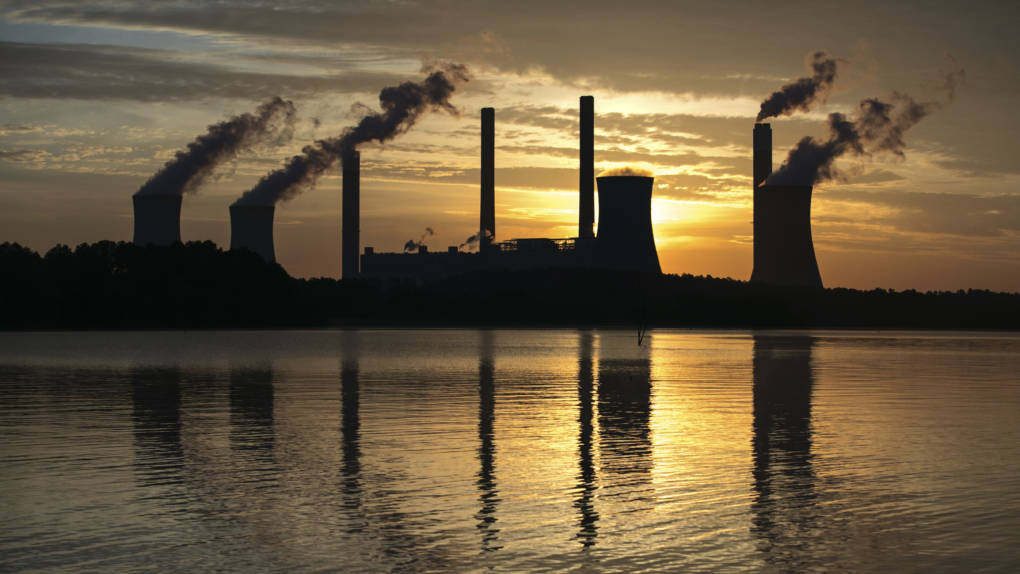
"caption": "In this June 3, 2017, file photo, the coal-fired Plant Scherer stands in the distance in Juliette, Ga.",
"description": "In this June 3, 2017, file photo, the coal-fired Plant Scherer stands in the distance in Juliette, Ga.",
"title": "In this June 3, 2017, file photo, the coal-fired Plant Scherer stands in the distance in Juliette, Ga.",
"credit": "Branden Camp/AP",
"status": "inherit",
"isLoading": false,
"fetchFailed": false
},
"science_1933031": {
"type": "attachments",
"id": "science_1933031",
"meta": {
"index": "attachments_1716263798",
"site": "science",
"id": "1933031",
"found": true
},
"parent": 1933028,
"imgSizes": {
"small": {
"file": "https://ww2.kqed.org/app/uploads/sites/35/2018/10/GettyImages-471006602-520x355.jpg",
"width": 520,
"mimeType": "image/jpeg",
"height": 355
},
"twentyfourteen-full-width": {
"file": "https://ww2.kqed.org/app/uploads/sites/35/2018/10/GettyImages-471006602-1038x576.jpg",
"width": 1038,
"mimeType": "image/jpeg",
"height": 576
},
"thumbnail": {
"file": "https://ww2.kqed.org/app/uploads/sites/35/2018/10/GettyImages-471006602-160x109.jpg",
"width": 160,
"mimeType": "image/jpeg",
"height": 109
},
"fd-sm": {
"file": "https://ww2.kqed.org/app/uploads/sites/35/2018/10/GettyImages-471006602-960x655.jpg",
"width": 960,
"mimeType": "image/jpeg",
"height": 655
},
"post-thumbnail": {
"file": "https://ww2.kqed.org/app/uploads/sites/35/2018/10/GettyImages-471006602-672x372.jpg",
"width": 672,
"mimeType": "image/jpeg",
"height": 372
},
"xsmall": {
"file": "https://ww2.kqed.org/app/uploads/sites/35/2018/10/GettyImages-471006602-375x256.jpg",
"width": 375,
"mimeType": "image/jpeg",
"height": 256
},
"kqedFullSize": {
"file": "https://ww2.kqed.org/app/uploads/sites/35/2018/10/GettyImages-471006602.jpg",
"width": 3000,
"height": 2047
},
"large": {
"file": "https://ww2.kqed.org/app/uploads/sites/35/2018/10/GettyImages-471006602-1020x696.jpg",
"width": 1020,
"mimeType": "image/jpeg",
"height": 696
},
"xlarge": {
"file": "https://ww2.kqed.org/app/uploads/sites/35/2018/10/GettyImages-471006602-1180x805.jpg",
"width": 1180,
"mimeType": "image/jpeg",
"height": 805
},
"complete_open_graph": {
"file": "https://ww2.kqed.org/app/uploads/sites/35/2018/10/GettyImages-471006602-1200x819.jpg",
"width": 1200,
"mimeType": "image/jpeg",
"height": 819
},
"guest-author-50": {
"file": "https://ww2.kqed.org/app/uploads/sites/35/2018/10/GettyImages-471006602-50x50.jpg",
"width": 50,
"mimeType": "image/jpeg",
"height": 50
},
"guest-author-96": {
"file": "https://ww2.kqed.org/app/uploads/sites/35/2018/10/GettyImages-471006602-96x96.jpg",
"width": 96,
"mimeType": "image/jpeg",
"height": 96
},
"medium": {
"file": "https://ww2.kqed.org/app/uploads/sites/35/2018/10/GettyImages-471006602-800x546.jpg",
"width": 800,
"mimeType": "image/jpeg",
"height": 546
},
"guest-author-64": {
"file": "https://ww2.kqed.org/app/uploads/sites/35/2018/10/GettyImages-471006602-64x64.jpg",
"width": 64,
"mimeType": "image/jpeg",
"height": 64
},
"guest-author-32": {
"file": "https://ww2.kqed.org/app/uploads/sites/35/2018/10/GettyImages-471006602-32x32.jpg",
"width": 32,
"mimeType": "image/jpeg",
"height": 32
},
"fd-lrg": {
"file": "https://ww2.kqed.org/app/uploads/sites/35/2018/10/GettyImages-471006602-1920x1310.jpg",
"width": 1920,
"mimeType": "image/jpeg",
"height": 1310
},
"fd-med": {
"file": "https://ww2.kqed.org/app/uploads/sites/35/2018/10/GettyImages-471006602-1180x805.jpg",
"width": 1180,
"mimeType": "image/jpeg",
"height": 805
},
"full-width": {
"file": "https://ww2.kqed.org/app/uploads/sites/35/2018/10/GettyImages-471006602-1920x1310.jpg",
"width": 1920,
"mimeType": "image/jpeg",
"height": 1310
},
"detail": {
"file": "https://ww2.kqed.org/app/uploads/sites/35/2018/10/GettyImages-471006602-150x150.jpg",
"width": 150,
"mimeType": "image/jpeg",
"height": 150
},
"medium_large": {
"file": "https://ww2.kqed.org/app/uploads/sites/35/2018/10/GettyImages-471006602-768x524.jpg",
"width": 768,
"mimeType": "image/jpeg",
"height": 524
},
"guest-author-128": {
"file": "https://ww2.kqed.org/app/uploads/sites/35/2018/10/GettyImages-471006602-128x128.jpg",
"width": 128,
"mimeType": "image/jpeg",
"height": 128
},
"xxsmall": {
"file": "https://ww2.kqed.org/app/uploads/sites/35/2018/10/GettyImages-471006602-240x164.jpg",
"width": 240,
"mimeType": "image/jpeg",
"height": 164
}
},
"publishDate": 1539764867,
"modified": 1539764905,
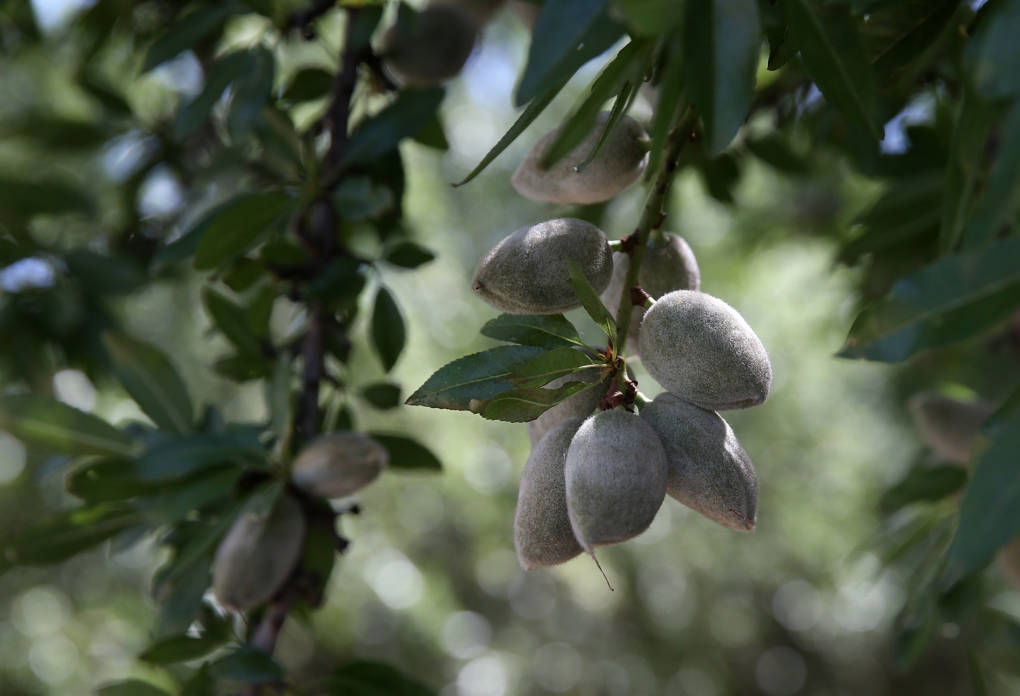
"caption": "Almonds hang from a branch at an almond orchard on April 24, 2015 in Firebaugh, California. ",
"description": null,
"title": "California's Central Valley Heavily Impacted By Severe Drought",
"credit": "Justin Sullivan/Getty Images",
"status": "inherit",
"isLoading": false,
"fetchFailed": false
},
"science_1932919": {
"type": "attachments",
"id": "science_1932919",
"meta": {
"index": "attachments_1716263798",
"site": "science",
"id": "1932919",
"found": true
},
"parent": 1932903,
"imgSizes": {
"small": {
"file": "https://ww2.kqed.org/app/uploads/sites/35/2018/10/GettyImages-452576530-520x362.jpg",
"width": 520,
"mimeType": "image/jpeg",
"height": 362
},
"twentyfourteen-full-width": {
"file": "https://ww2.kqed.org/app/uploads/sites/35/2018/10/GettyImages-452576530-1038x576.jpg",
"width": 1038,
"mimeType": "image/jpeg",
"height": 576
},
"thumbnail": {
"file": "https://ww2.kqed.org/app/uploads/sites/35/2018/10/GettyImages-452576530-160x111.jpg",
"width": 160,
"mimeType": "image/jpeg",
"height": 111
},
"fd-sm": {
"file": "https://ww2.kqed.org/app/uploads/sites/35/2018/10/GettyImages-452576530-960x668.jpg",
"width": 960,
"mimeType": "image/jpeg",
"height": 668
},
"post-thumbnail": {
"file": "https://ww2.kqed.org/app/uploads/sites/35/2018/10/GettyImages-452576530-672x372.jpg",
"width": 672,
"mimeType": "image/jpeg",
"height": 372
},
"xsmall": {
"file": "https://ww2.kqed.org/app/uploads/sites/35/2018/10/GettyImages-452576530-375x261.jpg",
"width": 375,
"mimeType": "image/jpeg",
"height": 261
},
"kqedFullSize": {
"file": "https://ww2.kqed.org/app/uploads/sites/35/2018/10/GettyImages-452576530.jpg",
"width": 3000,
"height": 2088
},
"large": {
"file": "https://ww2.kqed.org/app/uploads/sites/35/2018/10/GettyImages-452576530-1020x710.jpg",
"width": 1020,
"mimeType": "image/jpeg",
"height": 710
},
"xlarge": {
"file": "https://ww2.kqed.org/app/uploads/sites/35/2018/10/GettyImages-452576530-1180x821.jpg",
"width": 1180,
"mimeType": "image/jpeg",
"height": 821
},
"complete_open_graph": {
"file": "https://ww2.kqed.org/app/uploads/sites/35/2018/10/GettyImages-452576530-1200x835.jpg",
"width": 1200,
"mimeType": "image/jpeg",
"height": 835
},
"guest-author-50": {
"file": "https://ww2.kqed.org/app/uploads/sites/35/2018/10/GettyImages-452576530-50x50.jpg",
"width": 50,
"mimeType": "image/jpeg",
"height": 50
},
"guest-author-96": {
"file": "https://ww2.kqed.org/app/uploads/sites/35/2018/10/GettyImages-452576530-96x96.jpg",
"width": 96,
"mimeType": "image/jpeg",
"height": 96
},
"medium": {
"file": "https://ww2.kqed.org/app/uploads/sites/35/2018/10/GettyImages-452576530-800x557.jpg",
"width": 800,
"mimeType": "image/jpeg",
"height": 557
},
"guest-author-64": {
"file": "https://ww2.kqed.org/app/uploads/sites/35/2018/10/GettyImages-452576530-64x64.jpg",
"width": 64,
"mimeType": "image/jpeg",
"height": 64
},
"guest-author-32": {
"file": "https://ww2.kqed.org/app/uploads/sites/35/2018/10/GettyImages-452576530-32x32.jpg",
"width": 32,
"mimeType": "image/jpeg",
"height": 32
},
"fd-lrg": {
"file": "https://ww2.kqed.org/app/uploads/sites/35/2018/10/GettyImages-452576530-1920x1336.jpg",
"width": 1920,
"mimeType": "image/jpeg",
"height": 1336
},
"fd-med": {
"file": "https://ww2.kqed.org/app/uploads/sites/35/2018/10/GettyImages-452576530-1180x821.jpg",
"width": 1180,
"mimeType": "image/jpeg",
"height": 821
},
"full-width": {
"file": "https://ww2.kqed.org/app/uploads/sites/35/2018/10/GettyImages-452576530-1920x1336.jpg",
"width": 1920,
"mimeType": "image/jpeg",
"height": 1336
},
"detail": {
"file": "https://ww2.kqed.org/app/uploads/sites/35/2018/10/GettyImages-452576530-150x150.jpg",
"width": 150,
"mimeType": "image/jpeg",
"height": 150
},
"medium_large": {
"file": "https://ww2.kqed.org/app/uploads/sites/35/2018/10/GettyImages-452576530-768x535.jpg",
"width": 768,
"mimeType": "image/jpeg",
"height": 535
},
"guest-author-128": {
"file": "https://ww2.kqed.org/app/uploads/sites/35/2018/10/GettyImages-452576530-128x128.jpg",
"width": 128,
"mimeType": "image/jpeg",
"height": 128
},
"xxsmall": {
"file": "https://ww2.kqed.org/app/uploads/sites/35/2018/10/GettyImages-452576530-240x167.jpg",
"width": 240,
"mimeType": "image/jpeg",
"height": 167
}
},
"publishDate": 1539715415,
"modified": 1539715797,
"caption": "The roadside attraction known as \"the world's largest thermometer\" lights up the road through Baker, in the California desert. On July 23, 2014, it was 113 degrees, a number that can make it dangerous to drive without air conditioning. But it doesn't have to be that hot in the Bay Area for heat to kill, or to send people to the hospital.",
"description": "The roadside attraction known as \"the world's largest thermometer\" lights up the road through Baker, in the California desert. On July 23, 2014, it was 113 degrees, a number that can make it dangerous to drive without air conditioning. But it doesn't have to be that hot in the Bay Area for heat to kill, or to send people to the hospital.",
"title": "134-Foot-High Thermometer Working Again After Renovation",
"credit": "Ethan Miller/Getty Images",
"status": "inherit",
"isLoading": false,
"fetchFailed": false
},
"science_1933004": {
"type": "attachments",
"id": "science_1933004",
"meta": {
"index": "attachments_1716263798",
"site": "science",
"id": "1933004",
"found": true
},
"parent": 1932908,
"imgSizes": {
"small": {
"file": "https://ww2.kqed.org/app/uploads/sites/35/2018/10/climatereport-520x347.jpg",
"width": 520,
"mimeType": "image/jpeg",
"height": 347
},
"twentyfourteen-full-width": {
"file": "https://ww2.kqed.org/app/uploads/sites/35/2018/10/climatereport-1038x576.jpg",
"width": 1038,
"mimeType": "image/jpeg",
"height": 576
},
"thumbnail": {
"file": "https://ww2.kqed.org/app/uploads/sites/35/2018/10/climatereport-160x107.jpg",
"width": 160,
"mimeType": "image/jpeg",
"height": 107
},
"fd-sm": {
"file": "https://ww2.kqed.org/app/uploads/sites/35/2018/10/climatereport-960x640.jpg",
"width": 960,
"mimeType": "image/jpeg",
"height": 640
},
"post-thumbnail": {
"file": "https://ww2.kqed.org/app/uploads/sites/35/2018/10/climatereport-672x372.jpg",
"width": 672,
"mimeType": "image/jpeg",
"height": 372
},
"xsmall": {
"file": "https://ww2.kqed.org/app/uploads/sites/35/2018/10/climatereport-375x250.jpg",
"width": 375,
"mimeType": "image/jpeg",
"height": 250
},
"kqedFullSize": {
"file": "https://ww2.kqed.org/app/uploads/sites/35/2018/10/climatereport-e1539740721148.jpg",
"width": 1920,
"height": 1280
},
"large": {
"file": "https://ww2.kqed.org/app/uploads/sites/35/2018/10/climatereport-1020x680.jpg",
"width": 1020,
"mimeType": "image/jpeg",
"height": 680
},
"xlarge": {
"file": "https://ww2.kqed.org/app/uploads/sites/35/2018/10/climatereport-1180x787.jpg",
"width": 1180,
"mimeType": "image/jpeg",
"height": 787
},
"complete_open_graph": {
"file": "https://ww2.kqed.org/app/uploads/sites/35/2018/10/climatereport-1200x800.jpg",
"width": 1200,
"mimeType": "image/jpeg",
"height": 800
},
"guest-author-50": {
"file": "https://ww2.kqed.org/app/uploads/sites/35/2018/10/climatereport-50x50.jpg",
"width": 50,
"mimeType": "image/jpeg",
"height": 50
},
"guest-author-96": {
"file": "https://ww2.kqed.org/app/uploads/sites/35/2018/10/climatereport-96x96.jpg",
"width": 96,
"mimeType": "image/jpeg",
"height": 96
},
"medium": {
"file": "https://ww2.kqed.org/app/uploads/sites/35/2018/10/climatereport-800x533.jpg",
"width": 800,
"mimeType": "image/jpeg",
"height": 533
},
"guest-author-64": {
"file": "https://ww2.kqed.org/app/uploads/sites/35/2018/10/climatereport-64x64.jpg",
"width": 64,
"mimeType": "image/jpeg",
"height": 64
},
"guest-author-32": {
"file": "https://ww2.kqed.org/app/uploads/sites/35/2018/10/climatereport-32x32.jpg",
"width": 32,
"mimeType": "image/jpeg",
"height": 32
},
"fd-lrg": {
"file": "https://ww2.kqed.org/app/uploads/sites/35/2018/10/climatereport-1920x1280.jpg",
"width": 1920,
"mimeType": "image/jpeg",
"height": 1280
},
"fd-med": {
"file": "https://ww2.kqed.org/app/uploads/sites/35/2018/10/climatereport-1180x787.jpg",
"width": 1180,
"mimeType": "image/jpeg",
"height": 787
},
"full-width": {
"file": "https://ww2.kqed.org/app/uploads/sites/35/2018/10/climatereport-1920x1280.jpg",
"width": 1920,
"mimeType": "image/jpeg",
"height": 1280
},
"detail": {
"file": "https://ww2.kqed.org/app/uploads/sites/35/2018/10/climatereport-150x150.jpg",
"width": 150,
"mimeType": "image/jpeg",
"height": 150
},
"medium_large": {
"file": "https://ww2.kqed.org/app/uploads/sites/35/2018/10/climatereport-768x512.jpg",
"width": 768,
"mimeType": "image/jpeg",
"height": 512
},
"guest-author-128": {
"file": "https://ww2.kqed.org/app/uploads/sites/35/2018/10/climatereport-128x128.jpg",
"width": 128,
"mimeType": "image/jpeg",
"height": 128
},
"xxsmall": {
"file": "https://ww2.kqed.org/app/uploads/sites/35/2018/10/climatereport-240x160.jpg",
"width": 240,
"mimeType": "image/jpeg",
"height": 160
}
},
"publishDate": 1539740671,
"modified": 1539741050,
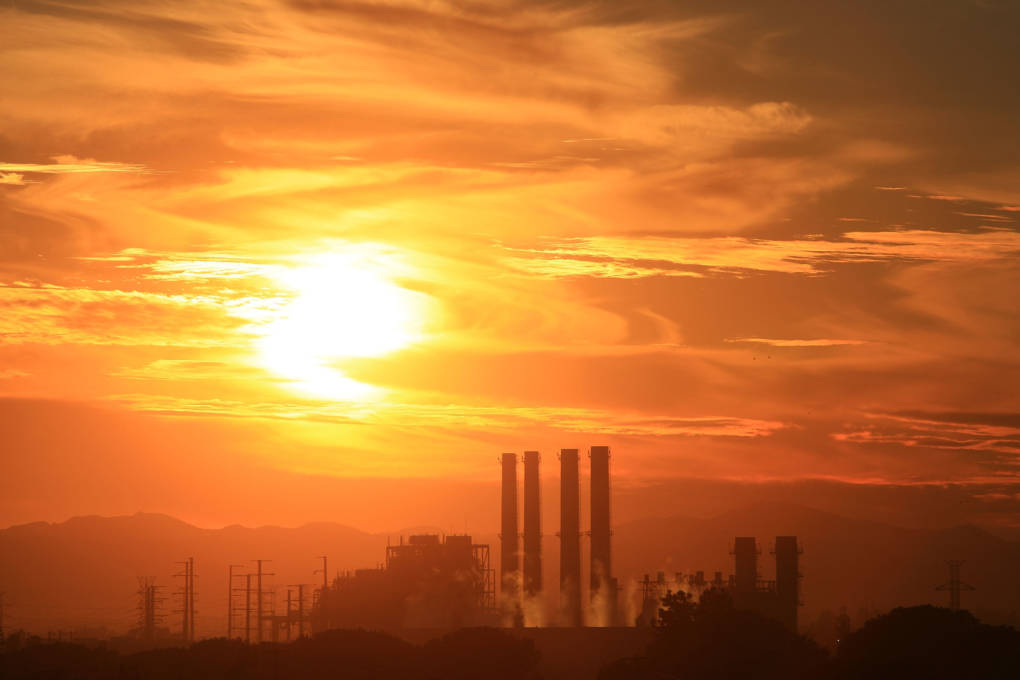
"caption": "The recently released U.N. climate report put the world on notice that it must rapidly reduce carbon emissions to avoid nightmarish consequences of climate change.",
"description": "SUN VALLEY, CA - DECEMBER 11: The Department of Water and Power (DWP) San Fernando Valley Generating Station is seen December 11, 2008 in Sun Valley, California. Under a new climate plan before state regulators, California would take major steps toward cutting greenhouse gas emissions. If adopted by the California Air Resources Board, it would be the most ambitious global warming prevention plan in the nation, outlining for the first time how businesses and the public would meet the 2006 law that made the state a leader on global climate change. The action would lead to the creation of a carbon-credit market to make it cheaper for the biggest polluters to cut emissions, and change the ways utilities generate power, businesses use electricity, and personal transportation (Photo by David McNew/Getty Images)",
"title": "California Adopts Sweeping Plan To Combat Greenhouse Gas Emissions",
"credit": "David McNew/Getty Images",
"status": "inherit",
"isLoading": false,
"fetchFailed": false
},
"science_1932896": {
"type": "attachments",
"id": "science_1932896",
"meta": {
"index": "attachments_1716263798",
"site": "science",
"id": "1932896",
"found": true
},
"parent": 1932894,
"imgSizes": {
"small": {
"file": "https://ww2.kqed.org/app/uploads/sites/35/2018/10/GettyImages-693862752-520x347.jpg",
"width": 520,
"mimeType": "image/jpeg",
"height": 347
},
"twentyfourteen-full-width": {
"file": "https://ww2.kqed.org/app/uploads/sites/35/2018/10/GettyImages-693862752-1038x576.jpg",
"width": 1038,
"mimeType": "image/jpeg",
"height": 576
},
"thumbnail": {
"file": "https://ww2.kqed.org/app/uploads/sites/35/2018/10/GettyImages-693862752-160x107.jpg",
"width": 160,
"mimeType": "image/jpeg",
"height": 107
},
"fd-sm": {
"file": "https://ww2.kqed.org/app/uploads/sites/35/2018/10/GettyImages-693862752-960x641.jpg",
"width": 960,
"mimeType": "image/jpeg",
"height": 641
},
"post-thumbnail": {
"file": "https://ww2.kqed.org/app/uploads/sites/35/2018/10/GettyImages-693862752-672x372.jpg",
"width": 672,
"mimeType": "image/jpeg",
"height": 372
},
"xsmall": {
"file": "https://ww2.kqed.org/app/uploads/sites/35/2018/10/GettyImages-693862752-375x250.jpg",
"width": 375,
"mimeType": "image/jpeg",
"height": 250
},
"kqedFullSize": {
"file": "https://ww2.kqed.org/app/uploads/sites/35/2018/10/GettyImages-693862752.jpg",
"width": 3600,
"height": 2403
},
"large": {
"file": "https://ww2.kqed.org/app/uploads/sites/35/2018/10/GettyImages-693862752-1020x681.jpg",
"width": 1020,
"mimeType": "image/jpeg",
"height": 681
},
"xlarge": {
"file": "https://ww2.kqed.org/app/uploads/sites/35/2018/10/GettyImages-693862752-1180x788.jpg",
"width": 1180,
"mimeType": "image/jpeg",
"height": 788
},
"complete_open_graph": {
"file": "https://ww2.kqed.org/app/uploads/sites/35/2018/10/GettyImages-693862752-1200x801.jpg",
"width": 1200,
"mimeType": "image/jpeg",
"height": 801
},
"guest-author-50": {
"file": "https://ww2.kqed.org/app/uploads/sites/35/2018/10/GettyImages-693862752-50x50.jpg",
"width": 50,
"mimeType": "image/jpeg",
"height": 50
},
"guest-author-96": {
"file": "https://ww2.kqed.org/app/uploads/sites/35/2018/10/GettyImages-693862752-96x96.jpg",
"width": 96,
"mimeType": "image/jpeg",
"height": 96
},
"medium": {
"file": "https://ww2.kqed.org/app/uploads/sites/35/2018/10/GettyImages-693862752-800x534.jpg",
"width": 800,
"mimeType": "image/jpeg",
"height": 534
},
"guest-author-64": {
"file": "https://ww2.kqed.org/app/uploads/sites/35/2018/10/GettyImages-693862752-64x64.jpg",
"width": 64,
"mimeType": "image/jpeg",
"height": 64
},
"guest-author-32": {
"file": "https://ww2.kqed.org/app/uploads/sites/35/2018/10/GettyImages-693862752-32x32.jpg",
"width": 32,
"mimeType": "image/jpeg",
"height": 32
},
"fd-lrg": {
"file": "https://ww2.kqed.org/app/uploads/sites/35/2018/10/GettyImages-693862752-1920x1282.jpg",
"width": 1920,
"mimeType": "image/jpeg",
"height": 1282
},
"fd-med": {
"file": "https://ww2.kqed.org/app/uploads/sites/35/2018/10/GettyImages-693862752-1180x788.jpg",
"width": 1180,
"mimeType": "image/jpeg",
"height": 788
},
"full-width": {
"file": "https://ww2.kqed.org/app/uploads/sites/35/2018/10/GettyImages-693862752-1920x1282.jpg",
"width": 1920,
"mimeType": "image/jpeg",
"height": 1282
},
"detail": {
"file": "https://ww2.kqed.org/app/uploads/sites/35/2018/10/GettyImages-693862752-150x150.jpg",
"width": 150,
"mimeType": "image/jpeg",
"height": 150
},
"medium_large": {
"file": "https://ww2.kqed.org/app/uploads/sites/35/2018/10/GettyImages-693862752-768x513.jpg",
"width": 768,
"mimeType": "image/jpeg",
"height": 513
},
"guest-author-128": {
"file": "https://ww2.kqed.org/app/uploads/sites/35/2018/10/GettyImages-693862752-128x128.jpg",
"width": 128,
"mimeType": "image/jpeg",
"height": 128
},
"xxsmall": {
"file": "https://ww2.kqed.org/app/uploads/sites/35/2018/10/GettyImages-693862752-240x160.jpg",
"width": 240,
"mimeType": "image/jpeg",
"height": 160
}
},
"publishDate": 1539707549,
"modified": 1539707607,
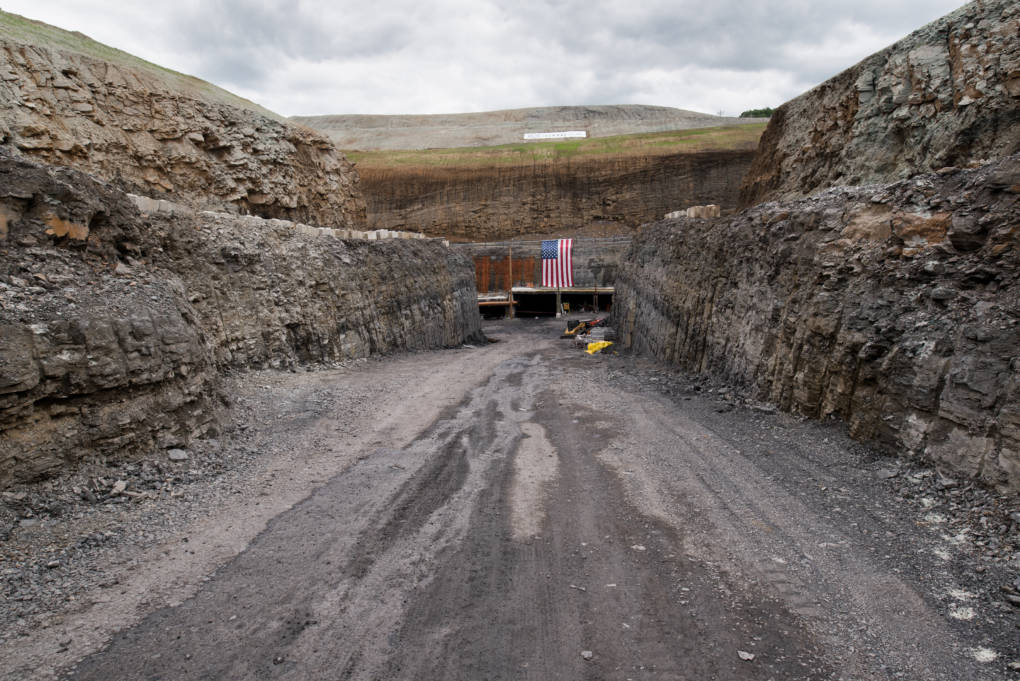
"caption": "The entrance to the Corsa Coal's Acosta Deep Mine on June 8, 2017 in Friedens, Pennsylvania. The Trump administration is considering using West Coast military bases or other federal properties as transit points for shipments of U.S. coal and natural gas to Asia. ",
"description": null,
"title": "Corsa Coal Opens New Mine In Pennsylvania",
"credit": "Justin Merriman/Getty Images",
"status": "inherit",
"isLoading": false,
"fetchFailed": false
},
"science_1932880": {
"type": "attachments",
"id": "science_1932880",
"meta": {
"index": "attachments_1716263798",
"site": "science",
"id": "1932880",
"found": true
},
"parent": 1932876,
"imgSizes": {
"small": {
"file": "https://ww2.kqed.org/app/uploads/sites/35/2018/10/GettyImages-1005678190-520x347.jpg",
"width": 520,
"mimeType": "image/jpeg",
"height": 347
},
"twentyfourteen-full-width": {
"file": "https://ww2.kqed.org/app/uploads/sites/35/2018/10/GettyImages-1005678190-1038x576.jpg",
"width": 1038,
"mimeType": "image/jpeg",
"height": 576
},
"thumbnail": {
"file": "https://ww2.kqed.org/app/uploads/sites/35/2018/10/GettyImages-1005678190-160x107.jpg",
"width": 160,
"mimeType": "image/jpeg",
"height": 107
},
"fd-sm": {
"file": "https://ww2.kqed.org/app/uploads/sites/35/2018/10/GettyImages-1005678190-960x640.jpg",
"width": 960,
"mimeType": "image/jpeg",
"height": 640
},
"post-thumbnail": {
"file": "https://ww2.kqed.org/app/uploads/sites/35/2018/10/GettyImages-1005678190-672x372.jpg",
"width": 672,
"mimeType": "image/jpeg",
"height": 372
},
"xsmall": {
"file": "https://ww2.kqed.org/app/uploads/sites/35/2018/10/GettyImages-1005678190-375x250.jpg",
"width": 375,
"mimeType": "image/jpeg",
"height": 250
},
"kqedFullSize": {
"file": "https://ww2.kqed.org/app/uploads/sites/35/2018/10/GettyImages-1005678190.jpg",
"width": 6236,
"height": 4157
},
"large": {
"file": "https://ww2.kqed.org/app/uploads/sites/35/2018/10/GettyImages-1005678190-1020x680.jpg",
"width": 1020,
"mimeType": "image/jpeg",
"height": 680
},
"xlarge": {
"file": "https://ww2.kqed.org/app/uploads/sites/35/2018/10/GettyImages-1005678190-1180x787.jpg",
"width": 1180,
"mimeType": "image/jpeg",
"height": 787
},
"complete_open_graph": {
"file": "https://ww2.kqed.org/app/uploads/sites/35/2018/10/GettyImages-1005678190-1200x800.jpg",
"width": 1200,
"mimeType": "image/jpeg",
"height": 800
},
"guest-author-50": {
"file": "https://ww2.kqed.org/app/uploads/sites/35/2018/10/GettyImages-1005678190-50x50.jpg",
"width": 50,
"mimeType": "image/jpeg",
"height": 50
},
"guest-author-96": {
"file": "https://ww2.kqed.org/app/uploads/sites/35/2018/10/GettyImages-1005678190-96x96.jpg",
"width": 96,
"mimeType": "image/jpeg",
"height": 96
},
"medium": {
"file": "https://ww2.kqed.org/app/uploads/sites/35/2018/10/GettyImages-1005678190-800x533.jpg",
"width": 800,
"mimeType": "image/jpeg",
"height": 533
},
"guest-author-64": {
"file": "https://ww2.kqed.org/app/uploads/sites/35/2018/10/GettyImages-1005678190-64x64.jpg",
"width": 64,
"mimeType": "image/jpeg",
"height": 64
},
"guest-author-32": {
"file": "https://ww2.kqed.org/app/uploads/sites/35/2018/10/GettyImages-1005678190-32x32.jpg",
"width": 32,
"mimeType": "image/jpeg",
"height": 32
},
"fd-lrg": {
"file": "https://ww2.kqed.org/app/uploads/sites/35/2018/10/GettyImages-1005678190-1920x1280.jpg",
"width": 1920,
"mimeType": "image/jpeg",
"height": 1280
},
"fd-med": {
"file": "https://ww2.kqed.org/app/uploads/sites/35/2018/10/GettyImages-1005678190-1180x787.jpg",
"width": 1180,
"mimeType": "image/jpeg",
"height": 787
},
"full-width": {
"file": "https://ww2.kqed.org/app/uploads/sites/35/2018/10/GettyImages-1005678190-1920x1280.jpg",
"width": 1920,
"mimeType": "image/jpeg",
"height": 1280
},
"detail": {
"file": "https://ww2.kqed.org/app/uploads/sites/35/2018/10/GettyImages-1005678190-150x150.jpg",
"width": 150,
"mimeType": "image/jpeg",
"height": 150
},
"medium_large": {
"file": "https://ww2.kqed.org/app/uploads/sites/35/2018/10/GettyImages-1005678190-768x512.jpg",
"width": 768,
"mimeType": "image/jpeg",
"height": 512
},
"guest-author-128": {
"file": "https://ww2.kqed.org/app/uploads/sites/35/2018/10/GettyImages-1005678190-128x128.jpg",
"width": 128,
"mimeType": "image/jpeg",
"height": 128
},
"xxsmall": {
"file": "https://ww2.kqed.org/app/uploads/sites/35/2018/10/GettyImages-1005678190-240x160.jpg",
"width": 240,
"mimeType": "image/jpeg",
"height": 160
}
},
"publishDate": 1539705478,
"modified": 1539705551,
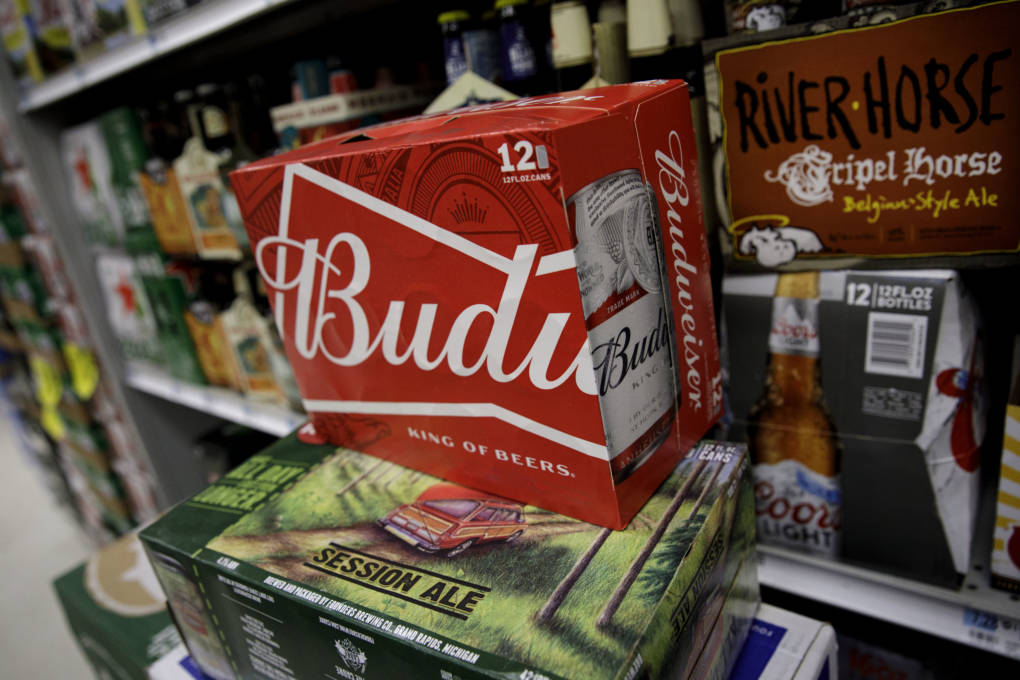
"caption": "A twelve pack of Budweiser sits on a shelf for sale at a convenience store, July 26, 2018 in New York City. \n",
"description": null,
"title": "Budweiser And Bud Light Losing Market Share In U.S. As Craft Beer Continues Gain In Popularity",
"credit": "Drew Angerer/Getty Images",
"status": "inherit",
"isLoading": false,
"fetchFailed": false
},
"science_1932671": {
"type": "attachments",
"id": "science_1932671",
"meta": {
"index": "attachments_1716263798",
"site": "science",
"id": "1932671",
"found": true
},
"parent": 1932489,
"imgSizes": {
"small": {
"file": "https://ww2.kqed.org/app/uploads/sites/35/2018/10/IMG_0967-520x388.jpg",
"width": 520,
"mimeType": "image/jpeg",
"height": 388
},
"twentyfourteen-full-width": {
"file": "https://ww2.kqed.org/app/uploads/sites/35/2018/10/IMG_0967-1038x576.jpg",
"width": 1038,
"mimeType": "image/jpeg",
"height": 576
},
"thumbnail": {
"file": "https://ww2.kqed.org/app/uploads/sites/35/2018/10/IMG_0967-160x120.jpg",
"width": 160,
"mimeType": "image/jpeg",
"height": 120
},
"fd-sm": {
"file": "https://ww2.kqed.org/app/uploads/sites/35/2018/10/IMG_0967-960x717.jpg",
"width": 960,
"mimeType": "image/jpeg",
"height": 717
},
"post-thumbnail": {
"file": "https://ww2.kqed.org/app/uploads/sites/35/2018/10/IMG_0967-672x372.jpg",
"width": 672,
"mimeType": "image/jpeg",
"height": 372
},
"xsmall": {
"file": "https://ww2.kqed.org/app/uploads/sites/35/2018/10/IMG_0967-375x280.jpg",
"width": 375,
"mimeType": "image/jpeg",
"height": 280
},
"kqedFullSize": {
"file": "https://ww2.kqed.org/app/uploads/sites/35/2018/10/IMG_0967.jpg",
"width": 2000,
"height": 1494
},
"large": {
"file": "https://ww2.kqed.org/app/uploads/sites/35/2018/10/IMG_0967-1020x762.jpg",
"width": 1020,
"mimeType": "image/jpeg",
"height": 762
},
"xlarge": {
"file": "https://ww2.kqed.org/app/uploads/sites/35/2018/10/IMG_0967-1180x881.jpg",
"width": 1180,
"mimeType": "image/jpeg",
"height": 881
},
"complete_open_graph": {
"file": "https://ww2.kqed.org/app/uploads/sites/35/2018/10/IMG_0967-1200x896.jpg",
"width": 1200,
"mimeType": "image/jpeg",
"height": 896
},
"guest-author-50": {
"file": "https://ww2.kqed.org/app/uploads/sites/35/2018/10/IMG_0967-50x50.jpg",
"width": 50,
"mimeType": "image/jpeg",
"height": 50
},
"guest-author-96": {
"file": "https://ww2.kqed.org/app/uploads/sites/35/2018/10/IMG_0967-96x96.jpg",
"width": 96,
"mimeType": "image/jpeg",
"height": 96
},
"medium": {
"file": "https://ww2.kqed.org/app/uploads/sites/35/2018/10/IMG_0967-800x598.jpg",
"width": 800,
"mimeType": "image/jpeg",
"height": 598
},
"guest-author-64": {
"file": "https://ww2.kqed.org/app/uploads/sites/35/2018/10/IMG_0967-64x64.jpg",
"width": 64,
"mimeType": "image/jpeg",
"height": 64
},
"guest-author-32": {
"file": "https://ww2.kqed.org/app/uploads/sites/35/2018/10/IMG_0967-32x32.jpg",
"width": 32,
"mimeType": "image/jpeg",
"height": 32
},
"fd-lrg": {
"file": "https://ww2.kqed.org/app/uploads/sites/35/2018/10/IMG_0967-1920x1434.jpg",
"width": 1920,
"mimeType": "image/jpeg",
"height": 1434
},
"fd-med": {
"file": "https://ww2.kqed.org/app/uploads/sites/35/2018/10/IMG_0967-1180x881.jpg",
"width": 1180,
"mimeType": "image/jpeg",
"height": 881
},
"full-width": {
"file": "https://ww2.kqed.org/app/uploads/sites/35/2018/10/IMG_0967-1920x1434.jpg",
"width": 1920,
"mimeType": "image/jpeg",
"height": 1434
},
"detail": {
"file": "https://ww2.kqed.org/app/uploads/sites/35/2018/10/IMG_0967-150x150.jpg",
"width": 150,
"mimeType": "image/jpeg",
"height": 150
},
"medium_large": {
"file": "https://ww2.kqed.org/app/uploads/sites/35/2018/10/IMG_0967-768x574.jpg",
"width": 768,
"mimeType": "image/jpeg",
"height": 574
},
"guest-author-128": {
"file": "https://ww2.kqed.org/app/uploads/sites/35/2018/10/IMG_0967-128x128.jpg",
"width": 128,
"mimeType": "image/jpeg",
"height": 128
},
"xxsmall": {
"file": "https://ww2.kqed.org/app/uploads/sites/35/2018/10/IMG_0967-240x179.jpg",
"width": 240,
"mimeType": "image/jpeg",
"height": 179
}
},
"publishDate": 1539365365,
"modified": 1539365466,
"caption": "Berkeley-based SkyAlert is rolling out an earthquake warning app for smartphones.",
"description": "Berkeley-based SkyAlert is rolling out an earthquake warning app for smartphones.",
"title": "IMG_0967",
"credit": "Craig Miller/KQED",
"status": "inherit",
"isLoading": false,
"fetchFailed": false
},
"science_1932853": {
"type": "attachments",
"id": "science_1932853",
"meta": {
"index": "attachments_1716263798",
"site": "science",
"id": "1932853",
"found": true
},
"parent": 1932851,
"imgSizes": {
"small": {
"file": "https://ww2.kqed.org/app/uploads/sites/35/2018/10/GettyImages-480337039-520x347.jpg",
"width": 520,
"mimeType": "image/jpeg",
"height": 347
},
"twentyfourteen-full-width": {
"file": "https://ww2.kqed.org/app/uploads/sites/35/2018/10/GettyImages-480337039-1038x576.jpg",
"width": 1038,
"mimeType": "image/jpeg",
"height": 576
},
"thumbnail": {
"file": "https://ww2.kqed.org/app/uploads/sites/35/2018/10/GettyImages-480337039-160x107.jpg",
"width": 160,
"mimeType": "image/jpeg",
"height": 107
},
"fd-sm": {
"file": "https://ww2.kqed.org/app/uploads/sites/35/2018/10/GettyImages-480337039-960x640.jpg",
"width": 960,
"mimeType": "image/jpeg",
"height": 640
},
"post-thumbnail": {
"file": "https://ww2.kqed.org/app/uploads/sites/35/2018/10/GettyImages-480337039-672x372.jpg",
"width": 672,
"mimeType": "image/jpeg",
"height": 372
},
"xsmall": {
"file": "https://ww2.kqed.org/app/uploads/sites/35/2018/10/GettyImages-480337039-375x250.jpg",
"width": 375,
"mimeType": "image/jpeg",
"height": 250
},
"kqedFullSize": {
"file": "https://ww2.kqed.org/app/uploads/sites/35/2018/10/GettyImages-480337039.jpg",
"width": 3000,
"height": 2001
},
"large": {
"file": "https://ww2.kqed.org/app/uploads/sites/35/2018/10/GettyImages-480337039-1020x680.jpg",
"width": 1020,
"mimeType": "image/jpeg",
"height": 680
},
"xlarge": {
"file": "https://ww2.kqed.org/app/uploads/sites/35/2018/10/GettyImages-480337039-1180x787.jpg",
"width": 1180,
"mimeType": "image/jpeg",
"height": 787
},
"complete_open_graph": {
"file": "https://ww2.kqed.org/app/uploads/sites/35/2018/10/GettyImages-480337039-1200x800.jpg",
"width": 1200,
"mimeType": "image/jpeg",
"height": 800
},
"guest-author-50": {
"file": "https://ww2.kqed.org/app/uploads/sites/35/2018/10/GettyImages-480337039-50x50.jpg",
"width": 50,
"mimeType": "image/jpeg",
"height": 50
},
"guest-author-96": {
"file": "https://ww2.kqed.org/app/uploads/sites/35/2018/10/GettyImages-480337039-96x96.jpg",
"width": 96,
"mimeType": "image/jpeg",
"height": 96
},
"medium": {
"file": "https://ww2.kqed.org/app/uploads/sites/35/2018/10/GettyImages-480337039-800x534.jpg",
"width": 800,
"mimeType": "image/jpeg",
"height": 534
},
"guest-author-64": {
"file": "https://ww2.kqed.org/app/uploads/sites/35/2018/10/GettyImages-480337039-64x64.jpg",
"width": 64,
"mimeType": "image/jpeg",
"height": 64
},
"guest-author-32": {
"file": "https://ww2.kqed.org/app/uploads/sites/35/2018/10/GettyImages-480337039-32x32.jpg",
"width": 32,
"mimeType": "image/jpeg",
"height": 32
},
"fd-lrg": {
"file": "https://ww2.kqed.org/app/uploads/sites/35/2018/10/GettyImages-480337039-1920x1281.jpg",
"width": 1920,
"mimeType": "image/jpeg",
"height": 1281
},
"fd-med": {
"file": "https://ww2.kqed.org/app/uploads/sites/35/2018/10/GettyImages-480337039-1180x787.jpg",
"width": 1180,
"mimeType": "image/jpeg",
"height": 787
},
"full-width": {
"file": "https://ww2.kqed.org/app/uploads/sites/35/2018/10/GettyImages-480337039-1920x1281.jpg",
"width": 1920,
"mimeType": "image/jpeg",
"height": 1281
},
"detail": {
"file": "https://ww2.kqed.org/app/uploads/sites/35/2018/10/GettyImages-480337039-150x150.jpg",
"width": 150,
"mimeType": "image/jpeg",
"height": 150
},
"medium_large": {
"file": "https://ww2.kqed.org/app/uploads/sites/35/2018/10/GettyImages-480337039-768x512.jpg",
"width": 768,
"mimeType": "image/jpeg",
"height": 512
},
"guest-author-128": {
"file": "https://ww2.kqed.org/app/uploads/sites/35/2018/10/GettyImages-480337039-128x128.jpg",
"width": 128,
"mimeType": "image/jpeg",
"height": 128
},
"xxsmall": {
"file": "https://ww2.kqed.org/app/uploads/sites/35/2018/10/GettyImages-480337039-240x160.jpg",
"width": 240,
"mimeType": "image/jpeg",
"height": 160
}
},
"publishDate": 1539644838,
"modified": 1539644926,
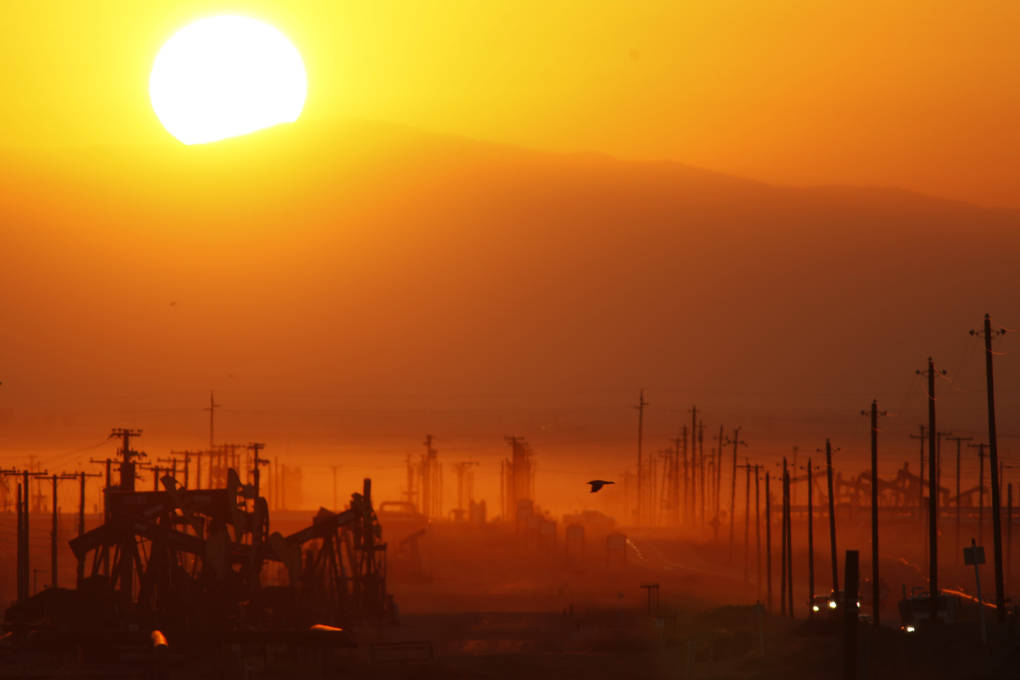
"caption": "The sun rises over an oil field over the Monterey Shale formation on March 24, 2014 near Lost Hills, California. ",
"description": null,
"title": "Fracking In California Under Spotlight As Some Local Municipalities Issue Bans",
"credit": "David McNew/Getty Images",
"status": "inherit",
"isLoading": false,
"fetchFailed": false
},
"science_1932543": {
"type": "attachments",
"id": "science_1932543",
"meta": {
"index": "attachments_1716263798",
"site": "science",
"id": "1932543",
"found": true
},
"parent": 1932537,
"imgSizes": {
"small": {
"file": "https://ww2.kqed.org/app/uploads/sites/35/2018/10/sofi-collis-mer3-520x390.jpg",
"width": 520,
"mimeType": "image/jpeg",
"height": 390
},
"thumbnail": {
"file": "https://ww2.kqed.org/app/uploads/sites/35/2018/10/sofi-collis-mer3-160x120.jpg",
"width": 160,
"mimeType": "image/jpeg",
"height": 120
},
"post-thumbnail": {
"file": "https://ww2.kqed.org/app/uploads/sites/35/2018/10/sofi-collis-mer3-640x372.jpg",
"width": 640,
"mimeType": "image/jpeg",
"height": 372
},
"xsmall": {
"file": "https://ww2.kqed.org/app/uploads/sites/35/2018/10/sofi-collis-mer3-375x281.jpg",
"width": 375,
"mimeType": "image/jpeg",
"height": 281
},
"kqedFullSize": {
"file": "https://ww2.kqed.org/app/uploads/sites/35/2018/10/sofi-collis-mer3.jpg",
"width": 640,
"height": 480
},
"guest-author-50": {
"file": "https://ww2.kqed.org/app/uploads/sites/35/2018/10/sofi-collis-mer3-50x50.jpg",
"width": 50,
"mimeType": "image/jpeg",
"height": 50
},
"guest-author-96": {
"file": "https://ww2.kqed.org/app/uploads/sites/35/2018/10/sofi-collis-mer3-96x96.jpg",
"width": 96,
"mimeType": "image/jpeg",
"height": 96
},
"guest-author-64": {
"file": "https://ww2.kqed.org/app/uploads/sites/35/2018/10/sofi-collis-mer3-64x64.jpg",
"width": 64,
"mimeType": "image/jpeg",
"height": 64
},
"detail": {
"file": "https://ww2.kqed.org/app/uploads/sites/35/2018/10/sofi-collis-mer3-150x150.jpg",
"width": 150,
"mimeType": "image/jpeg",
"height": 150
},
"guest-author-32": {
"file": "https://ww2.kqed.org/app/uploads/sites/35/2018/10/sofi-collis-mer3-32x32.jpg",
"width": 32,
"mimeType": "image/jpeg",
"height": 32
},
"guest-author-128": {
"file": "https://ww2.kqed.org/app/uploads/sites/35/2018/10/sofi-collis-mer3-128x128.jpg",
"width": 128,
"mimeType": "image/jpeg",
"height": 128
},
"xxsmall": {
"file": "https://ww2.kqed.org/app/uploads/sites/35/2018/10/sofi-collis-mer3-240x180.jpg",
"width": 240,
"mimeType": "image/jpeg",
"height": 180
}
},
"publishDate": 1539106712,
"modified": 1539106784,
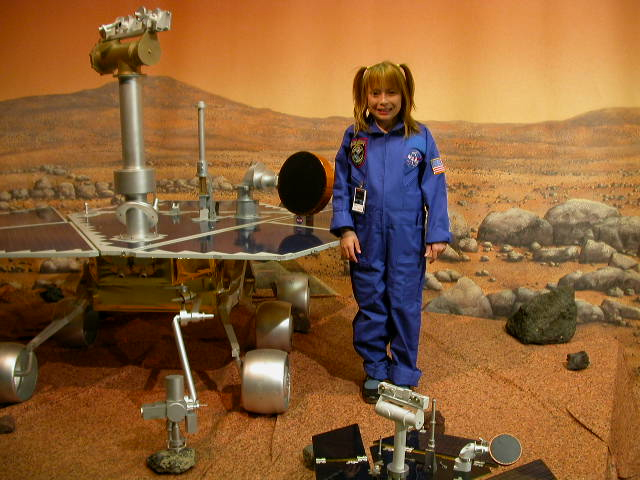
"caption": "Sofi Collis, from Scottsdale, Arizona, winner of the 2003 rover naming contest for the twin Mars Exploration Rovers, poses next to a model of one of the rovers. ",
"description": "Sofi Collis, from Scottsdale, Arizona, winner of the 2003 rover naming contest for the twin Mars Exploration Rovers, poses next to a model of one of the rovers. ",
"title": "sofi-collis-mer3",
"credit": "NASA/JPL",
"status": "inherit",
"isLoading": false,
"fetchFailed": false
},
"science_1932772": {
"type": "attachments",
"id": "science_1932772",
"meta": {
"index": "attachments_1716263798",
"site": "science",
"id": "1932772",
"found": true
},
"parent": 1932760,
"imgSizes": {
"small": {
"file": "https://ww2.kqed.org/app/uploads/sites/35/2018/10/GettyImages-504730186-520x374.jpg",
"width": 520,
"mimeType": "image/jpeg",
"height": 374
},
"twentyfourteen-full-width": {
"file": "https://ww2.kqed.org/app/uploads/sites/35/2018/10/GettyImages-504730186-1038x576.jpg",
"width": 1038,
"mimeType": "image/jpeg",
"height": 576
},
"thumbnail": {
"file": "https://ww2.kqed.org/app/uploads/sites/35/2018/10/GettyImages-504730186-160x115.jpg",
"width": 160,
"mimeType": "image/jpeg",
"height": 115
},
"fd-sm": {
"file": "https://ww2.kqed.org/app/uploads/sites/35/2018/10/GettyImages-504730186-960x691.jpg",
"width": 960,
"mimeType": "image/jpeg",
"height": 691
},
"post-thumbnail": {
"file": "https://ww2.kqed.org/app/uploads/sites/35/2018/10/GettyImages-504730186-672x372.jpg",
"width": 672,
"mimeType": "image/jpeg",
"height": 372
},
"xsmall": {
"file": "https://ww2.kqed.org/app/uploads/sites/35/2018/10/GettyImages-504730186-375x270.jpg",
"width": 375,
"mimeType": "image/jpeg",
"height": 270
},
"kqedFullSize": {
"file": "https://ww2.kqed.org/app/uploads/sites/35/2018/10/GettyImages-504730186.jpg",
"width": 3623,
"height": 2606
},
"large": {
"file": "https://ww2.kqed.org/app/uploads/sites/35/2018/10/GettyImages-504730186-1020x734.jpg",
"width": 1020,
"mimeType": "image/jpeg",
"height": 734
},
"xlarge": {
"file": "https://ww2.kqed.org/app/uploads/sites/35/2018/10/GettyImages-504730186-1180x849.jpg",
"width": 1180,
"mimeType": "image/jpeg",
"height": 849
},
"complete_open_graph": {
"file": "https://ww2.kqed.org/app/uploads/sites/35/2018/10/GettyImages-504730186-1200x863.jpg",
"width": 1200,
"mimeType": "image/jpeg",
"height": 863
},
"guest-author-50": {
"file": "https://ww2.kqed.org/app/uploads/sites/35/2018/10/GettyImages-504730186-50x50.jpg",
"width": 50,
"mimeType": "image/jpeg",
"height": 50
},
"guest-author-96": {
"file": "https://ww2.kqed.org/app/uploads/sites/35/2018/10/GettyImages-504730186-96x96.jpg",
"width": 96,
"mimeType": "image/jpeg",
"height": 96
},
"medium": {
"file": "https://ww2.kqed.org/app/uploads/sites/35/2018/10/GettyImages-504730186-800x575.jpg",
"width": 800,
"mimeType": "image/jpeg",
"height": 575
},
"guest-author-64": {
"file": "https://ww2.kqed.org/app/uploads/sites/35/2018/10/GettyImages-504730186-64x64.jpg",
"width": 64,
"mimeType": "image/jpeg",
"height": 64
},
"guest-author-32": {
"file": "https://ww2.kqed.org/app/uploads/sites/35/2018/10/GettyImages-504730186-32x32.jpg",
"width": 32,
"mimeType": "image/jpeg",
"height": 32
},
"fd-lrg": {
"file": "https://ww2.kqed.org/app/uploads/sites/35/2018/10/GettyImages-504730186-1920x1381.jpg",
"width": 1920,
"mimeType": "image/jpeg",
"height": 1381
},
"fd-med": {
"file": "https://ww2.kqed.org/app/uploads/sites/35/2018/10/GettyImages-504730186-1180x849.jpg",
"width": 1180,
"mimeType": "image/jpeg",
"height": 849
},
"full-width": {
"file": "https://ww2.kqed.org/app/uploads/sites/35/2018/10/GettyImages-504730186-1920x1381.jpg",
"width": 1920,
"mimeType": "image/jpeg",
"height": 1381
},
"detail": {
"file": "https://ww2.kqed.org/app/uploads/sites/35/2018/10/GettyImages-504730186-150x150.jpg",
"width": 150,
"mimeType": "image/jpeg",
"height": 150
},
"medium_large": {
"file": "https://ww2.kqed.org/app/uploads/sites/35/2018/10/GettyImages-504730186-768x552.jpg",
"width": 768,
"mimeType": "image/jpeg",
"height": 552
},
"guest-author-128": {
"file": "https://ww2.kqed.org/app/uploads/sites/35/2018/10/GettyImages-504730186-128x128.jpg",
"width": 128,
"mimeType": "image/jpeg",
"height": 128
},
"xxsmall": {
"file": "https://ww2.kqed.org/app/uploads/sites/35/2018/10/GettyImages-504730186-240x173.jpg",
"width": 240,
"mimeType": "image/jpeg",
"height": 173
}
},
"publishDate": 1539579385,
"modified": 1685073241,
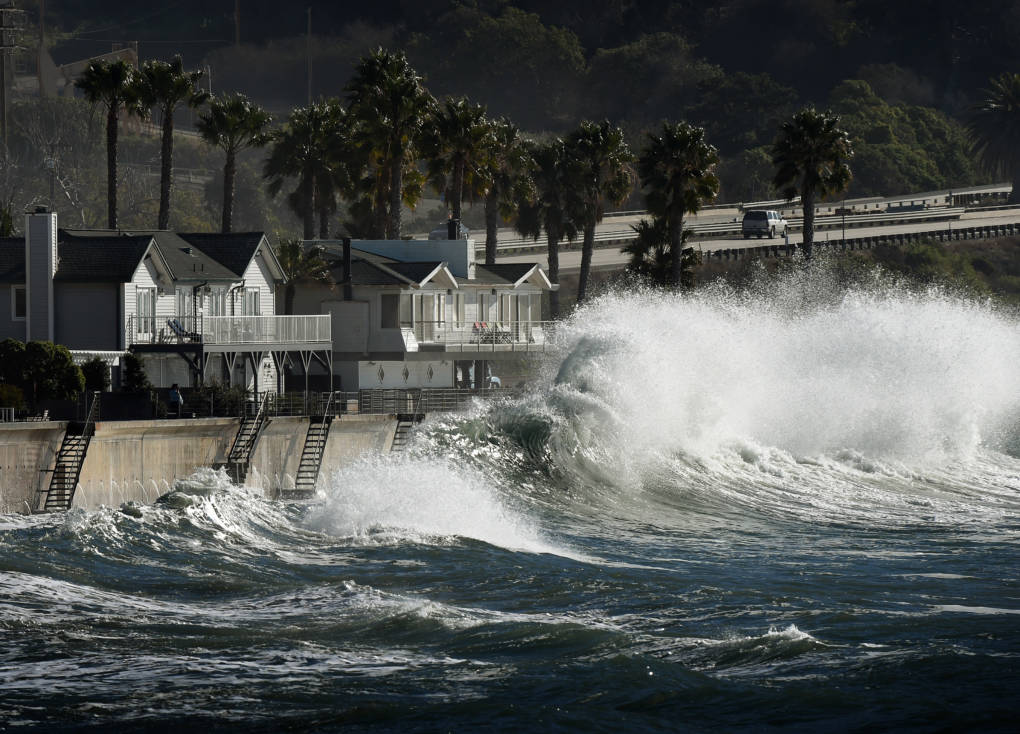
"caption": "El Niño-generated storm waves crash onto seaside houses at Mondos Beach on Jan. 12, 2016.",
"description": null,
"title": "US-ENVIRONMENT-EL NINO-SURF",
"credit": "Mark Ralston/AFP/Getty Images",
"status": "inherit",
"altTag": "A large wave crashes onto seaside houses.",
"isLoading": false,
"fetchFailed": false
},
"science_1932721": {
"type": "attachments",
"id": "science_1932721",
"meta": {
"index": "attachments_1716263798",
"site": "science",
"id": "1932721",
"found": true
},
"parent": 1932692,
"imgSizes": {
"small": {
"file": "https://ww2.kqed.org/app/uploads/sites/35/2018/10/Loughman-and-cat-1-e1539629845897-520x395.jpg",
"width": 520,
"mimeType": "image/jpeg",
"height": 395
},
"thumbnail": {
"file": "https://ww2.kqed.org/app/uploads/sites/35/2018/10/Loughman-and-cat-1-e1539629845897-160x122.jpg",
"width": 160,
"mimeType": "image/jpeg",
"height": 122
},
"post-thumbnail": {
"file": "https://ww2.kqed.org/app/uploads/sites/35/2018/10/Loughman-and-cat-1-e1539629845897-601x372.jpg",
"width": 601,
"mimeType": "image/jpeg",
"height": 372
},
"xsmall": {
"file": "https://ww2.kqed.org/app/uploads/sites/35/2018/10/Loughman-and-cat-1-e1539629845897-375x285.jpg",
"width": 375,
"mimeType": "image/jpeg",
"height": 285
},
"kqedFullSize": {
"file": "https://ww2.kqed.org/app/uploads/sites/35/2018/10/Loughman-and-cat-1-e1539629845897.jpg",
"width": 601,
"height": 457
},
"guest-author-50": {
"file": "https://ww2.kqed.org/app/uploads/sites/35/2018/10/Loughman-and-cat-1-e1539629845897-50x50.jpg",
"width": 50,
"mimeType": "image/jpeg",
"height": 50
},
"guest-author-96": {
"file": "https://ww2.kqed.org/app/uploads/sites/35/2018/10/Loughman-and-cat-1-e1539629845897-96x96.jpg",
"width": 96,
"mimeType": "image/jpeg",
"height": 96
},
"guest-author-64": {
"file": "https://ww2.kqed.org/app/uploads/sites/35/2018/10/Loughman-and-cat-1-e1539629845897-64x64.jpg",
"width": 64,
"mimeType": "image/jpeg",
"height": 64
},
"detail": {
"file": "https://ww2.kqed.org/app/uploads/sites/35/2018/10/Loughman-and-cat-1-e1539629845897-150x150.jpg",
"width": 150,
"mimeType": "image/jpeg",
"height": 150
},
"guest-author-32": {
"file": "https://ww2.kqed.org/app/uploads/sites/35/2018/10/Loughman-and-cat-1-e1539629845897-32x32.jpg",
"width": 32,
"mimeType": "image/jpeg",
"height": 32
},
"guest-author-128": {
"file": "https://ww2.kqed.org/app/uploads/sites/35/2018/10/Loughman-and-cat-1-e1539629845897-128x128.jpg",
"width": 128,
"mimeType": "image/jpeg",
"height": 128
},
"xxsmall": {
"file": "https://ww2.kqed.org/app/uploads/sites/35/2018/10/Loughman-and-cat-1-e1539629845897-240x182.jpg",
"width": 240,
"mimeType": "image/jpeg",
"height": 182
}
},
"publishDate": 1539560566,
"modified": 1539632158,
"caption": "Colleen Loughman with one of her two cats, when she was a student in the 1950s at Holy Names University in Oakland. Loughman died in September 2017 from the heat, a day after San Francisco hit a record 106 degrees.",
"description": null,
"title": "Loughman and cat",
"credit": "Courtesy of Barbara McGovern",
"status": "inherit",
"isLoading": false,
"fetchFailed": false
},
"science_1932780": {
"type": "attachments",
"id": "science_1932780",
"meta": {
"index": "attachments_1716263798",
"site": "science",
"id": "1932780",
"found": true
},
"parent": 1932779,
"imgSizes": {
"small": {
"file": "https://ww2.kqed.org/app/uploads/sites/35/2018/10/img_2879_wide-856c304eefdd2ac26c0b9a75a0c99232bccdd94c-520x292.jpg",
"width": 520,
"mimeType": "image/jpeg",
"height": 292
},
"twentyfourteen-full-width": {
"file": "https://ww2.kqed.org/app/uploads/sites/35/2018/10/img_2879_wide-856c304eefdd2ac26c0b9a75a0c99232bccdd94c-1038x576.jpg",
"width": 1038,
"mimeType": "image/jpeg",
"height": 576
},
"thumbnail": {
"file": "https://ww2.kqed.org/app/uploads/sites/35/2018/10/img_2879_wide-856c304eefdd2ac26c0b9a75a0c99232bccdd94c-160x90.jpg",
"width": 160,
"mimeType": "image/jpeg",
"height": 90
},
"fd-sm": {
"file": "https://ww2.kqed.org/app/uploads/sites/35/2018/10/img_2879_wide-856c304eefdd2ac26c0b9a75a0c99232bccdd94c-960x540.jpg",
"width": 960,
"mimeType": "image/jpeg",
"height": 540
},
"post-thumbnail": {
"file": "https://ww2.kqed.org/app/uploads/sites/35/2018/10/img_2879_wide-856c304eefdd2ac26c0b9a75a0c99232bccdd94c-672x372.jpg",
"width": 672,
"mimeType": "image/jpeg",
"height": 372
},
"xsmall": {
"file": "https://ww2.kqed.org/app/uploads/sites/35/2018/10/img_2879_wide-856c304eefdd2ac26c0b9a75a0c99232bccdd94c-375x211.jpg",
"width": 375,
"mimeType": "image/jpeg",
"height": 211
},
"kqedFullSize": {
"file": "https://ww2.kqed.org/app/uploads/sites/35/2018/10/img_2879_wide-856c304eefdd2ac26c0b9a75a0c99232bccdd94c.jpg",
"width": 2278,
"height": 1281
},
"large": {
"file": "https://ww2.kqed.org/app/uploads/sites/35/2018/10/img_2879_wide-856c304eefdd2ac26c0b9a75a0c99232bccdd94c-1020x574.jpg",
"width": 1020,
"mimeType": "image/jpeg",
"height": 574
},
"xlarge": {
"file": "https://ww2.kqed.org/app/uploads/sites/35/2018/10/img_2879_wide-856c304eefdd2ac26c0b9a75a0c99232bccdd94c-1180x664.jpg",
"width": 1180,
"mimeType": "image/jpeg",
"height": 664
},
"complete_open_graph": {
"file": "https://ww2.kqed.org/app/uploads/sites/35/2018/10/img_2879_wide-856c304eefdd2ac26c0b9a75a0c99232bccdd94c-1200x675.jpg",
"width": 1200,
"mimeType": "image/jpeg",
"height": 675
},
"guest-author-50": {
"file": "https://ww2.kqed.org/app/uploads/sites/35/2018/10/img_2879_wide-856c304eefdd2ac26c0b9a75a0c99232bccdd94c-50x50.jpg",
"width": 50,
"mimeType": "image/jpeg",
"height": 50
},
"guest-author-96": {
"file": "https://ww2.kqed.org/app/uploads/sites/35/2018/10/img_2879_wide-856c304eefdd2ac26c0b9a75a0c99232bccdd94c-96x96.jpg",
"width": 96,
"mimeType": "image/jpeg",
"height": 96
},
"medium": {
"file": "https://ww2.kqed.org/app/uploads/sites/35/2018/10/img_2879_wide-856c304eefdd2ac26c0b9a75a0c99232bccdd94c-800x450.jpg",
"width": 800,
"mimeType": "image/jpeg",
"height": 450
},
"guest-author-64": {
"file": "https://ww2.kqed.org/app/uploads/sites/35/2018/10/img_2879_wide-856c304eefdd2ac26c0b9a75a0c99232bccdd94c-64x64.jpg",
"width": 64,
"mimeType": "image/jpeg",
"height": 64
},
"guest-author-32": {
"file": "https://ww2.kqed.org/app/uploads/sites/35/2018/10/img_2879_wide-856c304eefdd2ac26c0b9a75a0c99232bccdd94c-32x32.jpg",
"width": 32,
"mimeType": "image/jpeg",
"height": 32
},
"fd-lrg": {
"file": "https://ww2.kqed.org/app/uploads/sites/35/2018/10/img_2879_wide-856c304eefdd2ac26c0b9a75a0c99232bccdd94c-1920x1080.jpg",
"width": 1920,
"mimeType": "image/jpeg",
"height": 1080
},
"fd-med": {
"file": "https://ww2.kqed.org/app/uploads/sites/35/2018/10/img_2879_wide-856c304eefdd2ac26c0b9a75a0c99232bccdd94c-1180x664.jpg",
"width": 1180,
"mimeType": "image/jpeg",
"height": 664
},
"full-width": {
"file": "https://ww2.kqed.org/app/uploads/sites/35/2018/10/img_2879_wide-856c304eefdd2ac26c0b9a75a0c99232bccdd94c-1920x1080.jpg",
"width": 1920,
"mimeType": "image/jpeg",
"height": 1080
},
"detail": {
"file": "https://ww2.kqed.org/app/uploads/sites/35/2018/10/img_2879_wide-856c304eefdd2ac26c0b9a75a0c99232bccdd94c-150x150.jpg",
"width": 150,
"mimeType": "image/jpeg",
"height": 150
},
"medium_large": {
"file": "https://ww2.kqed.org/app/uploads/sites/35/2018/10/img_2879_wide-856c304eefdd2ac26c0b9a75a0c99232bccdd94c-768x432.jpg",
"width": 768,
"mimeType": "image/jpeg",
"height": 432
},
"guest-author-128": {
"file": "https://ww2.kqed.org/app/uploads/sites/35/2018/10/img_2879_wide-856c304eefdd2ac26c0b9a75a0c99232bccdd94c-128x128.jpg",
"width": 128,
"mimeType": "image/jpeg",
"height": 128
},
"xxsmall": {
"file": "https://ww2.kqed.org/app/uploads/sites/35/2018/10/img_2879_wide-856c304eefdd2ac26c0b9a75a0c99232bccdd94c-240x135.jpg",
"width": 240,
"mimeType": "image/jpeg",
"height": 135
}
},
"publishDate": 1539579764,
"modified": 1539580108,
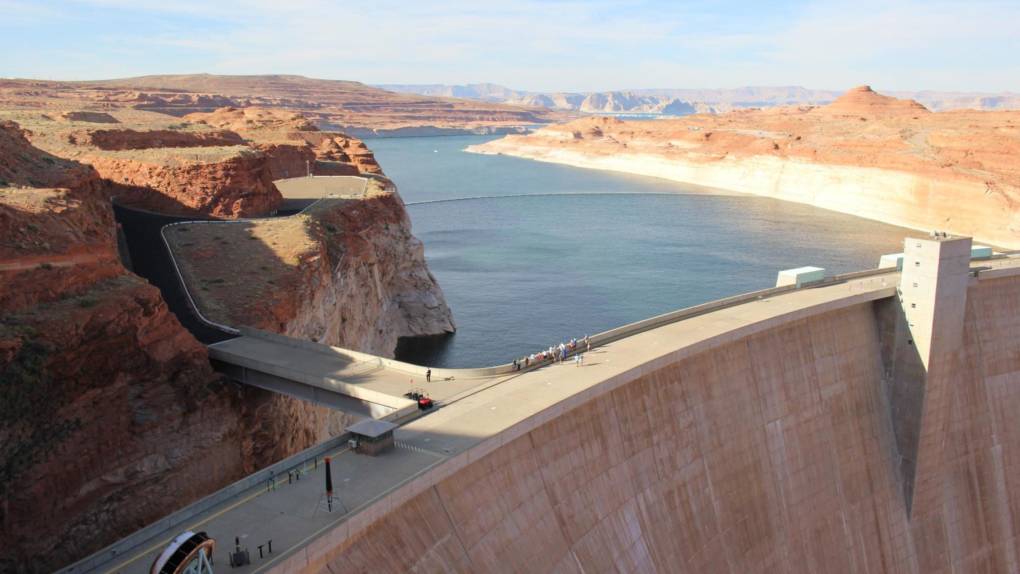
"caption": "Lake Powell stores water from the Colorado River and straddles the Arizona-Utah border. It is currently storing less than half of its capacity.\n",
"description": "Lake Powell stores water from the Colorado River and straddles the Arizona-Utah border. It is currently storing less than half of its capacity.",
"title": "Lake Powell stores water from the Colorado River and straddles the Arizona-Utah border. It is currently storing less than half of its capacity.",
"credit": "Luke Runyon/KUNC",
"status": "inherit",
"isLoading": false,
"fetchFailed": false
}
},
"audioPlayerReducer": {
"postId": "stream_live",
"isPaused": true,
"isPlaying": false,
"pfsActive": false,
"pledgeModalIsOpen": true,
"playerDrawerIsOpen": false,
"liveAudioPlayStartedAt": 0,
"liveAudioPlayContext": ""
},
"authorsReducer": {
"byline_science_1933109": {
"type": "authors",
"id": "byline_science_1933109",
"meta": {
"override": true
},
"slug": "byline_science_1933109",
"name": "Scott Horsley, NPR",
"isLoading": false
},
"byline_science_1933028": {
"type": "authors",
"id": "byline_science_1933028",
"meta": {
"override": true
},
"slug": "byline_science_1933028",
"name": "Daniel Beaulieu\u003cbr />Water Deeply",
"isLoading": false
},
"byline_science_1932894": {
"type": "authors",
"id": "byline_science_1932894",
"meta": {
"override": true
},
"slug": "byline_science_1932894",
"name": "The Associated Press",
"isLoading": false
},
"byline_science_1932876": {
"type": "authors",
"id": "byline_science_1932876",
"meta": {
"override": true
},
"slug": "byline_science_1932876",
"name": "Seth Borenstein\u003cbr />The Associated Press",
"isLoading": false
},
"byline_science_1932851": {
"type": "authors",
"id": "byline_science_1932851",
"meta": {
"override": true
},
"slug": "byline_science_1932851",
"name": "Seth Borenstein\u003cbr />The Associated Press",
"isLoading": false
},
"byline_science_1932760": {
"type": "authors",
"id": "byline_science_1932760",
"meta": {
"override": true
},
"slug": "byline_science_1932760",
"name": "Matt Weiser\u003cbr />Water Deeply",
"isLoading": false
},
"byline_science_1932779": {
"type": "authors",
"id": "byline_science_1932779",
"meta": {
"override": true
},
"slug": "byline_science_1932779",
"name": "Luke Runyon, NPR",
"isLoading": false
},
"jbrooks": {
"type": "authors",
"id": "80",
"meta": {
"index": "authors_1716337520",
"id": "80",
"found": true
},
"name": "Jon Brooks",
"firstName": "Jon",
"lastName": "Brooks",
"slug": "jbrooks",
"email": "jbrooks@kqed.org",
"display_author_email": true,
"staff_mastheads": [
"science"
],
"title": "Digital Editor",
"bio": "Jon Brooks is a former Digital Editor for KQED Science. He is the former editor of KQED’s daily news blog, News Fix. In 2014, he won a California Journalism Award for his coverage of ride services like Uber and Lyft and the taxi industry. A veteran blogger, he previously worked for Yahoo! in various news writing and editing roles. Jon is also a playwright whose work has been produced in San Francisco, New York, Italy, and around the U.S. He has written about film for his own blog and studied film at Boston University.",
"avatar": "https://secure.gravatar.com/avatar/98887f7ed1c876ed414d4c915e969584?s=600&d=blank&r=g",
"twitter": "jbrooksfoy",
"facebook": null,
"instagram": null,
"linkedin": null,
"sites": [
{
"site": "arts",
"roles": [
"Contributor",
"editor"
]
},
{
"site": "news",
"roles": [
"author"
]
},
{
"site": "futureofyou",
"roles": [
"administrator"
]
},
{
"site": "mindshift",
"roles": [
"editor"
]
},
{
"site": "stateofhealth",
"roles": [
"editor"
]
},
{
"site": "science",
"roles": [
"administrator"
]
},
{
"site": "quest",
"roles": [
"editor"
]
}
],
"headData": {
"title": "Jon Brooks | KQED",
"description": "Digital Editor",
"ogImgSrc": "https://secure.gravatar.com/avatar/98887f7ed1c876ed414d4c915e969584?s=600&d=blank&r=g",
"twImgSrc": "https://secure.gravatar.com/avatar/98887f7ed1c876ed414d4c915e969584?s=600&d=blank&r=g"
},
"isLoading": false,
"link": "/author/jbrooks"
},
"cmiller": {
"type": "authors",
"id": "221",
"meta": {
"index": "authors_1716337520",
"id": "221",
"found": true
},
"name": "Craig Miller",
"firstName": "Craig",
"lastName": "Miller",
"slug": "cmiller",
"email": "craig@voxterra.net",
"display_author_email": false,
"staff_mastheads": [
"science"
],
"title": "Editor Emeritus, Science",
"bio": "Craig is a former KQED Science editor, specializing in weather, climate, water & energy issues, with a little seismology thrown in just to shake things up. Prior to that, he launched and led the station's award-winning multimedia project, Climate Watch. Craig is also an accomplished writer/producer of television documentaries, with a focus on natural resource issues.",
"avatar": "https://secure.gravatar.com/avatar/b91661df645e001a9cafe0861fa685f9?s=600&d=blank&r=g",
"twitter": "voxterra",
"facebook": null,
"instagram": null,
"linkedin": null,
"sites": [
{
"site": "news",
"roles": [
"author"
]
},
{
"site": "futureofyou",
"roles": [
"editor"
]
},
{
"site": "stateofhealth",
"roles": [
"author"
]
},
{
"site": "science",
"roles": [
"editor"
]
},
{
"site": "quest",
"roles": [
"editor"
]
}
],
"headData": {
"title": "Craig Miller | KQED",
"description": "Editor Emeritus, Science",
"ogImgSrc": "https://secure.gravatar.com/avatar/b91661df645e001a9cafe0861fa685f9?s=600&d=blank&r=g",
"twImgSrc": "https://secure.gravatar.com/avatar/b91661df645e001a9cafe0861fa685f9?s=600&d=blank&r=g"
},
"isLoading": false,
"link": "/author/cmiller"
},
"ben-burress": {
"type": "authors",
"id": "6180",
"meta": {
"index": "authors_1716337520",
"id": "6180",
"found": true
},
"name": "Ben Burress",
"firstName": "Ben",
"lastName": "Burress",
"slug": "ben-burress",
"email": "bburress@chabotspace.org",
"display_author_email": false,
"staff_mastheads": [],
"title": null,
"bio": "\u003cstrong>Benjamin Burress\u003c/strong> has been a staff astronomer at Chabot Space & Science Center since July 1999. He graduated from Sonoma State University in 1985 with a bachelor’s degree in physics (and minor in astronomy), after which he signed on for a two-year stint in the Peace Corps, where he taught physics and mathematics in the African nation of Cameroon. From 1989-96 he served on the crew of NASA’s Kuiper Airborne Observatory at Ames Research Center in Mountain View, CA. From 1996-99, he was Head Observer at the Naval Prototype Optical Interferometer program at Lowell Observatory in Flagstaff, AZ.\r\n\r\nRead his \u003ca href=\"http://science.kqed.org/quest/author/ben-burress/\">previous contributions\u003c/a> to \u003ca href=\"http://science.kqed.org/quest/\">QUEST\u003c/a>, a project dedicated to exploring the Science of Sustainability.",
"avatar": "https://secure.gravatar.com/avatar/8263bffa345b7e4923a0b8b9f0f6a161?s=600&d=blank&r=g",
"twitter": null,
"facebook": null,
"instagram": null,
"linkedin": null,
"sites": [
{
"site": "science",
"roles": [
"editor"
]
},
{
"site": "quest",
"roles": [
"subscriber"
]
}
],
"headData": {
"title": "Ben Burress | KQED",
"description": null,
"ogImgSrc": "https://secure.gravatar.com/avatar/8263bffa345b7e4923a0b8b9f0f6a161?s=600&d=blank&r=g",
"twImgSrc": "https://secure.gravatar.com/avatar/8263bffa345b7e4923a0b8b9f0f6a161?s=600&d=blank&r=g"
},
"isLoading": false,
"link": "/author/ben-burress"
},
"mpeterson": {
"type": "authors",
"id": "11223",
"meta": {
"index": "authors_1716337520",
"id": "11223",
"found": true
},
"name": "Molly Peterson",
"firstName": "Molly",
"lastName": "Peterson",
"slug": "mpeterson",
"email": "mpeterson@kqed.org",
"display_author_email": false,
"staff_mastheads": [],
"title": null,
"bio": "Molly Peterson reports for KQED science and news on climate change, catastrophe and risk. Previously she was environment correspondent at Southern California Public Radio. Her work has also appeared at The New York Times, The Guardian, on NPR, at High Country News, on Code Switch, and other national outlets. She has been honored with awards from Public Radio News Directors Incorporated, Investigative Reporters and Editors, the Society for Professional Journalists, the Los Angeles Press Club, and RTNDA Edward R. Murrow awards, among others.",
"avatar": "https://secure.gravatar.com/avatar/7908e2807131f776cc8165c649530b05?s=600&d=blank&r=g",
"twitter": "Mollydacious",
"facebook": null,
"instagram": "https://www.instagram.com/radiomolly/",
"linkedin": null,
"sites": [
{
"site": "news",
"roles": [
"subscriber"
]
},
{
"site": "futureofyou",
"roles": [
"editor"
]
},
{
"site": "science",
"roles": [
"editor"
]
}
],
"headData": {
"title": "Molly Peterson | KQED",
"description": null,
"ogImgSrc": "https://secure.gravatar.com/avatar/7908e2807131f776cc8165c649530b05?s=600&d=blank&r=g",
"twImgSrc": "https://secure.gravatar.com/avatar/7908e2807131f776cc8165c649530b05?s=600&d=blank&r=g"
},
"isLoading": false,
"link": "/author/mpeterson"
}
},
"pagesReducer": {
"science_category_news": {
"type": "terms",
"id": "science_40",
"meta": {
"index": "terms_1716263798",
"site": "science",
"id": "40",
"score": 10.81443
},
"featImg": null,
"name": "News",
"description": null,
"taxonomy": "category",
"headData": {
"twImgId": null,
"twTitle": null,
"ogTitle": null,
"ogImgId": null,
"twDescription": null,
"description": null,
"title": "News Archives | KQED Science",
"ogDescription": null
},
"ttid": 42,
"slug": "news",
"isLoading": false,
"title": "News",
"pageMeta": {
"site": "science",
"WpPageTemplate": "page-topic-editorial",
"currentPage": 155
},
"blocks": [
{
"blockName": "kqed/post-list",
"attrs": {
"layout": "cardArticle2",
"query": "posts/science?category=news",
"seeMore": false,
"paginated": true,
"page": 155
}
},
{
"blockName": "kqed/ad"
}
]
}
},
"pfsSessionReducer": {},
"postsReducer": {
"stream_live": {
"type": "live",
"id": "stream_live",
"audioUrl": "https://streams.kqed.org/kqedradio",
"title": "Live Stream",
"excerpt": "Live Stream information currently unavailable.",
"link": "/radio",
"featImg": "",
"label": {
"name": "KQED Live",
"link": "/"
}
},
"stream_kqedNewscast": {
"type": "posts",
"id": "stream_kqedNewscast",
"audioUrl": "https://www.kqed.org/.stream/anon/radio/RDnews/newscast.mp3?_=1",
"title": "KQED Newscast",
"featImg": "",
"label": {
"name": "88.5 FM",
"link": "/"
}
},
"science_1933109": {
"type": "posts",
"id": "science_1933109",
"meta": {
"index": "posts_1716263798",
"site": "science",
"id": "1933109",
"score": null,
"sort": [
1539871822000
]
},
"parent": 0,
"labelTerm": {},
"blocks": [],
"publishDate": 1539871822,
"format": "standard",
"title": "EPA Boasts Of Reduced Greenhouse Gases While Trump Questions Climate Science",
"headTitle": "EPA Boasts Of Reduced Greenhouse Gases While Trump Questions Climate Science | KQED",
"content": "\u003cp>The Trump administration is celebrating a drop in the nation’s greenhouse gas emissions last year, even as the president himself continues to challenge the scientific understanding of climate change.\u003c/p>\n\u003cp>The Environmental Protection Agency says U.S. production of heat-trapping gases was 2.7 percent lower in 2017 than the previous year. Despite the improvement, independent analysts say the country is likely to fall far short of the pollution controls needed to rein in global warming.[contextly_sidebar id=”VTjU6Ienb3mgGQ17idCLv2PVkgjJf7dH”]\u003c/p>\n\u003cp>“The trends that are driving the emission reductions that we saw in 2017 were baked in several years before,” said Kate Larsen, who monitors greenhouse gas emissions for the \u003ca href=\"https://rhg.com/research/taking-stock-2018/\" target=\"_blank\" rel=\"noopener\">Rhodium Group\u003c/a>, an independent research firm. “We can’t rely on those trends continuing forever.”\u003c/p>\n\u003cp>Much of the reduction in 2017 came from power plants — traditionally a leading source of carbon pollution. Emissions from the electricity sector fell by 4.5 percent as utilities switched to cheap natural gas and increasingly competitive renewable sources of power. \u003ca href=\"https://www.eia.gov/tools/faqs/faq.php?id=427&t=3\" target=\"_blank\" rel=\"noopener\">Coal’s share of electricity production\u003c/a> fell to just 30 percent.\u003c/p>\n\u003cp>“These achievements flow largely from technological breakthroughs in the private sector, not the heavy hand of government,” EPA Administrator Andrew Wheeler said in \u003ca href=\"https://www.epa.gov/newsreleases/data-shows-decrease-us-greenhouse-gas-emissions-during-trumps-first-year-office\" target=\"_blank\" rel=\"noopener\">a statement\u003c/a>. Wheeler is a former coal lobbyist and, like President Trump, \u003ca href=\"https://www.npr.org/2018/07/06/626525274/get-to-know-andrew-wheeler-ex-coal-lobbyist-with-inside-track-to-lead-epa\" target=\"_blank\" rel=\"noopener\">a skeptic when it comes to climate science\u003c/a>.\u003c/p>\n\u003cp>[ad fullwidth]\u003c/p>\n\u003cp>In an interview with \u003ca href=\"https://www.cbsnews.com/news/donald-trump-full-interview-60-minutes-transcript-lesley-stahl-2018-10-14/\" target=\"_blank\" rel=\"noopener\">\u003cem>60 Minutes\u003c/em>\u003c/a> that aired this week, Trump disputed the overwhelming scientific consensus that man-made carbon pollution is responsible for global warming.\u003c/p>\n\u003cp>“You’d have to show me the scientists because they have a very big political agenda,” the president said.\u003c/p>\n\u003cp>Trump has made a priority of rolling back Obama-era climate policies, including measures designed to cut pollution from power plants and automotive tailpipes.\u003c/p>\n\u003cp>The electricity sector has continued to show progress in reducing emissions despite that about-face by the federal government. The abundance of cheap natural gas and falling prices for renewable power have encouraged the switch from dirtier, coal-fired plants. Some states have also required utilities to boost their reliance on greener sources of power.[contextly_sidebar id=”Zz74cMfmjLmakl6pTIO6KQWajbf0Cekx”]\u003c/p>\n\u003cp>The trends are less positive in the transportation sector, which has now eclipsed electricity as the leading producer of greenhouse gases.\u003c/p>\n\u003cp>“People are driving more and because of low gas prices over the last few years, consumers are choosing larger, heavier vehicles,” Larsen said. The Trump administration has also \u003ca href=\"https://www.npr.org/sections/thetwo-way/2018/04/02/598888447/epa-moves-to-weaken-landmark-fuel-efficiency-rules\" target=\"_blank\" rel=\"noopener\">put the brakes on an Obama-era effort to boost fuel economy\u003c/a>, although states like California have threatened to impose their own standards.\u003c/p>\n\u003cp>Larsen says at the current pace, U.S. greenhouse gas emissions in 2025 will be about 15 percent below their 2005 levels. That’s far short of the 26 to 28 percent reduction promised under the Paris climate agreement.\u003c/p>\n\u003cp>Trump announced his intention to \u003ca href=\"https://www.npr.org/sections/thetwo-way/2017/06/01/530748899/watch-live-trump-announces-decision-on-paris-climate-agreement\" target=\"_blank\" rel=\"noopener\">withdraw from that agreement\u003c/a> last year.\u003c/p>\n\u003cp>If cheap natural gas continues to grab market share, greenhouse gas emissions from the electricity sector could start to climb again after 2025. At that point, gas might not be displacing carbon-intensive coal but rather carbon-free nuclear power.\u003c/p>\n\u003cp>“This is the risk of taking credit for these market trends,” Larsen said. “When those trends push in a direction that’s not useful, no one is taking the blame for that.”\u003c/p>\n\u003cp>In an interview with the \u003ca href=\"https://apnews.com/ce719c7d6664400cb6b720ba84af2bc2?utm_source=Twitter&utm_medium=AP_Politics&utm_campaign=SocialFlow\" target=\"_blank\" rel=\"noopener\">Associated Press\u003c/a> this week, Trump argued that government efforts to further curb carbon pollution could put the U.S. at an economic disadvantage.\u003c/p>\n\u003cp>\u003c/p>\n\u003cp>“What I’m not willing to do is sacrifice the economic well-being of our country for something that nobody really knows,” Trump said, repeating his false claim that there’s widespread debate on climate science. “I have a natural instinct for science,” he said.\u003c/p>\n\u003cdiv class=\"fullattribution\">Copyright 2018 NPR. To see more, visit http://www.npr.org/.\u003cimg decoding=\"async\" src=\"https://www.google-analytics.com/__utm.gif?utmac=UA-5828686-4&utmdt=EPA+Boasts+Of+Reduced+Greenhouse+Gases%2C+Even+As+Trump+Questions+Climate+Science&utme=8(APIKey)9(MDAxOTAwOTE4MDEyMTkxMDAzNjczZDljZA004)\">\u003c/div>\n\n",
"stats": {
"hasVideo": false,
"hasChartOrMap": false,
"hasAudio": false,
"hasPolis": false,
"wordCount": 657,
"hasGoogleForm": false,
"hasGallery": false,
"hasHearkenModule": false,
"iframeSrcs": [],
"paragraphCount": 19
},
"modified": 1704927380,
"excerpt": "U.S. production of heat-trapping greenhouse gases fell 2.7 percent last year. But larger cuts will be needed to address climate change.",
"headData": {
"twImgId": "",
"twTitle": "",
"ogTitle": "",
"ogImgId": "",
"twDescription": "",
"description": "U.S. production of heat-trapping greenhouse gases fell 2.7 percent last year. But larger cuts will be needed to address climate change.",
"title": "EPA Boasts Of Reduced Greenhouse Gases While Trump Questions Climate Science | KQED",
"ogDescription": "",
"schema": {
"@context": "https://schema.org",
"@type": "Article",
"headline": "EPA Boasts Of Reduced Greenhouse Gases While Trump Questions Climate Science",
"datePublished": "2018-10-18T07:10:22-07:00",
"dateModified": "2024-01-10T14:56:20-08:00",
"image": "https://cdn.kqed.org/wp-content/uploads/2020/02/KQED-OG-Image@1x.png"
}
},
"guestAuthors": [],
"slug": "epa-boasts-of-reduced-greenhouse-gases-while-trump-questions-climate-science",
"status": "publish",
"nprApiLink": "http://api.npr.org/query?id=658296161&apiKey=MDAxOTAwOTE4MDEyMTkxMDAzNjczZDljZA004",
"nprByline": "Scott Horsley, NPR",
"nprStoryDate": "Thu, 18 Oct 2018 05:00:29 -0400",
"nprLastModifiedDate": "Thu, 18 Oct 2018 08:42:15 -0400",
"sticky": false,
"nprHtmlLink": "https://www.npr.org/2018/10/18/658296161/epa-boasts-of-reduced-greenhouse-gases-even-as-trump-questions-climate-science?ft=nprml&f=658296161",
"nprImageAgency": "AP",
"nprImageCredit": "Branden Camp",
"source": "Climate Change",
"nprStoryId": "658296161",
"nprRetrievedStory": "1",
"nprPubDate": "Thu, 18 Oct 2018 08:42:00 -0400",
"path": "/science/1933109/epa-boasts-of-reduced-greenhouse-gases-while-trump-questions-climate-science",
"audioTrackLength": null,
"parsedContent": [
{
"type": "contentString",
"content": "\u003cdiv class=\"post-body\">\u003cp>\u003cp>The Trump administration is celebrating a drop in the nation’s greenhouse gas emissions last year, even as the president himself continues to challenge the scientific understanding of climate change.\u003c/p>\n\u003cp>The Environmental Protection Agency says U.S. production of heat-trapping gases was 2.7 percent lower in 2017 than the previous year. Despite the improvement, independent analysts say the country is likely to fall far short of the pollution controls needed to rein in global warming.\u003c/p>\u003cp>\u003c/p>\u003cp>\u003c/p>\n\u003cp>“The trends that are driving the emission reductions that we saw in 2017 were baked in several years before,” said Kate Larsen, who monitors greenhouse gas emissions for the \u003ca href=\"https://rhg.com/research/taking-stock-2018/\" target=\"_blank\" rel=\"noopener\">Rhodium Group\u003c/a>, an independent research firm. “We can’t rely on those trends continuing forever.”\u003c/p>\n\u003cp>Much of the reduction in 2017 came from power plants — traditionally a leading source of carbon pollution. Emissions from the electricity sector fell by 4.5 percent as utilities switched to cheap natural gas and increasingly competitive renewable sources of power. \u003ca href=\"https://www.eia.gov/tools/faqs/faq.php?id=427&t=3\" target=\"_blank\" rel=\"noopener\">Coal’s share of electricity production\u003c/a> fell to just 30 percent.\u003c/p>\n\u003cp>“These achievements flow largely from technological breakthroughs in the private sector, not the heavy hand of government,” EPA Administrator Andrew Wheeler said in \u003ca href=\"https://www.epa.gov/newsreleases/data-shows-decrease-us-greenhouse-gas-emissions-during-trumps-first-year-office\" target=\"_blank\" rel=\"noopener\">a statement\u003c/a>. Wheeler is a former coal lobbyist and, like President Trump, \u003ca href=\"https://www.npr.org/2018/07/06/626525274/get-to-know-andrew-wheeler-ex-coal-lobbyist-with-inside-track-to-lead-epa\" target=\"_blank\" rel=\"noopener\">a skeptic when it comes to climate science\u003c/a>.\u003c/p>\n\u003cp>\u003c/p>\u003c/div>",
"attributes": {
"named": {},
"numeric": []
}
},
{
"type": "component",
"content": "",
"name": "ad",
"attributes": {
"named": {
"label": "fullwidth"
},
"numeric": [
"fullwidth"
]
}
},
{
"type": "contentString",
"content": "\u003cdiv class=\"post-body\">\u003cp>\u003c/p>\n\u003cp>In an interview with \u003ca href=\"https://www.cbsnews.com/news/donald-trump-full-interview-60-minutes-transcript-lesley-stahl-2018-10-14/\" target=\"_blank\" rel=\"noopener\">\u003cem>60 Minutes\u003c/em>\u003c/a> that aired this week, Trump disputed the overwhelming scientific consensus that man-made carbon pollution is responsible for global warming.\u003c/p>\n\u003cp>“You’d have to show me the scientists because they have a very big political agenda,” the president said.\u003c/p>\n\u003cp>Trump has made a priority of rolling back Obama-era climate policies, including measures designed to cut pollution from power plants and automotive tailpipes.\u003c/p>\n\u003cp>The electricity sector has continued to show progress in reducing emissions despite that about-face by the federal government. The abundance of cheap natural gas and falling prices for renewable power have encouraged the switch from dirtier, coal-fired plants. Some states have also required utilities to boost their reliance on greener sources of power.\u003c/p>\u003cp>\u003c/p>\u003cp>\u003c/p>\n\u003cp>The trends are less positive in the transportation sector, which has now eclipsed electricity as the leading producer of greenhouse gases.\u003c/p>\n\u003cp>“People are driving more and because of low gas prices over the last few years, consumers are choosing larger, heavier vehicles,” Larsen said. The Trump administration has also \u003ca href=\"https://www.npr.org/sections/thetwo-way/2018/04/02/598888447/epa-moves-to-weaken-landmark-fuel-efficiency-rules\" target=\"_blank\" rel=\"noopener\">put the brakes on an Obama-era effort to boost fuel economy\u003c/a>, although states like California have threatened to impose their own standards.\u003c/p>\n\u003cp>Larsen says at the current pace, U.S. greenhouse gas emissions in 2025 will be about 15 percent below their 2005 levels. That’s far short of the 26 to 28 percent reduction promised under the Paris climate agreement.\u003c/p>\n\u003cp>Trump announced his intention to \u003ca href=\"https://www.npr.org/sections/thetwo-way/2017/06/01/530748899/watch-live-trump-announces-decision-on-paris-climate-agreement\" target=\"_blank\" rel=\"noopener\">withdraw from that agreement\u003c/a> last year.\u003c/p>\n\u003cp>If cheap natural gas continues to grab market share, greenhouse gas emissions from the electricity sector could start to climb again after 2025. At that point, gas might not be displacing carbon-intensive coal but rather carbon-free nuclear power.\u003c/p>\n\u003cp>“This is the risk of taking credit for these market trends,” Larsen said. “When those trends push in a direction that’s not useful, no one is taking the blame for that.”\u003c/p>\n\u003cp>In an interview with the \u003ca href=\"https://apnews.com/ce719c7d6664400cb6b720ba84af2bc2?utm_source=Twitter&utm_medium=AP_Politics&utm_campaign=SocialFlow\" target=\"_blank\" rel=\"noopener\">Associated Press\u003c/a> this week, Trump argued that government efforts to further curb carbon pollution could put the U.S. at an economic disadvantage.\u003c/p>\n\u003cp>\u003c/p>\n\u003cp>“What I’m not willing to do is sacrifice the economic well-being of our country for something that nobody really knows,” Trump said, repeating his false claim that there’s widespread debate on climate science. “I have a natural instinct for science,” he said.\u003c/p>\n\u003cdiv class=\"fullattribution\">Copyright 2018 NPR. To see more, visit http://www.npr.org/.\u003cimg decoding=\"async\" src=\"https://www.google-analytics.com/__utm.gif?utmac=UA-5828686-4&utmdt=EPA+Boasts+Of+Reduced+Greenhouse+Gases%2C+Even+As+Trump+Questions+Climate+Science&utme=8(APIKey)9(MDAxOTAwOTE4MDEyMTkxMDAzNjczZDljZA004)\">\u003c/div>\n\n\u003c/div>\u003c/p>",
"attributes": {
"named": {},
"numeric": []
}
}
],
"link": "/science/1933109/epa-boasts-of-reduced-greenhouse-gases-while-trump-questions-climate-science",
"authors": [
"byline_science_1933109"
],
"categories": [
"science_31",
"science_33",
"science_35",
"science_40"
],
"tags": [
"science_1627",
"science_194",
"science_2080",
"science_3514"
],
"featImg": "science_1933110",
"label": "source_science_1933109"
},
"science_1933028": {
"type": "posts",
"id": "science_1933028",
"meta": {
"index": "posts_1716263798",
"site": "science",
"id": "1933028",
"score": null,
"sort": [
1539799208000
]
},
"parent": 0,
"labelTerm": {},
"blocks": [],
"publishDate": 1539799208,
"format": "standard",
"title": "Growing Almonds With Little Water. Is it Possible?",
"headTitle": "Growing Almonds With Little Water. Is it Possible? | KQED",
"content": "\u003cp>Much was written during California’s recent five-year drought about the amount of water used by almonds. The nuts have become California’s most lucrative agricultural commodity, and a major export product.[contextly_sidebar id=”Gys31M8YZHJuaL1kDzkM2nYzaKntFeqQ”]\u003c/p>\n\u003cp>Long before concerns about water use by almond growers emerged, the industry initiated measures to conserve water by embracing microirrigation systems. It has also become a leader in efforts such as recharging groundwater by flooding almond orchards during winter storms.\u003c/p>\n\u003cp>The water required to grow almonds also grows more than nuts. Other materials from the plant – from the tree itself to the nut hull – are used in a variety of products, with initiatives underway to find new uses for these materials.\u003c/p>\n\u003cp>To explain these initiatives further, Water Deeply recently interviewed Richard Waycott, president and \u003cspan class=\"caps\">CEO\u003c/span> of the \u003ca class=\"preview-link\" href=\"http://www.almonds.com/\" target=\"_blank\" rel=\"nofollow noopener\">Almond Board of California\u003c/a>.\u003c/p>\n\u003cp>\u003cstrong>Water Deeply: The almond industry has invested millions of dollars in water efficiency measures. What has this yielded so far and what more are you hoping to learn?\u003c/strong>\u003c/p>\n\u003cp>[ad fullwidth]\u003c/p>\n\u003cp>Richard Waycott: Many almond growers have farmed in California for generations, and recognize that water is the lifeblood of California and a key component of responsible farming, essential to growing food. The California almond community began investing in water research in 1982 to determine if a then-new irrigation method – microirrigation – could work in almond orchards without negatively impacting yields. Tested via long-term studies across the growing region, the results were positive and, by targeting water applications directly to the trees’ roots instead of uniformly across the field, farmers conserved water and created other operational efficiencies.\u003c/p>\n\u003cp>This research has resulted in the wide adoption of microirrigation, which today is used by nearly 80 percent of almond farms. This is almost double the California state average of 42 percent of farms using microirrigation. This has helped almond farmers reduce the amount of water it takes to grow a pound of almonds by 33 percent over the past 20 years.[contextly_sidebar id=”E4oXBtmwgIjoy9mvOpU7kBz6znYNDFlH”]\u003c/p>\n\u003cp>While almond farmers have made great strides in the area of irrigation efficiency, there’s more we can do and are doing. The Almond Irrigation Improvement Continuum, created by irrigation experts, is a roadmap for California almond farmers to accelerate adoption of research-based, water-efficient practices and technology. The continuum provides research-based guidance to improve any farmer’s irrigation efficiency by focusing on five key areas: calculating orchard water requirements, measuring applied water, and monitoring irrigation system performance, soil moisture and plant water status.\u003c/p>\n\u003cp>Additionally, to help farmers minimize waste and grow more crop per drop, the Almond Board has developed a free irrigation scheduling tool. Using data from their farms about orchard and irrigation system setup, along with local weather data and other inputs, the calculator generates irrigation schedules including the optimal amount and timing of irrigation. Based on research, this interactive decision-support tool is designed to streamline on-farm decision-making and minimize environmental impacts.\u003c/p>\n\u003cp>\u003cstrong>Water Deeply: What role is the almond industry playing in advancing groundwater recharge?\u003c/strong>\u003c/p>\n\u003cp>Waycott: California’s aquifers are collectively the state’s largest water storage system and are used statewide for drinking water and farming. Overreliance on groundwater means that many of the state’s aquifers are under pressure. To support water sustainability in California, almond farmers are exploring how California’s almond orchards can be leveraged to replenish underground aquifers. On-farm groundwater recharge applies excess winter floodwater to dormant orchards, allowing it to seep down and restore groundwater.[contextly_sidebar id=”fXnXQm58AwRfxzxGL8QCBoJsJGYsBW2E”]\u003c/p>\n\u003cp>Water recharged back into those aquifers benefits all Californians, not just farmers. This research is critical to creating more sustainable water resources in California and core to the California almond community’s commitment to continuous improvement.\u003c/p>\n\u003cp>\u003cstrong>Water Deeply: By your calculations, how much water does it take to grow an almond? And in what other ways is an almond used, besides for the nut itself?\u003c/strong>\u003c/p>\n\u003cp>Waycott: All food takes water to grow and the water needed to grow an almond tree is similar to that of other fruit and nut trees in California.\u003c/p>\n\u003cp>The water used to grow an almond actually grows four products: The kernel you eat, which is protected by a hull and a shell, as well as the tree. The trees store carbon and are transformed into electricity at the end of their lives; the shells become livestock bedding; and the hulls are nutritious dairy feed, reducing the water needed to grow other feed crops.\u003c/p>\n\u003cp>Almond farmers are committed to finding even more innovative new uses of almond coproducts that can support California in creating a genuine bioeconomy where every byproduct is an input for another valuable product. Current research is exploring using almond hull and shell components as growing medium for mushroom cultivation, producing feed sources for poultry, plastic additives for strength and color, soil amendments for almonds and other crops, supplemental winter food sources for honey bees, and even for brewing beer.\u003c/p>\n\u003cp>\u003cstrong>Water Deeply: Acreage of almonds planted in California has increased in recent years, with some percentage of this replacing annual crops. Is there a point at which, from a market or water standpoint, there’s an unsustainable number of acres?\u003c/strong>\u003c/p>\n\u003cp>Waycott: Over the past several years, California as a whole has seen increased plantings of perennial crops – things like fruit trees, nuts and vines – which generally have higher associated values than annual crops. While some have suggested that the shift toward higher-value perennial crops has led to an increase in agricultural water use, according to the California Department of Water Resources the total amount of agricultural water has held steady since 2000 and actually declined over a longer period.\u003c/p>\n\u003cp>When you take a look at our crop specifically, almonds grow on 17 percent of California’s irrigated farmland, but they use only 11 percent of the water California devotes to growing food.\u003c/p>\n\u003cp>California is the most efficient place to grow almonds on the planet. In addition to its ideal Mediterranean climate – essential to growing almonds – California’s Central Valley is home to rich soils, natural resources and infrastructure, and innovative research and technology.\u003c/p>\n\u003cp>Economically, California grows more than 80 percent of the world’s almond supply, which creates a comparative advantage, creating value not just for farmers but for Californians as a whole. According to the California Agricultural Issues Center, the California almond community delivers significant economic value to the state, supporting 104,000 jobs across California and contributing $11 billion to California’s \u003cspan class=\"caps\">GDP.\u003c/span>\u003c/p>\n\u003cp>[ad floatright]\u003c/p>\n\u003cp>\u003ci>\u003cspan style=\"font-weight: 400\">This article originally appeared on \u003c/span>\u003c/i>\u003ca href=\"https://mail.kqed.org/owa/redir.aspx?C=9e4bb0e1a7d74f24ba4684ef2533053d&URL=https%3a%2f%2fwww.newsdeeply.com%2fwater\">\u003ci>\u003cspan style=\"font-weight: 400\">Water Deeply\u003c/span>\u003c/i>\u003c/a>\u003ci>\u003cspan style=\"font-weight: 400\">, and you can find it \u003c/span>\u003c/i>\u003ca href=\"https://www.newsdeeply.com/water/community/2018/10/15/in-california-prop-3-is-a-billion-dollar-fix-for-stubborn-water-woes\" target=\"_blank\" rel=\"noopener\">\u003ci>\u003cspan style=\"font-weight: 400\">here\u003c/span>\u003c/i>\u003c/a>\u003ci>\u003cspan style=\"font-weight: 400\">. For important news about the California drought, you can \u003c/span>\u003c/i>\u003ca href=\"http://waterdeeply.us5.list-manage.com/subscribe?u=8b78e9a34ff7443ec1e8c62c6&id=2947becb78\" target=\"_blank\" rel=\"noopener\">\u003ci>\u003cspan style=\"font-weight: 400\">sign up\u003c/span>\u003c/i>\u003c/a>\u003ci>\u003cspan style=\"font-weight: 400\"> to the Water Deeply email list.\u003c/span>\u003c/i>\u003c/p>\n\n",
"stats": {
"hasVideo": false,
"hasChartOrMap": false,
"hasAudio": false,
"hasPolis": false,
"wordCount": 1141,
"hasGoogleForm": false,
"hasGallery": false,
"hasHearkenModule": false,
"iframeSrcs": [],
"paragraphCount": 24
},
"modified": 1704927381,
"excerpt": "California grows most of the world’s almonds, generating $11 billion annually. We look into what the industry is doing to use less water.",
"headData": {
"twImgId": "",
"twTitle": "",
"ogTitle": "",
"ogImgId": "",
"twDescription": "",
"description": "California grows most of the world’s almonds, generating $11 billion annually. We look into what the industry is doing to use less water.",
"title": "Growing Almonds With Little Water. Is it Possible? | KQED",
"ogDescription": "",
"schema": {
"@context": "https://schema.org",
"@type": "Article",
"headline": "Growing Almonds With Little Water. Is it Possible?",
"datePublished": "2018-10-17T11:00:08-07:00",
"dateModified": "2024-01-10T14:56:21-08:00",
"image": "https://cdn.kqed.org/wp-content/uploads/2020/02/KQED-OG-Image@1x.png"
}
},
"guestAuthors": [],
"slug": "growing-almonds-with-little-water-is-it-possible",
"status": "publish",
"nprByline": "Daniel Beaulieu\u003cbr />Water Deeply",
"sticky": false,
"source": "Water",
"path": "/science/1933028/growing-almonds-with-little-water-is-it-possible",
"audioTrackLength": null,
"parsedContent": [
{
"type": "contentString",
"content": "\u003cdiv class=\"post-body\">\u003cp>\u003cp>Much was written during California’s recent five-year drought about the amount of water used by almonds. The nuts have become California’s most lucrative agricultural commodity, and a major export product.\u003c/p>\u003cp>\u003c/p>\u003cp>\u003c/p>\n\u003cp>Long before concerns about water use by almond growers emerged, the industry initiated measures to conserve water by embracing microirrigation systems. It has also become a leader in efforts such as recharging groundwater by flooding almond orchards during winter storms.\u003c/p>\n\u003cp>The water required to grow almonds also grows more than nuts. Other materials from the plant – from the tree itself to the nut hull – are used in a variety of products, with initiatives underway to find new uses for these materials.\u003c/p>\n\u003cp>To explain these initiatives further, Water Deeply recently interviewed Richard Waycott, president and \u003cspan class=\"caps\">CEO\u003c/span> of the \u003ca class=\"preview-link\" href=\"http://www.almonds.com/\" target=\"_blank\" rel=\"nofollow noopener\">Almond Board of California\u003c/a>.\u003c/p>\n\u003cp>\u003cstrong>Water Deeply: The almond industry has invested millions of dollars in water efficiency measures. What has this yielded so far and what more are you hoping to learn?\u003c/strong>\u003c/p>\n\u003cp>\u003c/p>\u003c/div>",
"attributes": {
"named": {},
"numeric": []
}
},
{
"type": "component",
"content": "",
"name": "ad",
"attributes": {
"named": {
"label": "fullwidth"
},
"numeric": [
"fullwidth"
]
}
},
{
"type": "contentString",
"content": "\u003cdiv class=\"post-body\">\u003cp>\u003c/p>\n\u003cp>Richard Waycott: Many almond growers have farmed in California for generations, and recognize that water is the lifeblood of California and a key component of responsible farming, essential to growing food. The California almond community began investing in water research in 1982 to determine if a then-new irrigation method – microirrigation – could work in almond orchards without negatively impacting yields. Tested via long-term studies across the growing region, the results were positive and, by targeting water applications directly to the trees’ roots instead of uniformly across the field, farmers conserved water and created other operational efficiencies.\u003c/p>\n\u003cp>This research has resulted in the wide adoption of microirrigation, which today is used by nearly 80 percent of almond farms. This is almost double the California state average of 42 percent of farms using microirrigation. This has helped almond farmers reduce the amount of water it takes to grow a pound of almonds by 33 percent over the past 20 years.\u003c/p>\u003cp>\u003c/p>\u003cp>\u003c/p>\n\u003cp>While almond farmers have made great strides in the area of irrigation efficiency, there’s more we can do and are doing. The Almond Irrigation Improvement Continuum, created by irrigation experts, is a roadmap for California almond farmers to accelerate adoption of research-based, water-efficient practices and technology. The continuum provides research-based guidance to improve any farmer’s irrigation efficiency by focusing on five key areas: calculating orchard water requirements, measuring applied water, and monitoring irrigation system performance, soil moisture and plant water status.\u003c/p>\n\u003cp>Additionally, to help farmers minimize waste and grow more crop per drop, the Almond Board has developed a free irrigation scheduling tool. Using data from their farms about orchard and irrigation system setup, along with local weather data and other inputs, the calculator generates irrigation schedules including the optimal amount and timing of irrigation. Based on research, this interactive decision-support tool is designed to streamline on-farm decision-making and minimize environmental impacts.\u003c/p>\n\u003cp>\u003cstrong>Water Deeply: What role is the almond industry playing in advancing groundwater recharge?\u003c/strong>\u003c/p>\n\u003cp>Waycott: California’s aquifers are collectively the state’s largest water storage system and are used statewide for drinking water and farming. Overreliance on groundwater means that many of the state’s aquifers are under pressure. To support water sustainability in California, almond farmers are exploring how California’s almond orchards can be leveraged to replenish underground aquifers. On-farm groundwater recharge applies excess winter floodwater to dormant orchards, allowing it to seep down and restore groundwater.\u003c/p>\u003cp>\u003c/p>\u003cp>\u003c/p>\n\u003cp>Water recharged back into those aquifers benefits all Californians, not just farmers. This research is critical to creating more sustainable water resources in California and core to the California almond community’s commitment to continuous improvement.\u003c/p>\n\u003cp>\u003cstrong>Water Deeply: By your calculations, how much water does it take to grow an almond? And in what other ways is an almond used, besides for the nut itself?\u003c/strong>\u003c/p>\n\u003cp>Waycott: All food takes water to grow and the water needed to grow an almond tree is similar to that of other fruit and nut trees in California.\u003c/p>\n\u003cp>The water used to grow an almond actually grows four products: The kernel you eat, which is protected by a hull and a shell, as well as the tree. The trees store carbon and are transformed into electricity at the end of their lives; the shells become livestock bedding; and the hulls are nutritious dairy feed, reducing the water needed to grow other feed crops.\u003c/p>\n\u003cp>Almond farmers are committed to finding even more innovative new uses of almond coproducts that can support California in creating a genuine bioeconomy where every byproduct is an input for another valuable product. Current research is exploring using almond hull and shell components as growing medium for mushroom cultivation, producing feed sources for poultry, plastic additives for strength and color, soil amendments for almonds and other crops, supplemental winter food sources for honey bees, and even for brewing beer.\u003c/p>\n\u003cp>\u003cstrong>Water Deeply: Acreage of almonds planted in California has increased in recent years, with some percentage of this replacing annual crops. Is there a point at which, from a market or water standpoint, there’s an unsustainable number of acres?\u003c/strong>\u003c/p>\n\u003cp>Waycott: Over the past several years, California as a whole has seen increased plantings of perennial crops – things like fruit trees, nuts and vines – which generally have higher associated values than annual crops. While some have suggested that the shift toward higher-value perennial crops has led to an increase in agricultural water use, according to the California Department of Water Resources the total amount of agricultural water has held steady since 2000 and actually declined over a longer period.\u003c/p>\n\u003cp>When you take a look at our crop specifically, almonds grow on 17 percent of California’s irrigated farmland, but they use only 11 percent of the water California devotes to growing food.\u003c/p>\n\u003cp>California is the most efficient place to grow almonds on the planet. In addition to its ideal Mediterranean climate – essential to growing almonds – California’s Central Valley is home to rich soils, natural resources and infrastructure, and innovative research and technology.\u003c/p>\n\u003cp>Economically, California grows more than 80 percent of the world’s almond supply, which creates a comparative advantage, creating value not just for farmers but for Californians as a whole. According to the California Agricultural Issues Center, the California almond community delivers significant economic value to the state, supporting 104,000 jobs across California and contributing $11 billion to California’s \u003cspan class=\"caps\">GDP.\u003c/span>\u003c/p>\n\u003cp>\u003c/p>\u003c/div>",
"attributes": {
"named": {},
"numeric": []
}
},
{
"type": "component",
"content": "",
"name": "ad",
"attributes": {
"named": {
"label": "floatright"
},
"numeric": [
"floatright"
]
}
},
{
"type": "contentString",
"content": "\u003cdiv class=\"post-body\">\u003cp>\u003c/p>\n\u003cp>\u003ci>\u003cspan style=\"font-weight: 400\">This article originally appeared on \u003c/span>\u003c/i>\u003ca href=\"https://mail.kqed.org/owa/redir.aspx?C=9e4bb0e1a7d74f24ba4684ef2533053d&URL=https%3a%2f%2fwww.newsdeeply.com%2fwater\">\u003ci>\u003cspan style=\"font-weight: 400\">Water Deeply\u003c/span>\u003c/i>\u003c/a>\u003ci>\u003cspan style=\"font-weight: 400\">, and you can find it \u003c/span>\u003c/i>\u003ca href=\"https://www.newsdeeply.com/water/community/2018/10/15/in-california-prop-3-is-a-billion-dollar-fix-for-stubborn-water-woes\" target=\"_blank\" rel=\"noopener\">\u003ci>\u003cspan style=\"font-weight: 400\">here\u003c/span>\u003c/i>\u003c/a>\u003ci>\u003cspan style=\"font-weight: 400\">. For important news about the California drought, you can \u003c/span>\u003c/i>\u003ca href=\"http://waterdeeply.us5.list-manage.com/subscribe?u=8b78e9a34ff7443ec1e8c62c6&id=2947becb78\" target=\"_blank\" rel=\"noopener\">\u003ci>\u003cspan style=\"font-weight: 400\">sign up\u003c/span>\u003c/i>\u003c/a>\u003ci>\u003cspan style=\"font-weight: 400\"> to the Water Deeply email list.\u003c/span>\u003c/i>\u003c/p>\n\n\u003c/div>\u003c/p>",
"attributes": {
"named": {},
"numeric": []
}
}
],
"link": "/science/1933028/growing-almonds-with-little-water-is-it-possible",
"authors": [
"byline_science_1933028"
],
"categories": [
"science_31",
"science_35",
"science_36",
"science_40",
"science_98"
],
"tags": [
"science_205",
"science_192",
"science_1452",
"science_201"
],
"featImg": "science_1933031",
"label": "source_science_1933028"
},
"science_1932903": {
"type": "posts",
"id": "science_1932903",
"meta": {
"index": "posts_1716263798",
"site": "science",
"id": "1932903",
"score": null,
"sort": [
1539792301000
]
},
"guestAuthors": [],
"slug": "extreme-heat-killed-14-people-in-the-bay-area-last-year-10-takeaways-from-our-investigation",
"title": "Extreme Heat Killed 14 People in the Bay Area Last Year. 11 Takeaways From Our Investigation",
"publishDate": 1539792301,
"format": "standard",
"headTitle": "Extreme Heat Killed 14 People in the Bay Area Last Year. 11 Takeaways From Our Investigation | KQED",
"labelTerm": {},
"content": "\u003cp>Even in cool, coastal California, extreme heat sickens and kills people. In 2017, extreme heat killed 14 people in the Bay Area. Over Labor Day weekend, six alone died in San Francisco. The heat also sent hundreds more to the hospital.\u003c/p>\n\u003cp>In July, August, and September this summer, we measured heat in 31 homes, in four counties, across the state. We found that in every home, it was hotter inside than outside—even after the sun went down—depriving people of the ability to cool off at night. Within two decades, scientists predict extremely hot days in the Bay Area three to four times more often than in recent years.\u003c/p>\n\u003cp>[contextly_sidebar id=”oJAJo2PJKOeSiJfOGf8FqnAK2wJsJkZb”]Heat waves don’t have to end in death; heat illness is preventable. But no rules require doctors to track it. Nothing in landlord-tenant law establishes a broad right to cooling. No laws set standards for local responses when temperatures spike, even though climate change means warmer nights and more intense heat waves.\u003c/p>\n\u003cp>Climate-driven heat isn’t simply sending more people to hospitals. It’s changing our relationships to the built environment, through big decisions and little ones. And as systems evolve, Californians are mostly on their own as they try to cope with a familiar, but growing, danger.\u003c/p>\n\u003cp>\u003cstrong>1. Even 85 degrees can be dangerous for Bay Area residents.\u003c/strong>\u003cbr>\nPeople who live in cooler climates can get heat sick at lower temperatures, partly because they can’t adjust quickly. And nighttime temperatures are rising, depriving people of the ability to cool down.\u003c/p>\n\u003cp>\u003cstrong>2. ‘It takes almost two weeks for your body to acclimate to the heat.’\u003c/strong>\u003cbr>\nNaveena Bobba is the deputy director of public health for San Francisco. She says because heat waves tend to come and go in a matter of days in the Bay Area—far too quickly for the body to acclimatize—that means heat continues to build up in the body day after day.\u003c/p>\n\u003cp>\u003ca href=\"https://ww2.kqed.org/science/wp-content/uploads/sites/35/2018/10/KQEDScience_Heat_181012B.jpg\">\u003cimg loading=\"lazy\" decoding=\"async\" class=\"aligncenter size-full wp-image-1932736\" src=\"https://ww2.kqed.org/science/wp-content/uploads/sites/35/2018/10/KQEDScience_Heat_181012B.jpg\" alt=\"\" width=\"750\" height=\"1335\" srcset=\"https://cdn.kqed.org/wp-content/uploads/sites/35/2018/10/KQEDScience_Heat_181012B.jpg 750w, https://cdn.kqed.org/wp-content/uploads/sites/35/2018/10/KQEDScience_Heat_181012B-160x285.jpg 160w, https://cdn.kqed.org/wp-content/uploads/sites/35/2018/10/KQEDScience_Heat_181012B-674x1200.jpg 674w, https://cdn.kqed.org/wp-content/uploads/sites/35/2018/10/KQEDScience_Heat_181012B-240x427.jpg 240w, https://cdn.kqed.org/wp-content/uploads/sites/35/2018/10/KQEDScience_Heat_181012B-375x668.jpg 375w, https://cdn.kqed.org/wp-content/uploads/sites/35/2018/10/KQEDScience_Heat_181012B-520x926.jpg 520w\" sizes=\"(max-width: 750px) 100vw, 750px\">\u003c/a>\u003c/p>\n\u003cp>\u003cstrong>3. Cities and counties aren’t sure of the best actions to protect people.\u003c/strong>\u003cbr>\n“Right now, unfortunately, we don’t know” whether cooling centers, text alerts or targeted messaging works, says Arizona State University climatologist David Hondula. “We have hunches about what works, and those hunches are probably not totally wrong, but it would be really nice to validate those hunches with some some data.”\u003c/p>\n\u003cp>\u003cstrong>4. Heat illness itself is underdiagnosed, undertreated, and undertracked.\u003c/strong>\u003cbr>\nSymptoms get missed: at home, people may not associate symptoms with heat exhaustion; in emergency rooms, doctors unfamiliar with heat stroke may take time to diagnose it. Beyond that, asthma, lung trouble and heart disease worsen, and complications from diabetes and obesity are more frequent when temperatures rise.\u003c/p>\n\u003cp>\u003cstrong>5. Heat illness and death are preventable.\u003c/strong>\u003cbr>\nEven undercounted, heat kills more people each year than any other disaster. But unlike earthquakes or fast-moving fires, heat can be forecasted by weather experts. Public health officials can issue warnings, and communities can set up ways to check on vulnerable people and cool them down. Cities and counties can promote cool rooftops through ordinances, plant more trees, and work with building owners to seek retrofit funding for double-paned windows or insulation.\u003c/p>\n\u003cp>\u003cstrong>6. Despite an abundance of solutions, Californians are on their own.\u003c/strong>\u003cbr>\nMany of the ideas that could help reduce the health risk for Californians are not close to the top of the agenda for policymakers. Many Bay Area counties haven’t updated their emergency plans to account for the warming from climate change. Finally, health departments have little funding to address heat.\u003c/p>\n\u003cp>[ad fullwidth]\u003cstrong>7. Heat risk deepens the divide between the “cool haves” and the “hot have nots.”\u003c/strong>\u003cbr>\nVery old and very young people are the most vulnerable. So are people on certain medications, and who have pre-existing conditions. Environmental and social conditions also raise risks for poorer people, for people without air conditioning, among Latino and Black communities, and in segregated cities, which tend to have less in the way of tree canopy.\u003c/p>\n\u003cp>\u003cstrong>8. Of Bay Area residents who died in last year’s heat, 79 percent began to get sick at home.\u003c/strong>\u003cbr>\nOfficial statistics are at least a year from being public, so we asked counties for unofficial totals, pulled death certificates and requested coroner’s reports. Of 14 people who died in the heat waves last year, 11 began to have symptoms at home.\u003c/p>\n\u003cp>\u003cstrong>9. Homes where we placed sensors stayed too hot to allow people to recover from heat.\u003c/strong>\u003cbr>\nHomes we tested in Contra Costa and Santa Clara counties got hotter inside than out, and held onto heat longer. At night, houses might be 15-20 degrees warmer than outside. That’s a problem for people who can’t afford or don’t have air conditioning, says the Public Health Institute’s Linda Rudolph. “When the nighttime temperatures don’t go down, which is what’s increasingly happening with climate change, it’s harder for them to get that kind of physiological rest period.”\u003c/p>\n\u003cp>\u003c!-- iframe plugin v.4.3 wordpress.org/plugins/iframe/ -->\u003cbr>\n\u003ciframe loading=\"lazy\" src=\"https://datawrapper.dwcdn.net/lpCK4/4/\" width=\"100%\" height=\"500\" scrolling=\"yes\" class=\"iframe-class\" frameborder=\"0\">\u003c/iframe>\u003c/p>\n\u003cp>\u003cstrong>10. Air conditioning helps, but may be out of reach.\u003c/strong>\u003cbr>\nInvestor-owned utilities including PG&E are adopting “time-of-use” pricing, to charge for electricity based on when demand peaks, which is late afternoon. According to sensors we placed in homes, that’s exactly when homes start to overheat. UCLA sustainability researcher Stephanie Pincetl says this pricing plan will make cooling older residences more expensive for people who already can’t afford their bills. “Really what we need to do is have much better buildings,” she says.\u003c/p>\n\u003cp>\u003cstrong>11. Glassy new condo or beat-up hotel—neither are made for heat.\u003c/strong>\u003cbr>\nAccording to a San Francisco Department of Public Health analysis, expensive newer condos and older Single Room Occupancy high-rises around Market that once catered to seafarers and gold prospectors are both poorly-designed for a warming world. Our measurement of SROs found they were all significantly hotter than outside, all of the time. Residents told us heat left them few options: head to the basement, or leave the building.\u003c/p>\n\u003cp>\u003cem>Editor’s Note: Amel Ahmed contributed research and reporting to this story. This reporting is supported by a grant from the USC Annenberg Center for Health Journalism Impact Fund.\u003c/em>\u003c/p>\n\u003cp>[ad floatright]\u003c/p>\n",
"blocks": [],
"excerpt": "Heat kills more people each year than any other disaster. But heat deaths are preventable. Unlike earthquakes or fast-moving fires, heat is something we can predict.\r\n",
"status": "publish",
"parent": 0,
"modified": 1725578044,
"stats": {
"hasAudio": false,
"hasVideo": false,
"hasChartOrMap": true,
"iframeSrcs": [
"https://datawrapper.dwcdn.net/lpCK4/4/"
],
"hasGoogleForm": false,
"hasGallery": false,
"hasHearkenModule": false,
"hasPolis": false,
"paragraphCount": 19,
"wordCount": 1072
},
"headData": {
"title": "Extreme Heat Killed 14 People in the Bay Area Last Year. 11 Takeaways From Our Investigation | KQED",
"description": "Heat kills more people each year than any other disaster. But heat deaths are preventable. Unlike earthquakes or fast-moving fires, heat is something we can predict.\r\n",
"ogTitle": "",
"ogDescription": "",
"ogImgId": "",
"twTitle": "",
"twDescription": "",
"twImgId": "",
"schema": {
"@context": "https://schema.org",
"@type": "Article",
"headline": "Extreme Heat Killed 14 People in the Bay Area Last Year. 11 Takeaways From Our Investigation",
"datePublished": "2018-10-17T09:05:01-07:00",
"dateModified": "2024-09-05T16:14:04-07:00",
"image": "https://cdn.kqed.org/wp-content/uploads/2020/02/KQED-OG-Image@1x.png"
}
},
"source": "Climate",
"sticky": false,
"path": "/science/1932903/extreme-heat-killed-14-people-in-the-bay-area-last-year-10-takeaways-from-our-investigation",
"audioTrackLength": null,
"parsedContent": [
{
"type": "contentString",
"content": "\u003cdiv class=\"post-body\">\u003cp>\u003cp>Even in cool, coastal California, extreme heat sickens and kills people. In 2017, extreme heat killed 14 people in the Bay Area. Over Labor Day weekend, six alone died in San Francisco. The heat also sent hundreds more to the hospital.\u003c/p>\n\u003cp>In July, August, and September this summer, we measured heat in 31 homes, in four counties, across the state. We found that in every home, it was hotter inside than outside—even after the sun went down—depriving people of the ability to cool off at night. Within two decades, scientists predict extremely hot days in the Bay Area three to four times more often than in recent years.\u003c/p>\n\u003cp>\u003c/p>\u003cp>\u003c/p>\u003cp>Heat waves don’t have to end in death; heat illness is preventable. But no rules require doctors to track it. Nothing in landlord-tenant law establishes a broad right to cooling. No laws set standards for local responses when temperatures spike, even though climate change means warmer nights and more intense heat waves.\u003c/p>\n\u003cp>Climate-driven heat isn’t simply sending more people to hospitals. It’s changing our relationships to the built environment, through big decisions and little ones. And as systems evolve, Californians are mostly on their own as they try to cope with a familiar, but growing, danger.\u003c/p>\n\u003cp>\u003cstrong>1. Even 85 degrees can be dangerous for Bay Area residents.\u003c/strong>\u003cbr>\nPeople who live in cooler climates can get heat sick at lower temperatures, partly because they can’t adjust quickly. And nighttime temperatures are rising, depriving people of the ability to cool down.\u003c/p>\n\u003cp>\u003cstrong>2. ‘It takes almost two weeks for your body to acclimate to the heat.’\u003c/strong>\u003cbr>\nNaveena Bobba is the deputy director of public health for San Francisco. She says because heat waves tend to come and go in a matter of days in the Bay Area—far too quickly for the body to acclimatize—that means heat continues to build up in the body day after day.\u003c/p>\n\u003cp>\u003ca href=\"https://ww2.kqed.org/science/wp-content/uploads/sites/35/2018/10/KQEDScience_Heat_181012B.jpg\">\u003cimg loading=\"lazy\" decoding=\"async\" class=\"aligncenter size-full wp-image-1932736\" src=\"https://ww2.kqed.org/science/wp-content/uploads/sites/35/2018/10/KQEDScience_Heat_181012B.jpg\" alt=\"\" width=\"750\" height=\"1335\" srcset=\"https://cdn.kqed.org/wp-content/uploads/sites/35/2018/10/KQEDScience_Heat_181012B.jpg 750w, https://cdn.kqed.org/wp-content/uploads/sites/35/2018/10/KQEDScience_Heat_181012B-160x285.jpg 160w, https://cdn.kqed.org/wp-content/uploads/sites/35/2018/10/KQEDScience_Heat_181012B-674x1200.jpg 674w, https://cdn.kqed.org/wp-content/uploads/sites/35/2018/10/KQEDScience_Heat_181012B-240x427.jpg 240w, https://cdn.kqed.org/wp-content/uploads/sites/35/2018/10/KQEDScience_Heat_181012B-375x668.jpg 375w, https://cdn.kqed.org/wp-content/uploads/sites/35/2018/10/KQEDScience_Heat_181012B-520x926.jpg 520w\" sizes=\"(max-width: 750px) 100vw, 750px\">\u003c/a>\u003c/p>\n\u003cp>\u003cstrong>3. Cities and counties aren’t sure of the best actions to protect people.\u003c/strong>\u003cbr>\n“Right now, unfortunately, we don’t know” whether cooling centers, text alerts or targeted messaging works, says Arizona State University climatologist David Hondula. “We have hunches about what works, and those hunches are probably not totally wrong, but it would be really nice to validate those hunches with some some data.”\u003c/p>\n\u003cp>\u003cstrong>4. Heat illness itself is underdiagnosed, undertreated, and undertracked.\u003c/strong>\u003cbr>\nSymptoms get missed: at home, people may not associate symptoms with heat exhaustion; in emergency rooms, doctors unfamiliar with heat stroke may take time to diagnose it. Beyond that, asthma, lung trouble and heart disease worsen, and complications from diabetes and obesity are more frequent when temperatures rise.\u003c/p>\n\u003cp>\u003cstrong>5. Heat illness and death are preventable.\u003c/strong>\u003cbr>\nEven undercounted, heat kills more people each year than any other disaster. But unlike earthquakes or fast-moving fires, heat can be forecasted by weather experts. Public health officials can issue warnings, and communities can set up ways to check on vulnerable people and cool them down. Cities and counties can promote cool rooftops through ordinances, plant more trees, and work with building owners to seek retrofit funding for double-paned windows or insulation.\u003c/p>\n\u003cp>\u003cstrong>6. Despite an abundance of solutions, Californians are on their own.\u003c/strong>\u003cbr>\nMany of the ideas that could help reduce the health risk for Californians are not close to the top of the agenda for policymakers. Many Bay Area counties haven’t updated their emergency plans to account for the warming from climate change. Finally, health departments have little funding to address heat.\u003c/p>\n\u003cp>\u003c/p>\u003c/div>",
"attributes": {
"named": {},
"numeric": []
}
},
{
"type": "component",
"content": "",
"name": "ad",
"attributes": {
"named": {
"label": "fullwidth"
},
"numeric": [
"fullwidth"
]
}
},
{
"type": "contentString",
"content": "\u003cdiv class=\"post-body\">\u003cp>\u003cstrong>7. Heat risk deepens the divide between the “cool haves” and the “hot have nots.”\u003c/strong>\u003cbr>\nVery old and very young people are the most vulnerable. So are people on certain medications, and who have pre-existing conditions. Environmental and social conditions also raise risks for poorer people, for people without air conditioning, among Latino and Black communities, and in segregated cities, which tend to have less in the way of tree canopy.\u003c/p>\n\u003cp>\u003cstrong>8. Of Bay Area residents who died in last year’s heat, 79 percent began to get sick at home.\u003c/strong>\u003cbr>\nOfficial statistics are at least a year from being public, so we asked counties for unofficial totals, pulled death certificates and requested coroner’s reports. Of 14 people who died in the heat waves last year, 11 began to have symptoms at home.\u003c/p>\n\u003cp>\u003cstrong>9. Homes where we placed sensors stayed too hot to allow people to recover from heat.\u003c/strong>\u003cbr>\nHomes we tested in Contra Costa and Santa Clara counties got hotter inside than out, and held onto heat longer. At night, houses might be 15-20 degrees warmer than outside. That’s a problem for people who can’t afford or don’t have air conditioning, says the Public Health Institute’s Linda Rudolph. “When the nighttime temperatures don’t go down, which is what’s increasingly happening with climate change, it’s harder for them to get that kind of physiological rest period.”\u003c/p>\n\u003cp>\u003c!-- iframe plugin v.4.3 wordpress.org/plugins/iframe/ -->\u003cbr>\n\u003ciframe loading=\"lazy\" src=\"https://datawrapper.dwcdn.net/lpCK4/4/\" width=\"100%\" height=\"500\" scrolling=\"yes\" class=\"iframe-class\" frameborder=\"0\">\u003c/iframe>\u003c/p>\n\u003cp>\u003cstrong>10. Air conditioning helps, but may be out of reach.\u003c/strong>\u003cbr>\nInvestor-owned utilities including PG&E are adopting “time-of-use” pricing, to charge for electricity based on when demand peaks, which is late afternoon. According to sensors we placed in homes, that’s exactly when homes start to overheat. UCLA sustainability researcher Stephanie Pincetl says this pricing plan will make cooling older residences more expensive for people who already can’t afford their bills. “Really what we need to do is have much better buildings,” she says.\u003c/p>\n\u003cp>\u003cstrong>11. Glassy new condo or beat-up hotel—neither are made for heat.\u003c/strong>\u003cbr>\nAccording to a San Francisco Department of Public Health analysis, expensive newer condos and older Single Room Occupancy high-rises around Market that once catered to seafarers and gold prospectors are both poorly-designed for a warming world. Our measurement of SROs found they were all significantly hotter than outside, all of the time. Residents told us heat left them few options: head to the basement, or leave the building.\u003c/p>\n\u003cp>\u003cem>Editor’s Note: Amel Ahmed contributed research and reporting to this story. This reporting is supported by a grant from the USC Annenberg Center for Health Journalism Impact Fund.\u003c/em>\u003c/p>\n\u003cp>\u003c/p>\u003c/div>",
"attributes": {
"named": {},
"numeric": []
}
},
{
"type": "component",
"content": "",
"name": "ad",
"attributes": {
"named": {
"label": "floatright"
},
"numeric": [
"floatright"
]
}
},
{
"type": "contentString",
"content": "\u003cdiv class=\"post-body\">\u003cp>\u003c/p>\n\u003c/div>\u003c/p>",
"attributes": {
"named": {},
"numeric": []
}
}
],
"link": "/science/1932903/extreme-heat-killed-14-people-in-the-bay-area-last-year-10-takeaways-from-our-investigation",
"authors": [
"11223"
],
"categories": [
"science_31",
"science_39",
"science_40"
],
"tags": [
"science_194",
"science_3370",
"science_2184"
],
"featImg": "science_1932919",
"label": "source_science_1932903"
},
"science_1932908": {
"type": "posts",
"id": "science_1932908",
"meta": {
"index": "posts_1716263798",
"site": "science",
"id": "1932908",
"score": null,
"sort": [
1539742240000
]
},
"parent": 0,
"labelTerm": {
"site": "science"
},
"blocks": [],
"publishDate": 1539742240,
"format": "standard",
"title": "From SNL to Trump: 10 Different Takes on the Terrifying U.N. Climate Report",
"headTitle": "From SNL to Trump: 10 Different Takes on the Terrifying U.N. Climate Report | KQED",
"content": "\u003cp>Remember when the eminent scientist Jor-El \u003ca href=\"https://www.youtube.com/watch?v=zUmMeS2c4Uw\" target=\"_blank\" rel=\"noopener\">warned\u003c/a> the council of Krypton that the planet would explode, and sooner rather than later? And they didn’t believe him, but it happened anyway?\u003c/p>\n\u003cp>Pardon my glib intro, but you have to reach into the world of comic books to describe the kind of global catastrophic negligence the recently released \u003ca href=\"http://www.ipcc.ch/report/sr15/\" target=\"_blank\" rel=\"noopener\">U.N. climate report\u003c/a> has now put on the record.\u003c/p>\n\u003cp>While out of Krypton’s misfortune the Earth at least gained a Superman, no such luck here in the non-comic book world. The U.N. report, produced by 91 scientists from 40 countries, analyzes more than 6,000 studies and concludes this: Unless the world radically changes the way it uses energy, its populations are going to be beset by climate-driven crises as early as 2040. The consequences include coastal flooding, food shortages, extreme heat, increased wildfire, and millions upon millions of climate refugees. In other words, like now but much, much worse.\u003c/p>\n\u003cp>A lot has been written about the report and its implications. Here are excerpts from 10 of the more interesting takes we found:\u003c/p>\n\u003cp>\u003ca href=\"https://grist.org/article/scientists-calmly-explain-that-civilization-is-at-stake-if-we-dont-act-now/\" target=\"_blank\" rel=\"noopener\">\u003cstrong>U.N. climate report shows civilization is at stake if we don’t act now\u003c/strong>\u003c/a> (Eric Holthaus, Grist)\u003c/p>\n\u003cp>As daunting as all this seems, the alternative — ignoring this report, continuing about our lives as if it didn’t happen — is madness. This isn’t just a science report. This is a few hundred of the world’s best scientists screaming (in terrifyingly politely worded specificity) for the world to step up. By every available measure, this is something we simply must do. …\u003c/p>\n\u003cp>In the words of the report itself, although “there is no documented historic precedent” for the scale of changes that would be necessary, the world has briefly achieved such rapid change at regional levels during previous times of great crisis — like, during World War II or in the midst of the energy crisis of the 1970s. In this new era of climate consequences, quite simply, every idea matters; every individual action has meaning.\u003c/p>\n\u003cp>\u003cstrong>\u003ca href=\"https://www.popsci.com/climate-change-report-hope\" target=\"_blank\" rel=\"noopener\">The terrifying new climate change report has one silver lining\u003c/a> \u003c/strong>(Erin Blakemore, Popular Science)\u003c/p>\n\u003cp>Feel tired already? Don’t give up, says [Rutgers associate professor of media studies] Lauren Feldman. “I think fatalism has to be accepted and understood to some degree,” says Feldman. “Certainly, Americans are going to ask what they can really do here. They can put pressure on industry. They can put pressure on government. Individuals can make a difference.”\u003c/p>\n\u003cp>Confronting the enormity of climate change—and the huge detour we’re going to have to take to stop it—can be scary. But as a planet, we’re in control of our own destinies. That’s very good news… if we’re willing to rise to the challenge. “This is really bad, but it doesn’t have to be as bad,” says [University of Chicago geophysical sciences professor David] Archer. “The story has yet to be written.”\u003c/p>\n\u003cp>\u003cstrong>\u003ca href=\"http://nymag.com/intelligencer/2018/10/un-says-climate-genocide-coming-but-its-worse-than-that.html\">UN Says Climate Genocide Is Coming. It’s Actually Worse Than That.\u003c/a>\u003c/strong> (David Wallace-Wells, New York Magazine)\u003c/p>\n\u003cp>Barring the arrival of dramatic new carbon-sucking technologies, which are so far from scalability at present that they are best described as fantasies of industrial absolution, it will not be possible to keep warming below two degrees Celsius — the level the new report describes as a climate catastrophe. As a planet, we are coursing along a trajectory that brings us north of four degrees by the end of the century. The IPCC is right that two degrees marks a world of climate catastrophe. Four degrees is twice as bad as that. And that is where we are headed, at present — a climate hell twice as hellish as the one the IPCC says, rightly, we must avoid at all costs. But the real meaning of the report is not “climate change is much worse than you think,” because anyone who knows the state of the research will find nothing surprising in it. The real meaning is, “you now have permission to freak out.\u003c/p>\n\u003cp>As recently as a year ago, when I published \u003ca href=\"http://nymag.com/daily/intelligencer/2017/07/climate-change-earth-too-hot-for-humans.html\">a magazine cover story\u003c/a> exploring worst-case scenarios for climate change, alarmism of this kind was considered anathema to many scientists, \u003ca href=\"https://www.washingtonpost.com/opinions/doomsday-scenarios-are-as-harmful-as-climate-change-denial/2017/07/12/880ed002-6714-11e7-a1d7-9a32c91c6f40_story.html?noredirect=on&utm_term=.21f14fb70c92\">who believed that storytelling that focused on the scary possibilities was just as damaging to public engagement as denial.\u003c/a> There have been a few scary developments in climate research over the past year — more methane \u003ca href=\"https://www.newsweek.com/arctic-permafrost-lakes-bubbling-methane-nasa-1119624\">from Arctic lakes\u003c/a> and \u003ca href=\"https://www.hcn.org/issues/50.3/an-unfrozen-north\">permafrost\u003c/a> than expected, which could accelerate warming; \u003ca href=\"http://nymag.com/daily/intelligencer/2018/07/climate-change-wildfires-heatwave-media-old-news-end-of-the-world.html\">an unprecedented heat wave, arctic wildfires, and hurricanes rolling through both of the world’s major oceans this past summer\u003c/a>. But by and large the consensus is the same: We are on track for four degrees of warming, more than twice as much as most scientists believe is possible to endure without inflicting climate suffering on hundreds of millions or threatening at least parts of the social and political infrastructure we call, grandly, “civilization.” The only thing that changed, this week, is that the scientists, finally, have hit the panic button.\u003c/p>\n\u003cp>\u003cstrong>\u003ca href=\"https://www.youtube.com/watch?v=07oe1m67eik\" target=\"_blank\" rel=\"noopener\">SNL Weekend Update\u003c/a>\u003c/strong> (Michael Che)\u003c/p>\n\u003cp>https://www.youtube.com/watch?v=07oe1m67eik&ab_channel=SaturdayNightLive\u003c/p>\n\u003cp>Don’t get me wrong, I 100 percent believe in climate change. Yet, I’m willing to do absolutely nothing about it. I mean, we’re all gonna lose the planet; we should be sad, right? This whole episode should be like a telethon or something, but it’s not. I think it’s because they keep telling us we’re gonna lose everything, and nobody cares about everything. people only care about some things.\u003c/p>\n\u003cp>Like, if Fox News reported that in 2030, climate change is gonna take away all the flags from confederate statues, there’d be recycling bins outside of every Cracker Barrel and Dick’s Sporting goods. … You want white woman to care about the environment? Tell them that they don’t do something about climate change, they’re gonna lose all the yarn. White woman love yarn …\u003c/p>\n\u003cp>\u003ca href=\"http://www.slate.com/articles/podcasts/gabfest/2018/10/the_political_gabfest_discusses_the_dire_new_climate_change_report_the_claim.html\">\u003cstrong>Slate Political Gabfest\u003c/strong>\u003c/a> (David Plotz, Emily Bazalon, John Dickerson)\u003c/p>\n\u003cp>Bazalon: I have never seen anyone talk about 2040 in these terms; I have never heard about this kind of dire consequence in my own lifetime, and i wonder if it could have the power to change how we think. Except that the immediate reaction to the report has not generated any of that, and we’re obviously still in this incredibly polarized moment, in which, unfortunately, climate change, like many other things, has been a dividing line between Democrats and Republicans in the United States. …\u003c/p>\n\u003cp>Plotz: I’ve reached the point that this is a collective-action problem which is actually insoluble, that there is no possible way that the world can muster the political will and the sacrifice required to make the changes that are necessary. That we will keep burning these fuels until it is cheaper not to. And therefore … we can’t look to politics to solve it. … I think the time and energy we spend seeking a political solution would be better spent saying we need massive funding for R-and-D, massive funding for energy experimentation, massive funding for ways to make alternative fuels cheaper and thus more attractive in the marketplace. …\u003c/p>\n\u003cp>Dickerson: I think the question is: Are sensible measures possible in the current American political climate on this particular question, where sensible is defined as the acts that you would take to ameliorate the effects of something that the president doesn’t believe exists, or he believes that trying to combat will only hurt all of the constituencies he cares about. And we should also mention of course that the Koch brothers actively fund politicians who take positions that are opposite of any kind of collective action that would be taken to ameliorate this.\u003c/p>\n\u003cp>\u003ca href=\"https://www.cbsnews.com/news/donald-trump-full-interview-60-minutes-transcript-lesley-stahl-2018-10-14/\" target=\"_blank\" rel=\"noopener\">\u003cstrong>President Trump responds to the climate change report\u003c/strong>\u003c/a> (Donald Trump and Lesley Stahl, 60 Minutes)\u003c/p>\n\u003cp>Lesley Stahl: Do you still think that climate change is a hoax?\u003c/p>\n\u003cp>President Donald Trump\u003cstrong>:\u003c/strong> I think something’s happening. Something’s changing and it’ll change back again. I don’t think it’s a hoax, I think there’s probably a difference. But I don’t know that it’s manmade. I will say this. I don’t wanna give trillions and trillions of dollars. I don’t wanna lose millions and millions of jobs. I don’t wanna be put at a disadvantage.\u003c/p>\n\u003cp>Lesley Stahl: I wish you could go to Greenland, watch these huge chunks of ice just falling into the ocean, raising the sea levels.\u003c/p>\n\u003cp>President Donald Trump: And you don’t know whether or not that would have happened with or without man. You don’t know.\u003c/p>\n\u003cp>Lesley Stahl: Well, your scientists, your scientists–\u003c/p>\n\u003cp>President Donald Trump: No, we have–\u003c/p>\n\u003cp>Lesley Stahl: At NOAA and NASA–\u003c/p>\n\u003cp>President Donald Trump: We have scientists that disagree with that. … I’m not denying climate change. But it could very well go back. You know, we’re talkin’ about over a millions–\u003c/p>\n\u003cp>Lesley Stahl: But that’s denying it.\u003c/p>\n\u003cp>President Donald Trump: –of years. They say that we had hurricanes that were far worse than what we just had with Michael.\u003c/p>\n\u003cp>Lesley Stahl: Who says that? “They say”?\u003c/p>\n\u003cp>President Donald Trump: People say. People say that in the–\u003c/p>\n\u003cp>Lesley Stahl: Yeah, but what about the scientists who say it’s worse than ever?\u003c/p>\n\u003cp>President Donald Trump: You’d have to show me the scientists because they have a very big political agenda, Lesley.\u003c/p>\n\u003cp>Lesley Stahl: I can’t bring them in.\u003c/p>\n\u003cp>President Donald Trump: Look, scientists also have a political agenda.\u003c/p>\n\u003cp>\u003cstrong>\u003ca href=\"https://www.nytimes.com/2018/10/15/opinion/trump-climate-change-deniers-republican.html\">Donald and the Deadly Deniers\u003c/a>\u003c/strong> (Paul Krugman, NY Times)\u003c/p>\n\u003cp class=\"css-1xl4flh e2kc3sl0\">Climate change is a hoax.\u003c/p>\n\u003cp class=\"css-1xl4flh e2kc3sl0\">Climate change is happening, but it’s not man-made.\u003c/p>\n\u003cp class=\"css-1xl4flh e2kc3sl0\">Climate change is man-made, but doing anything about it would destroy jobs and kill economic growth.\u003c/p>\n\u003cp class=\"css-1xl4flh e2kc3sl0\">These are the stages of climate denial. Or maybe it’s wrong to call them stages, since the deniers never really give up an argument, no matter how thoroughly it has been refuted by evidence. They’re better described as \u003ca class=\"css-1g7m0tk\" title=\"\" href=\"https://krugman.blogs.nytimes.com/2015/12/08/obamacare-and-the-cockroaches/\">cockroach ideas\u003c/a> — false claims you may think you’ve gotten rid of, but keep coming back.\u003c/p>\n\u003cp>\u003ca href=\"https://www.nytimes.com/2018/10/16/opinion/climate-change-warming-technology.html\">\u003cstrong>Fixing the Climate Requires More Than Technology\u003c/strong>\u003c/a> (Naomi Oreskes and Erik M. Conway, NY Times)\u003c/p>\n\u003cp class=\"css-1xl4flh e2kc3sl0\">We can still do this. According to the new report, emissions from fossil fuels must be \u003ca class=\"css-1g7m0tk\" title=\"\" href=\"https://www.nytimes.com/2018/10/07/climate/ipcc-climate-report-2040.html?module=inline\">phased out by 2050\u003c/a>, so there is still time to get this job done. But here’s the catch: None of the major technological transformations of the 19th and 20th centuries were the product of the private sector acting alone and responding only to the market. Railroads, radio, telegraph, telephone, electricity and the internet were all the result of public-private partnerships. None was delivered by the “invisible hand” of the marketplace. All involved significant interventions by the visible hand of government.\u003c/p>\n\u003cp class=\"css-1xl4flh e2kc3sl0\">What does this mean for us? Right now, government is widely seen as inefficient and ineffective, and our needs are thought to be best addressed by the private sector, through entrepreneurship, venture capital and Silicon Valley-style “disruption.” But unless we acknowledge the need for a substantial government role, we are going to be stuck, because change driven solely by the marketplace is unlikely to suffice.\u003c/p>\n\u003cp>\u003cstrong>\u003ca href=\"https://www.washingtonpost.com/opinions/why-isnt-the-media-covering-climate-change-all-day-every-day/2018/10/16/91fef576-d09d-11e8-8c22-fa2ef74bd6d6_story.html?utm_term=.fd823d73fc13\">Why isn’t the media covering climate change all day, every day\u003c/a> \u003c/strong>(Katrina vanden Heuvel. Washington Post)\u003c/p>\n\u003cp>Last week, the U.N. Intergovernmental Panel on Climate Change \u003ca title=\"www.ipcc.ch\" href=\"http://www.ipcc.ch/report/sr15/\">published a watershed report \u003c/a>on climate change, warning that a bigger crisis could come sooner than we thought.\u003c/p>\n\u003cp>Last week, The \u003ca title=\"www.washingtonpost.com\" href=\"https://www.washingtonpost.com/energy-environment/2018/10/08/world-has-only-years-get-climate-change-under-control-un-scientists-say/\">Post\u003c/a> and the \u003ca title=\"www.nytimes.com\" href=\"https://www.nytimes.com/2018/10/08/us/politics/climate-change-united-nations-trump.html\">New York Times\u003c/a> ran front-page articles with the news as well as analyses and reactions about the report over the days that followed. But if you flipped on your television, you likely didn’t hear much, if anything, about it. You might have heard about President Trump’s latest rally or Kanye West’s visit to the White House, but this earth-shattering story was buried. As Politico’s Dan Diamond \u003ca title=\"mobile.twitter.com\" href=\"https://mobile.twitter.com/ddiamond/status/1051559774565863424\">tweeted \u003c/a>Sunday, “The landmark report has essentially disappeared from the news.”\u003c/p>\n\u003cp>\u003ca href=\"https://medium.com/@maryheglar/when-climate-change-broke-my-heart-and-forced-me-to-grow-up-dcffc8d763b8\">\u003cstrong>When Climate Change Broke My Heart and Forced Me to Grow Up\u003c/strong>\u003c/a> (Mary Annaïse Heglar, Medium)\u003c/p>\n\u003cp>Whether we admit it or not, we’re all in the middle of one big, giant mourning process. We’re mourning our futures. We’re mourning the children we’re afraid to have. Our bucket lists. Our travel plans. Some of us are mourning homes already lost to fires or flood. Or savings accounts wiped out helping relatives recover from hurricanes. Some of us are mourning our todays, even our yesterdays.\u003c/p>\n\u003cp id=\"f9fd\" class=\"graf graf--p graf-after--p\">Denial is part of the traditional mourning process, but we have collectively spent way too long there. It’s time to snap out of it.Given the sheer enormity of climate change, it makes sense to be depressed. It makes sense to bargain. It’s okay. But, please, don’t stay there too long. Join me in anger. Pure, unadulterated anger. Righteous anger.\u003c/p>\n\u003cp>[ad fullwidth]\u003c/p>\n\u003cp>[ad floatright]\u003c/p>\n",
"stats": {
"hasVideo": true,
"hasChartOrMap": false,
"hasAudio": false,
"hasPolis": false,
"wordCount": 2303,
"hasGoogleForm": false,
"hasGallery": false,
"hasHearkenModule": false,
"iframeSrcs": [],
"paragraphCount": 46
},
"modified": 1704927385,
"excerpt": "The recently released report described a world beset by climate-driven crises as early as 2040. From President Trump to SNL, here are some of the more interesting takes on the news.",
"headData": {
"twImgId": "",
"twTitle": "",
"ogTitle": "",
"ogImgId": "",
"twDescription": "",
"description": "The recently released report described a world beset by climate-driven crises as early as 2040. From President Trump to SNL, here are some of the more interesting takes on the news.",
"title": "From SNL to Trump: 10 Different Takes on the Terrifying U.N. Climate Report | KQED",
"ogDescription": "",
"schema": {
"@context": "https://schema.org",
"@type": "Article",
"headline": "From SNL to Trump: 10 Different Takes on the Terrifying U.N. Climate Report",
"datePublished": "2018-10-16T19:10:40-07:00",
"dateModified": "2024-01-10T14:56:25-08:00",
"image": "https://cdn.kqed.org/wp-content/uploads/2020/02/KQED-OG-Image@1x.png"
}
},
"guestAuthors": [],
"slug": "that-terrifying-u-n-climate-report-10-different-takes",
"status": "publish",
"sticky": false,
"path": "/science/1932908/that-terrifying-u-n-climate-report-10-different-takes",
"audioTrackLength": null,
"parsedContent": [
{
"type": "contentString",
"content": "\u003cdiv class=\"post-body\">\u003cp>\u003cp>Remember when the eminent scientist Jor-El \u003ca href=\"https://www.youtube.com/watch?v=zUmMeS2c4Uw\" target=\"_blank\" rel=\"noopener\">warned\u003c/a> the council of Krypton that the planet would explode, and sooner rather than later? And they didn’t believe him, but it happened anyway?\u003c/p>\n\u003cp>Pardon my glib intro, but you have to reach into the world of comic books to describe the kind of global catastrophic negligence the recently released \u003ca href=\"http://www.ipcc.ch/report/sr15/\" target=\"_blank\" rel=\"noopener\">U.N. climate report\u003c/a> has now put on the record.\u003c/p>\n\u003cp>While out of Krypton’s misfortune the Earth at least gained a Superman, no such luck here in the non-comic book world. The U.N. report, produced by 91 scientists from 40 countries, analyzes more than 6,000 studies and concludes this: Unless the world radically changes the way it uses energy, its populations are going to be beset by climate-driven crises as early as 2040. The consequences include coastal flooding, food shortages, extreme heat, increased wildfire, and millions upon millions of climate refugees. In other words, like now but much, much worse.\u003c/p>\n\u003cp>A lot has been written about the report and its implications. Here are excerpts from 10 of the more interesting takes we found:\u003c/p>\n\u003cp>\u003ca href=\"https://grist.org/article/scientists-calmly-explain-that-civilization-is-at-stake-if-we-dont-act-now/\" target=\"_blank\" rel=\"noopener\">\u003cstrong>U.N. climate report shows civilization is at stake if we don’t act now\u003c/strong>\u003c/a> (Eric Holthaus, Grist)\u003c/p>\n\u003cp>As daunting as all this seems, the alternative — ignoring this report, continuing about our lives as if it didn’t happen — is madness. This isn’t just a science report. This is a few hundred of the world’s best scientists screaming (in terrifyingly politely worded specificity) for the world to step up. By every available measure, this is something we simply must do. …\u003c/p>\n\u003cp>In the words of the report itself, although “there is no documented historic precedent” for the scale of changes that would be necessary, the world has briefly achieved such rapid change at regional levels during previous times of great crisis — like, during World War II or in the midst of the energy crisis of the 1970s. In this new era of climate consequences, quite simply, every idea matters; every individual action has meaning.\u003c/p>\n\u003cp>\u003cstrong>\u003ca href=\"https://www.popsci.com/climate-change-report-hope\" target=\"_blank\" rel=\"noopener\">The terrifying new climate change report has one silver lining\u003c/a> \u003c/strong>(Erin Blakemore, Popular Science)\u003c/p>\n\u003cp>Feel tired already? Don’t give up, says [Rutgers associate professor of media studies] Lauren Feldman. “I think fatalism has to be accepted and understood to some degree,” says Feldman. “Certainly, Americans are going to ask what they can really do here. They can put pressure on industry. They can put pressure on government. Individuals can make a difference.”\u003c/p>\n\u003cp>Confronting the enormity of climate change—and the huge detour we’re going to have to take to stop it—can be scary. But as a planet, we’re in control of our own destinies. That’s very good news… if we’re willing to rise to the challenge. “This is really bad, but it doesn’t have to be as bad,” says [University of Chicago geophysical sciences professor David] Archer. “The story has yet to be written.”\u003c/p>\n\u003cp>\u003cstrong>\u003ca href=\"http://nymag.com/intelligencer/2018/10/un-says-climate-genocide-coming-but-its-worse-than-that.html\">UN Says Climate Genocide Is Coming. It’s Actually Worse Than That.\u003c/a>\u003c/strong> (David Wallace-Wells, New York Magazine)\u003c/p>\n\u003cp>Barring the arrival of dramatic new carbon-sucking technologies, which are so far from scalability at present that they are best described as fantasies of industrial absolution, it will not be possible to keep warming below two degrees Celsius — the level the new report describes as a climate catastrophe. As a planet, we are coursing along a trajectory that brings us north of four degrees by the end of the century. The IPCC is right that two degrees marks a world of climate catastrophe. Four degrees is twice as bad as that. And that is where we are headed, at present — a climate hell twice as hellish as the one the IPCC says, rightly, we must avoid at all costs. But the real meaning of the report is not “climate change is much worse than you think,” because anyone who knows the state of the research will find nothing surprising in it. The real meaning is, “you now have permission to freak out.\u003c/p>\n\u003cp>As recently as a year ago, when I published \u003ca href=\"http://nymag.com/daily/intelligencer/2017/07/climate-change-earth-too-hot-for-humans.html\">a magazine cover story\u003c/a> exploring worst-case scenarios for climate change, alarmism of this kind was considered anathema to many scientists, \u003ca href=\"https://www.washingtonpost.com/opinions/doomsday-scenarios-are-as-harmful-as-climate-change-denial/2017/07/12/880ed002-6714-11e7-a1d7-9a32c91c6f40_story.html?noredirect=on&utm_term=.21f14fb70c92\">who believed that storytelling that focused on the scary possibilities was just as damaging to public engagement as denial.\u003c/a> There have been a few scary developments in climate research over the past year — more methane \u003ca href=\"https://www.newsweek.com/arctic-permafrost-lakes-bubbling-methane-nasa-1119624\">from Arctic lakes\u003c/a> and \u003ca href=\"https://www.hcn.org/issues/50.3/an-unfrozen-north\">permafrost\u003c/a> than expected, which could accelerate warming; \u003ca href=\"http://nymag.com/daily/intelligencer/2018/07/climate-change-wildfires-heatwave-media-old-news-end-of-the-world.html\">an unprecedented heat wave, arctic wildfires, and hurricanes rolling through both of the world’s major oceans this past summer\u003c/a>. But by and large the consensus is the same: We are on track for four degrees of warming, more than twice as much as most scientists believe is possible to endure without inflicting climate suffering on hundreds of millions or threatening at least parts of the social and political infrastructure we call, grandly, “civilization.” The only thing that changed, this week, is that the scientists, finally, have hit the panic button.\u003c/p>\n\u003cp>\u003cstrong>\u003ca href=\"https://www.youtube.com/watch?v=07oe1m67eik\" target=\"_blank\" rel=\"noopener\">SNL Weekend Update\u003c/a>\u003c/strong> (Michael Che)\u003c/p>\u003c/p>\u003cp>\u003cspan class='utils-parseShortcode-shortcodes-__youtubeShortcode__embedYoutube'>\n \u003cspan class='utils-parseShortcode-shortcodes-__youtubeShortcode__embedYoutubeInside'>\n \u003ciframe\n loading='lazy'\n class='utils-parseShortcode-shortcodes-__youtubeShortcode__youtubePlayer'\n type='text/html'\n src='//www.youtube.com/embed/07oe1m67eik'\n title='//www.youtube.com/embed/07oe1m67eik'\n allowfullscreen='true'\n style='border:0;'>\u003c/iframe>\n \u003c/span>\n \u003c/span>\u003c/p>\u003cp>\u003cp>Don’t get me wrong, I 100 percent believe in climate change. Yet, I’m willing to do absolutely nothing about it. I mean, we’re all gonna lose the planet; we should be sad, right? This whole episode should be like a telethon or something, but it’s not. I think it’s because they keep telling us we’re gonna lose everything, and nobody cares about everything. people only care about some things.\u003c/p>\n\u003cp>Like, if Fox News reported that in 2030, climate change is gonna take away all the flags from confederate statues, there’d be recycling bins outside of every Cracker Barrel and Dick’s Sporting goods. … You want white woman to care about the environment? Tell them that they don’t do something about climate change, they’re gonna lose all the yarn. White woman love yarn …\u003c/p>\n\u003cp>\u003ca href=\"http://www.slate.com/articles/podcasts/gabfest/2018/10/the_political_gabfest_discusses_the_dire_new_climate_change_report_the_claim.html\">\u003cstrong>Slate Political Gabfest\u003c/strong>\u003c/a> (David Plotz, Emily Bazalon, John Dickerson)\u003c/p>\n\u003cp>Bazalon: I have never seen anyone talk about 2040 in these terms; I have never heard about this kind of dire consequence in my own lifetime, and i wonder if it could have the power to change how we think. Except that the immediate reaction to the report has not generated any of that, and we’re obviously still in this incredibly polarized moment, in which, unfortunately, climate change, like many other things, has been a dividing line between Democrats and Republicans in the United States. …\u003c/p>\n\u003cp>Plotz: I’ve reached the point that this is a collective-action problem which is actually insoluble, that there is no possible way that the world can muster the political will and the sacrifice required to make the changes that are necessary. That we will keep burning these fuels until it is cheaper not to. And therefore … we can’t look to politics to solve it. … I think the time and energy we spend seeking a political solution would be better spent saying we need massive funding for R-and-D, massive funding for energy experimentation, massive funding for ways to make alternative fuels cheaper and thus more attractive in the marketplace. …\u003c/p>\n\u003cp>Dickerson: I think the question is: Are sensible measures possible in the current American political climate on this particular question, where sensible is defined as the acts that you would take to ameliorate the effects of something that the president doesn’t believe exists, or he believes that trying to combat will only hurt all of the constituencies he cares about. And we should also mention of course that the Koch brothers actively fund politicians who take positions that are opposite of any kind of collective action that would be taken to ameliorate this.\u003c/p>\n\u003cp>\u003ca href=\"https://www.cbsnews.com/news/donald-trump-full-interview-60-minutes-transcript-lesley-stahl-2018-10-14/\" target=\"_blank\" rel=\"noopener\">\u003cstrong>President Trump responds to the climate change report\u003c/strong>\u003c/a> (Donald Trump and Lesley Stahl, 60 Minutes)\u003c/p>\n\u003cp>Lesley Stahl: Do you still think that climate change is a hoax?\u003c/p>\n\u003cp>President Donald Trump\u003cstrong>:\u003c/strong> I think something’s happening. Something’s changing and it’ll change back again. I don’t think it’s a hoax, I think there’s probably a difference. But I don’t know that it’s manmade. I will say this. I don’t wanna give trillions and trillions of dollars. I don’t wanna lose millions and millions of jobs. I don’t wanna be put at a disadvantage.\u003c/p>\n\u003cp>Lesley Stahl: I wish you could go to Greenland, watch these huge chunks of ice just falling into the ocean, raising the sea levels.\u003c/p>\n\u003cp>President Donald Trump: And you don’t know whether or not that would have happened with or without man. You don’t know.\u003c/p>\n\u003cp>Lesley Stahl: Well, your scientists, your scientists–\u003c/p>\n\u003cp>President Donald Trump: No, we have–\u003c/p>\n\u003cp>Lesley Stahl: At NOAA and NASA–\u003c/p>\n\u003cp>President Donald Trump: We have scientists that disagree with that. … I’m not denying climate change. But it could very well go back. You know, we’re talkin’ about over a millions–\u003c/p>\n\u003cp>Lesley Stahl: But that’s denying it.\u003c/p>\n\u003cp>President Donald Trump: –of years. They say that we had hurricanes that were far worse than what we just had with Michael.\u003c/p>\n\u003cp>Lesley Stahl: Who says that? “They say”?\u003c/p>\n\u003cp>President Donald Trump: People say. People say that in the–\u003c/p>\n\u003cp>Lesley Stahl: Yeah, but what about the scientists who say it’s worse than ever?\u003c/p>\n\u003cp>President Donald Trump: You’d have to show me the scientists because they have a very big political agenda, Lesley.\u003c/p>\n\u003cp>Lesley Stahl: I can’t bring them in.\u003c/p>\n\u003cp>President Donald Trump: Look, scientists also have a political agenda.\u003c/p>\n\u003cp>\u003cstrong>\u003ca href=\"https://www.nytimes.com/2018/10/15/opinion/trump-climate-change-deniers-republican.html\">Donald and the Deadly Deniers\u003c/a>\u003c/strong> (Paul Krugman, NY Times)\u003c/p>\n\u003cp class=\"css-1xl4flh e2kc3sl0\">Climate change is a hoax.\u003c/p>\n\u003cp class=\"css-1xl4flh e2kc3sl0\">Climate change is happening, but it’s not man-made.\u003c/p>\n\u003cp class=\"css-1xl4flh e2kc3sl0\">Climate change is man-made, but doing anything about it would destroy jobs and kill economic growth.\u003c/p>\n\u003cp class=\"css-1xl4flh e2kc3sl0\">These are the stages of climate denial. Or maybe it’s wrong to call them stages, since the deniers never really give up an argument, no matter how thoroughly it has been refuted by evidence. They’re better described as \u003ca class=\"css-1g7m0tk\" title=\"\" href=\"https://krugman.blogs.nytimes.com/2015/12/08/obamacare-and-the-cockroaches/\">cockroach ideas\u003c/a> — false claims you may think you’ve gotten rid of, but keep coming back.\u003c/p>\n\u003cp>\u003ca href=\"https://www.nytimes.com/2018/10/16/opinion/climate-change-warming-technology.html\">\u003cstrong>Fixing the Climate Requires More Than Technology\u003c/strong>\u003c/a> (Naomi Oreskes and Erik M. Conway, NY Times)\u003c/p>\n\u003cp class=\"css-1xl4flh e2kc3sl0\">We can still do this. According to the new report, emissions from fossil fuels must be \u003ca class=\"css-1g7m0tk\" title=\"\" href=\"https://www.nytimes.com/2018/10/07/climate/ipcc-climate-report-2040.html?module=inline\">phased out by 2050\u003c/a>, so there is still time to get this job done. But here’s the catch: None of the major technological transformations of the 19th and 20th centuries were the product of the private sector acting alone and responding only to the market. Railroads, radio, telegraph, telephone, electricity and the internet were all the result of public-private partnerships. None was delivered by the “invisible hand” of the marketplace. All involved significant interventions by the visible hand of government.\u003c/p>\n\u003cp class=\"css-1xl4flh e2kc3sl0\">What does this mean for us? Right now, government is widely seen as inefficient and ineffective, and our needs are thought to be best addressed by the private sector, through entrepreneurship, venture capital and Silicon Valley-style “disruption.” But unless we acknowledge the need for a substantial government role, we are going to be stuck, because change driven solely by the marketplace is unlikely to suffice.\u003c/p>\n\u003cp>\u003cstrong>\u003ca href=\"https://www.washingtonpost.com/opinions/why-isnt-the-media-covering-climate-change-all-day-every-day/2018/10/16/91fef576-d09d-11e8-8c22-fa2ef74bd6d6_story.html?utm_term=.fd823d73fc13\">Why isn’t the media covering climate change all day, every day\u003c/a> \u003c/strong>(Katrina vanden Heuvel. Washington Post)\u003c/p>\n\u003cp>Last week, the U.N. Intergovernmental Panel on Climate Change \u003ca title=\"www.ipcc.ch\" href=\"http://www.ipcc.ch/report/sr15/\">published a watershed report \u003c/a>on climate change, warning that a bigger crisis could come sooner than we thought.\u003c/p>\n\u003cp>Last week, The \u003ca title=\"www.washingtonpost.com\" href=\"https://www.washingtonpost.com/energy-environment/2018/10/08/world-has-only-years-get-climate-change-under-control-un-scientists-say/\">Post\u003c/a> and the \u003ca title=\"www.nytimes.com\" href=\"https://www.nytimes.com/2018/10/08/us/politics/climate-change-united-nations-trump.html\">New York Times\u003c/a> ran front-page articles with the news as well as analyses and reactions about the report over the days that followed. But if you flipped on your television, you likely didn’t hear much, if anything, about it. You might have heard about President Trump’s latest rally or Kanye West’s visit to the White House, but this earth-shattering story was buried. As Politico’s Dan Diamond \u003ca title=\"mobile.twitter.com\" href=\"https://mobile.twitter.com/ddiamond/status/1051559774565863424\">tweeted \u003c/a>Sunday, “The landmark report has essentially disappeared from the news.”\u003c/p>\n\u003cp>\u003ca href=\"https://medium.com/@maryheglar/when-climate-change-broke-my-heart-and-forced-me-to-grow-up-dcffc8d763b8\">\u003cstrong>When Climate Change Broke My Heart and Forced Me to Grow Up\u003c/strong>\u003c/a> (Mary Annaïse Heglar, Medium)\u003c/p>\n\u003cp>Whether we admit it or not, we’re all in the middle of one big, giant mourning process. We’re mourning our futures. We’re mourning the children we’re afraid to have. Our bucket lists. Our travel plans. Some of us are mourning homes already lost to fires or flood. Or savings accounts wiped out helping relatives recover from hurricanes. Some of us are mourning our todays, even our yesterdays.\u003c/p>\n\u003cp id=\"f9fd\" class=\"graf graf--p graf-after--p\">Denial is part of the traditional mourning process, but we have collectively spent way too long there. It’s time to snap out of it.Given the sheer enormity of climate change, it makes sense to be depressed. It makes sense to bargain. It’s okay. But, please, don’t stay there too long. Join me in anger. Pure, unadulterated anger. Righteous anger.\u003c/p>\n\u003cp>\u003c/p>\u003c/div>",
"attributes": {
"named": {},
"numeric": []
}
},
{
"type": "component",
"content": "",
"name": "ad",
"attributes": {
"named": {
"label": "fullwidth"
},
"numeric": [
"fullwidth"
]
}
},
{
"type": "contentString",
"content": "\u003cdiv class=\"post-body\">\u003cp>\u003c/p>\n\u003cp>\u003c/p>\u003c/div>",
"attributes": {
"named": {},
"numeric": []
}
},
{
"type": "component",
"content": "",
"name": "ad",
"attributes": {
"named": {
"label": "floatright"
},
"numeric": [
"floatright"
]
}
},
{
"type": "contentString",
"content": "\u003cdiv class=\"post-body\">\u003cp>\u003c/p>\n\u003c/div>\u003c/p>",
"attributes": {
"named": {},
"numeric": []
}
}
],
"link": "/science/1932908/that-terrifying-u-n-climate-report-10-different-takes",
"authors": [
"80"
],
"categories": [
"science_31",
"science_40"
],
"tags": [
"science_194",
"science_1460",
"science_3794"
],
"featImg": "science_1933004",
"label": "science"
},
"science_1932894": {
"type": "posts",
"id": "science_1932894",
"meta": {
"index": "posts_1716263798",
"site": "science",
"id": "1932894",
"score": null,
"sort": [
1539707809000
]
},
"parent": 0,
"labelTerm": {},
"blocks": [],
"publishDate": 1539707809,
"format": "standard",
"title": "Trump Administration Eyes West Coast As Transit Point for Coal Exports",
"headTitle": "Trump Administration Eyes West Coast As Transit Point for Coal Exports | KQED",
"content": "\u003cp>The Trump administration is considering using West Coast military bases or other federal properties as transit points for shipments of U.S. coal and natural gas to Asia, as officials seek to bolster the domestic energy industry and circumvent environmental opposition to fossil fuel exports.[contextly_sidebar id=”HLFT3mMJBwwrOznEAKSusXIYv23zeA3V”]\u003c/p>\n\u003cp>The proposal was described to The Associated Press by Interior Secretary Ryan Zinke and two Republican lawmakers.\u003c/p>\n\u003cp>It would advance the administration’s agenda of establishing American “energy dominance” on the world stage and underscores a willingness to intervene in markets to make that happen. It’s also tantamount to an end-run around West Coast officials who have rejected private-sector efforts to build new coal ports in their states.\u003c/p>\n\u003cp>A Democratic senator from Oregon and environmentalists blasted the proposal as undercutting local communities opposed to fossil fuel exports.\u003c/p>\n\u003cp>In an interview with The Associated Press, Zinke cast it as a matter of national security to ensure U.S. allies have access to affordable fuels. The Trump administration also has cited national security as justification for keeping domestic coal-burning power plants online to prevent disruptions of electricity supplies.\u003c/p>\n\u003cp>[ad fullwidth]\u003c/p>\n\u003cp>It’s unclear which sites are under consideration other than one in Alaska. Experts said the possibilities are constrained by the need for a deep water port.\u003c/p>\n\u003cp>Zinke said the administration is interested in partnering with private entities to ship coal or liquefied natural gas through naval installations or other federal facilities. He added it’s still early in the process.\u003c/p>\n\u003cp>“I respect the state of Washington and Oregon and California,” Zinke said. “But also, it’s in our interest for national security and our allies to make sure that they have access to affordable energy commodities.”\u003c/p>\n\u003cp>Accomplishing that, he said, may require the use of “some of our naval facilities, some of our federal facilities on the West Coast.”[contextly_sidebar id=”MZZ7tbY6HfMQTYGBpVoala32jlCIvCVO”]\u003c/p>\n\u003cp>Zinke specified only one site that could serve as an export hub, for natural gas: the former Adak Naval Air Facility in Alaska’s Aleutian Islands, which he suggested could receive fuel by barge from the North Slope. The base closed in 1997 and has been largely abandoned. Roughly 300 people live in the town of Adak, the westernmost community in the U.S.\u003c/p>\n\u003cp>Zinke did not reveal government properties that could serve as potential coal ports.\u003c/p>\n\u003cp>Oregon Sen. Ron Wyden said the Trump administration was “disregarding the realities around climate change” and “trampling on local communities” that have rejected prior port proposals.\u003c/p>\n\u003cp>“The federal government should be doing more to invest in clean, renewable energy, not threatening the health and safety of Oregonians by propping up dirty energy investors,” the Democratic lawmaker said.\u003c/p>\n\u003cp>Groups including the Sierra Club and Northern Plains Resource Council also voiced opposition.\u003c/p>\n\u003cp>“The military is not a roving force to do whatever Trump finds politically expedient,” said Jan Hasselman, an attorney for opponents of a stalled coal port in Washington state.\u003c/p>\n\u003cp>Exports have been held up as a lifeline for struggling domestic coal miners since demand for the fuel started to wane a decade ago, when many power plants switched to cheaper, cleaner fuels. The West Coast offers the most economical route for shipments to Asia because of its relative proximity to the largest coal-producing region in the U.S.: the Powder River Basin, which straddles the Montana-Wyoming border.\u003c/p>\n\u003cp>Any export site would need access to deep waters to accommodate large ships and enough land to store fuel awaiting shipment. Few such locations can be found on the West Coast, said Joe Aldina, a coal industry analyst with S&P Global Platts Analytics.[contextly_sidebar id=”06XqO8w46Yx4b81CQwVMvMHoe3ZNJSpl”]\u003c/p>\n\u003cp>With the U.S. coal export market booming in recent months, Aldina said any new port established by the government would quickly fill with coal for shipment overseas. Yet with demand expected to fall over the long-term, particularly in Europe, the current high prices for coal are expected to drop.\u003c/p>\n\u003cp>Aldina expressed skepticism that government intervention could make much difference.\u003c/p>\n\u003cp>“Like everything else the Trump administration has tried to do, it’s a long shot whether some of these things will work, and it’s questionable whether they will really help the market,” he said, adding prices and fuel quality are the main drivers of coal markets, not government policies.\u003c/p>\n\u003cp>Resistance to exports — rooted in worries about air pollution, climate change and rail safety — and changing market conditions have resulted in six proposed coal ports in Washington and Oregon being rejected or shelved. A $680 million project in Longview, Washington, was denied a key permit last year by state regulators who said it would increase greenhouse gas emissions and cause “significant and unavoidable harm to the environment.”\u003c/p>\n\u003cp>That’s brought a backlash from elected officials in coal-producing states, who have blasted Washington Gov. Jay Inslee in particular. They argue the rejection of the Longview port, sponsored by Utah-based Lighthouse Resources, violated the commerce clause in the Constitution that says only Congress has the power to regulate international and interstate trade.Montana, Wyoming and four other states joined Lighthouse Resources in a lawsuit challenging the rejection of the company’s Millennium Bulk Terminals port, which could handle up to 48.5 million tons (44 million metric tons) of coal a year.Rep. Liz Cheney, a Wyoming Republican, said she’s spoken with Zinke and U.S. Energy Secretary Rick Perry about using federal facilities to circumvent opposition to proposed ports.\u003c/p>\n\u003cp>“That might be, for example, retired military facilities or other places where we would be able to use those for exports — frankly, to get around some of the unreasonable obstacles that have been thrown up,” Cheney said.\u003c/p>\n\u003cp>Prior to joining Trump’s cabinet, Zinke was a Montana congressman and Perry was governor of Texas. Both states are among the United States’ top coal producers.\u003c/p>\n\u003cp>Zinke said Commerce Secretary Wilbur Ross also was involved in the proposal.[contextly_sidebar id=”xd1psNfHt0LPuLCmnPpm1HoL9GmoVxL0″]\u003c/p>\n\u003cp>Commerce Department officials said in a statement that the agency was working with the Interior and Energy Departments “to advance the Administration’s export agenda, and this is one such effort.”\u003c/p>\n\u003cp>Energy Department officials declined comment.\u003c/p>\n\u003cp>Republican U.S. Sen. Steve Daines of Montana said Zinke was looking at “all possibilities” for export terminals, including West Coast military installations.\u003c/p>\n\u003cp>“As a Montanan, he’s looking for ways here to help these Rocky Mountain states like Montana and Wyoming get access to Asian markets,” Daines said.\u003c/p>\n\u003cp>Coal exports to Asia more than doubled in 2017, according to the Energy Information Administration. The rise continued in the first half of 2018 with almost 23 million tons of U.S. coal exported to Asian nations through June. South Korea, Japan and China were among the biggest recipients.\u003c/p>\n\u003cp>Despite those increases, the U.S. holds only a small share of the more than 1 billion tons of coal shipped annually by sea. Clark Williams-Derry with the Sightline Institute, a left-leaning think tank based in Seattle, said there’s little chance of that changing in the long-term.\u003c/p>\n\u003cp>[ad floatright]\u003c/p>\n\u003cp>“We’re bit players on the global stage,” Williams-Derry said.\u003c/p>\n\n",
"stats": {
"hasVideo": false,
"hasChartOrMap": false,
"hasAudio": false,
"hasPolis": false,
"wordCount": 1244,
"hasGoogleForm": false,
"hasGallery": false,
"hasHearkenModule": false,
"iframeSrcs": [],
"paragraphCount": 34
},
"modified": 1704927389,
"excerpt": "The Trump administration is considering using West Coast military bases or other federal properties as transit points for shipments of coal and natural gas to Asia.",
"headData": {
"twImgId": "",
"twTitle": "",
"ogTitle": "",
"ogImgId": "",
"twDescription": "",
"description": "The Trump administration is considering using West Coast military bases or other federal properties as transit points for shipments of coal and natural gas to Asia.",
"title": "Trump Administration Eyes West Coast As Transit Point for Coal Exports | KQED",
"ogDescription": "",
"schema": {
"@context": "https://schema.org",
"@type": "Article",
"headline": "Trump Administration Eyes West Coast As Transit Point for Coal Exports",
"datePublished": "2018-10-16T09:36:49-07:00",
"dateModified": "2024-01-10T14:56:29-08:00",
"image": "https://cdn.kqed.org/wp-content/uploads/2020/02/KQED-OG-Image@1x.png"
}
},
"guestAuthors": [],
"slug": "trump-administration-eyes-west-coast-as-transit-point-for-coal-exports",
"status": "publish",
"nprByline": "The Associated Press",
"sticky": false,
"source": "Environment",
"path": "/science/1932894/trump-administration-eyes-west-coast-as-transit-point-for-coal-exports",
"audioTrackLength": null,
"parsedContent": [
{
"type": "contentString",
"content": "\u003cdiv class=\"post-body\">\u003cp>\u003cp>The Trump administration is considering using West Coast military bases or other federal properties as transit points for shipments of U.S. coal and natural gas to Asia, as officials seek to bolster the domestic energy industry and circumvent environmental opposition to fossil fuel exports.\u003c/p>\u003cp>\u003c/p>\u003cp>\u003c/p>\n\u003cp>The proposal was described to The Associated Press by Interior Secretary Ryan Zinke and two Republican lawmakers.\u003c/p>\n\u003cp>It would advance the administration’s agenda of establishing American “energy dominance” on the world stage and underscores a willingness to intervene in markets to make that happen. It’s also tantamount to an end-run around West Coast officials who have rejected private-sector efforts to build new coal ports in their states.\u003c/p>\n\u003cp>A Democratic senator from Oregon and environmentalists blasted the proposal as undercutting local communities opposed to fossil fuel exports.\u003c/p>\n\u003cp>In an interview with The Associated Press, Zinke cast it as a matter of national security to ensure U.S. allies have access to affordable fuels. The Trump administration also has cited national security as justification for keeping domestic coal-burning power plants online to prevent disruptions of electricity supplies.\u003c/p>\n\u003cp>\u003c/p>\u003c/div>",
"attributes": {
"named": {},
"numeric": []
}
},
{
"type": "component",
"content": "",
"name": "ad",
"attributes": {
"named": {
"label": "fullwidth"
},
"numeric": [
"fullwidth"
]
}
},
{
"type": "contentString",
"content": "\u003cdiv class=\"post-body\">\u003cp>\u003c/p>\n\u003cp>It’s unclear which sites are under consideration other than one in Alaska. Experts said the possibilities are constrained by the need for a deep water port.\u003c/p>\n\u003cp>Zinke said the administration is interested in partnering with private entities to ship coal or liquefied natural gas through naval installations or other federal facilities. He added it’s still early in the process.\u003c/p>\n\u003cp>“I respect the state of Washington and Oregon and California,” Zinke said. “But also, it’s in our interest for national security and our allies to make sure that they have access to affordable energy commodities.”\u003c/p>\n\u003cp>Accomplishing that, he said, may require the use of “some of our naval facilities, some of our federal facilities on the West Coast.”\u003c/p>\u003cp>\u003c/p>\u003cp>\u003c/p>\n\u003cp>Zinke specified only one site that could serve as an export hub, for natural gas: the former Adak Naval Air Facility in Alaska’s Aleutian Islands, which he suggested could receive fuel by barge from the North Slope. The base closed in 1997 and has been largely abandoned. Roughly 300 people live in the town of Adak, the westernmost community in the U.S.\u003c/p>\n\u003cp>Zinke did not reveal government properties that could serve as potential coal ports.\u003c/p>\n\u003cp>Oregon Sen. Ron Wyden said the Trump administration was “disregarding the realities around climate change” and “trampling on local communities” that have rejected prior port proposals.\u003c/p>\n\u003cp>“The federal government should be doing more to invest in clean, renewable energy, not threatening the health and safety of Oregonians by propping up dirty energy investors,” the Democratic lawmaker said.\u003c/p>\n\u003cp>Groups including the Sierra Club and Northern Plains Resource Council also voiced opposition.\u003c/p>\n\u003cp>“The military is not a roving force to do whatever Trump finds politically expedient,” said Jan Hasselman, an attorney for opponents of a stalled coal port in Washington state.\u003c/p>\n\u003cp>Exports have been held up as a lifeline for struggling domestic coal miners since demand for the fuel started to wane a decade ago, when many power plants switched to cheaper, cleaner fuels. The West Coast offers the most economical route for shipments to Asia because of its relative proximity to the largest coal-producing region in the U.S.: the Powder River Basin, which straddles the Montana-Wyoming border.\u003c/p>\n\u003cp>Any export site would need access to deep waters to accommodate large ships and enough land to store fuel awaiting shipment. Few such locations can be found on the West Coast, said Joe Aldina, a coal industry analyst with S&P Global Platts Analytics.\u003c/p>\u003cp>\u003c/p>\u003cp>\u003c/p>\n\u003cp>With the U.S. coal export market booming in recent months, Aldina said any new port established by the government would quickly fill with coal for shipment overseas. Yet with demand expected to fall over the long-term, particularly in Europe, the current high prices for coal are expected to drop.\u003c/p>\n\u003cp>Aldina expressed skepticism that government intervention could make much difference.\u003c/p>\n\u003cp>“Like everything else the Trump administration has tried to do, it’s a long shot whether some of these things will work, and it’s questionable whether they will really help the market,” he said, adding prices and fuel quality are the main drivers of coal markets, not government policies.\u003c/p>\n\u003cp>Resistance to exports — rooted in worries about air pollution, climate change and rail safety — and changing market conditions have resulted in six proposed coal ports in Washington and Oregon being rejected or shelved. A $680 million project in Longview, Washington, was denied a key permit last year by state regulators who said it would increase greenhouse gas emissions and cause “significant and unavoidable harm to the environment.”\u003c/p>\n\u003cp>That’s brought a backlash from elected officials in coal-producing states, who have blasted Washington Gov. Jay Inslee in particular. They argue the rejection of the Longview port, sponsored by Utah-based Lighthouse Resources, violated the commerce clause in the Constitution that says only Congress has the power to regulate international and interstate trade.Montana, Wyoming and four other states joined Lighthouse Resources in a lawsuit challenging the rejection of the company’s Millennium Bulk Terminals port, which could handle up to 48.5 million tons (44 million metric tons) of coal a year.Rep. Liz Cheney, a Wyoming Republican, said she’s spoken with Zinke and U.S. Energy Secretary Rick Perry about using federal facilities to circumvent opposition to proposed ports.\u003c/p>\n\u003cp>“That might be, for example, retired military facilities or other places where we would be able to use those for exports — frankly, to get around some of the unreasonable obstacles that have been thrown up,” Cheney said.\u003c/p>\n\u003cp>Prior to joining Trump’s cabinet, Zinke was a Montana congressman and Perry was governor of Texas. Both states are among the United States’ top coal producers.\u003c/p>\n\u003cp>Zinke said Commerce Secretary Wilbur Ross also was involved in the proposal.\u003c/p>\u003cp>\u003c/p>\u003cp>\u003c/p>\n\u003cp>Commerce Department officials said in a statement that the agency was working with the Interior and Energy Departments “to advance the Administration’s export agenda, and this is one such effort.”\u003c/p>\n\u003cp>Energy Department officials declined comment.\u003c/p>\n\u003cp>Republican U.S. Sen. Steve Daines of Montana said Zinke was looking at “all possibilities” for export terminals, including West Coast military installations.\u003c/p>\n\u003cp>“As a Montanan, he’s looking for ways here to help these Rocky Mountain states like Montana and Wyoming get access to Asian markets,” Daines said.\u003c/p>\n\u003cp>Coal exports to Asia more than doubled in 2017, according to the Energy Information Administration. The rise continued in the first half of 2018 with almost 23 million tons of U.S. coal exported to Asian nations through June. South Korea, Japan and China were among the biggest recipients.\u003c/p>\n\u003cp>Despite those increases, the U.S. holds only a small share of the more than 1 billion tons of coal shipped annually by sea. Clark Williams-Derry with the Sightline Institute, a left-leaning think tank based in Seattle, said there’s little chance of that changing in the long-term.\u003c/p>\n\u003cp>\u003c/p>\u003c/div>",
"attributes": {
"named": {},
"numeric": []
}
},
{
"type": "component",
"content": "",
"name": "ad",
"attributes": {
"named": {
"label": "floatright"
},
"numeric": [
"floatright"
]
}
},
{
"type": "contentString",
"content": "\u003cdiv class=\"post-body\">\u003cp>\u003c/p>\n\u003cp>“We’re bit players on the global stage,” Williams-Derry said.\u003c/p>\n\n\u003c/div>\u003c/p>",
"attributes": {
"named": {},
"numeric": []
}
}
],
"link": "/science/1932894/trump-administration-eyes-west-coast-as-transit-point-for-coal-exports",
"authors": [
"byline_science_1932894"
],
"categories": [
"science_31",
"science_33",
"science_35",
"science_40"
],
"tags": [
"science_194",
"science_1916",
"science_134",
"science_192",
"science_3301",
"science_554"
],
"featImg": "science_1932896",
"label": "source_science_1932894"
},
"science_1932876": {
"type": "posts",
"id": "science_1932876",
"meta": {
"index": "posts_1716263798",
"site": "science",
"id": "1932876",
"score": null,
"sort": [
1539705574000
]
},
"parent": 0,
"labelTerm": {},
"blocks": [],
"publishDate": 1539705574,
"format": "standard",
"title": "Climate Change is Coming For Your Beer",
"headTitle": "Climate Change is Coming For Your Beer | KQED",
"content": "\u003cp>Add beer to chocolate , coffee and wine as some of life’s little pleasures that global warming will make scarcer and costlier, scientists say.[contextly_sidebar id=”zzT3lWI26yz5xgv2ZvJZ1O2UY5TtQ7Tc”]\u003c/p>\n\u003cp>Increasing bouts of extreme heat waves and drought will hurt production of barley, a key beer ingredient, in the future. Losses of barley yield can be as much as 17 percent, an international group of researchers estimated.\u003c/p>\n\u003cp>That means beer prices on average would double, even adjusting for inflation, according to the study in Monday’s journal \u003ca href=\"https://www.nature.com/nplants/\" target=\"_blank\" rel=\"noopener\">Nature Plants\u003c/a> . In countries like Ireland, where cost of a brew is already high, prices could triple.\u003c/p>\n\u003cp>The findings come a week after a dire United Nations report described consequences of dangerous levels of climate change including worsening food and water shortages, heat waves, sea level rise, and disease.\u003c/p>\n\u003cp>Study co-author Steve Davis of the University of California, Irvine, said the beer research was partly done to drive home the not-that-palatable message that climate change is messing with all sorts of aspects of our daily lives.\u003c/p>\n\u003cp>[ad fullwidth]\u003c/p>\n\u003cp>Several scientists who weren’t part of this study said it was sound and perhaps more effective way of communicating the dangers of global warming.\u003c/p>\n\u003cp>“One of the greatest challenges as a scientist doing research on climate change and food is to illustrate it in a way that people can understand,” U.S. Department of Agriculture scientist Lewis Ziska said in an email. Few people would complain if global warming ruined Brussels sprouts, he added.[contextly_sidebar id=”FzHq0B5JObj9OZHFHMNuOkCzGJTyfWY6″]\u003c/p>\n\u003cp>Scientists have long known that barley “is one of the most heat-sensitive crops globally,” but this study connects that to something that people care about — the price of beer — so it’s valuable, said David Lobell, a Stanford University agriculture ecologist.\u003c/p>\n\u003cp>Davis, an IPA fan, is one of those people who care.\u003c/p>\n\u003cp>“This is a paper born of love and fear,” he said.\u003c/p>\n\u003cp>Worldwide barley is used for all sorts of purposes, mostly feeding livestock. Less than 20 percent of the world’s barley is made into beer. But in the United States, Brazil and China, at least two-thirds of the barley goes into six-packs, drafts, kegs, cans and bottles.\u003c/p>\n\u003cdiv id=\"div-gpt-ad-1470255291270-1\" class=\"DFPSlot\">\n\u003cdiv id=\"google_ads_iframe_15786418/APNews/site/article/midarticle2_0__container__\">Davis and colleagues looked only at the combination of heat waves and drought, not the general warming that also should affect where barley is grown.\u003c/div>\n\u003cdiv>\u003c/div>\n\u003c/div>\n\u003cp>\u003c/p>\n\u003cp>If emissions of heat-trapping gases from the burning of coal, oil and gas continue at the current rising pace, the likelihood of weather conditions hurting barley production will increase from about once a decade before 2050 to once every other year by the end of the century.\u003c/p>\n\n",
"stats": {
"hasVideo": false,
"hasChartOrMap": false,
"hasAudio": false,
"hasPolis": false,
"wordCount": 464,
"hasGoogleForm": false,
"hasGallery": false,
"hasHearkenModule": false,
"iframeSrcs": [],
"paragraphCount": 14
},
"modified": 1704927392,
"excerpt": "In future sweltering years, losses of barley yield can be as much as 17 percent, computer simulations show. And that means “beer prices would, on average, double,” even adjusting for inflation.",
"headData": {
"twImgId": "",
"twTitle": "",
"ogTitle": "",
"ogImgId": "",
"twDescription": "",
"description": "In future sweltering years, losses of barley yield can be as much as 17 percent, computer simulations show. And that means “beer prices would, on average, double,” even adjusting for inflation.",
"title": "Climate Change is Coming For Your Beer | KQED",
"ogDescription": "",
"schema": {
"@context": "https://schema.org",
"@type": "Article",
"headline": "Climate Change is Coming For Your Beer",
"datePublished": "2018-10-16T08:59:34-07:00",
"dateModified": "2024-01-10T14:56:32-08:00",
"image": "https://cdn.kqed.org/wp-content/uploads/2020/02/KQED-OG-Image@1x.png"
}
},
"guestAuthors": [],
"slug": "climate-change-is-coming-for-your-beer",
"status": "publish",
"nprByline": "Seth Borenstein\u003cbr />The Associated Press",
"sticky": false,
"source": "Climate Change",
"path": "/science/1932876/climate-change-is-coming-for-your-beer",
"audioTrackLength": null,
"parsedContent": [
{
"type": "contentString",
"content": "\u003cdiv class=\"post-body\">\u003cp>\u003cp>Add beer to chocolate , coffee and wine as some of life’s little pleasures that global warming will make scarcer and costlier, scientists say.\u003c/p>\u003cp>\u003c/p>\u003cp>\u003c/p>\n\u003cp>Increasing bouts of extreme heat waves and drought will hurt production of barley, a key beer ingredient, in the future. Losses of barley yield can be as much as 17 percent, an international group of researchers estimated.\u003c/p>\n\u003cp>That means beer prices on average would double, even adjusting for inflation, according to the study in Monday’s journal \u003ca href=\"https://www.nature.com/nplants/\" target=\"_blank\" rel=\"noopener\">Nature Plants\u003c/a> . In countries like Ireland, where cost of a brew is already high, prices could triple.\u003c/p>\n\u003cp>The findings come a week after a dire United Nations report described consequences of dangerous levels of climate change including worsening food and water shortages, heat waves, sea level rise, and disease.\u003c/p>\n\u003cp>Study co-author Steve Davis of the University of California, Irvine, said the beer research was partly done to drive home the not-that-palatable message that climate change is messing with all sorts of aspects of our daily lives.\u003c/p>\n\u003cp>\u003c/p>\u003c/div>",
"attributes": {
"named": {},
"numeric": []
}
},
{
"type": "component",
"content": "",
"name": "ad",
"attributes": {
"named": {
"label": "fullwidth"
},
"numeric": [
"fullwidth"
]
}
},
{
"type": "contentString",
"content": "\u003cdiv class=\"post-body\">\u003cp>\u003c/p>\n\u003cp>Several scientists who weren’t part of this study said it was sound and perhaps more effective way of communicating the dangers of global warming.\u003c/p>\n\u003cp>“One of the greatest challenges as a scientist doing research on climate change and food is to illustrate it in a way that people can understand,” U.S. Department of Agriculture scientist Lewis Ziska said in an email. Few people would complain if global warming ruined Brussels sprouts, he added.\u003c/p>\u003cp>\u003c/p>\u003cp>\u003c/p>\n\u003cp>Scientists have long known that barley “is one of the most heat-sensitive crops globally,” but this study connects that to something that people care about — the price of beer — so it’s valuable, said David Lobell, a Stanford University agriculture ecologist.\u003c/p>\n\u003cp>Davis, an IPA fan, is one of those people who care.\u003c/p>\n\u003cp>“This is a paper born of love and fear,” he said.\u003c/p>\n\u003cp>Worldwide barley is used for all sorts of purposes, mostly feeding livestock. Less than 20 percent of the world’s barley is made into beer. But in the United States, Brazil and China, at least two-thirds of the barley goes into six-packs, drafts, kegs, cans and bottles.\u003c/p>\n\u003cdiv id=\"div-gpt-ad-1470255291270-1\" class=\"DFPSlot\">\n\u003cdiv id=\"google_ads_iframe_15786418/APNews/site/article/midarticle2_0__container__\">Davis and colleagues looked only at the combination of heat waves and drought, not the general warming that also should affect where barley is grown.\u003c/div>\n\u003cdiv>\u003c/div>\n\u003c/div>\n\u003cp>\u003c/p>\n\u003cp>If emissions of heat-trapping gases from the burning of coal, oil and gas continue at the current rising pace, the likelihood of weather conditions hurting barley production will increase from about once a decade before 2050 to once every other year by the end of the century.\u003c/p>\n\n\u003c/div>\u003c/p>",
"attributes": {
"named": {},
"numeric": []
}
}
],
"link": "/science/1932876/climate-change-is-coming-for-your-beer",
"authors": [
"byline_science_1932876"
],
"categories": [
"science_31",
"science_35",
"science_36",
"science_40"
],
"tags": [
"science_194",
"science_192",
"science_2833"
],
"featImg": "science_1932880",
"label": "source_science_1932876"
},
"science_1932489": {
"type": "posts",
"id": "science_1932489",
"meta": {
"index": "posts_1716263798",
"site": "science",
"id": "1932489",
"score": null,
"sort": [
1539700218000
]
},
"parent": 0,
"labelTerm": {},
"blocks": [],
"publishDate": 1539700218,
"format": "standard",
"title": "Pieces Finally Falling Into Place for Earthquake Warnings in California",
"headTitle": "Pieces Finally Falling Into Place for Earthquake Warnings in California | KQED",
"content": "\u003cp>This Thursday, Oct. 18, at 10:18 a.m., nearly a million school kids will presumably dive under tables and desks to “drop, cover and hold on” in the annual \u003ca href=\"https://www.shakeout.org/california/\" target=\"_blank\" rel=\"noopener\">Great Shakeout\u003c/a>, the annual statewide earthquake drill.\u003c/p>\n\u003cp>Traditionally, the presumption has been that this is what you do once the shaking starts — but efforts are accelerating to get warnings to people before the shaking starts, even if it’s with just a few seconds to spare.\u003c/p>\n\u003cp>After years of \u003ca href=\"https://www.kqed.org/science/208826/dude-wheres-my-earthquake-warning-system\" target=\"_blank\" rel=\"noopener\">sluggish progress\u003c/a> in California, there are signs that things are finally shakin’ on the quake warning front.\u003c/p>\n\u003cp>\u003cstrong>‘Ready for Prime Time’\u003c/strong>\u003c/p>\n\u003cp>Recently state, federal, and local officials — and scientists — crowded onto a Bay Area Rapid Transit rail car to officially roll out the \u003ca href=\"https://www.shakealert.org/\" target=\"_blank\" rel=\"noopener\">latest phase of ShakeAlert\u003c/a>, the statewide system designed to provide seconds of warning before the shaking of an earthquake arrives.\u003c/p>\n\u003cp>[ad fullwidth]\u003c/p>\n\u003cp>BART has been using ShakeAlert in an early pilot phase for about six years, to trigger a system-wide slowdown of trains at the first sign of an earthquake. But now the “early warning” system behind BART’s automatic slowdowns is available for any organization to try out, for its own purposes.\u003c/p>\n\u003cfigure id=\"attachment_1932672\" class=\"wp-caption alignright\" style=\"max-width: 2000px\">\u003ca href=\"https://ww2.kqed.org/science/wp-content/uploads/sites/35/2018/10/IMG_1035.jpg\">\u003cimg loading=\"lazy\" decoding=\"async\" class=\"wp-image-1932672 size-full\" src=\"https://ww2.kqed.org/science/wp-content/uploads/sites/35/2018/10/IMG_1035.jpg\" alt=\"Photo: Rep. Adam Schiff on board BART in Oakland\" width=\"2000\" height=\"1466\" srcset=\"https://cdn.kqed.org/wp-content/uploads/sites/35/2018/10/IMG_1035.jpg 2000w, https://cdn.kqed.org/wp-content/uploads/sites/35/2018/10/IMG_1035-160x117.jpg 160w, https://cdn.kqed.org/wp-content/uploads/sites/35/2018/10/IMG_1035-800x586.jpg 800w, https://cdn.kqed.org/wp-content/uploads/sites/35/2018/10/IMG_1035-768x563.jpg 768w, https://cdn.kqed.org/wp-content/uploads/sites/35/2018/10/IMG_1035-1020x748.jpg 1020w, https://cdn.kqed.org/wp-content/uploads/sites/35/2018/10/IMG_1035-1200x880.jpg 1200w, https://cdn.kqed.org/wp-content/uploads/sites/35/2018/10/IMG_1035-1920x1407.jpg 1920w, https://cdn.kqed.org/wp-content/uploads/sites/35/2018/10/IMG_1035-1180x865.jpg 1180w, https://cdn.kqed.org/wp-content/uploads/sites/35/2018/10/IMG_1035-960x704.jpg 960w, https://cdn.kqed.org/wp-content/uploads/sites/35/2018/10/IMG_1035-240x176.jpg 240w, https://cdn.kqed.org/wp-content/uploads/sites/35/2018/10/IMG_1035-375x275.jpg 375w, https://cdn.kqed.org/wp-content/uploads/sites/35/2018/10/IMG_1035-520x381.jpg 520w\" sizes=\"(max-width: 2000px) 100vw, 2000px\">\u003c/a>\u003cfigcaption class=\"wp-caption-text\">Strap hanger: Congressman Adam Schiff, on board BART to promote the ShakeAlert earthquake warning system, says he expects continued support for it in Congress. \u003ccite>(Craig Miller/KQED)\u003c/cite>\u003c/figcaption>\u003c/figure>\n\u003cp>“It’s now ready for prime time,” says Richard Allen, who heads the \u003ca href=\"http://seismo.berkeley.edu/\" target=\"_blank\" rel=\"noopener\">Berkeley Seismology Lab\u003c/a> and has been a key player in developing ShakeAlert. Allen says it’s “safe to say” that the core system — meaning the algorithms that translate signals from the state’s network of seismic sensors into instant warnings — are the world’s most advanced. Where California and the rest of the U.S. lag other countries like Mexico and Japan, he says, is in getting the word out to the broadest possible audience. What is billed as “ShakeAlert 2.0” is intended to help bridge that gap.\u003c/p>\n\u003cp>“This is a game changer, says State Senator Jerry Hill (D-San Mateo), “and a lifesaver.”\u003c/p>\n\u003cp>“And that’s what I think people don’t realize,” Hill went on, “that if you can predict when that shaking will start, and what we can do with that knowledge.”\u003c/p>\n\u003cp>With as little a few seconds warning, hospitals can halt surgeries and other delicate procedures, firehouse doors can open automatically, industrial process lines can stop, and school kids can “duck, cover, and hold on.”\u003c/p>\n\u003cp>\u003cstrong>The Network is Expanding\u003c/strong>\u003c/p>\n\u003cp>While BART was an unusually early adopter and claims bragging rights to being the nation’s first transit system with quake warning, about 50 more ShakeAlert pilot projects are launching with the new version. They range from schools to hospitals to the people who operate local water supply infrastructure.\u003c/p>\n\u003cp>Early this month, Interior Secretary Ryan Zinke issued an order fast-tracking the installation of more in-ground seismic sensors on federal lands, including national parks up and down the West Coast. Allen says that permitting has been “a real issue” in getting the network built out and called the order “great news.” Currently \u003ca href=\"https://www.cisn.org/\" target=\"_blank\" rel=\"noopener\">the California Integrated Seismic Network\u003c/a>, eventually numbering more than 1,100 sensors, is only about half complete, with most sensors clustered around major population centers such as Los Angeles and the Bay Area.\u003c/p>\n\u003cp>According to The Wall Street Journal, which obtained the order, Zinke “gave directors of agencies including the Bureau of Land Management, National Park Service and U.S. Fish and Wildlife Service 30 days to identify and help remove regulatory impediments to putting in the alert sensors.”\u003c/p>\n\u003cp>\u003cstrong>The Money is Coming Together\u003c/strong>\u003c/p>\n\u003cp>But building the system is one thing, keeping it going is another. And lack of funding has been a drag on the effort. In fact, the original legislation authorizing the network in California included no funding at all. Recently, however, the state budgeted $15 million to finish the buildout in California, hoped to be fully operational by 2021.\u003c/p>\n\u003cfigure id=\"attachment_1932864\" class=\"wp-caption aligncenter\" style=\"max-width: 1275px\">\u003ca href=\"https://ww2.kqed.org/science/wp-content/uploads/sites/35/2018/10/CA_EERStation_Status_September2018.jpg\">\u003cimg loading=\"lazy\" decoding=\"async\" class=\"size-full wp-image-1932864\" src=\"https://ww2.kqed.org/science/wp-content/uploads/sites/35/2018/10/CA_EERStation_Status_September2018.jpg\" alt=\"Map: California's seismic sensor network\" width=\"1275\" height=\"1650\" srcset=\"https://cdn.kqed.org/wp-content/uploads/sites/35/2018/10/CA_EERStation_Status_September2018.jpg 1275w, https://cdn.kqed.org/wp-content/uploads/sites/35/2018/10/CA_EERStation_Status_September2018-160x207.jpg 160w, https://cdn.kqed.org/wp-content/uploads/sites/35/2018/10/CA_EERStation_Status_September2018-800x1035.jpg 800w, https://cdn.kqed.org/wp-content/uploads/sites/35/2018/10/CA_EERStation_Status_September2018-768x994.jpg 768w, https://cdn.kqed.org/wp-content/uploads/sites/35/2018/10/CA_EERStation_Status_September2018-1020x1320.jpg 1020w, https://cdn.kqed.org/wp-content/uploads/sites/35/2018/10/CA_EERStation_Status_September2018-927x1200.jpg 927w, https://cdn.kqed.org/wp-content/uploads/sites/35/2018/10/CA_EERStation_Status_September2018-1180x1527.jpg 1180w, https://cdn.kqed.org/wp-content/uploads/sites/35/2018/10/CA_EERStation_Status_September2018-960x1242.jpg 960w, https://cdn.kqed.org/wp-content/uploads/sites/35/2018/10/CA_EERStation_Status_September2018-240x311.jpg 240w, https://cdn.kqed.org/wp-content/uploads/sites/35/2018/10/CA_EERStation_Status_September2018-375x485.jpg 375w, https://cdn.kqed.org/wp-content/uploads/sites/35/2018/10/CA_EERStation_Status_September2018-520x673.jpg 520w\" sizes=\"(max-width: 1275px) 100vw, 1275px\">\u003c/a>\u003cfigcaption class=\"wp-caption-text\">Seismic sensors (in green) are currently clustered around the most populated areas. Blue icons are sensors yet to be installed. \u003ccite>(CalOES)\u003c/cite>\u003c/figcaption>\u003c/figure>\n\u003cp>“I think the money will be there,” says Hill. Private interests, notably the Gordon and Betty Moore Foundation, have kicked in large sums to speed the effort.\u003c/p>\n\u003cp>“It’s a public-private partnership that I believe will be able to fund most of it as we go forward,” says Hill.\u003c/p>\n\u003cp>Federal money will be needed as well, to get to the $16 million dollars a year it will take to maintain the system in California.\u003c/p>\n\u003cp>Congressman Adam Schiff (D-Pasadena) says that so far, the effort has had rare bipartisan support in Congress.\u003c/p>\n\u003cp>“This will undoubtedly save lives and save untold billions of dollars in property damage,” says Schiff, “so it will pay for itself in many ways and it would be penny-wise and pound-foolish not to follow through.”\u003c/p>\n\u003cp>\u003cstrong>More Players in the Game\u003c/strong>\u003c/p>\n\u003cp>At the same time, private-sector developers are racing to get their own systems jump-started. \u003ca href=\"http://skyalertusa.com/\" target=\"_blank\" rel=\"noopener\">Berkeley-based SkyAlert USA\u003c/a> is rolling out a version that taps the ShakeAlert system for data, then sends out warnings via its smartphone app.\u003c/p>\n\u003cp>“I think this will really make a difference,” says SkyAlert CEO Alejandro Cantu, who imported the idea from Mexico, which already has a public alert system in place.\u003c/p>\n\u003cp>“We saw how this technology actually spread like a virus in Mexico and now everybody owns it,” notes Cantu. “This is exactly what we are going to be seeing in the U.S.”\u003c/p>\n\u003cp>Cantu says the system was literally a lifesaver during the magnitude 7.1 earthquake that rocked Mexico City just over a year ago.\u003c/p>\n\u003cp>“We received all these nice messages from users saying, ‘I received the warning, I got out of the building’ that literally collapsed behind them, saving their lives.”\u003c/p>\n\u003cp>Allen’s team at UC Berkeley is also developing a phone-based \u003ca href=\"https://myshake.berkeley.edu/\" target=\"_blank\" rel=\"noopener\">system called MyShake\u003c/a>. But unlike SkyAlert, which relies on the network of ground-based sensors, MyShake uses the built-in accelerometers in thousands of smartphones to detect a quake’s initial vibrations and turn them into speed-of-light warnings. While Cantu predicts that his app will be consumer-ready first, neither he nor Allen consider it a competition.\u003c/p>\n\u003cp>“We’re all really in it together,” says Cantu, “as we all get in a way to compete but also at the same time collaborate…it’s like we’re pushing everyone to be better.”\u003c/p>\n\u003cp>All of this leaves dangling the question of why California and the U.S. have lagged behind other quake-prone countries in rolling out a comprehensive quake warning system.\u003c/p>\n\u003cp>The answer could be darkly simple.\u003c/p>\n\u003cp>“Because we haven’t killed thousands of people in one earthquake yet,” says \u003ca href=\"http://drlucyjones.com/\" target=\"_blank\" rel=\"noopener\">Lucy Jones\u003c/a>, a Caltech seismologist and founder of the eponymous \u003ca href=\"http://drlucyjonescenter.org/\" target=\"_blank\" rel=\"noopener\">Center for Science and Society\u003c/a> in Burbank.\u003c/p>\n\u003cp>Jones recalls that Japan funded its system, after 5,000 people died in the 2005 Kobe earthquake. Likewise Mexico and China got serious about their warning systems after major quakes produced death tolls in the tens of thousands.\u003c/p>\n\u003cp>“It’s absolutely money and political will to do it,” says Jones. “And if you haven’t killed a lot of people in an earthquake, it’s hard to get the political will.”\u003c/p>\n\u003cp>[ad floatright]\u003c/p>\n\u003cp>“Other countries have implemented a system like this and we are actually lagging behind,” says Schiff, “and as prone as we are to earthquakes, that’s a very dangerous position to be in.”\u003c/p>\n\n",
"stats": {
"hasVideo": false,
"hasChartOrMap": false,
"hasAudio": false,
"hasPolis": false,
"wordCount": 1329,
"hasGoogleForm": false,
"hasGallery": false,
"hasHearkenModule": false,
"iframeSrcs": [],
"paragraphCount": 37
},
"modified": 1704927393,
"excerpt": "Lack of funding and a wealth of red tape have been some of the obstacles -- but the path may be starting to clear.",
"headData": {
"twImgId": "",
"twTitle": "",
"ogTitle": "",
"ogImgId": "",
"twDescription": "",
"description": "Lack of funding and a wealth of red tape have been some of the obstacles -- but the path may be starting to clear.",
"title": "Pieces Finally Falling Into Place for Earthquake Warnings in California | KQED",
"ogDescription": "",
"schema": {
"@context": "https://schema.org",
"@type": "Article",
"headline": "Pieces Finally Falling Into Place for Earthquake Warnings in California",
"datePublished": "2018-10-16T07:30:18-07:00",
"dateModified": "2024-01-10T14:56:33-08:00",
"image": "https://cdn.kqed.org/wp-content/uploads/2020/02/KQED-OG-Image@1x.png"
}
},
"guestAuthors": [],
"slug": "pieces-finally-falling-into-place-for-earthquake-warnings-in-california",
"status": "publish",
"sticky": false,
"source": "Geology",
"path": "/science/1932489/pieces-finally-falling-into-place-for-earthquake-warnings-in-california",
"audioTrackLength": null,
"parsedContent": [
{
"type": "contentString",
"content": "\u003cdiv class=\"post-body\">\u003cp>\u003cp>This Thursday, Oct. 18, at 10:18 a.m., nearly a million school kids will presumably dive under tables and desks to “drop, cover and hold on” in the annual \u003ca href=\"https://www.shakeout.org/california/\" target=\"_blank\" rel=\"noopener\">Great Shakeout\u003c/a>, the annual statewide earthquake drill.\u003c/p>\n\u003cp>Traditionally, the presumption has been that this is what you do once the shaking starts — but efforts are accelerating to get warnings to people before the shaking starts, even if it’s with just a few seconds to spare.\u003c/p>\n\u003cp>After years of \u003ca href=\"https://www.kqed.org/science/208826/dude-wheres-my-earthquake-warning-system\" target=\"_blank\" rel=\"noopener\">sluggish progress\u003c/a> in California, there are signs that things are finally shakin’ on the quake warning front.\u003c/p>\n\u003cp>\u003cstrong>‘Ready for Prime Time’\u003c/strong>\u003c/p>\n\u003cp>Recently state, federal, and local officials — and scientists — crowded onto a Bay Area Rapid Transit rail car to officially roll out the \u003ca href=\"https://www.shakealert.org/\" target=\"_blank\" rel=\"noopener\">latest phase of ShakeAlert\u003c/a>, the statewide system designed to provide seconds of warning before the shaking of an earthquake arrives.\u003c/p>\n\u003cp>\u003c/p>\u003c/div>",
"attributes": {
"named": {},
"numeric": []
}
},
{
"type": "component",
"content": "",
"name": "ad",
"attributes": {
"named": {
"label": "fullwidth"
},
"numeric": [
"fullwidth"
]
}
},
{
"type": "contentString",
"content": "\u003cdiv class=\"post-body\">\u003cp>\u003c/p>\n\u003cp>BART has been using ShakeAlert in an early pilot phase for about six years, to trigger a system-wide slowdown of trains at the first sign of an earthquake. But now the “early warning” system behind BART’s automatic slowdowns is available for any organization to try out, for its own purposes.\u003c/p>\n\u003cfigure id=\"attachment_1932672\" class=\"wp-caption alignright\" style=\"max-width: 2000px\">\u003ca href=\"https://ww2.kqed.org/science/wp-content/uploads/sites/35/2018/10/IMG_1035.jpg\">\u003cimg loading=\"lazy\" decoding=\"async\" class=\"wp-image-1932672 size-full\" src=\"https://ww2.kqed.org/science/wp-content/uploads/sites/35/2018/10/IMG_1035.jpg\" alt=\"Photo: Rep. Adam Schiff on board BART in Oakland\" width=\"2000\" height=\"1466\" srcset=\"https://cdn.kqed.org/wp-content/uploads/sites/35/2018/10/IMG_1035.jpg 2000w, https://cdn.kqed.org/wp-content/uploads/sites/35/2018/10/IMG_1035-160x117.jpg 160w, https://cdn.kqed.org/wp-content/uploads/sites/35/2018/10/IMG_1035-800x586.jpg 800w, https://cdn.kqed.org/wp-content/uploads/sites/35/2018/10/IMG_1035-768x563.jpg 768w, https://cdn.kqed.org/wp-content/uploads/sites/35/2018/10/IMG_1035-1020x748.jpg 1020w, https://cdn.kqed.org/wp-content/uploads/sites/35/2018/10/IMG_1035-1200x880.jpg 1200w, https://cdn.kqed.org/wp-content/uploads/sites/35/2018/10/IMG_1035-1920x1407.jpg 1920w, https://cdn.kqed.org/wp-content/uploads/sites/35/2018/10/IMG_1035-1180x865.jpg 1180w, https://cdn.kqed.org/wp-content/uploads/sites/35/2018/10/IMG_1035-960x704.jpg 960w, https://cdn.kqed.org/wp-content/uploads/sites/35/2018/10/IMG_1035-240x176.jpg 240w, https://cdn.kqed.org/wp-content/uploads/sites/35/2018/10/IMG_1035-375x275.jpg 375w, https://cdn.kqed.org/wp-content/uploads/sites/35/2018/10/IMG_1035-520x381.jpg 520w\" sizes=\"(max-width: 2000px) 100vw, 2000px\">\u003c/a>\u003cfigcaption class=\"wp-caption-text\">Strap hanger: Congressman Adam Schiff, on board BART to promote the ShakeAlert earthquake warning system, says he expects continued support for it in Congress. \u003ccite>(Craig Miller/KQED)\u003c/cite>\u003c/figcaption>\u003c/figure>\n\u003cp>“It’s now ready for prime time,” says Richard Allen, who heads the \u003ca href=\"http://seismo.berkeley.edu/\" target=\"_blank\" rel=\"noopener\">Berkeley Seismology Lab\u003c/a> and has been a key player in developing ShakeAlert. Allen says it’s “safe to say” that the core system — meaning the algorithms that translate signals from the state’s network of seismic sensors into instant warnings — are the world’s most advanced. Where California and the rest of the U.S. lag other countries like Mexico and Japan, he says, is in getting the word out to the broadest possible audience. What is billed as “ShakeAlert 2.0” is intended to help bridge that gap.\u003c/p>\n\u003cp>“This is a game changer, says State Senator Jerry Hill (D-San Mateo), “and a lifesaver.”\u003c/p>\n\u003cp>“And that’s what I think people don’t realize,” Hill went on, “that if you can predict when that shaking will start, and what we can do with that knowledge.”\u003c/p>\n\u003cp>With as little a few seconds warning, hospitals can halt surgeries and other delicate procedures, firehouse doors can open automatically, industrial process lines can stop, and school kids can “duck, cover, and hold on.”\u003c/p>\n\u003cp>\u003cstrong>The Network is Expanding\u003c/strong>\u003c/p>\n\u003cp>While BART was an unusually early adopter and claims bragging rights to being the nation’s first transit system with quake warning, about 50 more ShakeAlert pilot projects are launching with the new version. They range from schools to hospitals to the people who operate local water supply infrastructure.\u003c/p>\n\u003cp>Early this month, Interior Secretary Ryan Zinke issued an order fast-tracking the installation of more in-ground seismic sensors on federal lands, including national parks up and down the West Coast. Allen says that permitting has been “a real issue” in getting the network built out and called the order “great news.” Currently \u003ca href=\"https://www.cisn.org/\" target=\"_blank\" rel=\"noopener\">the California Integrated Seismic Network\u003c/a>, eventually numbering more than 1,100 sensors, is only about half complete, with most sensors clustered around major population centers such as Los Angeles and the Bay Area.\u003c/p>\n\u003cp>According to The Wall Street Journal, which obtained the order, Zinke “gave directors of agencies including the Bureau of Land Management, National Park Service and U.S. Fish and Wildlife Service 30 days to identify and help remove regulatory impediments to putting in the alert sensors.”\u003c/p>\n\u003cp>\u003cstrong>The Money is Coming Together\u003c/strong>\u003c/p>\n\u003cp>But building the system is one thing, keeping it going is another. And lack of funding has been a drag on the effort. In fact, the original legislation authorizing the network in California included no funding at all. Recently, however, the state budgeted $15 million to finish the buildout in California, hoped to be fully operational by 2021.\u003c/p>\n\u003cfigure id=\"attachment_1932864\" class=\"wp-caption aligncenter\" style=\"max-width: 1275px\">\u003ca href=\"https://ww2.kqed.org/science/wp-content/uploads/sites/35/2018/10/CA_EERStation_Status_September2018.jpg\">\u003cimg loading=\"lazy\" decoding=\"async\" class=\"size-full wp-image-1932864\" src=\"https://ww2.kqed.org/science/wp-content/uploads/sites/35/2018/10/CA_EERStation_Status_September2018.jpg\" alt=\"Map: California's seismic sensor network\" width=\"1275\" height=\"1650\" srcset=\"https://cdn.kqed.org/wp-content/uploads/sites/35/2018/10/CA_EERStation_Status_September2018.jpg 1275w, https://cdn.kqed.org/wp-content/uploads/sites/35/2018/10/CA_EERStation_Status_September2018-160x207.jpg 160w, https://cdn.kqed.org/wp-content/uploads/sites/35/2018/10/CA_EERStation_Status_September2018-800x1035.jpg 800w, https://cdn.kqed.org/wp-content/uploads/sites/35/2018/10/CA_EERStation_Status_September2018-768x994.jpg 768w, https://cdn.kqed.org/wp-content/uploads/sites/35/2018/10/CA_EERStation_Status_September2018-1020x1320.jpg 1020w, https://cdn.kqed.org/wp-content/uploads/sites/35/2018/10/CA_EERStation_Status_September2018-927x1200.jpg 927w, https://cdn.kqed.org/wp-content/uploads/sites/35/2018/10/CA_EERStation_Status_September2018-1180x1527.jpg 1180w, https://cdn.kqed.org/wp-content/uploads/sites/35/2018/10/CA_EERStation_Status_September2018-960x1242.jpg 960w, https://cdn.kqed.org/wp-content/uploads/sites/35/2018/10/CA_EERStation_Status_September2018-240x311.jpg 240w, https://cdn.kqed.org/wp-content/uploads/sites/35/2018/10/CA_EERStation_Status_September2018-375x485.jpg 375w, https://cdn.kqed.org/wp-content/uploads/sites/35/2018/10/CA_EERStation_Status_September2018-520x673.jpg 520w\" sizes=\"(max-width: 1275px) 100vw, 1275px\">\u003c/a>\u003cfigcaption class=\"wp-caption-text\">Seismic sensors (in green) are currently clustered around the most populated areas. Blue icons are sensors yet to be installed. \u003ccite>(CalOES)\u003c/cite>\u003c/figcaption>\u003c/figure>\n\u003cp>“I think the money will be there,” says Hill. Private interests, notably the Gordon and Betty Moore Foundation, have kicked in large sums to speed the effort.\u003c/p>\n\u003cp>“It’s a public-private partnership that I believe will be able to fund most of it as we go forward,” says Hill.\u003c/p>\n\u003cp>Federal money will be needed as well, to get to the $16 million dollars a year it will take to maintain the system in California.\u003c/p>\n\u003cp>Congressman Adam Schiff (D-Pasadena) says that so far, the effort has had rare bipartisan support in Congress.\u003c/p>\n\u003cp>“This will undoubtedly save lives and save untold billions of dollars in property damage,” says Schiff, “so it will pay for itself in many ways and it would be penny-wise and pound-foolish not to follow through.”\u003c/p>\n\u003cp>\u003cstrong>More Players in the Game\u003c/strong>\u003c/p>\n\u003cp>At the same time, private-sector developers are racing to get their own systems jump-started. \u003ca href=\"http://skyalertusa.com/\" target=\"_blank\" rel=\"noopener\">Berkeley-based SkyAlert USA\u003c/a> is rolling out a version that taps the ShakeAlert system for data, then sends out warnings via its smartphone app.\u003c/p>\n\u003cp>“I think this will really make a difference,” says SkyAlert CEO Alejandro Cantu, who imported the idea from Mexico, which already has a public alert system in place.\u003c/p>\n\u003cp>“We saw how this technology actually spread like a virus in Mexico and now everybody owns it,” notes Cantu. “This is exactly what we are going to be seeing in the U.S.”\u003c/p>\n\u003cp>Cantu says the system was literally a lifesaver during the magnitude 7.1 earthquake that rocked Mexico City just over a year ago.\u003c/p>\n\u003cp>“We received all these nice messages from users saying, ‘I received the warning, I got out of the building’ that literally collapsed behind them, saving their lives.”\u003c/p>\n\u003cp>Allen’s team at UC Berkeley is also developing a phone-based \u003ca href=\"https://myshake.berkeley.edu/\" target=\"_blank\" rel=\"noopener\">system called MyShake\u003c/a>. But unlike SkyAlert, which relies on the network of ground-based sensors, MyShake uses the built-in accelerometers in thousands of smartphones to detect a quake’s initial vibrations and turn them into speed-of-light warnings. While Cantu predicts that his app will be consumer-ready first, neither he nor Allen consider it a competition.\u003c/p>\n\u003cp>“We’re all really in it together,” says Cantu, “as we all get in a way to compete but also at the same time collaborate…it’s like we’re pushing everyone to be better.”\u003c/p>\n\u003cp>All of this leaves dangling the question of why California and the U.S. have lagged behind other quake-prone countries in rolling out a comprehensive quake warning system.\u003c/p>\n\u003cp>The answer could be darkly simple.\u003c/p>\n\u003cp>“Because we haven’t killed thousands of people in one earthquake yet,” says \u003ca href=\"http://drlucyjones.com/\" target=\"_blank\" rel=\"noopener\">Lucy Jones\u003c/a>, a Caltech seismologist and founder of the eponymous \u003ca href=\"http://drlucyjonescenter.org/\" target=\"_blank\" rel=\"noopener\">Center for Science and Society\u003c/a> in Burbank.\u003c/p>\n\u003cp>Jones recalls that Japan funded its system, after 5,000 people died in the 2005 Kobe earthquake. Likewise Mexico and China got serious about their warning systems after major quakes produced death tolls in the tens of thousands.\u003c/p>\n\u003cp>“It’s absolutely money and political will to do it,” says Jones. “And if you haven’t killed a lot of people in an earthquake, it’s hard to get the political will.”\u003c/p>\n\u003cp>\u003c/p>\u003c/div>",
"attributes": {
"named": {},
"numeric": []
}
},
{
"type": "component",
"content": "",
"name": "ad",
"attributes": {
"named": {
"label": "floatright"
},
"numeric": [
"floatright"
]
}
},
{
"type": "contentString",
"content": "\u003cdiv class=\"post-body\">\u003cp>\u003c/p>\n\u003cp>“Other countries have implemented a system like this and we are actually lagging behind,” says Schiff, “and as prone as we are to earthquakes, that’s a very dangerous position to be in.”\u003c/p>\n\n\u003c/div>\u003c/p>",
"attributes": {
"named": {},
"numeric": []
}
}
],
"link": "/science/1932489/pieces-finally-falling-into-place-for-earthquake-warnings-in-california",
"authors": [
"221"
],
"categories": [
"science_89",
"science_38",
"science_40"
],
"featImg": "science_1932671",
"label": "source_science_1932489"
},
"science_1932851": {
"type": "posts",
"id": "science_1932851",
"meta": {
"index": "posts_1716263798",
"site": "science",
"id": "1932851",
"score": null,
"sort": [
1539645302000
]
},
"parent": 0,
"labelTerm": {
"site": "science"
},
"blocks": [],
"publishDate": 1539645302,
"format": "standard",
"title": "Scientists Say Trump's Views on Climate Change Are Entirely Wrong",
"headTitle": "Scientists Say Trump’s Views on Climate Change Are Entirely Wrong | KQED",
"content": "\u003cp>Despite what President Donald Trump says, scientists have long known that what’s warming the planet isn’t natural. It’s us.[contextly_sidebar id=”NmFjwzurnMX6m9u9Vt9D4L0w1Thy66MX”]\u003c/p>\n\u003cp>They even have the energy balance sheets accounting for changes in the climate to prove it.\u003c/p>\n\u003cp>President Trump’s own White House put out a\u003ca href=\"https://science2017.globalchange.gov/chapter/3/\"> science report\u003c/a> last year concluding that “the likely range of the human contribution to the global mean temperature increase over the period 1951-2010 is 1.1 to 1.4 F.”\u003c/p>\n\u003cp>On “60 Minutes” Sunday, Trump said, “something is changing and it’ll change back again. I don’t think it’s a hoax. I think there’s probably a difference. But I don’t know that it’s man-made.”\u003c/p>\n\u003cp>Climate scientists say Trump was wrong. There are several ways they know that more than 90 percent of climate change is caused by emissions of heat-trapping gases from activities like burning coal and natural gas for electricity, or burning gasoline, diesel and jet fuel for transportation. In other words, humans.\u003c/p>\n\u003cp>[ad fullwidth]\u003c/p>\n\u003cp>“Scientists have been hammering governments with the evidence for several decades, and it’s incontrovertible,” Princeton University climate scientist Michael Oppenheimer said. “Humans are causing most of the warming.”\u003c/p>\n\u003cp>\u003cstrong>The Energy Balance\u003c/strong>\u003c/p>\n\u003cp>Scientists have calculated Earth’s energy balance, tracking the energy that comes in and goes out, said Stanford University climate scientist Noah Diffenbaugh.\u003c/p>\n\u003cp>They have measured the heat coming into Earth’s system from different sources, relying on satellite data for the past 38 years and other, less direct measurements before then. Those sources include the sun and natural changes in the sun’s energy, and volcanic eruptions that bring heat from the Earth’s crust. Human sources include greenhouse gases, air pollution like soot, and changes in land use that release and absorb carbon.[contextly_sidebar id=”WZF34fWHU0GXVjCOeqkacEcytNntIYoT”]\u003c/p>\n\u003cp>The natural components put together have changed global temperatures — but only a tiny amount. They account for between two-tenths of a degree of cooling and two-tenths of a degree of warming, the 2017 national science report said.\u003c/p>\n\u003cp>The national science report concluded that humans caused at least 93 percent of the warming that scientists measured from 1951 to 2010.\u003c/p>\n\u003cp>None of the natural effects could have possibly produced the warming that has been seen, they said. But “if you include effect of greenhouse gases, everything matches up,” said University of Illinois climate scientist Donald Wuebbles, one of the chief authors of the 2017 report.\u003c/p>\n\u003cp>\u003cstrong>The Way the Earth Warms\u003c/strong>\u003c/p>\n\u003cp>The world has warmed in exactly the way physics has predicted, what Oppenhiemer calls the “Cadillac piece of evidence.”\u003c/p>\n\u003cp>In a world warmed by greenhouse gases, physicists predicted that the air about 6 miles (10 kilometers) up would cool. And it \u003ca href=\"https://earthobservatory.nasa.gov/Features/GlobalWarming/page4.php\">has\u003c/a> , Oppenheimer said. Had the warming been from the changes in the sun’s energy, that upper air wouldn’t cool.\u003c/p>\n\u003cp>Climate change theory also predicted that the poles would warm faster than the rest of the Earth. That too has happened, said Columbia University climate scientist Adam Sobel.\u003c/p>\n\u003cp>Another fingerprint that implicates human activity: The world’s much warmer \u003ca href=\"https://climate.nasa.gov/evidence/\">oceans\u003c/a> , Sobel said.\u003c/p>\n\u003cp>\u003cstrong>Physics\u003c/strong>\u003c/p>\n\u003cp>The greenhouse effect is no mystery. It was demonstrated nearly two centuries ago. Engineers have harnessed its effects — it helped the U.S. Air Force develop heat-seeking missiles. And it makes Earth livable.\u003c/p>\n\u003cp>It’s simply that certain gasses, including carbon dioxide and water vapor, \u003ca href=\"https://climate.nasa.gov/causes/\" target=\"_blank\" rel=\"noopener\">trap\u003c/a> heat.\u003c/p>\n\u003cp>Without it, much more of the sun’s heat would evaporate into space — Earth’s average temperature would be about -1 degrees (-18 Celsius). With the greenhouse effect it is a comfortable 59 degrees (15 Celsius).\u003c/p>\n\u003cp>\u003cstrong>Will it Change Back?\u003c/strong>\u003c/p>\n\u003cp>The Earth’s climate could “change back again,” as President Trump suggested — if humans drastically and permanently cut back emissions of greenhouse emissions. The problem is, Trump is taking steps that will increase emissions, such as from burning more coal, not decrease them.[contextly_sidebar id=”6eyJ9aLriqhUzNrMvYCHDnyhwRgFenI9″]\u003c/p>\n\u003cp>With Trump’s moves, changes in climate will not be reversed, they will intensify.\u003c/p>\n\u003cp>Kathie Dello, a climate scientist at Oregon State University, calls Trump’s misinformation ‘dangerous.’\u003c/p>\n\u003cp>\u003c/p>\n\u003cp>“It’s like jumping off a cliff and hoping that gravity just doesn’t exist anymore,” she said. “That’s what we’re doing by denying the basic science behind climate change.”\u003c/p>\n\n",
"stats": {
"hasVideo": false,
"hasChartOrMap": false,
"hasAudio": false,
"hasPolis": false,
"wordCount": 782,
"hasGoogleForm": false,
"hasGallery": false,
"hasHearkenModule": false,
"iframeSrcs": [],
"paragraphCount": 28
},
"modified": 1704927395,
"excerpt": "Despite what President Donald Trump says, scientists have long known that what's warming the planet isn't natural. It's us. ",
"headData": {
"twImgId": "",
"twTitle": "",
"ogTitle": "",
"ogImgId": "",
"twDescription": "",
"description": "Despite what President Donald Trump says, scientists have long known that what's warming the planet isn't natural. It's us. ",
"title": "Scientists Say Trump's Views on Climate Change Are Entirely Wrong | KQED",
"ogDescription": "",
"schema": {
"@context": "https://schema.org",
"@type": "Article",
"headline": "Scientists Say Trump's Views on Climate Change Are Entirely Wrong",
"datePublished": "2018-10-15T16:15:02-07:00",
"dateModified": "2024-01-10T14:56:35-08:00",
"image": "https://cdn.kqed.org/wp-content/uploads/2020/02/KQED-OG-Image@1x.png"
}
},
"guestAuthors": [],
"slug": "scientists-say-trumps-views-on-climate-change-are-entirely-wrong",
"status": "publish",
"nprByline": "Seth Borenstein\u003cbr />The Associated Press",
"sticky": false,
"path": "/science/1932851/scientists-say-trumps-views-on-climate-change-are-entirely-wrong",
"audioTrackLength": null,
"parsedContent": [
{
"type": "contentString",
"content": "\u003cdiv class=\"post-body\">\u003cp>\u003cp>Despite what President Donald Trump says, scientists have long known that what’s warming the planet isn’t natural. It’s us.\u003c/p>\u003cp>\u003c/p>\u003cp>\u003c/p>\n\u003cp>They even have the energy balance sheets accounting for changes in the climate to prove it.\u003c/p>\n\u003cp>President Trump’s own White House put out a\u003ca href=\"https://science2017.globalchange.gov/chapter/3/\"> science report\u003c/a> last year concluding that “the likely range of the human contribution to the global mean temperature increase over the period 1951-2010 is 1.1 to 1.4 F.”\u003c/p>\n\u003cp>On “60 Minutes” Sunday, Trump said, “something is changing and it’ll change back again. I don’t think it’s a hoax. I think there’s probably a difference. But I don’t know that it’s man-made.”\u003c/p>\n\u003cp>Climate scientists say Trump was wrong. There are several ways they know that more than 90 percent of climate change is caused by emissions of heat-trapping gases from activities like burning coal and natural gas for electricity, or burning gasoline, diesel and jet fuel for transportation. In other words, humans.\u003c/p>\n\u003cp>\u003c/p>\u003c/div>",
"attributes": {
"named": {},
"numeric": []
}
},
{
"type": "component",
"content": "",
"name": "ad",
"attributes": {
"named": {
"label": "fullwidth"
},
"numeric": [
"fullwidth"
]
}
},
{
"type": "contentString",
"content": "\u003cdiv class=\"post-body\">\u003cp>\u003c/p>\n\u003cp>“Scientists have been hammering governments with the evidence for several decades, and it’s incontrovertible,” Princeton University climate scientist Michael Oppenheimer said. “Humans are causing most of the warming.”\u003c/p>\n\u003cp>\u003cstrong>The Energy Balance\u003c/strong>\u003c/p>\n\u003cp>Scientists have calculated Earth’s energy balance, tracking the energy that comes in and goes out, said Stanford University climate scientist Noah Diffenbaugh.\u003c/p>\n\u003cp>They have measured the heat coming into Earth’s system from different sources, relying on satellite data for the past 38 years and other, less direct measurements before then. Those sources include the sun and natural changes in the sun’s energy, and volcanic eruptions that bring heat from the Earth’s crust. Human sources include greenhouse gases, air pollution like soot, and changes in land use that release and absorb carbon.\u003c/p>\u003cp>\u003c/p>\u003cp>\u003c/p>\n\u003cp>The natural components put together have changed global temperatures — but only a tiny amount. They account for between two-tenths of a degree of cooling and two-tenths of a degree of warming, the 2017 national science report said.\u003c/p>\n\u003cp>The national science report concluded that humans caused at least 93 percent of the warming that scientists measured from 1951 to 2010.\u003c/p>\n\u003cp>None of the natural effects could have possibly produced the warming that has been seen, they said. But “if you include effect of greenhouse gases, everything matches up,” said University of Illinois climate scientist Donald Wuebbles, one of the chief authors of the 2017 report.\u003c/p>\n\u003cp>\u003cstrong>The Way the Earth Warms\u003c/strong>\u003c/p>\n\u003cp>The world has warmed in exactly the way physics has predicted, what Oppenhiemer calls the “Cadillac piece of evidence.”\u003c/p>\n\u003cp>In a world warmed by greenhouse gases, physicists predicted that the air about 6 miles (10 kilometers) up would cool. And it \u003ca href=\"https://earthobservatory.nasa.gov/Features/GlobalWarming/page4.php\">has\u003c/a> , Oppenheimer said. Had the warming been from the changes in the sun’s energy, that upper air wouldn’t cool.\u003c/p>\n\u003cp>Climate change theory also predicted that the poles would warm faster than the rest of the Earth. That too has happened, said Columbia University climate scientist Adam Sobel.\u003c/p>\n\u003cp>Another fingerprint that implicates human activity: The world’s much warmer \u003ca href=\"https://climate.nasa.gov/evidence/\">oceans\u003c/a> , Sobel said.\u003c/p>\n\u003cp>\u003cstrong>Physics\u003c/strong>\u003c/p>\n\u003cp>The greenhouse effect is no mystery. It was demonstrated nearly two centuries ago. Engineers have harnessed its effects — it helped the U.S. Air Force develop heat-seeking missiles. And it makes Earth livable.\u003c/p>\n\u003cp>It’s simply that certain gasses, including carbon dioxide and water vapor, \u003ca href=\"https://climate.nasa.gov/causes/\" target=\"_blank\" rel=\"noopener\">trap\u003c/a> heat.\u003c/p>\n\u003cp>Without it, much more of the sun’s heat would evaporate into space — Earth’s average temperature would be about -1 degrees (-18 Celsius). With the greenhouse effect it is a comfortable 59 degrees (15 Celsius).\u003c/p>\n\u003cp>\u003cstrong>Will it Change Back?\u003c/strong>\u003c/p>\n\u003cp>The Earth’s climate could “change back again,” as President Trump suggested — if humans drastically and permanently cut back emissions of greenhouse emissions. The problem is, Trump is taking steps that will increase emissions, such as from burning more coal, not decrease them.\u003c/p>\u003cp>\u003c/p>\u003cp>\u003c/p>\n\u003cp>With Trump’s moves, changes in climate will not be reversed, they will intensify.\u003c/p>\n\u003cp>Kathie Dello, a climate scientist at Oregon State University, calls Trump’s misinformation ‘dangerous.’\u003c/p>\n\u003cp>\u003c/p>\n\u003cp>“It’s like jumping off a cliff and hoping that gravity just doesn’t exist anymore,” she said. “That’s what we’re doing by denying the basic science behind climate change.”\u003c/p>\n\n\u003c/div>\u003c/p>",
"attributes": {
"named": {},
"numeric": []
}
}
],
"link": "/science/1932851/scientists-say-trumps-views-on-climate-change-are-entirely-wrong",
"authors": [
"byline_science_1932851"
],
"categories": [
"science_31",
"science_35",
"science_40"
],
"tags": [
"science_765",
"science_194",
"science_192",
"science_556",
"science_2164"
],
"featImg": "science_1932853",
"label": "science"
},
"science_1932537": {
"type": "posts",
"id": "science_1932537",
"meta": {
"index": "posts_1716263798",
"site": "science",
"id": "1932537",
"score": null,
"sort": [
1539629407000
]
},
"parent": 0,
"labelTerm": {},
"blocks": [],
"publishDate": 1539629407,
"format": "standard",
"title": "Someone's Kid is Gonna Name the Next Mars Rover. Why Not Yours?",
"headTitle": "Someone’s Kid is Gonna Name the Next Mars Rover. Why Not Yours? | KQED",
"content": "\u003cp>Do you know the name of the next robotic explorer to set down on the planet Mars? Better still, do you want to name it? If you’re a student age 18 or younger, you have a shot at it.\u003c/p>\n\u003cp>If you’re interested, get your essay-writing game on. NASA will soon be holding a contest to select the official name for its Mars 2020 rover, scheduled to land on Mars in two years on a mission to search for signs of life.\u003c/p>\n\u003cp>NASA is currently reviewing \u003ca href=\"https://mars.nasa.gov/news/8369/nasa-seeking-partner-in-contest-to-name-next-mars-rover/\">proposals from non-profit and educational institutions\u003c/a> to conduct the essay contest, which will take place in the 2019 academic school year. Students from kindergarten to the 12th grade will be given the opportunity to submit an essay championing their name choice for the rover.\u003c/p>\n\u003cfigure id=\"attachment_1932541\" class=\"wp-caption aligncenter\" style=\"max-width: 640px\">\u003cimg loading=\"lazy\" decoding=\"async\" class=\"size-large wp-image-1932541\" src=\"https://ww2.kqed.org/science/wp-content/uploads/sites/35/2018/10/mars2020-nasa-jpl-caltech-1020x574.jpg\" alt=\"Artist concept of the Mars 2020 rover, scheduled to set down on Mars in two years on a mission to search for signs of life.\" width=\"640\" height=\"360\" srcset=\"https://cdn.kqed.org/wp-content/uploads/sites/35/2018/10/mars2020-nasa-jpl-caltech-1020x574.jpg 1020w, https://cdn.kqed.org/wp-content/uploads/sites/35/2018/10/mars2020-nasa-jpl-caltech-160x90.jpg 160w, https://cdn.kqed.org/wp-content/uploads/sites/35/2018/10/mars2020-nasa-jpl-caltech-800x450.jpg 800w, https://cdn.kqed.org/wp-content/uploads/sites/35/2018/10/mars2020-nasa-jpl-caltech-768x432.jpg 768w, https://cdn.kqed.org/wp-content/uploads/sites/35/2018/10/mars2020-nasa-jpl-caltech-1200x675.jpg 1200w, https://cdn.kqed.org/wp-content/uploads/sites/35/2018/10/mars2020-nasa-jpl-caltech.jpg 1920w, https://cdn.kqed.org/wp-content/uploads/sites/35/2018/10/mars2020-nasa-jpl-caltech-1180x664.jpg 1180w, https://cdn.kqed.org/wp-content/uploads/sites/35/2018/10/mars2020-nasa-jpl-caltech-960x540.jpg 960w, https://cdn.kqed.org/wp-content/uploads/sites/35/2018/10/mars2020-nasa-jpl-caltech-240x135.jpg 240w, https://cdn.kqed.org/wp-content/uploads/sites/35/2018/10/mars2020-nasa-jpl-caltech-375x211.jpg 375w, https://cdn.kqed.org/wp-content/uploads/sites/35/2018/10/mars2020-nasa-jpl-caltech-520x293.jpg 520w\" sizes=\"(max-width: 640px) 100vw, 640px\">\u003cfigcaption class=\"wp-caption-text\">Artist’s conception of the Mars 2020 rover, scheduled to set down on Mars in two years on a mission to search for signs of life. \u003ccite>(NASA/JPL-Caltech)\u003c/cite>\u003c/figcaption>\u003c/figure>\n\u003cp>\u003cstrong>All Martian Rovers Were Named By Kids\u003c/strong>\u003c/p>\n\u003cp>Mars 2020 won’t be the first robotic rover named by a youth. In fact, not only has every Mars rover been named by a student, every one of the winning essay writers was a pre-teen.\u003c/p>\n\u003cfigure id=\"attachment_1932545\" class=\"wp-caption aligncenter\" style=\"max-width: 500px\">\u003cimg loading=\"lazy\" decoding=\"async\" class=\"size-full wp-image-1932545\" src=\"https://ww2.kqed.org/science/wp-content/uploads/sites/35/2018/10/clarama-curiosity4.jpg\" alt=\"Clara Ma, winner of the essay contest to name the Mars Science Laboratory, Curiosity, poses before a model of the rover.\" width=\"500\" height=\"668\" srcset=\"https://cdn.kqed.org/wp-content/uploads/sites/35/2018/10/clarama-curiosity4.jpg 500w, https://cdn.kqed.org/wp-content/uploads/sites/35/2018/10/clarama-curiosity4-160x214.jpg 160w, https://cdn.kqed.org/wp-content/uploads/sites/35/2018/10/clarama-curiosity4-240x321.jpg 240w, https://cdn.kqed.org/wp-content/uploads/sites/35/2018/10/clarama-curiosity4-375x501.jpg 375w\" sizes=\"(max-width: 500px) 100vw, 500px\">\u003cfigcaption class=\"wp-caption-text\">Clara Ma, winner of the essay contest to name the Mars Science Laboratory, Curiosity, poses before a model of the rover. \u003ccite>(NASA/JPL-Caltech)\u003c/cite>\u003c/figcaption>\u003c/figure>\n\u003cp>In 2012, the Mars Science Laboratory rover, now exploring the water-laid sediments of Mount Sharp in Gale Crater, was named Curiosity by then 11-year-old \u003ca href=\"https://mashable.com/2012/11/16/clara-ma-curiosity-rover/#uyoXb4em6gqF\">Clara Ma\u003c/a>. Clara won the naming prize with an \u003ca href=\"https://www.nasa.gov/mission_pages/msl/essay-20090527.html\">essay \u003c/a>less than 250 words long.\u003c/p>\n\u003cblockquote>\u003cp>“Curiosity is the passion that drives us through our everyday lives. We have become explorers and scientists with our need to ask questions and to wonder. ” — \u003cem>Excerpt from Clara Ma’s essay\u003c/em>.\u003c/p>\u003c/blockquote>\n\u003cp>Going back a few years from Curiosity, the twin Mars Exploration Rovers, which landed in 2004, were bestowed the names \u003ca href=\"https://mars.nasa.gov/mer/newsroom/pressreleases/20030608a.html\">Spirit and Opportunity\u003c/a> by 9-year-old Sofi Collis of Scottsdale, Arizona, an adopted orphan born in Siberia. She wrote the winning 50-word essay, saying, “In America, I can make all my dreams come true. Thank you for the ‘Spirit’ and the ‘Opportunity.’ ”\u003c/p>\n\u003cp>[ad fullwidth]\u003c/p>\n\u003cp>Though Spirit ceased communicating with Earth back in 2010 during its ongoing exploration of Gusev Crater, its twin, Opportunity, was still active up to last June.\u003c/p>\n\u003cp>Opportunity went into a protective “sleep” mode during a major global dust storm that cut off sunlight to its solar panels. The dust has now mostly settled, but it’s not clear whether Opportunity will wake up and continue exploring the possibly water-carved Perseverance Valley.\u003c/p>\n\u003cp>That brings us back to the first-ever Mars rover, the mobile component of the \u003ca href=\"https://www.nasa.gov/specials/pathfinder20/\">Pathfinder \u003c/a>landing mission.\u003c/p>\n\u003cfigure id=\"attachment_1932547\" class=\"wp-caption alignleft\" style=\"max-width: 256px\">\u003cimg loading=\"lazy\" decoding=\"async\" class=\"wp-image-1932547 size-full\" src=\"https://ww2.kqed.org/science/wp-content/uploads/sites/35/2018/10/sojourner-movie.en_.gif\" alt=\"The first Mars rover, Sojourner, crawled around on Mars in 1997. \" width=\"256\" height=\"248\">\u003cfigcaption class=\"wp-caption-text\">The first Mars rover, Sojourner, crawled around on Mars in 1997. \u003ccite>(NASA/JPL)\u003c/cite>\u003c/figcaption>\u003c/figure>\n\u003cp>In 1995, the announcement of this robot’s naming contest was posted in the January issue of the National Science Teachers Association’s magazine, “Science and Children.” Students were invited to write an essay about the historic accomplishments of a selected heroine.\u003c/p>\n\u003cp>Essays were accepted from all over the world, including almost 1,700 from students 5 to 18.\u003c/p>\n\u003cp>The \u003ca href=\"https://mars.nasa.gov/MPF/rover/name.html\">winner\u003c/a> was 12-year-old Valerie Ambrose of Bridgeport, Connecticut, who selected Sojourner Truth as her essay subject, an African-American reformist around the time of the Civil War.\u003c/p>\n\u003cp>\u003cem>Fun, and somewhat-related, fact:\u003c/em> Pluto was named by an 11-year-old girl from Oxford, England — Venetia Burney — following a worldwide call for naming suggestions.\u003c/p>\n\u003cp>\u003cstrong>Mars 2020\u003c/strong>\u003c/p>\n\u003cp>The \u003ca href=\"https://mars.nasa.gov/mars2020/\">Mars 2020 rover\u003c/a> (what will you name it?) is a physical twin of Curiosity, but will be equipped with a different set of scientific instruments and \u003ca href=\"https://mars.nasa.gov/mars2020/mission/science/goals/\">goals\u003c/a>.\u003c/p>\n\u003cp>Where Curiosity was designed to investigate and assess the history of water on Mars and its suitability to have sustained life, Mars 2020 will search directly for signs of past life on the Red Planet.\u003c/p>\n\u003cfigure id=\"attachment_1932549\" class=\"wp-caption aligncenter\" style=\"max-width: 800px\">\u003cimg loading=\"lazy\" decoding=\"async\" class=\"size-medium wp-image-1932549\" src=\"https://ww2.kqed.org/science/wp-content/uploads/sites/35/2018/10/Mars2020-Landing-Technique-animated-800x450.gif\" alt=\"The Mars 2020 rover will land a bit differently than its predecessors, selecting its final landing site with more care. \" width=\"800\" height=\"450\" srcset=\"https://cdn.kqed.org/wp-content/uploads/sites/35/2018/10/Mars2020-Landing-Technique-animated-800x450.gif 800w, https://cdn.kqed.org/wp-content/uploads/sites/35/2018/10/Mars2020-Landing-Technique-animated-160x90.gif 160w, https://cdn.kqed.org/wp-content/uploads/sites/35/2018/10/Mars2020-Landing-Technique-animated-768x432.gif 768w, https://cdn.kqed.org/wp-content/uploads/sites/35/2018/10/Mars2020-Landing-Technique-animated-1020x574.gif 1020w, https://cdn.kqed.org/wp-content/uploads/sites/35/2018/10/Mars2020-Landing-Technique-animated-1200x675.gif 1200w, https://cdn.kqed.org/wp-content/uploads/sites/35/2018/10/Mars2020-Landing-Technique-animated-1180x664.gif 1180w, https://cdn.kqed.org/wp-content/uploads/sites/35/2018/10/Mars2020-Landing-Technique-animated-960x540.gif 960w, https://cdn.kqed.org/wp-content/uploads/sites/35/2018/10/Mars2020-Landing-Technique-animated-240x135.gif 240w, https://cdn.kqed.org/wp-content/uploads/sites/35/2018/10/Mars2020-Landing-Technique-animated-375x211.gif 375w, https://cdn.kqed.org/wp-content/uploads/sites/35/2018/10/Mars2020-Landing-Technique-animated-520x293.gif 520w\" sizes=\"(max-width: 800px) 100vw, 800px\">\u003cfigcaption class=\"wp-caption-text\">The Mars 2020 rover will land a bit differently than its predecessors, selecting its final landing site with more care. \u003ccite>(NASA/JPL-Caltech)\u003c/cite>\u003c/figcaption>\u003c/figure>\n\u003cp>Mars 2020 will analyze rocks for “biosignatures” of past Martian life, as well as assess past climate conditions. And though the Viking landers of the late 1970s performed experiments to detect present microbial life in Martian soil, Mars 2020 will be the first mission to seek out signs of past Martian life.\u003c/p>\n\u003cp>\u003cstrong>What’s In A Name?\u003c/strong>\u003c/p>\n\u003cp>\u003c/p>\n\u003cp>So, if you want to be the one to name the new rover, start reading up on past winning essays, give some thought to Mars 2020’s scientific goals and mission, and keep your ears open for the contest’s announcement. It could be you!\u003c/p>\n\n",
"stats": {
"hasVideo": false,
"hasChartOrMap": false,
"hasAudio": false,
"hasPolis": false,
"wordCount": 809,
"hasGoogleForm": false,
"hasGallery": false,
"hasHearkenModule": false,
"iframeSrcs": [],
"paragraphCount": 23
},
"modified": 1704927397,
"excerpt": "The Mars 2020 rover needs a better name, and NASA will soon be holding a contest to determine what that is. Students 18 or under qualify. All the Mars rovers to date have been named by pre-teens.",
"headData": {
"twImgId": "",
"twTitle": "",
"ogTitle": "",
"ogImgId": "",
"twDescription": "",
"description": "The Mars 2020 rover needs a better name, and NASA will soon be holding a contest to determine what that is. Students 18 or under qualify. All the Mars rovers to date have been named by pre-teens.",
"title": "Someone's Kid is Gonna Name the Next Mars Rover. Why Not Yours? | KQED",
"ogDescription": "",
"schema": {
"@context": "https://schema.org",
"@type": "Article",
"headline": "Someone's Kid is Gonna Name the Next Mars Rover. Why Not Yours?",
"datePublished": "2018-10-15T11:50:07-07:00",
"dateModified": "2024-01-10T14:56:37-08:00",
"image": "https://cdn.kqed.org/wp-content/uploads/2020/02/KQED-OG-Image@1x.png"
}
},
"guestAuthors": [],
"slug": "someones-kid-is-gonna-name-the-next-mars-rover-why-not-yours",
"status": "publish",
"sticky": false,
"source": "Astronomy",
"path": "/science/1932537/someones-kid-is-gonna-name-the-next-mars-rover-why-not-yours",
"audioTrackLength": null,
"parsedContent": [
{
"type": "contentString",
"content": "\u003cdiv class=\"post-body\">\u003cp>\u003cp>Do you know the name of the next robotic explorer to set down on the planet Mars? Better still, do you want to name it? If you’re a student age 18 or younger, you have a shot at it.\u003c/p>\n\u003cp>If you’re interested, get your essay-writing game on. NASA will soon be holding a contest to select the official name for its Mars 2020 rover, scheduled to land on Mars in two years on a mission to search for signs of life.\u003c/p>\n\u003cp>NASA is currently reviewing \u003ca href=\"https://mars.nasa.gov/news/8369/nasa-seeking-partner-in-contest-to-name-next-mars-rover/\">proposals from non-profit and educational institutions\u003c/a> to conduct the essay contest, which will take place in the 2019 academic school year. Students from kindergarten to the 12th grade will be given the opportunity to submit an essay championing their name choice for the rover.\u003c/p>\n\u003cfigure id=\"attachment_1932541\" class=\"wp-caption aligncenter\" style=\"max-width: 640px\">\u003cimg loading=\"lazy\" decoding=\"async\" class=\"size-large wp-image-1932541\" src=\"https://ww2.kqed.org/science/wp-content/uploads/sites/35/2018/10/mars2020-nasa-jpl-caltech-1020x574.jpg\" alt=\"Artist concept of the Mars 2020 rover, scheduled to set down on Mars in two years on a mission to search for signs of life.\" width=\"640\" height=\"360\" srcset=\"https://cdn.kqed.org/wp-content/uploads/sites/35/2018/10/mars2020-nasa-jpl-caltech-1020x574.jpg 1020w, https://cdn.kqed.org/wp-content/uploads/sites/35/2018/10/mars2020-nasa-jpl-caltech-160x90.jpg 160w, https://cdn.kqed.org/wp-content/uploads/sites/35/2018/10/mars2020-nasa-jpl-caltech-800x450.jpg 800w, https://cdn.kqed.org/wp-content/uploads/sites/35/2018/10/mars2020-nasa-jpl-caltech-768x432.jpg 768w, https://cdn.kqed.org/wp-content/uploads/sites/35/2018/10/mars2020-nasa-jpl-caltech-1200x675.jpg 1200w, https://cdn.kqed.org/wp-content/uploads/sites/35/2018/10/mars2020-nasa-jpl-caltech.jpg 1920w, https://cdn.kqed.org/wp-content/uploads/sites/35/2018/10/mars2020-nasa-jpl-caltech-1180x664.jpg 1180w, https://cdn.kqed.org/wp-content/uploads/sites/35/2018/10/mars2020-nasa-jpl-caltech-960x540.jpg 960w, https://cdn.kqed.org/wp-content/uploads/sites/35/2018/10/mars2020-nasa-jpl-caltech-240x135.jpg 240w, https://cdn.kqed.org/wp-content/uploads/sites/35/2018/10/mars2020-nasa-jpl-caltech-375x211.jpg 375w, https://cdn.kqed.org/wp-content/uploads/sites/35/2018/10/mars2020-nasa-jpl-caltech-520x293.jpg 520w\" sizes=\"(max-width: 640px) 100vw, 640px\">\u003cfigcaption class=\"wp-caption-text\">Artist’s conception of the Mars 2020 rover, scheduled to set down on Mars in two years on a mission to search for signs of life. \u003ccite>(NASA/JPL-Caltech)\u003c/cite>\u003c/figcaption>\u003c/figure>\n\u003cp>\u003cstrong>All Martian Rovers Were Named By Kids\u003c/strong>\u003c/p>\n\u003cp>Mars 2020 won’t be the first robotic rover named by a youth. In fact, not only has every Mars rover been named by a student, every one of the winning essay writers was a pre-teen.\u003c/p>\n\u003cfigure id=\"attachment_1932545\" class=\"wp-caption aligncenter\" style=\"max-width: 500px\">\u003cimg loading=\"lazy\" decoding=\"async\" class=\"size-full wp-image-1932545\" src=\"https://ww2.kqed.org/science/wp-content/uploads/sites/35/2018/10/clarama-curiosity4.jpg\" alt=\"Clara Ma, winner of the essay contest to name the Mars Science Laboratory, Curiosity, poses before a model of the rover.\" width=\"500\" height=\"668\" srcset=\"https://cdn.kqed.org/wp-content/uploads/sites/35/2018/10/clarama-curiosity4.jpg 500w, https://cdn.kqed.org/wp-content/uploads/sites/35/2018/10/clarama-curiosity4-160x214.jpg 160w, https://cdn.kqed.org/wp-content/uploads/sites/35/2018/10/clarama-curiosity4-240x321.jpg 240w, https://cdn.kqed.org/wp-content/uploads/sites/35/2018/10/clarama-curiosity4-375x501.jpg 375w\" sizes=\"(max-width: 500px) 100vw, 500px\">\u003cfigcaption class=\"wp-caption-text\">Clara Ma, winner of the essay contest to name the Mars Science Laboratory, Curiosity, poses before a model of the rover. \u003ccite>(NASA/JPL-Caltech)\u003c/cite>\u003c/figcaption>\u003c/figure>\n\u003cp>In 2012, the Mars Science Laboratory rover, now exploring the water-laid sediments of Mount Sharp in Gale Crater, was named Curiosity by then 11-year-old \u003ca href=\"https://mashable.com/2012/11/16/clara-ma-curiosity-rover/#uyoXb4em6gqF\">Clara Ma\u003c/a>. Clara won the naming prize with an \u003ca href=\"https://www.nasa.gov/mission_pages/msl/essay-20090527.html\">essay \u003c/a>less than 250 words long.\u003c/p>\n\u003cblockquote>\u003cp>“Curiosity is the passion that drives us through our everyday lives. We have become explorers and scientists with our need to ask questions and to wonder. ” — \u003cem>Excerpt from Clara Ma’s essay\u003c/em>.\u003c/p>\u003c/blockquote>\n\u003cp>Going back a few years from Curiosity, the twin Mars Exploration Rovers, which landed in 2004, were bestowed the names \u003ca href=\"https://mars.nasa.gov/mer/newsroom/pressreleases/20030608a.html\">Spirit and Opportunity\u003c/a> by 9-year-old Sofi Collis of Scottsdale, Arizona, an adopted orphan born in Siberia. She wrote the winning 50-word essay, saying, “In America, I can make all my dreams come true. Thank you for the ‘Spirit’ and the ‘Opportunity.’ ”\u003c/p>\n\u003cp>\u003c/p>\u003c/div>",
"attributes": {
"named": {},
"numeric": []
}
},
{
"type": "component",
"content": "",
"name": "ad",
"attributes": {
"named": {
"label": "fullwidth"
},
"numeric": [
"fullwidth"
]
}
},
{
"type": "contentString",
"content": "\u003cdiv class=\"post-body\">\u003cp>\u003c/p>\n\u003cp>Though Spirit ceased communicating with Earth back in 2010 during its ongoing exploration of Gusev Crater, its twin, Opportunity, was still active up to last June.\u003c/p>\n\u003cp>Opportunity went into a protective “sleep” mode during a major global dust storm that cut off sunlight to its solar panels. The dust has now mostly settled, but it’s not clear whether Opportunity will wake up and continue exploring the possibly water-carved Perseverance Valley.\u003c/p>\n\u003cp>That brings us back to the first-ever Mars rover, the mobile component of the \u003ca href=\"https://www.nasa.gov/specials/pathfinder20/\">Pathfinder \u003c/a>landing mission.\u003c/p>\n\u003cfigure id=\"attachment_1932547\" class=\"wp-caption alignleft\" style=\"max-width: 256px\">\u003cimg loading=\"lazy\" decoding=\"async\" class=\"wp-image-1932547 size-full\" src=\"https://ww2.kqed.org/science/wp-content/uploads/sites/35/2018/10/sojourner-movie.en_.gif\" alt=\"The first Mars rover, Sojourner, crawled around on Mars in 1997. \" width=\"256\" height=\"248\">\u003cfigcaption class=\"wp-caption-text\">The first Mars rover, Sojourner, crawled around on Mars in 1997. \u003ccite>(NASA/JPL)\u003c/cite>\u003c/figcaption>\u003c/figure>\n\u003cp>In 1995, the announcement of this robot’s naming contest was posted in the January issue of the National Science Teachers Association’s magazine, “Science and Children.” Students were invited to write an essay about the historic accomplishments of a selected heroine.\u003c/p>\n\u003cp>Essays were accepted from all over the world, including almost 1,700 from students 5 to 18.\u003c/p>\n\u003cp>The \u003ca href=\"https://mars.nasa.gov/MPF/rover/name.html\">winner\u003c/a> was 12-year-old Valerie Ambrose of Bridgeport, Connecticut, who selected Sojourner Truth as her essay subject, an African-American reformist around the time of the Civil War.\u003c/p>\n\u003cp>\u003cem>Fun, and somewhat-related, fact:\u003c/em> Pluto was named by an 11-year-old girl from Oxford, England — Venetia Burney — following a worldwide call for naming suggestions.\u003c/p>\n\u003cp>\u003cstrong>Mars 2020\u003c/strong>\u003c/p>\n\u003cp>The \u003ca href=\"https://mars.nasa.gov/mars2020/\">Mars 2020 rover\u003c/a> (what will you name it?) is a physical twin of Curiosity, but will be equipped with a different set of scientific instruments and \u003ca href=\"https://mars.nasa.gov/mars2020/mission/science/goals/\">goals\u003c/a>.\u003c/p>\n\u003cp>Where Curiosity was designed to investigate and assess the history of water on Mars and its suitability to have sustained life, Mars 2020 will search directly for signs of past life on the Red Planet.\u003c/p>\n\u003cfigure id=\"attachment_1932549\" class=\"wp-caption aligncenter\" style=\"max-width: 800px\">\u003cimg loading=\"lazy\" decoding=\"async\" class=\"size-medium wp-image-1932549\" src=\"https://ww2.kqed.org/science/wp-content/uploads/sites/35/2018/10/Mars2020-Landing-Technique-animated-800x450.gif\" alt=\"The Mars 2020 rover will land a bit differently than its predecessors, selecting its final landing site with more care. \" width=\"800\" height=\"450\" srcset=\"https://cdn.kqed.org/wp-content/uploads/sites/35/2018/10/Mars2020-Landing-Technique-animated-800x450.gif 800w, https://cdn.kqed.org/wp-content/uploads/sites/35/2018/10/Mars2020-Landing-Technique-animated-160x90.gif 160w, https://cdn.kqed.org/wp-content/uploads/sites/35/2018/10/Mars2020-Landing-Technique-animated-768x432.gif 768w, https://cdn.kqed.org/wp-content/uploads/sites/35/2018/10/Mars2020-Landing-Technique-animated-1020x574.gif 1020w, https://cdn.kqed.org/wp-content/uploads/sites/35/2018/10/Mars2020-Landing-Technique-animated-1200x675.gif 1200w, https://cdn.kqed.org/wp-content/uploads/sites/35/2018/10/Mars2020-Landing-Technique-animated-1180x664.gif 1180w, https://cdn.kqed.org/wp-content/uploads/sites/35/2018/10/Mars2020-Landing-Technique-animated-960x540.gif 960w, https://cdn.kqed.org/wp-content/uploads/sites/35/2018/10/Mars2020-Landing-Technique-animated-240x135.gif 240w, https://cdn.kqed.org/wp-content/uploads/sites/35/2018/10/Mars2020-Landing-Technique-animated-375x211.gif 375w, https://cdn.kqed.org/wp-content/uploads/sites/35/2018/10/Mars2020-Landing-Technique-animated-520x293.gif 520w\" sizes=\"(max-width: 800px) 100vw, 800px\">\u003cfigcaption class=\"wp-caption-text\">The Mars 2020 rover will land a bit differently than its predecessors, selecting its final landing site with more care. \u003ccite>(NASA/JPL-Caltech)\u003c/cite>\u003c/figcaption>\u003c/figure>\n\u003cp>Mars 2020 will analyze rocks for “biosignatures” of past Martian life, as well as assess past climate conditions. And though the Viking landers of the late 1970s performed experiments to detect present microbial life in Martian soil, Mars 2020 will be the first mission to seek out signs of past Martian life.\u003c/p>\n\u003cp>\u003cstrong>What’s In A Name?\u003c/strong>\u003c/p>\n\u003cp>\u003c/p>\n\u003cp>So, if you want to be the one to name the new rover, start reading up on past winning essays, give some thought to Mars 2020’s scientific goals and mission, and keep your ears open for the contest’s announcement. It could be you!\u003c/p>\n\n\u003c/div>\u003c/p>",
"attributes": {
"named": {},
"numeric": []
}
}
],
"link": "/science/1932537/someones-kid-is-gonna-name-the-next-mars-rover-why-not-yours",
"authors": [
"6180"
],
"categories": [
"science_28",
"science_40"
],
"tags": [
"science_3370",
"science_5179",
"science_3616",
"science_5175",
"science_420"
],
"featImg": "science_1932543",
"label": "source_science_1932537"
},
"science_1932760": {
"type": "posts",
"id": "science_1932760",
"meta": {
"index": "posts_1716263798",
"site": "science",
"id": "1932760",
"score": null,
"sort": [
1539622829000
]
},
"parent": 0,
"labelTerm": {},
"blocks": [],
"publishDate": 1539622829,
"format": "standard",
"title": "Why You Shouldn’t Get Your Hopes up About an El Niño This Winter",
"headTitle": "Why You Shouldn’t Get Your Hopes up About an El Niño This Winter | KQED",
"content": "\u003cp>An El Niño is forecast for the winter ahead, and we all know what that means. Or do we?[contextly_sidebar id=”v01DQ6sHcL6Y8AAzxIVYHh4sXp64rj2P”]\u003c/p>\n\u003cp>El Niño – that cyclical warming of the equatorial Pacific Ocean – has long been associated with wet winters across much of the West. Which is always welcome news across the chronically water-short region. But in reality, whether El Niño actually delivers greater-than-normal precipitation is strictly a toss-up, says Jan Null, owner of \u003ca href=\"https://ggweather.com/\" target=\"_blank\" rel=\"nofollow noopener\">Golden Gate Weather Services\u003c/a>, a consultancy based in Saratoga, California.\u003c/p>\n\u003cp>The National Weather Service Climate Prediction Center tells us, in its \u003ca href=\"http://www.cpc.ncep.noaa.gov/products/analysis_monitoring/enso_advisory/ensodisc.php\" target=\"_blank\" rel=\"nofollow noopener\">most recent forecast\u003c/a> of the El Niño Southern Oscillation (\u003cspan class=\"caps\">ENSO\u003c/span>), that there is as much as a 70 percent chance of El Niño conditions forming during the winter ahead. And it’s likely to be a “weak” El Niño. But what does that mean? Elementally, it means the equatorial Pacific is expected to be warmer than normal, and this may alter weather events around the globe.\u003c/p>\n\u003cp>But it doesn’t mean you should get your hopes up for a wet winter. Null has taken it upon himself to try to bring a dose of reality to the situation, via an \u003ca href=\"https://www.ggweather.com/enso2016/us_elnino.html\" target=\"_blank\" rel=\"nofollow noopener\">exhaustive breakdown\u003c/a> of precipitation results from past El Niño events. In an interview with Water Deeply, he explains why our expectations about this weather phenomenon are often wrong.\u003c/p>\n\u003cp>\u003cstrong>Water Deeply: What does an El Niño prediction mean for precipitation in California and elsewhere in the West?\u003c/strong>\u003c/p>\n\u003cp>Jan Null: With any El Niño, and especially weak events, there is no strong correlation with either above- or below-normal precipitation in California. For example, in the very important Sacramento Basin, of the 10 weak El Niño events since 1950, five have been above normal and five below normal. And the range of these solutions is from 43 percent of normal in 1976–77 to 135 percent of normal in 1977–78.\u003c/p>\n\u003cp>Likewise, rainfall in the California portion of the Colorado ranges from 30 percent of normal in 2006–07 to 214 percent in 2004–05 – both weak El Niños.\u003c/p>\n\u003cp>\u003cstrong>Water Deeply: Why is forecasting El Niño so difficult?\u003c/strong>\u003c/p>\n\u003cp>Null: The accuracy for seasonal forecasts is not nearly as absolute as our weather forecasts in the short term. So with forecasting El Niño, you’re going to run into all the same issues you have with any seasonal forecast. Also, we’re finding out more and more that \u003cspan class=\"caps\">ENSO\u003c/span> events are not happening in a vacuum. It’s not the only thing that’s going on. You also have the Pacific Decadal Oscillation, the Madden-Julian Oscillation, the Arctic Oscillation. I call it an alphabet soup of different things we have going on in the oceans and atmosphere.[contextly_sidebar id=”OjbQz2QiEAo6yhwJeN0DQKaAZQE3BVcq”]\u003c/p>\n\u003cp>But, of these, the strongest single events are \u003cspan class=\"caps\">ENSO\u003c/span> events, which I think is one of the reasons they get so much attention. But they don’t happen in that vacuum. So sometimes these other things make the \u003cspan class=\"caps\">ENSO\u003c/span> events stronger, or they might subtract from the impacts.\u003c/p>\n\u003cp>So not only do we have to forecast what the ocean temperatures are going to be along this fairly narrow swathe of the equatorial Pacific. You really have to consider what’s going on in all these other places – looking at pressure patterns in the Arctic or what’s going on in the North Pacific. It’s a complex puzzle. If you forecast one piece out of place, all the other ones aren’t going to fit right together.\u003c/p>\n\u003cp>Then we also have to discuss the fact that you have climate change \u003cspan class=\"caps\">DNA\u003c/span> in everything that’s going on. The atmosphere and the oceans are warmer, so that’s going to add into the complexity of what’s going on.\u003c/p>\n\u003cp>\u003cstrong>Water Deeply: Much of the West is grappling with long-term water shortages. How should we manage our expectations around El Niño and avoid any ‘hype’?\u003c/strong>\u003c/p>\n\u003cp>Null: I don’t think it necessarily is El Niño hype. There is always the hope that the next winter is going to be wet. People fixate on the idea that “This is an El Niño storm.” Well, you also have big storms in years that are not El Niño.\u003c/p>\n\u003cp>Historically, the way we get our “normal” precipitation is typically by having a lot of years that are a little bit less than normal. And that’s really what the drought in 2011–15 was. So that means you have a deficit over those four years. So to make up that deficit, you not only have to have a normal year. You almost have to have a year that would be twice as wet as normal. But something we have learned is that we can recover without making up all the deficit. And I think we saw that with the water supply after what happened in 2016–17, which was a wet year.[contextly_sidebar id=”9g2Bx8SJCT2SYEdwrQtMNln84K4oOvGl”]\u003c/p>\n\u003cp>It’s really important that water managers, the media and the public \u003ca class=\"preview-link\" href=\"https://www.ggweather.com/enso/enso_myths.htm\" target=\"_blank\" rel=\"nofollow noopener\">get out of the old mindset\u003c/a> from 1982–83 and 1997–98 that El Niño means a wet winter for California. I think the attention is appropriate. You just have to put it in context.\u003c/p>\n\u003cp>I’ve often used, over the years, the analogy of a baseball team. You may have this one player who’s a superstar who helps you get more wins than any other player. But on any given day, somebody else might have a hot day and be the one who’s going to be the star. El Niño is not the only player on the team.\u003c/p>\n\u003cp>\u003ci>\u003cspan style=\"font-weight: 400\">This article originally appeared on \u003c/span>\u003c/i>\u003ca href=\"https://www.newsdeeply.com/water/community/2018/10/11/why-you-shouldnt-get-your-hopes-up-about-an-el-nio-this-winter\" target=\"_blank\" rel=\"noopener\">\u003ci>\u003cspan style=\"font-weight: 400\">Water Deeply\u003c/span>\u003c/i>\u003c/a>\u003ci>\u003cspan style=\"font-weight: 400\">, and you can find it \u003c/span>\u003c/i>\u003ca href=\"https://mail.kqed.org/owa/redir.aspx?C=9e4bb0e1a7d74f24ba4684ef2533053d&URL=https%3a%2f%2fwww.newsdeeply.com%2fwater%2farticles%2f2016%2f07%2f07%2fnine-experts-to-watch-on-california-water-policy\">\u003ci>\u003cspan style=\"font-weight: 400\">here\u003c/span>\u003c/i>\u003c/a>\u003ci>\u003cspan style=\"font-weight: 400\">. For important news about the California drought, you can \u003c/span>\u003c/i>\u003ca href=\"http://waterdeeply.us5.list-manage.com/subscribe?u=8b78e9a34ff7443ec1e8c62c6&id=2947becb78\">\u003ci>\u003cspan style=\"font-weight: 400\">sign up\u003c/span>\u003c/i>\u003c/a>\u003ci>\u003cspan style=\"font-weight: 400\"> to the Water Deeply email list.\u003c/span>\u003c/i>\u003c/p>\n\u003cp>[ad fullwidth]\u003c/p>\n\u003cp>\u003c/p>\n",
"stats": {
"hasVideo": false,
"hasChartOrMap": false,
"hasAudio": false,
"hasPolis": false,
"wordCount": 1061,
"hasGoogleForm": false,
"hasGallery": false,
"hasHearkenModule": false,
"iframeSrcs": [],
"paragraphCount": 20
},
"modified": 1704927399,
"excerpt": "It’s become almost common currency that El Niño conditions in the Pacific Ocean mean wet winters in the West. But history shows that’s not necessarily so, partly because many other weather phenomena also play a role in precipitation.",
"headData": {
"twImgId": "",
"twTitle": "",
"ogTitle": "",
"ogImgId": "",
"twDescription": "",
"description": "It’s become almost common currency that El Niño conditions in the Pacific Ocean mean wet winters in the West. But history shows that’s not necessarily so, partly because many other weather phenomena also play a role in precipitation.",
"title": "Why You Shouldn’t Get Your Hopes up About an El Niño This Winter | KQED",
"ogDescription": "",
"schema": {
"@context": "https://schema.org",
"@type": "Article",
"headline": "Why You Shouldn’t Get Your Hopes up About an El Niño This Winter",
"datePublished": "2018-10-15T10:00:29-07:00",
"dateModified": "2024-01-10T14:56:39-08:00",
"image": "https://cdn.kqed.org/wp-content/uploads/2020/02/KQED-OG-Image@1x.png"
}
},
"guestAuthors": [],
"slug": "why-you-shouldnt-get-your-hopes-up-about-an-el-nino-this-winter",
"status": "publish",
"nprByline": "Matt Weiser\u003cbr />Water Deeply",
"sticky": false,
"source": "Water",
"path": "/science/1932760/why-you-shouldnt-get-your-hopes-up-about-an-el-nino-this-winter",
"audioTrackLength": null,
"parsedContent": [
{
"type": "contentString",
"content": "\u003cdiv class=\"post-body\">\u003cp>\u003cp>An El Niño is forecast for the winter ahead, and we all know what that means. Or do we?\u003c/p>\u003cp>\u003c/p>\u003cp>\u003c/p>\n\u003cp>El Niño – that cyclical warming of the equatorial Pacific Ocean – has long been associated with wet winters across much of the West. Which is always welcome news across the chronically water-short region. But in reality, whether El Niño actually delivers greater-than-normal precipitation is strictly a toss-up, says Jan Null, owner of \u003ca href=\"https://ggweather.com/\" target=\"_blank\" rel=\"nofollow noopener\">Golden Gate Weather Services\u003c/a>, a consultancy based in Saratoga, California.\u003c/p>\n\u003cp>The National Weather Service Climate Prediction Center tells us, in its \u003ca href=\"http://www.cpc.ncep.noaa.gov/products/analysis_monitoring/enso_advisory/ensodisc.php\" target=\"_blank\" rel=\"nofollow noopener\">most recent forecast\u003c/a> of the El Niño Southern Oscillation (\u003cspan class=\"caps\">ENSO\u003c/span>), that there is as much as a 70 percent chance of El Niño conditions forming during the winter ahead. And it’s likely to be a “weak” El Niño. But what does that mean? Elementally, it means the equatorial Pacific is expected to be warmer than normal, and this may alter weather events around the globe.\u003c/p>\n\u003cp>But it doesn’t mean you should get your hopes up for a wet winter. Null has taken it upon himself to try to bring a dose of reality to the situation, via an \u003ca href=\"https://www.ggweather.com/enso2016/us_elnino.html\" target=\"_blank\" rel=\"nofollow noopener\">exhaustive breakdown\u003c/a> of precipitation results from past El Niño events. In an interview with Water Deeply, he explains why our expectations about this weather phenomenon are often wrong.\u003c/p>\n\u003cp>\u003cstrong>Water Deeply: What does an El Niño prediction mean for precipitation in California and elsewhere in the West?\u003c/strong>\u003c/p>\n\u003cp>Jan Null: With any El Niño, and especially weak events, there is no strong correlation with either above- or below-normal precipitation in California. For example, in the very important Sacramento Basin, of the 10 weak El Niño events since 1950, five have been above normal and five below normal. And the range of these solutions is from 43 percent of normal in 1976–77 to 135 percent of normal in 1977–78.\u003c/p>\n\u003cp>Likewise, rainfall in the California portion of the Colorado ranges from 30 percent of normal in 2006–07 to 214 percent in 2004–05 – both weak El Niños.\u003c/p>\n\u003cp>\u003cstrong>Water Deeply: Why is forecasting El Niño so difficult?\u003c/strong>\u003c/p>\n\u003cp>Null: The accuracy for seasonal forecasts is not nearly as absolute as our weather forecasts in the short term. So with forecasting El Niño, you’re going to run into all the same issues you have with any seasonal forecast. Also, we’re finding out more and more that \u003cspan class=\"caps\">ENSO\u003c/span> events are not happening in a vacuum. It’s not the only thing that’s going on. You also have the Pacific Decadal Oscillation, the Madden-Julian Oscillation, the Arctic Oscillation. I call it an alphabet soup of different things we have going on in the oceans and atmosphere.\u003c/p>\u003cp>\u003c/p>\u003cp>\u003c/p>\n\u003cp>But, of these, the strongest single events are \u003cspan class=\"caps\">ENSO\u003c/span> events, which I think is one of the reasons they get so much attention. But they don’t happen in that vacuum. So sometimes these other things make the \u003cspan class=\"caps\">ENSO\u003c/span> events stronger, or they might subtract from the impacts.\u003c/p>\n\u003cp>So not only do we have to forecast what the ocean temperatures are going to be along this fairly narrow swathe of the equatorial Pacific. You really have to consider what’s going on in all these other places – looking at pressure patterns in the Arctic or what’s going on in the North Pacific. It’s a complex puzzle. If you forecast one piece out of place, all the other ones aren’t going to fit right together.\u003c/p>\n\u003cp>Then we also have to discuss the fact that you have climate change \u003cspan class=\"caps\">DNA\u003c/span> in everything that’s going on. The atmosphere and the oceans are warmer, so that’s going to add into the complexity of what’s going on.\u003c/p>\n\u003cp>\u003cstrong>Water Deeply: Much of the West is grappling with long-term water shortages. How should we manage our expectations around El Niño and avoid any ‘hype’?\u003c/strong>\u003c/p>\n\u003cp>Null: I don’t think it necessarily is El Niño hype. There is always the hope that the next winter is going to be wet. People fixate on the idea that “This is an El Niño storm.” Well, you also have big storms in years that are not El Niño.\u003c/p>\n\u003cp>Historically, the way we get our “normal” precipitation is typically by having a lot of years that are a little bit less than normal. And that’s really what the drought in 2011–15 was. So that means you have a deficit over those four years. So to make up that deficit, you not only have to have a normal year. You almost have to have a year that would be twice as wet as normal. But something we have learned is that we can recover without making up all the deficit. And I think we saw that with the water supply after what happened in 2016–17, which was a wet year.\u003c/p>\u003cp>\u003c/p>\u003cp>\u003c/p>\n\u003cp>It’s really important that water managers, the media and the public \u003ca class=\"preview-link\" href=\"https://www.ggweather.com/enso/enso_myths.htm\" target=\"_blank\" rel=\"nofollow noopener\">get out of the old mindset\u003c/a> from 1982–83 and 1997–98 that El Niño means a wet winter for California. I think the attention is appropriate. You just have to put it in context.\u003c/p>\n\u003cp>I’ve often used, over the years, the analogy of a baseball team. You may have this one player who’s a superstar who helps you get more wins than any other player. But on any given day, somebody else might have a hot day and be the one who’s going to be the star. El Niño is not the only player on the team.\u003c/p>\n\u003cp>\u003ci>\u003cspan style=\"font-weight: 400\">This article originally appeared on \u003c/span>\u003c/i>\u003ca href=\"https://www.newsdeeply.com/water/community/2018/10/11/why-you-shouldnt-get-your-hopes-up-about-an-el-nio-this-winter\" target=\"_blank\" rel=\"noopener\">\u003ci>\u003cspan style=\"font-weight: 400\">Water Deeply\u003c/span>\u003c/i>\u003c/a>\u003ci>\u003cspan style=\"font-weight: 400\">, and you can find it \u003c/span>\u003c/i>\u003ca href=\"https://mail.kqed.org/owa/redir.aspx?C=9e4bb0e1a7d74f24ba4684ef2533053d&URL=https%3a%2f%2fwww.newsdeeply.com%2fwater%2farticles%2f2016%2f07%2f07%2fnine-experts-to-watch-on-california-water-policy\">\u003ci>\u003cspan style=\"font-weight: 400\">here\u003c/span>\u003c/i>\u003c/a>\u003ci>\u003cspan style=\"font-weight: 400\">. For important news about the California drought, you can \u003c/span>\u003c/i>\u003ca href=\"http://waterdeeply.us5.list-manage.com/subscribe?u=8b78e9a34ff7443ec1e8c62c6&id=2947becb78\">\u003ci>\u003cspan style=\"font-weight: 400\">sign up\u003c/span>\u003c/i>\u003c/a>\u003ci>\u003cspan style=\"font-weight: 400\"> to the Water Deeply email list.\u003c/span>\u003c/i>\u003c/p>\n\u003cp>\u003c/p>\u003c/div>",
"attributes": {
"named": {},
"numeric": []
}
},
{
"type": "component",
"content": "",
"name": "ad",
"attributes": {
"named": {
"label": "fullwidth"
},
"numeric": [
"fullwidth"
]
}
},
{
"type": "contentString",
"content": "\u003cdiv class=\"post-body\">\u003cp>\u003c/p>\n\u003cp>\u003c/p>\n\u003c/div>\u003c/p>",
"attributes": {
"named": {},
"numeric": []
}
}
],
"link": "/science/1932760/why-you-shouldnt-get-your-hopes-up-about-an-el-nino-this-winter",
"authors": [
"byline_science_1932760"
],
"categories": [
"science_31",
"science_35",
"science_40"
],
"tags": [
"science_182",
"science_371",
"science_192",
"science_201"
],
"featImg": "science_1932772",
"label": "source_science_1932760"
},
"science_1932692": {
"type": "posts",
"id": "science_1932692",
"meta": {
"index": "posts_1716263798",
"site": "science",
"id": "1932692",
"score": null,
"sort": [
1539586961000
]
},
"guestAuthors": [],
"slug": "climate-change-dishes-up-dangerous-heat-even-in-the-bay-area",
"title": "Even in San Francisco, Heat Is Turning Deadly. That's Not Something Colleen Loughman Expected",
"publishDate": 1539586961,
"format": "audio",
"headTitle": "Even in San Francisco, Heat Is Turning Deadly. That’s Not Something Colleen Loughman Expected | KQED",
"labelTerm": {},
"content": "\u003cp>\u003cem>Reporter Molly Peterson conducted a 5-month investigation into heat in California, in partnership with KQED Science. In a series of stories, we will examine who’s vulnerable and why, and what it will take to protect people who are vulnerable to heat illness and death at home or on the job.\u003c/em>\u003c/p>\n\u003cp>\u003cspan style=\"font-size: 4.6875em;float: left;line-height: 0.733em;padding: 0.05em 0.1em 0 0;font-family: times, serif, georgia\">L\u003c/span>ast year, as a Labor Day heat wave descended, Claudia Hernandez was trying to pry open the windows of a house in San Francisco, from 400 miles away.\u003c/p>\n\u003cp>That weekend, San Francisco hit 106 degrees, an all-time record. After two straight days topping 100, Hernandez, who lives in Orange County, pleaded with her godmother, Colleen Loughman, to open her windows and let a breeze through.\u003c/p>\n\u003cp>Like most in the city, Loughman’s home lacked air conditioning. “A fan, an old school fan, that’s all she had,” Hernandez said. “And her windows were like maybe one-eighth open.”\u003c/p>\n\u003cp>[contextly_sidebar id=”dW99X91eyUsWligsBKqfM4oEePyfJVkA”]Talking with her 82-year-old godmother, Hernandez felt something was off.\u003c/p>\n\u003cp>“You could hear that she was, I don’t know, like, drained,” she says.\u003c/p>\n\u003cp>Colleen Loughman died the next day, in the house her parents had built. She was at risk because her aging body couldn’t acclimatize to intense, fast-arriving heat. She was vulnerable in her home, without a way to cool down. And though she was loved, she was isolated.\u003c/p>\n\u003cp>In June and September of 2017, two heat waves killed at least 14 people in the Bay Area, and sent hundreds more to the hospital.\u003c/p>\n\u003cp>San Francisco was caught off guard, says the city’s deputy director of public health, Naveena Bobba.\u003c/p>\n\u003cp>“What we were seeing is really a huge health emergency,” she says.\u003c/p>\n\u003cp>The past five summers have been California’s hottest on record.\u003c/p>\n\u003cp>Even in cool, coastal parts of the state, heat, a sneaky and growing threat, is now one of the state’s top climate-related public health risks.\u003c/p>\n\u003ch4>\u003cstrong>\u003ca href=\"https://ww2.kqed.org/science/wp-content/uploads/sites/35/2018/10/KQEDScience_Heat_181012B.jpg\">\u003cimg loading=\"lazy\" decoding=\"async\" class=\"aligncenter size-full wp-image-1932736\" src=\"https://ww2.kqed.org/science/wp-content/uploads/sites/35/2018/10/KQEDScience_Heat_181012B.jpg\" alt=\"\" width=\"750\" height=\"1335\" srcset=\"https://cdn.kqed.org/wp-content/uploads/sites/35/2018/10/KQEDScience_Heat_181012B.jpg 750w, https://cdn.kqed.org/wp-content/uploads/sites/35/2018/10/KQEDScience_Heat_181012B-160x285.jpg 160w, https://cdn.kqed.org/wp-content/uploads/sites/35/2018/10/KQEDScience_Heat_181012B-674x1200.jpg 674w, https://cdn.kqed.org/wp-content/uploads/sites/35/2018/10/KQEDScience_Heat_181012B-240x427.jpg 240w, https://cdn.kqed.org/wp-content/uploads/sites/35/2018/10/KQEDScience_Heat_181012B-375x668.jpg 375w, https://cdn.kqed.org/wp-content/uploads/sites/35/2018/10/KQEDScience_Heat_181012B-520x926.jpg 520w\" sizes=\"(max-width: 750px) 100vw, 750px\">\u003c/a>\u003c/strong>\u003c/h4>\n\u003ch2>\u003c/h2>\n\u003ch2>\u003cstrong>Why Older People Are At Risk\u003c/strong>\u003c/h2>\n\u003cp>\u003cspan style=\"font-size: 4.6875em;float: left;line-height: 0.733em;padding: 0.05em 0.1em 0 0;font-family: times, serif, georgia\">L\u003c/span>ast September, Loughman wanted her windows closed because she had been having lung trouble, and she feared smog and smoke would make it hard to breathe. She had heard air quality alerts on the news, issued by regional regulators.\u003c/p>\n\u003cp>Spiking heat worsens asthma and lung conditions and raises risks for older people in particular.\u003c/p>\n\u003cp>Older people have to work harder to stay cool, says Dr. David Eisenman, who directs the Center for Public Health and Disasters at UCLA.\u003c/p>\n\u003cp>“When your body normally gets hot, it cools down by transferring heat inside its core out to the skin.”\u003c/p>\n\u003caside class=\"pullquote alignright\">Heat affects everyone differently. The National Weather Service offers this \u003ca href=\"https://www.wrh.noaa.gov/wrh/heatrisk/\" target=\"_blank\" rel=\"noopener\">seven-day forecast\u003c/a> to help you assess your risk.\u003c/aside>\n\u003cp>For most people, sweat cools the body well, but not for older ones. “They have a less effective ability to sweat,” he says.\u003c/p>\n\u003cp>Older bodies hold less water than younger ones, putting older people more at risk in a heat wave. And older people are less sensitive to becoming hot and thirsty.\u003c/p>\n\u003cp>Over several hot days, all of that means physiological heat can build up without relief.\u003c/p>\n\u003cp>And Colleen Loughman wasn’t prepared for that in her foggy Parkside neighborhood.\u003c/p>\n\u003cp>[audio /> program=\"KQED Science\" title=\"Heat - Who's Vulnerable and Why\" src=\"https://www.kqed.org/.stream/anon/radio/science/2018/10/PetersonHeatPart2.mp3\" image=\"https://ww2.kqed.org/science/wp-content/uploads/sites/35/2018/10/Colleens-block-1.jpg\"]\u003c/p>\n\u003ch2>\u003cstrong>Isolated in Her Own Neighborhood\u003c/strong>\u003c/h2>\n\u003cp>\u003cspan style=\"font-size: 4.6875em;float: left;line-height: 0.733em;padding: 0.05em 0.1em 0 0;font-family: times, serif, georgia\">S\u003c/span>t. Cecilia Church planted a Catholic community a century ago in a neighborhood set among sand dunes and eucalyptus trees: Parkside. Loughman grew up on 14th Avenue, and in Catholic schools: elementary at St. Cecilia’s, high school at St. Rose Academy, a masters degree in music at Holy Names University, across the bay.\u003c/p>\n\u003cp>But she never roamed too far from Parkside, where people were close knit, says her lifelong neighbor, Bob Schumann.\u003c/p>\n\u003caside class=\"pullquote alignright\">‘It takes almost two weeks for your body to acclimate to the heat.’\u003ccite>Naveena Bobba,\u003cbr>\nSan Francisco Department of Public Health\u003c/cite>\u003c/aside>\n\u003cp>“I used to go to the house for birthday parties, and they were always playing the piano or something like that,” he says.\u003c/p>\n\u003cp>Hernandez noticed, and wondered whether her godmother needed more care and companionship.Her parents died; then a few years ago, her sister. Some of the old guard moved out, replaced by young, new transplants. Parkside was changing.\u003c/p>\n\u003cp>But a strong-willed Loughman wanted to stay put. “I’m okay,” Hernandez says her godmother told her, “I’m okay by myself.”\u003c/p>\n\u003ch2>\u003cstrong>Heat Builds Up\u003c/strong>\u003c/h2>\n\u003cp>\u003cspan style=\"font-size: 4.6875em;float: left;line-height: 0.733em;padding: 0.05em 0.1em 0 0;font-family: times, serif, georgia\">D\u003c/span>aily calls kept close a relationship that began 30 years ago between Loughman and Hernandez, as an accident of fate.\u003c/p>\n\u003cp>At the time, Hernandez was just 3 years old, arriving at a new foster home, belonging to Barbara McGovern in San Diego. Visiting McGovern was a longtime friend and former piano teacher of McGovern’s, Loughman.\u003c/p>\n\u003cp>“Colleen was so thrilled just to be around that child,” McGovern remembers. “She stayed for about two weeks.”\u003c/p>\n\u003cfigure id=\"attachment_1932748\" class=\"wp-caption alignright\" style=\"max-width: 800px\">\u003ca href=\"https://ww2.kqed.org/science/wp-content/uploads/sites/35/2018/10/RS33115_IMG_6255.jpg\">\u003cimg loading=\"lazy\" decoding=\"async\" class=\"size-medium wp-image-1932748\" src=\"https://ww2.kqed.org/science/wp-content/uploads/sites/35/2018/10/RS33115_IMG_6255-800x800.jpg\" alt=\"\" width=\"800\" height=\"800\" srcset=\"https://cdn.kqed.org/wp-content/uploads/sites/35/2018/10/RS33115_IMG_6255-800x800.jpg 800w, https://cdn.kqed.org/wp-content/uploads/sites/35/2018/10/RS33115_IMG_6255-160x160.jpg 160w, https://cdn.kqed.org/wp-content/uploads/sites/35/2018/10/RS33115_IMG_6255-768x768.jpg 768w, https://cdn.kqed.org/wp-content/uploads/sites/35/2018/10/RS33115_IMG_6255-1020x1020.jpg 1020w, https://cdn.kqed.org/wp-content/uploads/sites/35/2018/10/RS33115_IMG_6255-960x960.jpg 960w, https://cdn.kqed.org/wp-content/uploads/sites/35/2018/10/RS33115_IMG_6255-240x240.jpg 240w, https://cdn.kqed.org/wp-content/uploads/sites/35/2018/10/RS33115_IMG_6255-375x375.jpg 375w, https://cdn.kqed.org/wp-content/uploads/sites/35/2018/10/RS33115_IMG_6255-520x520.jpg 520w, https://cdn.kqed.org/wp-content/uploads/sites/35/2018/10/RS33115_IMG_6255-32x32.jpg 32w, https://cdn.kqed.org/wp-content/uploads/sites/35/2018/10/RS33115_IMG_6255-50x50.jpg 50w, https://cdn.kqed.org/wp-content/uploads/sites/35/2018/10/RS33115_IMG_6255-64x64.jpg 64w, https://cdn.kqed.org/wp-content/uploads/sites/35/2018/10/RS33115_IMG_6255-96x96.jpg 96w, https://cdn.kqed.org/wp-content/uploads/sites/35/2018/10/RS33115_IMG_6255-128x128.jpg 128w, https://cdn.kqed.org/wp-content/uploads/sites/35/2018/10/RS33115_IMG_6255-150x150.jpg 150w, https://cdn.kqed.org/wp-content/uploads/sites/35/2018/10/RS33115_IMG_6255.jpg 1024w\" sizes=\"(max-width: 800px) 100vw, 800px\">\u003c/a>\u003cfigcaption class=\"wp-caption-text\">This social media post by Claudia Hernandez shows her with her two children, Ezekial and Natalie, and godmother, Colleen Loughman. \u003ccite>(Claudia Hernandez)\u003c/cite>\u003c/figcaption>\u003c/figure>\n\u003cp>Loughman remained a San Franciscan, born and bred; Hernandez grew up, got married, had kids and settled in Orange County. She and her kids Ezekiel, now 15, and Natalie, 12, visited San Francisco every summer.\u003c/p>\n\u003cp>The daily call was usually newsy, an hour-long update: how’s your day going, how’s work, Ezekiel’s baseball, Natalie’s softball.\u003c/p>\n\u003cp>But when they quarreled about open windows that Saturday, heat soured the conversation.\u003c/p>\n\u003cp>Don’t call me, Loughman said. I don’t want to talk. Loughman was stubborn, and Hernandez got the point: “She didn’t want to talk.”\u003c/p>\n\u003cp>But she called back the next day, Sunday afternoon, all the same.\u003c/p>\n\u003cp>No answer.\u003c/p>\n\u003cp>By 7:30, Hernandez was calling every 15 minutes.\u003c/p>\n\u003cp>Then every 10 minutes.\u003c/p>\n\u003cp>She finally reached a woman who ran Loughman’s errands. Please go over there, she said. Around the same time, Hernandez asked her husband, Jose. to call the San Francisco Police Department.\u003c/p>\n\u003cp>Jose told the dispatcher Loughman had not picked up her phone. “All right,” Police Dispatcher 236 told him, promising a welfare check. “We’ll get an officer out there as soon as possible.”\u003c/p>\n\u003cp>Last Sept. 3, Hernandez listened over the phone in agony as Loughman’s helper found her. She was unconscious. The helper tried to rouse Loughman: Colleen, Colleen.\u003c/p>\n\u003cp>That’s when paramedics arrived to help.\u003c/p>\n\u003cp>In a recorded emergency call, responders say that someone on scene is trying resuscitation. But Loughman was pronounced dead on scene, at 9:34 p.m.\u003c/p>\n\u003cp>[ad fullwidth]\u003c/p>\n\u003ch2>\u003cstrong>‘Actually, Everybody Is At Risk.’\u003c/strong>\u003c/h2>\n\u003cp>\u003cspan style=\"font-size: 4.6875em;float: left;line-height: 0.733em;padding: 0.05em 0.1em 0 0;font-family: times, serif, georgia\">D\u003c/span>angerous overheating isn’t something that happens only to elderly people.\u003c/p>\n\u003cp>In the temperate Bay Area, heat is a surprise we don’t quickly adjust to.\u003c/p>\n\u003cp>“It takes almost two weeks for your body to acclimate to the heat,” says SFDPH’s Bobba. “And given that heat kind of comes really quickly and leaves fairly quickly in San Francisco, our bodies don’t acclimate.\u003c/p>\n\u003cp>[emailsignup newslettername='science' align='right']\u003c/p>\n\u003cp>People in the Bay Area are particularly vulnerable to heat illness even at lower temperatures, according to Rupa Basu, chief of the air and climate epidemiology section at the state’s Office of Environmental Health Hazard Assessment. She points out that when heat spikes in the bay, the health effects are similar to what happens in hotter cities with hotter heat waves.\u003c/p>\n\u003cp>San Francisco’s 2017 Labor Day heat wave made headlines for two consecutive 100-degree daytime records. It was also warm at night – over 80 degrees near midnight both Friday and Saturday. During hours people would normally recover from daytime heat, it was hotter than days often are.\u003c/p>\n\u003cp>Scientists say overnight heat doesn’t only happen during spiking temperatures; a changing climate is pushing up nighttime temperatures overall. That sneaky kind of a heat wave is becoming more common in California, observes UCLA climatologist Daniel Swain.\u003c/p>\n\u003cp>“The magnitude and frequency of heat waves that we’re observing today would have been vanishingly unlikely in a climate without human influence,” he says.\u003c/p>\n\u003ch2>\u003cstrong>Preventable Deaths\u003c/strong>\u003c/h2>\n\u003cp>\u003cspan style=\"font-size: 4.6875em;float: left;line-height: 0.733em;padding: 0.05em 0.1em 0 0;font-family: times, serif, georgia\">A\u003c/span>s climate changes heat risk, public health officials say warning systems are changing too.\u003c/p>\n\u003cp>But Bay Area conditions are complex: Counties here can experience wildly varying weather conditions at the same time; all decide slightly differently when to issue heat alerts.\u003c/p>\n\u003cp>[contextly_sidebar id=”PGXOy6NqJyUVhG5msTkUf8CEpgj1HHpy”]Santa Clara County, which recorded five heat-related deaths last year, explicitly relies on the weather service in its heat emergency planning. So does San Francisco. After last Labor Day, the city has become more aggressive, according to SFDPH’s Bobba, initiating warnings when forecasts indicate daytime temperatures of 85 degrees or above.\u003c/p>\n\u003cp>Other counties are developing emergency response plans for heat. Contra Costa considers 96 degrees to be an extremely hot day in the eastern part of the county.\u003c/p>\n\u003cp>Excessive heat kills more Americans than any other disaster. But even in changing climate, heat-related deaths are preventable. Around the bay, public health officials and doctors, counties, cities and neighborhood groups are allied in rethinking how to find, warn and check on vulnerable people.\u003c/p>\n\u003cp>Colleen Loughman’s goddaughter is still haunted by her last words.\u003c/p>\n\u003cp>“She just said, ‘This heat is killing me. I can’t talk right now. I don’t want to talk.’” And that was it.\u003c/p>\n\u003cp>Last fall, after the heat broke, Claudia Hernandez learned she was pregnant. Her new daughter’s middle name is Coco, her nickname for Colleen. And she lets her own air conditioning bills get higher: Hernandez says she’s now determined not to let anyone she loves suffer in heat again.\u003c/p>\n\u003cp>\u003cem>Editor’s Note: Amel Ahmed was a contributing reporter on this story. This reporting is supported by a grant from the USC Annenberg Center for Health Journalism Impact Fund.\u003c/em>\u003c/p>\n\u003cp>[ad floatright]\u003c/p>\n",
"blocks": [],
"excerpt": "In the summer of 2017, heat waves killed 14 Bay Area residents. Officials called this climate-driven crisis a public health emergency. KQED examines who is vulnerable and why. ",
"status": "publish",
"parent": 0,
"modified": 1727135623,
"stats": {
"hasAudio": true,
"hasVideo": false,
"hasChartOrMap": false,
"iframeSrcs": [],
"hasGoogleForm": false,
"hasGallery": false,
"hasHearkenModule": false,
"hasPolis": false,
"paragraphCount": 60,
"wordCount": 1717
},
"headData": {
"title": "Even in San Francisco, Heat Is Turning Deadly. That's Not Something Colleen Loughman Expected | KQED",
"description": "In the summer of 2017, heat waves killed 14 Bay Area residents. Officials called this climate-driven crisis a public health emergency. KQED examines who is vulnerable and why. ",
"ogTitle": "",
"ogDescription": "",
"ogImgId": "",
"twTitle": "",
"twDescription": "",
"twImgId": "",
"schema": {
"@context": "https://schema.org",
"@type": "Article",
"headline": "Even in San Francisco, Heat Is Turning Deadly. That's Not Something Colleen Loughman Expected",
"datePublished": "2018-10-15T00:02:41-07:00",
"dateModified": "2024-09-23T16:53:43-07:00",
"image": "https://cdn.kqed.org/wp-content/uploads/2020/02/KQED-OG-Image@1x.png"
}
},
"source": "Climate",
"audioUrl": "https://www.kqed.org/.stream/anon/radio/science/2018/10/PetersonHeatPart1.mp3",
"sticky": false,
"audioTrackLength": 413,
"path": "/science/1932692/climate-change-dishes-up-dangerous-heat-even-in-the-bay-area",
"audioDuration": 434000,
"parsedContent": [
{
"type": "contentString",
"content": "\u003cdiv class=\"post-body\">\u003cp>\u003cp>\u003cem>Reporter Molly Peterson conducted a 5-month investigation into heat in California, in partnership with KQED Science. In a series of stories, we will examine who’s vulnerable and why, and what it will take to protect people who are vulnerable to heat illness and death at home or on the job.\u003c/em>\u003c/p>\n\u003cp>\u003cspan style=\"font-size: 4.6875em;float: left;line-height: 0.733em;padding: 0.05em 0.1em 0 0;font-family: times, serif, georgia\">L\u003c/span>ast year, as a Labor Day heat wave descended, Claudia Hernandez was trying to pry open the windows of a house in San Francisco, from 400 miles away.\u003c/p>\n\u003cp>That weekend, San Francisco hit 106 degrees, an all-time record. After two straight days topping 100, Hernandez, who lives in Orange County, pleaded with her godmother, Colleen Loughman, to open her windows and let a breeze through.\u003c/p>\n\u003cp>Like most in the city, Loughman’s home lacked air conditioning. “A fan, an old school fan, that’s all she had,” Hernandez said. “And her windows were like maybe one-eighth open.”\u003c/p>\n\u003cp>\u003c/p>\u003cp>\u003c/p>\u003cp>Talking with her 82-year-old godmother, Hernandez felt something was off.\u003c/p>\n\u003cp>“You could hear that she was, I don’t know, like, drained,” she says.\u003c/p>\n\u003cp>Colleen Loughman died the next day, in the house her parents had built. She was at risk because her aging body couldn’t acclimatize to intense, fast-arriving heat. She was vulnerable in her home, without a way to cool down. And though she was loved, she was isolated.\u003c/p>\n\u003cp>In June and September of 2017, two heat waves killed at least 14 people in the Bay Area, and sent hundreds more to the hospital.\u003c/p>\n\u003cp>San Francisco was caught off guard, says the city’s deputy director of public health, Naveena Bobba.\u003c/p>\n\u003cp>“What we were seeing is really a huge health emergency,” she says.\u003c/p>\n\u003cp>The past five summers have been California’s hottest on record.\u003c/p>\n\u003cp>Even in cool, coastal parts of the state, heat, a sneaky and growing threat, is now one of the state’s top climate-related public health risks.\u003c/p>\n\u003ch4>\u003cstrong>\u003ca href=\"https://ww2.kqed.org/science/wp-content/uploads/sites/35/2018/10/KQEDScience_Heat_181012B.jpg\">\u003cimg loading=\"lazy\" decoding=\"async\" class=\"aligncenter size-full wp-image-1932736\" src=\"https://ww2.kqed.org/science/wp-content/uploads/sites/35/2018/10/KQEDScience_Heat_181012B.jpg\" alt=\"\" width=\"750\" height=\"1335\" srcset=\"https://cdn.kqed.org/wp-content/uploads/sites/35/2018/10/KQEDScience_Heat_181012B.jpg 750w, https://cdn.kqed.org/wp-content/uploads/sites/35/2018/10/KQEDScience_Heat_181012B-160x285.jpg 160w, https://cdn.kqed.org/wp-content/uploads/sites/35/2018/10/KQEDScience_Heat_181012B-674x1200.jpg 674w, https://cdn.kqed.org/wp-content/uploads/sites/35/2018/10/KQEDScience_Heat_181012B-240x427.jpg 240w, https://cdn.kqed.org/wp-content/uploads/sites/35/2018/10/KQEDScience_Heat_181012B-375x668.jpg 375w, https://cdn.kqed.org/wp-content/uploads/sites/35/2018/10/KQEDScience_Heat_181012B-520x926.jpg 520w\" sizes=\"(max-width: 750px) 100vw, 750px\">\u003c/a>\u003c/strong>\u003c/h4>\n\u003ch2>\u003c/h2>\n\u003ch2>\u003cstrong>Why Older People Are At Risk\u003c/strong>\u003c/h2>\n\u003cp>\u003cspan style=\"font-size: 4.6875em;float: left;line-height: 0.733em;padding: 0.05em 0.1em 0 0;font-family: times, serif, georgia\">L\u003c/span>ast September, Loughman wanted her windows closed because she had been having lung trouble, and she feared smog and smoke would make it hard to breathe. She had heard air quality alerts on the news, issued by regional regulators.\u003c/p>\n\u003cp>Spiking heat worsens asthma and lung conditions and raises risks for older people in particular.\u003c/p>\n\u003cp>Older people have to work harder to stay cool, says Dr. David Eisenman, who directs the Center for Public Health and Disasters at UCLA.\u003c/p>\n\u003cp>“When your body normally gets hot, it cools down by transferring heat inside its core out to the skin.”\u003c/p>\n\u003caside class=\"pullquote alignright\">Heat affects everyone differently. The National Weather Service offers this \u003ca href=\"https://www.wrh.noaa.gov/wrh/heatrisk/\" target=\"_blank\" rel=\"noopener\">seven-day forecast\u003c/a> to help you assess your risk.\u003c/aside>\n\u003cp>For most people, sweat cools the body well, but not for older ones. “They have a less effective ability to sweat,” he says.\u003c/p>\n\u003cp>Older bodies hold less water than younger ones, putting older people more at risk in a heat wave. And older people are less sensitive to becoming hot and thirsty.\u003c/p>\n\u003cp>Over several hot days, all of that means physiological heat can build up without relief.\u003c/p>\n\u003cp>And Colleen Loughman wasn’t prepared for that in her foggy Parkside neighborhood.\u003c/p>\n\u003cp>\u003c/p>\u003c/div>",
"attributes": {
"named": {},
"numeric": []
}
},
{
"type": "component",
"content": "",
"name": "audio",
"attributes": {
"named": {
"program": "KQED Science",
"title": "Heat - Who's Vulnerable and Why",
"src": "https://www.kqed.org/.stream/anon/radio/science/2018/10/PetersonHeatPart2.mp3",
"image": "https://ww2.kqed.org/science/wp-content/uploads/sites/35/2018/10/Colleens-block-1.jpg",
"label": "/>"
},
"numeric": [
"/>"
]
}
},
{
"type": "contentString",
"content": "\u003cdiv class=\"post-body\">\u003cp>\u003c/p>\n\u003ch2>\u003cstrong>Isolated in Her Own Neighborhood\u003c/strong>\u003c/h2>\n\u003cp>\u003cspan style=\"font-size: 4.6875em;float: left;line-height: 0.733em;padding: 0.05em 0.1em 0 0;font-family: times, serif, georgia\">S\u003c/span>t. Cecilia Church planted a Catholic community a century ago in a neighborhood set among sand dunes and eucalyptus trees: Parkside. Loughman grew up on 14th Avenue, and in Catholic schools: elementary at St. Cecilia’s, high school at St. Rose Academy, a masters degree in music at Holy Names University, across the bay.\u003c/p>\n\u003cp>But she never roamed too far from Parkside, where people were close knit, says her lifelong neighbor, Bob Schumann.\u003c/p>\n\u003caside class=\"pullquote alignright\">‘It takes almost two weeks for your body to acclimate to the heat.’\u003ccite>Naveena Bobba,\u003cbr>\nSan Francisco Department of Public Health\u003c/cite>\u003c/aside>\n\u003cp>“I used to go to the house for birthday parties, and they were always playing the piano or something like that,” he says.\u003c/p>\n\u003cp>Hernandez noticed, and wondered whether her godmother needed more care and companionship.Her parents died; then a few years ago, her sister. Some of the old guard moved out, replaced by young, new transplants. Parkside was changing.\u003c/p>\n\u003cp>But a strong-willed Loughman wanted to stay put. “I’m okay,” Hernandez says her godmother told her, “I’m okay by myself.”\u003c/p>\n\u003ch2>\u003cstrong>Heat Builds Up\u003c/strong>\u003c/h2>\n\u003cp>\u003cspan style=\"font-size: 4.6875em;float: left;line-height: 0.733em;padding: 0.05em 0.1em 0 0;font-family: times, serif, georgia\">D\u003c/span>aily calls kept close a relationship that began 30 years ago between Loughman and Hernandez, as an accident of fate.\u003c/p>\n\u003cp>At the time, Hernandez was just 3 years old, arriving at a new foster home, belonging to Barbara McGovern in San Diego. Visiting McGovern was a longtime friend and former piano teacher of McGovern’s, Loughman.\u003c/p>\n\u003cp>“Colleen was so thrilled just to be around that child,” McGovern remembers. “She stayed for about two weeks.”\u003c/p>\n\u003cfigure id=\"attachment_1932748\" class=\"wp-caption alignright\" style=\"max-width: 800px\">\u003ca href=\"https://ww2.kqed.org/science/wp-content/uploads/sites/35/2018/10/RS33115_IMG_6255.jpg\">\u003cimg loading=\"lazy\" decoding=\"async\" class=\"size-medium wp-image-1932748\" src=\"https://ww2.kqed.org/science/wp-content/uploads/sites/35/2018/10/RS33115_IMG_6255-800x800.jpg\" alt=\"\" width=\"800\" height=\"800\" srcset=\"https://cdn.kqed.org/wp-content/uploads/sites/35/2018/10/RS33115_IMG_6255-800x800.jpg 800w, https://cdn.kqed.org/wp-content/uploads/sites/35/2018/10/RS33115_IMG_6255-160x160.jpg 160w, https://cdn.kqed.org/wp-content/uploads/sites/35/2018/10/RS33115_IMG_6255-768x768.jpg 768w, https://cdn.kqed.org/wp-content/uploads/sites/35/2018/10/RS33115_IMG_6255-1020x1020.jpg 1020w, https://cdn.kqed.org/wp-content/uploads/sites/35/2018/10/RS33115_IMG_6255-960x960.jpg 960w, https://cdn.kqed.org/wp-content/uploads/sites/35/2018/10/RS33115_IMG_6255-240x240.jpg 240w, https://cdn.kqed.org/wp-content/uploads/sites/35/2018/10/RS33115_IMG_6255-375x375.jpg 375w, https://cdn.kqed.org/wp-content/uploads/sites/35/2018/10/RS33115_IMG_6255-520x520.jpg 520w, https://cdn.kqed.org/wp-content/uploads/sites/35/2018/10/RS33115_IMG_6255-32x32.jpg 32w, https://cdn.kqed.org/wp-content/uploads/sites/35/2018/10/RS33115_IMG_6255-50x50.jpg 50w, https://cdn.kqed.org/wp-content/uploads/sites/35/2018/10/RS33115_IMG_6255-64x64.jpg 64w, https://cdn.kqed.org/wp-content/uploads/sites/35/2018/10/RS33115_IMG_6255-96x96.jpg 96w, https://cdn.kqed.org/wp-content/uploads/sites/35/2018/10/RS33115_IMG_6255-128x128.jpg 128w, https://cdn.kqed.org/wp-content/uploads/sites/35/2018/10/RS33115_IMG_6255-150x150.jpg 150w, https://cdn.kqed.org/wp-content/uploads/sites/35/2018/10/RS33115_IMG_6255.jpg 1024w\" sizes=\"(max-width: 800px) 100vw, 800px\">\u003c/a>\u003cfigcaption class=\"wp-caption-text\">This social media post by Claudia Hernandez shows her with her two children, Ezekial and Natalie, and godmother, Colleen Loughman. \u003ccite>(Claudia Hernandez)\u003c/cite>\u003c/figcaption>\u003c/figure>\n\u003cp>Loughman remained a San Franciscan, born and bred; Hernandez grew up, got married, had kids and settled in Orange County. She and her kids Ezekiel, now 15, and Natalie, 12, visited San Francisco every summer.\u003c/p>\n\u003cp>The daily call was usually newsy, an hour-long update: how’s your day going, how’s work, Ezekiel’s baseball, Natalie’s softball.\u003c/p>\n\u003cp>But when they quarreled about open windows that Saturday, heat soured the conversation.\u003c/p>\n\u003cp>Don’t call me, Loughman said. I don’t want to talk. Loughman was stubborn, and Hernandez got the point: “She didn’t want to talk.”\u003c/p>\n\u003cp>But she called back the next day, Sunday afternoon, all the same.\u003c/p>\n\u003cp>No answer.\u003c/p>\n\u003cp>By 7:30, Hernandez was calling every 15 minutes.\u003c/p>\n\u003cp>Then every 10 minutes.\u003c/p>\n\u003cp>She finally reached a woman who ran Loughman’s errands. Please go over there, she said. Around the same time, Hernandez asked her husband, Jose. to call the San Francisco Police Department.\u003c/p>\n\u003cp>Jose told the dispatcher Loughman had not picked up her phone. “All right,” Police Dispatcher 236 told him, promising a welfare check. “We’ll get an officer out there as soon as possible.”\u003c/p>\n\u003cp>Last Sept. 3, Hernandez listened over the phone in agony as Loughman’s helper found her. She was unconscious. The helper tried to rouse Loughman: Colleen, Colleen.\u003c/p>\n\u003cp>That’s when paramedics arrived to help.\u003c/p>\n\u003cp>In a recorded emergency call, responders say that someone on scene is trying resuscitation. But Loughman was pronounced dead on scene, at 9:34 p.m.\u003c/p>\n\u003cp>\u003c/p>\u003c/div>",
"attributes": {
"named": {},
"numeric": []
}
},
{
"type": "component",
"content": "",
"name": "ad",
"attributes": {
"named": {
"label": "fullwidth"
},
"numeric": [
"fullwidth"
]
}
},
{
"type": "contentString",
"content": "\u003cdiv class=\"post-body\">\u003cp>\u003c/p>\n\u003ch2>\u003cstrong>‘Actually, Everybody Is At Risk.’\u003c/strong>\u003c/h2>\n\u003cp>\u003cspan style=\"font-size: 4.6875em;float: left;line-height: 0.733em;padding: 0.05em 0.1em 0 0;font-family: times, serif, georgia\">D\u003c/span>angerous overheating isn’t something that happens only to elderly people.\u003c/p>\n\u003cp>In the temperate Bay Area, heat is a surprise we don’t quickly adjust to.\u003c/p>\n\u003cp>“It takes almost two weeks for your body to acclimate to the heat,” says SFDPH’s Bobba. “And given that heat kind of comes really quickly and leaves fairly quickly in San Francisco, our bodies don’t acclimate.\u003c/p>\n\u003cp>\u003c/p>\u003c/div>",
"attributes": {
"named": {},
"numeric": []
}
},
{
"type": "component",
"content": "",
"name": "emailsignup",
"attributes": {
"named": {
"newslettername": "science",
"align": "right",
"label": ""
},
"numeric": []
}
},
{
"type": "contentString",
"content": "\u003cdiv class=\"post-body\">\u003cp>\u003c/p>\n\u003cp>People in the Bay Area are particularly vulnerable to heat illness even at lower temperatures, according to Rupa Basu, chief of the air and climate epidemiology section at the state’s Office of Environmental Health Hazard Assessment. She points out that when heat spikes in the bay, the health effects are similar to what happens in hotter cities with hotter heat waves.\u003c/p>\n\u003cp>San Francisco’s 2017 Labor Day heat wave made headlines for two consecutive 100-degree daytime records. It was also warm at night – over 80 degrees near midnight both Friday and Saturday. During hours people would normally recover from daytime heat, it was hotter than days often are.\u003c/p>\n\u003cp>Scientists say overnight heat doesn’t only happen during spiking temperatures; a changing climate is pushing up nighttime temperatures overall. That sneaky kind of a heat wave is becoming more common in California, observes UCLA climatologist Daniel Swain.\u003c/p>\n\u003cp>“The magnitude and frequency of heat waves that we’re observing today would have been vanishingly unlikely in a climate without human influence,” he says.\u003c/p>\n\u003ch2>\u003cstrong>Preventable Deaths\u003c/strong>\u003c/h2>\n\u003cp>\u003cspan style=\"font-size: 4.6875em;float: left;line-height: 0.733em;padding: 0.05em 0.1em 0 0;font-family: times, serif, georgia\">A\u003c/span>s climate changes heat risk, public health officials say warning systems are changing too.\u003c/p>\n\u003cp>But Bay Area conditions are complex: Counties here can experience wildly varying weather conditions at the same time; all decide slightly differently when to issue heat alerts.\u003c/p>\n\u003cp>\u003c/p>\u003cp>\u003c/p>\u003cp>Santa Clara County, which recorded five heat-related deaths last year, explicitly relies on the weather service in its heat emergency planning. So does San Francisco. After last Labor Day, the city has become more aggressive, according to SFDPH’s Bobba, initiating warnings when forecasts indicate daytime temperatures of 85 degrees or above.\u003c/p>\n\u003cp>Other counties are developing emergency response plans for heat. Contra Costa considers 96 degrees to be an extremely hot day in the eastern part of the county.\u003c/p>\n\u003cp>Excessive heat kills more Americans than any other disaster. But even in changing climate, heat-related deaths are preventable. Around the bay, public health officials and doctors, counties, cities and neighborhood groups are allied in rethinking how to find, warn and check on vulnerable people.\u003c/p>\n\u003cp>Colleen Loughman’s goddaughter is still haunted by her last words.\u003c/p>\n\u003cp>“She just said, ‘This heat is killing me. I can’t talk right now. I don’t want to talk.’” And that was it.\u003c/p>\n\u003cp>Last fall, after the heat broke, Claudia Hernandez learned she was pregnant. Her new daughter’s middle name is Coco, her nickname for Colleen. And she lets her own air conditioning bills get higher: Hernandez says she’s now determined not to let anyone she loves suffer in heat again.\u003c/p>\n\u003cp>\u003cem>Editor’s Note: Amel Ahmed was a contributing reporter on this story. This reporting is supported by a grant from the USC Annenberg Center for Health Journalism Impact Fund.\u003c/em>\u003c/p>\n\u003cp>\u003c/p>\u003c/div>",
"attributes": {
"named": {},
"numeric": []
}
},
{
"type": "component",
"content": "",
"name": "ad",
"attributes": {
"named": {
"label": "floatright"
},
"numeric": [
"floatright"
]
}
},
{
"type": "contentString",
"content": "\u003cdiv class=\"post-body\">\u003cp>\u003c/p>\n\u003c/div>\u003c/p>",
"attributes": {
"named": {},
"numeric": []
}
}
],
"link": "/science/1932692/climate-change-dishes-up-dangerous-heat-even-in-the-bay-area",
"authors": [
"11223"
],
"programs": [
"science_5376"
],
"categories": [
"science_46",
"science_31",
"science_39",
"science_40",
"science_5141",
"science_43",
"science_3423"
],
"tags": [
"science_182",
"science_194",
"science_3370",
"science_2184"
],
"featImg": "science_1932721",
"label": "source_science_1932692"
},
"science_1932779": {
"type": "posts",
"id": "science_1932779",
"meta": {
"index": "posts_1716263798",
"site": "science",
"id": "1932779",
"score": null,
"sort": [
1539586909000
]
},
"parent": 0,
"labelTerm": {},
"blocks": [],
"publishDate": 1539586909,
"format": "standard",
"title": "States Take On Urgent Negotiations To Avoid Colorado River Crisis",
"headTitle": "States Take On Urgent Negotiations To Avoid Colorado River Crisis | KQED",
"content": "\u003cp>In 2007, years into a record-breaking drought throughout the southwestern U.S., officials along the Colorado River finally came to an agreement on how they’d deal with future water shortages — and then quietly hoped that wet weather would return.[contextly_sidebar id=”lliViJOAg1AmH71o9IssxV2yP7CUXru8″]\u003c/p>\n\u003cp>But it didn’t.\u003c/p>\n\u003cp>Those states are now back at the negotiating table to hammer out new deals to avoid a slow-moving crisis on the river system that supports 40 million people in seven Western states.\u003c/p>\n\u003cp>The extent of the problem can be seen in a place like Page, Ariz., on the southern edge of Lake Powell, the second-largest reservoir in the country.\u003c/p>\n\u003cp>Jennifer Pitt, who works on Colorado River policy for the National Audubon Society, is standing on an overlook peering down at the lake itself and the giant concrete dam holding it in place.\u003c/p>\n\u003cp>[ad fullwidth]\u003c/p>\n\u003cp>“Now you can tell that there’s a river here underneath this reservoir because it has somewhat of a linear shape,” Pitt says, tracing the red rock canyon with her finger. “And it’s wending its way towards where we’re standing, here, overlooking the Glen Canyon Dam.”\u003c/p>\n\u003cp>The canyon beyond the dam is stained with a stark white ring. This past year was one of the driest on record, and this spring the reservoir only received about a third of the amount of water it does in an average year.\u003c/p>\n\u003cp>For the past 20 years, Pitt says, demands for water have outstripped the supply, meaning Lake Powell and its sister reservoir, Lake Mead further downstream, continue to drop. Both are less than half full.\u003c/p>\n\u003cp>Pitt says without changes to how the two human-made lakes are managed, they could plummet to levels where no water can be released, referred to as “dead pool.”\u003c/p>\n\u003cp>“If that happened, that would be a catastrophe for this region’s economy, for all of the people who depend on the Colorado River, and for all of the wildlife that depends on it as well,” Pitt says.\u003c/p>\n\u003cp>\u003cstrong>Drought Contingency Planning\u003c/strong>\u003c/p>\n\u003cp>That dystopian future of shuttered farms, dried up streams and water-stressed cities is one water managers, like the Upper Colorado River Commission’s James Eklund, are attempting to avoid.\u003c/p>\n\u003cp>“Take Lake Mead,” Eklund says. “More is being taken out than comes into it. Like your bank account, if you do that over a sustained period you will run a deficit, and if you’re talking about water for 40 million people and economies that are massive — [the] fifth largest economy in the world [is what] the Colorado River Basin represents — then that’s significant.”\u003c/p>\n\u003cp>Water managers are attempting to boost reservoir levels with a suite of agreements under the umbrella of “drought contingency planning.” The premise is simple: Cut water use now, and use that saved water to bump up Powell and Mead to help to avoid bigger problems in the future, when supplies are likely to be even tighter.\u003c/p>\n\u003cp>Water officials in Colorado, Utah, New Mexico and Wyoming are working on a plan that covers the river’s Upper Basin and focuses on boosting snowpack with weather modification, better managing existing reservoirs and creating a water bank in Lake Powell.\u003c/p>\n\u003cp>The Lower Basin plan, being worked on by officials in Arizona, California and Nevada, is meant to create new incentives for water users like farmers and cities to conserve water in Lake Mead and to agree to earlier, deeper cuts to water use so the reservoir can avoid dropping to dead pool levels.[contextly_sidebar id=”ypnzIKhd8oswgMF8IIqsSvTLobkLbuwa”]\u003c/p>\n\u003cp>“There is clearly enough evidence that if we were to have another 2000 to 2004 kind of a multi-year drought, the system is in very serious trouble,” says Eric Kuhn, the former general manager of the Colorado River District.\u003c/p>\n\u003cp>When the current guidelines for river management were written back in 2007, he says people were feeling optimistic.\u003c/p>\n\u003cp>“Historically we’ve always said, ‘Well, next year will be better,'” Kuhn says. “And that’s the easy way out.”\u003c/p>\n\u003cp>After just finishing one of the driest and hottest water years on record, much of that optimism is gone.\u003c/p>\n\u003cp>Arizona has had the hardest time coming to an agreement due to intrastate battles over who will take cuts to water allocations and when they’ll take them. But states in the river’s Upper Basin have had issues, too, especially with the concept of ‘demand management.’\u003c/p>\n\u003cp>“It’s the difficult one,” Kuhn says. “Somebody’s going to have to use less.”\u003c/p>\n\u003cp>\u003cstrong>Economies Throughout the Southwest at Risk\u003c/strong>\u003c/p>\n\u003cp>In the process of using less water, Kuhn says, there’s a fear that if those cuts aren’t doled out fairly, it could injure economies throughout the southwest.\u003c/p>\n\u003cp>Over the last three years drought contingency plan negotiations have laid bare familiar tensions throughout the basin. For decades it’s been common for farmers and cities to point fingers at their each other’s collective water uses. The same is true with water managers protective of their own interests in either the Upper or Lower Basins.\u003c/p>\n\u003cp>Colorado River District officials and Western Slope agricultural interests have said they’re on board with a demand management program only if farmers are given a choice about how much water they give up, and that they’re paid for forgoing water deliveries to their operations. But state officials \u003ca href=\"https://www.aspentimes.com/news/local/mandatory-curtailment-of-water-rights-in-co-raised-as-possibility/\" target=\"_blank\" rel=\"noopener\">have left the door open\u003c/a> to mandatory cutbacks in a crisis.[contextly_sidebar id=”ICj6nMnvnky3gcPFFyp1vLcuWIFAamX7″]\u003c/p>\n\u003cp>“The thing we have to remember is [water use] in the basin is over 80 percent agriculture,” says Colby Pellegrino, who handles Colorado River issues for the Southern Nevada Water Authority, the Las Vegas metro area’s water utility.\u003c/p>\n\u003cp>Pellegrino says current conservation programs, like their aggressive buyback of residential lawns, won’t be enough to avoid a crisis.\u003c/p>\n\u003cp>“We can take out all the lawns we want and still not solve the problems that climate change is going to throw at us,” Pellegrino says.\u003c/p>\n\u003cp>\u003cstrong>Fear of Federal Intervention\u003c/strong>\u003c/p>\n\u003cp>Climate change is just one factor to get these deals done quickly. Another is pressure from the federal government. Officials with the U.S. Department of the Interior have given states an end-of-year deadline to get things done. If not, the assumption is the feds will step in and do it for them.\u003c/p>\n\u003cp>“That’s, I think, a fear of everybody on the river especially in the Upper Basin,” says Jennifer Gimbel, a former Interior undersecretary, now with Colorado State University. “And the last thing we want is interference by the federal government in that role.”\u003c/p>\n\u003cp>Gimbel says the fate of the entire region hangs in the balance.\u003c/p>\n\u003cp>Back at Glen Canyon Dam, the National Audubon Society’s Jennifer Pitt says it’s more than just the fates of people and economies tied up in river politics: an entire ecosystem is at stake.\u003c/p>\n\u003cp>“I think a lot of people who care about wildlife in this region are concerned,” she says. “And it’s not just birds. Seventy percent of all wildlife in the arid West rely on rivers at some point in their life cycle. So it has outsized importance for anyone who appreciates nature in this part of the country.”\u003c/p>\n\u003cp>[ad floatright]\u003c/p>\n\u003cp>\u003cem>This story is part of a project covering the Colorado River, produced by KUNC and supported through a Walton Family Foundation grant. \u003c/em>\u003c/p>\n\u003cdiv class=\"fullattribution\">Copyright 2018 NPR. To see more, visit http://www.npr.org/.\u003cimg decoding=\"async\" src=\"https://www.google-analytics.com/__utm.gif?utmac=UA-5828686-4&utmdt=When+In+Drought%3A+States+Take+On+Urgent+Negotiations+To+Avoid+Colorado+River+Crisis&utme=8(APIKey)9(MDAxOTAwOTE4MDEyMTkxMDAzNjczZDljZA004)\">\u003c/div>\n\n",
"stats": {
"hasVideo": false,
"hasChartOrMap": false,
"hasAudio": false,
"hasPolis": false,
"wordCount": 1304,
"hasGoogleForm": false,
"hasGallery": false,
"hasHearkenModule": false,
"iframeSrcs": [],
"paragraphCount": 38
},
"modified": 1704927402,
"excerpt": "After years of sustained drought, water managers along the Colorado River system are renegotiating water cutbacks to seven Western states, hoping to avoid more drastic shortages in the future.",
"headData": {
"twImgId": "",
"twTitle": "",
"ogTitle": "",
"ogImgId": "",
"twDescription": "",
"description": "After years of sustained drought, water managers along the Colorado River system are renegotiating water cutbacks to seven Western states, hoping to avoid more drastic shortages in the future.",
"title": "States Take On Urgent Negotiations To Avoid Colorado River Crisis | KQED",
"ogDescription": "",
"schema": {
"@context": "https://schema.org",
"@type": "Article",
"headline": "States Take On Urgent Negotiations To Avoid Colorado River Crisis",
"datePublished": "2018-10-15T00:01:49-07:00",
"dateModified": "2024-01-10T14:56:42-08:00",
"image": "https://cdn.kqed.org/wp-content/uploads/2020/02/KQED-OG-Image@1x.png"
}
},
"guestAuthors": [],
"slug": "states-take-on-urgent-negotiations-to-avoid-colorado-river-crisis",
"status": "publish",
"nprApiLink": "http://api.npr.org/query?id=656343127&apiKey=MDAxOTAwOTE4MDEyMTkxMDAzNjczZDljZA004",
"nprStoryDate": "Sun, 14 Oct 2018 08:00:48 -0400",
"nprLastModifiedDate": "Sun, 14 Oct 2018 10:09:19 -0400",
"nprHtmlLink": "https://www.npr.org/2018/10/14/656343127/when-in-drought-states-take-on-urgent-negotiations-to-avoid-colorado-river-crisi?ft=nprml&f=656343127",
"nprAudio": "https://ondemand.npr.org/anon.npr-mp3/npr/wesun/2018/10/20181014_wesun_when_in_drought_states_take_on_urgent_negotiations_to_avoid_colorado_river_crisis_.mp3?orgId=1&topicId=1003&d=218&p=10&story=656343127&ft=nprml&f=656343127",
"nprImageAgency": "KUNC",
"source": "Water",
"nprAudioM3u": "http://api.npr.org/m3u/1657238925-2d62e7.m3u?orgId=1&topicId=1003&d=218&p=10&story=656343127&ft=nprml&f=656343127",
"nprStoryId": "656343127",
"nprByline": "Luke Runyon, NPR",
"sticky": false,
"audioTrackLength": 218,
"nprImageCredit": "Luke Runyon",
"nprRetrievedStory": "1",
"nprPubDate": "Sun, 14 Oct 2018 08:00:00 -0400",
"path": "/science/1932779/states-take-on-urgent-negotiations-to-avoid-colorado-river-crisis",
"audioUrl": "https://ondemand.npr.org/anon.npr-mp3/npr/wesun/2018/10/20181014_wesun_when_in_drought_states_take_on_urgent_negotiations_to_avoid_colorado_river_crisis_.mp3?orgId=1&topicId=1003&d=218&p=10&story=656343127&ft=nprml&f=656343127",
"parsedContent": [
{
"type": "contentString",
"content": "\u003cdiv class=\"post-body\">\u003cp>\u003cp>In 2007, years into a record-breaking drought throughout the southwestern U.S., officials along the Colorado River finally came to an agreement on how they’d deal with future water shortages — and then quietly hoped that wet weather would return.\u003c/p>\u003cp>\u003c/p>\u003cp>\u003c/p>\n\u003cp>But it didn’t.\u003c/p>\n\u003cp>Those states are now back at the negotiating table to hammer out new deals to avoid a slow-moving crisis on the river system that supports 40 million people in seven Western states.\u003c/p>\n\u003cp>The extent of the problem can be seen in a place like Page, Ariz., on the southern edge of Lake Powell, the second-largest reservoir in the country.\u003c/p>\n\u003cp>Jennifer Pitt, who works on Colorado River policy for the National Audubon Society, is standing on an overlook peering down at the lake itself and the giant concrete dam holding it in place.\u003c/p>\n\u003cp>\u003c/p>\u003c/div>",
"attributes": {
"named": {},
"numeric": []
}
},
{
"type": "component",
"content": "",
"name": "ad",
"attributes": {
"named": {
"label": "fullwidth"
},
"numeric": [
"fullwidth"
]
}
},
{
"type": "contentString",
"content": "\u003cdiv class=\"post-body\">\u003cp>\u003c/p>\n\u003cp>“Now you can tell that there’s a river here underneath this reservoir because it has somewhat of a linear shape,” Pitt says, tracing the red rock canyon with her finger. “And it’s wending its way towards where we’re standing, here, overlooking the Glen Canyon Dam.”\u003c/p>\n\u003cp>The canyon beyond the dam is stained with a stark white ring. This past year was one of the driest on record, and this spring the reservoir only received about a third of the amount of water it does in an average year.\u003c/p>\n\u003cp>For the past 20 years, Pitt says, demands for water have outstripped the supply, meaning Lake Powell and its sister reservoir, Lake Mead further downstream, continue to drop. Both are less than half full.\u003c/p>\n\u003cp>Pitt says without changes to how the two human-made lakes are managed, they could plummet to levels where no water can be released, referred to as “dead pool.”\u003c/p>\n\u003cp>“If that happened, that would be a catastrophe for this region’s economy, for all of the people who depend on the Colorado River, and for all of the wildlife that depends on it as well,” Pitt says.\u003c/p>\n\u003cp>\u003cstrong>Drought Contingency Planning\u003c/strong>\u003c/p>\n\u003cp>That dystopian future of shuttered farms, dried up streams and water-stressed cities is one water managers, like the Upper Colorado River Commission’s James Eklund, are attempting to avoid.\u003c/p>\n\u003cp>“Take Lake Mead,” Eklund says. “More is being taken out than comes into it. Like your bank account, if you do that over a sustained period you will run a deficit, and if you’re talking about water for 40 million people and economies that are massive — [the] fifth largest economy in the world [is what] the Colorado River Basin represents — then that’s significant.”\u003c/p>\n\u003cp>Water managers are attempting to boost reservoir levels with a suite of agreements under the umbrella of “drought contingency planning.” The premise is simple: Cut water use now, and use that saved water to bump up Powell and Mead to help to avoid bigger problems in the future, when supplies are likely to be even tighter.\u003c/p>\n\u003cp>Water officials in Colorado, Utah, New Mexico and Wyoming are working on a plan that covers the river’s Upper Basin and focuses on boosting snowpack with weather modification, better managing existing reservoirs and creating a water bank in Lake Powell.\u003c/p>\n\u003cp>The Lower Basin plan, being worked on by officials in Arizona, California and Nevada, is meant to create new incentives for water users like farmers and cities to conserve water in Lake Mead and to agree to earlier, deeper cuts to water use so the reservoir can avoid dropping to dead pool levels.\u003c/p>\u003cp>\u003c/p>\u003cp>\u003c/p>\n\u003cp>“There is clearly enough evidence that if we were to have another 2000 to 2004 kind of a multi-year drought, the system is in very serious trouble,” says Eric Kuhn, the former general manager of the Colorado River District.\u003c/p>\n\u003cp>When the current guidelines for river management were written back in 2007, he says people were feeling optimistic.\u003c/p>\n\u003cp>“Historically we’ve always said, ‘Well, next year will be better,'” Kuhn says. “And that’s the easy way out.”\u003c/p>\n\u003cp>After just finishing one of the driest and hottest water years on record, much of that optimism is gone.\u003c/p>\n\u003cp>Arizona has had the hardest time coming to an agreement due to intrastate battles over who will take cuts to water allocations and when they’ll take them. But states in the river’s Upper Basin have had issues, too, especially with the concept of ‘demand management.’\u003c/p>\n\u003cp>“It’s the difficult one,” Kuhn says. “Somebody’s going to have to use less.”\u003c/p>\n\u003cp>\u003cstrong>Economies Throughout the Southwest at Risk\u003c/strong>\u003c/p>\n\u003cp>In the process of using less water, Kuhn says, there’s a fear that if those cuts aren’t doled out fairly, it could injure economies throughout the southwest.\u003c/p>\n\u003cp>Over the last three years drought contingency plan negotiations have laid bare familiar tensions throughout the basin. For decades it’s been common for farmers and cities to point fingers at their each other’s collective water uses. The same is true with water managers protective of their own interests in either the Upper or Lower Basins.\u003c/p>\n\u003cp>Colorado River District officials and Western Slope agricultural interests have said they’re on board with a demand management program only if farmers are given a choice about how much water they give up, and that they’re paid for forgoing water deliveries to their operations. But state officials \u003ca href=\"https://www.aspentimes.com/news/local/mandatory-curtailment-of-water-rights-in-co-raised-as-possibility/\" target=\"_blank\" rel=\"noopener\">have left the door open\u003c/a> to mandatory cutbacks in a crisis.\u003c/p>\u003cp>\u003c/p>\u003cp>\u003c/p>\n\u003cp>“The thing we have to remember is [water use] in the basin is over 80 percent agriculture,” says Colby Pellegrino, who handles Colorado River issues for the Southern Nevada Water Authority, the Las Vegas metro area’s water utility.\u003c/p>\n\u003cp>Pellegrino says current conservation programs, like their aggressive buyback of residential lawns, won’t be enough to avoid a crisis.\u003c/p>\n\u003cp>“We can take out all the lawns we want and still not solve the problems that climate change is going to throw at us,” Pellegrino says.\u003c/p>\n\u003cp>\u003cstrong>Fear of Federal Intervention\u003c/strong>\u003c/p>\n\u003cp>Climate change is just one factor to get these deals done quickly. Another is pressure from the federal government. Officials with the U.S. Department of the Interior have given states an end-of-year deadline to get things done. If not, the assumption is the feds will step in and do it for them.\u003c/p>\n\u003cp>“That’s, I think, a fear of everybody on the river especially in the Upper Basin,” says Jennifer Gimbel, a former Interior undersecretary, now with Colorado State University. “And the last thing we want is interference by the federal government in that role.”\u003c/p>\n\u003cp>Gimbel says the fate of the entire region hangs in the balance.\u003c/p>\n\u003cp>Back at Glen Canyon Dam, the National Audubon Society’s Jennifer Pitt says it’s more than just the fates of people and economies tied up in river politics: an entire ecosystem is at stake.\u003c/p>\n\u003cp>“I think a lot of people who care about wildlife in this region are concerned,” she says. “And it’s not just birds. Seventy percent of all wildlife in the arid West rely on rivers at some point in their life cycle. So it has outsized importance for anyone who appreciates nature in this part of the country.”\u003c/p>\n\u003cp>\u003c/p>\u003c/div>",
"attributes": {
"named": {},
"numeric": []
}
},
{
"type": "component",
"content": "",
"name": "ad",
"attributes": {
"named": {
"label": "floatright"
},
"numeric": [
"floatright"
]
}
},
{
"type": "contentString",
"content": "\u003cdiv class=\"post-body\">\u003cp>\u003c/p>\n\u003cp>\u003cem>This story is part of a project covering the Colorado River, produced by KUNC and supported through a Walton Family Foundation grant. \u003c/em>\u003c/p>\n\u003cdiv class=\"fullattribution\">Copyright 2018 NPR. To see more, visit http://www.npr.org/.\u003cimg decoding=\"async\" src=\"https://www.google-analytics.com/__utm.gif?utmac=UA-5828686-4&utmdt=When+In+Drought%3A+States+Take+On+Urgent+Negotiations+To+Avoid+Colorado+River+Crisis&utme=8(APIKey)9(MDAxOTAwOTE4MDEyMTkxMDAzNjczZDljZA004)\">\u003c/div>\n\n\u003c/div>\u003c/p>",
"attributes": {
"named": {},
"numeric": []
}
}
],
"link": "/science/1932779/states-take-on-urgent-negotiations-to-avoid-colorado-river-crisis",
"authors": [
"byline_science_1932779"
],
"categories": [
"science_31",
"science_35",
"science_40",
"science_98"
],
"tags": [
"science_194",
"science_3197",
"science_572",
"science_192",
"science_201",
"science_804"
],
"featImg": "science_1932780",
"label": "source_science_1932779"
}
},
"podcastsReducer": {
"isFetching": false,
"fetchFailed": false,
"hasFetched": false,
"podcasts": {}
},
"radioProgramsReducer": {
"isFetching": false,
"fetchFailed": false,
"hasFetched": false,
"radioPrograms": {}
},
"radioSearchSegmentsReducer": {},
"programsReducer": {
"all-things-considered": {
"id": "all-things-considered",
"title": "All Things Considered",
"info": "Every weekday, \u003cem>All Things Considered\u003c/em> hosts Robert Siegel, Audie Cornish, Ari Shapiro, and Kelly McEvers present the program's trademark mix of news, interviews, commentaries, reviews, and offbeat features. Michel Martin hosts on the weekends.",
"airtime": "MON-FRI 1pm-2pm, 4:30pm-6:30pm\u003cbr />SAT-SUN 5pm-6pm",
"imageSrc": "https://cdn.kqed.org/wp-content/uploads/2024/04/All-Things-Considered-Podcast-Tile-360x360-1.jpg",
"officialWebsiteLink": "https://www.npr.org/programs/all-things-considered/",
"meta": {
"site": "news",
"source": "npr"
},
"link": "/radio/program/all-things-considered"
},
"american-suburb-podcast": {
"id": "american-suburb-podcast",
"title": "American Suburb: The Podcast",
"tagline": "The flip side of gentrification, told through one town",
"info": "Gentrification is changing cities across America, forcing people from neighborhoods they have long called home. Call them the displaced. Now those priced out of the Bay Area are looking for a better life in an unlikely place. American Suburb follows this migration to one California town along the Delta, 45 miles from San Francisco. But is this once sleepy suburb ready for them?",
"imageSrc": "https://cdn.kqed.org/wp-content/uploads/2024/04/American-Suburb-Podcast-Tile-703x703-1.jpg",
"officialWebsiteLink": "/news/series/american-suburb-podcast",
"meta": {
"site": "news",
"source": "kqed",
"order": 19
},
"link": "/news/series/american-suburb-podcast/",
"subscribe": {
"npr": "https://rpb3r.app.goo.gl/RBrW",
"apple": "https://itunes.apple.com/WebObjects/MZStore.woa/wa/viewPodcast?mt=2&id=1287748328",
"tuneIn": "https://tunein.com/radio/American-Suburb-p1086805/",
"rss": "https://ww2.kqed.org/news/series/american-suburb-podcast/feed/podcast",
"google": "https://podcasts.google.com/feed/aHR0cHM6Ly9mZWVkcy5tZWdhcGhvbmUuZm0vS1FJTkMzMDExODgxNjA5"
}
},
"baycurious": {
"id": "baycurious",
"title": "Bay Curious",
"tagline": "Exploring the Bay Area, one question at a time",
"info": "KQED’s new podcast, Bay Curious, gets to the bottom of the mysteries — both profound and peculiar — that give the Bay Area its unique identity. And we’ll do it with your help! You ask the questions. You decide what Bay Curious investigates. And you join us on the journey to find the answers.",
"imageSrc": "https://cdn.kqed.org/wp-content/uploads/2024/04/Bay-Curious-Podcast-Tile-703x703-1.jpg",
"imageAlt": "KQED Bay Curious",
"officialWebsiteLink": "/news/series/baycurious",
"meta": {
"site": "news",
"source": "kqed",
"order": 3
},
"link": "/podcasts/baycurious",
"subscribe": {
"apple": "https://podcasts.apple.com/us/podcast/bay-curious/id1172473406",
"npr": "https://www.npr.org/podcasts/500557090/bay-curious",
"rss": "https://ww2.kqed.org/news/category/bay-curious-podcast/feed/podcast",
"amazon": "https://music.amazon.com/podcasts/9a90d476-aa04-455d-9a4c-0871ed6216d4/bay-curious",
"stitcher": "https://www.stitcher.com/podcast/kqed/bay-curious",
"spotify": "https://open.spotify.com/show/6O76IdmhixfijmhTZLIJ8k"
}
},
"bbc-world-service": {
"id": "bbc-world-service",
"title": "BBC World Service",
"info": "The day's top stories from BBC News compiled twice daily in the week, once at weekends.",
"airtime": "MON-FRI 9pm-10pm, TUE-FRI 1am-2am",
"imageSrc": "https://cdn.kqed.org/wp-content/uploads/2024/04/BBC-World-Service-Podcast-Tile-360x360-1.jpg",
"officialWebsiteLink": "https://www.bbc.co.uk/sounds/play/live:bbc_world_service",
"meta": {
"site": "news",
"source": "BBC World Service"
},
"link": "/radio/program/bbc-world-service",
"subscribe": {
"apple": "https://itunes.apple.com/us/podcast/global-news-podcast/id135067274?mt=2",
"tuneIn": "https://tunein.com/radio/BBC-World-Service-p455581/",
"rss": "https://podcasts.files.bbci.co.uk/p02nq0gn.rss"
}
},
"californiareport": {
"id": "californiareport",
"title": "The California Report",
"tagline": "California, day by day",
"info": "KQED’s statewide radio news program providing daily coverage of issues, trends and public policy decisions.",
"imageSrc": "https://cdn.kqed.org/wp-content/uploads/2024/04/The-California-Report-Podcast-Tile-703x703-1.jpg",
"imageAlt": "KQED The California Report",
"officialWebsiteLink": "/californiareport",
"meta": {
"site": "news",
"source": "kqed",
"order": 8
},
"link": "/californiareport",
"subscribe": {
"apple": "https://podcasts.apple.com/us/podcast/kqeds-the-california-report/id79681292",
"amazon": "https://music.amazon.com/podcasts/26099305-72af-4542-9dde-ac1807fe36d5/kqed-s-the-california-report",
"npr": "https://www.npr.org/podcasts/432285393/the-california-report",
"stitcher": "https://www.stitcher.com/podcast/kqedfm-kqeds-the-california-report-podcast-8838",
"rss": "https://ww2.kqed.org/news/tag/tcram/feed/podcast"
}
},
"californiareportmagazine": {
"id": "californiareportmagazine",
"title": "The California Report Magazine",
"tagline": "Your state, your stories",
"info": "Every week, The California Report Magazine takes you on a road trip for the ears: to visit the places and meet the people who make California unique. The in-depth storytelling podcast from the California Report.",
"airtime": "FRI 4:30pm-5pm, 6:30pm-7pm, 11pm-11:30pm",
"imageSrc": "https://cdn.kqed.org/wp-content/uploads/2024/04/The-California-Report-Magazine-Podcast-Tile-703x703-1.jpg",
"imageAlt": "KQED The California Report Magazine",
"officialWebsiteLink": "/californiareportmagazine",
"meta": {
"site": "news",
"source": "kqed",
"order": 10
},
"link": "/californiareportmagazine",
"subscribe": {
"apple": "https://podcasts.apple.com/us/podcast/the-california-report-magazine/id1314750545",
"google": "https://podcasts.google.com/feed/aHR0cHM6Ly9mZWVkcy5tZWdhcGhvbmUuZm0vS1FJTkM3NjkwNjk1OTAz",
"npr": "https://www.npr.org/podcasts/564733126/the-california-report-magazine",
"stitcher": "https://www.stitcher.com/podcast/kqed/the-california-report-magazine",
"rss": "https://ww2.kqed.org/news/tag/tcrmag/feed/podcast"
}
},
"city-arts": {
"id": "city-arts",
"title": "City Arts & Lectures",
"info": "A one-hour radio program to hear celebrated writers, artists and thinkers address contemporary ideas and values, often discussing the creative process. Please note: tapes or transcripts are not available",
"imageSrc": "https://ww2.kqed.org/radio/wp-content/uploads/sites/50/2018/05/cityartsandlecture-300x300.jpg",
"officialWebsiteLink": "https://www.cityarts.net/",
"airtime": "SUN 1pm-2pm, TUE 10pm, WED 1am",
"meta": {
"site": "news",
"source": "City Arts & Lectures"
},
"link": "https://www.cityarts.net",
"subscribe": {
"tuneIn": "https://tunein.com/radio/City-Arts-and-Lectures-p692/",
"rss": "https://www.cityarts.net/feed/"
}
},
"closealltabs": {
"id": "closealltabs",
"title": "Close All Tabs",
"tagline": "Your irreverent guide to the trends redefining our world",
"info": "Close All Tabs breaks down how digital culture shapes our world through thoughtful insights and irreverent humor.",
"imageSrc": "https://cdn.kqed.org/wp-content/uploads/2025/02/CAT_2_Tile-scaled.jpg",
"imageAlt": "KQED Close All Tabs",
"officialWebsiteLink": "/podcasts/closealltabs",
"meta": {
"site": "news",
"source": "kqed",
"order": 1
},
"link": "/podcasts/closealltabs",
"subscribe": {
"apple": "https://podcasts.apple.com/us/podcast/close-all-tabs/id214663465",
"rss": "https://feeds.megaphone.fm/KQINC6993880386",
"amazon": "https://music.amazon.com/podcasts/92d9d4ac-67a3-4eed-b10a-fb45d45b1ef2/close-all-tabs",
"spotify": "https://open.spotify.com/show/6LAJFHnGK1pYXYzv6SIol6?si=deb0cae19813417c"
}
},
"code-switch-life-kit": {
"id": "code-switch-life-kit",
"title": "Code Switch / Life Kit",
"info": "\u003cem>Code Switch\u003c/em>, which listeners will hear in the first part of the hour, has fearless and much-needed conversations about race. Hosted by journalists of color, the show tackles the subject of race head-on, exploring how it impacts every part of society — from politics and pop culture to history, sports and more.\u003cbr />\u003cbr />\u003cem>Life Kit\u003c/em>, which will be in the second part of the hour, guides you through spaces and feelings no one prepares you for — from finances to mental health, from workplace microaggressions to imposter syndrome, from relationships to parenting. The show features experts with real world experience and shares their knowledge. Because everyone needs a little help being human.\u003cbr />\u003cbr />\u003ca href=\"https://www.npr.org/podcasts/510312/codeswitch\">\u003cem>Code Switch\u003c/em> offical site and podcast\u003c/a>\u003cbr />\u003ca href=\"https://www.npr.org/lifekit\">\u003cem>Life Kit\u003c/em> offical site and podcast\u003c/a>\u003cbr />",
"airtime": "SUN 9pm-10pm",
"imageSrc": "https://cdn.kqed.org/wp-content/uploads/2024/04/Code-Switch-Life-Kit-Podcast-Tile-360x360-1.jpg",
"meta": {
"site": "radio",
"source": "npr"
},
"link": "/radio/program/code-switch-life-kit",
"subscribe": {
"apple": "https://podcasts.apple.com/podcast/1112190608?mt=2&at=11l79Y&ct=nprdirectory",
"google": "https://podcasts.google.com/feed/aHR0cHM6Ly93d3cubnByLm9yZy9yc3MvcG9kY2FzdC5waHA_aWQ9NTEwMzEy",
"spotify": "https://open.spotify.com/show/3bExJ9JQpkwNhoHvaIIuyV",
"rss": "https://feeds.npr.org/510312/podcast.xml"
}
},
"commonwealth-club": {
"id": "commonwealth-club",
"title": "Commonwealth Club of California Podcast",
"info": "The Commonwealth Club of California is the nation's oldest and largest public affairs forum. As a non-partisan forum, The Club brings to the public airwaves diverse viewpoints on important topics. The Club's weekly radio broadcast - the oldest in the U.S., dating back to 1924 - is carried across the nation on public radio stations and is now podcasting. Our website archive features audio of our recent programs, as well as selected speeches from our long and distinguished history. This podcast feed is usually updated twice a week and is always un-edited.",
"airtime": "THU 10pm, FRI 1am",
"imageSrc": "https://cdn.kqed.org/wp-content/uploads/2024/04/Commonwealth-Club-Podcast-Tile-360x360-1.jpg",
"officialWebsiteLink": "https://www.commonwealthclub.org/podcasts",
"meta": {
"site": "news",
"source": "Commonwealth Club of California"
},
"link": "/radio/program/commonwealth-club",
"subscribe": {
"apple": "https://itunes.apple.com/us/podcast/commonwealth-club-of-california-podcast/id976334034?mt=2",
"google": "https://podcasts.google.com/feed/aHR0cDovL3d3dy5jb21tb253ZWFsdGhjbHViLm9yZy9hdWRpby9wb2RjYXN0L3dlZWtseS54bWw",
"tuneIn": "https://tunein.com/radio/Commonwealth-Club-of-California-p1060/"
}
},
"forum": {
"id": "forum",
"title": "Forum",
"tagline": "The conversation starts here",
"info": "KQED’s live call-in program discussing local, state, national and international issues, as well as in-depth interviews.",
"airtime": "MON-FRI 9am-11am, 10pm-11pm",
"imageSrc": "https://cdn.kqed.org/wp-content/uploads/2024/04/Forum-Podcast-Tile-703x703-1.jpg",
"imageAlt": "KQED Forum with Mina Kim and Alexis Madrigal",
"officialWebsiteLink": "/forum",
"meta": {
"site": "news",
"source": "kqed",
"order": 9
},
"link": "/forum",
"subscribe": {
"apple": "https://podcasts.apple.com/us/podcast/kqeds-forum/id73329719",
"google": "https://podcasts.google.com/feed/aHR0cHM6Ly9mZWVkcy5tZWdhcGhvbmUuZm0vS1FJTkM5NTU3MzgxNjMz",
"npr": "https://www.npr.org/podcasts/432307980/forum",
"stitcher": "https://www.stitcher.com/podcast/kqedfm-kqeds-forum-podcast",
"rss": "https://feeds.megaphone.fm/KQINC9557381633"
}
},
"freakonomics-radio": {
"id": "freakonomics-radio",
"title": "Freakonomics Radio",
"info": "Freakonomics Radio is a one-hour award-winning podcast and public-radio project hosted by Stephen Dubner, with co-author Steve Levitt as a regular guest. It is produced in partnership with WNYC.",
"imageSrc": "https://ww2.kqed.org/news/wp-content/uploads/sites/10/2018/05/freakonomicsRadio.png",
"officialWebsiteLink": "http://freakonomics.com/",
"airtime": "SUN 1am-2am, SAT 3pm-4pm",
"meta": {
"site": "radio",
"source": "WNYC"
},
"link": "/radio/program/freakonomics-radio",
"subscribe": {
"npr": "https://rpb3r.app.goo.gl/4s8b",
"apple": "https://itunes.apple.com/us/podcast/freakonomics-radio/id354668519",
"tuneIn": "https://tunein.com/podcasts/WNYC-Podcasts/Freakonomics-Radio-p272293/",
"rss": "https://feeds.feedburner.com/freakonomicsradio"
}
},
"fresh-air": {
"id": "fresh-air",
"title": "Fresh Air",
"info": "Hosted by Terry Gross, \u003cem>Fresh Air from WHYY\u003c/em> is the Peabody Award-winning weekday magazine of contemporary arts and issues. One of public radio's most popular programs, Fresh Air features intimate conversations with today's biggest luminaries.",
"airtime": "MON-FRI 7pm-8pm",
"imageSrc": "https://cdn.kqed.org/wp-content/uploads/2024/04/Fresh-Air-Podcast-Tile-360x360-1.jpg",
"officialWebsiteLink": "https://www.npr.org/programs/fresh-air/",
"meta": {
"site": "radio",
"source": "npr"
},
"link": "/radio/program/fresh-air",
"subscribe": {
"npr": "https://rpb3r.app.goo.gl/4s8b",
"apple": "https://itunes.apple.com/WebObjects/MZStore.woa/wa/viewPodcast?s=143441&mt=2&id=214089682&at=11l79Y&ct=nprdirectory",
"tuneIn": "https://tunein.com/radio/Fresh-Air-p17/",
"rss": "https://feeds.npr.org/381444908/podcast.xml"
}
},
"here-and-now": {
"id": "here-and-now",
"title": "Here & Now",
"info": "A live production of NPR and WBUR Boston, in collaboration with stations across the country, Here & Now reflects the fluid world of news as it's happening in the middle of the day, with timely, in-depth news, interviews and conversation. Hosted by Robin Young, Jeremy Hobson and Tonya Mosley.",
"airtime": "MON-THU 11am-12pm",
"imageSrc": "https://cdn.kqed.org/wp-content/uploads/2024/04/Here-And-Now-Podcast-Tile-360x360-1.jpg",
"officialWebsiteLink": "http://www.wbur.org/hereandnow",
"meta": {
"site": "news",
"source": "npr"
},
"link": "/radio/program/here-and-now",
"subsdcribe": {
"apple": "https://itunes.apple.com/WebObjects/MZStore.woa/wa/viewPodcast?mt=2&id=426698661",
"tuneIn": "https://tunein.com/radio/Here--Now-p211/",
"rss": "https://feeds.npr.org/510051/podcast.xml"
}
},
"hidden-brain": {
"id": "hidden-brain",
"title": "Hidden Brain",
"info": "Shankar Vedantam uses science and storytelling to reveal the unconscious patterns that drive human behavior, shape our choices and direct our relationships.",
"imageSrc": "https://ww2.kqed.org/radio/wp-content/uploads/sites/50/2018/05/hiddenbrain.jpg",
"officialWebsiteLink": "https://www.npr.org/series/423302056/hidden-brain",
"airtime": "SUN 7pm-8pm",
"meta": {
"site": "news",
"source": "NPR"
},
"link": "/radio/program/hidden-brain",
"subscribe": {
"apple": "https://itunes.apple.com/us/podcast/hidden-brain/id1028908750?mt=2",
"tuneIn": "https://tunein.com/podcasts/Science-Podcasts/Hidden-Brain-p787503/",
"rss": "https://feeds.npr.org/510308/podcast.xml"
}
},
"how-i-built-this": {
"id": "how-i-built-this",
"title": "How I Built This with Guy Raz",
"info": "Guy Raz dives into the stories behind some of the world's best known companies. How I Built This weaves a narrative journey about innovators, entrepreneurs and idealists—and the movements they built.",
"imageSrc": "https://ww2.kqed.org/news/wp-content/uploads/sites/10/2018/05/howIBuiltThis.png",
"officialWebsiteLink": "https://www.npr.org/podcasts/510313/how-i-built-this",
"airtime": "SUN 7:30pm-8pm",
"meta": {
"site": "news",
"source": "npr"
},
"link": "/radio/program/how-i-built-this",
"subscribe": {
"npr": "https://rpb3r.app.goo.gl/3zxy",
"apple": "https://itunes.apple.com/us/podcast/how-i-built-this-with-guy-raz/id1150510297?mt=2",
"tuneIn": "https://tunein.com/podcasts/Arts--Culture-Podcasts/How-I-Built-This-p910896/",
"rss": "https://feeds.npr.org/510313/podcast.xml"
}
},
"hyphenacion": {
"id": "hyphenacion",
"title": "Hyphenación",
"tagline": "Where conversation and cultura meet",
"info": "What kind of no sabo word is Hyphenación? For us, it’s about living within a hyphenation. Like being a third-gen Mexican-American from the Texas border now living that Bay Area Chicano life. Like Xorje! Each week we bring together a couple of hyphenated Latinos to talk all about personal life choices: family, careers, relationships, belonging … everything is on the table. ",
"imageSrc": "https://cdn.kqed.org/wp-content/uploads/2025/03/Hyphenacion_FinalAssets_PodcastTile.png",
"imageAlt": "KQED Hyphenación",
"officialWebsiteLink": "/podcasts/hyphenacion",
"meta": {
"site": "news",
"source": "kqed",
"order": 15
},
"link": "/podcasts/hyphenacion",
"subscribe": {
"apple": "https://podcasts.apple.com/us/podcast/hyphenaci%C3%B3n/id1191591838",
"spotify": "https://open.spotify.com/show/2p3Fifq96nw9BPcmFdIq0o?si=39209f7b25774f38",
"youtube": "https://www.youtube.com/c/kqedarts",
"amazon": "https://music.amazon.com/podcasts/6c3dd23c-93fb-4aab-97ba-1725fa6315f1/hyphenaci%C3%B3n",
"rss": "https://feeds.megaphone.fm/KQINC2275451163"
}
},
"jerrybrown": {
"id": "jerrybrown",
"title": "The Political Mind of Jerry Brown",
"tagline": "Lessons from a lifetime in politics",
"info": "The Political Mind of Jerry Brown brings listeners the wisdom of the former Governor, Mayor, and presidential candidate. Scott Shafer interviewed Brown for more than 40 hours, covering the former governor's life and half-century in the political game – and Brown has some lessons he'd like to share. ",
"imageSrc": "https://cdn.kqed.org/wp-content/uploads/2024/04/The-Political-Mind-of-Jerry-Brown-Podcast-Tile-703x703-1.jpg",
"imageAlt": "KQED The Political Mind of Jerry Brown",
"officialWebsiteLink": "/podcasts/jerrybrown",
"meta": {
"site": "news",
"source": "kqed",
"order": 18
},
"link": "/podcasts/jerrybrown",
"subscribe": {
"npr": "https://www.npr.org/podcasts/790253322/the-political-mind-of-jerry-brown",
"apple": "https://itunes.apple.com/us/podcast/id1492194549",
"rss": "https://ww2.kqed.org/news/series/jerrybrown/feed/podcast/",
"tuneIn": "http://tun.in/pjGcK",
"stitcher": "https://www.stitcher.com/podcast/kqed/the-political-mind-of-jerry-brown",
"spotify": "https://open.spotify.com/show/54C1dmuyFyKMFttY6X2j6r?si=K8SgRCoISNK6ZbjpXrX5-w",
"amazon": "https://music.amazon.com/podcasts/44420f75-3b0e-4301-ab3b-16da6b09e543/the-political-mind-of-jerry-brown"
}
},
"latino-usa": {
"id": "latino-usa",
"title": "Latino USA",
"airtime": "MON 1am-2am, SUN 6pm-7pm",
"info": "Latino USA, the radio journal of news and culture, is the only national, English-language radio program produced from a Latino perspective.",
"imageSrc": "https://ww2.kqed.org/radio/wp-content/uploads/sites/50/2018/04/latinoUsa.jpg",
"officialWebsiteLink": "http://latinousa.org/",
"meta": {
"site": "news",
"source": "npr"
},
"link": "/radio/program/latino-usa",
"subscribe": {
"npr": "https://rpb3r.app.goo.gl/xtTd",
"apple": "https://itunes.apple.com/WebObjects/MZStore.woa/wa/viewPodcast?s=143441&mt=2&id=79681317&at=11l79Y&ct=nprdirectory",
"tuneIn": "https://tunein.com/radio/Latino-USA-p621/",
"rss": "https://feeds.npr.org/510016/podcast.xml"
}
},
"marketplace": {
"id": "marketplace",
"title": "Marketplace",
"info": "Our flagship program, helmed by Kai Ryssdal, examines what the day in money delivered, through stories, conversations, newsworthy numbers and more. Updated Monday through Friday at about 3:30 p.m. PT.",
"airtime": "MON-FRI 4pm-4:30pm, MON-WED 6:30pm-7pm",
"imageSrc": "https://cdn.kqed.org/wp-content/uploads/2024/04/Marketplace-Podcast-Tile-360x360-1.jpg",
"officialWebsiteLink": "https://www.marketplace.org/",
"meta": {
"site": "news",
"source": "American Public Media"
},
"link": "/radio/program/marketplace",
"subscribe": {
"apple": "https://itunes.apple.com/WebObjects/MZStore.woa/wa/viewPodcast?s=143441&mt=2&id=201853034&at=11l79Y&ct=nprdirectory",
"tuneIn": "https://tunein.com/radio/APM-Marketplace-p88/",
"rss": "https://feeds.publicradio.org/public_feeds/marketplace-pm/rss/rss"
}
},
"masters-of-scale": {
"id": "masters-of-scale",
"title": "Masters of Scale",
"info": "Masters of Scale is an original podcast in which LinkedIn co-founder and Greylock Partner Reid Hoffman sets out to describe and prove theories that explain how great entrepreneurs take their companies from zero to a gazillion in ingenious fashion.",
"airtime": "Every other Wednesday June 12 through October 16 at 8pm (repeats Thursdays at 2am)",
"imageSrc": "https://cdn.kqed.org/wp-content/uploads/2024/04/Masters-of-Scale-Podcast-Tile-360x360-1.jpg",
"officialWebsiteLink": "https://mastersofscale.com/",
"meta": {
"site": "radio",
"source": "WaitWhat"
},
"link": "/radio/program/masters-of-scale",
"subscribe": {
"apple": "http://mastersofscale.app.link/",
"rss": "https://rss.art19.com/masters-of-scale"
}
},
"mindshift": {
"id": "mindshift",
"title": "MindShift",
"tagline": "A podcast about the future of learning and how we raise our kids",
"info": "The MindShift podcast explores the innovations in education that are shaping how kids learn. Hosts Ki Sung and Katrina Schwartz introduce listeners to educators, researchers, parents and students who are developing effective ways to improve how kids learn. We cover topics like how fed-up administrators are developing surprising tactics to deal with classroom disruptions; how listening to podcasts are helping kids develop reading skills; the consequences of overparenting; and why interdisciplinary learning can engage students on all ends of the traditional achievement spectrum. This podcast is part of the MindShift education site, a division of KQED News. KQED is an NPR/PBS member station based in San Francisco. You can also visit the MindShift website for episodes and supplemental blog posts or tweet us \u003ca href=\"https://twitter.com/MindShiftKQED\">@MindShiftKQED\u003c/a> or visit us at \u003ca href=\"/mindshift\">MindShift.KQED.org\u003c/a>",
"imageSrc": "https://cdn.kqed.org/wp-content/uploads/2024/04/Mindshift-Podcast-Tile-703x703-1.jpg",
"imageAlt": "KQED MindShift: How We Will Learn",
"officialWebsiteLink": "/mindshift/",
"meta": {
"site": "news",
"source": "kqed",
"order": 12
},
"link": "/podcasts/mindshift",
"subscribe": {
"apple": "https://podcasts.apple.com/us/podcast/mindshift-podcast/id1078765985",
"google": "https://podcasts.google.com/feed/aHR0cHM6Ly9mZWVkcy5tZWdhcGhvbmUuZm0vS1FJTkM1NzY0NjAwNDI5",
"npr": "https://www.npr.org/podcasts/464615685/mind-shift-podcast",
"stitcher": "https://www.stitcher.com/podcast/kqed/stories-teachers-share",
"spotify": "https://open.spotify.com/show/0MxSpNYZKNprFLCl7eEtyx"
}
},
"morning-edition": {
"id": "morning-edition",
"title": "Morning Edition",
"info": "\u003cem>Morning Edition\u003c/em> takes listeners around the country and the world with multi-faceted stories and commentaries every weekday. Hosts Steve Inskeep, David Greene and Rachel Martin bring you the latest breaking news and features to prepare you for the day.",
"airtime": "MON-FRI 3am-9am",
"imageSrc": "https://cdn.kqed.org/wp-content/uploads/2024/04/Morning-Edition-Podcast-Tile-360x360-1.jpg",
"officialWebsiteLink": "https://www.npr.org/programs/morning-edition/",
"meta": {
"site": "news",
"source": "npr"
},
"link": "/radio/program/morning-edition"
},
"onourwatch": {
"id": "onourwatch",
"title": "On Our Watch",
"tagline": "Deeply-reported investigative journalism",
"info": "For decades, the process for how police police themselves has been inconsistent – if not opaque. In some states, like California, these proceedings were completely hidden. After a new police transparency law unsealed scores of internal affairs files, our reporters set out to examine these cases and the shadow world of police discipline. On Our Watch brings listeners into the rooms where officers are questioned and witnesses are interrogated to find out who this system is really protecting. Is it the officers, or the public they've sworn to serve?",
"imageSrc": "https://cdn.kqed.org/wp-content/uploads/2024/04/On-Our-Watch-Podcast-Tile-703x703-1.jpg",
"imageAlt": "On Our Watch from NPR and KQED",
"officialWebsiteLink": "/podcasts/onourwatch",
"meta": {
"site": "news",
"source": "kqed",
"order": 11
},
"link": "/podcasts/onourwatch",
"subscribe": {
"apple": "https://podcasts.apple.com/podcast/id1567098962",
"google": "https://podcasts.google.com/feed/aHR0cHM6Ly9mZWVkcy5ucHIub3JnLzUxMDM2MC9wb2RjYXN0LnhtbD9zYz1nb29nbGVwb2RjYXN0cw",
"npr": "https://rpb3r.app.goo.gl/onourwatch",
"spotify": "https://open.spotify.com/show/0OLWoyizopu6tY1XiuX70x",
"tuneIn": "https://tunein.com/radio/On-Our-Watch-p1436229/",
"stitcher": "https://www.stitcher.com/show/on-our-watch",
"rss": "https://feeds.npr.org/510360/podcast.xml"
}
},
"on-the-media": {
"id": "on-the-media",
"title": "On The Media",
"info": "Our weekly podcast explores how the media 'sausage' is made, casts an incisive eye on fluctuations in the marketplace of ideas, and examines threats to the freedom of information and expression in America and abroad. For one hour a week, the show tries to lift the veil from the process of \"making media,\" especially news media, because it's through that lens that we see the world and the world sees us",
"airtime": "SUN 2pm-3pm, MON 12am-1am",
"imageSrc": "https://ww2.kqed.org/radio/wp-content/uploads/sites/50/2018/04/onTheMedia.png",
"officialWebsiteLink": "https://www.wnycstudios.org/shows/otm",
"meta": {
"site": "news",
"source": "wnyc"
},
"link": "/radio/program/on-the-media",
"subscribe": {
"apple": "https://itunes.apple.com/us/podcast/on-the-media/id73330715?mt=2",
"tuneIn": "https://tunein.com/radio/On-the-Media-p69/",
"rss": "http://feeds.wnyc.org/onthemedia"
}
},
"pbs-newshour": {
"id": "pbs-newshour",
"title": "PBS NewsHour",
"info": "Analysis, background reports and updates from the PBS NewsHour putting today's news in context.",
"airtime": "MON-FRI 3pm-4pm",
"imageSrc": "https://cdn.kqed.org/wp-content/uploads/2024/04/PBS-News-Hour-Podcast-Tile-360x360-1.jpg",
"officialWebsiteLink": "https://www.pbs.org/newshour/",
"meta": {
"site": "news",
"source": "pbs"
},
"link": "/radio/program/pbs-newshour",
"subscribe": {
"apple": "https://itunes.apple.com/us/podcast/pbs-newshour-full-show/id394432287?mt=2",
"tuneIn": "https://tunein.com/radio/PBS-NewsHour---Full-Show-p425698/",
"rss": "https://www.pbs.org/newshour/feeds/rss/podcasts/show"
}
},
"perspectives": {
"id": "perspectives",
"title": "Perspectives",
"tagline": "KQED's series of daily listener commentaries since 1991",
"info": "KQED's series of daily listener commentaries since 1991.",
"imageSrc": "https://cdn.kqed.org/wp-content/uploads/2025/01/Perspectives_Tile_Final.jpg",
"imageAlt": "KQED Perspectives",
"officialWebsiteLink": "/perspectives/",
"meta": {
"site": "radio",
"source": "kqed",
"order": 14
},
"link": "/perspectives",
"subscribe": {
"apple": "https://podcasts.apple.com/us/podcast/id73801135",
"npr": "https://www.npr.org/podcasts/432309616/perspectives",
"rss": "https://ww2.kqed.org/perspectives/category/perspectives/feed/",
"google": "https://podcasts.google.com/feed/aHR0cHM6Ly93dzIua3FlZC5vcmcvcGVyc3BlY3RpdmVzL2NhdGVnb3J5L3BlcnNwZWN0aXZlcy9mZWVkLw"
}
},
"planet-money": {
"id": "planet-money",
"title": "Planet Money",
"info": "The economy explained. Imagine you could call up a friend and say, Meet me at the bar and tell me what's going on with the economy. Now imagine that's actually a fun evening.",
"airtime": "SUN 3pm-4pm",
"imageSrc": "https://ww2.kqed.org/radio/wp-content/uploads/sites/50/2018/04/planetmoney.jpg",
"officialWebsiteLink": "https://www.npr.org/sections/money/",
"meta": {
"site": "news",
"source": "npr"
},
"link": "/radio/program/planet-money",
"subscribe": {
"npr": "https://rpb3r.app.goo.gl/M4f5",
"apple": "https://itunes.apple.com/us/podcast/planet-money/id290783428?mt=2",
"tuneIn": "https://tunein.com/podcasts/Business--Economics-Podcasts/Planet-Money-p164680/",
"rss": "https://feeds.npr.org/510289/podcast.xml"
}
},
"politicalbreakdown": {
"id": "politicalbreakdown",
"title": "Political Breakdown",
"tagline": "Politics from a personal perspective",
"info": "Political Breakdown is a new series that explores the political intersection of California and the nation. Each week hosts Scott Shafer and Marisa Lagos are joined with a new special guest to unpack politics -- with personality — and offer an insider’s glimpse at how politics happens.",
"airtime": "THU 6:30pm-7pm",
"imageSrc": "https://cdn.kqed.org/wp-content/uploads/2024/04/Political-Breakdown-2024-Podcast-Tile-703x703-1.jpg",
"imageAlt": "KQED Political Breakdown",
"officialWebsiteLink": "/podcasts/politicalbreakdown",
"meta": {
"site": "radio",
"source": "kqed",
"order": 5
},
"link": "/podcasts/politicalbreakdown",
"subscribe": {
"apple": "https://podcasts.apple.com/us/podcast/political-breakdown/id1327641087",
"amazon": "https://music.amazon.com/podcasts/e0c2d153-ad36-4c8d-901d-f1da6a724824/political-breakdown",
"npr": "https://www.npr.org/podcasts/572155894/political-breakdown",
"stitcher": "https://www.stitcher.com/podcast/kqed/political-breakdown",
"spotify": "https://open.spotify.com/show/07RVyIjIdk2WDuVehvBMoN",
"rss": "https://ww2.kqed.org/news/tag/political-breakdown/feed/podcast"
}
},
"possible": {
"id": "possible",
"title": "Possible",
"info": "Possible is hosted by entrepreneur Reid Hoffman and writer Aria Finger. Together in Possible, Hoffman and Finger lead enlightening discussions about building a brighter collective future. The show features interviews with visionary guests like Trevor Noah, Sam Altman and Janette Sadik-Khan. Possible paints an optimistic portrait of the world we can create through science, policy, business, art and our shared humanity. It asks: What if everything goes right for once? How can we get there? Each episode also includes a short fiction story generated by advanced AI GPT-4, serving as a thought-provoking springboard to speculate how humanity could leverage technology for good.",
"airtime": "SUN 2pm",
"imageSrc": "https://cdn.kqed.org/wp-content/uploads/2024/04/Possible-Podcast-Tile-360x360-1.jpg",
"officialWebsiteLink": "https://www.possible.fm/",
"meta": {
"site": "news",
"source": "Possible"
},
"link": "/radio/program/possible",
"subscribe": {
"apple": "https://podcasts.apple.com/us/podcast/possible/id1677184070",
"spotify": "https://open.spotify.com/show/730YpdUSNlMyPQwNnyjp4k"
}
},
"pri-the-world": {
"id": "pri-the-world",
"title": "PRI's The World: Latest Edition",
"info": "Each weekday, host Marco Werman and his team of producers bring you the world's most interesting stories in an hour of radio that reminds us just how small our planet really is.",
"airtime": "MON-FRI 2pm-3pm",
"imageSrc": "https://cdn.kqed.org/wp-content/uploads/2024/04/The-World-Podcast-Tile-360x360-1.jpg",
"officialWebsiteLink": "https://www.pri.org/programs/the-world",
"meta": {
"site": "news",
"source": "PRI"
},
"link": "/radio/program/pri-the-world",
"subscribe": {
"apple": "https://itunes.apple.com/us/podcast/pris-the-world-latest-edition/id278196007?mt=2",
"tuneIn": "https://tunein.com/podcasts/News--Politics-Podcasts/PRIs-The-World-p24/",
"rss": "http://feeds.feedburner.com/pri/theworld"
}
},
"radiolab": {
"id": "radiolab",
"title": "Radiolab",
"info": "A two-time Peabody Award-winner, Radiolab is an investigation told through sounds and stories, and centered around one big idea. In the Radiolab world, information sounds like music and science and culture collide. Hosted by Jad Abumrad and Robert Krulwich, the show is designed for listeners who demand skepticism, but appreciate wonder. WNYC Studios is the producer of other leading podcasts including Freakonomics Radio, Death, Sex & Money, On the Media and many more.",
"airtime": "SUN 12am-1am, SAT 2pm-3pm",
"imageSrc": "https://ww2.kqed.org/radio/wp-content/uploads/sites/50/2018/04/radiolab1400.png",
"officialWebsiteLink": "https://www.wnycstudios.org/shows/radiolab/",
"meta": {
"site": "science",
"source": "WNYC"
},
"link": "/radio/program/radiolab",
"subscribe": {
"apple": "https://itunes.apple.com/us/podcast/radiolab/id152249110?mt=2",
"tuneIn": "https://tunein.com/radio/RadioLab-p68032/",
"rss": "https://feeds.wnyc.org/radiolab"
}
},
"reveal": {
"id": "reveal",
"title": "Reveal",
"info": "Created by The Center for Investigative Reporting and PRX, Reveal is public radios first one-hour weekly radio show and podcast dedicated to investigative reporting. Credible, fact based and without a partisan agenda, Reveal combines the power and artistry of driveway moment storytelling with data-rich reporting on critically important issues. The result is stories that inform and inspire, arming our listeners with information to right injustices, hold the powerful accountable and improve lives.Reveal is hosted by Al Letson and showcases the award-winning work of CIR and newsrooms large and small across the nation. In a radio and podcast market crowded with choices, Reveal focuses on important and often surprising stories that illuminate the world for our listeners.",
"airtime": "SAT 4pm-5pm",
"imageSrc": "https://ww2.kqed.org/radio/wp-content/uploads/sites/50/2018/04/reveal300px.png",
"officialWebsiteLink": "https://www.revealnews.org/episodes/",
"meta": {
"site": "news",
"source": "npr"
},
"link": "/radio/program/reveal",
"subscribe": {
"apple": "https://itunes.apple.com/us/podcast/reveal/id886009669",
"tuneIn": "https://tunein.com/radio/Reveal-p679597/",
"rss": "http://feeds.revealradio.org/revealpodcast"
}
},
"rightnowish": {
"id": "rightnowish",
"title": "Rightnowish",
"tagline": "Art is where you find it",
"info": "Rightnowish digs into life in the Bay Area right now… ish. Journalist Pendarvis Harshaw takes us to galleries painted on the sides of liquor stores in West Oakland. We'll dance in warehouses in the Bayview, make smoothies with kids in South Berkeley, and listen to classical music in a 1984 Cutlass Supreme in Richmond. Every week, Pen talks to movers and shakers about how the Bay Area shapes what they create, and how they shape the place we call home.",
"imageSrc": "https://cdn.kqed.org/wp-content/uploads/2024/04/Rightnowish-Podcast-Tile-500x500-1.jpg",
"imageAlt": "KQED Rightnowish with Pendarvis Harshaw",
"officialWebsiteLink": "/podcasts/rightnowish",
"meta": {
"site": "arts",
"source": "kqed",
"order": 16
},
"link": "/podcasts/rightnowish",
"subscribe": {
"npr": "https://www.npr.org/podcasts/721590300/rightnowish",
"rss": "https://ww2.kqed.org/arts/programs/rightnowish/feed/podcast",
"apple": "https://podcasts.apple.com/us/podcast/rightnowish/id1482187648",
"stitcher": "https://www.stitcher.com/podcast/kqed/rightnowish",
"google": "https://podcasts.google.com/feed/aHR0cHM6Ly9mZWVkcy5tZWdhcGhvbmUuZm0vS1FJTkMxMjU5MTY3NDc4",
"spotify": "https://open.spotify.com/show/7kEJuafTzTVan7B78ttz1I"
}
},
"science-friday": {
"id": "science-friday",
"title": "Science Friday",
"info": "Science Friday is a weekly science talk show, broadcast live over public radio stations nationwide. Each week, the show focuses on science topics that are in the news and tries to bring an educated, balanced discussion to bear on the scientific issues at hand. Panels of expert guests join host Ira Flatow, a veteran science journalist, to discuss science and to take questions from listeners during the call-in portion of the program.",
"airtime": "FRI 11am-1pm",
"imageSrc": "https://cdn.kqed.org/wp-content/uploads/2024/04/Science-Friday-Podcast-Tile-360x360-1.jpg",
"officialWebsiteLink": "https://www.wnycstudios.org/shows/science-friday",
"meta": {
"site": "news",
"source": "npr"
},
"link": "/radio/program/science-friday",
"subscribe": {
"apple": "https://itunes.apple.com/WebObjects/MZStore.woa/wa/viewPodcast?s=143441&mt=2&id=73329284&at=11l79Y&ct=nprdirectory",
"tuneIn": "https://tunein.com/radio/Science-Friday-p394/",
"rss": "http://feeds.wnyc.org/science-friday"
}
},
"snap-judgment": {
"id": "snap-judgment",
"title": "Snap Judgment",
"tagline": "Real stories with killer beats",
"info": "The Snap Judgment radio show and podcast mixes real stories with killer beats to produce cinematic, dramatic radio. Snap's musical brand of storytelling dares listeners to see the world through the eyes of another. This is storytelling... with a BEAT!! Snap first aired on public radio stations nationwide in July 2010. Today, Snap Judgment airs on over 450 public radio stations and is brought to the airwaves by KQED & PRX.",
"airtime": "SAT 1pm-2pm, 9pm-10pm",
"imageSrc": "https://cdn.kqed.org/wp-content/uploads/2024/05/Snap-Judgment-Podcast-Tile-703x703-1.jpg",
"imageAlt": "KQED Snap Judgment",
"officialWebsiteLink": "https://snapjudgment.org",
"meta": {
"site": "arts",
"source": "kqed",
"order": 4
},
"link": "https://snapjudgment.org",
"subscribe": {
"apple": "https://podcasts.apple.com/us/podcast/snap-judgment/id283657561",
"npr": "https://www.npr.org/podcasts/449018144/snap-judgment",
"stitcher": "https://www.pandora.com/podcast/snap-judgment/PC:241?source=stitcher-sunset",
"spotify": "https://open.spotify.com/show/3Cct7ZWmxHNAtLgBTqjC5v",
"rss": "https://snap.feed.snapjudgment.org/"
}
},
"soldout": {
"id": "soldout",
"title": "SOLD OUT: Rethinking Housing in America",
"tagline": "A new future for housing",
"info": "Sold Out: Rethinking Housing in America",
"imageSrc": "https://cdn.kqed.org/wp-content/uploads/2024/04/Sold-Out-Podcast-Tile-703x703-1.jpg",
"imageAlt": "KQED Sold Out: Rethinking Housing in America",
"officialWebsiteLink": "/podcasts/soldout",
"meta": {
"site": "news",
"source": "kqed",
"order": 13
},
"link": "/podcasts/soldout",
"subscribe": {
"npr": "https://www.npr.org/podcasts/911586047/s-o-l-d-o-u-t-a-new-future-for-housing",
"apple": "https://podcasts.apple.com/us/podcast/introducing-sold-out-rethinking-housing-in-america/id1531354937",
"rss": "https://feeds.megaphone.fm/soldout",
"spotify": "https://open.spotify.com/show/38dTBSk2ISFoPiyYNoKn1X",
"stitcher": "https://www.stitcher.com/podcast/kqed/sold-out-rethinking-housing-in-america",
"tunein": "https://tunein.com/radio/SOLD-OUT-Rethinking-Housing-in-America-p1365871/"
}
},
"spooked": {
"id": "spooked",
"title": "Spooked",
"tagline": "True-life supernatural stories",
"info": "",
"imageSrc": "https://cdn.kqed.org/wp-content/uploads/2024/10/Spooked-Podcast-Tile-703x703-1.jpg",
"imageAlt": "KQED Spooked",
"officialWebsiteLink": "https://spookedpodcast.org/",
"meta": {
"site": "news",
"source": "kqed",
"order": 7
},
"link": "https://spookedpodcast.org/",
"subscribe": {
"apple": "https://podcasts.apple.com/us/podcast/spooked/id1279361017",
"npr": "https://www.npr.org/podcasts/549547848/snap-judgment-presents-spooked",
"spotify": "https://open.spotify.com/show/76571Rfl3m7PLJQZKQIGCT",
"rss": "https://feeds.simplecast.com/TBotaapn"
}
},
"tech-nation": {
"id": "tech-nation",
"title": "Tech Nation Radio Podcast",
"info": "Tech Nation is a weekly public radio program, hosted by Dr. Moira Gunn. Founded in 1993, it has grown from a simple interview show to a multi-faceted production, featuring conversations with noted technology and science leaders, and a weekly science and technology-related commentary.",
"airtime": "FRI 10pm",
"imageSrc": "https://cdn.kqed.org/wp-content/uploads/2024/04/Tech-Nation-Radio-Podcast-Tile-360x360-1.jpg",
"officialWebsiteLink": "http://technation.podomatic.com/",
"meta": {
"site": "science",
"source": "Tech Nation Media"
},
"link": "/radio/program/tech-nation",
"subscribe": {
"rss": "https://technation.podomatic.com/rss2.xml"
}
},
"ted-radio-hour": {
"id": "ted-radio-hour",
"title": "TED Radio Hour",
"info": "The TED Radio Hour is a journey through fascinating ideas, astonishing inventions, fresh approaches to old problems, and new ways to think and create.",
"airtime": "SUN 3pm-4pm, SAT 10pm-11pm",
"imageSrc": "https://ww2.kqed.org/radio/wp-content/uploads/sites/50/2018/04/tedRadioHour.jpg",
"officialWebsiteLink": "https://www.npr.org/programs/ted-radio-hour/?showDate=2018-06-22",
"meta": {
"site": "news",
"source": "npr"
},
"link": "/radio/program/ted-radio-hour",
"subscribe": {
"npr": "https://rpb3r.app.goo.gl/8vsS",
"apple": "https://itunes.apple.com/WebObjects/MZStore.woa/wa/viewPodcast?s=143441&mt=2&id=523121474&at=11l79Y&ct=nprdirectory",
"tuneIn": "https://tunein.com/radio/TED-Radio-Hour-p418021/",
"rss": "https://feeds.npr.org/510298/podcast.xml"
}
},
"thebay": {
"id": "thebay",
"title": "The Bay",
"tagline": "Local news to keep you rooted",
"info": "Host Devin Katayama walks you through the biggest story of the day with reporters and newsmakers.",
"imageSrc": "https://cdn.kqed.org/wp-content/uploads/2024/04/The-Bay-Podcast-Tile-703x703-1.jpg",
"imageAlt": "KQED The Bay",
"officialWebsiteLink": "/podcasts/thebay",
"meta": {
"site": "radio",
"source": "kqed",
"order": 2
},
"link": "/podcasts/thebay",
"subscribe": {
"apple": "https://podcasts.apple.com/us/podcast/the-bay/id1350043452",
"amazon": "https://music.amazon.com/podcasts/d800ea4c-7a2c-42f2-b861-edaf78a5db0b/the-bay",
"npr": "https://www.npr.org/podcasts/586725995/the-bay",
"stitcher": "https://www.stitcher.com/podcast/kqed/the-bay",
"spotify": "https://open.spotify.com/show/4BIKBKIujizLHlIlBNaAqQ",
"rss": "https://feeds.megaphone.fm/KQINC8259786327"
}
},
"thelatest": {
"id": "thelatest",
"title": "The Latest",
"tagline": "Trusted local news in real time",
"info": "",
"imageSrc": "https://cdn.kqed.org/wp-content/uploads/2025/05/The-Latest-2025-Podcast-Tile-703x703-1.jpg",
"imageAlt": "KQED The Latest",
"officialWebsiteLink": "/thelatest",
"meta": {
"site": "news",
"source": "kqed",
"order": 6
},
"link": "/thelatest",
"subscribe": {
"apple": "https://podcasts.apple.com/us/podcast/the-latest-from-kqed/id1197721799",
"npr": "https://www.npr.org/podcasts/1257949365/the-latest-from-k-q-e-d",
"spotify": "https://open.spotify.com/show/5KIIXMgM9GTi5AepwOYvIZ?si=bd3053fec7244dba",
"rss": "https://feeds.megaphone.fm/KQINC9137121918"
}
},
"theleap": {
"id": "theleap",
"title": "The Leap",
"tagline": "What if you closed your eyes, and jumped?",
"info": "Stories about people making dramatic, risky changes, told by award-winning public radio reporter Judy Campbell.",
"imageSrc": "https://cdn.kqed.org/wp-content/uploads/2024/04/The-Leap-Podcast-Tile-703x703-1.jpg",
"imageAlt": "KQED The Leap",
"officialWebsiteLink": "/podcasts/theleap",
"meta": {
"site": "news",
"source": "kqed",
"order": 17
},
"link": "/podcasts/theleap",
"subscribe": {
"apple": "https://podcasts.apple.com/us/podcast/the-leap/id1046668171",
"npr": "https://www.npr.org/podcasts/447248267/the-leap",
"stitcher": "https://www.stitcher.com/podcast/kqed/the-leap",
"spotify": "https://open.spotify.com/show/3sSlVHHzU0ytLwuGs1SD1U",
"rss": "https://ww2.kqed.org/news/programs/the-leap/feed/podcast"
}
},
"the-moth-radio-hour": {
"id": "the-moth-radio-hour",
"title": "The Moth Radio Hour",
"info": "Since its launch in 1997, The Moth has presented thousands of true stories, told live and without notes, to standing-room-only crowds worldwide. Moth storytellers stand alone, under a spotlight, with only a microphone and a roomful of strangers. The storyteller and the audience embark on a high-wire act of shared experience which is both terrifying and exhilarating. Since 2008, The Moth podcast has featured many of our favorite stories told live on Moth stages around the country. For information on all of our programs and live events, visit themoth.org.",
"airtime": "SAT 8pm-9pm and SUN 11am-12pm",
"imageSrc": "https://ww2.kqed.org/radio/wp-content/uploads/sites/50/2018/04/theMoth.jpg",
"officialWebsiteLink": "https://themoth.org/",
"meta": {
"site": "arts",
"source": "prx"
},
"link": "/radio/program/the-moth-radio-hour",
"subscribe": {
"apple": "https://itunes.apple.com/us/podcast/the-moth-podcast/id275699983?mt=2",
"tuneIn": "https://tunein.com/radio/The-Moth-p273888/",
"rss": "http://feeds.themoth.org/themothpodcast"
}
},
"the-new-yorker-radio-hour": {
"id": "the-new-yorker-radio-hour",
"title": "The New Yorker Radio Hour",
"info": "The New Yorker Radio Hour is a weekly program presented by the magazine's editor, David Remnick, and produced by WNYC Studios and The New Yorker. Each episode features a diverse mix of interviews, profiles, storytelling, and an occasional burst of humor inspired by the magazine, and shaped by its writers, artists, and editors. This isn't a radio version of a magazine, but something all its own, reflecting the rich possibilities of audio storytelling and conversation. Theme music for the show was composed and performed by Merrill Garbus of tUnE-YArDs.",
"airtime": "SAT 10am-11am",
"imageSrc": "https://cdn.kqed.org/wp-content/uploads/2024/04/The-New-Yorker-Podcast-Tile-360x360-1.jpg",
"officialWebsiteLink": "https://www.wnycstudios.org/shows/tnyradiohour",
"meta": {
"site": "arts",
"source": "WNYC"
},
"link": "/radio/program/the-new-yorker-radio-hour",
"subscribe": {
"apple": "https://itunes.apple.com/us/podcast/id1050430296",
"tuneIn": "https://tunein.com/podcasts/WNYC-Podcasts/New-Yorker-Radio-Hour-p803804/",
"rss": "https://feeds.feedburner.com/newyorkerradiohour"
}
},
"the-sam-sanders-show": {
"id": "the-sam-sanders-show",
"title": "The Sam Sanders Show",
"info": "One of public radio's most dynamic voices, Sam Sanders helped launch The NPR Politics Podcast and hosted NPR's hit show It's Been A Minute. Now, the award-winning host returns with something brand new, The Sam Sanders Show. Every week, Sam Sanders and friends dig into the culture that shapes our lives: what's driving the biggest trends, how artists really think, and even the memes you can't stop scrolling past. Sam is beloved for his way of unpacking the world and bringing you up close to fresh currents and engaging conversations. The Sam Sanders Show is smart, funny and always a good time.",
"airtime": "FRI 12-1pm AND SAT 11am-12pm",
"imageSrc": "https://cdn.kqed.org/wp-content/uploads/2025/11/The-Sam-Sanders-Show-Podcast-Tile-400x400-1.jpg",
"officialWebsiteLink": "https://www.kcrw.com/shows/the-sam-sanders-show/latest",
"meta": {
"site": "arts",
"source": "KCRW"
},
"link": "https://www.kcrw.com/shows/the-sam-sanders-show/latest",
"subscribe": {
"rss": "https://feed.cdnstream1.com/zjb/feed/download/ac/28/59/ac28594c-e1d0-4231-8728-61865cdc80e8.xml"
}
},
"the-splendid-table": {
"id": "the-splendid-table",
"title": "The Splendid Table",
"info": "\u003cem>The Splendid Table\u003c/em> hosts our nation's conversations about cooking, sustainability and food culture.",
"imageSrc": "https://cdn.kqed.org/wp-content/uploads/2024/04/The-Splendid-Table-Podcast-Tile-360x360-1.jpg",
"officialWebsiteLink": "https://www.splendidtable.org/",
"airtime": "SUN 10-11 pm",
"meta": {
"site": "radio",
"source": "npr"
},
"link": "/radio/program/the-splendid-table"
},
"this-american-life": {
"id": "this-american-life",
"title": "This American Life",
"info": "This American Life is a weekly public radio show, heard by 2.2 million people on more than 500 stations. Another 2.5 million people download the weekly podcast. It is hosted by Ira Glass, produced in collaboration with Chicago Public Media, delivered to stations by PRX The Public Radio Exchange, and has won all of the major broadcasting awards.",
"airtime": "SAT 12pm-1pm, 7pm-8pm",
"imageSrc": "https://ww2.kqed.org/radio/wp-content/uploads/sites/50/2018/04/thisAmericanLife.png",
"officialWebsiteLink": "https://www.thisamericanlife.org/",
"meta": {
"site": "news",
"source": "wbez"
},
"link": "/radio/program/this-american-life",
"subscribe": {
"apple": "https://itunes.apple.com/WebObjects/MZStore.woa/wa/viewPodcast?s=143441&mt=2&id=201671138&at=11l79Y&ct=nprdirectory",
"rss": "https://www.thisamericanlife.org/podcast/rss.xml"
}
},
"tinydeskradio": {
"id": "tinydeskradio",
"title": "Tiny Desk Radio",
"info": "We're bringing the best of Tiny Desk to the airwaves, only on public radio.",
"airtime": "SUN 8pm and SAT 9pm",
"imageSrc": "https://cdn.kqed.org/wp-content/uploads/2025/04/300x300-For-Member-Station-Logo-Tiny-Desk-Radio-@2x.png",
"officialWebsiteLink": "https://www.npr.org/series/g-s1-52030/tiny-desk-radio",
"meta": {
"site": "news",
"source": "npr"
},
"link": "/radio/program/tinydeskradio",
"subscribe": {
"rss": "https://feeds.npr.org/g-s1-52030/rss.xml"
}
},
"wait-wait-dont-tell-me": {
"id": "wait-wait-dont-tell-me",
"title": "Wait Wait... Don't Tell Me!",
"info": "Peter Sagal and Bill Kurtis host the weekly NPR News quiz show alongside some of the best and brightest news and entertainment personalities.",
"airtime": "SUN 10am-11am, SAT 11am-12pm, SAT 6pm-7pm",
"imageSrc": "https://cdn.kqed.org/wp-content/uploads/2024/04/Wait-Wait-Podcast-Tile-300x300-1.jpg",
"officialWebsiteLink": "https://www.npr.org/programs/wait-wait-dont-tell-me/",
"meta": {
"site": "news",
"source": "npr"
},
"link": "/radio/program/wait-wait-dont-tell-me",
"subscribe": {
"npr": "https://rpb3r.app.goo.gl/Xogv",
"apple": "https://itunes.apple.com/WebObjects/MZStore.woa/wa/viewPodcast?s=143441&mt=2&id=121493804&at=11l79Y&ct=nprdirectory",
"tuneIn": "https://tunein.com/radio/Wait-Wait-Dont-Tell-Me-p46/",
"rss": "https://feeds.npr.org/344098539/podcast.xml"
}
},
"weekend-edition-saturday": {
"id": "weekend-edition-saturday",
"title": "Weekend Edition Saturday",
"info": "Weekend Edition Saturday wraps up the week's news and offers a mix of analysis and features on a wide range of topics, including arts, sports, entertainment, and human interest stories. The two-hour program is hosted by NPR's Peabody Award-winning Scott Simon.",
"airtime": "SAT 5am-10am",
"imageSrc": "https://cdn.kqed.org/wp-content/uploads/2024/04/Weekend-Edition-Podcast-Tile-360x360-1.jpg",
"officialWebsiteLink": "https://www.npr.org/programs/weekend-edition-saturday/",
"meta": {
"site": "news",
"source": "npr"
},
"link": "/radio/program/weekend-edition-saturday"
},
"weekend-edition-sunday": {
"id": "weekend-edition-sunday",
"title": "Weekend Edition Sunday",
"info": "Weekend Edition Sunday features interviews with newsmakers, artists, scientists, politicians, musicians, writers, theologians and historians. The program has covered news events from Nelson Mandela's 1990 release from a South African prison to the capture of Saddam Hussein.",
"airtime": "SUN 5am-10am",
"imageSrc": "https://cdn.kqed.org/wp-content/uploads/2024/04/Weekend-Edition-Podcast-Tile-360x360-1.jpg",
"officialWebsiteLink": "https://www.npr.org/programs/weekend-edition-sunday/",
"meta": {
"site": "news",
"source": "npr"
},
"link": "/radio/program/weekend-edition-sunday"
}
},
"racesReducer": {},
"racesGenElectionReducer": {},
"racesGenElection2026Reducer": {},
"racesGenElection2026PresidentialReducer": {},
"radioSchedulesReducer": {},
"listsReducer": {
"posts/science?category=news": {
"isFetching": false,
"latestQuery": {
"from": 1848,
"size": 12
},
"vitalsOnly": false,
"totalRequested": 12,
"isLoading": false,
"isLoadingMore": true,
"total": {
"value": 3382,
"relation": "eq"
},
"items": [
"science_1933109",
"science_1933028",
"science_1932903",
"science_1932908",
"science_1932894",
"science_1932876",
"science_1932489",
"science_1932851",
"science_1932537",
"science_1932760",
"science_1932692",
"science_1932779"
],
"complete": true
}
},
"recallGuideReducer": {
"intros": {},
"policy": {},
"candidates": {}
},
"savedArticleReducer": {
"articles": [],
"status": {}
},
"newslettersReducer": {
"isFetching": false,
"fetchFailed": false,
"hasFetched": false,
"newsletters": {},
"isSubscribing": false,
"isUnsubscribing": false,
"subscribedNewsletters": {}
},
"termsReducer": {
"about": {
"name": "About",
"type": "terms",
"id": "about",
"slug": "about",
"link": "/about",
"taxonomy": "site"
},
"arts": {
"name": "Arts & Culture",
"grouping": [
"arts",
"pop",
"trulyca"
],
"description": "KQED Arts provides daily in-depth coverage of the Bay Area's music, art, film, performing arts, literature and arts news, as well as cultural commentary and criticism.",
"type": "terms",
"id": "arts",
"slug": "arts",
"link": "/arts",
"taxonomy": "site"
},
"artschool": {
"name": "Art School",
"parent": "arts",
"type": "terms",
"id": "artschool",
"slug": "artschool",
"link": "/artschool",
"taxonomy": "site"
},
"bayareabites": {
"name": "KQED food",
"grouping": [
"food",
"bayareabites",
"checkplease"
],
"parent": "food",
"type": "terms",
"id": "bayareabites",
"slug": "bayareabites",
"link": "/food",
"taxonomy": "site"
},
"bayareahiphop": {
"name": "Bay Area Hiphop",
"type": "terms",
"id": "bayareahiphop",
"slug": "bayareahiphop",
"link": "/bayareahiphop",
"taxonomy": "site"
},
"campaign21": {
"name": "Campaign 21",
"type": "terms",
"id": "campaign21",
"slug": "campaign21",
"link": "/campaign21",
"taxonomy": "site"
},
"careers": {
"name": "Careers",
"type": "terms",
"id": "careers",
"slug": "careers",
"link": "/careers",
"taxonomy": "site"
},
"checkplease": {
"name": "KQED food",
"grouping": [
"food",
"bayareabites",
"checkplease"
],
"parent": "food",
"type": "terms",
"id": "checkplease",
"slug": "checkplease",
"link": "/food",
"taxonomy": "site"
},
"education": {
"name": "Education",
"grouping": [
"education"
],
"type": "terms",
"id": "education",
"slug": "education",
"link": "/education",
"taxonomy": "site"
},
"elections": {
"name": "Elections",
"type": "terms",
"id": "elections",
"slug": "elections",
"link": "/elections",
"taxonomy": "site"
},
"events": {
"name": "Events",
"type": "terms",
"id": "events",
"slug": "events",
"link": "/events",
"taxonomy": "site"
},
"event": {
"name": "Event",
"alias": "events",
"type": "terms",
"id": "event",
"slug": "event",
"link": "/event",
"taxonomy": "site"
},
"filmschoolshorts": {
"name": "Film School Shorts",
"type": "terms",
"id": "filmschoolshorts",
"slug": "filmschoolshorts",
"link": "/filmschoolshorts",
"taxonomy": "site"
},
"food": {
"name": "KQED food",
"grouping": [
"food",
"bayareabites",
"checkplease"
],
"type": "terms",
"id": "food",
"slug": "food",
"link": "/food",
"taxonomy": "site"
},
"forum": {
"name": "Forum",
"relatedContentQuery": "posts/forum?",
"parent": "news",
"type": "terms",
"id": "forum",
"slug": "forum",
"link": "/forum",
"taxonomy": "site"
},
"futureofyou": {
"name": "Future of You",
"grouping": [
"science",
"futureofyou"
],
"parent": "science",
"type": "terms",
"id": "futureofyou",
"slug": "futureofyou",
"link": "/futureofyou",
"taxonomy": "site"
},
"jpepinheart": {
"name": "KQED food",
"relatedContentQuery": "posts/food,bayareabites,checkplease",
"parent": "food",
"type": "terms",
"id": "jpepinheart",
"slug": "jpepinheart",
"link": "/food",
"taxonomy": "site"
},
"liveblog": {
"name": "Live Blog",
"type": "terms",
"id": "liveblog",
"slug": "liveblog",
"link": "/liveblog",
"taxonomy": "site"
},
"livetv": {
"name": "Live TV",
"parent": "tv",
"type": "terms",
"id": "livetv",
"slug": "livetv",
"link": "/livetv",
"taxonomy": "site"
},
"lowdown": {
"name": "The Lowdown",
"relatedContentQuery": "posts/lowdown?",
"parent": "news",
"type": "terms",
"id": "lowdown",
"slug": "lowdown",
"link": "/lowdown",
"taxonomy": "site"
},
"mindshift": {
"name": "Mindshift",
"parent": "news",
"description": "MindShift explores the future of education by highlighting the innovative – and sometimes counterintuitive – ways educators and parents are helping all children succeed.",
"type": "terms",
"id": "mindshift",
"slug": "mindshift",
"link": "/mindshift",
"taxonomy": "site"
},
"news": {
"name": "News",
"grouping": [
"news",
"forum"
],
"type": "terms",
"id": "news",
"slug": "news",
"link": "/news",
"taxonomy": "site"
},
"newsletters": {
"name": "newsletters",
"type": "terms",
"id": "newsletters",
"slug": "newsletters",
"link": "/newsletters",
"taxonomy": "site"
},
"perspectives": {
"name": "Perspectives",
"parent": "radio",
"type": "terms",
"id": "perspectives",
"slug": "perspectives",
"link": "/perspectives",
"taxonomy": "site"
},
"podcasts": {
"name": "Podcasts",
"type": "terms",
"id": "podcasts",
"slug": "podcasts",
"link": "/podcasts",
"taxonomy": "site"
},
"pop": {
"name": "Pop",
"parent": "arts",
"type": "terms",
"id": "pop",
"slug": "pop",
"link": "/pop",
"taxonomy": "site"
},
"pressroom": {
"name": "Pressroom",
"type": "terms",
"id": "pressroom",
"slug": "pressroom",
"link": "/pressroom",
"taxonomy": "site"
},
"quest": {
"name": "Quest",
"parent": "science",
"type": "terms",
"id": "quest",
"slug": "quest",
"link": "/quest",
"taxonomy": "site"
},
"radio": {
"name": "Radio",
"grouping": [
"forum",
"perspectives"
],
"description": "Listen to KQED Public Radio – home of Forum and The California Report – on 88.5 FM in San Francisco, 89.3 FM in Sacramento, 88.3 FM in Santa Rosa and 88.1 FM in Martinez.",
"type": "terms",
"id": "radio",
"slug": "radio",
"link": "/radio",
"taxonomy": "site"
},
"root": {
"name": "KQED",
"image": "https://ww2.kqed.org/app/uploads/2020/02/KQED-OG-Image@1x.png",
"imageWidth": 1200,
"imageHeight": 630,
"headData": {
"title": "KQED | News, Radio, Podcasts, TV | Public Media for Northern California",
"description": "KQED provides public radio, television, and independent reporting on issues that matter to the Bay Area. We’re the NPR and PBS member station for Northern California."
},
"type": "terms",
"id": "root",
"slug": "root",
"link": "/root",
"taxonomy": "site"
},
"science": {
"name": "Science",
"grouping": [
"science",
"futureofyou"
],
"description": "KQED Science brings you award-winning science and environment coverage from the Bay Area and beyond.",
"type": "terms",
"id": "science",
"slug": "science",
"link": "/science",
"taxonomy": "site"
},
"stateofhealth": {
"name": "State of Health",
"parent": "science",
"type": "terms",
"id": "stateofhealth",
"slug": "stateofhealth",
"link": "/stateofhealth",
"taxonomy": "site"
},
"support": {
"name": "Support",
"type": "terms",
"id": "support",
"slug": "support",
"link": "/support",
"taxonomy": "site"
},
"thedolist": {
"name": "The Do List",
"parent": "arts",
"type": "terms",
"id": "thedolist",
"slug": "thedolist",
"link": "/thedolist",
"taxonomy": "site"
},
"trulyca": {
"name": "Truly CA",
"grouping": [
"arts",
"pop",
"trulyca"
],
"parent": "arts",
"type": "terms",
"id": "trulyca",
"slug": "trulyca",
"link": "/trulyca",
"taxonomy": "site"
},
"tv": {
"name": "TV",
"type": "terms",
"id": "tv",
"slug": "tv",
"link": "/tv",
"taxonomy": "site"
},
"voterguide": {
"name": "Voter Guide",
"parent": "elections",
"alias": "elections",
"type": "terms",
"id": "voterguide",
"slug": "voterguide",
"link": "/voterguide",
"taxonomy": "site"
},
"guiaelectoral": {
"name": "Guia Electoral",
"parent": "elections",
"alias": "elections",
"type": "terms",
"id": "guiaelectoral",
"slug": "guiaelectoral",
"link": "/guiaelectoral",
"taxonomy": "site"
},
"science_category_news": {
"isLoading": true
},
"science_40": {
"type": "terms",
"id": "science_40",
"meta": {
"index": "terms_1716263798",
"site": "science",
"id": "40",
"found": true
},
"relationships": {},
"featImg": null,
"name": "News",
"description": null,
"taxonomy": "category",
"headData": {
"twImgId": null,
"twTitle": null,
"ogTitle": null,
"ogImgId": null,
"twDescription": null,
"description": null,
"title": "News Archives | KQED Science",
"ogDescription": null
},
"ttid": 42,
"slug": "news",
"isLoading": false,
"link": "/science/category/news"
},
"source_science_1933109": {
"type": "terms",
"id": "source_science_1933109",
"meta": {
"override": true
},
"name": "Climate Change",
"isLoading": false
},
"source_science_1933028": {
"type": "terms",
"id": "source_science_1933028",
"meta": {
"override": true
},
"name": "Water",
"isLoading": false
},
"source_science_1932903": {
"type": "terms",
"id": "source_science_1932903",
"meta": {
"override": true
},
"name": "Climate",
"isLoading": false
},
"source_science_1932894": {
"type": "terms",
"id": "source_science_1932894",
"meta": {
"override": true
},
"name": "Environment",
"isLoading": false
},
"source_science_1932876": {
"type": "terms",
"id": "source_science_1932876",
"meta": {
"override": true
},
"name": "Climate Change",
"isLoading": false
},
"source_science_1932489": {
"type": "terms",
"id": "source_science_1932489",
"meta": {
"override": true
},
"name": "Geology",
"isLoading": false
},
"source_science_1932537": {
"type": "terms",
"id": "source_science_1932537",
"meta": {
"override": true
},
"name": "Astronomy",
"isLoading": false
},
"source_science_1932760": {
"type": "terms",
"id": "source_science_1932760",
"meta": {
"override": true
},
"name": "Water",
"isLoading": false
},
"source_science_1932692": {
"type": "terms",
"id": "source_science_1932692",
"meta": {
"override": true
},
"name": "Climate",
"isLoading": false
},
"source_science_1932779": {
"type": "terms",
"id": "source_science_1932779",
"meta": {
"override": true
},
"name": "Water",
"isLoading": false
},
"science_31": {
"type": "terms",
"id": "science_31",
"meta": {
"index": "terms_1716263798",
"site": "science",
"id": "31",
"found": true
},
"relationships": {},
"featImg": null,
"name": "Climate",
"description": null,
"taxonomy": "category",
"headData": {
"twImgId": null,
"twTitle": null,
"ogTitle": null,
"ogImgId": null,
"twDescription": null,
"description": null,
"title": "Climate Archives | KQED Science",
"ogDescription": null
},
"ttid": 33,
"slug": "climate",
"isLoading": false,
"link": "/science/category/climate"
},
"science_33": {
"type": "terms",
"id": "science_33",
"meta": {
"index": "terms_1716263798",
"site": "science",
"id": "33",
"found": true
},
"relationships": {},
"featImg": null,
"name": "Energy",
"description": null,
"taxonomy": "category",
"headData": {
"twImgId": null,
"twTitle": null,
"ogTitle": null,
"ogImgId": null,
"twDescription": null,
"description": null,
"title": "Energy Archives | KQED Science",
"ogDescription": null
},
"ttid": 35,
"slug": "energy",
"isLoading": false,
"link": "/science/category/energy"
},
"science_35": {
"type": "terms",
"id": "science_35",
"meta": {
"index": "terms_1716263798",
"site": "science",
"id": "35",
"found": true
},
"relationships": {},
"featImg": null,
"name": "Environment",
"description": null,
"taxonomy": "category",
"headData": {
"twImgId": null,
"twTitle": null,
"ogTitle": null,
"ogImgId": null,
"twDescription": null,
"description": null,
"title": "Environment Archives | KQED Science",
"ogDescription": null
},
"ttid": 37,
"slug": "environment",
"isLoading": false,
"link": "/science/category/environment"
},
"science_1627": {
"type": "terms",
"id": "science_1627",
"meta": {
"index": "terms_1716263798",
"site": "science",
"id": "1627",
"found": true
},
"relationships": {},
"featImg": null,
"name": "carbon emissions",
"description": null,
"taxonomy": "tag",
"headData": {
"twImgId": null,
"twTitle": null,
"ogTitle": null,
"ogImgId": null,
"twDescription": null,
"description": null,
"title": "carbon emissions Archives | KQED Science",
"ogDescription": null
},
"ttid": 1636,
"slug": "carbon-emissions",
"isLoading": false,
"link": "/science/tag/carbon-emissions"
},
"science_194": {
"type": "terms",
"id": "science_194",
"meta": {
"index": "terms_1716263798",
"site": "science",
"id": "194",
"found": true
},
"relationships": {},
"featImg": null,
"name": "climate change",
"description": null,
"taxonomy": "tag",
"headData": {
"twImgId": null,
"twTitle": null,
"ogTitle": null,
"ogImgId": null,
"twDescription": null,
"description": null,
"title": "climate change Archives | KQED Science",
"ogDescription": null
},
"ttid": 198,
"slug": "climate-change",
"isLoading": false,
"link": "/science/tag/climate-change"
},
"science_2080": {
"type": "terms",
"id": "science_2080",
"meta": {
"index": "terms_1716263798",
"site": "science",
"id": "2080",
"found": true
},
"relationships": {},
"featImg": null,
"name": "EPA",
"description": null,
"taxonomy": "tag",
"headData": {
"twImgId": null,
"twTitle": null,
"ogTitle": null,
"ogImgId": null,
"twDescription": null,
"description": null,
"title": "EPA Archives | KQED Science",
"ogDescription": null
},
"ttid": 2091,
"slug": "epa",
"isLoading": false,
"link": "/science/tag/epa"
},
"science_3514": {
"type": "terms",
"id": "science_3514",
"meta": {
"index": "terms_1716263798",
"site": "science",
"id": "3514",
"found": true
},
"relationships": {},
"featImg": null,
"name": "Trump Administration",
"description": null,
"taxonomy": "tag",
"headData": {
"twImgId": null,
"twTitle": null,
"ogTitle": null,
"ogImgId": null,
"twDescription": null,
"description": null,
"title": "Trump Administration Archives | KQED Science",
"ogDescription": null
},
"ttid": 3514,
"slug": "trump-administration",
"isLoading": false,
"link": "/science/tag/trump-administration"
},
"science_36": {
"type": "terms",
"id": "science_36",
"meta": {
"index": "terms_1716263798",
"site": "science",
"id": "36",
"found": true
},
"relationships": {},
"featImg": null,
"name": "Food",
"description": null,
"taxonomy": "category",
"headData": {
"twImgId": null,
"twTitle": null,
"ogTitle": null,
"ogImgId": null,
"twDescription": null,
"description": null,
"title": "Food Archives | KQED Science",
"ogDescription": null
},
"ttid": 38,
"slug": "food",
"isLoading": false,
"link": "/science/category/food"
},
"science_98": {
"type": "terms",
"id": "science_98",
"meta": {
"index": "terms_1716263798",
"site": "science",
"id": "98",
"found": true
},
"relationships": {},
"featImg": null,
"name": "Water",
"description": null,
"taxonomy": "category",
"headData": {
"twImgId": null,
"twTitle": null,
"ogTitle": null,
"ogImgId": null,
"twDescription": null,
"description": null,
"title": "Water Archives | KQED Science",
"ogDescription": null
},
"ttid": 102,
"slug": "water",
"isLoading": false,
"link": "/science/category/water"
},
"science_205": {
"type": "terms",
"id": "science_205",
"meta": {
"index": "terms_1716263798",
"site": "science",
"id": "205",
"found": true
},
"relationships": {},
"featImg": null,
"name": "conservation",
"description": null,
"taxonomy": "tag",
"headData": {
"twImgId": null,
"twTitle": null,
"ogTitle": null,
"ogImgId": null,
"twDescription": null,
"description": null,
"title": "conservation Archives | KQED Science",
"ogDescription": null
},
"ttid": 209,
"slug": "conservation",
"isLoading": false,
"link": "/science/tag/conservation"
},
"science_192": {
"type": "terms",
"id": "science_192",
"meta": {
"index": "terms_1716263798",
"site": "science",
"id": "192",
"found": true
},
"relationships": {},
"featImg": null,
"name": "environment",
"description": null,
"taxonomy": "tag",
"headData": {
"twImgId": null,
"twTitle": null,
"ogTitle": null,
"ogImgId": null,
"twDescription": null,
"description": null,
"title": "environment Archives | KQED Science",
"ogDescription": null
},
"ttid": 196,
"slug": "environment-2",
"isLoading": false,
"link": "/science/tag/environment-2"
},
"science_1452": {
"type": "terms",
"id": "science_1452",
"meta": {
"index": "terms_1716263798",
"site": "science",
"id": "1452",
"found": true
},
"relationships": {},
"featImg": null,
"name": "farming",
"description": null,
"taxonomy": "tag",
"headData": {
"twImgId": null,
"twTitle": null,
"ogTitle": null,
"ogImgId": null,
"twDescription": null,
"description": null,
"title": "farming Archives | KQED Science",
"ogDescription": null
},
"ttid": 1461,
"slug": "farming",
"isLoading": false,
"link": "/science/tag/farming"
},
"science_201": {
"type": "terms",
"id": "science_201",
"meta": {
"index": "terms_1716263798",
"site": "science",
"id": "201",
"found": true
},
"relationships": {},
"featImg": null,
"name": "water",
"description": null,
"taxonomy": "tag",
"headData": {
"twImgId": null,
"twTitle": null,
"ogTitle": null,
"ogImgId": null,
"twDescription": null,
"description": null,
"title": "water Archives | KQED Science",
"ogDescription": null
},
"ttid": 205,
"slug": "water-2",
"isLoading": false,
"link": "/science/tag/water-2"
},
"science_39": {
"type": "terms",
"id": "science_39",
"meta": {
"index": "terms_1716263798",
"site": "science",
"id": "39",
"found": true
},
"relationships": {},
"featImg": null,
"name": "Health",
"description": null,
"taxonomy": "category",
"headData": {
"twImgId": null,
"twTitle": null,
"ogTitle": null,
"ogImgId": null,
"twDescription": null,
"description": null,
"title": "Health Archives | KQED Science",
"ogDescription": null
},
"ttid": 41,
"slug": "health",
"isLoading": false,
"link": "/science/category/health"
},
"science_3370": {
"type": "terms",
"id": "science_3370",
"meta": {
"index": "terms_1716263798",
"site": "science",
"id": "3370",
"found": true
},
"relationships": {},
"featImg": null,
"name": "featured",
"description": null,
"taxonomy": "tag",
"headData": {
"twImgId": null,
"twTitle": null,
"ogTitle": null,
"ogImgId": null,
"twDescription": null,
"description": null,
"title": "featured Archives | KQED Science",
"ogDescription": null
},
"ttid": 3370,
"slug": "featured",
"isLoading": false,
"link": "/science/tag/featured"
},
"science_2184": {
"type": "terms",
"id": "science_2184",
"meta": {
"index": "terms_1716263798",
"site": "science",
"id": "2184",
"found": true
},
"relationships": {},
"featImg": null,
"name": "heat",
"description": null,
"taxonomy": "tag",
"headData": {
"twImgId": null,
"twTitle": null,
"ogTitle": null,
"ogImgId": null,
"twDescription": null,
"description": null,
"title": "heat Archives | KQED Science",
"ogDescription": null
},
"ttid": 2196,
"slug": "heat",
"isLoading": false,
"link": "/science/tag/heat"
},
"science_1460": {
"type": "terms",
"id": "science_1460",
"meta": {
"index": "terms_1716263798",
"site": "science",
"id": "1460",
"found": true
},
"relationships": {},
"featImg": null,
"name": "ipcc",
"description": null,
"taxonomy": "tag",
"headData": {
"twImgId": null,
"twTitle": null,
"ogTitle": null,
"ogImgId": null,
"twDescription": null,
"description": null,
"title": "ipcc Archives | KQED Science",
"ogDescription": null
},
"ttid": 1469,
"slug": "ipcc",
"isLoading": false,
"link": "/science/tag/ipcc"
},
"science_3794": {
"type": "terms",
"id": "science_3794",
"meta": {
"index": "terms_1716263798",
"site": "science",
"id": "3794",
"found": true
},
"relationships": {},
"featImg": null,
"name": "United Nations",
"description": null,
"taxonomy": "tag",
"headData": {
"twImgId": null,
"twTitle": null,
"ogTitle": null,
"ogImgId": null,
"twDescription": null,
"description": null,
"title": "United Nations Archives | KQED Science",
"ogDescription": null
},
"ttid": 3794,
"slug": "united-nations",
"isLoading": false,
"link": "/science/tag/united-nations"
},
"science_1916": {
"type": "terms",
"id": "science_1916",
"meta": {
"index": "terms_1716263798",
"site": "science",
"id": "1916",
"found": true
},
"relationships": {},
"featImg": null,
"name": "coal",
"description": null,
"taxonomy": "tag",
"headData": {
"twImgId": null,
"twTitle": null,
"ogTitle": null,
"ogImgId": null,
"twDescription": null,
"description": null,
"title": "coal Archives | KQED Science",
"ogDescription": null
},
"ttid": 1927,
"slug": "coal",
"isLoading": false,
"link": "/science/tag/coal"
},
"science_134": {
"type": "terms",
"id": "science_134",
"meta": {
"index": "terms_1716263798",
"site": "science",
"id": "134",
"found": true
},
"relationships": {},
"featImg": null,
"name": "energy",
"description": null,
"taxonomy": "tag",
"headData": {
"twImgId": null,
"twTitle": null,
"ogTitle": null,
"ogImgId": null,
"twDescription": null,
"description": null,
"title": "energy Archives | KQED Science",
"ogDescription": null
},
"ttid": 138,
"slug": "energy-2",
"isLoading": false,
"link": "/science/tag/energy-2"
},
"science_3301": {
"type": "terms",
"id": "science_3301",
"meta": {
"index": "terms_1716263798",
"site": "science",
"id": "3301",
"found": true
},
"relationships": {},
"featImg": null,
"name": "fossil fuels",
"description": null,
"taxonomy": "tag",
"headData": {
"twImgId": null,
"twTitle": null,
"ogTitle": null,
"ogImgId": null,
"twDescription": null,
"description": null,
"title": "fossil fuels Archives | KQED Science",
"ogDescription": null
},
"ttid": 3301,
"slug": "fossil-fuels",
"isLoading": false,
"link": "/science/tag/fossil-fuels"
},
"science_554": {
"type": "terms",
"id": "science_554",
"meta": {
"index": "terms_1716263798",
"site": "science",
"id": "554",
"found": true
},
"relationships": {},
"featImg": null,
"name": "pollution",
"description": null,
"taxonomy": "tag",
"headData": {
"twImgId": null,
"twTitle": null,
"ogTitle": null,
"ogImgId": null,
"twDescription": null,
"description": null,
"title": "pollution Archives | KQED Science",
"ogDescription": null
},
"ttid": 560,
"slug": "pollution",
"isLoading": false,
"link": "/science/tag/pollution"
},
"science_2833": {
"type": "terms",
"id": "science_2833",
"meta": {
"index": "terms_1716263798",
"site": "science",
"id": "2833",
"found": true
},
"relationships": {},
"featImg": null,
"name": "farms",
"description": null,
"taxonomy": "tag",
"headData": {
"twImgId": null,
"twTitle": null,
"ogTitle": null,
"ogImgId": null,
"twDescription": null,
"description": null,
"title": "farms Archives | KQED Science",
"ogDescription": null
},
"ttid": 2833,
"slug": "farms",
"isLoading": false,
"link": "/science/tag/farms"
},
"science_89": {
"type": "terms",
"id": "science_89",
"meta": {
"index": "terms_1716263798",
"site": "science",
"id": "89",
"found": true
},
"relationships": {},
"featImg": null,
"name": "Engineering",
"description": null,
"taxonomy": "category",
"headData": {
"twImgId": null,
"twTitle": null,
"ogTitle": null,
"ogImgId": null,
"twDescription": null,
"description": null,
"title": "Engineering Archives | KQED Science",
"ogDescription": null
},
"ttid": 92,
"slug": "engineering",
"isLoading": false,
"link": "/science/category/engineering"
},
"science_38": {
"type": "terms",
"id": "science_38",
"meta": {
"index": "terms_1716263798",
"site": "science",
"id": "38",
"found": true
},
"relationships": {},
"featImg": null,
"name": "Geology",
"description": null,
"taxonomy": "category",
"headData": {
"twImgId": null,
"twTitle": null,
"ogTitle": null,
"ogImgId": null,
"twDescription": null,
"description": null,
"title": "Geology Archives | KQED Science",
"ogDescription": null
},
"ttid": 40,
"slug": "geology",
"isLoading": false,
"link": "/science/category/geology"
},
"science_765": {
"type": "terms",
"id": "science_765",
"meta": {
"index": "terms_1716263798",
"site": "science",
"id": "765",
"found": true
},
"relationships": {},
"featImg": null,
"name": "carbon",
"description": null,
"taxonomy": "tag",
"headData": {
"twImgId": null,
"twTitle": null,
"ogTitle": null,
"ogImgId": null,
"twDescription": null,
"description": null,
"title": "carbon Archives | KQED Science",
"ogDescription": null
},
"ttid": 772,
"slug": "carbon",
"isLoading": false,
"link": "/science/tag/carbon"
},
"science_556": {
"type": "terms",
"id": "science_556",
"meta": {
"index": "terms_1716263798",
"site": "science",
"id": "556",
"found": true
},
"relationships": {},
"featImg": null,
"name": "global warming",
"description": null,
"taxonomy": "tag",
"headData": {
"twImgId": null,
"twTitle": null,
"ogTitle": null,
"ogImgId": null,
"twDescription": null,
"description": null,
"title": "global warming Archives | KQED Science",
"ogDescription": null
},
"ttid": 562,
"slug": "global-warming",
"isLoading": false,
"link": "/science/tag/global-warming"
},
"science_2164": {
"type": "terms",
"id": "science_2164",
"meta": {
"index": "terms_1716263798",
"site": "science",
"id": "2164",
"found": true
},
"relationships": {},
"featImg": null,
"name": "greenhouse gas emissions",
"description": null,
"taxonomy": "tag",
"headData": {
"twImgId": null,
"twTitle": null,
"ogTitle": null,
"ogImgId": null,
"twDescription": null,
"description": null,
"title": "greenhouse gas emissions Archives | KQED Science",
"ogDescription": null
},
"ttid": 2175,
"slug": "greenhouse-gas-emissions",
"isLoading": false,
"link": "/science/tag/greenhouse-gas-emissions"
},
"science_28": {
"type": "terms",
"id": "science_28",
"meta": {
"index": "terms_1716263798",
"site": "science",
"id": "28",
"found": true
},
"relationships": {},
"featImg": null,
"name": "Astronomy",
"description": "Explore the universe with KQED Science! Dive into the latest astronomy news, discover celestial events, and unravel the mysteries of outer space.",
"taxonomy": "category",
"headData": {
"twImgId": null,
"twTitle": null,
"ogTitle": null,
"ogImgId": null,
"twDescription": null,
"description": "Explore the universe with KQED Science! Dive into the latest astronomy news, discover celestial events, and unravel the mysteries of outer space.",
"title": "Astronomy Articles | KQED Science",
"ogDescription": null
},
"ttid": 30,
"slug": "astronomy",
"isLoading": false,
"link": "/science/category/astronomy"
},
"science_5179": {
"type": "terms",
"id": "science_5179",
"meta": {
"index": "terms_1716263798",
"site": "science",
"id": "5179",
"found": true
},
"relationships": {},
"featImg": null,
"name": "Mars",
"description": null,
"taxonomy": "tag",
"headData": {
"twImgId": null,
"twTitle": null,
"ogTitle": null,
"ogImgId": null,
"twDescription": null,
"description": null,
"title": "Mars Archives | KQED Science",
"ogDescription": null
},
"ttid": 5179,
"slug": "mars",
"isLoading": false,
"link": "/science/tag/mars"
},
"science_3616": {
"type": "terms",
"id": "science_3616",
"meta": {
"index": "terms_1716263798",
"site": "science",
"id": "3616",
"found": true
},
"relationships": {},
"featImg": null,
"name": "mars 2020",
"description": null,
"taxonomy": "tag",
"headData": {
"twImgId": null,
"twTitle": null,
"ogTitle": null,
"ogImgId": null,
"twDescription": null,
"description": null,
"title": "mars 2020 Archives | KQED Science",
"ogDescription": null
},
"ttid": 3616,
"slug": "mars-2020",
"isLoading": false,
"link": "/science/tag/mars-2020"
},
"science_5175": {
"type": "terms",
"id": "science_5175",
"meta": {
"index": "terms_1716263798",
"site": "science",
"id": "5175",
"found": true
},
"relationships": {},
"featImg": null,
"name": "NASA",
"description": null,
"taxonomy": "tag",
"headData": {
"twImgId": null,
"twTitle": null,
"ogTitle": null,
"ogImgId": null,
"twDescription": null,
"description": null,
"title": "NASA Archives | KQED Science",
"ogDescription": null
},
"ttid": 5175,
"slug": "nasa",
"isLoading": false,
"link": "/science/tag/nasa"
},
"science_420": {
"type": "terms",
"id": "science_420",
"meta": {
"index": "terms_1716263798",
"site": "science",
"id": "420",
"found": true
},
"relationships": {},
"featImg": null,
"name": "rover",
"description": null,
"taxonomy": "tag",
"headData": {
"twImgId": null,
"twTitle": null,
"ogTitle": null,
"ogImgId": null,
"twDescription": null,
"description": null,
"title": "rover Archives | KQED Science",
"ogDescription": null
},
"ttid": 426,
"slug": "rover",
"isLoading": false,
"link": "/science/tag/rover"
},
"science_182": {
"type": "terms",
"id": "science_182",
"meta": {
"index": "terms_1716263798",
"site": "science",
"id": "182",
"found": true
},
"relationships": {},
"featImg": null,
"name": "climate",
"description": null,
"taxonomy": "tag",
"headData": {
"twImgId": null,
"twTitle": null,
"ogTitle": null,
"ogImgId": null,
"twDescription": null,
"description": null,
"title": "climate Archives | KQED Science",
"ogDescription": null
},
"ttid": 186,
"slug": "climate-2",
"isLoading": false,
"link": "/science/tag/climate-2"
},
"science_371": {
"type": "terms",
"id": "science_371",
"meta": {
"index": "terms_1716263798",
"site": "science",
"id": "371",
"found": true
},
"relationships": {},
"featImg": null,
"name": "el nino",
"description": null,
"taxonomy": "tag",
"headData": {
"twImgId": null,
"twTitle": null,
"ogTitle": null,
"ogImgId": null,
"twDescription": null,
"description": null,
"title": "el nino Archives | KQED Science",
"ogDescription": null
},
"ttid": 377,
"slug": "el-nino",
"isLoading": false,
"link": "/science/tag/el-nino"
},
"science_5376": {
"type": "terms",
"id": "science_5376",
"meta": {
"index": "terms_1716263798",
"site": "science",
"id": "5376",
"found": true
},
"relationships": {},
"name": "Science Podcast",
"slug": "science-podcast",
"taxonomy": "program",
"description": null,
"featImg": null,
"headData": {
"title": "Science Podcast | KQED Science",
"description": null,
"ogTitle": null,
"ogDescription": null,
"ogImgId": null,
"twTitle": null,
"twDescription": null,
"twImgId": null
},
"ttid": 5376,
"isLoading": false,
"link": "/science/program/science-podcast"
},
"science_46": {
"type": "terms",
"id": "science_46",
"meta": {
"index": "terms_1716263798",
"site": "science",
"id": "46",
"found": true
},
"relationships": {},
"featImg": null,
"name": "Audio",
"description": null,
"taxonomy": "category",
"headData": {
"twImgId": null,
"twTitle": null,
"ogTitle": null,
"ogImgId": null,
"twDescription": null,
"description": null,
"title": "Audio Archives | KQED Science",
"ogDescription": null
},
"ttid": 48,
"slug": "audio",
"isLoading": false,
"link": "/science/category/audio"
},
"science_5141": {
"type": "terms",
"id": "science_5141",
"meta": {
"index": "terms_1716263798",
"site": "science",
"id": "5141",
"found": true
},
"relationships": {},
"featImg": null,
"name": "Podcast",
"description": null,
"taxonomy": "category",
"headData": {
"twImgId": null,
"twTitle": null,
"ogTitle": null,
"ogImgId": null,
"twDescription": null,
"description": null,
"title": "Podcast Archives | KQED Science",
"ogDescription": null
},
"ttid": 5141,
"slug": "podcast",
"isLoading": false,
"link": "/science/category/podcast"
},
"science_43": {
"type": "terms",
"id": "science_43",
"meta": {
"index": "terms_1716263798",
"site": "science",
"id": "43",
"found": true
},
"relationships": {},
"featImg": null,
"name": "Radio",
"description": null,
"taxonomy": "category",
"headData": {
"twImgId": null,
"twTitle": null,
"ogTitle": null,
"ogImgId": null,
"twDescription": null,
"description": null,
"title": "Radio Archives | KQED Science",
"ogDescription": null
},
"ttid": 45,
"slug": "radio",
"isLoading": false,
"link": "/science/category/radio"
},
"science_3423": {
"type": "terms",
"id": "science_3423",
"meta": {
"index": "terms_1716263798",
"site": "science",
"id": "3423",
"found": true
},
"relationships": {},
"featImg": null,
"name": "Science Podcast",
"description": null,
"taxonomy": "category",
"headData": {
"twImgId": null,
"twTitle": null,
"socialTitle": "Bay Area Science: Stories & Insights with KQED's Science Podcasts",
"ogTitle": null,
"ogImgId": null,
"twDescription": null,
"description": "Our captivating podcasts take you on a journey through the Bay Area's vibrant scientific landscape. Discover groundbreaking research & hear expert insights.",
"title": "Bay Area Science: Stories & Insights with KQED's Science Podcasts",
"ogDescription": null
},
"ttid": 3423,
"slug": "science-podcast",
"isLoading": false,
"link": "/science/category/science-podcast"
},
"science_3197": {
"type": "terms",
"id": "science_3197",
"meta": {
"index": "terms_1716263798",
"site": "science",
"id": "3197",
"found": true
},
"relationships": {},
"featImg": null,
"name": "Colorado River",
"description": null,
"taxonomy": "tag",
"headData": {
"twImgId": null,
"twTitle": null,
"ogTitle": null,
"ogImgId": null,
"twDescription": null,
"description": null,
"title": "Colorado River Archives | KQED Science",
"ogDescription": null
},
"ttid": 3197,
"slug": "colorado-river",
"isLoading": false,
"link": "/science/tag/colorado-river"
},
"science_572": {
"type": "terms",
"id": "science_572",
"meta": {
"index": "terms_1716263798",
"site": "science",
"id": "572",
"found": true
},
"relationships": {},
"featImg": null,
"name": "drought",
"description": null,
"taxonomy": "tag",
"headData": {
"twImgId": null,
"twTitle": null,
"ogTitle": null,
"ogImgId": null,
"twDescription": null,
"description": null,
"title": "drought Archives | KQED Science",
"ogDescription": null
},
"ttid": 578,
"slug": "drought",
"isLoading": false,
"link": "/science/tag/drought"
},
"science_804": {
"type": "terms",
"id": "science_804",
"meta": {
"index": "terms_1716263798",
"site": "science",
"id": "804",
"found": true
},
"relationships": {},
"featImg": null,
"name": "wildlife",
"description": null,
"taxonomy": "tag",
"headData": {
"twImgId": null,
"twTitle": null,
"ogTitle": null,
"ogImgId": null,
"twDescription": null,
"description": null,
"title": "wildlife Archives | KQED Science",
"ogDescription": null
},
"ttid": 811,
"slug": "wildlife",
"isLoading": false,
"link": "/science/tag/wildlife"
}
},
"userPermissionsReducer": {
"wpLoggedIn": false
},
"eventsReducer": {},
"fssReducer": {},
"tvDailyScheduleReducer": {},
"tvWeeklyScheduleReducer": {},
"tvPrimetimeScheduleReducer": {},
"tvMonthlyScheduleReducer": {},
"userAccountReducer": {
"user": {
"email": null,
"emailStatus": "EMAIL_UNVALIDATED",
"loggedStatus": "LOGGED_OUT",
"loggingChecked": false,
"articles": [],
"firstName": null,
"lastName": null,
"phoneNumber": null,
"fetchingMembership": false,
"membershipError": false,
"memberships": [
{
"id": null,
"startDate": null,
"firstName": null,
"lastName": null,
"familyNumber": null,
"memberNumber": null,
"memberSince": null,
"expirationDate": null,
"pfsEligible": false,
"isSustaining": false,
"membershipLevel": "Prospect",
"membershipStatus": "Non Member",
"lastGiftDate": null,
"renewalDate": null,
"lastDonationAmount": null
}
]
},
"authModal": {
"isOpen": false,
"view": "LANDING_VIEW"
},
"error": null
},
"youthMediaReducer": {},
"checkPleaseReducer": {
"filterData": {
"region": {
"key": "Restaurant Region",
"filters": [
"Any Region"
]
},
"cuisine": {
"key": "Restaurant Cuisine",
"filters": [
"Any Cuisine"
]
}
},
"restaurantDataById": {},
"restaurantIdsSorted": [],
"error": null
},
"userAgentReducer": {
"userAgent": "Mozilla/5.0 AppleWebKit/537.36 (KHTML, like Gecko; compatible; ClaudeBot/1.0; +claudebot@anthropic.com)",
"isBot": true
},
"requestOutcomesReducer": {
"notFound": []
}
}