window.__IS_SSR__=true
window.__INITIAL_STATE__={
"attachmentsReducer": {
"audio_0": {
"type": "attachments",
"id": "audio_0",
"imgSizes": {
"kqedFullSize": {
"file": "https://ww2.kqed.org/news/wp-content/themes/KQED-unified/img/audio_bgs/background0.jpg"
}
}
},
"audio_1": {
"type": "attachments",
"id": "audio_1",
"imgSizes": {
"kqedFullSize": {
"file": "https://ww2.kqed.org/news/wp-content/themes/KQED-unified/img/audio_bgs/background1.jpg"
}
}
},
"audio_2": {
"type": "attachments",
"id": "audio_2",
"imgSizes": {
"kqedFullSize": {
"file": "https://ww2.kqed.org/news/wp-content/themes/KQED-unified/img/audio_bgs/background2.jpg"
}
}
},
"audio_3": {
"type": "attachments",
"id": "audio_3",
"imgSizes": {
"kqedFullSize": {
"file": "https://ww2.kqed.org/news/wp-content/themes/KQED-unified/img/audio_bgs/background3.jpg"
}
}
},
"audio_4": {
"type": "attachments",
"id": "audio_4",
"imgSizes": {
"kqedFullSize": {
"file": "https://ww2.kqed.org/news/wp-content/themes/KQED-unified/img/audio_bgs/background4.jpg"
}
}
},
"placeholder": {
"type": "attachments",
"id": "placeholder",
"imgSizes": {
"thumbnail": {
"file": "https://cdn.kqed.org/wp-content/uploads/2024/12/KQED-Default-Image-816638274-2000x1333-1-160x107.jpg",
"width": 160,
"height": 107,
"mimeType": "image/jpeg"
},
"medium": {
"file": "https://cdn.kqed.org/wp-content/uploads/2024/12/KQED-Default-Image-816638274-2000x1333-1-800x533.jpg",
"width": 800,
"height": 533,
"mimeType": "image/jpeg"
},
"medium_large": {
"file": "https://cdn.kqed.org/wp-content/uploads/2024/12/KQED-Default-Image-816638274-2000x1333-1-768x512.jpg",
"width": 768,
"height": 512,
"mimeType": "image/jpeg"
},
"large": {
"file": "https://cdn.kqed.org/wp-content/uploads/2024/12/KQED-Default-Image-816638274-2000x1333-1-1020x680.jpg",
"width": 1020,
"height": 680,
"mimeType": "image/jpeg"
},
"1536x1536": {
"file": "https://cdn.kqed.org/wp-content/uploads/2024/12/KQED-Default-Image-816638274-2000x1333-1-1536x1024.jpg",
"width": 1536,
"height": 1024,
"mimeType": "image/jpeg"
},
"fd-lrg": {
"file": "https://cdn.kqed.org/wp-content/uploads/2024/12/KQED-Default-Image-816638274-2000x1333-1-1536x1024.jpg",
"width": 1536,
"height": 1024,
"mimeType": "image/jpeg"
},
"fd-med": {
"file": "https://cdn.kqed.org/wp-content/uploads/2024/12/KQED-Default-Image-816638274-2000x1333-1-1020x680.jpg",
"width": 1020,
"height": 680,
"mimeType": "image/jpeg"
},
"fd-sm": {
"file": "https://cdn.kqed.org/wp-content/uploads/2024/12/KQED-Default-Image-816638274-2000x1333-1-800x533.jpg",
"width": 800,
"height": 533,
"mimeType": "image/jpeg"
},
"post-thumbnail": {
"file": "https://cdn.kqed.org/wp-content/uploads/2024/12/KQED-Default-Image-816638274-2000x1333-1-672x372.jpg",
"width": 672,
"height": 372,
"mimeType": "image/jpeg"
},
"twentyfourteen-full-width": {
"file": "https://cdn.kqed.org/wp-content/uploads/2024/12/KQED-Default-Image-816638274-2000x1333-1-1038x576.jpg",
"width": 1038,
"height": 576,
"mimeType": "image/jpeg"
},
"xxsmall": {
"file": "https://cdn.kqed.org/wp-content/uploads/2024/12/KQED-Default-Image-816638274-2000x1333-1-160x107.jpg",
"width": 160,
"height": 107,
"mimeType": "image/jpeg"
},
"xsmall": {
"file": "https://cdn.kqed.org/wp-content/uploads/2024/12/KQED-Default-Image-816638274-2000x1333-1-672x372.jpg",
"width": 672,
"height": 372,
"mimeType": "image/jpeg"
},
"small": {
"file": "https://cdn.kqed.org/wp-content/uploads/2024/12/KQED-Default-Image-816638274-2000x1333-1-672x372.jpg",
"width": 672,
"height": 372,
"mimeType": "image/jpeg"
},
"xlarge": {
"file": "https://cdn.kqed.org/wp-content/uploads/2024/12/KQED-Default-Image-816638274-2000x1333-1-1020x680.jpg",
"width": 1020,
"height": 680,
"mimeType": "image/jpeg"
},
"full-width": {
"file": "https://cdn.kqed.org/wp-content/uploads/2024/12/KQED-Default-Image-816638274-2000x1333-1-1920x1280.jpg",
"width": 1920,
"height": 1280,
"mimeType": "image/jpeg"
},
"guest-author-32": {
"file": "https://cdn.kqed.org/wp-content/uploads/2025/01/KQED-Default-Image-816638274-1333x1333-1-160x160.jpg",
"width": 32,
"height": 32,
"mimeType": "image/jpeg"
},
"guest-author-50": {
"file": "https://cdn.kqed.org/wp-content/uploads/2025/01/KQED-Default-Image-816638274-1333x1333-1-160x160.jpg",
"width": 50,
"height": 50,
"mimeType": "image/jpeg"
},
"guest-author-64": {
"file": "https://cdn.kqed.org/wp-content/uploads/2025/01/KQED-Default-Image-816638274-1333x1333-1-160x160.jpg",
"width": 64,
"height": 64,
"mimeType": "image/jpeg"
},
"guest-author-96": {
"file": "https://cdn.kqed.org/wp-content/uploads/2025/01/KQED-Default-Image-816638274-1333x1333-1-160x160.jpg",
"width": 96,
"height": 96,
"mimeType": "image/jpeg"
},
"guest-author-128": {
"file": "https://cdn.kqed.org/wp-content/uploads/2025/01/KQED-Default-Image-816638274-1333x1333-1-160x160.jpg",
"width": 128,
"height": 128,
"mimeType": "image/jpeg"
},
"detail": {
"file": "https://cdn.kqed.org/wp-content/uploads/2025/01/KQED-Default-Image-816638274-1333x1333-1-160x160.jpg",
"width": 160,
"height": 160,
"mimeType": "image/jpeg"
},
"kqedFullSize": {
"file": "https://cdn.kqed.org/wp-content/uploads/2024/12/KQED-Default-Image-816638274-2000x1333-1.jpg",
"width": 2000,
"height": 1333
}
}
},
"science_1943023": {
"type": "attachments",
"id": "science_1943023",
"meta": {
"index": "attachments_1716263798",
"site": "science",
"id": "1943023",
"found": true
},
"parent": 1943005,
"imgSizes": {
"thumbnail": {
"file": "https://ww2.kqed.org/app/uploads/sites/35/2019/06/Untitled-1-160x90.jpg",
"width": 160,
"mimeType": "image/jpeg",
"height": 90
},
"post-thumbnail": {
"file": "https://ww2.kqed.org/app/uploads/sites/35/2019/06/Untitled-1-672x372.jpg",
"width": 672,
"mimeType": "image/jpeg",
"height": 372
},
"kqedFullSize": {
"file": "https://ww2.kqed.org/app/uploads/sites/35/2019/06/Untitled-1.jpg",
"width": 800,
"height": 450
},
"medium": {
"file": "https://ww2.kqed.org/app/uploads/sites/35/2019/06/Untitled-1-800x450.jpg",
"width": 800,
"mimeType": "image/jpeg",
"height": 450
},
"medium_large": {
"file": "https://ww2.kqed.org/app/uploads/sites/35/2019/06/Untitled-1-768x432.jpg",
"width": 768,
"mimeType": "image/jpeg",
"height": 432
}
},
"publishDate": 1559850970,
"modified": 1559851134,
"caption": "Artist illustration of the Mars 2020 rover in the final phase of entry, descent, and landing on Mars. Like Curiosity, the rover will be lowered on cables from a rocket-propelled \"crane\" stage and set gently on the ground. ",
"description": "Artist illustration of the Mars 2020 rover in the final phase of entry, descent, and landing on Mars. Like Curiosity, the rover will be lowered on cables from a rocket-propelled \"crane\" stage and set gently on the ground. ",
"title": "Untitled-1",
"credit": "NASA/JPL-Caltech",
"status": "inherit",
"isLoading": false,
"fetchFailed": false
},
"science_1943159": {
"type": "attachments",
"id": "science_1943159",
"meta": {
"index": "attachments_1716263798",
"site": "science",
"id": "1943159",
"found": true
},
"parent": 1943152,
"imgSizes": {
"twentyfourteen-full-width": {
"file": "https://ww2.kqed.org/app/uploads/sites/35/2019/06/RS14373_interstate5-qut-1038x576.jpg",
"width": 1038,
"mimeType": "image/jpeg",
"height": 576
},
"thumbnail": {
"file": "https://ww2.kqed.org/app/uploads/sites/35/2019/06/RS14373_interstate5-qut-160x104.jpg",
"width": 160,
"mimeType": "image/jpeg",
"height": 104
},
"post-thumbnail": {
"file": "https://ww2.kqed.org/app/uploads/sites/35/2019/06/RS14373_interstate5-qut-672x372.jpg",
"width": 672,
"mimeType": "image/jpeg",
"height": 372
},
"kqedFullSize": {
"file": "https://ww2.kqed.org/app/uploads/sites/35/2019/06/RS14373_interstate5-qut.jpg",
"width": 1920,
"height": 1251
},
"large": {
"file": "https://ww2.kqed.org/app/uploads/sites/35/2019/06/RS14373_interstate5-qut-1020x665.jpg",
"width": 1020,
"mimeType": "image/jpeg",
"height": 665
},
"complete_open_graph": {
"file": "https://ww2.kqed.org/app/uploads/sites/35/2019/06/RS14373_interstate5-qut-1200x782.jpg",
"width": 1200,
"mimeType": "image/jpeg",
"height": 782
},
"full-width": {
"file": "https://ww2.kqed.org/app/uploads/sites/35/2019/06/RS14373_interstate5-qut-1920x1251.jpg",
"width": 1920,
"mimeType": "image/jpeg",
"height": 1251
},
"medium": {
"file": "https://ww2.kqed.org/app/uploads/sites/35/2019/06/RS14373_interstate5-qut-800x521.jpg",
"width": 800,
"mimeType": "image/jpeg",
"height": 521
},
"medium_large": {
"file": "https://ww2.kqed.org/app/uploads/sites/35/2019/06/RS14373_interstate5-qut-768x500.jpg",
"width": 768,
"mimeType": "image/jpeg",
"height": 500
}
},
"publishDate": 1560186044,
"modified": 1560186144,
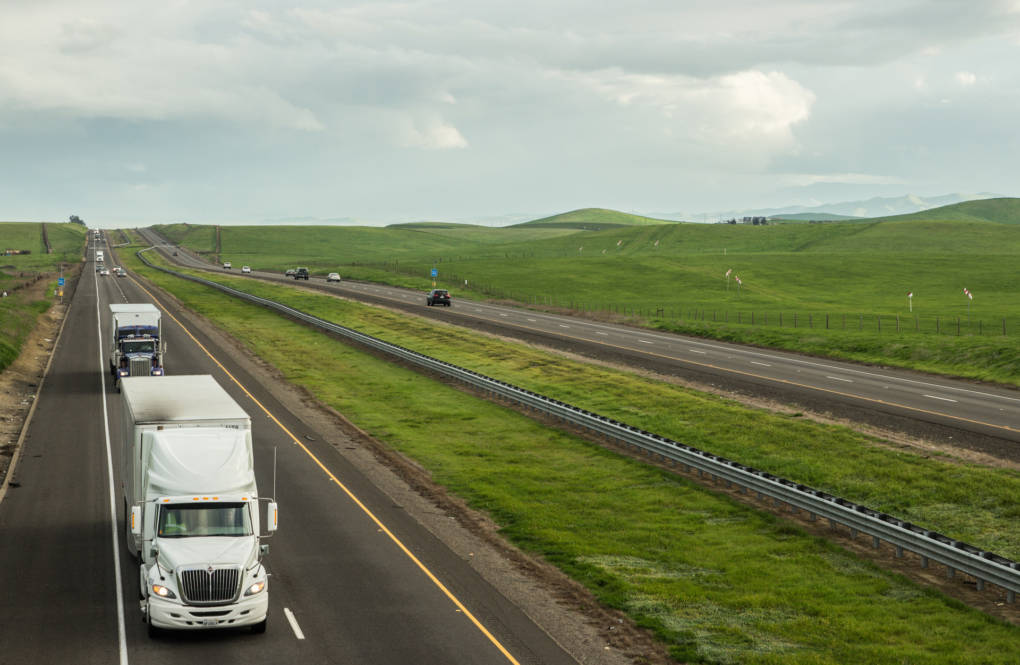
"caption": "Traffic rolls along Interstate 5 just west of the Merced County town of Gustine.",
"description": null,
"title": "RS14373_interstate5-qut",
"credit": "Dan Brekke/KQED",
"status": "inherit",
"isLoading": false,
"fetchFailed": false
},
"science_1943071": {
"type": "attachments",
"id": "science_1943071",
"meta": {
"index": "attachments_1716263798",
"site": "science",
"id": "1943071",
"found": true
},
"parent": 1943058,
"imgSizes": {
"twentyfourteen-full-width": {
"file": "https://ww2.kqed.org/app/uploads/sites/35/2019/06/defensible-space-1038x576.jpg",
"width": 1038,
"mimeType": "image/jpeg",
"height": 576
},
"thumbnail": {
"file": "https://ww2.kqed.org/app/uploads/sites/35/2019/06/defensible-space-160x90.jpg",
"width": 160,
"mimeType": "image/jpeg",
"height": 90
},
"post-thumbnail": {
"file": "https://ww2.kqed.org/app/uploads/sites/35/2019/06/defensible-space-672x372.jpg",
"width": 672,
"mimeType": "image/jpeg",
"height": 372
},
"kqedFullSize": {
"file": "https://ww2.kqed.org/app/uploads/sites/35/2019/06/defensible-space.jpg",
"width": 1920,
"height": 1080
},
"large": {
"file": "https://ww2.kqed.org/app/uploads/sites/35/2019/06/defensible-space-1020x574.jpg",
"width": 1020,
"mimeType": "image/jpeg",
"height": 574
},
"complete_open_graph": {
"file": "https://ww2.kqed.org/app/uploads/sites/35/2019/06/defensible-space-1200x675.jpg",
"width": 1200,
"mimeType": "image/jpeg",
"height": 675
},
"full-width": {
"file": "https://ww2.kqed.org/app/uploads/sites/35/2019/06/defensible-space-1920x1080.jpg",
"width": 1920,
"mimeType": "image/jpeg",
"height": 1080
},
"medium": {
"file": "https://ww2.kqed.org/app/uploads/sites/35/2019/06/defensible-space-800x450.jpg",
"width": 800,
"mimeType": "image/jpeg",
"height": 450
},
"medium_large": {
"file": "https://ww2.kqed.org/app/uploads/sites/35/2019/06/defensible-space-768x432.jpg",
"width": 768,
"mimeType": "image/jpeg",
"height": 432
}
},
"publishDate": 1559945241,
"modified": 1560144309,
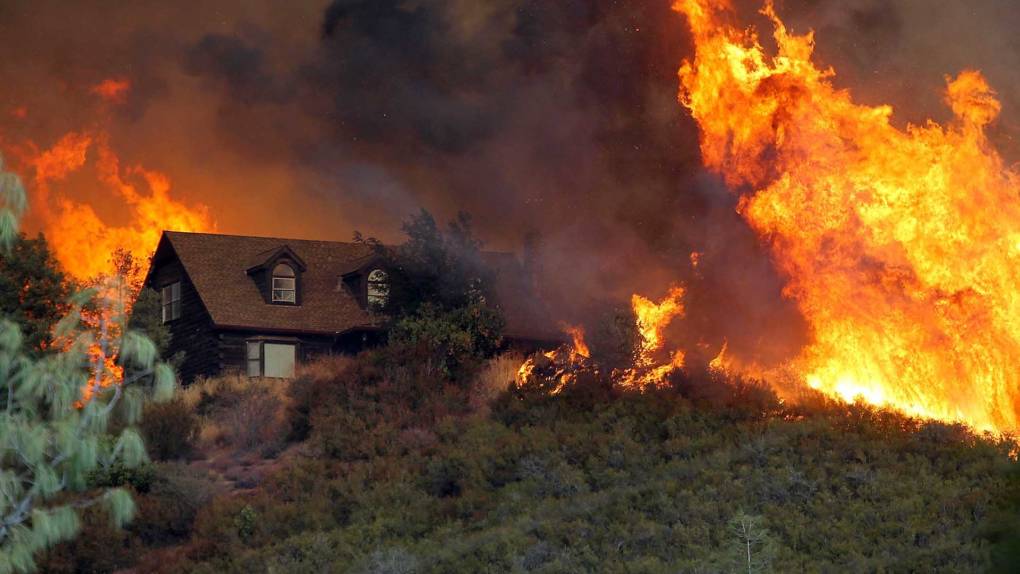
"caption": "Flames from the Rocky Fire approach a house in Lower Lake, California, in 2015. ",
"description": null,
"title": "Wildfire Grows Rapidly In California's Lake County",
"credit": "Justin Sullivan/Getty Images",
"status": "inherit",
"isLoading": false,
"fetchFailed": false
},
"science_1943010": {
"type": "attachments",
"id": "science_1943010",
"meta": {
"index": "attachments_1716263798",
"site": "science",
"id": "1943010",
"found": true
},
"parent": 1943007,
"imgSizes": {
"twentyfourteen-full-width": {
"file": "https://ww2.kqed.org/app/uploads/sites/35/2019/06/choy-anela-carson-3-1038x576.jpg",
"width": 1038,
"mimeType": "image/jpeg",
"height": 576
},
"thumbnail": {
"file": "https://ww2.kqed.org/app/uploads/sites/35/2019/06/choy-anela-carson-3-160x120.jpg",
"width": 160,
"mimeType": "image/jpeg",
"height": 120
},
"post-thumbnail": {
"file": "https://ww2.kqed.org/app/uploads/sites/35/2019/06/choy-anela-carson-3-672x372.jpg",
"width": 672,
"mimeType": "image/jpeg",
"height": 372
},
"kqedFullSize": {
"file": "https://ww2.kqed.org/app/uploads/sites/35/2019/06/choy-anela-carson-3-e1559924526985.jpg",
"width": 1925,
"height": 1444
},
"large": {
"file": "https://ww2.kqed.org/app/uploads/sites/35/2019/06/choy-anela-carson-3-1020x765.jpg",
"width": 1020,
"mimeType": "image/jpeg",
"height": 765
},
"complete_open_graph": {
"file": "https://ww2.kqed.org/app/uploads/sites/35/2019/06/choy-anela-carson-3-1200x900.jpg",
"width": 1200,
"mimeType": "image/jpeg",
"height": 900
},
"full-width": {
"file": "https://ww2.kqed.org/app/uploads/sites/35/2019/06/choy-anela-carson-3-1920x1440.jpg",
"width": 1920,
"mimeType": "image/jpeg",
"height": 1440
},
"medium": {
"file": "https://ww2.kqed.org/app/uploads/sites/35/2019/06/choy-anela-carson-3-800x600.jpg",
"width": 800,
"mimeType": "image/jpeg",
"height": 600
},
"medium_large": {
"file": "https://ww2.kqed.org/app/uploads/sites/35/2019/06/choy-anela-carson-3-768x576.jpg",
"width": 768,
"mimeType": "image/jpeg",
"height": 576
}
},
"publishDate": 1559846068,
"modified": 1559924516,
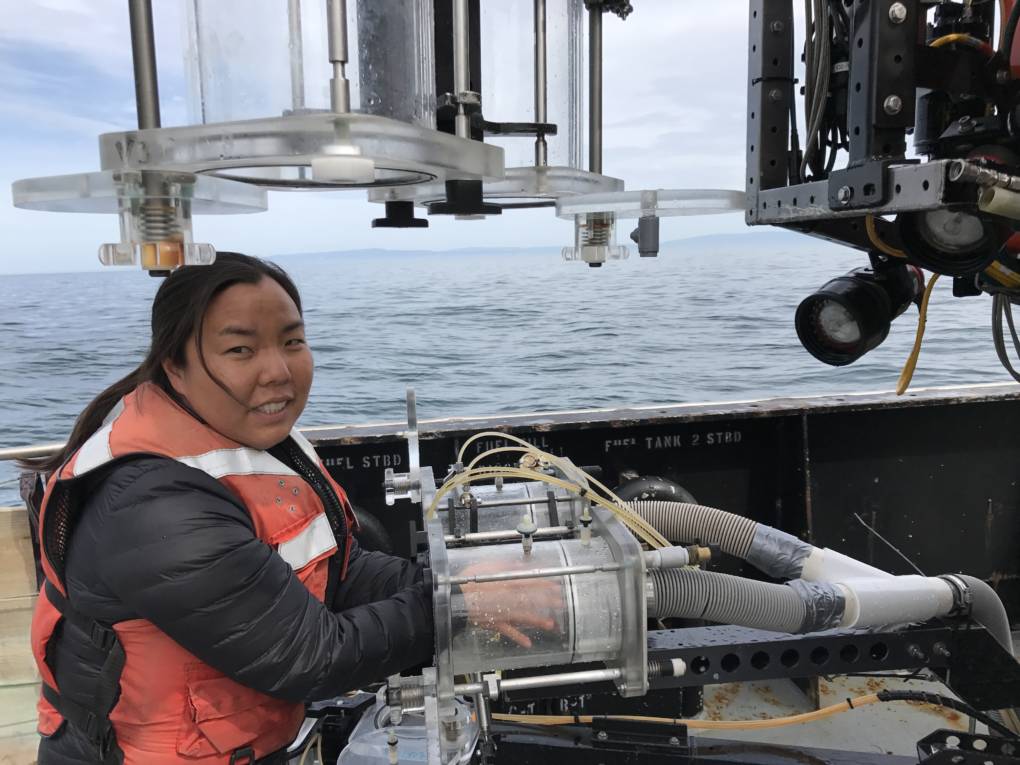
"caption": "Anela Choya, a marine biologist with Scripps Institution of Oceanography, prepares a microplastic-sampling device. ",
"description": null,
"title": null,
"credit": "Susan von Thun/Monterey Bay Aquarium Research Institute",
"status": "inherit",
"isLoading": false,
"fetchFailed": false
},
"science_1943040": {
"type": "attachments",
"id": "science_1943040",
"meta": {
"index": "attachments_1716263798",
"site": "science",
"id": "1943040",
"found": true
},
"parent": 1943038,
"imgSizes": {
"twentyfourteen-full-width": {
"file": "https://ww2.kqed.org/app/uploads/sites/35/2019/06/GettyImages-78713689-1038x576.jpg",
"width": 1038,
"mimeType": "image/jpeg",
"height": 576
},
"thumbnail": {
"file": "https://ww2.kqed.org/app/uploads/sites/35/2019/06/GettyImages-78713689-160x107.jpg",
"width": 160,
"mimeType": "image/jpeg",
"height": 107
},
"post-thumbnail": {
"file": "https://ww2.kqed.org/app/uploads/sites/35/2019/06/GettyImages-78713689-672x372.jpg",
"width": 672,
"mimeType": "image/jpeg",
"height": 372
},
"kqedFullSize": {
"file": "https://ww2.kqed.org/app/uploads/sites/35/2019/06/GettyImages-78713689.jpg",
"width": 2048,
"height": 1367
},
"large": {
"file": "https://ww2.kqed.org/app/uploads/sites/35/2019/06/GettyImages-78713689-1020x681.jpg",
"width": 1020,
"mimeType": "image/jpeg",
"height": 681
},
"complete_open_graph": {
"file": "https://ww2.kqed.org/app/uploads/sites/35/2019/06/GettyImages-78713689-1200x801.jpg",
"width": 1200,
"mimeType": "image/jpeg",
"height": 801
},
"full-width": {
"file": "https://ww2.kqed.org/app/uploads/sites/35/2019/06/GettyImages-78713689-1920x1281.jpg",
"width": 1920,
"mimeType": "image/jpeg",
"height": 1281
},
"medium": {
"file": "https://ww2.kqed.org/app/uploads/sites/35/2019/06/GettyImages-78713689-800x534.jpg",
"width": 800,
"mimeType": "image/jpeg",
"height": 534
},
"medium_large": {
"file": "https://ww2.kqed.org/app/uploads/sites/35/2019/06/GettyImages-78713689-768x512.jpg",
"width": 768,
"mimeType": "image/jpeg",
"height": 512
}
},
"publishDate": 1559867636,
"modified": 1559867686,
"caption": "Exhaust billows out of a car tailpipe in San Francisco. ",
"description": null,
"title": "tailpipe emissions",
"credit": "David Paul Morris/Getty Images",
"status": "inherit",
"isLoading": false,
"fetchFailed": false
},
"science_1942995": {
"type": "attachments",
"id": "science_1942995",
"meta": {
"index": "attachments_1716263798",
"site": "science",
"id": "1942995",
"found": true
},
"parent": 1942994,
"imgSizes": {
"twentyfourteen-full-width": {
"file": "https://ww2.kqed.org/app/uploads/sites/35/2019/06/20190206_portland-darigold_bp-1-edit_custom-9419ccd645500106b348a260047db1b20fd5ade9-1038x576.jpg",
"width": 1038,
"mimeType": "image/jpeg",
"height": 576
},
"thumbnail": {
"file": "https://ww2.kqed.org/app/uploads/sites/35/2019/06/20190206_portland-darigold_bp-1-edit_custom-9419ccd645500106b348a260047db1b20fd5ade9-160x107.jpg",
"width": 160,
"mimeType": "image/jpeg",
"height": 107
},
"post-thumbnail": {
"file": "https://ww2.kqed.org/app/uploads/sites/35/2019/06/20190206_portland-darigold_bp-1-edit_custom-9419ccd645500106b348a260047db1b20fd5ade9-672x372.jpg",
"width": 672,
"mimeType": "image/jpeg",
"height": 372
},
"kqedFullSize": {
"file": "https://ww2.kqed.org/app/uploads/sites/35/2019/06/20190206_portland-darigold_bp-1-edit_custom-9419ccd645500106b348a260047db1b20fd5ade9.jpg",
"width": 2048,
"height": 1364
},
"large": {
"file": "https://ww2.kqed.org/app/uploads/sites/35/2019/06/20190206_portland-darigold_bp-1-edit_custom-9419ccd645500106b348a260047db1b20fd5ade9-1020x679.jpg",
"width": 1020,
"mimeType": "image/jpeg",
"height": 679
},
"complete_open_graph": {
"file": "https://ww2.kqed.org/app/uploads/sites/35/2019/06/20190206_portland-darigold_bp-1-edit_custom-9419ccd645500106b348a260047db1b20fd5ade9-1200x799.jpg",
"width": 1200,
"mimeType": "image/jpeg",
"height": 799
},
"full-width": {
"file": "https://ww2.kqed.org/app/uploads/sites/35/2019/06/20190206_portland-darigold_bp-1-edit_custom-9419ccd645500106b348a260047db1b20fd5ade9-1920x1279.jpg",
"width": 1920,
"mimeType": "image/jpeg",
"height": 1279
},
"medium": {
"file": "https://ww2.kqed.org/app/uploads/sites/35/2019/06/20190206_portland-darigold_bp-1-edit_custom-9419ccd645500106b348a260047db1b20fd5ade9-800x533.jpg",
"width": 800,
"mimeType": "image/jpeg",
"height": 533
},
"medium_large": {
"file": "https://ww2.kqed.org/app/uploads/sites/35/2019/06/20190206_portland-darigold_bp-1-edit_custom-9419ccd645500106b348a260047db1b20fd5ade9-768x511.jpg",
"width": 768,
"mimeType": "image/jpeg",
"height": 511
}
},
"publishDate": 1559843609,
"modified": 1559843609,
"caption": null,
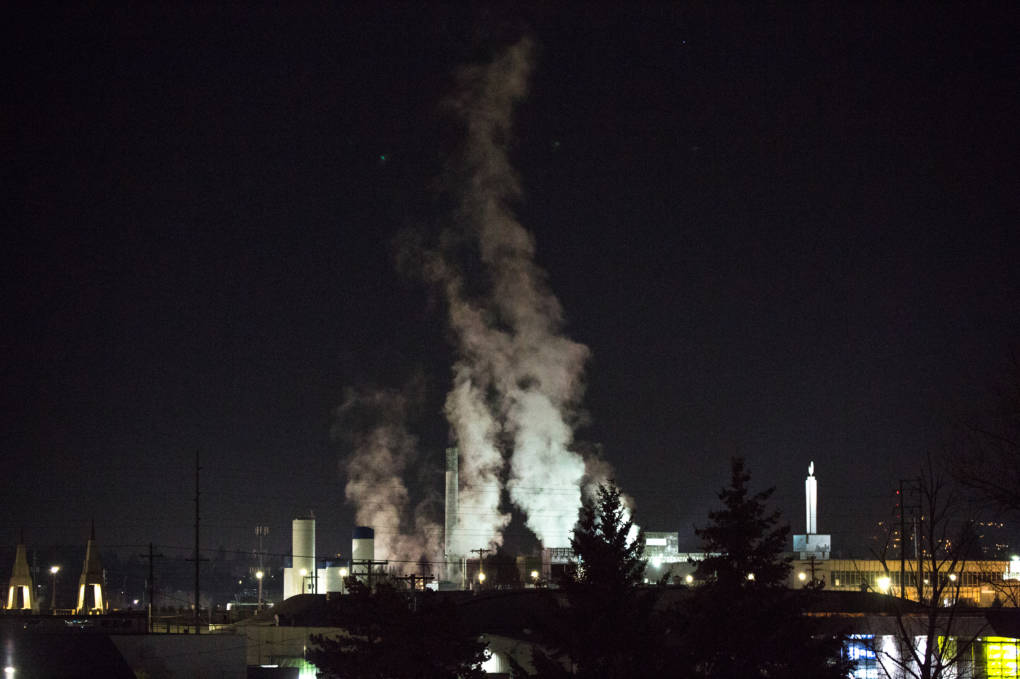
"description": "Plants like this Darigold dairy processing facility in Portland, Ore., may see higher energy prices under a cap-and-trade plan to limit greenhouse gas emissions.",
"title": "Plants like this Darigold dairy processing facility in Portland, Ore., may see higher energy prices under a cap-and-trade plan to limit greenhouse gas emissions.",
"credit": null,
"status": "inherit",
"isLoading": false,
"fetchFailed": false
},
"science_1942941": {
"type": "attachments",
"id": "science_1942941",
"meta": {
"index": "attachments_1716263798",
"site": "science",
"id": "1942941",
"found": true
},
"parent": 1942933,
"imgSizes": {
"twentyfourteen-full-width": {
"file": "https://ww2.kqed.org/app/uploads/sites/35/2019/06/Francis_Collins_fetal_tissue-1038x576.jpg",
"width": 1038,
"mimeType": "image/jpeg",
"height": 576
},
"thumbnail": {
"file": "https://ww2.kqed.org/app/uploads/sites/35/2019/06/Francis_Collins_fetal_tissue-160x202.jpg",
"width": 160,
"mimeType": "image/jpeg",
"height": 202
},
"post-thumbnail": {
"file": "https://ww2.kqed.org/app/uploads/sites/35/2019/06/Francis_Collins_fetal_tissue-672x372.jpg",
"width": 672,
"mimeType": "image/jpeg",
"height": 372
},
"kqedFullSize": {
"file": "https://ww2.kqed.org/app/uploads/sites/35/2019/06/Francis_Collins_fetal_tissue.jpg",
"width": 1623,
"height": 2048
},
"large": {
"file": "https://ww2.kqed.org/app/uploads/sites/35/2019/06/Francis_Collins_fetal_tissue-1020x1287.jpg",
"width": 1020,
"mimeType": "image/jpeg",
"height": 1287
},
"complete_open_graph": {
"file": "https://ww2.kqed.org/app/uploads/sites/35/2019/06/Francis_Collins_fetal_tissue-951x1200.jpg",
"width": 951,
"mimeType": "image/jpeg",
"height": 1200
},
"full-width": {
"file": "https://ww2.kqed.org/app/uploads/sites/35/2019/06/Francis_Collins_fetal_tissue-1920x2423.jpg",
"width": 1920,
"mimeType": "image/jpeg",
"height": 2423
},
"medium": {
"file": "https://ww2.kqed.org/app/uploads/sites/35/2019/06/Francis_Collins_fetal_tissue-800x1009.jpg",
"width": 800,
"mimeType": "image/jpeg",
"height": 1009
},
"medium_large": {
"file": "https://ww2.kqed.org/app/uploads/sites/35/2019/06/Francis_Collins_fetal_tissue-768x969.jpg",
"width": 768,
"mimeType": "image/jpeg",
"height": 969
}
},
"publishDate": 1559756646,
"modified": 1559756731,
"caption": "Dr. Francis S. Collins, Director of NIH, who has supported using fetal tissue in research.",
"description": null,
"title": "Dr. Francis S. Collins, Director of NIH.",
"credit": "NIH",
"status": "inherit",
"isLoading": false,
"fetchFailed": false
},
"science_1918244": {
"type": "attachments",
"id": "science_1918244",
"meta": {
"index": "attachments_1716263798",
"site": "science",
"id": "1918244",
"found": true
},
"parent": 1918228,
"imgSizes": {
"small": {
"file": "https://ww2.kqed.org/app/uploads/sites/35/2017/12/DSC-CUincourt_3907-520x325.jpeg",
"width": 520,
"mimeType": "image/jpeg",
"height": 325
},
"twentyfourteen-full-width": {
"file": "https://ww2.kqed.org/app/uploads/sites/35/2017/12/DSC-CUincourt_3907-1038x576.jpeg",
"width": 1038,
"mimeType": "image/jpeg",
"height": 576
},
"thumbnail": {
"file": "https://ww2.kqed.org/app/uploads/sites/35/2017/12/DSC-CUincourt_3907-160x100.jpeg",
"width": 160,
"mimeType": "image/jpeg",
"height": 100
},
"fd-sm": {
"file": "https://ww2.kqed.org/app/uploads/sites/35/2017/12/DSC-CUincourt_3907-960x600.jpeg",
"width": 960,
"mimeType": "image/jpeg",
"height": 600
},
"post-thumbnail": {
"file": "https://ww2.kqed.org/app/uploads/sites/35/2017/12/DSC-CUincourt_3907-672x372.jpeg",
"width": 672,
"mimeType": "image/jpeg",
"height": 372
},
"xsmall": {
"file": "https://ww2.kqed.org/app/uploads/sites/35/2017/12/DSC-CUincourt_3907-375x234.jpeg",
"width": 375,
"mimeType": "image/jpeg",
"height": 234
},
"kqedFullSize": {
"file": "https://ww2.kqed.org/app/uploads/sites/35/2017/12/DSC-CUincourt_3907-e1559692313866.jpeg",
"width": 1920,
"height": 1200
},
"large": {
"file": "https://ww2.kqed.org/app/uploads/sites/35/2017/12/DSC-CUincourt_3907-1020x638.jpeg",
"width": 1020,
"mimeType": "image/jpeg",
"height": 638
},
"xlarge": {
"file": "https://ww2.kqed.org/app/uploads/sites/35/2017/12/DSC-CUincourt_3907-1180x738.jpeg",
"width": 1180,
"mimeType": "image/jpeg",
"height": 738
},
"guest-author-50": {
"file": "https://ww2.kqed.org/app/uploads/sites/35/2017/12/DSC-CUincourt_3907-50x50.jpeg",
"width": 50,
"mimeType": "image/jpeg",
"height": 50
},
"guest-author-96": {
"file": "https://ww2.kqed.org/app/uploads/sites/35/2017/12/DSC-CUincourt_3907-96x96.jpeg",
"width": 96,
"mimeType": "image/jpeg",
"height": 96
},
"medium": {
"file": "https://ww2.kqed.org/app/uploads/sites/35/2017/12/DSC-CUincourt_3907-800x500.jpeg",
"width": 800,
"mimeType": "image/jpeg",
"height": 500
},
"guest-author-64": {
"file": "https://ww2.kqed.org/app/uploads/sites/35/2017/12/DSC-CUincourt_3907-64x64.jpeg",
"width": 64,
"mimeType": "image/jpeg",
"height": 64
},
"guest-author-32": {
"file": "https://ww2.kqed.org/app/uploads/sites/35/2017/12/DSC-CUincourt_3907-32x32.jpeg",
"width": 32,
"mimeType": "image/jpeg",
"height": 32
},
"fd-lrg": {
"file": "https://ww2.kqed.org/app/uploads/sites/35/2017/12/DSC-CUincourt_3907-1920x1200.jpeg",
"width": 1920,
"mimeType": "image/jpeg",
"height": 1200
},
"fd-med": {
"file": "https://ww2.kqed.org/app/uploads/sites/35/2017/12/DSC-CUincourt_3907-1180x738.jpeg",
"width": 1180,
"mimeType": "image/jpeg",
"height": 738
},
"full-width": {
"file": "https://ww2.kqed.org/app/uploads/sites/35/2017/12/DSC-CUincourt_3907-1920x1200.jpeg",
"width": 1920,
"mimeType": "image/jpeg",
"height": 1200
},
"detail": {
"file": "https://ww2.kqed.org/app/uploads/sites/35/2017/12/DSC-CUincourt_3907-150x150.jpeg",
"width": 150,
"mimeType": "image/jpeg",
"height": 150
},
"medium_large": {
"file": "https://ww2.kqed.org/app/uploads/sites/35/2017/12/DSC-CUincourt_3907-768x480.jpeg",
"width": 768,
"mimeType": "image/jpeg",
"height": 480
},
"guest-author-128": {
"file": "https://ww2.kqed.org/app/uploads/sites/35/2017/12/DSC-CUincourt_3907-128x128.jpeg",
"width": 128,
"mimeType": "image/jpeg",
"height": 128
},
"xxsmall": {
"file": "https://ww2.kqed.org/app/uploads/sites/35/2017/12/DSC-CUincourt_3907-240x150.jpeg",
"width": 240,
"mimeType": "image/jpeg",
"height": 150
}
},
"publishDate": 1512771040,
"modified": 1559692340,
"caption": "Youth plaintiff Kelsey Juliana speaks during a 2017 press conference in front of the U.S. Supreme Court in Washington, flanked by co-plaintiffs in their climate suit against the federal government.",
"description": "Youth plaintiff Kelsey Juliana speaks in during a press conference in 2017 in front of the U.S. Supreme Court in Washington, flanked by co-plaintiffs in their climate suit against the federal government.",
"title": "Youth Climate Change Lawsuit",
"credit": "Robin Loznak",
"status": "inherit",
"isLoading": false,
"fetchFailed": false
},
"science_1942671": {
"type": "attachments",
"id": "science_1942671",
"meta": {
"index": "attachments_1716263798",
"site": "science",
"id": "1942671",
"found": true
},
"parent": 1942666,
"imgSizes": {
"twentyfourteen-full-width": {
"file": "https://ww2.kqed.org/app/uploads/sites/35/2019/05/RS36480_GettyImages-110129542_Justin-Sullivan-qut-1038x576.jpg",
"width": 1038,
"mimeType": "image/jpeg",
"height": 576
},
"thumbnail": {
"file": "https://ww2.kqed.org/app/uploads/sites/35/2019/05/RS36480_GettyImages-110129542_Justin-Sullivan-qut-160x109.jpg",
"width": 160,
"mimeType": "image/jpeg",
"height": 109
},
"post-thumbnail": {
"file": "https://ww2.kqed.org/app/uploads/sites/35/2019/05/RS36480_GettyImages-110129542_Justin-Sullivan-qut-672x372.jpg",
"width": 672,
"mimeType": "image/jpeg",
"height": 372
},
"kqedFullSize": {
"file": "https://ww2.kqed.org/app/uploads/sites/35/2019/05/RS36480_GettyImages-110129542_Justin-Sullivan-qut.jpg",
"width": 1920,
"height": 1311
},
"large": {
"file": "https://ww2.kqed.org/app/uploads/sites/35/2019/05/RS36480_GettyImages-110129542_Justin-Sullivan-qut-1020x696.jpg",
"width": 1020,
"mimeType": "image/jpeg",
"height": 696
},
"complete_open_graph": {
"file": "https://ww2.kqed.org/app/uploads/sites/35/2019/05/RS36480_GettyImages-110129542_Justin-Sullivan-qut-1200x819.jpg",
"width": 1200,
"mimeType": "image/jpeg",
"height": 819
},
"full-width": {
"file": "https://ww2.kqed.org/app/uploads/sites/35/2019/05/RS36480_GettyImages-110129542_Justin-Sullivan-qut-1920x1311.jpg",
"width": 1920,
"mimeType": "image/jpeg",
"height": 1311
},
"medium": {
"file": "https://ww2.kqed.org/app/uploads/sites/35/2019/05/RS36480_GettyImages-110129542_Justin-Sullivan-qut-800x546.jpg",
"width": 800,
"mimeType": "image/jpeg",
"height": 546
},
"medium_large": {
"file": "https://ww2.kqed.org/app/uploads/sites/35/2019/05/RS36480_GettyImages-110129542_Justin-Sullivan-qut-768x524.jpg",
"width": 768,
"mimeType": "image/jpeg",
"height": 524
}
},
"publishDate": 1559345470,
"modified": 1567818698,
"caption": "Hundreds of recycled plastic water bottles are piled up inside the Recology recycling facility on March 15, 2011 in San Francisco, California. ",
"description": null,
"title": "RS36480_GettyImages-110129542_Justin-Sullivan-qut",
"credit": "Justin Sullivan/Getty Images",
"status": "inherit",
"isLoading": false,
"fetchFailed": false
},
"science_1942463": {
"type": "attachments",
"id": "science_1942463",
"meta": {
"index": "attachments_1716263798",
"site": "science",
"id": "1942463",
"found": true
},
"parent": 1941376,
"imgSizes": {
"twentyfourteen-full-width": {
"file": "https://ww2.kqed.org/app/uploads/sites/35/2029/05/California-wildfire-1038x576.jpg",
"width": 1038,
"mimeType": "image/jpeg",
"height": 576
},
"thumbnail": {
"file": "https://ww2.kqed.org/app/uploads/sites/35/2029/05/California-wildfire-160x107.jpg",
"width": 160,
"mimeType": "image/jpeg",
"height": 107
},
"post-thumbnail": {
"file": "https://ww2.kqed.org/app/uploads/sites/35/2029/05/California-wildfire-672x372.jpg",
"width": 672,
"mimeType": "image/jpeg",
"height": 372
},
"kqedFullSize": {
"file": "https://ww2.kqed.org/app/uploads/sites/35/2029/05/California-wildfire.jpg",
"width": 1920,
"height": 1280
},
"large": {
"file": "https://ww2.kqed.org/app/uploads/sites/35/2029/05/California-wildfire-1020x680.jpg",
"width": 1020,
"mimeType": "image/jpeg",
"height": 680
},
"complete_open_graph": {
"file": "https://ww2.kqed.org/app/uploads/sites/35/2029/05/California-wildfire-1200x800.jpg",
"width": 1200,
"mimeType": "image/jpeg",
"height": 800
},
"full-width": {
"file": "https://ww2.kqed.org/app/uploads/sites/35/2029/05/California-wildfire-1920x1280.jpg",
"width": 1920,
"mimeType": "image/jpeg",
"height": 1280
},
"medium": {
"file": "https://ww2.kqed.org/app/uploads/sites/35/2029/05/California-wildfire-800x533.jpg",
"width": 800,
"mimeType": "image/jpeg",
"height": 533
},
"medium_large": {
"file": "https://ww2.kqed.org/app/uploads/sites/35/2029/05/California-wildfire-768x512.jpg",
"width": 768,
"mimeType": "image/jpeg",
"height": 512
}
},
"publishDate": 1559166249,
"modified": 1576012382,
"caption": "Embers fly as wind and flames from the Camp fire tear through Paradise, California on Nov. 8, 2018.",
"description": null,
"title": "US-FIRE-WEATHER",
"credit": "Josh Edelson/AFP/Getty Images",
"status": "inherit",
"isLoading": false,
"fetchFailed": false
},
"science_1942662": {
"type": "attachments",
"id": "science_1942662",
"meta": {
"index": "attachments_1716263798",
"site": "science",
"id": "1942662",
"found": true
},
"parent": 1942547,
"imgSizes": {
"twentyfourteen-full-width": {
"file": "https://ww2.kqed.org/app/uploads/sites/35/2029/05/Paradise-Camp-Fire-Cars-1038x576.jpg",
"width": 1038,
"mimeType": "image/jpeg",
"height": 576
},
"thumbnail": {
"file": "https://ww2.kqed.org/app/uploads/sites/35/2029/05/Paradise-Camp-Fire-Cars-160x106.jpg",
"width": 160,
"mimeType": "image/jpeg",
"height": 106
},
"post-thumbnail": {
"file": "https://ww2.kqed.org/app/uploads/sites/35/2029/05/Paradise-Camp-Fire-Cars-672x372.jpg",
"width": 672,
"mimeType": "image/jpeg",
"height": 372
},
"kqedFullSize": {
"file": "https://ww2.kqed.org/app/uploads/sites/35/2029/05/Paradise-Camp-Fire-Cars-e1559342897687.jpg",
"width": 1920,
"height": 1269
},
"large": {
"file": "https://ww2.kqed.org/app/uploads/sites/35/2029/05/Paradise-Camp-Fire-Cars-1020x674.jpg",
"width": 1020,
"mimeType": "image/jpeg",
"height": 674
},
"complete_open_graph": {
"file": "https://ww2.kqed.org/app/uploads/sites/35/2029/05/Paradise-Camp-Fire-Cars-1200x793.jpg",
"width": 1200,
"mimeType": "image/jpeg",
"height": 793
},
"full-width": {
"file": "https://ww2.kqed.org/app/uploads/sites/35/2029/05/Paradise-Camp-Fire-Cars-1920x1269.jpg",
"width": 1920,
"mimeType": "image/jpeg",
"height": 1269
},
"medium": {
"file": "https://ww2.kqed.org/app/uploads/sites/35/2029/05/Paradise-Camp-Fire-Cars-800x529.jpg",
"width": 800,
"mimeType": "image/jpeg",
"height": 529
},
"medium_large": {
"file": "https://ww2.kqed.org/app/uploads/sites/35/2029/05/Paradise-Camp-Fire-Cars-768x508.jpg",
"width": 768,
"mimeType": "image/jpeg",
"height": 508
}
},
"publishDate": 1559342877,
"modified": 1566433166,
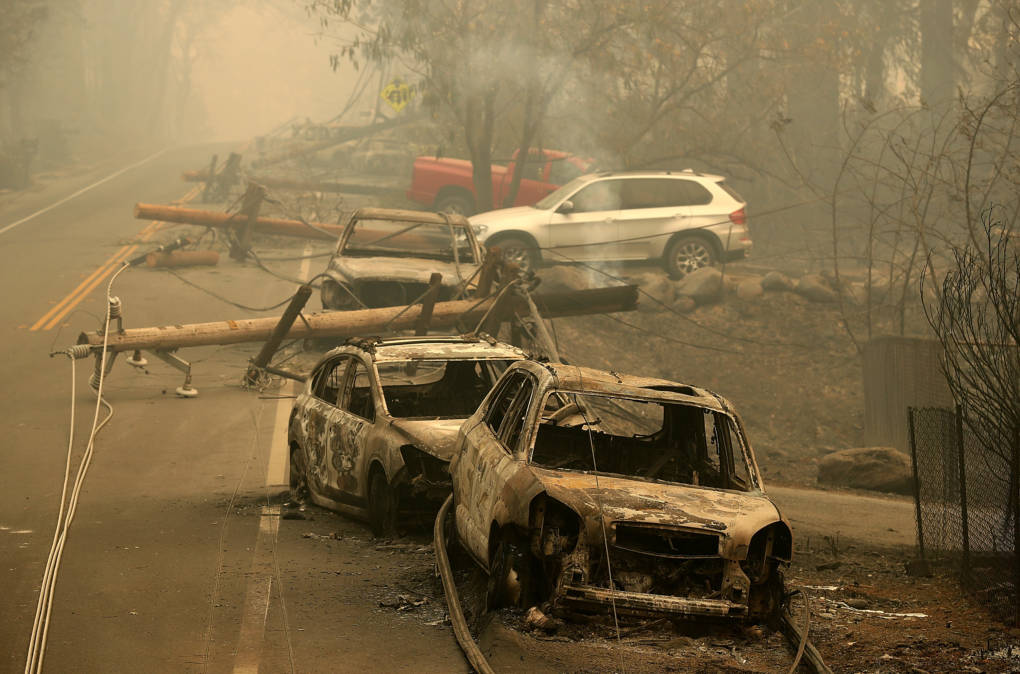
"caption": "Cars abandoned by Paradise residents during the November 2018 Camp Fire. ",
"description": null,
"title": "Rapidly-Spreading Wildfire In California's Butte County Prompts Evacuations",
"credit": "Justin Sullivan/Getty Images",
"status": "inherit",
"isLoading": false,
"fetchFailed": false
},
"science_1942643": {
"type": "attachments",
"id": "science_1942643",
"meta": {
"index": "attachments_1716263798",
"site": "science",
"id": "1942643",
"found": true
},
"parent": 1942299,
"imgSizes": {
"twentyfourteen-full-width": {
"file": "https://ww2.kqed.org/app/uploads/sites/35/2029/05/Wildfire-Weaverville-6-1038x576.jpg",
"width": 1038,
"mimeType": "image/jpeg",
"height": 576
},
"thumbnail": {
"file": "https://ww2.kqed.org/app/uploads/sites/35/2029/05/Wildfire-Weaverville-6-160x107.jpg",
"width": 160,
"mimeType": "image/jpeg",
"height": 107
},
"post-thumbnail": {
"file": "https://ww2.kqed.org/app/uploads/sites/35/2029/05/Wildfire-Weaverville-6-672x372.jpg",
"width": 672,
"mimeType": "image/jpeg",
"height": 372
},
"kqedFullSize": {
"file": "https://ww2.kqed.org/app/uploads/sites/35/2029/05/Wildfire-Weaverville-6-e1559332057779.jpg",
"width": 1920,
"height": 1280
},
"large": {
"file": "https://ww2.kqed.org/app/uploads/sites/35/2029/05/Wildfire-Weaverville-6-1020x680.jpg",
"width": 1020,
"mimeType": "image/jpeg",
"height": 680
},
"complete_open_graph": {
"file": "https://ww2.kqed.org/app/uploads/sites/35/2029/05/Wildfire-Weaverville-6-1200x800.jpg",
"width": 1200,
"mimeType": "image/jpeg",
"height": 800
},
"full-width": {
"file": "https://ww2.kqed.org/app/uploads/sites/35/2029/05/Wildfire-Weaverville-6-1920x1280.jpg",
"width": 1920,
"mimeType": "image/jpeg",
"height": 1280
},
"medium": {
"file": "https://ww2.kqed.org/app/uploads/sites/35/2029/05/Wildfire-Weaverville-6-800x533.jpg",
"width": 800,
"mimeType": "image/jpeg",
"height": 533
},
"medium_large": {
"file": "https://ww2.kqed.org/app/uploads/sites/35/2029/05/Wildfire-Weaverville-6-768x512.jpg",
"width": 768,
"mimeType": "image/jpeg",
"height": 512
}
},
"publishDate": 1559332013,
"modified": 1559332642,
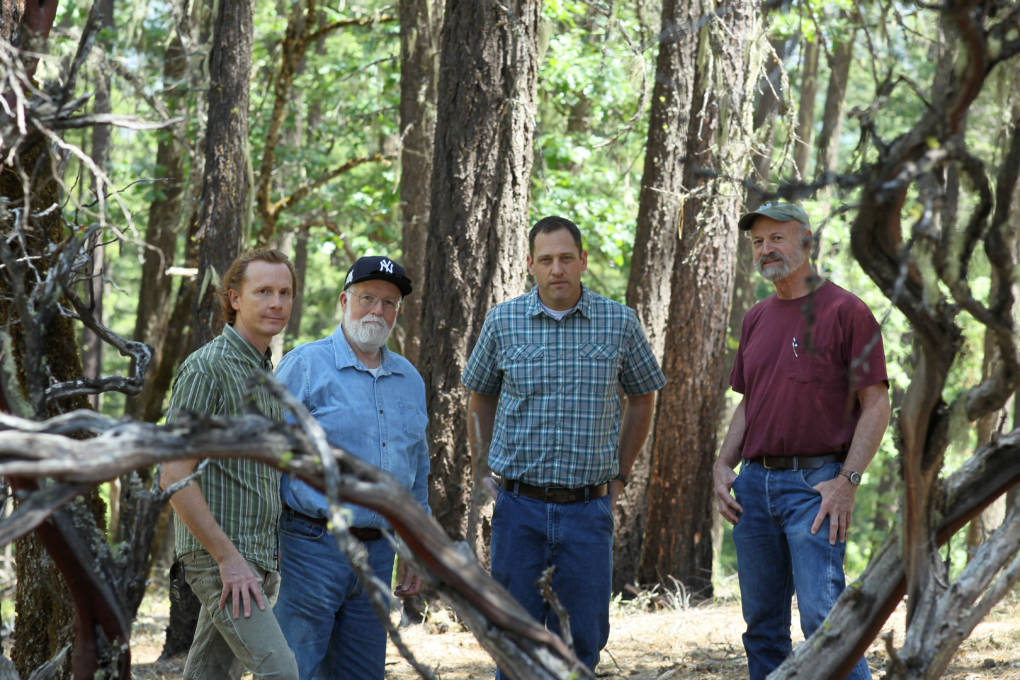
"caption": "Kelly Sheen, Clarence Rose, Alex Cousins and Bob Morris in the Weaverville Community Forest. Even residents who have different ideas about how to use and manage the forest have come together in agreement that local control is better than leaving the federal government in charge.",
"description": null,
"title": "Forest management in the town of Weaverville, CA",
"credit": "Hung T. Vu/KQED",
"status": "inherit",
"isLoading": false,
"fetchFailed": false
}
},
"audioPlayerReducer": {
"postId": "stream_live",
"isPaused": true,
"isPlaying": false,
"pfsActive": false,
"pledgeModalIsOpen": true,
"playerDrawerIsOpen": false,
"liveAudioPlayStartedAt": 0,
"liveAudioPlayContext": ""
},
"authorsReducer": {
"byline_science_1943152": {
"type": "authors",
"id": "byline_science_1943152",
"meta": {
"override": true
},
"slug": "byline_science_1943152",
"name": "Julie Cart \u003cbr/> CALmatters \u003cbr>",
"isLoading": false
},
"byline_science_1943038": {
"type": "authors",
"id": "byline_science_1943038",
"meta": {
"override": true
},
"slug": "byline_science_1943038",
"name": "Associated Press",
"isLoading": false
},
"byline_science_1942994": {
"type": "authors",
"id": "byline_science_1942994",
"meta": {
"override": true
},
"slug": "byline_science_1942994",
"name": "Cassandra Profita \u003cbr/> NPR \u003cbr>",
"isLoading": false
},
"byline_science_1942933": {
"type": "authors",
"id": "byline_science_1942933",
"meta": {
"override": true
},
"slug": "byline_science_1942933",
"name": "Ricardo Alonso-Zaldivar and Lauran Neergard\u003cbr />Associated Press",
"isLoading": false
},
"byline_science_1942878": {
"type": "authors",
"id": "byline_science_1942878",
"meta": {
"override": true
},
"slug": "byline_science_1942878",
"name": "Andrew Selsky \u003cBR/>The Associated Press",
"isLoading": false
},
"laurensommer": {
"type": "authors",
"id": "239",
"meta": {
"index": "authors_1716337520",
"id": "239",
"found": true
},
"name": "Lauren Sommer",
"firstName": "Lauren",
"lastName": "Sommer",
"slug": "laurensommer",
"email": "lsommer@kqed.org",
"display_author_email": false,
"staff_mastheads": [],
"title": "KQED Contributor",
"bio": "Lauren is a radio reporter formerly covering environment, water, and energy for KQED Science. As part of her day job, she has scaled Sierra Nevada peaks, run from charging elephant seals, and desperately tried to get her sea legs - all in pursuit of good radio. Her work has appeared on Marketplace, Living on Earth, Science Friday and NPR's Morning Edition and All Things Considered. You can find her on Twitter at \u003ca href=\"https://twitter.com/lesommer\">@lesommer\u003c/a>.",
"avatar": "https://secure.gravatar.com/avatar/33aa3772bb86c6ad45b8aca6a238bbdf?s=600&d=blank&r=g",
"twitter": null,
"facebook": null,
"instagram": null,
"linkedin": null,
"sites": [
{
"site": "news",
"roles": [
"author"
]
},
{
"site": "science",
"roles": [
"editor",
"manage_content_types",
"manage_taxonomies"
]
},
{
"site": "quest",
"roles": [
"editor"
]
}
],
"headData": {
"title": "Lauren Sommer | KQED",
"description": "KQED Contributor",
"ogImgSrc": "https://secure.gravatar.com/avatar/33aa3772bb86c6ad45b8aca6a238bbdf?s=600&d=blank&r=g",
"twImgSrc": "https://secure.gravatar.com/avatar/33aa3772bb86c6ad45b8aca6a238bbdf?s=600&d=blank&r=g"
},
"isLoading": false,
"link": "/author/laurensommer"
},
"ben-burress": {
"type": "authors",
"id": "6180",
"meta": {
"index": "authors_1716337520",
"id": "6180",
"found": true
},
"name": "Ben Burress",
"firstName": "Ben",
"lastName": "Burress",
"slug": "ben-burress",
"email": "bburress@chabotspace.org",
"display_author_email": false,
"staff_mastheads": [],
"title": null,
"bio": "\u003cstrong>Benjamin Burress\u003c/strong> has been a staff astronomer at Chabot Space & Science Center since July 1999. He graduated from Sonoma State University in 1985 with a bachelor’s degree in physics (and minor in astronomy), after which he signed on for a two-year stint in the Peace Corps, where he taught physics and mathematics in the African nation of Cameroon. From 1989-96 he served on the crew of NASA’s Kuiper Airborne Observatory at Ames Research Center in Mountain View, CA. From 1996-99, he was Head Observer at the Naval Prototype Optical Interferometer program at Lowell Observatory in Flagstaff, AZ.\r\n\r\nRead his \u003ca href=\"http://science.kqed.org/quest/author/ben-burress/\">previous contributions\u003c/a> to \u003ca href=\"http://science.kqed.org/quest/\">QUEST\u003c/a>, a project dedicated to exploring the Science of Sustainability.",
"avatar": "https://secure.gravatar.com/avatar/8263bffa345b7e4923a0b8b9f0f6a161?s=600&d=blank&r=g",
"twitter": null,
"facebook": null,
"instagram": null,
"linkedin": null,
"sites": [
{
"site": "science",
"roles": [
"editor"
]
},
{
"site": "quest",
"roles": [
"subscriber"
]
}
],
"headData": {
"title": "Ben Burress | KQED",
"description": null,
"ogImgSrc": "https://secure.gravatar.com/avatar/8263bffa345b7e4923a0b8b9f0f6a161?s=600&d=blank&r=g",
"twImgSrc": "https://secure.gravatar.com/avatar/8263bffa345b7e4923a0b8b9f0f6a161?s=600&d=blank&r=g"
},
"isLoading": false,
"link": "/author/ben-burress"
},
"dventon": {
"type": "authors",
"id": "11088",
"meta": {
"index": "authors_1716337520",
"id": "11088",
"found": true
},
"name": "Danielle Venton",
"firstName": "Danielle",
"lastName": "Venton",
"slug": "dventon",
"email": "dventon@kqed.org",
"display_author_email": true,
"staff_mastheads": [
"science"
],
"title": "Science reporter",
"bio": "Danielle Venton is a reporter for KQED Science. She covers wildfires, space and oceans (though she is prone to sea sickness).\r\n\r\nBefore joining KQED in 2015, Danielle was a staff reporter at KRCB in Sonoma County and a freelancer. She studied science communication at UC Santa Cruz and formerly worked at CERN in Geneva, Switzerland where she wrote about computing. She lives in Sonoma County and enjoys backpacking.",
"avatar": "https://secure.gravatar.com/avatar/37b292b5c40c8d93959c4f48d73b5286f41b7abd8588277e941905a3ed4c801c?s=600&d=blank&r=g",
"twitter": "DanielleVenton",
"bluesky": null,
"facebook": null,
"instagram": null,
"linkedin": null,
"sites": [
{
"site": "arts",
"roles": [
"contributor"
]
},
{
"site": "news",
"roles": [
"editor"
]
},
{
"site": "futureofyou",
"roles": [
"editor"
]
},
{
"site": "science",
"roles": [
"editor"
]
},
{
"site": "liveblog",
"roles": [
"contributor"
]
}
],
"headData": {
"title": "Danielle Venton | KQED",
"description": "Science reporter",
"ogImgSrc": "https://secure.gravatar.com/avatar/37b292b5c40c8d93959c4f48d73b5286f41b7abd8588277e941905a3ed4c801c?s=600&d=blank&r=g",
"twImgSrc": "https://secure.gravatar.com/avatar/37b292b5c40c8d93959c4f48d73b5286f41b7abd8588277e941905a3ed4c801c?s=600&d=blank&r=g"
},
"isLoading": false,
"link": "/author/dventon"
},
"mpeterson": {
"type": "authors",
"id": "11223",
"meta": {
"index": "authors_1716337520",
"id": "11223",
"found": true
},
"name": "Molly Peterson",
"firstName": "Molly",
"lastName": "Peterson",
"slug": "mpeterson",
"email": "mpeterson@kqed.org",
"display_author_email": false,
"staff_mastheads": [],
"title": null,
"bio": "Molly Peterson reports for KQED science and news on climate change, catastrophe and risk. Previously she was environment correspondent at Southern California Public Radio. Her work has also appeared at The New York Times, The Guardian, on NPR, at High Country News, on Code Switch, and other national outlets. She has been honored with awards from Public Radio News Directors Incorporated, Investigative Reporters and Editors, the Society for Professional Journalists, the Los Angeles Press Club, and RTNDA Edward R. Murrow awards, among others.",
"avatar": "https://secure.gravatar.com/avatar/7908e2807131f776cc8165c649530b05?s=600&d=blank&r=g",
"twitter": "Mollydacious",
"facebook": null,
"instagram": "https://www.instagram.com/radiomolly/",
"linkedin": null,
"sites": [
{
"site": "news",
"roles": [
"subscriber"
]
},
{
"site": "futureofyou",
"roles": [
"editor"
]
},
{
"site": "science",
"roles": [
"editor"
]
}
],
"headData": {
"title": "Molly Peterson | KQED",
"description": null,
"ogImgSrc": "https://secure.gravatar.com/avatar/7908e2807131f776cc8165c649530b05?s=600&d=blank&r=g",
"twImgSrc": "https://secure.gravatar.com/avatar/7908e2807131f776cc8165c649530b05?s=600&d=blank&r=g"
},
"isLoading": false,
"link": "/author/mpeterson"
},
"jeremysiegel": {
"type": "authors",
"id": "11258",
"meta": {
"index": "authors_1716337520",
"id": "11258",
"found": true
},
"name": "Jeremy Siegel",
"firstName": "Jeremy",
"lastName": "Siegel",
"slug": "jeremysiegel",
"email": "jsiegel@kqed.org",
"display_author_email": false,
"staff_mastheads": [],
"title": "KQED Contributor",
"bio": "Jeremy Siegel is is the weekend afternoon news anchor for KQED. His reporting can be heard on KQED News, Morning Edition, All Things Considered and The California Report. Jeremy's coverage of the Camp Fire in Butte County won the 2019 Society of Professional Journalists, Northern California Chapter, Excellence in Journalism Award for Breaking News. Jeremy grew up in Cincinnati, Ohio, and graduated from UC Berkeley.",
"avatar": "https://secure.gravatar.com/avatar/3921a64ceb9ed5d0ba47d9ae9782f1ab?s=600&d=blank&r=g",
"twitter": "jersiegel",
"facebook": null,
"instagram": null,
"linkedin": null,
"sites": [
{
"site": "arts",
"roles": []
},
{
"site": "news",
"roles": [
"subscriber"
]
},
{
"site": "science",
"roles": []
}
],
"headData": {
"title": "Jeremy Siegel | KQED",
"description": "KQED Contributor",
"ogImgSrc": "https://secure.gravatar.com/avatar/3921a64ceb9ed5d0ba47d9ae9782f1ab?s=600&d=blank&r=g",
"twImgSrc": "https://secure.gravatar.com/avatar/3921a64ceb9ed5d0ba47d9ae9782f1ab?s=600&d=blank&r=g"
},
"isLoading": false,
"link": "/author/jeremysiegel"
},
"kevinstark": {
"type": "authors",
"id": "11608",
"meta": {
"index": "authors_1716337520",
"id": "11608",
"found": true
},
"name": "Kevin Stark",
"firstName": "Kevin",
"lastName": "Stark",
"slug": "kevinstark",
"email": "kstark@kqed.org",
"display_author_email": true,
"staff_mastheads": [
"science"
],
"title": "Senior Editor",
"bio": "Kevin is a senior editor for KQED Science, managing the station's health and climate desks. His journalism career began in the Pacific Northwest, and he later became a lead reporter for the San Francisco Public Press. His work has appeared in Pacific Standard magazine, the Energy News Network, the Center for Investigative Reporting's Reveal and WBEZ in Chicago. Kevin joined KQED in 2019, and has covered issues related to energy, wildfire, climate change and the environment.",
"avatar": "https://secure.gravatar.com/avatar/365aaa4b597d3a8374f67504ff0facd323d7906e8eb4be0a7efd2427408e802c?s=600&d=blank&r=g",
"twitter": "starkkev",
"bluesky": null,
"facebook": null,
"instagram": null,
"linkedin": null,
"sites": [
{
"site": "",
"roles": [
"editor"
]
},
{
"site": "news",
"roles": [
"editor"
]
},
{
"site": "science",
"roles": [
"administrator"
]
}
],
"headData": {
"title": "Kevin Stark | KQED",
"description": "Senior Editor",
"ogImgSrc": "https://secure.gravatar.com/avatar/365aaa4b597d3a8374f67504ff0facd323d7906e8eb4be0a7efd2427408e802c?s=600&d=blank&r=g",
"twImgSrc": "https://secure.gravatar.com/avatar/365aaa4b597d3a8374f67504ff0facd323d7906e8eb4be0a7efd2427408e802c?s=600&d=blank&r=g"
},
"isLoading": false,
"link": "/author/kevinstark"
}
},
"pagesReducer": {
"science_category_news": {
"type": "terms",
"id": "science_40",
"meta": {
"index": "terms_1716263798",
"site": "science",
"id": "40",
"score": 10.8141775
},
"featImg": null,
"name": "News",
"description": null,
"taxonomy": "category",
"headData": {
"twImgId": null,
"twTitle": null,
"ogTitle": null,
"ogImgId": null,
"twDescription": null,
"description": null,
"title": "News Archives | KQED Science",
"ogDescription": null
},
"ttid": 42,
"slug": "news",
"isLoading": false,
"title": "News",
"pageMeta": {
"site": "science",
"WpPageTemplate": "page-topic-editorial",
"currentPage": 136
},
"blocks": [
{
"blockName": "kqed/post-list",
"attrs": {
"layout": "cardArticle2",
"query": "posts/science?category=news",
"seeMore": false,
"paginated": true,
"page": 136
}
},
{
"blockName": "kqed/ad"
}
]
}
},
"pfsSessionReducer": {},
"postsReducer": {
"stream_live": {
"type": "live",
"id": "stream_live",
"audioUrl": "https://streams.kqed.org/kqedradio",
"title": "Live Stream",
"excerpt": "Live Stream information currently unavailable.",
"link": "/radio",
"featImg": "",
"label": {
"name": "KQED Live",
"link": "/"
}
},
"stream_kqedNewscast": {
"type": "posts",
"id": "stream_kqedNewscast",
"audioUrl": "https://www.kqed.org/.stream/anon/radio/RDnews/newscast.mp3?_=1",
"title": "KQED Newscast",
"featImg": "",
"label": {
"name": "88.5 FM",
"link": "/"
}
},
"science_1943005": {
"type": "posts",
"id": "science_1943005",
"meta": {
"index": "posts_1716263798",
"site": "science",
"id": "1943005",
"score": null,
"sort": [
1560236508000
]
},
"parent": 0,
"labelTerm": {},
"blocks": [],
"publishDate": 1560236508,
"format": "standard",
"title": "Mars 2020 Spacecraft Shaken, Stirred and Chilled in Tests of Space Worthiness",
"headTitle": "Mars 2020 Spacecraft Shaken, Stirred and Chilled in Tests of Space Worthiness | KQED",
"content": "\u003cp>NASA can make the exploration of Mars look easy. Generations of robotic spacecraft sent to orbit, land upon, and rove about the Martian surface seem to do their jobs courageously without even working up a sweat.\u003c/p>\n\u003cp>But behind the scenes of the flashy news headlines of exploration successes, NASA scientists and engineers sweat plenty, bleed a bit at times, and even shed tears on occasion.\u003c/p>\n\u003cp>The mission currently on deck in the sweat shop of NASA’s Jet Propulsion Laboratory is the \u003ca href=\"https://mars.nasa.gov/mars2020/\">Mars 2020 Rover\u003c/a>, the next robot that will set wheels on the dusty Martian landscape.\u003c/p>\n\u003cfigure id=\"attachment_1943021\" class=\"wp-caption alignleft\" style=\"max-width: 688px\">\u003cimg loading=\"lazy\" decoding=\"async\" class=\"wp-image-1943021 size-full\" src=\"https://ww2.kqed.org/science/wp-content/uploads/sites/35/2019/06/688px-260184-JezeroCrater-Delta-Full.jpg\" alt=\"Color-enhanced image of Jezero Delta, a portion of Jezero Crater, the chosen landing destination for the Mars 2020 rover. The color enhancements indicate varying mineral content, with green showing water-formed clay deposits. Image created from measurements by the Mars Reconnaissance Orbiter. \" width=\"688\" height=\"552\" srcset=\"https://cdn.kqed.org/wp-content/uploads/sites/35/2019/06/688px-260184-JezeroCrater-Delta-Full.jpg 688w, https://cdn.kqed.org/wp-content/uploads/sites/35/2019/06/688px-260184-JezeroCrater-Delta-Full-160x128.jpg 160w\" sizes=\"(max-width: 688px) 100vw, 688px\">\u003cfigcaption class=\"wp-caption-text\">Color-enhanced image of Jezero Delta, a portion of Jezero Crater, the chosen landing destination for the Mars 2020 rover. The color enhancements indicate varying mineral content, with green showing water-formed clay deposits. Image created from measurements by the Mars Reconnaissance Orbiter. \u003ccite>(NASA/JPL/JHU-APL/MSSS/Brown University)\u003c/cite>\u003c/figcaption>\u003c/figure>\n\u003cp>\u003cstrong>Shake and Bake Trials\u003c/strong>\u003c/p>\n\u003cp>It is a monumental feat to hurl a robot millions of miles through the cold, radiation-blasted vacuum of space and safely navigate through an alien atmosphere to land on hard rock and abrasive, wind-blown soil. It is only accomplished after months and years of planning, testing, retesting and ultimately crossing fingers in hope of success.\u003c/p>\n\u003cp>To lessen the risk of even a minor problem ending a mission prematurely — an electrical connector shaking loose, a bolt popping out, or a tiny but disastrous fuel leak — all space-bound equipment is subjected to rigorous testing, “trials of pain” designed to simulate the brutal conditions to be endured on the actual mission.\u003c/p>\n\u003cp>In April, scarcely a year from its scheduled launch, NASA’s Mars 2020 was put through such trials.\u003c/p>\n\u003cp>First were the vibration tests — a sort of \u003cem>trial by very loud noise\u003c/em>.\u003c/p>\n\u003cp>A duplicate stand-in of the Mars 2020 rover was placed within the aeroshell cocoon the real one will ride in all the way into Mars’ atmosphere, assembled in the same \u003ca href=\"https://mars.nasa.gov/mars2020/mission/spacecraft/\">configuration it will be for launch in July 2020\u003c/a>.\u003c/p>\n\u003cp>[ad fullwidth]\u003c/p>\n\u003cp>This spacecraft “stack” was placed in a large chamber and blasted with over 150 decibels of random noise to simulate the vibrations of launch, the moment in any mission when spacecraft components are most likely to shake loose and come apart. Sound at the 150 decibels level is about what you’d experience standing 80 feet from a large jet engine at take-off — loud enough to rupture your eardrums.\u003c/p>\n\u003cp>The Mars 2020 test stack passed the tests, letting mission engineers worry a bit less.\u003c/p>\n\u003cfigure id=\"attachment_1943016\" class=\"wp-caption alignright\" style=\"max-width: 800px\">\u003cimg loading=\"lazy\" decoding=\"async\" class=\"wp-image-1943016 size-medium\" src=\"https://ww2.kqed.org/science/wp-content/uploads/sites/35/2019/06/22491_PIA23263-D2019_0426_G2775web-800x1200.jpg\" alt=\"Engineers get the Mars 2020 rover (duplicate stand-in) and its aeroshell enclosure ready for thermal and vacuum testing in JPL's Space Simulator Facility. \" width=\"800\" height=\"1200\" srcset=\"https://cdn.kqed.org/wp-content/uploads/sites/35/2019/06/22491_PIA23263-D2019_0426_G2775web-800x1200.jpg 800w, https://cdn.kqed.org/wp-content/uploads/sites/35/2019/06/22491_PIA23263-D2019_0426_G2775web-160x240.jpg 160w, https://cdn.kqed.org/wp-content/uploads/sites/35/2019/06/22491_PIA23263-D2019_0426_G2775web-768x1152.jpg 768w, https://cdn.kqed.org/wp-content/uploads/sites/35/2019/06/22491_PIA23263-D2019_0426_G2775web-1020x1530.jpg 1020w, https://cdn.kqed.org/wp-content/uploads/sites/35/2019/06/22491_PIA23263-D2019_0426_G2775web.jpg 1365w\" sizes=\"(max-width: 800px) 100vw, 800px\">\u003cfigcaption class=\"wp-caption-text\">Engineers get the Mars 2020 rover (duplicate stand-in) and its aeroshell enclosure ready for thermal and vacuum testing in JPL’s Space Simulator Facility. \u003ccite>(NASA/JPL-Caltech)\u003c/cite>\u003c/figcaption>\u003c/figure>\n\u003cp>Next, the spacecraft was \u003ca href=\"https://mars.nasa.gov/news/8441/nasas-mars-2020-gets-a-dose-of-space-here-on-earth/\">placed in the 85-foot-tall Space Simulator Facility\u003c/a>, a chamber that has tested robot hardiness as far back as the early 1960s with the Mariner missions, and many since.\u003c/p>\n\u003cp>The chamber simulates the harsh environment of space, which the spacecraft will have to endure over seven months of cruising between Earth and Mars.\u003c/p>\n\u003cp>After pumping the air out of the chamber to near vacuum, liquid nitrogen super-chilled its walls to -200 degrees F, a temperature cold enough to freeze a person solid in seconds.\u003c/p>\n\u003cp>Then, as a finishing touch, powerful xenon lamps bathed the spacecraft in simulated sunlight, approximating the raw solar radiation the equipment will need to survive.\u003c/p>\n\u003cp>The trial concluded successfully after a full eight days, assuring engineers that the spacecraft is as ready as it will ever be for the perils ahead.\u003c/p>\n\u003cp>\u003cstrong>Rehearsing a Mars Landing Here on Earth\u003c/strong>\u003c/p>\n\u003cp>The most intense, nail-biting, nerve-wracking part of the entire journey to Mars is not the thunderous rocket launch, or the seven months of interplanetary cruising to follow, but the brief moment of atmospheric \u003ca href=\"https://mars.nasa.gov/msl/mission/timeline/edl/\">entry, descent, and landing\u003c/a> (EDL), which has earned the title “Seven Minutes of Terror” from NASA operators.\u003c/p>\n\u003cp>With so many things that could go wrong during EDL—a parachute failing to deploy, a rocket failing to fire, or a terminal crash-landing in unexpectedly rugged terrain—every iota of advanced disaster prevention that can be imagined is planned out and tested.\u003c/p>\n\u003cp>Accordingly, NASA has made use of the arguably most Mars-like landscapes on Earth, Death Valley National Park, to \u003ca href=\"https://www.jpl.nasa.gov/news/news.php?feature=7411\">test Mars 2020’s special Lander Vision System\u003c/a>. The LVS will guide Mars 2020 to a safe landing spot on the floor of its ultimate destination, \u003ca href=\"https://www.universetoday.com/140590/its-decided-the-mars-2020-rover-will-land-in-jezero-crater/\">Jezero Crater\u003c/a>, in February 2021.\u003c/p>\n\u003cfigure id=\"attachment_1943017\" class=\"wp-caption aligncenter\" style=\"max-width: 800px\">\u003cimg loading=\"lazy\" decoding=\"async\" class=\"size-medium wp-image-1943017\" src=\"https://ww2.kqed.org/science/wp-content/uploads/sites/35/2019/06/PIA23265-16-800x450.jpg\" alt=\"NASA testing the Mars 2020 mission's Landing Vision System on the nose of an Airbus helicopter in Death Valley National Park. \" width=\"800\" height=\"450\" srcset=\"https://cdn.kqed.org/wp-content/uploads/sites/35/2019/06/PIA23265-16-800x450.jpg 800w, https://cdn.kqed.org/wp-content/uploads/sites/35/2019/06/PIA23265-16-160x90.jpg 160w, https://cdn.kqed.org/wp-content/uploads/sites/35/2019/06/PIA23265-16-768x432.jpg 768w, https://cdn.kqed.org/wp-content/uploads/sites/35/2019/06/PIA23265-16-1020x574.jpg 1020w, https://cdn.kqed.org/wp-content/uploads/sites/35/2019/06/PIA23265-16-1200x675.jpg 1200w, https://cdn.kqed.org/wp-content/uploads/sites/35/2019/06/PIA23265-16.jpg 1600w\" sizes=\"(max-width: 800px) 100vw, 800px\">\u003cfigcaption class=\"wp-caption-text\">NASA testing the Mars 2020 mission’s Landing Vision System on the nose of an Airbus helicopter in Death Valley National Park. \u003ccite>(NASA/JPL-Caltech)\u003c/cite>\u003c/figcaption>\u003c/figure>\n\u003cp>NASA mounted an engineering duplicate of the LVS on the nose of a helicopter and flew it through a series of maneuvers over the rugged mountainous desert terrain in Death Valley. During the flights the LVS collected and analyzed imagery of the surface below, testing its ability to identify landing hazards and safe havens on the ground.\u003c/p>\n\u003cfigure id=\"attachment_1943020\" class=\"wp-caption alignleft\" style=\"max-width: 800px\">\u003cimg loading=\"lazy\" decoding=\"async\" class=\"wp-image-1943020 size-medium\" src=\"https://ww2.kqed.org/science/wp-content/uploads/sites/35/2019/06/CngB2X1VIAAa-wn-800x450.jpg\" alt=\"Mars 2020 will be the first mission with the ability to assess a prospective landing site in real-time and, if necessary, divert to an alternate, safer site. \" width=\"800\" height=\"450\" srcset=\"https://cdn.kqed.org/wp-content/uploads/sites/35/2019/06/CngB2X1VIAAa-wn-800x450.jpg 800w, https://cdn.kqed.org/wp-content/uploads/sites/35/2019/06/CngB2X1VIAAa-wn-160x90.jpg 160w, https://cdn.kqed.org/wp-content/uploads/sites/35/2019/06/CngB2X1VIAAa-wn-768x432.jpg 768w, https://cdn.kqed.org/wp-content/uploads/sites/35/2019/06/CngB2X1VIAAa-wn-1020x574.jpg 1020w, https://cdn.kqed.org/wp-content/uploads/sites/35/2019/06/CngB2X1VIAAa-wn.jpg 1200w\" sizes=\"(max-width: 800px) 100vw, 800px\">\u003cfigcaption class=\"wp-caption-text\">Mars 2020 will be the first mission with the ability to assess a prospective landing site in real-time and, if necessary, divert to an alternate, safer site. \u003ccite>(NASA/JPL-Caltech)\u003c/cite>\u003c/figcaption>\u003c/figure>\n\u003cp>Mars 2020 will be the first-ever robotic landing mission with the ability to \u003ca href=\"https://mars.nasa.gov/mars2020/mission/timeline/entry-descent-landing/\">retarget its precise landing site on the fly\u003c/a>, based on real-time terrain imaging data — something that past missions left somewhat to chance.\u003c/p>\n\u003cp>\u003cstrong>Practice Makes Perfect?\u003c/strong>\u003c/p>\n\u003cp>The exploration of other worlds in our solar system has never been easy. If you think that exploring Mars is a cakewalk, consider that of the \u003ca href=\"https://mars.nasa.gov/programmissions/missions/log/\">45 Mars missions attempted since 1960\u003c/a>, only 22 have been successful (or partially successful).\u003c/p>\n\u003cp>Some of the unsuccessful attempts didn’t even get as far as Earth orbit, some experienced a failure during their interplanetary voyage, and some ended up crashing spectacularly upon arrival.\u003c/p>\n\u003cp>NASA has taken all the precautions it can to ensure a safe trip for Mars 2020. Engineers have tested everything that can be tested, imagined and planned for most things that can go wrong, and will continue to do so up to the day of launch in July 2020.\u003c/p>\n\u003cp>Then, all that will be left to do is to cross fingers and hope.\u003c/p>\n\u003cp>\u003c/p>\n",
"stats": {
"hasVideo": false,
"hasChartOrMap": false,
"hasAudio": false,
"hasPolis": false,
"wordCount": 1049,
"hasGoogleForm": false,
"hasGallery": false,
"hasHearkenModule": false,
"iframeSrcs": [],
"paragraphCount": 29
},
"modified": 1704848611,
"excerpt": "The Mars 2020 rover endures grueling tests of sound, vacuum, heat and cold before its July 2020 launch. ",
"headData": {
"twImgId": "",
"twTitle": "",
"ogTitle": "",
"ogImgId": "",
"twDescription": "",
"description": "The Mars 2020 rover endures grueling tests of sound, vacuum, heat and cold before its July 2020 launch. ",
"title": "Mars 2020 Spacecraft Shaken, Stirred and Chilled in Tests of Space Worthiness | KQED",
"ogDescription": "",
"schema": {
"@context": "https://schema.org",
"@type": "Article",
"headline": "Mars 2020 Spacecraft Shaken, Stirred and Chilled in Tests of Space Worthiness",
"datePublished": "2019-06-11T00:01:48-07:00",
"dateModified": "2024-01-09T17:03:31-08:00",
"image": "https://cdn.kqed.org/wp-content/uploads/2020/02/KQED-OG-Image@1x.png"
}
},
"guestAuthors": [],
"slug": "dress-rehearsal-time-for-the-mars-2020-spacecraft",
"status": "publish",
"sticky": false,
"source": "Mars Exploration",
"path": "/science/1943005/dress-rehearsal-time-for-the-mars-2020-spacecraft",
"audioTrackLength": null,
"parsedContent": [
{
"type": "contentString",
"content": "\u003cdiv class=\"post-body\">\u003cp>\u003cp>NASA can make the exploration of Mars look easy. Generations of robotic spacecraft sent to orbit, land upon, and rove about the Martian surface seem to do their jobs courageously without even working up a sweat.\u003c/p>\n\u003cp>But behind the scenes of the flashy news headlines of exploration successes, NASA scientists and engineers sweat plenty, bleed a bit at times, and even shed tears on occasion.\u003c/p>\n\u003cp>The mission currently on deck in the sweat shop of NASA’s Jet Propulsion Laboratory is the \u003ca href=\"https://mars.nasa.gov/mars2020/\">Mars 2020 Rover\u003c/a>, the next robot that will set wheels on the dusty Martian landscape.\u003c/p>\n\u003cfigure id=\"attachment_1943021\" class=\"wp-caption alignleft\" style=\"max-width: 688px\">\u003cimg loading=\"lazy\" decoding=\"async\" class=\"wp-image-1943021 size-full\" src=\"https://ww2.kqed.org/science/wp-content/uploads/sites/35/2019/06/688px-260184-JezeroCrater-Delta-Full.jpg\" alt=\"Color-enhanced image of Jezero Delta, a portion of Jezero Crater, the chosen landing destination for the Mars 2020 rover. The color enhancements indicate varying mineral content, with green showing water-formed clay deposits. Image created from measurements by the Mars Reconnaissance Orbiter. \" width=\"688\" height=\"552\" srcset=\"https://cdn.kqed.org/wp-content/uploads/sites/35/2019/06/688px-260184-JezeroCrater-Delta-Full.jpg 688w, https://cdn.kqed.org/wp-content/uploads/sites/35/2019/06/688px-260184-JezeroCrater-Delta-Full-160x128.jpg 160w\" sizes=\"(max-width: 688px) 100vw, 688px\">\u003cfigcaption class=\"wp-caption-text\">Color-enhanced image of Jezero Delta, a portion of Jezero Crater, the chosen landing destination for the Mars 2020 rover. The color enhancements indicate varying mineral content, with green showing water-formed clay deposits. Image created from measurements by the Mars Reconnaissance Orbiter. \u003ccite>(NASA/JPL/JHU-APL/MSSS/Brown University)\u003c/cite>\u003c/figcaption>\u003c/figure>\n\u003cp>\u003cstrong>Shake and Bake Trials\u003c/strong>\u003c/p>\n\u003cp>It is a monumental feat to hurl a robot millions of miles through the cold, radiation-blasted vacuum of space and safely navigate through an alien atmosphere to land on hard rock and abrasive, wind-blown soil. It is only accomplished after months and years of planning, testing, retesting and ultimately crossing fingers in hope of success.\u003c/p>\n\u003cp>To lessen the risk of even a minor problem ending a mission prematurely — an electrical connector shaking loose, a bolt popping out, or a tiny but disastrous fuel leak — all space-bound equipment is subjected to rigorous testing, “trials of pain” designed to simulate the brutal conditions to be endured on the actual mission.\u003c/p>\n\u003cp>In April, scarcely a year from its scheduled launch, NASA’s Mars 2020 was put through such trials.\u003c/p>\n\u003cp>First were the vibration tests — a sort of \u003cem>trial by very loud noise\u003c/em>.\u003c/p>\n\u003cp>A duplicate stand-in of the Mars 2020 rover was placed within the aeroshell cocoon the real one will ride in all the way into Mars’ atmosphere, assembled in the same \u003ca href=\"https://mars.nasa.gov/mars2020/mission/spacecraft/\">configuration it will be for launch in July 2020\u003c/a>.\u003c/p>\n\u003cp>\u003c/p>\u003c/div>",
"attributes": {
"named": {},
"numeric": []
}
},
{
"type": "component",
"content": "",
"name": "ad",
"attributes": {
"named": {
"label": "fullwidth"
},
"numeric": [
"fullwidth"
]
}
},
{
"type": "contentString",
"content": "\u003cdiv class=\"post-body\">\u003cp>\u003c/p>\n\u003cp>This spacecraft “stack” was placed in a large chamber and blasted with over 150 decibels of random noise to simulate the vibrations of launch, the moment in any mission when spacecraft components are most likely to shake loose and come apart. Sound at the 150 decibels level is about what you’d experience standing 80 feet from a large jet engine at take-off — loud enough to rupture your eardrums.\u003c/p>\n\u003cp>The Mars 2020 test stack passed the tests, letting mission engineers worry a bit less.\u003c/p>\n\u003cfigure id=\"attachment_1943016\" class=\"wp-caption alignright\" style=\"max-width: 800px\">\u003cimg loading=\"lazy\" decoding=\"async\" class=\"wp-image-1943016 size-medium\" src=\"https://ww2.kqed.org/science/wp-content/uploads/sites/35/2019/06/22491_PIA23263-D2019_0426_G2775web-800x1200.jpg\" alt=\"Engineers get the Mars 2020 rover (duplicate stand-in) and its aeroshell enclosure ready for thermal and vacuum testing in JPL's Space Simulator Facility. \" width=\"800\" height=\"1200\" srcset=\"https://cdn.kqed.org/wp-content/uploads/sites/35/2019/06/22491_PIA23263-D2019_0426_G2775web-800x1200.jpg 800w, https://cdn.kqed.org/wp-content/uploads/sites/35/2019/06/22491_PIA23263-D2019_0426_G2775web-160x240.jpg 160w, https://cdn.kqed.org/wp-content/uploads/sites/35/2019/06/22491_PIA23263-D2019_0426_G2775web-768x1152.jpg 768w, https://cdn.kqed.org/wp-content/uploads/sites/35/2019/06/22491_PIA23263-D2019_0426_G2775web-1020x1530.jpg 1020w, https://cdn.kqed.org/wp-content/uploads/sites/35/2019/06/22491_PIA23263-D2019_0426_G2775web.jpg 1365w\" sizes=\"(max-width: 800px) 100vw, 800px\">\u003cfigcaption class=\"wp-caption-text\">Engineers get the Mars 2020 rover (duplicate stand-in) and its aeroshell enclosure ready for thermal and vacuum testing in JPL’s Space Simulator Facility. \u003ccite>(NASA/JPL-Caltech)\u003c/cite>\u003c/figcaption>\u003c/figure>\n\u003cp>Next, the spacecraft was \u003ca href=\"https://mars.nasa.gov/news/8441/nasas-mars-2020-gets-a-dose-of-space-here-on-earth/\">placed in the 85-foot-tall Space Simulator Facility\u003c/a>, a chamber that has tested robot hardiness as far back as the early 1960s with the Mariner missions, and many since.\u003c/p>\n\u003cp>The chamber simulates the harsh environment of space, which the spacecraft will have to endure over seven months of cruising between Earth and Mars.\u003c/p>\n\u003cp>After pumping the air out of the chamber to near vacuum, liquid nitrogen super-chilled its walls to -200 degrees F, a temperature cold enough to freeze a person solid in seconds.\u003c/p>\n\u003cp>Then, as a finishing touch, powerful xenon lamps bathed the spacecraft in simulated sunlight, approximating the raw solar radiation the equipment will need to survive.\u003c/p>\n\u003cp>The trial concluded successfully after a full eight days, assuring engineers that the spacecraft is as ready as it will ever be for the perils ahead.\u003c/p>\n\u003cp>\u003cstrong>Rehearsing a Mars Landing Here on Earth\u003c/strong>\u003c/p>\n\u003cp>The most intense, nail-biting, nerve-wracking part of the entire journey to Mars is not the thunderous rocket launch, or the seven months of interplanetary cruising to follow, but the brief moment of atmospheric \u003ca href=\"https://mars.nasa.gov/msl/mission/timeline/edl/\">entry, descent, and landing\u003c/a> (EDL), which has earned the title “Seven Minutes of Terror” from NASA operators.\u003c/p>\n\u003cp>With so many things that could go wrong during EDL—a parachute failing to deploy, a rocket failing to fire, or a terminal crash-landing in unexpectedly rugged terrain—every iota of advanced disaster prevention that can be imagined is planned out and tested.\u003c/p>\n\u003cp>Accordingly, NASA has made use of the arguably most Mars-like landscapes on Earth, Death Valley National Park, to \u003ca href=\"https://www.jpl.nasa.gov/news/news.php?feature=7411\">test Mars 2020’s special Lander Vision System\u003c/a>. The LVS will guide Mars 2020 to a safe landing spot on the floor of its ultimate destination, \u003ca href=\"https://www.universetoday.com/140590/its-decided-the-mars-2020-rover-will-land-in-jezero-crater/\">Jezero Crater\u003c/a>, in February 2021.\u003c/p>\n\u003cfigure id=\"attachment_1943017\" class=\"wp-caption aligncenter\" style=\"max-width: 800px\">\u003cimg loading=\"lazy\" decoding=\"async\" class=\"size-medium wp-image-1943017\" src=\"https://ww2.kqed.org/science/wp-content/uploads/sites/35/2019/06/PIA23265-16-800x450.jpg\" alt=\"NASA testing the Mars 2020 mission's Landing Vision System on the nose of an Airbus helicopter in Death Valley National Park. \" width=\"800\" height=\"450\" srcset=\"https://cdn.kqed.org/wp-content/uploads/sites/35/2019/06/PIA23265-16-800x450.jpg 800w, https://cdn.kqed.org/wp-content/uploads/sites/35/2019/06/PIA23265-16-160x90.jpg 160w, https://cdn.kqed.org/wp-content/uploads/sites/35/2019/06/PIA23265-16-768x432.jpg 768w, https://cdn.kqed.org/wp-content/uploads/sites/35/2019/06/PIA23265-16-1020x574.jpg 1020w, https://cdn.kqed.org/wp-content/uploads/sites/35/2019/06/PIA23265-16-1200x675.jpg 1200w, https://cdn.kqed.org/wp-content/uploads/sites/35/2019/06/PIA23265-16.jpg 1600w\" sizes=\"(max-width: 800px) 100vw, 800px\">\u003cfigcaption class=\"wp-caption-text\">NASA testing the Mars 2020 mission’s Landing Vision System on the nose of an Airbus helicopter in Death Valley National Park. \u003ccite>(NASA/JPL-Caltech)\u003c/cite>\u003c/figcaption>\u003c/figure>\n\u003cp>NASA mounted an engineering duplicate of the LVS on the nose of a helicopter and flew it through a series of maneuvers over the rugged mountainous desert terrain in Death Valley. During the flights the LVS collected and analyzed imagery of the surface below, testing its ability to identify landing hazards and safe havens on the ground.\u003c/p>\n\u003cfigure id=\"attachment_1943020\" class=\"wp-caption alignleft\" style=\"max-width: 800px\">\u003cimg loading=\"lazy\" decoding=\"async\" class=\"wp-image-1943020 size-medium\" src=\"https://ww2.kqed.org/science/wp-content/uploads/sites/35/2019/06/CngB2X1VIAAa-wn-800x450.jpg\" alt=\"Mars 2020 will be the first mission with the ability to assess a prospective landing site in real-time and, if necessary, divert to an alternate, safer site. \" width=\"800\" height=\"450\" srcset=\"https://cdn.kqed.org/wp-content/uploads/sites/35/2019/06/CngB2X1VIAAa-wn-800x450.jpg 800w, https://cdn.kqed.org/wp-content/uploads/sites/35/2019/06/CngB2X1VIAAa-wn-160x90.jpg 160w, https://cdn.kqed.org/wp-content/uploads/sites/35/2019/06/CngB2X1VIAAa-wn-768x432.jpg 768w, https://cdn.kqed.org/wp-content/uploads/sites/35/2019/06/CngB2X1VIAAa-wn-1020x574.jpg 1020w, https://cdn.kqed.org/wp-content/uploads/sites/35/2019/06/CngB2X1VIAAa-wn.jpg 1200w\" sizes=\"(max-width: 800px) 100vw, 800px\">\u003cfigcaption class=\"wp-caption-text\">Mars 2020 will be the first mission with the ability to assess a prospective landing site in real-time and, if necessary, divert to an alternate, safer site. \u003ccite>(NASA/JPL-Caltech)\u003c/cite>\u003c/figcaption>\u003c/figure>\n\u003cp>Mars 2020 will be the first-ever robotic landing mission with the ability to \u003ca href=\"https://mars.nasa.gov/mars2020/mission/timeline/entry-descent-landing/\">retarget its precise landing site on the fly\u003c/a>, based on real-time terrain imaging data — something that past missions left somewhat to chance.\u003c/p>\n\u003cp>\u003cstrong>Practice Makes Perfect?\u003c/strong>\u003c/p>\n\u003cp>The exploration of other worlds in our solar system has never been easy. If you think that exploring Mars is a cakewalk, consider that of the \u003ca href=\"https://mars.nasa.gov/programmissions/missions/log/\">45 Mars missions attempted since 1960\u003c/a>, only 22 have been successful (or partially successful).\u003c/p>\n\u003cp>Some of the unsuccessful attempts didn’t even get as far as Earth orbit, some experienced a failure during their interplanetary voyage, and some ended up crashing spectacularly upon arrival.\u003c/p>\n\u003cp>NASA has taken all the precautions it can to ensure a safe trip for Mars 2020. Engineers have tested everything that can be tested, imagined and planned for most things that can go wrong, and will continue to do so up to the day of launch in July 2020.\u003c/p>\n\u003cp>Then, all that will be left to do is to cross fingers and hope.\u003c/p>\n\u003cp>\u003c/p>\n\u003c/div>\u003c/p>",
"attributes": {
"named": {},
"numeric": []
}
}
],
"link": "/science/1943005/dress-rehearsal-time-for-the-mars-2020-spacecraft",
"authors": [
"6180"
],
"categories": [
"science_28",
"science_40"
],
"tags": [
"science_3832",
"science_3834",
"science_5188",
"science_3616",
"science_5175",
"science_420"
],
"featImg": "science_1943023",
"label": "source_science_1943005"
},
"science_1943152": {
"type": "posts",
"id": "science_1943152",
"meta": {
"index": "posts_1716263798",
"site": "science",
"id": "1943152",
"score": null,
"sort": [
1560193090000
]
},
"parent": 0,
"labelTerm": {},
"blocks": [],
"publishDate": 1560193090,
"format": "standard",
"title": "The Path to Zero-Emission Transportation Means \u003ci>Everything\u003c/i> Must Go Electric",
"headTitle": "The Path to Zero-Emission Transportation Means Everything Must Go Electric | KQED",
"content": "\u003cp class=\"dropcap\">Work used to be much simpler for the California Department of Transportation: Widen highways, fill potholes, build new freeways.\u003c/p>\n\u003cp>Alas, those quaint days are gone.\u003c/p>\n\u003cp>To get an idea of what planners must prepare for, state officials recently hosted a demonstration of a drone air taxi that will require devising a “highway above the ground,” said Reza Navai, a Caltrans transportation planner. “If you think transportation on the ground is complex.…”\u003c/p>\n\u003cp>Such sci-fi-like transit is one of many high-tech changes coming as California implements its planned electrification of transportation to radically reduce greenhouse-gas \u003ca href=\"https://calmatters.org/articles/californias-climate-fight-gets-harder-soon-big-culprit-cars/\" target=\"_blank\" rel=\"noopener\">emissions\u003c/a>. The path to zero, as in \u003ca href=\"https://calmatters.org/articles/will-california-ban-gas-powered-cars/\" target=\"_blank\" rel=\"noopener\">zero-emission vehicles\u003c/a>, extends well beyond flying taxis and the 5 million electric cars the state hopes will be on its roads by 2030. Everything—\u003cem>everything\u003c/em>—will be replaced with an electric analog: from boats, planes and trains to delivery vans to farm tractors and even forklifts. The to-do list stretches as long as California’s seemingly endless blacktop, with freight as a major challenge.\u003c/p>\n\u003cp>The state’s transportation gurus envision technology that will ping driverless vehicles with an automated message when they stray from their lanes, “smart” roads that charge electric cars and trucks as they pass and an electrified Interstate 5, the West Coast’s main freight corridor. California has already widened its painted lane stripes to six inches from four so self-driving vehicles can better “see” the road. Ultimately, the highways themselves will be redesigned and constructed with different materials.\u003c/p>\n\u003cp>[ad fullwidth]\u003c/p>\n\u003cp>California’s transportation agency, which updates its master plan every five years, is currently preparing a look at 2050. While officials cannot predict each new technological wrinkle, Reza said, “We must be able to consider all the possibilities.”\u003c/p>\n\u003cp>To achieve a\u003ca href=\"https://calmatters.org/articles/california-rising-vehicle-emissions-despite-growth-in-electric-cars/\" target=\"_blank\" rel=\"noopener\"> carbon-free transportation\u003c/a> future, California will need to cover a lot more ground in a short time.\u003c/p>\n\u003cp>“If California’s trying to be a leader, we have to go as fast as possible,” said Lew Fulton, who studies sustainable transportation at UC Davis’ Institute of Transportation Studies. “Policies are critical to try to speed this up and try to push the envelope, and get all the manufacturers scared enough that they start producing what we need. Carrots and sticks. Carrots being pricing and incentives, sticks being regulatory.”\u003c/p>\n\u003cp>The state has spent more than \u003ca href=\"http://www.caclimateinvestments.ca.gov/press-releases/2018/10/25/carb-approves-483-million-funding-plan-for-clean-transportation-investments\" target=\"_blank\" rel=\"noopener\">$1 billion\u003c/a> dollars in the last five years to encourage research, subsidize the exchange of internal combustion vehicles for zero-emission options, formulate cleaner fuels and expand vital charging infrastructure.\u003c/p>\n\u003cp>It is working with technology firms to clean up heavily polluting marine fuels belching from container ships at California ports. And state funds are helping Central Valley farmers, who are on a waiting list to crush their aging farm equipment and receive rebates to replace it with fuel-efficient models.\u003c/p>\n\u003cp>Such projects may get a boost from California’s Tesla-owner governor, Gavin Newsom, as budget negotiations wrap up this month. His proposed spending plan includes nearly $24 billion for all aspects of transportation, a 6% increase.\u003c/p>\n\u003cp>In addition, a group of legislators has \u003ca href=\"https://calmatters.org/wp-content/uploads/CALSTARTletter.pdf\" target=\"_blank\" rel=\"noopener\">expressed support\u003c/a> for a nonprofit organization’s proposal that 15% of annual revenue from cap-and-trade auctions go to programs to clean up emissions from trucks, buses and off-road vehicles.\u003c/p>\n\u003cdiv class=\"infogram-embed\">\n\u003cp>\u003ca href=\"https://infogram.com/transportationtrucking-facts-1hmr6g3dgvo34nl\">https://infogram.com/transportationtrucking-facts-1hmr6g3dgvo34nl\u003c/a>\u003c/p>\n\u003c/div>\n\u003cp>Few transportation modes have clean-engine options as advanced as those for passenger cars. Buses are the exception. The Chinese company BYD, manufacturing electric buses in Lancaster, is the largest in North America and has produced more than 300 buses, including nearly half of the Antelope Valley Transit Authority’s pool.\u003c/p>\n\u003cp>The city of Los Angeles has \u003ca href=\"https://thesource.metro.net/2017/07/27/as-metro-pursues-electric-bus-fleet-by-2030-three-bus-contracts-go-to-board-on-thursday/\" target=\"_blank\" rel=\"noopener\">pledged\u003c/a> to convert its bus fleet—second-largest in the country—to electric by 2030, though mechanical and performance \u003ca href=\"https://www.latimes.com/local/lanow/la-me-electric-buses-20180520-story.html\" target=\"_blank\" rel=\"noopener\">problems\u003c/a> plagued the rollout of its BYD vehicles. Many other transit districts have similar goals and include school buses. The financial burden of those commitments is softened by state \u003ca href=\"https://www.californiahvip.org/\" target=\"_blank\" rel=\"noopener\">vouchers\u003c/a> for up to $200,000 toward the purchase of each zero-emission bus.\u003c/p>\n\u003cp>The availability of some electric all-terrain recreational vehicles, farm machinery and specialty equipment such as cherry-pickers and front-end loaders has produced niche markets. Generally, though, the readily available transportation technology stops where the road ends: Electrification of trains, planes and ships is less advanced.\u003c/p>\n\u003cp>A state \u003ca href=\"https://www.arb.ca.gov/msprog/tech/techreport/ogv_tech_report.pdf?_ga=2.214068434.430973912.1559599041-177476988.1546391733\" target=\"_blank\" rel=\"noopener\">analysis\u003c/a> found that ocean-going vessels still depend on heavily polluting marine fuels and, aside from nuclear powered-engines for military use, zero- and near-zero technologies are not currently available. Among smaller vessels, the famed Red and White \u003ca href=\"https://www.nbclosangeles.com/news/california/We-Can-Go-Greener-San-Francisco-Tour-Boat-Company-Launches-Hybrid-Electric-Ferry-510888701.html\" target=\"_blank\" rel=\"noopener\">fleet\u003c/a> that tours San Francisco Bay added a new hybrid-electric ferry this week. And electric-battery passenger \u003ca href=\"https://www.axios.com/passenger-ferries-are-going-electric-cb70b29f-fb19-4a10-bf53-24df0d9985bd.html\" target=\"_blank\" rel=\"noopener\">ferries\u003c/a> may soon operate in Washington state.\u003c/p>\n\u003cp>Ships docking in California’s ports frequently forgo using diesel generators to operate and instead plug into shore-side electric power. But even when stationary, big vessels have a massive appetite: A nine-cylinder ship engine—five-stories tall and weighing 1,500 tons—can produce enough power to run 30,000 homes for a year.\u003c/p>\n\u003cp>The state’s busy docks teem with those ships. About 40% of containerized goods that come into the United States enter through California, said the state’s Environmental Protection Secretary Jared Blumenfeld. Their sulfur-based fuel “has to be heated up before you can use it—very energy-intensive.”\u003c/p>\n\u003cp>Soot belching from Pacific vessels has been detected as far inland as Oklahoma, he said. When Blumenfeld was regional director of the federal Environmental Protection Agency, it pushed through rules that require ships to switch to low-sulfur fuel 200 miles from the coast by next year.\u003c/p>\n\u003cp>But trucking is the major freight challenge for California. More than 97% of the state’s big rigs operate on diesel fuel, which is highly polluting and a significant contributor to detrimental health effects on those residing near transit corridors. Currently only a handful of electric or hybrid heavy-duty truck options exists, mostly prototypes.\u003c/p>\n\u003cfigure id=\"attachment_1943158\" class=\"wp-caption alignright\" style=\"max-width: 800px\">\u003cimg loading=\"lazy\" decoding=\"async\" class=\"size-medium wp-image-1943158\" src=\"https://ww2.kqed.org/science/wp-content/uploads/sites/35/2019/06/RS13356_459889074-qut-800x533.jpg\" alt=\"\" width=\"800\" height=\"533\" srcset=\"https://cdn.kqed.org/wp-content/uploads/sites/35/2019/06/RS13356_459889074-qut-800x533.jpg 800w, https://cdn.kqed.org/wp-content/uploads/sites/35/2019/06/RS13356_459889074-qut-160x107.jpg 160w, https://cdn.kqed.org/wp-content/uploads/sites/35/2019/06/RS13356_459889074-qut-768x512.jpg 768w, https://cdn.kqed.org/wp-content/uploads/sites/35/2019/06/RS13356_459889074-qut-1020x680.jpg 1020w, https://cdn.kqed.org/wp-content/uploads/sites/35/2019/06/RS13356_459889074-qut-1200x800.jpg 1200w, https://cdn.kqed.org/wp-content/uploads/sites/35/2019/06/RS13356_459889074-qut.jpg 1440w\" sizes=\"(max-width: 800px) 100vw, 800px\">\u003cfigcaption class=\"wp-caption-text\">Cars sit in miles-long traffic jam on southbound highway 101 as they approach a flooded section of the freeway on December 3, 2014 in Mill Valley, California. \u003ccite>(Justin Sullivan/Getty)\u003c/cite>\u003c/figcaption>\u003c/figure>\n\u003cp>“I see 100% electrification as being far off; there just aren’t any of those trucks on the road,” said Brandon Taylor, director of transportation for GSC Logistics, a freight company operating at the Port of Oakland.\u003c/p>\n\u003cp>GSC is testing a prototype electric semi. “We know electric is going to be the future, but the technology is not there yet. It’s going to be a huge challenge, but not an insurmountable one.”\u003c/p>\n\u003cp>Freight represents a transportation problem somewhat of our own making: We desire—and order online—more and more stuff, for delivery \u003cem>right now.\u003c/em> With each mouse click, delivery vans and trucks flood the state’s highways and neighborhood streets, dispatched to cover what supply-chain planners call “the last mile” of residential delivery.\u003c/p>\n\u003cp>About 20% of trips in the United States \u003ca href=\"https://nhts.ornl.gov/vehicle-trips\" target=\"_blank\" rel=\"noopener\">are\u003c/a>, in fact, less than a mile. But it’s too late to shut off the merchandise-delivery tap, and freight accounts for about a \u003ca href=\"http://www.dot.ca.gov/hq/tpp/offices/ogm/cs_freight_action_plan/Documents/CSFAP_Main%20Document_FINAL_07272016.pdf\" target=\"_blank\" rel=\"noopener\">third \u003c/a>of the California Gross Domestic Product\u003cstrong>.\u003c/strong>\u003c/p>\n\u003cp>The influx of these trucks and vans runs counter to one of California’s bottom-line goals: to reduce not just the number of vehicles on roads but also, and more critically, the miles they travel. The mid-sized delivery vans taking the package handoff from heavy-duty trucks are turning over odometers at a dizzying rate; in Southern California, an \u003ca href=\"http://media.metro.net/projects_studies/sr_710/images/sr_710_faqs_goods_movement.pdf\" target=\"_blank\" rel=\"noopener\">estimated \u003c/a>85% of truck traffic is dedicated to local deliveries and short hops.\u003c/p>\n\u003cp>The future is likely to include on-demand trucking. Predictably, there’s an app for that, Uber Freight, which launched in California in 2017. It’s one of a handful of load-matching apps that connect shippers with smaller, more nimble trucks plying local routes. The system is intended to increase efficiency and decrease total miles driven. Additionally, electric trucks can return to a home base at night to be recharged.\u003c/p>\n\u003cp>The same applies to another innovation expected to ease this delivery-vehicle Sigalert: Widespread adoption of 3D printers that will construct products closer to where consumers live, shrinking delivery areas.\u003c/p>\n\u003cp>Big rigs in California not subject to the smog inspections that have \u003ca href=\"https://www.bar.ca.gov/Consumer/Smog_Check_Program_History.html\" target=\"_blank\" rel=\"noopener\">applied to cars\u003c/a> since 1982, partly due to early pushback from trucking companies and insurmountable complexities involved in regulating out-of-state vehicles. But that could change: A \u003ca href=\"https://leginfo.legislature.ca.gov/faces/billNavClient.xhtml?bill_id=201920200SB210\" target=\"_blank\" rel=\"noopener\">bill \u003c/a>advancing in the Legislature would create smog checks for big diesel trucks.\u003c/p>\n\u003cp>Even more efficient parking, with real-time information about empty spots, would allow drivers to use 25% less fuel to find them, according to a recent Caltrans plan.\u003c/p>\n\u003cp>The state will need to retrofit highways to allow charging of electric freight trucks, which some experts say may still be a decade away. Planners are examining exactly what an electric-truck stop would require: Big trucks need big batteries and very large charging infrastructure.\u003c/p>\n\u003cp>Utility companies in California, Oregon and Washington are underwriting a study that will examine how to provide electric charging and hydrogen fueling along the entirety of Interstate 5, with bays for next-generation semi-trucks running on batteries or hydrogen gas.\u003c/p>\n\u003cp>The state air board contributed $41 million to a test program at the port of Los Angeles, which two years ago set aside a mile of highway with an overhead charging system to refuel prototype electric trucks, much like electric cable cars operate. Ten big rigs that run on hydrogen-electric hybrid engines are coming next year, added to 16,000 trucks that work the port every year.\u003c/p>\n\u003cp>Currently there is only a handful of electric or hybrid heavy-duty trucks, and those are prototypes. State regulators recognize that innovation doesn’t always align with government goals and deadlines and is planning for clean technology where feasible. Like everything else, it’s not going to be cheap.\u003c/p>\n\u003cp>The cost of an electric semi-tractor trailer, $300,000 and more, is more than twice that of a traditional diesel truck. That can be a burden on mom and pop companies, 90% of whose fleets contain six or fewer trucks and who operate on relatively tight margins.\u003c/p>\n\u003cp>“It’s going to be tough,” even with state subsidies, said Chris Shimoda, lobbyist for the California Trucking Association.\u003c/p>\n\u003cp>Shimoda said his members don’t care what type of fuel the state requires. “Everybody knows this is the direction California is going,” he said. “It’s easy to say we have a goal of eliminating fossil fuels, but as I think everyone would admit, the details of how to get there are important.”\u003c/p>\n\u003cp>At the Port of Oakland, with freight-train horns blaring in the background, Taylor said by phone that it’s eerie to see—but not hear—his company’s electric big-rig pull into one of the loading bays. “It kind of sneaks up on you,” he said.\u003c/p>\n\u003cp>The company has been testing the truck for more than a year, underwritten partly by a state grant, and expects delivery of two more in the fall. Taylor uses the truck to move containers around the port but has yet to put it on the road, echoing the “range anxiety” associated with electric cars. His truck’s battery runs out and needs recharging after 120 miles.\u003c/p>\n\u003cp>The steep cost of replacing entire trucking fleets with electric vehicles, even with subsidies, may be a burden on small companies, he acknowledged. But improving air quality is a worthy goal.\u003c/p>\n\u003cp>“I’ve seen myself the difference as the diesel engines have gotten cleaner and cleaner,” Taylor said. “It used to be that with all the trucks working the port, I’d get a headache after an hour or two.” Now he doesn’t.\u003c/p>\n\u003cp>“I guess it can only get better with electrics,” he said. “I’m not sure how it’s all going to work, but it’s happening.”\u003c/p>\n\u003cp>[ad floatright]\u003c/p>\n\u003cp>\u003cem>CALmatters.org is a nonprofit, nonpartisan media venture explaining California policies and politics.\u003c/em>\u003c/p>\n\n",
"stats": {
"hasVideo": false,
"hasChartOrMap": false,
"hasAudio": false,
"hasPolis": false,
"wordCount": 2112,
"hasGoogleForm": false,
"hasGallery": false,
"hasHearkenModule": false,
"iframeSrcs": [],
"paragraphCount": 43
},
"modified": 1704848614,
"excerpt": "California's transportation planners are looking to replace cars, boats, trains planes, delivery vans, farm tractors and even forklifts with an electric analog. Trucks could present a special problem ...",
"headData": {
"twImgId": "",
"twTitle": "",
"ogTitle": "",
"ogImgId": "",
"twDescription": "",
"description": "California's transportation planners are looking to replace cars, boats, trains planes, delivery vans, farm tractors and even forklifts with an electric analog. Trucks could present a special problem ...",
"title": "The Path to Zero-Emission Transportation Means \u003ci>Everything\u003c/i> Must Go Electric | KQED",
"ogDescription": "",
"schema": {
"@context": "https://schema.org",
"@type": "Article",
"headline": "The Path to Zero-Emission Transportation Means \u003ci>Everything\u003c/i> Must Go Electric",
"datePublished": "2019-06-10T11:58:10-07:00",
"dateModified": "2024-01-09T17:03:34-08:00",
"image": "https://cdn.kqed.org/wp-content/uploads/2020/02/KQED-OG-Image@1x.png"
}
},
"guestAuthors": [],
"slug": "the-path-to-zero-emission-transportation-everything-everything-must-go-electric",
"status": "publish",
"nprByline": "Julie Cart \u003cbr/> CALmatters \u003cbr>",
"sticky": false,
"source": "CALMATTERS",
"path": "/science/1943152/the-path-to-zero-emission-transportation-everything-everything-must-go-electric",
"audioTrackLength": null,
"parsedContent": [
{
"type": "contentString",
"content": "\u003cdiv class=\"post-body\">\u003cp>\u003cp class=\"dropcap\">Work used to be much simpler for the California Department of Transportation: Widen highways, fill potholes, build new freeways.\u003c/p>\n\u003cp>Alas, those quaint days are gone.\u003c/p>\n\u003cp>To get an idea of what planners must prepare for, state officials recently hosted a demonstration of a drone air taxi that will require devising a “highway above the ground,” said Reza Navai, a Caltrans transportation planner. “If you think transportation on the ground is complex.…”\u003c/p>\n\u003cp>Such sci-fi-like transit is one of many high-tech changes coming as California implements its planned electrification of transportation to radically reduce greenhouse-gas \u003ca href=\"https://calmatters.org/articles/californias-climate-fight-gets-harder-soon-big-culprit-cars/\" target=\"_blank\" rel=\"noopener\">emissions\u003c/a>. The path to zero, as in \u003ca href=\"https://calmatters.org/articles/will-california-ban-gas-powered-cars/\" target=\"_blank\" rel=\"noopener\">zero-emission vehicles\u003c/a>, extends well beyond flying taxis and the 5 million electric cars the state hopes will be on its roads by 2030. Everything—\u003cem>everything\u003c/em>—will be replaced with an electric analog: from boats, planes and trains to delivery vans to farm tractors and even forklifts. The to-do list stretches as long as California’s seemingly endless blacktop, with freight as a major challenge.\u003c/p>\n\u003cp>The state’s transportation gurus envision technology that will ping driverless vehicles with an automated message when they stray from their lanes, “smart” roads that charge electric cars and trucks as they pass and an electrified Interstate 5, the West Coast’s main freight corridor. California has already widened its painted lane stripes to six inches from four so self-driving vehicles can better “see” the road. Ultimately, the highways themselves will be redesigned and constructed with different materials.\u003c/p>\n\u003cp>\u003c/p>\u003c/div>",
"attributes": {
"named": {},
"numeric": []
}
},
{
"type": "component",
"content": "",
"name": "ad",
"attributes": {
"named": {
"label": "fullwidth"
},
"numeric": [
"fullwidth"
]
}
},
{
"type": "contentString",
"content": "\u003cdiv class=\"post-body\">\u003cp>\u003c/p>\n\u003cp>California’s transportation agency, which updates its master plan every five years, is currently preparing a look at 2050. While officials cannot predict each new technological wrinkle, Reza said, “We must be able to consider all the possibilities.”\u003c/p>\n\u003cp>To achieve a\u003ca href=\"https://calmatters.org/articles/california-rising-vehicle-emissions-despite-growth-in-electric-cars/\" target=\"_blank\" rel=\"noopener\"> carbon-free transportation\u003c/a> future, California will need to cover a lot more ground in a short time.\u003c/p>\n\u003cp>“If California’s trying to be a leader, we have to go as fast as possible,” said Lew Fulton, who studies sustainable transportation at UC Davis’ Institute of Transportation Studies. “Policies are critical to try to speed this up and try to push the envelope, and get all the manufacturers scared enough that they start producing what we need. Carrots and sticks. Carrots being pricing and incentives, sticks being regulatory.”\u003c/p>\n\u003cp>The state has spent more than \u003ca href=\"http://www.caclimateinvestments.ca.gov/press-releases/2018/10/25/carb-approves-483-million-funding-plan-for-clean-transportation-investments\" target=\"_blank\" rel=\"noopener\">$1 billion\u003c/a> dollars in the last five years to encourage research, subsidize the exchange of internal combustion vehicles for zero-emission options, formulate cleaner fuels and expand vital charging infrastructure.\u003c/p>\n\u003cp>It is working with technology firms to clean up heavily polluting marine fuels belching from container ships at California ports. And state funds are helping Central Valley farmers, who are on a waiting list to crush their aging farm equipment and receive rebates to replace it with fuel-efficient models.\u003c/p>\n\u003cp>Such projects may get a boost from California’s Tesla-owner governor, Gavin Newsom, as budget negotiations wrap up this month. His proposed spending plan includes nearly $24 billion for all aspects of transportation, a 6% increase.\u003c/p>\n\u003cp>In addition, a group of legislators has \u003ca href=\"https://calmatters.org/wp-content/uploads/CALSTARTletter.pdf\" target=\"_blank\" rel=\"noopener\">expressed support\u003c/a> for a nonprofit organization’s proposal that 15% of annual revenue from cap-and-trade auctions go to programs to clean up emissions from trucks, buses and off-road vehicles.\u003c/p>\n\u003cdiv class=\"infogram-embed\">\n\u003cp>\u003ca href=\"https://infogram.com/transportationtrucking-facts-1hmr6g3dgvo34nl\">https://infogram.com/transportationtrucking-facts-1hmr6g3dgvo34nl\u003c/a>\u003c/p>\n\u003c/div>\n\u003cp>Few transportation modes have clean-engine options as advanced as those for passenger cars. Buses are the exception. The Chinese company BYD, manufacturing electric buses in Lancaster, is the largest in North America and has produced more than 300 buses, including nearly half of the Antelope Valley Transit Authority’s pool.\u003c/p>\n\u003cp>The city of Los Angeles has \u003ca href=\"https://thesource.metro.net/2017/07/27/as-metro-pursues-electric-bus-fleet-by-2030-three-bus-contracts-go-to-board-on-thursday/\" target=\"_blank\" rel=\"noopener\">pledged\u003c/a> to convert its bus fleet—second-largest in the country—to electric by 2030, though mechanical and performance \u003ca href=\"https://www.latimes.com/local/lanow/la-me-electric-buses-20180520-story.html\" target=\"_blank\" rel=\"noopener\">problems\u003c/a> plagued the rollout of its BYD vehicles. Many other transit districts have similar goals and include school buses. The financial burden of those commitments is softened by state \u003ca href=\"https://www.californiahvip.org/\" target=\"_blank\" rel=\"noopener\">vouchers\u003c/a> for up to $200,000 toward the purchase of each zero-emission bus.\u003c/p>\n\u003cp>The availability of some electric all-terrain recreational vehicles, farm machinery and specialty equipment such as cherry-pickers and front-end loaders has produced niche markets. Generally, though, the readily available transportation technology stops where the road ends: Electrification of trains, planes and ships is less advanced.\u003c/p>\n\u003cp>A state \u003ca href=\"https://www.arb.ca.gov/msprog/tech/techreport/ogv_tech_report.pdf?_ga=2.214068434.430973912.1559599041-177476988.1546391733\" target=\"_blank\" rel=\"noopener\">analysis\u003c/a> found that ocean-going vessels still depend on heavily polluting marine fuels and, aside from nuclear powered-engines for military use, zero- and near-zero technologies are not currently available. Among smaller vessels, the famed Red and White \u003ca href=\"https://www.nbclosangeles.com/news/california/We-Can-Go-Greener-San-Francisco-Tour-Boat-Company-Launches-Hybrid-Electric-Ferry-510888701.html\" target=\"_blank\" rel=\"noopener\">fleet\u003c/a> that tours San Francisco Bay added a new hybrid-electric ferry this week. And electric-battery passenger \u003ca href=\"https://www.axios.com/passenger-ferries-are-going-electric-cb70b29f-fb19-4a10-bf53-24df0d9985bd.html\" target=\"_blank\" rel=\"noopener\">ferries\u003c/a> may soon operate in Washington state.\u003c/p>\n\u003cp>Ships docking in California’s ports frequently forgo using diesel generators to operate and instead plug into shore-side electric power. But even when stationary, big vessels have a massive appetite: A nine-cylinder ship engine—five-stories tall and weighing 1,500 tons—can produce enough power to run 30,000 homes for a year.\u003c/p>\n\u003cp>The state’s busy docks teem with those ships. About 40% of containerized goods that come into the United States enter through California, said the state’s Environmental Protection Secretary Jared Blumenfeld. Their sulfur-based fuel “has to be heated up before you can use it—very energy-intensive.”\u003c/p>\n\u003cp>Soot belching from Pacific vessels has been detected as far inland as Oklahoma, he said. When Blumenfeld was regional director of the federal Environmental Protection Agency, it pushed through rules that require ships to switch to low-sulfur fuel 200 miles from the coast by next year.\u003c/p>\n\u003cp>But trucking is the major freight challenge for California. More than 97% of the state’s big rigs operate on diesel fuel, which is highly polluting and a significant contributor to detrimental health effects on those residing near transit corridors. Currently only a handful of electric or hybrid heavy-duty truck options exists, mostly prototypes.\u003c/p>\n\u003cfigure id=\"attachment_1943158\" class=\"wp-caption alignright\" style=\"max-width: 800px\">\u003cimg loading=\"lazy\" decoding=\"async\" class=\"size-medium wp-image-1943158\" src=\"https://ww2.kqed.org/science/wp-content/uploads/sites/35/2019/06/RS13356_459889074-qut-800x533.jpg\" alt=\"\" width=\"800\" height=\"533\" srcset=\"https://cdn.kqed.org/wp-content/uploads/sites/35/2019/06/RS13356_459889074-qut-800x533.jpg 800w, https://cdn.kqed.org/wp-content/uploads/sites/35/2019/06/RS13356_459889074-qut-160x107.jpg 160w, https://cdn.kqed.org/wp-content/uploads/sites/35/2019/06/RS13356_459889074-qut-768x512.jpg 768w, https://cdn.kqed.org/wp-content/uploads/sites/35/2019/06/RS13356_459889074-qut-1020x680.jpg 1020w, https://cdn.kqed.org/wp-content/uploads/sites/35/2019/06/RS13356_459889074-qut-1200x800.jpg 1200w, https://cdn.kqed.org/wp-content/uploads/sites/35/2019/06/RS13356_459889074-qut.jpg 1440w\" sizes=\"(max-width: 800px) 100vw, 800px\">\u003cfigcaption class=\"wp-caption-text\">Cars sit in miles-long traffic jam on southbound highway 101 as they approach a flooded section of the freeway on December 3, 2014 in Mill Valley, California. \u003ccite>(Justin Sullivan/Getty)\u003c/cite>\u003c/figcaption>\u003c/figure>\n\u003cp>“I see 100% electrification as being far off; there just aren’t any of those trucks on the road,” said Brandon Taylor, director of transportation for GSC Logistics, a freight company operating at the Port of Oakland.\u003c/p>\n\u003cp>GSC is testing a prototype electric semi. “We know electric is going to be the future, but the technology is not there yet. It’s going to be a huge challenge, but not an insurmountable one.”\u003c/p>\n\u003cp>Freight represents a transportation problem somewhat of our own making: We desire—and order online—more and more stuff, for delivery \u003cem>right now.\u003c/em> With each mouse click, delivery vans and trucks flood the state’s highways and neighborhood streets, dispatched to cover what supply-chain planners call “the last mile” of residential delivery.\u003c/p>\n\u003cp>About 20% of trips in the United States \u003ca href=\"https://nhts.ornl.gov/vehicle-trips\" target=\"_blank\" rel=\"noopener\">are\u003c/a>, in fact, less than a mile. But it’s too late to shut off the merchandise-delivery tap, and freight accounts for about a \u003ca href=\"http://www.dot.ca.gov/hq/tpp/offices/ogm/cs_freight_action_plan/Documents/CSFAP_Main%20Document_FINAL_07272016.pdf\" target=\"_blank\" rel=\"noopener\">third \u003c/a>of the California Gross Domestic Product\u003cstrong>.\u003c/strong>\u003c/p>\n\u003cp>The influx of these trucks and vans runs counter to one of California’s bottom-line goals: to reduce not just the number of vehicles on roads but also, and more critically, the miles they travel. The mid-sized delivery vans taking the package handoff from heavy-duty trucks are turning over odometers at a dizzying rate; in Southern California, an \u003ca href=\"http://media.metro.net/projects_studies/sr_710/images/sr_710_faqs_goods_movement.pdf\" target=\"_blank\" rel=\"noopener\">estimated \u003c/a>85% of truck traffic is dedicated to local deliveries and short hops.\u003c/p>\n\u003cp>The future is likely to include on-demand trucking. Predictably, there’s an app for that, Uber Freight, which launched in California in 2017. It’s one of a handful of load-matching apps that connect shippers with smaller, more nimble trucks plying local routes. The system is intended to increase efficiency and decrease total miles driven. Additionally, electric trucks can return to a home base at night to be recharged.\u003c/p>\n\u003cp>The same applies to another innovation expected to ease this delivery-vehicle Sigalert: Widespread adoption of 3D printers that will construct products closer to where consumers live, shrinking delivery areas.\u003c/p>\n\u003cp>Big rigs in California not subject to the smog inspections that have \u003ca href=\"https://www.bar.ca.gov/Consumer/Smog_Check_Program_History.html\" target=\"_blank\" rel=\"noopener\">applied to cars\u003c/a> since 1982, partly due to early pushback from trucking companies and insurmountable complexities involved in regulating out-of-state vehicles. But that could change: A \u003ca href=\"https://leginfo.legislature.ca.gov/faces/billNavClient.xhtml?bill_id=201920200SB210\" target=\"_blank\" rel=\"noopener\">bill \u003c/a>advancing in the Legislature would create smog checks for big diesel trucks.\u003c/p>\n\u003cp>Even more efficient parking, with real-time information about empty spots, would allow drivers to use 25% less fuel to find them, according to a recent Caltrans plan.\u003c/p>\n\u003cp>The state will need to retrofit highways to allow charging of electric freight trucks, which some experts say may still be a decade away. Planners are examining exactly what an electric-truck stop would require: Big trucks need big batteries and very large charging infrastructure.\u003c/p>\n\u003cp>Utility companies in California, Oregon and Washington are underwriting a study that will examine how to provide electric charging and hydrogen fueling along the entirety of Interstate 5, with bays for next-generation semi-trucks running on batteries or hydrogen gas.\u003c/p>\n\u003cp>The state air board contributed $41 million to a test program at the port of Los Angeles, which two years ago set aside a mile of highway with an overhead charging system to refuel prototype electric trucks, much like electric cable cars operate. Ten big rigs that run on hydrogen-electric hybrid engines are coming next year, added to 16,000 trucks that work the port every year.\u003c/p>\n\u003cp>Currently there is only a handful of electric or hybrid heavy-duty trucks, and those are prototypes. State regulators recognize that innovation doesn’t always align with government goals and deadlines and is planning for clean technology where feasible. Like everything else, it’s not going to be cheap.\u003c/p>\n\u003cp>The cost of an electric semi-tractor trailer, $300,000 and more, is more than twice that of a traditional diesel truck. That can be a burden on mom and pop companies, 90% of whose fleets contain six or fewer trucks and who operate on relatively tight margins.\u003c/p>\n\u003cp>“It’s going to be tough,” even with state subsidies, said Chris Shimoda, lobbyist for the California Trucking Association.\u003c/p>\n\u003cp>Shimoda said his members don’t care what type of fuel the state requires. “Everybody knows this is the direction California is going,” he said. “It’s easy to say we have a goal of eliminating fossil fuels, but as I think everyone would admit, the details of how to get there are important.”\u003c/p>\n\u003cp>At the Port of Oakland, with freight-train horns blaring in the background, Taylor said by phone that it’s eerie to see—but not hear—his company’s electric big-rig pull into one of the loading bays. “It kind of sneaks up on you,” he said.\u003c/p>\n\u003cp>The company has been testing the truck for more than a year, underwritten partly by a state grant, and expects delivery of two more in the fall. Taylor uses the truck to move containers around the port but has yet to put it on the road, echoing the “range anxiety” associated with electric cars. His truck’s battery runs out and needs recharging after 120 miles.\u003c/p>\n\u003cp>The steep cost of replacing entire trucking fleets with electric vehicles, even with subsidies, may be a burden on small companies, he acknowledged. But improving air quality is a worthy goal.\u003c/p>\n\u003cp>“I’ve seen myself the difference as the diesel engines have gotten cleaner and cleaner,” Taylor said. “It used to be that with all the trucks working the port, I’d get a headache after an hour or two.” Now he doesn’t.\u003c/p>\n\u003cp>“I guess it can only get better with electrics,” he said. “I’m not sure how it’s all going to work, but it’s happening.”\u003c/p>\n\u003cp>\u003c/p>\u003c/div>",
"attributes": {
"named": {},
"numeric": []
}
},
{
"type": "component",
"content": "",
"name": "ad",
"attributes": {
"named": {
"label": "floatright"
},
"numeric": [
"floatright"
]
}
},
{
"type": "contentString",
"content": "\u003cdiv class=\"post-body\">\u003cp>\u003c/p>\n\u003cp>\u003cem>CALmatters.org is a nonprofit, nonpartisan media venture explaining California policies and politics.\u003c/em>\u003c/p>\n\n\u003c/div>\u003c/p>",
"attributes": {
"named": {},
"numeric": []
}
}
],
"link": "/science/1943152/the-path-to-zero-emission-transportation-everything-everything-must-go-electric",
"authors": [
"byline_science_1943152"
],
"categories": [
"science_31",
"science_33",
"science_35",
"science_40"
],
"tags": [
"science_524",
"science_2889",
"science_1133",
"science_3838"
],
"featImg": "science_1943159",
"label": "source_science_1943152"
},
"science_1943058": {
"type": "posts",
"id": "science_1943058",
"meta": {
"index": "posts_1716263798",
"site": "science",
"id": "1943058",
"score": null,
"sort": [
1560150075000
]
},
"parent": 0,
"labelTerm": {},
"blocks": [],
"publishDate": 1560150075,
"format": "image",
"title": "Who’s Checking Your Neighborhood for Flammable Brush? Maybe No One",
"headTitle": "Who’s Checking Your Neighborhood for Flammable Brush? Maybe No One | KQED",
"content": "\u003cp>It’s one of the most confounding sights of California’s recent firestorms: One home is completely destroyed, and another right next door is still standing, even untouched.\u003c/p>\n\u003cp>[pullquote size=\"small\"]Cal Fire inspected just 17% of properties in 2018 in areas where the agency is responsible for checking defensible space, according to a KQED analysis of almost a half-million inspection records. That is just over half of the agency’s 33% goal.[/pullquote]Might be luck. Or it could be because that homeowner took care of the property’s “defensible space,” an area around the building where flammable brush and grass have been cut back, depriving the fire of fuel.\u003c/p>\n\u003cp>Experts say even a few homes surrounded by too much growth can put an entire neighborhood at risk. So in many parts of the state, inspectors go door to door, checking a home’s defensible space and issuing citations for violations.\u003c/p>\n\u003cp>But a KQED investigation has found homes and buildings in Northern California, in some of the most at-risk fire areas in the state, are rarely inspected \u003cspan style=\"font-weight: 400;\">by Cal Fire, the state firefighting agency responsible for checking defensible space in much of California\u003c/span>.\u003c/p>\n\u003cp>In one Cal Fire region in the Sierra Nevada, just 6% of properties were inspected in 2018. In the Bay Area, Cal Fire inspected just 12% of properties in its jurisdiction that includes Napa and Sonoma counties.\u003c/p>\n\u003cp>Meanwhile, in Southern California coastal counties, county fire departments are checking homes at much higher rates, with some counties looking at 100% of properties and sending homeowners multiple reminders to make their houses safer.\u003c/p>\n\u003cp>“We should be doing more, doing better,” said Max Moritz, a wildfire specialist with the University of California Cooperative Extension, after reviewing the findings. “We need to have more people aware they live on a fire-prone landscape and taking action.”\u003c/p>\n\u003cp>[pullquote size=\"small\" citation=\"Assemblymember Laura Friedman, D-Glendale\"]‘Having one property that’s badly out of compliance can put an entire neighborhood at risk.’[/pullquote]Cal Fire, for its part, says it’s struggling to meet its inspection goals due to a lack of inspectors and resources.\u003c/p>\n\u003cp>For many Californians, a defensible space inspection will be the only exposure to wildfire planning they get.\u003c/p>\n\u003cp>“There’s not too many other ways people will learn about the vulnerability of their own home other than having an inspector or firefighter at their property,” Moritz said.\u003c/p>\n\u003cp>\u003cstrong>Lake County: Many Fires, Few Inspections\u003c/strong>\u003c/p>\n\u003cp>One place struggling to enforce defensible space is also one of the hardest hit by wildfires in recent years: Lake County, just north of the Bay Area.\u003c/p>\n\u003cp>The Cal Fire unit that covers Lake County inspected just 12% of properties in its overall region in 2018. Local fire departments have also tried to do inspections, but have been busy with the catastrophic fires of recent years.\u003c/p>\n\u003cp>In 2015, the \u003ca href=\"http://cdfdata.fire.ca.gov/incidents/incidents_details_info?incident_id=1226\">\u003cspan style=\"font-weight: 400;\">Valley Fire\u003c/span>\u003c/a>\u003cspan style=\"font-weight: 400;\"> burned almost 2,000 homes and structures in the county. Then came the \u003c/span>\u003ca href=\"http://cdfdata.fire.ca.gov/incidents/incidents_details_info?incident_id=1390\">\u003cspan style=\"font-weight: 400;\">Clayton Fire\u003c/span>\u003c/a>\u003cspan style=\"font-weight: 400;\"> in 2016, the \u003c/span>\u003ca href=\"http://cdfdata.fire.ca.gov/incidents/incidents_details_info?incident_id=1876\">\u003cspan style=\"font-weight: 400;\">Sulphur Fire\u003c/span>\u003c/a>\u003cspan style=\"font-weight: 400;\"> in 2017 and the \u003c/span>\u003ca href=\"https://inciweb.nwcg.gov/incident/6073/\">\u003cspan style=\"font-weight: 400;\">Mendocino Complex\u003c/span>\u003c/a>\u003cspan style=\"font-weight: 400;\"> in 2018. That four-county blaze was the largest in state history, scorching 717 square miles, a bigger area than is taken up by the cities of Houston or Phoenix.\u003c/span>\u003c/p>\n\u003cp>\u003cimg loading=\"lazy\" decoding=\"async\" class=\"aligncenter size-medium wp-image-1943083\" src=\"https://ww2.kqed.org/science/wp-content/uploads/sites/35/2019/06/KQEDScience_Defensible_190607C.jpg\" alt=\"\" width=\"800\" height=\"450\">\u003c/p>\n\u003cp>“We’ve burned up about 45 percent of our county land mass,” said Willie Sapeta, fire chief for the Lake County Fire Protection District. “Lake County as a whole is suffering from PTSD just because everyone is so traumatized by it.”\u003c/p>\n\u003cp>Sapeta has seen first-hand the difference that maintaining defensible space can make. In 2015, the Clayton Fire was racing through tall grass and brush on the outskirts of the town of Lower Lake. But it slowed down when it approached the Lower Lake Historic Schoolhouse Museum; there, the grasses had been mowed within 100 feet of the wooden building, creating a buffer. The shrubs around the museum also had large gaps between them, another important defensible space tactic.\u003c/p>\n\u003cp>The museum, and the buildings behind it, were left untouched by the fire.\u003c/p>\n\u003cp>“Definitely a big part of Lower Lake was saved by having that defensible space in place,” Sapeta said.\u003c/p>\n\u003cp>Today, the hills remain covered with dead, blackened trees, but the undergrowth has sprung back, fed by this winter’s abundant rain.\u003c/p>\n\u003cp>Even with the scars of wildfire still visible, Sapeta says, many homeowners still haven’t cleared their defensible space.\u003c/p>\n\u003cp>“Life happens,” he said. “They’ve got kids. They’ve got jobs. And then all of a sudden they don’t realize we’re in June and all that brush is right up against their home.”\u003c/p>\n\u003cp>The firefighters in Sapeta’s fire district, one of several covering the county, try to make defensible space inspections when they can. But mostly they’re responding to emergency calls like fires, car crashes and heart attacks.\u003c/p>\n\u003cfigure id=\"attachment_1943085\" class=\"wp-caption alignleft\" style=\"max-width: 800px\">\u003cimg loading=\"lazy\" decoding=\"async\" class=\"size-medium wp-image-1943085\" src=\"https://ww2.kqed.org/science/wp-content/uploads/sites/35/2019/06/lake-county-800x752.jpg\" alt=\"\" width=\"800\" height=\"752\" srcset=\"https://cdn.kqed.org/wp-content/uploads/sites/35/2019/06/lake-county-800x752.jpg 800w, https://cdn.kqed.org/wp-content/uploads/sites/35/2019/06/lake-county-160x150.jpg 160w, https://cdn.kqed.org/wp-content/uploads/sites/35/2019/06/lake-county-768x722.jpg 768w, https://cdn.kqed.org/wp-content/uploads/sites/35/2019/06/lake-county-1020x959.jpg 1020w, https://cdn.kqed.org/wp-content/uploads/sites/35/2019/06/lake-county.jpg 1200w\" sizes=\"(max-width: 800px) 100vw, 800px\">\u003cfigcaption class=\"wp-caption-text\">Lake County, where Willie Sapeta leads the fire protection district, passed a defensible space ordinance for the first time this year. \u003ccite>(Lauren Sommer/KQED)\u003c/cite>\u003c/figcaption>\u003c/figure>\n\u003cp>To really educate homeowners and enforce the rules, Sapeta says, he needs dedicated inspectors.\u003c/p>\n\u003cp>“I would love to have a fire prevention program where I’ve got a staff of six or eight people,” he said. “Nothing more in the world I’d love, to be able to do that.”\u003c/p>\n\u003cp>He says the funds, however, aren’t there. “It takes everything we have just to keep our doors open. The small rural counties just don’t have the resources.”\u003c/p>\n\u003cp>Lake County’s Board of Supervisors passed its first defensible space ordinance earlier this year, despite the opposition of some members of the public concerned about the cost of clearing their properties.\u003c/p>\n\u003cp>Now, even without additional funding, inspectors are visiting homes for the first time. To do that, the planning department is temporarily pulling building inspectors off their jobs to focus on vegetation.\u003c/p>\n\u003cp>“Other counties are in the same boat, particularly like Butte and Shasta counties,” said Mary Jane Montana, Lake County’s chief building official. “None of us have a lot money, and we’re faced with the same thing. So, we kind of just had to say, ‘We’re doing it this year.’ ”\u003c/p>\n\u003cp>\u003cstrong>‘Everybody Wants to Save Their Community’\u003c/strong>\u003c/p>\n\u003cp>Fire safety is very different in other parts of California.\u003c/p>\n\u003cp>[pullquote size=\"small\" citation=\"Fire Protection District Chief Willie Sapeta, on the lack of defensible space inspections in Lake County\"]‘It takes everything we have just to keep our doors open. The small rural counties just don’t have the resources.’[/pullquote]“All these homes have chimneys,” said Charles Butler, code enforcement officer for San Diego Fire-Rescue, squinting at a row of suburban homes. “Another thing I look for is tree canopy up over the chimney. That is a violation.”\u003c/p>\n\u003cp>Butler enters the information on an iPad, something he does at thousands of homes every year. He’s one of five inspectors responsible for about 45,000 homes in San Diego’s wildland-urban interface, where houses are nestled against open space or rugged canyons.\u003c/p>\n\u003cp>When he finds dead brush or tall weeds, he leaves the homeowner a notice about what to fix, with several weeks to comply. The city then does another inspection, and if the work still isn’t complete, follows up a third time.\u003c/p>\n\u003cp>If problems persist, the city hires a contractor to clear the brush. The owner is then on the hook for the cost, and a lien is put on their property. The city has to resort to this process, called “forced abatement,” on a few dozen properties each year, often at \u003ca href=\"https://www.voiceofsandiego.org/topics/science-environment/this-company-will-clear-fire-hazards-from-your-property-whether-you-asked-it-to-or-not/\" target=\"_blank\" rel=\"noopener\">considerable cost \u003c/a>to the owner.\u003c/p>\n\u003cp>Most people who don’t follow the rules are elderly or financially burdened, says Marcy Garcia\u003cstrong>,\u003c/strong> San Diego Fire-Rescue’s code compliance supervisor. In those cases, the city tries to connect violators with local fire-safe councils, the community-led groups that have \u003ca href=\"http://firesafesdcounty.org/dsap/\" target=\"_blank\" rel=\"noopener\">grants or have other resources\u003c/a> available to help get the work done.\u003c/p>\n\u003cfigure id=\"attachment_1943081\" class=\"wp-caption alignright\" style=\"max-width: 800px\">\u003cimg loading=\"lazy\" decoding=\"async\" class=\"size-medium wp-image-1943081\" src=\"https://ww2.kqed.org/science/wp-content/uploads/sites/35/2019/06/san-diego-fire-800x714.jpg\" alt=\"\" width=\"800\" height=\"714\" srcset=\"https://cdn.kqed.org/wp-content/uploads/sites/35/2019/06/san-diego-fire-800x714.jpg 800w, https://cdn.kqed.org/wp-content/uploads/sites/35/2019/06/san-diego-fire-160x143.jpg 160w, https://cdn.kqed.org/wp-content/uploads/sites/35/2019/06/san-diego-fire-768x685.jpg 768w, https://cdn.kqed.org/wp-content/uploads/sites/35/2019/06/san-diego-fire-1020x910.jpg 1020w, https://cdn.kqed.org/wp-content/uploads/sites/35/2019/06/san-diego-fire.jpg 1200w\" sizes=\"(max-width: 800px) 100vw, 800px\">\u003cfigcaption class=\"wp-caption-text\">San Diego code enforcement officer Charles Butler enters defensible space inspection data. \u003ccite>(Lauren Sommer/KQED)\u003c/cite>\u003c/figcaption>\u003c/figure>\n\u003cp>Garcia says the overall compliance rate is high because the city provides crucial reminders to homeowners who may care about fire safety but haven’t gotten around to fixing their property.\u003c/p>\n\u003cp>“Especially in the areas where there have been fires before, they’re very receptive to it,” said Garcia. “Everybody wants to save their community.”\u003c/p>\n\u003cp>\u003cstrong>Cal Fire Struggling\u003c/strong>\u003c/p>\n\u003cp>In addition to local governments, Cal Fire is also responsible for enforcing defensible space regulations, for more than 750,000 homes and buildings within 31 million acres that fall outside city and town limits.\u003c/p>\n\u003cp>But across that territory, Cal Fire is struggling to meet its inspection goals, especially in rural Northern California.\u003c/p>\n\u003cp>A defensible space law, passed in 2005, \u003ca href=\"http://calfire.ca.gov/communications/communications_firesafety_100feet\" target=\"_blank\" rel=\"noopener\">requires a 100-foot buffer\u003c/a> around homes in fire zones. From zero to 30 feet, homeowners must create a “lean and green” zone by trimming trees so they don’t hang over roofs and clearing dead grass and brush. Between 30 and 100 feet, they must keep shrubs spaced apart and grasses mowed to 4 inches or less.\u003c/p>\n\u003cp>“Our goal is to inspect every property in our responsibility area every three years,” said Steven Hawks, deputy chief for Cal Fire’s wildland fire-prevention engineering program. “Defensible space is a critical component to a home surviving a wildland fire.”\u003c/p>\n\u003cp>Cal Fire reports it’s close to its goal. From July 2017 through June 2018, it completed 217,666 inspections.\u003c/p>\n\u003cp>But doesn’t mean Cal Fire visited 217,666 properties.\u003c/p>\n\u003cp>A KQED analysis of almost a half- million inspection records shows the agency’s inspection rate was just 17% of properties in 2018, far below the agency’s 33% goal.\u003c/p>\n\u003cp>One reason for the discrepancy is that Cal Fire includes multiple trips to the same properties that failed a first inspection.\u003c/p>\n\u003cp>It also includes visits in areas where responsibility for inspections has been handed to county fire departments. And those rates are dramatically higher than Cal Fire’s.\u003c/p>\n\u003cp>The Orange County and Ventura County fire departments each inspect 100% of properties in risky fire zones every year. The Los Angeles County and Santa Barbara County fire departments get to around 60%.\u003c/p>\n\u003cp>While Cal Fire sends money to those counties, as well as Marin and Kern, because they do their own firefighting, it generally doesn’t cover the costs of their entire defensible space programs.\u003c/p>\n\u003cfigure id=\"attachment_1943088\" class=\"wp-caption alignright\" style=\"max-width: 750px\">\u003cimg loading=\"lazy\" decoding=\"async\" class=\"size-full wp-image-1943088\" src=\"https://ww2.kqed.org/science/wp-content/uploads/sites/35/2019/06/KQEDScience_Defensible_SideBar_190607B.jpg\" alt=\"\" width=\"750\" height=\"1050\" srcset=\"https://cdn.kqed.org/wp-content/uploads/sites/35/2019/06/KQEDScience_Defensible_SideBar_190607B.jpg 750w, https://cdn.kqed.org/wp-content/uploads/sites/35/2019/06/KQEDScience_Defensible_SideBar_190607B-160x224.jpg 160w\" sizes=\"(max-width: 750px) 100vw, 750px\">\u003cfigcaption class=\"wp-caption-text\">California’s defensible space law requires managing vegetation 100 feet around structures. \u003ccite>(Teodros Hailye/KQED)\u003c/cite>\u003c/figcaption>\u003c/figure>\n\u003cp>Achieving those high inspection rates takes substantial county investment. Some county fire departments have dedicated teams of year-round inspectors, while others rely on firefighting engine crews.\u003c/p>\n\u003cp>“It does take resources and commitment, but we do it because it’s one of the most important programs in the department,” says Ventura County Fire Marshal Massoud Araghi. “This is what we believe will save structures and will help our firefighters be safe.”\u003c/p>\n\u003cp>Araghi estimated a 99.9% compliance rate from the county’s homeowners, something he attributes to annual inspections.\u003c/p>\n\u003cp>“It’s very important the time period is consistent,” he said. “Everyone knows they have to have it clean by a certain time. If you have long periods of time in between, you won’t be successful.”\u003c/p>\n\u003cp>\u003cstrong>Resources Lacking\u003c/strong>\u003c/p>\n\u003cp>In some high-risk fire areas where Cal Fire does inspections, properties receive dramatically few inspections.\u003c/p>\n\u003cp>At the low end, just 6% of properties received inspections in 2018 by the Cal Fire unit that covers the Sierra Nevada counties of Amador, El Dorado, Sacramento and Alpine. At that rate, which has remained mostly consistent since 2010, each property would be visited about once every 16 years.\u003c/p>\n\u003cp>The same pattern is found in the nearby rural counties of Nevada, Yuba, Placer, Sierra and Sutter, where 7% of properties were inspected in 2018.\u003c/p>\n\u003cp>Even in Sonoma, Napa and Lake counties, where recent fires have been historically devastating, Cal Fire inspected just 12% of properties last year.\u003c/p>\n\u003cp>Cal Fire gives several reasons for the low numbers.\u003c/p>\n\u003cp>Every year, the agency hires between four and six defensible space inspectors in each of its 21 units throughout the state, but those inspectors are only funded to work three months.\u003c/p>\n\u003cp>Beginning in 2011, that money came from a $152 annual fee on homeowners within Cal Fire’s jurisdiction\u003cstrong>. \u003c/strong>But the levy was opposed by many in rural counties who saw it as an added tax, and in 2017, Gov. Jerry Brown signed a bill to suspend it.\u003c/p>\n\u003cp>Since then, Cal Fire’s defensible space funding has come from revenue generated by the state’s cap-and-trade program, designed to lower carbon emissions.\u003c/p>\n\u003cp>Without more funding, Cal Fire Deputy Chief Hawks says, it will be tough to increase the inspection rate.\u003c/p>\n\u003cp>Another issue is that inspectors are not distributed in proportion to the number of properties in each region. A Cal Fire unit that covers 35,000 properties has four seasonal inspectors, for example, but one with double that number has just six.\u003c/p>\n\u003cfigure id=\"attachment_1943091\" class=\"wp-caption alignleft\" style=\"max-width: 800px\">\u003cimg loading=\"lazy\" decoding=\"async\" class=\"size-medium wp-image-1943091\" src=\"https://ww2.kqed.org/science/wp-content/uploads/sites/35/2019/06/Cal-fire-edited-800x657.jpg\" alt=\"\" width=\"800\" height=\"657\" srcset=\"https://cdn.kqed.org/wp-content/uploads/sites/35/2019/06/Cal-fire-edited-800x657.jpg 800w, https://cdn.kqed.org/wp-content/uploads/sites/35/2019/06/Cal-fire-edited-160x131.jpg 160w, https://cdn.kqed.org/wp-content/uploads/sites/35/2019/06/Cal-fire-edited-768x630.jpg 768w, https://cdn.kqed.org/wp-content/uploads/sites/35/2019/06/Cal-fire-edited-1020x837.jpg 1020w, https://cdn.kqed.org/wp-content/uploads/sites/35/2019/06/Cal-fire-edited.jpg 1200w\" sizes=\"(max-width: 800px) 100vw, 800px\">\u003cfigcaption class=\"wp-caption-text\">Cal Fire firefighter Tony Kochis discusses defensible space with a homeowner in Yountville, California in 2014. \u003ccite>(Justin Sullivan/Getty Images)\u003c/cite>\u003c/figcaption>\u003c/figure>\n\u003cp>“We should look at the numbers like you’re looking at them,” Hawks told KQED. “We may have some units that have a larger number of parcels than others, and they should get more of the resources.”\u003c/p>\n\u003cp>Cal Fire has the power to hire contractors to clean up properties when homeowners don’t comply, but it’s not something the agency currently does.\u003c/p>\n\u003cp>“We don’t really have the staff to accomplish that mission,” Hawks said.\u003c/p>\n\u003cp>In general, Hawks says, Cal Fire hasn’t been able to hire enough people to take care of its defensible space responsibilities.\u003c/p>\n\u003cp>“We have not been able to fill our defensible space inspectors in every unit every year,” he said. “So having enough qualified people on the list to fill our positions is important.” Hawks could not provide numbers for how many positions have gone unfilled or the reasons why.\u003c/p>\n\u003cp>Typically, some inspections are done by the agency’s firefighters during down times. But with fire seasons getting longer and more intense, there hasn’t been much of that in recent years.\u003c/p>\n\u003cp>“It’s difficult with the fire seasons being the way they’ve been,” Hawks said.\u003c/p>\n\u003cp>[ad fullwidth]\u003c/p>\n\u003cp>\u003cstrong>Doubling Inspections\u003c/strong>\u003c/p>\n\u003cp>Lawmakers in Sacramento are now considering a bill, \u003ca href=\"https://leginfo.legislature.ca.gov/faces/billTextClient.xhtml?bill_id=201920200AB1516\" target=\"_blank\" rel=\"noopener\">AB 1516\u003c/a>, that mandates Cal Fire do inspections at a rate double what it does now. The bill requires the agency to inspect properties once every three years, beginning in 2021.\u003c/p>\n\u003cp>“We have to change the way that we think about clearing the foliage off of private property,” said the bill’s sponsor, Assemblymember Laura Friedman, D-Glendale. “Having one property that’s badly out of compliance can put an entire neighborhood at risk.”\u003c/p>\n\u003cp>The bill would also create new defensible space rules specifically for the zone within five feet of a building, something many defensible space experts recommend. Cal Fire would be responsible for identifying which kinds of plants homeowners aren’t allowed to grow in that zone.\u003c/p>\n\u003cp>“I would say absolutely the zero-to-5 feet is the most important place to focus on,” said Alexandra Syphard, chief scientist at Sage Underwriters, a company that evaluates the fire risk of homes for the insurance industry. “The things that tend to be the most important are those things that are right up against the house: trees overhanging your roof, vegetation that’s touching the structure.”\u003c/p>\n\u003cp>Many homes are ignited by embers that are blown ahead of a wildfire as opposed to actually being lit by flames. If a tree or bush next to a house catches fire that way, it can spread to the house.\u003c/p>\n\u003cp>Defensible space can reduce that risk and also give firefighters the necessary space to maneuver and defend a home.\u003c/p>\n\u003cp>“It doesn’t have to be drastic,” said Syphard. “You can still have a lot of vegetation on your property, but reducing it by at least 20% is a critical threshold where you do significantly improve survival chances.”\u003c/p>\n\u003cp>Still, she cautions that there’s no guarantee a home will be spared.\u003c/p>\n\u003cp>“A lot of homes with more defensible space than is even required are still destroyed by fires.”\u003c/p>\n\u003cp>With many Californians struggling to get fire insurance policies, there’s also a push for insurance companies to consider the maintenance of defensible space when setting rates.\u003c/p>\n\u003cp>“We have to look at how do we allow Californians to get maybe a discount for mitigating wildfire risk, for hardening their home … similar to what we give in terms of discounts for good drivers,” said Ricardo Lara, California’s insurance commissioner. “We’re pushing insurance companies now, and surprisingly they’re coming to the table.”\u003c/p>\n\u003cp>Cal Fire has not said what doubling inspections would cost, but if AB 1516 passes, the agency would request the funding as part of its annual budget.\u003c/p>\n\u003cp>“We do need more resources for Cal Fire,” said Assemblymember Friedman. “I do believe that Governor Newsom is very serious about investing to make our communities more resilient to fire and he’ll see the wisdom in investing in these kinds of programs.”\u003c/p>\n\u003cp>\u003c!-- iframe plugin v.4.3 wordpress.org/plugins/iframe/ -->\u003cbr>\n\u003ciframe loading=\"lazy\" width=\"100%\" height=\"780\" frameborder=\"0\" src=\"https://kqednews.carto.com/builder/eb7d93a3-2cc8-410e-826a-22d3e7e97721/embed\" scrolling=\"yes\" class=\"iframe-class\">\u003c/iframe>\u003c/p>\n\u003cp>[ad floatright]\u003c/p>\n",
"stats": {
"hasVideo": false,
"hasChartOrMap": true,
"hasAudio": false,
"hasPolis": false,
"wordCount": 3016,
"hasGoogleForm": false,
"hasGallery": false,
"hasHearkenModule": false,
"iframeSrcs": [
"https://kqednews.carto.com/builder/eb7d93a3-2cc8-410e-826a-22d3e7e97721/embed"
],
"paragraphCount": 89
},
"modified": 1704848619,
"excerpt": "A KQED investigation found homes and buildings in rural parts of Northern California, in some of the state's most fire-prone areas, are rarely inspected for brush and grass that can ignite and put whole neighborhoods in jeopardy.",
"headData": {
"twImgId": "",
"twTitle": "",
"ogTitle": "",
"ogImgId": "",
"twDescription": "",
"description": "A KQED investigation found homes and buildings in rural parts of Northern California, in some of the state's most fire-prone areas, are rarely inspected for brush and grass that can ignite and put whole neighborhoods in jeopardy.",
"title": "Who’s Checking Your Neighborhood for Flammable Brush? Maybe No One | KQED",
"ogDescription": "",
"schema": {
"@context": "https://schema.org",
"@type": "Article",
"headline": "Who’s Checking Your Neighborhood for Flammable Brush? Maybe No One",
"datePublished": "2019-06-10T00:01:15-07:00",
"dateModified": "2024-01-09T17:03:39-08:00",
"image": "https://cdn.kqed.org/wp-content/uploads/2020/02/KQED-OG-Image@1x.png"
}
},
"guestAuthors": [],
"slug": "whos-checking-homes-for-flammable-brush-in-some-high-risk-areas-maybe-no-one",
"status": "publish",
"audioUrl": "https://www.kqed.org/.stream/anon/radio/science/2019/06/SommerDefensibleSpace.mp3",
"sticky": false,
"audioTrackLength": 425,
"source": "Living With Wildfire",
"path": "/science/1943058/whos-checking-homes-for-flammable-brush-in-some-high-risk-areas-maybe-no-one",
"parsedContent": [
{
"type": "contentString",
"content": "\u003cdiv class=\"post-body\">\u003cp>\u003cp>It’s one of the most confounding sights of California’s recent firestorms: One home is completely destroyed, and another right next door is still standing, even untouched.\u003c/p>\n\u003cp>\u003c/p>\u003c/div>",
"attributes": {
"named": {},
"numeric": []
}
},
{
"type": "component",
"content": "Cal Fire inspected just 17% of properties in 2018 in areas where the agency is responsible for checking defensible space, according to a KQED analysis of almost a half-million inspection records. That is just over half of the agency’s 33% goal.",
"name": "pullquote",
"attributes": {
"named": {
"size": "small",
"label": ""
},
"numeric": []
}
},
{
"type": "contentString",
"content": "\u003cdiv class=\"post-body\">\u003cp>Might be luck. Or it could be because that homeowner took care of the property’s “defensible space,” an area around the building where flammable brush and grass have been cut back, depriving the fire of fuel.\u003c/p>\n\u003cp>Experts say even a few homes surrounded by too much growth can put an entire neighborhood at risk. So in many parts of the state, inspectors go door to door, checking a home’s defensible space and issuing citations for violations.\u003c/p>\n\u003cp>But a KQED investigation has found homes and buildings in Northern California, in some of the most at-risk fire areas in the state, are rarely inspected \u003cspan style=\"font-weight: 400;\">by Cal Fire, the state firefighting agency responsible for checking defensible space in much of California\u003c/span>.\u003c/p>\n\u003cp>In one Cal Fire region in the Sierra Nevada, just 6% of properties were inspected in 2018. In the Bay Area, Cal Fire inspected just 12% of properties in its jurisdiction that includes Napa and Sonoma counties.\u003c/p>\n\u003cp>Meanwhile, in Southern California coastal counties, county fire departments are checking homes at much higher rates, with some counties looking at 100% of properties and sending homeowners multiple reminders to make their houses safer.\u003c/p>\n\u003cp>“We should be doing more, doing better,” said Max Moritz, a wildfire specialist with the University of California Cooperative Extension, after reviewing the findings. “We need to have more people aware they live on a fire-prone landscape and taking action.”\u003c/p>\n\u003cp>\u003c/p>\u003c/div>",
"attributes": {
"named": {},
"numeric": []
}
},
{
"type": "component",
"content": "‘Having one property that’s badly out of compliance can put an entire neighborhood at risk.’",
"name": "pullquote",
"attributes": {
"named": {
"size": "small",
"citation": "Assemblymember Laura Friedman, D-Glendale",
"label": ""
},
"numeric": []
}
},
{
"type": "contentString",
"content": "\u003cdiv class=\"post-body\">\u003cp>Cal Fire, for its part, says it’s struggling to meet its inspection goals due to a lack of inspectors and resources.\u003c/p>\n\u003cp>For many Californians, a defensible space inspection will be the only exposure to wildfire planning they get.\u003c/p>\n\u003cp>“There’s not too many other ways people will learn about the vulnerability of their own home other than having an inspector or firefighter at their property,” Moritz said.\u003c/p>\n\u003cp>\u003cstrong>Lake County: Many Fires, Few Inspections\u003c/strong>\u003c/p>\n\u003cp>One place struggling to enforce defensible space is also one of the hardest hit by wildfires in recent years: Lake County, just north of the Bay Area.\u003c/p>\n\u003cp>The Cal Fire unit that covers Lake County inspected just 12% of properties in its overall region in 2018. Local fire departments have also tried to do inspections, but have been busy with the catastrophic fires of recent years.\u003c/p>\n\u003cp>In 2015, the \u003ca href=\"http://cdfdata.fire.ca.gov/incidents/incidents_details_info?incident_id=1226\">\u003cspan style=\"font-weight: 400;\">Valley Fire\u003c/span>\u003c/a>\u003cspan style=\"font-weight: 400;\"> burned almost 2,000 homes and structures in the county. Then came the \u003c/span>\u003ca href=\"http://cdfdata.fire.ca.gov/incidents/incidents_details_info?incident_id=1390\">\u003cspan style=\"font-weight: 400;\">Clayton Fire\u003c/span>\u003c/a>\u003cspan style=\"font-weight: 400;\"> in 2016, the \u003c/span>\u003ca href=\"http://cdfdata.fire.ca.gov/incidents/incidents_details_info?incident_id=1876\">\u003cspan style=\"font-weight: 400;\">Sulphur Fire\u003c/span>\u003c/a>\u003cspan style=\"font-weight: 400;\"> in 2017 and the \u003c/span>\u003ca href=\"https://inciweb.nwcg.gov/incident/6073/\">\u003cspan style=\"font-weight: 400;\">Mendocino Complex\u003c/span>\u003c/a>\u003cspan style=\"font-weight: 400;\"> in 2018. That four-county blaze was the largest in state history, scorching 717 square miles, a bigger area than is taken up by the cities of Houston or Phoenix.\u003c/span>\u003c/p>\n\u003cp>\u003cimg loading=\"lazy\" decoding=\"async\" class=\"aligncenter size-medium wp-image-1943083\" src=\"https://ww2.kqed.org/science/wp-content/uploads/sites/35/2019/06/KQEDScience_Defensible_190607C.jpg\" alt=\"\" width=\"800\" height=\"450\">\u003c/p>\n\u003cp>“We’ve burned up about 45 percent of our county land mass,” said Willie Sapeta, fire chief for the Lake County Fire Protection District. “Lake County as a whole is suffering from PTSD just because everyone is so traumatized by it.”\u003c/p>\n\u003cp>Sapeta has seen first-hand the difference that maintaining defensible space can make. In 2015, the Clayton Fire was racing through tall grass and brush on the outskirts of the town of Lower Lake. But it slowed down when it approached the Lower Lake Historic Schoolhouse Museum; there, the grasses had been mowed within 100 feet of the wooden building, creating a buffer. The shrubs around the museum also had large gaps between them, another important defensible space tactic.\u003c/p>\n\u003cp>The museum, and the buildings behind it, were left untouched by the fire.\u003c/p>\n\u003cp>“Definitely a big part of Lower Lake was saved by having that defensible space in place,” Sapeta said.\u003c/p>\n\u003cp>Today, the hills remain covered with dead, blackened trees, but the undergrowth has sprung back, fed by this winter’s abundant rain.\u003c/p>\n\u003cp>Even with the scars of wildfire still visible, Sapeta says, many homeowners still haven’t cleared their defensible space.\u003c/p>\n\u003cp>“Life happens,” he said. “They’ve got kids. They’ve got jobs. And then all of a sudden they don’t realize we’re in June and all that brush is right up against their home.”\u003c/p>\n\u003cp>The firefighters in Sapeta’s fire district, one of several covering the county, try to make defensible space inspections when they can. But mostly they’re responding to emergency calls like fires, car crashes and heart attacks.\u003c/p>\n\u003cfigure id=\"attachment_1943085\" class=\"wp-caption alignleft\" style=\"max-width: 800px\">\u003cimg loading=\"lazy\" decoding=\"async\" class=\"size-medium wp-image-1943085\" src=\"https://ww2.kqed.org/science/wp-content/uploads/sites/35/2019/06/lake-county-800x752.jpg\" alt=\"\" width=\"800\" height=\"752\" srcset=\"https://cdn.kqed.org/wp-content/uploads/sites/35/2019/06/lake-county-800x752.jpg 800w, https://cdn.kqed.org/wp-content/uploads/sites/35/2019/06/lake-county-160x150.jpg 160w, https://cdn.kqed.org/wp-content/uploads/sites/35/2019/06/lake-county-768x722.jpg 768w, https://cdn.kqed.org/wp-content/uploads/sites/35/2019/06/lake-county-1020x959.jpg 1020w, https://cdn.kqed.org/wp-content/uploads/sites/35/2019/06/lake-county.jpg 1200w\" sizes=\"(max-width: 800px) 100vw, 800px\">\u003cfigcaption class=\"wp-caption-text\">Lake County, where Willie Sapeta leads the fire protection district, passed a defensible space ordinance for the first time this year. \u003ccite>(Lauren Sommer/KQED)\u003c/cite>\u003c/figcaption>\u003c/figure>\n\u003cp>To really educate homeowners and enforce the rules, Sapeta says, he needs dedicated inspectors.\u003c/p>\n\u003cp>“I would love to have a fire prevention program where I’ve got a staff of six or eight people,” he said. “Nothing more in the world I’d love, to be able to do that.”\u003c/p>\n\u003cp>He says the funds, however, aren’t there. “It takes everything we have just to keep our doors open. The small rural counties just don’t have the resources.”\u003c/p>\n\u003cp>Lake County’s Board of Supervisors passed its first defensible space ordinance earlier this year, despite the opposition of some members of the public concerned about the cost of clearing their properties.\u003c/p>\n\u003cp>Now, even without additional funding, inspectors are visiting homes for the first time. To do that, the planning department is temporarily pulling building inspectors off their jobs to focus on vegetation.\u003c/p>\n\u003cp>“Other counties are in the same boat, particularly like Butte and Shasta counties,” said Mary Jane Montana, Lake County’s chief building official. “None of us have a lot money, and we’re faced with the same thing. So, we kind of just had to say, ‘We’re doing it this year.’ ”\u003c/p>\n\u003cp>\u003cstrong>‘Everybody Wants to Save Their Community’\u003c/strong>\u003c/p>\n\u003cp>Fire safety is very different in other parts of California.\u003c/p>\n\u003cp>\u003c/p>\u003c/div>",
"attributes": {
"named": {},
"numeric": []
}
},
{
"type": "component",
"content": "‘It takes everything we have just to keep our doors open. The small rural counties just don’t have the resources.’",
"name": "pullquote",
"attributes": {
"named": {
"size": "small",
"citation": "Fire Protection District Chief Willie Sapeta, on the lack of defensible space inspections in Lake County",
"label": ""
},
"numeric": []
}
},
{
"type": "contentString",
"content": "\u003cdiv class=\"post-body\">\u003cp>“All these homes have chimneys,” said Charles Butler, code enforcement officer for San Diego Fire-Rescue, squinting at a row of suburban homes. “Another thing I look for is tree canopy up over the chimney. That is a violation.”\u003c/p>\n\u003cp>Butler enters the information on an iPad, something he does at thousands of homes every year. He’s one of five inspectors responsible for about 45,000 homes in San Diego’s wildland-urban interface, where houses are nestled against open space or rugged canyons.\u003c/p>\n\u003cp>When he finds dead brush or tall weeds, he leaves the homeowner a notice about what to fix, with several weeks to comply. The city then does another inspection, and if the work still isn’t complete, follows up a third time.\u003c/p>\n\u003cp>If problems persist, the city hires a contractor to clear the brush. The owner is then on the hook for the cost, and a lien is put on their property. The city has to resort to this process, called “forced abatement,” on a few dozen properties each year, often at \u003ca href=\"https://www.voiceofsandiego.org/topics/science-environment/this-company-will-clear-fire-hazards-from-your-property-whether-you-asked-it-to-or-not/\" target=\"_blank\" rel=\"noopener\">considerable cost \u003c/a>to the owner.\u003c/p>\n\u003cp>Most people who don’t follow the rules are elderly or financially burdened, says Marcy Garcia\u003cstrong>,\u003c/strong> San Diego Fire-Rescue’s code compliance supervisor. In those cases, the city tries to connect violators with local fire-safe councils, the community-led groups that have \u003ca href=\"http://firesafesdcounty.org/dsap/\" target=\"_blank\" rel=\"noopener\">grants or have other resources\u003c/a> available to help get the work done.\u003c/p>\n\u003cfigure id=\"attachment_1943081\" class=\"wp-caption alignright\" style=\"max-width: 800px\">\u003cimg loading=\"lazy\" decoding=\"async\" class=\"size-medium wp-image-1943081\" src=\"https://ww2.kqed.org/science/wp-content/uploads/sites/35/2019/06/san-diego-fire-800x714.jpg\" alt=\"\" width=\"800\" height=\"714\" srcset=\"https://cdn.kqed.org/wp-content/uploads/sites/35/2019/06/san-diego-fire-800x714.jpg 800w, https://cdn.kqed.org/wp-content/uploads/sites/35/2019/06/san-diego-fire-160x143.jpg 160w, https://cdn.kqed.org/wp-content/uploads/sites/35/2019/06/san-diego-fire-768x685.jpg 768w, https://cdn.kqed.org/wp-content/uploads/sites/35/2019/06/san-diego-fire-1020x910.jpg 1020w, https://cdn.kqed.org/wp-content/uploads/sites/35/2019/06/san-diego-fire.jpg 1200w\" sizes=\"(max-width: 800px) 100vw, 800px\">\u003cfigcaption class=\"wp-caption-text\">San Diego code enforcement officer Charles Butler enters defensible space inspection data. \u003ccite>(Lauren Sommer/KQED)\u003c/cite>\u003c/figcaption>\u003c/figure>\n\u003cp>Garcia says the overall compliance rate is high because the city provides crucial reminders to homeowners who may care about fire safety but haven’t gotten around to fixing their property.\u003c/p>\n\u003cp>“Especially in the areas where there have been fires before, they’re very receptive to it,” said Garcia. “Everybody wants to save their community.”\u003c/p>\n\u003cp>\u003cstrong>Cal Fire Struggling\u003c/strong>\u003c/p>\n\u003cp>In addition to local governments, Cal Fire is also responsible for enforcing defensible space regulations, for more than 750,000 homes and buildings within 31 million acres that fall outside city and town limits.\u003c/p>\n\u003cp>But across that territory, Cal Fire is struggling to meet its inspection goals, especially in rural Northern California.\u003c/p>\n\u003cp>A defensible space law, passed in 2005, \u003ca href=\"http://calfire.ca.gov/communications/communications_firesafety_100feet\" target=\"_blank\" rel=\"noopener\">requires a 100-foot buffer\u003c/a> around homes in fire zones. From zero to 30 feet, homeowners must create a “lean and green” zone by trimming trees so they don’t hang over roofs and clearing dead grass and brush. Between 30 and 100 feet, they must keep shrubs spaced apart and grasses mowed to 4 inches or less.\u003c/p>\n\u003cp>“Our goal is to inspect every property in our responsibility area every three years,” said Steven Hawks, deputy chief for Cal Fire’s wildland fire-prevention engineering program. “Defensible space is a critical component to a home surviving a wildland fire.”\u003c/p>\n\u003cp>Cal Fire reports it’s close to its goal. From July 2017 through June 2018, it completed 217,666 inspections.\u003c/p>\n\u003cp>But doesn’t mean Cal Fire visited 217,666 properties.\u003c/p>\n\u003cp>A KQED analysis of almost a half- million inspection records shows the agency’s inspection rate was just 17% of properties in 2018, far below the agency’s 33% goal.\u003c/p>\n\u003cp>One reason for the discrepancy is that Cal Fire includes multiple trips to the same properties that failed a first inspection.\u003c/p>\n\u003cp>It also includes visits in areas where responsibility for inspections has been handed to county fire departments. And those rates are dramatically higher than Cal Fire’s.\u003c/p>\n\u003cp>The Orange County and Ventura County fire departments each inspect 100% of properties in risky fire zones every year. The Los Angeles County and Santa Barbara County fire departments get to around 60%.\u003c/p>\n\u003cp>While Cal Fire sends money to those counties, as well as Marin and Kern, because they do their own firefighting, it generally doesn’t cover the costs of their entire defensible space programs.\u003c/p>\n\u003cfigure id=\"attachment_1943088\" class=\"wp-caption alignright\" style=\"max-width: 750px\">\u003cimg loading=\"lazy\" decoding=\"async\" class=\"size-full wp-image-1943088\" src=\"https://ww2.kqed.org/science/wp-content/uploads/sites/35/2019/06/KQEDScience_Defensible_SideBar_190607B.jpg\" alt=\"\" width=\"750\" height=\"1050\" srcset=\"https://cdn.kqed.org/wp-content/uploads/sites/35/2019/06/KQEDScience_Defensible_SideBar_190607B.jpg 750w, https://cdn.kqed.org/wp-content/uploads/sites/35/2019/06/KQEDScience_Defensible_SideBar_190607B-160x224.jpg 160w\" sizes=\"(max-width: 750px) 100vw, 750px\">\u003cfigcaption class=\"wp-caption-text\">California’s defensible space law requires managing vegetation 100 feet around structures. \u003ccite>(Teodros Hailye/KQED)\u003c/cite>\u003c/figcaption>\u003c/figure>\n\u003cp>Achieving those high inspection rates takes substantial county investment. Some county fire departments have dedicated teams of year-round inspectors, while others rely on firefighting engine crews.\u003c/p>\n\u003cp>“It does take resources and commitment, but we do it because it’s one of the most important programs in the department,” says Ventura County Fire Marshal Massoud Araghi. “This is what we believe will save structures and will help our firefighters be safe.”\u003c/p>\n\u003cp>Araghi estimated a 99.9% compliance rate from the county’s homeowners, something he attributes to annual inspections.\u003c/p>\n\u003cp>“It’s very important the time period is consistent,” he said. “Everyone knows they have to have it clean by a certain time. If you have long periods of time in between, you won’t be successful.”\u003c/p>\n\u003cp>\u003cstrong>Resources Lacking\u003c/strong>\u003c/p>\n\u003cp>In some high-risk fire areas where Cal Fire does inspections, properties receive dramatically few inspections.\u003c/p>\n\u003cp>At the low end, just 6% of properties received inspections in 2018 by the Cal Fire unit that covers the Sierra Nevada counties of Amador, El Dorado, Sacramento and Alpine. At that rate, which has remained mostly consistent since 2010, each property would be visited about once every 16 years.\u003c/p>\n\u003cp>The same pattern is found in the nearby rural counties of Nevada, Yuba, Placer, Sierra and Sutter, where 7% of properties were inspected in 2018.\u003c/p>\n\u003cp>Even in Sonoma, Napa and Lake counties, where recent fires have been historically devastating, Cal Fire inspected just 12% of properties last year.\u003c/p>\n\u003cp>Cal Fire gives several reasons for the low numbers.\u003c/p>\n\u003cp>Every year, the agency hires between four and six defensible space inspectors in each of its 21 units throughout the state, but those inspectors are only funded to work three months.\u003c/p>\n\u003cp>Beginning in 2011, that money came from a $152 annual fee on homeowners within Cal Fire’s jurisdiction\u003cstrong>. \u003c/strong>But the levy was opposed by many in rural counties who saw it as an added tax, and in 2017, Gov. Jerry Brown signed a bill to suspend it.\u003c/p>\n\u003cp>Since then, Cal Fire’s defensible space funding has come from revenue generated by the state’s cap-and-trade program, designed to lower carbon emissions.\u003c/p>\n\u003cp>Without more funding, Cal Fire Deputy Chief Hawks says, it will be tough to increase the inspection rate.\u003c/p>\n\u003cp>Another issue is that inspectors are not distributed in proportion to the number of properties in each region. A Cal Fire unit that covers 35,000 properties has four seasonal inspectors, for example, but one with double that number has just six.\u003c/p>\n\u003cfigure id=\"attachment_1943091\" class=\"wp-caption alignleft\" style=\"max-width: 800px\">\u003cimg loading=\"lazy\" decoding=\"async\" class=\"size-medium wp-image-1943091\" src=\"https://ww2.kqed.org/science/wp-content/uploads/sites/35/2019/06/Cal-fire-edited-800x657.jpg\" alt=\"\" width=\"800\" height=\"657\" srcset=\"https://cdn.kqed.org/wp-content/uploads/sites/35/2019/06/Cal-fire-edited-800x657.jpg 800w, https://cdn.kqed.org/wp-content/uploads/sites/35/2019/06/Cal-fire-edited-160x131.jpg 160w, https://cdn.kqed.org/wp-content/uploads/sites/35/2019/06/Cal-fire-edited-768x630.jpg 768w, https://cdn.kqed.org/wp-content/uploads/sites/35/2019/06/Cal-fire-edited-1020x837.jpg 1020w, https://cdn.kqed.org/wp-content/uploads/sites/35/2019/06/Cal-fire-edited.jpg 1200w\" sizes=\"(max-width: 800px) 100vw, 800px\">\u003cfigcaption class=\"wp-caption-text\">Cal Fire firefighter Tony Kochis discusses defensible space with a homeowner in Yountville, California in 2014. \u003ccite>(Justin Sullivan/Getty Images)\u003c/cite>\u003c/figcaption>\u003c/figure>\n\u003cp>“We should look at the numbers like you’re looking at them,” Hawks told KQED. “We may have some units that have a larger number of parcels than others, and they should get more of the resources.”\u003c/p>\n\u003cp>Cal Fire has the power to hire contractors to clean up properties when homeowners don’t comply, but it’s not something the agency currently does.\u003c/p>\n\u003cp>“We don’t really have the staff to accomplish that mission,” Hawks said.\u003c/p>\n\u003cp>In general, Hawks says, Cal Fire hasn’t been able to hire enough people to take care of its defensible space responsibilities.\u003c/p>\n\u003cp>“We have not been able to fill our defensible space inspectors in every unit every year,” he said. “So having enough qualified people on the list to fill our positions is important.” Hawks could not provide numbers for how many positions have gone unfilled or the reasons why.\u003c/p>\n\u003cp>Typically, some inspections are done by the agency’s firefighters during down times. But with fire seasons getting longer and more intense, there hasn’t been much of that in recent years.\u003c/p>\n\u003cp>“It’s difficult with the fire seasons being the way they’ve been,” Hawks said.\u003c/p>\n\u003cp>\u003c/p>\u003c/div>",
"attributes": {
"named": {},
"numeric": []
}
},
{
"type": "component",
"content": "",
"name": "ad",
"attributes": {
"named": {
"label": "fullwidth"
},
"numeric": [
"fullwidth"
]
}
},
{
"type": "contentString",
"content": "\u003cdiv class=\"post-body\">\u003cp>\u003c/p>\n\u003cp>\u003cstrong>Doubling Inspections\u003c/strong>\u003c/p>\n\u003cp>Lawmakers in Sacramento are now considering a bill, \u003ca href=\"https://leginfo.legislature.ca.gov/faces/billTextClient.xhtml?bill_id=201920200AB1516\" target=\"_blank\" rel=\"noopener\">AB 1516\u003c/a>, that mandates Cal Fire do inspections at a rate double what it does now. The bill requires the agency to inspect properties once every three years, beginning in 2021.\u003c/p>\n\u003cp>“We have to change the way that we think about clearing the foliage off of private property,” said the bill’s sponsor, Assemblymember Laura Friedman, D-Glendale. “Having one property that’s badly out of compliance can put an entire neighborhood at risk.”\u003c/p>\n\u003cp>The bill would also create new defensible space rules specifically for the zone within five feet of a building, something many defensible space experts recommend. Cal Fire would be responsible for identifying which kinds of plants homeowners aren’t allowed to grow in that zone.\u003c/p>\n\u003cp>“I would say absolutely the zero-to-5 feet is the most important place to focus on,” said Alexandra Syphard, chief scientist at Sage Underwriters, a company that evaluates the fire risk of homes for the insurance industry. “The things that tend to be the most important are those things that are right up against the house: trees overhanging your roof, vegetation that’s touching the structure.”\u003c/p>\n\u003cp>Many homes are ignited by embers that are blown ahead of a wildfire as opposed to actually being lit by flames. If a tree or bush next to a house catches fire that way, it can spread to the house.\u003c/p>\n\u003cp>Defensible space can reduce that risk and also give firefighters the necessary space to maneuver and defend a home.\u003c/p>\n\u003cp>“It doesn’t have to be drastic,” said Syphard. “You can still have a lot of vegetation on your property, but reducing it by at least 20% is a critical threshold where you do significantly improve survival chances.”\u003c/p>\n\u003cp>Still, she cautions that there’s no guarantee a home will be spared.\u003c/p>\n\u003cp>“A lot of homes with more defensible space than is even required are still destroyed by fires.”\u003c/p>\n\u003cp>With many Californians struggling to get fire insurance policies, there’s also a push for insurance companies to consider the maintenance of defensible space when setting rates.\u003c/p>\n\u003cp>“We have to look at how do we allow Californians to get maybe a discount for mitigating wildfire risk, for hardening their home … similar to what we give in terms of discounts for good drivers,” said Ricardo Lara, California’s insurance commissioner. “We’re pushing insurance companies now, and surprisingly they’re coming to the table.”\u003c/p>\n\u003cp>Cal Fire has not said what doubling inspections would cost, but if AB 1516 passes, the agency would request the funding as part of its annual budget.\u003c/p>\n\u003cp>“We do need more resources for Cal Fire,” said Assemblymember Friedman. “I do believe that Governor Newsom is very serious about investing to make our communities more resilient to fire and he’ll see the wisdom in investing in these kinds of programs.”\u003c/p>\n\u003cp>\u003c!-- iframe plugin v.4.3 wordpress.org/plugins/iframe/ -->\u003cbr>\n\u003ciframe loading=\"lazy\" width=\"100%\" height=\"780\" frameborder=\"0\" src=\"https://kqednews.carto.com/builder/eb7d93a3-2cc8-410e-826a-22d3e7e97721/embed\" scrolling=\"yes\" class=\"iframe-class\">\u003c/iframe>\u003c/p>\n\u003cp>\u003c/p>\u003c/div>",
"attributes": {
"named": {},
"numeric": []
}
},
{
"type": "component",
"content": "",
"name": "ad",
"attributes": {
"named": {
"label": "floatright"
},
"numeric": [
"floatright"
]
}
},
{
"type": "contentString",
"content": "\u003cdiv class=\"post-body\">\u003cp>\u003c/p>\n\u003c/div>\u003c/p>",
"attributes": {
"named": {},
"numeric": []
}
}
],
"link": "/science/1943058/whos-checking-homes-for-flammable-brush-in-some-high-risk-areas-maybe-no-one",
"authors": [
"239"
],
"categories": [
"science_46",
"science_31",
"science_35",
"science_40",
"science_3730"
],
"tags": [
"science_3370",
"science_3833",
"science_3988",
"science_3830"
],
"featImg": "science_1943071",
"label": "source_science_1943058"
},
"science_1943007": {
"type": "posts",
"id": "science_1943007",
"meta": {
"index": "posts_1716263798",
"site": "science",
"id": "1943007",
"score": null,
"sort": [
1559868812000
]
},
"parent": 0,
"labelTerm": {},
"blocks": [],
"publishDate": 1559868812,
"format": "aside",
"title": "The New Pollution: Monterey Bay is Swimming in Microplastic",
"headTitle": "The New Pollution: Monterey Bay is Swimming in Microplastic | KQED",
"content": "\u003cp>[youtube https://www.youtube.com/watch?v=LiH3f6AKFbc]\u003c/p>\n\u003cp>Monterey Bay — long considered an environmental success story–is now facing a new threat: tiny particles of plastic.\u003c/p>\n\u003cp>And scientists are finding that it’s far worse than they suspected.\u003c/p>\n\u003cp>The bay is a national marine sanctuary, a place where environmental protections and sustainable fishing have transformed what was once a stew of dumped waste products from local sardine canneries.\u003c/p>\n\u003cp>Long gone is the industrial filth that John Steinbeck described in his Depression-era novel Cannery Row. Now, the bay is cleaned up and home to seals, otters, and the occasional humpback whale.\u003c/p>\n\u003cp>[ad fullwidth]\u003c/p>\n\u003cp>“This is not where you would expect to find tons of marine pollution,” said Kyle Van Houtan, who oversees research for the Monterey Bay Aquarium.\u003c/p>\n\u003cp>But that’s exactly what researchers found when they sent a robot trolling into the water. Van Houtan’s team found microplastics in quantities much higher than previously expected at nearly every level of the water column, according to a paper \u003ca href=\"https://www.nature.com/articles/s41598-019-44117-2\">published\u003c/a> this week in \u003cem>Scientific Reports \u003c/em>from the publishers of \u003cem>Nature\u003c/em>.\u003c/p>\n\u003cp>This suggests that the deep sea, the Earth’s largest habitat, could be its “biggest repository of small plastic debris,” said Anela Choy, the report’s lead author, in a statement released with the study.\u003c/p>\n\u003cp>At about a quarter-mile below the surface they found plastic particles at concentrations four times that near the surface or along the sea floor.\u003c/p>\n\u003cp>Most of the samples were collected in Monterey Canyon, about 15 miles off the coast. The team took a smaller number of samples from Moss Landing Harbor.\u003c/p>\n\u003cp>Previous studies focused on plastic on the surface of the ocean, in places such as the much-publicized mid-ocean vortex known as the Great Pacific garbage patch, and on the sea floor. But Scientists have recently begun to focus on degraded motes of microplastics floating around in the water column.\u003c/p>\n\u003cp>To marine life, scientists say the plastic is indistinguishable from the organic material known as “marine snow,” commonly eaten by small crabs and filter feeders, which consume the plastic and introduce the pollution into the larger food web.\u003c/p>\n\u003cp>“Our study demonstrates a link between microplastics distributed across the water column and entry of this foreign material into marine food webs,” said Choy, a marine biologist with Scripps Institution of Oceanography in San Diego.\u003c/p>\n\u003cp>The paper is a joint study between Scripps, Monterey Bay Aquarium, and its sister organization, the Monterey Bay Aquarium Research Institute.\u003c/p>\n\u003cp>The plastic particles are not likely local, but the accreted debris from plastics that have been in the ocean for years, maybe decades. Much of it was probably once single-use plastic that has broken down over time.\u003c/p>\n\u003cp>“We are finding material that circulated throughout perhaps the entire North Pacific,” Van Houtan said.\u003c/p>\n\u003cp>Using robots that filtered seawater to capture particles smaller than 5 millimeters in size, they collected repeated samples at a range of depths, from just below the surface to 3,000 feet below.\u003c/p>\n\u003cfigure id=\"attachment_1943012\" class=\"wp-caption alignnone\" style=\"max-width: 800px\">\u003cimg loading=\"lazy\" decoding=\"async\" class=\"size-medium wp-image-1943012\" src=\"https://ww2.kqed.org/science/wp-content/uploads/sites/35/2019/06/plastic-sampler-both-800x492.jpg\" alt=\"\" width=\"800\" height=\"492\" srcset=\"https://cdn.kqed.org/wp-content/uploads/sites/35/2019/06/plastic-sampler-both-800x492.jpg 800w, https://cdn.kqed.org/wp-content/uploads/sites/35/2019/06/plastic-sampler-both-160x98.jpg 160w, https://cdn.kqed.org/wp-content/uploads/sites/35/2019/06/plastic-sampler-both-768x473.jpg 768w, https://cdn.kqed.org/wp-content/uploads/sites/35/2019/06/plastic-sampler-both-1020x628.jpg 1020w, https://cdn.kqed.org/wp-content/uploads/sites/35/2019/06/plastic-sampler-both-1200x738.jpg 1200w, https://cdn.kqed.org/wp-content/uploads/sites/35/2019/06/plastic-sampler-both.jpg 1755w\" sizes=\"(max-width: 800px) 100vw, 800px\">\u003cfigcaption class=\"wp-caption-text\">Monterey Bay Aquarium Research Institute engineers spent considerable time and effort developing a device to collect and filter microplastic deep below the surface of Monterey Bay. \u003ccite>(Monterey Bay Aquarium Research Institute)\u003c/cite>\u003c/figcaption>\u003c/figure>\n\u003cp>“In order for us to access these areas, we rely on robotics to do that work,” said Kakani Katija, an engineer with MBARI. “We were able to find microplastics even in the deep sea.”\u003c/p>\n\u003cp>Removing the plastic from the ocean is a real challenge, Katija said, adding that a solution might be to prevent more of it from polluting the water in the first place.\u003c/p>\n\u003cp>California lawmakers are considering legislation to phase out the sale and distribution of some plastics. The companion bills, \u003ca href=\"http://leginfo.legislature.ca.gov/faces/billStatusClient.xhtml?bill_id=201920200SB54\">SB 54\u003c/a> and \u003ca href=\"https://leginfo.legislature.ca.gov/faces/billStatusClient.xhtml?bill_id=201920200AB1080\">AB 1080, \u003c/a> target a wide range of single-use plastics, such as utensils, containers, and other items that can’t be recycled. The bills \u003ca href=\"https://www.kqed.org/science/1942666/which-environmental-bills-made-it-to-the-next-legislative-round\">moved forward\u003c/a> in the Legislature last month.\u003c/p>\n\u003cp>“I can’t think of a dive that I’ve been on that I haven’t seen some form of plastic, whether it be plastic bottles, or plastic bags,” said Amanda Kahn, who studies deep sea sponges in Monterey Bay as a postdoctoral fellow for MBARI. “One time we saw a plastic lawn chair.”\u003c/p>\n\u003cp>\u003c/p>\n\u003cp>\u003cem>KQED Fuhs Fellow Jazmine Mejia Munoz contributed to this report.\u003c/em>\u003c/p>\n\n",
"stats": {
"hasVideo": true,
"hasChartOrMap": false,
"hasAudio": false,
"hasPolis": false,
"wordCount": 749,
"hasGoogleForm": false,
"hasGallery": false,
"hasHearkenModule": false,
"iframeSrcs": [],
"paragraphCount": 24
},
"modified": 1704848620,
"excerpt": "Researchers found high concentrations of tiny plastic particles, even at extreme depths.",
"headData": {
"twImgId": "",
"twTitle": "",
"ogTitle": "",
"ogImgId": "",
"twDescription": "",
"description": "Researchers found high concentrations of tiny plastic particles, even at extreme depths.",
"title": "The New Pollution: Monterey Bay is Swimming in Microplastic | KQED",
"ogDescription": "",
"schema": {
"@context": "https://schema.org",
"@type": "Article",
"headline": "The New Pollution: Monterey Bay is Swimming in Microplastic",
"datePublished": "2019-06-06T17:53:32-07:00",
"dateModified": "2024-01-09T17:03:40-08:00",
"image": "https://cdn.kqed.org/wp-content/uploads/2020/02/KQED-OG-Image@1x.png"
}
},
"guestAuthors": [],
"slug": "the-new-pollution-monterey-bay-is-swimming-in-microplastic",
"status": "publish",
"sticky": false,
"source": "Oceans",
"path": "/science/1943007/the-new-pollution-monterey-bay-is-swimming-in-microplastic",
"audioTrackLength": null,
"parsedContent": [
{
"type": "contentString",
"content": "\u003cdiv class=\"post-body\">\u003cp>\u003cp>\u003c/p>\u003cp>\u003cspan class='utils-parseShortcode-shortcodes-__youtubeShortcode__embedYoutube'>\n \u003cspan class='utils-parseShortcode-shortcodes-__youtubeShortcode__embedYoutubeInside'>\n \u003ciframe\n loading='lazy'\n class='utils-parseShortcode-shortcodes-__youtubeShortcode__youtubePlayer'\n type='text/html'\n src='//www.youtube.com/embed/LiH3f6AKFbc'\n title='//www.youtube.com/embed/LiH3f6AKFbc'\n allowfullscreen='true'\n style='border:0;'>\u003c/iframe>\n \u003c/span>\n \u003c/span>\u003c/p>\u003cp>\u003c/p>\n\u003cp>Monterey Bay — long considered an environmental success story–is now facing a new threat: tiny particles of plastic.\u003c/p>\n\u003cp>And scientists are finding that it’s far worse than they suspected.\u003c/p>\n\u003cp>The bay is a national marine sanctuary, a place where environmental protections and sustainable fishing have transformed what was once a stew of dumped waste products from local sardine canneries.\u003c/p>\n\u003cp>Long gone is the industrial filth that John Steinbeck described in his Depression-era novel Cannery Row. Now, the bay is cleaned up and home to seals, otters, and the occasional humpback whale.\u003c/p>\n\u003cp>\u003c/p>\u003c/div>",
"attributes": {
"named": {},
"numeric": []
}
},
{
"type": "component",
"content": "",
"name": "ad",
"attributes": {
"named": {
"label": "fullwidth"
},
"numeric": [
"fullwidth"
]
}
},
{
"type": "contentString",
"content": "\u003cdiv class=\"post-body\">\u003cp>\u003c/p>\n\u003cp>“This is not where you would expect to find tons of marine pollution,” said Kyle Van Houtan, who oversees research for the Monterey Bay Aquarium.\u003c/p>\n\u003cp>But that’s exactly what researchers found when they sent a robot trolling into the water. Van Houtan’s team found microplastics in quantities much higher than previously expected at nearly every level of the water column, according to a paper \u003ca href=\"https://www.nature.com/articles/s41598-019-44117-2\">published\u003c/a> this week in \u003cem>Scientific Reports \u003c/em>from the publishers of \u003cem>Nature\u003c/em>.\u003c/p>\n\u003cp>This suggests that the deep sea, the Earth’s largest habitat, could be its “biggest repository of small plastic debris,” said Anela Choy, the report’s lead author, in a statement released with the study.\u003c/p>\n\u003cp>At about a quarter-mile below the surface they found plastic particles at concentrations four times that near the surface or along the sea floor.\u003c/p>\n\u003cp>Most of the samples were collected in Monterey Canyon, about 15 miles off the coast. The team took a smaller number of samples from Moss Landing Harbor.\u003c/p>\n\u003cp>Previous studies focused on plastic on the surface of the ocean, in places such as the much-publicized mid-ocean vortex known as the Great Pacific garbage patch, and on the sea floor. But Scientists have recently begun to focus on degraded motes of microplastics floating around in the water column.\u003c/p>\n\u003cp>To marine life, scientists say the plastic is indistinguishable from the organic material known as “marine snow,” commonly eaten by small crabs and filter feeders, which consume the plastic and introduce the pollution into the larger food web.\u003c/p>\n\u003cp>“Our study demonstrates a link between microplastics distributed across the water column and entry of this foreign material into marine food webs,” said Choy, a marine biologist with Scripps Institution of Oceanography in San Diego.\u003c/p>\n\u003cp>The paper is a joint study between Scripps, Monterey Bay Aquarium, and its sister organization, the Monterey Bay Aquarium Research Institute.\u003c/p>\n\u003cp>The plastic particles are not likely local, but the accreted debris from plastics that have been in the ocean for years, maybe decades. Much of it was probably once single-use plastic that has broken down over time.\u003c/p>\n\u003cp>“We are finding material that circulated throughout perhaps the entire North Pacific,” Van Houtan said.\u003c/p>\n\u003cp>Using robots that filtered seawater to capture particles smaller than 5 millimeters in size, they collected repeated samples at a range of depths, from just below the surface to 3,000 feet below.\u003c/p>\n\u003cfigure id=\"attachment_1943012\" class=\"wp-caption alignnone\" style=\"max-width: 800px\">\u003cimg loading=\"lazy\" decoding=\"async\" class=\"size-medium wp-image-1943012\" src=\"https://ww2.kqed.org/science/wp-content/uploads/sites/35/2019/06/plastic-sampler-both-800x492.jpg\" alt=\"\" width=\"800\" height=\"492\" srcset=\"https://cdn.kqed.org/wp-content/uploads/sites/35/2019/06/plastic-sampler-both-800x492.jpg 800w, https://cdn.kqed.org/wp-content/uploads/sites/35/2019/06/plastic-sampler-both-160x98.jpg 160w, https://cdn.kqed.org/wp-content/uploads/sites/35/2019/06/plastic-sampler-both-768x473.jpg 768w, https://cdn.kqed.org/wp-content/uploads/sites/35/2019/06/plastic-sampler-both-1020x628.jpg 1020w, https://cdn.kqed.org/wp-content/uploads/sites/35/2019/06/plastic-sampler-both-1200x738.jpg 1200w, https://cdn.kqed.org/wp-content/uploads/sites/35/2019/06/plastic-sampler-both.jpg 1755w\" sizes=\"(max-width: 800px) 100vw, 800px\">\u003cfigcaption class=\"wp-caption-text\">Monterey Bay Aquarium Research Institute engineers spent considerable time and effort developing a device to collect and filter microplastic deep below the surface of Monterey Bay. \u003ccite>(Monterey Bay Aquarium Research Institute)\u003c/cite>\u003c/figcaption>\u003c/figure>\n\u003cp>“In order for us to access these areas, we rely on robotics to do that work,” said Kakani Katija, an engineer with MBARI. “We were able to find microplastics even in the deep sea.”\u003c/p>\n\u003cp>Removing the plastic from the ocean is a real challenge, Katija said, adding that a solution might be to prevent more of it from polluting the water in the first place.\u003c/p>\n\u003cp>California lawmakers are considering legislation to phase out the sale and distribution of some plastics. The companion bills, \u003ca href=\"http://leginfo.legislature.ca.gov/faces/billStatusClient.xhtml?bill_id=201920200SB54\">SB 54\u003c/a> and \u003ca href=\"https://leginfo.legislature.ca.gov/faces/billStatusClient.xhtml?bill_id=201920200AB1080\">AB 1080, \u003c/a> target a wide range of single-use plastics, such as utensils, containers, and other items that can’t be recycled. The bills \u003ca href=\"https://www.kqed.org/science/1942666/which-environmental-bills-made-it-to-the-next-legislative-round\">moved forward\u003c/a> in the Legislature last month.\u003c/p>\n\u003cp>“I can’t think of a dive that I’ve been on that I haven’t seen some form of plastic, whether it be plastic bottles, or plastic bags,” said Amanda Kahn, who studies deep sea sponges in Monterey Bay as a postdoctoral fellow for MBARI. “One time we saw a plastic lawn chair.”\u003c/p>\n\u003cp>\u003c/p>\n\u003cp>\u003cem>KQED Fuhs Fellow Jazmine Mejia Munoz contributed to this report.\u003c/em>\u003c/p>\n\n\u003c/div>\u003c/p>",
"attributes": {
"named": {},
"numeric": []
}
}
],
"link": "/science/1943007/the-new-pollution-monterey-bay-is-swimming-in-microplastic",
"authors": [
"11608"
],
"categories": [
"science_2874",
"science_30",
"science_35",
"science_36",
"science_40",
"science_2873",
"science_98"
],
"tags": [
"science_3840",
"science_3370",
"science_3103",
"science_2698",
"science_3830"
],
"featImg": "science_1943010",
"label": "source_science_1943007"
},
"science_1943038": {
"type": "posts",
"id": "science_1943038",
"meta": {
"index": "posts_1716263798",
"site": "science",
"id": "1943038",
"score": null,
"sort": [
1559867739000
]
},
"parent": 0,
"labelTerm": {
"site": "science"
},
"blocks": [],
"publishDate": 1559867739,
"format": "standard",
"title": "Automakers Urge Trump to Restart Talks With California on Mileage Standards",
"headTitle": "Automakers Urge Trump to Restart Talks With California on Mileage Standards | KQED",
"content": "\u003cp>Major automobile manufacturers urged the Trump administration and California on Thursday to restart negotiations over vehicle mileage standards to prevent a lengthy legal battle, warning that moving ahead with two sets of standards would create instability in the auto market.\u003c/p>\n\u003cp>“What works best for consumers, communities, and the millions of U.S. employees that work in the auto industry is one national standard that is practical, achievable, and consistent across the 50 states,” the 17 companies including Honda, Ford and Mercedes-Benz wrote in a letter addressed to Trump.\u003c/p>\n\u003cp>At issue is a Trump administration roll back of tougher Obama-era mileage standards that would require cars to get 36 miles (58 kilometers) of real-world driving per gallon (3.8 liters) of gas by 2025. The goal is for Americans to fill up their gas tanks less frequently, sending fewer climate-changing emissions and pollutants into the air.\u003c/p>\n\u003cp>California Governor Gavin Newsom said in a statement that California will continue to lead the coalition to block the rollback from taking effect.\u003c/p>\n\u003cp>“A rollback of auto emissions standards is bad for the climate and bad for the economy, he said. “I applaud the automakers for saying as much in their letter today to the President.”\u003c/p>\n\u003cp>[ad fullwidth]\u003c/p>\n\u003cp>The administration wants to halting the tougher standards at a 2020 requirement that cars achieve 30 miles (48 kilometers) per gallon of real-word driving. It also wants to take away California’s long-held ability to set its own, tougher standards, first granted in 1970 under the Clean Air Act as the state dealt with oppressive smog. Under the Obama rules, though, California and the federal government were on the same page.\u003c/p>\n\u003cp>California has already sued to block the changes, and both sides have accused the other of failing to negotiate a middle ground. The Trump administration formally cut off talks with the state in February.\u003cbr>\nCalifornia, the nation’s most populous state, has considerable influence over the auto market. Roughly a dozen states have used its emissions standards in the past, accounting for about a third of the market.\u003c/p>\n\u003cp>The automakers suggested Thursday that the administration consider adopting a standard that’s halfway between its latest proposal and what California wants. They also called for a standard that “achieves year-over-year improvements” in fuel economy and facilitates the use of “alternative powertrains,” such as electric vehicles.\u003c/p>\n\u003cp>“We strongly believe the best path to preserve good auto jobs and keep new vehicles affordable for more Americans is a final rule supported by all parties,” including California,” they wrote.\u003c/p>\n\u003cp>In the letter to Newsom, meanwhile, the companies said such collaboration would lead to greater greenhouse gas emissions reductions than having two standards.\u003c/p>\n\u003cp>“We know that reaching an agreement has been challenging, but the stakes are too high and the benefits too important to accept the status quo,” they wrote to Newsom.\u003c/p>\n\u003cp>In his statement, Newsom said the state would continue working toward one, national standard, but one that doesn’t backtrack on the progress California and other states have made in cutting tailpipe emissions.\u003c/p>\n\u003cp>“This rule change is politically motivated and part of a larger push to reward oil companies and hurt our nation’s efforts to fight climate change,” he said.\u003c/p>\n\u003cp>The Trump administration is expected to release its final version of the mileage rollbacks soon.\u003cbr>\nDan Becker, director of the Center for Auto Security’s Safe Climate Campaign, said the letter shows automakers want weaker standards and more loopholes.\u003c/p>\n\u003cp>“Had they sent this months ago, maybe it wouldn’t be too late. But now they’re closing the garage door after the gas guzzler has fled,” Becker said in an email.\u003c/p>\n\u003cp>The Trump administration and California are frequent sparring partners, with the state filing more than 50 lawsuits against the federal government during President Donald Trump’s tenure.\u003c/p>\n\u003cp>\u003c/p>\n\u003cp>California has “failed to put forward a productive alternative, and we are moving forward to finalize a rule with the goal of promoting safer, cleaner, and more affordable vehicles,” said Judd Deere, a White House spokesman.\u003c/p>\n\n",
"stats": {
"hasVideo": false,
"hasChartOrMap": false,
"hasAudio": false,
"hasPolis": false,
"wordCount": 703,
"hasGoogleForm": false,
"hasGallery": false,
"hasHearkenModule": false,
"iframeSrcs": [],
"paragraphCount": 19
},
"modified": 1704848622,
"excerpt": "Big auto manufacturers take their strongest stand yet on the battle between California and the Trump Administration over tailpipe pollution.",
"headData": {
"twImgId": "",
"twTitle": "",
"ogTitle": "",
"ogImgId": "",
"twDescription": "",
"description": "Big auto manufacturers take their strongest stand yet on the battle between California and the Trump Administration over tailpipe pollution.",
"title": "Automakers Urge Trump to Restart Talks With California on Mileage Standards | KQED",
"ogDescription": "",
"schema": {
"@context": "https://schema.org",
"@type": "Article",
"headline": "Automakers Urge Trump to Restart Talks With California on Mileage Standards",
"datePublished": "2019-06-06T17:35:39-07:00",
"dateModified": "2024-01-09T17:03:42-08:00",
"image": "https://cdn.kqed.org/wp-content/uploads/2020/02/KQED-OG-Image@1x.png"
}
},
"guestAuthors": [],
"slug": "automakers-urge-trump-to-restart-talks-with-california-on-mileage-standards",
"status": "publish",
"nprByline": "Associated Press",
"sticky": false,
"path": "/science/1943038/automakers-urge-trump-to-restart-talks-with-california-on-mileage-standards",
"audioTrackLength": null,
"parsedContent": [
{
"type": "contentString",
"content": "\u003cdiv class=\"post-body\">\u003cp>\u003cp>Major automobile manufacturers urged the Trump administration and California on Thursday to restart negotiations over vehicle mileage standards to prevent a lengthy legal battle, warning that moving ahead with two sets of standards would create instability in the auto market.\u003c/p>\n\u003cp>“What works best for consumers, communities, and the millions of U.S. employees that work in the auto industry is one national standard that is practical, achievable, and consistent across the 50 states,” the 17 companies including Honda, Ford and Mercedes-Benz wrote in a letter addressed to Trump.\u003c/p>\n\u003cp>At issue is a Trump administration roll back of tougher Obama-era mileage standards that would require cars to get 36 miles (58 kilometers) of real-world driving per gallon (3.8 liters) of gas by 2025. The goal is for Americans to fill up their gas tanks less frequently, sending fewer climate-changing emissions and pollutants into the air.\u003c/p>\n\u003cp>California Governor Gavin Newsom said in a statement that California will continue to lead the coalition to block the rollback from taking effect.\u003c/p>\n\u003cp>“A rollback of auto emissions standards is bad for the climate and bad for the economy, he said. “I applaud the automakers for saying as much in their letter today to the President.”\u003c/p>\n\u003cp>\u003c/p>\u003c/div>",
"attributes": {
"named": {},
"numeric": []
}
},
{
"type": "component",
"content": "",
"name": "ad",
"attributes": {
"named": {
"label": "fullwidth"
},
"numeric": [
"fullwidth"
]
}
},
{
"type": "contentString",
"content": "\u003cdiv class=\"post-body\">\u003cp>\u003c/p>\n\u003cp>The administration wants to halting the tougher standards at a 2020 requirement that cars achieve 30 miles (48 kilometers) per gallon of real-word driving. It also wants to take away California’s long-held ability to set its own, tougher standards, first granted in 1970 under the Clean Air Act as the state dealt with oppressive smog. Under the Obama rules, though, California and the federal government were on the same page.\u003c/p>\n\u003cp>California has already sued to block the changes, and both sides have accused the other of failing to negotiate a middle ground. The Trump administration formally cut off talks with the state in February.\u003cbr>\nCalifornia, the nation’s most populous state, has considerable influence over the auto market. Roughly a dozen states have used its emissions standards in the past, accounting for about a third of the market.\u003c/p>\n\u003cp>The automakers suggested Thursday that the administration consider adopting a standard that’s halfway between its latest proposal and what California wants. They also called for a standard that “achieves year-over-year improvements” in fuel economy and facilitates the use of “alternative powertrains,” such as electric vehicles.\u003c/p>\n\u003cp>“We strongly believe the best path to preserve good auto jobs and keep new vehicles affordable for more Americans is a final rule supported by all parties,” including California,” they wrote.\u003c/p>\n\u003cp>In the letter to Newsom, meanwhile, the companies said such collaboration would lead to greater greenhouse gas emissions reductions than having two standards.\u003c/p>\n\u003cp>“We know that reaching an agreement has been challenging, but the stakes are too high and the benefits too important to accept the status quo,” they wrote to Newsom.\u003c/p>\n\u003cp>In his statement, Newsom said the state would continue working toward one, national standard, but one that doesn’t backtrack on the progress California and other states have made in cutting tailpipe emissions.\u003c/p>\n\u003cp>“This rule change is politically motivated and part of a larger push to reward oil companies and hurt our nation’s efforts to fight climate change,” he said.\u003c/p>\n\u003cp>The Trump administration is expected to release its final version of the mileage rollbacks soon.\u003cbr>\nDan Becker, director of the Center for Auto Security’s Safe Climate Campaign, said the letter shows automakers want weaker standards and more loopholes.\u003c/p>\n\u003cp>“Had they sent this months ago, maybe it wouldn’t be too late. But now they’re closing the garage door after the gas guzzler has fled,” Becker said in an email.\u003c/p>\n\u003cp>The Trump administration and California are frequent sparring partners, with the state filing more than 50 lawsuits against the federal government during President Donald Trump’s tenure.\u003c/p>\n\u003cp>\u003c/p>\n\u003cp>California has “failed to put forward a productive alternative, and we are moving forward to finalize a rule with the goal of promoting safer, cleaner, and more affordable vehicles,” said Judd Deere, a White House spokesman.\u003c/p>\n\n\u003c/div>\u003c/p>",
"attributes": {
"named": {},
"numeric": []
}
}
],
"link": "/science/1943038/automakers-urge-trump-to-restart-talks-with-california-on-mileage-standards",
"authors": [
"byline_science_1943038"
],
"categories": [
"science_31",
"science_40"
],
"tags": [
"science_3370",
"science_3838"
],
"featImg": "science_1943040",
"label": "science"
},
"science_1942994": {
"type": "posts",
"id": "science_1942994",
"meta": {
"index": "posts_1716263798",
"site": "science",
"id": "1942994",
"score": null,
"sort": [
1559844158000
]
},
"parent": 0,
"labelTerm": {},
"blocks": [],
"publishDate": 1559844158,
"format": "standard",
"title": "Oregon Wants a Better Cap-and-Trade System Than California's",
"headTitle": "Oregon Wants a Better Cap-and-Trade System Than California’s | KQED",
"content": "\u003cp>Oregon is on track to become the second U.S. state to pass an economywide cap-and-trade system to regulate greenhouse gas emissions. But while emulating the first such program (in California), Oregon also hopes to avoid repeating its mistakes.\u003c/p>\n\u003cp>Oregon’s plan, like California’s, would set a cap on greenhouse gas emissions that would come down over time. It would also create a market for companies to buy and trade a limited number of pollution permits. Ultimately, it aims to reduce emissions to 80% below 1990 levels by 2050.\u003c/p>\n\u003cp>But \u003ca href=\"https://olis.leg.state.or.us/liz/2019R1/Measures/Overview/HB2020\">the bill\u003c/a> to create the program is so contentious, it is opposed by both industry and some environmental justice advocates, who have broken ranks with \u003ca href=\"https://www.reneworegon.org/letter_of_support?splash=1\">environmental supporters\u003c/a> to speak out against it.\u003c/p>\n\u003cp>While industry groups argue that cap-and-trade will \u003ca href=\"https://partnershipfororegon.com/facts/\">drive up energy costs\u003c/a> and put their businesses at risk, opponents with environmental justice groups say too many industry-backed \u003ca href=\"http://www.opalpdx.org/2019/04/faq-why-are-frontline-communities-opposing-carbon-trading/\">loopholes make cap-and-trade ineffective\u003c/a>.\u003c/p>\n\u003cp>\u003cstrong>Balancing Risks and Benefits\u003c/strong>\u003c/p>\n\u003cp>[ad fullwidth]\u003c/p>\n\u003cp>Oregon lawmakers have spent years debating how to design a cap-and-trade system that balances the risks of hurting the economy with the benefits of reducing emissions.\u003c/p>\n\u003cp>“Science has told us we have a very short window to really start to transition the way we have generated energy writ large,” says Oregon state Rep. Karin Power, a co-author of the bill. “We literally can’t move fast enough.”\u003c/p>\n\u003cp>Power says higher prices for fossil fuels under cap-and-trade will help steer the economy toward cleaner energy.\u003c/p>\n\u003cp>Her bill would require the state’s largest polluters to buy permits to cover their greenhouse gas emissions. It would invest the money earned from those permits into energy conservation and renewable energy, like solar and wind, to spur more emission reductions.\u003c/p>\n\u003cp>The program would cover about 80% of the state’s reported greenhouse gas emissions, including those coming from gasoline and diesel, natural gas and electric power plants.\u003c/p>\n\u003cp>To reduce economic harm, the bill offers free pollution permits, or allowances, to industries that run a higher risk of going out of business or leaving the state because of the added costs of a cap-and-trade system. Lawmakers have also created a rebate system to offset natural gas price hikes and added another bill that directs revenue to low-income households to help with higher fuel prices.\u003c/p>\n\u003cp>“We’ve been looking for ways to smooth out the program for people on fixed incomes, or low-income people in Oregon, while still acknowledging that we need to do our part to reduce emissions,” Power says.\u003c/p>\n\u003cp>\u003cstrong>Learning From California \u003c/strong>\u003c/p>\n\u003cp>Oregon has the benefit of learning from California’s cap-and-trade program. But that’s where things get complicated.\u003c/p>\n\u003cp>Severin Borenstein, an energy market expert at the University of California, Berkeley, says before the 2008 recession, California set its emissions cap too high, thinking the economy would grow faster than it did.\u003c/p>\n\u003cp>That has created a problem where there are more than enough pollution permits to go around, so it’s cheap and easy for companies to stay under the cap without actually reducing their emissions.\u003c/p>\n\u003cp>“I definitely think Oregon should be doing something different than California has done,” Borenstein says. “Right now, if you ask what is the current cap-and-trade market doing to reduce carbon emissions, I think the answer is not very much.”\u003c/p>\n\u003cp>Lawmaker Power says there’s debate over whether California set its cap too high, though she acknowledges general agreement that carbon prices have been too low to spur emission reductions. She is hoping Oregon can avoid that problem.\u003c/p>\n\u003cp>Borenstein says other cap-and-trade programs — in Europe and in Eastern U.S. states involved in the program known as the Regional Greenhouse Gas Initiative — have also set emissions caps high enough that \u003ca href=\"https://www.nytimes.com/interactive/2019/04/02/climate/pricing-carbon-emissions.html\">they haven’t had much impact on emissions\u003c/a>.\u003c/p>\n\u003cp>“The problem is wherever you set the cap, it’s very, very hard to predict what the business-as-usual emissions of your economy are going to be five or 10 years from now,” he says.\u003c/p>\n\u003cp>One of his key recommendations is to set minimum and maximum prices for pollution permits to prevent the program from having too little — or too much — impact on energy prices and emissions.\u003c/p>\n\u003cp>Power says Oregon’s plan does that, and also uses past years of greenhouse gas reporting to develop “a more realistic and stable perspective on what emissions are and where they should be.”\u003c/p>\n\u003cp>\u003cstrong>Environmental Justice Groups Splinter\u003c/strong>\u003c/p>\n\u003cp>Khan Pham with the Oregon environmental justice group OPAL is part of a coalition of groups around the world that are \u003ca href=\"http://www.opalpdx.org/2019/04/faq-why-are-frontline-communities-opposing-carbon-trading/\">speaking out against Oregon’s bill\u003c/a> and carbon pricing schemes more broadly.\u003c/p>\n\u003cp>Pham says emissions from some oil refineries have increased under California’s program, because cap-and-trade allows that as long as a company pays for extra pollution permits.\u003c/p>\n\u003cp>“It’s really pay-to-pollute, and we need to stop polluters from polluting,” Pham says. “It’s had a disproportionate impact on low-income communities and communities of color.”\u003c/p>\n\u003cp>\u003ca href=\"https://www.kqed.org/science/1927220/california-cap-and-trade-is-working-for-other-states\">One study found\u003c/a> 52% of California’s regulated companies increased their annual greenhouse gas emissions and that many of them are located near \u003ca href=\"https://www.npr.org/2017/02/24/515379885/environmental-groups-say-californias-climate-program-has-not-helped-them\">disadvantaged\u003c/a> communities.\u003c/p>\n\u003cp>Pham says other kinds of regulations, such as requirements for low-carbon transportation fuel and more renewable sources of electricity, are working better than cap-and-trade to reduce emissions in California. Oregon also has those additional requirements, and Pham says she would like to see more direct regulations like those.\u003c/p>\n\u003cp>She also points to \u003ca href=\"https://news.berkeley.edu/2019/05/07/new-paper-states-cap-and-trade-program-is-falling-short-of-goals/\">new research\u003c/a> that finds California may have counted up to 80 million tons of carbon dioxide reductions through its forest carbon offset program that didn’t actually happen.\u003c/p>\n\u003cp>Under the cap-and-trade programs in both Oregon and California, companies can buy carbon offsets to cover up to 8% of their emissions. The offsets can come from projects that manage forestland to store more carbon by not cutting down trees. But those carbon savings are difficult to validate and can be undermined by more logging elsewhere.\u003c/p>\n\u003cp>“I think cap-and-trade encourages accounting schemes that can make it seem like there’s emissions reductions,” Pham says. “Our concern is that this prevents us from finding the real solutions, because it gives people the impression that we’re actually doing something to address climate change.”\u003c/p>\n\u003cp>\u003cstrong>Confident About Better Results\u003c/strong>\u003c/p>\n\u003cp>Shilpa Joshi with Renew Oregon says OPAL is “an anomaly and an outlier” in Oregon and that \u003ca href=\"https://www.reneworegon.org/letter_of_support?splash=1\">dozens of other environmental groups\u003c/a> — including ones that represent farmworkers, Native American tribes, low-income Latino communities, and vulnerable populations — adamantly support Oregon’s cap-and-trade plan.\u003c/p>\n\u003cp>Those groups have worked to ensure the bill will reduce pollution and invest in the communities most impacted by climate change, she says, and they agree that cap-and-trade — while not the only policy needed to address climate change — is the best way to get both emission reductions and the revenue to fund a cleaner economy.\u003c/p>\n\u003cp>“We need to get off fossil fuels as fast as possible,” Joshi says. “It makes sense to go to the top of the food chain and regulate those polluters and use the funds to invest in clean energy across the state.”\u003c/p>\n\u003cp>Oregon Gov. Kate Brown says state regulators plan to have tighter controls to prevent any miscalculation of carbon offsets and emission reductions.\u003c/p>\n\u003cp>“We’re really working on creating a unique approach to Oregon that will prevent gaming of the system,” Brown says.\u003c/p>\n\u003cp>Oregon’s bill is 10 times longer and far more detailed than what California passed in 2006, and it sets some pollution permits aside as a cushion, so the state can shift course if needed.\u003c/p>\n\u003cp>Brown says it could be the national model.\u003c/p>\n\u003cp>“Oregon is a small state,” she says. “And if we can do it, that means states like Minnesota and Connecticut and Kansas can do this, and do this in a way that will ensure their economies thrive, and make sure we’re reducing greenhouse gas emissions.”\u003c/p>\n\u003cp>[ad floatright]\u003c/p>\n\u003cp>That is, if Oregon’s cap-and-trade plan works better than California’s.\u003c/p>\n\u003cdiv class=\"fullattribution\">Copyright 2019 Oregon Public Broadcasting. To see more, visit \u003ca href=\"https://www.opb.org\">Oregon Public Broadcasting\u003c/a>.\u003cimg decoding=\"async\" src=\"https://www.google-analytics.com/__utm.gif?utmac=UA-5828686-4&utmdt=Contentious+Oregon+Climate+Plan+Takes+Lessons+From+California%27s+Mistakes&utme=8(APIKey)9(MDAxOTAwOTE4MDEyMTkxMDAzNjczZDljZA004)\">\u003c/div>\n\n",
"stats": {
"hasVideo": false,
"hasChartOrMap": false,
"hasAudio": false,
"hasPolis": false,
"wordCount": 1427,
"hasGoogleForm": false,
"hasGallery": false,
"hasHearkenModule": false,
"iframeSrcs": [],
"paragraphCount": 43
},
"modified": 1704848625,
"excerpt": "Oregon will be the second state to pass an economywide system to regulate carbon emissions. Critics say a similar program in California has not had much impact.",
"headData": {
"twImgId": "",
"twTitle": "",
"ogTitle": "",
"ogImgId": "",
"twDescription": "",
"description": "Oregon will be the second state to pass an economywide system to regulate carbon emissions. Critics say a similar program in California has not had much impact.",
"title": "Oregon Wants a Better Cap-and-Trade System Than California's | KQED",
"ogDescription": "",
"schema": {
"@context": "https://schema.org",
"@type": "Article",
"headline": "Oregon Wants a Better Cap-and-Trade System Than California's",
"datePublished": "2019-06-06T11:02:38-07:00",
"dateModified": "2024-01-09T17:03:45-08:00",
"image": "https://cdn.kqed.org/wp-content/uploads/2020/02/KQED-OG-Image@1x.png"
}
},
"guestAuthors": [],
"slug": "oregon-wants-a-better-cap-and-trade-system-than-californias",
"status": "publish",
"nprApiLink": "http://api.npr.org/query?id=729594169&apiKey=MDAxOTAwOTE4MDEyMTkxMDAzNjczZDljZA004",
"nprByline": "Cassandra Profita \u003cbr/> NPR \u003cbr>",
"nprStoryDate": "Thu, 06 Jun 2019 05:00:58 -0400",
"nprLastModifiedDate": "Thu, 06 Jun 2019 09:57:34 -0400",
"sticky": false,
"nprHtmlLink": "https://www.npr.org/2019/06/06/729594169/contentious-oregon-climate-plan-takes-lessons-from-californias-mistakes?ft=nprml&f=729594169",
"nprImageAgency": "Bradley W. Parks",
"source": "Oregon Public Broadcasting",
"nprStoryId": "729594169",
"nprRetrievedStory": "1",
"nprPubDate": "Thu, 06 Jun 2019 09:57:00 -0400",
"path": "/science/1942994/oregon-wants-a-better-cap-and-trade-system-than-californias",
"audioTrackLength": null,
"parsedContent": [
{
"type": "contentString",
"content": "\u003cdiv class=\"post-body\">\u003cp>\u003cp>Oregon is on track to become the second U.S. state to pass an economywide cap-and-trade system to regulate greenhouse gas emissions. But while emulating the first such program (in California), Oregon also hopes to avoid repeating its mistakes.\u003c/p>\n\u003cp>Oregon’s plan, like California’s, would set a cap on greenhouse gas emissions that would come down over time. It would also create a market for companies to buy and trade a limited number of pollution permits. Ultimately, it aims to reduce emissions to 80% below 1990 levels by 2050.\u003c/p>\n\u003cp>But \u003ca href=\"https://olis.leg.state.or.us/liz/2019R1/Measures/Overview/HB2020\">the bill\u003c/a> to create the program is so contentious, it is opposed by both industry and some environmental justice advocates, who have broken ranks with \u003ca href=\"https://www.reneworegon.org/letter_of_support?splash=1\">environmental supporters\u003c/a> to speak out against it.\u003c/p>\n\u003cp>While industry groups argue that cap-and-trade will \u003ca href=\"https://partnershipfororegon.com/facts/\">drive up energy costs\u003c/a> and put their businesses at risk, opponents with environmental justice groups say too many industry-backed \u003ca href=\"http://www.opalpdx.org/2019/04/faq-why-are-frontline-communities-opposing-carbon-trading/\">loopholes make cap-and-trade ineffective\u003c/a>.\u003c/p>\n\u003cp>\u003cstrong>Balancing Risks and Benefits\u003c/strong>\u003c/p>\n\u003cp>\u003c/p>\u003c/div>",
"attributes": {
"named": {},
"numeric": []
}
},
{
"type": "component",
"content": "",
"name": "ad",
"attributes": {
"named": {
"label": "fullwidth"
},
"numeric": [
"fullwidth"
]
}
},
{
"type": "contentString",
"content": "\u003cdiv class=\"post-body\">\u003cp>\u003c/p>\n\u003cp>Oregon lawmakers have spent years debating how to design a cap-and-trade system that balances the risks of hurting the economy with the benefits of reducing emissions.\u003c/p>\n\u003cp>“Science has told us we have a very short window to really start to transition the way we have generated energy writ large,” says Oregon state Rep. Karin Power, a co-author of the bill. “We literally can’t move fast enough.”\u003c/p>\n\u003cp>Power says higher prices for fossil fuels under cap-and-trade will help steer the economy toward cleaner energy.\u003c/p>\n\u003cp>Her bill would require the state’s largest polluters to buy permits to cover their greenhouse gas emissions. It would invest the money earned from those permits into energy conservation and renewable energy, like solar and wind, to spur more emission reductions.\u003c/p>\n\u003cp>The program would cover about 80% of the state’s reported greenhouse gas emissions, including those coming from gasoline and diesel, natural gas and electric power plants.\u003c/p>\n\u003cp>To reduce economic harm, the bill offers free pollution permits, or allowances, to industries that run a higher risk of going out of business or leaving the state because of the added costs of a cap-and-trade system. Lawmakers have also created a rebate system to offset natural gas price hikes and added another bill that directs revenue to low-income households to help with higher fuel prices.\u003c/p>\n\u003cp>“We’ve been looking for ways to smooth out the program for people on fixed incomes, or low-income people in Oregon, while still acknowledging that we need to do our part to reduce emissions,” Power says.\u003c/p>\n\u003cp>\u003cstrong>Learning From California \u003c/strong>\u003c/p>\n\u003cp>Oregon has the benefit of learning from California’s cap-and-trade program. But that’s where things get complicated.\u003c/p>\n\u003cp>Severin Borenstein, an energy market expert at the University of California, Berkeley, says before the 2008 recession, California set its emissions cap too high, thinking the economy would grow faster than it did.\u003c/p>\n\u003cp>That has created a problem where there are more than enough pollution permits to go around, so it’s cheap and easy for companies to stay under the cap without actually reducing their emissions.\u003c/p>\n\u003cp>“I definitely think Oregon should be doing something different than California has done,” Borenstein says. “Right now, if you ask what is the current cap-and-trade market doing to reduce carbon emissions, I think the answer is not very much.”\u003c/p>\n\u003cp>Lawmaker Power says there’s debate over whether California set its cap too high, though she acknowledges general agreement that carbon prices have been too low to spur emission reductions. She is hoping Oregon can avoid that problem.\u003c/p>\n\u003cp>Borenstein says other cap-and-trade programs — in Europe and in Eastern U.S. states involved in the program known as the Regional Greenhouse Gas Initiative — have also set emissions caps high enough that \u003ca href=\"https://www.nytimes.com/interactive/2019/04/02/climate/pricing-carbon-emissions.html\">they haven’t had much impact on emissions\u003c/a>.\u003c/p>\n\u003cp>“The problem is wherever you set the cap, it’s very, very hard to predict what the business-as-usual emissions of your economy are going to be five or 10 years from now,” he says.\u003c/p>\n\u003cp>One of his key recommendations is to set minimum and maximum prices for pollution permits to prevent the program from having too little — or too much — impact on energy prices and emissions.\u003c/p>\n\u003cp>Power says Oregon’s plan does that, and also uses past years of greenhouse gas reporting to develop “a more realistic and stable perspective on what emissions are and where they should be.”\u003c/p>\n\u003cp>\u003cstrong>Environmental Justice Groups Splinter\u003c/strong>\u003c/p>\n\u003cp>Khan Pham with the Oregon environmental justice group OPAL is part of a coalition of groups around the world that are \u003ca href=\"http://www.opalpdx.org/2019/04/faq-why-are-frontline-communities-opposing-carbon-trading/\">speaking out against Oregon’s bill\u003c/a> and carbon pricing schemes more broadly.\u003c/p>\n\u003cp>Pham says emissions from some oil refineries have increased under California’s program, because cap-and-trade allows that as long as a company pays for extra pollution permits.\u003c/p>\n\u003cp>“It’s really pay-to-pollute, and we need to stop polluters from polluting,” Pham says. “It’s had a disproportionate impact on low-income communities and communities of color.”\u003c/p>\n\u003cp>\u003ca href=\"https://www.kqed.org/science/1927220/california-cap-and-trade-is-working-for-other-states\">One study found\u003c/a> 52% of California’s regulated companies increased their annual greenhouse gas emissions and that many of them are located near \u003ca href=\"https://www.npr.org/2017/02/24/515379885/environmental-groups-say-californias-climate-program-has-not-helped-them\">disadvantaged\u003c/a> communities.\u003c/p>\n\u003cp>Pham says other kinds of regulations, such as requirements for low-carbon transportation fuel and more renewable sources of electricity, are working better than cap-and-trade to reduce emissions in California. Oregon also has those additional requirements, and Pham says she would like to see more direct regulations like those.\u003c/p>\n\u003cp>She also points to \u003ca href=\"https://news.berkeley.edu/2019/05/07/new-paper-states-cap-and-trade-program-is-falling-short-of-goals/\">new research\u003c/a> that finds California may have counted up to 80 million tons of carbon dioxide reductions through its forest carbon offset program that didn’t actually happen.\u003c/p>\n\u003cp>Under the cap-and-trade programs in both Oregon and California, companies can buy carbon offsets to cover up to 8% of their emissions. The offsets can come from projects that manage forestland to store more carbon by not cutting down trees. But those carbon savings are difficult to validate and can be undermined by more logging elsewhere.\u003c/p>\n\u003cp>“I think cap-and-trade encourages accounting schemes that can make it seem like there’s emissions reductions,” Pham says. “Our concern is that this prevents us from finding the real solutions, because it gives people the impression that we’re actually doing something to address climate change.”\u003c/p>\n\u003cp>\u003cstrong>Confident About Better Results\u003c/strong>\u003c/p>\n\u003cp>Shilpa Joshi with Renew Oregon says OPAL is “an anomaly and an outlier” in Oregon and that \u003ca href=\"https://www.reneworegon.org/letter_of_support?splash=1\">dozens of other environmental groups\u003c/a> — including ones that represent farmworkers, Native American tribes, low-income Latino communities, and vulnerable populations — adamantly support Oregon’s cap-and-trade plan.\u003c/p>\n\u003cp>Those groups have worked to ensure the bill will reduce pollution and invest in the communities most impacted by climate change, she says, and they agree that cap-and-trade — while not the only policy needed to address climate change — is the best way to get both emission reductions and the revenue to fund a cleaner economy.\u003c/p>\n\u003cp>“We need to get off fossil fuels as fast as possible,” Joshi says. “It makes sense to go to the top of the food chain and regulate those polluters and use the funds to invest in clean energy across the state.”\u003c/p>\n\u003cp>Oregon Gov. Kate Brown says state regulators plan to have tighter controls to prevent any miscalculation of carbon offsets and emission reductions.\u003c/p>\n\u003cp>“We’re really working on creating a unique approach to Oregon that will prevent gaming of the system,” Brown says.\u003c/p>\n\u003cp>Oregon’s bill is 10 times longer and far more detailed than what California passed in 2006, and it sets some pollution permits aside as a cushion, so the state can shift course if needed.\u003c/p>\n\u003cp>Brown says it could be the national model.\u003c/p>\n\u003cp>“Oregon is a small state,” she says. “And if we can do it, that means states like Minnesota and Connecticut and Kansas can do this, and do this in a way that will ensure their economies thrive, and make sure we’re reducing greenhouse gas emissions.”\u003c/p>\n\u003cp>\u003c/p>\u003c/div>",
"attributes": {
"named": {},
"numeric": []
}
},
{
"type": "component",
"content": "",
"name": "ad",
"attributes": {
"named": {
"label": "floatright"
},
"numeric": [
"floatright"
]
}
},
{
"type": "contentString",
"content": "\u003cdiv class=\"post-body\">\u003cp>\u003c/p>\n\u003cp>That is, if Oregon’s cap-and-trade plan works better than California’s.\u003c/p>\n\u003cdiv class=\"fullattribution\">Copyright 2019 Oregon Public Broadcasting. To see more, visit \u003ca href=\"https://www.opb.org\">Oregon Public Broadcasting\u003c/a>.\u003cimg decoding=\"async\" src=\"https://www.google-analytics.com/__utm.gif?utmac=UA-5828686-4&utmdt=Contentious+Oregon+Climate+Plan+Takes+Lessons+From+California%27s+Mistakes&utme=8(APIKey)9(MDAxOTAwOTE4MDEyMTkxMDAzNjczZDljZA004)\">\u003c/div>\n\n\u003c/div>\u003c/p>",
"attributes": {
"named": {},
"numeric": []
}
}
],
"link": "/science/1942994/oregon-wants-a-better-cap-and-trade-system-than-californias",
"authors": [
"byline_science_1942994"
],
"categories": [
"science_31",
"science_40"
],
"tags": [
"science_182",
"science_194",
"science_3301",
"science_3838"
],
"featImg": "science_1942995",
"label": "source_science_1942994"
},
"science_1942933": {
"type": "posts",
"id": "science_1942933",
"meta": {
"index": "posts_1716263798",
"site": "science",
"id": "1942933",
"score": null,
"sort": [
1559756974000
]
},
"parent": 0,
"labelTerm": {},
"blocks": [],
"publishDate": 1559756974,
"format": "aside",
"title": "Trump Prohibits Government Scientists From Using Fetal Tissue in Research",
"headTitle": "Trump Prohibits Government Scientists From Using Fetal Tissue in Research | KQED",
"content": "\u003cp>The Trump administration said Wednesday it is ending medical research by government scientists using human fetal tissue, overriding the advice of scientists that there’s no other way to tackle some health problems and handing abortion opponents a major victory.\u003c/p>\n\u003cfigure id=\"attachment_1942941\" class=\"wp-caption alignright\" style=\"max-width: 333px\">\u003cimg loading=\"lazy\" decoding=\"async\" class=\" wp-image-1942941\" src=\"https://ww2.kqed.org/science/wp-content/uploads/sites/35/2019/06/Francis_Collins_fetal_tissue-951x1200.jpg\" alt=\"\" width=\"333\" height=\"420\" srcset=\"https://cdn.kqed.org/wp-content/uploads/sites/35/2019/06/Francis_Collins_fetal_tissue-951x1200.jpg 951w, https://cdn.kqed.org/wp-content/uploads/sites/35/2019/06/Francis_Collins_fetal_tissue-160x202.jpg 160w, https://cdn.kqed.org/wp-content/uploads/sites/35/2019/06/Francis_Collins_fetal_tissue-800x1009.jpg 800w, https://cdn.kqed.org/wp-content/uploads/sites/35/2019/06/Francis_Collins_fetal_tissue-768x969.jpg 768w, https://cdn.kqed.org/wp-content/uploads/sites/35/2019/06/Francis_Collins_fetal_tissue-1020x1287.jpg 1020w, https://cdn.kqed.org/wp-content/uploads/sites/35/2019/06/Francis_Collins_fetal_tissue-1920x2423.jpg 1920w, https://cdn.kqed.org/wp-content/uploads/sites/35/2019/06/Francis_Collins_fetal_tissue.jpg 1623w\" sizes=\"(max-width: 333px) 100vw, 333px\">\u003cfigcaption class=\"wp-caption-text\">Dr. Francis S. Collins, Director of NIH, who has supported using fetal tissue in research. \u003ccite>(NIH)\u003c/cite>\u003c/figcaption>\u003c/figure>\n\u003cp>The Health and Human Services Department said in a statement that government-funded research by universities that involves fetal tissue can continue, subject to additional scrutiny.\u003c/p>\n\u003cp>The policy changes will not affect privately funded research, officials said.\u003c/p>\n\u003cp>Fetal tissue is used in research on HIV and childhood cancers, treatments that enlist the body’s immune system to battle cancer, and the hunt for a vaccine against the Zika virus, a cause of birth defects. The tissue from elective abortions would otherwise be discarded. Scientists use it to produce mice that model how the human immune system works.\u003c/p>\n\u003cp>Ending the use of fetal tissue by the National Institutes of Health has been a priority for anti-abortion activists, a core element of President Donald Trump’s political base.\u003c/p>\n\u003cp>The government’s top medical scientist, NIH Director Francis Collins, said as recently as last December that he believes “there’s strong evidence that scientific benefits come from fetal tissue research.”\u003c/p>\n\u003cp>A senior administration official said the decision announced Wednesday was the president’s call and not Collins’. The official spoke on condition of anonymity to discuss internal deliberations.\u003c/p>\n\u003cp>The government has funded research using fetal tissue for decades, under administrations of both political parties.\u003c/p>\n\u003cp>[ad fullwidth]\u003c/p>\n\u003cp>The government said there are currently at least three active federal research projects that involve human fetal tissue, and possibly as many as 12. Among university research projects funded by the government, officials said fewer than 200 of 50,000 rely on human fetal tissue.\u003c/p>\n\u003cp>No university-led programs will be affected for the time being, the administration said. New projects that propose to use fetal tissue and current projects up for renewal will be subject to additional reviews.\u003c/p>\n\u003cp>Last year, the administration announced a review of whether taxpayer dollars were being properly spent on fetal tissue research. As a result, NIH froze procurement of new tissue. On Wednesday, the administration also said it is not renewing an expiring contract with the University of California, San Francisco that involves fetal tissue research.\u003c/p>\n\u003cp>Although HHS said it was trying to balance “pro-life” and “pro-science” imperatives, medical investigators said they feared the government would halt important research to satisfy anti-abortion activists.\u003c/p>\n\u003cp>Kristan Hawkins, president of Students for Life of America, said in a statement that the administration has “once again done the right thing in restoring a culture of life to our government.”\u003c/p>\n\u003cp>The Susan B. Anthony List, a group that works to elect lawmakers opposed to abortion, said in a statement that taxpayer funding ought to go to promoting alternatives to using fetal tissue in medical research.\u003c/p>\n\u003cp>The groups say alternatives are available; scientific groups say that’s not the case for every disease and condition.\u003c/p>\n\u003cp>Trump casts himself as “strongly pro-life,” and his administration has taken many steps to restrict access to abortion, which remains a legal medical procedure. Trump has nominated federal judges who oppose abortion, attempted to cut money for Planned Parenthood, and expanded legal protection for medical providers who object to abortion.\u003c/p>\n\u003cp>At a House hearing on the issue last December, neuroscientist Sally Temple told lawmakers the consensus opinion in the scientific community is that there is currently no adequate substitute for fetal tissue in some research areas.\u003c/p>\n\u003cp>Temple explained that tissue samples from different stages of the life cycle are not interchangeable. “It is not the same material,” she said. “It is a different developmental stage. It has unique properties.” She was testifying on behalf of the International Society for Stem Cell Research.\u003c/p>\n\u003cp>Testifying on behalf of the Charlotte Lozier Institute, which opposes abortion, biochemist Tara Sander Lee said tissues from infants who have to have heart surgery are among the alternatives. But Temple said researchers would readily use alternatives to fetal tissue if that was suitable.\u003c/p>\n\u003cp>Research involving fetal tissue accounted for $98 million in NIH grants and projects during the 2017 budget year, a small fraction of the agency’s overall research budget. NIH said that $98 million figure represents the entire budget for the grants at issue, even if only a smaller portion of a particular grant was devoted to fetal tissue research.\u003c/p>\n\u003cp>HHS said in its statement that is taking such steps through a $20 million grant program announced last December to “develop, demonstrate, and validate experimental models that do not rely on human fetal tissue from elective abortions.”\u003c/p>\n\u003cp>\u003c/p>\n",
"stats": {
"hasVideo": false,
"hasChartOrMap": false,
"hasAudio": false,
"hasPolis": false,
"wordCount": 806,
"hasGoogleForm": false,
"hasGallery": false,
"hasHearkenModule": false,
"iframeSrcs": [],
"paragraphCount": 23
},
"modified": 1704848630,
"excerpt": "The decision, which hands abortion opponents a victory, overrides the advice of scientists that there's no other way to tackle some health problems. ",
"headData": {
"twImgId": "",
"twTitle": "",
"ogTitle": "",
"ogImgId": "",
"twDescription": "",
"description": "The decision, which hands abortion opponents a victory, overrides the advice of scientists that there's no other way to tackle some health problems. ",
"title": "Trump Prohibits Government Scientists From Using Fetal Tissue in Research | KQED",
"ogDescription": "",
"schema": {
"@context": "https://schema.org",
"@type": "Article",
"headline": "Trump Prohibits Government Scientists From Using Fetal Tissue in Research",
"datePublished": "2019-06-05T10:49:34-07:00",
"dateModified": "2024-01-09T17:03:50-08:00",
"image": "https://cdn.kqed.org/wp-content/uploads/2020/02/KQED-OG-Image@1x.png"
}
},
"guestAuthors": [],
"slug": "trump-prohibits-government-scientists-from-using-fetal-issue-in-research",
"status": "publish",
"nprByline": "Ricardo Alonso-Zaldivar and Lauran Neergard\u003cbr />Associated Press",
"sticky": false,
"source": "Associated Press",
"path": "/science/1942933/trump-prohibits-government-scientists-from-using-fetal-issue-in-research",
"audioTrackLength": null,
"parsedContent": [
{
"type": "contentString",
"content": "\u003cdiv class=\"post-body\">\u003cp>\u003cp>The Trump administration said Wednesday it is ending medical research by government scientists using human fetal tissue, overriding the advice of scientists that there’s no other way to tackle some health problems and handing abortion opponents a major victory.\u003c/p>\n\u003cfigure id=\"attachment_1942941\" class=\"wp-caption alignright\" style=\"max-width: 333px\">\u003cimg loading=\"lazy\" decoding=\"async\" class=\" wp-image-1942941\" src=\"https://ww2.kqed.org/science/wp-content/uploads/sites/35/2019/06/Francis_Collins_fetal_tissue-951x1200.jpg\" alt=\"\" width=\"333\" height=\"420\" srcset=\"https://cdn.kqed.org/wp-content/uploads/sites/35/2019/06/Francis_Collins_fetal_tissue-951x1200.jpg 951w, https://cdn.kqed.org/wp-content/uploads/sites/35/2019/06/Francis_Collins_fetal_tissue-160x202.jpg 160w, https://cdn.kqed.org/wp-content/uploads/sites/35/2019/06/Francis_Collins_fetal_tissue-800x1009.jpg 800w, https://cdn.kqed.org/wp-content/uploads/sites/35/2019/06/Francis_Collins_fetal_tissue-768x969.jpg 768w, https://cdn.kqed.org/wp-content/uploads/sites/35/2019/06/Francis_Collins_fetal_tissue-1020x1287.jpg 1020w, https://cdn.kqed.org/wp-content/uploads/sites/35/2019/06/Francis_Collins_fetal_tissue-1920x2423.jpg 1920w, https://cdn.kqed.org/wp-content/uploads/sites/35/2019/06/Francis_Collins_fetal_tissue.jpg 1623w\" sizes=\"(max-width: 333px) 100vw, 333px\">\u003cfigcaption class=\"wp-caption-text\">Dr. Francis S. Collins, Director of NIH, who has supported using fetal tissue in research. \u003ccite>(NIH)\u003c/cite>\u003c/figcaption>\u003c/figure>\n\u003cp>The Health and Human Services Department said in a statement that government-funded research by universities that involves fetal tissue can continue, subject to additional scrutiny.\u003c/p>\n\u003cp>The policy changes will not affect privately funded research, officials said.\u003c/p>\n\u003cp>Fetal tissue is used in research on HIV and childhood cancers, treatments that enlist the body’s immune system to battle cancer, and the hunt for a vaccine against the Zika virus, a cause of birth defects. The tissue from elective abortions would otherwise be discarded. Scientists use it to produce mice that model how the human immune system works.\u003c/p>\n\u003cp>Ending the use of fetal tissue by the National Institutes of Health has been a priority for anti-abortion activists, a core element of President Donald Trump’s political base.\u003c/p>\n\u003cp>The government’s top medical scientist, NIH Director Francis Collins, said as recently as last December that he believes “there’s strong evidence that scientific benefits come from fetal tissue research.”\u003c/p>\n\u003cp>A senior administration official said the decision announced Wednesday was the president’s call and not Collins’. The official spoke on condition of anonymity to discuss internal deliberations.\u003c/p>\n\u003cp>The government has funded research using fetal tissue for decades, under administrations of both political parties.\u003c/p>\n\u003cp>\u003c/p>\u003c/div>",
"attributes": {
"named": {},
"numeric": []
}
},
{
"type": "component",
"content": "",
"name": "ad",
"attributes": {
"named": {
"label": "fullwidth"
},
"numeric": [
"fullwidth"
]
}
},
{
"type": "contentString",
"content": "\u003cdiv class=\"post-body\">\u003cp>\u003c/p>\n\u003cp>The government said there are currently at least three active federal research projects that involve human fetal tissue, and possibly as many as 12. Among university research projects funded by the government, officials said fewer than 200 of 50,000 rely on human fetal tissue.\u003c/p>\n\u003cp>No university-led programs will be affected for the time being, the administration said. New projects that propose to use fetal tissue and current projects up for renewal will be subject to additional reviews.\u003c/p>\n\u003cp>Last year, the administration announced a review of whether taxpayer dollars were being properly spent on fetal tissue research. As a result, NIH froze procurement of new tissue. On Wednesday, the administration also said it is not renewing an expiring contract with the University of California, San Francisco that involves fetal tissue research.\u003c/p>\n\u003cp>Although HHS said it was trying to balance “pro-life” and “pro-science” imperatives, medical investigators said they feared the government would halt important research to satisfy anti-abortion activists.\u003c/p>\n\u003cp>Kristan Hawkins, president of Students for Life of America, said in a statement that the administration has “once again done the right thing in restoring a culture of life to our government.”\u003c/p>\n\u003cp>The Susan B. Anthony List, a group that works to elect lawmakers opposed to abortion, said in a statement that taxpayer funding ought to go to promoting alternatives to using fetal tissue in medical research.\u003c/p>\n\u003cp>The groups say alternatives are available; scientific groups say that’s not the case for every disease and condition.\u003c/p>\n\u003cp>Trump casts himself as “strongly pro-life,” and his administration has taken many steps to restrict access to abortion, which remains a legal medical procedure. Trump has nominated federal judges who oppose abortion, attempted to cut money for Planned Parenthood, and expanded legal protection for medical providers who object to abortion.\u003c/p>\n\u003cp>At a House hearing on the issue last December, neuroscientist Sally Temple told lawmakers the consensus opinion in the scientific community is that there is currently no adequate substitute for fetal tissue in some research areas.\u003c/p>\n\u003cp>Temple explained that tissue samples from different stages of the life cycle are not interchangeable. “It is not the same material,” she said. “It is a different developmental stage. It has unique properties.” She was testifying on behalf of the International Society for Stem Cell Research.\u003c/p>\n\u003cp>Testifying on behalf of the Charlotte Lozier Institute, which opposes abortion, biochemist Tara Sander Lee said tissues from infants who have to have heart surgery are among the alternatives. But Temple said researchers would readily use alternatives to fetal tissue if that was suitable.\u003c/p>\n\u003cp>Research involving fetal tissue accounted for $98 million in NIH grants and projects during the 2017 budget year, a small fraction of the agency’s overall research budget. NIH said that $98 million figure represents the entire budget for the grants at issue, even if only a smaller portion of a particular grant was devoted to fetal tissue research.\u003c/p>\n\u003cp>HHS said in its statement that is taking such steps through a $20 million grant program announced last December to “develop, demonstrate, and validate experimental models that do not rely on human fetal tissue from elective abortions.”\u003c/p>\n\u003cp>\u003c/p>\n\u003c/div>\u003c/p>",
"attributes": {
"named": {},
"numeric": []
}
}
],
"link": "/science/1942933/trump-prohibits-government-scientists-from-using-fetal-issue-in-research",
"authors": [
"byline_science_1942933"
],
"categories": [
"science_3890",
"science_40"
],
"tags": [
"science_3838"
],
"featImg": "science_1942941",
"label": "source_science_1942933"
},
"science_1942878": {
"type": "posts",
"id": "science_1942878",
"meta": {
"index": "posts_1716263798",
"site": "science",
"id": "1942878",
"score": null,
"sort": [
1559671849000
]
},
"parent": 0,
"labelTerm": {},
"blocks": [],
"publishDate": 1559671849,
"format": "audio",
"title": "Court of Appeals Considers Whether U.S. Climate Policy Violates Rights of Young People (Video Replay)",
"headTitle": "Court of Appeals Considers Whether U.S. Climate Policy Violates Rights of Young People (Video Replay) | KQED",
"content": "\u003cp>In a courtroom packed with environmental activists, federal judges wrestled Tuesday over whether climate change violates the rights of young people who have sued the U.S. government over the use of fossil fuels.\u003c/p>\n\u003cp>A U.S. Justice Department lawyer said the young people wrongly want the courts to direct energy policy, instead of government officials. Jeffrey Clark, an assistant attorney general, told three judges from the 9th U.S. Circuit Court of Appeals that the lawsuit is “a direct attack on the separation of powers.”\u003c/p>\n\u003cp>An attorney for the young people countered that government action that increases global warming puts “children in harm’s way” and urged the judges to let the lawsuit move forward.\u003c/p>\n\u003cp>“The government devalues the lives of these young children when making energy policy,” said Julia Olson, chief legal counsel for Our Children’s Trust.\u003c/p>\n\u003cp>The lawsuit asks the courts to declare federal energy policies unconstitutional. The Obama and Trump administrations have tried to get it dismissed since it was filed in Oregon in 2015.\u003c/p>\n\u003cp>[ad fullwidth]\u003c/p>\n\u003cp>“It’s just really disappointing to see the lengths that they go to — to not only not let us get the remedy that we’re seeking, but not even let us have the chance to prove our facts or present our case at trial,” said Nathan Baring, a 19-year-old from Fairbanks, Alaska, who joined the lawsuit when he was 15.\u003c/p>\n\u003cp>As the case drags on, sea ice that protects coastal Alaska communities from fierce storms is forming later in the year, leaving those villages vulnerable, he said. Earlier today, the National Oceanic and Atmospheric Administration announced a bleak milestone. Carbon dioxide levels hit a record high in May, with average levels peaking at 414.7 parts per million, which surpassed the previous record of 411.2 ppm a year ago.\u003c/p>\n\u003cp>\u003cem>Watch Wednesday’s proceedings before the 9th U.S. Circuit Court of Appeals in Portland\u003c/em>:\u003cbr>\nhttps://www.youtube.com/watch?v=6PGCSWm86OI\u003c/p>\n\u003cp>The young people argue that government officials have known for more than 50 years that carbon pollution from fossil fuels causes climate change and that policies promoting oil and gas deprive them of their constitutional rights to life, liberty and property.\u003c/p>\n\u003cp>Lawyers for President Donald Trump’s administration say the young people didn’t find any “historical basis for a fundamental right to a stable climate system or any other constitutional right related to the environment.”\u003c/p>\n\u003cp>The lawsuit says the young are more vulnerable to serious effects from climate change in the future. The American Academy of Pediatrics, 14 other health organizations and nearly 80 scientists and physicians agreed in a brief filed with the appeals court.\u003c/p>\n\u003cp>They pointed out that the World Health Organization estimates that 88% of the global health burden of climate change falls on children younger than 5.\u003c/p>\n\u003cp>The lawsuit wants the U.S. District Court in Eugene, where the lawsuit was filed, to declare that the U.S. government is violating the plaintiffs’ constitutional rights by substantially causing or contributing to a dangerous concentration of carbon dioxide in the atmosphere.\u003c/p>\n\u003cp>If the 9th Circuit judges decide the lawsuit can move forward, it would go before the federal court in Eugene. The appeals court judges heard arguments Tuesday but were not expected to rule right away.\u003c/p>\n\u003cp>The case has become a focal point for many youth activists, and the courtroom in Portland was packed. Baring said he and his co-plaintiffs have matured as the case has wound through the legal system.\u003c/p>\n\u003cp>\u003c/p>\n\u003cp>“I never anticipated how much I was going to grow up, or how much the group was going to grow up,” he said.\u003c/p>\n\n",
"stats": {
"hasVideo": false,
"hasChartOrMap": false,
"hasAudio": false,
"hasPolis": false,
"wordCount": 626,
"hasGoogleForm": false,
"hasGallery": false,
"hasHearkenModule": false,
"iframeSrcs": [],
"paragraphCount": 18
},
"modified": 1704848632,
"excerpt": "Three judges from the 9th U.S. Circuit Court of Appeals heard arguments from lawyers for 21 young people as well as attorneys from attorneys for the federal government, which wants the case thrown out.",
"headData": {
"twImgId": "",
"twTitle": "",
"ogTitle": "",
"ogImgId": "",
"twDescription": "",
"description": "Three judges from the 9th U.S. Circuit Court of Appeals heard arguments from lawyers for 21 young people as well as attorneys from attorneys for the federal government, which wants the case thrown out.",
"title": "Court of Appeals Considers Whether U.S. Climate Policy Violates Rights of Young People (Video Replay) | KQED",
"ogDescription": "",
"schema": {
"@context": "https://schema.org",
"@type": "Article",
"headline": "Court of Appeals Considers Whether U.S. Climate Policy Violates Rights of Young People (Video Replay)",
"datePublished": "2019-06-04T11:10:49-07:00",
"dateModified": "2024-01-09T17:03:52-08:00",
"image": "https://cdn.kqed.org/wp-content/uploads/2020/02/KQED-OG-Image@1x.png"
}
},
"guestAuthors": [],
"slug": "watch-live-court-hears-arguments-in-youth-climate-lawsuit",
"status": "publish",
"audioUrl": "https://www.kqed.org/.stream/anon/radio/tcr/2019/06/StarkClimateChangeLawsuit.mp3",
"nprByline": "Andrew Selsky \u003cBR/>The Associated Press",
"sticky": false,
"audioTrackLength": 67,
"source": "Associated Press",
"path": "/science/1942878/watch-live-court-hears-arguments-in-youth-climate-lawsuit",
"audioDuration": 67000,
"parsedContent": [
{
"type": "contentString",
"content": "\u003cdiv class=\"post-body\">\u003cp>\u003cp>In a courtroom packed with environmental activists, federal judges wrestled Tuesday over whether climate change violates the rights of young people who have sued the U.S. government over the use of fossil fuels.\u003c/p>\n\u003cp>A U.S. Justice Department lawyer said the young people wrongly want the courts to direct energy policy, instead of government officials. Jeffrey Clark, an assistant attorney general, told three judges from the 9th U.S. Circuit Court of Appeals that the lawsuit is “a direct attack on the separation of powers.”\u003c/p>\n\u003cp>An attorney for the young people countered that government action that increases global warming puts “children in harm’s way” and urged the judges to let the lawsuit move forward.\u003c/p>\n\u003cp>“The government devalues the lives of these young children when making energy policy,” said Julia Olson, chief legal counsel for Our Children’s Trust.\u003c/p>\n\u003cp>The lawsuit asks the courts to declare federal energy policies unconstitutional. The Obama and Trump administrations have tried to get it dismissed since it was filed in Oregon in 2015.\u003c/p>\n\u003cp>\u003c/p>\u003c/div>",
"attributes": {
"named": {},
"numeric": []
}
},
{
"type": "component",
"content": "",
"name": "ad",
"attributes": {
"named": {
"label": "fullwidth"
},
"numeric": [
"fullwidth"
]
}
},
{
"type": "contentString",
"content": "\u003cdiv class=\"post-body\">\u003cp>\u003c/p>\n\u003cp>“It’s just really disappointing to see the lengths that they go to — to not only not let us get the remedy that we’re seeking, but not even let us have the chance to prove our facts or present our case at trial,” said Nathan Baring, a 19-year-old from Fairbanks, Alaska, who joined the lawsuit when he was 15.\u003c/p>\n\u003cp>As the case drags on, sea ice that protects coastal Alaska communities from fierce storms is forming later in the year, leaving those villages vulnerable, he said. Earlier today, the National Oceanic and Atmospheric Administration announced a bleak milestone. Carbon dioxide levels hit a record high in May, with average levels peaking at 414.7 parts per million, which surpassed the previous record of 411.2 ppm a year ago.\u003c/p>\n\u003cp>\u003cem>Watch Wednesday’s proceedings before the 9th U.S. Circuit Court of Appeals in Portland\u003c/em>:\u003cbr>\u003c/p>\u003cp>\u003cspan class='utils-parseShortcode-shortcodes-__youtubeShortcode__embedYoutube'>\n \u003cspan class='utils-parseShortcode-shortcodes-__youtubeShortcode__embedYoutubeInside'>\n \u003ciframe\n loading='lazy'\n class='utils-parseShortcode-shortcodes-__youtubeShortcode__youtubePlayer'\n type='text/html'\n src='//www.youtube.com/embed/6PGCSWm86OI'\n title='//www.youtube.com/embed/6PGCSWm86OI'\n allowfullscreen='true'\n style='border:0;'>\u003c/iframe>\n \u003c/span>\n \u003c/span>\u003c/p>\u003cp>\u003cp>The young people argue that government officials have known for more than 50 years that carbon pollution from fossil fuels causes climate change and that policies promoting oil and gas deprive them of their constitutional rights to life, liberty and property.\u003c/p>\n\u003cp>Lawyers for President Donald Trump’s administration say the young people didn’t find any “historical basis for a fundamental right to a stable climate system or any other constitutional right related to the environment.”\u003c/p>\n\u003cp>The lawsuit says the young are more vulnerable to serious effects from climate change in the future. The American Academy of Pediatrics, 14 other health organizations and nearly 80 scientists and physicians agreed in a brief filed with the appeals court.\u003c/p>\n\u003cp>They pointed out that the World Health Organization estimates that 88% of the global health burden of climate change falls on children younger than 5.\u003c/p>\n\u003cp>The lawsuit wants the U.S. District Court in Eugene, where the lawsuit was filed, to declare that the U.S. government is violating the plaintiffs’ constitutional rights by substantially causing or contributing to a dangerous concentration of carbon dioxide in the atmosphere.\u003c/p>\n\u003cp>If the 9th Circuit judges decide the lawsuit can move forward, it would go before the federal court in Eugene. The appeals court judges heard arguments Tuesday but were not expected to rule right away.\u003c/p>\n\u003cp>The case has become a focal point for many youth activists, and the courtroom in Portland was packed. Baring said he and his co-plaintiffs have matured as the case has wound through the legal system.\u003c/p>\n\u003cp>\u003c/p>\n\u003cp>“I never anticipated how much I was going to grow up, or how much the group was going to grow up,” he said.\u003c/p>\n\n\u003c/div>\u003c/p>",
"attributes": {
"named": {},
"numeric": []
}
}
],
"link": "/science/1942878/watch-live-court-hears-arguments-in-youth-climate-lawsuit",
"authors": [
"byline_science_1942878"
],
"categories": [
"science_31",
"science_33",
"science_35",
"science_40"
],
"tags": [
"science_194",
"science_3838"
],
"featImg": "science_1918244",
"label": "source_science_1942878"
},
"science_1942666": {
"type": "posts",
"id": "science_1942666",
"meta": {
"index": "posts_1716263798",
"site": "science",
"id": "1942666",
"score": null,
"sort": [
1559592546000
]
},
"parent": 0,
"labelTerm": {},
"blocks": [],
"publishDate": 1559592546,
"format": "standard",
"title": "These California Environmental Bills Made It to the Next Round",
"headTitle": "These California Environmental Bills Made It to the Next Round | KQED",
"content": "\u003cp>[aside postID=science_1941477,science_1941182,news_11739302]\u003c/p>\n\u003cp>For California bills and their sponsors, Friday was pass-or-die time in the Legislature. It’s an annual rite of spring: If on a certain date proposed bills don’t pass out of their house of origin, be it the Assembly or the Senate, they die for the year.\u003c/p>\n\u003cp>This year, the Legislature considered a slate of new environmental policies.\u003c/p>\n\u003cp>A bill that prohibits California from authorizing new oil and gas infrastructure on state public lands, \u003ca href=\"https://leginfo.legislature.ca.gov/faces/billTextClient.xhtml?bill_id=201920200AB342\" target=\"_blank\" rel=\"noopener\">AB 342\u003c/a>, moved on to the Senate. A bill that would require smog checks for semitrucks, \u003ca href=\"http://leginfo.legislature.ca.gov/faces/billTextClient.xhtml?bill_id=201920200SB210\" target=\"_blank\" rel=\"noopener\">SB 210\u003c/a>, moved on to the Assembly.\u003c/p>\n\u003cp>A mandated buffer between new oil wells and homes and schools, \u003ca href=\"https://leginfo.legislature.ca.gov/faces/billTextClient.xhtml?bill_id=201920200AB345\" target=\"_blank\" rel=\"noopener\">AB 345\u003c/a>, failed in the Appropriations Committee, but it will be considered in 2020.\u003c/p>\n\u003cp>[ad fullwidth]\u003c/p>\n\u003cp>Kathryn Phillips, director of Sierra Club California, the group’s legislative and regulatory lobbying arm in Sacramento, said she couldn’t remember a year that so many new environmental bills passed their house of origin.\u003c/p>\n\u003cp>“So many of them did, and they were good bills that protect wildlife, protect clean air, clean water, and help make sure Californians are getting the kind of environment they want,” Phillips said. “On balance, the first half of this year was very good\u003cem>.”\u003cbr>\n\u003c/em>\u003c/p>\n\u003cp>But Howard Penn, executive director of the Planning and Conservation League, a California environmental advocacy organization, saw the glass as half-empty when it comes to big environmental issues. He pointed to the Legislature’s failure, at least for this year, of increasing transit-oriented development to reduce greenhouse gas emissions, a goal shared by many of the state’s leading environmentalists.\u003cstrong>\u003cbr>\n\u003c/strong>\u003c/p>\n\u003cp>\u003ca href=\"https://leginfo.legislature.ca.gov/faces/billTextClient.xhtml?bill_id=201920200SB50\" target=\"_blank\" rel=\"noopener\">SB 50\u003c/a>, the \u003ca href=\"https://www.kqed.org/news/11747809/controversial-state-housing-density-bill-blocked-in-legislature\" target=\"_blank\" rel=\"noopener\">controversial housing density bill\u003c/a> proposed by San Francisco State Senator Scott Wiener, sought to achieve this goal, but it was blocked in the Legislature. Penn’s group did not endorse or oppose the bill because it sought legislative changes that did not materialize.\u003cstrong>\u003cbr>\n\u003c/strong>\u003c/p>\n\u003cp>“From our perspective, we keep trying to push climate change, greenhouse gases, and better land-use policies for affordable housing forward,” Penn said. “It’s not moving at the sustenance level that we would want.”\u003c/p>\n\u003cp>“Some of these environmental bills are good, don’t get me wrong, but they’re nibbling away at the edges.”\u003c/p>\n\u003cp>Beyond bills concerning oil and gas, California is considering major changes in the recycling and manufacture of plastics, as well as legislation to counter President Trump’s agenda of general environmental deregulation.\u003c/p>\n\u003cp>Both \u003ca href=\"http://leginfo.legislature.ca.gov/faces/billStatusClient.xhtml?bill_id=201920200SB54\" target=\"_blank\" rel=\"noopener\">SB 54\u003c/a> and \u003ca href=\"https://leginfo.legislature.ca.gov/faces/billStatusClient.xhtml?bill_id=201920200AB1080\" target=\"_blank\" rel=\"noopener\">AB 1080 \u003c/a>moved forward last week. The companion bills seek to phase out the sale and distribution of plastics, passing despite industry opposition, though in slightly watered-down form.\u003c/p>\n\u003cp>Originally, the legislation targeted a wide range of plastics, such as utensils, containers and other single-use items that can’t be recycled. The original language called for a 75% reduction by 2030. After that, all plastic manufacturing would have needed to be recyclable or compostable.\u003c/p>\n\u003cp>After amendments, the legislation now applies to only what California’s Department of Resources Recycling and Recovery identifies as the most commonly littered items based on surveys. Lawmakers also extended the timeline for implementation.\u003c/p>\n\u003cp>The amendments are “tolerable changes,” said Mark Murray, an executive director of Californians Against Waste, which supports the legislation.\u003cbr>\n\u003cem>\u003cbr>\n\u003c/em>\u003cem>“\u003c/em>We’re excited about the passage of the bills in the very strong form that they got out of both houses of the Legislature,” he said. “We’re hopeful that the Legislature will embrace this and put it on the governor’s desk.”\u003cem>\u003cbr>\n\u003c/em>\u003cbr>\n\u003ca href=\"https://leginfo.legislature.ca.gov/faces/billNavClient.xhtml?bill_id=201920200AB792\" target=\"_blank\" rel=\"noopener\">AB 792\u003c/a>, another plastics bill, proposed by Assemblyman Phil Ting, D-San Francisco, moved to the Senate on May 23.\u003c/p>\n\u003cp>Ting’s bill establishes a minimum recycled content level in plastic bottles. It also compels the beverage industry to buy back used plastic as a way of driving a local plastics recycling market.\u003c/p>\n\u003cp>Originally, the bill required \u003ca href=\"https://www.kqed.org/news/11739302/a-future-with-100-recycled-beverage-bottles-a-new-state-bill-would-require-it\" target=\"_blank\" rel=\"noopener\">100% recycled beverage bottles\u003c/a> by the year 2035, but that requirement was stripped during a committee hearing last month. Now, the bill would require that plastic bottles be made with 75% recycled plastic by the year 2030.\u003c/p>\n\u003cp>Ting said that it’s important that plastic bottles are recycled in-state. “The bottles [should be] broken down in California and repurposed here, rather than shipping our waste oversees,” he said.\u003c/p>\n\u003cp>“Long-term, we should absolutely have 100 percent recycled content in our beverage bottles,” Ting added. “In the interim, I think setting very aggressive goals will greatly change the marketplace here.”\u003c/p>\n\u003cp>As the Trump Administration continues to pursue a rollback of federal environmental regulation, such as the Obama administration’s \u003ca href=\"https://news.bloombergenvironment.com/environment-and-energy/clean-power-plan-only-first-target-for-foes-of-climate-rules\" target=\"_blank\" rel=\"noopener\">Clean Power Plan\u003c/a>, \u003ca href=\"https://leginfo.legislature.ca.gov/faces/billNavClient.xhtml?bill_id=201920200SB1\" target=\"_blank\" rel=\"noopener\">SB 1\u003c/a> would replace them with state rules.\u003c/p>\n\u003cp>State Sen. President Pro Tem Toni Atkins, D-San Diego, is the bill’s author. In an email, she called the proposed law “California’s insurance against reckless deregulation at the federal level.”\u003c/p>\n\u003cp>\u003c/p>\n\u003cp>“Dozens of vital clean air, clean water, and endangered species standards have been weakened or eliminated,” Atkins wrote. “Further, worker protections have been eroded and workplace incidents and fatalities have increased. Whatever actions the new federal regime may take, California will continue to enforce the same environmental and public health protections that have been in effect for years, as a matter of state law.”\u003c/p>\n\n",
"stats": {
"hasVideo": false,
"hasChartOrMap": false,
"hasAudio": false,
"hasPolis": false,
"wordCount": 923,
"hasGoogleForm": false,
"hasGallery": false,
"hasHearkenModule": false,
"iframeSrcs": [],
"paragraphCount": 25
},
"modified": 1704848634,
"excerpt": "This year, the California Legislature considered a host of new environmental policies. ",
"headData": {
"twImgId": "",
"twTitle": "",
"ogTitle": "",
"ogImgId": "",
"twDescription": "",
"description": "This year, the California Legislature considered a host of new environmental policies. ",
"title": "These California Environmental Bills Made It to the Next Round | KQED",
"ogDescription": "",
"schema": {
"@context": "https://schema.org",
"@type": "Article",
"headline": "These California Environmental Bills Made It to the Next Round",
"datePublished": "2019-06-03T13:09:06-07:00",
"dateModified": "2024-01-09T17:03:54-08:00",
"image": "https://cdn.kqed.org/wp-content/uploads/2020/02/KQED-OG-Image@1x.png"
}
},
"guestAuthors": [],
"slug": "which-environmental-bills-made-it-to-the-next-legislative-round",
"status": "publish",
"audioUrl": "https://www.kqed.org/.stream/anon/radio/tcr/2019/06/StarkGreenBills.mp3",
"sticky": false,
"audioTrackLength": 62,
"source": "Legislation",
"path": "/science/1942666/which-environmental-bills-made-it-to-the-next-legislative-round",
"audioDuration": 62000,
"parsedContent": [
{
"type": "contentString",
"content": "\u003cdiv class=\"post-body\">\u003cp>\u003cp>\u003c/p>\u003c/div>",
"attributes": {
"named": {},
"numeric": []
}
},
{
"type": "component",
"content": "",
"name": "aside",
"attributes": {
"named": {
"postid": "science_1941477,science_1941182,news_11739302",
"label": ""
},
"numeric": []
}
},
{
"type": "contentString",
"content": "\u003cdiv class=\"post-body\">\u003cp>\u003c/p>\n\u003cp>For California bills and their sponsors, Friday was pass-or-die time in the Legislature. It’s an annual rite of spring: If on a certain date proposed bills don’t pass out of their house of origin, be it the Assembly or the Senate, they die for the year.\u003c/p>\n\u003cp>This year, the Legislature considered a slate of new environmental policies.\u003c/p>\n\u003cp>A bill that prohibits California from authorizing new oil and gas infrastructure on state public lands, \u003ca href=\"https://leginfo.legislature.ca.gov/faces/billTextClient.xhtml?bill_id=201920200AB342\" target=\"_blank\" rel=\"noopener\">AB 342\u003c/a>, moved on to the Senate. A bill that would require smog checks for semitrucks, \u003ca href=\"http://leginfo.legislature.ca.gov/faces/billTextClient.xhtml?bill_id=201920200SB210\" target=\"_blank\" rel=\"noopener\">SB 210\u003c/a>, moved on to the Assembly.\u003c/p>\n\u003cp>A mandated buffer between new oil wells and homes and schools, \u003ca href=\"https://leginfo.legislature.ca.gov/faces/billTextClient.xhtml?bill_id=201920200AB345\" target=\"_blank\" rel=\"noopener\">AB 345\u003c/a>, failed in the Appropriations Committee, but it will be considered in 2020.\u003c/p>\n\u003cp>\u003c/p>\u003c/div>",
"attributes": {
"named": {},
"numeric": []
}
},
{
"type": "component",
"content": "",
"name": "ad",
"attributes": {
"named": {
"label": "fullwidth"
},
"numeric": [
"fullwidth"
]
}
},
{
"type": "contentString",
"content": "\u003cdiv class=\"post-body\">\u003cp>\u003c/p>\n\u003cp>Kathryn Phillips, director of Sierra Club California, the group’s legislative and regulatory lobbying arm in Sacramento, said she couldn’t remember a year that so many new environmental bills passed their house of origin.\u003c/p>\n\u003cp>“So many of them did, and they were good bills that protect wildlife, protect clean air, clean water, and help make sure Californians are getting the kind of environment they want,” Phillips said. “On balance, the first half of this year was very good\u003cem>.”\u003cbr>\n\u003c/em>\u003c/p>\n\u003cp>But Howard Penn, executive director of the Planning and Conservation League, a California environmental advocacy organization, saw the glass as half-empty when it comes to big environmental issues. He pointed to the Legislature’s failure, at least for this year, of increasing transit-oriented development to reduce greenhouse gas emissions, a goal shared by many of the state’s leading environmentalists.\u003cstrong>\u003cbr>\n\u003c/strong>\u003c/p>\n\u003cp>\u003ca href=\"https://leginfo.legislature.ca.gov/faces/billTextClient.xhtml?bill_id=201920200SB50\" target=\"_blank\" rel=\"noopener\">SB 50\u003c/a>, the \u003ca href=\"https://www.kqed.org/news/11747809/controversial-state-housing-density-bill-blocked-in-legislature\" target=\"_blank\" rel=\"noopener\">controversial housing density bill\u003c/a> proposed by San Francisco State Senator Scott Wiener, sought to achieve this goal, but it was blocked in the Legislature. Penn’s group did not endorse or oppose the bill because it sought legislative changes that did not materialize.\u003cstrong>\u003cbr>\n\u003c/strong>\u003c/p>\n\u003cp>“From our perspective, we keep trying to push climate change, greenhouse gases, and better land-use policies for affordable housing forward,” Penn said. “It’s not moving at the sustenance level that we would want.”\u003c/p>\n\u003cp>“Some of these environmental bills are good, don’t get me wrong, but they’re nibbling away at the edges.”\u003c/p>\n\u003cp>Beyond bills concerning oil and gas, California is considering major changes in the recycling and manufacture of plastics, as well as legislation to counter President Trump’s agenda of general environmental deregulation.\u003c/p>\n\u003cp>Both \u003ca href=\"http://leginfo.legislature.ca.gov/faces/billStatusClient.xhtml?bill_id=201920200SB54\" target=\"_blank\" rel=\"noopener\">SB 54\u003c/a> and \u003ca href=\"https://leginfo.legislature.ca.gov/faces/billStatusClient.xhtml?bill_id=201920200AB1080\" target=\"_blank\" rel=\"noopener\">AB 1080 \u003c/a>moved forward last week. The companion bills seek to phase out the sale and distribution of plastics, passing despite industry opposition, though in slightly watered-down form.\u003c/p>\n\u003cp>Originally, the legislation targeted a wide range of plastics, such as utensils, containers and other single-use items that can’t be recycled. The original language called for a 75% reduction by 2030. After that, all plastic manufacturing would have needed to be recyclable or compostable.\u003c/p>\n\u003cp>After amendments, the legislation now applies to only what California’s Department of Resources Recycling and Recovery identifies as the most commonly littered items based on surveys. Lawmakers also extended the timeline for implementation.\u003c/p>\n\u003cp>The amendments are “tolerable changes,” said Mark Murray, an executive director of Californians Against Waste, which supports the legislation.\u003cbr>\n\u003cem>\u003cbr>\n\u003c/em>\u003cem>“\u003c/em>We’re excited about the passage of the bills in the very strong form that they got out of both houses of the Legislature,” he said. “We’re hopeful that the Legislature will embrace this and put it on the governor’s desk.”\u003cem>\u003cbr>\n\u003c/em>\u003cbr>\n\u003ca href=\"https://leginfo.legislature.ca.gov/faces/billNavClient.xhtml?bill_id=201920200AB792\" target=\"_blank\" rel=\"noopener\">AB 792\u003c/a>, another plastics bill, proposed by Assemblyman Phil Ting, D-San Francisco, moved to the Senate on May 23.\u003c/p>\n\u003cp>Ting’s bill establishes a minimum recycled content level in plastic bottles. It also compels the beverage industry to buy back used plastic as a way of driving a local plastics recycling market.\u003c/p>\n\u003cp>Originally, the bill required \u003ca href=\"https://www.kqed.org/news/11739302/a-future-with-100-recycled-beverage-bottles-a-new-state-bill-would-require-it\" target=\"_blank\" rel=\"noopener\">100% recycled beverage bottles\u003c/a> by the year 2035, but that requirement was stripped during a committee hearing last month. Now, the bill would require that plastic bottles be made with 75% recycled plastic by the year 2030.\u003c/p>\n\u003cp>Ting said that it’s important that plastic bottles are recycled in-state. “The bottles [should be] broken down in California and repurposed here, rather than shipping our waste oversees,” he said.\u003c/p>\n\u003cp>“Long-term, we should absolutely have 100 percent recycled content in our beverage bottles,” Ting added. “In the interim, I think setting very aggressive goals will greatly change the marketplace here.”\u003c/p>\n\u003cp>As the Trump Administration continues to pursue a rollback of federal environmental regulation, such as the Obama administration’s \u003ca href=\"https://news.bloombergenvironment.com/environment-and-energy/clean-power-plan-only-first-target-for-foes-of-climate-rules\" target=\"_blank\" rel=\"noopener\">Clean Power Plan\u003c/a>, \u003ca href=\"https://leginfo.legislature.ca.gov/faces/billNavClient.xhtml?bill_id=201920200SB1\" target=\"_blank\" rel=\"noopener\">SB 1\u003c/a> would replace them with state rules.\u003c/p>\n\u003cp>State Sen. President Pro Tem Toni Atkins, D-San Diego, is the bill’s author. In an email, she called the proposed law “California’s insurance against reckless deregulation at the federal level.”\u003c/p>\n\u003cp>\u003c/p>\n\u003cp>“Dozens of vital clean air, clean water, and endangered species standards have been weakened or eliminated,” Atkins wrote. “Further, worker protections have been eroded and workplace incidents and fatalities have increased. Whatever actions the new federal regime may take, California will continue to enforce the same environmental and public health protections that have been in effect for years, as a matter of state law.”\u003c/p>\n\n\u003c/div>\u003c/p>",
"attributes": {
"named": {},
"numeric": []
}
}
],
"link": "/science/1942666/which-environmental-bills-made-it-to-the-next-legislative-round",
"authors": [
"11608"
],
"categories": [
"science_31",
"science_35",
"science_40",
"science_98"
],
"tags": [
"science_3840",
"science_192",
"science_3830"
],
"featImg": "science_1942671",
"label": "source_science_1942666"
},
"science_1941376": {
"type": "posts",
"id": "science_1941376",
"meta": {
"index": "posts_1716263798",
"site": "science",
"id": "1941376",
"score": null,
"sort": [
1559545307000
]
},
"guestAuthors": [],
"slug": "we-can-make-california-wildfires-less-horrific-will-we",
"title": "We Can Make California Wildfires Less Horrific. Will We?",
"publishDate": 1559545307,
"format": "image",
"headTitle": "We Can Make California Wildfires Less Horrific. Will We? | KQED",
"labelTerm": {},
"content": "\u003cp>\u003cspan style=\"font-size: 4.6875em; float: left; line-height: 0.733em; padding: 0.05em 0.1em 0 0; font-family: times, serif, georgia;\">A\u003c/span>s California wildfires scar more lives and char more property year after year, residents must now grapple with the distinct possibility of opening their front door one day to the sight of a raging inferno.\u003c/p>\n\u003cp>To be sure, fire has always been a part of life in the state, and it always will — many landscapes are actually unhealthy without periodic blazes. What’s new is the increasing scale of catastrophe and the corresponding toll on human life.\u003c/p>\n\u003cp>The fires of 2017 were the worst on record, that is, until the fires of 2018. Of the \u003ca href=\"http://fire.ca.gov/communications/downloads/fact_sheets/top20_destruction.pdf\" target=\"_blank\" rel=\"noopener noreferrer\">top 20\u003c/a> most destructive California wildfires, 10 have occured since 2015. Of the top 10, seven have burned over the last four years. (See sidebar.)\u003c/p>\n\u003cp>[pullquote size=\"small\"]Why Are Wildfires Getting Worse?\u003cbr>\n\u003cimg decoding=\"async\" src=\"https://ww2.kqed.org/science/wp-content/uploads/sites/35/2019/06/GettyImages-591627312.jpg\">\u003cbr>\nThe threat from wildfire comes partly from weak building codes, a lack of fire breaks, and poorly thought out evacuation routes, and partly from a history of logging big trees, which were replaced with those that are smaller and more flammable. More than a century of fire suppression has also resulted in the accumulation of scrub vegetation and other fuels that cover the forest floor and contribute to hotter, more destructive flames. And climate change has altered fire behavior, making it more unpredictable.[/pullquote]\u003c/p>\n\u003cp>\u003cstrong>Does It Have to Be This way?\u003c/strong>\u003c/p>\n\u003cp>“That’s the great question,” said Scott Stephens, a professor of fire science at UC Berkeley, before thinking for a moment. “No. In a lot of ways, it could be better.”\u003c/p>\n\u003cp>The situation can’t be fixed easily or quickly, not even in the next decade or two, Stephens says. “But you can change the trajectory of where we’re headed.”\u003c/p>\n\u003cp>Californians could have safer homes, healthier forests, cleaner air and a drastically reduced risk of catastrophic fires.\u003c/p>\n\u003cp>While this future requires sweeping changes in fire management, state and local policy, and individual behavior, California has a history of making bold changes and coming out the better. Stephens thinks the state can do it again.\u003c/p>\n\u003cp>“If this became a priority for health, for our kids, our grandkids and everybody else, it would just happen. It’s not like something that’s impossible,” he said. “It’s going to take time, but we really need to think about this and move a little bit decisively.”\u003c/p>\n\u003cp>Here, in eight stories, we examine some of the issues Californians will need to grapple with if we’re going to adapt to the increasing wildfire threat. We’re calling the series “\u003ca href=\"https://www.kqed.org/wildfires\" target=\"_blank\" rel=\"noopener noreferrer\">Living With Wildfire: California Reimagined\u003c/a>.”\u003c/p>\n\u003cp>\u003cstrong>Can We Make Sure It Never Happens Again?\u003c/strong>\u003c/p>\n\u003cp>[pullquote size=\"small\"]10 Most Destructive Fires in California\u003c/p>\n\u003cul>\n\u003cli>Camp Fire, Nov. 2018; 85 deaths; 18,804 structures destroyed; 153,336 acres burned in Butte County\u003c/li>\n\u003cli>Tubbs, Oct. 2017; 22 deaths; 5,636 structures; 36,807 acres; Napa and Sonoma counties\u003c/li>\n\u003cli>Tunnel, Oct. 1991; 25 deaths; 2,900 structures; 1,600 acres; Alameda County\u003c/li>\n\u003cli>Cedar, Oct. 2003; 15 deaths; 2,820 structures; 273,246 acres; San Diego County\u003c/li>\n\u003cli>Valley, Sept. 2015; 4 deaths; 1,955 structures; 76,067 acres; Lake, Napa and Sonoma counties\u003c/li>\n\u003cli>Witch, Oct. 2007; 2 deaths; 1,650 structures; 197,990 acres; San Diego County\u003c/li>\n\u003cli>Woolsey, Nov. 2018; 3 deaths; 1,643 structures; 96,949 acres; Ventura County\u003c/li>\n\u003cli>Carr, July 2018; 8 deaths; 1,614 structures; 229,651 acres; Shasta, Trinity counties\u003c/li>\n\u003cli>CZU August Complex, Aug. 2020; 1 death; 1,490 structures; 85,467 acres; Santa Cruz County\u003c/li>\n\u003cli>LNU Lightning Complex, Aug. 2020; 5 deaths; 1,457 structures; 375,209 acres; Lake, Napa, Sonoma, Yolo & Solano counties\u003c/li>\n\u003c/ul>\n\u003cp>[/pullquote]The Camp Fire that ripped through the communities of Paradise and Concow last November was the deadliest blaze anywhere in the United States in 100 years. It killed 85 people, more than the Loma Prieta earthquake, and left a path of ash and ruin that stunned people across the state. The devastation was so severe, the obvious question is:\u003c/p>\n\u003cp>Can we prevent it from happening again?\u003c/p>\n\u003cp>Many may think a California constantly aflame is the state’s inevitable future. But it seems worth remembering that transformations around public safety rarely come easily or unprompted.\u003c/p>\n\u003cp>Americans were in a similar moment in 1912, after the sinking of the Titanic. It wasn’t the first time a ship had gone down, but the disaster was so high-profile, so shocking, that the public demanded immediate action.\u003c/p>\n\u003cp>“From the moment the ship sank, it became clear that there hadn’t been provision to save everybody’s life on the ship,” said Steven Biel, a Harvard Historian and author of “\u003ca href=\"https://www.goodreads.com/book/show/1426951.Down_with_the_Old_Canoe\" target=\"_blank\" rel=\"noopener noreferrer\">Down with the Old Canoe: A Cultural History of the Titanic Disaster\u003c/a>.”\u003c/p>\n\u003cfigure id=\"attachment_1941412\" class=\"wp-caption alignleft\" style=\"max-width: 800px\">\u003cimg loading=\"lazy\" decoding=\"async\" class=\"wp-image-1941412 size-medium\" src=\"https://ww2.kqed.org/science/wp-content/uploads/sites/35/2019/05/20120507201420Sto%CC%88wer_Titanic-800x600.jpg\" alt=\"\" width=\"800\" height=\"600\" srcset=\"https://cdn.kqed.org/wp-content/uploads/sites/35/2019/05/20120507201420Stöwer_Titanic-800x600.jpg 800w, https://cdn.kqed.org/wp-content/uploads/sites/35/2019/05/20120507201420Stöwer_Titanic-160x120.jpg 160w, https://cdn.kqed.org/wp-content/uploads/sites/35/2019/05/20120507201420Stöwer_Titanic-768x576.jpg 768w, https://cdn.kqed.org/wp-content/uploads/sites/35/2019/05/20120507201420Stöwer_Titanic-1020x765.jpg 1020w, https://cdn.kqed.org/wp-content/uploads/sites/35/2019/05/20120507201420Stöwer_Titanic.jpg 1024w\" sizes=\"(max-width: 800px) 100vw, 800px\">\u003cfigcaption class=\"wp-caption-text\">The sinking of the Titanic prompted swift safety overhauls for the shipping industry. Untergang der Titanic (“Sinking of the Titanic”) by Willy Stöwer, 1912\u003c/figcaption>\u003c/figure>\n\u003cp>The shipbuilders, from their perspective, took safety seriously. In fact, they’d installed more than the required number of lifeboats on board. But that number was based on a vessel’s tonnage, not on how many people it carried.\u003c/p>\n\u003cp>“And so there was a huge outcry about this,” Biel said. “And that’s really what led to change.”\u003c/p>\n\u003cp>Within two years, new safety regulations were adopted worldwide, a common — and not unreasonable — reaction to catastrophes.\u003c/p>\n\u003cp>“One of the things about the story of disasters is that we don’t want them to be meaningless,” said Biel. “We want some good to have come from this … so that supposedly this kind of thing, whatever the disaster is, will never happen again.”\u003c/p>\n\u003cp>\u003cstrong>Collective Safety Versus Personal Freedom\u003c/strong>\u003c/p>\n\u003cp>If California is to do all it can to prevent disasters like the 2018 Camp Fire, it will mean working through some contentious issues. Are there some locations where we shouldn’t rebuild? Should we fine homeowners who don’t clear vegetation? Can we agree on how to manage forests?\u003c/p>\n\u003cp>Grappling with these questions will call on Californians to evaluate competing priorities. In some cases, personal freedom and property rights may be pitted against collective safety and the common good.\u003c/p>\n\u003cp>That debate also played out during the years the country came to grips with its cigarette problem. The first report of the Surgeon General’s Advisory Committee on Smoking and Health in 1964 identified smoking as a cause of lung cancer. The first major studies demonstrating a link between second-hand smoke and lung cancer were published in 1981. Yet, smoking in public places such as restaurants persisted for many years.\u003c/p>\n\u003cp>“People simply took it for granted that the indoor spaces were going to be contaminated with tobacco smoke,” said James Repace, an anti-smoking advocate who helped pass some of the first nonsmoking bills in New England in the late 1970s.\u003c/p>\n\u003cp>\u003cimg loading=\"lazy\" decoding=\"async\" class=\"alignright wp-image-1941870 \" src=\"https://ww2.kqed.org/science/wp-content/uploads/sites/35/2029/05/babies_09-1020x1294.jpg\" alt=\"\" width=\"440\" height=\"558\" srcset=\"https://cdn.kqed.org/wp-content/uploads/sites/35/2029/05/babies_09-1020x1294.jpg 1020w, https://cdn.kqed.org/wp-content/uploads/sites/35/2029/05/babies_09-160x203.jpg 160w, https://cdn.kqed.org/wp-content/uploads/sites/35/2029/05/babies_09-800x1015.jpg 800w, https://cdn.kqed.org/wp-content/uploads/sites/35/2029/05/babies_09-768x974.jpg 768w, https://cdn.kqed.org/wp-content/uploads/sites/35/2029/05/babies_09-946x1200.jpg 946w, https://cdn.kqed.org/wp-content/uploads/sites/35/2029/05/babies_09.jpg 1200w\" sizes=\"(max-width: 440px) 100vw, 440px\">“At the time, the thought of telling people they couldn’t smoke wherever they liked was unthinkable,” Repace said. That started to shift when public information campaigns taught people about the dangers of breathing tobacco smoke. “You know, you might have the right to smoke, but you don’t have a right to let your smoke make other people sick.”\u003c/p>\n\u003cp>Grassroots pressure and the political will to change led to prioritizing public health over individual desire.\u003c/p>\n\u003cp>“So it did take a generation,” said Repace. “But with respect to climate issues, we don’t have a generation. Time is running out.”\u003c/p>\n\u003cp>California state Sen. \u003ca href=\"https://sd03.senate.ca.gov/\" target=\"_blank\" rel=\"noopener noreferrer\">Bill Dodd\u003c/a>, whose district includes areas burned during the 2017 Wine Country fires, already sees an attitude change among his constituents. Dodd says the once unpalatable idea of fining homeowners who don’t maintain what fire officials call “\u003ca href=\"https://calfire.ca.gov/communications/downloads/fact_sheets/DefensibleSpaceFlyer.pdf\" target=\"_blank\" rel=\"noopener noreferrer\">defensible space\u003c/a>” around their homes is seeming more reasonable to those who lived through recent conflagrations.\u003c/p>\n\u003cp>“Instead of government intrusion in their life,” said Dodd, characterizing the public’s change of thinking, “this is something where we all have to work together to protect not only your land, but your neighbor’s land as well, because if you don’t, that puts your neighbor in harm’s way.”\u003c/p>\n\u003cp>Americans have made great strides toward solving a host of problems. The air used to be dirtier, rivers more polluted, food-safety regulations nonexistent. Acid rain once fell from the sky and the ozone hole continually grew. These issues, if not totally behind us, are vastly improved.\u003c/p>\n\u003cp>“There is hope for our ecosystems to be more fire resilient, better adapted to climate change,” Scott Stephens said. “So there really is hope, a way to step forward.”\u003c/p>\n\u003cp>[ad fullwidth]\u003c/p>\n\u003cp>[ad floatright]\u003c/p>\n",
"blocks": [],
"excerpt": "California is in a state of crisis over more frequent, intense and deadly wildfires. But it doesn't have to be this way. Can the state summon the will to fix the problem?",
"status": "publish",
"parent": 0,
"modified": 1727135584,
"stats": {
"hasAudio": false,
"hasVideo": false,
"hasChartOrMap": false,
"iframeSrcs": [],
"hasGoogleForm": false,
"hasGallery": false,
"hasHearkenModule": false,
"hasPolis": false,
"paragraphCount": 36,
"wordCount": 1480
},
"headData": {
"title": "We Can Make California Wildfires Less Horrific. Will We? | KQED",
"description": "California is in a state of crisis over more frequent, intense and deadly wildfires. But it doesn't have to be this way. Can the state summon the will to fix the problem?",
"ogTitle": "",
"ogDescription": "",
"ogImgId": "",
"twTitle": "",
"twDescription": "",
"twImgId": "",
"schema": {
"@context": "https://schema.org",
"@type": "Article",
"headline": "We Can Make California Wildfires Less Horrific. Will We?",
"datePublished": "2019-06-03T00:01:47-07:00",
"dateModified": "2024-09-23T16:53:04-07:00",
"image": "https://cdn.kqed.org/wp-content/uploads/2020/02/KQED-OG-Image@1x.png"
}
},
"source": "Living With Wildfire",
"sourceUrl": "https://www.kqed.org/science/tag/livingwithwildfire",
"audioUrl": "https://www.kqed.org/.stream/anon/radio/science/2019/06/VentonLivingWithWildfire1.mp3",
"sticky": false,
"audioTrackLength": 421,
"templateType": "standard",
"featuredImageType": "standard",
"excludeFromSiteSearch": "Include",
"articleAge": "0",
"path": "/science/1941376/we-can-make-california-wildfires-less-horrific-will-we",
"parsedContent": [
{
"type": "contentString",
"content": "\u003cdiv class=\"post-body\">\u003cp>\u003cp>\u003cspan style=\"font-size: 4.6875em; float: left; line-height: 0.733em; padding: 0.05em 0.1em 0 0; font-family: times, serif, georgia;\">A\u003c/span>s California wildfires scar more lives and char more property year after year, residents must now grapple with the distinct possibility of opening their front door one day to the sight of a raging inferno.\u003c/p>\n\u003cp>To be sure, fire has always been a part of life in the state, and it always will — many landscapes are actually unhealthy without periodic blazes. What’s new is the increasing scale of catastrophe and the corresponding toll on human life.\u003c/p>\n\u003cp>The fires of 2017 were the worst on record, that is, until the fires of 2018. Of the \u003ca href=\"http://fire.ca.gov/communications/downloads/fact_sheets/top20_destruction.pdf\" target=\"_blank\" rel=\"noopener noreferrer\">top 20\u003c/a> most destructive California wildfires, 10 have occured since 2015. Of the top 10, seven have burned over the last four years. (See sidebar.)\u003c/p>\n\u003cp>\u003c/p>\u003c/div>",
"attributes": {
"named": {},
"numeric": []
}
},
{
"type": "component",
"content": "Why Are Wildfires Getting Worse?\u003cbr>\n\u003cimg decoding=\"async\" src=\"https://ww2.kqed.org/science/wp-content/uploads/sites/35/2019/06/GettyImages-591627312.jpg\">\u003cbr>\nThe threat from wildfire comes partly from weak building codes, a lack of fire breaks, and poorly thought out evacuation routes, and partly from a history of logging big trees, which were replaced with those that are smaller and more flammable. More than a century of fire suppression has also resulted in the accumulation of scrub vegetation and other fuels that cover the forest floor and contribute to hotter, more destructive flames. And climate change has altered fire behavior, making it more unpredictable.",
"name": "pullquote",
"attributes": {
"named": {
"size": "small",
"label": ""
},
"numeric": []
}
},
{
"type": "contentString",
"content": "\u003cdiv class=\"post-body\">\u003cp>\u003c/p>\n\u003cp>\u003cstrong>Does It Have to Be This way?\u003c/strong>\u003c/p>\n\u003cp>“That’s the great question,” said Scott Stephens, a professor of fire science at UC Berkeley, before thinking for a moment. “No. In a lot of ways, it could be better.”\u003c/p>\n\u003cp>The situation can’t be fixed easily or quickly, not even in the next decade or two, Stephens says. “But you can change the trajectory of where we’re headed.”\u003c/p>\n\u003cp>Californians could have safer homes, healthier forests, cleaner air and a drastically reduced risk of catastrophic fires.\u003c/p>\n\u003cp>While this future requires sweeping changes in fire management, state and local policy, and individual behavior, California has a history of making bold changes and coming out the better. Stephens thinks the state can do it again.\u003c/p>\n\u003cp>“If this became a priority for health, for our kids, our grandkids and everybody else, it would just happen. It’s not like something that’s impossible,” he said. “It’s going to take time, but we really need to think about this and move a little bit decisively.”\u003c/p>\n\u003cp>Here, in eight stories, we examine some of the issues Californians will need to grapple with if we’re going to adapt to the increasing wildfire threat. We’re calling the series “\u003ca href=\"https://www.kqed.org/wildfires\" target=\"_blank\" rel=\"noopener noreferrer\">Living With Wildfire: California Reimagined\u003c/a>.”\u003c/p>\n\u003cp>\u003cstrong>Can We Make Sure It Never Happens Again?\u003c/strong>\u003c/p>\n\u003cp>\u003c/p>\u003c/div>",
"attributes": {
"named": {},
"numeric": []
}
},
{
"type": "component",
"content": "10 Most Destructive Fires in California\u003c/p>\n\u003cul>\n\u003cli>Camp Fire, Nov. 2018; 85 deaths; 18,804 structures destroyed; 153,336 acres burned in Butte County\u003c/li>\n\u003cli>Tubbs, Oct. 2017; 22 deaths; 5,636 structures; 36,807 acres; Napa and Sonoma counties\u003c/li>\n\u003cli>Tunnel, Oct. 1991; 25 deaths; 2,900 structures; 1,600 acres; Alameda County\u003c/li>\n\u003cli>Cedar, Oct. 2003; 15 deaths; 2,820 structures; 273,246 acres; San Diego County\u003c/li>\n\u003cli>Valley, Sept. 2015; 4 deaths; 1,955 structures; 76,067 acres; Lake, Napa and Sonoma counties\u003c/li>\n\u003cli>Witch, Oct. 2007; 2 deaths; 1,650 structures; 197,990 acres; San Diego County\u003c/li>\n\u003cli>Woolsey, Nov. 2018; 3 deaths; 1,643 structures; 96,949 acres; Ventura County\u003c/li>\n\u003cli>Carr, July 2018; 8 deaths; 1,614 structures; 229,651 acres; Shasta, Trinity counties\u003c/li>\n\u003cli>CZU August Complex, Aug. 2020; 1 death; 1,490 structures; 85,467 acres; Santa Cruz County\u003c/li>\n\u003cli>LNU Lightning Complex, Aug. 2020; 5 deaths; 1,457 structures; 375,209 acres; Lake, Napa, Sonoma, Yolo & Solano counties\u003c/li>\n\u003c/ul>\n\u003cp>",
"name": "pullquote",
"attributes": {
"named": {
"size": "small",
"label": ""
},
"numeric": []
}
},
{
"type": "contentString",
"content": "\u003cdiv class=\"post-body\">\u003cp>The Camp Fire that ripped through the communities of Paradise and Concow last November was the deadliest blaze anywhere in the United States in 100 years. It killed 85 people, more than the Loma Prieta earthquake, and left a path of ash and ruin that stunned people across the state. The devastation was so severe, the obvious question is:\u003c/p>\n\u003cp>Can we prevent it from happening again?\u003c/p>\n\u003cp>Many may think a California constantly aflame is the state’s inevitable future. But it seems worth remembering that transformations around public safety rarely come easily or unprompted.\u003c/p>\n\u003cp>Americans were in a similar moment in 1912, after the sinking of the Titanic. It wasn’t the first time a ship had gone down, but the disaster was so high-profile, so shocking, that the public demanded immediate action.\u003c/p>\n\u003cp>“From the moment the ship sank, it became clear that there hadn’t been provision to save everybody’s life on the ship,” said Steven Biel, a Harvard Historian and author of “\u003ca href=\"https://www.goodreads.com/book/show/1426951.Down_with_the_Old_Canoe\" target=\"_blank\" rel=\"noopener noreferrer\">Down with the Old Canoe: A Cultural History of the Titanic Disaster\u003c/a>.”\u003c/p>\n\u003cfigure id=\"attachment_1941412\" class=\"wp-caption alignleft\" style=\"max-width: 800px\">\u003cimg loading=\"lazy\" decoding=\"async\" class=\"wp-image-1941412 size-medium\" src=\"https://ww2.kqed.org/science/wp-content/uploads/sites/35/2019/05/20120507201420Sto%CC%88wer_Titanic-800x600.jpg\" alt=\"\" width=\"800\" height=\"600\" srcset=\"https://cdn.kqed.org/wp-content/uploads/sites/35/2019/05/20120507201420Stöwer_Titanic-800x600.jpg 800w, https://cdn.kqed.org/wp-content/uploads/sites/35/2019/05/20120507201420Stöwer_Titanic-160x120.jpg 160w, https://cdn.kqed.org/wp-content/uploads/sites/35/2019/05/20120507201420Stöwer_Titanic-768x576.jpg 768w, https://cdn.kqed.org/wp-content/uploads/sites/35/2019/05/20120507201420Stöwer_Titanic-1020x765.jpg 1020w, https://cdn.kqed.org/wp-content/uploads/sites/35/2019/05/20120507201420Stöwer_Titanic.jpg 1024w\" sizes=\"(max-width: 800px) 100vw, 800px\">\u003cfigcaption class=\"wp-caption-text\">The sinking of the Titanic prompted swift safety overhauls for the shipping industry. Untergang der Titanic (“Sinking of the Titanic”) by Willy Stöwer, 1912\u003c/figcaption>\u003c/figure>\n\u003cp>The shipbuilders, from their perspective, took safety seriously. In fact, they’d installed more than the required number of lifeboats on board. But that number was based on a vessel’s tonnage, not on how many people it carried.\u003c/p>\n\u003cp>“And so there was a huge outcry about this,” Biel said. “And that’s really what led to change.”\u003c/p>\n\u003cp>Within two years, new safety regulations were adopted worldwide, a common — and not unreasonable — reaction to catastrophes.\u003c/p>\n\u003cp>“One of the things about the story of disasters is that we don’t want them to be meaningless,” said Biel. “We want some good to have come from this … so that supposedly this kind of thing, whatever the disaster is, will never happen again.”\u003c/p>\n\u003cp>\u003cstrong>Collective Safety Versus Personal Freedom\u003c/strong>\u003c/p>\n\u003cp>If California is to do all it can to prevent disasters like the 2018 Camp Fire, it will mean working through some contentious issues. Are there some locations where we shouldn’t rebuild? Should we fine homeowners who don’t clear vegetation? Can we agree on how to manage forests?\u003c/p>\n\u003cp>Grappling with these questions will call on Californians to evaluate competing priorities. In some cases, personal freedom and property rights may be pitted against collective safety and the common good.\u003c/p>\n\u003cp>That debate also played out during the years the country came to grips with its cigarette problem. The first report of the Surgeon General’s Advisory Committee on Smoking and Health in 1964 identified smoking as a cause of lung cancer. The first major studies demonstrating a link between second-hand smoke and lung cancer were published in 1981. Yet, smoking in public places such as restaurants persisted for many years.\u003c/p>\n\u003cp>“People simply took it for granted that the indoor spaces were going to be contaminated with tobacco smoke,” said James Repace, an anti-smoking advocate who helped pass some of the first nonsmoking bills in New England in the late 1970s.\u003c/p>\n\u003cp>\u003cimg loading=\"lazy\" decoding=\"async\" class=\"alignright wp-image-1941870 \" src=\"https://ww2.kqed.org/science/wp-content/uploads/sites/35/2029/05/babies_09-1020x1294.jpg\" alt=\"\" width=\"440\" height=\"558\" srcset=\"https://cdn.kqed.org/wp-content/uploads/sites/35/2029/05/babies_09-1020x1294.jpg 1020w, https://cdn.kqed.org/wp-content/uploads/sites/35/2029/05/babies_09-160x203.jpg 160w, https://cdn.kqed.org/wp-content/uploads/sites/35/2029/05/babies_09-800x1015.jpg 800w, https://cdn.kqed.org/wp-content/uploads/sites/35/2029/05/babies_09-768x974.jpg 768w, https://cdn.kqed.org/wp-content/uploads/sites/35/2029/05/babies_09-946x1200.jpg 946w, https://cdn.kqed.org/wp-content/uploads/sites/35/2029/05/babies_09.jpg 1200w\" sizes=\"(max-width: 440px) 100vw, 440px\">“At the time, the thought of telling people they couldn’t smoke wherever they liked was unthinkable,” Repace said. That started to shift when public information campaigns taught people about the dangers of breathing tobacco smoke. “You know, you might have the right to smoke, but you don’t have a right to let your smoke make other people sick.”\u003c/p>\n\u003cp>Grassroots pressure and the political will to change led to prioritizing public health over individual desire.\u003c/p>\n\u003cp>“So it did take a generation,” said Repace. “But with respect to climate issues, we don’t have a generation. Time is running out.”\u003c/p>\n\u003cp>California state Sen. \u003ca href=\"https://sd03.senate.ca.gov/\" target=\"_blank\" rel=\"noopener noreferrer\">Bill Dodd\u003c/a>, whose district includes areas burned during the 2017 Wine Country fires, already sees an attitude change among his constituents. Dodd says the once unpalatable idea of fining homeowners who don’t maintain what fire officials call “\u003ca href=\"https://calfire.ca.gov/communications/downloads/fact_sheets/DefensibleSpaceFlyer.pdf\" target=\"_blank\" rel=\"noopener noreferrer\">defensible space\u003c/a>” around their homes is seeming more reasonable to those who lived through recent conflagrations.\u003c/p>\n\u003cp>“Instead of government intrusion in their life,” said Dodd, characterizing the public’s change of thinking, “this is something where we all have to work together to protect not only your land, but your neighbor’s land as well, because if you don’t, that puts your neighbor in harm’s way.”\u003c/p>\n\u003cp>Americans have made great strides toward solving a host of problems. The air used to be dirtier, rivers more polluted, food-safety regulations nonexistent. Acid rain once fell from the sky and the ozone hole continually grew. These issues, if not totally behind us, are vastly improved.\u003c/p>\n\u003cp>“There is hope for our ecosystems to be more fire resilient, better adapted to climate change,” Scott Stephens said. “So there really is hope, a way to step forward.”\u003c/p>\n\u003cp>\u003c/p>\u003c/div>",
"attributes": {
"named": {},
"numeric": []
}
},
{
"type": "component",
"content": "",
"name": "ad",
"attributes": {
"named": {
"label": "fullwidth"
},
"numeric": [
"fullwidth"
]
}
},
{
"type": "contentString",
"content": "\u003cdiv class=\"post-body\">\u003cp>\u003c/p>\n\u003cp>\u003c/p>\u003c/div>",
"attributes": {
"named": {},
"numeric": []
}
},
{
"type": "component",
"content": "",
"name": "ad",
"attributes": {
"named": {
"label": "floatright"
},
"numeric": [
"floatright"
]
}
},
{
"type": "contentString",
"content": "\u003cdiv class=\"post-body\">\u003cp>\u003c/p>\n\u003c/div>\u003c/p>",
"attributes": {
"named": {},
"numeric": []
}
}
],
"link": "/science/1941376/we-can-make-california-wildfires-less-horrific-will-we",
"authors": [
"11088"
],
"programs": [
"science_5376"
],
"categories": [
"science_35",
"science_40",
"science_5141",
"science_3423",
"science_3730"
],
"tags": [
"science_3833",
"science_3988",
"science_3830",
"science_113"
],
"featImg": "science_1942463",
"label": "source_science_1941376"
},
"science_1942547": {
"type": "posts",
"id": "science_1942547",
"meta": {
"index": "posts_1716263798",
"site": "science",
"id": "1942547",
"score": null,
"sort": [
1559545294000
]
},
"parent": 0,
"labelTerm": {},
"blocks": [],
"publishDate": 1559545294,
"format": "audio",
"title": "In the Age of Fast-Moving Fires, What's the Best Way to Get People Out?",
"headTitle": "In the Age of Fast-Moving Fires, What’s the Best Way to Get People Out? | KQED",
"content": "\u003cp>\u003cspan style=\"font-size: 4.6875em; float: left; line-height: 0.733em; padding: 0.05em 0.1em 0 0; font-family: times, serif, georgia;\">F\u003c/span>oresthill Road, which extends from Interstate 80 deep into the Tahoe National Forest, is a beautiful drive. Well-paved and scenic, it takes you across the North Fork American River over the breathtaking Foresthill Bridge, one of the tallest spans in the country. As you move farther from the highway and closer to the Sierra Nevada Foothills, it’s the density of the growing number of trees lining each side of the roadway that claims your attention.\u003c/p>\n\u003cp>[pullquote size=\"medium\"]New ideas on how to protect residents when the entire community is engulfed in flames include ditching a single ‘this way out’ evacuation route.[/pullquote]The road’s 5-star \u003ca href=\"https://www.tripadvisor.com/ShowUserReviews-g32396-d113865-r275617274-Foresthill_Divide-Foresthill_California.html\">TripAdvisor rating\u003c/a> makes sense; it’s the kind of drive you take for fun.\u003c/p>\n\u003cp>Yet, it’s also the source of considerable anxiety for Foresthill, a community of around 1,500 residents. That’s because there’s only a single main route in and out of town, and Foresthill Road, with one narrow lane going and one narrow lane coming, is it.\u003c/p>\n\u003cp>\u003cstrong>A Potential Disaster\u003c/strong>\u003c/p>\n\u003cp>During a wildfire, you could imagine, the roads would clutter with the cars of panicking people all trying to make it out of town one step ahead of the flames.\u003c/p>\n\u003cp>That’s something Gary Kirk thinks about. A lot.\u003c/p>\n\u003cp>“A single ingress-egress is not good for a community,” said Kirk, a volunteer firefighter for decades who worked his way up to captain at the Foresthill Fire Protection District. He’s retired now and spends his time as director of the Foresthill Fire Safe Council, a nonprofit group working to keep residents prepared for wildfires.\u003c/p>\n\u003cp>He knows this community inside and out — what makes it prone to wildfire danger and what makes it a beautiful place to live. He’s hunted and fished in the area for years, and he loves living in the forest. But in the event of a wildfire, he said, Foresthill Road could be disastrous.\u003c/p>\n\u003cp>“I know Paradise. I’ve been there several times. And Skyway was just like Foresthill Road,” he said, referring to the main route out of the town that last year became \u003ca href=\"https://www.kqed.org/news/tag/paradise\" target=\"_blank\" rel=\"noopener\">synonymous\u003c/a> with lethal California fires.\u003c/p>\n\u003cp>Compared to Paradise, according to a USA Today-California Network \u003ca href=\"https://www.apnews.com/6f621c1c54734d0b95d374556c2cf5c0\" target=\"_blank\" rel=\"noopener\">analysis\u003c/a> of wildfire evacuation routes, Foresthill actually has a \u003ca href=\"https://www.vvdailypress.com/news/20190504/few-ways-out-escape-routes-limited-in-california-towns-at-risk-from-fires\" target=\"_blank\" rel=\"noopener\">worse population-to-lane ratio\u003c/a>.\u003c/p>\n\u003cp>Kirk’s not the only one who worries.\u003c/p>\n\u003cp>“I think it’s a big concern for most of the people here,” said Shonne Elgin, a resident since 1989.\u003c/p>\n\u003cfigure id=\"attachment_1942699\" class=\"wp-caption alignnone\" style=\"max-width: 800px\">\u003cimg loading=\"lazy\" decoding=\"async\" class=\"size-medium wp-image-1942699\" src=\"https://ww2.kqed.org/science/wp-content/uploads/sites/35/2029/05/Foresthill-Wildfire-800x546.jpg\" alt=\"\" width=\"800\" height=\"546\" srcset=\"https://cdn.kqed.org/wp-content/uploads/sites/35/2029/05/Foresthill-Wildfire-800x546.jpg 800w, https://cdn.kqed.org/wp-content/uploads/sites/35/2029/05/Foresthill-Wildfire-160x109.jpg 160w, https://cdn.kqed.org/wp-content/uploads/sites/35/2029/05/Foresthill-Wildfire-768x524.jpg 768w, https://cdn.kqed.org/wp-content/uploads/sites/35/2029/05/Foresthill-Wildfire-1020x696.jpg 1020w, https://cdn.kqed.org/wp-content/uploads/sites/35/2029/05/Foresthill-Wildfire-1200x819.jpg 1200w, https://cdn.kqed.org/wp-content/uploads/sites/35/2029/05/Foresthill-Wildfire.jpg 1920w\" sizes=\"(max-width: 800px) 100vw, 800px\">\u003cfigcaption class=\"wp-caption-text\">Foresthill Road in Foresthill, California is the only main route in and out of town. \u003ccite>(Lindsey Moore/KQED)\u003c/cite>\u003c/figcaption>\u003c/figure>\n\u003cp>\u003cstrong>‘The Fire Was Outrunning Us’\u003c/strong>\u003c/p>\n\u003cp>When the Camp Fire swept through Paradise in November 2018, residents took to Skyway en masse, and 27,000 people, with flames bearing down, were caught in gridlock. Some residents abandoned their cars to flee on foot. Others were found dead in their vehicles. For some who made it out, it took up to 10 hours to get to an evacuation center.\u003c/p>\n\u003cp>“The fire was outrunning us, in terms of our ability to notify people, get evacuations done, before we even knew we were in a race.” Butte County Sheriff Kory Honea \u003ca href=\"https://www.kqed.org/news/11711175/butte-county-to-reassess-emergency-alert-system-in-aftermath-of-camp-fire\">told\u003c/a> \u003ca href=\"https://www.kqed.org/news/11711175/butte-county-to-reassess-emergency-alert-system-in-aftermath-of-camp-fire\">KQED\u003c/a> in the aftermath of the catastrophe.\u003c/p>\n\u003cp>“Are there better ways to notify people? Are there better ways to conduct evacuations? Those are all things that I want to look at, perhaps have studies done, to determine if there are lessons to be learned.”\u003c/p>\n\u003cp>Still, Honea said, nothing could have prepared Butte County and Paradise for the disaster of the Camp Fire. The town and county indeed had an \u003ca href=\"https://www.townofparadise.com/index.php/residents/emergency-services-information\">evacuation\u003c/a> \u003ca href=\"https://www.townofparadise.com/index.php/residents/emergency-services-information\">plan\u003c/a>, one that included dividing the town into 14 zones, the creation of assembly areas, and even a fire drill.\u003c/p>\n\u003cp>The systems that the county put in place helped to get tens of thousands of people to safety, Honea said, but they still couldn’t defend against the speed of the Camp Fire.\u003c/p>\n\u003cp>“Is the system perfect?” he said. “There’s no system that is ever perfect.”\u003cbr>\n[ad fullwidth]\u003c/p>\n\u003cp>\u003cstrong>Rethinking Evacuations\u003c/strong>\u003c/p>\n\u003cp>Many other towns living under the threat of wildfire don’t have a plan, perfect or not. A recent USA Today California Network \u003ca href=\"https://www.sacbee.com/news/state/california/fires/article229547244.html\" target=\"_blank\" rel=\"noopener\">survey\u003c/a> found that just 22 percent of at-risk communities have robust evacuation plans available to the public.\u003c/p>\n\u003cp>Placer County, which would oversee an evacuation of Foresthill, is working on its own blueprint for leaving town during a wildfire, and officials hope to have it finished this summer. But it’s not necessarily one you might expect.\u003c/p>\n\u003cp>“A lot of people think that we’re going to come up with a specific evacuation route — that this is the way you have to go out. And that’s just not the case, because the fire’s going to predict how we’re going to do the evacuation,” said Ty Conners, a sergeant with the Placer County Sheriff’s Office, who works as the station commander for Colfax and Foresthill.\u003c/p>\n\u003cp>Conners was a first responder during the Camp Fire and saw for himself what happens when an entire community tries to leave on one road.\u003c/p>\n\u003cp>“They had a very good evacuation plan,” Conners said. “Only thing is, that fire was moving so fast that even if you have the best plan, you can’t beat the fire.”\u003c/p>\n\u003cp>Seeing the devastation in Butte County has caused Conners to re-examine town evacuations.\u003c/p>\n\u003cp>“Giving people an evacuation route, trying to get them out— yeah, it’s important,” he said. “But if you’re not going to be able to do it … divert people to these temporary safe refuge areas.”\u003c/p>\n\u003cp>The idea is that if you have a fast-moving fire and only one way out, residents would be directed to somewhere in town with defensible space and fewer trees, making it safe to take shelter.\u003c/p>\n\u003cp>In Foresthill, Conners said, that could be the local high school.\u003c/p>\n\u003cp>“The Foresthill High School has a huge area of clear-cut,” he said. “That’s a place that’s a temporary safe refuge for people to congregate and go while the actual fire front pushes through, and then you can evacuate them out.”\u003c/p>\n\u003cp>\u003cstrong>Simulating Disaster\u003c/strong>\u003c/p>\n\u003cp>Temporary refuge could indeed be the answer when there’s a fast-moving fire and limited escape routes, says Dapeng Li, an assistant professor of geography at South Dakota State University.\u003c/p>\n\u003cp>“There are many places we can use as the shelters,” Li said. “For example, places like high schools, where there are a lot of open spaces, or other facilities in town.”\u003c/p>\n\u003cp>Li studies wildfire evacuations by overlaying fire progression models with traffic simulations to see how incoming flames can influence exit plans, making them dynamic.\u003c/p>\n\u003cp>“We could use a traffic simulation model to estimate how much time we would need for the community to evacuate,” he said. “If we don’t have enough lead time, we might need to ask them to go to those shelters or to shelter in place.”\u003c/p>\n\u003cp>Using this modeling technique, Li said, a community can virtually explore an infinite number of evacuation scenarios when it comes to how a wildfire progresses. For example, officials might see what would happen when a fire is spreading from a particular direction and shutting down a specific portion of roadway.\u003c/p>\n\u003cp>“We can also do simulations [for] if we build a new evacuation route,” Li said. “That could be used for planning and transportation purposes.”\u003c/p>\n\u003cp>The idea is that if emergency managers were to model different wildfire situations, they could devise multiple plans from which to choose when disaster strikes.\u003c/p>\n\u003cp>California counties could make use of similar models in order to create contingency evacuation plans, Li said, but it would take time, resources and a lot of training.\u003c/p>\n\u003cp>“If we are to make an evacuation plan, we need to consider different scenarios,” he said.\u003c/p>\n\u003cfigure id=\"attachment_1942701\" class=\"wp-caption alignnone\" style=\"max-width: 800px\">\u003cimg loading=\"lazy\" decoding=\"async\" class=\"size-medium wp-image-1942701\" src=\"https://ww2.kqed.org/science/wp-content/uploads/sites/35/2029/05/Foresthill-evacuations-wildfire-800x533.jpg\" alt=\"\" width=\"800\" height=\"533\" srcset=\"https://cdn.kqed.org/wp-content/uploads/sites/35/2029/05/Foresthill-evacuations-wildfire-800x533.jpg 800w, https://cdn.kqed.org/wp-content/uploads/sites/35/2029/05/Foresthill-evacuations-wildfire-160x107.jpg 160w, https://cdn.kqed.org/wp-content/uploads/sites/35/2029/05/Foresthill-evacuations-wildfire-768x512.jpg 768w, https://cdn.kqed.org/wp-content/uploads/sites/35/2029/05/Foresthill-evacuations-wildfire-1020x680.jpg 1020w, https://cdn.kqed.org/wp-content/uploads/sites/35/2029/05/Foresthill-evacuations-wildfire-1200x800.jpg 1200w, https://cdn.kqed.org/wp-content/uploads/sites/35/2029/05/Foresthill-evacuations-wildfire.jpg 1920w\" sizes=\"(max-width: 800px) 100vw, 800px\">\u003cfigcaption class=\"wp-caption-text\">Gary Kirk, Foresthill Firesafe Council director, outside of the Foresthill fire station, May 20, 2019. \u003ccite>(Lindsey Moore/KQED)\u003c/cite>\u003c/figcaption>\u003c/figure>\n\u003cp>\u003cstrong>It Starts With an Alert\u003c/strong>\u003c/p>\n\u003cp>Even if a community has foolproof and adaptable evacuation protocols in place, there’s still the matter of letting residents know there’s a wildfire.\u003c/p>\n\u003cp>During both the Camp Fire and the North Bay fires of 2017, county officials came under scrutiny for using so-called “opt-in” alert systems, which only sent emergency notifications to people if they’d signed up for the service.\u003c/p>\n\u003cp>In Butte County, that emergency system is called “\u003ca href=\"https://public.coderedweb.com/CNE/en-US/BFA19C579EA5\" target=\"_blank\" rel=\"noopener\">Code Red\u003c/a>.” In the aftermath of the Camp Fire, many residents \u003ca href=\"https://www.kqed.org/news/11711175/butte-county-to-reassess-emergency-alert-system-in-aftermath-of-camp-fire\">told\u003c/a> \u003ca href=\"https://www.kqed.org/news/11711175/butte-county-to-reassess-emergency-alert-system-in-aftermath-of-camp-fire\">KQED\u003c/a> they didn’t learn about the fire from officials, but rather through word of mouth, media reports, or actually seeing or smelling flames.\u003c/p>\n\u003cp>In March, the Governor’s Office of Emergency Services released statewide \u003ca href=\"http://calalerts.org/documents/2019-CA-Alert-Warning-Guidelines.pdf\">guidelines\u003c/a> for counties on how to issue emergency alerts. The 85-page document suggests a number of ways communities can better prepare for disasters, including using Wireless Emergency Alerts, or WEA, a system run by the Federal Emergency Management Agency that allows geo-targeted notifications to be sent, much like an amber alert, to every cellphone in a given area.\u003c/p>\n\u003cp>The guidelines provide “consistency across all of our 58 counties and jurisdictions,” said Cal OES director Mark Ghilarducci. While the suggested protocols stop short of requiring use of WEA, Ghilarducci hopes they’ll push communities in the right direction.\u003c/p>\n\u003cp>“Without establishing a mandate, [we] recommend the use of WEA and the expectation [is] that all of the counties would use WEA,” he said. “And this guideline was put together as a collaborative effort with our local government partners, and every indication is that that will become the standard bearer in the state.”\u003c/p>\n\u003cp>Officials in Placer County are prepared to use WEA in the event of a devastating fire in Foresthill, according to Holly Powers, the county’s assistant director of emergency services.\u003c/p>\n\u003cp>“Our alerting protocol is across the board,” she said, noting that in some remote areas WEA may not be enough to reach every resident.\u003c/p>\n\u003cp>“Something that a lot of people may not realize is that WEA is based on cell towers and cell data,” Powers said. “So if you have a fire that burns down a cell tower, even if I sent a WEA alert, it’s not going to be able to go through.”\u003c/p>\n\u003cp>\u003cstrong>‘Be Prepared’\u003c/strong>\u003c/p>\n\u003cp>For isolated areas like Foresthill, where cell service could be an issue, it’s important for people to know one another and to stay informed, says Gary Kirk.\u003c/p>\n\u003cp>That’s where his Fire Safe Council comes in.\u003c/p>\n\u003cp>“This time of the year is when we start really ramping up to get this information out to people,” Kirk said. “We do hold meetings once a month, and we get the community together.”\u003c/p>\n\u003cp>There are also communities in the area certified by the National Fire Protection Association’s \u003ca href=\"https://www.nfpa.org/Public-Education/By-topic/Wildfire/Firewise-USA\" target=\"_blank\" rel=\"noopener\">Firewise USA program\u003c/a>, Kirk said. The program teaches wildfire preparedness and fire safety initiatives, such as brush clearing. Kirk said these communities could potentially serve as temporary refuge during a fire.\u003c/p>\n\u003cp>Of course, the entire town isn’t showing up to Kirk’s monthly meetings. But the idea is that if you get some people informed, they’ll spread the word about what to do in the event of a fire, until eventually everyone is living and breathing fire safety.\u003c/p>\n\u003cp>“It’s a chain reaction that we try to create,” he said. “And it works.”\u003c/p>\n\u003cp>Still, for a community like Foresthill, there’s no real formula for an evacuation where everything goes just right. If you’re living in an isolated and fire-prone area, the most important thing is:\u003c/p>\n\u003cp>Always be ready.\u003c/p>\n\u003cp>https://www.youtube.com/watch?time_continue=5&v=pfbEcMeYFFA\u003c/p>\n\u003cp>[ad floatright]\u003c/p>\n",
"stats": {
"hasVideo": true,
"hasChartOrMap": false,
"hasAudio": false,
"hasPolis": false,
"wordCount": 2056,
"hasGoogleForm": false,
"hasGallery": false,
"hasHearkenModule": false,
"iframeSrcs": [],
"paragraphCount": 60
},
"modified": 1704848637,
"excerpt": "During the Camp Fire, residents of Paradise, California took to the one main road out of town, and it quickly became a parking lot. So some communities and academics are looking at new ways to evacuate during a fast-moving blaze.",
"headData": {
"twImgId": "",
"twTitle": "",
"ogTitle": "",
"ogImgId": "",
"twDescription": "",
"description": "During the Camp Fire, residents of Paradise, California took to the one main road out of town, and it quickly became a parking lot. So some communities and academics are looking at new ways to evacuate during a fast-moving blaze.",
"title": "In the Age of Fast-Moving Fires, What's the Best Way to Get People Out? | KQED",
"ogDescription": "",
"schema": {
"@context": "https://schema.org",
"@type": "Article",
"headline": "In the Age of Fast-Moving Fires, What's the Best Way to Get People Out?",
"datePublished": "2019-06-03T00:01:34-07:00",
"dateModified": "2024-01-09T17:03:57-08:00",
"image": "https://cdn.kqed.org/wp-content/uploads/2020/02/KQED-OG-Image@1x.png"
}
},
"guestAuthors": [],
"slug": "in-the-age-of-the-crazy-fast-fire-a-good-evacuation-plan-may-not-be-enough",
"status": "publish",
"sourceUrl": "https://www.kqed.org/science/tag/livingwithwildfire",
"audioUrl": "https://www.kqed.org/.stream/anon/radio/science/2019/06/SiegelLivingWithWildfireEvacuations.mp3",
"sticky": false,
"audioTrackLength": 424,
"source": "Living With Wildfire",
"path": "/science/1942547/in-the-age-of-the-crazy-fast-fire-a-good-evacuation-plan-may-not-be-enough",
"parsedContent": [
{
"type": "contentString",
"content": "\u003cdiv class=\"post-body\">\u003cp>\u003cp>\u003cspan style=\"font-size: 4.6875em; float: left; line-height: 0.733em; padding: 0.05em 0.1em 0 0; font-family: times, serif, georgia;\">F\u003c/span>oresthill Road, which extends from Interstate 80 deep into the Tahoe National Forest, is a beautiful drive. Well-paved and scenic, it takes you across the North Fork American River over the breathtaking Foresthill Bridge, one of the tallest spans in the country. As you move farther from the highway and closer to the Sierra Nevada Foothills, it’s the density of the growing number of trees lining each side of the roadway that claims your attention.\u003c/p>\n\u003cp>\u003c/p>\u003c/div>",
"attributes": {
"named": {},
"numeric": []
}
},
{
"type": "component",
"content": "New ideas on how to protect residents when the entire community is engulfed in flames include ditching a single ‘this way out’ evacuation route.",
"name": "pullquote",
"attributes": {
"named": {
"size": "medium",
"label": ""
},
"numeric": []
}
},
{
"type": "contentString",
"content": "\u003cdiv class=\"post-body\">\u003cp>The road’s 5-star \u003ca href=\"https://www.tripadvisor.com/ShowUserReviews-g32396-d113865-r275617274-Foresthill_Divide-Foresthill_California.html\">TripAdvisor rating\u003c/a> makes sense; it’s the kind of drive you take for fun.\u003c/p>\n\u003cp>Yet, it’s also the source of considerable anxiety for Foresthill, a community of around 1,500 residents. That’s because there’s only a single main route in and out of town, and Foresthill Road, with one narrow lane going and one narrow lane coming, is it.\u003c/p>\n\u003cp>\u003cstrong>A Potential Disaster\u003c/strong>\u003c/p>\n\u003cp>During a wildfire, you could imagine, the roads would clutter with the cars of panicking people all trying to make it out of town one step ahead of the flames.\u003c/p>\n\u003cp>That’s something Gary Kirk thinks about. A lot.\u003c/p>\n\u003cp>“A single ingress-egress is not good for a community,” said Kirk, a volunteer firefighter for decades who worked his way up to captain at the Foresthill Fire Protection District. He’s retired now and spends his time as director of the Foresthill Fire Safe Council, a nonprofit group working to keep residents prepared for wildfires.\u003c/p>\n\u003cp>He knows this community inside and out — what makes it prone to wildfire danger and what makes it a beautiful place to live. He’s hunted and fished in the area for years, and he loves living in the forest. But in the event of a wildfire, he said, Foresthill Road could be disastrous.\u003c/p>\n\u003cp>“I know Paradise. I’ve been there several times. And Skyway was just like Foresthill Road,” he said, referring to the main route out of the town that last year became \u003ca href=\"https://www.kqed.org/news/tag/paradise\" target=\"_blank\" rel=\"noopener\">synonymous\u003c/a> with lethal California fires.\u003c/p>\n\u003cp>Compared to Paradise, according to a USA Today-California Network \u003ca href=\"https://www.apnews.com/6f621c1c54734d0b95d374556c2cf5c0\" target=\"_blank\" rel=\"noopener\">analysis\u003c/a> of wildfire evacuation routes, Foresthill actually has a \u003ca href=\"https://www.vvdailypress.com/news/20190504/few-ways-out-escape-routes-limited-in-california-towns-at-risk-from-fires\" target=\"_blank\" rel=\"noopener\">worse population-to-lane ratio\u003c/a>.\u003c/p>\n\u003cp>Kirk’s not the only one who worries.\u003c/p>\n\u003cp>“I think it’s a big concern for most of the people here,” said Shonne Elgin, a resident since 1989.\u003c/p>\n\u003cfigure id=\"attachment_1942699\" class=\"wp-caption alignnone\" style=\"max-width: 800px\">\u003cimg loading=\"lazy\" decoding=\"async\" class=\"size-medium wp-image-1942699\" src=\"https://ww2.kqed.org/science/wp-content/uploads/sites/35/2029/05/Foresthill-Wildfire-800x546.jpg\" alt=\"\" width=\"800\" height=\"546\" srcset=\"https://cdn.kqed.org/wp-content/uploads/sites/35/2029/05/Foresthill-Wildfire-800x546.jpg 800w, https://cdn.kqed.org/wp-content/uploads/sites/35/2029/05/Foresthill-Wildfire-160x109.jpg 160w, https://cdn.kqed.org/wp-content/uploads/sites/35/2029/05/Foresthill-Wildfire-768x524.jpg 768w, https://cdn.kqed.org/wp-content/uploads/sites/35/2029/05/Foresthill-Wildfire-1020x696.jpg 1020w, https://cdn.kqed.org/wp-content/uploads/sites/35/2029/05/Foresthill-Wildfire-1200x819.jpg 1200w, https://cdn.kqed.org/wp-content/uploads/sites/35/2029/05/Foresthill-Wildfire.jpg 1920w\" sizes=\"(max-width: 800px) 100vw, 800px\">\u003cfigcaption class=\"wp-caption-text\">Foresthill Road in Foresthill, California is the only main route in and out of town. \u003ccite>(Lindsey Moore/KQED)\u003c/cite>\u003c/figcaption>\u003c/figure>\n\u003cp>\u003cstrong>‘The Fire Was Outrunning Us’\u003c/strong>\u003c/p>\n\u003cp>When the Camp Fire swept through Paradise in November 2018, residents took to Skyway en masse, and 27,000 people, with flames bearing down, were caught in gridlock. Some residents abandoned their cars to flee on foot. Others were found dead in their vehicles. For some who made it out, it took up to 10 hours to get to an evacuation center.\u003c/p>\n\u003cp>“The fire was outrunning us, in terms of our ability to notify people, get evacuations done, before we even knew we were in a race.” Butte County Sheriff Kory Honea \u003ca href=\"https://www.kqed.org/news/11711175/butte-county-to-reassess-emergency-alert-system-in-aftermath-of-camp-fire\">told\u003c/a> \u003ca href=\"https://www.kqed.org/news/11711175/butte-county-to-reassess-emergency-alert-system-in-aftermath-of-camp-fire\">KQED\u003c/a> in the aftermath of the catastrophe.\u003c/p>\n\u003cp>“Are there better ways to notify people? Are there better ways to conduct evacuations? Those are all things that I want to look at, perhaps have studies done, to determine if there are lessons to be learned.”\u003c/p>\n\u003cp>Still, Honea said, nothing could have prepared Butte County and Paradise for the disaster of the Camp Fire. The town and county indeed had an \u003ca href=\"https://www.townofparadise.com/index.php/residents/emergency-services-information\">evacuation\u003c/a> \u003ca href=\"https://www.townofparadise.com/index.php/residents/emergency-services-information\">plan\u003c/a>, one that included dividing the town into 14 zones, the creation of assembly areas, and even a fire drill.\u003c/p>\n\u003cp>The systems that the county put in place helped to get tens of thousands of people to safety, Honea said, but they still couldn’t defend against the speed of the Camp Fire.\u003c/p>\n\u003cp>“Is the system perfect?” he said. “There’s no system that is ever perfect.”\u003cbr>\n\u003c/p>\u003c/div>",
"attributes": {
"named": {},
"numeric": []
}
},
{
"type": "component",
"content": "",
"name": "ad",
"attributes": {
"named": {
"label": "fullwidth"
},
"numeric": [
"fullwidth"
]
}
},
{
"type": "contentString",
"content": "\u003cdiv class=\"post-body\">\u003cp>\u003c/p>\n\u003cp>\u003cstrong>Rethinking Evacuations\u003c/strong>\u003c/p>\n\u003cp>Many other towns living under the threat of wildfire don’t have a plan, perfect or not. A recent USA Today California Network \u003ca href=\"https://www.sacbee.com/news/state/california/fires/article229547244.html\" target=\"_blank\" rel=\"noopener\">survey\u003c/a> found that just 22 percent of at-risk communities have robust evacuation plans available to the public.\u003c/p>\n\u003cp>Placer County, which would oversee an evacuation of Foresthill, is working on its own blueprint for leaving town during a wildfire, and officials hope to have it finished this summer. But it’s not necessarily one you might expect.\u003c/p>\n\u003cp>“A lot of people think that we’re going to come up with a specific evacuation route — that this is the way you have to go out. And that’s just not the case, because the fire’s going to predict how we’re going to do the evacuation,” said Ty Conners, a sergeant with the Placer County Sheriff’s Office, who works as the station commander for Colfax and Foresthill.\u003c/p>\n\u003cp>Conners was a first responder during the Camp Fire and saw for himself what happens when an entire community tries to leave on one road.\u003c/p>\n\u003cp>“They had a very good evacuation plan,” Conners said. “Only thing is, that fire was moving so fast that even if you have the best plan, you can’t beat the fire.”\u003c/p>\n\u003cp>Seeing the devastation in Butte County has caused Conners to re-examine town evacuations.\u003c/p>\n\u003cp>“Giving people an evacuation route, trying to get them out— yeah, it’s important,” he said. “But if you’re not going to be able to do it … divert people to these temporary safe refuge areas.”\u003c/p>\n\u003cp>The idea is that if you have a fast-moving fire and only one way out, residents would be directed to somewhere in town with defensible space and fewer trees, making it safe to take shelter.\u003c/p>\n\u003cp>In Foresthill, Conners said, that could be the local high school.\u003c/p>\n\u003cp>“The Foresthill High School has a huge area of clear-cut,” he said. “That’s a place that’s a temporary safe refuge for people to congregate and go while the actual fire front pushes through, and then you can evacuate them out.”\u003c/p>\n\u003cp>\u003cstrong>Simulating Disaster\u003c/strong>\u003c/p>\n\u003cp>Temporary refuge could indeed be the answer when there’s a fast-moving fire and limited escape routes, says Dapeng Li, an assistant professor of geography at South Dakota State University.\u003c/p>\n\u003cp>“There are many places we can use as the shelters,” Li said. “For example, places like high schools, where there are a lot of open spaces, or other facilities in town.”\u003c/p>\n\u003cp>Li studies wildfire evacuations by overlaying fire progression models with traffic simulations to see how incoming flames can influence exit plans, making them dynamic.\u003c/p>\n\u003cp>“We could use a traffic simulation model to estimate how much time we would need for the community to evacuate,” he said. “If we don’t have enough lead time, we might need to ask them to go to those shelters or to shelter in place.”\u003c/p>\n\u003cp>Using this modeling technique, Li said, a community can virtually explore an infinite number of evacuation scenarios when it comes to how a wildfire progresses. For example, officials might see what would happen when a fire is spreading from a particular direction and shutting down a specific portion of roadway.\u003c/p>\n\u003cp>“We can also do simulations [for] if we build a new evacuation route,” Li said. “That could be used for planning and transportation purposes.”\u003c/p>\n\u003cp>The idea is that if emergency managers were to model different wildfire situations, they could devise multiple plans from which to choose when disaster strikes.\u003c/p>\n\u003cp>California counties could make use of similar models in order to create contingency evacuation plans, Li said, but it would take time, resources and a lot of training.\u003c/p>\n\u003cp>“If we are to make an evacuation plan, we need to consider different scenarios,” he said.\u003c/p>\n\u003cfigure id=\"attachment_1942701\" class=\"wp-caption alignnone\" style=\"max-width: 800px\">\u003cimg loading=\"lazy\" decoding=\"async\" class=\"size-medium wp-image-1942701\" src=\"https://ww2.kqed.org/science/wp-content/uploads/sites/35/2029/05/Foresthill-evacuations-wildfire-800x533.jpg\" alt=\"\" width=\"800\" height=\"533\" srcset=\"https://cdn.kqed.org/wp-content/uploads/sites/35/2029/05/Foresthill-evacuations-wildfire-800x533.jpg 800w, https://cdn.kqed.org/wp-content/uploads/sites/35/2029/05/Foresthill-evacuations-wildfire-160x107.jpg 160w, https://cdn.kqed.org/wp-content/uploads/sites/35/2029/05/Foresthill-evacuations-wildfire-768x512.jpg 768w, https://cdn.kqed.org/wp-content/uploads/sites/35/2029/05/Foresthill-evacuations-wildfire-1020x680.jpg 1020w, https://cdn.kqed.org/wp-content/uploads/sites/35/2029/05/Foresthill-evacuations-wildfire-1200x800.jpg 1200w, https://cdn.kqed.org/wp-content/uploads/sites/35/2029/05/Foresthill-evacuations-wildfire.jpg 1920w\" sizes=\"(max-width: 800px) 100vw, 800px\">\u003cfigcaption class=\"wp-caption-text\">Gary Kirk, Foresthill Firesafe Council director, outside of the Foresthill fire station, May 20, 2019. \u003ccite>(Lindsey Moore/KQED)\u003c/cite>\u003c/figcaption>\u003c/figure>\n\u003cp>\u003cstrong>It Starts With an Alert\u003c/strong>\u003c/p>\n\u003cp>Even if a community has foolproof and adaptable evacuation protocols in place, there’s still the matter of letting residents know there’s a wildfire.\u003c/p>\n\u003cp>During both the Camp Fire and the North Bay fires of 2017, county officials came under scrutiny for using so-called “opt-in” alert systems, which only sent emergency notifications to people if they’d signed up for the service.\u003c/p>\n\u003cp>In Butte County, that emergency system is called “\u003ca href=\"https://public.coderedweb.com/CNE/en-US/BFA19C579EA5\" target=\"_blank\" rel=\"noopener\">Code Red\u003c/a>.” In the aftermath of the Camp Fire, many residents \u003ca href=\"https://www.kqed.org/news/11711175/butte-county-to-reassess-emergency-alert-system-in-aftermath-of-camp-fire\">told\u003c/a> \u003ca href=\"https://www.kqed.org/news/11711175/butte-county-to-reassess-emergency-alert-system-in-aftermath-of-camp-fire\">KQED\u003c/a> they didn’t learn about the fire from officials, but rather through word of mouth, media reports, or actually seeing or smelling flames.\u003c/p>\n\u003cp>In March, the Governor’s Office of Emergency Services released statewide \u003ca href=\"http://calalerts.org/documents/2019-CA-Alert-Warning-Guidelines.pdf\">guidelines\u003c/a> for counties on how to issue emergency alerts. The 85-page document suggests a number of ways communities can better prepare for disasters, including using Wireless Emergency Alerts, or WEA, a system run by the Federal Emergency Management Agency that allows geo-targeted notifications to be sent, much like an amber alert, to every cellphone in a given area.\u003c/p>\n\u003cp>The guidelines provide “consistency across all of our 58 counties and jurisdictions,” said Cal OES director Mark Ghilarducci. While the suggested protocols stop short of requiring use of WEA, Ghilarducci hopes they’ll push communities in the right direction.\u003c/p>\n\u003cp>“Without establishing a mandate, [we] recommend the use of WEA and the expectation [is] that all of the counties would use WEA,” he said. “And this guideline was put together as a collaborative effort with our local government partners, and every indication is that that will become the standard bearer in the state.”\u003c/p>\n\u003cp>Officials in Placer County are prepared to use WEA in the event of a devastating fire in Foresthill, according to Holly Powers, the county’s assistant director of emergency services.\u003c/p>\n\u003cp>“Our alerting protocol is across the board,” she said, noting that in some remote areas WEA may not be enough to reach every resident.\u003c/p>\n\u003cp>“Something that a lot of people may not realize is that WEA is based on cell towers and cell data,” Powers said. “So if you have a fire that burns down a cell tower, even if I sent a WEA alert, it’s not going to be able to go through.”\u003c/p>\n\u003cp>\u003cstrong>‘Be Prepared’\u003c/strong>\u003c/p>\n\u003cp>For isolated areas like Foresthill, where cell service could be an issue, it’s important for people to know one another and to stay informed, says Gary Kirk.\u003c/p>\n\u003cp>That’s where his Fire Safe Council comes in.\u003c/p>\n\u003cp>“This time of the year is when we start really ramping up to get this information out to people,” Kirk said. “We do hold meetings once a month, and we get the community together.”\u003c/p>\n\u003cp>There are also communities in the area certified by the National Fire Protection Association’s \u003ca href=\"https://www.nfpa.org/Public-Education/By-topic/Wildfire/Firewise-USA\" target=\"_blank\" rel=\"noopener\">Firewise USA program\u003c/a>, Kirk said. The program teaches wildfire preparedness and fire safety initiatives, such as brush clearing. Kirk said these communities could potentially serve as temporary refuge during a fire.\u003c/p>\n\u003cp>Of course, the entire town isn’t showing up to Kirk’s monthly meetings. But the idea is that if you get some people informed, they’ll spread the word about what to do in the event of a fire, until eventually everyone is living and breathing fire safety.\u003c/p>\n\u003cp>“It’s a chain reaction that we try to create,” he said. “And it works.”\u003c/p>\n\u003cp>Still, for a community like Foresthill, there’s no real formula for an evacuation where everything goes just right. If you’re living in an isolated and fire-prone area, the most important thing is:\u003c/p>\n\u003cp>Always be ready.\u003c/p>\u003c/p>\u003cp>\u003cspan class='utils-parseShortcode-shortcodes-__youtubeShortcode__embedYoutube'>\n \u003cspan class='utils-parseShortcode-shortcodes-__youtubeShortcode__embedYoutubeInside'>\n \u003ciframe\n loading='lazy'\n class='utils-parseShortcode-shortcodes-__youtubeShortcode__youtubePlayer'\n type='text/html'\n src='//www.youtube.com/embed/pfbEcMeYFFA'\n title='//www.youtube.com/embed/pfbEcMeYFFA'\n allowfullscreen='true'\n style='border:0;'>\u003c/iframe>\n \u003c/span>\n \u003c/span>\u003c/p>\u003cp>\u003cp>\u003c/p>\u003c/div>",
"attributes": {
"named": {},
"numeric": []
}
},
{
"type": "component",
"content": "",
"name": "ad",
"attributes": {
"named": {
"label": "floatright"
},
"numeric": [
"floatright"
]
}
},
{
"type": "contentString",
"content": "\u003cdiv class=\"post-body\">\u003cp>\u003c/p>\n\u003c/div>\u003c/p>",
"attributes": {
"named": {},
"numeric": []
}
}
],
"link": "/science/1942547/in-the-age-of-the-crazy-fast-fire-a-good-evacuation-plan-may-not-be-enough",
"authors": [
"11258"
],
"categories": [
"science_40",
"science_3730"
],
"tags": [
"science_3833",
"science_3988",
"science_3830",
"science_113"
],
"featImg": "science_1942662",
"label": "source_science_1942547"
},
"science_1942299": {
"type": "posts",
"id": "science_1942299",
"meta": {
"index": "posts_1716263798",
"site": "science",
"id": "1942299",
"score": null,
"sort": [
1559545289000
]
},
"parent": 0,
"labelTerm": {},
"blocks": [],
"publishDate": 1559545289,
"format": "audio",
"title": "Town Unites Against Federal Mismanagement to Save Forest",
"headTitle": "Town Unites Against Federal Mismanagement to Save Forest | KQED",
"content": "\u003cp>\u003cspan style=\"font-size: 4.6875em; float: left; line-height: 0.733em; padding: 0.05em 0.1em 0 0; font-family: times, serif, georgia;\">T\u003c/span>he forest once tore this town apart.\u003c/p>\n\u003cp>In the northwest corner of California, the \u003ca href=\"https://www.wilderness.net/NWPS/wildview?wid=611\" target=\"_blank\" rel=\"noopener\">Trinity Alps\u003c/a> tumble down to Weaverville, a community of around 3,600 people. Below the subalpine mountains, the basin has a more Mediterranean climate, and summers are dry as a bone. Most of Trinity County is federal land, including two national forests. Their complex landscape of oak woodland is thick with manzanita brush, mixed with chaparral and dense, creeping pines.\u003c/p>\n\u003cp>[pullquote align=\"right\"]In the northwest corner of California, residents assumed local control of the forest through an agreement with the federal government. ‘We assume it’s someone else’s responsibility at our peril,” said Nick Goulette, director of a local land stewardship group. ‘We have to save ourselves.’[/pullquote]Tensions over clear-cut logging and the fate of spotted owls once turned the county into a battleground, sharpening a sprawling argument to a fine point in the 1990s.\u003c/p>\n\u003cp>You either wanted to exploit the forest or protect it.\u003c/p>\n\u003cp>Things have changed.\u003c/p>\n\u003cp>As trees across the Shasta-Trinity and Six Rivers national forests have become drought-stressed and overcrowded, basically all but asking to burn, it’s the forest that has brought people back together. Now, a locally driven partnership forged to make a small community forest healthier is kindling a wider push for resilience and reducing fire risk across the entire county. Community members say a key \u003ca href=\"https://www.kqed.org/science/1927354/controlled-burns-can-help-solve-californias-fire-problem-so-why-arent-there-more-of-them\" target=\"_blank\" rel=\"noopener\">strategy\u003c/a> will be preventing what are often high-intensity wildfires by implementing lower-intensity prescribed burns to eradicate chip-dry tinder and grasses.\u003c/p>\n\u003cp>“There will be fire on this entire landscape. Do we want it to be controlled or do we want it to be out of control?” said Alex Cousins, a lifelong county resident. “We need to leave these forests ready to accept fire.”\u003c/p>\n\u003cp>[ad fullwidth]\u003c/p>\n\u003cp>\u003cstrong>After Prescribed Burn, Wildfire ‘Just Laid Down’\u003c/strong>\u003c/p>\n\u003cp>Preparing for fire has already helped suppress one near Weaverville.\u003c/p>\n\u003cp>Forested slopes bear the scars of five wildfires, which threatened the community over the last two decades. In August 2014, a spark from a boat that had come off its trailer hit Highway 299 and lifted into the tree crowns. The resulting flames, which turned into the \u003ca href=\"https://www.kqed.org/news/145826/california-wildfire-roundup-blaze-burns-close-to-weaverville\" target=\"_blank\" rel=\"noopener\">Oregon Fire\u003c/a>, raced across the tight canopy, forcing evacuations and threatening the high school.\u003c/p>\n\u003cp>Nine months before, however, federal and local partners removed some trees and thinned brush in an area called Five Cent Gulch. They then lit a \u003ca href=\"https://www.fs.usda.gov/Internet/FSE_DOCUMENTS/stelprd3815317.pdf\" target=\"_blank\" rel=\"noopener\">prescribed fire\u003c/a> to burn away remaining brush, logs, snags and forest debris. So when the Oregon Fire came along to threaten the area, the lack of heavy fuel on the land slowed it down, enabling crews and tanker planes to catch up and gain control.\u003c/p>\n\u003cfigure id=\"attachment_1942718\" class=\"wp-caption alignright\" style=\"max-width: 320px\">\u003cimg loading=\"lazy\" decoding=\"async\" src=\"https://ww2.kqed.org/science/wp-content/uploads/sites/35/2029/05/Weaverville-controlled-burn-1200x899.jpg\" alt=\"\" width=\"640\" height=\"479\" class=\"size-complete_open_graph wp-image-1942718\" srcset=\"https://cdn.kqed.org/wp-content/uploads/sites/35/2029/05/Weaverville-controlled-burn-1200x899.jpg 1200w, https://cdn.kqed.org/wp-content/uploads/sites/35/2029/05/Weaverville-controlled-burn-160x120.jpg 160w, https://cdn.kqed.org/wp-content/uploads/sites/35/2029/05/Weaverville-controlled-burn-800x600.jpg 800w, https://cdn.kqed.org/wp-content/uploads/sites/35/2029/05/Weaverville-controlled-burn-768x576.jpg 768w, https://cdn.kqed.org/wp-content/uploads/sites/35/2029/05/Weaverville-controlled-burn-1020x764.jpg 1020w, https://cdn.kqed.org/wp-content/uploads/sites/35/2029/05/Weaverville-controlled-burn.jpg 1920w\" sizes=\"(max-width: 640px) 100vw, 640px\">\u003cfigcaption class=\"wp-caption-text\">Dylan Sheedy, a ‘burn boss’ with The Watershed Center in Trinity County, torches piles of manzanita brusch cleared from private land in Hayfork, California.\u003cbr> \u003ccite>(Molly Peterson/KQED)\u003c/cite>\u003c/figcaption>\u003c/figure>\n\u003cp>“The fire ran head on into this thinned and burned unit, and the fire just laid down,” said Nick Goulette, who directs the Watershed Center, a local land stewardship group. “My home was evacuated as a part of that fire, so I was very thankful.”\u003c/p>\n\u003cp>Five Cent Gulch is located within the \u003ca href=\"https://tcrcd.net/wcf/index.htm\" target=\"_blank\" rel=\"noopener\">Weaverville Community Forest\u003c/a>, made up of some 13,000 acres \u003ca href=\"https://www.tcrcd.net/wcf/pdf/WCF_Master_Stewardship_Agreement_USFS_2019_Signed.pdf\" target=\"_blank\" rel=\"noopener\">governed\u003c/a> by one of the first federal master stewardship agreements in the country. Authorized by Congress in 2003, these arrangements permit communities and other interested parties to support and fund restoration projects on forest land.\u003c/p>\n\u003cp>“We’re seeing more and more collaboratives not only be formed but also be effective in terms of trying to deal with forest health issues,” said Al Olson, who directs ecosystem services for the U.S. Forest Service across California.\u003c/p>\n\u003cp>Reducing fire risk through active management has been a goal of the community forest since its inception, says Kelly Sheen, executive director of the \u003ca href=\"https://www.tcrcd.net/\" target=\"_blank\" rel=\"noopener\">Trinity County Resource Conservation District\u003c/a>.\u003c/p>\n\u003cp>“\u003cem>Not\u003c/em> managing it is not an effective tool for managing the forest,” Sheen said.\u003c/p>\n\u003cp>Reducing fuels by thinning the understory, removing trees to open up canopy, and burning what’s left on the ground is the strategy that scientists and policymakers say California forests need. Last year, Cal Fire announced it intended to triple the amount of land it treats in order to reduce risk. The U.S. Forest Service says its goal in 2019 is to treat 250,000 acres by either reducing and rearranging vegetation or with prescribed burns.\u003c/p>\n\u003cp>In Weaverville, working with the federal government to utilize more fire on the Trinity County landscape has been a huge shift.\u003c/p>\n\u003cp>\u003cstrong>A Common Foe\u003c/strong>\u003c/p>\n\u003cp>During the 1980s and ‘90s, the heat of the Timber Wars poured into every public space in the area, says Bob Morris, a 45-year Trinity County resident and environmentalist. In a small town, there’s no place to hide.\u003c/p>\n\u003cp>“It was terrible,” Morris said. “Death threats were common. People were arming themselves.”\u003c/p>\n\u003cp>It got so bad, parents told their children not to walk in front of windows at night. Morris’ neighbor, a logger named Clarence Rose, became, literally, his enemy, and Rose felt the same way about him.\u003c/p>\n\u003cp>Then, a common foe emerged.\u003c/p>\n\u003cp>What got people talking again was what Morris calls the “dysfunctionality” of federal forest management.\u003c/p>\n\u003cp>“Environmentalists saw it, industry saw it, and that was our first unifying ‘we have something in common,’ that was the first thing that we saw.”\u003c/p>\n\u003cfigure id=\"attachment_1942719\" class=\"wp-caption alignleft\" style=\"max-width: 800px\">\u003cimg loading=\"lazy\" decoding=\"async\" class=\"size-medium wp-image-1942719\" src=\"https://ww2.kqed.org/science/wp-content/uploads/sites/35/2029/05/Weaverville-logging-800x600.jpg\" alt=\"\" width=\"800\" height=\"600\" srcset=\"https://cdn.kqed.org/wp-content/uploads/sites/35/2029/05/Weaverville-logging-800x600.jpg 800w, https://cdn.kqed.org/wp-content/uploads/sites/35/2029/05/Weaverville-logging-160x120.jpg 160w, https://cdn.kqed.org/wp-content/uploads/sites/35/2029/05/Weaverville-logging-768x576.jpg 768w, https://cdn.kqed.org/wp-content/uploads/sites/35/2029/05/Weaverville-logging-1020x765.jpg 1020w, https://cdn.kqed.org/wp-content/uploads/sites/35/2029/05/Weaverville-logging-1200x900.jpg 1200w, https://cdn.kqed.org/wp-content/uploads/sites/35/2029/05/Weaverville-logging.jpg 1920w\" sizes=\"(max-width: 800px) 100vw, 800px\">\u003cfigcaption class=\"wp-caption-text\">The Trinity River Lumber Mill, the last mill open in the county, has been modified since the ‘Timber Wars’ of the 1990s to handle small- to medium-sized logs, the kind that are cut through ecologically responsible thinning. \u003ccite>(Molly Peterson/KQED)\u003c/cite>\u003c/figcaption>\u003c/figure>\n\u003cp>Morris and Rose shared a growing concern about decisions made by the U.S. Forest Service in Shasta -Trinity. Then, in 1999, the Bureau of Land Management \u003ca href=\"https://www.nytimes.com/2001/08/31/us/controlled-blaze-that-wasn-t-haunts-firefighters-in-california.html\" target=\"_blank\" rel=\"noopener\">lost control\u003c/a> of a prescribed fire, which accidentally destroyed 23 homes in Lewiston. Around the same time, BLM proposed a land swap with a private timber company of nearly 1,000 acres near Weaverville, a trade that would have likely clear-cut trees out of some of the best views in town.\u003c/p>\n\u003cp>That proposal galvanized local concern for the forest. After years of negotiations, those BLM acres became the first patch of the Weaverville Community Forest. Ever since, the former enemies, environmentalist Bob Morris and ex-logger Clarence Rose, have served as two of the land’s informal stewards.\u003c/p>\n\u003cp>“Once you find areas of agreement, you can make huge progress,” said Morris. “Dissimilar interests finding common ground and working together, it’s been huge, a huge change after 40 years of polarization.”\u003c/p>\n\u003cp>From the start, the community has stuck to certain values: fire reduction, preserving views and recreational access, and responsible timber harvesting.\u003c/p>\n\u003cp>“I’m proud of it, actually,” Morris said.\u003c/p>\n\u003cp>And he and the other stewards hope their community forest is only the beginning.\u003c/p>\n\u003cp>\u003cstrong>Ecologically Responsible Thinning\u003c/strong>\u003c/p>\n\u003cp>In his boyhood, Kelly Sheen says, the forest was just a playground, the place where he ate from invasive blackberry plants and roamed off undermaintained trails.\u003c/p>\n\u003cp>“I took it for granted,” Sheen said.\u003c/p>\n\u003cp>[pullquote align=\"right\" citation=\"Alex Cousins, Trinity County Collaborative\"]‘We’re tired of living in smoke.’[/pullquote]Now, as chief local steward for the Weaverville Community Forest, he has mapped its every inch. Timber sales and restoration projects have improved the forest’s health, and there’s a new understanding of the benefits that prescribed burns can bring to the ecology of the land.\u003c/p>\n\u003cp>Larger and more deadly blazes like the Carr Fire only amplify the risk of a catastrophe.\u003c/p>\n\u003cp>“People have started thinking about things on a much more holistic level and across the landscape,” Sheen said.\u003c/p>\n\u003cp>Seeing the community forest as a success, he and other stewards take part in the Trinity County Collaborative, a group formed to expand the application of local values to a wider swath of forest whose health is mixed, at best.\u003c/p>\n\u003cp>In California, some forest stands are \u003ca href=\"https://www.ncbi.nlm.nih.gov/core/lw/2.0/html/tileshop_pmc/tileshop_pmc_inline.html?title=Click%20on%20image%20to%20zoom&p=PMC3&id=4321274_pnas.1410186112fig02.jpg\" target=\"_blank\" rel=\"noopener\">five times as dense\u003c/a> as in the past. Oaks and conifers increasingly compete for nutrients and water, while invasive beetles threaten pines.\u003c/p>\n\u003cp>Fire scientists generally \u003ca href=\"https://www.nceas.ucsb.edu/files/research/projects/WildfireCommonGround.pdf\" target=\"_blank\" rel=\"noopener\">agree\u003c/a> on what might help forest lands in Trinity County and Northern California. But while “brush-crushing” and removal of some trees make sense, these practices alone don’t make a forest healthier. That’s why locals here say adding fire back to the landscape has to be the linchpin of any restoration strategy.\u003c/p>\n\u003cp>In the Weaverville Community Forest, three timber sales have yielded funds, called “retained receipts,” that have helped pay for restoration initiatives, including the one at Five Cent Gulch. Several members of the Trinity County Collaborative say this model could work across Shasta-Trinity and Six Rivers national forests, as well as throughout the county.\u003c/p>\n\u003cp>Advocates like Sheen, Goulette and Morris, who represent different factions and priorities on forest issues, are united in distinguishing ecologically responsible thinning from the logging practices of the past.\u003c/p>\n\u003cp>“All of this isn’t just based on what we want, it’s based on science,” said Alex Cousins, another collaborative member.\u003c/p>\n\u003cp>Cousins used to have Sheen’s job running the Weaverville Community Forest. Now he sells timber for the Trinity River Lumber Company, the last of what was once 14 mills in the county and the area’s largest private employer.\u003c/p>\n\u003cp>A sustainable, restoration-focused local economy is a collaborative goal, too, Cousins says. “We’ve got all of our eggs in this basket,” he said. “We want to see these forests managed, we want to see this mill as a part of that, not as a sole reason for that. And we’re tired of living in smoke.”\u003c/p>\n\u003cp>In Trinity County, the choice to use the forest or protect it no longer seems binary. Among forest stewards, the idea now is to do a bit of both.\u003c/p>\n\u003cp>\u003cstrong>Federal Underfunding\u003c/strong>\u003c/p>\n\u003cp>For all the change in local values, the federal government still controls most of the county’s land, and federal budgets still don’t reflect the vision that’s taken root in Weaverville.\u003c/p>\n\u003cp>Data compiled by the nonprofit news organization Climate Central shows that across California, the U.S. Forest Service spends more than five times as much on suppressing fires as it does on prescribed burns and preparing for fire’s inevitable return.\u003c/p>\n\u003cp>As a result, most fires on federal land are still uncontrolled, and they’re often high-intensity. Planned burns are used on only about a tenth as much land as the U.S. Forest Service says it wants to actively manage for fire risk each year. Meanwhile, in that same time period, wildfires have burned 10 times as many acres in California’s federal forests as were treated in prescribed fires, according to an analysis of the Climate Central data by KQED.\u003c/p>\n\u003cp>That’s why people here aren’t waiting for the federal government or state authorities. Or, for that matter, the local fire department. The Watershed Center’s Nick Goulette says those agencies and institutions won’t save us. If a community wants to protect its values and its land, the message from Weaverville is clear.\u003c/p>\n\u003cp>“We assume it’s someone else’s responsibility at our peril,” Goulette says. “We have to save ourselves.”\u003c/p>\n\u003cp>[ad floatright]\u003c/p>\n",
"stats": {
"hasVideo": false,
"hasChartOrMap": false,
"hasAudio": false,
"hasPolis": false,
"wordCount": 1952,
"hasGoogleForm": false,
"hasGallery": false,
"hasHearkenModule": false,
"iframeSrcs": [],
"paragraphCount": 54
},
"modified": 1704848640,
"excerpt": "Conflicts over logging once tore the town of Weaverville apart. But after missteps by the federal government, all sides found a common purpose: taking local control of the forest to preserve its health and prevent wildfire.",
"headData": {
"twImgId": "",
"twTitle": "",
"ogTitle": "",
"ogImgId": "",
"twDescription": "",
"description": "Conflicts over logging once tore the town of Weaverville apart. But after missteps by the federal government, all sides found a common purpose: taking local control of the forest to preserve its health and prevent wildfire.",
"title": "Town Unites Against Federal Mismanagement to Save Forest | KQED",
"ogDescription": "",
"schema": {
"@context": "https://schema.org",
"@type": "Article",
"headline": "Town Unites Against Federal Mismanagement to Save Forest",
"datePublished": "2019-06-03T00:01:29-07:00",
"dateModified": "2024-01-09T17:04:00-08:00",
"image": "https://cdn.kqed.org/wp-content/uploads/2020/02/KQED-OG-Image@1x.png"
}
},
"guestAuthors": [],
"slug": "onetime-enemies-over-logging-are-now-a-community-to-prevent-wildfire",
"status": "publish",
"sourceUrl": "https://www.kqed.org/science/tag/livingwithwildfire",
"audioUrl": "https://www.kqed.org/.stream/anon/radio/RDnews/2019/06/PetersonFireBseg.mp3",
"sticky": false,
"audioTrackLength": 422,
"source": "Living With Wildfire",
"path": "/science/1942299/onetime-enemies-over-logging-are-now-a-community-to-prevent-wildfire",
"parsedContent": [
{
"type": "contentString",
"content": "\u003cdiv class=\"post-body\">\u003cp>\u003cp>\u003cspan style=\"font-size: 4.6875em; float: left; line-height: 0.733em; padding: 0.05em 0.1em 0 0; font-family: times, serif, georgia;\">T\u003c/span>he forest once tore this town apart.\u003c/p>\n\u003cp>In the northwest corner of California, the \u003ca href=\"https://www.wilderness.net/NWPS/wildview?wid=611\" target=\"_blank\" rel=\"noopener\">Trinity Alps\u003c/a> tumble down to Weaverville, a community of around 3,600 people. Below the subalpine mountains, the basin has a more Mediterranean climate, and summers are dry as a bone. Most of Trinity County is federal land, including two national forests. Their complex landscape of oak woodland is thick with manzanita brush, mixed with chaparral and dense, creeping pines.\u003c/p>\n\u003cp>\u003c/p>\u003c/div>",
"attributes": {
"named": {},
"numeric": []
}
},
{
"type": "component",
"content": "In the northwest corner of California, residents assumed local control of the forest through an agreement with the federal government. ‘We assume it’s someone else’s responsibility at our peril,” said Nick Goulette, director of a local land stewardship group. ‘We have to save ourselves.’",
"name": "pullquote",
"attributes": {
"named": {
"align": "right",
"label": ""
},
"numeric": []
}
},
{
"type": "contentString",
"content": "\u003cdiv class=\"post-body\">\u003cp>Tensions over clear-cut logging and the fate of spotted owls once turned the county into a battleground, sharpening a sprawling argument to a fine point in the 1990s.\u003c/p>\n\u003cp>You either wanted to exploit the forest or protect it.\u003c/p>\n\u003cp>Things have changed.\u003c/p>\n\u003cp>As trees across the Shasta-Trinity and Six Rivers national forests have become drought-stressed and overcrowded, basically all but asking to burn, it’s the forest that has brought people back together. Now, a locally driven partnership forged to make a small community forest healthier is kindling a wider push for resilience and reducing fire risk across the entire county. Community members say a key \u003ca href=\"https://www.kqed.org/science/1927354/controlled-burns-can-help-solve-californias-fire-problem-so-why-arent-there-more-of-them\" target=\"_blank\" rel=\"noopener\">strategy\u003c/a> will be preventing what are often high-intensity wildfires by implementing lower-intensity prescribed burns to eradicate chip-dry tinder and grasses.\u003c/p>\n\u003cp>“There will be fire on this entire landscape. Do we want it to be controlled or do we want it to be out of control?” said Alex Cousins, a lifelong county resident. “We need to leave these forests ready to accept fire.”\u003c/p>\n\u003cp>\u003c/p>\u003c/div>",
"attributes": {
"named": {},
"numeric": []
}
},
{
"type": "component",
"content": "",
"name": "ad",
"attributes": {
"named": {
"label": "fullwidth"
},
"numeric": [
"fullwidth"
]
}
},
{
"type": "contentString",
"content": "\u003cdiv class=\"post-body\">\u003cp>\u003c/p>\n\u003cp>\u003cstrong>After Prescribed Burn, Wildfire ‘Just Laid Down’\u003c/strong>\u003c/p>\n\u003cp>Preparing for fire has already helped suppress one near Weaverville.\u003c/p>\n\u003cp>Forested slopes bear the scars of five wildfires, which threatened the community over the last two decades. In August 2014, a spark from a boat that had come off its trailer hit Highway 299 and lifted into the tree crowns. The resulting flames, which turned into the \u003ca href=\"https://www.kqed.org/news/145826/california-wildfire-roundup-blaze-burns-close-to-weaverville\" target=\"_blank\" rel=\"noopener\">Oregon Fire\u003c/a>, raced across the tight canopy, forcing evacuations and threatening the high school.\u003c/p>\n\u003cp>Nine months before, however, federal and local partners removed some trees and thinned brush in an area called Five Cent Gulch. They then lit a \u003ca href=\"https://www.fs.usda.gov/Internet/FSE_DOCUMENTS/stelprd3815317.pdf\" target=\"_blank\" rel=\"noopener\">prescribed fire\u003c/a> to burn away remaining brush, logs, snags and forest debris. So when the Oregon Fire came along to threaten the area, the lack of heavy fuel on the land slowed it down, enabling crews and tanker planes to catch up and gain control.\u003c/p>\n\u003cfigure id=\"attachment_1942718\" class=\"wp-caption alignright\" style=\"max-width: 320px\">\u003cimg loading=\"lazy\" decoding=\"async\" src=\"https://ww2.kqed.org/science/wp-content/uploads/sites/35/2029/05/Weaverville-controlled-burn-1200x899.jpg\" alt=\"\" width=\"640\" height=\"479\" class=\"size-complete_open_graph wp-image-1942718\" srcset=\"https://cdn.kqed.org/wp-content/uploads/sites/35/2029/05/Weaverville-controlled-burn-1200x899.jpg 1200w, https://cdn.kqed.org/wp-content/uploads/sites/35/2029/05/Weaverville-controlled-burn-160x120.jpg 160w, https://cdn.kqed.org/wp-content/uploads/sites/35/2029/05/Weaverville-controlled-burn-800x600.jpg 800w, https://cdn.kqed.org/wp-content/uploads/sites/35/2029/05/Weaverville-controlled-burn-768x576.jpg 768w, https://cdn.kqed.org/wp-content/uploads/sites/35/2029/05/Weaverville-controlled-burn-1020x764.jpg 1020w, https://cdn.kqed.org/wp-content/uploads/sites/35/2029/05/Weaverville-controlled-burn.jpg 1920w\" sizes=\"(max-width: 640px) 100vw, 640px\">\u003cfigcaption class=\"wp-caption-text\">Dylan Sheedy, a ‘burn boss’ with The Watershed Center in Trinity County, torches piles of manzanita brusch cleared from private land in Hayfork, California.\u003cbr> \u003ccite>(Molly Peterson/KQED)\u003c/cite>\u003c/figcaption>\u003c/figure>\n\u003cp>“The fire ran head on into this thinned and burned unit, and the fire just laid down,” said Nick Goulette, who directs the Watershed Center, a local land stewardship group. “My home was evacuated as a part of that fire, so I was very thankful.”\u003c/p>\n\u003cp>Five Cent Gulch is located within the \u003ca href=\"https://tcrcd.net/wcf/index.htm\" target=\"_blank\" rel=\"noopener\">Weaverville Community Forest\u003c/a>, made up of some 13,000 acres \u003ca href=\"https://www.tcrcd.net/wcf/pdf/WCF_Master_Stewardship_Agreement_USFS_2019_Signed.pdf\" target=\"_blank\" rel=\"noopener\">governed\u003c/a> by one of the first federal master stewardship agreements in the country. Authorized by Congress in 2003, these arrangements permit communities and other interested parties to support and fund restoration projects on forest land.\u003c/p>\n\u003cp>“We’re seeing more and more collaboratives not only be formed but also be effective in terms of trying to deal with forest health issues,” said Al Olson, who directs ecosystem services for the U.S. Forest Service across California.\u003c/p>\n\u003cp>Reducing fire risk through active management has been a goal of the community forest since its inception, says Kelly Sheen, executive director of the \u003ca href=\"https://www.tcrcd.net/\" target=\"_blank\" rel=\"noopener\">Trinity County Resource Conservation District\u003c/a>.\u003c/p>\n\u003cp>“\u003cem>Not\u003c/em> managing it is not an effective tool for managing the forest,” Sheen said.\u003c/p>\n\u003cp>Reducing fuels by thinning the understory, removing trees to open up canopy, and burning what’s left on the ground is the strategy that scientists and policymakers say California forests need. Last year, Cal Fire announced it intended to triple the amount of land it treats in order to reduce risk. The U.S. Forest Service says its goal in 2019 is to treat 250,000 acres by either reducing and rearranging vegetation or with prescribed burns.\u003c/p>\n\u003cp>In Weaverville, working with the federal government to utilize more fire on the Trinity County landscape has been a huge shift.\u003c/p>\n\u003cp>\u003cstrong>A Common Foe\u003c/strong>\u003c/p>\n\u003cp>During the 1980s and ‘90s, the heat of the Timber Wars poured into every public space in the area, says Bob Morris, a 45-year Trinity County resident and environmentalist. In a small town, there’s no place to hide.\u003c/p>\n\u003cp>“It was terrible,” Morris said. “Death threats were common. People were arming themselves.”\u003c/p>\n\u003cp>It got so bad, parents told their children not to walk in front of windows at night. Morris’ neighbor, a logger named Clarence Rose, became, literally, his enemy, and Rose felt the same way about him.\u003c/p>\n\u003cp>Then, a common foe emerged.\u003c/p>\n\u003cp>What got people talking again was what Morris calls the “dysfunctionality” of federal forest management.\u003c/p>\n\u003cp>“Environmentalists saw it, industry saw it, and that was our first unifying ‘we have something in common,’ that was the first thing that we saw.”\u003c/p>\n\u003cfigure id=\"attachment_1942719\" class=\"wp-caption alignleft\" style=\"max-width: 800px\">\u003cimg loading=\"lazy\" decoding=\"async\" class=\"size-medium wp-image-1942719\" src=\"https://ww2.kqed.org/science/wp-content/uploads/sites/35/2029/05/Weaverville-logging-800x600.jpg\" alt=\"\" width=\"800\" height=\"600\" srcset=\"https://cdn.kqed.org/wp-content/uploads/sites/35/2029/05/Weaverville-logging-800x600.jpg 800w, https://cdn.kqed.org/wp-content/uploads/sites/35/2029/05/Weaverville-logging-160x120.jpg 160w, https://cdn.kqed.org/wp-content/uploads/sites/35/2029/05/Weaverville-logging-768x576.jpg 768w, https://cdn.kqed.org/wp-content/uploads/sites/35/2029/05/Weaverville-logging-1020x765.jpg 1020w, https://cdn.kqed.org/wp-content/uploads/sites/35/2029/05/Weaverville-logging-1200x900.jpg 1200w, https://cdn.kqed.org/wp-content/uploads/sites/35/2029/05/Weaverville-logging.jpg 1920w\" sizes=\"(max-width: 800px) 100vw, 800px\">\u003cfigcaption class=\"wp-caption-text\">The Trinity River Lumber Mill, the last mill open in the county, has been modified since the ‘Timber Wars’ of the 1990s to handle small- to medium-sized logs, the kind that are cut through ecologically responsible thinning. \u003ccite>(Molly Peterson/KQED)\u003c/cite>\u003c/figcaption>\u003c/figure>\n\u003cp>Morris and Rose shared a growing concern about decisions made by the U.S. Forest Service in Shasta -Trinity. Then, in 1999, the Bureau of Land Management \u003ca href=\"https://www.nytimes.com/2001/08/31/us/controlled-blaze-that-wasn-t-haunts-firefighters-in-california.html\" target=\"_blank\" rel=\"noopener\">lost control\u003c/a> of a prescribed fire, which accidentally destroyed 23 homes in Lewiston. Around the same time, BLM proposed a land swap with a private timber company of nearly 1,000 acres near Weaverville, a trade that would have likely clear-cut trees out of some of the best views in town.\u003c/p>\n\u003cp>That proposal galvanized local concern for the forest. After years of negotiations, those BLM acres became the first patch of the Weaverville Community Forest. Ever since, the former enemies, environmentalist Bob Morris and ex-logger Clarence Rose, have served as two of the land’s informal stewards.\u003c/p>\n\u003cp>“Once you find areas of agreement, you can make huge progress,” said Morris. “Dissimilar interests finding common ground and working together, it’s been huge, a huge change after 40 years of polarization.”\u003c/p>\n\u003cp>From the start, the community has stuck to certain values: fire reduction, preserving views and recreational access, and responsible timber harvesting.\u003c/p>\n\u003cp>“I’m proud of it, actually,” Morris said.\u003c/p>\n\u003cp>And he and the other stewards hope their community forest is only the beginning.\u003c/p>\n\u003cp>\u003cstrong>Ecologically Responsible Thinning\u003c/strong>\u003c/p>\n\u003cp>In his boyhood, Kelly Sheen says, the forest was just a playground, the place where he ate from invasive blackberry plants and roamed off undermaintained trails.\u003c/p>\n\u003cp>“I took it for granted,” Sheen said.\u003c/p>\n\u003cp>\u003c/p>\u003c/div>",
"attributes": {
"named": {},
"numeric": []
}
},
{
"type": "component",
"content": "‘We’re tired of living in smoke.’",
"name": "pullquote",
"attributes": {
"named": {
"align": "right",
"citation": "Alex Cousins, Trinity County Collaborative",
"label": ""
},
"numeric": []
}
},
{
"type": "contentString",
"content": "\u003cdiv class=\"post-body\">\u003cp>Now, as chief local steward for the Weaverville Community Forest, he has mapped its every inch. Timber sales and restoration projects have improved the forest’s health, and there’s a new understanding of the benefits that prescribed burns can bring to the ecology of the land.\u003c/p>\n\u003cp>Larger and more deadly blazes like the Carr Fire only amplify the risk of a catastrophe.\u003c/p>\n\u003cp>“People have started thinking about things on a much more holistic level and across the landscape,” Sheen said.\u003c/p>\n\u003cp>Seeing the community forest as a success, he and other stewards take part in the Trinity County Collaborative, a group formed to expand the application of local values to a wider swath of forest whose health is mixed, at best.\u003c/p>\n\u003cp>In California, some forest stands are \u003ca href=\"https://www.ncbi.nlm.nih.gov/core/lw/2.0/html/tileshop_pmc/tileshop_pmc_inline.html?title=Click%20on%20image%20to%20zoom&p=PMC3&id=4321274_pnas.1410186112fig02.jpg\" target=\"_blank\" rel=\"noopener\">five times as dense\u003c/a> as in the past. Oaks and conifers increasingly compete for nutrients and water, while invasive beetles threaten pines.\u003c/p>\n\u003cp>Fire scientists generally \u003ca href=\"https://www.nceas.ucsb.edu/files/research/projects/WildfireCommonGround.pdf\" target=\"_blank\" rel=\"noopener\">agree\u003c/a> on what might help forest lands in Trinity County and Northern California. But while “brush-crushing” and removal of some trees make sense, these practices alone don’t make a forest healthier. That’s why locals here say adding fire back to the landscape has to be the linchpin of any restoration strategy.\u003c/p>\n\u003cp>In the Weaverville Community Forest, three timber sales have yielded funds, called “retained receipts,” that have helped pay for restoration initiatives, including the one at Five Cent Gulch. Several members of the Trinity County Collaborative say this model could work across Shasta-Trinity and Six Rivers national forests, as well as throughout the county.\u003c/p>\n\u003cp>Advocates like Sheen, Goulette and Morris, who represent different factions and priorities on forest issues, are united in distinguishing ecologically responsible thinning from the logging practices of the past.\u003c/p>\n\u003cp>“All of this isn’t just based on what we want, it’s based on science,” said Alex Cousins, another collaborative member.\u003c/p>\n\u003cp>Cousins used to have Sheen’s job running the Weaverville Community Forest. Now he sells timber for the Trinity River Lumber Company, the last of what was once 14 mills in the county and the area’s largest private employer.\u003c/p>\n\u003cp>A sustainable, restoration-focused local economy is a collaborative goal, too, Cousins says. “We’ve got all of our eggs in this basket,” he said. “We want to see these forests managed, we want to see this mill as a part of that, not as a sole reason for that. And we’re tired of living in smoke.”\u003c/p>\n\u003cp>In Trinity County, the choice to use the forest or protect it no longer seems binary. Among forest stewards, the idea now is to do a bit of both.\u003c/p>\n\u003cp>\u003cstrong>Federal Underfunding\u003c/strong>\u003c/p>\n\u003cp>For all the change in local values, the federal government still controls most of the county’s land, and federal budgets still don’t reflect the vision that’s taken root in Weaverville.\u003c/p>\n\u003cp>Data compiled by the nonprofit news organization Climate Central shows that across California, the U.S. Forest Service spends more than five times as much on suppressing fires as it does on prescribed burns and preparing for fire’s inevitable return.\u003c/p>\n\u003cp>As a result, most fires on federal land are still uncontrolled, and they’re often high-intensity. Planned burns are used on only about a tenth as much land as the U.S. Forest Service says it wants to actively manage for fire risk each year. Meanwhile, in that same time period, wildfires have burned 10 times as many acres in California’s federal forests as were treated in prescribed fires, according to an analysis of the Climate Central data by KQED.\u003c/p>\n\u003cp>That’s why people here aren’t waiting for the federal government or state authorities. Or, for that matter, the local fire department. The Watershed Center’s Nick Goulette says those agencies and institutions won’t save us. If a community wants to protect its values and its land, the message from Weaverville is clear.\u003c/p>\n\u003cp>“We assume it’s someone else’s responsibility at our peril,” Goulette says. “We have to save ourselves.”\u003c/p>\n\u003cp>\u003c/p>\u003c/div>",
"attributes": {
"named": {},
"numeric": []
}
},
{
"type": "component",
"content": "",
"name": "ad",
"attributes": {
"named": {
"label": "floatright"
},
"numeric": [
"floatright"
]
}
},
{
"type": "contentString",
"content": "\u003cdiv class=\"post-body\">\u003cp>\u003c/p>\n\u003c/div>\u003c/p>",
"attributes": {
"named": {},
"numeric": []
}
}
],
"link": "/science/1942299/onetime-enemies-over-logging-are-now-a-community-to-prevent-wildfire",
"authors": [
"11223"
],
"categories": [
"science_40",
"science_3730"
],
"tags": [
"science_3370",
"science_3833",
"science_3988",
"science_3830",
"science_113"
],
"featImg": "science_1942643",
"label": "source_science_1942299"
}
},
"podcastsReducer": {
"isFetching": false,
"fetchFailed": false,
"hasFetched": false,
"podcasts": {}
},
"radioProgramsReducer": {
"isFetching": false,
"fetchFailed": false,
"hasFetched": false,
"radioPrograms": {}
},
"radioSearchSegmentsReducer": {},
"programsReducer": {
"all-things-considered": {
"id": "all-things-considered",
"title": "All Things Considered",
"info": "Every weekday, \u003cem>All Things Considered\u003c/em> hosts Robert Siegel, Audie Cornish, Ari Shapiro, and Kelly McEvers present the program's trademark mix of news, interviews, commentaries, reviews, and offbeat features. Michel Martin hosts on the weekends.",
"airtime": "MON-FRI 1pm-2pm, 4:30pm-6:30pm\u003cbr />SAT-SUN 5pm-6pm",
"imageSrc": "https://cdn.kqed.org/wp-content/uploads/2024/04/All-Things-Considered-Podcast-Tile-360x360-1.jpg",
"officialWebsiteLink": "https://www.npr.org/programs/all-things-considered/",
"meta": {
"site": "news",
"source": "npr"
},
"link": "/radio/program/all-things-considered"
},
"american-suburb-podcast": {
"id": "american-suburb-podcast",
"title": "American Suburb: The Podcast",
"tagline": "The flip side of gentrification, told through one town",
"info": "Gentrification is changing cities across America, forcing people from neighborhoods they have long called home. Call them the displaced. Now those priced out of the Bay Area are looking for a better life in an unlikely place. American Suburb follows this migration to one California town along the Delta, 45 miles from San Francisco. But is this once sleepy suburb ready for them?",
"imageSrc": "https://cdn.kqed.org/wp-content/uploads/2024/04/American-Suburb-Podcast-Tile-703x703-1.jpg",
"officialWebsiteLink": "/news/series/american-suburb-podcast",
"meta": {
"site": "news",
"source": "kqed",
"order": 19
},
"link": "/news/series/american-suburb-podcast/",
"subscribe": {
"npr": "https://rpb3r.app.goo.gl/RBrW",
"apple": "https://itunes.apple.com/WebObjects/MZStore.woa/wa/viewPodcast?mt=2&id=1287748328",
"tuneIn": "https://tunein.com/radio/American-Suburb-p1086805/",
"rss": "https://ww2.kqed.org/news/series/american-suburb-podcast/feed/podcast",
"google": "https://podcasts.google.com/feed/aHR0cHM6Ly9mZWVkcy5tZWdhcGhvbmUuZm0vS1FJTkMzMDExODgxNjA5"
}
},
"baycurious": {
"id": "baycurious",
"title": "Bay Curious",
"tagline": "Exploring the Bay Area, one question at a time",
"info": "KQED’s new podcast, Bay Curious, gets to the bottom of the mysteries — both profound and peculiar — that give the Bay Area its unique identity. And we’ll do it with your help! You ask the questions. You decide what Bay Curious investigates. And you join us on the journey to find the answers.",
"imageSrc": "https://cdn.kqed.org/wp-content/uploads/2024/04/Bay-Curious-Podcast-Tile-703x703-1.jpg",
"imageAlt": "KQED Bay Curious",
"officialWebsiteLink": "/news/series/baycurious",
"meta": {
"site": "news",
"source": "kqed",
"order": 3
},
"link": "/podcasts/baycurious",
"subscribe": {
"apple": "https://podcasts.apple.com/us/podcast/bay-curious/id1172473406",
"npr": "https://www.npr.org/podcasts/500557090/bay-curious",
"rss": "https://ww2.kqed.org/news/category/bay-curious-podcast/feed/podcast",
"amazon": "https://music.amazon.com/podcasts/9a90d476-aa04-455d-9a4c-0871ed6216d4/bay-curious",
"stitcher": "https://www.stitcher.com/podcast/kqed/bay-curious",
"spotify": "https://open.spotify.com/show/6O76IdmhixfijmhTZLIJ8k"
}
},
"bbc-world-service": {
"id": "bbc-world-service",
"title": "BBC World Service",
"info": "The day's top stories from BBC News compiled twice daily in the week, once at weekends.",
"airtime": "MON-FRI 9pm-10pm, TUE-FRI 1am-2am",
"imageSrc": "https://cdn.kqed.org/wp-content/uploads/2024/04/BBC-World-Service-Podcast-Tile-360x360-1.jpg",
"officialWebsiteLink": "https://www.bbc.co.uk/sounds/play/live:bbc_world_service",
"meta": {
"site": "news",
"source": "BBC World Service"
},
"link": "/radio/program/bbc-world-service",
"subscribe": {
"apple": "https://itunes.apple.com/us/podcast/global-news-podcast/id135067274?mt=2",
"tuneIn": "https://tunein.com/radio/BBC-World-Service-p455581/",
"rss": "https://podcasts.files.bbci.co.uk/p02nq0gn.rss"
}
},
"californiareport": {
"id": "californiareport",
"title": "The California Report",
"tagline": "California, day by day",
"info": "KQED’s statewide radio news program providing daily coverage of issues, trends and public policy decisions.",
"imageSrc": "https://cdn.kqed.org/wp-content/uploads/2024/04/The-California-Report-Podcast-Tile-703x703-1.jpg",
"imageAlt": "KQED The California Report",
"officialWebsiteLink": "/californiareport",
"meta": {
"site": "news",
"source": "kqed",
"order": 8
},
"link": "/californiareport",
"subscribe": {
"apple": "https://podcasts.apple.com/us/podcast/kqeds-the-california-report/id79681292",
"amazon": "https://music.amazon.com/podcasts/26099305-72af-4542-9dde-ac1807fe36d5/kqed-s-the-california-report",
"npr": "https://www.npr.org/podcasts/432285393/the-california-report",
"stitcher": "https://www.stitcher.com/podcast/kqedfm-kqeds-the-california-report-podcast-8838",
"rss": "https://ww2.kqed.org/news/tag/tcram/feed/podcast"
}
},
"californiareportmagazine": {
"id": "californiareportmagazine",
"title": "The California Report Magazine",
"tagline": "Your state, your stories",
"info": "Every week, The California Report Magazine takes you on a road trip for the ears: to visit the places and meet the people who make California unique. The in-depth storytelling podcast from the California Report.",
"airtime": "FRI 4:30pm-5pm, 6:30pm-7pm, 11pm-11:30pm",
"imageSrc": "https://cdn.kqed.org/wp-content/uploads/2024/04/The-California-Report-Magazine-Podcast-Tile-703x703-1.jpg",
"imageAlt": "KQED The California Report Magazine",
"officialWebsiteLink": "/californiareportmagazine",
"meta": {
"site": "news",
"source": "kqed",
"order": 10
},
"link": "/californiareportmagazine",
"subscribe": {
"apple": "https://podcasts.apple.com/us/podcast/the-california-report-magazine/id1314750545",
"google": "https://podcasts.google.com/feed/aHR0cHM6Ly9mZWVkcy5tZWdhcGhvbmUuZm0vS1FJTkM3NjkwNjk1OTAz",
"npr": "https://www.npr.org/podcasts/564733126/the-california-report-magazine",
"stitcher": "https://www.stitcher.com/podcast/kqed/the-california-report-magazine",
"rss": "https://ww2.kqed.org/news/tag/tcrmag/feed/podcast"
}
},
"city-arts": {
"id": "city-arts",
"title": "City Arts & Lectures",
"info": "A one-hour radio program to hear celebrated writers, artists and thinkers address contemporary ideas and values, often discussing the creative process. Please note: tapes or transcripts are not available",
"imageSrc": "https://ww2.kqed.org/radio/wp-content/uploads/sites/50/2018/05/cityartsandlecture-300x300.jpg",
"officialWebsiteLink": "https://www.cityarts.net/",
"airtime": "SUN 1pm-2pm, TUE 10pm, WED 1am",
"meta": {
"site": "news",
"source": "City Arts & Lectures"
},
"link": "https://www.cityarts.net",
"subscribe": {
"tuneIn": "https://tunein.com/radio/City-Arts-and-Lectures-p692/",
"rss": "https://www.cityarts.net/feed/"
}
},
"closealltabs": {
"id": "closealltabs",
"title": "Close All Tabs",
"tagline": "Your irreverent guide to the trends redefining our world",
"info": "Close All Tabs breaks down how digital culture shapes our world through thoughtful insights and irreverent humor.",
"imageSrc": "https://cdn.kqed.org/wp-content/uploads/2025/02/CAT_2_Tile-scaled.jpg",
"imageAlt": "KQED Close All Tabs",
"officialWebsiteLink": "/podcasts/closealltabs",
"meta": {
"site": "news",
"source": "kqed",
"order": 1
},
"link": "/podcasts/closealltabs",
"subscribe": {
"apple": "https://podcasts.apple.com/us/podcast/close-all-tabs/id214663465",
"rss": "https://feeds.megaphone.fm/KQINC6993880386",
"amazon": "https://music.amazon.com/podcasts/92d9d4ac-67a3-4eed-b10a-fb45d45b1ef2/close-all-tabs",
"spotify": "https://open.spotify.com/show/6LAJFHnGK1pYXYzv6SIol6?si=deb0cae19813417c"
}
},
"code-switch-life-kit": {
"id": "code-switch-life-kit",
"title": "Code Switch / Life Kit",
"info": "\u003cem>Code Switch\u003c/em>, which listeners will hear in the first part of the hour, has fearless and much-needed conversations about race. Hosted by journalists of color, the show tackles the subject of race head-on, exploring how it impacts every part of society — from politics and pop culture to history, sports and more.\u003cbr />\u003cbr />\u003cem>Life Kit\u003c/em>, which will be in the second part of the hour, guides you through spaces and feelings no one prepares you for — from finances to mental health, from workplace microaggressions to imposter syndrome, from relationships to parenting. The show features experts with real world experience and shares their knowledge. Because everyone needs a little help being human.\u003cbr />\u003cbr />\u003ca href=\"https://www.npr.org/podcasts/510312/codeswitch\">\u003cem>Code Switch\u003c/em> offical site and podcast\u003c/a>\u003cbr />\u003ca href=\"https://www.npr.org/lifekit\">\u003cem>Life Kit\u003c/em> offical site and podcast\u003c/a>\u003cbr />",
"airtime": "SUN 9pm-10pm",
"imageSrc": "https://cdn.kqed.org/wp-content/uploads/2024/04/Code-Switch-Life-Kit-Podcast-Tile-360x360-1.jpg",
"meta": {
"site": "radio",
"source": "npr"
},
"link": "/radio/program/code-switch-life-kit",
"subscribe": {
"apple": "https://podcasts.apple.com/podcast/1112190608?mt=2&at=11l79Y&ct=nprdirectory",
"google": "https://podcasts.google.com/feed/aHR0cHM6Ly93d3cubnByLm9yZy9yc3MvcG9kY2FzdC5waHA_aWQ9NTEwMzEy",
"spotify": "https://open.spotify.com/show/3bExJ9JQpkwNhoHvaIIuyV",
"rss": "https://feeds.npr.org/510312/podcast.xml"
}
},
"commonwealth-club": {
"id": "commonwealth-club",
"title": "Commonwealth Club of California Podcast",
"info": "The Commonwealth Club of California is the nation's oldest and largest public affairs forum. As a non-partisan forum, The Club brings to the public airwaves diverse viewpoints on important topics. The Club's weekly radio broadcast - the oldest in the U.S., dating back to 1924 - is carried across the nation on public radio stations and is now podcasting. Our website archive features audio of our recent programs, as well as selected speeches from our long and distinguished history. This podcast feed is usually updated twice a week and is always un-edited.",
"airtime": "THU 10pm, FRI 1am",
"imageSrc": "https://cdn.kqed.org/wp-content/uploads/2024/04/Commonwealth-Club-Podcast-Tile-360x360-1.jpg",
"officialWebsiteLink": "https://www.commonwealthclub.org/podcasts",
"meta": {
"site": "news",
"source": "Commonwealth Club of California"
},
"link": "/radio/program/commonwealth-club",
"subscribe": {
"apple": "https://itunes.apple.com/us/podcast/commonwealth-club-of-california-podcast/id976334034?mt=2",
"google": "https://podcasts.google.com/feed/aHR0cDovL3d3dy5jb21tb253ZWFsdGhjbHViLm9yZy9hdWRpby9wb2RjYXN0L3dlZWtseS54bWw",
"tuneIn": "https://tunein.com/radio/Commonwealth-Club-of-California-p1060/"
}
},
"forum": {
"id": "forum",
"title": "Forum",
"tagline": "The conversation starts here",
"info": "KQED’s live call-in program discussing local, state, national and international issues, as well as in-depth interviews.",
"airtime": "MON-FRI 9am-11am, 10pm-11pm",
"imageSrc": "https://cdn.kqed.org/wp-content/uploads/2024/04/Forum-Podcast-Tile-703x703-1.jpg",
"imageAlt": "KQED Forum with Mina Kim and Alexis Madrigal",
"officialWebsiteLink": "/forum",
"meta": {
"site": "news",
"source": "kqed",
"order": 9
},
"link": "/forum",
"subscribe": {
"apple": "https://podcasts.apple.com/us/podcast/kqeds-forum/id73329719",
"google": "https://podcasts.google.com/feed/aHR0cHM6Ly9mZWVkcy5tZWdhcGhvbmUuZm0vS1FJTkM5NTU3MzgxNjMz",
"npr": "https://www.npr.org/podcasts/432307980/forum",
"stitcher": "https://www.stitcher.com/podcast/kqedfm-kqeds-forum-podcast",
"rss": "https://feeds.megaphone.fm/KQINC9557381633"
}
},
"freakonomics-radio": {
"id": "freakonomics-radio",
"title": "Freakonomics Radio",
"info": "Freakonomics Radio is a one-hour award-winning podcast and public-radio project hosted by Stephen Dubner, with co-author Steve Levitt as a regular guest. It is produced in partnership with WNYC.",
"imageSrc": "https://ww2.kqed.org/news/wp-content/uploads/sites/10/2018/05/freakonomicsRadio.png",
"officialWebsiteLink": "http://freakonomics.com/",
"airtime": "SUN 1am-2am, SAT 3pm-4pm",
"meta": {
"site": "radio",
"source": "WNYC"
},
"link": "/radio/program/freakonomics-radio",
"subscribe": {
"npr": "https://rpb3r.app.goo.gl/4s8b",
"apple": "https://itunes.apple.com/us/podcast/freakonomics-radio/id354668519",
"tuneIn": "https://tunein.com/podcasts/WNYC-Podcasts/Freakonomics-Radio-p272293/",
"rss": "https://feeds.feedburner.com/freakonomicsradio"
}
},
"fresh-air": {
"id": "fresh-air",
"title": "Fresh Air",
"info": "Hosted by Terry Gross, \u003cem>Fresh Air from WHYY\u003c/em> is the Peabody Award-winning weekday magazine of contemporary arts and issues. One of public radio's most popular programs, Fresh Air features intimate conversations with today's biggest luminaries.",
"airtime": "MON-FRI 7pm-8pm",
"imageSrc": "https://cdn.kqed.org/wp-content/uploads/2024/04/Fresh-Air-Podcast-Tile-360x360-1.jpg",
"officialWebsiteLink": "https://www.npr.org/programs/fresh-air/",
"meta": {
"site": "radio",
"source": "npr"
},
"link": "/radio/program/fresh-air",
"subscribe": {
"npr": "https://rpb3r.app.goo.gl/4s8b",
"apple": "https://itunes.apple.com/WebObjects/MZStore.woa/wa/viewPodcast?s=143441&mt=2&id=214089682&at=11l79Y&ct=nprdirectory",
"tuneIn": "https://tunein.com/radio/Fresh-Air-p17/",
"rss": "https://feeds.npr.org/381444908/podcast.xml"
}
},
"here-and-now": {
"id": "here-and-now",
"title": "Here & Now",
"info": "A live production of NPR and WBUR Boston, in collaboration with stations across the country, Here & Now reflects the fluid world of news as it's happening in the middle of the day, with timely, in-depth news, interviews and conversation. Hosted by Robin Young, Jeremy Hobson and Tonya Mosley.",
"airtime": "MON-THU 11am-12pm",
"imageSrc": "https://cdn.kqed.org/wp-content/uploads/2024/04/Here-And-Now-Podcast-Tile-360x360-1.jpg",
"officialWebsiteLink": "http://www.wbur.org/hereandnow",
"meta": {
"site": "news",
"source": "npr"
},
"link": "/radio/program/here-and-now",
"subsdcribe": {
"apple": "https://itunes.apple.com/WebObjects/MZStore.woa/wa/viewPodcast?mt=2&id=426698661",
"tuneIn": "https://tunein.com/radio/Here--Now-p211/",
"rss": "https://feeds.npr.org/510051/podcast.xml"
}
},
"hidden-brain": {
"id": "hidden-brain",
"title": "Hidden Brain",
"info": "Shankar Vedantam uses science and storytelling to reveal the unconscious patterns that drive human behavior, shape our choices and direct our relationships.",
"imageSrc": "https://ww2.kqed.org/radio/wp-content/uploads/sites/50/2018/05/hiddenbrain.jpg",
"officialWebsiteLink": "https://www.npr.org/series/423302056/hidden-brain",
"airtime": "SUN 7pm-8pm",
"meta": {
"site": "news",
"source": "NPR"
},
"link": "/radio/program/hidden-brain",
"subscribe": {
"apple": "https://itunes.apple.com/us/podcast/hidden-brain/id1028908750?mt=2",
"tuneIn": "https://tunein.com/podcasts/Science-Podcasts/Hidden-Brain-p787503/",
"rss": "https://feeds.npr.org/510308/podcast.xml"
}
},
"how-i-built-this": {
"id": "how-i-built-this",
"title": "How I Built This with Guy Raz",
"info": "Guy Raz dives into the stories behind some of the world's best known companies. How I Built This weaves a narrative journey about innovators, entrepreneurs and idealists—and the movements they built.",
"imageSrc": "https://ww2.kqed.org/news/wp-content/uploads/sites/10/2018/05/howIBuiltThis.png",
"officialWebsiteLink": "https://www.npr.org/podcasts/510313/how-i-built-this",
"airtime": "SUN 7:30pm-8pm",
"meta": {
"site": "news",
"source": "npr"
},
"link": "/radio/program/how-i-built-this",
"subscribe": {
"npr": "https://rpb3r.app.goo.gl/3zxy",
"apple": "https://itunes.apple.com/us/podcast/how-i-built-this-with-guy-raz/id1150510297?mt=2",
"tuneIn": "https://tunein.com/podcasts/Arts--Culture-Podcasts/How-I-Built-This-p910896/",
"rss": "https://feeds.npr.org/510313/podcast.xml"
}
},
"hyphenacion": {
"id": "hyphenacion",
"title": "Hyphenación",
"tagline": "Where conversation and cultura meet",
"info": "What kind of no sabo word is Hyphenación? For us, it’s about living within a hyphenation. Like being a third-gen Mexican-American from the Texas border now living that Bay Area Chicano life. Like Xorje! Each week we bring together a couple of hyphenated Latinos to talk all about personal life choices: family, careers, relationships, belonging … everything is on the table. ",
"imageSrc": "https://cdn.kqed.org/wp-content/uploads/2025/03/Hyphenacion_FinalAssets_PodcastTile.png",
"imageAlt": "KQED Hyphenación",
"officialWebsiteLink": "/podcasts/hyphenacion",
"meta": {
"site": "news",
"source": "kqed",
"order": 15
},
"link": "/podcasts/hyphenacion",
"subscribe": {
"apple": "https://podcasts.apple.com/us/podcast/hyphenaci%C3%B3n/id1191591838",
"spotify": "https://open.spotify.com/show/2p3Fifq96nw9BPcmFdIq0o?si=39209f7b25774f38",
"youtube": "https://www.youtube.com/c/kqedarts",
"amazon": "https://music.amazon.com/podcasts/6c3dd23c-93fb-4aab-97ba-1725fa6315f1/hyphenaci%C3%B3n",
"rss": "https://feeds.megaphone.fm/KQINC2275451163"
}
},
"jerrybrown": {
"id": "jerrybrown",
"title": "The Political Mind of Jerry Brown",
"tagline": "Lessons from a lifetime in politics",
"info": "The Political Mind of Jerry Brown brings listeners the wisdom of the former Governor, Mayor, and presidential candidate. Scott Shafer interviewed Brown for more than 40 hours, covering the former governor's life and half-century in the political game – and Brown has some lessons he'd like to share. ",
"imageSrc": "https://cdn.kqed.org/wp-content/uploads/2024/04/The-Political-Mind-of-Jerry-Brown-Podcast-Tile-703x703-1.jpg",
"imageAlt": "KQED The Political Mind of Jerry Brown",
"officialWebsiteLink": "/podcasts/jerrybrown",
"meta": {
"site": "news",
"source": "kqed",
"order": 18
},
"link": "/podcasts/jerrybrown",
"subscribe": {
"npr": "https://www.npr.org/podcasts/790253322/the-political-mind-of-jerry-brown",
"apple": "https://itunes.apple.com/us/podcast/id1492194549",
"rss": "https://ww2.kqed.org/news/series/jerrybrown/feed/podcast/",
"tuneIn": "http://tun.in/pjGcK",
"stitcher": "https://www.stitcher.com/podcast/kqed/the-political-mind-of-jerry-brown",
"spotify": "https://open.spotify.com/show/54C1dmuyFyKMFttY6X2j6r?si=K8SgRCoISNK6ZbjpXrX5-w",
"amazon": "https://music.amazon.com/podcasts/44420f75-3b0e-4301-ab3b-16da6b09e543/the-political-mind-of-jerry-brown"
}
},
"latino-usa": {
"id": "latino-usa",
"title": "Latino USA",
"airtime": "MON 1am-2am, SUN 6pm-7pm",
"info": "Latino USA, the radio journal of news and culture, is the only national, English-language radio program produced from a Latino perspective.",
"imageSrc": "https://ww2.kqed.org/radio/wp-content/uploads/sites/50/2018/04/latinoUsa.jpg",
"officialWebsiteLink": "http://latinousa.org/",
"meta": {
"site": "news",
"source": "npr"
},
"link": "/radio/program/latino-usa",
"subscribe": {
"npr": "https://rpb3r.app.goo.gl/xtTd",
"apple": "https://itunes.apple.com/WebObjects/MZStore.woa/wa/viewPodcast?s=143441&mt=2&id=79681317&at=11l79Y&ct=nprdirectory",
"tuneIn": "https://tunein.com/radio/Latino-USA-p621/",
"rss": "https://feeds.npr.org/510016/podcast.xml"
}
},
"marketplace": {
"id": "marketplace",
"title": "Marketplace",
"info": "Our flagship program, helmed by Kai Ryssdal, examines what the day in money delivered, through stories, conversations, newsworthy numbers and more. Updated Monday through Friday at about 3:30 p.m. PT.",
"airtime": "MON-FRI 4pm-4:30pm, MON-WED 6:30pm-7pm",
"imageSrc": "https://cdn.kqed.org/wp-content/uploads/2024/04/Marketplace-Podcast-Tile-360x360-1.jpg",
"officialWebsiteLink": "https://www.marketplace.org/",
"meta": {
"site": "news",
"source": "American Public Media"
},
"link": "/radio/program/marketplace",
"subscribe": {
"apple": "https://itunes.apple.com/WebObjects/MZStore.woa/wa/viewPodcast?s=143441&mt=2&id=201853034&at=11l79Y&ct=nprdirectory",
"tuneIn": "https://tunein.com/radio/APM-Marketplace-p88/",
"rss": "https://feeds.publicradio.org/public_feeds/marketplace-pm/rss/rss"
}
},
"masters-of-scale": {
"id": "masters-of-scale",
"title": "Masters of Scale",
"info": "Masters of Scale is an original podcast in which LinkedIn co-founder and Greylock Partner Reid Hoffman sets out to describe and prove theories that explain how great entrepreneurs take their companies from zero to a gazillion in ingenious fashion.",
"airtime": "Every other Wednesday June 12 through October 16 at 8pm (repeats Thursdays at 2am)",
"imageSrc": "https://cdn.kqed.org/wp-content/uploads/2024/04/Masters-of-Scale-Podcast-Tile-360x360-1.jpg",
"officialWebsiteLink": "https://mastersofscale.com/",
"meta": {
"site": "radio",
"source": "WaitWhat"
},
"link": "/radio/program/masters-of-scale",
"subscribe": {
"apple": "http://mastersofscale.app.link/",
"rss": "https://rss.art19.com/masters-of-scale"
}
},
"mindshift": {
"id": "mindshift",
"title": "MindShift",
"tagline": "A podcast about the future of learning and how we raise our kids",
"info": "The MindShift podcast explores the innovations in education that are shaping how kids learn. Hosts Ki Sung and Katrina Schwartz introduce listeners to educators, researchers, parents and students who are developing effective ways to improve how kids learn. We cover topics like how fed-up administrators are developing surprising tactics to deal with classroom disruptions; how listening to podcasts are helping kids develop reading skills; the consequences of overparenting; and why interdisciplinary learning can engage students on all ends of the traditional achievement spectrum. This podcast is part of the MindShift education site, a division of KQED News. KQED is an NPR/PBS member station based in San Francisco. You can also visit the MindShift website for episodes and supplemental blog posts or tweet us \u003ca href=\"https://twitter.com/MindShiftKQED\">@MindShiftKQED\u003c/a> or visit us at \u003ca href=\"/mindshift\">MindShift.KQED.org\u003c/a>",
"imageSrc": "https://cdn.kqed.org/wp-content/uploads/2024/04/Mindshift-Podcast-Tile-703x703-1.jpg",
"imageAlt": "KQED MindShift: How We Will Learn",
"officialWebsiteLink": "/mindshift/",
"meta": {
"site": "news",
"source": "kqed",
"order": 12
},
"link": "/podcasts/mindshift",
"subscribe": {
"apple": "https://podcasts.apple.com/us/podcast/mindshift-podcast/id1078765985",
"google": "https://podcasts.google.com/feed/aHR0cHM6Ly9mZWVkcy5tZWdhcGhvbmUuZm0vS1FJTkM1NzY0NjAwNDI5",
"npr": "https://www.npr.org/podcasts/464615685/mind-shift-podcast",
"stitcher": "https://www.stitcher.com/podcast/kqed/stories-teachers-share",
"spotify": "https://open.spotify.com/show/0MxSpNYZKNprFLCl7eEtyx"
}
},
"morning-edition": {
"id": "morning-edition",
"title": "Morning Edition",
"info": "\u003cem>Morning Edition\u003c/em> takes listeners around the country and the world with multi-faceted stories and commentaries every weekday. Hosts Steve Inskeep, David Greene and Rachel Martin bring you the latest breaking news and features to prepare you for the day.",
"airtime": "MON-FRI 3am-9am",
"imageSrc": "https://cdn.kqed.org/wp-content/uploads/2024/04/Morning-Edition-Podcast-Tile-360x360-1.jpg",
"officialWebsiteLink": "https://www.npr.org/programs/morning-edition/",
"meta": {
"site": "news",
"source": "npr"
},
"link": "/radio/program/morning-edition"
},
"onourwatch": {
"id": "onourwatch",
"title": "On Our Watch",
"tagline": "Deeply-reported investigative journalism",
"info": "For decades, the process for how police police themselves has been inconsistent – if not opaque. In some states, like California, these proceedings were completely hidden. After a new police transparency law unsealed scores of internal affairs files, our reporters set out to examine these cases and the shadow world of police discipline. On Our Watch brings listeners into the rooms where officers are questioned and witnesses are interrogated to find out who this system is really protecting. Is it the officers, or the public they've sworn to serve?",
"imageSrc": "https://cdn.kqed.org/wp-content/uploads/2024/04/On-Our-Watch-Podcast-Tile-703x703-1.jpg",
"imageAlt": "On Our Watch from NPR and KQED",
"officialWebsiteLink": "/podcasts/onourwatch",
"meta": {
"site": "news",
"source": "kqed",
"order": 11
},
"link": "/podcasts/onourwatch",
"subscribe": {
"apple": "https://podcasts.apple.com/podcast/id1567098962",
"google": "https://podcasts.google.com/feed/aHR0cHM6Ly9mZWVkcy5ucHIub3JnLzUxMDM2MC9wb2RjYXN0LnhtbD9zYz1nb29nbGVwb2RjYXN0cw",
"npr": "https://rpb3r.app.goo.gl/onourwatch",
"spotify": "https://open.spotify.com/show/0OLWoyizopu6tY1XiuX70x",
"tuneIn": "https://tunein.com/radio/On-Our-Watch-p1436229/",
"stitcher": "https://www.stitcher.com/show/on-our-watch",
"rss": "https://feeds.npr.org/510360/podcast.xml"
}
},
"on-the-media": {
"id": "on-the-media",
"title": "On The Media",
"info": "Our weekly podcast explores how the media 'sausage' is made, casts an incisive eye on fluctuations in the marketplace of ideas, and examines threats to the freedom of information and expression in America and abroad. For one hour a week, the show tries to lift the veil from the process of \"making media,\" especially news media, because it's through that lens that we see the world and the world sees us",
"airtime": "SUN 2pm-3pm, MON 12am-1am",
"imageSrc": "https://ww2.kqed.org/radio/wp-content/uploads/sites/50/2018/04/onTheMedia.png",
"officialWebsiteLink": "https://www.wnycstudios.org/shows/otm",
"meta": {
"site": "news",
"source": "wnyc"
},
"link": "/radio/program/on-the-media",
"subscribe": {
"apple": "https://itunes.apple.com/us/podcast/on-the-media/id73330715?mt=2",
"tuneIn": "https://tunein.com/radio/On-the-Media-p69/",
"rss": "http://feeds.wnyc.org/onthemedia"
}
},
"pbs-newshour": {
"id": "pbs-newshour",
"title": "PBS NewsHour",
"info": "Analysis, background reports and updates from the PBS NewsHour putting today's news in context.",
"airtime": "MON-FRI 3pm-4pm",
"imageSrc": "https://cdn.kqed.org/wp-content/uploads/2024/04/PBS-News-Hour-Podcast-Tile-360x360-1.jpg",
"officialWebsiteLink": "https://www.pbs.org/newshour/",
"meta": {
"site": "news",
"source": "pbs"
},
"link": "/radio/program/pbs-newshour",
"subscribe": {
"apple": "https://itunes.apple.com/us/podcast/pbs-newshour-full-show/id394432287?mt=2",
"tuneIn": "https://tunein.com/radio/PBS-NewsHour---Full-Show-p425698/",
"rss": "https://www.pbs.org/newshour/feeds/rss/podcasts/show"
}
},
"perspectives": {
"id": "perspectives",
"title": "Perspectives",
"tagline": "KQED's series of daily listener commentaries since 1991",
"info": "KQED's series of daily listener commentaries since 1991.",
"imageSrc": "https://cdn.kqed.org/wp-content/uploads/2025/01/Perspectives_Tile_Final.jpg",
"imageAlt": "KQED Perspectives",
"officialWebsiteLink": "/perspectives/",
"meta": {
"site": "radio",
"source": "kqed",
"order": 14
},
"link": "/perspectives",
"subscribe": {
"apple": "https://podcasts.apple.com/us/podcast/id73801135",
"npr": "https://www.npr.org/podcasts/432309616/perspectives",
"rss": "https://ww2.kqed.org/perspectives/category/perspectives/feed/",
"google": "https://podcasts.google.com/feed/aHR0cHM6Ly93dzIua3FlZC5vcmcvcGVyc3BlY3RpdmVzL2NhdGVnb3J5L3BlcnNwZWN0aXZlcy9mZWVkLw"
}
},
"planet-money": {
"id": "planet-money",
"title": "Planet Money",
"info": "The economy explained. Imagine you could call up a friend and say, Meet me at the bar and tell me what's going on with the economy. Now imagine that's actually a fun evening.",
"airtime": "SUN 3pm-4pm",
"imageSrc": "https://ww2.kqed.org/radio/wp-content/uploads/sites/50/2018/04/planetmoney.jpg",
"officialWebsiteLink": "https://www.npr.org/sections/money/",
"meta": {
"site": "news",
"source": "npr"
},
"link": "/radio/program/planet-money",
"subscribe": {
"npr": "https://rpb3r.app.goo.gl/M4f5",
"apple": "https://itunes.apple.com/us/podcast/planet-money/id290783428?mt=2",
"tuneIn": "https://tunein.com/podcasts/Business--Economics-Podcasts/Planet-Money-p164680/",
"rss": "https://feeds.npr.org/510289/podcast.xml"
}
},
"politicalbreakdown": {
"id": "politicalbreakdown",
"title": "Political Breakdown",
"tagline": "Politics from a personal perspective",
"info": "Political Breakdown is a new series that explores the political intersection of California and the nation. Each week hosts Scott Shafer and Marisa Lagos are joined with a new special guest to unpack politics -- with personality — and offer an insider’s glimpse at how politics happens.",
"airtime": "THU 6:30pm-7pm",
"imageSrc": "https://cdn.kqed.org/wp-content/uploads/2024/04/Political-Breakdown-2024-Podcast-Tile-703x703-1.jpg",
"imageAlt": "KQED Political Breakdown",
"officialWebsiteLink": "/podcasts/politicalbreakdown",
"meta": {
"site": "radio",
"source": "kqed",
"order": 5
},
"link": "/podcasts/politicalbreakdown",
"subscribe": {
"apple": "https://podcasts.apple.com/us/podcast/political-breakdown/id1327641087",
"amazon": "https://music.amazon.com/podcasts/e0c2d153-ad36-4c8d-901d-f1da6a724824/political-breakdown",
"npr": "https://www.npr.org/podcasts/572155894/political-breakdown",
"stitcher": "https://www.stitcher.com/podcast/kqed/political-breakdown",
"spotify": "https://open.spotify.com/show/07RVyIjIdk2WDuVehvBMoN",
"rss": "https://ww2.kqed.org/news/tag/political-breakdown/feed/podcast"
}
},
"possible": {
"id": "possible",
"title": "Possible",
"info": "Possible is hosted by entrepreneur Reid Hoffman and writer Aria Finger. Together in Possible, Hoffman and Finger lead enlightening discussions about building a brighter collective future. The show features interviews with visionary guests like Trevor Noah, Sam Altman and Janette Sadik-Khan. Possible paints an optimistic portrait of the world we can create through science, policy, business, art and our shared humanity. It asks: What if everything goes right for once? How can we get there? Each episode also includes a short fiction story generated by advanced AI GPT-4, serving as a thought-provoking springboard to speculate how humanity could leverage technology for good.",
"airtime": "SUN 2pm",
"imageSrc": "https://cdn.kqed.org/wp-content/uploads/2024/04/Possible-Podcast-Tile-360x360-1.jpg",
"officialWebsiteLink": "https://www.possible.fm/",
"meta": {
"site": "news",
"source": "Possible"
},
"link": "/radio/program/possible",
"subscribe": {
"apple": "https://podcasts.apple.com/us/podcast/possible/id1677184070",
"spotify": "https://open.spotify.com/show/730YpdUSNlMyPQwNnyjp4k"
}
},
"pri-the-world": {
"id": "pri-the-world",
"title": "PRI's The World: Latest Edition",
"info": "Each weekday, host Marco Werman and his team of producers bring you the world's most interesting stories in an hour of radio that reminds us just how small our planet really is.",
"airtime": "MON-FRI 2pm-3pm",
"imageSrc": "https://cdn.kqed.org/wp-content/uploads/2024/04/The-World-Podcast-Tile-360x360-1.jpg",
"officialWebsiteLink": "https://www.pri.org/programs/the-world",
"meta": {
"site": "news",
"source": "PRI"
},
"link": "/radio/program/pri-the-world",
"subscribe": {
"apple": "https://itunes.apple.com/us/podcast/pris-the-world-latest-edition/id278196007?mt=2",
"tuneIn": "https://tunein.com/podcasts/News--Politics-Podcasts/PRIs-The-World-p24/",
"rss": "http://feeds.feedburner.com/pri/theworld"
}
},
"radiolab": {
"id": "radiolab",
"title": "Radiolab",
"info": "A two-time Peabody Award-winner, Radiolab is an investigation told through sounds and stories, and centered around one big idea. In the Radiolab world, information sounds like music and science and culture collide. Hosted by Jad Abumrad and Robert Krulwich, the show is designed for listeners who demand skepticism, but appreciate wonder. WNYC Studios is the producer of other leading podcasts including Freakonomics Radio, Death, Sex & Money, On the Media and many more.",
"airtime": "SUN 12am-1am, SAT 2pm-3pm",
"imageSrc": "https://ww2.kqed.org/radio/wp-content/uploads/sites/50/2018/04/radiolab1400.png",
"officialWebsiteLink": "https://www.wnycstudios.org/shows/radiolab/",
"meta": {
"site": "science",
"source": "WNYC"
},
"link": "/radio/program/radiolab",
"subscribe": {
"apple": "https://itunes.apple.com/us/podcast/radiolab/id152249110?mt=2",
"tuneIn": "https://tunein.com/radio/RadioLab-p68032/",
"rss": "https://feeds.wnyc.org/radiolab"
}
},
"reveal": {
"id": "reveal",
"title": "Reveal",
"info": "Created by The Center for Investigative Reporting and PRX, Reveal is public radios first one-hour weekly radio show and podcast dedicated to investigative reporting. Credible, fact based and without a partisan agenda, Reveal combines the power and artistry of driveway moment storytelling with data-rich reporting on critically important issues. The result is stories that inform and inspire, arming our listeners with information to right injustices, hold the powerful accountable and improve lives.Reveal is hosted by Al Letson and showcases the award-winning work of CIR and newsrooms large and small across the nation. In a radio and podcast market crowded with choices, Reveal focuses on important and often surprising stories that illuminate the world for our listeners.",
"airtime": "SAT 4pm-5pm",
"imageSrc": "https://ww2.kqed.org/radio/wp-content/uploads/sites/50/2018/04/reveal300px.png",
"officialWebsiteLink": "https://www.revealnews.org/episodes/",
"meta": {
"site": "news",
"source": "npr"
},
"link": "/radio/program/reveal",
"subscribe": {
"apple": "https://itunes.apple.com/us/podcast/reveal/id886009669",
"tuneIn": "https://tunein.com/radio/Reveal-p679597/",
"rss": "http://feeds.revealradio.org/revealpodcast"
}
},
"rightnowish": {
"id": "rightnowish",
"title": "Rightnowish",
"tagline": "Art is where you find it",
"info": "Rightnowish digs into life in the Bay Area right now… ish. Journalist Pendarvis Harshaw takes us to galleries painted on the sides of liquor stores in West Oakland. We'll dance in warehouses in the Bayview, make smoothies with kids in South Berkeley, and listen to classical music in a 1984 Cutlass Supreme in Richmond. Every week, Pen talks to movers and shakers about how the Bay Area shapes what they create, and how they shape the place we call home.",
"imageSrc": "https://cdn.kqed.org/wp-content/uploads/2024/04/Rightnowish-Podcast-Tile-500x500-1.jpg",
"imageAlt": "KQED Rightnowish with Pendarvis Harshaw",
"officialWebsiteLink": "/podcasts/rightnowish",
"meta": {
"site": "arts",
"source": "kqed",
"order": 16
},
"link": "/podcasts/rightnowish",
"subscribe": {
"npr": "https://www.npr.org/podcasts/721590300/rightnowish",
"rss": "https://ww2.kqed.org/arts/programs/rightnowish/feed/podcast",
"apple": "https://podcasts.apple.com/us/podcast/rightnowish/id1482187648",
"stitcher": "https://www.stitcher.com/podcast/kqed/rightnowish",
"google": "https://podcasts.google.com/feed/aHR0cHM6Ly9mZWVkcy5tZWdhcGhvbmUuZm0vS1FJTkMxMjU5MTY3NDc4",
"spotify": "https://open.spotify.com/show/7kEJuafTzTVan7B78ttz1I"
}
},
"science-friday": {
"id": "science-friday",
"title": "Science Friday",
"info": "Science Friday is a weekly science talk show, broadcast live over public radio stations nationwide. Each week, the show focuses on science topics that are in the news and tries to bring an educated, balanced discussion to bear on the scientific issues at hand. Panels of expert guests join host Ira Flatow, a veteran science journalist, to discuss science and to take questions from listeners during the call-in portion of the program.",
"airtime": "FRI 11am-1pm",
"imageSrc": "https://cdn.kqed.org/wp-content/uploads/2024/04/Science-Friday-Podcast-Tile-360x360-1.jpg",
"officialWebsiteLink": "https://www.wnycstudios.org/shows/science-friday",
"meta": {
"site": "news",
"source": "npr"
},
"link": "/radio/program/science-friday",
"subscribe": {
"apple": "https://itunes.apple.com/WebObjects/MZStore.woa/wa/viewPodcast?s=143441&mt=2&id=73329284&at=11l79Y&ct=nprdirectory",
"tuneIn": "https://tunein.com/radio/Science-Friday-p394/",
"rss": "http://feeds.wnyc.org/science-friday"
}
},
"snap-judgment": {
"id": "snap-judgment",
"title": "Snap Judgment",
"tagline": "Real stories with killer beats",
"info": "The Snap Judgment radio show and podcast mixes real stories with killer beats to produce cinematic, dramatic radio. Snap's musical brand of storytelling dares listeners to see the world through the eyes of another. This is storytelling... with a BEAT!! Snap first aired on public radio stations nationwide in July 2010. Today, Snap Judgment airs on over 450 public radio stations and is brought to the airwaves by KQED & PRX.",
"airtime": "SAT 1pm-2pm, 9pm-10pm",
"imageSrc": "https://cdn.kqed.org/wp-content/uploads/2024/05/Snap-Judgment-Podcast-Tile-703x703-1.jpg",
"imageAlt": "KQED Snap Judgment",
"officialWebsiteLink": "https://snapjudgment.org",
"meta": {
"site": "arts",
"source": "kqed",
"order": 4
},
"link": "https://snapjudgment.org",
"subscribe": {
"apple": "https://podcasts.apple.com/us/podcast/snap-judgment/id283657561",
"npr": "https://www.npr.org/podcasts/449018144/snap-judgment",
"stitcher": "https://www.pandora.com/podcast/snap-judgment/PC:241?source=stitcher-sunset",
"spotify": "https://open.spotify.com/show/3Cct7ZWmxHNAtLgBTqjC5v",
"rss": "https://snap.feed.snapjudgment.org/"
}
},
"soldout": {
"id": "soldout",
"title": "SOLD OUT: Rethinking Housing in America",
"tagline": "A new future for housing",
"info": "Sold Out: Rethinking Housing in America",
"imageSrc": "https://cdn.kqed.org/wp-content/uploads/2024/04/Sold-Out-Podcast-Tile-703x703-1.jpg",
"imageAlt": "KQED Sold Out: Rethinking Housing in America",
"officialWebsiteLink": "/podcasts/soldout",
"meta": {
"site": "news",
"source": "kqed",
"order": 13
},
"link": "/podcasts/soldout",
"subscribe": {
"npr": "https://www.npr.org/podcasts/911586047/s-o-l-d-o-u-t-a-new-future-for-housing",
"apple": "https://podcasts.apple.com/us/podcast/introducing-sold-out-rethinking-housing-in-america/id1531354937",
"rss": "https://feeds.megaphone.fm/soldout",
"spotify": "https://open.spotify.com/show/38dTBSk2ISFoPiyYNoKn1X",
"stitcher": "https://www.stitcher.com/podcast/kqed/sold-out-rethinking-housing-in-america",
"tunein": "https://tunein.com/radio/SOLD-OUT-Rethinking-Housing-in-America-p1365871/"
}
},
"spooked": {
"id": "spooked",
"title": "Spooked",
"tagline": "True-life supernatural stories",
"info": "",
"imageSrc": "https://cdn.kqed.org/wp-content/uploads/2024/10/Spooked-Podcast-Tile-703x703-1.jpg",
"imageAlt": "KQED Spooked",
"officialWebsiteLink": "https://spookedpodcast.org/",
"meta": {
"site": "news",
"source": "kqed",
"order": 7
},
"link": "https://spookedpodcast.org/",
"subscribe": {
"apple": "https://podcasts.apple.com/us/podcast/spooked/id1279361017",
"npr": "https://www.npr.org/podcasts/549547848/snap-judgment-presents-spooked",
"spotify": "https://open.spotify.com/show/76571Rfl3m7PLJQZKQIGCT",
"rss": "https://feeds.simplecast.com/TBotaapn"
}
},
"tech-nation": {
"id": "tech-nation",
"title": "Tech Nation Radio Podcast",
"info": "Tech Nation is a weekly public radio program, hosted by Dr. Moira Gunn. Founded in 1993, it has grown from a simple interview show to a multi-faceted production, featuring conversations with noted technology and science leaders, and a weekly science and technology-related commentary.",
"airtime": "FRI 10pm",
"imageSrc": "https://cdn.kqed.org/wp-content/uploads/2024/04/Tech-Nation-Radio-Podcast-Tile-360x360-1.jpg",
"officialWebsiteLink": "http://technation.podomatic.com/",
"meta": {
"site": "science",
"source": "Tech Nation Media"
},
"link": "/radio/program/tech-nation",
"subscribe": {
"rss": "https://technation.podomatic.com/rss2.xml"
}
},
"ted-radio-hour": {
"id": "ted-radio-hour",
"title": "TED Radio Hour",
"info": "The TED Radio Hour is a journey through fascinating ideas, astonishing inventions, fresh approaches to old problems, and new ways to think and create.",
"airtime": "SUN 3pm-4pm, SAT 10pm-11pm",
"imageSrc": "https://ww2.kqed.org/radio/wp-content/uploads/sites/50/2018/04/tedRadioHour.jpg",
"officialWebsiteLink": "https://www.npr.org/programs/ted-radio-hour/?showDate=2018-06-22",
"meta": {
"site": "news",
"source": "npr"
},
"link": "/radio/program/ted-radio-hour",
"subscribe": {
"npr": "https://rpb3r.app.goo.gl/8vsS",
"apple": "https://itunes.apple.com/WebObjects/MZStore.woa/wa/viewPodcast?s=143441&mt=2&id=523121474&at=11l79Y&ct=nprdirectory",
"tuneIn": "https://tunein.com/radio/TED-Radio-Hour-p418021/",
"rss": "https://feeds.npr.org/510298/podcast.xml"
}
},
"thebay": {
"id": "thebay",
"title": "The Bay",
"tagline": "Local news to keep you rooted",
"info": "Host Devin Katayama walks you through the biggest story of the day with reporters and newsmakers.",
"imageSrc": "https://cdn.kqed.org/wp-content/uploads/2024/04/The-Bay-Podcast-Tile-703x703-1.jpg",
"imageAlt": "KQED The Bay",
"officialWebsiteLink": "/podcasts/thebay",
"meta": {
"site": "radio",
"source": "kqed",
"order": 2
},
"link": "/podcasts/thebay",
"subscribe": {
"apple": "https://podcasts.apple.com/us/podcast/the-bay/id1350043452",
"amazon": "https://music.amazon.com/podcasts/d800ea4c-7a2c-42f2-b861-edaf78a5db0b/the-bay",
"npr": "https://www.npr.org/podcasts/586725995/the-bay",
"stitcher": "https://www.stitcher.com/podcast/kqed/the-bay",
"spotify": "https://open.spotify.com/show/4BIKBKIujizLHlIlBNaAqQ",
"rss": "https://feeds.megaphone.fm/KQINC8259786327"
}
},
"thelatest": {
"id": "thelatest",
"title": "The Latest",
"tagline": "Trusted local news in real time",
"info": "",
"imageSrc": "https://cdn.kqed.org/wp-content/uploads/2025/05/The-Latest-2025-Podcast-Tile-703x703-1.jpg",
"imageAlt": "KQED The Latest",
"officialWebsiteLink": "/thelatest",
"meta": {
"site": "news",
"source": "kqed",
"order": 6
},
"link": "/thelatest",
"subscribe": {
"apple": "https://podcasts.apple.com/us/podcast/the-latest-from-kqed/id1197721799",
"npr": "https://www.npr.org/podcasts/1257949365/the-latest-from-k-q-e-d",
"spotify": "https://open.spotify.com/show/5KIIXMgM9GTi5AepwOYvIZ?si=bd3053fec7244dba",
"rss": "https://feeds.megaphone.fm/KQINC9137121918"
}
},
"theleap": {
"id": "theleap",
"title": "The Leap",
"tagline": "What if you closed your eyes, and jumped?",
"info": "Stories about people making dramatic, risky changes, told by award-winning public radio reporter Judy Campbell.",
"imageSrc": "https://cdn.kqed.org/wp-content/uploads/2024/04/The-Leap-Podcast-Tile-703x703-1.jpg",
"imageAlt": "KQED The Leap",
"officialWebsiteLink": "/podcasts/theleap",
"meta": {
"site": "news",
"source": "kqed",
"order": 17
},
"link": "/podcasts/theleap",
"subscribe": {
"apple": "https://podcasts.apple.com/us/podcast/the-leap/id1046668171",
"npr": "https://www.npr.org/podcasts/447248267/the-leap",
"stitcher": "https://www.stitcher.com/podcast/kqed/the-leap",
"spotify": "https://open.spotify.com/show/3sSlVHHzU0ytLwuGs1SD1U",
"rss": "https://ww2.kqed.org/news/programs/the-leap/feed/podcast"
}
},
"the-moth-radio-hour": {
"id": "the-moth-radio-hour",
"title": "The Moth Radio Hour",
"info": "Since its launch in 1997, The Moth has presented thousands of true stories, told live and without notes, to standing-room-only crowds worldwide. Moth storytellers stand alone, under a spotlight, with only a microphone and a roomful of strangers. The storyteller and the audience embark on a high-wire act of shared experience which is both terrifying and exhilarating. Since 2008, The Moth podcast has featured many of our favorite stories told live on Moth stages around the country. For information on all of our programs and live events, visit themoth.org.",
"airtime": "SAT 8pm-9pm and SUN 11am-12pm",
"imageSrc": "https://ww2.kqed.org/radio/wp-content/uploads/sites/50/2018/04/theMoth.jpg",
"officialWebsiteLink": "https://themoth.org/",
"meta": {
"site": "arts",
"source": "prx"
},
"link": "/radio/program/the-moth-radio-hour",
"subscribe": {
"apple": "https://itunes.apple.com/us/podcast/the-moth-podcast/id275699983?mt=2",
"tuneIn": "https://tunein.com/radio/The-Moth-p273888/",
"rss": "http://feeds.themoth.org/themothpodcast"
}
},
"the-new-yorker-radio-hour": {
"id": "the-new-yorker-radio-hour",
"title": "The New Yorker Radio Hour",
"info": "The New Yorker Radio Hour is a weekly program presented by the magazine's editor, David Remnick, and produced by WNYC Studios and The New Yorker. Each episode features a diverse mix of interviews, profiles, storytelling, and an occasional burst of humor inspired by the magazine, and shaped by its writers, artists, and editors. This isn't a radio version of a magazine, but something all its own, reflecting the rich possibilities of audio storytelling and conversation. Theme music for the show was composed and performed by Merrill Garbus of tUnE-YArDs.",
"airtime": "SAT 10am-11am",
"imageSrc": "https://cdn.kqed.org/wp-content/uploads/2024/04/The-New-Yorker-Podcast-Tile-360x360-1.jpg",
"officialWebsiteLink": "https://www.wnycstudios.org/shows/tnyradiohour",
"meta": {
"site": "arts",
"source": "WNYC"
},
"link": "/radio/program/the-new-yorker-radio-hour",
"subscribe": {
"apple": "https://itunes.apple.com/us/podcast/id1050430296",
"tuneIn": "https://tunein.com/podcasts/WNYC-Podcasts/New-Yorker-Radio-Hour-p803804/",
"rss": "https://feeds.feedburner.com/newyorkerradiohour"
}
},
"the-sam-sanders-show": {
"id": "the-sam-sanders-show",
"title": "The Sam Sanders Show",
"info": "One of public radio's most dynamic voices, Sam Sanders helped launch The NPR Politics Podcast and hosted NPR's hit show It's Been A Minute. Now, the award-winning host returns with something brand new, The Sam Sanders Show. Every week, Sam Sanders and friends dig into the culture that shapes our lives: what's driving the biggest trends, how artists really think, and even the memes you can't stop scrolling past. Sam is beloved for his way of unpacking the world and bringing you up close to fresh currents and engaging conversations. The Sam Sanders Show is smart, funny and always a good time.",
"airtime": "FRI 12-1pm AND SAT 11am-12pm",
"imageSrc": "https://cdn.kqed.org/wp-content/uploads/2025/11/The-Sam-Sanders-Show-Podcast-Tile-400x400-1.jpg",
"officialWebsiteLink": "https://www.kcrw.com/shows/the-sam-sanders-show/latest",
"meta": {
"site": "arts",
"source": "KCRW"
},
"link": "https://www.kcrw.com/shows/the-sam-sanders-show/latest",
"subscribe": {
"rss": "https://feed.cdnstream1.com/zjb/feed/download/ac/28/59/ac28594c-e1d0-4231-8728-61865cdc80e8.xml"
}
},
"the-splendid-table": {
"id": "the-splendid-table",
"title": "The Splendid Table",
"info": "\u003cem>The Splendid Table\u003c/em> hosts our nation's conversations about cooking, sustainability and food culture.",
"imageSrc": "https://cdn.kqed.org/wp-content/uploads/2024/04/The-Splendid-Table-Podcast-Tile-360x360-1.jpg",
"officialWebsiteLink": "https://www.splendidtable.org/",
"airtime": "SUN 10-11 pm",
"meta": {
"site": "radio",
"source": "npr"
},
"link": "/radio/program/the-splendid-table"
},
"this-american-life": {
"id": "this-american-life",
"title": "This American Life",
"info": "This American Life is a weekly public radio show, heard by 2.2 million people on more than 500 stations. Another 2.5 million people download the weekly podcast. It is hosted by Ira Glass, produced in collaboration with Chicago Public Media, delivered to stations by PRX The Public Radio Exchange, and has won all of the major broadcasting awards.",
"airtime": "SAT 12pm-1pm, 7pm-8pm",
"imageSrc": "https://ww2.kqed.org/radio/wp-content/uploads/sites/50/2018/04/thisAmericanLife.png",
"officialWebsiteLink": "https://www.thisamericanlife.org/",
"meta": {
"site": "news",
"source": "wbez"
},
"link": "/radio/program/this-american-life",
"subscribe": {
"apple": "https://itunes.apple.com/WebObjects/MZStore.woa/wa/viewPodcast?s=143441&mt=2&id=201671138&at=11l79Y&ct=nprdirectory",
"rss": "https://www.thisamericanlife.org/podcast/rss.xml"
}
},
"tinydeskradio": {
"id": "tinydeskradio",
"title": "Tiny Desk Radio",
"info": "We're bringing the best of Tiny Desk to the airwaves, only on public radio.",
"airtime": "SUN 8pm and SAT 9pm",
"imageSrc": "https://cdn.kqed.org/wp-content/uploads/2025/04/300x300-For-Member-Station-Logo-Tiny-Desk-Radio-@2x.png",
"officialWebsiteLink": "https://www.npr.org/series/g-s1-52030/tiny-desk-radio",
"meta": {
"site": "news",
"source": "npr"
},
"link": "/radio/program/tinydeskradio",
"subscribe": {
"rss": "https://feeds.npr.org/g-s1-52030/rss.xml"
}
},
"wait-wait-dont-tell-me": {
"id": "wait-wait-dont-tell-me",
"title": "Wait Wait... Don't Tell Me!",
"info": "Peter Sagal and Bill Kurtis host the weekly NPR News quiz show alongside some of the best and brightest news and entertainment personalities.",
"airtime": "SUN 10am-11am, SAT 11am-12pm, SAT 6pm-7pm",
"imageSrc": "https://cdn.kqed.org/wp-content/uploads/2024/04/Wait-Wait-Podcast-Tile-300x300-1.jpg",
"officialWebsiteLink": "https://www.npr.org/programs/wait-wait-dont-tell-me/",
"meta": {
"site": "news",
"source": "npr"
},
"link": "/radio/program/wait-wait-dont-tell-me",
"subscribe": {
"npr": "https://rpb3r.app.goo.gl/Xogv",
"apple": "https://itunes.apple.com/WebObjects/MZStore.woa/wa/viewPodcast?s=143441&mt=2&id=121493804&at=11l79Y&ct=nprdirectory",
"tuneIn": "https://tunein.com/radio/Wait-Wait-Dont-Tell-Me-p46/",
"rss": "https://feeds.npr.org/344098539/podcast.xml"
}
},
"weekend-edition-saturday": {
"id": "weekend-edition-saturday",
"title": "Weekend Edition Saturday",
"info": "Weekend Edition Saturday wraps up the week's news and offers a mix of analysis and features on a wide range of topics, including arts, sports, entertainment, and human interest stories. The two-hour program is hosted by NPR's Peabody Award-winning Scott Simon.",
"airtime": "SAT 5am-10am",
"imageSrc": "https://cdn.kqed.org/wp-content/uploads/2024/04/Weekend-Edition-Podcast-Tile-360x360-1.jpg",
"officialWebsiteLink": "https://www.npr.org/programs/weekend-edition-saturday/",
"meta": {
"site": "news",
"source": "npr"
},
"link": "/radio/program/weekend-edition-saturday"
},
"weekend-edition-sunday": {
"id": "weekend-edition-sunday",
"title": "Weekend Edition Sunday",
"info": "Weekend Edition Sunday features interviews with newsmakers, artists, scientists, politicians, musicians, writers, theologians and historians. The program has covered news events from Nelson Mandela's 1990 release from a South African prison to the capture of Saddam Hussein.",
"airtime": "SUN 5am-10am",
"imageSrc": "https://cdn.kqed.org/wp-content/uploads/2024/04/Weekend-Edition-Podcast-Tile-360x360-1.jpg",
"officialWebsiteLink": "https://www.npr.org/programs/weekend-edition-sunday/",
"meta": {
"site": "news",
"source": "npr"
},
"link": "/radio/program/weekend-edition-sunday"
}
},
"racesReducer": {},
"racesGenElectionReducer": {},
"racesGenElection2026Reducer": {},
"racesGenElection2026PresidentialReducer": {},
"radioSchedulesReducer": {},
"listsReducer": {
"posts/science?category=news": {
"isFetching": false,
"latestQuery": {
"from": 1620,
"size": 12
},
"vitalsOnly": false,
"totalRequested": 12,
"isLoading": false,
"isLoadingMore": true,
"total": {
"value": 3381,
"relation": "eq"
},
"items": [
"science_1943005",
"science_1943152",
"science_1943058",
"science_1943007",
"science_1943038",
"science_1942994",
"science_1942933",
"science_1942878",
"science_1942666",
"science_1941376",
"science_1942547",
"science_1942299"
],
"complete": true
}
},
"recallGuideReducer": {
"intros": {},
"policy": {},
"candidates": {}
},
"savedArticleReducer": {
"articles": [],
"status": {}
},
"newslettersReducer": {
"isFetching": false,
"fetchFailed": false,
"hasFetched": false,
"newsletters": {},
"isSubscribing": false,
"isUnsubscribing": false,
"subscribedNewsletters": {}
},
"termsReducer": {
"about": {
"name": "About",
"type": "terms",
"id": "about",
"slug": "about",
"link": "/about",
"taxonomy": "site"
},
"arts": {
"name": "Arts & Culture",
"grouping": [
"arts",
"pop",
"trulyca"
],
"description": "KQED Arts provides daily in-depth coverage of the Bay Area's music, art, film, performing arts, literature and arts news, as well as cultural commentary and criticism.",
"type": "terms",
"id": "arts",
"slug": "arts",
"link": "/arts",
"taxonomy": "site"
},
"artschool": {
"name": "Art School",
"parent": "arts",
"type": "terms",
"id": "artschool",
"slug": "artschool",
"link": "/artschool",
"taxonomy": "site"
},
"bayareabites": {
"name": "KQED food",
"grouping": [
"food",
"bayareabites",
"checkplease"
],
"parent": "food",
"type": "terms",
"id": "bayareabites",
"slug": "bayareabites",
"link": "/food",
"taxonomy": "site"
},
"bayareahiphop": {
"name": "Bay Area Hiphop",
"type": "terms",
"id": "bayareahiphop",
"slug": "bayareahiphop",
"link": "/bayareahiphop",
"taxonomy": "site"
},
"campaign21": {
"name": "Campaign 21",
"type": "terms",
"id": "campaign21",
"slug": "campaign21",
"link": "/campaign21",
"taxonomy": "site"
},
"careers": {
"name": "Careers",
"type": "terms",
"id": "careers",
"slug": "careers",
"link": "/careers",
"taxonomy": "site"
},
"checkplease": {
"name": "KQED food",
"grouping": [
"food",
"bayareabites",
"checkplease"
],
"parent": "food",
"type": "terms",
"id": "checkplease",
"slug": "checkplease",
"link": "/food",
"taxonomy": "site"
},
"education": {
"name": "Education",
"grouping": [
"education"
],
"type": "terms",
"id": "education",
"slug": "education",
"link": "/education",
"taxonomy": "site"
},
"elections": {
"name": "Elections",
"type": "terms",
"id": "elections",
"slug": "elections",
"link": "/elections",
"taxonomy": "site"
},
"events": {
"name": "Events",
"type": "terms",
"id": "events",
"slug": "events",
"link": "/events",
"taxonomy": "site"
},
"event": {
"name": "Event",
"alias": "events",
"type": "terms",
"id": "event",
"slug": "event",
"link": "/event",
"taxonomy": "site"
},
"filmschoolshorts": {
"name": "Film School Shorts",
"type": "terms",
"id": "filmschoolshorts",
"slug": "filmschoolshorts",
"link": "/filmschoolshorts",
"taxonomy": "site"
},
"food": {
"name": "KQED food",
"grouping": [
"food",
"bayareabites",
"checkplease"
],
"type": "terms",
"id": "food",
"slug": "food",
"link": "/food",
"taxonomy": "site"
},
"forum": {
"name": "Forum",
"relatedContentQuery": "posts/forum?",
"parent": "news",
"type": "terms",
"id": "forum",
"slug": "forum",
"link": "/forum",
"taxonomy": "site"
},
"futureofyou": {
"name": "Future of You",
"grouping": [
"science",
"futureofyou"
],
"parent": "science",
"type": "terms",
"id": "futureofyou",
"slug": "futureofyou",
"link": "/futureofyou",
"taxonomy": "site"
},
"jpepinheart": {
"name": "KQED food",
"relatedContentQuery": "posts/food,bayareabites,checkplease",
"parent": "food",
"type": "terms",
"id": "jpepinheart",
"slug": "jpepinheart",
"link": "/food",
"taxonomy": "site"
},
"liveblog": {
"name": "Live Blog",
"type": "terms",
"id": "liveblog",
"slug": "liveblog",
"link": "/liveblog",
"taxonomy": "site"
},
"livetv": {
"name": "Live TV",
"parent": "tv",
"type": "terms",
"id": "livetv",
"slug": "livetv",
"link": "/livetv",
"taxonomy": "site"
},
"lowdown": {
"name": "The Lowdown",
"relatedContentQuery": "posts/lowdown?",
"parent": "news",
"type": "terms",
"id": "lowdown",
"slug": "lowdown",
"link": "/lowdown",
"taxonomy": "site"
},
"mindshift": {
"name": "Mindshift",
"parent": "news",
"description": "MindShift explores the future of education by highlighting the innovative – and sometimes counterintuitive – ways educators and parents are helping all children succeed.",
"type": "terms",
"id": "mindshift",
"slug": "mindshift",
"link": "/mindshift",
"taxonomy": "site"
},
"news": {
"name": "News",
"grouping": [
"news",
"forum"
],
"type": "terms",
"id": "news",
"slug": "news",
"link": "/news",
"taxonomy": "site"
},
"newsletters": {
"name": "newsletters",
"type": "terms",
"id": "newsletters",
"slug": "newsletters",
"link": "/newsletters",
"taxonomy": "site"
},
"perspectives": {
"name": "Perspectives",
"parent": "radio",
"type": "terms",
"id": "perspectives",
"slug": "perspectives",
"link": "/perspectives",
"taxonomy": "site"
},
"podcasts": {
"name": "Podcasts",
"type": "terms",
"id": "podcasts",
"slug": "podcasts",
"link": "/podcasts",
"taxonomy": "site"
},
"pop": {
"name": "Pop",
"parent": "arts",
"type": "terms",
"id": "pop",
"slug": "pop",
"link": "/pop",
"taxonomy": "site"
},
"pressroom": {
"name": "Pressroom",
"type": "terms",
"id": "pressroom",
"slug": "pressroom",
"link": "/pressroom",
"taxonomy": "site"
},
"quest": {
"name": "Quest",
"parent": "science",
"type": "terms",
"id": "quest",
"slug": "quest",
"link": "/quest",
"taxonomy": "site"
},
"radio": {
"name": "Radio",
"grouping": [
"forum",
"perspectives"
],
"description": "Listen to KQED Public Radio – home of Forum and The California Report – on 88.5 FM in San Francisco, 89.3 FM in Sacramento, 88.3 FM in Santa Rosa and 88.1 FM in Martinez.",
"type": "terms",
"id": "radio",
"slug": "radio",
"link": "/radio",
"taxonomy": "site"
},
"root": {
"name": "KQED",
"image": "https://ww2.kqed.org/app/uploads/2020/02/KQED-OG-Image@1x.png",
"imageWidth": 1200,
"imageHeight": 630,
"headData": {
"title": "KQED | News, Radio, Podcasts, TV | Public Media for Northern California",
"description": "KQED provides public radio, television, and independent reporting on issues that matter to the Bay Area. We’re the NPR and PBS member station for Northern California."
},
"type": "terms",
"id": "root",
"slug": "root",
"link": "/root",
"taxonomy": "site"
},
"science": {
"name": "Science",
"grouping": [
"science",
"futureofyou"
],
"description": "KQED Science brings you award-winning science and environment coverage from the Bay Area and beyond.",
"type": "terms",
"id": "science",
"slug": "science",
"link": "/science",
"taxonomy": "site"
},
"stateofhealth": {
"name": "State of Health",
"parent": "science",
"type": "terms",
"id": "stateofhealth",
"slug": "stateofhealth",
"link": "/stateofhealth",
"taxonomy": "site"
},
"support": {
"name": "Support",
"type": "terms",
"id": "support",
"slug": "support",
"link": "/support",
"taxonomy": "site"
},
"thedolist": {
"name": "The Do List",
"parent": "arts",
"type": "terms",
"id": "thedolist",
"slug": "thedolist",
"link": "/thedolist",
"taxonomy": "site"
},
"trulyca": {
"name": "Truly CA",
"grouping": [
"arts",
"pop",
"trulyca"
],
"parent": "arts",
"type": "terms",
"id": "trulyca",
"slug": "trulyca",
"link": "/trulyca",
"taxonomy": "site"
},
"tv": {
"name": "TV",
"type": "terms",
"id": "tv",
"slug": "tv",
"link": "/tv",
"taxonomy": "site"
},
"voterguide": {
"name": "Voter Guide",
"parent": "elections",
"alias": "elections",
"type": "terms",
"id": "voterguide",
"slug": "voterguide",
"link": "/voterguide",
"taxonomy": "site"
},
"guiaelectoral": {
"name": "Guia Electoral",
"parent": "elections",
"alias": "elections",
"type": "terms",
"id": "guiaelectoral",
"slug": "guiaelectoral",
"link": "/guiaelectoral",
"taxonomy": "site"
},
"science_category_news": {
"isLoading": true
},
"science_40": {
"type": "terms",
"id": "science_40",
"meta": {
"index": "terms_1716263798",
"site": "science",
"id": "40",
"found": true
},
"relationships": {},
"featImg": null,
"name": "News",
"description": null,
"taxonomy": "category",
"headData": {
"twImgId": null,
"twTitle": null,
"ogTitle": null,
"ogImgId": null,
"twDescription": null,
"description": null,
"title": "News Archives | KQED Science",
"ogDescription": null
},
"ttid": 42,
"slug": "news",
"isLoading": false,
"link": "/science/category/news"
},
"source_science_1943005": {
"type": "terms",
"id": "source_science_1943005",
"meta": {
"override": true
},
"name": "Mars Exploration",
"isLoading": false
},
"source_science_1943152": {
"type": "terms",
"id": "source_science_1943152",
"meta": {
"override": true
},
"name": "CALMATTERS",
"isLoading": false
},
"source_science_1943058": {
"type": "terms",
"id": "source_science_1943058",
"meta": {
"override": true
},
"name": "Living With Wildfire",
"isLoading": false
},
"source_science_1943007": {
"type": "terms",
"id": "source_science_1943007",
"meta": {
"override": true
},
"name": "Oceans",
"isLoading": false
},
"source_science_1942994": {
"type": "terms",
"id": "source_science_1942994",
"meta": {
"override": true
},
"name": "Oregon Public Broadcasting",
"isLoading": false
},
"source_science_1942933": {
"type": "terms",
"id": "source_science_1942933",
"meta": {
"override": true
},
"name": "Associated Press",
"isLoading": false
},
"source_science_1942878": {
"type": "terms",
"id": "source_science_1942878",
"meta": {
"override": true
},
"name": "Associated Press",
"isLoading": false
},
"source_science_1942666": {
"type": "terms",
"id": "source_science_1942666",
"meta": {
"override": true
},
"name": "Legislation",
"isLoading": false
},
"source_science_1941376": {
"type": "terms",
"id": "source_science_1941376",
"meta": {
"override": true
},
"name": "Living With Wildfire",
"link": "https://www.kqed.org/science/tag/livingwithwildfire",
"isLoading": false
},
"source_science_1942547": {
"type": "terms",
"id": "source_science_1942547",
"meta": {
"override": true
},
"name": "Living With Wildfire",
"link": "https://www.kqed.org/science/tag/livingwithwildfire",
"isLoading": false
},
"source_science_1942299": {
"type": "terms",
"id": "source_science_1942299",
"meta": {
"override": true
},
"name": "Living With Wildfire",
"link": "https://www.kqed.org/science/tag/livingwithwildfire",
"isLoading": false
},
"science_28": {
"type": "terms",
"id": "science_28",
"meta": {
"index": "terms_1716263798",
"site": "science",
"id": "28",
"found": true
},
"relationships": {},
"featImg": null,
"name": "Astronomy",
"description": "Explore the universe with KQED Science! Dive into the latest astronomy news, discover celestial events, and unravel the mysteries of outer space.",
"taxonomy": "category",
"headData": {
"twImgId": null,
"twTitle": null,
"ogTitle": null,
"ogImgId": null,
"twDescription": null,
"description": "Explore the universe with KQED Science! Dive into the latest astronomy news, discover celestial events, and unravel the mysteries of outer space.",
"title": "Astronomy Articles | KQED Science",
"ogDescription": null
},
"ttid": 30,
"slug": "astronomy",
"isLoading": false,
"link": "/science/category/astronomy"
},
"science_3832": {
"type": "terms",
"id": "science_3832",
"meta": {
"index": "terms_1716263798",
"site": "science",
"id": "3832",
"found": true
},
"relationships": {},
"featImg": null,
"name": "FeatureText",
"description": null,
"taxonomy": "tag",
"headData": {
"twImgId": null,
"twTitle": null,
"ogTitle": null,
"ogImgId": null,
"twDescription": null,
"description": null,
"title": "FeatureText Archives | KQED Science",
"ogDescription": null
},
"ttid": 3832,
"slug": "featuretext",
"isLoading": false,
"link": "/science/tag/featuretext"
},
"science_3834": {
"type": "terms",
"id": "science_3834",
"meta": {
"index": "terms_1716263798",
"site": "science",
"id": "3834",
"found": true
},
"relationships": {},
"featImg": null,
"name": "Freelance",
"description": null,
"taxonomy": "tag",
"headData": {
"twImgId": null,
"twTitle": null,
"ogTitle": null,
"ogImgId": null,
"twDescription": null,
"description": null,
"title": "Freelance Archives | KQED Science",
"ogDescription": null
},
"ttid": 3834,
"slug": "freelance",
"isLoading": false,
"link": "/science/tag/freelance"
},
"science_5188": {
"type": "terms",
"id": "science_5188",
"meta": {
"index": "terms_1716263798",
"site": "science",
"id": "5188",
"found": true
},
"relationships": {},
"featImg": null,
"name": "JPL",
"description": null,
"taxonomy": "tag",
"headData": {
"twImgId": null,
"twTitle": null,
"ogTitle": null,
"ogImgId": null,
"twDescription": null,
"description": null,
"title": "JPL Archives | KQED Science",
"ogDescription": null
},
"ttid": 5188,
"slug": "jpl",
"isLoading": false,
"link": "/science/tag/jpl"
},
"science_3616": {
"type": "terms",
"id": "science_3616",
"meta": {
"index": "terms_1716263798",
"site": "science",
"id": "3616",
"found": true
},
"relationships": {},
"featImg": null,
"name": "mars 2020",
"description": null,
"taxonomy": "tag",
"headData": {
"twImgId": null,
"twTitle": null,
"ogTitle": null,
"ogImgId": null,
"twDescription": null,
"description": null,
"title": "mars 2020 Archives | KQED Science",
"ogDescription": null
},
"ttid": 3616,
"slug": "mars-2020",
"isLoading": false,
"link": "/science/tag/mars-2020"
},
"science_5175": {
"type": "terms",
"id": "science_5175",
"meta": {
"index": "terms_1716263798",
"site": "science",
"id": "5175",
"found": true
},
"relationships": {},
"featImg": null,
"name": "NASA",
"description": null,
"taxonomy": "tag",
"headData": {
"twImgId": null,
"twTitle": null,
"ogTitle": null,
"ogImgId": null,
"twDescription": null,
"description": null,
"title": "NASA Archives | KQED Science",
"ogDescription": null
},
"ttid": 5175,
"slug": "nasa",
"isLoading": false,
"link": "/science/tag/nasa"
},
"science_420": {
"type": "terms",
"id": "science_420",
"meta": {
"index": "terms_1716263798",
"site": "science",
"id": "420",
"found": true
},
"relationships": {},
"featImg": null,
"name": "rover",
"description": null,
"taxonomy": "tag",
"headData": {
"twImgId": null,
"twTitle": null,
"ogTitle": null,
"ogImgId": null,
"twDescription": null,
"description": null,
"title": "rover Archives | KQED Science",
"ogDescription": null
},
"ttid": 426,
"slug": "rover",
"isLoading": false,
"link": "/science/tag/rover"
},
"science_31": {
"type": "terms",
"id": "science_31",
"meta": {
"index": "terms_1716263798",
"site": "science",
"id": "31",
"found": true
},
"relationships": {},
"featImg": null,
"name": "Climate",
"description": null,
"taxonomy": "category",
"headData": {
"twImgId": null,
"twTitle": null,
"ogTitle": null,
"ogImgId": null,
"twDescription": null,
"description": null,
"title": "Climate Archives | KQED Science",
"ogDescription": null
},
"ttid": 33,
"slug": "climate",
"isLoading": false,
"link": "/science/category/climate"
},
"science_33": {
"type": "terms",
"id": "science_33",
"meta": {
"index": "terms_1716263798",
"site": "science",
"id": "33",
"found": true
},
"relationships": {},
"featImg": null,
"name": "Energy",
"description": null,
"taxonomy": "category",
"headData": {
"twImgId": null,
"twTitle": null,
"ogTitle": null,
"ogImgId": null,
"twDescription": null,
"description": null,
"title": "Energy Archives | KQED Science",
"ogDescription": null
},
"ttid": 35,
"slug": "energy",
"isLoading": false,
"link": "/science/category/energy"
},
"science_35": {
"type": "terms",
"id": "science_35",
"meta": {
"index": "terms_1716263798",
"site": "science",
"id": "35",
"found": true
},
"relationships": {},
"featImg": null,
"name": "Environment",
"description": null,
"taxonomy": "category",
"headData": {
"twImgId": null,
"twTitle": null,
"ogTitle": null,
"ogImgId": null,
"twDescription": null,
"description": null,
"title": "Environment Archives | KQED Science",
"ogDescription": null
},
"ttid": 37,
"slug": "environment",
"isLoading": false,
"link": "/science/category/environment"
},
"science_524": {
"type": "terms",
"id": "science_524",
"meta": {
"index": "terms_1716263798",
"site": "science",
"id": "524",
"found": true
},
"relationships": {},
"featImg": null,
"name": "air quality",
"description": null,
"taxonomy": "tag",
"headData": {
"twImgId": null,
"twTitle": null,
"ogTitle": null,
"ogImgId": null,
"twDescription": null,
"description": null,
"title": "air quality Archives | KQED Science",
"ogDescription": null
},
"ttid": 530,
"slug": "air-quality",
"isLoading": false,
"link": "/science/tag/air-quality"
},
"science_2889": {
"type": "terms",
"id": "science_2889",
"meta": {
"index": "terms_1716263798",
"site": "science",
"id": "2889",
"found": true
},
"relationships": {},
"featImg": null,
"name": "clean energy",
"description": null,
"taxonomy": "tag",
"headData": {
"twImgId": null,
"twTitle": null,
"ogTitle": null,
"ogImgId": null,
"twDescription": null,
"description": null,
"title": "clean energy Archives | KQED Science",
"ogDescription": null
},
"ttid": 2889,
"slug": "clean-energy",
"isLoading": false,
"link": "/science/tag/clean-energy"
},
"science_1133": {
"type": "terms",
"id": "science_1133",
"meta": {
"index": "terms_1716263798",
"site": "science",
"id": "1133",
"found": true
},
"relationships": {},
"featImg": null,
"name": "electric vehicles",
"description": null,
"taxonomy": "tag",
"headData": {
"twImgId": null,
"twTitle": null,
"ogTitle": null,
"ogImgId": null,
"twDescription": null,
"description": null,
"title": "electric vehicles Archives | KQED Science",
"ogDescription": null
},
"ttid": 1141,
"slug": "electric-vehicles",
"isLoading": false,
"link": "/science/tag/electric-vehicles"
},
"science_3838": {
"type": "terms",
"id": "science_3838",
"meta": {
"index": "terms_1716263798",
"site": "science",
"id": "3838",
"found": true
},
"relationships": {},
"featImg": null,
"name": "ingest",
"description": null,
"taxonomy": "tag",
"headData": {
"twImgId": null,
"twTitle": null,
"ogTitle": null,
"ogImgId": null,
"twDescription": null,
"description": null,
"title": "ingest Archives | KQED Science",
"ogDescription": null
},
"ttid": 3838,
"slug": "ingest",
"isLoading": false,
"link": "/science/tag/ingest"
},
"science_46": {
"type": "terms",
"id": "science_46",
"meta": {
"index": "terms_1716263798",
"site": "science",
"id": "46",
"found": true
},
"relationships": {},
"featImg": null,
"name": "Audio",
"description": null,
"taxonomy": "category",
"headData": {
"twImgId": null,
"twTitle": null,
"ogTitle": null,
"ogImgId": null,
"twDescription": null,
"description": null,
"title": "Audio Archives | KQED Science",
"ogDescription": null
},
"ttid": 48,
"slug": "audio",
"isLoading": false,
"link": "/science/category/audio"
},
"science_3730": {
"type": "terms",
"id": "science_3730",
"meta": {
"index": "terms_1716263798",
"site": "science",
"id": "3730",
"found": true
},
"relationships": {},
"featImg": null,
"name": "Wildfires",
"description": null,
"taxonomy": "category",
"headData": {
"twImgId": null,
"twTitle": null,
"ogTitle": null,
"ogImgId": null,
"twDescription": null,
"description": null,
"title": "Wildfires Archives | KQED Science",
"ogDescription": null
},
"ttid": 3730,
"slug": "wildfires",
"isLoading": false,
"link": "/science/category/wildfires"
},
"science_3370": {
"type": "terms",
"id": "science_3370",
"meta": {
"index": "terms_1716263798",
"site": "science",
"id": "3370",
"found": true
},
"relationships": {},
"featImg": null,
"name": "featured",
"description": null,
"taxonomy": "tag",
"headData": {
"twImgId": null,
"twTitle": null,
"ogTitle": null,
"ogImgId": null,
"twDescription": null,
"description": null,
"title": "featured Archives | KQED Science",
"ogDescription": null
},
"ttid": 3370,
"slug": "featured",
"isLoading": false,
"link": "/science/tag/featured"
},
"science_3833": {
"type": "terms",
"id": "science_3833",
"meta": {
"index": "terms_1716263798",
"site": "science",
"id": "3833",
"found": true
},
"relationships": {},
"featImg": null,
"name": "FeatureRadio",
"description": null,
"taxonomy": "tag",
"headData": {
"twImgId": null,
"twTitle": null,
"ogTitle": null,
"ogImgId": null,
"twDescription": null,
"description": null,
"title": "FeatureRadio Archives | KQED Science",
"ogDescription": null
},
"ttid": 3833,
"slug": "featureradio",
"isLoading": false,
"link": "/science/tag/featureradio"
},
"science_3988": {
"type": "terms",
"id": "science_3988",
"meta": {
"index": "terms_1716263798",
"site": "science",
"id": "3988",
"found": true
},
"relationships": {},
"featImg": null,
"name": "livingwithwildfire",
"description": null,
"taxonomy": "tag",
"headData": {
"twImgId": null,
"twTitle": null,
"ogTitle": null,
"ogImgId": null,
"twDescription": null,
"description": null,
"title": "livingwithwildfire Archives | KQED Science",
"ogDescription": null
},
"ttid": 3988,
"slug": "livingwithwildfire",
"isLoading": false,
"link": "/science/tag/livingwithwildfire"
},
"science_3830": {
"type": "terms",
"id": "science_3830",
"meta": {
"index": "terms_1716263798",
"site": "science",
"id": "3830",
"found": true
},
"relationships": {},
"featImg": null,
"name": "Staff",
"description": null,
"taxonomy": "tag",
"headData": {
"twImgId": null,
"twTitle": null,
"ogTitle": null,
"ogImgId": null,
"twDescription": null,
"description": null,
"title": "Staff Archives | KQED Science",
"ogDescription": null
},
"ttid": 3830,
"slug": "staff",
"isLoading": false,
"link": "/science/tag/staff"
},
"science_2874": {
"type": "terms",
"id": "science_2874",
"meta": {
"index": "terms_1716263798",
"site": "science",
"id": "2874",
"found": true
},
"relationships": {},
"featImg": null,
"name": "Animals",
"description": null,
"taxonomy": "category",
"headData": {
"twImgId": null,
"twTitle": null,
"ogTitle": null,
"ogImgId": null,
"twDescription": null,
"description": null,
"title": "Animals Archives | KQED Science",
"ogDescription": null
},
"ttid": 2874,
"slug": "animals",
"isLoading": false,
"link": "/science/category/animals"
},
"science_30": {
"type": "terms",
"id": "science_30",
"meta": {
"index": "terms_1716263798",
"site": "science",
"id": "30",
"found": true
},
"relationships": {},
"featImg": null,
"name": "Biology",
"description": null,
"taxonomy": "category",
"headData": {
"twImgId": null,
"twTitle": null,
"ogTitle": null,
"ogImgId": null,
"twDescription": null,
"description": null,
"title": "Biology Archives | KQED Science",
"ogDescription": null
},
"ttid": 32,
"slug": "biology",
"isLoading": false,
"link": "/science/category/biology"
},
"science_36": {
"type": "terms",
"id": "science_36",
"meta": {
"index": "terms_1716263798",
"site": "science",
"id": "36",
"found": true
},
"relationships": {},
"featImg": null,
"name": "Food",
"description": null,
"taxonomy": "category",
"headData": {
"twImgId": null,
"twTitle": null,
"ogTitle": null,
"ogImgId": null,
"twDescription": null,
"description": null,
"title": "Food Archives | KQED Science",
"ogDescription": null
},
"ttid": 38,
"slug": "food",
"isLoading": false,
"link": "/science/category/food"
},
"science_2873": {
"type": "terms",
"id": "science_2873",
"meta": {
"index": "terms_1716263798",
"site": "science",
"id": "2873",
"found": true
},
"relationships": {},
"featImg": null,
"name": "Oceans",
"description": null,
"taxonomy": "category",
"headData": {
"twImgId": null,
"twTitle": null,
"ogTitle": null,
"ogImgId": null,
"twDescription": null,
"description": null,
"title": "Oceans Archives | KQED Science",
"ogDescription": null
},
"ttid": 2873,
"slug": "oceans",
"isLoading": false,
"link": "/science/category/oceans"
},
"science_98": {
"type": "terms",
"id": "science_98",
"meta": {
"index": "terms_1716263798",
"site": "science",
"id": "98",
"found": true
},
"relationships": {},
"featImg": null,
"name": "Water",
"description": null,
"taxonomy": "category",
"headData": {
"twImgId": null,
"twTitle": null,
"ogTitle": null,
"ogImgId": null,
"twDescription": null,
"description": null,
"title": "Water Archives | KQED Science",
"ogDescription": null
},
"ttid": 102,
"slug": "water",
"isLoading": false,
"link": "/science/category/water"
},
"science_3840": {
"type": "terms",
"id": "science_3840",
"meta": {
"index": "terms_1716263798",
"site": "science",
"id": "3840",
"found": true
},
"relationships": {},
"featImg": null,
"name": "daily",
"description": null,
"taxonomy": "tag",
"headData": {
"twImgId": null,
"twTitle": null,
"ogTitle": null,
"ogImgId": null,
"twDescription": null,
"description": null,
"title": "daily Archives | KQED Science",
"ogDescription": null
},
"ttid": 3840,
"slug": "daily",
"isLoading": false,
"link": "/science/tag/daily"
},
"science_3103": {
"type": "terms",
"id": "science_3103",
"meta": {
"index": "terms_1716263798",
"site": "science",
"id": "3103",
"found": true
},
"relationships": {},
"featImg": null,
"name": "microplastics",
"description": null,
"taxonomy": "tag",
"headData": {
"twImgId": null,
"twTitle": null,
"ogTitle": null,
"ogImgId": null,
"twDescription": null,
"description": null,
"title": "microplastics Archives | KQED Science",
"ogDescription": null
},
"ttid": 3103,
"slug": "microplastics",
"isLoading": false,
"link": "/science/tag/microplastics"
},
"science_2698": {
"type": "terms",
"id": "science_2698",
"meta": {
"index": "terms_1716263798",
"site": "science",
"id": "2698",
"found": true
},
"relationships": {},
"featImg": null,
"name": "Monterey Bay Aquarium",
"description": null,
"taxonomy": "tag",
"headData": {
"twImgId": null,
"twTitle": null,
"ogTitle": null,
"ogImgId": null,
"twDescription": null,
"description": null,
"title": "Monterey Bay Aquarium Archives | KQED Science",
"ogDescription": null
},
"ttid": 2190,
"slug": "monterey-bay-aquarium",
"isLoading": false,
"link": "/science/tag/monterey-bay-aquarium"
},
"science_182": {
"type": "terms",
"id": "science_182",
"meta": {
"index": "terms_1716263798",
"site": "science",
"id": "182",
"found": true
},
"relationships": {},
"featImg": null,
"name": "climate",
"description": null,
"taxonomy": "tag",
"headData": {
"twImgId": null,
"twTitle": null,
"ogTitle": null,
"ogImgId": null,
"twDescription": null,
"description": null,
"title": "climate Archives | KQED Science",
"ogDescription": null
},
"ttid": 186,
"slug": "climate-2",
"isLoading": false,
"link": "/science/tag/climate-2"
},
"science_194": {
"type": "terms",
"id": "science_194",
"meta": {
"index": "terms_1716263798",
"site": "science",
"id": "194",
"found": true
},
"relationships": {},
"featImg": null,
"name": "climate change",
"description": null,
"taxonomy": "tag",
"headData": {
"twImgId": null,
"twTitle": null,
"ogTitle": null,
"ogImgId": null,
"twDescription": null,
"description": null,
"title": "climate change Archives | KQED Science",
"ogDescription": null
},
"ttid": 198,
"slug": "climate-change",
"isLoading": false,
"link": "/science/tag/climate-change"
},
"science_3301": {
"type": "terms",
"id": "science_3301",
"meta": {
"index": "terms_1716263798",
"site": "science",
"id": "3301",
"found": true
},
"relationships": {},
"featImg": null,
"name": "fossil fuels",
"description": null,
"taxonomy": "tag",
"headData": {
"twImgId": null,
"twTitle": null,
"ogTitle": null,
"ogImgId": null,
"twDescription": null,
"description": null,
"title": "fossil fuels Archives | KQED Science",
"ogDescription": null
},
"ttid": 3301,
"slug": "fossil-fuels",
"isLoading": false,
"link": "/science/tag/fossil-fuels"
},
"science_3890": {
"type": "terms",
"id": "science_3890",
"meta": {
"index": "terms_1716263798",
"site": "science",
"id": "3890",
"found": true
},
"relationships": {},
"featImg": null,
"name": "Medical Science",
"description": null,
"taxonomy": "category",
"headData": {
"twImgId": null,
"twTitle": null,
"ogTitle": null,
"ogImgId": null,
"twDescription": null,
"description": null,
"title": "Medical Science Archives | KQED Science",
"ogDescription": null
},
"ttid": 3890,
"slug": "medical-science",
"isLoading": false,
"link": "/science/category/medical-science"
},
"science_192": {
"type": "terms",
"id": "science_192",
"meta": {
"index": "terms_1716263798",
"site": "science",
"id": "192",
"found": true
},
"relationships": {},
"featImg": null,
"name": "environment",
"description": null,
"taxonomy": "tag",
"headData": {
"twImgId": null,
"twTitle": null,
"ogTitle": null,
"ogImgId": null,
"twDescription": null,
"description": null,
"title": "environment Archives | KQED Science",
"ogDescription": null
},
"ttid": 196,
"slug": "environment-2",
"isLoading": false,
"link": "/science/tag/environment-2"
},
"science_5376": {
"type": "terms",
"id": "science_5376",
"meta": {
"index": "terms_1716263798",
"site": "science",
"id": "5376",
"found": true
},
"relationships": {},
"name": "Science Podcast",
"slug": "science-podcast",
"taxonomy": "program",
"description": null,
"featImg": null,
"headData": {
"title": "Science Podcast | KQED Science",
"description": null,
"ogTitle": null,
"ogDescription": null,
"ogImgId": null,
"twTitle": null,
"twDescription": null,
"twImgId": null
},
"ttid": 5376,
"isLoading": false,
"link": "/science/program/science-podcast"
},
"science_5141": {
"type": "terms",
"id": "science_5141",
"meta": {
"index": "terms_1716263798",
"site": "science",
"id": "5141",
"found": true
},
"relationships": {},
"featImg": null,
"name": "Podcast",
"description": null,
"taxonomy": "category",
"headData": {
"twImgId": null,
"twTitle": null,
"ogTitle": null,
"ogImgId": null,
"twDescription": null,
"description": null,
"title": "Podcast Archives | KQED Science",
"ogDescription": null
},
"ttid": 5141,
"slug": "podcast",
"isLoading": false,
"link": "/science/category/podcast"
},
"science_3423": {
"type": "terms",
"id": "science_3423",
"meta": {
"index": "terms_1716263798",
"site": "science",
"id": "3423",
"found": true
},
"relationships": {},
"featImg": null,
"name": "Science Podcast",
"description": null,
"taxonomy": "category",
"headData": {
"twImgId": null,
"twTitle": null,
"socialTitle": "Bay Area Science: Stories & Insights with KQED's Science Podcasts",
"ogTitle": null,
"ogImgId": null,
"twDescription": null,
"description": "Our captivating podcasts take you on a journey through the Bay Area's vibrant scientific landscape. Discover groundbreaking research & hear expert insights.",
"title": "Bay Area Science: Stories & Insights with KQED's Science Podcasts",
"ogDescription": null
},
"ttid": 3423,
"slug": "science-podcast",
"isLoading": false,
"link": "/science/category/science-podcast"
},
"science_113": {
"type": "terms",
"id": "science_113",
"meta": {
"index": "terms_1716263798",
"site": "science",
"id": "113",
"found": true
},
"relationships": {},
"featImg": null,
"name": "wildfire",
"description": null,
"taxonomy": "tag",
"headData": {
"twImgId": null,
"twTitle": null,
"ogTitle": null,
"ogImgId": null,
"twDescription": null,
"description": null,
"title": "wildfire Archives | KQED Science",
"ogDescription": null
},
"ttid": 117,
"slug": "wildfire",
"isLoading": false,
"link": "/science/tag/wildfire"
}
},
"userPermissionsReducer": {
"wpLoggedIn": false
},
"eventsReducer": {},
"fssReducer": {},
"tvDailyScheduleReducer": {},
"tvWeeklyScheduleReducer": {},
"tvPrimetimeScheduleReducer": {},
"tvMonthlyScheduleReducer": {},
"userAccountReducer": {
"user": {
"email": null,
"emailStatus": "EMAIL_UNVALIDATED",
"loggedStatus": "LOGGED_OUT",
"loggingChecked": false,
"articles": [],
"firstName": null,
"lastName": null,
"phoneNumber": null,
"fetchingMembership": false,
"membershipError": false,
"memberships": [
{
"id": null,
"startDate": null,
"firstName": null,
"lastName": null,
"familyNumber": null,
"memberNumber": null,
"memberSince": null,
"expirationDate": null,
"pfsEligible": false,
"isSustaining": false,
"membershipLevel": "Prospect",
"membershipStatus": "Non Member",
"lastGiftDate": null,
"renewalDate": null,
"lastDonationAmount": null
}
]
},
"authModal": {
"isOpen": false,
"view": "LANDING_VIEW"
},
"error": null
},
"youthMediaReducer": {},
"checkPleaseReducer": {
"filterData": {
"region": {
"key": "Restaurant Region",
"filters": [
"Any Region"
]
},
"cuisine": {
"key": "Restaurant Cuisine",
"filters": [
"Any Cuisine"
]
}
},
"restaurantDataById": {},
"restaurantIdsSorted": [],
"error": null
},
"userAgentReducer": {
"userAgent": "Mozilla/5.0 AppleWebKit/537.36 (KHTML, like Gecko; compatible; ClaudeBot/1.0; +claudebot@anthropic.com)",
"isBot": true
},
"requestOutcomesReducer": {
"notFound": []
}
}