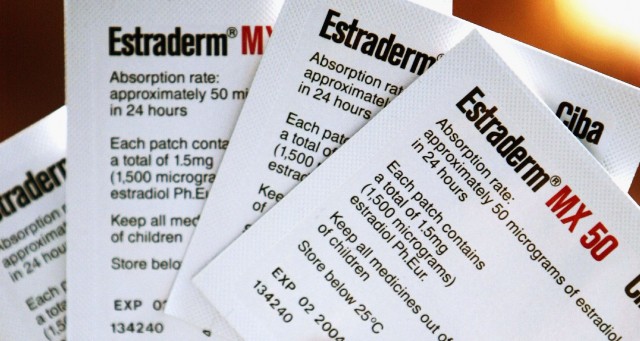
window.__IS_SSR__=true
window.__INITIAL_STATE__={
"attachmentsReducer": {
"audio_0": {
"type": "attachments",
"id": "audio_0",
"imgSizes": {
"kqedFullSize": {
"file": "https://ww2.kqed.org/news/wp-content/themes/KQED-unified/img/audio_bgs/background0.jpg"
}
}
},
"audio_1": {
"type": "attachments",
"id": "audio_1",
"imgSizes": {
"kqedFullSize": {
"file": "https://ww2.kqed.org/news/wp-content/themes/KQED-unified/img/audio_bgs/background1.jpg"
}
}
},
"audio_2": {
"type": "attachments",
"id": "audio_2",
"imgSizes": {
"kqedFullSize": {
"file": "https://ww2.kqed.org/news/wp-content/themes/KQED-unified/img/audio_bgs/background2.jpg"
}
}
},
"audio_3": {
"type": "attachments",
"id": "audio_3",
"imgSizes": {
"kqedFullSize": {
"file": "https://ww2.kqed.org/news/wp-content/themes/KQED-unified/img/audio_bgs/background3.jpg"
}
}
},
"audio_4": {
"type": "attachments",
"id": "audio_4",
"imgSizes": {
"kqedFullSize": {
"file": "https://ww2.kqed.org/news/wp-content/themes/KQED-unified/img/audio_bgs/background4.jpg"
}
}
},
"placeholder": {
"type": "attachments",
"id": "placeholder",
"imgSizes": {
"thumbnail": {
"file": "https://cdn.kqed.org/wp-content/uploads/2024/12/KQED-Default-Image-816638274-2000x1333-1-160x107.jpg",
"width": 160,
"height": 107,
"mimeType": "image/jpeg"
},
"medium": {
"file": "https://cdn.kqed.org/wp-content/uploads/2024/12/KQED-Default-Image-816638274-2000x1333-1-800x533.jpg",
"width": 800,
"height": 533,
"mimeType": "image/jpeg"
},
"medium_large": {
"file": "https://cdn.kqed.org/wp-content/uploads/2024/12/KQED-Default-Image-816638274-2000x1333-1-768x512.jpg",
"width": 768,
"height": 512,
"mimeType": "image/jpeg"
},
"large": {
"file": "https://cdn.kqed.org/wp-content/uploads/2024/12/KQED-Default-Image-816638274-2000x1333-1-1020x680.jpg",
"width": 1020,
"height": 680,
"mimeType": "image/jpeg"
},
"1536x1536": {
"file": "https://cdn.kqed.org/wp-content/uploads/2024/12/KQED-Default-Image-816638274-2000x1333-1-1536x1024.jpg",
"width": 1536,
"height": 1024,
"mimeType": "image/jpeg"
},
"fd-lrg": {
"file": "https://cdn.kqed.org/wp-content/uploads/2024/12/KQED-Default-Image-816638274-2000x1333-1-1536x1024.jpg",
"width": 1536,
"height": 1024,
"mimeType": "image/jpeg"
},
"fd-med": {
"file": "https://cdn.kqed.org/wp-content/uploads/2024/12/KQED-Default-Image-816638274-2000x1333-1-1020x680.jpg",
"width": 1020,
"height": 680,
"mimeType": "image/jpeg"
},
"fd-sm": {
"file": "https://cdn.kqed.org/wp-content/uploads/2024/12/KQED-Default-Image-816638274-2000x1333-1-800x533.jpg",
"width": 800,
"height": 533,
"mimeType": "image/jpeg"
},
"post-thumbnail": {
"file": "https://cdn.kqed.org/wp-content/uploads/2024/12/KQED-Default-Image-816638274-2000x1333-1-672x372.jpg",
"width": 672,
"height": 372,
"mimeType": "image/jpeg"
},
"twentyfourteen-full-width": {
"file": "https://cdn.kqed.org/wp-content/uploads/2024/12/KQED-Default-Image-816638274-2000x1333-1-1038x576.jpg",
"width": 1038,
"height": 576,
"mimeType": "image/jpeg"
},
"xxsmall": {
"file": "https://cdn.kqed.org/wp-content/uploads/2024/12/KQED-Default-Image-816638274-2000x1333-1-160x107.jpg",
"width": 160,
"height": 107,
"mimeType": "image/jpeg"
},
"xsmall": {
"file": "https://cdn.kqed.org/wp-content/uploads/2024/12/KQED-Default-Image-816638274-2000x1333-1-672x372.jpg",
"width": 672,
"height": 372,
"mimeType": "image/jpeg"
},
"small": {
"file": "https://cdn.kqed.org/wp-content/uploads/2024/12/KQED-Default-Image-816638274-2000x1333-1-672x372.jpg",
"width": 672,
"height": 372,
"mimeType": "image/jpeg"
},
"xlarge": {
"file": "https://cdn.kqed.org/wp-content/uploads/2024/12/KQED-Default-Image-816638274-2000x1333-1-1020x680.jpg",
"width": 1020,
"height": 680,
"mimeType": "image/jpeg"
},
"full-width": {
"file": "https://cdn.kqed.org/wp-content/uploads/2024/12/KQED-Default-Image-816638274-2000x1333-1-1920x1280.jpg",
"width": 1920,
"height": 1280,
"mimeType": "image/jpeg"
},
"guest-author-32": {
"file": "https://cdn.kqed.org/wp-content/uploads/2025/01/KQED-Default-Image-816638274-1333x1333-1-160x160.jpg",
"width": 32,
"height": 32,
"mimeType": "image/jpeg"
},
"guest-author-50": {
"file": "https://cdn.kqed.org/wp-content/uploads/2025/01/KQED-Default-Image-816638274-1333x1333-1-160x160.jpg",
"width": 50,
"height": 50,
"mimeType": "image/jpeg"
},
"guest-author-64": {
"file": "https://cdn.kqed.org/wp-content/uploads/2025/01/KQED-Default-Image-816638274-1333x1333-1-160x160.jpg",
"width": 64,
"height": 64,
"mimeType": "image/jpeg"
},
"guest-author-96": {
"file": "https://cdn.kqed.org/wp-content/uploads/2025/01/KQED-Default-Image-816638274-1333x1333-1-160x160.jpg",
"width": 96,
"height": 96,
"mimeType": "image/jpeg"
},
"guest-author-128": {
"file": "https://cdn.kqed.org/wp-content/uploads/2025/01/KQED-Default-Image-816638274-1333x1333-1-160x160.jpg",
"width": 128,
"height": 128,
"mimeType": "image/jpeg"
},
"detail": {
"file": "https://cdn.kqed.org/wp-content/uploads/2025/01/KQED-Default-Image-816638274-1333x1333-1-160x160.jpg",
"width": 160,
"height": 160,
"mimeType": "image/jpeg"
},
"kqedFullSize": {
"file": "https://cdn.kqed.org/wp-content/uploads/2024/12/KQED-Default-Image-816638274-2000x1333-1.jpg",
"width": 2000,
"height": 1333
}
}
},
"stateofhealth_18086": {
"type": "attachments",
"id": "stateofhealth_18086",
"meta": {
"index": "attachments_1716263798",
"site": "stateofhealth",
"id": "18086",
"found": true
},
"parent": 18065,
"imgSizes": {
"thumbnail": {
"file": "https://ww2.kqed.org/app/uploads/sites/27/2014/03/2380867-e1394646803472-400x213.jpg",
"width": 400,
"mimeType": "image/jpeg",
"height": 213
},
"fd-sm": {
"file": "https://ww2.kqed.org/app/uploads/sites/27/2014/03/2380867-e1394646803472-320x171.jpg",
"width": 320,
"mimeType": "image/jpeg",
"height": 171
},
"kqedFullSize": {
"file": "https://ww2.kqed.org/app/uploads/sites/27/2014/03/2380867-e1394646803472.jpg",
"width": 640,
"height": 341
},
"guest-author-96": {
"file": "https://ww2.kqed.org/app/uploads/sites/27/2014/03/2380867-e1394646803472-96x96.jpg",
"width": 96,
"mimeType": "image/jpeg",
"height": 96
},
"guest-author-64": {
"file": "https://ww2.kqed.org/app/uploads/sites/27/2014/03/2380867-e1394646803472-64x64.jpg",
"width": 64,
"mimeType": "image/jpeg",
"height": 64
},
"detail": {
"file": "https://ww2.kqed.org/app/uploads/sites/27/2014/03/2380867-e1394646803472-75x75.jpg",
"width": 75,
"mimeType": "image/jpeg",
"height": 75
},
"guest-author-32": {
"file": "https://ww2.kqed.org/app/uploads/sites/27/2014/03/2380867-e1394646803472-32x32.jpg",
"width": 32,
"mimeType": "image/jpeg",
"height": 32
},
"guest-author-128": {
"file": "https://ww2.kqed.org/app/uploads/sites/27/2014/03/2380867-e1394646803472-128x128.jpg",
"width": 128,
"mimeType": "image/jpeg",
"height": 128
}
},
"publishDate": 1394646793,
"modified": 1394646793,
"caption": "Estrogen replacement patches. (Ian Waldie/Getty Images)",
"description": "Estrogen, Hormone Replacement, Estradiol",
"title": "2380867",
"credit": null,
"status": "inherit",
"isLoading": false,
"fetchFailed": false
},
"science_15001": {
"type": "attachments",
"id": "science_15001",
"meta": {
"index": "attachments_1716263798",
"site": "science",
"id": "15001",
"found": true
},
"parent": 14998,
"imgSizes": {
"kqedFullSize": {
"file": "https://ww2.kqed.org/app/uploads/sites/35/2014/03/PTSDmarine.jpg",
"width": 640,
"height": 374
}
},
"publishDate": 1394124472,
"modified": 1394124472,
"caption": "PTSD sufferers may one day be helped by clearing away chemical marks in the DNA of their brains that makes therapy less effective. (Wikimedia Commons) ",
"description": null,
"title": "PTSDmarine",
"credit": null,
"status": "inherit",
"isLoading": false,
"fetchFailed": false
},
"science_14970": {
"type": "attachments",
"id": "science_14970",
"meta": {
"index": "attachments_1716263798",
"site": "science",
"id": "14970",
"found": true
},
"parent": 14921,
"imgSizes": {
"kqedFullSize": {
"file": "https://ww2.kqed.org/app/uploads/sites/35/2014/03/New-Neuroscape-4788JC_CROP2-e1394071413997.jpg",
"width": 640,
"height": 360
}
},
"publishDate": 1394070777,
"modified": 1394070777,
"caption": "Gaming, EEG and MRI brain scanning, and -- eventually -- a closed-loop system will help scientists explore the theraputic uses of video games. (Josh Cassidy/KQED)",
"description": "Gaming, EEG and MRI brain scanning, and -- eventually -- a closed-loop system will help scientists explore the theraputic uses of video games. (Josh Cassidy/KQED)",
"title": "New Neuroscape-4788JC_CROP2",
"credit": null,
"status": "inherit",
"isLoading": false,
"fetchFailed": false
},
"science_14984": {
"type": "attachments",
"id": "science_14984",
"meta": {
"index": "attachments_1716263798",
"site": "science",
"id": "14984",
"found": true
},
"parent": 14983,
"imgSizes": {
"kqedFullSize": {
"file": "https://ww2.kqed.org/app/uploads/sites/35/2014/03/14983-thumb.jpg",
"width": 640,
"height": 360
}
},
"publishDate": 1394093351,
"modified": 1394093351,
"caption": null,
"description": null,
"title": "Thumbnail for 14983",
"credit": null,
"status": "inherit",
"isLoading": false,
"fetchFailed": false
},
"science_14920": {
"type": "attachments",
"id": "science_14920",
"meta": {
"index": "attachments_1716263798",
"site": "science",
"id": "14920",
"found": true
},
"parent": 14914,
"imgSizes": {
"kqedFullSize": {
"file": "https://ww2.kqed.org/app/uploads/sites/35/2014/03/177267473.jpg",
"width": 640,
"height": 360
}
},
"publishDate": 1394062553,
"modified": 1394062553,
"caption": "Some plastics leach chemicals that are dangerous to developing fetuses and children. ",
"description": "Some plastics leach chemicals that are dangerous to developing fetuses and children. ",
"title": "plastic",
"credit": null,
"status": "inherit",
"isLoading": false,
"fetchFailed": false
},
"stateofhealth_17972": {
"type": "attachments",
"id": "stateofhealth_17972",
"meta": {
"index": "attachments_1716263798",
"site": "stateofhealth",
"id": "17972",
"found": true
},
"parent": 17971,
"imgSizes": {
"thumbnail": {
"file": "https://ww2.kqed.org/app/uploads/sites/27/2014/03/Screen-Shot-2014-03-04-at-3.29.21-PM-e1393975849793-400x183.png",
"width": 400,
"mimeType": "image/png",
"height": 183
},
"fd-sm": {
"file": "https://ww2.kqed.org/app/uploads/sites/27/2014/03/Screen-Shot-2014-03-04-at-3.29.21-PM-e1393975849793-320x146.png",
"width": 320,
"mimeType": "image/png",
"height": 146
},
"kqedFullSize": {
"file": "https://ww2.kqed.org/app/uploads/sites/27/2014/03/Screen-Shot-2014-03-04-at-3.29.21-PM-e1393975849793.png",
"width": 639,
"height": 292
},
"guest-author-96": {
"file": "https://ww2.kqed.org/app/uploads/sites/27/2014/03/Screen-Shot-2014-03-04-at-3.29.21-PM-e1393975849793-96x96.png",
"width": 96,
"mimeType": "image/png",
"height": 96
},
"guest-author-64": {
"file": "https://ww2.kqed.org/app/uploads/sites/27/2014/03/Screen-Shot-2014-03-04-at-3.29.21-PM-e1393975849793-64x64.png",
"width": 64,
"mimeType": "image/png",
"height": 64
},
"detail": {
"file": "https://ww2.kqed.org/app/uploads/sites/27/2014/03/Screen-Shot-2014-03-04-at-3.29.21-PM-e1393975849793-75x75.png",
"width": 75,
"mimeType": "image/png",
"height": 75
},
"guest-author-32": {
"file": "https://ww2.kqed.org/app/uploads/sites/27/2014/03/Screen-Shot-2014-03-04-at-3.29.21-PM-e1393975849793-32x32.png",
"width": 32,
"mimeType": "image/png",
"height": 32
},
"guest-author-128": {
"file": "https://ww2.kqed.org/app/uploads/sites/27/2014/03/Screen-Shot-2014-03-04-at-3.29.21-PM-e1393975849793-128x128.png",
"width": 128,
"mimeType": "image/png",
"height": 128
}
},
"publishDate": 1393975838,
"modified": 1393975838,
"caption": "The red dots mark a school or childcare facility where the vaccine opt-out rate is 10 percent or more. ",
"description": null,
"title": "Screen Shot 2014-03-04 at 3.29.21 PM",
"credit": null,
"status": "inherit",
"isLoading": false,
"fetchFailed": false
},
"science_14830": {
"type": "attachments",
"id": "science_14830",
"meta": {
"index": "attachments_1716263798",
"site": "science",
"id": "14830",
"found": true
},
"parent": 14456,
"imgSizes": {
"kqedFullSize": {
"file": "https://ww2.kqed.org/app/uploads/sites/35/2014/03/compassion1.jpg",
"width": 640,
"height": 360
}
},
"publishDate": 1393736093,
"modified": 1393736093,
"caption": null,
"description": "\"Kindness\"",
"title": "\"Kindness\" (Hossein Ghodsi/Flickr)",
"credit": null,
"status": "inherit",
"isLoading": false,
"fetchFailed": false
},
"stateofhealth_17955": {
"type": "attachments",
"id": "stateofhealth_17955",
"meta": {
"index": "attachments_1716263798",
"site": "stateofhealth",
"id": "17955",
"found": true
},
"parent": 17951,
"imgSizes": {
"thumbnail": {
"file": "https://ww2.kqed.org/app/uploads/sites/27/2014/03/56492598-e1393869663329-400x266.jpg",
"width": 400,
"mimeType": "image/jpeg",
"height": 266
},
"fd-sm": {
"file": "https://ww2.kqed.org/app/uploads/sites/27/2014/03/56492598-e1393869663329-320x213.jpg",
"width": 320,
"mimeType": "image/jpeg",
"height": 213
},
"post-thumbnail": {
"file": "https://ww2.kqed.org/app/uploads/sites/27/2014/03/56492598-e1393869663329-641x372.jpg",
"width": 641,
"mimeType": "image/jpeg",
"height": 372
},
"kqedFullSize": {
"file": "https://ww2.kqed.org/app/uploads/sites/27/2014/03/56492598-e1393869663329.jpg",
"width": 641,
"height": 427
},
"guest-author-96": {
"file": "https://ww2.kqed.org/app/uploads/sites/27/2014/03/56492598-e1393869663329-96x96.jpg",
"width": 96,
"mimeType": "image/jpeg",
"height": 96
},
"guest-author-64": {
"file": "https://ww2.kqed.org/app/uploads/sites/27/2014/03/56492598-e1393869663329-64x64.jpg",
"width": 64,
"mimeType": "image/jpeg",
"height": 64
},
"detail": {
"file": "https://ww2.kqed.org/app/uploads/sites/27/2014/03/56492598-e1393869663329-75x75.jpg",
"width": 75,
"mimeType": "image/jpeg",
"height": 75
},
"guest-author-32": {
"file": "https://ww2.kqed.org/app/uploads/sites/27/2014/03/56492598-e1393869663329-32x32.jpg",
"width": 32,
"mimeType": "image/jpeg",
"height": 32
},
"guest-author-128": {
"file": "https://ww2.kqed.org/app/uploads/sites/27/2014/03/56492598-e1393869663329-128x128.jpg",
"width": 128,
"mimeType": "image/jpeg",
"height": 128
}
},
"publishDate": 1393869648,
"modified": 1393869648,
"caption": "Many over-the-counter products contain acetaminophen. One dose is usually not a problem, but it's easy to lose track of how much your child is taking. An overdose can cause liver failure or death. (Scott Olson/Getty Images)",
"description": "acetaminophen, tylenol, over the counter drugs, medicine",
"title": "56492598",
"credit": null,
"status": "inherit",
"isLoading": false,
"fetchFailed": false
},
"science_14769": {
"type": "attachments",
"id": "science_14769",
"meta": {
"index": "attachments_1716263798",
"site": "science",
"id": "14769",
"found": true
},
"parent": 14719,
"imgSizes": {
"kqedFullSize": {
"file": "https://ww2.kqed.org/app/uploads/sites/35/2014/02/red-foc.us-male-london-2-thumb_Scale.jpg",
"width": 620,
"height": 340
}
},
"publishDate": 1393559853,
"modified": 1393559853,
"caption": "The Foc.us brain stimulating headset costs $250 and promises to \"overclock\" your brain. (Foc.us)",
"description": null,
"title": "red-foc.us-male-london-2-thumb_Scale",
"credit": null,
"status": "inherit",
"isLoading": false,
"fetchFailed": false
},
"stateofhealth_17920": {
"type": "attachments",
"id": "stateofhealth_17920",
"meta": {
"index": "attachments_1716263798",
"site": "stateofhealth",
"id": "17920",
"found": true
},
"parent": 17912,
"imgSizes": {
"thumbnail": {
"file": "https://ww2.kqed.org/app/uploads/sites/27/2014/02/8407037563_11bbebbee2_b-e1393528757666-400x294.jpg",
"width": 400,
"mimeType": "image/jpeg",
"height": 294
},
"fd-sm": {
"file": "https://ww2.kqed.org/app/uploads/sites/27/2014/02/8407037563_11bbebbee2_b-e1393528757666-320x235.jpg",
"width": 320,
"mimeType": "image/jpeg",
"height": 235
},
"post-thumbnail": {
"file": "https://ww2.kqed.org/app/uploads/sites/27/2014/02/8407037563_11bbebbee2_b-e1393528757666-640x372.jpg",
"width": 640,
"mimeType": "image/jpeg",
"height": 372
},
"kqedFullSize": {
"file": "https://ww2.kqed.org/app/uploads/sites/27/2014/02/8407037563_11bbebbee2_b-e1393528757666.jpg",
"width": 640,
"height": 470
},
"guest-author-96": {
"file": "https://ww2.kqed.org/app/uploads/sites/27/2014/02/8407037563_11bbebbee2_b-e1393528757666-96x96.jpg",
"width": 96,
"mimeType": "image/jpeg",
"height": 96
},
"guest-author-64": {
"file": "https://ww2.kqed.org/app/uploads/sites/27/2014/02/8407037563_11bbebbee2_b-e1393528757666-64x64.jpg",
"width": 64,
"mimeType": "image/jpeg",
"height": 64
},
"detail": {
"file": "https://ww2.kqed.org/app/uploads/sites/27/2014/02/8407037563_11bbebbee2_b-e1393528757666-75x75.jpg",
"width": 75,
"mimeType": "image/jpeg",
"height": 75
},
"guest-author-32": {
"file": "https://ww2.kqed.org/app/uploads/sites/27/2014/02/8407037563_11bbebbee2_b-e1393528757666-32x32.jpg",
"width": 32,
"mimeType": "image/jpeg",
"height": 32
},
"guest-author-128": {
"file": "https://ww2.kqed.org/app/uploads/sites/27/2014/02/8407037563_11bbebbee2_b-e1393528757666-128x128.jpg",
"width": 128,
"mimeType": "image/jpeg",
"height": 128
}
},
"publishDate": 1393528746,
"modified": 1393528746,
"caption": "Many processed foods, including bottled tomato sauce, have added sugars, which would be required under the proposed label. (Danny Nicholson/Flickr)",
"description": "supermarket shelf; tomato sauce",
"title": "8407037563_11bbebbee2_b",
"credit": null,
"status": "inherit",
"isLoading": false,
"fetchFailed": false
},
"stateofhealth_16791": {
"type": "attachments",
"id": "stateofhealth_16791",
"meta": {
"index": "attachments_1716263798",
"site": "stateofhealth",
"id": "16791",
"found": true
},
"parent": 16758,
"imgSizes": {
"thumbnail": {
"file": "https://ww2.kqed.org/app/uploads/sites/27/2013/12/146873360-e1387392461923-400x266.jpg",
"width": 400,
"mimeType": "image/jpeg",
"height": 266
},
"fd-sm": {
"file": "https://ww2.kqed.org/app/uploads/sites/27/2013/12/146873360-e1387392461923-320x213.jpg",
"width": 320,
"mimeType": "image/jpeg",
"height": 213
},
"post-thumbnail": {
"file": "https://ww2.kqed.org/app/uploads/sites/27/2013/12/146873360-e1387392461923-640x372.jpg",
"width": 640,
"mimeType": "image/jpeg",
"height": 372
},
"kqedFullSize": {
"file": "https://ww2.kqed.org/app/uploads/sites/27/2013/12/146873360-e1387392461923.jpg",
"width": 640,
"height": 425
},
"guest-author-96": {
"file": "https://ww2.kqed.org/app/uploads/sites/27/2013/12/146873360-e1387392461923-96x96.jpg",
"width": 96,
"mimeType": "image/jpeg",
"height": 96
},
"guest-author-64": {
"file": "https://ww2.kqed.org/app/uploads/sites/27/2013/12/146873360-e1387392461923-64x64.jpg",
"width": 64,
"mimeType": "image/jpeg",
"height": 64
},
"detail": {
"file": "https://ww2.kqed.org/app/uploads/sites/27/2013/12/146873360-e1387392461923-75x75.jpg",
"width": 75,
"mimeType": "image/jpeg",
"height": 75
},
"guest-author-32": {
"file": "https://ww2.kqed.org/app/uploads/sites/27/2013/12/146873360-e1387392461923-32x32.jpg",
"width": 32,
"mimeType": "image/jpeg",
"height": 32
},
"guest-author-128": {
"file": "https://ww2.kqed.org/app/uploads/sites/27/2013/12/146873360-e1387392461923-128x128.jpg",
"width": 128,
"mimeType": "image/jpeg",
"height": 128
}
},
"publishDate": 1387392451,
"modified": 1387392451,
"caption": "(Getty Images)",
"description": "vitamins, supplements, medicines",
"title": "146873360",
"credit": null,
"status": "inherit",
"isLoading": false,
"fetchFailed": false
},
"science_14402": {
"type": "attachments",
"id": "science_14402",
"meta": {
"index": "attachments_1716263798",
"site": "science",
"id": "14402",
"found": true
},
"parent": 14399,
"imgSizes": {
"kqedFullSize": {
"file": "https://ww2.kqed.org/app/uploads/sites/35/2014/02/2884290734_117bd229a4_z_Flicr_BeauB_640x360.jpg",
"width": 640,
"height": 360
}
},
"publishDate": 1392690066,
"modified": 1392690066,
"caption": "Photograph courtesy of Beau B via a Creative Commons license.",
"description": "boxes of diet Coke",
"title": "2884290734_117bd229a4_z_Flicr_BeauB_640x360",
"credit": null,
"status": "inherit",
"isLoading": false,
"fetchFailed": false
}
},
"audioPlayerReducer": {
"postId": "stream_live",
"isPaused": true,
"isPlaying": false,
"pfsActive": false,
"pledgeModalIsOpen": true,
"playerDrawerIsOpen": false,
"liveAudioPlayStartedAt": 0,
"liveAudioPlayContext": ""
},
"authorsReducer": {
"amystanden": {
"type": "authors",
"id": "210",
"meta": {
"index": "authors_1716337520",
"id": "210",
"found": true
},
"name": "Amy Standen",
"firstName": "Amy",
"lastName": "Standen",
"slug": "amystanden",
"email": "astanden@kqed.org",
"display_author_email": false,
"staff_mastheads": [],
"title": "KQED Contributor",
"bio": "Amy Standen (@amystanden) is co-host of #\u003ca href=\"https://ww2.kqed.org/news/programs/the-leap\">TheLeapPodcast\u003c/a> (subscribe on iTunes or Stitcher!) and host of KQED and PBSDigital Studios' science video series, \u003ca href=\"https://www.youtube.com/user/KQEDDeepLook\">Deep Look\u003c/a>. Her science radio stories appear on KQED and NPR.\r\n\r\nEmail her at astanden@kqed.org",
"avatar": "https://secure.gravatar.com/avatar/3d021b72de685a788b0487b059d0a6a1?s=600&d=blank&r=g",
"twitter": null,
"facebook": null,
"instagram": null,
"linkedin": null,
"sites": [
{
"site": "news",
"roles": [
"subscriber"
]
},
{
"site": "futureofyou",
"roles": [
"subscriber"
]
},
{
"site": "stateofhealth",
"roles": [
"subscriber"
]
},
{
"site": "science",
"roles": []
},
{
"site": "quest",
"roles": [
"subscriber"
]
}
],
"headData": {
"title": "Amy Standen | KQED",
"description": "KQED Contributor",
"ogImgSrc": "https://secure.gravatar.com/avatar/3d021b72de685a788b0487b059d0a6a1?s=600&d=blank&r=g",
"twImgSrc": "https://secure.gravatar.com/avatar/3d021b72de685a788b0487b059d0a6a1?s=600&d=blank&r=g"
},
"isLoading": false,
"link": "/author/amystanden"
},
"lisaaliferis": {
"type": "authors",
"id": "240",
"meta": {
"index": "authors_1716337520",
"id": "240",
"found": true
},
"name": "Lisa Aliferis",
"firstName": "Lisa",
"lastName": "Aliferis",
"slug": "lisaaliferis",
"email": "laliferis@kqed.org",
"display_author_email": false,
"staff_mastheads": [],
"title": "KQED Contributor",
"bio": "Lisa Aliferis is the founding editor of KQED's \u003cem>State of Health\u003c/em> blog. Since 2011, she's been writing and editing stories for the site. Before taking up blogging, she toiled for many years (more than we can count) producing health stories for television, including\u003cem> Dateline NBC\u003c/em> and San Francisco's CBS affiliate, KPIX-TV. She also wrote up a \u003ca title=\"http://www.kqed.org/news/health/obamacare/obamacare-guide.jsp\" href=\"http://www.kqed.org/news/health/obamacare/obamacare-guide.jsp\">handy guide to the Affordable Care Act\u003c/a>, especially for Californians. Her work has been honored for many awards. Most recently she was a finalist for \"Best Topical Reporting\" from the Online News Association. You can follow her on Twitter: \u003ca title=\"https://twitter.com/laliferis\" href=\"https://twitter.com/laliferis\">@laliferis\u003c/a>",
"avatar": "https://secure.gravatar.com/avatar/86c339d5cdcb0dcd2b6cf5d7c3f5886b?s=600&d=mm&r=g",
"twitter": "laliferis",
"facebook": null,
"instagram": null,
"linkedin": null,
"sites": [
{
"site": "news",
"roles": [
"subscriber"
]
},
{
"site": "futureofyou",
"roles": [
"subscriber"
]
},
{
"site": "stateofhealth",
"roles": [
"subscriber"
]
},
{
"site": "science",
"roles": [
"subscriber"
]
},
{
"site": "food",
"roles": []
}
],
"headData": {
"title": "Lisa Aliferis | KQED",
"description": "KQED Contributor",
"ogImgSrc": "https://secure.gravatar.com/avatar/86c339d5cdcb0dcd2b6cf5d7c3f5886b?s=600&d=mm&r=g",
"twImgSrc": "https://secure.gravatar.com/avatar/86c339d5cdcb0dcd2b6cf5d7c3f5886b?s=600&d=mm&r=g"
},
"isLoading": false,
"link": "/author/lisaaliferis"
},
"dr-barry-starr": {
"type": "authors",
"id": "6177",
"meta": {
"index": "authors_1716337520",
"id": "6177",
"found": true
},
"name": "Dr. Barry Starr",
"firstName": "Dr. Barry",
"lastName": "Starr",
"slug": "dr-barry-starr",
"email": "bstarr@thetech.org",
"display_author_email": false,
"staff_mastheads": [],
"title": "KQED Contributor",
"bio": "Dr. Barry Starr (\u003ca href=\"https://twitter.com/geneticsboy\">@geneticsboy\u003c/a>) is a Geneticist-in-Residence at The Tech Museum of Innovation in San Jose, CA and runs their Stanford at The Tech program. The program is part of an ongoing collaboration between the \u003ca href=\"http://genetics.stanford.edu/\">Stanford Department of Genetics\u003c/a> and \u003ca href=\"http://www.thetech.org/\">The Tech Museum of Innovation\u003c/a>. Together these two partners created the \u003ca href=\"http://www.thetech.org/exhibits/permanent/index.php?sGalKey=gtwt&galKey=lt\">Genetics: Technology with a Twist\u003c/a> exhibition.\r\n\r\nYou can also see \u003ca href=\"https://ww2.kqed.org/science/author/dr-barry-starr/\">additional posts by Barry at KQED Science\u003c/a>, and read his \u003ca href=\"http://science.kqed.org/quest/author/dr-barry-starr/\">previous contributions\u003c/a> to \u003ca href=\"http://science.kqed.org/quest/\">QUEST\u003c/a>, a project dedicated to exploring the Science of Sustainability.",
"avatar": "https://secure.gravatar.com/avatar/4a5680e4c642ea0f0f3041af16018969?s=600&d=blank&r=g",
"twitter": "geneticsboy",
"facebook": null,
"instagram": null,
"linkedin": null,
"sites": [
{
"site": "futureofyou",
"roles": []
},
{
"site": "science",
"roles": [
"author"
]
},
{
"site": "quest",
"roles": [
"subscriber"
]
}
],
"headData": {
"title": "Dr. Barry Starr | KQED",
"description": "KQED Contributor",
"ogImgSrc": "https://secure.gravatar.com/avatar/4a5680e4c642ea0f0f3041af16018969?s=600&d=blank&r=g",
"twImgSrc": "https://secure.gravatar.com/avatar/4a5680e4c642ea0f0f3041af16018969?s=600&d=blank&r=g"
},
"isLoading": false,
"link": "/author/dr-barry-starr"
},
"dannastaaf": {
"type": "authors",
"id": "6324",
"meta": {
"index": "authors_1716337520",
"id": "6324",
"found": true
},
"name": "Danna Staaf",
"firstName": "Danna",
"lastName": "Staaf",
"slug": "dannastaaf",
"email": "dannajoy@gmail.com",
"display_author_email": false,
"staff_mastheads": [],
"title": null,
"bio": "Danna Staaf is a marine biologist, science writer, novelist, artist, and educator. She holds a PhD in Squid Babies from Stanford and a BA in Biology from the College of Creative Studies at the University of California, Santa Barbara. She helped found the outreach program \u003ca href=\"http://gilly.stanford.edu/outreach.html\">Squids4Kids\u003c/a>, illustrated \u003ca href=\"https://www.thegamecrafter.com/games/the-game-of-science\">The Game of Science\u003c/a>, and blogs at \u003ca href=\"http://www.science20.com/squid_day\">Science 2.0\u003c/a>. She lives in San Jose with her husband, daughter, and cats.",
"avatar": "https://secure.gravatar.com/avatar/62085c2562a0b91949bfd6ff7548082e?s=600&d=blank&r=g",
"twitter": null,
"facebook": null,
"instagram": null,
"linkedin": null,
"sites": [
{
"site": "science",
"roles": [
"author"
]
},
{
"site": "quest",
"roles": [
"subscriber"
]
}
],
"headData": {
"title": "Danna Staaf | KQED",
"description": null,
"ogImgSrc": "https://secure.gravatar.com/avatar/62085c2562a0b91949bfd6ff7548082e?s=600&d=blank&r=g",
"twImgSrc": "https://secure.gravatar.com/avatar/62085c2562a0b91949bfd6ff7548082e?s=600&d=blank&r=g"
},
"isLoading": false,
"link": "/author/dannastaaf"
},
"jenniferhuber": {
"type": "authors",
"id": "6360",
"meta": {
"index": "authors_1716337520",
"id": "6360",
"found": true
},
"name": "Jennifer Huber",
"firstName": "Jennifer",
"lastName": "Huber",
"slug": "jenniferhuber",
"email": "jshuber@lbl.gov",
"display_author_email": false,
"staff_mastheads": [],
"title": null,
"bio": "Jennifer Huber is a medical imaging scientist at the Lawrence Berkeley National Laboratory with more than 20 years of experience in academic science writing. She received her Ph.D. in Physics from the University of California Santa Barbara. She is also a freelance science writer, editor and blogger, as well as a science-writing instructor for the University of California Berkeley Extension. Jennifer has lived in the San Francisco Bay Area most of her life and she frequently enjoys the eclectic cultural, culinary and outdoor activities available in the area.\r\n\r\nRead her \u003ca href=\"http://science.kqed.org/quest/author/jenniferhuber/\">previous contributions\u003c/a> to \u003ci>QUEST\u003c/i>, a project dedicated to exploring the Science of Sustainability.",
"avatar": "https://secure.gravatar.com/avatar/ca897c62a710c0bf8c5f429c89331765?s=600&d=blank&r=g",
"twitter": null,
"facebook": null,
"instagram": null,
"linkedin": null,
"sites": [
{
"site": "science",
"roles": [
"author"
]
},
{
"site": "quest",
"roles": [
"subscriber"
]
}
],
"headData": {
"title": "Jennifer Huber | KQED",
"description": null,
"ogImgSrc": "https://secure.gravatar.com/avatar/ca897c62a710c0bf8c5f429c89331765?s=600&d=blank&r=g",
"twImgSrc": "https://secure.gravatar.com/avatar/ca897c62a710c0bf8c5f429c89331765?s=600&d=blank&r=g"
},
"isLoading": false,
"link": "/author/jenniferhuber"
},
"kqedscience": {
"type": "authors",
"id": "6387",
"meta": {
"index": "authors_1716337520",
"id": "6387",
"found": true
},
"name": "KQED Science",
"firstName": "KQED",
"lastName": "Science",
"slug": "kqedscience",
"email": "kqedscience@gmail.com",
"display_author_email": false,
"staff_mastheads": [],
"title": null,
"bio": "KQED Science brings you award-winning science and environment coverage from the Bay Area and beyond by the flagship Northern California PBS and NPR affiliate.",
"avatar": "https://secure.gravatar.com/avatar/5a295ff49cf82a8c0f30937d3f788b2f?s=600&d=blank&r=g",
"twitter": null,
"facebook": null,
"instagram": null,
"linkedin": null,
"sites": [
{
"site": "science",
"roles": [
"contributor"
]
},
{
"site": "quest",
"roles": [
"editor"
]
},
{
"site": "food",
"roles": [
"contributor"
]
}
],
"headData": {
"title": "KQED Science | KQED",
"description": null,
"ogImgSrc": "https://secure.gravatar.com/avatar/5a295ff49cf82a8c0f30937d3f788b2f?s=600&d=blank&r=g",
"twImgSrc": "https://secure.gravatar.com/avatar/5a295ff49cf82a8c0f30937d3f788b2f?s=600&d=blank&r=g"
},
"isLoading": false,
"link": "/author/kqedscience"
},
"state-of-health": {
"type": "authors",
"id": "8344",
"meta": {
"index": "authors_1716337520",
"id": "8344",
"found": true
},
"name": "State of Health",
"firstName": "State of Health",
"lastName": null,
"slug": "state-of-health",
"email": "stateofhealth@kqed.org",
"display_author_email": false,
"staff_mastheads": [],
"title": null,
"bio": null,
"avatar": "https://secure.gravatar.com/avatar/66de4bf6d331fa7402bba1ffe8135e17?s=600&d=blank&r=g",
"twitter": null,
"facebook": null,
"instagram": null,
"linkedin": null,
"sites": [
{
"site": "arts",
"roles": [
"author"
]
},
{
"site": "stateofhealth",
"roles": [
"editor"
]
}
],
"headData": {
"title": "State of Health | KQED",
"description": null,
"ogImgSrc": "https://secure.gravatar.com/avatar/66de4bf6d331fa7402bba1ffe8135e17?s=600&d=blank&r=g",
"twImgSrc": "https://secure.gravatar.com/avatar/66de4bf6d331fa7402bba1ffe8135e17?s=600&d=blank&r=g"
},
"isLoading": false,
"link": "/author/state-of-health"
}
},
"pagesReducer": {
"science_category_health": {
"type": "terms",
"id": "science_39",
"meta": {
"index": "terms_1716263798",
"site": "science",
"id": "39",
"score": 10.889519
},
"featImg": null,
"name": "Health",
"description": null,
"taxonomy": "category",
"headData": {
"twImgId": null,
"twTitle": null,
"ogTitle": null,
"ogImgId": null,
"twDescription": null,
"description": null,
"title": "Health Archives | KQED Science",
"ogDescription": null
},
"ttid": 41,
"slug": "health",
"isLoading": false,
"title": "Health",
"pageMeta": {
"site": "science",
"WpPageTemplate": "page-topic-editorial",
"currentPage": 96
},
"blocks": [
{
"blockName": "kqed/post-list",
"attrs": {
"layout": "cardArticle2",
"query": "posts/science?category=health",
"seeMore": false,
"paginated": true,
"page": 96
}
},
{
"blockName": "kqed/ad"
}
]
}
},
"pfsSessionReducer": {},
"postsReducer": {
"stream_live": {
"type": "live",
"id": "stream_live",
"audioUrl": "https://streams.kqed.org/kqedradio",
"title": "Live Stream",
"excerpt": "Live Stream information currently unavailable.",
"link": "/radio",
"featImg": "",
"label": {
"name": "KQED Live",
"link": "/"
}
},
"stream_kqedNewscast": {
"type": "posts",
"id": "stream_kqedNewscast",
"audioUrl": "https://www.kqed.org/.stream/anon/radio/RDnews/newscast.mp3?_=1",
"title": "KQED Newscast",
"featImg": "",
"label": {
"name": "88.5 FM",
"link": "/"
}
},
"stateofhealth_18065": {
"type": "posts",
"id": "stateofhealth_18065",
"meta": {
"index": "posts_1716263798",
"site": "stateofhealth",
"id": "18065",
"score": null,
"sort": [
1394664839000
]
},
"parent": 0,
"labelTerm": {
"site": "stateofhealth"
},
"blocks": [],
"publishDate": 1394664839,
"format": "aside",
"disqusTitle": "Study: Estrogen Therapy May Help Some Older Women at Risk for Alzheimer's Disease",
"title": "Study: Estrogen Therapy May Help Some Older Women at Risk for Alzheimer's Disease",
"headTitle": "State of Health | KQED News",
"content": "\u003cfigure id=\"attachment_18086\" class=\"wp-caption aligncenter\" style=\"max-width: 640px\">\u003ca href=\"http://ww2.kqed.org/stateofhealth/wp-content/uploads/sites/27/2014/03/2380867-e1394646803472.jpg\">\u003cimg class=\"size-large wp-image-18086\" title=\"\" src=\"http://ww2.kqed.org/stateofhealth/wp-content/uploads/sites/27/2014/03/2380867-640x341.jpg\" alt=\"Estrogen replacement patches. (Ian Waldie/Getty Images)\" width=\"640\" height=\"341\">\u003c/a>\u003cfigcaption class=\"wp-caption-text\">Estrogen replacement patches. (Ian Waldie/Getty Images)\u003c/figcaption>\u003c/figure>\n\u003cp>Postmenopausal women have heard just about everything when it comes to hormone therapy. In the 1990s, doctors routinely recommended it, believing that it helped women avoid heart attacks, thinning bones and other problems of aging. Then along came the Women's Health Initiative study, which first found hormone therapy (HT) created more risks than benefits -- \u003ca href=\"http://jama.jamanetwork.com/article.aspx?articleid=1745676\" target=\"_blank\">then found that over time \u003c/a>some of those risks subsided, at least somewhat.\u003c/p>\n\u003caside class=\"pullquote alignleft\">\"It's a very provocative finding, without a doubt.\" \u003c/aside>\n\u003cp>But one main criticism of the Women's Health Initiative study was that women were recruited to start on hormone therapy long after they had gone through menopause. The women were ages 65 or older.\u003c/p>\n\u003cp>Today, \u003ca href=\"http://www.menopause.org/for-women/menopauseflashes/news-you-can-use-about-hormone-therapy\" target=\"_blank\">many doctors believe\u003c/a> that HT started at the time of menopause -- or soon after -- can help women with hot flashes, vaginal dryness and other symptoms.\u003c/p>\n\u003cp>\u003c!--more-->\u003c/p>\n\u003cp>Now a small study at Stanford has looked at another area of interest with HT -- the possible effects of estrogen on the brain. Conflicting evidence has indicated that HT can help women fight dementia.\u003c/p>\n\u003cp>[ad fullwidth]\u003c/p>\n\u003cp>In this study, instead of starting women on hormones, as the Women's Health Initiative study did, the Stanford researchers recruited women already taking them and then randomized them into two groups -- some would continue taking hormones, some would stop.\u003c/p>\n\u003cp>\"They start women on hormones, and we stopped women on hormones. Biologically it's a very different phenomenon,\" said Dr. Natalie Rasgon, director of the Stanford Center for Neuroscience in Women's Health, lead author of the study.\u003c/p>\n\u003cp>Rasgon and her team also recruited significantly younger women, ages 50-65. The researchers measured metabolic activity in specific brain regions associated with memory and executive function, using sophisticated PET scans. Rasgon said that studies have shown that these areas can show a decline before a person would notice symptoms of Alzheimer's disease.\u003c/p>\n\u003cp>\u003cstrong>One Type of Estrogen Helps, Another Doesn't\u003c/strong>\u003c/p>\n\u003cp>They found that women taking a type of synthetic estrogen called estradiol saw that their brain function was better preserved. But here's the rub: Another kind of estrogen, conjugated equine estrogen, often known by the brand name Premarin, did not confer the same benefit. The study found that women who took Premarin saw a decline in the key brain regions studied. Results were published in \u003ca href=\"http://www.plosone.org/article/info%3Adoi%2F10.1371%2Fjournal.pone.0089095\">Plos One.\u003c/a>\u003c/p>\n\u003cp>Many women who take hormone therapy take both synthetic estrogen and progesterone, in part because estrogen therapy alone increases a woman's risk of uterine cancer. In women in the study who took both hormones, the synthetic progesterone wiped out any benefits provided by estradiol and increased the brain decline seen in women taking Premarin.\u003c/p>\n\u003cp>\"It's a very provocative finding, without a doubt,\" Rasgon said.\u003c/p>\n\u003cp>Estradiol is a \"synthetic molecule which exactly mimics the estrogen produced by the ovary,\" Rasgon said. Pfizer, which manufactures Premarin,\u003ca href=\"http://labeling.pfizer.com/showlabeling.aspx?id=131\" target=\"_blank\"> describes it\u003c/a> as \"a mixture of conjugated estrogens obtained exclusively from natural sources.\"\u003c/p>\n\u003cp>Before you rush out to take estradiol to help ward off Alzheimer's disease, Rasgon was careful to issue clear caveats. First, this is a small study, just 45 women, \"and it's a very specific population,\" she said. \"It's a population that is at risk for Azheimer's disease.\"\u003c/p>\n\u003cp>In order to be included in the study, women were required to be at increased risk for dementia, as indicated by having a first-degree relative with Alzheimer's disease, or that they were known to carry a specific variant of the \u003ca href=\"http://www.nia.nih.gov/alzheimers/publication/alzheimers-disease-genetics-fact-sheet\" target=\"_blank\">ApoE gene\u003c/a>, which is associated with increased risk of Alzheimer's. Women who had a personal history of major depression were also eligible.\u003c/p>\n\u003cp>In the PET scans, researchers were looking only at changes in metabolic activity in the brain -- a marker for brain preservation -- and not at direct cognition among the women. \"Metabolic changes in these brain regions presage overt symptoms of cognitive decline, sometimes by decades,\" Rasgon said. \"We're finding significant changes in women who are still cognitively intact.\"\u003c/p>\n\u003cp>\"This is a wonderful study,\" said Dr. David Rubinow, former head of the division of behavioral endocrinology at the National Institute of Mental Health and now at the University of North Carolina-Chapel Hill. He was not involved in the study. \"Dr. Rasgon was able to demonstrate that there were marked differences between conjugated equine estrogen and estradiol, and both of those observations had been suggested but were untested.\"\u003c/p>\n\u003cp>Rubinow said that more study is needed. \"Is this a study that suggests that we need to redouble our efforts to determine the effects of estradiol administered during perimenopause on cognitive function? The answer is yes.\"\u003c/p>\n\u003cp>\u003cstrong>Lack of Randomization Raises Questions\u003c/strong>\u003c/p>\n\u003cp>Dr. Rita Redberg, director of Women's Cardiovascular Services at UC San Francisco, was more skeptical. While changes in metabolic activity in the brain are a marker for disease, \"a marker is a long way from dementia,\" she noted. While people who now have Alzheimer's disease may well have started off with these changes years ago, it's likely that many people will experience these metabolic changes but never go on to develop dementia.\u003c/p>\n\u003cp>Redberg also was concerned that women came into the study already taking hormones. The study required that women already be taking them for at least one year, so this means the women were not randomly assigned estradiol or Premarin. \"There were likely differences among women who chose to take estradiol and women who chose to take (Premarin), so it wasn't randomized.\"\u003c/p>\n\u003cp>Women can slow or prevent memory loss by eating a healthy diet and getting regular exercise, Redberg said. Also, estrogen therapy increases a woman's risk for breast cancer.\u003c/p>\n\u003cp>Rasgon agreed that diet and exercise can help people reduce their risk of dementia, but she also stressed that women should assess risks and benefits of hormone therapy individually. \"Those risks and benefits have to be accounted for now for the type of hormone preparation they are taking and presence or absence of progestin,\" she said. \"Not every women taking progestin may need it. … Those factors were not part of the equation in the past and now they should be -- at least for those who are at risk for Alzheimer's disease.\"\u003c/p>\n\u003cp>[ad floatright]\u003c/p>\n\u003cp>[contextly_auto_sidebar id=\"48k9vaFKqfQgzEla6UEXSIUUWAXWPjmR\"]\u003c/p>\n\n",
"disqusIdentifier": "18065 http://blogs.kqed.org/stateofhealth/?p=18065",
"disqusUrl": "https://ww2.kqed.org/stateofhealth/2014/03/12/study-estrogen-therapy-may-help-some-older-women-at-risk-for-alzheimers-disease-dementia/",
"stats": {
"hasVideo": false,
"hasChartOrMap": false,
"hasAudio": false,
"hasPolis": false,
"wordCount": 1041,
"hasGoogleForm": false,
"hasGallery": false,
"hasHearkenModule": false,
"iframeSrcs": [],
"paragraphCount": 26
},
"modified": 1394744275,
"excerpt": "Could one kind of estrogen therapy help women and another type harm them?",
"headData": {
"twImgId": "",
"twTitle": "",
"ogTitle": "",
"ogImgId": "",
"twDescription": "",
"description": "Could one kind of estrogen therapy help women and another type harm them?",
"title": "Study: Estrogen Therapy May Help Some Older Women at Risk for Alzheimer's Disease | KQED",
"ogDescription": "",
"schema": {
"@context": "https://schema.org",
"@type": "Article",
"headline": "Study: Estrogen Therapy May Help Some Older Women at Risk for Alzheimer's Disease",
"datePublished": "2014-03-12T15:53:59-07:00",
"dateModified": "2014-03-13T13:57:55-07:00",
"image": "https://cdn.kqed.org/wp-content/uploads/2020/02/KQED-OG-Image@1x.png"
}
},
"guestAuthors": [],
"slug": "study-estrogen-therapy-may-help-some-older-women-at-risk-for-alzheimers-disease-dementia",
"status": "publish",
"path": "/stateofhealth/18065/study-estrogen-therapy-may-help-some-older-women-at-risk-for-alzheimers-disease-dementia",
"audioTrackLength": null,
"parsedContent": [
{
"type": "contentString",
"content": "\u003cdiv class=\"post-body\">\u003cp>\u003cfigure id=\"attachment_18086\" class=\"wp-caption aligncenter\" style=\"max-width: 640px\">\u003ca href=\"http://ww2.kqed.org/stateofhealth/wp-content/uploads/sites/27/2014/03/2380867-e1394646803472.jpg\">\u003cimg class=\"size-large wp-image-18086\" title=\"\" src=\"http://ww2.kqed.org/stateofhealth/wp-content/uploads/sites/27/2014/03/2380867-640x341.jpg\" alt=\"Estrogen replacement patches. (Ian Waldie/Getty Images)\" width=\"640\" height=\"341\">\u003c/a>\u003cfigcaption class=\"wp-caption-text\">Estrogen replacement patches. (Ian Waldie/Getty Images)\u003c/figcaption>\u003c/figure>\n\u003cp>Postmenopausal women have heard just about everything when it comes to hormone therapy. In the 1990s, doctors routinely recommended it, believing that it helped women avoid heart attacks, thinning bones and other problems of aging. Then along came the Women's Health Initiative study, which first found hormone therapy (HT) created more risks than benefits -- \u003ca href=\"http://jama.jamanetwork.com/article.aspx?articleid=1745676\" target=\"_blank\">then found that over time \u003c/a>some of those risks subsided, at least somewhat.\u003c/p>\n\u003caside class=\"pullquote alignleft\">\"It's a very provocative finding, without a doubt.\" \u003c/aside>\n\u003cp>But one main criticism of the Women's Health Initiative study was that women were recruited to start on hormone therapy long after they had gone through menopause. The women were ages 65 or older.\u003c/p>\n\u003cp>Today, \u003ca href=\"http://www.menopause.org/for-women/menopauseflashes/news-you-can-use-about-hormone-therapy\" target=\"_blank\">many doctors believe\u003c/a> that HT started at the time of menopause -- or soon after -- can help women with hot flashes, vaginal dryness and other symptoms.\u003c/p>\n\u003cp>\u003c!--more-->\u003c/p>\n\u003cp>Now a small study at Stanford has looked at another area of interest with HT -- the possible effects of estrogen on the brain. Conflicting evidence has indicated that HT can help women fight dementia.\u003c/p>\n\u003cp>\u003c/p>\u003c/div>",
"attributes": {
"named": {},
"numeric": []
}
},
{
"type": "component",
"content": "",
"name": "ad",
"attributes": {
"named": {
"label": "fullwidth"
},
"numeric": [
"fullwidth"
]
}
},
{
"type": "contentString",
"content": "\u003cdiv class=\"post-body\">\u003cp>\u003c/p>\n\u003cp>In this study, instead of starting women on hormones, as the Women's Health Initiative study did, the Stanford researchers recruited women already taking them and then randomized them into two groups -- some would continue taking hormones, some would stop.\u003c/p>\n\u003cp>\"They start women on hormones, and we stopped women on hormones. Biologically it's a very different phenomenon,\" said Dr. Natalie Rasgon, director of the Stanford Center for Neuroscience in Women's Health, lead author of the study.\u003c/p>\n\u003cp>Rasgon and her team also recruited significantly younger women, ages 50-65. The researchers measured metabolic activity in specific brain regions associated with memory and executive function, using sophisticated PET scans. Rasgon said that studies have shown that these areas can show a decline before a person would notice symptoms of Alzheimer's disease.\u003c/p>\n\u003cp>\u003cstrong>One Type of Estrogen Helps, Another Doesn't\u003c/strong>\u003c/p>\n\u003cp>They found that women taking a type of synthetic estrogen called estradiol saw that their brain function was better preserved. But here's the rub: Another kind of estrogen, conjugated equine estrogen, often known by the brand name Premarin, did not confer the same benefit. The study found that women who took Premarin saw a decline in the key brain regions studied. Results were published in \u003ca href=\"http://www.plosone.org/article/info%3Adoi%2F10.1371%2Fjournal.pone.0089095\">Plos One.\u003c/a>\u003c/p>\n\u003cp>Many women who take hormone therapy take both synthetic estrogen and progesterone, in part because estrogen therapy alone increases a woman's risk of uterine cancer. In women in the study who took both hormones, the synthetic progesterone wiped out any benefits provided by estradiol and increased the brain decline seen in women taking Premarin.\u003c/p>\n\u003cp>\"It's a very provocative finding, without a doubt,\" Rasgon said.\u003c/p>\n\u003cp>Estradiol is a \"synthetic molecule which exactly mimics the estrogen produced by the ovary,\" Rasgon said. Pfizer, which manufactures Premarin,\u003ca href=\"http://labeling.pfizer.com/showlabeling.aspx?id=131\" target=\"_blank\"> describes it\u003c/a> as \"a mixture of conjugated estrogens obtained exclusively from natural sources.\"\u003c/p>\n\u003cp>Before you rush out to take estradiol to help ward off Alzheimer's disease, Rasgon was careful to issue clear caveats. First, this is a small study, just 45 women, \"and it's a very specific population,\" she said. \"It's a population that is at risk for Azheimer's disease.\"\u003c/p>\n\u003cp>In order to be included in the study, women were required to be at increased risk for dementia, as indicated by having a first-degree relative with Alzheimer's disease, or that they were known to carry a specific variant of the \u003ca href=\"http://www.nia.nih.gov/alzheimers/publication/alzheimers-disease-genetics-fact-sheet\" target=\"_blank\">ApoE gene\u003c/a>, which is associated with increased risk of Alzheimer's. Women who had a personal history of major depression were also eligible.\u003c/p>\n\u003cp>In the PET scans, researchers were looking only at changes in metabolic activity in the brain -- a marker for brain preservation -- and not at direct cognition among the women. \"Metabolic changes in these brain regions presage overt symptoms of cognitive decline, sometimes by decades,\" Rasgon said. \"We're finding significant changes in women who are still cognitively intact.\"\u003c/p>\n\u003cp>\"This is a wonderful study,\" said Dr. David Rubinow, former head of the division of behavioral endocrinology at the National Institute of Mental Health and now at the University of North Carolina-Chapel Hill. He was not involved in the study. \"Dr. Rasgon was able to demonstrate that there were marked differences between conjugated equine estrogen and estradiol, and both of those observations had been suggested but were untested.\"\u003c/p>\n\u003cp>Rubinow said that more study is needed. \"Is this a study that suggests that we need to redouble our efforts to determine the effects of estradiol administered during perimenopause on cognitive function? The answer is yes.\"\u003c/p>\n\u003cp>\u003cstrong>Lack of Randomization Raises Questions\u003c/strong>\u003c/p>\n\u003cp>Dr. Rita Redberg, director of Women's Cardiovascular Services at UC San Francisco, was more skeptical. While changes in metabolic activity in the brain are a marker for disease, \"a marker is a long way from dementia,\" she noted. While people who now have Alzheimer's disease may well have started off with these changes years ago, it's likely that many people will experience these metabolic changes but never go on to develop dementia.\u003c/p>\n\u003cp>Redberg also was concerned that women came into the study already taking hormones. The study required that women already be taking them for at least one year, so this means the women were not randomly assigned estradiol or Premarin. \"There were likely differences among women who chose to take estradiol and women who chose to take (Premarin), so it wasn't randomized.\"\u003c/p>\n\u003cp>Women can slow or prevent memory loss by eating a healthy diet and getting regular exercise, Redberg said. Also, estrogen therapy increases a woman's risk for breast cancer.\u003c/p>\n\u003cp>Rasgon agreed that diet and exercise can help people reduce their risk of dementia, but she also stressed that women should assess risks and benefits of hormone therapy individually. \"Those risks and benefits have to be accounted for now for the type of hormone preparation they are taking and presence or absence of progestin,\" she said. \"Not every women taking progestin may need it. … Those factors were not part of the equation in the past and now they should be -- at least for those who are at risk for Alzheimer's disease.\"\u003c/p>\n\u003cp>\u003c/p>\u003c/div>",
"attributes": {
"named": {},
"numeric": []
}
},
{
"type": "component",
"content": "",
"name": "ad",
"attributes": {
"named": {
"label": "floatright"
},
"numeric": [
"floatright"
]
}
},
{
"type": "contentString",
"content": "\u003cdiv class=\"post-body\">\u003cp>\u003c/p>\n\u003cp>[contextly_auto_sidebar id=\"48k9vaFKqfQgzEla6UEXSIUUWAXWPjmR\"]\u003c/p>\n\n\u003c/div>\u003c/p>",
"attributes": {
"named": {},
"numeric": []
}
}
],
"link": "/stateofhealth/18065/study-estrogen-therapy-may-help-some-older-women-at-risk-for-alzheimers-disease-dementia",
"authors": [
"240"
],
"categories": [
"stateofhealth_12",
"stateofhealth_13"
],
"tags": [
"stateofhealth_667",
"stateofhealth_461"
],
"featImg": "stateofhealth_18086",
"label": "stateofhealth"
},
"science_14998": {
"type": "posts",
"id": "science_14998",
"meta": {
"index": "posts_1716263798",
"site": "science",
"id": "14998",
"score": null,
"sort": [
1394465272000
]
},
"parent": 0,
"labelTerm": {
"site": "science"
},
"blocks": [],
"publishDate": 1394465272,
"format": "aside",
"title": "Erasing Traumatic Memories from DNA May One Day Help PTSD Sufferers",
"headTitle": "Erasing Traumatic Memories from DNA May One Day Help PTSD Sufferers | KQED",
"content": "\u003cfigure id=\"attachment_15001\" class=\"wp-caption alignleft\" style=\"max-width: 640px\">\u003ca href=\"http://ww2.kqed.org/science/wp-content/uploads/sites/35/2014/03/PTSDmarine.jpg\" rel=\"attachment wp-att-15001\">\u003cimg loading=\"lazy\" decoding=\"async\" class=\"size-full wp-image-15001\" src=\"http://ww2.kqed.org/science/wp-content/uploads/sites/35/2014/03/PTSDmarine.jpg\" alt=\"PTSD sufferers may one day be helped by clearing away chemical marks in the DNA of their brains that makes therapy less effective. (Wikimedia Commons) \" width=\"640\" height=\"374\">\u003c/a>\u003cfigcaption class=\"wp-caption-text\">PTSD sufferers may one day be helped by clearing away chemical marks in the DNA of their brains that makes therapy less effective. (\u003ca href=\"http://commons.wikimedia.org/wiki/File:USMC-100612-M-9234B-001.jpg\">Wikimedia Commons\u003c/a>)\u003c/figcaption>\u003c/figure>\n\u003cp>Sometimes events like a battle during wartime or a sexual assault are so horrific that they seem to leave a hard-to-remove scar on the brains of some of the people who endure them. There are some therapies that can help but their effects often fade over time. These sufferers of post-traumatic stress disorder (\u003ca href=\"http://www.webmd.com/anxiety-panic/guide/post-traumatic-stress-disorder\">PTSD\u003c/a>) end up reliving the experience over and over.\u003c/p>\n\u003cp>The results of a \u003ca href=\"http://www.ncbi.nlm.nih.gov/pubmed/24439381\">new study\u003c/a> might give these people hope. The researchers found that giving mice suffering from PTSD a certain class of drugs along with therapy could cure the mice when therapy alone could not. These \u003ca href=\"http://en.wikipedia.org/wiki/Histone_deacetylase_inhibitor\">HDAC inhibitors\u003c/a> helped remove the scars so that therapy could really heal the brains of these mice.\u003c/p>\n\u003cp>And the term scar isn’t too far from reality. In PTSD, the scar is made up of chemical groups scattered around certain genes that end up there as a result of these experiences. These “\u003ca href=\"http://genetics.thetech.org/ask/ask403\">epigenetic\u003c/a>” marks make the brain resistant to the rewiring that therapy can provide. So it makes sense that removing them would make the brain more receptive to therapy.\u003c/p>\n\u003cp>Of course a mouse is not a person but this is still a very promising line of research. Even if we don’t end up combining HDAC inhibitors with therapy in people, the study may still help us find key genes to target in other ways. Research like this may one day help find better treatments for the \u003ca href=\"http://www.ptsd.va.gov/public/PTSD-overview/basics/how-common-is-ptsd.asp\">7-8% of people who will suffer\u003c/a> from this devastating disorder at some point in their lives.\u003c/p>\n\u003cp>\u003cstrong>The Mouse Experiment\u003c/strong>\u003c/p>\n\u003cfigure id=\"attachment_15006\" class=\"wp-caption alignright\" style=\"max-width: 300px\">\u003ca href=\"http://ww2.kqed.org/science/wp-content/uploads/sites/35/2014/03/Labmouse300.jpg\" rel=\"attachment wp-att-15006\">\u003cimg loading=\"lazy\" decoding=\"async\" class=\"size-full wp-image-15006\" src=\"http://ww2.kqed.org/science/wp-content/uploads/sites/35/2014/03/Labmouse300.jpg\" alt=\"Mice trained to fear a noise could be cured with therapy if they were given drugs that could prime their DNA for it. (Rama/Wikimedia Commons)\" width=\"300\" height=\"281\">\u003c/a>\u003cfigcaption class=\"wp-caption-text\">Mice trained to fear a noise could be cured with therapy if they were given drugs that could prime their DNA for it. (Rama/\u003ca href=\"http://commons.wikimedia.org/wiki/File:Lab_mouse_mg_3158.jpg\">Wikimedia Commons\u003c/a>)\u003c/figcaption>\u003c/figure>\n\u003cp>The first step in the study was to create mice with PTSD. The researchers did this with a sort of cruel \u003ca href=\"http://en.wikipedia.org/wiki/Classical_conditioning\">Pavlovian \u003c/a>experiment—they shocked the feet of the mice and played a noise at the same time. After a while, the sound alone was enough to cause the mice to freeze. The sound could now trigger the traumatic memory.\u003c/p>\n\u003cp>[ad fullwidth]\u003c/p>\n\u003cp>The next step was to see if the most common treatment for PTSD, extinction therapy, could help these mice. In extinction therapy the patient relives the situation in a safe environment so they can learn that it can’t hurt them anymore. In the case of the mice, the researchers wanted to see if the mice stopped being scared of the noise if they heard it repeatedly without the shock.\u003c/p>\n\u003cp>Extinction therapy could cure these mice if it was done within one day of the trauma but not after a month. By then the memory had become hardwired into their tiny rodent brains.\u003c/p>\n\u003cp>To undo this rewiring, the researchers gave the mice a class of drugs called HDAC inhibitors. The idea was that these drugs would prime the mouse’s brain to respond better to the therapy. And it did.\u003c/p>\n\u003cp>Mice that received both HDAC inhibitors and extinction therapy one month after the trauma were no longer afraid of the noise. These mice had overcome their PTSD and so no longer froze when they heard the noise.\u003c/p>\n\u003cp>An important point is that neither treatment worked by itself. Mice given just the drugs or just extinction therapy after a month were still frightened by the noise. Both were needed for the cure.\u003c/p>\n\u003cp>HDAC inhibitors can prime a mouse’s DNA to rewiring through new experiences but they won’t rewire the brain themselves. They just make the therapy more likely to take.\u003c/p>\n\u003cp>\u003cstrong>How HDAC Inhibitors Work\u003c/strong>\u003c/p>\n\u003cfigure id=\"attachment_15016\" class=\"wp-caption alignleft\" style=\"max-width: 300px\">\u003ca href=\"http://ww2.kqed.org/science/wp-content/uploads/sites/35/2014/03/HistoneAndDNA.jpg\" rel=\"attachment wp-att-15016\">\u003cimg loading=\"lazy\" decoding=\"async\" class=\"size-full wp-image-15016\" src=\"http://ww2.kqed.org/science/wp-content/uploads/sites/35/2014/03/HistoneAndDNA.jpg\" alt=\"By making histones grip a little less tightly, HDAC inhibitors make PTSD therapy more effective. In this image, the DNA is wrapped around the histone. (Aubreybailey/Wikimedia Commons)\" width=\"300\" height=\"261\">\u003c/a>\u003cfigcaption class=\"wp-caption-text\">By making histones grip DNA a little less tightly, HDAC inhibitors make PTSD therapy more effective. In this image, the DNA is wrapped around the histone. (Aubreybailey/\u003ca href=\"http://commons.wikimedia.org/wiki/File:Nucleosome_Complex_model.ogg\">Wikimedia Commons\u003c/a>)\u003c/figcaption>\u003c/figure>\n\u003cp>A memory can become fixed in the hippocampus through changes in how certain genes are used there. The event does not cause a change in the gene itself. Instead, different chemical groups are placed near the gene. These “\u003ca href=\"http://genetics.thetech.org/ask/ask403\">epigenetic\u003c/a>” changes then affect how well a cell can read that particular gene.\u003c/p>\n\u003cp>The DNA that contains our genes is wrapped up around proteins called histones. Not only do these histones allow for 6 feet of DNA to be crammed into a nucleus that is only 10 microns across, but they can also affect how a gene works.\u003c/p>\n\u003cp>If histones are locked down on certain parts of a gene, that gene is hard for the cell to read. Cells have a hard time prying these histones away and getting to the gene. These genes are used at a lower level.\u003c/p>\n\u003cp>Conversely, if a histone rests lightly on a gene, then that gene is more easily read. The cell can easily get to this DNA and so the gene is read at a higher level.\u003c/p>\n\u003cp>Cells can make histones bind more or less tightly by adding or removing acetyl groups from them. Since both the acetyl group and the DNA are negatively charged, extra acetyl groups means a histone and DNA are a bit less attracted to each other. These genes are easier to read and so are turned up.\u003c/p>\n\u003cp>\u003c/p>\n\u003cp>An HDAC inhibitor keeps the cell from removing acetyl groups from histones. The end result is that the DNA has more acetylated histones which means some genes are turned up. In these experiments, keeping histones acetylated primed the mouse brain to accept the extinction therapy.\u003c/p>\n\n",
"stats": {
"hasVideo": false,
"hasChartOrMap": false,
"hasAudio": false,
"hasPolis": false,
"wordCount": 933,
"hasGoogleForm": false,
"hasGallery": false,
"hasHearkenModule": false,
"iframeSrcs": [],
"paragraphCount": 21
},
"modified": 1704934042,
"excerpt": "A group of scientists has reported that they have been able to make current treatments for post-traumatic stress syndrome (PTSD) better and longer lasting in mice. The hope is that these findings may one day pave the way for better treatments for the 7-8% of people who suffer from PTSD at some point in their lives.",
"headData": {
"twImgId": "",
"twTitle": "",
"ogTitle": "",
"ogImgId": "",
"twDescription": "",
"description": "A group of scientists has reported that they have been able to make current treatments for post-traumatic stress syndrome (PTSD) better and longer lasting in mice. The hope is that these findings may one day pave the way for better treatments for the 7-8% of people who suffer from PTSD at some point in their lives.",
"title": "Erasing Traumatic Memories from DNA May One Day Help PTSD Sufferers | KQED",
"ogDescription": "",
"schema": {
"@context": "https://schema.org",
"@type": "Article",
"headline": "Erasing Traumatic Memories from DNA May One Day Help PTSD Sufferers",
"datePublished": "2014-03-10T08:27:52-07:00",
"dateModified": "2024-01-10T16:47:22-08:00",
"image": "https://cdn.kqed.org/wp-content/uploads/2020/02/KQED-OG-Image@1x.png"
}
},
"guestAuthors": [],
"slug": "erasing-traumatic-memories-from-dna-may-one-day-help-ptsd-sufferers",
"status": "publish",
"sticky": false,
"path": "/science/14998/erasing-traumatic-memories-from-dna-may-one-day-help-ptsd-sufferers",
"audioUrl": "http://commons.wikimedia.org/wiki/File:Nucleosome_Complex_model.ogg",
"audioDuration": null,
"audioTrackLength": null,
"parsedContent": [
{
"type": "contentString",
"content": "\u003cdiv class=\"post-body\">\u003cp>\u003cfigure id=\"attachment_15001\" class=\"wp-caption alignleft\" style=\"max-width: 640px\">\u003ca href=\"http://ww2.kqed.org/science/wp-content/uploads/sites/35/2014/03/PTSDmarine.jpg\" rel=\"attachment wp-att-15001\">\u003cimg loading=\"lazy\" decoding=\"async\" class=\"size-full wp-image-15001\" src=\"http://ww2.kqed.org/science/wp-content/uploads/sites/35/2014/03/PTSDmarine.jpg\" alt=\"PTSD sufferers may one day be helped by clearing away chemical marks in the DNA of their brains that makes therapy less effective. (Wikimedia Commons) \" width=\"640\" height=\"374\">\u003c/a>\u003cfigcaption class=\"wp-caption-text\">PTSD sufferers may one day be helped by clearing away chemical marks in the DNA of their brains that makes therapy less effective. (\u003ca href=\"http://commons.wikimedia.org/wiki/File:USMC-100612-M-9234B-001.jpg\">Wikimedia Commons\u003c/a>)\u003c/figcaption>\u003c/figure>\n\u003cp>Sometimes events like a battle during wartime or a sexual assault are so horrific that they seem to leave a hard-to-remove scar on the brains of some of the people who endure them. There are some therapies that can help but their effects often fade over time. These sufferers of post-traumatic stress disorder (\u003ca href=\"http://www.webmd.com/anxiety-panic/guide/post-traumatic-stress-disorder\">PTSD\u003c/a>) end up reliving the experience over and over.\u003c/p>\n\u003cp>The results of a \u003ca href=\"http://www.ncbi.nlm.nih.gov/pubmed/24439381\">new study\u003c/a> might give these people hope. The researchers found that giving mice suffering from PTSD a certain class of drugs along with therapy could cure the mice when therapy alone could not. These \u003ca href=\"http://en.wikipedia.org/wiki/Histone_deacetylase_inhibitor\">HDAC inhibitors\u003c/a> helped remove the scars so that therapy could really heal the brains of these mice.\u003c/p>\n\u003cp>And the term scar isn’t too far from reality. In PTSD, the scar is made up of chemical groups scattered around certain genes that end up there as a result of these experiences. These “\u003ca href=\"http://genetics.thetech.org/ask/ask403\">epigenetic\u003c/a>” marks make the brain resistant to the rewiring that therapy can provide. So it makes sense that removing them would make the brain more receptive to therapy.\u003c/p>\n\u003cp>Of course a mouse is not a person but this is still a very promising line of research. Even if we don’t end up combining HDAC inhibitors with therapy in people, the study may still help us find key genes to target in other ways. Research like this may one day help find better treatments for the \u003ca href=\"http://www.ptsd.va.gov/public/PTSD-overview/basics/how-common-is-ptsd.asp\">7-8% of people who will suffer\u003c/a> from this devastating disorder at some point in their lives.\u003c/p>\n\u003cp>\u003cstrong>The Mouse Experiment\u003c/strong>\u003c/p>\n\u003cfigure id=\"attachment_15006\" class=\"wp-caption alignright\" style=\"max-width: 300px\">\u003ca href=\"http://ww2.kqed.org/science/wp-content/uploads/sites/35/2014/03/Labmouse300.jpg\" rel=\"attachment wp-att-15006\">\u003cimg loading=\"lazy\" decoding=\"async\" class=\"size-full wp-image-15006\" src=\"http://ww2.kqed.org/science/wp-content/uploads/sites/35/2014/03/Labmouse300.jpg\" alt=\"Mice trained to fear a noise could be cured with therapy if they were given drugs that could prime their DNA for it. (Rama/Wikimedia Commons)\" width=\"300\" height=\"281\">\u003c/a>\u003cfigcaption class=\"wp-caption-text\">Mice trained to fear a noise could be cured with therapy if they were given drugs that could prime their DNA for it. (Rama/\u003ca href=\"http://commons.wikimedia.org/wiki/File:Lab_mouse_mg_3158.jpg\">Wikimedia Commons\u003c/a>)\u003c/figcaption>\u003c/figure>\n\u003cp>The first step in the study was to create mice with PTSD. The researchers did this with a sort of cruel \u003ca href=\"http://en.wikipedia.org/wiki/Classical_conditioning\">Pavlovian \u003c/a>experiment—they shocked the feet of the mice and played a noise at the same time. After a while, the sound alone was enough to cause the mice to freeze. The sound could now trigger the traumatic memory.\u003c/p>\n\u003cp>\u003c/p>\u003c/div>",
"attributes": {
"named": {},
"numeric": []
}
},
{
"type": "component",
"content": "",
"name": "ad",
"attributes": {
"named": {
"label": "fullwidth"
},
"numeric": [
"fullwidth"
]
}
},
{
"type": "contentString",
"content": "\u003cdiv class=\"post-body\">\u003cp>\u003c/p>\n\u003cp>The next step was to see if the most common treatment for PTSD, extinction therapy, could help these mice. In extinction therapy the patient relives the situation in a safe environment so they can learn that it can’t hurt them anymore. In the case of the mice, the researchers wanted to see if the mice stopped being scared of the noise if they heard it repeatedly without the shock.\u003c/p>\n\u003cp>Extinction therapy could cure these mice if it was done within one day of the trauma but not after a month. By then the memory had become hardwired into their tiny rodent brains.\u003c/p>\n\u003cp>To undo this rewiring, the researchers gave the mice a class of drugs called HDAC inhibitors. The idea was that these drugs would prime the mouse’s brain to respond better to the therapy. And it did.\u003c/p>\n\u003cp>Mice that received both HDAC inhibitors and extinction therapy one month after the trauma were no longer afraid of the noise. These mice had overcome their PTSD and so no longer froze when they heard the noise.\u003c/p>\n\u003cp>An important point is that neither treatment worked by itself. Mice given just the drugs or just extinction therapy after a month were still frightened by the noise. Both were needed for the cure.\u003c/p>\n\u003cp>HDAC inhibitors can prime a mouse’s DNA to rewiring through new experiences but they won’t rewire the brain themselves. They just make the therapy more likely to take.\u003c/p>\n\u003cp>\u003cstrong>How HDAC Inhibitors Work\u003c/strong>\u003c/p>\n\u003cfigure id=\"attachment_15016\" class=\"wp-caption alignleft\" style=\"max-width: 300px\">\u003ca href=\"http://ww2.kqed.org/science/wp-content/uploads/sites/35/2014/03/HistoneAndDNA.jpg\" rel=\"attachment wp-att-15016\">\u003cimg loading=\"lazy\" decoding=\"async\" class=\"size-full wp-image-15016\" src=\"http://ww2.kqed.org/science/wp-content/uploads/sites/35/2014/03/HistoneAndDNA.jpg\" alt=\"By making histones grip a little less tightly, HDAC inhibitors make PTSD therapy more effective. In this image, the DNA is wrapped around the histone. (Aubreybailey/Wikimedia Commons)\" width=\"300\" height=\"261\">\u003c/a>\u003cfigcaption class=\"wp-caption-text\">By making histones grip DNA a little less tightly, HDAC inhibitors make PTSD therapy more effective. In this image, the DNA is wrapped around the histone. (Aubreybailey/\u003ca href=\"http://commons.wikimedia.org/wiki/File:Nucleosome_Complex_model.ogg\">Wikimedia Commons\u003c/a>)\u003c/figcaption>\u003c/figure>\n\u003cp>A memory can become fixed in the hippocampus through changes in how certain genes are used there. The event does not cause a change in the gene itself. Instead, different chemical groups are placed near the gene. These “\u003ca href=\"http://genetics.thetech.org/ask/ask403\">epigenetic\u003c/a>” changes then affect how well a cell can read that particular gene.\u003c/p>\n\u003cp>The DNA that contains our genes is wrapped up around proteins called histones. Not only do these histones allow for 6 feet of DNA to be crammed into a nucleus that is only 10 microns across, but they can also affect how a gene works.\u003c/p>\n\u003cp>If histones are locked down on certain parts of a gene, that gene is hard for the cell to read. Cells have a hard time prying these histones away and getting to the gene. These genes are used at a lower level.\u003c/p>\n\u003cp>Conversely, if a histone rests lightly on a gene, then that gene is more easily read. The cell can easily get to this DNA and so the gene is read at a higher level.\u003c/p>\n\u003cp>Cells can make histones bind more or less tightly by adding or removing acetyl groups from them. Since both the acetyl group and the DNA are negatively charged, extra acetyl groups means a histone and DNA are a bit less attracted to each other. These genes are easier to read and so are turned up.\u003c/p>\n\u003cp>\u003c/p>\n\u003cp>An HDAC inhibitor keeps the cell from removing acetyl groups from histones. The end result is that the DNA has more acetylated histones which means some genes are turned up. In these experiments, keeping histones acetylated primed the mouse brain to accept the extinction therapy.\u003c/p>\n\n\u003c/div>\u003c/p>",
"attributes": {
"named": {},
"numeric": []
}
}
],
"link": "/science/14998/erasing-traumatic-memories-from-dna-may-one-day-help-ptsd-sufferers",
"authors": [
"6177"
],
"categories": [
"science_30",
"science_39"
],
"tags": [
"science_3841",
"science_5181"
],
"featImg": "science_15001",
"label": "science"
},
"science_14921": {
"type": "posts",
"id": "science_14921",
"meta": {
"index": "posts_1716263798",
"site": "science",
"id": "14921",
"score": null,
"sort": [
1394121654000
]
},
"parent": 0,
"labelTerm": {
"site": "science"
},
"blocks": [],
"publishDate": 1394121654,
"format": "aside",
"title": "New UCSF Lab Studies How Video Games Affect Our Brains",
"headTitle": "New UCSF Lab Studies How Video Games Affect Our Brains | KQED",
"content": "\u003cfigure id=\"attachment_14970\" class=\"wp-caption aligncenter\" style=\"max-width: 1024px\">\u003cimg loading=\"lazy\" decoding=\"async\" class=\"size-large wp-image-14970\" src=\"http://ww2.kqed.org/science/wp-content/uploads/sites/35/2014/03/New-Neuroscape-4788JC_CROP2-1024x575.jpg\" alt=\"Gaming, EEG and MRI brain scanning, and -- eventually -- a closed-loop system will help scientists explore the theraputic uses of video games. (Josh Cassidy/KQED)\" width=\"1024\" height=\"575\">\u003cfigcaption class=\"wp-caption-text\">Gaming, EEG and MRI brain scanning, and — eventually — a closed-loop system will help scientists explore the theraputic uses of video games. (Josh Cassidy/KQED)\u003c/figcaption>\u003c/figure>\n\u003cp>\u003cstrong>\u003c/strong>This week the University of California, San Francisco debuts a new laboratory devoted to asking whether video games can do more than turn us into couch potatoes.\u003c/p>\n\u003cp>There are no test tubes at the \u003ca href=\"http://neuroscapelab.com/\">Neuroscape Lab\u003c/a>. Instead, it looks like some billionaire’s personal video game parlor: dimly lit in a palate of dark grays, punctuated by a red gaming chair and a red circle on the floor where gamers stand (and jump, squat and lunge) during motion-capture games.\u003cbr>\n\u003cstrong>\u003cbr>\nExploring the “Glass Brain”\u003c/strong>\u003c/p>\n\u003cp>The room is dominated by two large screens. One displays the game itself. On the day I visited, it was a futuristic movement-and-concentration game where an avatar on the screen mirrors the player’s body movements as he or she scores by smacking down floating golden orbs.\u003c/p>\n\u003cp>The second screen displays what Adam Gazzaley, a neuroscientist at UCSF, calls “the glass brain,” a mesmerizing, slowly rotating image of a brain pulsing with flashes of light.\u003c/p>\n\u003cfigure id=\"attachment_14930\" class=\"wp-caption aligncenter\" style=\"max-width: 1024px\">\u003cimg loading=\"lazy\" decoding=\"async\" class=\"size-large wp-image-14930\" src=\"http://ww2.kqed.org/science/wp-content/uploads/sites/35/2014/03/Neuroscape-JoshC-4795_Scale-1024x575.jpg\" alt=\"The "glass brain" projects EEG data onto an MRI scan of the player's brain. (Josh Cassidy/KQED)\" width=\"1024\" height=\"575\">\u003cfigcaption class=\"wp-caption-text\">The “glass brain” projects EEG data onto an MRI scan of the player’s brain. (Josh Cassidy/KQED)\u003c/figcaption>\u003c/figure>\n\u003cp>The glass brain is a mash-up of two brain scanning techniques. One is static, an MRI image of the player’s brain, captured in a scanner before the game begins.\u003c/p>\n\u003cp>[ad fullwidth]\u003c/p>\n\u003cp>Superimposed on the MRI are signals collected by another brain-scanning technique used by neuroscientists: electroencephalography, or \u003ca href=\"http://ww2.kqed.org/science/audio/how-to-fly-a-model-helicopter-with-your-brain-and-other-adventures-in-eeg-gaming/\">EEG\u003c/a>. Normally, EEG read-outs look like the horizontal zig-zags of a seismograph. On the glass brain, they’re translated into flashes of red, green and yellow streaks, corresponding to the electric firing between billions of synapses inside in the brain.\u003c/p>\n\u003cp>Right now, there’s a slight delay between the player’s action and when the corresponding brain activity shows up on screen. But technicians are working to close that gap, says Gazzaley, “so that we can see an event in the brain right at the moment it’s happening in the world.”\u003c/p>\n\u003caside class=\"pullquote alignleft\">In search of “the world’s first FDA-approved prescribed video game.”\u003c/aside>\n\u003cp>The next step is to build the game so that it responds to the player’s brain activity, sensing where a particular task activates the brain, and then adjusting to challenge that particular network.\u003c/p>\n\u003cp>\u003cstrong>\u003cbr>\nA Feedback Loop Between Brain and Game\u003c/strong>\u003c/p>\n\u003cp>“The game will essentially understand where the weaknesses are, and then change the mechanics to put pressure on those processes to lead to improvements,” Gazalley says.\u003c/p>\n\u003cp>He is one of several researchers trying to understand whether video games could be used as a therapy for people struggling with memory problems, for example, or ADHD. Gazzaley believes games he’s developing could become “the world’s first FDA-approved prescribed video game.”\u003c/p>\n\u003cfigure id=\"attachment_14933\" class=\"wp-caption aligncenter\" style=\"max-width: 1024px\">\u003cimg loading=\"lazy\" decoding=\"async\" class=\"size-large wp-image-14933\" src=\"http://ww2.kqed.org/science/wp-content/uploads/sites/35/2014/03/Neuroscape-JoshC-4717-1024x682.jpg\" alt=\"UCSF neuroscientist Adam Gazzaley runs the Neuroscape lab. (Josh Cassidy/KQED)\" width=\"1024\" height=\"682\">\u003cfigcaption class=\"wp-caption-text\">UCSF neuroscientist Adam Gazzaley runs the Neuroscape lab. (Josh Cassidy/KQED)\u003c/figcaption>\u003c/figure>\n\u003cp>Success will hinge on something called “transference,” says C. Shawn Green, a scientist at the University of Wisconsin, Madison, who studies the effects of games on the brain.\u003c/p>\n\u003cp>“The big crux in the field at the moment is how do we produce really broad effects?” says Green.\u003cbr>\n\u003cstrong>\u003cbr>\nDoes Video Game Success Transfer to the Real World?\u003c/strong>\u003c/p>\n\u003cp>In other words, it’s clear that video games do one thing very well: train people to become better gamers. But whether those results “transfer” outside the game into the real world is a source of lively debate among neuroscientists.\u003c/p>\n\u003cp>In a paper published in \u003ca href=\"http://www.ncbi.nlm.nih.gov/pubmed/24005416\">Nature\u003c/a> last September, UCSF’s Gazzaley and his co-authors showed that older adults were better able to multitask in the real world after training on a game called NeuroRacer.\u003c/p>\n\u003cfigure id=\"attachment_14937\" class=\"wp-caption alignleft\" style=\"max-width: 288px\">\u003cimg loading=\"lazy\" decoding=\"async\" class=\"size-medium wp-image-14937 \" src=\"http://ww2.kqed.org/science/wp-content/uploads/sites/35/2014/03/Neuroscape-JoshC-4831_Scale-288x162.jpg\" alt=\"UCSF's Neuroscape Lab was produced in partnership with several high tech companies. (Josh Cassidy/KQED)\" width=\"288\" height=\"162\">\u003cfigcaption class=\"wp-caption-text\">UCSF’s Neuroscape Lab was produced in partnership with several gaming and virtual-realty tech companies. (Josh Cassidy/KQED)\u003c/figcaption>\u003c/figure>\n\u003cp>In other words, the training “generalized,” says Robert Knight, a professor of psychology and neuroscience at UC Berkeley and one of Gazzaley’s former advisors. “They didn’t only get better at the task [in the video game]; the performance generalized to other tasks.”\u003c/p>\n\u003cp>\u003c/p>\n\u003cp>Whether those results will hold in future studies, and whether similar benefits show up in people with, for example, autism, ADHD or stroke, are questions scientists at Neuroscape and elsewhere will continue to explore.\u003c/p>\n\n",
"stats": {
"hasVideo": false,
"hasChartOrMap": false,
"hasAudio": false,
"hasPolis": false,
"wordCount": 754,
"hasGoogleForm": false,
"hasGallery": false,
"hasHearkenModule": false,
"iframeSrcs": [],
"paragraphCount": 19
},
"modified": 1704934062,
"excerpt": "Video games do one thing very well: train people to become better gamers. But whether those results transfer outside the game into the real world is a source of lively debate among neuroscientists.",
"headData": {
"twImgId": "",
"twTitle": "",
"ogTitle": "",
"ogImgId": "",
"twDescription": "",
"description": "Video games do one thing very well: train people to become better gamers. But whether those results transfer outside the game into the real world is a source of lively debate among neuroscientists.",
"title": "New UCSF Lab Studies How Video Games Affect Our Brains | KQED",
"ogDescription": "",
"schema": {
"@context": "https://schema.org",
"@type": "Article",
"headline": "New UCSF Lab Studies How Video Games Affect Our Brains",
"datePublished": "2014-03-06T08:00:54-08:00",
"dateModified": "2024-01-10T16:47:42-08:00",
"image": "https://cdn.kqed.org/wp-content/uploads/2020/02/KQED-OG-Image@1x.png"
}
},
"guestAuthors": [],
"slug": "new-ucsf-lab-studies-how-video-games-affect-our-brains",
"status": "publish",
"sticky": false,
"path": "/science/14921/new-ucsf-lab-studies-how-video-games-affect-our-brains",
"audioTrackLength": null,
"parsedContent": [
{
"type": "contentString",
"content": "\u003cdiv class=\"post-body\">\u003cp>\u003cfigure id=\"attachment_14970\" class=\"wp-caption aligncenter\" style=\"max-width: 1024px\">\u003cimg loading=\"lazy\" decoding=\"async\" class=\"size-large wp-image-14970\" src=\"http://ww2.kqed.org/science/wp-content/uploads/sites/35/2014/03/New-Neuroscape-4788JC_CROP2-1024x575.jpg\" alt=\"Gaming, EEG and MRI brain scanning, and -- eventually -- a closed-loop system will help scientists explore the theraputic uses of video games. (Josh Cassidy/KQED)\" width=\"1024\" height=\"575\">\u003cfigcaption class=\"wp-caption-text\">Gaming, EEG and MRI brain scanning, and — eventually — a closed-loop system will help scientists explore the theraputic uses of video games. (Josh Cassidy/KQED)\u003c/figcaption>\u003c/figure>\n\u003cp>\u003cstrong>\u003c/strong>This week the University of California, San Francisco debuts a new laboratory devoted to asking whether video games can do more than turn us into couch potatoes.\u003c/p>\n\u003cp>There are no test tubes at the \u003ca href=\"http://neuroscapelab.com/\">Neuroscape Lab\u003c/a>. Instead, it looks like some billionaire’s personal video game parlor: dimly lit in a palate of dark grays, punctuated by a red gaming chair and a red circle on the floor where gamers stand (and jump, squat and lunge) during motion-capture games.\u003cbr>\n\u003cstrong>\u003cbr>\nExploring the “Glass Brain”\u003c/strong>\u003c/p>\n\u003cp>The room is dominated by two large screens. One displays the game itself. On the day I visited, it was a futuristic movement-and-concentration game where an avatar on the screen mirrors the player’s body movements as he or she scores by smacking down floating golden orbs.\u003c/p>\n\u003cp>The second screen displays what Adam Gazzaley, a neuroscientist at UCSF, calls “the glass brain,” a mesmerizing, slowly rotating image of a brain pulsing with flashes of light.\u003c/p>\n\u003cfigure id=\"attachment_14930\" class=\"wp-caption aligncenter\" style=\"max-width: 1024px\">\u003cimg loading=\"lazy\" decoding=\"async\" class=\"size-large wp-image-14930\" src=\"http://ww2.kqed.org/science/wp-content/uploads/sites/35/2014/03/Neuroscape-JoshC-4795_Scale-1024x575.jpg\" alt=\"The "glass brain" projects EEG data onto an MRI scan of the player's brain. (Josh Cassidy/KQED)\" width=\"1024\" height=\"575\">\u003cfigcaption class=\"wp-caption-text\">The “glass brain” projects EEG data onto an MRI scan of the player’s brain. (Josh Cassidy/KQED)\u003c/figcaption>\u003c/figure>\n\u003cp>The glass brain is a mash-up of two brain scanning techniques. One is static, an MRI image of the player’s brain, captured in a scanner before the game begins.\u003c/p>\n\u003cp>\u003c/p>\u003c/div>",
"attributes": {
"named": {},
"numeric": []
}
},
{
"type": "component",
"content": "",
"name": "ad",
"attributes": {
"named": {
"label": "fullwidth"
},
"numeric": [
"fullwidth"
]
}
},
{
"type": "contentString",
"content": "\u003cdiv class=\"post-body\">\u003cp>\u003c/p>\n\u003cp>Superimposed on the MRI are signals collected by another brain-scanning technique used by neuroscientists: electroencephalography, or \u003ca href=\"http://ww2.kqed.org/science/audio/how-to-fly-a-model-helicopter-with-your-brain-and-other-adventures-in-eeg-gaming/\">EEG\u003c/a>. Normally, EEG read-outs look like the horizontal zig-zags of a seismograph. On the glass brain, they’re translated into flashes of red, green and yellow streaks, corresponding to the electric firing between billions of synapses inside in the brain.\u003c/p>\n\u003cp>Right now, there’s a slight delay between the player’s action and when the corresponding brain activity shows up on screen. But technicians are working to close that gap, says Gazzaley, “so that we can see an event in the brain right at the moment it’s happening in the world.”\u003c/p>\n\u003caside class=\"pullquote alignleft\">In search of “the world’s first FDA-approved prescribed video game.”\u003c/aside>\n\u003cp>The next step is to build the game so that it responds to the player’s brain activity, sensing where a particular task activates the brain, and then adjusting to challenge that particular network.\u003c/p>\n\u003cp>\u003cstrong>\u003cbr>\nA Feedback Loop Between Brain and Game\u003c/strong>\u003c/p>\n\u003cp>“The game will essentially understand where the weaknesses are, and then change the mechanics to put pressure on those processes to lead to improvements,” Gazalley says.\u003c/p>\n\u003cp>He is one of several researchers trying to understand whether video games could be used as a therapy for people struggling with memory problems, for example, or ADHD. Gazzaley believes games he’s developing could become “the world’s first FDA-approved prescribed video game.”\u003c/p>\n\u003cfigure id=\"attachment_14933\" class=\"wp-caption aligncenter\" style=\"max-width: 1024px\">\u003cimg loading=\"lazy\" decoding=\"async\" class=\"size-large wp-image-14933\" src=\"http://ww2.kqed.org/science/wp-content/uploads/sites/35/2014/03/Neuroscape-JoshC-4717-1024x682.jpg\" alt=\"UCSF neuroscientist Adam Gazzaley runs the Neuroscape lab. (Josh Cassidy/KQED)\" width=\"1024\" height=\"682\">\u003cfigcaption class=\"wp-caption-text\">UCSF neuroscientist Adam Gazzaley runs the Neuroscape lab. (Josh Cassidy/KQED)\u003c/figcaption>\u003c/figure>\n\u003cp>Success will hinge on something called “transference,” says C. Shawn Green, a scientist at the University of Wisconsin, Madison, who studies the effects of games on the brain.\u003c/p>\n\u003cp>“The big crux in the field at the moment is how do we produce really broad effects?” says Green.\u003cbr>\n\u003cstrong>\u003cbr>\nDoes Video Game Success Transfer to the Real World?\u003c/strong>\u003c/p>\n\u003cp>In other words, it’s clear that video games do one thing very well: train people to become better gamers. But whether those results “transfer” outside the game into the real world is a source of lively debate among neuroscientists.\u003c/p>\n\u003cp>In a paper published in \u003ca href=\"http://www.ncbi.nlm.nih.gov/pubmed/24005416\">Nature\u003c/a> last September, UCSF’s Gazzaley and his co-authors showed that older adults were better able to multitask in the real world after training on a game called NeuroRacer.\u003c/p>\n\u003cfigure id=\"attachment_14937\" class=\"wp-caption alignleft\" style=\"max-width: 288px\">\u003cimg loading=\"lazy\" decoding=\"async\" class=\"size-medium wp-image-14937 \" src=\"http://ww2.kqed.org/science/wp-content/uploads/sites/35/2014/03/Neuroscape-JoshC-4831_Scale-288x162.jpg\" alt=\"UCSF's Neuroscape Lab was produced in partnership with several high tech companies. (Josh Cassidy/KQED)\" width=\"288\" height=\"162\">\u003cfigcaption class=\"wp-caption-text\">UCSF’s Neuroscape Lab was produced in partnership with several gaming and virtual-realty tech companies. (Josh Cassidy/KQED)\u003c/figcaption>\u003c/figure>\n\u003cp>In other words, the training “generalized,” says Robert Knight, a professor of psychology and neuroscience at UC Berkeley and one of Gazzaley’s former advisors. “They didn’t only get better at the task [in the video game]; the performance generalized to other tasks.”\u003c/p>\n\u003cp>\u003c/p>\n\u003cp>Whether those results will hold in future studies, and whether similar benefits show up in people with, for example, autism, ADHD or stroke, are questions scientists at Neuroscape and elsewhere will continue to explore.\u003c/p>\n\n\u003c/div>\u003c/p>",
"attributes": {
"named": {},
"numeric": []
}
}
],
"link": "/science/14921/new-ucsf-lab-studies-how-video-games-affect-our-brains",
"authors": [
"210"
],
"categories": [
"science_30",
"science_39",
"science_40"
],
"tags": [
"science_64"
],
"featImg": "science_14970",
"label": "science"
},
"science_14983": {
"type": "posts",
"id": "science_14983",
"meta": {
"index": "posts_1716263798",
"site": "science",
"id": "14983",
"score": null,
"sort": [
1394093344000
]
},
"parent": 0,
"labelTerm": {
"site": "forum"
},
"blocks": [],
"publishDate": 1394093344,
"format": "aside",
"title": "BPA-Free Plastics Linked to Adverse Human Health Effects",
"headTitle": "BPA-Free Plastics Linked to Adverse Human Health Effects | KQED",
"content": "\u003cp>A new investigation by Mother Jones magazine finds that plastics free of the controversial additive bisphenol-A (BPA) may actually be more harmful to humans than those containing it. Meanwhile, scientists continue to debate what doses of the chemical are harmful. We’ll discuss the latest news on the controversy over plastics, \u003ca href=\"http://www.kqed.org/epArchive/R201403060900?pid=RD19\" target=\"_blank\" class=\"rssmi_more\" rel=\"noopener\">…Read More\u003c/a> \u003c/p>\n\u003cp>Source: \u003ca href=\"http://www.kqed.org/epArchive/R201403060900?pid=RD19\" target=\"_blank\" title=\"BPA-Free Plastics Linked to Adverse Human Health Effects\" rel=\"noopener\">Forum – Science\u003c/a>\u003c/p>\n\u003cp>[ad fullwidth]\u003c/p>\u003cp>\u003c/p>\n",
"stats": {
"hasVideo": false,
"hasChartOrMap": false,
"hasAudio": false,
"hasPolis": false,
"wordCount": 62,
"hasGoogleForm": false,
"hasGallery": false,
"hasHearkenModule": false,
"iframeSrcs": [],
"paragraphCount": 4
},
"modified": 1704934070,
"excerpt": "A new investigation by Mother Jones magazine finds that plastics free of the controversial additive bisphenol-A (BPA) may actually be more harmful to humans than those containing it. Meanwhile, scientists continue to debate what doses of the chemical are harmful. We'll discuss the latest news on the controversy over plastics, \u003ca href=\"http://www.kqed.org/epArchive/R201403060900?pid=RD19\" target=\"_blank\" class=\"rssmi_more\" rel=\"noopener\">...Read More\u003c/a>",
"headData": {
"twImgId": "",
"twTitle": "",
"ogTitle": "",
"ogImgId": "",
"twDescription": "",
"description": "A new investigation by Mother Jones magazine finds that plastics free of the controversial additive bisphenol-A (BPA) may actually be more harmful to humans than those containing it. Meanwhile, scientists continue to debate what doses of the chemical are harmful. We'll discuss the latest news on the controversy over plastics, ...Read More",
"title": "BPA-Free Plastics Linked to Adverse Human Health Effects | KQED",
"ogDescription": "",
"schema": {
"@context": "https://schema.org",
"@type": "Article",
"headline": "BPA-Free Plastics Linked to Adverse Human Health Effects",
"datePublished": "2014-03-06T00:09:04-08:00",
"dateModified": "2024-01-10T16:47:50-08:00",
"image": "https://cdn.kqed.org/wp-content/uploads/2020/02/KQED-OG-Image@1x.png"
}
},
"guestAuthors": [],
"slug": "bpa-free-plastics-linked-to-adverse-human-health-effects",
"status": "publish",
"redirect": {
"type": "external",
"url": "http://www.kqed.org/epArchive/R201403060900?pid=RD19"
},
"rssmiSourceLink": "http://www.kqed.org/epArchive/R201403060900?pid=RD19",
"sticky": false,
"path": "/science/14983/bpa-free-plastics-linked-to-adverse-human-health-effects",
"audioTrackLength": null,
"parsedContent": [
{
"type": "contentString",
"content": "\u003cdiv class=\"post-body\">\u003cp>\u003cp>A new investigation by Mother Jones magazine finds that plastics free of the controversial additive bisphenol-A (BPA) may actually be more harmful to humans than those containing it. Meanwhile, scientists continue to debate what doses of the chemical are harmful. We’ll discuss the latest news on the controversy over plastics, \u003ca href=\"http://www.kqed.org/epArchive/R201403060900?pid=RD19\" target=\"_blank\" class=\"rssmi_more\" rel=\"noopener\">…Read More\u003c/a> \u003c/p>\n\u003cp>Source: \u003ca href=\"http://www.kqed.org/epArchive/R201403060900?pid=RD19\" target=\"_blank\" title=\"BPA-Free Plastics Linked to Adverse Human Health Effects\" rel=\"noopener\">Forum – Science\u003c/a>\u003c/p>\n\u003cp>\u003c/p>\u003c/div>",
"attributes": {
"named": {},
"numeric": []
}
},
{
"type": "component",
"content": "",
"name": "ad",
"attributes": {
"named": {
"label": "fullwidth"
},
"numeric": [
"fullwidth"
]
}
},
{
"type": "contentString",
"content": "\u003cdiv class=\"post-body\">\u003cp>\u003c/p>\u003cp>\u003c/p>\n\u003c/div>\u003c/p>",
"attributes": {
"named": {},
"numeric": []
}
}
],
"link": "http://www.kqed.org/epArchive/R201403060900?pid=RD19",
"authors": [
"6387"
],
"categories": [
"science_29",
"science_39",
"science_16"
],
"featImg": "science_14984",
"label": "science"
},
"science_14914": {
"type": "posts",
"id": "science_14914",
"meta": {
"index": "posts_1716263798",
"site": "science",
"id": "14914",
"score": null,
"sort": [
1394070206000
]
},
"parent": 0,
"labelTerm": {
"site": "science"
},
"blocks": [],
"publishDate": 1394070206,
"format": "aside",
"title": "Are BPA-Free Plastics Any Safer?",
"headTitle": "Are BPA-Free Plastics Any Safer? | KQED",
"content": "\u003cp>\u003cstrong>By Mina Kim and Molly Samuel\u003c/strong>\u003c/p>\n\u003cfigure id=\"attachment_14920\" class=\"wp-caption aligncenter\" style=\"max-width: 640px\">\u003cimg loading=\"lazy\" decoding=\"async\" class=\"size-full wp-image-14920\" src=\"http://ww2.kqed.org/science/wp-content/uploads/sites/35/2014/03/177267473.jpg\" alt=\"Some plastics leach chemicals that are dangerous to developing fetuses and children. \" width=\"640\" height=\"360\">\u003cfigcaption class=\"wp-caption-text\">Some plastics leach chemicals that are dangerous to developing fetuses and children.\u003c/figcaption>\u003c/figure>\n\u003cp>Maybe you’ve noticed the words “BPA-free” on the packaging of plastic products like sippy cups and Tupperware. Studies have linked the chemical BPA, or Bisphenol A, to a host of health problems, particularly in pregnant women and their infants. But \u003ca href=\"http://www.ceh.org/wp-content/uploads/2014/03/PlastiPure-Report-on-CEH-Sippy-Cups-Sept-7-2012.pdf\">lab tests\u003c/a> by the Oakland-based advocacy group \u003ca href=\"http://www.ceh.org/\">Center for Environmental Health\u003c/a>, have found that the chemicals used to replace BPA may be just as harmful.\u003c/p>\n\u003cp>KQED’s Mina Kim spoke with Mariah Blake, who wrote about the findings on plastics and synthetic estrogens in \u003ca href=\"http://www.motherjones.com/environment/2014/03/tritan-certichem-eastman-bpa-free-plastic-safe\">Mother Jones\u003c/a>:\u003c/p>\n\u003cblockquote>\u003cp>Estrogenic chemicals found in many common products have been linked to a litany of problems in humans and animals. According to one study, the pesticide atrazine can turn male frogs female. DES, which was once prescribed to prevent miscarriages, caused obesity, rare vaginal tumors, infertility, and testicular growths among those exposed in utero. Scientists have tied BPA to ailments including asthma, cancer, infertility, low sperm count, genital deformity, heart disease, liver problems, and ADHD. “Pick a disease, literally pick a disease,” says Frederick vom Saal, a biology professor at the University of Missouri-Columbia who studies BPA.\u003c/p>\u003c/blockquote>\n\u003cp>In 2008, Blake explained, there was a “BPA panic.”\u003c/p>\n\u003cp>“The public suddenly became very aware of the fact that BPA was potentially harmful,” Blake said. “Around that time, many manufacturers began moving away from BPA products.”\u003c/p>\n\u003cp>[ad fullwidth]\u003c/p>\n\u003cp>U.S. law doesn’t require a chemical be proven safe before it goes on the market; a chemical is presumed safe until proven otherwise. Nonetheless, given the public furor, manufacturers began replacing BPA with other kinds of plastics, including one called Tritan, manufactured by Eastman Chemical.\u003c/p>\n\u003cp>“This was the plastic to use if you wanted a truly safe product,” Blake said.\u003c/p>\n\u003cp>[contextly_sidebar id=”14a2704dbe6d1c95030f95c4050f81be”]\u003c/p>\n\u003cp>But recent tests by the Center for Environmental Health show Tritan is not so safe, after all. The Center sent 18 sippy cups to CertiChem Inc., in Austin, Texas, for testing. The lab found detectable estrogenic activity in chemicals leaching from five of the products, including products containing Tritan.\u003c/p>\n\u003cp>Scientists with CertiChem, Georgetown University and the University of Texas, had already published a National Institutes of Health-funded study in 2011, testing estrogen exposure from a wide range of plastics, including baby bottles and other products advertised as BPA-free. “In some cases,” \u003ca href=\"http://ehp.niehs.nih.gov/1003220/\">the researchers reported\u003c/a>, “BPA-free products released chemicals having more EA [estrogenic activity] than did BPA-containing products.”\u003c/p>\n\u003cp>Eastman sued CertiChem Inc., to prevent it from publicizing the findings.\u003c/p>\n\u003cp>On its \u003ca href=\"http://www.eastman.com/Markets/Tritan_Safe/Media_Room/Pages/Fact_Sheet.aspx\">website\u003c/a>, Eastman stands by the safety of Tritan. And the American Chemical Council, a plastics industry group, questions if there is even any danger in BPA.\u003c/p>\n\u003cp>“Many government bodies around the world have evaluated the scientific evidence on BPA and have declared it safe as used in food contact materials,” the American Chemical Council said in a statement released Tuesday. And it called attention to a \u003ca href=\"http://blogs.kqed.org/bayareabites/2014/02/27/maybe-that-bpa-in-your-canned-food-isnt-so-bad-after-all/\">recent FDA study\u003c/a> that found rats weren’t harmed by BPA.\u003c/p>\n\u003cp>Blake isn’t so sure about that. “I’m actually working on a story about that study now,” she said. “There are a couple of issues that raise questions about its findings.”\u003c/p>\n\u003cp>She said the FDA used a breed of rat that’s not sensitive to estrogen and that there appeared to have been contamination in the lab that conducted the study. (A \u003ca href=\"http://www.motherjones.com/environment/2014/03/tritan-certichem-eastman-bpa-free-plastic-safe\">note at the top of the Mother Jones article\u003c/a> addresses the study.)\u003c/p>\n\u003cp>[contextly_sidebar id=”7178bca5daad45372b4bc4991aae8121″]\u003c/p>\n\u003cp>When it comes to BPA and possibly other endocrine-disrupting chemicals, Blake said, there is no known safe dose. “Unlike other kinds of chemicals, it’s not like they’re only harmful when you reach a certain threshold,” she said. “The scientists I’ve spoken to who study this chemical say there is no safe level of exposure. Any level of exposure is potentially harmful, especially for young children and developing fetuses.”\u003c/p>\n\u003cp>But she acknowledged, it’s hard to go plastic-free in our plastic world. “It’s a difficult situation because plastic is so ubiquitous and the available evidence suggests that there is no surefire way to avoid exposure as long as you’re using plastics,” she said.\u003c/p>\n\u003cp>\u003c/p>\n\u003cp>[soundcloud url=”https://api.soundcloud.com/tracks/137968638″ params=”color=ff5500&auto_play=false&hide_related=false&show_artwork=true” width=”100%” height=”166″ iframe=”true” /]\u003c/p>\n\n",
"stats": {
"hasVideo": false,
"hasChartOrMap": false,
"hasAudio": false,
"hasPolis": false,
"wordCount": 786,
"hasGoogleForm": false,
"hasGallery": false,
"hasHearkenModule": false,
"iframeSrcs": [],
"paragraphCount": 22
},
"modified": 1704934072,
"excerpt": "Studies have linked the chemical BPA, found in some plastics, to a host of health problems. Now lab tests have found that the chemicals used to replace BPA may be just as harmful.",
"headData": {
"twImgId": "",
"twTitle": "",
"ogTitle": "",
"ogImgId": "",
"twDescription": "",
"description": "Studies have linked the chemical BPA, found in some plastics, to a host of health problems. Now lab tests have found that the chemicals used to replace BPA may be just as harmful.",
"title": "Are BPA-Free Plastics Any Safer? | KQED",
"ogDescription": "",
"schema": {
"@context": "https://schema.org",
"@type": "Article",
"headline": "Are BPA-Free Plastics Any Safer?",
"datePublished": "2014-03-05T17:43:26-08:00",
"dateModified": "2024-01-10T16:47:52-08:00",
"image": "https://cdn.kqed.org/wp-content/uploads/2020/02/KQED-OG-Image@1x.png"
}
},
"guestAuthors": [],
"slug": "are-bpa-free-plastics-any-safer",
"status": "publish",
"sticky": false,
"path": "/science/14914/are-bpa-free-plastics-any-safer",
"audioTrackLength": null,
"parsedContent": [
{
"type": "contentString",
"content": "\u003cdiv class=\"post-body\">\u003cp>\u003cp>\u003cstrong>By Mina Kim and Molly Samuel\u003c/strong>\u003c/p>\n\u003cfigure id=\"attachment_14920\" class=\"wp-caption aligncenter\" style=\"max-width: 640px\">\u003cimg loading=\"lazy\" decoding=\"async\" class=\"size-full wp-image-14920\" src=\"http://ww2.kqed.org/science/wp-content/uploads/sites/35/2014/03/177267473.jpg\" alt=\"Some plastics leach chemicals that are dangerous to developing fetuses and children. \" width=\"640\" height=\"360\">\u003cfigcaption class=\"wp-caption-text\">Some plastics leach chemicals that are dangerous to developing fetuses and children.\u003c/figcaption>\u003c/figure>\n\u003cp>Maybe you’ve noticed the words “BPA-free” on the packaging of plastic products like sippy cups and Tupperware. Studies have linked the chemical BPA, or Bisphenol A, to a host of health problems, particularly in pregnant women and their infants. But \u003ca href=\"http://www.ceh.org/wp-content/uploads/2014/03/PlastiPure-Report-on-CEH-Sippy-Cups-Sept-7-2012.pdf\">lab tests\u003c/a> by the Oakland-based advocacy group \u003ca href=\"http://www.ceh.org/\">Center for Environmental Health\u003c/a>, have found that the chemicals used to replace BPA may be just as harmful.\u003c/p>\n\u003cp>KQED’s Mina Kim spoke with Mariah Blake, who wrote about the findings on plastics and synthetic estrogens in \u003ca href=\"http://www.motherjones.com/environment/2014/03/tritan-certichem-eastman-bpa-free-plastic-safe\">Mother Jones\u003c/a>:\u003c/p>\n\u003cblockquote>\u003cp>Estrogenic chemicals found in many common products have been linked to a litany of problems in humans and animals. According to one study, the pesticide atrazine can turn male frogs female. DES, which was once prescribed to prevent miscarriages, caused obesity, rare vaginal tumors, infertility, and testicular growths among those exposed in utero. Scientists have tied BPA to ailments including asthma, cancer, infertility, low sperm count, genital deformity, heart disease, liver problems, and ADHD. “Pick a disease, literally pick a disease,” says Frederick vom Saal, a biology professor at the University of Missouri-Columbia who studies BPA.\u003c/p>\u003c/blockquote>\n\u003cp>In 2008, Blake explained, there was a “BPA panic.”\u003c/p>\n\u003cp>“The public suddenly became very aware of the fact that BPA was potentially harmful,” Blake said. “Around that time, many manufacturers began moving away from BPA products.”\u003c/p>\n\u003cp>\u003c/p>\u003c/div>",
"attributes": {
"named": {},
"numeric": []
}
},
{
"type": "component",
"content": "",
"name": "ad",
"attributes": {
"named": {
"label": "fullwidth"
},
"numeric": [
"fullwidth"
]
}
},
{
"type": "contentString",
"content": "\u003cdiv class=\"post-body\">\u003cp>\u003c/p>\n\u003cp>U.S. law doesn’t require a chemical be proven safe before it goes on the market; a chemical is presumed safe until proven otherwise. Nonetheless, given the public furor, manufacturers began replacing BPA with other kinds of plastics, including one called Tritan, manufactured by Eastman Chemical.\u003c/p>\n\u003cp>“This was the plastic to use if you wanted a truly safe product,” Blake said.\u003c/p>\n\u003cp>\u003c/p>\u003cp>\u003c/p>\u003cp>\u003c/p>\n\u003cp>But recent tests by the Center for Environmental Health show Tritan is not so safe, after all. The Center sent 18 sippy cups to CertiChem Inc., in Austin, Texas, for testing. The lab found detectable estrogenic activity in chemicals leaching from five of the products, including products containing Tritan.\u003c/p>\n\u003cp>Scientists with CertiChem, Georgetown University and the University of Texas, had already published a National Institutes of Health-funded study in 2011, testing estrogen exposure from a wide range of plastics, including baby bottles and other products advertised as BPA-free. “In some cases,” \u003ca href=\"http://ehp.niehs.nih.gov/1003220/\">the researchers reported\u003c/a>, “BPA-free products released chemicals having more EA [estrogenic activity] than did BPA-containing products.”\u003c/p>\n\u003cp>Eastman sued CertiChem Inc., to prevent it from publicizing the findings.\u003c/p>\n\u003cp>On its \u003ca href=\"http://www.eastman.com/Markets/Tritan_Safe/Media_Room/Pages/Fact_Sheet.aspx\">website\u003c/a>, Eastman stands by the safety of Tritan. And the American Chemical Council, a plastics industry group, questions if there is even any danger in BPA.\u003c/p>\n\u003cp>“Many government bodies around the world have evaluated the scientific evidence on BPA and have declared it safe as used in food contact materials,” the American Chemical Council said in a statement released Tuesday. And it called attention to a \u003ca href=\"http://blogs.kqed.org/bayareabites/2014/02/27/maybe-that-bpa-in-your-canned-food-isnt-so-bad-after-all/\">recent FDA study\u003c/a> that found rats weren’t harmed by BPA.\u003c/p>\n\u003cp>Blake isn’t so sure about that. “I’m actually working on a story about that study now,” she said. “There are a couple of issues that raise questions about its findings.”\u003c/p>\n\u003cp>She said the FDA used a breed of rat that’s not sensitive to estrogen and that there appeared to have been contamination in the lab that conducted the study. (A \u003ca href=\"http://www.motherjones.com/environment/2014/03/tritan-certichem-eastman-bpa-free-plastic-safe\">note at the top of the Mother Jones article\u003c/a> addresses the study.)\u003c/p>\n\u003cp>\u003c/p>\u003cp>\u003c/p>\u003cp>\u003c/p>\n\u003cp>When it comes to BPA and possibly other endocrine-disrupting chemicals, Blake said, there is no known safe dose. “Unlike other kinds of chemicals, it’s not like they’re only harmful when you reach a certain threshold,” she said. “The scientists I’ve spoken to who study this chemical say there is no safe level of exposure. Any level of exposure is potentially harmful, especially for young children and developing fetuses.”\u003c/p>\n\u003cp>But she acknowledged, it’s hard to go plastic-free in our plastic world. “It’s a difficult situation because plastic is so ubiquitous and the available evidence suggests that there is no surefire way to avoid exposure as long as you’re using plastics,” she said.\u003c/p>\n\u003cp>\u003c/p>\n\u003cp>\u003c/p>\u003cp>\u003cdiv class='utils-parseShortcode-shortcodes-__shortcodes__shortcodeWrapper'>\n \u003ciframe width='”100%”' height='”166″'\n scrolling='no' frameborder='no'\n src='https://w.soundcloud.com/player/?url=”https://api.soundcloud.com/tracks/137968638″&visual=true&”color=ff5500&auto_play=false&hide_related=false&show_artwork=true”'\n title='”https://api.soundcloud.com/tracks/137968638″'>\n \u003c/iframe>\n \u003c/div>\u003c/p>\u003cp>\u003c/p>\n\n\u003c/div>\u003c/p>",
"attributes": {
"named": {},
"numeric": []
}
}
],
"link": "/science/14914/are-bpa-free-plastics-any-safer",
"authors": [
"6387"
],
"categories": [
"science_46",
"science_29",
"science_39",
"science_40"
],
"tags": [
"science_1189",
"science_381"
],
"featImg": "science_14920",
"label": "science"
},
"stateofhealth_17971": {
"type": "posts",
"id": "stateofhealth_17971",
"meta": {
"index": "posts_1716263798",
"site": "stateofhealth",
"id": "17971",
"score": null,
"sort": [
1393980817000
]
},
"parent": 0,
"labelTerm": {
"site": "stateofhealth"
},
"blocks": [],
"publishDate": 1393980817,
"format": "aside",
"disqusTitle": "Contra Costa County Maps Schools by Vaccination Rates: Find Yours ",
"title": "Contra Costa County Maps Schools by Vaccination Rates: Find Yours ",
"headTitle": "State of Health | KQED News",
"content": "\u003cfigure id=\"attachment_17972\" class=\"wp-caption aligncenter\" style=\"max-width: 640px\">\u003ca href=\"http://cchealth.org/immunization/school-iz-levels.php\" target=\"_blank\">\u003cimg class=\"size-large wp-image-17972 \" src=\"http://ww2.kqed.org/stateofhealth/wp-content/uploads/sites/27/2014/03/Screen-Shot-2014-03-04-at-3.29.21-PM-640x292.png\" alt=\"The red dots mark a school or childcare facility where the vaccine opt-out rate is 10 percent or more. \" width=\"640\" height=\"292\">\u003c/a>\u003cfigcaption class=\"wp-caption-text\">The red dots mark a school or child care facility where the vaccine opt-out rate is above 9.9 percent. The statewide average is 3 percent. (Contra Costa Health Department)\u003c/figcaption>\u003c/figure>\n\u003cp>In response to the troubling number of children whose parents opt out of vaccines for them, Contra Costa Health Services (CCHS) has published an \u003ca href=\"http://cchealth.org/immunization/school-iz-levels.php\" target=\"_blank\">interactive online map of vaccine rates\u003c/a> for schools and licensed child-care facilities with at least 15 children at each site across the county.\u003c/p>\n\u003caside class=\"pullquote alignleft\">\"There's not much wiggle room. We need about 90 percent of our community to be immune.\"\u003c/aside>\n\u003cp>The screen shot above shows the map. When you visit the site you can click on any of the dots, and a box appears to show you the name of the school, its address and rate of \"personal belief exemptions.\" While state law requires that every child be fully vaccinated to enter kindergarten, parents can opt out by filing a personal belief exemption (PBE), a signed statement that vaccines are against a parent's beliefs.\u003c/p>\n\u003cp>Paul Leung, immunization program manager for Contra Costa Public Health, said the goal of producing the map was to increases awareness. \"Many community members may not realize this dangerous, disturbing trend of parents choosing to skip vaccines for their children,\" he said. \"It not only puts these kids at greater risk of serious, dangerous diseases like measles and polio,\" but it also puts others at risk, he said, including those who cannot be vaccinated, such as babies, and children or adults too sick to be vaccinated. \u003c!--more-->\u003c/p>\n\u003cp>The map color-codes schools by PBE rates -- green is a PBE rate of 2.9 percent of less; yellow is 3-9.9 percent; red is greater than 9.9 percent.\u003c/p>\n\u003cp>\"There's not much wiggle room,\" Leung said. \"We need about 90 percent of our community to be immune. What we've done with our maps is highlight schools where 10 percent or more of their incoming kids have exempted from vaccines, so these schools are more vulnerable to vaccine-preventable outbreaks.\"\u003c/p>\n\u003cp>[ad fullwidth]\u003c/p>\n\u003cp>[contextly_sidebar id=\"644a949393a3957ed06ca92570f1ee94\"]\u003c/p>\n\u003cp>Contra Costa Health Department says the kindergartens at five elementary schools and students at 22 child-care facilities had PBE rates above 9.9 percent. The schools are both public and private. East Bay Waldorf School, a private school in El Sobrante, has the highest PBE rate in the county, 50 percent, CCHD says. In 2008, county health officials briefly closed the school due to a whooping cough outbreak.\u003c/p>\n\u003cp>The statewide average for personal belief exemptions is 3 percent.\u003c/p>\n\u003cp>In January, a new state law went into effect, requiring parents seeking a personal belief exemption to first meet with a health care provider to discuss the risks and benefits of vaccines and to learn more about vaccine-preventable illnesses. Washington passed a similar law in 2011, and its personal belief exemption rate has dropped by 40 percent.\u003c/p>\n\u003cp>\u003c/p>\n\u003cp>Contra Costa's data are for the current school year -- schools are all required to report vaccination rates and PBE rates to the state after school starts in September. The state has not released its data for all counties for this school year as yet, but if you live in one of California's other 57 counties, you can \u003ca href=\"http://ww2.kqed.org/stateofhealth/2013/09/06/more-california-parents-opting-out-of-vaccines-look-up-your-school-online/\" target=\"_blank\">look up your school's vaccination rates\u003c/a> for 2012-2013.\u003c/p>\n\n",
"disqusIdentifier": "17971 http://blogs.kqed.org/stateofhealth/?p=17971",
"disqusUrl": "https://ww2.kqed.org/stateofhealth/2014/03/04/contra-costa-county-maps-schools-by-vaccination-rates-find-yours/",
"stats": {
"hasVideo": false,
"hasChartOrMap": false,
"hasAudio": false,
"hasPolis": false,
"wordCount": 553,
"hasGoogleForm": false,
"hasGallery": false,
"hasHearkenModule": false,
"iframeSrcs": [],
"paragraphCount": 12
},
"modified": 1394050123,
"excerpt": "27 schools and child-care facilities have opt-out rates above 9.9 percent, a risk for disease outbreaks.",
"headData": {
"twImgId": "",
"twTitle": "",
"ogTitle": "",
"ogImgId": "",
"twDescription": "",
"description": "27 schools and child-care facilities have opt-out rates above 9.9 percent, a risk for disease outbreaks.",
"title": "Contra Costa County Maps Schools by Vaccination Rates: Find Yours | KQED",
"ogDescription": "",
"schema": {
"@context": "https://schema.org",
"@type": "Article",
"headline": "Contra Costa County Maps Schools by Vaccination Rates: Find Yours ",
"datePublished": "2014-03-04T16:53:37-08:00",
"dateModified": "2014-03-05T12:08:43-08:00",
"image": "https://cdn.kqed.org/wp-content/uploads/2020/02/KQED-OG-Image@1x.png"
}
},
"guestAuthors": [],
"slug": "contra-costa-county-maps-schools-by-vaccination-rates-find-yours",
"status": "publish",
"path": "/stateofhealth/17971/contra-costa-county-maps-schools-by-vaccination-rates-find-yours",
"audioTrackLength": null,
"parsedContent": [
{
"type": "contentString",
"content": "\u003cdiv class=\"post-body\">\u003cp>\u003cfigure id=\"attachment_17972\" class=\"wp-caption aligncenter\" style=\"max-width: 640px\">\u003ca href=\"http://cchealth.org/immunization/school-iz-levels.php\" target=\"_blank\">\u003cimg class=\"size-large wp-image-17972 \" src=\"http://ww2.kqed.org/stateofhealth/wp-content/uploads/sites/27/2014/03/Screen-Shot-2014-03-04-at-3.29.21-PM-640x292.png\" alt=\"The red dots mark a school or childcare facility where the vaccine opt-out rate is 10 percent or more. \" width=\"640\" height=\"292\">\u003c/a>\u003cfigcaption class=\"wp-caption-text\">The red dots mark a school or child care facility where the vaccine opt-out rate is above 9.9 percent. The statewide average is 3 percent. (Contra Costa Health Department)\u003c/figcaption>\u003c/figure>\n\u003cp>In response to the troubling number of children whose parents opt out of vaccines for them, Contra Costa Health Services (CCHS) has published an \u003ca href=\"http://cchealth.org/immunization/school-iz-levels.php\" target=\"_blank\">interactive online map of vaccine rates\u003c/a> for schools and licensed child-care facilities with at least 15 children at each site across the county.\u003c/p>\n\u003caside class=\"pullquote alignleft\">\"There's not much wiggle room. We need about 90 percent of our community to be immune.\"\u003c/aside>\n\u003cp>The screen shot above shows the map. When you visit the site you can click on any of the dots, and a box appears to show you the name of the school, its address and rate of \"personal belief exemptions.\" While state law requires that every child be fully vaccinated to enter kindergarten, parents can opt out by filing a personal belief exemption (PBE), a signed statement that vaccines are against a parent's beliefs.\u003c/p>\n\u003cp>Paul Leung, immunization program manager for Contra Costa Public Health, said the goal of producing the map was to increases awareness. \"Many community members may not realize this dangerous, disturbing trend of parents choosing to skip vaccines for their children,\" he said. \"It not only puts these kids at greater risk of serious, dangerous diseases like measles and polio,\" but it also puts others at risk, he said, including those who cannot be vaccinated, such as babies, and children or adults too sick to be vaccinated. \u003c!--more-->\u003c/p>\n\u003cp>The map color-codes schools by PBE rates -- green is a PBE rate of 2.9 percent of less; yellow is 3-9.9 percent; red is greater than 9.9 percent.\u003c/p>\n\u003cp>\"There's not much wiggle room,\" Leung said. \"We need about 90 percent of our community to be immune. What we've done with our maps is highlight schools where 10 percent or more of their incoming kids have exempted from vaccines, so these schools are more vulnerable to vaccine-preventable outbreaks.\"\u003c/p>\n\u003cp>\u003c/p>\u003c/div>",
"attributes": {
"named": {},
"numeric": []
}
},
{
"type": "component",
"content": "",
"name": "ad",
"attributes": {
"named": {
"label": "fullwidth"
},
"numeric": [
"fullwidth"
]
}
},
{
"type": "contentString",
"content": "\u003cdiv class=\"post-body\">\u003cp>\u003c/p>\n\u003cp>\u003c/p>\u003cp>\u003c/p>\u003cp>\u003c/p>\n\u003cp>Contra Costa Health Department says the kindergartens at five elementary schools and students at 22 child-care facilities had PBE rates above 9.9 percent. The schools are both public and private. East Bay Waldorf School, a private school in El Sobrante, has the highest PBE rate in the county, 50 percent, CCHD says. In 2008, county health officials briefly closed the school due to a whooping cough outbreak.\u003c/p>\n\u003cp>The statewide average for personal belief exemptions is 3 percent.\u003c/p>\n\u003cp>In January, a new state law went into effect, requiring parents seeking a personal belief exemption to first meet with a health care provider to discuss the risks and benefits of vaccines and to learn more about vaccine-preventable illnesses. Washington passed a similar law in 2011, and its personal belief exemption rate has dropped by 40 percent.\u003c/p>\n\u003cp>\u003c/p>\n\u003cp>Contra Costa's data are for the current school year -- schools are all required to report vaccination rates and PBE rates to the state after school starts in September. The state has not released its data for all counties for this school year as yet, but if you live in one of California's other 57 counties, you can \u003ca href=\"http://ww2.kqed.org/stateofhealth/2013/09/06/more-california-parents-opting-out-of-vaccines-look-up-your-school-online/\" target=\"_blank\">look up your school's vaccination rates\u003c/a> for 2012-2013.\u003c/p>\n\n\u003c/div>\u003c/p>",
"attributes": {
"named": {},
"numeric": []
}
}
],
"link": "/stateofhealth/17971/contra-costa-county-maps-schools-by-vaccination-rates-find-yours",
"authors": [
"240"
],
"categories": [
"stateofhealth_11"
],
"tags": [
"stateofhealth_618",
"stateofhealth_461",
"stateofhealth_31"
],
"featImg": "stateofhealth_17972",
"label": "stateofhealth"
},
"science_14456": {
"type": "posts",
"id": "science_14456",
"meta": {
"index": "posts_1716263798",
"site": "science",
"id": "14456",
"score": null,
"sort": [
1393945249000
]
},
"parent": 0,
"labelTerm": {
"site": "science"
},
"blocks": [],
"publishDate": 1393945249,
"format": "aside",
"title": "Can Cultivating Compassion Lead to Happiness?",
"headTitle": "Can Cultivating Compassion Lead to Happiness? | KQED",
"content": "\u003cfigure id=\"attachment_14830\" class=\"wp-caption alignnone\" style=\"max-width: 640px\">\u003ca href=\"http://ww2.kqed.org/science/wp-content/uploads/sites/35/2014/03/compassion1.jpg\" rel=\"attachment wp-att-14830\">\u003cimg loading=\"lazy\" decoding=\"async\" class=\"size-full wp-image-14830\" src=\"http://ww2.kqed.org/science/wp-content/uploads/sites/35/2014/03/compassion1.jpg\" alt='\"Kindness\"' width=\"640\" height=\"360\">\u003c/a>\u003cfigcaption class=\"wp-caption-text\">“Kindness” (Hossein Ghodsi/\u003ca title=\"Hossein Ghodsi - Flickr\" href=\"http://www.flickr.com/photos/mhghodsi/3532021956/\">Flickr\u003c/a>)\u003c/figcaption>\u003c/figure>\n\u003cp>You know how Jesus said to love thy neighbor and Buddha urged compassion for all beings? Well, modern science agrees. Stanford psychologists \u003ca title=\"A randomized controlled trial of compassion cultivation training: Effects on mindfulness, affect, and emotion regulation\" href=\"http://ccare.stanford.edu/wp-content/uploads/2013/07/Jazaieri-et-al.-2013.pdf\">recently found\u003c/a> that cultivating compassion not only makes you kinder, it makes you happier—as well as less worried.\u003c/p>\n\u003cp>But compassion is having a tough time in the age of the internet. We’re more connected than ever, but also more distracted. We answer e-mail while talking on the phone, text one friend while having dinner with another. Such multitasking erodes awareness, a key component of compassion.\u003c/p>\n\u003cfigure id=\"attachment_14829\" class=\"wp-caption alignleft\" style=\"max-width: 244px\">\u003ca href=\"http://ww2.kqed.org/science/wp-content/uploads/sites/35/2014/03/trolls-244x162.jpg\" rel=\"attachment wp-att-14829\">\u003cimg loading=\"lazy\" decoding=\"async\" class=\"size-medium wp-image-14829 \" src=\"http://ww2.kqed.org/science/wp-content/uploads/sites/35/2014/03/trolls-244x162.jpg\" alt=\"Trolls\" width=\"244\" height=\"162\">\u003c/a>\u003cfigcaption class=\"wp-caption-text\">Trolls can terrorize the internet, as well as Bilbo Baggins. (Tristan Schmurr/\u003ca title=\"Tristan Schmurr - Flickr\" href=\"http://www.flickr.com/photos/kewl/\">Flickr\u003c/a>)\u003c/figcaption>\u003c/figure>\n\u003cp>Distraction isn’t the worst of it. \u003ca title=\"Wikipedia - Internet Troll\" href=\"http://en.wikipedia.org/wiki/Troll_(Internet)\">Internet trolls\u003c/a> fill the web with flame wars, offensive YouTube comments and bullying. For the most part, trolls aren’t psychopaths, just ordinary people who act like jerks online. Psychologist John Suler \u003ca title=\"The Online Disinhibition Effect\" href=\"http://www.samblackman.org/Articles/Suler.pdf\">described the phenomenon\u003c/a> in 2007, attributing it to a combination of factors such as physical invisibility and anonymity.\u003c/p>\n\u003cp>The emotional disconnect caused by technological connection is a thorny problem. And if anyone loves to solve problems, it’s Silicon Valley engineers.\u003c/p>\n\u003cp>\u003cstrong>Coding Compassion Into the Internet\u003c/strong>\u003c/p>\n\u003cp>[ad fullwidth]\u003c/p>\n\u003cp>“Technology isn’t the end; it’s the means to a greater end,” says Danae Ringelmann, co-founder of \u003ca title=\"IndieGoGo\" href=\"http://www.indiegogo.com/\">Indiegogo\u003c/a>. She described how the crowdfunding platform has been used to give gifts and right wrongs at \u003ca title=\"Wisdom 2.0\" href=\"http://www.wisdom2summit.com/About\">Wisdom 2.0\u003c/a>, an annual Bay Area conference about integrating kindness and mindfulness with business and technology.\u003c/p>\n\u003cp>[contextly_sidebar id=”120a7ee1c0208676cc812348061b1636″]\u003c/p>\n\u003cp>Speakers at this year’s gathering (February 14-17 at the San Francisco Marriot Marquis) included a Benedictine monk, the CEO of Zappos.com, a VP from Google and Alanis Morissette. It’s not just talk—a past conference inspired \u003ca title=\"Mercury New - Interview with Facebook's Arturo Bejar\" href=\"http://www.mercurynews.com/ci_21544652/mercury-news-interview-arturo-bejar-facebook-director-engineering\">changes in Facebook\u003c/a> to help users work out interpersonal problems.\u003c/p>\n\u003cp>Wisdom 2.0 has blossomed from a few hundred people at its inaugural meeting in 2010 to a few thousand in 2014. San Francisco, once famed for its hippie culture of love, yoga and drugs, now appears to be the epicenter for a “second wave” of interest in love, yoga—and tech.\u003c/p>\n\u003cp>\u003cstrong>The Science of Doing Good\u003c/strong>\u003c/p>\n\u003cp>In 2008, Stanford University School of Medicine founded the \u003ca title=\"The Center for Compassion and Altruism Research and Education\" href=\"http://ccare.stanford.edu/\">Center for Compassion and Altruism Research Education\u003c/a>, aiming to study basic human goodness with scientific rigor. Researchers developed a 9-week Compassion Cultivation Training (CCT) program, which includes meditation and practicing compassion for yourself and for others.\u003c/p>\n\u003cp>Does it work?\u003c/p>\n\u003cp>A team led by researcher Hooria Jazaieri conducted a randomized controlled trial with 100 subjects and found that the training did indeed increase compassion. Not only that, but it enhanced happiness and decreased worry. Their findings were published in February in the journal \u003ca title=\"A randomized controlled trial of compassion cultivation training\" href=\"http://link.springer.com/article/10.1007%2Fs11031-013-9368-z\">Motivation and Emotion\u003c/a>.\u003c/p>\n\u003cp>“Given the emphasis in CCT on focusing on the suffering of oneself and others, the increases in happiness associated with CCT may seem paradoxical,” they wrote. They speculated that the boost could be due to participants learning to be simply aware of suffering, without trying to suppress it or ruminate on it. Participants are also taught to cultivate a desire to help, which might bolster their opinion of their own competence.\u003c/p>\n\u003cfigure id=\"attachment_14833\" class=\"wp-caption alignright\" style=\"max-width: 216px\">\u003ca href=\"http://ww2.kqed.org/science/wp-content/uploads/sites/35/2014/03/phones-216x162.jpg\" rel=\"attachment wp-att-14833\">\u003cimg loading=\"lazy\" decoding=\"async\" class=\"size-medium wp-image-14833 \" src=\"http://ww2.kqed.org/science/wp-content/uploads/sites/35/2014/03/phones-216x162.jpg\" alt=\"Hands holding phones\" width=\"216\" height=\"162\">\u003c/a>\u003cfigcaption class=\"wp-caption-text\">Technology has tremendous power to connect, not just distract (JR_Paris/\u003ca title=\"JR_Paris - Flickr\" href=\"http://www.flickr.com/photos/jrparis/\">Flickr\u003c/a>)\u003c/figcaption>\u003c/figure>\n\u003cp>Future studies could test exactly what it is about compassion that makes people happier, but the mere fact that it does is both encouragement for the future and explanation for the present. Even on the internet, the troll-creating \u003ca title=\"Wikipedia - Online Disinhibition Effect\" href=\"http://en.wikipedia.org/wiki/Online_disinhibition_effect\">online disinhibition effect\u003c/a> is not always toxic—as Suler wrote, people can also “show unusual acts of kindness and generosity, sometimes going out of their way to help others.” Ringelmann offered the example of an Indiegogo campaign to \u003ca title=\"Indiegogo - Let's Give Karen a Vacation\" href=\"http://www.indiegogo.com/projects/lets-give-karen-the-bus-monitor-h-klein-a-vacation--6\">give a vacation\u003c/a> to a woman who had been bullied at her job. The funding goal was exceeded a hundred times over.\u003c/p>\n\u003cp>\u003c/p>\n\u003cp>Perhaps one day these “internet elves” will outnumber the trolls.\u003c/p>\n\n",
"stats": {
"hasVideo": false,
"hasChartOrMap": false,
"hasAudio": false,
"hasPolis": false,
"wordCount": 676,
"hasGoogleForm": false,
"hasGallery": false,
"hasHearkenModule": false,
"iframeSrcs": [],
"paragraphCount": 18
},
"modified": 1704934084,
"excerpt": "Compassion makes us happy, but the internet makes us jerks. Is there a way to cultivate kindness in the digital age? ",
"headData": {
"twImgId": "",
"twTitle": "",
"ogTitle": "",
"ogImgId": "",
"twDescription": "",
"description": "Compassion makes us happy, but the internet makes us jerks. Is there a way to cultivate kindness in the digital age? ",
"title": "Can Cultivating Compassion Lead to Happiness? | KQED",
"ogDescription": "",
"schema": {
"@context": "https://schema.org",
"@type": "Article",
"headline": "Can Cultivating Compassion Lead to Happiness?",
"datePublished": "2014-03-04T07:00:49-08:00",
"dateModified": "2024-01-10T16:48:04-08:00",
"image": "https://cdn.kqed.org/wp-content/uploads/2020/02/KQED-OG-Image@1x.png"
}
},
"guestAuthors": [],
"slug": "compassion-happiness-internet",
"status": "publish",
"sticky": false,
"path": "/science/14456/compassion-happiness-internet",
"audioTrackLength": null,
"parsedContent": [
{
"type": "contentString",
"content": "\u003cdiv class=\"post-body\">\u003cp>\u003cfigure id=\"attachment_14830\" class=\"wp-caption alignnone\" style=\"max-width: 640px\">\u003ca href=\"http://ww2.kqed.org/science/wp-content/uploads/sites/35/2014/03/compassion1.jpg\" rel=\"attachment wp-att-14830\">\u003cimg loading=\"lazy\" decoding=\"async\" class=\"size-full wp-image-14830\" src=\"http://ww2.kqed.org/science/wp-content/uploads/sites/35/2014/03/compassion1.jpg\" alt='\"Kindness\"' width=\"640\" height=\"360\">\u003c/a>\u003cfigcaption class=\"wp-caption-text\">“Kindness” (Hossein Ghodsi/\u003ca title=\"Hossein Ghodsi - Flickr\" href=\"http://www.flickr.com/photos/mhghodsi/3532021956/\">Flickr\u003c/a>)\u003c/figcaption>\u003c/figure>\n\u003cp>You know how Jesus said to love thy neighbor and Buddha urged compassion for all beings? Well, modern science agrees. Stanford psychologists \u003ca title=\"A randomized controlled trial of compassion cultivation training: Effects on mindfulness, affect, and emotion regulation\" href=\"http://ccare.stanford.edu/wp-content/uploads/2013/07/Jazaieri-et-al.-2013.pdf\">recently found\u003c/a> that cultivating compassion not only makes you kinder, it makes you happier—as well as less worried.\u003c/p>\n\u003cp>But compassion is having a tough time in the age of the internet. We’re more connected than ever, but also more distracted. We answer e-mail while talking on the phone, text one friend while having dinner with another. Such multitasking erodes awareness, a key component of compassion.\u003c/p>\n\u003cfigure id=\"attachment_14829\" class=\"wp-caption alignleft\" style=\"max-width: 244px\">\u003ca href=\"http://ww2.kqed.org/science/wp-content/uploads/sites/35/2014/03/trolls-244x162.jpg\" rel=\"attachment wp-att-14829\">\u003cimg loading=\"lazy\" decoding=\"async\" class=\"size-medium wp-image-14829 \" src=\"http://ww2.kqed.org/science/wp-content/uploads/sites/35/2014/03/trolls-244x162.jpg\" alt=\"Trolls\" width=\"244\" height=\"162\">\u003c/a>\u003cfigcaption class=\"wp-caption-text\">Trolls can terrorize the internet, as well as Bilbo Baggins. (Tristan Schmurr/\u003ca title=\"Tristan Schmurr - Flickr\" href=\"http://www.flickr.com/photos/kewl/\">Flickr\u003c/a>)\u003c/figcaption>\u003c/figure>\n\u003cp>Distraction isn’t the worst of it. \u003ca title=\"Wikipedia - Internet Troll\" href=\"http://en.wikipedia.org/wiki/Troll_(Internet)\">Internet trolls\u003c/a> fill the web with flame wars, offensive YouTube comments and bullying. For the most part, trolls aren’t psychopaths, just ordinary people who act like jerks online. Psychologist John Suler \u003ca title=\"The Online Disinhibition Effect\" href=\"http://www.samblackman.org/Articles/Suler.pdf\">described the phenomenon\u003c/a> in 2007, attributing it to a combination of factors such as physical invisibility and anonymity.\u003c/p>\n\u003cp>The emotional disconnect caused by technological connection is a thorny problem. And if anyone loves to solve problems, it’s Silicon Valley engineers.\u003c/p>\n\u003cp>\u003cstrong>Coding Compassion Into the Internet\u003c/strong>\u003c/p>\n\u003cp>\u003c/p>\u003c/div>",
"attributes": {
"named": {},
"numeric": []
}
},
{
"type": "component",
"content": "",
"name": "ad",
"attributes": {
"named": {
"label": "fullwidth"
},
"numeric": [
"fullwidth"
]
}
},
{
"type": "contentString",
"content": "\u003cdiv class=\"post-body\">\u003cp>\u003c/p>\n\u003cp>“Technology isn’t the end; it’s the means to a greater end,” says Danae Ringelmann, co-founder of \u003ca title=\"IndieGoGo\" href=\"http://www.indiegogo.com/\">Indiegogo\u003c/a>. She described how the crowdfunding platform has been used to give gifts and right wrongs at \u003ca title=\"Wisdom 2.0\" href=\"http://www.wisdom2summit.com/About\">Wisdom 2.0\u003c/a>, an annual Bay Area conference about integrating kindness and mindfulness with business and technology.\u003c/p>\n\u003cp>\u003c/p>\u003cp>\u003c/p>\u003cp>\u003c/p>\n\u003cp>Speakers at this year’s gathering (February 14-17 at the San Francisco Marriot Marquis) included a Benedictine monk, the CEO of Zappos.com, a VP from Google and Alanis Morissette. It’s not just talk—a past conference inspired \u003ca title=\"Mercury New - Interview with Facebook's Arturo Bejar\" href=\"http://www.mercurynews.com/ci_21544652/mercury-news-interview-arturo-bejar-facebook-director-engineering\">changes in Facebook\u003c/a> to help users work out interpersonal problems.\u003c/p>\n\u003cp>Wisdom 2.0 has blossomed from a few hundred people at its inaugural meeting in 2010 to a few thousand in 2014. San Francisco, once famed for its hippie culture of love, yoga and drugs, now appears to be the epicenter for a “second wave” of interest in love, yoga—and tech.\u003c/p>\n\u003cp>\u003cstrong>The Science of Doing Good\u003c/strong>\u003c/p>\n\u003cp>In 2008, Stanford University School of Medicine founded the \u003ca title=\"The Center for Compassion and Altruism Research and Education\" href=\"http://ccare.stanford.edu/\">Center for Compassion and Altruism Research Education\u003c/a>, aiming to study basic human goodness with scientific rigor. Researchers developed a 9-week Compassion Cultivation Training (CCT) program, which includes meditation and practicing compassion for yourself and for others.\u003c/p>\n\u003cp>Does it work?\u003c/p>\n\u003cp>A team led by researcher Hooria Jazaieri conducted a randomized controlled trial with 100 subjects and found that the training did indeed increase compassion. Not only that, but it enhanced happiness and decreased worry. Their findings were published in February in the journal \u003ca title=\"A randomized controlled trial of compassion cultivation training\" href=\"http://link.springer.com/article/10.1007%2Fs11031-013-9368-z\">Motivation and Emotion\u003c/a>.\u003c/p>\n\u003cp>“Given the emphasis in CCT on focusing on the suffering of oneself and others, the increases in happiness associated with CCT may seem paradoxical,” they wrote. They speculated that the boost could be due to participants learning to be simply aware of suffering, without trying to suppress it or ruminate on it. Participants are also taught to cultivate a desire to help, which might bolster their opinion of their own competence.\u003c/p>\n\u003cfigure id=\"attachment_14833\" class=\"wp-caption alignright\" style=\"max-width: 216px\">\u003ca href=\"http://ww2.kqed.org/science/wp-content/uploads/sites/35/2014/03/phones-216x162.jpg\" rel=\"attachment wp-att-14833\">\u003cimg loading=\"lazy\" decoding=\"async\" class=\"size-medium wp-image-14833 \" src=\"http://ww2.kqed.org/science/wp-content/uploads/sites/35/2014/03/phones-216x162.jpg\" alt=\"Hands holding phones\" width=\"216\" height=\"162\">\u003c/a>\u003cfigcaption class=\"wp-caption-text\">Technology has tremendous power to connect, not just distract (JR_Paris/\u003ca title=\"JR_Paris - Flickr\" href=\"http://www.flickr.com/photos/jrparis/\">Flickr\u003c/a>)\u003c/figcaption>\u003c/figure>\n\u003cp>Future studies could test exactly what it is about compassion that makes people happier, but the mere fact that it does is both encouragement for the future and explanation for the present. Even on the internet, the troll-creating \u003ca title=\"Wikipedia - Online Disinhibition Effect\" href=\"http://en.wikipedia.org/wiki/Online_disinhibition_effect\">online disinhibition effect\u003c/a> is not always toxic—as Suler wrote, people can also “show unusual acts of kindness and generosity, sometimes going out of their way to help others.” Ringelmann offered the example of an Indiegogo campaign to \u003ca title=\"Indiegogo - Let's Give Karen a Vacation\" href=\"http://www.indiegogo.com/projects/lets-give-karen-the-bus-monitor-h-klein-a-vacation--6\">give a vacation\u003c/a> to a woman who had been bullied at her job. The funding goal was exceeded a hundred times over.\u003c/p>\n\u003cp>\u003c/p>\n\u003cp>Perhaps one day these “internet elves” will outnumber the trolls.\u003c/p>\n\n\u003c/div>\u003c/p>",
"attributes": {
"named": {},
"numeric": []
}
}
],
"link": "/science/14456/compassion-happiness-internet",
"authors": [
"6324"
],
"categories": [
"science_89",
"science_39"
],
"tags": [
"science_64",
"science_508",
"science_1342"
],
"featImg": "science_14830",
"label": "science"
},
"stateofhealth_17951": {
"type": "posts",
"id": "stateofhealth_17951",
"meta": {
"index": "posts_1716263798",
"site": "stateofhealth",
"id": "17951",
"score": null,
"sort": [
1393869917000
]
},
"parent": 0,
"labelTerm": {
"site": "stateofhealth"
},
"blocks": [],
"publishDate": 1393869917,
"format": "aside",
"disqusTitle": "Just One Dose of Many Common Medicines Can Kill a Child",
"title": "Just One Dose of Many Common Medicines Can Kill a Child",
"headTitle": "State of Health | KQED News",
"content": "\u003cfigure id=\"attachment_17955\" class=\"wp-caption aligncenter\" style=\"max-width: 640px\">\u003ca href=\"http://ww2.kqed.org/stateofhealth/wp-content/uploads/sites/27/2014/03/56492598-e1393869663329.jpg\">\u003cimg class=\"size-large wp-image-17955\" title=\"\" src=\"http://ww2.kqed.org/stateofhealth/wp-content/uploads/sites/27/2014/03/56492598-640x426.jpg\" alt=\"Many over-the-counter products contain acetaminophen. One dose is usually not a problem, but it's easy to lose track of how much your child is taking. An overdose can cause liver failure or death. (Scott Olson/Getty Images)\" width=\"640\" height=\"426\">\u003c/a>\u003cfigcaption class=\"wp-caption-text\">Many over-the-counter products contain acetaminophen. One dose is usually not a problem, but it's easy to lose track of how much your child is taking. An overdose can cause liver failure or death. (Scott Olson/Getty Images)\u003c/figcaption>\u003c/figure>\n\u003cp>\u003cstrong>By Scott Hensley,\u003c/strong> \u003ca href=\"http://www.npr.org/blogs/health/2014/02/28/283933166/just-one-dose-of-many-common-medicines-can-kill-a-child\" target=\"_blank\">NPR\u003c/a>\u003c/p>\n\u003cp>Concerns about drug risks have led 28 state attorneys general to ask the Food and Drug Administration to reverse its approval of Zohydro, a long-acting narcotic painkiller, before the medicine is even \u003ca href=\"http://www.reuters.com/article/2014/02/27/us-usa-fda-zohydro-idUSBREA1Q1VT20140227\" target=\"_blank\">put on the market\u003c/a>.\u003c/p>\n\u003caside class=\"pullquote alignleft\">People often underestimate the risks of individual drugs and combinations of drugs for young children.\u003c/aside>\n\u003cp>The risks for addiction and overdose from the potent opioid outweigh the benefits of pain relief, critics say. Some point to the risk for children, in particular. A single capsule of Zohydro \u003ca href=\"https://www.zohydroerrems.com/Portal/Content%20Library/ZO0024.1213%20-%20Zohydro%20ISI.pdf\" target=\"_blank\">could kill a kid\u003c/a>, the medicine's instructions warn.\u003c/p>\n\u003cp>Other opioid painkillers, such as Vicodin and Percocet, are already fixtures in America's medicine cabinets. And as the prescriptions for drugs like these have surged, so have the reports of overdoses and deaths — for children and adults.\u003c/p>\n\u003cp>But opioids are just one kind of risky medicine. Doctors \u003ca href=\"http://webapps.acep.org/sa/Syllabi/SU-161.pdf\" target=\"_blank\">have a disturbingly long list of drugs\u003c/a> that can lead to the death of a child after just one or two doses.\u003c!--more-->\u003c/p>\n\u003cp>[ad fullwidth]\u003c/p>\n\u003cp>\"There are lots of pills that kill,\" says Dr. Cathleen Clancy, associate medical director for the National Capital Poison Center in Washington, D.C. People often underestimate the risks of individual drugs and combinations of drugs for young children, she says.\u003c/p>\n\u003cp>\u003cstrong>Pain Relievers Top List of Drugs that Can Poison Kids\u003c/strong>\u003c/p>\n\u003cp>Pain relievers, or analgesics, are at the top of the list of drugs that poison kids. And a single dose of codeine, morphine or methadone can end a toddler's life.\u003c/p>\n\u003cp>Acetaminophen, sold generically and under the brand name Tylenol, is a popular pain reliever for children. A single dose isn't usually a problem. But an overdose can cause liver failure and death. The drug is an ingredient in many over-the-counter remedies, so it's easy to lose track of how much a child is taking.\u003c/p>\n\u003cp>\"Acetaminophen is probably the most common ingestion of analgesics that we get called about,\" Clancy says. \"It's just overwhelmingly available. Parents will give it to their kids maybe not respecting the dosage limitations.\"\u003c/p>\n\u003cp>One or two pills of blood pressure medicines known as calcium channel blockers can be lethal for kids. These drugs are usually generics. Diltiazem, nifedipine and verapamil are some of the common ones.\u003c/p>\n\u003cp>Several different medicines to control irregular heartbeats can also be deadly. They include quinidine and procainamide.\u003c/p>\n\u003cp>Clancy says a recent poisoning case involved a 12-month-old boy who ate a \u003ca href=\"http://www.nlm.nih.gov/medlineplus/druginfo/meds/a684030.html\" target=\"_blank\">verapamil\u003c/a> tablet he found in his father's wallet. The boy was treated in the emergency room and later put in the pediatric intensive care unit. He responded well to treatment and survived.\u003c/p>\n\u003cp>\u003cstrong>Some Diabetes Drugs Dangerous for Kids, Too\u003c/strong>\u003c/p>\n\u003cp>Some pills adults take to manage diabetes can be extremely hazardous, too, including Glucotrol, or glipizide, and chlorpropamide. Clancy noted three recent cases that involved young children getting ill after taking small doses of medicines like these. After treatment, all three children survived.\u003c/p>\n\u003cp>Pills aren't the only form of medicine that can be lethal for children, Clancy says. \"One patch can kill, too,\" she says. Patches containing \u003ca href=\"http://www.nlm.nih.gov/medlineplus/druginfo/meds/a608049.html\" target=\"_blank\">clonidine\u003c/a>, a blood pressure medicine, can be deadly. Pain patches made with fentanyl can be, too. Even nicotine patches can be hazardous, Clancy says.\u003c/p>\n\u003cp>Be careful about disposing of patches where children might come across them. Used patches can still contain enough drug to do harm, if a small child sucks on them or swallows them.\u003c/p>\n\u003cp>\u003c/p>\n\u003cp>[contextly_auto_sidebar id=\"9sGBsEJfkjmAX6nTXs3XIdIAJoRdDxRW\"]\u003c/p>\n\n",
"disqusIdentifier": "17951 http://blogs.kqed.org/stateofhealth/?p=17951",
"disqusUrl": "https://ww2.kqed.org/stateofhealth/2014/03/03/just-one-dose-of-many-common-medicines-can-kill-a-child/",
"stats": {
"hasVideo": false,
"hasChartOrMap": false,
"hasAudio": false,
"hasPolis": false,
"wordCount": 623,
"hasGoogleForm": false,
"hasGallery": false,
"hasHearkenModule": false,
"iframeSrcs": [],
"paragraphCount": 20
},
"modified": 1393981066,
"excerpt": "\"There are lots of pills that kill,\" says Dr. Cathleen Clancy, associate medical director for the National Capital Poison Center in Washington, D.C. People often underestimate the risks of individual drugs and combinations of drugs for young children, she says.",
"headData": {
"twImgId": "",
"twTitle": "",
"ogTitle": "",
"ogImgId": "",
"twDescription": "",
"description": ""There are lots of pills that kill," says Dr. Cathleen Clancy, associate medical director for the National Capital Poison Center in Washington, D.C. People often underestimate the risks of individual drugs and combinations of drugs for young children, she says.",
"title": "Just One Dose of Many Common Medicines Can Kill a Child | KQED",
"ogDescription": "",
"schema": {
"@context": "https://schema.org",
"@type": "Article",
"headline": "Just One Dose of Many Common Medicines Can Kill a Child",
"datePublished": "2014-03-03T10:05:17-08:00",
"dateModified": "2014-03-04T16:57:46-08:00",
"image": "https://cdn.kqed.org/wp-content/uploads/2020/02/KQED-OG-Image@1x.png"
}
},
"guestAuthors": [],
"slug": "just-one-dose-of-many-common-medicines-can-kill-a-child",
"status": "publish",
"path": "/stateofhealth/17951/just-one-dose-of-many-common-medicines-can-kill-a-child",
"audioTrackLength": null,
"parsedContent": [
{
"type": "contentString",
"content": "\u003cdiv class=\"post-body\">\u003cp>\u003cfigure id=\"attachment_17955\" class=\"wp-caption aligncenter\" style=\"max-width: 640px\">\u003ca href=\"http://ww2.kqed.org/stateofhealth/wp-content/uploads/sites/27/2014/03/56492598-e1393869663329.jpg\">\u003cimg class=\"size-large wp-image-17955\" title=\"\" src=\"http://ww2.kqed.org/stateofhealth/wp-content/uploads/sites/27/2014/03/56492598-640x426.jpg\" alt=\"Many over-the-counter products contain acetaminophen. One dose is usually not a problem, but it's easy to lose track of how much your child is taking. An overdose can cause liver failure or death. (Scott Olson/Getty Images)\" width=\"640\" height=\"426\">\u003c/a>\u003cfigcaption class=\"wp-caption-text\">Many over-the-counter products contain acetaminophen. One dose is usually not a problem, but it's easy to lose track of how much your child is taking. An overdose can cause liver failure or death. (Scott Olson/Getty Images)\u003c/figcaption>\u003c/figure>\n\u003cp>\u003cstrong>By Scott Hensley,\u003c/strong> \u003ca href=\"http://www.npr.org/blogs/health/2014/02/28/283933166/just-one-dose-of-many-common-medicines-can-kill-a-child\" target=\"_blank\">NPR\u003c/a>\u003c/p>\n\u003cp>Concerns about drug risks have led 28 state attorneys general to ask the Food and Drug Administration to reverse its approval of Zohydro, a long-acting narcotic painkiller, before the medicine is even \u003ca href=\"http://www.reuters.com/article/2014/02/27/us-usa-fda-zohydro-idUSBREA1Q1VT20140227\" target=\"_blank\">put on the market\u003c/a>.\u003c/p>\n\u003caside class=\"pullquote alignleft\">People often underestimate the risks of individual drugs and combinations of drugs for young children.\u003c/aside>\n\u003cp>The risks for addiction and overdose from the potent opioid outweigh the benefits of pain relief, critics say. Some point to the risk for children, in particular. A single capsule of Zohydro \u003ca href=\"https://www.zohydroerrems.com/Portal/Content%20Library/ZO0024.1213%20-%20Zohydro%20ISI.pdf\" target=\"_blank\">could kill a kid\u003c/a>, the medicine's instructions warn.\u003c/p>\n\u003cp>Other opioid painkillers, such as Vicodin and Percocet, are already fixtures in America's medicine cabinets. And as the prescriptions for drugs like these have surged, so have the reports of overdoses and deaths — for children and adults.\u003c/p>\n\u003cp>But opioids are just one kind of risky medicine. Doctors \u003ca href=\"http://webapps.acep.org/sa/Syllabi/SU-161.pdf\" target=\"_blank\">have a disturbingly long list of drugs\u003c/a> that can lead to the death of a child after just one or two doses.\u003c!--more-->\u003c/p>\n\u003cp>\u003c/p>\u003c/div>",
"attributes": {
"named": {},
"numeric": []
}
},
{
"type": "component",
"content": "",
"name": "ad",
"attributes": {
"named": {
"label": "fullwidth"
},
"numeric": [
"fullwidth"
]
}
},
{
"type": "contentString",
"content": "\u003cdiv class=\"post-body\">\u003cp>\u003c/p>\n\u003cp>\"There are lots of pills that kill,\" says Dr. Cathleen Clancy, associate medical director for the National Capital Poison Center in Washington, D.C. People often underestimate the risks of individual drugs and combinations of drugs for young children, she says.\u003c/p>\n\u003cp>\u003cstrong>Pain Relievers Top List of Drugs that Can Poison Kids\u003c/strong>\u003c/p>\n\u003cp>Pain relievers, or analgesics, are at the top of the list of drugs that poison kids. And a single dose of codeine, morphine or methadone can end a toddler's life.\u003c/p>\n\u003cp>Acetaminophen, sold generically and under the brand name Tylenol, is a popular pain reliever for children. A single dose isn't usually a problem. But an overdose can cause liver failure and death. The drug is an ingredient in many over-the-counter remedies, so it's easy to lose track of how much a child is taking.\u003c/p>\n\u003cp>\"Acetaminophen is probably the most common ingestion of analgesics that we get called about,\" Clancy says. \"It's just overwhelmingly available. Parents will give it to their kids maybe not respecting the dosage limitations.\"\u003c/p>\n\u003cp>One or two pills of blood pressure medicines known as calcium channel blockers can be lethal for kids. These drugs are usually generics. Diltiazem, nifedipine and verapamil are some of the common ones.\u003c/p>\n\u003cp>Several different medicines to control irregular heartbeats can also be deadly. They include quinidine and procainamide.\u003c/p>\n\u003cp>Clancy says a recent poisoning case involved a 12-month-old boy who ate a \u003ca href=\"http://www.nlm.nih.gov/medlineplus/druginfo/meds/a684030.html\" target=\"_blank\">verapamil\u003c/a> tablet he found in his father's wallet. The boy was treated in the emergency room and later put in the pediatric intensive care unit. He responded well to treatment and survived.\u003c/p>\n\u003cp>\u003cstrong>Some Diabetes Drugs Dangerous for Kids, Too\u003c/strong>\u003c/p>\n\u003cp>Some pills adults take to manage diabetes can be extremely hazardous, too, including Glucotrol, or glipizide, and chlorpropamide. Clancy noted three recent cases that involved young children getting ill after taking small doses of medicines like these. After treatment, all three children survived.\u003c/p>\n\u003cp>Pills aren't the only form of medicine that can be lethal for children, Clancy says. \"One patch can kill, too,\" she says. Patches containing \u003ca href=\"http://www.nlm.nih.gov/medlineplus/druginfo/meds/a608049.html\" target=\"_blank\">clonidine\u003c/a>, a blood pressure medicine, can be deadly. Pain patches made with fentanyl can be, too. Even nicotine patches can be hazardous, Clancy says.\u003c/p>\n\u003cp>Be careful about disposing of patches where children might come across them. Used patches can still contain enough drug to do harm, if a small child sucks on them or swallows them.\u003c/p>\n\u003cp>\u003c/p>\n\u003cp>[contextly_auto_sidebar id=\"9sGBsEJfkjmAX6nTXs3XIdIAJoRdDxRW\"]\u003c/p>\n\n\u003c/div>\u003c/p>",
"attributes": {
"named": {},
"numeric": []
}
}
],
"link": "/stateofhealth/17951/just-one-dose-of-many-common-medicines-can-kill-a-child",
"authors": [
"8344"
],
"categories": [
"stateofhealth_12"
],
"tags": [
"stateofhealth_96",
"stateofhealth_461"
],
"featImg": "stateofhealth_17955",
"label": "stateofhealth"
},
"science_14719": {
"type": "posts",
"id": "science_14719",
"meta": {
"index": "posts_1716263798",
"site": "science",
"id": "14719",
"score": null,
"sort": [
1393857044000
]
},
"parent": 0,
"labelTerm": {
"site": "science"
},
"blocks": [],
"publishDate": 1393857044,
"format": "aside",
"title": "Is Brain Stimulation a Medicine of the Future?",
"headTitle": "Is Brain Stimulation a Medicine of the Future? | KQED",
"content": "\u003cdiv class=\"audio-wrap\">\n\u003ch2>Listen:\u003c/h2>\n\u003cp>http://www.kqed.org/.stream/anon/radio/science/2014/02/20140303science.mp3\u003c/p>\n\u003c/div>\n\u003cp>Why seek out entirely new approaches to treating brain disease? Because the ones we have aren’t good enough, says Stanford University law professor Hank Greely.\u003c/p>\n\u003cp>“Mental illness and neurological disease extract an enormous toll in human suffering as well as in dollars,” says \u003ca href=\"http://www.law.stanford.edu/profile/hank-greely\">Greely\u003c/a>. “It’s frustrating that we haven’t made more progress.”\u003c/p>\n\u003cp>That’s the context for a growing interest in the field of “electroceuticals,” in which small jolts of electricity (about 1/200\u003csup>th \u003c/sup>of what’s used in \u003ca href=\"http://www.nimh.nih.gov/health/topics/brain-stimulation-therapies/brain-stimulation-therapies.shtml\">ECT therapy\u003c/a>, in case you’re wondering) are directed toward the brain to change the way neurons fire.\u003c/p>\n\u003cp>\u003cstrong>The Rise of “Electroceuticals”\u003c/strong>\u003c/p>\n\u003cp>In hundreds of studies over the last decade, scientists have looked at whether electroceuticals might, among other applications, help people with chronic pain or depression, or help them stop smoking.\u003c/p>\n\u003caside class=\"pullquote alignleft\">‘Mental illness and neurological disease extract an enormous toll in human suffering and in dollars.’\u003c/aside>\n\u003cp>At a recent meeting of the \u003ca href=\"http://www.iom.edu/\">Institute of Medicine\u003c/a>’s Neuroscience Forum, of which Greely is a member, members decided that the field of electroceuticals, while still at an early stage, is “worth paying some attention to,” says Greely, and will be the topic of an upcoming white paper.\u003c/p>\n\u003cp>[ad fullwidth]\u003c/p>\n\u003cp>Broadly speaking, brain stimulation techniques fall into two categories.\u003c/p>\n\u003cp>The first is invasive brain stimulation, in which electrodes are surgically implanted inside the brain, as a treatment, for example, for Parkinson’s disease. Non-invasive brain stimulation can be done without surgery—either with electrodes, ultrasound, or a powerful \u003ca href=\"http://science.kqed.org/quest/2009/07/17/reporters-notes-depression-advancements/\">electromagnetic coil\u003c/a>, and it includes a technique known as \u003ca href=\"http://www.hopkinsmedicine.org/psychiatry/specialty_areas/brain_stimulation/tdcs.html\">transcranial direct current stimulation\u003c/a>, or tDCS.\u003c/p>\n\u003cp>What’s interesting about tDCS is that anyone can do it, including for reasons that have nothing to do with disease.\u003c/p>\n\u003cp>\u003cstrong>Brain Stimulation for the Masses\u003c/strong>\u003c/p>\n\u003cp>Take, for example, the Foc.us headset, which costs about $250, is unregulated by the FDA and, according to its website, allows users to “overclock” their brains to focus better and score higher. (Foc.us didn’t respond to KQED’s requests for an interview.)\u003c/p>\n\u003cfigure id=\"attachment_14774\" class=\"wp-caption alignleft\" style=\"max-width: 226px\">\u003cimg loading=\"lazy\" decoding=\"async\" class=\" wp-image-14774 \" src=\"http://ww2.kqed.org/science/wp-content/uploads/sites/35/2014/02/photo-768x1024.jpg\" alt=\"Jared Seehafer built a tDCS machine for about $100.\" width=\"226\" height=\"301\">\u003cfigcaption class=\"wp-caption-text\">Jared Seehafer built a tDCS machine for about $100.\u003c/figcaption>\u003c/figure>\n\u003cp>For as little as a tenth of that price you can make your own tDCS kit, using instructions easily found on \u003ca href=\"http://www.youtube.com/watch?v=xjpJPCTytP8\">YouTube\u003c/a>.\u003c/p>\n\u003cp>That’s what Jared Seehafer did. The 28-year-old medical device consultant lives in San Francisco and heads the \u003ca href=\"http://www.meetup.com/Bay-Area-Brain-Hackers/\">Bay Area Brain Hackers\u003c/a> group, and made his own tDCS machine using an \u003ca href=\"http://www.arduino.cc/\">Arduino \u003c/a>kit, an LCD screen and a “couple of rudimentary buttons” hooked up to two electrodes.\u003c/p>\n\u003cp>It’s powered by one nine-volt battery, producing about 1-2 milliamps, approximately what it takes to light one small LED bulb, or about one percent of what comes out of a wall socket. It’s the same amount of electricity researchers have used in lab studies on tDCS.\u003c/p>\n\u003cp>One such lab study inspired Seehafer to start experimenting with tDCS as a hobbyist: an experiment conducted byVince Clark, Director of the \u003ca href=\"http://hospitals.unm.edu/outpt/brain/neuro_lomas.shtml\">University of New Mexico’s Psychology Clinical Neuroscience Center\u003c/a>.\u003c/p>\n\u003cp>“We were interested in how can we take an average healthy person and improve their ability to learn something new?” explains Clark.\u003c/p>\n\u003cp>With funding from the Department of Defense, Clark set up an experiment in which subjects studied a series of complicated pictures. Hidden in each was a “threatening” object, such as a suspicious package or someone with a weapon. The goal was to see how fast the subject could spot the objects, with a tDCS treatment and without it.\u003c/p>\n\u003cp>“What we found,” says Clark, “is that the people that received a full dose of tDCS learned twice as much in the same hour of training as people that received a very low dose of tDCS, or no tDCS at all.”\u003c/p>\n\u003cp>\u003cstrong>Reasons for Caution\u003c/strong>\u003c/p>\n\u003cp>Clark is a big believer in tDCS. He thinks it could become a new kind of medicine with fewer side effects than drugs.\u003c/p>\n\u003cp>What concerns some researchers, even those who believe tDCS may be therapeutic, is that the commercial and DIY tDCS experiments aren’t being properly controlled.\u003c/p>\n\u003cp>\u003ca href=\"http://bme.ccny.cuny.edu/people/faculty/mbikson\">Marom Bikson\u003c/a>, an associate professor of biomedical engineering at City College of New York, studies the effects of electricity on the human body. He strongly objects to the idea of tDCS devices as “playthings” that could be used constructively and safely outside of a laboratory’s strict controls.\u003c/p>\n\u003cp>“There are deliberate ways that people might apply electricity unsafely to themselves,” Bikson says. “There are also accidental ways. You may make a device at home, but you may not design it correctly. You may design it correctly and then you may drop it on the ground and now its performance changed. You may buy a device from a company that does not follow medical device standards,and now the performance of that device may be very random. It may—who knows what?—it may interact with your cell phone in an unpredictable way and start producing an unpredictable output. ”\u003c/p>\n\u003cp>\u003cspan style=\"font-size: 13px\">“There are just so many questions that are raised when things start to leave the rigorous environment of an academic or clinical center.”\u003c/span>\u003c/p>\n\u003cp>I tried it anyway.\u003c/p>\n\u003cp>\u003cstrong>Curiosity Gets the Upper Hand\u003c/strong>\u003c/p>\n\u003cfigure id=\"attachment_14773\" class=\"wp-caption alignright\" style=\"max-width: 277px\">\u003cimg loading=\"lazy\" decoding=\"async\" class=\" wp-image-14773 \" src=\"http://ww2.kqed.org/science/wp-content/uploads/sites/35/2014/02/AmytDCS-768x1024.jpeg\" alt=\"One radio reporter + two electrodes = a telephone that looks Photoshopped. (Jared Seehafer)\" width=\"277\" height=\"368\">\u003cfigcaption class=\"wp-caption-text\">One radio reporter + two electrodes = a telephone that looks Photoshopped. (Jared Seehafer)\u003c/figcaption>\u003c/figure>\n\u003cp>After work one evening, Jared Seehafer came into KQED to show me his homemade tDCS device. Seehafer told me to put on a terrycloth headband, the kind favored by 1970s tennis players. Then he slid two padded electrodes, each attached to a white wire and moistened with saline solution, above my eyebrows.\u003c/p>\n\u003cp>At first, there was nothing. But then I started to feel a slight burning sensation, just beneath the electrodes. It wasn’t painful, but it stung a bit.\u003c/p>\n\u003cp>After a few minutes, something subtler set in: a kind of visual crispness. I stared at a phone on the desk in front of me. It looked like it had been sharpened in Photoshop.\u003c/p>\n\u003cp>“Is it possible I feel more energetic?” I asked Seehafer, “a little more awake?”\u003c/p>\n\u003cp>It was very subtle. I may have been imagining it. But when Seehafer ran a placebo test on me, discreetly turning the machine off, I noticed the change.\u003c/p>\n\u003cp>Later, I described my experience to a couple of experts, to see whether they thought I could have been imagining it. They weren’t surprised I felt something. It’s well established that a small amount of electricity can pass through the skull and into the brain.\u003c/p>\n\u003cp>[ad floatright]\u003c/p>\n\u003cp>But it’s going to take many more years of strict clinical studies to see whether tDCS is a therapy that can be useful, or whether it’s just a footnote in the long history of medicine.\u003c/p>\n\n",
"stats": {
"hasVideo": false,
"hasChartOrMap": false,
"hasAudio": true,
"hasPolis": false,
"wordCount": 1181,
"hasGoogleForm": false,
"hasGallery": false,
"hasHearkenModule": false,
"iframeSrcs": [],
"paragraphCount": 35
},
"modified": 1704934090,
"excerpt": "While scientists study whether \"electroceuticals\" might treat depression or chronic pain, among other ailments, DIY \"brain hackers\" (including this reporter) are trying it out on themselves. ",
"headData": {
"twImgId": "",
"twTitle": "",
"ogTitle": "",
"ogImgId": "",
"twDescription": "",
"description": "While scientists study whether "electroceuticals" might treat depression or chronic pain, among other ailments, DIY "brain hackers" (including this reporter) are trying it out on themselves. ",
"title": "Is Brain Stimulation a Medicine of the Future? | KQED",
"ogDescription": "",
"schema": {
"@context": "https://schema.org",
"@type": "Article",
"headline": "Is Brain Stimulation a Medicine of the Future?",
"datePublished": "2014-03-03T06:30:44-08:00",
"dateModified": "2024-01-10T16:48:10-08:00",
"image": "https://cdn.kqed.org/wp-content/uploads/2020/02/KQED-OG-Image@1x.png"
}
},
"guestAuthors": [],
"slug": "is-brain-stimulation-a-medicine-of-the-future",
"status": "publish",
"audioUrl": "http://www.kqed.org/.stream/anon/radio/science/2014/02/20140303science.mp3",
"sticky": false,
"path": "/science/14719/is-brain-stimulation-a-medicine-of-the-future",
"audioTrackLength": null,
"parsedContent": [
{
"type": "contentString",
"content": "\u003cdiv class=\"post-body\">\u003cp>\u003cdiv class=\"audio-wrap\">\n\u003ch2>Listen:\u003c/h2>\u003c/p>\u003c/div>",
"attributes": {
"named": {},
"numeric": []
}
},
{
"type": "component",
"content": "",
"name": "audioLink",
"attributes": {
"named": {
"src": "http://www.kqed.org/.stream/anon/radio/science/2014/02/20140303science.mp3"
},
"numeric": []
}
},
{
"type": "contentString",
"content": "\u003cdiv class=\"post-body\">\u003cp>\u003c/div>\n\u003cp>Why seek out entirely new approaches to treating brain disease? Because the ones we have aren’t good enough, says Stanford University law professor Hank Greely.\u003c/p>\n\u003cp>“Mental illness and neurological disease extract an enormous toll in human suffering as well as in dollars,” says \u003ca href=\"http://www.law.stanford.edu/profile/hank-greely\">Greely\u003c/a>. “It’s frustrating that we haven’t made more progress.”\u003c/p>\n\u003cp>That’s the context for a growing interest in the field of “electroceuticals,” in which small jolts of electricity (about 1/200\u003csup>th \u003c/sup>of what’s used in \u003ca href=\"http://www.nimh.nih.gov/health/topics/brain-stimulation-therapies/brain-stimulation-therapies.shtml\">ECT therapy\u003c/a>, in case you’re wondering) are directed toward the brain to change the way neurons fire.\u003c/p>\n\u003cp>\u003cstrong>The Rise of “Electroceuticals”\u003c/strong>\u003c/p>\n\u003cp>In hundreds of studies over the last decade, scientists have looked at whether electroceuticals might, among other applications, help people with chronic pain or depression, or help them stop smoking.\u003c/p>\n\u003caside class=\"pullquote alignleft\">‘Mental illness and neurological disease extract an enormous toll in human suffering and in dollars.’\u003c/aside>\n\u003cp>At a recent meeting of the \u003ca href=\"http://www.iom.edu/\">Institute of Medicine\u003c/a>’s Neuroscience Forum, of which Greely is a member, members decided that the field of electroceuticals, while still at an early stage, is “worth paying some attention to,” says Greely, and will be the topic of an upcoming white paper.\u003c/p>\n\u003cp>\u003c/p>\u003c/div>",
"attributes": {
"named": {},
"numeric": []
}
},
{
"type": "component",
"content": "",
"name": "ad",
"attributes": {
"named": {
"label": "fullwidth"
},
"numeric": [
"fullwidth"
]
}
},
{
"type": "contentString",
"content": "\u003cdiv class=\"post-body\">\u003cp>\u003c/p>\n\u003cp>Broadly speaking, brain stimulation techniques fall into two categories.\u003c/p>\n\u003cp>The first is invasive brain stimulation, in which electrodes are surgically implanted inside the brain, as a treatment, for example, for Parkinson’s disease. Non-invasive brain stimulation can be done without surgery—either with electrodes, ultrasound, or a powerful \u003ca href=\"http://science.kqed.org/quest/2009/07/17/reporters-notes-depression-advancements/\">electromagnetic coil\u003c/a>, and it includes a technique known as \u003ca href=\"http://www.hopkinsmedicine.org/psychiatry/specialty_areas/brain_stimulation/tdcs.html\">transcranial direct current stimulation\u003c/a>, or tDCS.\u003c/p>\n\u003cp>What’s interesting about tDCS is that anyone can do it, including for reasons that have nothing to do with disease.\u003c/p>\n\u003cp>\u003cstrong>Brain Stimulation for the Masses\u003c/strong>\u003c/p>\n\u003cp>Take, for example, the Foc.us headset, which costs about $250, is unregulated by the FDA and, according to its website, allows users to “overclock” their brains to focus better and score higher. (Foc.us didn’t respond to KQED’s requests for an interview.)\u003c/p>\n\u003cfigure id=\"attachment_14774\" class=\"wp-caption alignleft\" style=\"max-width: 226px\">\u003cimg loading=\"lazy\" decoding=\"async\" class=\" wp-image-14774 \" src=\"http://ww2.kqed.org/science/wp-content/uploads/sites/35/2014/02/photo-768x1024.jpg\" alt=\"Jared Seehafer built a tDCS machine for about $100.\" width=\"226\" height=\"301\">\u003cfigcaption class=\"wp-caption-text\">Jared Seehafer built a tDCS machine for about $100.\u003c/figcaption>\u003c/figure>\n\u003cp>For as little as a tenth of that price you can make your own tDCS kit, using instructions easily found on \u003ca href=\"http://www.youtube.com/watch?v=xjpJPCTytP8\">YouTube\u003c/a>.\u003c/p>\n\u003cp>That’s what Jared Seehafer did. The 28-year-old medical device consultant lives in San Francisco and heads the \u003ca href=\"http://www.meetup.com/Bay-Area-Brain-Hackers/\">Bay Area Brain Hackers\u003c/a> group, and made his own tDCS machine using an \u003ca href=\"http://www.arduino.cc/\">Arduino \u003c/a>kit, an LCD screen and a “couple of rudimentary buttons” hooked up to two electrodes.\u003c/p>\n\u003cp>It’s powered by one nine-volt battery, producing about 1-2 milliamps, approximately what it takes to light one small LED bulb, or about one percent of what comes out of a wall socket. It’s the same amount of electricity researchers have used in lab studies on tDCS.\u003c/p>\n\u003cp>One such lab study inspired Seehafer to start experimenting with tDCS as a hobbyist: an experiment conducted byVince Clark, Director of the \u003ca href=\"http://hospitals.unm.edu/outpt/brain/neuro_lomas.shtml\">University of New Mexico’s Psychology Clinical Neuroscience Center\u003c/a>.\u003c/p>\n\u003cp>“We were interested in how can we take an average healthy person and improve their ability to learn something new?” explains Clark.\u003c/p>\n\u003cp>With funding from the Department of Defense, Clark set up an experiment in which subjects studied a series of complicated pictures. Hidden in each was a “threatening” object, such as a suspicious package or someone with a weapon. The goal was to see how fast the subject could spot the objects, with a tDCS treatment and without it.\u003c/p>\n\u003cp>“What we found,” says Clark, “is that the people that received a full dose of tDCS learned twice as much in the same hour of training as people that received a very low dose of tDCS, or no tDCS at all.”\u003c/p>\n\u003cp>\u003cstrong>Reasons for Caution\u003c/strong>\u003c/p>\n\u003cp>Clark is a big believer in tDCS. He thinks it could become a new kind of medicine with fewer side effects than drugs.\u003c/p>\n\u003cp>What concerns some researchers, even those who believe tDCS may be therapeutic, is that the commercial and DIY tDCS experiments aren’t being properly controlled.\u003c/p>\n\u003cp>\u003ca href=\"http://bme.ccny.cuny.edu/people/faculty/mbikson\">Marom Bikson\u003c/a>, an associate professor of biomedical engineering at City College of New York, studies the effects of electricity on the human body. He strongly objects to the idea of tDCS devices as “playthings” that could be used constructively and safely outside of a laboratory’s strict controls.\u003c/p>\n\u003cp>“There are deliberate ways that people might apply electricity unsafely to themselves,” Bikson says. “There are also accidental ways. You may make a device at home, but you may not design it correctly. You may design it correctly and then you may drop it on the ground and now its performance changed. You may buy a device from a company that does not follow medical device standards,and now the performance of that device may be very random. It may—who knows what?—it may interact with your cell phone in an unpredictable way and start producing an unpredictable output. ”\u003c/p>\n\u003cp>\u003cspan style=\"font-size: 13px\">“There are just so many questions that are raised when things start to leave the rigorous environment of an academic or clinical center.”\u003c/span>\u003c/p>\n\u003cp>I tried it anyway.\u003c/p>\n\u003cp>\u003cstrong>Curiosity Gets the Upper Hand\u003c/strong>\u003c/p>\n\u003cfigure id=\"attachment_14773\" class=\"wp-caption alignright\" style=\"max-width: 277px\">\u003cimg loading=\"lazy\" decoding=\"async\" class=\" wp-image-14773 \" src=\"http://ww2.kqed.org/science/wp-content/uploads/sites/35/2014/02/AmytDCS-768x1024.jpeg\" alt=\"One radio reporter + two electrodes = a telephone that looks Photoshopped. (Jared Seehafer)\" width=\"277\" height=\"368\">\u003cfigcaption class=\"wp-caption-text\">One radio reporter + two electrodes = a telephone that looks Photoshopped. (Jared Seehafer)\u003c/figcaption>\u003c/figure>\n\u003cp>After work one evening, Jared Seehafer came into KQED to show me his homemade tDCS device. Seehafer told me to put on a terrycloth headband, the kind favored by 1970s tennis players. Then he slid two padded electrodes, each attached to a white wire and moistened with saline solution, above my eyebrows.\u003c/p>\n\u003cp>At first, there was nothing. But then I started to feel a slight burning sensation, just beneath the electrodes. It wasn’t painful, but it stung a bit.\u003c/p>\n\u003cp>After a few minutes, something subtler set in: a kind of visual crispness. I stared at a phone on the desk in front of me. It looked like it had been sharpened in Photoshop.\u003c/p>\n\u003cp>“Is it possible I feel more energetic?” I asked Seehafer, “a little more awake?”\u003c/p>\n\u003cp>It was very subtle. I may have been imagining it. But when Seehafer ran a placebo test on me, discreetly turning the machine off, I noticed the change.\u003c/p>\n\u003cp>Later, I described my experience to a couple of experts, to see whether they thought I could have been imagining it. They weren’t surprised I felt something. It’s well established that a small amount of electricity can pass through the skull and into the brain.\u003c/p>\n\u003cp>\u003c/p>\u003c/div>",
"attributes": {
"named": {},
"numeric": []
}
},
{
"type": "component",
"content": "",
"name": "ad",
"attributes": {
"named": {
"label": "floatright"
},
"numeric": [
"floatright"
]
}
},
{
"type": "contentString",
"content": "\u003cdiv class=\"post-body\">\u003cp>\u003c/p>\n\u003cp>But it’s going to take many more years of strict clinical studies to see whether tDCS is a therapy that can be useful, or whether it’s just a footnote in the long history of medicine.\u003c/p>\n\n\u003c/div>\u003c/p>",
"attributes": {
"named": {},
"numeric": []
}
}
],
"link": "/science/14719/is-brain-stimulation-a-medicine-of-the-future",
"authors": [
"210"
],
"categories": [
"science_46",
"science_30",
"science_39",
"science_40",
"science_43"
],
"featImg": "science_14769",
"label": "science"
},
"stateofhealth_17912": {
"type": "posts",
"id": "stateofhealth_17912",
"meta": {
"index": "posts_1716263798",
"site": "stateofhealth",
"id": "17912",
"score": null,
"sort": [
1393527526000
]
},
"parent": 0,
"labelTerm": {
"site": "stateofhealth"
},
"blocks": [],
"publishDate": 1393527526,
"format": "aside",
"disqusTitle": "New Food Labels to Focus on Calories, Sugar",
"title": "New Food Labels to Focus on Calories, Sugar",
"headTitle": "State of Health | KQED News",
"content": "\u003cfigure id=\"attachment_17920\" class=\"wp-caption aligncenter\" style=\"max-width: 640px\">\u003ca href=\"http://www.flickr.com/photos/dannynic/8407037563/sizes/l/\">\u003cimg class=\"size-large wp-image-17920\" title=\"\" src=\"http://ww2.kqed.org/stateofhealth/wp-content/uploads/sites/27/2014/02/8407037563_11bbebbee2_b-640x470.jpg\" alt=\"Many processed foods, including bottled tomato sauce, have added sugars, which would be required under the proposed label. (Danny Nicholson/Flickr)\" width=\"640\" height=\"470\">\u003c/a>\u003cfigcaption class=\"wp-caption-text\">Many processed foods, including bottled tomato sauce, have added sugars, which would be required under the proposed label. (Danny Nicholson/Flickr)\u003c/figcaption>\u003c/figure>\n\u003cp>\u003cstrong>By Allison Aubrey,\u003c/strong> \u003ca href=\"http://www.npr.org/blogs/thesalt/2014/02/27/283055089/first-look-the-fdas-nutrition-label-gets-a-makeover\" target=\"_blank\">NPR\u003c/a>\u003c/p>\n\u003cp>Ready for a reality check about how many calories you're eating or drinking?\u003c/p>\n\u003cp>The proposed new nutrition facts panel may help.\u003c/p>\n\u003caside class=\"pullquote alignleft\">\"I've been hoping for years that the FDA would list added sugars,\" -- Marion Nestle, NYU Nutrition Professor \u003c/aside>\n\u003cp>The Obama administration Thursday released its proposed tweaks to the iconic black and white panel that we're all accustomed to seeing on food packages.\u003c/p>\n\u003cp>The most visible change is that calorie counts are bigger and bolder — to give them greater emphasis.\u003c/p>\n\u003cp>[ad fullwidth]\u003c/p>\n\u003cp>In addition, serving sizes start to reflect the way most of us really eat. Take, for example, ice cream. The current serving size is a half-cup. But who eats that little?\u003c/p>\n\u003cp>Under the proposed new label, the serving size would become 1 cup. So, when you scoop a bowl of mint chocolate chip, the calorie count that you see on the label will probably be much closer to what you're actually eating.\u003c/p>\n\u003cp>\u003c!--more-->\u003c/p>\n\u003cp>Another example: A 20-ounce bottle of soda would be labeled as one serving. And with that, the calorie count at the top would come closer to reality.\u003c/p>\n\u003cp>Another significant change: The new panel will include a separate line for added sugars.\u003c/p>\n\u003cp>This is aimed at helping consumers distinguish between the sugars that are naturally found in foods (such as the sugar in raisins found in cereal) from the refined sugars that \u003ca href=\"http://www.webmd.com/food-recipes/features/sugar-shockers-foods-surprisingly-high-in-sugar\" target=\"_blank\">food manufacturers add to their products\u003c/a>.\u003c/p>\n\u003cp>\"I've been hoping for years that the FDA would list added sugars,\" Marion Nestle, a professor of nutrition at New York University, tells us. \"I definitely think it's helpful.\"\u003c/p>\n\u003cp>As we've reported, there's a \u003ca href=\"http://ww2.kqed.org/stateofhealth/2014/02/04/sugar-is-a-risk-for-heart-disease-too/\" target=\"_blank\">solid body of evidence\u003c/a> linking excessive sugar consumption to an increased risk of heart disease and other ailments.\u003c/p>\n\u003cp>And the intent here, senior administration officials say, is to help cue Americans to consume less of it. Despite industry opposition to the listing of added sugars, officials say they're confident the science is strong enough to justify adding it to the label.\u003c/p>\n\u003cfigure id=\"attachment_17917\" class=\"wp-caption aligncenter\" style=\"max-width: 640px\">\u003ca href=\"http://ww2.kqed.org/stateofhealth/wp-content/uploads/sites/27/2014/02/Screen-Shot-2014-02-27-at-10.55.04-AM.png\">\u003cimg class=\"size-large wp-image-17917\" title=\"\" src=\"http://ww2.kqed.org/stateofhealth/wp-content/uploads/sites/27/2014/02/Screen-Shot-2014-02-27-at-10.55.04-AM-640x553.png\" alt=\"Proposed new food label from the Food and Drug Administration. \" width=\"640\" height=\"553\">\u003c/a>\u003cfigcaption class=\"wp-caption-text\">Proposed new food label from the Food and Drug Administration.\u003c/figcaption>\u003c/figure>\n\u003cdiv>\u003c/div>\n\u003cp>\u003c/p>\n\u003cp>[contextly_auto_sidebar id=\"xMOBk5ALaPzOtje43iBVRVTPGrSv2FkY\"]\u003c/p>\n\n",
"disqusIdentifier": "17912 http://blogs.kqed.org/stateofhealth/?p=17912",
"disqusUrl": "https://ww2.kqed.org/stateofhealth/2014/02/27/fda-proposes-food-label-overhaul/",
"stats": {
"hasVideo": false,
"hasChartOrMap": false,
"hasAudio": false,
"hasPolis": false,
"wordCount": 378,
"hasGoogleForm": false,
"hasGallery": false,
"hasHearkenModule": false,
"iframeSrcs": [],
"paragraphCount": 17
},
"modified": 1415736142,
"excerpt": "The Obama administration Thursday released its proposed tweaks to the iconic black and white panel that we're all accustomed to seeing on food packages.",
"headData": {
"twImgId": "",
"twTitle": "",
"ogTitle": "",
"ogImgId": "",
"twDescription": "",
"description": "The Obama administration Thursday released its proposed tweaks to the iconic black and white panel that we're all accustomed to seeing on food packages.",
"title": "New Food Labels to Focus on Calories, Sugar | KQED",
"ogDescription": "",
"schema": {
"@context": "https://schema.org",
"@type": "Article",
"headline": "New Food Labels to Focus on Calories, Sugar",
"datePublished": "2014-02-27T10:58:46-08:00",
"dateModified": "2014-11-11T12:02:22-08:00",
"image": "https://cdn.kqed.org/wp-content/uploads/2020/02/KQED-OG-Image@1x.png"
}
},
"guestAuthors": [],
"slug": "fda-proposes-food-label-overhaul",
"status": "publish",
"path": "/stateofhealth/17912/fda-proposes-food-label-overhaul",
"audioTrackLength": null,
"parsedContent": [
{
"type": "contentString",
"content": "\u003cdiv class=\"post-body\">\u003cp>\u003cfigure id=\"attachment_17920\" class=\"wp-caption aligncenter\" style=\"max-width: 640px\">\u003ca href=\"http://www.flickr.com/photos/dannynic/8407037563/sizes/l/\">\u003cimg class=\"size-large wp-image-17920\" title=\"\" src=\"http://ww2.kqed.org/stateofhealth/wp-content/uploads/sites/27/2014/02/8407037563_11bbebbee2_b-640x470.jpg\" alt=\"Many processed foods, including bottled tomato sauce, have added sugars, which would be required under the proposed label. (Danny Nicholson/Flickr)\" width=\"640\" height=\"470\">\u003c/a>\u003cfigcaption class=\"wp-caption-text\">Many processed foods, including bottled tomato sauce, have added sugars, which would be required under the proposed label. (Danny Nicholson/Flickr)\u003c/figcaption>\u003c/figure>\n\u003cp>\u003cstrong>By Allison Aubrey,\u003c/strong> \u003ca href=\"http://www.npr.org/blogs/thesalt/2014/02/27/283055089/first-look-the-fdas-nutrition-label-gets-a-makeover\" target=\"_blank\">NPR\u003c/a>\u003c/p>\n\u003cp>Ready for a reality check about how many calories you're eating or drinking?\u003c/p>\n\u003cp>The proposed new nutrition facts panel may help.\u003c/p>\n\u003caside class=\"pullquote alignleft\">\"I've been hoping for years that the FDA would list added sugars,\" -- Marion Nestle, NYU Nutrition Professor \u003c/aside>\n\u003cp>The Obama administration Thursday released its proposed tweaks to the iconic black and white panel that we're all accustomed to seeing on food packages.\u003c/p>\n\u003cp>The most visible change is that calorie counts are bigger and bolder — to give them greater emphasis.\u003c/p>\n\u003cp>\u003c/p>\u003c/div>",
"attributes": {
"named": {},
"numeric": []
}
},
{
"type": "component",
"content": "",
"name": "ad",
"attributes": {
"named": {
"label": "fullwidth"
},
"numeric": [
"fullwidth"
]
}
},
{
"type": "contentString",
"content": "\u003cdiv class=\"post-body\">\u003cp>\u003c/p>\n\u003cp>In addition, serving sizes start to reflect the way most of us really eat. Take, for example, ice cream. The current serving size is a half-cup. But who eats that little?\u003c/p>\n\u003cp>Under the proposed new label, the serving size would become 1 cup. So, when you scoop a bowl of mint chocolate chip, the calorie count that you see on the label will probably be much closer to what you're actually eating.\u003c/p>\n\u003cp>\u003c!--more-->\u003c/p>\n\u003cp>Another example: A 20-ounce bottle of soda would be labeled as one serving. And with that, the calorie count at the top would come closer to reality.\u003c/p>\n\u003cp>Another significant change: The new panel will include a separate line for added sugars.\u003c/p>\n\u003cp>This is aimed at helping consumers distinguish between the sugars that are naturally found in foods (such as the sugar in raisins found in cereal) from the refined sugars that \u003ca href=\"http://www.webmd.com/food-recipes/features/sugar-shockers-foods-surprisingly-high-in-sugar\" target=\"_blank\">food manufacturers add to their products\u003c/a>.\u003c/p>\n\u003cp>\"I've been hoping for years that the FDA would list added sugars,\" Marion Nestle, a professor of nutrition at New York University, tells us. \"I definitely think it's helpful.\"\u003c/p>\n\u003cp>As we've reported, there's a \u003ca href=\"http://ww2.kqed.org/stateofhealth/2014/02/04/sugar-is-a-risk-for-heart-disease-too/\" target=\"_blank\">solid body of evidence\u003c/a> linking excessive sugar consumption to an increased risk of heart disease and other ailments.\u003c/p>\n\u003cp>And the intent here, senior administration officials say, is to help cue Americans to consume less of it. Despite industry opposition to the listing of added sugars, officials say they're confident the science is strong enough to justify adding it to the label.\u003c/p>\n\u003cfigure id=\"attachment_17917\" class=\"wp-caption aligncenter\" style=\"max-width: 640px\">\u003ca href=\"http://ww2.kqed.org/stateofhealth/wp-content/uploads/sites/27/2014/02/Screen-Shot-2014-02-27-at-10.55.04-AM.png\">\u003cimg class=\"size-large wp-image-17917\" title=\"\" src=\"http://ww2.kqed.org/stateofhealth/wp-content/uploads/sites/27/2014/02/Screen-Shot-2014-02-27-at-10.55.04-AM-640x553.png\" alt=\"Proposed new food label from the Food and Drug Administration. \" width=\"640\" height=\"553\">\u003c/a>\u003cfigcaption class=\"wp-caption-text\">Proposed new food label from the Food and Drug Administration.\u003c/figcaption>\u003c/figure>\n\u003cdiv>\u003c/div>\n\u003cp>\u003c/p>\n\u003cp>[contextly_auto_sidebar id=\"xMOBk5ALaPzOtje43iBVRVTPGrSv2FkY\"]\u003c/p>\n\n\u003c/div>\u003c/p>",
"attributes": {
"named": {},
"numeric": []
}
}
],
"link": "/stateofhealth/17912/fda-proposes-food-label-overhaul",
"authors": [
"8344"
],
"categories": [
"stateofhealth_12",
"stateofhealth_14"
],
"tags": [
"stateofhealth_298",
"stateofhealth_461"
],
"featImg": "stateofhealth_17920",
"label": "stateofhealth"
},
"stateofhealth_17848": {
"type": "posts",
"id": "stateofhealth_17848",
"meta": {
"index": "posts_1716263798",
"site": "stateofhealth",
"id": "17848",
"score": null,
"sort": [
1393279252000
]
},
"parent": 0,
"labelTerm": {
"site": "stateofhealth"
},
"blocks": [],
"publishDate": 1393279252,
"format": "aside",
"disqusTitle": "'Insufficient Evidence' That Vitamins Prevent Heart Disease, Cancer",
"title": "'Insufficient Evidence' That Vitamins Prevent Heart Disease, Cancer",
"headTitle": "State of Health | KQED News",
"content": "\u003cfigure id=\"attachment_16791\" class=\"wp-caption aligncenter\" style=\"max-width: 640px\">\u003ca href=\"http://ww2.kqed.org/stateofhealth/wp-content/uploads/sites/27/2013/12/146873360-e1387392461923.jpg\">\u003cimg class=\"size-large wp-image-16791\" title=\"\" src=\"http://ww2.kqed.org/stateofhealth/wp-content/uploads/sites/27/2013/12/146873360-640x425.jpg\" alt=\"(Getty Images)\" width=\"640\" height=\"425\">\u003c/a>\u003cfigcaption class=\"wp-caption-text\">(Getty Images)\u003c/figcaption>\u003c/figure>\n\u003cp>\u003cstrong>By Brittany Patterson\u003c/strong>\u003c/p>\n\u003cp>Toss those vitamin bottles and instead opt for a well-balanced diet if you’re looking to prevent heart disease or cancer.\u003c/p>\n\u003cp>The U.S. Preventive Services Task Force released\u003ca href=\"http://annals.org/article.aspx?articleid=1832969\" target=\"_blank\"> new recommendations\u003c/a> Monday regarding both multivitamins and certain supplements -- and their potential to help prevent heart disease and cancer. The task force \"concludes that the current evidence is insufficient to assess the balance of benefits and harms\" of the use of multivitamins, vitamins, minerals and other dietary supplements to prevent heart disease or cancer.\u003c/p>\n\u003cp>The task force is, however, recommending against use of beta-carotene and vitamin E supplements.\u003c!--more-->\u003c/p>\n\u003cp>“It’s essential to know that science has told us something — vitamin E and beta-carotene, they don’t work and sometimes cause harm,” said Dr. Kirsten Bibbins-Domingo, a cardiovascular epidemiologist at UC San Francisco and member of the task force.\u003c/p>\n\u003cp>[ad fullwidth]\u003c/p>\n\u003cp>The recommendations apply to healthy adults ages 50 and older who do not have any special nutritional needs.\u003c/p>\n\u003cp>The task force, a 16-member volunteer panel of national experts in prevention that makes evidence-based recommendations about preventive services -- including screenings and medications -- examined recent studies and found mostly inconclusive evidence.\u003c/p>\n\u003cp>For vitamin E they found no net preventive benefit, but for beta-carotene the research showed increased risk for lung cancer in some people, including those who smoke or are exposed to asbestos.\u003c/p>\n\u003cp>According to the Centers for Disease Control and Prevention, about 600,000 people die of heart disease in the United States every year. Nearly as many people die of all forms of cancer combined.\u003c/p>\n\u003cp>Vitamin and supplement use has been on the rise in the United States. In 2011, the CDC reported that more than half of adult Americans take at least one dietary supplement, such as multivitamins, minerals and herbs.\u003c/p>\n\u003cp>According to Bibbins-Domingo, some vitamins are essential for certain biological processes in the body, and researchers are examining how some of them, such as antioxidants, might have protective qualities. But, she said, the research hasn’t shown these nutrients work when people take them as individual supplements.\u003c/p>\n\u003cp>This new recommendation is an update to one the task force \u003ca href=\"http://www.uspreventiveservicestaskforce.org/uspstf/uspsvita.htm\" target=\"_blank\">initially made in 200\u003c/a>3. The panel has the option to revisit its stance on issues every five years if new evidence is available, Bibbins-Domingo said. In this case new studies had been done, but the evidence was still not enough to make a recommendation either way for most supplements.\u003c/p>\n\u003cp>A diet with fruits, vegetables, whole grains, fat-free and low-fat dairy products and seafood has been associated with a reduced risk of heart disease and cancer.\u003c/p>\n\u003cp>“If you’re taking supplements because you want to prevent heart disease and cancer, there’s just not enough evidence,” she said. “If your goal is to prevent heart disease and cancer, a healthy, balanced diet is the way to go.”\u003c/p>\n\u003cp>\u003c/p>\n\u003cp>[contextly_auto_sidebar id=\"VNNUDz7ewE2xWSLBN7AcBnOBBgYIQjUU\"]\u003c/p>\n\n",
"disqusIdentifier": "17848 http://blogs.kqed.org/stateofhealth/?p=17848",
"disqusUrl": "https://ww2.kqed.org/stateofhealth/2014/02/24/still-insufficient-evidence-that-vitamins-prevent-heart-disease-cancer/",
"stats": {
"hasVideo": false,
"hasChartOrMap": false,
"hasAudio": false,
"hasPolis": false,
"wordCount": 499,
"hasGoogleForm": false,
"hasGallery": false,
"hasHearkenModule": false,
"iframeSrcs": [],
"paragraphCount": 17
},
"modified": 1393448674,
"excerpt": "The U.S. Preventive Services Task Force released new recommendations Monday regarding both multivitamins and certain supplements -- and their potential to help prevent heart disease and cancer. The Task Force \"concludes that the current evidence is insufficient to assess the balance of benefits and harms\" of the use of multivitamins, vitamins, minerals and other dietary supplements to prevent heart disease or cancer.\r\n\r\nThe task force is, however, recommending against use of beta-carotene and vitamin E supplements.",
"headData": {
"twImgId": "",
"twTitle": "",
"ogTitle": "",
"ogImgId": "",
"twDescription": "",
"description": "The U.S. Preventive Services Task Force released new recommendations Monday regarding both multivitamins and certain supplements -- and their potential to help prevent heart disease and cancer. The Task Force "concludes that the current evidence is insufficient to assess the balance of benefits and harms" of the use of multivitamins, vitamins, minerals and other dietary supplements to prevent heart disease or cancer.\r\n\r\nThe task force is, however, recommending against use of beta-carotene and vitamin E supplements.",
"title": "'Insufficient Evidence' That Vitamins Prevent Heart Disease, Cancer | KQED",
"ogDescription": "",
"schema": {
"@context": "https://schema.org",
"@type": "Article",
"headline": "'Insufficient Evidence' That Vitamins Prevent Heart Disease, Cancer",
"datePublished": "2014-02-24T14:00:52-08:00",
"dateModified": "2014-02-26T13:04:34-08:00",
"image": "https://cdn.kqed.org/wp-content/uploads/2020/02/KQED-OG-Image@1x.png"
}
},
"guestAuthors": [],
"slug": "still-insufficient-evidence-that-vitamins-prevent-heart-disease-cancer",
"status": "publish",
"path": "/stateofhealth/17848/still-insufficient-evidence-that-vitamins-prevent-heart-disease-cancer",
"audioTrackLength": null,
"parsedContent": [
{
"type": "contentString",
"content": "\u003cdiv class=\"post-body\">\u003cp>\u003cfigure id=\"attachment_16791\" class=\"wp-caption aligncenter\" style=\"max-width: 640px\">\u003ca href=\"http://ww2.kqed.org/stateofhealth/wp-content/uploads/sites/27/2013/12/146873360-e1387392461923.jpg\">\u003cimg class=\"size-large wp-image-16791\" title=\"\" src=\"http://ww2.kqed.org/stateofhealth/wp-content/uploads/sites/27/2013/12/146873360-640x425.jpg\" alt=\"(Getty Images)\" width=\"640\" height=\"425\">\u003c/a>\u003cfigcaption class=\"wp-caption-text\">(Getty Images)\u003c/figcaption>\u003c/figure>\n\u003cp>\u003cstrong>By Brittany Patterson\u003c/strong>\u003c/p>\n\u003cp>Toss those vitamin bottles and instead opt for a well-balanced diet if you’re looking to prevent heart disease or cancer.\u003c/p>\n\u003cp>The U.S. Preventive Services Task Force released\u003ca href=\"http://annals.org/article.aspx?articleid=1832969\" target=\"_blank\"> new recommendations\u003c/a> Monday regarding both multivitamins and certain supplements -- and their potential to help prevent heart disease and cancer. The task force \"concludes that the current evidence is insufficient to assess the balance of benefits and harms\" of the use of multivitamins, vitamins, minerals and other dietary supplements to prevent heart disease or cancer.\u003c/p>\n\u003cp>The task force is, however, recommending against use of beta-carotene and vitamin E supplements.\u003c!--more-->\u003c/p>\n\u003cp>“It’s essential to know that science has told us something — vitamin E and beta-carotene, they don’t work and sometimes cause harm,” said Dr. Kirsten Bibbins-Domingo, a cardiovascular epidemiologist at UC San Francisco and member of the task force.\u003c/p>\n\u003cp>\u003c/p>\u003c/div>",
"attributes": {
"named": {},
"numeric": []
}
},
{
"type": "component",
"content": "",
"name": "ad",
"attributes": {
"named": {
"label": "fullwidth"
},
"numeric": [
"fullwidth"
]
}
},
{
"type": "contentString",
"content": "\u003cdiv class=\"post-body\">\u003cp>\u003c/p>\n\u003cp>The recommendations apply to healthy adults ages 50 and older who do not have any special nutritional needs.\u003c/p>\n\u003cp>The task force, a 16-member volunteer panel of national experts in prevention that makes evidence-based recommendations about preventive services -- including screenings and medications -- examined recent studies and found mostly inconclusive evidence.\u003c/p>\n\u003cp>For vitamin E they found no net preventive benefit, but for beta-carotene the research showed increased risk for lung cancer in some people, including those who smoke or are exposed to asbestos.\u003c/p>\n\u003cp>According to the Centers for Disease Control and Prevention, about 600,000 people die of heart disease in the United States every year. Nearly as many people die of all forms of cancer combined.\u003c/p>\n\u003cp>Vitamin and supplement use has been on the rise in the United States. In 2011, the CDC reported that more than half of adult Americans take at least one dietary supplement, such as multivitamins, minerals and herbs.\u003c/p>\n\u003cp>According to Bibbins-Domingo, some vitamins are essential for certain biological processes in the body, and researchers are examining how some of them, such as antioxidants, might have protective qualities. But, she said, the research hasn’t shown these nutrients work when people take them as individual supplements.\u003c/p>\n\u003cp>This new recommendation is an update to one the task force \u003ca href=\"http://www.uspreventiveservicestaskforce.org/uspstf/uspsvita.htm\" target=\"_blank\">initially made in 200\u003c/a>3. The panel has the option to revisit its stance on issues every five years if new evidence is available, Bibbins-Domingo said. In this case new studies had been done, but the evidence was still not enough to make a recommendation either way for most supplements.\u003c/p>\n\u003cp>A diet with fruits, vegetables, whole grains, fat-free and low-fat dairy products and seafood has been associated with a reduced risk of heart disease and cancer.\u003c/p>\n\u003cp>“If you’re taking supplements because you want to prevent heart disease and cancer, there’s just not enough evidence,” she said. “If your goal is to prevent heart disease and cancer, a healthy, balanced diet is the way to go.”\u003c/p>\n\u003cp>\u003c/p>\n\u003cp>[contextly_auto_sidebar id=\"VNNUDz7ewE2xWSLBN7AcBnOBBgYIQjUU\"]\u003c/p>\n\n\u003c/div>\u003c/p>",
"attributes": {
"named": {},
"numeric": []
}
}
],
"link": "/stateofhealth/17848/still-insufficient-evidence-that-vitamins-prevent-heart-disease-cancer",
"authors": [
"8344"
],
"categories": [
"stateofhealth_12"
],
"tags": [
"stateofhealth_179",
"stateofhealth_461"
],
"featImg": "stateofhealth_16791",
"label": "stateofhealth"
},
"science_14399": {
"type": "posts",
"id": "science_14399",
"meta": {
"index": "posts_1716263798",
"site": "science",
"id": "14399",
"score": null,
"sort": [
1393254055000
]
},
"parent": 0,
"labelTerm": {
"site": "science"
},
"blocks": [],
"publishDate": 1393254055,
"format": "aside",
"title": "New Research Shows Diet Drinks May Backfire for Weight Loss",
"headTitle": "New Research Shows Diet Drinks May Backfire for Weight Loss | KQED",
"content": "\u003cfigure id=\"attachment_14402\" class=\"wp-caption alignnone\" style=\"max-width: 640px\">\u003ca href=\"http://ww2.kqed.org/science/wp-content/uploads/sites/35/2014/02/2884290734_117bd229a4_z_Flicr_BeauB_640x360.jpg\" rel=\"attachment wp-att-14402\">\u003cimg loading=\"lazy\" decoding=\"async\" class=\"size-full wp-image-14402\" src=\"http://ww2.kqed.org/science/wp-content/uploads/sites/35/2014/02/2884290734_117bd229a4_z_Flicr_BeauB_640x360.jpg\" alt=\"boxes of diet Coke\" width=\"640\" height=\"360\">\u003c/a>\u003cfigcaption class=\"wp-caption-text\">(\u003ca href=\"https://www.flickr.com/photos/beaub/2884290734/in/photolist-5oSK9A-7nJwi9-2pHvP-5uVq1B-6N7jRe-5pyPQz-c5ktyS-dhCCwo-b7zY3F-9VugRz-bpezoo-7z7t7y-nvQrH-JoVHB-84crLV-84crSK-84csbB-4mDSW3-aXzpmp-4tSNkx-2dJp8x-U3CSV-954wK9-dEsdJk-8vfSUE-5suBQJ-6Y7tMT-9oCEpf-9ebAJT-cGjYCE-5A37AF-9otNx-93j8Qy-8WdwNS-9BkrgN-4Z1YZc-jouM4-4HkJej-5wcpjG-4KRUMV-8iUNb7-8WatoV-6yAwwd-6QNsyE-k4NNQ-5xEPgM-2LZqmF-dGAKPM-8peCky-bFfn33-bUahJr/lightbox/\">Beau B\u003c/a>/Creative Commons)\u003c/figcaption>\u003c/figure>\n\u003cp>Soda, sports drinks and energy drinks are loaded with sugar and empty calories. Soda is the \u003ca title=\"Rethink Your Drink\" href=\"http://www.sccgov.org/sites/sccphd/en-us/residents/rethinkyourdrink/Pages/default.aspx\">number one source\u003c/a> of added sugar in the American diet, which isn’t surprising since a 20 ounce bottle of soda contains about 17 teaspoons of sugar. So it makes sense that overweight people often turn to diet drinks to help them slim down. But recent research suggests that this weight-loss tactic may backfire.\u003c/p>\n\u003cp>Researchers from the Johns Hopkins Bloomberg School of Public Health studied the patterns in diet drink consumption and calorie intake among US adults of various body-weight categories. Their results were \u003ca title=\"American Journal of Public Health journal article\" href=\"http://ajph.aphapublications.org/doi/abs/10.2105/AJPH.2013.301556\">recently published\u003c/a> in the peer-reviewed American Journal of Public Health.\u003c/p>\n\u003cp>They analyzed data obtained from the \u003ca title=\"NHANES\" href=\"http://www.cdc.gov/nchs/nhanes.htm\">National Health and Nutrition Examination Survey\u003c/a> (NHANES), which is a population-based survey designed to collect information on the health and nutrition of the US population. The researchers used the NHANES data collected from 1999 through 2010. The study sample consisted of 23,965 adults who reported all of the food and beverages that they had consumed in the previous 24 hours.\u003c/p>\n\u003cp>The study found that overweight and obese adults drink more diet beverages than healthy-weight adults. Overall, 11% of healthy-weight, 19% of overweight and 22% of obese adults drink diet beverages. This suggests that overweight and obese people may indeed switch to diet drinks to reduce their calorie intake when trying to control or reduce their weight.\u003c/p>\n\u003cp>Unfortunately, the researchers also found that the overweight and obese diet drinkers made up the calories by eating significantly more food during meals and snacks, in comparison to overweight and obese adults who drank sugar-sweetened beverages. The net increase in daily food consumption associated with diet drink consumption was 88 calories for overweight and 194 calories for obese adults.\u003c/p>\n\u003cp>[ad fullwidth]\u003c/p>\n\u003cp>In comparison, healthy-weight diet drinkers ate fewer food calories – 73 less calories per day – than their counterparts who drank sugar-sweetened beverages.\u003c/p>\n\u003cp>High doses of artificial sweeteners are found in diet drinks. \u003ca title=\"Physiol. Behav. journal article\" href=\"http://www.ncbi.nlm.nih.gov/pmc/articles/PMC3465626/\">Earlier research\u003c/a> found that the regular consumption of these artificial sweeteners alters the reward a person experiences from sweet tastes and disrupts appetite control. This could explain why the heavy adults who drank diet beverages ate more food calories. But it doesn’t explain why this wasn’t the case for healthy-weight diet drinkers.\u003c/p>\n\u003cp>Further research is needed to understand both the biological and psychological response to regularly drinking diet beverages with artificial sweeteners. But it is clear that you aren’t going to drop pants sizes by simply switching from Coke to Diet Coke.\u003c/p>\n\u003cp>\u003c/p>\n\u003cp>“Heavier adults who drink diet beverages will need to reduce their consumption of solid-food calories to lose weight,” \u003ca title=\"American Journal of Public Health journal article\" href=\"http://ajph.aphapublications.org/doi/abs/10.2105/AJPH.2013.301556\">concluded\u003c/a> the Johns Hopkins researchers. “More research is needed to identify and promote concrete behavioral targets.”\u003c/p>\n\n",
"stats": {
"hasVideo": false,
"hasChartOrMap": false,
"hasAudio": false,
"hasPolis": false,
"wordCount": 480,
"hasGoogleForm": false,
"hasGallery": false,
"hasHearkenModule": false,
"iframeSrcs": [],
"paragraphCount": 11
},
"modified": 1704934125,
"excerpt": "Many overweight people switch to diet drinks to reduce their calorie intake. Unfortunately, they make up the calories by eating significantly more food during meals and snacks.",
"headData": {
"twImgId": "",
"twTitle": "",
"ogTitle": "",
"ogImgId": "",
"twDescription": "",
"description": "Many overweight people switch to diet drinks to reduce their calorie intake. Unfortunately, they make up the calories by eating significantly more food during meals and snacks.",
"title": "New Research Shows Diet Drinks May Backfire for Weight Loss | KQED",
"ogDescription": "",
"schema": {
"@context": "https://schema.org",
"@type": "Article",
"headline": "New Research Shows Diet Drinks May Backfire for Weight Loss",
"datePublished": "2014-02-24T07:00:55-08:00",
"dateModified": "2024-01-10T16:48:45-08:00",
"image": "https://cdn.kqed.org/wp-content/uploads/2020/02/KQED-OG-Image@1x.png"
}
},
"guestAuthors": [],
"slug": "new-research-shows-diet-drinks-may-backfire-for-weight-loss",
"status": "publish",
"sticky": false,
"path": "/science/14399/new-research-shows-diet-drinks-may-backfire-for-weight-loss",
"audioTrackLength": null,
"parsedContent": [
{
"type": "contentString",
"content": "\u003cdiv class=\"post-body\">\u003cp>\u003cfigure id=\"attachment_14402\" class=\"wp-caption alignnone\" style=\"max-width: 640px\">\u003ca href=\"http://ww2.kqed.org/science/wp-content/uploads/sites/35/2014/02/2884290734_117bd229a4_z_Flicr_BeauB_640x360.jpg\" rel=\"attachment wp-att-14402\">\u003cimg loading=\"lazy\" decoding=\"async\" class=\"size-full wp-image-14402\" src=\"http://ww2.kqed.org/science/wp-content/uploads/sites/35/2014/02/2884290734_117bd229a4_z_Flicr_BeauB_640x360.jpg\" alt=\"boxes of diet Coke\" width=\"640\" height=\"360\">\u003c/a>\u003cfigcaption class=\"wp-caption-text\">(\u003ca href=\"https://www.flickr.com/photos/beaub/2884290734/in/photolist-5oSK9A-7nJwi9-2pHvP-5uVq1B-6N7jRe-5pyPQz-c5ktyS-dhCCwo-b7zY3F-9VugRz-bpezoo-7z7t7y-nvQrH-JoVHB-84crLV-84crSK-84csbB-4mDSW3-aXzpmp-4tSNkx-2dJp8x-U3CSV-954wK9-dEsdJk-8vfSUE-5suBQJ-6Y7tMT-9oCEpf-9ebAJT-cGjYCE-5A37AF-9otNx-93j8Qy-8WdwNS-9BkrgN-4Z1YZc-jouM4-4HkJej-5wcpjG-4KRUMV-8iUNb7-8WatoV-6yAwwd-6QNsyE-k4NNQ-5xEPgM-2LZqmF-dGAKPM-8peCky-bFfn33-bUahJr/lightbox/\">Beau B\u003c/a>/Creative Commons)\u003c/figcaption>\u003c/figure>\n\u003cp>Soda, sports drinks and energy drinks are loaded with sugar and empty calories. Soda is the \u003ca title=\"Rethink Your Drink\" href=\"http://www.sccgov.org/sites/sccphd/en-us/residents/rethinkyourdrink/Pages/default.aspx\">number one source\u003c/a> of added sugar in the American diet, which isn’t surprising since a 20 ounce bottle of soda contains about 17 teaspoons of sugar. So it makes sense that overweight people often turn to diet drinks to help them slim down. But recent research suggests that this weight-loss tactic may backfire.\u003c/p>\n\u003cp>Researchers from the Johns Hopkins Bloomberg School of Public Health studied the patterns in diet drink consumption and calorie intake among US adults of various body-weight categories. Their results were \u003ca title=\"American Journal of Public Health journal article\" href=\"http://ajph.aphapublications.org/doi/abs/10.2105/AJPH.2013.301556\">recently published\u003c/a> in the peer-reviewed American Journal of Public Health.\u003c/p>\n\u003cp>They analyzed data obtained from the \u003ca title=\"NHANES\" href=\"http://www.cdc.gov/nchs/nhanes.htm\">National Health and Nutrition Examination Survey\u003c/a> (NHANES), which is a population-based survey designed to collect information on the health and nutrition of the US population. The researchers used the NHANES data collected from 1999 through 2010. The study sample consisted of 23,965 adults who reported all of the food and beverages that they had consumed in the previous 24 hours.\u003c/p>\n\u003cp>The study found that overweight and obese adults drink more diet beverages than healthy-weight adults. Overall, 11% of healthy-weight, 19% of overweight and 22% of obese adults drink diet beverages. This suggests that overweight and obese people may indeed switch to diet drinks to reduce their calorie intake when trying to control or reduce their weight.\u003c/p>\n\u003cp>Unfortunately, the researchers also found that the overweight and obese diet drinkers made up the calories by eating significantly more food during meals and snacks, in comparison to overweight and obese adults who drank sugar-sweetened beverages. The net increase in daily food consumption associated with diet drink consumption was 88 calories for overweight and 194 calories for obese adults.\u003c/p>\n\u003cp>\u003c/p>\u003c/div>",
"attributes": {
"named": {},
"numeric": []
}
},
{
"type": "component",
"content": "",
"name": "ad",
"attributes": {
"named": {
"label": "fullwidth"
},
"numeric": [
"fullwidth"
]
}
},
{
"type": "contentString",
"content": "\u003cdiv class=\"post-body\">\u003cp>\u003c/p>\n\u003cp>In comparison, healthy-weight diet drinkers ate fewer food calories – 73 less calories per day – than their counterparts who drank sugar-sweetened beverages.\u003c/p>\n\u003cp>High doses of artificial sweeteners are found in diet drinks. \u003ca title=\"Physiol. Behav. journal article\" href=\"http://www.ncbi.nlm.nih.gov/pmc/articles/PMC3465626/\">Earlier research\u003c/a> found that the regular consumption of these artificial sweeteners alters the reward a person experiences from sweet tastes and disrupts appetite control. This could explain why the heavy adults who drank diet beverages ate more food calories. But it doesn’t explain why this wasn’t the case for healthy-weight diet drinkers.\u003c/p>\n\u003cp>Further research is needed to understand both the biological and psychological response to regularly drinking diet beverages with artificial sweeteners. But it is clear that you aren’t going to drop pants sizes by simply switching from Coke to Diet Coke.\u003c/p>\n\u003cp>\u003c/p>\n\u003cp>“Heavier adults who drink diet beverages will need to reduce their consumption of solid-food calories to lose weight,” \u003ca title=\"American Journal of Public Health journal article\" href=\"http://ajph.aphapublications.org/doi/abs/10.2105/AJPH.2013.301556\">concluded\u003c/a> the Johns Hopkins researchers. “More research is needed to identify and promote concrete behavioral targets.”\u003c/p>\n\n\u003c/div>\u003c/p>",
"attributes": {
"named": {},
"numeric": []
}
}
],
"link": "/science/14399/new-research-shows-diet-drinks-may-backfire-for-weight-loss",
"authors": [
"6360"
],
"categories": [
"science_30",
"science_39"
],
"featImg": "science_14402",
"label": "science"
}
},
"podcastsReducer": {
"isFetching": false,
"fetchFailed": false,
"hasFetched": false,
"podcasts": {}
},
"radioProgramsReducer": {
"isFetching": false,
"fetchFailed": false,
"hasFetched": false,
"radioPrograms": {}
},
"radioSearchSegmentsReducer": {},
"programsReducer": {
"all-things-considered": {
"id": "all-things-considered",
"title": "All Things Considered",
"info": "Every weekday, \u003cem>All Things Considered\u003c/em> hosts Robert Siegel, Audie Cornish, Ari Shapiro, and Kelly McEvers present the program's trademark mix of news, interviews, commentaries, reviews, and offbeat features. Michel Martin hosts on the weekends.",
"airtime": "MON-FRI 1pm-2pm, 4:30pm-6:30pm\u003cbr />SAT-SUN 5pm-6pm",
"imageSrc": "https://cdn.kqed.org/wp-content/uploads/2024/04/All-Things-Considered-Podcast-Tile-360x360-1.jpg",
"officialWebsiteLink": "https://www.npr.org/programs/all-things-considered/",
"meta": {
"site": "news",
"source": "npr"
},
"link": "/radio/program/all-things-considered"
},
"american-suburb-podcast": {
"id": "american-suburb-podcast",
"title": "American Suburb: The Podcast",
"tagline": "The flip side of gentrification, told through one town",
"info": "Gentrification is changing cities across America, forcing people from neighborhoods they have long called home. Call them the displaced. Now those priced out of the Bay Area are looking for a better life in an unlikely place. American Suburb follows this migration to one California town along the Delta, 45 miles from San Francisco. But is this once sleepy suburb ready for them?",
"imageSrc": "https://cdn.kqed.org/wp-content/uploads/2024/04/American-Suburb-Podcast-Tile-703x703-1.jpg",
"officialWebsiteLink": "/news/series/american-suburb-podcast",
"meta": {
"site": "news",
"source": "kqed",
"order": 19
},
"link": "/news/series/american-suburb-podcast/",
"subscribe": {
"npr": "https://rpb3r.app.goo.gl/RBrW",
"apple": "https://itunes.apple.com/WebObjects/MZStore.woa/wa/viewPodcast?mt=2&id=1287748328",
"tuneIn": "https://tunein.com/radio/American-Suburb-p1086805/",
"rss": "https://ww2.kqed.org/news/series/american-suburb-podcast/feed/podcast",
"google": "https://podcasts.google.com/feed/aHR0cHM6Ly9mZWVkcy5tZWdhcGhvbmUuZm0vS1FJTkMzMDExODgxNjA5"
}
},
"baycurious": {
"id": "baycurious",
"title": "Bay Curious",
"tagline": "Exploring the Bay Area, one question at a time",
"info": "KQED’s new podcast, Bay Curious, gets to the bottom of the mysteries — both profound and peculiar — that give the Bay Area its unique identity. And we’ll do it with your help! You ask the questions. You decide what Bay Curious investigates. And you join us on the journey to find the answers.",
"imageSrc": "https://cdn.kqed.org/wp-content/uploads/2024/04/Bay-Curious-Podcast-Tile-703x703-1.jpg",
"imageAlt": "KQED Bay Curious",
"officialWebsiteLink": "/news/series/baycurious",
"meta": {
"site": "news",
"source": "kqed",
"order": 3
},
"link": "/podcasts/baycurious",
"subscribe": {
"apple": "https://podcasts.apple.com/us/podcast/bay-curious/id1172473406",
"npr": "https://www.npr.org/podcasts/500557090/bay-curious",
"rss": "https://ww2.kqed.org/news/category/bay-curious-podcast/feed/podcast",
"amazon": "https://music.amazon.com/podcasts/9a90d476-aa04-455d-9a4c-0871ed6216d4/bay-curious",
"stitcher": "https://www.stitcher.com/podcast/kqed/bay-curious",
"spotify": "https://open.spotify.com/show/6O76IdmhixfijmhTZLIJ8k"
}
},
"bbc-world-service": {
"id": "bbc-world-service",
"title": "BBC World Service",
"info": "The day's top stories from BBC News compiled twice daily in the week, once at weekends.",
"airtime": "MON-FRI 9pm-10pm, TUE-FRI 1am-2am",
"imageSrc": "https://cdn.kqed.org/wp-content/uploads/2024/04/BBC-World-Service-Podcast-Tile-360x360-1.jpg",
"officialWebsiteLink": "https://www.bbc.co.uk/sounds/play/live:bbc_world_service",
"meta": {
"site": "news",
"source": "BBC World Service"
},
"link": "/radio/program/bbc-world-service",
"subscribe": {
"apple": "https://itunes.apple.com/us/podcast/global-news-podcast/id135067274?mt=2",
"tuneIn": "https://tunein.com/radio/BBC-World-Service-p455581/",
"rss": "https://podcasts.files.bbci.co.uk/p02nq0gn.rss"
}
},
"californiareport": {
"id": "californiareport",
"title": "The California Report",
"tagline": "California, day by day",
"info": "KQED’s statewide radio news program providing daily coverage of issues, trends and public policy decisions.",
"imageSrc": "https://cdn.kqed.org/wp-content/uploads/2024/04/The-California-Report-Podcast-Tile-703x703-1.jpg",
"imageAlt": "KQED The California Report",
"officialWebsiteLink": "/californiareport",
"meta": {
"site": "news",
"source": "kqed",
"order": 8
},
"link": "/californiareport",
"subscribe": {
"apple": "https://podcasts.apple.com/us/podcast/kqeds-the-california-report/id79681292",
"amazon": "https://music.amazon.com/podcasts/26099305-72af-4542-9dde-ac1807fe36d5/kqed-s-the-california-report",
"npr": "https://www.npr.org/podcasts/432285393/the-california-report",
"stitcher": "https://www.stitcher.com/podcast/kqedfm-kqeds-the-california-report-podcast-8838",
"rss": "https://ww2.kqed.org/news/tag/tcram/feed/podcast"
}
},
"californiareportmagazine": {
"id": "californiareportmagazine",
"title": "The California Report Magazine",
"tagline": "Your state, your stories",
"info": "Every week, The California Report Magazine takes you on a road trip for the ears: to visit the places and meet the people who make California unique. The in-depth storytelling podcast from the California Report.",
"airtime": "FRI 4:30pm-5pm, 6:30pm-7pm, 11pm-11:30pm",
"imageSrc": "https://cdn.kqed.org/wp-content/uploads/2024/04/The-California-Report-Magazine-Podcast-Tile-703x703-1.jpg",
"imageAlt": "KQED The California Report Magazine",
"officialWebsiteLink": "/californiareportmagazine",
"meta": {
"site": "news",
"source": "kqed",
"order": 10
},
"link": "/californiareportmagazine",
"subscribe": {
"apple": "https://podcasts.apple.com/us/podcast/the-california-report-magazine/id1314750545",
"google": "https://podcasts.google.com/feed/aHR0cHM6Ly9mZWVkcy5tZWdhcGhvbmUuZm0vS1FJTkM3NjkwNjk1OTAz",
"npr": "https://www.npr.org/podcasts/564733126/the-california-report-magazine",
"stitcher": "https://www.stitcher.com/podcast/kqed/the-california-report-magazine",
"rss": "https://ww2.kqed.org/news/tag/tcrmag/feed/podcast"
}
},
"city-arts": {
"id": "city-arts",
"title": "City Arts & Lectures",
"info": "A one-hour radio program to hear celebrated writers, artists and thinkers address contemporary ideas and values, often discussing the creative process. Please note: tapes or transcripts are not available",
"imageSrc": "https://ww2.kqed.org/radio/wp-content/uploads/sites/50/2018/05/cityartsandlecture-300x300.jpg",
"officialWebsiteLink": "https://www.cityarts.net/",
"airtime": "SUN 1pm-2pm, TUE 10pm, WED 1am",
"meta": {
"site": "news",
"source": "City Arts & Lectures"
},
"link": "https://www.cityarts.net",
"subscribe": {
"tuneIn": "https://tunein.com/radio/City-Arts-and-Lectures-p692/",
"rss": "https://www.cityarts.net/feed/"
}
},
"closealltabs": {
"id": "closealltabs",
"title": "Close All Tabs",
"tagline": "Your irreverent guide to the trends redefining our world",
"info": "Close All Tabs breaks down how digital culture shapes our world through thoughtful insights and irreverent humor.",
"imageSrc": "https://cdn.kqed.org/wp-content/uploads/2025/02/CAT_2_Tile-scaled.jpg",
"imageAlt": "KQED Close All Tabs",
"officialWebsiteLink": "/podcasts/closealltabs",
"meta": {
"site": "news",
"source": "kqed",
"order": 1
},
"link": "/podcasts/closealltabs",
"subscribe": {
"apple": "https://podcasts.apple.com/us/podcast/close-all-tabs/id214663465",
"rss": "https://feeds.megaphone.fm/KQINC6993880386",
"amazon": "https://music.amazon.com/podcasts/92d9d4ac-67a3-4eed-b10a-fb45d45b1ef2/close-all-tabs",
"spotify": "https://open.spotify.com/show/6LAJFHnGK1pYXYzv6SIol6?si=deb0cae19813417c"
}
},
"code-switch-life-kit": {
"id": "code-switch-life-kit",
"title": "Code Switch / Life Kit",
"info": "\u003cem>Code Switch\u003c/em>, which listeners will hear in the first part of the hour, has fearless and much-needed conversations about race. Hosted by journalists of color, the show tackles the subject of race head-on, exploring how it impacts every part of society — from politics and pop culture to history, sports and more.\u003cbr />\u003cbr />\u003cem>Life Kit\u003c/em>, which will be in the second part of the hour, guides you through spaces and feelings no one prepares you for — from finances to mental health, from workplace microaggressions to imposter syndrome, from relationships to parenting. The show features experts with real world experience and shares their knowledge. Because everyone needs a little help being human.\u003cbr />\u003cbr />\u003ca href=\"https://www.npr.org/podcasts/510312/codeswitch\">\u003cem>Code Switch\u003c/em> offical site and podcast\u003c/a>\u003cbr />\u003ca href=\"https://www.npr.org/lifekit\">\u003cem>Life Kit\u003c/em> offical site and podcast\u003c/a>\u003cbr />",
"airtime": "SUN 9pm-10pm",
"imageSrc": "https://cdn.kqed.org/wp-content/uploads/2024/04/Code-Switch-Life-Kit-Podcast-Tile-360x360-1.jpg",
"meta": {
"site": "radio",
"source": "npr"
},
"link": "/radio/program/code-switch-life-kit",
"subscribe": {
"apple": "https://podcasts.apple.com/podcast/1112190608?mt=2&at=11l79Y&ct=nprdirectory",
"google": "https://podcasts.google.com/feed/aHR0cHM6Ly93d3cubnByLm9yZy9yc3MvcG9kY2FzdC5waHA_aWQ9NTEwMzEy",
"spotify": "https://open.spotify.com/show/3bExJ9JQpkwNhoHvaIIuyV",
"rss": "https://feeds.npr.org/510312/podcast.xml"
}
},
"commonwealth-club": {
"id": "commonwealth-club",
"title": "Commonwealth Club of California Podcast",
"info": "The Commonwealth Club of California is the nation's oldest and largest public affairs forum. As a non-partisan forum, The Club brings to the public airwaves diverse viewpoints on important topics. The Club's weekly radio broadcast - the oldest in the U.S., dating back to 1924 - is carried across the nation on public radio stations and is now podcasting. Our website archive features audio of our recent programs, as well as selected speeches from our long and distinguished history. This podcast feed is usually updated twice a week and is always un-edited.",
"airtime": "THU 10pm, FRI 1am",
"imageSrc": "https://cdn.kqed.org/wp-content/uploads/2024/04/Commonwealth-Club-Podcast-Tile-360x360-1.jpg",
"officialWebsiteLink": "https://www.commonwealthclub.org/podcasts",
"meta": {
"site": "news",
"source": "Commonwealth Club of California"
},
"link": "/radio/program/commonwealth-club",
"subscribe": {
"apple": "https://itunes.apple.com/us/podcast/commonwealth-club-of-california-podcast/id976334034?mt=2",
"google": "https://podcasts.google.com/feed/aHR0cDovL3d3dy5jb21tb253ZWFsdGhjbHViLm9yZy9hdWRpby9wb2RjYXN0L3dlZWtseS54bWw",
"tuneIn": "https://tunein.com/radio/Commonwealth-Club-of-California-p1060/"
}
},
"forum": {
"id": "forum",
"title": "Forum",
"tagline": "The conversation starts here",
"info": "KQED’s live call-in program discussing local, state, national and international issues, as well as in-depth interviews.",
"airtime": "MON-FRI 9am-11am, 10pm-11pm",
"imageSrc": "https://cdn.kqed.org/wp-content/uploads/2024/04/Forum-Podcast-Tile-703x703-1.jpg",
"imageAlt": "KQED Forum with Mina Kim and Alexis Madrigal",
"officialWebsiteLink": "/forum",
"meta": {
"site": "news",
"source": "kqed",
"order": 9
},
"link": "/forum",
"subscribe": {
"apple": "https://podcasts.apple.com/us/podcast/kqeds-forum/id73329719",
"google": "https://podcasts.google.com/feed/aHR0cHM6Ly9mZWVkcy5tZWdhcGhvbmUuZm0vS1FJTkM5NTU3MzgxNjMz",
"npr": "https://www.npr.org/podcasts/432307980/forum",
"stitcher": "https://www.stitcher.com/podcast/kqedfm-kqeds-forum-podcast",
"rss": "https://feeds.megaphone.fm/KQINC9557381633"
}
},
"freakonomics-radio": {
"id": "freakonomics-radio",
"title": "Freakonomics Radio",
"info": "Freakonomics Radio is a one-hour award-winning podcast and public-radio project hosted by Stephen Dubner, with co-author Steve Levitt as a regular guest. It is produced in partnership with WNYC.",
"imageSrc": "https://ww2.kqed.org/news/wp-content/uploads/sites/10/2018/05/freakonomicsRadio.png",
"officialWebsiteLink": "http://freakonomics.com/",
"airtime": "SUN 1am-2am, SAT 3pm-4pm",
"meta": {
"site": "radio",
"source": "WNYC"
},
"link": "/radio/program/freakonomics-radio",
"subscribe": {
"npr": "https://rpb3r.app.goo.gl/4s8b",
"apple": "https://itunes.apple.com/us/podcast/freakonomics-radio/id354668519",
"tuneIn": "https://tunein.com/podcasts/WNYC-Podcasts/Freakonomics-Radio-p272293/",
"rss": "https://feeds.feedburner.com/freakonomicsradio"
}
},
"fresh-air": {
"id": "fresh-air",
"title": "Fresh Air",
"info": "Hosted by Terry Gross, \u003cem>Fresh Air from WHYY\u003c/em> is the Peabody Award-winning weekday magazine of contemporary arts and issues. One of public radio's most popular programs, Fresh Air features intimate conversations with today's biggest luminaries.",
"airtime": "MON-FRI 7pm-8pm",
"imageSrc": "https://cdn.kqed.org/wp-content/uploads/2024/04/Fresh-Air-Podcast-Tile-360x360-1.jpg",
"officialWebsiteLink": "https://www.npr.org/programs/fresh-air/",
"meta": {
"site": "radio",
"source": "npr"
},
"link": "/radio/program/fresh-air",
"subscribe": {
"npr": "https://rpb3r.app.goo.gl/4s8b",
"apple": "https://itunes.apple.com/WebObjects/MZStore.woa/wa/viewPodcast?s=143441&mt=2&id=214089682&at=11l79Y&ct=nprdirectory",
"tuneIn": "https://tunein.com/radio/Fresh-Air-p17/",
"rss": "https://feeds.npr.org/381444908/podcast.xml"
}
},
"here-and-now": {
"id": "here-and-now",
"title": "Here & Now",
"info": "A live production of NPR and WBUR Boston, in collaboration with stations across the country, Here & Now reflects the fluid world of news as it's happening in the middle of the day, with timely, in-depth news, interviews and conversation. Hosted by Robin Young, Jeremy Hobson and Tonya Mosley.",
"airtime": "MON-THU 11am-12pm",
"imageSrc": "https://cdn.kqed.org/wp-content/uploads/2024/04/Here-And-Now-Podcast-Tile-360x360-1.jpg",
"officialWebsiteLink": "http://www.wbur.org/hereandnow",
"meta": {
"site": "news",
"source": "npr"
},
"link": "/radio/program/here-and-now",
"subsdcribe": {
"apple": "https://itunes.apple.com/WebObjects/MZStore.woa/wa/viewPodcast?mt=2&id=426698661",
"tuneIn": "https://tunein.com/radio/Here--Now-p211/",
"rss": "https://feeds.npr.org/510051/podcast.xml"
}
},
"hidden-brain": {
"id": "hidden-brain",
"title": "Hidden Brain",
"info": "Shankar Vedantam uses science and storytelling to reveal the unconscious patterns that drive human behavior, shape our choices and direct our relationships.",
"imageSrc": "https://ww2.kqed.org/radio/wp-content/uploads/sites/50/2018/05/hiddenbrain.jpg",
"officialWebsiteLink": "https://www.npr.org/series/423302056/hidden-brain",
"airtime": "SUN 7pm-8pm",
"meta": {
"site": "news",
"source": "NPR"
},
"link": "/radio/program/hidden-brain",
"subscribe": {
"apple": "https://itunes.apple.com/us/podcast/hidden-brain/id1028908750?mt=2",
"tuneIn": "https://tunein.com/podcasts/Science-Podcasts/Hidden-Brain-p787503/",
"rss": "https://feeds.npr.org/510308/podcast.xml"
}
},
"how-i-built-this": {
"id": "how-i-built-this",
"title": "How I Built This with Guy Raz",
"info": "Guy Raz dives into the stories behind some of the world's best known companies. How I Built This weaves a narrative journey about innovators, entrepreneurs and idealists—and the movements they built.",
"imageSrc": "https://ww2.kqed.org/news/wp-content/uploads/sites/10/2018/05/howIBuiltThis.png",
"officialWebsiteLink": "https://www.npr.org/podcasts/510313/how-i-built-this",
"airtime": "SUN 7:30pm-8pm",
"meta": {
"site": "news",
"source": "npr"
},
"link": "/radio/program/how-i-built-this",
"subscribe": {
"npr": "https://rpb3r.app.goo.gl/3zxy",
"apple": "https://itunes.apple.com/us/podcast/how-i-built-this-with-guy-raz/id1150510297?mt=2",
"tuneIn": "https://tunein.com/podcasts/Arts--Culture-Podcasts/How-I-Built-This-p910896/",
"rss": "https://feeds.npr.org/510313/podcast.xml"
}
},
"hyphenacion": {
"id": "hyphenacion",
"title": "Hyphenación",
"tagline": "Where conversation and cultura meet",
"info": "What kind of no sabo word is Hyphenación? For us, it’s about living within a hyphenation. Like being a third-gen Mexican-American from the Texas border now living that Bay Area Chicano life. Like Xorje! Each week we bring together a couple of hyphenated Latinos to talk all about personal life choices: family, careers, relationships, belonging … everything is on the table. ",
"imageSrc": "https://cdn.kqed.org/wp-content/uploads/2025/03/Hyphenacion_FinalAssets_PodcastTile.png",
"imageAlt": "KQED Hyphenación",
"officialWebsiteLink": "/podcasts/hyphenacion",
"meta": {
"site": "news",
"source": "kqed",
"order": 15
},
"link": "/podcasts/hyphenacion",
"subscribe": {
"apple": "https://podcasts.apple.com/us/podcast/hyphenaci%C3%B3n/id1191591838",
"spotify": "https://open.spotify.com/show/2p3Fifq96nw9BPcmFdIq0o?si=39209f7b25774f38",
"youtube": "https://www.youtube.com/c/kqedarts",
"amazon": "https://music.amazon.com/podcasts/6c3dd23c-93fb-4aab-97ba-1725fa6315f1/hyphenaci%C3%B3n",
"rss": "https://feeds.megaphone.fm/KQINC2275451163"
}
},
"jerrybrown": {
"id": "jerrybrown",
"title": "The Political Mind of Jerry Brown",
"tagline": "Lessons from a lifetime in politics",
"info": "The Political Mind of Jerry Brown brings listeners the wisdom of the former Governor, Mayor, and presidential candidate. Scott Shafer interviewed Brown for more than 40 hours, covering the former governor's life and half-century in the political game – and Brown has some lessons he'd like to share. ",
"imageSrc": "https://cdn.kqed.org/wp-content/uploads/2024/04/The-Political-Mind-of-Jerry-Brown-Podcast-Tile-703x703-1.jpg",
"imageAlt": "KQED The Political Mind of Jerry Brown",
"officialWebsiteLink": "/podcasts/jerrybrown",
"meta": {
"site": "news",
"source": "kqed",
"order": 18
},
"link": "/podcasts/jerrybrown",
"subscribe": {
"npr": "https://www.npr.org/podcasts/790253322/the-political-mind-of-jerry-brown",
"apple": "https://itunes.apple.com/us/podcast/id1492194549",
"rss": "https://ww2.kqed.org/news/series/jerrybrown/feed/podcast/",
"tuneIn": "http://tun.in/pjGcK",
"stitcher": "https://www.stitcher.com/podcast/kqed/the-political-mind-of-jerry-brown",
"spotify": "https://open.spotify.com/show/54C1dmuyFyKMFttY6X2j6r?si=K8SgRCoISNK6ZbjpXrX5-w",
"amazon": "https://music.amazon.com/podcasts/44420f75-3b0e-4301-ab3b-16da6b09e543/the-political-mind-of-jerry-brown"
}
},
"latino-usa": {
"id": "latino-usa",
"title": "Latino USA",
"airtime": "MON 1am-2am, SUN 6pm-7pm",
"info": "Latino USA, the radio journal of news and culture, is the only national, English-language radio program produced from a Latino perspective.",
"imageSrc": "https://ww2.kqed.org/radio/wp-content/uploads/sites/50/2018/04/latinoUsa.jpg",
"officialWebsiteLink": "http://latinousa.org/",
"meta": {
"site": "news",
"source": "npr"
},
"link": "/radio/program/latino-usa",
"subscribe": {
"npr": "https://rpb3r.app.goo.gl/xtTd",
"apple": "https://itunes.apple.com/WebObjects/MZStore.woa/wa/viewPodcast?s=143441&mt=2&id=79681317&at=11l79Y&ct=nprdirectory",
"tuneIn": "https://tunein.com/radio/Latino-USA-p621/",
"rss": "https://feeds.npr.org/510016/podcast.xml"
}
},
"marketplace": {
"id": "marketplace",
"title": "Marketplace",
"info": "Our flagship program, helmed by Kai Ryssdal, examines what the day in money delivered, through stories, conversations, newsworthy numbers and more. Updated Monday through Friday at about 3:30 p.m. PT.",
"airtime": "MON-FRI 4pm-4:30pm, MON-WED 6:30pm-7pm",
"imageSrc": "https://cdn.kqed.org/wp-content/uploads/2024/04/Marketplace-Podcast-Tile-360x360-1.jpg",
"officialWebsiteLink": "https://www.marketplace.org/",
"meta": {
"site": "news",
"source": "American Public Media"
},
"link": "/radio/program/marketplace",
"subscribe": {
"apple": "https://itunes.apple.com/WebObjects/MZStore.woa/wa/viewPodcast?s=143441&mt=2&id=201853034&at=11l79Y&ct=nprdirectory",
"tuneIn": "https://tunein.com/radio/APM-Marketplace-p88/",
"rss": "https://feeds.publicradio.org/public_feeds/marketplace-pm/rss/rss"
}
},
"masters-of-scale": {
"id": "masters-of-scale",
"title": "Masters of Scale",
"info": "Masters of Scale is an original podcast in which LinkedIn co-founder and Greylock Partner Reid Hoffman sets out to describe and prove theories that explain how great entrepreneurs take their companies from zero to a gazillion in ingenious fashion.",
"airtime": "Every other Wednesday June 12 through October 16 at 8pm (repeats Thursdays at 2am)",
"imageSrc": "https://cdn.kqed.org/wp-content/uploads/2024/04/Masters-of-Scale-Podcast-Tile-360x360-1.jpg",
"officialWebsiteLink": "https://mastersofscale.com/",
"meta": {
"site": "radio",
"source": "WaitWhat"
},
"link": "/radio/program/masters-of-scale",
"subscribe": {
"apple": "http://mastersofscale.app.link/",
"rss": "https://rss.art19.com/masters-of-scale"
}
},
"mindshift": {
"id": "mindshift",
"title": "MindShift",
"tagline": "A podcast about the future of learning and how we raise our kids",
"info": "The MindShift podcast explores the innovations in education that are shaping how kids learn. Hosts Ki Sung and Katrina Schwartz introduce listeners to educators, researchers, parents and students who are developing effective ways to improve how kids learn. We cover topics like how fed-up administrators are developing surprising tactics to deal with classroom disruptions; how listening to podcasts are helping kids develop reading skills; the consequences of overparenting; and why interdisciplinary learning can engage students on all ends of the traditional achievement spectrum. This podcast is part of the MindShift education site, a division of KQED News. KQED is an NPR/PBS member station based in San Francisco. You can also visit the MindShift website for episodes and supplemental blog posts or tweet us \u003ca href=\"https://twitter.com/MindShiftKQED\">@MindShiftKQED\u003c/a> or visit us at \u003ca href=\"/mindshift\">MindShift.KQED.org\u003c/a>",
"imageSrc": "https://cdn.kqed.org/wp-content/uploads/2024/04/Mindshift-Podcast-Tile-703x703-1.jpg",
"imageAlt": "KQED MindShift: How We Will Learn",
"officialWebsiteLink": "/mindshift/",
"meta": {
"site": "news",
"source": "kqed",
"order": 12
},
"link": "/podcasts/mindshift",
"subscribe": {
"apple": "https://podcasts.apple.com/us/podcast/mindshift-podcast/id1078765985",
"google": "https://podcasts.google.com/feed/aHR0cHM6Ly9mZWVkcy5tZWdhcGhvbmUuZm0vS1FJTkM1NzY0NjAwNDI5",
"npr": "https://www.npr.org/podcasts/464615685/mind-shift-podcast",
"stitcher": "https://www.stitcher.com/podcast/kqed/stories-teachers-share",
"spotify": "https://open.spotify.com/show/0MxSpNYZKNprFLCl7eEtyx"
}
},
"morning-edition": {
"id": "morning-edition",
"title": "Morning Edition",
"info": "\u003cem>Morning Edition\u003c/em> takes listeners around the country and the world with multi-faceted stories and commentaries every weekday. Hosts Steve Inskeep, David Greene and Rachel Martin bring you the latest breaking news and features to prepare you for the day.",
"airtime": "MON-FRI 3am-9am",
"imageSrc": "https://cdn.kqed.org/wp-content/uploads/2024/04/Morning-Edition-Podcast-Tile-360x360-1.jpg",
"officialWebsiteLink": "https://www.npr.org/programs/morning-edition/",
"meta": {
"site": "news",
"source": "npr"
},
"link": "/radio/program/morning-edition"
},
"onourwatch": {
"id": "onourwatch",
"title": "On Our Watch",
"tagline": "Deeply-reported investigative journalism",
"info": "For decades, the process for how police police themselves has been inconsistent – if not opaque. In some states, like California, these proceedings were completely hidden. After a new police transparency law unsealed scores of internal affairs files, our reporters set out to examine these cases and the shadow world of police discipline. On Our Watch brings listeners into the rooms where officers are questioned and witnesses are interrogated to find out who this system is really protecting. Is it the officers, or the public they've sworn to serve?",
"imageSrc": "https://cdn.kqed.org/wp-content/uploads/2024/04/On-Our-Watch-Podcast-Tile-703x703-1.jpg",
"imageAlt": "On Our Watch from NPR and KQED",
"officialWebsiteLink": "/podcasts/onourwatch",
"meta": {
"site": "news",
"source": "kqed",
"order": 11
},
"link": "/podcasts/onourwatch",
"subscribe": {
"apple": "https://podcasts.apple.com/podcast/id1567098962",
"google": "https://podcasts.google.com/feed/aHR0cHM6Ly9mZWVkcy5ucHIub3JnLzUxMDM2MC9wb2RjYXN0LnhtbD9zYz1nb29nbGVwb2RjYXN0cw",
"npr": "https://rpb3r.app.goo.gl/onourwatch",
"spotify": "https://open.spotify.com/show/0OLWoyizopu6tY1XiuX70x",
"tuneIn": "https://tunein.com/radio/On-Our-Watch-p1436229/",
"stitcher": "https://www.stitcher.com/show/on-our-watch",
"rss": "https://feeds.npr.org/510360/podcast.xml"
}
},
"on-the-media": {
"id": "on-the-media",
"title": "On The Media",
"info": "Our weekly podcast explores how the media 'sausage' is made, casts an incisive eye on fluctuations in the marketplace of ideas, and examines threats to the freedom of information and expression in America and abroad. For one hour a week, the show tries to lift the veil from the process of \"making media,\" especially news media, because it's through that lens that we see the world and the world sees us",
"airtime": "SUN 2pm-3pm, MON 12am-1am",
"imageSrc": "https://ww2.kqed.org/radio/wp-content/uploads/sites/50/2018/04/onTheMedia.png",
"officialWebsiteLink": "https://www.wnycstudios.org/shows/otm",
"meta": {
"site": "news",
"source": "wnyc"
},
"link": "/radio/program/on-the-media",
"subscribe": {
"apple": "https://itunes.apple.com/us/podcast/on-the-media/id73330715?mt=2",
"tuneIn": "https://tunein.com/radio/On-the-Media-p69/",
"rss": "http://feeds.wnyc.org/onthemedia"
}
},
"pbs-newshour": {
"id": "pbs-newshour",
"title": "PBS NewsHour",
"info": "Analysis, background reports and updates from the PBS NewsHour putting today's news in context.",
"airtime": "MON-FRI 3pm-4pm",
"imageSrc": "https://cdn.kqed.org/wp-content/uploads/2024/04/PBS-News-Hour-Podcast-Tile-360x360-1.jpg",
"officialWebsiteLink": "https://www.pbs.org/newshour/",
"meta": {
"site": "news",
"source": "pbs"
},
"link": "/radio/program/pbs-newshour",
"subscribe": {
"apple": "https://itunes.apple.com/us/podcast/pbs-newshour-full-show/id394432287?mt=2",
"tuneIn": "https://tunein.com/radio/PBS-NewsHour---Full-Show-p425698/",
"rss": "https://www.pbs.org/newshour/feeds/rss/podcasts/show"
}
},
"perspectives": {
"id": "perspectives",
"title": "Perspectives",
"tagline": "KQED's series of daily listener commentaries since 1991",
"info": "KQED's series of daily listener commentaries since 1991.",
"imageSrc": "https://cdn.kqed.org/wp-content/uploads/2025/01/Perspectives_Tile_Final.jpg",
"imageAlt": "KQED Perspectives",
"officialWebsiteLink": "/perspectives/",
"meta": {
"site": "radio",
"source": "kqed",
"order": 14
},
"link": "/perspectives",
"subscribe": {
"apple": "https://podcasts.apple.com/us/podcast/id73801135",
"npr": "https://www.npr.org/podcasts/432309616/perspectives",
"rss": "https://ww2.kqed.org/perspectives/category/perspectives/feed/",
"google": "https://podcasts.google.com/feed/aHR0cHM6Ly93dzIua3FlZC5vcmcvcGVyc3BlY3RpdmVzL2NhdGVnb3J5L3BlcnNwZWN0aXZlcy9mZWVkLw"
}
},
"planet-money": {
"id": "planet-money",
"title": "Planet Money",
"info": "The economy explained. Imagine you could call up a friend and say, Meet me at the bar and tell me what's going on with the economy. Now imagine that's actually a fun evening.",
"airtime": "SUN 3pm-4pm",
"imageSrc": "https://ww2.kqed.org/radio/wp-content/uploads/sites/50/2018/04/planetmoney.jpg",
"officialWebsiteLink": "https://www.npr.org/sections/money/",
"meta": {
"site": "news",
"source": "npr"
},
"link": "/radio/program/planet-money",
"subscribe": {
"npr": "https://rpb3r.app.goo.gl/M4f5",
"apple": "https://itunes.apple.com/us/podcast/planet-money/id290783428?mt=2",
"tuneIn": "https://tunein.com/podcasts/Business--Economics-Podcasts/Planet-Money-p164680/",
"rss": "https://feeds.npr.org/510289/podcast.xml"
}
},
"politicalbreakdown": {
"id": "politicalbreakdown",
"title": "Political Breakdown",
"tagline": "Politics from a personal perspective",
"info": "Political Breakdown is a new series that explores the political intersection of California and the nation. Each week hosts Scott Shafer and Marisa Lagos are joined with a new special guest to unpack politics -- with personality — and offer an insider’s glimpse at how politics happens.",
"airtime": "THU 6:30pm-7pm",
"imageSrc": "https://cdn.kqed.org/wp-content/uploads/2024/04/Political-Breakdown-2024-Podcast-Tile-703x703-1.jpg",
"imageAlt": "KQED Political Breakdown",
"officialWebsiteLink": "/podcasts/politicalbreakdown",
"meta": {
"site": "radio",
"source": "kqed",
"order": 5
},
"link": "/podcasts/politicalbreakdown",
"subscribe": {
"apple": "https://podcasts.apple.com/us/podcast/political-breakdown/id1327641087",
"amazon": "https://music.amazon.com/podcasts/e0c2d153-ad36-4c8d-901d-f1da6a724824/political-breakdown",
"npr": "https://www.npr.org/podcasts/572155894/political-breakdown",
"stitcher": "https://www.stitcher.com/podcast/kqed/political-breakdown",
"spotify": "https://open.spotify.com/show/07RVyIjIdk2WDuVehvBMoN",
"rss": "https://ww2.kqed.org/news/tag/political-breakdown/feed/podcast"
}
},
"possible": {
"id": "possible",
"title": "Possible",
"info": "Possible is hosted by entrepreneur Reid Hoffman and writer Aria Finger. Together in Possible, Hoffman and Finger lead enlightening discussions about building a brighter collective future. The show features interviews with visionary guests like Trevor Noah, Sam Altman and Janette Sadik-Khan. Possible paints an optimistic portrait of the world we can create through science, policy, business, art and our shared humanity. It asks: What if everything goes right for once? How can we get there? Each episode also includes a short fiction story generated by advanced AI GPT-4, serving as a thought-provoking springboard to speculate how humanity could leverage technology for good.",
"airtime": "SUN 2pm",
"imageSrc": "https://cdn.kqed.org/wp-content/uploads/2024/04/Possible-Podcast-Tile-360x360-1.jpg",
"officialWebsiteLink": "https://www.possible.fm/",
"meta": {
"site": "news",
"source": "Possible"
},
"link": "/radio/program/possible",
"subscribe": {
"apple": "https://podcasts.apple.com/us/podcast/possible/id1677184070",
"spotify": "https://open.spotify.com/show/730YpdUSNlMyPQwNnyjp4k"
}
},
"pri-the-world": {
"id": "pri-the-world",
"title": "PRI's The World: Latest Edition",
"info": "Each weekday, host Marco Werman and his team of producers bring you the world's most interesting stories in an hour of radio that reminds us just how small our planet really is.",
"airtime": "MON-FRI 2pm-3pm",
"imageSrc": "https://cdn.kqed.org/wp-content/uploads/2024/04/The-World-Podcast-Tile-360x360-1.jpg",
"officialWebsiteLink": "https://www.pri.org/programs/the-world",
"meta": {
"site": "news",
"source": "PRI"
},
"link": "/radio/program/pri-the-world",
"subscribe": {
"apple": "https://itunes.apple.com/us/podcast/pris-the-world-latest-edition/id278196007?mt=2",
"tuneIn": "https://tunein.com/podcasts/News--Politics-Podcasts/PRIs-The-World-p24/",
"rss": "http://feeds.feedburner.com/pri/theworld"
}
},
"radiolab": {
"id": "radiolab",
"title": "Radiolab",
"info": "A two-time Peabody Award-winner, Radiolab is an investigation told through sounds and stories, and centered around one big idea. In the Radiolab world, information sounds like music and science and culture collide. Hosted by Jad Abumrad and Robert Krulwich, the show is designed for listeners who demand skepticism, but appreciate wonder. WNYC Studios is the producer of other leading podcasts including Freakonomics Radio, Death, Sex & Money, On the Media and many more.",
"airtime": "SUN 12am-1am, SAT 2pm-3pm",
"imageSrc": "https://ww2.kqed.org/radio/wp-content/uploads/sites/50/2018/04/radiolab1400.png",
"officialWebsiteLink": "https://www.wnycstudios.org/shows/radiolab/",
"meta": {
"site": "science",
"source": "WNYC"
},
"link": "/radio/program/radiolab",
"subscribe": {
"apple": "https://itunes.apple.com/us/podcast/radiolab/id152249110?mt=2",
"tuneIn": "https://tunein.com/radio/RadioLab-p68032/",
"rss": "https://feeds.wnyc.org/radiolab"
}
},
"reveal": {
"id": "reveal",
"title": "Reveal",
"info": "Created by The Center for Investigative Reporting and PRX, Reveal is public radios first one-hour weekly radio show and podcast dedicated to investigative reporting. Credible, fact based and without a partisan agenda, Reveal combines the power and artistry of driveway moment storytelling with data-rich reporting on critically important issues. The result is stories that inform and inspire, arming our listeners with information to right injustices, hold the powerful accountable and improve lives.Reveal is hosted by Al Letson and showcases the award-winning work of CIR and newsrooms large and small across the nation. In a radio and podcast market crowded with choices, Reveal focuses on important and often surprising stories that illuminate the world for our listeners.",
"airtime": "SAT 4pm-5pm",
"imageSrc": "https://ww2.kqed.org/radio/wp-content/uploads/sites/50/2018/04/reveal300px.png",
"officialWebsiteLink": "https://www.revealnews.org/episodes/",
"meta": {
"site": "news",
"source": "npr"
},
"link": "/radio/program/reveal",
"subscribe": {
"apple": "https://itunes.apple.com/us/podcast/reveal/id886009669",
"tuneIn": "https://tunein.com/radio/Reveal-p679597/",
"rss": "http://feeds.revealradio.org/revealpodcast"
}
},
"rightnowish": {
"id": "rightnowish",
"title": "Rightnowish",
"tagline": "Art is where you find it",
"info": "Rightnowish digs into life in the Bay Area right now… ish. Journalist Pendarvis Harshaw takes us to galleries painted on the sides of liquor stores in West Oakland. We'll dance in warehouses in the Bayview, make smoothies with kids in South Berkeley, and listen to classical music in a 1984 Cutlass Supreme in Richmond. Every week, Pen talks to movers and shakers about how the Bay Area shapes what they create, and how they shape the place we call home.",
"imageSrc": "https://cdn.kqed.org/wp-content/uploads/2024/04/Rightnowish-Podcast-Tile-500x500-1.jpg",
"imageAlt": "KQED Rightnowish with Pendarvis Harshaw",
"officialWebsiteLink": "/podcasts/rightnowish",
"meta": {
"site": "arts",
"source": "kqed",
"order": 16
},
"link": "/podcasts/rightnowish",
"subscribe": {
"npr": "https://www.npr.org/podcasts/721590300/rightnowish",
"rss": "https://ww2.kqed.org/arts/programs/rightnowish/feed/podcast",
"apple": "https://podcasts.apple.com/us/podcast/rightnowish/id1482187648",
"stitcher": "https://www.stitcher.com/podcast/kqed/rightnowish",
"google": "https://podcasts.google.com/feed/aHR0cHM6Ly9mZWVkcy5tZWdhcGhvbmUuZm0vS1FJTkMxMjU5MTY3NDc4",
"spotify": "https://open.spotify.com/show/7kEJuafTzTVan7B78ttz1I"
}
},
"science-friday": {
"id": "science-friday",
"title": "Science Friday",
"info": "Science Friday is a weekly science talk show, broadcast live over public radio stations nationwide. Each week, the show focuses on science topics that are in the news and tries to bring an educated, balanced discussion to bear on the scientific issues at hand. Panels of expert guests join host Ira Flatow, a veteran science journalist, to discuss science and to take questions from listeners during the call-in portion of the program.",
"airtime": "FRI 11am-1pm",
"imageSrc": "https://cdn.kqed.org/wp-content/uploads/2024/04/Science-Friday-Podcast-Tile-360x360-1.jpg",
"officialWebsiteLink": "https://www.wnycstudios.org/shows/science-friday",
"meta": {
"site": "news",
"source": "npr"
},
"link": "/radio/program/science-friday",
"subscribe": {
"apple": "https://itunes.apple.com/WebObjects/MZStore.woa/wa/viewPodcast?s=143441&mt=2&id=73329284&at=11l79Y&ct=nprdirectory",
"tuneIn": "https://tunein.com/radio/Science-Friday-p394/",
"rss": "http://feeds.wnyc.org/science-friday"
}
},
"snap-judgment": {
"id": "snap-judgment",
"title": "Snap Judgment",
"tagline": "Real stories with killer beats",
"info": "The Snap Judgment radio show and podcast mixes real stories with killer beats to produce cinematic, dramatic radio. Snap's musical brand of storytelling dares listeners to see the world through the eyes of another. This is storytelling... with a BEAT!! Snap first aired on public radio stations nationwide in July 2010. Today, Snap Judgment airs on over 450 public radio stations and is brought to the airwaves by KQED & PRX.",
"airtime": "SAT 1pm-2pm, 9pm-10pm",
"imageSrc": "https://cdn.kqed.org/wp-content/uploads/2024/05/Snap-Judgment-Podcast-Tile-703x703-1.jpg",
"imageAlt": "KQED Snap Judgment",
"officialWebsiteLink": "https://snapjudgment.org",
"meta": {
"site": "arts",
"source": "kqed",
"order": 4
},
"link": "https://snapjudgment.org",
"subscribe": {
"apple": "https://podcasts.apple.com/us/podcast/snap-judgment/id283657561",
"npr": "https://www.npr.org/podcasts/449018144/snap-judgment",
"stitcher": "https://www.pandora.com/podcast/snap-judgment/PC:241?source=stitcher-sunset",
"spotify": "https://open.spotify.com/show/3Cct7ZWmxHNAtLgBTqjC5v",
"rss": "https://snap.feed.snapjudgment.org/"
}
},
"soldout": {
"id": "soldout",
"title": "SOLD OUT: Rethinking Housing in America",
"tagline": "A new future for housing",
"info": "Sold Out: Rethinking Housing in America",
"imageSrc": "https://cdn.kqed.org/wp-content/uploads/2024/04/Sold-Out-Podcast-Tile-703x703-1.jpg",
"imageAlt": "KQED Sold Out: Rethinking Housing in America",
"officialWebsiteLink": "/podcasts/soldout",
"meta": {
"site": "news",
"source": "kqed",
"order": 13
},
"link": "/podcasts/soldout",
"subscribe": {
"npr": "https://www.npr.org/podcasts/911586047/s-o-l-d-o-u-t-a-new-future-for-housing",
"apple": "https://podcasts.apple.com/us/podcast/introducing-sold-out-rethinking-housing-in-america/id1531354937",
"rss": "https://feeds.megaphone.fm/soldout",
"spotify": "https://open.spotify.com/show/38dTBSk2ISFoPiyYNoKn1X",
"stitcher": "https://www.stitcher.com/podcast/kqed/sold-out-rethinking-housing-in-america",
"tunein": "https://tunein.com/radio/SOLD-OUT-Rethinking-Housing-in-America-p1365871/"
}
},
"spooked": {
"id": "spooked",
"title": "Spooked",
"tagline": "True-life supernatural stories",
"info": "",
"imageSrc": "https://cdn.kqed.org/wp-content/uploads/2024/10/Spooked-Podcast-Tile-703x703-1.jpg",
"imageAlt": "KQED Spooked",
"officialWebsiteLink": "https://spookedpodcast.org/",
"meta": {
"site": "news",
"source": "kqed",
"order": 7
},
"link": "https://spookedpodcast.org/",
"subscribe": {
"apple": "https://podcasts.apple.com/us/podcast/spooked/id1279361017",
"npr": "https://www.npr.org/podcasts/549547848/snap-judgment-presents-spooked",
"spotify": "https://open.spotify.com/show/76571Rfl3m7PLJQZKQIGCT",
"rss": "https://feeds.simplecast.com/TBotaapn"
}
},
"tech-nation": {
"id": "tech-nation",
"title": "Tech Nation Radio Podcast",
"info": "Tech Nation is a weekly public radio program, hosted by Dr. Moira Gunn. Founded in 1993, it has grown from a simple interview show to a multi-faceted production, featuring conversations with noted technology and science leaders, and a weekly science and technology-related commentary.",
"airtime": "FRI 10pm",
"imageSrc": "https://cdn.kqed.org/wp-content/uploads/2024/04/Tech-Nation-Radio-Podcast-Tile-360x360-1.jpg",
"officialWebsiteLink": "http://technation.podomatic.com/",
"meta": {
"site": "science",
"source": "Tech Nation Media"
},
"link": "/radio/program/tech-nation",
"subscribe": {
"rss": "https://technation.podomatic.com/rss2.xml"
}
},
"ted-radio-hour": {
"id": "ted-radio-hour",
"title": "TED Radio Hour",
"info": "The TED Radio Hour is a journey through fascinating ideas, astonishing inventions, fresh approaches to old problems, and new ways to think and create.",
"airtime": "SUN 3pm-4pm, SAT 10pm-11pm",
"imageSrc": "https://ww2.kqed.org/radio/wp-content/uploads/sites/50/2018/04/tedRadioHour.jpg",
"officialWebsiteLink": "https://www.npr.org/programs/ted-radio-hour/?showDate=2018-06-22",
"meta": {
"site": "news",
"source": "npr"
},
"link": "/radio/program/ted-radio-hour",
"subscribe": {
"npr": "https://rpb3r.app.goo.gl/8vsS",
"apple": "https://itunes.apple.com/WebObjects/MZStore.woa/wa/viewPodcast?s=143441&mt=2&id=523121474&at=11l79Y&ct=nprdirectory",
"tuneIn": "https://tunein.com/radio/TED-Radio-Hour-p418021/",
"rss": "https://feeds.npr.org/510298/podcast.xml"
}
},
"thebay": {
"id": "thebay",
"title": "The Bay",
"tagline": "Local news to keep you rooted",
"info": "Host Devin Katayama walks you through the biggest story of the day with reporters and newsmakers.",
"imageSrc": "https://cdn.kqed.org/wp-content/uploads/2024/04/The-Bay-Podcast-Tile-703x703-1.jpg",
"imageAlt": "KQED The Bay",
"officialWebsiteLink": "/podcasts/thebay",
"meta": {
"site": "radio",
"source": "kqed",
"order": 2
},
"link": "/podcasts/thebay",
"subscribe": {
"apple": "https://podcasts.apple.com/us/podcast/the-bay/id1350043452",
"amazon": "https://music.amazon.com/podcasts/d800ea4c-7a2c-42f2-b861-edaf78a5db0b/the-bay",
"npr": "https://www.npr.org/podcasts/586725995/the-bay",
"stitcher": "https://www.stitcher.com/podcast/kqed/the-bay",
"spotify": "https://open.spotify.com/show/4BIKBKIujizLHlIlBNaAqQ",
"rss": "https://feeds.megaphone.fm/KQINC8259786327"
}
},
"thelatest": {
"id": "thelatest",
"title": "The Latest",
"tagline": "Trusted local news in real time",
"info": "",
"imageSrc": "https://cdn.kqed.org/wp-content/uploads/2025/05/The-Latest-2025-Podcast-Tile-703x703-1.jpg",
"imageAlt": "KQED The Latest",
"officialWebsiteLink": "/thelatest",
"meta": {
"site": "news",
"source": "kqed",
"order": 6
},
"link": "/thelatest",
"subscribe": {
"apple": "https://podcasts.apple.com/us/podcast/the-latest-from-kqed/id1197721799",
"npr": "https://www.npr.org/podcasts/1257949365/the-latest-from-k-q-e-d",
"spotify": "https://open.spotify.com/show/5KIIXMgM9GTi5AepwOYvIZ?si=bd3053fec7244dba",
"rss": "https://feeds.megaphone.fm/KQINC9137121918"
}
},
"theleap": {
"id": "theleap",
"title": "The Leap",
"tagline": "What if you closed your eyes, and jumped?",
"info": "Stories about people making dramatic, risky changes, told by award-winning public radio reporter Judy Campbell.",
"imageSrc": "https://cdn.kqed.org/wp-content/uploads/2024/04/The-Leap-Podcast-Tile-703x703-1.jpg",
"imageAlt": "KQED The Leap",
"officialWebsiteLink": "/podcasts/theleap",
"meta": {
"site": "news",
"source": "kqed",
"order": 17
},
"link": "/podcasts/theleap",
"subscribe": {
"apple": "https://podcasts.apple.com/us/podcast/the-leap/id1046668171",
"npr": "https://www.npr.org/podcasts/447248267/the-leap",
"stitcher": "https://www.stitcher.com/podcast/kqed/the-leap",
"spotify": "https://open.spotify.com/show/3sSlVHHzU0ytLwuGs1SD1U",
"rss": "https://ww2.kqed.org/news/programs/the-leap/feed/podcast"
}
},
"the-moth-radio-hour": {
"id": "the-moth-radio-hour",
"title": "The Moth Radio Hour",
"info": "Since its launch in 1997, The Moth has presented thousands of true stories, told live and without notes, to standing-room-only crowds worldwide. Moth storytellers stand alone, under a spotlight, with only a microphone and a roomful of strangers. The storyteller and the audience embark on a high-wire act of shared experience which is both terrifying and exhilarating. Since 2008, The Moth podcast has featured many of our favorite stories told live on Moth stages around the country. For information on all of our programs and live events, visit themoth.org.",
"airtime": "SAT 8pm-9pm and SUN 11am-12pm",
"imageSrc": "https://ww2.kqed.org/radio/wp-content/uploads/sites/50/2018/04/theMoth.jpg",
"officialWebsiteLink": "https://themoth.org/",
"meta": {
"site": "arts",
"source": "prx"
},
"link": "/radio/program/the-moth-radio-hour",
"subscribe": {
"apple": "https://itunes.apple.com/us/podcast/the-moth-podcast/id275699983?mt=2",
"tuneIn": "https://tunein.com/radio/The-Moth-p273888/",
"rss": "http://feeds.themoth.org/themothpodcast"
}
},
"the-new-yorker-radio-hour": {
"id": "the-new-yorker-radio-hour",
"title": "The New Yorker Radio Hour",
"info": "The New Yorker Radio Hour is a weekly program presented by the magazine's editor, David Remnick, and produced by WNYC Studios and The New Yorker. Each episode features a diverse mix of interviews, profiles, storytelling, and an occasional burst of humor inspired by the magazine, and shaped by its writers, artists, and editors. This isn't a radio version of a magazine, but something all its own, reflecting the rich possibilities of audio storytelling and conversation. Theme music for the show was composed and performed by Merrill Garbus of tUnE-YArDs.",
"airtime": "SAT 10am-11am",
"imageSrc": "https://cdn.kqed.org/wp-content/uploads/2024/04/The-New-Yorker-Podcast-Tile-360x360-1.jpg",
"officialWebsiteLink": "https://www.wnycstudios.org/shows/tnyradiohour",
"meta": {
"site": "arts",
"source": "WNYC"
},
"link": "/radio/program/the-new-yorker-radio-hour",
"subscribe": {
"apple": "https://itunes.apple.com/us/podcast/id1050430296",
"tuneIn": "https://tunein.com/podcasts/WNYC-Podcasts/New-Yorker-Radio-Hour-p803804/",
"rss": "https://feeds.feedburner.com/newyorkerradiohour"
}
},
"the-sam-sanders-show": {
"id": "the-sam-sanders-show",
"title": "The Sam Sanders Show",
"info": "One of public radio's most dynamic voices, Sam Sanders helped launch The NPR Politics Podcast and hosted NPR's hit show It's Been A Minute. Now, the award-winning host returns with something brand new, The Sam Sanders Show. Every week, Sam Sanders and friends dig into the culture that shapes our lives: what's driving the biggest trends, how artists really think, and even the memes you can't stop scrolling past. Sam is beloved for his way of unpacking the world and bringing you up close to fresh currents and engaging conversations. The Sam Sanders Show is smart, funny and always a good time.",
"airtime": "FRI 12-1pm AND SAT 11am-12pm",
"imageSrc": "https://cdn.kqed.org/wp-content/uploads/2025/11/The-Sam-Sanders-Show-Podcast-Tile-400x400-1.jpg",
"officialWebsiteLink": "https://www.kcrw.com/shows/the-sam-sanders-show/latest",
"meta": {
"site": "arts",
"source": "KCRW"
},
"link": "https://www.kcrw.com/shows/the-sam-sanders-show/latest",
"subscribe": {
"rss": "https://feed.cdnstream1.com/zjb/feed/download/ac/28/59/ac28594c-e1d0-4231-8728-61865cdc80e8.xml"
}
},
"the-splendid-table": {
"id": "the-splendid-table",
"title": "The Splendid Table",
"info": "\u003cem>The Splendid Table\u003c/em> hosts our nation's conversations about cooking, sustainability and food culture.",
"imageSrc": "https://cdn.kqed.org/wp-content/uploads/2024/04/The-Splendid-Table-Podcast-Tile-360x360-1.jpg",
"officialWebsiteLink": "https://www.splendidtable.org/",
"airtime": "SUN 10-11 pm",
"meta": {
"site": "radio",
"source": "npr"
},
"link": "/radio/program/the-splendid-table"
},
"this-american-life": {
"id": "this-american-life",
"title": "This American Life",
"info": "This American Life is a weekly public radio show, heard by 2.2 million people on more than 500 stations. Another 2.5 million people download the weekly podcast. It is hosted by Ira Glass, produced in collaboration with Chicago Public Media, delivered to stations by PRX The Public Radio Exchange, and has won all of the major broadcasting awards.",
"airtime": "SAT 12pm-1pm, 7pm-8pm",
"imageSrc": "https://ww2.kqed.org/radio/wp-content/uploads/sites/50/2018/04/thisAmericanLife.png",
"officialWebsiteLink": "https://www.thisamericanlife.org/",
"meta": {
"site": "news",
"source": "wbez"
},
"link": "/radio/program/this-american-life",
"subscribe": {
"apple": "https://itunes.apple.com/WebObjects/MZStore.woa/wa/viewPodcast?s=143441&mt=2&id=201671138&at=11l79Y&ct=nprdirectory",
"rss": "https://www.thisamericanlife.org/podcast/rss.xml"
}
},
"tinydeskradio": {
"id": "tinydeskradio",
"title": "Tiny Desk Radio",
"info": "We're bringing the best of Tiny Desk to the airwaves, only on public radio.",
"airtime": "SUN 8pm and SAT 9pm",
"imageSrc": "https://cdn.kqed.org/wp-content/uploads/2025/04/300x300-For-Member-Station-Logo-Tiny-Desk-Radio-@2x.png",
"officialWebsiteLink": "https://www.npr.org/series/g-s1-52030/tiny-desk-radio",
"meta": {
"site": "news",
"source": "npr"
},
"link": "/radio/program/tinydeskradio",
"subscribe": {
"rss": "https://feeds.npr.org/g-s1-52030/rss.xml"
}
},
"wait-wait-dont-tell-me": {
"id": "wait-wait-dont-tell-me",
"title": "Wait Wait... Don't Tell Me!",
"info": "Peter Sagal and Bill Kurtis host the weekly NPR News quiz show alongside some of the best and brightest news and entertainment personalities.",
"airtime": "SUN 10am-11am, SAT 11am-12pm, SAT 6pm-7pm",
"imageSrc": "https://cdn.kqed.org/wp-content/uploads/2024/04/Wait-Wait-Podcast-Tile-300x300-1.jpg",
"officialWebsiteLink": "https://www.npr.org/programs/wait-wait-dont-tell-me/",
"meta": {
"site": "news",
"source": "npr"
},
"link": "/radio/program/wait-wait-dont-tell-me",
"subscribe": {
"npr": "https://rpb3r.app.goo.gl/Xogv",
"apple": "https://itunes.apple.com/WebObjects/MZStore.woa/wa/viewPodcast?s=143441&mt=2&id=121493804&at=11l79Y&ct=nprdirectory",
"tuneIn": "https://tunein.com/radio/Wait-Wait-Dont-Tell-Me-p46/",
"rss": "https://feeds.npr.org/344098539/podcast.xml"
}
},
"weekend-edition-saturday": {
"id": "weekend-edition-saturday",
"title": "Weekend Edition Saturday",
"info": "Weekend Edition Saturday wraps up the week's news and offers a mix of analysis and features on a wide range of topics, including arts, sports, entertainment, and human interest stories. The two-hour program is hosted by NPR's Peabody Award-winning Scott Simon.",
"airtime": "SAT 5am-10am",
"imageSrc": "https://cdn.kqed.org/wp-content/uploads/2024/04/Weekend-Edition-Podcast-Tile-360x360-1.jpg",
"officialWebsiteLink": "https://www.npr.org/programs/weekend-edition-saturday/",
"meta": {
"site": "news",
"source": "npr"
},
"link": "/radio/program/weekend-edition-saturday"
},
"weekend-edition-sunday": {
"id": "weekend-edition-sunday",
"title": "Weekend Edition Sunday",
"info": "Weekend Edition Sunday features interviews with newsmakers, artists, scientists, politicians, musicians, writers, theologians and historians. The program has covered news events from Nelson Mandela's 1990 release from a South African prison to the capture of Saddam Hussein.",
"airtime": "SUN 5am-10am",
"imageSrc": "https://cdn.kqed.org/wp-content/uploads/2024/04/Weekend-Edition-Podcast-Tile-360x360-1.jpg",
"officialWebsiteLink": "https://www.npr.org/programs/weekend-edition-sunday/",
"meta": {
"site": "news",
"source": "npr"
},
"link": "/radio/program/weekend-edition-sunday"
}
},
"racesReducer": {},
"racesGenElectionReducer": {},
"racesGenElection2026Reducer": {},
"radioSchedulesReducer": {},
"listsReducer": {
"posts/science?category=health": {
"isFetching": false,
"latestQuery": {
"from": 1140,
"size": 12
},
"vitalsOnly": false,
"totalRequested": 12,
"isLoading": false,
"isLoadingMore": true,
"total": {
"value": 1299,
"relation": "eq"
},
"items": [
"stateofhealth_18065",
"science_14998",
"science_14921",
"science_14983",
"science_14914",
"stateofhealth_17971",
"science_14456",
"stateofhealth_17951",
"science_14719",
"stateofhealth_17912",
"stateofhealth_17848",
"science_14399"
],
"complete": true
}
},
"recallGuideReducer": {
"intros": {},
"policy": {},
"candidates": {}
},
"savedArticleReducer": {
"articles": [],
"status": {}
},
"newslettersReducer": {
"isFetching": false,
"fetchFailed": false,
"hasFetched": false,
"newsletters": {},
"isSubscribing": false,
"isUnsubscribing": false,
"subscribedNewsletters": {}
},
"termsReducer": {
"about": {
"name": "About",
"type": "terms",
"id": "about",
"slug": "about",
"link": "/about",
"taxonomy": "site"
},
"arts": {
"name": "Arts & Culture",
"grouping": [
"arts",
"pop",
"trulyca"
],
"description": "KQED Arts provides daily in-depth coverage of the Bay Area's music, art, film, performing arts, literature and arts news, as well as cultural commentary and criticism.",
"type": "terms",
"id": "arts",
"slug": "arts",
"link": "/arts",
"taxonomy": "site"
},
"artschool": {
"name": "Art School",
"parent": "arts",
"type": "terms",
"id": "artschool",
"slug": "artschool",
"link": "/artschool",
"taxonomy": "site"
},
"bayareabites": {
"name": "KQED food",
"grouping": [
"food",
"bayareabites",
"checkplease"
],
"parent": "food",
"type": "terms",
"id": "bayareabites",
"slug": "bayareabites",
"link": "/food",
"taxonomy": "site"
},
"bayareahiphop": {
"name": "Bay Area Hiphop",
"type": "terms",
"id": "bayareahiphop",
"slug": "bayareahiphop",
"link": "/bayareahiphop",
"taxonomy": "site"
},
"campaign21": {
"name": "Campaign 21",
"type": "terms",
"id": "campaign21",
"slug": "campaign21",
"link": "/campaign21",
"taxonomy": "site"
},
"careers": {
"name": "Careers",
"type": "terms",
"id": "careers",
"slug": "careers",
"link": "/careers",
"taxonomy": "site"
},
"checkplease": {
"name": "KQED food",
"grouping": [
"food",
"bayareabites",
"checkplease"
],
"parent": "food",
"type": "terms",
"id": "checkplease",
"slug": "checkplease",
"link": "/food",
"taxonomy": "site"
},
"education": {
"name": "Education",
"grouping": [
"education"
],
"type": "terms",
"id": "education",
"slug": "education",
"link": "/education",
"taxonomy": "site"
},
"elections": {
"name": "Elections",
"type": "terms",
"id": "elections",
"slug": "elections",
"link": "/elections",
"taxonomy": "site"
},
"events": {
"name": "Events",
"type": "terms",
"id": "events",
"slug": "events",
"link": "/events",
"taxonomy": "site"
},
"event": {
"name": "Event",
"alias": "events",
"type": "terms",
"id": "event",
"slug": "event",
"link": "/event",
"taxonomy": "site"
},
"filmschoolshorts": {
"name": "Film School Shorts",
"type": "terms",
"id": "filmschoolshorts",
"slug": "filmschoolshorts",
"link": "/filmschoolshorts",
"taxonomy": "site"
},
"food": {
"name": "KQED food",
"grouping": [
"food",
"bayareabites",
"checkplease"
],
"type": "terms",
"id": "food",
"slug": "food",
"link": "/food",
"taxonomy": "site"
},
"forum": {
"name": "Forum",
"relatedContentQuery": "posts/forum?",
"parent": "news",
"type": "terms",
"id": "forum",
"slug": "forum",
"link": "/forum",
"taxonomy": "site"
},
"futureofyou": {
"name": "Future of You",
"grouping": [
"science",
"futureofyou"
],
"parent": "science",
"type": "terms",
"id": "futureofyou",
"slug": "futureofyou",
"link": "/futureofyou",
"taxonomy": "site"
},
"jpepinheart": {
"name": "KQED food",
"relatedContentQuery": "posts/food,bayareabites,checkplease",
"parent": "food",
"type": "terms",
"id": "jpepinheart",
"slug": "jpepinheart",
"link": "/food",
"taxonomy": "site"
},
"liveblog": {
"name": "Live Blog",
"type": "terms",
"id": "liveblog",
"slug": "liveblog",
"link": "/liveblog",
"taxonomy": "site"
},
"livetv": {
"name": "Live TV",
"parent": "tv",
"type": "terms",
"id": "livetv",
"slug": "livetv",
"link": "/livetv",
"taxonomy": "site"
},
"lowdown": {
"name": "The Lowdown",
"relatedContentQuery": "posts/lowdown?",
"parent": "news",
"type": "terms",
"id": "lowdown",
"slug": "lowdown",
"link": "/lowdown",
"taxonomy": "site"
},
"mindshift": {
"name": "Mindshift",
"parent": "news",
"description": "MindShift explores the future of education by highlighting the innovative – and sometimes counterintuitive – ways educators and parents are helping all children succeed.",
"type": "terms",
"id": "mindshift",
"slug": "mindshift",
"link": "/mindshift",
"taxonomy": "site"
},
"news": {
"name": "News",
"grouping": [
"news",
"forum"
],
"type": "terms",
"id": "news",
"slug": "news",
"link": "/news",
"taxonomy": "site"
},
"newsletters": {
"name": "newsletters",
"type": "terms",
"id": "newsletters",
"slug": "newsletters",
"link": "/newsletters",
"taxonomy": "site"
},
"perspectives": {
"name": "Perspectives",
"parent": "radio",
"type": "terms",
"id": "perspectives",
"slug": "perspectives",
"link": "/perspectives",
"taxonomy": "site"
},
"podcasts": {
"name": "Podcasts",
"type": "terms",
"id": "podcasts",
"slug": "podcasts",
"link": "/podcasts",
"taxonomy": "site"
},
"pop": {
"name": "Pop",
"parent": "arts",
"type": "terms",
"id": "pop",
"slug": "pop",
"link": "/pop",
"taxonomy": "site"
},
"pressroom": {
"name": "Pressroom",
"type": "terms",
"id": "pressroom",
"slug": "pressroom",
"link": "/pressroom",
"taxonomy": "site"
},
"quest": {
"name": "Quest",
"parent": "science",
"type": "terms",
"id": "quest",
"slug": "quest",
"link": "/quest",
"taxonomy": "site"
},
"radio": {
"name": "Radio",
"grouping": [
"forum",
"perspectives"
],
"description": "Listen to KQED Public Radio – home of Forum and The California Report – on 88.5 FM in San Francisco, 89.3 FM in Sacramento, 88.3 FM in Santa Rosa and 88.1 FM in Martinez.",
"type": "terms",
"id": "radio",
"slug": "radio",
"link": "/radio",
"taxonomy": "site"
},
"root": {
"name": "KQED",
"image": "https://ww2.kqed.org/app/uploads/2020/02/KQED-OG-Image@1x.png",
"imageWidth": 1200,
"imageHeight": 630,
"headData": {
"title": "KQED | News, Radio, Podcasts, TV | Public Media for Northern California",
"description": "KQED provides public radio, television, and independent reporting on issues that matter to the Bay Area. We’re the NPR and PBS member station for Northern California."
},
"type": "terms",
"id": "root",
"slug": "root",
"link": "/root",
"taxonomy": "site"
},
"science": {
"name": "Science",
"grouping": [
"science",
"futureofyou"
],
"description": "KQED Science brings you award-winning science and environment coverage from the Bay Area and beyond.",
"type": "terms",
"id": "science",
"slug": "science",
"link": "/science",
"taxonomy": "site"
},
"stateofhealth": {
"name": "State of Health",
"parent": "science",
"type": "terms",
"id": "stateofhealth",
"slug": "stateofhealth",
"link": "/stateofhealth",
"taxonomy": "site"
},
"support": {
"name": "Support",
"type": "terms",
"id": "support",
"slug": "support",
"link": "/support",
"taxonomy": "site"
},
"thedolist": {
"name": "The Do List",
"parent": "arts",
"type": "terms",
"id": "thedolist",
"slug": "thedolist",
"link": "/thedolist",
"taxonomy": "site"
},
"trulyca": {
"name": "Truly CA",
"grouping": [
"arts",
"pop",
"trulyca"
],
"parent": "arts",
"type": "terms",
"id": "trulyca",
"slug": "trulyca",
"link": "/trulyca",
"taxonomy": "site"
},
"tv": {
"name": "TV",
"type": "terms",
"id": "tv",
"slug": "tv",
"link": "/tv",
"taxonomy": "site"
},
"voterguide": {
"name": "Voter Guide",
"parent": "elections",
"alias": "elections",
"type": "terms",
"id": "voterguide",
"slug": "voterguide",
"link": "/voterguide",
"taxonomy": "site"
},
"guiaelectoral": {
"name": "Guia Electoral",
"parent": "elections",
"alias": "elections",
"type": "terms",
"id": "guiaelectoral",
"slug": "guiaelectoral",
"link": "/guiaelectoral",
"taxonomy": "site"
},
"science_category_health": {
"isLoading": true
},
"science_39": {
"type": "terms",
"id": "science_39",
"meta": {
"index": "terms_1716263798",
"site": "science",
"id": "39",
"found": true
},
"relationships": {},
"featImg": null,
"name": "Health",
"description": null,
"taxonomy": "category",
"headData": {
"twImgId": null,
"twTitle": null,
"ogTitle": null,
"ogImgId": null,
"twDescription": null,
"description": null,
"title": "Health Archives | KQED Science",
"ogDescription": null
},
"ttid": 41,
"slug": "health",
"isLoading": false,
"link": "/science/category/health"
},
"stateofhealth_12": {
"type": "terms",
"id": "stateofhealth_12",
"meta": {
"index": "terms_1716263798",
"site": "stateofhealth",
"id": "12",
"found": true
},
"relationships": {},
"featImg": null,
"name": "Living Healthy",
"description": "Health is about much more than medicine. We show you what's new to help you attain and maintain a healthy life",
"taxonomy": "category",
"headData": {
"twImgId": null,
"twTitle": null,
"ogTitle": null,
"ogImgId": null,
"twDescription": null,
"description": "Health is about much more than medicine. We show you what's new to help you attain and maintain a healthy life",
"title": "Living Healthy Archives | KQED Arts",
"ogDescription": null
},
"ttid": 12,
"slug": "living-healthy",
"isLoading": false,
"link": "/stateofhealth/category/living-healthy"
},
"stateofhealth_13": {
"type": "terms",
"id": "stateofhealth_13",
"meta": {
"index": "terms_1716263798",
"site": "stateofhealth",
"id": "13",
"found": true
},
"relationships": {},
"featImg": null,
"name": "Tests & Treatments",
"description": "Information and new research about advances in discovering and treating diseases and conditions.",
"taxonomy": "category",
"headData": {
"twImgId": null,
"twTitle": null,
"ogTitle": null,
"ogImgId": null,
"twDescription": null,
"description": "Information and new research about advances in discovering and treating diseases and conditions.",
"title": "Tests & Treatments Archives | KQED Arts",
"ogDescription": null
},
"ttid": 13,
"slug": "tests-treatments",
"isLoading": false,
"link": "/stateofhealth/category/tests-treatments"
},
"stateofhealth_667": {
"type": "terms",
"id": "stateofhealth_667",
"meta": {
"index": "terms_1716263798",
"site": "stateofhealth",
"id": "667",
"found": true
},
"relationships": {},
"featImg": null,
"name": "Estrogen",
"description": null,
"taxonomy": "tag",
"headData": {
"twImgId": null,
"twTitle": null,
"ogTitle": null,
"ogImgId": null,
"twDescription": null,
"description": null,
"title": "Estrogen Archives | KQED Arts",
"ogDescription": null
},
"ttid": 668,
"slug": "estrogen",
"isLoading": false,
"link": "/stateofhealth/tag/estrogen"
},
"stateofhealth_461": {
"type": "terms",
"id": "stateofhealth_461",
"meta": {
"index": "terms_1716263798",
"site": "stateofhealth",
"id": "461",
"found": true
},
"relationships": {},
"featImg": null,
"name": "Science",
"description": null,
"taxonomy": "tag",
"headData": {
"twImgId": null,
"twTitle": null,
"ogTitle": null,
"ogImgId": null,
"twDescription": null,
"description": null,
"title": "Science Archives | KQED Arts",
"ogDescription": null
},
"ttid": 462,
"slug": "science",
"isLoading": false,
"link": "/stateofhealth/tag/science"
},
"science_30": {
"type": "terms",
"id": "science_30",
"meta": {
"index": "terms_1716263798",
"site": "science",
"id": "30",
"found": true
},
"relationships": {},
"featImg": null,
"name": "Biology",
"description": null,
"taxonomy": "category",
"headData": {
"twImgId": null,
"twTitle": null,
"ogTitle": null,
"ogImgId": null,
"twDescription": null,
"description": null,
"title": "Biology Archives | KQED Science",
"ogDescription": null
},
"ttid": 32,
"slug": "biology",
"isLoading": false,
"link": "/science/category/biology"
},
"science_3841": {
"type": "terms",
"id": "science_3841",
"meta": {
"index": "terms_1716263798",
"site": "science",
"id": "3841",
"found": true
},
"relationships": {},
"featImg": null,
"name": "2way",
"description": null,
"taxonomy": "tag",
"headData": {
"twImgId": null,
"twTitle": null,
"ogTitle": null,
"ogImgId": null,
"twDescription": null,
"description": null,
"title": "2way Archives | KQED Science",
"ogDescription": null
},
"ttid": 3841,
"slug": "2way",
"isLoading": false,
"link": "/science/tag/2way"
},
"science_5181": {
"type": "terms",
"id": "science_5181",
"meta": {
"index": "terms_1716263798",
"site": "science",
"id": "5181",
"found": true
},
"relationships": {},
"featImg": null,
"name": "health",
"description": null,
"taxonomy": "tag",
"headData": {
"twImgId": null,
"twTitle": null,
"ogTitle": null,
"ogImgId": null,
"twDescription": null,
"description": null,
"title": "health Archives | KQED Science",
"ogDescription": null
},
"ttid": 5181,
"slug": "health",
"isLoading": false,
"link": "/science/tag/health"
},
"science_40": {
"type": "terms",
"id": "science_40",
"meta": {
"index": "terms_1716263798",
"site": "science",
"id": "40",
"found": true
},
"relationships": {},
"featImg": null,
"name": "News",
"description": null,
"taxonomy": "category",
"headData": {
"twImgId": null,
"twTitle": null,
"ogTitle": null,
"ogImgId": null,
"twDescription": null,
"description": null,
"title": "News Archives | KQED Science",
"ogDescription": null
},
"ttid": 42,
"slug": "news",
"isLoading": false,
"link": "/science/category/news"
},
"science_64": {
"type": "terms",
"id": "science_64",
"meta": {
"index": "terms_1716263798",
"site": "science",
"id": "64",
"found": true
},
"relationships": {},
"featImg": null,
"name": "full-image",
"description": null,
"taxonomy": "tag",
"headData": {
"twImgId": null,
"twTitle": null,
"ogTitle": null,
"ogImgId": null,
"twDescription": null,
"description": null,
"title": "full-image Archives | KQED Science",
"ogDescription": null
},
"ttid": 67,
"slug": "full-image",
"isLoading": false,
"link": "/science/tag/full-image"
},
"science_29": {
"type": "terms",
"id": "science_29",
"meta": {
"index": "terms_1716263798",
"site": "science",
"id": "29",
"found": true
},
"relationships": {},
"featImg": null,
"name": "Chemistry",
"description": null,
"taxonomy": "category",
"headData": {
"twImgId": null,
"twTitle": null,
"ogTitle": null,
"ogImgId": null,
"twDescription": null,
"description": null,
"title": "Chemistry Archives | KQED Science",
"ogDescription": null
},
"ttid": 31,
"slug": "chemistry",
"isLoading": false,
"link": "/science/category/chemistry"
},
"science_16": {
"type": "terms",
"id": "science_16",
"meta": {
"index": "terms_1716263798",
"site": "science",
"id": "16",
"found": true
},
"relationships": {},
"featImg": null,
"name": "Import",
"description": null,
"taxonomy": "category",
"headData": {
"twImgId": null,
"twTitle": null,
"ogTitle": null,
"ogImgId": null,
"twDescription": null,
"description": null,
"title": "Import Archives | KQED Science",
"ogDescription": null
},
"ttid": 17,
"slug": "import",
"isLoading": false,
"link": "/science/category/import"
},
"science_46": {
"type": "terms",
"id": "science_46",
"meta": {
"index": "terms_1716263798",
"site": "science",
"id": "46",
"found": true
},
"relationships": {},
"featImg": null,
"name": "Audio",
"description": null,
"taxonomy": "category",
"headData": {
"twImgId": null,
"twTitle": null,
"ogTitle": null,
"ogImgId": null,
"twDescription": null,
"description": null,
"title": "Audio Archives | KQED Science",
"ogDescription": null
},
"ttid": 48,
"slug": "audio",
"isLoading": false,
"link": "/science/category/audio"
},
"science_1189": {
"type": "terms",
"id": "science_1189",
"meta": {
"index": "terms_1716263798",
"site": "science",
"id": "1189",
"found": true
},
"relationships": {},
"featImg": null,
"name": "plastic",
"description": null,
"taxonomy": "tag",
"headData": {
"twImgId": null,
"twTitle": null,
"ogTitle": null,
"ogImgId": null,
"twDescription": null,
"description": null,
"title": "plastic Archives | KQED Science",
"ogDescription": null
},
"ttid": 1198,
"slug": "plastic",
"isLoading": false,
"link": "/science/tag/plastic"
},
"science_381": {
"type": "terms",
"id": "science_381",
"meta": {
"index": "terms_1716263798",
"site": "science",
"id": "381",
"found": true
},
"relationships": {},
"featImg": null,
"name": "toxics",
"description": null,
"taxonomy": "tag",
"headData": {
"twImgId": null,
"twTitle": null,
"ogTitle": null,
"ogImgId": null,
"twDescription": null,
"description": null,
"title": "toxics Archives | KQED Science",
"ogDescription": null
},
"ttid": 387,
"slug": "toxics",
"isLoading": false,
"link": "/science/tag/toxics"
},
"stateofhealth_11": {
"type": "terms",
"id": "stateofhealth_11",
"meta": {
"index": "terms_1716263798",
"site": "stateofhealth",
"id": "11",
"found": true
},
"relationships": {},
"featImg": null,
"name": "Community Health",
"description": "\r\n\r\nFrom rural California to urban neighborhoods, where you live affects your health",
"taxonomy": "category",
"headData": {
"twImgId": null,
"twTitle": null,
"ogTitle": null,
"ogImgId": null,
"twDescription": null,
"description": "From rural California to urban neighborhoods, where you live affects your health",
"title": "Community Health Archives | KQED Arts",
"ogDescription": null
},
"ttid": 11,
"slug": "place-matters",
"isLoading": false,
"link": "/stateofhealth/category/place-matters"
},
"stateofhealth_618": {
"type": "terms",
"id": "stateofhealth_618",
"meta": {
"index": "terms_1716263798",
"site": "stateofhealth",
"id": "618",
"found": true
},
"relationships": {},
"featImg": null,
"name": "personal belief exemption",
"description": null,
"taxonomy": "tag",
"headData": {
"twImgId": null,
"twTitle": null,
"ogTitle": null,
"ogImgId": null,
"twDescription": null,
"description": null,
"title": "personal belief exemption Archives | KQED Arts",
"ogDescription": null
},
"ttid": 619,
"slug": "personal-belief-exemption",
"isLoading": false,
"link": "/stateofhealth/tag/personal-belief-exemption"
},
"stateofhealth_31": {
"type": "terms",
"id": "stateofhealth_31",
"meta": {
"index": "terms_1716263798",
"site": "stateofhealth",
"id": "31",
"found": true
},
"relationships": {},
"featImg": null,
"name": "Vaccines",
"description": null,
"taxonomy": "tag",
"headData": {
"twImgId": null,
"twTitle": null,
"ogTitle": null,
"ogImgId": null,
"twDescription": null,
"description": null,
"title": "Vaccines Archives | KQED Arts",
"ogDescription": null
},
"ttid": 31,
"slug": "vaccines",
"isLoading": false,
"link": "/stateofhealth/tag/vaccines"
},
"science_89": {
"type": "terms",
"id": "science_89",
"meta": {
"index": "terms_1716263798",
"site": "science",
"id": "89",
"found": true
},
"relationships": {},
"featImg": null,
"name": "Engineering",
"description": null,
"taxonomy": "category",
"headData": {
"twImgId": null,
"twTitle": null,
"ogTitle": null,
"ogImgId": null,
"twDescription": null,
"description": null,
"title": "Engineering Archives | KQED Science",
"ogDescription": null
},
"ttid": 92,
"slug": "engineering",
"isLoading": false,
"link": "/science/category/engineering"
},
"science_508": {
"type": "terms",
"id": "science_508",
"meta": {
"index": "terms_1716263798",
"site": "science",
"id": "508",
"found": true
},
"relationships": {},
"featImg": null,
"name": "internet",
"description": null,
"taxonomy": "tag",
"headData": {
"twImgId": null,
"twTitle": null,
"ogTitle": null,
"ogImgId": null,
"twDescription": null,
"description": null,
"title": "internet Archives | KQED Science",
"ogDescription": null
},
"ttid": 514,
"slug": "internet",
"isLoading": false,
"link": "/science/tag/internet"
},
"science_1342": {
"type": "terms",
"id": "science_1342",
"meta": {
"index": "terms_1716263798",
"site": "science",
"id": "1342",
"found": true
},
"relationships": {},
"featImg": null,
"name": "psychology",
"description": null,
"taxonomy": "tag",
"headData": {
"twImgId": null,
"twTitle": null,
"ogTitle": null,
"ogImgId": null,
"twDescription": null,
"description": null,
"title": "psychology Archives | KQED Science",
"ogDescription": null
},
"ttid": 1351,
"slug": "psychology",
"isLoading": false,
"link": "/science/tag/psychology"
},
"stateofhealth_96": {
"type": "terms",
"id": "stateofhealth_96",
"meta": {
"index": "terms_1716263798",
"site": "stateofhealth",
"id": "96",
"found": true
},
"relationships": {},
"featImg": null,
"name": "Children's Health",
"description": null,
"taxonomy": "tag",
"headData": {
"twImgId": null,
"twTitle": null,
"ogTitle": null,
"ogImgId": null,
"twDescription": null,
"description": null,
"title": "Children's Health Archives | KQED Arts",
"ogDescription": null
},
"ttid": 96,
"slug": "childrens-health",
"isLoading": false,
"link": "/stateofhealth/tag/childrens-health"
},
"science_43": {
"type": "terms",
"id": "science_43",
"meta": {
"index": "terms_1716263798",
"site": "science",
"id": "43",
"found": true
},
"relationships": {},
"featImg": null,
"name": "Radio",
"description": null,
"taxonomy": "category",
"headData": {
"twImgId": null,
"twTitle": null,
"ogTitle": null,
"ogImgId": null,
"twDescription": null,
"description": null,
"title": "Radio Archives | KQED Science",
"ogDescription": null
},
"ttid": 45,
"slug": "radio",
"isLoading": false,
"link": "/science/category/radio"
},
"stateofhealth_14": {
"type": "terms",
"id": "stateofhealth_14",
"meta": {
"index": "terms_1716263798",
"site": "stateofhealth",
"id": "14",
"found": true
},
"relationships": {},
"featImg": null,
"name": "Policy",
"description": "Actions by people in power – lawmakers, regulators and the like – can make a difference to your health, for better or for worse. We keep you informed",
"taxonomy": "category",
"headData": {
"twImgId": null,
"twTitle": null,
"ogTitle": null,
"ogImgId": null,
"twDescription": null,
"description": "Actions by people in power – lawmakers, regulators and the like – can make a difference to your health, for better or for worse. We keep you informed",
"title": "Policy Archives | KQED Arts",
"ogDescription": null
},
"ttid": 14,
"slug": "policy",
"isLoading": false,
"link": "/stateofhealth/category/policy"
},
"stateofhealth_298": {
"type": "terms",
"id": "stateofhealth_298",
"meta": {
"index": "terms_1716263798",
"site": "stateofhealth",
"id": "298",
"found": true
},
"relationships": {},
"featImg": null,
"name": "Nutrition",
"description": null,
"taxonomy": "tag",
"headData": {
"twImgId": null,
"twTitle": null,
"ogTitle": null,
"ogImgId": null,
"twDescription": null,
"description": null,
"title": "Nutrition Archives | KQED Arts",
"ogDescription": null
},
"ttid": 299,
"slug": "nutrition",
"isLoading": false,
"link": "/stateofhealth/tag/nutrition"
},
"stateofhealth_179": {
"type": "terms",
"id": "stateofhealth_179",
"meta": {
"index": "terms_1716263798",
"site": "stateofhealth",
"id": "179",
"found": true
},
"relationships": {},
"featImg": null,
"name": "Prevention",
"description": null,
"taxonomy": "tag",
"headData": {
"twImgId": null,
"twTitle": null,
"ogTitle": null,
"ogImgId": null,
"twDescription": null,
"description": null,
"title": "Prevention Archives | KQED Arts",
"ogDescription": null
},
"ttid": 179,
"slug": "prevention",
"isLoading": false,
"link": "/stateofhealth/tag/prevention"
}
},
"userPermissionsReducer": {
"wpLoggedIn": false
},
"eventsReducer": {},
"fssReducer": {},
"tvDailyScheduleReducer": {},
"tvWeeklyScheduleReducer": {},
"tvPrimetimeScheduleReducer": {},
"tvMonthlyScheduleReducer": {},
"userAccountReducer": {
"user": {
"email": null,
"emailStatus": "EMAIL_UNVALIDATED",
"loggedStatus": "LOGGED_OUT",
"loggingChecked": false,
"articles": [],
"firstName": null,
"lastName": null,
"phoneNumber": null,
"fetchingMembership": false,
"membershipError": false,
"memberships": [
{
"id": null,
"startDate": null,
"firstName": null,
"lastName": null,
"familyNumber": null,
"memberNumber": null,
"memberSince": null,
"expirationDate": null,
"pfsEligible": false,
"isSustaining": false,
"membershipLevel": "Prospect",
"membershipStatus": "Non Member",
"lastGiftDate": null,
"renewalDate": null,
"lastDonationAmount": null
}
]
},
"authModal": {
"isOpen": false,
"view": "LANDING_VIEW"
},
"error": null
},
"youthMediaReducer": {},
"checkPleaseReducer": {
"filterData": {
"region": {
"key": "Restaurant Region",
"filters": [
"Any Region"
]
},
"cuisine": {
"key": "Restaurant Cuisine",
"filters": [
"Any Cuisine"
]
}
},
"restaurantDataById": {},
"restaurantIdsSorted": [],
"error": null
},
"userAgentReducer": {
"userAgent": "Mozilla/5.0 AppleWebKit/537.36 (KHTML, like Gecko; compatible; ClaudeBot/1.0; +claudebot@anthropic.com)",
"isBot": true
},
"requestOutcomesReducer": {
"notFound": []
}
}