window.__IS_SSR__=true
window.__INITIAL_STATE__={
"attachmentsReducer": {
"audio_0": {
"type": "attachments",
"id": "audio_0",
"imgSizes": {
"kqedFullSize": {
"file": "https://ww2.kqed.org/news/wp-content/themes/KQED-unified/img/audio_bgs/background0.jpg"
}
}
},
"audio_1": {
"type": "attachments",
"id": "audio_1",
"imgSizes": {
"kqedFullSize": {
"file": "https://ww2.kqed.org/news/wp-content/themes/KQED-unified/img/audio_bgs/background1.jpg"
}
}
},
"audio_2": {
"type": "attachments",
"id": "audio_2",
"imgSizes": {
"kqedFullSize": {
"file": "https://ww2.kqed.org/news/wp-content/themes/KQED-unified/img/audio_bgs/background2.jpg"
}
}
},
"audio_3": {
"type": "attachments",
"id": "audio_3",
"imgSizes": {
"kqedFullSize": {
"file": "https://ww2.kqed.org/news/wp-content/themes/KQED-unified/img/audio_bgs/background3.jpg"
}
}
},
"audio_4": {
"type": "attachments",
"id": "audio_4",
"imgSizes": {
"kqedFullSize": {
"file": "https://ww2.kqed.org/news/wp-content/themes/KQED-unified/img/audio_bgs/background4.jpg"
}
}
},
"placeholder": {
"type": "attachments",
"id": "placeholder",
"imgSizes": {
"thumbnail": {
"file": "https://cdn.kqed.org/wp-content/uploads/2024/12/KQED-Default-Image-816638274-2000x1333-1-160x107.jpg",
"width": 160,
"height": 107,
"mimeType": "image/jpeg"
},
"medium": {
"file": "https://cdn.kqed.org/wp-content/uploads/2024/12/KQED-Default-Image-816638274-2000x1333-1-800x533.jpg",
"width": 800,
"height": 533,
"mimeType": "image/jpeg"
},
"medium_large": {
"file": "https://cdn.kqed.org/wp-content/uploads/2024/12/KQED-Default-Image-816638274-2000x1333-1-768x512.jpg",
"width": 768,
"height": 512,
"mimeType": "image/jpeg"
},
"large": {
"file": "https://cdn.kqed.org/wp-content/uploads/2024/12/KQED-Default-Image-816638274-2000x1333-1-1020x680.jpg",
"width": 1020,
"height": 680,
"mimeType": "image/jpeg"
},
"1536x1536": {
"file": "https://cdn.kqed.org/wp-content/uploads/2024/12/KQED-Default-Image-816638274-2000x1333-1-1536x1024.jpg",
"width": 1536,
"height": 1024,
"mimeType": "image/jpeg"
},
"fd-lrg": {
"file": "https://cdn.kqed.org/wp-content/uploads/2024/12/KQED-Default-Image-816638274-2000x1333-1-1536x1024.jpg",
"width": 1536,
"height": 1024,
"mimeType": "image/jpeg"
},
"fd-med": {
"file": "https://cdn.kqed.org/wp-content/uploads/2024/12/KQED-Default-Image-816638274-2000x1333-1-1020x680.jpg",
"width": 1020,
"height": 680,
"mimeType": "image/jpeg"
},
"fd-sm": {
"file": "https://cdn.kqed.org/wp-content/uploads/2024/12/KQED-Default-Image-816638274-2000x1333-1-800x533.jpg",
"width": 800,
"height": 533,
"mimeType": "image/jpeg"
},
"post-thumbnail": {
"file": "https://cdn.kqed.org/wp-content/uploads/2024/12/KQED-Default-Image-816638274-2000x1333-1-672x372.jpg",
"width": 672,
"height": 372,
"mimeType": "image/jpeg"
},
"twentyfourteen-full-width": {
"file": "https://cdn.kqed.org/wp-content/uploads/2024/12/KQED-Default-Image-816638274-2000x1333-1-1038x576.jpg",
"width": 1038,
"height": 576,
"mimeType": "image/jpeg"
},
"xxsmall": {
"file": "https://cdn.kqed.org/wp-content/uploads/2024/12/KQED-Default-Image-816638274-2000x1333-1-160x107.jpg",
"width": 160,
"height": 107,
"mimeType": "image/jpeg"
},
"xsmall": {
"file": "https://cdn.kqed.org/wp-content/uploads/2024/12/KQED-Default-Image-816638274-2000x1333-1-672x372.jpg",
"width": 672,
"height": 372,
"mimeType": "image/jpeg"
},
"small": {
"file": "https://cdn.kqed.org/wp-content/uploads/2024/12/KQED-Default-Image-816638274-2000x1333-1-672x372.jpg",
"width": 672,
"height": 372,
"mimeType": "image/jpeg"
},
"xlarge": {
"file": "https://cdn.kqed.org/wp-content/uploads/2024/12/KQED-Default-Image-816638274-2000x1333-1-1020x680.jpg",
"width": 1020,
"height": 680,
"mimeType": "image/jpeg"
},
"full-width": {
"file": "https://cdn.kqed.org/wp-content/uploads/2024/12/KQED-Default-Image-816638274-2000x1333-1-1920x1280.jpg",
"width": 1920,
"height": 1280,
"mimeType": "image/jpeg"
},
"guest-author-32": {
"file": "https://cdn.kqed.org/wp-content/uploads/2025/01/KQED-Default-Image-816638274-1333x1333-1-160x160.jpg",
"width": 32,
"height": 32,
"mimeType": "image/jpeg"
},
"guest-author-50": {
"file": "https://cdn.kqed.org/wp-content/uploads/2025/01/KQED-Default-Image-816638274-1333x1333-1-160x160.jpg",
"width": 50,
"height": 50,
"mimeType": "image/jpeg"
},
"guest-author-64": {
"file": "https://cdn.kqed.org/wp-content/uploads/2025/01/KQED-Default-Image-816638274-1333x1333-1-160x160.jpg",
"width": 64,
"height": 64,
"mimeType": "image/jpeg"
},
"guest-author-96": {
"file": "https://cdn.kqed.org/wp-content/uploads/2025/01/KQED-Default-Image-816638274-1333x1333-1-160x160.jpg",
"width": 96,
"height": 96,
"mimeType": "image/jpeg"
},
"guest-author-128": {
"file": "https://cdn.kqed.org/wp-content/uploads/2025/01/KQED-Default-Image-816638274-1333x1333-1-160x160.jpg",
"width": 128,
"height": 128,
"mimeType": "image/jpeg"
},
"detail": {
"file": "https://cdn.kqed.org/wp-content/uploads/2025/01/KQED-Default-Image-816638274-1333x1333-1-160x160.jpg",
"width": 160,
"height": 160,
"mimeType": "image/jpeg"
},
"kqedFullSize": {
"file": "https://cdn.kqed.org/wp-content/uploads/2024/12/KQED-Default-Image-816638274-2000x1333-1.jpg",
"width": 2000,
"height": 1333
}
}
},
"futureofyou_34595": {
"type": "attachments",
"id": "futureofyou_34595",
"meta": {
"index": "attachments_1716263798",
"site": "futureofyou",
"id": "34595",
"found": true
},
"parent": 34158,
"imgSizes": {
"twentyfourteen-full-width": {
"file": "https://ww2.kqed.org/app/uploads/sites/13/2015/09/google-contact-lens-1038x576.jpg",
"width": 1038,
"mimeType": "image/jpeg",
"height": 576
},
"thumbnail": {
"file": "https://ww2.kqed.org/app/uploads/sites/13/2015/09/google-contact-lens-400x267.jpg",
"width": 400,
"mimeType": "image/jpeg",
"height": 267
},
"fd-sm": {
"file": "https://ww2.kqed.org/app/uploads/sites/13/2015/09/google-contact-lens-960x640.jpg",
"width": 960,
"mimeType": "image/jpeg",
"height": 640
},
"post-thumbnail": {
"file": "https://ww2.kqed.org/app/uploads/sites/13/2015/09/google-contact-lens-672x372.jpg",
"width": 672,
"mimeType": "image/jpeg",
"height": 372
},
"kqedFullSize": {
"file": "https://ww2.kqed.org/app/uploads/sites/13/2015/09/google-contact-lens.jpg",
"width": 1500,
"height": 1000
},
"large": {
"file": "https://ww2.kqed.org/app/uploads/sites/13/2015/09/google-contact-lens-1180x787.jpg",
"width": 1180,
"mimeType": "image/jpeg",
"height": 787
},
"guest-author-96": {
"file": "https://ww2.kqed.org/app/uploads/sites/13/2015/09/google-contact-lens-96x96.jpg",
"width": 96,
"mimeType": "image/jpeg",
"height": 96
},
"medium": {
"file": "https://ww2.kqed.org/app/uploads/sites/13/2015/09/google-contact-lens-800x533.jpg",
"width": 800,
"mimeType": "image/jpeg",
"height": 533
},
"guest-author-64": {
"file": "https://ww2.kqed.org/app/uploads/sites/13/2015/09/google-contact-lens-64x64.jpg",
"width": 64,
"mimeType": "image/jpeg",
"height": 64
},
"guest-author-32": {
"file": "https://ww2.kqed.org/app/uploads/sites/13/2015/09/google-contact-lens-32x32.jpg",
"width": 32,
"mimeType": "image/jpeg",
"height": 32
},
"fd-med": {
"file": "https://ww2.kqed.org/app/uploads/sites/13/2015/09/google-contact-lens-1180x787.jpg",
"width": 1180,
"mimeType": "image/jpeg",
"height": 787
},
"detail": {
"file": "https://ww2.kqed.org/app/uploads/sites/13/2015/09/google-contact-lens-75x75.jpg",
"width": 75,
"mimeType": "image/jpeg",
"height": 75
},
"guest-author-128": {
"file": "https://ww2.kqed.org/app/uploads/sites/13/2015/09/google-contact-lens-128x128.jpg",
"width": 128,
"mimeType": "image/jpeg",
"height": 128
}
},
"publishDate": 1441324954,
"modified": 1441324982,
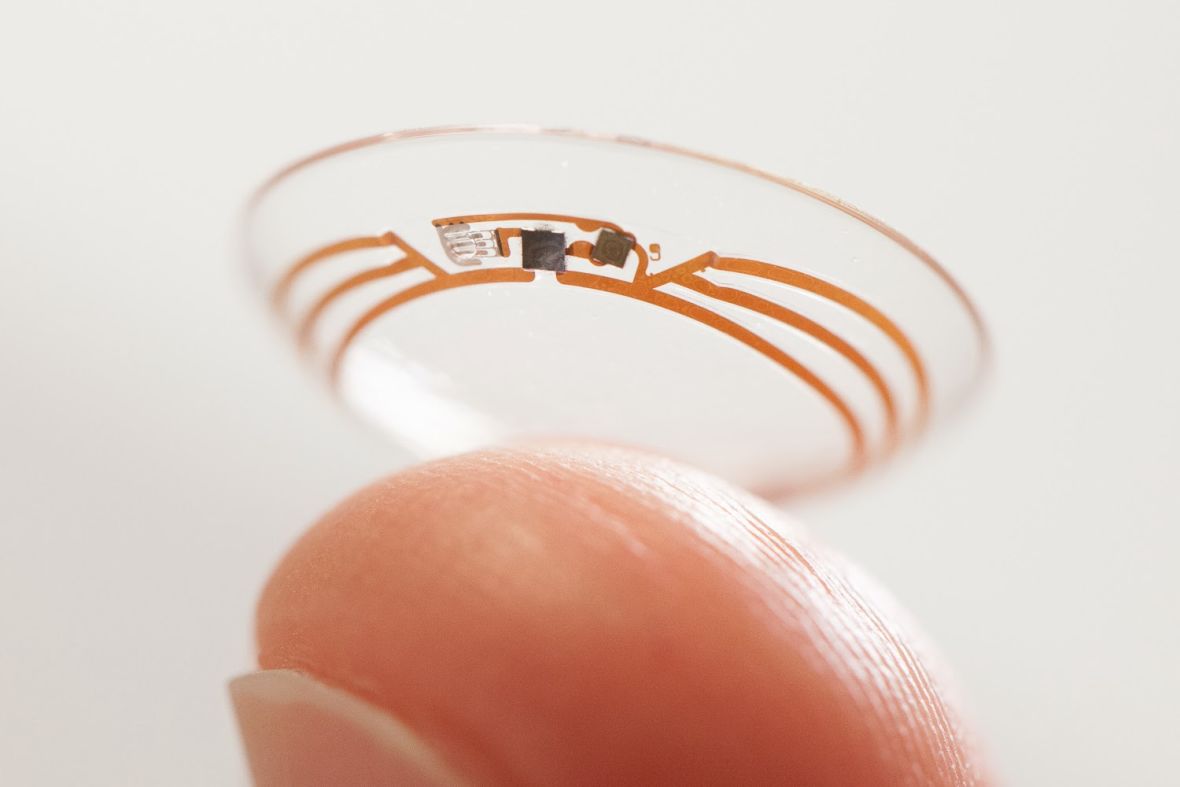
"caption": "Google is testing a contact lens that measures glucose levels in tears using a glitter-sized sensor.",
"description": null,
"title": "google contact lens",
"credit": "Google",
"status": "inherit",
"isLoading": false,
"fetchFailed": false
},
"futureofyou_34453": {
"type": "attachments",
"id": "futureofyou_34453",
"meta": {
"index": "attachments_1716263798",
"site": "futureofyou",
"id": "34453",
"found": true
},
"parent": 34452,
"imgSizes": {
"twentyfourteen-full-width": {
"file": "https://ww2.kqed.org/app/uploads/sites/13/2015/09/science_enl-d96c73e1f5c8194813da97f94076bfb1bf953639-1038x576.jpg",
"width": 1038,
"mimeType": "image/jpeg",
"height": 576
},
"thumbnail": {
"file": "https://ww2.kqed.org/app/uploads/sites/13/2015/09/science_enl-d96c73e1f5c8194813da97f94076bfb1bf953639-400x265.jpg",
"width": 400,
"mimeType": "image/jpeg",
"height": 265
},
"fd-sm": {
"file": "https://ww2.kqed.org/app/uploads/sites/13/2015/09/science_enl-d96c73e1f5c8194813da97f94076bfb1bf953639-960x636.jpg",
"width": 960,
"mimeType": "image/jpeg",
"height": 636
},
"post-thumbnail": {
"file": "https://ww2.kqed.org/app/uploads/sites/13/2015/09/science_enl-d96c73e1f5c8194813da97f94076bfb1bf953639-672x372.jpg",
"width": 672,
"mimeType": "image/jpeg",
"height": 372
},
"kqedFullSize": {
"file": "https://ww2.kqed.org/app/uploads/sites/13/2015/09/science_enl-d96c73e1f5c8194813da97f94076bfb1bf953639.jpg",
"width": 2000,
"height": 1325
},
"large": {
"file": "https://ww2.kqed.org/app/uploads/sites/13/2015/09/science_enl-d96c73e1f5c8194813da97f94076bfb1bf953639-1180x782.jpg",
"width": 1180,
"mimeType": "image/jpeg",
"height": 782
},
"guest-author-96": {
"file": "https://ww2.kqed.org/app/uploads/sites/13/2015/09/science_enl-d96c73e1f5c8194813da97f94076bfb1bf953639-96x96.jpg",
"width": 96,
"mimeType": "image/jpeg",
"height": 96
},
"medium": {
"file": "https://ww2.kqed.org/app/uploads/sites/13/2015/09/science_enl-d96c73e1f5c8194813da97f94076bfb1bf953639-800x530.jpg",
"width": 800,
"mimeType": "image/jpeg",
"height": 530
},
"guest-author-64": {
"file": "https://ww2.kqed.org/app/uploads/sites/13/2015/09/science_enl-d96c73e1f5c8194813da97f94076bfb1bf953639-64x64.jpg",
"width": 64,
"mimeType": "image/jpeg",
"height": 64
},
"guest-author-32": {
"file": "https://ww2.kqed.org/app/uploads/sites/13/2015/09/science_enl-d96c73e1f5c8194813da97f94076bfb1bf953639-32x32.jpg",
"width": 32,
"mimeType": "image/jpeg",
"height": 32
},
"fd-lrg": {
"file": "https://ww2.kqed.org/app/uploads/sites/13/2015/09/science_enl-d96c73e1f5c8194813da97f94076bfb1bf953639-1920x1272.jpg",
"width": 1920,
"mimeType": "image/jpeg",
"height": 1272
},
"fd-med": {
"file": "https://ww2.kqed.org/app/uploads/sites/13/2015/09/science_enl-d96c73e1f5c8194813da97f94076bfb1bf953639-1180x782.jpg",
"width": 1180,
"mimeType": "image/jpeg",
"height": 782
},
"detail": {
"file": "https://ww2.kqed.org/app/uploads/sites/13/2015/09/science_enl-d96c73e1f5c8194813da97f94076bfb1bf953639-75x75.jpg",
"width": 75,
"mimeType": "image/jpeg",
"height": 75
},
"guest-author-128": {
"file": "https://ww2.kqed.org/app/uploads/sites/13/2015/09/science_enl-d96c73e1f5c8194813da97f94076bfb1bf953639-128x128.jpg",
"width": 128,
"mimeType": "image/jpeg",
"height": 128
}
},
"publishDate": 1441298959,
"modified": 1441298959,
"caption": null,
"description": "iStockphoto",
"title": "iStockphoto",
"credit": null,
"status": "inherit",
"isLoading": false,
"fetchFailed": false
},
"stateofhealth_72049": {
"type": "attachments",
"id": "stateofhealth_72049",
"meta": {
"index": "attachments_1716263798",
"site": "stateofhealth",
"id": "72049",
"found": true
},
"parent": 71914,
"imgSizes": {
"twentyfourteen-full-width": {
"file": "https://ww2.kqed.org/app/uploads/sites/27/2015/09/RS14678_107091586-1038x576.jpg",
"width": 1038,
"mimeType": "image/jpeg",
"height": 576
},
"thumbnail": {
"file": "https://ww2.kqed.org/app/uploads/sites/27/2015/09/RS14678_107091586-400x259.jpg",
"width": 400,
"mimeType": "image/jpeg",
"height": 259
},
"fd-sm": {
"file": "https://ww2.kqed.org/app/uploads/sites/27/2015/09/RS14678_107091586-960x622.jpg",
"width": 960,
"mimeType": "image/jpeg",
"height": 622
},
"post-thumbnail": {
"file": "https://ww2.kqed.org/app/uploads/sites/27/2015/09/RS14678_107091586-672x372.jpg",
"width": 672,
"mimeType": "image/jpeg",
"height": 372
},
"kqedFullSize": {
"file": "https://ww2.kqed.org/app/uploads/sites/27/2015/09/RS14678_107091586-e1441256083247.jpg",
"width": 1920,
"height": 1244
},
"large": {
"file": "https://ww2.kqed.org/app/uploads/sites/27/2015/09/RS14678_107091586-1440x933.jpg",
"width": 1440,
"mimeType": "image/jpeg",
"height": 933
},
"guest-author-96": {
"file": "https://ww2.kqed.org/app/uploads/sites/27/2015/09/RS14678_107091586-96x96.jpg",
"width": 96,
"mimeType": "image/jpeg",
"height": 96
},
"medium": {
"file": "https://ww2.kqed.org/app/uploads/sites/27/2015/09/RS14678_107091586-800x518.jpg",
"width": 800,
"mimeType": "image/jpeg",
"height": 518
},
"guest-author-64": {
"file": "https://ww2.kqed.org/app/uploads/sites/27/2015/09/RS14678_107091586-64x64.jpg",
"width": 64,
"mimeType": "image/jpeg",
"height": 64
},
"guest-author-32": {
"file": "https://ww2.kqed.org/app/uploads/sites/27/2015/09/RS14678_107091586-32x32.jpg",
"width": 32,
"mimeType": "image/jpeg",
"height": 32
},
"jmtc-small-thumb": {
"file": "https://ww2.kqed.org/app/uploads/sites/27/2015/09/RS14678_107091586-280x150.jpg",
"width": 280,
"mimeType": "image/jpeg",
"height": 150
},
"fd-lrg": {
"file": "https://ww2.kqed.org/app/uploads/sites/27/2015/09/RS14678_107091586-1920x1244.jpg",
"width": 1920,
"mimeType": "image/jpeg",
"height": 1244
},
"fd-med": {
"file": "https://ww2.kqed.org/app/uploads/sites/27/2015/09/RS14678_107091586-1180x765.jpg",
"width": 1180,
"mimeType": "image/jpeg",
"height": 765
},
"detail": {
"file": "https://ww2.kqed.org/app/uploads/sites/27/2015/09/RS14678_107091586-75x75.jpg",
"width": 75,
"mimeType": "image/jpeg",
"height": 75
},
"guest-author-128": {
"file": "https://ww2.kqed.org/app/uploads/sites/27/2015/09/RS14678_107091586-128x128.jpg",
"width": 128,
"mimeType": "image/jpeg",
"height": 128
}
},
"publishDate": 1441256074,
"modified": 1441256206,
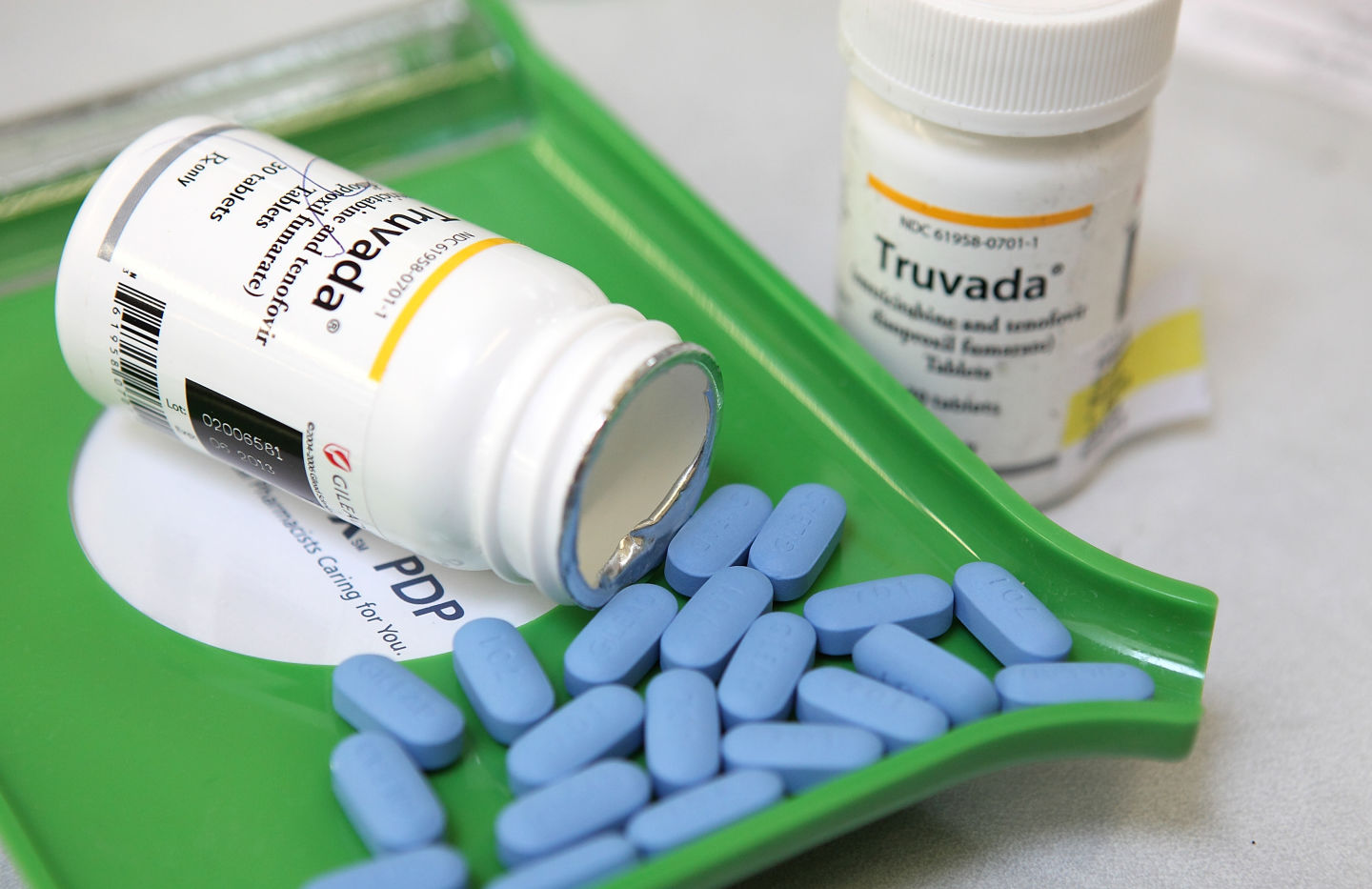
"caption": "The antiretroviral drug Truvada, currently the only drug approved by the FDA for HIV preexposure prophylaxis. ",
"description": "truvada",
"title": "Daily Antiretroviral Pill Found To Protect Healthy From AIDS Transmission",
"credit": "Justin Sullivan/Getty Images",
"status": "inherit",
"isLoading": false,
"fetchFailed": false
},
"futureofyou_33699": {
"type": "attachments",
"id": "futureofyou_33699",
"meta": {
"index": "attachments_1716263798",
"site": "futureofyou",
"id": "33699",
"found": true
},
"parent": 33331,
"imgSizes": {
"twentyfourteen-full-width": {
"file": "https://ww2.kqed.org/app/uploads/sites/13/2015/09/tiny-sensor-1038x576.jpg",
"width": 1038,
"mimeType": "image/jpeg",
"height": 576
},
"thumbnail": {
"file": "https://ww2.kqed.org/app/uploads/sites/13/2015/09/tiny-sensor-400x267.jpg",
"width": 400,
"mimeType": "image/jpeg",
"height": 267
},
"fd-sm": {
"file": "https://ww2.kqed.org/app/uploads/sites/13/2015/09/tiny-sensor-960x640.jpg",
"width": 960,
"mimeType": "image/jpeg",
"height": 640
},
"post-thumbnail": {
"file": "https://ww2.kqed.org/app/uploads/sites/13/2015/09/tiny-sensor-672x372.jpg",
"width": 672,
"mimeType": "image/jpeg",
"height": 372
},
"kqedFullSize": {
"file": "https://ww2.kqed.org/app/uploads/sites/13/2015/09/tiny-sensor.jpg",
"width": 5184,
"height": 3456
},
"large": {
"file": "https://ww2.kqed.org/app/uploads/sites/13/2015/09/tiny-sensor-1180x787.jpg",
"width": 1180,
"mimeType": "image/jpeg",
"height": 787
},
"guest-author-96": {
"file": "https://ww2.kqed.org/app/uploads/sites/13/2015/09/tiny-sensor-96x96.jpg",
"width": 96,
"mimeType": "image/jpeg",
"height": 96
},
"medium": {
"file": "https://ww2.kqed.org/app/uploads/sites/13/2015/09/tiny-sensor-800x533.jpg",
"width": 800,
"mimeType": "image/jpeg",
"height": 533
},
"guest-author-64": {
"file": "https://ww2.kqed.org/app/uploads/sites/13/2015/09/tiny-sensor-64x64.jpg",
"width": 64,
"mimeType": "image/jpeg",
"height": 64
},
"guest-author-32": {
"file": "https://ww2.kqed.org/app/uploads/sites/13/2015/09/tiny-sensor-32x32.jpg",
"width": 32,
"mimeType": "image/jpeg",
"height": 32
},
"fd-lrg": {
"file": "https://ww2.kqed.org/app/uploads/sites/13/2015/09/tiny-sensor-1920x1280.jpg",
"width": 1920,
"mimeType": "image/jpeg",
"height": 1280
},
"fd-med": {
"file": "https://ww2.kqed.org/app/uploads/sites/13/2015/09/tiny-sensor-1180x787.jpg",
"width": 1180,
"mimeType": "image/jpeg",
"height": 787
},
"detail": {
"file": "https://ww2.kqed.org/app/uploads/sites/13/2015/09/tiny-sensor-75x75.jpg",
"width": 75,
"mimeType": "image/jpeg",
"height": 75
},
"guest-author-128": {
"file": "https://ww2.kqed.org/app/uploads/sites/13/2015/09/tiny-sensor-128x128.jpg",
"width": 128,
"mimeType": "image/jpeg",
"height": 128
}
},
"publishDate": 1441148805,
"modified": 1441148826,
"caption": "A sensor so tiny it can fit on the back of a honey bee. ",
"description": null,
"title": "tiny sensor",
"credit": "Wikimedia Commons ",
"status": "inherit",
"isLoading": false,
"fetchFailed": false
},
"futureofyou_31439": {
"type": "attachments",
"id": "futureofyou_31439",
"meta": {
"index": "attachments_1716263798",
"site": "futureofyou",
"id": "31439",
"found": true
},
"parent": 31438,
"imgSizes": {
"twentyfourteen-full-width": {
"file": "https://ww2.kqed.org/app/uploads/sites/13/2015/08/PoppyField-1038x576.jpg",
"width": 1038,
"mimeType": "image/jpeg",
"height": 576
},
"thumbnail": {
"file": "https://ww2.kqed.org/app/uploads/sites/13/2015/08/PoppyField-400x224.jpg",
"width": 400,
"mimeType": "image/jpeg",
"height": 224
},
"fd-sm": {
"file": "https://ww2.kqed.org/app/uploads/sites/13/2015/08/PoppyField-960x537.jpg",
"width": 960,
"mimeType": "image/jpeg",
"height": 537
},
"post-thumbnail": {
"file": "https://ww2.kqed.org/app/uploads/sites/13/2015/08/PoppyField-672x372.jpg",
"width": 672,
"mimeType": "image/jpeg",
"height": 372
},
"kqedFullSize": {
"file": "https://ww2.kqed.org/app/uploads/sites/13/2015/08/PoppyField.jpg",
"width": 1920,
"height": 1074
},
"large": {
"file": "https://ww2.kqed.org/app/uploads/sites/13/2015/08/PoppyField-1180x660.jpg",
"width": 1180,
"mimeType": "image/jpeg",
"height": 660
},
"guest-author-96": {
"file": "https://ww2.kqed.org/app/uploads/sites/13/2015/08/PoppyField-96x96.jpg",
"width": 96,
"mimeType": "image/jpeg",
"height": 96
},
"medium": {
"file": "https://ww2.kqed.org/app/uploads/sites/13/2015/08/PoppyField-800x448.jpg",
"width": 800,
"mimeType": "image/jpeg",
"height": 448
},
"guest-author-64": {
"file": "https://ww2.kqed.org/app/uploads/sites/13/2015/08/PoppyField-64x64.jpg",
"width": 64,
"mimeType": "image/jpeg",
"height": 64
},
"guest-author-32": {
"file": "https://ww2.kqed.org/app/uploads/sites/13/2015/08/PoppyField-32x32.jpg",
"width": 32,
"mimeType": "image/jpeg",
"height": 32
},
"fd-lrg": {
"file": "https://ww2.kqed.org/app/uploads/sites/13/2015/08/PoppyField-1920x1074.jpg",
"width": 1920,
"mimeType": "image/jpeg",
"height": 1074
},
"fd-med": {
"file": "https://ww2.kqed.org/app/uploads/sites/13/2015/08/PoppyField-1180x660.jpg",
"width": 1180,
"mimeType": "image/jpeg",
"height": 660
},
"detail": {
"file": "https://ww2.kqed.org/app/uploads/sites/13/2015/08/PoppyField-75x75.jpg",
"width": 75,
"mimeType": "image/jpeg",
"height": 75
},
"guest-author-128": {
"file": "https://ww2.kqed.org/app/uploads/sites/13/2015/08/PoppyField-128x128.jpg",
"width": 128,
"mimeType": "image/jpeg",
"height": 128
}
},
"publishDate": 1440693524,
"modified": 1441061249,
"caption": "Poppies aren't the only source of opiates anymore now that Stanford scientists have manipulated the yeast we use to make beer, wine, and bread to make opiates for us.",
"description": null,
"title": "PoppyField",
"credit": null,
"status": "inherit",
"isLoading": false,
"fetchFailed": false
},
"stateofhealth_70740": {
"type": "attachments",
"id": "stateofhealth_70740",
"meta": {
"index": "attachments_1716263798",
"site": "stateofhealth",
"id": "70740",
"found": true
},
"parent": 70739,
"imgSizes": {
"twentyfourteen-full-width": {
"file": "https://ww2.kqed.org/app/uploads/sites/27/2015/08/frozen-eggs-1_enl-844392788a4cb4a77a1a3b9d786af6651f7ed7bc-1038x576.jpg",
"width": 1038,
"mimeType": "image/jpeg",
"height": 576
},
"thumbnail": {
"file": "https://ww2.kqed.org/app/uploads/sites/27/2015/08/frozen-eggs-1_enl-844392788a4cb4a77a1a3b9d786af6651f7ed7bc-400x267.jpg",
"width": 400,
"mimeType": "image/jpeg",
"height": 267
},
"fd-sm": {
"file": "https://ww2.kqed.org/app/uploads/sites/27/2015/08/frozen-eggs-1_enl-844392788a4cb4a77a1a3b9d786af6651f7ed7bc-960x640.jpg",
"width": 960,
"mimeType": "image/jpeg",
"height": 640
},
"post-thumbnail": {
"file": "https://ww2.kqed.org/app/uploads/sites/27/2015/08/frozen-eggs-1_enl-844392788a4cb4a77a1a3b9d786af6651f7ed7bc-672x372.jpg",
"width": 672,
"mimeType": "image/jpeg",
"height": 372
},
"kqedFullSize": {
"file": "https://ww2.kqed.org/app/uploads/sites/27/2015/08/frozen-eggs-1_enl-844392788a4cb4a77a1a3b9d786af6651f7ed7bc.jpg",
"width": 2000,
"height": 1333
},
"large": {
"file": "https://ww2.kqed.org/app/uploads/sites/27/2015/08/frozen-eggs-1_enl-844392788a4cb4a77a1a3b9d786af6651f7ed7bc-1440x960.jpg",
"width": 1440,
"mimeType": "image/jpeg",
"height": 960
},
"guest-author-96": {
"file": "https://ww2.kqed.org/app/uploads/sites/27/2015/08/frozen-eggs-1_enl-844392788a4cb4a77a1a3b9d786af6651f7ed7bc-96x96.jpg",
"width": 96,
"mimeType": "image/jpeg",
"height": 96
},
"medium": {
"file": "https://ww2.kqed.org/app/uploads/sites/27/2015/08/frozen-eggs-1_enl-844392788a4cb4a77a1a3b9d786af6651f7ed7bc-800x533.jpg",
"width": 800,
"mimeType": "image/jpeg",
"height": 533
},
"guest-author-64": {
"file": "https://ww2.kqed.org/app/uploads/sites/27/2015/08/frozen-eggs-1_enl-844392788a4cb4a77a1a3b9d786af6651f7ed7bc-64x64.jpg",
"width": 64,
"mimeType": "image/jpeg",
"height": 64
},
"guest-author-32": {
"file": "https://ww2.kqed.org/app/uploads/sites/27/2015/08/frozen-eggs-1_enl-844392788a4cb4a77a1a3b9d786af6651f7ed7bc-32x32.jpg",
"width": 32,
"mimeType": "image/jpeg",
"height": 32
},
"jmtc-small-thumb": {
"file": "https://ww2.kqed.org/app/uploads/sites/27/2015/08/frozen-eggs-1_enl-844392788a4cb4a77a1a3b9d786af6651f7ed7bc-280x150.jpg",
"width": 280,
"mimeType": "image/jpeg",
"height": 150
},
"fd-lrg": {
"file": "https://ww2.kqed.org/app/uploads/sites/27/2015/08/frozen-eggs-1_enl-844392788a4cb4a77a1a3b9d786af6651f7ed7bc-1920x1280.jpg",
"width": 1920,
"mimeType": "image/jpeg",
"height": 1280
},
"fd-med": {
"file": "https://ww2.kqed.org/app/uploads/sites/27/2015/08/frozen-eggs-1_enl-844392788a4cb4a77a1a3b9d786af6651f7ed7bc-1180x786.jpg",
"width": 1180,
"mimeType": "image/jpeg",
"height": 786
},
"detail": {
"file": "https://ww2.kqed.org/app/uploads/sites/27/2015/08/frozen-eggs-1_enl-844392788a4cb4a77a1a3b9d786af6651f7ed7bc-75x75.jpg",
"width": 75,
"mimeType": "image/jpeg",
"height": 75
},
"guest-author-128": {
"file": "https://ww2.kqed.org/app/uploads/sites/27/2015/08/frozen-eggs-1_enl-844392788a4cb4a77a1a3b9d786af6651f7ed7bc-128x128.jpg",
"width": 128,
"mimeType": "image/jpeg",
"height": 128
}
},
"publishDate": 1441046262,
"modified": 1441046262,
"caption": null,
"description": "Eggs may be more vulnerable to freezing than embryos, but that's just one factor that affects the odds of having a baby with frozen eggs.",
"title": "Eggs may be more vulnerable to freezing than embryos, but that's just one factor that affects the odds of having a baby with frozen eggs.",
"credit": null,
"status": "inherit",
"isLoading": false,
"fetchFailed": false
},
"futureofyou_33184": {
"type": "attachments",
"id": "futureofyou_33184",
"meta": {
"index": "attachments_1716263798",
"site": "futureofyou",
"id": "33184",
"found": true
},
"parent": 31009,
"imgSizes": {
"twentyfourteen-full-width": {
"file": "https://ww2.kqed.org/app/uploads/sites/13/2015/08/Woman_brushing_teeth-1038x576.jpg",
"width": 1038,
"mimeType": "image/jpeg",
"height": 576
},
"thumbnail": {
"file": "https://ww2.kqed.org/app/uploads/sites/13/2015/08/Woman_brushing_teeth-400x286.jpg",
"width": 400,
"mimeType": "image/jpeg",
"height": 286
},
"fd-sm": {
"file": "https://ww2.kqed.org/app/uploads/sites/13/2015/08/Woman_brushing_teeth-960x687.jpg",
"width": 960,
"mimeType": "image/jpeg",
"height": 687
},
"post-thumbnail": {
"file": "https://ww2.kqed.org/app/uploads/sites/13/2015/08/Woman_brushing_teeth-672x372.jpg",
"width": 672,
"mimeType": "image/jpeg",
"height": 372
},
"kqedFullSize": {
"file": "https://ww2.kqed.org/app/uploads/sites/13/2015/08/Woman_brushing_teeth.jpg",
"width": 3000,
"height": 2148
},
"large": {
"file": "https://ww2.kqed.org/app/uploads/sites/13/2015/08/Woman_brushing_teeth-1180x845.jpg",
"width": 1180,
"mimeType": "image/jpeg",
"height": 845
},
"guest-author-96": {
"file": "https://ww2.kqed.org/app/uploads/sites/13/2015/08/Woman_brushing_teeth-96x96.jpg",
"width": 96,
"mimeType": "image/jpeg",
"height": 96
},
"medium": {
"file": "https://ww2.kqed.org/app/uploads/sites/13/2015/08/Woman_brushing_teeth-800x573.jpg",
"width": 800,
"mimeType": "image/jpeg",
"height": 573
},
"guest-author-64": {
"file": "https://ww2.kqed.org/app/uploads/sites/13/2015/08/Woman_brushing_teeth-64x64.jpg",
"width": 64,
"mimeType": "image/jpeg",
"height": 64
},
"guest-author-32": {
"file": "https://ww2.kqed.org/app/uploads/sites/13/2015/08/Woman_brushing_teeth-32x32.jpg",
"width": 32,
"mimeType": "image/jpeg",
"height": 32
},
"fd-lrg": {
"file": "https://ww2.kqed.org/app/uploads/sites/13/2015/08/Woman_brushing_teeth-1920x1375.jpg",
"width": 1920,
"mimeType": "image/jpeg",
"height": 1375
},
"fd-med": {
"file": "https://ww2.kqed.org/app/uploads/sites/13/2015/08/Woman_brushing_teeth-1180x845.jpg",
"width": 1180,
"mimeType": "image/jpeg",
"height": 845
},
"detail": {
"file": "https://ww2.kqed.org/app/uploads/sites/13/2015/08/Woman_brushing_teeth-75x75.jpg",
"width": 75,
"mimeType": "image/jpeg",
"height": 75
},
"guest-author-128": {
"file": "https://ww2.kqed.org/app/uploads/sites/13/2015/08/Woman_brushing_teeth-128x128.jpg",
"width": 128,
"mimeType": "image/jpeg",
"height": 128
}
},
"publishDate": 1441048044,
"modified": 1441055487,
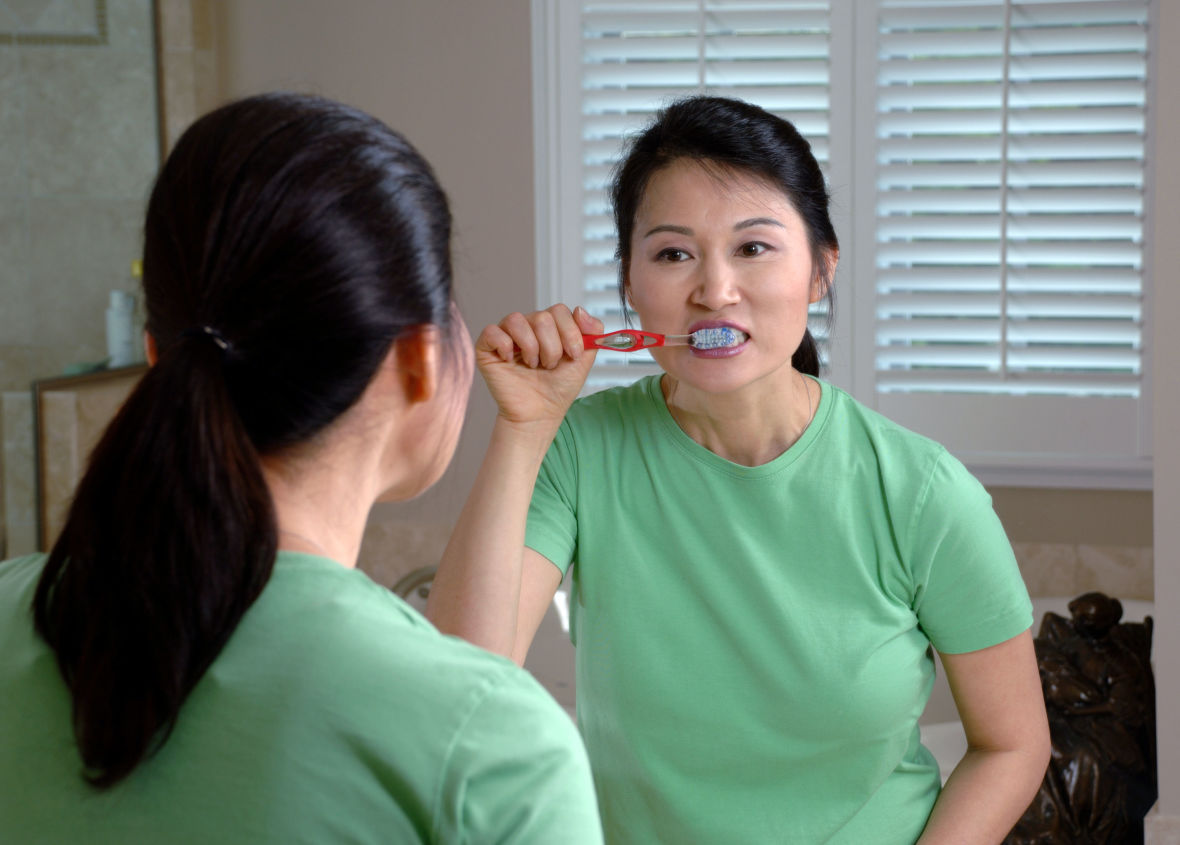
"caption": "Beam offers rewards and incentives to those who maintain good oral hygiene. ",
"description": null,
"title": "Woman_brushing_teeth",
"credit": "Wikimedia Commons",
"status": "inherit",
"isLoading": false,
"fetchFailed": false
},
"futureofyou_31050": {
"type": "attachments",
"id": "futureofyou_31050",
"meta": {
"index": "attachments_1716263798",
"site": "futureofyou",
"id": "31050",
"found": true
},
"parent": 31049,
"imgSizes": {
"twentyfourteen-full-width": {
"file": "https://ww2.kqed.org/app/uploads/sites/13/2015/08/Kinsa_consumer-in-use_bed-1038x576.jpg",
"width": 1038,
"mimeType": "image/jpeg",
"height": 576
},
"thumbnail": {
"file": "https://ww2.kqed.org/app/uploads/sites/13/2015/08/Kinsa_consumer-in-use_bed-400x267.jpg",
"width": 400,
"mimeType": "image/jpeg",
"height": 267
},
"fd-sm": {
"file": "https://ww2.kqed.org/app/uploads/sites/13/2015/08/Kinsa_consumer-in-use_bed-960x640.jpg",
"width": 960,
"mimeType": "image/jpeg",
"height": 640
},
"post-thumbnail": {
"file": "https://ww2.kqed.org/app/uploads/sites/13/2015/08/Kinsa_consumer-in-use_bed-672x372.jpg",
"width": 672,
"mimeType": "image/jpeg",
"height": 372
},
"kqedFullSize": {
"file": "https://ww2.kqed.org/app/uploads/sites/13/2015/08/Kinsa_consumer-in-use_bed.jpg",
"width": 2578,
"height": 1720
},
"large": {
"file": "https://ww2.kqed.org/app/uploads/sites/13/2015/08/Kinsa_consumer-in-use_bed-1180x787.jpg",
"width": 1180,
"mimeType": "image/jpeg",
"height": 787
},
"guest-author-96": {
"file": "https://ww2.kqed.org/app/uploads/sites/13/2015/08/Kinsa_consumer-in-use_bed-96x96.jpg",
"width": 96,
"mimeType": "image/jpeg",
"height": 96
},
"medium": {
"file": "https://ww2.kqed.org/app/uploads/sites/13/2015/08/Kinsa_consumer-in-use_bed-800x534.jpg",
"width": 800,
"mimeType": "image/jpeg",
"height": 534
},
"guest-author-64": {
"file": "https://ww2.kqed.org/app/uploads/sites/13/2015/08/Kinsa_consumer-in-use_bed-64x64.jpg",
"width": 64,
"mimeType": "image/jpeg",
"height": 64
},
"guest-author-32": {
"file": "https://ww2.kqed.org/app/uploads/sites/13/2015/08/Kinsa_consumer-in-use_bed-32x32.jpg",
"width": 32,
"mimeType": "image/jpeg",
"height": 32
},
"fd-lrg": {
"file": "https://ww2.kqed.org/app/uploads/sites/13/2015/08/Kinsa_consumer-in-use_bed-1920x1281.jpg",
"width": 1920,
"mimeType": "image/jpeg",
"height": 1281
},
"fd-med": {
"file": "https://ww2.kqed.org/app/uploads/sites/13/2015/08/Kinsa_consumer-in-use_bed-1180x787.jpg",
"width": 1180,
"mimeType": "image/jpeg",
"height": 787
},
"detail": {
"file": "https://ww2.kqed.org/app/uploads/sites/13/2015/08/Kinsa_consumer-in-use_bed-75x75.jpg",
"width": 75,
"mimeType": "image/jpeg",
"height": 75
},
"guest-author-128": {
"file": "https://ww2.kqed.org/app/uploads/sites/13/2015/08/Kinsa_consumer-in-use_bed-128x128.jpg",
"width": 128,
"mimeType": "image/jpeg",
"height": 128
}
},
"publishDate": 1440624818,
"modified": 1440625357,
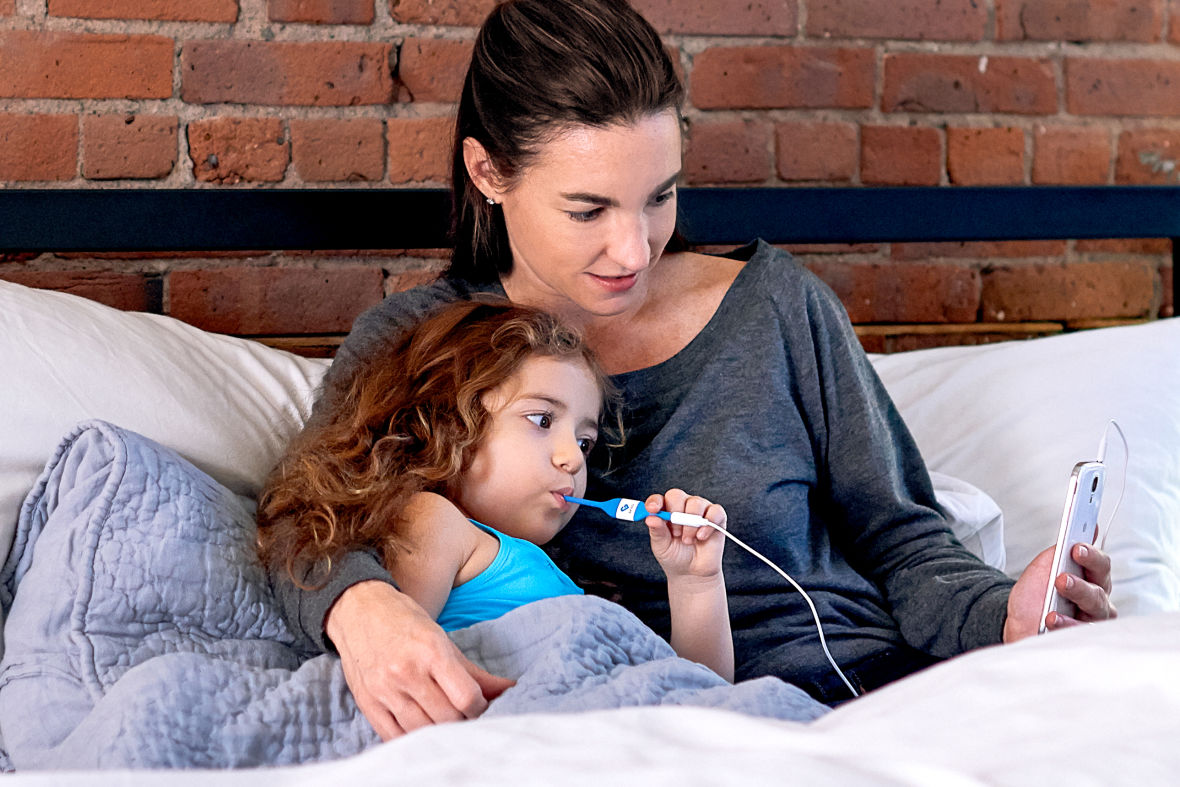
"caption": "The Kinsa thermometer connects to a smart phone app that asks questions about symptoms, to help a mom decide how important it is to see a doctor.",
"description": null,
"title": "Moms and Health Tech",
"credit": "Kinsa Health",
"status": "inherit",
"isLoading": false,
"fetchFailed": false
},
"futureofyou_30946": {
"type": "attachments",
"id": "futureofyou_30946",
"meta": {
"index": "attachments_1716263798",
"site": "futureofyou",
"id": "30946",
"found": true
},
"parent": 30945,
"imgSizes": {
"twentyfourteen-full-width": {
"file": "https://ww2.kqed.org/app/uploads/sites/13/2015/08/board_wide-919262e51937ee67f8b03d8acb5df29bdfa95e60-1038x576.jpg",
"width": 1038,
"mimeType": "image/jpeg",
"height": 576
},
"thumbnail": {
"file": "https://ww2.kqed.org/app/uploads/sites/13/2015/08/board_wide-919262e51937ee67f8b03d8acb5df29bdfa95e60-400x225.jpg",
"width": 400,
"mimeType": "image/jpeg",
"height": 225
},
"fd-sm": {
"file": "https://ww2.kqed.org/app/uploads/sites/13/2015/08/board_wide-919262e51937ee67f8b03d8acb5df29bdfa95e60-960x540.jpg",
"width": 960,
"mimeType": "image/jpeg",
"height": 540
},
"post-thumbnail": {
"file": "https://ww2.kqed.org/app/uploads/sites/13/2015/08/board_wide-919262e51937ee67f8b03d8acb5df29bdfa95e60-672x372.jpg",
"width": 672,
"mimeType": "image/jpeg",
"height": 372
},
"kqedFullSize": {
"file": "https://ww2.kqed.org/app/uploads/sites/13/2015/08/board_wide-919262e51937ee67f8b03d8acb5df29bdfa95e60.jpg",
"width": 2000,
"height": 1125
},
"large": {
"file": "https://ww2.kqed.org/app/uploads/sites/13/2015/08/board_wide-919262e51937ee67f8b03d8acb5df29bdfa95e60-1180x664.jpg",
"width": 1180,
"mimeType": "image/jpeg",
"height": 664
},
"guest-author-96": {
"file": "https://ww2.kqed.org/app/uploads/sites/13/2015/08/board_wide-919262e51937ee67f8b03d8acb5df29bdfa95e60-96x96.jpg",
"width": 96,
"mimeType": "image/jpeg",
"height": 96
},
"medium": {
"file": "https://ww2.kqed.org/app/uploads/sites/13/2015/08/board_wide-919262e51937ee67f8b03d8acb5df29bdfa95e60-800x450.jpg",
"width": 800,
"mimeType": "image/jpeg",
"height": 450
},
"guest-author-64": {
"file": "https://ww2.kqed.org/app/uploads/sites/13/2015/08/board_wide-919262e51937ee67f8b03d8acb5df29bdfa95e60-64x64.jpg",
"width": 64,
"mimeType": "image/jpeg",
"height": 64
},
"guest-author-32": {
"file": "https://ww2.kqed.org/app/uploads/sites/13/2015/08/board_wide-919262e51937ee67f8b03d8acb5df29bdfa95e60-32x32.jpg",
"width": 32,
"mimeType": "image/jpeg",
"height": 32
},
"fd-lrg": {
"file": "https://ww2.kqed.org/app/uploads/sites/13/2015/08/board_wide-919262e51937ee67f8b03d8acb5df29bdfa95e60-1920x1080.jpg",
"width": 1920,
"mimeType": "image/jpeg",
"height": 1080
},
"fd-med": {
"file": "https://ww2.kqed.org/app/uploads/sites/13/2015/08/board_wide-919262e51937ee67f8b03d8acb5df29bdfa95e60-1180x664.jpg",
"width": 1180,
"mimeType": "image/jpeg",
"height": 664
},
"detail": {
"file": "https://ww2.kqed.org/app/uploads/sites/13/2015/08/board_wide-919262e51937ee67f8b03d8acb5df29bdfa95e60-75x75.jpg",
"width": 75,
"mimeType": "image/jpeg",
"height": 75
},
"guest-author-128": {
"file": "https://ww2.kqed.org/app/uploads/sites/13/2015/08/board_wide-919262e51937ee67f8b03d8acb5df29bdfa95e60-128x128.jpg",
"width": 128,
"mimeType": "image/jpeg",
"height": 128
}
},
"publishDate": 1440607768,
"modified": 1440607938,
"caption": "Peloton's New York City cycling studio has a television production facility so that subscribers, using bikes equipped with a waterproof tablet, can ride along at home.",
"description": "Peloton's New York City cycling studio has a television production facility so that subscribers, using bikes equipped with a waterproof tablet, can ride along at home.",
"title": "Peloton's New York City cycling studio has a television production facility so that subscribers, using bikes equipped with a waterproof tablet, can ride along at home.",
"credit": "Issac James/Courtesy of Peloton Cycle",
"status": "inherit",
"isLoading": false,
"fetchFailed": false
},
"futureofyou_30504": {
"type": "attachments",
"id": "futureofyou_30504",
"meta": {
"index": "attachments_1716263798",
"site": "futureofyou",
"id": "30504",
"found": true
},
"parent": 28802,
"imgSizes": {
"twentyfourteen-full-width": {
"file": "https://ww2.kqed.org/app/uploads/sites/13/2015/08/mobile-tech-1038x576.jpg",
"width": 1038,
"mimeType": "image/jpeg",
"height": 576
},
"thumbnail": {
"file": "https://ww2.kqed.org/app/uploads/sites/13/2015/08/mobile-tech-400x272.jpg",
"width": 400,
"mimeType": "image/jpeg",
"height": 272
},
"fd-sm": {
"file": "https://ww2.kqed.org/app/uploads/sites/13/2015/08/mobile-tech-960x652.jpg",
"width": 960,
"mimeType": "image/jpeg",
"height": 652
},
"post-thumbnail": {
"file": "https://ww2.kqed.org/app/uploads/sites/13/2015/08/mobile-tech-672x372.jpg",
"width": 672,
"mimeType": "image/jpeg",
"height": 372
},
"kqedFullSize": {
"file": "https://ww2.kqed.org/app/uploads/sites/13/2015/08/mobile-tech.jpg",
"width": 1922,
"height": 1305
},
"large": {
"file": "https://ww2.kqed.org/app/uploads/sites/13/2015/08/mobile-tech-1180x801.jpg",
"width": 1180,
"mimeType": "image/jpeg",
"height": 801
},
"guest-author-96": {
"file": "https://ww2.kqed.org/app/uploads/sites/13/2015/08/mobile-tech-96x96.jpg",
"width": 96,
"mimeType": "image/jpeg",
"height": 96
},
"medium": {
"file": "https://ww2.kqed.org/app/uploads/sites/13/2015/08/mobile-tech-800x543.jpg",
"width": 800,
"mimeType": "image/jpeg",
"height": 543
},
"guest-author-64": {
"file": "https://ww2.kqed.org/app/uploads/sites/13/2015/08/mobile-tech-64x64.jpg",
"width": 64,
"mimeType": "image/jpeg",
"height": 64
},
"guest-author-32": {
"file": "https://ww2.kqed.org/app/uploads/sites/13/2015/08/mobile-tech-32x32.jpg",
"width": 32,
"mimeType": "image/jpeg",
"height": 32
},
"fd-lrg": {
"file": "https://ww2.kqed.org/app/uploads/sites/13/2015/08/mobile-tech-1920x1304.jpg",
"width": 1920,
"mimeType": "image/jpeg",
"height": 1304
},
"fd-med": {
"file": "https://ww2.kqed.org/app/uploads/sites/13/2015/08/mobile-tech-1180x801.jpg",
"width": 1180,
"mimeType": "image/jpeg",
"height": 801
},
"detail": {
"file": "https://ww2.kqed.org/app/uploads/sites/13/2015/08/mobile-tech-75x75.jpg",
"width": 75,
"mimeType": "image/jpeg",
"height": 75
},
"guest-author-128": {
"file": "https://ww2.kqed.org/app/uploads/sites/13/2015/08/mobile-tech-128x128.jpg",
"width": 128,
"mimeType": "image/jpeg",
"height": 128
}
},
"publishDate": 1440524222,
"modified": 1440524241,
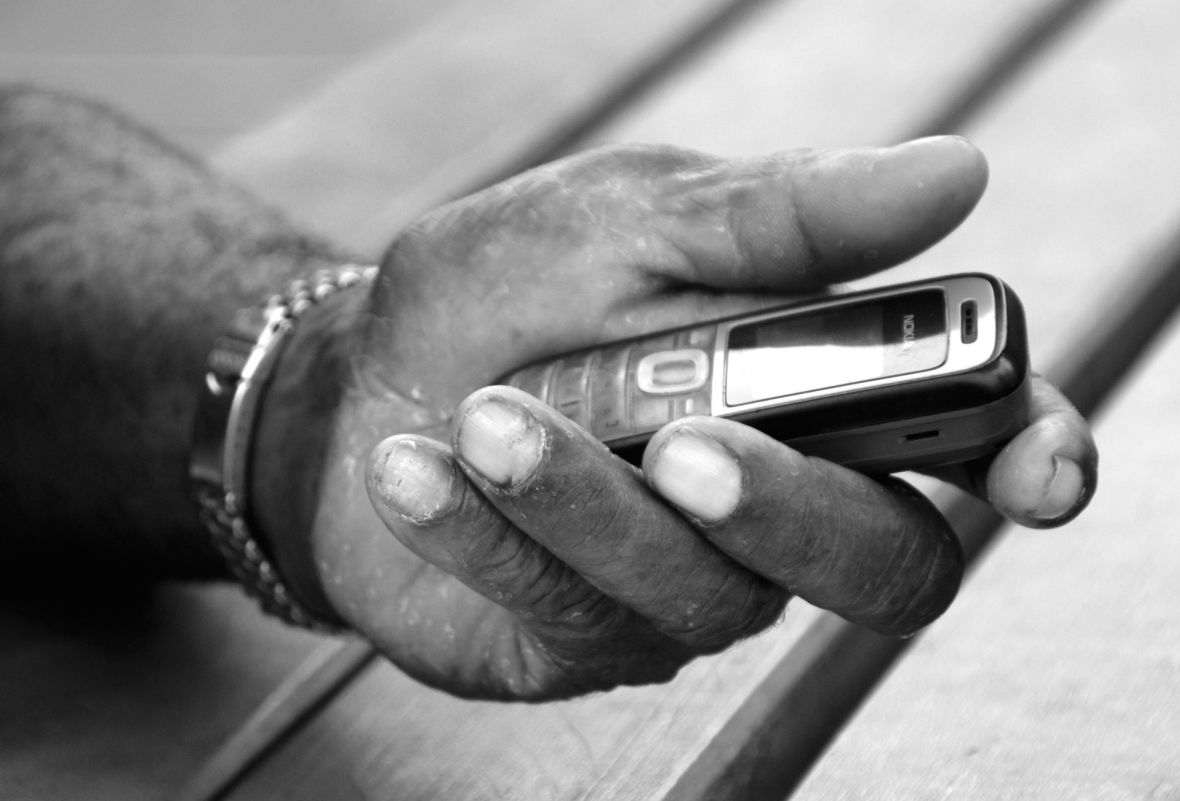
"caption": "Natalie Levy of Bellevue Hospital notes that most of her patients are very comfortable with mobile phones and texting.",
"description": null,
"title": "mobile tech",
"credit": "Graham Crumb/Wikimedia Commons",
"status": "inherit",
"isLoading": false,
"fetchFailed": false
},
"futureofyou_28856": {
"type": "attachments",
"id": "futureofyou_28856",
"meta": {
"index": "attachments_1716263798",
"site": "futureofyou",
"id": "28856",
"found": true
},
"parent": 28855,
"imgSizes": {
"twentyfourteen-full-width": {
"file": "https://ww2.kqed.org/app/uploads/sites/13/2015/08/design-thinking-1038x576.jpg",
"width": 1038,
"mimeType": "image/jpeg",
"height": 576
},
"thumbnail": {
"file": "https://ww2.kqed.org/app/uploads/sites/13/2015/08/design-thinking-400x315.jpg",
"width": 400,
"mimeType": "image/jpeg",
"height": 315
},
"fd-sm": {
"file": "https://ww2.kqed.org/app/uploads/sites/13/2015/08/design-thinking-960x757.jpg",
"width": 960,
"mimeType": "image/jpeg",
"height": 757
},
"post-thumbnail": {
"file": "https://ww2.kqed.org/app/uploads/sites/13/2015/08/design-thinking-672x372.jpg",
"width": 672,
"mimeType": "image/jpeg",
"height": 372
},
"kqedFullSize": {
"file": "https://ww2.kqed.org/app/uploads/sites/13/2015/08/design-thinking.jpg",
"width": 1522,
"height": 1200
},
"large": {
"file": "https://ww2.kqed.org/app/uploads/sites/13/2015/08/design-thinking-1180x930.jpg",
"width": 1180,
"mimeType": "image/jpeg",
"height": 930
},
"guest-author-96": {
"file": "https://ww2.kqed.org/app/uploads/sites/13/2015/08/design-thinking-96x96.jpg",
"width": 96,
"mimeType": "image/jpeg",
"height": 96
},
"medium": {
"file": "https://ww2.kqed.org/app/uploads/sites/13/2015/08/design-thinking-761x600.jpg",
"width": 761,
"mimeType": "image/jpeg",
"height": 600
},
"guest-author-64": {
"file": "https://ww2.kqed.org/app/uploads/sites/13/2015/08/design-thinking-64x64.jpg",
"width": 64,
"mimeType": "image/jpeg",
"height": 64
},
"guest-author-32": {
"file": "https://ww2.kqed.org/app/uploads/sites/13/2015/08/design-thinking-32x32.jpg",
"width": 32,
"mimeType": "image/jpeg",
"height": 32
},
"fd-med": {
"file": "https://ww2.kqed.org/app/uploads/sites/13/2015/08/design-thinking-1180x930.jpg",
"width": 1180,
"mimeType": "image/jpeg",
"height": 930
},
"detail": {
"file": "https://ww2.kqed.org/app/uploads/sites/13/2015/08/design-thinking-75x75.jpg",
"width": 75,
"mimeType": "image/jpeg",
"height": 75
},
"guest-author-128": {
"file": "https://ww2.kqed.org/app/uploads/sites/13/2015/08/design-thinking-128x128.jpg",
"width": 128,
"mimeType": "image/jpeg",
"height": 128
}
},
"publishDate": 1440192534,
"modified": 1440192575,
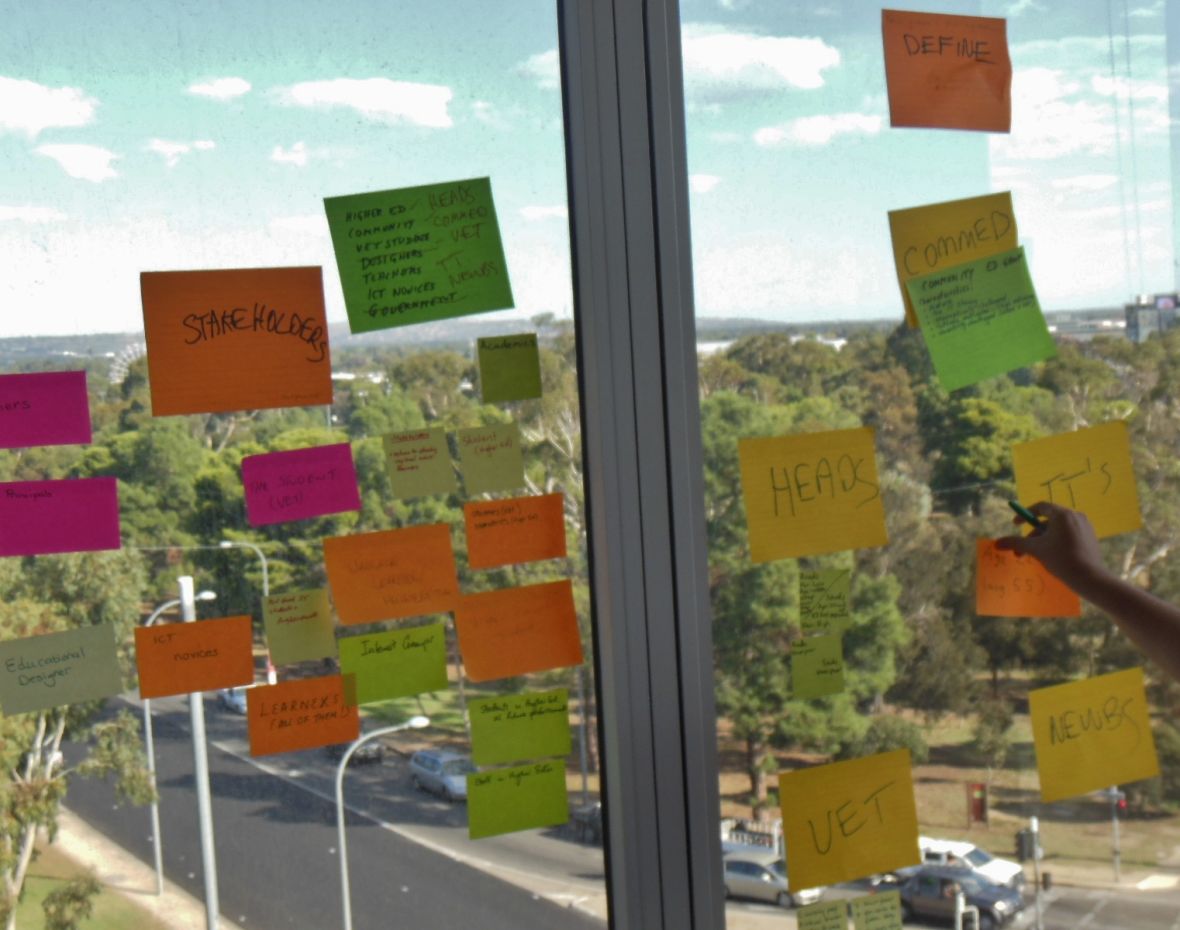
"caption": "Design-thinking can often involve brainstorming in teams using post-its ",
"description": null,
"title": "design thinking",
"credit": "Michael Coghlan / Flickr",
"status": "inherit",
"isLoading": false,
"fetchFailed": false
},
"stateofhealth_66823": {
"type": "attachments",
"id": "stateofhealth_66823",
"meta": {
"index": "attachments_1716263798",
"site": "stateofhealth",
"id": "66823",
"found": true
},
"parent": 66822,
"imgSizes": {
"twentyfourteen-full-width": {
"file": "https://ww2.kqed.org/app/uploads/sites/27/2015/08/sleep-science-3_enl-a92ebd9d8c6697ac02774c8f0bcd06fc98740a52-1038x576.jpg",
"width": 1038,
"mimeType": "image/jpeg",
"height": 576
},
"thumbnail": {
"file": "https://ww2.kqed.org/app/uploads/sites/27/2015/08/sleep-science-3_enl-a92ebd9d8c6697ac02774c8f0bcd06fc98740a52-400x267.jpg",
"width": 400,
"mimeType": "image/jpeg",
"height": 267
},
"fd-sm": {
"file": "https://ww2.kqed.org/app/uploads/sites/27/2015/08/sleep-science-3_enl-a92ebd9d8c6697ac02774c8f0bcd06fc98740a52-960x641.jpg",
"width": 960,
"mimeType": "image/jpeg",
"height": 641
},
"post-thumbnail": {
"file": "https://ww2.kqed.org/app/uploads/sites/27/2015/08/sleep-science-3_enl-a92ebd9d8c6697ac02774c8f0bcd06fc98740a52-672x372.jpg",
"width": 672,
"mimeType": "image/jpeg",
"height": 372
},
"kqedFullSize": {
"file": "https://ww2.kqed.org/app/uploads/sites/27/2015/08/sleep-science-3_enl-a92ebd9d8c6697ac02774c8f0bcd06fc98740a52-e1440437504613.jpg",
"width": 1920,
"height": 1281
},
"large": {
"file": "https://ww2.kqed.org/app/uploads/sites/27/2015/08/sleep-science-3_enl-a92ebd9d8c6697ac02774c8f0bcd06fc98740a52-1440x961.jpg",
"width": 1440,
"mimeType": "image/jpeg",
"height": 961
},
"guest-author-96": {
"file": "https://ww2.kqed.org/app/uploads/sites/27/2015/08/sleep-science-3_enl-a92ebd9d8c6697ac02774c8f0bcd06fc98740a52-96x96.jpg",
"width": 96,
"mimeType": "image/jpeg",
"height": 96
},
"medium": {
"file": "https://ww2.kqed.org/app/uploads/sites/27/2015/08/sleep-science-3_enl-a92ebd9d8c6697ac02774c8f0bcd06fc98740a52-800x534.jpg",
"width": 800,
"mimeType": "image/jpeg",
"height": 534
},
"guest-author-64": {
"file": "https://ww2.kqed.org/app/uploads/sites/27/2015/08/sleep-science-3_enl-a92ebd9d8c6697ac02774c8f0bcd06fc98740a52-64x64.jpg",
"width": 64,
"mimeType": "image/jpeg",
"height": 64
},
"guest-author-32": {
"file": "https://ww2.kqed.org/app/uploads/sites/27/2015/08/sleep-science-3_enl-a92ebd9d8c6697ac02774c8f0bcd06fc98740a52-32x32.jpg",
"width": 32,
"mimeType": "image/jpeg",
"height": 32
},
"jmtc-small-thumb": {
"file": "https://ww2.kqed.org/app/uploads/sites/27/2015/08/sleep-science-3_enl-a92ebd9d8c6697ac02774c8f0bcd06fc98740a52-280x150.jpg",
"width": 280,
"mimeType": "image/jpeg",
"height": 150
},
"fd-lrg": {
"file": "https://ww2.kqed.org/app/uploads/sites/27/2015/08/sleep-science-3_enl-a92ebd9d8c6697ac02774c8f0bcd06fc98740a52-1920x1281.jpg",
"width": 1920,
"mimeType": "image/jpeg",
"height": 1281
},
"fd-med": {
"file": "https://ww2.kqed.org/app/uploads/sites/27/2015/08/sleep-science-3_enl-a92ebd9d8c6697ac02774c8f0bcd06fc98740a52-1180x787.jpg",
"width": 1180,
"mimeType": "image/jpeg",
"height": 787
},
"detail": {
"file": "https://ww2.kqed.org/app/uploads/sites/27/2015/08/sleep-science-3_enl-a92ebd9d8c6697ac02774c8f0bcd06fc98740a52-75x75.jpg",
"width": 75,
"mimeType": "image/jpeg",
"height": 75
},
"guest-author-128": {
"file": "https://ww2.kqed.org/app/uploads/sites/27/2015/08/sleep-science-3_enl-a92ebd9d8c6697ac02774c8f0bcd06fc98740a52-128x128.jpg",
"width": 128,
"mimeType": "image/jpeg",
"height": 128
}
},
"publishDate": 1440436953,
"modified": 1440437500,
"caption": "Michael Arnott, of Cambridge, Mass., says he used to have trouble staying awake on long drives. Sleep specialists discovered he has obstructive sleep apnea, though not for the most common reasons — he isn't overweight, and doesn't smoke or take sedatives.",
"description": "Michael Arnott, of Cambridge, Mass., says he used to have trouble staying awake on long drives. Sleep specialists discovered he has obstructive sleep apnea, though not for the most common reasons — he isn't overweight, and doesn't smoke or take sedative",
"title": "Michael Arnott, of Cambridge, Mass., says he used to have trouble staying awake on long drives. Sleep specialists discovered he has obstructive sleep apnea, though not for the most common reasons — he isn't overweight, and doesn't smoke or take sedatives.",
"credit": "M. Scott Bauer for NPR",
"status": "inherit",
"isLoading": false,
"fetchFailed": false
}
},
"audioPlayerReducer": {
"postId": "stream_live",
"isPaused": true,
"isPlaying": false,
"pfsActive": false,
"pledgeModalIsOpen": true,
"playerDrawerIsOpen": false,
"liveAudioPlayStartedAt": 0,
"liveAudioPlayContext": ""
},
"authorsReducer": {
"byline_futureofyou_34452": {
"type": "authors",
"id": "byline_futureofyou_34452",
"meta": {
"override": true
},
"slug": "byline_futureofyou_34452",
"name": "Wendy Wolfson",
"isLoading": false
},
"byline_stateofhealth_70739": {
"type": "authors",
"id": "byline_stateofhealth_70739",
"meta": {
"override": true
},
"slug": "byline_stateofhealth_70739",
"name": "Robin Marantz Henig",
"isLoading": false
},
"byline_futureofyou_31049": {
"type": "authors",
"id": "byline_futureofyou_31049",
"meta": {
"override": true
},
"slug": "byline_futureofyou_31049",
"name": "Rebecca Grant",
"isLoading": false
},
"byline_futureofyou_30945": {
"type": "authors",
"id": "byline_futureofyou_30945",
"meta": {
"override": true
},
"slug": "byline_futureofyou_30945",
"name": "Rob Sachs, NPR ",
"isLoading": false
},
"byline_futureofyou_28802": {
"type": "authors",
"id": "byline_futureofyou_28802",
"meta": {
"override": true
},
"slug": "byline_futureofyou_28802",
"name": "Rina Shaikh-Lesko",
"isLoading": false
},
"byline_stateofhealth_66822": {
"type": "authors",
"id": "byline_stateofhealth_66822",
"meta": {
"override": true
},
"slug": "byline_stateofhealth_66822",
"name": "Jon Hamilton",
"isLoading": false
},
"lisaaliferis": {
"type": "authors",
"id": "240",
"meta": {
"index": "authors_1716337520",
"id": "240",
"found": true
},
"name": "Lisa Aliferis",
"firstName": "Lisa",
"lastName": "Aliferis",
"slug": "lisaaliferis",
"email": "laliferis@kqed.org",
"display_author_email": false,
"staff_mastheads": [],
"title": "KQED Contributor",
"bio": "Lisa Aliferis is the founding editor of KQED's \u003cem>State of Health\u003c/em> blog. Since 2011, she's been writing and editing stories for the site. Before taking up blogging, she toiled for many years (more than we can count) producing health stories for television, including\u003cem> Dateline NBC\u003c/em> and San Francisco's CBS affiliate, KPIX-TV. She also wrote up a \u003ca title=\"http://www.kqed.org/news/health/obamacare/obamacare-guide.jsp\" href=\"http://www.kqed.org/news/health/obamacare/obamacare-guide.jsp\">handy guide to the Affordable Care Act\u003c/a>, especially for Californians. Her work has been honored for many awards. Most recently she was a finalist for \"Best Topical Reporting\" from the Online News Association. You can follow her on Twitter: \u003ca title=\"https://twitter.com/laliferis\" href=\"https://twitter.com/laliferis\">@laliferis\u003c/a>",
"avatar": "https://secure.gravatar.com/avatar/86c339d5cdcb0dcd2b6cf5d7c3f5886b?s=600&d=mm&r=g",
"twitter": "laliferis",
"facebook": null,
"instagram": null,
"linkedin": null,
"sites": [
{
"site": "news",
"roles": [
"subscriber"
]
},
{
"site": "futureofyou",
"roles": [
"subscriber"
]
},
{
"site": "stateofhealth",
"roles": [
"subscriber"
]
},
{
"site": "science",
"roles": [
"subscriber"
]
},
{
"site": "food",
"roles": []
}
],
"headData": {
"title": "Lisa Aliferis | KQED",
"description": "KQED Contributor",
"ogImgSrc": "https://secure.gravatar.com/avatar/86c339d5cdcb0dcd2b6cf5d7c3f5886b?s=600&d=mm&r=g",
"twImgSrc": "https://secure.gravatar.com/avatar/86c339d5cdcb0dcd2b6cf5d7c3f5886b?s=600&d=mm&r=g"
},
"isLoading": false,
"link": "/author/lisaaliferis"
},
"cfarr": {
"type": "authors",
"id": "3252",
"meta": {
"index": "authors_1716337520",
"id": "3252",
"found": true
},
"name": "Christina Farr",
"firstName": "Christina",
"lastName": "Farr",
"slug": "cfarr",
"email": "cfarr@kqed.org",
"display_author_email": false,
"staff_mastheads": [],
"title": "KQED Contributor",
"bio": "Christina Farr (\u003ca href=\"https://twitter.com/chrissyfarr\">@chrissyfarr\u003c/a>) is the former editor and host of Future of You. She was previously with Reuters, covering digital health and Apple and before that, she reported for Venture Beat. Christina was born and raised in London and has graduate degrees from University of London and the Stanford School of Journalism. Farr’s work has appeared in a variety of publications, including the New York Times, the Daily Telegraph, the Bay Citizen and SFGate.com. She has appeared as a featured expert on NBC, ABC and Reuters TV, among others, and frequently speaks at health and technology conferences. She is also co-founder of Ladies Who Vino, a networking group for women in technology and business.",
"avatar": "https://secure.gravatar.com/avatar/22c63869a7901c61c15e204391c1261d?s=600&d=blank&r=g",
"twitter": null,
"facebook": null,
"instagram": null,
"linkedin": null,
"sites": [
{
"site": "futureofyou",
"roles": [
"administrator"
]
},
{
"site": "stateofhealth",
"roles": [
"author"
]
},
{
"site": "science",
"roles": []
}
],
"headData": {
"title": "Christina Farr | KQED",
"description": "KQED Contributor",
"ogImgSrc": "https://secure.gravatar.com/avatar/22c63869a7901c61c15e204391c1261d?s=600&d=blank&r=g",
"twImgSrc": "https://secure.gravatar.com/avatar/22c63869a7901c61c15e204391c1261d?s=600&d=blank&r=g"
},
"isLoading": false,
"link": "/author/cfarr"
},
"dr-barry-starr": {
"type": "authors",
"id": "6177",
"meta": {
"index": "authors_1716337520",
"id": "6177",
"found": true
},
"name": "Dr. Barry Starr",
"firstName": "Dr. Barry",
"lastName": "Starr",
"slug": "dr-barry-starr",
"email": "bstarr@thetech.org",
"display_author_email": false,
"staff_mastheads": [],
"title": "KQED Contributor",
"bio": "Dr. Barry Starr (\u003ca href=\"https://twitter.com/geneticsboy\">@geneticsboy\u003c/a>) is a Geneticist-in-Residence at The Tech Museum of Innovation in San Jose, CA and runs their Stanford at The Tech program. The program is part of an ongoing collaboration between the \u003ca href=\"http://genetics.stanford.edu/\">Stanford Department of Genetics\u003c/a> and \u003ca href=\"http://www.thetech.org/\">The Tech Museum of Innovation\u003c/a>. Together these two partners created the \u003ca href=\"http://www.thetech.org/exhibits/permanent/index.php?sGalKey=gtwt&galKey=lt\">Genetics: Technology with a Twist\u003c/a> exhibition.\r\n\r\nYou can also see \u003ca href=\"https://ww2.kqed.org/science/author/dr-barry-starr/\">additional posts by Barry at KQED Science\u003c/a>, and read his \u003ca href=\"http://science.kqed.org/quest/author/dr-barry-starr/\">previous contributions\u003c/a> to \u003ca href=\"http://science.kqed.org/quest/\">QUEST\u003c/a>, a project dedicated to exploring the Science of Sustainability.",
"avatar": "https://secure.gravatar.com/avatar/4a5680e4c642ea0f0f3041af16018969?s=600&d=blank&r=g",
"twitter": "geneticsboy",
"facebook": null,
"instagram": null,
"linkedin": null,
"sites": [
{
"site": "futureofyou",
"roles": []
},
{
"site": "science",
"roles": [
"author"
]
},
{
"site": "quest",
"roles": [
"subscriber"
]
}
],
"headData": {
"title": "Dr. Barry Starr | KQED",
"description": "KQED Contributor",
"ogImgSrc": "https://secure.gravatar.com/avatar/4a5680e4c642ea0f0f3041af16018969?s=600&d=blank&r=g",
"twImgSrc": "https://secure.gravatar.com/avatar/4a5680e4c642ea0f0f3041af16018969?s=600&d=blank&r=g"
},
"isLoading": false,
"link": "/author/dr-barry-starr"
},
"jlipsky": {
"type": "authors",
"id": "11992",
"meta": {
"index": "authors_1716337520",
"id": "11992",
"found": true
},
"name": "Jessica Lipsky",
"firstName": "Jessica",
"lastName": "Lipsky",
"slug": "jlipsky",
"email": "jessica.lipsky@gmail.com",
"display_author_email": false,
"staff_mastheads": [],
"title": "KQED Contributor",
"bio": "Jessica Lipsky is a freelance writer who has contributed to the New York Times, the Washington Post, Columbia Journalism Review, NPR and more. She is the author of \u003cem>It Ain’t Retro: Daptone Records & The 21st-Century Soul Revolution\u003c/em>. Find her work \u003ca href=\"https://www.jlipsky.com/\">here\u003c/a>.",
"avatar": "https://secure.gravatar.com/avatar/07bb90ce7e446aa0abb4fe23b3437ebd?s=600&d=blank&r=g",
"twitter": null,
"facebook": null,
"instagram": null,
"linkedin": null,
"sites": [
{
"site": "arts",
"roles": [
"contributor"
]
},
{
"site": "futureofyou",
"roles": [
"contributor"
]
}
],
"headData": {
"title": "Jessica Lipsky | KQED",
"description": "KQED Contributor",
"ogImgSrc": "https://secure.gravatar.com/avatar/07bb90ce7e446aa0abb4fe23b3437ebd?s=600&d=blank&r=g",
"twImgSrc": "https://secure.gravatar.com/avatar/07bb90ce7e446aa0abb4fe23b3437ebd?s=600&d=blank&r=g"
},
"isLoading": false,
"link": "/author/jlipsky"
}
},
"pagesReducer": {
"science_category_health": {
"type": "terms",
"id": "science_39",
"meta": {
"index": "terms_1716263798",
"site": "science",
"id": "39",
"score": 10.889519
},
"featImg": null,
"name": "Health",
"description": null,
"taxonomy": "category",
"headData": {
"twImgId": null,
"twTitle": null,
"ogTitle": null,
"ogImgId": null,
"twDescription": null,
"description": null,
"title": "Health Archives | KQED Science",
"ogDescription": null
},
"ttid": 41,
"slug": "health",
"isLoading": false,
"title": "Health",
"pageMeta": {
"site": "science",
"WpPageTemplate": "page-topic-editorial",
"currentPage": 76
},
"blocks": [
{
"blockName": "kqed/post-list",
"attrs": {
"layout": "cardArticle2",
"query": "posts/science?category=health",
"seeMore": false,
"paginated": true,
"page": 76
}
},
{
"blockName": "kqed/ad"
}
]
}
},
"pfsSessionReducer": {},
"postsReducer": {
"stream_live": {
"type": "live",
"id": "stream_live",
"audioUrl": "https://streams.kqed.org/kqedradio",
"title": "Live Stream",
"excerpt": "Live Stream information currently unavailable.",
"link": "/radio",
"featImg": "",
"label": {
"name": "KQED Live",
"link": "/"
}
},
"stream_kqedNewscast": {
"type": "posts",
"id": "stream_kqedNewscast",
"audioUrl": "https://www.kqed.org/.stream/anon/radio/RDnews/newscast.mp3?_=1",
"title": "KQED Newscast",
"featImg": "",
"label": {
"name": "88.5 FM",
"link": "/"
}
},
"futureofyou_34158": {
"type": "posts",
"id": "futureofyou_34158",
"meta": {
"index": "posts_1716263798",
"site": "futureofyou",
"id": "34158",
"score": null,
"sort": [
1441383356000
]
},
"parent": 0,
"labelTerm": {},
"blocks": [],
"publishDate": 1441383356,
"format": "standard",
"disqusTitle": "Why Google is Going All in on Diabetes",
"title": "Why Google is Going All in on Diabetes",
"headTitle": "KQED Future of You | KQED Science",
"content": "\u003cp>Millions of people with diabetes prick their finger more than five times a day to monitor their blood glucose levels. And that's a painful and expensive process.\u003c/p>\n\u003cp>But now, Google's Life Sciences division is putting its immense resources behind new initiatives aimed at helping them better live with the disease.\u003c/p>\n\u003cp>\"It's really hard for people to manage their blood sugar,\" said Jacquelyn Miller, a Google Life Sciences spokeswoman, in an interview with KQED. \"We're hoping to take some of the guesswork out of it.\"\u003c/p>\n\u003cp>Earlier this week the new Google Life Sciences unit announced that diabetes is the company's first major disease target. It may come as a surprise that Google, a company that helps people search online for flights and restaurants, and dabbles in other ventures like self-driving cars, is investing in new therapies to treat disease.\u003c/p>\n\u003cp>But according to Michael Chae, executive director of the Bay Area Chapter at the American Diabetes Association, Google's decision is a no brainer. It's a highly lucrative opportunity -- in 2012, the total cost of managing diabetes was $245 billion in the U.S. alone -- and the timing is just right for technology companies to enter the field.\u003c/p>\n\u003cp>[ad fullwidth]\u003c/p>\n\u003cp>\"There's been an explosion of wearables, data and analytics,\" he said. \"People with diabetes are more comfortable living in a measured world.\"\u003c/p>\n\u003cp>Chae envisions a future where people with diabetes can measure their blood glucose levels on a continuous basis, using painless methods. One of Google's emerging products is a contact lens embedded with a glitter-sized sensor that can measure glucose levels in tears. \"There's a whole lot of innovation at once,\" he said.\u003c/p>\n\u003cp>\u003cstrong>'I Didn't Feel Like a Normal Human Being'\u003c/strong>\u003c/p>\n\u003cp>The methods that Cyrus Khambatta uses to manage his Type 1 diabetes haven't changed much in the past decade.\u003c/p>\n\u003cp>Khambatta, \u003ca href=\"http://www.mangomannutrition.com\">a nutritionist\u003c/a> based in San Francisco was diagnosed with the disease at the age of 22. Each day, he pricks his finger between six and 10 times. He uses a lancet to draw a little blood, which he adds to a test strip, and feeds the strip into a glucose meter to check his blood sugar levels.\u003c/p>\n\u003cp>Before meals and exercise, he injects himself with a syringe filled with insulin. He dials up the amount of insulin based on the data from the glucose meter. The insulin required at any given time is related to many factors, including stress, sleep, exercise and diet, Khambatta explained, and involves a high attention to detail combined with some degree of guesswork.\u003c/p>\n\u003cp>\"Unlike a migraine or acne, diabetes management is all about developing an understanding and manipulation of numbers over time,\" he said. \"Diabetes is very quantitative.\"\u003c/p>\n\u003cfigure id=\"attachment_34870\" class=\"wp-caption alignright\" style=\"max-width: 800px\">\u003cimg class=\"size-medium wp-image-34870\" src=\"http://ww2.kqed.org/futureofyou/wp-content/uploads/sites/13/2015/09/unnamed-800x600.jpg\" alt=\"Khambatta regulates his insulin levels with a glucose meter, syringe and lancet. \" width=\"800\" height=\"600\" srcset=\"https://ww2.kqed.org/app/uploads/sites/13/2015/09/unnamed-800x600.jpg 800w, https://ww2.kqed.org/app/uploads/sites/13/2015/09/unnamed-400x300.jpg 400w, https://ww2.kqed.org/app/uploads/sites/13/2015/09/unnamed-960x720.jpg 960w, https://ww2.kqed.org/app/uploads/sites/13/2015/09/unnamed.jpg 1046w\" sizes=\"(max-width: 800px) 100vw, 800px\">\u003cfigcaption class=\"wp-caption-text\">Khambatta regulates his insulin levels with a glucose meter, syringe and lancet. \u003ccite>(Cyrus Khambatta )\u003c/cite>\u003c/figcaption>\u003c/figure>\n\u003cp>Khambatta describes his style for managing disease as \"old school\" compared to some of his peers. Many other diabetes sufferers use more modern alternatives for glucose monitoring, such as a patch with \u003ca href=\"http://www.dexcom.com/continuous-glucose-monitoring\">tiny needle-based sensors under the skin\u003c/a>, which connects to a transmitter and an insulin pump.\u003c/p>\n\u003cp>But for Khambatta, these options still require a good deal of effort, as the sensor needs to be changed every two to three days, and they serve as a constant visual reminder of his condition. When he tried them, he said: \"I didn't feel like a normal human being.\"\u003c/p>\n\u003cp>In the near future, he said he also hopes that companies will develop non-invasive, continuous glucose monitoring, which wouldn't draw blood or cause pain or trauma.\u003c/p>\n\u003cp>\"That's the holy grail,\" said Cameron Sepah, medical director from \u003ca href=\"https://omadahealth.com/\">Omada Health\u003c/a>, a San Francisco-based company that focuses on technology for diabetes prevention. Sepah said such a sophisticated blood sugar-tracking system could be paired with a device that delivers insulin, and thus act as an \"artificial pancreas.\"\u003c/p>\n\u003cp>\"Health companies have been working on this for years,\" he said. \"But Google has a history of taking on very ambitious projects.\"\u003c/p>\n\u003cp>\u003cstrong>Why Google? \u003c/strong>\u003c/p>\n\u003cp>Google made a name for itself with search technology, but it has dabbled in more ambitious \"moonshot\" projects from self-driving cars to stratospheric Internet balloons.\u003c/p>\n\u003cp>The life sciences' team, which initially worked with Google's secretive research arm Google X, spun out from the Google search engine business in August. Both entities will be held under an umbrella organization \u003ca href=\"http://www.theguardian.com/technology/2015/aug/10/google-alphabet-parent-company\">called Alphabet. \u003c/a>\u003c/p>\n\u003caside class=\"pullquote alignright\">'It's really hard for people to manage their blood sugar. We're hoping to take some of the guesswork out of it.'\u003cbr>\n\u003ccite>Jacquelyn Miller, spokesperson for Google Life Sciences\u003c/cite>\u003c/aside>\n\u003cp>The life sciences unit is led by molecular biologist Andy Conrad, who has helped the company secure partnerships with top drug makers and medical device companies. Conrad seems to be taking a different tack than the \u003ca href=\"http://www.informationweek.com/healthcare/electronic-health-records/5-reasons-why-google-health-failed/d/d-id/1098623?\">the ill-fated \"Google Health\u003c/a>\" team, which offered a personal health record product and closed in 2011 because of a lack of traction, by seeking the input and assistance of more established players in the medical sector.\u003c/p>\n\u003cp>Google Life Sciences earlier this week announced a partnership with \u003ca href=\"http://www.sanofi.us/l/us/en/index.jsp\">Sanofi\u003c/a>, maker of an insulin inhaler and a slew of other products for people with diabetes. It is also working with \u003ca href=\"http://www.jnj.com/\">Johnson & Johnson \u003c/a>on \u003ca href=\"http://ww2.kqed.org/futureofyou/robotics-surgeons-google-jandj\">surgical robots\u003c/a>; Novartis and Dexcom on \u003ca href=\"https://www.novartis.com/news/media-releases/novartis-license-google-smart-lens-technology\">diabetes-related projects\u003c/a>, and Biogen on\u003ca href=\"http://www.bloomberg.com/news/articles/2015-01-27/google-biogen-seek-reasons-for-advance-of-multiple-sclerosis\"> potential treatments for multiple sclerosis\u003c/a>.\u003c/p>\n\u003cp>But the diabetes opportunity appears to be the primary focus. Data and analytics is Google's area of expertise, and as Miller puts it, diabetes management is fundamentally an \"information problem.\"\u003c/p>\n\u003cp>Patients with diabetes lack clear information about how variables like nutrition and exercise affect their blood sugar levels, she said. And these kind of insights could help them adjust their insulin levels and avoid serious outcomes, like stroke, heart disease and hypoglycemia.\u003c/p>\n\u003cp>\u003c/p>\n\u003cp>But don't expect any of the products from the Life Sciences team to hit the market next week. Given the technical challenges and the regulatory requirements, experts say, it could take years before any new device reaches patients.\u003c/p>\n\n",
"disqusIdentifier": "34158 http://ww2.kqed.org/futureofyou/?p=34158",
"disqusUrl": "https://ww2.kqed.org/futureofyou/2015/09/04/why-google-is-going-all-in-on-diabetes/",
"stats": {
"hasVideo": false,
"hasChartOrMap": false,
"hasAudio": false,
"hasPolis": false,
"wordCount": 1063,
"hasGoogleForm": false,
"hasGallery": false,
"hasHearkenModule": false,
"iframeSrcs": [],
"paragraphCount": 27
},
"modified": 1477274349,
"excerpt": "\"It's really hard for people [with diabetes] to manage their blood sugar,\" Google told KQED. \"We're hoping to take some of the guesswork out of it.\"",
"headData": {
"twImgId": "",
"twTitle": "",
"ogTitle": "",
"ogImgId": "",
"twDescription": "",
"description": ""It's really hard for people to manage their blood sugar," Google told KQED. "We're hoping to take some of the guesswork out of it."",
"title": "Why Google is Going All in on Diabetes | KQED",
"ogDescription": "",
"schema": {
"@context": "https://schema.org",
"@type": "Article",
"headline": "Why Google is Going All in on Diabetes",
"datePublished": "2015-09-04T09:15:56-07:00",
"dateModified": "2016-10-23T18:59:09-07:00",
"image": "https://cdn.kqed.org/wp-content/uploads/2020/02/KQED-OG-Image@1x.png"
}
},
"guestAuthors": [],
"slug": "why-google-is-going-all-in-on-diabetes",
"status": "publish",
"source": "Future of You",
"path": "/futureofyou/34158/why-google-is-going-all-in-on-diabetes",
"audioTrackLength": null,
"parsedContent": [
{
"type": "contentString",
"content": "\u003cdiv class=\"post-body\">\u003cp>\u003cp>Millions of people with diabetes prick their finger more than five times a day to monitor their blood glucose levels. And that's a painful and expensive process.\u003c/p>\n\u003cp>But now, Google's Life Sciences division is putting its immense resources behind new initiatives aimed at helping them better live with the disease.\u003c/p>\n\u003cp>\"It's really hard for people to manage their blood sugar,\" said Jacquelyn Miller, a Google Life Sciences spokeswoman, in an interview with KQED. \"We're hoping to take some of the guesswork out of it.\"\u003c/p>\n\u003cp>Earlier this week the new Google Life Sciences unit announced that diabetes is the company's first major disease target. It may come as a surprise that Google, a company that helps people search online for flights and restaurants, and dabbles in other ventures like self-driving cars, is investing in new therapies to treat disease.\u003c/p>\n\u003cp>But according to Michael Chae, executive director of the Bay Area Chapter at the American Diabetes Association, Google's decision is a no brainer. It's a highly lucrative opportunity -- in 2012, the total cost of managing diabetes was $245 billion in the U.S. alone -- and the timing is just right for technology companies to enter the field.\u003c/p>\n\u003cp>\u003c/p>\u003c/div>",
"attributes": {
"named": {},
"numeric": []
}
},
{
"type": "component",
"content": "",
"name": "ad",
"attributes": {
"named": {
"label": "fullwidth"
},
"numeric": [
"fullwidth"
]
}
},
{
"type": "contentString",
"content": "\u003cdiv class=\"post-body\">\u003cp>\u003c/p>\n\u003cp>\"There's been an explosion of wearables, data and analytics,\" he said. \"People with diabetes are more comfortable living in a measured world.\"\u003c/p>\n\u003cp>Chae envisions a future where people with diabetes can measure their blood glucose levels on a continuous basis, using painless methods. One of Google's emerging products is a contact lens embedded with a glitter-sized sensor that can measure glucose levels in tears. \"There's a whole lot of innovation at once,\" he said.\u003c/p>\n\u003cp>\u003cstrong>'I Didn't Feel Like a Normal Human Being'\u003c/strong>\u003c/p>\n\u003cp>The methods that Cyrus Khambatta uses to manage his Type 1 diabetes haven't changed much in the past decade.\u003c/p>\n\u003cp>Khambatta, \u003ca href=\"http://www.mangomannutrition.com\">a nutritionist\u003c/a> based in San Francisco was diagnosed with the disease at the age of 22. Each day, he pricks his finger between six and 10 times. He uses a lancet to draw a little blood, which he adds to a test strip, and feeds the strip into a glucose meter to check his blood sugar levels.\u003c/p>\n\u003cp>Before meals and exercise, he injects himself with a syringe filled with insulin. He dials up the amount of insulin based on the data from the glucose meter. The insulin required at any given time is related to many factors, including stress, sleep, exercise and diet, Khambatta explained, and involves a high attention to detail combined with some degree of guesswork.\u003c/p>\n\u003cp>\"Unlike a migraine or acne, diabetes management is all about developing an understanding and manipulation of numbers over time,\" he said. \"Diabetes is very quantitative.\"\u003c/p>\n\u003cfigure id=\"attachment_34870\" class=\"wp-caption alignright\" style=\"max-width: 800px\">\u003cimg class=\"size-medium wp-image-34870\" src=\"http://ww2.kqed.org/futureofyou/wp-content/uploads/sites/13/2015/09/unnamed-800x600.jpg\" alt=\"Khambatta regulates his insulin levels with a glucose meter, syringe and lancet. \" width=\"800\" height=\"600\" srcset=\"https://ww2.kqed.org/app/uploads/sites/13/2015/09/unnamed-800x600.jpg 800w, https://ww2.kqed.org/app/uploads/sites/13/2015/09/unnamed-400x300.jpg 400w, https://ww2.kqed.org/app/uploads/sites/13/2015/09/unnamed-960x720.jpg 960w, https://ww2.kqed.org/app/uploads/sites/13/2015/09/unnamed.jpg 1046w\" sizes=\"(max-width: 800px) 100vw, 800px\">\u003cfigcaption class=\"wp-caption-text\">Khambatta regulates his insulin levels with a glucose meter, syringe and lancet. \u003ccite>(Cyrus Khambatta )\u003c/cite>\u003c/figcaption>\u003c/figure>\n\u003cp>Khambatta describes his style for managing disease as \"old school\" compared to some of his peers. Many other diabetes sufferers use more modern alternatives for glucose monitoring, such as a patch with \u003ca href=\"http://www.dexcom.com/continuous-glucose-monitoring\">tiny needle-based sensors under the skin\u003c/a>, which connects to a transmitter and an insulin pump.\u003c/p>\n\u003cp>But for Khambatta, these options still require a good deal of effort, as the sensor needs to be changed every two to three days, and they serve as a constant visual reminder of his condition. When he tried them, he said: \"I didn't feel like a normal human being.\"\u003c/p>\n\u003cp>In the near future, he said he also hopes that companies will develop non-invasive, continuous glucose monitoring, which wouldn't draw blood or cause pain or trauma.\u003c/p>\n\u003cp>\"That's the holy grail,\" said Cameron Sepah, medical director from \u003ca href=\"https://omadahealth.com/\">Omada Health\u003c/a>, a San Francisco-based company that focuses on technology for diabetes prevention. Sepah said such a sophisticated blood sugar-tracking system could be paired with a device that delivers insulin, and thus act as an \"artificial pancreas.\"\u003c/p>\n\u003cp>\"Health companies have been working on this for years,\" he said. \"But Google has a history of taking on very ambitious projects.\"\u003c/p>\n\u003cp>\u003cstrong>Why Google? \u003c/strong>\u003c/p>\n\u003cp>Google made a name for itself with search technology, but it has dabbled in more ambitious \"moonshot\" projects from self-driving cars to stratospheric Internet balloons.\u003c/p>\n\u003cp>The life sciences' team, which initially worked with Google's secretive research arm Google X, spun out from the Google search engine business in August. Both entities will be held under an umbrella organization \u003ca href=\"http://www.theguardian.com/technology/2015/aug/10/google-alphabet-parent-company\">called Alphabet. \u003c/a>\u003c/p>\n\u003caside class=\"pullquote alignright\">'It's really hard for people to manage their blood sugar. We're hoping to take some of the guesswork out of it.'\u003cbr>\n\u003ccite>Jacquelyn Miller, spokesperson for Google Life Sciences\u003c/cite>\u003c/aside>\n\u003cp>The life sciences unit is led by molecular biologist Andy Conrad, who has helped the company secure partnerships with top drug makers and medical device companies. Conrad seems to be taking a different tack than the \u003ca href=\"http://www.informationweek.com/healthcare/electronic-health-records/5-reasons-why-google-health-failed/d/d-id/1098623?\">the ill-fated \"Google Health\u003c/a>\" team, which offered a personal health record product and closed in 2011 because of a lack of traction, by seeking the input and assistance of more established players in the medical sector.\u003c/p>\n\u003cp>Google Life Sciences earlier this week announced a partnership with \u003ca href=\"http://www.sanofi.us/l/us/en/index.jsp\">Sanofi\u003c/a>, maker of an insulin inhaler and a slew of other products for people with diabetes. It is also working with \u003ca href=\"http://www.jnj.com/\">Johnson & Johnson \u003c/a>on \u003ca href=\"http://ww2.kqed.org/futureofyou/robotics-surgeons-google-jandj\">surgical robots\u003c/a>; Novartis and Dexcom on \u003ca href=\"https://www.novartis.com/news/media-releases/novartis-license-google-smart-lens-technology\">diabetes-related projects\u003c/a>, and Biogen on\u003ca href=\"http://www.bloomberg.com/news/articles/2015-01-27/google-biogen-seek-reasons-for-advance-of-multiple-sclerosis\"> potential treatments for multiple sclerosis\u003c/a>.\u003c/p>\n\u003cp>But the diabetes opportunity appears to be the primary focus. Data and analytics is Google's area of expertise, and as Miller puts it, diabetes management is fundamentally an \"information problem.\"\u003c/p>\n\u003cp>Patients with diabetes lack clear information about how variables like nutrition and exercise affect their blood sugar levels, she said. And these kind of insights could help them adjust their insulin levels and avoid serious outcomes, like stroke, heart disease and hypoglycemia.\u003c/p>\n\u003cp>\u003c/p>\n\u003cp>But don't expect any of the products from the Life Sciences team to hit the market next week. Given the technical challenges and the regulatory requirements, experts say, it could take years before any new device reaches patients.\u003c/p>\n\n\u003c/div>\u003c/p>",
"attributes": {
"named": {},
"numeric": []
}
}
],
"link": "/futureofyou/34158/why-google-is-going-all-in-on-diabetes",
"authors": [
"3252"
],
"categories": [
"futureofyou_1060"
],
"tags": [
"futureofyou_309",
"futureofyou_131",
"futureofyou_80"
],
"featImg": "futureofyou_34595",
"label": "source_futureofyou_34158"
},
"futureofyou_34452": {
"type": "posts",
"id": "futureofyou_34452",
"meta": {
"index": "posts_1716263798",
"site": "futureofyou",
"id": "34452",
"score": null,
"sort": [
1441299072000
]
},
"parent": 0,
"labelTerm": {
"site": "futureofyou"
},
"blocks": [],
"publishDate": 1441299072,
"format": "standard",
"disqusTitle": "Are Statins Bad for Me? Personalized Medicine Can't Yet Say",
"title": "Are Statins Bad for Me? Personalized Medicine Can't Yet Say",
"headTitle": "KQED Future of You | KQED Science",
"content": "\u003cp>About 25 to 30 percent of people prescribed statins dump them within a year. I flunked Lipitor after a few wretched months.\u003c/p>\n\u003cp>Statins are prescribed to lower cholesterol in people who show risk factors for cardiovascular disease or diabetes, or who already have them. Side effects can include muscle weakness, diabetes onset and, rarely, permanent muscle damage. These risks are higher in women, with age, and with certain heart and blood pressure drugs.\u003c/p>\n\u003cp>Frustrated with trial and error, I was ready to swap some DNA for some personalized insight. I sent a vial of spit to \u003ca href=\"http://www.bostonheartdiagnostics.com/\">Boston Heart Diagnostics\u003c/a>, a Framingham, Mass., company that tests for statin tolerance using SLCO1B1, a gene that was associated with statin myopathy in studies at Oxford and Duke universities. The company currently only offers this test as a blood test through health care providers but, because I'm a science writer, offered to guide me directly through the process.\u003c/p>\n\u003cp>Genetic tests are conducted using DNA fragments extracted from blood, cells or saliva, which are then copied and amplified to get enough material to test for the precise variant of interest. Then the results are analyzed and shared with the patient. Dr. Ernst Schaefer, the company's chief medical officer, would act as my health care provider to interpret the results.\u003c/p>\n\u003cp>The Boston Heart Diagnostics test identifies three genetic variants, called single nucleotide polymorphisms ,or SNPs, on the SLCO1B1 gene that are associated with how well one metabolizes statins.\u003c/p>\n\u003cp>[ad fullwidth]\u003c/p>\n\u003cp>According to the report I received the following week, I was among the 25 percent of people with one copy of the SLCO1B1 variant who metabolize statins like Lipitor or Zocor poorly. Meaning I am 4.5 times more likely to develop muscle myopathy than people without the gene. At least I wasn't among the 2 percent of the population who have both SLCO1B1 gene variants. Then I would be 17 times more likely to develop muscle weakness than the people without the gene.\u003c/p>\n\u003cp>I called Schaefer for more detail. \"The variant is in the transporter that takes up statin in the liver, so people that have the variant have higher blood levels and the statin is more likely to go into muscle,\" he explained. \"Our test is not diagnostic, not confirmatory, just indicates a higher risk of getting a problem on a statin. What is diagnostic is how the patient feels.\"\u003c/p>\n\u003cp>Schaefer recommended that instead of the high dose of Lipitor my doctor had prescribed, I consider a low dose of a different type of statin.\u003c/p>\n\u003cp>Boston Heart is initially targeting its test for people with genetic high cholesterol who are prescribed a PCSK9 inhibitor, a drug newly approved by the Food and Drug Administration. Injected monthly, PCSK9 inhibitors have fewer side effects than statins, but the first drug to hit the market costs over $14,000 a year, compared with $600 for a year's supply of atorvastatin, the generic name for Lipitor.\u003c/p>\n\u003cp>Boston Heart has so far tested over 250,000 patients for statin intolerance but can't yet comment on its prevalence in specific ethnic groups. While this test is not approved by the Food and Drug Administration, it is reimbursed by some insurance.\u003c/p>\n\u003cp>The test costs $100. My health plan still considers prescribing generic drugs for low-risk patients like me on a trial-and-error basis to be cheaper.\u003c/p>\n\u003cp>Insurers will start paying when genetic testing becomes the standard of care agreed upon by physician committees, said Dr. Julie Neidich, a geneticist and laboratory medical director at \u003ca href=\"https://www.pathway.com/\">Pathway Genomics\u003c/a> of San Diego, which also makes a genetic test panel that includes statin intolerance.\u003c/p>\n\u003cp>Could DNA tests like this be the vanguard of personalized medicine? A few months ago, President Obama announced a $215 million \u003ca href=\"http://www.npr.org/sections/health-shots/2015/01/30/382659919/obama-wants-funding-for-research-on-more-precise-health-care\">precision medicine initiative\u003c/a> to collect DNA records from 1 million volunteers to develop medical treatments tailored to individual genetic makeup.\u003c/p>\n\u003cp>\"I think we aren't there yet,\" said Neidich. \"While humans have about 20,000 genes, only about 5,000 genes have been reported in the scientific literature to be associated with a disorder found in humans. We have no clue what the other ones do.\"\u003c/p>\n\u003cp>Four DNA-based drugs were just \u003ca href=\"https://personalizedmedicinecoalition.wordpress.com/2015/07/30/turning-a-corner-how-this-months-decisions-at-fda-inform-the-debate-on-drug-costs/\">approved\u003c/a> by the FDA, and in 2014, nine of the 41 FDA-approved medicines were \u003ca href=\"http://www.personalizedmedicinecoalition.org/Userfiles/PMC-Corporate/file/2014-fda-approvals-personalized-medicine2.pdf\">personalized treatments\u003c/a>.\u003c/p>\n\u003cp>With the exception of new genetically targeted drugs for chronic hepatitis C, where patients' response depends on the genotype of their infection, all these personalized drugs treat rare diseases and unusual forms of cancer, where disease is caused by one gene or a handful of genes.\u003c/p>\n\u003cp>Health insurance companies are watching these developments like hawks. Indeed, the research arm of Kaiser Permanente, my health care plan, has been accumulating a genetic data bank to study complex conditions like heart disease and diabetes.\u003c/p>\n\u003cp>So far over 200,000 Kaiser Permanente members have contributed DNA samples to be analyzed along with their health records. This matters, because small effects are easier to detect over a large population, particularly in ethnic groups not well-represented in prior clinical trials.\u003c/p>\n\u003cp>So what can cardiac researchers conclude so far from these genetic data? \u003ca href=\"http://www.chori.org/Principal_Investigators/Krauss_Ronald/krauss_overview.html\">Dr. Ronald Krauss\u003c/a>, a lipid specialist at Children's Hospital Oakland Research Institute and the University of California, San Francisco, has been studying cholesterol metabolism for over 40 years and has been collaborating with the Kaiser study.\u003c/p>\n\u003cp>Krauss is concerned about the unseen effects of statin use over time. \"The focus on cholesterol and on relatively uncommon adverse effects of statins such as muscle damage and onset of diabetes could be the tip of the iceberg in terms of biological effects with clinical consequences for some individuals,\" Krauss said. \"These could be either negative or positive. In the lab, we see widespread effects of statins at the cellular and molecular level. Are subtle things happening that affect health over the long term?\"\u003c/p>\n\u003cp>But unlike my single gene test for muscle weakness, predicting a risk or treatment response for complex conditions like heart disease involves sifting through a dog's breakfast of genetic variants of varying impact.\u003c/p>\n\u003cp>\"It is not like \u003ca href=\"http://ghr.nlm.nih.gov/condition/huntington-disease\">Huntington's disease\u003c/a>, where a single identifiable genetic variant can give you the disease,\" said Krauss. \"In complex conditions like heart disease, there are multiple genetic effects, but for the most part, each individual genetic trait has a modest effect.\"\u003c/p>\n\u003cp>But the complications don't stop there. Other factors that can affect a person's disease risk and response to treatment include gut bacteria, RNA, acquired DNA changes, lifestyle and environment. Parsing out the impacts of these variables will require massive computing power and gargantuan data storage capacity to deal with the flood of genetic information to be sequenced and interpreted.\u003c/p>\n\u003cp>\"As we have learned more about the biology of statin response, it is clear that this involves major regulatory networks, and this is big stuff,\" said Krauss.\u003c/p>\n\u003cp>So, time for another cholesterol test. Apparently I'm prone to high cholesterol, no matter how many vegetables I ingest. At least I can experiment with Schaefer's statin recommendations until the bioinformaticians surfing the precision medicine data deluge figure out the big stuff.\u003c/p>\n\u003cp>[ad floatright]\u003c/p>\n\u003cp>\u003ca href=\"http://wendywolfson.wordpress.com/\">Wendy Wolfson\u003c/a>\u003cem> is a science writer in Orange County, Calif.\u003c/em>\u003c/p>\n\u003cdiv class=\"fullattribution\">Copyright 2015 NPR. To see more, visit http://www.npr.org/.\u003cimg src=\"http://www.google-analytics.com/__utm.gif?utmac=UA-5828686-4&utmdt=Are+Statins+Bad+For+Me%3F+Personalized+Medicine+Can%27t+Yet+Say&utme=8(APIKey)9(MDAxOTAwOTE4MDEyMTkxMDAzNjczZDljZA004)\" alt=\"\">\u003c/div>\n\n",
"disqusIdentifier": "34452 http://ww2.kqed.org/futureofyou/?p=34452",
"disqusUrl": "https://ww2.kqed.org/futureofyou/2015/09/03/are-statins-bad-for-me-personalized-medicine-cant-yet-say/",
"stats": {
"hasVideo": false,
"hasChartOrMap": false,
"hasAudio": false,
"hasPolis": false,
"wordCount": 1209,
"hasGoogleForm": false,
"hasGallery": false,
"hasHearkenModule": false,
"iframeSrcs": [],
"paragraphCount": 28
},
"modified": 1477274382,
"excerpt": "Statins made her feel wretched, so she took a DNA test to find out why. But even the doctor with the genetic testing company admits that the test doesn't tell you much more than you already know.",
"headData": {
"twImgId": "",
"twTitle": "",
"ogTitle": "",
"ogImgId": "",
"twDescription": "",
"description": "Statins made her feel wretched, so she took a DNA test to find out why. But even the doctor with the genetic testing company admits that the test doesn't tell you much more than you already know.",
"title": "Are Statins Bad for Me? Personalized Medicine Can't Yet Say | KQED",
"ogDescription": "",
"schema": {
"@context": "https://schema.org",
"@type": "Article",
"headline": "Are Statins Bad for Me? Personalized Medicine Can't Yet Say",
"datePublished": "2015-09-03T09:51:12-07:00",
"dateModified": "2016-10-23T18:59:42-07:00",
"image": "https://cdn.kqed.org/wp-content/uploads/2020/02/KQED-OG-Image@1x.png"
}
},
"guestAuthors": [],
"slug": "are-statins-bad-for-me-personalized-medicine-cant-yet-say",
"status": "publish",
"nprApiLink": "http://api.npr.org/query?id=436584534&apiKey=MDAxOTAwOTE4MDEyMTkxMDAzNjczZDljZA004",
"nprByline": "Wendy Wolfson",
"nprStoryDate": "Tue, 01 Sep 2015 12:22:00 -0400",
"nprLastModifiedDate": "Wed, 02 Sep 2015 16:39:15 -0400",
"nprHtmlLink": "http://www.npr.org/sections/health-shots/2015/09/01/436584534/are-statins-bad-for-me-personalized-medicine-cant-yet-say?ft=nprml&f=436584534",
"nprStoryId": "436584534",
"nprRetrievedStory": "1",
"nprPubDate": "Wed, 02 Sep 2015 16:39:00 -0400",
"path": "/futureofyou/34452/are-statins-bad-for-me-personalized-medicine-cant-yet-say",
"audioTrackLength": null,
"parsedContent": [
{
"type": "contentString",
"content": "\u003cdiv class=\"post-body\">\u003cp>\u003cp>About 25 to 30 percent of people prescribed statins dump them within a year. I flunked Lipitor after a few wretched months.\u003c/p>\n\u003cp>Statins are prescribed to lower cholesterol in people who show risk factors for cardiovascular disease or diabetes, or who already have them. Side effects can include muscle weakness, diabetes onset and, rarely, permanent muscle damage. These risks are higher in women, with age, and with certain heart and blood pressure drugs.\u003c/p>\n\u003cp>Frustrated with trial and error, I was ready to swap some DNA for some personalized insight. I sent a vial of spit to \u003ca href=\"http://www.bostonheartdiagnostics.com/\">Boston Heart Diagnostics\u003c/a>, a Framingham, Mass., company that tests for statin tolerance using SLCO1B1, a gene that was associated with statin myopathy in studies at Oxford and Duke universities. The company currently only offers this test as a blood test through health care providers but, because I'm a science writer, offered to guide me directly through the process.\u003c/p>\n\u003cp>Genetic tests are conducted using DNA fragments extracted from blood, cells or saliva, which are then copied and amplified to get enough material to test for the precise variant of interest. Then the results are analyzed and shared with the patient. Dr. Ernst Schaefer, the company's chief medical officer, would act as my health care provider to interpret the results.\u003c/p>\n\u003cp>The Boston Heart Diagnostics test identifies three genetic variants, called single nucleotide polymorphisms ,or SNPs, on the SLCO1B1 gene that are associated with how well one metabolizes statins.\u003c/p>\n\u003cp>\u003c/p>\u003c/div>",
"attributes": {
"named": {},
"numeric": []
}
},
{
"type": "component",
"content": "",
"name": "ad",
"attributes": {
"named": {
"label": "fullwidth"
},
"numeric": [
"fullwidth"
]
}
},
{
"type": "contentString",
"content": "\u003cdiv class=\"post-body\">\u003cp>\u003c/p>\n\u003cp>According to the report I received the following week, I was among the 25 percent of people with one copy of the SLCO1B1 variant who metabolize statins like Lipitor or Zocor poorly. Meaning I am 4.5 times more likely to develop muscle myopathy than people without the gene. At least I wasn't among the 2 percent of the population who have both SLCO1B1 gene variants. Then I would be 17 times more likely to develop muscle weakness than the people without the gene.\u003c/p>\n\u003cp>I called Schaefer for more detail. \"The variant is in the transporter that takes up statin in the liver, so people that have the variant have higher blood levels and the statin is more likely to go into muscle,\" he explained. \"Our test is not diagnostic, not confirmatory, just indicates a higher risk of getting a problem on a statin. What is diagnostic is how the patient feels.\"\u003c/p>\n\u003cp>Schaefer recommended that instead of the high dose of Lipitor my doctor had prescribed, I consider a low dose of a different type of statin.\u003c/p>\n\u003cp>Boston Heart is initially targeting its test for people with genetic high cholesterol who are prescribed a PCSK9 inhibitor, a drug newly approved by the Food and Drug Administration. Injected monthly, PCSK9 inhibitors have fewer side effects than statins, but the first drug to hit the market costs over $14,000 a year, compared with $600 for a year's supply of atorvastatin, the generic name for Lipitor.\u003c/p>\n\u003cp>Boston Heart has so far tested over 250,000 patients for statin intolerance but can't yet comment on its prevalence in specific ethnic groups. While this test is not approved by the Food and Drug Administration, it is reimbursed by some insurance.\u003c/p>\n\u003cp>The test costs $100. My health plan still considers prescribing generic drugs for low-risk patients like me on a trial-and-error basis to be cheaper.\u003c/p>\n\u003cp>Insurers will start paying when genetic testing becomes the standard of care agreed upon by physician committees, said Dr. Julie Neidich, a geneticist and laboratory medical director at \u003ca href=\"https://www.pathway.com/\">Pathway Genomics\u003c/a> of San Diego, which also makes a genetic test panel that includes statin intolerance.\u003c/p>\n\u003cp>Could DNA tests like this be the vanguard of personalized medicine? A few months ago, President Obama announced a $215 million \u003ca href=\"http://www.npr.org/sections/health-shots/2015/01/30/382659919/obama-wants-funding-for-research-on-more-precise-health-care\">precision medicine initiative\u003c/a> to collect DNA records from 1 million volunteers to develop medical treatments tailored to individual genetic makeup.\u003c/p>\n\u003cp>\"I think we aren't there yet,\" said Neidich. \"While humans have about 20,000 genes, only about 5,000 genes have been reported in the scientific literature to be associated with a disorder found in humans. We have no clue what the other ones do.\"\u003c/p>\n\u003cp>Four DNA-based drugs were just \u003ca href=\"https://personalizedmedicinecoalition.wordpress.com/2015/07/30/turning-a-corner-how-this-months-decisions-at-fda-inform-the-debate-on-drug-costs/\">approved\u003c/a> by the FDA, and in 2014, nine of the 41 FDA-approved medicines were \u003ca href=\"http://www.personalizedmedicinecoalition.org/Userfiles/PMC-Corporate/file/2014-fda-approvals-personalized-medicine2.pdf\">personalized treatments\u003c/a>.\u003c/p>\n\u003cp>With the exception of new genetically targeted drugs for chronic hepatitis C, where patients' response depends on the genotype of their infection, all these personalized drugs treat rare diseases and unusual forms of cancer, where disease is caused by one gene or a handful of genes.\u003c/p>\n\u003cp>Health insurance companies are watching these developments like hawks. Indeed, the research arm of Kaiser Permanente, my health care plan, has been accumulating a genetic data bank to study complex conditions like heart disease and diabetes.\u003c/p>\n\u003cp>So far over 200,000 Kaiser Permanente members have contributed DNA samples to be analyzed along with their health records. This matters, because small effects are easier to detect over a large population, particularly in ethnic groups not well-represented in prior clinical trials.\u003c/p>\n\u003cp>So what can cardiac researchers conclude so far from these genetic data? \u003ca href=\"http://www.chori.org/Principal_Investigators/Krauss_Ronald/krauss_overview.html\">Dr. Ronald Krauss\u003c/a>, a lipid specialist at Children's Hospital Oakland Research Institute and the University of California, San Francisco, has been studying cholesterol metabolism for over 40 years and has been collaborating with the Kaiser study.\u003c/p>\n\u003cp>Krauss is concerned about the unseen effects of statin use over time. \"The focus on cholesterol and on relatively uncommon adverse effects of statins such as muscle damage and onset of diabetes could be the tip of the iceberg in terms of biological effects with clinical consequences for some individuals,\" Krauss said. \"These could be either negative or positive. In the lab, we see widespread effects of statins at the cellular and molecular level. Are subtle things happening that affect health over the long term?\"\u003c/p>\n\u003cp>But unlike my single gene test for muscle weakness, predicting a risk or treatment response for complex conditions like heart disease involves sifting through a dog's breakfast of genetic variants of varying impact.\u003c/p>\n\u003cp>\"It is not like \u003ca href=\"http://ghr.nlm.nih.gov/condition/huntington-disease\">Huntington's disease\u003c/a>, where a single identifiable genetic variant can give you the disease,\" said Krauss. \"In complex conditions like heart disease, there are multiple genetic effects, but for the most part, each individual genetic trait has a modest effect.\"\u003c/p>\n\u003cp>But the complications don't stop there. Other factors that can affect a person's disease risk and response to treatment include gut bacteria, RNA, acquired DNA changes, lifestyle and environment. Parsing out the impacts of these variables will require massive computing power and gargantuan data storage capacity to deal with the flood of genetic information to be sequenced and interpreted.\u003c/p>\n\u003cp>\"As we have learned more about the biology of statin response, it is clear that this involves major regulatory networks, and this is big stuff,\" said Krauss.\u003c/p>\n\u003cp>So, time for another cholesterol test. Apparently I'm prone to high cholesterol, no matter how many vegetables I ingest. At least I can experiment with Schaefer's statin recommendations until the bioinformaticians surfing the precision medicine data deluge figure out the big stuff.\u003c/p>\n\u003cp>\u003c/p>\u003c/div>",
"attributes": {
"named": {},
"numeric": []
}
},
{
"type": "component",
"content": "",
"name": "ad",
"attributes": {
"named": {
"label": "floatright"
},
"numeric": [
"floatright"
]
}
},
{
"type": "contentString",
"content": "\u003cdiv class=\"post-body\">\u003cp>\u003c/p>\n\u003cp>\u003ca href=\"http://wendywolfson.wordpress.com/\">Wendy Wolfson\u003c/a>\u003cem> is a science writer in Orange County, Calif.\u003c/em>\u003c/p>\n\u003cdiv class=\"fullattribution\">Copyright 2015 NPR. To see more, visit http://www.npr.org/.\u003cimg src=\"http://www.google-analytics.com/__utm.gif?utmac=UA-5828686-4&utmdt=Are+Statins+Bad+For+Me%3F+Personalized+Medicine+Can%27t+Yet+Say&utme=8(APIKey)9(MDAxOTAwOTE4MDEyMTkxMDAzNjczZDljZA004)\" alt=\"\">\u003c/div>\n\n\u003c/div>\u003c/p>",
"attributes": {
"named": {},
"numeric": []
}
}
],
"link": "/futureofyou/34452/are-statins-bad-for-me-personalized-medicine-cant-yet-say",
"authors": [
"byline_futureofyou_34452"
],
"categories": [
"futureofyou_1064"
],
"tags": [
"futureofyou_80",
"futureofyou_209",
"futureofyou_582"
],
"featImg": "futureofyou_34453",
"label": "futureofyou"
},
"stateofhealth_71914": {
"type": "posts",
"id": "stateofhealth_71914",
"meta": {
"index": "posts_1716263798",
"site": "stateofhealth",
"id": "71914",
"score": null,
"sort": [
1441259919000
]
},
"parent": 0,
"labelTerm": {
"site": "stateofhealth"
},
"blocks": [],
"publishDate": 1441259919,
"format": "standard",
"disqusTitle": "No New Infections in Hundreds Taking Pill to Prevent HIV",
"title": "No New Infections in Hundreds Taking Pill to Prevent HIV",
"headTitle": "State of Health | KQED News",
"content": "\u003cp>Among hundreds of HIV-negative people using pre-exposure prophylaxis, known as PrEP, there were no new HIV infections over a two-and-a-half-year period, according to \u003ca href=\"http://cid.oxfordjournals.org/content/early/2015/09/01/cid.civ778.abstract\" target=\"_blank\">an analysis \u003c/a>by researchers at Kaiser San Francisco published Wednesday.\u003c/p>\n\u003cp>In the study, researchers at Kaiser San Francisco followed 657 of its patients who were referred for PrEP and then followed the regimen. In an interview, lead author Dr. Jonathan Volk, an infectious disease specialist with Kaiser called the results \"incredibly exciting.\"\u003c/p>\n\u003cp>\"I was optimistic, but this is even more ... reassuring than I had expected initially,\" he said. \"It really reinforces how well this medication can work to help reduce risk for HIV for patients who are using it daily.\"\u003c/p>\n\u003cp>In the study, published in Clinical Infectious Diseases, almost all the participants -- 99 percent -- were men who have sex with men.\u003c/p>\n\u003cp>In 2012, the FDA \u003ca href=\"http://ww2.kqed.org/news/2012/07/16/fda-approves-truvada-as-first-medication-to-reduce-hiv-risk-in-healthy-people\" target=\"_blank\">approved the drug Truvada\u003c/a> to help people who are HIV-negative to avoid becoming infected. While studies showed it to be highly effective, some advocates were concerned that use of the drug would lead to unsafe behavior -- and HIV infection.\u003c/p>\n\u003cp>[ad fullwidth]\u003c/p>\n\u003cp>[contextly_sidebar id=\"Z3PBxmIAbFpdzMPl82A4D1i3wxvUuOkG\"]Yet in 2014, the U.S. Public Health Service published guidelines for PrEP and in July, President Obama \u003ca href=\"https://www.whitehouse.gov/the-press-office/2015/07/30/fact-sheet-national-hivaids-strategy-updated-2020\" target=\"_blank\">signed an executive order\u003c/a> updating the National HIV/AIDS Strategy to include full access to PrEP for those who want it.\u003c/p>\n\u003cp>Volk said the Kaiser study is significant in part because of the success during real-world application. Researchers tracked condom use and sexually transmitted infections and found that 41 percent of participants reported a decrease in their use of condoms, and half were diagnosed with a sexually transmitted disease in the first year after starting PrEP.\u003c/p>\n\u003cp>\"The fact that we've seen as many sexually transmitted infections as we have and not seen any new HIV infections really reinforces that this medication seems to work very well, even in a high-risk setting,\" Volk said.\u003c/p>\n\u003cp>\u003cstrong>\"Remarkable Study\"\u003c/strong>\u003c/p>\n\u003cp>Dr. Susan Buchbinder is director of the HIV Research Section for the San Francisco Department of Public Health and was not involved with the analysis.\u003c/p>\n\u003cp>\"It's a remarkable study,\" she said. \"It's critically important. This really demonstrates that in a ... very busy clinical setting, the systems can be developed to adequately and accurately screen people for PrEP, put them on PrEP, and follow them over time.\"\u003c/p>\n\u003cp>Paul Marcelin started PrEP in July, 2013 as part of a separate one-year study. When that wrapped up, Marcelin, 40, who lives in Alameda but is a Kaiser San Francisco patient, continued on PrEP with Kaiser.\u003c/p>\n\u003cp>\"It's been wonderful to receive this care from my regular provider,\" he said in an interview.\u003c/p>\n\u003cp>Marcelin's boyfriend of one year is HIV positive. Fifteen years ago, Marcelin said he dated another man who was HIV positive. \"It was a barrier in our sex life and in our intimacy,\" he said. \"It's amazing to think that today I've met a new person, an amazing person, and we don't have any fear. We have a completely natural sex life.\"\u003c/p>\n\u003cp>Marcelin says he's experienced no side effects from taking Truvada. It is recommended that anyone on Truvada is tested for HIV and other sexually transmitted infections every three months. Patients are also monitored for drug side effects, especially changes in kidney function.\u003c/p>\n\u003cp>\u003cstrong>Stigma Remains\u003c/strong>\u003c/p>\n\u003cp>Despite the success of PrEP as a preventive, stigma remains. People who take PrEP are sometimes viewed as promiscuous, Marcelin told me. \"People say, 'Why are you not just using condoms?' ... Sometimes people say, 'You must be slut.' So there's negative stigma.\"\u003c/p>\n\u003cp>Another barrier may be cost -- $15,000 annually or $1,250 per month. Insurance does cover at least some of the cost, but how much is dependent on the type of insurance an individual has. Gilead, which makes Truvada, will reimburse patients up to $300 per month. Marcelin's cost sharing after his Kaiser plan is $35 per month, and he says Gilead reimburses that.\u003c/p>\n\u003cp>[contextly_sidebar id=\"TYpef1eMvxU4HPsSLQDHrpynDtuBeiCQ\"]Buchbinder helps direct an ambitious campaign to eliminate new HIV infections in San Francisco called \u003ca href=\"http://www.gettingtozerosf.org\" target=\"_blank\">Getting to Zero\u003c/a>. For years, new infections have been declining. Between 2006 and 2014, new infections in men who have sex with men fell from 357 to 221, nearly a 40 percent decline. The decline in new infections by race/ethnicity are also significant. Again, new HIV infections declined as follows, from 2006 to 2014:\u003c/p>\n\u003cul>\n\u003cli>Whites: 278 to 136\u003c/li>\n\u003cli>African American: 75 to 33\u003c/li>\n\u003cli>Latino: 113 to 82\u003c/li>\n\u003c/ul>\n\u003cp>PrEP is a strong component of the campaign, but it's \"really the culmination of many, many different things that the city has been doing in particular over the last five years,\" Buchbinder said. \u003cstrong>\u003cem> \u003c/em>\u003c/strong>\u003c/p>\n\u003cp>Kaiser is continuing to monitor its patients on PrEP. Demand for PrEP is growing. Volk said that at the time the analysis was submitted, there were the 600-plus patients, today it's closer to 900.\u003c/p>\n\u003cp>\u003c/p>\n\u003cp>\"What is exciting for me as a clinician,\" Volk said \"is now I have many different tools I can use to help prevent HIV, and PrEP is one of them. PrEP is probably not right for all my patients ... but it is for many of them.\"\u003c/p>\n\n",
"disqusIdentifier": "71914 http://ww2.kqed.org/stateofhealth/?p=71914",
"disqusUrl": "https://ww2.kqed.org/stateofhealth/2015/09/02/no-new-infections-in-hundreds-taking-pill-to-prevent-hiv/",
"stats": {
"hasVideo": false,
"hasChartOrMap": false,
"hasAudio": false,
"hasPolis": false,
"wordCount": 872,
"hasGoogleForm": false,
"hasGallery": false,
"hasHearkenModule": false,
"iframeSrcs": [],
"paragraphCount": 24
},
"modified": 1441296949,
"excerpt": "Despite a decline in use of condoms, there were no new HIV infections among the 650 people in the San Francisco study. ",
"headData": {
"twImgId": "",
"twTitle": "",
"ogTitle": "",
"ogImgId": "",
"twDescription": "",
"description": "Despite a decline in use of condoms, there were no new HIV infections among the 650 people in the San Francisco study. ",
"title": "No New Infections in Hundreds Taking Pill to Prevent HIV | KQED",
"ogDescription": "",
"schema": {
"@context": "https://schema.org",
"@type": "Article",
"headline": "No New Infections in Hundreds Taking Pill to Prevent HIV",
"datePublished": "2015-09-02T22:58:39-07:00",
"dateModified": "2015-09-03T09:15:49-07:00",
"image": "https://cdn.kqed.org/wp-content/uploads/2020/02/KQED-OG-Image@1x.png"
}
},
"guestAuthors": [],
"slug": "no-new-infections-in-hundreds-taking-pill-to-prevent-hiv",
"status": "publish",
"path": "/stateofhealth/71914/no-new-infections-in-hundreds-taking-pill-to-prevent-hiv",
"audioTrackLength": null,
"parsedContent": [
{
"type": "contentString",
"content": "\u003cdiv class=\"post-body\">\u003cp>\u003cp>Among hundreds of HIV-negative people using pre-exposure prophylaxis, known as PrEP, there were no new HIV infections over a two-and-a-half-year period, according to \u003ca href=\"http://cid.oxfordjournals.org/content/early/2015/09/01/cid.civ778.abstract\" target=\"_blank\">an analysis \u003c/a>by researchers at Kaiser San Francisco published Wednesday.\u003c/p>\n\u003cp>In the study, researchers at Kaiser San Francisco followed 657 of its patients who were referred for PrEP and then followed the regimen. In an interview, lead author Dr. Jonathan Volk, an infectious disease specialist with Kaiser called the results \"incredibly exciting.\"\u003c/p>\n\u003cp>\"I was optimistic, but this is even more ... reassuring than I had expected initially,\" he said. \"It really reinforces how well this medication can work to help reduce risk for HIV for patients who are using it daily.\"\u003c/p>\n\u003cp>In the study, published in Clinical Infectious Diseases, almost all the participants -- 99 percent -- were men who have sex with men.\u003c/p>\n\u003cp>In 2012, the FDA \u003ca href=\"http://ww2.kqed.org/news/2012/07/16/fda-approves-truvada-as-first-medication-to-reduce-hiv-risk-in-healthy-people\" target=\"_blank\">approved the drug Truvada\u003c/a> to help people who are HIV-negative to avoid becoming infected. While studies showed it to be highly effective, some advocates were concerned that use of the drug would lead to unsafe behavior -- and HIV infection.\u003c/p>\n\u003cp>\u003c/p>\u003c/div>",
"attributes": {
"named": {},
"numeric": []
}
},
{
"type": "component",
"content": "",
"name": "ad",
"attributes": {
"named": {
"label": "fullwidth"
},
"numeric": [
"fullwidth"
]
}
},
{
"type": "contentString",
"content": "\u003cdiv class=\"post-body\">\u003cp>\u003c/p>\n\u003cp>\u003c/p>\u003cp>\u003c/p>\u003cp>Yet in 2014, the U.S. Public Health Service published guidelines for PrEP and in July, President Obama \u003ca href=\"https://www.whitehouse.gov/the-press-office/2015/07/30/fact-sheet-national-hivaids-strategy-updated-2020\" target=\"_blank\">signed an executive order\u003c/a> updating the National HIV/AIDS Strategy to include full access to PrEP for those who want it.\u003c/p>\n\u003cp>Volk said the Kaiser study is significant in part because of the success during real-world application. Researchers tracked condom use and sexually transmitted infections and found that 41 percent of participants reported a decrease in their use of condoms, and half were diagnosed with a sexually transmitted disease in the first year after starting PrEP.\u003c/p>\n\u003cp>\"The fact that we've seen as many sexually transmitted infections as we have and not seen any new HIV infections really reinforces that this medication seems to work very well, even in a high-risk setting,\" Volk said.\u003c/p>\n\u003cp>\u003cstrong>\"Remarkable Study\"\u003c/strong>\u003c/p>\n\u003cp>Dr. Susan Buchbinder is director of the HIV Research Section for the San Francisco Department of Public Health and was not involved with the analysis.\u003c/p>\n\u003cp>\"It's a remarkable study,\" she said. \"It's critically important. This really demonstrates that in a ... very busy clinical setting, the systems can be developed to adequately and accurately screen people for PrEP, put them on PrEP, and follow them over time.\"\u003c/p>\n\u003cp>Paul Marcelin started PrEP in July, 2013 as part of a separate one-year study. When that wrapped up, Marcelin, 40, who lives in Alameda but is a Kaiser San Francisco patient, continued on PrEP with Kaiser.\u003c/p>\n\u003cp>\"It's been wonderful to receive this care from my regular provider,\" he said in an interview.\u003c/p>\n\u003cp>Marcelin's boyfriend of one year is HIV positive. Fifteen years ago, Marcelin said he dated another man who was HIV positive. \"It was a barrier in our sex life and in our intimacy,\" he said. \"It's amazing to think that today I've met a new person, an amazing person, and we don't have any fear. We have a completely natural sex life.\"\u003c/p>\n\u003cp>Marcelin says he's experienced no side effects from taking Truvada. It is recommended that anyone on Truvada is tested for HIV and other sexually transmitted infections every three months. Patients are also monitored for drug side effects, especially changes in kidney function.\u003c/p>\n\u003cp>\u003cstrong>Stigma Remains\u003c/strong>\u003c/p>\n\u003cp>Despite the success of PrEP as a preventive, stigma remains. People who take PrEP are sometimes viewed as promiscuous, Marcelin told me. \"People say, 'Why are you not just using condoms?' ... Sometimes people say, 'You must be slut.' So there's negative stigma.\"\u003c/p>\n\u003cp>Another barrier may be cost -- $15,000 annually or $1,250 per month. Insurance does cover at least some of the cost, but how much is dependent on the type of insurance an individual has. Gilead, which makes Truvada, will reimburse patients up to $300 per month. Marcelin's cost sharing after his Kaiser plan is $35 per month, and he says Gilead reimburses that.\u003c/p>\n\u003cp>\u003c/p>\u003cp>\u003c/p>\u003cp>Buchbinder helps direct an ambitious campaign to eliminate new HIV infections in San Francisco called \u003ca href=\"http://www.gettingtozerosf.org\" target=\"_blank\">Getting to Zero\u003c/a>. For years, new infections have been declining. Between 2006 and 2014, new infections in men who have sex with men fell from 357 to 221, nearly a 40 percent decline. The decline in new infections by race/ethnicity are also significant. Again, new HIV infections declined as follows, from 2006 to 2014:\u003c/p>\n\u003cul>\n\u003cli>Whites: 278 to 136\u003c/li>\n\u003cli>African American: 75 to 33\u003c/li>\n\u003cli>Latino: 113 to 82\u003c/li>\n\u003c/ul>\n\u003cp>PrEP is a strong component of the campaign, but it's \"really the culmination of many, many different things that the city has been doing in particular over the last five years,\" Buchbinder said. \u003cstrong>\u003cem> \u003c/em>\u003c/strong>\u003c/p>\n\u003cp>Kaiser is continuing to monitor its patients on PrEP. Demand for PrEP is growing. Volk said that at the time the analysis was submitted, there were the 600-plus patients, today it's closer to 900.\u003c/p>\n\u003cp>\u003c/p>\n\u003cp>\"What is exciting for me as a clinician,\" Volk said \"is now I have many different tools I can use to help prevent HIV, and PrEP is one of them. PrEP is probably not right for all my patients ... but it is for many of them.\"\u003c/p>\n\n\u003c/div>\u003c/p>",
"attributes": {
"named": {},
"numeric": []
}
}
],
"link": "/stateofhealth/71914/no-new-infections-in-hundreds-taking-pill-to-prevent-hiv",
"authors": [
"240"
],
"categories": [
"stateofhealth_11",
"stateofhealth_13"
],
"tags": [
"stateofhealth_64",
"stateofhealth_461",
"stateofhealth_320"
],
"featImg": "stateofhealth_72049",
"label": "stateofhealth"
},
"futureofyou_33331": {
"type": "posts",
"id": "futureofyou_33331",
"meta": {
"index": "posts_1716263798",
"site": "futureofyou",
"id": "33331",
"score": null,
"sort": [
1441213701000
]
},
"guestAuthors": [],
"slug": "how-tiny-sensors-are-driving-innovation-in-medicine",
"title": "How Tiny Sensors Are Driving Innovation in Medicine",
"publishDate": 1441213701,
"format": "standard",
"headTitle": "How Tiny Sensors Are Driving Innovation in Medicine | KQED",
"labelTerm": {
"site": "futureofyou"
},
"content": "\u003cp>Dr. David Sretavan sees many patients who have difficulty seeing him.\u003c/p>\n\u003cp>A professor of ophthalmology at the University of California San Francisco, Sretavan treats nerve damage related to glaucoma, a disease that’s the leading cause of irreversible blindness. It affects approximately 70 million people worldwide.\u003c/p>\n\u003cp>Glaucoma is a complex eye disease without a direct cause. Physicians measure pressure inside the eye to assess glaucoma risk. But that pressure normally fluctuates over time and there’s no easy way to measure pressure regularly, especially for elderly patients who often have a hard time making it to his office.\u003c/p>\n\u003cp>Pressure monitors are “fairly crude,” Sretavan says, and require a skilled operator, so it’s not something patients can do at home. Yet without regular measurements, he says, “we’re operating in the dark ages, in terms of information we can use clinically.”\u003c/p>\n\u003cfigure id=\"attachment_33697\" class=\"wp-caption alignright\" style=\"max-width: 487px\">\u003cimg loading=\"lazy\" decoding=\"async\" class=\"size-full wp-image-33697\" src=\"http://ww2.kqed.org/futureofyou/wp-content/uploads/sites/13/2015/09/Sretavanresearch1.jpg\" alt=\"A prototype micro-workstation for nerve fiber surgery.\" width=\"487\" height=\"336\" srcset=\"https://cdn.kqed.org/wp-content/uploads/sites/13/2015/09/Sretavanresearch1.jpg 487w, https://cdn.kqed.org/wp-content/uploads/sites/13/2015/09/Sretavanresearch1-400x276.jpg 400w\" sizes=\"auto, (max-width: 487px) 100vw, 487px\">\u003cfigcaption class=\"wp-caption-text\">A prototype micro-workstation for nerve fiber surgery. \u003ccite>(Dr. David Sretavan )\u003c/cite>\u003c/figcaption>\u003c/figure>\n\u003cp>To make measuring pressure easier, Sretavan and teams of researchers at UCSF are trying to make their tools smaller. The team is designing a tiny sensor that reflects light and could possibly be anchored into the tissue of the iris. The result would be ocular pressure measurements that wouldn’t require a trip to the doctor’s office.\u003c/p>\n\u003cp>[ad fullwidth]\u003c/p>\n\u003cp>Sretavan’s ocular sensor is one example of an industry trend that’s driving the convergence of biomedicine and nanotechnology. Tiny, highly sensitive chips could replace otherwise invasive procedures and clunky machinery, while driving down the cost of testing and bringing health care closer to home.\u003c/p>\n\u003cp>“I firmly believe that the next 50 years are going to be the stunning revolution of health,” says Hanmin Lee, professor of surgery and director of the Fetal Treatment Center at UCSF.\u003c/p>\n\u003cp>Many new sensor technologies are being used to monitor medical issues that were otherwise time-consuming for hospital staff. For example, a team of researchers and bioengineers at UCSF has developed a Band-Aid-like pressure sensor to monitor which patients might be at risk for bed sores. Nurses are able to check patients on a digital health platform that monitors patient vital signs.\u003c/p>\n\u003cp>“Nobody thinks of pressure as a vital sign,” Lee says, “but if you have pressure on a body part that leads to huge complication, or in some instances death, why wouldn’t you monitor for it.”\u003c/p>\n\u003caside class=\"pullquote alignright\">“I firmly believe that the next 50 years are going to be the stunning revolution of health.”\u003cbr>\n\u003ccite>Hanmin Lee, professor of surgery and director of the Fetal Treatment Center at UCSF.\u003c/cite>\u003c/aside>\n\u003cp>Other applications for pressure sensors include monitoring the strain put on orthopedic devices, or monitoring the force a child puts on their teeth when wearing a retainer. Plus, Lee adds, a sensor that’s small and robust enough can help a patient avoid the risks associated with surgery.\u003c/p>\n\u003cp>“Pressure’s being monitored invasively in medicine,” he says, “sometimes underneath the skin or body cavity or brain, which is inaccessible and requires invasive surgical measures.”\u003c/p>\n\u003cp>While UCSF professors envision a future for dedicated sensors, a UC San Diego graduate researcher takes a systemic view to the future of biotechnology.\u003c/p>\n\u003cp>“Right now we have all these physical sensors that can monitor heart rate or temperature, but there’s not one single wearable sensor that can monitor several parameters,” says Amay Bandodkar. “When you want to analyze the entire human body you have to monitor several parameters simultaneously.”\u003c/p>\n\u003cp>Bandodkar also points to several sensor projects for monitoring a specific disease. UCSD researchers have developed \u003ca href=\"http://ww2.kqed.org/futureofyou/2015/06/30/this-smart-pen-could-revolutionize-diabetes-treatment/\">conductive inks\u003c/a> that respond to glucose proteins in the skin, allowing people to monitor glucose non-invasively, for diabetes treatment. Others from Columbia University created a \u003ca href=\"http://www.wired.com/2015/02/hiv-diagnostic-tool/\">smartphone accessory to detect HIV\u003c/a>, using a specialized sensor with biomarkers for the disease.\u003c/p>\n\u003cp>Portable sensors that can be integrated directly onto a mobile devices to track specific illnesses will have a high impact on developing nations, Bandodkar says, where medical professionals and resources are scarce.\u003c/p>\n\u003cp>Specialized \u003ca href=\"http://ne.ucsd.edu/faculty/l7zhang/research.php\">drug delivery systems\u003c/a>—for example, microscopic motors that could travel through the bloodstream—will also play a big role in the future of medicine, Bandodkar says. These systems could travel to a particular location in the body to deliver medicine, for example, to clear plaque deposits in arteries, or control infections by screening proteins in the blood.\u003c/p>\n\u003cp>Although advances in manufacturing and cloud computing have made medical sensors a reality, there are roadblocks to mass adoption.\u003c/p>\n\u003cp>One complication is the collaboration that must happen between industries, says Venkat Rajan, global director of visionary healthcare for analyst firm Frost & Sullivan.\u003c/p>\n\u003cp>“If you’re connecting something through a mobile device,” he says, “you’re having to interact with a telecom company or smartphone manufacture. It’s not necessarily something a lot of healthcare companies have done before.”\u003c/p>\n\u003cp>Also, currently the FDA allows many wearable medical devices to be tested and used in trials, without the official federal seal of approval. A change in that policy could impede progress in the engineering field, says Shuvo Roy, who directs UCSF’s Biodesign Laboratory.\u003c/p>\n\u003cp>Nonetheless, Roy and Lee are hopeful about the potential for sensor technologies in medicine.\u003c/p>\n\u003cp>\u003c/p>\n\u003cp>“We’re excited about being able to combine two very disparate fields,” Lee says. “I think there’s a lot of other things we’re going to monitor that people haven’t monitored before.”\u003c/p>\n\n",
"blocks": [],
"excerpt": "Tiny, highly sensitive chips could replace otherwise invasive procedures and clunky machinery, while driving down the cost of testing and bringing health care closer to home.",
"status": "publish",
"parent": 0,
"modified": 1769542239,
"stats": {
"hasAudio": false,
"hasVideo": false,
"hasChartOrMap": false,
"iframeSrcs": [],
"hasGoogleForm": false,
"hasGallery": false,
"hasHearkenModule": false,
"hasPolis": false,
"paragraphCount": 24,
"wordCount": 933
},
"headData": {
"title": "How Tiny Sensors Are Driving Innovation in Medicine",
"description": "Tiny, highly sensitive chips could replace otherwise invasive procedures and clunky machinery, while driving down the cost of testing and bringing health care closer to home.",
"ogTitle": "",
"ogDescription": "",
"ogImgId": "",
"twTitle": "",
"twDescription": "",
"twImgId": "",
"schema": {
"@context": "https://schema.org",
"@type": "Article",
"headline": "How Tiny Sensors Are Driving Innovation in Medicine",
"datePublished": "2015-09-02T10:08:21-07:00",
"dateModified": "2026-01-27T11:30:39-08:00",
"image": "https://cdn.kqed.org/wp-content/uploads/2020/02/KQED-OG-Image@1x.png"
}
},
"primaryCategory": {
"termId": 1062,
"slug": "hopehype",
"name": "Hope/Hype"
},
"sticky": false,
"templateType": "standard",
"featuredImageType": "standard",
"excludeFromSiteSearch": "Include",
"articleAge": "0",
"path": "/futureofyou/33331/how-tiny-sensors-are-driving-innovation-in-medicine",
"audioTrackLength": null,
"parsedContent": [
{
"type": "contentString",
"content": "\u003cdiv class=\"post-body\">\u003cp>\u003cp>Dr. David Sretavan sees many patients who have difficulty seeing him.\u003c/p>\n\u003cp>A professor of ophthalmology at the University of California San Francisco, Sretavan treats nerve damage related to glaucoma, a disease that’s the leading cause of irreversible blindness. It affects approximately 70 million people worldwide.\u003c/p>\n\u003cp>Glaucoma is a complex eye disease without a direct cause. Physicians measure pressure inside the eye to assess glaucoma risk. But that pressure normally fluctuates over time and there’s no easy way to measure pressure regularly, especially for elderly patients who often have a hard time making it to his office.\u003c/p>\n\u003cp>Pressure monitors are “fairly crude,” Sretavan says, and require a skilled operator, so it’s not something patients can do at home. Yet without regular measurements, he says, “we’re operating in the dark ages, in terms of information we can use clinically.”\u003c/p>\n\u003cfigure id=\"attachment_33697\" class=\"wp-caption alignright\" style=\"max-width: 487px\">\u003cimg loading=\"lazy\" decoding=\"async\" class=\"size-full wp-image-33697\" src=\"http://ww2.kqed.org/futureofyou/wp-content/uploads/sites/13/2015/09/Sretavanresearch1.jpg\" alt=\"A prototype micro-workstation for nerve fiber surgery.\" width=\"487\" height=\"336\" srcset=\"https://cdn.kqed.org/wp-content/uploads/sites/13/2015/09/Sretavanresearch1.jpg 487w, https://cdn.kqed.org/wp-content/uploads/sites/13/2015/09/Sretavanresearch1-400x276.jpg 400w\" sizes=\"auto, (max-width: 487px) 100vw, 487px\">\u003cfigcaption class=\"wp-caption-text\">A prototype micro-workstation for nerve fiber surgery. \u003ccite>(Dr. David Sretavan )\u003c/cite>\u003c/figcaption>\u003c/figure>\n\u003cp>To make measuring pressure easier, Sretavan and teams of researchers at UCSF are trying to make their tools smaller. The team is designing a tiny sensor that reflects light and could possibly be anchored into the tissue of the iris. The result would be ocular pressure measurements that wouldn’t require a trip to the doctor’s office.\u003c/p>\n\u003cp>\u003c/p>\u003c/div>",
"attributes": {
"named": {},
"numeric": []
}
},
{
"type": "component",
"content": "",
"name": "ad",
"attributes": {
"named": {
"label": "fullwidth"
},
"numeric": [
"fullwidth"
]
}
},
{
"type": "contentString",
"content": "\u003cdiv class=\"post-body\">\u003cp>\u003c/p>\n\u003cp>Sretavan’s ocular sensor is one example of an industry trend that’s driving the convergence of biomedicine and nanotechnology. Tiny, highly sensitive chips could replace otherwise invasive procedures and clunky machinery, while driving down the cost of testing and bringing health care closer to home.\u003c/p>\n\u003cp>“I firmly believe that the next 50 years are going to be the stunning revolution of health,” says Hanmin Lee, professor of surgery and director of the Fetal Treatment Center at UCSF.\u003c/p>\n\u003cp>Many new sensor technologies are being used to monitor medical issues that were otherwise time-consuming for hospital staff. For example, a team of researchers and bioengineers at UCSF has developed a Band-Aid-like pressure sensor to monitor which patients might be at risk for bed sores. Nurses are able to check patients on a digital health platform that monitors patient vital signs.\u003c/p>\n\u003cp>“Nobody thinks of pressure as a vital sign,” Lee says, “but if you have pressure on a body part that leads to huge complication, or in some instances death, why wouldn’t you monitor for it.”\u003c/p>\n\u003caside class=\"pullquote alignright\">“I firmly believe that the next 50 years are going to be the stunning revolution of health.”\u003cbr>\n\u003ccite>Hanmin Lee, professor of surgery and director of the Fetal Treatment Center at UCSF.\u003c/cite>\u003c/aside>\n\u003cp>Other applications for pressure sensors include monitoring the strain put on orthopedic devices, or monitoring the force a child puts on their teeth when wearing a retainer. Plus, Lee adds, a sensor that’s small and robust enough can help a patient avoid the risks associated with surgery.\u003c/p>\n\u003cp>“Pressure’s being monitored invasively in medicine,” he says, “sometimes underneath the skin or body cavity or brain, which is inaccessible and requires invasive surgical measures.”\u003c/p>\n\u003cp>While UCSF professors envision a future for dedicated sensors, a UC San Diego graduate researcher takes a systemic view to the future of biotechnology.\u003c/p>\n\u003cp>“Right now we have all these physical sensors that can monitor heart rate or temperature, but there’s not one single wearable sensor that can monitor several parameters,” says Amay Bandodkar. “When you want to analyze the entire human body you have to monitor several parameters simultaneously.”\u003c/p>\n\u003cp>Bandodkar also points to several sensor projects for monitoring a specific disease. UCSD researchers have developed \u003ca href=\"http://ww2.kqed.org/futureofyou/2015/06/30/this-smart-pen-could-revolutionize-diabetes-treatment/\">conductive inks\u003c/a> that respond to glucose proteins in the skin, allowing people to monitor glucose non-invasively, for diabetes treatment. Others from Columbia University created a \u003ca href=\"http://www.wired.com/2015/02/hiv-diagnostic-tool/\">smartphone accessory to detect HIV\u003c/a>, using a specialized sensor with biomarkers for the disease.\u003c/p>\n\u003cp>Portable sensors that can be integrated directly onto a mobile devices to track specific illnesses will have a high impact on developing nations, Bandodkar says, where medical professionals and resources are scarce.\u003c/p>\n\u003cp>Specialized \u003ca href=\"http://ne.ucsd.edu/faculty/l7zhang/research.php\">drug delivery systems\u003c/a>—for example, microscopic motors that could travel through the bloodstream—will also play a big role in the future of medicine, Bandodkar says. These systems could travel to a particular location in the body to deliver medicine, for example, to clear plaque deposits in arteries, or control infections by screening proteins in the blood.\u003c/p>\n\u003cp>Although advances in manufacturing and cloud computing have made medical sensors a reality, there are roadblocks to mass adoption.\u003c/p>\n\u003cp>One complication is the collaboration that must happen between industries, says Venkat Rajan, global director of visionary healthcare for analyst firm Frost & Sullivan.\u003c/p>\n\u003cp>“If you’re connecting something through a mobile device,” he says, “you’re having to interact with a telecom company or smartphone manufacture. It’s not necessarily something a lot of healthcare companies have done before.”\u003c/p>\n\u003cp>Also, currently the FDA allows many wearable medical devices to be tested and used in trials, without the official federal seal of approval. A change in that policy could impede progress in the engineering field, says Shuvo Roy, who directs UCSF’s Biodesign Laboratory.\u003c/p>\n\u003cp>Nonetheless, Roy and Lee are hopeful about the potential for sensor technologies in medicine.\u003c/p>\n\u003cp>\u003c/p>\n\u003cp>“We’re excited about being able to combine two very disparate fields,” Lee says. “I think there’s a lot of other things we’re going to monitor that people haven’t monitored before.”\u003c/p>\n\n\u003c/div>\u003c/p>",
"attributes": {
"named": {},
"numeric": []
}
}
],
"link": "/futureofyou/33331/how-tiny-sensors-are-driving-innovation-in-medicine",
"authors": [
"11992"
],
"categories": [
"futureofyou_1062"
],
"tags": [
"futureofyou_469",
"futureofyou_80",
"futureofyou_145"
],
"featImg": "futureofyou_33699",
"label": "futureofyou"
},
"futureofyou_31438": {
"type": "posts",
"id": "futureofyou_31438",
"meta": {
"index": "posts_1716263798",
"site": "futureofyou",
"id": "31438",
"score": null,
"sort": [
1441124484000
]
},
"parent": 0,
"labelTerm": {
"site": "futureofyou"
},
"blocks": [],
"publishDate": 1441124484,
"format": "standard",
"disqusTitle": "Move Over Poppies, Genetically Engineered Yeast Can Now Make Painkillers Too",
"title": "Move Over Poppies, Genetically Engineered Yeast Can Now Make Painkillers Too",
"headTitle": "KQED Future of You | KQED Science",
"content": "\u003cp>Back in 2007, the New York Times shared\u003ca href=\"http://www.nytimes.com/2007/09/10/health/10pain.html?pagewanted=all&_r=0\"> the story\u003c/a> of Zainabu Sesay, a woman dying of breast cancer. She suffered in terrible pain until the day she died because she had no access to the painkillers that we here in the West take for granted. And she is not alone.\u003c/p>\n\u003cp>As of 2012, an astonishing \u003ca href=\"http://www.who.int/medicines/areas/quality_safety/ACMP_BrNote_PainGLs_EN_Apr2012.pdf\">5.5 billion people\u003c/a> had limited or no access to the painkillers that can deal with the sort of pain that Zainabu endured. And that's one reason why a recent \u003ca href=\"http://www.ncbi.nlm.nih.gov/pubmed/26272907\">report\u003c/a> out in the prestigious journal \u003ca href=\"http://www.sciencemag.org/\">Science\u003c/a> is so important.\u003c/p>\n\u003cp>In this report, published earlier this month, a group of Stanford researchers led by \u003ca href=\"https://med.stanford.edu/profiles/christina-smolke\">Dr. Christina Smolke\u003c/a> engineered yeast to make small amounts of an opiate called hydrocodone from sugar. This may ultimately provide an alternative to poppies for developing painkillers, such as morphine.\u003c/p>\n\u003cp>While this yeast makes too little of the opiate to be useful right now, it shouldn’t take too long to coax it into making more.\u003c/p>\n\u003cp>When asked how long it would take to get the yeast to make the 100,000 times more hydrocodone it needs to be competitive with the current crop of poppies, Dr. Smolke said the process \"will be ready for scale up and competitive with poppies in about 2 years.\" But the product won't be ready to enter the market for some time after that.\u003c/p>\n\u003cp>[ad fullwidth]\u003c/p>\n\u003cp>In other words, we are potentially just a few years away from being able to get opiates from giant vats, instead of from the fields of Afghanistan and Tasmania. And if researchers can get yeast to make it even more cheaply than current procedures, then these medicines may become more accessible to sufferers worldwide.\u003c/p>\n\u003cp>This isn’t the only benefit to making opiates in yeast. Because we can manipulate the genetics of yeast so easily, scientists may be able to more quickly discover new opiates with different and hopefully better properties. Perhaps we will be able to discover less addictive opiates in a shorter time now that we make them in yeast.\u003c/p>\n\u003cfigure id=\"attachment_31892\" class=\"wp-caption alignright\" style=\"max-width: 500px\">\u003ca href=\"http://ww2.kqed.org/futureofyou/wp-content/uploads/sites/13/2015/08/WalterWhiteWall.jpg\">\u003cimg class=\"size-full wp-image-31892\" src=\"http://ww2.kqed.org/futureofyou/wp-content/uploads/sites/13/2015/08/WalterWhiteWall.jpg\" alt=\"Researchers are doing all they can to keep opiate making strains out of the wrong hands. (Jaroh)\" width=\"500\" height=\"491\" srcset=\"https://ww2.kqed.org/app/uploads/sites/13/2015/08/WalterWhiteWall.jpg 500w, https://ww2.kqed.org/app/uploads/sites/13/2015/08/WalterWhiteWall-400x393.jpg 400w, https://ww2.kqed.org/app/uploads/sites/13/2015/08/WalterWhiteWall-32x32.jpg 32w, https://ww2.kqed.org/app/uploads/sites/13/2015/08/WalterWhiteWall-64x64.jpg 64w, https://ww2.kqed.org/app/uploads/sites/13/2015/08/WalterWhiteWall-75x75.jpg 75w\" sizes=\"(max-width: 500px) 100vw, 500px\">\u003c/a>\u003cfigcaption class=\"wp-caption-text\">Researchers are doing all they can to keep opiate making strains out of the wrong hands. (\u003ca href=\"https://www.flickr.com/photos/jaroh/10810122433\">Jaroh\u003c/a>)\u003c/figcaption>\u003c/figure>\n\u003cp>If scientists can develop a less addictive opiate, this would have a huge global impact. One of the major hurdles in getting people in many countries access to painkillers like morphine is the widespread fear of addiction.\u003c/p>\n\u003cp>But this isn't a perfect solution. Yeast cranking out opiates conjures up an image of Walter White from \u003ca href=\"http://www.amc.com/shows/breaking-bad\">Breaking Bad\u003c/a> growing this strain for some drug cartel somewhere. The only difference would be that the expertise needed in this case would be biology rather than chemistry.\u003c/p>\n\u003cp>The Stanford researchers have done everything in their power to make it difficult for someone to get ahold of this yeast strain. They have also started a dialogue on how best to deal with the pitfalls of this kind of “\u003ca href=\"http://syntheticbiology.org/FAQ.html\">synthetic biology\u003c/a>.”\u003c/p>\n\u003cp>It is a good idea to have these discussions but they shouldn't mask the real good synthetic biology can do. In the very near future we will be using it to discover, improve, and/or make lots of different medicines to treat a wide variety of illnesses. The benefits are almost certainly worth the risks.\u003c/p>\n\u003cp>\u003cstrong>Genetic Tour de Force\u003c/strong>\u003c/p>\n\u003cp>Synthetic biology is essentially the process of engineering living things to perform tasks they can’t do naturally. An early primitive example is \u003ca href=\"http://genetics.thetech.org/ask/ask348\">making human insulin in bacteria\u003c/a>. These engineered bacteria have been around for decades and have been a boon for people suffering from diabetes.\u003c/p>\n\u003cp>These bacteria were tricky to engineer in the 1970’s, but would be pretty straightforward nowadays. In fact, the hope is that eventually engineering-living things will be \u003ca href=\"http://www.ncbi.nlm.nih.gov/books/NBK84446/\">as easy to as creating electrical circuits\u003c/a>.\u003c/p>\n\u003cp>Basically in this \"plug and play\" world, scientists would be able to order sets of standardized biological parts and connect them together to create intricate biological pathways. They'd simply have to grab a circuit they needed off the shelf and plug it into their organism rather than having to make the circuit from scratch.\u003c/p>\n\u003cfigure id=\"attachment_31889\" class=\"wp-caption aligncenter\" style=\"max-width: 800px\">\u003ca href=\"http://ww2.kqed.org/futureofyou/wp-content/uploads/sites/13/2015/08/Circuitry.jpg\">\u003cimg class=\"size-full wp-image-31889\" src=\"http://ww2.kqed.org/futureofyou/wp-content/uploads/sites/13/2015/08/Circuitry.jpg\" alt=\"We can't make biological circuits as easily as we can elctronic ones. At least not yet. (Wikimedia Commons)\" width=\"800\" height=\"600\" srcset=\"https://ww2.kqed.org/app/uploads/sites/13/2015/08/Circuitry.jpg 800w, https://ww2.kqed.org/app/uploads/sites/13/2015/08/Circuitry-400x300.jpg 400w\" sizes=\"(max-width: 800px) 100vw, 800px\">\u003c/a>\u003cfigcaption class=\"wp-caption-text\">We can't make biological circuits as easily as we can electronic ones. At least not yet. (\u003ca href=\"https://upload.wikimedia.org/wikipedia/commons/2/21/Roland_TR-77_circuitry.jpg\">Wikimedia Commons\u003c/a>)\u003c/figcaption>\u003c/figure>\n\u003cp>There are even \u003ca href=\"https://en.wikipedia.org/wiki/BioBrick\">groups\u003c/a> already creating standardized parts that can be combined to create complicated biological pathways. But making opiates in yeast is just too complicated for this “plug and play” model of genetic engineering.\u003c/p>\n\u003cp>When asked about applying these methods to problems of this magnitude, Dr. Smolke said that it would be some time before \"things at this scale and complexity are plug and play.\"\u003c/p>\n\u003cp>\"For pathways of this complexity there are many unknowns that are encountered,\" she added.\u003c/p>\n\u003cp>In other words, there is just too much going on in a cell and everything is too interconnected to be able to plug and play the 23 genes from rat, various poppies, bacteria and yeast needed to make the opiate hydrocodone in yeast. And it could be quite a while before making something this complicated becomes a trivial task.\u003c/p>\n\u003cp>For example, a key step in the process required the yeast to tweak a molecule called \u003ca href=\"https://en.wikipedia.org/wiki/Reticuline\">(S)-reticuline\u003c/a>. Poppies can do this but scientists didn’t know how they did it. The gene hadn’t been discovered yet that performed this task.\u003c/p>\n\u003cp>So to make this complicated circuit, these researchers had to actually discover and synthesize this new gene. There is no way to get a standardized part from something that hasn’t even been discovered yet! And this is just one example.\u003c/p>\n\u003cp>It took the researchers ten years to get this far. So for now, synthetic biology at this scale is more 'artisan creation' than 'assembly-line.'\u003c/p>\n\u003cp>But scientists keep getting better and better at engineering new traits into living things. And now that researchers have a toehold with a yeast strain that can make at least some hydrocodone, they can work on increasing production -- this is likely an easier task.\u003c/p>\n\u003cp>\u003c/p>\n\u003cp>My hope is that yeast-made opiates will soon be in a hospital near you, and eventually throughout the world.\u003c/p>\n\n",
"disqusIdentifier": "31438 http://ww2.kqed.org/futureofyou/?p=31438",
"disqusUrl": "https://ww2.kqed.org/futureofyou/2015/09/01/move-over-poppies-genetically-engineered-yeast-can-now-make-painkillers-too/",
"stats": {
"hasVideo": false,
"hasChartOrMap": false,
"hasAudio": false,
"hasPolis": false,
"wordCount": 1056,
"hasGoogleForm": false,
"hasGallery": false,
"hasHearkenModule": false,
"iframeSrcs": [],
"paragraphCount": 26
},
"modified": 1477274446,
"excerpt": "Stanford researchers have engineered humble yeast to make opiates which may help pain sufferers worldwide.",
"headData": {
"twImgId": "",
"twTitle": "",
"ogTitle": "",
"ogImgId": "",
"twDescription": "",
"description": "Stanford researchers have engineered humble yeast to make opiates which may help pain sufferers worldwide.",
"title": "Move Over Poppies, Genetically Engineered Yeast Can Now Make Painkillers Too | KQED",
"ogDescription": "",
"schema": {
"@context": "https://schema.org",
"@type": "Article",
"headline": "Move Over Poppies, Genetically Engineered Yeast Can Now Make Painkillers Too",
"datePublished": "2015-09-01T09:21:24-07:00",
"dateModified": "2016-10-23T19:00:46-07:00",
"image": "https://cdn.kqed.org/wp-content/uploads/2020/02/KQED-OG-Image@1x.png"
}
},
"guestAuthors": [],
"slug": "move-over-poppies-genetically-engineered-yeast-can-now-make-painkillers-too",
"status": "publish",
"path": "/futureofyou/31438/move-over-poppies-genetically-engineered-yeast-can-now-make-painkillers-too",
"audioTrackLength": null,
"parsedContent": [
{
"type": "contentString",
"content": "\u003cdiv class=\"post-body\">\u003cp>\u003cp>Back in 2007, the New York Times shared\u003ca href=\"http://www.nytimes.com/2007/09/10/health/10pain.html?pagewanted=all&_r=0\"> the story\u003c/a> of Zainabu Sesay, a woman dying of breast cancer. She suffered in terrible pain until the day she died because she had no access to the painkillers that we here in the West take for granted. And she is not alone.\u003c/p>\n\u003cp>As of 2012, an astonishing \u003ca href=\"http://www.who.int/medicines/areas/quality_safety/ACMP_BrNote_PainGLs_EN_Apr2012.pdf\">5.5 billion people\u003c/a> had limited or no access to the painkillers that can deal with the sort of pain that Zainabu endured. And that's one reason why a recent \u003ca href=\"http://www.ncbi.nlm.nih.gov/pubmed/26272907\">report\u003c/a> out in the prestigious journal \u003ca href=\"http://www.sciencemag.org/\">Science\u003c/a> is so important.\u003c/p>\n\u003cp>In this report, published earlier this month, a group of Stanford researchers led by \u003ca href=\"https://med.stanford.edu/profiles/christina-smolke\">Dr. Christina Smolke\u003c/a> engineered yeast to make small amounts of an opiate called hydrocodone from sugar. This may ultimately provide an alternative to poppies for developing painkillers, such as morphine.\u003c/p>\n\u003cp>While this yeast makes too little of the opiate to be useful right now, it shouldn’t take too long to coax it into making more.\u003c/p>\n\u003cp>When asked how long it would take to get the yeast to make the 100,000 times more hydrocodone it needs to be competitive with the current crop of poppies, Dr. Smolke said the process \"will be ready for scale up and competitive with poppies in about 2 years.\" But the product won't be ready to enter the market for some time after that.\u003c/p>\n\u003cp>\u003c/p>\u003c/div>",
"attributes": {
"named": {},
"numeric": []
}
},
{
"type": "component",
"content": "",
"name": "ad",
"attributes": {
"named": {
"label": "fullwidth"
},
"numeric": [
"fullwidth"
]
}
},
{
"type": "contentString",
"content": "\u003cdiv class=\"post-body\">\u003cp>\u003c/p>\n\u003cp>In other words, we are potentially just a few years away from being able to get opiates from giant vats, instead of from the fields of Afghanistan and Tasmania. And if researchers can get yeast to make it even more cheaply than current procedures, then these medicines may become more accessible to sufferers worldwide.\u003c/p>\n\u003cp>This isn’t the only benefit to making opiates in yeast. Because we can manipulate the genetics of yeast so easily, scientists may be able to more quickly discover new opiates with different and hopefully better properties. Perhaps we will be able to discover less addictive opiates in a shorter time now that we make them in yeast.\u003c/p>\n\u003cfigure id=\"attachment_31892\" class=\"wp-caption alignright\" style=\"max-width: 500px\">\u003ca href=\"http://ww2.kqed.org/futureofyou/wp-content/uploads/sites/13/2015/08/WalterWhiteWall.jpg\">\u003cimg class=\"size-full wp-image-31892\" src=\"http://ww2.kqed.org/futureofyou/wp-content/uploads/sites/13/2015/08/WalterWhiteWall.jpg\" alt=\"Researchers are doing all they can to keep opiate making strains out of the wrong hands. (Jaroh)\" width=\"500\" height=\"491\" srcset=\"https://ww2.kqed.org/app/uploads/sites/13/2015/08/WalterWhiteWall.jpg 500w, https://ww2.kqed.org/app/uploads/sites/13/2015/08/WalterWhiteWall-400x393.jpg 400w, https://ww2.kqed.org/app/uploads/sites/13/2015/08/WalterWhiteWall-32x32.jpg 32w, https://ww2.kqed.org/app/uploads/sites/13/2015/08/WalterWhiteWall-64x64.jpg 64w, https://ww2.kqed.org/app/uploads/sites/13/2015/08/WalterWhiteWall-75x75.jpg 75w\" sizes=\"(max-width: 500px) 100vw, 500px\">\u003c/a>\u003cfigcaption class=\"wp-caption-text\">Researchers are doing all they can to keep opiate making strains out of the wrong hands. (\u003ca href=\"https://www.flickr.com/photos/jaroh/10810122433\">Jaroh\u003c/a>)\u003c/figcaption>\u003c/figure>\n\u003cp>If scientists can develop a less addictive opiate, this would have a huge global impact. One of the major hurdles in getting people in many countries access to painkillers like morphine is the widespread fear of addiction.\u003c/p>\n\u003cp>But this isn't a perfect solution. Yeast cranking out opiates conjures up an image of Walter White from \u003ca href=\"http://www.amc.com/shows/breaking-bad\">Breaking Bad\u003c/a> growing this strain for some drug cartel somewhere. The only difference would be that the expertise needed in this case would be biology rather than chemistry.\u003c/p>\n\u003cp>The Stanford researchers have done everything in their power to make it difficult for someone to get ahold of this yeast strain. They have also started a dialogue on how best to deal with the pitfalls of this kind of “\u003ca href=\"http://syntheticbiology.org/FAQ.html\">synthetic biology\u003c/a>.”\u003c/p>\n\u003cp>It is a good idea to have these discussions but they shouldn't mask the real good synthetic biology can do. In the very near future we will be using it to discover, improve, and/or make lots of different medicines to treat a wide variety of illnesses. The benefits are almost certainly worth the risks.\u003c/p>\n\u003cp>\u003cstrong>Genetic Tour de Force\u003c/strong>\u003c/p>\n\u003cp>Synthetic biology is essentially the process of engineering living things to perform tasks they can’t do naturally. An early primitive example is \u003ca href=\"http://genetics.thetech.org/ask/ask348\">making human insulin in bacteria\u003c/a>. These engineered bacteria have been around for decades and have been a boon for people suffering from diabetes.\u003c/p>\n\u003cp>These bacteria were tricky to engineer in the 1970’s, but would be pretty straightforward nowadays. In fact, the hope is that eventually engineering-living things will be \u003ca href=\"http://www.ncbi.nlm.nih.gov/books/NBK84446/\">as easy to as creating electrical circuits\u003c/a>.\u003c/p>\n\u003cp>Basically in this \"plug and play\" world, scientists would be able to order sets of standardized biological parts and connect them together to create intricate biological pathways. They'd simply have to grab a circuit they needed off the shelf and plug it into their organism rather than having to make the circuit from scratch.\u003c/p>\n\u003cfigure id=\"attachment_31889\" class=\"wp-caption aligncenter\" style=\"max-width: 800px\">\u003ca href=\"http://ww2.kqed.org/futureofyou/wp-content/uploads/sites/13/2015/08/Circuitry.jpg\">\u003cimg class=\"size-full wp-image-31889\" src=\"http://ww2.kqed.org/futureofyou/wp-content/uploads/sites/13/2015/08/Circuitry.jpg\" alt=\"We can't make biological circuits as easily as we can elctronic ones. At least not yet. (Wikimedia Commons)\" width=\"800\" height=\"600\" srcset=\"https://ww2.kqed.org/app/uploads/sites/13/2015/08/Circuitry.jpg 800w, https://ww2.kqed.org/app/uploads/sites/13/2015/08/Circuitry-400x300.jpg 400w\" sizes=\"(max-width: 800px) 100vw, 800px\">\u003c/a>\u003cfigcaption class=\"wp-caption-text\">We can't make biological circuits as easily as we can electronic ones. At least not yet. (\u003ca href=\"https://upload.wikimedia.org/wikipedia/commons/2/21/Roland_TR-77_circuitry.jpg\">Wikimedia Commons\u003c/a>)\u003c/figcaption>\u003c/figure>\n\u003cp>There are even \u003ca href=\"https://en.wikipedia.org/wiki/BioBrick\">groups\u003c/a> already creating standardized parts that can be combined to create complicated biological pathways. But making opiates in yeast is just too complicated for this “plug and play” model of genetic engineering.\u003c/p>\n\u003cp>When asked about applying these methods to problems of this magnitude, Dr. Smolke said that it would be some time before \"things at this scale and complexity are plug and play.\"\u003c/p>\n\u003cp>\"For pathways of this complexity there are many unknowns that are encountered,\" she added.\u003c/p>\n\u003cp>In other words, there is just too much going on in a cell and everything is too interconnected to be able to plug and play the 23 genes from rat, various poppies, bacteria and yeast needed to make the opiate hydrocodone in yeast. And it could be quite a while before making something this complicated becomes a trivial task.\u003c/p>\n\u003cp>For example, a key step in the process required the yeast to tweak a molecule called \u003ca href=\"https://en.wikipedia.org/wiki/Reticuline\">(S)-reticuline\u003c/a>. Poppies can do this but scientists didn’t know how they did it. The gene hadn’t been discovered yet that performed this task.\u003c/p>\n\u003cp>So to make this complicated circuit, these researchers had to actually discover and synthesize this new gene. There is no way to get a standardized part from something that hasn’t even been discovered yet! And this is just one example.\u003c/p>\n\u003cp>It took the researchers ten years to get this far. So for now, synthetic biology at this scale is more 'artisan creation' than 'assembly-line.'\u003c/p>\n\u003cp>But scientists keep getting better and better at engineering new traits into living things. And now that researchers have a toehold with a yeast strain that can make at least some hydrocodone, they can work on increasing production -- this is likely an easier task.\u003c/p>\n\u003cp>\u003c/p>\n\u003cp>My hope is that yeast-made opiates will soon be in a hospital near you, and eventually throughout the world.\u003c/p>\n\n\u003c/div>\u003c/p>",
"attributes": {
"named": {},
"numeric": []
}
}
],
"link": "/futureofyou/31438/move-over-poppies-genetically-engineered-yeast-can-now-make-painkillers-too",
"authors": [
"6177"
],
"categories": [
"futureofyou_1062"
],
"tags": [
"futureofyou_155",
"futureofyou_80",
"futureofyou_580",
"futureofyou_579",
"futureofyou_578",
"futureofyou_581"
],
"featImg": "futureofyou_31439",
"label": "futureofyou"
},
"stateofhealth_70739": {
"type": "posts",
"id": "stateofhealth_70739",
"meta": {
"index": "posts_1716263798",
"site": "stateofhealth",
"id": "70739",
"score": null,
"sort": [
1441046585000
]
},
"parent": 0,
"labelTerm": {
"site": "stateofhealth"
},
"blocks": [],
"publishDate": 1441046585,
"format": "standard",
"disqusTitle": "Freezing Eggs May Reduce A Woman's Odds Of Success With IVF",
"title": "Freezing Eggs May Reduce A Woman's Odds Of Success With IVF",
"headTitle": "State of Health | KQED News",
"content": "\u003cp>With egg freezing being touted as a way for women to potentially expand future childbearing options, the viability of those eggs when they're defrosted is still relatively unknown. The latest bit of guardedly good news is a short report in \u003cem>JAMA\u003c/em> indicating that frozen eggs do indeed lead to live births after IVF nearly half the time — but that the odds of a live birth are almost 20 percent higher for IVF using fresh eggs.\u003c/p>\n\u003cp>The \u003ca href=\"http://jama.jamanetwork.com/article.aspx?articleid=2425734&resultClick=3\" target=\"_blank\">report\u003c/a>, by Vitaly Kushnir and his colleagues at the Center for Human Reproduction in New York, is based on a retrospective analysis of success rates that U.S. fertility clinics send to the \u003ca href=\"http://www.sart.org/\">Society for Assisted Reproductive Technology\u003c/a>. In 2013, donated eggs (as opposed to eggs from the would-be mother herself) were used in 11,148 IVF cycles. Most were fertilized and implanted as soon as they were retrieved, while 20 percent had been frozen after donation and were then thawed and fertilized. Kushnir and his colleagues looked at IVF success rates in terms of eventual live births and compared the rates for those using fresh donor eggs with those using frozen donor eggs.\u003c/p>\n\u003cp>The live birthrates per embryo transferred were 56.1 percent for embryos made with fresh donor eggs and 47.1 percent for those made with frozen donor eggs. In other words, a live birth was 19.1 percent more likely using fresh donor eggs rather than frozen.\u003c/p>\n\u003cp>It's hard to say what might account for this difference, Kushnir said. \"The quality of the eggs could be somehow diminished by freezing and thawing.\" Or it could be explained by the fact that women who use frozen donor eggs get fewer eggs altogether, since they're split among a couple of recipients — and fewer eggs means fewer potential embryos.\u003c/p>\n\u003cp>In most clinics, a woman who uses a donor gets all the fresh eggs the donor produces — which, according to Dr. James Toner, president of SART, is usually about 15 to 20 mature eggs. But if she has to turn to frozen eggs from the egg bank, which he said are typically sold in batches of about half a dozen, she will usually have to share that batch with another woman.\u003c/p>\n\u003cp>[ad fullwidth]\u003c/p>\n\u003cp>Since fertility clinics these days implant just one or two embryos per cycle, \"I think the difference in initial egg numbers in fresh versus frozen largely explains the difference in pregnancy rate,\" said Toner, who works at the Center for Reproductive Medicine in Atlanta.\u003c/p>\n\u003cp>So if you're using donor eggs, why opt for frozen instead of fresh? Two reasons, according to SART and the American Society of Reproductive Medicine, which issued a \u003ca href=\"http://www.reproductivefacts.org/ASRM_and_SART_released_the_following_comments_on_Outcomes_of_Fresh_and_Cryopreserved_Oocyte_Donation/\">joint statement\u003c/a> in response to the \u003cem>JAMA\u003c/em> report. The first is cost: A cycle of IVF using donor eggs costs roughly half as much if the eggs are frozen — generally about $15,000 to $17,000 for frozen donor eggs, compared with $25,000 to $30,000 for fresh.\u003c/p>\n\u003cp>The second is convenience. As the SART/ASRM statement points out, using frozen donor eggs gives women \"access to a wider field of donors and provides greater flexibility for both donors' and recipients' scheduling and coordination.\" These considerations, the group said, \"may outweigh slightly lower success rates for some patients.\"\u003c/p>\n\u003cp>Unfortunately, it's hard to draw too many conclusions from this study about egg freezing as it's most commonly used these days: on eggs that are about a decade older than typical donor eggs, frozen by women in their late 30s who want to extend their fertility by a few more years.\u003c/p>\n\u003cp>Donor eggs generally come from young women; most fertility clinics look for egg donors in their 20s. Younger donors are preferred because their eggs are more likely to become fertilized in the first place, and once they're fertilized the resulting embryos are more likely to be successfully implanted in a recipient's uterus.\u003c/p>\n\u003cp>Currently, though, the typical cryopreserver is much older — a single woman in her late 30s (one \u003ca href=\"http://www.fertstert.org/article/S0015-0282%2811%2901693-1/pdf\" target=\"_blank\">study\u003c/a> put the average age of elective egg freezing at 37.4). Does the \u003cem>JAMA\u003c/em> report say anything about how likely it is for that woman to have a child once she decides she's ready — which might not be until her 40s?\u003c/p>\n\u003cp>\"That's the same question every other journalist asks,\" Kushnir told me.\u003c/p>\n\u003cp>And what do you tell them?\u003c/p>\n\u003cp>\"Well, we can extrapolate from the data,\" he said, \"but there's no direct evidence in this study\" of how older eggs will fare when they are frozen and then thawed. All he can really say is that the odds of success are lower for frozen eggs than they are for fresh, which is probably as true for older eggs as it is for younger.\u003c/p>\n\u003cp>Older women can improve their chances of getting pregnant post-freezing, Kushnir added, by freezing an embryo instead of an egg, since embryos allow for a greater margin of error when they're defrosted.\u003c/p>\n\u003cp>\"They're approximately the same size,\" he said, \"but an egg is just one big huge cell. If you thaw it and it doesn't thaw well, you lose the whole cell.\" But an embryo is a group of cells, usually eight. \"When you thaw the embryo, if some of those cells die — say, if only six of the eight survive the thaw — those cells are pluripotent and can continue to divide and grow and still produce a pregnancy.\"\u003c/p>\n\u003cp>\u003c/p>\n\u003cp>But while freezing embryos might be a better option biologically, socially it's pretty much a nonstarter. A 37-year-old woman considering egg freezing generally doesn't have a partner whose sperm she wants to use to create an embryo; if she did, she might be choosing to get pregnant instead. And once you start thinking about using donor sperm to make an embryo to put in the deep freeze, thinking about using a donor egg when you're finally ready to have a baby might not be that far a leap.\u003c/p>\n\u003cdiv class=\"fullattribution\">Copyright 2015 NPR. To see more, visit http://www.npr.org/.\u003cimg src=\"http://www.google-analytics.com/__utm.gif?utmac=UA-5828686-4&utmdt=Freezing+Eggs+May+Reduce+A+Woman%27s+Odds+Of+Success+With+IVF&utme=8(APIKey)9(MDAxOTAwOTE4MDEyMTkxMDAzNjczZDljZA004)\" alt=\"\">\u003c/div>\n\n",
"disqusIdentifier": "70739 http://ww2.kqed.org/stateofhealth/?p=70739",
"disqusUrl": "https://ww2.kqed.org/stateofhealth/2015/08/31/freezing-eggs-may-reduce-a-womans-odds-of-success-with-ivf/",
"stats": {
"hasVideo": false,
"hasChartOrMap": false,
"hasAudio": false,
"hasPolis": false,
"wordCount": 1019,
"hasGoogleForm": false,
"hasGallery": false,
"hasHearkenModule": false,
"iframeSrcs": [],
"paragraphCount": 19
},
"modified": 1441324528,
"excerpt": "Women who used frozen donor eggs instead of fresh for IVF had lower odds of having a baby, a study finds. But doctors say frozen eggs remain a good option for many women.",
"headData": {
"twImgId": "",
"twTitle": "",
"ogTitle": "",
"ogImgId": "",
"twDescription": "",
"description": "Women who used frozen donor eggs instead of fresh for IVF had lower odds of having a baby, a study finds. But doctors say frozen eggs remain a good option for many women.",
"title": "Freezing Eggs May Reduce A Woman's Odds Of Success With IVF | KQED",
"ogDescription": "",
"schema": {
"@context": "https://schema.org",
"@type": "Article",
"headline": "Freezing Eggs May Reduce A Woman's Odds Of Success With IVF",
"datePublished": "2015-08-31T11:43:05-07:00",
"dateModified": "2015-09-03T16:55:28-07:00",
"image": "https://cdn.kqed.org/wp-content/uploads/2020/02/KQED-OG-Image@1x.png"
}
},
"guestAuthors": [],
"slug": "freezing-eggs-may-reduce-a-womans-odds-of-success-with-ivf",
"status": "publish",
"nprApiLink": "http://api.npr.org/query?id=435251307&apiKey=MDAxOTAwOTE4MDEyMTkxMDAzNjczZDljZA004",
"nprByline": "Robin Marantz Henig",
"nprStoryDate": "Fri, 28 Aug 2015 12:06:00 -0400",
"nprLastModifiedDate": "Mon, 31 Aug 2015 14:17:42 -0400",
"nprHtmlLink": "http://www.npr.org/sections/health-shots/2015/08/28/435251307/freezing-eggs-may-reduce-a-womans-odds-of-success-with-ivf?ft=nprml&f=435251307",
"nprStoryId": "435251307",
"nprRetrievedStory": "1",
"nprPubDate": "Mon, 31 Aug 2015 14:17:00 -0400",
"path": "/stateofhealth/70739/freezing-eggs-may-reduce-a-womans-odds-of-success-with-ivf",
"audioTrackLength": null,
"parsedContent": [
{
"type": "contentString",
"content": "\u003cdiv class=\"post-body\">\u003cp>\u003cp>With egg freezing being touted as a way for women to potentially expand future childbearing options, the viability of those eggs when they're defrosted is still relatively unknown. The latest bit of guardedly good news is a short report in \u003cem>JAMA\u003c/em> indicating that frozen eggs do indeed lead to live births after IVF nearly half the time — but that the odds of a live birth are almost 20 percent higher for IVF using fresh eggs.\u003c/p>\n\u003cp>The \u003ca href=\"http://jama.jamanetwork.com/article.aspx?articleid=2425734&resultClick=3\" target=\"_blank\">report\u003c/a>, by Vitaly Kushnir and his colleagues at the Center for Human Reproduction in New York, is based on a retrospective analysis of success rates that U.S. fertility clinics send to the \u003ca href=\"http://www.sart.org/\">Society for Assisted Reproductive Technology\u003c/a>. In 2013, donated eggs (as opposed to eggs from the would-be mother herself) were used in 11,148 IVF cycles. Most were fertilized and implanted as soon as they were retrieved, while 20 percent had been frozen after donation and were then thawed and fertilized. Kushnir and his colleagues looked at IVF success rates in terms of eventual live births and compared the rates for those using fresh donor eggs with those using frozen donor eggs.\u003c/p>\n\u003cp>The live birthrates per embryo transferred were 56.1 percent for embryos made with fresh donor eggs and 47.1 percent for those made with frozen donor eggs. In other words, a live birth was 19.1 percent more likely using fresh donor eggs rather than frozen.\u003c/p>\n\u003cp>It's hard to say what might account for this difference, Kushnir said. \"The quality of the eggs could be somehow diminished by freezing and thawing.\" Or it could be explained by the fact that women who use frozen donor eggs get fewer eggs altogether, since they're split among a couple of recipients — and fewer eggs means fewer potential embryos.\u003c/p>\n\u003cp>In most clinics, a woman who uses a donor gets all the fresh eggs the donor produces — which, according to Dr. James Toner, president of SART, is usually about 15 to 20 mature eggs. But if she has to turn to frozen eggs from the egg bank, which he said are typically sold in batches of about half a dozen, she will usually have to share that batch with another woman.\u003c/p>\n\u003cp>\u003c/p>\u003c/div>",
"attributes": {
"named": {},
"numeric": []
}
},
{
"type": "component",
"content": "",
"name": "ad",
"attributes": {
"named": {
"label": "fullwidth"
},
"numeric": [
"fullwidth"
]
}
},
{
"type": "contentString",
"content": "\u003cdiv class=\"post-body\">\u003cp>\u003c/p>\n\u003cp>Since fertility clinics these days implant just one or two embryos per cycle, \"I think the difference in initial egg numbers in fresh versus frozen largely explains the difference in pregnancy rate,\" said Toner, who works at the Center for Reproductive Medicine in Atlanta.\u003c/p>\n\u003cp>So if you're using donor eggs, why opt for frozen instead of fresh? Two reasons, according to SART and the American Society of Reproductive Medicine, which issued a \u003ca href=\"http://www.reproductivefacts.org/ASRM_and_SART_released_the_following_comments_on_Outcomes_of_Fresh_and_Cryopreserved_Oocyte_Donation/\">joint statement\u003c/a> in response to the \u003cem>JAMA\u003c/em> report. The first is cost: A cycle of IVF using donor eggs costs roughly half as much if the eggs are frozen — generally about $15,000 to $17,000 for frozen donor eggs, compared with $25,000 to $30,000 for fresh.\u003c/p>\n\u003cp>The second is convenience. As the SART/ASRM statement points out, using frozen donor eggs gives women \"access to a wider field of donors and provides greater flexibility for both donors' and recipients' scheduling and coordination.\" These considerations, the group said, \"may outweigh slightly lower success rates for some patients.\"\u003c/p>\n\u003cp>Unfortunately, it's hard to draw too many conclusions from this study about egg freezing as it's most commonly used these days: on eggs that are about a decade older than typical donor eggs, frozen by women in their late 30s who want to extend their fertility by a few more years.\u003c/p>\n\u003cp>Donor eggs generally come from young women; most fertility clinics look for egg donors in their 20s. Younger donors are preferred because their eggs are more likely to become fertilized in the first place, and once they're fertilized the resulting embryos are more likely to be successfully implanted in a recipient's uterus.\u003c/p>\n\u003cp>Currently, though, the typical cryopreserver is much older — a single woman in her late 30s (one \u003ca href=\"http://www.fertstert.org/article/S0015-0282%2811%2901693-1/pdf\" target=\"_blank\">study\u003c/a> put the average age of elective egg freezing at 37.4). Does the \u003cem>JAMA\u003c/em> report say anything about how likely it is for that woman to have a child once she decides she's ready — which might not be until her 40s?\u003c/p>\n\u003cp>\"That's the same question every other journalist asks,\" Kushnir told me.\u003c/p>\n\u003cp>And what do you tell them?\u003c/p>\n\u003cp>\"Well, we can extrapolate from the data,\" he said, \"but there's no direct evidence in this study\" of how older eggs will fare when they are frozen and then thawed. All he can really say is that the odds of success are lower for frozen eggs than they are for fresh, which is probably as true for older eggs as it is for younger.\u003c/p>\n\u003cp>Older women can improve their chances of getting pregnant post-freezing, Kushnir added, by freezing an embryo instead of an egg, since embryos allow for a greater margin of error when they're defrosted.\u003c/p>\n\u003cp>\"They're approximately the same size,\" he said, \"but an egg is just one big huge cell. If you thaw it and it doesn't thaw well, you lose the whole cell.\" But an embryo is a group of cells, usually eight. \"When you thaw the embryo, if some of those cells die — say, if only six of the eight survive the thaw — those cells are pluripotent and can continue to divide and grow and still produce a pregnancy.\"\u003c/p>\n\u003cp>\u003c/p>\n\u003cp>But while freezing embryos might be a better option biologically, socially it's pretty much a nonstarter. A 37-year-old woman considering egg freezing generally doesn't have a partner whose sperm she wants to use to create an embryo; if she did, she might be choosing to get pregnant instead. And once you start thinking about using donor sperm to make an embryo to put in the deep freeze, thinking about using a donor egg when you're finally ready to have a baby might not be that far a leap.\u003c/p>\n\u003cdiv class=\"fullattribution\">Copyright 2015 NPR. To see more, visit http://www.npr.org/.\u003cimg src=\"http://www.google-analytics.com/__utm.gif?utmac=UA-5828686-4&utmdt=Freezing+Eggs+May+Reduce+A+Woman%27s+Odds+Of+Success+With+IVF&utme=8(APIKey)9(MDAxOTAwOTE4MDEyMTkxMDAzNjczZDljZA004)\" alt=\"\">\u003c/div>\n\n\u003c/div>\u003c/p>",
"attributes": {
"named": {},
"numeric": []
}
}
],
"link": "/stateofhealth/70739/freezing-eggs-may-reduce-a-womans-odds-of-success-with-ivf",
"authors": [
"byline_stateofhealth_70739"
],
"categories": [
"stateofhealth_13"
],
"tags": [
"stateofhealth_461",
"stateofhealth_397"
],
"featImg": "stateofhealth_70740",
"label": "stateofhealth"
},
"futureofyou_31009": {
"type": "posts",
"id": "futureofyou_31009",
"meta": {
"index": "posts_1716263798",
"site": "futureofyou",
"id": "31009",
"score": null,
"sort": [
1441040401000
]
},
"parent": 0,
"labelTerm": {
"site": "futureofyou"
},
"blocks": [],
"publishDate": 1441040401,
"format": "standard",
"disqusTitle": "This Dental Insurer Wants to Reward You for Flossing",
"title": "This Dental Insurer Wants to Reward You for Flossing",
"headTitle": "KQED Future of You | KQED Science",
"content": "\u003cp>Like most dentists, Shaun Rotenberg, who practices in Columbus, Ohio, sees a full spectrum of patients. Some are hyper-vigilant about flossing and brushing their teeth, while others avoid trips to the dentist like the plague.\u003c/p>\n\u003cp>But until recently, there hasn't been a way to reward the patients who take care of their teeth and are less likely to need costly dental work in the long-term. Dental-related emergency room visits \u003ca href=\"http://healthjournalism.org/blog/2014/04/lack-of-access-to-dental-care-leads-to-expensive-emergency-room-care/\">are on the rise\u003c/a> in the United States, which contributes to health care cost increases.\u003c/p>\n\u003cp>This week, a startup insurance company, in Rotenberg's city of Columbus, called \u003ca href=\"http://www.beam.dental\">Beam Dental \u003c/a>introduced a new nationwide program to reward people for good behavior (if avoiding gum disease, chipped teeth and cavities wasn't reward enough).\u003c/p>\n\u003cp>\"I have dentists in my family, and noticed a real lack of innovation in the industry,\" said Alex Frommeyer, Beam Dental's founder and CEO.\u003c/p>\n\u003cp>Those who sign up to the program through their employer collect \"stars,\" which can be traded in for prizes and incentives, such as cash back. According to Frommeyer, the company may soon offer lower insurance premiums to those who take care of their teeth.\u003c/p>\n\u003cp>[ad fullwidth]\u003c/p>\n\u003cp>With its insurance product, Beam competes with some of the largest dental plans in the country, including Delta Dental and MetLife. But the team sees plenty of opportunities to reach the \u003ca href=\"http://health.usnews.com/health-news/health-wellness/articles/2015/05/20/no-dental-insurance-dont-wait-for-something-to-go-wrong\">40 percent of Americans\u003c/a> who forgo dental coverage.\u003c/p>\n\u003cp>Frommeyer declined to disclose how much the Beam plan costs, even an average number, as quotes vary from state to state. But he claims it is typically cheaper for employers than other plans due to Beam's lack of bureaucracy, overhead and its focus on software automation.\u003c/p>\n\u003cp>For now, Beam's insurance isn't available for individuals to select through a state or federal exchange.\u003c/p>\n\u003cfigure id=\"attachment_31140\" class=\"wp-caption alignright\" style=\"max-width: 600px\">\u003cimg class=\"size-medium wp-image-31140\" src=\"http://ww2.kqed.org/futureofyou/wp-content/uploads/sites/13/2015/08/fwEwnny-3tNouEfKwp7u-UEzi_QSmGsh50RKorftpl8-600x600.jpg\" alt=\"Beam Dental's team at their offices in Columbus, Ohio.\" width=\"600\" height=\"600\" srcset=\"https://ww2.kqed.org/app/uploads/sites/13/2015/08/fwEwnny-3tNouEfKwp7u-UEzi_QSmGsh50RKorftpl8-600x600.jpg 600w, https://ww2.kqed.org/app/uploads/sites/13/2015/08/fwEwnny-3tNouEfKwp7u-UEzi_QSmGsh50RKorftpl8-400x400.jpg 400w, https://ww2.kqed.org/app/uploads/sites/13/2015/08/fwEwnny-3tNouEfKwp7u-UEzi_QSmGsh50RKorftpl8-32x32.jpg 32w, https://ww2.kqed.org/app/uploads/sites/13/2015/08/fwEwnny-3tNouEfKwp7u-UEzi_QSmGsh50RKorftpl8-64x64.jpg 64w, https://ww2.kqed.org/app/uploads/sites/13/2015/08/fwEwnny-3tNouEfKwp7u-UEzi_QSmGsh50RKorftpl8-96x96.jpg 96w, https://ww2.kqed.org/app/uploads/sites/13/2015/08/fwEwnny-3tNouEfKwp7u-UEzi_QSmGsh50RKorftpl8-128x128.jpg 128w, https://ww2.kqed.org/app/uploads/sites/13/2015/08/fwEwnny-3tNouEfKwp7u-UEzi_QSmGsh50RKorftpl8-75x75.jpg 75w, https://ww2.kqed.org/app/uploads/sites/13/2015/08/fwEwnny-3tNouEfKwp7u-UEzi_QSmGsh50RKorftpl8.jpg 768w\" sizes=\"(max-width: 600px) 100vw, 600px\">\u003cfigcaption class=\"wp-caption-text\">Beam Dental's team at their offices in Columbus, Ohio. \u003ccite>(Beam Dental)\u003c/cite>\u003c/figcaption>\u003c/figure>\n\u003cp>But let's be real, most of us have lied to the dentist about how frequently we floss. What's stopping Beam's members from pretending they take care of their teeth in order to access rewards?\u003c/p>\n\u003cp>Well, Beam's first product, its sonic-powered \"smart\" toothbrush and floss, serves as a tracking system of sorts. Its sensors monitor how long you brush your teeth and for how often -- so don't even try to cheat!\u003c/p>\n\u003cp>The brush will then report the data to the Beam iPhone and Android app, which notifies you if you've stopped brushing too early -- dental lore is a full two minutes -- or if you've missed a spot in one of those hard to reach areas.\u003c/p>\n\u003cfigure id=\"attachment_31483\" class=\"wp-caption alignright\" style=\"max-width: 800px\">\u003cimg class=\"size-medium wp-image-31483\" src=\"http://ww2.kqed.org/futureofyou/wp-content/uploads/sites/13/2015/08/brush_collection_01-800x537.jpg\" alt='The Beam \"smart brush\" collection ' width=\"800\" height=\"537\" srcset=\"https://ww2.kqed.org/app/uploads/sites/13/2015/08/brush_collection_01-800x537.jpg 800w, https://ww2.kqed.org/app/uploads/sites/13/2015/08/brush_collection_01-400x269.jpg 400w, https://ww2.kqed.org/app/uploads/sites/13/2015/08/brush_collection_01-1180x793.jpg 1180w, https://ww2.kqed.org/app/uploads/sites/13/2015/08/brush_collection_01-1920x1290.jpg 1920w, https://ww2.kqed.org/app/uploads/sites/13/2015/08/brush_collection_01-960x645.jpg 960w\" sizes=\"(max-width: 800px) 100vw, 800px\">\u003cfigcaption class=\"wp-caption-text\">The Beam \"smart brush\" collection \u003ccite>(Beam )\u003c/cite>\u003c/figcaption>\u003c/figure>\n\u003cp>According to Frommeyer, the data is already showing improvements. Two out of three brushing events with the Beam brush are over two minutes, he said, and the average frequency is 1.75 times per day.\u003c/p>\n\u003cp>The smart toothbrush brush costs $5 per person per month, and includes toothpaste, floss and shipments of replacement brush heads. If your employer signs up to Beam, it costs just $3 a month.\u003c/p>\n\u003cp>Shaun Rotenberg, our dentist from Columbus, has recommended the connected-toothbrush to many of his teen and twenty-something patients.\u003c/p>\n\u003cp>\"It's great for my patients who love apps and are glued to a smartphone,\" he said. \"Really I'll try anything that will get my patients to care about their oral hygiene.\"\u003c/p>\n\u003cp>Beam's plan to provide cash back to those who regularly brush their teeth is not unlike new rewards programs from medical insurance companies. \u003ca href=\"https://www.hioscar.com/\">Oscar Health\u003c/a>, a health insurer based in New York, recently partnered with \u003ca href=\"http://misfit.com/?locale=en\">Misfit,\u003c/a> a Bay Area wearables company known for its jewel-like step-tracking devices. Those who stay physically active can get an Amazon $20 gift card.\u003c/p>\n\u003cp>Frommeyer said this kind of approach makes a lot more sense when applied to oral care.\u003c/p>\n\u003cp>\u003c/p>\n\u003cp>\"Data from an activity tracker, like a Fitbit or Misfit has some impact on your overall health,\" he said. \"But if you're caring for your teeth on a day to day basis, the relative impact is much greater.\"\u003c/p>\n\n",
"disqusIdentifier": "31009 http://ww2.kqed.org/futureofyou/?p=31009",
"disqusUrl": "https://ww2.kqed.org/futureofyou/2015/08/31/this-dental-insurer-wants-to-reward-you-for-flossing/",
"stats": {
"hasVideo": false,
"hasChartOrMap": false,
"hasAudio": false,
"hasPolis": false,
"wordCount": 721,
"hasGoogleForm": false,
"hasGallery": false,
"hasHearkenModule": false,
"iframeSrcs": [],
"paragraphCount": 20
},
"modified": 1441055491,
"excerpt": "This week, a Columbus, Ohio-based insurer called Beam Dental introduced a new nationwide program to reward people for good behavior.",
"headData": {
"twImgId": "",
"twTitle": "",
"ogTitle": "",
"ogImgId": "",
"twDescription": "",
"description": "This week, a Columbus, Ohio-based insurer called Beam Dental introduced a new nationwide program to reward people for good behavior.",
"title": "This Dental Insurer Wants to Reward You for Flossing | KQED",
"ogDescription": "",
"schema": {
"@context": "https://schema.org",
"@type": "Article",
"headline": "This Dental Insurer Wants to Reward You for Flossing",
"datePublished": "2015-08-31T10:00:01-07:00",
"dateModified": "2015-08-31T14:11:31-07:00",
"image": "https://cdn.kqed.org/wp-content/uploads/2020/02/KQED-OG-Image@1x.png"
}
},
"guestAuthors": [],
"slug": "this-dental-insurer-wants-to-reward-you-for-flossing",
"status": "publish",
"path": "/futureofyou/31009/this-dental-insurer-wants-to-reward-you-for-flossing",
"audioTrackLength": null,
"parsedContent": [
{
"type": "contentString",
"content": "\u003cdiv class=\"post-body\">\u003cp>\u003cp>Like most dentists, Shaun Rotenberg, who practices in Columbus, Ohio, sees a full spectrum of patients. Some are hyper-vigilant about flossing and brushing their teeth, while others avoid trips to the dentist like the plague.\u003c/p>\n\u003cp>But until recently, there hasn't been a way to reward the patients who take care of their teeth and are less likely to need costly dental work in the long-term. Dental-related emergency room visits \u003ca href=\"http://healthjournalism.org/blog/2014/04/lack-of-access-to-dental-care-leads-to-expensive-emergency-room-care/\">are on the rise\u003c/a> in the United States, which contributes to health care cost increases.\u003c/p>\n\u003cp>This week, a startup insurance company, in Rotenberg's city of Columbus, called \u003ca href=\"http://www.beam.dental\">Beam Dental \u003c/a>introduced a new nationwide program to reward people for good behavior (if avoiding gum disease, chipped teeth and cavities wasn't reward enough).\u003c/p>\n\u003cp>\"I have dentists in my family, and noticed a real lack of innovation in the industry,\" said Alex Frommeyer, Beam Dental's founder and CEO.\u003c/p>\n\u003cp>Those who sign up to the program through their employer collect \"stars,\" which can be traded in for prizes and incentives, such as cash back. According to Frommeyer, the company may soon offer lower insurance premiums to those who take care of their teeth.\u003c/p>\n\u003cp>\u003c/p>\u003c/div>",
"attributes": {
"named": {},
"numeric": []
}
},
{
"type": "component",
"content": "",
"name": "ad",
"attributes": {
"named": {
"label": "fullwidth"
},
"numeric": [
"fullwidth"
]
}
},
{
"type": "contentString",
"content": "\u003cdiv class=\"post-body\">\u003cp>\u003c/p>\n\u003cp>With its insurance product, Beam competes with some of the largest dental plans in the country, including Delta Dental and MetLife. But the team sees plenty of opportunities to reach the \u003ca href=\"http://health.usnews.com/health-news/health-wellness/articles/2015/05/20/no-dental-insurance-dont-wait-for-something-to-go-wrong\">40 percent of Americans\u003c/a> who forgo dental coverage.\u003c/p>\n\u003cp>Frommeyer declined to disclose how much the Beam plan costs, even an average number, as quotes vary from state to state. But he claims it is typically cheaper for employers than other plans due to Beam's lack of bureaucracy, overhead and its focus on software automation.\u003c/p>\n\u003cp>For now, Beam's insurance isn't available for individuals to select through a state or federal exchange.\u003c/p>\n\u003cfigure id=\"attachment_31140\" class=\"wp-caption alignright\" style=\"max-width: 600px\">\u003cimg class=\"size-medium wp-image-31140\" src=\"http://ww2.kqed.org/futureofyou/wp-content/uploads/sites/13/2015/08/fwEwnny-3tNouEfKwp7u-UEzi_QSmGsh50RKorftpl8-600x600.jpg\" alt=\"Beam Dental's team at their offices in Columbus, Ohio.\" width=\"600\" height=\"600\" srcset=\"https://ww2.kqed.org/app/uploads/sites/13/2015/08/fwEwnny-3tNouEfKwp7u-UEzi_QSmGsh50RKorftpl8-600x600.jpg 600w, https://ww2.kqed.org/app/uploads/sites/13/2015/08/fwEwnny-3tNouEfKwp7u-UEzi_QSmGsh50RKorftpl8-400x400.jpg 400w, https://ww2.kqed.org/app/uploads/sites/13/2015/08/fwEwnny-3tNouEfKwp7u-UEzi_QSmGsh50RKorftpl8-32x32.jpg 32w, https://ww2.kqed.org/app/uploads/sites/13/2015/08/fwEwnny-3tNouEfKwp7u-UEzi_QSmGsh50RKorftpl8-64x64.jpg 64w, https://ww2.kqed.org/app/uploads/sites/13/2015/08/fwEwnny-3tNouEfKwp7u-UEzi_QSmGsh50RKorftpl8-96x96.jpg 96w, https://ww2.kqed.org/app/uploads/sites/13/2015/08/fwEwnny-3tNouEfKwp7u-UEzi_QSmGsh50RKorftpl8-128x128.jpg 128w, https://ww2.kqed.org/app/uploads/sites/13/2015/08/fwEwnny-3tNouEfKwp7u-UEzi_QSmGsh50RKorftpl8-75x75.jpg 75w, https://ww2.kqed.org/app/uploads/sites/13/2015/08/fwEwnny-3tNouEfKwp7u-UEzi_QSmGsh50RKorftpl8.jpg 768w\" sizes=\"(max-width: 600px) 100vw, 600px\">\u003cfigcaption class=\"wp-caption-text\">Beam Dental's team at their offices in Columbus, Ohio. \u003ccite>(Beam Dental)\u003c/cite>\u003c/figcaption>\u003c/figure>\n\u003cp>But let's be real, most of us have lied to the dentist about how frequently we floss. What's stopping Beam's members from pretending they take care of their teeth in order to access rewards?\u003c/p>\n\u003cp>Well, Beam's first product, its sonic-powered \"smart\" toothbrush and floss, serves as a tracking system of sorts. Its sensors monitor how long you brush your teeth and for how often -- so don't even try to cheat!\u003c/p>\n\u003cp>The brush will then report the data to the Beam iPhone and Android app, which notifies you if you've stopped brushing too early -- dental lore is a full two minutes -- or if you've missed a spot in one of those hard to reach areas.\u003c/p>\n\u003cfigure id=\"attachment_31483\" class=\"wp-caption alignright\" style=\"max-width: 800px\">\u003cimg class=\"size-medium wp-image-31483\" src=\"http://ww2.kqed.org/futureofyou/wp-content/uploads/sites/13/2015/08/brush_collection_01-800x537.jpg\" alt='The Beam \"smart brush\" collection ' width=\"800\" height=\"537\" srcset=\"https://ww2.kqed.org/app/uploads/sites/13/2015/08/brush_collection_01-800x537.jpg 800w, https://ww2.kqed.org/app/uploads/sites/13/2015/08/brush_collection_01-400x269.jpg 400w, https://ww2.kqed.org/app/uploads/sites/13/2015/08/brush_collection_01-1180x793.jpg 1180w, https://ww2.kqed.org/app/uploads/sites/13/2015/08/brush_collection_01-1920x1290.jpg 1920w, https://ww2.kqed.org/app/uploads/sites/13/2015/08/brush_collection_01-960x645.jpg 960w\" sizes=\"(max-width: 800px) 100vw, 800px\">\u003cfigcaption class=\"wp-caption-text\">The Beam \"smart brush\" collection \u003ccite>(Beam )\u003c/cite>\u003c/figcaption>\u003c/figure>\n\u003cp>According to Frommeyer, the data is already showing improvements. Two out of three brushing events with the Beam brush are over two minutes, he said, and the average frequency is 1.75 times per day.\u003c/p>\n\u003cp>The smart toothbrush brush costs $5 per person per month, and includes toothpaste, floss and shipments of replacement brush heads. If your employer signs up to Beam, it costs just $3 a month.\u003c/p>\n\u003cp>Shaun Rotenberg, our dentist from Columbus, has recommended the connected-toothbrush to many of his teen and twenty-something patients.\u003c/p>\n\u003cp>\"It's great for my patients who love apps and are glued to a smartphone,\" he said. \"Really I'll try anything that will get my patients to care about their oral hygiene.\"\u003c/p>\n\u003cp>Beam's plan to provide cash back to those who regularly brush their teeth is not unlike new rewards programs from medical insurance companies. \u003ca href=\"https://www.hioscar.com/\">Oscar Health\u003c/a>, a health insurer based in New York, recently partnered with \u003ca href=\"http://misfit.com/?locale=en\">Misfit,\u003c/a> a Bay Area wearables company known for its jewel-like step-tracking devices. Those who stay physically active can get an Amazon $20 gift card.\u003c/p>\n\u003cp>Frommeyer said this kind of approach makes a lot more sense when applied to oral care.\u003c/p>\n\u003cp>\u003c/p>\n\u003cp>\"Data from an activity tracker, like a Fitbit or Misfit has some impact on your overall health,\" he said. \"But if you're caring for your teeth on a day to day basis, the relative impact is much greater.\"\u003c/p>\n\n\u003c/div>\u003c/p>",
"attributes": {
"named": {},
"numeric": []
}
}
],
"link": "/futureofyou/31009/this-dental-insurer-wants-to-reward-you-for-flossing",
"authors": [
"3252"
],
"categories": [
"futureofyou_1"
],
"tags": [
"futureofyou_577",
"futureofyou_80",
"futureofyou_547",
"futureofyou_145"
],
"featImg": "futureofyou_33184",
"label": "futureofyou"
},
"futureofyou_31049": {
"type": "posts",
"id": "futureofyou_31049",
"meta": {
"index": "posts_1716263798",
"site": "futureofyou",
"id": "31049",
"score": null,
"sort": [
1440697917000
]
},
"parent": 0,
"labelTerm": {
"site": "futureofyou"
},
"blocks": [],
"publishDate": 1440697917,
"format": "standard",
"disqusTitle": "Meet Digital Health's 'Power Users:' Moms",
"title": "Meet Digital Health's 'Power Users:' Moms",
"headTitle": "KQED Future of You | KQED Science",
"content": "\u003cp>Mothers often serve as the “Chief Health Officers” of their families, and now digital technology is driving a fundamental change in the way they fulfill this role.\u003c/p>\n\u003cp>In a 2013 survey, the Kaiser Family Foundation \u003ca href=\"http://files.kff.org/attachment/balancing-on-shaky-ground-women-work-and-family-health-data-note\">found 74 percent of mothers\u003c/a> say they make the decisions about selecting a doctor for the children, and 81 percent of mothers say they take the children for doctor’s appointments.\u003c/p>\n\u003cp>Mothers now have access to an incredible amount of data about their children, as well as about health in general. Mobile devices, social media, online medical resources, and wearables are redefining the way mothers seek out information and make decisions.\u003c/p>\n\u003cp>Lynn Vos, CEO of the Grey Healthcare Group and a former nurse, says the result is that many families are not waiting for a doctor to tell them what to do.\u003c/p>\n\u003cfigure id=\"attachment_31132\" class=\"wp-caption alignright\" style=\"max-width: 574px\">\u003ca href=\"http://ww2.kqed.org/futureofyou/wp-content/uploads/sites/13/2015/08/Barghava.jpg\">\u003cimg class=\"size-medium wp-image-31132\" src=\"http://ww2.kqed.org/futureofyou/wp-content/uploads/sites/13/2015/08/Barghava-574x600.jpg\" alt=\"Dr. Hansa Bhargava at the launch of the website, Web MD Fit Kids, a new national initiative aimed at promoting health and wellness and preventing childhood obesity among kids ages 2-18.\" width=\"574\" height=\"600\" srcset=\"https://ww2.kqed.org/app/uploads/sites/13/2015/08/Barghava-574x600.jpg 574w, https://ww2.kqed.org/app/uploads/sites/13/2015/08/Barghava-400x418.jpg 400w, https://ww2.kqed.org/app/uploads/sites/13/2015/08/Barghava-960x1004.jpg 960w, https://ww2.kqed.org/app/uploads/sites/13/2015/08/Barghava-32x32.jpg 32w, https://ww2.kqed.org/app/uploads/sites/13/2015/08/Barghava.jpg 979w\" sizes=\"(max-width: 574px) 100vw, 574px\">\u003c/a>\u003cfigcaption class=\"wp-caption-text\">Dr. Hansa Bhargava at the launch of the website, Web MD Fit Kids, a new national initiative aimed at promoting health and wellness and preventing childhood obesity among kids ages 2-18. \u003ccite>(Web MD)\u003c/cite>\u003c/figcaption>\u003c/figure>\n\u003cp>“Parents are taking their family’s health into their own hands,” Vos says. “Young mothers are actively using technology.”\u003c/p>\n\u003cp>[ad fullwidth]\u003c/p>\n\u003cp>\u003cstrong>The Modern Mom\u003c/strong>\u003c/p>\n\u003cp>Dr. Hansa Bhargava is a pediatrician and works as a medical editor with WebMD. She says her practice has changed dramatically because parents, primarily mothers, now come to her armed with information.\u003c/p>\n\u003cp>“A majority of moms go to the Internet to find out health information, before they even book an appointment with a doctor,” she says.\u003c/p>\n\u003cp>“When I leave the room, I come back and they have new questions because they hopped on their phone. They want to be independent and find the information themselves.”\u003c/p>\n\u003cp>Dr. Bhargava says a large amount of WebMD’s parenting information is accessed on mobile devices, because that’s where mothers are. Many are \u003ca href=\"http://www.babycentersolutions.com/docs/BabyCenter_2014_US_Mobile_Powers_Moms_Life.pdf\">highly active mobile users\u003c/a>, and when a question comes up—Timmy develops a weird rash at the park—they can whip out their phone and search for answers.\u003c/p>\n\u003caside class=\"pullquote alignleft\">“I’m not sure if parenting is easier or harder now that we have access to all this data.” \u003ccite>Lauren Davis,\u003cbr>\nMom, and Marketing Vice-President for Kinsa\u003c/cite>\u003c/aside>\n\u003cp>Mobile devices not only serve as a portal for health research, but also for improving health literacy. \u003ca href=\"http://www.healthiq.com/\">Health IQ\u003c/a> is a mobile app that measures how health conscious and knowledgeable you are.\u003c/p>\n\u003cp>Cofounder and CEO Munjal Shah says moms represent a core group of Health IQ’s “power users.” Having children is what he calls an “activation” moment when people start to get much more interested in health, even if they were not health conscious before.\u003c/p>\n\u003cp>“No-one is born with a user manual for the body,” he says. “New medical research about things like sugar, BPAs in water bottles, and Red Dye 40 comes out all the time and you have to pay attention.”\u003c/p>\n\u003cp>\u003cstrong>Death by Data\u003c/strong>\u003c/p>\n\u003cp>While in many ways empowering, this font of information can also become a burden.\u003c/p>\n\u003cp>“There is genuinely concern among women that they aren’t doing the right thing,” Vos says. “They deal with this the best they can but they feel a fair amount of guilt when they can’t keep up.”\u003c/p>\n\u003cp>For some mothers, the load of information provides peace of mind.\u003c/p>\n\u003cfigure id=\"attachment_31139\" class=\"wp-caption alignright\" style=\"max-width: 276px\">\u003ca href=\"http://ww2.kqed.org/futureofyou/wp-content/uploads/sites/13/2015/08/ghg_Lynn-O-Connor-Vos.gif\">\u003cimg class=\"size-full wp-image-31139\" src=\"http://ww2.kqed.org/futureofyou/wp-content/uploads/sites/13/2015/08/ghg_Lynn-O-Connor-Vos.gif\" alt=\"Lynn O'Connor Vos was named Healthcare Businesswomen's Association Woman of the Year in 2005, for her leadership in medicine and marketing.\" width=\"276\" height=\"317\">\u003c/a>\u003cfigcaption class=\"wp-caption-text\">Lynn Vos says many families no longer wait for a doctor to tell them what to do. \u003ccite>(Grey Healthcare Group)\u003c/cite>\u003c/figcaption>\u003c/figure>\n\u003cp>Lauren Davis is the VP of Marketing for \u003ca href=\"https://kinsahealth.com/\">Kinsa\u003c/a>, a company that makes a connected thermometer and companion app that parents can use to track symptoms and medications. She is also a mother of two daughters and describes her family as “tech-forward” and “data-driven.”\u003c/p>\n\u003cp>If Davis’ daughter has a temperature, she can research her symptoms, check the elementary school’s forum to see if any illnesses are going around, and then decide if a doctor’s trip is needed and how soon.\u003c/p>\n\u003cp>“I’m not sure if parenting is easier or harder now that we have access to all this data,” Davis says. “It can be a lot easier when you don’t know about all the things that are bad or dangerous, but at the same time, it’s really nice to be worried about something and go online to look it up, or watch the data. I find comfort in all this knowledge.”\u003c/p>\n\u003cp>This capability is particularly valuable for parents of children who have chronic medical conditions or disabilities. Bhargava says these parents can now become informed experts and advocates for their children in a way that just wasn’t possible before.\u003c/p>\n\u003cp>Katherine Gauthier is a mother of four. Her oldest and youngest children both have unique medical needs, and they are 22 years apart in age.\u003c/p>\n\u003cp>“I have an adult son with physical and mental limitations and a 10-year-old son with genetic disorders,” she says. “My oldest son is pre-Internet, so I have dealt with this in two different eras of information.”\u003c/p>\n\u003caside class=\"pullquote alignright\">\"I do see patients that suffer from over-information, but I would not blame it on the fact that there is a lot of information out there. At end of the day, it’s about balance.\"\u003ccite>Dr. Hansa Bhargava, Web MD\u003c/cite>\u003c/aside>\n\u003cp>When Gauthier’s first son was born, she lived in a rural area and her main sources of medical information were family, friends, and a general practitioner. She says she struggled to find the information she needed about rare disorders and unusual symptoms, and ended up visiting a local senator's office because she didn't know where else to ask for help.\u003c/p>\n\u003cp>With her youngest son, Gauthier says, the Internet has been her tool, for good and for ill.\u003c/p>\n\u003cp>“I always go to doctors’ offices as informed as I can be,” Gauthier says. “Back when my oldest was young, common sense prevailed and it wasn’t quite so overwhelming. Now sometimes I worry about death by data. I have to try really hard not to get sucked down this rabbit hole of fears, unknowns and possibilities. Sometimes if I go too far in, I feel my heart beating quickly and my breathing changing, and I know I need to shut it down.”\u003c/p>\n\u003cp>\u003cstrong>Finding Balance\u003c/strong>\u003c/p>\n\u003cp>It’s easy to type a simple word like “headache” into a search of symptoms, and before you know it, become convinced you have brain cancer. Dr. Bhargava says she has had to “talk parents down.”\u003c/p>\n\u003cp>“I do see patients that suffer from over-information, but I would not blame it on the fact that there is a lot of information out there,” she says. “At end of the day, it's about balance.”\u003c/p>\n\u003cp>Vos agrees that access to information isn’t the problem—the challenge is interpreting it, which the average consumer isn’t trained to do. This is what doctors are for, and no amount of “Dr. Google” can replace that, the moms in this story agreed.\u003c/p>\n\u003cp>[ad floatright]\u003c/p>\n\u003cp>“I never go in with a self-diagnosis,” Gauthier says. “I don’t lead the doctors and I listen to what they have to say. After they tell me what they think, I may bring up some of the things I learned online in a tactful way. They seem open to that, and appreciate the fact that I do my homework.”\u003c/p>\n\n",
"disqusIdentifier": "31049 http://ww2.kqed.org/futureofyou/?p=31049",
"disqusUrl": "https://ww2.kqed.org/futureofyou/2015/08/27/how-these-tech-forward-moms-are-driving-digital-health/",
"stats": {
"hasVideo": false,
"hasChartOrMap": false,
"hasAudio": false,
"hasPolis": false,
"wordCount": 1290,
"hasGoogleForm": false,
"hasGallery": false,
"hasHearkenModule": false,
"iframeSrcs": [],
"paragraphCount": 33
},
"modified": 1477279447,
"excerpt": "Mothers often serve as the “Chief Health Officers” of their families, and now digital technology is driving a fundamental change in the way they fulfill this role.",
"headData": {
"twImgId": "",
"twTitle": "",
"ogTitle": "",
"ogImgId": "",
"twDescription": "",
"description": "Mothers often serve as the “Chief Health Officers” of their families, and now digital technology is driving a fundamental change in the way they fulfill this role.",
"title": "Meet Digital Health's 'Power Users:' Moms | KQED",
"ogDescription": "",
"schema": {
"@context": "https://schema.org",
"@type": "Article",
"headline": "Meet Digital Health's 'Power Users:' Moms",
"datePublished": "2015-08-27T10:51:57-07:00",
"dateModified": "2016-10-23T20:24:07-07:00",
"image": "https://cdn.kqed.org/wp-content/uploads/2020/02/KQED-OG-Image@1x.png"
}
},
"guestAuthors": [],
"slug": "how-these-tech-forward-moms-are-driving-digital-health",
"status": "publish",
"nprByline": "Rebecca Grant",
"path": "/futureofyou/31049/how-these-tech-forward-moms-are-driving-digital-health",
"audioTrackLength": null,
"parsedContent": [
{
"type": "contentString",
"content": "\u003cdiv class=\"post-body\">\u003cp>\u003cp>Mothers often serve as the “Chief Health Officers” of their families, and now digital technology is driving a fundamental change in the way they fulfill this role.\u003c/p>\n\u003cp>In a 2013 survey, the Kaiser Family Foundation \u003ca href=\"http://files.kff.org/attachment/balancing-on-shaky-ground-women-work-and-family-health-data-note\">found 74 percent of mothers\u003c/a> say they make the decisions about selecting a doctor for the children, and 81 percent of mothers say they take the children for doctor’s appointments.\u003c/p>\n\u003cp>Mothers now have access to an incredible amount of data about their children, as well as about health in general. Mobile devices, social media, online medical resources, and wearables are redefining the way mothers seek out information and make decisions.\u003c/p>\n\u003cp>Lynn Vos, CEO of the Grey Healthcare Group and a former nurse, says the result is that many families are not waiting for a doctor to tell them what to do.\u003c/p>\n\u003cfigure id=\"attachment_31132\" class=\"wp-caption alignright\" style=\"max-width: 574px\">\u003ca href=\"http://ww2.kqed.org/futureofyou/wp-content/uploads/sites/13/2015/08/Barghava.jpg\">\u003cimg class=\"size-medium wp-image-31132\" src=\"http://ww2.kqed.org/futureofyou/wp-content/uploads/sites/13/2015/08/Barghava-574x600.jpg\" alt=\"Dr. Hansa Bhargava at the launch of the website, Web MD Fit Kids, a new national initiative aimed at promoting health and wellness and preventing childhood obesity among kids ages 2-18.\" width=\"574\" height=\"600\" srcset=\"https://ww2.kqed.org/app/uploads/sites/13/2015/08/Barghava-574x600.jpg 574w, https://ww2.kqed.org/app/uploads/sites/13/2015/08/Barghava-400x418.jpg 400w, https://ww2.kqed.org/app/uploads/sites/13/2015/08/Barghava-960x1004.jpg 960w, https://ww2.kqed.org/app/uploads/sites/13/2015/08/Barghava-32x32.jpg 32w, https://ww2.kqed.org/app/uploads/sites/13/2015/08/Barghava.jpg 979w\" sizes=\"(max-width: 574px) 100vw, 574px\">\u003c/a>\u003cfigcaption class=\"wp-caption-text\">Dr. Hansa Bhargava at the launch of the website, Web MD Fit Kids, a new national initiative aimed at promoting health and wellness and preventing childhood obesity among kids ages 2-18. \u003ccite>(Web MD)\u003c/cite>\u003c/figcaption>\u003c/figure>\n\u003cp>“Parents are taking their family’s health into their own hands,” Vos says. “Young mothers are actively using technology.”\u003c/p>\n\u003cp>\u003c/p>\u003c/div>",
"attributes": {
"named": {},
"numeric": []
}
},
{
"type": "component",
"content": "",
"name": "ad",
"attributes": {
"named": {
"label": "fullwidth"
},
"numeric": [
"fullwidth"
]
}
},
{
"type": "contentString",
"content": "\u003cdiv class=\"post-body\">\u003cp>\u003c/p>\n\u003cp>\u003cstrong>The Modern Mom\u003c/strong>\u003c/p>\n\u003cp>Dr. Hansa Bhargava is a pediatrician and works as a medical editor with WebMD. She says her practice has changed dramatically because parents, primarily mothers, now come to her armed with information.\u003c/p>\n\u003cp>“A majority of moms go to the Internet to find out health information, before they even book an appointment with a doctor,” she says.\u003c/p>\n\u003cp>“When I leave the room, I come back and they have new questions because they hopped on their phone. They want to be independent and find the information themselves.”\u003c/p>\n\u003cp>Dr. Bhargava says a large amount of WebMD’s parenting information is accessed on mobile devices, because that’s where mothers are. Many are \u003ca href=\"http://www.babycentersolutions.com/docs/BabyCenter_2014_US_Mobile_Powers_Moms_Life.pdf\">highly active mobile users\u003c/a>, and when a question comes up—Timmy develops a weird rash at the park—they can whip out their phone and search for answers.\u003c/p>\n\u003caside class=\"pullquote alignleft\">“I’m not sure if parenting is easier or harder now that we have access to all this data.” \u003ccite>Lauren Davis,\u003cbr>\nMom, and Marketing Vice-President for Kinsa\u003c/cite>\u003c/aside>\n\u003cp>Mobile devices not only serve as a portal for health research, but also for improving health literacy. \u003ca href=\"http://www.healthiq.com/\">Health IQ\u003c/a> is a mobile app that measures how health conscious and knowledgeable you are.\u003c/p>\n\u003cp>Cofounder and CEO Munjal Shah says moms represent a core group of Health IQ’s “power users.” Having children is what he calls an “activation” moment when people start to get much more interested in health, even if they were not health conscious before.\u003c/p>\n\u003cp>“No-one is born with a user manual for the body,” he says. “New medical research about things like sugar, BPAs in water bottles, and Red Dye 40 comes out all the time and you have to pay attention.”\u003c/p>\n\u003cp>\u003cstrong>Death by Data\u003c/strong>\u003c/p>\n\u003cp>While in many ways empowering, this font of information can also become a burden.\u003c/p>\n\u003cp>“There is genuinely concern among women that they aren’t doing the right thing,” Vos says. “They deal with this the best they can but they feel a fair amount of guilt when they can’t keep up.”\u003c/p>\n\u003cp>For some mothers, the load of information provides peace of mind.\u003c/p>\n\u003cfigure id=\"attachment_31139\" class=\"wp-caption alignright\" style=\"max-width: 276px\">\u003ca href=\"http://ww2.kqed.org/futureofyou/wp-content/uploads/sites/13/2015/08/ghg_Lynn-O-Connor-Vos.gif\">\u003cimg class=\"size-full wp-image-31139\" src=\"http://ww2.kqed.org/futureofyou/wp-content/uploads/sites/13/2015/08/ghg_Lynn-O-Connor-Vos.gif\" alt=\"Lynn O'Connor Vos was named Healthcare Businesswomen's Association Woman of the Year in 2005, for her leadership in medicine and marketing.\" width=\"276\" height=\"317\">\u003c/a>\u003cfigcaption class=\"wp-caption-text\">Lynn Vos says many families no longer wait for a doctor to tell them what to do. \u003ccite>(Grey Healthcare Group)\u003c/cite>\u003c/figcaption>\u003c/figure>\n\u003cp>Lauren Davis is the VP of Marketing for \u003ca href=\"https://kinsahealth.com/\">Kinsa\u003c/a>, a company that makes a connected thermometer and companion app that parents can use to track symptoms and medications. She is also a mother of two daughters and describes her family as “tech-forward” and “data-driven.”\u003c/p>\n\u003cp>If Davis’ daughter has a temperature, she can research her symptoms, check the elementary school’s forum to see if any illnesses are going around, and then decide if a doctor’s trip is needed and how soon.\u003c/p>\n\u003cp>“I’m not sure if parenting is easier or harder now that we have access to all this data,” Davis says. “It can be a lot easier when you don’t know about all the things that are bad or dangerous, but at the same time, it’s really nice to be worried about something and go online to look it up, or watch the data. I find comfort in all this knowledge.”\u003c/p>\n\u003cp>This capability is particularly valuable for parents of children who have chronic medical conditions or disabilities. Bhargava says these parents can now become informed experts and advocates for their children in a way that just wasn’t possible before.\u003c/p>\n\u003cp>Katherine Gauthier is a mother of four. Her oldest and youngest children both have unique medical needs, and they are 22 years apart in age.\u003c/p>\n\u003cp>“I have an adult son with physical and mental limitations and a 10-year-old son with genetic disorders,” she says. “My oldest son is pre-Internet, so I have dealt with this in two different eras of information.”\u003c/p>\n\u003caside class=\"pullquote alignright\">\"I do see patients that suffer from over-information, but I would not blame it on the fact that there is a lot of information out there. At end of the day, it’s about balance.\"\u003ccite>Dr. Hansa Bhargava, Web MD\u003c/cite>\u003c/aside>\n\u003cp>When Gauthier’s first son was born, she lived in a rural area and her main sources of medical information were family, friends, and a general practitioner. She says she struggled to find the information she needed about rare disorders and unusual symptoms, and ended up visiting a local senator's office because she didn't know where else to ask for help.\u003c/p>\n\u003cp>With her youngest son, Gauthier says, the Internet has been her tool, for good and for ill.\u003c/p>\n\u003cp>“I always go to doctors’ offices as informed as I can be,” Gauthier says. “Back when my oldest was young, common sense prevailed and it wasn’t quite so overwhelming. Now sometimes I worry about death by data. I have to try really hard not to get sucked down this rabbit hole of fears, unknowns and possibilities. Sometimes if I go too far in, I feel my heart beating quickly and my breathing changing, and I know I need to shut it down.”\u003c/p>\n\u003cp>\u003cstrong>Finding Balance\u003c/strong>\u003c/p>\n\u003cp>It’s easy to type a simple word like “headache” into a search of symptoms, and before you know it, become convinced you have brain cancer. Dr. Bhargava says she has had to “talk parents down.”\u003c/p>\n\u003cp>“I do see patients that suffer from over-information, but I would not blame it on the fact that there is a lot of information out there,” she says. “At end of the day, it's about balance.”\u003c/p>\n\u003cp>Vos agrees that access to information isn’t the problem—the challenge is interpreting it, which the average consumer isn’t trained to do. This is what doctors are for, and no amount of “Dr. Google” can replace that, the moms in this story agreed.\u003c/p>\n\u003cp>\u003c/p>\u003c/div>",
"attributes": {
"named": {},
"numeric": []
}
},
{
"type": "component",
"content": "",
"name": "ad",
"attributes": {
"named": {
"label": "floatright"
},
"numeric": [
"floatright"
]
}
},
{
"type": "contentString",
"content": "\u003cdiv class=\"post-body\">\u003cp>\u003c/p>\n\u003cp>“I never go in with a self-diagnosis,” Gauthier says. “I don’t lead the doctors and I listen to what they have to say. After they tell me what they think, I may bring up some of the things I learned online in a tactful way. They seem open to that, and appreciate the fact that I do my homework.”\u003c/p>\n\n\u003c/div>\u003c/p>",
"attributes": {
"named": {},
"numeric": []
}
}
],
"link": "/futureofyou/31049/how-these-tech-forward-moms-are-driving-digital-health",
"authors": [
"byline_futureofyou_31049"
],
"categories": [
"futureofyou_1060"
],
"tags": [
"futureofyou_575",
"futureofyou_80",
"futureofyou_449"
],
"featImg": "futureofyou_31050",
"label": "futureofyou"
},
"futureofyou_30945": {
"type": "posts",
"id": "futureofyou_30945",
"meta": {
"index": "posts_1716263798",
"site": "futureofyou",
"id": "30945",
"score": null,
"sort": [
1440608005000
]
},
"parent": 0,
"labelTerm": {
"site": "futureofyou"
},
"blocks": [],
"publishDate": 1440608005,
"format": "standard",
"disqusTitle": "Beyond Jane Fonda Tapes: Home Workouts Go Virtual",
"title": "Beyond Jane Fonda Tapes: Home Workouts Go Virtual",
"headTitle": "KQED Future of You | KQED Science",
"content": "\u003cp>Peek into a Peloton spinning class in New York's posh Chelsea neighborhood and it'll look like most other indoor cycling classes. Sixty stationary bikes are clustered in a dark room, loud music blares to get the heart racing, and a mic-ed up instructor motivates riders.\u003c/p>\n\u003cp>Except this class has one major difference: Instructor Jen Sherman isn't just talking to riders in the classroom. She's also monitoring metrics for riders in places like New Jersey, California, Massachusetts and Kansas. \"Jamie in Wichita, good to see you this morning,\" she says.\u003c/p>\n\u003cp>\"There's an energy in the studio that's amazing, but when you factor in that you've got people that are riding with you from all over the country — all over the world at this point — it just takes it to another level,\" Sherman says.\u003c/p>\n\u003cp>\u003ca href=\"https://www.pelotoncycle.com/company/team\">Peloton CEO John Foley\u003c/a> explains how they do it. \"This is also a television production facility. There are five cameras, one of which rotates on a track around the room,\" he says.\u003c/p>\n\u003cp>Peloton bikes come outfitted with a custom waterproof tablet, enabling home riders to watch the action in Chelsea live as well as monitor their own metrics. It also ranks each rider's output on a virtual leader board.\u003c/p>\n\u003cp>[ad fullwidth]\u003c/p>\n\u003cp>For $40 a month, home riders have unlimited access to live and archived rides. That's in addition to the $2,000 it costs to buy the bike. It's a high bar for many. Still, more than 10,000 have signed up so far.\u003c/p>\n\u003cp>Greg Vadas from Bethesda, Md., keeps his Peloton bike tucked away in a small room in his basement next to his four real bikes. During a recent class, the instructor tells riders when to adjust their tension to simulate different elevations, but Vadas barely notices. He's only looking at one thing: the leaderboard.\u003c/p>\n\u003cp>\"I have to admit, I don't pay that much attention to the instructor. I'm all about the board!\" he says.\u003c/p>\n\u003cp>Peloton isn't the only company offering virtual instruction. Startup \u003ca href=\"http://www.powhow.com/\">powhow.com\u003c/a> allows fitness trainers to connect directly with clients via video chat and other tools, and that has radically changed home cardio workouts, says CEO Viva Chu.\u003c/p>\n\u003cp>\"Back in the VHS or Beta days, you'd have Jane Fonda in your living room, but we're actually trying to take it one step further than that. It's like, you can not only work out with them on your own time, but you can also develop a personal relationship with them,\" Chu says.\u003c/p>\n\u003cp>While working out in front of a screen may seem weird, it's actually becoming much more the norm, says Cameron Jacobs, a research manager for the Sports and Fitness Industry Association.\u003c/p>\n\u003cp>\"Many believe that technology, social media and physical activity somewhat run in conflict with one another, but that's not the case. Today we are finding being connected is getting people actually more benefits and maximizing their results from getting physically active,\" Jacobs says.\u003c/p>\n\u003cp>Whether it's a Fitbit watch or a metrics screen on a piece of exercise equipment, Jacobs says, the industry is adapting to make working out more interactive and immersive — entering into an exciting new era where classes are becoming fitness experiences and not just workouts.\u003c/p>\n\u003cp>\u003c/p>\n\u003cp>\"You need to have fun while you're getting physically active, because if it seems like a chore, it won't stick,\" Jacobs says.\u003c/p>\n\u003cdiv class=\"fullattribution\">\u003cem>Copyright 2015 NPR. To see more, visit http://www.npr.org/.\u003cimg src=\"http://www.google-analytics.com/__utm.gif?utmac=UA-5828686-4&utmdt=Beyond+Jane+Fonda+Tapes%3A+Home+Workouts+Go+Virtual&utme=8(APIKey)9(MDAxOTAwOTE4MDEyMTkxMDAzNjczZDljZA004)\" alt=\"\">\u003c/em>\u003c/div>\n\n",
"disqusIdentifier": "30945 http://ww2.kqed.org/futureofyou/?p=30945",
"disqusUrl": "https://ww2.kqed.org/futureofyou/2015/08/26/beyond-jane-fonda-tapes-home-workouts-go-virtual/",
"stats": {
"hasVideo": false,
"hasChartOrMap": false,
"hasAudio": false,
"hasPolis": false,
"wordCount": 587,
"hasGoogleForm": false,
"hasGallery": false,
"hasHearkenModule": false,
"iframeSrcs": [],
"paragraphCount": 16
},
"modified": 1477279491,
"excerpt": "In New York City, an instructor leads an indoor spinning class while cyclists at home around the country ride along — and compete with other riders — on special bikes outfitted with tablets.",
"headData": {
"twImgId": "",
"twTitle": "",
"ogTitle": "",
"ogImgId": "",
"twDescription": "",
"description": "In New York City, an instructor leads an indoor spinning class while cyclists at home around the country ride along — and compete with other riders — on special bikes outfitted with tablets.",
"title": "Beyond Jane Fonda Tapes: Home Workouts Go Virtual | KQED",
"ogDescription": "",
"schema": {
"@context": "https://schema.org",
"@type": "Article",
"headline": "Beyond Jane Fonda Tapes: Home Workouts Go Virtual",
"datePublished": "2015-08-26T09:53:25-07:00",
"dateModified": "2016-10-23T20:24:51-07:00",
"image": "https://cdn.kqed.org/wp-content/uploads/2020/02/KQED-OG-Image@1x.png"
}
},
"guestAuthors": [],
"slug": "beyond-jane-fonda-tapes-home-workouts-go-virtual",
"status": "publish",
"nprApiLink": "http://api.npr.org/query?id=434594084&apiKey=MDAxOTAwOTE4MDEyMTkxMDAzNjczZDljZA004",
"nprByline": "Rob Sachs, NPR ",
"nprStoryDate": "Wed, 26 Aug 2015 04:58:00 -0400",
"nprLastModifiedDate": "Wed, 26 Aug 2015 08:49:00 -0400",
"nprHtmlLink": "http://www.npr.org/sections/alltechconsidered/2015/08/26/434594084/beyond-jane-fonda-tapes-home-workouts-go-virtual?ft=nprml&f=434594084",
"nprAudio": "http://pd.npr.org/anon.npr-mp3/npr/me/2015/08/20150826_me_beyond_jane_fonda_tapes_home_workouts_go_virtual.mp3?orgId=1&topicId=1019&d=247&p=3&story=434594084&t=progseg&e=434795944&seg=4&ft=nprml&f=434594084",
"nprAudioM3u": "http://api.npr.org/m3u/1434821485-c71195.m3u?orgId=1&topicId=1019&d=247&p=3&story=434594084&t=progseg&e=434795944&seg=4&ft=nprml&f=434594084",
"nprStoryId": "434594084",
"nprRetrievedStory": "1",
"nprPubDate": "Wed, 26 Aug 2015 08:49:00 -0400",
"path": "/futureofyou/30945/beyond-jane-fonda-tapes-home-workouts-go-virtual",
"audioUrl": "http://pd.npr.org/anon.npr-mp3/npr/me/2015/08/20150826_me_beyond_jane_fonda_tapes_home_workouts_go_virtual.mp3?orgId=1&topicId=1019&d=247&p=3&story=434594084&t=progseg&e=434795944&seg=4&ft=nprml&f=434594084",
"audioTrackLength": null,
"parsedContent": [
{
"type": "contentString",
"content": "\u003cdiv class=\"post-body\">\u003cp>\u003cp>Peek into a Peloton spinning class in New York's posh Chelsea neighborhood and it'll look like most other indoor cycling classes. Sixty stationary bikes are clustered in a dark room, loud music blares to get the heart racing, and a mic-ed up instructor motivates riders.\u003c/p>\n\u003cp>Except this class has one major difference: Instructor Jen Sherman isn't just talking to riders in the classroom. She's also monitoring metrics for riders in places like New Jersey, California, Massachusetts and Kansas. \"Jamie in Wichita, good to see you this morning,\" she says.\u003c/p>\n\u003cp>\"There's an energy in the studio that's amazing, but when you factor in that you've got people that are riding with you from all over the country — all over the world at this point — it just takes it to another level,\" Sherman says.\u003c/p>\n\u003cp>\u003ca href=\"https://www.pelotoncycle.com/company/team\">Peloton CEO John Foley\u003c/a> explains how they do it. \"This is also a television production facility. There are five cameras, one of which rotates on a track around the room,\" he says.\u003c/p>\n\u003cp>Peloton bikes come outfitted with a custom waterproof tablet, enabling home riders to watch the action in Chelsea live as well as monitor their own metrics. It also ranks each rider's output on a virtual leader board.\u003c/p>\n\u003cp>\u003c/p>\u003c/div>",
"attributes": {
"named": {},
"numeric": []
}
},
{
"type": "component",
"content": "",
"name": "ad",
"attributes": {
"named": {
"label": "fullwidth"
},
"numeric": [
"fullwidth"
]
}
},
{
"type": "contentString",
"content": "\u003cdiv class=\"post-body\">\u003cp>\u003c/p>\n\u003cp>For $40 a month, home riders have unlimited access to live and archived rides. That's in addition to the $2,000 it costs to buy the bike. It's a high bar for many. Still, more than 10,000 have signed up so far.\u003c/p>\n\u003cp>Greg Vadas from Bethesda, Md., keeps his Peloton bike tucked away in a small room in his basement next to his four real bikes. During a recent class, the instructor tells riders when to adjust their tension to simulate different elevations, but Vadas barely notices. He's only looking at one thing: the leaderboard.\u003c/p>\n\u003cp>\"I have to admit, I don't pay that much attention to the instructor. I'm all about the board!\" he says.\u003c/p>\n\u003cp>Peloton isn't the only company offering virtual instruction. Startup \u003ca href=\"http://www.powhow.com/\">powhow.com\u003c/a> allows fitness trainers to connect directly with clients via video chat and other tools, and that has radically changed home cardio workouts, says CEO Viva Chu.\u003c/p>\n\u003cp>\"Back in the VHS or Beta days, you'd have Jane Fonda in your living room, but we're actually trying to take it one step further than that. It's like, you can not only work out with them on your own time, but you can also develop a personal relationship with them,\" Chu says.\u003c/p>\n\u003cp>While working out in front of a screen may seem weird, it's actually becoming much more the norm, says Cameron Jacobs, a research manager for the Sports and Fitness Industry Association.\u003c/p>\n\u003cp>\"Many believe that technology, social media and physical activity somewhat run in conflict with one another, but that's not the case. Today we are finding being connected is getting people actually more benefits and maximizing their results from getting physically active,\" Jacobs says.\u003c/p>\n\u003cp>Whether it's a Fitbit watch or a metrics screen on a piece of exercise equipment, Jacobs says, the industry is adapting to make working out more interactive and immersive — entering into an exciting new era where classes are becoming fitness experiences and not just workouts.\u003c/p>\n\u003cp>\u003c/p>\n\u003cp>\"You need to have fun while you're getting physically active, because if it seems like a chore, it won't stick,\" Jacobs says.\u003c/p>\n\u003cdiv class=\"fullattribution\">\u003cem>Copyright 2015 NPR. To see more, visit http://www.npr.org/.\u003cimg src=\"http://www.google-analytics.com/__utm.gif?utmac=UA-5828686-4&utmdt=Beyond+Jane+Fonda+Tapes%3A+Home+Workouts+Go+Virtual&utme=8(APIKey)9(MDAxOTAwOTE4MDEyMTkxMDAzNjczZDljZA004)\" alt=\"\">\u003c/em>\u003c/div>\n\n\u003c/div>\u003c/p>",
"attributes": {
"named": {},
"numeric": []
}
}
],
"link": "/futureofyou/30945/beyond-jane-fonda-tapes-home-workouts-go-virtual",
"authors": [
"byline_futureofyou_30945"
],
"categories": [
"futureofyou_1060"
],
"tags": [
"futureofyou_573",
"futureofyou_80",
"futureofyou_574"
],
"featImg": "futureofyou_30946",
"label": "futureofyou"
},
"futureofyou_28802": {
"type": "posts",
"id": "futureofyou_28802",
"meta": {
"index": "posts_1716263798",
"site": "futureofyou",
"id": "28802",
"score": null,
"sort": [
1440522002000
]
},
"parent": 0,
"labelTerm": {
"site": "futureofyou",
"term": 308
},
"blocks": [],
"publishDate": 1440522002,
"format": "standard",
"disqusTitle": "How One Doctor Used Mobile Tech to Aid Diabetes Patients",
"title": "How One Doctor Used Mobile Tech to Aid Diabetes Patients",
"headTitle": "Diabetes Management | KQED Future of You | KQED Science",
"content": "\u003cp>People whose diabetes requires insulin injections usually have to make a series of visits to the doctor’s office, to fine tune their daily dosage. But many low-income patients can’t afford to take those few hours off to see the doctor. As a result, they often live with chronically elevated blood sugars for weeks or months until they can find time to get to the clinic.\u003c/p>\n\u003cp>Now a new study from New York’s \u003ca href=\"http://www.nyc.gov/html/hhc/bellevue/html/home/home.shtml\">Bellevue Hospital\u003c/a> finds mobile technology can help low-income patients with the process of titrating their dosage, without them having to see a doctor.\u003c/p>\n\u003cp>For people with chronic conditions, \u003ca href=\"http://ww2.kqed.org/futureofyou/2015/07/27/5-digital-health-trends-todays-tech-savvy-doctors-are-adopting/\">mobile technology\u003c/a> can provide crucial support and lower costs. Doctors have used mobile messaging to prompt hypertensive patients to measure their blood pressure, and to remind HIV-positive people to return for regular lab testing. For people tracking their overall health, Apple’s new HealthKit makes it easier for different health and fitness apps to exchange data.\u003c/p>\n\u003cp>So \u003ca href=\"http://www.med.nyu.edu/biosketch/levyn02\">Natalie Levy\u003c/a>, an assistant professor at the New York University School of Medicine and head of Bellevue Hospital’s Diabetes Program, decided to try mobile technology to help her low-income diabetes patients titrate their insulin remotely.\u003c/p>\n\u003cfigure id=\"attachment_30132\" class=\"wp-caption alignright\" style=\"max-width: 800px\">\u003ca href=\"http://ww2.kqed.org/futureofyou/wp-content/uploads/sites/13/2015/08/finger-prick.jpg\">\u003cimg class=\"size-medium wp-image-30132\" src=\"http://ww2.kqed.org/futureofyou/wp-content/uploads/sites/13/2015/08/finger-prick-800x600.jpg\" alt=\"When diabetics initially start taking insulin shots, they need to check their blood sugar at least once a day to make sure their medication dose is correct.\" width=\"800\" height=\"600\" srcset=\"https://ww2.kqed.org/app/uploads/sites/13/2015/08/finger-prick-800x600.jpg 800w, https://ww2.kqed.org/app/uploads/sites/13/2015/08/finger-prick-400x300.jpg 400w, https://ww2.kqed.org/app/uploads/sites/13/2015/08/finger-prick-960x720.jpg 960w, https://ww2.kqed.org/app/uploads/sites/13/2015/08/finger-prick.jpg 1024w\" sizes=\"(max-width: 800px) 100vw, 800px\">\u003c/a>\u003cfigcaption class=\"wp-caption-text\">When diabetics initially start taking insulin shots, they need to check their blood sugar at least once a day to make sure their dosage is correct. \u003ccite>(frankieleon/Flickr)\u003c/cite>\u003c/figcaption>\u003c/figure>\n\u003cp>Bellevue, which has traditionally served New York’s poor, currently has about 5,000 diabetes patients a year. In a survey Levy conducted, one patient reported that it often took three to four months to return for each follow-up visit during the titration phase.\u003c/p>\n\u003cp>[ad fullwidth]\u003c/p>\n\u003cp>“Many [diabetic patients] have jobs that don’t provide sick leave or they have young children or grandchildren in their care,” she says.\u003c/p>\n\u003cp>Wearables like FitBit or Jawbone cost far too much for most of Levy’s patients, and less than half of this population owns a smartphone. Nearly all of Bellevue’s diabetics, though, have mobile phones with a text messaging feature.\u003c/p>\n\u003cp>Levy’s team designed a pilot study—called the Mobile Insulin Titration Intervention, or MITI (pronounced “mighty”) Study—where a small subset of Bellevue’s insulin-dependent diabetics, 33 patients, got a daily reminder to take a morning blood sugar reading and text that value back. Nurses reviewed the information daily on the web, to check for values that were too high or too low, indicating the insulin dose needed to be adjusted.\u003c/p>\n\u003cp>Once a week, the patients spoke by phone to the diabetes nurse to adjust dosage as needed. This routine lasted 12 weeks. A control group of 27 patients got the usual kind of care and titrated their insulin with in-person office visits.\u003c/p>\n\u003caside class=\"pullquote alignleft\">\"It got my head in the game.\"\u003ccite>Diabetes Patient,\u003cbr>\nBellevue Study Participant\u003c/cite>\u003c/aside>\n\u003cp>The results of the study were \u003ca href=\"http://www.jmir.org/2015/7/e180/\">published\u003c/a> in the \u003ca href=\"http://jmirpublications.com/\">Journal of Medical Internet Research\u003c/a> in July and the differences between the two groups were stark. Of the group that got daily text messages and weekly phone calls, 88 percent were able to get their blood sugars within an acceptable range. Only 37 percent of the comparison group managed to control their blood sugars.\u003c/p>\n\u003cp>Levy and her team also estimated that the remote titration group saved about two hours of time, plus the $15 co-pays that many other participants paid for office visits. The intervention appears feasible, too, since patients sent blood glucose values back more than 80 percent of the time, indicating that the daily task wasn’t too arduous.\u003c/p>\n\u003cp>Moreover, Levy says the mobile titration patients reported feeling more in control of their illness and more accountable for complying with medical advice.\u003c/p>\n\u003cp>“I was actually checking my finger sticks every day,” one participant noted in a post-study survey. Said another, “It got my head in the game.”\u003c/p>\n\u003cfigure id=\"attachment_30154\" class=\"wp-caption alignright\" style=\"max-width: 399px\">\u003ca href=\"http://ww2.kqed.org/futureofyou/wp-content/uploads/sites/13/2015/08/Bellevue_Hospital_entrance_arch.jpg\">\u003cimg class=\" wp-image-30154\" src=\"http://ww2.kqed.org/futureofyou/wp-content/uploads/sites/13/2015/08/Bellevue_Hospital_entrance_arch-494x600.jpg\" alt=\"Bellevue is the oldest public hospital in the United States. The majority of its patients come from underserved communities in New York.\" width=\"399\" height=\"485\" srcset=\"https://ww2.kqed.org/app/uploads/sites/13/2015/08/Bellevue_Hospital_entrance_arch-494x600.jpg 494w, https://ww2.kqed.org/app/uploads/sites/13/2015/08/Bellevue_Hospital_entrance_arch-400x486.jpg 400w, https://ww2.kqed.org/app/uploads/sites/13/2015/08/Bellevue_Hospital_entrance_arch.jpg 512w\" sizes=\"(max-width: 399px) 100vw, 399px\">\u003c/a>\u003cfigcaption class=\"wp-caption-text\">Bellevue is the oldest public hospital in the United States. The majority of its patients come from underserved communities in New York. \u003ccite>(Beyond My Ken/Wikimedia Commons)\u003c/cite>\u003c/figcaption>\u003c/figure>\n\u003cp>Levy says mobile tech offers a new avenue for helping patients manage their chronic diseases.\u003c/p>\n\u003cp>“It’s so important for diabetic patients to see the things that they eat,” she says, “their level of activity, their med compliance—all those variables—and their fasting blood sugars the next day.”\u003c/p>\n\u003cp>Dominick Frosch, a patient-care researcher at the \u003ca href=\"https://www.moore.org/\">Gordon and Betty Moore Foundation\u003c/a> in Palo Alto, echoes Levy’s sentiments. He advocates for making patients with chronic diseases the primary managers of their illness. The clinician, he says, is a “consultant” for developing a day-to-day management plan.\u003c/p>\n\u003cp>If doctors don’t take stock of what patients are realistically capable of, Frosch says, “they end up prescribing treatments patients can’t fit into their lives.”\u003c/p>\n\u003cp>Often, minor modifications can make a huge impact. And the more flexible doctors can be at using various media, Frosch says, like phone, email and patient portals, the better they can be at getting patients to manage their own illnesses.\u003c/p>\n\u003cp>\u003c/p>\n\u003cp>MITI may soon become a hospital-wide program at Bellevue. The Health and Hospitals Corporation that runs Bellevue and other public hospitals in New York City is now looking into improving the security for sending and receive secure private health information over text messages. Levy is looking forward to when that hurdle is crossed and the MITI protocol can be provided on an ongoing basis to a much larger pool of diabetic patients.\u003c/p>\n\n",
"disqusIdentifier": "28802 http://ww2.kqed.org/futureofyou/?p=28802",
"disqusUrl": "https://ww2.kqed.org/futureofyou/2015/08/25/how-one-doctor-used-mobile-tech-to-aid-diabetes-patients/",
"stats": {
"hasVideo": false,
"hasChartOrMap": false,
"hasAudio": false,
"hasPolis": false,
"wordCount": 937,
"hasGoogleForm": false,
"hasGallery": false,
"hasHearkenModule": false,
"iframeSrcs": [],
"paragraphCount": 21
},
"modified": 1477279537,
"excerpt": "Many low-income patients can't see a doctor regularly when they start insulin shots, but one study found mobile tech can keep them on track.",
"headData": {
"twImgId": "",
"twTitle": "",
"ogTitle": "",
"ogImgId": "",
"twDescription": "",
"description": "Many low-income patients can't see a doctor regularly when they start insulin shots, but one study found mobile tech can keep them on track.",
"title": "How One Doctor Used Mobile Tech to Aid Diabetes Patients | KQED",
"ogDescription": "",
"schema": {
"@context": "https://schema.org",
"@type": "Article",
"headline": "How One Doctor Used Mobile Tech to Aid Diabetes Patients",
"datePublished": "2015-08-25T10:00:02-07:00",
"dateModified": "2016-10-23T20:25:37-07:00",
"image": "https://cdn.kqed.org/wp-content/uploads/2020/02/KQED-OG-Image@1x.png"
}
},
"guestAuthors": [],
"slug": "how-one-doctor-used-mobile-tech-to-aid-diabetes-patients",
"status": "publish",
"nprByline": "Rina Shaikh-Lesko",
"path": "/futureofyou/28802/how-one-doctor-used-mobile-tech-to-aid-diabetes-patients",
"audioTrackLength": null,
"parsedContent": [
{
"type": "contentString",
"content": "\u003cdiv class=\"post-body\">\u003cp>\u003cp>People whose diabetes requires insulin injections usually have to make a series of visits to the doctor’s office, to fine tune their daily dosage. But many low-income patients can’t afford to take those few hours off to see the doctor. As a result, they often live with chronically elevated blood sugars for weeks or months until they can find time to get to the clinic.\u003c/p>\n\u003cp>Now a new study from New York’s \u003ca href=\"http://www.nyc.gov/html/hhc/bellevue/html/home/home.shtml\">Bellevue Hospital\u003c/a> finds mobile technology can help low-income patients with the process of titrating their dosage, without them having to see a doctor.\u003c/p>\n\u003cp>For people with chronic conditions, \u003ca href=\"http://ww2.kqed.org/futureofyou/2015/07/27/5-digital-health-trends-todays-tech-savvy-doctors-are-adopting/\">mobile technology\u003c/a> can provide crucial support and lower costs. Doctors have used mobile messaging to prompt hypertensive patients to measure their blood pressure, and to remind HIV-positive people to return for regular lab testing. For people tracking their overall health, Apple’s new HealthKit makes it easier for different health and fitness apps to exchange data.\u003c/p>\n\u003cp>So \u003ca href=\"http://www.med.nyu.edu/biosketch/levyn02\">Natalie Levy\u003c/a>, an assistant professor at the New York University School of Medicine and head of Bellevue Hospital’s Diabetes Program, decided to try mobile technology to help her low-income diabetes patients titrate their insulin remotely.\u003c/p>\n\u003cfigure id=\"attachment_30132\" class=\"wp-caption alignright\" style=\"max-width: 800px\">\u003ca href=\"http://ww2.kqed.org/futureofyou/wp-content/uploads/sites/13/2015/08/finger-prick.jpg\">\u003cimg class=\"size-medium wp-image-30132\" src=\"http://ww2.kqed.org/futureofyou/wp-content/uploads/sites/13/2015/08/finger-prick-800x600.jpg\" alt=\"When diabetics initially start taking insulin shots, they need to check their blood sugar at least once a day to make sure their medication dose is correct.\" width=\"800\" height=\"600\" srcset=\"https://ww2.kqed.org/app/uploads/sites/13/2015/08/finger-prick-800x600.jpg 800w, https://ww2.kqed.org/app/uploads/sites/13/2015/08/finger-prick-400x300.jpg 400w, https://ww2.kqed.org/app/uploads/sites/13/2015/08/finger-prick-960x720.jpg 960w, https://ww2.kqed.org/app/uploads/sites/13/2015/08/finger-prick.jpg 1024w\" sizes=\"(max-width: 800px) 100vw, 800px\">\u003c/a>\u003cfigcaption class=\"wp-caption-text\">When diabetics initially start taking insulin shots, they need to check their blood sugar at least once a day to make sure their dosage is correct. \u003ccite>(frankieleon/Flickr)\u003c/cite>\u003c/figcaption>\u003c/figure>\n\u003cp>Bellevue, which has traditionally served New York’s poor, currently has about 5,000 diabetes patients a year. In a survey Levy conducted, one patient reported that it often took three to four months to return for each follow-up visit during the titration phase.\u003c/p>\n\u003cp>\u003c/p>\u003c/div>",
"attributes": {
"named": {},
"numeric": []
}
},
{
"type": "component",
"content": "",
"name": "ad",
"attributes": {
"named": {
"label": "fullwidth"
},
"numeric": [
"fullwidth"
]
}
},
{
"type": "contentString",
"content": "\u003cdiv class=\"post-body\">\u003cp>\u003c/p>\n\u003cp>“Many [diabetic patients] have jobs that don’t provide sick leave or they have young children or grandchildren in their care,” she says.\u003c/p>\n\u003cp>Wearables like FitBit or Jawbone cost far too much for most of Levy’s patients, and less than half of this population owns a smartphone. Nearly all of Bellevue’s diabetics, though, have mobile phones with a text messaging feature.\u003c/p>\n\u003cp>Levy’s team designed a pilot study—called the Mobile Insulin Titration Intervention, or MITI (pronounced “mighty”) Study—where a small subset of Bellevue’s insulin-dependent diabetics, 33 patients, got a daily reminder to take a morning blood sugar reading and text that value back. Nurses reviewed the information daily on the web, to check for values that were too high or too low, indicating the insulin dose needed to be adjusted.\u003c/p>\n\u003cp>Once a week, the patients spoke by phone to the diabetes nurse to adjust dosage as needed. This routine lasted 12 weeks. A control group of 27 patients got the usual kind of care and titrated their insulin with in-person office visits.\u003c/p>\n\u003caside class=\"pullquote alignleft\">\"It got my head in the game.\"\u003ccite>Diabetes Patient,\u003cbr>\nBellevue Study Participant\u003c/cite>\u003c/aside>\n\u003cp>The results of the study were \u003ca href=\"http://www.jmir.org/2015/7/e180/\">published\u003c/a> in the \u003ca href=\"http://jmirpublications.com/\">Journal of Medical Internet Research\u003c/a> in July and the differences between the two groups were stark. Of the group that got daily text messages and weekly phone calls, 88 percent were able to get their blood sugars within an acceptable range. Only 37 percent of the comparison group managed to control their blood sugars.\u003c/p>\n\u003cp>Levy and her team also estimated that the remote titration group saved about two hours of time, plus the $15 co-pays that many other participants paid for office visits. The intervention appears feasible, too, since patients sent blood glucose values back more than 80 percent of the time, indicating that the daily task wasn’t too arduous.\u003c/p>\n\u003cp>Moreover, Levy says the mobile titration patients reported feeling more in control of their illness and more accountable for complying with medical advice.\u003c/p>\n\u003cp>“I was actually checking my finger sticks every day,” one participant noted in a post-study survey. Said another, “It got my head in the game.”\u003c/p>\n\u003cfigure id=\"attachment_30154\" class=\"wp-caption alignright\" style=\"max-width: 399px\">\u003ca href=\"http://ww2.kqed.org/futureofyou/wp-content/uploads/sites/13/2015/08/Bellevue_Hospital_entrance_arch.jpg\">\u003cimg class=\" wp-image-30154\" src=\"http://ww2.kqed.org/futureofyou/wp-content/uploads/sites/13/2015/08/Bellevue_Hospital_entrance_arch-494x600.jpg\" alt=\"Bellevue is the oldest public hospital in the United States. The majority of its patients come from underserved communities in New York.\" width=\"399\" height=\"485\" srcset=\"https://ww2.kqed.org/app/uploads/sites/13/2015/08/Bellevue_Hospital_entrance_arch-494x600.jpg 494w, https://ww2.kqed.org/app/uploads/sites/13/2015/08/Bellevue_Hospital_entrance_arch-400x486.jpg 400w, https://ww2.kqed.org/app/uploads/sites/13/2015/08/Bellevue_Hospital_entrance_arch.jpg 512w\" sizes=\"(max-width: 399px) 100vw, 399px\">\u003c/a>\u003cfigcaption class=\"wp-caption-text\">Bellevue is the oldest public hospital in the United States. The majority of its patients come from underserved communities in New York. \u003ccite>(Beyond My Ken/Wikimedia Commons)\u003c/cite>\u003c/figcaption>\u003c/figure>\n\u003cp>Levy says mobile tech offers a new avenue for helping patients manage their chronic diseases.\u003c/p>\n\u003cp>“It’s so important for diabetic patients to see the things that they eat,” she says, “their level of activity, their med compliance—all those variables—and their fasting blood sugars the next day.”\u003c/p>\n\u003cp>Dominick Frosch, a patient-care researcher at the \u003ca href=\"https://www.moore.org/\">Gordon and Betty Moore Foundation\u003c/a> in Palo Alto, echoes Levy’s sentiments. He advocates for making patients with chronic diseases the primary managers of their illness. The clinician, he says, is a “consultant” for developing a day-to-day management plan.\u003c/p>\n\u003cp>If doctors don’t take stock of what patients are realistically capable of, Frosch says, “they end up prescribing treatments patients can’t fit into their lives.”\u003c/p>\n\u003cp>Often, minor modifications can make a huge impact. And the more flexible doctors can be at using various media, Frosch says, like phone, email and patient portals, the better they can be at getting patients to manage their own illnesses.\u003c/p>\n\u003cp>\u003c/p>\n\u003cp>MITI may soon become a hospital-wide program at Bellevue. The Health and Hospitals Corporation that runs Bellevue and other public hospitals in New York City is now looking into improving the security for sending and receive secure private health information over text messages. Levy is looking forward to when that hurdle is crossed and the MITI protocol can be provided on an ongoing basis to a much larger pool of diabetic patients.\u003c/p>\n\n\u003c/div>\u003c/p>",
"attributes": {
"named": {},
"numeric": []
}
}
],
"link": "/futureofyou/28802/how-one-doctor-used-mobile-tech-to-aid-diabetes-patients",
"authors": [
"byline_futureofyou_28802"
],
"series": [
"futureofyou_308"
],
"categories": [
"futureofyou_1060"
],
"tags": [
"futureofyou_571",
"futureofyou_309",
"futureofyou_469",
"futureofyou_572",
"futureofyou_80",
"futureofyou_547"
],
"featImg": "futureofyou_30504",
"label": "futureofyou_308"
},
"futureofyou_28855": {
"type": "posts",
"id": "futureofyou_28855",
"meta": {
"index": "posts_1716263798",
"site": "futureofyou",
"id": "28855",
"score": null,
"sort": [
1440441763000
]
},
"parent": 0,
"labelTerm": {
"site": "futureofyou"
},
"blocks": [],
"publishDate": 1440441763,
"format": "standard",
"disqusTitle": "The Good, the Bad, and the Ugly About Design in Health Care",
"title": "The Good, the Bad, and the Ugly About Design in Health Care",
"headTitle": "KQED Future of You | KQED Science",
"content": "\u003cp>Imagine a hospital or clinic that took design as seriously as a company like \u003ca href=\"http://www.apple.com/\">Apple\u003c/a>, with its fanatical attention to detail and easy-to-use products.\u003c/p>\n\u003cp>Instead, design is too often an afterthought in most health care circles. Many of us have grappled with 1990s-era websites, incomprehensible medical jargon, and windowless hospital waiting rooms that are reminiscent of a prison.\u003c/p>\n\u003cp>For years, San Francisco-based designer Aaron Sklar has been preaching the importance of design-thinking to entrepreneurs, large health systems and other industry stakeholders. But until recently, he says, this topic rarely came up at top health conferences.\u003c/p>\n\u003caside class=\"pullquote alignright\">\"There's a lot of pointing the finger at the patient. What design can bring to health care isn't just the technology, but the patient-centered approach.\" \u003ccite>Aaron Sklar, Director of Experience Strategy and Design at Healthagen\u003c/cite>\u003c/aside>\n\u003cp>But something's changed. Earlier this month, I caught up with Sklar for coffee to find out more about how design is slowly creeping into health care. Sklar works as a designer at Aetna-owned \u003ca href=\"http://www.healthagen.com/\">Healthagen\u003c/a>, a company that focuses on engaging patients through mobile and web-based tools.\u003c/p>\n\u003cp>This interview has been condensed and edited for brevity.\u003c/p>\n\u003cp>[ad fullwidth]\u003c/p>\n\u003cp>\u003cstrong>In your experience, how is design perceived by top health decision-makers, like hospital executives and doctors? \u003c/strong>\u003c/p>\n\u003cp>Design has not traditionally been viewed as an essential part of health care. To change that, we need to show health systems that good design is worth the investment.\u003c/p>\n\u003cp>In my own work, I try to draw attention to other aspects of design than just physical hospital design and graphic design, which are the most well-known. A lot of what interests me is under the umbrella of 'service design,' meaning the interaction between patients and care providers, and how to make that more effective and delightful. In all these cases, hospitals can save money when patients receive a better experience and are able to heal faster.\u003c/p>\n\u003cp>I am starting to see a growing awareness of design. Six months ago, nobody was really talking about this. But last month, I went to three different symposiums and all had the title of 'design and health care.' It has become a hot topic.\u003c/p>\n\u003cfigure id=\"attachment_28857\" class=\"wp-caption alignright\" style=\"max-width: 435px\">\u003cimg class=\" wp-image-28857\" src=\"http://ww2.kqed.org/futureofyou/wp-content/uploads/sites/13/2015/08/aaron-sklar-800x600.jpg\" alt=\"Aaron Sklar is a San Francisco-based designer who focuses on bringing health-technology to patients.\" width=\"435\" height=\"326\" srcset=\"https://ww2.kqed.org/app/uploads/sites/13/2015/08/aaron-sklar-800x600.jpg 800w, https://ww2.kqed.org/app/uploads/sites/13/2015/08/aaron-sklar-400x300.jpg 400w, https://ww2.kqed.org/app/uploads/sites/13/2015/08/aaron-sklar-1180x885.jpg 1180w, https://ww2.kqed.org/app/uploads/sites/13/2015/08/aaron-sklar-1920x1440.jpg 1920w, https://ww2.kqed.org/app/uploads/sites/13/2015/08/aaron-sklar-960x720.jpg 960w\" sizes=\"(max-width: 435px) 100vw, 435px\">\u003cfigcaption class=\"wp-caption-text\">Aaron Sklar worked for 15 years at storied design firm \u003ca href=\"http://www.ideo.com/\">IDEO\u003c/a>, and started a website on health care design, called Prescribe Design. \u003ccite>(Christina Farr / KQED)\u003c/cite>\u003c/figcaption>\u003c/figure>\n\u003cp>\u003cstrong>How about all this new health technology, which includes mobile apps and digital medical records? Is this an example of great design? \u003c/strong>\u003c/p>\n\u003cp>In the past five years, there has been a flood of technology that is coming into health care. With a limited number of exceptions, it often misses the mark of what it promises. As a designer, it's embarrassing.\u003c/p>\n\u003cp>\u003cstrong>Why did you start your website, \u003ca href=\"http://prescribedesign.com/\">Prescribe Design\u003c/a>, and who are you trying to target?\u003c/strong>\u003c/p>\n\u003cp>We launched the site about six months ago. We see a big potential audience as health care practitioners, who want to make a change. They increasingly see design as an important tool, so we provide case-studies that they can download and use. I started it because I saw first-hand how important technology and design-thinking could be for health care. Magical things can happen.\u003c/p>\n\u003cp>\u003cstrong>How do most health systems view design today?\u003c/strong>\u003c/p>\n\u003cp>It's all about functionality and the minimum viable product, or 'MVP'. The approach has been to put in the least amount of effort and resources to get the product working, and then fix it later. But what's been missing is the follow-through -- and this is certainly true for hospital building-design, which is insanely expensive. When designers get involved in the process, doctors and patients can expect better.\u003c/p>\n\u003cfigure id=\"attachment_28859\" class=\"wp-caption alignright\" style=\"max-width: 800px\">\u003cimg class=\"size-medium wp-image-28859\" src=\"http://ww2.kqed.org/futureofyou/wp-content/uploads/sites/13/2015/08/design1-800x533.jpg\" alt=\"Even minor design tweaks can make a big difference to drab hospital rooms. \" width=\"800\" height=\"533\" srcset=\"https://ww2.kqed.org/app/uploads/sites/13/2015/08/design1-800x533.jpg 800w, https://ww2.kqed.org/app/uploads/sites/13/2015/08/design1-400x267.jpg 400w, https://ww2.kqed.org/app/uploads/sites/13/2015/08/design1-1180x787.jpg 1180w, https://ww2.kqed.org/app/uploads/sites/13/2015/08/design1-1920x1280.jpg 1920w, https://ww2.kqed.org/app/uploads/sites/13/2015/08/design1-960x640.jpg 960w\" sizes=\"(max-width: 800px) 100vw, 800px\">\u003cfigcaption class=\"wp-caption-text\">Even minor design tweaks can make a big difference to drab hospital rooms. \u003ccite>(Quinn Dombrowski / Flickr )\u003c/cite>\u003c/figcaption>\u003c/figure>\n\u003cp>\u003cstrong>What are some inexpensive tweaks that hospitals can make to the physical space to improve the experience for patients?\u003c/strong>\u003c/p>\n\u003cp>Anything from larger windows to make hospital rooms more light-filled, or taking steps to reduce construction noise. Tweaks that require larger investment, but are shown to be beneficial, are things like healing gardens for strolling, an art space or meditation room or a social space on the patient floor. This can all lead to increased philanthropy and loyalty to the hospital, as well as positive brand awareness.\u003c/p>\n\u003cp>\u003cstrong>Products like the iPhone are built to delight the user. Meanwhile, most people dread health care interactions and visits. How long will it take before there's any delight involved with the health care experience? \u003c/strong>\u003c/p>\n\u003cp>This may seem overly optimistic, but I am going to say that in five years it will be common to experience some sort of delight. This will be a critical goal for hospitals. I don't think that hospitals will utterly redesign their buildings, which is very expensive, but they can provide new tools and services that are easy to use. It might be something simple like an online scheduling system, so you don't have to take time out from your workday to call your doctor and sit on hold.\u003c/p>\n\u003cp>\u003cstrong>What's the biggest shift you're seeing in how health systems are approaching design?\u003c/strong>\u003c/p>\n\u003cp>I've seen several major hospitals developing their own innovation and design teams -- in the past, this was typically the R&D group. Some examples include Penn Medicine and Johns Hopkins, which have innovation centers, and Kaiser, which has its \u003ca href=\"https://xnet.kp.org/innovationconsultancy/aboutus.html\">own design consultancy\u003c/a>.\u003c/p>\n\u003cp>Another is this role that is popping up in the new world of 'accountable care.' Now that hospitals are increasingly accountable for patients staying healthy, the case manager has become really important. I love hearing stories about great case managers who make the effort to talk to patients over the phone and find out what's really going on.\u003c/p>\n\u003cp>\u003cstrong>What are the biggest mistakes you see hospitals and clinics make from a design perspective?\u003c/strong>\u003c/p>\n\u003cp>The worst pitfall is bringing design in at the end to make it all look pretty. Design isn't the icing on the cake or an afterthought; it's about user experience. You have to start at the beginning of the process if you want your design to have a tangible impact.\u003c/p>\n\u003cp>\u003cstrong>Have you seen many examples of where patients are perceived as disinterested in their health, because they don't engage with tools that are poorly-designed and difficult to use? \u003c/strong>\u003c/p>\n\u003cp>Yes, many. The entire health care system has been based on this notion that the doctor is the hero. The doctor deduces the problem and sits back and shakes their heads when the patient isn't doing what they were told, whether it's taking their meds or following the right protocols. There's a lot of pointing the finger at the patient. What design can bring to health care isn't just the technology, but the patient-centered approach. How can we meet patients where they are and come up with treatments that will make an impact? How can we use design to help patients follow-through?\u003c/p>\n\u003cp>\u003cstrong>As a designer, what got you interested in health care?\u003c/strong>\u003c/p>\n\u003cp>[ad floatright]\u003c/p>\n\u003cp>I always wanted to work on projects that had social impact. At IDEO, I did all kinds of health-related projects, including work with the Centers for Disease Prevention and Control (CDC) and a bike company, which wanted to improve people's fitness. Wanting to do good has become a mainstream point of view for young designers. In my opinion, a mindset of empathy is inherent in design culture.\u003c/p>\n\n",
"disqusIdentifier": "28855 http://ww2.kqed.org/futureofyou/?p=28855",
"disqusUrl": "https://ww2.kqed.org/futureofyou/2015/08/24/why-the-health-sector-still-views-design-as-an-afterthought-qa/",
"stats": {
"hasVideo": false,
"hasChartOrMap": false,
"hasAudio": false,
"hasPolis": false,
"wordCount": 1283,
"hasGoogleForm": false,
"hasGallery": false,
"hasHearkenModule": false,
"iframeSrcs": [],
"paragraphCount": 30
},
"modified": 1440441814,
"excerpt": "Imagine a hospital or clinic that used design to improve patient experience and treatment? San Francisco-based designer Aaron Sklar weighs in. ",
"headData": {
"twImgId": "",
"twTitle": "",
"ogTitle": "",
"ogImgId": "",
"twDescription": "",
"description": "Imagine a hospital or clinic that used design to improve patient experience and treatment? San Francisco-based designer Aaron Sklar weighs in. ",
"title": "The Good, the Bad, and the Ugly About Design in Health Care | KQED",
"ogDescription": "",
"schema": {
"@context": "https://schema.org",
"@type": "Article",
"headline": "The Good, the Bad, and the Ugly About Design in Health Care",
"datePublished": "2015-08-24T11:42:43-07:00",
"dateModified": "2015-08-24T11:43:34-07:00",
"image": "https://cdn.kqed.org/wp-content/uploads/2020/02/KQED-OG-Image@1x.png"
}
},
"guestAuthors": [],
"slug": "why-the-health-sector-still-views-design-as-an-afterthought-qa",
"status": "publish",
"path": "/futureofyou/28855/why-the-health-sector-still-views-design-as-an-afterthought-qa",
"audioTrackLength": null,
"parsedContent": [
{
"type": "contentString",
"content": "\u003cdiv class=\"post-body\">\u003cp>\u003cp>Imagine a hospital or clinic that took design as seriously as a company like \u003ca href=\"http://www.apple.com/\">Apple\u003c/a>, with its fanatical attention to detail and easy-to-use products.\u003c/p>\n\u003cp>Instead, design is too often an afterthought in most health care circles. Many of us have grappled with 1990s-era websites, incomprehensible medical jargon, and windowless hospital waiting rooms that are reminiscent of a prison.\u003c/p>\n\u003cp>For years, San Francisco-based designer Aaron Sklar has been preaching the importance of design-thinking to entrepreneurs, large health systems and other industry stakeholders. But until recently, he says, this topic rarely came up at top health conferences.\u003c/p>\n\u003caside class=\"pullquote alignright\">\"There's a lot of pointing the finger at the patient. What design can bring to health care isn't just the technology, but the patient-centered approach.\" \u003ccite>Aaron Sklar, Director of Experience Strategy and Design at Healthagen\u003c/cite>\u003c/aside>\n\u003cp>But something's changed. Earlier this month, I caught up with Sklar for coffee to find out more about how design is slowly creeping into health care. Sklar works as a designer at Aetna-owned \u003ca href=\"http://www.healthagen.com/\">Healthagen\u003c/a>, a company that focuses on engaging patients through mobile and web-based tools.\u003c/p>\n\u003cp>This interview has been condensed and edited for brevity.\u003c/p>\n\u003cp>\u003c/p>\u003c/div>",
"attributes": {
"named": {},
"numeric": []
}
},
{
"type": "component",
"content": "",
"name": "ad",
"attributes": {
"named": {
"label": "fullwidth"
},
"numeric": [
"fullwidth"
]
}
},
{
"type": "contentString",
"content": "\u003cdiv class=\"post-body\">\u003cp>\u003c/p>\n\u003cp>\u003cstrong>In your experience, how is design perceived by top health decision-makers, like hospital executives and doctors? \u003c/strong>\u003c/p>\n\u003cp>Design has not traditionally been viewed as an essential part of health care. To change that, we need to show health systems that good design is worth the investment.\u003c/p>\n\u003cp>In my own work, I try to draw attention to other aspects of design than just physical hospital design and graphic design, which are the most well-known. A lot of what interests me is under the umbrella of 'service design,' meaning the interaction between patients and care providers, and how to make that more effective and delightful. In all these cases, hospitals can save money when patients receive a better experience and are able to heal faster.\u003c/p>\n\u003cp>I am starting to see a growing awareness of design. Six months ago, nobody was really talking about this. But last month, I went to three different symposiums and all had the title of 'design and health care.' It has become a hot topic.\u003c/p>\n\u003cfigure id=\"attachment_28857\" class=\"wp-caption alignright\" style=\"max-width: 435px\">\u003cimg class=\" wp-image-28857\" src=\"http://ww2.kqed.org/futureofyou/wp-content/uploads/sites/13/2015/08/aaron-sklar-800x600.jpg\" alt=\"Aaron Sklar is a San Francisco-based designer who focuses on bringing health-technology to patients.\" width=\"435\" height=\"326\" srcset=\"https://ww2.kqed.org/app/uploads/sites/13/2015/08/aaron-sklar-800x600.jpg 800w, https://ww2.kqed.org/app/uploads/sites/13/2015/08/aaron-sklar-400x300.jpg 400w, https://ww2.kqed.org/app/uploads/sites/13/2015/08/aaron-sklar-1180x885.jpg 1180w, https://ww2.kqed.org/app/uploads/sites/13/2015/08/aaron-sklar-1920x1440.jpg 1920w, https://ww2.kqed.org/app/uploads/sites/13/2015/08/aaron-sklar-960x720.jpg 960w\" sizes=\"(max-width: 435px) 100vw, 435px\">\u003cfigcaption class=\"wp-caption-text\">Aaron Sklar worked for 15 years at storied design firm \u003ca href=\"http://www.ideo.com/\">IDEO\u003c/a>, and started a website on health care design, called Prescribe Design. \u003ccite>(Christina Farr / KQED)\u003c/cite>\u003c/figcaption>\u003c/figure>\n\u003cp>\u003cstrong>How about all this new health technology, which includes mobile apps and digital medical records? Is this an example of great design? \u003c/strong>\u003c/p>\n\u003cp>In the past five years, there has been a flood of technology that is coming into health care. With a limited number of exceptions, it often misses the mark of what it promises. As a designer, it's embarrassing.\u003c/p>\n\u003cp>\u003cstrong>Why did you start your website, \u003ca href=\"http://prescribedesign.com/\">Prescribe Design\u003c/a>, and who are you trying to target?\u003c/strong>\u003c/p>\n\u003cp>We launched the site about six months ago. We see a big potential audience as health care practitioners, who want to make a change. They increasingly see design as an important tool, so we provide case-studies that they can download and use. I started it because I saw first-hand how important technology and design-thinking could be for health care. Magical things can happen.\u003c/p>\n\u003cp>\u003cstrong>How do most health systems view design today?\u003c/strong>\u003c/p>\n\u003cp>It's all about functionality and the minimum viable product, or 'MVP'. The approach has been to put in the least amount of effort and resources to get the product working, and then fix it later. But what's been missing is the follow-through -- and this is certainly true for hospital building-design, which is insanely expensive. When designers get involved in the process, doctors and patients can expect better.\u003c/p>\n\u003cfigure id=\"attachment_28859\" class=\"wp-caption alignright\" style=\"max-width: 800px\">\u003cimg class=\"size-medium wp-image-28859\" src=\"http://ww2.kqed.org/futureofyou/wp-content/uploads/sites/13/2015/08/design1-800x533.jpg\" alt=\"Even minor design tweaks can make a big difference to drab hospital rooms. \" width=\"800\" height=\"533\" srcset=\"https://ww2.kqed.org/app/uploads/sites/13/2015/08/design1-800x533.jpg 800w, https://ww2.kqed.org/app/uploads/sites/13/2015/08/design1-400x267.jpg 400w, https://ww2.kqed.org/app/uploads/sites/13/2015/08/design1-1180x787.jpg 1180w, https://ww2.kqed.org/app/uploads/sites/13/2015/08/design1-1920x1280.jpg 1920w, https://ww2.kqed.org/app/uploads/sites/13/2015/08/design1-960x640.jpg 960w\" sizes=\"(max-width: 800px) 100vw, 800px\">\u003cfigcaption class=\"wp-caption-text\">Even minor design tweaks can make a big difference to drab hospital rooms. \u003ccite>(Quinn Dombrowski / Flickr )\u003c/cite>\u003c/figcaption>\u003c/figure>\n\u003cp>\u003cstrong>What are some inexpensive tweaks that hospitals can make to the physical space to improve the experience for patients?\u003c/strong>\u003c/p>\n\u003cp>Anything from larger windows to make hospital rooms more light-filled, or taking steps to reduce construction noise. Tweaks that require larger investment, but are shown to be beneficial, are things like healing gardens for strolling, an art space or meditation room or a social space on the patient floor. This can all lead to increased philanthropy and loyalty to the hospital, as well as positive brand awareness.\u003c/p>\n\u003cp>\u003cstrong>Products like the iPhone are built to delight the user. Meanwhile, most people dread health care interactions and visits. How long will it take before there's any delight involved with the health care experience? \u003c/strong>\u003c/p>\n\u003cp>This may seem overly optimistic, but I am going to say that in five years it will be common to experience some sort of delight. This will be a critical goal for hospitals. I don't think that hospitals will utterly redesign their buildings, which is very expensive, but they can provide new tools and services that are easy to use. It might be something simple like an online scheduling system, so you don't have to take time out from your workday to call your doctor and sit on hold.\u003c/p>\n\u003cp>\u003cstrong>What's the biggest shift you're seeing in how health systems are approaching design?\u003c/strong>\u003c/p>\n\u003cp>I've seen several major hospitals developing their own innovation and design teams -- in the past, this was typically the R&D group. Some examples include Penn Medicine and Johns Hopkins, which have innovation centers, and Kaiser, which has its \u003ca href=\"https://xnet.kp.org/innovationconsultancy/aboutus.html\">own design consultancy\u003c/a>.\u003c/p>\n\u003cp>Another is this role that is popping up in the new world of 'accountable care.' Now that hospitals are increasingly accountable for patients staying healthy, the case manager has become really important. I love hearing stories about great case managers who make the effort to talk to patients over the phone and find out what's really going on.\u003c/p>\n\u003cp>\u003cstrong>What are the biggest mistakes you see hospitals and clinics make from a design perspective?\u003c/strong>\u003c/p>\n\u003cp>The worst pitfall is bringing design in at the end to make it all look pretty. Design isn't the icing on the cake or an afterthought; it's about user experience. You have to start at the beginning of the process if you want your design to have a tangible impact.\u003c/p>\n\u003cp>\u003cstrong>Have you seen many examples of where patients are perceived as disinterested in their health, because they don't engage with tools that are poorly-designed and difficult to use? \u003c/strong>\u003c/p>\n\u003cp>Yes, many. The entire health care system has been based on this notion that the doctor is the hero. The doctor deduces the problem and sits back and shakes their heads when the patient isn't doing what they were told, whether it's taking their meds or following the right protocols. There's a lot of pointing the finger at the patient. What design can bring to health care isn't just the technology, but the patient-centered approach. How can we meet patients where they are and come up with treatments that will make an impact? How can we use design to help patients follow-through?\u003c/p>\n\u003cp>\u003cstrong>As a designer, what got you interested in health care?\u003c/strong>\u003c/p>\n\u003cp>\u003c/p>\u003c/div>",
"attributes": {
"named": {},
"numeric": []
}
},
{
"type": "component",
"content": "",
"name": "ad",
"attributes": {
"named": {
"label": "floatright"
},
"numeric": [
"floatright"
]
}
},
{
"type": "contentString",
"content": "\u003cdiv class=\"post-body\">\u003cp>\u003c/p>\n\u003cp>I always wanted to work on projects that had social impact. At IDEO, I did all kinds of health-related projects, including work with the Centers for Disease Prevention and Control (CDC) and a bike company, which wanted to improve people's fitness. Wanting to do good has become a mainstream point of view for young designers. In my opinion, a mindset of empathy is inherent in design culture.\u003c/p>\n\n\u003c/div>\u003c/p>",
"attributes": {
"named": {},
"numeric": []
}
}
],
"link": "/futureofyou/28855/why-the-health-sector-still-views-design-as-an-afterthought-qa",
"authors": [
"3252"
],
"categories": [
"futureofyou_1"
],
"tags": [
"futureofyou_570",
"futureofyou_569",
"futureofyou_61",
"futureofyou_80"
],
"featImg": "futureofyou_28856",
"label": "futureofyou"
},
"stateofhealth_66822": {
"type": "posts",
"id": "stateofhealth_66822",
"meta": {
"index": "posts_1716263798",
"site": "stateofhealth",
"id": "66822",
"score": null,
"sort": [
1440437446000
]
},
"parent": 0,
"labelTerm": {
"site": "stateofhealth"
},
"blocks": [],
"publishDate": 1440437446,
"format": "standard",
"disqusTitle": "Snooze Alert: A Sleep Disorder May Be Harming Your Body And Brain",
"title": "Snooze Alert: A Sleep Disorder May Be Harming Your Body And Brain",
"headTitle": "State of Health | KQED News",
"content": "\u003cp>It's time for consumers to wake up to the risks of sleep disorders, scientists say.\u003c/p>\n\u003cp>More than 50 million adults in the U.S. have a disorder such as insomnia, restless leg syndrome or sleep apnea, according to an Institute of Medicine \u003ca href=\"http://iom.nationalacademies.org/Reports/2006/Sleep-Disorders-and-Sleep-Deprivation-An-Unmet-Public-Health-Problem.aspx\" target=\"_blank\">report\u003c/a>. And it's now clear that a lack of sleep \"not only increases the risk of errors and accidents, it also has adverse effects on the body and brain,\" according to Charles Czeisler, chief of the division of sleep and circadian disorders at Brigham and Women's Hospital in Boston.\u003c/p>\n\u003cp>\u003ca href=\"http://www.cdc.gov/features/dssleep/\" target=\"_blank\">Research\u003c/a> in the past couple of decades has shown that a lack of sleep increases a person's risk for cardiovascular disease, diabetes, infections and maybe even Alzheimer's disease. Yet most sleep disorders go untreated.\u003c/p>\n\u003cp>Michael Arnott, who is now 67, began having sleep problems in his 50s, he says. As a result, he often found himself having trouble staying awake during long drives on the Massachusetts Turnpike.\u003c/p>\n\u003cp>\"I would get groggy and feel like I've got to keep talking, open the window,\" Arnott says.\u003c/p>\n\u003cp>[ad fullwidth]\u003c/p>\n\u003cp>His wife, Mary White, says being a passenger on those drives could be scary.\u003c/p>\n\u003cp>\"All of a sudden there'd be a change in the speed and I'd look over, and his eyes would be starting to close,\" she remembers.\u003c/p>\n\u003cp>White thought her husband might have sleep \u003ca href=\"http://www.nhlbi.nih.gov/health/health-topics/topics/sleepapnea\" target=\"_blank\">apnea\u003c/a>, which interferes with breathing. But Arnott was in denial. He figured he was free of most risk factors for apnea. He wasn't overweight, he didn't smoke or take sedatives, and he has always stayed in great shape.\u003c/p>\n\u003cp>\"I'm a runner. I've run for more than 40 years,\" he says. \"I used to do marathons. Now I just do 5- and 10-kilometer road races.\"\u003c/p>\n\u003cp>So his wife took the initiative. \"I asked him to see a doctor and he wouldn't,\" she says. In 2012, though, White persuaded him to take part in a sleep research study that paid for his participation, and took place at a sleep lab in Boston, not too far from the couple's home in Cambridge.\u003c/p>\n\u003cp>Doctors found a couple of problems. \"I've got what they call moderate obstructive sleep apnea,\" Arnott says. He also has a form of \u003ca href=\"http://www.ninds.nih.gov/disorders/restless_legs/detail_restless_legs.htm\" target=\"_blank\">restless leg syndrome\u003c/a> that causes him to kick during sleep.\u003c/p>\n\u003cp>Those conditions, along with his tendency to stay up late and wake up early, meant he wasn't getting enough quality sleep. And research in the past couple of decades has shown that's a problem even if you're not nodding off on the Massachusetts Turnpike.\u003c/p>\n\u003cp>Much of that research was done in the same sleep lab at Brigham and Women's Hospital where Arnott was diagnosed. The lab includes rooms that are completely isolated from the light, sounds and even vibrations of the outside world. As study participants sleep in these rooms, their brain waves, respiration, oxygen levels and other signs can be monitored from a central control room.\u003c/p>\n\u003cp>In highly controlled environments like this one, Czeisler and other researchers have shown that sleep affects everything from blood pressure to memory to metabolism.\u003c/p>\n\u003cp>\"Within 2 1/2 weeks we can take someone who is young, healthy and fit and put them in a pre-diabetic state just by putting them on an irregular schedule,\" Czeisler says.\u003c/p>\n\u003cp>Research also has shown a strong connection between sleep and the immune system, Czeisler says. \"People who are not getting sleep, if they're exposed to a virus like the adenovirus — that causes the common cold — they will have a 200 to 300 percent increased risk of actually catching a cold,\" he says.\u003c/p>\n\u003cp>Many studies suggest that a lack of sleep raises the risk of a heart attack or stroke. And most recently, Czeisler says, scientists have found \u003ca href=\"https://www.alzinfo.org/articles/poor-sleep-may-be-linked-to-alzheimers-disease/\" target=\"_blank\">evidence\u003c/a> that the brain actually needs sleep to stay healthy.\u003c/p>\n\u003cp>\"It's during sleep that we clear out many of the toxins that build up during wakefulness,\" Czeisler says. Among those toxins is beta-amyloid, which produces the sticky plaques that appear in the brains of people with Alzheimer's disease.\u003c/p>\n\u003cp>Most sleep disorders can be treated, but often they aren't. Arnott, the sleepy driver from Cambridge, didn't address his symptoms until his wife pushed him to take part in a sleep study.\u003c/p>\n\u003cfigure id=\"attachment_66824\" class=\"wp-caption alignright\" style=\"max-width: 400px\">\u003ca href=\"http://ww2.kqed.org/stateofhealth/wp-content/uploads/sites/27/2015/08/cpap-machine_enl-d9fb74618f9efb012da832fa3f8d290dfbaa3fc2-e1440437424497.jpg\">\u003cimg class=\"size-thumbnail wp-image-66824\" src=\"http://ww2.kqed.org/stateofhealth/wp-content/uploads/sites/27/2015/08/cpap-machine_enl-d9fb74618f9efb012da832fa3f8d290dfbaa3fc2-400x266.jpg\" alt=\"When worn at night, the mask of a CPAP (continuous positive airway pressure) machine delivers enough air pressure to keep the upper airway passages open. Blocked passages are behind the poor sleep and other symptoms associated with obstructive sleep apnea.\" width=\"400\" height=\"266\">\u003c/a>\u003cfigcaption class=\"wp-caption-text\">When worn at night, the mask of a CPAP (continuous positive airway pressure) machine delivers enough air pressure to keep the upper airway passages open. Blocked passages are behind the poor sleep and other symptoms associated with obstructive sleep apnea. \u003ccite>(Dr. P. Marazzi/Science Source)\u003c/cite>\u003c/figcaption>\u003c/figure>\n\u003cp>\"My whole clinic is full of patients who are brought in by their spouses,\" says Dr. Andrew Wellman, a sleep specialist at Harvard and Brigham and Women's who has cared for Arnott.\u003c/p>\n\u003cp>When Wellman is assessing a new patient, he asks a simple question: \"Do your eyelids get heavy when you'd prefer to be awake?\" If the answer is yes, that is a very specific indication that someone isn't getting enough sleep. Symptoms such as fatigue or feeling tired are less specific, and can have other causes, he says.\u003c/p>\n\u003cp>Much of Wellman's practice is devoted to sleep apnea, which affects about 1 in 3 adult men and becomes more common with age.\u003c/p>\n\u003cp>Wellman says a sleep apnea diagnosis usually requires an overnight sleep study to measure the flow of air in and out of the lungs. \"If that flow is diminished, then that is the primary measurement that we use to detect these sleep apnea events,\" he says.\u003c/p>\n\u003cp>The problem can be in the brain — a condition called central apnea. But more often the airway is getting blocked repeatedly during sleep, a disorder called obstructive sleep apnea.\u003c/p>\n\u003cp>Arnott has an unusual variant of obstructive sleep apnea, Wellman says. \"His airway actually collapses at the epiglottis, which is a structure just below the base of the tongue that prevents food from going down in the airway.\"\u003c/p>\n\u003cp>Regardless of the cause, the go-to treatment for sleep apnea is a continuous positive airway pressure (CPAP) machine. Arnott tried one for three months and hated it.\u003c/p>\n\u003cfigure id=\"attachment_66825\" class=\"wp-caption aligncenter\" style=\"max-width: 1920px\">\u003ca href=\"http://ww2.kqed.org/stateofhealth/wp-content/uploads/sites/27/2015/08/sleep-science-1_enl-501e441057efbfa64b8bcc5154019da948b34b5d-e1440437318243.jpg\">\u003cimg class=\"size-full wp-image-66825\" src=\"http://ww2.kqed.org/stateofhealth/wp-content/uploads/sites/27/2015/08/sleep-science-1_enl-501e441057efbfa64b8bcc5154019da948b34b5d-e1440437318243.jpg\" alt='Instead of relying on forced air to keep his airway open when he sleeps, Arnott now wears this soft oral appliance at night. The device is more comfortable than CPAP, he says, and has decreased his apnea symptoms to \"negligible\" or \"mild.\"' width=\"1920\" height=\"1279\">\u003c/a>\u003cfigcaption class=\"wp-caption-text\">Instead of relying on forced air to keep his airway open when he sleeps, Arnott now wears this soft oral appliance at night. The device is more comfortable than CPAP, he says, and has decreased his apnea symptoms to \"negligible\" or \"mild.\" \u003ccite>(M. Scott Bauer for NPR)\u003c/cite>\u003c/figcaption>\u003c/figure>\n\u003cp>\"You have to have a mask on your face; you have a machine making noise all night, and you have to have electricity,\" he says. \"We hike. We go to places in the White Mountains of New Hampshire and Maine, where electricity is not always there.\"\u003c/p>\n\u003cp>Complaints like those are pretty common among people using CPAP machines, Wellman says. \"Somewhere around 50 percent of patients don't adhere to their therapy. Probably there are many people that don't even come to the sleep lab because they know they might get that breathing machine, and they don't want it.\"\u003c/p>\n\u003cp>One alternative is surgery to help keep the airway open. Another is an oral appliance that moves the lower jaw forward.\u003c/p>\n\u003cp>Arnott eventually switched to an oral appliance and has made a series of other changes. He sleeps on his side, which reduces apnea. He tries to get to bed at the same time each night. And he has begun doing yoga before bedtime, which he says helps with his restless leg syndrome.\u003c/p>\n\u003cp>[ad floatright]\u003c/p>\n\u003cp>Those steps have made a big difference, Arnott says. For one thing, he no longer falls asleep at the wheel. And now, he says, \"There are times on long trips when Mary actually says, 'I'm getting groggy. You drive.' \"\u003c/p>\n\u003cdiv class=\"fullattribution\">Copyright 2015 NPR. To see more, visit http://www.npr.org/.\u003cimg src=\"http://www.google-analytics.com/__utm.gif?utmac=UA-5828686-4&utmdt=Snooze+Alert%3A+A+Sleep+Disorder+May+Be+Harming+Your+Body+And+Brain&utme=8(APIKey)9(MDAxOTAwOTE4MDEyMTkxMDAzNjczZDljZA004)\" alt=\"\">\u003c/div>\n\n",
"disqusIdentifier": "66822 http://ww2.kqed.org/stateofhealth/?p=66822",
"disqusUrl": "https://ww2.kqed.org/stateofhealth/2015/08/24/snooze-alert-a-sleep-disorder-may-be-harming-your-body-and-brain/",
"stats": {
"hasVideo": false,
"hasChartOrMap": false,
"hasAudio": false,
"hasPolis": false,
"wordCount": 1300,
"hasGoogleForm": false,
"hasGallery": false,
"hasHearkenModule": false,
"iframeSrcs": [],
"paragraphCount": 33
},
"modified": 1440437511,
"excerpt": "A lack of sleep can increase the risk of traffic accidents, heart attacks, diabetes and maybe even Alzheimer's disease, research suggests. ",
"headData": {
"twImgId": "",
"twTitle": "",
"ogTitle": "",
"ogImgId": "",
"twDescription": "",
"description": "A lack of sleep can increase the risk of traffic accidents, heart attacks, diabetes and maybe even Alzheimer's disease, research suggests. ",
"title": "Snooze Alert: A Sleep Disorder May Be Harming Your Body And Brain | KQED",
"ogDescription": "",
"schema": {
"@context": "https://schema.org",
"@type": "Article",
"headline": "Snooze Alert: A Sleep Disorder May Be Harming Your Body And Brain",
"datePublished": "2015-08-24T10:30:46-07:00",
"dateModified": "2015-08-24T10:31:51-07:00",
"image": "https://cdn.kqed.org/wp-content/uploads/2020/02/KQED-OG-Image@1x.png"
}
},
"guestAuthors": [],
"slug": "snooze-alert-a-sleep-disorder-may-be-harming-your-body-and-brain",
"status": "publish",
"nprApiLink": "http://api.npr.org/query?id=432764792&apiKey=MDAxOTAwOTE4MDEyMTkxMDAzNjczZDljZA004",
"nprByline": "Jon Hamilton",
"nprStoryDate": "Mon, 24 Aug 2015 04:39:00 -0400",
"nprLastModifiedDate": "Mon, 24 Aug 2015 09:53:47 -0400",
"nprHtmlLink": "http://www.npr.org/sections/health-shots/2015/08/24/432764792/snooze-alert-a-sleep-disorder-may-be-harming-your-body-and-brain?ft=nprml&f=432764792",
"nprAudio": "http://pd.npr.org/anon.npr-mp3/npr/me/2015/08/20150824_me_snooze_alert_a_sleep_disorder_may_be_harming_your_body_and_brain.mp3?orgId=1&topicId=1128&d=402&p=3&story=432764792&t=progseg&e=434202468&seg=7&ft=nprml&f=432764792",
"nprAudioM3u": "http://api.npr.org/m3u/1434209453-82753d.m3u?orgId=1&topicId=1128&d=402&p=3&story=432764792&t=progseg&e=434202468&seg=7&ft=nprml&f=432764792",
"nprStoryId": "432764792",
"nprRetrievedStory": "1",
"nprPubDate": "Mon, 24 Aug 2015 09:53:00 -0400",
"path": "/stateofhealth/66822/snooze-alert-a-sleep-disorder-may-be-harming-your-body-and-brain",
"audioUrl": "http://pd.npr.org/anon.npr-mp3/npr/me/2015/08/20150824_me_snooze_alert_a_sleep_disorder_may_be_harming_your_body_and_brain.mp3?orgId=1&topicId=1128&d=402&p=3&story=432764792&t=progseg&e=434202468&seg=7&ft=nprml&f=432764792",
"audioTrackLength": null,
"parsedContent": [
{
"type": "contentString",
"content": "\u003cdiv class=\"post-body\">\u003cp>\u003cp>It's time for consumers to wake up to the risks of sleep disorders, scientists say.\u003c/p>\n\u003cp>More than 50 million adults in the U.S. have a disorder such as insomnia, restless leg syndrome or sleep apnea, according to an Institute of Medicine \u003ca href=\"http://iom.nationalacademies.org/Reports/2006/Sleep-Disorders-and-Sleep-Deprivation-An-Unmet-Public-Health-Problem.aspx\" target=\"_blank\">report\u003c/a>. And it's now clear that a lack of sleep \"not only increases the risk of errors and accidents, it also has adverse effects on the body and brain,\" according to Charles Czeisler, chief of the division of sleep and circadian disorders at Brigham and Women's Hospital in Boston.\u003c/p>\n\u003cp>\u003ca href=\"http://www.cdc.gov/features/dssleep/\" target=\"_blank\">Research\u003c/a> in the past couple of decades has shown that a lack of sleep increases a person's risk for cardiovascular disease, diabetes, infections and maybe even Alzheimer's disease. Yet most sleep disorders go untreated.\u003c/p>\n\u003cp>Michael Arnott, who is now 67, began having sleep problems in his 50s, he says. As a result, he often found himself having trouble staying awake during long drives on the Massachusetts Turnpike.\u003c/p>\n\u003cp>\"I would get groggy and feel like I've got to keep talking, open the window,\" Arnott says.\u003c/p>\n\u003cp>\u003c/p>\u003c/div>",
"attributes": {
"named": {},
"numeric": []
}
},
{
"type": "component",
"content": "",
"name": "ad",
"attributes": {
"named": {
"label": "fullwidth"
},
"numeric": [
"fullwidth"
]
}
},
{
"type": "contentString",
"content": "\u003cdiv class=\"post-body\">\u003cp>\u003c/p>\n\u003cp>His wife, Mary White, says being a passenger on those drives could be scary.\u003c/p>\n\u003cp>\"All of a sudden there'd be a change in the speed and I'd look over, and his eyes would be starting to close,\" she remembers.\u003c/p>\n\u003cp>White thought her husband might have sleep \u003ca href=\"http://www.nhlbi.nih.gov/health/health-topics/topics/sleepapnea\" target=\"_blank\">apnea\u003c/a>, which interferes with breathing. But Arnott was in denial. He figured he was free of most risk factors for apnea. He wasn't overweight, he didn't smoke or take sedatives, and he has always stayed in great shape.\u003c/p>\n\u003cp>\"I'm a runner. I've run for more than 40 years,\" he says. \"I used to do marathons. Now I just do 5- and 10-kilometer road races.\"\u003c/p>\n\u003cp>So his wife took the initiative. \"I asked him to see a doctor and he wouldn't,\" she says. In 2012, though, White persuaded him to take part in a sleep research study that paid for his participation, and took place at a sleep lab in Boston, not too far from the couple's home in Cambridge.\u003c/p>\n\u003cp>Doctors found a couple of problems. \"I've got what they call moderate obstructive sleep apnea,\" Arnott says. He also has a form of \u003ca href=\"http://www.ninds.nih.gov/disorders/restless_legs/detail_restless_legs.htm\" target=\"_blank\">restless leg syndrome\u003c/a> that causes him to kick during sleep.\u003c/p>\n\u003cp>Those conditions, along with his tendency to stay up late and wake up early, meant he wasn't getting enough quality sleep. And research in the past couple of decades has shown that's a problem even if you're not nodding off on the Massachusetts Turnpike.\u003c/p>\n\u003cp>Much of that research was done in the same sleep lab at Brigham and Women's Hospital where Arnott was diagnosed. The lab includes rooms that are completely isolated from the light, sounds and even vibrations of the outside world. As study participants sleep in these rooms, their brain waves, respiration, oxygen levels and other signs can be monitored from a central control room.\u003c/p>\n\u003cp>In highly controlled environments like this one, Czeisler and other researchers have shown that sleep affects everything from blood pressure to memory to metabolism.\u003c/p>\n\u003cp>\"Within 2 1/2 weeks we can take someone who is young, healthy and fit and put them in a pre-diabetic state just by putting them on an irregular schedule,\" Czeisler says.\u003c/p>\n\u003cp>Research also has shown a strong connection between sleep and the immune system, Czeisler says. \"People who are not getting sleep, if they're exposed to a virus like the adenovirus — that causes the common cold — they will have a 200 to 300 percent increased risk of actually catching a cold,\" he says.\u003c/p>\n\u003cp>Many studies suggest that a lack of sleep raises the risk of a heart attack or stroke. And most recently, Czeisler says, scientists have found \u003ca href=\"https://www.alzinfo.org/articles/poor-sleep-may-be-linked-to-alzheimers-disease/\" target=\"_blank\">evidence\u003c/a> that the brain actually needs sleep to stay healthy.\u003c/p>\n\u003cp>\"It's during sleep that we clear out many of the toxins that build up during wakefulness,\" Czeisler says. Among those toxins is beta-amyloid, which produces the sticky plaques that appear in the brains of people with Alzheimer's disease.\u003c/p>\n\u003cp>Most sleep disorders can be treated, but often they aren't. Arnott, the sleepy driver from Cambridge, didn't address his symptoms until his wife pushed him to take part in a sleep study.\u003c/p>\n\u003cfigure id=\"attachment_66824\" class=\"wp-caption alignright\" style=\"max-width: 400px\">\u003ca href=\"http://ww2.kqed.org/stateofhealth/wp-content/uploads/sites/27/2015/08/cpap-machine_enl-d9fb74618f9efb012da832fa3f8d290dfbaa3fc2-e1440437424497.jpg\">\u003cimg class=\"size-thumbnail wp-image-66824\" src=\"http://ww2.kqed.org/stateofhealth/wp-content/uploads/sites/27/2015/08/cpap-machine_enl-d9fb74618f9efb012da832fa3f8d290dfbaa3fc2-400x266.jpg\" alt=\"When worn at night, the mask of a CPAP (continuous positive airway pressure) machine delivers enough air pressure to keep the upper airway passages open. Blocked passages are behind the poor sleep and other symptoms associated with obstructive sleep apnea.\" width=\"400\" height=\"266\">\u003c/a>\u003cfigcaption class=\"wp-caption-text\">When worn at night, the mask of a CPAP (continuous positive airway pressure) machine delivers enough air pressure to keep the upper airway passages open. Blocked passages are behind the poor sleep and other symptoms associated with obstructive sleep apnea. \u003ccite>(Dr. P. Marazzi/Science Source)\u003c/cite>\u003c/figcaption>\u003c/figure>\n\u003cp>\"My whole clinic is full of patients who are brought in by their spouses,\" says Dr. Andrew Wellman, a sleep specialist at Harvard and Brigham and Women's who has cared for Arnott.\u003c/p>\n\u003cp>When Wellman is assessing a new patient, he asks a simple question: \"Do your eyelids get heavy when you'd prefer to be awake?\" If the answer is yes, that is a very specific indication that someone isn't getting enough sleep. Symptoms such as fatigue or feeling tired are less specific, and can have other causes, he says.\u003c/p>\n\u003cp>Much of Wellman's practice is devoted to sleep apnea, which affects about 1 in 3 adult men and becomes more common with age.\u003c/p>\n\u003cp>Wellman says a sleep apnea diagnosis usually requires an overnight sleep study to measure the flow of air in and out of the lungs. \"If that flow is diminished, then that is the primary measurement that we use to detect these sleep apnea events,\" he says.\u003c/p>\n\u003cp>The problem can be in the brain — a condition called central apnea. But more often the airway is getting blocked repeatedly during sleep, a disorder called obstructive sleep apnea.\u003c/p>\n\u003cp>Arnott has an unusual variant of obstructive sleep apnea, Wellman says. \"His airway actually collapses at the epiglottis, which is a structure just below the base of the tongue that prevents food from going down in the airway.\"\u003c/p>\n\u003cp>Regardless of the cause, the go-to treatment for sleep apnea is a continuous positive airway pressure (CPAP) machine. Arnott tried one for three months and hated it.\u003c/p>\n\u003cfigure id=\"attachment_66825\" class=\"wp-caption aligncenter\" style=\"max-width: 1920px\">\u003ca href=\"http://ww2.kqed.org/stateofhealth/wp-content/uploads/sites/27/2015/08/sleep-science-1_enl-501e441057efbfa64b8bcc5154019da948b34b5d-e1440437318243.jpg\">\u003cimg class=\"size-full wp-image-66825\" src=\"http://ww2.kqed.org/stateofhealth/wp-content/uploads/sites/27/2015/08/sleep-science-1_enl-501e441057efbfa64b8bcc5154019da948b34b5d-e1440437318243.jpg\" alt='Instead of relying on forced air to keep his airway open when he sleeps, Arnott now wears this soft oral appliance at night. The device is more comfortable than CPAP, he says, and has decreased his apnea symptoms to \"negligible\" or \"mild.\"' width=\"1920\" height=\"1279\">\u003c/a>\u003cfigcaption class=\"wp-caption-text\">Instead of relying on forced air to keep his airway open when he sleeps, Arnott now wears this soft oral appliance at night. The device is more comfortable than CPAP, he says, and has decreased his apnea symptoms to \"negligible\" or \"mild.\" \u003ccite>(M. Scott Bauer for NPR)\u003c/cite>\u003c/figcaption>\u003c/figure>\n\u003cp>\"You have to have a mask on your face; you have a machine making noise all night, and you have to have electricity,\" he says. \"We hike. We go to places in the White Mountains of New Hampshire and Maine, where electricity is not always there.\"\u003c/p>\n\u003cp>Complaints like those are pretty common among people using CPAP machines, Wellman says. \"Somewhere around 50 percent of patients don't adhere to their therapy. Probably there are many people that don't even come to the sleep lab because they know they might get that breathing machine, and they don't want it.\"\u003c/p>\n\u003cp>One alternative is surgery to help keep the airway open. Another is an oral appliance that moves the lower jaw forward.\u003c/p>\n\u003cp>Arnott eventually switched to an oral appliance and has made a series of other changes. He sleeps on his side, which reduces apnea. He tries to get to bed at the same time each night. And he has begun doing yoga before bedtime, which he says helps with his restless leg syndrome.\u003c/p>\n\u003cp>\u003c/p>\u003c/div>",
"attributes": {
"named": {},
"numeric": []
}
},
{
"type": "component",
"content": "",
"name": "ad",
"attributes": {
"named": {
"label": "floatright"
},
"numeric": [
"floatright"
]
}
},
{
"type": "contentString",
"content": "\u003cdiv class=\"post-body\">\u003cp>\u003c/p>\n\u003cp>Those steps have made a big difference, Arnott says. For one thing, he no longer falls asleep at the wheel. And now, he says, \"There are times on long trips when Mary actually says, 'I'm getting groggy. You drive.' \"\u003c/p>\n\u003cdiv class=\"fullattribution\">Copyright 2015 NPR. To see more, visit http://www.npr.org/.\u003cimg src=\"http://www.google-analytics.com/__utm.gif?utmac=UA-5828686-4&utmdt=Snooze+Alert%3A+A+Sleep+Disorder+May+Be+Harming+Your+Body+And+Brain&utme=8(APIKey)9(MDAxOTAwOTE4MDEyMTkxMDAzNjczZDljZA004)\" alt=\"\">\u003c/div>\n\n\u003c/div>\u003c/p>",
"attributes": {
"named": {},
"numeric": []
}
}
],
"link": "/stateofhealth/66822/snooze-alert-a-sleep-disorder-may-be-harming-your-body-and-brain",
"authors": [
"byline_stateofhealth_66822"
],
"categories": [
"stateofhealth_12",
"stateofhealth_13"
],
"tags": [
"stateofhealth_461"
],
"featImg": "stateofhealth_66823",
"label": "stateofhealth"
}
},
"podcastsReducer": {
"isFetching": false,
"fetchFailed": false,
"hasFetched": false,
"podcasts": {}
},
"radioProgramsReducer": {
"isFetching": false,
"fetchFailed": false,
"hasFetched": false,
"radioPrograms": {}
},
"radioSearchSegmentsReducer": {},
"programsReducer": {
"all-things-considered": {
"id": "all-things-considered",
"title": "All Things Considered",
"info": "Every weekday, \u003cem>All Things Considered\u003c/em> hosts Robert Siegel, Audie Cornish, Ari Shapiro, and Kelly McEvers present the program's trademark mix of news, interviews, commentaries, reviews, and offbeat features. Michel Martin hosts on the weekends.",
"airtime": "MON-FRI 1pm-2pm, 4:30pm-6:30pm\u003cbr />SAT-SUN 5pm-6pm",
"imageSrc": "https://cdn.kqed.org/wp-content/uploads/2024/04/All-Things-Considered-Podcast-Tile-360x360-1.jpg",
"officialWebsiteLink": "https://www.npr.org/programs/all-things-considered/",
"meta": {
"site": "news",
"source": "npr"
},
"link": "/radio/program/all-things-considered"
},
"american-suburb-podcast": {
"id": "american-suburb-podcast",
"title": "American Suburb: The Podcast",
"tagline": "The flip side of gentrification, told through one town",
"info": "Gentrification is changing cities across America, forcing people from neighborhoods they have long called home. Call them the displaced. Now those priced out of the Bay Area are looking for a better life in an unlikely place. American Suburb follows this migration to one California town along the Delta, 45 miles from San Francisco. But is this once sleepy suburb ready for them?",
"imageSrc": "https://cdn.kqed.org/wp-content/uploads/2024/04/American-Suburb-Podcast-Tile-703x703-1.jpg",
"officialWebsiteLink": "/news/series/american-suburb-podcast",
"meta": {
"site": "news",
"source": "kqed",
"order": 19
},
"link": "/news/series/american-suburb-podcast/",
"subscribe": {
"npr": "https://rpb3r.app.goo.gl/RBrW",
"apple": "https://itunes.apple.com/WebObjects/MZStore.woa/wa/viewPodcast?mt=2&id=1287748328",
"tuneIn": "https://tunein.com/radio/American-Suburb-p1086805/",
"rss": "https://ww2.kqed.org/news/series/american-suburb-podcast/feed/podcast",
"google": "https://podcasts.google.com/feed/aHR0cHM6Ly9mZWVkcy5tZWdhcGhvbmUuZm0vS1FJTkMzMDExODgxNjA5"
}
},
"baycurious": {
"id": "baycurious",
"title": "Bay Curious",
"tagline": "Exploring the Bay Area, one question at a time",
"info": "KQED’s new podcast, Bay Curious, gets to the bottom of the mysteries — both profound and peculiar — that give the Bay Area its unique identity. And we’ll do it with your help! You ask the questions. You decide what Bay Curious investigates. And you join us on the journey to find the answers.",
"imageSrc": "https://cdn.kqed.org/wp-content/uploads/2024/04/Bay-Curious-Podcast-Tile-703x703-1.jpg",
"imageAlt": "KQED Bay Curious",
"officialWebsiteLink": "/news/series/baycurious",
"meta": {
"site": "news",
"source": "kqed",
"order": 3
},
"link": "/podcasts/baycurious",
"subscribe": {
"apple": "https://podcasts.apple.com/us/podcast/bay-curious/id1172473406",
"npr": "https://www.npr.org/podcasts/500557090/bay-curious",
"rss": "https://ww2.kqed.org/news/category/bay-curious-podcast/feed/podcast",
"amazon": "https://music.amazon.com/podcasts/9a90d476-aa04-455d-9a4c-0871ed6216d4/bay-curious",
"stitcher": "https://www.stitcher.com/podcast/kqed/bay-curious",
"spotify": "https://open.spotify.com/show/6O76IdmhixfijmhTZLIJ8k"
}
},
"bbc-world-service": {
"id": "bbc-world-service",
"title": "BBC World Service",
"info": "The day's top stories from BBC News compiled twice daily in the week, once at weekends.",
"airtime": "MON-FRI 9pm-10pm, TUE-FRI 1am-2am",
"imageSrc": "https://cdn.kqed.org/wp-content/uploads/2024/04/BBC-World-Service-Podcast-Tile-360x360-1.jpg",
"officialWebsiteLink": "https://www.bbc.co.uk/sounds/play/live:bbc_world_service",
"meta": {
"site": "news",
"source": "BBC World Service"
},
"link": "/radio/program/bbc-world-service",
"subscribe": {
"apple": "https://itunes.apple.com/us/podcast/global-news-podcast/id135067274?mt=2",
"tuneIn": "https://tunein.com/radio/BBC-World-Service-p455581/",
"rss": "https://podcasts.files.bbci.co.uk/p02nq0gn.rss"
}
},
"californiareport": {
"id": "californiareport",
"title": "The California Report",
"tagline": "California, day by day",
"info": "KQED’s statewide radio news program providing daily coverage of issues, trends and public policy decisions.",
"imageSrc": "https://cdn.kqed.org/wp-content/uploads/2024/04/The-California-Report-Podcast-Tile-703x703-1.jpg",
"imageAlt": "KQED The California Report",
"officialWebsiteLink": "/californiareport",
"meta": {
"site": "news",
"source": "kqed",
"order": 8
},
"link": "/californiareport",
"subscribe": {
"apple": "https://podcasts.apple.com/us/podcast/kqeds-the-california-report/id79681292",
"amazon": "https://music.amazon.com/podcasts/26099305-72af-4542-9dde-ac1807fe36d5/kqed-s-the-california-report",
"npr": "https://www.npr.org/podcasts/432285393/the-california-report",
"stitcher": "https://www.stitcher.com/podcast/kqedfm-kqeds-the-california-report-podcast-8838",
"rss": "https://ww2.kqed.org/news/tag/tcram/feed/podcast"
}
},
"californiareportmagazine": {
"id": "californiareportmagazine",
"title": "The California Report Magazine",
"tagline": "Your state, your stories",
"info": "Every week, The California Report Magazine takes you on a road trip for the ears: to visit the places and meet the people who make California unique. The in-depth storytelling podcast from the California Report.",
"airtime": "FRI 4:30pm-5pm, 6:30pm-7pm, 11pm-11:30pm",
"imageSrc": "https://cdn.kqed.org/wp-content/uploads/2024/04/The-California-Report-Magazine-Podcast-Tile-703x703-1.jpg",
"imageAlt": "KQED The California Report Magazine",
"officialWebsiteLink": "/californiareportmagazine",
"meta": {
"site": "news",
"source": "kqed",
"order": 10
},
"link": "/californiareportmagazine",
"subscribe": {
"apple": "https://podcasts.apple.com/us/podcast/the-california-report-magazine/id1314750545",
"google": "https://podcasts.google.com/feed/aHR0cHM6Ly9mZWVkcy5tZWdhcGhvbmUuZm0vS1FJTkM3NjkwNjk1OTAz",
"npr": "https://www.npr.org/podcasts/564733126/the-california-report-magazine",
"stitcher": "https://www.stitcher.com/podcast/kqed/the-california-report-magazine",
"rss": "https://ww2.kqed.org/news/tag/tcrmag/feed/podcast"
}
},
"city-arts": {
"id": "city-arts",
"title": "City Arts & Lectures",
"info": "A one-hour radio program to hear celebrated writers, artists and thinkers address contemporary ideas and values, often discussing the creative process. Please note: tapes or transcripts are not available",
"imageSrc": "https://ww2.kqed.org/radio/wp-content/uploads/sites/50/2018/05/cityartsandlecture-300x300.jpg",
"officialWebsiteLink": "https://www.cityarts.net/",
"airtime": "SUN 1pm-2pm, TUE 10pm, WED 1am",
"meta": {
"site": "news",
"source": "City Arts & Lectures"
},
"link": "https://www.cityarts.net",
"subscribe": {
"tuneIn": "https://tunein.com/radio/City-Arts-and-Lectures-p692/",
"rss": "https://www.cityarts.net/feed/"
}
},
"closealltabs": {
"id": "closealltabs",
"title": "Close All Tabs",
"tagline": "Your irreverent guide to the trends redefining our world",
"info": "Close All Tabs breaks down how digital culture shapes our world through thoughtful insights and irreverent humor.",
"imageSrc": "https://cdn.kqed.org/wp-content/uploads/2025/02/CAT_2_Tile-scaled.jpg",
"imageAlt": "KQED Close All Tabs",
"officialWebsiteLink": "/podcasts/closealltabs",
"meta": {
"site": "news",
"source": "kqed",
"order": 1
},
"link": "/podcasts/closealltabs",
"subscribe": {
"apple": "https://podcasts.apple.com/us/podcast/close-all-tabs/id214663465",
"rss": "https://feeds.megaphone.fm/KQINC6993880386",
"amazon": "https://music.amazon.com/podcasts/92d9d4ac-67a3-4eed-b10a-fb45d45b1ef2/close-all-tabs",
"spotify": "https://open.spotify.com/show/6LAJFHnGK1pYXYzv6SIol6?si=deb0cae19813417c"
}
},
"code-switch-life-kit": {
"id": "code-switch-life-kit",
"title": "Code Switch / Life Kit",
"info": "\u003cem>Code Switch\u003c/em>, which listeners will hear in the first part of the hour, has fearless and much-needed conversations about race. Hosted by journalists of color, the show tackles the subject of race head-on, exploring how it impacts every part of society — from politics and pop culture to history, sports and more.\u003cbr />\u003cbr />\u003cem>Life Kit\u003c/em>, which will be in the second part of the hour, guides you through spaces and feelings no one prepares you for — from finances to mental health, from workplace microaggressions to imposter syndrome, from relationships to parenting. The show features experts with real world experience and shares their knowledge. Because everyone needs a little help being human.\u003cbr />\u003cbr />\u003ca href=\"https://www.npr.org/podcasts/510312/codeswitch\">\u003cem>Code Switch\u003c/em> offical site and podcast\u003c/a>\u003cbr />\u003ca href=\"https://www.npr.org/lifekit\">\u003cem>Life Kit\u003c/em> offical site and podcast\u003c/a>\u003cbr />",
"airtime": "SUN 9pm-10pm",
"imageSrc": "https://cdn.kqed.org/wp-content/uploads/2024/04/Code-Switch-Life-Kit-Podcast-Tile-360x360-1.jpg",
"meta": {
"site": "radio",
"source": "npr"
},
"link": "/radio/program/code-switch-life-kit",
"subscribe": {
"apple": "https://podcasts.apple.com/podcast/1112190608?mt=2&at=11l79Y&ct=nprdirectory",
"google": "https://podcasts.google.com/feed/aHR0cHM6Ly93d3cubnByLm9yZy9yc3MvcG9kY2FzdC5waHA_aWQ9NTEwMzEy",
"spotify": "https://open.spotify.com/show/3bExJ9JQpkwNhoHvaIIuyV",
"rss": "https://feeds.npr.org/510312/podcast.xml"
}
},
"commonwealth-club": {
"id": "commonwealth-club",
"title": "Commonwealth Club of California Podcast",
"info": "The Commonwealth Club of California is the nation's oldest and largest public affairs forum. As a non-partisan forum, The Club brings to the public airwaves diverse viewpoints on important topics. The Club's weekly radio broadcast - the oldest in the U.S., dating back to 1924 - is carried across the nation on public radio stations and is now podcasting. Our website archive features audio of our recent programs, as well as selected speeches from our long and distinguished history. This podcast feed is usually updated twice a week and is always un-edited.",
"airtime": "THU 10pm, FRI 1am",
"imageSrc": "https://cdn.kqed.org/wp-content/uploads/2024/04/Commonwealth-Club-Podcast-Tile-360x360-1.jpg",
"officialWebsiteLink": "https://www.commonwealthclub.org/podcasts",
"meta": {
"site": "news",
"source": "Commonwealth Club of California"
},
"link": "/radio/program/commonwealth-club",
"subscribe": {
"apple": "https://itunes.apple.com/us/podcast/commonwealth-club-of-california-podcast/id976334034?mt=2",
"google": "https://podcasts.google.com/feed/aHR0cDovL3d3dy5jb21tb253ZWFsdGhjbHViLm9yZy9hdWRpby9wb2RjYXN0L3dlZWtseS54bWw",
"tuneIn": "https://tunein.com/radio/Commonwealth-Club-of-California-p1060/"
}
},
"forum": {
"id": "forum",
"title": "Forum",
"tagline": "The conversation starts here",
"info": "KQED’s live call-in program discussing local, state, national and international issues, as well as in-depth interviews.",
"airtime": "MON-FRI 9am-11am, 10pm-11pm",
"imageSrc": "https://cdn.kqed.org/wp-content/uploads/2024/04/Forum-Podcast-Tile-703x703-1.jpg",
"imageAlt": "KQED Forum with Mina Kim and Alexis Madrigal",
"officialWebsiteLink": "/forum",
"meta": {
"site": "news",
"source": "kqed",
"order": 9
},
"link": "/forum",
"subscribe": {
"apple": "https://podcasts.apple.com/us/podcast/kqeds-forum/id73329719",
"google": "https://podcasts.google.com/feed/aHR0cHM6Ly9mZWVkcy5tZWdhcGhvbmUuZm0vS1FJTkM5NTU3MzgxNjMz",
"npr": "https://www.npr.org/podcasts/432307980/forum",
"stitcher": "https://www.stitcher.com/podcast/kqedfm-kqeds-forum-podcast",
"rss": "https://feeds.megaphone.fm/KQINC9557381633"
}
},
"freakonomics-radio": {
"id": "freakonomics-radio",
"title": "Freakonomics Radio",
"info": "Freakonomics Radio is a one-hour award-winning podcast and public-radio project hosted by Stephen Dubner, with co-author Steve Levitt as a regular guest. It is produced in partnership with WNYC.",
"imageSrc": "https://ww2.kqed.org/news/wp-content/uploads/sites/10/2018/05/freakonomicsRadio.png",
"officialWebsiteLink": "http://freakonomics.com/",
"airtime": "SUN 1am-2am, SAT 3pm-4pm",
"meta": {
"site": "radio",
"source": "WNYC"
},
"link": "/radio/program/freakonomics-radio",
"subscribe": {
"npr": "https://rpb3r.app.goo.gl/4s8b",
"apple": "https://itunes.apple.com/us/podcast/freakonomics-radio/id354668519",
"tuneIn": "https://tunein.com/podcasts/WNYC-Podcasts/Freakonomics-Radio-p272293/",
"rss": "https://feeds.feedburner.com/freakonomicsradio"
}
},
"fresh-air": {
"id": "fresh-air",
"title": "Fresh Air",
"info": "Hosted by Terry Gross, \u003cem>Fresh Air from WHYY\u003c/em> is the Peabody Award-winning weekday magazine of contemporary arts and issues. One of public radio's most popular programs, Fresh Air features intimate conversations with today's biggest luminaries.",
"airtime": "MON-FRI 7pm-8pm",
"imageSrc": "https://cdn.kqed.org/wp-content/uploads/2024/04/Fresh-Air-Podcast-Tile-360x360-1.jpg",
"officialWebsiteLink": "https://www.npr.org/programs/fresh-air/",
"meta": {
"site": "radio",
"source": "npr"
},
"link": "/radio/program/fresh-air",
"subscribe": {
"npr": "https://rpb3r.app.goo.gl/4s8b",
"apple": "https://itunes.apple.com/WebObjects/MZStore.woa/wa/viewPodcast?s=143441&mt=2&id=214089682&at=11l79Y&ct=nprdirectory",
"tuneIn": "https://tunein.com/radio/Fresh-Air-p17/",
"rss": "https://feeds.npr.org/381444908/podcast.xml"
}
},
"here-and-now": {
"id": "here-and-now",
"title": "Here & Now",
"info": "A live production of NPR and WBUR Boston, in collaboration with stations across the country, Here & Now reflects the fluid world of news as it's happening in the middle of the day, with timely, in-depth news, interviews and conversation. Hosted by Robin Young, Jeremy Hobson and Tonya Mosley.",
"airtime": "MON-THU 11am-12pm",
"imageSrc": "https://cdn.kqed.org/wp-content/uploads/2024/04/Here-And-Now-Podcast-Tile-360x360-1.jpg",
"officialWebsiteLink": "http://www.wbur.org/hereandnow",
"meta": {
"site": "news",
"source": "npr"
},
"link": "/radio/program/here-and-now",
"subsdcribe": {
"apple": "https://itunes.apple.com/WebObjects/MZStore.woa/wa/viewPodcast?mt=2&id=426698661",
"tuneIn": "https://tunein.com/radio/Here--Now-p211/",
"rss": "https://feeds.npr.org/510051/podcast.xml"
}
},
"hidden-brain": {
"id": "hidden-brain",
"title": "Hidden Brain",
"info": "Shankar Vedantam uses science and storytelling to reveal the unconscious patterns that drive human behavior, shape our choices and direct our relationships.",
"imageSrc": "https://ww2.kqed.org/radio/wp-content/uploads/sites/50/2018/05/hiddenbrain.jpg",
"officialWebsiteLink": "https://www.npr.org/series/423302056/hidden-brain",
"airtime": "SUN 7pm-8pm",
"meta": {
"site": "news",
"source": "NPR"
},
"link": "/radio/program/hidden-brain",
"subscribe": {
"apple": "https://itunes.apple.com/us/podcast/hidden-brain/id1028908750?mt=2",
"tuneIn": "https://tunein.com/podcasts/Science-Podcasts/Hidden-Brain-p787503/",
"rss": "https://feeds.npr.org/510308/podcast.xml"
}
},
"how-i-built-this": {
"id": "how-i-built-this",
"title": "How I Built This with Guy Raz",
"info": "Guy Raz dives into the stories behind some of the world's best known companies. How I Built This weaves a narrative journey about innovators, entrepreneurs and idealists—and the movements they built.",
"imageSrc": "https://ww2.kqed.org/news/wp-content/uploads/sites/10/2018/05/howIBuiltThis.png",
"officialWebsiteLink": "https://www.npr.org/podcasts/510313/how-i-built-this",
"airtime": "SUN 7:30pm-8pm",
"meta": {
"site": "news",
"source": "npr"
},
"link": "/radio/program/how-i-built-this",
"subscribe": {
"npr": "https://rpb3r.app.goo.gl/3zxy",
"apple": "https://itunes.apple.com/us/podcast/how-i-built-this-with-guy-raz/id1150510297?mt=2",
"tuneIn": "https://tunein.com/podcasts/Arts--Culture-Podcasts/How-I-Built-This-p910896/",
"rss": "https://feeds.npr.org/510313/podcast.xml"
}
},
"hyphenacion": {
"id": "hyphenacion",
"title": "Hyphenación",
"tagline": "Where conversation and cultura meet",
"info": "What kind of no sabo word is Hyphenación? For us, it’s about living within a hyphenation. Like being a third-gen Mexican-American from the Texas border now living that Bay Area Chicano life. Like Xorje! Each week we bring together a couple of hyphenated Latinos to talk all about personal life choices: family, careers, relationships, belonging … everything is on the table. ",
"imageSrc": "https://cdn.kqed.org/wp-content/uploads/2025/03/Hyphenacion_FinalAssets_PodcastTile.png",
"imageAlt": "KQED Hyphenación",
"officialWebsiteLink": "/podcasts/hyphenacion",
"meta": {
"site": "news",
"source": "kqed",
"order": 15
},
"link": "/podcasts/hyphenacion",
"subscribe": {
"apple": "https://podcasts.apple.com/us/podcast/hyphenaci%C3%B3n/id1191591838",
"spotify": "https://open.spotify.com/show/2p3Fifq96nw9BPcmFdIq0o?si=39209f7b25774f38",
"youtube": "https://www.youtube.com/c/kqedarts",
"amazon": "https://music.amazon.com/podcasts/6c3dd23c-93fb-4aab-97ba-1725fa6315f1/hyphenaci%C3%B3n",
"rss": "https://feeds.megaphone.fm/KQINC2275451163"
}
},
"jerrybrown": {
"id": "jerrybrown",
"title": "The Political Mind of Jerry Brown",
"tagline": "Lessons from a lifetime in politics",
"info": "The Political Mind of Jerry Brown brings listeners the wisdom of the former Governor, Mayor, and presidential candidate. Scott Shafer interviewed Brown for more than 40 hours, covering the former governor's life and half-century in the political game – and Brown has some lessons he'd like to share. ",
"imageSrc": "https://cdn.kqed.org/wp-content/uploads/2024/04/The-Political-Mind-of-Jerry-Brown-Podcast-Tile-703x703-1.jpg",
"imageAlt": "KQED The Political Mind of Jerry Brown",
"officialWebsiteLink": "/podcasts/jerrybrown",
"meta": {
"site": "news",
"source": "kqed",
"order": 18
},
"link": "/podcasts/jerrybrown",
"subscribe": {
"npr": "https://www.npr.org/podcasts/790253322/the-political-mind-of-jerry-brown",
"apple": "https://itunes.apple.com/us/podcast/id1492194549",
"rss": "https://ww2.kqed.org/news/series/jerrybrown/feed/podcast/",
"tuneIn": "http://tun.in/pjGcK",
"stitcher": "https://www.stitcher.com/podcast/kqed/the-political-mind-of-jerry-brown",
"spotify": "https://open.spotify.com/show/54C1dmuyFyKMFttY6X2j6r?si=K8SgRCoISNK6ZbjpXrX5-w",
"amazon": "https://music.amazon.com/podcasts/44420f75-3b0e-4301-ab3b-16da6b09e543/the-political-mind-of-jerry-brown"
}
},
"latino-usa": {
"id": "latino-usa",
"title": "Latino USA",
"airtime": "MON 1am-2am, SUN 6pm-7pm",
"info": "Latino USA, the radio journal of news and culture, is the only national, English-language radio program produced from a Latino perspective.",
"imageSrc": "https://ww2.kqed.org/radio/wp-content/uploads/sites/50/2018/04/latinoUsa.jpg",
"officialWebsiteLink": "http://latinousa.org/",
"meta": {
"site": "news",
"source": "npr"
},
"link": "/radio/program/latino-usa",
"subscribe": {
"npr": "https://rpb3r.app.goo.gl/xtTd",
"apple": "https://itunes.apple.com/WebObjects/MZStore.woa/wa/viewPodcast?s=143441&mt=2&id=79681317&at=11l79Y&ct=nprdirectory",
"tuneIn": "https://tunein.com/radio/Latino-USA-p621/",
"rss": "https://feeds.npr.org/510016/podcast.xml"
}
},
"marketplace": {
"id": "marketplace",
"title": "Marketplace",
"info": "Our flagship program, helmed by Kai Ryssdal, examines what the day in money delivered, through stories, conversations, newsworthy numbers and more. Updated Monday through Friday at about 3:30 p.m. PT.",
"airtime": "MON-FRI 4pm-4:30pm, MON-WED 6:30pm-7pm",
"imageSrc": "https://cdn.kqed.org/wp-content/uploads/2024/04/Marketplace-Podcast-Tile-360x360-1.jpg",
"officialWebsiteLink": "https://www.marketplace.org/",
"meta": {
"site": "news",
"source": "American Public Media"
},
"link": "/radio/program/marketplace",
"subscribe": {
"apple": "https://itunes.apple.com/WebObjects/MZStore.woa/wa/viewPodcast?s=143441&mt=2&id=201853034&at=11l79Y&ct=nprdirectory",
"tuneIn": "https://tunein.com/radio/APM-Marketplace-p88/",
"rss": "https://feeds.publicradio.org/public_feeds/marketplace-pm/rss/rss"
}
},
"masters-of-scale": {
"id": "masters-of-scale",
"title": "Masters of Scale",
"info": "Masters of Scale is an original podcast in which LinkedIn co-founder and Greylock Partner Reid Hoffman sets out to describe and prove theories that explain how great entrepreneurs take their companies from zero to a gazillion in ingenious fashion.",
"airtime": "Every other Wednesday June 12 through October 16 at 8pm (repeats Thursdays at 2am)",
"imageSrc": "https://cdn.kqed.org/wp-content/uploads/2024/04/Masters-of-Scale-Podcast-Tile-360x360-1.jpg",
"officialWebsiteLink": "https://mastersofscale.com/",
"meta": {
"site": "radio",
"source": "WaitWhat"
},
"link": "/radio/program/masters-of-scale",
"subscribe": {
"apple": "http://mastersofscale.app.link/",
"rss": "https://rss.art19.com/masters-of-scale"
}
},
"mindshift": {
"id": "mindshift",
"title": "MindShift",
"tagline": "A podcast about the future of learning and how we raise our kids",
"info": "The MindShift podcast explores the innovations in education that are shaping how kids learn. Hosts Ki Sung and Katrina Schwartz introduce listeners to educators, researchers, parents and students who are developing effective ways to improve how kids learn. We cover topics like how fed-up administrators are developing surprising tactics to deal with classroom disruptions; how listening to podcasts are helping kids develop reading skills; the consequences of overparenting; and why interdisciplinary learning can engage students on all ends of the traditional achievement spectrum. This podcast is part of the MindShift education site, a division of KQED News. KQED is an NPR/PBS member station based in San Francisco. You can also visit the MindShift website for episodes and supplemental blog posts or tweet us \u003ca href=\"https://twitter.com/MindShiftKQED\">@MindShiftKQED\u003c/a> or visit us at \u003ca href=\"/mindshift\">MindShift.KQED.org\u003c/a>",
"imageSrc": "https://cdn.kqed.org/wp-content/uploads/2024/04/Mindshift-Podcast-Tile-703x703-1.jpg",
"imageAlt": "KQED MindShift: How We Will Learn",
"officialWebsiteLink": "/mindshift/",
"meta": {
"site": "news",
"source": "kqed",
"order": 12
},
"link": "/podcasts/mindshift",
"subscribe": {
"apple": "https://podcasts.apple.com/us/podcast/mindshift-podcast/id1078765985",
"google": "https://podcasts.google.com/feed/aHR0cHM6Ly9mZWVkcy5tZWdhcGhvbmUuZm0vS1FJTkM1NzY0NjAwNDI5",
"npr": "https://www.npr.org/podcasts/464615685/mind-shift-podcast",
"stitcher": "https://www.stitcher.com/podcast/kqed/stories-teachers-share",
"spotify": "https://open.spotify.com/show/0MxSpNYZKNprFLCl7eEtyx"
}
},
"morning-edition": {
"id": "morning-edition",
"title": "Morning Edition",
"info": "\u003cem>Morning Edition\u003c/em> takes listeners around the country and the world with multi-faceted stories and commentaries every weekday. Hosts Steve Inskeep, David Greene and Rachel Martin bring you the latest breaking news and features to prepare you for the day.",
"airtime": "MON-FRI 3am-9am",
"imageSrc": "https://cdn.kqed.org/wp-content/uploads/2024/04/Morning-Edition-Podcast-Tile-360x360-1.jpg",
"officialWebsiteLink": "https://www.npr.org/programs/morning-edition/",
"meta": {
"site": "news",
"source": "npr"
},
"link": "/radio/program/morning-edition"
},
"onourwatch": {
"id": "onourwatch",
"title": "On Our Watch",
"tagline": "Deeply-reported investigative journalism",
"info": "For decades, the process for how police police themselves has been inconsistent – if not opaque. In some states, like California, these proceedings were completely hidden. After a new police transparency law unsealed scores of internal affairs files, our reporters set out to examine these cases and the shadow world of police discipline. On Our Watch brings listeners into the rooms where officers are questioned and witnesses are interrogated to find out who this system is really protecting. Is it the officers, or the public they've sworn to serve?",
"imageSrc": "https://cdn.kqed.org/wp-content/uploads/2024/04/On-Our-Watch-Podcast-Tile-703x703-1.jpg",
"imageAlt": "On Our Watch from NPR and KQED",
"officialWebsiteLink": "/podcasts/onourwatch",
"meta": {
"site": "news",
"source": "kqed",
"order": 11
},
"link": "/podcasts/onourwatch",
"subscribe": {
"apple": "https://podcasts.apple.com/podcast/id1567098962",
"google": "https://podcasts.google.com/feed/aHR0cHM6Ly9mZWVkcy5ucHIub3JnLzUxMDM2MC9wb2RjYXN0LnhtbD9zYz1nb29nbGVwb2RjYXN0cw",
"npr": "https://rpb3r.app.goo.gl/onourwatch",
"spotify": "https://open.spotify.com/show/0OLWoyizopu6tY1XiuX70x",
"tuneIn": "https://tunein.com/radio/On-Our-Watch-p1436229/",
"stitcher": "https://www.stitcher.com/show/on-our-watch",
"rss": "https://feeds.npr.org/510360/podcast.xml"
}
},
"on-the-media": {
"id": "on-the-media",
"title": "On The Media",
"info": "Our weekly podcast explores how the media 'sausage' is made, casts an incisive eye on fluctuations in the marketplace of ideas, and examines threats to the freedom of information and expression in America and abroad. For one hour a week, the show tries to lift the veil from the process of \"making media,\" especially news media, because it's through that lens that we see the world and the world sees us",
"airtime": "SUN 2pm-3pm, MON 12am-1am",
"imageSrc": "https://ww2.kqed.org/radio/wp-content/uploads/sites/50/2018/04/onTheMedia.png",
"officialWebsiteLink": "https://www.wnycstudios.org/shows/otm",
"meta": {
"site": "news",
"source": "wnyc"
},
"link": "/radio/program/on-the-media",
"subscribe": {
"apple": "https://itunes.apple.com/us/podcast/on-the-media/id73330715?mt=2",
"tuneIn": "https://tunein.com/radio/On-the-Media-p69/",
"rss": "http://feeds.wnyc.org/onthemedia"
}
},
"pbs-newshour": {
"id": "pbs-newshour",
"title": "PBS NewsHour",
"info": "Analysis, background reports and updates from the PBS NewsHour putting today's news in context.",
"airtime": "MON-FRI 3pm-4pm",
"imageSrc": "https://cdn.kqed.org/wp-content/uploads/2024/04/PBS-News-Hour-Podcast-Tile-360x360-1.jpg",
"officialWebsiteLink": "https://www.pbs.org/newshour/",
"meta": {
"site": "news",
"source": "pbs"
},
"link": "/radio/program/pbs-newshour",
"subscribe": {
"apple": "https://itunes.apple.com/us/podcast/pbs-newshour-full-show/id394432287?mt=2",
"tuneIn": "https://tunein.com/radio/PBS-NewsHour---Full-Show-p425698/",
"rss": "https://www.pbs.org/newshour/feeds/rss/podcasts/show"
}
},
"perspectives": {
"id": "perspectives",
"title": "Perspectives",
"tagline": "KQED's series of daily listener commentaries since 1991",
"info": "KQED's series of daily listener commentaries since 1991.",
"imageSrc": "https://cdn.kqed.org/wp-content/uploads/2025/01/Perspectives_Tile_Final.jpg",
"imageAlt": "KQED Perspectives",
"officialWebsiteLink": "/perspectives/",
"meta": {
"site": "radio",
"source": "kqed",
"order": 14
},
"link": "/perspectives",
"subscribe": {
"apple": "https://podcasts.apple.com/us/podcast/id73801135",
"npr": "https://www.npr.org/podcasts/432309616/perspectives",
"rss": "https://ww2.kqed.org/perspectives/category/perspectives/feed/",
"google": "https://podcasts.google.com/feed/aHR0cHM6Ly93dzIua3FlZC5vcmcvcGVyc3BlY3RpdmVzL2NhdGVnb3J5L3BlcnNwZWN0aXZlcy9mZWVkLw"
}
},
"planet-money": {
"id": "planet-money",
"title": "Planet Money",
"info": "The economy explained. Imagine you could call up a friend and say, Meet me at the bar and tell me what's going on with the economy. Now imagine that's actually a fun evening.",
"airtime": "SUN 3pm-4pm",
"imageSrc": "https://ww2.kqed.org/radio/wp-content/uploads/sites/50/2018/04/planetmoney.jpg",
"officialWebsiteLink": "https://www.npr.org/sections/money/",
"meta": {
"site": "news",
"source": "npr"
},
"link": "/radio/program/planet-money",
"subscribe": {
"npr": "https://rpb3r.app.goo.gl/M4f5",
"apple": "https://itunes.apple.com/us/podcast/planet-money/id290783428?mt=2",
"tuneIn": "https://tunein.com/podcasts/Business--Economics-Podcasts/Planet-Money-p164680/",
"rss": "https://feeds.npr.org/510289/podcast.xml"
}
},
"politicalbreakdown": {
"id": "politicalbreakdown",
"title": "Political Breakdown",
"tagline": "Politics from a personal perspective",
"info": "Political Breakdown is a new series that explores the political intersection of California and the nation. Each week hosts Scott Shafer and Marisa Lagos are joined with a new special guest to unpack politics -- with personality — and offer an insider’s glimpse at how politics happens.",
"airtime": "THU 6:30pm-7pm",
"imageSrc": "https://cdn.kqed.org/wp-content/uploads/2024/04/Political-Breakdown-2024-Podcast-Tile-703x703-1.jpg",
"imageAlt": "KQED Political Breakdown",
"officialWebsiteLink": "/podcasts/politicalbreakdown",
"meta": {
"site": "radio",
"source": "kqed",
"order": 5
},
"link": "/podcasts/politicalbreakdown",
"subscribe": {
"apple": "https://podcasts.apple.com/us/podcast/political-breakdown/id1327641087",
"amazon": "https://music.amazon.com/podcasts/e0c2d153-ad36-4c8d-901d-f1da6a724824/political-breakdown",
"npr": "https://www.npr.org/podcasts/572155894/political-breakdown",
"stitcher": "https://www.stitcher.com/podcast/kqed/political-breakdown",
"spotify": "https://open.spotify.com/show/07RVyIjIdk2WDuVehvBMoN",
"rss": "https://ww2.kqed.org/news/tag/political-breakdown/feed/podcast"
}
},
"possible": {
"id": "possible",
"title": "Possible",
"info": "Possible is hosted by entrepreneur Reid Hoffman and writer Aria Finger. Together in Possible, Hoffman and Finger lead enlightening discussions about building a brighter collective future. The show features interviews with visionary guests like Trevor Noah, Sam Altman and Janette Sadik-Khan. Possible paints an optimistic portrait of the world we can create through science, policy, business, art and our shared humanity. It asks: What if everything goes right for once? How can we get there? Each episode also includes a short fiction story generated by advanced AI GPT-4, serving as a thought-provoking springboard to speculate how humanity could leverage technology for good.",
"airtime": "SUN 2pm",
"imageSrc": "https://cdn.kqed.org/wp-content/uploads/2024/04/Possible-Podcast-Tile-360x360-1.jpg",
"officialWebsiteLink": "https://www.possible.fm/",
"meta": {
"site": "news",
"source": "Possible"
},
"link": "/radio/program/possible",
"subscribe": {
"apple": "https://podcasts.apple.com/us/podcast/possible/id1677184070",
"spotify": "https://open.spotify.com/show/730YpdUSNlMyPQwNnyjp4k"
}
},
"pri-the-world": {
"id": "pri-the-world",
"title": "PRI's The World: Latest Edition",
"info": "Each weekday, host Marco Werman and his team of producers bring you the world's most interesting stories in an hour of radio that reminds us just how small our planet really is.",
"airtime": "MON-FRI 2pm-3pm",
"imageSrc": "https://cdn.kqed.org/wp-content/uploads/2024/04/The-World-Podcast-Tile-360x360-1.jpg",
"officialWebsiteLink": "https://www.pri.org/programs/the-world",
"meta": {
"site": "news",
"source": "PRI"
},
"link": "/radio/program/pri-the-world",
"subscribe": {
"apple": "https://itunes.apple.com/us/podcast/pris-the-world-latest-edition/id278196007?mt=2",
"tuneIn": "https://tunein.com/podcasts/News--Politics-Podcasts/PRIs-The-World-p24/",
"rss": "http://feeds.feedburner.com/pri/theworld"
}
},
"radiolab": {
"id": "radiolab",
"title": "Radiolab",
"info": "A two-time Peabody Award-winner, Radiolab is an investigation told through sounds and stories, and centered around one big idea. In the Radiolab world, information sounds like music and science and culture collide. Hosted by Jad Abumrad and Robert Krulwich, the show is designed for listeners who demand skepticism, but appreciate wonder. WNYC Studios is the producer of other leading podcasts including Freakonomics Radio, Death, Sex & Money, On the Media and many more.",
"airtime": "SUN 12am-1am, SAT 2pm-3pm",
"imageSrc": "https://ww2.kqed.org/radio/wp-content/uploads/sites/50/2018/04/radiolab1400.png",
"officialWebsiteLink": "https://www.wnycstudios.org/shows/radiolab/",
"meta": {
"site": "science",
"source": "WNYC"
},
"link": "/radio/program/radiolab",
"subscribe": {
"apple": "https://itunes.apple.com/us/podcast/radiolab/id152249110?mt=2",
"tuneIn": "https://tunein.com/radio/RadioLab-p68032/",
"rss": "https://feeds.wnyc.org/radiolab"
}
},
"reveal": {
"id": "reveal",
"title": "Reveal",
"info": "Created by The Center for Investigative Reporting and PRX, Reveal is public radios first one-hour weekly radio show and podcast dedicated to investigative reporting. Credible, fact based and without a partisan agenda, Reveal combines the power and artistry of driveway moment storytelling with data-rich reporting on critically important issues. The result is stories that inform and inspire, arming our listeners with information to right injustices, hold the powerful accountable and improve lives.Reveal is hosted by Al Letson and showcases the award-winning work of CIR and newsrooms large and small across the nation. In a radio and podcast market crowded with choices, Reveal focuses on important and often surprising stories that illuminate the world for our listeners.",
"airtime": "SAT 4pm-5pm",
"imageSrc": "https://ww2.kqed.org/radio/wp-content/uploads/sites/50/2018/04/reveal300px.png",
"officialWebsiteLink": "https://www.revealnews.org/episodes/",
"meta": {
"site": "news",
"source": "npr"
},
"link": "/radio/program/reveal",
"subscribe": {
"apple": "https://itunes.apple.com/us/podcast/reveal/id886009669",
"tuneIn": "https://tunein.com/radio/Reveal-p679597/",
"rss": "http://feeds.revealradio.org/revealpodcast"
}
},
"rightnowish": {
"id": "rightnowish",
"title": "Rightnowish",
"tagline": "Art is where you find it",
"info": "Rightnowish digs into life in the Bay Area right now… ish. Journalist Pendarvis Harshaw takes us to galleries painted on the sides of liquor stores in West Oakland. We'll dance in warehouses in the Bayview, make smoothies with kids in South Berkeley, and listen to classical music in a 1984 Cutlass Supreme in Richmond. Every week, Pen talks to movers and shakers about how the Bay Area shapes what they create, and how they shape the place we call home.",
"imageSrc": "https://cdn.kqed.org/wp-content/uploads/2024/04/Rightnowish-Podcast-Tile-500x500-1.jpg",
"imageAlt": "KQED Rightnowish with Pendarvis Harshaw",
"officialWebsiteLink": "/podcasts/rightnowish",
"meta": {
"site": "arts",
"source": "kqed",
"order": 16
},
"link": "/podcasts/rightnowish",
"subscribe": {
"npr": "https://www.npr.org/podcasts/721590300/rightnowish",
"rss": "https://ww2.kqed.org/arts/programs/rightnowish/feed/podcast",
"apple": "https://podcasts.apple.com/us/podcast/rightnowish/id1482187648",
"stitcher": "https://www.stitcher.com/podcast/kqed/rightnowish",
"google": "https://podcasts.google.com/feed/aHR0cHM6Ly9mZWVkcy5tZWdhcGhvbmUuZm0vS1FJTkMxMjU5MTY3NDc4",
"spotify": "https://open.spotify.com/show/7kEJuafTzTVan7B78ttz1I"
}
},
"science-friday": {
"id": "science-friday",
"title": "Science Friday",
"info": "Science Friday is a weekly science talk show, broadcast live over public radio stations nationwide. Each week, the show focuses on science topics that are in the news and tries to bring an educated, balanced discussion to bear on the scientific issues at hand. Panels of expert guests join host Ira Flatow, a veteran science journalist, to discuss science and to take questions from listeners during the call-in portion of the program.",
"airtime": "FRI 11am-1pm",
"imageSrc": "https://cdn.kqed.org/wp-content/uploads/2024/04/Science-Friday-Podcast-Tile-360x360-1.jpg",
"officialWebsiteLink": "https://www.wnycstudios.org/shows/science-friday",
"meta": {
"site": "news",
"source": "npr"
},
"link": "/radio/program/science-friday",
"subscribe": {
"apple": "https://itunes.apple.com/WebObjects/MZStore.woa/wa/viewPodcast?s=143441&mt=2&id=73329284&at=11l79Y&ct=nprdirectory",
"tuneIn": "https://tunein.com/radio/Science-Friday-p394/",
"rss": "http://feeds.wnyc.org/science-friday"
}
},
"snap-judgment": {
"id": "snap-judgment",
"title": "Snap Judgment",
"tagline": "Real stories with killer beats",
"info": "The Snap Judgment radio show and podcast mixes real stories with killer beats to produce cinematic, dramatic radio. Snap's musical brand of storytelling dares listeners to see the world through the eyes of another. This is storytelling... with a BEAT!! Snap first aired on public radio stations nationwide in July 2010. Today, Snap Judgment airs on over 450 public radio stations and is brought to the airwaves by KQED & PRX.",
"airtime": "SAT 1pm-2pm, 9pm-10pm",
"imageSrc": "https://cdn.kqed.org/wp-content/uploads/2024/05/Snap-Judgment-Podcast-Tile-703x703-1.jpg",
"imageAlt": "KQED Snap Judgment",
"officialWebsiteLink": "https://snapjudgment.org",
"meta": {
"site": "arts",
"source": "kqed",
"order": 4
},
"link": "https://snapjudgment.org",
"subscribe": {
"apple": "https://podcasts.apple.com/us/podcast/snap-judgment/id283657561",
"npr": "https://www.npr.org/podcasts/449018144/snap-judgment",
"stitcher": "https://www.pandora.com/podcast/snap-judgment/PC:241?source=stitcher-sunset",
"spotify": "https://open.spotify.com/show/3Cct7ZWmxHNAtLgBTqjC5v",
"rss": "https://snap.feed.snapjudgment.org/"
}
},
"soldout": {
"id": "soldout",
"title": "SOLD OUT: Rethinking Housing in America",
"tagline": "A new future for housing",
"info": "Sold Out: Rethinking Housing in America",
"imageSrc": "https://cdn.kqed.org/wp-content/uploads/2024/04/Sold-Out-Podcast-Tile-703x703-1.jpg",
"imageAlt": "KQED Sold Out: Rethinking Housing in America",
"officialWebsiteLink": "/podcasts/soldout",
"meta": {
"site": "news",
"source": "kqed",
"order": 13
},
"link": "/podcasts/soldout",
"subscribe": {
"npr": "https://www.npr.org/podcasts/911586047/s-o-l-d-o-u-t-a-new-future-for-housing",
"apple": "https://podcasts.apple.com/us/podcast/introducing-sold-out-rethinking-housing-in-america/id1531354937",
"rss": "https://feeds.megaphone.fm/soldout",
"spotify": "https://open.spotify.com/show/38dTBSk2ISFoPiyYNoKn1X",
"stitcher": "https://www.stitcher.com/podcast/kqed/sold-out-rethinking-housing-in-america",
"tunein": "https://tunein.com/radio/SOLD-OUT-Rethinking-Housing-in-America-p1365871/"
}
},
"spooked": {
"id": "spooked",
"title": "Spooked",
"tagline": "True-life supernatural stories",
"info": "",
"imageSrc": "https://cdn.kqed.org/wp-content/uploads/2024/10/Spooked-Podcast-Tile-703x703-1.jpg",
"imageAlt": "KQED Spooked",
"officialWebsiteLink": "https://spookedpodcast.org/",
"meta": {
"site": "news",
"source": "kqed",
"order": 7
},
"link": "https://spookedpodcast.org/",
"subscribe": {
"apple": "https://podcasts.apple.com/us/podcast/spooked/id1279361017",
"npr": "https://www.npr.org/podcasts/549547848/snap-judgment-presents-spooked",
"spotify": "https://open.spotify.com/show/76571Rfl3m7PLJQZKQIGCT",
"rss": "https://feeds.simplecast.com/TBotaapn"
}
},
"tech-nation": {
"id": "tech-nation",
"title": "Tech Nation Radio Podcast",
"info": "Tech Nation is a weekly public radio program, hosted by Dr. Moira Gunn. Founded in 1993, it has grown from a simple interview show to a multi-faceted production, featuring conversations with noted technology and science leaders, and a weekly science and technology-related commentary.",
"airtime": "FRI 10pm",
"imageSrc": "https://cdn.kqed.org/wp-content/uploads/2024/04/Tech-Nation-Radio-Podcast-Tile-360x360-1.jpg",
"officialWebsiteLink": "http://technation.podomatic.com/",
"meta": {
"site": "science",
"source": "Tech Nation Media"
},
"link": "/radio/program/tech-nation",
"subscribe": {
"rss": "https://technation.podomatic.com/rss2.xml"
}
},
"ted-radio-hour": {
"id": "ted-radio-hour",
"title": "TED Radio Hour",
"info": "The TED Radio Hour is a journey through fascinating ideas, astonishing inventions, fresh approaches to old problems, and new ways to think and create.",
"airtime": "SUN 3pm-4pm, SAT 10pm-11pm",
"imageSrc": "https://ww2.kqed.org/radio/wp-content/uploads/sites/50/2018/04/tedRadioHour.jpg",
"officialWebsiteLink": "https://www.npr.org/programs/ted-radio-hour/?showDate=2018-06-22",
"meta": {
"site": "news",
"source": "npr"
},
"link": "/radio/program/ted-radio-hour",
"subscribe": {
"npr": "https://rpb3r.app.goo.gl/8vsS",
"apple": "https://itunes.apple.com/WebObjects/MZStore.woa/wa/viewPodcast?s=143441&mt=2&id=523121474&at=11l79Y&ct=nprdirectory",
"tuneIn": "https://tunein.com/radio/TED-Radio-Hour-p418021/",
"rss": "https://feeds.npr.org/510298/podcast.xml"
}
},
"thebay": {
"id": "thebay",
"title": "The Bay",
"tagline": "Local news to keep you rooted",
"info": "Host Devin Katayama walks you through the biggest story of the day with reporters and newsmakers.",
"imageSrc": "https://cdn.kqed.org/wp-content/uploads/2024/04/The-Bay-Podcast-Tile-703x703-1.jpg",
"imageAlt": "KQED The Bay",
"officialWebsiteLink": "/podcasts/thebay",
"meta": {
"site": "radio",
"source": "kqed",
"order": 2
},
"link": "/podcasts/thebay",
"subscribe": {
"apple": "https://podcasts.apple.com/us/podcast/the-bay/id1350043452",
"amazon": "https://music.amazon.com/podcasts/d800ea4c-7a2c-42f2-b861-edaf78a5db0b/the-bay",
"npr": "https://www.npr.org/podcasts/586725995/the-bay",
"stitcher": "https://www.stitcher.com/podcast/kqed/the-bay",
"spotify": "https://open.spotify.com/show/4BIKBKIujizLHlIlBNaAqQ",
"rss": "https://feeds.megaphone.fm/KQINC8259786327"
}
},
"thelatest": {
"id": "thelatest",
"title": "The Latest",
"tagline": "Trusted local news in real time",
"info": "",
"imageSrc": "https://cdn.kqed.org/wp-content/uploads/2025/05/The-Latest-2025-Podcast-Tile-703x703-1.jpg",
"imageAlt": "KQED The Latest",
"officialWebsiteLink": "/thelatest",
"meta": {
"site": "news",
"source": "kqed",
"order": 6
},
"link": "/thelatest",
"subscribe": {
"apple": "https://podcasts.apple.com/us/podcast/the-latest-from-kqed/id1197721799",
"npr": "https://www.npr.org/podcasts/1257949365/the-latest-from-k-q-e-d",
"spotify": "https://open.spotify.com/show/5KIIXMgM9GTi5AepwOYvIZ?si=bd3053fec7244dba",
"rss": "https://feeds.megaphone.fm/KQINC9137121918"
}
},
"theleap": {
"id": "theleap",
"title": "The Leap",
"tagline": "What if you closed your eyes, and jumped?",
"info": "Stories about people making dramatic, risky changes, told by award-winning public radio reporter Judy Campbell.",
"imageSrc": "https://cdn.kqed.org/wp-content/uploads/2024/04/The-Leap-Podcast-Tile-703x703-1.jpg",
"imageAlt": "KQED The Leap",
"officialWebsiteLink": "/podcasts/theleap",
"meta": {
"site": "news",
"source": "kqed",
"order": 17
},
"link": "/podcasts/theleap",
"subscribe": {
"apple": "https://podcasts.apple.com/us/podcast/the-leap/id1046668171",
"npr": "https://www.npr.org/podcasts/447248267/the-leap",
"stitcher": "https://www.stitcher.com/podcast/kqed/the-leap",
"spotify": "https://open.spotify.com/show/3sSlVHHzU0ytLwuGs1SD1U",
"rss": "https://ww2.kqed.org/news/programs/the-leap/feed/podcast"
}
},
"the-moth-radio-hour": {
"id": "the-moth-radio-hour",
"title": "The Moth Radio Hour",
"info": "Since its launch in 1997, The Moth has presented thousands of true stories, told live and without notes, to standing-room-only crowds worldwide. Moth storytellers stand alone, under a spotlight, with only a microphone and a roomful of strangers. The storyteller and the audience embark on a high-wire act of shared experience which is both terrifying and exhilarating. Since 2008, The Moth podcast has featured many of our favorite stories told live on Moth stages around the country. For information on all of our programs and live events, visit themoth.org.",
"airtime": "SAT 8pm-9pm and SUN 11am-12pm",
"imageSrc": "https://ww2.kqed.org/radio/wp-content/uploads/sites/50/2018/04/theMoth.jpg",
"officialWebsiteLink": "https://themoth.org/",
"meta": {
"site": "arts",
"source": "prx"
},
"link": "/radio/program/the-moth-radio-hour",
"subscribe": {
"apple": "https://itunes.apple.com/us/podcast/the-moth-podcast/id275699983?mt=2",
"tuneIn": "https://tunein.com/radio/The-Moth-p273888/",
"rss": "http://feeds.themoth.org/themothpodcast"
}
},
"the-new-yorker-radio-hour": {
"id": "the-new-yorker-radio-hour",
"title": "The New Yorker Radio Hour",
"info": "The New Yorker Radio Hour is a weekly program presented by the magazine's editor, David Remnick, and produced by WNYC Studios and The New Yorker. Each episode features a diverse mix of interviews, profiles, storytelling, and an occasional burst of humor inspired by the magazine, and shaped by its writers, artists, and editors. This isn't a radio version of a magazine, but something all its own, reflecting the rich possibilities of audio storytelling and conversation. Theme music for the show was composed and performed by Merrill Garbus of tUnE-YArDs.",
"airtime": "SAT 10am-11am",
"imageSrc": "https://cdn.kqed.org/wp-content/uploads/2024/04/The-New-Yorker-Podcast-Tile-360x360-1.jpg",
"officialWebsiteLink": "https://www.wnycstudios.org/shows/tnyradiohour",
"meta": {
"site": "arts",
"source": "WNYC"
},
"link": "/radio/program/the-new-yorker-radio-hour",
"subscribe": {
"apple": "https://itunes.apple.com/us/podcast/id1050430296",
"tuneIn": "https://tunein.com/podcasts/WNYC-Podcasts/New-Yorker-Radio-Hour-p803804/",
"rss": "https://feeds.feedburner.com/newyorkerradiohour"
}
},
"the-sam-sanders-show": {
"id": "the-sam-sanders-show",
"title": "The Sam Sanders Show",
"info": "One of public radio's most dynamic voices, Sam Sanders helped launch The NPR Politics Podcast and hosted NPR's hit show It's Been A Minute. Now, the award-winning host returns with something brand new, The Sam Sanders Show. Every week, Sam Sanders and friends dig into the culture that shapes our lives: what's driving the biggest trends, how artists really think, and even the memes you can't stop scrolling past. Sam is beloved for his way of unpacking the world and bringing you up close to fresh currents and engaging conversations. The Sam Sanders Show is smart, funny and always a good time.",
"airtime": "FRI 12-1pm AND SAT 11am-12pm",
"imageSrc": "https://cdn.kqed.org/wp-content/uploads/2025/11/The-Sam-Sanders-Show-Podcast-Tile-400x400-1.jpg",
"officialWebsiteLink": "https://www.kcrw.com/shows/the-sam-sanders-show/latest",
"meta": {
"site": "arts",
"source": "KCRW"
},
"link": "https://www.kcrw.com/shows/the-sam-sanders-show/latest",
"subscribe": {
"rss": "https://feed.cdnstream1.com/zjb/feed/download/ac/28/59/ac28594c-e1d0-4231-8728-61865cdc80e8.xml"
}
},
"the-splendid-table": {
"id": "the-splendid-table",
"title": "The Splendid Table",
"info": "\u003cem>The Splendid Table\u003c/em> hosts our nation's conversations about cooking, sustainability and food culture.",
"imageSrc": "https://cdn.kqed.org/wp-content/uploads/2024/04/The-Splendid-Table-Podcast-Tile-360x360-1.jpg",
"officialWebsiteLink": "https://www.splendidtable.org/",
"airtime": "SUN 10-11 pm",
"meta": {
"site": "radio",
"source": "npr"
},
"link": "/radio/program/the-splendid-table"
},
"this-american-life": {
"id": "this-american-life",
"title": "This American Life",
"info": "This American Life is a weekly public radio show, heard by 2.2 million people on more than 500 stations. Another 2.5 million people download the weekly podcast. It is hosted by Ira Glass, produced in collaboration with Chicago Public Media, delivered to stations by PRX The Public Radio Exchange, and has won all of the major broadcasting awards.",
"airtime": "SAT 12pm-1pm, 7pm-8pm",
"imageSrc": "https://ww2.kqed.org/radio/wp-content/uploads/sites/50/2018/04/thisAmericanLife.png",
"officialWebsiteLink": "https://www.thisamericanlife.org/",
"meta": {
"site": "news",
"source": "wbez"
},
"link": "/radio/program/this-american-life",
"subscribe": {
"apple": "https://itunes.apple.com/WebObjects/MZStore.woa/wa/viewPodcast?s=143441&mt=2&id=201671138&at=11l79Y&ct=nprdirectory",
"rss": "https://www.thisamericanlife.org/podcast/rss.xml"
}
},
"tinydeskradio": {
"id": "tinydeskradio",
"title": "Tiny Desk Radio",
"info": "We're bringing the best of Tiny Desk to the airwaves, only on public radio.",
"airtime": "SUN 8pm and SAT 9pm",
"imageSrc": "https://cdn.kqed.org/wp-content/uploads/2025/04/300x300-For-Member-Station-Logo-Tiny-Desk-Radio-@2x.png",
"officialWebsiteLink": "https://www.npr.org/series/g-s1-52030/tiny-desk-radio",
"meta": {
"site": "news",
"source": "npr"
},
"link": "/radio/program/tinydeskradio",
"subscribe": {
"rss": "https://feeds.npr.org/g-s1-52030/rss.xml"
}
},
"wait-wait-dont-tell-me": {
"id": "wait-wait-dont-tell-me",
"title": "Wait Wait... Don't Tell Me!",
"info": "Peter Sagal and Bill Kurtis host the weekly NPR News quiz show alongside some of the best and brightest news and entertainment personalities.",
"airtime": "SUN 10am-11am, SAT 11am-12pm, SAT 6pm-7pm",
"imageSrc": "https://cdn.kqed.org/wp-content/uploads/2024/04/Wait-Wait-Podcast-Tile-300x300-1.jpg",
"officialWebsiteLink": "https://www.npr.org/programs/wait-wait-dont-tell-me/",
"meta": {
"site": "news",
"source": "npr"
},
"link": "/radio/program/wait-wait-dont-tell-me",
"subscribe": {
"npr": "https://rpb3r.app.goo.gl/Xogv",
"apple": "https://itunes.apple.com/WebObjects/MZStore.woa/wa/viewPodcast?s=143441&mt=2&id=121493804&at=11l79Y&ct=nprdirectory",
"tuneIn": "https://tunein.com/radio/Wait-Wait-Dont-Tell-Me-p46/",
"rss": "https://feeds.npr.org/344098539/podcast.xml"
}
},
"weekend-edition-saturday": {
"id": "weekend-edition-saturday",
"title": "Weekend Edition Saturday",
"info": "Weekend Edition Saturday wraps up the week's news and offers a mix of analysis and features on a wide range of topics, including arts, sports, entertainment, and human interest stories. The two-hour program is hosted by NPR's Peabody Award-winning Scott Simon.",
"airtime": "SAT 5am-10am",
"imageSrc": "https://cdn.kqed.org/wp-content/uploads/2024/04/Weekend-Edition-Podcast-Tile-360x360-1.jpg",
"officialWebsiteLink": "https://www.npr.org/programs/weekend-edition-saturday/",
"meta": {
"site": "news",
"source": "npr"
},
"link": "/radio/program/weekend-edition-saturday"
},
"weekend-edition-sunday": {
"id": "weekend-edition-sunday",
"title": "Weekend Edition Sunday",
"info": "Weekend Edition Sunday features interviews with newsmakers, artists, scientists, politicians, musicians, writers, theologians and historians. The program has covered news events from Nelson Mandela's 1990 release from a South African prison to the capture of Saddam Hussein.",
"airtime": "SUN 5am-10am",
"imageSrc": "https://cdn.kqed.org/wp-content/uploads/2024/04/Weekend-Edition-Podcast-Tile-360x360-1.jpg",
"officialWebsiteLink": "https://www.npr.org/programs/weekend-edition-sunday/",
"meta": {
"site": "news",
"source": "npr"
},
"link": "/radio/program/weekend-edition-sunday"
}
},
"racesReducer": {},
"racesGenElectionReducer": {},
"racesGenElection2026Reducer": {},
"radioSchedulesReducer": {},
"listsReducer": {
"posts/science?category=health": {
"isFetching": false,
"latestQuery": {
"from": 900,
"size": 12
},
"vitalsOnly": false,
"totalRequested": 12,
"isLoading": false,
"isLoadingMore": true,
"total": {
"value": 1299,
"relation": "eq"
},
"items": [
"futureofyou_34158",
"futureofyou_34452",
"stateofhealth_71914",
"futureofyou_33331",
"futureofyou_31438",
"stateofhealth_70739",
"futureofyou_31009",
"futureofyou_31049",
"futureofyou_30945",
"futureofyou_28802",
"futureofyou_28855",
"stateofhealth_66822"
],
"complete": true
}
},
"recallGuideReducer": {
"intros": {},
"policy": {},
"candidates": {}
},
"savedArticleReducer": {
"articles": [],
"status": {}
},
"newslettersReducer": {
"isFetching": false,
"fetchFailed": false,
"hasFetched": false,
"newsletters": {},
"isSubscribing": false,
"isUnsubscribing": false,
"subscribedNewsletters": {}
},
"termsReducer": {
"about": {
"name": "About",
"type": "terms",
"id": "about",
"slug": "about",
"link": "/about",
"taxonomy": "site"
},
"arts": {
"name": "Arts & Culture",
"grouping": [
"arts",
"pop",
"trulyca"
],
"description": "KQED Arts provides daily in-depth coverage of the Bay Area's music, art, film, performing arts, literature and arts news, as well as cultural commentary and criticism.",
"type": "terms",
"id": "arts",
"slug": "arts",
"link": "/arts",
"taxonomy": "site"
},
"artschool": {
"name": "Art School",
"parent": "arts",
"type": "terms",
"id": "artschool",
"slug": "artschool",
"link": "/artschool",
"taxonomy": "site"
},
"bayareabites": {
"name": "KQED food",
"grouping": [
"food",
"bayareabites",
"checkplease"
],
"parent": "food",
"type": "terms",
"id": "bayareabites",
"slug": "bayareabites",
"link": "/food",
"taxonomy": "site"
},
"bayareahiphop": {
"name": "Bay Area Hiphop",
"type": "terms",
"id": "bayareahiphop",
"slug": "bayareahiphop",
"link": "/bayareahiphop",
"taxonomy": "site"
},
"campaign21": {
"name": "Campaign 21",
"type": "terms",
"id": "campaign21",
"slug": "campaign21",
"link": "/campaign21",
"taxonomy": "site"
},
"careers": {
"name": "Careers",
"type": "terms",
"id": "careers",
"slug": "careers",
"link": "/careers",
"taxonomy": "site"
},
"checkplease": {
"name": "KQED food",
"grouping": [
"food",
"bayareabites",
"checkplease"
],
"parent": "food",
"type": "terms",
"id": "checkplease",
"slug": "checkplease",
"link": "/food",
"taxonomy": "site"
},
"education": {
"name": "Education",
"grouping": [
"education"
],
"type": "terms",
"id": "education",
"slug": "education",
"link": "/education",
"taxonomy": "site"
},
"elections": {
"name": "Elections",
"type": "terms",
"id": "elections",
"slug": "elections",
"link": "/elections",
"taxonomy": "site"
},
"events": {
"name": "Events",
"type": "terms",
"id": "events",
"slug": "events",
"link": "/events",
"taxonomy": "site"
},
"event": {
"name": "Event",
"alias": "events",
"type": "terms",
"id": "event",
"slug": "event",
"link": "/event",
"taxonomy": "site"
},
"filmschoolshorts": {
"name": "Film School Shorts",
"type": "terms",
"id": "filmschoolshorts",
"slug": "filmschoolshorts",
"link": "/filmschoolshorts",
"taxonomy": "site"
},
"food": {
"name": "KQED food",
"grouping": [
"food",
"bayareabites",
"checkplease"
],
"type": "terms",
"id": "food",
"slug": "food",
"link": "/food",
"taxonomy": "site"
},
"forum": {
"name": "Forum",
"relatedContentQuery": "posts/forum?",
"parent": "news",
"type": "terms",
"id": "forum",
"slug": "forum",
"link": "/forum",
"taxonomy": "site"
},
"futureofyou": {
"name": "Future of You",
"grouping": [
"science",
"futureofyou"
],
"parent": "science",
"type": "terms",
"id": "futureofyou",
"slug": "futureofyou",
"link": "/futureofyou",
"taxonomy": "site"
},
"jpepinheart": {
"name": "KQED food",
"relatedContentQuery": "posts/food,bayareabites,checkplease",
"parent": "food",
"type": "terms",
"id": "jpepinheart",
"slug": "jpepinheart",
"link": "/food",
"taxonomy": "site"
},
"liveblog": {
"name": "Live Blog",
"type": "terms",
"id": "liveblog",
"slug": "liveblog",
"link": "/liveblog",
"taxonomy": "site"
},
"livetv": {
"name": "Live TV",
"parent": "tv",
"type": "terms",
"id": "livetv",
"slug": "livetv",
"link": "/livetv",
"taxonomy": "site"
},
"lowdown": {
"name": "The Lowdown",
"relatedContentQuery": "posts/lowdown?",
"parent": "news",
"type": "terms",
"id": "lowdown",
"slug": "lowdown",
"link": "/lowdown",
"taxonomy": "site"
},
"mindshift": {
"name": "Mindshift",
"parent": "news",
"description": "MindShift explores the future of education by highlighting the innovative – and sometimes counterintuitive – ways educators and parents are helping all children succeed.",
"type": "terms",
"id": "mindshift",
"slug": "mindshift",
"link": "/mindshift",
"taxonomy": "site"
},
"news": {
"name": "News",
"grouping": [
"news",
"forum"
],
"type": "terms",
"id": "news",
"slug": "news",
"link": "/news",
"taxonomy": "site"
},
"newsletters": {
"name": "newsletters",
"type": "terms",
"id": "newsletters",
"slug": "newsletters",
"link": "/newsletters",
"taxonomy": "site"
},
"perspectives": {
"name": "Perspectives",
"parent": "radio",
"type": "terms",
"id": "perspectives",
"slug": "perspectives",
"link": "/perspectives",
"taxonomy": "site"
},
"podcasts": {
"name": "Podcasts",
"type": "terms",
"id": "podcasts",
"slug": "podcasts",
"link": "/podcasts",
"taxonomy": "site"
},
"pop": {
"name": "Pop",
"parent": "arts",
"type": "terms",
"id": "pop",
"slug": "pop",
"link": "/pop",
"taxonomy": "site"
},
"pressroom": {
"name": "Pressroom",
"type": "terms",
"id": "pressroom",
"slug": "pressroom",
"link": "/pressroom",
"taxonomy": "site"
},
"quest": {
"name": "Quest",
"parent": "science",
"type": "terms",
"id": "quest",
"slug": "quest",
"link": "/quest",
"taxonomy": "site"
},
"radio": {
"name": "Radio",
"grouping": [
"forum",
"perspectives"
],
"description": "Listen to KQED Public Radio – home of Forum and The California Report – on 88.5 FM in San Francisco, 89.3 FM in Sacramento, 88.3 FM in Santa Rosa and 88.1 FM in Martinez.",
"type": "terms",
"id": "radio",
"slug": "radio",
"link": "/radio",
"taxonomy": "site"
},
"root": {
"name": "KQED",
"image": "https://ww2.kqed.org/app/uploads/2020/02/KQED-OG-Image@1x.png",
"imageWidth": 1200,
"imageHeight": 630,
"headData": {
"title": "KQED | News, Radio, Podcasts, TV | Public Media for Northern California",
"description": "KQED provides public radio, television, and independent reporting on issues that matter to the Bay Area. We’re the NPR and PBS member station for Northern California."
},
"type": "terms",
"id": "root",
"slug": "root",
"link": "/root",
"taxonomy": "site"
},
"science": {
"name": "Science",
"grouping": [
"science",
"futureofyou"
],
"description": "KQED Science brings you award-winning science and environment coverage from the Bay Area and beyond.",
"type": "terms",
"id": "science",
"slug": "science",
"link": "/science",
"taxonomy": "site"
},
"stateofhealth": {
"name": "State of Health",
"parent": "science",
"type": "terms",
"id": "stateofhealth",
"slug": "stateofhealth",
"link": "/stateofhealth",
"taxonomy": "site"
},
"support": {
"name": "Support",
"type": "terms",
"id": "support",
"slug": "support",
"link": "/support",
"taxonomy": "site"
},
"thedolist": {
"name": "The Do List",
"parent": "arts",
"type": "terms",
"id": "thedolist",
"slug": "thedolist",
"link": "/thedolist",
"taxonomy": "site"
},
"trulyca": {
"name": "Truly CA",
"grouping": [
"arts",
"pop",
"trulyca"
],
"parent": "arts",
"type": "terms",
"id": "trulyca",
"slug": "trulyca",
"link": "/trulyca",
"taxonomy": "site"
},
"tv": {
"name": "TV",
"type": "terms",
"id": "tv",
"slug": "tv",
"link": "/tv",
"taxonomy": "site"
},
"voterguide": {
"name": "Voter Guide",
"parent": "elections",
"alias": "elections",
"type": "terms",
"id": "voterguide",
"slug": "voterguide",
"link": "/voterguide",
"taxonomy": "site"
},
"guiaelectoral": {
"name": "Guia Electoral",
"parent": "elections",
"alias": "elections",
"type": "terms",
"id": "guiaelectoral",
"slug": "guiaelectoral",
"link": "/guiaelectoral",
"taxonomy": "site"
},
"science_category_health": {
"isLoading": true
},
"science_39": {
"type": "terms",
"id": "science_39",
"meta": "[Circular]",
"relationships": {},
"featImg": null,
"name": "Health",
"description": null,
"taxonomy": "category",
"headData": {
"twImgId": null,
"twTitle": null,
"ogTitle": null,
"ogImgId": null,
"twDescription": null,
"description": null,
"title": "Health Archives | KQED Science",
"ogDescription": null
},
"ttid": 41,
"slug": "health",
"isLoading": false,
"link": "/science/category/health"
},
"source_futureofyou_34158": {
"type": "terms",
"id": "source_futureofyou_34158",
"meta": {
"override": true
},
"name": "Future of You",
"isLoading": false
},
"futureofyou_1060": {
"type": "terms",
"id": "futureofyou_1060",
"meta": {
"index": "terms_1716263798",
"site": "futureofyou",
"id": "1060",
"found": true
},
"relationships": {},
"featImg": null,
"name": "DIY Health",
"description": null,
"taxonomy": "category",
"headData": {
"twImgId": null,
"twTitle": null,
"ogTitle": null,
"ogImgId": null,
"twDescription": null,
"description": null,
"title": "DIY Health Archives | KQED Arts",
"ogDescription": null
},
"ttid": 1060,
"slug": "diy-health",
"isLoading": false,
"link": "/futureofyou/category/diy-health"
},
"futureofyou_309": {
"type": "terms",
"id": "futureofyou_309",
"meta": {
"index": "terms_1716263798",
"site": "futureofyou",
"id": "309",
"found": true
},
"relationships": {},
"featImg": null,
"name": "diabetes",
"description": null,
"taxonomy": "tag",
"headData": {
"twImgId": null,
"twTitle": null,
"ogTitle": null,
"ogImgId": null,
"twDescription": null,
"description": null,
"title": "diabetes Archives | KQED Arts",
"ogDescription": null
},
"ttid": 309,
"slug": "diabetes",
"isLoading": false,
"link": "/futureofyou/tag/diabetes"
},
"futureofyou_131": {
"type": "terms",
"id": "futureofyou_131",
"meta": {
"index": "terms_1716263798",
"site": "futureofyou",
"id": "131",
"found": true
},
"relationships": {},
"featImg": null,
"name": "google",
"description": null,
"taxonomy": "tag",
"headData": {
"twImgId": null,
"twTitle": null,
"ogTitle": null,
"ogImgId": null,
"twDescription": null,
"description": null,
"title": "google Archives | KQED Arts",
"ogDescription": null
},
"ttid": 131,
"slug": "google",
"isLoading": false,
"link": "/futureofyou/tag/google"
},
"futureofyou_80": {
"type": "terms",
"id": "futureofyou_80",
"meta": {
"index": "terms_1716263798",
"site": "futureofyou",
"id": "80",
"found": true
},
"relationships": {},
"featImg": null,
"name": "kqedscience",
"description": null,
"taxonomy": "tag",
"headData": {
"twImgId": null,
"twTitle": null,
"ogTitle": null,
"ogImgId": null,
"twDescription": null,
"description": null,
"title": "kqedscience Archives | KQED Arts",
"ogDescription": null
},
"ttid": 80,
"slug": "kqedscience",
"isLoading": false,
"link": "/futureofyou/tag/kqedscience"
},
"futureofyou_1064": {
"type": "terms",
"id": "futureofyou_1064",
"meta": {
"index": "terms_1716263798",
"site": "futureofyou",
"id": "1064",
"found": true
},
"relationships": {},
"featImg": null,
"name": "Your Genes",
"description": null,
"taxonomy": "category",
"headData": {
"twImgId": null,
"twTitle": null,
"ogTitle": null,
"ogImgId": null,
"twDescription": null,
"description": null,
"title": "Your Genes Archives | KQED Arts",
"ogDescription": null
},
"ttid": 1064,
"slug": "your-genes",
"isLoading": false,
"link": "/futureofyou/category/your-genes"
},
"futureofyou_209": {
"type": "terms",
"id": "futureofyou_209",
"meta": {
"index": "terms_1716263798",
"site": "futureofyou",
"id": "209",
"found": true
},
"relationships": {},
"featImg": null,
"name": "personalized medicine",
"description": null,
"taxonomy": "tag",
"headData": {
"twImgId": null,
"twTitle": null,
"ogTitle": null,
"ogImgId": null,
"twDescription": null,
"description": null,
"title": "personalized medicine Archives | KQED Arts",
"ogDescription": null
},
"ttid": 209,
"slug": "personalized-medicine",
"isLoading": false,
"link": "/futureofyou/tag/personalized-medicine"
},
"futureofyou_582": {
"type": "terms",
"id": "futureofyou_582",
"meta": {
"index": "terms_1716263798",
"site": "futureofyou",
"id": "582",
"found": true
},
"relationships": {},
"featImg": null,
"name": "statins",
"description": null,
"taxonomy": "tag",
"headData": {
"twImgId": null,
"twTitle": null,
"ogTitle": null,
"ogImgId": null,
"twDescription": null,
"description": null,
"title": "statins Archives | KQED Arts",
"ogDescription": null
},
"ttid": 582,
"slug": "statins",
"isLoading": false,
"link": "/futureofyou/tag/statins"
},
"stateofhealth_11": {
"type": "terms",
"id": "stateofhealth_11",
"meta": {
"index": "terms_1716263798",
"site": "stateofhealth",
"id": "11",
"found": true
},
"relationships": {},
"featImg": null,
"name": "Community Health",
"description": "\r\n\r\nFrom rural California to urban neighborhoods, where you live affects your health",
"taxonomy": "category",
"headData": {
"twImgId": null,
"twTitle": null,
"ogTitle": null,
"ogImgId": null,
"twDescription": null,
"description": "From rural California to urban neighborhoods, where you live affects your health",
"title": "Community Health Archives | KQED Arts",
"ogDescription": null
},
"ttid": 11,
"slug": "place-matters",
"isLoading": false,
"link": "/stateofhealth/category/place-matters"
},
"stateofhealth_13": {
"type": "terms",
"id": "stateofhealth_13",
"meta": {
"index": "terms_1716263798",
"site": "stateofhealth",
"id": "13",
"found": true
},
"relationships": {},
"featImg": null,
"name": "Tests & Treatments",
"description": "Information and new research about advances in discovering and treating diseases and conditions.",
"taxonomy": "category",
"headData": {
"twImgId": null,
"twTitle": null,
"ogTitle": null,
"ogImgId": null,
"twDescription": null,
"description": "Information and new research about advances in discovering and treating diseases and conditions.",
"title": "Tests & Treatments Archives | KQED Arts",
"ogDescription": null
},
"ttid": 13,
"slug": "tests-treatments",
"isLoading": false,
"link": "/stateofhealth/category/tests-treatments"
},
"stateofhealth_64": {
"type": "terms",
"id": "stateofhealth_64",
"meta": {
"index": "terms_1716263798",
"site": "stateofhealth",
"id": "64",
"found": true
},
"relationships": {},
"featImg": null,
"name": "HIV",
"description": null,
"taxonomy": "tag",
"headData": {
"twImgId": null,
"twTitle": null,
"ogTitle": null,
"ogImgId": null,
"twDescription": null,
"description": null,
"title": "HIV Archives | KQED Arts",
"ogDescription": null
},
"ttid": 64,
"slug": "hiv",
"isLoading": false,
"link": "/stateofhealth/tag/hiv"
},
"stateofhealth_461": {
"type": "terms",
"id": "stateofhealth_461",
"meta": {
"index": "terms_1716263798",
"site": "stateofhealth",
"id": "461",
"found": true
},
"relationships": {},
"featImg": null,
"name": "Science",
"description": null,
"taxonomy": "tag",
"headData": {
"twImgId": null,
"twTitle": null,
"ogTitle": null,
"ogImgId": null,
"twDescription": null,
"description": null,
"title": "Science Archives | KQED Arts",
"ogDescription": null
},
"ttid": 462,
"slug": "science",
"isLoading": false,
"link": "/stateofhealth/tag/science"
},
"stateofhealth_320": {
"type": "terms",
"id": "stateofhealth_320",
"meta": {
"index": "terms_1716263798",
"site": "stateofhealth",
"id": "320",
"found": true
},
"relationships": {},
"featImg": null,
"name": "Truvada",
"description": null,
"taxonomy": "tag",
"headData": {
"twImgId": null,
"twTitle": null,
"ogTitle": null,
"ogImgId": null,
"twDescription": null,
"description": null,
"title": "Truvada Archives | KQED Arts",
"ogDescription": null
},
"ttid": 321,
"slug": "truvada",
"isLoading": false,
"link": "/stateofhealth/tag/truvada"
},
"futureofyou_1062": {
"type": "terms",
"id": "futureofyou_1062",
"meta": {
"index": "terms_1716263798",
"site": "futureofyou",
"id": "1062",
"found": true
},
"relationships": {},
"featImg": null,
"name": "Hope/Hype",
"description": null,
"taxonomy": "category",
"headData": {
"twImgId": null,
"twTitle": null,
"ogTitle": null,
"ogImgId": null,
"twDescription": null,
"description": null,
"title": "Hope/Hype Archives | KQED Arts",
"ogDescription": null
},
"ttid": 1062,
"slug": "hopehype",
"isLoading": false,
"link": "/futureofyou/category/hopehype"
},
"futureofyou_469": {
"type": "terms",
"id": "futureofyou_469",
"meta": {
"index": "terms_1716263798",
"site": "futureofyou",
"id": "469",
"found": true
},
"relationships": {},
"featImg": null,
"name": "health policy",
"description": null,
"taxonomy": "tag",
"headData": {
"twImgId": null,
"twTitle": null,
"ogTitle": null,
"ogImgId": null,
"twDescription": null,
"description": null,
"title": "health policy Archives | KQED Arts",
"ogDescription": null
},
"ttid": 469,
"slug": "health-policy",
"isLoading": false,
"link": "/futureofyou/tag/health-policy"
},
"futureofyou_145": {
"type": "terms",
"id": "futureofyou_145",
"meta": {
"index": "terms_1716263798",
"site": "futureofyou",
"id": "145",
"found": true
},
"relationships": {},
"featImg": null,
"name": "sensors",
"description": null,
"taxonomy": "tag",
"headData": {
"twImgId": null,
"twTitle": null,
"ogTitle": null,
"ogImgId": null,
"twDescription": null,
"description": null,
"title": "sensors Archives | KQED Arts",
"ogDescription": null
},
"ttid": 145,
"slug": "sensors",
"isLoading": false,
"link": "/futureofyou/tag/sensors"
},
"futureofyou_155": {
"type": "terms",
"id": "futureofyou_155",
"meta": {
"index": "terms_1716263798",
"site": "futureofyou",
"id": "155",
"found": true
},
"relationships": {},
"featImg": null,
"name": "genetic engineering",
"description": null,
"taxonomy": "tag",
"headData": {
"twImgId": null,
"twTitle": null,
"ogTitle": null,
"ogImgId": null,
"twDescription": null,
"description": null,
"title": "genetic engineering Archives | KQED Arts",
"ogDescription": null
},
"ttid": 155,
"slug": "genetic-engineering",
"isLoading": false,
"link": "/futureofyou/tag/genetic-engineering"
},
"futureofyou_580": {
"type": "terms",
"id": "futureofyou_580",
"meta": {
"index": "terms_1716263798",
"site": "futureofyou",
"id": "580",
"found": true
},
"relationships": {},
"featImg": null,
"name": "morphine",
"description": null,
"taxonomy": "tag",
"headData": {
"twImgId": null,
"twTitle": null,
"ogTitle": null,
"ogImgId": null,
"twDescription": null,
"description": null,
"title": "morphine Archives | KQED Arts",
"ogDescription": null
},
"ttid": 580,
"slug": "morphine",
"isLoading": false,
"link": "/futureofyou/tag/morphine"
},
"futureofyou_579": {
"type": "terms",
"id": "futureofyou_579",
"meta": {
"index": "terms_1716263798",
"site": "futureofyou",
"id": "579",
"found": true
},
"relationships": {},
"featImg": null,
"name": "opiates",
"description": null,
"taxonomy": "tag",
"headData": {
"twImgId": null,
"twTitle": null,
"ogTitle": null,
"ogImgId": null,
"twDescription": null,
"description": null,
"title": "opiates Archives | KQED Arts",
"ogDescription": null
},
"ttid": 579,
"slug": "opiates",
"isLoading": false,
"link": "/futureofyou/tag/opiates"
},
"futureofyou_578": {
"type": "terms",
"id": "futureofyou_578",
"meta": {
"index": "terms_1716263798",
"site": "futureofyou",
"id": "578",
"found": true
},
"relationships": {},
"featImg": null,
"name": "synthetic biology",
"description": null,
"taxonomy": "tag",
"headData": {
"twImgId": null,
"twTitle": null,
"ogTitle": null,
"ogImgId": null,
"twDescription": null,
"description": null,
"title": "synthetic biology Archives | KQED Arts",
"ogDescription": null
},
"ttid": 578,
"slug": "synthetic-biology",
"isLoading": false,
"link": "/futureofyou/tag/synthetic-biology"
},
"futureofyou_581": {
"type": "terms",
"id": "futureofyou_581",
"meta": {
"index": "terms_1716263798",
"site": "futureofyou",
"id": "581",
"found": true
},
"relationships": {},
"featImg": null,
"name": "yeast",
"description": null,
"taxonomy": "tag",
"headData": {
"twImgId": null,
"twTitle": null,
"ogTitle": null,
"ogImgId": null,
"twDescription": null,
"description": null,
"title": "yeast Archives | KQED Arts",
"ogDescription": null
},
"ttid": 581,
"slug": "yeast",
"isLoading": false,
"link": "/futureofyou/tag/yeast"
},
"stateofhealth_397": {
"type": "terms",
"id": "stateofhealth_397",
"meta": {
"index": "terms_1716263798",
"site": "stateofhealth",
"id": "397",
"found": true
},
"relationships": {},
"featImg": null,
"name": "Women's Health",
"description": null,
"taxonomy": "tag",
"headData": {
"twImgId": null,
"twTitle": null,
"ogTitle": null,
"ogImgId": null,
"twDescription": null,
"description": null,
"title": "Women's Health Archives | KQED Arts",
"ogDescription": null
},
"ttid": 398,
"slug": "womens-health",
"isLoading": false,
"link": "/stateofhealth/tag/womens-health"
},
"futureofyou_1": {
"type": "terms",
"id": "futureofyou_1",
"meta": {
"index": "terms_1716263798",
"site": "futureofyou",
"id": "1",
"found": true
},
"relationships": {},
"featImg": null,
"name": "KQED Future Of You",
"description": null,
"taxonomy": "category",
"headData": {
"twImgId": null,
"twTitle": null,
"ogTitle": null,
"ogImgId": null,
"twDescription": null,
"description": null,
"title": "KQED Future Of You Archives | KQED Arts",
"ogDescription": null
},
"ttid": 1,
"slug": "future-of-you",
"isLoading": false,
"link": "/futureofyou/category/future-of-you"
},
"futureofyou_577": {
"type": "terms",
"id": "futureofyou_577",
"meta": {
"index": "terms_1716263798",
"site": "futureofyou",
"id": "577",
"found": true
},
"relationships": {},
"featImg": null,
"name": "connected",
"description": null,
"taxonomy": "tag",
"headData": {
"twImgId": null,
"twTitle": null,
"ogTitle": null,
"ogImgId": null,
"twDescription": null,
"description": null,
"title": "connected Archives | KQED Arts",
"ogDescription": null
},
"ttid": 577,
"slug": "connected",
"isLoading": false,
"link": "/futureofyou/tag/connected"
},
"futureofyou_547": {
"type": "terms",
"id": "futureofyou_547",
"meta": {
"index": "terms_1716263798",
"site": "futureofyou",
"id": "547",
"found": true
},
"relationships": {},
"featImg": null,
"name": "mobile health",
"description": null,
"taxonomy": "tag",
"headData": {
"twImgId": null,
"twTitle": null,
"ogTitle": null,
"ogImgId": null,
"twDescription": null,
"description": null,
"title": "mobile health Archives | KQED Arts",
"ogDescription": null
},
"ttid": 547,
"slug": "mobile-health",
"isLoading": false,
"link": "/futureofyou/tag/mobile-health"
},
"futureofyou_575": {
"type": "terms",
"id": "futureofyou_575",
"meta": {
"index": "terms_1716263798",
"site": "futureofyou",
"id": "575",
"found": true
},
"relationships": {},
"featImg": null,
"name": "family health",
"description": null,
"taxonomy": "tag",
"headData": {
"twImgId": null,
"twTitle": null,
"ogTitle": null,
"ogImgId": null,
"twDescription": null,
"description": null,
"title": "family health Archives | KQED Arts",
"ogDescription": null
},
"ttid": 575,
"slug": "family-health",
"isLoading": false,
"link": "/futureofyou/tag/family-health"
},
"futureofyou_449": {
"type": "terms",
"id": "futureofyou_449",
"meta": {
"index": "terms_1716263798",
"site": "futureofyou",
"id": "449",
"found": true
},
"relationships": {},
"featImg": null,
"name": "tech",
"description": null,
"taxonomy": "tag",
"headData": {
"twImgId": null,
"twTitle": null,
"ogTitle": null,
"ogImgId": null,
"twDescription": null,
"description": null,
"title": "tech Archives | KQED Arts",
"ogDescription": null
},
"ttid": 449,
"slug": "tech",
"isLoading": false,
"link": "/futureofyou/tag/tech"
},
"futureofyou_573": {
"type": "terms",
"id": "futureofyou_573",
"meta": {
"index": "terms_1716263798",
"site": "futureofyou",
"id": "573",
"found": true
},
"relationships": {},
"featImg": null,
"name": "home workouts",
"description": null,
"taxonomy": "tag",
"headData": {
"twImgId": null,
"twTitle": null,
"ogTitle": null,
"ogImgId": null,
"twDescription": null,
"description": null,
"title": "home workouts Archives | KQED Arts",
"ogDescription": null
},
"ttid": 573,
"slug": "home-workouts",
"isLoading": false,
"link": "/futureofyou/tag/home-workouts"
},
"futureofyou_574": {
"type": "terms",
"id": "futureofyou_574",
"meta": {
"index": "terms_1716263798",
"site": "futureofyou",
"id": "574",
"found": true
},
"relationships": {},
"featImg": null,
"name": "virtual",
"description": null,
"taxonomy": "tag",
"headData": {
"twImgId": null,
"twTitle": null,
"ogTitle": null,
"ogImgId": null,
"twDescription": null,
"description": null,
"title": "virtual Archives | KQED Arts",
"ogDescription": null
},
"ttid": 574,
"slug": "virtual",
"isLoading": false,
"link": "/futureofyou/tag/virtual"
},
"futureofyou_308": {
"type": "terms",
"id": "futureofyou_308",
"meta": {
"index": "terms_1716263798",
"site": "futureofyou",
"id": "308",
"found": true
},
"relationships": {},
"featImg": null,
"name": "Diabetes Management",
"description": null,
"taxonomy": "series",
"headData": {
"twImgId": null,
"twTitle": null,
"ogTitle": null,
"ogImgId": null,
"twDescription": null,
"description": null,
"title": "Diabetes Management Archives | KQED Arts",
"ogDescription": null
},
"ttid": 308,
"slug": "diabetes-management",
"isLoading": false,
"link": "/futureofyou/series/diabetes-management"
},
"futureofyou_571": {
"type": "terms",
"id": "futureofyou_571",
"meta": {
"index": "terms_1716263798",
"site": "futureofyou",
"id": "571",
"found": true
},
"relationships": {},
"featImg": null,
"name": "Bellevue",
"description": null,
"taxonomy": "tag",
"headData": {
"twImgId": null,
"twTitle": null,
"ogTitle": null,
"ogImgId": null,
"twDescription": null,
"description": null,
"title": "Bellevue Archives | KQED Arts",
"ogDescription": null
},
"ttid": 571,
"slug": "bellevue",
"isLoading": false,
"link": "/futureofyou/tag/bellevue"
},
"futureofyou_572": {
"type": "terms",
"id": "futureofyou_572",
"meta": {
"index": "terms_1716263798",
"site": "futureofyou",
"id": "572",
"found": true
},
"relationships": {},
"featImg": null,
"name": "kqedscienc",
"description": null,
"taxonomy": "tag",
"headData": {
"twImgId": null,
"twTitle": null,
"ogTitle": null,
"ogImgId": null,
"twDescription": null,
"description": null,
"title": "kqedscienc Archives | KQED Arts",
"ogDescription": null
},
"ttid": 572,
"slug": "kqedscienc",
"isLoading": false,
"link": "/futureofyou/tag/kqedscienc"
},
"futureofyou_570": {
"type": "terms",
"id": "futureofyou_570",
"meta": {
"index": "terms_1716263798",
"site": "futureofyou",
"id": "570",
"found": true
},
"relationships": {},
"featImg": null,
"name": "aaron sklar",
"description": null,
"taxonomy": "tag",
"headData": {
"twImgId": null,
"twTitle": null,
"ogTitle": null,
"ogImgId": null,
"twDescription": null,
"description": null,
"title": "aaron sklar Archives | KQED Arts",
"ogDescription": null
},
"ttid": 570,
"slug": "aaron-sklar",
"isLoading": false,
"link": "/futureofyou/tag/aaron-sklar"
},
"futureofyou_569": {
"type": "terms",
"id": "futureofyou_569",
"meta": {
"index": "terms_1716263798",
"site": "futureofyou",
"id": "569",
"found": true
},
"relationships": {},
"featImg": null,
"name": "design",
"description": null,
"taxonomy": "tag",
"headData": {
"twImgId": null,
"twTitle": null,
"ogTitle": null,
"ogImgId": null,
"twDescription": null,
"description": null,
"title": "design Archives | KQED Arts",
"ogDescription": null
},
"ttid": 569,
"slug": "design",
"isLoading": false,
"link": "/futureofyou/tag/design"
},
"futureofyou_61": {
"type": "terms",
"id": "futureofyou_61",
"meta": {
"index": "terms_1716263798",
"site": "futureofyou",
"id": "61",
"found": true
},
"relationships": {},
"featImg": null,
"name": "Health",
"description": null,
"taxonomy": "tag",
"headData": {
"twImgId": null,
"twTitle": null,
"ogTitle": null,
"ogImgId": null,
"twDescription": null,
"description": null,
"title": "Health Archives | KQED Arts",
"ogDescription": null
},
"ttid": 61,
"slug": "health",
"isLoading": false,
"link": "/futureofyou/tag/health"
},
"stateofhealth_12": {
"type": "terms",
"id": "stateofhealth_12",
"meta": {
"index": "terms_1716263798",
"site": "stateofhealth",
"id": "12",
"found": true
},
"relationships": {},
"featImg": null,
"name": "Living Healthy",
"description": "Health is about much more than medicine. We show you what's new to help you attain and maintain a healthy life",
"taxonomy": "category",
"headData": {
"twImgId": null,
"twTitle": null,
"ogTitle": null,
"ogImgId": null,
"twDescription": null,
"description": "Health is about much more than medicine. We show you what's new to help you attain and maintain a healthy life",
"title": "Living Healthy Archives | KQED Arts",
"ogDescription": null
},
"ttid": 12,
"slug": "living-healthy",
"isLoading": false,
"link": "/stateofhealth/category/living-healthy"
}
},
"userPermissionsReducer": {
"wpLoggedIn": false
},
"eventsReducer": {},
"fssReducer": {},
"tvDailyScheduleReducer": {},
"tvWeeklyScheduleReducer": {},
"tvPrimetimeScheduleReducer": {},
"tvMonthlyScheduleReducer": {},
"userAccountReducer": {
"user": {
"email": null,
"emailStatus": "EMAIL_UNVALIDATED",
"loggedStatus": "LOGGED_OUT",
"loggingChecked": false,
"articles": [],
"firstName": null,
"lastName": null,
"phoneNumber": null,
"fetchingMembership": false,
"membershipError": false,
"memberships": [
{
"id": null,
"startDate": null,
"firstName": null,
"lastName": null,
"familyNumber": null,
"memberNumber": null,
"memberSince": null,
"expirationDate": null,
"pfsEligible": false,
"isSustaining": false,
"membershipLevel": "Prospect",
"membershipStatus": "Non Member",
"lastGiftDate": null,
"renewalDate": null,
"lastDonationAmount": null
}
]
},
"authModal": {
"isOpen": false,
"view": "LANDING_VIEW"
},
"error": null
},
"youthMediaReducer": {},
"checkPleaseReducer": {
"filterData": {
"region": {
"key": "Restaurant Region",
"filters": [
"Any Region"
]
},
"cuisine": {
"key": "Restaurant Cuisine",
"filters": [
"Any Cuisine"
]
}
},
"restaurantDataById": {},
"restaurantIdsSorted": [],
"error": null
},
"userAgentReducer": {
"userAgent": "Mozilla/5.0 AppleWebKit/537.36 (KHTML, like Gecko; compatible; ClaudeBot/1.0; +claudebot@anthropic.com)",
"isBot": true
},
"requestOutcomesReducer": {
"notFound": []
}
}