window.__IS_SSR__=true
window.__INITIAL_STATE__={
"attachmentsReducer": {
"audio_0": {
"type": "attachments",
"id": "audio_0",
"imgSizes": {
"kqedFullSize": {
"file": "https://ww2.kqed.org/news/wp-content/themes/KQED-unified/img/audio_bgs/background0.jpg"
}
}
},
"audio_1": {
"type": "attachments",
"id": "audio_1",
"imgSizes": {
"kqedFullSize": {
"file": "https://ww2.kqed.org/news/wp-content/themes/KQED-unified/img/audio_bgs/background1.jpg"
}
}
},
"audio_2": {
"type": "attachments",
"id": "audio_2",
"imgSizes": {
"kqedFullSize": {
"file": "https://ww2.kqed.org/news/wp-content/themes/KQED-unified/img/audio_bgs/background2.jpg"
}
}
},
"audio_3": {
"type": "attachments",
"id": "audio_3",
"imgSizes": {
"kqedFullSize": {
"file": "https://ww2.kqed.org/news/wp-content/themes/KQED-unified/img/audio_bgs/background3.jpg"
}
}
},
"audio_4": {
"type": "attachments",
"id": "audio_4",
"imgSizes": {
"kqedFullSize": {
"file": "https://ww2.kqed.org/news/wp-content/themes/KQED-unified/img/audio_bgs/background4.jpg"
}
}
},
"placeholder": {
"type": "attachments",
"id": "placeholder",
"imgSizes": {
"thumbnail": {
"file": "https://cdn.kqed.org/wp-content/uploads/2024/12/KQED-Default-Image-816638274-2000x1333-1-160x107.jpg",
"width": 160,
"height": 107,
"mimeType": "image/jpeg"
},
"medium": {
"file": "https://cdn.kqed.org/wp-content/uploads/2024/12/KQED-Default-Image-816638274-2000x1333-1-800x533.jpg",
"width": 800,
"height": 533,
"mimeType": "image/jpeg"
},
"medium_large": {
"file": "https://cdn.kqed.org/wp-content/uploads/2024/12/KQED-Default-Image-816638274-2000x1333-1-768x512.jpg",
"width": 768,
"height": 512,
"mimeType": "image/jpeg"
},
"large": {
"file": "https://cdn.kqed.org/wp-content/uploads/2024/12/KQED-Default-Image-816638274-2000x1333-1-1020x680.jpg",
"width": 1020,
"height": 680,
"mimeType": "image/jpeg"
},
"1536x1536": {
"file": "https://cdn.kqed.org/wp-content/uploads/2024/12/KQED-Default-Image-816638274-2000x1333-1-1536x1024.jpg",
"width": 1536,
"height": 1024,
"mimeType": "image/jpeg"
},
"fd-lrg": {
"file": "https://cdn.kqed.org/wp-content/uploads/2024/12/KQED-Default-Image-816638274-2000x1333-1-1536x1024.jpg",
"width": 1536,
"height": 1024,
"mimeType": "image/jpeg"
},
"fd-med": {
"file": "https://cdn.kqed.org/wp-content/uploads/2024/12/KQED-Default-Image-816638274-2000x1333-1-1020x680.jpg",
"width": 1020,
"height": 680,
"mimeType": "image/jpeg"
},
"fd-sm": {
"file": "https://cdn.kqed.org/wp-content/uploads/2024/12/KQED-Default-Image-816638274-2000x1333-1-800x533.jpg",
"width": 800,
"height": 533,
"mimeType": "image/jpeg"
},
"post-thumbnail": {
"file": "https://cdn.kqed.org/wp-content/uploads/2024/12/KQED-Default-Image-816638274-2000x1333-1-672x372.jpg",
"width": 672,
"height": 372,
"mimeType": "image/jpeg"
},
"twentyfourteen-full-width": {
"file": "https://cdn.kqed.org/wp-content/uploads/2024/12/KQED-Default-Image-816638274-2000x1333-1-1038x576.jpg",
"width": 1038,
"height": 576,
"mimeType": "image/jpeg"
},
"xxsmall": {
"file": "https://cdn.kqed.org/wp-content/uploads/2024/12/KQED-Default-Image-816638274-2000x1333-1-160x107.jpg",
"width": 160,
"height": 107,
"mimeType": "image/jpeg"
},
"xsmall": {
"file": "https://cdn.kqed.org/wp-content/uploads/2024/12/KQED-Default-Image-816638274-2000x1333-1-672x372.jpg",
"width": 672,
"height": 372,
"mimeType": "image/jpeg"
},
"small": {
"file": "https://cdn.kqed.org/wp-content/uploads/2024/12/KQED-Default-Image-816638274-2000x1333-1-672x372.jpg",
"width": 672,
"height": 372,
"mimeType": "image/jpeg"
},
"xlarge": {
"file": "https://cdn.kqed.org/wp-content/uploads/2024/12/KQED-Default-Image-816638274-2000x1333-1-1020x680.jpg",
"width": 1020,
"height": 680,
"mimeType": "image/jpeg"
},
"full-width": {
"file": "https://cdn.kqed.org/wp-content/uploads/2024/12/KQED-Default-Image-816638274-2000x1333-1-1920x1280.jpg",
"width": 1920,
"height": 1280,
"mimeType": "image/jpeg"
},
"guest-author-32": {
"file": "https://cdn.kqed.org/wp-content/uploads/2025/01/KQED-Default-Image-816638274-1333x1333-1-160x160.jpg",
"width": 32,
"height": 32,
"mimeType": "image/jpeg"
},
"guest-author-50": {
"file": "https://cdn.kqed.org/wp-content/uploads/2025/01/KQED-Default-Image-816638274-1333x1333-1-160x160.jpg",
"width": 50,
"height": 50,
"mimeType": "image/jpeg"
},
"guest-author-64": {
"file": "https://cdn.kqed.org/wp-content/uploads/2025/01/KQED-Default-Image-816638274-1333x1333-1-160x160.jpg",
"width": 64,
"height": 64,
"mimeType": "image/jpeg"
},
"guest-author-96": {
"file": "https://cdn.kqed.org/wp-content/uploads/2025/01/KQED-Default-Image-816638274-1333x1333-1-160x160.jpg",
"width": 96,
"height": 96,
"mimeType": "image/jpeg"
},
"guest-author-128": {
"file": "https://cdn.kqed.org/wp-content/uploads/2025/01/KQED-Default-Image-816638274-1333x1333-1-160x160.jpg",
"width": 128,
"height": 128,
"mimeType": "image/jpeg"
},
"detail": {
"file": "https://cdn.kqed.org/wp-content/uploads/2025/01/KQED-Default-Image-816638274-1333x1333-1-160x160.jpg",
"width": 160,
"height": 160,
"mimeType": "image/jpeg"
},
"kqedFullSize": {
"file": "https://cdn.kqed.org/wp-content/uploads/2024/12/KQED-Default-Image-816638274-2000x1333-1.jpg",
"width": 2000,
"height": 1333
}
}
},
"science_1658899": {
"type": "attachments",
"id": "science_1658899",
"meta": {
"index": "attachments_1716263798",
"site": "science",
"id": "1658899",
"found": true
},
"parent": 1658898,
"imgSizes": {
"small": {
"file": "https://ww2.kqed.org/app/uploads/sites/35/2017/05/1658898-thumb-520x346.jpg",
"width": 520,
"mimeType": "image/jpeg",
"height": 346
},
"thumbnail": {
"file": "https://ww2.kqed.org/app/uploads/sites/35/2017/05/1658898-thumb-160x107.jpg",
"width": 160,
"mimeType": "image/jpeg",
"height": 107
},
"post-thumbnail": {
"file": "https://ww2.kqed.org/app/uploads/sites/35/2017/05/1658898-thumb-672x372.jpg",
"width": 672,
"mimeType": "image/jpeg",
"height": 372
},
"xsmall": {
"file": "https://ww2.kqed.org/app/uploads/sites/35/2017/05/1658898-thumb-375x250.jpg",
"width": 375,
"mimeType": "image/jpeg",
"height": 250
},
"kqedFullSize": {
"file": "https://ww2.kqed.org/app/uploads/sites/35/2017/05/1658898-thumb.jpg",
"width": 800,
"height": 533
},
"guest-author-50": {
"file": "https://ww2.kqed.org/app/uploads/sites/35/2017/05/1658898-thumb-50x50.jpg",
"width": 50,
"mimeType": "image/jpeg",
"height": 50
},
"guest-author-96": {
"file": "https://ww2.kqed.org/app/uploads/sites/35/2017/05/1658898-thumb-96x96.jpg",
"width": 96,
"mimeType": "image/jpeg",
"height": 96
},
"medium": {
"file": "https://ww2.kqed.org/app/uploads/sites/35/2017/05/1658898-thumb-800x533.jpg",
"width": 800,
"mimeType": "image/jpeg",
"height": 533
},
"guest-author-64": {
"file": "https://ww2.kqed.org/app/uploads/sites/35/2017/05/1658898-thumb-64x64.jpg",
"width": 64,
"mimeType": "image/jpeg",
"height": 64
},
"guest-author-32": {
"file": "https://ww2.kqed.org/app/uploads/sites/35/2017/05/1658898-thumb-32x32.jpg",
"width": 32,
"mimeType": "image/jpeg",
"height": 32
},
"detail": {
"file": "https://ww2.kqed.org/app/uploads/sites/35/2017/05/1658898-thumb-150x150.jpg",
"width": 150,
"mimeType": "image/jpeg",
"height": 150
},
"medium_large": {
"file": "https://ww2.kqed.org/app/uploads/sites/35/2017/05/1658898-thumb-768x512.jpg",
"width": 768,
"mimeType": "image/jpeg",
"height": 512
},
"guest-author-128": {
"file": "https://ww2.kqed.org/app/uploads/sites/35/2017/05/1658898-thumb-128x128.jpg",
"width": 128,
"mimeType": "image/jpeg",
"height": 128
},
"xxsmall": {
"file": "https://ww2.kqed.org/app/uploads/sites/35/2017/05/1658898-thumb-240x160.jpg",
"width": 240,
"mimeType": "image/jpeg",
"height": 160
}
},
"publishDate": 1495491570,
"modified": 1495491570,
"caption": null,
"description": null,
"title": "Thumbnail for 1658898",
"credit": null,
"status": "inherit",
"isLoading": false,
"fetchFailed": false
},
"futureofyou_388259": {
"type": "attachments",
"id": "futureofyou_388259",
"meta": {
"index": "attachments_1716263798",
"site": "futureofyou",
"id": "388259",
"found": true
},
"parent": 384757,
"imgSizes": {
"small": {
"file": "https://ww2.kqed.org/app/uploads/sites/13/2017/05/zayner16x9-520x292.png",
"width": 520,
"mimeType": "image/png",
"height": 292
},
"thumbnail": {
"file": "https://ww2.kqed.org/app/uploads/sites/13/2017/05/zayner16x9-160x90.png",
"width": 160,
"mimeType": "image/png",
"height": 90
},
"fd-sm": {
"file": "https://ww2.kqed.org/app/uploads/sites/13/2017/05/zayner16x9-960x540.png",
"width": 960,
"mimeType": "image/png",
"height": 540
},
"post-thumbnail": {
"file": "https://ww2.kqed.org/app/uploads/sites/13/2017/05/zayner16x9-672x372.png",
"width": 672,
"mimeType": "image/png",
"height": 372
},
"xsmall": {
"file": "https://ww2.kqed.org/app/uploads/sites/13/2017/05/zayner16x9-375x211.png",
"width": 375,
"mimeType": "image/png",
"height": 211
},
"kqedFullSize": {
"file": "https://ww2.kqed.org/app/uploads/sites/13/2017/05/zayner16x9.png",
"width": 1000,
"height": 562
},
"guest-author-50": {
"file": "https://ww2.kqed.org/app/uploads/sites/13/2017/05/zayner16x9-50x50.png",
"width": 50,
"mimeType": "image/png",
"height": 50
},
"guest-author-96": {
"file": "https://ww2.kqed.org/app/uploads/sites/13/2017/05/zayner16x9-96x96.png",
"width": 96,
"mimeType": "image/png",
"height": 96
},
"medium": {
"file": "https://ww2.kqed.org/app/uploads/sites/13/2017/05/zayner16x9-800x450.png",
"width": 800,
"mimeType": "image/png",
"height": 450
},
"guest-author-64": {
"file": "https://ww2.kqed.org/app/uploads/sites/13/2017/05/zayner16x9-64x64.png",
"width": 64,
"mimeType": "image/png",
"height": 64
},
"guest-author-32": {
"file": "https://ww2.kqed.org/app/uploads/sites/13/2017/05/zayner16x9-32x32.png",
"width": 32,
"mimeType": "image/png",
"height": 32
},
"detail": {
"file": "https://ww2.kqed.org/app/uploads/sites/13/2017/05/zayner16x9-150x150.png",
"width": 150,
"mimeType": "image/png",
"height": 150
},
"medium_large": {
"file": "https://ww2.kqed.org/app/uploads/sites/13/2017/05/zayner16x9-768x432.png",
"width": 768,
"mimeType": "image/png",
"height": 432
},
"guest-author-128": {
"file": "https://ww2.kqed.org/app/uploads/sites/13/2017/05/zayner16x9-128x128.png",
"width": 128,
"mimeType": "image/png",
"height": 128
},
"xxsmall": {
"file": "https://ww2.kqed.org/app/uploads/sites/13/2017/05/zayner16x9-240x135.png",
"width": 240,
"mimeType": "image/png",
"height": 135
}
},
"publishDate": 1494456666,
"modified": 1494456697,
"caption": null,
"description": null,
"title": "zayner16x9",
"credit": "The Odin",
"status": "inherit",
"isLoading": false,
"fetchFailed": false
},
"futureofyou_385517": {
"type": "attachments",
"id": "futureofyou_385517",
"meta": {
"index": "attachments_1716263798",
"site": "futureofyou",
"id": "385517",
"found": true
},
"parent": 381011,
"imgSizes": {
"small": {
"file": "https://ww2.kqed.org/app/uploads/sites/13/2017/05/TylerBeede-520x365.jpg",
"width": 520,
"mimeType": "image/jpeg",
"height": 365
},
"twentyfourteen-full-width": {
"file": "https://ww2.kqed.org/app/uploads/sites/13/2017/05/TylerBeede-889x576.jpg",
"width": 889,
"mimeType": "image/jpeg",
"height": 576
},
"thumbnail": {
"file": "https://ww2.kqed.org/app/uploads/sites/13/2017/05/TylerBeede-160x112.jpg",
"width": 160,
"mimeType": "image/jpeg",
"height": 112
},
"post-thumbnail": {
"file": "https://ww2.kqed.org/app/uploads/sites/13/2017/05/TylerBeede-672x372.jpg",
"width": 672,
"mimeType": "image/jpeg",
"height": 372
},
"xsmall": {
"file": "https://ww2.kqed.org/app/uploads/sites/13/2017/05/TylerBeede-375x263.jpg",
"width": 375,
"mimeType": "image/jpeg",
"height": 263
},
"kqedFullSize": {
"file": "https://ww2.kqed.org/app/uploads/sites/13/2017/05/TylerBeede.jpg",
"width": 889,
"height": 624
},
"guest-author-50": {
"file": "https://ww2.kqed.org/app/uploads/sites/13/2017/05/TylerBeede-50x50.jpg",
"width": 50,
"mimeType": "image/jpeg",
"height": 50
},
"guest-author-96": {
"file": "https://ww2.kqed.org/app/uploads/sites/13/2017/05/TylerBeede-96x96.jpg",
"width": 96,
"mimeType": "image/jpeg",
"height": 96
},
"medium": {
"file": "https://ww2.kqed.org/app/uploads/sites/13/2017/05/TylerBeede-800x562.jpg",
"width": 800,
"mimeType": "image/jpeg",
"height": 562
},
"guest-author-64": {
"file": "https://ww2.kqed.org/app/uploads/sites/13/2017/05/TylerBeede-64x64.jpg",
"width": 64,
"mimeType": "image/jpeg",
"height": 64
},
"guest-author-32": {
"file": "https://ww2.kqed.org/app/uploads/sites/13/2017/05/TylerBeede-32x32.jpg",
"width": 32,
"mimeType": "image/jpeg",
"height": 32
},
"detail": {
"file": "https://ww2.kqed.org/app/uploads/sites/13/2017/05/TylerBeede-150x150.jpg",
"width": 150,
"mimeType": "image/jpeg",
"height": 150
},
"medium_large": {
"file": "https://ww2.kqed.org/app/uploads/sites/13/2017/05/TylerBeede-768x539.jpg",
"width": 768,
"mimeType": "image/jpeg",
"height": 539
},
"guest-author-128": {
"file": "https://ww2.kqed.org/app/uploads/sites/13/2017/05/TylerBeede-128x128.jpg",
"width": 128,
"mimeType": "image/jpeg",
"height": 128
},
"xxsmall": {
"file": "https://ww2.kqed.org/app/uploads/sites/13/2017/05/TylerBeede-240x168.jpg",
"width": 240,
"mimeType": "image/jpeg",
"height": 168
}
},
"publishDate": 1494022814,
"modified": 1494025737,
"caption": "The San Francisco Giants' top pitching prospect, Tyler Beede, fires in a pitch while wearing headgear that delivers electricity to his motor cortex.",
"description": null,
"title": "TylerBeede",
"credit": "Halo Neuroscience",
"status": "inherit",
"isLoading": false,
"fetchFailed": false
},
"science_1620288": {
"type": "attachments",
"id": "science_1620288",
"meta": {
"index": "attachments_1716263798",
"site": "science",
"id": "1620288",
"found": true
},
"parent": 1620287,
"imgSizes": {
"small": {
"file": "https://ww2.kqed.org/app/uploads/sites/35/2017/05/1620287-thumb-520x650.jpg",
"width": 520,
"mimeType": "image/jpeg",
"height": 650
},
"twentyfourteen-full-width": {
"file": "https://ww2.kqed.org/app/uploads/sites/35/2017/05/1620287-thumb-1020x576.jpg",
"width": 1020,
"mimeType": "image/jpeg",
"height": 576
},
"thumbnail": {
"file": "https://ww2.kqed.org/app/uploads/sites/35/2017/05/1620287-thumb-160x200.jpg",
"width": 160,
"mimeType": "image/jpeg",
"height": 200
},
"fd-sm": {
"file": "https://ww2.kqed.org/app/uploads/sites/35/2017/05/1620287-thumb-960x1200.jpg",
"width": 960,
"mimeType": "image/jpeg",
"height": 1200
},
"post-thumbnail": {
"file": "https://ww2.kqed.org/app/uploads/sites/35/2017/05/1620287-thumb-672x372.jpg",
"width": 672,
"mimeType": "image/jpeg",
"height": 372
},
"xsmall": {
"file": "https://ww2.kqed.org/app/uploads/sites/35/2017/05/1620287-thumb-375x469.jpg",
"width": 375,
"mimeType": "image/jpeg",
"height": 469
},
"kqedFullSize": {
"file": "https://ww2.kqed.org/app/uploads/sites/35/2017/05/1620287-thumb.jpg",
"width": 1020,
"height": 1275
},
"large": {
"file": "https://ww2.kqed.org/app/uploads/sites/35/2017/05/1620287-thumb-1020x1275.jpg",
"width": 1020,
"mimeType": "image/jpeg",
"height": 1275
},
"guest-author-50": {
"file": "https://ww2.kqed.org/app/uploads/sites/35/2017/05/1620287-thumb-50x50.jpg",
"width": 50,
"mimeType": "image/jpeg",
"height": 50
},
"guest-author-96": {
"file": "https://ww2.kqed.org/app/uploads/sites/35/2017/05/1620287-thumb-96x96.jpg",
"width": 96,
"mimeType": "image/jpeg",
"height": 96
},
"medium": {
"file": "https://ww2.kqed.org/app/uploads/sites/35/2017/05/1620287-thumb-800x1000.jpg",
"width": 800,
"mimeType": "image/jpeg",
"height": 1000
},
"guest-author-64": {
"file": "https://ww2.kqed.org/app/uploads/sites/35/2017/05/1620287-thumb-64x64.jpg",
"width": 64,
"mimeType": "image/jpeg",
"height": 64
},
"guest-author-32": {
"file": "https://ww2.kqed.org/app/uploads/sites/35/2017/05/1620287-thumb-32x32.jpg",
"width": 32,
"mimeType": "image/jpeg",
"height": 32
},
"detail": {
"file": "https://ww2.kqed.org/app/uploads/sites/35/2017/05/1620287-thumb-150x150.jpg",
"width": 150,
"mimeType": "image/jpeg",
"height": 150
},
"medium_large": {
"file": "https://ww2.kqed.org/app/uploads/sites/35/2017/05/1620287-thumb-768x960.jpg",
"width": 768,
"mimeType": "image/jpeg",
"height": 960
},
"guest-author-128": {
"file": "https://ww2.kqed.org/app/uploads/sites/35/2017/05/1620287-thumb-128x128.jpg",
"width": 128,
"mimeType": "image/jpeg",
"height": 128
},
"xxsmall": {
"file": "https://ww2.kqed.org/app/uploads/sites/35/2017/05/1620287-thumb-240x300.jpg",
"width": 240,
"mimeType": "image/jpeg",
"height": 300
}
},
"publishDate": 1494255012,
"modified": 1494255012,
"caption": null,
"description": null,
"title": "Thumbnail for 1620287",
"credit": null,
"status": "inherit",
"isLoading": false,
"fetchFailed": false
},
"science_1609926": {
"type": "attachments",
"id": "science_1609926",
"meta": {
"index": "attachments_1716263798",
"site": "science",
"id": "1609926",
"found": true
},
"parent": 1609925,
"imgSizes": {
"small": {
"file": "https://ww2.kqed.org/app/uploads/sites/35/2017/05/1609925-thumb-520x270.jpg",
"width": 520,
"mimeType": "image/jpeg",
"height": 270
},
"thumbnail": {
"file": "https://ww2.kqed.org/app/uploads/sites/35/2017/05/1609925-thumb-160x83.jpg",
"width": 160,
"mimeType": "image/jpeg",
"height": 83
},
"post-thumbnail": {
"file": "https://ww2.kqed.org/app/uploads/sites/35/2017/05/1609925-thumb-672x372.jpg",
"width": 672,
"mimeType": "image/jpeg",
"height": 372
},
"xsmall": {
"file": "https://ww2.kqed.org/app/uploads/sites/35/2017/05/1609925-thumb-375x195.jpg",
"width": 375,
"mimeType": "image/jpeg",
"height": 195
},
"kqedFullSize": {
"file": "https://ww2.kqed.org/app/uploads/sites/35/2017/05/1609925-thumb.jpg",
"width": 800,
"height": 416
},
"guest-author-50": {
"file": "https://ww2.kqed.org/app/uploads/sites/35/2017/05/1609925-thumb-50x50.jpg",
"width": 50,
"mimeType": "image/jpeg",
"height": 50
},
"guest-author-96": {
"file": "https://ww2.kqed.org/app/uploads/sites/35/2017/05/1609925-thumb-96x96.jpg",
"width": 96,
"mimeType": "image/jpeg",
"height": 96
},
"medium": {
"file": "https://ww2.kqed.org/app/uploads/sites/35/2017/05/1609925-thumb-800x416.jpg",
"width": 800,
"mimeType": "image/jpeg",
"height": 416
},
"guest-author-64": {
"file": "https://ww2.kqed.org/app/uploads/sites/35/2017/05/1609925-thumb-64x64.jpg",
"width": 64,
"mimeType": "image/jpeg",
"height": 64
},
"guest-author-32": {
"file": "https://ww2.kqed.org/app/uploads/sites/35/2017/05/1609925-thumb-32x32.jpg",
"width": 32,
"mimeType": "image/jpeg",
"height": 32
},
"detail": {
"file": "https://ww2.kqed.org/app/uploads/sites/35/2017/05/1609925-thumb-150x150.jpg",
"width": 150,
"mimeType": "image/jpeg",
"height": 150
},
"medium_large": {
"file": "https://ww2.kqed.org/app/uploads/sites/35/2017/05/1609925-thumb-768x399.jpg",
"width": 768,
"mimeType": "image/jpeg",
"height": 399
},
"guest-author-128": {
"file": "https://ww2.kqed.org/app/uploads/sites/35/2017/05/1609925-thumb-128x128.jpg",
"width": 128,
"mimeType": "image/jpeg",
"height": 128
},
"xxsmall": {
"file": "https://ww2.kqed.org/app/uploads/sites/35/2017/05/1609925-thumb-240x125.jpg",
"width": 240,
"mimeType": "image/jpeg",
"height": 125
}
},
"publishDate": 1493921067,
"modified": 1493921067,
"caption": null,
"description": null,
"title": "Thumbnail for 1609925",
"credit": null,
"status": "inherit",
"isLoading": false,
"fetchFailed": false
},
"futureofyou_384925": {
"type": "attachments",
"id": "futureofyou_384925",
"meta": {
"index": "attachments_1716263798",
"site": "futureofyou",
"id": "384925",
"found": true
},
"parent": 384079,
"imgSizes": {
"small": {
"file": "https://ww2.kqed.org/app/uploads/sites/13/2017/05/gradslam-520x268.png",
"width": 520,
"mimeType": "image/png",
"height": 268
},
"thumbnail": {
"file": "https://ww2.kqed.org/app/uploads/sites/13/2017/05/gradslam-160x83.png",
"width": 160,
"mimeType": "image/png",
"height": 83
},
"post-thumbnail": {
"file": "https://ww2.kqed.org/app/uploads/sites/13/2017/05/gradslam-672x372.png",
"width": 672,
"mimeType": "image/png",
"height": 372
},
"xsmall": {
"file": "https://ww2.kqed.org/app/uploads/sites/13/2017/05/gradslam-375x193.png",
"width": 375,
"mimeType": "image/png",
"height": 193
},
"kqedFullSize": {
"file": "https://ww2.kqed.org/app/uploads/sites/13/2017/05/gradslam.png",
"width": 845,
"height": 436
},
"guest-author-50": {
"file": "https://ww2.kqed.org/app/uploads/sites/13/2017/05/gradslam-50x50.png",
"width": 50,
"mimeType": "image/png",
"height": 50
},
"guest-author-96": {
"file": "https://ww2.kqed.org/app/uploads/sites/13/2017/05/gradslam-96x96.png",
"width": 96,
"mimeType": "image/png",
"height": 96
},
"medium": {
"file": "https://ww2.kqed.org/app/uploads/sites/13/2017/05/gradslam-800x413.png",
"width": 800,
"mimeType": "image/png",
"height": 413
},
"guest-author-64": {
"file": "https://ww2.kqed.org/app/uploads/sites/13/2017/05/gradslam-64x64.png",
"width": 64,
"mimeType": "image/png",
"height": 64
},
"guest-author-32": {
"file": "https://ww2.kqed.org/app/uploads/sites/13/2017/05/gradslam-32x32.png",
"width": 32,
"mimeType": "image/png",
"height": 32
},
"detail": {
"file": "https://ww2.kqed.org/app/uploads/sites/13/2017/05/gradslam-150x150.png",
"width": 150,
"mimeType": "image/png",
"height": 150
},
"medium_large": {
"file": "https://ww2.kqed.org/app/uploads/sites/13/2017/05/gradslam-768x396.png",
"width": 768,
"mimeType": "image/png",
"height": 396
},
"guest-author-128": {
"file": "https://ww2.kqed.org/app/uploads/sites/13/2017/05/gradslam-128x128.png",
"width": 128,
"mimeType": "image/png",
"height": 128
},
"xxsmall": {
"file": "https://ww2.kqed.org/app/uploads/sites/13/2017/05/gradslam-240x124.png",
"width": 240,
"mimeType": "image/png",
"height": 124
}
},
"publishDate": 1493939668,
"modified": 1493939697,
"caption": null,
"description": "Leslie Rith-Najarian won the $6,000 grand prize for her talk on how to make mental health more accessible by building an online anxiety and depression prevention program.\n",
"title": "gradslam",
"credit": "UC Grad Slam",
"status": "inherit",
"isLoading": false,
"fetchFailed": false
},
"futureofyou_381345": {
"type": "attachments",
"id": "futureofyou_381345",
"meta": {
"index": "attachments_1716263798",
"site": "futureofyou",
"id": "381345",
"found": true
},
"parent": 379855,
"imgSizes": {
"small": {
"file": "https://ww2.kqed.org/app/uploads/sites/13/2017/04/IMG_1536-520x520.jpg",
"width": 520,
"mimeType": "image/jpeg",
"height": 520
},
"twentyfourteen-full-width": {
"file": "https://ww2.kqed.org/app/uploads/sites/13/2017/04/IMG_1536-640x576.jpg",
"width": 640,
"mimeType": "image/jpeg",
"height": 576
},
"thumbnail": {
"file": "https://ww2.kqed.org/app/uploads/sites/13/2017/04/IMG_1536-160x160.jpg",
"width": 160,
"mimeType": "image/jpeg",
"height": 160
},
"post-thumbnail": {
"file": "https://ww2.kqed.org/app/uploads/sites/13/2017/04/IMG_1536-640x372.jpg",
"width": 640,
"mimeType": "image/jpeg",
"height": 372
},
"xsmall": {
"file": "https://ww2.kqed.org/app/uploads/sites/13/2017/04/IMG_1536-375x375.jpg",
"width": 375,
"mimeType": "image/jpeg",
"height": 375
},
"kqedFullSize": {
"file": "https://ww2.kqed.org/app/uploads/sites/13/2017/04/IMG_1536.jpg",
"width": 640,
"height": 640
},
"guest-author-50": {
"file": "https://ww2.kqed.org/app/uploads/sites/13/2017/04/IMG_1536-50x50.jpg",
"width": 50,
"mimeType": "image/jpeg",
"height": 50
},
"guest-author-96": {
"file": "https://ww2.kqed.org/app/uploads/sites/13/2017/04/IMG_1536-96x96.jpg",
"width": 96,
"mimeType": "image/jpeg",
"height": 96
},
"guest-author-64": {
"file": "https://ww2.kqed.org/app/uploads/sites/13/2017/04/IMG_1536-64x64.jpg",
"width": 64,
"mimeType": "image/jpeg",
"height": 64
},
"guest-author-32": {
"file": "https://ww2.kqed.org/app/uploads/sites/13/2017/04/IMG_1536-32x32.jpg",
"width": 32,
"mimeType": "image/jpeg",
"height": 32
},
"detail": {
"file": "https://ww2.kqed.org/app/uploads/sites/13/2017/04/IMG_1536-150x150.jpg",
"width": 150,
"mimeType": "image/jpeg",
"height": 150
},
"guest-author-128": {
"file": "https://ww2.kqed.org/app/uploads/sites/13/2017/04/IMG_1536-128x128.jpg",
"width": 128,
"mimeType": "image/jpeg",
"height": 128
},
"xxsmall": {
"file": "https://ww2.kqed.org/app/uploads/sites/13/2017/04/IMG_1536-240x240.jpg",
"width": 240,
"mimeType": "image/jpeg",
"height": 240
}
},
"publishDate": 1493441900,
"modified": 1493675474,
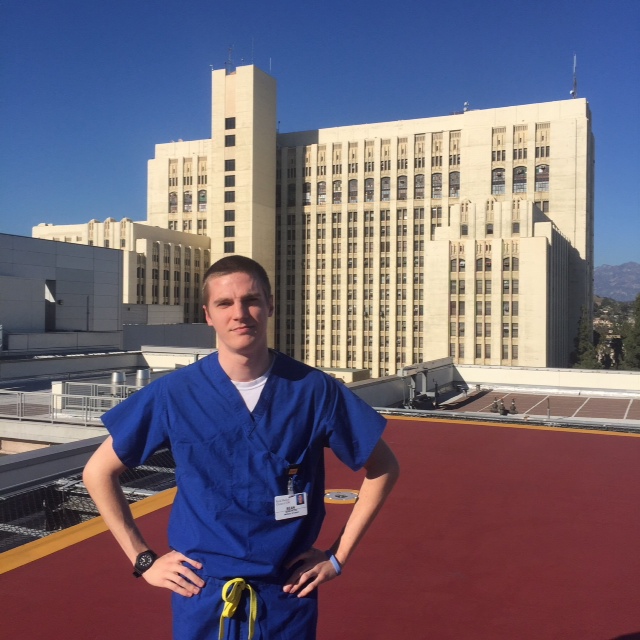
"caption": "Sean Petro, at age 24, one year before his suicide while attending the USC Keck School of Medicine.\n\n",
"description": null,
"title": "IMG_1536",
"credit": "Photo courtesy of Cheryl Petro Collier.",
"status": "inherit",
"isLoading": false,
"fetchFailed": false
},
"futureofyou_379359": {
"type": "attachments",
"id": "futureofyou_379359",
"meta": {
"index": "attachments_1716263798",
"site": "futureofyou",
"id": "379359",
"found": true
},
"parent": 379358,
"imgSizes": {
"small": {
"file": "https://ww2.kqed.org/app/uploads/sites/13/2017/04/brain-lights_enl-1d2304675cbfc547f93b0cc6b6f8b7050514bc5a-520x293.jpg",
"width": 520,
"mimeType": "image/jpeg",
"height": 293
},
"twentyfourteen-full-width": {
"file": "https://ww2.kqed.org/app/uploads/sites/13/2017/04/brain-lights_enl-1d2304675cbfc547f93b0cc6b6f8b7050514bc5a-1038x576.jpg",
"width": 1038,
"mimeType": "image/jpeg",
"height": 576
},
"thumbnail": {
"file": "https://ww2.kqed.org/app/uploads/sites/13/2017/04/brain-lights_enl-1d2304675cbfc547f93b0cc6b6f8b7050514bc5a-160x90.jpg",
"width": 160,
"mimeType": "image/jpeg",
"height": 90
},
"fd-sm": {
"file": "https://ww2.kqed.org/app/uploads/sites/13/2017/04/brain-lights_enl-1d2304675cbfc547f93b0cc6b6f8b7050514bc5a-960x540.jpg",
"width": 960,
"mimeType": "image/jpeg",
"height": 540
},
"post-thumbnail": {
"file": "https://ww2.kqed.org/app/uploads/sites/13/2017/04/brain-lights_enl-1d2304675cbfc547f93b0cc6b6f8b7050514bc5a-672x372.jpg",
"width": 672,
"mimeType": "image/jpeg",
"height": 372
},
"xsmall": {
"file": "https://ww2.kqed.org/app/uploads/sites/13/2017/04/brain-lights_enl-1d2304675cbfc547f93b0cc6b6f8b7050514bc5a-375x211.jpg",
"width": 375,
"mimeType": "image/jpeg",
"height": 211
},
"kqedFullSize": {
"file": "https://ww2.kqed.org/app/uploads/sites/13/2017/04/brain-lights_enl-1d2304675cbfc547f93b0cc6b6f8b7050514bc5a.jpg",
"width": 2000,
"height": 1125
},
"large": {
"file": "https://ww2.kqed.org/app/uploads/sites/13/2017/04/brain-lights_enl-1d2304675cbfc547f93b0cc6b6f8b7050514bc5a-1020x574.jpg",
"width": 1020,
"mimeType": "image/jpeg",
"height": 574
},
"xlarge": {
"file": "https://ww2.kqed.org/app/uploads/sites/13/2017/04/brain-lights_enl-1d2304675cbfc547f93b0cc6b6f8b7050514bc5a-1180x664.jpg",
"width": 1180,
"mimeType": "image/jpeg",
"height": 664
},
"guest-author-50": {
"file": "https://ww2.kqed.org/app/uploads/sites/13/2017/04/brain-lights_enl-1d2304675cbfc547f93b0cc6b6f8b7050514bc5a-50x50.jpg",
"width": 50,
"mimeType": "image/jpeg",
"height": 50
},
"guest-author-96": {
"file": "https://ww2.kqed.org/app/uploads/sites/13/2017/04/brain-lights_enl-1d2304675cbfc547f93b0cc6b6f8b7050514bc5a-96x96.jpg",
"width": 96,
"mimeType": "image/jpeg",
"height": 96
},
"medium": {
"file": "https://ww2.kqed.org/app/uploads/sites/13/2017/04/brain-lights_enl-1d2304675cbfc547f93b0cc6b6f8b7050514bc5a-800x450.jpg",
"width": 800,
"mimeType": "image/jpeg",
"height": 450
},
"guest-author-64": {
"file": "https://ww2.kqed.org/app/uploads/sites/13/2017/04/brain-lights_enl-1d2304675cbfc547f93b0cc6b6f8b7050514bc5a-64x64.jpg",
"width": 64,
"mimeType": "image/jpeg",
"height": 64
},
"guest-author-32": {
"file": "https://ww2.kqed.org/app/uploads/sites/13/2017/04/brain-lights_enl-1d2304675cbfc547f93b0cc6b6f8b7050514bc5a-32x32.jpg",
"width": 32,
"mimeType": "image/jpeg",
"height": 32
},
"fd-lrg": {
"file": "https://ww2.kqed.org/app/uploads/sites/13/2017/04/brain-lights_enl-1d2304675cbfc547f93b0cc6b6f8b7050514bc5a-1920x1080.jpg",
"width": 1920,
"mimeType": "image/jpeg",
"height": 1080
},
"fd-med": {
"file": "https://ww2.kqed.org/app/uploads/sites/13/2017/04/brain-lights_enl-1d2304675cbfc547f93b0cc6b6f8b7050514bc5a-1180x664.jpg",
"width": 1180,
"mimeType": "image/jpeg",
"height": 664
},
"full-width": {
"file": "https://ww2.kqed.org/app/uploads/sites/13/2017/04/brain-lights_enl-1d2304675cbfc547f93b0cc6b6f8b7050514bc5a-1920x1080.jpg",
"width": 1920,
"mimeType": "image/jpeg",
"height": 1080
},
"detail": {
"file": "https://ww2.kqed.org/app/uploads/sites/13/2017/04/brain-lights_enl-1d2304675cbfc547f93b0cc6b6f8b7050514bc5a-150x150.jpg",
"width": 150,
"mimeType": "image/jpeg",
"height": 150
},
"medium_large": {
"file": "https://ww2.kqed.org/app/uploads/sites/13/2017/04/brain-lights_enl-1d2304675cbfc547f93b0cc6b6f8b7050514bc5a-768x432.jpg",
"width": 768,
"mimeType": "image/jpeg",
"height": 432
},
"guest-author-128": {
"file": "https://ww2.kqed.org/app/uploads/sites/13/2017/04/brain-lights_enl-1d2304675cbfc547f93b0cc6b6f8b7050514bc5a-128x128.jpg",
"width": 128,
"mimeType": "image/jpeg",
"height": 128
},
"xxsmall": {
"file": "https://ww2.kqed.org/app/uploads/sites/13/2017/04/brain-lights_enl-1d2304675cbfc547f93b0cc6b6f8b7050514bc5a-240x135.jpg",
"width": 240,
"mimeType": "image/jpeg",
"height": 135
}
},
"publishDate": 1493160974,
"modified": 1520028486,
"caption": null,
"description": null,
"title": "Small pulses of electricity to the brain have an effect on memory, new research shows.",
"credit": null,
"status": "inherit",
"isLoading": false,
"fetchFailed": false
},
"futureofyou_367656": {
"type": "attachments",
"id": "futureofyou_367656",
"meta": {
"index": "attachments_1716263798",
"site": "futureofyou",
"id": "367656",
"found": true
},
"parent": 366983,
"imgSizes": {
"small": {
"file": "https://ww2.kqed.org/app/uploads/sites/13/2017/04/iStock-blood-520x433.jpg",
"width": 520,
"mimeType": "image/jpeg",
"height": 433
},
"twentyfourteen-full-width": {
"file": "https://ww2.kqed.org/app/uploads/sites/13/2017/04/iStock-blood-1038x576.jpg",
"width": 1038,
"mimeType": "image/jpeg",
"height": 576
},
"thumbnail": {
"file": "https://ww2.kqed.org/app/uploads/sites/13/2017/04/iStock-blood-160x133.jpg",
"width": 160,
"mimeType": "image/jpeg",
"height": 133
},
"fd-sm": {
"file": "https://ww2.kqed.org/app/uploads/sites/13/2017/04/iStock-blood-960x800.jpg",
"width": 960,
"mimeType": "image/jpeg",
"height": 800
},
"post-thumbnail": {
"file": "https://ww2.kqed.org/app/uploads/sites/13/2017/04/iStock-blood-672x372.jpg",
"width": 672,
"mimeType": "image/jpeg",
"height": 372
},
"xsmall": {
"file": "https://ww2.kqed.org/app/uploads/sites/13/2017/04/iStock-blood-375x313.jpg",
"width": 375,
"mimeType": "image/jpeg",
"height": 313
},
"kqedFullSize": {
"file": "https://ww2.kqed.org/app/uploads/sites/13/2017/04/iStock-blood.jpg",
"width": 1518,
"height": 1265
},
"large": {
"file": "https://ww2.kqed.org/app/uploads/sites/13/2017/04/iStock-blood-1020x850.jpg",
"width": 1020,
"mimeType": "image/jpeg",
"height": 850
},
"xlarge": {
"file": "https://ww2.kqed.org/app/uploads/sites/13/2017/04/iStock-blood-1180x983.jpg",
"width": 1180,
"mimeType": "image/jpeg",
"height": 983
},
"guest-author-50": {
"file": "https://ww2.kqed.org/app/uploads/sites/13/2017/04/iStock-blood-50x50.jpg",
"width": 50,
"mimeType": "image/jpeg",
"height": 50
},
"guest-author-96": {
"file": "https://ww2.kqed.org/app/uploads/sites/13/2017/04/iStock-blood-96x96.jpg",
"width": 96,
"mimeType": "image/jpeg",
"height": 96
},
"medium": {
"file": "https://ww2.kqed.org/app/uploads/sites/13/2017/04/iStock-blood-800x667.jpg",
"width": 800,
"mimeType": "image/jpeg",
"height": 667
},
"guest-author-64": {
"file": "https://ww2.kqed.org/app/uploads/sites/13/2017/04/iStock-blood-64x64.jpg",
"width": 64,
"mimeType": "image/jpeg",
"height": 64
},
"guest-author-32": {
"file": "https://ww2.kqed.org/app/uploads/sites/13/2017/04/iStock-blood-32x32.jpg",
"width": 32,
"mimeType": "image/jpeg",
"height": 32
},
"fd-med": {
"file": "https://ww2.kqed.org/app/uploads/sites/13/2017/04/iStock-blood-1180x983.jpg",
"width": 1180,
"mimeType": "image/jpeg",
"height": 983
},
"detail": {
"file": "https://ww2.kqed.org/app/uploads/sites/13/2017/04/iStock-blood-150x150.jpg",
"width": 150,
"mimeType": "image/jpeg",
"height": 150
},
"medium_large": {
"file": "https://ww2.kqed.org/app/uploads/sites/13/2017/04/iStock-blood-768x640.jpg",
"width": 768,
"mimeType": "image/jpeg",
"height": 640
},
"guest-author-128": {
"file": "https://ww2.kqed.org/app/uploads/sites/13/2017/04/iStock-blood-128x128.jpg",
"width": 128,
"mimeType": "image/jpeg",
"height": 128
},
"xxsmall": {
"file": "https://ww2.kqed.org/app/uploads/sites/13/2017/04/iStock-blood-240x200.jpg",
"width": 240,
"mimeType": "image/jpeg",
"height": 200
}
},
"publishDate": 1491512533,
"modified": 1491512586,
"caption": null,
"description": null,
"title": "blood donation, blood donor background",
"credit": "iStock",
"status": "inherit",
"isLoading": false,
"fetchFailed": false
},
"futureofyou_368188": {
"type": "attachments",
"id": "futureofyou_368188",
"meta": {
"index": "attachments_1716263798",
"site": "futureofyou",
"id": "368188",
"found": true
},
"parent": 368185,
"imgSizes": {
"small": {
"file": "https://ww2.kqed.org/app/uploads/sites/13/2017/04/dna-520x390.jpg",
"width": 520,
"mimeType": "image/jpeg",
"height": 390
},
"twentyfourteen-full-width": {
"file": "https://ww2.kqed.org/app/uploads/sites/13/2017/04/dna-1038x576.jpg",
"width": 1038,
"mimeType": "image/jpeg",
"height": 576
},
"thumbnail": {
"file": "https://ww2.kqed.org/app/uploads/sites/13/2017/04/dna-160x120.jpg",
"width": 160,
"mimeType": "image/jpeg",
"height": 120
},
"fd-sm": {
"file": "https://ww2.kqed.org/app/uploads/sites/13/2017/04/dna-960x720.jpg",
"width": 960,
"mimeType": "image/jpeg",
"height": 720
},
"post-thumbnail": {
"file": "https://ww2.kqed.org/app/uploads/sites/13/2017/04/dna-672x372.jpg",
"width": 672,
"mimeType": "image/jpeg",
"height": 372
},
"xsmall": {
"file": "https://ww2.kqed.org/app/uploads/sites/13/2017/04/dna-375x281.jpg",
"width": 375,
"mimeType": "image/jpeg",
"height": 281
},
"kqedFullSize": {
"file": "https://ww2.kqed.org/app/uploads/sites/13/2017/04/dna.jpg",
"width": 1200,
"height": 900
},
"large": {
"file": "https://ww2.kqed.org/app/uploads/sites/13/2017/04/dna-1020x765.jpg",
"width": 1020,
"mimeType": "image/jpeg",
"height": 765
},
"xlarge": {
"file": "https://ww2.kqed.org/app/uploads/sites/13/2017/04/dna-1180x885.jpg",
"width": 1180,
"mimeType": "image/jpeg",
"height": 885
},
"guest-author-50": {
"file": "https://ww2.kqed.org/app/uploads/sites/13/2017/04/dna-50x50.jpg",
"width": 50,
"mimeType": "image/jpeg",
"height": 50
},
"guest-author-96": {
"file": "https://ww2.kqed.org/app/uploads/sites/13/2017/04/dna-96x96.jpg",
"width": 96,
"mimeType": "image/jpeg",
"height": 96
},
"medium": {
"file": "https://ww2.kqed.org/app/uploads/sites/13/2017/04/dna-800x600.jpg",
"width": 800,
"mimeType": "image/jpeg",
"height": 600
},
"guest-author-64": {
"file": "https://ww2.kqed.org/app/uploads/sites/13/2017/04/dna-64x64.jpg",
"width": 64,
"mimeType": "image/jpeg",
"height": 64
},
"guest-author-32": {
"file": "https://ww2.kqed.org/app/uploads/sites/13/2017/04/dna-32x32.jpg",
"width": 32,
"mimeType": "image/jpeg",
"height": 32
},
"fd-med": {
"file": "https://ww2.kqed.org/app/uploads/sites/13/2017/04/dna-1180x885.jpg",
"width": 1180,
"mimeType": "image/jpeg",
"height": 885
},
"detail": {
"file": "https://ww2.kqed.org/app/uploads/sites/13/2017/04/dna-150x150.jpg",
"width": 150,
"mimeType": "image/jpeg",
"height": 150
},
"medium_large": {
"file": "https://ww2.kqed.org/app/uploads/sites/13/2017/04/dna-768x576.jpg",
"width": 768,
"mimeType": "image/jpeg",
"height": 576
},
"guest-author-128": {
"file": "https://ww2.kqed.org/app/uploads/sites/13/2017/04/dna-128x128.jpg",
"width": 128,
"mimeType": "image/jpeg",
"height": 128
},
"xxsmall": {
"file": "https://ww2.kqed.org/app/uploads/sites/13/2017/04/dna-240x180.jpg",
"width": 240,
"mimeType": "image/jpeg",
"height": 180
}
},
"publishDate": 1491585005,
"modified": 1491586281,
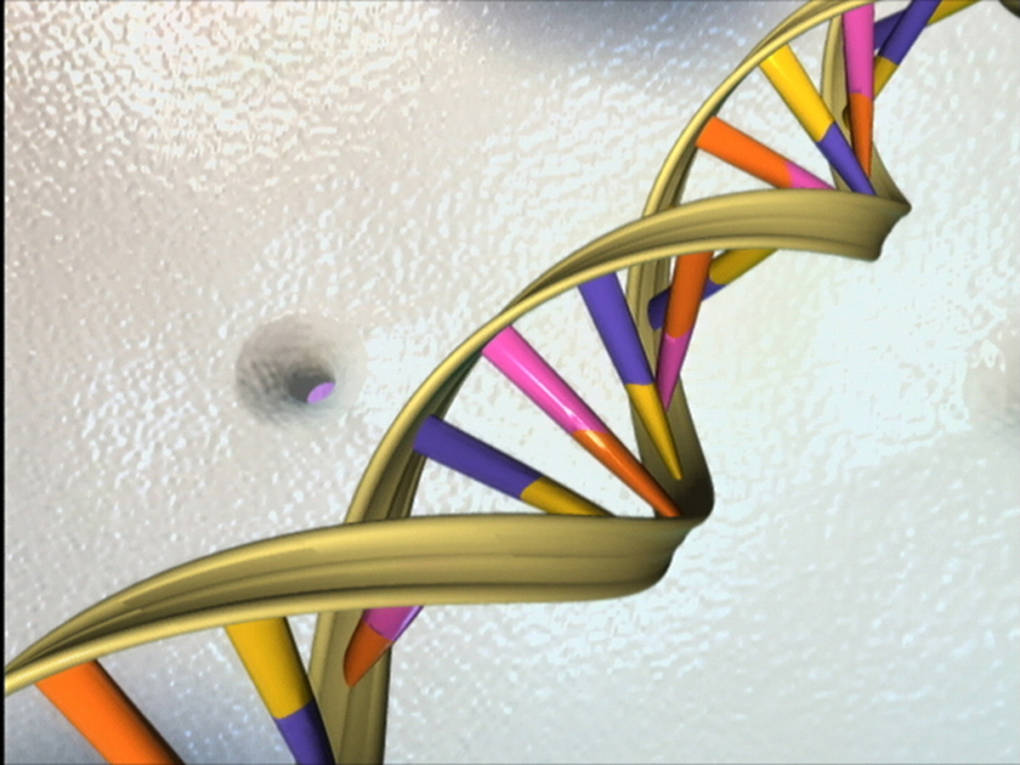
"caption": "DNA double helix",
"description": null,
"title": "DNA Double Helix",
"credit": "\u003ca href=\"https://www.genome.gov/\">National Human Genome Research Institute\u003c/a>, National Institutes of Health",
"status": "inherit",
"isLoading": false,
"fetchFailed": false
},
"futureofyou_366987": {
"type": "attachments",
"id": "futureofyou_366987",
"meta": {
"index": "attachments_1716263798",
"site": "futureofyou",
"id": "366987",
"found": true
},
"parent": 366169,
"imgSizes": {
"small": {
"file": "https://ww2.kqed.org/app/uploads/sites/13/2017/04/girl-with-electrodes-520x325.png",
"width": 520,
"mimeType": "image/png",
"height": 325
},
"twentyfourteen-full-width": {
"file": "https://ww2.kqed.org/app/uploads/sites/13/2017/04/girl-with-electrodes-1038x576.png",
"width": 1038,
"mimeType": "image/png",
"height": 576
},
"thumbnail": {
"file": "https://ww2.kqed.org/app/uploads/sites/13/2017/04/girl-with-electrodes-160x100.png",
"width": 160,
"mimeType": "image/png",
"height": 100
},
"fd-sm": {
"file": "https://ww2.kqed.org/app/uploads/sites/13/2017/04/girl-with-electrodes-960x600.png",
"width": 960,
"mimeType": "image/png",
"height": 600
},
"post-thumbnail": {
"file": "https://ww2.kqed.org/app/uploads/sites/13/2017/04/girl-with-electrodes-672x372.png",
"width": 672,
"mimeType": "image/png",
"height": 372
},
"xsmall": {
"file": "https://ww2.kqed.org/app/uploads/sites/13/2017/04/girl-with-electrodes-375x234.png",
"width": 375,
"mimeType": "image/png",
"height": 234
},
"kqedFullSize": {
"file": "https://ww2.kqed.org/app/uploads/sites/13/2017/04/girl-with-electrodes-e1491497217789.png",
"width": 1920,
"height": 1200
},
"large": {
"file": "https://ww2.kqed.org/app/uploads/sites/13/2017/04/girl-with-electrodes-1020x638.png",
"width": 1020,
"mimeType": "image/png",
"height": 638
},
"xlarge": {
"file": "https://ww2.kqed.org/app/uploads/sites/13/2017/04/girl-with-electrodes-1180x738.png",
"width": 1180,
"mimeType": "image/png",
"height": 738
},
"guest-author-50": {
"file": "https://ww2.kqed.org/app/uploads/sites/13/2017/04/girl-with-electrodes-50x50.png",
"width": 50,
"mimeType": "image/png",
"height": 50
},
"guest-author-96": {
"file": "https://ww2.kqed.org/app/uploads/sites/13/2017/04/girl-with-electrodes-96x96.png",
"width": 96,
"mimeType": "image/png",
"height": 96
},
"medium": {
"file": "https://ww2.kqed.org/app/uploads/sites/13/2017/04/girl-with-electrodes-800x500.png",
"width": 800,
"mimeType": "image/png",
"height": 500
},
"guest-author-64": {
"file": "https://ww2.kqed.org/app/uploads/sites/13/2017/04/girl-with-electrodes-64x64.png",
"width": 64,
"mimeType": "image/png",
"height": 64
},
"guest-author-32": {
"file": "https://ww2.kqed.org/app/uploads/sites/13/2017/04/girl-with-electrodes-32x32.png",
"width": 32,
"mimeType": "image/png",
"height": 32
},
"fd-lrg": {
"file": "https://ww2.kqed.org/app/uploads/sites/13/2017/04/girl-with-electrodes-1920x1200.png",
"width": 1920,
"mimeType": "image/png",
"height": 1200
},
"fd-med": {
"file": "https://ww2.kqed.org/app/uploads/sites/13/2017/04/girl-with-electrodes-1180x738.png",
"width": 1180,
"mimeType": "image/png",
"height": 738
},
"full-width": {
"file": "https://ww2.kqed.org/app/uploads/sites/13/2017/04/girl-with-electrodes-1920x1200.png",
"width": 1920,
"mimeType": "image/png",
"height": 1200
},
"detail": {
"file": "https://ww2.kqed.org/app/uploads/sites/13/2017/04/girl-with-electrodes-150x150.png",
"width": 150,
"mimeType": "image/png",
"height": 150
},
"medium_large": {
"file": "https://ww2.kqed.org/app/uploads/sites/13/2017/04/girl-with-electrodes-768x480.png",
"width": 768,
"mimeType": "image/png",
"height": 480
},
"guest-author-128": {
"file": "https://ww2.kqed.org/app/uploads/sites/13/2017/04/girl-with-electrodes-128x128.png",
"width": 128,
"mimeType": "image/png",
"height": 128
},
"xxsmall": {
"file": "https://ww2.kqed.org/app/uploads/sites/13/2017/04/girl-with-electrodes-240x150.png",
"width": 240,
"mimeType": "image/png",
"height": 150
}
},
"publishDate": 1491428842,
"modified": 1491428972,
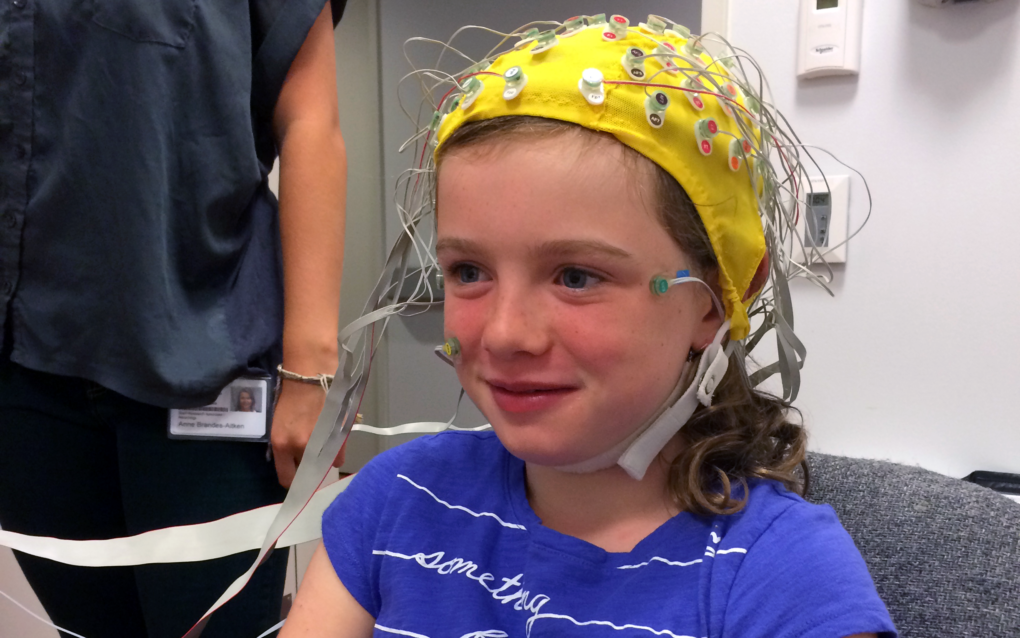
"caption": "Katherine Stevenson, 8, has her brain activity measured by EEG in a UCSF experiment. ",
"description": "Katherine Stevenson, 8, has her brain activity measured by EEG in a UCSF experiment. ",
"title": "girl-with-electrodes",
"credit": "Kori Stevenson",
"status": "inherit",
"isLoading": false,
"fetchFailed": false
},
"science_1500548": {
"type": "attachments",
"id": "science_1500548",
"meta": {
"index": "attachments_1716263798",
"site": "science",
"id": "1500548",
"found": true
},
"parent": 1494923,
"imgSizes": {
"small": {
"file": "https://ww2.kqed.org/app/uploads/sites/35/2017/03/DL407-fruit-flies-phead-final-520x293.jpg",
"width": 520,
"mimeType": "image/jpeg",
"height": 293
},
"twentyfourteen-full-width": {
"file": "https://ww2.kqed.org/app/uploads/sites/35/2017/03/DL407-fruit-flies-phead-final-1038x576.jpg",
"width": 1038,
"mimeType": "image/jpeg",
"height": 576
},
"thumbnail": {
"file": "https://ww2.kqed.org/app/uploads/sites/35/2017/03/DL407-fruit-flies-phead-final-160x90.jpg",
"width": 160,
"mimeType": "image/jpeg",
"height": 90
},
"fd-sm": {
"file": "https://ww2.kqed.org/app/uploads/sites/35/2017/03/DL407-fruit-flies-phead-final-960x540.jpg",
"width": 960,
"mimeType": "image/jpeg",
"height": 540
},
"post-thumbnail": {
"file": "https://ww2.kqed.org/app/uploads/sites/35/2017/03/DL407-fruit-flies-phead-final-672x372.jpg",
"width": 672,
"mimeType": "image/jpeg",
"height": 372
},
"xsmall": {
"file": "https://ww2.kqed.org/app/uploads/sites/35/2017/03/DL407-fruit-flies-phead-final-375x211.jpg",
"width": 375,
"mimeType": "image/jpeg",
"height": 211
},
"kqedFullSize": {
"file": "https://ww2.kqed.org/app/uploads/sites/35/2017/03/DL407-fruit-flies-phead-final.jpg",
"width": 1920,
"height": 1080
},
"large": {
"file": "https://ww2.kqed.org/app/uploads/sites/35/2017/03/DL407-fruit-flies-phead-final-1020x574.jpg",
"width": 1020,
"mimeType": "image/jpeg",
"height": 574
},
"xlarge": {
"file": "https://ww2.kqed.org/app/uploads/sites/35/2017/03/DL407-fruit-flies-phead-final-1180x664.jpg",
"width": 1180,
"mimeType": "image/jpeg",
"height": 664
},
"guest-author-50": {
"file": "https://ww2.kqed.org/app/uploads/sites/35/2017/03/DL407-fruit-flies-phead-final-50x50.jpg",
"width": 50,
"mimeType": "image/jpeg",
"height": 50
},
"guest-author-96": {
"file": "https://ww2.kqed.org/app/uploads/sites/35/2017/03/DL407-fruit-flies-phead-final-96x96.jpg",
"width": 96,
"mimeType": "image/jpeg",
"height": 96
},
"medium": {
"file": "https://ww2.kqed.org/app/uploads/sites/35/2017/03/DL407-fruit-flies-phead-final-800x450.jpg",
"width": 800,
"mimeType": "image/jpeg",
"height": 450
},
"guest-author-64": {
"file": "https://ww2.kqed.org/app/uploads/sites/35/2017/03/DL407-fruit-flies-phead-final-64x64.jpg",
"width": 64,
"mimeType": "image/jpeg",
"height": 64
},
"guest-author-32": {
"file": "https://ww2.kqed.org/app/uploads/sites/35/2017/03/DL407-fruit-flies-phead-final-32x32.jpg",
"width": 32,
"mimeType": "image/jpeg",
"height": 32
},
"fd-lrg": {
"file": "https://ww2.kqed.org/app/uploads/sites/35/2017/03/DL407-fruit-flies-phead-final-1920x1080.jpg",
"width": 1920,
"mimeType": "image/jpeg",
"height": 1080
},
"fd-med": {
"file": "https://ww2.kqed.org/app/uploads/sites/35/2017/03/DL407-fruit-flies-phead-final-1180x664.jpg",
"width": 1180,
"mimeType": "image/jpeg",
"height": 664
},
"full-width": {
"file": "https://ww2.kqed.org/app/uploads/sites/35/2017/03/DL407-fruit-flies-phead-final-1920x1080.jpg",
"width": 1920,
"mimeType": "image/jpeg",
"height": 1080
},
"detail": {
"file": "https://ww2.kqed.org/app/uploads/sites/35/2017/03/DL407-fruit-flies-phead-final-150x150.jpg",
"width": 150,
"mimeType": "image/jpeg",
"height": 150
},
"medium_large": {
"file": "https://ww2.kqed.org/app/uploads/sites/35/2017/03/DL407-fruit-flies-phead-final-768x432.jpg",
"width": 768,
"mimeType": "image/jpeg",
"height": 432
},
"guest-author-128": {
"file": "https://ww2.kqed.org/app/uploads/sites/35/2017/03/DL407-fruit-flies-phead-final-128x128.jpg",
"width": 128,
"mimeType": "image/jpeg",
"height": 128
},
"xxsmall": {
"file": "https://ww2.kqed.org/app/uploads/sites/35/2017/03/DL407-fruit-flies-phead-final-240x135.jpg",
"width": 240,
"mimeType": "image/jpeg",
"height": 135
}
},
"publishDate": 1490312315,
"modified": 1490312378,
"caption": "Fruit flies fight in an experiment on aggression at the California Institute of Technology, in Pasadena.",
"description": null,
"title": "DL407-fruit-flies-phead-final",
"credit": "Josh Cassidy/KQED",
"status": "inherit",
"isLoading": false,
"fetchFailed": false
}
},
"audioPlayerReducer": {
"postId": "stream_live",
"isPaused": true,
"isPlaying": false,
"pfsActive": false,
"pledgeModalIsOpen": true,
"playerDrawerIsOpen": false,
"liveAudioPlayStartedAt": 0,
"liveAudioPlayContext": ""
},
"authorsReducer": {
"byline_futureofyou_379358": {
"type": "authors",
"id": "byline_futureofyou_379358",
"meta": {
"override": true
},
"slug": "byline_futureofyou_379358",
"name": "Jon Hamilton\u003cbr />NPR Shots",
"isLoading": false
},
"byline_futureofyou_366983": {
"type": "authors",
"id": "byline_futureofyou_366983",
"meta": {
"override": true
},
"slug": "byline_futureofyou_366983",
"name": "Dana Smith",
"isLoading": false
},
"byline_futureofyou_368185": {
"type": "authors",
"id": "byline_futureofyou_368185",
"meta": {
"override": true
},
"slug": "byline_futureofyou_368185",
"name": "Sharon Begley\u003cbr />\u003ca href=\"https://www.statnews.com/\">STAT\u003c/a>",
"isLoading": false
},
"jbrooks": {
"type": "authors",
"id": "80",
"meta": {
"index": "authors_1716337520",
"id": "80",
"found": true
},
"name": "Jon Brooks",
"firstName": "Jon",
"lastName": "Brooks",
"slug": "jbrooks",
"email": "jbrooks@kqed.org",
"display_author_email": true,
"staff_mastheads": [
"science"
],
"title": "Digital Editor",
"bio": "Jon Brooks is a former Digital Editor for KQED Science. He is the former editor of KQED’s daily news blog, News Fix. In 2014, he won a California Journalism Award for his coverage of ride services like Uber and Lyft and the taxi industry. A veteran blogger, he previously worked for Yahoo! in various news writing and editing roles. Jon is also a playwright whose work has been produced in San Francisco, New York, Italy, and around the U.S. He has written about film for his own blog and studied film at Boston University.",
"avatar": "https://secure.gravatar.com/avatar/98887f7ed1c876ed414d4c915e969584?s=600&d=blank&r=g",
"twitter": "jbrooksfoy",
"facebook": null,
"instagram": null,
"linkedin": null,
"sites": [
{
"site": "arts",
"roles": [
"Contributor",
"editor"
]
},
{
"site": "news",
"roles": [
"author"
]
},
{
"site": "futureofyou",
"roles": [
"administrator"
]
},
{
"site": "mindshift",
"roles": [
"editor"
]
},
{
"site": "stateofhealth",
"roles": [
"editor"
]
},
{
"site": "science",
"roles": [
"administrator"
]
},
{
"site": "quest",
"roles": [
"editor"
]
}
],
"headData": {
"title": "Jon Brooks | KQED",
"description": "Digital Editor",
"ogImgSrc": "https://secure.gravatar.com/avatar/98887f7ed1c876ed414d4c915e969584?s=600&d=blank&r=g",
"twImgSrc": "https://secure.gravatar.com/avatar/98887f7ed1c876ed414d4c915e969584?s=600&d=blank&r=g"
},
"isLoading": false,
"link": "/author/jbrooks"
},
"gabriela-quiros": {
"type": "authors",
"id": "6186",
"meta": {
"index": "authors_1716337520",
"id": "6186",
"found": true
},
"name": "Gabriela Quirós",
"firstName": "Gabriela",
"lastName": "Quirós",
"slug": "gabriela-quiros",
"email": "gquiros@kqed.org",
"display_author_email": false,
"staff_mastheads": [],
"title": "Supervising Producer",
"bio": "Gabriela Quirós is the \u003cstrong>supervising producer for KQED's web science video series \u003ca href=\"https://www.kqed.org/deeplook\">Deep Look\u003c/a>\u003c/strong>. She joined KQED as a TV producer when its science series QUEST started in 2006 and has covered everything from Alzheimer’s to bee die-offs to dark energy.\r\n\r\nShe won a 2022 AAAS Kavli Science Journalism Award with a team of her Deep Look colleagues. She has won six regional Emmys as a video producer and has shared eight more as the coordinating producer of Deep Look. The episode she produced about \u003ca href=\"https://www.kqed.org/science/728086/how-mosquitoes-use-six-needles-to-suck-your-blood\">How Mosquitoes Use Six Needles to Suck Your Blood\u003c/a> won a Webby \"People's Voice\" award. She has also earned awards from the Jackson Hole Wildlife Film Festival, the Society of Professional Journalists and the Society of Environmental Journalists.\r\n\r\nHer videos for KQED have also aired on NOVA scienceNOW and the PBS NewsHour, and appeared on NPR.org.\r\n\r\nAs an independent filmmaker, she produced and directed the hour-long documentary \u003ca href=\"http://lpbp.org/beautiful-sin-qa-with-producer-gabriela-quiros/\">\u003cem>Beautiful Sin\u003c/em>\u003c/a>, about the surprising story of how Costa Rica became the only country in the world to outlaw in vitro fertilization. The film aired in 2015 on public television stations throughout the U.S., and in Costa Rica.\r\n\r\nShe started her journalism career as a newspaper reporter in Costa Rica, where she grew up. She won the National Science Journalism Award there for a series of articles about organic agriculture, and developed a life-long interest in health reporting. She moved to the Bay Area in 1996 to study documentary filmmaking at the University of California, Berkeley, where she received master’s degrees in journalism and Latin American studies.",
"avatar": "https://secure.gravatar.com/avatar/6d82c20152affd1b434c31a904c40809?s=600&d=blank&r=g",
"twitter": "gabrielaquirosr",
"facebook": null,
"instagram": null,
"linkedin": null,
"sites": [
{
"site": "science",
"roles": []
},
{
"site": "quest",
"roles": [
"ef_view_calendar",
"ef_view_story_budget"
]
}
],
"headData": {
"title": "Gabriela Quirós | KQED",
"description": "Supervising Producer",
"ogImgSrc": "https://secure.gravatar.com/avatar/6d82c20152affd1b434c31a904c40809?s=600&d=blank&r=g",
"twImgSrc": "https://secure.gravatar.com/avatar/6d82c20152affd1b434c31a904c40809?s=600&d=blank&r=g"
},
"isLoading": false,
"link": "/author/gabriela-quiros"
},
"kqedscience": {
"type": "authors",
"id": "6387",
"meta": {
"index": "authors_1716337520",
"id": "6387",
"found": true
},
"name": "KQED Science",
"firstName": "KQED",
"lastName": "Science",
"slug": "kqedscience",
"email": "kqedscience@gmail.com",
"display_author_email": false,
"staff_mastheads": [],
"title": null,
"bio": "KQED Science brings you award-winning science and environment coverage from the Bay Area and beyond by the flagship Northern California PBS and NPR affiliate.",
"avatar": "https://secure.gravatar.com/avatar/5a295ff49cf82a8c0f30937d3f788b2f?s=600&d=blank&r=g",
"twitter": null,
"facebook": null,
"instagram": null,
"linkedin": null,
"sites": [
{
"site": "science",
"roles": [
"contributor"
]
},
{
"site": "quest",
"roles": [
"editor"
]
},
{
"site": "food",
"roles": [
"contributor"
]
}
],
"headData": {
"title": "KQED Science | KQED",
"description": null,
"ogImgSrc": "https://secure.gravatar.com/avatar/5a295ff49cf82a8c0f30937d3f788b2f?s=600&d=blank&r=g",
"twImgSrc": "https://secure.gravatar.com/avatar/5a295ff49cf82a8c0f30937d3f788b2f?s=600&d=blank&r=g"
},
"isLoading": false,
"link": "/author/kqedscience"
},
"dgorn": {
"type": "authors",
"id": "8656",
"meta": {
"index": "authors_1716337520",
"id": "8656",
"found": true
},
"name": "David Gorn",
"firstName": "David",
"lastName": "Gorn",
"slug": "dgorn",
"email": "dgorn+donotmail@sbcglobal.net",
"display_author_email": false,
"staff_mastheads": [],
"title": "KQED Contributor",
"bio": "David Gorn is the former Deputy News Director of KQED Radio. His public radio pieces have appeared on NPR, the World, Marketplace and the California Report.",
"avatar": "https://secure.gravatar.com/avatar/a6ad3e1eec1712e19b986b9395614010?s=600&d=blank&r=g",
"twitter": null,
"facebook": null,
"instagram": null,
"linkedin": null,
"sites": [
{
"site": "news",
"roles": [
"subscriber"
]
},
{
"site": "futureofyou",
"roles": [
"author"
]
},
{
"site": "science",
"roles": [
"author"
]
},
{
"site": "quest",
"roles": [
"editor"
]
}
],
"headData": {
"title": "David Gorn | KQED",
"description": "KQED Contributor",
"ogImgSrc": "https://secure.gravatar.com/avatar/a6ad3e1eec1712e19b986b9395614010?s=600&d=blank&r=g",
"twImgSrc": "https://secure.gravatar.com/avatar/a6ad3e1eec1712e19b986b9395614010?s=600&d=blank&r=g"
},
"isLoading": false,
"link": "/author/dgorn"
},
"jscott": {
"type": "authors",
"id": "8664",
"meta": {
"index": "authors_1716337520",
"id": "8664",
"found": true
},
"name": "Julia Scott",
"firstName": "Julia",
"lastName": "Scott",
"slug": "jscott",
"email": "jscott@kqed.org",
"display_author_email": false,
"staff_mastheads": [],
"title": "KQED Contributor",
"bio": "Julia Scott is a former editor with KQED News. Prior to KQED, she was an editor with \u003cem>Crosscurrents\u003c/em> at KALW Radio in San Francisco. As a freelance reporter, she has filed stories for \u003cem>The California Report, Marketplace, Nautilus\u003c/em> and \u003cem>The New York Times Magazine.\u003c/em>\r\n\r\nPrior to her work in radio, Julia was an environmental reporter for the \u003cem>San Jose Mercury News\u003c/em> and Bay Area News Group, where her work was recognized with awards from the California Newspaper Publishers Association and the Society of Professional Journalists. Her radio honors include awards and citations from the Sony Radio Academy Awards and the National Lesbian and Gay Journalists Association.\r\n\r\nJulia hails from Montreal, Canada and lives in Oakland. She is the editor of the humor collection\u003cem> DRIVEL: Deliciously Bad Writing by Your Favorite Authors.\u003c/em>",
"avatar": "https://secure.gravatar.com/avatar/7fe25e0cf81dec2d4f74f1d4737a2871?s=600&d=blank&r=g",
"twitter": "juliascribe",
"facebook": null,
"instagram": null,
"linkedin": null,
"sites": [
{
"site": "",
"roles": [
"editor"
]
},
{
"site": "arts",
"roles": [
"administrator"
]
},
{
"site": "news",
"roles": [
"subscriber"
]
},
{
"site": "futureofyou",
"roles": [
"editor"
]
},
{
"site": "science",
"roles": [
"administrator"
]
}
],
"headData": {
"title": "Julia Scott | KQED",
"description": "KQED Contributor",
"ogImgSrc": "https://secure.gravatar.com/avatar/7fe25e0cf81dec2d4f74f1d4737a2871?s=600&d=blank&r=g",
"twImgSrc": "https://secure.gravatar.com/avatar/7fe25e0cf81dec2d4f74f1d4737a2871?s=600&d=blank&r=g"
},
"isLoading": false,
"link": "/author/jscott"
},
"dventon": {
"type": "authors",
"id": "11088",
"meta": {
"index": "authors_1716337520",
"id": "11088",
"found": true
},
"name": "Danielle Venton",
"firstName": "Danielle",
"lastName": "Venton",
"slug": "dventon",
"email": "dventon@kqed.org",
"display_author_email": true,
"staff_mastheads": [
"science"
],
"title": "Science reporter",
"bio": "Danielle Venton is a reporter for KQED Science. She covers wildfires, space and oceans (though she is prone to sea sickness).\r\n\r\nBefore joining KQED in 2015, Danielle was a staff reporter at KRCB in Sonoma County and a freelancer. She studied science communication at UC Santa Cruz and formerly worked at CERN in Geneva, Switzerland where she wrote about computing. She lives in Sonoma County and enjoys backpacking.",
"avatar": "https://secure.gravatar.com/avatar/37b292b5c40c8d93959c4f48d73b5286f41b7abd8588277e941905a3ed4c801c?s=600&d=blank&r=g",
"twitter": "DanielleVenton",
"bluesky": null,
"facebook": null,
"instagram": null,
"linkedin": null,
"sites": [
{
"site": "arts",
"roles": [
"contributor"
]
},
{
"site": "news",
"roles": [
"editor"
]
},
{
"site": "futureofyou",
"roles": [
"editor"
]
},
{
"site": "science",
"roles": [
"editor"
]
},
{
"site": "liveblog",
"roles": [
"contributor"
]
}
],
"headData": {
"title": "Danielle Venton | KQED",
"description": "Science reporter",
"ogImgSrc": "https://secure.gravatar.com/avatar/37b292b5c40c8d93959c4f48d73b5286f41b7abd8588277e941905a3ed4c801c?s=600&d=blank&r=g",
"twImgSrc": "https://secure.gravatar.com/avatar/37b292b5c40c8d93959c4f48d73b5286f41b7abd8588277e941905a3ed4c801c?s=600&d=blank&r=g"
},
"isLoading": false,
"link": "/author/dventon"
},
"lesleymcclurg": {
"type": "authors",
"id": "11229",
"meta": {
"index": "authors_1716337520",
"id": "11229",
"found": true
},
"name": "Lesley McClurg",
"firstName": "Lesley",
"lastName": "McClurg",
"slug": "lesleymcclurg",
"email": "lmcclurg@KQED.org",
"display_author_email": false,
"staff_mastheads": [
"news",
"science"
],
"title": "KQED Health Correspondent",
"bio": "Lesley McClurg is a health correspondent and fill-in host whose work is regularly rebroadcast on NPR and PBS programs. She’s earned multiple regional Emmy awards, a national and a regional Edward R. Murrow award, and was named Best Beat Reporter by the Association of Health Care Journalists. The Society of Professional Journalists has recognized her work several times, and the Society of Environmental Journalists spotlighted her coverage of California’s historic drought.\r\n\r\nBefore joining KQED in 2016, Lesley covered food and sustainability for Capital Public Radio, environmental issues for Colorado Public Radio, and reported for KUOW and KCTS 9 in Seattle. Away from the newsroom, she loves skiing with her daughter, mountain biking with her partner, and playing with Ollie, the family’s goldendoodle. On deadline, she runs almost entirely on chocolate chips.\r\n\r\n ",
"avatar": "https://secure.gravatar.com/avatar/bab49e972ea10c774fe0f5e29dba1722b158f7c0d58a360923d1389d380b2978?s=600&d=blank&r=g",
"twitter": "lesleywmcclurg",
"bluesky": null,
"facebook": null,
"instagram": null,
"linkedin": null,
"sites": [
{
"site": "arts",
"roles": [
"author"
]
},
{
"site": "news",
"roles": [
"editor"
]
},
{
"site": "futureofyou",
"roles": [
"editor"
]
},
{
"site": "stateofhealth",
"roles": [
"author"
]
},
{
"site": "science",
"roles": [
"editor"
]
},
{
"site": "quest",
"roles": [
"subscriber"
]
},
{
"site": "forum",
"roles": [
"administrator"
]
},
{
"site": "liveblog",
"roles": [
"author"
]
}
],
"headData": {
"title": "Lesley McClurg | KQED",
"description": "KQED Health Correspondent",
"ogImgSrc": "https://secure.gravatar.com/avatar/bab49e972ea10c774fe0f5e29dba1722b158f7c0d58a360923d1389d380b2978?s=600&d=blank&r=g",
"twImgSrc": "https://secure.gravatar.com/avatar/bab49e972ea10c774fe0f5e29dba1722b158f7c0d58a360923d1389d380b2978?s=600&d=blank&r=g"
},
"isLoading": false,
"link": "/author/lesleymcclurg"
}
},
"pagesReducer": {
"science_category_health": {
"type": "terms",
"id": "science_39",
"meta": {
"index": "terms_1716263798",
"site": "science",
"id": "39",
"score": 10.889561
},
"featImg": null,
"name": "Health",
"description": null,
"taxonomy": "category",
"headData": {
"twImgId": null,
"twTitle": null,
"ogTitle": null,
"ogImgId": null,
"twDescription": null,
"description": null,
"title": "Health Archives | KQED Science",
"ogDescription": null
},
"ttid": 41,
"slug": "health",
"isLoading": false,
"title": "Health",
"pageMeta": {
"site": "science",
"WpPageTemplate": "page-topic-editorial",
"currentPage": 52
},
"blocks": [
{
"blockName": "kqed/post-list",
"attrs": {
"layout": "cardArticle2",
"query": "posts/science?category=health",
"seeMore": false,
"paginated": true,
"page": 52
}
},
{
"blockName": "kqed/ad"
}
]
}
},
"pfsSessionReducer": {},
"postsReducer": {
"stream_live": {
"type": "live",
"id": "stream_live",
"audioUrl": "https://streams.kqed.org/kqedradio",
"title": "Live Stream",
"excerpt": "Live Stream information currently unavailable.",
"link": "/radio",
"featImg": "",
"label": {
"name": "KQED Live",
"link": "/"
}
},
"stream_kqedNewscast": {
"type": "posts",
"id": "stream_kqedNewscast",
"audioUrl": "https://www.kqed.org/.stream/anon/radio/RDnews/newscast.mp3?_=1",
"title": "KQED Newscast",
"featImg": "",
"label": {
"name": "88.5 FM",
"link": "/"
}
},
"science_1658898": {
"type": "posts",
"id": "science_1658898",
"meta": {
"index": "posts_1716263798",
"site": "science",
"id": "1658898",
"score": null,
"sort": [
1495472448000
]
},
"parent": 0,
"labelTerm": {
"site": "futureofyou"
},
"blocks": [],
"publishDate": 1495472448,
"format": "standard",
"title": "Why is Your Teenager Acting So Weird? Let a Neurobiologist Explain",
"headTitle": "Why is Your Teenager Acting So Weird? Let a Neurobiologist Explain | KQED",
"content": "\u003cp>As far as the brain is concerned, the teenage years are a world unto themselves.\u003c/p>\n\u003cp>As an eminent neurobiologist and single mother of two teenaged boys, \u003ca href=\"http://www.med.upenn.edu/apps/faculty/index.php/g324/p8577612\" target=\"_self\" rel=\"nofollow noopener\">Dr. Frances Jensen\u003c/a> had a front-row seat to the seemingly contradictory behavior that would allow her sons to ace a test \u003ca id=\"rssmi_more\" href=\"https://ww2.kqed.org/futureofyou/2017/05/22/teenage-brain/\" target=\"_self\" rel=\"nofollow noopener\">Read More …\u003c/a>\u003c/p>\n\u003cp>Source:: \u003ca title=\"Why is Your Teenager Acting So Weird? Let a Neurobiologist Explain\" href=\"https://ww2.kqed.org/futureofyou/2017/05/22/teenage-brain/\" target=\"_self\" rel=\"nofollow noopener\">Future of You – tagged “kqedscience”\u003c/a>\u003c/p>\n\u003cp>[ad fullwidth]\u003c/p>\u003cp>\u003c/p>\n",
"stats": {
"hasVideo": false,
"hasChartOrMap": false,
"hasAudio": false,
"hasPolis": false,
"wordCount": 62,
"hasGoogleForm": false,
"hasGallery": false,
"hasHearkenModule": false,
"iframeSrcs": [],
"paragraphCount": 5
},
"modified": 1704928729,
"excerpt": "Moody, impulsive, vulnerable -- neuroscientist Frances Jensen says parents could learn a lot about their teens from the biology of the adolescent brain. ",
"headData": {
"twImgId": "",
"twTitle": "",
"ogTitle": "",
"ogImgId": "",
"twDescription": "",
"description": "Moody, impulsive, vulnerable -- neuroscientist Frances Jensen says parents could learn a lot about their teens from the biology of the adolescent brain. ",
"title": "Why is Your Teenager Acting So Weird? Let a Neurobiologist Explain | KQED",
"ogDescription": "",
"schema": {
"@context": "https://schema.org",
"@type": "Article",
"headline": "Why is Your Teenager Acting So Weird? Let a Neurobiologist Explain",
"datePublished": "2017-05-22T10:00:48-07:00",
"dateModified": "2024-01-10T15:18:49-08:00",
"image": "https://cdn.kqed.org/wp-content/uploads/2020/02/KQED-OG-Image@1x.png"
}
},
"guestAuthors": [],
"slug": "why-is-your-teenager-acting-so-weird-let-a-neurobiologist-explain",
"status": "publish",
"redirect": {
"type": "external",
"url": "https://ww2.kqed.org/futureofyou/2017/05/22/teenage-brain/"
},
"rssmiSourceLink": "https://ww2.kqed.org/futureofyou/2017/05/22/teenage-brain/",
"sticky": false,
"path": "/science/1658898/why-is-your-teenager-acting-so-weird-let-a-neurobiologist-explain",
"audioTrackLength": null,
"parsedContent": [
{
"type": "contentString",
"content": "\u003cdiv class=\"post-body\">\u003cp>\u003cp>As far as the brain is concerned, the teenage years are a world unto themselves.\u003c/p>\n\u003cp>As an eminent neurobiologist and single mother of two teenaged boys, \u003ca href=\"http://www.med.upenn.edu/apps/faculty/index.php/g324/p8577612\" target=\"_self\" rel=\"nofollow noopener\">Dr. Frances Jensen\u003c/a> had a front-row seat to the seemingly contradictory behavior that would allow her sons to ace a test \u003ca id=\"rssmi_more\" href=\"https://ww2.kqed.org/futureofyou/2017/05/22/teenage-brain/\" target=\"_self\" rel=\"nofollow noopener\">Read More …\u003c/a>\u003c/p>\n\u003cp>Source:: \u003ca title=\"Why is Your Teenager Acting So Weird? Let a Neurobiologist Explain\" href=\"https://ww2.kqed.org/futureofyou/2017/05/22/teenage-brain/\" target=\"_self\" rel=\"nofollow noopener\">Future of You – tagged “kqedscience”\u003c/a>\u003c/p>\n\u003cp>\u003c/p>\u003c/div>",
"attributes": {
"named": {},
"numeric": []
}
},
{
"type": "component",
"content": "",
"name": "ad",
"attributes": {
"named": {
"label": "fullwidth"
},
"numeric": [
"fullwidth"
]
}
},
{
"type": "contentString",
"content": "\u003cdiv class=\"post-body\">\u003cp>\u003c/p>\u003cp>\u003c/p>\n\u003c/div>\u003c/p>",
"attributes": {
"named": {},
"numeric": []
}
}
],
"link": "https://ww2.kqed.org/futureofyou/2017/05/22/teenage-brain/",
"authors": [
"8664"
],
"categories": [
"science_39"
],
"featImg": "science_1658899",
"label": "science"
},
"futureofyou_384757": {
"type": "posts",
"id": "futureofyou_384757",
"meta": {
"index": "posts_1716263798",
"site": "futureofyou",
"id": "384757",
"score": null,
"sort": [
1494518412000
]
},
"guestAuthors": [],
"slug": "a-year-after-ingesting-someone-elses-feces-biohacker-feels-like-a-new-man",
"title": "After Ingesting Someone Else's Feces, Biohacker Feels Like New Man",
"publishDate": 1494518412,
"format": "aside",
"headTitle": "After Ingesting Someone Else’s Feces, Biohacker Feels Like New Man | KQED",
"labelTerm": {},
"content": "\u003cp>If you were a former NASA scientist and current biohacker afflicted with severe and irresolvable gastrointestinal woes, what would you do?\u003c/p>\n\u003cp>(a) Live with the problem as best you could\u003cbr>\n(b) Attempt to replace all the bacteria in your body by taking antibiotics then swallowing a capsule of someone else’s poop\u003c/p>\n\u003caside class=\"pullquote alignright\">An experiment no one recommends: Killing your bacteria with antibiotics, then performing a fecal transplant on yourself.\u003c/aside>\n\u003cp>The correct answer — well, it isn’t (a). Not if you’re Josiah Zayner.\u003c/p>\n\u003cp>Zayner’s experiment was the subject of a short New York Times \u003ca href=\"https://www.nytimes.com/video/opinion/100000005015342/gut-hack.html\" target=\"_blank\" rel=\"noopener noreferrer\">documentary\u003c/a> last month and it is pretty interesting, to say the least. (Disclosure: Danielle Venton was acquainted with one of the filmmakers in high school.)\u003c/p>\n\u003cp>\u003c!-- iframe plugin v.4.3 wordpress.org/plugins/iframe/ -->\u003cbr>\n\u003ciframe loading=\"lazy\" width=\"640\" height=\"361\" src=\"//static01.nyt.com/video/players/offsite/index.html?videoId=100000005015342\" frameborder=\"0\" scrolling=\"no\" class=\"iframe-class\">\u003c/iframe>\u003c/p>\n\u003cp>[ad fullwidth]\u003c/p>\n\u003cp>\u003ca href=\"#interview\">See below for our interview with Zayner\u003c/a>, a year after the experiment. Future of You first met the mid-30s, erstwhile NASA Ames bio-researcher, upon the launch of his business, providing \u003ca href=\"https://ww2.kqed.org/futureofyou/2016/02/22/gene-editing-coming-to-a-kitchen-counter-near-you/\" target=\"_blank\" rel=\"noopener noreferrer\">in-home CRISPR/Cas9 gene-editing kits\u003c/a> to the public. That was\u003ca href=\"https://www.digitaltrends.com/cool-tech/the-odin-diy-crispr-kit/\" target=\"_blank\" rel=\"noopener noreferrer\"> controversial\u003c/a> enough.\u003c/p>\n\u003cp>Then last May, Zayner, who has suffered from ulcers, irritable bowel syndrome and frequent diarrhea that have not responded well to conventional treatments, decided to take matters into his own hands — or guts — in an attempt to replace his microbiome and mitigate his bad GI problems.\u003c/p>\n\u003cp>Bacteria are “almost an extension of you that can be helpful or harmful,” Zayner says. “It’s like this moving cloud that comes with you wherever you go. We and bacteria are like one organism.”\u003c/p>\n\u003cp>Watch the video and you’ll see him replacing part of that organism by taking antibiotics to eradicate his own bacteria, then ingesting the feces of a friend (“\u003ca href=\"http://www.urbandictionary.com/define.php?term=Yolo\" target=\"_blank\" rel=\"noopener noreferrer\">Yolo\u003c/a>,” he says at the moment of truth, the biohacker equivalent of “Down the hatch.”) He also swabbed his body and mouth with a saline solution containing the donor’s bacteria.\u003c/p>\n\u003cp>\u003ca href=\"https://ww2.kqed.org/futureofyou/2015/06/15/in-future-fecal-transplants-the-tool-wont-be-stool/\" target=\"_blank\" rel=\"noopener noreferrer\">Fecal transplants\u003c/a> are now an accepted therapy for a certain type of infection. The thing is, Zayner didn’t bother to test his donor’s sample. That puts him at risk, as the documentary warns, for “\u003cspan class=\"s1\">transference of parasites and pathogens, and even blood-borne illnesses like hepatitis.”\u003c/span>\u003c/p>\n\u003cp class=\"p1\">“S\u003cspan class=\"s1\">ometimes there’s this thin line, you know, between being crazy and being knowledgeable,” Zayner admits. “And I can’t tell.”\u003c/span>\u003c/p>\n\u003cp class=\"p1\">The Verge covered the experiment at the time. Writer Arielle Duhaime-Ross thought the process was less than scientifically rigid:\u003c/p>\n\u003cblockquote>\n\u003cp class=\"p1\">I couldn’t help but notice Zayner cutting corners. After drying off, he put on a brand-new Hanes white T-shirt to prevent his old microbiome from recolonizing his body, but an old — though freshly laundered — pair of jeans. He sampled his arms, nose, and mouth, but he didn’t bother to take microbial samples from his genitalia, and didn’t plan on applying Michael’s skin bacteria to his penis or testicles. He told me that there just isn’t much scientific value in gathering that information. Over the course of his experiment, Zayner would only take a third of the poop pills that someone undergoing a standard FMT [Fecal Microbiota Transplantation\u003cem>] \u003c/em>procedure would, stretched over a longer period of time.\u003c/p>\n\u003c/blockquote>\n\u003cp class=\"p1\">Says a podcaster from The Verge: “T\u003cspan class=\"s1\">his guy is doing something that is legitimately dangerous and probably kind of stupid.”\u003c/span>\u003c/p>\n\u003cp class=\"p1\">The experiment, according to Zayner, as well as genetic sequencing from an independent lab, was at least a partial success. (But need we say it: Don’t try this at home.)\u003ca id=\"interview\">\u003c/a>\u003c/p>\n\u003cp>Now that about a year has passed, we wanted to catch up with Zayner to see how he’s feeling about his health, the procedure and his critics. The following has been edited for length and clarity.\u003c/p>\n\u003cp>\u003cstrong>In the video, that did not look too fun.\u003c/strong>\u003c/p>\n\u003cp>Yeah. The original plan wasn’t to have people document it. I was going to document it myself. But other people got involved, including a reporter and the people who made the documentary. So in the hotel room there’s like four other people that you can’t see who are badgering me with questions, taking pictures, and I’m just like ‘Oh my gosh, I just feel sick. Can’t you people leave me alone?’ ”\u003c/p>\n\u003cp>\u003cstrong>How are you feeling now?\u003c/strong>\u003c/p>\n\u003cp>I was really amazed by the results. There’s been no blood in my stool since the transplant, which just kind of blows me away; prior to the transplant it had been multiple times a week.\u003c/p>\n\u003cp>\u003cstrong>While the transfer of the gut microbes seemed to be successful , the bacteria in your skin and nasal passages were unchanged. Why do you think that is? \u003c/strong>\u003c/p>\n\u003cp>I think I was recolonized by my own bacteria when I got back home to my own apartment.\u003c/p>\n\u003cp>\u003cstrong>Have you noticed any personality or mood changes? \u003c/strong>\u003c/p>\n\u003cp>I asked people close to me to say if they saw any changes. It doesn’t seem like there’s anything aside from an addiction-level sugar craving. I’ve never encountered a craving like this. At first I didn’t fight against it. I’d go to the grocery store and find myself buying 50 candy bars.\u003c/p>\n\u003cp>\u003cstrong>Does your donor friend have a sweet-tooth? \u003c/strong>\u003c/p>\n\u003cp>I asked him if he had sugar cravings, too, and he said, “I could eat a box of Oreos in one sitting.”\u003c/p>\n\u003cp>\u003cstrong>Have any microbiome researchers reached out to you? \u003c/strong>\u003c/p>\n\u003cp>A ton, but none of them want me to mention their name or talk about them publicly — people from MIT, UCLA, Harvard, University of Chicago, UC Irvine, UC Davis, the FDA. They might be a little bit critical, but they’re mostly interested.\u003c/p>\n\u003cp>\u003cstrong>Have you heard of other people trying this? Is that a concern, or even a hope of yours?\u003c/strong>\u003c/p>\n\u003cp>It is a little bit of a concern, because what I did was pretty drastic. I wasn’t just trying to do a fecal transplant. I was trying to do a whole-body microbiome transplant.\u003cstrong> \u003c/strong>\u003c/p>\n\u003cp>\u003cstrong>You weren’t just trying to supplement, you were trying to wipe out and replace… \u003c/strong>\u003c/p>\n\u003cp>A lot of people focused just on the fecal transplant. And that was the thing that provided the greatest benefit to me and worked. But I was also trying as hard as I could to wipe out all of the bacteria on my body and in my body, which — most people thought I would either die or end up hospitalized, which is crazy. That didn’t happen.\u003c/p>\n\u003cp>\u003cstrong>But were you worried about safety?\u003c/strong>\u003c/p>\n\u003cp>Based upon my planning, I thought the chances of something bad happening\u003cstrong> \u003c/strong>were pretty small. But when you have a lot of people around…mostly the people who were documenting it were really worried about a lot of things. Their attitude rubbed off on me and I got more and more worried.\u003c/p>\n\u003cp>\u003cstrong>The donor’s samples — why didn’t you have those tested for things that could be dangerous?\u003c/strong>\u003c/p>\n\u003cp>I really thought about that. A part of it might have been foolhardy, but part of me was like the whole purpose of this experiment was to create an idea of how somebody could do something like this. A lot of people don’t have access to getting donors tested.\u003c/p>\n\u003cp>I thought the process I went through was pretty stringent. If you go to \u003ca href=\"http://www.openbiome.org/\" target=\"_blank\" rel=\"noopener noreferrer\">OpenBiome\u003c/a>, the website that takes fecal transplants from people and they freeze them to give to people, they have a questionnaire you can fill out to see if you qualify as a donor. It’s pretty extensive and it’s something I mimicked.\u003c/p>\n\u003cp>The major things that you’re probably worried about are more blood-borne diseases and illnesses. People always say you should be afraid of feces because of hemorrhagic E. coli. Honestly, I don’t think there is anybody who has hemorrhagic E. coli colonizing them and doesn’t know about it. So I wasn’t too concerned about that.\u003c/p>\n\u003cp>Maybe this sounds crazy, but there is a certain amount of trust that you want to be able to place in humanity or other people.\u003c/p>\n\u003cp>\u003cstrong>The donor was also your \u003cem>friend\u003c/em>. \u003c/strong>\u003c/p>\n\u003cp>Totally. It was kind of symbolic in that way. If I can’t trust this person, then we’re all screwed.\u003c/p>\n\u003cp>\u003cstrong>You said you want this kind of experiment to be accessible to people. Is that because you want people to be able to understand it easily, or do you see this as a prototype?\u003c/strong>\u003c/p>\n\u003cp>Kind of a prototype, but you have to understand, I don’t recommend this to people.\u003c/p>\n\u003cp>The position I’m in right now is really strange where I’ve become this “biohacker” figure. I get contacted by a ton of people all the time, and a lot of those are people with medical issues. And they have no treatment, no cure, and they’re just looking for help. They’re looking for some way they can treat themselves.\u003c/p>\n\u003cp>The U.S. unfortunately has decided to not allow doctors to prescribe feces to people for any disease other than Clostridium difficile infections that haven’t been able to be treated with antibiotics.\u003c/p>\n\u003cp>To me, that’s kind of disturbing. And the fact that people have the opportunity to seek treatment themselves, I think, is empowering. So what I really wanted to do was say, “Hey look, I tried to do something in a very scientific way. And I’m not saying it works, I’m not saying it’ll work for you or your disease or cure your ailments at all. But maybe you can also try to take your health into your own hands. Maybe if there’s no hope from the medical community, no hope for cures, you can perhaps figure out something on your own — through experimentation, through reading scientific papers — and help yourself.\u003c/p>\n\u003cp>\u003cstrong>The podcasters at \u003cem>The Verge \u003c/em>had some pretty harsh words for you. What did you think about that? \u003c/strong>\u003c/p>\n\u003cp>You know, I understand from a professional point of view what they were trying to do. But some of the stuff they said just cracked me up.\u003c/p>\n\u003cp>They said that what I was doing was stupid — which is hilarious when you’re talking about a person who is suffering from something. It’s like, “Hey, you’re suffering from some problem and I think you trying to help yourself is the stupidest thing you could do.”\u003c/p>\n\u003cp>They don’t know what it’s like when you have to go to the bathroom five times in an hour and\u003cb> \u003c/b>blood is spewing out of your butt and you’re in terrible pain.\u003c/p>\n\u003cp>People always bring up this issue about whether what I did was “scientific” or not. That critique is very dogmatic about the way that science is or should be done. What’s important about what I did was whether it works or not, right? I mean, if this actually worked, why wouldn’t people be interested? And look, I’m not trying to publish any of this, I’m not trying to have it peer-reviewed in any normal terms.\u003c/p>\n\u003cp>\u003cstrong>But you would like it if people took a look at what you did and said, ‘Maybe there’s something here.’\u003c/strong>\u003c/p>\n\u003cp>Yeah, but I think they know there is. There are clinics oversees, in the UK and other places that actually will give fecal transplants to people suffering from gastrointestinal illness. It’s something interesting that in the U.S. isn’t allowed.\u003c/p>\n\u003chr>\n\u003cp>We reached out to a handful of microbiome researchers for their thoughts on Zayner’s experiment. One, Owen White from the University of Maryland School of Medicine, responded.\u003c/p>\n\u003cp>“If I had a molecular biology background and was suffering from problems like Josiah, I would find it irresistible not to want to at least try some type of intervention on myself,” wrote White in an email.\u003c/p>\n\u003cp>“(T)here is something inherently deserving about exerting your own agency over things that you cannot ordinarily control,” White said. “That being said, I strongly agree with all the criticisms that were shown in the video.”\u003c/p>\n\u003cp>[ad floatright]\u003c/p>\n\u003cp>\u003cem>For more, see Josiah Zayner’s \u003ca href=\"http://www.ifyoudontknownowyaknow.com/2016/05/i-transplanted-someone-elses-microbiome.html\" target=\"_blank\" rel=\"noopener noreferrer\">blog post about the transplant\u003c/a>, his \u003ca href=\"https://www.reddit.com/r/IAmA/comments/4i5euw/im_dr_josiah_zayner_former_scientist_at_nasa/\" target=\"_blank\" rel=\"noopener noreferrer\">AmA (Ask me Anything) entry on Reddit\u003c/a> or Arielle Duhaime-Ross’s \u003ca href=\"https://www.theverge.com/2016/5/4/11581994/fmt-fecal-matter-transplant-josiah-zayner-microbiome-ibs-c-diff\" target=\"_blank\" rel=\"noopener noreferrer\">coverage for The Verge\u003c/a>.\u003c/em>\u003c/p>\n\n",
"blocks": [],
"excerpt": "Catching up with Josiah Zayner, the biohacker who attempted to replace his microbiome as part of an experiment to help irresolvable gastrointestinal woes. And need we say it: Don't try this at home.",
"status": "publish",
"parent": 0,
"modified": 1721108775,
"stats": {
"hasAudio": false,
"hasVideo": false,
"hasChartOrMap": false,
"iframeSrcs": [],
"hasGoogleForm": false,
"hasGallery": false,
"hasHearkenModule": false,
"hasPolis": false,
"paragraphCount": 54,
"wordCount": 2181
},
"headData": {
"title": "After Ingesting Someone Else’s Feces, Biohacker Feels Like New Man",
"description": "Catching up with Josiah Zayner, the biohacker who attempted to replace his microbiome as part of an experiment to help irresolvable gastrointestinal woes. And need we say it: Don't try this at home.",
"ogTitle": "",
"ogDescription": "",
"ogImgId": "",
"twTitle": "",
"twDescription": "",
"twImgId": "",
"schema": {
"@context": "https://schema.org",
"@type": "Article",
"headline": "After Ingesting Someone Else's Feces, Biohacker Feels Like New Man",
"datePublished": "2017-05-11T09:00:12-07:00",
"dateModified": "2024-07-15T22:46:15-07:00",
"image": "https://cdn.kqed.org/wp-content/uploads/2020/02/KQED-OG-Image@1x.png"
}
},
"source": "KQED Future of You",
"sticky": false,
"path": "/futureofyou/384757/a-year-after-ingesting-someone-elses-feces-biohacker-feels-like-a-new-man",
"audioTrackLength": null,
"parsedContent": [
{
"type": "contentString",
"content": "\u003cdiv class=\"post-body\">\u003cp>\u003cp>If you were a former NASA scientist and current biohacker afflicted with severe and irresolvable gastrointestinal woes, what would you do?\u003c/p>\n\u003cp>(a) Live with the problem as best you could\u003cbr>\n(b) Attempt to replace all the bacteria in your body by taking antibiotics then swallowing a capsule of someone else’s poop\u003c/p>\n\u003caside class=\"pullquote alignright\">An experiment no one recommends: Killing your bacteria with antibiotics, then performing a fecal transplant on yourself.\u003c/aside>\n\u003cp>The correct answer — well, it isn’t (a). Not if you’re Josiah Zayner.\u003c/p>\n\u003cp>Zayner’s experiment was the subject of a short New York Times \u003ca href=\"https://www.nytimes.com/video/opinion/100000005015342/gut-hack.html\" target=\"_blank\" rel=\"noopener noreferrer\">documentary\u003c/a> last month and it is pretty interesting, to say the least. (Disclosure: Danielle Venton was acquainted with one of the filmmakers in high school.)\u003c/p>\n\u003cp>\u003c!-- iframe plugin v.4.3 wordpress.org/plugins/iframe/ -->\u003cbr>\n\u003ciframe loading=\"lazy\" width=\"640\" height=\"361\" src=\"//static01.nyt.com/video/players/offsite/index.html?videoId=100000005015342\" frameborder=\"0\" scrolling=\"no\" class=\"iframe-class\">\u003c/iframe>\u003c/p>\n\u003cp>\u003c/p>\u003c/div>",
"attributes": {
"named": {},
"numeric": []
}
},
{
"type": "component",
"content": "",
"name": "ad",
"attributes": {
"named": {
"label": "fullwidth"
},
"numeric": [
"fullwidth"
]
}
},
{
"type": "contentString",
"content": "\u003cdiv class=\"post-body\">\u003cp>\u003c/p>\n\u003cp>\u003ca href=\"#interview\">See below for our interview with Zayner\u003c/a>, a year after the experiment. Future of You first met the mid-30s, erstwhile NASA Ames bio-researcher, upon the launch of his business, providing \u003ca href=\"https://ww2.kqed.org/futureofyou/2016/02/22/gene-editing-coming-to-a-kitchen-counter-near-you/\" target=\"_blank\" rel=\"noopener noreferrer\">in-home CRISPR/Cas9 gene-editing kits\u003c/a> to the public. That was\u003ca href=\"https://www.digitaltrends.com/cool-tech/the-odin-diy-crispr-kit/\" target=\"_blank\" rel=\"noopener noreferrer\"> controversial\u003c/a> enough.\u003c/p>\n\u003cp>Then last May, Zayner, who has suffered from ulcers, irritable bowel syndrome and frequent diarrhea that have not responded well to conventional treatments, decided to take matters into his own hands — or guts — in an attempt to replace his microbiome and mitigate his bad GI problems.\u003c/p>\n\u003cp>Bacteria are “almost an extension of you that can be helpful or harmful,” Zayner says. “It’s like this moving cloud that comes with you wherever you go. We and bacteria are like one organism.”\u003c/p>\n\u003cp>Watch the video and you’ll see him replacing part of that organism by taking antibiotics to eradicate his own bacteria, then ingesting the feces of a friend (“\u003ca href=\"http://www.urbandictionary.com/define.php?term=Yolo\" target=\"_blank\" rel=\"noopener noreferrer\">Yolo\u003c/a>,” he says at the moment of truth, the biohacker equivalent of “Down the hatch.”) He also swabbed his body and mouth with a saline solution containing the donor’s bacteria.\u003c/p>\n\u003cp>\u003ca href=\"https://ww2.kqed.org/futureofyou/2015/06/15/in-future-fecal-transplants-the-tool-wont-be-stool/\" target=\"_blank\" rel=\"noopener noreferrer\">Fecal transplants\u003c/a> are now an accepted therapy for a certain type of infection. The thing is, Zayner didn’t bother to test his donor’s sample. That puts him at risk, as the documentary warns, for “\u003cspan class=\"s1\">transference of parasites and pathogens, and even blood-borne illnesses like hepatitis.”\u003c/span>\u003c/p>\n\u003cp class=\"p1\">“S\u003cspan class=\"s1\">ometimes there’s this thin line, you know, between being crazy and being knowledgeable,” Zayner admits. “And I can’t tell.”\u003c/span>\u003c/p>\n\u003cp class=\"p1\">The Verge covered the experiment at the time. Writer Arielle Duhaime-Ross thought the process was less than scientifically rigid:\u003c/p>\n\u003cblockquote>\n\u003cp class=\"p1\">I couldn’t help but notice Zayner cutting corners. After drying off, he put on a brand-new Hanes white T-shirt to prevent his old microbiome from recolonizing his body, but an old — though freshly laundered — pair of jeans. He sampled his arms, nose, and mouth, but he didn’t bother to take microbial samples from his genitalia, and didn’t plan on applying Michael’s skin bacteria to his penis or testicles. He told me that there just isn’t much scientific value in gathering that information. Over the course of his experiment, Zayner would only take a third of the poop pills that someone undergoing a standard FMT [Fecal Microbiota Transplantation\u003cem>] \u003c/em>procedure would, stretched over a longer period of time.\u003c/p>\n\u003c/blockquote>\n\u003cp class=\"p1\">Says a podcaster from The Verge: “T\u003cspan class=\"s1\">his guy is doing something that is legitimately dangerous and probably kind of stupid.”\u003c/span>\u003c/p>\n\u003cp class=\"p1\">The experiment, according to Zayner, as well as genetic sequencing from an independent lab, was at least a partial success. (But need we say it: Don’t try this at home.)\u003ca id=\"interview\">\u003c/a>\u003c/p>\n\u003cp>Now that about a year has passed, we wanted to catch up with Zayner to see how he’s feeling about his health, the procedure and his critics. The following has been edited for length and clarity.\u003c/p>\n\u003cp>\u003cstrong>In the video, that did not look too fun.\u003c/strong>\u003c/p>\n\u003cp>Yeah. The original plan wasn’t to have people document it. I was going to document it myself. But other people got involved, including a reporter and the people who made the documentary. So in the hotel room there’s like four other people that you can’t see who are badgering me with questions, taking pictures, and I’m just like ‘Oh my gosh, I just feel sick. Can’t you people leave me alone?’ ”\u003c/p>\n\u003cp>\u003cstrong>How are you feeling now?\u003c/strong>\u003c/p>\n\u003cp>I was really amazed by the results. There’s been no blood in my stool since the transplant, which just kind of blows me away; prior to the transplant it had been multiple times a week.\u003c/p>\n\u003cp>\u003cstrong>While the transfer of the gut microbes seemed to be successful , the bacteria in your skin and nasal passages were unchanged. Why do you think that is? \u003c/strong>\u003c/p>\n\u003cp>I think I was recolonized by my own bacteria when I got back home to my own apartment.\u003c/p>\n\u003cp>\u003cstrong>Have you noticed any personality or mood changes? \u003c/strong>\u003c/p>\n\u003cp>I asked people close to me to say if they saw any changes. It doesn’t seem like there’s anything aside from an addiction-level sugar craving. I’ve never encountered a craving like this. At first I didn’t fight against it. I’d go to the grocery store and find myself buying 50 candy bars.\u003c/p>\n\u003cp>\u003cstrong>Does your donor friend have a sweet-tooth? \u003c/strong>\u003c/p>\n\u003cp>I asked him if he had sugar cravings, too, and he said, “I could eat a box of Oreos in one sitting.”\u003c/p>\n\u003cp>\u003cstrong>Have any microbiome researchers reached out to you? \u003c/strong>\u003c/p>\n\u003cp>A ton, but none of them want me to mention their name or talk about them publicly — people from MIT, UCLA, Harvard, University of Chicago, UC Irvine, UC Davis, the FDA. They might be a little bit critical, but they’re mostly interested.\u003c/p>\n\u003cp>\u003cstrong>Have you heard of other people trying this? Is that a concern, or even a hope of yours?\u003c/strong>\u003c/p>\n\u003cp>It is a little bit of a concern, because what I did was pretty drastic. I wasn’t just trying to do a fecal transplant. I was trying to do a whole-body microbiome transplant.\u003cstrong> \u003c/strong>\u003c/p>\n\u003cp>\u003cstrong>You weren’t just trying to supplement, you were trying to wipe out and replace… \u003c/strong>\u003c/p>\n\u003cp>A lot of people focused just on the fecal transplant. And that was the thing that provided the greatest benefit to me and worked. But I was also trying as hard as I could to wipe out all of the bacteria on my body and in my body, which — most people thought I would either die or end up hospitalized, which is crazy. That didn’t happen.\u003c/p>\n\u003cp>\u003cstrong>But were you worried about safety?\u003c/strong>\u003c/p>\n\u003cp>Based upon my planning, I thought the chances of something bad happening\u003cstrong> \u003c/strong>were pretty small. But when you have a lot of people around…mostly the people who were documenting it were really worried about a lot of things. Their attitude rubbed off on me and I got more and more worried.\u003c/p>\n\u003cp>\u003cstrong>The donor’s samples — why didn’t you have those tested for things that could be dangerous?\u003c/strong>\u003c/p>\n\u003cp>I really thought about that. A part of it might have been foolhardy, but part of me was like the whole purpose of this experiment was to create an idea of how somebody could do something like this. A lot of people don’t have access to getting donors tested.\u003c/p>\n\u003cp>I thought the process I went through was pretty stringent. If you go to \u003ca href=\"http://www.openbiome.org/\" target=\"_blank\" rel=\"noopener noreferrer\">OpenBiome\u003c/a>, the website that takes fecal transplants from people and they freeze them to give to people, they have a questionnaire you can fill out to see if you qualify as a donor. It’s pretty extensive and it’s something I mimicked.\u003c/p>\n\u003cp>The major things that you’re probably worried about are more blood-borne diseases and illnesses. People always say you should be afraid of feces because of hemorrhagic E. coli. Honestly, I don’t think there is anybody who has hemorrhagic E. coli colonizing them and doesn’t know about it. So I wasn’t too concerned about that.\u003c/p>\n\u003cp>Maybe this sounds crazy, but there is a certain amount of trust that you want to be able to place in humanity or other people.\u003c/p>\n\u003cp>\u003cstrong>The donor was also your \u003cem>friend\u003c/em>. \u003c/strong>\u003c/p>\n\u003cp>Totally. It was kind of symbolic in that way. If I can’t trust this person, then we’re all screwed.\u003c/p>\n\u003cp>\u003cstrong>You said you want this kind of experiment to be accessible to people. Is that because you want people to be able to understand it easily, or do you see this as a prototype?\u003c/strong>\u003c/p>\n\u003cp>Kind of a prototype, but you have to understand, I don’t recommend this to people.\u003c/p>\n\u003cp>The position I’m in right now is really strange where I’ve become this “biohacker” figure. I get contacted by a ton of people all the time, and a lot of those are people with medical issues. And they have no treatment, no cure, and they’re just looking for help. They’re looking for some way they can treat themselves.\u003c/p>\n\u003cp>The U.S. unfortunately has decided to not allow doctors to prescribe feces to people for any disease other than Clostridium difficile infections that haven’t been able to be treated with antibiotics.\u003c/p>\n\u003cp>To me, that’s kind of disturbing. And the fact that people have the opportunity to seek treatment themselves, I think, is empowering. So what I really wanted to do was say, “Hey look, I tried to do something in a very scientific way. And I’m not saying it works, I’m not saying it’ll work for you or your disease or cure your ailments at all. But maybe you can also try to take your health into your own hands. Maybe if there’s no hope from the medical community, no hope for cures, you can perhaps figure out something on your own — through experimentation, through reading scientific papers — and help yourself.\u003c/p>\n\u003cp>\u003cstrong>The podcasters at \u003cem>The Verge \u003c/em>had some pretty harsh words for you. What did you think about that? \u003c/strong>\u003c/p>\n\u003cp>You know, I understand from a professional point of view what they were trying to do. But some of the stuff they said just cracked me up.\u003c/p>\n\u003cp>They said that what I was doing was stupid — which is hilarious when you’re talking about a person who is suffering from something. It’s like, “Hey, you’re suffering from some problem and I think you trying to help yourself is the stupidest thing you could do.”\u003c/p>\n\u003cp>They don’t know what it’s like when you have to go to the bathroom five times in an hour and\u003cb> \u003c/b>blood is spewing out of your butt and you’re in terrible pain.\u003c/p>\n\u003cp>People always bring up this issue about whether what I did was “scientific” or not. That critique is very dogmatic about the way that science is or should be done. What’s important about what I did was whether it works or not, right? I mean, if this actually worked, why wouldn’t people be interested? And look, I’m not trying to publish any of this, I’m not trying to have it peer-reviewed in any normal terms.\u003c/p>\n\u003cp>\u003cstrong>But you would like it if people took a look at what you did and said, ‘Maybe there’s something here.’\u003c/strong>\u003c/p>\n\u003cp>Yeah, but I think they know there is. There are clinics oversees, in the UK and other places that actually will give fecal transplants to people suffering from gastrointestinal illness. It’s something interesting that in the U.S. isn’t allowed.\u003c/p>\n\u003chr>\n\u003cp>We reached out to a handful of microbiome researchers for their thoughts on Zayner’s experiment. One, Owen White from the University of Maryland School of Medicine, responded.\u003c/p>\n\u003cp>“If I had a molecular biology background and was suffering from problems like Josiah, I would find it irresistible not to want to at least try some type of intervention on myself,” wrote White in an email.\u003c/p>\n\u003cp>“(T)here is something inherently deserving about exerting your own agency over things that you cannot ordinarily control,” White said. “That being said, I strongly agree with all the criticisms that were shown in the video.”\u003c/p>\n\u003cp>\u003c/p>\u003c/div>",
"attributes": {
"named": {},
"numeric": []
}
},
{
"type": "component",
"content": "",
"name": "ad",
"attributes": {
"named": {
"label": "floatright"
},
"numeric": [
"floatright"
]
}
},
{
"type": "contentString",
"content": "\u003cdiv class=\"post-body\">\u003cp>\u003c/p>\n\u003cp>\u003cem>For more, see Josiah Zayner’s \u003ca href=\"http://www.ifyoudontknownowyaknow.com/2016/05/i-transplanted-someone-elses-microbiome.html\" target=\"_blank\" rel=\"noopener noreferrer\">blog post about the transplant\u003c/a>, his \u003ca href=\"https://www.reddit.com/r/IAmA/comments/4i5euw/im_dr_josiah_zayner_former_scientist_at_nasa/\" target=\"_blank\" rel=\"noopener noreferrer\">AmA (Ask me Anything) entry on Reddit\u003c/a> or Arielle Duhaime-Ross’s \u003ca href=\"https://www.theverge.com/2016/5/4/11581994/fmt-fecal-matter-transplant-josiah-zayner-microbiome-ibs-c-diff\" target=\"_blank\" rel=\"noopener noreferrer\">coverage for The Verge\u003c/a>.\u003c/em>\u003c/p>\n\n\u003c/div>\u003c/p>",
"attributes": {
"named": {},
"numeric": []
}
}
],
"link": "/futureofyou/384757/a-year-after-ingesting-someone-elses-feces-biohacker-feels-like-a-new-man",
"authors": [
"11088",
"80"
],
"categories": [
"futureofyou_1060",
"futureofyou_452",
"futureofyou_1062",
"futureofyou_1",
"futureofyou_73"
],
"tags": [
"futureofyou_439",
"futureofyou_1265",
"futureofyou_80",
"futureofyou_68"
],
"featImg": "futureofyou_388259",
"label": "source_futureofyou_384757"
},
"futureofyou_381011": {
"type": "posts",
"id": "futureofyou_381011",
"meta": {
"index": "posts_1716263798",
"site": "futureofyou",
"id": "381011",
"score": null,
"sort": [
1494253815000
]
},
"parent": 0,
"labelTerm": {},
"blocks": [],
"publishDate": 1494253815,
"format": "audio",
"disqusTitle": "The SF Giants Are Zapping Their Brains With Electricity. Will It Help?",
"title": "The SF Giants Are Zapping Their Brains With Electricity. Will It Help?",
"headTitle": "KQED Future of You | KQED Science",
"content": "\u003cp>The San Francisco Giants, with the worst record in the National League, could probably use a shot of electricity about now.\u003c/p>\n\u003cp>Actually, they're already getting a shot of electricity\u003cspan style=\"font-weight: 400\">—\u003c/span>literally.\u003c/p>\n\u003caside class=\"pullquote alignright\">\u003c/aside>\n\u003cp>About a third of the major league roster, including \"some big-name players,\" are working out while using high-tech headgear that sends a weak electric current to the brain, says Geoff Head, the team's official sports scientist. The technology, called transcranial direct current stimulation, or tDCS, theoretically improves athletic performance.\u003c/p>\n\u003cp>So ... which players?\u003c/p>\n\u003cp>[audio src=\"http://www.kqed.org/.stream/anon/radio/science/2017/05/WebTDCS.mp3\" program=\"Listen to the radio version of this story by clicking below\" image=\"https://ww2.kqed.org/science/wp-content/uploads/sites/35/2017/05/SciencePlayer_BG.jpeg\"]\u003c/p>\n\u003cp>Head wouldn't name names, but said if the technology showed results by the end of the season, some players would probably go public saying they used it.\u003c/p>\n\u003cp>[ad fullwidth]\u003c/p>\n\u003cp>Tyler Beede, at least, is a believer. Watching a promotional video in which the Giants' top pitching prospect hurls pitch after pitch while wearing a set of headphones, you'd think he was listening to tunes. But he's not -- instead, he's getting the juice, tDCS-style.\u003c/p>\n\u003cp>“It’s a very unique feeling,\" Beede explains in the video. \"You put it on, and it does have that kind of tickling, zapping feeling on your brain, but that’s kind of the reason you know its working.”\u003c/p>\n\u003cp>Beede, currently playing for the Giants' Sacramento AAA team, credits his \u003ca href=\"http://www.milb.com/player/index.jsp?player_id=595881#/career/R/pitching/2017/ALL\" target=\"_blank\" rel=\"noopener noreferrer\">improved pitching\u003c/a> in 2016 at least in part to the technology.\u003c/p>\n\u003cp>\u003cstrong>Tech Central\u003c/strong>\u003c/p>\n\u003cp>The headphones, from Halo Neuroscience, are just the latest health tech the team has sampled. Being in San Francisco, digital health startups frequently approach the club in hopes of getting a major league tryout, and Halo is located just blocks from the Giants' AT&T Park.\u003c/p>\n\u003cfigure id=\"attachment_385549\" class=\"wp-caption alignleft\" style=\"max-width: 320px\">\u003ca href=\"https://ww2.kqed.org/futureofyou/wp-content/uploads/sites/13/2017/05/AustinSlaterCatching.jpg\">\u003cimg class=\"size-large wp-image-385549\" src=\"https://ww2.kqed.org/futureofyou/wp-content/uploads/sites/13/2017/05/AustinSlaterCatching-1020x1275.jpg\" alt=\"\" width=\"320\" height=\"400\" srcset=\"https://ww2.kqed.org/app/uploads/sites/13/2017/05/AustinSlaterCatching-1020x1275.jpg 1020w, https://ww2.kqed.org/app/uploads/sites/13/2017/05/AustinSlaterCatching-160x200.jpg 160w, https://ww2.kqed.org/app/uploads/sites/13/2017/05/AustinSlaterCatching-800x1000.jpg 800w, https://ww2.kqed.org/app/uploads/sites/13/2017/05/AustinSlaterCatching-768x960.jpg 768w, https://ww2.kqed.org/app/uploads/sites/13/2017/05/AustinSlaterCatching-1920x2400.jpg 1920w, https://ww2.kqed.org/app/uploads/sites/13/2017/05/AustinSlaterCatching-1180x1475.jpg 1180w, https://ww2.kqed.org/app/uploads/sites/13/2017/05/AustinSlaterCatching-960x1200.jpg 960w, https://ww2.kqed.org/app/uploads/sites/13/2017/05/AustinSlaterCatching-240x300.jpg 240w, https://ww2.kqed.org/app/uploads/sites/13/2017/05/AustinSlaterCatching-375x469.jpg 375w, https://ww2.kqed.org/app/uploads/sites/13/2017/05/AustinSlaterCatching-520x650.jpg 520w\" sizes=\"(max-width: 320px) 100vw, 320px\">\u003c/a>\u003cfigcaption class=\"wp-caption-text\">Sacramento River Cats catcher Austin Slater giving his brain a little electrical juice. \u003ccite>(Halo Neuroscience)\u003c/cite>\u003c/figcaption>\u003c/figure>\n\u003cp>Head says his role as sports scientist is to \"weed through\" a lot of the gadgets that companies send the team's way. Plenty of them, says Head, \"overpromise and underdeliver.\"\u003c/p>\n\u003cp>But Head decided to try the headset, called Halo Sport, during spring training last year\u003cspan style=\"font-weight: 400\">—he gave them to s\u003c/span>ome minor leaguers to wear as they sprinted 20-yard dashes. After two weeks, Head analyzed the results and found that the players who wore the equipment had\u003cstrong> \u003c/strong>shaved off a few one-hundredths of a second compared to a control group.\u003cstrong>\u003cbr>\n\u003c/strong>\u003c/p>\n\u003cp>In the promotional video, Beede says, \"Your brain just becomes so in tune with what you’ve been doing that it can memorize your movements to help you go to that next level.\"\u003c/p>\n\u003cp>\u003cstrong>Targeting the Motor Cortex\u003c/strong>\u003c/p>\n\u003cp>Using Halo's headset is kind of like plugging your brain into a 9-volt battery\u003cstrong>,\u003c/strong> giving your neurons a little extra jolt and priming them for action.\u003c/p>\n\u003caside class=\"pullquote alignright\">'Brain stimulation has been around since recorded history. They used to use electric fish to help migraines or gout or some other problems in ancient Egypt.’ \u003ccite>Theodore Zanto, UCSF neuroscientist\u003c/cite>\u003c/aside>\n\u003cp>The earphones are actually just for show, allowing the wearer to use the technology \"without necessarily displaying it to the world,\" a spokesperson for Halo said. The electrodes in the $750 headset are hidden inside the band that connects the earphones. The electrodes target the motor cortex, which is the region of the brain located across the top of your head, spanning ear to ear. The motor cortex sends electrical signals from your neurons to targeted groups of muscle fibers, causing them to contract.\u003c/p>\n\u003cp>“People like to say that electricity is the currency of the brain and that in many ways the brain is a circuit,\" says Marom Bikson, a professor of biomedical engineering at City College of New York. \"So when we apply electricity to the brain, we interact with that circuit, and we can change how that circuit works.\"\u003c/p>\n\u003cp>Theodore Zanto, director of the Neuroscape Neuroscience Research Program at UCSF, thinks applying electricity to the motor cortex enables it to \"trigger the 'execute movement' signal faster,\" he says.\u003c/p>\n\u003cp>Wiring the brain received a pretty bad rap last century when \u003ca href=\"http://www.mayoclinic.org/tests-procedures/electroconvulsive-therapy/basics/definition/prc-20014161\" target=\"_blank\" rel=\"noopener noreferrer\">electroconvulsive therapy \u003c/a>was used to deliberately induce brain seizures in order to treat mental illness.\u003c/p>\n\u003cp>But tDCS uses a very low-voltage electrical charge\u003cb>. \u003c/b>Researchers say the major concerns are minor burns, itching, fatigue and nausea. Most of the known injuries have occurred in the the do-it-yourself community, from people who constructed homemade tDCS headsets after watching YouTube tutorials.\u003cstrong> \u003c/strong>\u003c/p>\n\u003cp>\u003cstrong>Jury's Still Out\u003c/strong>\u003c/p>\n\u003cp>Even though companies like \u003ca href=\"https://www.haloneuro.com/\">Halo\u003c/a>, \u003ca href=\"http://www.thync.com/\">Thync\u003c/a> and \u003ca href=\"https://www.foc.us/edge-tdcs-headset\">Focus\u003c/a> promise their brain-boosting headsets will reduce fatigue, sharpen focus and improve muscle endurance, experts are cautious.\u003c/p>\n\u003cp>More than a thousand peer-reviewed studies have looked at how a mild brain jolt from electricity improves everything from \u003ca href=\"https://www.ncbi.nlm.nih.gov/pubmed/17614951\" target=\"_blank\" rel=\"noopener noreferrer\">physical actions\u003c/a> to \u003ca href=\"http://journals.plos.org/plosone/article?id=10.1371/journal.pone.0004959\" target=\"_blank\" rel=\"noopener noreferrer\">memory\u003c/a> to \u003ca href=\"https://www.sciencedaily.com/releases/2016/04/160414095949.htm\" target=\"_blank\" rel=\"noopener noreferrer\">creativity\u003c/a>, and the results are highly inconsistent.\u003c/p>\n\u003cp>“One of the reasons why we believe the effects are highly variable is because everyone has slightly different thicknesses of scalp, thicknesses of skull, different amounts of cerebrospinal fluid, and that’s what the current has to travel through before it even gets to the brain,\" says Zanto. He also says age, gender, ethnicity and illness can influence results.\u003c/p>\n\u003cp>Bikson says marketing claims about tDCS often exaggerate the results from lab studies. For example, researchers may measure how fast someone can press a sensor with their finger before and after wearing a tDCS device.\u003c/p>\n\u003cp>\"And we may see a positive effect,\" says Bikson. \"But that is a world away, though, from a professional basketball player having a marginal improvement in their three-point success percentage after tDCS.\"\u003c/p>\n\u003cp>Even though a lot of the data is conflicting, the most positive results do support using tDCS to improve motor control. Hence the slew of startups targeting athletes.\u003c/p>\n\u003cp>The Giants' Head says even a tiny advantage can help win games at the major league level. An improvement of two-hundredths of a second can be \"the difference between safe and out sometimes,\" he says.\u003c/p>\n\u003cp>\u003cstrong>'This is My Brain on Fire'\u003c/strong>\u003c/p>\n\u003cfigure id=\"attachment_383008\" class=\"wp-caption aligncenter\" style=\"max-width: 800px\">\u003cimg class=\"size-medium wp-image-383008\" src=\"https://ww2.kqed.org/futureofyou/wp-content/uploads/sites/13/2017/05/IMG_1879-800x600.jpg\" alt=\"\" width=\"800\" height=\"600\">\u003cfigcaption class=\"wp-caption-text\">World record holding powerlifter Emily Hu wears Halo Sport headphones while she warms up at Boss Barbell gym in Mountain View. \u003ccite>(Lesley McClurg/ KQED)\u003c/cite>\u003c/figcaption>\u003c/figure>\n\u003cp>At a Mountain View gym recently, Emily Hu, a world record holder in power lifting, tightened her silent black Halo headphones before sliding underneath a bar to bench press 220 pounds.\u003c/p>\n\u003cp>\"If I feel the tingling sensation I think, ‘OK. This is my brain on fire,\" says Hu. \"Let’s go!’”\u003c/p>\n\u003cp>About a year ago she tried stimulating her brain for the first time, while doing squats. Usually she adds just a few pounds to the bar between workouts, but the week she tried tDCS she was able to add nine, peaking at 295 pounds.\u003c/p>\n\u003cp>“Some people say, 'You know that could have been a fluke because that was only one data point,' \" says Hu. \" But for me it was a positive enough change that I thought, 'Well, I am going to stick with this device.' ”\u003c/p>\n\u003cp>Even though Hu hasn’t seen the same kind of improvement every week, she wears the headphones routinely while warming up. “I think it gives me a false sense of confidence to feel the device work,” she says, grinning.\u003c/p>\n\u003cp>\u003cstrong>Here to Stay?\u003cbr>\n\u003c/strong>\u003c/p>\n\u003cp>Neither Zanto nor Bikson, both academics, are popping tDCS devices onto their own heads -- not to improve athletic performance, anyway. But they both predict the technology is here to stay.\u003c/p>\n\u003cp>“Brain stimulation has been around since recorded history,\" says Zanto. \"They used to use electric fish to help migraines or gout or some other problems in ancient Egypt.\"\u003c/p>\n\u003cp>But the hype around tDCS inspires a lot of new questions. What are the long-term effects of wiring your brain daily? When you zap one part of the brain, are you influencing another region unknowingly, maybe even destructively?\u003c/p>\n\u003cp>And might using tDCS one day be considered a form of cheating?\u003c/p>\n\u003cp>[ad floatright]\u003c/p>\n\u003cp>\"Maybe years from now we’ll look back at what we’re doing today and we’ll just say to ourselves we really were just feeling around in the dark,\" says Zanto.\u003c/p>\n\n",
"disqusIdentifier": "381011 https://ww2.kqed.org/futureofyou/?p=381011",
"disqusUrl": "https://ww2.kqed.org/futureofyou/2017/05/08/the-san-francisco-giants-are-zapping-players-brains-with-electricity-will-it-help/",
"stats": {
"hasVideo": false,
"hasChartOrMap": false,
"hasAudio": true,
"hasPolis": false,
"wordCount": 1408,
"hasGoogleForm": false,
"hasGallery": false,
"hasHearkenModule": false,
"iframeSrcs": [],
"paragraphCount": 42
},
"modified": 1520293616,
"excerpt": "An increasing number of professional athletes are stimulating their brains electrically to gain a competitive edge. ",
"headData": {
"twImgId": "",
"twTitle": "",
"ogTitle": "",
"ogImgId": "",
"twDescription": "",
"description": "An increasing number of professional athletes are stimulating their brains electrically to gain a competitive edge. ",
"title": "The SF Giants Are Zapping Their Brains With Electricity. Will It Help? | KQED",
"ogDescription": "",
"schema": {
"@context": "https://schema.org",
"@type": "Article",
"headline": "The SF Giants Are Zapping Their Brains With Electricity. Will It Help?",
"datePublished": "2017-05-08T07:30:15-07:00",
"dateModified": "2018-03-05T15:46:56-08:00",
"image": "https://cdn.kqed.org/wp-content/uploads/2020/02/KQED-OG-Image@1x.png"
}
},
"guestAuthors": [],
"slug": "the-san-francisco-giants-are-zapping-players-brains-with-electricity-will-it-help",
"status": "publish",
"customPermalink": "2017/05/05/san-francisco-giants-brain-electricity/",
"audioUrl": "http://www.kqed.org/.stream/anon/radio/science/2017/05/WebTDCS.mp3",
"source": "KQED Future of You",
"path": "/futureofyou/381011/the-san-francisco-giants-are-zapping-players-brains-with-electricity-will-it-help",
"audioTrackLength": null,
"parsedContent": [
{
"type": "contentString",
"content": "\u003cdiv class=\"post-body\">\u003cp>\u003cp>The San Francisco Giants, with the worst record in the National League, could probably use a shot of electricity about now.\u003c/p>\n\u003cp>Actually, they're already getting a shot of electricity\u003cspan style=\"font-weight: 400\">—\u003c/span>literally.\u003c/p>\n\u003caside class=\"pullquote alignright\">\u003c/aside>\n\u003cp>About a third of the major league roster, including \"some big-name players,\" are working out while using high-tech headgear that sends a weak electric current to the brain, says Geoff Head, the team's official sports scientist. The technology, called transcranial direct current stimulation, or tDCS, theoretically improves athletic performance.\u003c/p>\n\u003cp>So ... which players?\u003c/p>\n\u003cp>\u003c/p>\u003c/div>",
"attributes": {
"named": {},
"numeric": []
}
},
{
"type": "component",
"content": "",
"name": "audio",
"attributes": {
"named": {
"src": "http://www.kqed.org/.stream/anon/radio/science/2017/05/WebTDCS.mp3",
"program": "Listen to the radio version of this story by clicking below",
"image": "https://ww2.kqed.org/science/wp-content/uploads/sites/35/2017/05/SciencePlayer_BG.jpeg",
"label": ""
},
"numeric": []
}
},
{
"type": "contentString",
"content": "\u003cdiv class=\"post-body\">\u003cp>\u003c/p>\n\u003cp>Head wouldn't name names, but said if the technology showed results by the end of the season, some players would probably go public saying they used it.\u003c/p>\n\u003cp>\u003c/p>\u003c/div>",
"attributes": {
"named": {},
"numeric": []
}
},
{
"type": "component",
"content": "",
"name": "ad",
"attributes": {
"named": {
"label": "fullwidth"
},
"numeric": [
"fullwidth"
]
}
},
{
"type": "contentString",
"content": "\u003cdiv class=\"post-body\">\u003cp>\u003c/p>\n\u003cp>Tyler Beede, at least, is a believer. Watching a promotional video in which the Giants' top pitching prospect hurls pitch after pitch while wearing a set of headphones, you'd think he was listening to tunes. But he's not -- instead, he's getting the juice, tDCS-style.\u003c/p>\n\u003cp>“It’s a very unique feeling,\" Beede explains in the video. \"You put it on, and it does have that kind of tickling, zapping feeling on your brain, but that’s kind of the reason you know its working.”\u003c/p>\n\u003cp>Beede, currently playing for the Giants' Sacramento AAA team, credits his \u003ca href=\"http://www.milb.com/player/index.jsp?player_id=595881#/career/R/pitching/2017/ALL\" target=\"_blank\" rel=\"noopener noreferrer\">improved pitching\u003c/a> in 2016 at least in part to the technology.\u003c/p>\n\u003cp>\u003cstrong>Tech Central\u003c/strong>\u003c/p>\n\u003cp>The headphones, from Halo Neuroscience, are just the latest health tech the team has sampled. Being in San Francisco, digital health startups frequently approach the club in hopes of getting a major league tryout, and Halo is located just blocks from the Giants' AT&T Park.\u003c/p>\n\u003cfigure id=\"attachment_385549\" class=\"wp-caption alignleft\" style=\"max-width: 320px\">\u003ca href=\"https://ww2.kqed.org/futureofyou/wp-content/uploads/sites/13/2017/05/AustinSlaterCatching.jpg\">\u003cimg class=\"size-large wp-image-385549\" src=\"https://ww2.kqed.org/futureofyou/wp-content/uploads/sites/13/2017/05/AustinSlaterCatching-1020x1275.jpg\" alt=\"\" width=\"320\" height=\"400\" srcset=\"https://ww2.kqed.org/app/uploads/sites/13/2017/05/AustinSlaterCatching-1020x1275.jpg 1020w, https://ww2.kqed.org/app/uploads/sites/13/2017/05/AustinSlaterCatching-160x200.jpg 160w, https://ww2.kqed.org/app/uploads/sites/13/2017/05/AustinSlaterCatching-800x1000.jpg 800w, https://ww2.kqed.org/app/uploads/sites/13/2017/05/AustinSlaterCatching-768x960.jpg 768w, https://ww2.kqed.org/app/uploads/sites/13/2017/05/AustinSlaterCatching-1920x2400.jpg 1920w, https://ww2.kqed.org/app/uploads/sites/13/2017/05/AustinSlaterCatching-1180x1475.jpg 1180w, https://ww2.kqed.org/app/uploads/sites/13/2017/05/AustinSlaterCatching-960x1200.jpg 960w, https://ww2.kqed.org/app/uploads/sites/13/2017/05/AustinSlaterCatching-240x300.jpg 240w, https://ww2.kqed.org/app/uploads/sites/13/2017/05/AustinSlaterCatching-375x469.jpg 375w, https://ww2.kqed.org/app/uploads/sites/13/2017/05/AustinSlaterCatching-520x650.jpg 520w\" sizes=\"(max-width: 320px) 100vw, 320px\">\u003c/a>\u003cfigcaption class=\"wp-caption-text\">Sacramento River Cats catcher Austin Slater giving his brain a little electrical juice. \u003ccite>(Halo Neuroscience)\u003c/cite>\u003c/figcaption>\u003c/figure>\n\u003cp>Head says his role as sports scientist is to \"weed through\" a lot of the gadgets that companies send the team's way. Plenty of them, says Head, \"overpromise and underdeliver.\"\u003c/p>\n\u003cp>But Head decided to try the headset, called Halo Sport, during spring training last year\u003cspan style=\"font-weight: 400\">—he gave them to s\u003c/span>ome minor leaguers to wear as they sprinted 20-yard dashes. After two weeks, Head analyzed the results and found that the players who wore the equipment had\u003cstrong> \u003c/strong>shaved off a few one-hundredths of a second compared to a control group.\u003cstrong>\u003cbr>\n\u003c/strong>\u003c/p>\n\u003cp>In the promotional video, Beede says, \"Your brain just becomes so in tune with what you’ve been doing that it can memorize your movements to help you go to that next level.\"\u003c/p>\n\u003cp>\u003cstrong>Targeting the Motor Cortex\u003c/strong>\u003c/p>\n\u003cp>Using Halo's headset is kind of like plugging your brain into a 9-volt battery\u003cstrong>,\u003c/strong> giving your neurons a little extra jolt and priming them for action.\u003c/p>\n\u003caside class=\"pullquote alignright\">'Brain stimulation has been around since recorded history. They used to use electric fish to help migraines or gout or some other problems in ancient Egypt.’ \u003ccite>Theodore Zanto, UCSF neuroscientist\u003c/cite>\u003c/aside>\n\u003cp>The earphones are actually just for show, allowing the wearer to use the technology \"without necessarily displaying it to the world,\" a spokesperson for Halo said. The electrodes in the $750 headset are hidden inside the band that connects the earphones. The electrodes target the motor cortex, which is the region of the brain located across the top of your head, spanning ear to ear. The motor cortex sends electrical signals from your neurons to targeted groups of muscle fibers, causing them to contract.\u003c/p>\n\u003cp>“People like to say that electricity is the currency of the brain and that in many ways the brain is a circuit,\" says Marom Bikson, a professor of biomedical engineering at City College of New York. \"So when we apply electricity to the brain, we interact with that circuit, and we can change how that circuit works.\"\u003c/p>\n\u003cp>Theodore Zanto, director of the Neuroscape Neuroscience Research Program at UCSF, thinks applying electricity to the motor cortex enables it to \"trigger the 'execute movement' signal faster,\" he says.\u003c/p>\n\u003cp>Wiring the brain received a pretty bad rap last century when \u003ca href=\"http://www.mayoclinic.org/tests-procedures/electroconvulsive-therapy/basics/definition/prc-20014161\" target=\"_blank\" rel=\"noopener noreferrer\">electroconvulsive therapy \u003c/a>was used to deliberately induce brain seizures in order to treat mental illness.\u003c/p>\n\u003cp>But tDCS uses a very low-voltage electrical charge\u003cb>. \u003c/b>Researchers say the major concerns are minor burns, itching, fatigue and nausea. Most of the known injuries have occurred in the the do-it-yourself community, from people who constructed homemade tDCS headsets after watching YouTube tutorials.\u003cstrong> \u003c/strong>\u003c/p>\n\u003cp>\u003cstrong>Jury's Still Out\u003c/strong>\u003c/p>\n\u003cp>Even though companies like \u003ca href=\"https://www.haloneuro.com/\">Halo\u003c/a>, \u003ca href=\"http://www.thync.com/\">Thync\u003c/a> and \u003ca href=\"https://www.foc.us/edge-tdcs-headset\">Focus\u003c/a> promise their brain-boosting headsets will reduce fatigue, sharpen focus and improve muscle endurance, experts are cautious.\u003c/p>\n\u003cp>More than a thousand peer-reviewed studies have looked at how a mild brain jolt from electricity improves everything from \u003ca href=\"https://www.ncbi.nlm.nih.gov/pubmed/17614951\" target=\"_blank\" rel=\"noopener noreferrer\">physical actions\u003c/a> to \u003ca href=\"http://journals.plos.org/plosone/article?id=10.1371/journal.pone.0004959\" target=\"_blank\" rel=\"noopener noreferrer\">memory\u003c/a> to \u003ca href=\"https://www.sciencedaily.com/releases/2016/04/160414095949.htm\" target=\"_blank\" rel=\"noopener noreferrer\">creativity\u003c/a>, and the results are highly inconsistent.\u003c/p>\n\u003cp>“One of the reasons why we believe the effects are highly variable is because everyone has slightly different thicknesses of scalp, thicknesses of skull, different amounts of cerebrospinal fluid, and that’s what the current has to travel through before it even gets to the brain,\" says Zanto. He also says age, gender, ethnicity and illness can influence results.\u003c/p>\n\u003cp>Bikson says marketing claims about tDCS often exaggerate the results from lab studies. For example, researchers may measure how fast someone can press a sensor with their finger before and after wearing a tDCS device.\u003c/p>\n\u003cp>\"And we may see a positive effect,\" says Bikson. \"But that is a world away, though, from a professional basketball player having a marginal improvement in their three-point success percentage after tDCS.\"\u003c/p>\n\u003cp>Even though a lot of the data is conflicting, the most positive results do support using tDCS to improve motor control. Hence the slew of startups targeting athletes.\u003c/p>\n\u003cp>The Giants' Head says even a tiny advantage can help win games at the major league level. An improvement of two-hundredths of a second can be \"the difference between safe and out sometimes,\" he says.\u003c/p>\n\u003cp>\u003cstrong>'This is My Brain on Fire'\u003c/strong>\u003c/p>\n\u003cfigure id=\"attachment_383008\" class=\"wp-caption aligncenter\" style=\"max-width: 800px\">\u003cimg class=\"size-medium wp-image-383008\" src=\"https://ww2.kqed.org/futureofyou/wp-content/uploads/sites/13/2017/05/IMG_1879-800x600.jpg\" alt=\"\" width=\"800\" height=\"600\">\u003cfigcaption class=\"wp-caption-text\">World record holding powerlifter Emily Hu wears Halo Sport headphones while she warms up at Boss Barbell gym in Mountain View. \u003ccite>(Lesley McClurg/ KQED)\u003c/cite>\u003c/figcaption>\u003c/figure>\n\u003cp>At a Mountain View gym recently, Emily Hu, a world record holder in power lifting, tightened her silent black Halo headphones before sliding underneath a bar to bench press 220 pounds.\u003c/p>\n\u003cp>\"If I feel the tingling sensation I think, ‘OK. This is my brain on fire,\" says Hu. \"Let’s go!’”\u003c/p>\n\u003cp>About a year ago she tried stimulating her brain for the first time, while doing squats. Usually she adds just a few pounds to the bar between workouts, but the week she tried tDCS she was able to add nine, peaking at 295 pounds.\u003c/p>\n\u003cp>“Some people say, 'You know that could have been a fluke because that was only one data point,' \" says Hu. \" But for me it was a positive enough change that I thought, 'Well, I am going to stick with this device.' ”\u003c/p>\n\u003cp>Even though Hu hasn’t seen the same kind of improvement every week, she wears the headphones routinely while warming up. “I think it gives me a false sense of confidence to feel the device work,” she says, grinning.\u003c/p>\n\u003cp>\u003cstrong>Here to Stay?\u003cbr>\n\u003c/strong>\u003c/p>\n\u003cp>Neither Zanto nor Bikson, both academics, are popping tDCS devices onto their own heads -- not to improve athletic performance, anyway. But they both predict the technology is here to stay.\u003c/p>\n\u003cp>“Brain stimulation has been around since recorded history,\" says Zanto. \"They used to use electric fish to help migraines or gout or some other problems in ancient Egypt.\"\u003c/p>\n\u003cp>But the hype around tDCS inspires a lot of new questions. What are the long-term effects of wiring your brain daily? When you zap one part of the brain, are you influencing another region unknowingly, maybe even destructively?\u003c/p>\n\u003cp>And might using tDCS one day be considered a form of cheating?\u003c/p>\n\u003cp>\u003c/p>\u003c/div>",
"attributes": {
"named": {},
"numeric": []
}
},
{
"type": "component",
"content": "",
"name": "ad",
"attributes": {
"named": {
"label": "floatright"
},
"numeric": [
"floatright"
]
}
},
{
"type": "contentString",
"content": "\u003cdiv class=\"post-body\">\u003cp>\u003c/p>\n\u003cp>\"Maybe years from now we’ll look back at what we’re doing today and we’ll just say to ourselves we really were just feeling around in the dark,\" says Zanto.\u003c/p>\n\n\u003c/div>\u003c/p>",
"attributes": {
"named": {},
"numeric": []
}
}
],
"link": "/futureofyou/381011/the-san-francisco-giants-are-zapping-players-brains-with-electricity-will-it-help",
"authors": [
"11229"
],
"categories": [
"futureofyou_452",
"futureofyou_1062",
"futureofyou_1",
"futureofyou_73",
"futureofyou_1061"
],
"tags": [
"futureofyou_1262",
"futureofyou_80",
"futureofyou_848",
"futureofyou_59",
"futureofyou_1261",
"futureofyou_1163"
],
"featImg": "futureofyou_385517",
"label": "source_futureofyou_381011"
},
"science_1620287": {
"type": "posts",
"id": "science_1620287",
"meta": {
"index": "posts_1716263798",
"site": "science",
"id": "1620287",
"score": null,
"sort": [
1494253815000
]
},
"parent": 0,
"labelTerm": {
"site": "futureofyou"
},
"blocks": [],
"publishDate": 1494253815,
"format": "standard",
"title": "The SF Giants Are Zapping Their Brains With Electricity. Will It Help?",
"headTitle": "The SF Giants Are Zapping Their Brains With Electricity. Will It Help? | KQED",
"content": "\u003cp>The San Francisco Giants, with the worst record in the National League, could probably use a shot of electricity about now.\u003c/p>\n\u003cp>Actually, they’re already getting a shot of electricity\u003cspan>—\u003c/span>literally.\u003c/p>\n\u003caside>The Giants’ official sports scientist says a third of the team is using tDCS headsets, which deliver an electrical current to the brain \u003ca href=\"https://ww2.kqed.org/futureofyou/2017/05/05/san-francisco-giants-brain-electricity/\" target=\"_self\" rel=\"nofollow noopener\" id=\"rssmi_more\">Read More …\u003c/a> \n\u003cp>Source:: \u003ca href=\"https://ww2.kqed.org/futureofyou/2017/05/05/san-francisco-giants-brain-electricity/\" target=\"_self\" title=\"The SF Giants Are Zapping Their Brains With Electricity. Will It Help?\" rel=\"nofollow noopener\">Future of You – tagged “kqedscience”\u003c/a>\u003c/p>\n\u003c/aside>\u003cp>[ad fullwidth]\u003c/p>\u003cp>\u003c/p>\n",
"stats": {
"hasVideo": false,
"hasChartOrMap": false,
"hasAudio": false,
"hasPolis": false,
"wordCount": 71,
"hasGoogleForm": false,
"hasGallery": false,
"hasHearkenModule": false,
"iframeSrcs": [],
"paragraphCount": 5
},
"modified": 1704928771,
"excerpt": null,
"headData": {
"twImgId": "",
"twTitle": "",
"ogTitle": "",
"ogImgId": "",
"twDescription": "",
"description": "The San Francisco Giants, with the worst record in the National League, could probably use a shot of electricity about now. Actually, they're already getting a shot of electricity—literally. The Giants' official sports scientist says a third of the team is using tDCS headsets, which deliver an electrical current to the brain Read More ...",
"title": "The SF Giants Are Zapping Their Brains With Electricity. Will It Help? | KQED",
"ogDescription": "",
"schema": {
"@context": "https://schema.org",
"@type": "Article",
"headline": "The SF Giants Are Zapping Their Brains With Electricity. Will It Help?",
"datePublished": "2017-05-08T07:30:15-07:00",
"dateModified": "2024-01-10T15:19:31-08:00",
"image": "https://cdn.kqed.org/wp-content/uploads/2020/02/KQED-OG-Image@1x.png"
}
},
"guestAuthors": [],
"slug": "the-sf-giants-are-zapping-their-brains-with-electricity-will-it-help",
"status": "publish",
"redirect": {
"type": "external",
"url": "https://ww2.kqed.org/futureofyou/2017/05/05/san-francisco-giants-brain-electricity/"
},
"rssmiSourceLink": "https://ww2.kqed.org/futureofyou/2017/05/05/san-francisco-giants-brain-electricity/",
"sticky": false,
"path": "/science/1620287/the-sf-giants-are-zapping-their-brains-with-electricity-will-it-help",
"audioTrackLength": null,
"parsedContent": [
{
"type": "contentString",
"content": "\u003cdiv class=\"post-body\">\u003cp>\u003cp>The San Francisco Giants, with the worst record in the National League, could probably use a shot of electricity about now.\u003c/p>\n\u003cp>Actually, they’re already getting a shot of electricity\u003cspan>—\u003c/span>literally.\u003c/p>\n\u003caside>The Giants’ official sports scientist says a third of the team is using tDCS headsets, which deliver an electrical current to the brain \u003ca href=\"https://ww2.kqed.org/futureofyou/2017/05/05/san-francisco-giants-brain-electricity/\" target=\"_self\" rel=\"nofollow noopener\" id=\"rssmi_more\">Read More …\u003c/a> \n\u003cp>Source:: \u003ca href=\"https://ww2.kqed.org/futureofyou/2017/05/05/san-francisco-giants-brain-electricity/\" target=\"_self\" title=\"The SF Giants Are Zapping Their Brains With Electricity. Will It Help?\" rel=\"nofollow noopener\">Future of You – tagged “kqedscience”\u003c/a>\u003c/p>\n\u003c/aside>\u003cp>\u003c/p>\u003c/div>",
"attributes": {
"named": {},
"numeric": []
}
},
{
"type": "component",
"content": "",
"name": "ad",
"attributes": {
"named": {
"label": "fullwidth"
},
"numeric": [
"fullwidth"
]
}
},
{
"type": "contentString",
"content": "\u003cdiv class=\"post-body\">\u003cp>\u003c/p>\u003cp>\u003c/p>\n\u003c/div>\u003c/p>",
"attributes": {
"named": {},
"numeric": []
}
}
],
"link": "https://ww2.kqed.org/futureofyou/2017/05/05/san-francisco-giants-brain-electricity/",
"authors": [
"6387"
],
"categories": [
"science_39"
],
"featImg": "science_1620288",
"label": "science"
},
"science_1609925": {
"type": "posts",
"id": "science_1609925",
"meta": {
"index": "posts_1716263798",
"site": "science",
"id": "1609925",
"score": null,
"sort": [
1493918228000
]
},
"parent": 0,
"labelTerm": {
"site": "futureofyou"
},
"blocks": [],
"publishDate": 1493918228,
"format": "standard",
"title": "UC Grad Students Explain Their Research to the Rest of Us — for Money",
"headTitle": "UC Grad Students Explain Their Research to the Rest of Us — for Money | KQED",
"content": "\u003cp>Not exactly a TED talk, but longer than an elevator pitch. That’s one way to describe the student presentations we’ll see at the University of California’s \u003ca href=\"https://gradslam.universityofcalifornia.edu/\" target=\"_self\" rel=\"nofollow noopener\">Grad Slam finals\u003c/a>, webcast live at 10:30 a.m. PT today.\u003c/p>\n\u003cp>[youtube https://www.youtube.com/watch?v=vTcoF0VODow?version=3&rel=1&fs=1&autohide=2&showsearch=0&showinfo=1&iv_load_policy=1&wmode=transparent&w=640&h=390]\u003c/p>\n\u003cp>The competition, in its third year, pits against \u003ca id=\"rssmi_more\" href=\"https://ww2.kqed.org/futureofyou/2017/05/04/UC-Grad-Slam/\" target=\"_self\" rel=\"nofollow noopener\">Read More …\u003c/a>\u003c/p>\n\u003cp>Source:: \u003ca title=\"Live Now: Watch UC Grad Students Try to Explain Their Research to the Rest of Us — for Money\" href=\"https://ww2.kqed.org/futureofyou/2017/05/04/UC-Grad-Slam/\" target=\"_self\" rel=\"nofollow noopener\">Future of You – tagged “kqedscience”\u003c/a>\u003c/p>\n\u003cp>[ad fullwidth]\u003c/p>\u003cp>\u003c/p>\n",
"stats": {
"hasVideo": true,
"hasChartOrMap": false,
"hasAudio": false,
"hasPolis": false,
"wordCount": 102,
"hasGoogleForm": false,
"hasGallery": false,
"hasHearkenModule": false,
"iframeSrcs": [],
"paragraphCount": 6
},
"modified": 1704928779,
"excerpt": null,
"headData": {
"twImgId": "",
"twTitle": "",
"ogTitle": "",
"ogImgId": "",
"twDescription": "",
"description": "Not exactly a TED talk, but longer than an elevator pitch. That's one way to describe the student presentations we'll see at the University of California's Grad Slam finals, webcast live at 10:30 a.m. PT today. The competition, in its third year, pits against Read More ... Source:: Future of You – tagged",
"title": "UC Grad Students Explain Their Research to the Rest of Us — for Money | KQED",
"ogDescription": "",
"schema": {
"@context": "https://schema.org",
"@type": "Article",
"headline": "UC Grad Students Explain Their Research to the Rest of Us — for Money",
"datePublished": "2017-05-04T10:17:08-07:00",
"dateModified": "2024-01-10T15:19:39-08:00",
"image": "https://cdn.kqed.org/wp-content/uploads/2020/02/KQED-OG-Image@1x.png"
}
},
"guestAuthors": [],
"slug": "live-now-watch-uc-grad-students-try-to-explain-their-research-to-the-rest-of-us-for-money",
"status": "publish",
"redirect": {
"type": "external",
"url": "https://ww2.kqed.org/futureofyou/2017/05/04/UC-Grad-Slam/"
},
"rssmiSourceLink": "https://ww2.kqed.org/futureofyou/2017/05/04/UC-Grad-Slam/",
"sticky": false,
"path": "/science/1609925/live-now-watch-uc-grad-students-try-to-explain-their-research-to-the-rest-of-us-for-money",
"audioTrackLength": null,
"parsedContent": [
{
"type": "contentString",
"content": "\u003cdiv class=\"post-body\">\u003cp>\u003cp>Not exactly a TED talk, but longer than an elevator pitch. That’s one way to describe the student presentations we’ll see at the University of California’s \u003ca href=\"https://gradslam.universityofcalifornia.edu/\" target=\"_self\" rel=\"nofollow noopener\">Grad Slam finals\u003c/a>, webcast live at 10:30 a.m. PT today.\u003c/p>\n\u003cp>\u003c/p>\u003cp>\u003cspan class='utils-parseShortcode-shortcodes-__youtubeShortcode__embedYoutube'>\n \u003cspan class='utils-parseShortcode-shortcodes-__youtubeShortcode__embedYoutubeInside'>\n \u003ciframe\n loading='lazy'\n class='utils-parseShortcode-shortcodes-__youtubeShortcode__youtubePlayer'\n type='text/html'\n src='//www.youtube.com/embed/vTcoF0VODow?version=3'\n title='//www.youtube.com/embed/vTcoF0VODow?version=3'\n allowfullscreen='true'\n style='border:0;'>\u003c/iframe>\n \u003c/span>\n \u003c/span>\u003c/p>\u003cp>\u003c/p>\n\u003cp>The competition, in its third year, pits against \u003ca id=\"rssmi_more\" href=\"https://ww2.kqed.org/futureofyou/2017/05/04/UC-Grad-Slam/\" target=\"_self\" rel=\"nofollow noopener\">Read More …\u003c/a>\u003c/p>\n\u003cp>Source:: \u003ca title=\"Live Now: Watch UC Grad Students Try to Explain Their Research to the Rest of Us — for Money\" href=\"https://ww2.kqed.org/futureofyou/2017/05/04/UC-Grad-Slam/\" target=\"_self\" rel=\"nofollow noopener\">Future of You – tagged “kqedscience”\u003c/a>\u003c/p>\n\u003cp>\u003c/p>\u003c/div>",
"attributes": {
"named": {},
"numeric": []
}
},
{
"type": "component",
"content": "",
"name": "ad",
"attributes": {
"named": {
"label": "fullwidth"
},
"numeric": [
"fullwidth"
]
}
},
{
"type": "contentString",
"content": "\u003cdiv class=\"post-body\">\u003cp>\u003c/p>\u003cp>\u003c/p>\n\u003c/div>\u003c/p>",
"attributes": {
"named": {},
"numeric": []
}
}
],
"link": "https://ww2.kqed.org/futureofyou/2017/05/04/UC-Grad-Slam/",
"authors": [
"6387"
],
"categories": [
"science_39"
],
"featImg": "science_1609926",
"label": "science"
},
"futureofyou_384079": {
"type": "posts",
"id": "futureofyou_384079",
"meta": {
"index": "posts_1716263798",
"site": "futureofyou",
"id": "384079",
"score": null,
"sort": [
1493918228000
]
},
"parent": 0,
"labelTerm": {},
"blocks": [],
"publishDate": 1493918228,
"format": "aside",
"disqusTitle": "Watch Winning Student's Elevator Pitch in UC Contest",
"title": "Watch Winning Student's Elevator Pitch in UC Contest",
"headTitle": "KQED Future of You | KQED Science",
"content": "\u003cp>\u003cstrong>Update Thursday, 2:20 p.m.\u003c/strong>\u003c/p>\n\u003cp>\u003cem>Watch the winning presentation\u003c/em>\u003c/p>\n\u003cp>https://www.youtube.com/watch?v=hey6Lzalx58\u003c/p>\n\u003cp>Some of the brightest -- or at least the most loquacious -- graduate students in the University of California system competed in the UC's third annual \u003ca href=\"https://gradslam.universityofcalifornia.edu/\" target=\"_blank\">Grad Slam\u003c/a> today.\u003c/p>\n\u003cp>At the downtown San Francisco offices of LinkedIn, 10 current graduate and Ph.D. students –- one from each UC school -- took the stage to present their research in the form of a three-minute elevator pitch. The jargon-free talks were succinct, but the ideas were far from simple.\u003c/p>\n\u003cp>[ad fullwidth]\u003c/p>\n\u003cp>Leslie Rith-Najarian, a Ph.D. student at UCLA, won the $6,000 grand prize for her presentation on building an online anxiety and depression prevention program for students.\u003c/p>\n\u003cp>Other topics ranged from curing blindness to sustainable surfboards.\u003c/p>\n\u003cp>“Cruz foam does exactly that – taking chitin from shrimp shells and transforming it into foam,\" said John Felts, the second-prize winner from UC Santa Cruz, in his talk. \"Our eco-friendly water-based process involves only water, salts and a foaming agent. There’s no toxic component.”\u003c/p>\n\u003cp>Third place went to Geoff Hollett, of UC San Diego, for his presentation on using geometry to create better birth control.\u003c/p>\n\u003cp>A people's choice award, voted on by people watching the event online, went to Leah Foltz of UC Santa Barbara, whose presentation was about using personalized medicine to cure blindness.\u003c/p>\n\u003cp>Students presented to an audience filled with UC alumni from companies like Google, Genentech and Illumina, and they all hung around afterward to network and -- dare we say it? -- perhaps discuss a little funding.\u003c/p>\n\u003cp>The hope is that these big ideas will translate to the real world rather than find their ultimate expression as an article in a scientific journal.\u003c/p>\n\u003cp>\u003cstrong>Communicating to Non-Academics\u003c/strong>\u003c/p>\n\u003cp>UC considers the contest a professional development opportunity, said Pamela Jennings, executive director of graduate studies for the system’s Office of the President.\u003c/p>\n\u003cp>“It used to be when people talked about getting a Ph.D. in particular, you thought about it only as a vehicle to pursue a professorship or teaching at a university or college level,” Jennings said. “And really our students come to graduate school with a mindset to do all sorts of careers. It’s particularly important that they have the ability to translate their [research] in a way that’s relatable to others. We’re seeing that’s very critical on the job market and for entrepreneurial opportunities.”\u003c/p>\n\u003cp>And — we might say, as we’ve seen around climate change — scientists are not always the best at communicating their research in a way that hits home with the general public.\u003c/p>\n\u003cp>“It’s very easy if your’e a researcher to speak to your own, because you do that quite often,” Jennings said. “What if you were just talking to someone down the street, you know your mom’s neighbor, your cousin’s best friend? How would you make them understand what you do and why it matters?”\u003c/p>\n\u003cp>As a side note on today's contest, the event was emceed by UC President Janet Napolitano, who is taking somewhat longer than three minutes to explain a \u003ca href=\"https://ww2.kqed.org/news/2017/05/03/uc-president-napolitano-apologizes-for-interfering-with-state-audit/\" target=\"_blank\">$175 million secret reserve \u003c/a>uncovered by a state audit. Napolitano did not look the worse for wear today after having to apologize in front of a joint legislative oversight committee Tuesday for what the state auditor says was interference of the investigation.\u003c/p>\n\u003cp>\u003c/p>\n\u003cp> \u003c/p>\n\n",
"disqusIdentifier": "384079 https://ww2.kqed.org/futureofyou/?p=384079",
"disqusUrl": "https://ww2.kqed.org/futureofyou/2017/05/04/watch-very-smart-university-of-california-students-try-to-explain-their-research-to-the-rest-of-us-for-money/",
"stats": {
"hasVideo": true,
"hasChartOrMap": false,
"hasAudio": false,
"hasPolis": false,
"wordCount": 612,
"hasGoogleForm": false,
"hasGallery": false,
"hasHearkenModule": false,
"iframeSrcs": [],
"paragraphCount": 19
},
"modified": 1494270008,
"excerpt": "One student each from the 10 UC schools competed to present the best jargon-free explanation of their research -- in no longer than 180 seconds.",
"headData": {
"twImgId": "",
"twTitle": "",
"ogTitle": "",
"ogImgId": "",
"twDescription": "",
"description": "One student each from the 10 UC schools competed to present the best jargon-free explanation of their research -- in no longer than 180 seconds.",
"title": "Watch Winning Student's Elevator Pitch in UC Contest | KQED",
"ogDescription": "",
"schema": {
"@context": "https://schema.org",
"@type": "Article",
"headline": "Watch Winning Student's Elevator Pitch in UC Contest",
"datePublished": "2017-05-04T10:17:08-07:00",
"dateModified": "2017-05-08T12:00:08-07:00",
"image": "https://cdn.kqed.org/wp-content/uploads/2020/02/KQED-OG-Image@1x.png"
}
},
"guestAuthors": [],
"slug": "watch-very-smart-university-of-california-students-try-to-explain-their-research-to-the-rest-of-us-for-money",
"status": "publish",
"customPermalink": "2017/05/04/UC-Grad-Slam/",
"source": "Future of You",
"path": "/futureofyou/384079/watch-very-smart-university-of-california-students-try-to-explain-their-research-to-the-rest-of-us-for-money",
"audioTrackLength": null,
"parsedContent": [
{
"type": "contentString",
"content": "\u003cdiv class=\"post-body\">\u003cp>\u003cp>\u003cstrong>Update Thursday, 2:20 p.m.\u003c/strong>\u003c/p>\n\u003cp>\u003cem>Watch the winning presentation\u003c/em>\u003c/p>\u003c/p>\u003cp>\u003cspan class='utils-parseShortcode-shortcodes-__youtubeShortcode__embedYoutube'>\n \u003cspan class='utils-parseShortcode-shortcodes-__youtubeShortcode__embedYoutubeInside'>\n \u003ciframe\n loading='lazy'\n class='utils-parseShortcode-shortcodes-__youtubeShortcode__youtubePlayer'\n type='text/html'\n src='//www.youtube.com/embed/hey6Lzalx58'\n title='//www.youtube.com/embed/hey6Lzalx58'\n allowfullscreen='true'\n style='border:0;'>\u003c/iframe>\n \u003c/span>\n \u003c/span>\u003c/p>\u003cp>\u003cp>Some of the brightest -- or at least the most loquacious -- graduate students in the University of California system competed in the UC's third annual \u003ca href=\"https://gradslam.universityofcalifornia.edu/\" target=\"_blank\">Grad Slam\u003c/a> today.\u003c/p>\n\u003cp>At the downtown San Francisco offices of LinkedIn, 10 current graduate and Ph.D. students –- one from each UC school -- took the stage to present their research in the form of a three-minute elevator pitch. The jargon-free talks were succinct, but the ideas were far from simple.\u003c/p>\n\u003cp>\u003c/p>\u003c/div>",
"attributes": {
"named": {},
"numeric": []
}
},
{
"type": "component",
"content": "",
"name": "ad",
"attributes": {
"named": {
"label": "fullwidth"
},
"numeric": [
"fullwidth"
]
}
},
{
"type": "contentString",
"content": "\u003cdiv class=\"post-body\">\u003cp>\u003c/p>\n\u003cp>Leslie Rith-Najarian, a Ph.D. student at UCLA, won the $6,000 grand prize for her presentation on building an online anxiety and depression prevention program for students.\u003c/p>\n\u003cp>Other topics ranged from curing blindness to sustainable surfboards.\u003c/p>\n\u003cp>“Cruz foam does exactly that – taking chitin from shrimp shells and transforming it into foam,\" said John Felts, the second-prize winner from UC Santa Cruz, in his talk. \"Our eco-friendly water-based process involves only water, salts and a foaming agent. There’s no toxic component.”\u003c/p>\n\u003cp>Third place went to Geoff Hollett, of UC San Diego, for his presentation on using geometry to create better birth control.\u003c/p>\n\u003cp>A people's choice award, voted on by people watching the event online, went to Leah Foltz of UC Santa Barbara, whose presentation was about using personalized medicine to cure blindness.\u003c/p>\n\u003cp>Students presented to an audience filled with UC alumni from companies like Google, Genentech and Illumina, and they all hung around afterward to network and -- dare we say it? -- perhaps discuss a little funding.\u003c/p>\n\u003cp>The hope is that these big ideas will translate to the real world rather than find their ultimate expression as an article in a scientific journal.\u003c/p>\n\u003cp>\u003cstrong>Communicating to Non-Academics\u003c/strong>\u003c/p>\n\u003cp>UC considers the contest a professional development opportunity, said Pamela Jennings, executive director of graduate studies for the system’s Office of the President.\u003c/p>\n\u003cp>“It used to be when people talked about getting a Ph.D. in particular, you thought about it only as a vehicle to pursue a professorship or teaching at a university or college level,” Jennings said. “And really our students come to graduate school with a mindset to do all sorts of careers. It’s particularly important that they have the ability to translate their [research] in a way that’s relatable to others. We’re seeing that’s very critical on the job market and for entrepreneurial opportunities.”\u003c/p>\n\u003cp>And — we might say, as we’ve seen around climate change — scientists are not always the best at communicating their research in a way that hits home with the general public.\u003c/p>\n\u003cp>“It’s very easy if your’e a researcher to speak to your own, because you do that quite often,” Jennings said. “What if you were just talking to someone down the street, you know your mom’s neighbor, your cousin’s best friend? How would you make them understand what you do and why it matters?”\u003c/p>\n\u003cp>As a side note on today's contest, the event was emceed by UC President Janet Napolitano, who is taking somewhat longer than three minutes to explain a \u003ca href=\"https://ww2.kqed.org/news/2017/05/03/uc-president-napolitano-apologizes-for-interfering-with-state-audit/\" target=\"_blank\">$175 million secret reserve \u003c/a>uncovered by a state audit. Napolitano did not look the worse for wear today after having to apologize in front of a joint legislative oversight committee Tuesday for what the state auditor says was interference of the investigation.\u003c/p>\n\u003cp>\u003c/p>\n\u003cp> \u003c/p>\n\n\u003c/div>\u003c/p>",
"attributes": {
"named": {},
"numeric": []
}
}
],
"link": "/futureofyou/384079/watch-very-smart-university-of-california-students-try-to-explain-their-research-to-the-rest-of-us-for-money",
"authors": [
"80",
"11229"
],
"categories": [
"futureofyou_452",
"futureofyou_1",
"futureofyou_73"
],
"tags": [
"futureofyou_80",
"futureofyou_1260",
"futureofyou_1259"
],
"featImg": "futureofyou_384925",
"label": "source_futureofyou_384079"
},
"futureofyou_379855": {
"type": "posts",
"id": "futureofyou_379855",
"meta": {
"index": "posts_1716263798",
"site": "futureofyou",
"id": "379855",
"score": null,
"sort": [
1493738548000
]
},
"parent": 0,
"labelTerm": {
"site": "futureofyou",
"term": 54
},
"blocks": [],
"publishDate": 1493738548,
"format": "standard",
"disqusTitle": "Medical Student Suicides Prompt Schools to Finally Take Action",
"title": "Medical Student Suicides Prompt Schools to Finally Take Action",
"headTitle": "Future of You | KQED Future of You | KQED Science",
"content": "\u003cp>\u003cem>This post was updated May 22 to include the radio version, which you can listen to by scrolling down.\u003c/em>\u003c/p>\n\u003cp>Last year, all of the accumulated data pointing to the poor mental health of medical students in general suddenly became more than just numbers at USC's Keck School of Medicine.\u003c/p>\n\u003cp>A Keck student, 25-year-old Sean Petro, had failed to show up for a clinical rotation. Eventually, campus police found his body in a closet of his apartment, where he had hung himself. In addition to attending medical school, Petro had just become an officer in the Navy Reserve, and had hopes of becoming a flight surgeon.\u003c/p>\n\u003cp>At Keck, he was just one year shy of graduating.\u003c/p>\n\u003cp>His suicide shocked Ranjita Raghavan, now in her third year at the medical school, a year behind Petro.\u003c/p>\n\u003cp>[ad fullwidth]\u003c/p>\n\u003cp>\"It’s really scary,\" she says, speaking about medical school suicides in general. \"It’s one of those things that’s really alarming.\"\u003c/p>\n\u003cp>[audio src=\"http://www.kqed.org/.stream/anon/radio/science/2017/05/WEBSuicideDocsGorn170522.mp3\" title=\"Click on the play button below to listen to the radio story\" program=\"Future of You\" image=\"https://ww2.kqed.org/science/wp-content/uploads/sites/35/2017/05/SciencePlayer_BG.jpeg\"]\u003c/p>\n\u003cp>Her own schedule illustrates how daunting a medical student's life can be. Six days a week, she rises at 4:30 a.m. and doesn't return home till 7 p.m. Whatever free time she has is used to study and eat.\u003c/p>\n\u003cp>\"No one said medical school’s going to be easy,\" she says. \"But you just don’t know from the outside. I come off as a happy person, but it was really tough for me the first two years.\"\u003c/p>\n\u003cp>She says although she is generally upbeat about her medical school experience, she still can't quite get her mind around all the data that shows so many students are exhibiting signs of burnout, not to mention thinking about suicide.\u003c/p>\n\u003cp>\u003cstrong>A Known Risk\u003c/strong>\u003c/p>\n\u003cp>After aspiring doctors receive a prized acceptance letter to medical school, they face a daunting reality.\u003c/p>\n\u003caside class=\"pullquote alignright\">'There is so much buzz in our circle right now, in the academic and physician circle, and now it’s reaching a level that can no longer be pushed under the rug. It’s becoming scandalous.'\u003ccite>Dr. Andres Sciolla, psychiatrist, UC Davis School of Medicine\u003c/cite>\u003c/aside>\n\u003cp>Get ready for 80-hour work weeks for the next seven years of med school and residency. Get ready for trying to commit a crush of information to sleep-deprived brain cells. Get ready for little time spent with family and friends. Oh, and by the way, get ready for making decisions resulting in life and death.\u003c/p>\n\u003cp>And get ready for, potentially, thoughts about ending your own life.\u003c/p>\n\u003cp>No one knows the exact number of medical students or residents who have killed themselves in the U.S.; there is no requirement to report suicide rates in medical school or residency programs. But multiple studies have shown these doctors-in-training are at risk for suicide, and the reality of poor mental health among the population is well-known.\u003c/p>\n\u003cp>Last year, a\u003ca href=\"http://jamanetwork.com/journals/jama/article-abstract/2589340\" target=\"_blank\" rel=\"noopener noreferrer\"> meta-study \u003c/a>published in the \u003cem>Journal of the American Medical Association\u003c/em> looked at 117,000 medical students around the world. The findings: 11 percent had considered ending their lives.\u003c/p>\n\u003cp>A 2008\u003ca href=\"https://www.med.upenn.edu/gastro/documents/Dyrbye.pdf\" target=\"_blank\" rel=\"noopener noreferrer\"> study\u003c/a> of over 4,000 students at seven U.S. medical schools found as high as 13 percent having suicidal thoughts. For comparison, in the U.S., the rate of suicidal ideation among the general population is just 7 percent for 18 to-25 -year-olds, according to 2013 \u003ca href=\"https://www.cdc.gov/violenceprevention/pdf/suicide-datasheet-a.pdf\" target=\"_blank\" rel=\"noopener noreferrer\">numbers\u003c/a> from the U.S. Centers for Disease Control and Prevention. For 26- to 49-year-olds, it is 4 percent.\u003c/p>\n\u003cp>And while a 2014 \u003ca href=\"http://journals.lww.com/academicmedicine/Fulltext/2014/03000/Burnout_Among_U_S__Medical_Students,_Residents,.25.aspx\" target=\"_blank\" rel=\"noopener noreferrer\">study\u003c/a> found a slightly lower rate of suicidal ideation among medical students, residents and young doctors compared to others in their age group, it found significantly higher rates of depression and burnout.\u003c/p>\n\u003cp>\u003cstrong>Schools, Programs React\u003c/strong>\u003c/p>\n\u003cp>The data, combined with a number of actual suicides by medical students and residents, have prompted schools and residency programs across California and the country to initiate programs to reduce stress, require mental-health screenings and offer counseling.\u003c/p>\n\u003caside class=\"pullquote alignright\">'I don’t know that we recognized the need. I think medicine traditionally has been a profession that says, ‘You just do it.’ ”\u003ccite>Donna Elliott, senior associate dean of student affairs, USC\u003c/cite>\u003c/aside>\n\u003cp>The programs have been instituted over just the last several years; traditionally, stress and mental health problems are not issues the institutions have specifically addressed, mental health experts say.\u003c/p>\n\u003cp>That's changing because Petro's death is only one of several recent suicides by medical students and residents around the country, says Andres Sciolla, a psychiatrist at the UC Davis School of Medicine.\u003c/p>\n\u003cp>Sciolla says the suicides of two doctors-in-training in New York City in 2014 galvanized the idea among the medical community that something needed to be done.\u003c/p>\n\u003cp>\"It’s a very big topic that the general public just doesn’t know about,” Sciolla says. “There is so much buzz in our circle right now, in the academic and physician circle, and now it’s reaching a level that can no longer be pushed under the rug. It’s becoming scandalous.”\u003c/p>\n\u003cp>Sciolla helped institute a mental health program at UC Davis to catch problems before they can turn into crises. Residents fill out an online confidential survey to help identify those who are dealing with high levels of stress. Those individuals are contacted and offered counseling and other resources so they don't have to suffer in silence.\u003c/p>\n\u003cp>At the Keck School of Medicine, administrators started to address student mental health even before Petro's death. That's partly because in 2014, the same year national attention focused on the resident suicides in New York, another medical student who was enrolled at USC disappeared and was never found. That same year, a faculty physician took his own life.\u003c/p>\n\u003cp>Donna Elliott, the senior associate dean of student affairs at USC, says those local and national incidents were a loud wake-up call.\u003c/p>\n\u003cp>“There's a strong need in medical schools now in supporting students’ mental health,\" Elliott says. A big first step in that direction, she says, is the need to change the culture of shame and stigma around burnout, depression and suicide.\u003c/p>\n\u003cp>USC has hired a director of medical student wellness, instituted mandatory \"Keck Check\" mental health\u003cem> \u003c/em>evaluation sessions and now requires students to take several mental-health days off every year.\u003c/p>\n\u003cp>\u003cstrong>'Slow Going'\u003c/strong>\u003c/p>\n\u003cp>In the past, Elliott says, \"I don’t know that we recognized the need. I think medicine traditionally has been a profession that says, ‘You just do it.’ ”\u003c/p>\n\u003cp>Indeed the stigma and shame of suicide is more pronounced in the medical community, says Christine Moutier, chief medical officer at the American Foundation for Suicide Prevention.\u003c/p>\n\u003cp>Moutier, while working at UC San Diego, was the driving force behind the first med school suicide prevention program in California, \u003ca href=\"https://healthsciences.ucsd.edu/som/hear/Documents/suicide-prevention-depression-awareness.pdf\">back in 2009\u003c/a>.\u003c/p>\n\u003cp>\"At the time, it felt like few were doing that work, and it felt like swimming upstream to get it done,\" Moutier says. \"And it became even more difficult when I would take ideas to the regional or national level. It was slow going.\"\u003c/p>\n\u003cp>Moutier points to the irony that those attending to people’s health are facing their own health crisis. “It’s such a disconnect that health professionals don’t take this seriously,” she says.\u003c/p>\n\u003cp>She calls the problem a public health crisis–not just for the medical providers, but for their patients as well.\u003c/p>\n\u003cp>“This is a major problem,” Moutier says. “I mean, if you’re looking at the fact that almost a \u003ca href=\"http://jamanetwork.com/journals/jamapsychiatry/fullarticle/2467822\" target=\"_blank\" rel=\"noopener noreferrer\">quarter of interns\u003c/a> are thinking of suicide, what kind of care are they giving patients?”\u003c/p>\n\u003cp>A national movement is now afoot to address the issue. The Accreditation Council for Graduate Medical Education last year \u003ca href=\"https://www.acgme.org/Portals/0/PDFs/JointReleaseFinal_Letterhead.pdf\">launched an initiative\u003c/a> to prevent medical school and residency suicides, and it hopes to require residency training programs to have wellness initiatives in place starting in July.\u003c/p>\n\u003cp>However, a \u003ca href=\"http://www.acgme.org/Portals/0/PDFs/Nasca-Community/Section-VI-Memo-3-10-17.pdf\" target=\"_blank\" rel=\"noopener noreferrer\">recent ACGME decision\u003c/a> raised the\u003ca href=\"https://www.nytimes.com/2017/03/10/health/us-doctors-residents-24-hour-shifts.html\" target=\"_blank\" rel=\"noopener noreferrer\"> number of continuous hours\u003c/a> first-year residents can work, from 16 to 24.\u003c/p>\n\u003cp>Among other medical schools across the state, UCSF now requires third-year medical students, who typically spend up to 80 hours a week on hospital rotations, to attend check-in mental-health sessions. Stanford School of Medicine has a similar program to identify and help those who might be struggling with stress and burnout. One residency program at Stanford also offers stress-reduction perks like free delivery of groceries to residents' homes and time to exercise.\u003c/p>\n\u003cp>All of these efforts are a good start, but just a start, says Sidney Zisook, director of the psychiatry residency program at UC San Diego.\u003c/p>\n\u003cp>“There’s been a code of silence throughout the years. Places have tried to cover this up and hush it up, no question,\" Zisook says. “I do think things are moving in a positive direction now. But certainly institutions need to take a much more serious look at this.”\u003c/p>\n\u003cp>Raghavan, the third-year medical student from USC, says she recognizes the support she is getting from the school.\u003c/p>\n\u003cp>[ad floatright]\u003c/p>\n\u003cp>\"On your own, you never have enough time to sit and think about what you need. I mean, when do I have time to do that?\" she says with a laugh. \"So I appreciate the school thinking about that for you, and trying to do something about it.\"\u003c/p>\n\n",
"disqusIdentifier": "379855 https://ww2.kqed.org/futureofyou/?p=379855",
"disqusUrl": "https://ww2.kqed.org/futureofyou/2017/05/02/suicides-push-medical-schools-to-finally-address-student-mental-health/",
"stats": {
"hasVideo": false,
"hasChartOrMap": false,
"hasAudio": true,
"hasPolis": false,
"wordCount": 1669,
"hasGoogleForm": false,
"hasGallery": false,
"hasHearkenModule": false,
"iframeSrcs": [],
"paragraphCount": 45
},
"modified": 1495490914,
"excerpt": "Suicides in medical schools, as well as studies showing an alarming number of medical students consider ending their lives, have prompted schools and residency programs to provide more support for mental health.",
"headData": {
"twImgId": "",
"twTitle": "",
"ogTitle": "",
"ogImgId": "",
"twDescription": "",
"description": "Suicides in medical schools, as well as studies showing an alarming number of medical students consider ending their lives, have prompted schools and residency programs to provide more support for mental health.",
"title": "Medical Student Suicides Prompt Schools to Finally Take Action | KQED",
"ogDescription": "",
"schema": {
"@context": "https://schema.org",
"@type": "Article",
"headline": "Medical Student Suicides Prompt Schools to Finally Take Action",
"datePublished": "2017-05-02T08:22:28-07:00",
"dateModified": "2017-05-22T15:08:34-07:00",
"image": "https://cdn.kqed.org/wp-content/uploads/2020/02/KQED-OG-Image@1x.png"
}
},
"guestAuthors": [],
"slug": "suicides-push-medical-schools-to-finally-address-student-mental-health",
"status": "publish",
"audioUrl": "http://www.kqed.org/.stream/anon/radio/science/2017/05/WEBSuicideDocsGorn170522.mp3",
"path": "/futureofyou/379855/suicides-push-medical-schools-to-finally-address-student-mental-health",
"audioTrackLength": null,
"parsedContent": [
{
"type": "contentString",
"content": "\u003cdiv class=\"post-body\">\u003cp>\u003cp>\u003cem>This post was updated May 22 to include the radio version, which you can listen to by scrolling down.\u003c/em>\u003c/p>\n\u003cp>Last year, all of the accumulated data pointing to the poor mental health of medical students in general suddenly became more than just numbers at USC's Keck School of Medicine.\u003c/p>\n\u003cp>A Keck student, 25-year-old Sean Petro, had failed to show up for a clinical rotation. Eventually, campus police found his body in a closet of his apartment, where he had hung himself. In addition to attending medical school, Petro had just become an officer in the Navy Reserve, and had hopes of becoming a flight surgeon.\u003c/p>\n\u003cp>At Keck, he was just one year shy of graduating.\u003c/p>\n\u003cp>His suicide shocked Ranjita Raghavan, now in her third year at the medical school, a year behind Petro.\u003c/p>\n\u003cp>\u003c/p>\u003c/div>",
"attributes": {
"named": {},
"numeric": []
}
},
{
"type": "component",
"content": "",
"name": "ad",
"attributes": {
"named": {
"label": "fullwidth"
},
"numeric": [
"fullwidth"
]
}
},
{
"type": "contentString",
"content": "\u003cdiv class=\"post-body\">\u003cp>\u003c/p>\n\u003cp>\"It’s really scary,\" she says, speaking about medical school suicides in general. \"It’s one of those things that’s really alarming.\"\u003c/p>\n\u003cp>\u003c/p>\u003c/div>",
"attributes": {
"named": {},
"numeric": []
}
},
{
"type": "component",
"content": "",
"name": "audio",
"attributes": {
"named": {
"src": "http://www.kqed.org/.stream/anon/radio/science/2017/05/WEBSuicideDocsGorn170522.mp3",
"title": "Click on the play button below to listen to the radio story",
"program": "Future of You",
"image": "https://ww2.kqed.org/science/wp-content/uploads/sites/35/2017/05/SciencePlayer_BG.jpeg",
"label": ""
},
"numeric": []
}
},
{
"type": "contentString",
"content": "\u003cdiv class=\"post-body\">\u003cp>\u003c/p>\n\u003cp>Her own schedule illustrates how daunting a medical student's life can be. Six days a week, she rises at 4:30 a.m. and doesn't return home till 7 p.m. Whatever free time she has is used to study and eat.\u003c/p>\n\u003cp>\"No one said medical school’s going to be easy,\" she says. \"But you just don’t know from the outside. I come off as a happy person, but it was really tough for me the first two years.\"\u003c/p>\n\u003cp>She says although she is generally upbeat about her medical school experience, she still can't quite get her mind around all the data that shows so many students are exhibiting signs of burnout, not to mention thinking about suicide.\u003c/p>\n\u003cp>\u003cstrong>A Known Risk\u003c/strong>\u003c/p>\n\u003cp>After aspiring doctors receive a prized acceptance letter to medical school, they face a daunting reality.\u003c/p>\n\u003caside class=\"pullquote alignright\">'There is so much buzz in our circle right now, in the academic and physician circle, and now it’s reaching a level that can no longer be pushed under the rug. It’s becoming scandalous.'\u003ccite>Dr. Andres Sciolla, psychiatrist, UC Davis School of Medicine\u003c/cite>\u003c/aside>\n\u003cp>Get ready for 80-hour work weeks for the next seven years of med school and residency. Get ready for trying to commit a crush of information to sleep-deprived brain cells. Get ready for little time spent with family and friends. Oh, and by the way, get ready for making decisions resulting in life and death.\u003c/p>\n\u003cp>And get ready for, potentially, thoughts about ending your own life.\u003c/p>\n\u003cp>No one knows the exact number of medical students or residents who have killed themselves in the U.S.; there is no requirement to report suicide rates in medical school or residency programs. But multiple studies have shown these doctors-in-training are at risk for suicide, and the reality of poor mental health among the population is well-known.\u003c/p>\n\u003cp>Last year, a\u003ca href=\"http://jamanetwork.com/journals/jama/article-abstract/2589340\" target=\"_blank\" rel=\"noopener noreferrer\"> meta-study \u003c/a>published in the \u003cem>Journal of the American Medical Association\u003c/em> looked at 117,000 medical students around the world. The findings: 11 percent had considered ending their lives.\u003c/p>\n\u003cp>A 2008\u003ca href=\"https://www.med.upenn.edu/gastro/documents/Dyrbye.pdf\" target=\"_blank\" rel=\"noopener noreferrer\"> study\u003c/a> of over 4,000 students at seven U.S. medical schools found as high as 13 percent having suicidal thoughts. For comparison, in the U.S., the rate of suicidal ideation among the general population is just 7 percent for 18 to-25 -year-olds, according to 2013 \u003ca href=\"https://www.cdc.gov/violenceprevention/pdf/suicide-datasheet-a.pdf\" target=\"_blank\" rel=\"noopener noreferrer\">numbers\u003c/a> from the U.S. Centers for Disease Control and Prevention. For 26- to 49-year-olds, it is 4 percent.\u003c/p>\n\u003cp>And while a 2014 \u003ca href=\"http://journals.lww.com/academicmedicine/Fulltext/2014/03000/Burnout_Among_U_S__Medical_Students,_Residents,.25.aspx\" target=\"_blank\" rel=\"noopener noreferrer\">study\u003c/a> found a slightly lower rate of suicidal ideation among medical students, residents and young doctors compared to others in their age group, it found significantly higher rates of depression and burnout.\u003c/p>\n\u003cp>\u003cstrong>Schools, Programs React\u003c/strong>\u003c/p>\n\u003cp>The data, combined with a number of actual suicides by medical students and residents, have prompted schools and residency programs across California and the country to initiate programs to reduce stress, require mental-health screenings and offer counseling.\u003c/p>\n\u003caside class=\"pullquote alignright\">'I don’t know that we recognized the need. I think medicine traditionally has been a profession that says, ‘You just do it.’ ”\u003ccite>Donna Elliott, senior associate dean of student affairs, USC\u003c/cite>\u003c/aside>\n\u003cp>The programs have been instituted over just the last several years; traditionally, stress and mental health problems are not issues the institutions have specifically addressed, mental health experts say.\u003c/p>\n\u003cp>That's changing because Petro's death is only one of several recent suicides by medical students and residents around the country, says Andres Sciolla, a psychiatrist at the UC Davis School of Medicine.\u003c/p>\n\u003cp>Sciolla says the suicides of two doctors-in-training in New York City in 2014 galvanized the idea among the medical community that something needed to be done.\u003c/p>\n\u003cp>\"It’s a very big topic that the general public just doesn’t know about,” Sciolla says. “There is so much buzz in our circle right now, in the academic and physician circle, and now it’s reaching a level that can no longer be pushed under the rug. It’s becoming scandalous.”\u003c/p>\n\u003cp>Sciolla helped institute a mental health program at UC Davis to catch problems before they can turn into crises. Residents fill out an online confidential survey to help identify those who are dealing with high levels of stress. Those individuals are contacted and offered counseling and other resources so they don't have to suffer in silence.\u003c/p>\n\u003cp>At the Keck School of Medicine, administrators started to address student mental health even before Petro's death. That's partly because in 2014, the same year national attention focused on the resident suicides in New York, another medical student who was enrolled at USC disappeared and was never found. That same year, a faculty physician took his own life.\u003c/p>\n\u003cp>Donna Elliott, the senior associate dean of student affairs at USC, says those local and national incidents were a loud wake-up call.\u003c/p>\n\u003cp>“There's a strong need in medical schools now in supporting students’ mental health,\" Elliott says. A big first step in that direction, she says, is the need to change the culture of shame and stigma around burnout, depression and suicide.\u003c/p>\n\u003cp>USC has hired a director of medical student wellness, instituted mandatory \"Keck Check\" mental health\u003cem> \u003c/em>evaluation sessions and now requires students to take several mental-health days off every year.\u003c/p>\n\u003cp>\u003cstrong>'Slow Going'\u003c/strong>\u003c/p>\n\u003cp>In the past, Elliott says, \"I don’t know that we recognized the need. I think medicine traditionally has been a profession that says, ‘You just do it.’ ”\u003c/p>\n\u003cp>Indeed the stigma and shame of suicide is more pronounced in the medical community, says Christine Moutier, chief medical officer at the American Foundation for Suicide Prevention.\u003c/p>\n\u003cp>Moutier, while working at UC San Diego, was the driving force behind the first med school suicide prevention program in California, \u003ca href=\"https://healthsciences.ucsd.edu/som/hear/Documents/suicide-prevention-depression-awareness.pdf\">back in 2009\u003c/a>.\u003c/p>\n\u003cp>\"At the time, it felt like few were doing that work, and it felt like swimming upstream to get it done,\" Moutier says. \"And it became even more difficult when I would take ideas to the regional or national level. It was slow going.\"\u003c/p>\n\u003cp>Moutier points to the irony that those attending to people’s health are facing their own health crisis. “It’s such a disconnect that health professionals don’t take this seriously,” she says.\u003c/p>\n\u003cp>She calls the problem a public health crisis–not just for the medical providers, but for their patients as well.\u003c/p>\n\u003cp>“This is a major problem,” Moutier says. “I mean, if you’re looking at the fact that almost a \u003ca href=\"http://jamanetwork.com/journals/jamapsychiatry/fullarticle/2467822\" target=\"_blank\" rel=\"noopener noreferrer\">quarter of interns\u003c/a> are thinking of suicide, what kind of care are they giving patients?”\u003c/p>\n\u003cp>A national movement is now afoot to address the issue. The Accreditation Council for Graduate Medical Education last year \u003ca href=\"https://www.acgme.org/Portals/0/PDFs/JointReleaseFinal_Letterhead.pdf\">launched an initiative\u003c/a> to prevent medical school and residency suicides, and it hopes to require residency training programs to have wellness initiatives in place starting in July.\u003c/p>\n\u003cp>However, a \u003ca href=\"http://www.acgme.org/Portals/0/PDFs/Nasca-Community/Section-VI-Memo-3-10-17.pdf\" target=\"_blank\" rel=\"noopener noreferrer\">recent ACGME decision\u003c/a> raised the\u003ca href=\"https://www.nytimes.com/2017/03/10/health/us-doctors-residents-24-hour-shifts.html\" target=\"_blank\" rel=\"noopener noreferrer\"> number of continuous hours\u003c/a> first-year residents can work, from 16 to 24.\u003c/p>\n\u003cp>Among other medical schools across the state, UCSF now requires third-year medical students, who typically spend up to 80 hours a week on hospital rotations, to attend check-in mental-health sessions. Stanford School of Medicine has a similar program to identify and help those who might be struggling with stress and burnout. One residency program at Stanford also offers stress-reduction perks like free delivery of groceries to residents' homes and time to exercise.\u003c/p>\n\u003cp>All of these efforts are a good start, but just a start, says Sidney Zisook, director of the psychiatry residency program at UC San Diego.\u003c/p>\n\u003cp>“There’s been a code of silence throughout the years. Places have tried to cover this up and hush it up, no question,\" Zisook says. “I do think things are moving in a positive direction now. But certainly institutions need to take a much more serious look at this.”\u003c/p>\n\u003cp>Raghavan, the third-year medical student from USC, says she recognizes the support she is getting from the school.\u003c/p>\n\u003cp>\u003c/p>\u003c/div>",
"attributes": {
"named": {},
"numeric": []
}
},
{
"type": "component",
"content": "",
"name": "ad",
"attributes": {
"named": {
"label": "floatright"
},
"numeric": [
"floatright"
]
}
},
{
"type": "contentString",
"content": "\u003cdiv class=\"post-body\">\u003cp>\u003c/p>\n\u003cp>\"On your own, you never have enough time to sit and think about what you need. I mean, when do I have time to do that?\" she says with a laugh. \"So I appreciate the school thinking about that for you, and trying to do something about it.\"\u003c/p>\n\n\u003c/div>\u003c/p>",
"attributes": {
"named": {},
"numeric": []
}
}
],
"link": "/futureofyou/379855/suicides-push-medical-schools-to-finally-address-student-mental-health",
"authors": [
"8656"
],
"programs": [
"futureofyou_54"
],
"categories": [
"futureofyou_452",
"futureofyou_1",
"futureofyou_73"
],
"tags": [
"futureofyou_190",
"futureofyou_80",
"futureofyou_1256",
"futureofyou_1254",
"futureofyou_1258"
],
"featImg": "futureofyou_381345",
"label": "futureofyou_54"
},
"futureofyou_379358": {
"type": "posts",
"id": "futureofyou_379358",
"meta": {
"index": "posts_1716263798",
"site": "futureofyou",
"id": "379358",
"score": null,
"sort": [
1493306396000
]
},
"parent": 0,
"labelTerm": {
"site": "futureofyou"
},
"blocks": [],
"publishDate": 1493306396,
"format": "standard",
"disqusTitle": "Electrical Stimulation Boosts Memory if Applied Right Time, Right Place",
"title": "Electrical Stimulation Boosts Memory if Applied Right Time, Right Place",
"headTitle": "KQED Future of You | KQED Science",
"content": "\u003cp>People with a brain injury or dementia often struggle to remember simple things, like names or places. In research published recently in the journal \u003cem>Current Biology, \u003c/em>scientists have shown it may be possible to improve this sort of memory using tiny pulses of electricity — if they're properly timed.\u003c/p>\n\u003cp>A typical person's ability to remember things tends to vary a lot, says \u003ca href=\"http://memory.psych.upenn.edu/Michael_J._Kahana\">Michael Kahana,\u003c/a> who directs the computational memory lab at the University of Pennsylvania.\u003c/p>\n\u003cp>\"Some days we're at the top of our game,\" he says, \"and some days we're just off our game.\"\u003c/p>\n\u003cp>That's also true for people whose memory has been impaired — by a brain injury or disease. So Kahana wondered whether there might be some way to help these people perform at their peak level all the time.\u003c/p>\n\u003cp>\"If they could just move their game up so that every day was their best day, then it would really significantly change their quality of life,\" Kahana says.\u003c/p>\n\u003cp>[ad fullwidth]\u003c/p>\n\u003cp>He and a team of researchers thought they might be able to do this by stimulating memory circuits in the brain. They tried the approach with a group of patients who had severe epilepsy.\u003c/p>\n\u003cp>These people already had electrodes temporarily implanted in their brains as part of their treatment. And that gave the scientists a way to deliver tiny pulses of electricity to areas deep in the brain.\u003c/p>\n\u003cp>Unfortunately, Kahana says, the stimulation made things worse.\u003c/p>\n\u003cp>\"Not only were we not able to enhance memory,\" he says, \"but we actually reliably and consistently \u003cem>impaired\u003c/em> memory in those patients.\"\u003c/p>\n\u003cp>So the team began studying more epilepsy patients to figure out why. This time, though, they used the electrodes to monitor brain activity as the volunteers did memory tasks — and the scientists were able to identify electrical patterns that predicted whether a person was going to remember something or not.\u003c/p>\n\u003cp>Then, the team tried another stimulation experiment, and this one yielded a breakthrough.\u003c/p>\n\u003cp>\"When memory was predicted to be poor,\" he explains, \"brain stimulation enhanced memory, and when it was predicted to be good, brain stimulation impaired memory.\"\u003c/p>\n\u003cp>In other words, on a bad memory day, stimulation helped. On a good day, it hurt.\u003c/p>\n\u003cp>When stimulation was delivered to the right place at the right time, the researchers found, it could improve memory performance among the patients by as much as 50 percent.\u003c/p>\n\u003cp>The research was funded by the Defense Advanced Research Projects Agency or \u003ca href=\"http://www.npr.org/2017/03/28/521779864/inside-darpa-the-pentagon-agency-whose-technology-has-changed-the-world\">DARPA\u003c/a>. Several years ago, DARPA launched an ambitious effort to help the troops who were returning from Iraq and Afghanistan with memory problems caused by \u003ca href=\"https://www.cdc.gov/traumaticbraininjury/\">traumatic brain injuries\u003c/a>.\u003c/p>\n\u003cp>\u003ca href=\"http://www.darpa.mil/staff/dr-justin-sanchez\">Justin Sanchez\u003c/a>, who is in charge of the program, says Kahana's work shows DARPA's investment is paying off.\u003c/p>\n\u003cp>\"When I first heard about these results, my mind was absolutely blown,\" Sanchez says. \"It's like the impossible happened.\"\u003c/p>\n\u003cp>A medical device based on this research could eventually do for an injured brain what a prosthetic limb does for an injured body, he says. There's a long research road ahead — brain stimulation still has way to go, before it can be proved useful as a memory aid. But it's a start.\u003c/p>\n\u003cp>\"Over 270,000 military personnel are living with traumatic brain injuries and the options for them are very few,\" Sanchez says. Now we can offer them some hope for the future.\"\u003c/p>\n\u003cp>And if the approach pans out, it might help people with a wide range of memory problems, Kahana suggests.\u003c/p>\n\u003cp>\"Traumatic brain injury is certainly high on our list,\" he says. \"But we're also thinking very much about Alzheimer's disease and the other dementias that affect memory.\"\u003c/p>\n\u003cp>\u003c/p>\n\u003cp>Alzheimer's alone affects more than 5 million Americans.\u003c/p>\n\u003cdiv class=\"fullattribution\">Copyright 2017 NPR. To see more, visit http://www.npr.org/.\u003cimg src=\"https://www.google-analytics.com/__utm.gif?utmac=UA-5828686-4&utmdt=Electrical+Stimulation+To+Boost+Memory%3A+Maybe+It%27s+All+In+The+Timing&utme=8(APIKey)9(MDAxOTAwOTE4MDEyMTkxMDAzNjczZDljZA004)\">\u003c/div>\n\n",
"disqusIdentifier": "379358 https://ww2.kqed.org/futureofyou/?p=379358",
"disqusUrl": "https://ww2.kqed.org/futureofyou/2017/04/27/electrical-stimulation-boosts-memory-if-applied-right-time-right-place/",
"stats": {
"hasVideo": false,
"hasChartOrMap": false,
"hasAudio": false,
"hasPolis": false,
"wordCount": 634,
"hasGoogleForm": false,
"hasGallery": false,
"hasHearkenModule": false,
"iframeSrcs": [],
"paragraphCount": 24
},
"modified": 1493306396,
"excerpt": "Research in epilepsy has found a key to why small pulses of electricity to the brain sometimes help and sometimes hurt a failing memory. Brains hurt by physical trauma or dementia might benefit, too.",
"headData": {
"twImgId": "",
"twTitle": "",
"ogTitle": "",
"ogImgId": "",
"twDescription": "",
"description": "Research in epilepsy has found a key to why small pulses of electricity to the brain sometimes help and sometimes hurt a failing memory. Brains hurt by physical trauma or dementia might benefit, too.",
"title": "Electrical Stimulation Boosts Memory if Applied Right Time, Right Place | KQED",
"ogDescription": "",
"schema": {
"@context": "https://schema.org",
"@type": "Article",
"headline": "Electrical Stimulation Boosts Memory if Applied Right Time, Right Place",
"datePublished": "2017-04-27T08:19:56-07:00",
"dateModified": "2017-04-27T08:19:56-07:00",
"image": "https://cdn.kqed.org/wp-content/uploads/2020/02/KQED-OG-Image@1x.png"
}
},
"guestAuthors": [],
"slug": "electrical-stimulation-boosts-memory-if-applied-right-time-right-place",
"status": "publish",
"nprApiLink": "http://api.npr.org/query?id=524374825&apiKey=MDAxOTAwOTE4MDEyMTkxMDAzNjczZDljZA004",
"nprByline": "Jon Hamilton\u003cbr />NPR Shots",
"nprStoryDate": "Thu, 20 Apr 2017 12:01:00 -0400",
"nprLastModifiedDate": "Fri, 21 Apr 2017 15:43:24 -0400",
"nprHtmlLink": "http://www.npr.org/sections/health-shots/2017/04/20/524374825/electrical-stimulation-to-boost-memory-maybe-its-all-in-the-timing?ft=nprml&f=524374825",
"nprAudio": "https://ondemand.npr.org/anon.npr-mp3/npr/atc/2017/04/20170420_atc_electrical_stimulation_to_boost_memory_maybe_its_all_in_the_timing.mp3?orgId=1&topicId=1128&d=205&p=2&story=524374825&t=progseg&e=524838907&seg=15&ft=nprml&f=524374825",
"nprImageAgency": "Getty Images",
"nprImageCredit": "Science Photo Library/SCIEPRO",
"nprAudioM3u": "http://api.npr.org/m3u/1524936105-a47df5.m3u?orgId=1&topicId=1128&d=205&p=2&story=524374825&t=progseg&e=524838907&seg=15&ft=nprml&f=524374825",
"nprStoryId": "524374825",
"nprRetrievedStory": "1",
"nprPubDate": "Thu, 20 Apr 2017 18:20:00 -0400",
"path": "/futureofyou/379358/electrical-stimulation-boosts-memory-if-applied-right-time-right-place",
"audioUrl": "https://ondemand.npr.org/anon.npr-mp3/npr/atc/2017/04/20170420_atc_electrical_stimulation_to_boost_memory_maybe_its_all_in_the_timing.mp3?orgId=1&topicId=1128&d=205&p=2&story=524374825&t=progseg&e=524838907&seg=15&ft=nprml&f=524374825",
"audioTrackLength": null,
"parsedContent": [
{
"type": "contentString",
"content": "\u003cdiv class=\"post-body\">\u003cp>\u003cp>People with a brain injury or dementia often struggle to remember simple things, like names or places. In research published recently in the journal \u003cem>Current Biology, \u003c/em>scientists have shown it may be possible to improve this sort of memory using tiny pulses of electricity — if they're properly timed.\u003c/p>\n\u003cp>A typical person's ability to remember things tends to vary a lot, says \u003ca href=\"http://memory.psych.upenn.edu/Michael_J._Kahana\">Michael Kahana,\u003c/a> who directs the computational memory lab at the University of Pennsylvania.\u003c/p>\n\u003cp>\"Some days we're at the top of our game,\" he says, \"and some days we're just off our game.\"\u003c/p>\n\u003cp>That's also true for people whose memory has been impaired — by a brain injury or disease. So Kahana wondered whether there might be some way to help these people perform at their peak level all the time.\u003c/p>\n\u003cp>\"If they could just move their game up so that every day was their best day, then it would really significantly change their quality of life,\" Kahana says.\u003c/p>\n\u003cp>\u003c/p>\u003c/div>",
"attributes": {
"named": {},
"numeric": []
}
},
{
"type": "component",
"content": "",
"name": "ad",
"attributes": {
"named": {
"label": "fullwidth"
},
"numeric": [
"fullwidth"
]
}
},
{
"type": "contentString",
"content": "\u003cdiv class=\"post-body\">\u003cp>\u003c/p>\n\u003cp>He and a team of researchers thought they might be able to do this by stimulating memory circuits in the brain. They tried the approach with a group of patients who had severe epilepsy.\u003c/p>\n\u003cp>These people already had electrodes temporarily implanted in their brains as part of their treatment. And that gave the scientists a way to deliver tiny pulses of electricity to areas deep in the brain.\u003c/p>\n\u003cp>Unfortunately, Kahana says, the stimulation made things worse.\u003c/p>\n\u003cp>\"Not only were we not able to enhance memory,\" he says, \"but we actually reliably and consistently \u003cem>impaired\u003c/em> memory in those patients.\"\u003c/p>\n\u003cp>So the team began studying more epilepsy patients to figure out why. This time, though, they used the electrodes to monitor brain activity as the volunteers did memory tasks — and the scientists were able to identify electrical patterns that predicted whether a person was going to remember something or not.\u003c/p>\n\u003cp>Then, the team tried another stimulation experiment, and this one yielded a breakthrough.\u003c/p>\n\u003cp>\"When memory was predicted to be poor,\" he explains, \"brain stimulation enhanced memory, and when it was predicted to be good, brain stimulation impaired memory.\"\u003c/p>\n\u003cp>In other words, on a bad memory day, stimulation helped. On a good day, it hurt.\u003c/p>\n\u003cp>When stimulation was delivered to the right place at the right time, the researchers found, it could improve memory performance among the patients by as much as 50 percent.\u003c/p>\n\u003cp>The research was funded by the Defense Advanced Research Projects Agency or \u003ca href=\"http://www.npr.org/2017/03/28/521779864/inside-darpa-the-pentagon-agency-whose-technology-has-changed-the-world\">DARPA\u003c/a>. Several years ago, DARPA launched an ambitious effort to help the troops who were returning from Iraq and Afghanistan with memory problems caused by \u003ca href=\"https://www.cdc.gov/traumaticbraininjury/\">traumatic brain injuries\u003c/a>.\u003c/p>\n\u003cp>\u003ca href=\"http://www.darpa.mil/staff/dr-justin-sanchez\">Justin Sanchez\u003c/a>, who is in charge of the program, says Kahana's work shows DARPA's investment is paying off.\u003c/p>\n\u003cp>\"When I first heard about these results, my mind was absolutely blown,\" Sanchez says. \"It's like the impossible happened.\"\u003c/p>\n\u003cp>A medical device based on this research could eventually do for an injured brain what a prosthetic limb does for an injured body, he says. There's a long research road ahead — brain stimulation still has way to go, before it can be proved useful as a memory aid. But it's a start.\u003c/p>\n\u003cp>\"Over 270,000 military personnel are living with traumatic brain injuries and the options for them are very few,\" Sanchez says. Now we can offer them some hope for the future.\"\u003c/p>\n\u003cp>And if the approach pans out, it might help people with a wide range of memory problems, Kahana suggests.\u003c/p>\n\u003cp>\"Traumatic brain injury is certainly high on our list,\" he says. \"But we're also thinking very much about Alzheimer's disease and the other dementias that affect memory.\"\u003c/p>\n\u003cp>\u003c/p>\n\u003cp>Alzheimer's alone affects more than 5 million Americans.\u003c/p>\n\u003cdiv class=\"fullattribution\">Copyright 2017 NPR. To see more, visit http://www.npr.org/.\u003cimg src=\"https://www.google-analytics.com/__utm.gif?utmac=UA-5828686-4&utmdt=Electrical+Stimulation+To+Boost+Memory%3A+Maybe+It%27s+All+In+The+Timing&utme=8(APIKey)9(MDAxOTAwOTE4MDEyMTkxMDAzNjczZDljZA004)\">\u003c/div>\n\n\u003c/div>\u003c/p>",
"attributes": {
"named": {},
"numeric": []
}
}
],
"link": "/futureofyou/379358/electrical-stimulation-boosts-memory-if-applied-right-time-right-place",
"authors": [
"byline_futureofyou_379358"
],
"categories": [
"futureofyou_1062",
"futureofyou_1",
"futureofyou_1061"
],
"tags": [
"futureofyou_1023",
"futureofyou_80",
"futureofyou_1047"
],
"featImg": "futureofyou_379359",
"label": "futureofyou"
},
"futureofyou_366983": {
"type": "posts",
"id": "futureofyou_366983",
"meta": {
"index": "posts_1716263798",
"site": "futureofyou",
"id": "366983",
"score": null,
"sort": [
1498838441000
]
},
"parent": 0,
"labelTerm": {},
"blocks": [],
"publishDate": 1498838441,
"format": "standard",
"disqusTitle": "Blood From Young People May Be a Secret to Fighting Aging",
"title": "Blood From Young People May Be a Secret to Fighting Aging",
"headTitle": "KQED Future of You | KQED Science",
"content": "\u003cp>\u003cem>Originally published April 10, 2017\u003c/em>\u003c/p>\n\u003cp>A recent trend in anti-aging research sounds straight out of an episode of \"The Twilight Zone\"—or, if you’re younger than 40, the \"Twilight\" series. Scientists are infusing blood from young people into elderly individuals to improve health and delay the afflictions of aging.\u003c/p>\n\u003cp>It may sound creepy, but the potential health benefits of the practice are grounded in more than a decade of research. According to numerous animal studies from Stanford, UC Berkeley and Harvard, young blood can \u003ca href=\"http://science.sciencemag.org/content/344/6184/649\">rejuvenate aging muscles\u003c/a>, \u003ca href=\"http://www.cell.com/cell/abstract/S0092-8674(13)00456-X?_returnURL=http%3A%2F%2Flinkinghub.elsevier.com%2Fretrieve%2Fpii%2FS009286741300456X%3Fshowall%3Dtrue\">improve organ function\u003c/a>, help \u003ca href=\"http://www.nature.com/nature/journal/v477/n7362/full/nature10357.html\">generate new brain cells\u003c/a>, and even \u003ca href=\"http://www.nature.com/nm/journal/v20/n6/full/nm.3569.html\">improve cognition\u003c/a>. So far, these benefits have only been seen in mice.\u003c/p>\n\u003caside class=\"pullquote alignright\">'We’re trying to avoid creating expectations of a Eureka moment that we’ll have people who have severe Alzheimer’s disease acting as though they’re adolescents again.' \u003ccite>Joe McCracken, Alkahest\u003c/cite>\u003c/aside>\n\u003cp>Now, two Northern California startups, \u003ca href=\"http://www.alkahest.com/\">Alkahest\u003c/a> and \u003ca href=\"https://www.ambrosiaplasma.com/\">Ambrosia LLC\u003c/a>, are conducting the first studies that attempt to recreate these anti-aging effects in humans. The two companies are running separate clinical trials to infuse plasma from people under the age of 25 into older adults, in an attempt to reverse some of the negative effects of aging and treat age-related diseases.\u003c/p>\n\u003cp>Scientists think certain proteins in the blood either increase or decrease with aging and are behind age-related diseases such as dementia, diabetes and heart disease. Infusions of young blood may replenish helpful proteins that are lost over the years or block the production of damaging ones that typically increase with age.\u003c/p>\n\u003cp>[ad fullwidth]\u003c/p>\n\u003cp>Although Alkahest and Ambrosia were inspired by the same studies, their goals and approaches to research are very different.\u003c/p>\n\u003cp>\u003cstrong>The Academic\u003c/strong>\u003c/p>\n\u003cp>Stanford professor Tony Wyss-Coray co-founded San Carlos-based Alkahest in 2014, based on his \u003ca href=\"http://www.nature.com/nm/journal/v20/n6/abs/nm.3569.html\">findings\u003c/a> that transfusions of young blood into old mice improve learning and memory and promote the growth of new connections between cells in the hippocampus. That’s a key memory center located in the middle of the brain. Alkahest is now working to translate these benefits to patients with Alzheimer’s disease.\u003c/p>\n\u003cfigure id=\"attachment_368258\" class=\"wp-caption alignright\" style=\"max-width: 800px\">\u003ca href=\"https://ww2.kqed.org/futureofyou/wp-content/uploads/sites/13/2017/04/Wyss-Coray-2.jpg\">\u003cimg class=\"size-medium wp-image-368258\" src=\"https://ww2.kqed.org/futureofyou/wp-content/uploads/sites/13/2017/04/Wyss-Coray-2-800x600.jpg\" alt=\"STANFORD. CA., MAY 2, 2014--Dr. Tony Wyss-Coray, Professor of Neurology at Stanford School of Medicine in lab on Friday, May 2, 2014. ( Norbert von der Groeben/Stanford School of Medicine )\" width=\"800\" height=\"600\" srcset=\"https://ww2.kqed.org/app/uploads/sites/13/2017/04/Wyss-Coray-2-800x600.jpg 800w, https://ww2.kqed.org/app/uploads/sites/13/2017/04/Wyss-Coray-2-160x120.jpg 160w, https://ww2.kqed.org/app/uploads/sites/13/2017/04/Wyss-Coray-2-768x576.jpg 768w, https://ww2.kqed.org/app/uploads/sites/13/2017/04/Wyss-Coray-2-1020x765.jpg 1020w, https://ww2.kqed.org/app/uploads/sites/13/2017/04/Wyss-Coray-2-1180x885.jpg 1180w, https://ww2.kqed.org/app/uploads/sites/13/2017/04/Wyss-Coray-2-960x720.jpg 960w, https://ww2.kqed.org/app/uploads/sites/13/2017/04/Wyss-Coray-2-240x180.jpg 240w, https://ww2.kqed.org/app/uploads/sites/13/2017/04/Wyss-Coray-2-375x281.jpg 375w, https://ww2.kqed.org/app/uploads/sites/13/2017/04/Wyss-Coray-2-520x390.jpg 520w, https://ww2.kqed.org/app/uploads/sites/13/2017/04/Wyss-Coray-2.jpg 1200w\" sizes=\"(max-width: 800px) 100vw, 800px\">\u003c/a>\u003cfigcaption class=\"wp-caption-text\">Tony Wyss-Coray's clinical trial tested whether infusions of young blood are safe for patients with Alzheimer's disease; future trials may test whether the treatment would be beneficial. \u003ccite>(Norbert von der Groeben/Stanford School of Medicine)\u003c/cite>\u003c/figcaption>\u003c/figure>\n\u003cp>In 2014, Alkahest sponsored an FDA-approved \u003ca href=\"https://clinicaltrials.gov/ct2/show/NCT02256306\">clinical trial\u003c/a> at Stanford to give Alzheimer’s patients between the ages of 50 and 90 four small, weekly transfusions of plasma. The plasma is obtained from the \u003ca href=\"https://bloodcenter.stanford.edu/research/\">Stanford Blood Center\u003c/a>, which has a dedicated research arm that accepts blood donations specifically for Stanford clinical trials.\u003c/p>\n\u003cp>Joe McCracken, vice president of business development at Alkahest, says that for now, the study is focused on safety and feasibility rather than the efficacy of the treatment.\u003c/p>\n\u003cp>“We’re trying to avoid creating expectations of a Eureka moment that we’ll have people who have severe Alzheimer’s disease acting as though they’re adolescents again,” he says. “The expectation we have is that we will demonstrate that administration of young plasma to elderly patients with Alzheimer’s disease is safe.”\u003c/p>\n\u003cp>The patients are also undergoing memory assessments, brain scans and blood tests to detect any potential changes in disease symptoms. The trial has completed testing on all 18 patients, and McCracken hopes to publish the results by the end of the year. If all goes well, Alkahest plans to conduct a second, larger study to test for efficacy.\u003c/p>\n\u003cp>The company’s long-term goal is to identify the proteins in the blood that change with age, and then synthesize these factors into pharmaceutical drugs.\u003c/p>\n\u003cp>\u003cstrong>The Entrepreneur\u003c/strong>\u003c/p>\n\u003cp>Jesse Karmazin, CEO of Ambrosia, is taking an unconventional—and more controversial—approach to anti-aging research. Ambrosia, which has clinics in Monterey, California and Tampa, Florida, acts as a “pay-to-play” \u003ca href=\"https://clinicaltrials.gov/ct2/show/NCT02803554\">clinical trial\u003c/a>, giving one large plasma transfusion to anyone over the age of 35 for a fee of $8,000. The plasma is purchased from local blood banks, which often have a surplus of the material because hospitals typically only require red blood cells for medical procedures.\u003c/p>\n\u003cp>[contextly_sidebar id=\"Ge8xrkWvdt1iNqxT39StX0C8FxMNPAxq\"]Karmazin, who graduated from Stanford medical school, has gotten some heat for the price his participants are paying. He says his company has no investors, and without the fee the clinic and the study would be impossible. In contrast, Alkahest received a \u003ca href=\"http://www.grifols.com/en/web/international/view-news/-/new/grifols-to-make-a-major-equity-investment-in-alkahest\">$37.5 million investment in 2015 from Grifols\u003c/a>, a Spanish-based company that is the leading producer of blood- and plasma-based products.\u003c/p>\n\u003cp>“You don’t think about it, but you—or your insurance company—ultimately pay for the clinical trial over 20 years after the drug has been approved,” Karmazin says. “Companies patent the drug, they pay up front tens or even hundreds of millions of dollars [for a clinical trial], and then they hope to make a billion dollars over the next 20 years.”\u003c/p>\n\u003cp>Karmazin also justifies the cost of his study by saying that what people choose to do with their money is their decision.\u003c/p>\n\u003cp>“This amount of money for some people is nothing,” he says. “Not for me, I have $200,000 in loans.”\u003c/p>\n\u003cp>Ambrosia is analyzing data from its first 60 participants to look for changes in biomarkers of aging in the blood taken one month after treatment. The company doesn’t have any conclusive results yet.\u003c/p>\n\u003cp>It’s difficult to say whether Ambrosia’s study, as designed, is capable of producing conclusive results. Karmazin is accepting people with a vast range of ages and with different diseases or reasons for wanting the injection. That means the amount of data he gathers on any one condition will likely be limited and may not be useful.\u003c/p>\n\u003cp>\u003cstrong>The Question of Ethics\u003c/strong>\u003c/p>\n\u003cp>Neither company would comment on the work of the other, although Wyss-Coray took some shots in an article in \u003ca href=\"http://www.sciencemag.org/news/2016/08/young-blood-antiaging-trial-raises-questions\">\u003cem>Science\u003c/em>\u003c/a> last year, saying that Karmazin was “basically abusing people’s trust and the public excitement around” the research.\u003c/p>\n\u003cp>Bioethicist Karen Maschke from The Hastings Center, a research institute in New York, says the payment model of the Ambrosia trial “raises a lot of a red flags,” and that the design of the study sounds “very suspect.” She is particularly concerned that participants will think they are paying for a known therapy when in fact they are paying for an experimental and unproven procedure.\u003c/p>\n\u003cp>For his part, Karmazin says that he is \"totally transparent that it is experimental.” Consent documents for the trial do describe the procedure as experimental and do not guarantee any improvements.\u003c/p>\n\u003cp>There have been no serious adverse events from the transfusions reported by either company, and both researchers are optimistic the treatment will provide real benefits to patients.\u003c/p>\n\u003cp>[ad floatright]\u003c/p>\n\u003cp>\u003cem>Dana Smith is a freelance writer focusing on health and science, with a special interest in the brain. Her work has been featured in The Atlantic, The Guardian, Fast Company, Scientific American, Discover Magazine, and others. In a previous life, she received a Ph.D. in experimental psychology from the University of Cambridge. Find her on Twitter @smithdanag\u003c/em>\u003c/p>\n\n",
"disqusIdentifier": "366983 https://ww2.kqed.org/futureofyou/?p=366983",
"disqusUrl": "https://ww2.kqed.org/futureofyou/2017/06/30/blood-from-young-people-may-be-a-secret-to-fighting-aging/",
"stats": {
"hasVideo": false,
"hasChartOrMap": false,
"hasAudio": false,
"hasPolis": false,
"wordCount": 1226,
"hasGoogleForm": false,
"hasGallery": false,
"hasHearkenModule": false,
"iframeSrcs": [],
"paragraphCount": 29
},
"modified": 1498842196,
"excerpt": "Remember that study where scientists put blood from young mice into old mice and it reversed aging? Research has begun on humans.",
"headData": {
"twImgId": "",
"twTitle": "",
"ogTitle": "",
"ogImgId": "",
"twDescription": "",
"description": "Remember that study where scientists put blood from young mice into old mice and it reversed aging? Research has begun on humans.",
"title": "Blood From Young People May Be a Secret to Fighting Aging | KQED",
"ogDescription": "",
"schema": {
"@context": "https://schema.org",
"@type": "Article",
"headline": "Blood From Young People May Be a Secret to Fighting Aging",
"datePublished": "2017-06-30T09:00:41-07:00",
"dateModified": "2017-06-30T10:03:16-07:00",
"image": "https://cdn.kqed.org/wp-content/uploads/2020/02/KQED-OG-Image@1x.png"
}
},
"guestAuthors": [],
"slug": "blood-from-young-people-may-be-a-secret-to-fighting-aging",
"status": "publish",
"nprByline": "Dana Smith",
"source": "KQED Future of You",
"path": "/futureofyou/366983/blood-from-young-people-may-be-a-secret-to-fighting-aging",
"audioTrackLength": null,
"parsedContent": [
{
"type": "contentString",
"content": "\u003cdiv class=\"post-body\">\u003cp>\u003cp>\u003cem>Originally published April 10, 2017\u003c/em>\u003c/p>\n\u003cp>A recent trend in anti-aging research sounds straight out of an episode of \"The Twilight Zone\"—or, if you’re younger than 40, the \"Twilight\" series. Scientists are infusing blood from young people into elderly individuals to improve health and delay the afflictions of aging.\u003c/p>\n\u003cp>It may sound creepy, but the potential health benefits of the practice are grounded in more than a decade of research. According to numerous animal studies from Stanford, UC Berkeley and Harvard, young blood can \u003ca href=\"http://science.sciencemag.org/content/344/6184/649\">rejuvenate aging muscles\u003c/a>, \u003ca href=\"http://www.cell.com/cell/abstract/S0092-8674(13)00456-X?_returnURL=http%3A%2F%2Flinkinghub.elsevier.com%2Fretrieve%2Fpii%2FS009286741300456X%3Fshowall%3Dtrue\">improve organ function\u003c/a>, help \u003ca href=\"http://www.nature.com/nature/journal/v477/n7362/full/nature10357.html\">generate new brain cells\u003c/a>, and even \u003ca href=\"http://www.nature.com/nm/journal/v20/n6/full/nm.3569.html\">improve cognition\u003c/a>. So far, these benefits have only been seen in mice.\u003c/p>\n\u003caside class=\"pullquote alignright\">'We’re trying to avoid creating expectations of a Eureka moment that we’ll have people who have severe Alzheimer’s disease acting as though they’re adolescents again.' \u003ccite>Joe McCracken, Alkahest\u003c/cite>\u003c/aside>\n\u003cp>Now, two Northern California startups, \u003ca href=\"http://www.alkahest.com/\">Alkahest\u003c/a> and \u003ca href=\"https://www.ambrosiaplasma.com/\">Ambrosia LLC\u003c/a>, are conducting the first studies that attempt to recreate these anti-aging effects in humans. The two companies are running separate clinical trials to infuse plasma from people under the age of 25 into older adults, in an attempt to reverse some of the negative effects of aging and treat age-related diseases.\u003c/p>\n\u003cp>Scientists think certain proteins in the blood either increase or decrease with aging and are behind age-related diseases such as dementia, diabetes and heart disease. Infusions of young blood may replenish helpful proteins that are lost over the years or block the production of damaging ones that typically increase with age.\u003c/p>\n\u003cp>\u003c/p>\u003c/div>",
"attributes": {
"named": {},
"numeric": []
}
},
{
"type": "component",
"content": "",
"name": "ad",
"attributes": {
"named": {
"label": "fullwidth"
},
"numeric": [
"fullwidth"
]
}
},
{
"type": "contentString",
"content": "\u003cdiv class=\"post-body\">\u003cp>\u003c/p>\n\u003cp>Although Alkahest and Ambrosia were inspired by the same studies, their goals and approaches to research are very different.\u003c/p>\n\u003cp>\u003cstrong>The Academic\u003c/strong>\u003c/p>\n\u003cp>Stanford professor Tony Wyss-Coray co-founded San Carlos-based Alkahest in 2014, based on his \u003ca href=\"http://www.nature.com/nm/journal/v20/n6/abs/nm.3569.html\">findings\u003c/a> that transfusions of young blood into old mice improve learning and memory and promote the growth of new connections between cells in the hippocampus. That’s a key memory center located in the middle of the brain. Alkahest is now working to translate these benefits to patients with Alzheimer’s disease.\u003c/p>\n\u003cfigure id=\"attachment_368258\" class=\"wp-caption alignright\" style=\"max-width: 800px\">\u003ca href=\"https://ww2.kqed.org/futureofyou/wp-content/uploads/sites/13/2017/04/Wyss-Coray-2.jpg\">\u003cimg class=\"size-medium wp-image-368258\" src=\"https://ww2.kqed.org/futureofyou/wp-content/uploads/sites/13/2017/04/Wyss-Coray-2-800x600.jpg\" alt=\"STANFORD. CA., MAY 2, 2014--Dr. Tony Wyss-Coray, Professor of Neurology at Stanford School of Medicine in lab on Friday, May 2, 2014. ( Norbert von der Groeben/Stanford School of Medicine )\" width=\"800\" height=\"600\" srcset=\"https://ww2.kqed.org/app/uploads/sites/13/2017/04/Wyss-Coray-2-800x600.jpg 800w, https://ww2.kqed.org/app/uploads/sites/13/2017/04/Wyss-Coray-2-160x120.jpg 160w, https://ww2.kqed.org/app/uploads/sites/13/2017/04/Wyss-Coray-2-768x576.jpg 768w, https://ww2.kqed.org/app/uploads/sites/13/2017/04/Wyss-Coray-2-1020x765.jpg 1020w, https://ww2.kqed.org/app/uploads/sites/13/2017/04/Wyss-Coray-2-1180x885.jpg 1180w, https://ww2.kqed.org/app/uploads/sites/13/2017/04/Wyss-Coray-2-960x720.jpg 960w, https://ww2.kqed.org/app/uploads/sites/13/2017/04/Wyss-Coray-2-240x180.jpg 240w, https://ww2.kqed.org/app/uploads/sites/13/2017/04/Wyss-Coray-2-375x281.jpg 375w, https://ww2.kqed.org/app/uploads/sites/13/2017/04/Wyss-Coray-2-520x390.jpg 520w, https://ww2.kqed.org/app/uploads/sites/13/2017/04/Wyss-Coray-2.jpg 1200w\" sizes=\"(max-width: 800px) 100vw, 800px\">\u003c/a>\u003cfigcaption class=\"wp-caption-text\">Tony Wyss-Coray's clinical trial tested whether infusions of young blood are safe for patients with Alzheimer's disease; future trials may test whether the treatment would be beneficial. \u003ccite>(Norbert von der Groeben/Stanford School of Medicine)\u003c/cite>\u003c/figcaption>\u003c/figure>\n\u003cp>In 2014, Alkahest sponsored an FDA-approved \u003ca href=\"https://clinicaltrials.gov/ct2/show/NCT02256306\">clinical trial\u003c/a> at Stanford to give Alzheimer’s patients between the ages of 50 and 90 four small, weekly transfusions of plasma. The plasma is obtained from the \u003ca href=\"https://bloodcenter.stanford.edu/research/\">Stanford Blood Center\u003c/a>, which has a dedicated research arm that accepts blood donations specifically for Stanford clinical trials.\u003c/p>\n\u003cp>Joe McCracken, vice president of business development at Alkahest, says that for now, the study is focused on safety and feasibility rather than the efficacy of the treatment.\u003c/p>\n\u003cp>“We’re trying to avoid creating expectations of a Eureka moment that we’ll have people who have severe Alzheimer’s disease acting as though they’re adolescents again,” he says. “The expectation we have is that we will demonstrate that administration of young plasma to elderly patients with Alzheimer’s disease is safe.”\u003c/p>\n\u003cp>The patients are also undergoing memory assessments, brain scans and blood tests to detect any potential changes in disease symptoms. The trial has completed testing on all 18 patients, and McCracken hopes to publish the results by the end of the year. If all goes well, Alkahest plans to conduct a second, larger study to test for efficacy.\u003c/p>\n\u003cp>The company’s long-term goal is to identify the proteins in the blood that change with age, and then synthesize these factors into pharmaceutical drugs.\u003c/p>\n\u003cp>\u003cstrong>The Entrepreneur\u003c/strong>\u003c/p>\n\u003cp>Jesse Karmazin, CEO of Ambrosia, is taking an unconventional—and more controversial—approach to anti-aging research. Ambrosia, which has clinics in Monterey, California and Tampa, Florida, acts as a “pay-to-play” \u003ca href=\"https://clinicaltrials.gov/ct2/show/NCT02803554\">clinical trial\u003c/a>, giving one large plasma transfusion to anyone over the age of 35 for a fee of $8,000. The plasma is purchased from local blood banks, which often have a surplus of the material because hospitals typically only require red blood cells for medical procedures.\u003c/p>\n\u003cp>\u003c/p>\u003cp>\u003c/p>\u003cp>Karmazin, who graduated from Stanford medical school, has gotten some heat for the price his participants are paying. He says his company has no investors, and without the fee the clinic and the study would be impossible. In contrast, Alkahest received a \u003ca href=\"http://www.grifols.com/en/web/international/view-news/-/new/grifols-to-make-a-major-equity-investment-in-alkahest\">$37.5 million investment in 2015 from Grifols\u003c/a>, a Spanish-based company that is the leading producer of blood- and plasma-based products.\u003c/p>\n\u003cp>“You don’t think about it, but you—or your insurance company—ultimately pay for the clinical trial over 20 years after the drug has been approved,” Karmazin says. “Companies patent the drug, they pay up front tens or even hundreds of millions of dollars [for a clinical trial], and then they hope to make a billion dollars over the next 20 years.”\u003c/p>\n\u003cp>Karmazin also justifies the cost of his study by saying that what people choose to do with their money is their decision.\u003c/p>\n\u003cp>“This amount of money for some people is nothing,” he says. “Not for me, I have $200,000 in loans.”\u003c/p>\n\u003cp>Ambrosia is analyzing data from its first 60 participants to look for changes in biomarkers of aging in the blood taken one month after treatment. The company doesn’t have any conclusive results yet.\u003c/p>\n\u003cp>It’s difficult to say whether Ambrosia’s study, as designed, is capable of producing conclusive results. Karmazin is accepting people with a vast range of ages and with different diseases or reasons for wanting the injection. That means the amount of data he gathers on any one condition will likely be limited and may not be useful.\u003c/p>\n\u003cp>\u003cstrong>The Question of Ethics\u003c/strong>\u003c/p>\n\u003cp>Neither company would comment on the work of the other, although Wyss-Coray took some shots in an article in \u003ca href=\"http://www.sciencemag.org/news/2016/08/young-blood-antiaging-trial-raises-questions\">\u003cem>Science\u003c/em>\u003c/a> last year, saying that Karmazin was “basically abusing people’s trust and the public excitement around” the research.\u003c/p>\n\u003cp>Bioethicist Karen Maschke from The Hastings Center, a research institute in New York, says the payment model of the Ambrosia trial “raises a lot of a red flags,” and that the design of the study sounds “very suspect.” She is particularly concerned that participants will think they are paying for a known therapy when in fact they are paying for an experimental and unproven procedure.\u003c/p>\n\u003cp>For his part, Karmazin says that he is \"totally transparent that it is experimental.” Consent documents for the trial do describe the procedure as experimental and do not guarantee any improvements.\u003c/p>\n\u003cp>There have been no serious adverse events from the transfusions reported by either company, and both researchers are optimistic the treatment will provide real benefits to patients.\u003c/p>\n\u003cp>\u003c/p>\u003c/div>",
"attributes": {
"named": {},
"numeric": []
}
},
{
"type": "component",
"content": "",
"name": "ad",
"attributes": {
"named": {
"label": "floatright"
},
"numeric": [
"floatright"
]
}
},
{
"type": "contentString",
"content": "\u003cdiv class=\"post-body\">\u003cp>\u003c/p>\n\u003cp>\u003cem>Dana Smith is a freelance writer focusing on health and science, with a special interest in the brain. Her work has been featured in The Atlantic, The Guardian, Fast Company, Scientific American, Discover Magazine, and others. In a previous life, she received a Ph.D. in experimental psychology from the University of Cambridge. Find her on Twitter @smithdanag\u003c/em>\u003c/p>\n\n\u003c/div>\u003c/p>",
"attributes": {
"named": {},
"numeric": []
}
}
],
"link": "/futureofyou/366983/blood-from-young-people-may-be-a-secret-to-fighting-aging",
"authors": [
"byline_futureofyou_366983"
],
"categories": [
"futureofyou_452",
"futureofyou_1062",
"futureofyou_73"
],
"tags": [
"futureofyou_532",
"futureofyou_999",
"futureofyou_1241",
"futureofyou_1275",
"futureofyou_80"
],
"collections": [
"futureofyou_1097"
],
"featImg": "futureofyou_367656",
"label": "source_futureofyou_366983"
},
"futureofyou_368185": {
"type": "posts",
"id": "futureofyou_368185",
"meta": {
"index": "posts_1716263798",
"site": "futureofyou",
"id": "368185",
"score": null,
"sort": [
1491585658000
]
},
"parent": 0,
"labelTerm": {},
"blocks": [],
"publishDate": 1491585658,
"format": "standard",
"disqusTitle": "What a 23andMe Disease Risk Report Can Tell You and What It Can't",
"title": "What a 23andMe Disease Risk Report Can Tell You and What It Can't",
"headTitle": "KQED Future of You | KQED Science",
"content": "\u003cp class=\"danger-zone\">The genetic testing company 23andMe received \u003ca href=\"https://www.statnews.com/2017/04/06/genetic-test-alzheimers/\">approval\u003c/a> this week from regulators to sell genetic reports on an individual’s risk for 10 diseases, most prominently Alzheimer’s and Parkinson’s. Before you send in your saliva sample and $199, here’s what you should know:\u003c/p>\n\u003ch2 class=\"danger-zone\">What will a genetic test actually tell me?\u003c/h2>\n\u003cp class=\"danger-zone\">At most, that you carry a DNA variant that, according to research, is associated with a higher risk of a disease. For the rare clotting disorder hereditary thrombophilia, for instance, the report will say that you do or do not carry a variant called Factor V Leiden in the F5 gene and a variant called Prothrombin G20210A in the F2 gene.\u003c/p>\n\u003caside class=\"pullquote alignright\">'It’s important for people to know that even if they have a mutation in the genes [associated with Parkinson’s that 23andMe will test for], by and large they won’t get Parkinson’s disease.'\u003c/aside>\n\u003cp>23and me is still fine-tuning the reports, but its tests will also tell you how the presence (or absence) of variants affects risk. If there’s enough science to quantify that, the report will specify a percentage, like “your risk is 3 percent.” If not, it will just say there’s an (unspecified) increased risk. Of course, you can also look it up. For Alzheimer’s, carrying two copies of the Apoe4 variant (one from each parent), as \u003ca href=\"https://science.education.nih.gov/supplements/nih9/bioethics/guide/pdf/Master_4-2.pdf\">1 to 2 percent\u003c/a> of the population does, raises the risk of the disease to as much as 87 percent, for instance, compared to about \u003ca href=\"https://www.statnews.com/2016/11/21/dementia-rate-decline/\">9 percent\u003c/a> in the general population.\u003c/p>\n\u003ch2 class=\"danger-zone\">What diseases can 23andMe tell me about?\u003c/h2>\n\u003cp class=\"danger-zone\">This month, late-onset Alzheimer’s disease, Parkinson’s disease, the clotting disorder alpha-1 antitrypsin deficiency, and Gaucher disease. Soon — the company hasn’t said exactly when — it will also test for genetic variants linked to factor XI deficiency (excessive bleeding), celiac disease, anemia-causing G6PD deficiency, the movement disorder early-onset primary dystonia, and the blood illness hereditary hemochromatosis.\u003c/p>\n\u003ch2>Will the test tell me if I’m doomed to get one of these terrible disorders?\u003c/h2>\n\u003cp>No. None of the genetic variants that 23andMe tests for is what’s called “fully penetrant,” meaning that 100 percent of those who carry the variant develop the disease. By not “fully,” we mean \u003cem>really\u003c/em> not fully, as in the risk might be measured in the single-digit percentages. “It’s important for people to know that even if they have a mutation in the genes [associated with Parkinson’s that 23andMe will test for], by and large they won’t get Parkinson’s disease,” said James Beck, chief scientific officer of the Parkinson’s Foundation. The N370S variant in the GBA gene, for instance, triples the risk of Parkinson’s, Beck said, but with a baseline risk of 0.3 percent that means about a 1 percent risk.\u003c/p>\n\u003ch2>Do these tests work better for some ethnic groups than others?\u003c/h2>\n\u003cp>Geneticists have studied more people of European descent than other groups, so they have more data on white people. 23andMe knows this, so its reports will include warnings such as that the test results are “most relevant for people of European descent” (for Alzheimer’s), “. . . for people of European, Ashkenazi Jewish, and North African Berber descent” (for Parkinson’s), and “. . . for people of Ashkenazi Jewish descent” (Factor XI Deficiency). With Alzheimer’s, the effect of the ApoE4 variant is weaker in African-Americans, for instance.\u003c/p>\n\u003cp>[ad fullwidth]\u003c/p>\n\u003cp>\u003c/p>\n\u003cp>\u003cem>\u003cspan style=\"font-weight: 400\">This \u003ca href=\"https://www.statnews.com/2017/04/07/genetic-analysis-need-to-know/\" target=\"_blank\">story\u003c/a> was originally published by STAT, an online publication of Boston Globe Media that covers health, medicine, and scientific discovery.\u003c/span>\u003c/em>\u003c/p>\n\n",
"disqusIdentifier": "368185 https://ww2.kqed.org/futureofyou/?p=368185",
"disqusUrl": "https://ww2.kqed.org/futureofyou/2017/04/07/what-the-23andme-disease-risk-reports-can-tell-you-and-what-they-cant/",
"stats": {
"hasVideo": false,
"hasChartOrMap": false,
"hasAudio": false,
"hasPolis": false,
"wordCount": 638,
"hasGoogleForm": false,
"hasGallery": false,
"hasHearkenModule": false,
"iframeSrcs": [],
"paragraphCount": 6
},
"modified": 1491589649,
"excerpt": "The genetic testing company 23andMe has received FDA approval to sell genetic reports on an individual’s risk for 10 diseases, including Alzheimer’s and Parkinson’s. ",
"headData": {
"twImgId": "",
"twTitle": "",
"ogTitle": "",
"ogImgId": "",
"twDescription": "",
"description": "The genetic testing company 23andMe has received FDA approval to sell genetic reports on an individual’s risk for 10 diseases, including Alzheimer’s and Parkinson’s. ",
"title": "What a 23andMe Disease Risk Report Can Tell You and What It Can't | KQED",
"ogDescription": "",
"schema": {
"@context": "https://schema.org",
"@type": "Article",
"headline": "What a 23andMe Disease Risk Report Can Tell You and What It Can't",
"datePublished": "2017-04-07T10:20:58-07:00",
"dateModified": "2017-04-07T11:27:29-07:00",
"image": "https://cdn.kqed.org/wp-content/uploads/2020/02/KQED-OG-Image@1x.png"
}
},
"guestAuthors": [],
"slug": "what-the-23andme-disease-risk-reports-can-tell-you-and-what-they-cant",
"status": "publish",
"nprByline": "Sharon Begley\u003cbr />\u003ca href=\"https://www.statnews.com/\">STAT\u003c/a>",
"source": "KQED Future of You",
"path": "/futureofyou/368185/what-the-23andme-disease-risk-reports-can-tell-you-and-what-they-cant",
"audioTrackLength": null,
"parsedContent": [
{
"type": "contentString",
"content": "\u003cdiv class=\"post-body\">\u003cp>\u003cp class=\"danger-zone\">The genetic testing company 23andMe received \u003ca href=\"https://www.statnews.com/2017/04/06/genetic-test-alzheimers/\">approval\u003c/a> this week from regulators to sell genetic reports on an individual’s risk for 10 diseases, most prominently Alzheimer’s and Parkinson’s. Before you send in your saliva sample and $199, here’s what you should know:\u003c/p>\n\u003ch2 class=\"danger-zone\">What will a genetic test actually tell me?\u003c/h2>\n\u003cp class=\"danger-zone\">At most, that you carry a DNA variant that, according to research, is associated with a higher risk of a disease. For the rare clotting disorder hereditary thrombophilia, for instance, the report will say that you do or do not carry a variant called Factor V Leiden in the F5 gene and a variant called Prothrombin G20210A in the F2 gene.\u003c/p>\n\u003caside class=\"pullquote alignright\">'It’s important for people to know that even if they have a mutation in the genes [associated with Parkinson’s that 23andMe will test for], by and large they won’t get Parkinson’s disease.'\u003c/aside>\n\u003cp>23and me is still fine-tuning the reports, but its tests will also tell you how the presence (or absence) of variants affects risk. If there’s enough science to quantify that, the report will specify a percentage, like “your risk is 3 percent.” If not, it will just say there’s an (unspecified) increased risk. Of course, you can also look it up. For Alzheimer’s, carrying two copies of the Apoe4 variant (one from each parent), as \u003ca href=\"https://science.education.nih.gov/supplements/nih9/bioethics/guide/pdf/Master_4-2.pdf\">1 to 2 percent\u003c/a> of the population does, raises the risk of the disease to as much as 87 percent, for instance, compared to about \u003ca href=\"https://www.statnews.com/2016/11/21/dementia-rate-decline/\">9 percent\u003c/a> in the general population.\u003c/p>\n\u003ch2 class=\"danger-zone\">What diseases can 23andMe tell me about?\u003c/h2>\n\u003cp class=\"danger-zone\">This month, late-onset Alzheimer’s disease, Parkinson’s disease, the clotting disorder alpha-1 antitrypsin deficiency, and Gaucher disease. Soon — the company hasn’t said exactly when — it will also test for genetic variants linked to factor XI deficiency (excessive bleeding), celiac disease, anemia-causing G6PD deficiency, the movement disorder early-onset primary dystonia, and the blood illness hereditary hemochromatosis.\u003c/p>\n\u003ch2>Will the test tell me if I’m doomed to get one of these terrible disorders?\u003c/h2>\n\u003cp>No. None of the genetic variants that 23andMe tests for is what’s called “fully penetrant,” meaning that 100 percent of those who carry the variant develop the disease. By not “fully,” we mean \u003cem>really\u003c/em> not fully, as in the risk might be measured in the single-digit percentages. “It’s important for people to know that even if they have a mutation in the genes [associated with Parkinson’s that 23andMe will test for], by and large they won’t get Parkinson’s disease,” said James Beck, chief scientific officer of the Parkinson’s Foundation. The N370S variant in the GBA gene, for instance, triples the risk of Parkinson’s, Beck said, but with a baseline risk of 0.3 percent that means about a 1 percent risk.\u003c/p>\n\u003ch2>Do these tests work better for some ethnic groups than others?\u003c/h2>\n\u003cp>Geneticists have studied more people of European descent than other groups, so they have more data on white people. 23andMe knows this, so its reports will include warnings such as that the test results are “most relevant for people of European descent” (for Alzheimer’s), “. . . for people of European, Ashkenazi Jewish, and North African Berber descent” (for Parkinson’s), and “. . . for people of Ashkenazi Jewish descent” (Factor XI Deficiency). With Alzheimer’s, the effect of the ApoE4 variant is weaker in African-Americans, for instance.\u003c/p>\n\u003cp>\u003c/p>\u003c/div>",
"attributes": {
"named": {},
"numeric": []
}
},
{
"type": "component",
"content": "",
"name": "ad",
"attributes": {
"named": {
"label": "fullwidth"
},
"numeric": [
"fullwidth"
]
}
},
{
"type": "contentString",
"content": "\u003cdiv class=\"post-body\">\u003cp>\u003c/p>\n\u003cp>\u003c/p>\n\u003cp>\u003cem>\u003cspan style=\"font-weight: 400\">This \u003ca href=\"https://www.statnews.com/2017/04/07/genetic-analysis-need-to-know/\" target=\"_blank\">story\u003c/a> was originally published by STAT, an online publication of Boston Globe Media that covers health, medicine, and scientific discovery.\u003c/span>\u003c/em>\u003c/p>\n\n\u003c/div>\u003c/p>",
"attributes": {
"named": {},
"numeric": []
}
}
],
"link": "/futureofyou/368185/what-the-23andme-disease-risk-reports-can-tell-you-and-what-they-cant",
"authors": [
"byline_futureofyou_368185"
],
"categories": [
"futureofyou_452",
"futureofyou_1062",
"futureofyou_1",
"futureofyou_73",
"futureofyou_1064"
],
"tags": [
"futureofyou_15",
"futureofyou_999",
"futureofyou_1243",
"futureofyou_120",
"futureofyou_80",
"futureofyou_1242",
"futureofyou_724"
],
"featImg": "futureofyou_368188",
"label": "source_futureofyou_368185"
},
"futureofyou_366169": {
"type": "posts",
"id": "futureofyou_366169",
"meta": {
"index": "posts_1716263798",
"site": "futureofyou",
"id": "366169",
"score": null,
"sort": [
1491494448000
]
},
"parent": 0,
"labelTerm": {},
"blocks": [],
"publishDate": 1491494448,
"format": "standard",
"disqusTitle": "This Video Game Helped Some Kids Overcome Attention Problems",
"title": "This Video Game Helped Some Kids Overcome Attention Problems",
"headTitle": "KQED Future of You | KQED Science",
"content": "\u003cp>Katherine Stevenson was 8 when she joined a UCSF study to test the effects of a video game on kids like her with \u003ca href=\"https://www.spdstar.org/basic/about-spd\" target=\"_blank\">sensory processing dysfunction\u003c/a>, or SPD, a collection of symptoms where the brain has trouble filtering incoming information -- like sounds and instructions -- in organized, focused ways.\u003c/p>\n\u003cp>Katherine is a happy, outgoing child with a high overall IQ, but her cognitive speed (relating to response and performance) is low in comparison to her critical thinking. Her main challenge is an auditory processing disorder that makes it hard for her to screen out certain sounds, because she hears them all at once.\u003c/p>\n\u003cp>\"It's almost like having a 500 horsepower engine that gets flooded,\" says her mom, Kori Stevenson.\u003c/p>\n\u003caside class=\"pullquote alignright\">'It’s almost like having a 500 horsepower engine that gets flooded.'\u003ccite>Parent Kori Stevenson on her daughter's sensory processing dysfunction, or SPD\u003c/cite>\u003c/aside>\n\u003cp>The UCSF study, spearheaded in 2014 by two Department of Neurology professors, brought Katherine and 62 other elementary school kids (38 with SPD and 25 with typical development patterns) into a lab where an EEG machine tracked their brain activity while they followed computer prompts designed to measure their ability to focus and multitask.\u003c/p>\n\u003cp>Then the real work began. The kids brought home iPads loaded with a special software designed to target and improve problems with thinking, reacting, and performing tasks. Twice a day, five days a week for a month, the kids spent 30 minutes maneuvering a cartoonish 3-D figure along a moving pathway without hitting the walls -- tilting, swiping and jabbing the iPad as the game made all kinds of sounds and other potential distractions.\u003c/p>\n\u003cp>[ad fullwidth]\u003c/p>\n\u003cp>\"There were times that it was really hard to for her,\" says Stevenson. \"There were some days when she breezed through and other days, she was in tears.\"\u003c/p>\n\u003cp>But when the month was over, and the kids were retested, Katherine's performance had improved.\u003c/p>\n\u003cp>\"Her ability to focus was a little bit better. And she wasn’t as fatigued at the end of the day. Her ability to multitask improved,\" says Stevenson.\u003c/p>\n\u003cp>Katherine's experience was not unique. The UCSF study, \u003ca href=\"http://journals.plos.org/plosone/article?id=10.1371/journal.pone.0172616\" target=\"_blank\">published \u003c/a>Wednesday in the journal PLOS ONE, showed that while the iPad home training program benefited all the kids who participated to some extent, the results were even better for seven children (including Katherine), a subset of the 38 SPD children with symptoms of ADHD. This group dramatically overcame these issues, at least temporarily, after just a month of video play. Nine months later, those children had so improved (based on their parents' feedback) that they would no longer meet the clinical standard for symptoms of ADHD.\u003c/p>\n\u003cp>\u003cstrong>An Underserved Group\u003c/strong>\u003c/p>\n\u003cp>Video games designed for kids with ADHD have received the most press. But for this study, UCSF Neurology professors Joaquin Anguera and Elyse Marco wanted to focus on an underserved group that doesn't get as much attention.\u003c/p>\n\u003cp>Some brain training studies specifically target people with ADHD with \u003ca href=\"http://www.cnbc.com/2015/05/21/a-tech-start-up-making-a-play-for-billions-in-adhd-drug-market.html\">gaming products\u003c/a> -- a market ripe for profit, if it can be shown that such products really work. But \u003ca href=\"http://profiles.ucsf.edu/joaquin.anguera\">Anguera\u003c/a> and \u003ca href=\"http://anp.ucsf.edu/aboutus/faculty/emarco\">Marco\u003c/a> wanted to work with children with sensory processing dysfunction, a group Marco got to know through her pediatric clinical practice at UCSF. If you're not familiar with SPD, you're not alone. The disorder is thought to affect 5 percent of all U.S. children, but it's a poorly studied group. Symptoms vary widely, from children like Katherine Stevenson with auditory processing issues to something closer to autism spectrum disorder and ADHD. As such, it is often misdiagnosed.\u003c/p>\n\u003cfigure id=\"attachment_366979\" class=\"wp-caption aligncenter\" style=\"max-width: 800px\">\u003cimg class=\"size-medium wp-image-366979\" src=\"https://ww2.kqed.org/futureofyou/wp-content/uploads/sites/13/2017/04/Project-EVO-800x564.jpg\" alt=\"A child plays with Project: EVO, a video game software.\" width=\"800\" height=\"564\" srcset=\"https://ww2.kqed.org/app/uploads/sites/13/2017/04/Project-EVO-800x564.jpg 800w, https://ww2.kqed.org/app/uploads/sites/13/2017/04/Project-EVO-160x113.jpg 160w, https://ww2.kqed.org/app/uploads/sites/13/2017/04/Project-EVO-768x541.jpg 768w, https://ww2.kqed.org/app/uploads/sites/13/2017/04/Project-EVO-1020x719.jpg 1020w, https://ww2.kqed.org/app/uploads/sites/13/2017/04/Project-EVO-960x677.jpg 960w, https://ww2.kqed.org/app/uploads/sites/13/2017/04/Project-EVO-240x169.jpg 240w, https://ww2.kqed.org/app/uploads/sites/13/2017/04/Project-EVO-375x264.jpg 375w, https://ww2.kqed.org/app/uploads/sites/13/2017/04/Project-EVO-520x366.jpg 520w, https://ww2.kqed.org/app/uploads/sites/13/2017/04/Project-EVO.jpg 1084w\" sizes=\"(max-width: 800px) 100vw, 800px\">\u003cfigcaption class=\"wp-caption-text\">A child plays with Project: EVO, a video game software. \u003ccite>(Akili Interactive Labs)\u003c/cite>\u003c/figcaption>\u003c/figure>\n\u003cp>The results\u003cem> \u003c/em>of the UCSF study challenge the notion that prolonged exposure to video games, iPads and other interactive technology turns toddlers into strung-out youngsters with an \u003ca href=\"http://www.psychiatrictimes.com/adhd/adhd-associated-video-game-addiction\">ADHD-like inability to focus on tasks\u003c/a> and get things done to completion.\u003c/p>\n\u003cp>A preponderance of studies suggest that all that screen time \u003ca href=\"http://www.npr.org/sections/health-shots/2016/11/19/502610055/heavy-screen-time-rewires-young-brains-for-better-and-worse\">\u003cem>does\u003c/em> re-wire the brain\u003c/a>. But that may not be a bad thing -- especially for kids like Katherine, who can benefit from learning how to focus on a single goal-based task and block out any other distractions.\u003c/p>\n\u003cp>\"The fact that these parents reported persistent amounts of improvement for nine months – I think that’s really remarkable,\" says Anguera, lead author of the study. The results showed some parallels to his\u003ca href=\"https://www.ncbi.nlm.nih.gov/pubmed/24005416\"> much-publicized 2013 \u003c/a>study where a different 3-D video game called Neuroracer trained seniors to multitask better than a group of 20-year-olds.\u003c/p>\n\u003cp>\u003cstrong>Beyond the Hype\u003cbr>\n\u003c/strong>\u003c/p>\n\u003cp>Since the new study only included 63 kids, it was meant as more of a proof of concept experiment than a study meant to offer clinical conclusions.\u003c/p>\n\u003cp>Cognitive scientists bristle at suggestions that any of the newfangled cognitive training programs on the market can work for everyone. \u003ca href=\"http://www.cogmed.com/who-is-cogmed-for\">Cogmed \u003c/a>and \u003ca href=\"https://www.lumosity.com/\">Lumosity\u003c/a>, for example, target both children and adults with claims of improving attention and processing speed. The most common word experts use to describe them is \"exaggerated.\"\u003c/p>\n\u003cp>Dr. Laura Carstensen, founding director of the \u003ca href=\"http://longevity3.stanford.edu/\" target=\"_blank\">Stanford Center on Longevity\u003c/a>, is one of the skeptics. “Can you improve your brain so that it’s faster, more adept, more vital?,\" she told KQED in 2010. \"That’s what the claims are, and I don’t think there’s really any evidence for that.\" In 2014, 73 experts signed an open letter (since taken offline) \u003ca href=\"https://www.theguardian.com/science/2014/oct/23/brain-games-memory-loss-open-letter\">warning about\u003c/a> companies exploiting consumers with such claims.\u003c/p>\n\u003cp>Anguera is the first to agree. \"You have all these problematic 'brain training' things, and it's fraught with snake oil,\" he says. \"There haven’t been very many studies that have shown any kind of difference, that it does work.\" [contextly_sidebar id=\"8fVx8JR3VjF4j4i929dImiQCARfor4l2\"]\u003c/p>\n\u003cp>The main takeaway from this study, according to Anguera, is how well it demonstrates the need for personalized assessment before offering kids the brain-training programs of tomorrow. One size does not fit all; look at the fact that only a small subset of the study participants with SPD -- the cohort of SPD kids with hyperactivity or attention struggles -- showed long-term benefit from the video game training.\u003c/p>\n\u003cp>\"It really gives us a perspective. If you’re going to use these types of technologies to improve people's attention, you need to be putting thought into it. Not everyone needs the same type of intervention, and the same types of intervention won't work for everyone.\"\u003c/p>\n\u003cp>That said, Anguera has confidence that the improvements his team observed were genuine, based on the fact that they were assessed with three different metrics: behavioral testing in the lab, parent surveys, and the use of EEG devices to measure brain waves.\u003c/p>\n\u003cp>Anguera's team was particularly intrigued to watch a part of the pre-frontal lobe \"light up\" during EEG scans. It's the part of the brain that drives goal-directed activities, and researchers saw how much more responsive it became after kids had spent a month playing with the iPad. Scientists suspect that in kids with ADHD-like symptoms, the cognitive circuits at the front of the brain are not firing at the right time or they’re not firing enough, according to Anguera.\u003c/p>\n\u003cp>Researchers don't know exactly how, but it appears that \"pushing\" on, or repeatedly using, these circuits of attention strengthens them, like bicep training at the gym.\u003c/p>\n\u003cp>\"There’s very few of these cognitive training studies – maybe none – that show a signature that correlates with behavior on some test of attention and shows what’s happening,\" says Anguera. \"That's what makes this unique.\"\u003c/p>\n\u003caside class=\"pullquote alignright\">'The fact that these parents reported persistent amounts of improvement for nine months – I think that’s really remarkable.'\u003ccite>Dr. Joaquin Anguera, UCSF\u003c/cite>\u003c/aside>\n\u003cp>The UCSF study used an iPad game called Project: EVO. In 2015, \u003ca href=\"http://www.akiliinteractive.com/\">Akili Interactive Labs\u003c/a>, the software developer, used it to \u003ca href=\"https://well.blogs.nytimes.com/2015/11/23/video-game-is-built-to-be-prescribed-to-children-with-a-d-h-d/?_r=0\">measure the effects on a small group of children\u003c/a> with ADHD and a control group. The study found that, after playing the game five days a week for a month, the children with ADHD showed significant improvement and the control group did not.\u003c/p>\n\u003cp>[ad floatright]\u003c/p>\n\u003cp>Akili Interactive is now \u003ca href=\"http://nationaladhdstudy.com/\">testing their software \u003c/a>on hundreds of ADHD children at 13 study sites across the U.S. and aims to be first FDA-approved ADHD videogame\u003ca href=\"http://www.npr.org/sections/health-shots/2015/08/10/430149726/will-doctors-soon-be-prescribing-video-games-for-mental-health\"> doctors prescribe to parents\u003c/a>.\u003c/p>\n\n",
"disqusIdentifier": "366169 https://ww2.kqed.org/futureofyou/?p=366169",
"disqusUrl": "https://ww2.kqed.org/futureofyou/2017/04/06/this-video-game-helped-some-kids-overcome-attention-problems/",
"stats": {
"hasVideo": false,
"hasChartOrMap": false,
"hasAudio": false,
"hasPolis": false,
"wordCount": 1409,
"hasGoogleForm": false,
"hasGallery": false,
"hasHearkenModule": false,
"iframeSrcs": [],
"paragraphCount": 30
},
"modified": 1491589557,
"excerpt": "UCSF researchers tested software on children who have trouble focusing and processing sensory information.",
"headData": {
"twImgId": "",
"twTitle": "",
"ogTitle": "",
"ogImgId": "",
"twDescription": "",
"description": "UCSF researchers tested software on children who have trouble focusing and processing sensory information.",
"title": "This Video Game Helped Some Kids Overcome Attention Problems | KQED",
"ogDescription": "",
"schema": {
"@context": "https://schema.org",
"@type": "Article",
"headline": "This Video Game Helped Some Kids Overcome Attention Problems",
"datePublished": "2017-04-06T09:00:48-07:00",
"dateModified": "2017-04-07T11:25:57-07:00",
"image": "https://cdn.kqed.org/wp-content/uploads/2020/02/KQED-OG-Image@1x.png"
}
},
"guestAuthors": [],
"slug": "this-video-game-helped-some-kids-overcome-attention-problems",
"status": "publish",
"source": "KQED Future of You",
"path": "/futureofyou/366169/this-video-game-helped-some-kids-overcome-attention-problems",
"audioTrackLength": null,
"parsedContent": [
{
"type": "contentString",
"content": "\u003cdiv class=\"post-body\">\u003cp>\u003cp>Katherine Stevenson was 8 when she joined a UCSF study to test the effects of a video game on kids like her with \u003ca href=\"https://www.spdstar.org/basic/about-spd\" target=\"_blank\">sensory processing dysfunction\u003c/a>, or SPD, a collection of symptoms where the brain has trouble filtering incoming information -- like sounds and instructions -- in organized, focused ways.\u003c/p>\n\u003cp>Katherine is a happy, outgoing child with a high overall IQ, but her cognitive speed (relating to response and performance) is low in comparison to her critical thinking. Her main challenge is an auditory processing disorder that makes it hard for her to screen out certain sounds, because she hears them all at once.\u003c/p>\n\u003cp>\"It's almost like having a 500 horsepower engine that gets flooded,\" says her mom, Kori Stevenson.\u003c/p>\n\u003caside class=\"pullquote alignright\">'It’s almost like having a 500 horsepower engine that gets flooded.'\u003ccite>Parent Kori Stevenson on her daughter's sensory processing dysfunction, or SPD\u003c/cite>\u003c/aside>\n\u003cp>The UCSF study, spearheaded in 2014 by two Department of Neurology professors, brought Katherine and 62 other elementary school kids (38 with SPD and 25 with typical development patterns) into a lab where an EEG machine tracked their brain activity while they followed computer prompts designed to measure their ability to focus and multitask.\u003c/p>\n\u003cp>Then the real work began. The kids brought home iPads loaded with a special software designed to target and improve problems with thinking, reacting, and performing tasks. Twice a day, five days a week for a month, the kids spent 30 minutes maneuvering a cartoonish 3-D figure along a moving pathway without hitting the walls -- tilting, swiping and jabbing the iPad as the game made all kinds of sounds and other potential distractions.\u003c/p>\n\u003cp>\u003c/p>\u003c/div>",
"attributes": {
"named": {},
"numeric": []
}
},
{
"type": "component",
"content": "",
"name": "ad",
"attributes": {
"named": {
"label": "fullwidth"
},
"numeric": [
"fullwidth"
]
}
},
{
"type": "contentString",
"content": "\u003cdiv class=\"post-body\">\u003cp>\u003c/p>\n\u003cp>\"There were times that it was really hard to for her,\" says Stevenson. \"There were some days when she breezed through and other days, she was in tears.\"\u003c/p>\n\u003cp>But when the month was over, and the kids were retested, Katherine's performance had improved.\u003c/p>\n\u003cp>\"Her ability to focus was a little bit better. And she wasn’t as fatigued at the end of the day. Her ability to multitask improved,\" says Stevenson.\u003c/p>\n\u003cp>Katherine's experience was not unique. The UCSF study, \u003ca href=\"http://journals.plos.org/plosone/article?id=10.1371/journal.pone.0172616\" target=\"_blank\">published \u003c/a>Wednesday in the journal PLOS ONE, showed that while the iPad home training program benefited all the kids who participated to some extent, the results were even better for seven children (including Katherine), a subset of the 38 SPD children with symptoms of ADHD. This group dramatically overcame these issues, at least temporarily, after just a month of video play. Nine months later, those children had so improved (based on their parents' feedback) that they would no longer meet the clinical standard for symptoms of ADHD.\u003c/p>\n\u003cp>\u003cstrong>An Underserved Group\u003c/strong>\u003c/p>\n\u003cp>Video games designed for kids with ADHD have received the most press. But for this study, UCSF Neurology professors Joaquin Anguera and Elyse Marco wanted to focus on an underserved group that doesn't get as much attention.\u003c/p>\n\u003cp>Some brain training studies specifically target people with ADHD with \u003ca href=\"http://www.cnbc.com/2015/05/21/a-tech-start-up-making-a-play-for-billions-in-adhd-drug-market.html\">gaming products\u003c/a> -- a market ripe for profit, if it can be shown that such products really work. But \u003ca href=\"http://profiles.ucsf.edu/joaquin.anguera\">Anguera\u003c/a> and \u003ca href=\"http://anp.ucsf.edu/aboutus/faculty/emarco\">Marco\u003c/a> wanted to work with children with sensory processing dysfunction, a group Marco got to know through her pediatric clinical practice at UCSF. If you're not familiar with SPD, you're not alone. The disorder is thought to affect 5 percent of all U.S. children, but it's a poorly studied group. Symptoms vary widely, from children like Katherine Stevenson with auditory processing issues to something closer to autism spectrum disorder and ADHD. As such, it is often misdiagnosed.\u003c/p>\n\u003cfigure id=\"attachment_366979\" class=\"wp-caption aligncenter\" style=\"max-width: 800px\">\u003cimg class=\"size-medium wp-image-366979\" src=\"https://ww2.kqed.org/futureofyou/wp-content/uploads/sites/13/2017/04/Project-EVO-800x564.jpg\" alt=\"A child plays with Project: EVO, a video game software.\" width=\"800\" height=\"564\" srcset=\"https://ww2.kqed.org/app/uploads/sites/13/2017/04/Project-EVO-800x564.jpg 800w, https://ww2.kqed.org/app/uploads/sites/13/2017/04/Project-EVO-160x113.jpg 160w, https://ww2.kqed.org/app/uploads/sites/13/2017/04/Project-EVO-768x541.jpg 768w, https://ww2.kqed.org/app/uploads/sites/13/2017/04/Project-EVO-1020x719.jpg 1020w, https://ww2.kqed.org/app/uploads/sites/13/2017/04/Project-EVO-960x677.jpg 960w, https://ww2.kqed.org/app/uploads/sites/13/2017/04/Project-EVO-240x169.jpg 240w, https://ww2.kqed.org/app/uploads/sites/13/2017/04/Project-EVO-375x264.jpg 375w, https://ww2.kqed.org/app/uploads/sites/13/2017/04/Project-EVO-520x366.jpg 520w, https://ww2.kqed.org/app/uploads/sites/13/2017/04/Project-EVO.jpg 1084w\" sizes=\"(max-width: 800px) 100vw, 800px\">\u003cfigcaption class=\"wp-caption-text\">A child plays with Project: EVO, a video game software. \u003ccite>(Akili Interactive Labs)\u003c/cite>\u003c/figcaption>\u003c/figure>\n\u003cp>The results\u003cem> \u003c/em>of the UCSF study challenge the notion that prolonged exposure to video games, iPads and other interactive technology turns toddlers into strung-out youngsters with an \u003ca href=\"http://www.psychiatrictimes.com/adhd/adhd-associated-video-game-addiction\">ADHD-like inability to focus on tasks\u003c/a> and get things done to completion.\u003c/p>\n\u003cp>A preponderance of studies suggest that all that screen time \u003ca href=\"http://www.npr.org/sections/health-shots/2016/11/19/502610055/heavy-screen-time-rewires-young-brains-for-better-and-worse\">\u003cem>does\u003c/em> re-wire the brain\u003c/a>. But that may not be a bad thing -- especially for kids like Katherine, who can benefit from learning how to focus on a single goal-based task and block out any other distractions.\u003c/p>\n\u003cp>\"The fact that these parents reported persistent amounts of improvement for nine months – I think that’s really remarkable,\" says Anguera, lead author of the study. The results showed some parallels to his\u003ca href=\"https://www.ncbi.nlm.nih.gov/pubmed/24005416\"> much-publicized 2013 \u003c/a>study where a different 3-D video game called Neuroracer trained seniors to multitask better than a group of 20-year-olds.\u003c/p>\n\u003cp>\u003cstrong>Beyond the Hype\u003cbr>\n\u003c/strong>\u003c/p>\n\u003cp>Since the new study only included 63 kids, it was meant as more of a proof of concept experiment than a study meant to offer clinical conclusions.\u003c/p>\n\u003cp>Cognitive scientists bristle at suggestions that any of the newfangled cognitive training programs on the market can work for everyone. \u003ca href=\"http://www.cogmed.com/who-is-cogmed-for\">Cogmed \u003c/a>and \u003ca href=\"https://www.lumosity.com/\">Lumosity\u003c/a>, for example, target both children and adults with claims of improving attention and processing speed. The most common word experts use to describe them is \"exaggerated.\"\u003c/p>\n\u003cp>Dr. Laura Carstensen, founding director of the \u003ca href=\"http://longevity3.stanford.edu/\" target=\"_blank\">Stanford Center on Longevity\u003c/a>, is one of the skeptics. “Can you improve your brain so that it’s faster, more adept, more vital?,\" she told KQED in 2010. \"That’s what the claims are, and I don’t think there’s really any evidence for that.\" In 2014, 73 experts signed an open letter (since taken offline) \u003ca href=\"https://www.theguardian.com/science/2014/oct/23/brain-games-memory-loss-open-letter\">warning about\u003c/a> companies exploiting consumers with such claims.\u003c/p>\n\u003cp>Anguera is the first to agree. \"You have all these problematic 'brain training' things, and it's fraught with snake oil,\" he says. \"There haven’t been very many studies that have shown any kind of difference, that it does work.\" \u003c/p>\u003cp>\u003c/p>\u003cp>\u003c/p>\n\u003cp>The main takeaway from this study, according to Anguera, is how well it demonstrates the need for personalized assessment before offering kids the brain-training programs of tomorrow. One size does not fit all; look at the fact that only a small subset of the study participants with SPD -- the cohort of SPD kids with hyperactivity or attention struggles -- showed long-term benefit from the video game training.\u003c/p>\n\u003cp>\"It really gives us a perspective. If you’re going to use these types of technologies to improve people's attention, you need to be putting thought into it. Not everyone needs the same type of intervention, and the same types of intervention won't work for everyone.\"\u003c/p>\n\u003cp>That said, Anguera has confidence that the improvements his team observed were genuine, based on the fact that they were assessed with three different metrics: behavioral testing in the lab, parent surveys, and the use of EEG devices to measure brain waves.\u003c/p>\n\u003cp>Anguera's team was particularly intrigued to watch a part of the pre-frontal lobe \"light up\" during EEG scans. It's the part of the brain that drives goal-directed activities, and researchers saw how much more responsive it became after kids had spent a month playing with the iPad. Scientists suspect that in kids with ADHD-like symptoms, the cognitive circuits at the front of the brain are not firing at the right time or they’re not firing enough, according to Anguera.\u003c/p>\n\u003cp>Researchers don't know exactly how, but it appears that \"pushing\" on, or repeatedly using, these circuits of attention strengthens them, like bicep training at the gym.\u003c/p>\n\u003cp>\"There’s very few of these cognitive training studies – maybe none – that show a signature that correlates with behavior on some test of attention and shows what’s happening,\" says Anguera. \"That's what makes this unique.\"\u003c/p>\n\u003caside class=\"pullquote alignright\">'The fact that these parents reported persistent amounts of improvement for nine months – I think that’s really remarkable.'\u003ccite>Dr. Joaquin Anguera, UCSF\u003c/cite>\u003c/aside>\n\u003cp>The UCSF study used an iPad game called Project: EVO. In 2015, \u003ca href=\"http://www.akiliinteractive.com/\">Akili Interactive Labs\u003c/a>, the software developer, used it to \u003ca href=\"https://well.blogs.nytimes.com/2015/11/23/video-game-is-built-to-be-prescribed-to-children-with-a-d-h-d/?_r=0\">measure the effects on a small group of children\u003c/a> with ADHD and a control group. The study found that, after playing the game five days a week for a month, the children with ADHD showed significant improvement and the control group did not.\u003c/p>\n\u003cp>\u003c/p>\u003c/div>",
"attributes": {
"named": {},
"numeric": []
}
},
{
"type": "component",
"content": "",
"name": "ad",
"attributes": {
"named": {
"label": "floatright"
},
"numeric": [
"floatright"
]
}
},
{
"type": "contentString",
"content": "\u003cdiv class=\"post-body\">\u003cp>\u003c/p>\n\u003cp>Akili Interactive is now \u003ca href=\"http://nationaladhdstudy.com/\">testing their software \u003c/a>on hundreds of ADHD children at 13 study sites across the U.S. and aims to be first FDA-approved ADHD videogame\u003ca href=\"http://www.npr.org/sections/health-shots/2015/08/10/430149726/will-doctors-soon-be-prescribing-video-games-for-mental-health\"> doctors prescribe to parents\u003c/a>.\u003c/p>\n\n\u003c/div>\u003c/p>",
"attributes": {
"named": {},
"numeric": []
}
}
],
"link": "/futureofyou/366169/this-video-game-helped-some-kids-overcome-attention-problems",
"authors": [
"8664"
],
"categories": [
"futureofyou_452",
"futureofyou_1062",
"futureofyou_73",
"futureofyou_1061"
],
"tags": [
"futureofyou_161",
"futureofyou_80",
"futureofyou_59",
"futureofyou_1237",
"futureofyou_1236",
"futureofyou_113",
"futureofyou_162"
],
"collections": [
"futureofyou_1096"
],
"featImg": "futureofyou_366987",
"label": "source_futureofyou_366169"
},
"science_1494923": {
"type": "posts",
"id": "science_1494923",
"meta": {
"index": "posts_1716263798",
"site": "science",
"id": "1494923",
"score": null,
"sort": [
1490706000000
]
},
"guestAuthors": [],
"slug": "these-fighting-fruit-flies-are-superheroes-of-brain-science",
"title": "These Fighting Fruit Flies Are Superheroes of Brain Science",
"publishDate": 1490706000,
"format": "video",
"headTitle": "These Fighting Fruit Flies Are Superheroes of Brain Science | KQED",
"labelTerm": {
"term": 1935,
"site": "science"
},
"content": "\u003cp>[dl_subscribe]Neuroscientist Eric Hoopfer likes to watch animals fight. But these aren’t the kind of fights that could get him arrested – no roosters or pit bulls are involved.\u003c/p>\n\u003cp>Hoopfer watches fruit flies. Very close up.\u003c/p>\n\u003cp>The tiny insects are the size of a pinhead, with big red eyes, golden translucent bodies and iridescent wings. For flies, they’re quite handsome. But you probably have only ever seen them flying around an overripe piece of fruit.\u003c/p>\n\u003cp>In the “Fly Behavior” room at the California Institute of Technology, in Pasadena, Hoopfer places pairs of male fruit flies in tiny glass chambers. When they start fighting, they look like martial arts practitioners: They stand face to face and tip each other over; they lunge, roll around and even toss each other, sumo-wrestler style.\u003c/p>\n\u003cfigure id=\"attachment_1502413\" class=\"wp-caption aligncenter\" style=\"max-width: 720px\">\u003ca href=\"https://ww2.kqed.org/science/wp-content/uploads/sites/35/2017/03/DL_407FruitFlies_TOSS_720.gif\">\u003cimg loading=\"lazy\" decoding=\"async\" class=\"size-full wp-image-1502413\" src=\"https://ww2.kqed.org/science/wp-content/uploads/sites/35/2017/03/DL_407FruitFlies_TOSS_720.gif\" alt=\"These fighting fruit flies are helping researchers at the California Institute of Technology, in Pasadena, understand what nerve cells are activated in the brain during bouts of aggression.\" width=\"720\" height=\"405\">\u003c/a>\u003cfigcaption class=\"wp-caption-text\">These fighting fruit flies are helping researchers at the California Institute of Technology, in Pasadena, understand what nerve cells are activated in the brain during bouts of aggression. \u003ccite>(Josh Cassidy/KQED)\u003c/cite>\u003c/figcaption>\u003c/figure>\n\u003cp>But this isn’t about entertainment. Hoopfer is trying to understand how the brain works.\u003c/p>\n\u003cp>[ad fullwidth]\u003c/p>\n\u003cp>Scientists have regularly used fruit flies as research subjects since 1910, when Columbia University biologist Thomas Hunt Morgan discovered a mutant white-eyed fly among his normal red-eyed flies and used the discovery to describe how genes get passed on from generation to generation.\u003c/p>\n\u003cfigure id=\"attachment_1502417\" class=\"wp-caption aligncenter\" style=\"max-width: 640px\">\u003ca href=\"https://ww2.kqed.org/science/wp-content/uploads/sites/35/2017/03/DL_407FruitFlies_MUTANT_AND_NORMAL_FRUIT_FLIES.jpg\">\u003cimg loading=\"lazy\" decoding=\"async\" class=\"size-large wp-image-1502417\" src=\"https://ww2.kqed.org/science/wp-content/uploads/sites/35/2017/03/DL_407FruitFlies_MUTANT_AND_NORMAL_FRUIT_FLIES-1020x574.jpg\" alt=\"A mutant white-eyed fruit fly like the one on the left helped biologist Thomas Hunt Morgan in 1910 figure out how genes get passed on from generation to generation. Normally, fruit flies have red eyes.\" width=\"640\" height=\"360\" srcset=\"https://cdn.kqed.org/wp-content/uploads/sites/35/2017/03/DL_407FruitFlies_MUTANT_AND_NORMAL_FRUIT_FLIES-1020x574.jpg 1020w, https://cdn.kqed.org/wp-content/uploads/sites/35/2017/03/DL_407FruitFlies_MUTANT_AND_NORMAL_FRUIT_FLIES-160x90.jpg 160w, https://cdn.kqed.org/wp-content/uploads/sites/35/2017/03/DL_407FruitFlies_MUTANT_AND_NORMAL_FRUIT_FLIES-800x450.jpg 800w, https://cdn.kqed.org/wp-content/uploads/sites/35/2017/03/DL_407FruitFlies_MUTANT_AND_NORMAL_FRUIT_FLIES-768x432.jpg 768w, https://cdn.kqed.org/wp-content/uploads/sites/35/2017/03/DL_407FruitFlies_MUTANT_AND_NORMAL_FRUIT_FLIES.jpg 1920w, https://cdn.kqed.org/wp-content/uploads/sites/35/2017/03/DL_407FruitFlies_MUTANT_AND_NORMAL_FRUIT_FLIES-1180x664.jpg 1180w, https://cdn.kqed.org/wp-content/uploads/sites/35/2017/03/DL_407FruitFlies_MUTANT_AND_NORMAL_FRUIT_FLIES-960x540.jpg 960w, https://cdn.kqed.org/wp-content/uploads/sites/35/2017/03/DL_407FruitFlies_MUTANT_AND_NORMAL_FRUIT_FLIES-240x135.jpg 240w, https://cdn.kqed.org/wp-content/uploads/sites/35/2017/03/DL_407FruitFlies_MUTANT_AND_NORMAL_FRUIT_FLIES-375x211.jpg 375w, https://cdn.kqed.org/wp-content/uploads/sites/35/2017/03/DL_407FruitFlies_MUTANT_AND_NORMAL_FRUIT_FLIES-520x293.jpg 520w\" sizes=\"auto, (max-width: 640px) 100vw, 640px\">\u003c/a>\u003cfigcaption class=\"wp-caption-text\">A mutant white-eyed fruit fly like the one on the left helped biologist Thomas Hunt Morgan in 1910 figure out how genes get passed on from generation to generation. Normally, fruit flies have red eyes. \u003ccite>(Josh Cassidy/KQED)\u003c/cite>\u003c/figcaption>\u003c/figure>\n\u003cp>More recently, fruit flies are helping scientists understand human diseases like cancer, Parkinson’s and Alzheimer’s. They can do this because they’re a simpler version of us. They have about the same number of genes: 20,000 or so. About 75 percent of the genes that make humans sick are found, in a very similar form, in fruit flies. These insects reproduce quickly and are cheap to keep in the lab.\u003c/p>\n\u003cp>Now, they’re helping scientists create a map of the brain that shows what groups of neurons control social behaviors.\u003c/p>\n\u003cp>“The fruit fly is a compact system,” said neuroscientist David Anderson, who oversees the lab in which Hoopfer works. “It’s simpler in that the number of neurons it has is a lot smaller. We take advantage that there are only about 100,000 neurons in a fly’s brain, compared to 100 billion neurons in a human brain.”\u003c/p>\n\u003cp>When the aggressive fruit flies at Caltech fight, Hoopfer and his colleagues monitor which parts of their brains the flies are using. The researchers can see clusters of neurons lighting up. In the future, they hope this can help our understanding of conditions that tap into human emotional states, like depression or addiction.\u003c/p>\n\u003cp>“Flies when they fight, they fight at different intensities. And once they start fighting they continue fighting for a while; this state persists. These are all things that are similar to (human) emotional states,” said Hoopfer. “For example, there’s this scale of emotions where you can be a little bit annoyed and that can scale up to being very angry. If somebody cuts you off in traffic you might get angry and that lasts for a little while. So your emotion lasts longer than the initial stimulus.”\u003c/p>\n\u003cp>Circuits in our brains that make us stay mad, for example, could hold the key to developing better treatments for mental illness.\u003c/p>\n\u003cp>“All these neuropsychiatric disorders, like depression, addiction, schizophrenia, the drugs that we have to treat them, we don’t really understand exactly how they are acting at the level of circuits in the brain,” said Hoopfer. “They help in some cases the symptoms that you want to treat. But they also cause a lot of side effects. So what we’d ideally like are drugs that can act on the specific neurons and circuits in the brain that are responsible for depression and for the symptoms of depression that we want to treat, and not ones that control other things.”\u003c/p>\n\u003cfigure id=\"attachment_1502534\" class=\"wp-caption aligncenter\" style=\"max-width: 640px\">\u003ca href=\"https://ww2.kqed.org/science/wp-content/uploads/sites/35/2017/03/DL_407FruitFlies_Eric_Hoopfer.jpg\">\u003cimg loading=\"lazy\" decoding=\"async\" class=\"size-large wp-image-1502534\" src=\"https://ww2.kqed.org/science/wp-content/uploads/sites/35/2017/03/DL_407FruitFlies_Eric_Hoopfer-1020x574.jpg\" alt=\"At Caltech, neuroscientist Eric Hoopfer puts on special glasses to protect his eyes from the red light he will flash on his research fruit flies. \" width=\"640\" height=\"360\" srcset=\"https://cdn.kqed.org/wp-content/uploads/sites/35/2017/03/DL_407FruitFlies_Eric_Hoopfer-1020x574.jpg 1020w, https://cdn.kqed.org/wp-content/uploads/sites/35/2017/03/DL_407FruitFlies_Eric_Hoopfer-160x90.jpg 160w, https://cdn.kqed.org/wp-content/uploads/sites/35/2017/03/DL_407FruitFlies_Eric_Hoopfer-800x450.jpg 800w, https://cdn.kqed.org/wp-content/uploads/sites/35/2017/03/DL_407FruitFlies_Eric_Hoopfer-768x432.jpg 768w, https://cdn.kqed.org/wp-content/uploads/sites/35/2017/03/DL_407FruitFlies_Eric_Hoopfer.jpg 1920w, https://cdn.kqed.org/wp-content/uploads/sites/35/2017/03/DL_407FruitFlies_Eric_Hoopfer-1180x664.jpg 1180w, https://cdn.kqed.org/wp-content/uploads/sites/35/2017/03/DL_407FruitFlies_Eric_Hoopfer-960x540.jpg 960w, https://cdn.kqed.org/wp-content/uploads/sites/35/2017/03/DL_407FruitFlies_Eric_Hoopfer-240x135.jpg 240w, https://cdn.kqed.org/wp-content/uploads/sites/35/2017/03/DL_407FruitFlies_Eric_Hoopfer-375x211.jpg 375w, https://cdn.kqed.org/wp-content/uploads/sites/35/2017/03/DL_407FruitFlies_Eric_Hoopfer-520x293.jpg 520w\" sizes=\"auto, (max-width: 640px) 100vw, 640px\">\u003c/a>\u003cfigcaption class=\"wp-caption-text\">At Caltech, neuroscientist Eric Hoopfer puts on special glasses to protect his eyes from the red light he will flash on his research fruit flies. \u003ccite>(Josh Cassidy/KQED)\u003c/cite>\u003c/figcaption>\u003c/figure>\n\u003cfigure id=\"attachment_1502307\" class=\"wp-caption aligncenter\" style=\"max-width: 640px\">\u003ca href=\"https://ww2.kqed.org/science/wp-content/uploads/sites/35/2017/03/DL_407FruitFlies_FRUIT_FLIES_UNDER_RED_LIGHT03.jpg\">\u003cimg loading=\"lazy\" decoding=\"async\" class=\"size-large wp-image-1502307\" src=\"https://ww2.kqed.org/science/wp-content/uploads/sites/35/2017/03/DL_407FruitFlies_FRUIT_FLIES_UNDER_RED_LIGHT03-1020x574.jpg\" alt=\"Neuroscientist Eric Hoopfer, at Caltech, flashes a red light at a pair of male fruit flies housed in a tiny glass chamber. The light activates a cluster of neurons in the flies’ brains and they start to fight.\" width=\"640\" height=\"360\" srcset=\"https://cdn.kqed.org/wp-content/uploads/sites/35/2017/03/DL_407FruitFlies_FRUIT_FLIES_UNDER_RED_LIGHT03-1020x574.jpg 1020w, https://cdn.kqed.org/wp-content/uploads/sites/35/2017/03/DL_407FruitFlies_FRUIT_FLIES_UNDER_RED_LIGHT03-160x90.jpg 160w, https://cdn.kqed.org/wp-content/uploads/sites/35/2017/03/DL_407FruitFlies_FRUIT_FLIES_UNDER_RED_LIGHT03-800x450.jpg 800w, https://cdn.kqed.org/wp-content/uploads/sites/35/2017/03/DL_407FruitFlies_FRUIT_FLIES_UNDER_RED_LIGHT03-768x432.jpg 768w, https://cdn.kqed.org/wp-content/uploads/sites/35/2017/03/DL_407FruitFlies_FRUIT_FLIES_UNDER_RED_LIGHT03.jpg 1920w, https://cdn.kqed.org/wp-content/uploads/sites/35/2017/03/DL_407FruitFlies_FRUIT_FLIES_UNDER_RED_LIGHT03-1180x664.jpg 1180w, https://cdn.kqed.org/wp-content/uploads/sites/35/2017/03/DL_407FruitFlies_FRUIT_FLIES_UNDER_RED_LIGHT03-960x540.jpg 960w, https://cdn.kqed.org/wp-content/uploads/sites/35/2017/03/DL_407FruitFlies_FRUIT_FLIES_UNDER_RED_LIGHT03-240x135.jpg 240w, https://cdn.kqed.org/wp-content/uploads/sites/35/2017/03/DL_407FruitFlies_FRUIT_FLIES_UNDER_RED_LIGHT03-375x211.jpg 375w, https://cdn.kqed.org/wp-content/uploads/sites/35/2017/03/DL_407FruitFlies_FRUIT_FLIES_UNDER_RED_LIGHT03-520x293.jpg 520w\" sizes=\"auto, (max-width: 640px) 100vw, 640px\">\u003c/a>\u003cfigcaption class=\"wp-caption-text\">Neuroscientist Eric Hoopfer, at Caltech, flashes a red light at a pair of male fruit flies housed in a tiny glass chamber. The light activates a cluster of neurons in the flies’ brains and they start to fight. \u003ccite>(Josh Cassidy/KQED)\u003c/cite>\u003c/figcaption>\u003c/figure>\n\u003cp>In the fly room, Hoopfer flashes a pair of male fruit flies with a red light. He has genetically altered them to be sensitive to the light. It activates a cluster of neurons in the flies’ brains and they start to fight almost immediately.\u003c/p>\n\u003cp>But when he changes the intensity of the red light, they do something very different. They lift and vibrate just one wing, a sign that they’re courting the other fly.\u003c/p>\n\u003cp>“When we activate the neurons a lot, they’ll do courtship behavior,” said Hoopfer, “whereas when we activate the neurons weakly, they get aggressive.”\u003c/p>\n\u003cfigure id=\"attachment_1502306\" class=\"wp-caption aligncenter\" style=\"max-width: 640px\">\u003ca href=\"https://ww2.kqed.org/science/wp-content/uploads/sites/35/2017/03/DL_407FruitFlies_FRUIT_FLY_FLIRTS.jpg\">\u003cimg loading=\"lazy\" decoding=\"async\" class=\"size-large wp-image-1502306\" src=\"https://ww2.kqed.org/science/wp-content/uploads/sites/35/2017/03/DL_407FruitFlies_FRUIT_FLY_FLIRTS-1020x574.jpg\" alt=\"To flirt, fruit flies lift and vibrate one wing. Researchers at Caltech discovered that the same group of neurons controls both flirting and fighting. \" width=\"640\" height=\"360\" srcset=\"https://cdn.kqed.org/wp-content/uploads/sites/35/2017/03/DL_407FruitFlies_FRUIT_FLY_FLIRTS-1020x574.jpg 1020w, https://cdn.kqed.org/wp-content/uploads/sites/35/2017/03/DL_407FruitFlies_FRUIT_FLY_FLIRTS-160x90.jpg 160w, https://cdn.kqed.org/wp-content/uploads/sites/35/2017/03/DL_407FruitFlies_FRUIT_FLY_FLIRTS-800x450.jpg 800w, https://cdn.kqed.org/wp-content/uploads/sites/35/2017/03/DL_407FruitFlies_FRUIT_FLY_FLIRTS-768x432.jpg 768w, https://cdn.kqed.org/wp-content/uploads/sites/35/2017/03/DL_407FruitFlies_FRUIT_FLY_FLIRTS.jpg 1920w, https://cdn.kqed.org/wp-content/uploads/sites/35/2017/03/DL_407FruitFlies_FRUIT_FLY_FLIRTS-1180x664.jpg 1180w, https://cdn.kqed.org/wp-content/uploads/sites/35/2017/03/DL_407FruitFlies_FRUIT_FLY_FLIRTS-960x540.jpg 960w, https://cdn.kqed.org/wp-content/uploads/sites/35/2017/03/DL_407FruitFlies_FRUIT_FLY_FLIRTS-240x135.jpg 240w, https://cdn.kqed.org/wp-content/uploads/sites/35/2017/03/DL_407FruitFlies_FRUIT_FLY_FLIRTS-375x211.jpg 375w, https://cdn.kqed.org/wp-content/uploads/sites/35/2017/03/DL_407FruitFlies_FRUIT_FLY_FLIRTS-520x293.jpg 520w\" sizes=\"auto, (max-width: 640px) 100vw, 640px\">\u003c/a>\u003cfigcaption class=\"wp-caption-text\">To flirt, fruit flies lift and vibrate one wing. Researchers at Caltech discovered that the same group of neurons controls both flirting and fighting. \u003ccite>(Josh Cassidy/KQED)\u003c/cite>\u003c/figcaption>\u003c/figure>\n\u003cp>The researchers were surprised to see that the same neurons controlled such different behaviors. What do fighting and flirting have in common? In both, flies are pretty hot and bothered; these neurons control something like emotional arousal. Hoopfer and his colleagues are interested precisely in circuits like these that control a constellation of social behaviors.\u003c/p>\n\u003cp>There’s evidence that mice brains have neurons that do something similar.\u003c/p>\n\u003cp>“In the mouse, when you activate them a lot, the mouse will fight,” said Hoopfer. “They’ll attack a rubber glove. It’s interesting, the parallel.”\u003c/p>\n\u003cp>So even though a fly – or a mouse, for that matter – isn’t the same as a human, this tiny insect could help pinpoint circuits in the human brain that work in a similar way as the fly’s circuits do.\u003c/p>\n\u003cp>“Maybe there are certain ways that evolution has solved these basic problems of how to control behavior and internal states that are associated with behaviors,” said Hoopfer.\u003c/p>\n\u003cfigure id=\"attachment_1502416\" class=\"wp-caption aligncenter\" style=\"max-width: 720px\">\u003ca href=\"https://ww2.kqed.org/science/wp-content/uploads/sites/35/2017/03/DL_407FruitFlies_ROLL_720-1.gif\">\u003cimg loading=\"lazy\" decoding=\"async\" class=\"size-full wp-image-1502416\" src=\"https://ww2.kqed.org/science/wp-content/uploads/sites/35/2017/03/DL_407FruitFlies_ROLL_720-1.gif\" alt=\"Fruit flies fight as part of brain research at Caltech.\" width=\"720\" height=\"405\">\u003c/a>\u003cfigcaption class=\"wp-caption-text\">Fruit flies fight as part of brain research at Caltech. \u003ccite>(Josh Cassidy/KQED)\u003c/cite>\u003c/figcaption>\u003c/figure>\n\u003cp>Researchers hope that a more precise knowledge of the human brain – brought on by an understanding of the fruit fly’s brain – could one day lead to the development of better drugs to treat depression and other mental illnesses. But disorders like depression are complex, cautions Anderson, and nobody should expect new treatments anytime soon.\u003c/p>\n\u003cp>[ad floatright]\u003c/p>\n\u003cp>And yet, clues are coming from some of the most simple organisms. So the next time you find a fruit fly on your piece of banana, you might want to think twice before swatting it.\u003c/p>\n\n",
"blocks": [],
"excerpt": "Fruit flies battling like martial arts masters could one day help improve treatment of mental illness.",
"status": "publish",
"parent": 0,
"modified": 1738874877,
"stats": {
"hasAudio": false,
"hasVideo": false,
"hasChartOrMap": false,
"iframeSrcs": [],
"hasGoogleForm": false,
"hasGallery": false,
"hasHearkenModule": false,
"hasPolis": false,
"paragraphCount": 25,
"wordCount": 1191
},
"headData": {
"title": "These Fighting Fruit Flies Are Superheroes of Brain Science | KQED",
"description": "Fruit flies battling like martial arts masters could one day help improve treatment of mental illness.",
"ogTitle": "",
"ogDescription": "",
"ogImgId": "",
"twTitle": "",
"twDescription": "",
"twImgId": "",
"schema": {
"@context": "https://schema.org",
"@type": "Article",
"headline": "These Fighting Fruit Flies Are Superheroes of Brain Science",
"datePublished": "2017-03-28T06:00:00-07:00",
"dateModified": "2025-02-06T12:47:57-08:00",
"image": "https://cdn.kqed.org/wp-content/uploads/2020/02/KQED-OG-Image@1x.png"
}
},
"videoEmbed": "https://youtu.be/yvd3X1N0jUU",
"pbsMediaId": "3004001395",
"sticky": false,
"excludeFromSiteSearch": "Include",
"articleAge": "0",
"path": "/science/1494923/these-fighting-fruit-flies-are-superheroes-of-brain-science",
"audioTrackLength": null,
"parsedContent": [
{
"type": "contentString",
"content": "\u003cdiv class=\"post-body\">\u003cp>\u003cp>\u003c/p>\u003c/div>",
"attributes": {
"named": {},
"numeric": []
}
},
{
"type": "component",
"content": "",
"name": "dl_subscribe",
"attributes": {
"named": {
"label": ""
},
"numeric": []
}
},
{
"type": "contentString",
"content": "\u003cdiv class=\"post-body\">\u003cp>Neuroscientist Eric Hoopfer likes to watch animals fight. But these aren’t the kind of fights that could get him arrested – no roosters or pit bulls are involved.\u003c/p>\n\u003cp>Hoopfer watches fruit flies. Very close up.\u003c/p>\n\u003cp>The tiny insects are the size of a pinhead, with big red eyes, golden translucent bodies and iridescent wings. For flies, they’re quite handsome. But you probably have only ever seen them flying around an overripe piece of fruit.\u003c/p>\n\u003cp>In the “Fly Behavior” room at the California Institute of Technology, in Pasadena, Hoopfer places pairs of male fruit flies in tiny glass chambers. When they start fighting, they look like martial arts practitioners: They stand face to face and tip each other over; they lunge, roll around and even toss each other, sumo-wrestler style.\u003c/p>\n\u003cfigure id=\"attachment_1502413\" class=\"wp-caption aligncenter\" style=\"max-width: 720px\">\u003ca href=\"https://ww2.kqed.org/science/wp-content/uploads/sites/35/2017/03/DL_407FruitFlies_TOSS_720.gif\">\u003cimg loading=\"lazy\" decoding=\"async\" class=\"size-full wp-image-1502413\" src=\"https://ww2.kqed.org/science/wp-content/uploads/sites/35/2017/03/DL_407FruitFlies_TOSS_720.gif\" alt=\"These fighting fruit flies are helping researchers at the California Institute of Technology, in Pasadena, understand what nerve cells are activated in the brain during bouts of aggression.\" width=\"720\" height=\"405\">\u003c/a>\u003cfigcaption class=\"wp-caption-text\">These fighting fruit flies are helping researchers at the California Institute of Technology, in Pasadena, understand what nerve cells are activated in the brain during bouts of aggression. \u003ccite>(Josh Cassidy/KQED)\u003c/cite>\u003c/figcaption>\u003c/figure>\n\u003cp>But this isn’t about entertainment. Hoopfer is trying to understand how the brain works.\u003c/p>\n\u003cp>\u003c/p>\u003c/div>",
"attributes": {
"named": {},
"numeric": []
}
},
{
"type": "component",
"content": "",
"name": "ad",
"attributes": {
"named": {
"label": "fullwidth"
},
"numeric": [
"fullwidth"
]
}
},
{
"type": "contentString",
"content": "\u003cdiv class=\"post-body\">\u003cp>\u003c/p>\n\u003cp>Scientists have regularly used fruit flies as research subjects since 1910, when Columbia University biologist Thomas Hunt Morgan discovered a mutant white-eyed fly among his normal red-eyed flies and used the discovery to describe how genes get passed on from generation to generation.\u003c/p>\n\u003cfigure id=\"attachment_1502417\" class=\"wp-caption aligncenter\" style=\"max-width: 640px\">\u003ca href=\"https://ww2.kqed.org/science/wp-content/uploads/sites/35/2017/03/DL_407FruitFlies_MUTANT_AND_NORMAL_FRUIT_FLIES.jpg\">\u003cimg loading=\"lazy\" decoding=\"async\" class=\"size-large wp-image-1502417\" src=\"https://ww2.kqed.org/science/wp-content/uploads/sites/35/2017/03/DL_407FruitFlies_MUTANT_AND_NORMAL_FRUIT_FLIES-1020x574.jpg\" alt=\"A mutant white-eyed fruit fly like the one on the left helped biologist Thomas Hunt Morgan in 1910 figure out how genes get passed on from generation to generation. Normally, fruit flies have red eyes.\" width=\"640\" height=\"360\" srcset=\"https://cdn.kqed.org/wp-content/uploads/sites/35/2017/03/DL_407FruitFlies_MUTANT_AND_NORMAL_FRUIT_FLIES-1020x574.jpg 1020w, https://cdn.kqed.org/wp-content/uploads/sites/35/2017/03/DL_407FruitFlies_MUTANT_AND_NORMAL_FRUIT_FLIES-160x90.jpg 160w, https://cdn.kqed.org/wp-content/uploads/sites/35/2017/03/DL_407FruitFlies_MUTANT_AND_NORMAL_FRUIT_FLIES-800x450.jpg 800w, https://cdn.kqed.org/wp-content/uploads/sites/35/2017/03/DL_407FruitFlies_MUTANT_AND_NORMAL_FRUIT_FLIES-768x432.jpg 768w, https://cdn.kqed.org/wp-content/uploads/sites/35/2017/03/DL_407FruitFlies_MUTANT_AND_NORMAL_FRUIT_FLIES.jpg 1920w, https://cdn.kqed.org/wp-content/uploads/sites/35/2017/03/DL_407FruitFlies_MUTANT_AND_NORMAL_FRUIT_FLIES-1180x664.jpg 1180w, https://cdn.kqed.org/wp-content/uploads/sites/35/2017/03/DL_407FruitFlies_MUTANT_AND_NORMAL_FRUIT_FLIES-960x540.jpg 960w, https://cdn.kqed.org/wp-content/uploads/sites/35/2017/03/DL_407FruitFlies_MUTANT_AND_NORMAL_FRUIT_FLIES-240x135.jpg 240w, https://cdn.kqed.org/wp-content/uploads/sites/35/2017/03/DL_407FruitFlies_MUTANT_AND_NORMAL_FRUIT_FLIES-375x211.jpg 375w, https://cdn.kqed.org/wp-content/uploads/sites/35/2017/03/DL_407FruitFlies_MUTANT_AND_NORMAL_FRUIT_FLIES-520x293.jpg 520w\" sizes=\"auto, (max-width: 640px) 100vw, 640px\">\u003c/a>\u003cfigcaption class=\"wp-caption-text\">A mutant white-eyed fruit fly like the one on the left helped biologist Thomas Hunt Morgan in 1910 figure out how genes get passed on from generation to generation. Normally, fruit flies have red eyes. \u003ccite>(Josh Cassidy/KQED)\u003c/cite>\u003c/figcaption>\u003c/figure>\n\u003cp>More recently, fruit flies are helping scientists understand human diseases like cancer, Parkinson’s and Alzheimer’s. They can do this because they’re a simpler version of us. They have about the same number of genes: 20,000 or so. About 75 percent of the genes that make humans sick are found, in a very similar form, in fruit flies. These insects reproduce quickly and are cheap to keep in the lab.\u003c/p>\n\u003cp>Now, they’re helping scientists create a map of the brain that shows what groups of neurons control social behaviors.\u003c/p>\n\u003cp>“The fruit fly is a compact system,” said neuroscientist David Anderson, who oversees the lab in which Hoopfer works. “It’s simpler in that the number of neurons it has is a lot smaller. We take advantage that there are only about 100,000 neurons in a fly’s brain, compared to 100 billion neurons in a human brain.”\u003c/p>\n\u003cp>When the aggressive fruit flies at Caltech fight, Hoopfer and his colleagues monitor which parts of their brains the flies are using. The researchers can see clusters of neurons lighting up. In the future, they hope this can help our understanding of conditions that tap into human emotional states, like depression or addiction.\u003c/p>\n\u003cp>“Flies when they fight, they fight at different intensities. And once they start fighting they continue fighting for a while; this state persists. These are all things that are similar to (human) emotional states,” said Hoopfer. “For example, there’s this scale of emotions where you can be a little bit annoyed and that can scale up to being very angry. If somebody cuts you off in traffic you might get angry and that lasts for a little while. So your emotion lasts longer than the initial stimulus.”\u003c/p>\n\u003cp>Circuits in our brains that make us stay mad, for example, could hold the key to developing better treatments for mental illness.\u003c/p>\n\u003cp>“All these neuropsychiatric disorders, like depression, addiction, schizophrenia, the drugs that we have to treat them, we don’t really understand exactly how they are acting at the level of circuits in the brain,” said Hoopfer. “They help in some cases the symptoms that you want to treat. But they also cause a lot of side effects. So what we’d ideally like are drugs that can act on the specific neurons and circuits in the brain that are responsible for depression and for the symptoms of depression that we want to treat, and not ones that control other things.”\u003c/p>\n\u003cfigure id=\"attachment_1502534\" class=\"wp-caption aligncenter\" style=\"max-width: 640px\">\u003ca href=\"https://ww2.kqed.org/science/wp-content/uploads/sites/35/2017/03/DL_407FruitFlies_Eric_Hoopfer.jpg\">\u003cimg loading=\"lazy\" decoding=\"async\" class=\"size-large wp-image-1502534\" src=\"https://ww2.kqed.org/science/wp-content/uploads/sites/35/2017/03/DL_407FruitFlies_Eric_Hoopfer-1020x574.jpg\" alt=\"At Caltech, neuroscientist Eric Hoopfer puts on special glasses to protect his eyes from the red light he will flash on his research fruit flies. \" width=\"640\" height=\"360\" srcset=\"https://cdn.kqed.org/wp-content/uploads/sites/35/2017/03/DL_407FruitFlies_Eric_Hoopfer-1020x574.jpg 1020w, https://cdn.kqed.org/wp-content/uploads/sites/35/2017/03/DL_407FruitFlies_Eric_Hoopfer-160x90.jpg 160w, https://cdn.kqed.org/wp-content/uploads/sites/35/2017/03/DL_407FruitFlies_Eric_Hoopfer-800x450.jpg 800w, https://cdn.kqed.org/wp-content/uploads/sites/35/2017/03/DL_407FruitFlies_Eric_Hoopfer-768x432.jpg 768w, https://cdn.kqed.org/wp-content/uploads/sites/35/2017/03/DL_407FruitFlies_Eric_Hoopfer.jpg 1920w, https://cdn.kqed.org/wp-content/uploads/sites/35/2017/03/DL_407FruitFlies_Eric_Hoopfer-1180x664.jpg 1180w, https://cdn.kqed.org/wp-content/uploads/sites/35/2017/03/DL_407FruitFlies_Eric_Hoopfer-960x540.jpg 960w, https://cdn.kqed.org/wp-content/uploads/sites/35/2017/03/DL_407FruitFlies_Eric_Hoopfer-240x135.jpg 240w, https://cdn.kqed.org/wp-content/uploads/sites/35/2017/03/DL_407FruitFlies_Eric_Hoopfer-375x211.jpg 375w, https://cdn.kqed.org/wp-content/uploads/sites/35/2017/03/DL_407FruitFlies_Eric_Hoopfer-520x293.jpg 520w\" sizes=\"auto, (max-width: 640px) 100vw, 640px\">\u003c/a>\u003cfigcaption class=\"wp-caption-text\">At Caltech, neuroscientist Eric Hoopfer puts on special glasses to protect his eyes from the red light he will flash on his research fruit flies. \u003ccite>(Josh Cassidy/KQED)\u003c/cite>\u003c/figcaption>\u003c/figure>\n\u003cfigure id=\"attachment_1502307\" class=\"wp-caption aligncenter\" style=\"max-width: 640px\">\u003ca href=\"https://ww2.kqed.org/science/wp-content/uploads/sites/35/2017/03/DL_407FruitFlies_FRUIT_FLIES_UNDER_RED_LIGHT03.jpg\">\u003cimg loading=\"lazy\" decoding=\"async\" class=\"size-large wp-image-1502307\" src=\"https://ww2.kqed.org/science/wp-content/uploads/sites/35/2017/03/DL_407FruitFlies_FRUIT_FLIES_UNDER_RED_LIGHT03-1020x574.jpg\" alt=\"Neuroscientist Eric Hoopfer, at Caltech, flashes a red light at a pair of male fruit flies housed in a tiny glass chamber. The light activates a cluster of neurons in the flies’ brains and they start to fight.\" width=\"640\" height=\"360\" srcset=\"https://cdn.kqed.org/wp-content/uploads/sites/35/2017/03/DL_407FruitFlies_FRUIT_FLIES_UNDER_RED_LIGHT03-1020x574.jpg 1020w, https://cdn.kqed.org/wp-content/uploads/sites/35/2017/03/DL_407FruitFlies_FRUIT_FLIES_UNDER_RED_LIGHT03-160x90.jpg 160w, https://cdn.kqed.org/wp-content/uploads/sites/35/2017/03/DL_407FruitFlies_FRUIT_FLIES_UNDER_RED_LIGHT03-800x450.jpg 800w, https://cdn.kqed.org/wp-content/uploads/sites/35/2017/03/DL_407FruitFlies_FRUIT_FLIES_UNDER_RED_LIGHT03-768x432.jpg 768w, https://cdn.kqed.org/wp-content/uploads/sites/35/2017/03/DL_407FruitFlies_FRUIT_FLIES_UNDER_RED_LIGHT03.jpg 1920w, https://cdn.kqed.org/wp-content/uploads/sites/35/2017/03/DL_407FruitFlies_FRUIT_FLIES_UNDER_RED_LIGHT03-1180x664.jpg 1180w, https://cdn.kqed.org/wp-content/uploads/sites/35/2017/03/DL_407FruitFlies_FRUIT_FLIES_UNDER_RED_LIGHT03-960x540.jpg 960w, https://cdn.kqed.org/wp-content/uploads/sites/35/2017/03/DL_407FruitFlies_FRUIT_FLIES_UNDER_RED_LIGHT03-240x135.jpg 240w, https://cdn.kqed.org/wp-content/uploads/sites/35/2017/03/DL_407FruitFlies_FRUIT_FLIES_UNDER_RED_LIGHT03-375x211.jpg 375w, https://cdn.kqed.org/wp-content/uploads/sites/35/2017/03/DL_407FruitFlies_FRUIT_FLIES_UNDER_RED_LIGHT03-520x293.jpg 520w\" sizes=\"auto, (max-width: 640px) 100vw, 640px\">\u003c/a>\u003cfigcaption class=\"wp-caption-text\">Neuroscientist Eric Hoopfer, at Caltech, flashes a red light at a pair of male fruit flies housed in a tiny glass chamber. The light activates a cluster of neurons in the flies’ brains and they start to fight. \u003ccite>(Josh Cassidy/KQED)\u003c/cite>\u003c/figcaption>\u003c/figure>\n\u003cp>In the fly room, Hoopfer flashes a pair of male fruit flies with a red light. He has genetically altered them to be sensitive to the light. It activates a cluster of neurons in the flies’ brains and they start to fight almost immediately.\u003c/p>\n\u003cp>But when he changes the intensity of the red light, they do something very different. They lift and vibrate just one wing, a sign that they’re courting the other fly.\u003c/p>\n\u003cp>“When we activate the neurons a lot, they’ll do courtship behavior,” said Hoopfer, “whereas when we activate the neurons weakly, they get aggressive.”\u003c/p>\n\u003cfigure id=\"attachment_1502306\" class=\"wp-caption aligncenter\" style=\"max-width: 640px\">\u003ca href=\"https://ww2.kqed.org/science/wp-content/uploads/sites/35/2017/03/DL_407FruitFlies_FRUIT_FLY_FLIRTS.jpg\">\u003cimg loading=\"lazy\" decoding=\"async\" class=\"size-large wp-image-1502306\" src=\"https://ww2.kqed.org/science/wp-content/uploads/sites/35/2017/03/DL_407FruitFlies_FRUIT_FLY_FLIRTS-1020x574.jpg\" alt=\"To flirt, fruit flies lift and vibrate one wing. Researchers at Caltech discovered that the same group of neurons controls both flirting and fighting. \" width=\"640\" height=\"360\" srcset=\"https://cdn.kqed.org/wp-content/uploads/sites/35/2017/03/DL_407FruitFlies_FRUIT_FLY_FLIRTS-1020x574.jpg 1020w, https://cdn.kqed.org/wp-content/uploads/sites/35/2017/03/DL_407FruitFlies_FRUIT_FLY_FLIRTS-160x90.jpg 160w, https://cdn.kqed.org/wp-content/uploads/sites/35/2017/03/DL_407FruitFlies_FRUIT_FLY_FLIRTS-800x450.jpg 800w, https://cdn.kqed.org/wp-content/uploads/sites/35/2017/03/DL_407FruitFlies_FRUIT_FLY_FLIRTS-768x432.jpg 768w, https://cdn.kqed.org/wp-content/uploads/sites/35/2017/03/DL_407FruitFlies_FRUIT_FLY_FLIRTS.jpg 1920w, https://cdn.kqed.org/wp-content/uploads/sites/35/2017/03/DL_407FruitFlies_FRUIT_FLY_FLIRTS-1180x664.jpg 1180w, https://cdn.kqed.org/wp-content/uploads/sites/35/2017/03/DL_407FruitFlies_FRUIT_FLY_FLIRTS-960x540.jpg 960w, https://cdn.kqed.org/wp-content/uploads/sites/35/2017/03/DL_407FruitFlies_FRUIT_FLY_FLIRTS-240x135.jpg 240w, https://cdn.kqed.org/wp-content/uploads/sites/35/2017/03/DL_407FruitFlies_FRUIT_FLY_FLIRTS-375x211.jpg 375w, https://cdn.kqed.org/wp-content/uploads/sites/35/2017/03/DL_407FruitFlies_FRUIT_FLY_FLIRTS-520x293.jpg 520w\" sizes=\"auto, (max-width: 640px) 100vw, 640px\">\u003c/a>\u003cfigcaption class=\"wp-caption-text\">To flirt, fruit flies lift and vibrate one wing. Researchers at Caltech discovered that the same group of neurons controls both flirting and fighting. \u003ccite>(Josh Cassidy/KQED)\u003c/cite>\u003c/figcaption>\u003c/figure>\n\u003cp>The researchers were surprised to see that the same neurons controlled such different behaviors. What do fighting and flirting have in common? In both, flies are pretty hot and bothered; these neurons control something like emotional arousal. Hoopfer and his colleagues are interested precisely in circuits like these that control a constellation of social behaviors.\u003c/p>\n\u003cp>There’s evidence that mice brains have neurons that do something similar.\u003c/p>\n\u003cp>“In the mouse, when you activate them a lot, the mouse will fight,” said Hoopfer. “They’ll attack a rubber glove. It’s interesting, the parallel.”\u003c/p>\n\u003cp>So even though a fly – or a mouse, for that matter – isn’t the same as a human, this tiny insect could help pinpoint circuits in the human brain that work in a similar way as the fly’s circuits do.\u003c/p>\n\u003cp>“Maybe there are certain ways that evolution has solved these basic problems of how to control behavior and internal states that are associated with behaviors,” said Hoopfer.\u003c/p>\n\u003cfigure id=\"attachment_1502416\" class=\"wp-caption aligncenter\" style=\"max-width: 720px\">\u003ca href=\"https://ww2.kqed.org/science/wp-content/uploads/sites/35/2017/03/DL_407FruitFlies_ROLL_720-1.gif\">\u003cimg loading=\"lazy\" decoding=\"async\" class=\"size-full wp-image-1502416\" src=\"https://ww2.kqed.org/science/wp-content/uploads/sites/35/2017/03/DL_407FruitFlies_ROLL_720-1.gif\" alt=\"Fruit flies fight as part of brain research at Caltech.\" width=\"720\" height=\"405\">\u003c/a>\u003cfigcaption class=\"wp-caption-text\">Fruit flies fight as part of brain research at Caltech. \u003ccite>(Josh Cassidy/KQED)\u003c/cite>\u003c/figcaption>\u003c/figure>\n\u003cp>Researchers hope that a more precise knowledge of the human brain – brought on by an understanding of the fruit fly’s brain – could one day lead to the development of better drugs to treat depression and other mental illnesses. But disorders like depression are complex, cautions Anderson, and nobody should expect new treatments anytime soon.\u003c/p>\n\u003cp>\u003c/p>\u003c/div>",
"attributes": {
"named": {},
"numeric": []
}
},
{
"type": "component",
"content": "",
"name": "ad",
"attributes": {
"named": {
"label": "floatright"
},
"numeric": [
"floatright"
]
}
},
{
"type": "contentString",
"content": "\u003cdiv class=\"post-body\">\u003cp>\u003c/p>\n\u003cp>And yet, clues are coming from some of the most simple organisms. So the next time you find a fruit fly on your piece of banana, you might want to think twice before swatting it.\u003c/p>\n\n\u003c/div>\u003c/p>",
"attributes": {
"named": {},
"numeric": []
}
}
],
"link": "/science/1494923/these-fighting-fruit-flies-are-superheroes-of-brain-science",
"authors": [
"6186"
],
"series": [
"science_1935"
],
"categories": [
"science_2874",
"science_30",
"science_39",
"science_86"
],
"tags": [
"science_3315"
],
"featImg": "science_1500548",
"label": "science_1935"
}
},
"podcastsReducer": {
"isFetching": false,
"fetchFailed": false,
"hasFetched": false,
"podcasts": {}
},
"radioProgramsReducer": {
"isFetching": false,
"fetchFailed": false,
"hasFetched": false,
"radioPrograms": {}
},
"radioSearchSegmentsReducer": {},
"programsReducer": {
"all-things-considered": {
"id": "all-things-considered",
"title": "All Things Considered",
"info": "Every weekday, \u003cem>All Things Considered\u003c/em> hosts Robert Siegel, Audie Cornish, Ari Shapiro, and Kelly McEvers present the program's trademark mix of news, interviews, commentaries, reviews, and offbeat features. Michel Martin hosts on the weekends.",
"airtime": "MON-FRI 1pm-2pm, 4:30pm-6:30pm\u003cbr />SAT-SUN 5pm-6pm",
"imageSrc": "https://cdn.kqed.org/wp-content/uploads/2024/04/All-Things-Considered-Podcast-Tile-360x360-1.jpg",
"officialWebsiteLink": "https://www.npr.org/programs/all-things-considered/",
"meta": {
"site": "news",
"source": "npr"
},
"link": "/radio/program/all-things-considered"
},
"american-suburb-podcast": {
"id": "american-suburb-podcast",
"title": "American Suburb: The Podcast",
"tagline": "The flip side of gentrification, told through one town",
"info": "Gentrification is changing cities across America, forcing people from neighborhoods they have long called home. Call them the displaced. Now those priced out of the Bay Area are looking for a better life in an unlikely place. American Suburb follows this migration to one California town along the Delta, 45 miles from San Francisco. But is this once sleepy suburb ready for them?",
"imageSrc": "https://cdn.kqed.org/wp-content/uploads/2024/04/American-Suburb-Podcast-Tile-703x703-1.jpg",
"officialWebsiteLink": "/news/series/american-suburb-podcast",
"meta": {
"site": "news",
"source": "kqed",
"order": 19
},
"link": "/news/series/american-suburb-podcast/",
"subscribe": {
"npr": "https://rpb3r.app.goo.gl/RBrW",
"apple": "https://itunes.apple.com/WebObjects/MZStore.woa/wa/viewPodcast?mt=2&id=1287748328",
"tuneIn": "https://tunein.com/radio/American-Suburb-p1086805/",
"rss": "https://ww2.kqed.org/news/series/american-suburb-podcast/feed/podcast",
"google": "https://podcasts.google.com/feed/aHR0cHM6Ly9mZWVkcy5tZWdhcGhvbmUuZm0vS1FJTkMzMDExODgxNjA5"
}
},
"baycurious": {
"id": "baycurious",
"title": "Bay Curious",
"tagline": "Exploring the Bay Area, one question at a time",
"info": "KQED’s new podcast, Bay Curious, gets to the bottom of the mysteries — both profound and peculiar — that give the Bay Area its unique identity. And we’ll do it with your help! You ask the questions. You decide what Bay Curious investigates. And you join us on the journey to find the answers.",
"imageSrc": "https://cdn.kqed.org/wp-content/uploads/2024/04/Bay-Curious-Podcast-Tile-703x703-1.jpg",
"imageAlt": "KQED Bay Curious",
"officialWebsiteLink": "/news/series/baycurious",
"meta": {
"site": "news",
"source": "kqed",
"order": 3
},
"link": "/podcasts/baycurious",
"subscribe": {
"apple": "https://podcasts.apple.com/us/podcast/bay-curious/id1172473406",
"npr": "https://www.npr.org/podcasts/500557090/bay-curious",
"rss": "https://ww2.kqed.org/news/category/bay-curious-podcast/feed/podcast",
"amazon": "https://music.amazon.com/podcasts/9a90d476-aa04-455d-9a4c-0871ed6216d4/bay-curious",
"stitcher": "https://www.stitcher.com/podcast/kqed/bay-curious",
"spotify": "https://open.spotify.com/show/6O76IdmhixfijmhTZLIJ8k"
}
},
"bbc-world-service": {
"id": "bbc-world-service",
"title": "BBC World Service",
"info": "The day's top stories from BBC News compiled twice daily in the week, once at weekends.",
"airtime": "MON-FRI 9pm-10pm, TUE-FRI 1am-2am",
"imageSrc": "https://cdn.kqed.org/wp-content/uploads/2024/04/BBC-World-Service-Podcast-Tile-360x360-1.jpg",
"officialWebsiteLink": "https://www.bbc.co.uk/sounds/play/live:bbc_world_service",
"meta": {
"site": "news",
"source": "BBC World Service"
},
"link": "/radio/program/bbc-world-service",
"subscribe": {
"apple": "https://itunes.apple.com/us/podcast/global-news-podcast/id135067274?mt=2",
"tuneIn": "https://tunein.com/radio/BBC-World-Service-p455581/",
"rss": "https://podcasts.files.bbci.co.uk/p02nq0gn.rss"
}
},
"californiareport": {
"id": "californiareport",
"title": "The California Report",
"tagline": "California, day by day",
"info": "KQED’s statewide radio news program providing daily coverage of issues, trends and public policy decisions.",
"imageSrc": "https://cdn.kqed.org/wp-content/uploads/2024/04/The-California-Report-Podcast-Tile-703x703-1.jpg",
"imageAlt": "KQED The California Report",
"officialWebsiteLink": "/californiareport",
"meta": {
"site": "news",
"source": "kqed",
"order": 8
},
"link": "/californiareport",
"subscribe": {
"apple": "https://podcasts.apple.com/us/podcast/kqeds-the-california-report/id79681292",
"amazon": "https://music.amazon.com/podcasts/26099305-72af-4542-9dde-ac1807fe36d5/kqed-s-the-california-report",
"npr": "https://www.npr.org/podcasts/432285393/the-california-report",
"stitcher": "https://www.stitcher.com/podcast/kqedfm-kqeds-the-california-report-podcast-8838",
"rss": "https://ww2.kqed.org/news/tag/tcram/feed/podcast"
}
},
"californiareportmagazine": {
"id": "californiareportmagazine",
"title": "The California Report Magazine",
"tagline": "Your state, your stories",
"info": "Every week, The California Report Magazine takes you on a road trip for the ears: to visit the places and meet the people who make California unique. The in-depth storytelling podcast from the California Report.",
"airtime": "FRI 4:30pm-5pm, 6:30pm-7pm, 11pm-11:30pm",
"imageSrc": "https://cdn.kqed.org/wp-content/uploads/2024/04/The-California-Report-Magazine-Podcast-Tile-703x703-1.jpg",
"imageAlt": "KQED The California Report Magazine",
"officialWebsiteLink": "/californiareportmagazine",
"meta": {
"site": "news",
"source": "kqed",
"order": 10
},
"link": "/californiareportmagazine",
"subscribe": {
"apple": "https://podcasts.apple.com/us/podcast/the-california-report-magazine/id1314750545",
"google": "https://podcasts.google.com/feed/aHR0cHM6Ly9mZWVkcy5tZWdhcGhvbmUuZm0vS1FJTkM3NjkwNjk1OTAz",
"npr": "https://www.npr.org/podcasts/564733126/the-california-report-magazine",
"stitcher": "https://www.stitcher.com/podcast/kqed/the-california-report-magazine",
"rss": "https://ww2.kqed.org/news/tag/tcrmag/feed/podcast"
}
},
"city-arts": {
"id": "city-arts",
"title": "City Arts & Lectures",
"info": "A one-hour radio program to hear celebrated writers, artists and thinkers address contemporary ideas and values, often discussing the creative process. Please note: tapes or transcripts are not available",
"imageSrc": "https://ww2.kqed.org/radio/wp-content/uploads/sites/50/2018/05/cityartsandlecture-300x300.jpg",
"officialWebsiteLink": "https://www.cityarts.net/",
"airtime": "SUN 1pm-2pm, TUE 10pm, WED 1am",
"meta": {
"site": "news",
"source": "City Arts & Lectures"
},
"link": "https://www.cityarts.net",
"subscribe": {
"tuneIn": "https://tunein.com/radio/City-Arts-and-Lectures-p692/",
"rss": "https://www.cityarts.net/feed/"
}
},
"closealltabs": {
"id": "closealltabs",
"title": "Close All Tabs",
"tagline": "Your irreverent guide to the trends redefining our world",
"info": "Close All Tabs breaks down how digital culture shapes our world through thoughtful insights and irreverent humor.",
"imageSrc": "https://cdn.kqed.org/wp-content/uploads/2025/02/CAT_2_Tile-scaled.jpg",
"imageAlt": "KQED Close All Tabs",
"officialWebsiteLink": "/podcasts/closealltabs",
"meta": {
"site": "news",
"source": "kqed",
"order": 1
},
"link": "/podcasts/closealltabs",
"subscribe": {
"apple": "https://podcasts.apple.com/us/podcast/close-all-tabs/id214663465",
"rss": "https://feeds.megaphone.fm/KQINC6993880386",
"amazon": "https://music.amazon.com/podcasts/92d9d4ac-67a3-4eed-b10a-fb45d45b1ef2/close-all-tabs",
"spotify": "https://open.spotify.com/show/6LAJFHnGK1pYXYzv6SIol6?si=deb0cae19813417c"
}
},
"code-switch-life-kit": {
"id": "code-switch-life-kit",
"title": "Code Switch / Life Kit",
"info": "\u003cem>Code Switch\u003c/em>, which listeners will hear in the first part of the hour, has fearless and much-needed conversations about race. Hosted by journalists of color, the show tackles the subject of race head-on, exploring how it impacts every part of society — from politics and pop culture to history, sports and more.\u003cbr />\u003cbr />\u003cem>Life Kit\u003c/em>, which will be in the second part of the hour, guides you through spaces and feelings no one prepares you for — from finances to mental health, from workplace microaggressions to imposter syndrome, from relationships to parenting. The show features experts with real world experience and shares their knowledge. Because everyone needs a little help being human.\u003cbr />\u003cbr />\u003ca href=\"https://www.npr.org/podcasts/510312/codeswitch\">\u003cem>Code Switch\u003c/em> offical site and podcast\u003c/a>\u003cbr />\u003ca href=\"https://www.npr.org/lifekit\">\u003cem>Life Kit\u003c/em> offical site and podcast\u003c/a>\u003cbr />",
"airtime": "SUN 9pm-10pm",
"imageSrc": "https://cdn.kqed.org/wp-content/uploads/2024/04/Code-Switch-Life-Kit-Podcast-Tile-360x360-1.jpg",
"meta": {
"site": "radio",
"source": "npr"
},
"link": "/radio/program/code-switch-life-kit",
"subscribe": {
"apple": "https://podcasts.apple.com/podcast/1112190608?mt=2&at=11l79Y&ct=nprdirectory",
"google": "https://podcasts.google.com/feed/aHR0cHM6Ly93d3cubnByLm9yZy9yc3MvcG9kY2FzdC5waHA_aWQ9NTEwMzEy",
"spotify": "https://open.spotify.com/show/3bExJ9JQpkwNhoHvaIIuyV",
"rss": "https://feeds.npr.org/510312/podcast.xml"
}
},
"commonwealth-club": {
"id": "commonwealth-club",
"title": "Commonwealth Club of California Podcast",
"info": "The Commonwealth Club of California is the nation's oldest and largest public affairs forum. As a non-partisan forum, The Club brings to the public airwaves diverse viewpoints on important topics. The Club's weekly radio broadcast - the oldest in the U.S., dating back to 1924 - is carried across the nation on public radio stations and is now podcasting. Our website archive features audio of our recent programs, as well as selected speeches from our long and distinguished history. This podcast feed is usually updated twice a week and is always un-edited.",
"airtime": "THU 10pm, FRI 1am",
"imageSrc": "https://cdn.kqed.org/wp-content/uploads/2024/04/Commonwealth-Club-Podcast-Tile-360x360-1.jpg",
"officialWebsiteLink": "https://www.commonwealthclub.org/podcasts",
"meta": {
"site": "news",
"source": "Commonwealth Club of California"
},
"link": "/radio/program/commonwealth-club",
"subscribe": {
"apple": "https://itunes.apple.com/us/podcast/commonwealth-club-of-california-podcast/id976334034?mt=2",
"google": "https://podcasts.google.com/feed/aHR0cDovL3d3dy5jb21tb253ZWFsdGhjbHViLm9yZy9hdWRpby9wb2RjYXN0L3dlZWtseS54bWw",
"tuneIn": "https://tunein.com/radio/Commonwealth-Club-of-California-p1060/"
}
},
"forum": {
"id": "forum",
"title": "Forum",
"tagline": "The conversation starts here",
"info": "KQED’s live call-in program discussing local, state, national and international issues, as well as in-depth interviews.",
"airtime": "MON-FRI 9am-11am, 10pm-11pm",
"imageSrc": "https://cdn.kqed.org/wp-content/uploads/2024/04/Forum-Podcast-Tile-703x703-1.jpg",
"imageAlt": "KQED Forum with Mina Kim and Alexis Madrigal",
"officialWebsiteLink": "/forum",
"meta": {
"site": "news",
"source": "kqed",
"order": 9
},
"link": "/forum",
"subscribe": {
"apple": "https://podcasts.apple.com/us/podcast/kqeds-forum/id73329719",
"google": "https://podcasts.google.com/feed/aHR0cHM6Ly9mZWVkcy5tZWdhcGhvbmUuZm0vS1FJTkM5NTU3MzgxNjMz",
"npr": "https://www.npr.org/podcasts/432307980/forum",
"stitcher": "https://www.stitcher.com/podcast/kqedfm-kqeds-forum-podcast",
"rss": "https://feeds.megaphone.fm/KQINC9557381633"
}
},
"freakonomics-radio": {
"id": "freakonomics-radio",
"title": "Freakonomics Radio",
"info": "Freakonomics Radio is a one-hour award-winning podcast and public-radio project hosted by Stephen Dubner, with co-author Steve Levitt as a regular guest. It is produced in partnership with WNYC.",
"imageSrc": "https://ww2.kqed.org/news/wp-content/uploads/sites/10/2018/05/freakonomicsRadio.png",
"officialWebsiteLink": "http://freakonomics.com/",
"airtime": "SUN 1am-2am, SAT 3pm-4pm",
"meta": {
"site": "radio",
"source": "WNYC"
},
"link": "/radio/program/freakonomics-radio",
"subscribe": {
"npr": "https://rpb3r.app.goo.gl/4s8b",
"apple": "https://itunes.apple.com/us/podcast/freakonomics-radio/id354668519",
"tuneIn": "https://tunein.com/podcasts/WNYC-Podcasts/Freakonomics-Radio-p272293/",
"rss": "https://feeds.feedburner.com/freakonomicsradio"
}
},
"fresh-air": {
"id": "fresh-air",
"title": "Fresh Air",
"info": "Hosted by Terry Gross, \u003cem>Fresh Air from WHYY\u003c/em> is the Peabody Award-winning weekday magazine of contemporary arts and issues. One of public radio's most popular programs, Fresh Air features intimate conversations with today's biggest luminaries.",
"airtime": "MON-FRI 7pm-8pm",
"imageSrc": "https://cdn.kqed.org/wp-content/uploads/2024/04/Fresh-Air-Podcast-Tile-360x360-1.jpg",
"officialWebsiteLink": "https://www.npr.org/programs/fresh-air/",
"meta": {
"site": "radio",
"source": "npr"
},
"link": "/radio/program/fresh-air",
"subscribe": {
"npr": "https://rpb3r.app.goo.gl/4s8b",
"apple": "https://itunes.apple.com/WebObjects/MZStore.woa/wa/viewPodcast?s=143441&mt=2&id=214089682&at=11l79Y&ct=nprdirectory",
"tuneIn": "https://tunein.com/radio/Fresh-Air-p17/",
"rss": "https://feeds.npr.org/381444908/podcast.xml"
}
},
"here-and-now": {
"id": "here-and-now",
"title": "Here & Now",
"info": "A live production of NPR and WBUR Boston, in collaboration with stations across the country, Here & Now reflects the fluid world of news as it's happening in the middle of the day, with timely, in-depth news, interviews and conversation. Hosted by Robin Young, Jeremy Hobson and Tonya Mosley.",
"airtime": "MON-THU 11am-12pm",
"imageSrc": "https://cdn.kqed.org/wp-content/uploads/2024/04/Here-And-Now-Podcast-Tile-360x360-1.jpg",
"officialWebsiteLink": "http://www.wbur.org/hereandnow",
"meta": {
"site": "news",
"source": "npr"
},
"link": "/radio/program/here-and-now",
"subsdcribe": {
"apple": "https://itunes.apple.com/WebObjects/MZStore.woa/wa/viewPodcast?mt=2&id=426698661",
"tuneIn": "https://tunein.com/radio/Here--Now-p211/",
"rss": "https://feeds.npr.org/510051/podcast.xml"
}
},
"hidden-brain": {
"id": "hidden-brain",
"title": "Hidden Brain",
"info": "Shankar Vedantam uses science and storytelling to reveal the unconscious patterns that drive human behavior, shape our choices and direct our relationships.",
"imageSrc": "https://ww2.kqed.org/radio/wp-content/uploads/sites/50/2018/05/hiddenbrain.jpg",
"officialWebsiteLink": "https://www.npr.org/series/423302056/hidden-brain",
"airtime": "SUN 7pm-8pm",
"meta": {
"site": "news",
"source": "NPR"
},
"link": "/radio/program/hidden-brain",
"subscribe": {
"apple": "https://itunes.apple.com/us/podcast/hidden-brain/id1028908750?mt=2",
"tuneIn": "https://tunein.com/podcasts/Science-Podcasts/Hidden-Brain-p787503/",
"rss": "https://feeds.npr.org/510308/podcast.xml"
}
},
"how-i-built-this": {
"id": "how-i-built-this",
"title": "How I Built This with Guy Raz",
"info": "Guy Raz dives into the stories behind some of the world's best known companies. How I Built This weaves a narrative journey about innovators, entrepreneurs and idealists—and the movements they built.",
"imageSrc": "https://ww2.kqed.org/news/wp-content/uploads/sites/10/2018/05/howIBuiltThis.png",
"officialWebsiteLink": "https://www.npr.org/podcasts/510313/how-i-built-this",
"airtime": "SUN 7:30pm-8pm",
"meta": {
"site": "news",
"source": "npr"
},
"link": "/radio/program/how-i-built-this",
"subscribe": {
"npr": "https://rpb3r.app.goo.gl/3zxy",
"apple": "https://itunes.apple.com/us/podcast/how-i-built-this-with-guy-raz/id1150510297?mt=2",
"tuneIn": "https://tunein.com/podcasts/Arts--Culture-Podcasts/How-I-Built-This-p910896/",
"rss": "https://feeds.npr.org/510313/podcast.xml"
}
},
"hyphenacion": {
"id": "hyphenacion",
"title": "Hyphenación",
"tagline": "Where conversation and cultura meet",
"info": "What kind of no sabo word is Hyphenación? For us, it’s about living within a hyphenation. Like being a third-gen Mexican-American from the Texas border now living that Bay Area Chicano life. Like Xorje! Each week we bring together a couple of hyphenated Latinos to talk all about personal life choices: family, careers, relationships, belonging … everything is on the table. ",
"imageSrc": "https://cdn.kqed.org/wp-content/uploads/2025/03/Hyphenacion_FinalAssets_PodcastTile.png",
"imageAlt": "KQED Hyphenación",
"officialWebsiteLink": "/podcasts/hyphenacion",
"meta": {
"site": "news",
"source": "kqed",
"order": 15
},
"link": "/podcasts/hyphenacion",
"subscribe": {
"apple": "https://podcasts.apple.com/us/podcast/hyphenaci%C3%B3n/id1191591838",
"spotify": "https://open.spotify.com/show/2p3Fifq96nw9BPcmFdIq0o?si=39209f7b25774f38",
"youtube": "https://www.youtube.com/c/kqedarts",
"amazon": "https://music.amazon.com/podcasts/6c3dd23c-93fb-4aab-97ba-1725fa6315f1/hyphenaci%C3%B3n",
"rss": "https://feeds.megaphone.fm/KQINC2275451163"
}
},
"jerrybrown": {
"id": "jerrybrown",
"title": "The Political Mind of Jerry Brown",
"tagline": "Lessons from a lifetime in politics",
"info": "The Political Mind of Jerry Brown brings listeners the wisdom of the former Governor, Mayor, and presidential candidate. Scott Shafer interviewed Brown for more than 40 hours, covering the former governor's life and half-century in the political game – and Brown has some lessons he'd like to share. ",
"imageSrc": "https://cdn.kqed.org/wp-content/uploads/2024/04/The-Political-Mind-of-Jerry-Brown-Podcast-Tile-703x703-1.jpg",
"imageAlt": "KQED The Political Mind of Jerry Brown",
"officialWebsiteLink": "/podcasts/jerrybrown",
"meta": {
"site": "news",
"source": "kqed",
"order": 18
},
"link": "/podcasts/jerrybrown",
"subscribe": {
"npr": "https://www.npr.org/podcasts/790253322/the-political-mind-of-jerry-brown",
"apple": "https://itunes.apple.com/us/podcast/id1492194549",
"rss": "https://ww2.kqed.org/news/series/jerrybrown/feed/podcast/",
"tuneIn": "http://tun.in/pjGcK",
"stitcher": "https://www.stitcher.com/podcast/kqed/the-political-mind-of-jerry-brown",
"spotify": "https://open.spotify.com/show/54C1dmuyFyKMFttY6X2j6r?si=K8SgRCoISNK6ZbjpXrX5-w",
"amazon": "https://music.amazon.com/podcasts/44420f75-3b0e-4301-ab3b-16da6b09e543/the-political-mind-of-jerry-brown"
}
},
"latino-usa": {
"id": "latino-usa",
"title": "Latino USA",
"airtime": "MON 1am-2am, SUN 6pm-7pm",
"info": "Latino USA, the radio journal of news and culture, is the only national, English-language radio program produced from a Latino perspective.",
"imageSrc": "https://ww2.kqed.org/radio/wp-content/uploads/sites/50/2018/04/latinoUsa.jpg",
"officialWebsiteLink": "http://latinousa.org/",
"meta": {
"site": "news",
"source": "npr"
},
"link": "/radio/program/latino-usa",
"subscribe": {
"npr": "https://rpb3r.app.goo.gl/xtTd",
"apple": "https://itunes.apple.com/WebObjects/MZStore.woa/wa/viewPodcast?s=143441&mt=2&id=79681317&at=11l79Y&ct=nprdirectory",
"tuneIn": "https://tunein.com/radio/Latino-USA-p621/",
"rss": "https://feeds.npr.org/510016/podcast.xml"
}
},
"marketplace": {
"id": "marketplace",
"title": "Marketplace",
"info": "Our flagship program, helmed by Kai Ryssdal, examines what the day in money delivered, through stories, conversations, newsworthy numbers and more. Updated Monday through Friday at about 3:30 p.m. PT.",
"airtime": "MON-FRI 4pm-4:30pm, MON-WED 6:30pm-7pm",
"imageSrc": "https://cdn.kqed.org/wp-content/uploads/2024/04/Marketplace-Podcast-Tile-360x360-1.jpg",
"officialWebsiteLink": "https://www.marketplace.org/",
"meta": {
"site": "news",
"source": "American Public Media"
},
"link": "/radio/program/marketplace",
"subscribe": {
"apple": "https://itunes.apple.com/WebObjects/MZStore.woa/wa/viewPodcast?s=143441&mt=2&id=201853034&at=11l79Y&ct=nprdirectory",
"tuneIn": "https://tunein.com/radio/APM-Marketplace-p88/",
"rss": "https://feeds.publicradio.org/public_feeds/marketplace-pm/rss/rss"
}
},
"masters-of-scale": {
"id": "masters-of-scale",
"title": "Masters of Scale",
"info": "Masters of Scale is an original podcast in which LinkedIn co-founder and Greylock Partner Reid Hoffman sets out to describe and prove theories that explain how great entrepreneurs take their companies from zero to a gazillion in ingenious fashion.",
"airtime": "Every other Wednesday June 12 through October 16 at 8pm (repeats Thursdays at 2am)",
"imageSrc": "https://cdn.kqed.org/wp-content/uploads/2024/04/Masters-of-Scale-Podcast-Tile-360x360-1.jpg",
"officialWebsiteLink": "https://mastersofscale.com/",
"meta": {
"site": "radio",
"source": "WaitWhat"
},
"link": "/radio/program/masters-of-scale",
"subscribe": {
"apple": "http://mastersofscale.app.link/",
"rss": "https://rss.art19.com/masters-of-scale"
}
},
"mindshift": {
"id": "mindshift",
"title": "MindShift",
"tagline": "A podcast about the future of learning and how we raise our kids",
"info": "The MindShift podcast explores the innovations in education that are shaping how kids learn. Hosts Ki Sung and Katrina Schwartz introduce listeners to educators, researchers, parents and students who are developing effective ways to improve how kids learn. We cover topics like how fed-up administrators are developing surprising tactics to deal with classroom disruptions; how listening to podcasts are helping kids develop reading skills; the consequences of overparenting; and why interdisciplinary learning can engage students on all ends of the traditional achievement spectrum. This podcast is part of the MindShift education site, a division of KQED News. KQED is an NPR/PBS member station based in San Francisco. You can also visit the MindShift website for episodes and supplemental blog posts or tweet us \u003ca href=\"https://twitter.com/MindShiftKQED\">@MindShiftKQED\u003c/a> or visit us at \u003ca href=\"/mindshift\">MindShift.KQED.org\u003c/a>",
"imageSrc": "https://cdn.kqed.org/wp-content/uploads/2024/04/Mindshift-Podcast-Tile-703x703-1.jpg",
"imageAlt": "KQED MindShift: How We Will Learn",
"officialWebsiteLink": "/mindshift/",
"meta": {
"site": "news",
"source": "kqed",
"order": 12
},
"link": "/podcasts/mindshift",
"subscribe": {
"apple": "https://podcasts.apple.com/us/podcast/mindshift-podcast/id1078765985",
"google": "https://podcasts.google.com/feed/aHR0cHM6Ly9mZWVkcy5tZWdhcGhvbmUuZm0vS1FJTkM1NzY0NjAwNDI5",
"npr": "https://www.npr.org/podcasts/464615685/mind-shift-podcast",
"stitcher": "https://www.stitcher.com/podcast/kqed/stories-teachers-share",
"spotify": "https://open.spotify.com/show/0MxSpNYZKNprFLCl7eEtyx"
}
},
"morning-edition": {
"id": "morning-edition",
"title": "Morning Edition",
"info": "\u003cem>Morning Edition\u003c/em> takes listeners around the country and the world with multi-faceted stories and commentaries every weekday. Hosts Steve Inskeep, David Greene and Rachel Martin bring you the latest breaking news and features to prepare you for the day.",
"airtime": "MON-FRI 3am-9am",
"imageSrc": "https://cdn.kqed.org/wp-content/uploads/2024/04/Morning-Edition-Podcast-Tile-360x360-1.jpg",
"officialWebsiteLink": "https://www.npr.org/programs/morning-edition/",
"meta": {
"site": "news",
"source": "npr"
},
"link": "/radio/program/morning-edition"
},
"onourwatch": {
"id": "onourwatch",
"title": "On Our Watch",
"tagline": "Deeply-reported investigative journalism",
"info": "For decades, the process for how police police themselves has been inconsistent – if not opaque. In some states, like California, these proceedings were completely hidden. After a new police transparency law unsealed scores of internal affairs files, our reporters set out to examine these cases and the shadow world of police discipline. On Our Watch brings listeners into the rooms where officers are questioned and witnesses are interrogated to find out who this system is really protecting. Is it the officers, or the public they've sworn to serve?",
"imageSrc": "https://cdn.kqed.org/wp-content/uploads/2024/04/On-Our-Watch-Podcast-Tile-703x703-1.jpg",
"imageAlt": "On Our Watch from NPR and KQED",
"officialWebsiteLink": "/podcasts/onourwatch",
"meta": {
"site": "news",
"source": "kqed",
"order": 11
},
"link": "/podcasts/onourwatch",
"subscribe": {
"apple": "https://podcasts.apple.com/podcast/id1567098962",
"google": "https://podcasts.google.com/feed/aHR0cHM6Ly9mZWVkcy5ucHIub3JnLzUxMDM2MC9wb2RjYXN0LnhtbD9zYz1nb29nbGVwb2RjYXN0cw",
"npr": "https://rpb3r.app.goo.gl/onourwatch",
"spotify": "https://open.spotify.com/show/0OLWoyizopu6tY1XiuX70x",
"tuneIn": "https://tunein.com/radio/On-Our-Watch-p1436229/",
"stitcher": "https://www.stitcher.com/show/on-our-watch",
"rss": "https://feeds.npr.org/510360/podcast.xml"
}
},
"on-the-media": {
"id": "on-the-media",
"title": "On The Media",
"info": "Our weekly podcast explores how the media 'sausage' is made, casts an incisive eye on fluctuations in the marketplace of ideas, and examines threats to the freedom of information and expression in America and abroad. For one hour a week, the show tries to lift the veil from the process of \"making media,\" especially news media, because it's through that lens that we see the world and the world sees us",
"airtime": "SUN 2pm-3pm, MON 12am-1am",
"imageSrc": "https://ww2.kqed.org/radio/wp-content/uploads/sites/50/2018/04/onTheMedia.png",
"officialWebsiteLink": "https://www.wnycstudios.org/shows/otm",
"meta": {
"site": "news",
"source": "wnyc"
},
"link": "/radio/program/on-the-media",
"subscribe": {
"apple": "https://itunes.apple.com/us/podcast/on-the-media/id73330715?mt=2",
"tuneIn": "https://tunein.com/radio/On-the-Media-p69/",
"rss": "http://feeds.wnyc.org/onthemedia"
}
},
"pbs-newshour": {
"id": "pbs-newshour",
"title": "PBS NewsHour",
"info": "Analysis, background reports and updates from the PBS NewsHour putting today's news in context.",
"airtime": "MON-FRI 3pm-4pm",
"imageSrc": "https://cdn.kqed.org/wp-content/uploads/2024/04/PBS-News-Hour-Podcast-Tile-360x360-1.jpg",
"officialWebsiteLink": "https://www.pbs.org/newshour/",
"meta": {
"site": "news",
"source": "pbs"
},
"link": "/radio/program/pbs-newshour",
"subscribe": {
"apple": "https://itunes.apple.com/us/podcast/pbs-newshour-full-show/id394432287?mt=2",
"tuneIn": "https://tunein.com/radio/PBS-NewsHour---Full-Show-p425698/",
"rss": "https://www.pbs.org/newshour/feeds/rss/podcasts/show"
}
},
"perspectives": {
"id": "perspectives",
"title": "Perspectives",
"tagline": "KQED's series of daily listener commentaries since 1991",
"info": "KQED's series of daily listener commentaries since 1991.",
"imageSrc": "https://cdn.kqed.org/wp-content/uploads/2025/01/Perspectives_Tile_Final.jpg",
"imageAlt": "KQED Perspectives",
"officialWebsiteLink": "/perspectives/",
"meta": {
"site": "radio",
"source": "kqed",
"order": 14
},
"link": "/perspectives",
"subscribe": {
"apple": "https://podcasts.apple.com/us/podcast/id73801135",
"npr": "https://www.npr.org/podcasts/432309616/perspectives",
"rss": "https://ww2.kqed.org/perspectives/category/perspectives/feed/",
"google": "https://podcasts.google.com/feed/aHR0cHM6Ly93dzIua3FlZC5vcmcvcGVyc3BlY3RpdmVzL2NhdGVnb3J5L3BlcnNwZWN0aXZlcy9mZWVkLw"
}
},
"planet-money": {
"id": "planet-money",
"title": "Planet Money",
"info": "The economy explained. Imagine you could call up a friend and say, Meet me at the bar and tell me what's going on with the economy. Now imagine that's actually a fun evening.",
"airtime": "SUN 3pm-4pm",
"imageSrc": "https://ww2.kqed.org/radio/wp-content/uploads/sites/50/2018/04/planetmoney.jpg",
"officialWebsiteLink": "https://www.npr.org/sections/money/",
"meta": {
"site": "news",
"source": "npr"
},
"link": "/radio/program/planet-money",
"subscribe": {
"npr": "https://rpb3r.app.goo.gl/M4f5",
"apple": "https://itunes.apple.com/us/podcast/planet-money/id290783428?mt=2",
"tuneIn": "https://tunein.com/podcasts/Business--Economics-Podcasts/Planet-Money-p164680/",
"rss": "https://feeds.npr.org/510289/podcast.xml"
}
},
"politicalbreakdown": {
"id": "politicalbreakdown",
"title": "Political Breakdown",
"tagline": "Politics from a personal perspective",
"info": "Political Breakdown is a new series that explores the political intersection of California and the nation. Each week hosts Scott Shafer and Marisa Lagos are joined with a new special guest to unpack politics -- with personality — and offer an insider’s glimpse at how politics happens.",
"airtime": "THU 6:30pm-7pm",
"imageSrc": "https://cdn.kqed.org/wp-content/uploads/2024/04/Political-Breakdown-2024-Podcast-Tile-703x703-1.jpg",
"imageAlt": "KQED Political Breakdown",
"officialWebsiteLink": "/podcasts/politicalbreakdown",
"meta": {
"site": "radio",
"source": "kqed",
"order": 5
},
"link": "/podcasts/politicalbreakdown",
"subscribe": {
"apple": "https://podcasts.apple.com/us/podcast/political-breakdown/id1327641087",
"amazon": "https://music.amazon.com/podcasts/e0c2d153-ad36-4c8d-901d-f1da6a724824/political-breakdown",
"npr": "https://www.npr.org/podcasts/572155894/political-breakdown",
"stitcher": "https://www.stitcher.com/podcast/kqed/political-breakdown",
"spotify": "https://open.spotify.com/show/07RVyIjIdk2WDuVehvBMoN",
"rss": "https://ww2.kqed.org/news/tag/political-breakdown/feed/podcast"
}
},
"possible": {
"id": "possible",
"title": "Possible",
"info": "Possible is hosted by entrepreneur Reid Hoffman and writer Aria Finger. Together in Possible, Hoffman and Finger lead enlightening discussions about building a brighter collective future. The show features interviews with visionary guests like Trevor Noah, Sam Altman and Janette Sadik-Khan. Possible paints an optimistic portrait of the world we can create through science, policy, business, art and our shared humanity. It asks: What if everything goes right for once? How can we get there? Each episode also includes a short fiction story generated by advanced AI GPT-4, serving as a thought-provoking springboard to speculate how humanity could leverage technology for good.",
"airtime": "SUN 2pm",
"imageSrc": "https://cdn.kqed.org/wp-content/uploads/2024/04/Possible-Podcast-Tile-360x360-1.jpg",
"officialWebsiteLink": "https://www.possible.fm/",
"meta": {
"site": "news",
"source": "Possible"
},
"link": "/radio/program/possible",
"subscribe": {
"apple": "https://podcasts.apple.com/us/podcast/possible/id1677184070",
"spotify": "https://open.spotify.com/show/730YpdUSNlMyPQwNnyjp4k"
}
},
"pri-the-world": {
"id": "pri-the-world",
"title": "PRI's The World: Latest Edition",
"info": "Each weekday, host Marco Werman and his team of producers bring you the world's most interesting stories in an hour of radio that reminds us just how small our planet really is.",
"airtime": "MON-FRI 2pm-3pm",
"imageSrc": "https://cdn.kqed.org/wp-content/uploads/2024/04/The-World-Podcast-Tile-360x360-1.jpg",
"officialWebsiteLink": "https://www.pri.org/programs/the-world",
"meta": {
"site": "news",
"source": "PRI"
},
"link": "/radio/program/pri-the-world",
"subscribe": {
"apple": "https://itunes.apple.com/us/podcast/pris-the-world-latest-edition/id278196007?mt=2",
"tuneIn": "https://tunein.com/podcasts/News--Politics-Podcasts/PRIs-The-World-p24/",
"rss": "http://feeds.feedburner.com/pri/theworld"
}
},
"radiolab": {
"id": "radiolab",
"title": "Radiolab",
"info": "A two-time Peabody Award-winner, Radiolab is an investigation told through sounds and stories, and centered around one big idea. In the Radiolab world, information sounds like music and science and culture collide. Hosted by Jad Abumrad and Robert Krulwich, the show is designed for listeners who demand skepticism, but appreciate wonder. WNYC Studios is the producer of other leading podcasts including Freakonomics Radio, Death, Sex & Money, On the Media and many more.",
"airtime": "SUN 12am-1am, SAT 2pm-3pm",
"imageSrc": "https://ww2.kqed.org/radio/wp-content/uploads/sites/50/2018/04/radiolab1400.png",
"officialWebsiteLink": "https://www.wnycstudios.org/shows/radiolab/",
"meta": {
"site": "science",
"source": "WNYC"
},
"link": "/radio/program/radiolab",
"subscribe": {
"apple": "https://itunes.apple.com/us/podcast/radiolab/id152249110?mt=2",
"tuneIn": "https://tunein.com/radio/RadioLab-p68032/",
"rss": "https://feeds.wnyc.org/radiolab"
}
},
"reveal": {
"id": "reveal",
"title": "Reveal",
"info": "Created by The Center for Investigative Reporting and PRX, Reveal is public radios first one-hour weekly radio show and podcast dedicated to investigative reporting. Credible, fact based and without a partisan agenda, Reveal combines the power and artistry of driveway moment storytelling with data-rich reporting on critically important issues. The result is stories that inform and inspire, arming our listeners with information to right injustices, hold the powerful accountable and improve lives.Reveal is hosted by Al Letson and showcases the award-winning work of CIR and newsrooms large and small across the nation. In a radio and podcast market crowded with choices, Reveal focuses on important and often surprising stories that illuminate the world for our listeners.",
"airtime": "SAT 4pm-5pm",
"imageSrc": "https://ww2.kqed.org/radio/wp-content/uploads/sites/50/2018/04/reveal300px.png",
"officialWebsiteLink": "https://www.revealnews.org/episodes/",
"meta": {
"site": "news",
"source": "npr"
},
"link": "/radio/program/reveal",
"subscribe": {
"apple": "https://itunes.apple.com/us/podcast/reveal/id886009669",
"tuneIn": "https://tunein.com/radio/Reveal-p679597/",
"rss": "http://feeds.revealradio.org/revealpodcast"
}
},
"rightnowish": {
"id": "rightnowish",
"title": "Rightnowish",
"tagline": "Art is where you find it",
"info": "Rightnowish digs into life in the Bay Area right now… ish. Journalist Pendarvis Harshaw takes us to galleries painted on the sides of liquor stores in West Oakland. We'll dance in warehouses in the Bayview, make smoothies with kids in South Berkeley, and listen to classical music in a 1984 Cutlass Supreme in Richmond. Every week, Pen talks to movers and shakers about how the Bay Area shapes what they create, and how they shape the place we call home.",
"imageSrc": "https://cdn.kqed.org/wp-content/uploads/2024/04/Rightnowish-Podcast-Tile-500x500-1.jpg",
"imageAlt": "KQED Rightnowish with Pendarvis Harshaw",
"officialWebsiteLink": "/podcasts/rightnowish",
"meta": {
"site": "arts",
"source": "kqed",
"order": 16
},
"link": "/podcasts/rightnowish",
"subscribe": {
"npr": "https://www.npr.org/podcasts/721590300/rightnowish",
"rss": "https://ww2.kqed.org/arts/programs/rightnowish/feed/podcast",
"apple": "https://podcasts.apple.com/us/podcast/rightnowish/id1482187648",
"stitcher": "https://www.stitcher.com/podcast/kqed/rightnowish",
"google": "https://podcasts.google.com/feed/aHR0cHM6Ly9mZWVkcy5tZWdhcGhvbmUuZm0vS1FJTkMxMjU5MTY3NDc4",
"spotify": "https://open.spotify.com/show/7kEJuafTzTVan7B78ttz1I"
}
},
"science-friday": {
"id": "science-friday",
"title": "Science Friday",
"info": "Science Friday is a weekly science talk show, broadcast live over public radio stations nationwide. Each week, the show focuses on science topics that are in the news and tries to bring an educated, balanced discussion to bear on the scientific issues at hand. Panels of expert guests join host Ira Flatow, a veteran science journalist, to discuss science and to take questions from listeners during the call-in portion of the program.",
"airtime": "FRI 11am-1pm",
"imageSrc": "https://cdn.kqed.org/wp-content/uploads/2024/04/Science-Friday-Podcast-Tile-360x360-1.jpg",
"officialWebsiteLink": "https://www.wnycstudios.org/shows/science-friday",
"meta": {
"site": "news",
"source": "npr"
},
"link": "/radio/program/science-friday",
"subscribe": {
"apple": "https://itunes.apple.com/WebObjects/MZStore.woa/wa/viewPodcast?s=143441&mt=2&id=73329284&at=11l79Y&ct=nprdirectory",
"tuneIn": "https://tunein.com/radio/Science-Friday-p394/",
"rss": "http://feeds.wnyc.org/science-friday"
}
},
"snap-judgment": {
"id": "snap-judgment",
"title": "Snap Judgment",
"tagline": "Real stories with killer beats",
"info": "The Snap Judgment radio show and podcast mixes real stories with killer beats to produce cinematic, dramatic radio. Snap's musical brand of storytelling dares listeners to see the world through the eyes of another. This is storytelling... with a BEAT!! Snap first aired on public radio stations nationwide in July 2010. Today, Snap Judgment airs on over 450 public radio stations and is brought to the airwaves by KQED & PRX.",
"airtime": "SAT 1pm-2pm, 9pm-10pm",
"imageSrc": "https://cdn.kqed.org/wp-content/uploads/2024/05/Snap-Judgment-Podcast-Tile-703x703-1.jpg",
"imageAlt": "KQED Snap Judgment",
"officialWebsiteLink": "https://snapjudgment.org",
"meta": {
"site": "arts",
"source": "kqed",
"order": 4
},
"link": "https://snapjudgment.org",
"subscribe": {
"apple": "https://podcasts.apple.com/us/podcast/snap-judgment/id283657561",
"npr": "https://www.npr.org/podcasts/449018144/snap-judgment",
"stitcher": "https://www.pandora.com/podcast/snap-judgment/PC:241?source=stitcher-sunset",
"spotify": "https://open.spotify.com/show/3Cct7ZWmxHNAtLgBTqjC5v",
"rss": "https://snap.feed.snapjudgment.org/"
}
},
"soldout": {
"id": "soldout",
"title": "SOLD OUT: Rethinking Housing in America",
"tagline": "A new future for housing",
"info": "Sold Out: Rethinking Housing in America",
"imageSrc": "https://cdn.kqed.org/wp-content/uploads/2024/04/Sold-Out-Podcast-Tile-703x703-1.jpg",
"imageAlt": "KQED Sold Out: Rethinking Housing in America",
"officialWebsiteLink": "/podcasts/soldout",
"meta": {
"site": "news",
"source": "kqed",
"order": 13
},
"link": "/podcasts/soldout",
"subscribe": {
"npr": "https://www.npr.org/podcasts/911586047/s-o-l-d-o-u-t-a-new-future-for-housing",
"apple": "https://podcasts.apple.com/us/podcast/introducing-sold-out-rethinking-housing-in-america/id1531354937",
"rss": "https://feeds.megaphone.fm/soldout",
"spotify": "https://open.spotify.com/show/38dTBSk2ISFoPiyYNoKn1X",
"stitcher": "https://www.stitcher.com/podcast/kqed/sold-out-rethinking-housing-in-america",
"tunein": "https://tunein.com/radio/SOLD-OUT-Rethinking-Housing-in-America-p1365871/"
}
},
"spooked": {
"id": "spooked",
"title": "Spooked",
"tagline": "True-life supernatural stories",
"info": "",
"imageSrc": "https://cdn.kqed.org/wp-content/uploads/2024/10/Spooked-Podcast-Tile-703x703-1.jpg",
"imageAlt": "KQED Spooked",
"officialWebsiteLink": "https://spookedpodcast.org/",
"meta": {
"site": "news",
"source": "kqed",
"order": 7
},
"link": "https://spookedpodcast.org/",
"subscribe": {
"apple": "https://podcasts.apple.com/us/podcast/spooked/id1279361017",
"npr": "https://www.npr.org/podcasts/549547848/snap-judgment-presents-spooked",
"spotify": "https://open.spotify.com/show/76571Rfl3m7PLJQZKQIGCT",
"rss": "https://feeds.simplecast.com/TBotaapn"
}
},
"tech-nation": {
"id": "tech-nation",
"title": "Tech Nation Radio Podcast",
"info": "Tech Nation is a weekly public radio program, hosted by Dr. Moira Gunn. Founded in 1993, it has grown from a simple interview show to a multi-faceted production, featuring conversations with noted technology and science leaders, and a weekly science and technology-related commentary.",
"airtime": "FRI 10pm",
"imageSrc": "https://cdn.kqed.org/wp-content/uploads/2024/04/Tech-Nation-Radio-Podcast-Tile-360x360-1.jpg",
"officialWebsiteLink": "http://technation.podomatic.com/",
"meta": {
"site": "science",
"source": "Tech Nation Media"
},
"link": "/radio/program/tech-nation",
"subscribe": {
"rss": "https://technation.podomatic.com/rss2.xml"
}
},
"ted-radio-hour": {
"id": "ted-radio-hour",
"title": "TED Radio Hour",
"info": "The TED Radio Hour is a journey through fascinating ideas, astonishing inventions, fresh approaches to old problems, and new ways to think and create.",
"airtime": "SUN 3pm-4pm, SAT 10pm-11pm",
"imageSrc": "https://ww2.kqed.org/radio/wp-content/uploads/sites/50/2018/04/tedRadioHour.jpg",
"officialWebsiteLink": "https://www.npr.org/programs/ted-radio-hour/?showDate=2018-06-22",
"meta": {
"site": "news",
"source": "npr"
},
"link": "/radio/program/ted-radio-hour",
"subscribe": {
"npr": "https://rpb3r.app.goo.gl/8vsS",
"apple": "https://itunes.apple.com/WebObjects/MZStore.woa/wa/viewPodcast?s=143441&mt=2&id=523121474&at=11l79Y&ct=nprdirectory",
"tuneIn": "https://tunein.com/radio/TED-Radio-Hour-p418021/",
"rss": "https://feeds.npr.org/510298/podcast.xml"
}
},
"thebay": {
"id": "thebay",
"title": "The Bay",
"tagline": "Local news to keep you rooted",
"info": "Host Devin Katayama walks you through the biggest story of the day with reporters and newsmakers.",
"imageSrc": "https://cdn.kqed.org/wp-content/uploads/2024/04/The-Bay-Podcast-Tile-703x703-1.jpg",
"imageAlt": "KQED The Bay",
"officialWebsiteLink": "/podcasts/thebay",
"meta": {
"site": "radio",
"source": "kqed",
"order": 2
},
"link": "/podcasts/thebay",
"subscribe": {
"apple": "https://podcasts.apple.com/us/podcast/the-bay/id1350043452",
"amazon": "https://music.amazon.com/podcasts/d800ea4c-7a2c-42f2-b861-edaf78a5db0b/the-bay",
"npr": "https://www.npr.org/podcasts/586725995/the-bay",
"stitcher": "https://www.stitcher.com/podcast/kqed/the-bay",
"spotify": "https://open.spotify.com/show/4BIKBKIujizLHlIlBNaAqQ",
"rss": "https://feeds.megaphone.fm/KQINC8259786327"
}
},
"thelatest": {
"id": "thelatest",
"title": "The Latest",
"tagline": "Trusted local news in real time",
"info": "",
"imageSrc": "https://cdn.kqed.org/wp-content/uploads/2025/05/The-Latest-2025-Podcast-Tile-703x703-1.jpg",
"imageAlt": "KQED The Latest",
"officialWebsiteLink": "/thelatest",
"meta": {
"site": "news",
"source": "kqed",
"order": 6
},
"link": "/thelatest",
"subscribe": {
"apple": "https://podcasts.apple.com/us/podcast/the-latest-from-kqed/id1197721799",
"npr": "https://www.npr.org/podcasts/1257949365/the-latest-from-k-q-e-d",
"spotify": "https://open.spotify.com/show/5KIIXMgM9GTi5AepwOYvIZ?si=bd3053fec7244dba",
"rss": "https://feeds.megaphone.fm/KQINC9137121918"
}
},
"theleap": {
"id": "theleap",
"title": "The Leap",
"tagline": "What if you closed your eyes, and jumped?",
"info": "Stories about people making dramatic, risky changes, told by award-winning public radio reporter Judy Campbell.",
"imageSrc": "https://cdn.kqed.org/wp-content/uploads/2024/04/The-Leap-Podcast-Tile-703x703-1.jpg",
"imageAlt": "KQED The Leap",
"officialWebsiteLink": "/podcasts/theleap",
"meta": {
"site": "news",
"source": "kqed",
"order": 17
},
"link": "/podcasts/theleap",
"subscribe": {
"apple": "https://podcasts.apple.com/us/podcast/the-leap/id1046668171",
"npr": "https://www.npr.org/podcasts/447248267/the-leap",
"stitcher": "https://www.stitcher.com/podcast/kqed/the-leap",
"spotify": "https://open.spotify.com/show/3sSlVHHzU0ytLwuGs1SD1U",
"rss": "https://ww2.kqed.org/news/programs/the-leap/feed/podcast"
}
},
"the-moth-radio-hour": {
"id": "the-moth-radio-hour",
"title": "The Moth Radio Hour",
"info": "Since its launch in 1997, The Moth has presented thousands of true stories, told live and without notes, to standing-room-only crowds worldwide. Moth storytellers stand alone, under a spotlight, with only a microphone and a roomful of strangers. The storyteller and the audience embark on a high-wire act of shared experience which is both terrifying and exhilarating. Since 2008, The Moth podcast has featured many of our favorite stories told live on Moth stages around the country. For information on all of our programs and live events, visit themoth.org.",
"airtime": "SAT 8pm-9pm and SUN 11am-12pm",
"imageSrc": "https://ww2.kqed.org/radio/wp-content/uploads/sites/50/2018/04/theMoth.jpg",
"officialWebsiteLink": "https://themoth.org/",
"meta": {
"site": "arts",
"source": "prx"
},
"link": "/radio/program/the-moth-radio-hour",
"subscribe": {
"apple": "https://itunes.apple.com/us/podcast/the-moth-podcast/id275699983?mt=2",
"tuneIn": "https://tunein.com/radio/The-Moth-p273888/",
"rss": "http://feeds.themoth.org/themothpodcast"
}
},
"the-new-yorker-radio-hour": {
"id": "the-new-yorker-radio-hour",
"title": "The New Yorker Radio Hour",
"info": "The New Yorker Radio Hour is a weekly program presented by the magazine's editor, David Remnick, and produced by WNYC Studios and The New Yorker. Each episode features a diverse mix of interviews, profiles, storytelling, and an occasional burst of humor inspired by the magazine, and shaped by its writers, artists, and editors. This isn't a radio version of a magazine, but something all its own, reflecting the rich possibilities of audio storytelling and conversation. Theme music for the show was composed and performed by Merrill Garbus of tUnE-YArDs.",
"airtime": "SAT 10am-11am",
"imageSrc": "https://cdn.kqed.org/wp-content/uploads/2024/04/The-New-Yorker-Podcast-Tile-360x360-1.jpg",
"officialWebsiteLink": "https://www.wnycstudios.org/shows/tnyradiohour",
"meta": {
"site": "arts",
"source": "WNYC"
},
"link": "/radio/program/the-new-yorker-radio-hour",
"subscribe": {
"apple": "https://itunes.apple.com/us/podcast/id1050430296",
"tuneIn": "https://tunein.com/podcasts/WNYC-Podcasts/New-Yorker-Radio-Hour-p803804/",
"rss": "https://feeds.feedburner.com/newyorkerradiohour"
}
},
"the-sam-sanders-show": {
"id": "the-sam-sanders-show",
"title": "The Sam Sanders Show",
"info": "One of public radio's most dynamic voices, Sam Sanders helped launch The NPR Politics Podcast and hosted NPR's hit show It's Been A Minute. Now, the award-winning host returns with something brand new, The Sam Sanders Show. Every week, Sam Sanders and friends dig into the culture that shapes our lives: what's driving the biggest trends, how artists really think, and even the memes you can't stop scrolling past. Sam is beloved for his way of unpacking the world and bringing you up close to fresh currents and engaging conversations. The Sam Sanders Show is smart, funny and always a good time.",
"airtime": "FRI 12-1pm AND SAT 11am-12pm",
"imageSrc": "https://cdn.kqed.org/wp-content/uploads/2025/11/The-Sam-Sanders-Show-Podcast-Tile-400x400-1.jpg",
"officialWebsiteLink": "https://www.kcrw.com/shows/the-sam-sanders-show/latest",
"meta": {
"site": "arts",
"source": "KCRW"
},
"link": "https://www.kcrw.com/shows/the-sam-sanders-show/latest",
"subscribe": {
"rss": "https://feed.cdnstream1.com/zjb/feed/download/ac/28/59/ac28594c-e1d0-4231-8728-61865cdc80e8.xml"
}
},
"the-splendid-table": {
"id": "the-splendid-table",
"title": "The Splendid Table",
"info": "\u003cem>The Splendid Table\u003c/em> hosts our nation's conversations about cooking, sustainability and food culture.",
"imageSrc": "https://cdn.kqed.org/wp-content/uploads/2024/04/The-Splendid-Table-Podcast-Tile-360x360-1.jpg",
"officialWebsiteLink": "https://www.splendidtable.org/",
"airtime": "SUN 10-11 pm",
"meta": {
"site": "radio",
"source": "npr"
},
"link": "/radio/program/the-splendid-table"
},
"this-american-life": {
"id": "this-american-life",
"title": "This American Life",
"info": "This American Life is a weekly public radio show, heard by 2.2 million people on more than 500 stations. Another 2.5 million people download the weekly podcast. It is hosted by Ira Glass, produced in collaboration with Chicago Public Media, delivered to stations by PRX The Public Radio Exchange, and has won all of the major broadcasting awards.",
"airtime": "SAT 12pm-1pm, 7pm-8pm",
"imageSrc": "https://ww2.kqed.org/radio/wp-content/uploads/sites/50/2018/04/thisAmericanLife.png",
"officialWebsiteLink": "https://www.thisamericanlife.org/",
"meta": {
"site": "news",
"source": "wbez"
},
"link": "/radio/program/this-american-life",
"subscribe": {
"apple": "https://itunes.apple.com/WebObjects/MZStore.woa/wa/viewPodcast?s=143441&mt=2&id=201671138&at=11l79Y&ct=nprdirectory",
"rss": "https://www.thisamericanlife.org/podcast/rss.xml"
}
},
"tinydeskradio": {
"id": "tinydeskradio",
"title": "Tiny Desk Radio",
"info": "We're bringing the best of Tiny Desk to the airwaves, only on public radio.",
"airtime": "SUN 8pm and SAT 9pm",
"imageSrc": "https://cdn.kqed.org/wp-content/uploads/2025/04/300x300-For-Member-Station-Logo-Tiny-Desk-Radio-@2x.png",
"officialWebsiteLink": "https://www.npr.org/series/g-s1-52030/tiny-desk-radio",
"meta": {
"site": "news",
"source": "npr"
},
"link": "/radio/program/tinydeskradio",
"subscribe": {
"rss": "https://feeds.npr.org/g-s1-52030/rss.xml"
}
},
"wait-wait-dont-tell-me": {
"id": "wait-wait-dont-tell-me",
"title": "Wait Wait... Don't Tell Me!",
"info": "Peter Sagal and Bill Kurtis host the weekly NPR News quiz show alongside some of the best and brightest news and entertainment personalities.",
"airtime": "SUN 10am-11am, SAT 11am-12pm, SAT 6pm-7pm",
"imageSrc": "https://cdn.kqed.org/wp-content/uploads/2024/04/Wait-Wait-Podcast-Tile-300x300-1.jpg",
"officialWebsiteLink": "https://www.npr.org/programs/wait-wait-dont-tell-me/",
"meta": {
"site": "news",
"source": "npr"
},
"link": "/radio/program/wait-wait-dont-tell-me",
"subscribe": {
"npr": "https://rpb3r.app.goo.gl/Xogv",
"apple": "https://itunes.apple.com/WebObjects/MZStore.woa/wa/viewPodcast?s=143441&mt=2&id=121493804&at=11l79Y&ct=nprdirectory",
"tuneIn": "https://tunein.com/radio/Wait-Wait-Dont-Tell-Me-p46/",
"rss": "https://feeds.npr.org/344098539/podcast.xml"
}
},
"weekend-edition-saturday": {
"id": "weekend-edition-saturday",
"title": "Weekend Edition Saturday",
"info": "Weekend Edition Saturday wraps up the week's news and offers a mix of analysis and features on a wide range of topics, including arts, sports, entertainment, and human interest stories. The two-hour program is hosted by NPR's Peabody Award-winning Scott Simon.",
"airtime": "SAT 5am-10am",
"imageSrc": "https://cdn.kqed.org/wp-content/uploads/2024/04/Weekend-Edition-Podcast-Tile-360x360-1.jpg",
"officialWebsiteLink": "https://www.npr.org/programs/weekend-edition-saturday/",
"meta": {
"site": "news",
"source": "npr"
},
"link": "/radio/program/weekend-edition-saturday"
},
"weekend-edition-sunday": {
"id": "weekend-edition-sunday",
"title": "Weekend Edition Sunday",
"info": "Weekend Edition Sunday features interviews with newsmakers, artists, scientists, politicians, musicians, writers, theologians and historians. The program has covered news events from Nelson Mandela's 1990 release from a South African prison to the capture of Saddam Hussein.",
"airtime": "SUN 5am-10am",
"imageSrc": "https://cdn.kqed.org/wp-content/uploads/2024/04/Weekend-Edition-Podcast-Tile-360x360-1.jpg",
"officialWebsiteLink": "https://www.npr.org/programs/weekend-edition-sunday/",
"meta": {
"site": "news",
"source": "npr"
},
"link": "/radio/program/weekend-edition-sunday"
}
},
"racesReducer": {},
"racesGenElectionReducer": {},
"racesGenElection2026Reducer": {},
"radioSchedulesReducer": {},
"listsReducer": {
"posts/science?category=health": {
"isFetching": false,
"latestQuery": {
"from": 612,
"size": 12
},
"vitalsOnly": false,
"totalRequested": 12,
"isLoading": false,
"isLoadingMore": true,
"total": {
"value": 1299,
"relation": "eq"
},
"items": [
"science_1658898",
"futureofyou_384757",
"futureofyou_381011",
"science_1620287",
"science_1609925",
"futureofyou_384079",
"futureofyou_379855",
"futureofyou_379358",
"futureofyou_366983",
"futureofyou_368185",
"futureofyou_366169",
"science_1494923"
],
"complete": true
}
},
"recallGuideReducer": {
"intros": {},
"policy": {},
"candidates": {}
},
"savedArticleReducer": {
"articles": [],
"status": {}
},
"newslettersReducer": {
"isFetching": false,
"fetchFailed": false,
"hasFetched": false,
"newsletters": {},
"isSubscribing": false,
"isUnsubscribing": false,
"subscribedNewsletters": {}
},
"termsReducer": {
"about": {
"name": "About",
"type": "terms",
"id": "about",
"slug": "about",
"link": "/about",
"taxonomy": "site"
},
"arts": {
"name": "Arts & Culture",
"grouping": [
"arts",
"pop",
"trulyca"
],
"description": "KQED Arts provides daily in-depth coverage of the Bay Area's music, art, film, performing arts, literature and arts news, as well as cultural commentary and criticism.",
"type": "terms",
"id": "arts",
"slug": "arts",
"link": "/arts",
"taxonomy": "site"
},
"artschool": {
"name": "Art School",
"parent": "arts",
"type": "terms",
"id": "artschool",
"slug": "artschool",
"link": "/artschool",
"taxonomy": "site"
},
"bayareabites": {
"name": "KQED food",
"grouping": [
"food",
"bayareabites",
"checkplease"
],
"parent": "food",
"type": "terms",
"id": "bayareabites",
"slug": "bayareabites",
"link": "/food",
"taxonomy": "site"
},
"bayareahiphop": {
"name": "Bay Area Hiphop",
"type": "terms",
"id": "bayareahiphop",
"slug": "bayareahiphop",
"link": "/bayareahiphop",
"taxonomy": "site"
},
"campaign21": {
"name": "Campaign 21",
"type": "terms",
"id": "campaign21",
"slug": "campaign21",
"link": "/campaign21",
"taxonomy": "site"
},
"careers": {
"name": "Careers",
"type": "terms",
"id": "careers",
"slug": "careers",
"link": "/careers",
"taxonomy": "site"
},
"checkplease": {
"name": "KQED food",
"grouping": [
"food",
"bayareabites",
"checkplease"
],
"parent": "food",
"type": "terms",
"id": "checkplease",
"slug": "checkplease",
"link": "/food",
"taxonomy": "site"
},
"education": {
"name": "Education",
"grouping": [
"education"
],
"type": "terms",
"id": "education",
"slug": "education",
"link": "/education",
"taxonomy": "site"
},
"elections": {
"name": "Elections",
"type": "terms",
"id": "elections",
"slug": "elections",
"link": "/elections",
"taxonomy": "site"
},
"events": {
"name": "Events",
"type": "terms",
"id": "events",
"slug": "events",
"link": "/events",
"taxonomy": "site"
},
"event": {
"name": "Event",
"alias": "events",
"type": "terms",
"id": "event",
"slug": "event",
"link": "/event",
"taxonomy": "site"
},
"filmschoolshorts": {
"name": "Film School Shorts",
"type": "terms",
"id": "filmschoolshorts",
"slug": "filmschoolshorts",
"link": "/filmschoolshorts",
"taxonomy": "site"
},
"food": {
"name": "KQED food",
"grouping": [
"food",
"bayareabites",
"checkplease"
],
"type": "terms",
"id": "food",
"slug": "food",
"link": "/food",
"taxonomy": "site"
},
"forum": {
"name": "Forum",
"relatedContentQuery": "posts/forum?",
"parent": "news",
"type": "terms",
"id": "forum",
"slug": "forum",
"link": "/forum",
"taxonomy": "site"
},
"futureofyou": {
"name": "Future of You",
"grouping": [
"science",
"futureofyou"
],
"parent": "science",
"type": "terms",
"id": "futureofyou",
"slug": "futureofyou",
"link": "/futureofyou",
"taxonomy": "site"
},
"jpepinheart": {
"name": "KQED food",
"relatedContentQuery": "posts/food,bayareabites,checkplease",
"parent": "food",
"type": "terms",
"id": "jpepinheart",
"slug": "jpepinheart",
"link": "/food",
"taxonomy": "site"
},
"liveblog": {
"name": "Live Blog",
"type": "terms",
"id": "liveblog",
"slug": "liveblog",
"link": "/liveblog",
"taxonomy": "site"
},
"livetv": {
"name": "Live TV",
"parent": "tv",
"type": "terms",
"id": "livetv",
"slug": "livetv",
"link": "/livetv",
"taxonomy": "site"
},
"lowdown": {
"name": "The Lowdown",
"relatedContentQuery": "posts/lowdown?",
"parent": "news",
"type": "terms",
"id": "lowdown",
"slug": "lowdown",
"link": "/lowdown",
"taxonomy": "site"
},
"mindshift": {
"name": "Mindshift",
"parent": "news",
"description": "MindShift explores the future of education by highlighting the innovative – and sometimes counterintuitive – ways educators and parents are helping all children succeed.",
"type": "terms",
"id": "mindshift",
"slug": "mindshift",
"link": "/mindshift",
"taxonomy": "site"
},
"news": {
"name": "News",
"grouping": [
"news",
"forum"
],
"type": "terms",
"id": "news",
"slug": "news",
"link": "/news",
"taxonomy": "site"
},
"newsletters": {
"name": "newsletters",
"type": "terms",
"id": "newsletters",
"slug": "newsletters",
"link": "/newsletters",
"taxonomy": "site"
},
"perspectives": {
"name": "Perspectives",
"parent": "radio",
"type": "terms",
"id": "perspectives",
"slug": "perspectives",
"link": "/perspectives",
"taxonomy": "site"
},
"podcasts": {
"name": "Podcasts",
"type": "terms",
"id": "podcasts",
"slug": "podcasts",
"link": "/podcasts",
"taxonomy": "site"
},
"pop": {
"name": "Pop",
"parent": "arts",
"type": "terms",
"id": "pop",
"slug": "pop",
"link": "/pop",
"taxonomy": "site"
},
"pressroom": {
"name": "Pressroom",
"type": "terms",
"id": "pressroom",
"slug": "pressroom",
"link": "/pressroom",
"taxonomy": "site"
},
"quest": {
"name": "Quest",
"parent": "science",
"type": "terms",
"id": "quest",
"slug": "quest",
"link": "/quest",
"taxonomy": "site"
},
"radio": {
"name": "Radio",
"grouping": [
"forum",
"perspectives"
],
"description": "Listen to KQED Public Radio – home of Forum and The California Report – on 88.5 FM in San Francisco, 89.3 FM in Sacramento, 88.3 FM in Santa Rosa and 88.1 FM in Martinez.",
"type": "terms",
"id": "radio",
"slug": "radio",
"link": "/radio",
"taxonomy": "site"
},
"root": {
"name": "KQED",
"image": "https://ww2.kqed.org/app/uploads/2020/02/KQED-OG-Image@1x.png",
"imageWidth": 1200,
"imageHeight": 630,
"headData": {
"title": "KQED | News, Radio, Podcasts, TV | Public Media for Northern California",
"description": "KQED provides public radio, television, and independent reporting on issues that matter to the Bay Area. We’re the NPR and PBS member station for Northern California."
},
"type": "terms",
"id": "root",
"slug": "root",
"link": "/root",
"taxonomy": "site"
},
"science": {
"name": "Science",
"grouping": [
"science",
"futureofyou"
],
"description": "KQED Science brings you award-winning science and environment coverage from the Bay Area and beyond.",
"type": "terms",
"id": "science",
"slug": "science",
"link": "/science",
"taxonomy": "site"
},
"stateofhealth": {
"name": "State of Health",
"parent": "science",
"type": "terms",
"id": "stateofhealth",
"slug": "stateofhealth",
"link": "/stateofhealth",
"taxonomy": "site"
},
"support": {
"name": "Support",
"type": "terms",
"id": "support",
"slug": "support",
"link": "/support",
"taxonomy": "site"
},
"thedolist": {
"name": "The Do List",
"parent": "arts",
"type": "terms",
"id": "thedolist",
"slug": "thedolist",
"link": "/thedolist",
"taxonomy": "site"
},
"trulyca": {
"name": "Truly CA",
"grouping": [
"arts",
"pop",
"trulyca"
],
"parent": "arts",
"type": "terms",
"id": "trulyca",
"slug": "trulyca",
"link": "/trulyca",
"taxonomy": "site"
},
"tv": {
"name": "TV",
"type": "terms",
"id": "tv",
"slug": "tv",
"link": "/tv",
"taxonomy": "site"
},
"voterguide": {
"name": "Voter Guide",
"parent": "elections",
"alias": "elections",
"type": "terms",
"id": "voterguide",
"slug": "voterguide",
"link": "/voterguide",
"taxonomy": "site"
},
"guiaelectoral": {
"name": "Guia Electoral",
"parent": "elections",
"alias": "elections",
"type": "terms",
"id": "guiaelectoral",
"slug": "guiaelectoral",
"link": "/guiaelectoral",
"taxonomy": "site"
},
"science_category_health": {
"isLoading": true
},
"science_39": {
"type": "terms",
"id": "science_39",
"meta": {
"index": "terms_1716263798",
"site": "science",
"id": "39",
"found": true
},
"relationships": {},
"featImg": null,
"name": "Health",
"description": null,
"taxonomy": "category",
"headData": {
"twImgId": null,
"twTitle": null,
"ogTitle": null,
"ogImgId": null,
"twDescription": null,
"description": null,
"title": "Health Archives | KQED Science",
"ogDescription": null
},
"ttid": 41,
"slug": "health",
"isLoading": false,
"link": "/science/category/health"
},
"source_futureofyou_384757": {
"type": "terms",
"id": "source_futureofyou_384757",
"meta": {
"override": true
},
"name": "KQED Future of You",
"isLoading": false
},
"source_futureofyou_381011": {
"type": "terms",
"id": "source_futureofyou_381011",
"meta": {
"override": true
},
"name": "KQED Future of You",
"isLoading": false
},
"source_futureofyou_384079": {
"type": "terms",
"id": "source_futureofyou_384079",
"meta": {
"override": true
},
"name": "Future of You",
"isLoading": false
},
"source_futureofyou_366983": {
"type": "terms",
"id": "source_futureofyou_366983",
"meta": {
"override": true
},
"name": "KQED Future of You",
"isLoading": false
},
"source_futureofyou_368185": {
"type": "terms",
"id": "source_futureofyou_368185",
"meta": {
"override": true
},
"name": "KQED Future of You",
"isLoading": false
},
"source_futureofyou_366169": {
"type": "terms",
"id": "source_futureofyou_366169",
"meta": {
"override": true
},
"name": "KQED Future of You",
"isLoading": false
},
"futureofyou_1060": {
"type": "terms",
"id": "futureofyou_1060",
"meta": {
"index": "terms_1716263798",
"site": "futureofyou",
"id": "1060",
"found": true
},
"relationships": {},
"featImg": null,
"name": "DIY Health",
"description": null,
"taxonomy": "category",
"headData": {
"twImgId": null,
"twTitle": null,
"ogTitle": null,
"ogImgId": null,
"twDescription": null,
"description": null,
"title": "DIY Health Archives | KQED Arts",
"ogDescription": null
},
"ttid": 1060,
"slug": "diy-health",
"isLoading": false,
"link": "/futureofyou/category/diy-health"
},
"futureofyou_452": {
"type": "terms",
"id": "futureofyou_452",
"meta": {
"index": "terms_1716263798",
"site": "futureofyou",
"id": "452",
"found": true
},
"relationships": {},
"featImg": null,
"name": "Health Policy",
"description": null,
"taxonomy": "category",
"headData": {
"twImgId": null,
"twTitle": null,
"ogTitle": null,
"ogImgId": null,
"twDescription": null,
"description": null,
"title": "Health Policy Archives | KQED Arts",
"ogDescription": null
},
"ttid": 452,
"slug": "health-policy",
"isLoading": false,
"link": "/futureofyou/category/health-policy"
},
"futureofyou_1062": {
"type": "terms",
"id": "futureofyou_1062",
"meta": {
"index": "terms_1716263798",
"site": "futureofyou",
"id": "1062",
"found": true
},
"relationships": {},
"featImg": null,
"name": "Hope/Hype",
"description": null,
"taxonomy": "category",
"headData": {
"twImgId": null,
"twTitle": null,
"ogTitle": null,
"ogImgId": null,
"twDescription": null,
"description": null,
"title": "Hope/Hype Archives | KQED Arts",
"ogDescription": null
},
"ttid": 1062,
"slug": "hopehype",
"isLoading": false,
"link": "/futureofyou/category/hopehype"
},
"futureofyou_1": {
"type": "terms",
"id": "futureofyou_1",
"meta": {
"index": "terms_1716263798",
"site": "futureofyou",
"id": "1",
"found": true
},
"relationships": {},
"featImg": null,
"name": "KQED Future Of You",
"description": null,
"taxonomy": "category",
"headData": {
"twImgId": null,
"twTitle": null,
"ogTitle": null,
"ogImgId": null,
"twDescription": null,
"description": null,
"title": "KQED Future Of You Archives | KQED Arts",
"ogDescription": null
},
"ttid": 1,
"slug": "future-of-you",
"isLoading": false,
"link": "/futureofyou/category/future-of-you"
},
"futureofyou_73": {
"type": "terms",
"id": "futureofyou_73",
"meta": {
"index": "terms_1716263798",
"site": "futureofyou",
"id": "73",
"found": true
},
"relationships": {},
"featImg": null,
"name": "KQED News",
"description": null,
"taxonomy": "category",
"headData": {
"twImgId": null,
"twTitle": null,
"ogTitle": null,
"ogImgId": null,
"twDescription": null,
"description": null,
"title": "KQED News Archives | KQED Arts",
"ogDescription": null
},
"ttid": 73,
"slug": "kqed-news",
"isLoading": false,
"link": "/futureofyou/category/kqed-news"
},
"futureofyou_439": {
"type": "terms",
"id": "futureofyou_439",
"meta": {
"index": "terms_1716263798",
"site": "futureofyou",
"id": "439",
"found": true
},
"relationships": {},
"featImg": null,
"name": "fecal transplant",
"description": null,
"taxonomy": "tag",
"headData": {
"twImgId": null,
"twTitle": null,
"ogTitle": null,
"ogImgId": null,
"twDescription": null,
"description": null,
"title": "fecal transplant Archives | KQED Arts",
"ogDescription": null
},
"ttid": 439,
"slug": "fecal-transplant",
"isLoading": false,
"link": "/futureofyou/tag/fecal-transplant"
},
"futureofyou_1265": {
"type": "terms",
"id": "futureofyou_1265",
"meta": {
"index": "terms_1716263798",
"site": "futureofyou",
"id": "1265",
"found": true
},
"relationships": {},
"featImg": null,
"name": "Josiah Zayner",
"description": null,
"taxonomy": "tag",
"headData": {
"twImgId": null,
"twTitle": null,
"ogTitle": null,
"ogImgId": null,
"twDescription": null,
"description": null,
"title": "Josiah Zayner Archives | KQED Arts",
"ogDescription": null
},
"ttid": 1265,
"slug": "josiah-zayner",
"isLoading": false,
"link": "/futureofyou/tag/josiah-zayner"
},
"futureofyou_80": {
"type": "terms",
"id": "futureofyou_80",
"meta": {
"index": "terms_1716263798",
"site": "futureofyou",
"id": "80",
"found": true
},
"relationships": {},
"featImg": null,
"name": "kqedscience",
"description": null,
"taxonomy": "tag",
"headData": {
"twImgId": null,
"twTitle": null,
"ogTitle": null,
"ogImgId": null,
"twDescription": null,
"description": null,
"title": "kqedscience Archives | KQED Arts",
"ogDescription": null
},
"ttid": 80,
"slug": "kqedscience",
"isLoading": false,
"link": "/futureofyou/tag/kqedscience"
},
"futureofyou_68": {
"type": "terms",
"id": "futureofyou_68",
"meta": {
"index": "terms_1716263798",
"site": "futureofyou",
"id": "68",
"found": true
},
"relationships": {},
"featImg": null,
"name": "microbiome",
"description": null,
"taxonomy": "tag",
"headData": {
"twImgId": null,
"twTitle": null,
"ogTitle": null,
"ogImgId": null,
"twDescription": null,
"description": null,
"title": "microbiome Archives | KQED Arts",
"ogDescription": null
},
"ttid": 68,
"slug": "microbiome",
"isLoading": false,
"link": "/futureofyou/tag/microbiome"
},
"futureofyou_1061": {
"type": "terms",
"id": "futureofyou_1061",
"meta": {
"index": "terms_1716263798",
"site": "futureofyou",
"id": "1061",
"found": true
},
"relationships": {},
"featImg": null,
"name": "Your Brain on Tech",
"description": null,
"taxonomy": "category",
"headData": {
"twImgId": null,
"twTitle": null,
"ogTitle": null,
"ogImgId": null,
"twDescription": null,
"description": null,
"title": "Your Brain on Tech Archives | KQED Arts",
"ogDescription": null
},
"ttid": 1061,
"slug": "your-brain-on-tech",
"isLoading": false,
"link": "/futureofyou/category/your-brain-on-tech"
},
"futureofyou_1262": {
"type": "terms",
"id": "futureofyou_1262",
"meta": {
"index": "terms_1716263798",
"site": "futureofyou",
"id": "1262",
"found": true
},
"relationships": {},
"featImg": null,
"name": "Halo Neuorscience",
"description": null,
"taxonomy": "tag",
"headData": {
"twImgId": null,
"twTitle": null,
"ogTitle": null,
"ogImgId": null,
"twDescription": null,
"description": null,
"title": "Halo Neuorscience Archives | KQED Arts",
"ogDescription": null
},
"ttid": 1262,
"slug": "halo-neuorscience",
"isLoading": false,
"link": "/futureofyou/tag/halo-neuorscience"
},
"futureofyou_848": {
"type": "terms",
"id": "futureofyou_848",
"meta": {
"index": "terms_1716263798",
"site": "futureofyou",
"id": "848",
"found": true
},
"relationships": {},
"featImg": null,
"name": "MLB",
"description": null,
"taxonomy": "tag",
"headData": {
"twImgId": null,
"twTitle": null,
"ogTitle": null,
"ogImgId": null,
"twDescription": null,
"description": null,
"title": "MLB Archives | KQED Arts",
"ogDescription": null
},
"ttid": 848,
"slug": "mlb",
"isLoading": false,
"link": "/futureofyou/tag/mlb"
},
"futureofyou_59": {
"type": "terms",
"id": "futureofyou_59",
"meta": {
"index": "terms_1716263798",
"site": "futureofyou",
"id": "59",
"found": true
},
"relationships": {},
"featImg": null,
"name": "neuroscience",
"description": null,
"taxonomy": "tag",
"headData": {
"twImgId": null,
"twTitle": null,
"ogTitle": null,
"ogImgId": null,
"twDescription": null,
"description": null,
"title": "neuroscience Archives | KQED Arts",
"ogDescription": null
},
"ttid": 59,
"slug": "neuroscience",
"isLoading": false,
"link": "/futureofyou/tag/neuroscience"
},
"futureofyou_1261": {
"type": "terms",
"id": "futureofyou_1261",
"meta": {
"index": "terms_1716263798",
"site": "futureofyou",
"id": "1261",
"found": true
},
"relationships": {},
"featImg": null,
"name": "San Francisco Giants",
"description": null,
"taxonomy": "tag",
"headData": {
"twImgId": null,
"twTitle": null,
"ogTitle": null,
"ogImgId": null,
"twDescription": null,
"description": null,
"title": "San Francisco Giants Archives | KQED Arts",
"ogDescription": null
},
"ttid": 1261,
"slug": "san-francisco-giants",
"isLoading": false,
"link": "/futureofyou/tag/san-francisco-giants"
},
"futureofyou_1163": {
"type": "terms",
"id": "futureofyou_1163",
"meta": {
"index": "terms_1716263798",
"site": "futureofyou",
"id": "1163",
"found": true
},
"relationships": {},
"featImg": null,
"name": "tDCS",
"description": null,
"taxonomy": "tag",
"headData": {
"twImgId": null,
"twTitle": null,
"ogTitle": null,
"ogImgId": null,
"twDescription": null,
"description": null,
"title": "tDCS Archives | KQED Arts",
"ogDescription": null
},
"ttid": 1163,
"slug": "tdcs",
"isLoading": false,
"link": "/futureofyou/tag/tdcs"
},
"futureofyou_1260": {
"type": "terms",
"id": "futureofyou_1260",
"meta": {
"index": "terms_1716263798",
"site": "futureofyou",
"id": "1260",
"found": true
},
"relationships": {},
"featImg": null,
"name": "science communications",
"description": null,
"taxonomy": "tag",
"headData": {
"twImgId": null,
"twTitle": null,
"ogTitle": null,
"ogImgId": null,
"twDescription": null,
"description": null,
"title": "science communications Archives | KQED Arts",
"ogDescription": null
},
"ttid": 1260,
"slug": "science-communications",
"isLoading": false,
"link": "/futureofyou/tag/science-communications"
},
"futureofyou_1259": {
"type": "terms",
"id": "futureofyou_1259",
"meta": {
"index": "terms_1716263798",
"site": "futureofyou",
"id": "1259",
"found": true
},
"relationships": {},
"featImg": null,
"name": "University of California",
"description": null,
"taxonomy": "tag",
"headData": {
"twImgId": null,
"twTitle": null,
"ogTitle": null,
"ogImgId": null,
"twDescription": null,
"description": null,
"title": "University of California Archives | KQED Arts",
"ogDescription": null
},
"ttid": 1259,
"slug": "university-of-california",
"isLoading": false,
"link": "/futureofyou/tag/university-of-california"
},
"futureofyou_54": {
"type": "terms",
"id": "futureofyou_54",
"meta": {
"index": "terms_1716263798",
"site": "futureofyou",
"id": "54",
"found": true
},
"relationships": {},
"featImg": null,
"name": "Future of You",
"description": null,
"taxonomy": "program",
"headData": {
"twImgId": null,
"twTitle": null,
"ogTitle": null,
"ogImgId": null,
"twDescription": null,
"description": null,
"title": "Future of You Archives | KQED Arts",
"ogDescription": null
},
"ttid": 54,
"slug": "future-of-you",
"isLoading": false,
"link": "/futureofyou/program/future-of-you"
},
"futureofyou_190": {
"type": "terms",
"id": "futureofyou_190",
"meta": {
"index": "terms_1716263798",
"site": "futureofyou",
"id": "190",
"found": true
},
"relationships": {},
"featImg": null,
"name": "doctors",
"description": null,
"taxonomy": "tag",
"headData": {
"twImgId": null,
"twTitle": null,
"ogTitle": null,
"ogImgId": null,
"twDescription": null,
"description": null,
"title": "doctors Archives | KQED Arts",
"ogDescription": null
},
"ttid": 190,
"slug": "doctors",
"isLoading": false,
"link": "/futureofyou/tag/doctors"
},
"futureofyou_1256": {
"type": "terms",
"id": "futureofyou_1256",
"meta": {
"index": "terms_1716263798",
"site": "futureofyou",
"id": "1256",
"found": true
},
"relationships": {},
"featImg": null,
"name": "medical schools",
"description": null,
"taxonomy": "tag",
"headData": {
"twImgId": null,
"twTitle": null,
"ogTitle": null,
"ogImgId": null,
"twDescription": null,
"description": null,
"title": "medical schools Archives | KQED Arts",
"ogDescription": null
},
"ttid": 1256,
"slug": "medical-schools",
"isLoading": false,
"link": "/futureofyou/tag/medical-schools"
},
"futureofyou_1254": {
"type": "terms",
"id": "futureofyou_1254",
"meta": {
"index": "terms_1716263798",
"site": "futureofyou",
"id": "1254",
"found": true
},
"relationships": {},
"featImg": null,
"name": "physician suicide",
"description": null,
"taxonomy": "tag",
"headData": {
"twImgId": null,
"twTitle": null,
"ogTitle": null,
"ogImgId": null,
"twDescription": null,
"description": null,
"title": "physician suicide Archives | KQED Arts",
"ogDescription": null
},
"ttid": 1254,
"slug": "physician-suicide",
"isLoading": false,
"link": "/futureofyou/tag/physician-suicide"
},
"futureofyou_1258": {
"type": "terms",
"id": "futureofyou_1258",
"meta": {
"index": "terms_1716263798",
"site": "futureofyou",
"id": "1258",
"found": true
},
"relationships": {},
"featImg": null,
"name": "suicide",
"description": null,
"taxonomy": "tag",
"headData": {
"twImgId": null,
"twTitle": null,
"ogTitle": null,
"ogImgId": null,
"twDescription": null,
"description": null,
"title": "suicide Archives | KQED Arts",
"ogDescription": null
},
"ttid": 1258,
"slug": "suicide",
"isLoading": false,
"link": "/futureofyou/tag/suicide"
},
"futureofyou_1023": {
"type": "terms",
"id": "futureofyou_1023",
"meta": {
"index": "terms_1716263798",
"site": "futureofyou",
"id": "1023",
"found": true
},
"relationships": {},
"featImg": null,
"name": "dementia",
"description": null,
"taxonomy": "tag",
"headData": {
"twImgId": null,
"twTitle": null,
"ogTitle": null,
"ogImgId": null,
"twDescription": null,
"description": null,
"title": "dementia Archives | KQED Arts",
"ogDescription": null
},
"ttid": 1023,
"slug": "dementia",
"isLoading": false,
"link": "/futureofyou/tag/dementia"
},
"futureofyou_1047": {
"type": "terms",
"id": "futureofyou_1047",
"meta": {
"index": "terms_1716263798",
"site": "futureofyou",
"id": "1047",
"found": true
},
"relationships": {},
"featImg": null,
"name": "memory",
"description": null,
"taxonomy": "tag",
"headData": {
"twImgId": null,
"twTitle": null,
"ogTitle": null,
"ogImgId": null,
"twDescription": null,
"description": null,
"title": "memory Archives | KQED Arts",
"ogDescription": null
},
"ttid": 1047,
"slug": "memory",
"isLoading": false,
"link": "/futureofyou/tag/memory"
},
"futureofyou_532": {
"type": "terms",
"id": "futureofyou_532",
"meta": {
"index": "terms_1716263798",
"site": "futureofyou",
"id": "532",
"found": true
},
"relationships": {},
"featImg": null,
"name": "Aging",
"description": null,
"taxonomy": "tag",
"headData": {
"twImgId": null,
"twTitle": null,
"ogTitle": null,
"ogImgId": null,
"twDescription": null,
"description": null,
"title": "Aging Archives | KQED Arts",
"ogDescription": null
},
"ttid": 532,
"slug": "aging",
"isLoading": false,
"link": "/futureofyou/tag/aging"
},
"futureofyou_999": {
"type": "terms",
"id": "futureofyou_999",
"meta": {
"index": "terms_1716263798",
"site": "futureofyou",
"id": "999",
"found": true
},
"relationships": {},
"featImg": null,
"name": "Alzheimer's",
"description": null,
"taxonomy": "tag",
"headData": {
"twImgId": null,
"twTitle": null,
"ogTitle": null,
"ogImgId": null,
"twDescription": null,
"description": null,
"title": "Alzheimer's Archives | KQED Arts",
"ogDescription": null
},
"ttid": 999,
"slug": "alzheimers",
"isLoading": false,
"link": "/futureofyou/tag/alzheimers"
},
"futureofyou_1241": {
"type": "terms",
"id": "futureofyou_1241",
"meta": {
"index": "terms_1716263798",
"site": "futureofyou",
"id": "1241",
"found": true
},
"relationships": {},
"featImg": null,
"name": "blood",
"description": null,
"taxonomy": "tag",
"headData": {
"twImgId": null,
"twTitle": null,
"ogTitle": null,
"ogImgId": null,
"twDescription": null,
"description": null,
"title": "blood Archives | KQED Arts",
"ogDescription": null
},
"ttid": 1241,
"slug": "blood",
"isLoading": false,
"link": "/futureofyou/tag/blood"
},
"futureofyou_1275": {
"type": "terms",
"id": "futureofyou_1275",
"meta": {
"index": "terms_1716263798",
"site": "futureofyou",
"id": "1275",
"found": true
},
"relationships": {},
"featImg": null,
"name": "featured",
"description": null,
"taxonomy": "tag",
"headData": {
"twImgId": null,
"twTitle": null,
"ogTitle": null,
"ogImgId": null,
"twDescription": null,
"description": null,
"title": "featured Archives | KQED Arts",
"ogDescription": null
},
"ttid": 1275,
"slug": "featured",
"isLoading": false,
"link": "/futureofyou/tag/featured"
},
"futureofyou_1097": {
"type": "terms",
"id": "futureofyou_1097",
"meta": {
"index": "terms_1716263798",
"site": "futureofyou",
"id": "1097",
"found": true
},
"relationships": {},
"featImg": null,
"name": "Hope/Hype",
"description": null,
"taxonomy": "collection",
"headData": {
"twImgId": null,
"twTitle": null,
"ogTitle": null,
"ogImgId": null,
"twDescription": null,
"description": null,
"title": "Hope/Hype Archives | KQED Arts",
"ogDescription": null
},
"ttid": 1097,
"slug": "hopehype",
"isLoading": false,
"link": "/futureofyou/collection/hopehype"
},
"futureofyou_1064": {
"type": "terms",
"id": "futureofyou_1064",
"meta": {
"index": "terms_1716263798",
"site": "futureofyou",
"id": "1064",
"found": true
},
"relationships": {},
"featImg": null,
"name": "Your Genes",
"description": null,
"taxonomy": "category",
"headData": {
"twImgId": null,
"twTitle": null,
"ogTitle": null,
"ogImgId": null,
"twDescription": null,
"description": null,
"title": "Your Genes Archives | KQED Arts",
"ogDescription": null
},
"ttid": 1064,
"slug": "your-genes",
"isLoading": false,
"link": "/futureofyou/category/your-genes"
},
"futureofyou_15": {
"type": "terms",
"id": "futureofyou_15",
"meta": {
"index": "terms_1716263798",
"site": "futureofyou",
"id": "15",
"found": true
},
"relationships": {},
"featImg": null,
"name": "23andMe",
"description": null,
"taxonomy": "tag",
"headData": {
"twImgId": null,
"twTitle": null,
"ogTitle": null,
"ogImgId": null,
"twDescription": null,
"description": null,
"title": "23andMe Archives | KQED Arts",
"ogDescription": null
},
"ttid": 15,
"slug": "23andme",
"isLoading": false,
"link": "/futureofyou/tag/23andme"
},
"futureofyou_1243": {
"type": "terms",
"id": "futureofyou_1243",
"meta": {
"index": "terms_1716263798",
"site": "futureofyou",
"id": "1243",
"found": true
},
"relationships": {},
"featImg": null,
"name": "celiac's",
"description": null,
"taxonomy": "tag",
"headData": {
"twImgId": null,
"twTitle": null,
"ogTitle": null,
"ogImgId": null,
"twDescription": null,
"description": null,
"title": "celiac's Archives | KQED Arts",
"ogDescription": null
},
"ttid": 1243,
"slug": "celiacs",
"isLoading": false,
"link": "/futureofyou/tag/celiacs"
},
"futureofyou_120": {
"type": "terms",
"id": "futureofyou_120",
"meta": {
"index": "terms_1716263798",
"site": "futureofyou",
"id": "120",
"found": true
},
"relationships": {},
"featImg": null,
"name": "genetics",
"description": null,
"taxonomy": "tag",
"headData": {
"twImgId": null,
"twTitle": null,
"ogTitle": null,
"ogImgId": null,
"twDescription": null,
"description": null,
"title": "genetics Archives | KQED Arts",
"ogDescription": null
},
"ttid": 120,
"slug": "genetics",
"isLoading": false,
"link": "/futureofyou/tag/genetics"
},
"futureofyou_1242": {
"type": "terms",
"id": "futureofyou_1242",
"meta": {
"index": "terms_1716263798",
"site": "futureofyou",
"id": "1242",
"found": true
},
"relationships": {},
"featImg": null,
"name": "Parkinson's",
"description": null,
"taxonomy": "tag",
"headData": {
"twImgId": null,
"twTitle": null,
"ogTitle": null,
"ogImgId": null,
"twDescription": null,
"description": null,
"title": "Parkinson's Archives | KQED Arts",
"ogDescription": null
},
"ttid": 1242,
"slug": "parkinsons",
"isLoading": false,
"link": "/futureofyou/tag/parkinsons"
},
"futureofyou_724": {
"type": "terms",
"id": "futureofyou_724",
"meta": {
"index": "terms_1716263798",
"site": "futureofyou",
"id": "724",
"found": true
},
"relationships": {},
"featImg": null,
"name": "STAT",
"description": null,
"taxonomy": "tag",
"headData": {
"twImgId": null,
"twTitle": null,
"ogTitle": null,
"ogImgId": null,
"twDescription": null,
"description": null,
"title": "STAT Archives | KQED Arts",
"ogDescription": null
},
"ttid": 724,
"slug": "stat",
"isLoading": false,
"link": "/futureofyou/tag/stat"
},
"futureofyou_161": {
"type": "terms",
"id": "futureofyou_161",
"meta": {
"index": "terms_1716263798",
"site": "futureofyou",
"id": "161",
"found": true
},
"relationships": {},
"featImg": null,
"name": "ADHD",
"description": null,
"taxonomy": "tag",
"headData": {
"twImgId": null,
"twTitle": null,
"ogTitle": null,
"ogImgId": null,
"twDescription": null,
"description": null,
"title": "ADHD Archives | KQED Arts",
"ogDescription": null
},
"ttid": 161,
"slug": "adhd",
"isLoading": false,
"link": "/futureofyou/tag/adhd"
},
"futureofyou_1237": {
"type": "terms",
"id": "futureofyou_1237",
"meta": {
"index": "terms_1716263798",
"site": "futureofyou",
"id": "1237",
"found": true
},
"relationships": {},
"featImg": null,
"name": "sensory processing disorder",
"description": null,
"taxonomy": "tag",
"headData": {
"twImgId": null,
"twTitle": null,
"ogTitle": null,
"ogImgId": null,
"twDescription": null,
"description": null,
"title": "sensory processing disorder Archives | KQED Arts",
"ogDescription": null
},
"ttid": 1237,
"slug": "sensory-processing-disorder",
"isLoading": false,
"link": "/futureofyou/tag/sensory-processing-disorder"
},
"futureofyou_1236": {
"type": "terms",
"id": "futureofyou_1236",
"meta": {
"index": "terms_1716263798",
"site": "futureofyou",
"id": "1236",
"found": true
},
"relationships": {},
"featImg": null,
"name": "SPD",
"description": null,
"taxonomy": "tag",
"headData": {
"twImgId": null,
"twTitle": null,
"ogTitle": null,
"ogImgId": null,
"twDescription": null,
"description": null,
"title": "SPD Archives | KQED Arts",
"ogDescription": null
},
"ttid": 1236,
"slug": "spd",
"isLoading": false,
"link": "/futureofyou/tag/spd"
},
"futureofyou_113": {
"type": "terms",
"id": "futureofyou_113",
"meta": {
"index": "terms_1716263798",
"site": "futureofyou",
"id": "113",
"found": true
},
"relationships": {},
"featImg": null,
"name": "ucsf",
"description": null,
"taxonomy": "tag",
"headData": {
"twImgId": null,
"twTitle": null,
"ogTitle": null,
"ogImgId": null,
"twDescription": null,
"description": null,
"title": "ucsf Archives | KQED Arts",
"ogDescription": null
},
"ttid": 113,
"slug": "ucsf",
"isLoading": false,
"link": "/futureofyou/tag/ucsf"
},
"futureofyou_162": {
"type": "terms",
"id": "futureofyou_162",
"meta": {
"index": "terms_1716263798",
"site": "futureofyou",
"id": "162",
"found": true
},
"relationships": {},
"featImg": null,
"name": "video games",
"description": null,
"taxonomy": "tag",
"headData": {
"twImgId": null,
"twTitle": null,
"ogTitle": null,
"ogImgId": null,
"twDescription": null,
"description": null,
"title": "video games Archives | KQED Arts",
"ogDescription": null
},
"ttid": 162,
"slug": "video-games",
"isLoading": false,
"link": "/futureofyou/tag/video-games"
},
"futureofyou_1096": {
"type": "terms",
"id": "futureofyou_1096",
"meta": {
"index": "terms_1716263798",
"site": "futureofyou",
"id": "1096",
"found": true
},
"relationships": {},
"featImg": null,
"name": "Your Brain on Tech",
"description": null,
"taxonomy": "collection",
"headData": {
"twImgId": null,
"twTitle": null,
"ogTitle": null,
"ogImgId": null,
"twDescription": null,
"description": null,
"title": "Your Brain on Tech Archives | KQED Arts",
"ogDescription": null
},
"ttid": 1096,
"slug": "your-brain-on-tech",
"isLoading": false,
"link": "/futureofyou/collection/your-brain-on-tech"
},
"science_1935": {
"type": "terms",
"id": "science_1935",
"meta": {
"index": "terms_1716263798",
"site": "science",
"id": "1935",
"found": true
},
"relationships": {},
"featImg": null,
"name": "Deep Look",
"description": "[youtube https://www.youtube.com/watch?v=mpAc7SyETD4?rel=0&w=640&h=360]\r\n\r\n\u003cbr/>\r\n\r\n\u003ch2>About Deep Look\u003c/h2>\r\n\r\n[dl_subscribe]\r\n\r\n\u003cp>See the unseen at the very edge of our visible world. Get a new perspective on our place in the universe and meet extraordinary new friends. Explore big scientific mysteries by going incredibly small with Deep Look, a new ultra-HD (4K) short video series created by KQED San Francisco and presented by PBS Digital Studios.\u003c/p>\r\n\r\n\u003cp>Don't miss an episode! \u003ca href=\"http://goo.gl/8NwXqt\">SUBSCRIBE to Deep Look on YouTube.\u003c/a>\u003c/p>\r\n",
"taxonomy": "series",
"headData": {
"twImgId": null,
"twTitle": null,
"ogTitle": null,
"ogImgId": null,
"twDescription": null,
"description": "[youtube https://www.youtube.com/watch?v=mpAc7SyETD4?rel=0&w=640&h=360] About Deep Look [dl_subscribe] See the unseen at the very edge of our visible world. Get a new perspective on our place in the universe and meet extraordinary new friends. Explore big scientific mysteries by going incredibly small with Deep Look, a new ultra-HD (4K) short video series created by KQED San Francisco and presented by PBS Digital Studios. Don't miss an episode! SUBSCRIBE to Deep Look on YouTube.",
"title": "Deep Look Archives | KQED Science",
"ogDescription": null
},
"ttid": 1946,
"slug": "deep-look",
"isLoading": false,
"link": "/science/series/deep-look"
},
"science_2874": {
"type": "terms",
"id": "science_2874",
"meta": {
"index": "terms_1716263798",
"site": "science",
"id": "2874",
"found": true
},
"relationships": {},
"featImg": null,
"name": "Animals",
"description": null,
"taxonomy": "category",
"headData": {
"twImgId": null,
"twTitle": null,
"ogTitle": null,
"ogImgId": null,
"twDescription": null,
"description": null,
"title": "Animals Archives | KQED Science",
"ogDescription": null
},
"ttid": 2874,
"slug": "animals",
"isLoading": false,
"link": "/science/category/animals"
},
"science_30": {
"type": "terms",
"id": "science_30",
"meta": {
"index": "terms_1716263798",
"site": "science",
"id": "30",
"found": true
},
"relationships": {},
"featImg": null,
"name": "Biology",
"description": null,
"taxonomy": "category",
"headData": {
"twImgId": null,
"twTitle": null,
"ogTitle": null,
"ogImgId": null,
"twDescription": null,
"description": null,
"title": "Biology Archives | KQED Science",
"ogDescription": null
},
"ttid": 32,
"slug": "biology",
"isLoading": false,
"link": "/science/category/biology"
},
"science_86": {
"type": "terms",
"id": "science_86",
"meta": {
"index": "terms_1716263798",
"site": "science",
"id": "86",
"found": true
},
"relationships": {},
"featImg": null,
"name": "Video",
"description": null,
"taxonomy": "category",
"headData": {
"twImgId": null,
"twTitle": null,
"ogTitle": null,
"ogImgId": null,
"twDescription": null,
"description": null,
"title": "Video Archives | KQED Science",
"ogDescription": null
},
"ttid": 89,
"slug": "video",
"isLoading": false,
"link": "/science/category/video"
},
"science_3315": {
"type": "terms",
"id": "science_3315",
"meta": {
"index": "terms_1716263798",
"site": "science",
"id": "3315",
"found": true
},
"relationships": {},
"featImg": null,
"name": "fruit flies",
"description": null,
"taxonomy": "tag",
"headData": {
"twImgId": null,
"twTitle": null,
"ogTitle": null,
"ogImgId": null,
"twDescription": null,
"description": null,
"title": "fruit flies Archives | KQED Science",
"ogDescription": null
},
"ttid": 3315,
"slug": "fruit-flies",
"isLoading": false,
"link": "/science/tag/fruit-flies"
}
},
"userPermissionsReducer": {
"wpLoggedIn": false
},
"eventsReducer": {},
"fssReducer": {},
"tvDailyScheduleReducer": {},
"tvWeeklyScheduleReducer": {},
"tvPrimetimeScheduleReducer": {},
"tvMonthlyScheduleReducer": {},
"userAccountReducer": {
"user": {
"email": null,
"emailStatus": "EMAIL_UNVALIDATED",
"loggedStatus": "LOGGED_OUT",
"loggingChecked": false,
"articles": [],
"firstName": null,
"lastName": null,
"phoneNumber": null,
"fetchingMembership": false,
"membershipError": false,
"memberships": [
{
"id": null,
"startDate": null,
"firstName": null,
"lastName": null,
"familyNumber": null,
"memberNumber": null,
"memberSince": null,
"expirationDate": null,
"pfsEligible": false,
"isSustaining": false,
"membershipLevel": "Prospect",
"membershipStatus": "Non Member",
"lastGiftDate": null,
"renewalDate": null,
"lastDonationAmount": null
}
]
},
"authModal": {
"isOpen": false,
"view": "LANDING_VIEW"
},
"error": null
},
"youthMediaReducer": {},
"checkPleaseReducer": {
"filterData": {
"region": {
"key": "Restaurant Region",
"filters": [
"Any Region"
]
},
"cuisine": {
"key": "Restaurant Cuisine",
"filters": [
"Any Cuisine"
]
}
},
"restaurantDataById": {},
"restaurantIdsSorted": [],
"error": null
},
"userAgentReducer": {
"userAgent": "Mozilla/5.0 AppleWebKit/537.36 (KHTML, like Gecko; compatible; ClaudeBot/1.0; +claudebot@anthropic.com)",
"isBot": true
},
"requestOutcomesReducer": {
"notFound": []
}
}