window.__IS_SSR__=true
window.__INITIAL_STATE__={
"attachmentsReducer": {
"audio_0": {
"type": "attachments",
"id": "audio_0",
"imgSizes": {
"kqedFullSize": {
"file": "https://ww2.kqed.org/news/wp-content/themes/KQED-unified/img/audio_bgs/background0.jpg"
}
}
},
"audio_1": {
"type": "attachments",
"id": "audio_1",
"imgSizes": {
"kqedFullSize": {
"file": "https://ww2.kqed.org/news/wp-content/themes/KQED-unified/img/audio_bgs/background1.jpg"
}
}
},
"audio_2": {
"type": "attachments",
"id": "audio_2",
"imgSizes": {
"kqedFullSize": {
"file": "https://ww2.kqed.org/news/wp-content/themes/KQED-unified/img/audio_bgs/background2.jpg"
}
}
},
"audio_3": {
"type": "attachments",
"id": "audio_3",
"imgSizes": {
"kqedFullSize": {
"file": "https://ww2.kqed.org/news/wp-content/themes/KQED-unified/img/audio_bgs/background3.jpg"
}
}
},
"audio_4": {
"type": "attachments",
"id": "audio_4",
"imgSizes": {
"kqedFullSize": {
"file": "https://ww2.kqed.org/news/wp-content/themes/KQED-unified/img/audio_bgs/background4.jpg"
}
}
},
"placeholder": {
"type": "attachments",
"id": "placeholder",
"imgSizes": {
"thumbnail": {
"file": "https://cdn.kqed.org/wp-content/uploads/2024/12/KQED-Default-Image-816638274-2000x1333-1-160x107.jpg",
"width": 160,
"height": 107,
"mimeType": "image/jpeg"
},
"medium": {
"file": "https://cdn.kqed.org/wp-content/uploads/2024/12/KQED-Default-Image-816638274-2000x1333-1-800x533.jpg",
"width": 800,
"height": 533,
"mimeType": "image/jpeg"
},
"medium_large": {
"file": "https://cdn.kqed.org/wp-content/uploads/2024/12/KQED-Default-Image-816638274-2000x1333-1-768x512.jpg",
"width": 768,
"height": 512,
"mimeType": "image/jpeg"
},
"large": {
"file": "https://cdn.kqed.org/wp-content/uploads/2024/12/KQED-Default-Image-816638274-2000x1333-1-1020x680.jpg",
"width": 1020,
"height": 680,
"mimeType": "image/jpeg"
},
"1536x1536": {
"file": "https://cdn.kqed.org/wp-content/uploads/2024/12/KQED-Default-Image-816638274-2000x1333-1-1536x1024.jpg",
"width": 1536,
"height": 1024,
"mimeType": "image/jpeg"
},
"fd-lrg": {
"file": "https://cdn.kqed.org/wp-content/uploads/2024/12/KQED-Default-Image-816638274-2000x1333-1-1536x1024.jpg",
"width": 1536,
"height": 1024,
"mimeType": "image/jpeg"
},
"fd-med": {
"file": "https://cdn.kqed.org/wp-content/uploads/2024/12/KQED-Default-Image-816638274-2000x1333-1-1020x680.jpg",
"width": 1020,
"height": 680,
"mimeType": "image/jpeg"
},
"fd-sm": {
"file": "https://cdn.kqed.org/wp-content/uploads/2024/12/KQED-Default-Image-816638274-2000x1333-1-800x533.jpg",
"width": 800,
"height": 533,
"mimeType": "image/jpeg"
},
"post-thumbnail": {
"file": "https://cdn.kqed.org/wp-content/uploads/2024/12/KQED-Default-Image-816638274-2000x1333-1-672x372.jpg",
"width": 672,
"height": 372,
"mimeType": "image/jpeg"
},
"twentyfourteen-full-width": {
"file": "https://cdn.kqed.org/wp-content/uploads/2024/12/KQED-Default-Image-816638274-2000x1333-1-1038x576.jpg",
"width": 1038,
"height": 576,
"mimeType": "image/jpeg"
},
"xxsmall": {
"file": "https://cdn.kqed.org/wp-content/uploads/2024/12/KQED-Default-Image-816638274-2000x1333-1-160x107.jpg",
"width": 160,
"height": 107,
"mimeType": "image/jpeg"
},
"xsmall": {
"file": "https://cdn.kqed.org/wp-content/uploads/2024/12/KQED-Default-Image-816638274-2000x1333-1-672x372.jpg",
"width": 672,
"height": 372,
"mimeType": "image/jpeg"
},
"small": {
"file": "https://cdn.kqed.org/wp-content/uploads/2024/12/KQED-Default-Image-816638274-2000x1333-1-672x372.jpg",
"width": 672,
"height": 372,
"mimeType": "image/jpeg"
},
"xlarge": {
"file": "https://cdn.kqed.org/wp-content/uploads/2024/12/KQED-Default-Image-816638274-2000x1333-1-1020x680.jpg",
"width": 1020,
"height": 680,
"mimeType": "image/jpeg"
},
"full-width": {
"file": "https://cdn.kqed.org/wp-content/uploads/2024/12/KQED-Default-Image-816638274-2000x1333-1-1920x1280.jpg",
"width": 1920,
"height": 1280,
"mimeType": "image/jpeg"
},
"guest-author-32": {
"file": "https://cdn.kqed.org/wp-content/uploads/2025/01/KQED-Default-Image-816638274-1333x1333-1-160x160.jpg",
"width": 32,
"height": 32,
"mimeType": "image/jpeg"
},
"guest-author-50": {
"file": "https://cdn.kqed.org/wp-content/uploads/2025/01/KQED-Default-Image-816638274-1333x1333-1-160x160.jpg",
"width": 50,
"height": 50,
"mimeType": "image/jpeg"
},
"guest-author-64": {
"file": "https://cdn.kqed.org/wp-content/uploads/2025/01/KQED-Default-Image-816638274-1333x1333-1-160x160.jpg",
"width": 64,
"height": 64,
"mimeType": "image/jpeg"
},
"guest-author-96": {
"file": "https://cdn.kqed.org/wp-content/uploads/2025/01/KQED-Default-Image-816638274-1333x1333-1-160x160.jpg",
"width": 96,
"height": 96,
"mimeType": "image/jpeg"
},
"guest-author-128": {
"file": "https://cdn.kqed.org/wp-content/uploads/2025/01/KQED-Default-Image-816638274-1333x1333-1-160x160.jpg",
"width": 128,
"height": 128,
"mimeType": "image/jpeg"
},
"detail": {
"file": "https://cdn.kqed.org/wp-content/uploads/2025/01/KQED-Default-Image-816638274-1333x1333-1-160x160.jpg",
"width": 160,
"height": 160,
"mimeType": "image/jpeg"
},
"kqedFullSize": {
"file": "https://cdn.kqed.org/wp-content/uploads/2024/12/KQED-Default-Image-816638274-2000x1333-1.jpg",
"width": 2000,
"height": 1333
}
}
},
"science_1998689": {
"type": "attachments",
"id": "science_1998689",
"meta": {
"index": "attachments_1716263798",
"site": "science",
"id": "1998689",
"found": true
},
"title": "250924-CANCERMOMS00123_TV-KQED",
"publishDate": 1759165390,
"status": "inherit",
"parent": 0,
"modified": 1760462187,
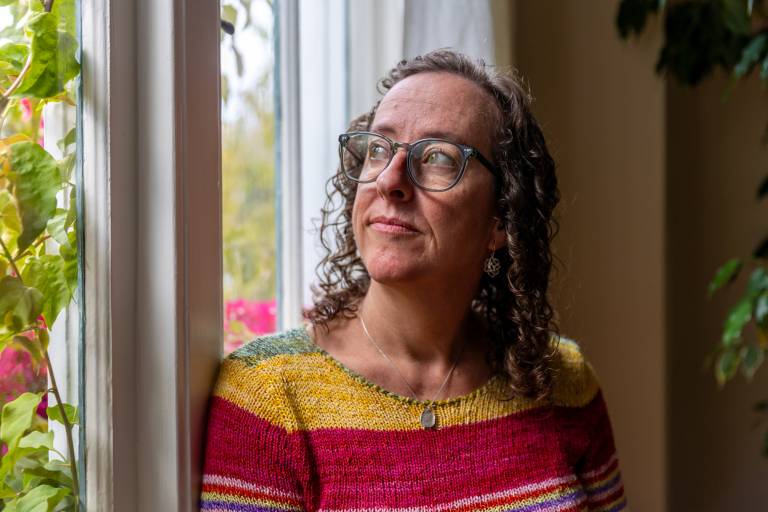
"caption": "Kate Hallward at her home in Berkeley on Sept. 24, 2025. Two mothers of boys with brain cancer made opposite choices — one chased a cure, the other chased joy. Both paths reveal how underfunding leaves families with no good options.",
"credit": "Tâm Vũ/KQED",
"altTag": null,
"description": null,
"imgSizes": {
"thumbnail": {
"file": "https://cdn.kqed.org/wp-content/uploads/sites/35/2025/09/250924-CANCERMOMS00123_TV-KQED-160x107.jpg",
"width": 160,
"height": 107,
"mimeType": "image/jpeg"
},
"medium_large": {
"file": "https://cdn.kqed.org/wp-content/uploads/sites/35/2025/09/250924-CANCERMOMS00123_TV-KQED-768x512.jpg",
"width": 768,
"height": 512,
"mimeType": "image/jpeg"
},
"1536x1536": {
"file": "https://cdn.kqed.org/wp-content/uploads/sites/35/2025/09/250924-CANCERMOMS00123_TV-KQED-1536x1024.jpg",
"width": 1536,
"height": 1024,
"mimeType": "image/jpeg"
},
"post-thumbnail": {
"file": "https://cdn.kqed.org/wp-content/uploads/sites/35/2025/09/250924-CANCERMOMS00123_TV-KQED-672x372.jpg",
"width": 672,
"height": 372,
"mimeType": "image/jpeg"
},
"twentyfourteen-full-width": {
"file": "https://cdn.kqed.org/wp-content/uploads/sites/35/2025/09/250924-CANCERMOMS00123_TV-KQED-1038x576.jpg",
"width": 1038,
"height": 576,
"mimeType": "image/jpeg"
},
"kqedFullSize": {
"file": "https://cdn.kqed.org/wp-content/uploads/sites/35/2025/09/250924-CANCERMOMS00123_TV-KQED.jpg",
"width": 2000,
"height": 1333
}
},
"isLoading": false,
"fetchFailed": false
},
"science_1998504": {
"type": "attachments",
"id": "science_1998504",
"meta": {
"index": "attachments_1716263798",
"site": "science",
"id": "1998504",
"found": true
},
"title": "250910-CANCERTEENS01313_TV-KQED",
"publishDate": 1757952445,
"status": "inherit",
"parent": 0,
"modified": 1758564637,
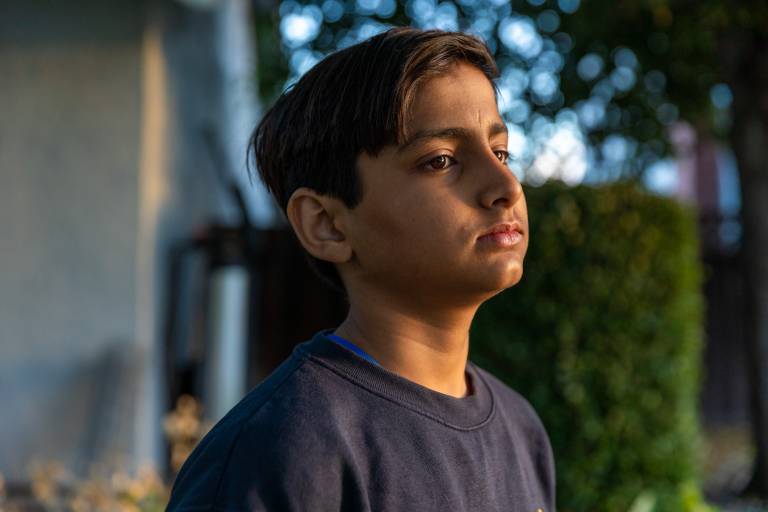
"caption": "Rayaan Kolte poses for a portrait in his front yard in Pleasanton on Sept. 9, 2025. South Bay teens Sahil Mehta and Rayaan Kolte, who lost their siblings to brain cancer, turned their grief into a statewide campaign that began with a lemonade stand and grew into lobbying efforts that led to a new California law allowing residents to donate to pediatric cancer research through their tax returns.",
"credit": "Tâm Vũ/KQED",
"altTag": null,
"description": null,
"imgSizes": {
"thumbnail": {
"file": "https://cdn.kqed.org/wp-content/uploads/sites/35/2025/09/250910-CANCERTEENS01313_TV-KQED-160x107.jpg",
"width": 160,
"height": 107,
"mimeType": "image/jpeg"
},
"medium_large": {
"file": "https://cdn.kqed.org/wp-content/uploads/sites/35/2025/09/250910-CANCERTEENS01313_TV-KQED-768x512.jpg",
"width": 768,
"height": 512,
"mimeType": "image/jpeg"
},
"1536x1536": {
"file": "https://cdn.kqed.org/wp-content/uploads/sites/35/2025/09/250910-CANCERTEENS01313_TV-KQED-1536x1024.jpg",
"width": 1536,
"height": 1024,
"mimeType": "image/jpeg"
},
"post-thumbnail": {
"file": "https://cdn.kqed.org/wp-content/uploads/sites/35/2025/09/250910-CANCERTEENS01313_TV-KQED-672x372.jpg",
"width": 672,
"height": 372,
"mimeType": "image/jpeg"
},
"twentyfourteen-full-width": {
"file": "https://cdn.kqed.org/wp-content/uploads/sites/35/2025/09/250910-CANCERTEENS01313_TV-KQED-1038x576.jpg",
"width": 1038,
"height": 576,
"mimeType": "image/jpeg"
},
"kqedFullSize": {
"file": "https://cdn.kqed.org/wp-content/uploads/sites/35/2025/09/250910-CANCERTEENS01313_TV-KQED.jpg",
"width": 2000,
"height": 1333
}
},
"isLoading": false,
"fetchFailed": false
},
"science_1998311": {
"type": "attachments",
"id": "science_1998311",
"meta": {
"index": "attachments_1716263798",
"site": "science",
"id": "1998311",
"found": true
},
"title": "250826_ALAMEDASWEEPS_GH-20-KQED",
"publishDate": 1756330415,
"status": "inherit",
"parent": 0,
"modified": 1766617866,
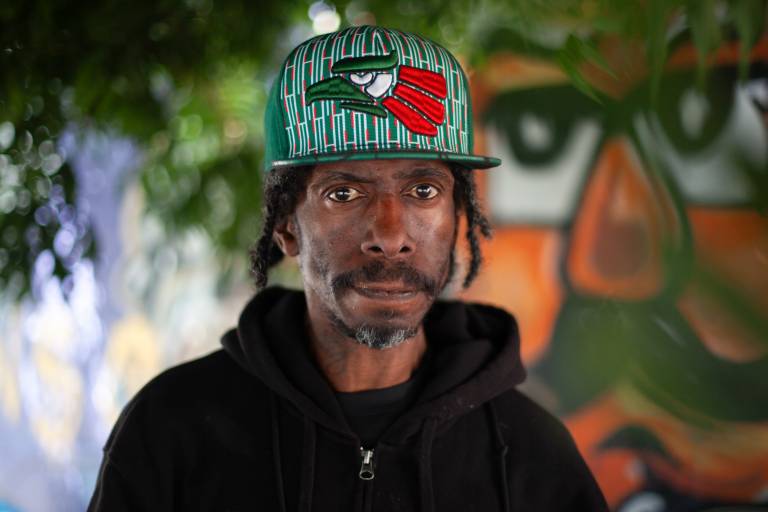
"caption": "Donald Sims rests under a tree with his belongings across from St. Vincent de Paul of Alameda County in Oakland on Aug. 26, 2025.",
"credit": "Gustavo Hernandez/KQED",
"altTag": null,
"description": null,
"imgSizes": {
"thumbnail": {
"file": "https://cdn.kqed.org/wp-content/uploads/sites/35/2025/08/250826_ALAMEDASWEEPS_GH-20-KQED-160x107.jpg",
"width": 160,
"height": 107,
"mimeType": "image/jpeg"
},
"medium_large": {
"file": "https://cdn.kqed.org/wp-content/uploads/sites/35/2025/08/250826_ALAMEDASWEEPS_GH-20-KQED-768x512.jpg",
"width": 768,
"height": 512,
"mimeType": "image/jpeg"
},
"1536x1536": {
"file": "https://cdn.kqed.org/wp-content/uploads/sites/35/2025/08/250826_ALAMEDASWEEPS_GH-20-KQED-1536x1024.jpg",
"width": 1536,
"height": 1024,
"mimeType": "image/jpeg"
},
"post-thumbnail": {
"file": "https://cdn.kqed.org/wp-content/uploads/sites/35/2025/08/250826_ALAMEDASWEEPS_GH-20-KQED-672x372.jpg",
"width": 672,
"height": 372,
"mimeType": "image/jpeg"
},
"twentyfourteen-full-width": {
"file": "https://cdn.kqed.org/wp-content/uploads/sites/35/2025/08/250826_ALAMEDASWEEPS_GH-20-KQED-1038x576.jpg",
"width": 1038,
"height": 576,
"mimeType": "image/jpeg"
},
"kqedFullSize": {
"file": "https://cdn.kqed.org/wp-content/uploads/sites/35/2025/08/250826_ALAMEDASWEEPS_GH-20-KQED.jpg",
"width": 2000,
"height": 1333
}
},
"isLoading": false,
"fetchFailed": false
},
"science_1998333": {
"type": "attachments",
"id": "science_1998333",
"meta": {
"index": "attachments_1716263798",
"site": "science",
"id": "1998333",
"found": true
},
"title": "250814-ORANGESKYDAYART-11-KQED",
"publishDate": 1756938249,
"status": "inherit",
"parent": 0,
"modified": 1756938309,
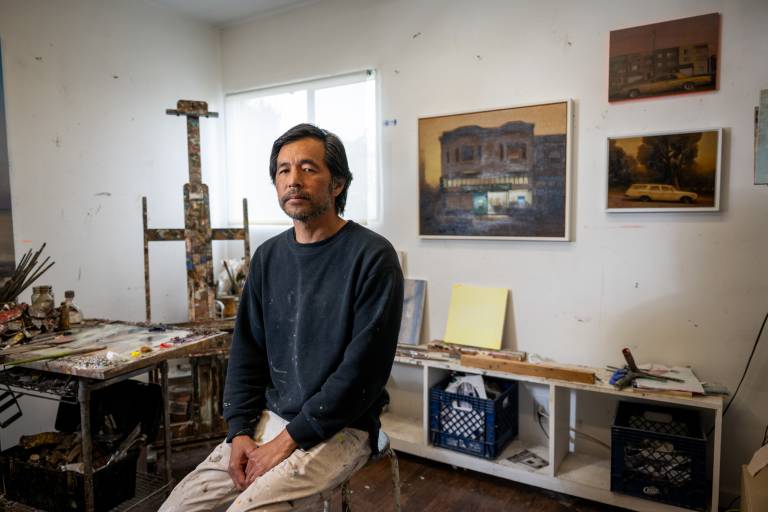
"caption": "Artist Kim Cogan sits in his home studio in San Francisco on Aug. 14, 2025. He created a series of paintings inspired by the orange skies that blanketed the city during the 2020 wildfires.",
"credit": "Beth LaBerge/KQED",
"altTag": null,
"description": null,
"imgSizes": {
"thumbnail": {
"file": "https://cdn.kqed.org/wp-content/uploads/sites/35/2025/09/250814-ORANGESKYDAYART-11-KQED-160x107.jpg",
"width": 160,
"height": 107,
"mimeType": "image/jpeg"
},
"medium_large": {
"file": "https://cdn.kqed.org/wp-content/uploads/sites/35/2025/09/250814-ORANGESKYDAYART-11-KQED-768x512.jpg",
"width": 768,
"height": 512,
"mimeType": "image/jpeg"
},
"1536x1536": {
"file": "https://cdn.kqed.org/wp-content/uploads/sites/35/2025/09/250814-ORANGESKYDAYART-11-KQED-1536x1024.jpg",
"width": 1536,
"height": 1024,
"mimeType": "image/jpeg"
},
"post-thumbnail": {
"file": "https://cdn.kqed.org/wp-content/uploads/sites/35/2025/09/250814-ORANGESKYDAYART-11-KQED-672x372.jpg",
"width": 672,
"height": 372,
"mimeType": "image/jpeg"
},
"twentyfourteen-full-width": {
"file": "https://cdn.kqed.org/wp-content/uploads/sites/35/2025/09/250814-ORANGESKYDAYART-11-KQED-1038x576.jpg",
"width": 1038,
"height": 576,
"mimeType": "image/jpeg"
},
"kqedFullSize": {
"file": "https://cdn.kqed.org/wp-content/uploads/sites/35/2025/09/250814-ORANGESKYDAYART-11-KQED.jpg",
"width": 2000,
"height": 1333
}
},
"isLoading": false,
"fetchFailed": false
},
"science_1998270": {
"type": "attachments",
"id": "science_1998270",
"meta": {
"index": "attachments_1716263798",
"site": "science",
"id": "1998270",
"found": true
},
"title": "250819-ORANGESKYDAYART-44-KQED",
"publishDate": 1756139768,
"status": "inherit",
"parent": 0,
"modified": 1757113506,
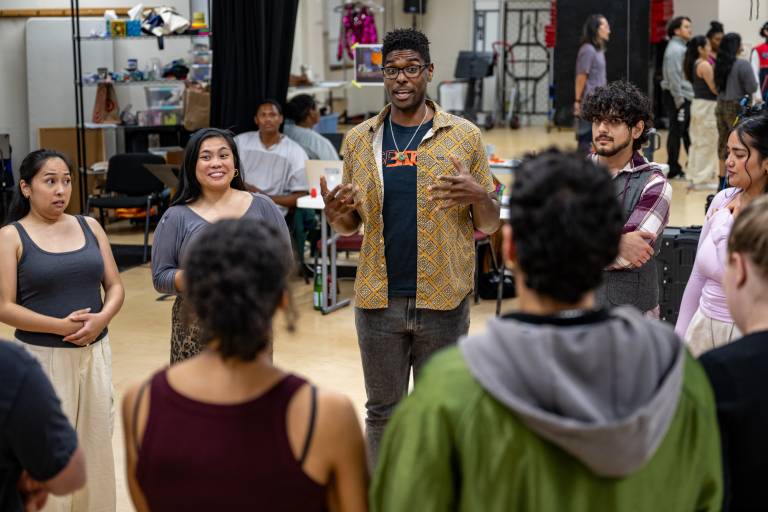
"caption": "Director Rodney Earl Jackson Jr. speaks to the cast during a rehearsal for the musical The Day the Sky Turned Orange at the American Conservatory Theater studio space in San Francisco on Aug. 19, 2025. The new production reflects on the September 2020 day when wildfire smoke turned the Bay Area sky orange.",
"credit": "Beth LaBerge/KQED",
"altTag": null,
"description": null,
"imgSizes": {
"thumbnail": {
"file": "https://cdn.kqed.org/wp-content/uploads/sites/35/2025/08/250819-ORANGESKYDAYART-44-KQED-160x107.jpg",
"width": 160,
"height": 107,
"mimeType": "image/jpeg"
},
"medium_large": {
"file": "https://cdn.kqed.org/wp-content/uploads/sites/35/2025/08/250819-ORANGESKYDAYART-44-KQED-768x512.jpg",
"width": 768,
"height": 512,
"mimeType": "image/jpeg"
},
"1536x1536": {
"file": "https://cdn.kqed.org/wp-content/uploads/sites/35/2025/08/250819-ORANGESKYDAYART-44-KQED-1536x1024.jpg",
"width": 1536,
"height": 1024,
"mimeType": "image/jpeg"
},
"post-thumbnail": {
"file": "https://cdn.kqed.org/wp-content/uploads/sites/35/2025/08/250819-ORANGESKYDAYART-44-KQED-672x372.jpg",
"width": 672,
"height": 372,
"mimeType": "image/jpeg"
},
"twentyfourteen-full-width": {
"file": "https://cdn.kqed.org/wp-content/uploads/sites/35/2025/08/250819-ORANGESKYDAYART-44-KQED-1038x576.jpg",
"width": 1038,
"height": 576,
"mimeType": "image/jpeg"
},
"kqedFullSize": {
"file": "https://cdn.kqed.org/wp-content/uploads/sites/35/2025/08/250819-ORANGESKYDAYART-44-KQED.jpg",
"width": 2000,
"height": 1333
}
},
"isLoading": false,
"fetchFailed": false
},
"science_1998283": {
"type": "attachments",
"id": "science_1998283",
"meta": {
"index": "attachments_1716263798",
"site": "science",
"id": "1998283",
"found": true
},
"title": "RohnertParkProcessingPlant1",
"publishDate": 1756156404,
"status": "inherit",
"parent": 1998274,
"modified": 1756156428,
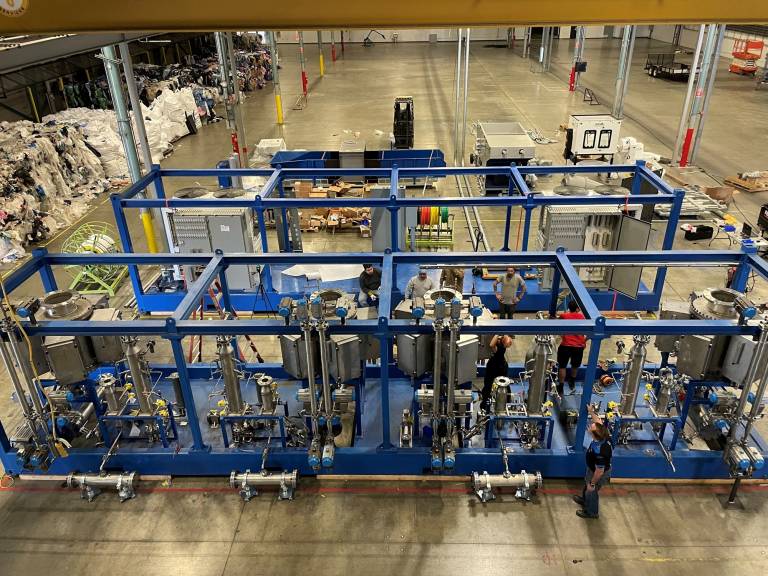
"caption": "The Resynergi facility, located in Rohnert Park's SOMO Village, uses a process called pyrolysis in order to recycle plastic. ",
"credit": "Courtesy of Resynergi",
"altTag": null,
"description": null,
"imgSizes": {
"thumbnail": {
"file": "https://cdn.kqed.org/wp-content/uploads/sites/35/2025/08/RohnertParkProcessingPlant1-160x120.jpg",
"width": 160,
"height": 120,
"mimeType": "image/jpeg"
},
"medium_large": {
"file": "https://cdn.kqed.org/wp-content/uploads/sites/35/2025/08/RohnertParkProcessingPlant1-768x576.jpg",
"width": 768,
"height": 576,
"mimeType": "image/jpeg"
},
"1536x1536": {
"file": "https://cdn.kqed.org/wp-content/uploads/sites/35/2025/08/RohnertParkProcessingPlant1-1536x1152.jpg",
"width": 1536,
"height": 1152,
"mimeType": "image/jpeg"
},
"post-thumbnail": {
"file": "https://cdn.kqed.org/wp-content/uploads/sites/35/2025/08/RohnertParkProcessingPlant1-672x372.jpg",
"width": 672,
"height": 372,
"mimeType": "image/jpeg"
},
"twentyfourteen-full-width": {
"file": "https://cdn.kqed.org/wp-content/uploads/sites/35/2025/08/RohnertParkProcessingPlant1-1038x576.jpg",
"width": 1038,
"height": 576,
"mimeType": "image/jpeg"
},
"kqedFullSize": {
"file": "https://cdn.kqed.org/wp-content/uploads/sites/35/2025/08/RohnertParkProcessingPlant1.jpg",
"width": 2000,
"height": 1500
}
},
"isLoading": false,
"fetchFailed": false
},
"science_1998212": {
"type": "attachments",
"id": "science_1998212",
"meta": {
"index": "attachments_1716263798",
"site": "science",
"id": "1998212",
"found": true
},
"title": "SFChronicleFireSkies",
"publishDate": 1755894969,
"status": "inherit",
"parent": 1998209,
"modified": 1755895025,
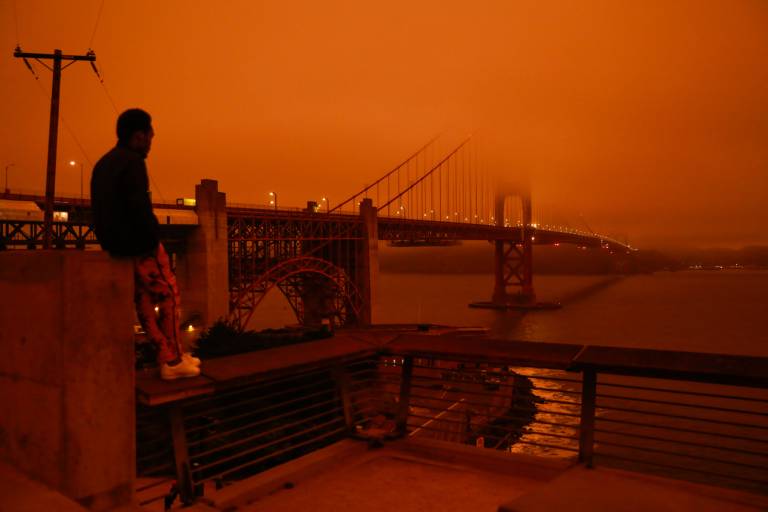
"caption": "A man looks out at the Golden Gate Bridge, which was shrouded in dark orange smoke in San Francisco, California, on Sept. 9, 2020, due to multiple wildfires burning across California and Oregon. ",
"credit": "Gabrielle Lurie/The San Francisco Chronicle via Getty Images",
"altTag": null,
"description": null,
"imgSizes": {
"thumbnail": {
"file": "https://cdn.kqed.org/wp-content/uploads/sites/35/2025/08/GettyImages-1271601364-160x107.jpg",
"width": 160,
"height": 107,
"mimeType": "image/jpeg"
},
"medium_large": {
"file": "https://cdn.kqed.org/wp-content/uploads/sites/35/2025/08/GettyImages-1271601364-768x512.jpg",
"width": 768,
"height": 512,
"mimeType": "image/jpeg"
},
"1536x1536": {
"file": "https://cdn.kqed.org/wp-content/uploads/sites/35/2025/08/GettyImages-1271601364-1536x1024.jpg",
"width": 1536,
"height": 1024,
"mimeType": "image/jpeg"
},
"post-thumbnail": {
"file": "https://cdn.kqed.org/wp-content/uploads/sites/35/2025/08/GettyImages-1271601364-672x372.jpg",
"width": 672,
"height": 372,
"mimeType": "image/jpeg"
},
"twentyfourteen-full-width": {
"file": "https://cdn.kqed.org/wp-content/uploads/sites/35/2025/08/GettyImages-1271601364-1038x576.jpg",
"width": 1038,
"height": 576,
"mimeType": "image/jpeg"
},
"kqedFullSize": {
"file": "https://cdn.kqed.org/wp-content/uploads/sites/35/2025/08/GettyImages-1271601364.jpg",
"width": 1800,
"height": 1200
}
},
"isLoading": false,
"fetchFailed": false
},
"science_1998173": {
"type": "attachments",
"id": "science_1998173",
"meta": {
"index": "attachments_1716263798",
"site": "science",
"id": "1998173",
"found": true
},
"title": "President Trump To Sign Congressional Resolution That Bars California From Its Electric Vehicle Rules",
"publishDate": 1755644882,
"status": "inherit",
"parent": 1998169,
"modified": 1755648082,
"caption": "A Tesla car sits parked at an electric vehicle charging station on June 12, 2025, in Corte Madera, California. U.S. President Donald Trump is set to sign a congressional resolution barring California's electric vehicle sales mandate that requires 100% of new car and light truck sales in the state to be zero-emission vehicles by 2035. ",
"credit": "Justin Sullivan/Getty Images",
"altTag": null,
"description": null,
"imgSizes": {
"thumbnail": {
"file": "https://cdn.kqed.org/wp-content/uploads/sites/35/2025/08/ZeroEmissionVehiclesGetty-160x110.jpg",
"width": 160,
"height": 110,
"mimeType": "image/jpeg"
},
"medium_large": {
"file": "https://cdn.kqed.org/wp-content/uploads/sites/35/2025/08/ZeroEmissionVehiclesGetty-768x528.jpg",
"width": 768,
"height": 528,
"mimeType": "image/jpeg"
},
"1536x1536": {
"file": "https://cdn.kqed.org/wp-content/uploads/sites/35/2025/08/ZeroEmissionVehiclesGetty-1536x1057.jpg",
"width": 1536,
"height": 1057,
"mimeType": "image/jpeg"
},
"post-thumbnail": {
"file": "https://cdn.kqed.org/wp-content/uploads/sites/35/2025/08/ZeroEmissionVehiclesGetty-672x372.jpg",
"width": 672,
"height": 372,
"mimeType": "image/jpeg"
},
"twentyfourteen-full-width": {
"file": "https://cdn.kqed.org/wp-content/uploads/sites/35/2025/08/ZeroEmissionVehiclesGetty-1038x576.jpg",
"width": 1038,
"height": 576,
"mimeType": "image/jpeg"
},
"kqedFullSize": {
"file": "https://cdn.kqed.org/wp-content/uploads/sites/35/2025/08/ZeroEmissionVehiclesGetty.jpg",
"width": 2000,
"height": 1376
}
},
"isLoading": false,
"fetchFailed": false
},
"science_1998014": {
"type": "attachments",
"id": "science_1998014",
"meta": {
"index": "attachments_1716263798",
"site": "science",
"id": "1998014",
"found": true
},
"title": "250730-COMMUNITYFARM-08-KQED",
"publishDate": 1753997247,
"status": "inherit",
"parent": 0,
"modified": 1755545743,
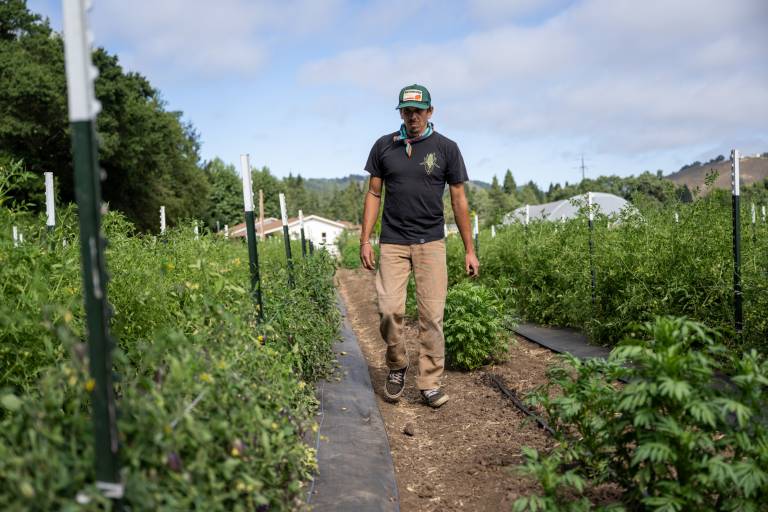
"caption": "Héktor Calderón-Victoria checks on crops at Three Feathers Farm in Morgan Hill on July 30, 2025, the 5-acre organic farm he co-founded in 2022. Calderón-Victoria cultivates culturally significant crops and partners with schools, restaurants, and nonprofits to support and connect underserved communities throughout Northern California.",
"credit": "Beth LaBerge/KQED",
"altTag": null,
"description": null,
"imgSizes": {
"thumbnail": {
"file": "https://cdn.kqed.org/wp-content/uploads/sites/35/2025/07/250730-COMMUNITYFARM-08-KQED-160x107.jpg",
"width": 160,
"height": 107,
"mimeType": "image/jpeg"
},
"medium_large": {
"file": "https://cdn.kqed.org/wp-content/uploads/sites/35/2025/07/250730-COMMUNITYFARM-08-KQED-768x512.jpg",
"width": 768,
"height": 512,
"mimeType": "image/jpeg"
},
"1536x1536": {
"file": "https://cdn.kqed.org/wp-content/uploads/sites/35/2025/07/250730-COMMUNITYFARM-08-KQED-1536x1024.jpg",
"width": 1536,
"height": 1024,
"mimeType": "image/jpeg"
},
"post-thumbnail": {
"file": "https://cdn.kqed.org/wp-content/uploads/sites/35/2025/07/250730-COMMUNITYFARM-08-KQED-672x372.jpg",
"width": 672,
"height": 372,
"mimeType": "image/jpeg"
},
"twentyfourteen-full-width": {
"file": "https://cdn.kqed.org/wp-content/uploads/sites/35/2025/07/250730-COMMUNITYFARM-08-KQED-1038x576.jpg",
"width": 1038,
"height": 576,
"mimeType": "image/jpeg"
},
"kqedFullSize": {
"file": "https://cdn.kqed.org/wp-content/uploads/sites/35/2025/07/250730-COMMUNITYFARM-08-KQED.jpg",
"width": 2000,
"height": 1333
}
},
"isLoading": false,
"fetchFailed": false
},
"science_1998099": {
"type": "attachments",
"id": "science_1998099",
"meta": {
"index": "attachments_1716263798",
"site": "science",
"id": "1998099",
"found": true
},
"title": "250813-TEDDY BEAR-MD-05-KQED",
"publishDate": 1755188733,
"status": "inherit",
"parent": 0,
"modified": 1755188762,
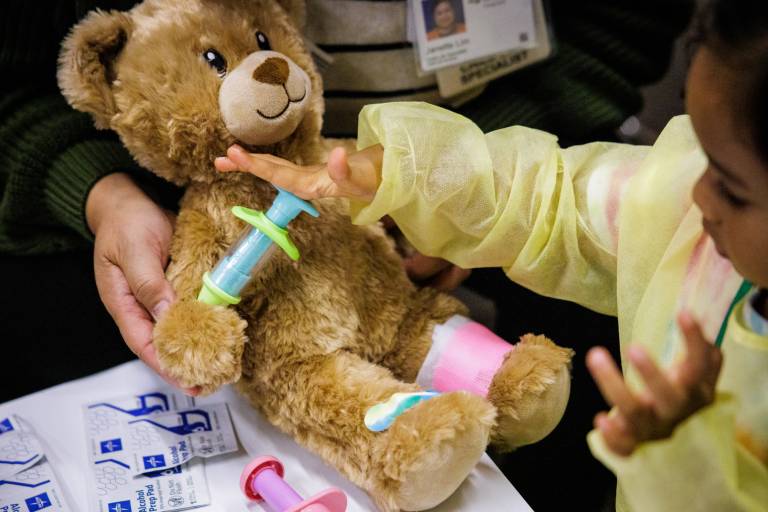
"caption": "A teddy bear receives a pretend vaccine at the Teddy Bear Clinic at UCSF Benioff Children's Hospital in San Francisco on Aug. 13, 2025.",
"credit": "Martin do Nascimento/KQED",
"altTag": null,
"description": null,
"imgSizes": {
"thumbnail": {
"file": "https://cdn.kqed.org/wp-content/uploads/sites/35/2025/08/250813-TEDDY-BEAR-MD-05-KQED-160x107.jpg",
"width": 160,
"height": 107,
"mimeType": "image/jpeg"
},
"medium_large": {
"file": "https://cdn.kqed.org/wp-content/uploads/sites/35/2025/08/250813-TEDDY-BEAR-MD-05-KQED-768x512.jpg",
"width": 768,
"height": 512,
"mimeType": "image/jpeg"
},
"1536x1536": {
"file": "https://cdn.kqed.org/wp-content/uploads/sites/35/2025/08/250813-TEDDY-BEAR-MD-05-KQED-1536x1025.jpg",
"width": 1536,
"height": 1025,
"mimeType": "image/jpeg"
},
"post-thumbnail": {
"file": "https://cdn.kqed.org/wp-content/uploads/sites/35/2025/08/250813-TEDDY-BEAR-MD-05-KQED-672x372.jpg",
"width": 672,
"height": 372,
"mimeType": "image/jpeg"
},
"twentyfourteen-full-width": {
"file": "https://cdn.kqed.org/wp-content/uploads/sites/35/2025/08/250813-TEDDY-BEAR-MD-05-KQED-1038x576.jpg",
"width": 1038,
"height": 576,
"mimeType": "image/jpeg"
},
"kqedFullSize": {
"file": "https://cdn.kqed.org/wp-content/uploads/sites/35/2025/08/250813-TEDDY-BEAR-MD-05-KQED.jpg",
"width": 2000,
"height": 1334
}
},
"isLoading": false,
"fetchFailed": false
},
"science_1997768": {
"type": "attachments",
"id": "science_1997768",
"meta": {
"index": "attachments_1716263798",
"site": "science",
"id": "1997768",
"found": true
},
"title": "Care Court",
"publishDate": 1752527568,
"status": "inherit",
"parent": 0,
"modified": 1766617056,
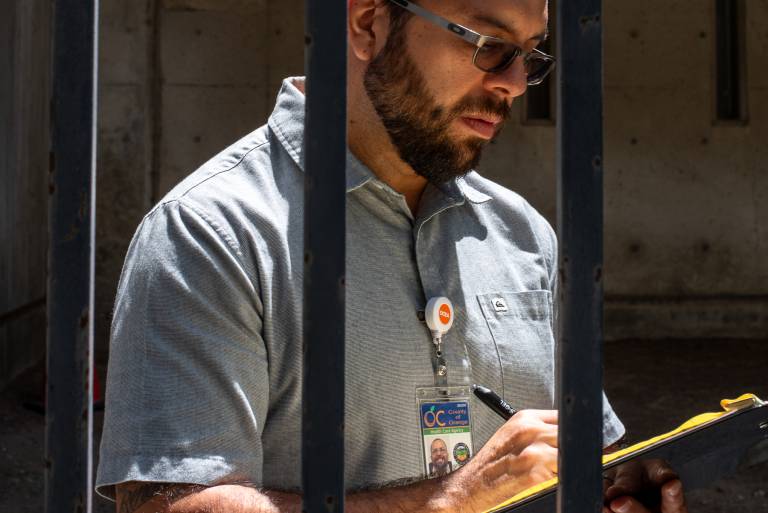
"caption": "Giovanni Figueroa, a mental health specialist with the Orange County Health Care Agency, writes a to-do list before meeting with a client at the Central Men’s & Women’s Jails in Orange County on July 7, 2025.",
"credit": "David Rodriguez for KQED",
"altTag": null,
"description": null,
"imgSizes": {
"thumbnail": {
"file": "https://cdn.kqed.org/wp-content/uploads/sites/35/2025/07/Rodriguez_CARE_07_07_2025-4-160x107.jpg",
"width": 160,
"height": 107,
"mimeType": "image/jpeg"
},
"medium_large": {
"file": "https://cdn.kqed.org/wp-content/uploads/sites/35/2025/07/Rodriguez_CARE_07_07_2025-4-768x513.jpg",
"width": 768,
"height": 513,
"mimeType": "image/jpeg"
},
"1536x1536": {
"file": "https://cdn.kqed.org/wp-content/uploads/sites/35/2025/07/Rodriguez_CARE_07_07_2025-4-1536x1026.jpg",
"width": 1536,
"height": 1026,
"mimeType": "image/jpeg"
},
"post-thumbnail": {
"file": "https://cdn.kqed.org/wp-content/uploads/sites/35/2025/07/Rodriguez_CARE_07_07_2025-4-672x372.jpg",
"width": 672,
"height": 372,
"mimeType": "image/jpeg"
},
"twentyfourteen-full-width": {
"file": "https://cdn.kqed.org/wp-content/uploads/sites/35/2025/07/Rodriguez_CARE_07_07_2025-4-1038x576.jpg",
"width": 1038,
"height": 576,
"mimeType": "image/jpeg"
},
"kqedFullSize": {
"file": "https://cdn.kqed.org/wp-content/uploads/sites/35/2025/07/Rodriguez_CARE_07_07_2025-4.jpg",
"width": 1800,
"height": 1202
}
},
"isLoading": false,
"fetchFailed": false
},
"science_1997819": {
"type": "attachments",
"id": "science_1997819",
"meta": {
"index": "attachments_1716263798",
"site": "science",
"id": "1997819",
"found": true
},
"title": "It's so much more than flu these days",
"publishDate": 1752614640,
"status": "inherit",
"parent": 1997803,
"modified": 1752614640,
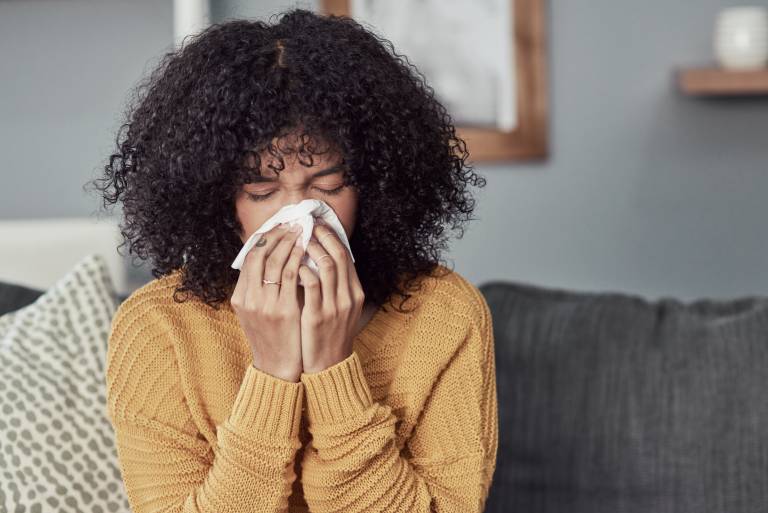
"caption": "Shot of a young woman blowing her nose with a tissue at home",
"credit": null,
"altTag": null,
"description": null,
"imgSizes": {
"thumbnail": {
"file": "https://cdn.kqed.org/wp-content/uploads/sites/35/2025/07/GettyImages-1217583991_qed-160x107.jpg",
"width": 160,
"height": 107,
"mimeType": "image/jpeg"
},
"medium_large": {
"file": "https://cdn.kqed.org/wp-content/uploads/sites/35/2025/07/GettyImages-1217583991_qed-768x513.jpg",
"width": 768,
"height": 513,
"mimeType": "image/jpeg"
},
"1536x1536": {
"file": "https://cdn.kqed.org/wp-content/uploads/sites/35/2025/07/GettyImages-1217583991_qed-1536x1025.jpg",
"width": 1536,
"height": 1025,
"mimeType": "image/jpeg"
},
"post-thumbnail": {
"file": "https://cdn.kqed.org/wp-content/uploads/sites/35/2025/07/GettyImages-1217583991_qed-672x372.jpg",
"width": 672,
"height": 372,
"mimeType": "image/jpeg"
},
"twentyfourteen-full-width": {
"file": "https://cdn.kqed.org/wp-content/uploads/sites/35/2025/07/GettyImages-1217583991_qed-1038x576.jpg",
"width": 1038,
"height": 576,
"mimeType": "image/jpeg"
},
"kqedFullSize": {
"file": "https://cdn.kqed.org/wp-content/uploads/sites/35/2025/07/GettyImages-1217583991_qed.jpg",
"width": 1997,
"height": 1333
}
},
"isLoading": false,
"fetchFailed": false
}
},
"audioPlayerReducer": {
"postId": "stream_live",
"isPaused": true,
"isPlaying": false,
"pfsActive": false,
"pledgeModalIsOpen": true,
"playerDrawerIsOpen": false,
"liveAudioPlayStartedAt": 0,
"liveAudioPlayContext": ""
},
"authorsReducer": {
"adembosky": {
"type": "authors",
"id": "3205",
"meta": {
"index": "authors_1716337520",
"id": "3205",
"found": true
},
"name": "April Dembosky",
"firstName": "April",
"lastName": "Dembosky",
"slug": "adembosky",
"email": "adembosky@kqed.org",
"display_author_email": false,
"staff_mastheads": [
"news",
"science"
],
"title": "KQED Health Correspondent",
"bio": "April Dembosky is the health correspondent for KQED News and a regular contributor to NPR. She specializes in covering altered states of mind, from postpartum depression to methamphetamine-induced psychosis to the insanity defense. Her investigative series on insurance companies sidestepping mental health laws won multiple awards, including first place in beat reporting from the national Association of Health Care Journalists. She is the recipient of numerous other prizes and fellowships, including a national Edward R. Murrow award for investigative reporting, a Society of Professional Journalists award for long-form storytelling, and a Carter Center Fellowship for Mental Health Journalism.\r\n\r\nDembosky reported and produced \u003cem>Soundtrack of Silence\u003c/em>, an audio documentary about music and memory that is currently being made into a feature film by Paramount Pictures.\r\n\r\nBefore joining KQED in 2013, Dembosky covered technology and Silicon Valley for \u003cem>The Financial Times of London,\u003c/em> and contributed business and arts stories to \u003cem>Marketplace \u003c/em>and \u003cem>The New York Times.\u003c/em> She got her undergraduate degree in philosophy from Smith College and her master's in journalism from the University of California, Berkeley. She is a classically trained violinist and proud alum of the first symphony orchestra at Burning Man.",
"avatar": "https://secure.gravatar.com/avatar/ef92999be4ceb9ea60701e7dc276f813?s=600&d=blank&r=g",
"twitter": "adembosky",
"facebook": null,
"instagram": null,
"linkedin": null,
"sites": [
{
"site": "arts",
"roles": [
"author"
]
},
{
"site": "news",
"roles": [
"editor"
]
},
{
"site": "futureofyou",
"roles": [
"author"
]
},
{
"site": "stateofhealth",
"roles": [
"editor"
]
},
{
"site": "science",
"roles": [
"editor"
]
},
{
"site": "forum",
"roles": [
"editor"
]
}
],
"headData": {
"title": "April Dembosky | KQED",
"description": "KQED Health Correspondent",
"ogImgSrc": "https://secure.gravatar.com/avatar/ef92999be4ceb9ea60701e7dc276f813?s=600&d=blank&r=g",
"twImgSrc": "https://secure.gravatar.com/avatar/ef92999be4ceb9ea60701e7dc276f813?s=600&d=blank&r=g"
},
"isLoading": false,
"link": "/author/adembosky"
},
"lklivans": {
"type": "authors",
"id": "8648",
"meta": {
"index": "authors_1716337520",
"id": "8648",
"found": true
},
"name": "Laura Klivans",
"firstName": "Laura",
"lastName": "Klivans",
"slug": "lklivans",
"email": "lklivans@kqed.org",
"display_author_email": true,
"staff_mastheads": [
"news",
"science"
],
"title": "Reporter",
"bio": "Laura Klivans is an award-winning science reporter for KQED News, where she covers climate change with an eye on both groundbreaking progress and gaps in action. She is the former host of KQED's blockbuster video series about tiny, amazing animals, \u003cem>Deep Look\u003c/em>. Her work reaches national audiences through NPR, \u003cem>Here & Now, \u003c/em>PRI, and other major outlets. \r\n\r\nLaura’s won five Northern California Area Emmy Awards for Deep Look and First Place in the Greater Bay Area Journalism Awards for a podcast exploring how one Oakland neighborhood teamed up to reduce planet-heating pollution.\r\n\r\nBeyond her reporting, she hosts and moderates events. In the past, she taught audio storytelling at the UC Berkeley Graduate School of Journalism, led international education programs, worked with immigrants and refugees along the Thai-Burmese border, taught high schoolers sex ed, and was an actress. \r\n\r\nShe's a former UC Berkeley Human Rights Fellow, USC Center for Health Journalism's California Fellow and Coro Fellow in Public Affairs. Laura has a master’s in journalism from UC Berkeley, a master’s in education from Harvard, and an undergraduate degree from Northwestern University.\r\n\r\nShe loves trying to riddle the meaning out of vanity license plates.",
"avatar": "https://secure.gravatar.com/avatar/2d2ecd1550a494cc10ad4a503406965585902124739e775a9b3817eebf1d88be?s=600&d=blank&r=g",
"twitter": "lauraklivans",
"bluesky": null,
"facebook": null,
"instagram": null,
"linkedin": null,
"sites": [
{
"site": "news",
"roles": [
"editor"
]
},
{
"site": "stateofhealth",
"roles": [
"contributor",
"editor"
]
},
{
"site": "science",
"roles": [
"editor"
]
},
{
"site": "forum",
"roles": [
"editor"
]
}
],
"headData": {
"title": "Laura Klivans | KQED",
"description": "Reporter",
"ogImgSrc": "https://secure.gravatar.com/avatar/2d2ecd1550a494cc10ad4a503406965585902124739e775a9b3817eebf1d88be?s=600&d=blank&r=g",
"twImgSrc": "https://secure.gravatar.com/avatar/2d2ecd1550a494cc10ad4a503406965585902124739e775a9b3817eebf1d88be?s=600&d=blank&r=g"
},
"isLoading": false,
"link": "/author/lklivans"
},
"lesleymcclurg": {
"type": "authors",
"id": "11229",
"meta": {
"index": "authors_1716337520",
"id": "11229",
"found": true
},
"name": "Lesley McClurg",
"firstName": "Lesley",
"lastName": "McClurg",
"slug": "lesleymcclurg",
"email": "lmcclurg@KQED.org",
"display_author_email": false,
"staff_mastheads": [
"news",
"science"
],
"title": "KQED Health Correspondent",
"bio": "Lesley McClurg is a health correspondent and fill-in host whose work is regularly rebroadcast on NPR and PBS programs. She’s earned multiple regional Emmy awards, a national and a regional Edward R. Murrow award, and was named Best Beat Reporter by the Association of Health Care Journalists. The Society of Professional Journalists has recognized her work several times, and the Society of Environmental Journalists spotlighted her coverage of California’s historic drought.\r\n\r\nBefore joining KQED in 2016, Lesley covered food and sustainability for Capital Public Radio, environmental issues for Colorado Public Radio, and reported for KUOW and KCTS 9 in Seattle. Away from the newsroom, she loves skiing with her daughter, mountain biking with her partner, and playing with Ollie, the family’s goldendoodle. On deadline, she runs almost entirely on chocolate chips.\r\n\r\n ",
"avatar": "https://secure.gravatar.com/avatar/bab49e972ea10c774fe0f5e29dba1722b158f7c0d58a360923d1389d380b2978?s=600&d=blank&r=g",
"twitter": "lesleywmcclurg",
"bluesky": null,
"facebook": null,
"instagram": null,
"linkedin": null,
"sites": [
{
"site": "arts",
"roles": [
"author"
]
},
{
"site": "news",
"roles": [
"editor"
]
},
{
"site": "futureofyou",
"roles": [
"editor"
]
},
{
"site": "stateofhealth",
"roles": [
"author"
]
},
{
"site": "science",
"roles": [
"editor"
]
},
{
"site": "quest",
"roles": [
"subscriber"
]
},
{
"site": "forum",
"roles": [
"administrator"
]
},
{
"site": "liveblog",
"roles": [
"author"
]
}
],
"headData": {
"title": "Lesley McClurg | KQED",
"description": "KQED Health Correspondent",
"ogImgSrc": "https://secure.gravatar.com/avatar/bab49e972ea10c774fe0f5e29dba1722b158f7c0d58a360923d1389d380b2978?s=600&d=blank&r=g",
"twImgSrc": "https://secure.gravatar.com/avatar/bab49e972ea10c774fe0f5e29dba1722b158f7c0d58a360923d1389d380b2978?s=600&d=blank&r=g"
},
"isLoading": false,
"link": "/author/lesleymcclurg"
},
"dcronin": {
"type": "authors",
"id": "11362",
"meta": {
"index": "authors_1716337520",
"id": "11362",
"found": true
},
"name": "Dana Cronin",
"firstName": "Dana",
"lastName": "Cronin",
"slug": "dcronin",
"email": "dcronin@KQED.org",
"display_author_email": true,
"staff_mastheads": [],
"title": "KQED Contributor",
"bio": "Dana Cronin is a reporter for KQED News. She loves writing stories about climate change, environmental issues, food and agriculture. She's reported across the country, from Colorado to Washington D.C. to Illinois, and has won numerous awards for her coverage. Her work is regularly featured on national broadcasts, including NPR’s Morning Edition, All Things Considered, PBS Newshour and Science Friday. She lives in Oakland and has an avocado tree in her back yard.",
"avatar": "https://secure.gravatar.com/avatar/bcf89e3455ff7235f96ab6fa7258dd95?s=600&d=blank&r=g",
"twitter": "DanaHCronin",
"facebook": null,
"instagram": null,
"linkedin": null,
"sites": [
{
"site": "arts",
"roles": [
"author"
]
},
{
"site": "news",
"roles": [
"editor"
]
},
{
"site": "science",
"roles": [
"author"
]
},
{
"site": "liveblog",
"roles": [
"author"
]
}
],
"headData": {
"title": "Dana Cronin | KQED",
"description": "KQED Contributor",
"ogImgSrc": "https://secure.gravatar.com/avatar/bcf89e3455ff7235f96ab6fa7258dd95?s=600&d=blank&r=g",
"twImgSrc": "https://secure.gravatar.com/avatar/bcf89e3455ff7235f96ab6fa7258dd95?s=600&d=blank&r=g"
},
"isLoading": false,
"link": "/author/dcronin"
},
"smohamad": {
"type": "authors",
"id": "11631",
"meta": {
"index": "authors_1716337520",
"id": "11631",
"found": true
},
"name": "Sarah Mohamad",
"firstName": "Sarah",
"lastName": "Mohamad",
"slug": "smohamad",
"email": "smohamad@KQED.org",
"display_author_email": true,
"staff_mastheads": [],
"title": "Engagement Producer and Reporter, KQED Science",
"bio": "Sarah Mohamad is an audience engagement reporter and producer for KQED Science. She reports on audience-focused science and environment stories and manages the team's social media, newsletter, and engagement efforts. Prior to this role, she played a key role as project manager for NSF's \u003ca href=\"https://www.kqed.org/crackingthecode\">\u003cem>Cracking the Code: Influencing Millennial Science Engagement\u003c/em> \u003c/a>audience research.",
"avatar": "https://secure.gravatar.com/avatar/e6224957cd82d015183756ddde1f928013a563d7ca2e4565f8c4de1ec64886c5?s=600&d=blank&r=g",
"twitter": "sarahkmohamad",
"bluesky": null,
"facebook": null,
"instagram": null,
"linkedin": null,
"sites": [
{
"site": "",
"roles": [
"editor"
]
},
{
"site": "arts",
"roles": [
"editor"
]
},
{
"site": "news",
"roles": [
"editor"
]
},
{
"site": "about",
"roles": [
"editor"
]
},
{
"site": "science",
"roles": [
"editor"
]
}
],
"headData": {
"title": "Sarah Mohamad | KQED",
"description": "Engagement Producer and Reporter, KQED Science",
"ogImgSrc": "https://secure.gravatar.com/avatar/e6224957cd82d015183756ddde1f928013a563d7ca2e4565f8c4de1ec64886c5?s=600&d=blank&r=g",
"twImgSrc": "https://secure.gravatar.com/avatar/e6224957cd82d015183756ddde1f928013a563d7ca2e4565f8c4de1ec64886c5?s=600&d=blank&r=g"
},
"isLoading": false,
"link": "/author/smohamad"
}
},
"pagesReducer": {
"science_category_health": {
"type": "terms",
"id": "science_39",
"meta": {
"index": "terms_1716263798",
"site": "science",
"id": "39",
"score": 10.889433
},
"featImg": null,
"name": "Health",
"description": null,
"taxonomy": "category",
"headData": {
"twImgId": null,
"twTitle": null,
"ogTitle": null,
"ogImgId": null,
"twDescription": null,
"description": null,
"title": "Health Archives | KQED Science",
"ogDescription": null
},
"ttid": 41,
"slug": "health",
"isLoading": false,
"title": "Health",
"pageMeta": {
"site": "science",
"WpPageTemplate": "page-topic-editorial",
"currentPage": 3
},
"blocks": [
{
"blockName": "kqed/post-list",
"attrs": {
"layout": "cardArticle2",
"query": "posts/science?category=health",
"seeMore": false,
"paginated": true,
"page": 3
}
},
{
"blockName": "kqed/ad"
}
]
}
},
"pfsSessionReducer": {},
"postsReducer": {
"stream_live": {
"type": "live",
"id": "stream_live",
"audioUrl": "https://streams.kqed.org/kqedradio",
"title": "Live Stream",
"excerpt": "Live Stream information currently unavailable.",
"link": "/radio",
"featImg": "",
"label": {
"name": "KQED Live",
"link": "/"
}
},
"stream_kqedNewscast": {
"type": "posts",
"id": "stream_kqedNewscast",
"audioUrl": "https://www.kqed.org/.stream/anon/radio/RDnews/newscast.mp3?_=1",
"title": "KQED Newscast",
"featImg": "",
"label": {
"name": "88.5 FM",
"link": "/"
}
},
"science_1998793": {
"type": "posts",
"id": "science_1998793",
"meta": {
"index": "posts_1716263798",
"site": "science",
"id": "1998793",
"score": null,
"sort": [
1760536808000
]
},
"guestAuthors": [],
"slug": "facing-terminal-childhood-cancer-these-mothers-made-an-impossible-choice",
"title": "Facing Terminal Childhood Cancer, These Mothers Made an Impossible Choice",
"publishDate": 1760536808,
"format": "standard",
"headTitle": "Facing Terminal Childhood Cancer, These Mothers Made an Impossible Choice | KQED",
"labelTerm": {},
"content": "\u003cp>In the fall of 2021, Kate Hallward noticed her 11-year-old son Sam squinting. His right eyelid sagged, just a little — the kind of thing most parents would chalk up to fatigue. But when it lingered, she called the pediatrician. A neurological exam ended with an unsettling suggestion: schedule an MRI, just to be safe.\u003c/p>\n\u003cp>A month dragged by before they finally landed an appointment. By the time results came back, Christmas lights twinkled in their Berkeley neighborhood. Inside the hospital, Hallward and her husband learned about a mass on their son’s brain stem.\u003c/p>\n\u003cp>Doctors diagnosed Sam with diffuse intrinsic pontine glioma, or DIPG. Surgery was not an option. Radiation might buy him a few months, but the average survival rate is less than a year.\u003c/p>\n\u003cp>[ad fullwidth]\u003c/p>\n\u003cp>“It was totally stunning,” Hallward said. “I yelled at the doctor. I almost needed to be physically restrained.”\u003c/p>\n\u003cp>The news left Hallward and her husband with an impossible choice, one that thousands of parents of children with brain tumors face each year. Should they gamble on experimental trials that would tether Sam to a hospital bed, or go home and make memories?\u003c/p>\n\u003cfigure id=\"attachment_1998690\" class=\"wp-caption aligncenter\" style=\"max-width: 2000px\">\u003cimg loading=\"lazy\" decoding=\"async\" class=\"size-full wp-image-1998690\" src=\"https://cdn.kqed.org/wp-content/uploads/sites/35/2025/09/250924-CANCERMOMS00281_TV-KQED.jpg\" alt=\"\" width=\"2000\" height=\"1333\" srcset=\"https://cdn.kqed.org/wp-content/uploads/sites/35/2025/09/250924-CANCERMOMS00281_TV-KQED.jpg 2000w, https://cdn.kqed.org/wp-content/uploads/sites/35/2025/09/250924-CANCERMOMS00281_TV-KQED-160x107.jpg 160w, https://cdn.kqed.org/wp-content/uploads/sites/35/2025/09/250924-CANCERMOMS00281_TV-KQED-768x512.jpg 768w, https://cdn.kqed.org/wp-content/uploads/sites/35/2025/09/250924-CANCERMOMS00281_TV-KQED-1536x1024.jpg 1536w\" sizes=\"auto, (max-width: 2000px) 100vw, 2000px\">\u003cfigcaption class=\"wp-caption-text\">Kate Hallward lights a candle for the altar of her deceased son, Samuel Lepie Hallward, at her home in Berkeley on Sept. 24, 2025. \u003ccite>(Tâm Vũ/KQED)\u003c/cite>\u003c/figcaption>\u003c/figure>\n\u003cp>Survival rates for DIPG have not budged in decades. The tumor hides in the brainstem, beyond the reach of surgery; and with only a few hundred cases each year, drug companies have little financial incentive to invest in treatments. Recent federal funding cuts have only widened the void. Mothers and fathers are left to decide how best to love a child unlikely to survive.\u003c/p>\n\u003cp>Shaken, the family flew to the East Coast to celebrate that Christmas with relatives, determined to pack the holiday with joy. Dog sledding. A magician who made Sam the star assistant. “You put on this smiley face when you’re basically crushed beyond crushed,” Hallward said.\u003c/p>\n\u003ch2>Praying for a miracle\u003c/h2>\n\u003cp>When they returned, some doctors told the family not to “chase rainbows.” Clinical trials, they said, were arduous for kids. Better to cherish the days they had.\u003c/p>\n\u003cp>For children with the deadliest cancer diagnoses, experimental trials are often the only possibility left — but the odds are slim. \u003ca href=\"https://pmc.ncbi.nlm.nih.gov/articles/PMC7288652/?\">Fewer than 12%\u003c/a> see any response at all, and \u003ca href=\"https://pmc.ncbi.nlm.nih.gov/articles/PMC6409418/?\">less than 5% of drugs tested\u003c/a> gain approval. By contrast, \u003ca href=\"https://www.nejm.org/doi/full/10.1056/NEJMoa1000678?\">palliative care\u003c/a> often helps children feel better day to day and spares them many of the grueling interventions that can dominate the final months. Yet, without families enrolling in trials, new cures will never be discovered.\u003c/p>\n\u003cfigure id=\"attachment_1998691\" class=\"wp-caption aligncenter\" style=\"max-width: 2000px\">\u003cimg loading=\"lazy\" decoding=\"async\" class=\"size-full wp-image-1998691\" src=\"https://cdn.kqed.org/wp-content/uploads/sites/35/2025/09/250924-CANCERMOMS00392_TV-KQED.jpg\" alt=\"\" width=\"2000\" height=\"1333\" srcset=\"https://cdn.kqed.org/wp-content/uploads/sites/35/2025/09/250924-CANCERMOMS00392_TV-KQED.jpg 2000w, https://cdn.kqed.org/wp-content/uploads/sites/35/2025/09/250924-CANCERMOMS00392_TV-KQED-160x107.jpg 160w, https://cdn.kqed.org/wp-content/uploads/sites/35/2025/09/250924-CANCERMOMS00392_TV-KQED-768x512.jpg 768w, https://cdn.kqed.org/wp-content/uploads/sites/35/2025/09/250924-CANCERMOMS00392_TV-KQED-1536x1024.jpg 1536w\" sizes=\"auto, (max-width: 2000px) 100vw, 2000px\">\u003cfigcaption class=\"wp-caption-text\">Kate Hallward flips through a photo album of her late son, Samuel Lepie Hallward, at her home in Berkeley on Sept. 24, 2025. \u003ccite>(Tâm Vũ/KQED)\u003c/cite>\u003c/figcaption>\u003c/figure>\n\u003cp>“In the 1960s, essentially a pediatric cancer diagnosis was almost universally fatal,” said William Temple, UCSF pediatric hematologist-oncologist. “Nowadays, approximately 70% of those kids are now cured. That improvement is because of clinical trials in pediatric cancer.”\u003c/p>\n\u003cp>At first, Hallward was reluctant to enroll Sam in a trial, fearing hospitals would swallow their remaining days. Then she learned about \u003ca href=\"https://www.kqed.org/futureofyou/439584/new-gene-therapy-gives-teen-a-second-chance-after-cancer\">CAR-T cell therapy\u003c/a>, which reprograms a patient’s own immune cells to attack cancer.\u003c/p>\n\u003cp>Early results were promising: in one \u003ca href=\"https://med.stanford.edu/news/all-news/2024/11/car-t-brain-cancer.html#:~:text=CAR%2DT%20cells%2C%20or%20chimeric,see%20clear%20evidence%20of%20reversibility.%22\">trial\u003c/a> of eleven DIPG patients, several saw their tumors shrink, and one boy’s tumor vanished entirely. Nearly five years later, that child is still alive.[aside postID=science_1998573 hero='https://cdn.kqed.org/wp-content/uploads/sites/35/2025/09/250910-CANCERTEENS01313_TV-KQED.jpg']“Within hours of reading about the trial, I got him on the waitlist for the next arm of the study,” Hallward said. “I hoped against hope that there would be a breakthrough, just like every family does.”\u003c/p>\n\u003cp>When it was Sam’s turn to receive the treatment at Stanford, Hallward recalled that more than a dozen doctors and nurses crowded into his hospital room, eager to witness the infusion. Sam, ever the showman, seized the moment. From under his blanket, he pulled out a deck of cards and performed a magic trick, fooling even the lead researcher. The room erupted in laughter.\u003c/p>\n\u003cp>But within hours, the side effects hit hard. Sam suffered a severe negative reaction. He vomited and his fever spiked. By dawn, he was unresponsive. His brain swelled so severely that surgeons rushed him to the ICU, drilling into his skull to relieve the pressure. He spent 19 days there, hooked to monitors while his parents slept in chairs.\u003c/p>\n\u003cp>Slowly, Sam recovered from the treatment. For a few months, there were glimmers of normal life: a group of his middle school friends, nicknamed the “blubber seals,” stopped by. Card tricks. Family dinners. But the disease resumed its course. His legs grew unsteady. Forks slipped through his hands. His words began to slur.\u003c/p>\n\u003cp>“He lost his ability to talk from one hour to the next,” Kate said. “It literally just faded, and he couldn’t speak anymore.”\u003c/p>\n\u003cp>Sam died in Kate’s arms on Dec. 2, 2022.\u003c/p>\n\u003ch2>Chasing joy instead\u003c/h2>\n\u003cp>Nine years earlier in Charleston, South Carolina, Erin Benson faced the same devastating diagnosis but chose the opposite path. She was nine months pregnant with twins when she noticed her two-year-old son — also named Sam — start laughing strangely, and then one of his eyes stopped tracking.\u003c/p>\n\u003cp>The precocious redhead already carried a rare skeletal disorder that left him limping and scarred from surgeries. When an oncologist told her he had brain cancer, something inside Benson surrendered.\u003c/p>\n\u003cfigure id=\"attachment_1998686\" class=\"wp-caption aligncenter\" style=\"max-width: 2000px\">\u003cimg loading=\"lazy\" decoding=\"async\" class=\"wp-image-1998686 size-full\" src=\"https://cdn.kqed.org/wp-content/uploads/sites/35/2025/09/09.25.25_ERINBENSON_CANCERMOMS_0005-KQED.jpg\" alt=\"\" width=\"2000\" height=\"1334\" srcset=\"https://cdn.kqed.org/wp-content/uploads/sites/35/2025/09/09.25.25_ERINBENSON_CANCERMOMS_0005-KQED.jpg 2000w, https://cdn.kqed.org/wp-content/uploads/sites/35/2025/09/09.25.25_ERINBENSON_CANCERMOMS_0005-KQED-160x107.jpg 160w, https://cdn.kqed.org/wp-content/uploads/sites/35/2025/09/09.25.25_ERINBENSON_CANCERMOMS_0005-KQED-768x512.jpg 768w, https://cdn.kqed.org/wp-content/uploads/sites/35/2025/09/09.25.25_ERINBENSON_CANCERMOMS_0005-KQED-1536x1025.jpg 1536w\" sizes=\"auto, (max-width: 2000px) 100vw, 2000px\">\u003cfigcaption class=\"wp-caption-text\">Erin Benson in her backyard in James Island, SC. Benson is holding a photograph of her husband Mike, her son Sam (4), and herself in 2015. \u003ccite>(Hunter McRae for KQED)\u003c/cite>\u003c/figcaption>\u003c/figure>\n\u003cp>“Almost like a gut-level knowing that he wasn’t going to live a long life,” she said.\u003c/p>\n\u003cp>Her husband was ready to try anything. But Benson insisted their mission was to make Sam happy. With his medical history, she couldn’t bear to put him through more suffering. “For what, like a one percent chance?” she said.\u003c/p>\n\u003cp>Friends and strangers chipped in more than $100,000 on a crowdfunding site, enough to bankroll a year of wish-list experiences.\u003c/p>\n\u003cp>The family crammed into a minivan and drove to New York City, landing in Bryant Park during Fashion Week — strollers and diaper bags colliding with runway shows. At Disney World, they splurged on a special pass to skip every line. In Puerto Rico, Sam bobbed in the pool at the Ritz-Carlton.\u003c/p>\n\u003cfigure id=\"attachment_1998688\" class=\"wp-caption aligncenter\" style=\"max-width: 2000px\">\u003cimg loading=\"lazy\" decoding=\"async\" class=\"size-full wp-image-1998688\" src=\"https://cdn.kqed.org/wp-content/uploads/sites/35/2025/09/09.25.25_ERINBENSON_CANCERMOMS_0014-KQED.jpg\" alt=\"\" width=\"2000\" height=\"1334\" srcset=\"https://cdn.kqed.org/wp-content/uploads/sites/35/2025/09/09.25.25_ERINBENSON_CANCERMOMS_0014-KQED.jpg 2000w, https://cdn.kqed.org/wp-content/uploads/sites/35/2025/09/09.25.25_ERINBENSON_CANCERMOMS_0014-KQED-160x107.jpg 160w, https://cdn.kqed.org/wp-content/uploads/sites/35/2025/09/09.25.25_ERINBENSON_CANCERMOMS_0014-KQED-768x512.jpg 768w, https://cdn.kqed.org/wp-content/uploads/sites/35/2025/09/09.25.25_ERINBENSON_CANCERMOMS_0014-KQED-1536x1025.jpg 1536w\" sizes=\"auto, (max-width: 2000px) 100vw, 2000px\">\u003cfigcaption class=\"wp-caption-text\">A photograph on the wall in Erin Benson’s home of her children Sam (4), Ada (2) and Ma (2) in the bath tub together in 2015. \u003ccite>(Hunter McRae for KQED)\u003c/cite>\u003c/figcaption>\u003c/figure>\n\u003cp>“We were showmen, performing our greatest and most important act: the act of having fun while losing it all,” Benson wrote in a book about her son’s death. She confessed to her therapist that the charade was exhausting.\u003c/p>\n\u003cp>When the money ran out, they sought normalcy. The family moved into Benson’s aunt and uncle’s basement in Minnesota, grateful for the extra hands to care for three small kids. Sundays became family dinners. Sam raced his four-wheeler alongside neighborhood kids on bikes. One afternoon, his cousin taught him to pee standing up — and overnight, he was potty trained. Those were the tiny triumphs Benson treasures.\u003c/p>\n\u003cp>Sam lived two and a half years, far longer than expected. On his final night, Benson knelt beside his bed, squeezing his hand three times — their family’s code for “ love you.” She begged him: “What can I do to make you happy right now?”\u003c/p>\n\u003cp>Sam looked at her, almost bemused. “I am happy, Mom.”\u003c/p>\n\u003ch2>Starved system shrinks\u003c/h2>\n\u003cp>Both mothers carry the weight of their decisions. Hallward wondered if the medical odyssey was worth it. “There’s no good path,” she said. “All terrible options. It felt impossible not to try.” Benson wished she had poured her energy into ordinary milestones from the start, instead of globetrotting.\u003c/p>\n\u003cp>Now the options for families facing pediatric cancer have shrunk further. In August, the federal government cut off funding for a network of 15 hospitals that for more than two decades had coordinated research and trials for children with brain cancer, what’s called the \u003ca href=\"https://www.pbtc.org/\">Pediatric Brain Tumor Consortium\u003c/a>, or PBTC.\u003c/p>\n\u003cfigure id=\"attachment_1998685\" class=\"wp-caption alignleft\" style=\"max-width: 1334px\">\u003cimg loading=\"lazy\" decoding=\"async\" class=\"size-full wp-image-1998685\" src=\"https://cdn.kqed.org/wp-content/uploads/sites/35/2025/09/09.25.25_ERINBENSON_CANCERMOMS_0002-KQED.jpg\" alt=\"\" width=\"1334\" height=\"2000\" srcset=\"https://cdn.kqed.org/wp-content/uploads/sites/35/2025/09/09.25.25_ERINBENSON_CANCERMOMS_0002-KQED.jpg 1334w, https://cdn.kqed.org/wp-content/uploads/sites/35/2025/09/09.25.25_ERINBENSON_CANCERMOMS_0002-KQED-160x240.jpg 160w, https://cdn.kqed.org/wp-content/uploads/sites/35/2025/09/09.25.25_ERINBENSON_CANCERMOMS_0002-KQED-768x1151.jpg 768w, https://cdn.kqed.org/wp-content/uploads/sites/35/2025/09/09.25.25_ERINBENSON_CANCERMOMS_0002-KQED-1025x1536.jpg 1025w\" sizes=\"auto, (max-width: 1334px) 100vw, 1334px\">\u003cfigcaption class=\"wp-caption-text\">A memory box that Erin Benson keeps in her home in James Island, SC, full of her son Sam’s things. She keeps shoes, because walking was always challenging, underwear, because of a favorite memory of potty training, the shirt he died in, a lock of hair and his dinosaur toys. \u003ccite>(Hunter McRae for KQED)\u003c/cite>\u003c/figcaption>\u003c/figure>\n\u003cp>The group was created in 1999 because, while survival rates for many childhood cancers had improved, outcomes for brain tumors had not. The consortium was meant to close that gap. But this summer, the National Cancer Institute told its leaders they could not apply for another round of funding. Enrollment in active studies was suspended. Families who had waited months for a spot in those trials were told to go home.\u003c/p>\n\u003cp>“It makes you want to throw up,” Hallward said. “Every day matters.”\u003c/p>\n\u003cp>The National Cancer Institute said resources would instead be folded into a pediatric cancer network with a wider research scope, known as \u003ca href=\"https://dctd.cancer.gov/research/networks/pediatric\">PEP-CTN\u003c/a>. But researchers warn that this may dilute attention and progress on brain tumors. “It’s certainly possible they won’t be able to dedicate as much of their efforts to brain tumors as PBTC has and that there will be fewer pediatric brain chemo clinical trials than there otherwise would have been,” said Ira Dunkel, chair of PBTC. “Currently, there are no options for new patients.”\u003c/p>\n\u003cp>Despite being the leading disease-related killer of children in the U.S., pediatric cancers receive less than 8% of the federal cancer research budget. Each cancer type is rare, patient pools are tiny, and enrolling enough children requires dozens of hospitals working in coordination. At the same time, the Trump administration has moved to cut billions from the National Institutes of Health, canceling grants and capping support for universities.\u003c/p>\n\u003cp>“Funding is hard to come up with, so you’re left with a rag-tag group of parents running nonprofits to keep things going,” said Benson, who founded one herself after Sam died. “But parents burn out. We don’t have the power to fix a broken system.”\u003c/p>\n\u003cp>Hallward has tried to channel her grief the same way. She supported a \u003ca href=\"https://chadtough.org/\">parent-led foundation\u003c/a> that has funneled over $40 million into research. “That is the result of family after family doing bake sales and charity runs and tournaments, for years after losing their children,” she said. “This is not the model we should have. The government should be investing in the public good. And we all should be supporting a government that invests in the public good.”\u003c/p>\n\u003cp>[ad floatright]\u003c/p>\n",
"blocks": [],
"excerpt": "Two mothers of boys with brain cancer made opposite choices — one chased a cure, the other chased joy. Both paths reveal how underfunding leaves families with no good options.",
"status": "publish",
"parent": 0,
"modified": 1760467652,
"stats": {
"hasAudio": false,
"hasVideo": false,
"hasChartOrMap": false,
"iframeSrcs": [],
"hasGoogleForm": false,
"hasGallery": false,
"hasHearkenModule": false,
"hasPolis": false,
"paragraphCount": 37,
"wordCount": 1890
},
"headData": {
"title": "Facing Terminal Childhood Cancer, These Mothers Made an Impossible Choice | KQED",
"description": "Two mothers of boys with brain cancer made opposite choices — one chased a cure, the other chased joy. Both paths reveal how underfunding leaves families with no good options.",
"ogTitle": "",
"ogDescription": "",
"ogImgId": "",
"twTitle": "",
"twDescription": "",
"twImgId": "",
"schema": {
"@context": "https://schema.org",
"@type": "Article",
"headline": "Facing Terminal Childhood Cancer, These Mothers Made an Impossible Choice",
"datePublished": "2025-10-15T07:00:08-07:00",
"dateModified": "2025-10-14T11:47:32-07:00",
"image": "https://cdn.kqed.org/wp-content/uploads/2020/02/KQED-OG-Image@1x.png"
}
},
"primaryCategory": {
"termId": 39,
"slug": "health",
"name": "Health"
},
"source": "News",
"sticky": false,
"templateType": "standard",
"featuredImageType": "standard",
"excludeFromSiteSearch": "Include",
"articleAge": "0",
"path": "/science/1998793/facing-terminal-childhood-cancer-these-mothers-made-an-impossible-choice",
"audioTrackLength": null,
"parsedContent": [
{
"type": "contentString",
"content": "\u003cdiv class=\"post-body\">\u003cp>\u003cp>In the fall of 2021, Kate Hallward noticed her 11-year-old son Sam squinting. His right eyelid sagged, just a little — the kind of thing most parents would chalk up to fatigue. But when it lingered, she called the pediatrician. A neurological exam ended with an unsettling suggestion: schedule an MRI, just to be safe.\u003c/p>\n\u003cp>A month dragged by before they finally landed an appointment. By the time results came back, Christmas lights twinkled in their Berkeley neighborhood. Inside the hospital, Hallward and her husband learned about a mass on their son’s brain stem.\u003c/p>\n\u003cp>Doctors diagnosed Sam with diffuse intrinsic pontine glioma, or DIPG. Surgery was not an option. Radiation might buy him a few months, but the average survival rate is less than a year.\u003c/p>\n\u003cp>\u003c/p>\u003c/div>",
"attributes": {
"named": {},
"numeric": []
}
},
{
"type": "component",
"content": "",
"name": "ad",
"attributes": {
"named": {
"label": "fullwidth"
},
"numeric": [
"fullwidth"
]
}
},
{
"type": "contentString",
"content": "\u003cdiv class=\"post-body\">\u003cp>\u003c/p>\n\u003cp>“It was totally stunning,” Hallward said. “I yelled at the doctor. I almost needed to be physically restrained.”\u003c/p>\n\u003cp>The news left Hallward and her husband with an impossible choice, one that thousands of parents of children with brain tumors face each year. Should they gamble on experimental trials that would tether Sam to a hospital bed, or go home and make memories?\u003c/p>\n\u003cfigure id=\"attachment_1998690\" class=\"wp-caption aligncenter\" style=\"max-width: 2000px\">\u003cimg loading=\"lazy\" decoding=\"async\" class=\"size-full wp-image-1998690\" src=\"https://cdn.kqed.org/wp-content/uploads/sites/35/2025/09/250924-CANCERMOMS00281_TV-KQED.jpg\" alt=\"\" width=\"2000\" height=\"1333\" srcset=\"https://cdn.kqed.org/wp-content/uploads/sites/35/2025/09/250924-CANCERMOMS00281_TV-KQED.jpg 2000w, https://cdn.kqed.org/wp-content/uploads/sites/35/2025/09/250924-CANCERMOMS00281_TV-KQED-160x107.jpg 160w, https://cdn.kqed.org/wp-content/uploads/sites/35/2025/09/250924-CANCERMOMS00281_TV-KQED-768x512.jpg 768w, https://cdn.kqed.org/wp-content/uploads/sites/35/2025/09/250924-CANCERMOMS00281_TV-KQED-1536x1024.jpg 1536w\" sizes=\"auto, (max-width: 2000px) 100vw, 2000px\">\u003cfigcaption class=\"wp-caption-text\">Kate Hallward lights a candle for the altar of her deceased son, Samuel Lepie Hallward, at her home in Berkeley on Sept. 24, 2025. \u003ccite>(Tâm Vũ/KQED)\u003c/cite>\u003c/figcaption>\u003c/figure>\n\u003cp>Survival rates for DIPG have not budged in decades. The tumor hides in the brainstem, beyond the reach of surgery; and with only a few hundred cases each year, drug companies have little financial incentive to invest in treatments. Recent federal funding cuts have only widened the void. Mothers and fathers are left to decide how best to love a child unlikely to survive.\u003c/p>\n\u003cp>Shaken, the family flew to the East Coast to celebrate that Christmas with relatives, determined to pack the holiday with joy. Dog sledding. A magician who made Sam the star assistant. “You put on this smiley face when you’re basically crushed beyond crushed,” Hallward said.\u003c/p>\n\u003ch2>Praying for a miracle\u003c/h2>\n\u003cp>When they returned, some doctors told the family not to “chase rainbows.” Clinical trials, they said, were arduous for kids. Better to cherish the days they had.\u003c/p>\n\u003cp>For children with the deadliest cancer diagnoses, experimental trials are often the only possibility left — but the odds are slim. \u003ca href=\"https://pmc.ncbi.nlm.nih.gov/articles/PMC7288652/?\">Fewer than 12%\u003c/a> see any response at all, and \u003ca href=\"https://pmc.ncbi.nlm.nih.gov/articles/PMC6409418/?\">less than 5% of drugs tested\u003c/a> gain approval. By contrast, \u003ca href=\"https://www.nejm.org/doi/full/10.1056/NEJMoa1000678?\">palliative care\u003c/a> often helps children feel better day to day and spares them many of the grueling interventions that can dominate the final months. Yet, without families enrolling in trials, new cures will never be discovered.\u003c/p>\n\u003cfigure id=\"attachment_1998691\" class=\"wp-caption aligncenter\" style=\"max-width: 2000px\">\u003cimg loading=\"lazy\" decoding=\"async\" class=\"size-full wp-image-1998691\" src=\"https://cdn.kqed.org/wp-content/uploads/sites/35/2025/09/250924-CANCERMOMS00392_TV-KQED.jpg\" alt=\"\" width=\"2000\" height=\"1333\" srcset=\"https://cdn.kqed.org/wp-content/uploads/sites/35/2025/09/250924-CANCERMOMS00392_TV-KQED.jpg 2000w, https://cdn.kqed.org/wp-content/uploads/sites/35/2025/09/250924-CANCERMOMS00392_TV-KQED-160x107.jpg 160w, https://cdn.kqed.org/wp-content/uploads/sites/35/2025/09/250924-CANCERMOMS00392_TV-KQED-768x512.jpg 768w, https://cdn.kqed.org/wp-content/uploads/sites/35/2025/09/250924-CANCERMOMS00392_TV-KQED-1536x1024.jpg 1536w\" sizes=\"auto, (max-width: 2000px) 100vw, 2000px\">\u003cfigcaption class=\"wp-caption-text\">Kate Hallward flips through a photo album of her late son, Samuel Lepie Hallward, at her home in Berkeley on Sept. 24, 2025. \u003ccite>(Tâm Vũ/KQED)\u003c/cite>\u003c/figcaption>\u003c/figure>\n\u003cp>“In the 1960s, essentially a pediatric cancer diagnosis was almost universally fatal,” said William Temple, UCSF pediatric hematologist-oncologist. “Nowadays, approximately 70% of those kids are now cured. That improvement is because of clinical trials in pediatric cancer.”\u003c/p>\n\u003cp>At first, Hallward was reluctant to enroll Sam in a trial, fearing hospitals would swallow their remaining days. Then she learned about \u003ca href=\"https://www.kqed.org/futureofyou/439584/new-gene-therapy-gives-teen-a-second-chance-after-cancer\">CAR-T cell therapy\u003c/a>, which reprograms a patient’s own immune cells to attack cancer.\u003c/p>\n\u003cp>Early results were promising: in one \u003ca href=\"https://med.stanford.edu/news/all-news/2024/11/car-t-brain-cancer.html#:~:text=CAR%2DT%20cells%2C%20or%20chimeric,see%20clear%20evidence%20of%20reversibility.%22\">trial\u003c/a> of eleven DIPG patients, several saw their tumors shrink, and one boy’s tumor vanished entirely. Nearly five years later, that child is still alive.\u003c/p>\u003c/div>",
"attributes": {
"named": {},
"numeric": []
}
},
{
"type": "component",
"content": "",
"name": "aside",
"attributes": {
"named": {
"postid": "science_1998573",
"hero": "https://cdn.kqed.org/wp-content/uploads/sites/35/2025/09/250910-CANCERTEENS01313_TV-KQED.jpg",
"label": ""
},
"numeric": []
}
},
{
"type": "contentString",
"content": "\u003cdiv class=\"post-body\">\u003cp>“Within hours of reading about the trial, I got him on the waitlist for the next arm of the study,” Hallward said. “I hoped against hope that there would be a breakthrough, just like every family does.”\u003c/p>\n\u003cp>When it was Sam’s turn to receive the treatment at Stanford, Hallward recalled that more than a dozen doctors and nurses crowded into his hospital room, eager to witness the infusion. Sam, ever the showman, seized the moment. From under his blanket, he pulled out a deck of cards and performed a magic trick, fooling even the lead researcher. The room erupted in laughter.\u003c/p>\n\u003cp>But within hours, the side effects hit hard. Sam suffered a severe negative reaction. He vomited and his fever spiked. By dawn, he was unresponsive. His brain swelled so severely that surgeons rushed him to the ICU, drilling into his skull to relieve the pressure. He spent 19 days there, hooked to monitors while his parents slept in chairs.\u003c/p>\n\u003cp>Slowly, Sam recovered from the treatment. For a few months, there were glimmers of normal life: a group of his middle school friends, nicknamed the “blubber seals,” stopped by. Card tricks. Family dinners. But the disease resumed its course. His legs grew unsteady. Forks slipped through his hands. His words began to slur.\u003c/p>\n\u003cp>“He lost his ability to talk from one hour to the next,” Kate said. “It literally just faded, and he couldn’t speak anymore.”\u003c/p>\n\u003cp>Sam died in Kate’s arms on Dec. 2, 2022.\u003c/p>\n\u003ch2>Chasing joy instead\u003c/h2>\n\u003cp>Nine years earlier in Charleston, South Carolina, Erin Benson faced the same devastating diagnosis but chose the opposite path. She was nine months pregnant with twins when she noticed her two-year-old son — also named Sam — start laughing strangely, and then one of his eyes stopped tracking.\u003c/p>\n\u003cp>The precocious redhead already carried a rare skeletal disorder that left him limping and scarred from surgeries. When an oncologist told her he had brain cancer, something inside Benson surrendered.\u003c/p>\n\u003cfigure id=\"attachment_1998686\" class=\"wp-caption aligncenter\" style=\"max-width: 2000px\">\u003cimg loading=\"lazy\" decoding=\"async\" class=\"wp-image-1998686 size-full\" src=\"https://cdn.kqed.org/wp-content/uploads/sites/35/2025/09/09.25.25_ERINBENSON_CANCERMOMS_0005-KQED.jpg\" alt=\"\" width=\"2000\" height=\"1334\" srcset=\"https://cdn.kqed.org/wp-content/uploads/sites/35/2025/09/09.25.25_ERINBENSON_CANCERMOMS_0005-KQED.jpg 2000w, https://cdn.kqed.org/wp-content/uploads/sites/35/2025/09/09.25.25_ERINBENSON_CANCERMOMS_0005-KQED-160x107.jpg 160w, https://cdn.kqed.org/wp-content/uploads/sites/35/2025/09/09.25.25_ERINBENSON_CANCERMOMS_0005-KQED-768x512.jpg 768w, https://cdn.kqed.org/wp-content/uploads/sites/35/2025/09/09.25.25_ERINBENSON_CANCERMOMS_0005-KQED-1536x1025.jpg 1536w\" sizes=\"auto, (max-width: 2000px) 100vw, 2000px\">\u003cfigcaption class=\"wp-caption-text\">Erin Benson in her backyard in James Island, SC. Benson is holding a photograph of her husband Mike, her son Sam (4), and herself in 2015. \u003ccite>(Hunter McRae for KQED)\u003c/cite>\u003c/figcaption>\u003c/figure>\n\u003cp>“Almost like a gut-level knowing that he wasn’t going to live a long life,” she said.\u003c/p>\n\u003cp>Her husband was ready to try anything. But Benson insisted their mission was to make Sam happy. With his medical history, she couldn’t bear to put him through more suffering. “For what, like a one percent chance?” she said.\u003c/p>\n\u003cp>Friends and strangers chipped in more than $100,000 on a crowdfunding site, enough to bankroll a year of wish-list experiences.\u003c/p>\n\u003cp>The family crammed into a minivan and drove to New York City, landing in Bryant Park during Fashion Week — strollers and diaper bags colliding with runway shows. At Disney World, they splurged on a special pass to skip every line. In Puerto Rico, Sam bobbed in the pool at the Ritz-Carlton.\u003c/p>\n\u003cfigure id=\"attachment_1998688\" class=\"wp-caption aligncenter\" style=\"max-width: 2000px\">\u003cimg loading=\"lazy\" decoding=\"async\" class=\"size-full wp-image-1998688\" src=\"https://cdn.kqed.org/wp-content/uploads/sites/35/2025/09/09.25.25_ERINBENSON_CANCERMOMS_0014-KQED.jpg\" alt=\"\" width=\"2000\" height=\"1334\" srcset=\"https://cdn.kqed.org/wp-content/uploads/sites/35/2025/09/09.25.25_ERINBENSON_CANCERMOMS_0014-KQED.jpg 2000w, https://cdn.kqed.org/wp-content/uploads/sites/35/2025/09/09.25.25_ERINBENSON_CANCERMOMS_0014-KQED-160x107.jpg 160w, https://cdn.kqed.org/wp-content/uploads/sites/35/2025/09/09.25.25_ERINBENSON_CANCERMOMS_0014-KQED-768x512.jpg 768w, https://cdn.kqed.org/wp-content/uploads/sites/35/2025/09/09.25.25_ERINBENSON_CANCERMOMS_0014-KQED-1536x1025.jpg 1536w\" sizes=\"auto, (max-width: 2000px) 100vw, 2000px\">\u003cfigcaption class=\"wp-caption-text\">A photograph on the wall in Erin Benson’s home of her children Sam (4), Ada (2) and Ma (2) in the bath tub together in 2015. \u003ccite>(Hunter McRae for KQED)\u003c/cite>\u003c/figcaption>\u003c/figure>\n\u003cp>“We were showmen, performing our greatest and most important act: the act of having fun while losing it all,” Benson wrote in a book about her son’s death. She confessed to her therapist that the charade was exhausting.\u003c/p>\n\u003cp>When the money ran out, they sought normalcy. The family moved into Benson’s aunt and uncle’s basement in Minnesota, grateful for the extra hands to care for three small kids. Sundays became family dinners. Sam raced his four-wheeler alongside neighborhood kids on bikes. One afternoon, his cousin taught him to pee standing up — and overnight, he was potty trained. Those were the tiny triumphs Benson treasures.\u003c/p>\n\u003cp>Sam lived two and a half years, far longer than expected. On his final night, Benson knelt beside his bed, squeezing his hand three times — their family’s code for “ love you.” She begged him: “What can I do to make you happy right now?”\u003c/p>\n\u003cp>Sam looked at her, almost bemused. “I am happy, Mom.”\u003c/p>\n\u003ch2>Starved system shrinks\u003c/h2>\n\u003cp>Both mothers carry the weight of their decisions. Hallward wondered if the medical odyssey was worth it. “There’s no good path,” she said. “All terrible options. It felt impossible not to try.” Benson wished she had poured her energy into ordinary milestones from the start, instead of globetrotting.\u003c/p>\n\u003cp>Now the options for families facing pediatric cancer have shrunk further. In August, the federal government cut off funding for a network of 15 hospitals that for more than two decades had coordinated research and trials for children with brain cancer, what’s called the \u003ca href=\"https://www.pbtc.org/\">Pediatric Brain Tumor Consortium\u003c/a>, or PBTC.\u003c/p>\n\u003cfigure id=\"attachment_1998685\" class=\"wp-caption alignleft\" style=\"max-width: 1334px\">\u003cimg loading=\"lazy\" decoding=\"async\" class=\"size-full wp-image-1998685\" src=\"https://cdn.kqed.org/wp-content/uploads/sites/35/2025/09/09.25.25_ERINBENSON_CANCERMOMS_0002-KQED.jpg\" alt=\"\" width=\"1334\" height=\"2000\" srcset=\"https://cdn.kqed.org/wp-content/uploads/sites/35/2025/09/09.25.25_ERINBENSON_CANCERMOMS_0002-KQED.jpg 1334w, https://cdn.kqed.org/wp-content/uploads/sites/35/2025/09/09.25.25_ERINBENSON_CANCERMOMS_0002-KQED-160x240.jpg 160w, https://cdn.kqed.org/wp-content/uploads/sites/35/2025/09/09.25.25_ERINBENSON_CANCERMOMS_0002-KQED-768x1151.jpg 768w, https://cdn.kqed.org/wp-content/uploads/sites/35/2025/09/09.25.25_ERINBENSON_CANCERMOMS_0002-KQED-1025x1536.jpg 1025w\" sizes=\"auto, (max-width: 1334px) 100vw, 1334px\">\u003cfigcaption class=\"wp-caption-text\">A memory box that Erin Benson keeps in her home in James Island, SC, full of her son Sam’s things. She keeps shoes, because walking was always challenging, underwear, because of a favorite memory of potty training, the shirt he died in, a lock of hair and his dinosaur toys. \u003ccite>(Hunter McRae for KQED)\u003c/cite>\u003c/figcaption>\u003c/figure>\n\u003cp>The group was created in 1999 because, while survival rates for many childhood cancers had improved, outcomes for brain tumors had not. The consortium was meant to close that gap. But this summer, the National Cancer Institute told its leaders they could not apply for another round of funding. Enrollment in active studies was suspended. Families who had waited months for a spot in those trials were told to go home.\u003c/p>\n\u003cp>“It makes you want to throw up,” Hallward said. “Every day matters.”\u003c/p>\n\u003cp>The National Cancer Institute said resources would instead be folded into a pediatric cancer network with a wider research scope, known as \u003ca href=\"https://dctd.cancer.gov/research/networks/pediatric\">PEP-CTN\u003c/a>. But researchers warn that this may dilute attention and progress on brain tumors. “It’s certainly possible they won’t be able to dedicate as much of their efforts to brain tumors as PBTC has and that there will be fewer pediatric brain chemo clinical trials than there otherwise would have been,” said Ira Dunkel, chair of PBTC. “Currently, there are no options for new patients.”\u003c/p>\n\u003cp>Despite being the leading disease-related killer of children in the U.S., pediatric cancers receive less than 8% of the federal cancer research budget. Each cancer type is rare, patient pools are tiny, and enrolling enough children requires dozens of hospitals working in coordination. At the same time, the Trump administration has moved to cut billions from the National Institutes of Health, canceling grants and capping support for universities.\u003c/p>\n\u003cp>“Funding is hard to come up with, so you’re left with a rag-tag group of parents running nonprofits to keep things going,” said Benson, who founded one herself after Sam died. “But parents burn out. We don’t have the power to fix a broken system.”\u003c/p>\n\u003cp>Hallward has tried to channel her grief the same way. She supported a \u003ca href=\"https://chadtough.org/\">parent-led foundation\u003c/a> that has funneled over $40 million into research. “That is the result of family after family doing bake sales and charity runs and tournaments, for years after losing their children,” she said. “This is not the model we should have. The government should be investing in the public good. And we all should be supporting a government that invests in the public good.”\u003c/p>\n\u003cp>\u003c/p>\u003c/div>",
"attributes": {
"named": {},
"numeric": []
}
},
{
"type": "component",
"content": "",
"name": "ad",
"attributes": {
"named": {
"label": "floatright"
},
"numeric": [
"floatright"
]
}
},
{
"type": "contentString",
"content": "\u003cdiv class=\"post-body\">\u003cp>\u003c/p>\n\u003c/div>\u003c/p>",
"attributes": {
"named": {},
"numeric": []
}
}
],
"link": "/science/1998793/facing-terminal-childhood-cancer-these-mothers-made-an-impossible-choice",
"authors": [
"11229"
],
"categories": [
"science_39",
"science_4550",
"science_40"
],
"tags": [
"science_856",
"science_5178",
"science_374",
"science_512",
"science_4417",
"science_4414",
"science_5181"
],
"featImg": "science_1998689",
"label": "source_science_1998793"
},
"science_1998573": {
"type": "posts",
"id": "science_1998573",
"meta": {
"index": "posts_1716263798",
"site": "science",
"id": "1998573",
"score": null,
"sort": [
1758905454000
]
},
"guestAuthors": [],
"slug": "their-brothers-died-of-cancer-their-fight-changed-california-law",
"title": "After Losing Brothers to Cancer, 2 Bay Area Teens Fought to Change California Law",
"publishDate": 1758905454,
"format": "standard",
"headTitle": "After Losing Brothers to Cancer, 2 Bay Area Teens Fought to Change California Law | KQED",
"labelTerm": {
"site": "science"
},
"content": "\u003cp>On July 4, 2022, Rayaan Kolte hoisted a lemonade pitcher onto a wobbly green folding table in front of his house in Pleasanton. He taped up a handwritten sign that read in rainbow paint, “Drink to support childhood cancer — $1 a cup.” The tang of citrus hung in the air, mingling with the sweetness of peaches piled in a metal basket from the family’s tree — free for anyone willing to stop and learn about the rare brain cancer that stole his little brother the year before.\u003c/p>\n\u003cp>“I miss him every day,” Rayaan told strolling neighbors. “He was my best friend.”\u003c/p>\n\u003cp>By the time dusk fell and fireworks cracked in the distance, the jar on the table brimmed with crumpled bills and coins, and more poured in through Venmo. Rayaan counted out about $400, money he used to purchase gifts for siblings of kids with cancer. He was determined that no other brothers and sisters felt overlooked.\u003c/p>\n\u003cp>[ad fullwidth]\u003c/p>\n\u003cp>“My life was difficult after the diagnosis,” the 13-year-old said softly at his home earlier this month. “My parents were focusing all their attention on my brother, so I felt like I wasn’t heard or seen, and I didn’t get much attention.\u003c/p>\n\u003cp>Not long after, he met Sahil Mehta, a South Bay teen who had also lost his brother to the same brain cancer. Their parents began talking about launching a \u003ca href=\"https://www.neevronil.org/\">foundation\u003c/a>, and the boys’ paths kept crossing — at each other’s homes, on ski trips, at fundraising events. Over time, their friendship deepened, rooted in the kind of loss few others their age could understand.\u003c/p>\n\u003cfigure id=\"attachment_1998503\" class=\"wp-caption aligncenter\" style=\"max-width: 2000px\">\u003cimg loading=\"lazy\" decoding=\"async\" class=\"wp-image-1998503 size-full\" src=\"https://cdn.kqed.org/wp-content/uploads/sites/35/2025/09/250910-CANCERTEENS01086_TV-KQED.jpg\" alt=\"\" width=\"2000\" height=\"1333\" srcset=\"https://cdn.kqed.org/wp-content/uploads/sites/35/2025/09/250910-CANCERTEENS01086_TV-KQED.jpg 2000w, https://cdn.kqed.org/wp-content/uploads/sites/35/2025/09/250910-CANCERTEENS01086_TV-KQED-160x107.jpg 160w, https://cdn.kqed.org/wp-content/uploads/sites/35/2025/09/250910-CANCERTEENS01086_TV-KQED-768x512.jpg 768w, https://cdn.kqed.org/wp-content/uploads/sites/35/2025/09/250910-CANCERTEENS01086_TV-KQED-1536x1024.jpg 1536w\" sizes=\"auto, (max-width: 2000px) 100vw, 2000px\">\u003cfigcaption class=\"wp-caption-text\">Sahil Mehta poses for a portrait in front of a photo of his older brother, Ronil Mehta, who died from brain cancer, in their Fremont home on Sept. 9, 2025. \u003ccite>(Tâm Vũ/KQED)\u003c/cite>\u003c/figcaption>\u003c/figure>\n\u003cp>A sidewalk lemonade stand was just the beginning. Before long, the friends teamed up on toy drives. Then, last winter, they persuaded Assemblymember Alex Lee of Fremont to sponsor \u003ca href=\"https://legiscan.com/CA/text/AB703/id/3217349\">AB 703\u003c/a> to create a new checkbox on California tax forms that allows residents to send money directly to childhood cancer research. The measure sailed through the Legislature this summer.\u003c/p>\n\u003cp>“The stories of Sahil and Rayaan highlight the power of our young leaders in driving real and meaningful change,” Lee told KQED in a statement. “AB 703 is a testament to their commitment of bringing hope to all those impacted by childhood cancer.”\u003c/p>\n\u003ch2>Standing in for Santa\u003c/h2>\n\u003cp>Rayaan was just starting third grade when doctors told his family that his little brother, Neev, had a rare brain cancer called diffuse intrinsic pontine glioma, or DIPG. While their parents agonized over treatments, the boys built Minecraft worlds side by side, chased each other through the yard, and curled up to binge Pokémon cartoons. Even when the tumor in the 4-year-old’s brainstem buckled his legs and slurred his speech, Neev still insisted on playing with his big brother.\u003c/p>\n\u003cp>“Neev loved his brother,” their mom, Misha Mehta, said. “We would always joke that they only had one brain. Neev would just follow Rayaan everywhere.”\u003c/p>\n\u003cp>By the winter holidays, Neev was tethered to an IV pole in the hospital, where pandemic-era rules prevented more than one visitor at a time. On Christmas Eve, Rayaan waved to his little brother from the cold parking lot. Inside, Neev whispered through tears to his mom that he was afraid Santa wouldn’t be able to find him in the maze of hallways and machines. His mom could hardly get the words out as she cried, but she managed to explain that she had directed Santa to the hospital with a letter.\u003c/p>\n\u003cfigure id=\"attachment_1998505\" class=\"wp-caption aligncenter\" style=\"max-width: 2000px\">\u003cimg loading=\"lazy\" decoding=\"async\" class=\"wp-image-1998505 size-full\" src=\"https://cdn.kqed.org/wp-content/uploads/sites/35/2025/09/250910-CANCERTEENS01378_TV-KQED.jpg\" alt=\"\" width=\"2000\" height=\"1333\" srcset=\"https://cdn.kqed.org/wp-content/uploads/sites/35/2025/09/250910-CANCERTEENS01378_TV-KQED.jpg 2000w, https://cdn.kqed.org/wp-content/uploads/sites/35/2025/09/250910-CANCERTEENS01378_TV-KQED-160x107.jpg 160w, https://cdn.kqed.org/wp-content/uploads/sites/35/2025/09/250910-CANCERTEENS01378_TV-KQED-768x512.jpg 768w, https://cdn.kqed.org/wp-content/uploads/sites/35/2025/09/250910-CANCERTEENS01378_TV-KQED-1536x1024.jpg 1536w\" sizes=\"auto, (max-width: 2000px) 100vw, 2000px\">\u003cfigcaption class=\"wp-caption-text\">An old photo of Neev Kolte (left), who died from brain cancer, and his brother Rayaan Kolte (right) hangs on the wall of their Pleasanton home on Sept. 9, 2025. \u003ccite>(Tâm Vũ/KQED)\u003c/cite>\u003c/figcaption>\u003c/figure>\n\u003cp>Over the course of his treatment, Neev endured three brain surgeries, 15 MRIs, and countless needle pokes — his tiny arms covered in needle marks. He died on Nov. 30, 2021.\u003c/p>\n\u003cp>“That was hard and scary,” Rayaan said. “I couldn’t imagine living without him for some time.”\u003c/p>\n\u003cp>By the summer of fifth grade, Rayaan resolved to do something. That summer, he launched the lemonade stand, and that fall, he lobbied his teacher to run a toy drive for kids stuck in the hospital over Christmas. His father expected a handful of donations. Instead, hundreds of toys flooded the classroom, spilling into the hall. The family had to call for extra cars to haul the boxes to the oncology floor at UCSF Benioff Children’s Hospital, where Neev had been treated.\u003c/p>\n\u003cp>“What began as the tender empathy of a big brother has become an annual community tradition,” Mehta said. “A reminder that even in the face of devastating loss, compassion can ripple outward. Each toy delivered to a child in the hospital carries with it a message that they are seen, remembered and loved.”\u003c/p>\n\u003cp>Over the past four years, with help from classmates and friends, Rayaan has donated more than a thousand toys.\u003c/p>\n\u003ch2>Carrying Ronil’s spirit\u003c/h2>\n\u003cp>Sahil Mehta was in second grade when his big brother Ronil suddenly collapsed at their Fremont home in early January 2016 and slipped into a coma. Until then, Ronil was seemingly a healthy 12-year-old. But in the hospital, doctors delivered a shocking prognosis: He had DIPG. He had less than a week to live and urged the family to take him off life support.\u003c/p>\n\u003cp>“My brain refused to listen,” said their mom, Manisha Mehta (no relation to Rayaan’s mom Misha Mehta). “The night before, he had gone to a Boy Scout meeting, and we had played ‘Game of Life.’ What an irony. Life certainly turned upside down for us.”\u003c/p>\n\u003cfigure id=\"attachment_1998508\" class=\"wp-caption aligncenter\" style=\"max-width: 2000px\">\u003cimg loading=\"lazy\" decoding=\"async\" class=\"wp-image-1998508 size-full\" src=\"https://cdn.kqed.org/wp-content/uploads/sites/35/2025/09/250910-CANCERTEENS01557_TV-KQED.jpg\" alt=\"\" width=\"2000\" height=\"1333\" srcset=\"https://cdn.kqed.org/wp-content/uploads/sites/35/2025/09/250910-CANCERTEENS01557_TV-KQED.jpg 2000w, https://cdn.kqed.org/wp-content/uploads/sites/35/2025/09/250910-CANCERTEENS01557_TV-KQED-160x107.jpg 160w, https://cdn.kqed.org/wp-content/uploads/sites/35/2025/09/250910-CANCERTEENS01557_TV-KQED-768x512.jpg 768w, https://cdn.kqed.org/wp-content/uploads/sites/35/2025/09/250910-CANCERTEENS01557_TV-KQED-1536x1024.jpg 1536w\" sizes=\"auto, (max-width: 2000px) 100vw, 2000px\">\u003cfigcaption class=\"wp-caption-text\">A family photo of Neev Kolte’s family, including Neev, who died from brain cancer, sits on a table in their Pleasanton home on Sept. 9, 2025. \u003ccite>(Tâm Vũ/KQED)\u003c/cite>\u003c/figcaption>\u003c/figure>\n\u003cp>Miraculously, four days later, Ronil opened his eyes. He fought to hold onto life for 31 months — through strokes, radiation, surgeries, even experimental treatments in Mexico. When the doctors exhausted all options, Ronil’s family stopped treatment and brought him home. He died on Sept. 1, 2018, in the same room where the brothers once built Lego castles and laughed under blanket forts. His last wish was to donate his tumor to Stanford for research, so that other children might have the chance he never did.\u003c/p>\n\u003cp>For years afterward, the family ached in silence. Sahil was just 10 years old, unsure what to do with his grief. But by the time he entered Irvington High School in Fremont, he had begun putting his emotions to work. He started a club at school called the “Childhood Cancer Crusaders,” and before long, 50 members were showing up to raise awareness.\u003c/p>\n\u003cp>“Ronil’s spirit of giving is really what inspired me to take action,” Sahil said.\u003c/p>\n\u003ch2>Teaming up for change\u003c/h2>\n\u003cp>This past Christmas, Sahil organized a holiday toy drive, taking a cue from Rayaan’s earlier effort. Together, they collected boxes of dolls, puzzles, and board games for kids in the hospital.\u003c/p>\n\u003cp>In the spring, Sahil’s school club hosted a Relay for Life — a walkathon where students lit candles, played music, and circled the track, raising thousands of dollars for cancer research.\u003c/p>\n\u003cfigure id=\"attachment_1998502\" class=\"wp-caption aligncenter\" style=\"max-width: 2000px\">\u003cimg loading=\"lazy\" decoding=\"async\" class=\"wp-image-1998502 size-full\" src=\"https://cdn.kqed.org/wp-content/uploads/sites/35/2025/09/250910-CANCERTEENS00997_TV-KQED.jpg\" alt=\"\" width=\"2000\" height=\"1333\" srcset=\"https://cdn.kqed.org/wp-content/uploads/sites/35/2025/09/250910-CANCERTEENS00997_TV-KQED.jpg 2000w, https://cdn.kqed.org/wp-content/uploads/sites/35/2025/09/250910-CANCERTEENS00997_TV-KQED-160x107.jpg 160w, https://cdn.kqed.org/wp-content/uploads/sites/35/2025/09/250910-CANCERTEENS00997_TV-KQED-768x512.jpg 768w, https://cdn.kqed.org/wp-content/uploads/sites/35/2025/09/250910-CANCERTEENS00997_TV-KQED-1536x1024.jpg 1536w\" sizes=\"auto, (max-width: 2000px) 100vw, 2000px\">\u003cfigcaption class=\"wp-caption-text\">Old decorations from past birthdays, photos, and artwork honor the memory of Ronil Mehta, who died of brain cancer, in his room in Fremont on Sept. 9, 2025. \u003ccite>(Tâm Vũ/KQED)\u003c/cite>\u003c/figcaption>\u003c/figure>\n\u003cp>He didn’t stop there — for an Eagle Scout project, he assembled care kits stuffed with books and games, small comforts to ease the endless hours families spend at Stanford Hospital. His dedication drew national recognition when he was named a Gold Ambassador, one of just a handful of teens selected by the American Cancer Society to press lawmakers for more pediatric research funding.\u003c/p>\n\u003cp>Still, the boys wanted to expand their efforts. After attending Curefest, an advocacy event in Washington, D.C., Sahil came home restless. Why wasn’t California doing more? Digging around online, he discovered a voluntary contribution fund — a simple checkbox on tax forms that lets residents direct money to specific causes. Breast cancer had one.[aside postID=news_12024582 hero='https://cdn.kqed.org/wp-content/uploads/sites/10/2024/02/UCSFHealth-1020x680.jpg']Alzheimer’s had one. In states like Maine, Missouri, and New Jersey, pediatric cancer even had one. But in California? Nowhere on the list.\u003c/p>\n\u003cp>He built a presentation, scheduled a meeting with Assemblymember Lee and pitched the idea. Within a couple of months, Lee’s office drafted AB 703.\u003c/p>\n\u003cp>When it came time to testify, Sahil invited Rayaan to join him. Side by side, the two boys told lawmakers about the death of their brothers. Sahil explained in a measured voice that less than 8% of federal cancer research dollars go to children, and California earmarked none.\u003c/p>\n\u003cp>“These children are not numbers,” he told the lawmakers. “They are sons. They are daughters. They are brothers and sisters whose lives are being left behind without a chance to grow up.”\u003c/p>\n\u003cp>Gov. Gavin Newsom signed AB 703 in July. Beginning next year, a checkbox will appear on California tax forms.\u003c/p>\n\u003cp>“I never thought I could influence policy,” Sahil said. “But it shows that even if you’re a kid or a teenager, there are ways to make an impact.”\u003c/p>\n\u003cp>[ad floatright]\u003c/p>\n",
"blocks": [],
"excerpt": "From a July Fourth lemonade stand to the state Capitol, two Bay Area teens turned the loss of their brothers into a new law funding childhood cancer research.",
"status": "publish",
"parent": 0,
"modified": 1763582423,
"stats": {
"hasAudio": false,
"hasVideo": false,
"hasChartOrMap": false,
"iframeSrcs": [],
"hasGoogleForm": false,
"hasGallery": false,
"hasHearkenModule": false,
"hasPolis": false,
"paragraphCount": 31,
"wordCount": 1653
},
"headData": {
"title": "After Losing Brothers to Cancer, 2 Bay Area Teens Fought to Change California Law | KQED",
"description": "From a July Fourth lemonade stand to the state Capitol, two Bay Area teens turned the loss of their brothers into a new law funding childhood cancer research.",
"ogTitle": "",
"ogDescription": "",
"ogImgId": "",
"twTitle": "",
"twDescription": "",
"twImgId": "",
"schema": {
"@context": "https://schema.org",
"@type": "Article",
"headline": "After Losing Brothers to Cancer, 2 Bay Area Teens Fought to Change California Law",
"datePublished": "2025-09-26T09:50:54-07:00",
"dateModified": "2025-11-19T12:00:23-08:00",
"image": "https://cdn.kqed.org/wp-content/uploads/2020/02/KQED-OG-Image@1x.png"
}
},
"primaryCategory": {
"termId": 39,
"slug": "health",
"name": "Health"
},
"audioUrl": "https://traffic.omny.fm/d/clips/0af137ef-751e-4b19-a055-aaef00d2d578/ffca7e9f-6831-41c5-bcaf-aaef00f5a073/5f9093de-784f-45e7-8185-b39a0119f926/audio.mp3",
"sticky": false,
"nprStoryId": "kqed-1998573",
"templateType": "standard",
"featuredImageType": "standard",
"excludeFromSiteSearch": "Include",
"articleAge": "0",
"path": "/science/1998573/their-brothers-died-of-cancer-their-fight-changed-california-law",
"audioTrackLength": null,
"parsedContent": [
{
"type": "contentString",
"content": "\u003cdiv class=\"post-body\">\u003cp>\u003cp>On July 4, 2022, Rayaan Kolte hoisted a lemonade pitcher onto a wobbly green folding table in front of his house in Pleasanton. He taped up a handwritten sign that read in rainbow paint, “Drink to support childhood cancer — $1 a cup.” The tang of citrus hung in the air, mingling with the sweetness of peaches piled in a metal basket from the family’s tree — free for anyone willing to stop and learn about the rare brain cancer that stole his little brother the year before.\u003c/p>\n\u003cp>“I miss him every day,” Rayaan told strolling neighbors. “He was my best friend.”\u003c/p>\n\u003cp>By the time dusk fell and fireworks cracked in the distance, the jar on the table brimmed with crumpled bills and coins, and more poured in through Venmo. Rayaan counted out about $400, money he used to purchase gifts for siblings of kids with cancer. He was determined that no other brothers and sisters felt overlooked.\u003c/p>\n\u003cp>\u003c/p>\u003c/div>",
"attributes": {
"named": {},
"numeric": []
}
},
{
"type": "component",
"content": "",
"name": "ad",
"attributes": {
"named": {
"label": "fullwidth"
},
"numeric": [
"fullwidth"
]
}
},
{
"type": "contentString",
"content": "\u003cdiv class=\"post-body\">\u003cp>\u003c/p>\n\u003cp>“My life was difficult after the diagnosis,” the 13-year-old said softly at his home earlier this month. “My parents were focusing all their attention on my brother, so I felt like I wasn’t heard or seen, and I didn’t get much attention.\u003c/p>\n\u003cp>Not long after, he met Sahil Mehta, a South Bay teen who had also lost his brother to the same brain cancer. Their parents began talking about launching a \u003ca href=\"https://www.neevronil.org/\">foundation\u003c/a>, and the boys’ paths kept crossing — at each other’s homes, on ski trips, at fundraising events. Over time, their friendship deepened, rooted in the kind of loss few others their age could understand.\u003c/p>\n\u003cfigure id=\"attachment_1998503\" class=\"wp-caption aligncenter\" style=\"max-width: 2000px\">\u003cimg loading=\"lazy\" decoding=\"async\" class=\"wp-image-1998503 size-full\" src=\"https://cdn.kqed.org/wp-content/uploads/sites/35/2025/09/250910-CANCERTEENS01086_TV-KQED.jpg\" alt=\"\" width=\"2000\" height=\"1333\" srcset=\"https://cdn.kqed.org/wp-content/uploads/sites/35/2025/09/250910-CANCERTEENS01086_TV-KQED.jpg 2000w, https://cdn.kqed.org/wp-content/uploads/sites/35/2025/09/250910-CANCERTEENS01086_TV-KQED-160x107.jpg 160w, https://cdn.kqed.org/wp-content/uploads/sites/35/2025/09/250910-CANCERTEENS01086_TV-KQED-768x512.jpg 768w, https://cdn.kqed.org/wp-content/uploads/sites/35/2025/09/250910-CANCERTEENS01086_TV-KQED-1536x1024.jpg 1536w\" sizes=\"auto, (max-width: 2000px) 100vw, 2000px\">\u003cfigcaption class=\"wp-caption-text\">Sahil Mehta poses for a portrait in front of a photo of his older brother, Ronil Mehta, who died from brain cancer, in their Fremont home on Sept. 9, 2025. \u003ccite>(Tâm Vũ/KQED)\u003c/cite>\u003c/figcaption>\u003c/figure>\n\u003cp>A sidewalk lemonade stand was just the beginning. Before long, the friends teamed up on toy drives. Then, last winter, they persuaded Assemblymember Alex Lee of Fremont to sponsor \u003ca href=\"https://legiscan.com/CA/text/AB703/id/3217349\">AB 703\u003c/a> to create a new checkbox on California tax forms that allows residents to send money directly to childhood cancer research. The measure sailed through the Legislature this summer.\u003c/p>\n\u003cp>“The stories of Sahil and Rayaan highlight the power of our young leaders in driving real and meaningful change,” Lee told KQED in a statement. “AB 703 is a testament to their commitment of bringing hope to all those impacted by childhood cancer.”\u003c/p>\n\u003ch2>Standing in for Santa\u003c/h2>\n\u003cp>Rayaan was just starting third grade when doctors told his family that his little brother, Neev, had a rare brain cancer called diffuse intrinsic pontine glioma, or DIPG. While their parents agonized over treatments, the boys built Minecraft worlds side by side, chased each other through the yard, and curled up to binge Pokémon cartoons. Even when the tumor in the 4-year-old’s brainstem buckled his legs and slurred his speech, Neev still insisted on playing with his big brother.\u003c/p>\n\u003cp>“Neev loved his brother,” their mom, Misha Mehta, said. “We would always joke that they only had one brain. Neev would just follow Rayaan everywhere.”\u003c/p>\n\u003cp>By the winter holidays, Neev was tethered to an IV pole in the hospital, where pandemic-era rules prevented more than one visitor at a time. On Christmas Eve, Rayaan waved to his little brother from the cold parking lot. Inside, Neev whispered through tears to his mom that he was afraid Santa wouldn’t be able to find him in the maze of hallways and machines. His mom could hardly get the words out as she cried, but she managed to explain that she had directed Santa to the hospital with a letter.\u003c/p>\n\u003cfigure id=\"attachment_1998505\" class=\"wp-caption aligncenter\" style=\"max-width: 2000px\">\u003cimg loading=\"lazy\" decoding=\"async\" class=\"wp-image-1998505 size-full\" src=\"https://cdn.kqed.org/wp-content/uploads/sites/35/2025/09/250910-CANCERTEENS01378_TV-KQED.jpg\" alt=\"\" width=\"2000\" height=\"1333\" srcset=\"https://cdn.kqed.org/wp-content/uploads/sites/35/2025/09/250910-CANCERTEENS01378_TV-KQED.jpg 2000w, https://cdn.kqed.org/wp-content/uploads/sites/35/2025/09/250910-CANCERTEENS01378_TV-KQED-160x107.jpg 160w, https://cdn.kqed.org/wp-content/uploads/sites/35/2025/09/250910-CANCERTEENS01378_TV-KQED-768x512.jpg 768w, https://cdn.kqed.org/wp-content/uploads/sites/35/2025/09/250910-CANCERTEENS01378_TV-KQED-1536x1024.jpg 1536w\" sizes=\"auto, (max-width: 2000px) 100vw, 2000px\">\u003cfigcaption class=\"wp-caption-text\">An old photo of Neev Kolte (left), who died from brain cancer, and his brother Rayaan Kolte (right) hangs on the wall of their Pleasanton home on Sept. 9, 2025. \u003ccite>(Tâm Vũ/KQED)\u003c/cite>\u003c/figcaption>\u003c/figure>\n\u003cp>Over the course of his treatment, Neev endured three brain surgeries, 15 MRIs, and countless needle pokes — his tiny arms covered in needle marks. He died on Nov. 30, 2021.\u003c/p>\n\u003cp>“That was hard and scary,” Rayaan said. “I couldn’t imagine living without him for some time.”\u003c/p>\n\u003cp>By the summer of fifth grade, Rayaan resolved to do something. That summer, he launched the lemonade stand, and that fall, he lobbied his teacher to run a toy drive for kids stuck in the hospital over Christmas. His father expected a handful of donations. Instead, hundreds of toys flooded the classroom, spilling into the hall. The family had to call for extra cars to haul the boxes to the oncology floor at UCSF Benioff Children’s Hospital, where Neev had been treated.\u003c/p>\n\u003cp>“What began as the tender empathy of a big brother has become an annual community tradition,” Mehta said. “A reminder that even in the face of devastating loss, compassion can ripple outward. Each toy delivered to a child in the hospital carries with it a message that they are seen, remembered and loved.”\u003c/p>\n\u003cp>Over the past four years, with help from classmates and friends, Rayaan has donated more than a thousand toys.\u003c/p>\n\u003ch2>Carrying Ronil’s spirit\u003c/h2>\n\u003cp>Sahil Mehta was in second grade when his big brother Ronil suddenly collapsed at their Fremont home in early January 2016 and slipped into a coma. Until then, Ronil was seemingly a healthy 12-year-old. But in the hospital, doctors delivered a shocking prognosis: He had DIPG. He had less than a week to live and urged the family to take him off life support.\u003c/p>\n\u003cp>“My brain refused to listen,” said their mom, Manisha Mehta (no relation to Rayaan’s mom Misha Mehta). “The night before, he had gone to a Boy Scout meeting, and we had played ‘Game of Life.’ What an irony. Life certainly turned upside down for us.”\u003c/p>\n\u003cfigure id=\"attachment_1998508\" class=\"wp-caption aligncenter\" style=\"max-width: 2000px\">\u003cimg loading=\"lazy\" decoding=\"async\" class=\"wp-image-1998508 size-full\" src=\"https://cdn.kqed.org/wp-content/uploads/sites/35/2025/09/250910-CANCERTEENS01557_TV-KQED.jpg\" alt=\"\" width=\"2000\" height=\"1333\" srcset=\"https://cdn.kqed.org/wp-content/uploads/sites/35/2025/09/250910-CANCERTEENS01557_TV-KQED.jpg 2000w, https://cdn.kqed.org/wp-content/uploads/sites/35/2025/09/250910-CANCERTEENS01557_TV-KQED-160x107.jpg 160w, https://cdn.kqed.org/wp-content/uploads/sites/35/2025/09/250910-CANCERTEENS01557_TV-KQED-768x512.jpg 768w, https://cdn.kqed.org/wp-content/uploads/sites/35/2025/09/250910-CANCERTEENS01557_TV-KQED-1536x1024.jpg 1536w\" sizes=\"auto, (max-width: 2000px) 100vw, 2000px\">\u003cfigcaption class=\"wp-caption-text\">A family photo of Neev Kolte’s family, including Neev, who died from brain cancer, sits on a table in their Pleasanton home on Sept. 9, 2025. \u003ccite>(Tâm Vũ/KQED)\u003c/cite>\u003c/figcaption>\u003c/figure>\n\u003cp>Miraculously, four days later, Ronil opened his eyes. He fought to hold onto life for 31 months — through strokes, radiation, surgeries, even experimental treatments in Mexico. When the doctors exhausted all options, Ronil’s family stopped treatment and brought him home. He died on Sept. 1, 2018, in the same room where the brothers once built Lego castles and laughed under blanket forts. His last wish was to donate his tumor to Stanford for research, so that other children might have the chance he never did.\u003c/p>\n\u003cp>For years afterward, the family ached in silence. Sahil was just 10 years old, unsure what to do with his grief. But by the time he entered Irvington High School in Fremont, he had begun putting his emotions to work. He started a club at school called the “Childhood Cancer Crusaders,” and before long, 50 members were showing up to raise awareness.\u003c/p>\n\u003cp>“Ronil’s spirit of giving is really what inspired me to take action,” Sahil said.\u003c/p>\n\u003ch2>Teaming up for change\u003c/h2>\n\u003cp>This past Christmas, Sahil organized a holiday toy drive, taking a cue from Rayaan’s earlier effort. Together, they collected boxes of dolls, puzzles, and board games for kids in the hospital.\u003c/p>\n\u003cp>In the spring, Sahil’s school club hosted a Relay for Life — a walkathon where students lit candles, played music, and circled the track, raising thousands of dollars for cancer research.\u003c/p>\n\u003cfigure id=\"attachment_1998502\" class=\"wp-caption aligncenter\" style=\"max-width: 2000px\">\u003cimg loading=\"lazy\" decoding=\"async\" class=\"wp-image-1998502 size-full\" src=\"https://cdn.kqed.org/wp-content/uploads/sites/35/2025/09/250910-CANCERTEENS00997_TV-KQED.jpg\" alt=\"\" width=\"2000\" height=\"1333\" srcset=\"https://cdn.kqed.org/wp-content/uploads/sites/35/2025/09/250910-CANCERTEENS00997_TV-KQED.jpg 2000w, https://cdn.kqed.org/wp-content/uploads/sites/35/2025/09/250910-CANCERTEENS00997_TV-KQED-160x107.jpg 160w, https://cdn.kqed.org/wp-content/uploads/sites/35/2025/09/250910-CANCERTEENS00997_TV-KQED-768x512.jpg 768w, https://cdn.kqed.org/wp-content/uploads/sites/35/2025/09/250910-CANCERTEENS00997_TV-KQED-1536x1024.jpg 1536w\" sizes=\"auto, (max-width: 2000px) 100vw, 2000px\">\u003cfigcaption class=\"wp-caption-text\">Old decorations from past birthdays, photos, and artwork honor the memory of Ronil Mehta, who died of brain cancer, in his room in Fremont on Sept. 9, 2025. \u003ccite>(Tâm Vũ/KQED)\u003c/cite>\u003c/figcaption>\u003c/figure>\n\u003cp>He didn’t stop there — for an Eagle Scout project, he assembled care kits stuffed with books and games, small comforts to ease the endless hours families spend at Stanford Hospital. His dedication drew national recognition when he was named a Gold Ambassador, one of just a handful of teens selected by the American Cancer Society to press lawmakers for more pediatric research funding.\u003c/p>\n\u003cp>Still, the boys wanted to expand their efforts. After attending Curefest, an advocacy event in Washington, D.C., Sahil came home restless. Why wasn’t California doing more? Digging around online, he discovered a voluntary contribution fund — a simple checkbox on tax forms that lets residents direct money to specific causes. Breast cancer had one.\u003c/p>\u003c/div>",
"attributes": {
"named": {},
"numeric": []
}
},
{
"type": "component",
"content": "",
"name": "aside",
"attributes": {
"named": {
"postid": "news_12024582",
"hero": "https://cdn.kqed.org/wp-content/uploads/sites/10/2024/02/UCSFHealth-1020x680.jpg",
"label": ""
},
"numeric": []
}
},
{
"type": "contentString",
"content": "\u003cdiv class=\"post-body\">\u003cp>Alzheimer’s had one. In states like Maine, Missouri, and New Jersey, pediatric cancer even had one. But in California? Nowhere on the list.\u003c/p>\n\u003cp>He built a presentation, scheduled a meeting with Assemblymember Lee and pitched the idea. Within a couple of months, Lee’s office drafted AB 703.\u003c/p>\n\u003cp>When it came time to testify, Sahil invited Rayaan to join him. Side by side, the two boys told lawmakers about the death of their brothers. Sahil explained in a measured voice that less than 8% of federal cancer research dollars go to children, and California earmarked none.\u003c/p>\n\u003cp>“These children are not numbers,” he told the lawmakers. “They are sons. They are daughters. They are brothers and sisters whose lives are being left behind without a chance to grow up.”\u003c/p>\n\u003cp>Gov. Gavin Newsom signed AB 703 in July. Beginning next year, a checkbox will appear on California tax forms.\u003c/p>\n\u003cp>“I never thought I could influence policy,” Sahil said. “But it shows that even if you’re a kid or a teenager, there are ways to make an impact.”\u003c/p>\n\u003cp>\u003c/p>\u003c/div>",
"attributes": {
"named": {},
"numeric": []
}
},
{
"type": "component",
"content": "",
"name": "ad",
"attributes": {
"named": {
"label": "floatright"
},
"numeric": [
"floatright"
]
}
},
{
"type": "contentString",
"content": "\u003cdiv class=\"post-body\">\u003cp>\u003c/p>\n\u003c/div>\u003c/p>",
"attributes": {
"named": {},
"numeric": []
}
}
],
"link": "/science/1998573/their-brothers-died-of-cancer-their-fight-changed-california-law",
"authors": [
"11229"
],
"categories": [
"science_39",
"science_4550",
"science_3890",
"science_40",
"science_4450"
],
"tags": [
"science_374",
"science_512",
"science_5181",
"science_5249",
"science_3543",
"science_5155"
],
"featImg": "science_1998504",
"label": "science"
},
"science_1998435": {
"type": "posts",
"id": "science_1998435",
"meta": {
"index": "posts_1716263798",
"site": "science",
"id": "1998435",
"score": null,
"sort": [
1757944834000
]
},
"guestAuthors": [],
"slug": "the-hidden-health-risk-behind-bay-area-homeless-encampment-sweeps",
"title": "The Hidden Health Risk Behind Bay Area Homeless Encampment Sweeps",
"publishDate": 1757944834,
"format": "audio",
"headTitle": "The Hidden Health Risk Behind Bay Area Homeless Encampment Sweeps | KQED",
"labelTerm": {},
"content": "\u003cp>Sycamore Street in \u003ca href=\"https://www.kqed.org/news/tag/west-oakland\">West Oakland\u003c/a> sat eerily quiet under a scorching August sun.\u003c/p>\n\u003cp>Here, tents once spilled across sidewalks and RVs butted into intersections, but now a few scattered plastic bags and scraps of trash remain after the city cleared an encampment.\u003c/p>\n\u003cp>Crews demolished wooden structures, fed heaps of garbage into compactors, and hauled away vehicles with forklifts.\u003c/p>\n\u003cp>Donald Sims used to sleep in an SUV and stored his belongings in a tent on the sidewalk. He said he lost everything he owned in about ten minutes. “One officer told me that he wasn’t gonna tow my car because I was living in it,” Sims said, gray-streaked dreadlocks framing his weathered face. “Next thing you know, [the city] came the next day and towed a bunch of cars.”\u003c/p>\n\u003cp>[ad fullwidth]\u003c/p>\n\u003cp>Gone were his clothes and toiletries, along with paperwork for disability benefits and the Narcan he kept for emergencies. Sims said he uses fentanyl to cope with PTSD and depression stemming from three gunshot wounds. “I’ve been kind of self-medicating, and I know that’s not the way to go.” Last night, he said he crashed behind a dumpster out of sight.\u003c/p>\n\u003cp>Bay Area leaders have \u003ca href=\"https://www.kqed.org/news/11991340/supreme-court-says-laws-criminalizing-homeless-camping-do-not-violate-constitution\">accelerated encampment sweeps\u003c/a> following the U.S. Supreme Court’s \u003ca href=\"https://www.supremecourt.gov/opinions/23pdf/23-175_19m2.pdf\">decision\u003c/a> last summer granting cities permission to cite or arrest people for sleeping in public, even when shelters are full. Afterward, Gov. Gavin Newsom swiftly issued an \u003ca href=\"https://www.gov.ca.gov/2024/07/25/governor-newsom-orders-state-agencies-to-address-encampments-in-their-communities-with-urgency-and-dignity/?utm_\">executive order\u003c/a> directing state agencies to “move urgently to address dangerous encampments.” Oakland’s \u003ca href=\"https://data.oaklandca.gov/dataset/Completed-Encampment-Management-Team-Operations-Si/2e3d-5f6k/about_data\">count\u003c/a> jumped from 19 last July to 132 this July — a nearly seven-fold increase.\u003c/p>\n\u003cfigure id=\"attachment_1998307\" class=\"wp-caption aligncenter\" style=\"max-width: 2000px\">\u003cimg loading=\"lazy\" decoding=\"async\" class=\"size-full wp-image-1998307\" src=\"https://cdn.kqed.org/wp-content/uploads/sites/35/2025/08/250826_ALAMEDASWEEPS_GH-12-KQED.jpg\" alt=\"\" width=\"2000\" height=\"1333\" srcset=\"https://cdn.kqed.org/wp-content/uploads/sites/35/2025/08/250826_ALAMEDASWEEPS_GH-12-KQED.jpg 2000w, https://cdn.kqed.org/wp-content/uploads/sites/35/2025/08/250826_ALAMEDASWEEPS_GH-12-KQED-160x107.jpg 160w, https://cdn.kqed.org/wp-content/uploads/sites/35/2025/08/250826_ALAMEDASWEEPS_GH-12-KQED-768x512.jpg 768w, https://cdn.kqed.org/wp-content/uploads/sites/35/2025/08/250826_ALAMEDASWEEPS_GH-12-KQED-1536x1024.jpg 1536w\" sizes=\"auto, (max-width: 2000px) 100vw, 2000px\">\u003cfigcaption class=\"wp-caption-text\">A tent is pitched across from St. Vincent de Paul of Alameda County, the county’s largest emergency shelter, in Oakland on Aug. 26, 2025. The shelter operates year-round. \u003ccite>(Gustavo Hernandez/KQED)\u003c/cite>\u003c/figcaption>\u003c/figure>\n\u003cp>“We are compassionate, we are supportive, we continue to help people,” former San Francisco Mayor London Breed said at the time. “But this is not the way. It is not humane to let people live on our streets in tents, use drugs … We have found dead bodies. We have seen people in really awful conditions, and we are not standing for it anymore.”\u003c/p>\n\u003cp>The local surge mirrors what’s happening nationally. Over the summer, President Donald Trump deployed over 2,000 National Guard troops to police the streets of Washington, D.C., which included clearing encampments. Officials forced people to leave who were sleeping near the Kennedy Center and fenced off blocks near the New York Avenue Presbyterian Church, a longtime hub of services for unhoused residents.\u003c/p>\n\u003cp>“We will rebuild our once great cities,” President Trump said during a political rally. “Including our capital in Washington, D.C., making them safe, clean, and beautiful again.”[aside postID=news_12028502 hero='https://cdn.kqed.org/wp-content/uploads/sites/10/2025/02/Evelyn-Alfred-3-1020x765.jpg']The hidden cost behind newly cleaned streets is an increase in health risks. People lose \u003ca href=\"https://pubmed.ncbi.nlm.nih.gov/35296981/\">vital medical devices\u003c/a>—wheelchairs, canes, and oxygen tanks. Many end up farther from the clinics and treatment programs they rely on. That can mean missed appointments, lapsed prescriptions, or untreated wounds — crises that drive people to the emergency room. For people using illicit drugs, it can mean losing contact with street medicine teams—or using alone, which is especially dangerous when trusted friends aren’t nearby to administer Narcan. A national \u003ca href=\"https://jamanetwork.com/journals/jama/fullarticle/2803839?utm_\">study\u003c/a> projected that sweeps could fuel hundreds, maybe thousands, of extra overdose deaths in the next decade. On the ground, research in \u003ca href=\"https://bmcpublichealth.biomedcentral.com/articles/10.1186/s12889-022-13227-4\">California\u003c/a> and \u003ca href=\"https://pubmed.ncbi.nlm.nih.gov/38664800/\">Colorado\u003c/a> found that encampment closures led to spikes in overdoses, hospitalizations, and worsening health.\u003c/p>\n\u003cp>“Feeling like at any moment that someone might come in and take your belongings and ask you to move, creates a deep sense of instability, which has mental health implications,” said Kelly Knight, a medical anthropologist at UCSF. “People feel a sense of futility being moved from place to place.”\u003c/p>\n\u003cp>Encampment closures can sever the tethers people rely on. Oakland’s policy requires officials to provide 72 hours’ notice in advance of a sweep, but in practice, residents said they’re still caught off guard, forced to make hasty decisions under police supervision about what to carry and what to leave behind. The result is often the loss of both essential items and the social ties that once provided stability. \u003ca href=\"https://projects.propublica.org/homeless-encampment-sweeps-taken-belongings/?a\">Greg Adams\u003c/a>, a Sacramento resident, said he lost his seizure medication during a sweep, and then days later, he suffered an episode and injured his head.\u003c/p>\n\u003cfigure id=\"attachment_1998309\" class=\"wp-caption aligncenter\" style=\"max-width: 2000px\">\u003cimg loading=\"lazy\" decoding=\"async\" class=\"size-full wp-image-1998309\" src=\"https://cdn.kqed.org/wp-content/uploads/sites/35/2025/08/250826_ALAMEDASWEEPS_GH-15-KQED.jpg\" alt=\"\" width=\"2000\" height=\"1333\" srcset=\"https://cdn.kqed.org/wp-content/uploads/sites/35/2025/08/250826_ALAMEDASWEEPS_GH-15-KQED.jpg 2000w, https://cdn.kqed.org/wp-content/uploads/sites/35/2025/08/250826_ALAMEDASWEEPS_GH-15-KQED-160x107.jpg 160w, https://cdn.kqed.org/wp-content/uploads/sites/35/2025/08/250826_ALAMEDASWEEPS_GH-15-KQED-768x512.jpg 768w, https://cdn.kqed.org/wp-content/uploads/sites/35/2025/08/250826_ALAMEDASWEEPS_GH-15-KQED-1536x1024.jpg 1536w\" sizes=\"auto, (max-width: 2000px) 100vw, 2000px\">\u003cfigcaption class=\"wp-caption-text\">Former encampment sites under overpasses and along West Oakland streets, some with concrete barricades to block vehicles, remain cleared months after city sweeps. The question of where displaced residents went remains unanswered. \u003ccite>(Gustavo Hernandez/KQED)\u003c/cite>\u003c/figcaption>\u003c/figure>\n\u003cp>“As a health care provider, it’s incredibly distressing and upsetting,” said Dr. Aislinn Bird, director of integrated care for Alameda County Health Care for the Homeless. City leaders notify the county’s street response teams before an encampment closure, but Bird said her team can still easily lose contact with patients afterwards.\u003c/p>\n\u003cp>“Before we would pull up to a large encampment and people would come to us; they knew that we were going to be there and provide care,” Bird said. “Now that folks are so dispersed, we often lose track of them, so the level of complexities we’re seeing has really increased.”\u003c/p>\n\u003cp>She worries about one of her patients, who she has not seen since he lost his shelter. The man had lived in the same encampment near downtown Oakland for two decades, long enough that he had gone to kindergarten with many of his neighbors.\u003c/p>\n\u003cfigure id=\"attachment_1998305\" class=\"wp-caption aligncenter\" style=\"max-width: 2000px\">\u003cimg loading=\"lazy\" decoding=\"async\" class=\"size-full wp-image-1998305\" src=\"https://cdn.kqed.org/wp-content/uploads/sites/35/2025/08/250826_ALAMEDASWEEPS_GH-6-KQED.jpg\" alt=\"\" width=\"2000\" height=\"1333\" srcset=\"https://cdn.kqed.org/wp-content/uploads/sites/35/2025/08/250826_ALAMEDASWEEPS_GH-6-KQED.jpg 2000w, https://cdn.kqed.org/wp-content/uploads/sites/35/2025/08/250826_ALAMEDASWEEPS_GH-6-KQED-160x107.jpg 160w, https://cdn.kqed.org/wp-content/uploads/sites/35/2025/08/250826_ALAMEDASWEEPS_GH-6-KQED-768x512.jpg 768w, https://cdn.kqed.org/wp-content/uploads/sites/35/2025/08/250826_ALAMEDASWEEPS_GH-6-KQED-1536x1024.jpg 1536w\" sizes=\"auto, (max-width: 2000px) 100vw, 2000px\">\u003cfigcaption class=\"wp-caption-text\">Tony Carroll closes the doors of the Alameda County Health Care for the Homeless mobile clinic in Oakland on Aug. 26, 2025. Dr. Aislinn Bird has served as lead psychiatrist since 2017, helping expand street-based health and substance use services. \u003ccite>(Gustavo Hernandez/KQED)\u003c/cite>\u003c/figcaption>\u003c/figure>\n\u003cp>Bird could reliably find him to treat several mental health conditions. But when city workers cleared the area six months ago, he refused an indoor shelter because crowded spaces set off his PTSD. Since then, Bird has checked soup kitchens and jails without any luck.\u003c/p>\n\u003cp>“I’m sure he’s not on his psych meds,” she said. “Or his hypertension medication. We’re in a heat wave right now. Does he have enough water? Does he have access to food?”\u003c/p>\n\u003cp>“There used to be dozens and dozens of people along here,” said Tony Carroll, a community health worker for Alameda County, as he pointed to rows of concrete bins strategically placed on several streets in the West Oakland neighborhood. “I don’t know where they’re at. It’s almost like people are being disappeared.”\u003c/p>\n\u003cfigure id=\"attachment_1998306\" class=\"wp-caption aligncenter\" style=\"max-width: 2000px\">\u003cimg loading=\"lazy\" decoding=\"async\" class=\"size-full wp-image-1998306\" src=\"https://cdn.kqed.org/wp-content/uploads/sites/35/2025/08/250826_ALAMEDASWEEPS_GH-7-KQED.jpg\" alt=\"\" width=\"2000\" height=\"1333\" srcset=\"https://cdn.kqed.org/wp-content/uploads/sites/35/2025/08/250826_ALAMEDASWEEPS_GH-7-KQED.jpg 2000w, https://cdn.kqed.org/wp-content/uploads/sites/35/2025/08/250826_ALAMEDASWEEPS_GH-7-KQED-160x107.jpg 160w, https://cdn.kqed.org/wp-content/uploads/sites/35/2025/08/250826_ALAMEDASWEEPS_GH-7-KQED-768x512.jpg 768w, https://cdn.kqed.org/wp-content/uploads/sites/35/2025/08/250826_ALAMEDASWEEPS_GH-7-KQED-1536x1024.jpg 1536w\" sizes=\"auto, (max-width: 2000px) 100vw, 2000px\">\u003cfigcaption class=\"wp-caption-text\">Tony Carroll shows supplies often requested by unhoused patients — clean socks, protein bars, electrolyte packs and Narcan — inside the mobile clinic in Oakland on Aug. 26, 2025. \u003ccite>(Gustavo Hernandez/KQED)\u003c/cite>\u003c/figcaption>\u003c/figure>\n\u003cp>Bay Area cities have said they conduct sweeps humanely — by storing belongings and offering services. Yet advocates are critical of “bag and tag” policies.\u003c/p>\n\u003cp>A 2022 \u003ca href=\"https://www.kqed.org/news/12049434/sf-agrees-to-2-8-million-settlement-plans-reform-of-homeless-encampment-sweeps?\">lawsuit\u003c/a> filed by the Coalition on Homelessness claimed San Francisco cleared camps without offering people a place to stay and seizing personal items.\u003c/p>\n\u003cp>The case settled this summer for $2.8 million, and recently the Board of Supervisors unanimously approved an agreement to give people a chance to reclaim their belongings before they are destroyed.\u003c/p>\n\u003cfigure id=\"attachment_1998308\" class=\"wp-caption aligncenter\" style=\"max-width: 2000px\">\u003cimg loading=\"lazy\" decoding=\"async\" class=\"size-full wp-image-1998308\" src=\"https://cdn.kqed.org/wp-content/uploads/sites/35/2025/08/250826_ALAMEDASWEEPS_GH-14-KQED.jpg\" alt=\"\" width=\"2000\" height=\"1333\" srcset=\"https://cdn.kqed.org/wp-content/uploads/sites/35/2025/08/250826_ALAMEDASWEEPS_GH-14-KQED.jpg 2000w, https://cdn.kqed.org/wp-content/uploads/sites/35/2025/08/250826_ALAMEDASWEEPS_GH-14-KQED-160x107.jpg 160w, https://cdn.kqed.org/wp-content/uploads/sites/35/2025/08/250826_ALAMEDASWEEPS_GH-14-KQED-768x512.jpg 768w, https://cdn.kqed.org/wp-content/uploads/sites/35/2025/08/250826_ALAMEDASWEEPS_GH-14-KQED-1536x1024.jpg 1536w\" sizes=\"auto, (max-width: 2000px) 100vw, 2000px\">\u003cfigcaption class=\"wp-caption-text\">A fenced and overgrown lot sits vacant in West Oakland on Aug. 26, 2025, one of several sites cleared of encampments by city sweeps earlier this year. \u003ccite>(Gustavo Hernandez/KQED)\u003c/cite>\u003c/figcaption>\u003c/figure>\n\u003cp>One of the plaintiffs in the suit, Toro Castaño, 51, \u003ca href=\"https://www.kqed.org/news/11926891/unhoused-san-francisco-residents-sue-city-over-displacement-rights-violations\">told KQED\u003c/a> that the encampment sweeps would happen at “four in the morning, five in the morning. “It was very traumatic because it’s very cold outside and a lot of things they’re taking are warm clothes, warm jackets, blankets, things that you need just to survive,” he said.\u003c/p>\n\u003cp>San Francisco police have increased monthly arrests connected to encampments tenfold from just a few dozen in the spring of 2024 to nearly 300 by April 2025.\u003c/p>\n\u003cp>In the last year, officers issued more than 2,200 citations and arrests, more than half for illegal lodging. The rest were tied to outstanding warrants, narcotics possession, resisting officers or violating stay-away orders.\u003c/p>\n\u003cp>“Residents, visitors and businesses deserve to have clean and healthy streets in San Francisco,” Evan Sernoffsky, spokesperson for the San Francisco Police Department, wrote in an email. “Our goal is always to connect individuals with services and get people into shelter. If individuals do not accept services and are in violation of the law, they may be cited or arrested.”\u003c/p>\n\u003cp>Officials often justify closing encampments to support public health, pointing to the lack of bathrooms, running water, and trash. But the National Health Care for the Homeless Council argues that sweeps \u003ca href=\"https://nhchc.org/wp-content/uploads/2022/12/NHCHC-encampment-sweeps-issue-brief-12-22.pdf\">waste millions of dollars\u003c/a> that could go to housing and health care instead.\u003c/p>\n\u003cp>“We don’t have a homeless problem — we have a problem where we can see homeless people,” said Paul Boden, who was unhoused in San Francisco for six years and now leads the Western Regional Advocacy Project. “If we can make it so we don’t see so many of these people, we’ve solved the problem. People get hurt.”\u003c/p>\n\u003cp>[ad floatright]\u003c/p>\n",
"blocks": [],
"excerpt": "Cities have accelerated the clearing of tent cities as leaders press for cleaner neighborhoods. But are they pushing people out of sight and into danger? ",
"status": "publish",
"parent": 0,
"modified": 1761242818,
"stats": {
"hasAudio": false,
"hasVideo": false,
"hasChartOrMap": false,
"iframeSrcs": [],
"hasGoogleForm": false,
"hasGallery": false,
"hasHearkenModule": false,
"hasPolis": false,
"paragraphCount": 28,
"wordCount": 1619
},
"headData": {
"title": "The Hidden Health Risk Behind Bay Area Homeless Encampment Sweeps | KQED",
"description": "Cities have accelerated the clearing of tent cities as leaders press for cleaner neighborhoods. But are they pushing people out of sight and into danger? ",
"ogTitle": "",
"ogDescription": "",
"ogImgId": "",
"twTitle": "",
"twDescription": "",
"twImgId": "",
"schema": {
"@context": "https://schema.org",
"@type": "Article",
"headline": "The Hidden Health Risk Behind Bay Area Homeless Encampment Sweeps",
"datePublished": "2025-09-15T07:00:34-07:00",
"dateModified": "2025-10-23T11:06:58-07:00",
"image": "https://cdn.kqed.org/wp-content/uploads/2020/02/KQED-OG-Image@1x.png"
}
},
"primaryCategory": {
"termId": 39,
"slug": "health",
"name": "Health"
},
"source": "News",
"audioUrl": "https://traffic.omny.fm/d/clips/0af137ef-751e-4b19-a055-aaef00d2d578/ffca7e9f-6831-41c5-bcaf-aaef00f5a073/7fa70f5f-85fa-41ef-84ea-b37e0109d0fd/audio.mp3",
"sticky": false,
"nprStoryId": "kqed-1998435",
"templateType": "standard",
"featuredImageType": "standard",
"excludeFromSiteSearch": "Include",
"articleAge": "0",
"path": "/science/1998435/the-hidden-health-risk-behind-bay-area-homeless-encampment-sweeps",
"audioTrackLength": null,
"parsedContent": [
{
"type": "contentString",
"content": "\u003cdiv class=\"post-body\">\u003cp>\u003cp>Sycamore Street in \u003ca href=\"https://www.kqed.org/news/tag/west-oakland\">West Oakland\u003c/a> sat eerily quiet under a scorching August sun.\u003c/p>\n\u003cp>Here, tents once spilled across sidewalks and RVs butted into intersections, but now a few scattered plastic bags and scraps of trash remain after the city cleared an encampment.\u003c/p>\n\u003cp>Crews demolished wooden structures, fed heaps of garbage into compactors, and hauled away vehicles with forklifts.\u003c/p>\n\u003cp>Donald Sims used to sleep in an SUV and stored his belongings in a tent on the sidewalk. He said he lost everything he owned in about ten minutes. “One officer told me that he wasn’t gonna tow my car because I was living in it,” Sims said, gray-streaked dreadlocks framing his weathered face. “Next thing you know, [the city] came the next day and towed a bunch of cars.”\u003c/p>\n\u003cp>\u003c/p>\u003c/div>",
"attributes": {
"named": {},
"numeric": []
}
},
{
"type": "component",
"content": "",
"name": "ad",
"attributes": {
"named": {
"label": "fullwidth"
},
"numeric": [
"fullwidth"
]
}
},
{
"type": "contentString",
"content": "\u003cdiv class=\"post-body\">\u003cp>\u003c/p>\n\u003cp>Gone were his clothes and toiletries, along with paperwork for disability benefits and the Narcan he kept for emergencies. Sims said he uses fentanyl to cope with PTSD and depression stemming from three gunshot wounds. “I’ve been kind of self-medicating, and I know that’s not the way to go.” Last night, he said he crashed behind a dumpster out of sight.\u003c/p>\n\u003cp>Bay Area leaders have \u003ca href=\"https://www.kqed.org/news/11991340/supreme-court-says-laws-criminalizing-homeless-camping-do-not-violate-constitution\">accelerated encampment sweeps\u003c/a> following the U.S. Supreme Court’s \u003ca href=\"https://www.supremecourt.gov/opinions/23pdf/23-175_19m2.pdf\">decision\u003c/a> last summer granting cities permission to cite or arrest people for sleeping in public, even when shelters are full. Afterward, Gov. Gavin Newsom swiftly issued an \u003ca href=\"https://www.gov.ca.gov/2024/07/25/governor-newsom-orders-state-agencies-to-address-encampments-in-their-communities-with-urgency-and-dignity/?utm_\">executive order\u003c/a> directing state agencies to “move urgently to address dangerous encampments.” Oakland’s \u003ca href=\"https://data.oaklandca.gov/dataset/Completed-Encampment-Management-Team-Operations-Si/2e3d-5f6k/about_data\">count\u003c/a> jumped from 19 last July to 132 this July — a nearly seven-fold increase.\u003c/p>\n\u003cfigure id=\"attachment_1998307\" class=\"wp-caption aligncenter\" style=\"max-width: 2000px\">\u003cimg loading=\"lazy\" decoding=\"async\" class=\"size-full wp-image-1998307\" src=\"https://cdn.kqed.org/wp-content/uploads/sites/35/2025/08/250826_ALAMEDASWEEPS_GH-12-KQED.jpg\" alt=\"\" width=\"2000\" height=\"1333\" srcset=\"https://cdn.kqed.org/wp-content/uploads/sites/35/2025/08/250826_ALAMEDASWEEPS_GH-12-KQED.jpg 2000w, https://cdn.kqed.org/wp-content/uploads/sites/35/2025/08/250826_ALAMEDASWEEPS_GH-12-KQED-160x107.jpg 160w, https://cdn.kqed.org/wp-content/uploads/sites/35/2025/08/250826_ALAMEDASWEEPS_GH-12-KQED-768x512.jpg 768w, https://cdn.kqed.org/wp-content/uploads/sites/35/2025/08/250826_ALAMEDASWEEPS_GH-12-KQED-1536x1024.jpg 1536w\" sizes=\"auto, (max-width: 2000px) 100vw, 2000px\">\u003cfigcaption class=\"wp-caption-text\">A tent is pitched across from St. Vincent de Paul of Alameda County, the county’s largest emergency shelter, in Oakland on Aug. 26, 2025. The shelter operates year-round. \u003ccite>(Gustavo Hernandez/KQED)\u003c/cite>\u003c/figcaption>\u003c/figure>\n\u003cp>“We are compassionate, we are supportive, we continue to help people,” former San Francisco Mayor London Breed said at the time. “But this is not the way. It is not humane to let people live on our streets in tents, use drugs … We have found dead bodies. We have seen people in really awful conditions, and we are not standing for it anymore.”\u003c/p>\n\u003cp>The local surge mirrors what’s happening nationally. Over the summer, President Donald Trump deployed over 2,000 National Guard troops to police the streets of Washington, D.C., which included clearing encampments. Officials forced people to leave who were sleeping near the Kennedy Center and fenced off blocks near the New York Avenue Presbyterian Church, a longtime hub of services for unhoused residents.\u003c/p>\n\u003cp>“We will rebuild our once great cities,” President Trump said during a political rally. “Including our capital in Washington, D.C., making them safe, clean, and beautiful again.”\u003c/p>\u003c/div>",
"attributes": {
"named": {},
"numeric": []
}
},
{
"type": "component",
"content": "",
"name": "aside",
"attributes": {
"named": {
"postid": "news_12028502",
"hero": "https://cdn.kqed.org/wp-content/uploads/sites/10/2025/02/Evelyn-Alfred-3-1020x765.jpg",
"label": ""
},
"numeric": []
}
},
{
"type": "contentString",
"content": "\u003cdiv class=\"post-body\">\u003cp>The hidden cost behind newly cleaned streets is an increase in health risks. People lose \u003ca href=\"https://pubmed.ncbi.nlm.nih.gov/35296981/\">vital medical devices\u003c/a>—wheelchairs, canes, and oxygen tanks. Many end up farther from the clinics and treatment programs they rely on. That can mean missed appointments, lapsed prescriptions, or untreated wounds — crises that drive people to the emergency room. For people using illicit drugs, it can mean losing contact with street medicine teams—or using alone, which is especially dangerous when trusted friends aren’t nearby to administer Narcan. A national \u003ca href=\"https://jamanetwork.com/journals/jama/fullarticle/2803839?utm_\">study\u003c/a> projected that sweeps could fuel hundreds, maybe thousands, of extra overdose deaths in the next decade. On the ground, research in \u003ca href=\"https://bmcpublichealth.biomedcentral.com/articles/10.1186/s12889-022-13227-4\">California\u003c/a> and \u003ca href=\"https://pubmed.ncbi.nlm.nih.gov/38664800/\">Colorado\u003c/a> found that encampment closures led to spikes in overdoses, hospitalizations, and worsening health.\u003c/p>\n\u003cp>“Feeling like at any moment that someone might come in and take your belongings and ask you to move, creates a deep sense of instability, which has mental health implications,” said Kelly Knight, a medical anthropologist at UCSF. “People feel a sense of futility being moved from place to place.”\u003c/p>\n\u003cp>Encampment closures can sever the tethers people rely on. Oakland’s policy requires officials to provide 72 hours’ notice in advance of a sweep, but in practice, residents said they’re still caught off guard, forced to make hasty decisions under police supervision about what to carry and what to leave behind. The result is often the loss of both essential items and the social ties that once provided stability. \u003ca href=\"https://projects.propublica.org/homeless-encampment-sweeps-taken-belongings/?a\">Greg Adams\u003c/a>, a Sacramento resident, said he lost his seizure medication during a sweep, and then days later, he suffered an episode and injured his head.\u003c/p>\n\u003cfigure id=\"attachment_1998309\" class=\"wp-caption aligncenter\" style=\"max-width: 2000px\">\u003cimg loading=\"lazy\" decoding=\"async\" class=\"size-full wp-image-1998309\" src=\"https://cdn.kqed.org/wp-content/uploads/sites/35/2025/08/250826_ALAMEDASWEEPS_GH-15-KQED.jpg\" alt=\"\" width=\"2000\" height=\"1333\" srcset=\"https://cdn.kqed.org/wp-content/uploads/sites/35/2025/08/250826_ALAMEDASWEEPS_GH-15-KQED.jpg 2000w, https://cdn.kqed.org/wp-content/uploads/sites/35/2025/08/250826_ALAMEDASWEEPS_GH-15-KQED-160x107.jpg 160w, https://cdn.kqed.org/wp-content/uploads/sites/35/2025/08/250826_ALAMEDASWEEPS_GH-15-KQED-768x512.jpg 768w, https://cdn.kqed.org/wp-content/uploads/sites/35/2025/08/250826_ALAMEDASWEEPS_GH-15-KQED-1536x1024.jpg 1536w\" sizes=\"auto, (max-width: 2000px) 100vw, 2000px\">\u003cfigcaption class=\"wp-caption-text\">Former encampment sites under overpasses and along West Oakland streets, some with concrete barricades to block vehicles, remain cleared months after city sweeps. The question of where displaced residents went remains unanswered. \u003ccite>(Gustavo Hernandez/KQED)\u003c/cite>\u003c/figcaption>\u003c/figure>\n\u003cp>“As a health care provider, it’s incredibly distressing and upsetting,” said Dr. Aislinn Bird, director of integrated care for Alameda County Health Care for the Homeless. City leaders notify the county’s street response teams before an encampment closure, but Bird said her team can still easily lose contact with patients afterwards.\u003c/p>\n\u003cp>“Before we would pull up to a large encampment and people would come to us; they knew that we were going to be there and provide care,” Bird said. “Now that folks are so dispersed, we often lose track of them, so the level of complexities we’re seeing has really increased.”\u003c/p>\n\u003cp>She worries about one of her patients, who she has not seen since he lost his shelter. The man had lived in the same encampment near downtown Oakland for two decades, long enough that he had gone to kindergarten with many of his neighbors.\u003c/p>\n\u003cfigure id=\"attachment_1998305\" class=\"wp-caption aligncenter\" style=\"max-width: 2000px\">\u003cimg loading=\"lazy\" decoding=\"async\" class=\"size-full wp-image-1998305\" src=\"https://cdn.kqed.org/wp-content/uploads/sites/35/2025/08/250826_ALAMEDASWEEPS_GH-6-KQED.jpg\" alt=\"\" width=\"2000\" height=\"1333\" srcset=\"https://cdn.kqed.org/wp-content/uploads/sites/35/2025/08/250826_ALAMEDASWEEPS_GH-6-KQED.jpg 2000w, https://cdn.kqed.org/wp-content/uploads/sites/35/2025/08/250826_ALAMEDASWEEPS_GH-6-KQED-160x107.jpg 160w, https://cdn.kqed.org/wp-content/uploads/sites/35/2025/08/250826_ALAMEDASWEEPS_GH-6-KQED-768x512.jpg 768w, https://cdn.kqed.org/wp-content/uploads/sites/35/2025/08/250826_ALAMEDASWEEPS_GH-6-KQED-1536x1024.jpg 1536w\" sizes=\"auto, (max-width: 2000px) 100vw, 2000px\">\u003cfigcaption class=\"wp-caption-text\">Tony Carroll closes the doors of the Alameda County Health Care for the Homeless mobile clinic in Oakland on Aug. 26, 2025. Dr. Aislinn Bird has served as lead psychiatrist since 2017, helping expand street-based health and substance use services. \u003ccite>(Gustavo Hernandez/KQED)\u003c/cite>\u003c/figcaption>\u003c/figure>\n\u003cp>Bird could reliably find him to treat several mental health conditions. But when city workers cleared the area six months ago, he refused an indoor shelter because crowded spaces set off his PTSD. Since then, Bird has checked soup kitchens and jails without any luck.\u003c/p>\n\u003cp>“I’m sure he’s not on his psych meds,” she said. “Or his hypertension medication. We’re in a heat wave right now. Does he have enough water? Does he have access to food?”\u003c/p>\n\u003cp>“There used to be dozens and dozens of people along here,” said Tony Carroll, a community health worker for Alameda County, as he pointed to rows of concrete bins strategically placed on several streets in the West Oakland neighborhood. “I don’t know where they’re at. It’s almost like people are being disappeared.”\u003c/p>\n\u003cfigure id=\"attachment_1998306\" class=\"wp-caption aligncenter\" style=\"max-width: 2000px\">\u003cimg loading=\"lazy\" decoding=\"async\" class=\"size-full wp-image-1998306\" src=\"https://cdn.kqed.org/wp-content/uploads/sites/35/2025/08/250826_ALAMEDASWEEPS_GH-7-KQED.jpg\" alt=\"\" width=\"2000\" height=\"1333\" srcset=\"https://cdn.kqed.org/wp-content/uploads/sites/35/2025/08/250826_ALAMEDASWEEPS_GH-7-KQED.jpg 2000w, https://cdn.kqed.org/wp-content/uploads/sites/35/2025/08/250826_ALAMEDASWEEPS_GH-7-KQED-160x107.jpg 160w, https://cdn.kqed.org/wp-content/uploads/sites/35/2025/08/250826_ALAMEDASWEEPS_GH-7-KQED-768x512.jpg 768w, https://cdn.kqed.org/wp-content/uploads/sites/35/2025/08/250826_ALAMEDASWEEPS_GH-7-KQED-1536x1024.jpg 1536w\" sizes=\"auto, (max-width: 2000px) 100vw, 2000px\">\u003cfigcaption class=\"wp-caption-text\">Tony Carroll shows supplies often requested by unhoused patients — clean socks, protein bars, electrolyte packs and Narcan — inside the mobile clinic in Oakland on Aug. 26, 2025. \u003ccite>(Gustavo Hernandez/KQED)\u003c/cite>\u003c/figcaption>\u003c/figure>\n\u003cp>Bay Area cities have said they conduct sweeps humanely — by storing belongings and offering services. Yet advocates are critical of “bag and tag” policies.\u003c/p>\n\u003cp>A 2022 \u003ca href=\"https://www.kqed.org/news/12049434/sf-agrees-to-2-8-million-settlement-plans-reform-of-homeless-encampment-sweeps?\">lawsuit\u003c/a> filed by the Coalition on Homelessness claimed San Francisco cleared camps without offering people a place to stay and seizing personal items.\u003c/p>\n\u003cp>The case settled this summer for $2.8 million, and recently the Board of Supervisors unanimously approved an agreement to give people a chance to reclaim their belongings before they are destroyed.\u003c/p>\n\u003cfigure id=\"attachment_1998308\" class=\"wp-caption aligncenter\" style=\"max-width: 2000px\">\u003cimg loading=\"lazy\" decoding=\"async\" class=\"size-full wp-image-1998308\" src=\"https://cdn.kqed.org/wp-content/uploads/sites/35/2025/08/250826_ALAMEDASWEEPS_GH-14-KQED.jpg\" alt=\"\" width=\"2000\" height=\"1333\" srcset=\"https://cdn.kqed.org/wp-content/uploads/sites/35/2025/08/250826_ALAMEDASWEEPS_GH-14-KQED.jpg 2000w, https://cdn.kqed.org/wp-content/uploads/sites/35/2025/08/250826_ALAMEDASWEEPS_GH-14-KQED-160x107.jpg 160w, https://cdn.kqed.org/wp-content/uploads/sites/35/2025/08/250826_ALAMEDASWEEPS_GH-14-KQED-768x512.jpg 768w, https://cdn.kqed.org/wp-content/uploads/sites/35/2025/08/250826_ALAMEDASWEEPS_GH-14-KQED-1536x1024.jpg 1536w\" sizes=\"auto, (max-width: 2000px) 100vw, 2000px\">\u003cfigcaption class=\"wp-caption-text\">A fenced and overgrown lot sits vacant in West Oakland on Aug. 26, 2025, one of several sites cleared of encampments by city sweeps earlier this year. \u003ccite>(Gustavo Hernandez/KQED)\u003c/cite>\u003c/figcaption>\u003c/figure>\n\u003cp>One of the plaintiffs in the suit, Toro Castaño, 51, \u003ca href=\"https://www.kqed.org/news/11926891/unhoused-san-francisco-residents-sue-city-over-displacement-rights-violations\">told KQED\u003c/a> that the encampment sweeps would happen at “four in the morning, five in the morning. “It was very traumatic because it’s very cold outside and a lot of things they’re taking are warm clothes, warm jackets, blankets, things that you need just to survive,” he said.\u003c/p>\n\u003cp>San Francisco police have increased monthly arrests connected to encampments tenfold from just a few dozen in the spring of 2024 to nearly 300 by April 2025.\u003c/p>\n\u003cp>In the last year, officers issued more than 2,200 citations and arrests, more than half for illegal lodging. The rest were tied to outstanding warrants, narcotics possession, resisting officers or violating stay-away orders.\u003c/p>\n\u003cp>“Residents, visitors and businesses deserve to have clean and healthy streets in San Francisco,” Evan Sernoffsky, spokesperson for the San Francisco Police Department, wrote in an email. “Our goal is always to connect individuals with services and get people into shelter. If individuals do not accept services and are in violation of the law, they may be cited or arrested.”\u003c/p>\n\u003cp>Officials often justify closing encampments to support public health, pointing to the lack of bathrooms, running water, and trash. But the National Health Care for the Homeless Council argues that sweeps \u003ca href=\"https://nhchc.org/wp-content/uploads/2022/12/NHCHC-encampment-sweeps-issue-brief-12-22.pdf\">waste millions of dollars\u003c/a> that could go to housing and health care instead.\u003c/p>\n\u003cp>“We don’t have a homeless problem — we have a problem where we can see homeless people,” said Paul Boden, who was unhoused in San Francisco for six years and now leads the Western Regional Advocacy Project. “If we can make it so we don’t see so many of these people, we’ve solved the problem. People get hurt.”\u003c/p>\n\u003cp>\u003c/p>\u003c/div>",
"attributes": {
"named": {},
"numeric": []
}
},
{
"type": "component",
"content": "",
"name": "ad",
"attributes": {
"named": {
"label": "floatright"
},
"numeric": [
"floatright"
]
}
},
{
"type": "contentString",
"content": "\u003cdiv class=\"post-body\">\u003cp>\u003c/p>\n\u003c/div>\u003c/p>",
"attributes": {
"named": {},
"numeric": []
}
}
],
"link": "/science/1998435/the-hidden-health-risk-behind-bay-area-homeless-encampment-sweeps",
"authors": [
"11229"
],
"categories": [
"science_39",
"science_4550",
"science_40",
"science_4450"
],
"tags": [
"science_5178",
"science_4417",
"science_4414",
"science_5181",
"science_3779"
],
"featImg": "science_1998311",
"label": "source_science_1998435"
},
"science_1998399": {
"type": "posts",
"id": "science_1998399",
"meta": {
"index": "posts_1716263798",
"site": "science",
"id": "1998399",
"score": null,
"sort": [
1757430044000
]
},
"guestAuthors": [],
"slug": "bay-area-makers-process-a-climate-catastrophe-through-art",
"title": "Bay Area Makers Process a Climate Catastrophe Through Art",
"publishDate": 1757430044,
"format": "standard",
"headTitle": "Bay Area Makers Process a Climate Catastrophe Through Art | KQED",
"labelTerm": {
"site": "science"
},
"content": "\u003cp>Five years ago, on Sept. 9, 2020, Bay Area residents woke up to a blanket of wildfire smoke over the region, which blotted out the sun’s light. It lasted the entire day — ask any local and they can easily recall their own experience from it.\u003c/p>\n\u003cp>It’s now known as “the Orange Sky Day” and has become a symbol of climate change.\u003c/p>\n\u003cp>How do you make sense of a day so unsettling and otherworldly?\u003c/p>\n\u003cp>[ad fullwidth]\u003c/p>\n\u003cp>“I had no words at that time other than the ones of making,” artist Alisa Golden told KQED. “I always feel a kind of catharsis, both within the process and after I am finished with the project.”\u003c/p>\n\u003cp>Golden and many other artists have used visual mediums to convey the eerie, dangerous beauty of that day. KQED compiled images of their work and thoughts below.\u003c/p>\n\u003ch2>Lorraine Woodruff-Long, Quilter\u003c/h2>\n\u003cp>Lorraine Woodruff-Long began quilting as a hobby, but turned to it full-time after getting laid off from her job in the nonprofit sector in 2020. The de Young Museum in San Francisco has displayed her work, and she teaches quilting at City Extension through City College of San Francisco.\u003c/p>\n\u003cp>When \u003ca href=\"https://www.kqed.org/science/1998245/the-summer-that-changed-california-forever\">lightning sparked a fire siege in August of 2020\u003c/a>, \u003ca href=\"https://www.kqed.org/science/1998209/breathing-poison-you-cant-outrun-wildfire-smoke\">smoke blanketed the Bay Area for weeks\u003c/a>.\u003c/p>\n\u003cfigure id=\"attachment_1998337\" class=\"wp-caption aligncenter\" style=\"max-width: 2000px\">\u003ca href=\"https://cdn.kqed.org/wp-content/uploads/sites/35/2025/09/250819-ORANGESKYDAYART-13-KQED.jpg\">\u003cimg loading=\"lazy\" decoding=\"async\" class=\"size-full wp-image-1998337\" src=\"https://cdn.kqed.org/wp-content/uploads/sites/35/2025/09/250819-ORANGESKYDAYART-13-KQED.jpg\" alt=\"\" width=\"2000\" height=\"1333\" srcset=\"https://cdn.kqed.org/wp-content/uploads/sites/35/2025/09/250819-ORANGESKYDAYART-13-KQED.jpg 2000w, https://cdn.kqed.org/wp-content/uploads/sites/35/2025/09/250819-ORANGESKYDAYART-13-KQED-160x107.jpg 160w, https://cdn.kqed.org/wp-content/uploads/sites/35/2025/09/250819-ORANGESKYDAYART-13-KQED-768x512.jpg 768w, https://cdn.kqed.org/wp-content/uploads/sites/35/2025/09/250819-ORANGESKYDAYART-13-KQED-1536x1024.jpg 1536w\" sizes=\"auto, (max-width: 2000px) 100vw, 2000px\">\u003c/a>\u003cfigcaption class=\"wp-caption-text\">Lorraine Woodruff-Long stands in front of a quilt she created based on several months of air quality data in San Francisco on Aug. 19, 2025. Part of her broader Commentary Quilts series, the piece reflects climate issues such as rising global temperatures and changing air quality trends. \u003ccite>(Beth LaBerge/KQED)\u003c/cite>\u003c/figcaption>\u003c/figure>\n\u003cp>“We’d started having really bad air quality days,” Woodruff-Long said. “I was taking screenshots of San Francisco from the Purple Air app, just over and over. After I’d been doing this for almost two months, everything started looking like a quilt to me.”\u003c/p>\n\u003cp>“I think art communicating a lot of these things is really impactful, because sometimes you’re just not expecting to see this information in the places that you’re seeing it. Like, people aren’t expecting to see [climate change] in a quilt show.”\u003c/p>\n\u003cfigure id=\"attachment_1998336\" class=\"wp-caption aligncenter\" style=\"max-width: 2000px\">\u003ca href=\"https://cdn.kqed.org/wp-content/uploads/sites/35/2025/09/250819-ORANGESKYDAYART-10-KQED.jpg\">\u003cimg loading=\"lazy\" decoding=\"async\" class=\"size-full wp-image-1998336\" src=\"https://cdn.kqed.org/wp-content/uploads/sites/35/2025/09/250819-ORANGESKYDAYART-10-KQED.jpg\" alt=\"\" width=\"2000\" height=\"1333\" srcset=\"https://cdn.kqed.org/wp-content/uploads/sites/35/2025/09/250819-ORANGESKYDAYART-10-KQED.jpg 2000w, https://cdn.kqed.org/wp-content/uploads/sites/35/2025/09/250819-ORANGESKYDAYART-10-KQED-160x107.jpg 160w, https://cdn.kqed.org/wp-content/uploads/sites/35/2025/09/250819-ORANGESKYDAYART-10-KQED-768x512.jpg 768w, https://cdn.kqed.org/wp-content/uploads/sites/35/2025/09/250819-ORANGESKYDAYART-10-KQED-1536x1024.jpg 1536w\" sizes=\"auto, (max-width: 2000px) 100vw, 2000px\">\u003c/a>\u003cfigcaption class=\"wp-caption-text\">Lorraine Woodruff-Long displays a quilt she created from several months of air quality data in San Francisco on Aug. 19, 2025. Part of her broader Commentary Quilts series, the piece reflects climate issues such as rising global temperatures and shifting air quality trends. \u003ccite>(Beth LaBerge/KQED)\u003c/cite>\u003c/figcaption>\u003c/figure>\n\u003cp>Woodruff-Long said historically, the fiber-art world was about women being “nice and making pretty things.”\u003c/p>\n\u003cp>But she wanted to give people more permission to speak. “Quilts make great protest signs,” Woodruff-Long said.\u003c/p>\n\u003ch2>Kim Cogan, Painter\u003c/h2>\n\u003cp>Painter Kim Cogan drove around San Francisco on the Orange Sky Day with his wife and young daughter, taking in the scene, documenting it with a point-and-shoot camera.\u003c/p>\n\u003cp>“My daughter was born the month before, and so waking up to the skies, I was just thinking to myself, ‘my god, what did I bring her into this for?’”\u003c/p>\n\u003cfigure id=\"attachment_1998332\" class=\"wp-caption aligncenter\" style=\"max-width: 2000px\">\u003ca href=\"https://cdn.kqed.org/wp-content/uploads/sites/35/2025/09/250814-ORANGESKYDAYART-07-KQED.jpg\">\u003cimg loading=\"lazy\" decoding=\"async\" class=\"size-full wp-image-1998332\" src=\"https://cdn.kqed.org/wp-content/uploads/sites/35/2025/09/250814-ORANGESKYDAYART-07-KQED.jpg\" alt=\"\" width=\"2000\" height=\"1333\" srcset=\"https://cdn.kqed.org/wp-content/uploads/sites/35/2025/09/250814-ORANGESKYDAYART-07-KQED.jpg 2000w, https://cdn.kqed.org/wp-content/uploads/sites/35/2025/09/250814-ORANGESKYDAYART-07-KQED-160x107.jpg 160w, https://cdn.kqed.org/wp-content/uploads/sites/35/2025/09/250814-ORANGESKYDAYART-07-KQED-768x512.jpg 768w, https://cdn.kqed.org/wp-content/uploads/sites/35/2025/09/250814-ORANGESKYDAYART-07-KQED-1536x1024.jpg 1536w\" sizes=\"auto, (max-width: 2000px) 100vw, 2000px\">\u003c/a>\u003cfigcaption class=\"wp-caption-text\">Artist Kim Cogan works in his home studio in San Francisco on Aug. 14, 2025. He created a series of paintings inspired by the orange skies that blanketed the city during the 2020 wildfires. \u003ccite>(Beth LaBerge/KQED)\u003c/cite>\u003c/figcaption>\u003c/figure>\n\u003cp>To him, it felt like the end of the world. “How scary it is to think that this seemed to be the new normal, or what could be expected annually.”\u003c/p>\n\u003cp>Much later, he thought it would be an interesting topic to explore in his paintings. He wanted people to have a bigger conversation about it and to share their experiences.\u003c/p>\n\u003cfigure id=\"attachment_1998417\" class=\"wp-caption aligncenter\" style=\"max-width: 2000px\">\u003ca href=\"https://cdn.kqed.org/wp-content/uploads/sites/35/2025/09/fire_in_the_sky-2-scaled-e1757439792621.jpg\">\u003cimg loading=\"lazy\" decoding=\"async\" class=\"size-full wp-image-1998417\" src=\"https://cdn.kqed.org/wp-content/uploads/sites/35/2025/09/fire_in_the_sky-2-scaled-e1757439792621.jpg\" alt=\"\" width=\"2000\" height=\"1496\">\u003c/a>\u003cfigcaption class=\"wp-caption-text\">Fire in the Sky, 2021, by Kim Cogan, oil on panel. \u003ccite>(Courtesy of Kim Cogan)\u003c/cite>\u003c/figcaption>\u003c/figure>\n\u003cp>“This was just a really interesting sort of image, capturing the atmosphere and the sky color and then the car was illuminated by the headlights,” Cogan said. “The picture seemed to sort of pop out from a science fiction movie. I always try to take this angle of something that’s a little more dramatic and moody and has an unsettling quality to it.”\u003c/p>\n\u003cp>Cogan was intrigued by the juxtaposition of a bank and the orange sky, the idea that a bank “keeps you safe, your money safe, and then at the same time you’re confronted with the orange sky and this sort of eerie feeling, but yet the ATM is illuminated for you to withdraw.”\u003c/p>\n\u003ch2>Alisa Golden, Quilter\u003c/h2>\n\u003cp>Alisa Golden is a writer and artist who works in various mediums.\u003c/p>\n\u003cp>During the fall of 2020, she created a series of seven quilts in response to the record wildfires and smoke. “I felt emotionally exhausted. We were already living with pandemic restrictions, anxiety was in the air,” Golden reflected.\u003c/p>\n\u003cfigure id=\"attachment_1998385\" class=\"wp-caption aligncenter\" style=\"max-width: 864px\">\u003ca href=\"https://cdn.kqed.org/wp-content/uploads/sites/35/2025/09/Golden-Breaking_Day.png\">\u003cimg loading=\"lazy\" decoding=\"async\" src=\"https://cdn.kqed.org/wp-content/uploads/sites/35/2025/09/Golden-Breaking_Day.png\" alt=\"\" width=\"864\" height=\"1440\" class=\"size-full wp-image-1998385\">\u003c/a>\u003cfigcaption class=\"wp-caption-text\">“Breaking Day” is an art quilt by Alisa Golden. She based the quilt off of a photo she took on Sept. 9, 2020. \u003ccite>(Image courtesy Alisa Golden)\u003c/cite>\u003c/figcaption>\u003c/figure>\n\u003cp>“It was the strange light on Sept. 9 that sparked this particular quilt; the sky was so vividly visual I felt compelled to mark its moment. Both beautiful and terrifying. Daybreak felt like a broken day. The orange sky alone didn’t tell the whole story, though; it needed something to push against,” Golden wrote.\u003c/p>\n\u003cp>“I had taken photos in the early morning, as many people did, and found myself drawn to the one with houses, the rooflines against the sky, the white lights shining from inside, indicating life continuing on even though the world felt so dark. The child in me imagined this to be the Dark Ages,” Golden wrote.\u003c/p>\n\u003cfigure id=\"attachment_1998398\" class=\"wp-caption aligncenter\" style=\"max-width: 2000px\">\u003cimg loading=\"lazy\" decoding=\"async\" class=\"size-medium wp-image-1998398\" src=\"https://cdn.kqed.org/wp-content/uploads/sites/35/2025/09/IMG_3778-big-fires-start-small-A.Golden-2000x1206.jpeg\" alt=\"\" width=\"2000\" height=\"1206\" srcset=\"https://cdn.kqed.org/wp-content/uploads/sites/35/2025/09/IMG_3778-big-fires-start-small-A.Golden-2000x1206.jpeg 2000w, https://cdn.kqed.org/wp-content/uploads/sites/35/2025/09/IMG_3778-big-fires-start-small-A.Golden-160x96.jpeg 160w, https://cdn.kqed.org/wp-content/uploads/sites/35/2025/09/IMG_3778-big-fires-start-small-A.Golden-768x463.jpeg 768w, https://cdn.kqed.org/wp-content/uploads/sites/35/2025/09/IMG_3778-big-fires-start-small-A.Golden-1536x926.jpeg 1536w, https://cdn.kqed.org/wp-content/uploads/sites/35/2025/09/IMG_3778-big-fires-start-small-A.Golden-2048x1235.jpeg 2048w\" sizes=\"auto, (max-width: 2000px) 100vw, 2000px\">\u003cfigcaption class=\"wp-caption-text\">Big Fires Start Small, 2020, Alisa Golden. Hand-dyed and commercial cottons, velvet, linen, flannel, old corduroy shirt, seed beads, hand quilted with silk thread. \u003ccite>(Image courtesy Alisa Golden)\u003c/cite>\u003c/figcaption>\u003c/figure>\n\u003cp>For Golden, creating quilts like these helps her work through challenging subjects and let them go. “It is a way to express feelings when I don’t want anxious thoughts chasing themselves in circles,” she said.\u003c/p>\n\u003cp>“Making art and writing have always functioned this way for me. A release, so I can be free for the next experience. And comforted that I have a document. Perhaps a way to also hold onto time. We forget so much,” Golden wrote.\u003c/p>\n\u003cp>\u003c/p>\n",
"blocks": [],
"excerpt": "The Bay Area sky glowed a dark orange on Sept. 9, 2020, when the sun was blotted out by wildfire smoke. Local artists processed and memorialized the day through their work.",
"status": "publish",
"parent": 0,
"modified": 1757695370,
"stats": {
"hasAudio": false,
"hasVideo": false,
"hasChartOrMap": false,
"iframeSrcs": [],
"hasGoogleForm": false,
"hasGallery": false,
"hasHearkenModule": false,
"hasPolis": false,
"paragraphCount": 25,
"wordCount": 1079
},
"headData": {
"title": "Bay Area Makers Process a Climate Catastrophe Through Art | KQED",
"description": "The Bay Area sky glowed a dark orange on Sept. 9, 2020, when the sun was blotted out by wildfire smoke. Local artists processed and memorialized the day through their work.",
"ogTitle": "",
"ogDescription": "",
"ogImgId": "",
"twTitle": "",
"twDescription": "",
"twImgId": "",
"schema": {
"@context": "https://schema.org",
"@type": "Article",
"headline": "Bay Area Makers Process a Climate Catastrophe Through Art",
"datePublished": "2025-09-09T08:00:44-07:00",
"dateModified": "2025-09-12T09:42:50-07:00",
"image": "https://cdn.kqed.org/wp-content/uploads/2020/02/KQED-OG-Image@1x.png"
}
},
"primaryCategory": {
"termId": 4450,
"slug": "science",
"name": "Science"
},
"sticky": false,
"nprStoryId": "kqed-1998399",
"templateType": "standard",
"featuredImageType": "standard",
"excludeFromSiteSearch": "Include",
"articleAge": "0",
"path": "/science/1998399/bay-area-makers-process-a-climate-catastrophe-through-art",
"audioTrackLength": null,
"parsedContent": [
{
"type": "contentString",
"content": "\u003cdiv class=\"post-body\">\u003cp>\u003cp>Five years ago, on Sept. 9, 2020, Bay Area residents woke up to a blanket of wildfire smoke over the region, which blotted out the sun’s light. It lasted the entire day — ask any local and they can easily recall their own experience from it.\u003c/p>\n\u003cp>It’s now known as “the Orange Sky Day” and has become a symbol of climate change.\u003c/p>\n\u003cp>How do you make sense of a day so unsettling and otherworldly?\u003c/p>\n\u003cp>\u003c/p>\u003c/div>",
"attributes": {
"named": {},
"numeric": []
}
},
{
"type": "component",
"content": "",
"name": "ad",
"attributes": {
"named": {
"label": "fullwidth"
},
"numeric": [
"fullwidth"
]
}
},
{
"type": "contentString",
"content": "\u003cdiv class=\"post-body\">\u003cp>\u003c/p>\n\u003cp>“I had no words at that time other than the ones of making,” artist Alisa Golden told KQED. “I always feel a kind of catharsis, both within the process and after I am finished with the project.”\u003c/p>\n\u003cp>Golden and many other artists have used visual mediums to convey the eerie, dangerous beauty of that day. KQED compiled images of their work and thoughts below.\u003c/p>\n\u003ch2>Lorraine Woodruff-Long, Quilter\u003c/h2>\n\u003cp>Lorraine Woodruff-Long began quilting as a hobby, but turned to it full-time after getting laid off from her job in the nonprofit sector in 2020. The de Young Museum in San Francisco has displayed her work, and she teaches quilting at City Extension through City College of San Francisco.\u003c/p>\n\u003cp>When \u003ca href=\"https://www.kqed.org/science/1998245/the-summer-that-changed-california-forever\">lightning sparked a fire siege in August of 2020\u003c/a>, \u003ca href=\"https://www.kqed.org/science/1998209/breathing-poison-you-cant-outrun-wildfire-smoke\">smoke blanketed the Bay Area for weeks\u003c/a>.\u003c/p>\n\u003cfigure id=\"attachment_1998337\" class=\"wp-caption aligncenter\" style=\"max-width: 2000px\">\u003ca href=\"https://cdn.kqed.org/wp-content/uploads/sites/35/2025/09/250819-ORANGESKYDAYART-13-KQED.jpg\">\u003cimg loading=\"lazy\" decoding=\"async\" class=\"size-full wp-image-1998337\" src=\"https://cdn.kqed.org/wp-content/uploads/sites/35/2025/09/250819-ORANGESKYDAYART-13-KQED.jpg\" alt=\"\" width=\"2000\" height=\"1333\" srcset=\"https://cdn.kqed.org/wp-content/uploads/sites/35/2025/09/250819-ORANGESKYDAYART-13-KQED.jpg 2000w, https://cdn.kqed.org/wp-content/uploads/sites/35/2025/09/250819-ORANGESKYDAYART-13-KQED-160x107.jpg 160w, https://cdn.kqed.org/wp-content/uploads/sites/35/2025/09/250819-ORANGESKYDAYART-13-KQED-768x512.jpg 768w, https://cdn.kqed.org/wp-content/uploads/sites/35/2025/09/250819-ORANGESKYDAYART-13-KQED-1536x1024.jpg 1536w\" sizes=\"auto, (max-width: 2000px) 100vw, 2000px\">\u003c/a>\u003cfigcaption class=\"wp-caption-text\">Lorraine Woodruff-Long stands in front of a quilt she created based on several months of air quality data in San Francisco on Aug. 19, 2025. Part of her broader Commentary Quilts series, the piece reflects climate issues such as rising global temperatures and changing air quality trends. \u003ccite>(Beth LaBerge/KQED)\u003c/cite>\u003c/figcaption>\u003c/figure>\n\u003cp>“We’d started having really bad air quality days,” Woodruff-Long said. “I was taking screenshots of San Francisco from the Purple Air app, just over and over. After I’d been doing this for almost two months, everything started looking like a quilt to me.”\u003c/p>\n\u003cp>“I think art communicating a lot of these things is really impactful, because sometimes you’re just not expecting to see this information in the places that you’re seeing it. Like, people aren’t expecting to see [climate change] in a quilt show.”\u003c/p>\n\u003cfigure id=\"attachment_1998336\" class=\"wp-caption aligncenter\" style=\"max-width: 2000px\">\u003ca href=\"https://cdn.kqed.org/wp-content/uploads/sites/35/2025/09/250819-ORANGESKYDAYART-10-KQED.jpg\">\u003cimg loading=\"lazy\" decoding=\"async\" class=\"size-full wp-image-1998336\" src=\"https://cdn.kqed.org/wp-content/uploads/sites/35/2025/09/250819-ORANGESKYDAYART-10-KQED.jpg\" alt=\"\" width=\"2000\" height=\"1333\" srcset=\"https://cdn.kqed.org/wp-content/uploads/sites/35/2025/09/250819-ORANGESKYDAYART-10-KQED.jpg 2000w, https://cdn.kqed.org/wp-content/uploads/sites/35/2025/09/250819-ORANGESKYDAYART-10-KQED-160x107.jpg 160w, https://cdn.kqed.org/wp-content/uploads/sites/35/2025/09/250819-ORANGESKYDAYART-10-KQED-768x512.jpg 768w, https://cdn.kqed.org/wp-content/uploads/sites/35/2025/09/250819-ORANGESKYDAYART-10-KQED-1536x1024.jpg 1536w\" sizes=\"auto, (max-width: 2000px) 100vw, 2000px\">\u003c/a>\u003cfigcaption class=\"wp-caption-text\">Lorraine Woodruff-Long displays a quilt she created from several months of air quality data in San Francisco on Aug. 19, 2025. Part of her broader Commentary Quilts series, the piece reflects climate issues such as rising global temperatures and shifting air quality trends. \u003ccite>(Beth LaBerge/KQED)\u003c/cite>\u003c/figcaption>\u003c/figure>\n\u003cp>Woodruff-Long said historically, the fiber-art world was about women being “nice and making pretty things.”\u003c/p>\n\u003cp>But she wanted to give people more permission to speak. “Quilts make great protest signs,” Woodruff-Long said.\u003c/p>\n\u003ch2>Kim Cogan, Painter\u003c/h2>\n\u003cp>Painter Kim Cogan drove around San Francisco on the Orange Sky Day with his wife and young daughter, taking in the scene, documenting it with a point-and-shoot camera.\u003c/p>\n\u003cp>“My daughter was born the month before, and so waking up to the skies, I was just thinking to myself, ‘my god, what did I bring her into this for?’”\u003c/p>\n\u003cfigure id=\"attachment_1998332\" class=\"wp-caption aligncenter\" style=\"max-width: 2000px\">\u003ca href=\"https://cdn.kqed.org/wp-content/uploads/sites/35/2025/09/250814-ORANGESKYDAYART-07-KQED.jpg\">\u003cimg loading=\"lazy\" decoding=\"async\" class=\"size-full wp-image-1998332\" src=\"https://cdn.kqed.org/wp-content/uploads/sites/35/2025/09/250814-ORANGESKYDAYART-07-KQED.jpg\" alt=\"\" width=\"2000\" height=\"1333\" srcset=\"https://cdn.kqed.org/wp-content/uploads/sites/35/2025/09/250814-ORANGESKYDAYART-07-KQED.jpg 2000w, https://cdn.kqed.org/wp-content/uploads/sites/35/2025/09/250814-ORANGESKYDAYART-07-KQED-160x107.jpg 160w, https://cdn.kqed.org/wp-content/uploads/sites/35/2025/09/250814-ORANGESKYDAYART-07-KQED-768x512.jpg 768w, https://cdn.kqed.org/wp-content/uploads/sites/35/2025/09/250814-ORANGESKYDAYART-07-KQED-1536x1024.jpg 1536w\" sizes=\"auto, (max-width: 2000px) 100vw, 2000px\">\u003c/a>\u003cfigcaption class=\"wp-caption-text\">Artist Kim Cogan works in his home studio in San Francisco on Aug. 14, 2025. He created a series of paintings inspired by the orange skies that blanketed the city during the 2020 wildfires. \u003ccite>(Beth LaBerge/KQED)\u003c/cite>\u003c/figcaption>\u003c/figure>\n\u003cp>To him, it felt like the end of the world. “How scary it is to think that this seemed to be the new normal, or what could be expected annually.”\u003c/p>\n\u003cp>Much later, he thought it would be an interesting topic to explore in his paintings. He wanted people to have a bigger conversation about it and to share their experiences.\u003c/p>\n\u003cfigure id=\"attachment_1998417\" class=\"wp-caption aligncenter\" style=\"max-width: 2000px\">\u003ca href=\"https://cdn.kqed.org/wp-content/uploads/sites/35/2025/09/fire_in_the_sky-2-scaled-e1757439792621.jpg\">\u003cimg loading=\"lazy\" decoding=\"async\" class=\"size-full wp-image-1998417\" src=\"https://cdn.kqed.org/wp-content/uploads/sites/35/2025/09/fire_in_the_sky-2-scaled-e1757439792621.jpg\" alt=\"\" width=\"2000\" height=\"1496\">\u003c/a>\u003cfigcaption class=\"wp-caption-text\">Fire in the Sky, 2021, by Kim Cogan, oil on panel. \u003ccite>(Courtesy of Kim Cogan)\u003c/cite>\u003c/figcaption>\u003c/figure>\n\u003cp>“This was just a really interesting sort of image, capturing the atmosphere and the sky color and then the car was illuminated by the headlights,” Cogan said. “The picture seemed to sort of pop out from a science fiction movie. I always try to take this angle of something that’s a little more dramatic and moody and has an unsettling quality to it.”\u003c/p>\n\u003cp>Cogan was intrigued by the juxtaposition of a bank and the orange sky, the idea that a bank “keeps you safe, your money safe, and then at the same time you’re confronted with the orange sky and this sort of eerie feeling, but yet the ATM is illuminated for you to withdraw.”\u003c/p>\n\u003ch2>Alisa Golden, Quilter\u003c/h2>\n\u003cp>Alisa Golden is a writer and artist who works in various mediums.\u003c/p>\n\u003cp>During the fall of 2020, she created a series of seven quilts in response to the record wildfires and smoke. “I felt emotionally exhausted. We were already living with pandemic restrictions, anxiety was in the air,” Golden reflected.\u003c/p>\n\u003cfigure id=\"attachment_1998385\" class=\"wp-caption aligncenter\" style=\"max-width: 864px\">\u003ca href=\"https://cdn.kqed.org/wp-content/uploads/sites/35/2025/09/Golden-Breaking_Day.png\">\u003cimg loading=\"lazy\" decoding=\"async\" src=\"https://cdn.kqed.org/wp-content/uploads/sites/35/2025/09/Golden-Breaking_Day.png\" alt=\"\" width=\"864\" height=\"1440\" class=\"size-full wp-image-1998385\">\u003c/a>\u003cfigcaption class=\"wp-caption-text\">“Breaking Day” is an art quilt by Alisa Golden. She based the quilt off of a photo she took on Sept. 9, 2020. \u003ccite>(Image courtesy Alisa Golden)\u003c/cite>\u003c/figcaption>\u003c/figure>\n\u003cp>“It was the strange light on Sept. 9 that sparked this particular quilt; the sky was so vividly visual I felt compelled to mark its moment. Both beautiful and terrifying. Daybreak felt like a broken day. The orange sky alone didn’t tell the whole story, though; it needed something to push against,” Golden wrote.\u003c/p>\n\u003cp>“I had taken photos in the early morning, as many people did, and found myself drawn to the one with houses, the rooflines against the sky, the white lights shining from inside, indicating life continuing on even though the world felt so dark. The child in me imagined this to be the Dark Ages,” Golden wrote.\u003c/p>\n\u003cfigure id=\"attachment_1998398\" class=\"wp-caption aligncenter\" style=\"max-width: 2000px\">\u003cimg loading=\"lazy\" decoding=\"async\" class=\"size-medium wp-image-1998398\" src=\"https://cdn.kqed.org/wp-content/uploads/sites/35/2025/09/IMG_3778-big-fires-start-small-A.Golden-2000x1206.jpeg\" alt=\"\" width=\"2000\" height=\"1206\" srcset=\"https://cdn.kqed.org/wp-content/uploads/sites/35/2025/09/IMG_3778-big-fires-start-small-A.Golden-2000x1206.jpeg 2000w, https://cdn.kqed.org/wp-content/uploads/sites/35/2025/09/IMG_3778-big-fires-start-small-A.Golden-160x96.jpeg 160w, https://cdn.kqed.org/wp-content/uploads/sites/35/2025/09/IMG_3778-big-fires-start-small-A.Golden-768x463.jpeg 768w, https://cdn.kqed.org/wp-content/uploads/sites/35/2025/09/IMG_3778-big-fires-start-small-A.Golden-1536x926.jpeg 1536w, https://cdn.kqed.org/wp-content/uploads/sites/35/2025/09/IMG_3778-big-fires-start-small-A.Golden-2048x1235.jpeg 2048w\" sizes=\"auto, (max-width: 2000px) 100vw, 2000px\">\u003cfigcaption class=\"wp-caption-text\">Big Fires Start Small, 2020, Alisa Golden. Hand-dyed and commercial cottons, velvet, linen, flannel, old corduroy shirt, seed beads, hand quilted with silk thread. \u003ccite>(Image courtesy Alisa Golden)\u003c/cite>\u003c/figcaption>\u003c/figure>\n\u003cp>For Golden, creating quilts like these helps her work through challenging subjects and let them go. “It is a way to express feelings when I don’t want anxious thoughts chasing themselves in circles,” she said.\u003c/p>\n\u003cp>“Making art and writing have always functioned this way for me. A release, so I can be free for the next experience. And comforted that I have a document. Perhaps a way to also hold onto time. We forget so much,” Golden wrote.\u003c/p>\n\u003cp>\u003c/p>\n\u003c/div>\u003c/p>",
"attributes": {
"named": {},
"numeric": []
}
}
],
"link": "/science/1998399/bay-area-makers-process-a-climate-catastrophe-through-art",
"authors": [
"8648"
],
"categories": [
"science_35",
"science_39",
"science_40",
"science_4450"
],
"tags": [
"science_635",
"science_5178",
"science_2455",
"science_182",
"science_192",
"science_4414"
],
"featImg": "science_1998333",
"label": "science"
},
"science_1998386": {
"type": "posts",
"id": "science_1998386",
"meta": {
"index": "posts_1716263798",
"site": "science",
"id": "1998386",
"score": null,
"sort": [
1757426454000
]
},
"guestAuthors": [],
"slug": "a-new-musical-revisits-the-bay-areas-apocalyptic-orange-sky-day",
"title": "A New Musical Revisits the Bay Area’s Apocalyptic Orange Sky Day",
"publishDate": 1757426454,
"format": "audio",
"headTitle": "A New Musical Revisits the Bay Area’s Apocalyptic Orange Sky Day | KQED",
"labelTerm": {},
"content": "\u003cp>On the morning of Sept. 9, 2020, Rodney Earl Jackson, Jr. woke up to the buzz of his cell phone. It was his mother, telling him to open his \u003ca href=\"https://www.kqed.org/news/tag/san-francisco\">San Francisco\u003c/a> apartment window and peer outside. It was late enough for the morning light to shine down on his Duboce Park neighborhood, but instead the streets were cloaked in darkness.\u003c/p>\n\u003cp>Where was the sun?\u003c/p>\n\u003cp>“Immediately I shut the window, and I said, ‘I’m not dealing with this right now,’” Jackson recalled. His mother, based a few blocks away in the Fillmore, asked if he knew what was happening.\u003c/p>\n\u003cp>He had no idea, he said, and tried to go back to sleep. “Because I thought I was in a dream. It felt like I hadn’t really woken up yet,” Jackson said.\u003c/p>\n\u003cp>[ad fullwidth]\u003c/p>\n\u003cp>More than a hundred miles north of the Bay Area,\u003ca href=\"https://www.kqed.org/science/1998245/the-summer-that-changed-california-forever\"> wildfires\u003c/a> tore through towns, homes and forests. Winds carried massive amounts of smoke into the skies over the Bay Area. The pollution scattered blue-light wavelengths, leaving only reds and oranges to shine through. Not only was it dark, the sky was an eerie orange.\u003c/p>\n\u003cp>Jackson is an actor who’s appeared on Broadway, with deep roots in the Bay Area. He was born and raised in San Francisco before attending college on the East Coast, and returned home more than a decade ago to co-found the \u003ca href=\"https://www.sfbatco.org/\">San Francisco Bay Area Theatre Company\u003c/a>.\u003c/p>\n\u003cfigure id=\"attachment_1998329\" class=\"wp-caption aligncenter\" style=\"max-width: 2000px\">\u003cimg loading=\"lazy\" decoding=\"async\" class=\"size-full wp-image-1998329\" src=\"https://cdn.kqed.org/wp-content/uploads/sites/35/2025/09/250819-ORANGESKYDAYART-24-KQED.jpg\" alt=\"\" width=\"2000\" height=\"1333\" srcset=\"https://cdn.kqed.org/wp-content/uploads/sites/35/2025/09/250819-ORANGESKYDAYART-24-KQED.jpg 2000w, https://cdn.kqed.org/wp-content/uploads/sites/35/2025/09/250819-ORANGESKYDAYART-24-KQED-160x107.jpg 160w, https://cdn.kqed.org/wp-content/uploads/sites/35/2025/09/250819-ORANGESKYDAYART-24-KQED-768x512.jpg 768w, https://cdn.kqed.org/wp-content/uploads/sites/35/2025/09/250819-ORANGESKYDAYART-24-KQED-1536x1024.jpg 1536w\" sizes=\"auto, (max-width: 2000px) 100vw, 2000px\">\u003cfigcaption class=\"wp-caption-text\">The cast of the musical The Day the Sky Turned Orange rehearses at the American Conservatory Theater studio space in San Francisco on Aug. 19, 2025. \u003ccite>(Beth LaBerge/KQED)\u003c/cite>\u003c/figcaption>\u003c/figure>\n\u003cp>The Bay Area is familiar and exciting to Jackson, but on that dark day, it was frightening.\u003c/p>\n\u003cp>He wanted to know how others felt: did it all seem like a dream to them, too? And what meaning were they making from it? So he started interviewing people. The product of those conversations is a musical called “The Day the Sky Turned Orange,” premiering this month.\u003c/p>\n\u003cp>The play invites the audience back to that apocalyptic day, which crashed like a roaring wave on top of pandemic isolation and a national racial reckoning sparked by the murder of George Floyd. Jackson and his co-creators hope that revisiting a day marked by often-repressed emotions will help us process them and move forward.[aside postID=science_1998209 hero='https://cdn.kqed.org/wp-content/uploads/sites/35/2025/08/GettyImages-1271601364.jpg']“I don’t think that we’ve actually fully recovered from that moment. I know I haven’t,” playwright Julius Ernesto Rea said.\u003c/p>\n\u003cp>Rea said coming together in a physical space and going back in time gives the actors and the audience the opportunity to release some of their bottled-up emotions, especially those surrounding the changing climate.\u003c/p>\n\u003cp>“A lot of the play is trying to figure out how we grieve the future that we thought we had, so that we can invite new visions of the future,” Rea said.\u003c/p>\n\u003cp>One memorable song is “\u003ca href=\"https://open.spotify.com/album/7ExTYE1QYCZMXjWtH5YEe3?si=ZlmDzrXQREyeGupFBM-Wtg\">How Far Gone\u003c/a>,” written by musicians Olivia Kuper Harris and David Michael Ott. It acknowledges the damage people have done to the planet and climate, and asks how long it will take to act on climate change:\u003c/p>\n\u003cp>\u003cem>What’s crazy is how I exploit you\u003c/em>\u003c/p>\n\u003cp>\u003cem>When you give and you give I ignore you\u003c/em>\u003c/p>\n\u003cp>\u003cem>If I could take it back, I would take it all back, I would turn the clock back\u003c/em>\u003c/p>\n\u003cp>The show is an example of the belief held by Jamie Beck Alexander of Project Drawdown that “\u003ca href=\"https://www.edf.org/degrees/how-green-any-job-project-drawdown-s-jamie-beck-alexander\">every job is a climate job\u003c/a>,” and anyone can use their passions and skills to talk about climate.\u003c/p>\n\u003cfigure id=\"attachment_1998327\" class=\"wp-caption aligncenter\" style=\"max-width: 2000px\">\u003cimg loading=\"lazy\" decoding=\"async\" class=\"size-full wp-image-1998327\" src=\"https://cdn.kqed.org/wp-content/uploads/sites/35/2025/09/250819-ORANGESKYDAYART-19-KQED.jpg\" alt=\"\" width=\"2000\" height=\"1333\" srcset=\"https://cdn.kqed.org/wp-content/uploads/sites/35/2025/09/250819-ORANGESKYDAYART-19-KQED.jpg 2000w, https://cdn.kqed.org/wp-content/uploads/sites/35/2025/09/250819-ORANGESKYDAYART-19-KQED-160x107.jpg 160w, https://cdn.kqed.org/wp-content/uploads/sites/35/2025/09/250819-ORANGESKYDAYART-19-KQED-768x512.jpg 768w, https://cdn.kqed.org/wp-content/uploads/sites/35/2025/09/250819-ORANGESKYDAYART-19-KQED-1536x1024.jpg 1536w\" sizes=\"auto, (max-width: 2000px) 100vw, 2000px\">\u003cfigcaption class=\"wp-caption-text\">The cast of the musical The Day the Sky Turned Orange rehearses at the American Conservatory Theater studio space in San Francisco on Aug. 19, 2025. The new production reflects on the September 2020 day when wildfire smoke turned the Bay Area sky orange. \u003ccite>(Beth LaBerge/KQED)\u003c/cite>\u003c/figcaption>\u003c/figure>\n\u003cp>The creative team behind the production is furthering public conversation on climate, not just through the show but through a series of post-show “talkbacks,” short conversations, which will cover topics such as how to take action on climate change and eco-anxiety.\u003c/p>\n\u003cp>Furthering conversations about climate change is what scientist and communicator Katharine Hayhoe \u003ca href=\"https://www.ted.com/talks/katharine_hayhoe_the_most_important_thing_you_can_do_to_fight_climate_change_talk_about_it\">argues\u003c/a> is the most important thing an individual can do about the issue.\u003c/p>\n\u003cp>Research shows the majority of people care about climate change, but don’t talk about it, skewing public perception of how important the issue is. A recent \u003ca href=\"https://www.nature.com/articles/s41558-024-01925-3\">global survey\u003c/a> of 130,000 people showed that nearly 9 out of 10 want stronger action to combat climate change, but mistakenly think they are in the minority.\u003c/p>\n\u003cp>“What can we do to break this vicious cycle?” Hayhoe asks in a TED Talk with more than four million views. “The number one thing we can do is the exact thing that we’re not doing: talk about it.”\u003c/p>\n\u003cfigure id=\"attachment_1998330\" class=\"wp-caption aligncenter\" style=\"max-width: 2000px\">\u003cimg loading=\"lazy\" decoding=\"async\" class=\"size-full wp-image-1998330\" src=\"https://cdn.kqed.org/wp-content/uploads/sites/35/2025/09/250819-ORANGESKYDAYART-38-KQED.jpg\" alt=\"\" width=\"2000\" height=\"1333\" srcset=\"https://cdn.kqed.org/wp-content/uploads/sites/35/2025/09/250819-ORANGESKYDAYART-38-KQED.jpg 2000w, https://cdn.kqed.org/wp-content/uploads/sites/35/2025/09/250819-ORANGESKYDAYART-38-KQED-160x107.jpg 160w, https://cdn.kqed.org/wp-content/uploads/sites/35/2025/09/250819-ORANGESKYDAYART-38-KQED-768x512.jpg 768w, https://cdn.kqed.org/wp-content/uploads/sites/35/2025/09/250819-ORANGESKYDAYART-38-KQED-1536x1024.jpg 1536w\" sizes=\"auto, (max-width: 2000px) 100vw, 2000px\">\u003cfigcaption class=\"wp-caption-text\">The cast of the musical The Day the Sky Turned Orange rehearses at the American Conservatory Theater studio space in San Francisco on Aug. 19, 2025. \u003ccite>(Beth LaBerge/KQED)\u003c/cite>\u003c/figcaption>\u003c/figure>\n\u003cp>Sharing support for climate action could unlock a “social tipping point” and push leaders to act, the research suggests.\u003c/p>\n\u003cp>Jackson knows many people don’t want to read the science surrounding climate change. “But maybe I can give them another lens so they can feel it’s accessible,” Jackson said about the musical.\u003c/p>\n\u003cp>The show’s music is inspired by pop, R&B and hip hop, with the goal of reaching a broad audience. It’s deeply rooted in the Bay Area, with clear celebrations of its diversity and even homegrown dance moves like the \u003ca href=\"https://www.cbsnews.com/sanfrancisco/news/947949/\">Smeeze\u003c/a>.\u003c/p>\n\u003cp>The play itself follows the arc of four main characters: a student, a teacher, a therapist and someone who has long COVID but doesn’t know it yet.\u003c/p>\n\u003cfigure id=\"attachment_1998268\" class=\"wp-caption aligncenter\" style=\"max-width: 2000px\">\u003cimg loading=\"lazy\" decoding=\"async\" class=\"size-full wp-image-1998268\" src=\"https://cdn.kqed.org/wp-content/uploads/sites/35/2025/08/250819-ORANGESKYDAYART-15-KQED.jpg\" alt=\"\" width=\"2000\" height=\"1333\" srcset=\"https://cdn.kqed.org/wp-content/uploads/sites/35/2025/08/250819-ORANGESKYDAYART-15-KQED.jpg 2000w, https://cdn.kqed.org/wp-content/uploads/sites/35/2025/08/250819-ORANGESKYDAYART-15-KQED-160x107.jpg 160w, https://cdn.kqed.org/wp-content/uploads/sites/35/2025/08/250819-ORANGESKYDAYART-15-KQED-768x512.jpg 768w, https://cdn.kqed.org/wp-content/uploads/sites/35/2025/08/250819-ORANGESKYDAYART-15-KQED-1536x1024.jpg 1536w\" sizes=\"auto, (max-width: 2000px) 100vw, 2000px\">\u003cfigcaption class=\"wp-caption-text\">Director Rodney Earl Jackson Jr. holds a rendering of the set before a rehearsal for the musical The Day the Sky Turned Orange at the American Conservatory Theater studio space in San Francisco on Aug. 19, 2025. \u003ccite>(Beth LaBerge/KQED)\u003c/cite>\u003c/figcaption>\u003c/figure>\n\u003cp>“The Day the Sky Turned Orange” not only tackles climate, but brings the audience back to the overlapping crises of 2020. A powerful scene comes at the end of the production, as a high school student builds a time capsule to capture the moment. One by one, actors place items in a box: a COVID test, a knitting project, an oxygen mask. It’s a cathartic moment for the characters and begs the question– what do you still need to let go of so you can move forward?\u003c/p>\n\u003cp>“It’s the medicine that you don’t think you need,” Rea said. The audience “walks out not realizing that they needed to talk about their feelings from the pandemic.”\u003c/p>\n\u003cp>One of the show’s more catchy tunes is an ode to San Francisco, invoking the city’s energy and joy. It’s called “\u003ca href=\"https://www.youtube.com/watch?v=_ZKZPXtqiyM\">Good Day\u003c/a>.”\u003c/p>\n\u003cp>\u003cem>I see the Golden Gate, this is our home.\u003c/em>\u003c/p>\n\u003cp>\u003cem>Wake up, new day in San Francisco,\u003c/em>\u003c/p>\n\u003cp>\u003cem>Sun’s up, see my people in the Castro. \u003c/em>\u003c/p>\n\u003cp>\u003cem>Get up, we gotta change the world.\u003c/em>\u003c/p>\n\u003cp>\u003cem>It’s a good day, good day. \u003c/em>\u003c/p>\n\u003cp>“The Day the Sky Turned Orange” is co-produced by the San Francisco Bay Area Theatre Company and Z Space, and runs at Z Space in San Francisco from Sept. 5 to Oct. 5.\u003c/p>\n\u003cp>[ad floatright]\u003c/p>\n",
"blocks": [],
"excerpt": "A new musical, running this month at Z Space in San Francisco, uses hip hop, R&B and soul to ease us back to a day we’d like to forget.",
"status": "publish",
"parent": 0,
"modified": 1757454854,
"stats": {
"hasAudio": false,
"hasVideo": false,
"hasChartOrMap": false,
"iframeSrcs": [],
"hasGoogleForm": false,
"hasGallery": false,
"hasHearkenModule": false,
"hasPolis": false,
"paragraphCount": 35,
"wordCount": 1291
},
"headData": {
"title": "A New Musical Revisits the Bay Area’s Apocalyptic Orange Sky Day | KQED",
"description": "A new musical, running this month at Z Space in San Francisco, uses hip hop, R&B and soul to ease us back to a day we’d like to forget.",
"ogTitle": "",
"ogDescription": "",
"ogImgId": "",
"twTitle": "",
"twDescription": "",
"twImgId": "",
"schema": {
"@context": "https://schema.org",
"@type": "Article",
"headline": "A New Musical Revisits the Bay Area’s Apocalyptic Orange Sky Day",
"datePublished": "2025-09-09T07:00:54-07:00",
"dateModified": "2025-09-09T14:54:14-07:00",
"image": "https://cdn.kqed.org/wp-content/uploads/2020/02/KQED-OG-Image@1x.png"
}
},
"primaryCategory": {
"termId": 31,
"slug": "climate",
"name": "Climate"
},
"source": "News",
"audioUrl": "https://traffic.omny.fm/d/clips/0af137ef-751e-4b19-a055-aaef00d2d578/ffca7e9f-6831-4[…]f-aaef00f5a073/5a3b794f-8c91-4667-92a6-b353011a4bb2/audio.mp3",
"sticky": false,
"nprStoryId": "kqed-1998386",
"templateType": "standard",
"featuredImageType": "standard",
"excludeFromSiteSearch": "Include",
"articleAge": "0",
"path": "/science/1998386/a-new-musical-revisits-the-bay-areas-apocalyptic-orange-sky-day",
"audioTrackLength": null,
"parsedContent": [
{
"type": "contentString",
"content": "\u003cdiv class=\"post-body\">\u003cp>\u003cp>On the morning of Sept. 9, 2020, Rodney Earl Jackson, Jr. woke up to the buzz of his cell phone. It was his mother, telling him to open his \u003ca href=\"https://www.kqed.org/news/tag/san-francisco\">San Francisco\u003c/a> apartment window and peer outside. It was late enough for the morning light to shine down on his Duboce Park neighborhood, but instead the streets were cloaked in darkness.\u003c/p>\n\u003cp>Where was the sun?\u003c/p>\n\u003cp>“Immediately I shut the window, and I said, ‘I’m not dealing with this right now,’” Jackson recalled. His mother, based a few blocks away in the Fillmore, asked if he knew what was happening.\u003c/p>\n\u003cp>He had no idea, he said, and tried to go back to sleep. “Because I thought I was in a dream. It felt like I hadn’t really woken up yet,” Jackson said.\u003c/p>\n\u003cp>\u003c/p>\u003c/div>",
"attributes": {
"named": {},
"numeric": []
}
},
{
"type": "component",
"content": "",
"name": "ad",
"attributes": {
"named": {
"label": "fullwidth"
},
"numeric": [
"fullwidth"
]
}
},
{
"type": "contentString",
"content": "\u003cdiv class=\"post-body\">\u003cp>\u003c/p>\n\u003cp>More than a hundred miles north of the Bay Area,\u003ca href=\"https://www.kqed.org/science/1998245/the-summer-that-changed-california-forever\"> wildfires\u003c/a> tore through towns, homes and forests. Winds carried massive amounts of smoke into the skies over the Bay Area. The pollution scattered blue-light wavelengths, leaving only reds and oranges to shine through. Not only was it dark, the sky was an eerie orange.\u003c/p>\n\u003cp>Jackson is an actor who’s appeared on Broadway, with deep roots in the Bay Area. He was born and raised in San Francisco before attending college on the East Coast, and returned home more than a decade ago to co-found the \u003ca href=\"https://www.sfbatco.org/\">San Francisco Bay Area Theatre Company\u003c/a>.\u003c/p>\n\u003cfigure id=\"attachment_1998329\" class=\"wp-caption aligncenter\" style=\"max-width: 2000px\">\u003cimg loading=\"lazy\" decoding=\"async\" class=\"size-full wp-image-1998329\" src=\"https://cdn.kqed.org/wp-content/uploads/sites/35/2025/09/250819-ORANGESKYDAYART-24-KQED.jpg\" alt=\"\" width=\"2000\" height=\"1333\" srcset=\"https://cdn.kqed.org/wp-content/uploads/sites/35/2025/09/250819-ORANGESKYDAYART-24-KQED.jpg 2000w, https://cdn.kqed.org/wp-content/uploads/sites/35/2025/09/250819-ORANGESKYDAYART-24-KQED-160x107.jpg 160w, https://cdn.kqed.org/wp-content/uploads/sites/35/2025/09/250819-ORANGESKYDAYART-24-KQED-768x512.jpg 768w, https://cdn.kqed.org/wp-content/uploads/sites/35/2025/09/250819-ORANGESKYDAYART-24-KQED-1536x1024.jpg 1536w\" sizes=\"auto, (max-width: 2000px) 100vw, 2000px\">\u003cfigcaption class=\"wp-caption-text\">The cast of the musical The Day the Sky Turned Orange rehearses at the American Conservatory Theater studio space in San Francisco on Aug. 19, 2025. \u003ccite>(Beth LaBerge/KQED)\u003c/cite>\u003c/figcaption>\u003c/figure>\n\u003cp>The Bay Area is familiar and exciting to Jackson, but on that dark day, it was frightening.\u003c/p>\n\u003cp>He wanted to know how others felt: did it all seem like a dream to them, too? And what meaning were they making from it? So he started interviewing people. The product of those conversations is a musical called “The Day the Sky Turned Orange,” premiering this month.\u003c/p>\n\u003cp>The play invites the audience back to that apocalyptic day, which crashed like a roaring wave on top of pandemic isolation and a national racial reckoning sparked by the murder of George Floyd. Jackson and his co-creators hope that revisiting a day marked by often-repressed emotions will help us process them and move forward.\u003c/p>\u003c/div>",
"attributes": {
"named": {},
"numeric": []
}
},
{
"type": "component",
"content": "",
"name": "aside",
"attributes": {
"named": {
"postid": "science_1998209",
"hero": "https://cdn.kqed.org/wp-content/uploads/sites/35/2025/08/GettyImages-1271601364.jpg",
"label": ""
},
"numeric": []
}
},
{
"type": "contentString",
"content": "\u003cdiv class=\"post-body\">\u003cp>“I don’t think that we’ve actually fully recovered from that moment. I know I haven’t,” playwright Julius Ernesto Rea said.\u003c/p>\n\u003cp>Rea said coming together in a physical space and going back in time gives the actors and the audience the opportunity to release some of their bottled-up emotions, especially those surrounding the changing climate.\u003c/p>\n\u003cp>“A lot of the play is trying to figure out how we grieve the future that we thought we had, so that we can invite new visions of the future,” Rea said.\u003c/p>\n\u003cp>One memorable song is “\u003ca href=\"https://open.spotify.com/album/7ExTYE1QYCZMXjWtH5YEe3?si=ZlmDzrXQREyeGupFBM-Wtg\">How Far Gone\u003c/a>,” written by musicians Olivia Kuper Harris and David Michael Ott. It acknowledges the damage people have done to the planet and climate, and asks how long it will take to act on climate change:\u003c/p>\n\u003cp>\u003cem>What’s crazy is how I exploit you\u003c/em>\u003c/p>\n\u003cp>\u003cem>When you give and you give I ignore you\u003c/em>\u003c/p>\n\u003cp>\u003cem>If I could take it back, I would take it all back, I would turn the clock back\u003c/em>\u003c/p>\n\u003cp>The show is an example of the belief held by Jamie Beck Alexander of Project Drawdown that “\u003ca href=\"https://www.edf.org/degrees/how-green-any-job-project-drawdown-s-jamie-beck-alexander\">every job is a climate job\u003c/a>,” and anyone can use their passions and skills to talk about climate.\u003c/p>\n\u003cfigure id=\"attachment_1998327\" class=\"wp-caption aligncenter\" style=\"max-width: 2000px\">\u003cimg loading=\"lazy\" decoding=\"async\" class=\"size-full wp-image-1998327\" src=\"https://cdn.kqed.org/wp-content/uploads/sites/35/2025/09/250819-ORANGESKYDAYART-19-KQED.jpg\" alt=\"\" width=\"2000\" height=\"1333\" srcset=\"https://cdn.kqed.org/wp-content/uploads/sites/35/2025/09/250819-ORANGESKYDAYART-19-KQED.jpg 2000w, https://cdn.kqed.org/wp-content/uploads/sites/35/2025/09/250819-ORANGESKYDAYART-19-KQED-160x107.jpg 160w, https://cdn.kqed.org/wp-content/uploads/sites/35/2025/09/250819-ORANGESKYDAYART-19-KQED-768x512.jpg 768w, https://cdn.kqed.org/wp-content/uploads/sites/35/2025/09/250819-ORANGESKYDAYART-19-KQED-1536x1024.jpg 1536w\" sizes=\"auto, (max-width: 2000px) 100vw, 2000px\">\u003cfigcaption class=\"wp-caption-text\">The cast of the musical The Day the Sky Turned Orange rehearses at the American Conservatory Theater studio space in San Francisco on Aug. 19, 2025. The new production reflects on the September 2020 day when wildfire smoke turned the Bay Area sky orange. \u003ccite>(Beth LaBerge/KQED)\u003c/cite>\u003c/figcaption>\u003c/figure>\n\u003cp>The creative team behind the production is furthering public conversation on climate, not just through the show but through a series of post-show “talkbacks,” short conversations, which will cover topics such as how to take action on climate change and eco-anxiety.\u003c/p>\n\u003cp>Furthering conversations about climate change is what scientist and communicator Katharine Hayhoe \u003ca href=\"https://www.ted.com/talks/katharine_hayhoe_the_most_important_thing_you_can_do_to_fight_climate_change_talk_about_it\">argues\u003c/a> is the most important thing an individual can do about the issue.\u003c/p>\n\u003cp>Research shows the majority of people care about climate change, but don’t talk about it, skewing public perception of how important the issue is. A recent \u003ca href=\"https://www.nature.com/articles/s41558-024-01925-3\">global survey\u003c/a> of 130,000 people showed that nearly 9 out of 10 want stronger action to combat climate change, but mistakenly think they are in the minority.\u003c/p>\n\u003cp>“What can we do to break this vicious cycle?” Hayhoe asks in a TED Talk with more than four million views. “The number one thing we can do is the exact thing that we’re not doing: talk about it.”\u003c/p>\n\u003cfigure id=\"attachment_1998330\" class=\"wp-caption aligncenter\" style=\"max-width: 2000px\">\u003cimg loading=\"lazy\" decoding=\"async\" class=\"size-full wp-image-1998330\" src=\"https://cdn.kqed.org/wp-content/uploads/sites/35/2025/09/250819-ORANGESKYDAYART-38-KQED.jpg\" alt=\"\" width=\"2000\" height=\"1333\" srcset=\"https://cdn.kqed.org/wp-content/uploads/sites/35/2025/09/250819-ORANGESKYDAYART-38-KQED.jpg 2000w, https://cdn.kqed.org/wp-content/uploads/sites/35/2025/09/250819-ORANGESKYDAYART-38-KQED-160x107.jpg 160w, https://cdn.kqed.org/wp-content/uploads/sites/35/2025/09/250819-ORANGESKYDAYART-38-KQED-768x512.jpg 768w, https://cdn.kqed.org/wp-content/uploads/sites/35/2025/09/250819-ORANGESKYDAYART-38-KQED-1536x1024.jpg 1536w\" sizes=\"auto, (max-width: 2000px) 100vw, 2000px\">\u003cfigcaption class=\"wp-caption-text\">The cast of the musical The Day the Sky Turned Orange rehearses at the American Conservatory Theater studio space in San Francisco on Aug. 19, 2025. \u003ccite>(Beth LaBerge/KQED)\u003c/cite>\u003c/figcaption>\u003c/figure>\n\u003cp>Sharing support for climate action could unlock a “social tipping point” and push leaders to act, the research suggests.\u003c/p>\n\u003cp>Jackson knows many people don’t want to read the science surrounding climate change. “But maybe I can give them another lens so they can feel it’s accessible,” Jackson said about the musical.\u003c/p>\n\u003cp>The show’s music is inspired by pop, R&B and hip hop, with the goal of reaching a broad audience. It’s deeply rooted in the Bay Area, with clear celebrations of its diversity and even homegrown dance moves like the \u003ca href=\"https://www.cbsnews.com/sanfrancisco/news/947949/\">Smeeze\u003c/a>.\u003c/p>\n\u003cp>The play itself follows the arc of four main characters: a student, a teacher, a therapist and someone who has long COVID but doesn’t know it yet.\u003c/p>\n\u003cfigure id=\"attachment_1998268\" class=\"wp-caption aligncenter\" style=\"max-width: 2000px\">\u003cimg loading=\"lazy\" decoding=\"async\" class=\"size-full wp-image-1998268\" src=\"https://cdn.kqed.org/wp-content/uploads/sites/35/2025/08/250819-ORANGESKYDAYART-15-KQED.jpg\" alt=\"\" width=\"2000\" height=\"1333\" srcset=\"https://cdn.kqed.org/wp-content/uploads/sites/35/2025/08/250819-ORANGESKYDAYART-15-KQED.jpg 2000w, https://cdn.kqed.org/wp-content/uploads/sites/35/2025/08/250819-ORANGESKYDAYART-15-KQED-160x107.jpg 160w, https://cdn.kqed.org/wp-content/uploads/sites/35/2025/08/250819-ORANGESKYDAYART-15-KQED-768x512.jpg 768w, https://cdn.kqed.org/wp-content/uploads/sites/35/2025/08/250819-ORANGESKYDAYART-15-KQED-1536x1024.jpg 1536w\" sizes=\"auto, (max-width: 2000px) 100vw, 2000px\">\u003cfigcaption class=\"wp-caption-text\">Director Rodney Earl Jackson Jr. holds a rendering of the set before a rehearsal for the musical The Day the Sky Turned Orange at the American Conservatory Theater studio space in San Francisco on Aug. 19, 2025. \u003ccite>(Beth LaBerge/KQED)\u003c/cite>\u003c/figcaption>\u003c/figure>\n\u003cp>“The Day the Sky Turned Orange” not only tackles climate, but brings the audience back to the overlapping crises of 2020. A powerful scene comes at the end of the production, as a high school student builds a time capsule to capture the moment. One by one, actors place items in a box: a COVID test, a knitting project, an oxygen mask. It’s a cathartic moment for the characters and begs the question– what do you still need to let go of so you can move forward?\u003c/p>\n\u003cp>“It’s the medicine that you don’t think you need,” Rea said. The audience “walks out not realizing that they needed to talk about their feelings from the pandemic.”\u003c/p>\n\u003cp>One of the show’s more catchy tunes is an ode to San Francisco, invoking the city’s energy and joy. It’s called “\u003ca href=\"https://www.youtube.com/watch?v=_ZKZPXtqiyM\">Good Day\u003c/a>.”\u003c/p>\n\u003cp>\u003cem>I see the Golden Gate, this is our home.\u003c/em>\u003c/p>\n\u003cp>\u003cem>Wake up, new day in San Francisco,\u003c/em>\u003c/p>\n\u003cp>\u003cem>Sun’s up, see my people in the Castro. \u003c/em>\u003c/p>\n\u003cp>\u003cem>Get up, we gotta change the world.\u003c/em>\u003c/p>\n\u003cp>\u003cem>It’s a good day, good day. \u003c/em>\u003c/p>\n\u003cp>“The Day the Sky Turned Orange” is co-produced by the San Francisco Bay Area Theatre Company and Z Space, and runs at Z Space in San Francisco from Sept. 5 to Oct. 5.\u003c/p>\n\u003cp>\u003c/p>\u003c/div>",
"attributes": {
"named": {},
"numeric": []
}
},
{
"type": "component",
"content": "",
"name": "ad",
"attributes": {
"named": {
"label": "floatright"
},
"numeric": [
"floatright"
]
}
},
{
"type": "contentString",
"content": "\u003cdiv class=\"post-body\">\u003cp>\u003c/p>\n\u003c/div>\u003c/p>",
"attributes": {
"named": {},
"numeric": []
}
}
],
"link": "/science/1998386/a-new-musical-revisits-the-bay-areas-apocalyptic-orange-sky-day",
"authors": [
"8648"
],
"categories": [
"science_5422",
"science_31",
"science_35",
"science_39",
"science_4550",
"science_40",
"science_4450",
"science_3730"
],
"tags": [
"science_505",
"science_5197",
"science_5178",
"science_182",
"science_194",
"science_4417",
"science_4414",
"science_5183",
"science_5347"
],
"featImg": "science_1998270",
"label": "source_science_1998386"
},
"science_1998274": {
"type": "posts",
"id": "science_1998274",
"meta": {
"index": "posts_1716263798",
"site": "science",
"id": "1998274",
"score": null,
"sort": [
1756242055000
]
},
"guestAuthors": [],
"slug": "a-new-sonoma-facility-wants-to-recycle-plastics-residents-are-pushing-back",
"title": "A New Sonoma Facility Wants to Recycle Plastics. Residents Are Pushing Back",
"publishDate": 1756242055,
"format": "standard",
"headTitle": "A New Sonoma Facility Wants to Recycle Plastics. Residents Are Pushing Back | KQED",
"labelTerm": {},
"content": "\u003cp>Business leaders of a new facility in \u003ca href=\"https://www.kqed.org/news/tag/rohnert-park\">Rohnert Park\u003c/a> who have promised to divert plastic waste from landfills have found themselves at the center of a controversy, with residents concerned the operation will cause environmental harm, pose safety hazards and impact property values.\u003c/p>\n\u003cp>Neighbors opposed to the project have garnered thousands of signatures on an \u003ca href=\"https://www.change.org/p/demanding-priority-of-public-safety-and-health-halt-permitting-plastic-pyrolysis-facility?\">online petition\u003c/a> to halt the permitting of the facility, which they plan to deliver to the government and officials with the Bay Area Air District.\u003c/p>\n\u003cp>The Resynergi facility sits in the heart of SOMO Village, a new construction, sustainability-focused mixed-use development for businesses, homes and a high school. The recycler is currently awaiting permit approval from the Air District in order to begin operating.\u003c/p>\n\u003cp>[ad fullwidth]\u003c/p>\n\u003cp>But in an effort to stall that approval, residents have packed city council and school board meetings, speaking out with their concerns.\u003c/p>\n\u003cp>“Rohnert Park will suddenly have the reputation of being the garbage dump of Sonoma County,” resident James Griffin said during a recent city council meeting.\u003c/p>\n\u003cp>Parents of students who attend Credo High School, which is located near the facility, said at the same meeting that they are worried about their kids’ health and safety.\u003c/p>\n\u003cfigure id=\"attachment_1998293\" class=\"wp-caption aligncenter\" style=\"max-width: 2000px\">\u003cimg loading=\"lazy\" decoding=\"async\" class=\"size-full wp-image-1998293\" src=\"https://cdn.kqed.org/wp-content/uploads/sites/35/2025/08/250702-JosephHuffakerTrial-18-BL_qed.jpg\" alt=\"\" width=\"2000\" height=\"1333\" srcset=\"https://cdn.kqed.org/wp-content/uploads/sites/35/2025/08/250702-JosephHuffakerTrial-18-BL_qed.jpg 2000w, https://cdn.kqed.org/wp-content/uploads/sites/35/2025/08/250702-JosephHuffakerTrial-18-BL_qed-160x107.jpg 160w, https://cdn.kqed.org/wp-content/uploads/sites/35/2025/08/250702-JosephHuffakerTrial-18-BL_qed-768x512.jpg 768w, https://cdn.kqed.org/wp-content/uploads/sites/35/2025/08/250702-JosephHuffakerTrial-18-BL_qed-1536x1024.jpg 1536w\" sizes=\"auto, (max-width: 2000px) 100vw, 2000px\">\u003cfigcaption class=\"wp-caption-text\">A sign for Rohnert Park on Commerce Boulevard in Rohnert Park on July 2, 2025. \u003ccite>(Beth LaBerge/KQED)\u003c/cite>\u003c/figcaption>\u003c/figure>\n\u003cp>“Many of us will take our kids out of that very fabulous school and very fabulous environment due to the unnecessary risk that’s there if it opens,” parent Wowlvenn Seward-Katzmiller said.\u003c/p>\n\u003cp>In response to the pushback, Resynergi officials have been hosting open houses for the community to tour the facility and learn more about the recycling process.\u003c/p>\n\u003cp>“We’ve been working really hard to educate people that we don’t do smoke stacks,” Resynergi co-founder and CEO Brian Bauer said. “We’re actually a very clean process because we follow real closely the air district and the city fire department and all the different groups that regulate this type of thing.”\u003c/p>\n\u003cp>The process Resynergi uses to recycle plastic is called pyrolysis, which involves heating plastic without the use of oxygen. Bauer said there are byproducts of that process, including volatile organic compounds, which can cause cancer, but that they are minimal.[aside postID=science_1998209 hero='https://cdn.kqed.org/wp-content/uploads/sites/35/2025/08/GettyImages-1271601364.jpg']“Those VOCs coming out of our system are about the equivalent to one passenger car driving down the road,” he said.\u003c/p>\n\u003cp>Bauer also said the chance for an explosion at the facility is extremely low.\u003c/p>\n\u003cp>“At any one time, we have very little gases in our system,” he said. “It would be equivalent to camping stove propane. That’s your potential of ignition.”\u003c/p>\n\u003cp>Meanwhile, local and state regulators are investigating three sites where Resynergi conducted business in the last several years — including the SOMO Village facility. Air district regulators alleged the company did not have proper permits at these locations, \u003ca href=\"https://www.pressdemocrat.com/article/north-bay/resynergi-regulatory-permits-recycling/?\">according to a report in The Press Democrat\u003c/a>.\u003c/p>\n\u003cp>Lynda Hopkins, chair of the Air District’s board, told KQED the agency issued a violation against the company for moving forward “with construction of the unit without actually having a construction permit in hand. [The facility] is being closely tracked by a variety of different government agencies in Sonoma County and beyond.”\u003c/p>\n\u003cp>The environmental group California Communities Against Toxics has also filed an \u003ca href=\"https://cdn.kqed.org/wp-content/uploads/sites/35/2025/08/2025-08-13-LBauer-60-NoticeResynergifx.pdf\" target=\"_blank\" rel=\"noopener\">intent to sue Resynergi\u003c/a> over permit issues, claiming the company’s recycling operations violated the Clean Air Act.\u003c/p>\n\u003cp>But Bauer denied that claim and said they have not started operating at that location yet, and there is no basis for the lawsuit.\u003c/p>\n\u003cp>Earlier this month, the Air District delayed its approval of \u003ca href=\"https://www.baaqmd.gov/~/media/files/engineering/public-notices/2025/704470/fid203504_nsr_704470_eval_071825-pdf.pdf?rev=11ecccc3400042a09b30cd5817e00211&sc_lang=en\">Resynergi’s permit\u003c/a> in order to give the public more time to submit comments. The deadline is now Oct. 3.\u003c/p>\n\u003cp>“I’ve had a lot of folks coming to me trying to get me to essentially put a stop to the permitting process,” Hopkins said. “As long as a project is in compliance with our rules, it will move forward through the permitting process.”\u003c/p>\n\u003cp>\u003c/p>\n",
"blocks": [],
"excerpt": "Rohnert Park residents worry the new Resynergi plastic recycling facility will degrade air quality and pose safety concerns.",
"status": "publish",
"parent": 0,
"modified": 1756231569,
"stats": {
"hasAudio": false,
"hasVideo": false,
"hasChartOrMap": false,
"iframeSrcs": [],
"hasGoogleForm": false,
"hasGallery": false,
"hasHearkenModule": false,
"hasPolis": false,
"paragraphCount": 20,
"wordCount": 708
},
"headData": {
"title": "A New Sonoma Facility Wants to Recycle Plastics. Residents Are Pushing Back | KQED",
"description": "Rohnert Park residents worry the new Resynergi plastic recycling facility will degrade air quality and pose safety concerns.",
"ogTitle": "",
"ogDescription": "",
"ogImgId": "",
"twTitle": "",
"twDescription": "",
"twImgId": "",
"schema": {
"@context": "https://schema.org",
"@type": "Article",
"headline": "A New Sonoma Facility Wants to Recycle Plastics. Residents Are Pushing Back",
"datePublished": "2025-08-26T14:00:55-07:00",
"dateModified": "2025-08-26T11:06:09-07:00",
"image": "https://cdn.kqed.org/wp-content/uploads/2020/02/KQED-OG-Image@1x.png"
}
},
"primaryCategory": {
"termId": 40,
"slug": "news",
"name": "News"
},
"source": "News",
"audioUrl": "https://traffic.omny.fm/d/clips/0af137ef-751e-4b19-a055-aaef00d2d578/ffca7e9f-6831-41c5-bcaf-aaef00f5a073/6dcf66f9-7a82-4ec2-8b30-b344010fe404/audio.mp3",
"sticky": false,
"templateType": "standard",
"featuredImageType": "standard",
"excludeFromSiteSearch": "Include",
"articleAge": "0",
"path": "/science/1998274/a-new-sonoma-facility-wants-to-recycle-plastics-residents-are-pushing-back",
"audioTrackLength": null,
"parsedContent": [
{
"type": "contentString",
"content": "\u003cdiv class=\"post-body\">\u003cp>\u003cp>Business leaders of a new facility in \u003ca href=\"https://www.kqed.org/news/tag/rohnert-park\">Rohnert Park\u003c/a> who have promised to divert plastic waste from landfills have found themselves at the center of a controversy, with residents concerned the operation will cause environmental harm, pose safety hazards and impact property values.\u003c/p>\n\u003cp>Neighbors opposed to the project have garnered thousands of signatures on an \u003ca href=\"https://www.change.org/p/demanding-priority-of-public-safety-and-health-halt-permitting-plastic-pyrolysis-facility?\">online petition\u003c/a> to halt the permitting of the facility, which they plan to deliver to the government and officials with the Bay Area Air District.\u003c/p>\n\u003cp>The Resynergi facility sits in the heart of SOMO Village, a new construction, sustainability-focused mixed-use development for businesses, homes and a high school. The recycler is currently awaiting permit approval from the Air District in order to begin operating.\u003c/p>\n\u003cp>\u003c/p>\u003c/div>",
"attributes": {
"named": {},
"numeric": []
}
},
{
"type": "component",
"content": "",
"name": "ad",
"attributes": {
"named": {
"label": "fullwidth"
},
"numeric": [
"fullwidth"
]
}
},
{
"type": "contentString",
"content": "\u003cdiv class=\"post-body\">\u003cp>\u003c/p>\n\u003cp>But in an effort to stall that approval, residents have packed city council and school board meetings, speaking out with their concerns.\u003c/p>\n\u003cp>“Rohnert Park will suddenly have the reputation of being the garbage dump of Sonoma County,” resident James Griffin said during a recent city council meeting.\u003c/p>\n\u003cp>Parents of students who attend Credo High School, which is located near the facility, said at the same meeting that they are worried about their kids’ health and safety.\u003c/p>\n\u003cfigure id=\"attachment_1998293\" class=\"wp-caption aligncenter\" style=\"max-width: 2000px\">\u003cimg loading=\"lazy\" decoding=\"async\" class=\"size-full wp-image-1998293\" src=\"https://cdn.kqed.org/wp-content/uploads/sites/35/2025/08/250702-JosephHuffakerTrial-18-BL_qed.jpg\" alt=\"\" width=\"2000\" height=\"1333\" srcset=\"https://cdn.kqed.org/wp-content/uploads/sites/35/2025/08/250702-JosephHuffakerTrial-18-BL_qed.jpg 2000w, https://cdn.kqed.org/wp-content/uploads/sites/35/2025/08/250702-JosephHuffakerTrial-18-BL_qed-160x107.jpg 160w, https://cdn.kqed.org/wp-content/uploads/sites/35/2025/08/250702-JosephHuffakerTrial-18-BL_qed-768x512.jpg 768w, https://cdn.kqed.org/wp-content/uploads/sites/35/2025/08/250702-JosephHuffakerTrial-18-BL_qed-1536x1024.jpg 1536w\" sizes=\"auto, (max-width: 2000px) 100vw, 2000px\">\u003cfigcaption class=\"wp-caption-text\">A sign for Rohnert Park on Commerce Boulevard in Rohnert Park on July 2, 2025. \u003ccite>(Beth LaBerge/KQED)\u003c/cite>\u003c/figcaption>\u003c/figure>\n\u003cp>“Many of us will take our kids out of that very fabulous school and very fabulous environment due to the unnecessary risk that’s there if it opens,” parent Wowlvenn Seward-Katzmiller said.\u003c/p>\n\u003cp>In response to the pushback, Resynergi officials have been hosting open houses for the community to tour the facility and learn more about the recycling process.\u003c/p>\n\u003cp>“We’ve been working really hard to educate people that we don’t do smoke stacks,” Resynergi co-founder and CEO Brian Bauer said. “We’re actually a very clean process because we follow real closely the air district and the city fire department and all the different groups that regulate this type of thing.”\u003c/p>\n\u003cp>The process Resynergi uses to recycle plastic is called pyrolysis, which involves heating plastic without the use of oxygen. Bauer said there are byproducts of that process, including volatile organic compounds, which can cause cancer, but that they are minimal.\u003c/p>\u003c/div>",
"attributes": {
"named": {},
"numeric": []
}
},
{
"type": "component",
"content": "",
"name": "aside",
"attributes": {
"named": {
"postid": "science_1998209",
"hero": "https://cdn.kqed.org/wp-content/uploads/sites/35/2025/08/GettyImages-1271601364.jpg",
"label": ""
},
"numeric": []
}
},
{
"type": "contentString",
"content": "\u003cdiv class=\"post-body\">\u003cp>“Those VOCs coming out of our system are about the equivalent to one passenger car driving down the road,” he said.\u003c/p>\n\u003cp>Bauer also said the chance for an explosion at the facility is extremely low.\u003c/p>\n\u003cp>“At any one time, we have very little gases in our system,” he said. “It would be equivalent to camping stove propane. That’s your potential of ignition.”\u003c/p>\n\u003cp>Meanwhile, local and state regulators are investigating three sites where Resynergi conducted business in the last several years — including the SOMO Village facility. Air district regulators alleged the company did not have proper permits at these locations, \u003ca href=\"https://www.pressdemocrat.com/article/north-bay/resynergi-regulatory-permits-recycling/?\">according to a report in The Press Democrat\u003c/a>.\u003c/p>\n\u003cp>Lynda Hopkins, chair of the Air District’s board, told KQED the agency issued a violation against the company for moving forward “with construction of the unit without actually having a construction permit in hand. [The facility] is being closely tracked by a variety of different government agencies in Sonoma County and beyond.”\u003c/p>\n\u003cp>The environmental group California Communities Against Toxics has also filed an \u003ca href=\"https://cdn.kqed.org/wp-content/uploads/sites/35/2025/08/2025-08-13-LBauer-60-NoticeResynergifx.pdf\" target=\"_blank\" rel=\"noopener\">intent to sue Resynergi\u003c/a> over permit issues, claiming the company’s recycling operations violated the Clean Air Act.\u003c/p>\n\u003cp>But Bauer denied that claim and said they have not started operating at that location yet, and there is no basis for the lawsuit.\u003c/p>\n\u003cp>Earlier this month, the Air District delayed its approval of \u003ca href=\"https://www.baaqmd.gov/~/media/files/engineering/public-notices/2025/704470/fid203504_nsr_704470_eval_071825-pdf.pdf?rev=11ecccc3400042a09b30cd5817e00211&sc_lang=en\">Resynergi’s permit\u003c/a> in order to give the public more time to submit comments. The deadline is now Oct. 3.\u003c/p>\n\u003cp>“I’ve had a lot of folks coming to me trying to get me to essentially put a stop to the permitting process,” Hopkins said. “As long as a project is in compliance with our rules, it will move forward through the permitting process.”\u003c/p>\n\u003cp>\u003c/p>\n\u003c/div>\u003c/p>",
"attributes": {
"named": {},
"numeric": []
}
}
],
"link": "/science/1998274/a-new-sonoma-facility-wants-to-recycle-plastics-residents-are-pushing-back",
"authors": [
"11362"
],
"categories": [
"science_35",
"science_39",
"science_4550",
"science_40"
],
"tags": [
"science_505",
"science_524",
"science_856",
"science_5178",
"science_192",
"science_4414",
"science_5181",
"science_3103",
"science_1189",
"science_554",
"science_4277",
"science_269",
"science_5338"
],
"featImg": "science_1998283",
"label": "source_science_1998274"
},
"science_1998209": {
"type": "posts",
"id": "science_1998209",
"meta": {
"index": "posts_1716263798",
"site": "science",
"id": "1998209",
"score": null,
"sort": [
1756130403000
]
},
"guestAuthors": [],
"slug": "breathing-poison-you-cant-outrun-wildfire-smoke",
"title": "Breathing Poison: You Can’t Outrun Wildfire Smoke",
"publishDate": 1756130403,
"format": "audio",
"headTitle": "Breathing Poison: You Can’t Outrun Wildfire Smoke | KQED",
"labelTerm": {},
"content": "\u003cp>On Sept. 6, 2020,\u003ca href=\"https://www.kqed.org/news/tag/san-francisco\"> San Francisco\u003c/a> hit 100 degrees — a rare event in the city’s recorded history.\u003c/p>\n\u003cp>Eight months pregnant, Alana Semuels baked in her west-facing apartment. The air outside smelled like a campfire. The haze swallowed the sun and blurred the outlines of Alcatraz Island and the Golden Gate Bridge.\u003c/p>\n\u003cp>“It was like an oven,” she recalled. “One night, I got so desperate that I went outside to sleep on our deck chairs. It felt like the only place I could go to really breathe. I remember waking up with a fine layer of grit on the chairs and on me.”\u003c/p>\n\u003cp>[ad fullwidth]\u003c/p>\n\u003cp>A few weeks earlier, a barrage of dry lightning sparked hundreds of wildfires across the Bay Area. For 30 straight days, officials urged locals to stay inside because the air was so unhealthy. Tiny specks of soot and ash exceeded the safety guidelines set by the federal Environmental Protection Agency. It was even worse in the Sierra Nevada, the Sacramento Valley, and parts of Southern California.\u003c/p>\n\u003cp>The month-long haze has become a grim preview of California’s new reality. Wildfire smoke is now \u003ca href=\"https://eartharxiv.org/repository/view/8187/\">three to six times worse\u003c/a> than it was a decade ago. Scientists have linked exposure to higher risks of heart disease, cognitive decline, and pregnancy complications. The evidence for these health effects is now stronger and more wide-ranging than many experts anticipated back in 2020.\u003c/p>\n\u003cfigure id=\"attachment_1998201\" class=\"wp-caption alignleft\" style=\"max-width: 1500px\">\u003cimg loading=\"lazy\" decoding=\"async\" class=\"size-full wp-image-1998201\" src=\"https://cdn.kqed.org/wp-content/uploads/sites/35/2025/08/250822-SMOKE-STORM-RETRO-MD-05-KQED.jpg\" alt=\"\" width=\"1500\" height=\"2000\" srcset=\"https://cdn.kqed.org/wp-content/uploads/sites/35/2025/08/250822-SMOKE-STORM-RETRO-MD-05-KQED.jpg 1500w, https://cdn.kqed.org/wp-content/uploads/sites/35/2025/08/250822-SMOKE-STORM-RETRO-MD-05-KQED-160x213.jpg 160w, https://cdn.kqed.org/wp-content/uploads/sites/35/2025/08/250822-SMOKE-STORM-RETRO-MD-05-KQED-768x1024.jpg 768w, https://cdn.kqed.org/wp-content/uploads/sites/35/2025/08/250822-SMOKE-STORM-RETRO-MD-05-KQED-1152x1536.jpg 1152w\" sizes=\"auto, (max-width: 1500px) 100vw, 1500px\">\u003cfigcaption class=\"wp-caption-text\">Alana Semuels wears a half-face respirator in September of 2020 she bought from a hardware store in the Inner Richmond neighborhood of San Francisco in an effort to protect herself and unborn child from the ash-filled air, \u003ccite>(Courtesy of Alana Semuels)\u003c/cite>\u003c/figcaption>\u003c/figure>\n\u003cp>Before long, Semuels began coughing. Concerned for her baby’s developing lungs, she called her doctor.\u003c/p>\n\u003cp>“You just worry, is this gonna hurt my baby somehow?” she said. “That’s just really unnerving because there’s really nothing you could do about it.”\u003c/p>\n\u003cp>A nurse told Semuels to find an air-conditioned space. But it was the pandemic, so restaurants and theaters were closed. She tightened her mask and wandered through a Target, buying nothing.\u003c/p>\n\u003cp>“It was like, this is the new paradise,” she said. “The inside of a box store.”\u003c/p>\n\u003cp>It was a smart move. Pregnant people are more likely to suffer from heat exhaustion or heat stroke because their bodies have to work harder to cool themselves. And, there’s growing evidence that wildfire smoke can increase the risk of \u003ca href=\"https://www.sciencedirect.com/science/article/abs/pii/S001393512101166X?via%3Dihub\">preterm births\u003c/a>, \u003ca href=\"https://pubs.acs.org/doi/10.1021/acs.est.4c10194\">lower birth weights\u003c/a>, and even hinder healthy development.\u003c/p>\n\u003cp>“The placenta doesn’t fully protect the fetus from these kinds of stressors,” said Carlos Gould, environmental health scientist at UC San Diego. “There’s quite strong evidence that a bad wildfire smoke day can increase these risks by five to 10%.”\u003c/p>\n\u003cp>Children are also vulnerable to smoke exposure because they breathe faster than adults and their lungs are still developing. It can worsen asthma, trigger respiratory infections and limit lung growth.[aside postID=news_12051854 hero='https://cdn.kqed.org/wp-content/uploads/sites/10/2025/01/240109-CAWindStorm-075_qed-1020x680.jpg']The most at risk, Gould said, are older adults. In 2020 alone, he estimated, wildfire smoke killed tens of thousands of people across the country, most of them seniors. And because smoke can travel thousands of miles, the danger isn’t limited to those near the flames.\u003c/p>\n\u003cp>“Where the wind blows, so too goes smoke,” he said.\u003c/p>\n\u003cp>Scientists are learning that wildfire plumes can trigger surprising medical issues like \u003ca href=\"https://www.kqed.org/science/1974108/doctors-find-wildfire-smoke-may-damage-the-skin\">rashes\u003c/a>, \u003ca href=\"https://pubmed.ncbi.nlm.nih.gov/36778437/\">stomach aches\u003c/a>, and raise a person’s \u003ca href=\"https://aaic.alz.org/downloads2024/AAIC-2024-Wildfire-smoke.pdf\">risk of developing dementia\u003c/a>. Even \u003ca href=\"https://pmc.ncbi.nlm.nih.gov/articles/PMC10515164/\">suicide rates\u003c/a> rise when it’s smoky. \u003ca href=\"https://lafirehealth.org/nature-medicine-immune-impacts-of-fire-smoke-exposure/\">Emerging research\u003c/a> suggests that tiny particles in wildfire pollutants may weaken the immune system, even just weeks after a fire.\u003c/p>\n\u003cp>“This chronic short burst exposure can have some lasting effects on the immune cells,” said Sharon Chinthrajah, an asthma specialist at Stanford. “These are your first lines of defense.”\u003c/p>\n\u003cp>Today wildfire smoke accounts for roughly half of the state’s air pollution, yet it’s classified as an “exceptional event” under the Clean Air Act — meaning much of the toxic air people breathe goes unrecorded by local air districts.\u003c/p>\n\u003cp>To protect yourself, Dr. Chinthrajah advised checking local air quality regularly and avoiding outdoor activity on hazy days. She also recommended investing in air filters.\u003c/p>\n\u003cfigure id=\"attachment_1985846\" class=\"wp-caption aligncenter\" style=\"max-width: 2000px\">\u003cimg loading=\"lazy\" decoding=\"async\" class=\"size-full wp-image-1985846\" src=\"https://cdn.kqed.org/wp-content/uploads/sites/35/2023/12/CMWildfire02.jpeg\" alt=\"The San Francisco skyline is illuminated in a burnt, orange smog during wildfire season.\" width=\"2000\" height=\"1333\" srcset=\"https://cdn.kqed.org/wp-content/uploads/sites/35/2023/12/CMWildfire02.jpeg 2000w, https://cdn.kqed.org/wp-content/uploads/sites/35/2023/12/CMWildfire02-800x533.jpeg 800w, https://cdn.kqed.org/wp-content/uploads/sites/35/2023/12/CMWildfire02-1020x680.jpeg 1020w, https://cdn.kqed.org/wp-content/uploads/sites/35/2023/12/CMWildfire02-160x107.jpeg 160w, https://cdn.kqed.org/wp-content/uploads/sites/35/2023/12/CMWildfire02-768x512.jpeg 768w, https://cdn.kqed.org/wp-content/uploads/sites/35/2023/12/CMWildfire02-1536x1024.jpeg 1536w, https://cdn.kqed.org/wp-content/uploads/sites/35/2023/12/CMWildfire02-1920x1280.jpeg 1920w\" sizes=\"auto, (max-width: 2000px) 100vw, 2000px\">\u003cfigcaption class=\"wp-caption-text\">The San Francisco skyline in the distance behind Crissy Field is barely visible due to smoke from wildfires burning across California on Sept. 9, 2020. Researchers say smoke from wildfires accounted for up to half of all small particle air pollution in parts of the western U.S. in recent years. \u003ccite>(Eric Risberg/AP)\u003c/cite>\u003c/figcaption>\u003c/figure>\n\u003cp>For Semuels the stress of the 2020 smoke event — pregnant, overheated, and surrounded by toxic air — was too much – even though she says, ‘San Francisco is her favorite place on the planet.’\u003c/p>\n\u003cp>“It’s just a place that kind of makes my chest relax and I just love it,” she said. But I just felt like we couldn’t do that summer after summer after summer.”\u003c/p>\n\u003cp>Her family moved to New York’s Hudson Valley after her child was born, a healthy baby boy. But a few years later, smoke from Canadian wildfires drifted into the region, turning skies an eerie orange and sending air quality readings into the hazardous territory. And the wildfire smoke was back again this summer, too.\u003c/p>\n\u003cp>\u003c/p>\n",
"blocks": [],
"excerpt": "Five years ago, Alana Semuels fled California for New York, hoping to avoid another toxic wildfire season, but then haze from Canadian fires followed her there. ",
"status": "publish",
"parent": 0,
"modified": 1756222018,
"stats": {
"hasAudio": false,
"hasVideo": false,
"hasChartOrMap": false,
"iframeSrcs": [],
"hasGoogleForm": false,
"hasGallery": false,
"hasHearkenModule": false,
"hasPolis": false,
"paragraphCount": 22,
"wordCount": 943
},
"headData": {
"title": "Breathing Poison: You Can’t Outrun Wildfire Smoke | KQED",
"description": "Five years ago, Alana Semuels fled California for New York, hoping to avoid another toxic wildfire season, but then haze from Canadian fires followed her there. ",
"ogTitle": "",
"ogDescription": "",
"ogImgId": "",
"twTitle": "",
"twDescription": "",
"twImgId": "",
"schema": {
"@context": "https://schema.org",
"@type": "Article",
"headline": "Breathing Poison: You Can’t Outrun Wildfire Smoke",
"datePublished": "2025-08-25T07:00:03-07:00",
"dateModified": "2025-08-26T08:26:58-07:00",
"image": "https://cdn.kqed.org/wp-content/uploads/2020/02/KQED-OG-Image@1x.png"
}
},
"primaryCategory": {
"termId": 40,
"slug": "news",
"name": "News"
},
"source": "News",
"audioUrl": "https://traffic.omny.fm/d/clips/0af137ef-751e-4b19-a055-aaef00d2d578/ffca7e9f-6831-4[…]f-aaef00f5a073/5dfb937b-9e07-469f-b10e-b344010fe3d9/audio.mp3",
"sticky": false,
"nprStoryId": "kqed-1998209",
"templateType": "standard",
"featuredImageType": "standard",
"excludeFromSiteSearch": "Include",
"articleAge": "0",
"path": "/science/1998209/breathing-poison-you-cant-outrun-wildfire-smoke",
"audioTrackLength": null,
"parsedContent": [
{
"type": "contentString",
"content": "\u003cdiv class=\"post-body\">\u003cp>\u003cp>On Sept. 6, 2020,\u003ca href=\"https://www.kqed.org/news/tag/san-francisco\"> San Francisco\u003c/a> hit 100 degrees — a rare event in the city’s recorded history.\u003c/p>\n\u003cp>Eight months pregnant, Alana Semuels baked in her west-facing apartment. The air outside smelled like a campfire. The haze swallowed the sun and blurred the outlines of Alcatraz Island and the Golden Gate Bridge.\u003c/p>\n\u003cp>“It was like an oven,” she recalled. “One night, I got so desperate that I went outside to sleep on our deck chairs. It felt like the only place I could go to really breathe. I remember waking up with a fine layer of grit on the chairs and on me.”\u003c/p>\n\u003cp>\u003c/p>\u003c/div>",
"attributes": {
"named": {},
"numeric": []
}
},
{
"type": "component",
"content": "",
"name": "ad",
"attributes": {
"named": {
"label": "fullwidth"
},
"numeric": [
"fullwidth"
]
}
},
{
"type": "contentString",
"content": "\u003cdiv class=\"post-body\">\u003cp>\u003c/p>\n\u003cp>A few weeks earlier, a barrage of dry lightning sparked hundreds of wildfires across the Bay Area. For 30 straight days, officials urged locals to stay inside because the air was so unhealthy. Tiny specks of soot and ash exceeded the safety guidelines set by the federal Environmental Protection Agency. It was even worse in the Sierra Nevada, the Sacramento Valley, and parts of Southern California.\u003c/p>\n\u003cp>The month-long haze has become a grim preview of California’s new reality. Wildfire smoke is now \u003ca href=\"https://eartharxiv.org/repository/view/8187/\">three to six times worse\u003c/a> than it was a decade ago. Scientists have linked exposure to higher risks of heart disease, cognitive decline, and pregnancy complications. The evidence for these health effects is now stronger and more wide-ranging than many experts anticipated back in 2020.\u003c/p>\n\u003cfigure id=\"attachment_1998201\" class=\"wp-caption alignleft\" style=\"max-width: 1500px\">\u003cimg loading=\"lazy\" decoding=\"async\" class=\"size-full wp-image-1998201\" src=\"https://cdn.kqed.org/wp-content/uploads/sites/35/2025/08/250822-SMOKE-STORM-RETRO-MD-05-KQED.jpg\" alt=\"\" width=\"1500\" height=\"2000\" srcset=\"https://cdn.kqed.org/wp-content/uploads/sites/35/2025/08/250822-SMOKE-STORM-RETRO-MD-05-KQED.jpg 1500w, https://cdn.kqed.org/wp-content/uploads/sites/35/2025/08/250822-SMOKE-STORM-RETRO-MD-05-KQED-160x213.jpg 160w, https://cdn.kqed.org/wp-content/uploads/sites/35/2025/08/250822-SMOKE-STORM-RETRO-MD-05-KQED-768x1024.jpg 768w, https://cdn.kqed.org/wp-content/uploads/sites/35/2025/08/250822-SMOKE-STORM-RETRO-MD-05-KQED-1152x1536.jpg 1152w\" sizes=\"auto, (max-width: 1500px) 100vw, 1500px\">\u003cfigcaption class=\"wp-caption-text\">Alana Semuels wears a half-face respirator in September of 2020 she bought from a hardware store in the Inner Richmond neighborhood of San Francisco in an effort to protect herself and unborn child from the ash-filled air, \u003ccite>(Courtesy of Alana Semuels)\u003c/cite>\u003c/figcaption>\u003c/figure>\n\u003cp>Before long, Semuels began coughing. Concerned for her baby’s developing lungs, she called her doctor.\u003c/p>\n\u003cp>“You just worry, is this gonna hurt my baby somehow?” she said. “That’s just really unnerving because there’s really nothing you could do about it.”\u003c/p>\n\u003cp>A nurse told Semuels to find an air-conditioned space. But it was the pandemic, so restaurants and theaters were closed. She tightened her mask and wandered through a Target, buying nothing.\u003c/p>\n\u003cp>“It was like, this is the new paradise,” she said. “The inside of a box store.”\u003c/p>\n\u003cp>It was a smart move. Pregnant people are more likely to suffer from heat exhaustion or heat stroke because their bodies have to work harder to cool themselves. And, there’s growing evidence that wildfire smoke can increase the risk of \u003ca href=\"https://www.sciencedirect.com/science/article/abs/pii/S001393512101166X?via%3Dihub\">preterm births\u003c/a>, \u003ca href=\"https://pubs.acs.org/doi/10.1021/acs.est.4c10194\">lower birth weights\u003c/a>, and even hinder healthy development.\u003c/p>\n\u003cp>“The placenta doesn’t fully protect the fetus from these kinds of stressors,” said Carlos Gould, environmental health scientist at UC San Diego. “There’s quite strong evidence that a bad wildfire smoke day can increase these risks by five to 10%.”\u003c/p>\n\u003cp>Children are also vulnerable to smoke exposure because they breathe faster than adults and their lungs are still developing. It can worsen asthma, trigger respiratory infections and limit lung growth.\u003c/p>\u003c/div>",
"attributes": {
"named": {},
"numeric": []
}
},
{
"type": "component",
"content": "",
"name": "aside",
"attributes": {
"named": {
"postid": "news_12051854",
"hero": "https://cdn.kqed.org/wp-content/uploads/sites/10/2025/01/240109-CAWindStorm-075_qed-1020x680.jpg",
"label": ""
},
"numeric": []
}
},
{
"type": "contentString",
"content": "\u003cdiv class=\"post-body\">\u003cp>The most at risk, Gould said, are older adults. In 2020 alone, he estimated, wildfire smoke killed tens of thousands of people across the country, most of them seniors. And because smoke can travel thousands of miles, the danger isn’t limited to those near the flames.\u003c/p>\n\u003cp>“Where the wind blows, so too goes smoke,” he said.\u003c/p>\n\u003cp>Scientists are learning that wildfire plumes can trigger surprising medical issues like \u003ca href=\"https://www.kqed.org/science/1974108/doctors-find-wildfire-smoke-may-damage-the-skin\">rashes\u003c/a>, \u003ca href=\"https://pubmed.ncbi.nlm.nih.gov/36778437/\">stomach aches\u003c/a>, and raise a person’s \u003ca href=\"https://aaic.alz.org/downloads2024/AAIC-2024-Wildfire-smoke.pdf\">risk of developing dementia\u003c/a>. Even \u003ca href=\"https://pmc.ncbi.nlm.nih.gov/articles/PMC10515164/\">suicide rates\u003c/a> rise when it’s smoky. \u003ca href=\"https://lafirehealth.org/nature-medicine-immune-impacts-of-fire-smoke-exposure/\">Emerging research\u003c/a> suggests that tiny particles in wildfire pollutants may weaken the immune system, even just weeks after a fire.\u003c/p>\n\u003cp>“This chronic short burst exposure can have some lasting effects on the immune cells,” said Sharon Chinthrajah, an asthma specialist at Stanford. “These are your first lines of defense.”\u003c/p>\n\u003cp>Today wildfire smoke accounts for roughly half of the state’s air pollution, yet it’s classified as an “exceptional event” under the Clean Air Act — meaning much of the toxic air people breathe goes unrecorded by local air districts.\u003c/p>\n\u003cp>To protect yourself, Dr. Chinthrajah advised checking local air quality regularly and avoiding outdoor activity on hazy days. She also recommended investing in air filters.\u003c/p>\n\u003cfigure id=\"attachment_1985846\" class=\"wp-caption aligncenter\" style=\"max-width: 2000px\">\u003cimg loading=\"lazy\" decoding=\"async\" class=\"size-full wp-image-1985846\" src=\"https://cdn.kqed.org/wp-content/uploads/sites/35/2023/12/CMWildfire02.jpeg\" alt=\"The San Francisco skyline is illuminated in a burnt, orange smog during wildfire season.\" width=\"2000\" height=\"1333\" srcset=\"https://cdn.kqed.org/wp-content/uploads/sites/35/2023/12/CMWildfire02.jpeg 2000w, https://cdn.kqed.org/wp-content/uploads/sites/35/2023/12/CMWildfire02-800x533.jpeg 800w, https://cdn.kqed.org/wp-content/uploads/sites/35/2023/12/CMWildfire02-1020x680.jpeg 1020w, https://cdn.kqed.org/wp-content/uploads/sites/35/2023/12/CMWildfire02-160x107.jpeg 160w, https://cdn.kqed.org/wp-content/uploads/sites/35/2023/12/CMWildfire02-768x512.jpeg 768w, https://cdn.kqed.org/wp-content/uploads/sites/35/2023/12/CMWildfire02-1536x1024.jpeg 1536w, https://cdn.kqed.org/wp-content/uploads/sites/35/2023/12/CMWildfire02-1920x1280.jpeg 1920w\" sizes=\"auto, (max-width: 2000px) 100vw, 2000px\">\u003cfigcaption class=\"wp-caption-text\">The San Francisco skyline in the distance behind Crissy Field is barely visible due to smoke from wildfires burning across California on Sept. 9, 2020. Researchers say smoke from wildfires accounted for up to half of all small particle air pollution in parts of the western U.S. in recent years. \u003ccite>(Eric Risberg/AP)\u003c/cite>\u003c/figcaption>\u003c/figure>\n\u003cp>For Semuels the stress of the 2020 smoke event — pregnant, overheated, and surrounded by toxic air — was too much – even though she says, ‘San Francisco is her favorite place on the planet.’\u003c/p>\n\u003cp>“It’s just a place that kind of makes my chest relax and I just love it,” she said. But I just felt like we couldn’t do that summer after summer after summer.”\u003c/p>\n\u003cp>Her family moved to New York’s Hudson Valley after her child was born, a healthy baby boy. But a few years later, smoke from Canadian wildfires drifted into the region, turning skies an eerie orange and sending air quality readings into the hazardous territory. And the wildfire smoke was back again this summer, too.\u003c/p>\n\u003cp>\u003c/p>\n\u003c/div>\u003c/p>",
"attributes": {
"named": {},
"numeric": []
}
}
],
"link": "/science/1998209/breathing-poison-you-cant-outrun-wildfire-smoke",
"authors": [
"11229"
],
"categories": [
"science_31",
"science_39",
"science_4550",
"science_40",
"science_4450",
"science_3730"
],
"tags": [
"science_5178",
"science_182",
"science_4414",
"science_5181",
"science_5183",
"science_3693",
"science_5347"
],
"featImg": "science_1998212",
"label": "source_science_1998209"
},
"science_1998169": {
"type": "posts",
"id": "science_1998169",
"meta": {
"index": "posts_1716263798",
"site": "science",
"id": "1998169",
"score": null,
"sort": [
1755647399000
]
},
"guestAuthors": [],
"slug": "californias-clean-air-under-siege-regulators-say-and-the-state-should-fight-back",
"title": "California’s Clean Air ‘Under Siege,’ Regulators Say, and the State Should ‘Fight Back’",
"publishDate": 1755647399,
"format": "standard",
"headTitle": "California’s Clean Air ‘Under Siege,’ Regulators Say, and the State Should ‘Fight Back’ | KQED",
"labelTerm": {},
"content": "\u003cp>California’s air regulator said the state should power ahead with the adoption of zero-emission vehicles to counter the \u003ca href=\"https://www.kqed.org/science/1997300/trump-blocks-californias-ev-rules-state-sues-in-response\">federal government’s attacks on state programs\u003c/a> aimed at slashing pollution from transportation.\u003c/p>\n\u003cp>A \u003ca href=\"https://ww2.arb.ca.gov/resources/documents/report-governor-executive-order-n-27-25-zero-emissions-vehicle-deployment\">report\u003c/a> published Tuesday recommended backfilling clean vehicle federal tax credits that will end next month, bolstering workforce development in the clean vehicle sector and continuing the state’s \u003ca href=\"https://ww2.arb.ca.gov/our-work/programs/low-carbon-fuel-standard\">Low Carbon Fuel Standard\u003c/a>, a program that, among other things, funnels private investments into making cleaner fuels.\u003c/p>\n\u003cp>“Clean air efforts are under siege, putting the health of every American at risk,” said Liane Randolph, chair of the California Air Resources Board, in a call with media.\u003c/p>\n\u003cp>“California is continuing to fight back and will not give up on cleaner air and better public health,” Randolph said. “More than 10 million Californians live in unhealthy air, and 1,500 die from air pollution every year in Southern California alone.”\u003c/p>\n\u003cp>[ad fullwidth]\u003c/p>\n\u003cp>Regulators also vowed to write new rules on car emissions — a process that takes years — that can be reviewed by the EPA should a new administration take office in 2028.\u003c/p>\n\u003cp>The report also suggested curbing emissions from all types of vehicles by building out reliable charging infrastructure, exploring ways to reduce the cost of charging zero-emission vehicles and prioritizing state and local government use of zero-emission vehicles over those that produce planet-warming pollution.\u003c/p>\n\u003cp>“It’s unfortunate that it’s come to this, but the repeated attacks on transportation electrification from the current administration and Congress mean that it’s time for states to step up and move us toward a cleaner, modern, and efficient transportation system,” Sam Wilson, senior analyst at the Union of Concerned Scientists wrote to KQED in an email.[aside postID=news_12052390 hero='https://cdn.kqed.org/wp-content/uploads/sites/10/2025/08/230928-EAGLE-ROCK-SETTLE-MD-07_qed.jpg']Wilson said the proposed initiatives will require additional funding, and suggested a policy adopted by Colorado and other states as a path forward.\u003c/p>\n\u003cp>“Several states have implemented a small fee for e-commerce deliveries that funds electrification programs, incentives, and grants. Colorado’s program, which levies a fee of $0.28 per delivery and exempts small businesses, generated over $75 million over its first year,” Wilson said.\u003c/p>\n\u003cp>Given California’s far larger e-commerce revenue, Wilson wrote, the state could make hundreds of millions of dollars annually.\u003c/p>\n\u003cp>“With refineries closing across the country and corporate polluters constantly increasing their profit margins, Californians can’t afford to be trapped by gas,” Mary Creasman, chief executive officer at California Environmental Voters, said in a statement.\u003c/p>\n\u003cp>The majority of \u003ca href=\"https://ww2.arb.ca.gov/ghg-inventory-graphs\">California’s\u003c/a> planet-warming emissions come from transportation — the same is true \u003ca href=\"https://www.epa.gov/ghgemissions/sources-greenhouse-gas-emissions\">nationwide\u003c/a>.\u003c/p>\n\u003cp>California has regulated its own vehicle pollution since the \u003ca href=\"https://ww2.arb.ca.gov/about/history#:~:text=In%201966%20California%20established%20the,Air%20Resources%20Board%20was%20established.\">1960s\u003c/a>, before the Clean Air Act was signed into law in 1970. The state has a history of awful air pollution, including days when people couldn’t see beyond a few blocks in Los Angeles in the 1960s because of the smog.\u003c/p>\n\u003cp>Given that record, the federal government granted California the authority to set its own emissions standards, as long as they were stricter than federal rules. The state rules would then require approval from the EPA through “waivers” for the final stamp.\u003c/p>\n\u003cp>In his first term, Trump’s EPA revoked California’s waiver for tailpipe emissions, but California sued in response. Former President Joe Biden reinstated the waiver in 2022.\u003c/p>\n\u003cp>\u003ca href=\"https://www.kqed.org/science/1996968/senate-votes-block-californias-electric-vehicle-mandate\">California again sued \u003c/a>after Congress revoked key EPA waivers for California in May of this year, including one rule that banned the sale of new gas-powered cars by 2035.\u003c/p>\n\u003cp>\u003c/p>\n",
"blocks": [],
"excerpt": "The California Air Resources Board recommended a zero-emission vehicle tax credit and other climate rules as part of the state’s ongoing battle with the Trump administration. ",
"status": "publish",
"parent": 0,
"modified": 1755649234,
"stats": {
"hasAudio": false,
"hasVideo": false,
"hasChartOrMap": false,
"iframeSrcs": [],
"hasGoogleForm": false,
"hasGallery": false,
"hasHearkenModule": false,
"hasPolis": false,
"paragraphCount": 17,
"wordCount": 627
},
"headData": {
"title": "California’s Clean Air ‘Under Siege,’ Regulators Say, and the State Should ‘Fight Back’ | KQED",
"description": "The California Air Resources Board recommended a zero-emission vehicle tax credit and other climate rules as part of the state’s ongoing battle with the Trump administration. ",
"ogTitle": "",
"ogDescription": "",
"ogImgId": "",
"twTitle": "",
"twDescription": "",
"twImgId": "",
"schema": {
"@context": "https://schema.org",
"@type": "Article",
"headline": "California’s Clean Air ‘Under Siege,’ Regulators Say, and the State Should ‘Fight Back’",
"datePublished": "2025-08-19T16:49:59-07:00",
"dateModified": "2025-08-19T17:20:34-07:00",
"image": "https://cdn.kqed.org/wp-content/uploads/2020/02/KQED-OG-Image@1x.png"
}
},
"primaryCategory": {
"termId": 40,
"slug": "news",
"name": "News"
},
"source": "News",
"sticky": false,
"nprStoryId": "kqed-1998169",
"templateType": "standard",
"featuredImageType": "standard",
"excludeFromSiteSearch": "Include",
"articleAge": "0",
"path": "/science/1998169/californias-clean-air-under-siege-regulators-say-and-the-state-should-fight-back",
"audioTrackLength": null,
"parsedContent": [
{
"type": "contentString",
"content": "\u003cdiv class=\"post-body\">\u003cp>\u003cp>California’s air regulator said the state should power ahead with the adoption of zero-emission vehicles to counter the \u003ca href=\"https://www.kqed.org/science/1997300/trump-blocks-californias-ev-rules-state-sues-in-response\">federal government’s attacks on state programs\u003c/a> aimed at slashing pollution from transportation.\u003c/p>\n\u003cp>A \u003ca href=\"https://ww2.arb.ca.gov/resources/documents/report-governor-executive-order-n-27-25-zero-emissions-vehicle-deployment\">report\u003c/a> published Tuesday recommended backfilling clean vehicle federal tax credits that will end next month, bolstering workforce development in the clean vehicle sector and continuing the state’s \u003ca href=\"https://ww2.arb.ca.gov/our-work/programs/low-carbon-fuel-standard\">Low Carbon Fuel Standard\u003c/a>, a program that, among other things, funnels private investments into making cleaner fuels.\u003c/p>\n\u003cp>“Clean air efforts are under siege, putting the health of every American at risk,” said Liane Randolph, chair of the California Air Resources Board, in a call with media.\u003c/p>\n\u003cp>“California is continuing to fight back and will not give up on cleaner air and better public health,” Randolph said. “More than 10 million Californians live in unhealthy air, and 1,500 die from air pollution every year in Southern California alone.”\u003c/p>\n\u003cp>\u003c/p>\u003c/div>",
"attributes": {
"named": {},
"numeric": []
}
},
{
"type": "component",
"content": "",
"name": "ad",
"attributes": {
"named": {
"label": "fullwidth"
},
"numeric": [
"fullwidth"
]
}
},
{
"type": "contentString",
"content": "\u003cdiv class=\"post-body\">\u003cp>\u003c/p>\n\u003cp>Regulators also vowed to write new rules on car emissions — a process that takes years — that can be reviewed by the EPA should a new administration take office in 2028.\u003c/p>\n\u003cp>The report also suggested curbing emissions from all types of vehicles by building out reliable charging infrastructure, exploring ways to reduce the cost of charging zero-emission vehicles and prioritizing state and local government use of zero-emission vehicles over those that produce planet-warming pollution.\u003c/p>\n\u003cp>“It’s unfortunate that it’s come to this, but the repeated attacks on transportation electrification from the current administration and Congress mean that it’s time for states to step up and move us toward a cleaner, modern, and efficient transportation system,” Sam Wilson, senior analyst at the Union of Concerned Scientists wrote to KQED in an email.\u003c/p>\u003c/div>",
"attributes": {
"named": {},
"numeric": []
}
},
{
"type": "component",
"content": "",
"name": "aside",
"attributes": {
"named": {
"postid": "news_12052390",
"hero": "https://cdn.kqed.org/wp-content/uploads/sites/10/2025/08/230928-EAGLE-ROCK-SETTLE-MD-07_qed.jpg",
"label": ""
},
"numeric": []
}
},
{
"type": "contentString",
"content": "\u003cdiv class=\"post-body\">\u003cp>Wilson said the proposed initiatives will require additional funding, and suggested a policy adopted by Colorado and other states as a path forward.\u003c/p>\n\u003cp>“Several states have implemented a small fee for e-commerce deliveries that funds electrification programs, incentives, and grants. Colorado’s program, which levies a fee of $0.28 per delivery and exempts small businesses, generated over $75 million over its first year,” Wilson said.\u003c/p>\n\u003cp>Given California’s far larger e-commerce revenue, Wilson wrote, the state could make hundreds of millions of dollars annually.\u003c/p>\n\u003cp>“With refineries closing across the country and corporate polluters constantly increasing their profit margins, Californians can’t afford to be trapped by gas,” Mary Creasman, chief executive officer at California Environmental Voters, said in a statement.\u003c/p>\n\u003cp>The majority of \u003ca href=\"https://ww2.arb.ca.gov/ghg-inventory-graphs\">California’s\u003c/a> planet-warming emissions come from transportation — the same is true \u003ca href=\"https://www.epa.gov/ghgemissions/sources-greenhouse-gas-emissions\">nationwide\u003c/a>.\u003c/p>\n\u003cp>California has regulated its own vehicle pollution since the \u003ca href=\"https://ww2.arb.ca.gov/about/history#:~:text=In%201966%20California%20established%20the,Air%20Resources%20Board%20was%20established.\">1960s\u003c/a>, before the Clean Air Act was signed into law in 1970. The state has a history of awful air pollution, including days when people couldn’t see beyond a few blocks in Los Angeles in the 1960s because of the smog.\u003c/p>\n\u003cp>Given that record, the federal government granted California the authority to set its own emissions standards, as long as they were stricter than federal rules. The state rules would then require approval from the EPA through “waivers” for the final stamp.\u003c/p>\n\u003cp>In his first term, Trump’s EPA revoked California’s waiver for tailpipe emissions, but California sued in response. Former President Joe Biden reinstated the waiver in 2022.\u003c/p>\n\u003cp>\u003ca href=\"https://www.kqed.org/science/1996968/senate-votes-block-californias-electric-vehicle-mandate\">California again sued \u003c/a>after Congress revoked key EPA waivers for California in May of this year, including one rule that banned the sale of new gas-powered cars by 2035.\u003c/p>\n\u003cp>\u003c/p>\n\u003c/div>\u003c/p>",
"attributes": {
"named": {},
"numeric": []
}
}
],
"link": "/science/1998169/californias-clean-air-under-siege-regulators-say-and-the-state-should-fight-back",
"authors": [
"8648"
],
"categories": [
"science_31",
"science_39",
"science_4550",
"science_40"
],
"tags": [
"science_505",
"science_5178",
"science_1627",
"science_182",
"science_3221",
"science_1133",
"science_354",
"science_192",
"science_4414",
"science_5375"
],
"featImg": "science_1998173",
"label": "source_science_1998169"
},
"science_1998136": {
"type": "posts",
"id": "science_1998136",
"meta": {
"index": "posts_1716263798",
"site": "science",
"id": "1998136",
"score": null,
"sort": [
1755608401000
]
},
"guestAuthors": [],
"slug": "small-farms-fed-the-bay-area-during-covid-but-now-face-federal-cuts",
"title": "Small Farms Fed the Bay Area During COVID. But Now Face Federal Cuts",
"publishDate": 1755608401,
"format": "standard",
"headTitle": "Small Farms Fed the Bay Area During COVID. But Now Face Federal Cuts | KQED",
"labelTerm": {},
"content": "\u003cp>On a recent Friday morning, surrounded by rows of corn, squash, beans, and colorful hints of sunflowers, zinnias and cosmos, Héktor Calderon-Victoria surveys the land he cultivated for the past three years with his business partner Dilip Sharma.\u003c/p>\n\u003cp>He and Sharma co-founded Three Feathers Farm, a small 5-acre site in \u003ca href=\"https://www.kqed.org/news/tag/morgan-hill\">Morgan Hill\u003c/a>, with a mission to preserve their heritage by cultivating crops that are rooted in their Mexican and Indian cultures, respectively. For Calderon-Victoria, this land is a reconnection to his roots, a form of community building, and a blueprint for future farmers of color.\u003c/p>\n\u003cp>“My inspiration has really been my great-grandfather,” Calderon-Victoria said, sharing that although his parents and grandparents were never into farming, his ancestors were. His great-grandfather provided fresh produce, including milk, cheese, and meat, to his community in Mexico. “That’s the legacy I’m trying to bring back.”\u003c/p>\n\u003cp>[ad fullwidth]\u003c/p>\n\u003cp>In Santa Clara County, where more than half of all farmland is located on parcels of 40 acres or less, small farms like Three Feathers play a significant role in the local food system — a contribution that accelerated during the pandemic, when industrial supply chains broke down.\u003c/p>\n\u003cp>The farm and other small operations rerouted their produce to food banks, school districts, and families in need. However, now state and federal programs that once supported these operations, including grants that purchased food for under-resourced communities, are shrinking or disappearing altogether.\u003c/p>\n\u003cfigure id=\"attachment_1998013\" class=\"wp-caption aligncenter\" style=\"max-width: 2000px\">\u003cimg loading=\"lazy\" decoding=\"async\" class=\"size-full wp-image-1998013\" src=\"https://cdn.kqed.org/wp-content/uploads/sites/35/2025/07/250730-COMMUNITYFARM-05-KQED.jpg\" alt=\"\" width=\"2000\" height=\"1333\" srcset=\"https://cdn.kqed.org/wp-content/uploads/sites/35/2025/07/250730-COMMUNITYFARM-05-KQED.jpg 2000w, https://cdn.kqed.org/wp-content/uploads/sites/35/2025/07/250730-COMMUNITYFARM-05-KQED-160x107.jpg 160w, https://cdn.kqed.org/wp-content/uploads/sites/35/2025/07/250730-COMMUNITYFARM-05-KQED-768x512.jpg 768w, https://cdn.kqed.org/wp-content/uploads/sites/35/2025/07/250730-COMMUNITYFARM-05-KQED-1536x1024.jpg 1536w\" sizes=\"auto, (max-width: 2000px) 100vw, 2000px\">\u003cfigcaption class=\"wp-caption-text\">Héktor Calderón-Victoria holds Midnight Roma tomatoes at Three Feathers Farm in Morgan Hill on July 30, 2025, the 5-acre organic farm he co-founded in 2022. \u003ccite>(Beth LaBerge/KQED)\u003c/cite>\u003c/figcaption>\u003c/figure>\n\u003cp>Small farms increasingly partner with schools, hospitals, and food hubs to reach underserved populations, stepping in where large-scale industrial supply chains fall short, said Lucy Diekmann, a county urban agriculture and food systems advisor with the UC Cooperative Extension.\u003c/p>\n\u003cp>“Across the country, and in our region, small farms’ ability to adapt rapidly to changing market conditions while responding to local needs at the start of the pandemic demonstrated their importance to food system resilience.”\u003c/p>\n\u003cp>The loss of these programs is existential for farmers like Calderon-Victoria, who face rising costs for land and infrastructure in one of the most expensive regions in the country.[aside postID=science_1997918 hero='https://cdn.kqed.org/wp-content/uploads/sites/35/2025/05/250523-SOLAR-BALCONY-MD-01-KQED-1020x680.jpg']Calderon-Victoria has farmed for about a decade and uses traditional practices such as milpa — \u003ca href=\"https://www.nal.usda.gov/collections/stories/three-sisters\">the “three sisters” intercropping system of planting corn, beans, and squash together. The plants grow symbiotically, improving the nutrients available in the ground, breaking up compacted soil, preventing erosion and nourishing the land. \u003c/a>Corn provides a structure for the beans to climb, beans fix nitrogen in the soil for other plants, and squash helps suppress weeds.\u003c/p>\n\u003cp>At the farm, he grows crops like green Oaxacan corn — which is primarily used to make masa, dough for tortilla and tamales — peppers, beans, and squash alongside vegetables from Dilip’s Indian heritage like okra, spinach, garlic, eggplant, tomatoes, and cucumbers, in addition to other crops like lettuce, radishes, and flowers.\u003c/p>\n\u003cp>“Where I come from in Mexico, corn is one of the biggest crops we consume daily,” Calderon-Victoria said. “Growing it here is an extension of who I am and the people I want to nourish.”\u003c/p>\n\u003cp>Instead of relying on farmers’ markets, Three Feathers partners with food banks, school districts, and local food hubs, warehouses and distribution centers to reach low-income and under-resourced communities. “Farmers markets, as much as they’re great, are also a privilege,” he said. “We’re trying to feed people who can’t afford to shop there.”\u003c/p>\n\u003cfigure id=\"attachment_1998019\" class=\"wp-caption aligncenter\" style=\"max-width: 2000px\">\u003cimg loading=\"lazy\" decoding=\"async\" class=\"size-full wp-image-1998019\" src=\"https://cdn.kqed.org/wp-content/uploads/sites/35/2025/07/250730-COMMUNITYFARM-35-KQED.jpg\" alt=\"\" width=\"2000\" height=\"1333\" srcset=\"https://cdn.kqed.org/wp-content/uploads/sites/35/2025/07/250730-COMMUNITYFARM-35-KQED.jpg 2000w, https://cdn.kqed.org/wp-content/uploads/sites/35/2025/07/250730-COMMUNITYFARM-35-KQED-160x107.jpg 160w, https://cdn.kqed.org/wp-content/uploads/sites/35/2025/07/250730-COMMUNITYFARM-35-KQED-768x512.jpg 768w, https://cdn.kqed.org/wp-content/uploads/sites/35/2025/07/250730-COMMUNITYFARM-35-KQED-1536x1024.jpg 1536w\" sizes=\"auto, (max-width: 2000px) 100vw, 2000px\">\u003cfigcaption class=\"wp-caption-text\">Three Feathers Farm in Morgan Hill on July 30, 2025. \u003ccite>(Beth LaBerge/KQED)\u003c/cite>\u003c/figcaption>\u003c/figure>\n\u003cp>Calderon-Victoria’s work aligns with county efforts like the \u003ca href=\"https://www.openspaceauthority.org/agriculture\">Santa Clara Valley Agricultural Plan\u003c/a> and the \u003ca href=\"https://sustainability.santaclaracounty.gov/resilient-communities/county-santa-clara-food-systems-workplan\">County Food System Workplan\u003c/a>, which promote climate resilience and farmland protection.\u003c/p>\n\u003cp>From 2021 to 2023, the county’s \u003ca href=\"https://plandev.santaclaracounty.gov/programs-and-studies/agricultural-resilience-incentive-ari-grant-program\">Agricultural Resilience Incentive Program\u003c/a> helped sequester over 3,000 tons of carbon through composting, cover cropping, and hedgerows — all practices Three Feathers embraces.\u003c/p>\n\u003cp>“There are many climate-smart practices farms can use,” Diekmann said. “And as climate change accelerates, these small farms play a big role in how we adapt.”\u003c/p>\n\u003cp>But adaptation isn’t easy — especially for immigrant and first-generation farmers like Calderon-Victoria, who struggle with buying land around the Bay Area, a region that is increasingly unaffordable.\u003c/p>\n\u003cfigure id=\"attachment_1998018\" class=\"wp-caption aligncenter\" style=\"max-width: 2000px\">\u003cimg loading=\"lazy\" decoding=\"async\" class=\"size-full wp-image-1998018\" src=\"https://cdn.kqed.org/wp-content/uploads/sites/35/2025/07/250730-COMMUNITYFARM-30-KQED.jpg\" alt=\"\" width=\"2000\" height=\"1333\" srcset=\"https://cdn.kqed.org/wp-content/uploads/sites/35/2025/07/250730-COMMUNITYFARM-30-KQED.jpg 2000w, https://cdn.kqed.org/wp-content/uploads/sites/35/2025/07/250730-COMMUNITYFARM-30-KQED-160x107.jpg 160w, https://cdn.kqed.org/wp-content/uploads/sites/35/2025/07/250730-COMMUNITYFARM-30-KQED-768x512.jpg 768w, https://cdn.kqed.org/wp-content/uploads/sites/35/2025/07/250730-COMMUNITYFARM-30-KQED-1536x1024.jpg 1536w\" sizes=\"auto, (max-width: 2000px) 100vw, 2000px\">\u003cfigcaption class=\"wp-caption-text\">Nariman Nasab (left) and Salvador Delgado work to clean a bee hive at Three Feathers Farm in Morgan Hill on July 30, 2025. \u003ccite>(Beth LaBerge/KQED)\u003c/cite>\u003c/figcaption>\u003c/figure>\n\u003cp>“Land access is one of the biggest things that prevents small-scale producers like me from scaling,” Calderon-Victoria said. “We don’t have the privilege of paying premium prices for land in California.”\u003c/p>\n\u003cp>Without stable long-term leases, it’s hard for farmers to invest in the infrastructure needed to scale. And recent cuts to USDA grants, like the cancellation of \u003ca href=\"https://www.reuters.com/world/us/usda-cuts-over-1-billion-funding-schools-local-food-purchases-2025-03-11/\">two federal programs\u003c/a> that provided about $1 billion in funding to schools and food banks to buy directly from local farms, ranchers and producers, could make it harder.\u003c/p>\n\u003cp>Calderon-Victoria serves as a liaison for the \u003ca href=\"https://ucanr.edu/blog/food-blog/article/southwest-regional-food-business-center\">Southwest Regional Food Business Center\u003c/a>, a USDA-funded program supporting small producers through training and resources. The center will \u003ca href=\"https://ucanr.edu/blog/food-blog/article/southwest-regional-food-business-center\">lose funding in September\u003c/a>. “It’s really unfortunate,” he said. “We built relationships and made impactful changes. And now it’s gone.”\u003c/p>\n\u003cp>Three Feathers also participated in \u003ca href=\"https://caff.org/farmstogether/\">Farms Together\u003c/a>, which purchased food from small farmers and distributed it to food-insecure communities across California.\u003c/p>\n\u003cfigure id=\"attachment_1998015\" class=\"wp-caption aligncenter\" style=\"max-width: 2000px\">\u003cimg loading=\"lazy\" decoding=\"async\" class=\"size-full wp-image-1998015\" src=\"https://cdn.kqed.org/wp-content/uploads/sites/35/2025/07/250730-COMMUNITYFARM-26-KQED.jpg\" alt=\"\" width=\"2000\" height=\"1333\" srcset=\"https://cdn.kqed.org/wp-content/uploads/sites/35/2025/07/250730-COMMUNITYFARM-26-KQED.jpg 2000w, https://cdn.kqed.org/wp-content/uploads/sites/35/2025/07/250730-COMMUNITYFARM-26-KQED-160x107.jpg 160w, https://cdn.kqed.org/wp-content/uploads/sites/35/2025/07/250730-COMMUNITYFARM-26-KQED-768x512.jpg 768w, https://cdn.kqed.org/wp-content/uploads/sites/35/2025/07/250730-COMMUNITYFARM-26-KQED-1536x1024.jpg 1536w\" sizes=\"auto, (max-width: 2000px) 100vw, 2000px\">\u003cfigcaption class=\"wp-caption-text\">Bees pollinate sunflowers growing at Three Feathers Farm in Morgan Hill on July 30, 2025. \u003ccite>(Beth LaBerge/KQED)\u003c/cite>\u003c/figcaption>\u003c/figure>\n\u003cp>The \u003ca href=\"https://caff.org/farmstogether/\">Farms Together\u003c/a> network alone provided over 5 million pounds of food to families and $11 million to small-scale farms and food businesses, Diekmann said. “Unfortunately, the federal funding for this program is not going to be renewed,” she added.\u003c/p>\n\u003cp>Programs like \u003ca href=\"https://doubleupamerica.org/\">Double Up Food Bucks\u003c/a> at farmers’ markets and community-supported agriculture farm boxes have helped low-income families access fresh food while keeping small farms afloat. But those programs depend on ongoing investment.\u003c/p>\n\u003cp>She sees opportunities to strengthen the food system: improving land access, funding infrastructure, creating farmer-friendly policies, expanding training, and building regional markets through schools, hospitals, and other institutions.\u003c/p>\n\u003cp>Despite the uncertainty, Calderon-Victoria is committed — not just to growing food, but to growing and supporting the community. “We’re not just a farm. We’re a space for people to feel safe. A space of cultural exchange,” he said.\u003c/p>\n\u003cfigure id=\"attachment_1998020\" class=\"wp-caption aligncenter\" style=\"max-width: 2000px\">\u003cimg loading=\"lazy\" decoding=\"async\" class=\"wp-image-1998020 size-full\" src=\"https://cdn.kqed.org/wp-content/uploads/sites/35/2025/07/250730-COMMUNITYFARM-10-KQED.jpg\" alt=\"\" width=\"2000\" height=\"1333\" srcset=\"https://cdn.kqed.org/wp-content/uploads/sites/35/2025/07/250730-COMMUNITYFARM-10-KQED.jpg 2000w, https://cdn.kqed.org/wp-content/uploads/sites/35/2025/07/250730-COMMUNITYFARM-10-KQED-160x107.jpg 160w, https://cdn.kqed.org/wp-content/uploads/sites/35/2025/07/250730-COMMUNITYFARM-10-KQED-768x512.jpg 768w, https://cdn.kqed.org/wp-content/uploads/sites/35/2025/07/250730-COMMUNITYFARM-10-KQED-1536x1024.jpg 1536w\" sizes=\"auto, (max-width: 2000px) 100vw, 2000px\">\u003cfigcaption class=\"wp-caption-text\">Héktor Calderón-Victoria picks flowers at Three Feathers Farm in Morgan Hill on July 30, 2025, the 5-acre organic farm he co-founded in 2022. \u003ccite>(Beth LaBerge/KQED)\u003c/cite>\u003c/figcaption>\u003c/figure>\n\u003cp>He dreams of launching a farm collective where small producers could share tools, equipment, and markets, reducing costs and competition.\u003c/p>\n\u003cp>“At the end of the day, we’re all just farmers trying to make a dignified life,” he said. “How can we do that together, rather than separately?”\u003c/p>\n\u003cp>He also wants to inspire young people, especially youth of color, to see farming as a viable path. “I’m a big believer that we have to inspire seven generations,” he said. “Farming is hard work, yes. But it’s deeply dignified. It’s a public service. Farmers should be paid like doctors.”[aside postID=news_12043762 hero='https://cdn.kqed.org/wp-content/uploads/sites/10/2025/06/GettyImages-1399700616-2000x1333.jpg']In Santa Clara County, that next generation is critical. \u003ca href=\"https://static1.squarespace.com/static/55fb5d35e4b0c8599268bb30/t/5e333daad0bf5f06d272fa59/1580416443944/FSA_Report_Final+for+web.pdf\">The average age of farmers here and across the country is around 60\u003c/a>, Diekmann said, which means a massive transfer of land and knowledge is coming in the next 20 years or so.\u003c/p>\n\u003cp>“Farms like Three Feathers help build that bridge to the future,” she said. “But they need support — affordable leases, mentorship, investment in infrastructure, and policy reform to reduce the red tape they face.”\u003c/p>\n\u003cp>There are also growing concerns about climate change and water access, especially as the \u003ca href=\"https://www.tandfonline.com/doi/abs/10.1080/13549839.2017.1351426\">region faces more frequent droughts\u003c/a>. Urban and small-scale farmers have responded by adopting water-saving practices and efficient irrigation systems. But Diekmann warns that support for climate-smart agriculture is shrinking.\u003c/p>\n\u003cp>“Many state and federal programs that helped farmers adapt to climate change have been frozen or canceled,” she said. “Without those funds, it’s much harder for farmers to recover from extreme weather or invest in sustainability.”\u003c/p>\n\u003cp>Still, Calderon-Victoria remains grounded in hope and in the connections food can create. “Food is what connects us,” he said. “It reminds us of our culture, of tastes, of memories. And that’s what I value most — that connection.”\u003c/p>\n\u003cp>[ad floatright]\u003c/p>\n",
"blocks": [],
"excerpt": "On 5 acres of land in the South Bay, a first-time farmer-owner nurtures culturally rooted crops while weathering the challenges of land access and federal funding cuts. ",
"status": "publish",
"parent": 0,
"modified": 1755649934,
"stats": {
"hasAudio": false,
"hasVideo": false,
"hasChartOrMap": false,
"iframeSrcs": [],
"hasGoogleForm": false,
"hasGallery": false,
"hasHearkenModule": false,
"hasPolis": false,
"paragraphCount": 32,
"wordCount": 1539
},
"headData": {
"title": "Small Farms Fed the Bay Area During COVID. But Now Face Federal Cuts | KQED",
"description": "On 5 acres of land in the South Bay, a first-time farmer-owner nurtures culturally rooted crops while weathering the challenges of land access and federal funding cuts. ",
"ogTitle": "",
"ogDescription": "",
"ogImgId": "",
"twTitle": "",
"twDescription": "",
"twImgId": "",
"schema": {
"@context": "https://schema.org",
"@type": "Article",
"headline": "Small Farms Fed the Bay Area During COVID. But Now Face Federal Cuts",
"datePublished": "2025-08-19T06:00:01-07:00",
"dateModified": "2025-08-19T17:32:14-07:00",
"image": "https://cdn.kqed.org/wp-content/uploads/2020/02/KQED-OG-Image@1x.png"
}
},
"primaryCategory": {
"termId": 40,
"slug": "news",
"name": "News"
},
"source": "News",
"sticky": false,
"nprStoryId": "kqed-1998136",
"templateType": "standard",
"featuredImageType": "standard",
"excludeFromSiteSearch": "Include",
"articleAge": "0",
"path": "/science/1998136/small-farms-fed-the-bay-area-during-covid-but-now-face-federal-cuts",
"audioTrackLength": null,
"parsedContent": [
{
"type": "contentString",
"content": "\u003cdiv class=\"post-body\">\u003cp>\u003cp>On a recent Friday morning, surrounded by rows of corn, squash, beans, and colorful hints of sunflowers, zinnias and cosmos, Héktor Calderon-Victoria surveys the land he cultivated for the past three years with his business partner Dilip Sharma.\u003c/p>\n\u003cp>He and Sharma co-founded Three Feathers Farm, a small 5-acre site in \u003ca href=\"https://www.kqed.org/news/tag/morgan-hill\">Morgan Hill\u003c/a>, with a mission to preserve their heritage by cultivating crops that are rooted in their Mexican and Indian cultures, respectively. For Calderon-Victoria, this land is a reconnection to his roots, a form of community building, and a blueprint for future farmers of color.\u003c/p>\n\u003cp>“My inspiration has really been my great-grandfather,” Calderon-Victoria said, sharing that although his parents and grandparents were never into farming, his ancestors were. His great-grandfather provided fresh produce, including milk, cheese, and meat, to his community in Mexico. “That’s the legacy I’m trying to bring back.”\u003c/p>\n\u003cp>\u003c/p>\u003c/div>",
"attributes": {
"named": {},
"numeric": []
}
},
{
"type": "component",
"content": "",
"name": "ad",
"attributes": {
"named": {
"label": "fullwidth"
},
"numeric": [
"fullwidth"
]
}
},
{
"type": "contentString",
"content": "\u003cdiv class=\"post-body\">\u003cp>\u003c/p>\n\u003cp>In Santa Clara County, where more than half of all farmland is located on parcels of 40 acres or less, small farms like Three Feathers play a significant role in the local food system — a contribution that accelerated during the pandemic, when industrial supply chains broke down.\u003c/p>\n\u003cp>The farm and other small operations rerouted their produce to food banks, school districts, and families in need. However, now state and federal programs that once supported these operations, including grants that purchased food for under-resourced communities, are shrinking or disappearing altogether.\u003c/p>\n\u003cfigure id=\"attachment_1998013\" class=\"wp-caption aligncenter\" style=\"max-width: 2000px\">\u003cimg loading=\"lazy\" decoding=\"async\" class=\"size-full wp-image-1998013\" src=\"https://cdn.kqed.org/wp-content/uploads/sites/35/2025/07/250730-COMMUNITYFARM-05-KQED.jpg\" alt=\"\" width=\"2000\" height=\"1333\" srcset=\"https://cdn.kqed.org/wp-content/uploads/sites/35/2025/07/250730-COMMUNITYFARM-05-KQED.jpg 2000w, https://cdn.kqed.org/wp-content/uploads/sites/35/2025/07/250730-COMMUNITYFARM-05-KQED-160x107.jpg 160w, https://cdn.kqed.org/wp-content/uploads/sites/35/2025/07/250730-COMMUNITYFARM-05-KQED-768x512.jpg 768w, https://cdn.kqed.org/wp-content/uploads/sites/35/2025/07/250730-COMMUNITYFARM-05-KQED-1536x1024.jpg 1536w\" sizes=\"auto, (max-width: 2000px) 100vw, 2000px\">\u003cfigcaption class=\"wp-caption-text\">Héktor Calderón-Victoria holds Midnight Roma tomatoes at Three Feathers Farm in Morgan Hill on July 30, 2025, the 5-acre organic farm he co-founded in 2022. \u003ccite>(Beth LaBerge/KQED)\u003c/cite>\u003c/figcaption>\u003c/figure>\n\u003cp>Small farms increasingly partner with schools, hospitals, and food hubs to reach underserved populations, stepping in where large-scale industrial supply chains fall short, said Lucy Diekmann, a county urban agriculture and food systems advisor with the UC Cooperative Extension.\u003c/p>\n\u003cp>“Across the country, and in our region, small farms’ ability to adapt rapidly to changing market conditions while responding to local needs at the start of the pandemic demonstrated their importance to food system resilience.”\u003c/p>\n\u003cp>The loss of these programs is existential for farmers like Calderon-Victoria, who face rising costs for land and infrastructure in one of the most expensive regions in the country.\u003c/p>\u003c/div>",
"attributes": {
"named": {},
"numeric": []
}
},
{
"type": "component",
"content": "",
"name": "aside",
"attributes": {
"named": {
"postid": "science_1997918",
"hero": "https://cdn.kqed.org/wp-content/uploads/sites/35/2025/05/250523-SOLAR-BALCONY-MD-01-KQED-1020x680.jpg",
"label": ""
},
"numeric": []
}
},
{
"type": "contentString",
"content": "\u003cdiv class=\"post-body\">\u003cp>Calderon-Victoria has farmed for about a decade and uses traditional practices such as milpa — \u003ca href=\"https://www.nal.usda.gov/collections/stories/three-sisters\">the “three sisters” intercropping system of planting corn, beans, and squash together. The plants grow symbiotically, improving the nutrients available in the ground, breaking up compacted soil, preventing erosion and nourishing the land. \u003c/a>Corn provides a structure for the beans to climb, beans fix nitrogen in the soil for other plants, and squash helps suppress weeds.\u003c/p>\n\u003cp>At the farm, he grows crops like green Oaxacan corn — which is primarily used to make masa, dough for tortilla and tamales — peppers, beans, and squash alongside vegetables from Dilip’s Indian heritage like okra, spinach, garlic, eggplant, tomatoes, and cucumbers, in addition to other crops like lettuce, radishes, and flowers.\u003c/p>\n\u003cp>“Where I come from in Mexico, corn is one of the biggest crops we consume daily,” Calderon-Victoria said. “Growing it here is an extension of who I am and the people I want to nourish.”\u003c/p>\n\u003cp>Instead of relying on farmers’ markets, Three Feathers partners with food banks, school districts, and local food hubs, warehouses and distribution centers to reach low-income and under-resourced communities. “Farmers markets, as much as they’re great, are also a privilege,” he said. “We’re trying to feed people who can’t afford to shop there.”\u003c/p>\n\u003cfigure id=\"attachment_1998019\" class=\"wp-caption aligncenter\" style=\"max-width: 2000px\">\u003cimg loading=\"lazy\" decoding=\"async\" class=\"size-full wp-image-1998019\" src=\"https://cdn.kqed.org/wp-content/uploads/sites/35/2025/07/250730-COMMUNITYFARM-35-KQED.jpg\" alt=\"\" width=\"2000\" height=\"1333\" srcset=\"https://cdn.kqed.org/wp-content/uploads/sites/35/2025/07/250730-COMMUNITYFARM-35-KQED.jpg 2000w, https://cdn.kqed.org/wp-content/uploads/sites/35/2025/07/250730-COMMUNITYFARM-35-KQED-160x107.jpg 160w, https://cdn.kqed.org/wp-content/uploads/sites/35/2025/07/250730-COMMUNITYFARM-35-KQED-768x512.jpg 768w, https://cdn.kqed.org/wp-content/uploads/sites/35/2025/07/250730-COMMUNITYFARM-35-KQED-1536x1024.jpg 1536w\" sizes=\"auto, (max-width: 2000px) 100vw, 2000px\">\u003cfigcaption class=\"wp-caption-text\">Three Feathers Farm in Morgan Hill on July 30, 2025. \u003ccite>(Beth LaBerge/KQED)\u003c/cite>\u003c/figcaption>\u003c/figure>\n\u003cp>Calderon-Victoria’s work aligns with county efforts like the \u003ca href=\"https://www.openspaceauthority.org/agriculture\">Santa Clara Valley Agricultural Plan\u003c/a> and the \u003ca href=\"https://sustainability.santaclaracounty.gov/resilient-communities/county-santa-clara-food-systems-workplan\">County Food System Workplan\u003c/a>, which promote climate resilience and farmland protection.\u003c/p>\n\u003cp>From 2021 to 2023, the county’s \u003ca href=\"https://plandev.santaclaracounty.gov/programs-and-studies/agricultural-resilience-incentive-ari-grant-program\">Agricultural Resilience Incentive Program\u003c/a> helped sequester over 3,000 tons of carbon through composting, cover cropping, and hedgerows — all practices Three Feathers embraces.\u003c/p>\n\u003cp>“There are many climate-smart practices farms can use,” Diekmann said. “And as climate change accelerates, these small farms play a big role in how we adapt.”\u003c/p>\n\u003cp>But adaptation isn’t easy — especially for immigrant and first-generation farmers like Calderon-Victoria, who struggle with buying land around the Bay Area, a region that is increasingly unaffordable.\u003c/p>\n\u003cfigure id=\"attachment_1998018\" class=\"wp-caption aligncenter\" style=\"max-width: 2000px\">\u003cimg loading=\"lazy\" decoding=\"async\" class=\"size-full wp-image-1998018\" src=\"https://cdn.kqed.org/wp-content/uploads/sites/35/2025/07/250730-COMMUNITYFARM-30-KQED.jpg\" alt=\"\" width=\"2000\" height=\"1333\" srcset=\"https://cdn.kqed.org/wp-content/uploads/sites/35/2025/07/250730-COMMUNITYFARM-30-KQED.jpg 2000w, https://cdn.kqed.org/wp-content/uploads/sites/35/2025/07/250730-COMMUNITYFARM-30-KQED-160x107.jpg 160w, https://cdn.kqed.org/wp-content/uploads/sites/35/2025/07/250730-COMMUNITYFARM-30-KQED-768x512.jpg 768w, https://cdn.kqed.org/wp-content/uploads/sites/35/2025/07/250730-COMMUNITYFARM-30-KQED-1536x1024.jpg 1536w\" sizes=\"auto, (max-width: 2000px) 100vw, 2000px\">\u003cfigcaption class=\"wp-caption-text\">Nariman Nasab (left) and Salvador Delgado work to clean a bee hive at Three Feathers Farm in Morgan Hill on July 30, 2025. \u003ccite>(Beth LaBerge/KQED)\u003c/cite>\u003c/figcaption>\u003c/figure>\n\u003cp>“Land access is one of the biggest things that prevents small-scale producers like me from scaling,” Calderon-Victoria said. “We don’t have the privilege of paying premium prices for land in California.”\u003c/p>\n\u003cp>Without stable long-term leases, it’s hard for farmers to invest in the infrastructure needed to scale. And recent cuts to USDA grants, like the cancellation of \u003ca href=\"https://www.reuters.com/world/us/usda-cuts-over-1-billion-funding-schools-local-food-purchases-2025-03-11/\">two federal programs\u003c/a> that provided about $1 billion in funding to schools and food banks to buy directly from local farms, ranchers and producers, could make it harder.\u003c/p>\n\u003cp>Calderon-Victoria serves as a liaison for the \u003ca href=\"https://ucanr.edu/blog/food-blog/article/southwest-regional-food-business-center\">Southwest Regional Food Business Center\u003c/a>, a USDA-funded program supporting small producers through training and resources. The center will \u003ca href=\"https://ucanr.edu/blog/food-blog/article/southwest-regional-food-business-center\">lose funding in September\u003c/a>. “It’s really unfortunate,” he said. “We built relationships and made impactful changes. And now it’s gone.”\u003c/p>\n\u003cp>Three Feathers also participated in \u003ca href=\"https://caff.org/farmstogether/\">Farms Together\u003c/a>, which purchased food from small farmers and distributed it to food-insecure communities across California.\u003c/p>\n\u003cfigure id=\"attachment_1998015\" class=\"wp-caption aligncenter\" style=\"max-width: 2000px\">\u003cimg loading=\"lazy\" decoding=\"async\" class=\"size-full wp-image-1998015\" src=\"https://cdn.kqed.org/wp-content/uploads/sites/35/2025/07/250730-COMMUNITYFARM-26-KQED.jpg\" alt=\"\" width=\"2000\" height=\"1333\" srcset=\"https://cdn.kqed.org/wp-content/uploads/sites/35/2025/07/250730-COMMUNITYFARM-26-KQED.jpg 2000w, https://cdn.kqed.org/wp-content/uploads/sites/35/2025/07/250730-COMMUNITYFARM-26-KQED-160x107.jpg 160w, https://cdn.kqed.org/wp-content/uploads/sites/35/2025/07/250730-COMMUNITYFARM-26-KQED-768x512.jpg 768w, https://cdn.kqed.org/wp-content/uploads/sites/35/2025/07/250730-COMMUNITYFARM-26-KQED-1536x1024.jpg 1536w\" sizes=\"auto, (max-width: 2000px) 100vw, 2000px\">\u003cfigcaption class=\"wp-caption-text\">Bees pollinate sunflowers growing at Three Feathers Farm in Morgan Hill on July 30, 2025. \u003ccite>(Beth LaBerge/KQED)\u003c/cite>\u003c/figcaption>\u003c/figure>\n\u003cp>The \u003ca href=\"https://caff.org/farmstogether/\">Farms Together\u003c/a> network alone provided over 5 million pounds of food to families and $11 million to small-scale farms and food businesses, Diekmann said. “Unfortunately, the federal funding for this program is not going to be renewed,” she added.\u003c/p>\n\u003cp>Programs like \u003ca href=\"https://doubleupamerica.org/\">Double Up Food Bucks\u003c/a> at farmers’ markets and community-supported agriculture farm boxes have helped low-income families access fresh food while keeping small farms afloat. But those programs depend on ongoing investment.\u003c/p>\n\u003cp>She sees opportunities to strengthen the food system: improving land access, funding infrastructure, creating farmer-friendly policies, expanding training, and building regional markets through schools, hospitals, and other institutions.\u003c/p>\n\u003cp>Despite the uncertainty, Calderon-Victoria is committed — not just to growing food, but to growing and supporting the community. “We’re not just a farm. We’re a space for people to feel safe. A space of cultural exchange,” he said.\u003c/p>\n\u003cfigure id=\"attachment_1998020\" class=\"wp-caption aligncenter\" style=\"max-width: 2000px\">\u003cimg loading=\"lazy\" decoding=\"async\" class=\"wp-image-1998020 size-full\" src=\"https://cdn.kqed.org/wp-content/uploads/sites/35/2025/07/250730-COMMUNITYFARM-10-KQED.jpg\" alt=\"\" width=\"2000\" height=\"1333\" srcset=\"https://cdn.kqed.org/wp-content/uploads/sites/35/2025/07/250730-COMMUNITYFARM-10-KQED.jpg 2000w, https://cdn.kqed.org/wp-content/uploads/sites/35/2025/07/250730-COMMUNITYFARM-10-KQED-160x107.jpg 160w, https://cdn.kqed.org/wp-content/uploads/sites/35/2025/07/250730-COMMUNITYFARM-10-KQED-768x512.jpg 768w, https://cdn.kqed.org/wp-content/uploads/sites/35/2025/07/250730-COMMUNITYFARM-10-KQED-1536x1024.jpg 1536w\" sizes=\"auto, (max-width: 2000px) 100vw, 2000px\">\u003cfigcaption class=\"wp-caption-text\">Héktor Calderón-Victoria picks flowers at Three Feathers Farm in Morgan Hill on July 30, 2025, the 5-acre organic farm he co-founded in 2022. \u003ccite>(Beth LaBerge/KQED)\u003c/cite>\u003c/figcaption>\u003c/figure>\n\u003cp>He dreams of launching a farm collective where small producers could share tools, equipment, and markets, reducing costs and competition.\u003c/p>\n\u003cp>“At the end of the day, we’re all just farmers trying to make a dignified life,” he said. “How can we do that together, rather than separately?”\u003c/p>\n\u003cp>He also wants to inspire young people, especially youth of color, to see farming as a viable path. “I’m a big believer that we have to inspire seven generations,” he said. “Farming is hard work, yes. But it’s deeply dignified. It’s a public service. Farmers should be paid like doctors.”\u003c/p>\u003c/div>",
"attributes": {
"named": {},
"numeric": []
}
},
{
"type": "component",
"content": "",
"name": "aside",
"attributes": {
"named": {
"postid": "news_12043762",
"hero": "https://cdn.kqed.org/wp-content/uploads/sites/10/2025/06/GettyImages-1399700616-2000x1333.jpg",
"label": ""
},
"numeric": []
}
},
{
"type": "contentString",
"content": "\u003cdiv class=\"post-body\">\u003cp>In Santa Clara County, that next generation is critical. \u003ca href=\"https://static1.squarespace.com/static/55fb5d35e4b0c8599268bb30/t/5e333daad0bf5f06d272fa59/1580416443944/FSA_Report_Final+for+web.pdf\">The average age of farmers here and across the country is around 60\u003c/a>, Diekmann said, which means a massive transfer of land and knowledge is coming in the next 20 years or so.\u003c/p>\n\u003cp>“Farms like Three Feathers help build that bridge to the future,” she said. “But they need support — affordable leases, mentorship, investment in infrastructure, and policy reform to reduce the red tape they face.”\u003c/p>\n\u003cp>There are also growing concerns about climate change and water access, especially as the \u003ca href=\"https://www.tandfonline.com/doi/abs/10.1080/13549839.2017.1351426\">region faces more frequent droughts\u003c/a>. Urban and small-scale farmers have responded by adopting water-saving practices and efficient irrigation systems. But Diekmann warns that support for climate-smart agriculture is shrinking.\u003c/p>\n\u003cp>“Many state and federal programs that helped farmers adapt to climate change have been frozen or canceled,” she said. “Without those funds, it’s much harder for farmers to recover from extreme weather or invest in sustainability.”\u003c/p>\n\u003cp>Still, Calderon-Victoria remains grounded in hope and in the connections food can create. “Food is what connects us,” he said. “It reminds us of our culture, of tastes, of memories. And that’s what I value most — that connection.”\u003c/p>\n\u003cp>\u003c/p>\u003c/div>",
"attributes": {
"named": {},
"numeric": []
}
},
{
"type": "component",
"content": "",
"name": "ad",
"attributes": {
"named": {
"label": "floatright"
},
"numeric": [
"floatright"
]
}
},
{
"type": "contentString",
"content": "\u003cdiv class=\"post-body\">\u003cp>\u003c/p>\n\u003c/div>\u003c/p>",
"attributes": {
"named": {},
"numeric": []
}
}
],
"link": "/science/1998136/small-farms-fed-the-bay-area-during-covid-but-now-face-federal-cuts",
"authors": [
"11631"
],
"categories": [
"science_36",
"science_39",
"science_4550",
"science_40",
"science_4450"
],
"tags": [
"science_856",
"science_5178",
"science_1452",
"science_2833",
"science_4414",
"science_633"
],
"featImg": "science_1998014",
"label": "source_science_1998136"
},
"science_1998120": {
"type": "posts",
"id": "science_1998120",
"meta": {
"index": "posts_1716263798",
"site": "science",
"id": "1998120",
"score": null,
"sort": [
1755266427000
]
},
"guestAuthors": [],
"slug": "as-vaccine-hesitancy-rises-ucsfs-teddy-bear-clinic-takes-the-sting-out-of-shots",
"title": "As Vaccine Hesitancy Rises, UCSF’s Teddy Bear Clinic Takes the Sting Out of Shots",
"publishDate": 1755266427,
"format": "audio",
"headTitle": "As Vaccine Hesitancy Rises, UCSF’s Teddy Bear Clinic Takes the Sting Out of Shots | KQED",
"labelTerm": {},
"content": "\u003cp>A few hundred preschoolers and elementary school kids donned miniature white coats this week at UCSF Benioff Children’s Hospital in \u003ca href=\"https://www.kqed.org/news/tag/san-francisco\">San Francisco\u003c/a> to treat their teddy bears.\u003c/p>\n\u003cp>The pint-sized doctors performed pretend surgeries, scraped teeth, took X-rays and even wrapped their stuffed patients in colorful fiberglass casts.\u003c/p>\n\u003cp>[ad fullwidth]\u003c/p>\n\u003cp>“This can make the bone go back into place,” said 6-year-old Malcolm Turnbull, pointing at the orange cast on his teddy bear’s arm.\u003c/p>\n\u003cp>The children guided their bears through wooden MRI machines and placed superhero bandages after administering make-believe vaccines.\u003c/p>\n\u003cfigure id=\"attachment_1998097\" class=\"wp-caption aligncenter\" style=\"max-width: 2000px\">\u003cimg loading=\"lazy\" decoding=\"async\" class=\"size-full wp-image-1998097\" src=\"https://cdn.kqed.org/wp-content/uploads/sites/35/2025/08/250813-TEDDY-BEAR-MD-02-KQED.jpg\" alt=\"\" width=\"2000\" height=\"1334\" srcset=\"https://cdn.kqed.org/wp-content/uploads/sites/35/2025/08/250813-TEDDY-BEAR-MD-02-KQED.jpg 2000w, https://cdn.kqed.org/wp-content/uploads/sites/35/2025/08/250813-TEDDY-BEAR-MD-02-KQED-160x107.jpg 160w, https://cdn.kqed.org/wp-content/uploads/sites/35/2025/08/250813-TEDDY-BEAR-MD-02-KQED-768x512.jpg 768w, https://cdn.kqed.org/wp-content/uploads/sites/35/2025/08/250813-TEDDY-BEAR-MD-02-KQED-1536x1025.jpg 1536w\" sizes=\"auto, (max-width: 2000px) 100vw, 2000px\">\u003cfigcaption class=\"wp-caption-text\">Diborah Wubshet (right) helps June (2) give a teddy bear a pretend vaccine at the Teddy Bear Clinic at UCSF Benioff Children’s Hospital in San Francisco on Aug. 13, 2025. \u003ccite>(Martin do Nascimento/KQED)\u003c/cite>\u003c/figcaption>\u003c/figure>\n\u003cp>The event aimed to reduce any fear of needles, at a time when \u003ca href=\"https://www.naccho.org/blog/articles/new-data-shows-an-increase-in-vaccine-hesitancy-heres-how-lhds-are-addressing-it\">vaccine hesitancy is on the rise\u003c/a>, and demystify common medical procedures.\u003c/p>\n\u003cp>“Most healthy kids see a doctor when they have an ear infection or they need a vaccination, both not very pleasant things,” said Stefan Friedrichsdorf, professor of pediatrics and the chief of the Division of Pediatric Pain, Palliative and Integrative Medicine at UCSF. “The teddy clinic allows them to interact with clinicians and see that they are normal people, which reduces their anxiety and fear.”\u003c/p>\n\u003cp>Friedrichsdorf, who has treated children with measles, five of whom died, because they weren’t vaccinated, said the stakes are high.\u003c/p>\n\u003cp>“Not vaccinating your child is a choice, but it has very dangerous consequences.”\u003c/p>\n\u003cp>\u003c/p>\n",
"blocks": [],
"excerpt": "Doctors empowered kids for a day to act as miniature medics and treat their stuffies at UCSF Benioff Children’s Hospital in San Francisco — showing shots and check-ups don’t have to be scary.",
"status": "publish",
"parent": 0,
"modified": 1755280199,
"stats": {
"hasAudio": false,
"hasVideo": false,
"hasChartOrMap": false,
"iframeSrcs": [],
"hasGoogleForm": false,
"hasGallery": false,
"hasHearkenModule": false,
"hasPolis": false,
"paragraphCount": 10,
"wordCount": 266
},
"headData": {
"title": "As Vaccine Hesitancy Rises, UCSF’s Teddy Bear Clinic Takes the Sting Out of Shots | KQED",
"description": "Doctors empowered kids for a day to act as miniature medics and treat their stuffies at UCSF Benioff Children’s Hospital in San Francisco — showing shots and check-ups don’t have to be scary.",
"ogTitle": "",
"ogDescription": "",
"ogImgId": "",
"twTitle": "",
"twDescription": "",
"twImgId": "",
"schema": {
"@context": "https://schema.org",
"@type": "Article",
"headline": "As Vaccine Hesitancy Rises, UCSF’s Teddy Bear Clinic Takes the Sting Out of Shots",
"datePublished": "2025-08-15T07:00:27-07:00",
"dateModified": "2025-08-15T10:49:59-07:00",
"image": "https://cdn.kqed.org/wp-content/uploads/2020/02/KQED-OG-Image@1x.png"
}
},
"primaryCategory": {
"termId": 40,
"slug": "news",
"name": "News"
},
"source": "News",
"audioUrl": "https://traffic.omny.fm/d/clips/0af137ef-751e-4b19-a055-aaef00d2d578/ffca7e9f-6831-4[…]f-aaef00f5a073/e93daa74-4f02-4a7b-b8f0-b33a010e2e5c/audio.mp3",
"sticky": false,
"nprStoryId": "kqed-1998120",
"templateType": "standard",
"featuredImageType": "standard",
"excludeFromSiteSearch": "Include",
"articleAge": "0",
"path": "/science/1998120/as-vaccine-hesitancy-rises-ucsfs-teddy-bear-clinic-takes-the-sting-out-of-shots",
"audioTrackLength": null,
"parsedContent": [
{
"type": "contentString",
"content": "\u003cdiv class=\"post-body\">\u003cp>\u003cp>A few hundred preschoolers and elementary school kids donned miniature white coats this week at UCSF Benioff Children’s Hospital in \u003ca href=\"https://www.kqed.org/news/tag/san-francisco\">San Francisco\u003c/a> to treat their teddy bears.\u003c/p>\n\u003cp>The pint-sized doctors performed pretend surgeries, scraped teeth, took X-rays and even wrapped their stuffed patients in colorful fiberglass casts.\u003c/p>\n\u003cp>\u003c/p>\u003c/div>",
"attributes": {
"named": {},
"numeric": []
}
},
{
"type": "component",
"content": "",
"name": "ad",
"attributes": {
"named": {
"label": "fullwidth"
},
"numeric": [
"fullwidth"
]
}
},
{
"type": "contentString",
"content": "\u003cdiv class=\"post-body\">\u003cp>\u003c/p>\n\u003cp>“This can make the bone go back into place,” said 6-year-old Malcolm Turnbull, pointing at the orange cast on his teddy bear’s arm.\u003c/p>\n\u003cp>The children guided their bears through wooden MRI machines and placed superhero bandages after administering make-believe vaccines.\u003c/p>\n\u003cfigure id=\"attachment_1998097\" class=\"wp-caption aligncenter\" style=\"max-width: 2000px\">\u003cimg loading=\"lazy\" decoding=\"async\" class=\"size-full wp-image-1998097\" src=\"https://cdn.kqed.org/wp-content/uploads/sites/35/2025/08/250813-TEDDY-BEAR-MD-02-KQED.jpg\" alt=\"\" width=\"2000\" height=\"1334\" srcset=\"https://cdn.kqed.org/wp-content/uploads/sites/35/2025/08/250813-TEDDY-BEAR-MD-02-KQED.jpg 2000w, https://cdn.kqed.org/wp-content/uploads/sites/35/2025/08/250813-TEDDY-BEAR-MD-02-KQED-160x107.jpg 160w, https://cdn.kqed.org/wp-content/uploads/sites/35/2025/08/250813-TEDDY-BEAR-MD-02-KQED-768x512.jpg 768w, https://cdn.kqed.org/wp-content/uploads/sites/35/2025/08/250813-TEDDY-BEAR-MD-02-KQED-1536x1025.jpg 1536w\" sizes=\"auto, (max-width: 2000px) 100vw, 2000px\">\u003cfigcaption class=\"wp-caption-text\">Diborah Wubshet (right) helps June (2) give a teddy bear a pretend vaccine at the Teddy Bear Clinic at UCSF Benioff Children’s Hospital in San Francisco on Aug. 13, 2025. \u003ccite>(Martin do Nascimento/KQED)\u003c/cite>\u003c/figcaption>\u003c/figure>\n\u003cp>The event aimed to reduce any fear of needles, at a time when \u003ca href=\"https://www.naccho.org/blog/articles/new-data-shows-an-increase-in-vaccine-hesitancy-heres-how-lhds-are-addressing-it\">vaccine hesitancy is on the rise\u003c/a>, and demystify common medical procedures.\u003c/p>\n\u003cp>“Most healthy kids see a doctor when they have an ear infection or they need a vaccination, both not very pleasant things,” said Stefan Friedrichsdorf, professor of pediatrics and the chief of the Division of Pediatric Pain, Palliative and Integrative Medicine at UCSF. “The teddy clinic allows them to interact with clinicians and see that they are normal people, which reduces their anxiety and fear.”\u003c/p>\n\u003cp>Friedrichsdorf, who has treated children with measles, five of whom died, because they weren’t vaccinated, said the stakes are high.\u003c/p>\n\u003cp>“Not vaccinating your child is a choice, but it has very dangerous consequences.”\u003c/p>\n\u003cp>\u003c/p>\n\u003c/div>\u003c/p>",
"attributes": {
"named": {},
"numeric": []
}
}
],
"link": "/science/1998120/as-vaccine-hesitancy-rises-ucsfs-teddy-bear-clinic-takes-the-sting-out-of-shots",
"authors": [
"11229"
],
"categories": [
"science_39",
"science_4550",
"science_3890",
"science_40",
"science_4450"
],
"tags": [
"science_512",
"science_4414",
"science_5181",
"science_5155",
"science_412",
"science_410"
],
"featImg": "science_1998099",
"label": "source_science_1998120"
},
"science_1997759": {
"type": "posts",
"id": "science_1997759",
"meta": {
"index": "posts_1716263798",
"site": "science",
"id": "1997759",
"score": null,
"sort": [
1752772508000
]
},
"guestAuthors": [],
"slug": "he-relentlessly-drove-30000-miles-asking-one-question-do-you-want-help",
"title": "‘Do You Want Help?’: Inside Orange County’s Bet on Voluntary Mental Health Care",
"publishDate": 1752772508,
"format": "standard",
"headTitle": "‘Do You Want Help?’: Inside Orange County’s Bet on Voluntary Mental Health Care | KQED",
"labelTerm": {},
"content": "\u003cp>Giovanni Figueroa put 30,000 miles on his car last year.\u003c/p>\n\u003cp>Driving past cheap motels and abandoned parking lots in Santa Ana, the \u003ca href=\"https://www.kqed.org/news/tag/orange-county\">Orange County\u003c/a> social worker scanned the sidewalks for tents and shopping carts, making frequent U-turns to examine men sleeping in doorways wrapped in Mexican blankets — trying to determine whether they were one of his missing clients with schizophrenia.\u003c/p>\n\u003cp>“I will pull over and I will say the individual’s name, just their first name,” Figueroa said. “And if I see any movement, then I’ll be like, ‘Hey, it’s Giovanni!’ And if I see further movement, then I know that’s my person.”\u003c/p>\n\u003cp>[ad fullwidth]\u003c/p>\n\u003cp>Figueroa is among the first to work for California’s \u003ca href=\"https://www.kqed.org/news/12007175/care-court-was-supposed-to-help-those-hardest-to-treat-heres-how-its-going\">brand new CARE Courts\u003c/a>, the state’s grand experiment wading into one of medicine’s \u003ca href=\"https://www.kqed.org/news/11944448/a-war-of-compassion-debate-over-forced-treatment-of-mental-illness-splits-california-liberals\">most vexing debates\u003c/a>: how to help people whose psychotic illness makes them unable to recognize that they’re ill, whose fixed delusions make them believe doctors are part of an alien conspiracy, or whose voices tell them medication is poison.\u003c/p>\n\u003cp>While the 2022 law gives judges authority to force people into treatment, \u003ca href=\"https://www.kqed.org/news/11955211/californias-new-care-courts-prompt-orange-county-to-weigh-best-practices\">Orange County decided early on\u003c/a> that its program would be utterly voluntary, leaning on the tenets of relentless outreach to coax, rather than coerce, people into care.\u003c/p>\n\u003cfigure id=\"attachment_1997766\" class=\"wp-caption aligncenter\" style=\"max-width: 1800px\">\u003cimg loading=\"lazy\" decoding=\"async\" class=\"size-full wp-image-1997766\" src=\"https://cdn.kqed.org/wp-content/uploads/sites/35/2025/07/Rodriguez_CARE_07_07_2025-1-2.jpg\" alt=\"\" width=\"1800\" height=\"1202\" srcset=\"https://cdn.kqed.org/wp-content/uploads/sites/35/2025/07/Rodriguez_CARE_07_07_2025-1-2.jpg 1800w, https://cdn.kqed.org/wp-content/uploads/sites/35/2025/07/Rodriguez_CARE_07_07_2025-1-2-160x107.jpg 160w, https://cdn.kqed.org/wp-content/uploads/sites/35/2025/07/Rodriguez_CARE_07_07_2025-1-2-768x513.jpg 768w, https://cdn.kqed.org/wp-content/uploads/sites/35/2025/07/Rodriguez_CARE_07_07_2025-1-2-1536x1026.jpg 1536w\" sizes=\"auto, (max-width: 1800px) 100vw, 1800px\">\u003cfigcaption class=\"wp-caption-text\">Giovanni Figueroa, a mental health specialist with the Orange County Health Care Agency, at the Central Men’s & Women’s Jails in Orange County on July 7, 2025. \u003ccite>(David Rodriguez for KQED)\u003c/cite>\u003c/figcaption>\u003c/figure>\n\u003cp>For Figueroa, this means no matter how many times in a year a client tells him to get lost, he visits again the following week. No matter how many times a client spits on him or threatens him, he comes back with an offer of a hot meal, a permanent place to sleep, a doctor’s appointment. And no matter how many times a stabilized client relapses and ends up back in the hospital or jail or on the street, Figueroa returns to start the process all over again.\u003c/p>\n\u003cp>It could take 20, 30 or 40 visits before a client accepts a bottle of water, let alone a prescription for antipsychotic medication, but Orange County officials say this is the only way to build trust with a population that is paranoid and distrustful by nature, or has had very real traumatic experiences of being forcibly treated or hospitalized in the past.\u003c/p>\n\u003cp>“Coercion does not work if we want to change things long term,” said Veronica Kelley, director of the Orange County Health Care Agency. “If someone said to you, ‘I need you to stop everything and come with me. I have a different way of life, and you’ll be so much better for it.’ You’re not going to hop in my van! But for some reason, we think that someone who has a mental illness should just do it. That misses the point of how humans connect.”\u003c/p>\n\u003cfigure id=\"attachment_1997764\" class=\"wp-caption aligncenter\" style=\"max-width: 2000px\">\u003cimg loading=\"lazy\" decoding=\"async\" class=\"wp-image-1997764 size-full\" src=\"https://cdn.kqed.org/wp-content/uploads/sites/35/2025/07/GettyImages-1612098398.jpg\" alt=\"\" width=\"2000\" height=\"1356\" srcset=\"https://cdn.kqed.org/wp-content/uploads/sites/35/2025/07/GettyImages-1612098398.jpg 2000w, https://cdn.kqed.org/wp-content/uploads/sites/35/2025/07/GettyImages-1612098398-160x108.jpg 160w, https://cdn.kqed.org/wp-content/uploads/sites/35/2025/07/GettyImages-1612098398-768x521.jpg 768w, https://cdn.kqed.org/wp-content/uploads/sites/35/2025/07/GettyImages-1612098398-1536x1041.jpg 1536w\" sizes=\"auto, (max-width: 2000px) 100vw, 2000px\">\u003cfigcaption class=\"wp-caption-text\">Dr. Veronica Kelley, director of Behavioral Health Services for Orange County, right, listens as Orange County Superior Judge Ebrahim Baytieh speaks during a CARE court information session at Behavioral Health Training Center on Aug. 16, 2023, in Orange, California. \u003ccite>(Gina Ferazzi/Los Angeles Times via Getty Images)\u003c/cite>\u003c/figcaption>\u003c/figure>\n\u003cp>Figueroa stops to talk to the people lying on the street that most pedestrians step over and walk past. He said social work is his calling. His younger brother developed schizophrenia in his late teens, and when he was hearing voices or feeling paranoid, he sometimes became aggressive, broke furniture or threatened to harm his parents and siblings.\u003c/p>\n\u003cp>Over and over, Figueroa watched his family call the doctor and the police only to be told the law was very strict and, unless their loved one presented an imminent danger to himself or others, there was nothing they could do to intervene.\u003c/p>\n\u003cp>“We’re reaching out, we’re asking for help and no one is helping us,” he said. “Until now.”\u003c/p>\n\u003cp>CARE Court created a new legal pathway to intervene sooner, and the moment Figueroa heard about it, he wanted to be part of it. The goal of the \u003ca href=\"https://www.dhcs.ca.gov/Pages/CARE-ACT.aspx#:~:text=Senate%20Bill%20(SB)%201338%20(,who%20meet%20health%20and%20safety\">Community Assistance Recovery and Empowerment legislation\u003c/a>, championed by Gov. Gavin Newsom, was to get people with schizophrenia into outpatient treatment before their illness reaches a crisis — and before more restrictive interventions were warranted, like involuntary hospitalization or conservatorship, where people lose all decision-making rights to a family member or public guardian.[aside postID=news_12007175 hero='https://cdn.kqed.org/wp-content/uploads/sites/10/2024/09/240917-CARECourt-13-BL_qed-1020x680.jpg']Family members, doctors or police can file a petition to bring a person into the program, and when Figueroa gets assigned to the case, he gives the family his cell phone number and promises he will do whatever he can, for however long it takes, to persuade their loved one to accept help.\u003c/p>\n\u003cp>“We tell them, ‘Look, you’ve been carrying this bag of bricks for so long, sometimes decades, give it to us now,’” he said.\u003c/p>\n\u003cp>When Figueroa finally found one client he was looking for — a young, homeless man with chronic schizophrenia who fell into street drugs to quell his symptoms — he was hostile. He told Figueroa, “Get away from me. Leave me alone.”\u003c/p>\n\u003cp>Figueroa respected his wishes and left. Then he came back the next week and then the next, chatting for 10 to 15 minutes each time. Then he heard from the client’s mother that he had been hospitalized in San Bernardino.\u003c/p>\n\u003cp>Figueroa drove an hour and a half to get there, and because they had met and talked a few times already, the client agreed to see him.\u003c/p>\n\u003cp>“The first thing he says is ‘Giovanni!’ and he starts throwing his hands in the air, he’s excited to see me,” he said. “One minute later, he’s spitting on the ground, telling me to get the F out of there.”\u003c/p>\n\u003cp>Figueroa let him vent, and when he came back the next week, his client was crying. The following week, as the medications started to take hold, he was more stable. The week after that, Figueroa broached the subject of ongoing treatment and the client agreed. When he was discharged, Figueroa arranged to meet him at a clinic in Orange County, where he saw a doctor, got medication and was placed in housing.\u003c/p>\n\u003cp>“Relentless pursuit and engagement,” Figueroa said. “When they see you, one time, two times, three times, then they see you in San Bernardino County one week, two weeks, three weeks, four weeks, and then they see you at the provider upon discharge, that’s when they realize, ‘Oh wow, they really are here to help me. They actually do care. And I’m not invisible.’”\u003c/p>\n\u003cfigure id=\"attachment_1997783\" class=\"wp-caption aligncenter\" style=\"max-width: 2000px\">\u003cimg loading=\"lazy\" decoding=\"async\" class=\"wp-image-1997783 size-full\" src=\"https://cdn.kqed.org/wp-content/uploads/sites/35/2025/07/GettyImages-1612098426.jpg\" alt=\"\" width=\"2000\" height=\"1357\" srcset=\"https://cdn.kqed.org/wp-content/uploads/sites/35/2025/07/GettyImages-1612098426.jpg 2000w, https://cdn.kqed.org/wp-content/uploads/sites/35/2025/07/GettyImages-1612098426-160x109.jpg 160w, https://cdn.kqed.org/wp-content/uploads/sites/35/2025/07/GettyImages-1612098426-768x521.jpg 768w, https://cdn.kqed.org/wp-content/uploads/sites/35/2025/07/GettyImages-1612098426-1536x1042.jpg 1536w\" sizes=\"auto, (max-width: 2000px) 100vw, 2000px\">\u003cfigcaption class=\"wp-caption-text\">Orange County Superior Judge Ebrahim Baytieh listens to questions during a CARE court information session at Behavioral Health Training Center on Aug.16, 2023, in Orange, California. \u003ccite>(Gina Ferazzi/Los Angeles Times via Getty Images)\u003c/cite>\u003c/figcaption>\u003c/figure>\n\u003cp>Orange County Superior Court Judge Ebrahim Baytieh hears CARE Court cases on Tuesday mornings. The cases that actually get to him, that is. Of the eligible petitions filed in Orange County, about 10% — or 12 people — are actively engaged in treatment. The county is still looking for — or relentlessly reaching out to — the other 60, with Baytieh’s full support.\u003c/p>\n\u003cp>“It takes time. You have to be patient,” he said.\u003c/p>\n\u003cp>Even though the law gives Baytieh the power to \u003ca href=\"https://www.chhs.ca.gov/wp-content/uploads/2022/09/CARE-Court-FAQ_web-1.pdf\">fine the county\u003c/a> $1,000 for each day it doesn’t produce a client, he doesn’t do it. The law also gives him the power to order people into treatment, but he doesn’t do that either.\u003c/p>\n\u003cp>“We’ve had cases where somebody says, ‘I don’t wanna take medication.’ They need it, we all agree that they need it,” he said, referring to lawyers and clinicians from the county and the public defender’s office. “The court can order it, but the court cannot enforce that order. If they refuse to do it, there’s nothing the court can do, so to me it’s counterproductive to do that.”\u003c/p>\n\u003cp>Data collected by the Judicial Council of California from the state’s 58 county courts suggests this philosophy is widespread. As of September 30, 2025, 620 people across the state have entered care voluntarily, but only 19 people have been court-ordered into treatment.\u003c/p>\n\u003cfigure id=\"attachment_1997763\" class=\"wp-caption aligncenter\" style=\"max-width: 2000px\">\u003cimg loading=\"lazy\" decoding=\"async\" class=\"wp-image-1997763 size-full\" src=\"https://cdn.kqed.org/wp-content/uploads/sites/35/2025/07/GettyImages-1244278587.jpg\" alt=\"\" width=\"2000\" height=\"1333\" srcset=\"https://cdn.kqed.org/wp-content/uploads/sites/35/2025/07/GettyImages-1244278587.jpg 2000w, https://cdn.kqed.org/wp-content/uploads/sites/35/2025/07/GettyImages-1244278587-160x107.jpg 160w, https://cdn.kqed.org/wp-content/uploads/sites/35/2025/07/GettyImages-1244278587-768x512.jpg 768w, https://cdn.kqed.org/wp-content/uploads/sites/35/2025/07/GettyImages-1244278587-1536x1024.jpg 1536w\" sizes=\"auto, (max-width: 2000px) 100vw, 2000px\">\u003cfigcaption class=\"wp-caption-text\">California State Sen. Tom Umberg during the opening of the Hope Center in Fullerton, California, on Oct. 27, 2022. The facility is a new unified command center for health care workers, CBOs and local law enforcement to address homelessness collaboratively. \u003ccite>(Jeff Gritchen/MediaNews Group/Orange County Register via Getty Images)\u003c/cite>\u003c/figcaption>\u003c/figure>\n\u003cp>CARE Court is a civil process, and people cannot be held in contempt or sent to jail for refusing care. However, the law does create a \u003ca href=\"https://www.chhs.ca.gov/wp-content/uploads/2022/09/CARE-Court-FAQ_web-1.pdf\">pathway to conservatorship\u003c/a> for people who don’t comply with a judge’s treatment orders. State Sen. Tom Umberg, who authored the law, intended the threat of conservatorship to be a “negative incentive,” but officials in his own Orange County district, and several other counties, have refused to use this lever.\u003c/p>\n\u003cp>“Conservatorship is a dramatic move. Basically, you’ve lost your free will,” Umberg said. “But for many folks who are gravely mentally ill and a danger to themselves or others, it’s better than just letting them live under a bridge.”\u003c/p>\n\u003cp>Orange County’s purely voluntary approach exasperates some families. They want more results, more quickly. They beg workers at CARE Court clinics to use a heavier hand or to help conserve their loved one. Some are bypassing CARE Court altogether and pursuing conservatorships on their own.\u003c/p>\n\u003cp>“They’re frustrated, they’re tired. They don’t know what else to try,” said Lei Portugal Calloway, a CARE Court peer counselor and supervisor. “Maybe they’re getting along in age, and they’re asking, ‘What will my son do? Who’s going to take care of him when I’m gone?’”\u003c/p>\n\u003cp>Some people are simply too sick, too overwhelmed by voices in their heads or too divorced from reality to ever make a rational decision to accept or reject care. More than 50% of people with schizophrenia have\u003ca href=\"https://pmc.ncbi.nlm.nih.gov/articles/PMC4140620/#:~:text=Poor%20insight%20is%20a%20core,violence%20toward%20self%20or%20others.\"> no awareness that they’re ill\u003c/a>. This is not denial or obstinacy, but a symptom of the disease. No amount of persuasion will ever convince them.\u003c/p>\n\u003cfigure id=\"attachment_1997769\" class=\"wp-caption aligncenter\" style=\"max-width: 1800px\">\u003cimg loading=\"lazy\" decoding=\"async\" class=\"size-full wp-image-1997769\" src=\"https://cdn.kqed.org/wp-content/uploads/sites/35/2025/07/Rodriguez_CARE_07_11_2025-3.jpg\" alt=\"\" width=\"1800\" height=\"1200\" srcset=\"https://cdn.kqed.org/wp-content/uploads/sites/35/2025/07/Rodriguez_CARE_07_11_2025-3.jpg 1800w, https://cdn.kqed.org/wp-content/uploads/sites/35/2025/07/Rodriguez_CARE_07_11_2025-3-160x107.jpg 160w, https://cdn.kqed.org/wp-content/uploads/sites/35/2025/07/Rodriguez_CARE_07_11_2025-3-768x512.jpg 768w, https://cdn.kqed.org/wp-content/uploads/sites/35/2025/07/Rodriguez_CARE_07_11_2025-3-1536x1024.jpg 1536w\" sizes=\"auto, (max-width: 1800px) 100vw, 1800px\">\u003cfigcaption class=\"wp-caption-text\">Living Word of Garden Grove church members pray for Angela during a homeless outreach event in a DMV parking lot in Santa Ana, California, on July 11, 2025. \u003ccite>(David Rodriguez for KQED)\u003c/cite>\u003c/figcaption>\u003c/figure>\n\u003cp>“If you build a system that is entirely dependent on the idea that eventually people will seek care, that very ill segment of the population is just trapped outside of it,” said Lisa Dailey, executive director of the nonprofit Treatment Advocacy Center.\u003c/p>\n\u003cp>Relentless outreach that drags on for more than a year is more like never-ending outreach, she said. Involuntary tools or “light coercion,” like inducements or leaning on the threat of conservatorship, may be necessary to get some people well, Dailey argued. To simply dismiss cases where people won’t or can’t agree to treatment is unethical.\u003c/p>\n\u003cp>“You’re really just prolonging a miserable state for people,” she said.\u003c/p>\n\u003cp>Research on mandatory treatment programs in other states shows\u003ca href=\"https://pubmed.ncbi.nlm.nih.gov/24881685/\"> mixed results\u003c/a>, but with solid funding and court oversight, approaches similar to Orange County’s that meet people where they are and surround them with services and support tend to be the most effective at\u003ca href=\"https://pubmed.ncbi.nlm.nih.gov/20889634/\"> reducing hospitalization and incarceration\u003c/a>.\u003c/p>\n\u003cp>While there is little research examining whether relentless outreach alone is effective at getting people to accept comprehensive treatment, \u003ca href=\"https://www.sciencedirect.com/science/article/abs/pii/S0272735818303271\">other studies\u003c/a> show that people who have a consistent and trusted ally — such as a clinician, a peer or a social worker like Figueroa — are more likely to participate in their own care.\u003c/p>\n\u003cp>One of the biggest victories of the CARE Court legislation, even to some skeptics of the law, was the new reimbursement structure it created to pay counties to do relentless outreach. The state typically doesn’t reimburse for street searches, casual visits or taking calls from family members, \u003ca href=\"https://care-act.org/wp-content/uploads/2024/07/CARE-Act-Training_CARE-Claiming-Process.pdf\">but CARE does\u003c/a>. It incentivizes sticking with hard-to-reach clients rather than moving on to the next person.\u003c/p>\n\u003cfigure id=\"attachment_1997765\" class=\"wp-caption alignleft\" style=\"max-width: 998px\">\u003cimg loading=\"lazy\" decoding=\"async\" class=\"size-full wp-image-1997765\" src=\"https://cdn.kqed.org/wp-content/uploads/sites/35/2025/07/IMG_0165.jpg\" alt=\"\" width=\"998\" height=\"781\" srcset=\"https://cdn.kqed.org/wp-content/uploads/sites/35/2025/07/IMG_0165.jpg 998w, https://cdn.kqed.org/wp-content/uploads/sites/35/2025/07/IMG_0165-160x125.jpg 160w, https://cdn.kqed.org/wp-content/uploads/sites/35/2025/07/IMG_0165-768x601.jpg 768w\" sizes=\"auto, (max-width: 998px) 100vw, 998px\">\u003cfigcaption class=\"wp-caption-text\">Keris Myrick, right, who has schizophrenia, with her father, Dr. Howard Myrick, in June 2015. \u003ccite>(Courtesy of Keris Myrick)\u003c/cite>\u003c/figcaption>\u003c/figure>\n\u003cp>“Relentless outreach, to me, means you don’t abandon the person,” said Keris Myrick, a mental health advocate who has schizophrenia. “The beauty of the CARE Act was lifting this thing up and putting a magnifying glass on it.”\u003c/p>\n\u003cp>But even ardent supporters of relentless outreach, like Myrick, are still critical of using it in a legal context, saying any involvement of judges in black robes is inherently coercive.\u003c/p>\n\u003cp>“The idea of court and voluntary is an oxymoron to me,” Myrick said. “It’s everything imposed on the person, even if it’s voluntary. As I get better, I might be grateful, but I also might look back and go, ‘Wait, what the f—? That wasn’t voluntary. Why was I in court? Why was I talking to a judge?’”\u003c/p>\n\u003cp>Even in counties like Orange, where judges are aligned with the long and slow approach to winning consent, she argued the court’s involvement is still manipulative, and funneling money into it is misdirected.\u003c/p>\n\u003cp>“I don’t get why we’re paying a judge to be a social worker,” Myrick said. “The social worker should be the social worker.”\u003c/p>\n\u003cp>Figueroa said he is sympathetic to people on both sides of the debate. He relates to the frustration of families after witnessing his brother get tossed around the health care system like a hot potato. But he said violating people’s civil liberties is not the answer. He believes the court can split the difference.\u003c/p>\n\u003cp>“Accountability,” he said. “This is more about accountability for the county and the provider.”\u003c/p>\n\u003cp>The specter of a judge staring down from the bench helps him do his job better, he said. Not by instilling fear in his client, but in his client’s doctors and therapists instead. After six months of relentless outreach, Figueroa finally convinced one client to return to therapy — but the clinic refused to take him back.\u003c/p>\n\u003cp>“Once they know that the CARE Act is involved, once they know that the judge is overseeing them and there’s the possibility of sanctions or fines, they play ball,” he said.\u003c/p>\n\u003cp>[ad floatright]\u003c/p>\n",
"blocks": [],
"excerpt": "In Orange County, where the local CARE Court refuses to force people with psychosis into treatment, one social worker drove 30,000 miles last year searching for unhoused clients with schizophrenia — asking if they want help, again and again and again.",
"status": "publish",
"parent": 0,
"modified": 1762561101,
"stats": {
"hasAudio": false,
"hasVideo": false,
"hasChartOrMap": false,
"iframeSrcs": [],
"hasGoogleForm": false,
"hasGallery": false,
"hasHearkenModule": false,
"hasPolis": false,
"paragraphCount": 46,
"wordCount": 2546
},
"headData": {
"title": "‘Do You Want Help?’: Inside Orange County’s Bet on Voluntary Mental Health Care | KQED",
"description": "In Orange County, where the local CARE Court refuses to force people with psychosis into treatment, one social worker drove 30,000 miles last year searching for unhoused clients with schizophrenia — asking if they want help, again and again and again.",
"ogTitle": "",
"ogDescription": "",
"ogImgId": "",
"twTitle": "",
"twDescription": "",
"twImgId": "",
"schema": {
"@context": "https://schema.org",
"@type": "Article",
"headline": "‘Do You Want Help?’: Inside Orange County’s Bet on Voluntary Mental Health Care",
"datePublished": "2025-07-17T10:15:08-07:00",
"dateModified": "2025-11-07T16:18:21-08:00",
"image": "https://cdn.kqed.org/wp-content/uploads/2020/02/KQED-OG-Image@1x.png"
}
},
"primaryCategory": {
"termId": 40,
"slug": "news",
"name": "News"
},
"source": "News",
"audioUrl": "https://traffic.omny.fm/d/clips/0af137ef-751e-4b19-a055-aaef00d2d578/ffca7e9f-6831-41c5-bcaf-aaef00f5a073/5eff911e-e608-4e57-bab1-b31b0111431d/audio.mp3",
"sticky": false,
"nprStoryId": "kqed-1997759",
"templateType": "standard",
"featuredImageType": "standard",
"excludeFromSiteSearch": "Include",
"articleAge": "0",
"path": "/science/1997759/he-relentlessly-drove-30000-miles-asking-one-question-do-you-want-help",
"audioTrackLength": null,
"parsedContent": [
{
"type": "contentString",
"content": "\u003cdiv class=\"post-body\">\u003cp>\u003cp>Giovanni Figueroa put 30,000 miles on his car last year.\u003c/p>\n\u003cp>Driving past cheap motels and abandoned parking lots in Santa Ana, the \u003ca href=\"https://www.kqed.org/news/tag/orange-county\">Orange County\u003c/a> social worker scanned the sidewalks for tents and shopping carts, making frequent U-turns to examine men sleeping in doorways wrapped in Mexican blankets — trying to determine whether they were one of his missing clients with schizophrenia.\u003c/p>\n\u003cp>“I will pull over and I will say the individual’s name, just their first name,” Figueroa said. “And if I see any movement, then I’ll be like, ‘Hey, it’s Giovanni!’ And if I see further movement, then I know that’s my person.”\u003c/p>\n\u003cp>\u003c/p>\u003c/div>",
"attributes": {
"named": {},
"numeric": []
}
},
{
"type": "component",
"content": "",
"name": "ad",
"attributes": {
"named": {
"label": "fullwidth"
},
"numeric": [
"fullwidth"
]
}
},
{
"type": "contentString",
"content": "\u003cdiv class=\"post-body\">\u003cp>\u003c/p>\n\u003cp>Figueroa is among the first to work for California’s \u003ca href=\"https://www.kqed.org/news/12007175/care-court-was-supposed-to-help-those-hardest-to-treat-heres-how-its-going\">brand new CARE Courts\u003c/a>, the state’s grand experiment wading into one of medicine’s \u003ca href=\"https://www.kqed.org/news/11944448/a-war-of-compassion-debate-over-forced-treatment-of-mental-illness-splits-california-liberals\">most vexing debates\u003c/a>: how to help people whose psychotic illness makes them unable to recognize that they’re ill, whose fixed delusions make them believe doctors are part of an alien conspiracy, or whose voices tell them medication is poison.\u003c/p>\n\u003cp>While the 2022 law gives judges authority to force people into treatment, \u003ca href=\"https://www.kqed.org/news/11955211/californias-new-care-courts-prompt-orange-county-to-weigh-best-practices\">Orange County decided early on\u003c/a> that its program would be utterly voluntary, leaning on the tenets of relentless outreach to coax, rather than coerce, people into care.\u003c/p>\n\u003cfigure id=\"attachment_1997766\" class=\"wp-caption aligncenter\" style=\"max-width: 1800px\">\u003cimg loading=\"lazy\" decoding=\"async\" class=\"size-full wp-image-1997766\" src=\"https://cdn.kqed.org/wp-content/uploads/sites/35/2025/07/Rodriguez_CARE_07_07_2025-1-2.jpg\" alt=\"\" width=\"1800\" height=\"1202\" srcset=\"https://cdn.kqed.org/wp-content/uploads/sites/35/2025/07/Rodriguez_CARE_07_07_2025-1-2.jpg 1800w, https://cdn.kqed.org/wp-content/uploads/sites/35/2025/07/Rodriguez_CARE_07_07_2025-1-2-160x107.jpg 160w, https://cdn.kqed.org/wp-content/uploads/sites/35/2025/07/Rodriguez_CARE_07_07_2025-1-2-768x513.jpg 768w, https://cdn.kqed.org/wp-content/uploads/sites/35/2025/07/Rodriguez_CARE_07_07_2025-1-2-1536x1026.jpg 1536w\" sizes=\"auto, (max-width: 1800px) 100vw, 1800px\">\u003cfigcaption class=\"wp-caption-text\">Giovanni Figueroa, a mental health specialist with the Orange County Health Care Agency, at the Central Men’s & Women’s Jails in Orange County on July 7, 2025. \u003ccite>(David Rodriguez for KQED)\u003c/cite>\u003c/figcaption>\u003c/figure>\n\u003cp>For Figueroa, this means no matter how many times in a year a client tells him to get lost, he visits again the following week. No matter how many times a client spits on him or threatens him, he comes back with an offer of a hot meal, a permanent place to sleep, a doctor’s appointment. And no matter how many times a stabilized client relapses and ends up back in the hospital or jail or on the street, Figueroa returns to start the process all over again.\u003c/p>\n\u003cp>It could take 20, 30 or 40 visits before a client accepts a bottle of water, let alone a prescription for antipsychotic medication, but Orange County officials say this is the only way to build trust with a population that is paranoid and distrustful by nature, or has had very real traumatic experiences of being forcibly treated or hospitalized in the past.\u003c/p>\n\u003cp>“Coercion does not work if we want to change things long term,” said Veronica Kelley, director of the Orange County Health Care Agency. “If someone said to you, ‘I need you to stop everything and come with me. I have a different way of life, and you’ll be so much better for it.’ You’re not going to hop in my van! But for some reason, we think that someone who has a mental illness should just do it. That misses the point of how humans connect.”\u003c/p>\n\u003cfigure id=\"attachment_1997764\" class=\"wp-caption aligncenter\" style=\"max-width: 2000px\">\u003cimg loading=\"lazy\" decoding=\"async\" class=\"wp-image-1997764 size-full\" src=\"https://cdn.kqed.org/wp-content/uploads/sites/35/2025/07/GettyImages-1612098398.jpg\" alt=\"\" width=\"2000\" height=\"1356\" srcset=\"https://cdn.kqed.org/wp-content/uploads/sites/35/2025/07/GettyImages-1612098398.jpg 2000w, https://cdn.kqed.org/wp-content/uploads/sites/35/2025/07/GettyImages-1612098398-160x108.jpg 160w, https://cdn.kqed.org/wp-content/uploads/sites/35/2025/07/GettyImages-1612098398-768x521.jpg 768w, https://cdn.kqed.org/wp-content/uploads/sites/35/2025/07/GettyImages-1612098398-1536x1041.jpg 1536w\" sizes=\"auto, (max-width: 2000px) 100vw, 2000px\">\u003cfigcaption class=\"wp-caption-text\">Dr. Veronica Kelley, director of Behavioral Health Services for Orange County, right, listens as Orange County Superior Judge Ebrahim Baytieh speaks during a CARE court information session at Behavioral Health Training Center on Aug. 16, 2023, in Orange, California. \u003ccite>(Gina Ferazzi/Los Angeles Times via Getty Images)\u003c/cite>\u003c/figcaption>\u003c/figure>\n\u003cp>Figueroa stops to talk to the people lying on the street that most pedestrians step over and walk past. He said social work is his calling. His younger brother developed schizophrenia in his late teens, and when he was hearing voices or feeling paranoid, he sometimes became aggressive, broke furniture or threatened to harm his parents and siblings.\u003c/p>\n\u003cp>Over and over, Figueroa watched his family call the doctor and the police only to be told the law was very strict and, unless their loved one presented an imminent danger to himself or others, there was nothing they could do to intervene.\u003c/p>\n\u003cp>“We’re reaching out, we’re asking for help and no one is helping us,” he said. “Until now.”\u003c/p>\n\u003cp>CARE Court created a new legal pathway to intervene sooner, and the moment Figueroa heard about it, he wanted to be part of it. The goal of the \u003ca href=\"https://www.dhcs.ca.gov/Pages/CARE-ACT.aspx#:~:text=Senate%20Bill%20(SB)%201338%20(,who%20meet%20health%20and%20safety\">Community Assistance Recovery and Empowerment legislation\u003c/a>, championed by Gov. Gavin Newsom, was to get people with schizophrenia into outpatient treatment before their illness reaches a crisis — and before more restrictive interventions were warranted, like involuntary hospitalization or conservatorship, where people lose all decision-making rights to a family member or public guardian.\u003c/p>\u003c/div>",
"attributes": {
"named": {},
"numeric": []
}
},
{
"type": "component",
"content": "",
"name": "aside",
"attributes": {
"named": {
"postid": "news_12007175",
"hero": "https://cdn.kqed.org/wp-content/uploads/sites/10/2024/09/240917-CARECourt-13-BL_qed-1020x680.jpg",
"label": ""
},
"numeric": []
}
},
{
"type": "contentString",
"content": "\u003cdiv class=\"post-body\">\u003cp>Family members, doctors or police can file a petition to bring a person into the program, and when Figueroa gets assigned to the case, he gives the family his cell phone number and promises he will do whatever he can, for however long it takes, to persuade their loved one to accept help.\u003c/p>\n\u003cp>“We tell them, ‘Look, you’ve been carrying this bag of bricks for so long, sometimes decades, give it to us now,’” he said.\u003c/p>\n\u003cp>When Figueroa finally found one client he was looking for — a young, homeless man with chronic schizophrenia who fell into street drugs to quell his symptoms — he was hostile. He told Figueroa, “Get away from me. Leave me alone.”\u003c/p>\n\u003cp>Figueroa respected his wishes and left. Then he came back the next week and then the next, chatting for 10 to 15 minutes each time. Then he heard from the client’s mother that he had been hospitalized in San Bernardino.\u003c/p>\n\u003cp>Figueroa drove an hour and a half to get there, and because they had met and talked a few times already, the client agreed to see him.\u003c/p>\n\u003cp>“The first thing he says is ‘Giovanni!’ and he starts throwing his hands in the air, he’s excited to see me,” he said. “One minute later, he’s spitting on the ground, telling me to get the F out of there.”\u003c/p>\n\u003cp>Figueroa let him vent, and when he came back the next week, his client was crying. The following week, as the medications started to take hold, he was more stable. The week after that, Figueroa broached the subject of ongoing treatment and the client agreed. When he was discharged, Figueroa arranged to meet him at a clinic in Orange County, where he saw a doctor, got medication and was placed in housing.\u003c/p>\n\u003cp>“Relentless pursuit and engagement,” Figueroa said. “When they see you, one time, two times, three times, then they see you in San Bernardino County one week, two weeks, three weeks, four weeks, and then they see you at the provider upon discharge, that’s when they realize, ‘Oh wow, they really are here to help me. They actually do care. And I’m not invisible.’”\u003c/p>\n\u003cfigure id=\"attachment_1997783\" class=\"wp-caption aligncenter\" style=\"max-width: 2000px\">\u003cimg loading=\"lazy\" decoding=\"async\" class=\"wp-image-1997783 size-full\" src=\"https://cdn.kqed.org/wp-content/uploads/sites/35/2025/07/GettyImages-1612098426.jpg\" alt=\"\" width=\"2000\" height=\"1357\" srcset=\"https://cdn.kqed.org/wp-content/uploads/sites/35/2025/07/GettyImages-1612098426.jpg 2000w, https://cdn.kqed.org/wp-content/uploads/sites/35/2025/07/GettyImages-1612098426-160x109.jpg 160w, https://cdn.kqed.org/wp-content/uploads/sites/35/2025/07/GettyImages-1612098426-768x521.jpg 768w, https://cdn.kqed.org/wp-content/uploads/sites/35/2025/07/GettyImages-1612098426-1536x1042.jpg 1536w\" sizes=\"auto, (max-width: 2000px) 100vw, 2000px\">\u003cfigcaption class=\"wp-caption-text\">Orange County Superior Judge Ebrahim Baytieh listens to questions during a CARE court information session at Behavioral Health Training Center on Aug.16, 2023, in Orange, California. \u003ccite>(Gina Ferazzi/Los Angeles Times via Getty Images)\u003c/cite>\u003c/figcaption>\u003c/figure>\n\u003cp>Orange County Superior Court Judge Ebrahim Baytieh hears CARE Court cases on Tuesday mornings. The cases that actually get to him, that is. Of the eligible petitions filed in Orange County, about 10% — or 12 people — are actively engaged in treatment. The county is still looking for — or relentlessly reaching out to — the other 60, with Baytieh’s full support.\u003c/p>\n\u003cp>“It takes time. You have to be patient,” he said.\u003c/p>\n\u003cp>Even though the law gives Baytieh the power to \u003ca href=\"https://www.chhs.ca.gov/wp-content/uploads/2022/09/CARE-Court-FAQ_web-1.pdf\">fine the county\u003c/a> $1,000 for each day it doesn’t produce a client, he doesn’t do it. The law also gives him the power to order people into treatment, but he doesn’t do that either.\u003c/p>\n\u003cp>“We’ve had cases where somebody says, ‘I don’t wanna take medication.’ They need it, we all agree that they need it,” he said, referring to lawyers and clinicians from the county and the public defender’s office. “The court can order it, but the court cannot enforce that order. If they refuse to do it, there’s nothing the court can do, so to me it’s counterproductive to do that.”\u003c/p>\n\u003cp>Data collected by the Judicial Council of California from the state’s 58 county courts suggests this philosophy is widespread. As of September 30, 2025, 620 people across the state have entered care voluntarily, but only 19 people have been court-ordered into treatment.\u003c/p>\n\u003cfigure id=\"attachment_1997763\" class=\"wp-caption aligncenter\" style=\"max-width: 2000px\">\u003cimg loading=\"lazy\" decoding=\"async\" class=\"wp-image-1997763 size-full\" src=\"https://cdn.kqed.org/wp-content/uploads/sites/35/2025/07/GettyImages-1244278587.jpg\" alt=\"\" width=\"2000\" height=\"1333\" srcset=\"https://cdn.kqed.org/wp-content/uploads/sites/35/2025/07/GettyImages-1244278587.jpg 2000w, https://cdn.kqed.org/wp-content/uploads/sites/35/2025/07/GettyImages-1244278587-160x107.jpg 160w, https://cdn.kqed.org/wp-content/uploads/sites/35/2025/07/GettyImages-1244278587-768x512.jpg 768w, https://cdn.kqed.org/wp-content/uploads/sites/35/2025/07/GettyImages-1244278587-1536x1024.jpg 1536w\" sizes=\"auto, (max-width: 2000px) 100vw, 2000px\">\u003cfigcaption class=\"wp-caption-text\">California State Sen. Tom Umberg during the opening of the Hope Center in Fullerton, California, on Oct. 27, 2022. The facility is a new unified command center for health care workers, CBOs and local law enforcement to address homelessness collaboratively. \u003ccite>(Jeff Gritchen/MediaNews Group/Orange County Register via Getty Images)\u003c/cite>\u003c/figcaption>\u003c/figure>\n\u003cp>CARE Court is a civil process, and people cannot be held in contempt or sent to jail for refusing care. However, the law does create a \u003ca href=\"https://www.chhs.ca.gov/wp-content/uploads/2022/09/CARE-Court-FAQ_web-1.pdf\">pathway to conservatorship\u003c/a> for people who don’t comply with a judge’s treatment orders. State Sen. Tom Umberg, who authored the law, intended the threat of conservatorship to be a “negative incentive,” but officials in his own Orange County district, and several other counties, have refused to use this lever.\u003c/p>\n\u003cp>“Conservatorship is a dramatic move. Basically, you’ve lost your free will,” Umberg said. “But for many folks who are gravely mentally ill and a danger to themselves or others, it’s better than just letting them live under a bridge.”\u003c/p>\n\u003cp>Orange County’s purely voluntary approach exasperates some families. They want more results, more quickly. They beg workers at CARE Court clinics to use a heavier hand or to help conserve their loved one. Some are bypassing CARE Court altogether and pursuing conservatorships on their own.\u003c/p>\n\u003cp>“They’re frustrated, they’re tired. They don’t know what else to try,” said Lei Portugal Calloway, a CARE Court peer counselor and supervisor. “Maybe they’re getting along in age, and they’re asking, ‘What will my son do? Who’s going to take care of him when I’m gone?’”\u003c/p>\n\u003cp>Some people are simply too sick, too overwhelmed by voices in their heads or too divorced from reality to ever make a rational decision to accept or reject care. More than 50% of people with schizophrenia have\u003ca href=\"https://pmc.ncbi.nlm.nih.gov/articles/PMC4140620/#:~:text=Poor%20insight%20is%20a%20core,violence%20toward%20self%20or%20others.\"> no awareness that they’re ill\u003c/a>. This is not denial or obstinacy, but a symptom of the disease. No amount of persuasion will ever convince them.\u003c/p>\n\u003cfigure id=\"attachment_1997769\" class=\"wp-caption aligncenter\" style=\"max-width: 1800px\">\u003cimg loading=\"lazy\" decoding=\"async\" class=\"size-full wp-image-1997769\" src=\"https://cdn.kqed.org/wp-content/uploads/sites/35/2025/07/Rodriguez_CARE_07_11_2025-3.jpg\" alt=\"\" width=\"1800\" height=\"1200\" srcset=\"https://cdn.kqed.org/wp-content/uploads/sites/35/2025/07/Rodriguez_CARE_07_11_2025-3.jpg 1800w, https://cdn.kqed.org/wp-content/uploads/sites/35/2025/07/Rodriguez_CARE_07_11_2025-3-160x107.jpg 160w, https://cdn.kqed.org/wp-content/uploads/sites/35/2025/07/Rodriguez_CARE_07_11_2025-3-768x512.jpg 768w, https://cdn.kqed.org/wp-content/uploads/sites/35/2025/07/Rodriguez_CARE_07_11_2025-3-1536x1024.jpg 1536w\" sizes=\"auto, (max-width: 1800px) 100vw, 1800px\">\u003cfigcaption class=\"wp-caption-text\">Living Word of Garden Grove church members pray for Angela during a homeless outreach event in a DMV parking lot in Santa Ana, California, on July 11, 2025. \u003ccite>(David Rodriguez for KQED)\u003c/cite>\u003c/figcaption>\u003c/figure>\n\u003cp>“If you build a system that is entirely dependent on the idea that eventually people will seek care, that very ill segment of the population is just trapped outside of it,” said Lisa Dailey, executive director of the nonprofit Treatment Advocacy Center.\u003c/p>\n\u003cp>Relentless outreach that drags on for more than a year is more like never-ending outreach, she said. Involuntary tools or “light coercion,” like inducements or leaning on the threat of conservatorship, may be necessary to get some people well, Dailey argued. To simply dismiss cases where people won’t or can’t agree to treatment is unethical.\u003c/p>\n\u003cp>“You’re really just prolonging a miserable state for people,” she said.\u003c/p>\n\u003cp>Research on mandatory treatment programs in other states shows\u003ca href=\"https://pubmed.ncbi.nlm.nih.gov/24881685/\"> mixed results\u003c/a>, but with solid funding and court oversight, approaches similar to Orange County’s that meet people where they are and surround them with services and support tend to be the most effective at\u003ca href=\"https://pubmed.ncbi.nlm.nih.gov/20889634/\"> reducing hospitalization and incarceration\u003c/a>.\u003c/p>\n\u003cp>While there is little research examining whether relentless outreach alone is effective at getting people to accept comprehensive treatment, \u003ca href=\"https://www.sciencedirect.com/science/article/abs/pii/S0272735818303271\">other studies\u003c/a> show that people who have a consistent and trusted ally — such as a clinician, a peer or a social worker like Figueroa — are more likely to participate in their own care.\u003c/p>\n\u003cp>One of the biggest victories of the CARE Court legislation, even to some skeptics of the law, was the new reimbursement structure it created to pay counties to do relentless outreach. The state typically doesn’t reimburse for street searches, casual visits or taking calls from family members, \u003ca href=\"https://care-act.org/wp-content/uploads/2024/07/CARE-Act-Training_CARE-Claiming-Process.pdf\">but CARE does\u003c/a>. It incentivizes sticking with hard-to-reach clients rather than moving on to the next person.\u003c/p>\n\u003cfigure id=\"attachment_1997765\" class=\"wp-caption alignleft\" style=\"max-width: 998px\">\u003cimg loading=\"lazy\" decoding=\"async\" class=\"size-full wp-image-1997765\" src=\"https://cdn.kqed.org/wp-content/uploads/sites/35/2025/07/IMG_0165.jpg\" alt=\"\" width=\"998\" height=\"781\" srcset=\"https://cdn.kqed.org/wp-content/uploads/sites/35/2025/07/IMG_0165.jpg 998w, https://cdn.kqed.org/wp-content/uploads/sites/35/2025/07/IMG_0165-160x125.jpg 160w, https://cdn.kqed.org/wp-content/uploads/sites/35/2025/07/IMG_0165-768x601.jpg 768w\" sizes=\"auto, (max-width: 998px) 100vw, 998px\">\u003cfigcaption class=\"wp-caption-text\">Keris Myrick, right, who has schizophrenia, with her father, Dr. Howard Myrick, in June 2015. \u003ccite>(Courtesy of Keris Myrick)\u003c/cite>\u003c/figcaption>\u003c/figure>\n\u003cp>“Relentless outreach, to me, means you don’t abandon the person,” said Keris Myrick, a mental health advocate who has schizophrenia. “The beauty of the CARE Act was lifting this thing up and putting a magnifying glass on it.”\u003c/p>\n\u003cp>But even ardent supporters of relentless outreach, like Myrick, are still critical of using it in a legal context, saying any involvement of judges in black robes is inherently coercive.\u003c/p>\n\u003cp>“The idea of court and voluntary is an oxymoron to me,” Myrick said. “It’s everything imposed on the person, even if it’s voluntary. As I get better, I might be grateful, but I also might look back and go, ‘Wait, what the f—? That wasn’t voluntary. Why was I in court? Why was I talking to a judge?’”\u003c/p>\n\u003cp>Even in counties like Orange, where judges are aligned with the long and slow approach to winning consent, she argued the court’s involvement is still manipulative, and funneling money into it is misdirected.\u003c/p>\n\u003cp>“I don’t get why we’re paying a judge to be a social worker,” Myrick said. “The social worker should be the social worker.”\u003c/p>\n\u003cp>Figueroa said he is sympathetic to people on both sides of the debate. He relates to the frustration of families after witnessing his brother get tossed around the health care system like a hot potato. But he said violating people’s civil liberties is not the answer. He believes the court can split the difference.\u003c/p>\n\u003cp>“Accountability,” he said. “This is more about accountability for the county and the provider.”\u003c/p>\n\u003cp>The specter of a judge staring down from the bench helps him do his job better, he said. Not by instilling fear in his client, but in his client’s doctors and therapists instead. After six months of relentless outreach, Figueroa finally convinced one client to return to therapy — but the clinic refused to take him back.\u003c/p>\n\u003cp>“Once they know that the CARE Act is involved, once they know that the judge is overseeing them and there’s the possibility of sanctions or fines, they play ball,” he said.\u003c/p>\n\u003cp>\u003c/p>\u003c/div>",
"attributes": {
"named": {},
"numeric": []
}
},
{
"type": "component",
"content": "",
"name": "ad",
"attributes": {
"named": {
"label": "floatright"
},
"numeric": [
"floatright"
]
}
},
{
"type": "contentString",
"content": "\u003cdiv class=\"post-body\">\u003cp>\u003c/p>\n\u003c/div>\u003c/p>",
"attributes": {
"named": {},
"numeric": []
}
}
],
"link": "/science/1997759/he-relentlessly-drove-30000-miles-asking-one-question-do-you-want-help",
"authors": [
"3205"
],
"categories": [
"science_39",
"science_4550",
"science_40",
"science_4450"
],
"tags": [
"science_5178",
"science_4417",
"science_4414",
"science_5371",
"science_5181",
"science_3779",
"science_249",
"science_4277"
],
"featImg": "science_1997768",
"label": "source_science_1997759"
},
"science_1997803": {
"type": "posts",
"id": "science_1997803",
"meta": {
"index": "posts_1716263798",
"site": "science",
"id": "1997803",
"score": null,
"sort": [
1752681602000
]
},
"guestAuthors": [],
"slug": "getting-sneezier-blame-climate-change-for-making-fungal-allergy-season-longer",
"title": "Getting Sneezier? Blame Climate Change for Making Fungal Allergy Season Longer",
"publishDate": 1752681602,
"format": "standard",
"headTitle": "Getting Sneezier? Blame Climate Change for Making Fungal Allergy Season Longer | KQED",
"labelTerm": {},
"content": "\u003cp>If your \u003ca href=\"https://www.kqed.org/news/12041142/why-do-bay-area-allergies-feel-worse-this-spring\">springtime allergies have felt sneezier and sneezier\u003c/a>, you might be right. And pollen is likely not the only culprit.\u003c/p>\n\u003cp>Mold and other fungi release microscopic spores that can also trigger allergy symptoms, and a new \u003ca href=\"http://dx.doi.org/10.1029/2024GH001323\">study\u003c/a> found the invisible allergens are now showing up earlier each year.\u003c/p>\n\u003cp>Researchers at the University of Michigan found that fungal spore season in the U.S. is starting nearly a month earlier than it did two decades ago, thanks to climate change. The trend is even more pronounced in California.\u003c/p>\n\u003cp>“Over the past two decades, fungal spore seasons in the U.S. have shifted significantly due to climate change,” said Ruoyu Wu, who led the research while earning her master’s at the University of Michigan’s School for Environment and Sustainability.\u003c/p>\n\u003cp>[ad fullwidth]\u003c/p>\n\u003cp>Wu and her team analyzed nearly 20 years of data from 55 pollen-monitoring stations across the continental U.S. These sites, part of the \u003ca href=\"https://pollen.aaaai.org/#/\">National Allergy Bureau\u003c/a> network, track airborne allergens like pollen and spores. They found that by 2022, the average fungal spore season began 22 days earlier than it did in 2003.\u003c/p>\n\u003cp>“The fungal spore season across the country from many sites has advanced,” said Kai Zhu, the study’s senior author and an associate professor of sustainability, environment, and ecology at the University of Michigan. “One of the places they were especially strong was actually in California,” said Dan Katz, researcher on the study and assistant professor at Cornell University.\u003c/p>\n\u003cp>Four out of the five stations monitored in California showed some of the strongest advancements, which were, in some cases, arriving a full month earlier than they had previously, Katz said.\u003c/p>\n\u003cp>The reason for this, according to Zhu, is California’s Mediterranean climate, which leads to a different spore calendar than the rest of the country. “With higher concentrations in the winter and springtime and lower in the summer. This is different from the other states, other areas where the climate is different,” Zhu said.\u003c/p>\n\u003cfigure id=\"attachment_1997807\" class=\"wp-caption aligncenter\" style=\"max-width: 2000px\">\u003cimg loading=\"lazy\" decoding=\"async\" class=\"size-full wp-image-1997807\" src=\"https://cdn.kqed.org/wp-content/uploads/sites/35/2025/07/04262023_ksuzuki_warmweather-103_qed.jpg\" alt=\"\" width=\"2000\" height=\"1331\" srcset=\"https://cdn.kqed.org/wp-content/uploads/sites/35/2025/07/04262023_ksuzuki_warmweather-103_qed.jpg 2000w, https://cdn.kqed.org/wp-content/uploads/sites/35/2025/07/04262023_ksuzuki_warmweather-103_qed-160x106.jpg 160w, https://cdn.kqed.org/wp-content/uploads/sites/35/2025/07/04262023_ksuzuki_warmweather-103_qed-768x511.jpg 768w, https://cdn.kqed.org/wp-content/uploads/sites/35/2025/07/04262023_ksuzuki_warmweather-103_qed-1536x1022.jpg 1536w\" sizes=\"auto, (max-width: 2000px) 100vw, 2000px\">\u003cfigcaption class=\"wp-caption-text\">Stems of purple lupine blossom along Grizzly Peak Boulevard in Berkeley, California. \u003ccite>(Kori Suzuki/KQED)\u003c/cite>\u003c/figcaption>\u003c/figure>\n\u003cp>Spore release is influenced by climate conditions like temperature, humidity, and wind, but responses vary by species, according to Zhu. And this shift matters to many people. A \u003ca href=\"https://pmc.ncbi.nlm.nih.gov/articles/PMC10052331/\">2023 study\u003c/a> found that roughly 1 in 5 Americans show sensitivity to fungal allergens after they analyzed clinical samples from more than 1.6 million patients in the U.S. “We know pollen is a big part [of allergy season]and that’s certainly true, but then there are 20% of people who actually suffer from fungal spore allergy,” Zhu said.\u003c/p>\n\u003cp>“If you’re somebody who has allergies to fungal spores, this is bad news for you because it means a longer period of exposure,” Katz said.[aside postID=news_12041142 hero='https://cdn.kqed.org/wp-content/uploads/sites/35/2019/03/superbloom-lake-elsinore-e1553018080703.jpg']Finding that the allergy season starts 22 days earlier on average is going to raise concerns about how we manage allergies in vulnerable populations, Zhu added.\u003c/p>\n\u003cp>But the implications of this study go beyond health. The study also examined the fungal spore season through an ecological lens, analyzing when spores begin accumulating in high concentrations. Even by that measure, the season is starting sooner. The ecological spore season — the period when fungal spores are most abundant in the environment — now begins about 11 days earlier than it did in 2003, according to the study.\u003c/p>\n\u003cp>“The goal of our study is twofold. One is to assess the public health impacts, but on the other hand, we also want to look at the ecological impact,” Zhu said.\u003c/p>\n\u003cp>And while spores are starting to appear earlier, overall spore counts are actually declining. “The total amount of the fungal spores is actually getting lower. This is related to [a decrease] in rainfall,” Zhu said, adding that this is a very visible fingerprint of climate change.\u003c/p>\n\u003cp>That decrease in spore count is a concern for ecosystems. Fungi play a crucial role in nature by breaking down organic matter and facilitating the cycling of nutrients through food webs. “They matter for decomposition, nutrient cycling, and plant-fungi interactions,” Zhu added.\u003c/p>\n\u003cp>This study was inspired by a \u003ca href=\"https://pubmed.ncbi.nlm.nih.gov/34140579/\">2021 study\u003c/a> that found climate change to be a major driver of changes in pollen spore seasons, Zhu said. He adds that there is still much to learn.\u003c/p>\n\u003cp>“I think if we are talking about potential for future studies, I think it will be super interesting to explore the correlation between actual hospital records — people that actually suffer from the allergies — and the change in fungal spore season as we’ve shown here, to understand better the health impacts of the changing environment and human health,” Zhu said.\u003c/p>\n\u003cp>\u003c/p>\n",
"blocks": [],
"excerpt": "Fungal spores, a significant but often overlooked allergy, are now appearing earlier in the year due to climate change. New research suggests that the season has shifted by nearly a month in some parts of California, with significant implications for health and ecosystems.",
"status": "publish",
"parent": 0,
"modified": 1752687837,
"stats": {
"hasAudio": false,
"hasVideo": false,
"hasChartOrMap": false,
"iframeSrcs": [],
"hasGoogleForm": false,
"hasGallery": false,
"hasHearkenModule": false,
"hasPolis": false,
"paragraphCount": 18,
"wordCount": 820
},
"headData": {
"title": "Getting Sneezier? Blame Climate Change for Making Fungal Allergy Season Longer | KQED",
"description": "Fungal spores, a significant but often overlooked allergy, are now appearing earlier in the year due to climate change. New research suggests that the season has shifted by nearly a month in some parts of California, with significant implications for health and ecosystems.",
"ogTitle": "",
"ogDescription": "",
"ogImgId": "",
"twTitle": "",
"twDescription": "",
"twImgId": "",
"schema": {
"@context": "https://schema.org",
"@type": "Article",
"headline": "Getting Sneezier? Blame Climate Change for Making Fungal Allergy Season Longer",
"datePublished": "2025-07-16T09:00:02-07:00",
"dateModified": "2025-07-16T10:43:57-07:00",
"image": "https://cdn.kqed.org/wp-content/uploads/2020/02/KQED-OG-Image@1x.png"
}
},
"primaryCategory": {
"termId": 40,
"slug": "news",
"name": "News"
},
"source": "News",
"sticky": false,
"nprStoryId": "kqed-1997803",
"templateType": "standard",
"featuredImageType": "standard",
"excludeFromSiteSearch": "Include",
"articleAge": "0",
"path": "/science/1997803/getting-sneezier-blame-climate-change-for-making-fungal-allergy-season-longer",
"audioTrackLength": null,
"parsedContent": [
{
"type": "contentString",
"content": "\u003cdiv class=\"post-body\">\u003cp>\u003cp>If your \u003ca href=\"https://www.kqed.org/news/12041142/why-do-bay-area-allergies-feel-worse-this-spring\">springtime allergies have felt sneezier and sneezier\u003c/a>, you might be right. And pollen is likely not the only culprit.\u003c/p>\n\u003cp>Mold and other fungi release microscopic spores that can also trigger allergy symptoms, and a new \u003ca href=\"http://dx.doi.org/10.1029/2024GH001323\">study\u003c/a> found the invisible allergens are now showing up earlier each year.\u003c/p>\n\u003cp>Researchers at the University of Michigan found that fungal spore season in the U.S. is starting nearly a month earlier than it did two decades ago, thanks to climate change. The trend is even more pronounced in California.\u003c/p>\n\u003cp>“Over the past two decades, fungal spore seasons in the U.S. have shifted significantly due to climate change,” said Ruoyu Wu, who led the research while earning her master’s at the University of Michigan’s School for Environment and Sustainability.\u003c/p>\n\u003cp>\u003c/p>\u003c/div>",
"attributes": {
"named": {},
"numeric": []
}
},
{
"type": "component",
"content": "",
"name": "ad",
"attributes": {
"named": {
"label": "fullwidth"
},
"numeric": [
"fullwidth"
]
}
},
{
"type": "contentString",
"content": "\u003cdiv class=\"post-body\">\u003cp>\u003c/p>\n\u003cp>Wu and her team analyzed nearly 20 years of data from 55 pollen-monitoring stations across the continental U.S. These sites, part of the \u003ca href=\"https://pollen.aaaai.org/#/\">National Allergy Bureau\u003c/a> network, track airborne allergens like pollen and spores. They found that by 2022, the average fungal spore season began 22 days earlier than it did in 2003.\u003c/p>\n\u003cp>“The fungal spore season across the country from many sites has advanced,” said Kai Zhu, the study’s senior author and an associate professor of sustainability, environment, and ecology at the University of Michigan. “One of the places they were especially strong was actually in California,” said Dan Katz, researcher on the study and assistant professor at Cornell University.\u003c/p>\n\u003cp>Four out of the five stations monitored in California showed some of the strongest advancements, which were, in some cases, arriving a full month earlier than they had previously, Katz said.\u003c/p>\n\u003cp>The reason for this, according to Zhu, is California’s Mediterranean climate, which leads to a different spore calendar than the rest of the country. “With higher concentrations in the winter and springtime and lower in the summer. This is different from the other states, other areas where the climate is different,” Zhu said.\u003c/p>\n\u003cfigure id=\"attachment_1997807\" class=\"wp-caption aligncenter\" style=\"max-width: 2000px\">\u003cimg loading=\"lazy\" decoding=\"async\" class=\"size-full wp-image-1997807\" src=\"https://cdn.kqed.org/wp-content/uploads/sites/35/2025/07/04262023_ksuzuki_warmweather-103_qed.jpg\" alt=\"\" width=\"2000\" height=\"1331\" srcset=\"https://cdn.kqed.org/wp-content/uploads/sites/35/2025/07/04262023_ksuzuki_warmweather-103_qed.jpg 2000w, https://cdn.kqed.org/wp-content/uploads/sites/35/2025/07/04262023_ksuzuki_warmweather-103_qed-160x106.jpg 160w, https://cdn.kqed.org/wp-content/uploads/sites/35/2025/07/04262023_ksuzuki_warmweather-103_qed-768x511.jpg 768w, https://cdn.kqed.org/wp-content/uploads/sites/35/2025/07/04262023_ksuzuki_warmweather-103_qed-1536x1022.jpg 1536w\" sizes=\"auto, (max-width: 2000px) 100vw, 2000px\">\u003cfigcaption class=\"wp-caption-text\">Stems of purple lupine blossom along Grizzly Peak Boulevard in Berkeley, California. \u003ccite>(Kori Suzuki/KQED)\u003c/cite>\u003c/figcaption>\u003c/figure>\n\u003cp>Spore release is influenced by climate conditions like temperature, humidity, and wind, but responses vary by species, according to Zhu. And this shift matters to many people. A \u003ca href=\"https://pmc.ncbi.nlm.nih.gov/articles/PMC10052331/\">2023 study\u003c/a> found that roughly 1 in 5 Americans show sensitivity to fungal allergens after they analyzed clinical samples from more than 1.6 million patients in the U.S. “We know pollen is a big part [of allergy season]and that’s certainly true, but then there are 20% of people who actually suffer from fungal spore allergy,” Zhu said.\u003c/p>\n\u003cp>“If you’re somebody who has allergies to fungal spores, this is bad news for you because it means a longer period of exposure,” Katz said.\u003c/p>\u003c/div>",
"attributes": {
"named": {},
"numeric": []
}
},
{
"type": "component",
"content": "",
"name": "aside",
"attributes": {
"named": {
"postid": "news_12041142",
"hero": "https://cdn.kqed.org/wp-content/uploads/sites/35/2019/03/superbloom-lake-elsinore-e1553018080703.jpg",
"label": ""
},
"numeric": []
}
},
{
"type": "contentString",
"content": "\u003cdiv class=\"post-body\">\u003cp>Finding that the allergy season starts 22 days earlier on average is going to raise concerns about how we manage allergies in vulnerable populations, Zhu added.\u003c/p>\n\u003cp>But the implications of this study go beyond health. The study also examined the fungal spore season through an ecological lens, analyzing when spores begin accumulating in high concentrations. Even by that measure, the season is starting sooner. The ecological spore season — the period when fungal spores are most abundant in the environment — now begins about 11 days earlier than it did in 2003, according to the study.\u003c/p>\n\u003cp>“The goal of our study is twofold. One is to assess the public health impacts, but on the other hand, we also want to look at the ecological impact,” Zhu said.\u003c/p>\n\u003cp>And while spores are starting to appear earlier, overall spore counts are actually declining. “The total amount of the fungal spores is actually getting lower. This is related to [a decrease] in rainfall,” Zhu said, adding that this is a very visible fingerprint of climate change.\u003c/p>\n\u003cp>That decrease in spore count is a concern for ecosystems. Fungi play a crucial role in nature by breaking down organic matter and facilitating the cycling of nutrients through food webs. “They matter for decomposition, nutrient cycling, and plant-fungi interactions,” Zhu added.\u003c/p>\n\u003cp>This study was inspired by a \u003ca href=\"https://pubmed.ncbi.nlm.nih.gov/34140579/\">2021 study\u003c/a> that found climate change to be a major driver of changes in pollen spore seasons, Zhu said. He adds that there is still much to learn.\u003c/p>\n\u003cp>“I think if we are talking about potential for future studies, I think it will be super interesting to explore the correlation between actual hospital records — people that actually suffer from the allergies — and the change in fungal spore season as we’ve shown here, to understand better the health impacts of the changing environment and human health,” Zhu said.\u003c/p>\n\u003cp>\u003c/p>\n\u003c/div>\u003c/p>",
"attributes": {
"named": {},
"numeric": []
}
}
],
"link": "/science/1997803/getting-sneezier-blame-climate-change-for-making-fungal-allergy-season-longer",
"authors": [
"11631"
],
"categories": [
"science_31",
"science_39",
"science_4550",
"science_40",
"science_4450"
],
"tags": [
"science_5178",
"science_182",
"science_194",
"science_5181",
"science_4277"
],
"featImg": "science_1997819",
"label": "source_science_1997803"
}
},
"podcastsReducer": {
"isFetching": false,
"fetchFailed": false,
"hasFetched": false,
"podcasts": {}
},
"radioProgramsReducer": {
"isFetching": false,
"fetchFailed": false,
"hasFetched": false,
"radioPrograms": {}
},
"radioSearchSegmentsReducer": {},
"programsReducer": {
"all-things-considered": {
"id": "all-things-considered",
"title": "All Things Considered",
"info": "Every weekday, \u003cem>All Things Considered\u003c/em> hosts Robert Siegel, Audie Cornish, Ari Shapiro, and Kelly McEvers present the program's trademark mix of news, interviews, commentaries, reviews, and offbeat features. Michel Martin hosts on the weekends.",
"airtime": "MON-FRI 1pm-2pm, 4:30pm-6:30pm\u003cbr />SAT-SUN 5pm-6pm",
"imageSrc": "https://cdn.kqed.org/wp-content/uploads/2024/04/All-Things-Considered-Podcast-Tile-360x360-1.jpg",
"officialWebsiteLink": "https://www.npr.org/programs/all-things-considered/",
"meta": {
"site": "news",
"source": "npr"
},
"link": "/radio/program/all-things-considered"
},
"american-suburb-podcast": {
"id": "american-suburb-podcast",
"title": "American Suburb: The Podcast",
"tagline": "The flip side of gentrification, told through one town",
"info": "Gentrification is changing cities across America, forcing people from neighborhoods they have long called home. Call them the displaced. Now those priced out of the Bay Area are looking for a better life in an unlikely place. American Suburb follows this migration to one California town along the Delta, 45 miles from San Francisco. But is this once sleepy suburb ready for them?",
"imageSrc": "https://cdn.kqed.org/wp-content/uploads/2024/04/American-Suburb-Podcast-Tile-703x703-1.jpg",
"officialWebsiteLink": "/news/series/american-suburb-podcast",
"meta": {
"site": "news",
"source": "kqed",
"order": 19
},
"link": "/news/series/american-suburb-podcast/",
"subscribe": {
"npr": "https://rpb3r.app.goo.gl/RBrW",
"apple": "https://itunes.apple.com/WebObjects/MZStore.woa/wa/viewPodcast?mt=2&id=1287748328",
"tuneIn": "https://tunein.com/radio/American-Suburb-p1086805/",
"rss": "https://ww2.kqed.org/news/series/american-suburb-podcast/feed/podcast",
"google": "https://podcasts.google.com/feed/aHR0cHM6Ly9mZWVkcy5tZWdhcGhvbmUuZm0vS1FJTkMzMDExODgxNjA5"
}
},
"baycurious": {
"id": "baycurious",
"title": "Bay Curious",
"tagline": "Exploring the Bay Area, one question at a time",
"info": "KQED’s new podcast, Bay Curious, gets to the bottom of the mysteries — both profound and peculiar — that give the Bay Area its unique identity. And we’ll do it with your help! You ask the questions. You decide what Bay Curious investigates. And you join us on the journey to find the answers.",
"imageSrc": "https://cdn.kqed.org/wp-content/uploads/2024/04/Bay-Curious-Podcast-Tile-703x703-1.jpg",
"imageAlt": "KQED Bay Curious",
"officialWebsiteLink": "/news/series/baycurious",
"meta": {
"site": "news",
"source": "kqed",
"order": 3
},
"link": "/podcasts/baycurious",
"subscribe": {
"apple": "https://podcasts.apple.com/us/podcast/bay-curious/id1172473406",
"npr": "https://www.npr.org/podcasts/500557090/bay-curious",
"rss": "https://ww2.kqed.org/news/category/bay-curious-podcast/feed/podcast",
"amazon": "https://music.amazon.com/podcasts/9a90d476-aa04-455d-9a4c-0871ed6216d4/bay-curious",
"stitcher": "https://www.stitcher.com/podcast/kqed/bay-curious",
"spotify": "https://open.spotify.com/show/6O76IdmhixfijmhTZLIJ8k"
}
},
"bbc-world-service": {
"id": "bbc-world-service",
"title": "BBC World Service",
"info": "The day's top stories from BBC News compiled twice daily in the week, once at weekends.",
"airtime": "MON-FRI 9pm-10pm, TUE-FRI 1am-2am",
"imageSrc": "https://cdn.kqed.org/wp-content/uploads/2024/04/BBC-World-Service-Podcast-Tile-360x360-1.jpg",
"officialWebsiteLink": "https://www.bbc.co.uk/sounds/play/live:bbc_world_service",
"meta": {
"site": "news",
"source": "BBC World Service"
},
"link": "/radio/program/bbc-world-service",
"subscribe": {
"apple": "https://itunes.apple.com/us/podcast/global-news-podcast/id135067274?mt=2",
"tuneIn": "https://tunein.com/radio/BBC-World-Service-p455581/",
"rss": "https://podcasts.files.bbci.co.uk/p02nq0gn.rss"
}
},
"californiareport": {
"id": "californiareport",
"title": "The California Report",
"tagline": "California, day by day",
"info": "KQED’s statewide radio news program providing daily coverage of issues, trends and public policy decisions.",
"imageSrc": "https://cdn.kqed.org/wp-content/uploads/2024/04/The-California-Report-Podcast-Tile-703x703-1.jpg",
"imageAlt": "KQED The California Report",
"officialWebsiteLink": "/californiareport",
"meta": {
"site": "news",
"source": "kqed",
"order": 8
},
"link": "/californiareport",
"subscribe": {
"apple": "https://podcasts.apple.com/us/podcast/kqeds-the-california-report/id79681292",
"amazon": "https://music.amazon.com/podcasts/26099305-72af-4542-9dde-ac1807fe36d5/kqed-s-the-california-report",
"npr": "https://www.npr.org/podcasts/432285393/the-california-report",
"stitcher": "https://www.stitcher.com/podcast/kqedfm-kqeds-the-california-report-podcast-8838",
"rss": "https://ww2.kqed.org/news/tag/tcram/feed/podcast"
}
},
"californiareportmagazine": {
"id": "californiareportmagazine",
"title": "The California Report Magazine",
"tagline": "Your state, your stories",
"info": "Every week, The California Report Magazine takes you on a road trip for the ears: to visit the places and meet the people who make California unique. The in-depth storytelling podcast from the California Report.",
"airtime": "FRI 4:30pm-5pm, 6:30pm-7pm, 11pm-11:30pm",
"imageSrc": "https://cdn.kqed.org/wp-content/uploads/2024/04/The-California-Report-Magazine-Podcast-Tile-703x703-1.jpg",
"imageAlt": "KQED The California Report Magazine",
"officialWebsiteLink": "/californiareportmagazine",
"meta": {
"site": "news",
"source": "kqed",
"order": 10
},
"link": "/californiareportmagazine",
"subscribe": {
"apple": "https://podcasts.apple.com/us/podcast/the-california-report-magazine/id1314750545",
"google": "https://podcasts.google.com/feed/aHR0cHM6Ly9mZWVkcy5tZWdhcGhvbmUuZm0vS1FJTkM3NjkwNjk1OTAz",
"npr": "https://www.npr.org/podcasts/564733126/the-california-report-magazine",
"stitcher": "https://www.stitcher.com/podcast/kqed/the-california-report-magazine",
"rss": "https://ww2.kqed.org/news/tag/tcrmag/feed/podcast"
}
},
"city-arts": {
"id": "city-arts",
"title": "City Arts & Lectures",
"info": "A one-hour radio program to hear celebrated writers, artists and thinkers address contemporary ideas and values, often discussing the creative process. Please note: tapes or transcripts are not available",
"imageSrc": "https://ww2.kqed.org/radio/wp-content/uploads/sites/50/2018/05/cityartsandlecture-300x300.jpg",
"officialWebsiteLink": "https://www.cityarts.net/",
"airtime": "SUN 1pm-2pm, TUE 10pm, WED 1am",
"meta": {
"site": "news",
"source": "City Arts & Lectures"
},
"link": "https://www.cityarts.net",
"subscribe": {
"tuneIn": "https://tunein.com/radio/City-Arts-and-Lectures-p692/",
"rss": "https://www.cityarts.net/feed/"
}
},
"closealltabs": {
"id": "closealltabs",
"title": "Close All Tabs",
"tagline": "Your irreverent guide to the trends redefining our world",
"info": "Close All Tabs breaks down how digital culture shapes our world through thoughtful insights and irreverent humor.",
"imageSrc": "https://cdn.kqed.org/wp-content/uploads/2025/02/CAT_2_Tile-scaled.jpg",
"imageAlt": "KQED Close All Tabs",
"officialWebsiteLink": "/podcasts/closealltabs",
"meta": {
"site": "news",
"source": "kqed",
"order": 1
},
"link": "/podcasts/closealltabs",
"subscribe": {
"apple": "https://podcasts.apple.com/us/podcast/close-all-tabs/id214663465",
"rss": "https://feeds.megaphone.fm/KQINC6993880386",
"amazon": "https://music.amazon.com/podcasts/92d9d4ac-67a3-4eed-b10a-fb45d45b1ef2/close-all-tabs",
"spotify": "https://open.spotify.com/show/6LAJFHnGK1pYXYzv6SIol6?si=deb0cae19813417c"
}
},
"code-switch-life-kit": {
"id": "code-switch-life-kit",
"title": "Code Switch / Life Kit",
"info": "\u003cem>Code Switch\u003c/em>, which listeners will hear in the first part of the hour, has fearless and much-needed conversations about race. Hosted by journalists of color, the show tackles the subject of race head-on, exploring how it impacts every part of society — from politics and pop culture to history, sports and more.\u003cbr />\u003cbr />\u003cem>Life Kit\u003c/em>, which will be in the second part of the hour, guides you through spaces and feelings no one prepares you for — from finances to mental health, from workplace microaggressions to imposter syndrome, from relationships to parenting. The show features experts with real world experience and shares their knowledge. Because everyone needs a little help being human.\u003cbr />\u003cbr />\u003ca href=\"https://www.npr.org/podcasts/510312/codeswitch\">\u003cem>Code Switch\u003c/em> offical site and podcast\u003c/a>\u003cbr />\u003ca href=\"https://www.npr.org/lifekit\">\u003cem>Life Kit\u003c/em> offical site and podcast\u003c/a>\u003cbr />",
"airtime": "SUN 9pm-10pm",
"imageSrc": "https://cdn.kqed.org/wp-content/uploads/2024/04/Code-Switch-Life-Kit-Podcast-Tile-360x360-1.jpg",
"meta": {
"site": "radio",
"source": "npr"
},
"link": "/radio/program/code-switch-life-kit",
"subscribe": {
"apple": "https://podcasts.apple.com/podcast/1112190608?mt=2&at=11l79Y&ct=nprdirectory",
"google": "https://podcasts.google.com/feed/aHR0cHM6Ly93d3cubnByLm9yZy9yc3MvcG9kY2FzdC5waHA_aWQ9NTEwMzEy",
"spotify": "https://open.spotify.com/show/3bExJ9JQpkwNhoHvaIIuyV",
"rss": "https://feeds.npr.org/510312/podcast.xml"
}
},
"commonwealth-club": {
"id": "commonwealth-club",
"title": "Commonwealth Club of California Podcast",
"info": "The Commonwealth Club of California is the nation's oldest and largest public affairs forum. As a non-partisan forum, The Club brings to the public airwaves diverse viewpoints on important topics. The Club's weekly radio broadcast - the oldest in the U.S., dating back to 1924 - is carried across the nation on public radio stations and is now podcasting. Our website archive features audio of our recent programs, as well as selected speeches from our long and distinguished history. This podcast feed is usually updated twice a week and is always un-edited.",
"airtime": "THU 10pm, FRI 1am",
"imageSrc": "https://cdn.kqed.org/wp-content/uploads/2024/04/Commonwealth-Club-Podcast-Tile-360x360-1.jpg",
"officialWebsiteLink": "https://www.commonwealthclub.org/podcasts",
"meta": {
"site": "news",
"source": "Commonwealth Club of California"
},
"link": "/radio/program/commonwealth-club",
"subscribe": {
"apple": "https://itunes.apple.com/us/podcast/commonwealth-club-of-california-podcast/id976334034?mt=2",
"google": "https://podcasts.google.com/feed/aHR0cDovL3d3dy5jb21tb253ZWFsdGhjbHViLm9yZy9hdWRpby9wb2RjYXN0L3dlZWtseS54bWw",
"tuneIn": "https://tunein.com/radio/Commonwealth-Club-of-California-p1060/"
}
},
"forum": {
"id": "forum",
"title": "Forum",
"tagline": "The conversation starts here",
"info": "KQED’s live call-in program discussing local, state, national and international issues, as well as in-depth interviews.",
"airtime": "MON-FRI 9am-11am, 10pm-11pm",
"imageSrc": "https://cdn.kqed.org/wp-content/uploads/2024/04/Forum-Podcast-Tile-703x703-1.jpg",
"imageAlt": "KQED Forum with Mina Kim and Alexis Madrigal",
"officialWebsiteLink": "/forum",
"meta": {
"site": "news",
"source": "kqed",
"order": 9
},
"link": "/forum",
"subscribe": {
"apple": "https://podcasts.apple.com/us/podcast/kqeds-forum/id73329719",
"google": "https://podcasts.google.com/feed/aHR0cHM6Ly9mZWVkcy5tZWdhcGhvbmUuZm0vS1FJTkM5NTU3MzgxNjMz",
"npr": "https://www.npr.org/podcasts/432307980/forum",
"stitcher": "https://www.stitcher.com/podcast/kqedfm-kqeds-forum-podcast",
"rss": "https://feeds.megaphone.fm/KQINC9557381633"
}
},
"freakonomics-radio": {
"id": "freakonomics-radio",
"title": "Freakonomics Radio",
"info": "Freakonomics Radio is a one-hour award-winning podcast and public-radio project hosted by Stephen Dubner, with co-author Steve Levitt as a regular guest. It is produced in partnership with WNYC.",
"imageSrc": "https://ww2.kqed.org/news/wp-content/uploads/sites/10/2018/05/freakonomicsRadio.png",
"officialWebsiteLink": "http://freakonomics.com/",
"airtime": "SUN 1am-2am, SAT 3pm-4pm",
"meta": {
"site": "radio",
"source": "WNYC"
},
"link": "/radio/program/freakonomics-radio",
"subscribe": {
"npr": "https://rpb3r.app.goo.gl/4s8b",
"apple": "https://itunes.apple.com/us/podcast/freakonomics-radio/id354668519",
"tuneIn": "https://tunein.com/podcasts/WNYC-Podcasts/Freakonomics-Radio-p272293/",
"rss": "https://feeds.feedburner.com/freakonomicsradio"
}
},
"fresh-air": {
"id": "fresh-air",
"title": "Fresh Air",
"info": "Hosted by Terry Gross, \u003cem>Fresh Air from WHYY\u003c/em> is the Peabody Award-winning weekday magazine of contemporary arts and issues. One of public radio's most popular programs, Fresh Air features intimate conversations with today's biggest luminaries.",
"airtime": "MON-FRI 7pm-8pm",
"imageSrc": "https://cdn.kqed.org/wp-content/uploads/2024/04/Fresh-Air-Podcast-Tile-360x360-1.jpg",
"officialWebsiteLink": "https://www.npr.org/programs/fresh-air/",
"meta": {
"site": "radio",
"source": "npr"
},
"link": "/radio/program/fresh-air",
"subscribe": {
"npr": "https://rpb3r.app.goo.gl/4s8b",
"apple": "https://itunes.apple.com/WebObjects/MZStore.woa/wa/viewPodcast?s=143441&mt=2&id=214089682&at=11l79Y&ct=nprdirectory",
"tuneIn": "https://tunein.com/radio/Fresh-Air-p17/",
"rss": "https://feeds.npr.org/381444908/podcast.xml"
}
},
"here-and-now": {
"id": "here-and-now",
"title": "Here & Now",
"info": "A live production of NPR and WBUR Boston, in collaboration with stations across the country, Here & Now reflects the fluid world of news as it's happening in the middle of the day, with timely, in-depth news, interviews and conversation. Hosted by Robin Young, Jeremy Hobson and Tonya Mosley.",
"airtime": "MON-THU 11am-12pm",
"imageSrc": "https://cdn.kqed.org/wp-content/uploads/2024/04/Here-And-Now-Podcast-Tile-360x360-1.jpg",
"officialWebsiteLink": "http://www.wbur.org/hereandnow",
"meta": {
"site": "news",
"source": "npr"
},
"link": "/radio/program/here-and-now",
"subsdcribe": {
"apple": "https://itunes.apple.com/WebObjects/MZStore.woa/wa/viewPodcast?mt=2&id=426698661",
"tuneIn": "https://tunein.com/radio/Here--Now-p211/",
"rss": "https://feeds.npr.org/510051/podcast.xml"
}
},
"hidden-brain": {
"id": "hidden-brain",
"title": "Hidden Brain",
"info": "Shankar Vedantam uses science and storytelling to reveal the unconscious patterns that drive human behavior, shape our choices and direct our relationships.",
"imageSrc": "https://ww2.kqed.org/radio/wp-content/uploads/sites/50/2018/05/hiddenbrain.jpg",
"officialWebsiteLink": "https://www.npr.org/series/423302056/hidden-brain",
"airtime": "SUN 7pm-8pm",
"meta": {
"site": "news",
"source": "NPR"
},
"link": "/radio/program/hidden-brain",
"subscribe": {
"apple": "https://itunes.apple.com/us/podcast/hidden-brain/id1028908750?mt=2",
"tuneIn": "https://tunein.com/podcasts/Science-Podcasts/Hidden-Brain-p787503/",
"rss": "https://feeds.npr.org/510308/podcast.xml"
}
},
"how-i-built-this": {
"id": "how-i-built-this",
"title": "How I Built This with Guy Raz",
"info": "Guy Raz dives into the stories behind some of the world's best known companies. How I Built This weaves a narrative journey about innovators, entrepreneurs and idealists—and the movements they built.",
"imageSrc": "https://ww2.kqed.org/news/wp-content/uploads/sites/10/2018/05/howIBuiltThis.png",
"officialWebsiteLink": "https://www.npr.org/podcasts/510313/how-i-built-this",
"airtime": "SUN 7:30pm-8pm",
"meta": {
"site": "news",
"source": "npr"
},
"link": "/radio/program/how-i-built-this",
"subscribe": {
"npr": "https://rpb3r.app.goo.gl/3zxy",
"apple": "https://itunes.apple.com/us/podcast/how-i-built-this-with-guy-raz/id1150510297?mt=2",
"tuneIn": "https://tunein.com/podcasts/Arts--Culture-Podcasts/How-I-Built-This-p910896/",
"rss": "https://feeds.npr.org/510313/podcast.xml"
}
},
"hyphenacion": {
"id": "hyphenacion",
"title": "Hyphenación",
"tagline": "Where conversation and cultura meet",
"info": "What kind of no sabo word is Hyphenación? For us, it’s about living within a hyphenation. Like being a third-gen Mexican-American from the Texas border now living that Bay Area Chicano life. Like Xorje! Each week we bring together a couple of hyphenated Latinos to talk all about personal life choices: family, careers, relationships, belonging … everything is on the table. ",
"imageSrc": "https://cdn.kqed.org/wp-content/uploads/2025/03/Hyphenacion_FinalAssets_PodcastTile.png",
"imageAlt": "KQED Hyphenación",
"officialWebsiteLink": "/podcasts/hyphenacion",
"meta": {
"site": "news",
"source": "kqed",
"order": 15
},
"link": "/podcasts/hyphenacion",
"subscribe": {
"apple": "https://podcasts.apple.com/us/podcast/hyphenaci%C3%B3n/id1191591838",
"spotify": "https://open.spotify.com/show/2p3Fifq96nw9BPcmFdIq0o?si=39209f7b25774f38",
"youtube": "https://www.youtube.com/c/kqedarts",
"amazon": "https://music.amazon.com/podcasts/6c3dd23c-93fb-4aab-97ba-1725fa6315f1/hyphenaci%C3%B3n",
"rss": "https://feeds.megaphone.fm/KQINC2275451163"
}
},
"jerrybrown": {
"id": "jerrybrown",
"title": "The Political Mind of Jerry Brown",
"tagline": "Lessons from a lifetime in politics",
"info": "The Political Mind of Jerry Brown brings listeners the wisdom of the former Governor, Mayor, and presidential candidate. Scott Shafer interviewed Brown for more than 40 hours, covering the former governor's life and half-century in the political game – and Brown has some lessons he'd like to share. ",
"imageSrc": "https://cdn.kqed.org/wp-content/uploads/2024/04/The-Political-Mind-of-Jerry-Brown-Podcast-Tile-703x703-1.jpg",
"imageAlt": "KQED The Political Mind of Jerry Brown",
"officialWebsiteLink": "/podcasts/jerrybrown",
"meta": {
"site": "news",
"source": "kqed",
"order": 18
},
"link": "/podcasts/jerrybrown",
"subscribe": {
"npr": "https://www.npr.org/podcasts/790253322/the-political-mind-of-jerry-brown",
"apple": "https://itunes.apple.com/us/podcast/id1492194549",
"rss": "https://ww2.kqed.org/news/series/jerrybrown/feed/podcast/",
"tuneIn": "http://tun.in/pjGcK",
"stitcher": "https://www.stitcher.com/podcast/kqed/the-political-mind-of-jerry-brown",
"spotify": "https://open.spotify.com/show/54C1dmuyFyKMFttY6X2j6r?si=K8SgRCoISNK6ZbjpXrX5-w",
"amazon": "https://music.amazon.com/podcasts/44420f75-3b0e-4301-ab3b-16da6b09e543/the-political-mind-of-jerry-brown"
}
},
"latino-usa": {
"id": "latino-usa",
"title": "Latino USA",
"airtime": "MON 1am-2am, SUN 6pm-7pm",
"info": "Latino USA, the radio journal of news and culture, is the only national, English-language radio program produced from a Latino perspective.",
"imageSrc": "https://ww2.kqed.org/radio/wp-content/uploads/sites/50/2018/04/latinoUsa.jpg",
"officialWebsiteLink": "http://latinousa.org/",
"meta": {
"site": "news",
"source": "npr"
},
"link": "/radio/program/latino-usa",
"subscribe": {
"npr": "https://rpb3r.app.goo.gl/xtTd",
"apple": "https://itunes.apple.com/WebObjects/MZStore.woa/wa/viewPodcast?s=143441&mt=2&id=79681317&at=11l79Y&ct=nprdirectory",
"tuneIn": "https://tunein.com/radio/Latino-USA-p621/",
"rss": "https://feeds.npr.org/510016/podcast.xml"
}
},
"marketplace": {
"id": "marketplace",
"title": "Marketplace",
"info": "Our flagship program, helmed by Kai Ryssdal, examines what the day in money delivered, through stories, conversations, newsworthy numbers and more. Updated Monday through Friday at about 3:30 p.m. PT.",
"airtime": "MON-FRI 4pm-4:30pm, MON-WED 6:30pm-7pm",
"imageSrc": "https://cdn.kqed.org/wp-content/uploads/2024/04/Marketplace-Podcast-Tile-360x360-1.jpg",
"officialWebsiteLink": "https://www.marketplace.org/",
"meta": {
"site": "news",
"source": "American Public Media"
},
"link": "/radio/program/marketplace",
"subscribe": {
"apple": "https://itunes.apple.com/WebObjects/MZStore.woa/wa/viewPodcast?s=143441&mt=2&id=201853034&at=11l79Y&ct=nprdirectory",
"tuneIn": "https://tunein.com/radio/APM-Marketplace-p88/",
"rss": "https://feeds.publicradio.org/public_feeds/marketplace-pm/rss/rss"
}
},
"masters-of-scale": {
"id": "masters-of-scale",
"title": "Masters of Scale",
"info": "Masters of Scale is an original podcast in which LinkedIn co-founder and Greylock Partner Reid Hoffman sets out to describe and prove theories that explain how great entrepreneurs take their companies from zero to a gazillion in ingenious fashion.",
"airtime": "Every other Wednesday June 12 through October 16 at 8pm (repeats Thursdays at 2am)",
"imageSrc": "https://cdn.kqed.org/wp-content/uploads/2024/04/Masters-of-Scale-Podcast-Tile-360x360-1.jpg",
"officialWebsiteLink": "https://mastersofscale.com/",
"meta": {
"site": "radio",
"source": "WaitWhat"
},
"link": "/radio/program/masters-of-scale",
"subscribe": {
"apple": "http://mastersofscale.app.link/",
"rss": "https://rss.art19.com/masters-of-scale"
}
},
"mindshift": {
"id": "mindshift",
"title": "MindShift",
"tagline": "A podcast about the future of learning and how we raise our kids",
"info": "The MindShift podcast explores the innovations in education that are shaping how kids learn. Hosts Ki Sung and Katrina Schwartz introduce listeners to educators, researchers, parents and students who are developing effective ways to improve how kids learn. We cover topics like how fed-up administrators are developing surprising tactics to deal with classroom disruptions; how listening to podcasts are helping kids develop reading skills; the consequences of overparenting; and why interdisciplinary learning can engage students on all ends of the traditional achievement spectrum. This podcast is part of the MindShift education site, a division of KQED News. KQED is an NPR/PBS member station based in San Francisco. You can also visit the MindShift website for episodes and supplemental blog posts or tweet us \u003ca href=\"https://twitter.com/MindShiftKQED\">@MindShiftKQED\u003c/a> or visit us at \u003ca href=\"/mindshift\">MindShift.KQED.org\u003c/a>",
"imageSrc": "https://cdn.kqed.org/wp-content/uploads/2024/04/Mindshift-Podcast-Tile-703x703-1.jpg",
"imageAlt": "KQED MindShift: How We Will Learn",
"officialWebsiteLink": "/mindshift/",
"meta": {
"site": "news",
"source": "kqed",
"order": 12
},
"link": "/podcasts/mindshift",
"subscribe": {
"apple": "https://podcasts.apple.com/us/podcast/mindshift-podcast/id1078765985",
"google": "https://podcasts.google.com/feed/aHR0cHM6Ly9mZWVkcy5tZWdhcGhvbmUuZm0vS1FJTkM1NzY0NjAwNDI5",
"npr": "https://www.npr.org/podcasts/464615685/mind-shift-podcast",
"stitcher": "https://www.stitcher.com/podcast/kqed/stories-teachers-share",
"spotify": "https://open.spotify.com/show/0MxSpNYZKNprFLCl7eEtyx"
}
},
"morning-edition": {
"id": "morning-edition",
"title": "Morning Edition",
"info": "\u003cem>Morning Edition\u003c/em> takes listeners around the country and the world with multi-faceted stories and commentaries every weekday. Hosts Steve Inskeep, David Greene and Rachel Martin bring you the latest breaking news and features to prepare you for the day.",
"airtime": "MON-FRI 3am-9am",
"imageSrc": "https://cdn.kqed.org/wp-content/uploads/2024/04/Morning-Edition-Podcast-Tile-360x360-1.jpg",
"officialWebsiteLink": "https://www.npr.org/programs/morning-edition/",
"meta": {
"site": "news",
"source": "npr"
},
"link": "/radio/program/morning-edition"
},
"onourwatch": {
"id": "onourwatch",
"title": "On Our Watch",
"tagline": "Deeply-reported investigative journalism",
"info": "For decades, the process for how police police themselves has been inconsistent – if not opaque. In some states, like California, these proceedings were completely hidden. After a new police transparency law unsealed scores of internal affairs files, our reporters set out to examine these cases and the shadow world of police discipline. On Our Watch brings listeners into the rooms where officers are questioned and witnesses are interrogated to find out who this system is really protecting. Is it the officers, or the public they've sworn to serve?",
"imageSrc": "https://cdn.kqed.org/wp-content/uploads/2024/04/On-Our-Watch-Podcast-Tile-703x703-1.jpg",
"imageAlt": "On Our Watch from NPR and KQED",
"officialWebsiteLink": "/podcasts/onourwatch",
"meta": {
"site": "news",
"source": "kqed",
"order": 11
},
"link": "/podcasts/onourwatch",
"subscribe": {
"apple": "https://podcasts.apple.com/podcast/id1567098962",
"google": "https://podcasts.google.com/feed/aHR0cHM6Ly9mZWVkcy5ucHIub3JnLzUxMDM2MC9wb2RjYXN0LnhtbD9zYz1nb29nbGVwb2RjYXN0cw",
"npr": "https://rpb3r.app.goo.gl/onourwatch",
"spotify": "https://open.spotify.com/show/0OLWoyizopu6tY1XiuX70x",
"tuneIn": "https://tunein.com/radio/On-Our-Watch-p1436229/",
"stitcher": "https://www.stitcher.com/show/on-our-watch",
"rss": "https://feeds.npr.org/510360/podcast.xml"
}
},
"on-the-media": {
"id": "on-the-media",
"title": "On The Media",
"info": "Our weekly podcast explores how the media 'sausage' is made, casts an incisive eye on fluctuations in the marketplace of ideas, and examines threats to the freedom of information and expression in America and abroad. For one hour a week, the show tries to lift the veil from the process of \"making media,\" especially news media, because it's through that lens that we see the world and the world sees us",
"airtime": "SUN 2pm-3pm, MON 12am-1am",
"imageSrc": "https://ww2.kqed.org/radio/wp-content/uploads/sites/50/2018/04/onTheMedia.png",
"officialWebsiteLink": "https://www.wnycstudios.org/shows/otm",
"meta": {
"site": "news",
"source": "wnyc"
},
"link": "/radio/program/on-the-media",
"subscribe": {
"apple": "https://itunes.apple.com/us/podcast/on-the-media/id73330715?mt=2",
"tuneIn": "https://tunein.com/radio/On-the-Media-p69/",
"rss": "http://feeds.wnyc.org/onthemedia"
}
},
"pbs-newshour": {
"id": "pbs-newshour",
"title": "PBS NewsHour",
"info": "Analysis, background reports and updates from the PBS NewsHour putting today's news in context.",
"airtime": "MON-FRI 3pm-4pm",
"imageSrc": "https://cdn.kqed.org/wp-content/uploads/2024/04/PBS-News-Hour-Podcast-Tile-360x360-1.jpg",
"officialWebsiteLink": "https://www.pbs.org/newshour/",
"meta": {
"site": "news",
"source": "pbs"
},
"link": "/radio/program/pbs-newshour",
"subscribe": {
"apple": "https://itunes.apple.com/us/podcast/pbs-newshour-full-show/id394432287?mt=2",
"tuneIn": "https://tunein.com/radio/PBS-NewsHour---Full-Show-p425698/",
"rss": "https://www.pbs.org/newshour/feeds/rss/podcasts/show"
}
},
"perspectives": {
"id": "perspectives",
"title": "Perspectives",
"tagline": "KQED's series of daily listener commentaries since 1991",
"info": "KQED's series of daily listener commentaries since 1991.",
"imageSrc": "https://cdn.kqed.org/wp-content/uploads/2025/01/Perspectives_Tile_Final.jpg",
"imageAlt": "KQED Perspectives",
"officialWebsiteLink": "/perspectives/",
"meta": {
"site": "radio",
"source": "kqed",
"order": 14
},
"link": "/perspectives",
"subscribe": {
"apple": "https://podcasts.apple.com/us/podcast/id73801135",
"npr": "https://www.npr.org/podcasts/432309616/perspectives",
"rss": "https://ww2.kqed.org/perspectives/category/perspectives/feed/",
"google": "https://podcasts.google.com/feed/aHR0cHM6Ly93dzIua3FlZC5vcmcvcGVyc3BlY3RpdmVzL2NhdGVnb3J5L3BlcnNwZWN0aXZlcy9mZWVkLw"
}
},
"planet-money": {
"id": "planet-money",
"title": "Planet Money",
"info": "The economy explained. Imagine you could call up a friend and say, Meet me at the bar and tell me what's going on with the economy. Now imagine that's actually a fun evening.",
"airtime": "SUN 3pm-4pm",
"imageSrc": "https://ww2.kqed.org/radio/wp-content/uploads/sites/50/2018/04/planetmoney.jpg",
"officialWebsiteLink": "https://www.npr.org/sections/money/",
"meta": {
"site": "news",
"source": "npr"
},
"link": "/radio/program/planet-money",
"subscribe": {
"npr": "https://rpb3r.app.goo.gl/M4f5",
"apple": "https://itunes.apple.com/us/podcast/planet-money/id290783428?mt=2",
"tuneIn": "https://tunein.com/podcasts/Business--Economics-Podcasts/Planet-Money-p164680/",
"rss": "https://feeds.npr.org/510289/podcast.xml"
}
},
"politicalbreakdown": {
"id": "politicalbreakdown",
"title": "Political Breakdown",
"tagline": "Politics from a personal perspective",
"info": "Political Breakdown is a new series that explores the political intersection of California and the nation. Each week hosts Scott Shafer and Marisa Lagos are joined with a new special guest to unpack politics -- with personality — and offer an insider’s glimpse at how politics happens.",
"airtime": "THU 6:30pm-7pm",
"imageSrc": "https://cdn.kqed.org/wp-content/uploads/2024/04/Political-Breakdown-2024-Podcast-Tile-703x703-1.jpg",
"imageAlt": "KQED Political Breakdown",
"officialWebsiteLink": "/podcasts/politicalbreakdown",
"meta": {
"site": "radio",
"source": "kqed",
"order": 5
},
"link": "/podcasts/politicalbreakdown",
"subscribe": {
"apple": "https://podcasts.apple.com/us/podcast/political-breakdown/id1327641087",
"amazon": "https://music.amazon.com/podcasts/e0c2d153-ad36-4c8d-901d-f1da6a724824/political-breakdown",
"npr": "https://www.npr.org/podcasts/572155894/political-breakdown",
"stitcher": "https://www.stitcher.com/podcast/kqed/political-breakdown",
"spotify": "https://open.spotify.com/show/07RVyIjIdk2WDuVehvBMoN",
"rss": "https://ww2.kqed.org/news/tag/political-breakdown/feed/podcast"
}
},
"possible": {
"id": "possible",
"title": "Possible",
"info": "Possible is hosted by entrepreneur Reid Hoffman and writer Aria Finger. Together in Possible, Hoffman and Finger lead enlightening discussions about building a brighter collective future. The show features interviews with visionary guests like Trevor Noah, Sam Altman and Janette Sadik-Khan. Possible paints an optimistic portrait of the world we can create through science, policy, business, art and our shared humanity. It asks: What if everything goes right for once? How can we get there? Each episode also includes a short fiction story generated by advanced AI GPT-4, serving as a thought-provoking springboard to speculate how humanity could leverage technology for good.",
"airtime": "SUN 2pm",
"imageSrc": "https://cdn.kqed.org/wp-content/uploads/2024/04/Possible-Podcast-Tile-360x360-1.jpg",
"officialWebsiteLink": "https://www.possible.fm/",
"meta": {
"site": "news",
"source": "Possible"
},
"link": "/radio/program/possible",
"subscribe": {
"apple": "https://podcasts.apple.com/us/podcast/possible/id1677184070",
"spotify": "https://open.spotify.com/show/730YpdUSNlMyPQwNnyjp4k"
}
},
"pri-the-world": {
"id": "pri-the-world",
"title": "PRI's The World: Latest Edition",
"info": "Each weekday, host Marco Werman and his team of producers bring you the world's most interesting stories in an hour of radio that reminds us just how small our planet really is.",
"airtime": "MON-FRI 2pm-3pm",
"imageSrc": "https://cdn.kqed.org/wp-content/uploads/2024/04/The-World-Podcast-Tile-360x360-1.jpg",
"officialWebsiteLink": "https://www.pri.org/programs/the-world",
"meta": {
"site": "news",
"source": "PRI"
},
"link": "/radio/program/pri-the-world",
"subscribe": {
"apple": "https://itunes.apple.com/us/podcast/pris-the-world-latest-edition/id278196007?mt=2",
"tuneIn": "https://tunein.com/podcasts/News--Politics-Podcasts/PRIs-The-World-p24/",
"rss": "http://feeds.feedburner.com/pri/theworld"
}
},
"radiolab": {
"id": "radiolab",
"title": "Radiolab",
"info": "A two-time Peabody Award-winner, Radiolab is an investigation told through sounds and stories, and centered around one big idea. In the Radiolab world, information sounds like music and science and culture collide. Hosted by Jad Abumrad and Robert Krulwich, the show is designed for listeners who demand skepticism, but appreciate wonder. WNYC Studios is the producer of other leading podcasts including Freakonomics Radio, Death, Sex & Money, On the Media and many more.",
"airtime": "SUN 12am-1am, SAT 2pm-3pm",
"imageSrc": "https://ww2.kqed.org/radio/wp-content/uploads/sites/50/2018/04/radiolab1400.png",
"officialWebsiteLink": "https://www.wnycstudios.org/shows/radiolab/",
"meta": {
"site": "science",
"source": "WNYC"
},
"link": "/radio/program/radiolab",
"subscribe": {
"apple": "https://itunes.apple.com/us/podcast/radiolab/id152249110?mt=2",
"tuneIn": "https://tunein.com/radio/RadioLab-p68032/",
"rss": "https://feeds.wnyc.org/radiolab"
}
},
"reveal": {
"id": "reveal",
"title": "Reveal",
"info": "Created by The Center for Investigative Reporting and PRX, Reveal is public radios first one-hour weekly radio show and podcast dedicated to investigative reporting. Credible, fact based and without a partisan agenda, Reveal combines the power and artistry of driveway moment storytelling with data-rich reporting on critically important issues. The result is stories that inform and inspire, arming our listeners with information to right injustices, hold the powerful accountable and improve lives.Reveal is hosted by Al Letson and showcases the award-winning work of CIR and newsrooms large and small across the nation. In a radio and podcast market crowded with choices, Reveal focuses on important and often surprising stories that illuminate the world for our listeners.",
"airtime": "SAT 4pm-5pm",
"imageSrc": "https://ww2.kqed.org/radio/wp-content/uploads/sites/50/2018/04/reveal300px.png",
"officialWebsiteLink": "https://www.revealnews.org/episodes/",
"meta": {
"site": "news",
"source": "npr"
},
"link": "/radio/program/reveal",
"subscribe": {
"apple": "https://itunes.apple.com/us/podcast/reveal/id886009669",
"tuneIn": "https://tunein.com/radio/Reveal-p679597/",
"rss": "http://feeds.revealradio.org/revealpodcast"
}
},
"rightnowish": {
"id": "rightnowish",
"title": "Rightnowish",
"tagline": "Art is where you find it",
"info": "Rightnowish digs into life in the Bay Area right now… ish. Journalist Pendarvis Harshaw takes us to galleries painted on the sides of liquor stores in West Oakland. We'll dance in warehouses in the Bayview, make smoothies with kids in South Berkeley, and listen to classical music in a 1984 Cutlass Supreme in Richmond. Every week, Pen talks to movers and shakers about how the Bay Area shapes what they create, and how they shape the place we call home.",
"imageSrc": "https://cdn.kqed.org/wp-content/uploads/2024/04/Rightnowish-Podcast-Tile-500x500-1.jpg",
"imageAlt": "KQED Rightnowish with Pendarvis Harshaw",
"officialWebsiteLink": "/podcasts/rightnowish",
"meta": {
"site": "arts",
"source": "kqed",
"order": 16
},
"link": "/podcasts/rightnowish",
"subscribe": {
"npr": "https://www.npr.org/podcasts/721590300/rightnowish",
"rss": "https://ww2.kqed.org/arts/programs/rightnowish/feed/podcast",
"apple": "https://podcasts.apple.com/us/podcast/rightnowish/id1482187648",
"stitcher": "https://www.stitcher.com/podcast/kqed/rightnowish",
"google": "https://podcasts.google.com/feed/aHR0cHM6Ly9mZWVkcy5tZWdhcGhvbmUuZm0vS1FJTkMxMjU5MTY3NDc4",
"spotify": "https://open.spotify.com/show/7kEJuafTzTVan7B78ttz1I"
}
},
"science-friday": {
"id": "science-friday",
"title": "Science Friday",
"info": "Science Friday is a weekly science talk show, broadcast live over public radio stations nationwide. Each week, the show focuses on science topics that are in the news and tries to bring an educated, balanced discussion to bear on the scientific issues at hand. Panels of expert guests join host Ira Flatow, a veteran science journalist, to discuss science and to take questions from listeners during the call-in portion of the program.",
"airtime": "FRI 11am-1pm",
"imageSrc": "https://cdn.kqed.org/wp-content/uploads/2024/04/Science-Friday-Podcast-Tile-360x360-1.jpg",
"officialWebsiteLink": "https://www.wnycstudios.org/shows/science-friday",
"meta": {
"site": "news",
"source": "npr"
},
"link": "/radio/program/science-friday",
"subscribe": {
"apple": "https://itunes.apple.com/WebObjects/MZStore.woa/wa/viewPodcast?s=143441&mt=2&id=73329284&at=11l79Y&ct=nprdirectory",
"tuneIn": "https://tunein.com/radio/Science-Friday-p394/",
"rss": "http://feeds.wnyc.org/science-friday"
}
},
"snap-judgment": {
"id": "snap-judgment",
"title": "Snap Judgment",
"tagline": "Real stories with killer beats",
"info": "The Snap Judgment radio show and podcast mixes real stories with killer beats to produce cinematic, dramatic radio. Snap's musical brand of storytelling dares listeners to see the world through the eyes of another. This is storytelling... with a BEAT!! Snap first aired on public radio stations nationwide in July 2010. Today, Snap Judgment airs on over 450 public radio stations and is brought to the airwaves by KQED & PRX.",
"airtime": "SAT 1pm-2pm, 9pm-10pm",
"imageSrc": "https://cdn.kqed.org/wp-content/uploads/2024/05/Snap-Judgment-Podcast-Tile-703x703-1.jpg",
"imageAlt": "KQED Snap Judgment",
"officialWebsiteLink": "https://snapjudgment.org",
"meta": {
"site": "arts",
"source": "kqed",
"order": 4
},
"link": "https://snapjudgment.org",
"subscribe": {
"apple": "https://podcasts.apple.com/us/podcast/snap-judgment/id283657561",
"npr": "https://www.npr.org/podcasts/449018144/snap-judgment",
"stitcher": "https://www.pandora.com/podcast/snap-judgment/PC:241?source=stitcher-sunset",
"spotify": "https://open.spotify.com/show/3Cct7ZWmxHNAtLgBTqjC5v",
"rss": "https://snap.feed.snapjudgment.org/"
}
},
"soldout": {
"id": "soldout",
"title": "SOLD OUT: Rethinking Housing in America",
"tagline": "A new future for housing",
"info": "Sold Out: Rethinking Housing in America",
"imageSrc": "https://cdn.kqed.org/wp-content/uploads/2024/04/Sold-Out-Podcast-Tile-703x703-1.jpg",
"imageAlt": "KQED Sold Out: Rethinking Housing in America",
"officialWebsiteLink": "/podcasts/soldout",
"meta": {
"site": "news",
"source": "kqed",
"order": 13
},
"link": "/podcasts/soldout",
"subscribe": {
"npr": "https://www.npr.org/podcasts/911586047/s-o-l-d-o-u-t-a-new-future-for-housing",
"apple": "https://podcasts.apple.com/us/podcast/introducing-sold-out-rethinking-housing-in-america/id1531354937",
"rss": "https://feeds.megaphone.fm/soldout",
"spotify": "https://open.spotify.com/show/38dTBSk2ISFoPiyYNoKn1X",
"stitcher": "https://www.stitcher.com/podcast/kqed/sold-out-rethinking-housing-in-america",
"tunein": "https://tunein.com/radio/SOLD-OUT-Rethinking-Housing-in-America-p1365871/"
}
},
"spooked": {
"id": "spooked",
"title": "Spooked",
"tagline": "True-life supernatural stories",
"info": "",
"imageSrc": "https://cdn.kqed.org/wp-content/uploads/2024/10/Spooked-Podcast-Tile-703x703-1.jpg",
"imageAlt": "KQED Spooked",
"officialWebsiteLink": "https://spookedpodcast.org/",
"meta": {
"site": "news",
"source": "kqed",
"order": 7
},
"link": "https://spookedpodcast.org/",
"subscribe": {
"apple": "https://podcasts.apple.com/us/podcast/spooked/id1279361017",
"npr": "https://www.npr.org/podcasts/549547848/snap-judgment-presents-spooked",
"spotify": "https://open.spotify.com/show/76571Rfl3m7PLJQZKQIGCT",
"rss": "https://feeds.simplecast.com/TBotaapn"
}
},
"tech-nation": {
"id": "tech-nation",
"title": "Tech Nation Radio Podcast",
"info": "Tech Nation is a weekly public radio program, hosted by Dr. Moira Gunn. Founded in 1993, it has grown from a simple interview show to a multi-faceted production, featuring conversations with noted technology and science leaders, and a weekly science and technology-related commentary.",
"airtime": "FRI 10pm",
"imageSrc": "https://cdn.kqed.org/wp-content/uploads/2024/04/Tech-Nation-Radio-Podcast-Tile-360x360-1.jpg",
"officialWebsiteLink": "http://technation.podomatic.com/",
"meta": {
"site": "science",
"source": "Tech Nation Media"
},
"link": "/radio/program/tech-nation",
"subscribe": {
"rss": "https://technation.podomatic.com/rss2.xml"
}
},
"ted-radio-hour": {
"id": "ted-radio-hour",
"title": "TED Radio Hour",
"info": "The TED Radio Hour is a journey through fascinating ideas, astonishing inventions, fresh approaches to old problems, and new ways to think and create.",
"airtime": "SUN 3pm-4pm, SAT 10pm-11pm",
"imageSrc": "https://ww2.kqed.org/radio/wp-content/uploads/sites/50/2018/04/tedRadioHour.jpg",
"officialWebsiteLink": "https://www.npr.org/programs/ted-radio-hour/?showDate=2018-06-22",
"meta": {
"site": "news",
"source": "npr"
},
"link": "/radio/program/ted-radio-hour",
"subscribe": {
"npr": "https://rpb3r.app.goo.gl/8vsS",
"apple": "https://itunes.apple.com/WebObjects/MZStore.woa/wa/viewPodcast?s=143441&mt=2&id=523121474&at=11l79Y&ct=nprdirectory",
"tuneIn": "https://tunein.com/radio/TED-Radio-Hour-p418021/",
"rss": "https://feeds.npr.org/510298/podcast.xml"
}
},
"thebay": {
"id": "thebay",
"title": "The Bay",
"tagline": "Local news to keep you rooted",
"info": "Host Devin Katayama walks you through the biggest story of the day with reporters and newsmakers.",
"imageSrc": "https://cdn.kqed.org/wp-content/uploads/2024/04/The-Bay-Podcast-Tile-703x703-1.jpg",
"imageAlt": "KQED The Bay",
"officialWebsiteLink": "/podcasts/thebay",
"meta": {
"site": "radio",
"source": "kqed",
"order": 2
},
"link": "/podcasts/thebay",
"subscribe": {
"apple": "https://podcasts.apple.com/us/podcast/the-bay/id1350043452",
"amazon": "https://music.amazon.com/podcasts/d800ea4c-7a2c-42f2-b861-edaf78a5db0b/the-bay",
"npr": "https://www.npr.org/podcasts/586725995/the-bay",
"stitcher": "https://www.stitcher.com/podcast/kqed/the-bay",
"spotify": "https://open.spotify.com/show/4BIKBKIujizLHlIlBNaAqQ",
"rss": "https://feeds.megaphone.fm/KQINC8259786327"
}
},
"thelatest": {
"id": "thelatest",
"title": "The Latest",
"tagline": "Trusted local news in real time",
"info": "",
"imageSrc": "https://cdn.kqed.org/wp-content/uploads/2025/05/The-Latest-2025-Podcast-Tile-703x703-1.jpg",
"imageAlt": "KQED The Latest",
"officialWebsiteLink": "/thelatest",
"meta": {
"site": "news",
"source": "kqed",
"order": 6
},
"link": "/thelatest",
"subscribe": {
"apple": "https://podcasts.apple.com/us/podcast/the-latest-from-kqed/id1197721799",
"npr": "https://www.npr.org/podcasts/1257949365/the-latest-from-k-q-e-d",
"spotify": "https://open.spotify.com/show/5KIIXMgM9GTi5AepwOYvIZ?si=bd3053fec7244dba",
"rss": "https://feeds.megaphone.fm/KQINC9137121918"
}
},
"theleap": {
"id": "theleap",
"title": "The Leap",
"tagline": "What if you closed your eyes, and jumped?",
"info": "Stories about people making dramatic, risky changes, told by award-winning public radio reporter Judy Campbell.",
"imageSrc": "https://cdn.kqed.org/wp-content/uploads/2024/04/The-Leap-Podcast-Tile-703x703-1.jpg",
"imageAlt": "KQED The Leap",
"officialWebsiteLink": "/podcasts/theleap",
"meta": {
"site": "news",
"source": "kqed",
"order": 17
},
"link": "/podcasts/theleap",
"subscribe": {
"apple": "https://podcasts.apple.com/us/podcast/the-leap/id1046668171",
"npr": "https://www.npr.org/podcasts/447248267/the-leap",
"stitcher": "https://www.stitcher.com/podcast/kqed/the-leap",
"spotify": "https://open.spotify.com/show/3sSlVHHzU0ytLwuGs1SD1U",
"rss": "https://ww2.kqed.org/news/programs/the-leap/feed/podcast"
}
},
"the-moth-radio-hour": {
"id": "the-moth-radio-hour",
"title": "The Moth Radio Hour",
"info": "Since its launch in 1997, The Moth has presented thousands of true stories, told live and without notes, to standing-room-only crowds worldwide. Moth storytellers stand alone, under a spotlight, with only a microphone and a roomful of strangers. The storyteller and the audience embark on a high-wire act of shared experience which is both terrifying and exhilarating. Since 2008, The Moth podcast has featured many of our favorite stories told live on Moth stages around the country. For information on all of our programs and live events, visit themoth.org.",
"airtime": "SAT 8pm-9pm and SUN 11am-12pm",
"imageSrc": "https://ww2.kqed.org/radio/wp-content/uploads/sites/50/2018/04/theMoth.jpg",
"officialWebsiteLink": "https://themoth.org/",
"meta": {
"site": "arts",
"source": "prx"
},
"link": "/radio/program/the-moth-radio-hour",
"subscribe": {
"apple": "https://itunes.apple.com/us/podcast/the-moth-podcast/id275699983?mt=2",
"tuneIn": "https://tunein.com/radio/The-Moth-p273888/",
"rss": "http://feeds.themoth.org/themothpodcast"
}
},
"the-new-yorker-radio-hour": {
"id": "the-new-yorker-radio-hour",
"title": "The New Yorker Radio Hour",
"info": "The New Yorker Radio Hour is a weekly program presented by the magazine's editor, David Remnick, and produced by WNYC Studios and The New Yorker. Each episode features a diverse mix of interviews, profiles, storytelling, and an occasional burst of humor inspired by the magazine, and shaped by its writers, artists, and editors. This isn't a radio version of a magazine, but something all its own, reflecting the rich possibilities of audio storytelling and conversation. Theme music for the show was composed and performed by Merrill Garbus of tUnE-YArDs.",
"airtime": "SAT 10am-11am",
"imageSrc": "https://cdn.kqed.org/wp-content/uploads/2024/04/The-New-Yorker-Podcast-Tile-360x360-1.jpg",
"officialWebsiteLink": "https://www.wnycstudios.org/shows/tnyradiohour",
"meta": {
"site": "arts",
"source": "WNYC"
},
"link": "/radio/program/the-new-yorker-radio-hour",
"subscribe": {
"apple": "https://itunes.apple.com/us/podcast/id1050430296",
"tuneIn": "https://tunein.com/podcasts/WNYC-Podcasts/New-Yorker-Radio-Hour-p803804/",
"rss": "https://feeds.feedburner.com/newyorkerradiohour"
}
},
"the-sam-sanders-show": {
"id": "the-sam-sanders-show",
"title": "The Sam Sanders Show",
"info": "One of public radio's most dynamic voices, Sam Sanders helped launch The NPR Politics Podcast and hosted NPR's hit show It's Been A Minute. Now, the award-winning host returns with something brand new, The Sam Sanders Show. Every week, Sam Sanders and friends dig into the culture that shapes our lives: what's driving the biggest trends, how artists really think, and even the memes you can't stop scrolling past. Sam is beloved for his way of unpacking the world and bringing you up close to fresh currents and engaging conversations. The Sam Sanders Show is smart, funny and always a good time.",
"airtime": "FRI 12-1pm AND SAT 11am-12pm",
"imageSrc": "https://cdn.kqed.org/wp-content/uploads/2025/11/The-Sam-Sanders-Show-Podcast-Tile-400x400-1.jpg",
"officialWebsiteLink": "https://www.kcrw.com/shows/the-sam-sanders-show/latest",
"meta": {
"site": "arts",
"source": "KCRW"
},
"link": "https://www.kcrw.com/shows/the-sam-sanders-show/latest",
"subscribe": {
"rss": "https://feed.cdnstream1.com/zjb/feed/download/ac/28/59/ac28594c-e1d0-4231-8728-61865cdc80e8.xml"
}
},
"the-splendid-table": {
"id": "the-splendid-table",
"title": "The Splendid Table",
"info": "\u003cem>The Splendid Table\u003c/em> hosts our nation's conversations about cooking, sustainability and food culture.",
"imageSrc": "https://cdn.kqed.org/wp-content/uploads/2024/04/The-Splendid-Table-Podcast-Tile-360x360-1.jpg",
"officialWebsiteLink": "https://www.splendidtable.org/",
"airtime": "SUN 10-11 pm",
"meta": {
"site": "radio",
"source": "npr"
},
"link": "/radio/program/the-splendid-table"
},
"this-american-life": {
"id": "this-american-life",
"title": "This American Life",
"info": "This American Life is a weekly public radio show, heard by 2.2 million people on more than 500 stations. Another 2.5 million people download the weekly podcast. It is hosted by Ira Glass, produced in collaboration with Chicago Public Media, delivered to stations by PRX The Public Radio Exchange, and has won all of the major broadcasting awards.",
"airtime": "SAT 12pm-1pm, 7pm-8pm",
"imageSrc": "https://ww2.kqed.org/radio/wp-content/uploads/sites/50/2018/04/thisAmericanLife.png",
"officialWebsiteLink": "https://www.thisamericanlife.org/",
"meta": {
"site": "news",
"source": "wbez"
},
"link": "/radio/program/this-american-life",
"subscribe": {
"apple": "https://itunes.apple.com/WebObjects/MZStore.woa/wa/viewPodcast?s=143441&mt=2&id=201671138&at=11l79Y&ct=nprdirectory",
"rss": "https://www.thisamericanlife.org/podcast/rss.xml"
}
},
"tinydeskradio": {
"id": "tinydeskradio",
"title": "Tiny Desk Radio",
"info": "We're bringing the best of Tiny Desk to the airwaves, only on public radio.",
"airtime": "SUN 8pm and SAT 9pm",
"imageSrc": "https://cdn.kqed.org/wp-content/uploads/2025/04/300x300-For-Member-Station-Logo-Tiny-Desk-Radio-@2x.png",
"officialWebsiteLink": "https://www.npr.org/series/g-s1-52030/tiny-desk-radio",
"meta": {
"site": "news",
"source": "npr"
},
"link": "/radio/program/tinydeskradio",
"subscribe": {
"rss": "https://feeds.npr.org/g-s1-52030/rss.xml"
}
},
"wait-wait-dont-tell-me": {
"id": "wait-wait-dont-tell-me",
"title": "Wait Wait... Don't Tell Me!",
"info": "Peter Sagal and Bill Kurtis host the weekly NPR News quiz show alongside some of the best and brightest news and entertainment personalities.",
"airtime": "SUN 10am-11am, SAT 11am-12pm, SAT 6pm-7pm",
"imageSrc": "https://cdn.kqed.org/wp-content/uploads/2024/04/Wait-Wait-Podcast-Tile-300x300-1.jpg",
"officialWebsiteLink": "https://www.npr.org/programs/wait-wait-dont-tell-me/",
"meta": {
"site": "news",
"source": "npr"
},
"link": "/radio/program/wait-wait-dont-tell-me",
"subscribe": {
"npr": "https://rpb3r.app.goo.gl/Xogv",
"apple": "https://itunes.apple.com/WebObjects/MZStore.woa/wa/viewPodcast?s=143441&mt=2&id=121493804&at=11l79Y&ct=nprdirectory",
"tuneIn": "https://tunein.com/radio/Wait-Wait-Dont-Tell-Me-p46/",
"rss": "https://feeds.npr.org/344098539/podcast.xml"
}
},
"weekend-edition-saturday": {
"id": "weekend-edition-saturday",
"title": "Weekend Edition Saturday",
"info": "Weekend Edition Saturday wraps up the week's news and offers a mix of analysis and features on a wide range of topics, including arts, sports, entertainment, and human interest stories. The two-hour program is hosted by NPR's Peabody Award-winning Scott Simon.",
"airtime": "SAT 5am-10am",
"imageSrc": "https://cdn.kqed.org/wp-content/uploads/2024/04/Weekend-Edition-Podcast-Tile-360x360-1.jpg",
"officialWebsiteLink": "https://www.npr.org/programs/weekend-edition-saturday/",
"meta": {
"site": "news",
"source": "npr"
},
"link": "/radio/program/weekend-edition-saturday"
},
"weekend-edition-sunday": {
"id": "weekend-edition-sunday",
"title": "Weekend Edition Sunday",
"info": "Weekend Edition Sunday features interviews with newsmakers, artists, scientists, politicians, musicians, writers, theologians and historians. The program has covered news events from Nelson Mandela's 1990 release from a South African prison to the capture of Saddam Hussein.",
"airtime": "SUN 5am-10am",
"imageSrc": "https://cdn.kqed.org/wp-content/uploads/2024/04/Weekend-Edition-Podcast-Tile-360x360-1.jpg",
"officialWebsiteLink": "https://www.npr.org/programs/weekend-edition-sunday/",
"meta": {
"site": "news",
"source": "npr"
},
"link": "/radio/program/weekend-edition-sunday"
}
},
"racesReducer": {},
"racesGenElectionReducer": {},
"racesGenElection2026Reducer": {},
"radioSchedulesReducer": {},
"listsReducer": {
"posts/science?category=health": {
"isFetching": false,
"latestQuery": {
"from": 24,
"size": 12
},
"vitalsOnly": false,
"totalRequested": 12,
"isLoading": false,
"isLoadingMore": true,
"total": {
"value": 1299,
"relation": "eq"
},
"items": [
"science_1998793",
"science_1998573",
"science_1998435",
"science_1998399",
"science_1998386",
"science_1998274",
"science_1998209",
"science_1998169",
"science_1998136",
"science_1998120",
"science_1997759",
"science_1997803"
],
"complete": true
}
},
"recallGuideReducer": {
"intros": {},
"policy": {},
"candidates": {}
},
"savedArticleReducer": {
"articles": [],
"status": {}
},
"newslettersReducer": {
"isFetching": false,
"fetchFailed": false,
"hasFetched": false,
"newsletters": {},
"isSubscribing": false,
"isUnsubscribing": false,
"subscribedNewsletters": {}
},
"termsReducer": {
"about": {
"name": "About",
"type": "terms",
"id": "about",
"slug": "about",
"link": "/about",
"taxonomy": "site"
},
"arts": {
"name": "Arts & Culture",
"grouping": [
"arts",
"pop",
"trulyca"
],
"description": "KQED Arts provides daily in-depth coverage of the Bay Area's music, art, film, performing arts, literature and arts news, as well as cultural commentary and criticism.",
"type": "terms",
"id": "arts",
"slug": "arts",
"link": "/arts",
"taxonomy": "site"
},
"artschool": {
"name": "Art School",
"parent": "arts",
"type": "terms",
"id": "artschool",
"slug": "artschool",
"link": "/artschool",
"taxonomy": "site"
},
"bayareabites": {
"name": "KQED food",
"grouping": [
"food",
"bayareabites",
"checkplease"
],
"parent": "food",
"type": "terms",
"id": "bayareabites",
"slug": "bayareabites",
"link": "/food",
"taxonomy": "site"
},
"bayareahiphop": {
"name": "Bay Area Hiphop",
"type": "terms",
"id": "bayareahiphop",
"slug": "bayareahiphop",
"link": "/bayareahiphop",
"taxonomy": "site"
},
"campaign21": {
"name": "Campaign 21",
"type": "terms",
"id": "campaign21",
"slug": "campaign21",
"link": "/campaign21",
"taxonomy": "site"
},
"careers": {
"name": "Careers",
"type": "terms",
"id": "careers",
"slug": "careers",
"link": "/careers",
"taxonomy": "site"
},
"checkplease": {
"name": "KQED food",
"grouping": [
"food",
"bayareabites",
"checkplease"
],
"parent": "food",
"type": "terms",
"id": "checkplease",
"slug": "checkplease",
"link": "/food",
"taxonomy": "site"
},
"education": {
"name": "Education",
"grouping": [
"education"
],
"type": "terms",
"id": "education",
"slug": "education",
"link": "/education",
"taxonomy": "site"
},
"elections": {
"name": "Elections",
"type": "terms",
"id": "elections",
"slug": "elections",
"link": "/elections",
"taxonomy": "site"
},
"events": {
"name": "Events",
"type": "terms",
"id": "events",
"slug": "events",
"link": "/events",
"taxonomy": "site"
},
"event": {
"name": "Event",
"alias": "events",
"type": "terms",
"id": "event",
"slug": "event",
"link": "/event",
"taxonomy": "site"
},
"filmschoolshorts": {
"name": "Film School Shorts",
"type": "terms",
"id": "filmschoolshorts",
"slug": "filmschoolshorts",
"link": "/filmschoolshorts",
"taxonomy": "site"
},
"food": {
"name": "KQED food",
"grouping": [
"food",
"bayareabites",
"checkplease"
],
"type": "terms",
"id": "food",
"slug": "food",
"link": "/food",
"taxonomy": "site"
},
"forum": {
"name": "Forum",
"relatedContentQuery": "posts/forum?",
"parent": "news",
"type": "terms",
"id": "forum",
"slug": "forum",
"link": "/forum",
"taxonomy": "site"
},
"futureofyou": {
"name": "Future of You",
"grouping": [
"science",
"futureofyou"
],
"parent": "science",
"type": "terms",
"id": "futureofyou",
"slug": "futureofyou",
"link": "/futureofyou",
"taxonomy": "site"
},
"jpepinheart": {
"name": "KQED food",
"relatedContentQuery": "posts/food,bayareabites,checkplease",
"parent": "food",
"type": "terms",
"id": "jpepinheart",
"slug": "jpepinheart",
"link": "/food",
"taxonomy": "site"
},
"liveblog": {
"name": "Live Blog",
"type": "terms",
"id": "liveblog",
"slug": "liveblog",
"link": "/liveblog",
"taxonomy": "site"
},
"livetv": {
"name": "Live TV",
"parent": "tv",
"type": "terms",
"id": "livetv",
"slug": "livetv",
"link": "/livetv",
"taxonomy": "site"
},
"lowdown": {
"name": "The Lowdown",
"relatedContentQuery": "posts/lowdown?",
"parent": "news",
"type": "terms",
"id": "lowdown",
"slug": "lowdown",
"link": "/lowdown",
"taxonomy": "site"
},
"mindshift": {
"name": "Mindshift",
"parent": "news",
"description": "MindShift explores the future of education by highlighting the innovative – and sometimes counterintuitive – ways educators and parents are helping all children succeed.",
"type": "terms",
"id": "mindshift",
"slug": "mindshift",
"link": "/mindshift",
"taxonomy": "site"
},
"news": {
"name": "News",
"grouping": [
"news",
"forum"
],
"type": "terms",
"id": "news",
"slug": "news",
"link": "/news",
"taxonomy": "site"
},
"newsletters": {
"name": "newsletters",
"type": "terms",
"id": "newsletters",
"slug": "newsletters",
"link": "/newsletters",
"taxonomy": "site"
},
"perspectives": {
"name": "Perspectives",
"parent": "radio",
"type": "terms",
"id": "perspectives",
"slug": "perspectives",
"link": "/perspectives",
"taxonomy": "site"
},
"podcasts": {
"name": "Podcasts",
"type": "terms",
"id": "podcasts",
"slug": "podcasts",
"link": "/podcasts",
"taxonomy": "site"
},
"pop": {
"name": "Pop",
"parent": "arts",
"type": "terms",
"id": "pop",
"slug": "pop",
"link": "/pop",
"taxonomy": "site"
},
"pressroom": {
"name": "Pressroom",
"type": "terms",
"id": "pressroom",
"slug": "pressroom",
"link": "/pressroom",
"taxonomy": "site"
},
"quest": {
"name": "Quest",
"parent": "science",
"type": "terms",
"id": "quest",
"slug": "quest",
"link": "/quest",
"taxonomy": "site"
},
"radio": {
"name": "Radio",
"grouping": [
"forum",
"perspectives"
],
"description": "Listen to KQED Public Radio – home of Forum and The California Report – on 88.5 FM in San Francisco, 89.3 FM in Sacramento, 88.3 FM in Santa Rosa and 88.1 FM in Martinez.",
"type": "terms",
"id": "radio",
"slug": "radio",
"link": "/radio",
"taxonomy": "site"
},
"root": {
"name": "KQED",
"image": "https://ww2.kqed.org/app/uploads/2020/02/KQED-OG-Image@1x.png",
"imageWidth": 1200,
"imageHeight": 630,
"headData": {
"title": "KQED | News, Radio, Podcasts, TV | Public Media for Northern California",
"description": "KQED provides public radio, television, and independent reporting on issues that matter to the Bay Area. We’re the NPR and PBS member station for Northern California."
},
"type": "terms",
"id": "root",
"slug": "root",
"link": "/root",
"taxonomy": "site"
},
"science": {
"name": "Science",
"grouping": [
"science",
"futureofyou"
],
"description": "KQED Science brings you award-winning science and environment coverage from the Bay Area and beyond.",
"type": "terms",
"id": "science",
"slug": "science",
"link": "/science",
"taxonomy": "site"
},
"stateofhealth": {
"name": "State of Health",
"parent": "science",
"type": "terms",
"id": "stateofhealth",
"slug": "stateofhealth",
"link": "/stateofhealth",
"taxonomy": "site"
},
"support": {
"name": "Support",
"type": "terms",
"id": "support",
"slug": "support",
"link": "/support",
"taxonomy": "site"
},
"thedolist": {
"name": "The Do List",
"parent": "arts",
"type": "terms",
"id": "thedolist",
"slug": "thedolist",
"link": "/thedolist",
"taxonomy": "site"
},
"trulyca": {
"name": "Truly CA",
"grouping": [
"arts",
"pop",
"trulyca"
],
"parent": "arts",
"type": "terms",
"id": "trulyca",
"slug": "trulyca",
"link": "/trulyca",
"taxonomy": "site"
},
"tv": {
"name": "TV",
"type": "terms",
"id": "tv",
"slug": "tv",
"link": "/tv",
"taxonomy": "site"
},
"voterguide": {
"name": "Voter Guide",
"parent": "elections",
"alias": "elections",
"type": "terms",
"id": "voterguide",
"slug": "voterguide",
"link": "/voterguide",
"taxonomy": "site"
},
"guiaelectoral": {
"name": "Guia Electoral",
"parent": "elections",
"alias": "elections",
"type": "terms",
"id": "guiaelectoral",
"slug": "guiaelectoral",
"link": "/guiaelectoral",
"taxonomy": "site"
},
"science_category_health": {
"isLoading": true
},
"science_39": {
"type": "terms",
"id": "science_39",
"meta": {
"index": "terms_1716263798",
"site": "science",
"id": "39",
"found": true
},
"relationships": {},
"featImg": null,
"name": "Health",
"description": null,
"taxonomy": "category",
"headData": {
"twImgId": null,
"twTitle": null,
"ogTitle": null,
"ogImgId": null,
"twDescription": null,
"description": null,
"title": "Health Archives | KQED Science",
"ogDescription": null
},
"ttid": 41,
"slug": "health",
"isLoading": false,
"link": "/science/category/health"
},
"source_science_1998793": {
"type": "terms",
"id": "source_science_1998793",
"meta": {
"override": true
},
"name": "News",
"isLoading": false
},
"source_science_1998435": {
"type": "terms",
"id": "source_science_1998435",
"meta": {
"override": true
},
"name": "News",
"isLoading": false
},
"source_science_1998386": {
"type": "terms",
"id": "source_science_1998386",
"meta": {
"override": true
},
"name": "News",
"isLoading": false
},
"source_science_1998274": {
"type": "terms",
"id": "source_science_1998274",
"meta": {
"override": true
},
"name": "News",
"isLoading": false
},
"source_science_1998209": {
"type": "terms",
"id": "source_science_1998209",
"meta": {
"override": true
},
"name": "News",
"isLoading": false
},
"source_science_1998169": {
"type": "terms",
"id": "source_science_1998169",
"meta": {
"override": true
},
"name": "News",
"isLoading": false
},
"source_science_1998136": {
"type": "terms",
"id": "source_science_1998136",
"meta": {
"override": true
},
"name": "News",
"isLoading": false
},
"source_science_1998120": {
"type": "terms",
"id": "source_science_1998120",
"meta": {
"override": true
},
"name": "News",
"isLoading": false
},
"source_science_1997759": {
"type": "terms",
"id": "source_science_1997759",
"meta": {
"override": true
},
"name": "News",
"isLoading": false
},
"source_science_1997803": {
"type": "terms",
"id": "source_science_1997803",
"meta": {
"override": true
},
"name": "News",
"isLoading": false
},
"science_4550": {
"type": "terms",
"id": "science_4550",
"meta": {
"index": "terms_1716263798",
"site": "science",
"id": "4550",
"found": true
},
"relationships": {},
"featImg": null,
"name": "Local",
"description": null,
"taxonomy": "category",
"headData": {
"twImgId": null,
"twTitle": null,
"ogTitle": null,
"ogImgId": null,
"twDescription": null,
"description": null,
"title": "Local Archives | KQED Science",
"ogDescription": null
},
"ttid": 4550,
"slug": "local",
"isLoading": false,
"link": "/science/category/local"
},
"science_40": {
"type": "terms",
"id": "science_40",
"meta": {
"index": "terms_1716263798",
"site": "science",
"id": "40",
"found": true
},
"relationships": {},
"featImg": null,
"name": "News",
"description": null,
"taxonomy": "category",
"headData": {
"twImgId": null,
"twTitle": null,
"ogTitle": null,
"ogImgId": null,
"twDescription": null,
"description": null,
"title": "News Archives | KQED Science",
"ogDescription": null
},
"ttid": 42,
"slug": "news",
"isLoading": false,
"link": "/science/category/news"
},
"science_856": {
"type": "terms",
"id": "science_856",
"meta": {
"index": "terms_1716263798",
"site": "science",
"id": "856",
"found": true
},
"relationships": {},
"featImg": null,
"name": "bay area",
"description": null,
"taxonomy": "tag",
"headData": {
"twImgId": null,
"twTitle": null,
"ogTitle": null,
"ogImgId": null,
"twDescription": null,
"description": null,
"title": "bay area Archives | KQED Science",
"ogDescription": null
},
"ttid": 862,
"slug": "bay-area",
"isLoading": false,
"link": "/science/tag/bay-area"
},
"science_5178": {
"type": "terms",
"id": "science_5178",
"meta": {
"index": "terms_1716263798",
"site": "science",
"id": "5178",
"found": true
},
"relationships": {},
"featImg": null,
"name": "California",
"description": null,
"taxonomy": "tag",
"headData": {
"twImgId": null,
"twTitle": null,
"ogTitle": null,
"ogImgId": null,
"twDescription": null,
"description": null,
"title": "California Archives | KQED Science",
"ogDescription": null
},
"ttid": 5178,
"slug": "california",
"isLoading": false,
"link": "/science/tag/california"
},
"science_374": {
"type": "terms",
"id": "science_374",
"meta": {
"index": "terms_1716263798",
"site": "science",
"id": "374",
"found": true
},
"relationships": {},
"featImg": null,
"name": "cancer",
"description": null,
"taxonomy": "tag",
"headData": {
"twImgId": null,
"twTitle": null,
"ogTitle": null,
"ogImgId": null,
"twDescription": null,
"description": null,
"title": "cancer Archives | KQED Science",
"ogDescription": null
},
"ttid": 380,
"slug": "cancer",
"isLoading": false,
"link": "/science/tag/cancer"
},
"science_512": {
"type": "terms",
"id": "science_512",
"meta": {
"index": "terms_1716263798",
"site": "science",
"id": "512",
"found": true
},
"relationships": {},
"featImg": null,
"name": "children",
"description": null,
"taxonomy": "tag",
"headData": {
"twImgId": null,
"twTitle": null,
"ogTitle": null,
"ogImgId": null,
"twDescription": null,
"description": null,
"title": "children Archives | KQED Science",
"ogDescription": null
},
"ttid": 518,
"slug": "children",
"isLoading": false,
"link": "/science/tag/children"
},
"science_4417": {
"type": "terms",
"id": "science_4417",
"meta": {
"index": "terms_1716263798",
"site": "science",
"id": "4417",
"found": true
},
"relationships": {},
"featImg": null,
"name": "featured-news",
"description": null,
"taxonomy": "tag",
"headData": {
"twImgId": null,
"twTitle": null,
"ogTitle": null,
"ogImgId": null,
"twDescription": null,
"description": null,
"title": "featured-news Archives | KQED Science",
"ogDescription": null
},
"ttid": 4417,
"slug": "featured-news",
"isLoading": false,
"link": "/science/tag/featured-news"
},
"science_4414": {
"type": "terms",
"id": "science_4414",
"meta": {
"index": "terms_1716263798",
"site": "science",
"id": "4414",
"found": true
},
"relationships": {},
"featImg": null,
"name": "featured-science",
"description": null,
"taxonomy": "tag",
"headData": {
"twImgId": null,
"twTitle": null,
"ogTitle": null,
"ogImgId": null,
"twDescription": null,
"description": null,
"title": "featured-science Archives | KQED Science",
"ogDescription": null
},
"ttid": 4414,
"slug": "featured-science",
"isLoading": false,
"link": "/science/tag/featured-science"
},
"science_5181": {
"type": "terms",
"id": "science_5181",
"meta": {
"index": "terms_1716263798",
"site": "science",
"id": "5181",
"found": true
},
"relationships": {},
"featImg": null,
"name": "health",
"description": null,
"taxonomy": "tag",
"headData": {
"twImgId": null,
"twTitle": null,
"ogTitle": null,
"ogImgId": null,
"twDescription": null,
"description": null,
"title": "health Archives | KQED Science",
"ogDescription": null
},
"ttid": 5181,
"slug": "health",
"isLoading": false,
"link": "/science/tag/health"
},
"science_5217": {
"type": "terms",
"id": "science_5217",
"meta": {
"index": "terms_1716263798",
"site": "science",
"id": "5217",
"found": true
},
"relationships": {},
"featImg": null,
"name": "California",
"description": null,
"taxonomy": "interest",
"headData": {
"twImgId": null,
"twTitle": null,
"ogTitle": null,
"ogImgId": null,
"twDescription": null,
"description": null,
"title": "California Archives | KQED Science",
"ogDescription": null
},
"ttid": 5217,
"slug": "california",
"isLoading": false,
"link": "/science/interest/california"
},
"science_5226": {
"type": "terms",
"id": "science_5226",
"meta": {
"index": "terms_1716263798",
"site": "science",
"id": "5226",
"found": true
},
"relationships": {},
"featImg": null,
"name": "Health",
"description": null,
"taxonomy": "interest",
"headData": {
"twImgId": null,
"twTitle": null,
"ogTitle": null,
"ogImgId": null,
"twDescription": null,
"description": null,
"title": "Health Archives | KQED Science",
"ogDescription": null
},
"ttid": 5226,
"slug": "health",
"isLoading": false,
"link": "/science/interest/health"
},
"science_5212": {
"type": "terms",
"id": "science_5212",
"meta": {
"index": "terms_1716263798",
"site": "science",
"id": "5212",
"found": true
},
"relationships": {},
"featImg": null,
"name": "News",
"description": null,
"taxonomy": "interest",
"headData": {
"twImgId": null,
"twTitle": null,
"ogTitle": null,
"ogImgId": null,
"twDescription": null,
"description": null,
"title": "News Archives | KQED Science",
"ogDescription": null
},
"ttid": 5212,
"slug": "news",
"isLoading": false,
"link": "/science/interest/news"
},
"science_3890": {
"type": "terms",
"id": "science_3890",
"meta": {
"index": "terms_1716263798",
"site": "science",
"id": "3890",
"found": true
},
"relationships": {},
"featImg": null,
"name": "Medical Science",
"description": null,
"taxonomy": "category",
"headData": {
"twImgId": null,
"twTitle": null,
"ogTitle": null,
"ogImgId": null,
"twDescription": null,
"description": null,
"title": "Medical Science Archives | KQED Science",
"ogDescription": null
},
"ttid": 3890,
"slug": "medical-science",
"isLoading": false,
"link": "/science/category/medical-science"
},
"science_4450": {
"type": "terms",
"id": "science_4450",
"meta": {
"index": "terms_1716263798",
"site": "science",
"id": "4450",
"found": true
},
"relationships": {},
"featImg": null,
"name": "Science",
"description": null,
"taxonomy": "category",
"headData": {
"twImgId": null,
"twTitle": null,
"ogTitle": null,
"ogImgId": null,
"twDescription": null,
"description": null,
"title": "Science Archives | KQED Science",
"ogDescription": null
},
"ttid": 4450,
"slug": "science",
"isLoading": false,
"link": "/science/category/science"
},
"science_5249": {
"type": "terms",
"id": "science_5249",
"meta": {
"index": "terms_1716263798",
"site": "science",
"id": "5249",
"found": true
},
"relationships": {},
"featImg": null,
"name": "legislation",
"description": null,
"taxonomy": "tag",
"headData": {
"twImgId": null,
"twTitle": null,
"ogTitle": null,
"ogImgId": null,
"twDescription": null,
"description": null,
"title": "legislation Archives | KQED Science",
"ogDescription": null
},
"ttid": 5249,
"slug": "legislation",
"isLoading": false,
"link": "/science/tag/legislation"
},
"science_3543": {
"type": "terms",
"id": "science_3543",
"meta": {
"index": "terms_1716263798",
"site": "science",
"id": "3543",
"found": true
},
"relationships": {},
"featImg": null,
"name": "research",
"description": null,
"taxonomy": "tag",
"headData": {
"twImgId": null,
"twTitle": null,
"ogTitle": null,
"ogImgId": null,
"twDescription": null,
"description": null,
"title": "research Archives | KQED Science",
"ogDescription": null
},
"ttid": 3543,
"slug": "research",
"isLoading": false,
"link": "/science/tag/research"
},
"science_5155": {
"type": "terms",
"id": "science_5155",
"meta": {
"index": "terms_1716263798",
"site": "science",
"id": "5155",
"found": true
},
"relationships": {},
"featImg": null,
"name": "UCSF",
"description": null,
"taxonomy": "tag",
"headData": {
"twImgId": null,
"twTitle": null,
"ogTitle": null,
"ogImgId": null,
"twDescription": null,
"description": null,
"title": "UCSF Archives | KQED Science",
"ogDescription": null
},
"ttid": 5155,
"slug": "ucsf",
"isLoading": false,
"link": "/science/tag/ucsf"
},
"science_5213": {
"type": "terms",
"id": "science_5213",
"meta": {
"index": "terms_1716263798",
"site": "science",
"id": "5213",
"found": true
},
"relationships": {},
"featImg": null,
"name": "Local Politics",
"description": null,
"taxonomy": "interest",
"headData": {
"twImgId": null,
"twTitle": null,
"ogTitle": null,
"ogImgId": null,
"twDescription": null,
"description": null,
"title": "Local Politics Archives | KQED Science",
"ogDescription": null
},
"ttid": 5213,
"slug": "local-politics",
"isLoading": false,
"link": "/science/interest/local-politics"
},
"science_3779": {
"type": "terms",
"id": "science_3779",
"meta": {
"index": "terms_1716263798",
"site": "science",
"id": "3779",
"found": true
},
"relationships": {},
"featImg": null,
"name": "housing",
"description": null,
"taxonomy": "tag",
"headData": {
"twImgId": null,
"twTitle": null,
"ogTitle": null,
"ogImgId": null,
"twDescription": null,
"description": null,
"title": "housing Archives | KQED Science",
"ogDescription": null
},
"ttid": 3779,
"slug": "housing",
"isLoading": false,
"link": "/science/tag/housing"
},
"science_5218": {
"type": "terms",
"id": "science_5218",
"meta": {
"index": "terms_1716263798",
"site": "science",
"id": "5218",
"found": true
},
"relationships": {},
"featImg": null,
"name": "Housing",
"description": null,
"taxonomy": "interest",
"headData": {
"twImgId": null,
"twTitle": null,
"ogTitle": null,
"ogImgId": null,
"twDescription": null,
"description": null,
"title": "Housing Archives | KQED Science",
"ogDescription": null
},
"ttid": 5218,
"slug": "housing",
"isLoading": false,
"link": "/science/interest/housing"
},
"science_35": {
"type": "terms",
"id": "science_35",
"meta": {
"index": "terms_1716263798",
"site": "science",
"id": "35",
"found": true
},
"relationships": {},
"featImg": null,
"name": "Environment",
"description": null,
"taxonomy": "category",
"headData": {
"twImgId": null,
"twTitle": null,
"ogTitle": null,
"ogImgId": null,
"twDescription": null,
"description": null,
"title": "Environment Archives | KQED Science",
"ogDescription": null
},
"ttid": 37,
"slug": "environment",
"isLoading": false,
"link": "/science/category/environment"
},
"science_635": {
"type": "terms",
"id": "science_635",
"meta": {
"index": "terms_1716263798",
"site": "science",
"id": "635",
"found": true
},
"relationships": {},
"featImg": null,
"name": "art",
"description": null,
"taxonomy": "tag",
"headData": {
"twImgId": null,
"twTitle": null,
"ogTitle": null,
"ogImgId": null,
"twDescription": null,
"description": null,
"title": "art Archives | KQED Science",
"ogDescription": null
},
"ttid": 641,
"slug": "art",
"isLoading": false,
"link": "/science/tag/art"
},
"science_2455": {
"type": "terms",
"id": "science_2455",
"meta": {
"index": "terms_1716263798",
"site": "science",
"id": "2455",
"found": true
},
"relationships": {},
"featImg": null,
"name": "California climate",
"description": null,
"taxonomy": "tag",
"headData": {
"twImgId": null,
"twTitle": null,
"ogTitle": null,
"ogImgId": null,
"twDescription": null,
"description": null,
"title": "California climate Archives | KQED Science",
"ogDescription": null
},
"ttid": 2467,
"slug": "california-climate",
"isLoading": false,
"link": "/science/tag/california-climate"
},
"science_182": {
"type": "terms",
"id": "science_182",
"meta": {
"index": "terms_1716263798",
"site": "science",
"id": "182",
"found": true
},
"relationships": {},
"featImg": null,
"name": "climate",
"description": null,
"taxonomy": "tag",
"headData": {
"twImgId": null,
"twTitle": null,
"ogTitle": null,
"ogImgId": null,
"twDescription": null,
"description": null,
"title": "climate Archives | KQED Science",
"ogDescription": null
},
"ttid": 186,
"slug": "climate-2",
"isLoading": false,
"link": "/science/tag/climate-2"
},
"science_192": {
"type": "terms",
"id": "science_192",
"meta": {
"index": "terms_1716263798",
"site": "science",
"id": "192",
"found": true
},
"relationships": {},
"featImg": null,
"name": "environment",
"description": null,
"taxonomy": "tag",
"headData": {
"twImgId": null,
"twTitle": null,
"ogTitle": null,
"ogImgId": null,
"twDescription": null,
"description": null,
"title": "environment Archives | KQED Science",
"ogDescription": null
},
"ttid": 196,
"slug": "environment-2",
"isLoading": false,
"link": "/science/tag/environment-2"
},
"science_5229": {
"type": "terms",
"id": "science_5229",
"meta": {
"index": "terms_1716263798",
"site": "science",
"id": "5229",
"found": true
},
"relationships": {},
"featImg": null,
"name": "Climate",
"description": null,
"taxonomy": "interest",
"headData": {
"twImgId": null,
"twTitle": null,
"ogTitle": null,
"ogImgId": null,
"twDescription": null,
"description": null,
"title": "Climate Archives | KQED Science",
"ogDescription": null
},
"ttid": 5229,
"slug": "climate",
"isLoading": false,
"link": "/science/interest/climate"
},
"science_5216": {
"type": "terms",
"id": "science_5216",
"meta": {
"index": "terms_1716263798",
"site": "science",
"id": "5216",
"found": true
},
"relationships": {},
"featImg": null,
"name": "Science",
"description": null,
"taxonomy": "interest",
"headData": {
"twImgId": null,
"twTitle": null,
"ogTitle": null,
"ogImgId": null,
"twDescription": null,
"description": null,
"title": "Science Archives | KQED Science",
"ogDescription": null
},
"ttid": 5216,
"slug": "science",
"isLoading": false,
"link": "/science/interest/science"
},
"science_5422": {
"type": "terms",
"id": "science_5422",
"meta": {
"index": "terms_1716263798",
"site": "science",
"id": "5422",
"found": true
},
"relationships": {},
"name": "Arts",
"slug": "arts",
"taxonomy": "category",
"description": null,
"featImg": null,
"headData": {
"title": "Arts | KQED Science",
"description": null,
"ogTitle": null,
"ogDescription": null,
"ogImgId": null,
"twTitle": null,
"twDescription": null,
"twImgId": null
},
"ttid": 5422,
"isLoading": false,
"link": "/science/category/arts"
},
"science_31": {
"type": "terms",
"id": "science_31",
"meta": {
"index": "terms_1716263798",
"site": "science",
"id": "31",
"found": true
},
"relationships": {},
"featImg": null,
"name": "Climate",
"description": null,
"taxonomy": "category",
"headData": {
"twImgId": null,
"twTitle": null,
"ogTitle": null,
"ogImgId": null,
"twDescription": null,
"description": null,
"title": "Climate Archives | KQED Science",
"ogDescription": null
},
"ttid": 33,
"slug": "climate",
"isLoading": false,
"link": "/science/category/climate"
},
"science_3730": {
"type": "terms",
"id": "science_3730",
"meta": {
"index": "terms_1716263798",
"site": "science",
"id": "3730",
"found": true
},
"relationships": {},
"featImg": null,
"name": "Wildfires",
"description": null,
"taxonomy": "category",
"headData": {
"twImgId": null,
"twTitle": null,
"ogTitle": null,
"ogImgId": null,
"twDescription": null,
"description": null,
"title": "Wildfires Archives | KQED Science",
"ogDescription": null
},
"ttid": 3730,
"slug": "wildfires",
"isLoading": false,
"link": "/science/category/wildfires"
},
"science_505": {
"type": "terms",
"id": "science_505",
"meta": {
"index": "terms_1716263798",
"site": "science",
"id": "505",
"found": true
},
"relationships": {},
"featImg": null,
"name": "air pollution",
"description": null,
"taxonomy": "tag",
"headData": {
"twImgId": null,
"twTitle": null,
"ogTitle": null,
"ogImgId": null,
"twDescription": null,
"description": null,
"title": "air pollution Archives | KQED Science",
"ogDescription": null
},
"ttid": 511,
"slug": "air-pollution",
"isLoading": false,
"link": "/science/tag/air-pollution"
},
"science_5197": {
"type": "terms",
"id": "science_5197",
"meta": {
"index": "terms_1716263798",
"site": "science",
"id": "5197",
"found": true
},
"relationships": {},
"featImg": null,
"name": "arts",
"description": null,
"taxonomy": "tag",
"headData": {
"twImgId": null,
"twTitle": null,
"ogTitle": null,
"ogImgId": null,
"twDescription": null,
"description": null,
"title": "arts Archives | KQED Science",
"ogDescription": null
},
"ttid": 5197,
"slug": "arts",
"isLoading": false,
"link": "/science/tag/arts"
},
"science_194": {
"type": "terms",
"id": "science_194",
"meta": {
"index": "terms_1716263798",
"site": "science",
"id": "194",
"found": true
},
"relationships": {},
"featImg": null,
"name": "climate change",
"description": null,
"taxonomy": "tag",
"headData": {
"twImgId": null,
"twTitle": null,
"ogTitle": null,
"ogImgId": null,
"twDescription": null,
"description": null,
"title": "climate change Archives | KQED Science",
"ogDescription": null
},
"ttid": 198,
"slug": "climate-change",
"isLoading": false,
"link": "/science/tag/climate-change"
},
"science_5183": {
"type": "terms",
"id": "science_5183",
"meta": {
"index": "terms_1716263798",
"site": "science",
"id": "5183",
"found": true
},
"relationships": {},
"featImg": null,
"name": "San Francisco",
"description": null,
"taxonomy": "tag",
"headData": {
"twImgId": null,
"twTitle": null,
"ogTitle": null,
"ogImgId": null,
"twDescription": null,
"description": null,
"title": "San Francisco Archives | KQED Science",
"ogDescription": null
},
"ttid": 5183,
"slug": "san-francisco",
"isLoading": false,
"link": "/science/tag/san-francisco"
},
"science_5347": {
"type": "terms",
"id": "science_5347",
"meta": {
"index": "terms_1716263798",
"site": "science",
"id": "5347",
"found": true
},
"relationships": {},
"name": "wildfires",
"slug": "wildfires",
"taxonomy": "tag",
"description": null,
"featImg": null,
"headData": {
"title": "wildfires Archives | KQED Science",
"description": null,
"ogTitle": null,
"ogDescription": null,
"ogImgId": null,
"twTitle": null,
"twDescription": null,
"twImgId": null
},
"ttid": 5347,
"isLoading": false,
"link": "/science/tag/wildfires"
},
"science_5215": {
"type": "terms",
"id": "science_5215",
"meta": {
"index": "terms_1716263798",
"site": "science",
"id": "5215",
"found": true
},
"relationships": {},
"featImg": null,
"name": "Arts and Culture",
"description": null,
"taxonomy": "interest",
"headData": {
"twImgId": null,
"twTitle": null,
"ogTitle": null,
"ogImgId": null,
"twDescription": null,
"description": null,
"title": "Arts and Culture Archives | KQED Science",
"ogDescription": null
},
"ttid": 5215,
"slug": "arts-and-culture",
"isLoading": false,
"link": "/science/interest/arts-and-culture"
},
"science_524": {
"type": "terms",
"id": "science_524",
"meta": {
"index": "terms_1716263798",
"site": "science",
"id": "524",
"found": true
},
"relationships": {},
"featImg": null,
"name": "air quality",
"description": null,
"taxonomy": "tag",
"headData": {
"twImgId": null,
"twTitle": null,
"ogTitle": null,
"ogImgId": null,
"twDescription": null,
"description": null,
"title": "air quality Archives | KQED Science",
"ogDescription": null
},
"ttid": 530,
"slug": "air-quality",
"isLoading": false,
"link": "/science/tag/air-quality"
},
"science_3103": {
"type": "terms",
"id": "science_3103",
"meta": {
"index": "terms_1716263798",
"site": "science",
"id": "3103",
"found": true
},
"relationships": {},
"featImg": null,
"name": "microplastics",
"description": null,
"taxonomy": "tag",
"headData": {
"twImgId": null,
"twTitle": null,
"ogTitle": null,
"ogImgId": null,
"twDescription": null,
"description": null,
"title": "microplastics Archives | KQED Science",
"ogDescription": null
},
"ttid": 3103,
"slug": "microplastics",
"isLoading": false,
"link": "/science/tag/microplastics"
},
"science_1189": {
"type": "terms",
"id": "science_1189",
"meta": {
"index": "terms_1716263798",
"site": "science",
"id": "1189",
"found": true
},
"relationships": {},
"featImg": null,
"name": "plastic",
"description": null,
"taxonomy": "tag",
"headData": {
"twImgId": null,
"twTitle": null,
"ogTitle": null,
"ogImgId": null,
"twDescription": null,
"description": null,
"title": "plastic Archives | KQED Science",
"ogDescription": null
},
"ttid": 1198,
"slug": "plastic",
"isLoading": false,
"link": "/science/tag/plastic"
},
"science_554": {
"type": "terms",
"id": "science_554",
"meta": {
"index": "terms_1716263798",
"site": "science",
"id": "554",
"found": true
},
"relationships": {},
"featImg": null,
"name": "pollution",
"description": null,
"taxonomy": "tag",
"headData": {
"twImgId": null,
"twTitle": null,
"ogTitle": null,
"ogImgId": null,
"twDescription": null,
"description": null,
"title": "pollution Archives | KQED Science",
"ogDescription": null
},
"ttid": 560,
"slug": "pollution",
"isLoading": false,
"link": "/science/tag/pollution"
},
"science_4277": {
"type": "terms",
"id": "science_4277",
"meta": {
"index": "terms_1716263798",
"site": "science",
"id": "4277",
"found": true
},
"relationships": {},
"featImg": null,
"name": "Public health",
"description": null,
"taxonomy": "tag",
"headData": {
"twImgId": null,
"twTitle": null,
"ogTitle": null,
"ogImgId": null,
"twDescription": null,
"description": null,
"title": "Public health Archives | KQED Science",
"ogDescription": null
},
"ttid": 4277,
"slug": "public-health",
"isLoading": false,
"link": "/science/tag/public-health"
},
"science_269": {
"type": "terms",
"id": "science_269",
"meta": {
"index": "terms_1716263798",
"site": "science",
"id": "269",
"found": true
},
"relationships": {},
"featImg": null,
"name": "recycling",
"description": null,
"taxonomy": "tag",
"headData": {
"twImgId": null,
"twTitle": null,
"ogTitle": null,
"ogImgId": null,
"twDescription": null,
"description": null,
"title": "recycling Archives | KQED Science",
"ogDescription": null
},
"ttid": 273,
"slug": "recycling",
"isLoading": false,
"link": "/science/tag/recycling"
},
"science_5338": {
"type": "terms",
"id": "science_5338",
"meta": {
"index": "terms_1716263798",
"site": "science",
"id": "5338",
"found": true
},
"relationships": {},
"name": "Sonoma County",
"slug": "sonoma-county",
"taxonomy": "tag",
"description": null,
"featImg": null,
"headData": {
"title": "Sonoma County Archives | KQED Science",
"description": null,
"ogTitle": null,
"ogDescription": null,
"ogImgId": null,
"twTitle": null,
"twDescription": null,
"twImgId": null
},
"ttid": 5338,
"isLoading": false,
"link": "/science/tag/sonoma-county"
},
"science_3693": {
"type": "terms",
"id": "science_3693",
"meta": {
"index": "terms_1716263798",
"site": "science",
"id": "3693",
"found": true
},
"relationships": {},
"featImg": null,
"name": "wildfire smoke",
"description": null,
"taxonomy": "tag",
"headData": {
"twImgId": null,
"twTitle": null,
"ogTitle": null,
"ogImgId": null,
"twDescription": null,
"description": null,
"title": "wildfire smoke Archives | KQED Science",
"ogDescription": null
},
"ttid": 3693,
"slug": "wildfire-smoke",
"isLoading": false,
"link": "/science/tag/wildfire-smoke"
},
"science_1627": {
"type": "terms",
"id": "science_1627",
"meta": {
"index": "terms_1716263798",
"site": "science",
"id": "1627",
"found": true
},
"relationships": {},
"featImg": null,
"name": "carbon emissions",
"description": null,
"taxonomy": "tag",
"headData": {
"twImgId": null,
"twTitle": null,
"ogTitle": null,
"ogImgId": null,
"twDescription": null,
"description": null,
"title": "carbon emissions Archives | KQED Science",
"ogDescription": null
},
"ttid": 1636,
"slug": "carbon-emissions",
"isLoading": false,
"link": "/science/tag/carbon-emissions"
},
"science_3221": {
"type": "terms",
"id": "science_3221",
"meta": {
"index": "terms_1716263798",
"site": "science",
"id": "3221",
"found": true
},
"relationships": {},
"featImg": null,
"name": "Donald Trump",
"description": null,
"taxonomy": "tag",
"headData": {
"twImgId": null,
"twTitle": null,
"ogTitle": null,
"ogImgId": null,
"twDescription": null,
"description": null,
"title": "Donald Trump Archives | KQED Science",
"ogDescription": null
},
"ttid": 3221,
"slug": "donald-trump",
"isLoading": false,
"link": "/science/tag/donald-trump"
},
"science_1133": {
"type": "terms",
"id": "science_1133",
"meta": {
"index": "terms_1716263798",
"site": "science",
"id": "1133",
"found": true
},
"relationships": {},
"featImg": null,
"name": "electric vehicles",
"description": null,
"taxonomy": "tag",
"headData": {
"twImgId": null,
"twTitle": null,
"ogTitle": null,
"ogImgId": null,
"twDescription": null,
"description": null,
"title": "electric vehicles Archives | KQED Science",
"ogDescription": null
},
"ttid": 1141,
"slug": "electric-vehicles",
"isLoading": false,
"link": "/science/tag/electric-vehicles"
},
"science_354": {
"type": "terms",
"id": "science_354",
"meta": {
"index": "terms_1716263798",
"site": "science",
"id": "354",
"found": true
},
"relationships": {},
"featImg": null,
"name": "emissions",
"description": null,
"taxonomy": "tag",
"headData": {
"twImgId": null,
"twTitle": null,
"ogTitle": null,
"ogImgId": null,
"twDescription": null,
"description": null,
"title": "emissions Archives | KQED Science",
"ogDescription": null
},
"ttid": 360,
"slug": "emissions",
"isLoading": false,
"link": "/science/tag/emissions"
},
"science_5375": {
"type": "terms",
"id": "science_5375",
"meta": {
"index": "terms_1716263798",
"site": "science",
"id": "5375",
"found": true
},
"relationships": {},
"name": "politics",
"slug": "politics",
"taxonomy": "tag",
"description": null,
"featImg": null,
"headData": {
"title": "politics | KQED Science",
"description": null,
"ogTitle": null,
"ogDescription": null,
"ogImgId": null,
"twTitle": null,
"twDescription": null,
"twImgId": null
},
"ttid": 5375,
"isLoading": false,
"link": "/science/tag/politics"
},
"science_36": {
"type": "terms",
"id": "science_36",
"meta": {
"index": "terms_1716263798",
"site": "science",
"id": "36",
"found": true
},
"relationships": {},
"featImg": null,
"name": "Food",
"description": null,
"taxonomy": "category",
"headData": {
"twImgId": null,
"twTitle": null,
"ogTitle": null,
"ogImgId": null,
"twDescription": null,
"description": null,
"title": "Food Archives | KQED Science",
"ogDescription": null
},
"ttid": 38,
"slug": "food",
"isLoading": false,
"link": "/science/category/food"
},
"science_1452": {
"type": "terms",
"id": "science_1452",
"meta": {
"index": "terms_1716263798",
"site": "science",
"id": "1452",
"found": true
},
"relationships": {},
"featImg": null,
"name": "farming",
"description": null,
"taxonomy": "tag",
"headData": {
"twImgId": null,
"twTitle": null,
"ogTitle": null,
"ogImgId": null,
"twDescription": null,
"description": null,
"title": "farming Archives | KQED Science",
"ogDescription": null
},
"ttid": 1461,
"slug": "farming",
"isLoading": false,
"link": "/science/tag/farming"
},
"science_2833": {
"type": "terms",
"id": "science_2833",
"meta": {
"index": "terms_1716263798",
"site": "science",
"id": "2833",
"found": true
},
"relationships": {},
"featImg": null,
"name": "farms",
"description": null,
"taxonomy": "tag",
"headData": {
"twImgId": null,
"twTitle": null,
"ogTitle": null,
"ogImgId": null,
"twDescription": null,
"description": null,
"title": "farms Archives | KQED Science",
"ogDescription": null
},
"ttid": 2833,
"slug": "farms",
"isLoading": false,
"link": "/science/tag/farms"
},
"science_633": {
"type": "terms",
"id": "science_633",
"meta": {
"index": "terms_1716263798",
"site": "science",
"id": "633",
"found": true
},
"relationships": {},
"featImg": null,
"name": "photography",
"description": null,
"taxonomy": "tag",
"headData": {
"twImgId": null,
"twTitle": null,
"ogTitle": null,
"ogImgId": null,
"twDescription": null,
"description": null,
"title": "photography Archives | KQED Science",
"ogDescription": null
},
"ttid": 639,
"slug": "photography",
"isLoading": false,
"link": "/science/tag/photography"
},
"science_5210": {
"type": "terms",
"id": "science_5210",
"meta": {
"index": "terms_1716263798",
"site": "science",
"id": "5210",
"found": true
},
"relationships": {},
"featImg": null,
"name": "South Bay",
"description": null,
"taxonomy": "interest",
"headData": {
"twImgId": null,
"twTitle": null,
"ogTitle": null,
"ogImgId": null,
"twDescription": null,
"description": null,
"title": "South Bay Archives | KQED Science",
"ogDescription": null
},
"ttid": 5210,
"slug": "south-bay",
"isLoading": false,
"link": "/science/interest/south-bay"
},
"science_412": {
"type": "terms",
"id": "science_412",
"meta": {
"index": "terms_1716263798",
"site": "science",
"id": "412",
"found": true
},
"relationships": {},
"featImg": null,
"name": "vaccination",
"description": null,
"taxonomy": "tag",
"headData": {
"twImgId": null,
"twTitle": null,
"ogTitle": null,
"ogImgId": null,
"twDescription": null,
"description": null,
"title": "vaccination Archives | KQED Science",
"ogDescription": null
},
"ttid": 418,
"slug": "vaccination",
"isLoading": false,
"link": "/science/tag/vaccination"
},
"science_410": {
"type": "terms",
"id": "science_410",
"meta": {
"index": "terms_1716263798",
"site": "science",
"id": "410",
"found": true
},
"relationships": {},
"featImg": null,
"name": "vaccines",
"description": null,
"taxonomy": "tag",
"headData": {
"twImgId": null,
"twTitle": null,
"ogTitle": null,
"ogImgId": null,
"twDescription": null,
"description": null,
"title": "vaccines Archives | KQED Science",
"ogDescription": null
},
"ttid": 416,
"slug": "vaccines",
"isLoading": false,
"link": "/science/tag/vaccines"
},
"science_5208": {
"type": "terms",
"id": "science_5208",
"meta": {
"index": "terms_1716263798",
"site": "science",
"id": "5208",
"found": true
},
"relationships": {},
"featImg": null,
"name": "San Francisco",
"description": null,
"taxonomy": "interest",
"headData": {
"twImgId": null,
"twTitle": null,
"ogTitle": null,
"ogImgId": null,
"twDescription": null,
"description": null,
"title": "San Francisco Archives | KQED Science",
"ogDescription": null
},
"ttid": 5208,
"slug": "san-francisco",
"isLoading": false,
"link": "/science/interest/san-francisco"
},
"science_5371": {
"type": "terms",
"id": "science_5371",
"meta": {
"index": "terms_1716263798",
"site": "science",
"id": "5371",
"found": true
},
"relationships": {},
"name": "Gavin Newsom",
"slug": "gavin-newsom",
"taxonomy": "tag",
"description": null,
"featImg": null,
"headData": {
"title": "Gavin Newsom | KQED Science",
"description": null,
"ogTitle": null,
"ogDescription": null,
"ogImgId": null,
"twTitle": null,
"twDescription": null,
"twImgId": null
},
"ttid": 5371,
"isLoading": false,
"link": "/science/tag/gavin-newsom"
},
"science_249": {
"type": "terms",
"id": "science_249",
"meta": {
"index": "terms_1716263798",
"site": "science",
"id": "249",
"found": true
},
"relationships": {},
"featImg": null,
"name": "mental health",
"description": null,
"taxonomy": "tag",
"headData": {
"twImgId": null,
"twTitle": null,
"ogTitle": null,
"ogImgId": null,
"twDescription": null,
"description": null,
"title": "mental health Archives | KQED Science",
"ogDescription": null
},
"ttid": 253,
"slug": "mental-health",
"isLoading": false,
"link": "/science/tag/mental-health"
}
},
"userPermissionsReducer": {
"wpLoggedIn": false
},
"eventsReducer": {},
"fssReducer": {},
"tvDailyScheduleReducer": {},
"tvWeeklyScheduleReducer": {},
"tvPrimetimeScheduleReducer": {},
"tvMonthlyScheduleReducer": {},
"userAccountReducer": {
"user": {
"email": null,
"emailStatus": "EMAIL_UNVALIDATED",
"loggedStatus": "LOGGED_OUT",
"loggingChecked": false,
"articles": [],
"firstName": null,
"lastName": null,
"phoneNumber": null,
"fetchingMembership": false,
"membershipError": false,
"memberships": [
{
"id": null,
"startDate": null,
"firstName": null,
"lastName": null,
"familyNumber": null,
"memberNumber": null,
"memberSince": null,
"expirationDate": null,
"pfsEligible": false,
"isSustaining": false,
"membershipLevel": "Prospect",
"membershipStatus": "Non Member",
"lastGiftDate": null,
"renewalDate": null,
"lastDonationAmount": null
}
]
},
"authModal": {
"isOpen": false,
"view": "LANDING_VIEW"
},
"error": null
},
"youthMediaReducer": {},
"checkPleaseReducer": {
"filterData": {
"region": {
"key": "Restaurant Region",
"filters": [
"Any Region"
]
},
"cuisine": {
"key": "Restaurant Cuisine",
"filters": [
"Any Cuisine"
]
}
},
"restaurantDataById": {},
"restaurantIdsSorted": [],
"error": null
},
"userAgentReducer": {
"userAgent": "Mozilla/5.0 AppleWebKit/537.36 (KHTML, like Gecko; compatible; ClaudeBot/1.0; +claudebot@anthropic.com)",
"isBot": true
},
"requestOutcomesReducer": {
"notFound": []
}
}