window.__IS_SSR__=true
window.__INITIAL_STATE__={
"attachmentsReducer": {
"audio_0": {
"type": "attachments",
"id": "audio_0",
"imgSizes": {
"kqedFullSize": {
"file": "https://ww2.kqed.org/news/wp-content/themes/KQED-unified/img/audio_bgs/background0.jpg"
}
}
},
"audio_1": {
"type": "attachments",
"id": "audio_1",
"imgSizes": {
"kqedFullSize": {
"file": "https://ww2.kqed.org/news/wp-content/themes/KQED-unified/img/audio_bgs/background1.jpg"
}
}
},
"audio_2": {
"type": "attachments",
"id": "audio_2",
"imgSizes": {
"kqedFullSize": {
"file": "https://ww2.kqed.org/news/wp-content/themes/KQED-unified/img/audio_bgs/background2.jpg"
}
}
},
"audio_3": {
"type": "attachments",
"id": "audio_3",
"imgSizes": {
"kqedFullSize": {
"file": "https://ww2.kqed.org/news/wp-content/themes/KQED-unified/img/audio_bgs/background3.jpg"
}
}
},
"audio_4": {
"type": "attachments",
"id": "audio_4",
"imgSizes": {
"kqedFullSize": {
"file": "https://ww2.kqed.org/news/wp-content/themes/KQED-unified/img/audio_bgs/background4.jpg"
}
}
},
"placeholder": {
"type": "attachments",
"id": "placeholder",
"imgSizes": {
"thumbnail": {
"file": "https://cdn.kqed.org/wp-content/uploads/2024/12/KQED-Default-Image-816638274-2000x1333-1-160x107.jpg",
"width": 160,
"height": 107,
"mimeType": "image/jpeg"
},
"medium": {
"file": "https://cdn.kqed.org/wp-content/uploads/2024/12/KQED-Default-Image-816638274-2000x1333-1-800x533.jpg",
"width": 800,
"height": 533,
"mimeType": "image/jpeg"
},
"medium_large": {
"file": "https://cdn.kqed.org/wp-content/uploads/2024/12/KQED-Default-Image-816638274-2000x1333-1-768x512.jpg",
"width": 768,
"height": 512,
"mimeType": "image/jpeg"
},
"large": {
"file": "https://cdn.kqed.org/wp-content/uploads/2024/12/KQED-Default-Image-816638274-2000x1333-1-1020x680.jpg",
"width": 1020,
"height": 680,
"mimeType": "image/jpeg"
},
"1536x1536": {
"file": "https://cdn.kqed.org/wp-content/uploads/2024/12/KQED-Default-Image-816638274-2000x1333-1-1536x1024.jpg",
"width": 1536,
"height": 1024,
"mimeType": "image/jpeg"
},
"fd-lrg": {
"file": "https://cdn.kqed.org/wp-content/uploads/2024/12/KQED-Default-Image-816638274-2000x1333-1-1536x1024.jpg",
"width": 1536,
"height": 1024,
"mimeType": "image/jpeg"
},
"fd-med": {
"file": "https://cdn.kqed.org/wp-content/uploads/2024/12/KQED-Default-Image-816638274-2000x1333-1-1020x680.jpg",
"width": 1020,
"height": 680,
"mimeType": "image/jpeg"
},
"fd-sm": {
"file": "https://cdn.kqed.org/wp-content/uploads/2024/12/KQED-Default-Image-816638274-2000x1333-1-800x533.jpg",
"width": 800,
"height": 533,
"mimeType": "image/jpeg"
},
"post-thumbnail": {
"file": "https://cdn.kqed.org/wp-content/uploads/2024/12/KQED-Default-Image-816638274-2000x1333-1-672x372.jpg",
"width": 672,
"height": 372,
"mimeType": "image/jpeg"
},
"twentyfourteen-full-width": {
"file": "https://cdn.kqed.org/wp-content/uploads/2024/12/KQED-Default-Image-816638274-2000x1333-1-1038x576.jpg",
"width": 1038,
"height": 576,
"mimeType": "image/jpeg"
},
"xxsmall": {
"file": "https://cdn.kqed.org/wp-content/uploads/2024/12/KQED-Default-Image-816638274-2000x1333-1-160x107.jpg",
"width": 160,
"height": 107,
"mimeType": "image/jpeg"
},
"xsmall": {
"file": "https://cdn.kqed.org/wp-content/uploads/2024/12/KQED-Default-Image-816638274-2000x1333-1-672x372.jpg",
"width": 672,
"height": 372,
"mimeType": "image/jpeg"
},
"small": {
"file": "https://cdn.kqed.org/wp-content/uploads/2024/12/KQED-Default-Image-816638274-2000x1333-1-672x372.jpg",
"width": 672,
"height": 372,
"mimeType": "image/jpeg"
},
"xlarge": {
"file": "https://cdn.kqed.org/wp-content/uploads/2024/12/KQED-Default-Image-816638274-2000x1333-1-1020x680.jpg",
"width": 1020,
"height": 680,
"mimeType": "image/jpeg"
},
"full-width": {
"file": "https://cdn.kqed.org/wp-content/uploads/2024/12/KQED-Default-Image-816638274-2000x1333-1-1920x1280.jpg",
"width": 1920,
"height": 1280,
"mimeType": "image/jpeg"
},
"guest-author-32": {
"file": "https://cdn.kqed.org/wp-content/uploads/2025/01/KQED-Default-Image-816638274-1333x1333-1-160x160.jpg",
"width": 32,
"height": 32,
"mimeType": "image/jpeg"
},
"guest-author-50": {
"file": "https://cdn.kqed.org/wp-content/uploads/2025/01/KQED-Default-Image-816638274-1333x1333-1-160x160.jpg",
"width": 50,
"height": 50,
"mimeType": "image/jpeg"
},
"guest-author-64": {
"file": "https://cdn.kqed.org/wp-content/uploads/2025/01/KQED-Default-Image-816638274-1333x1333-1-160x160.jpg",
"width": 64,
"height": 64,
"mimeType": "image/jpeg"
},
"guest-author-96": {
"file": "https://cdn.kqed.org/wp-content/uploads/2025/01/KQED-Default-Image-816638274-1333x1333-1-160x160.jpg",
"width": 96,
"height": 96,
"mimeType": "image/jpeg"
},
"guest-author-128": {
"file": "https://cdn.kqed.org/wp-content/uploads/2025/01/KQED-Default-Image-816638274-1333x1333-1-160x160.jpg",
"width": 128,
"height": 128,
"mimeType": "image/jpeg"
},
"detail": {
"file": "https://cdn.kqed.org/wp-content/uploads/2025/01/KQED-Default-Image-816638274-1333x1333-1-160x160.jpg",
"width": 160,
"height": 160,
"mimeType": "image/jpeg"
},
"kqedFullSize": {
"file": "https://cdn.kqed.org/wp-content/uploads/2024/12/KQED-Default-Image-816638274-2000x1333-1.jpg",
"width": 2000,
"height": 1333
}
}
},
"science_1999677": {
"type": "attachments",
"id": "science_1999677",
"meta": {
"index": "attachments_1716263798",
"site": "science",
"id": "1999677",
"found": true
},
"title": "251211-DEATHCAPMUSHROOMS-10-BL-KQED",
"publishDate": 1765903941,
"status": "inherit",
"parent": 0,
"modified": 1768435095,
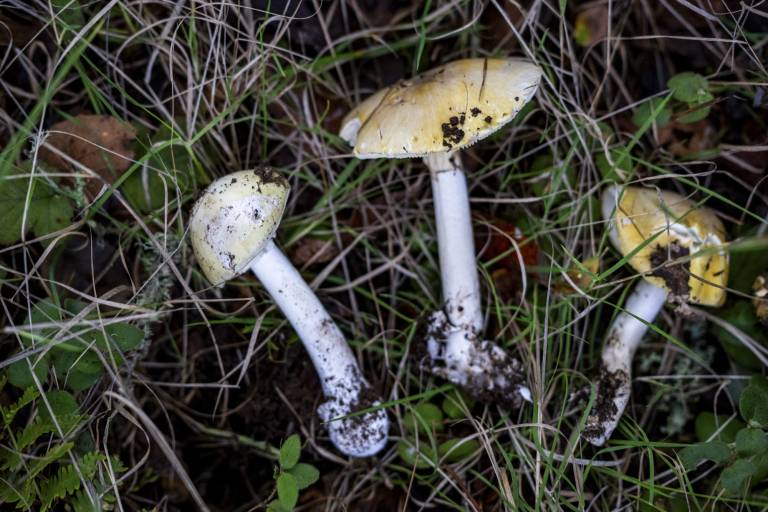
"caption": "Death cap mushrooms sit by the side of a trail during an educational mushroom walk at Anthony Chabot Regional Park in Oakland on Dec. 12, 2025. Mushroom foraging is not allowed in the park. California health officials warned people to stop foraging after 24 people were sickened. Two needed liver transplants and one died.\r\n",
"credit": "Beth LaBerge/KQED",
"altTag": null,
"description": null,
"imgSizes": {
"thumbnail": {
"file": "https://cdn.kqed.org/wp-content/uploads/sites/35/2025/12/251211-DEATHCAPMUSHROOMS-10-BL-KQED-160x107.jpg",
"width": 160,
"height": 107,
"mimeType": "image/jpeg"
},
"medium_large": {
"file": "https://cdn.kqed.org/wp-content/uploads/sites/35/2025/12/251211-DEATHCAPMUSHROOMS-10-BL-KQED-768x512.jpg",
"width": 768,
"height": 512,
"mimeType": "image/jpeg"
},
"1536x1536": {
"file": "https://cdn.kqed.org/wp-content/uploads/sites/35/2025/12/251211-DEATHCAPMUSHROOMS-10-BL-KQED-1536x1024.jpg",
"width": 1536,
"height": 1024,
"mimeType": "image/jpeg"
},
"post-thumbnail": {
"file": "https://cdn.kqed.org/wp-content/uploads/sites/35/2025/12/251211-DEATHCAPMUSHROOMS-10-BL-KQED-672x372.jpg",
"width": 672,
"height": 372,
"mimeType": "image/jpeg"
},
"twentyfourteen-full-width": {
"file": "https://cdn.kqed.org/wp-content/uploads/sites/35/2025/12/251211-DEATHCAPMUSHROOMS-10-BL-KQED-1038x576.jpg",
"width": 1038,
"height": 576,
"mimeType": "image/jpeg"
},
"npr-cds-wide": {
"file": "https://cdn.kqed.org/wp-content/uploads/sites/35/2025/12/251211-DEATHCAPMUSHROOMS-10-BL-KQED-1200x675.jpg",
"width": 1200,
"height": 675,
"mimeType": "image/jpeg"
},
"kqedFullSize": {
"file": "https://cdn.kqed.org/wp-content/uploads/sites/35/2025/12/251211-DEATHCAPMUSHROOMS-10-BL-KQED.jpg",
"width": 2000,
"height": 1333
}
},
"isLoading": false,
"fetchFailed": false
},
"science_1979684": {
"type": "attachments",
"id": "science_1979684",
"meta": {
"index": "attachments_1716263798",
"site": "science",
"id": "1979684",
"found": true
},
"parent": 1979614,
"imgSizes": {
"twentyfourteen-full-width": {
"file": "https://cdn.kqed.org/wp-content/uploads/sites/35/2024/06/RS54652_038_KQED_BaykeeperBayviewHuntersPoint_03082022-qut-1038x576.jpg",
"width": 1038,
"mimeType": "image/jpeg",
"height": 576
},
"thumbnail": {
"file": "https://cdn.kqed.org/wp-content/uploads/sites/35/2024/06/RS54652_038_KQED_BaykeeperBayviewHuntersPoint_03082022-qut-160x107.jpg",
"width": 160,
"mimeType": "image/jpeg",
"height": 107
},
"post-thumbnail": {
"file": "https://cdn.kqed.org/wp-content/uploads/sites/35/2024/06/RS54652_038_KQED_BaykeeperBayviewHuntersPoint_03082022-qut-672x372.jpg",
"width": 672,
"mimeType": "image/jpeg",
"height": 372
},
"kqedFullSize": {
"file": "https://cdn.kqed.org/wp-content/uploads/sites/35/2024/06/RS54652_038_KQED_BaykeeperBayviewHuntersPoint_03082022-qut.jpg",
"width": 1920,
"height": 1278
},
"large": {
"file": "https://cdn.kqed.org/wp-content/uploads/sites/35/2024/06/RS54652_038_KQED_BaykeeperBayviewHuntersPoint_03082022-qut-1020x679.jpg",
"width": 1020,
"mimeType": "image/jpeg",
"height": 679
},
"1536x1536": {
"file": "https://cdn.kqed.org/wp-content/uploads/sites/35/2024/06/RS54652_038_KQED_BaykeeperBayviewHuntersPoint_03082022-qut-1536x1022.jpg",
"width": 1536,
"mimeType": "image/jpeg",
"height": 1022
},
"medium": {
"file": "https://cdn.kqed.org/wp-content/uploads/sites/35/2024/06/RS54652_038_KQED_BaykeeperBayviewHuntersPoint_03082022-qut-800x533.jpg",
"width": 800,
"mimeType": "image/jpeg",
"height": 533
},
"medium_large": {
"file": "https://cdn.kqed.org/wp-content/uploads/sites/35/2024/06/RS54652_038_KQED_BaykeeperBayviewHuntersPoint_03082022-qut-768x511.jpg",
"width": 768,
"mimeType": "image/jpeg",
"height": 511
}
},
"publishDate": 1656458209,
"modified": 1701986154,
"caption": "Abandoned buildings at the Hunters Point Naval Shipyard in San Francisco on March 8, 2022.",
"description": "Much of what remains at the Hunters Point Superfund site are abandoned and broken-down buildings. Photo taken in San Francisco on March 8, 2022.",
"title": "Bayview Hunters Point",
"credit": "Beth LaBerge/KQED",
"status": "inherit",
"altTag": "Blue bay water in the foreground with gray and tan industrial buildings along the bay's edge in the background. In the distance are hills and above is a blue sky.",
"isLoading": false,
"fetchFailed": false
},
"science_1999408": {
"type": "attachments",
"id": "science_1999408",
"meta": {
"index": "attachments_1716263798",
"site": "science",
"id": "1999408",
"found": true
},
"title": "251126-AI KAISER-KQED_1",
"publishDate": 1764185577,
"status": "inherit",
"parent": 0,
"modified": 1764185598,
"caption": "Ilana Marcucci-Morris and other Kaiser therapists strike in Oakland in August 2022.",
"credit": "Courtesy of Karna Roa",
"altTag": null,
"description": null,
"imgSizes": {
"thumbnail": {
"file": "https://cdn.kqed.org/wp-content/uploads/sites/35/2025/11/251126-AI-KAISER-KQED_1-160x106.jpg",
"width": 160,
"height": 106,
"mimeType": "image/jpeg"
},
"medium_large": {
"file": "https://cdn.kqed.org/wp-content/uploads/sites/35/2025/11/251126-AI-KAISER-KQED_1-768x511.jpg",
"width": 768,
"height": 511,
"mimeType": "image/jpeg"
},
"1536x1536": {
"file": "https://cdn.kqed.org/wp-content/uploads/sites/35/2025/11/251126-AI-KAISER-KQED_1-1536x1022.jpg",
"width": 1536,
"height": 1022,
"mimeType": "image/jpeg"
},
"post-thumbnail": {
"file": "https://cdn.kqed.org/wp-content/uploads/sites/35/2025/11/251126-AI-KAISER-KQED_1-672x372.jpg",
"width": 672,
"height": 372,
"mimeType": "image/jpeg"
},
"twentyfourteen-full-width": {
"file": "https://cdn.kqed.org/wp-content/uploads/sites/35/2025/11/251126-AI-KAISER-KQED_1-1038x576.jpg",
"width": 1038,
"height": 576,
"mimeType": "image/jpeg"
},
"npr-cds-wide": {
"file": "https://cdn.kqed.org/wp-content/uploads/sites/35/2025/11/251126-AI-KAISER-KQED_1-1200x675.jpg",
"width": 1200,
"height": 675,
"mimeType": "image/jpeg"
},
"kqedFullSize": {
"file": "https://cdn.kqed.org/wp-content/uploads/sites/35/2025/11/251126-AI-KAISER-KQED_1.jpg",
"width": 2000,
"height": 1331
}
},
"isLoading": false,
"fetchFailed": false
},
"science_1999543": {
"type": "attachments",
"id": "science_1999543",
"meta": {
"index": "attachments_1716263798",
"site": "science",
"id": "1999543",
"found": true
},
"title": "IMG_8792_qed",
"publishDate": 1765388600,
"status": "inherit",
"parent": 1999540,
"modified": 1765388637,
"caption": "Hoover Tower on the Stanford University campus on April 9, 2019.",
"credit": "Rachael Myrow/KQED",
"altTag": null,
"description": null,
"imgSizes": {
"thumbnail": {
"file": "https://cdn.kqed.org/wp-content/uploads/sites/35/2025/12/IMG_8792_qed-160x120.jpg",
"width": 160,
"height": 120,
"mimeType": "image/jpeg"
},
"medium_large": {
"file": "https://cdn.kqed.org/wp-content/uploads/sites/35/2025/12/IMG_8792_qed-768x576.jpg",
"width": 768,
"height": 576,
"mimeType": "image/jpeg"
},
"1536x1536": {
"file": "https://cdn.kqed.org/wp-content/uploads/sites/35/2025/12/IMG_8792_qed-1536x1152.jpg",
"width": 1536,
"height": 1152,
"mimeType": "image/jpeg"
},
"post-thumbnail": {
"file": "https://cdn.kqed.org/wp-content/uploads/sites/35/2025/12/IMG_8792_qed-672x372.jpg",
"width": 672,
"height": 372,
"mimeType": "image/jpeg"
},
"twentyfourteen-full-width": {
"file": "https://cdn.kqed.org/wp-content/uploads/sites/35/2025/12/IMG_8792_qed-1038x576.jpg",
"width": 1038,
"height": 576,
"mimeType": "image/jpeg"
},
"npr-cds-wide": {
"file": "https://cdn.kqed.org/wp-content/uploads/sites/35/2025/12/IMG_8792_qed-1200x675.jpg",
"width": 1200,
"height": 675,
"mimeType": "image/jpeg"
},
"kqedFullSize": {
"file": "https://cdn.kqed.org/wp-content/uploads/sites/35/2025/12/IMG_8792_qed.jpg",
"width": 1778,
"height": 1333
}
},
"isLoading": false,
"fetchFailed": false
},
"science_1998717": {
"type": "attachments",
"id": "science_1998717",
"meta": {
"index": "attachments_1716263798",
"site": "science",
"id": "1998717",
"found": true
},
"title": "20251001_KETAMINE_GC-2-KQED",
"publishDate": 1759446684,
"status": "inherit",
"parent": 0,
"modified": 1765216672,
"caption": "Aliyah Economos poses for a portrait at Sage Integrative Health in Berkeley on Oct. 1, 2025.",
"credit": "Gina Castro/KQED",
"altTag": null,
"description": null,
"imgSizes": {
"thumbnail": {
"file": "https://cdn.kqed.org/wp-content/uploads/sites/35/2025/10/20251001_KETAMINE_GC-2-KQED-160x107.jpg",
"width": 160,
"height": 107,
"mimeType": "image/jpeg"
},
"medium_large": {
"file": "https://cdn.kqed.org/wp-content/uploads/sites/35/2025/10/20251001_KETAMINE_GC-2-KQED-768x512.jpg",
"width": 768,
"height": 512,
"mimeType": "image/jpeg"
},
"1536x1536": {
"file": "https://cdn.kqed.org/wp-content/uploads/sites/35/2025/10/20251001_KETAMINE_GC-2-KQED-1536x1024.jpg",
"width": 1536,
"height": 1024,
"mimeType": "image/jpeg"
},
"post-thumbnail": {
"file": "https://cdn.kqed.org/wp-content/uploads/sites/35/2025/10/20251001_KETAMINE_GC-2-KQED-672x372.jpg",
"width": 672,
"height": 372,
"mimeType": "image/jpeg"
},
"twentyfourteen-full-width": {
"file": "https://cdn.kqed.org/wp-content/uploads/sites/35/2025/10/20251001_KETAMINE_GC-2-KQED-1038x576.jpg",
"width": 1038,
"height": 576,
"mimeType": "image/jpeg"
},
"kqedFullSize": {
"file": "https://cdn.kqed.org/wp-content/uploads/sites/35/2025/10/20251001_KETAMINE_GC-2-KQED.jpg",
"width": 2000,
"height": 1333
}
},
"isLoading": false,
"fetchFailed": false
},
"science_1999454": {
"type": "attachments",
"id": "science_1999454",
"meta": {
"index": "attachments_1716263798",
"site": "science",
"id": "1999454",
"found": true
},
"title": "250212-ElkhornSlough-22-BL_qed",
"publishDate": 1764705307,
"status": "inherit",
"parent": 1999445,
"modified": 1764705363,
"caption": "Ivano Aiello, a professor and department chair at Moss Landing Marine Laboratories, uses a machine to test the soil for metal levels in Elkhorn Slough near the Moss Landing Power Plant in Moss Landing, California, on Feb. 12, 2025. The power plant was the site of a battery fire on Jan. 16, 2025.",
"credit": "Beth LaBerge/KQED",
"altTag": null,
"description": null,
"imgSizes": {
"thumbnail": {
"file": "https://cdn.kqed.org/wp-content/uploads/sites/35/2025/12/250212-ElkhornSlough-22-BL_qed-160x107.jpg",
"width": 160,
"height": 107,
"mimeType": "image/jpeg"
},
"medium_large": {
"file": "https://cdn.kqed.org/wp-content/uploads/sites/35/2025/12/250212-ElkhornSlough-22-BL_qed-768x512.jpg",
"width": 768,
"height": 512,
"mimeType": "image/jpeg"
},
"1536x1536": {
"file": "https://cdn.kqed.org/wp-content/uploads/sites/35/2025/12/250212-ElkhornSlough-22-BL_qed-1536x1024.jpg",
"width": 1536,
"height": 1024,
"mimeType": "image/jpeg"
},
"post-thumbnail": {
"file": "https://cdn.kqed.org/wp-content/uploads/sites/35/2025/12/250212-ElkhornSlough-22-BL_qed-672x372.jpg",
"width": 672,
"height": 372,
"mimeType": "image/jpeg"
},
"twentyfourteen-full-width": {
"file": "https://cdn.kqed.org/wp-content/uploads/sites/35/2025/12/250212-ElkhornSlough-22-BL_qed-1038x576.jpg",
"width": 1038,
"height": 576,
"mimeType": "image/jpeg"
},
"npr-cds-wide": {
"file": "https://cdn.kqed.org/wp-content/uploads/sites/35/2025/12/250212-ElkhornSlough-22-BL_qed-1200x675.jpg",
"width": 1200,
"height": 675,
"mimeType": "image/jpeg"
},
"kqedFullSize": {
"file": "https://cdn.kqed.org/wp-content/uploads/sites/35/2025/12/250212-ElkhornSlough-22-BL_qed.jpg",
"width": 1999,
"height": 1333
}
},
"isLoading": false,
"fetchFailed": false
},
"science_1999392": {
"type": "attachments",
"id": "science_1999392",
"meta": {
"index": "attachments_1716263798",
"site": "science",
"id": "1999392",
"found": true
},
"title": "Teenage girl using AI chatbot on smartphone while studying at desk",
"publishDate": 1764109225,
"status": "inherit",
"parent": 1999388,
"modified": 1764109248,
"caption": "Close up view of a teenage girl interacting with a multimodal AI chatbot on her smartphone while studying at a desk with a laptop and notebook. The image represents artificial intelligence integrating text and visual data for enhanced learning, creativity, and productivity in everyday life.",
"credit": "Thai Liang Lim/Getty Images",
"altTag": null,
"description": null,
"imgSizes": {
"thumbnail": {
"file": "https://cdn.kqed.org/wp-content/uploads/sites/35/2025/11/ChatbotAIGetty-160x107.jpg",
"width": 160,
"height": 107,
"mimeType": "image/jpeg"
},
"medium_large": {
"file": "https://cdn.kqed.org/wp-content/uploads/sites/35/2025/11/ChatbotAIGetty-768x512.jpg",
"width": 768,
"height": 512,
"mimeType": "image/jpeg"
},
"1536x1536": {
"file": "https://cdn.kqed.org/wp-content/uploads/sites/35/2025/11/ChatbotAIGetty-1536x1024.jpg",
"width": 1536,
"height": 1024,
"mimeType": "image/jpeg"
},
"post-thumbnail": {
"file": "https://cdn.kqed.org/wp-content/uploads/sites/35/2025/11/ChatbotAIGetty-672x372.jpg",
"width": 672,
"height": 372,
"mimeType": "image/jpeg"
},
"twentyfourteen-full-width": {
"file": "https://cdn.kqed.org/wp-content/uploads/sites/35/2025/11/ChatbotAIGetty-1038x576.jpg",
"width": 1038,
"height": 576,
"mimeType": "image/jpeg"
},
"npr-cds-wide": {
"file": "https://cdn.kqed.org/wp-content/uploads/sites/35/2025/11/ChatbotAIGetty-1200x675.jpg",
"width": 1200,
"height": 675,
"mimeType": "image/jpeg"
},
"kqedFullSize": {
"file": "https://cdn.kqed.org/wp-content/uploads/sites/35/2025/11/ChatbotAIGetty.jpg",
"width": 2000,
"height": 1333
}
},
"isLoading": false,
"fetchFailed": false
},
"science_1999330": {
"type": "attachments",
"id": "science_1999330",
"meta": {
"index": "attachments_1716263798",
"site": "science",
"id": "1999330",
"found": true
},
"title": "251118-ACA00181_TV-KQED",
"publishDate": 1763573674,
"status": "inherit",
"parent": 0,
"modified": 1763582665,
"caption": "Carin Lenk-Sloan, a licensed marriage and family therapist, is facing a hike in her family’s health insurance outside her practice in Davis on Tuesday, Nov. 18, 2025. As federal subsidies cause health insurance costs to increase, Californians like Carin Lenk-Sloan are faced with deciding whether to drop coverage or move out of the country.",
"credit": "Tâm Vũ/KQED",
"altTag": null,
"description": null,
"imgSizes": {
"thumbnail": {
"file": "https://cdn.kqed.org/wp-content/uploads/sites/35/2025/11/251118-ACA00181_TV-KQED-160x107.jpg",
"width": 160,
"height": 107,
"mimeType": "image/jpeg"
},
"medium_large": {
"file": "https://cdn.kqed.org/wp-content/uploads/sites/35/2025/11/251118-ACA00181_TV-KQED-768x512.jpg",
"width": 768,
"height": 512,
"mimeType": "image/jpeg"
},
"1536x1536": {
"file": "https://cdn.kqed.org/wp-content/uploads/sites/35/2025/11/251118-ACA00181_TV-KQED-1536x1024.jpg",
"width": 1536,
"height": 1024,
"mimeType": "image/jpeg"
},
"post-thumbnail": {
"file": "https://cdn.kqed.org/wp-content/uploads/sites/35/2025/11/251118-ACA00181_TV-KQED-672x372.jpg",
"width": 672,
"height": 372,
"mimeType": "image/jpeg"
},
"twentyfourteen-full-width": {
"file": "https://cdn.kqed.org/wp-content/uploads/sites/35/2025/11/251118-ACA00181_TV-KQED-1038x576.jpg",
"width": 1038,
"height": 576,
"mimeType": "image/jpeg"
},
"npr-cds-wide": {
"file": "https://cdn.kqed.org/wp-content/uploads/sites/35/2025/11/251118-ACA00181_TV-KQED-1200x675.jpg",
"width": 1200,
"height": 675,
"mimeType": "image/jpeg"
},
"kqedFullSize": {
"file": "https://cdn.kqed.org/wp-content/uploads/sites/35/2025/11/251118-ACA00181_TV-KQED.jpg",
"width": 2000,
"height": 1333
}
},
"isLoading": false,
"fetchFailed": false
},
"science_1929241": {
"type": "attachments",
"id": "science_1929241",
"meta": {
"index": "attachments_1716263798",
"site": "science",
"id": "1929241",
"found": true
},
"title": "Firefighters monitor a back fire as they battle the Medocino Complex Fire on August 7, 2018 near Lodoga, California.",
"publishDate": 1533849684,
"status": "inherit",
"parent": 1929240,
"modified": 1763418758,
"caption": "Firefighters monitor a back fire as they battle the Medocino Complex Fire on Aug. 7, 2018 near Lodoga, California.\n",
"credit": "Justin Sullivan/Getty Images",
"altTag": null,
"description": "Firefighters monitor a back fire as they battle the Medocino Complex Fire on August 7, 2018 near Lodoga, California.",
"imgSizes": {
"thumbnail": {
"file": "https://cdn.kqed.org/wp-content/uploads/sites/35/2018/08/gettyimages-1013042968-d42cde49a52b185ef0c81fd477baa7c35b18946a-160x120.jpg",
"width": 160,
"height": 120,
"mimeType": "image/jpeg"
},
"medium": {
"file": "https://cdn.kqed.org/wp-content/uploads/sites/35/2018/08/gettyimages-1013042968-d42cde49a52b185ef0c81fd477baa7c35b18946a-800x600.jpg",
"width": 800,
"height": 600,
"mimeType": "image/jpeg"
},
"medium_large": {
"file": "https://cdn.kqed.org/wp-content/uploads/sites/35/2018/08/gettyimages-1013042968-d42cde49a52b185ef0c81fd477baa7c35b18946a-768x576.jpg",
"width": 768,
"height": 576,
"mimeType": "image/jpeg"
},
"large": {
"file": "https://cdn.kqed.org/wp-content/uploads/sites/35/2018/08/gettyimages-1013042968-d42cde49a52b185ef0c81fd477baa7c35b18946a-1020x765.jpg",
"width": 1020,
"height": 765,
"mimeType": "image/jpeg"
},
"complete_open_graph": {
"file": "https://cdn.kqed.org/wp-content/uploads/sites/35/2018/08/gettyimages-1013042968-d42cde49a52b185ef0c81fd477baa7c35b18946a-1200x900.jpg",
"width": 1200,
"height": 900,
"mimeType": "image/jpeg"
},
"fd-lrg": {
"file": "https://cdn.kqed.org/wp-content/uploads/sites/35/2018/08/gettyimages-1013042968-d42cde49a52b185ef0c81fd477baa7c35b18946a-1920x1440.jpg",
"width": 1920,
"height": 1440,
"mimeType": "image/jpeg"
},
"fd-med": {
"file": "https://cdn.kqed.org/wp-content/uploads/sites/35/2018/08/gettyimages-1013042968-d42cde49a52b185ef0c81fd477baa7c35b18946a-1180x885.jpg",
"width": 1180,
"height": 885,
"mimeType": "image/jpeg"
},
"fd-sm": {
"file": "https://cdn.kqed.org/wp-content/uploads/sites/35/2018/08/gettyimages-1013042968-d42cde49a52b185ef0c81fd477baa7c35b18946a-960x720.jpg",
"width": 960,
"height": 720,
"mimeType": "image/jpeg"
},
"post-thumbnail": {
"file": "https://cdn.kqed.org/wp-content/uploads/sites/35/2018/08/gettyimages-1013042968-d42cde49a52b185ef0c81fd477baa7c35b18946a-672x372.jpg",
"width": 672,
"height": 372,
"mimeType": "image/jpeg"
},
"twentyfourteen-full-width": {
"file": "https://cdn.kqed.org/wp-content/uploads/sites/35/2018/08/gettyimages-1013042968-d42cde49a52b185ef0c81fd477baa7c35b18946a-1038x576.jpg",
"width": 1038,
"height": 576,
"mimeType": "image/jpeg"
},
"xxsmall": {
"file": "https://cdn.kqed.org/wp-content/uploads/sites/35/2018/08/gettyimages-1013042968-d42cde49a52b185ef0c81fd477baa7c35b18946a-240x180.jpg",
"width": 240,
"height": 180,
"mimeType": "image/jpeg"
},
"xsmall": {
"file": "https://cdn.kqed.org/wp-content/uploads/sites/35/2018/08/gettyimages-1013042968-d42cde49a52b185ef0c81fd477baa7c35b18946a-375x281.jpg",
"width": 375,
"height": 281,
"mimeType": "image/jpeg"
},
"small": {
"file": "https://cdn.kqed.org/wp-content/uploads/sites/35/2018/08/gettyimages-1013042968-d42cde49a52b185ef0c81fd477baa7c35b18946a-520x390.jpg",
"width": 520,
"height": 390,
"mimeType": "image/jpeg"
},
"xlarge": {
"file": "https://cdn.kqed.org/wp-content/uploads/sites/35/2018/08/gettyimages-1013042968-d42cde49a52b185ef0c81fd477baa7c35b18946a-1180x885.jpg",
"width": 1180,
"height": 885,
"mimeType": "image/jpeg"
},
"full-width": {
"file": "https://cdn.kqed.org/wp-content/uploads/sites/35/2018/08/gettyimages-1013042968-d42cde49a52b185ef0c81fd477baa7c35b18946a-1920x1440.jpg",
"width": 1920,
"height": 1440,
"mimeType": "image/jpeg"
},
"guest-author-32": {
"file": "https://cdn.kqed.org/wp-content/uploads/sites/35/2018/08/gettyimages-1013042968-d42cde49a52b185ef0c81fd477baa7c35b18946a-32x32.jpg",
"width": 32,
"height": 32,
"mimeType": "image/jpeg"
},
"guest-author-50": {
"file": "https://cdn.kqed.org/wp-content/uploads/sites/35/2018/08/gettyimages-1013042968-d42cde49a52b185ef0c81fd477baa7c35b18946a-50x50.jpg",
"width": 50,
"height": 50,
"mimeType": "image/jpeg"
},
"guest-author-64": {
"file": "https://cdn.kqed.org/wp-content/uploads/sites/35/2018/08/gettyimages-1013042968-d42cde49a52b185ef0c81fd477baa7c35b18946a-64x64.jpg",
"width": 64,
"height": 64,
"mimeType": "image/jpeg"
},
"guest-author-96": {
"file": "https://cdn.kqed.org/wp-content/uploads/sites/35/2018/08/gettyimages-1013042968-d42cde49a52b185ef0c81fd477baa7c35b18946a-96x96.jpg",
"width": 96,
"height": 96,
"mimeType": "image/jpeg"
},
"guest-author-128": {
"file": "https://cdn.kqed.org/wp-content/uploads/sites/35/2018/08/gettyimages-1013042968-d42cde49a52b185ef0c81fd477baa7c35b18946a-128x128.jpg",
"width": 128,
"height": 128,
"mimeType": "image/jpeg"
},
"detail": {
"file": "https://cdn.kqed.org/wp-content/uploads/sites/35/2018/08/gettyimages-1013042968-d42cde49a52b185ef0c81fd477baa7c35b18946a-150x150.jpg",
"width": 150,
"height": 150,
"mimeType": "image/jpeg"
},
"kqedFullSize": {
"file": "https://cdn.kqed.org/wp-content/uploads/sites/35/2018/08/gettyimages-1013042968-d42cde49a52b185ef0c81fd477baa7c35b18946a-e1763418771171.jpg",
"width": 2000,
"height": 1500
}
},
"isLoading": false,
"fetchFailed": false
},
"science_1999151": {
"type": "attachments",
"id": "science_1999151",
"meta": {
"index": "attachments_1716263798",
"site": "science",
"id": "1999151",
"found": true
},
"title": "250912_BIRDFLUE_GH-2-KQED",
"publishDate": 1762447547,
"status": "inherit",
"parent": 0,
"modified": 1762447569,
"caption": "Caleb Perez, 8, speaks with a judge while holding a stuffed chicken during the 4-H poultry show at the Santa Cruz County Fair on Sept. 12, 2025. The event replaced live animal judging with toy birds due to bird flu restrictions.",
"credit": "Gustavo Hernandez/KQED",
"altTag": null,
"description": null,
"imgSizes": {
"thumbnail": {
"file": "https://cdn.kqed.org/wp-content/uploads/sites/35/2025/11/250912_BIRDFLUE_GH-2-KQED-160x107.jpg",
"width": 160,
"height": 107,
"mimeType": "image/jpeg"
},
"medium_large": {
"file": "https://cdn.kqed.org/wp-content/uploads/sites/35/2025/11/250912_BIRDFLUE_GH-2-KQED-768x512.jpg",
"width": 768,
"height": 512,
"mimeType": "image/jpeg"
},
"1536x1536": {
"file": "https://cdn.kqed.org/wp-content/uploads/sites/35/2025/11/250912_BIRDFLUE_GH-2-KQED-1536x1024.jpg",
"width": 1536,
"height": 1024,
"mimeType": "image/jpeg"
},
"post-thumbnail": {
"file": "https://cdn.kqed.org/wp-content/uploads/sites/35/2025/11/250912_BIRDFLUE_GH-2-KQED-672x372.jpg",
"width": 672,
"height": 372,
"mimeType": "image/jpeg"
},
"twentyfourteen-full-width": {
"file": "https://cdn.kqed.org/wp-content/uploads/sites/35/2025/11/250912_BIRDFLUE_GH-2-KQED-1038x576.jpg",
"width": 1038,
"height": 576,
"mimeType": "image/jpeg"
},
"npr-cds-wide": {
"file": "https://cdn.kqed.org/wp-content/uploads/sites/35/2025/11/250912_BIRDFLUE_GH-2-KQED-1200x675.jpg",
"width": 1200,
"height": 675,
"mimeType": "image/jpeg"
},
"kqedFullSize": {
"file": "https://cdn.kqed.org/wp-content/uploads/sites/35/2025/11/250912_BIRDFLUE_GH-2-KQED.jpg",
"width": 2000,
"height": 1333
}
},
"isLoading": false,
"fetchFailed": false
},
"science_1994528": {
"type": "attachments",
"id": "science_1994528",
"meta": {
"index": "attachments_1716263798",
"site": "science",
"id": "1994528",
"found": true
},
"title": "004_KQED_BayviewBloodTesting_02252022_qed",
"publishDate": 1727370525,
"status": "inherit",
"parent": 1994526,
"modified": 1727370538,
"caption": "A view of the former Hunters Point Naval Shipyard from the Lennar at the Shipyard housing development on Feb. 25, 2022.",
"credit": "Beth LaBerge/KQED",
"altTag": null,
"description": null,
"imgSizes": {
"medium": {
"file": "https://cdn.kqed.org/wp-content/uploads/sites/35/2024/09/004_KQED_BayviewBloodTesting_02252022_qed-800x533.jpg",
"width": 800,
"height": 533,
"mimeType": "image/jpeg"
},
"large": {
"file": "https://cdn.kqed.org/wp-content/uploads/sites/35/2024/09/004_KQED_BayviewBloodTesting_02252022_qed-1020x680.jpg",
"width": 1020,
"height": 680,
"mimeType": "image/jpeg"
},
"thumbnail": {
"file": "https://cdn.kqed.org/wp-content/uploads/sites/35/2024/09/004_KQED_BayviewBloodTesting_02252022_qed-160x107.jpg",
"width": 160,
"height": 107,
"mimeType": "image/jpeg"
},
"medium_large": {
"file": "https://cdn.kqed.org/wp-content/uploads/sites/35/2024/09/004_KQED_BayviewBloodTesting_02252022_qed-768x512.jpg",
"width": 768,
"height": 512,
"mimeType": "image/jpeg"
},
"1536x1536": {
"file": "https://cdn.kqed.org/wp-content/uploads/sites/35/2024/09/004_KQED_BayviewBloodTesting_02252022_qed-1536x1024.jpg",
"width": 1536,
"height": 1024,
"mimeType": "image/jpeg"
},
"post-thumbnail": {
"file": "https://cdn.kqed.org/wp-content/uploads/sites/35/2024/09/004_KQED_BayviewBloodTesting_02252022_qed-672x372.jpg",
"width": 672,
"height": 372,
"mimeType": "image/jpeg"
},
"twentyfourteen-full-width": {
"file": "https://cdn.kqed.org/wp-content/uploads/sites/35/2024/09/004_KQED_BayviewBloodTesting_02252022_qed-1038x576.jpg",
"width": 1038,
"height": 576,
"mimeType": "image/jpeg"
},
"full-width": {
"file": "https://cdn.kqed.org/wp-content/uploads/sites/35/2024/09/004_KQED_BayviewBloodTesting_02252022_qed-1920x1280.jpg",
"width": 1920,
"height": 1280,
"mimeType": "image/jpeg"
},
"kqedFullSize": {
"file": "https://cdn.kqed.org/wp-content/uploads/sites/35/2024/09/004_KQED_BayviewBloodTesting_02252022_qed.jpg",
"width": 2000,
"height": 1333
}
},
"isLoading": false,
"fetchFailed": false
},
"science_1998874": {
"type": "attachments",
"id": "science_1998874",
"meta": {
"index": "attachments_1716263798",
"site": "science",
"id": "1998874",
"found": true
},
"title": "California Governor Insulin",
"publishDate": 1760652718,
"status": "inherit",
"parent": 1998855,
"modified": 1760652775,
"caption": "California Gov. Gavin Newsom announces CalRx-branded insulin glargine pens available next Jan. 1, 2026, at a suggested retail price of no more than $55 per five-pack, or $11 per pen, during a news conference at Cedar-Sinai's Mark Goodson pharmacy in Los Angeles on Thursday, Oct. 16, 2025. ",
"credit": "Damian Dovarganes/AP Photo",
"altTag": null,
"description": null,
"imgSizes": {
"thumbnail": {
"file": "https://cdn.kqed.org/wp-content/uploads/sites/35/2025/10/GavinNewsomInsulinAP-160x107.jpg",
"width": 160,
"height": 107,
"mimeType": "image/jpeg"
},
"medium_large": {
"file": "https://cdn.kqed.org/wp-content/uploads/sites/35/2025/10/GavinNewsomInsulinAP-768x512.jpg",
"width": 768,
"height": 512,
"mimeType": "image/jpeg"
},
"1536x1536": {
"file": "https://cdn.kqed.org/wp-content/uploads/sites/35/2025/10/GavinNewsomInsulinAP-1536x1024.jpg",
"width": 1536,
"height": 1024,
"mimeType": "image/jpeg"
},
"post-thumbnail": {
"file": "https://cdn.kqed.org/wp-content/uploads/sites/35/2025/10/GavinNewsomInsulinAP-672x372.jpg",
"width": 672,
"height": 372,
"mimeType": "image/jpeg"
},
"twentyfourteen-full-width": {
"file": "https://cdn.kqed.org/wp-content/uploads/sites/35/2025/10/GavinNewsomInsulinAP-1038x576.jpg",
"width": 1038,
"height": 576,
"mimeType": "image/jpeg"
},
"kqedFullSize": {
"file": "https://cdn.kqed.org/wp-content/uploads/sites/35/2025/10/GavinNewsomInsulinAP.jpg",
"width": 2000,
"height": 1333
}
},
"isLoading": false,
"fetchFailed": false
}
},
"audioPlayerReducer": {
"postId": "stream_live",
"isPaused": true,
"isPlaying": false,
"pfsActive": false,
"pledgeModalIsOpen": true,
"playerDrawerIsOpen": false,
"liveAudioPlayStartedAt": 0,
"liveAudioPlayContext": ""
},
"authorsReducer": {
"adembosky": {
"type": "authors",
"id": "3205",
"meta": {
"index": "authors_1716337520",
"id": "3205",
"found": true
},
"name": "April Dembosky",
"firstName": "April",
"lastName": "Dembosky",
"slug": "adembosky",
"email": "adembosky@kqed.org",
"display_author_email": false,
"staff_mastheads": [
"news",
"science"
],
"title": "KQED Health Correspondent",
"bio": "April Dembosky is the health correspondent for KQED News and a regular contributor to NPR. She specializes in covering altered states of mind, from postpartum depression to methamphetamine-induced psychosis to the insanity defense. Her investigative series on insurance companies sidestepping mental health laws won multiple awards, including first place in beat reporting from the national Association of Health Care Journalists. She is the recipient of numerous other prizes and fellowships, including a national Edward R. Murrow award for investigative reporting, a Society of Professional Journalists award for long-form storytelling, and a Carter Center Fellowship for Mental Health Journalism.\r\n\r\nDembosky reported and produced \u003cem>Soundtrack of Silence\u003c/em>, an audio documentary about music and memory that is currently being made into a feature film by Paramount Pictures.\r\n\r\nBefore joining KQED in 2013, Dembosky covered technology and Silicon Valley for \u003cem>The Financial Times of London,\u003c/em> and contributed business and arts stories to \u003cem>Marketplace \u003c/em>and \u003cem>The New York Times.\u003c/em> She got her undergraduate degree in philosophy from Smith College and her master's in journalism from the University of California, Berkeley. She is a classically trained violinist and proud alum of the first symphony orchestra at Burning Man.",
"avatar": "https://secure.gravatar.com/avatar/ef92999be4ceb9ea60701e7dc276f813?s=600&d=blank&r=g",
"twitter": "adembosky",
"facebook": null,
"instagram": null,
"linkedin": null,
"sites": [
{
"site": "arts",
"roles": [
"author"
]
},
{
"site": "news",
"roles": [
"editor"
]
},
{
"site": "futureofyou",
"roles": [
"author"
]
},
{
"site": "stateofhealth",
"roles": [
"editor"
]
},
{
"site": "science",
"roles": [
"editor"
]
},
{
"site": "forum",
"roles": [
"editor"
]
}
],
"headData": {
"title": "April Dembosky | KQED",
"description": "KQED Health Correspondent",
"ogImgSrc": "https://secure.gravatar.com/avatar/ef92999be4ceb9ea60701e7dc276f813?s=600&d=blank&r=g",
"twImgSrc": "https://secure.gravatar.com/avatar/ef92999be4ceb9ea60701e7dc276f813?s=600&d=blank&r=g"
},
"isLoading": false,
"link": "/author/adembosky"
},
"lesleymcclurg": {
"type": "authors",
"id": "11229",
"meta": {
"index": "authors_1716337520",
"id": "11229",
"found": true
},
"name": "Lesley McClurg",
"firstName": "Lesley",
"lastName": "McClurg",
"slug": "lesleymcclurg",
"email": "lmcclurg@KQED.org",
"display_author_email": false,
"staff_mastheads": [
"news",
"science"
],
"title": "KQED Health Correspondent",
"bio": "Lesley McClurg is a health correspondent and fill-in host whose work is regularly rebroadcast on NPR and PBS programs. She’s earned multiple regional Emmy awards, a national and a regional Edward R. Murrow award, and was named Best Beat Reporter by the Association of Health Care Journalists. The Society of Professional Journalists has recognized her work several times, and the Society of Environmental Journalists spotlighted her coverage of California’s historic drought.\r\n\r\nBefore joining KQED in 2016, Lesley covered food and sustainability for Capital Public Radio, environmental issues for Colorado Public Radio, and reported for KUOW and KCTS 9 in Seattle. Away from the newsroom, she loves skiing with her daughter, mountain biking with her partner, and playing with Ollie, the family’s goldendoodle. On deadline, she runs almost entirely on chocolate chips.\r\n\r\n ",
"avatar": "https://secure.gravatar.com/avatar/bab49e972ea10c774fe0f5e29dba1722b158f7c0d58a360923d1389d380b2978?s=600&d=blank&r=g",
"twitter": "lesleywmcclurg",
"bluesky": null,
"facebook": null,
"instagram": null,
"linkedin": null,
"sites": [
{
"site": "arts",
"roles": [
"author"
]
},
{
"site": "news",
"roles": [
"editor"
]
},
{
"site": "futureofyou",
"roles": [
"editor"
]
},
{
"site": "stateofhealth",
"roles": [
"author"
]
},
{
"site": "science",
"roles": [
"editor"
]
},
{
"site": "quest",
"roles": [
"subscriber"
]
},
{
"site": "forum",
"roles": [
"administrator"
]
},
{
"site": "liveblog",
"roles": [
"author"
]
}
],
"headData": {
"title": "Lesley McClurg | KQED",
"description": "KQED Health Correspondent",
"ogImgSrc": "https://secure.gravatar.com/avatar/bab49e972ea10c774fe0f5e29dba1722b158f7c0d58a360923d1389d380b2978?s=600&d=blank&r=g",
"twImgSrc": "https://secure.gravatar.com/avatar/bab49e972ea10c774fe0f5e29dba1722b158f7c0d58a360923d1389d380b2978?s=600&d=blank&r=g"
},
"isLoading": false,
"link": "/author/lesleymcclurg"
},
"eromero": {
"type": "authors",
"id": "11746",
"meta": {
"index": "authors_1716337520",
"id": "11746",
"found": true
},
"name": "Ezra David Romero",
"firstName": "Ezra David",
"lastName": "Romero",
"slug": "eromero",
"email": "eromero@kqed.org",
"display_author_email": true,
"staff_mastheads": [
"news",
"science"
],
"title": "Climate Reporter",
"bio": "Ezra David Romero is a climate reporter for KQED News. He covers the absence and excess of water in the Bay Area — think sea level rise, flooding and drought. For nearly a decade he’s covered how warming temperatures are altering the lives of Californians. He’s reported on farmers worried their pistachio trees aren’t getting enough sleep, families desperate for water, scientists studying dying giant sequoias, and alongside firefighters containing wildfires. His work has appeared on local stations across California and nationally on public radio shows like Morning Edition, Here and Now, All Things Considered and Science Friday. ",
"avatar": "https://secure.gravatar.com/avatar/c76404d287c10ed40224227551ac36e24352c7306f106632caf6fead76f8801f?s=600&d=blank&r=g",
"twitter": "ezraromero",
"bluesky": null,
"facebook": null,
"instagram": null,
"linkedin": null,
"sites": [
{
"site": "arts",
"roles": [
"editor"
]
},
{
"site": "news",
"roles": [
"editor"
]
},
{
"site": "science",
"roles": [
"editor"
]
},
{
"site": "liveblog",
"roles": [
"author"
]
}
],
"headData": {
"title": "Ezra David Romero | KQED",
"description": "Climate Reporter",
"ogImgSrc": "https://secure.gravatar.com/avatar/c76404d287c10ed40224227551ac36e24352c7306f106632caf6fead76f8801f?s=600&d=blank&r=g",
"twImgSrc": "https://secure.gravatar.com/avatar/c76404d287c10ed40224227551ac36e24352c7306f106632caf6fead76f8801f?s=600&d=blank&r=g"
},
"isLoading": false,
"link": "/author/eromero"
},
"kmonahan": {
"type": "authors",
"id": "11842",
"meta": {
"index": "authors_1716337520",
"id": "11842",
"found": true
},
"name": "Katherine Monahan",
"firstName": "Katherine",
"lastName": "Monahan",
"slug": "kmonahan",
"email": "kmonahan@kqed.org",
"display_author_email": true,
"staff_mastheads": [],
"title": "Reporter / Sound Engineer",
"bio": "I cover state and local news. I’m also a sound engineer at the station, mixing stories and running live broadcasts. I link to source materials so that readers can draw their own conclusions, and seek comment from a range of perspectives, including from people directly affected by events. Awards received include from the Society of Professional Journalists, Northern California chapter and the Alaska Press Club. I speak multiple languages and have reported and engineered in the Bay Area, Alaska, West Africa and Latin America.",
"avatar": "https://secure.gravatar.com/avatar/ff257b3a5da88893781a3d3266904b2d2f91c7f0e1bbf728f61f5fb81b74a669?s=600&d=blank&r=g",
"twitter": null,
"bluesky": null,
"facebook": null,
"instagram": null,
"linkedin": null,
"sites": [
{
"site": "news",
"roles": [
"editor"
]
},
{
"site": "science",
"roles": [
"contributor"
]
}
],
"headData": {
"title": "Katherine Monahan | KQED",
"description": "Reporter / Sound Engineer",
"ogImgSrc": "https://secure.gravatar.com/avatar/ff257b3a5da88893781a3d3266904b2d2f91c7f0e1bbf728f61f5fb81b74a669?s=600&d=blank&r=g",
"twImgSrc": "https://secure.gravatar.com/avatar/ff257b3a5da88893781a3d3266904b2d2f91c7f0e1bbf728f61f5fb81b74a669?s=600&d=blank&r=g"
},
"isLoading": false,
"link": "/author/kmonahan"
}
},
"pagesReducer": {
"science_category_health": {
"type": "terms",
"id": "science_39",
"meta": {
"index": "terms_1716263798",
"site": "science",
"id": "39",
"score": 10.889433
},
"featImg": null,
"name": "Health",
"description": null,
"taxonomy": "category",
"headData": {
"twImgId": null,
"twTitle": null,
"ogTitle": null,
"ogImgId": null,
"twDescription": null,
"description": null,
"title": "Health Archives | KQED Science",
"ogDescription": null
},
"ttid": 41,
"slug": "health",
"isLoading": false,
"title": "Health",
"pageMeta": {
"site": "science",
"WpPageTemplate": "page-topic-editorial",
"currentPage": 2
},
"blocks": [
{
"blockName": "kqed/post-list",
"attrs": {
"layout": "cardArticle2",
"query": "posts/science?category=health",
"seeMore": false,
"paginated": true,
"page": 2
}
},
{
"blockName": "kqed/ad"
}
]
}
},
"pfsSessionReducer": {},
"postsReducer": {
"stream_live": {
"type": "live",
"id": "stream_live",
"audioUrl": "https://streams.kqed.org/kqedradio",
"title": "Live Stream",
"excerpt": "Live Stream information currently unavailable.",
"link": "/radio",
"featImg": "",
"label": {
"name": "KQED Live",
"link": "/"
}
},
"stream_kqedNewscast": {
"type": "posts",
"id": "stream_kqedNewscast",
"audioUrl": "https://www.kqed.org/.stream/anon/radio/RDnews/newscast.mp3?_=1",
"title": "KQED Newscast",
"featImg": "",
"label": {
"name": "88.5 FM",
"link": "/"
}
},
"science_1999700": {
"type": "posts",
"id": "science_1999700",
"meta": {
"index": "posts_1716263798",
"site": "science",
"id": "1999700",
"score": null,
"sort": [
1766235643000
]
},
"guestAuthors": [],
"slug": "super-bloom-of-death-caps-sparks-largest-outbreak-of-mushroom-poisonings-in-decades",
"title": "Super Bloom of Death Caps Sparks Largest Outbreak of Mushroom Poisonings in Decades",
"publishDate": 1766235643,
"format": "standard",
"headTitle": "Super Bloom of Death Caps Sparks Largest Outbreak of Mushroom Poisonings in Decades | KQED",
"labelTerm": {},
"content": "\u003cp>\u003ca href=\"http://kqed.org/news/12070341/setas-venenosas-california\">\u003cem>Leer en español\u003c/em>\u003c/a>\u003c/p>\n\u003cp>After the first rains of the year, two Decembers ago, Noe and his brothers went hiking in the hills of Santa Rosa and\u003ca href=\"https://www.kqed.org/news/12066441/california-mushroom-poisoning-symptoms-death-cap-identification-toxic-foraging\"> found some mushrooms\u003c/a>. They fried them up that evening and kicked back a few beers.\u003c/p>\n\u003cp>Instead of sleeping, the men spent the night dizzy, vomiting, battling diarrhea. Cramps twisted Noe’s stomach like a wet rag. At the hospital the next day, doctors told him he needed a liver transplant, and fast. If they couldn’t find a donor within a week, he would die. He was 36.\u003c/p>\n\u003cp>“I got scared thinking I might not see my family again,” Noe said in Spanish. He and his clinicians asked KQED not to use his last name out of concern for his health and safety. “The mushrooms here look just like the ones we used to eat in Mexico, but they just weren’t the same.”\u003c/p>\n\u003cp>[ad fullwidth]\u003c/p>\n\u003cp>This fall, warm temperatures and early rains fueled what fungi experts are calling a “super bloom” of poisonous mushrooms known as death caps in California. Already, 24 people have been sickened, the largest outbreak of mushroom poisonings in at least three decades. Of those who fell ill so far, 18 were hospitalized for more than a week, two needed liver transplants, and one died, prompting state health officials to take the rare step of warning the public to stop all foraging for the rest of the rainy season.\u003c/p>\n\u003cp>“These cases often occur in communities that may be immigrant, may not speak English, and have experience foraging for mushrooms in another country,” said Craig Smollin, UCSF emergency physician and medical director of the San Francisco division of the California Poison Control System, adding that patients from this outbreak are from Mexico, Guatemala, and China. “It’s very easy to confuse a poisonous mushroom for an edible mushroom. That’s a very easy mistake to make.”\u003c/p>\n\u003cfigure id=\"attachment_1999537\" class=\"wp-caption aligncenter\" style=\"max-width: 2000px\">\u003cimg loading=\"lazy\" decoding=\"async\" class=\"size-full wp-image-1999537\" src=\"https://cdn.kqed.org/wp-content/uploads/sites/35/2025/12/251209-DEATHCAPMUSHROOMS-10-BL-KQED.jpg\" alt=\"\" width=\"2000\" height=\"1333\" srcset=\"https://cdn.kqed.org/wp-content/uploads/sites/35/2025/12/251209-DEATHCAPMUSHROOMS-10-BL-KQED.jpg 2000w, https://cdn.kqed.org/wp-content/uploads/sites/35/2025/12/251209-DEATHCAPMUSHROOMS-10-BL-KQED-160x107.jpg 160w, https://cdn.kqed.org/wp-content/uploads/sites/35/2025/12/251209-DEATHCAPMUSHROOMS-10-BL-KQED-768x512.jpg 768w, https://cdn.kqed.org/wp-content/uploads/sites/35/2025/12/251209-DEATHCAPMUSHROOMS-10-BL-KQED-1536x1024.jpg 1536w\" sizes=\"auto, (max-width: 2000px) 100vw, 2000px\">\u003cfigcaption class=\"wp-caption-text\">Craig Smollin, professor of emergency medicine at UCSF Medical Center and medical director of the California Poison Control System’s San Francisco division, at Zuckerberg San Francisco General Hospital in San Francisco on Dec. 9, 2025. \u003ccite>(Beth La Berge/KQED)\u003c/cite>\u003c/figcaption>\u003c/figure>\n\u003cp>But local mushroom experts and enthusiasts complained the state’s blanket guidance to stop foraging was overly broad and could lead to mycophobia, an irrational fear of fungi. When\u003ca href=\"https://www.cdc.gov/mmwr/volumes/66/wr/mm6621a1.htm\"> 14 people got sick\u003c/a> during the last death cap super bloom in 2016, California health officials advised the public to “use caution” when foraging for wild mushrooms.\u003c/p>\n\u003cp>They told people to “be careful” \u003ca href=\"https://www.fox8live.com/story/20076860/two-residents-in-elder-home-renew-mushroom-warnings/\">in 2012\u003c/a>, after a caretaker at a residential facility for the elderly in Loomis served soup made from mushrooms she picked in the backyard, accidentally killing \u003ca href=\"https://abcnews.go.com/Health/mushrooms-kill-fourth-california-senior-us-cases-rise/story?id=17826740\">four seniors.\u003c/a>[aside postID=news_12066441 hero='https://cdn.kqed.org/wp-content/uploads/sites/10/2025/12/LEDE-Amanita-phalloides-Bay-Area-2016-1.jpg']“We really think that it’s a better idea to get educated about the miraculous, amazing beings these mushrooms are,” said Sita Davis, who leads foraging trips during the winter rainy season in Northern California, then spends the summer rainy season living and foraging in Mexico.\u003c/p>\n\u003cp>For Davis, mushroom foraging is a kind of spiritual practice, a way to commune with nature and revel in the generosity of the earth. She recommends learning about one mushroom at a time, slowly “building a relationship” with it.\u003c/p>\n\u003cp>One December afternoon, on a hiking trail in Oakland, she turned over logs covered in turkey tail mushrooms, clambered up side paths to stroke a cluster of oyster mushrooms, sniff the stem of an agaricus, and scrape the spongy underside of a bolete, all to demonstrate the basics of identifying mushrooms, including poisonous ones.\u003c/p>\n\u003cp>“What tree is it growing under? How does it smell? What’s its texture? What color is it?” she asked. “All these wonderful questions to find out if a mushroom is one that you want to bring home with you or not.”\u003c/p>\n\u003cp>At the top of the hill, underneath a sprawling live oak tree, Davis pawed through a mound of leaves to uncover a mushroom with a slender white stem and drooping greenish-yellow cap. There was a whole cluster of them nearby.\u003c/p>\n\u003cp>“We found some death caps,” she announced, aka, \u003cem>amanita phalloides\u003c/em>.\u003c/p>\n\u003cfigure id=\"attachment_1999539\" class=\"wp-caption aligncenter\" style=\"max-width: 2000px\">\u003cimg loading=\"lazy\" decoding=\"async\" class=\"size-full wp-image-1999539\" src=\"https://cdn.kqed.org/wp-content/uploads/sites/35/2025/12/251209-DEATHCAPMUSHROOMS-12-BL-KQED.jpg\" alt=\"\" width=\"2000\" height=\"1333\" srcset=\"https://cdn.kqed.org/wp-content/uploads/sites/35/2025/12/251209-DEATHCAPMUSHROOMS-12-BL-KQED.jpg 2000w, https://cdn.kqed.org/wp-content/uploads/sites/35/2025/12/251209-DEATHCAPMUSHROOMS-12-BL-KQED-160x107.jpg 160w, https://cdn.kqed.org/wp-content/uploads/sites/35/2025/12/251209-DEATHCAPMUSHROOMS-12-BL-KQED-768x512.jpg 768w, https://cdn.kqed.org/wp-content/uploads/sites/35/2025/12/251209-DEATHCAPMUSHROOMS-12-BL-KQED-1536x1024.jpg 1536w\" sizes=\"auto, (max-width: 2000px) 100vw, 2000px\">\u003cfigcaption class=\"wp-caption-text\">Information hangs on the wall at the California Poison Control System offices at Zuckerberg San Francisco General Hospital in San Francisco on Dec. 9, 2025. \u003ccite>(Beth La Berge/KQED)\u003c/cite>\u003c/figcaption>\u003c/figure>\n\u003cp>They look very similar to Caesars, edible kinds of amanitas that grow in Mexico, where there is a deep cultural and culinary tradition of foraging for mushrooms, Davis said, especially among indigenous communities. One cluster of cases this fall was concentrated among Mixtec immigrants from southern Mexico now living in the Salinas Valley.\u003c/p>\n\u003cp>“They may be an expert in Mexico, but the knowledge doesn’t travel well because the species are different,” said Debbie Viess, co-founder of the\u003ca href=\"https://www.bayareamushrooms.org/\"> Bay Area Mycological Society\u003c/a>.\u003c/p>\n\u003cp>Bottom line, experts said, never ever eat a mushroom that you can’t identify with 100% certainty.\u003c/p>\n\u003cp>“That can be a deadly, deadly mistake,” Davis said.\u003c/p>\n\u003cfigure id=\"attachment_1999732\" class=\"wp-caption aligncenter\" style=\"max-width: 1999px\">\u003cimg loading=\"lazy\" decoding=\"async\" class=\"size-full wp-image-1999732\" src=\"https://cdn.kqed.org/wp-content/uploads/sites/35/2025/12/251211-DeathCapMushrooms-04-BL_qed.jpg\" alt=\"\" width=\"1999\" height=\"1333\" srcset=\"https://cdn.kqed.org/wp-content/uploads/sites/35/2025/12/251211-DeathCapMushrooms-04-BL_qed.jpg 1999w, https://cdn.kqed.org/wp-content/uploads/sites/35/2025/12/251211-DeathCapMushrooms-04-BL_qed-160x107.jpg 160w, https://cdn.kqed.org/wp-content/uploads/sites/35/2025/12/251211-DeathCapMushrooms-04-BL_qed-768x512.jpg 768w, https://cdn.kqed.org/wp-content/uploads/sites/35/2025/12/251211-DeathCapMushrooms-04-BL_qed-1536x1024.jpg 1536w\" sizes=\"auto, (max-width: 1999px) 100vw, 1999px\">\u003cfigcaption class=\"wp-caption-text\">Sita Davis holds a mushroom during an educational mushroom walk at Anthony Chabot Regional Park in Oakland on Dec. 12, 2025. Mushroom foraging is not allowed in the park. \u003ccite>(Beth LaBerge/KQED)\u003c/cite>\u003c/figcaption>\u003c/figure>\n\u003cp>A mistake health officials like Dr. Smollin don’t want on their hands, especially because mushroom poisoning is easily misdiagnosed — many ER doctors often confuse it with typical gastroenteritis, sending patients home prematurely and missing the chance to stem the progression of serious liver damage. Among those sickened this fall was a family of seven, including a toddler. Smollin stands by his blanket warning.\u003c/p>\n\u003cp>“I’d rather have the mycology community up in arms at me for coming down too hard and saying that you shouldn’t forage than have a 19-month-old who’s listed for transplant,” he said.\u003c/p>\n\u003cp>After his liver transplant, Noe said the same. He doesn’t eat wild mushrooms anymore, or any kind of mushroom, really.\u003c/p>\n\u003cp>“Just the smell of them makes me dizzy,” he said.\u003c/p>\n\u003cp>\u003c/p>\n",
"blocks": [],
"excerpt": "California health officials warned people to stop foraging after 24 people were sickened. Two needed liver transplants and one died.",
"status": "publish",
"parent": 0,
"modified": 1769547153,
"stats": {
"hasAudio": false,
"hasVideo": false,
"hasChartOrMap": false,
"iframeSrcs": [],
"hasGoogleForm": false,
"hasGallery": false,
"hasHearkenModule": false,
"hasPolis": false,
"paragraphCount": 23,
"wordCount": 1054
},
"headData": {
"title": "Super Bloom of Death Caps Sparks Largest Outbreak of Mushroom Poisonings in Decades | KQED",
"description": "California health officials warned people to stop foraging after 24 people were sickened. Two needed liver transplants and one died.",
"ogTitle": "",
"ogDescription": "",
"ogImgId": "",
"twTitle": "",
"twDescription": "",
"twImgId": "",
"translatedArticles": [
{
"path": "/science/1999700/super-bloom-of-death-caps-sparks-largest-outbreak-of-mushroom-poisonings-in-decades",
"lang": "en"
},
{
"path": "/news/12070341/setas-venenosas-california",
"lang": "es"
}
],
"schema": {
"@context": "https://schema.org",
"@type": "Article",
"headline": "Super Bloom of Death Caps Sparks Largest Outbreak of Mushroom Poisonings in Decades",
"datePublished": "2025-12-20T05:00:43-08:00",
"dateModified": "2026-01-27T12:52:33-08:00",
"image": "https://cdn.kqed.org/wp-content/uploads/2020/02/KQED-OG-Image@1x.png"
}
},
"primaryCategory": {
"termId": 39,
"slug": "health",
"name": "Health"
},
"source": "News",
"audioUrl": "https://traffic.omny.fm/d/clips/0af137ef-751e-4b19-a055-aaef00d2d578/ffca7e9f-6831-41c5-bcaf-aaef00f5a073/50997fc2-8332-48fc-8baa-b3b801195c10/audio.mp3",
"sticky": false,
"nprStoryId": "kqed-1999700",
"templateType": "standard",
"featuredImageType": "standard",
"excludeFromSiteSearch": "Include",
"articleAge": "0",
"path": "/science/1999700/super-bloom-of-death-caps-sparks-largest-outbreak-of-mushroom-poisonings-in-decades",
"audioTrackLength": null,
"parsedContent": [
{
"type": "contentString",
"content": "\u003cdiv class=\"post-body\">\u003cp>\u003cp>\u003ca href=\"http://kqed.org/news/12070341/setas-venenosas-california\">\u003cem>Leer en español\u003c/em>\u003c/a>\u003c/p>\n\u003cp>After the first rains of the year, two Decembers ago, Noe and his brothers went hiking in the hills of Santa Rosa and\u003ca href=\"https://www.kqed.org/news/12066441/california-mushroom-poisoning-symptoms-death-cap-identification-toxic-foraging\"> found some mushrooms\u003c/a>. They fried them up that evening and kicked back a few beers.\u003c/p>\n\u003cp>Instead of sleeping, the men spent the night dizzy, vomiting, battling diarrhea. Cramps twisted Noe’s stomach like a wet rag. At the hospital the next day, doctors told him he needed a liver transplant, and fast. If they couldn’t find a donor within a week, he would die. He was 36.\u003c/p>\n\u003cp>“I got scared thinking I might not see my family again,” Noe said in Spanish. He and his clinicians asked KQED not to use his last name out of concern for his health and safety. “The mushrooms here look just like the ones we used to eat in Mexico, but they just weren’t the same.”\u003c/p>\n\u003cp>\u003c/p>\u003c/div>",
"attributes": {
"named": {},
"numeric": []
}
},
{
"type": "component",
"content": "",
"name": "ad",
"attributes": {
"named": {
"label": "fullwidth"
},
"numeric": [
"fullwidth"
]
}
},
{
"type": "contentString",
"content": "\u003cdiv class=\"post-body\">\u003cp>\u003c/p>\n\u003cp>This fall, warm temperatures and early rains fueled what fungi experts are calling a “super bloom” of poisonous mushrooms known as death caps in California. Already, 24 people have been sickened, the largest outbreak of mushroom poisonings in at least three decades. Of those who fell ill so far, 18 were hospitalized for more than a week, two needed liver transplants, and one died, prompting state health officials to take the rare step of warning the public to stop all foraging for the rest of the rainy season.\u003c/p>\n\u003cp>“These cases often occur in communities that may be immigrant, may not speak English, and have experience foraging for mushrooms in another country,” said Craig Smollin, UCSF emergency physician and medical director of the San Francisco division of the California Poison Control System, adding that patients from this outbreak are from Mexico, Guatemala, and China. “It’s very easy to confuse a poisonous mushroom for an edible mushroom. That’s a very easy mistake to make.”\u003c/p>\n\u003cfigure id=\"attachment_1999537\" class=\"wp-caption aligncenter\" style=\"max-width: 2000px\">\u003cimg loading=\"lazy\" decoding=\"async\" class=\"size-full wp-image-1999537\" src=\"https://cdn.kqed.org/wp-content/uploads/sites/35/2025/12/251209-DEATHCAPMUSHROOMS-10-BL-KQED.jpg\" alt=\"\" width=\"2000\" height=\"1333\" srcset=\"https://cdn.kqed.org/wp-content/uploads/sites/35/2025/12/251209-DEATHCAPMUSHROOMS-10-BL-KQED.jpg 2000w, https://cdn.kqed.org/wp-content/uploads/sites/35/2025/12/251209-DEATHCAPMUSHROOMS-10-BL-KQED-160x107.jpg 160w, https://cdn.kqed.org/wp-content/uploads/sites/35/2025/12/251209-DEATHCAPMUSHROOMS-10-BL-KQED-768x512.jpg 768w, https://cdn.kqed.org/wp-content/uploads/sites/35/2025/12/251209-DEATHCAPMUSHROOMS-10-BL-KQED-1536x1024.jpg 1536w\" sizes=\"auto, (max-width: 2000px) 100vw, 2000px\">\u003cfigcaption class=\"wp-caption-text\">Craig Smollin, professor of emergency medicine at UCSF Medical Center and medical director of the California Poison Control System’s San Francisco division, at Zuckerberg San Francisco General Hospital in San Francisco on Dec. 9, 2025. \u003ccite>(Beth La Berge/KQED)\u003c/cite>\u003c/figcaption>\u003c/figure>\n\u003cp>But local mushroom experts and enthusiasts complained the state’s blanket guidance to stop foraging was overly broad and could lead to mycophobia, an irrational fear of fungi. When\u003ca href=\"https://www.cdc.gov/mmwr/volumes/66/wr/mm6621a1.htm\"> 14 people got sick\u003c/a> during the last death cap super bloom in 2016, California health officials advised the public to “use caution” when foraging for wild mushrooms.\u003c/p>\n\u003cp>They told people to “be careful” \u003ca href=\"https://www.fox8live.com/story/20076860/two-residents-in-elder-home-renew-mushroom-warnings/\">in 2012\u003c/a>, after a caretaker at a residential facility for the elderly in Loomis served soup made from mushrooms she picked in the backyard, accidentally killing \u003ca href=\"https://abcnews.go.com/Health/mushrooms-kill-fourth-california-senior-us-cases-rise/story?id=17826740\">four seniors.\u003c/a>\u003c/p>\u003c/div>",
"attributes": {
"named": {},
"numeric": []
}
},
{
"type": "component",
"content": "",
"name": "aside",
"attributes": {
"named": {
"postid": "news_12066441",
"hero": "https://cdn.kqed.org/wp-content/uploads/sites/10/2025/12/LEDE-Amanita-phalloides-Bay-Area-2016-1.jpg",
"label": ""
},
"numeric": []
}
},
{
"type": "contentString",
"content": "\u003cdiv class=\"post-body\">\u003cp>“We really think that it’s a better idea to get educated about the miraculous, amazing beings these mushrooms are,” said Sita Davis, who leads foraging trips during the winter rainy season in Northern California, then spends the summer rainy season living and foraging in Mexico.\u003c/p>\n\u003cp>For Davis, mushroom foraging is a kind of spiritual practice, a way to commune with nature and revel in the generosity of the earth. She recommends learning about one mushroom at a time, slowly “building a relationship” with it.\u003c/p>\n\u003cp>One December afternoon, on a hiking trail in Oakland, she turned over logs covered in turkey tail mushrooms, clambered up side paths to stroke a cluster of oyster mushrooms, sniff the stem of an agaricus, and scrape the spongy underside of a bolete, all to demonstrate the basics of identifying mushrooms, including poisonous ones.\u003c/p>\n\u003cp>“What tree is it growing under? How does it smell? What’s its texture? What color is it?” she asked. “All these wonderful questions to find out if a mushroom is one that you want to bring home with you or not.”\u003c/p>\n\u003cp>At the top of the hill, underneath a sprawling live oak tree, Davis pawed through a mound of leaves to uncover a mushroom with a slender white stem and drooping greenish-yellow cap. There was a whole cluster of them nearby.\u003c/p>\n\u003cp>“We found some death caps,” she announced, aka, \u003cem>amanita phalloides\u003c/em>.\u003c/p>\n\u003cfigure id=\"attachment_1999539\" class=\"wp-caption aligncenter\" style=\"max-width: 2000px\">\u003cimg loading=\"lazy\" decoding=\"async\" class=\"size-full wp-image-1999539\" src=\"https://cdn.kqed.org/wp-content/uploads/sites/35/2025/12/251209-DEATHCAPMUSHROOMS-12-BL-KQED.jpg\" alt=\"\" width=\"2000\" height=\"1333\" srcset=\"https://cdn.kqed.org/wp-content/uploads/sites/35/2025/12/251209-DEATHCAPMUSHROOMS-12-BL-KQED.jpg 2000w, https://cdn.kqed.org/wp-content/uploads/sites/35/2025/12/251209-DEATHCAPMUSHROOMS-12-BL-KQED-160x107.jpg 160w, https://cdn.kqed.org/wp-content/uploads/sites/35/2025/12/251209-DEATHCAPMUSHROOMS-12-BL-KQED-768x512.jpg 768w, https://cdn.kqed.org/wp-content/uploads/sites/35/2025/12/251209-DEATHCAPMUSHROOMS-12-BL-KQED-1536x1024.jpg 1536w\" sizes=\"auto, (max-width: 2000px) 100vw, 2000px\">\u003cfigcaption class=\"wp-caption-text\">Information hangs on the wall at the California Poison Control System offices at Zuckerberg San Francisco General Hospital in San Francisco on Dec. 9, 2025. \u003ccite>(Beth La Berge/KQED)\u003c/cite>\u003c/figcaption>\u003c/figure>\n\u003cp>They look very similar to Caesars, edible kinds of amanitas that grow in Mexico, where there is a deep cultural and culinary tradition of foraging for mushrooms, Davis said, especially among indigenous communities. One cluster of cases this fall was concentrated among Mixtec immigrants from southern Mexico now living in the Salinas Valley.\u003c/p>\n\u003cp>“They may be an expert in Mexico, but the knowledge doesn’t travel well because the species are different,” said Debbie Viess, co-founder of the\u003ca href=\"https://www.bayareamushrooms.org/\"> Bay Area Mycological Society\u003c/a>.\u003c/p>\n\u003cp>Bottom line, experts said, never ever eat a mushroom that you can’t identify with 100% certainty.\u003c/p>\n\u003cp>“That can be a deadly, deadly mistake,” Davis said.\u003c/p>\n\u003cfigure id=\"attachment_1999732\" class=\"wp-caption aligncenter\" style=\"max-width: 1999px\">\u003cimg loading=\"lazy\" decoding=\"async\" class=\"size-full wp-image-1999732\" src=\"https://cdn.kqed.org/wp-content/uploads/sites/35/2025/12/251211-DeathCapMushrooms-04-BL_qed.jpg\" alt=\"\" width=\"1999\" height=\"1333\" srcset=\"https://cdn.kqed.org/wp-content/uploads/sites/35/2025/12/251211-DeathCapMushrooms-04-BL_qed.jpg 1999w, https://cdn.kqed.org/wp-content/uploads/sites/35/2025/12/251211-DeathCapMushrooms-04-BL_qed-160x107.jpg 160w, https://cdn.kqed.org/wp-content/uploads/sites/35/2025/12/251211-DeathCapMushrooms-04-BL_qed-768x512.jpg 768w, https://cdn.kqed.org/wp-content/uploads/sites/35/2025/12/251211-DeathCapMushrooms-04-BL_qed-1536x1024.jpg 1536w\" sizes=\"auto, (max-width: 1999px) 100vw, 1999px\">\u003cfigcaption class=\"wp-caption-text\">Sita Davis holds a mushroom during an educational mushroom walk at Anthony Chabot Regional Park in Oakland on Dec. 12, 2025. Mushroom foraging is not allowed in the park. \u003ccite>(Beth LaBerge/KQED)\u003c/cite>\u003c/figcaption>\u003c/figure>\n\u003cp>A mistake health officials like Dr. Smollin don’t want on their hands, especially because mushroom poisoning is easily misdiagnosed — many ER doctors often confuse it with typical gastroenteritis, sending patients home prematurely and missing the chance to stem the progression of serious liver damage. Among those sickened this fall was a family of seven, including a toddler. Smollin stands by his blanket warning.\u003c/p>\n\u003cp>“I’d rather have the mycology community up in arms at me for coming down too hard and saying that you shouldn’t forage than have a 19-month-old who’s listed for transplant,” he said.\u003c/p>\n\u003cp>After his liver transplant, Noe said the same. He doesn’t eat wild mushrooms anymore, or any kind of mushroom, really.\u003c/p>\n\u003cp>“Just the smell of them makes me dizzy,” he said.\u003c/p>\n\u003cp>\u003c/p>\n\u003c/div>\u003c/p>",
"attributes": {
"named": {},
"numeric": []
}
}
],
"link": "/science/1999700/super-bloom-of-death-caps-sparks-largest-outbreak-of-mushroom-poisonings-in-decades",
"authors": [
"3205"
],
"categories": [
"science_39",
"science_4550",
"science_40"
],
"tags": [
"science_856",
"science_5178",
"science_4417",
"science_4414",
"science_5181",
"science_4729",
"science_4277"
],
"featImg": "science_1999677",
"label": "source_science_1999700"
},
"science_1999631": {
"type": "posts",
"id": "science_1999631",
"meta": {
"index": "posts_1716263798",
"site": "science",
"id": "1999631",
"score": null,
"sort": [
1765835041000
]
},
"guestAuthors": [],
"slug": "navy-apologizes-for-11-month-delay-in-reporting-radioactive-material-at-hunters-point",
"title": "Navy Apologizes for 11-Month Delay in Reporting Radioactive Material at Hunters Point",
"publishDate": 1765835041,
"format": "standard",
"headTitle": "Navy Apologizes for 11-Month Delay in Reporting Radioactive Material at Hunters Point | KQED",
"labelTerm": {},
"content": "\u003cp>The U.S. Navy apologized to city leaders during a San Francisco Board of Supervisors hearing on Monday for waiting \u003ca href=\"https://www.kqed.org/science/1999023/navy-took-11-months-to-alert-sf-to-airborne-plutonium-at-hunters-point-shipyard-site\">11 months\u003c/a> before disclosing to residents that the agency had detected airborne radioactive material at the Hunters Point Naval Shipyard.\u003c/p>\n\u003cp>The Navy alerted San Francisco health officials in October that it had discovered elevated levels of plutonium-239 in November of last year. The material is highly radioactive and used to create nuclear weapons. Breathing in tiny particles of the substance is dangerous over time and can cause health issues like lung cancer. Community groups and at least one San Francisco supervisor called the 11-month delay “unacceptable.”\u003c/p>\n\u003cp>The Navy found the sample in an area known as Parcel C, adjacent to a hill covered in condo buildings where hundreds of families live, and nearby a public park with a view of the shipyard. The Navy had previously cleared that area for redevelopment two decades ago.\u003c/p>\n\u003cp>Officials with the Navy told the supervisors that the sample posed “no health risk” to the public and said it was a hundredth of the radiation a person might receive during an X-ray.\u003c/p>\n\u003cp>[ad fullwidth]\u003c/p>\n\u003cp>Danielle Janda, base closure manager for the Navy at the Hunters Point Naval Shipyard, said the agency needed extra time to retest the sample and conduct a third-party audit of the laboratory where the test was conducted. She called the sample with a low level of plutonium an “outlier,” and said the Navy plans to improve communication by working with agencies and attending more local meetings.\u003c/p>\n\u003cp>“In this instance, we valued accuracy over timeliness,” Janda said. “It’s obvious that we lost trust in the community and are going to work with the community to get that trust back.”\u003c/p>\n\u003cp>Anthony Megliola, director of the U.S. Navy’s Base Realignment and Closure Program, acknowledged the delay created “concern and frustration” among regulators and the community.\u003c/p>\n\u003cfigure id=\"attachment_1979637\" class=\"wp-caption aligncenter\" style=\"max-width: 1920px\">\u003cimg loading=\"lazy\" decoding=\"async\" class=\"size-full wp-image-1979637\" src=\"https://cdn.kqed.org/wp-content/uploads/sites/35/2024/06/RS54632_019_KQED_BaykeeperBayviewHuntersPoint_03082022-qut.jpg\" alt=\"\" width=\"1920\" height=\"1278\" srcset=\"https://cdn.kqed.org/wp-content/uploads/sites/35/2024/06/RS54632_019_KQED_BaykeeperBayviewHuntersPoint_03082022-qut.jpg 1920w, https://cdn.kqed.org/wp-content/uploads/sites/35/2024/06/RS54632_019_KQED_BaykeeperBayviewHuntersPoint_03082022-qut-800x533.jpg 800w, https://cdn.kqed.org/wp-content/uploads/sites/35/2024/06/RS54632_019_KQED_BaykeeperBayviewHuntersPoint_03082022-qut-1020x679.jpg 1020w, https://cdn.kqed.org/wp-content/uploads/sites/35/2024/06/RS54632_019_KQED_BaykeeperBayviewHuntersPoint_03082022-qut-160x107.jpg 160w, https://cdn.kqed.org/wp-content/uploads/sites/35/2024/06/RS54632_019_KQED_BaykeeperBayviewHuntersPoint_03082022-qut-768x511.jpg 768w, https://cdn.kqed.org/wp-content/uploads/sites/35/2024/06/RS54632_019_KQED_BaykeeperBayviewHuntersPoint_03082022-qut-1536x1022.jpg 1536w\" sizes=\"auto, (max-width: 1920px) 100vw, 1920px\">\u003cfigcaption class=\"wp-caption-text\">Apartment buildings in the Bayview sit behind the Hunters Point Naval Shipyard in San Francisco on March 8, 2022. \u003ccite>(Beth LaBerge/KQED)\u003c/cite>\u003c/figcaption>\u003c/figure>\n\u003cp>“I take responsibility for this,” Megliola said. “We recognize this approach did not meet the community’s expectations for timely communication, and the long gap undermined trust.”\u003c/p>\n\u003cp>Shamman Walton, District 10 supervisor, said he appreciates the apology, but said this is “not the first time the Navy has lost the public’s trust.”\u003c/p>\n\u003cp>“I do appreciate you for coming, for owning up to the mistake, but again, apologies and admissions do not protect our community,” Walton said. “This should not happen, and we want to make sure that this does not happen.”\u003c/p>\n\u003cp>Susan Philip, health officer for the San Francisco Department of Public Health, said federal rules require the Navy to notify state and local agencies and the public when a situation may pose a threat to the public. Even though the Navy found the sample posed no immediate public health issues, she said, her “greater concern, of course, is the delay in notifying the regulators, who are the ones who are to make that determination about safety.”[aside postID=science_1999023 hero='https://cdn.kqed.org/wp-content/uploads/sites/35/2024/09/004_KQED_BayviewBloodTesting_02252022_qed-1020x680.jpg']Michael Montgomery, director of the EPA’s Superfund and Emergency Management Division, said the Navy should have come to the agency earlier because its staff could have helped with testing and communicating with the public. He said the Navy is supposed to present these sorts of findings within two weeks.\u003c/p>\n\u003cp>“Unfortunately, the lack of transparency created a much bigger concern than it would have if we’d have been engaged early on and been able to do the risk communication,” Montgomery said.\u003c/p>\n\u003cp>Within 45 days, Montgomery said his agency will conduct an independent review.\u003c/p>\n\u003cp>When Supervisor Walton asked whether there were consequences for the Navy’s delayed reporting, Montgomery said there are generally penalties that could apply. Still, he can’t discuss them in this case.\u003c/p>\n\u003cp>District 10 resident Falaofuta Satele told Navy officials during the hearing that she “doesn’t trust” them and feels like officials are trying to “cover up” their findings by not providing direct answers to the community.\u003c/p>\n\u003cp>“We’re not frustrated, we’re alert,” Satele said. “We are not stupid, and please have some courtesy when you say transparent, please disclose with integrity.”\u003c/p>\n\u003cfigure id=\"attachment_1979624\" class=\"wp-caption aligncenter\" style=\"max-width: 1920px\">\u003cimg loading=\"lazy\" decoding=\"async\" class=\"size-full wp-image-1979624\" src=\"https://cdn.kqed.org/wp-content/uploads/sites/35/2022/06/RS53937_003_KQED_BayviewBloodTesting_02252022-qut.jpg\" alt=\"\" width=\"1920\" height=\"1280\" srcset=\"https://cdn.kqed.org/wp-content/uploads/sites/35/2022/06/RS53937_003_KQED_BayviewBloodTesting_02252022-qut.jpg 1920w, https://cdn.kqed.org/wp-content/uploads/sites/35/2022/06/RS53937_003_KQED_BayviewBloodTesting_02252022-qut-800x533.jpg 800w, https://cdn.kqed.org/wp-content/uploads/sites/35/2022/06/RS53937_003_KQED_BayviewBloodTesting_02252022-qut-1020x680.jpg 1020w, https://cdn.kqed.org/wp-content/uploads/sites/35/2022/06/RS53937_003_KQED_BayviewBloodTesting_02252022-qut-160x107.jpg 160w, https://cdn.kqed.org/wp-content/uploads/sites/35/2022/06/RS53937_003_KQED_BayviewBloodTesting_02252022-qut-768x512.jpg 768w, https://cdn.kqed.org/wp-content/uploads/sites/35/2022/06/RS53937_003_KQED_BayviewBloodTesting_02252022-qut-1536x1024.jpg 1536w\" sizes=\"auto, (max-width: 1920px) 100vw, 1920px\">\u003cfigcaption class=\"wp-caption-text\">A view of the former Hunters Point Naval Shipyard from the Lennar at the Shipyard housing development on Feb. 25, 2022. \u003ccite>(Beth LaBerge/KQED)\u003c/cite>\u003c/figcaption>\u003c/figure>\n\u003cp>Joyce Armstrong, vice chair of the Hunters Point Shipyard Citizens Advisory Committee, said it doesn’t matter how low the sample reading was; the community is dissatisfied with how the Navy handled the findings. She called for an independent investigation and said the Navy’s lack of transparency is a “pattern.”\u003c/p>\n\u003cp>“It appears to us that this is a cover-up,” Armstrong said. “I don’t care how low [the levels are], we still want to know.”\u003c/p>\n\u003cp>The 866-acre Hunters Point site was home to a shipyard from 1945 to 1974 and the Naval Radiological Defense Laboratory from 1948 to 1960. By decontaminating ships after atomic bomb tests and other activities, the Navy contaminated shipyard soil and groundwater — as well as surface water and sediment in the San Francisco Bay — with radioactive chemicals, heavy metals and petroleum fuels. The base was declared one of the nation’s most contaminated sites in 1989.\u003c/p>\n\u003cp>Back in 2022, the San Francisco Civil Grand Jury issued a report\u003ca href=\"https://www.kqed.org/science/1980324/sf-supervisors-unhappy-with-citys-lack-of-action-to-protect-bayview-hunters-point-residents-from-toxic-sea-level-rise\"> alerting the public that groundwater rise\u003c/a> — a result of sea levels rising in response to global emissions melting ice caps and expanding oceans — could have significant effects on the site in the coming decades.\u003c/p>\n\u003cp>The new finding raises fresh questions about the city’s plans to build thousands of homes amid an exceedingly complex and ongoing cleanup effort. When finished, the 693-acre Candlestick Point-Hunters Point Shipyard project — which the Superfund site is part of — could have more than 10,000 housing units. The development would include two new waterfront neighborhoods with housing and retail, along with over 340 acres of parks and open space.\u003c/p>\n\u003cp>\u003c/p>\n",
"blocks": [],
"excerpt": "The U.S. Navy apologized to city leaders on Monday for waiting almost a year before disclosing that the agency found radioactive plutonium at the Hunters Point Naval Shipyard in San Francisco. ",
"status": "publish",
"parent": 0,
"modified": 1765839745,
"stats": {
"hasAudio": false,
"hasVideo": false,
"hasChartOrMap": false,
"iframeSrcs": [],
"hasGoogleForm": false,
"hasGallery": false,
"hasHearkenModule": false,
"hasPolis": false,
"paragraphCount": 23,
"wordCount": 1071
},
"headData": {
"title": "Navy Apologizes for 11-Month Delay in Reporting Radioactive Material at Hunters Point | KQED",
"description": "The U.S. Navy apologized to city leaders on Monday for waiting almost a year before disclosing that the agency found radioactive plutonium at the Hunters Point Naval Shipyard in San Francisco. ",
"ogTitle": "",
"ogDescription": "",
"ogImgId": "",
"twTitle": "",
"twDescription": "",
"twImgId": "",
"schema": {
"@context": "https://schema.org",
"@type": "Article",
"headline": "Navy Apologizes for 11-Month Delay in Reporting Radioactive Material at Hunters Point",
"datePublished": "2025-12-15T13:44:01-08:00",
"dateModified": "2025-12-15T15:02:25-08:00",
"image": "https://cdn.kqed.org/wp-content/uploads/2020/02/KQED-OG-Image@1x.png"
}
},
"primaryCategory": {
"termId": 35,
"slug": "environment",
"name": "Environment"
},
"source": "News",
"sticky": false,
"nprStoryId": "kqed-1999631",
"templateType": "standard",
"featuredImageType": "standard",
"excludeFromSiteSearch": "Include",
"articleAge": "0",
"path": "/science/1999631/navy-apologizes-for-11-month-delay-in-reporting-radioactive-material-at-hunters-point",
"audioTrackLength": null,
"parsedContent": [
{
"type": "contentString",
"content": "\u003cdiv class=\"post-body\">\u003cp>\u003cp>The U.S. Navy apologized to city leaders during a San Francisco Board of Supervisors hearing on Monday for waiting \u003ca href=\"https://www.kqed.org/science/1999023/navy-took-11-months-to-alert-sf-to-airborne-plutonium-at-hunters-point-shipyard-site\">11 months\u003c/a> before disclosing to residents that the agency had detected airborne radioactive material at the Hunters Point Naval Shipyard.\u003c/p>\n\u003cp>The Navy alerted San Francisco health officials in October that it had discovered elevated levels of plutonium-239 in November of last year. The material is highly radioactive and used to create nuclear weapons. Breathing in tiny particles of the substance is dangerous over time and can cause health issues like lung cancer. Community groups and at least one San Francisco supervisor called the 11-month delay “unacceptable.”\u003c/p>\n\u003cp>The Navy found the sample in an area known as Parcel C, adjacent to a hill covered in condo buildings where hundreds of families live, and nearby a public park with a view of the shipyard. The Navy had previously cleared that area for redevelopment two decades ago.\u003c/p>\n\u003cp>Officials with the Navy told the supervisors that the sample posed “no health risk” to the public and said it was a hundredth of the radiation a person might receive during an X-ray.\u003c/p>\n\u003cp>\u003c/p>\u003c/div>",
"attributes": {
"named": {},
"numeric": []
}
},
{
"type": "component",
"content": "",
"name": "ad",
"attributes": {
"named": {
"label": "fullwidth"
},
"numeric": [
"fullwidth"
]
}
},
{
"type": "contentString",
"content": "\u003cdiv class=\"post-body\">\u003cp>\u003c/p>\n\u003cp>Danielle Janda, base closure manager for the Navy at the Hunters Point Naval Shipyard, said the agency needed extra time to retest the sample and conduct a third-party audit of the laboratory where the test was conducted. She called the sample with a low level of plutonium an “outlier,” and said the Navy plans to improve communication by working with agencies and attending more local meetings.\u003c/p>\n\u003cp>“In this instance, we valued accuracy over timeliness,” Janda said. “It’s obvious that we lost trust in the community and are going to work with the community to get that trust back.”\u003c/p>\n\u003cp>Anthony Megliola, director of the U.S. Navy’s Base Realignment and Closure Program, acknowledged the delay created “concern and frustration” among regulators and the community.\u003c/p>\n\u003cfigure id=\"attachment_1979637\" class=\"wp-caption aligncenter\" style=\"max-width: 1920px\">\u003cimg loading=\"lazy\" decoding=\"async\" class=\"size-full wp-image-1979637\" src=\"https://cdn.kqed.org/wp-content/uploads/sites/35/2024/06/RS54632_019_KQED_BaykeeperBayviewHuntersPoint_03082022-qut.jpg\" alt=\"\" width=\"1920\" height=\"1278\" srcset=\"https://cdn.kqed.org/wp-content/uploads/sites/35/2024/06/RS54632_019_KQED_BaykeeperBayviewHuntersPoint_03082022-qut.jpg 1920w, https://cdn.kqed.org/wp-content/uploads/sites/35/2024/06/RS54632_019_KQED_BaykeeperBayviewHuntersPoint_03082022-qut-800x533.jpg 800w, https://cdn.kqed.org/wp-content/uploads/sites/35/2024/06/RS54632_019_KQED_BaykeeperBayviewHuntersPoint_03082022-qut-1020x679.jpg 1020w, https://cdn.kqed.org/wp-content/uploads/sites/35/2024/06/RS54632_019_KQED_BaykeeperBayviewHuntersPoint_03082022-qut-160x107.jpg 160w, https://cdn.kqed.org/wp-content/uploads/sites/35/2024/06/RS54632_019_KQED_BaykeeperBayviewHuntersPoint_03082022-qut-768x511.jpg 768w, https://cdn.kqed.org/wp-content/uploads/sites/35/2024/06/RS54632_019_KQED_BaykeeperBayviewHuntersPoint_03082022-qut-1536x1022.jpg 1536w\" sizes=\"auto, (max-width: 1920px) 100vw, 1920px\">\u003cfigcaption class=\"wp-caption-text\">Apartment buildings in the Bayview sit behind the Hunters Point Naval Shipyard in San Francisco on March 8, 2022. \u003ccite>(Beth LaBerge/KQED)\u003c/cite>\u003c/figcaption>\u003c/figure>\n\u003cp>“I take responsibility for this,” Megliola said. “We recognize this approach did not meet the community’s expectations for timely communication, and the long gap undermined trust.”\u003c/p>\n\u003cp>Shamman Walton, District 10 supervisor, said he appreciates the apology, but said this is “not the first time the Navy has lost the public’s trust.”\u003c/p>\n\u003cp>“I do appreciate you for coming, for owning up to the mistake, but again, apologies and admissions do not protect our community,” Walton said. “This should not happen, and we want to make sure that this does not happen.”\u003c/p>\n\u003cp>Susan Philip, health officer for the San Francisco Department of Public Health, said federal rules require the Navy to notify state and local agencies and the public when a situation may pose a threat to the public. Even though the Navy found the sample posed no immediate public health issues, she said, her “greater concern, of course, is the delay in notifying the regulators, who are the ones who are to make that determination about safety.”\u003c/p>\u003c/div>",
"attributes": {
"named": {},
"numeric": []
}
},
{
"type": "component",
"content": "",
"name": "aside",
"attributes": {
"named": {
"postid": "science_1999023",
"hero": "https://cdn.kqed.org/wp-content/uploads/sites/35/2024/09/004_KQED_BayviewBloodTesting_02252022_qed-1020x680.jpg",
"label": ""
},
"numeric": []
}
},
{
"type": "contentString",
"content": "\u003cdiv class=\"post-body\">\u003cp>Michael Montgomery, director of the EPA’s Superfund and Emergency Management Division, said the Navy should have come to the agency earlier because its staff could have helped with testing and communicating with the public. He said the Navy is supposed to present these sorts of findings within two weeks.\u003c/p>\n\u003cp>“Unfortunately, the lack of transparency created a much bigger concern than it would have if we’d have been engaged early on and been able to do the risk communication,” Montgomery said.\u003c/p>\n\u003cp>Within 45 days, Montgomery said his agency will conduct an independent review.\u003c/p>\n\u003cp>When Supervisor Walton asked whether there were consequences for the Navy’s delayed reporting, Montgomery said there are generally penalties that could apply. Still, he can’t discuss them in this case.\u003c/p>\n\u003cp>District 10 resident Falaofuta Satele told Navy officials during the hearing that she “doesn’t trust” them and feels like officials are trying to “cover up” their findings by not providing direct answers to the community.\u003c/p>\n\u003cp>“We’re not frustrated, we’re alert,” Satele said. “We are not stupid, and please have some courtesy when you say transparent, please disclose with integrity.”\u003c/p>\n\u003cfigure id=\"attachment_1979624\" class=\"wp-caption aligncenter\" style=\"max-width: 1920px\">\u003cimg loading=\"lazy\" decoding=\"async\" class=\"size-full wp-image-1979624\" src=\"https://cdn.kqed.org/wp-content/uploads/sites/35/2022/06/RS53937_003_KQED_BayviewBloodTesting_02252022-qut.jpg\" alt=\"\" width=\"1920\" height=\"1280\" srcset=\"https://cdn.kqed.org/wp-content/uploads/sites/35/2022/06/RS53937_003_KQED_BayviewBloodTesting_02252022-qut.jpg 1920w, https://cdn.kqed.org/wp-content/uploads/sites/35/2022/06/RS53937_003_KQED_BayviewBloodTesting_02252022-qut-800x533.jpg 800w, https://cdn.kqed.org/wp-content/uploads/sites/35/2022/06/RS53937_003_KQED_BayviewBloodTesting_02252022-qut-1020x680.jpg 1020w, https://cdn.kqed.org/wp-content/uploads/sites/35/2022/06/RS53937_003_KQED_BayviewBloodTesting_02252022-qut-160x107.jpg 160w, https://cdn.kqed.org/wp-content/uploads/sites/35/2022/06/RS53937_003_KQED_BayviewBloodTesting_02252022-qut-768x512.jpg 768w, https://cdn.kqed.org/wp-content/uploads/sites/35/2022/06/RS53937_003_KQED_BayviewBloodTesting_02252022-qut-1536x1024.jpg 1536w\" sizes=\"auto, (max-width: 1920px) 100vw, 1920px\">\u003cfigcaption class=\"wp-caption-text\">A view of the former Hunters Point Naval Shipyard from the Lennar at the Shipyard housing development on Feb. 25, 2022. \u003ccite>(Beth LaBerge/KQED)\u003c/cite>\u003c/figcaption>\u003c/figure>\n\u003cp>Joyce Armstrong, vice chair of the Hunters Point Shipyard Citizens Advisory Committee, said it doesn’t matter how low the sample reading was; the community is dissatisfied with how the Navy handled the findings. She called for an independent investigation and said the Navy’s lack of transparency is a “pattern.”\u003c/p>\n\u003cp>“It appears to us that this is a cover-up,” Armstrong said. “I don’t care how low [the levels are], we still want to know.”\u003c/p>\n\u003cp>The 866-acre Hunters Point site was home to a shipyard from 1945 to 1974 and the Naval Radiological Defense Laboratory from 1948 to 1960. By decontaminating ships after atomic bomb tests and other activities, the Navy contaminated shipyard soil and groundwater — as well as surface water and sediment in the San Francisco Bay — with radioactive chemicals, heavy metals and petroleum fuels. The base was declared one of the nation’s most contaminated sites in 1989.\u003c/p>\n\u003cp>Back in 2022, the San Francisco Civil Grand Jury issued a report\u003ca href=\"https://www.kqed.org/science/1980324/sf-supervisors-unhappy-with-citys-lack-of-action-to-protect-bayview-hunters-point-residents-from-toxic-sea-level-rise\"> alerting the public that groundwater rise\u003c/a> — a result of sea levels rising in response to global emissions melting ice caps and expanding oceans — could have significant effects on the site in the coming decades.\u003c/p>\n\u003cp>The new finding raises fresh questions about the city’s plans to build thousands of homes amid an exceedingly complex and ongoing cleanup effort. When finished, the 693-acre Candlestick Point-Hunters Point Shipyard project — which the Superfund site is part of — could have more than 10,000 housing units. The development would include two new waterfront neighborhoods with housing and retail, along with over 340 acres of parks and open space.\u003c/p>\n\u003cp>\u003c/p>\n\u003c/div>\u003c/p>",
"attributes": {
"named": {},
"numeric": []
}
}
],
"link": "/science/1999631/navy-apologizes-for-11-month-delay-in-reporting-radioactive-material-at-hunters-point",
"authors": [
"11746"
],
"categories": [
"science_35",
"science_39",
"science_4550",
"science_40"
],
"tags": [
"science_856",
"science_192",
"science_4414",
"science_4277",
"science_5183",
"science_381"
],
"featImg": "science_1979684",
"label": "source_science_1999631"
},
"science_1999553": {
"type": "posts",
"id": "science_1999553",
"meta": {
"index": "posts_1716263798",
"site": "science",
"id": "1999553",
"score": null,
"sort": [
1765461605000
]
},
"guestAuthors": [],
"slug": "will-ai-replace-your-therapist-kaiser-wont-say-no",
"title": "Will AI Replace Your Therapist? Kaiser Won’t Say No",
"publishDate": 1765461605,
"format": "standard",
"headTitle": "Will AI Replace Your Therapist? Kaiser Won’t Say No | KQED",
"labelTerm": {},
"content": "\u003cp>Every day, clinical social worker Ilana Marcucci-Morris talks to her patients about the most private, most vulnerable details of their lives, and she’s not interested in having AI software listen in or sharing any of her responsibilities with\u003ca href=\"https://www.kqed.org/science/1999388/california-warns-families-to-watch-out-for-teens-as-character-ai-shuts-off-chatbot-access\"> a chatbot\u003c/a>.\u003c/p>\n\u003cp>A self-attested millennial and lover of gadgets, Marcucci-Morris knows artificial intelligence is here to stay in health care, but when it comes to therapy, she wants it to be optional and assistive, a tool that will augment human connection, not diminish it.\u003c/p>\n\u003cp>She figured that would be a simple assurance her union could win when they sat down\u003ca href=\"https://www.kqed.org/news/tag/kaiser-permanente-mental-health\"> at the bargaining table\u003c/a> last summer to hash out their next contract with Kaiser Permanente. The therapists with the \u003ca href=\"https://home.nuhw.org/\">National Union of Healthcare Workers\u003c/a> submitted their proposed contract language — that AI would be used to “assist” mental health clinicians, but not “replace” them — never expecting it to be controversial. After all, Kaiser signed a contract with their sister union in Southern California just months earlier that contained the same language.\u003c/p>\n\u003cp>[ad fullwidth]\u003c/p>\n\u003cp>But this time, Kaiser refused, sending back a counterproposal in the fall with that paragraph deleted.\u003c/p>\n\u003cp>\u003cstrong>“\u003c/strong>We have asked them point-blank about language to prevent replacing therapists with artificial intelligence, and they have been very clear that they want the ‘flexibility’ to increase AI and reduce their need for us,” Marcucci-Morris said.\u003c/p>\n\u003cp>The local contract debate taps into an existential question plaguing American workers across professions: When is AI coming for my job? As health systems embrace the technology to save money and time, and consumers increasingly consult AI chatbots for mental health support, the theoretical question has suddenly turned concrete for Kaiser therapists and they are testing their union power to see if and how they can influence the inevitable transformation of their vocation.\u003c/p>\n\u003cfigure id=\"attachment_1999559\" class=\"wp-caption aligncenter\" style=\"max-width: 1920px\">\u003cimg loading=\"lazy\" decoding=\"async\" class=\"size-full wp-image-1999559\" src=\"https://cdn.kqed.org/wp-content/uploads/sites/35/2025/12/HealthCareWorkerKQED.jpg\" alt=\"\" width=\"1920\" height=\"1440\" srcset=\"https://cdn.kqed.org/wp-content/uploads/sites/35/2025/12/HealthCareWorkerKQED.jpg 1920w, https://cdn.kqed.org/wp-content/uploads/sites/35/2025/12/HealthCareWorkerKQED-160x120.jpg 160w, https://cdn.kqed.org/wp-content/uploads/sites/35/2025/12/HealthCareWorkerKQED-768x576.jpg 768w, https://cdn.kqed.org/wp-content/uploads/sites/35/2025/12/HealthCareWorkerKQED-1536x1152.jpg 1536w\" sizes=\"auto, (max-width: 1920px) 100vw, 1920px\">\u003cfigcaption class=\"wp-caption-text\">A Kaiser clinician during the previous December 2018 strike. \u003ccite>(April Dembosky/KQED)\u003c/cite>\u003c/figcaption>\u003c/figure>\n\u003cp>“AI is not inherently good or bad. It holds promise, but it isn’t without serious risks,” said Maya Sandalow, associate director for health programs at the nonprofit \u003ca href=\"https://bipartisanpolicy.org/\">Bipartisan Policy Center\u003c/a>. “When we talk about this, we need to be asking, ‘how might this solution improve upon the status quo?’ The status quo is that we are in a mental health crisis.”\u003c/p>\n\u003cp>Worldwide prevalence of depression and anxiety\u003ca href=\"https://www.who.int/news/item/02-03-2022-covid-19-pandemic-triggers-25-increase-in-prevalence-of-anxiety-and-depression-worldwide\"> spiked 25%\u003c/a> in 2022, and today\u003ca href=\"https://bipartisanpolicy.org/article/youth-experience-survey/\"> nearly two-thirds of American youth\u003c/a> regularly experience mental health distress, though fewer than half of them seek professional help.\u003c/p>\n\u003cp>Finding a therapist, especially one who accepts insurance,\u003ca href=\"https://www.kqed.org/stateofhealth/series/state-of-mind\"> has become notoriously difficult\u003c/a> as the field contends with workforce shortages and low reimbursement rates.[aside postID=news_12063401 hero='https://cdn.kqed.org/wp-content/uploads/sites/10/2025/11/OpenAiLawsuitsGetty.jpg']Kaiser has been battling these industry dynamics for\u003ca href=\"https://www.kqed.org/stateofhealth/21358/kaiser-agrees-to-pay-4-million-fine-over-mental-health-care-drops-lawsuit\"> more than a decade\u003c/a>. California regulators have\u003ca href=\"https://www.kqed.org/news/11791527/kaiser-therapists-strike-again-over-long-wait-times\"> cited the company multiple times\u003c/a> and\u003ca href=\"https://calmatters.org/health/2023/10/kaiser-permanente-california-behavioral-health-settlement/\"> fined it twice\u003c/a> for making patients wait\u003ca href=\"https://www.kqed.org/news/11891049/california-bill-would-reduce-wait-times-for-mental-health-appointments\"> too long\u003c/a> for mental health appointments, ordering Kaiser to address understaffing.\u003c/p>\n\u003cp>Administrators are actively exploring how AI tools could help expand access to therapists, for example, by helping them spend less time on paperwork and more time with patients.\u003c/p>\n\u003cp>Kaiser declined several requests for an interview, but said in a statement that AI tools don’t make medical decisions or replace human care. Rather, they hold “significant potential to benefit health care by supporting better diagnostics, enhancing patient-clinician relationships, optimizing clinicians’ time, and ensuring fairness in care experiences and health outcomes by addressing individual needs.”\u003c/p>\n\u003cp>Kaiser contracts with mental health workers typically span two to four years. The company did not respond to specific questions about how AI could lead to job losses during that timeframe.\u003c/p>\n\u003cp>Managers told the union during negotiations that they do not “intend” to lay off therapists because of the technology, but when pressed to put that in writing in the contract, several union representatives, including Marcucci-Morris, said Kaiser told them, “We can’t predict the future. We need to maintain flexibility,” and “We want to leave our options open.”\u003c/p>\n\u003ch2>How Kaiser uses AI now in mental health care\u003c/h2>\n\u003cp>Kaiser is already deploying AI note-taking technology in mental health care. Piloted first in medical exam rooms, these digital scribes record interactions between doctors and patients, then generate summaries for the patient’s medical record. Many mental health clinicians are optimistic about this innovation, as they typically spend two and a half hours a day, often in the evenings, writing clinical notes.\u003c/p>\n\u003cp>“It’s called pajama time,” said \u003ca href=\"https://www.kqed.org/science/1999280/ai-safety-expert-warns-parents-to-watch-kids-in-wake-of-chatbot-ban\">Jodi Halpern\u003c/a>, a psychiatrist and professor of bioethics at UC Berkeley. Her research shows that paperwork is the biggest cause of burnout among clinicians. “So the idea that we could replace that so that human care could grow, I love that idea.”\u003c/p>\n\u003cfigure id=\"attachment_1999568\" class=\"wp-caption aligncenter\" style=\"max-width: 2000px\">\u003cimg loading=\"lazy\" decoding=\"async\" class=\"size-full wp-image-1999568\" src=\"https://cdn.kqed.org/wp-content/uploads/sites/35/2025/12/029_KQED_KaiserStrikeOakland_08192022_qed.jpg\" alt=\"\" width=\"2000\" height=\"1333\" srcset=\"https://cdn.kqed.org/wp-content/uploads/sites/35/2025/12/029_KQED_KaiserStrikeOakland_08192022_qed.jpg 2000w, https://cdn.kqed.org/wp-content/uploads/sites/35/2025/12/029_KQED_KaiserStrikeOakland_08192022_qed-160x107.jpg 160w, https://cdn.kqed.org/wp-content/uploads/sites/35/2025/12/029_KQED_KaiserStrikeOakland_08192022_qed-768x512.jpg 768w, https://cdn.kqed.org/wp-content/uploads/sites/35/2025/12/029_KQED_KaiserStrikeOakland_08192022_qed-1536x1024.jpg 1536w\" sizes=\"auto, (max-width: 2000px) 100vw, 2000px\">\u003cfigcaption class=\"wp-caption-text\">Kaiser mental health care workers and supporters march from Oakland Kaiser Medical Center to Kaiser’s corporate headquarters on Friday, Aug. 19, 2022, the fifth day of an open-ended strike. \u003ccite>(Beth LaBerge/KQED)\u003c/cite>\u003c/figcaption>\u003c/figure>\n\u003cp>The technology is controversial among Kaiser clinicians, though. Some appreciate digital scribe software as a time saver that also allows them to be more present with their clients, making eye contact rather than typing. But many are wary of potential privacy breaches, the ethical implications of using therapy transcripts to train AI models, and whether patients might censor themselves when they’re being recorded. Marcucci-Morris has declined to use it for these reasons, anticipating that only one out of 10 of her patients would consent to it if she asked.\u003c/p>\n\u003cp>“It’s not the same as talking to your physician about a rash or your vitamin D deficiency,” she said. “I wouldn’t want a recording of my disagreements with a family member or details of the terrible things that have happened to me.”\u003c/p>\n\u003cp>In light of the unknowns, therapists have asked Kaiser management for a contract clause that stipulates the use of digital scribes will remain optional, or at least “not mandatory,” but Kaiser declined the proposal.\u003c/p>\n\u003cp>The union is also concerned about Kaiser’s recent introduction of electronic mental health triaging, an optional tool where patients are routed into care based on how they answer questions about anxiety and depression in an online questionnaire.\u003c/p>\n\u003cfigure id=\"attachment_1999406\" class=\"wp-caption aligncenter\" style=\"max-width: 2000px\">\u003cimg loading=\"lazy\" decoding=\"async\" class=\"size-full wp-image-1999406\" src=\"https://cdn.kqed.org/wp-content/uploads/sites/35/2025/11/20251124_AIKAISER_GC-4-KQED.jpg\" alt=\"\" width=\"2000\" height=\"1333\" srcset=\"https://cdn.kqed.org/wp-content/uploads/sites/35/2025/11/20251124_AIKAISER_GC-4-KQED.jpg 2000w, https://cdn.kqed.org/wp-content/uploads/sites/35/2025/11/20251124_AIKAISER_GC-4-KQED-160x107.jpg 160w, https://cdn.kqed.org/wp-content/uploads/sites/35/2025/11/20251124_AIKAISER_GC-4-KQED-768x512.jpg 768w, https://cdn.kqed.org/wp-content/uploads/sites/35/2025/11/20251124_AIKAISER_GC-4-KQED-1536x1024.jpg 1536w\" sizes=\"auto, (max-width: 2000px) 100vw, 2000px\">\u003cfigcaption class=\"wp-caption-text\">Brittany Beard, a licensed clinical therapist at Kaiser Permanente, poses for a portrait at her home in Vallejo on Nov. 24, 2025. \u003ccite>(Gina Castro/KQED)\u003c/cite>\u003c/figcaption>\u003c/figure>\n\u003cp>Some patients won’t like this, but some will prefer it, said Merage Ghane, a clinical psychologist and director of responsible AI at the\u003ca href=\"https://www.chai.org/\"> Coalition for Health AI\u003c/a>. “There are people who really don’t like talking to a real person,” she said.\u003c/p>\n\u003cp>Vallejo-based therapist Brittany Beard used to do this triage work herself, talking to clients for 15 to 20 minutes on the phone, but after Kaiser outsourced many of those calls to an outside company and developed the e-visit, she was reassigned to a new department. Though still employed at Kaiser, she already feels replaced by an app.\u003c/p>\n\u003cp>“They sell it as accessing care faster, but I’ve seen the opposite,” Beard said. Now, when some of her patients meet her for their first appointment, “They’re frustrated. It was like they were battling just to get to me.”\u003c/p>\n\u003ch2>Is AI coming for your therapist?\u003c/h2>\n\u003cp>How much AI infiltrates mental health care will be determined, in part, by the consumer. Experts have identified a “\u003ca href=\"https://bipartisanpolicy.org/article/ai-in-health-care-administration-a-conversation-with-experts/\">trust gap\u003c/a>” between health administrators’ eagerness to roll out AI tools and patient concerns; to bridge the divide, they recommend transparency and involving patients in implementation. Qualitative studies show that patients are optimistic about the technology’s potential to improve diagnosis and treatment, but they remain skeptical of “robots” or “machines” taking over from humans.\u003c/p>\n\u003cp>“The prevailing sentiment really was that AI is at its best when it’s a tool that doctors can use to do their jobs better. Once that moved into the realm of replacing human interaction and experience, that was not a good thing,” said Michele Cordoba, a researcher at \u003ca href=\"https://cultureiq.group/\">Culture IQ\u003c/a>, which produced a \u003ca href=\"https://www.chcf.org/resource/patients-say-yes-artificial-intelligence-doctors-stay-charge/\">report\u003c/a> for the California Health Care Foundation.\u003c/p>\n\u003cfigure id=\"attachment_1999565\" class=\"wp-caption aligncenter\" style=\"max-width: 2000px\">\u003cimg loading=\"lazy\" decoding=\"async\" class=\"size-full wp-image-1999565\" src=\"https://cdn.kqed.org/wp-content/uploads/sites/35/2025/12/038_KQED_KaiserStrikeOakland_08192022_qed-1.jpg\" alt=\"\" width=\"2000\" height=\"1333\" srcset=\"https://cdn.kqed.org/wp-content/uploads/sites/35/2025/12/038_KQED_KaiserStrikeOakland_08192022_qed-1.jpg 2000w, https://cdn.kqed.org/wp-content/uploads/sites/35/2025/12/038_KQED_KaiserStrikeOakland_08192022_qed-1-160x107.jpg 160w, https://cdn.kqed.org/wp-content/uploads/sites/35/2025/12/038_KQED_KaiserStrikeOakland_08192022_qed-1-768x512.jpg 768w, https://cdn.kqed.org/wp-content/uploads/sites/35/2025/12/038_KQED_KaiserStrikeOakland_08192022_qed-1-1536x1024.jpg 1536w\" sizes=\"auto, (max-width: 2000px) 100vw, 2000px\">\u003cfigcaption class=\"wp-caption-text\">Kaiser mental health care workers and supporters march from Oakland Kaiser Medical Center to Kaiser’s corporate headquarters on Friday, Aug. 19, 2022, the fifth day of an open-ended strike. \u003ccite>(Beth LaBerge/KQED)\u003c/cite>\u003c/figcaption>\u003c/figure>\n\u003cp>At the same time, the use of commercial AI chatbots for mental health has soared.\u003ca href=\"https://psycnet.apa.org/doiLanding?doi=10.1037%2Fpri0000292\"> One study\u003c/a> surveyed AI users who have mental health conditions and found nearly half turn to their chatbot for psychological support, and of those, 63% said the advice was helpful.\u003c/p>\n\u003cp>But mental health professionals have questioned the efficacy of such advice, and \u003ca href=\"https://www.kqed.org/news/12063401/openai-faces-legal-storm-over-claims-its-ai-drove-users-to-suicide-delusions\">several families have sued\u003c/a> AI companies, alleging their chatbots encouraged suicidal and self-harming behavior.\u003c/p>\n\u003cp>In the meantime, clinical psychologists are developing evidence-based chatbots, like\u003ca href=\"https://home.dartmouth.edu/news/2025/03/first-therapy-chatbot-trial-yields-mental-health-benefits\"> TheraBot\u003c/a>, to deliver tested therapeutic guidance. The Food and Drug Administration acknowledged the broad demand for such apps at a \u003ca href=\"https://www.fda.gov/advisory-committees/advisory-committee-calendar/november-6-2025-digital-health-advisory-committee-meeting-announcement-11062025#event-information\">November meeting\u003c/a> and is exploring what kind of authority it might have to regulate them, including requiring human mental health professionals to oversee them.[aside postID=news_12066395 hero='https://cdn.kqed.org/wp-content/uploads/sites/10/2025/12/San-Francisco-General-Hospital-Getty.jpg']Kaiser therapists want to know what all these trends mean for their own job security in the immediate and long term. When one of them asked a panel of AI experts to expound on this during a statewide training webinar in October, the 200 therapists in attendance heard a wide range of answers.\u003c/p>\n\u003cp>“I would encourage you all not to fear for your profession,” said Nicholas Jacobson, a psychologist at Dartmouth and co-creator of TheraBot. “I think there is no possibility in your lifetime that you all will feel replaced by AI.”\u003c/p>\n\u003cp>But UC Berkeley’s Halpern was much more circumspect, especially in light of chatbots’ popularity among youth. \u003ca href=\"https://www.commonsensemedia.org/research/talk-trust-and-trade-offs-how-and-why-teens-use-ai-companions\">A third of teen AI users\u003c/a> said they preferred to have serious conversations with their chatbot rather than a human. “I am not sure we won’t see a tremendous loss of human interactions,” Halpern said. “I’m very worried about that.”\u003c/p>\n\u003cp>Ultimately, patients should have choices, psychologist Ghane told KQED. If they live in rural areas and can’t access a therapist, or they have a neurodevelopmental condition where human communication is more aversive than facilitative, she said it’s important they have AI options. In that version of the future, therapists are right to ask if they will be replaced.\u003c/p>\n\u003cp>“The answer is they can be,” Ghane said. “We can all be replaced at some point.”\u003c/p>\n\u003cp>[ad floatright]\u003c/p>\n",
"blocks": [],
"excerpt": "A union battle between mental health workers and Kaiser exposes the current reality and future potential of AI’s role in therapy sessions.",
"status": "publish",
"parent": 0,
"modified": 1768347241,
"stats": {
"hasAudio": false,
"hasVideo": false,
"hasChartOrMap": false,
"iframeSrcs": [],
"hasGoogleForm": false,
"hasGallery": false,
"hasHearkenModule": false,
"hasPolis": false,
"paragraphCount": 33,
"wordCount": 1829
},
"headData": {
"title": "Will AI Replace Your Therapist? Kaiser Won’t Say No | KQED",
"description": "A union battle between mental health workers and Kaiser exposes the current reality and future potential of AI’s role in therapy sessions.",
"ogTitle": "",
"ogDescription": "",
"ogImgId": "",
"twTitle": "",
"twDescription": "",
"twImgId": "",
"schema": {
"@context": "https://schema.org",
"@type": "Article",
"headline": "Will AI Replace Your Therapist? Kaiser Won’t Say No",
"datePublished": "2025-12-11T06:00:05-08:00",
"dateModified": "2026-01-13T15:34:01-08:00",
"image": "https://cdn.kqed.org/wp-content/uploads/2020/02/KQED-OG-Image@1x.png"
}
},
"primaryCategory": {
"termId": 39,
"slug": "health",
"name": "Health"
},
"source": "News",
"audioUrl": "https://traffic.omny.fm/d/clips/0af137ef-751e-4b19-a055-aaef00d2d578/ffca7e9f-6831-41c5-bcaf-aaef00f5a073/7f508555-a533-4d86-854a-b3cd011b4bf3/audio.mp3",
"sticky": false,
"nprStoryId": "kqed-1999553",
"templateType": "standard",
"featuredImageType": "standard",
"excludeFromSiteSearch": "Include",
"articleAge": "0",
"path": "/science/1999553/will-ai-replace-your-therapist-kaiser-wont-say-no",
"audioTrackLength": null,
"parsedContent": [
{
"type": "contentString",
"content": "\u003cdiv class=\"post-body\">\u003cp>\u003cp>Every day, clinical social worker Ilana Marcucci-Morris talks to her patients about the most private, most vulnerable details of their lives, and she’s not interested in having AI software listen in or sharing any of her responsibilities with\u003ca href=\"https://www.kqed.org/science/1999388/california-warns-families-to-watch-out-for-teens-as-character-ai-shuts-off-chatbot-access\"> a chatbot\u003c/a>.\u003c/p>\n\u003cp>A self-attested millennial and lover of gadgets, Marcucci-Morris knows artificial intelligence is here to stay in health care, but when it comes to therapy, she wants it to be optional and assistive, a tool that will augment human connection, not diminish it.\u003c/p>\n\u003cp>She figured that would be a simple assurance her union could win when they sat down\u003ca href=\"https://www.kqed.org/news/tag/kaiser-permanente-mental-health\"> at the bargaining table\u003c/a> last summer to hash out their next contract with Kaiser Permanente. The therapists with the \u003ca href=\"https://home.nuhw.org/\">National Union of Healthcare Workers\u003c/a> submitted their proposed contract language — that AI would be used to “assist” mental health clinicians, but not “replace” them — never expecting it to be controversial. After all, Kaiser signed a contract with their sister union in Southern California just months earlier that contained the same language.\u003c/p>\n\u003cp>\u003c/p>\u003c/div>",
"attributes": {
"named": {},
"numeric": []
}
},
{
"type": "component",
"content": "",
"name": "ad",
"attributes": {
"named": {
"label": "fullwidth"
},
"numeric": [
"fullwidth"
]
}
},
{
"type": "contentString",
"content": "\u003cdiv class=\"post-body\">\u003cp>\u003c/p>\n\u003cp>But this time, Kaiser refused, sending back a counterproposal in the fall with that paragraph deleted.\u003c/p>\n\u003cp>\u003cstrong>“\u003c/strong>We have asked them point-blank about language to prevent replacing therapists with artificial intelligence, and they have been very clear that they want the ‘flexibility’ to increase AI and reduce their need for us,” Marcucci-Morris said.\u003c/p>\n\u003cp>The local contract debate taps into an existential question plaguing American workers across professions: When is AI coming for my job? As health systems embrace the technology to save money and time, and consumers increasingly consult AI chatbots for mental health support, the theoretical question has suddenly turned concrete for Kaiser therapists and they are testing their union power to see if and how they can influence the inevitable transformation of their vocation.\u003c/p>\n\u003cfigure id=\"attachment_1999559\" class=\"wp-caption aligncenter\" style=\"max-width: 1920px\">\u003cimg loading=\"lazy\" decoding=\"async\" class=\"size-full wp-image-1999559\" src=\"https://cdn.kqed.org/wp-content/uploads/sites/35/2025/12/HealthCareWorkerKQED.jpg\" alt=\"\" width=\"1920\" height=\"1440\" srcset=\"https://cdn.kqed.org/wp-content/uploads/sites/35/2025/12/HealthCareWorkerKQED.jpg 1920w, https://cdn.kqed.org/wp-content/uploads/sites/35/2025/12/HealthCareWorkerKQED-160x120.jpg 160w, https://cdn.kqed.org/wp-content/uploads/sites/35/2025/12/HealthCareWorkerKQED-768x576.jpg 768w, https://cdn.kqed.org/wp-content/uploads/sites/35/2025/12/HealthCareWorkerKQED-1536x1152.jpg 1536w\" sizes=\"auto, (max-width: 1920px) 100vw, 1920px\">\u003cfigcaption class=\"wp-caption-text\">A Kaiser clinician during the previous December 2018 strike. \u003ccite>(April Dembosky/KQED)\u003c/cite>\u003c/figcaption>\u003c/figure>\n\u003cp>“AI is not inherently good or bad. It holds promise, but it isn’t without serious risks,” said Maya Sandalow, associate director for health programs at the nonprofit \u003ca href=\"https://bipartisanpolicy.org/\">Bipartisan Policy Center\u003c/a>. “When we talk about this, we need to be asking, ‘how might this solution improve upon the status quo?’ The status quo is that we are in a mental health crisis.”\u003c/p>\n\u003cp>Worldwide prevalence of depression and anxiety\u003ca href=\"https://www.who.int/news/item/02-03-2022-covid-19-pandemic-triggers-25-increase-in-prevalence-of-anxiety-and-depression-worldwide\"> spiked 25%\u003c/a> in 2022, and today\u003ca href=\"https://bipartisanpolicy.org/article/youth-experience-survey/\"> nearly two-thirds of American youth\u003c/a> regularly experience mental health distress, though fewer than half of them seek professional help.\u003c/p>\n\u003cp>Finding a therapist, especially one who accepts insurance,\u003ca href=\"https://www.kqed.org/stateofhealth/series/state-of-mind\"> has become notoriously difficult\u003c/a> as the field contends with workforce shortages and low reimbursement rates.\u003c/p>\u003c/div>",
"attributes": {
"named": {},
"numeric": []
}
},
{
"type": "component",
"content": "",
"name": "aside",
"attributes": {
"named": {
"postid": "news_12063401",
"hero": "https://cdn.kqed.org/wp-content/uploads/sites/10/2025/11/OpenAiLawsuitsGetty.jpg",
"label": ""
},
"numeric": []
}
},
{
"type": "contentString",
"content": "\u003cdiv class=\"post-body\">\u003cp>Kaiser has been battling these industry dynamics for\u003ca href=\"https://www.kqed.org/stateofhealth/21358/kaiser-agrees-to-pay-4-million-fine-over-mental-health-care-drops-lawsuit\"> more than a decade\u003c/a>. California regulators have\u003ca href=\"https://www.kqed.org/news/11791527/kaiser-therapists-strike-again-over-long-wait-times\"> cited the company multiple times\u003c/a> and\u003ca href=\"https://calmatters.org/health/2023/10/kaiser-permanente-california-behavioral-health-settlement/\"> fined it twice\u003c/a> for making patients wait\u003ca href=\"https://www.kqed.org/news/11891049/california-bill-would-reduce-wait-times-for-mental-health-appointments\"> too long\u003c/a> for mental health appointments, ordering Kaiser to address understaffing.\u003c/p>\n\u003cp>Administrators are actively exploring how AI tools could help expand access to therapists, for example, by helping them spend less time on paperwork and more time with patients.\u003c/p>\n\u003cp>Kaiser declined several requests for an interview, but said in a statement that AI tools don’t make medical decisions or replace human care. Rather, they hold “significant potential to benefit health care by supporting better diagnostics, enhancing patient-clinician relationships, optimizing clinicians’ time, and ensuring fairness in care experiences and health outcomes by addressing individual needs.”\u003c/p>\n\u003cp>Kaiser contracts with mental health workers typically span two to four years. The company did not respond to specific questions about how AI could lead to job losses during that timeframe.\u003c/p>\n\u003cp>Managers told the union during negotiations that they do not “intend” to lay off therapists because of the technology, but when pressed to put that in writing in the contract, several union representatives, including Marcucci-Morris, said Kaiser told them, “We can’t predict the future. We need to maintain flexibility,” and “We want to leave our options open.”\u003c/p>\n\u003ch2>How Kaiser uses AI now in mental health care\u003c/h2>\n\u003cp>Kaiser is already deploying AI note-taking technology in mental health care. Piloted first in medical exam rooms, these digital scribes record interactions between doctors and patients, then generate summaries for the patient’s medical record. Many mental health clinicians are optimistic about this innovation, as they typically spend two and a half hours a day, often in the evenings, writing clinical notes.\u003c/p>\n\u003cp>“It’s called pajama time,” said \u003ca href=\"https://www.kqed.org/science/1999280/ai-safety-expert-warns-parents-to-watch-kids-in-wake-of-chatbot-ban\">Jodi Halpern\u003c/a>, a psychiatrist and professor of bioethics at UC Berkeley. Her research shows that paperwork is the biggest cause of burnout among clinicians. “So the idea that we could replace that so that human care could grow, I love that idea.”\u003c/p>\n\u003cfigure id=\"attachment_1999568\" class=\"wp-caption aligncenter\" style=\"max-width: 2000px\">\u003cimg loading=\"lazy\" decoding=\"async\" class=\"size-full wp-image-1999568\" src=\"https://cdn.kqed.org/wp-content/uploads/sites/35/2025/12/029_KQED_KaiserStrikeOakland_08192022_qed.jpg\" alt=\"\" width=\"2000\" height=\"1333\" srcset=\"https://cdn.kqed.org/wp-content/uploads/sites/35/2025/12/029_KQED_KaiserStrikeOakland_08192022_qed.jpg 2000w, https://cdn.kqed.org/wp-content/uploads/sites/35/2025/12/029_KQED_KaiserStrikeOakland_08192022_qed-160x107.jpg 160w, https://cdn.kqed.org/wp-content/uploads/sites/35/2025/12/029_KQED_KaiserStrikeOakland_08192022_qed-768x512.jpg 768w, https://cdn.kqed.org/wp-content/uploads/sites/35/2025/12/029_KQED_KaiserStrikeOakland_08192022_qed-1536x1024.jpg 1536w\" sizes=\"auto, (max-width: 2000px) 100vw, 2000px\">\u003cfigcaption class=\"wp-caption-text\">Kaiser mental health care workers and supporters march from Oakland Kaiser Medical Center to Kaiser’s corporate headquarters on Friday, Aug. 19, 2022, the fifth day of an open-ended strike. \u003ccite>(Beth LaBerge/KQED)\u003c/cite>\u003c/figcaption>\u003c/figure>\n\u003cp>The technology is controversial among Kaiser clinicians, though. Some appreciate digital scribe software as a time saver that also allows them to be more present with their clients, making eye contact rather than typing. But many are wary of potential privacy breaches, the ethical implications of using therapy transcripts to train AI models, and whether patients might censor themselves when they’re being recorded. Marcucci-Morris has declined to use it for these reasons, anticipating that only one out of 10 of her patients would consent to it if she asked.\u003c/p>\n\u003cp>“It’s not the same as talking to your physician about a rash or your vitamin D deficiency,” she said. “I wouldn’t want a recording of my disagreements with a family member or details of the terrible things that have happened to me.”\u003c/p>\n\u003cp>In light of the unknowns, therapists have asked Kaiser management for a contract clause that stipulates the use of digital scribes will remain optional, or at least “not mandatory,” but Kaiser declined the proposal.\u003c/p>\n\u003cp>The union is also concerned about Kaiser’s recent introduction of electronic mental health triaging, an optional tool where patients are routed into care based on how they answer questions about anxiety and depression in an online questionnaire.\u003c/p>\n\u003cfigure id=\"attachment_1999406\" class=\"wp-caption aligncenter\" style=\"max-width: 2000px\">\u003cimg loading=\"lazy\" decoding=\"async\" class=\"size-full wp-image-1999406\" src=\"https://cdn.kqed.org/wp-content/uploads/sites/35/2025/11/20251124_AIKAISER_GC-4-KQED.jpg\" alt=\"\" width=\"2000\" height=\"1333\" srcset=\"https://cdn.kqed.org/wp-content/uploads/sites/35/2025/11/20251124_AIKAISER_GC-4-KQED.jpg 2000w, https://cdn.kqed.org/wp-content/uploads/sites/35/2025/11/20251124_AIKAISER_GC-4-KQED-160x107.jpg 160w, https://cdn.kqed.org/wp-content/uploads/sites/35/2025/11/20251124_AIKAISER_GC-4-KQED-768x512.jpg 768w, https://cdn.kqed.org/wp-content/uploads/sites/35/2025/11/20251124_AIKAISER_GC-4-KQED-1536x1024.jpg 1536w\" sizes=\"auto, (max-width: 2000px) 100vw, 2000px\">\u003cfigcaption class=\"wp-caption-text\">Brittany Beard, a licensed clinical therapist at Kaiser Permanente, poses for a portrait at her home in Vallejo on Nov. 24, 2025. \u003ccite>(Gina Castro/KQED)\u003c/cite>\u003c/figcaption>\u003c/figure>\n\u003cp>Some patients won’t like this, but some will prefer it, said Merage Ghane, a clinical psychologist and director of responsible AI at the\u003ca href=\"https://www.chai.org/\"> Coalition for Health AI\u003c/a>. “There are people who really don’t like talking to a real person,” she said.\u003c/p>\n\u003cp>Vallejo-based therapist Brittany Beard used to do this triage work herself, talking to clients for 15 to 20 minutes on the phone, but after Kaiser outsourced many of those calls to an outside company and developed the e-visit, she was reassigned to a new department. Though still employed at Kaiser, she already feels replaced by an app.\u003c/p>\n\u003cp>“They sell it as accessing care faster, but I’ve seen the opposite,” Beard said. Now, when some of her patients meet her for their first appointment, “They’re frustrated. It was like they were battling just to get to me.”\u003c/p>\n\u003ch2>Is AI coming for your therapist?\u003c/h2>\n\u003cp>How much AI infiltrates mental health care will be determined, in part, by the consumer. Experts have identified a “\u003ca href=\"https://bipartisanpolicy.org/article/ai-in-health-care-administration-a-conversation-with-experts/\">trust gap\u003c/a>” between health administrators’ eagerness to roll out AI tools and patient concerns; to bridge the divide, they recommend transparency and involving patients in implementation. Qualitative studies show that patients are optimistic about the technology’s potential to improve diagnosis and treatment, but they remain skeptical of “robots” or “machines” taking over from humans.\u003c/p>\n\u003cp>“The prevailing sentiment really was that AI is at its best when it’s a tool that doctors can use to do their jobs better. Once that moved into the realm of replacing human interaction and experience, that was not a good thing,” said Michele Cordoba, a researcher at \u003ca href=\"https://cultureiq.group/\">Culture IQ\u003c/a>, which produced a \u003ca href=\"https://www.chcf.org/resource/patients-say-yes-artificial-intelligence-doctors-stay-charge/\">report\u003c/a> for the California Health Care Foundation.\u003c/p>\n\u003cfigure id=\"attachment_1999565\" class=\"wp-caption aligncenter\" style=\"max-width: 2000px\">\u003cimg loading=\"lazy\" decoding=\"async\" class=\"size-full wp-image-1999565\" src=\"https://cdn.kqed.org/wp-content/uploads/sites/35/2025/12/038_KQED_KaiserStrikeOakland_08192022_qed-1.jpg\" alt=\"\" width=\"2000\" height=\"1333\" srcset=\"https://cdn.kqed.org/wp-content/uploads/sites/35/2025/12/038_KQED_KaiserStrikeOakland_08192022_qed-1.jpg 2000w, https://cdn.kqed.org/wp-content/uploads/sites/35/2025/12/038_KQED_KaiserStrikeOakland_08192022_qed-1-160x107.jpg 160w, https://cdn.kqed.org/wp-content/uploads/sites/35/2025/12/038_KQED_KaiserStrikeOakland_08192022_qed-1-768x512.jpg 768w, https://cdn.kqed.org/wp-content/uploads/sites/35/2025/12/038_KQED_KaiserStrikeOakland_08192022_qed-1-1536x1024.jpg 1536w\" sizes=\"auto, (max-width: 2000px) 100vw, 2000px\">\u003cfigcaption class=\"wp-caption-text\">Kaiser mental health care workers and supporters march from Oakland Kaiser Medical Center to Kaiser’s corporate headquarters on Friday, Aug. 19, 2022, the fifth day of an open-ended strike. \u003ccite>(Beth LaBerge/KQED)\u003c/cite>\u003c/figcaption>\u003c/figure>\n\u003cp>At the same time, the use of commercial AI chatbots for mental health has soared.\u003ca href=\"https://psycnet.apa.org/doiLanding?doi=10.1037%2Fpri0000292\"> One study\u003c/a> surveyed AI users who have mental health conditions and found nearly half turn to their chatbot for psychological support, and of those, 63% said the advice was helpful.\u003c/p>\n\u003cp>But mental health professionals have questioned the efficacy of such advice, and \u003ca href=\"https://www.kqed.org/news/12063401/openai-faces-legal-storm-over-claims-its-ai-drove-users-to-suicide-delusions\">several families have sued\u003c/a> AI companies, alleging their chatbots encouraged suicidal and self-harming behavior.\u003c/p>\n\u003cp>In the meantime, clinical psychologists are developing evidence-based chatbots, like\u003ca href=\"https://home.dartmouth.edu/news/2025/03/first-therapy-chatbot-trial-yields-mental-health-benefits\"> TheraBot\u003c/a>, to deliver tested therapeutic guidance. The Food and Drug Administration acknowledged the broad demand for such apps at a \u003ca href=\"https://www.fda.gov/advisory-committees/advisory-committee-calendar/november-6-2025-digital-health-advisory-committee-meeting-announcement-11062025#event-information\">November meeting\u003c/a> and is exploring what kind of authority it might have to regulate them, including requiring human mental health professionals to oversee them.\u003c/p>\u003c/div>",
"attributes": {
"named": {},
"numeric": []
}
},
{
"type": "component",
"content": "",
"name": "aside",
"attributes": {
"named": {
"postid": "news_12066395",
"hero": "https://cdn.kqed.org/wp-content/uploads/sites/10/2025/12/San-Francisco-General-Hospital-Getty.jpg",
"label": ""
},
"numeric": []
}
},
{
"type": "contentString",
"content": "\u003cdiv class=\"post-body\">\u003cp>Kaiser therapists want to know what all these trends mean for their own job security in the immediate and long term. When one of them asked a panel of AI experts to expound on this during a statewide training webinar in October, the 200 therapists in attendance heard a wide range of answers.\u003c/p>\n\u003cp>“I would encourage you all not to fear for your profession,” said Nicholas Jacobson, a psychologist at Dartmouth and co-creator of TheraBot. “I think there is no possibility in your lifetime that you all will feel replaced by AI.”\u003c/p>\n\u003cp>But UC Berkeley’s Halpern was much more circumspect, especially in light of chatbots’ popularity among youth. \u003ca href=\"https://www.commonsensemedia.org/research/talk-trust-and-trade-offs-how-and-why-teens-use-ai-companions\">A third of teen AI users\u003c/a> said they preferred to have serious conversations with their chatbot rather than a human. “I am not sure we won’t see a tremendous loss of human interactions,” Halpern said. “I’m very worried about that.”\u003c/p>\n\u003cp>Ultimately, patients should have choices, psychologist Ghane told KQED. If they live in rural areas and can’t access a therapist, or they have a neurodevelopmental condition where human communication is more aversive than facilitative, she said it’s important they have AI options. In that version of the future, therapists are right to ask if they will be replaced.\u003c/p>\n\u003cp>“The answer is they can be,” Ghane said. “We can all be replaced at some point.”\u003c/p>\n\u003cp>\u003c/p>\u003c/div>",
"attributes": {
"named": {},
"numeric": []
}
},
{
"type": "component",
"content": "",
"name": "ad",
"attributes": {
"named": {
"label": "floatright"
},
"numeric": [
"floatright"
]
}
},
{
"type": "contentString",
"content": "\u003cdiv class=\"post-body\">\u003cp>\u003c/p>\n\u003c/div>\u003c/p>",
"attributes": {
"named": {},
"numeric": []
}
}
],
"link": "/science/1999553/will-ai-replace-your-therapist-kaiser-wont-say-no",
"authors": [
"3205"
],
"categories": [
"science_39",
"science_4550",
"science_3890",
"science_40",
"science_4450"
],
"tags": [
"science_3663",
"science_856",
"science_5178",
"science_4417",
"science_4414",
"science_5181",
"science_249",
"science_4277"
],
"featImg": "science_1999408",
"label": "source_science_1999553"
},
"science_1999540": {
"type": "posts",
"id": "science_1999540",
"meta": {
"index": "posts_1716263798",
"site": "science",
"id": "1999540",
"score": null,
"sort": [
1765393217000
]
},
"guestAuthors": [],
"slug": "stanford-study-offers-clue-to-rare-myocarditis-after-covid-vaccination",
"title": "Stanford Study Offers Clue to Rare Myocarditis After COVID Vaccination",
"publishDate": 1765393217,
"format": "standard",
"headTitle": "Stanford Study Offers Clue to Rare Myocarditis After COVID Vaccination | KQED",
"labelTerm": {},
"content": "\u003cp>\u003ca href=\"https://www.kqed.org/news/tag/stanford-university\">Stanford\u003c/a> scientists may be closing in on an explanation for a rare cardiac side effect experienced by a small number of people a few days after they received a \u003ca href=\"https://www.kqed.org/news/tag/covid-19\">COVID-19\u003c/a> shot. Fewer than 30 people in every million who are vaccinated experience brief chest pain and shortness of breath. The myocarditis primarily affects teenage boys and young men and has puzzled clinicians since the rollout of vaccines.\u003c/p>\n\u003cp>To investigate what might be happening inside the body after the shot, the researchers used human plasma, lab-grown heart tissue, modeling, and mice. In every lab model, the same thing happened: right after a shot — especially the second one — immune cells sent out a burst of two signaling proteins. Normally, they help the body fight viruses, but at unusually high levels, these cytokines, CXCL10 and interferon-gamma, seemed to put stress on heart cells.\u003c/p>\n\u003cp>The results of the study outlining this possible mechanism were published on Wednesday in Science Translational Medicine.\u003c/p>\n\u003cp>[ad fullwidth]\u003c/p>\n\u003cp>“When we block these two with the antibodies, the cardiac damage goes down,” said Dr. Joseph Wu, senior author of the study and director of the Stanford Cardiovascular Institute. “So we’re pretty confident that these two cytokines are probably two key players in terms of causing COVID myocarditis.”\u003c/p>\n\u003cp>The authors stress that these findings are lab results. The next step will be to run human clinical trials. They also said the results should not lead individuals to avoid Moderna or Pfizer COVID-19 shots. Myocarditis after an mRNA shot is extremely uncommon.\u003c/p>\n\u003cp>Cardiac risks are much more common and far more severe after a COVID-19 infection, which can inflame not only the heart but also the lungs and other organs.[aside postID=news_12060358 hero='https://cdn.kqed.org/wp-content/uploads/sites/10/2024/08/GettyImages-1414098149-1020x643.jpg']The vaccine schedule may also be a factor. Some data suggest the risk of myocarditis is higher when the second dose follows within weeks of the first. That raises the possibility that spacing out doses — as Canada did early in the pandemic — may blunt the immune spikes that stress the heart.\u003c/p>\n\u003cp>One possible reason the condition affects young men more often is that estrogen may provide some protection. In mice, the researchers found that estrogen eased the inflammatory damage triggered by the cytokine surge. That led them to test genistein, a plant-based phytoestrogen found in soy, which similarly reduced inflammation in lab models.\u003c/p>\n\u003cp>“What we see here [in the Stanford study] is when we give this drug [genistein], we decrease the cardiac inflammation or the myocarditis,” said Dr. Amir Munir, a UCSF cardiologist not involved in the research. “However, we still keep the protective properties of the vaccine to protect against COVID.”\u003c/p>\n\u003cp>Understanding why myocarditis occurs is a first step toward designing safer mRNA vaccines. It may also lead to medication for myocarditis that arises outside of vaccination.\u003c/p>\n\u003cp>“We have no FDA-approved treatments for myocarditis,” Munir said. “Having models like this, where we can understand the mechanisms that drive myocarditis, allow us to think how we can specifically target inflammation to treat patients with it.”\u003c/p>\n\u003cp>\u003c/p>\n",
"blocks": [],
"excerpt": "Researchers identified two immune signals that may help explain why a small percentage of young males develop chest pain or shortness of breath after mRNA COVID-19 shots.",
"status": "publish",
"parent": 0,
"modified": 1765557028,
"stats": {
"hasAudio": false,
"hasVideo": false,
"hasChartOrMap": false,
"iframeSrcs": [],
"hasGoogleForm": false,
"hasGallery": false,
"hasHearkenModule": false,
"hasPolis": false,
"paragraphCount": 12,
"wordCount": 537
},
"headData": {
"title": "Stanford Study Offers Clue to Rare Myocarditis After COVID Vaccination | KQED",
"description": "Researchers identified two immune signals that may help explain why a small percentage of young males develop chest pain or shortness of breath after mRNA COVID-19 shots.",
"ogTitle": "",
"ogDescription": "",
"ogImgId": "",
"twTitle": "",
"twDescription": "",
"twImgId": "",
"schema": {
"@context": "https://schema.org",
"@type": "Article",
"headline": "Stanford Study Offers Clue to Rare Myocarditis After COVID Vaccination",
"datePublished": "2025-12-10T11:00:17-08:00",
"dateModified": "2025-12-12T08:30:28-08:00",
"image": "https://cdn.kqed.org/wp-content/uploads/2020/02/KQED-OG-Image@1x.png"
}
},
"primaryCategory": {
"termId": 39,
"slug": "health",
"name": "Health"
},
"source": "News",
"audioUrl": "https://traffic.omny.fm/d/clips/0af137ef-751e-4b19-a055-aaef00d2d578/ffca7e9f-6831-4[…]f-aaef00f5a073/51d9f3ff-62fb-46eb-a903-b3b001271163/audio.mp3",
"sticky": false,
"nprStoryId": "kqed-1999540",
"templateType": "standard",
"featuredImageType": "standard",
"excludeFromSiteSearch": "Include",
"articleAge": "0",
"path": "/science/1999540/stanford-study-offers-clue-to-rare-myocarditis-after-covid-vaccination",
"audioTrackLength": null,
"parsedContent": [
{
"type": "contentString",
"content": "\u003cdiv class=\"post-body\">\u003cp>\u003cp>\u003ca href=\"https://www.kqed.org/news/tag/stanford-university\">Stanford\u003c/a> scientists may be closing in on an explanation for a rare cardiac side effect experienced by a small number of people a few days after they received a \u003ca href=\"https://www.kqed.org/news/tag/covid-19\">COVID-19\u003c/a> shot. Fewer than 30 people in every million who are vaccinated experience brief chest pain and shortness of breath. The myocarditis primarily affects teenage boys and young men and has puzzled clinicians since the rollout of vaccines.\u003c/p>\n\u003cp>To investigate what might be happening inside the body after the shot, the researchers used human plasma, lab-grown heart tissue, modeling, and mice. In every lab model, the same thing happened: right after a shot — especially the second one — immune cells sent out a burst of two signaling proteins. Normally, they help the body fight viruses, but at unusually high levels, these cytokines, CXCL10 and interferon-gamma, seemed to put stress on heart cells.\u003c/p>\n\u003cp>The results of the study outlining this possible mechanism were published on Wednesday in Science Translational Medicine.\u003c/p>\n\u003cp>\u003c/p>\u003c/div>",
"attributes": {
"named": {},
"numeric": []
}
},
{
"type": "component",
"content": "",
"name": "ad",
"attributes": {
"named": {
"label": "fullwidth"
},
"numeric": [
"fullwidth"
]
}
},
{
"type": "contentString",
"content": "\u003cdiv class=\"post-body\">\u003cp>\u003c/p>\n\u003cp>“When we block these two with the antibodies, the cardiac damage goes down,” said Dr. Joseph Wu, senior author of the study and director of the Stanford Cardiovascular Institute. “So we’re pretty confident that these two cytokines are probably two key players in terms of causing COVID myocarditis.”\u003c/p>\n\u003cp>The authors stress that these findings are lab results. The next step will be to run human clinical trials. They also said the results should not lead individuals to avoid Moderna or Pfizer COVID-19 shots. Myocarditis after an mRNA shot is extremely uncommon.\u003c/p>\n\u003cp>Cardiac risks are much more common and far more severe after a COVID-19 infection, which can inflame not only the heart but also the lungs and other organs.\u003c/p>\u003c/div>",
"attributes": {
"named": {},
"numeric": []
}
},
{
"type": "component",
"content": "",
"name": "aside",
"attributes": {
"named": {
"postid": "news_12060358",
"hero": "https://cdn.kqed.org/wp-content/uploads/sites/10/2024/08/GettyImages-1414098149-1020x643.jpg",
"label": ""
},
"numeric": []
}
},
{
"type": "contentString",
"content": "\u003cdiv class=\"post-body\">\u003cp>The vaccine schedule may also be a factor. Some data suggest the risk of myocarditis is higher when the second dose follows within weeks of the first. That raises the possibility that spacing out doses — as Canada did early in the pandemic — may blunt the immune spikes that stress the heart.\u003c/p>\n\u003cp>One possible reason the condition affects young men more often is that estrogen may provide some protection. In mice, the researchers found that estrogen eased the inflammatory damage triggered by the cytokine surge. That led them to test genistein, a plant-based phytoestrogen found in soy, which similarly reduced inflammation in lab models.\u003c/p>\n\u003cp>“What we see here [in the Stanford study] is when we give this drug [genistein], we decrease the cardiac inflammation or the myocarditis,” said Dr. Amir Munir, a UCSF cardiologist not involved in the research. “However, we still keep the protective properties of the vaccine to protect against COVID.”\u003c/p>\n\u003cp>Understanding why myocarditis occurs is a first step toward designing safer mRNA vaccines. It may also lead to medication for myocarditis that arises outside of vaccination.\u003c/p>\n\u003cp>“We have no FDA-approved treatments for myocarditis,” Munir said. “Having models like this, where we can understand the mechanisms that drive myocarditis, allow us to think how we can specifically target inflammation to treat patients with it.”\u003c/p>\n\u003cp>\u003c/p>\n\u003c/div>\u003c/p>",
"attributes": {
"named": {},
"numeric": []
}
}
],
"link": "/science/1999540/stanford-study-offers-clue-to-rare-myocarditis-after-covid-vaccination",
"authors": [
"11229"
],
"categories": [
"science_39",
"science_4550",
"science_3890",
"science_40",
"science_4450"
],
"tags": [
"science_856",
"science_5178",
"science_4368",
"science_4417",
"science_4414",
"science_5181",
"science_4277",
"science_5187"
],
"featImg": "science_1999543",
"label": "source_science_1999540"
},
"science_1999522": {
"type": "posts",
"id": "science_1999522",
"meta": {
"index": "posts_1716263798",
"site": "science",
"id": "1999522",
"score": null,
"sort": [
1765292417000
]
},
"guestAuthors": [],
"slug": "a-maze-of-clinics-navigating-ketamines-rapid-rise",
"title": "A Maze of Clinics: Navigating Ketamine’s Rapid Rise",
"publishDate": 1765292417,
"format": "audio",
"headTitle": "A Maze of Clinics: Navigating Ketamine’s Rapid Rise | KQED",
"labelTerm": {},
"content": "\u003cp>When Aliyah Economos lifted a \u003ca href=\"https://www.kqed.org/forum/2010101906838/what-science-says-about-ketamines-risks-and-benefits\">ketamine\u003c/a> nasal spray to her nose and settled into her therapist’s plush grey couch, a candle flickered nearby. Images flooded her mind — Medusa, dragons and fire. Emotions swirled: rage tangled with arousal, failure mixed with shame. Over many sessions, those fragments sharpened into long-buried memories of sexual abuse.\u003c/p>\n\u003cp>“At first, I had a lot of denial,” said Economos, now 51. “There were many, many moments where it was overwhelming and I’d shut back down for weeks sometimes. I did not have the capacity to feel the depth and the pain of what my body was holding back without ketamine.”\u003c/p>\n\u003cp>She’s part of a growing wave of patients turning to ketamine when nothing else helps.\u003c/p>\n\u003cp>For decades, the drug has lived in two very different worlds. In hospitals, it’s a reliable, inexpensive anesthetic — fast-acting, safe enough for children. In clubs, it’s a hallucinogen that can send users into a dissociative haze.\u003c/p>\n\u003cp>[ad fullwidth]\u003c/p>\n\u003cp>More recently, psychiatrists have prescribed it for treatment-resistant depression. Unlike traditional antidepressants, which can take weeks to work, ketamine can provide relief in hours — even snapping people out of \u003ca href=\"https://www.nature.com/articles/s41398-024-02973-1?\">suicidal spirals\u003c/a>.\u003c/p>\n\u003cp>“It really is a potentially life-saving drug for many people,” said Gerard Sanacora, a professor of psychiatry at the Yale School of Medicine. “The best evidence by far is for people with major depressive disorder.”\u003c/p>\n\u003cp>The market for ketamine really took off after 2019, when the U.S. Food and Drug Administration approved esketamine, a chemically related compound, for patients with treatment-resistant depression. Clinicians also prescribe ketamine off-label for everything from anxiety to chronic pain.\u003c/p>\n\u003cfigure id=\"attachment_1998716\" class=\"wp-caption aligncenter\" style=\"max-width: 2000px\">\u003cimg loading=\"lazy\" decoding=\"async\" class=\"size-full wp-image-1998716\" src=\"https://cdn.kqed.org/wp-content/uploads/sites/35/2025/10/20251001_KETAMINE_GC-1-KQED.jpg\" alt=\"\" width=\"2000\" height=\"1333\" srcset=\"https://cdn.kqed.org/wp-content/uploads/sites/35/2025/10/20251001_KETAMINE_GC-1-KQED.jpg 2000w, https://cdn.kqed.org/wp-content/uploads/sites/35/2025/10/20251001_KETAMINE_GC-1-KQED-160x107.jpg 160w, https://cdn.kqed.org/wp-content/uploads/sites/35/2025/10/20251001_KETAMINE_GC-1-KQED-768x512.jpg 768w, https://cdn.kqed.org/wp-content/uploads/sites/35/2025/10/20251001_KETAMINE_GC-1-KQED-1536x1024.jpg 1536w\" sizes=\"auto, (max-width: 2000px) 100vw, 2000px\">\u003cfigcaption class=\"wp-caption-text\">Sage Integrative Health, where ketamine-assisted therapy is provided, in Berkeley on Oct. 1, 2025. \u003ccite>(Gina Castro/KQED)\u003c/cite>\u003c/figcaption>\u003c/figure>\n\u003cp>As demand has grown, so has concern about uneven oversight: the \u003ca href=\"https://askp.org/directory/?\">number of ketamine clinics\u003c/a> nationwide jumped from 60 in 2015 to 1,500 today, according to a 2024 \u003ca href=\"https://www.psy-ins.com/psychedelic-medicine-2024-report\">industry report\u003c/a>.\u003c/p>\n\u003cp>In the Bay Area, clients might land in a spa-like East Bay center, a soft-lit therapy office in San Francisco, or a strip-mall infusion suite down the Peninsula. But behind those doors, protocols differ widely — from dosing and monitoring to whether any psychological support is offered — leaving patients with a patchwork of practices and protections.\u003c/p>\n\u003cp>“There’s more and more of these clinics that are popping up that are touting ketamine as a treatment for depression, PTSD, OCD and more without it actually being currently in practice guidelines,” said Smita Das, an addiction psychiatrist at Stanford Medicine. “There’s a lot of hope. However, just because there is a study of a small handful of people, we still don’t know how effective that medication is in the long term.”\u003c/p>\n\u003ch2>The crash before the breakthrough\u003c/h2>\n\u003cp>Economos carries herself as though nothing could come undone. She dresses in relaxed, flowing clothes, gold rings stacked just so, her long brown hair falling in loose waves. Yet, for most of her life, she felt flat on the inside — cycling through antidepressants for 15 years. Then, about six years ago, she crashed.\u003c/p>\n\u003cp>“My body really just shut down entirely on me,” she recalled. “Like I’d just run a marathon and yet I hadn’t. I couldn’t get out of bed. Light was painful. I fainted all the time.”\u003c/p>\n\u003cfigure id=\"attachment_1999530\" class=\"wp-caption aligncenter\" style=\"max-width: 2000px\">\u003cimg loading=\"lazy\" decoding=\"async\" class=\"size-full wp-image-1999530\" src=\"https://cdn.kqed.org/wp-content/uploads/sites/35/2025/12/20251001_Ketamine_GC-5_qed.jpg\" alt=\"\" width=\"2000\" height=\"1333\" srcset=\"https://cdn.kqed.org/wp-content/uploads/sites/35/2025/12/20251001_Ketamine_GC-5_qed.jpg 2000w, https://cdn.kqed.org/wp-content/uploads/sites/35/2025/12/20251001_Ketamine_GC-5_qed-160x107.jpg 160w, https://cdn.kqed.org/wp-content/uploads/sites/35/2025/12/20251001_Ketamine_GC-5_qed-768x512.jpg 768w, https://cdn.kqed.org/wp-content/uploads/sites/35/2025/12/20251001_Ketamine_GC-5_qed-1536x1024.jpg 1536w\" sizes=\"auto, (max-width: 2000px) 100vw, 2000px\">\u003cfigcaption class=\"wp-caption-text\">Genesee Herzberg, clinical psychologist, speaks to Aliyah Economos, right, at Sage Integrative Health in Berkeley on Oct. 1, 2025. \u003ccite>(Gina Castro/KQED)\u003c/cite>\u003c/figcaption>\u003c/figure>\n\u003cp>The mother of three threw herself at every possible fix: cardiologists, neurologists and rheumatologists. MRIs and blood work came back normal. She tried a trauma specialist, naturopaths and elimination diets. Hormone regimens. At one point, she said, she was swallowing as many as 38 pills a day — antibiotics, supplements and thyroid meds.\u003c/p>\n\u003cp>Then she tried ketamine-assisted therapy at a tranquil clinic in Berkeley. Clients sipped tea in the waiting room, yoga mats lined the corner and treatments could be paired with acupuncture, sound therapy or craniosacral work. Each three-hour session is $1,100.\u003c/p>\n\u003cp>With each appointment, more memories started to unlock, and slowly over nearly three years, Economos said her health began to improve.\u003c/p>\n\u003cp>“Ketamine has this remarkable ability to help people tolerate emotional pain that they previously couldn’t,” said Genesee Herzberg, the psychologist guiding Economos’ therapy. “It’s almost like the emotions and memories that were previously dissociated because they were too much become more accessible because of the kind of softening that ketamine does.”\u003c/p>\n\u003cp>As a dissociative anesthetic, ketamine disrupts normal communication patterns in the brain.\u003c/p>\n\u003cp>“It seems shortly after giving a dose of ketamine, there’s an increase in the brain’s ability to form new connections that could be sustained,” Sanacora said. “And we think that is likely to be one of the primary mechanisms. I’m sure there’s many different things that contribute to it, but we think that’s the main thing.”\u003c/p>\n\u003ch2>It was supposed to be ‘the answer’ but went sideways\u003c/h2>\n\u003cp>Jennifer Siegel was grappling with a divorce, her brother’s suicide and a fractured relationship with her father that worsened before he died.\u003c/p>\n\u003cp>Her familiar self-doubt had calcified into a constant self-critic, reminding her she’d failed and was running out of time. By then, her antidepressant had been augmented with an antipsychotic to boost its effect, but the medications had stopped working and were fueling stress-eating.\u003c/p>\n\u003cp>“I felt like I was paralyzed in my own body,” Siegel said. “I lost faith in antidepressants — like they weren’t strong enough anymore.”\u003c/p>\n\u003cfigure id=\"attachment_1998718\" class=\"wp-caption alignleft\" style=\"max-width: 1333px\">\u003cimg loading=\"lazy\" decoding=\"async\" class=\"wp-image-1998718 size-full\" src=\"https://cdn.kqed.org/wp-content/uploads/sites/35/2025/10/20251001_KETAMINE_GC-6-KQED.jpg\" alt=\"\" width=\"1333\" height=\"2000\" srcset=\"https://cdn.kqed.org/wp-content/uploads/sites/35/2025/10/20251001_KETAMINE_GC-6-KQED.jpg 1333w, https://cdn.kqed.org/wp-content/uploads/sites/35/2025/10/20251001_KETAMINE_GC-6-KQED-160x240.jpg 160w, https://cdn.kqed.org/wp-content/uploads/sites/35/2025/10/20251001_KETAMINE_GC-6-KQED-768x1152.jpg 768w, https://cdn.kqed.org/wp-content/uploads/sites/35/2025/10/20251001_KETAMINE_GC-6-KQED-1024x1536.jpg 1024w\" sizes=\"auto, (max-width: 1333px) 100vw, 1333px\">\u003cfigcaption class=\"wp-caption-text\">Genesee Herzberg, a clinical psychologist at Sage Integrative Health, poses for a portrait at the clinic in Berkeley on Oct. 1, 2025. \u003ccite>(Gina Castro/KQED)\u003c/cite>\u003c/figcaption>\u003c/figure>\n\u003cp>Encouraged by a psychiatrist who said esketamine “would be the answer,” the 57-year-old signed up for 10 sessions at an Oakland clinic, which were covered by her insurance.\u003c/p>\n\u003cp>But, she soon learned sessions can go sideways without the right support.\u003c/p>\n\u003cp>She entered a sparse treatment room: a recliner, a box of tissues, a nearly empty jar of Jolly Ranchers. A technician drifted in and out to cuff Siegel’s arm and log her blood pressure. When the session began, the esketamine nasal spray dripped down her throat, numbing her mouth and tipping her into panic. The psychiatrist offered little reassurance, even as Siegel began to sob.\u003c/p>\n\u003cp>“I was feeling really helpless, really scared — like he just didn’t care at all,” she said. “I felt like he was just there to make sure I didn’t die.”\u003c/p>\n\u003cp>Still, the drug cracked something open. She touched the grief she’d been white-knuckling, and that access, however rough, motivated her to return. But the second session was no better; the psychiatrist kept his distance as she wept, and she canceled the rest.\u003c/p>\n\u003cp>Siegel switched to a Berkeley psychologist who offers ketamine-assisted therapy. Because off-label care isn’t covered, she paid about $5,000 for a package.\u003c/p>\n\u003cp>“There was the same kind of grief, tears and helplessness, but the therapist had her hand on my arm the whole time,” Siegel said. “She was really connected. It was exactly what I had been looking for.”\u003c/p>\n\u003cp>Soon she noticed real shifts: her days began trending “good to great,” and her self-criticism finally relented. Treatment, as Siegel learned, can differ dramatically from one room to the next.\u003c/p>\n\u003ch2>The risks\u003c/h2>\n\u003cp>Patients can even skip clinics altogether by logging on to telehealth sites, where providers ship ketamine lozenges for about $75 a dose. Operators like Michael Petegorsky, former chief strategy officer at Mindbloom, a ketamine telehealth platform, insist that clients undergo psychiatric evaluations, begin with small doses, have a peer present during sessions and follow other protocols to ensure it’s safe.\u003c/p>\n\u003cp>“This is not drive-by medicine or ketamine through the mail,” he said, arguing the model is more structured than critics assume.\u003c/p>\n\u003cp>Yet, a 2023 \u003ca href=\"https://plusapn.com/wp-content/uploads/2024/04/2023-Future-of-Mental-Health-Ketamine-Therapy-Report-by-APN.pdf\">survey\u003c/a> found that more than half of people who tried ketamine at home said they took more than the recommended dose, sometimes by accident, sometimes on purpose. The \u003ca href=\"https://www.fda.gov/drugs/human-drug-compounding/fda-warns-patients-and-health-care-providers-about-potential-risks-associated-compounded-ketamine\">FDA warned\u003c/a> in 2023 against compounded ketamine products, which are commonly used in mail-order services, because they may not be safe or effective.[aside postID=science_1998793 hero='https://cdn.kqed.org/wp-content/uploads/sites/35/2025/09/250924-CANCERMOMS00123_TV-KQED.jpg']“Some of my patients have developed a dependence because they were able to access ketamine so easily,” Das said. She’s also seen trauma survivors rattled by the drug’s dissociative pull. “Suddenly, you’re not in control of your body, and that can be profoundly destabilizing.”\u003c/p>\n\u003cp>While research suggests ketamine doesn’t create the kind of physical dependence seen with opioids or alcohol, the long-term risks are still unknown. Heavy use has been linked to \u003ca href=\"https://pmc.ncbi.nlm.nih.gov/articles/PMC9888585/?\">bladder damage and cognitive issues\u003c/a>.\u003c/p>\n\u003cp>The dangers also grabbed national attention two years ago when Matthew Perry, the longtime star of \u003cem>Friends\u003c/em>, died from the acute effects of ketamine. He had been receiving medically supervised infusions, but the Los Angeles County Medical Examiner found the levels in his body when he died could not have been from his most recent treatment about a week earlier.\u003c/p>\n\u003cp>Economos has avoided those pitfalls, thus far. Under her psychologist’s guidance, she takes a relatively low dose and she says she’s not worried about addiction. Ketamine, she said, “gave me a gentle opportunity to meet myself in those really awful experiences without my mind having to turn it back off.”\u003c/p>\n\u003cp>She no longer relies on antidepressants, her body doesn’t hurt and her energy has returned. But her path took resources most people don’t have — tens of thousands of dollars and a skilled therapist to guide her through months of hard emotional work.\u003c/p>\n\u003cp>Ketamine can be a lifeline when standard treatments fail, but it can also be a costly gamble in a marketplace with little oversight and uncertain health risks.\u003c/p>\n\u003cp>[ad floatright]\u003c/p>\n",
"blocks": [],
"excerpt": "California clinics' doors are flying open, patients are lining up and ketamine is being prescribed off-label for everything from depression to chronic pain. What’s missing are clear rules to guide its use.",
"status": "publish",
"parent": 0,
"modified": 1765400988,
"stats": {
"hasAudio": false,
"hasVideo": false,
"hasChartOrMap": false,
"iframeSrcs": [],
"hasGoogleForm": false,
"hasGallery": false,
"hasHearkenModule": false,
"hasPolis": false,
"paragraphCount": 39,
"wordCount": 1744
},
"headData": {
"title": "A Maze of Clinics: Navigating Ketamine’s Rapid Rise | KQED",
"description": "California clinics' doors are flying open, patients are lining up and ketamine is being prescribed off-label for everything from depression to chronic pain. What’s missing are clear rules to guide its use.",
"ogTitle": "",
"ogDescription": "",
"ogImgId": "",
"twTitle": "",
"twDescription": "",
"twImgId": "",
"schema": {
"@context": "https://schema.org",
"@type": "Article",
"headline": "A Maze of Clinics: Navigating Ketamine’s Rapid Rise",
"datePublished": "2025-12-09T07:00:17-08:00",
"dateModified": "2025-12-10T13:09:48-08:00",
"image": "https://cdn.kqed.org/wp-content/uploads/2020/02/KQED-OG-Image@1x.png"
}
},
"primaryCategory": {
"termId": 39,
"slug": "health",
"name": "Health"
},
"source": "News",
"audioUrl": "https://traffic.omny.fm/d/clips/0af137ef-751e-4b19-a055-aaef00d2d578/ffca7e9f-6831-41c5-bcaf-aaef00f5a073/b919f467-c3b4-48f8-8cbf-b3ae012103bb/audio.mp3",
"sticky": false,
"nprStoryId": "kqed-1999522",
"templateType": "standard",
"featuredImageType": "standard",
"excludeFromSiteSearch": "Include",
"articleAge": "0",
"path": "/science/1999522/a-maze-of-clinics-navigating-ketamines-rapid-rise",
"audioTrackLength": null,
"parsedContent": [
{
"type": "contentString",
"content": "\u003cdiv class=\"post-body\">\u003cp>\u003cp>When Aliyah Economos lifted a \u003ca href=\"https://www.kqed.org/forum/2010101906838/what-science-says-about-ketamines-risks-and-benefits\">ketamine\u003c/a> nasal spray to her nose and settled into her therapist’s plush grey couch, a candle flickered nearby. Images flooded her mind — Medusa, dragons and fire. Emotions swirled: rage tangled with arousal, failure mixed with shame. Over many sessions, those fragments sharpened into long-buried memories of sexual abuse.\u003c/p>\n\u003cp>“At first, I had a lot of denial,” said Economos, now 51. “There were many, many moments where it was overwhelming and I’d shut back down for weeks sometimes. I did not have the capacity to feel the depth and the pain of what my body was holding back without ketamine.”\u003c/p>\n\u003cp>She’s part of a growing wave of patients turning to ketamine when nothing else helps.\u003c/p>\n\u003cp>For decades, the drug has lived in two very different worlds. In hospitals, it’s a reliable, inexpensive anesthetic — fast-acting, safe enough for children. In clubs, it’s a hallucinogen that can send users into a dissociative haze.\u003c/p>\n\u003cp>\u003c/p>\u003c/div>",
"attributes": {
"named": {},
"numeric": []
}
},
{
"type": "component",
"content": "",
"name": "ad",
"attributes": {
"named": {
"label": "fullwidth"
},
"numeric": [
"fullwidth"
]
}
},
{
"type": "contentString",
"content": "\u003cdiv class=\"post-body\">\u003cp>\u003c/p>\n\u003cp>More recently, psychiatrists have prescribed it for treatment-resistant depression. Unlike traditional antidepressants, which can take weeks to work, ketamine can provide relief in hours — even snapping people out of \u003ca href=\"https://www.nature.com/articles/s41398-024-02973-1?\">suicidal spirals\u003c/a>.\u003c/p>\n\u003cp>“It really is a potentially life-saving drug for many people,” said Gerard Sanacora, a professor of psychiatry at the Yale School of Medicine. “The best evidence by far is for people with major depressive disorder.”\u003c/p>\n\u003cp>The market for ketamine really took off after 2019, when the U.S. Food and Drug Administration approved esketamine, a chemically related compound, for patients with treatment-resistant depression. Clinicians also prescribe ketamine off-label for everything from anxiety to chronic pain.\u003c/p>\n\u003cfigure id=\"attachment_1998716\" class=\"wp-caption aligncenter\" style=\"max-width: 2000px\">\u003cimg loading=\"lazy\" decoding=\"async\" class=\"size-full wp-image-1998716\" src=\"https://cdn.kqed.org/wp-content/uploads/sites/35/2025/10/20251001_KETAMINE_GC-1-KQED.jpg\" alt=\"\" width=\"2000\" height=\"1333\" srcset=\"https://cdn.kqed.org/wp-content/uploads/sites/35/2025/10/20251001_KETAMINE_GC-1-KQED.jpg 2000w, https://cdn.kqed.org/wp-content/uploads/sites/35/2025/10/20251001_KETAMINE_GC-1-KQED-160x107.jpg 160w, https://cdn.kqed.org/wp-content/uploads/sites/35/2025/10/20251001_KETAMINE_GC-1-KQED-768x512.jpg 768w, https://cdn.kqed.org/wp-content/uploads/sites/35/2025/10/20251001_KETAMINE_GC-1-KQED-1536x1024.jpg 1536w\" sizes=\"auto, (max-width: 2000px) 100vw, 2000px\">\u003cfigcaption class=\"wp-caption-text\">Sage Integrative Health, where ketamine-assisted therapy is provided, in Berkeley on Oct. 1, 2025. \u003ccite>(Gina Castro/KQED)\u003c/cite>\u003c/figcaption>\u003c/figure>\n\u003cp>As demand has grown, so has concern about uneven oversight: the \u003ca href=\"https://askp.org/directory/?\">number of ketamine clinics\u003c/a> nationwide jumped from 60 in 2015 to 1,500 today, according to a 2024 \u003ca href=\"https://www.psy-ins.com/psychedelic-medicine-2024-report\">industry report\u003c/a>.\u003c/p>\n\u003cp>In the Bay Area, clients might land in a spa-like East Bay center, a soft-lit therapy office in San Francisco, or a strip-mall infusion suite down the Peninsula. But behind those doors, protocols differ widely — from dosing and monitoring to whether any psychological support is offered — leaving patients with a patchwork of practices and protections.\u003c/p>\n\u003cp>“There’s more and more of these clinics that are popping up that are touting ketamine as a treatment for depression, PTSD, OCD and more without it actually being currently in practice guidelines,” said Smita Das, an addiction psychiatrist at Stanford Medicine. “There’s a lot of hope. However, just because there is a study of a small handful of people, we still don’t know how effective that medication is in the long term.”\u003c/p>\n\u003ch2>The crash before the breakthrough\u003c/h2>\n\u003cp>Economos carries herself as though nothing could come undone. She dresses in relaxed, flowing clothes, gold rings stacked just so, her long brown hair falling in loose waves. Yet, for most of her life, she felt flat on the inside — cycling through antidepressants for 15 years. Then, about six years ago, she crashed.\u003c/p>\n\u003cp>“My body really just shut down entirely on me,” she recalled. “Like I’d just run a marathon and yet I hadn’t. I couldn’t get out of bed. Light was painful. I fainted all the time.”\u003c/p>\n\u003cfigure id=\"attachment_1999530\" class=\"wp-caption aligncenter\" style=\"max-width: 2000px\">\u003cimg loading=\"lazy\" decoding=\"async\" class=\"size-full wp-image-1999530\" src=\"https://cdn.kqed.org/wp-content/uploads/sites/35/2025/12/20251001_Ketamine_GC-5_qed.jpg\" alt=\"\" width=\"2000\" height=\"1333\" srcset=\"https://cdn.kqed.org/wp-content/uploads/sites/35/2025/12/20251001_Ketamine_GC-5_qed.jpg 2000w, https://cdn.kqed.org/wp-content/uploads/sites/35/2025/12/20251001_Ketamine_GC-5_qed-160x107.jpg 160w, https://cdn.kqed.org/wp-content/uploads/sites/35/2025/12/20251001_Ketamine_GC-5_qed-768x512.jpg 768w, https://cdn.kqed.org/wp-content/uploads/sites/35/2025/12/20251001_Ketamine_GC-5_qed-1536x1024.jpg 1536w\" sizes=\"auto, (max-width: 2000px) 100vw, 2000px\">\u003cfigcaption class=\"wp-caption-text\">Genesee Herzberg, clinical psychologist, speaks to Aliyah Economos, right, at Sage Integrative Health in Berkeley on Oct. 1, 2025. \u003ccite>(Gina Castro/KQED)\u003c/cite>\u003c/figcaption>\u003c/figure>\n\u003cp>The mother of three threw herself at every possible fix: cardiologists, neurologists and rheumatologists. MRIs and blood work came back normal. She tried a trauma specialist, naturopaths and elimination diets. Hormone regimens. At one point, she said, she was swallowing as many as 38 pills a day — antibiotics, supplements and thyroid meds.\u003c/p>\n\u003cp>Then she tried ketamine-assisted therapy at a tranquil clinic in Berkeley. Clients sipped tea in the waiting room, yoga mats lined the corner and treatments could be paired with acupuncture, sound therapy or craniosacral work. Each three-hour session is $1,100.\u003c/p>\n\u003cp>With each appointment, more memories started to unlock, and slowly over nearly three years, Economos said her health began to improve.\u003c/p>\n\u003cp>“Ketamine has this remarkable ability to help people tolerate emotional pain that they previously couldn’t,” said Genesee Herzberg, the psychologist guiding Economos’ therapy. “It’s almost like the emotions and memories that were previously dissociated because they were too much become more accessible because of the kind of softening that ketamine does.”\u003c/p>\n\u003cp>As a dissociative anesthetic, ketamine disrupts normal communication patterns in the brain.\u003c/p>\n\u003cp>“It seems shortly after giving a dose of ketamine, there’s an increase in the brain’s ability to form new connections that could be sustained,” Sanacora said. “And we think that is likely to be one of the primary mechanisms. I’m sure there’s many different things that contribute to it, but we think that’s the main thing.”\u003c/p>\n\u003ch2>It was supposed to be ‘the answer’ but went sideways\u003c/h2>\n\u003cp>Jennifer Siegel was grappling with a divorce, her brother’s suicide and a fractured relationship with her father that worsened before he died.\u003c/p>\n\u003cp>Her familiar self-doubt had calcified into a constant self-critic, reminding her she’d failed and was running out of time. By then, her antidepressant had been augmented with an antipsychotic to boost its effect, but the medications had stopped working and were fueling stress-eating.\u003c/p>\n\u003cp>“I felt like I was paralyzed in my own body,” Siegel said. “I lost faith in antidepressants — like they weren’t strong enough anymore.”\u003c/p>\n\u003cfigure id=\"attachment_1998718\" class=\"wp-caption alignleft\" style=\"max-width: 1333px\">\u003cimg loading=\"lazy\" decoding=\"async\" class=\"wp-image-1998718 size-full\" src=\"https://cdn.kqed.org/wp-content/uploads/sites/35/2025/10/20251001_KETAMINE_GC-6-KQED.jpg\" alt=\"\" width=\"1333\" height=\"2000\" srcset=\"https://cdn.kqed.org/wp-content/uploads/sites/35/2025/10/20251001_KETAMINE_GC-6-KQED.jpg 1333w, https://cdn.kqed.org/wp-content/uploads/sites/35/2025/10/20251001_KETAMINE_GC-6-KQED-160x240.jpg 160w, https://cdn.kqed.org/wp-content/uploads/sites/35/2025/10/20251001_KETAMINE_GC-6-KQED-768x1152.jpg 768w, https://cdn.kqed.org/wp-content/uploads/sites/35/2025/10/20251001_KETAMINE_GC-6-KQED-1024x1536.jpg 1024w\" sizes=\"auto, (max-width: 1333px) 100vw, 1333px\">\u003cfigcaption class=\"wp-caption-text\">Genesee Herzberg, a clinical psychologist at Sage Integrative Health, poses for a portrait at the clinic in Berkeley on Oct. 1, 2025. \u003ccite>(Gina Castro/KQED)\u003c/cite>\u003c/figcaption>\u003c/figure>\n\u003cp>Encouraged by a psychiatrist who said esketamine “would be the answer,” the 57-year-old signed up for 10 sessions at an Oakland clinic, which were covered by her insurance.\u003c/p>\n\u003cp>But, she soon learned sessions can go sideways without the right support.\u003c/p>\n\u003cp>She entered a sparse treatment room: a recliner, a box of tissues, a nearly empty jar of Jolly Ranchers. A technician drifted in and out to cuff Siegel’s arm and log her blood pressure. When the session began, the esketamine nasal spray dripped down her throat, numbing her mouth and tipping her into panic. The psychiatrist offered little reassurance, even as Siegel began to sob.\u003c/p>\n\u003cp>“I was feeling really helpless, really scared — like he just didn’t care at all,” she said. “I felt like he was just there to make sure I didn’t die.”\u003c/p>\n\u003cp>Still, the drug cracked something open. She touched the grief she’d been white-knuckling, and that access, however rough, motivated her to return. But the second session was no better; the psychiatrist kept his distance as she wept, and she canceled the rest.\u003c/p>\n\u003cp>Siegel switched to a Berkeley psychologist who offers ketamine-assisted therapy. Because off-label care isn’t covered, she paid about $5,000 for a package.\u003c/p>\n\u003cp>“There was the same kind of grief, tears and helplessness, but the therapist had her hand on my arm the whole time,” Siegel said. “She was really connected. It was exactly what I had been looking for.”\u003c/p>\n\u003cp>Soon she noticed real shifts: her days began trending “good to great,” and her self-criticism finally relented. Treatment, as Siegel learned, can differ dramatically from one room to the next.\u003c/p>\n\u003ch2>The risks\u003c/h2>\n\u003cp>Patients can even skip clinics altogether by logging on to telehealth sites, where providers ship ketamine lozenges for about $75 a dose. Operators like Michael Petegorsky, former chief strategy officer at Mindbloom, a ketamine telehealth platform, insist that clients undergo psychiatric evaluations, begin with small doses, have a peer present during sessions and follow other protocols to ensure it’s safe.\u003c/p>\n\u003cp>“This is not drive-by medicine or ketamine through the mail,” he said, arguing the model is more structured than critics assume.\u003c/p>\n\u003cp>Yet, a 2023 \u003ca href=\"https://plusapn.com/wp-content/uploads/2024/04/2023-Future-of-Mental-Health-Ketamine-Therapy-Report-by-APN.pdf\">survey\u003c/a> found that more than half of people who tried ketamine at home said they took more than the recommended dose, sometimes by accident, sometimes on purpose. The \u003ca href=\"https://www.fda.gov/drugs/human-drug-compounding/fda-warns-patients-and-health-care-providers-about-potential-risks-associated-compounded-ketamine\">FDA warned\u003c/a> in 2023 against compounded ketamine products, which are commonly used in mail-order services, because they may not be safe or effective.\u003c/p>\u003c/div>",
"attributes": {
"named": {},
"numeric": []
}
},
{
"type": "component",
"content": "",
"name": "aside",
"attributes": {
"named": {
"postid": "science_1998793",
"hero": "https://cdn.kqed.org/wp-content/uploads/sites/35/2025/09/250924-CANCERMOMS00123_TV-KQED.jpg",
"label": ""
},
"numeric": []
}
},
{
"type": "contentString",
"content": "\u003cdiv class=\"post-body\">\u003cp>“Some of my patients have developed a dependence because they were able to access ketamine so easily,” Das said. She’s also seen trauma survivors rattled by the drug’s dissociative pull. “Suddenly, you’re not in control of your body, and that can be profoundly destabilizing.”\u003c/p>\n\u003cp>While research suggests ketamine doesn’t create the kind of physical dependence seen with opioids or alcohol, the long-term risks are still unknown. Heavy use has been linked to \u003ca href=\"https://pmc.ncbi.nlm.nih.gov/articles/PMC9888585/?\">bladder damage and cognitive issues\u003c/a>.\u003c/p>\n\u003cp>The dangers also grabbed national attention two years ago when Matthew Perry, the longtime star of \u003cem>Friends\u003c/em>, died from the acute effects of ketamine. He had been receiving medically supervised infusions, but the Los Angeles County Medical Examiner found the levels in his body when he died could not have been from his most recent treatment about a week earlier.\u003c/p>\n\u003cp>Economos has avoided those pitfalls, thus far. Under her psychologist’s guidance, she takes a relatively low dose and she says she’s not worried about addiction. Ketamine, she said, “gave me a gentle opportunity to meet myself in those really awful experiences without my mind having to turn it back off.”\u003c/p>\n\u003cp>She no longer relies on antidepressants, her body doesn’t hurt and her energy has returned. But her path took resources most people don’t have — tens of thousands of dollars and a skilled therapist to guide her through months of hard emotional work.\u003c/p>\n\u003cp>Ketamine can be a lifeline when standard treatments fail, but it can also be a costly gamble in a marketplace with little oversight and uncertain health risks.\u003c/p>\n\u003cp>\u003c/p>\u003c/div>",
"attributes": {
"named": {},
"numeric": []
}
},
{
"type": "component",
"content": "",
"name": "ad",
"attributes": {
"named": {
"label": "floatright"
},
"numeric": [
"floatright"
]
}
},
{
"type": "contentString",
"content": "\u003cdiv class=\"post-body\">\u003cp>\u003c/p>\n\u003c/div>\u003c/p>",
"attributes": {
"named": {},
"numeric": []
}
}
],
"link": "/science/1999522/a-maze-of-clinics-navigating-ketamines-rapid-rise",
"authors": [
"11229"
],
"categories": [
"science_39",
"science_4550",
"science_40",
"science_4450"
],
"tags": [
"science_5178",
"science_3541",
"science_4417",
"science_4414",
"science_5181",
"science_249",
"science_3072",
"science_4277"
],
"featImg": "science_1998717",
"label": "source_science_1999522"
},
"science_1999445": {
"type": "posts",
"id": "science_1999445",
"meta": {
"index": "posts_1716263798",
"site": "science",
"id": "1999445",
"score": null,
"sort": [
1764720984000
]
},
"guestAuthors": [],
"slug": "scientists-trace-heavy-metals-spread-by-januarys-huge-battery-fire-near-monterey",
"title": "Scientists Trace Heavy Metals Spread by January’s Huge Battery Fire Near Monterey",
"publishDate": 1764720984,
"format": "standard",
"headTitle": "Scientists Trace Heavy Metals Spread by January’s Huge Battery Fire Near Monterey | KQED",
"labelTerm": {},
"content": "\u003cp>After a thermal runaway set the world’s largest battery storage facility \u003ca href=\"https://www.kqed.org/news/12022725/massive-fire-monterey-county-battery-plant-spews-toxic-smoke-forces-evacuations\">on fire last winter\u003c/a> near Monterey, Ivano Aiello and his colleagues at San José State University had some detective work to do.\u003c/p>\n\u003cp>The fire, which broke out at the Vistra Energy Storage Facility in Moss Landing on Jan. 16, burned for days, producing \u003ca href=\"https://www.kqed.org/news/12023562/after-huge-monterey-county-battery-fire-locals-describe-headaches-nausea-and-a-taste-of-metal\">a plume of black smoke\u003c/a> that was visible for miles.\u003c/p>\n\u003cp>“There was obvious debris related to the fire pretty much all over the place, so it was evidence that something came out from the smoke plume,” said Aiello, a professor and chair at Moss Landing Marine Laboratories.\u003c/p>\n\u003cp>[ad fullwidth]\u003c/p>\n\u003cp>To understand exactly what the fire spread, Aiello and his colleagues began to investigate. \u003ca href=\"https://www.nature.com/articles/s41598-025-25972-8\">Their results\u003c/a>, published in the journal \u003cem>Scientific Reports\u003c/em>, were released Monday.\u003c/p>\n\u003cp>When the fire broke out, they had already been collecting soil samples \u003ca href=\"https://www.kqed.org/news/12026477/after-toxic-monterey-battery-fire-scientists-keep-watch-over-sensitive-ecosystem\">from nearby Elkhorn Slough\u003c/a>, a sanctuary for endangered wildlife, so they had baseline data for comparison. After the fire, they tested for nickel, manganese and cobalt — the primary elements used in lithium-ion batteries.\u003c/p>\n\u003cfigure id=\"attachment_1999458\" class=\"wp-caption aligncenter\" style=\"max-width: 1999px\">\u003cimg loading=\"lazy\" decoding=\"async\" class=\"size-full wp-image-1999458\" src=\"https://cdn.kqed.org/wp-content/uploads/sites/35/2025/12/250212-ElkhornSlough-20-BL_qed.jpg\" alt=\"\" width=\"1999\" height=\"1333\" srcset=\"https://cdn.kqed.org/wp-content/uploads/sites/35/2025/12/250212-ElkhornSlough-20-BL_qed.jpg 1999w, https://cdn.kqed.org/wp-content/uploads/sites/35/2025/12/250212-ElkhornSlough-20-BL_qed-160x107.jpg 160w, https://cdn.kqed.org/wp-content/uploads/sites/35/2025/12/250212-ElkhornSlough-20-BL_qed-768x512.jpg 768w, https://cdn.kqed.org/wp-content/uploads/sites/35/2025/12/250212-ElkhornSlough-20-BL_qed-1536x1024.jpg 1536w\" sizes=\"auto, (max-width: 1999px) 100vw, 1999px\">\u003cfigcaption class=\"wp-caption-text\">Charlie Endris (left), a Geographic Information Systems (GIS) spatial analyst, and Ivano Aiello (left), a professor and department chair at Moss Landing Marine Laboratories, test the soil for metal levels in Elkhorn Slough near the Moss Landing Power Plant in Moss Landing, California, on Feb. 12, 2025. \u003ccite>(Beth LaBerge/KQED)\u003c/cite>\u003c/figcaption>\u003c/figure>\n\u003cp>Using a powerful electron microscope, they saw tiny beads of those metals in the soil. “That was pretty much a smoking gun,” Aiello said.\u003c/p>\n\u003cp>Concentrations \u003ca href=\"https://www.kqed.org/news/12024233/monterey-county-battery-fire-linked-surge-heavy-metals-nature-reserves-soil\">of the metals\u003c/a> were between 10 and 1,000 times greater than they had been before the fire.\u003c/p>\n\u003cp>They also found that the correlation of nickel to cobalt followed a strict 2:1 ratio — the same proportion used in manufacturing the batteries at the Vistra facility.[aside postID=news_12023562 hero='https://cdn.kqed.org/wp-content/uploads/sites/10/2025/01/MossLandingGetty-1020x680.jpg']“Now we are using that fingerprint to trace how those metals are moving through the environment,” Aiello said.\u003c/p>\n\u003cp>\u003ca href=\"https://elkhornslough.org/files/publications/EMBER-Preliminary-Biota-Report-November-2025.pdf\">Preliminary test results\u003c/a> from another \u003ca href=\"https://mlml.sjsu.edu/estuary-monitoring-of-battery-emissions-and-residues/\">team of San José State scientists\u003c/a> give some indication that the metals, which can be toxic above certain concentrations, have entered the food chain in the nearby estuary.\u003c/p>\n\u003cp>But the concern is not only for the local wildlife, which includes the southern sea otter, a threatened species still struggling back from the brink of extinction. Many agricultural fields are also close to the Moss Landing battery plant.\u003c/p>\n\u003cp>And, there’s another piece of detective work still to be done. Aiello and his colleagues calculated that the heavy metals they found in the soil amounted to less than 2% of the metals contained in the burned batteries.\u003c/p>\n\u003cp>“Where is the other 98%?” Aiello said. “Some of it might have gone straight to the ocean, but some of it might have traveled elsewhere because those particles are very, very tiny.”\u003c/p>\n\u003cfigure id=\"attachment_1999456\" class=\"wp-caption aligncenter\" style=\"max-width: 2000px\">\u003cimg loading=\"lazy\" decoding=\"async\" class=\"size-full wp-image-1999456\" src=\"https://cdn.kqed.org/wp-content/uploads/sites/35/2025/12/250212-ElkhornSlough-14-BL_qed.jpg\" alt=\"\" width=\"2000\" height=\"1333\" srcset=\"https://cdn.kqed.org/wp-content/uploads/sites/35/2025/12/250212-ElkhornSlough-14-BL_qed.jpg 2000w, https://cdn.kqed.org/wp-content/uploads/sites/35/2025/12/250212-ElkhornSlough-14-BL_qed-160x107.jpg 160w, https://cdn.kqed.org/wp-content/uploads/sites/35/2025/12/250212-ElkhornSlough-14-BL_qed-768x512.jpg 768w, https://cdn.kqed.org/wp-content/uploads/sites/35/2025/12/250212-ElkhornSlough-14-BL_qed-1536x1024.jpg 1536w\" sizes=\"auto, (max-width: 2000px) 100vw, 2000px\">\u003cfigcaption class=\"wp-caption-text\">The Moss Landing Power Plant, the site of a battery fire on Jan. 16, in Moss Landing, California, on Feb. 12, 2025, seen from across the Elkhorn Slough. The power plant is a natural gas-fired power station with a large battery storage facility directly next to the Elkhorn Slough, a coastal wetland on California’s central coast, home to marine life, including sea otters and birds. \u003ccite>(Beth LaBerge/KQED)\u003c/cite>\u003c/figcaption>\u003c/figure>\n\u003cp>Vistra Corporation, which operates the Moss Landing battery plant, said in a statement that a \u003ca href=\"https://www.readymontereycounty.org/home/showpublisheddocument/143458/638990015667570000\">different study\u003c/a> conducted in October showed heavy metals found in soil near the battery plant were mostly within approved levels, and not necessarily related to the fire.\u003c/p>\n\u003cp>“The safety of our employees, the environment, and the surrounding community remains our top priority,” said Jenny Lyon, a spokesperson for Vistra. “We will continue to work closely with local officials and community partners in the Moss Landing community.”\u003c/p>\n\u003cp>Aiello hopes that as electric energy becomes more common, his work will help create a different approach to how we go about setting up battery storage facilities: “Maybe we can think better when we locate some of those storage facilities, which have the potential to contaminate soils and also the food.”\u003c/p>\n\u003cp>\u003c/p>\n",
"blocks": [],
"excerpt": "A new study from San José State University shows that last winter’s massive battery plant fire in Moss Landing spread a layer of toxic metals across the region. ",
"status": "publish",
"parent": 0,
"modified": 1764889549,
"stats": {
"hasAudio": false,
"hasVideo": false,
"hasChartOrMap": false,
"iframeSrcs": [],
"hasGoogleForm": false,
"hasGallery": false,
"hasHearkenModule": false,
"hasPolis": false,
"paragraphCount": 17,
"wordCount": 700
},
"headData": {
"title": "Scientists Trace Heavy Metals Spread by January’s Huge Battery Fire Near Monterey | KQED",
"description": "A new study from San José State University shows that last winter’s massive battery plant fire in Moss Landing spread a layer of toxic metals across the region. ",
"ogTitle": "",
"ogDescription": "",
"ogImgId": "",
"twTitle": "",
"twDescription": "",
"twImgId": "",
"schema": {
"@context": "https://schema.org",
"@type": "Article",
"headline": "Scientists Trace Heavy Metals Spread by January’s Huge Battery Fire Near Monterey",
"datePublished": "2025-12-02T16:16:24-08:00",
"dateModified": "2025-12-04T15:05:49-08:00",
"image": "https://cdn.kqed.org/wp-content/uploads/2020/02/KQED-OG-Image@1x.png"
}
},
"primaryCategory": {
"termId": 39,
"slug": "health",
"name": "Health"
},
"source": "News",
"sticky": false,
"nprStoryId": "kqed-1999445",
"templateType": "standard",
"featuredImageType": "standard",
"excludeFromSiteSearch": "Include",
"articleAge": "0",
"path": "/science/1999445/scientists-trace-heavy-metals-spread-by-januarys-huge-battery-fire-near-monterey",
"audioTrackLength": null,
"parsedContent": [
{
"type": "contentString",
"content": "\u003cdiv class=\"post-body\">\u003cp>\u003cp>After a thermal runaway set the world’s largest battery storage facility \u003ca href=\"https://www.kqed.org/news/12022725/massive-fire-monterey-county-battery-plant-spews-toxic-smoke-forces-evacuations\">on fire last winter\u003c/a> near Monterey, Ivano Aiello and his colleagues at San José State University had some detective work to do.\u003c/p>\n\u003cp>The fire, which broke out at the Vistra Energy Storage Facility in Moss Landing on Jan. 16, burned for days, producing \u003ca href=\"https://www.kqed.org/news/12023562/after-huge-monterey-county-battery-fire-locals-describe-headaches-nausea-and-a-taste-of-metal\">a plume of black smoke\u003c/a> that was visible for miles.\u003c/p>\n\u003cp>“There was obvious debris related to the fire pretty much all over the place, so it was evidence that something came out from the smoke plume,” said Aiello, a professor and chair at Moss Landing Marine Laboratories.\u003c/p>\n\u003cp>\u003c/p>\u003c/div>",
"attributes": {
"named": {},
"numeric": []
}
},
{
"type": "component",
"content": "",
"name": "ad",
"attributes": {
"named": {
"label": "fullwidth"
},
"numeric": [
"fullwidth"
]
}
},
{
"type": "contentString",
"content": "\u003cdiv class=\"post-body\">\u003cp>\u003c/p>\n\u003cp>To understand exactly what the fire spread, Aiello and his colleagues began to investigate. \u003ca href=\"https://www.nature.com/articles/s41598-025-25972-8\">Their results\u003c/a>, published in the journal \u003cem>Scientific Reports\u003c/em>, were released Monday.\u003c/p>\n\u003cp>When the fire broke out, they had already been collecting soil samples \u003ca href=\"https://www.kqed.org/news/12026477/after-toxic-monterey-battery-fire-scientists-keep-watch-over-sensitive-ecosystem\">from nearby Elkhorn Slough\u003c/a>, a sanctuary for endangered wildlife, so they had baseline data for comparison. After the fire, they tested for nickel, manganese and cobalt — the primary elements used in lithium-ion batteries.\u003c/p>\n\u003cfigure id=\"attachment_1999458\" class=\"wp-caption aligncenter\" style=\"max-width: 1999px\">\u003cimg loading=\"lazy\" decoding=\"async\" class=\"size-full wp-image-1999458\" src=\"https://cdn.kqed.org/wp-content/uploads/sites/35/2025/12/250212-ElkhornSlough-20-BL_qed.jpg\" alt=\"\" width=\"1999\" height=\"1333\" srcset=\"https://cdn.kqed.org/wp-content/uploads/sites/35/2025/12/250212-ElkhornSlough-20-BL_qed.jpg 1999w, https://cdn.kqed.org/wp-content/uploads/sites/35/2025/12/250212-ElkhornSlough-20-BL_qed-160x107.jpg 160w, https://cdn.kqed.org/wp-content/uploads/sites/35/2025/12/250212-ElkhornSlough-20-BL_qed-768x512.jpg 768w, https://cdn.kqed.org/wp-content/uploads/sites/35/2025/12/250212-ElkhornSlough-20-BL_qed-1536x1024.jpg 1536w\" sizes=\"auto, (max-width: 1999px) 100vw, 1999px\">\u003cfigcaption class=\"wp-caption-text\">Charlie Endris (left), a Geographic Information Systems (GIS) spatial analyst, and Ivano Aiello (left), a professor and department chair at Moss Landing Marine Laboratories, test the soil for metal levels in Elkhorn Slough near the Moss Landing Power Plant in Moss Landing, California, on Feb. 12, 2025. \u003ccite>(Beth LaBerge/KQED)\u003c/cite>\u003c/figcaption>\u003c/figure>\n\u003cp>Using a powerful electron microscope, they saw tiny beads of those metals in the soil. “That was pretty much a smoking gun,” Aiello said.\u003c/p>\n\u003cp>Concentrations \u003ca href=\"https://www.kqed.org/news/12024233/monterey-county-battery-fire-linked-surge-heavy-metals-nature-reserves-soil\">of the metals\u003c/a> were between 10 and 1,000 times greater than they had been before the fire.\u003c/p>\n\u003cp>They also found that the correlation of nickel to cobalt followed a strict 2:1 ratio — the same proportion used in manufacturing the batteries at the Vistra facility.\u003c/p>\u003c/div>",
"attributes": {
"named": {},
"numeric": []
}
},
{
"type": "component",
"content": "",
"name": "aside",
"attributes": {
"named": {
"postid": "news_12023562",
"hero": "https://cdn.kqed.org/wp-content/uploads/sites/10/2025/01/MossLandingGetty-1020x680.jpg",
"label": ""
},
"numeric": []
}
},
{
"type": "contentString",
"content": "\u003cdiv class=\"post-body\">\u003cp>“Now we are using that fingerprint to trace how those metals are moving through the environment,” Aiello said.\u003c/p>\n\u003cp>\u003ca href=\"https://elkhornslough.org/files/publications/EMBER-Preliminary-Biota-Report-November-2025.pdf\">Preliminary test results\u003c/a> from another \u003ca href=\"https://mlml.sjsu.edu/estuary-monitoring-of-battery-emissions-and-residues/\">team of San José State scientists\u003c/a> give some indication that the metals, which can be toxic above certain concentrations, have entered the food chain in the nearby estuary.\u003c/p>\n\u003cp>But the concern is not only for the local wildlife, which includes the southern sea otter, a threatened species still struggling back from the brink of extinction. Many agricultural fields are also close to the Moss Landing battery plant.\u003c/p>\n\u003cp>And, there’s another piece of detective work still to be done. Aiello and his colleagues calculated that the heavy metals they found in the soil amounted to less than 2% of the metals contained in the burned batteries.\u003c/p>\n\u003cp>“Where is the other 98%?” Aiello said. “Some of it might have gone straight to the ocean, but some of it might have traveled elsewhere because those particles are very, very tiny.”\u003c/p>\n\u003cfigure id=\"attachment_1999456\" class=\"wp-caption aligncenter\" style=\"max-width: 2000px\">\u003cimg loading=\"lazy\" decoding=\"async\" class=\"size-full wp-image-1999456\" src=\"https://cdn.kqed.org/wp-content/uploads/sites/35/2025/12/250212-ElkhornSlough-14-BL_qed.jpg\" alt=\"\" width=\"2000\" height=\"1333\" srcset=\"https://cdn.kqed.org/wp-content/uploads/sites/35/2025/12/250212-ElkhornSlough-14-BL_qed.jpg 2000w, https://cdn.kqed.org/wp-content/uploads/sites/35/2025/12/250212-ElkhornSlough-14-BL_qed-160x107.jpg 160w, https://cdn.kqed.org/wp-content/uploads/sites/35/2025/12/250212-ElkhornSlough-14-BL_qed-768x512.jpg 768w, https://cdn.kqed.org/wp-content/uploads/sites/35/2025/12/250212-ElkhornSlough-14-BL_qed-1536x1024.jpg 1536w\" sizes=\"auto, (max-width: 2000px) 100vw, 2000px\">\u003cfigcaption class=\"wp-caption-text\">The Moss Landing Power Plant, the site of a battery fire on Jan. 16, in Moss Landing, California, on Feb. 12, 2025, seen from across the Elkhorn Slough. The power plant is a natural gas-fired power station with a large battery storage facility directly next to the Elkhorn Slough, a coastal wetland on California’s central coast, home to marine life, including sea otters and birds. \u003ccite>(Beth LaBerge/KQED)\u003c/cite>\u003c/figcaption>\u003c/figure>\n\u003cp>Vistra Corporation, which operates the Moss Landing battery plant, said in a statement that a \u003ca href=\"https://www.readymontereycounty.org/home/showpublisheddocument/143458/638990015667570000\">different study\u003c/a> conducted in October showed heavy metals found in soil near the battery plant were mostly within approved levels, and not necessarily related to the fire.\u003c/p>\n\u003cp>“The safety of our employees, the environment, and the surrounding community remains our top priority,” said Jenny Lyon, a spokesperson for Vistra. “We will continue to work closely with local officials and community partners in the Moss Landing community.”\u003c/p>\n\u003cp>Aiello hopes that as electric energy becomes more common, his work will help create a different approach to how we go about setting up battery storage facilities: “Maybe we can think better when we locate some of those storage facilities, which have the potential to contaminate soils and also the food.”\u003c/p>\n\u003cp>\u003c/p>\n\u003c/div>\u003c/p>",
"attributes": {
"named": {},
"numeric": []
}
}
],
"link": "/science/1999445/scientists-trace-heavy-metals-spread-by-januarys-huge-battery-fire-near-monterey",
"authors": [
"11842"
],
"categories": [
"science_35",
"science_39",
"science_4550",
"science_40",
"science_4450"
],
"tags": [
"science_505",
"science_188",
"science_856",
"science_192",
"science_4414",
"science_112",
"science_5181",
"science_554",
"science_4277",
"science_5177"
],
"featImg": "science_1999454",
"label": "source_science_1999445"
},
"science_1999388": {
"type": "posts",
"id": "science_1999388",
"meta": {
"index": "posts_1716263798",
"site": "science",
"id": "1999388",
"score": null,
"sort": [
1764113688000
]
},
"guestAuthors": [],
"slug": "california-warns-families-to-watch-out-for-teens-as-character-ai-shuts-off-chatbot-access",
"title": "California Warns Families to Watch Out for Teens as Character.AI Shuts Off Chatbot Access",
"publishDate": 1764113688,
"format": "standard",
"headTitle": "California Warns Families to Watch Out for Teens as Character.AI Shuts Off Chatbot Access | KQED",
"labelTerm": {},
"content": "\u003cp>California health officials are warning young people and their families to take care, as Bay Area artificial intelligence company Character.AI\u003ca href=\"https://www.kqed.org/science/1999280/ai-safety-expert-warns-parents-to-watch-kids-in-wake-of-chatbot-ban\"> bans\u003c/a> the use of its chatbots by children as of Tuesday.\u003c/p>\n\u003cp>The California Department of Public Health issued the\u003ca href=\"https://www.cdph.ca.gov/Programs/OPA/Pages/NR25-021.aspx\"> public advisory\u003c/a> on the eve of the ban taking full effect and at the request of prominent online safety experts who had raised alarms earlier this month that detaching from an AI companion too quickly could leave\u003ca href=\"https://www.kqed.org/news/12038154/kids-talking-ai-companion-chatbots-stanford-researchers-say-thats-bad-idea\"> teens vulnerable\u003c/a> to emotional changes, even self-harm.\u003c/p>\n\u003cp>“While data and science on the topic are still evolving, ongoing reports on youth dependency on this technology are of concern and warrant further research,” Dr. Rita Nguyen, assistant state health officer, said in a statement. “We encourage families to talk and to take advantage of the numerous resources available to support mental health.”\u003c/p>\n\u003cp>[ad fullwidth]\u003c/p>\n\u003cp>Character.AI announced its \u003ca href=\"https://blog.character.ai/u18-chat-announcement/\">decision to disable chatbots\u003c/a> for users younger than 18 in late October and began limiting how much time they could interact with them in November. The move came in response to political pressure and \u003ca href=\"https://www.nytimes.com/2025/10/24/magazine/character-ai-chatbot-lawsuit-teen-suicide-free-speech.html\">news reports\u003c/a> of teens who had become suicidal after prolonged use, including a 14-year-old boy who died by suicide after his mom took away his phone and he abruptly stopped communicating with his AI companion.\u003c/p>\n\u003cp>“Parents do not realize that their kids love these bots and that they might feel like their best friend just died or their boyfriend just died,” UC Berkeley bioethics professor Jodi Halpern\u003ca href=\"https://www.kqed.org/science/1999280/ai-safety-expert-warns-parents-to-watch-kids-in-wake-of-chatbot-ban\"> told KQED\u003c/a> earlier this month. “Seeing how deep these attachments are and aware that at least some suicidal behavior has been associated with the abrupt loss, I want parents to know that it could be a vulnerable time.”\u003c/p>\n\u003cp>The health department’s alert was more muted, advising parents that some youth may experience “disruption or uncertainty” when chatbots become unavailable, while other experts have labeled the feelings that could arise as “grief” or “withdrawal.” Still, the state stepping in to promote mental health support for kids weaning off of chatbots is novel, noteworthy, and perhaps even unprecedented.\u003c/p>\n\u003cfigure id=\"attachment_1999292\" class=\"wp-caption aligncenter\" style=\"max-width: 2000px\">\u003cimg loading=\"lazy\" decoding=\"async\" class=\"wp-image-1999292 size-full\" src=\"https://cdn.kqed.org/wp-content/uploads/sites/35/2025/11/OpenAiLawsuitsGetty.jpg\" alt=\"\" width=\"2000\" height=\"1500\" srcset=\"https://cdn.kqed.org/wp-content/uploads/sites/35/2025/11/OpenAiLawsuitsGetty.jpg 2000w, https://cdn.kqed.org/wp-content/uploads/sites/35/2025/11/OpenAiLawsuitsGetty-160x120.jpg 160w, https://cdn.kqed.org/wp-content/uploads/sites/35/2025/11/OpenAiLawsuitsGetty-768x576.jpg 768w, https://cdn.kqed.org/wp-content/uploads/sites/35/2025/11/OpenAiLawsuitsGetty-1536x1152.jpg 1536w\" sizes=\"auto, (max-width: 2000px) 100vw, 2000px\">\u003cfigcaption class=\"wp-caption-text\">Kids may be susceptible to self-harm or suicide when Character.AI bans youth under 18 from using its chatbots, according to a UC Berkeley bioethics professor who asked the state to issue a public service announcement. \u003ccite>(EyeEm Mobile GmbH/Getty Images)\u003c/cite>\u003c/figcaption>\u003c/figure>\n\u003cp>“This is the first that I’ve heard of states taking action like this,” said Robbie Torney, senior director of AI programs at \u003ca href=\"https://www.commonsense.org/\">Common Sense Media\u003c/a>, which conducts risk assessments of chatbots. “CDPH is treating this like a public health issue because it is one. While the relationships aren’t real, the attachment that teens have to the companions is real for those teens, and that’s a major thing for them to be navigating.”\u003c/p>\n\u003cp>Earlier this year, California became one of the first states to tackle the legislative regulation of AI chatbots. Gov. Gavin Newsom signed \u003ca href=\"https://leginfo.legislature.ca.gov/faces/billNavClient.xhtml?bill_id=202520260SB243\">SB 243\u003c/a> into law, requiring chatbots to clearly notify users that they are powered by AI and not human. It also requires companies to establish protocols for referring minors to real-life crisis services when they discuss suicidal ideation with a chatbot, and to report data on those protocols and referrals to CDPH.\u003c/p>\n\u003cp>“This information will allow the Department to better understand the scope and nuances of suicide-related issues on companion chatbot platforms,” said Matt Conens, an agency spokesperson.[aside postID=science_1999280 hero='https://cdn.kqed.org/wp-content/uploads/sites/35/2025/11/ChatBotBanAP.jpg']Newsom vetoed another bill,\u003ca href=\"https://leginfo.legislature.ca.gov/faces/billNavClient.xhtml?bill_id=202520260AB1064\"> AB 1064\u003c/a>, that would have prohibited companion chatbots for anyone under 18 if they were foreseeably capable of causing harm, for example, by encouraging children toward self-harm, drug or alcohol use, or disordered eating.\u003c/p>\n\u003cp>For families who may need immediate support through the transition off of companion chatbots, state health officials recommended accessing free youth behavioral health platforms like\u003ca href=\"https://www.hellobrightline.com/brightlifekids/\"> BrightLife Kids\u003c/a> and\u003ca href=\"https://solunaapp.com/\"> Soluna\u003c/a>, or the web and print resources on youth suicide prevention from\u003ca href=\"https://neverabother.org/\"> Never a Bother\u003c/a>. They can also call or text the\u003ca href=\"https://988lifeline.org/\"> crisis lifeline 988\u003c/a>.\u003c/p>\n\u003cp>Character.AI has also expanded its resources for teens and parents in recent weeks, according to Deniz Demir, the company’s head of safety engineering, including a partnership with nonprofit\u003ca href=\"https://kokocares.org\"> Koko\u003c/a> to provide free emotional support tools directly on its platform, and with the company\u003ca href=\"https://www.throughlinecare.com\"> ThroughLine\u003c/a> to help with off-boarding and redirecting young users in distress to its network of teen resources for “real help, in real time.”\u003c/p>\n\u003cp>“We recognize that this may be a significant change for some of our teen users, and therefore, we want to be as cautious as possible in this transition,” Demir said in a statement.\u003c/p>\n\u003cp>Character.AI represents just a fraction of the market for AI companions, and while its self-regulating actions are laudable, Torney said, there are still other platforms that kids can turn to and probably already have.\u003c/p>\n\u003cp>“This isn’t just about one company,” he said. “We need all other platforms that offer AI companionship or AI mental health advice or AI emotional support to follow Character.AI’s lead immediately.”\u003c/p>\n\u003cp>\u003c/p>\n",
"blocks": [],
"excerpt": "The state’s public advisory comes as Bay Area artificial intelligence company Character.AI finalizes a ban on the use of its AI companions by children.",
"status": "publish",
"parent": 0,
"modified": 1764115438,
"stats": {
"hasAudio": false,
"hasVideo": false,
"hasChartOrMap": false,
"iframeSrcs": [],
"hasGoogleForm": false,
"hasGallery": false,
"hasHearkenModule": false,
"hasPolis": false,
"paragraphCount": 16,
"wordCount": 880
},
"headData": {
"title": "California Warns Families to Watch Out for Teens as Character.AI Shuts Off Chatbot Access | KQED",
"description": "The state’s public advisory comes as Bay Area artificial intelligence company Character.AI finalizes a ban on the use of its AI companions by children.",
"ogTitle": "",
"ogDescription": "",
"ogImgId": "",
"twTitle": "",
"twDescription": "",
"twImgId": "",
"schema": {
"@context": "https://schema.org",
"@type": "Article",
"headline": "California Warns Families to Watch Out for Teens as Character.AI Shuts Off Chatbot Access",
"datePublished": "2025-11-25T15:34:48-08:00",
"dateModified": "2025-11-25T16:03:58-08:00",
"image": "https://cdn.kqed.org/wp-content/uploads/2020/02/KQED-OG-Image@1x.png"
}
},
"primaryCategory": {
"termId": 39,
"slug": "health",
"name": "Health"
},
"source": "News",
"sticky": false,
"nprStoryId": "kqed-1999388",
"templateType": "standard",
"featuredImageType": "standard",
"excludeFromSiteSearch": "Include",
"articleAge": "0",
"path": "/science/1999388/california-warns-families-to-watch-out-for-teens-as-character-ai-shuts-off-chatbot-access",
"audioTrackLength": null,
"parsedContent": [
{
"type": "contentString",
"content": "\u003cdiv class=\"post-body\">\u003cp>\u003cp>California health officials are warning young people and their families to take care, as Bay Area artificial intelligence company Character.AI\u003ca href=\"https://www.kqed.org/science/1999280/ai-safety-expert-warns-parents-to-watch-kids-in-wake-of-chatbot-ban\"> bans\u003c/a> the use of its chatbots by children as of Tuesday.\u003c/p>\n\u003cp>The California Department of Public Health issued the\u003ca href=\"https://www.cdph.ca.gov/Programs/OPA/Pages/NR25-021.aspx\"> public advisory\u003c/a> on the eve of the ban taking full effect and at the request of prominent online safety experts who had raised alarms earlier this month that detaching from an AI companion too quickly could leave\u003ca href=\"https://www.kqed.org/news/12038154/kids-talking-ai-companion-chatbots-stanford-researchers-say-thats-bad-idea\"> teens vulnerable\u003c/a> to emotional changes, even self-harm.\u003c/p>\n\u003cp>“While data and science on the topic are still evolving, ongoing reports on youth dependency on this technology are of concern and warrant further research,” Dr. Rita Nguyen, assistant state health officer, said in a statement. “We encourage families to talk and to take advantage of the numerous resources available to support mental health.”\u003c/p>\n\u003cp>\u003c/p>\u003c/div>",
"attributes": {
"named": {},
"numeric": []
}
},
{
"type": "component",
"content": "",
"name": "ad",
"attributes": {
"named": {
"label": "fullwidth"
},
"numeric": [
"fullwidth"
]
}
},
{
"type": "contentString",
"content": "\u003cdiv class=\"post-body\">\u003cp>\u003c/p>\n\u003cp>Character.AI announced its \u003ca href=\"https://blog.character.ai/u18-chat-announcement/\">decision to disable chatbots\u003c/a> for users younger than 18 in late October and began limiting how much time they could interact with them in November. The move came in response to political pressure and \u003ca href=\"https://www.nytimes.com/2025/10/24/magazine/character-ai-chatbot-lawsuit-teen-suicide-free-speech.html\">news reports\u003c/a> of teens who had become suicidal after prolonged use, including a 14-year-old boy who died by suicide after his mom took away his phone and he abruptly stopped communicating with his AI companion.\u003c/p>\n\u003cp>“Parents do not realize that their kids love these bots and that they might feel like their best friend just died or their boyfriend just died,” UC Berkeley bioethics professor Jodi Halpern\u003ca href=\"https://www.kqed.org/science/1999280/ai-safety-expert-warns-parents-to-watch-kids-in-wake-of-chatbot-ban\"> told KQED\u003c/a> earlier this month. “Seeing how deep these attachments are and aware that at least some suicidal behavior has been associated with the abrupt loss, I want parents to know that it could be a vulnerable time.”\u003c/p>\n\u003cp>The health department’s alert was more muted, advising parents that some youth may experience “disruption or uncertainty” when chatbots become unavailable, while other experts have labeled the feelings that could arise as “grief” or “withdrawal.” Still, the state stepping in to promote mental health support for kids weaning off of chatbots is novel, noteworthy, and perhaps even unprecedented.\u003c/p>\n\u003cfigure id=\"attachment_1999292\" class=\"wp-caption aligncenter\" style=\"max-width: 2000px\">\u003cimg loading=\"lazy\" decoding=\"async\" class=\"wp-image-1999292 size-full\" src=\"https://cdn.kqed.org/wp-content/uploads/sites/35/2025/11/OpenAiLawsuitsGetty.jpg\" alt=\"\" width=\"2000\" height=\"1500\" srcset=\"https://cdn.kqed.org/wp-content/uploads/sites/35/2025/11/OpenAiLawsuitsGetty.jpg 2000w, https://cdn.kqed.org/wp-content/uploads/sites/35/2025/11/OpenAiLawsuitsGetty-160x120.jpg 160w, https://cdn.kqed.org/wp-content/uploads/sites/35/2025/11/OpenAiLawsuitsGetty-768x576.jpg 768w, https://cdn.kqed.org/wp-content/uploads/sites/35/2025/11/OpenAiLawsuitsGetty-1536x1152.jpg 1536w\" sizes=\"auto, (max-width: 2000px) 100vw, 2000px\">\u003cfigcaption class=\"wp-caption-text\">Kids may be susceptible to self-harm or suicide when Character.AI bans youth under 18 from using its chatbots, according to a UC Berkeley bioethics professor who asked the state to issue a public service announcement. \u003ccite>(EyeEm Mobile GmbH/Getty Images)\u003c/cite>\u003c/figcaption>\u003c/figure>\n\u003cp>“This is the first that I’ve heard of states taking action like this,” said Robbie Torney, senior director of AI programs at \u003ca href=\"https://www.commonsense.org/\">Common Sense Media\u003c/a>, which conducts risk assessments of chatbots. “CDPH is treating this like a public health issue because it is one. While the relationships aren’t real, the attachment that teens have to the companions is real for those teens, and that’s a major thing for them to be navigating.”\u003c/p>\n\u003cp>Earlier this year, California became one of the first states to tackle the legislative regulation of AI chatbots. Gov. Gavin Newsom signed \u003ca href=\"https://leginfo.legislature.ca.gov/faces/billNavClient.xhtml?bill_id=202520260SB243\">SB 243\u003c/a> into law, requiring chatbots to clearly notify users that they are powered by AI and not human. It also requires companies to establish protocols for referring minors to real-life crisis services when they discuss suicidal ideation with a chatbot, and to report data on those protocols and referrals to CDPH.\u003c/p>\n\u003cp>“This information will allow the Department to better understand the scope and nuances of suicide-related issues on companion chatbot platforms,” said Matt Conens, an agency spokesperson.\u003c/p>\u003c/div>",
"attributes": {
"named": {},
"numeric": []
}
},
{
"type": "component",
"content": "",
"name": "aside",
"attributes": {
"named": {
"postid": "science_1999280",
"hero": "https://cdn.kqed.org/wp-content/uploads/sites/35/2025/11/ChatBotBanAP.jpg",
"label": ""
},
"numeric": []
}
},
{
"type": "contentString",
"content": "\u003cdiv class=\"post-body\">\u003cp>Newsom vetoed another bill,\u003ca href=\"https://leginfo.legislature.ca.gov/faces/billNavClient.xhtml?bill_id=202520260AB1064\"> AB 1064\u003c/a>, that would have prohibited companion chatbots for anyone under 18 if they were foreseeably capable of causing harm, for example, by encouraging children toward self-harm, drug or alcohol use, or disordered eating.\u003c/p>\n\u003cp>For families who may need immediate support through the transition off of companion chatbots, state health officials recommended accessing free youth behavioral health platforms like\u003ca href=\"https://www.hellobrightline.com/brightlifekids/\"> BrightLife Kids\u003c/a> and\u003ca href=\"https://solunaapp.com/\"> Soluna\u003c/a>, or the web and print resources on youth suicide prevention from\u003ca href=\"https://neverabother.org/\"> Never a Bother\u003c/a>. They can also call or text the\u003ca href=\"https://988lifeline.org/\"> crisis lifeline 988\u003c/a>.\u003c/p>\n\u003cp>Character.AI has also expanded its resources for teens and parents in recent weeks, according to Deniz Demir, the company’s head of safety engineering, including a partnership with nonprofit\u003ca href=\"https://kokocares.org\"> Koko\u003c/a> to provide free emotional support tools directly on its platform, and with the company\u003ca href=\"https://www.throughlinecare.com\"> ThroughLine\u003c/a> to help with off-boarding and redirecting young users in distress to its network of teen resources for “real help, in real time.”\u003c/p>\n\u003cp>“We recognize that this may be a significant change for some of our teen users, and therefore, we want to be as cautious as possible in this transition,” Demir said in a statement.\u003c/p>\n\u003cp>Character.AI represents just a fraction of the market for AI companions, and while its self-regulating actions are laudable, Torney said, there are still other platforms that kids can turn to and probably already have.\u003c/p>\n\u003cp>“This isn’t just about one company,” he said. “We need all other platforms that offer AI companionship or AI mental health advice or AI emotional support to follow Character.AI’s lead immediately.”\u003c/p>\n\u003cp>\u003c/p>\n\u003c/div>\u003c/p>",
"attributes": {
"named": {},
"numeric": []
}
}
],
"link": "/science/1999388/california-warns-families-to-watch-out-for-teens-as-character-ai-shuts-off-chatbot-access",
"authors": [
"3205"
],
"categories": [
"science_39",
"science_40"
],
"tags": [
"science_3663",
"science_856",
"science_512",
"science_4414",
"science_5181",
"science_249",
"science_968",
"science_461"
],
"featImg": "science_1999392",
"label": "source_science_1999388"
},
"science_1999325": {
"type": "posts",
"id": "science_1999325",
"meta": {
"index": "posts_1716263798",
"site": "science",
"id": "1999325",
"score": null,
"sort": [
1763581856000
]
},
"guestAuthors": [],
"slug": "we-cant-afford-to-stay-californians-weigh-drastic-moves-as-health-premiums-rise",
"title": "‘We Can’t Afford to Stay’: Californians Weigh Drastic Moves as Health Premiums Rise",
"publishDate": 1763581856,
"format": "standard",
"headTitle": "‘We Can’t Afford to Stay’: Californians Weigh Drastic Moves as Health Premiums Rise | KQED",
"labelTerm": {},
"content": "\u003cp>Carin Lenk Sloane never considered moving abroad. She’s a fourth-generation Californian and has lived in Davis for 26 years, raising three kids and building a psychotherapy practice serving local families.\u003c/p>\n\u003cp>“And now my husband and I are both talking about leaving the U.S. to go to a country where we are not being forced into debt just so that we can have basic health care,” she said.\u003c/p>\n\u003cp>Next year, her family’s health insurance bill will jump from $1,500 to $3,700 a month — that’ll cost her more than $44,000 a year for a high-deductible plan.\u003c/p>\n\u003cp>[ad fullwidth]\u003c/p>\n\u003cp>Sloane is one of roughly two million Californians who buy insurance through \u003ca href=\"https://www.kqed.org/news/12049673/get-insurance-on-covered-california-what-you-need-to-know-about-cost-increases\">Covered California\u003c/a>, the state’s marketplace – and one of many who could see steep price hikes now that Congress has ended the shutdown without striking a deal on health care.\u003c/p>\n\u003cp>The Trump administration refused to extend the enhanced federal tax credits that have kept monthly premiums affordable. Instead, \u003ca href=\"https://www.cassidy.senate.gov/newsroom/press-releases/cassidy-delivers-floor-speech-to-demand-end-to-shutdown-call-for-action-to-lower-health-costs-for-american-families/\">GOP lawmakers\u003c/a> have suggested replacing the subsidies with flexible spending accounts that would help people pay for health care costs directly.\u003c/p>\n\u003cp>“It’s remarkable that they would take half a trillion out of Medicare, millions of people out of Medicaid, and not renew the subsidies,” former House Speaker Nancy Pelosi said at a recent Covered California press conference. “Why? To give a tax break to the richest people in America.”\u003c/p>\n\u003cfigure id=\"attachment_1999333\" class=\"wp-caption aligncenter\" style=\"max-width: 2000px\">\u003cimg loading=\"lazy\" decoding=\"async\" class=\"size-full wp-image-1999333\" src=\"https://cdn.kqed.org/wp-content/uploads/sites/35/2025/11/NancyPelosi.jpg\" alt=\"\" width=\"2000\" height=\"1333\" srcset=\"https://cdn.kqed.org/wp-content/uploads/sites/35/2025/11/NancyPelosi.jpg 2000w, https://cdn.kqed.org/wp-content/uploads/sites/35/2025/11/NancyPelosi-160x107.jpg 160w, https://cdn.kqed.org/wp-content/uploads/sites/35/2025/11/NancyPelosi-768x512.jpg 768w, https://cdn.kqed.org/wp-content/uploads/sites/35/2025/11/NancyPelosi-1536x1024.jpg 1536w\" sizes=\"auto, (max-width: 2000px) 100vw, 2000px\">\u003cfigcaption class=\"wp-caption-text\">Speaker Emerita Nancy Pelosi speaks during a press conference after a rally in support of Proposition 50 at IBEW Local 6 in San Francisco on Nov. 3, 2025. \u003ccite>(Beth LaBerge/KQED)\u003c/cite>\u003c/figcaption>\u003c/figure>\n\u003cp>The enhanced tax credits, first expanded during the pandemic, made health coverage more affordable for millions of self-employed workers, freelancers and small-business owners. Without them, the cost of coverage for many Californians could more than double, according to an \u003ca href=\"https://www.kff.org/affordable-care-act/aca-marketplace-premium-payments-would-more-than-double-on-average-next-year-if-enhanced-premium-tax-credits-expire/\">analysis by KFF\u003c/a>.\u003c/p>\n\u003cp>Another option that Slone is considering is forgoing coverage all together — a once unthinkable step for someone who calls herself cautious and practical.\u003c/p>\n\u003cp>But she worries about her husband, who loves cycling and water sports. “He does dangerous things,” she said. “And I’m like, if we don’t have health insurance, you’re gonna have to really curtail your activities that keep you happy and keep you healthy.\u003c/p>\n\u003cp>Even if the couple gambles with their health, they will each have to pay California’s $900 penalty for not having coverage. “It’s incredibly disheartening to think that at this moment, it feels like our government and our country doesn’t care about middle-class workers, or people who are self-employed,” she said.[aside postID=news_12059875 hero='https://cdn.kqed.org/wp-content/uploads/sites/10/2025/10/251014-JESSICAALTMANPB-04-BL-KQED.jpg']California has allocated $190 million from the state budget to help reduce premiums for lower-income residents, but that won’t come close to filling the gap. “That funding will make a difference,” said Jessica Altman, executive director of Covered California, “but it will not replace the $2.5 billion in annual federal funding that we are at risk of losing.”\u003c/p>\n\u003cp>In Los Angeles, a 38-year-old actor and writer faces a monthly premium that is about to jump 60% — from roughly $400 to $650.\u003c/p>\n\u003cp>Miller, who uses the pronoun they, said the new cost could upend their career. Miller has long pieced together a living through voiceover work and script adaptation, but said artificial intelligence has gutted that corner of the entertainment industry.\u003c/p>\n\u003cp>Out of desperation, Miller applied for a job as a mail carrier with the post office — not for the salary, but for the health benefits, mostly for their husband, who lives with a chronic autoimmune disease.\u003c/p>\n\u003cp>Even a federal job may not solve the problem. Miller is transgender and depends on hormone therapy, treatment that government employee health plans are expected to stop covering next year.\u003c/p>\n\u003cp>If the subsidies disappear, they’re considering leaving California for a cheaper state, but that option carries its own risks. “Then the issue of me being trans — where would I go?” Miller said.\u003c/p>\n\u003cp>The question now is whether lawmakers will return to the negotiating table. Democrats have proposed short-term extensions to keep the subsidies alive for another year or two, but Republican leaders have not backed the idea.\u003c/p>\n\u003cp>“There’s so much joy that’s been sucked out of our lives because we’ve needed to pay for health care,” Miller said.\u003c/p>\n\u003cp>\u003c/p>\n",
"blocks": [],
"excerpt": "Soaring health insurance costs are forcing some Californians to make tough choices — from dropping coverage to leaving the state or even the country — as federal subsidies expire and premiums surge.",
"status": "publish",
"parent": 0,
"modified": 1768415378,
"stats": {
"hasAudio": false,
"hasVideo": false,
"hasChartOrMap": false,
"iframeSrcs": [],
"hasGoogleForm": false,
"hasGallery": false,
"hasHearkenModule": false,
"hasPolis": false,
"paragraphCount": 19,
"wordCount": 781
},
"headData": {
"title": "‘We Can’t Afford to Stay’: Californians Weigh Drastic Moves as Health Premiums Rise | KQED",
"description": "Soaring health insurance costs are forcing some Californians to make tough choices — from dropping coverage to leaving the state or even the country — as federal subsidies expire and premiums surge.",
"ogTitle": "",
"ogDescription": "",
"ogImgId": "",
"twTitle": "",
"twDescription": "",
"twImgId": "",
"schema": {
"@context": "https://schema.org",
"@type": "Article",
"headline": "‘We Can’t Afford to Stay’: Californians Weigh Drastic Moves as Health Premiums Rise",
"datePublished": "2025-11-19T11:50:56-08:00",
"dateModified": "2026-01-14T10:29:38-08:00",
"image": "https://cdn.kqed.org/wp-content/uploads/2020/02/KQED-OG-Image@1x.png"
}
},
"primaryCategory": {
"termId": 39,
"slug": "health",
"name": "Health"
},
"source": "News",
"audioUrl": "https://traffic.omny.fm/d/clips/0af137ef-751e-4b19-a055-aaef00d2d578/ffca7e9f-6831-4[…]f-aaef00f5a073/24226169-b3e1-4978-b8bd-b395013a1d54/audio.mp3",
"sticky": false,
"nprStoryId": "kqed-1999325",
"templateType": "standard",
"featuredImageType": "standard",
"excludeFromSiteSearch": "Include",
"articleAge": "0",
"path": "/science/1999325/we-cant-afford-to-stay-californians-weigh-drastic-moves-as-health-premiums-rise",
"audioTrackLength": null,
"parsedContent": [
{
"type": "contentString",
"content": "\u003cdiv class=\"post-body\">\u003cp>\u003cp>Carin Lenk Sloane never considered moving abroad. She’s a fourth-generation Californian and has lived in Davis for 26 years, raising three kids and building a psychotherapy practice serving local families.\u003c/p>\n\u003cp>“And now my husband and I are both talking about leaving the U.S. to go to a country where we are not being forced into debt just so that we can have basic health care,” she said.\u003c/p>\n\u003cp>Next year, her family’s health insurance bill will jump from $1,500 to $3,700 a month — that’ll cost her more than $44,000 a year for a high-deductible plan.\u003c/p>\n\u003cp>\u003c/p>\u003c/div>",
"attributes": {
"named": {},
"numeric": []
}
},
{
"type": "component",
"content": "",
"name": "ad",
"attributes": {
"named": {
"label": "fullwidth"
},
"numeric": [
"fullwidth"
]
}
},
{
"type": "contentString",
"content": "\u003cdiv class=\"post-body\">\u003cp>\u003c/p>\n\u003cp>Sloane is one of roughly two million Californians who buy insurance through \u003ca href=\"https://www.kqed.org/news/12049673/get-insurance-on-covered-california-what-you-need-to-know-about-cost-increases\">Covered California\u003c/a>, the state’s marketplace – and one of many who could see steep price hikes now that Congress has ended the shutdown without striking a deal on health care.\u003c/p>\n\u003cp>The Trump administration refused to extend the enhanced federal tax credits that have kept monthly premiums affordable. Instead, \u003ca href=\"https://www.cassidy.senate.gov/newsroom/press-releases/cassidy-delivers-floor-speech-to-demand-end-to-shutdown-call-for-action-to-lower-health-costs-for-american-families/\">GOP lawmakers\u003c/a> have suggested replacing the subsidies with flexible spending accounts that would help people pay for health care costs directly.\u003c/p>\n\u003cp>“It’s remarkable that they would take half a trillion out of Medicare, millions of people out of Medicaid, and not renew the subsidies,” former House Speaker Nancy Pelosi said at a recent Covered California press conference. “Why? To give a tax break to the richest people in America.”\u003c/p>\n\u003cfigure id=\"attachment_1999333\" class=\"wp-caption aligncenter\" style=\"max-width: 2000px\">\u003cimg loading=\"lazy\" decoding=\"async\" class=\"size-full wp-image-1999333\" src=\"https://cdn.kqed.org/wp-content/uploads/sites/35/2025/11/NancyPelosi.jpg\" alt=\"\" width=\"2000\" height=\"1333\" srcset=\"https://cdn.kqed.org/wp-content/uploads/sites/35/2025/11/NancyPelosi.jpg 2000w, https://cdn.kqed.org/wp-content/uploads/sites/35/2025/11/NancyPelosi-160x107.jpg 160w, https://cdn.kqed.org/wp-content/uploads/sites/35/2025/11/NancyPelosi-768x512.jpg 768w, https://cdn.kqed.org/wp-content/uploads/sites/35/2025/11/NancyPelosi-1536x1024.jpg 1536w\" sizes=\"auto, (max-width: 2000px) 100vw, 2000px\">\u003cfigcaption class=\"wp-caption-text\">Speaker Emerita Nancy Pelosi speaks during a press conference after a rally in support of Proposition 50 at IBEW Local 6 in San Francisco on Nov. 3, 2025. \u003ccite>(Beth LaBerge/KQED)\u003c/cite>\u003c/figcaption>\u003c/figure>\n\u003cp>The enhanced tax credits, first expanded during the pandemic, made health coverage more affordable for millions of self-employed workers, freelancers and small-business owners. Without them, the cost of coverage for many Californians could more than double, according to an \u003ca href=\"https://www.kff.org/affordable-care-act/aca-marketplace-premium-payments-would-more-than-double-on-average-next-year-if-enhanced-premium-tax-credits-expire/\">analysis by KFF\u003c/a>.\u003c/p>\n\u003cp>Another option that Slone is considering is forgoing coverage all together — a once unthinkable step for someone who calls herself cautious and practical.\u003c/p>\n\u003cp>But she worries about her husband, who loves cycling and water sports. “He does dangerous things,” she said. “And I’m like, if we don’t have health insurance, you’re gonna have to really curtail your activities that keep you happy and keep you healthy.\u003c/p>\n\u003cp>Even if the couple gambles with their health, they will each have to pay California’s $900 penalty for not having coverage. “It’s incredibly disheartening to think that at this moment, it feels like our government and our country doesn’t care about middle-class workers, or people who are self-employed,” she said.\u003c/p>\u003c/div>",
"attributes": {
"named": {},
"numeric": []
}
},
{
"type": "component",
"content": "",
"name": "aside",
"attributes": {
"named": {
"postid": "news_12059875",
"hero": "https://cdn.kqed.org/wp-content/uploads/sites/10/2025/10/251014-JESSICAALTMANPB-04-BL-KQED.jpg",
"label": ""
},
"numeric": []
}
},
{
"type": "contentString",
"content": "\u003cdiv class=\"post-body\">\u003cp>California has allocated $190 million from the state budget to help reduce premiums for lower-income residents, but that won’t come close to filling the gap. “That funding will make a difference,” said Jessica Altman, executive director of Covered California, “but it will not replace the $2.5 billion in annual federal funding that we are at risk of losing.”\u003c/p>\n\u003cp>In Los Angeles, a 38-year-old actor and writer faces a monthly premium that is about to jump 60% — from roughly $400 to $650.\u003c/p>\n\u003cp>Miller, who uses the pronoun they, said the new cost could upend their career. Miller has long pieced together a living through voiceover work and script adaptation, but said artificial intelligence has gutted that corner of the entertainment industry.\u003c/p>\n\u003cp>Out of desperation, Miller applied for a job as a mail carrier with the post office — not for the salary, but for the health benefits, mostly for their husband, who lives with a chronic autoimmune disease.\u003c/p>\n\u003cp>Even a federal job may not solve the problem. Miller is transgender and depends on hormone therapy, treatment that government employee health plans are expected to stop covering next year.\u003c/p>\n\u003cp>If the subsidies disappear, they’re considering leaving California for a cheaper state, but that option carries its own risks. “Then the issue of me being trans — where would I go?” Miller said.\u003c/p>\n\u003cp>The question now is whether lawmakers will return to the negotiating table. Democrats have proposed short-term extensions to keep the subsidies alive for another year or two, but Republican leaders have not backed the idea.\u003c/p>\n\u003cp>“There’s so much joy that’s been sucked out of our lives because we’ve needed to pay for health care,” Miller said.\u003c/p>\n\u003cp>\u003c/p>\n\u003c/div>\u003c/p>",
"attributes": {
"named": {},
"numeric": []
}
}
],
"link": "/science/1999325/we-cant-afford-to-stay-californians-weigh-drastic-moves-as-health-premiums-rise",
"authors": [
"11229"
],
"categories": [
"science_39",
"science_40"
],
"tags": [
"science_5473",
"science_5178",
"science_3221",
"science_4414",
"science_5181",
"science_5259",
"science_813",
"science_5375",
"science_4277"
],
"featImg": "science_1999330",
"label": "source_science_1999325"
},
"science_1999312": {
"type": "posts",
"id": "science_1999312",
"meta": {
"index": "posts_1716263798",
"site": "science",
"id": "1999312",
"score": null,
"sort": [
1763427653000
]
},
"guestAuthors": [],
"slug": "california-senators-demand-ppe-greater-smoke-protections-for-wildland-firefighters",
"title": "California Senators Demand PPE, Greater Smoke Protections for Wildland Firefighters",
"publishDate": 1763427653,
"format": "standard",
"headTitle": "California Senators Demand PPE, Greater Smoke Protections for Wildland Firefighters | KQED",
"labelTerm": {},
"content": "\u003cp>For decades, firefighters facing some of the state’s most destructive wildfires worked \u003ca href=\"https://www.kqed.org/forum/2010101911015/why-are-firefighters-battling-wildfires-without-masks\">without proper masks or respirators\u003c/a>, despite evidence showing long-term \u003ca href=\"https://www.kqed.org/news/12056655/wildfire-smoke-could-kill-over-5000-californians-a-year-by-2050-study-shows\">health risks from wildfire smoke\u003c/a>.\u003c/p>\n\u003cp>That’s why a bipartisan group of senators, including California Democrat Adam Schiff and Utah Republican John Curtis, introduced the first-ever respiratory protection standards for wildland firefighters on Monday.\u003c/p>\n\u003cp>If Congress passes the bipartisan bill, it would ensure the U.S. Forest Service and the U.S. Department of the Interior “take long overdue steps to protect the health of these heroes,” the bill’s authors said in a press release. This legislation was co-sponsored by Sens. Alex Padilla (D-California) and Tim Sheehy (R-Montana).\u003c/p>\n\u003cp>[ad fullwidth]\u003c/p>\n\u003cp>“Wildland firefighters deploy in the most extreme conditions to combat wildfires, preserve vital ecosystems, and save lives,” Padilla said in a press release. “These heroic men and women should not be forced to face long-term illness or premature death due to smoke exposure on the job.”\u003c/p>\n\u003cp>For decades, the U.S. Forest Service \u003ca href=\"https://www.nytimes.com/2025/09/09/us/wildfires-masks-firefighters.html\">banned\u003c/a> firefighters from wearing masks, arguing that they were too unwieldy for the job. In September, the Forest Service posted new guidance, paving the way for the new legislation.\u003c/p>\n\u003cfigure id=\"attachment_1999319\" class=\"wp-caption aligncenter\" style=\"max-width: 2000px\">\u003cimg loading=\"lazy\" decoding=\"async\" class=\"size-full wp-image-1999319\" src=\"https://cdn.kqed.org/wp-content/uploads/sites/35/2025/11/AlexPadillaKQED.jpg\" alt=\"\" width=\"2000\" height=\"1333\" srcset=\"https://cdn.kqed.org/wp-content/uploads/sites/35/2025/11/AlexPadillaKQED.jpg 2000w, https://cdn.kqed.org/wp-content/uploads/sites/35/2025/11/AlexPadillaKQED-160x107.jpg 160w, https://cdn.kqed.org/wp-content/uploads/sites/35/2025/11/AlexPadillaKQED-768x512.jpg 768w, https://cdn.kqed.org/wp-content/uploads/sites/35/2025/11/AlexPadillaKQED-1536x1024.jpg 1536w\" sizes=\"auto, (max-width: 2000px) 100vw, 2000px\">\u003cfigcaption class=\"wp-caption-text\">Sen. Alex Padilla speaks at a press briefing in San Francisco on June 1, 2021. \u003ccite>(Beth LaBerge/KQED)\u003c/cite>\u003c/figcaption>\u003c/figure>\n\u003cp>Under the \u003ca href=\"https://www.curtis.senate.gov/press-releases/sens-curtis-schiff-introduce-bipartisan-bill-to-create-first-ever-respiratory-protection-requirements-for-federal-firefighters/\">Healthy Lungs for Heroes Act\u003c/a>, the agencies would work with the Occupational Safety and Health Administration and the National Institute for Occupational Safety and Health to develop appropriate respiratory protections — masks and other devices — tailored to the unique needs of wildland firefighters when smoke exposure exceeds exposure limits.\u003c/p>\n\u003cp>The lawmakers noted that wildland firefighters frequently work 16-hour shifts while traversing mountains, ash and debris — all while inhaling toxic smoke. They said there is \u003ca href=\"https://www.kqed.org/science/1998209/breathing-poison-you-cant-outrun-wildfire-smoke\">a clear link\u003c/a> between wildfire smoke and adverse health impacts, including multiple forms of cancer. Firefighters have a life expectancy that is around \u003ca href=\"https://woods.stanford.edu/news/health-impacts-wildfire-smoke\">a decade shorter\u003c/a> than that of the average adult due to lung damage.\u003c/p>\n\u003cp>“Firefighters are heroes, and it’s critical that we do everything possible to ensure they’re protected from the health risks associated with wildfires,” Sen. Adam Schiff said in a press release.[aside postID=news_12056655 hero='https://cdn.kqed.org/wp-content/uploads/sites/10/2021/08/Middlebrook-2-1020x765.jpg']Joe Perez, a firefighter based out of Northern California, said he’s fought wildland fires like the Tubbs Fire in 2017 and others in the area.\u003c/p>\n\u003cp>“My whole career, I’ve worn a bandana or sometimes a facial shroud, which was standard practice,” he said. “But fires are burning thousands of homes, the contents of the homes and vehicles, and you’re sitting in that smoke for weeks at a time.”\u003c/p>\n\u003cp>Perez was on administrative leave for months in 2024 due to lung damage sustained in the years prior. A person he was dating at the time told him he needed to get checked out because she heard him wheezing, he said. “She could smell the burnt plastics and stuff coming out of my skin for days.”\u003c/p>\n\u003cp>He now lives with reactive airway disease, which resembles asthma, because of all the smoke he’s breathed.\u003c/p>\n\u003cp>Perez is part of a wildland firefighter respiratory protection working group with Cal/OSHA, and now fights fires while wearing a mask. He said additional protections could have reduced his exposure to dangerous smoke and chemicals, but the culture of firefighting would have made it tough to be the only one wearing a mask.\u003c/p>\n\u003cp>“Whether I would have worn it is another question,” Perez said. “That’s the kind of cultural question that’s difficult.”\u003c/p>\n\u003cfigure id=\"attachment_1941800\" class=\"wp-caption aligncenter\" style=\"max-width: 2000px\">\u003cimg loading=\"lazy\" decoding=\"async\" class=\"size-full wp-image-1941800\" src=\"https://cdn.kqed.org/wp-content/uploads/sites/35/2029/05/RS12068_455629778-e1763427602401.jpg\" alt=\"\" width=\"2000\" height=\"1334\">\u003cfigcaption class=\"wp-caption-text\">Firefighters monitor a backfire as they battle the King Fire on September 17, 2014, in Fresh Pond, California. \u003ccite>(Justin Sullivan/Getty Images)\u003c/cite>\u003c/figcaption>\u003c/figure>\n\u003cp>He thinks the aim of the legislation is a step in the right direction, but noted that while the agencies study the issue, firefighters will still have to deal with all the smoke without strong rules around masking.\u003c/p>\n\u003cp>“If I get cancer or something else down the line, I can pretty much point to where it’s probably coming from,” Perez said of the risks firefighters take in breathing in smoke while on a blaze. “But if we can avoid making that sacrifice, especially when we’re in our later years and supposed to be enjoying our retirement and having grandkids and stuff, that feels like something that makes a lot of sense.”\u003c/p>\n\u003cp>In the September rule change, the Forest Service acknowledged that masks and respirators can protect firefighters against the particles in wildfire smoke. They’re now allowed to use \u003ca href=\"https://health.nifc.gov/node/9\">N95\u003c/a> respirators approved by federal workplace safety regulators.\u003c/p>\n\u003cp>Respirators remain banned during arduous work, like digging trenches, to prevent overheating. Officials note that while N95 respirators filter out particles, they don’t protect against gases, vapors or all tiny solid particles, with no respirators on the market that filter out all inhalation hazards while also complying with federal regulations.\u003c/p>\n\u003cp>Several firefighter associations, unions and organizations, including the nonprofit Grassroots Wildland Firefighters, endorse the bill.\u003c/p>\n\u003cp>“For too long, the physical health and well-being of these responders has been ignored by their own agencies,” said Lucas Mayfield, president of the group.\u003c/p>\n\u003cp>Mayfield added that “wildland firefighters’ lives literally depend on it.”\u003c/p>\n\u003cp>\u003c/p>\n",
"blocks": [],
"excerpt": "A new bill sponsored by Sens. Adam Schiff and Alex Padilla would explore landmark respiratory protections to shield wildland firefighters from dangerous wildfire smoke.",
"status": "publish",
"parent": 0,
"modified": 1763431672,
"stats": {
"hasAudio": false,
"hasVideo": false,
"hasChartOrMap": false,
"iframeSrcs": [],
"hasGoogleForm": false,
"hasGallery": false,
"hasHearkenModule": false,
"hasPolis": false,
"paragraphCount": 22,
"wordCount": 920
},
"headData": {
"title": "California Senators Demand PPE, Greater Smoke Protections for Wildland Firefighters | KQED",
"description": "A new bill sponsored by Sens. Adam Schiff and Alex Padilla would explore landmark respiratory protections to shield wildland firefighters from dangerous wildfire smoke.",
"ogTitle": "",
"ogDescription": "",
"ogImgId": "",
"twTitle": "",
"twDescription": "",
"twImgId": "",
"schema": {
"@context": "https://schema.org",
"@type": "Article",
"headline": "California Senators Demand PPE, Greater Smoke Protections for Wildland Firefighters",
"datePublished": "2025-11-17T17:00:53-08:00",
"dateModified": "2025-11-17T18:07:52-08:00",
"image": "https://cdn.kqed.org/wp-content/uploads/2020/02/KQED-OG-Image@1x.png"
}
},
"primaryCategory": {
"termId": 39,
"slug": "health",
"name": "Health"
},
"source": "News",
"sticky": false,
"nprStoryId": "kqed-1999312",
"templateType": "standard",
"featuredImageType": "standard",
"excludeFromSiteSearch": "Include",
"articleAge": "0",
"path": "/science/1999312/california-senators-demand-ppe-greater-smoke-protections-for-wildland-firefighters",
"audioTrackLength": null,
"parsedContent": [
{
"type": "contentString",
"content": "\u003cdiv class=\"post-body\">\u003cp>\u003cp>For decades, firefighters facing some of the state’s most destructive wildfires worked \u003ca href=\"https://www.kqed.org/forum/2010101911015/why-are-firefighters-battling-wildfires-without-masks\">without proper masks or respirators\u003c/a>, despite evidence showing long-term \u003ca href=\"https://www.kqed.org/news/12056655/wildfire-smoke-could-kill-over-5000-californians-a-year-by-2050-study-shows\">health risks from wildfire smoke\u003c/a>.\u003c/p>\n\u003cp>That’s why a bipartisan group of senators, including California Democrat Adam Schiff and Utah Republican John Curtis, introduced the first-ever respiratory protection standards for wildland firefighters on Monday.\u003c/p>\n\u003cp>If Congress passes the bipartisan bill, it would ensure the U.S. Forest Service and the U.S. Department of the Interior “take long overdue steps to protect the health of these heroes,” the bill’s authors said in a press release. This legislation was co-sponsored by Sens. Alex Padilla (D-California) and Tim Sheehy (R-Montana).\u003c/p>\n\u003cp>\u003c/p>\u003c/div>",
"attributes": {
"named": {},
"numeric": []
}
},
{
"type": "component",
"content": "",
"name": "ad",
"attributes": {
"named": {
"label": "fullwidth"
},
"numeric": [
"fullwidth"
]
}
},
{
"type": "contentString",
"content": "\u003cdiv class=\"post-body\">\u003cp>\u003c/p>\n\u003cp>“Wildland firefighters deploy in the most extreme conditions to combat wildfires, preserve vital ecosystems, and save lives,” Padilla said in a press release. “These heroic men and women should not be forced to face long-term illness or premature death due to smoke exposure on the job.”\u003c/p>\n\u003cp>For decades, the U.S. Forest Service \u003ca href=\"https://www.nytimes.com/2025/09/09/us/wildfires-masks-firefighters.html\">banned\u003c/a> firefighters from wearing masks, arguing that they were too unwieldy for the job. In September, the Forest Service posted new guidance, paving the way for the new legislation.\u003c/p>\n\u003cfigure id=\"attachment_1999319\" class=\"wp-caption aligncenter\" style=\"max-width: 2000px\">\u003cimg loading=\"lazy\" decoding=\"async\" class=\"size-full wp-image-1999319\" src=\"https://cdn.kqed.org/wp-content/uploads/sites/35/2025/11/AlexPadillaKQED.jpg\" alt=\"\" width=\"2000\" height=\"1333\" srcset=\"https://cdn.kqed.org/wp-content/uploads/sites/35/2025/11/AlexPadillaKQED.jpg 2000w, https://cdn.kqed.org/wp-content/uploads/sites/35/2025/11/AlexPadillaKQED-160x107.jpg 160w, https://cdn.kqed.org/wp-content/uploads/sites/35/2025/11/AlexPadillaKQED-768x512.jpg 768w, https://cdn.kqed.org/wp-content/uploads/sites/35/2025/11/AlexPadillaKQED-1536x1024.jpg 1536w\" sizes=\"auto, (max-width: 2000px) 100vw, 2000px\">\u003cfigcaption class=\"wp-caption-text\">Sen. Alex Padilla speaks at a press briefing in San Francisco on June 1, 2021. \u003ccite>(Beth LaBerge/KQED)\u003c/cite>\u003c/figcaption>\u003c/figure>\n\u003cp>Under the \u003ca href=\"https://www.curtis.senate.gov/press-releases/sens-curtis-schiff-introduce-bipartisan-bill-to-create-first-ever-respiratory-protection-requirements-for-federal-firefighters/\">Healthy Lungs for Heroes Act\u003c/a>, the agencies would work with the Occupational Safety and Health Administration and the National Institute for Occupational Safety and Health to develop appropriate respiratory protections — masks and other devices — tailored to the unique needs of wildland firefighters when smoke exposure exceeds exposure limits.\u003c/p>\n\u003cp>The lawmakers noted that wildland firefighters frequently work 16-hour shifts while traversing mountains, ash and debris — all while inhaling toxic smoke. They said there is \u003ca href=\"https://www.kqed.org/science/1998209/breathing-poison-you-cant-outrun-wildfire-smoke\">a clear link\u003c/a> between wildfire smoke and adverse health impacts, including multiple forms of cancer. Firefighters have a life expectancy that is around \u003ca href=\"https://woods.stanford.edu/news/health-impacts-wildfire-smoke\">a decade shorter\u003c/a> than that of the average adult due to lung damage.\u003c/p>\n\u003cp>“Firefighters are heroes, and it’s critical that we do everything possible to ensure they’re protected from the health risks associated with wildfires,” Sen. Adam Schiff said in a press release.\u003c/p>\u003c/div>",
"attributes": {
"named": {},
"numeric": []
}
},
{
"type": "component",
"content": "",
"name": "aside",
"attributes": {
"named": {
"postid": "news_12056655",
"hero": "https://cdn.kqed.org/wp-content/uploads/sites/10/2021/08/Middlebrook-2-1020x765.jpg",
"label": ""
},
"numeric": []
}
},
{
"type": "contentString",
"content": "\u003cdiv class=\"post-body\">\u003cp>Joe Perez, a firefighter based out of Northern California, said he’s fought wildland fires like the Tubbs Fire in 2017 and others in the area.\u003c/p>\n\u003cp>“My whole career, I’ve worn a bandana or sometimes a facial shroud, which was standard practice,” he said. “But fires are burning thousands of homes, the contents of the homes and vehicles, and you’re sitting in that smoke for weeks at a time.”\u003c/p>\n\u003cp>Perez was on administrative leave for months in 2024 due to lung damage sustained in the years prior. A person he was dating at the time told him he needed to get checked out because she heard him wheezing, he said. “She could smell the burnt plastics and stuff coming out of my skin for days.”\u003c/p>\n\u003cp>He now lives with reactive airway disease, which resembles asthma, because of all the smoke he’s breathed.\u003c/p>\n\u003cp>Perez is part of a wildland firefighter respiratory protection working group with Cal/OSHA, and now fights fires while wearing a mask. He said additional protections could have reduced his exposure to dangerous smoke and chemicals, but the culture of firefighting would have made it tough to be the only one wearing a mask.\u003c/p>\n\u003cp>“Whether I would have worn it is another question,” Perez said. “That’s the kind of cultural question that’s difficult.”\u003c/p>\n\u003cfigure id=\"attachment_1941800\" class=\"wp-caption aligncenter\" style=\"max-width: 2000px\">\u003cimg loading=\"lazy\" decoding=\"async\" class=\"size-full wp-image-1941800\" src=\"https://cdn.kqed.org/wp-content/uploads/sites/35/2029/05/RS12068_455629778-e1763427602401.jpg\" alt=\"\" width=\"2000\" height=\"1334\">\u003cfigcaption class=\"wp-caption-text\">Firefighters monitor a backfire as they battle the King Fire on September 17, 2014, in Fresh Pond, California. \u003ccite>(Justin Sullivan/Getty Images)\u003c/cite>\u003c/figcaption>\u003c/figure>\n\u003cp>He thinks the aim of the legislation is a step in the right direction, but noted that while the agencies study the issue, firefighters will still have to deal with all the smoke without strong rules around masking.\u003c/p>\n\u003cp>“If I get cancer or something else down the line, I can pretty much point to where it’s probably coming from,” Perez said of the risks firefighters take in breathing in smoke while on a blaze. “But if we can avoid making that sacrifice, especially when we’re in our later years and supposed to be enjoying our retirement and having grandkids and stuff, that feels like something that makes a lot of sense.”\u003c/p>\n\u003cp>In the September rule change, the Forest Service acknowledged that masks and respirators can protect firefighters against the particles in wildfire smoke. They’re now allowed to use \u003ca href=\"https://health.nifc.gov/node/9\">N95\u003c/a> respirators approved by federal workplace safety regulators.\u003c/p>\n\u003cp>Respirators remain banned during arduous work, like digging trenches, to prevent overheating. Officials note that while N95 respirators filter out particles, they don’t protect against gases, vapors or all tiny solid particles, with no respirators on the market that filter out all inhalation hazards while also complying with federal regulations.\u003c/p>\n\u003cp>Several firefighter associations, unions and organizations, including the nonprofit Grassroots Wildland Firefighters, endorse the bill.\u003c/p>\n\u003cp>“For too long, the physical health and well-being of these responders has been ignored by their own agencies,” said Lucas Mayfield, president of the group.\u003c/p>\n\u003cp>Mayfield added that “wildland firefighters’ lives literally depend on it.”\u003c/p>\n\u003cp>\u003c/p>\n\u003c/div>\u003c/p>",
"attributes": {
"named": {},
"numeric": []
}
}
],
"link": "/science/1999312/california-senators-demand-ppe-greater-smoke-protections-for-wildland-firefighters",
"authors": [
"11746"
],
"categories": [
"science_39",
"science_40",
"science_3730"
],
"tags": [
"science_5178",
"science_194",
"science_4414",
"science_5181",
"science_5347"
],
"featImg": "science_1929241",
"label": "source_science_1999312"
},
"science_1999196": {
"type": "posts",
"id": "science_1999196",
"meta": {
"index": "posts_1716263798",
"site": "science",
"id": "1999196",
"score": null,
"sort": [
1763046038000
]
},
"guestAuthors": [],
"slug": "chickenless-chicken-shows-bird-flu-reshapes-county-fairs-and-4-h-kids-make-do",
"title": "Chickenless Chicken Shows? Bird Flu Reshapes County Fairs and 4-H Kids Make Do",
"publishDate": 1763046038,
"format": "standard",
"headTitle": "Chickenless Chicken Shows? Bird Flu Reshapes County Fairs and 4-H Kids Make Do | KQED",
"labelTerm": {},
"content": "\u003cp>A swarm of kids peered into the pen of a huge sow nursing a row of piglets. They watched a teenager milk her goat, then petted a sheep named Taylor Swift. The usual refrain of oinks and bleats tumbled through the livestock stalls at the \u003ca href=\"https://www.kqed.org/news/tag/santa-cruz-county\">Santa Cruz County\u003c/a> Fair in September.\u003c/p>\n\u003cp>But over in the poultry barn, not a cluck to be heard. Kids sporting their white 4-H uniforms, green ties and green berets sat on a cluster of hay bales, empty-handed, ordered to leave their chickens at home this year.\u003c/p>\n\u003cp>“It’s because the \u003ca href=\"https://www.kqed.org/news/11990735/avian-flu-what-to-know-about-h5n1-virus-risks-beyond-the-headlines\">bird flu\u003c/a> is going around and they don’t want everybody’s chickens to get sick,” said 8-year-old Caleb Perez, from Gilroy.\u003c/p>\n\u003cp>[ad fullwidth]\u003c/p>\n\u003cp>Perez was one of three competitors in the youngest age group of the annual chicken showmanship contest, the local Super Bowl for 4-H kids, where they get to show off their animal husbandry skills. But instead of glossing their chickens’ beaks and prodding them to stand up straight, the kids lined up on the stage in front of the judge, each holding a stuffed toy chicken.\u003c/p>\n\u003cp>“Is it easier to hold those than the ones at home?” said Donald Barger, licensed judge from the American Poultry Association.\u003c/p>\n\u003cp>“Nooooo,” the three kids chimed in unison.\u003c/p>\n\u003cfigure id=\"attachment_1999265\" class=\"wp-caption aligncenter\" style=\"max-width: 2000px\">\u003cimg loading=\"lazy\" decoding=\"async\" class=\"wp-image-1999265 size-full\" src=\"https://cdn.kqed.org/wp-content/uploads/sites/35/2025/11/250912_BIRDFLU0024_GH-KQED.jpg\" alt=\"\" width=\"2000\" height=\"1333\" srcset=\"https://cdn.kqed.org/wp-content/uploads/sites/35/2025/11/250912_BIRDFLU0024_GH-KQED.jpg 2000w, https://cdn.kqed.org/wp-content/uploads/sites/35/2025/11/250912_BIRDFLU0024_GH-KQED-160x107.jpg 160w, https://cdn.kqed.org/wp-content/uploads/sites/35/2025/11/250912_BIRDFLU0024_GH-KQED-768x512.jpg 768w, https://cdn.kqed.org/wp-content/uploads/sites/35/2025/11/250912_BIRDFLU0024_GH-KQED-1536x1024.jpg 1536w\" sizes=\"auto, (max-width: 2000px) 100vw, 2000px\">\u003cfigcaption class=\"wp-caption-text\">(From left) Caleb Perez, 8, Clayton Bettencourt, 7, and Hailey Maciel, 8, participate in the 4-H poultry show at the Santa Cruz County Fair in Watsonville on Sept. 12, 2025. The event used toy birds instead of live animals because of bird flu restrictions.\u003c/figcaption>\u003c/figure>\n\u003cp>“That was so hard,” said Hailey Maciel, age 8, from Watsonville, after handling the stuffed toy. “You would think it would be easier, but no, it’s actually harder because their legs are so far apart.”\u003c/p>\n\u003cp>California’s state veterinarian \u003ca href=\"https://www.cdfa.ca.gov/AHFSS/Animal_Health/docs/CA_Poulty_Dairy_Cattle_Exhibition_Ban_2025.pdf\">banned all live chicken shows\u003c/a> starting last January, in an attempt to limit the spread of the highly contagious and often fatal avian influenza among poultry.\u003c/p>\n\u003cp>More than \u003ca href=\"https://www.aphis.usda.gov/livestock-poultry-disease/avian/avian-influenza/hpai-detections/commercial-backyard-flocks\">182 million birds\u003c/a> have died in the U.S. since 2022. With the fall waterfowl migration underway, scientists are already seeing \u003ca href=\"https://www.npr.org/sections/shots-health-news/2025/11/06/nx-s1-5600125/bird-flu-risk-outbreak-trump-administration\">a new wave of outbreaks\u003c/a> at commercial farms, including \u003ca href=\"https://www.pressdemocrat.com/2025/10/30/large-sonoma-county-duck-farm-hit-with-first-avian-flu-outbreak-of-2025-26-winter/\">two in Sonoma County\u003c/a>. But as was the case with COVID-19 precautions, some people wonder if the tradeoff to kids’ education is really worth it.[aside postID=news_12032210 hero='https://cdn.kqed.org/wp-content/uploads/sites/10/2024/10/20241028_MEASUREJ_GC-19-KQED-1020x680.jpg']Normally, the 4-H kids would sit in the barn all day holding their chickens while fairgoers passed through and petted each one.\u003c/p>\n\u003cp>“The people just go from kid to kid to kid,” said Pamela Flanders, director of the poultry barn. “It matures them, because they’re having to field questions from all different types of people on all different subjects related to birds.”\u003c/p>\n\u003cp>They also have to demonstrate poise, responsibility and knowledge in front of the judge. This year, the kids still answered quiz questions, like what kind of comb does a blue old English bantam hen have? (Answer: A single comb).\u003c/p>\n\u003cp>But when it came time to exhibit the proper caging of birds — head first so the chicken’s wings don’t break — the kids took turns carrying their fake chickens to the cage, putting the fake head in first, then taking it out fake-head first again. They submitted home videos of themselves calmly examining their real chickens’ feet and wings, measuring the width of the body and length of the keel bone.\u003c/p>\n\u003cp>It all made for a less exciting chicken show than usual, especially for the youngest animal lovers, as this was their only option. Kids aren’t allowed to compete with pigs or goats \u003ca href=\"https://www.cdfa.ca.gov/FairsAndExpositions/Documents/Circular_Letters/2025/2025_State_Rules-AddendumI_Summary_of_Changes.pdf\">until they’re nine\u003c/a>, after they’ve learned the basics of care and breeding with poultry.\u003c/p>\n\u003cp>Seven-year-old Gilroy resident Clayton Bettencourt bemoaned the absence of his chicken, Sparks, which he raised since she hatched three years ago. He said the fair just wasn’t the same without her.\u003c/p>\n\u003cfigure id=\"attachment_1999124\" class=\"wp-caption aligncenter\" style=\"max-width: 2000px\">\u003cimg loading=\"lazy\" decoding=\"async\" class=\"wp-image-1999124 size-full\" src=\"https://cdn.kqed.org/wp-content/uploads/sites/35/2025/11/250912_BIRDFLUE_GH-9-KQED.jpg\" alt=\"\" width=\"2000\" height=\"1333\" srcset=\"https://cdn.kqed.org/wp-content/uploads/sites/35/2025/11/250912_BIRDFLUE_GH-9-KQED.jpg 2000w, https://cdn.kqed.org/wp-content/uploads/sites/35/2025/11/250912_BIRDFLUE_GH-9-KQED-160x107.jpg 160w, https://cdn.kqed.org/wp-content/uploads/sites/35/2025/11/250912_BIRDFLUE_GH-9-KQED-768x512.jpg 768w, https://cdn.kqed.org/wp-content/uploads/sites/35/2025/11/250912_BIRDFLUE_GH-9-KQED-1536x1024.jpg 1536w\" sizes=\"auto, (max-width: 2000px) 100vw, 2000px\">\u003cfigcaption class=\"wp-caption-text\">Donald Barger inspects entries during the egg contest at the Santa Cruz County Fair in Watsonville on Sept. 12, 2025. \u003ccite>(Gustavo Hernandez/KQED)\u003c/cite>\u003c/figcaption>\u003c/figure>\n\u003cp>“She would stay on my shoulder. She would eat my corn dog and my beans,” he said. Then she’d fall asleep in his lap. “She’s actually pretty fun. If you had her, you’d have a good time with her because she’s so sweet.”\u003c/p>\n\u003cp>Flanders said she hopes the state fair association will pressure officials to lift the ban on live chicken shows next year, but animal epidemiologists said that’s unlikely. The H5N1 bird flu is too widespread and too unpredictable.\u003c/p>\n\u003cp>“We’re dealing with an existential threat as far as food security, as far as welfare, as far as poultry maintaining its position as the number one consumer animal protein on the planet,” said \u003ca href=\"https://www.vetmed.ucdavis.edu/faculty/maurice-ernest-pitesky\">Maurice Pitesky\u003c/a>, a veterinarian and professor at the UC Davis School of Veterinary Medicine. “On average, we eat about 300 pounds of chicken per person. We eat hundreds of eggs.”\u003c/p>\n\u003cp>Bird flu has infected dairy cows and some human farmers, but the primary threat of the disease is to the financial viability of raising poultry, Pitesky said. Flocks are euthanized entirely if and when infection is detected in just one chicken or duck. Farmers have adopted strict biosecurity measures to protect their birds.\u003c/p>\n\u003cfigure id=\"attachment_1999152\" class=\"wp-caption aligncenter\" style=\"max-width: 2000px\">\u003cimg loading=\"lazy\" decoding=\"async\" class=\"size-full wp-image-1999152\" src=\"https://cdn.kqed.org/wp-content/uploads/sites/35/2025/11/251106-BIRD-FLU-AD-01-KQED.jpg\" alt=\"\" width=\"2000\" height=\"1500\" srcset=\"https://cdn.kqed.org/wp-content/uploads/sites/35/2025/11/251106-BIRD-FLU-AD-01-KQED.jpg 2000w, https://cdn.kqed.org/wp-content/uploads/sites/35/2025/11/251106-BIRD-FLU-AD-01-KQED-160x120.jpg 160w, https://cdn.kqed.org/wp-content/uploads/sites/35/2025/11/251106-BIRD-FLU-AD-01-KQED-768x576.jpg 768w, https://cdn.kqed.org/wp-content/uploads/sites/35/2025/11/251106-BIRD-FLU-AD-01-KQED-1536x1152.jpg 1536w\" sizes=\"auto, (max-width: 2000px) 100vw, 2000px\">\u003cfigcaption class=\"wp-caption-text\">Maurice Pitesky, a veterinarian and professor at the UC Davis School of Veterinary Medicine, visits the campus chicken house on Sept. 8, 2025. \u003ccite>(April Dembosky/KQED)\u003c/cite>\u003c/figcaption>\u003c/figure>\n\u003cp>Gaining entry to the UC Davis campus chicken house, for example, is like getting into a hospital ICU. Visitors to the \u003ca href=\"https://animalscience.ucdavis.edu/facilities/avian\">Hopkins Avian Facility\u003c/a> must wear facemasks, lab coats, and boot covers. They’re asked to disinfect their hands and shoes multiple times.\u003c/p>\n\u003cp>The chickens here are used for research and supplying campus dining halls with eggs, but some commercial barns go much further with their protocols, requiring people to shower and change clothes before they go in and after they come out, Pitesky said.\u003c/p>\n\u003cp>Most backyard chicken farmers are not upholding such safety standards, he added, which is why it could be dangerous to let their poultry commingle at a county fair.\u003c/p>\n\u003cp>Pitesky said he is sensitive to the tradeoffs — he works with 4-H kids and wants them to stay excited about raising chickens so they grow up to become animal epidemiologists like him one day, ready to fight the next disease outbreak. But for now, the risk of avian influenza infecting other livestock at the fair or finding its way to a commercial chicken farm is too high.\u003c/p>\n\u003cfigure id=\"attachment_1999123\" class=\"wp-caption aligncenter\" style=\"max-width: 2000px\">\u003cimg loading=\"lazy\" decoding=\"async\" class=\"wp-image-1999123 size-full\" src=\"https://cdn.kqed.org/wp-content/uploads/sites/35/2025/11/250912_BIRDFLUE_GH-8-KQED.jpg\" alt=\"\" width=\"2000\" height=\"1333\" srcset=\"https://cdn.kqed.org/wp-content/uploads/sites/35/2025/11/250912_BIRDFLUE_GH-8-KQED.jpg 2000w, https://cdn.kqed.org/wp-content/uploads/sites/35/2025/11/250912_BIRDFLUE_GH-8-KQED-160x107.jpg 160w, https://cdn.kqed.org/wp-content/uploads/sites/35/2025/11/250912_BIRDFLUE_GH-8-KQED-768x512.jpg 768w, https://cdn.kqed.org/wp-content/uploads/sites/35/2025/11/250912_BIRDFLUE_GH-8-KQED-1536x1024.jpg 1536w\" sizes=\"auto, (max-width: 2000px) 100vw, 2000px\">\u003cfigcaption class=\"wp-caption-text\">Clayton Bettencourt, 7, holds up his award ribbon in the poultry barn at the Santa Cruz County Fair in Watsonville on Sept. 12, 2025. \u003ccite>(Gustavo Hernandez/KQED)\u003c/cite>\u003c/figcaption>\u003c/figure>\n\u003cp>“This is the most complex animal disease outbreak we’ve ever had,” Pitesky said. “It was probably a good decision to stop those events for now.”\u003c/p>\n\u003cp>So the kids must weather the fallout. At the Santa Cruz County Fair, Barger, the chicken judge, stared at his clipboard, his cowboy hat tipped over his forehead, while the music from the nearby tap dancing stage drummed in the background. He made his decision.\u003c/p>\n\u003cp>“In first place, would be Clayton,” he said. “A round of applause for these young exhibitors.”\u003c/p>\n\u003cp>Clayton Bettencourt held up his first-place ribbon for the cameras, his chest puffed out as if this were the outcome he expected. He looked like a character out of a Wes Anderson film. But it was a bittersweet win for him.\u003c/p>\n\u003cp>“I still feel bad,” he said, “’cause there’s no chickens.”\u003c/p>\n\u003cp>[ad floatright]\u003c/p>\n",
"blocks": [],
"excerpt": "California’s state veterinarian banned all chicken shows this year to limit the spread of bird flu, leaving county fairs across the state devoid of chickens. ",
"status": "publish",
"parent": 0,
"modified": 1763068548,
"stats": {
"hasAudio": false,
"hasVideo": false,
"hasChartOrMap": false,
"iframeSrcs": [],
"hasGoogleForm": false,
"hasGallery": false,
"hasHearkenModule": false,
"hasPolis": false,
"paragraphCount": 29,
"wordCount": 1330
},
"headData": {
"title": "Chickenless Chicken Shows? Bird Flu Reshapes County Fairs and 4-H Kids Make Do | KQED",
"description": "California’s state veterinarian banned all chicken shows this year to limit the spread of bird flu, leaving county fairs across the state devoid of chickens. ",
"ogTitle": "",
"ogDescription": "",
"ogImgId": "",
"twTitle": "",
"twDescription": "",
"twImgId": "",
"schema": {
"@context": "https://schema.org",
"@type": "Article",
"headline": "Chickenless Chicken Shows? Bird Flu Reshapes County Fairs and 4-H Kids Make Do",
"datePublished": "2025-11-13T07:00:38-08:00",
"dateModified": "2025-11-13T13:15:48-08:00",
"image": "https://cdn.kqed.org/wp-content/uploads/2020/02/KQED-OG-Image@1x.png"
}
},
"primaryCategory": {
"termId": 39,
"slug": "health",
"name": "Health"
},
"source": "News",
"audioUrl": "https://traffic.omny.fm/d/clips/0af137ef-751e-4b19-a055-aaef00d2d578/ffca7e9f-6831-41c5-bcaf-aaef00f5a073/b14add40-0a45-4cff-8394-b392011f828c/audio.mp3",
"sticky": false,
"nprStoryId": "kqed-1999196",
"templateType": "standard",
"featuredImageType": "standard",
"excludeFromSiteSearch": "Include",
"articleAge": "0",
"path": "/science/1999196/chickenless-chicken-shows-bird-flu-reshapes-county-fairs-and-4-h-kids-make-do",
"audioTrackLength": null,
"parsedContent": [
{
"type": "contentString",
"content": "\u003cdiv class=\"post-body\">\u003cp>\u003cp>A swarm of kids peered into the pen of a huge sow nursing a row of piglets. They watched a teenager milk her goat, then petted a sheep named Taylor Swift. The usual refrain of oinks and bleats tumbled through the livestock stalls at the \u003ca href=\"https://www.kqed.org/news/tag/santa-cruz-county\">Santa Cruz County\u003c/a> Fair in September.\u003c/p>\n\u003cp>But over in the poultry barn, not a cluck to be heard. Kids sporting their white 4-H uniforms, green ties and green berets sat on a cluster of hay bales, empty-handed, ordered to leave their chickens at home this year.\u003c/p>\n\u003cp>“It’s because the \u003ca href=\"https://www.kqed.org/news/11990735/avian-flu-what-to-know-about-h5n1-virus-risks-beyond-the-headlines\">bird flu\u003c/a> is going around and they don’t want everybody’s chickens to get sick,” said 8-year-old Caleb Perez, from Gilroy.\u003c/p>\n\u003cp>\u003c/p>\u003c/div>",
"attributes": {
"named": {},
"numeric": []
}
},
{
"type": "component",
"content": "",
"name": "ad",
"attributes": {
"named": {
"label": "fullwidth"
},
"numeric": [
"fullwidth"
]
}
},
{
"type": "contentString",
"content": "\u003cdiv class=\"post-body\">\u003cp>\u003c/p>\n\u003cp>Perez was one of three competitors in the youngest age group of the annual chicken showmanship contest, the local Super Bowl for 4-H kids, where they get to show off their animal husbandry skills. But instead of glossing their chickens’ beaks and prodding them to stand up straight, the kids lined up on the stage in front of the judge, each holding a stuffed toy chicken.\u003c/p>\n\u003cp>“Is it easier to hold those than the ones at home?” said Donald Barger, licensed judge from the American Poultry Association.\u003c/p>\n\u003cp>“Nooooo,” the three kids chimed in unison.\u003c/p>\n\u003cfigure id=\"attachment_1999265\" class=\"wp-caption aligncenter\" style=\"max-width: 2000px\">\u003cimg loading=\"lazy\" decoding=\"async\" class=\"wp-image-1999265 size-full\" src=\"https://cdn.kqed.org/wp-content/uploads/sites/35/2025/11/250912_BIRDFLU0024_GH-KQED.jpg\" alt=\"\" width=\"2000\" height=\"1333\" srcset=\"https://cdn.kqed.org/wp-content/uploads/sites/35/2025/11/250912_BIRDFLU0024_GH-KQED.jpg 2000w, https://cdn.kqed.org/wp-content/uploads/sites/35/2025/11/250912_BIRDFLU0024_GH-KQED-160x107.jpg 160w, https://cdn.kqed.org/wp-content/uploads/sites/35/2025/11/250912_BIRDFLU0024_GH-KQED-768x512.jpg 768w, https://cdn.kqed.org/wp-content/uploads/sites/35/2025/11/250912_BIRDFLU0024_GH-KQED-1536x1024.jpg 1536w\" sizes=\"auto, (max-width: 2000px) 100vw, 2000px\">\u003cfigcaption class=\"wp-caption-text\">(From left) Caleb Perez, 8, Clayton Bettencourt, 7, and Hailey Maciel, 8, participate in the 4-H poultry show at the Santa Cruz County Fair in Watsonville on Sept. 12, 2025. The event used toy birds instead of live animals because of bird flu restrictions.\u003c/figcaption>\u003c/figure>\n\u003cp>“That was so hard,” said Hailey Maciel, age 8, from Watsonville, after handling the stuffed toy. “You would think it would be easier, but no, it’s actually harder because their legs are so far apart.”\u003c/p>\n\u003cp>California’s state veterinarian \u003ca href=\"https://www.cdfa.ca.gov/AHFSS/Animal_Health/docs/CA_Poulty_Dairy_Cattle_Exhibition_Ban_2025.pdf\">banned all live chicken shows\u003c/a> starting last January, in an attempt to limit the spread of the highly contagious and often fatal avian influenza among poultry.\u003c/p>\n\u003cp>More than \u003ca href=\"https://www.aphis.usda.gov/livestock-poultry-disease/avian/avian-influenza/hpai-detections/commercial-backyard-flocks\">182 million birds\u003c/a> have died in the U.S. since 2022. With the fall waterfowl migration underway, scientists are already seeing \u003ca href=\"https://www.npr.org/sections/shots-health-news/2025/11/06/nx-s1-5600125/bird-flu-risk-outbreak-trump-administration\">a new wave of outbreaks\u003c/a> at commercial farms, including \u003ca href=\"https://www.pressdemocrat.com/2025/10/30/large-sonoma-county-duck-farm-hit-with-first-avian-flu-outbreak-of-2025-26-winter/\">two in Sonoma County\u003c/a>. But as was the case with COVID-19 precautions, some people wonder if the tradeoff to kids’ education is really worth it.\u003c/p>\u003c/div>",
"attributes": {
"named": {},
"numeric": []
}
},
{
"type": "component",
"content": "",
"name": "aside",
"attributes": {
"named": {
"postid": "news_12032210",
"hero": "https://cdn.kqed.org/wp-content/uploads/sites/10/2024/10/20241028_MEASUREJ_GC-19-KQED-1020x680.jpg",
"label": ""
},
"numeric": []
}
},
{
"type": "contentString",
"content": "\u003cdiv class=\"post-body\">\u003cp>Normally, the 4-H kids would sit in the barn all day holding their chickens while fairgoers passed through and petted each one.\u003c/p>\n\u003cp>“The people just go from kid to kid to kid,” said Pamela Flanders, director of the poultry barn. “It matures them, because they’re having to field questions from all different types of people on all different subjects related to birds.”\u003c/p>\n\u003cp>They also have to demonstrate poise, responsibility and knowledge in front of the judge. This year, the kids still answered quiz questions, like what kind of comb does a blue old English bantam hen have? (Answer: A single comb).\u003c/p>\n\u003cp>But when it came time to exhibit the proper caging of birds — head first so the chicken’s wings don’t break — the kids took turns carrying their fake chickens to the cage, putting the fake head in first, then taking it out fake-head first again. They submitted home videos of themselves calmly examining their real chickens’ feet and wings, measuring the width of the body and length of the keel bone.\u003c/p>\n\u003cp>It all made for a less exciting chicken show than usual, especially for the youngest animal lovers, as this was their only option. Kids aren’t allowed to compete with pigs or goats \u003ca href=\"https://www.cdfa.ca.gov/FairsAndExpositions/Documents/Circular_Letters/2025/2025_State_Rules-AddendumI_Summary_of_Changes.pdf\">until they’re nine\u003c/a>, after they’ve learned the basics of care and breeding with poultry.\u003c/p>\n\u003cp>Seven-year-old Gilroy resident Clayton Bettencourt bemoaned the absence of his chicken, Sparks, which he raised since she hatched three years ago. He said the fair just wasn’t the same without her.\u003c/p>\n\u003cfigure id=\"attachment_1999124\" class=\"wp-caption aligncenter\" style=\"max-width: 2000px\">\u003cimg loading=\"lazy\" decoding=\"async\" class=\"wp-image-1999124 size-full\" src=\"https://cdn.kqed.org/wp-content/uploads/sites/35/2025/11/250912_BIRDFLUE_GH-9-KQED.jpg\" alt=\"\" width=\"2000\" height=\"1333\" srcset=\"https://cdn.kqed.org/wp-content/uploads/sites/35/2025/11/250912_BIRDFLUE_GH-9-KQED.jpg 2000w, https://cdn.kqed.org/wp-content/uploads/sites/35/2025/11/250912_BIRDFLUE_GH-9-KQED-160x107.jpg 160w, https://cdn.kqed.org/wp-content/uploads/sites/35/2025/11/250912_BIRDFLUE_GH-9-KQED-768x512.jpg 768w, https://cdn.kqed.org/wp-content/uploads/sites/35/2025/11/250912_BIRDFLUE_GH-9-KQED-1536x1024.jpg 1536w\" sizes=\"auto, (max-width: 2000px) 100vw, 2000px\">\u003cfigcaption class=\"wp-caption-text\">Donald Barger inspects entries during the egg contest at the Santa Cruz County Fair in Watsonville on Sept. 12, 2025. \u003ccite>(Gustavo Hernandez/KQED)\u003c/cite>\u003c/figcaption>\u003c/figure>\n\u003cp>“She would stay on my shoulder. She would eat my corn dog and my beans,” he said. Then she’d fall asleep in his lap. “She’s actually pretty fun. If you had her, you’d have a good time with her because she’s so sweet.”\u003c/p>\n\u003cp>Flanders said she hopes the state fair association will pressure officials to lift the ban on live chicken shows next year, but animal epidemiologists said that’s unlikely. The H5N1 bird flu is too widespread and too unpredictable.\u003c/p>\n\u003cp>“We’re dealing with an existential threat as far as food security, as far as welfare, as far as poultry maintaining its position as the number one consumer animal protein on the planet,” said \u003ca href=\"https://www.vetmed.ucdavis.edu/faculty/maurice-ernest-pitesky\">Maurice Pitesky\u003c/a>, a veterinarian and professor at the UC Davis School of Veterinary Medicine. “On average, we eat about 300 pounds of chicken per person. We eat hundreds of eggs.”\u003c/p>\n\u003cp>Bird flu has infected dairy cows and some human farmers, but the primary threat of the disease is to the financial viability of raising poultry, Pitesky said. Flocks are euthanized entirely if and when infection is detected in just one chicken or duck. Farmers have adopted strict biosecurity measures to protect their birds.\u003c/p>\n\u003cfigure id=\"attachment_1999152\" class=\"wp-caption aligncenter\" style=\"max-width: 2000px\">\u003cimg loading=\"lazy\" decoding=\"async\" class=\"size-full wp-image-1999152\" src=\"https://cdn.kqed.org/wp-content/uploads/sites/35/2025/11/251106-BIRD-FLU-AD-01-KQED.jpg\" alt=\"\" width=\"2000\" height=\"1500\" srcset=\"https://cdn.kqed.org/wp-content/uploads/sites/35/2025/11/251106-BIRD-FLU-AD-01-KQED.jpg 2000w, https://cdn.kqed.org/wp-content/uploads/sites/35/2025/11/251106-BIRD-FLU-AD-01-KQED-160x120.jpg 160w, https://cdn.kqed.org/wp-content/uploads/sites/35/2025/11/251106-BIRD-FLU-AD-01-KQED-768x576.jpg 768w, https://cdn.kqed.org/wp-content/uploads/sites/35/2025/11/251106-BIRD-FLU-AD-01-KQED-1536x1152.jpg 1536w\" sizes=\"auto, (max-width: 2000px) 100vw, 2000px\">\u003cfigcaption class=\"wp-caption-text\">Maurice Pitesky, a veterinarian and professor at the UC Davis School of Veterinary Medicine, visits the campus chicken house on Sept. 8, 2025. \u003ccite>(April Dembosky/KQED)\u003c/cite>\u003c/figcaption>\u003c/figure>\n\u003cp>Gaining entry to the UC Davis campus chicken house, for example, is like getting into a hospital ICU. Visitors to the \u003ca href=\"https://animalscience.ucdavis.edu/facilities/avian\">Hopkins Avian Facility\u003c/a> must wear facemasks, lab coats, and boot covers. They’re asked to disinfect their hands and shoes multiple times.\u003c/p>\n\u003cp>The chickens here are used for research and supplying campus dining halls with eggs, but some commercial barns go much further with their protocols, requiring people to shower and change clothes before they go in and after they come out, Pitesky said.\u003c/p>\n\u003cp>Most backyard chicken farmers are not upholding such safety standards, he added, which is why it could be dangerous to let their poultry commingle at a county fair.\u003c/p>\n\u003cp>Pitesky said he is sensitive to the tradeoffs — he works with 4-H kids and wants them to stay excited about raising chickens so they grow up to become animal epidemiologists like him one day, ready to fight the next disease outbreak. But for now, the risk of avian influenza infecting other livestock at the fair or finding its way to a commercial chicken farm is too high.\u003c/p>\n\u003cfigure id=\"attachment_1999123\" class=\"wp-caption aligncenter\" style=\"max-width: 2000px\">\u003cimg loading=\"lazy\" decoding=\"async\" class=\"wp-image-1999123 size-full\" src=\"https://cdn.kqed.org/wp-content/uploads/sites/35/2025/11/250912_BIRDFLUE_GH-8-KQED.jpg\" alt=\"\" width=\"2000\" height=\"1333\" srcset=\"https://cdn.kqed.org/wp-content/uploads/sites/35/2025/11/250912_BIRDFLUE_GH-8-KQED.jpg 2000w, https://cdn.kqed.org/wp-content/uploads/sites/35/2025/11/250912_BIRDFLUE_GH-8-KQED-160x107.jpg 160w, https://cdn.kqed.org/wp-content/uploads/sites/35/2025/11/250912_BIRDFLUE_GH-8-KQED-768x512.jpg 768w, https://cdn.kqed.org/wp-content/uploads/sites/35/2025/11/250912_BIRDFLUE_GH-8-KQED-1536x1024.jpg 1536w\" sizes=\"auto, (max-width: 2000px) 100vw, 2000px\">\u003cfigcaption class=\"wp-caption-text\">Clayton Bettencourt, 7, holds up his award ribbon in the poultry barn at the Santa Cruz County Fair in Watsonville on Sept. 12, 2025. \u003ccite>(Gustavo Hernandez/KQED)\u003c/cite>\u003c/figcaption>\u003c/figure>\n\u003cp>“This is the most complex animal disease outbreak we’ve ever had,” Pitesky said. “It was probably a good decision to stop those events for now.”\u003c/p>\n\u003cp>So the kids must weather the fallout. At the Santa Cruz County Fair, Barger, the chicken judge, stared at his clipboard, his cowboy hat tipped over his forehead, while the music from the nearby tap dancing stage drummed in the background. He made his decision.\u003c/p>\n\u003cp>“In first place, would be Clayton,” he said. “A round of applause for these young exhibitors.”\u003c/p>\n\u003cp>Clayton Bettencourt held up his first-place ribbon for the cameras, his chest puffed out as if this were the outcome he expected. He looked like a character out of a Wes Anderson film. But it was a bittersweet win for him.\u003c/p>\n\u003cp>“I still feel bad,” he said, “’cause there’s no chickens.”\u003c/p>\n\u003cp>\u003c/p>\u003c/div>",
"attributes": {
"named": {},
"numeric": []
}
},
{
"type": "component",
"content": "",
"name": "ad",
"attributes": {
"named": {
"label": "floatright"
},
"numeric": [
"floatright"
]
}
},
{
"type": "contentString",
"content": "\u003cdiv class=\"post-body\">\u003cp>\u003c/p>\n\u003c/div>\u003c/p>",
"attributes": {
"named": {},
"numeric": []
}
}
],
"link": "/science/1999196/chickenless-chicken-shows-bird-flu-reshapes-county-fairs-and-4-h-kids-make-do",
"authors": [
"3205"
],
"categories": [
"science_2874",
"science_39",
"science_40"
],
"tags": [
"science_1120",
"science_163",
"science_5178",
"science_4417",
"science_4414",
"science_5181"
],
"featImg": "science_1999151",
"label": "source_science_1999196"
},
"science_1999023": {
"type": "posts",
"id": "science_1999023",
"meta": {
"index": "posts_1716263798",
"site": "science",
"id": "1999023",
"score": null,
"sort": [
1761948026000
]
},
"guestAuthors": [],
"slug": "navy-took-11-months-to-alert-sf-to-airborne-plutonium-at-hunters-point-shipyard-site",
"title": "Navy Took 11 Months to Alert SF to Airborne Plutonium at Hunters Point Shipyard Site",
"publishDate": 1761948026,
"format": "standard",
"headTitle": "Navy Took 11 Months to Alert SF to Airborne Plutonium at Hunters Point Shipyard Site | KQED",
"labelTerm": {
"site": "science"
},
"content": "\u003cp>San Francisco officials and advocates are raising alarms that the U.S. Navy failed to alert the public to high levels of airborne radioactive material detected almost a year ago at the \u003ca href=\"https://www.kqed.org/news/11927434/sf-supervisors-challenge-mayor-breed-and-the-navy-to-bolster-protections-at-bayview-hunters-point\">Hunters Point Naval Shipyard\u003c/a>.\u003c/p>\n\u003cp>According to a notice warning community groups in neighborhoods around the defunct base, the Navy notified the San Francisco Department of Public Health only this month about elevated levels of plutonium-239 found last November. Community groups and at least one San Francisco supervisor called the 11-month delay “unacceptable” and are demanding answers.\u003c/p>\n\u003cp>Plutonium-239 is a highly radioactive material used to create nuclear weapons and reactors. Breathing in tiny particles is dangerous and over time can cause issues including lung cancer, cellular damage and radiation sickness.\u003c/p>\n\u003cp>[ad fullwidth]\u003c/p>\n\u003cp>The Navy found the sample in an area known as Parcel C, adjacent to a hill covered in condo buildings where hundreds of families live and a public park in view of the shipyard.\u003c/p>\n\u003cp>The Navy had previously cleared that area for redevelopment two decades ago.\u003c/p>\n\u003cp>Dr. Susan Philip, San Francisco health officer, wrote to the Navy requesting all documentation related to the incident, all actions taken by the Navy and a year’s worth of air monitoring data for independent review by the Environmental Protection Agency and the California Department of Public Health.\u003c/p>\n\u003cfigure id=\"attachment_1993509\" class=\"wp-caption aligncenter\" style=\"max-width: 1920px\">\u003cimg loading=\"lazy\" decoding=\"async\" class=\"size-full wp-image-1993509\" src=\"https://cdn.kqed.org/wp-content/uploads/sites/35/2024/06/20231207-Bayview-Presser-020-JY.jpg\" alt=\"\" width=\"1920\" height=\"1280\" srcset=\"https://cdn.kqed.org/wp-content/uploads/sites/35/2024/06/20231207-Bayview-Presser-020-JY.jpg 1920w, https://cdn.kqed.org/wp-content/uploads/sites/35/2024/06/20231207-Bayview-Presser-020-JY-800x533.jpg 800w, https://cdn.kqed.org/wp-content/uploads/sites/35/2024/06/20231207-Bayview-Presser-020-JY-1020x680.jpg 1020w, https://cdn.kqed.org/wp-content/uploads/sites/35/2024/06/20231207-Bayview-Presser-020-JY-160x107.jpg 160w, https://cdn.kqed.org/wp-content/uploads/sites/35/2024/06/20231207-Bayview-Presser-020-JY-768x512.jpg 768w, https://cdn.kqed.org/wp-content/uploads/sites/35/2024/06/20231207-Bayview-Presser-020-JY-1536x1024.jpg 1536w\" sizes=\"auto, (max-width: 1920px) 100vw, 1920px\">\u003cfigcaption class=\"wp-caption-text\">Signs are posted at the Hunters Point Shipyard in San Francisco on Thursday, Dec. 7, 2023. Greenaction for Health and Environmental Justice members and Bayview citizens held a press conference to announce their lawsuit against the U.S. Navy and the Environmental Protection Agency after the Navy said it detected a piece of radioactive metal during routine testing. \u003ccite>(Juliana Yamada/KQED)\u003c/cite>\u003c/figcaption>\u003c/figure>\n\u003cp>“We share your deep concerns regarding the 11-month delay in communication from the Navy,” Philip wrote in the notice to community members. “We demand nothing short of full transparency and prompt communication from our federal partners and regulatory agencies to ensure your safety.”\u003c/p>\n\u003cp>The 866-acre Hunters Point site was home to a shipyard from 1945 to 1974 and the Naval Radiological Defense Laboratory from 1948 to 1960.[aside postID=news_12060929 hero='https://cdn.kqed.org/wp-content/uploads/sites/10/2025/10/251022-INDIABASINSHORELINEPARK-06-BL-KQED.jpg']By decontaminating ships after atomic bomb tests and other activities, the Navy contaminated shipyard soil and groundwater — as well as surface water and sediment in the San Francisco Bay — with radioactive chemicals, heavy metals and petroleum fuels. The base was declared one of the nation’s most contaminated sites in 1989.\u003c/p>\n\u003cp>The Navy did not respond to KQED’s request for comment.\u003c/p>\n\u003cp>U.S. Environmental Protection Agency press officials, meanwhile, wrote in an email that the “one-time detection of plutonium” was analyzed twice by the Navy but was only found in one of the tests.\u003c/p>\n\u003cp>The Navy provided a summary to the EPA on Oct. 23 of this year. Officials wrote that the agency has requested all data used by the Navy so “our agency can verify the finding ourselves” and “determine what risk there is to the public.”\u003c/p>\n\u003cp>Thursday’s announcement is just the latest in a decades-long effort to clean up the contaminated site. In 2023, the Navy \u003ca href=\"https://www.kqed.org/science/1985646/radioactive-object-found-at-san-franciscos-hunters-point-naval-shipyard-raises-new-concerns\">unearthed two radioactive objects\u003c/a> there. Early last year, the Navy, for the first time, acknowledged what Bay Area climate scientists and residents had asked the agency to investigate for years: In just over a decade, potentially \u003ca href=\"https://www.kqed.org/science/1991758/u-s-navy-acknowledges-rising-toxic-groundwater-threat-at-sf-superfund-site\">toxic groundwater could surface\u003c/a> there, partly due to human-caused climate change.\u003c/p>\n\u003cp>Back in 2022, the San Francisco Civil Grand Jury issued a report\u003ca href=\"https://www.kqed.org/science/1980324/sf-supervisors-unhappy-with-citys-lack-of-action-to-protect-bayview-hunters-point-residents-from-toxic-sea-level-rise\"> alerting the public that groundwater rise\u003c/a> — a result of sea levels rising in response to global emissions melting ice caps and expanding oceans — could have significant effects on the site in the coming decades.\u003c/p>\n\u003cfigure id=\"attachment_1979637\" class=\"wp-caption aligncenter\" style=\"max-width: 1920px\">\u003cimg loading=\"lazy\" decoding=\"async\" class=\"size-full wp-image-1979637\" src=\"https://cdn.kqed.org/wp-content/uploads/sites/35/2024/06/RS54632_019_KQED_BaykeeperBayviewHuntersPoint_03082022-qut.jpg\" alt=\"\" width=\"1920\" height=\"1278\" srcset=\"https://cdn.kqed.org/wp-content/uploads/sites/35/2024/06/RS54632_019_KQED_BaykeeperBayviewHuntersPoint_03082022-qut.jpg 1920w, https://cdn.kqed.org/wp-content/uploads/sites/35/2024/06/RS54632_019_KQED_BaykeeperBayviewHuntersPoint_03082022-qut-800x533.jpg 800w, https://cdn.kqed.org/wp-content/uploads/sites/35/2024/06/RS54632_019_KQED_BaykeeperBayviewHuntersPoint_03082022-qut-1020x679.jpg 1020w, https://cdn.kqed.org/wp-content/uploads/sites/35/2024/06/RS54632_019_KQED_BaykeeperBayviewHuntersPoint_03082022-qut-160x107.jpg 160w, https://cdn.kqed.org/wp-content/uploads/sites/35/2024/06/RS54632_019_KQED_BaykeeperBayviewHuntersPoint_03082022-qut-768x511.jpg 768w, https://cdn.kqed.org/wp-content/uploads/sites/35/2024/06/RS54632_019_KQED_BaykeeperBayviewHuntersPoint_03082022-qut-1536x1022.jpg 1536w\" sizes=\"auto, (max-width: 1920px) 100vw, 1920px\">\u003cfigcaption class=\"wp-caption-text\">Apartment buildings in the Bayview sit behind the Hunters Point Naval Shipyard in San Francisco on March 8, 2022. \u003ccite>(Beth LaBerge/KQED)\u003c/cite>\u003c/figcaption>\u003c/figure>\n\u003cp>The new finding raises fresh questions about the city’s plans to build thousands of homes amid an exceedingly complex and ongoing cleanup effort. When finished, the 693-acre Candlestick Point-Hunters Point Shipyard project — which the Superfund site is part of — could have more than 10,000 housing units.\u003c/p>\n\u003cp>The development would include two new waterfront neighborhoods with housing and retail, along with over 340 acres of parks and open space.\u003c/p>\n\u003cp>Lifelong Bayview-Hunters Point residents, like Arieann Harrison, said their concerns were affirmed by the Navy’s latest findings of radioactive material. Dr. Ahimsa Porter Sumchai tested Harrison as part of a larger study through her Hunters Point Biomonitoring Foundation to determine whether the Navy exposed Bayview-Hunters Point residents to contamination.[aside postID=news_11920960 hero='https://ww2.kqed.org/app/uploads/sites/10/2022/07/028_KQED_BayviewBloodTesting_02252022-1536x1024-1-1020x680.jpeg']Harrison said \u003ca href=\"https://www.kqed.org/science/1979614/for-these-black-bayview-hunters-point-residents-reparations-include-safeguarding-against-rising-toxic-contamination\">her results included plutonium\u003c/a>.\u003c/p>\n\u003cp>“I feel very validated,” Harrison said. “Now that those naysayers know that this is really a real thing, hopefully they’ll be at the front lines of being more tuned in to what’s actually happening in the community.”\u003c/p>\n\u003cp>She would like the city and federal agencies to review the Navy’s findings independently and, if necessary, sue the Navy for failing to promptly alert the public to the contamination.\u003c/p>\n\u003cp>“We have to safeguard our children, families and friends that are trying to carve out a life for themselves,” Harrison said. “We need to know that they are actually being held accountable for the residents that are here and even the new people that have moved here under the guise of being this fabulous new section of the community that’s going to be redeveloped.”\u003c/p>\n\u003cp>Supervisor Shamann Walton, whose district encompasses the Bayview-Hunters Point neighborhood, said the “lack of transparency” on the Navy’s part is “very problematic.”\u003c/p>\n\u003cfigure id=\"attachment_1979681\" class=\"wp-caption aligncenter\" style=\"max-width: 1920px\">\u003cimg loading=\"lazy\" decoding=\"async\" class=\"size-full wp-image-1979681\" src=\"https://cdn.kqed.org/wp-content/uploads/sites/35/2022/06/RS54624_012_KQED_BaykeeperBayviewHuntersPoint_03082022-qut.jpg\" alt=\"A sliver of greenish blue baywater in the foreground. Giant silver metal cranes sit upon a rock levee. Behind the cranes is an apartment laden hill. The mostly white apartments appear to be multiple stories.\" width=\"1920\" height=\"1278\" srcset=\"https://cdn.kqed.org/wp-content/uploads/sites/35/2022/06/RS54624_012_KQED_BaykeeperBayviewHuntersPoint_03082022-qut.jpg 1920w, https://cdn.kqed.org/wp-content/uploads/sites/35/2022/06/RS54624_012_KQED_BaykeeperBayviewHuntersPoint_03082022-qut-800x533.jpg 800w, https://cdn.kqed.org/wp-content/uploads/sites/35/2022/06/RS54624_012_KQED_BaykeeperBayviewHuntersPoint_03082022-qut-1020x679.jpg 1020w, https://cdn.kqed.org/wp-content/uploads/sites/35/2022/06/RS54624_012_KQED_BaykeeperBayviewHuntersPoint_03082022-qut-160x107.jpg 160w, https://cdn.kqed.org/wp-content/uploads/sites/35/2022/06/RS54624_012_KQED_BaykeeperBayviewHuntersPoint_03082022-qut-768x511.jpg 768w, https://cdn.kqed.org/wp-content/uploads/sites/35/2022/06/RS54624_012_KQED_BaykeeperBayviewHuntersPoint_03082022-qut-1536x1022.jpg 1536w\" sizes=\"auto, (max-width: 1920px) 100vw, 1920px\">\u003cfigcaption class=\"wp-caption-text\">Apartment buildings in the Bayview District are seen through gantry cranes from San Francisco Bay on March 8, 2022. \u003ccite>(Beth LeBerge/KQED)\u003c/cite>\u003c/figcaption>\u003c/figure>\n\u003cp>“It’s definitely unacceptable that they took this long,” Walton said. “It’s not the first time that the Navy has done something that is unacceptable and demonstrates their lack of concern for the residents in the Bayview, and it’s something that cannot continue.”\u003c/p>\n\u003cp>Walton said he plans to hold a formal hearing on the new findings and that the board will move forward in the near future with an independent review of how \u003ca href=\"https://www.kqed.org/science/1980324/sf-supervisors-unhappy-with-citys-lack-of-action-to-protect-bayview-hunters-point-residents-from-toxic-sea-level-rise\">groundwater rise could affect toxic contamination\u003c/a> at the Superfund site.\u003c/p>\n\u003cp>“I want the Navy to be transparent when anything is found,” Walton said. “It is important that we are able to let the community know and inform them because that’s the only way we can figure out how to keep people safe.”\u003c/p>\n\u003cp>[ad floatright]\u003c/p>\n",
"blocks": [],
"excerpt": "San Francisco officials and advocates are demanding answers after the U.S. Navy failed to alert the public to high levels of airborne radioactive material found last November.",
"status": "publish",
"parent": 0,
"modified": 1762179448,
"stats": {
"hasAudio": false,
"hasVideo": false,
"hasChartOrMap": false,
"iframeSrcs": [],
"hasGoogleForm": false,
"hasGallery": false,
"hasHearkenModule": false,
"hasPolis": false,
"paragraphCount": 25,
"wordCount": 1162
},
"headData": {
"title": "Navy Took 11 Months to Alert SF to Airborne Plutonium at Hunters Point Shipyard Site | KQED",
"description": "San Francisco officials and advocates are demanding answers after the U.S. Navy failed to alert the public to high levels of airborne radioactive material found last November.",
"ogTitle": "",
"ogDescription": "",
"ogImgId": "",
"twTitle": "",
"twDescription": "",
"twImgId": "",
"schema": {
"@context": "https://schema.org",
"@type": "Article",
"headline": "Navy Took 11 Months to Alert SF to Airborne Plutonium at Hunters Point Shipyard Site",
"datePublished": "2025-10-31T15:00:26-07:00",
"dateModified": "2025-11-03T06:17:28-08:00",
"image": "https://cdn.kqed.org/wp-content/uploads/2020/02/KQED-OG-Image@1x.png"
}
},
"primaryCategory": {
"termId": 40,
"slug": "news",
"name": "News"
},
"sticky": false,
"nprStoryId": "kqed-1999023",
"templateType": "standard",
"featuredImageType": "standard",
"excludeFromSiteSearch": "Include",
"articleAge": "0",
"path": "/science/1999023/navy-took-11-months-to-alert-sf-to-airborne-plutonium-at-hunters-point-shipyard-site",
"audioTrackLength": null,
"parsedContent": [
{
"type": "contentString",
"content": "\u003cdiv class=\"post-body\">\u003cp>\u003cp>San Francisco officials and advocates are raising alarms that the U.S. Navy failed to alert the public to high levels of airborne radioactive material detected almost a year ago at the \u003ca href=\"https://www.kqed.org/news/11927434/sf-supervisors-challenge-mayor-breed-and-the-navy-to-bolster-protections-at-bayview-hunters-point\">Hunters Point Naval Shipyard\u003c/a>.\u003c/p>\n\u003cp>According to a notice warning community groups in neighborhoods around the defunct base, the Navy notified the San Francisco Department of Public Health only this month about elevated levels of plutonium-239 found last November. Community groups and at least one San Francisco supervisor called the 11-month delay “unacceptable” and are demanding answers.\u003c/p>\n\u003cp>Plutonium-239 is a highly radioactive material used to create nuclear weapons and reactors. Breathing in tiny particles is dangerous and over time can cause issues including lung cancer, cellular damage and radiation sickness.\u003c/p>\n\u003cp>\u003c/p>\u003c/div>",
"attributes": {
"named": {},
"numeric": []
}
},
{
"type": "component",
"content": "",
"name": "ad",
"attributes": {
"named": {
"label": "fullwidth"
},
"numeric": [
"fullwidth"
]
}
},
{
"type": "contentString",
"content": "\u003cdiv class=\"post-body\">\u003cp>\u003c/p>\n\u003cp>The Navy found the sample in an area known as Parcel C, adjacent to a hill covered in condo buildings where hundreds of families live and a public park in view of the shipyard.\u003c/p>\n\u003cp>The Navy had previously cleared that area for redevelopment two decades ago.\u003c/p>\n\u003cp>Dr. Susan Philip, San Francisco health officer, wrote to the Navy requesting all documentation related to the incident, all actions taken by the Navy and a year’s worth of air monitoring data for independent review by the Environmental Protection Agency and the California Department of Public Health.\u003c/p>\n\u003cfigure id=\"attachment_1993509\" class=\"wp-caption aligncenter\" style=\"max-width: 1920px\">\u003cimg loading=\"lazy\" decoding=\"async\" class=\"size-full wp-image-1993509\" src=\"https://cdn.kqed.org/wp-content/uploads/sites/35/2024/06/20231207-Bayview-Presser-020-JY.jpg\" alt=\"\" width=\"1920\" height=\"1280\" srcset=\"https://cdn.kqed.org/wp-content/uploads/sites/35/2024/06/20231207-Bayview-Presser-020-JY.jpg 1920w, https://cdn.kqed.org/wp-content/uploads/sites/35/2024/06/20231207-Bayview-Presser-020-JY-800x533.jpg 800w, https://cdn.kqed.org/wp-content/uploads/sites/35/2024/06/20231207-Bayview-Presser-020-JY-1020x680.jpg 1020w, https://cdn.kqed.org/wp-content/uploads/sites/35/2024/06/20231207-Bayview-Presser-020-JY-160x107.jpg 160w, https://cdn.kqed.org/wp-content/uploads/sites/35/2024/06/20231207-Bayview-Presser-020-JY-768x512.jpg 768w, https://cdn.kqed.org/wp-content/uploads/sites/35/2024/06/20231207-Bayview-Presser-020-JY-1536x1024.jpg 1536w\" sizes=\"auto, (max-width: 1920px) 100vw, 1920px\">\u003cfigcaption class=\"wp-caption-text\">Signs are posted at the Hunters Point Shipyard in San Francisco on Thursday, Dec. 7, 2023. Greenaction for Health and Environmental Justice members and Bayview citizens held a press conference to announce their lawsuit against the U.S. Navy and the Environmental Protection Agency after the Navy said it detected a piece of radioactive metal during routine testing. \u003ccite>(Juliana Yamada/KQED)\u003c/cite>\u003c/figcaption>\u003c/figure>\n\u003cp>“We share your deep concerns regarding the 11-month delay in communication from the Navy,” Philip wrote in the notice to community members. “We demand nothing short of full transparency and prompt communication from our federal partners and regulatory agencies to ensure your safety.”\u003c/p>\n\u003cp>The 866-acre Hunters Point site was home to a shipyard from 1945 to 1974 and the Naval Radiological Defense Laboratory from 1948 to 1960.\u003c/p>\u003c/div>",
"attributes": {
"named": {},
"numeric": []
}
},
{
"type": "component",
"content": "",
"name": "aside",
"attributes": {
"named": {
"postid": "news_12060929",
"hero": "https://cdn.kqed.org/wp-content/uploads/sites/10/2025/10/251022-INDIABASINSHORELINEPARK-06-BL-KQED.jpg",
"label": ""
},
"numeric": []
}
},
{
"type": "contentString",
"content": "\u003cdiv class=\"post-body\">\u003cp>By decontaminating ships after atomic bomb tests and other activities, the Navy contaminated shipyard soil and groundwater — as well as surface water and sediment in the San Francisco Bay — with radioactive chemicals, heavy metals and petroleum fuels. The base was declared one of the nation’s most contaminated sites in 1989.\u003c/p>\n\u003cp>The Navy did not respond to KQED’s request for comment.\u003c/p>\n\u003cp>U.S. Environmental Protection Agency press officials, meanwhile, wrote in an email that the “one-time detection of plutonium” was analyzed twice by the Navy but was only found in one of the tests.\u003c/p>\n\u003cp>The Navy provided a summary to the EPA on Oct. 23 of this year. Officials wrote that the agency has requested all data used by the Navy so “our agency can verify the finding ourselves” and “determine what risk there is to the public.”\u003c/p>\n\u003cp>Thursday’s announcement is just the latest in a decades-long effort to clean up the contaminated site. In 2023, the Navy \u003ca href=\"https://www.kqed.org/science/1985646/radioactive-object-found-at-san-franciscos-hunters-point-naval-shipyard-raises-new-concerns\">unearthed two radioactive objects\u003c/a> there. Early last year, the Navy, for the first time, acknowledged what Bay Area climate scientists and residents had asked the agency to investigate for years: In just over a decade, potentially \u003ca href=\"https://www.kqed.org/science/1991758/u-s-navy-acknowledges-rising-toxic-groundwater-threat-at-sf-superfund-site\">toxic groundwater could surface\u003c/a> there, partly due to human-caused climate change.\u003c/p>\n\u003cp>Back in 2022, the San Francisco Civil Grand Jury issued a report\u003ca href=\"https://www.kqed.org/science/1980324/sf-supervisors-unhappy-with-citys-lack-of-action-to-protect-bayview-hunters-point-residents-from-toxic-sea-level-rise\"> alerting the public that groundwater rise\u003c/a> — a result of sea levels rising in response to global emissions melting ice caps and expanding oceans — could have significant effects on the site in the coming decades.\u003c/p>\n\u003cfigure id=\"attachment_1979637\" class=\"wp-caption aligncenter\" style=\"max-width: 1920px\">\u003cimg loading=\"lazy\" decoding=\"async\" class=\"size-full wp-image-1979637\" src=\"https://cdn.kqed.org/wp-content/uploads/sites/35/2024/06/RS54632_019_KQED_BaykeeperBayviewHuntersPoint_03082022-qut.jpg\" alt=\"\" width=\"1920\" height=\"1278\" srcset=\"https://cdn.kqed.org/wp-content/uploads/sites/35/2024/06/RS54632_019_KQED_BaykeeperBayviewHuntersPoint_03082022-qut.jpg 1920w, https://cdn.kqed.org/wp-content/uploads/sites/35/2024/06/RS54632_019_KQED_BaykeeperBayviewHuntersPoint_03082022-qut-800x533.jpg 800w, https://cdn.kqed.org/wp-content/uploads/sites/35/2024/06/RS54632_019_KQED_BaykeeperBayviewHuntersPoint_03082022-qut-1020x679.jpg 1020w, https://cdn.kqed.org/wp-content/uploads/sites/35/2024/06/RS54632_019_KQED_BaykeeperBayviewHuntersPoint_03082022-qut-160x107.jpg 160w, https://cdn.kqed.org/wp-content/uploads/sites/35/2024/06/RS54632_019_KQED_BaykeeperBayviewHuntersPoint_03082022-qut-768x511.jpg 768w, https://cdn.kqed.org/wp-content/uploads/sites/35/2024/06/RS54632_019_KQED_BaykeeperBayviewHuntersPoint_03082022-qut-1536x1022.jpg 1536w\" sizes=\"auto, (max-width: 1920px) 100vw, 1920px\">\u003cfigcaption class=\"wp-caption-text\">Apartment buildings in the Bayview sit behind the Hunters Point Naval Shipyard in San Francisco on March 8, 2022. \u003ccite>(Beth LaBerge/KQED)\u003c/cite>\u003c/figcaption>\u003c/figure>\n\u003cp>The new finding raises fresh questions about the city’s plans to build thousands of homes amid an exceedingly complex and ongoing cleanup effort. When finished, the 693-acre Candlestick Point-Hunters Point Shipyard project — which the Superfund site is part of — could have more than 10,000 housing units.\u003c/p>\n\u003cp>The development would include two new waterfront neighborhoods with housing and retail, along with over 340 acres of parks and open space.\u003c/p>\n\u003cp>Lifelong Bayview-Hunters Point residents, like Arieann Harrison, said their concerns were affirmed by the Navy’s latest findings of radioactive material. Dr. Ahimsa Porter Sumchai tested Harrison as part of a larger study through her Hunters Point Biomonitoring Foundation to determine whether the Navy exposed Bayview-Hunters Point residents to contamination.\u003c/p>\u003c/div>",
"attributes": {
"named": {},
"numeric": []
}
},
{
"type": "component",
"content": "",
"name": "aside",
"attributes": {
"named": {
"postid": "news_11920960",
"hero": "https://ww2.kqed.org/app/uploads/sites/10/2022/07/028_KQED_BayviewBloodTesting_02252022-1536x1024-1-1020x680.jpeg",
"label": ""
},
"numeric": []
}
},
{
"type": "contentString",
"content": "\u003cdiv class=\"post-body\">\u003cp>Harrison said \u003ca href=\"https://www.kqed.org/science/1979614/for-these-black-bayview-hunters-point-residents-reparations-include-safeguarding-against-rising-toxic-contamination\">her results included plutonium\u003c/a>.\u003c/p>\n\u003cp>“I feel very validated,” Harrison said. “Now that those naysayers know that this is really a real thing, hopefully they’ll be at the front lines of being more tuned in to what’s actually happening in the community.”\u003c/p>\n\u003cp>She would like the city and federal agencies to review the Navy’s findings independently and, if necessary, sue the Navy for failing to promptly alert the public to the contamination.\u003c/p>\n\u003cp>“We have to safeguard our children, families and friends that are trying to carve out a life for themselves,” Harrison said. “We need to know that they are actually being held accountable for the residents that are here and even the new people that have moved here under the guise of being this fabulous new section of the community that’s going to be redeveloped.”\u003c/p>\n\u003cp>Supervisor Shamann Walton, whose district encompasses the Bayview-Hunters Point neighborhood, said the “lack of transparency” on the Navy’s part is “very problematic.”\u003c/p>\n\u003cfigure id=\"attachment_1979681\" class=\"wp-caption aligncenter\" style=\"max-width: 1920px\">\u003cimg loading=\"lazy\" decoding=\"async\" class=\"size-full wp-image-1979681\" src=\"https://cdn.kqed.org/wp-content/uploads/sites/35/2022/06/RS54624_012_KQED_BaykeeperBayviewHuntersPoint_03082022-qut.jpg\" alt=\"A sliver of greenish blue baywater in the foreground. Giant silver metal cranes sit upon a rock levee. Behind the cranes is an apartment laden hill. The mostly white apartments appear to be multiple stories.\" width=\"1920\" height=\"1278\" srcset=\"https://cdn.kqed.org/wp-content/uploads/sites/35/2022/06/RS54624_012_KQED_BaykeeperBayviewHuntersPoint_03082022-qut.jpg 1920w, https://cdn.kqed.org/wp-content/uploads/sites/35/2022/06/RS54624_012_KQED_BaykeeperBayviewHuntersPoint_03082022-qut-800x533.jpg 800w, https://cdn.kqed.org/wp-content/uploads/sites/35/2022/06/RS54624_012_KQED_BaykeeperBayviewHuntersPoint_03082022-qut-1020x679.jpg 1020w, https://cdn.kqed.org/wp-content/uploads/sites/35/2022/06/RS54624_012_KQED_BaykeeperBayviewHuntersPoint_03082022-qut-160x107.jpg 160w, https://cdn.kqed.org/wp-content/uploads/sites/35/2022/06/RS54624_012_KQED_BaykeeperBayviewHuntersPoint_03082022-qut-768x511.jpg 768w, https://cdn.kqed.org/wp-content/uploads/sites/35/2022/06/RS54624_012_KQED_BaykeeperBayviewHuntersPoint_03082022-qut-1536x1022.jpg 1536w\" sizes=\"auto, (max-width: 1920px) 100vw, 1920px\">\u003cfigcaption class=\"wp-caption-text\">Apartment buildings in the Bayview District are seen through gantry cranes from San Francisco Bay on March 8, 2022. \u003ccite>(Beth LeBerge/KQED)\u003c/cite>\u003c/figcaption>\u003c/figure>\n\u003cp>“It’s definitely unacceptable that they took this long,” Walton said. “It’s not the first time that the Navy has done something that is unacceptable and demonstrates their lack of concern for the residents in the Bayview, and it’s something that cannot continue.”\u003c/p>\n\u003cp>Walton said he plans to hold a formal hearing on the new findings and that the board will move forward in the near future with an independent review of how \u003ca href=\"https://www.kqed.org/science/1980324/sf-supervisors-unhappy-with-citys-lack-of-action-to-protect-bayview-hunters-point-residents-from-toxic-sea-level-rise\">groundwater rise could affect toxic contamination\u003c/a> at the Superfund site.\u003c/p>\n\u003cp>“I want the Navy to be transparent when anything is found,” Walton said. “It is important that we are able to let the community know and inform them because that’s the only way we can figure out how to keep people safe.”\u003c/p>\n\u003cp>\u003c/p>\u003c/div>",
"attributes": {
"named": {},
"numeric": []
}
},
{
"type": "component",
"content": "",
"name": "ad",
"attributes": {
"named": {
"label": "floatright"
},
"numeric": [
"floatright"
]
}
},
{
"type": "contentString",
"content": "\u003cdiv class=\"post-body\">\u003cp>\u003c/p>\n\u003c/div>\u003c/p>",
"attributes": {
"named": {},
"numeric": []
}
}
],
"link": "/science/1999023/navy-took-11-months-to-alert-sf-to-airborne-plutonium-at-hunters-point-shipyard-site",
"authors": [
"11746"
],
"categories": [
"science_31",
"science_35",
"science_39",
"science_40",
"science_4450"
],
"tags": [
"science_182",
"science_2209",
"science_2080",
"science_4859",
"science_813",
"science_4277",
"science_5183",
"science_381"
],
"featImg": "science_1994528",
"label": "science"
},
"science_1998855": {
"type": "posts",
"id": "science_1998855",
"meta": {
"index": "posts_1716263798",
"site": "science",
"id": "1998855",
"score": null,
"sort": [
1760653009000
]
},
"guestAuthors": [],
"slug": "california-will-offer-deeply-discounted-insulin-in-january",
"title": "California Will Offer Deeply Discounted Insulin in January",
"publishDate": 1760653009,
"format": "standard",
"headTitle": "California Will Offer Deeply Discounted Insulin in January | KQED",
"labelTerm": {},
"content": "\u003cp>Californians will be able to buy deeply discounted insulin from the state starting in January, under the new \u003ca href=\"https://www.kqed.org/news/11794968/california-wants-to-create-its-own-generic-drug-label\">state-run drug label\u003c/a>, CalRx, a first-in-the-nation effort that bypasses pharmaceutical companies and intermediaries to make generic drugs more affordable.\u003c/p>\n\u003cp>The state will sell five-packs of insulin pens to pharmacies with a suggested retail price of no more than $55, or $11 per pen, a dramatic reduction from current market prices, which range from $88 to $411.\u003c/p>\n\u003cp>“California didn’t wait for the pharmaceutical industry to do the right thing – we took matters into our own hands,” Gov. Gavin Newsom \u003ca href=\"https://www.gov.ca.gov/2025/10/16/governor-newsom-announces-affordable-calrx-insulin-11-a-pen-will-soon-be-available-for-purchase/\">said in a statement\u003c/a> on Thursday, announcing the fulfillment of \u003ca href=\"https://www.kqed.org/news/11794968/california-wants-to-create-its-own-generic-drug-label\">a promise he made back in 2020.\u003c/a> “No Californian should ever have to ration insulin or go into debt to stay alive, and I won’t stop until health care costs are crushed for everyone.”\u003c/p>\n\u003cp>[ad fullwidth]\u003c/p>\n\u003cp>The move is a bold and direct challenge to the top three insulin manufacturers in the U.S. — Eli Lilly, Sanofi and Novo Nordisk — who control 90% of the market and whom Newsom accused of price gouging consumers for years. In addition to the lower cost, the CalRx-branded insulin brings an unprecedented level of transparency to an industry shrouded in secrecy and best by backroom deals with intermediaries. Each vial will have a QR code that links to the $55 maximum price, so consumers will know exactly how much their health plan or pharmacy has added on top.\u003c/p>\n\u003cp>“This is really disruptive,” said Mariana Socal, a health policy professor at Johns Hopkins University. “This is bringing real competition to the market. It’s really opening up new possibilities for patients and plans.”\u003c/p>\n\u003cfigure id=\"attachment_1991923\" class=\"wp-caption aligncenter\" style=\"max-width: 2000px\">\u003cimg loading=\"lazy\" decoding=\"async\" class=\"size-full wp-image-1991923\" src=\"https://cdn.kqed.org/wp-content/uploads/sites/35/2024/03/240318-AVOIDABLE-BED-DAYS-MD-09-KQED.jpg\" alt=\"A hallway of a medical center with people walking through.\" width=\"2000\" height=\"1333\" srcset=\"https://cdn.kqed.org/wp-content/uploads/sites/35/2024/03/240318-AVOIDABLE-BED-DAYS-MD-09-KQED.jpg 2000w, https://cdn.kqed.org/wp-content/uploads/sites/35/2024/03/240318-AVOIDABLE-BED-DAYS-MD-09-KQED-800x533.jpg 800w, https://cdn.kqed.org/wp-content/uploads/sites/35/2024/03/240318-AVOIDABLE-BED-DAYS-MD-09-KQED-1020x680.jpg 1020w, https://cdn.kqed.org/wp-content/uploads/sites/35/2024/03/240318-AVOIDABLE-BED-DAYS-MD-09-KQED-160x107.jpg 160w, https://cdn.kqed.org/wp-content/uploads/sites/35/2024/03/240318-AVOIDABLE-BED-DAYS-MD-09-KQED-768x512.jpg 768w, https://cdn.kqed.org/wp-content/uploads/sites/35/2024/03/240318-AVOIDABLE-BED-DAYS-MD-09-KQED-1536x1024.jpg 1536w, https://cdn.kqed.org/wp-content/uploads/sites/35/2024/03/240318-AVOIDABLE-BED-DAYS-MD-09-KQED-1920x1280.jpg 1920w\" sizes=\"auto, (max-width: 2000px) 100vw, 2000px\">\u003cfigcaption class=\"wp-caption-text\">The Kaiser Permanente Richmond Medical Center on March 19, 2024. \u003ccite>(Martin do Nascimento/KQED)\u003c/cite>\u003c/figcaption>\u003c/figure>\n\u003cp>\u003ca href=\"https://pubmed.ncbi.nlm.nih.gov/37155181/\">Her research shows\u003c/a> that health insurers could provide the CalRx insulin to patients for $0 in cost sharing or copays and still save money and according to Newsom, Blue Shield of California has already added CalRx insulin to its formulary. For patients with high-deductible plans or no insurance, buying state insulin directly from the pharmacy could save up to $4,000 per year.\u003c/p>\n\u003cp>For the 3.5 million Californians who have diabetes, CalRx insulin could have a material impact not just on their wallets, but their health, too. Many patients say they have had to ration insulin because of the high cost, or choose between their medication or groceries. Being without insulin for even a short time can have dire health consequences.\u003c/p>\n\u003cp>\u003cstrong>“\u003c/strong>I was once out of insulin for five hours, and that put me in the ICU for two weeks,” said Niketa Calame-Harris, who has Type 1 diabetes. She said she now has neuropathy, or nerve pain, and gastroparesis, a digestive condition that causes nausea and abdominal pain, as a result of having limited access to insulin earlier in her life. “Seeing the dollar signs drop in front of insulin costs, which is literally the vial of life for millions of children and adults living with diabetes, gives me hope in humanity.”[aside postID=news_12059890 hero='https://cdn.kqed.org/wp-content/uploads/sites/10/2025/10/251014-KAISER-STRIKE-START-MD-03-KQED-1.jpg']When Chris Noble worked as a counselor at a summer camp for kids with Type 1 diabetes in his early twenties, he relied on the insulin leftover at the end of the summer to tide him over between jobs.\u003c/p>\n\u003cp>“I just wasn’t making money to be able to shell out hundreds of dollars every two weeks for my insulin,” he said. Now that he has insurance, he’s relieved to have CalRx as a backup. “Let’s say I forget a vial at home or a vial breaks, the clock starts ticking until I start feeling symptoms. So just knowing that I can go to a retail pharmacy and purchase readily available, interchangeable insulin with a current prescription, that just makes my life so much less stressful.”\u003c/p>\n\u003cp>PhRMA, a trade group representing drug companies, did not comment directly on the CalRx insulin announcement except to say that it “simply adds to the drug manufacturers’ ongoing efforts” to help patients access and afford their insulin.\u003c/p>\n\u003cp>Insulin is the second drug to become available under the CalRx label, following the state’s release of naloxone, for reversing opioid overdoses, in a two-pack for $24, about half the market price. Albuterol inhalers for asthma are coming next, according to state officials, with Newsom also eyeing vaccines and GLP-1s for weight loss. The state also used CalRx to purchase a stockpile of the abortion medication, misoprostol, in 2023.\u003c/p>\n\u003cp>“The door is opened to the opportunity to significantly expand that portfolio,” Newsom said. “We’re open for business.”\u003c/p>\n\u003cp>\u003c/p>\n",
"blocks": [],
"excerpt": "Californians will be able to purchase an insulin pen for $11 under the state-run drug label, CalRx, bypassing pharmaceutical companies that sell it for far more. ",
"status": "publish",
"parent": 0,
"modified": 1762218939,
"stats": {
"hasAudio": false,
"hasVideo": false,
"hasChartOrMap": false,
"iframeSrcs": [],
"hasGoogleForm": false,
"hasGallery": false,
"hasHearkenModule": false,
"hasPolis": false,
"paragraphCount": 14,
"wordCount": 824
},
"headData": {
"title": "California Will Offer Deeply Discounted Insulin in January | KQED",
"description": "Californians will be able to purchase an insulin pen for $11 under the state-run drug label, CalRx, bypassing pharmaceutical companies that sell it for far more. ",
"ogTitle": "",
"ogDescription": "",
"ogImgId": "",
"twTitle": "",
"twDescription": "",
"twImgId": "",
"schema": {
"@context": "https://schema.org",
"@type": "Article",
"headline": "California Will Offer Deeply Discounted Insulin in January",
"datePublished": "2025-10-16T15:16:49-07:00",
"dateModified": "2025-11-03T17:15:39-08:00",
"image": "https://cdn.kqed.org/wp-content/uploads/2020/02/KQED-OG-Image@1x.png"
}
},
"primaryCategory": {
"termId": 39,
"slug": "health",
"name": "Health"
},
"source": "News",
"audioUrl": "https://traffic.omny.fm/d/clips/0af137ef-751e-4b19-a055-aaef00d2d578/ffca7e9f-6831-41c5-bcaf-aaef00f5a073/598ca998-d865-417d-bf9f-b379010f33d6/audio.mp3",
"sticky": false,
"nprStoryId": "kqed-1998855",
"templateType": "standard",
"featuredImageType": "standard",
"excludeFromSiteSearch": "Include",
"articleAge": "0",
"path": "/science/1998855/california-will-offer-deeply-discounted-insulin-in-january",
"audioTrackLength": null,
"parsedContent": [
{
"type": "contentString",
"content": "\u003cdiv class=\"post-body\">\u003cp>\u003cp>Californians will be able to buy deeply discounted insulin from the state starting in January, under the new \u003ca href=\"https://www.kqed.org/news/11794968/california-wants-to-create-its-own-generic-drug-label\">state-run drug label\u003c/a>, CalRx, a first-in-the-nation effort that bypasses pharmaceutical companies and intermediaries to make generic drugs more affordable.\u003c/p>\n\u003cp>The state will sell five-packs of insulin pens to pharmacies with a suggested retail price of no more than $55, or $11 per pen, a dramatic reduction from current market prices, which range from $88 to $411.\u003c/p>\n\u003cp>“California didn’t wait for the pharmaceutical industry to do the right thing – we took matters into our own hands,” Gov. Gavin Newsom \u003ca href=\"https://www.gov.ca.gov/2025/10/16/governor-newsom-announces-affordable-calrx-insulin-11-a-pen-will-soon-be-available-for-purchase/\">said in a statement\u003c/a> on Thursday, announcing the fulfillment of \u003ca href=\"https://www.kqed.org/news/11794968/california-wants-to-create-its-own-generic-drug-label\">a promise he made back in 2020.\u003c/a> “No Californian should ever have to ration insulin or go into debt to stay alive, and I won’t stop until health care costs are crushed for everyone.”\u003c/p>\n\u003cp>\u003c/p>\u003c/div>",
"attributes": {
"named": {},
"numeric": []
}
},
{
"type": "component",
"content": "",
"name": "ad",
"attributes": {
"named": {
"label": "fullwidth"
},
"numeric": [
"fullwidth"
]
}
},
{
"type": "contentString",
"content": "\u003cdiv class=\"post-body\">\u003cp>\u003c/p>\n\u003cp>The move is a bold and direct challenge to the top three insulin manufacturers in the U.S. — Eli Lilly, Sanofi and Novo Nordisk — who control 90% of the market and whom Newsom accused of price gouging consumers for years. In addition to the lower cost, the CalRx-branded insulin brings an unprecedented level of transparency to an industry shrouded in secrecy and best by backroom deals with intermediaries. Each vial will have a QR code that links to the $55 maximum price, so consumers will know exactly how much their health plan or pharmacy has added on top.\u003c/p>\n\u003cp>“This is really disruptive,” said Mariana Socal, a health policy professor at Johns Hopkins University. “This is bringing real competition to the market. It’s really opening up new possibilities for patients and plans.”\u003c/p>\n\u003cfigure id=\"attachment_1991923\" class=\"wp-caption aligncenter\" style=\"max-width: 2000px\">\u003cimg loading=\"lazy\" decoding=\"async\" class=\"size-full wp-image-1991923\" src=\"https://cdn.kqed.org/wp-content/uploads/sites/35/2024/03/240318-AVOIDABLE-BED-DAYS-MD-09-KQED.jpg\" alt=\"A hallway of a medical center with people walking through.\" width=\"2000\" height=\"1333\" srcset=\"https://cdn.kqed.org/wp-content/uploads/sites/35/2024/03/240318-AVOIDABLE-BED-DAYS-MD-09-KQED.jpg 2000w, https://cdn.kqed.org/wp-content/uploads/sites/35/2024/03/240318-AVOIDABLE-BED-DAYS-MD-09-KQED-800x533.jpg 800w, https://cdn.kqed.org/wp-content/uploads/sites/35/2024/03/240318-AVOIDABLE-BED-DAYS-MD-09-KQED-1020x680.jpg 1020w, https://cdn.kqed.org/wp-content/uploads/sites/35/2024/03/240318-AVOIDABLE-BED-DAYS-MD-09-KQED-160x107.jpg 160w, https://cdn.kqed.org/wp-content/uploads/sites/35/2024/03/240318-AVOIDABLE-BED-DAYS-MD-09-KQED-768x512.jpg 768w, https://cdn.kqed.org/wp-content/uploads/sites/35/2024/03/240318-AVOIDABLE-BED-DAYS-MD-09-KQED-1536x1024.jpg 1536w, https://cdn.kqed.org/wp-content/uploads/sites/35/2024/03/240318-AVOIDABLE-BED-DAYS-MD-09-KQED-1920x1280.jpg 1920w\" sizes=\"auto, (max-width: 2000px) 100vw, 2000px\">\u003cfigcaption class=\"wp-caption-text\">The Kaiser Permanente Richmond Medical Center on March 19, 2024. \u003ccite>(Martin do Nascimento/KQED)\u003c/cite>\u003c/figcaption>\u003c/figure>\n\u003cp>\u003ca href=\"https://pubmed.ncbi.nlm.nih.gov/37155181/\">Her research shows\u003c/a> that health insurers could provide the CalRx insulin to patients for $0 in cost sharing or copays and still save money and according to Newsom, Blue Shield of California has already added CalRx insulin to its formulary. For patients with high-deductible plans or no insurance, buying state insulin directly from the pharmacy could save up to $4,000 per year.\u003c/p>\n\u003cp>For the 3.5 million Californians who have diabetes, CalRx insulin could have a material impact not just on their wallets, but their health, too. Many patients say they have had to ration insulin because of the high cost, or choose between their medication or groceries. Being without insulin for even a short time can have dire health consequences.\u003c/p>\n\u003cp>\u003cstrong>“\u003c/strong>I was once out of insulin for five hours, and that put me in the ICU for two weeks,” said Niketa Calame-Harris, who has Type 1 diabetes. She said she now has neuropathy, or nerve pain, and gastroparesis, a digestive condition that causes nausea and abdominal pain, as a result of having limited access to insulin earlier in her life. “Seeing the dollar signs drop in front of insulin costs, which is literally the vial of life for millions of children and adults living with diabetes, gives me hope in humanity.”\u003c/p>\u003c/div>",
"attributes": {
"named": {},
"numeric": []
}
},
{
"type": "component",
"content": "",
"name": "aside",
"attributes": {
"named": {
"postid": "news_12059890",
"hero": "https://cdn.kqed.org/wp-content/uploads/sites/10/2025/10/251014-KAISER-STRIKE-START-MD-03-KQED-1.jpg",
"label": ""
},
"numeric": []
}
},
{
"type": "contentString",
"content": "\u003cdiv class=\"post-body\">\u003cp>When Chris Noble worked as a counselor at a summer camp for kids with Type 1 diabetes in his early twenties, he relied on the insulin leftover at the end of the summer to tide him over between jobs.\u003c/p>\n\u003cp>“I just wasn’t making money to be able to shell out hundreds of dollars every two weeks for my insulin,” he said. Now that he has insurance, he’s relieved to have CalRx as a backup. “Let’s say I forget a vial at home or a vial breaks, the clock starts ticking until I start feeling symptoms. So just knowing that I can go to a retail pharmacy and purchase readily available, interchangeable insulin with a current prescription, that just makes my life so much less stressful.”\u003c/p>\n\u003cp>PhRMA, a trade group representing drug companies, did not comment directly on the CalRx insulin announcement except to say that it “simply adds to the drug manufacturers’ ongoing efforts” to help patients access and afford their insulin.\u003c/p>\n\u003cp>Insulin is the second drug to become available under the CalRx label, following the state’s release of naloxone, for reversing opioid overdoses, in a two-pack for $24, about half the market price. Albuterol inhalers for asthma are coming next, according to state officials, with Newsom also eyeing vaccines and GLP-1s for weight loss. The state also used CalRx to purchase a stockpile of the abortion medication, misoprostol, in 2023.\u003c/p>\n\u003cp>“The door is opened to the opportunity to significantly expand that portfolio,” Newsom said. “We’re open for business.”\u003c/p>\n\u003cp>\u003c/p>\n\u003c/div>\u003c/p>",
"attributes": {
"named": {},
"numeric": []
}
}
],
"link": "/science/1998855/california-will-offer-deeply-discounted-insulin-in-january",
"authors": [
"3205"
],
"categories": [
"science_39",
"science_40"
],
"tags": [
"science_5178",
"science_233",
"science_5181",
"science_5375",
"science_4277"
],
"featImg": "science_1998874",
"label": "source_science_1998855"
}
},
"podcastsReducer": {
"isFetching": false,
"fetchFailed": false,
"hasFetched": false,
"podcasts": {}
},
"radioProgramsReducer": {
"isFetching": false,
"fetchFailed": false,
"hasFetched": false,
"radioPrograms": {}
},
"radioSearchSegmentsReducer": {},
"programsReducer": {
"all-things-considered": {
"id": "all-things-considered",
"title": "All Things Considered",
"info": "Every weekday, \u003cem>All Things Considered\u003c/em> hosts Robert Siegel, Audie Cornish, Ari Shapiro, and Kelly McEvers present the program's trademark mix of news, interviews, commentaries, reviews, and offbeat features. Michel Martin hosts on the weekends.",
"airtime": "MON-FRI 1pm-2pm, 4:30pm-6:30pm\u003cbr />SAT-SUN 5pm-6pm",
"imageSrc": "https://cdn.kqed.org/wp-content/uploads/2024/04/All-Things-Considered-Podcast-Tile-360x360-1.jpg",
"officialWebsiteLink": "https://www.npr.org/programs/all-things-considered/",
"meta": {
"site": "news",
"source": "npr"
},
"link": "/radio/program/all-things-considered"
},
"american-suburb-podcast": {
"id": "american-suburb-podcast",
"title": "American Suburb: The Podcast",
"tagline": "The flip side of gentrification, told through one town",
"info": "Gentrification is changing cities across America, forcing people from neighborhoods they have long called home. Call them the displaced. Now those priced out of the Bay Area are looking for a better life in an unlikely place. American Suburb follows this migration to one California town along the Delta, 45 miles from San Francisco. But is this once sleepy suburb ready for them?",
"imageSrc": "https://cdn.kqed.org/wp-content/uploads/2024/04/American-Suburb-Podcast-Tile-703x703-1.jpg",
"officialWebsiteLink": "/news/series/american-suburb-podcast",
"meta": {
"site": "news",
"source": "kqed",
"order": 19
},
"link": "/news/series/american-suburb-podcast/",
"subscribe": {
"npr": "https://rpb3r.app.goo.gl/RBrW",
"apple": "https://itunes.apple.com/WebObjects/MZStore.woa/wa/viewPodcast?mt=2&id=1287748328",
"tuneIn": "https://tunein.com/radio/American-Suburb-p1086805/",
"rss": "https://ww2.kqed.org/news/series/american-suburb-podcast/feed/podcast",
"google": "https://podcasts.google.com/feed/aHR0cHM6Ly9mZWVkcy5tZWdhcGhvbmUuZm0vS1FJTkMzMDExODgxNjA5"
}
},
"baycurious": {
"id": "baycurious",
"title": "Bay Curious",
"tagline": "Exploring the Bay Area, one question at a time",
"info": "KQED’s new podcast, Bay Curious, gets to the bottom of the mysteries — both profound and peculiar — that give the Bay Area its unique identity. And we’ll do it with your help! You ask the questions. You decide what Bay Curious investigates. And you join us on the journey to find the answers.",
"imageSrc": "https://cdn.kqed.org/wp-content/uploads/2024/04/Bay-Curious-Podcast-Tile-703x703-1.jpg",
"imageAlt": "KQED Bay Curious",
"officialWebsiteLink": "/news/series/baycurious",
"meta": {
"site": "news",
"source": "kqed",
"order": 3
},
"link": "/podcasts/baycurious",
"subscribe": {
"apple": "https://podcasts.apple.com/us/podcast/bay-curious/id1172473406",
"npr": "https://www.npr.org/podcasts/500557090/bay-curious",
"rss": "https://ww2.kqed.org/news/category/bay-curious-podcast/feed/podcast",
"amazon": "https://music.amazon.com/podcasts/9a90d476-aa04-455d-9a4c-0871ed6216d4/bay-curious",
"stitcher": "https://www.stitcher.com/podcast/kqed/bay-curious",
"spotify": "https://open.spotify.com/show/6O76IdmhixfijmhTZLIJ8k"
}
},
"bbc-world-service": {
"id": "bbc-world-service",
"title": "BBC World Service",
"info": "The day's top stories from BBC News compiled twice daily in the week, once at weekends.",
"airtime": "MON-FRI 9pm-10pm, TUE-FRI 1am-2am",
"imageSrc": "https://cdn.kqed.org/wp-content/uploads/2024/04/BBC-World-Service-Podcast-Tile-360x360-1.jpg",
"officialWebsiteLink": "https://www.bbc.co.uk/sounds/play/live:bbc_world_service",
"meta": {
"site": "news",
"source": "BBC World Service"
},
"link": "/radio/program/bbc-world-service",
"subscribe": {
"apple": "https://itunes.apple.com/us/podcast/global-news-podcast/id135067274?mt=2",
"tuneIn": "https://tunein.com/radio/BBC-World-Service-p455581/",
"rss": "https://podcasts.files.bbci.co.uk/p02nq0gn.rss"
}
},
"californiareport": {
"id": "californiareport",
"title": "The California Report",
"tagline": "California, day by day",
"info": "KQED’s statewide radio news program providing daily coverage of issues, trends and public policy decisions.",
"imageSrc": "https://cdn.kqed.org/wp-content/uploads/2024/04/The-California-Report-Podcast-Tile-703x703-1.jpg",
"imageAlt": "KQED The California Report",
"officialWebsiteLink": "/californiareport",
"meta": {
"site": "news",
"source": "kqed",
"order": 8
},
"link": "/californiareport",
"subscribe": {
"apple": "https://podcasts.apple.com/us/podcast/kqeds-the-california-report/id79681292",
"amazon": "https://music.amazon.com/podcasts/26099305-72af-4542-9dde-ac1807fe36d5/kqed-s-the-california-report",
"npr": "https://www.npr.org/podcasts/432285393/the-california-report",
"stitcher": "https://www.stitcher.com/podcast/kqedfm-kqeds-the-california-report-podcast-8838",
"rss": "https://ww2.kqed.org/news/tag/tcram/feed/podcast"
}
},
"californiareportmagazine": {
"id": "californiareportmagazine",
"title": "The California Report Magazine",
"tagline": "Your state, your stories",
"info": "Every week, The California Report Magazine takes you on a road trip for the ears: to visit the places and meet the people who make California unique. The in-depth storytelling podcast from the California Report.",
"airtime": "FRI 4:30pm-5pm, 6:30pm-7pm, 11pm-11:30pm",
"imageSrc": "https://cdn.kqed.org/wp-content/uploads/2024/04/The-California-Report-Magazine-Podcast-Tile-703x703-1.jpg",
"imageAlt": "KQED The California Report Magazine",
"officialWebsiteLink": "/californiareportmagazine",
"meta": {
"site": "news",
"source": "kqed",
"order": 10
},
"link": "/californiareportmagazine",
"subscribe": {
"apple": "https://podcasts.apple.com/us/podcast/the-california-report-magazine/id1314750545",
"google": "https://podcasts.google.com/feed/aHR0cHM6Ly9mZWVkcy5tZWdhcGhvbmUuZm0vS1FJTkM3NjkwNjk1OTAz",
"npr": "https://www.npr.org/podcasts/564733126/the-california-report-magazine",
"stitcher": "https://www.stitcher.com/podcast/kqed/the-california-report-magazine",
"rss": "https://ww2.kqed.org/news/tag/tcrmag/feed/podcast"
}
},
"city-arts": {
"id": "city-arts",
"title": "City Arts & Lectures",
"info": "A one-hour radio program to hear celebrated writers, artists and thinkers address contemporary ideas and values, often discussing the creative process. Please note: tapes or transcripts are not available",
"imageSrc": "https://ww2.kqed.org/radio/wp-content/uploads/sites/50/2018/05/cityartsandlecture-300x300.jpg",
"officialWebsiteLink": "https://www.cityarts.net/",
"airtime": "SUN 1pm-2pm, TUE 10pm, WED 1am",
"meta": {
"site": "news",
"source": "City Arts & Lectures"
},
"link": "https://www.cityarts.net",
"subscribe": {
"tuneIn": "https://tunein.com/radio/City-Arts-and-Lectures-p692/",
"rss": "https://www.cityarts.net/feed/"
}
},
"closealltabs": {
"id": "closealltabs",
"title": "Close All Tabs",
"tagline": "Your irreverent guide to the trends redefining our world",
"info": "Close All Tabs breaks down how digital culture shapes our world through thoughtful insights and irreverent humor.",
"imageSrc": "https://cdn.kqed.org/wp-content/uploads/2025/02/CAT_2_Tile-scaled.jpg",
"imageAlt": "KQED Close All Tabs",
"officialWebsiteLink": "/podcasts/closealltabs",
"meta": {
"site": "news",
"source": "kqed",
"order": 1
},
"link": "/podcasts/closealltabs",
"subscribe": {
"apple": "https://podcasts.apple.com/us/podcast/close-all-tabs/id214663465",
"rss": "https://feeds.megaphone.fm/KQINC6993880386",
"amazon": "https://music.amazon.com/podcasts/92d9d4ac-67a3-4eed-b10a-fb45d45b1ef2/close-all-tabs",
"spotify": "https://open.spotify.com/show/6LAJFHnGK1pYXYzv6SIol6?si=deb0cae19813417c"
}
},
"code-switch-life-kit": {
"id": "code-switch-life-kit",
"title": "Code Switch / Life Kit",
"info": "\u003cem>Code Switch\u003c/em>, which listeners will hear in the first part of the hour, has fearless and much-needed conversations about race. Hosted by journalists of color, the show tackles the subject of race head-on, exploring how it impacts every part of society — from politics and pop culture to history, sports and more.\u003cbr />\u003cbr />\u003cem>Life Kit\u003c/em>, which will be in the second part of the hour, guides you through spaces and feelings no one prepares you for — from finances to mental health, from workplace microaggressions to imposter syndrome, from relationships to parenting. The show features experts with real world experience and shares their knowledge. Because everyone needs a little help being human.\u003cbr />\u003cbr />\u003ca href=\"https://www.npr.org/podcasts/510312/codeswitch\">\u003cem>Code Switch\u003c/em> offical site and podcast\u003c/a>\u003cbr />\u003ca href=\"https://www.npr.org/lifekit\">\u003cem>Life Kit\u003c/em> offical site and podcast\u003c/a>\u003cbr />",
"airtime": "SUN 9pm-10pm",
"imageSrc": "https://cdn.kqed.org/wp-content/uploads/2024/04/Code-Switch-Life-Kit-Podcast-Tile-360x360-1.jpg",
"meta": {
"site": "radio",
"source": "npr"
},
"link": "/radio/program/code-switch-life-kit",
"subscribe": {
"apple": "https://podcasts.apple.com/podcast/1112190608?mt=2&at=11l79Y&ct=nprdirectory",
"google": "https://podcasts.google.com/feed/aHR0cHM6Ly93d3cubnByLm9yZy9yc3MvcG9kY2FzdC5waHA_aWQ9NTEwMzEy",
"spotify": "https://open.spotify.com/show/3bExJ9JQpkwNhoHvaIIuyV",
"rss": "https://feeds.npr.org/510312/podcast.xml"
}
},
"commonwealth-club": {
"id": "commonwealth-club",
"title": "Commonwealth Club of California Podcast",
"info": "The Commonwealth Club of California is the nation's oldest and largest public affairs forum. As a non-partisan forum, The Club brings to the public airwaves diverse viewpoints on important topics. The Club's weekly radio broadcast - the oldest in the U.S., dating back to 1924 - is carried across the nation on public radio stations and is now podcasting. Our website archive features audio of our recent programs, as well as selected speeches from our long and distinguished history. This podcast feed is usually updated twice a week and is always un-edited.",
"airtime": "THU 10pm, FRI 1am",
"imageSrc": "https://cdn.kqed.org/wp-content/uploads/2024/04/Commonwealth-Club-Podcast-Tile-360x360-1.jpg",
"officialWebsiteLink": "https://www.commonwealthclub.org/podcasts",
"meta": {
"site": "news",
"source": "Commonwealth Club of California"
},
"link": "/radio/program/commonwealth-club",
"subscribe": {
"apple": "https://itunes.apple.com/us/podcast/commonwealth-club-of-california-podcast/id976334034?mt=2",
"google": "https://podcasts.google.com/feed/aHR0cDovL3d3dy5jb21tb253ZWFsdGhjbHViLm9yZy9hdWRpby9wb2RjYXN0L3dlZWtseS54bWw",
"tuneIn": "https://tunein.com/radio/Commonwealth-Club-of-California-p1060/"
}
},
"forum": {
"id": "forum",
"title": "Forum",
"tagline": "The conversation starts here",
"info": "KQED’s live call-in program discussing local, state, national and international issues, as well as in-depth interviews.",
"airtime": "MON-FRI 9am-11am, 10pm-11pm",
"imageSrc": "https://cdn.kqed.org/wp-content/uploads/2024/04/Forum-Podcast-Tile-703x703-1.jpg",
"imageAlt": "KQED Forum with Mina Kim and Alexis Madrigal",
"officialWebsiteLink": "/forum",
"meta": {
"site": "news",
"source": "kqed",
"order": 9
},
"link": "/forum",
"subscribe": {
"apple": "https://podcasts.apple.com/us/podcast/kqeds-forum/id73329719",
"google": "https://podcasts.google.com/feed/aHR0cHM6Ly9mZWVkcy5tZWdhcGhvbmUuZm0vS1FJTkM5NTU3MzgxNjMz",
"npr": "https://www.npr.org/podcasts/432307980/forum",
"stitcher": "https://www.stitcher.com/podcast/kqedfm-kqeds-forum-podcast",
"rss": "https://feeds.megaphone.fm/KQINC9557381633"
}
},
"freakonomics-radio": {
"id": "freakonomics-radio",
"title": "Freakonomics Radio",
"info": "Freakonomics Radio is a one-hour award-winning podcast and public-radio project hosted by Stephen Dubner, with co-author Steve Levitt as a regular guest. It is produced in partnership with WNYC.",
"imageSrc": "https://ww2.kqed.org/news/wp-content/uploads/sites/10/2018/05/freakonomicsRadio.png",
"officialWebsiteLink": "http://freakonomics.com/",
"airtime": "SUN 1am-2am, SAT 3pm-4pm",
"meta": {
"site": "radio",
"source": "WNYC"
},
"link": "/radio/program/freakonomics-radio",
"subscribe": {
"npr": "https://rpb3r.app.goo.gl/4s8b",
"apple": "https://itunes.apple.com/us/podcast/freakonomics-radio/id354668519",
"tuneIn": "https://tunein.com/podcasts/WNYC-Podcasts/Freakonomics-Radio-p272293/",
"rss": "https://feeds.feedburner.com/freakonomicsradio"
}
},
"fresh-air": {
"id": "fresh-air",
"title": "Fresh Air",
"info": "Hosted by Terry Gross, \u003cem>Fresh Air from WHYY\u003c/em> is the Peabody Award-winning weekday magazine of contemporary arts and issues. One of public radio's most popular programs, Fresh Air features intimate conversations with today's biggest luminaries.",
"airtime": "MON-FRI 7pm-8pm",
"imageSrc": "https://cdn.kqed.org/wp-content/uploads/2024/04/Fresh-Air-Podcast-Tile-360x360-1.jpg",
"officialWebsiteLink": "https://www.npr.org/programs/fresh-air/",
"meta": {
"site": "radio",
"source": "npr"
},
"link": "/radio/program/fresh-air",
"subscribe": {
"npr": "https://rpb3r.app.goo.gl/4s8b",
"apple": "https://itunes.apple.com/WebObjects/MZStore.woa/wa/viewPodcast?s=143441&mt=2&id=214089682&at=11l79Y&ct=nprdirectory",
"tuneIn": "https://tunein.com/radio/Fresh-Air-p17/",
"rss": "https://feeds.npr.org/381444908/podcast.xml"
}
},
"here-and-now": {
"id": "here-and-now",
"title": "Here & Now",
"info": "A live production of NPR and WBUR Boston, in collaboration with stations across the country, Here & Now reflects the fluid world of news as it's happening in the middle of the day, with timely, in-depth news, interviews and conversation. Hosted by Robin Young, Jeremy Hobson and Tonya Mosley.",
"airtime": "MON-THU 11am-12pm",
"imageSrc": "https://cdn.kqed.org/wp-content/uploads/2024/04/Here-And-Now-Podcast-Tile-360x360-1.jpg",
"officialWebsiteLink": "http://www.wbur.org/hereandnow",
"meta": {
"site": "news",
"source": "npr"
},
"link": "/radio/program/here-and-now",
"subsdcribe": {
"apple": "https://itunes.apple.com/WebObjects/MZStore.woa/wa/viewPodcast?mt=2&id=426698661",
"tuneIn": "https://tunein.com/radio/Here--Now-p211/",
"rss": "https://feeds.npr.org/510051/podcast.xml"
}
},
"hidden-brain": {
"id": "hidden-brain",
"title": "Hidden Brain",
"info": "Shankar Vedantam uses science and storytelling to reveal the unconscious patterns that drive human behavior, shape our choices and direct our relationships.",
"imageSrc": "https://ww2.kqed.org/radio/wp-content/uploads/sites/50/2018/05/hiddenbrain.jpg",
"officialWebsiteLink": "https://www.npr.org/series/423302056/hidden-brain",
"airtime": "SUN 7pm-8pm",
"meta": {
"site": "news",
"source": "NPR"
},
"link": "/radio/program/hidden-brain",
"subscribe": {
"apple": "https://itunes.apple.com/us/podcast/hidden-brain/id1028908750?mt=2",
"tuneIn": "https://tunein.com/podcasts/Science-Podcasts/Hidden-Brain-p787503/",
"rss": "https://feeds.npr.org/510308/podcast.xml"
}
},
"how-i-built-this": {
"id": "how-i-built-this",
"title": "How I Built This with Guy Raz",
"info": "Guy Raz dives into the stories behind some of the world's best known companies. How I Built This weaves a narrative journey about innovators, entrepreneurs and idealists—and the movements they built.",
"imageSrc": "https://ww2.kqed.org/news/wp-content/uploads/sites/10/2018/05/howIBuiltThis.png",
"officialWebsiteLink": "https://www.npr.org/podcasts/510313/how-i-built-this",
"airtime": "SUN 7:30pm-8pm",
"meta": {
"site": "news",
"source": "npr"
},
"link": "/radio/program/how-i-built-this",
"subscribe": {
"npr": "https://rpb3r.app.goo.gl/3zxy",
"apple": "https://itunes.apple.com/us/podcast/how-i-built-this-with-guy-raz/id1150510297?mt=2",
"tuneIn": "https://tunein.com/podcasts/Arts--Culture-Podcasts/How-I-Built-This-p910896/",
"rss": "https://feeds.npr.org/510313/podcast.xml"
}
},
"hyphenacion": {
"id": "hyphenacion",
"title": "Hyphenación",
"tagline": "Where conversation and cultura meet",
"info": "What kind of no sabo word is Hyphenación? For us, it’s about living within a hyphenation. Like being a third-gen Mexican-American from the Texas border now living that Bay Area Chicano life. Like Xorje! Each week we bring together a couple of hyphenated Latinos to talk all about personal life choices: family, careers, relationships, belonging … everything is on the table. ",
"imageSrc": "https://cdn.kqed.org/wp-content/uploads/2025/03/Hyphenacion_FinalAssets_PodcastTile.png",
"imageAlt": "KQED Hyphenación",
"officialWebsiteLink": "/podcasts/hyphenacion",
"meta": {
"site": "news",
"source": "kqed",
"order": 15
},
"link": "/podcasts/hyphenacion",
"subscribe": {
"apple": "https://podcasts.apple.com/us/podcast/hyphenaci%C3%B3n/id1191591838",
"spotify": "https://open.spotify.com/show/2p3Fifq96nw9BPcmFdIq0o?si=39209f7b25774f38",
"youtube": "https://www.youtube.com/c/kqedarts",
"amazon": "https://music.amazon.com/podcasts/6c3dd23c-93fb-4aab-97ba-1725fa6315f1/hyphenaci%C3%B3n",
"rss": "https://feeds.megaphone.fm/KQINC2275451163"
}
},
"jerrybrown": {
"id": "jerrybrown",
"title": "The Political Mind of Jerry Brown",
"tagline": "Lessons from a lifetime in politics",
"info": "The Political Mind of Jerry Brown brings listeners the wisdom of the former Governor, Mayor, and presidential candidate. Scott Shafer interviewed Brown for more than 40 hours, covering the former governor's life and half-century in the political game – and Brown has some lessons he'd like to share. ",
"imageSrc": "https://cdn.kqed.org/wp-content/uploads/2024/04/The-Political-Mind-of-Jerry-Brown-Podcast-Tile-703x703-1.jpg",
"imageAlt": "KQED The Political Mind of Jerry Brown",
"officialWebsiteLink": "/podcasts/jerrybrown",
"meta": {
"site": "news",
"source": "kqed",
"order": 18
},
"link": "/podcasts/jerrybrown",
"subscribe": {
"npr": "https://www.npr.org/podcasts/790253322/the-political-mind-of-jerry-brown",
"apple": "https://itunes.apple.com/us/podcast/id1492194549",
"rss": "https://ww2.kqed.org/news/series/jerrybrown/feed/podcast/",
"tuneIn": "http://tun.in/pjGcK",
"stitcher": "https://www.stitcher.com/podcast/kqed/the-political-mind-of-jerry-brown",
"spotify": "https://open.spotify.com/show/54C1dmuyFyKMFttY6X2j6r?si=K8SgRCoISNK6ZbjpXrX5-w",
"amazon": "https://music.amazon.com/podcasts/44420f75-3b0e-4301-ab3b-16da6b09e543/the-political-mind-of-jerry-brown"
}
},
"latino-usa": {
"id": "latino-usa",
"title": "Latino USA",
"airtime": "MON 1am-2am, SUN 6pm-7pm",
"info": "Latino USA, the radio journal of news and culture, is the only national, English-language radio program produced from a Latino perspective.",
"imageSrc": "https://ww2.kqed.org/radio/wp-content/uploads/sites/50/2018/04/latinoUsa.jpg",
"officialWebsiteLink": "http://latinousa.org/",
"meta": {
"site": "news",
"source": "npr"
},
"link": "/radio/program/latino-usa",
"subscribe": {
"npr": "https://rpb3r.app.goo.gl/xtTd",
"apple": "https://itunes.apple.com/WebObjects/MZStore.woa/wa/viewPodcast?s=143441&mt=2&id=79681317&at=11l79Y&ct=nprdirectory",
"tuneIn": "https://tunein.com/radio/Latino-USA-p621/",
"rss": "https://feeds.npr.org/510016/podcast.xml"
}
},
"marketplace": {
"id": "marketplace",
"title": "Marketplace",
"info": "Our flagship program, helmed by Kai Ryssdal, examines what the day in money delivered, through stories, conversations, newsworthy numbers and more. Updated Monday through Friday at about 3:30 p.m. PT.",
"airtime": "MON-FRI 4pm-4:30pm, MON-WED 6:30pm-7pm",
"imageSrc": "https://cdn.kqed.org/wp-content/uploads/2024/04/Marketplace-Podcast-Tile-360x360-1.jpg",
"officialWebsiteLink": "https://www.marketplace.org/",
"meta": {
"site": "news",
"source": "American Public Media"
},
"link": "/radio/program/marketplace",
"subscribe": {
"apple": "https://itunes.apple.com/WebObjects/MZStore.woa/wa/viewPodcast?s=143441&mt=2&id=201853034&at=11l79Y&ct=nprdirectory",
"tuneIn": "https://tunein.com/radio/APM-Marketplace-p88/",
"rss": "https://feeds.publicradio.org/public_feeds/marketplace-pm/rss/rss"
}
},
"masters-of-scale": {
"id": "masters-of-scale",
"title": "Masters of Scale",
"info": "Masters of Scale is an original podcast in which LinkedIn co-founder and Greylock Partner Reid Hoffman sets out to describe and prove theories that explain how great entrepreneurs take their companies from zero to a gazillion in ingenious fashion.",
"airtime": "Every other Wednesday June 12 through October 16 at 8pm (repeats Thursdays at 2am)",
"imageSrc": "https://cdn.kqed.org/wp-content/uploads/2024/04/Masters-of-Scale-Podcast-Tile-360x360-1.jpg",
"officialWebsiteLink": "https://mastersofscale.com/",
"meta": {
"site": "radio",
"source": "WaitWhat"
},
"link": "/radio/program/masters-of-scale",
"subscribe": {
"apple": "http://mastersofscale.app.link/",
"rss": "https://rss.art19.com/masters-of-scale"
}
},
"mindshift": {
"id": "mindshift",
"title": "MindShift",
"tagline": "A podcast about the future of learning and how we raise our kids",
"info": "The MindShift podcast explores the innovations in education that are shaping how kids learn. Hosts Ki Sung and Katrina Schwartz introduce listeners to educators, researchers, parents and students who are developing effective ways to improve how kids learn. We cover topics like how fed-up administrators are developing surprising tactics to deal with classroom disruptions; how listening to podcasts are helping kids develop reading skills; the consequences of overparenting; and why interdisciplinary learning can engage students on all ends of the traditional achievement spectrum. This podcast is part of the MindShift education site, a division of KQED News. KQED is an NPR/PBS member station based in San Francisco. You can also visit the MindShift website for episodes and supplemental blog posts or tweet us \u003ca href=\"https://twitter.com/MindShiftKQED\">@MindShiftKQED\u003c/a> or visit us at \u003ca href=\"/mindshift\">MindShift.KQED.org\u003c/a>",
"imageSrc": "https://cdn.kqed.org/wp-content/uploads/2024/04/Mindshift-Podcast-Tile-703x703-1.jpg",
"imageAlt": "KQED MindShift: How We Will Learn",
"officialWebsiteLink": "/mindshift/",
"meta": {
"site": "news",
"source": "kqed",
"order": 12
},
"link": "/podcasts/mindshift",
"subscribe": {
"apple": "https://podcasts.apple.com/us/podcast/mindshift-podcast/id1078765985",
"google": "https://podcasts.google.com/feed/aHR0cHM6Ly9mZWVkcy5tZWdhcGhvbmUuZm0vS1FJTkM1NzY0NjAwNDI5",
"npr": "https://www.npr.org/podcasts/464615685/mind-shift-podcast",
"stitcher": "https://www.stitcher.com/podcast/kqed/stories-teachers-share",
"spotify": "https://open.spotify.com/show/0MxSpNYZKNprFLCl7eEtyx"
}
},
"morning-edition": {
"id": "morning-edition",
"title": "Morning Edition",
"info": "\u003cem>Morning Edition\u003c/em> takes listeners around the country and the world with multi-faceted stories and commentaries every weekday. Hosts Steve Inskeep, David Greene and Rachel Martin bring you the latest breaking news and features to prepare you for the day.",
"airtime": "MON-FRI 3am-9am",
"imageSrc": "https://cdn.kqed.org/wp-content/uploads/2024/04/Morning-Edition-Podcast-Tile-360x360-1.jpg",
"officialWebsiteLink": "https://www.npr.org/programs/morning-edition/",
"meta": {
"site": "news",
"source": "npr"
},
"link": "/radio/program/morning-edition"
},
"onourwatch": {
"id": "onourwatch",
"title": "On Our Watch",
"tagline": "Deeply-reported investigative journalism",
"info": "For decades, the process for how police police themselves has been inconsistent – if not opaque. In some states, like California, these proceedings were completely hidden. After a new police transparency law unsealed scores of internal affairs files, our reporters set out to examine these cases and the shadow world of police discipline. On Our Watch brings listeners into the rooms where officers are questioned and witnesses are interrogated to find out who this system is really protecting. Is it the officers, or the public they've sworn to serve?",
"imageSrc": "https://cdn.kqed.org/wp-content/uploads/2024/04/On-Our-Watch-Podcast-Tile-703x703-1.jpg",
"imageAlt": "On Our Watch from NPR and KQED",
"officialWebsiteLink": "/podcasts/onourwatch",
"meta": {
"site": "news",
"source": "kqed",
"order": 11
},
"link": "/podcasts/onourwatch",
"subscribe": {
"apple": "https://podcasts.apple.com/podcast/id1567098962",
"google": "https://podcasts.google.com/feed/aHR0cHM6Ly9mZWVkcy5ucHIub3JnLzUxMDM2MC9wb2RjYXN0LnhtbD9zYz1nb29nbGVwb2RjYXN0cw",
"npr": "https://rpb3r.app.goo.gl/onourwatch",
"spotify": "https://open.spotify.com/show/0OLWoyizopu6tY1XiuX70x",
"tuneIn": "https://tunein.com/radio/On-Our-Watch-p1436229/",
"stitcher": "https://www.stitcher.com/show/on-our-watch",
"rss": "https://feeds.npr.org/510360/podcast.xml"
}
},
"on-the-media": {
"id": "on-the-media",
"title": "On The Media",
"info": "Our weekly podcast explores how the media 'sausage' is made, casts an incisive eye on fluctuations in the marketplace of ideas, and examines threats to the freedom of information and expression in America and abroad. For one hour a week, the show tries to lift the veil from the process of \"making media,\" especially news media, because it's through that lens that we see the world and the world sees us",
"airtime": "SUN 2pm-3pm, MON 12am-1am",
"imageSrc": "https://ww2.kqed.org/radio/wp-content/uploads/sites/50/2018/04/onTheMedia.png",
"officialWebsiteLink": "https://www.wnycstudios.org/shows/otm",
"meta": {
"site": "news",
"source": "wnyc"
},
"link": "/radio/program/on-the-media",
"subscribe": {
"apple": "https://itunes.apple.com/us/podcast/on-the-media/id73330715?mt=2",
"tuneIn": "https://tunein.com/radio/On-the-Media-p69/",
"rss": "http://feeds.wnyc.org/onthemedia"
}
},
"pbs-newshour": {
"id": "pbs-newshour",
"title": "PBS NewsHour",
"info": "Analysis, background reports and updates from the PBS NewsHour putting today's news in context.",
"airtime": "MON-FRI 3pm-4pm",
"imageSrc": "https://cdn.kqed.org/wp-content/uploads/2024/04/PBS-News-Hour-Podcast-Tile-360x360-1.jpg",
"officialWebsiteLink": "https://www.pbs.org/newshour/",
"meta": {
"site": "news",
"source": "pbs"
},
"link": "/radio/program/pbs-newshour",
"subscribe": {
"apple": "https://itunes.apple.com/us/podcast/pbs-newshour-full-show/id394432287?mt=2",
"tuneIn": "https://tunein.com/radio/PBS-NewsHour---Full-Show-p425698/",
"rss": "https://www.pbs.org/newshour/feeds/rss/podcasts/show"
}
},
"perspectives": {
"id": "perspectives",
"title": "Perspectives",
"tagline": "KQED's series of daily listener commentaries since 1991",
"info": "KQED's series of daily listener commentaries since 1991.",
"imageSrc": "https://cdn.kqed.org/wp-content/uploads/2025/01/Perspectives_Tile_Final.jpg",
"imageAlt": "KQED Perspectives",
"officialWebsiteLink": "/perspectives/",
"meta": {
"site": "radio",
"source": "kqed",
"order": 14
},
"link": "/perspectives",
"subscribe": {
"apple": "https://podcasts.apple.com/us/podcast/id73801135",
"npr": "https://www.npr.org/podcasts/432309616/perspectives",
"rss": "https://ww2.kqed.org/perspectives/category/perspectives/feed/",
"google": "https://podcasts.google.com/feed/aHR0cHM6Ly93dzIua3FlZC5vcmcvcGVyc3BlY3RpdmVzL2NhdGVnb3J5L3BlcnNwZWN0aXZlcy9mZWVkLw"
}
},
"planet-money": {
"id": "planet-money",
"title": "Planet Money",
"info": "The economy explained. Imagine you could call up a friend and say, Meet me at the bar and tell me what's going on with the economy. Now imagine that's actually a fun evening.",
"airtime": "SUN 3pm-4pm",
"imageSrc": "https://ww2.kqed.org/radio/wp-content/uploads/sites/50/2018/04/planetmoney.jpg",
"officialWebsiteLink": "https://www.npr.org/sections/money/",
"meta": {
"site": "news",
"source": "npr"
},
"link": "/radio/program/planet-money",
"subscribe": {
"npr": "https://rpb3r.app.goo.gl/M4f5",
"apple": "https://itunes.apple.com/us/podcast/planet-money/id290783428?mt=2",
"tuneIn": "https://tunein.com/podcasts/Business--Economics-Podcasts/Planet-Money-p164680/",
"rss": "https://feeds.npr.org/510289/podcast.xml"
}
},
"politicalbreakdown": {
"id": "politicalbreakdown",
"title": "Political Breakdown",
"tagline": "Politics from a personal perspective",
"info": "Political Breakdown is a new series that explores the political intersection of California and the nation. Each week hosts Scott Shafer and Marisa Lagos are joined with a new special guest to unpack politics -- with personality — and offer an insider’s glimpse at how politics happens.",
"airtime": "THU 6:30pm-7pm",
"imageSrc": "https://cdn.kqed.org/wp-content/uploads/2024/04/Political-Breakdown-2024-Podcast-Tile-703x703-1.jpg",
"imageAlt": "KQED Political Breakdown",
"officialWebsiteLink": "/podcasts/politicalbreakdown",
"meta": {
"site": "radio",
"source": "kqed",
"order": 5
},
"link": "/podcasts/politicalbreakdown",
"subscribe": {
"apple": "https://podcasts.apple.com/us/podcast/political-breakdown/id1327641087",
"amazon": "https://music.amazon.com/podcasts/e0c2d153-ad36-4c8d-901d-f1da6a724824/political-breakdown",
"npr": "https://www.npr.org/podcasts/572155894/political-breakdown",
"stitcher": "https://www.stitcher.com/podcast/kqed/political-breakdown",
"spotify": "https://open.spotify.com/show/07RVyIjIdk2WDuVehvBMoN",
"rss": "https://ww2.kqed.org/news/tag/political-breakdown/feed/podcast"
}
},
"possible": {
"id": "possible",
"title": "Possible",
"info": "Possible is hosted by entrepreneur Reid Hoffman and writer Aria Finger. Together in Possible, Hoffman and Finger lead enlightening discussions about building a brighter collective future. The show features interviews with visionary guests like Trevor Noah, Sam Altman and Janette Sadik-Khan. Possible paints an optimistic portrait of the world we can create through science, policy, business, art and our shared humanity. It asks: What if everything goes right for once? How can we get there? Each episode also includes a short fiction story generated by advanced AI GPT-4, serving as a thought-provoking springboard to speculate how humanity could leverage technology for good.",
"airtime": "SUN 2pm",
"imageSrc": "https://cdn.kqed.org/wp-content/uploads/2024/04/Possible-Podcast-Tile-360x360-1.jpg",
"officialWebsiteLink": "https://www.possible.fm/",
"meta": {
"site": "news",
"source": "Possible"
},
"link": "/radio/program/possible",
"subscribe": {
"apple": "https://podcasts.apple.com/us/podcast/possible/id1677184070",
"spotify": "https://open.spotify.com/show/730YpdUSNlMyPQwNnyjp4k"
}
},
"pri-the-world": {
"id": "pri-the-world",
"title": "PRI's The World: Latest Edition",
"info": "Each weekday, host Marco Werman and his team of producers bring you the world's most interesting stories in an hour of radio that reminds us just how small our planet really is.",
"airtime": "MON-FRI 2pm-3pm",
"imageSrc": "https://cdn.kqed.org/wp-content/uploads/2024/04/The-World-Podcast-Tile-360x360-1.jpg",
"officialWebsiteLink": "https://www.pri.org/programs/the-world",
"meta": {
"site": "news",
"source": "PRI"
},
"link": "/radio/program/pri-the-world",
"subscribe": {
"apple": "https://itunes.apple.com/us/podcast/pris-the-world-latest-edition/id278196007?mt=2",
"tuneIn": "https://tunein.com/podcasts/News--Politics-Podcasts/PRIs-The-World-p24/",
"rss": "http://feeds.feedburner.com/pri/theworld"
}
},
"radiolab": {
"id": "radiolab",
"title": "Radiolab",
"info": "A two-time Peabody Award-winner, Radiolab is an investigation told through sounds and stories, and centered around one big idea. In the Radiolab world, information sounds like music and science and culture collide. Hosted by Jad Abumrad and Robert Krulwich, the show is designed for listeners who demand skepticism, but appreciate wonder. WNYC Studios is the producer of other leading podcasts including Freakonomics Radio, Death, Sex & Money, On the Media and many more.",
"airtime": "SUN 12am-1am, SAT 2pm-3pm",
"imageSrc": "https://ww2.kqed.org/radio/wp-content/uploads/sites/50/2018/04/radiolab1400.png",
"officialWebsiteLink": "https://www.wnycstudios.org/shows/radiolab/",
"meta": {
"site": "science",
"source": "WNYC"
},
"link": "/radio/program/radiolab",
"subscribe": {
"apple": "https://itunes.apple.com/us/podcast/radiolab/id152249110?mt=2",
"tuneIn": "https://tunein.com/radio/RadioLab-p68032/",
"rss": "https://feeds.wnyc.org/radiolab"
}
},
"reveal": {
"id": "reveal",
"title": "Reveal",
"info": "Created by The Center for Investigative Reporting and PRX, Reveal is public radios first one-hour weekly radio show and podcast dedicated to investigative reporting. Credible, fact based and without a partisan agenda, Reveal combines the power and artistry of driveway moment storytelling with data-rich reporting on critically important issues. The result is stories that inform and inspire, arming our listeners with information to right injustices, hold the powerful accountable and improve lives.Reveal is hosted by Al Letson and showcases the award-winning work of CIR and newsrooms large and small across the nation. In a radio and podcast market crowded with choices, Reveal focuses on important and often surprising stories that illuminate the world for our listeners.",
"airtime": "SAT 4pm-5pm",
"imageSrc": "https://ww2.kqed.org/radio/wp-content/uploads/sites/50/2018/04/reveal300px.png",
"officialWebsiteLink": "https://www.revealnews.org/episodes/",
"meta": {
"site": "news",
"source": "npr"
},
"link": "/radio/program/reveal",
"subscribe": {
"apple": "https://itunes.apple.com/us/podcast/reveal/id886009669",
"tuneIn": "https://tunein.com/radio/Reveal-p679597/",
"rss": "http://feeds.revealradio.org/revealpodcast"
}
},
"rightnowish": {
"id": "rightnowish",
"title": "Rightnowish",
"tagline": "Art is where you find it",
"info": "Rightnowish digs into life in the Bay Area right now… ish. Journalist Pendarvis Harshaw takes us to galleries painted on the sides of liquor stores in West Oakland. We'll dance in warehouses in the Bayview, make smoothies with kids in South Berkeley, and listen to classical music in a 1984 Cutlass Supreme in Richmond. Every week, Pen talks to movers and shakers about how the Bay Area shapes what they create, and how they shape the place we call home.",
"imageSrc": "https://cdn.kqed.org/wp-content/uploads/2024/04/Rightnowish-Podcast-Tile-500x500-1.jpg",
"imageAlt": "KQED Rightnowish with Pendarvis Harshaw",
"officialWebsiteLink": "/podcasts/rightnowish",
"meta": {
"site": "arts",
"source": "kqed",
"order": 16
},
"link": "/podcasts/rightnowish",
"subscribe": {
"npr": "https://www.npr.org/podcasts/721590300/rightnowish",
"rss": "https://ww2.kqed.org/arts/programs/rightnowish/feed/podcast",
"apple": "https://podcasts.apple.com/us/podcast/rightnowish/id1482187648",
"stitcher": "https://www.stitcher.com/podcast/kqed/rightnowish",
"google": "https://podcasts.google.com/feed/aHR0cHM6Ly9mZWVkcy5tZWdhcGhvbmUuZm0vS1FJTkMxMjU5MTY3NDc4",
"spotify": "https://open.spotify.com/show/7kEJuafTzTVan7B78ttz1I"
}
},
"science-friday": {
"id": "science-friday",
"title": "Science Friday",
"info": "Science Friday is a weekly science talk show, broadcast live over public radio stations nationwide. Each week, the show focuses on science topics that are in the news and tries to bring an educated, balanced discussion to bear on the scientific issues at hand. Panels of expert guests join host Ira Flatow, a veteran science journalist, to discuss science and to take questions from listeners during the call-in portion of the program.",
"airtime": "FRI 11am-1pm",
"imageSrc": "https://cdn.kqed.org/wp-content/uploads/2024/04/Science-Friday-Podcast-Tile-360x360-1.jpg",
"officialWebsiteLink": "https://www.wnycstudios.org/shows/science-friday",
"meta": {
"site": "news",
"source": "npr"
},
"link": "/radio/program/science-friday",
"subscribe": {
"apple": "https://itunes.apple.com/WebObjects/MZStore.woa/wa/viewPodcast?s=143441&mt=2&id=73329284&at=11l79Y&ct=nprdirectory",
"tuneIn": "https://tunein.com/radio/Science-Friday-p394/",
"rss": "http://feeds.wnyc.org/science-friday"
}
},
"snap-judgment": {
"id": "snap-judgment",
"title": "Snap Judgment",
"tagline": "Real stories with killer beats",
"info": "The Snap Judgment radio show and podcast mixes real stories with killer beats to produce cinematic, dramatic radio. Snap's musical brand of storytelling dares listeners to see the world through the eyes of another. This is storytelling... with a BEAT!! Snap first aired on public radio stations nationwide in July 2010. Today, Snap Judgment airs on over 450 public radio stations and is brought to the airwaves by KQED & PRX.",
"airtime": "SAT 1pm-2pm, 9pm-10pm",
"imageSrc": "https://cdn.kqed.org/wp-content/uploads/2024/05/Snap-Judgment-Podcast-Tile-703x703-1.jpg",
"imageAlt": "KQED Snap Judgment",
"officialWebsiteLink": "https://snapjudgment.org",
"meta": {
"site": "arts",
"source": "kqed",
"order": 4
},
"link": "https://snapjudgment.org",
"subscribe": {
"apple": "https://podcasts.apple.com/us/podcast/snap-judgment/id283657561",
"npr": "https://www.npr.org/podcasts/449018144/snap-judgment",
"stitcher": "https://www.pandora.com/podcast/snap-judgment/PC:241?source=stitcher-sunset",
"spotify": "https://open.spotify.com/show/3Cct7ZWmxHNAtLgBTqjC5v",
"rss": "https://snap.feed.snapjudgment.org/"
}
},
"soldout": {
"id": "soldout",
"title": "SOLD OUT: Rethinking Housing in America",
"tagline": "A new future for housing",
"info": "Sold Out: Rethinking Housing in America",
"imageSrc": "https://cdn.kqed.org/wp-content/uploads/2024/04/Sold-Out-Podcast-Tile-703x703-1.jpg",
"imageAlt": "KQED Sold Out: Rethinking Housing in America",
"officialWebsiteLink": "/podcasts/soldout",
"meta": {
"site": "news",
"source": "kqed",
"order": 13
},
"link": "/podcasts/soldout",
"subscribe": {
"npr": "https://www.npr.org/podcasts/911586047/s-o-l-d-o-u-t-a-new-future-for-housing",
"apple": "https://podcasts.apple.com/us/podcast/introducing-sold-out-rethinking-housing-in-america/id1531354937",
"rss": "https://feeds.megaphone.fm/soldout",
"spotify": "https://open.spotify.com/show/38dTBSk2ISFoPiyYNoKn1X",
"stitcher": "https://www.stitcher.com/podcast/kqed/sold-out-rethinking-housing-in-america",
"tunein": "https://tunein.com/radio/SOLD-OUT-Rethinking-Housing-in-America-p1365871/"
}
},
"spooked": {
"id": "spooked",
"title": "Spooked",
"tagline": "True-life supernatural stories",
"info": "",
"imageSrc": "https://cdn.kqed.org/wp-content/uploads/2024/10/Spooked-Podcast-Tile-703x703-1.jpg",
"imageAlt": "KQED Spooked",
"officialWebsiteLink": "https://spookedpodcast.org/",
"meta": {
"site": "news",
"source": "kqed",
"order": 7
},
"link": "https://spookedpodcast.org/",
"subscribe": {
"apple": "https://podcasts.apple.com/us/podcast/spooked/id1279361017",
"npr": "https://www.npr.org/podcasts/549547848/snap-judgment-presents-spooked",
"spotify": "https://open.spotify.com/show/76571Rfl3m7PLJQZKQIGCT",
"rss": "https://feeds.simplecast.com/TBotaapn"
}
},
"tech-nation": {
"id": "tech-nation",
"title": "Tech Nation Radio Podcast",
"info": "Tech Nation is a weekly public radio program, hosted by Dr. Moira Gunn. Founded in 1993, it has grown from a simple interview show to a multi-faceted production, featuring conversations with noted technology and science leaders, and a weekly science and technology-related commentary.",
"airtime": "FRI 10pm",
"imageSrc": "https://cdn.kqed.org/wp-content/uploads/2024/04/Tech-Nation-Radio-Podcast-Tile-360x360-1.jpg",
"officialWebsiteLink": "http://technation.podomatic.com/",
"meta": {
"site": "science",
"source": "Tech Nation Media"
},
"link": "/radio/program/tech-nation",
"subscribe": {
"rss": "https://technation.podomatic.com/rss2.xml"
}
},
"ted-radio-hour": {
"id": "ted-radio-hour",
"title": "TED Radio Hour",
"info": "The TED Radio Hour is a journey through fascinating ideas, astonishing inventions, fresh approaches to old problems, and new ways to think and create.",
"airtime": "SUN 3pm-4pm, SAT 10pm-11pm",
"imageSrc": "https://ww2.kqed.org/radio/wp-content/uploads/sites/50/2018/04/tedRadioHour.jpg",
"officialWebsiteLink": "https://www.npr.org/programs/ted-radio-hour/?showDate=2018-06-22",
"meta": {
"site": "news",
"source": "npr"
},
"link": "/radio/program/ted-radio-hour",
"subscribe": {
"npr": "https://rpb3r.app.goo.gl/8vsS",
"apple": "https://itunes.apple.com/WebObjects/MZStore.woa/wa/viewPodcast?s=143441&mt=2&id=523121474&at=11l79Y&ct=nprdirectory",
"tuneIn": "https://tunein.com/radio/TED-Radio-Hour-p418021/",
"rss": "https://feeds.npr.org/510298/podcast.xml"
}
},
"thebay": {
"id": "thebay",
"title": "The Bay",
"tagline": "Local news to keep you rooted",
"info": "Host Devin Katayama walks you through the biggest story of the day with reporters and newsmakers.",
"imageSrc": "https://cdn.kqed.org/wp-content/uploads/2024/04/The-Bay-Podcast-Tile-703x703-1.jpg",
"imageAlt": "KQED The Bay",
"officialWebsiteLink": "/podcasts/thebay",
"meta": {
"site": "radio",
"source": "kqed",
"order": 2
},
"link": "/podcasts/thebay",
"subscribe": {
"apple": "https://podcasts.apple.com/us/podcast/the-bay/id1350043452",
"amazon": "https://music.amazon.com/podcasts/d800ea4c-7a2c-42f2-b861-edaf78a5db0b/the-bay",
"npr": "https://www.npr.org/podcasts/586725995/the-bay",
"stitcher": "https://www.stitcher.com/podcast/kqed/the-bay",
"spotify": "https://open.spotify.com/show/4BIKBKIujizLHlIlBNaAqQ",
"rss": "https://feeds.megaphone.fm/KQINC8259786327"
}
},
"thelatest": {
"id": "thelatest",
"title": "The Latest",
"tagline": "Trusted local news in real time",
"info": "",
"imageSrc": "https://cdn.kqed.org/wp-content/uploads/2025/05/The-Latest-2025-Podcast-Tile-703x703-1.jpg",
"imageAlt": "KQED The Latest",
"officialWebsiteLink": "/thelatest",
"meta": {
"site": "news",
"source": "kqed",
"order": 6
},
"link": "/thelatest",
"subscribe": {
"apple": "https://podcasts.apple.com/us/podcast/the-latest-from-kqed/id1197721799",
"npr": "https://www.npr.org/podcasts/1257949365/the-latest-from-k-q-e-d",
"spotify": "https://open.spotify.com/show/5KIIXMgM9GTi5AepwOYvIZ?si=bd3053fec7244dba",
"rss": "https://feeds.megaphone.fm/KQINC9137121918"
}
},
"theleap": {
"id": "theleap",
"title": "The Leap",
"tagline": "What if you closed your eyes, and jumped?",
"info": "Stories about people making dramatic, risky changes, told by award-winning public radio reporter Judy Campbell.",
"imageSrc": "https://cdn.kqed.org/wp-content/uploads/2024/04/The-Leap-Podcast-Tile-703x703-1.jpg",
"imageAlt": "KQED The Leap",
"officialWebsiteLink": "/podcasts/theleap",
"meta": {
"site": "news",
"source": "kqed",
"order": 17
},
"link": "/podcasts/theleap",
"subscribe": {
"apple": "https://podcasts.apple.com/us/podcast/the-leap/id1046668171",
"npr": "https://www.npr.org/podcasts/447248267/the-leap",
"stitcher": "https://www.stitcher.com/podcast/kqed/the-leap",
"spotify": "https://open.spotify.com/show/3sSlVHHzU0ytLwuGs1SD1U",
"rss": "https://ww2.kqed.org/news/programs/the-leap/feed/podcast"
}
},
"the-moth-radio-hour": {
"id": "the-moth-radio-hour",
"title": "The Moth Radio Hour",
"info": "Since its launch in 1997, The Moth has presented thousands of true stories, told live and without notes, to standing-room-only crowds worldwide. Moth storytellers stand alone, under a spotlight, with only a microphone and a roomful of strangers. The storyteller and the audience embark on a high-wire act of shared experience which is both terrifying and exhilarating. Since 2008, The Moth podcast has featured many of our favorite stories told live on Moth stages around the country. For information on all of our programs and live events, visit themoth.org.",
"airtime": "SAT 8pm-9pm and SUN 11am-12pm",
"imageSrc": "https://ww2.kqed.org/radio/wp-content/uploads/sites/50/2018/04/theMoth.jpg",
"officialWebsiteLink": "https://themoth.org/",
"meta": {
"site": "arts",
"source": "prx"
},
"link": "/radio/program/the-moth-radio-hour",
"subscribe": {
"apple": "https://itunes.apple.com/us/podcast/the-moth-podcast/id275699983?mt=2",
"tuneIn": "https://tunein.com/radio/The-Moth-p273888/",
"rss": "http://feeds.themoth.org/themothpodcast"
}
},
"the-new-yorker-radio-hour": {
"id": "the-new-yorker-radio-hour",
"title": "The New Yorker Radio Hour",
"info": "The New Yorker Radio Hour is a weekly program presented by the magazine's editor, David Remnick, and produced by WNYC Studios and The New Yorker. Each episode features a diverse mix of interviews, profiles, storytelling, and an occasional burst of humor inspired by the magazine, and shaped by its writers, artists, and editors. This isn't a radio version of a magazine, but something all its own, reflecting the rich possibilities of audio storytelling and conversation. Theme music for the show was composed and performed by Merrill Garbus of tUnE-YArDs.",
"airtime": "SAT 10am-11am",
"imageSrc": "https://cdn.kqed.org/wp-content/uploads/2024/04/The-New-Yorker-Podcast-Tile-360x360-1.jpg",
"officialWebsiteLink": "https://www.wnycstudios.org/shows/tnyradiohour",
"meta": {
"site": "arts",
"source": "WNYC"
},
"link": "/radio/program/the-new-yorker-radio-hour",
"subscribe": {
"apple": "https://itunes.apple.com/us/podcast/id1050430296",
"tuneIn": "https://tunein.com/podcasts/WNYC-Podcasts/New-Yorker-Radio-Hour-p803804/",
"rss": "https://feeds.feedburner.com/newyorkerradiohour"
}
},
"the-sam-sanders-show": {
"id": "the-sam-sanders-show",
"title": "The Sam Sanders Show",
"info": "One of public radio's most dynamic voices, Sam Sanders helped launch The NPR Politics Podcast and hosted NPR's hit show It's Been A Minute. Now, the award-winning host returns with something brand new, The Sam Sanders Show. Every week, Sam Sanders and friends dig into the culture that shapes our lives: what's driving the biggest trends, how artists really think, and even the memes you can't stop scrolling past. Sam is beloved for his way of unpacking the world and bringing you up close to fresh currents and engaging conversations. The Sam Sanders Show is smart, funny and always a good time.",
"airtime": "FRI 12-1pm AND SAT 11am-12pm",
"imageSrc": "https://cdn.kqed.org/wp-content/uploads/2025/11/The-Sam-Sanders-Show-Podcast-Tile-400x400-1.jpg",
"officialWebsiteLink": "https://www.kcrw.com/shows/the-sam-sanders-show/latest",
"meta": {
"site": "arts",
"source": "KCRW"
},
"link": "https://www.kcrw.com/shows/the-sam-sanders-show/latest",
"subscribe": {
"rss": "https://feed.cdnstream1.com/zjb/feed/download/ac/28/59/ac28594c-e1d0-4231-8728-61865cdc80e8.xml"
}
},
"the-splendid-table": {
"id": "the-splendid-table",
"title": "The Splendid Table",
"info": "\u003cem>The Splendid Table\u003c/em> hosts our nation's conversations about cooking, sustainability and food culture.",
"imageSrc": "https://cdn.kqed.org/wp-content/uploads/2024/04/The-Splendid-Table-Podcast-Tile-360x360-1.jpg",
"officialWebsiteLink": "https://www.splendidtable.org/",
"airtime": "SUN 10-11 pm",
"meta": {
"site": "radio",
"source": "npr"
},
"link": "/radio/program/the-splendid-table"
},
"this-american-life": {
"id": "this-american-life",
"title": "This American Life",
"info": "This American Life is a weekly public radio show, heard by 2.2 million people on more than 500 stations. Another 2.5 million people download the weekly podcast. It is hosted by Ira Glass, produced in collaboration with Chicago Public Media, delivered to stations by PRX The Public Radio Exchange, and has won all of the major broadcasting awards.",
"airtime": "SAT 12pm-1pm, 7pm-8pm",
"imageSrc": "https://ww2.kqed.org/radio/wp-content/uploads/sites/50/2018/04/thisAmericanLife.png",
"officialWebsiteLink": "https://www.thisamericanlife.org/",
"meta": {
"site": "news",
"source": "wbez"
},
"link": "/radio/program/this-american-life",
"subscribe": {
"apple": "https://itunes.apple.com/WebObjects/MZStore.woa/wa/viewPodcast?s=143441&mt=2&id=201671138&at=11l79Y&ct=nprdirectory",
"rss": "https://www.thisamericanlife.org/podcast/rss.xml"
}
},
"tinydeskradio": {
"id": "tinydeskradio",
"title": "Tiny Desk Radio",
"info": "We're bringing the best of Tiny Desk to the airwaves, only on public radio.",
"airtime": "SUN 8pm and SAT 9pm",
"imageSrc": "https://cdn.kqed.org/wp-content/uploads/2025/04/300x300-For-Member-Station-Logo-Tiny-Desk-Radio-@2x.png",
"officialWebsiteLink": "https://www.npr.org/series/g-s1-52030/tiny-desk-radio",
"meta": {
"site": "news",
"source": "npr"
},
"link": "/radio/program/tinydeskradio",
"subscribe": {
"rss": "https://feeds.npr.org/g-s1-52030/rss.xml"
}
},
"wait-wait-dont-tell-me": {
"id": "wait-wait-dont-tell-me",
"title": "Wait Wait... Don't Tell Me!",
"info": "Peter Sagal and Bill Kurtis host the weekly NPR News quiz show alongside some of the best and brightest news and entertainment personalities.",
"airtime": "SUN 10am-11am, SAT 11am-12pm, SAT 6pm-7pm",
"imageSrc": "https://cdn.kqed.org/wp-content/uploads/2024/04/Wait-Wait-Podcast-Tile-300x300-1.jpg",
"officialWebsiteLink": "https://www.npr.org/programs/wait-wait-dont-tell-me/",
"meta": {
"site": "news",
"source": "npr"
},
"link": "/radio/program/wait-wait-dont-tell-me",
"subscribe": {
"npr": "https://rpb3r.app.goo.gl/Xogv",
"apple": "https://itunes.apple.com/WebObjects/MZStore.woa/wa/viewPodcast?s=143441&mt=2&id=121493804&at=11l79Y&ct=nprdirectory",
"tuneIn": "https://tunein.com/radio/Wait-Wait-Dont-Tell-Me-p46/",
"rss": "https://feeds.npr.org/344098539/podcast.xml"
}
},
"weekend-edition-saturday": {
"id": "weekend-edition-saturday",
"title": "Weekend Edition Saturday",
"info": "Weekend Edition Saturday wraps up the week's news and offers a mix of analysis and features on a wide range of topics, including arts, sports, entertainment, and human interest stories. The two-hour program is hosted by NPR's Peabody Award-winning Scott Simon.",
"airtime": "SAT 5am-10am",
"imageSrc": "https://cdn.kqed.org/wp-content/uploads/2024/04/Weekend-Edition-Podcast-Tile-360x360-1.jpg",
"officialWebsiteLink": "https://www.npr.org/programs/weekend-edition-saturday/",
"meta": {
"site": "news",
"source": "npr"
},
"link": "/radio/program/weekend-edition-saturday"
},
"weekend-edition-sunday": {
"id": "weekend-edition-sunday",
"title": "Weekend Edition Sunday",
"info": "Weekend Edition Sunday features interviews with newsmakers, artists, scientists, politicians, musicians, writers, theologians and historians. The program has covered news events from Nelson Mandela's 1990 release from a South African prison to the capture of Saddam Hussein.",
"airtime": "SUN 5am-10am",
"imageSrc": "https://cdn.kqed.org/wp-content/uploads/2024/04/Weekend-Edition-Podcast-Tile-360x360-1.jpg",
"officialWebsiteLink": "https://www.npr.org/programs/weekend-edition-sunday/",
"meta": {
"site": "news",
"source": "npr"
},
"link": "/radio/program/weekend-edition-sunday"
}
},
"racesReducer": {},
"racesGenElectionReducer": {},
"racesGenElection2026Reducer": {},
"radioSchedulesReducer": {},
"listsReducer": {
"posts/science?category=health": {
"isFetching": false,
"latestQuery": {
"from": 12,
"size": 12
},
"vitalsOnly": false,
"totalRequested": 12,
"isLoading": false,
"isLoadingMore": true,
"total": {
"value": 1299,
"relation": "eq"
},
"items": [
"science_1999700",
"science_1999631",
"science_1999553",
"science_1999540",
"science_1999522",
"science_1999445",
"science_1999388",
"science_1999325",
"science_1999312",
"science_1999196",
"science_1999023",
"science_1998855"
],
"complete": true
}
},
"recallGuideReducer": {
"intros": {},
"policy": {},
"candidates": {}
},
"savedArticleReducer": {
"articles": [],
"status": {}
},
"newslettersReducer": {
"isFetching": false,
"fetchFailed": false,
"hasFetched": false,
"newsletters": {},
"isSubscribing": false,
"isUnsubscribing": false,
"subscribedNewsletters": {}
},
"termsReducer": {
"about": {
"name": "About",
"type": "terms",
"id": "about",
"slug": "about",
"link": "/about",
"taxonomy": "site"
},
"arts": {
"name": "Arts & Culture",
"grouping": [
"arts",
"pop",
"trulyca"
],
"description": "KQED Arts provides daily in-depth coverage of the Bay Area's music, art, film, performing arts, literature and arts news, as well as cultural commentary and criticism.",
"type": "terms",
"id": "arts",
"slug": "arts",
"link": "/arts",
"taxonomy": "site"
},
"artschool": {
"name": "Art School",
"parent": "arts",
"type": "terms",
"id": "artschool",
"slug": "artschool",
"link": "/artschool",
"taxonomy": "site"
},
"bayareabites": {
"name": "KQED food",
"grouping": [
"food",
"bayareabites",
"checkplease"
],
"parent": "food",
"type": "terms",
"id": "bayareabites",
"slug": "bayareabites",
"link": "/food",
"taxonomy": "site"
},
"bayareahiphop": {
"name": "Bay Area Hiphop",
"type": "terms",
"id": "bayareahiphop",
"slug": "bayareahiphop",
"link": "/bayareahiphop",
"taxonomy": "site"
},
"campaign21": {
"name": "Campaign 21",
"type": "terms",
"id": "campaign21",
"slug": "campaign21",
"link": "/campaign21",
"taxonomy": "site"
},
"careers": {
"name": "Careers",
"type": "terms",
"id": "careers",
"slug": "careers",
"link": "/careers",
"taxonomy": "site"
},
"checkplease": {
"name": "KQED food",
"grouping": [
"food",
"bayareabites",
"checkplease"
],
"parent": "food",
"type": "terms",
"id": "checkplease",
"slug": "checkplease",
"link": "/food",
"taxonomy": "site"
},
"education": {
"name": "Education",
"grouping": [
"education"
],
"type": "terms",
"id": "education",
"slug": "education",
"link": "/education",
"taxonomy": "site"
},
"elections": {
"name": "Elections",
"type": "terms",
"id": "elections",
"slug": "elections",
"link": "/elections",
"taxonomy": "site"
},
"events": {
"name": "Events",
"type": "terms",
"id": "events",
"slug": "events",
"link": "/events",
"taxonomy": "site"
},
"event": {
"name": "Event",
"alias": "events",
"type": "terms",
"id": "event",
"slug": "event",
"link": "/event",
"taxonomy": "site"
},
"filmschoolshorts": {
"name": "Film School Shorts",
"type": "terms",
"id": "filmschoolshorts",
"slug": "filmschoolshorts",
"link": "/filmschoolshorts",
"taxonomy": "site"
},
"food": {
"name": "KQED food",
"grouping": [
"food",
"bayareabites",
"checkplease"
],
"type": "terms",
"id": "food",
"slug": "food",
"link": "/food",
"taxonomy": "site"
},
"forum": {
"name": "Forum",
"relatedContentQuery": "posts/forum?",
"parent": "news",
"type": "terms",
"id": "forum",
"slug": "forum",
"link": "/forum",
"taxonomy": "site"
},
"futureofyou": {
"name": "Future of You",
"grouping": [
"science",
"futureofyou"
],
"parent": "science",
"type": "terms",
"id": "futureofyou",
"slug": "futureofyou",
"link": "/futureofyou",
"taxonomy": "site"
},
"jpepinheart": {
"name": "KQED food",
"relatedContentQuery": "posts/food,bayareabites,checkplease",
"parent": "food",
"type": "terms",
"id": "jpepinheart",
"slug": "jpepinheart",
"link": "/food",
"taxonomy": "site"
},
"liveblog": {
"name": "Live Blog",
"type": "terms",
"id": "liveblog",
"slug": "liveblog",
"link": "/liveblog",
"taxonomy": "site"
},
"livetv": {
"name": "Live TV",
"parent": "tv",
"type": "terms",
"id": "livetv",
"slug": "livetv",
"link": "/livetv",
"taxonomy": "site"
},
"lowdown": {
"name": "The Lowdown",
"relatedContentQuery": "posts/lowdown?",
"parent": "news",
"type": "terms",
"id": "lowdown",
"slug": "lowdown",
"link": "/lowdown",
"taxonomy": "site"
},
"mindshift": {
"name": "Mindshift",
"parent": "news",
"description": "MindShift explores the future of education by highlighting the innovative – and sometimes counterintuitive – ways educators and parents are helping all children succeed.",
"type": "terms",
"id": "mindshift",
"slug": "mindshift",
"link": "/mindshift",
"taxonomy": "site"
},
"news": {
"name": "News",
"grouping": [
"news",
"forum"
],
"type": "terms",
"id": "news",
"slug": "news",
"link": "/news",
"taxonomy": "site"
},
"newsletters": {
"name": "newsletters",
"type": "terms",
"id": "newsletters",
"slug": "newsletters",
"link": "/newsletters",
"taxonomy": "site"
},
"perspectives": {
"name": "Perspectives",
"parent": "radio",
"type": "terms",
"id": "perspectives",
"slug": "perspectives",
"link": "/perspectives",
"taxonomy": "site"
},
"podcasts": {
"name": "Podcasts",
"type": "terms",
"id": "podcasts",
"slug": "podcasts",
"link": "/podcasts",
"taxonomy": "site"
},
"pop": {
"name": "Pop",
"parent": "arts",
"type": "terms",
"id": "pop",
"slug": "pop",
"link": "/pop",
"taxonomy": "site"
},
"pressroom": {
"name": "Pressroom",
"type": "terms",
"id": "pressroom",
"slug": "pressroom",
"link": "/pressroom",
"taxonomy": "site"
},
"quest": {
"name": "Quest",
"parent": "science",
"type": "terms",
"id": "quest",
"slug": "quest",
"link": "/quest",
"taxonomy": "site"
},
"radio": {
"name": "Radio",
"grouping": [
"forum",
"perspectives"
],
"description": "Listen to KQED Public Radio – home of Forum and The California Report – on 88.5 FM in San Francisco, 89.3 FM in Sacramento, 88.3 FM in Santa Rosa and 88.1 FM in Martinez.",
"type": "terms",
"id": "radio",
"slug": "radio",
"link": "/radio",
"taxonomy": "site"
},
"root": {
"name": "KQED",
"image": "https://ww2.kqed.org/app/uploads/2020/02/KQED-OG-Image@1x.png",
"imageWidth": 1200,
"imageHeight": 630,
"headData": {
"title": "KQED | News, Radio, Podcasts, TV | Public Media for Northern California",
"description": "KQED provides public radio, television, and independent reporting on issues that matter to the Bay Area. We’re the NPR and PBS member station for Northern California."
},
"type": "terms",
"id": "root",
"slug": "root",
"link": "/root",
"taxonomy": "site"
},
"science": {
"name": "Science",
"grouping": [
"science",
"futureofyou"
],
"description": "KQED Science brings you award-winning science and environment coverage from the Bay Area and beyond.",
"type": "terms",
"id": "science",
"slug": "science",
"link": "/science",
"taxonomy": "site"
},
"stateofhealth": {
"name": "State of Health",
"parent": "science",
"type": "terms",
"id": "stateofhealth",
"slug": "stateofhealth",
"link": "/stateofhealth",
"taxonomy": "site"
},
"support": {
"name": "Support",
"type": "terms",
"id": "support",
"slug": "support",
"link": "/support",
"taxonomy": "site"
},
"thedolist": {
"name": "The Do List",
"parent": "arts",
"type": "terms",
"id": "thedolist",
"slug": "thedolist",
"link": "/thedolist",
"taxonomy": "site"
},
"trulyca": {
"name": "Truly CA",
"grouping": [
"arts",
"pop",
"trulyca"
],
"parent": "arts",
"type": "terms",
"id": "trulyca",
"slug": "trulyca",
"link": "/trulyca",
"taxonomy": "site"
},
"tv": {
"name": "TV",
"type": "terms",
"id": "tv",
"slug": "tv",
"link": "/tv",
"taxonomy": "site"
},
"voterguide": {
"name": "Voter Guide",
"parent": "elections",
"alias": "elections",
"type": "terms",
"id": "voterguide",
"slug": "voterguide",
"link": "/voterguide",
"taxonomy": "site"
},
"guiaelectoral": {
"name": "Guia Electoral",
"parent": "elections",
"alias": "elections",
"type": "terms",
"id": "guiaelectoral",
"slug": "guiaelectoral",
"link": "/guiaelectoral",
"taxonomy": "site"
},
"science_category_health": {
"isLoading": true
},
"science_39": {
"type": "terms",
"id": "science_39",
"meta": {
"index": "terms_1716263798",
"site": "science",
"id": "39",
"found": true
},
"relationships": {},
"featImg": null,
"name": "Health",
"description": null,
"taxonomy": "category",
"headData": {
"twImgId": null,
"twTitle": null,
"ogTitle": null,
"ogImgId": null,
"twDescription": null,
"description": null,
"title": "Health Archives | KQED Science",
"ogDescription": null
},
"ttid": 41,
"slug": "health",
"isLoading": false,
"link": "/science/category/health"
},
"source_science_1999700": {
"type": "terms",
"id": "source_science_1999700",
"meta": {
"override": true
},
"name": "News",
"isLoading": false
},
"source_science_1999631": {
"type": "terms",
"id": "source_science_1999631",
"meta": {
"override": true
},
"name": "News",
"isLoading": false
},
"source_science_1999553": {
"type": "terms",
"id": "source_science_1999553",
"meta": {
"override": true
},
"name": "News",
"isLoading": false
},
"source_science_1999540": {
"type": "terms",
"id": "source_science_1999540",
"meta": {
"override": true
},
"name": "News",
"isLoading": false
},
"source_science_1999522": {
"type": "terms",
"id": "source_science_1999522",
"meta": {
"override": true
},
"name": "News",
"isLoading": false
},
"source_science_1999445": {
"type": "terms",
"id": "source_science_1999445",
"meta": {
"override": true
},
"name": "News",
"isLoading": false
},
"source_science_1999388": {
"type": "terms",
"id": "source_science_1999388",
"meta": {
"override": true
},
"name": "News",
"isLoading": false
},
"source_science_1999325": {
"type": "terms",
"id": "source_science_1999325",
"meta": {
"override": true
},
"name": "News",
"isLoading": false
},
"source_science_1999312": {
"type": "terms",
"id": "source_science_1999312",
"meta": {
"override": true
},
"name": "News",
"isLoading": false
},
"source_science_1999196": {
"type": "terms",
"id": "source_science_1999196",
"meta": {
"override": true
},
"name": "News",
"isLoading": false
},
"source_science_1998855": {
"type": "terms",
"id": "source_science_1998855",
"meta": {
"override": true
},
"name": "News",
"isLoading": false
},
"science_4550": {
"type": "terms",
"id": "science_4550",
"meta": {
"index": "terms_1716263798",
"site": "science",
"id": "4550",
"found": true
},
"relationships": {},
"featImg": null,
"name": "Local",
"description": null,
"taxonomy": "category",
"headData": {
"twImgId": null,
"twTitle": null,
"ogTitle": null,
"ogImgId": null,
"twDescription": null,
"description": null,
"title": "Local Archives | KQED Science",
"ogDescription": null
},
"ttid": 4550,
"slug": "local",
"isLoading": false,
"link": "/science/category/local"
},
"science_40": {
"type": "terms",
"id": "science_40",
"meta": {
"index": "terms_1716263798",
"site": "science",
"id": "40",
"found": true
},
"relationships": {},
"featImg": null,
"name": "News",
"description": null,
"taxonomy": "category",
"headData": {
"twImgId": null,
"twTitle": null,
"ogTitle": null,
"ogImgId": null,
"twDescription": null,
"description": null,
"title": "News Archives | KQED Science",
"ogDescription": null
},
"ttid": 42,
"slug": "news",
"isLoading": false,
"link": "/science/category/news"
},
"science_856": {
"type": "terms",
"id": "science_856",
"meta": {
"index": "terms_1716263798",
"site": "science",
"id": "856",
"found": true
},
"relationships": {},
"featImg": null,
"name": "bay area",
"description": null,
"taxonomy": "tag",
"headData": {
"twImgId": null,
"twTitle": null,
"ogTitle": null,
"ogImgId": null,
"twDescription": null,
"description": null,
"title": "bay area Archives | KQED Science",
"ogDescription": null
},
"ttid": 862,
"slug": "bay-area",
"isLoading": false,
"link": "/science/tag/bay-area"
},
"science_5178": {
"type": "terms",
"id": "science_5178",
"meta": {
"index": "terms_1716263798",
"site": "science",
"id": "5178",
"found": true
},
"relationships": {},
"featImg": null,
"name": "California",
"description": null,
"taxonomy": "tag",
"headData": {
"twImgId": null,
"twTitle": null,
"ogTitle": null,
"ogImgId": null,
"twDescription": null,
"description": null,
"title": "California Archives | KQED Science",
"ogDescription": null
},
"ttid": 5178,
"slug": "california",
"isLoading": false,
"link": "/science/tag/california"
},
"science_4417": {
"type": "terms",
"id": "science_4417",
"meta": {
"index": "terms_1716263798",
"site": "science",
"id": "4417",
"found": true
},
"relationships": {},
"featImg": null,
"name": "featured-news",
"description": null,
"taxonomy": "tag",
"headData": {
"twImgId": null,
"twTitle": null,
"ogTitle": null,
"ogImgId": null,
"twDescription": null,
"description": null,
"title": "featured-news Archives | KQED Science",
"ogDescription": null
},
"ttid": 4417,
"slug": "featured-news",
"isLoading": false,
"link": "/science/tag/featured-news"
},
"science_4414": {
"type": "terms",
"id": "science_4414",
"meta": {
"index": "terms_1716263798",
"site": "science",
"id": "4414",
"found": true
},
"relationships": {},
"featImg": null,
"name": "featured-science",
"description": null,
"taxonomy": "tag",
"headData": {
"twImgId": null,
"twTitle": null,
"ogTitle": null,
"ogImgId": null,
"twDescription": null,
"description": null,
"title": "featured-science Archives | KQED Science",
"ogDescription": null
},
"ttid": 4414,
"slug": "featured-science",
"isLoading": false,
"link": "/science/tag/featured-science"
},
"science_5181": {
"type": "terms",
"id": "science_5181",
"meta": {
"index": "terms_1716263798",
"site": "science",
"id": "5181",
"found": true
},
"relationships": {},
"featImg": null,
"name": "health",
"description": null,
"taxonomy": "tag",
"headData": {
"twImgId": null,
"twTitle": null,
"ogTitle": null,
"ogImgId": null,
"twDescription": null,
"description": null,
"title": "health Archives | KQED Science",
"ogDescription": null
},
"ttid": 5181,
"slug": "health",
"isLoading": false,
"link": "/science/tag/health"
},
"science_4729": {
"type": "terms",
"id": "science_4729",
"meta": {
"index": "terms_1716263798",
"site": "science",
"id": "4729",
"found": true
},
"relationships": {},
"featImg": null,
"name": "outdoors",
"description": null,
"taxonomy": "tag",
"headData": {
"twImgId": null,
"twTitle": null,
"ogTitle": null,
"ogImgId": null,
"twDescription": null,
"description": null,
"title": "outdoors Archives | KQED Science",
"ogDescription": null
},
"ttid": 4729,
"slug": "outdoors",
"isLoading": false,
"link": "/science/tag/outdoors"
},
"science_4277": {
"type": "terms",
"id": "science_4277",
"meta": {
"index": "terms_1716263798",
"site": "science",
"id": "4277",
"found": true
},
"relationships": {},
"featImg": null,
"name": "Public health",
"description": null,
"taxonomy": "tag",
"headData": {
"twImgId": null,
"twTitle": null,
"ogTitle": null,
"ogImgId": null,
"twDescription": null,
"description": null,
"title": "Public health Archives | KQED Science",
"ogDescription": null
},
"ttid": 4277,
"slug": "public-health",
"isLoading": false,
"link": "/science/tag/public-health"
},
"science_5217": {
"type": "terms",
"id": "science_5217",
"meta": {
"index": "terms_1716263798",
"site": "science",
"id": "5217",
"found": true
},
"relationships": {},
"featImg": null,
"name": "California",
"description": null,
"taxonomy": "interest",
"headData": {
"twImgId": null,
"twTitle": null,
"ogTitle": null,
"ogImgId": null,
"twDescription": null,
"description": null,
"title": "California Archives | KQED Science",
"ogDescription": null
},
"ttid": 5217,
"slug": "california",
"isLoading": false,
"link": "/science/interest/california"
},
"science_5226": {
"type": "terms",
"id": "science_5226",
"meta": {
"index": "terms_1716263798",
"site": "science",
"id": "5226",
"found": true
},
"relationships": {},
"featImg": null,
"name": "Health",
"description": null,
"taxonomy": "interest",
"headData": {
"twImgId": null,
"twTitle": null,
"ogTitle": null,
"ogImgId": null,
"twDescription": null,
"description": null,
"title": "Health Archives | KQED Science",
"ogDescription": null
},
"ttid": 5226,
"slug": "health",
"isLoading": false,
"link": "/science/interest/health"
},
"science_5212": {
"type": "terms",
"id": "science_5212",
"meta": {
"index": "terms_1716263798",
"site": "science",
"id": "5212",
"found": true
},
"relationships": {},
"featImg": null,
"name": "News",
"description": null,
"taxonomy": "interest",
"headData": {
"twImgId": null,
"twTitle": null,
"ogTitle": null,
"ogImgId": null,
"twDescription": null,
"description": null,
"title": "News Archives | KQED Science",
"ogDescription": null
},
"ttid": 5212,
"slug": "news",
"isLoading": false,
"link": "/science/interest/news"
},
"science_35": {
"type": "terms",
"id": "science_35",
"meta": {
"index": "terms_1716263798",
"site": "science",
"id": "35",
"found": true
},
"relationships": {},
"featImg": null,
"name": "Environment",
"description": null,
"taxonomy": "category",
"headData": {
"twImgId": null,
"twTitle": null,
"ogTitle": null,
"ogImgId": null,
"twDescription": null,
"description": null,
"title": "Environment Archives | KQED Science",
"ogDescription": null
},
"ttid": 37,
"slug": "environment",
"isLoading": false,
"link": "/science/category/environment"
},
"science_192": {
"type": "terms",
"id": "science_192",
"meta": {
"index": "terms_1716263798",
"site": "science",
"id": "192",
"found": true
},
"relationships": {},
"featImg": null,
"name": "environment",
"description": null,
"taxonomy": "tag",
"headData": {
"twImgId": null,
"twTitle": null,
"ogTitle": null,
"ogImgId": null,
"twDescription": null,
"description": null,
"title": "environment Archives | KQED Science",
"ogDescription": null
},
"ttid": 196,
"slug": "environment-2",
"isLoading": false,
"link": "/science/tag/environment-2"
},
"science_5183": {
"type": "terms",
"id": "science_5183",
"meta": {
"index": "terms_1716263798",
"site": "science",
"id": "5183",
"found": true
},
"relationships": {},
"featImg": null,
"name": "San Francisco",
"description": null,
"taxonomy": "tag",
"headData": {
"twImgId": null,
"twTitle": null,
"ogTitle": null,
"ogImgId": null,
"twDescription": null,
"description": null,
"title": "San Francisco Archives | KQED Science",
"ogDescription": null
},
"ttid": 5183,
"slug": "san-francisco",
"isLoading": false,
"link": "/science/tag/san-francisco"
},
"science_381": {
"type": "terms",
"id": "science_381",
"meta": {
"index": "terms_1716263798",
"site": "science",
"id": "381",
"found": true
},
"relationships": {},
"featImg": null,
"name": "toxics",
"description": null,
"taxonomy": "tag",
"headData": {
"twImgId": null,
"twTitle": null,
"ogTitle": null,
"ogImgId": null,
"twDescription": null,
"description": null,
"title": "toxics Archives | KQED Science",
"ogDescription": null
},
"ttid": 387,
"slug": "toxics",
"isLoading": false,
"link": "/science/tag/toxics"
},
"science_3890": {
"type": "terms",
"id": "science_3890",
"meta": {
"index": "terms_1716263798",
"site": "science",
"id": "3890",
"found": true
},
"relationships": {},
"featImg": null,
"name": "Medical Science",
"description": null,
"taxonomy": "category",
"headData": {
"twImgId": null,
"twTitle": null,
"ogTitle": null,
"ogImgId": null,
"twDescription": null,
"description": null,
"title": "Medical Science Archives | KQED Science",
"ogDescription": null
},
"ttid": 3890,
"slug": "medical-science",
"isLoading": false,
"link": "/science/category/medical-science"
},
"science_4450": {
"type": "terms",
"id": "science_4450",
"meta": {
"index": "terms_1716263798",
"site": "science",
"id": "4450",
"found": true
},
"relationships": {},
"featImg": null,
"name": "Science",
"description": null,
"taxonomy": "category",
"headData": {
"twImgId": null,
"twTitle": null,
"ogTitle": null,
"ogImgId": null,
"twDescription": null,
"description": null,
"title": "Science Archives | KQED Science",
"ogDescription": null
},
"ttid": 4450,
"slug": "science",
"isLoading": false,
"link": "/science/category/science"
},
"science_3663": {
"type": "terms",
"id": "science_3663",
"meta": {
"index": "terms_1716263798",
"site": "science",
"id": "3663",
"found": true
},
"relationships": {},
"featImg": null,
"name": "artificial intelligence",
"description": null,
"taxonomy": "tag",
"headData": {
"twImgId": null,
"twTitle": null,
"ogTitle": null,
"ogImgId": null,
"twDescription": null,
"description": null,
"title": "artificial intelligence Archives | KQED Science",
"ogDescription": null
},
"ttid": 3663,
"slug": "artificial-intelligence",
"isLoading": false,
"link": "/science/tag/artificial-intelligence"
},
"science_249": {
"type": "terms",
"id": "science_249",
"meta": {
"index": "terms_1716263798",
"site": "science",
"id": "249",
"found": true
},
"relationships": {},
"featImg": null,
"name": "mental health",
"description": null,
"taxonomy": "tag",
"headData": {
"twImgId": null,
"twTitle": null,
"ogTitle": null,
"ogImgId": null,
"twDescription": null,
"description": null,
"title": "mental health Archives | KQED Science",
"ogDescription": null
},
"ttid": 253,
"slug": "mental-health",
"isLoading": false,
"link": "/science/tag/mental-health"
},
"science_4368": {
"type": "terms",
"id": "science_4368",
"meta": {
"index": "terms_1716263798",
"site": "science",
"id": "4368",
"found": true
},
"relationships": {},
"featImg": null,
"name": "COVID-19",
"description": null,
"taxonomy": "tag",
"headData": {
"twImgId": null,
"twTitle": null,
"ogTitle": null,
"ogImgId": null,
"twDescription": null,
"description": null,
"title": "COVID-19 Archives | KQED Science",
"ogDescription": null
},
"ttid": 4368,
"slug": "covid-19",
"isLoading": false,
"link": "/science/tag/covid-19"
},
"science_5187": {
"type": "terms",
"id": "science_5187",
"meta": {
"index": "terms_1716263798",
"site": "science",
"id": "5187",
"found": true
},
"relationships": {},
"featImg": null,
"name": "Stanford University",
"description": null,
"taxonomy": "tag",
"headData": {
"twImgId": null,
"twTitle": null,
"ogTitle": null,
"ogImgId": null,
"twDescription": null,
"description": null,
"title": "Stanford University Archives | KQED Science",
"ogDescription": null
},
"ttid": 5187,
"slug": "stanford-university",
"isLoading": false,
"link": "/science/tag/stanford-university"
},
"science_5210": {
"type": "terms",
"id": "science_5210",
"meta": {
"index": "terms_1716263798",
"site": "science",
"id": "5210",
"found": true
},
"relationships": {},
"featImg": null,
"name": "South Bay",
"description": null,
"taxonomy": "interest",
"headData": {
"twImgId": null,
"twTitle": null,
"ogTitle": null,
"ogImgId": null,
"twDescription": null,
"description": null,
"title": "South Bay Archives | KQED Science",
"ogDescription": null
},
"ttid": 5210,
"slug": "south-bay",
"isLoading": false,
"link": "/science/interest/south-bay"
},
"science_3541": {
"type": "terms",
"id": "science_3541",
"meta": {
"index": "terms_1716263798",
"site": "science",
"id": "3541",
"found": true
},
"relationships": {},
"featImg": null,
"name": "drugs",
"description": null,
"taxonomy": "tag",
"headData": {
"twImgId": null,
"twTitle": null,
"ogTitle": null,
"ogImgId": null,
"twDescription": null,
"description": null,
"title": "drugs Archives | KQED Science",
"ogDescription": null
},
"ttid": 3541,
"slug": "drugs",
"isLoading": false,
"link": "/science/tag/drugs"
},
"science_3072": {
"type": "terms",
"id": "science_3072",
"meta": {
"index": "terms_1716263798",
"site": "science",
"id": "3072",
"found": true
},
"relationships": {},
"featImg": null,
"name": "opioid addiction",
"description": null,
"taxonomy": "tag",
"headData": {
"twImgId": null,
"twTitle": null,
"ogTitle": null,
"ogImgId": null,
"twDescription": null,
"description": null,
"title": "opioid addiction Archives | KQED Science",
"ogDescription": null
},
"ttid": 3072,
"slug": "opioid-addiction",
"isLoading": false,
"link": "/science/tag/opioid-addiction"
},
"science_505": {
"type": "terms",
"id": "science_505",
"meta": {
"index": "terms_1716263798",
"site": "science",
"id": "505",
"found": true
},
"relationships": {},
"featImg": null,
"name": "air pollution",
"description": null,
"taxonomy": "tag",
"headData": {
"twImgId": null,
"twTitle": null,
"ogTitle": null,
"ogImgId": null,
"twDescription": null,
"description": null,
"title": "air pollution Archives | KQED Science",
"ogDescription": null
},
"ttid": 511,
"slug": "air-pollution",
"isLoading": false,
"link": "/science/tag/air-pollution"
},
"science_188": {
"type": "terms",
"id": "science_188",
"meta": {
"index": "terms_1716263798",
"site": "science",
"id": "188",
"found": true
},
"relationships": {},
"featImg": null,
"name": "batteries",
"description": null,
"taxonomy": "tag",
"headData": {
"twImgId": null,
"twTitle": null,
"ogTitle": null,
"ogImgId": null,
"twDescription": null,
"description": null,
"title": "batteries Archives | KQED Science",
"ogDescription": null
},
"ttid": 192,
"slug": "batteries",
"isLoading": false,
"link": "/science/tag/batteries"
},
"science_112": {
"type": "terms",
"id": "science_112",
"meta": {
"index": "terms_1716263798",
"site": "science",
"id": "112",
"found": true
},
"relationships": {},
"featImg": null,
"name": "fire",
"description": null,
"taxonomy": "tag",
"headData": {
"twImgId": null,
"twTitle": null,
"ogTitle": null,
"ogImgId": null,
"twDescription": null,
"description": null,
"title": "fire Archives | KQED Science",
"ogDescription": null
},
"ttid": 116,
"slug": "fire",
"isLoading": false,
"link": "/science/tag/fire"
},
"science_554": {
"type": "terms",
"id": "science_554",
"meta": {
"index": "terms_1716263798",
"site": "science",
"id": "554",
"found": true
},
"relationships": {},
"featImg": null,
"name": "pollution",
"description": null,
"taxonomy": "tag",
"headData": {
"twImgId": null,
"twTitle": null,
"ogTitle": null,
"ogImgId": null,
"twDescription": null,
"description": null,
"title": "pollution Archives | KQED Science",
"ogDescription": null
},
"ttid": 560,
"slug": "pollution",
"isLoading": false,
"link": "/science/tag/pollution"
},
"science_5177": {
"type": "terms",
"id": "science_5177",
"meta": {
"index": "terms_1716263798",
"site": "science",
"id": "5177",
"found": true
},
"relationships": {},
"featImg": null,
"name": "San Jose",
"description": null,
"taxonomy": "tag",
"headData": {
"twImgId": null,
"twTitle": null,
"ogTitle": null,
"ogImgId": null,
"twDescription": null,
"description": null,
"title": "San Jose Archives | KQED Science",
"ogDescription": null
},
"ttid": 5177,
"slug": "san-jose",
"isLoading": false,
"link": "/science/tag/san-jose"
},
"science_512": {
"type": "terms",
"id": "science_512",
"meta": {
"index": "terms_1716263798",
"site": "science",
"id": "512",
"found": true
},
"relationships": {},
"featImg": null,
"name": "children",
"description": null,
"taxonomy": "tag",
"headData": {
"twImgId": null,
"twTitle": null,
"ogTitle": null,
"ogImgId": null,
"twDescription": null,
"description": null,
"title": "children Archives | KQED Science",
"ogDescription": null
},
"ttid": 518,
"slug": "children",
"isLoading": false,
"link": "/science/tag/children"
},
"science_968": {
"type": "terms",
"id": "science_968",
"meta": {
"index": "terms_1716263798",
"site": "science",
"id": "968",
"found": true
},
"relationships": {},
"featImg": null,
"name": "silicon valley",
"description": null,
"taxonomy": "tag",
"headData": {
"twImgId": null,
"twTitle": null,
"ogTitle": null,
"ogImgId": null,
"twDescription": null,
"description": null,
"title": "silicon valley Archives | KQED Science",
"ogDescription": null
},
"ttid": 975,
"slug": "silicon-valley",
"isLoading": false,
"link": "/science/tag/silicon-valley"
},
"science_461": {
"type": "terms",
"id": "science_461",
"meta": {
"index": "terms_1716263798",
"site": "science",
"id": "461",
"found": true
},
"relationships": {},
"featImg": null,
"name": "technology",
"description": null,
"taxonomy": "tag",
"headData": {
"twImgId": null,
"twTitle": null,
"ogTitle": null,
"ogImgId": null,
"twDescription": null,
"description": null,
"title": "technology Archives | KQED Science",
"ogDescription": null
},
"ttid": 467,
"slug": "technology",
"isLoading": false,
"link": "/science/tag/technology"
},
"science_5211": {
"type": "terms",
"id": "science_5211",
"meta": {
"index": "terms_1716263798",
"site": "science",
"id": "5211",
"found": true
},
"relationships": {},
"featImg": null,
"name": "Technology",
"description": null,
"taxonomy": "interest",
"headData": {
"twImgId": null,
"twTitle": null,
"ogTitle": null,
"ogImgId": null,
"twDescription": null,
"description": null,
"title": "Technology Archives | KQED Science",
"ogDescription": null
},
"ttid": 5211,
"slug": "technology",
"isLoading": false,
"link": "/science/interest/technology"
},
"science_5473": {
"type": "terms",
"id": "science_5473",
"meta": {
"index": "terms_1716263798",
"site": "science",
"id": "5473",
"found": true
},
"relationships": {},
"name": "affordability",
"slug": "affordability",
"taxonomy": "tag",
"description": null,
"featImg": null,
"headData": {
"title": "affordability | KQED Science",
"description": null,
"ogTitle": null,
"ogDescription": null,
"ogImgId": null,
"twTitle": null,
"twDescription": null,
"twImgId": null
},
"ttid": 5473,
"isLoading": false,
"link": "/science/tag/affordability"
},
"science_3221": {
"type": "terms",
"id": "science_3221",
"meta": {
"index": "terms_1716263798",
"site": "science",
"id": "3221",
"found": true
},
"relationships": {},
"featImg": null,
"name": "Donald Trump",
"description": null,
"taxonomy": "tag",
"headData": {
"twImgId": null,
"twTitle": null,
"ogTitle": null,
"ogImgId": null,
"twDescription": null,
"description": null,
"title": "Donald Trump Archives | KQED Science",
"ogDescription": null
},
"ttid": 3221,
"slug": "donald-trump",
"isLoading": false,
"link": "/science/tag/donald-trump"
},
"science_5259": {
"type": "terms",
"id": "science_5259",
"meta": {
"index": "terms_1716263798",
"site": "science",
"id": "5259",
"found": true
},
"relationships": {},
"featImg": null,
"name": "insurance",
"description": null,
"taxonomy": "tag",
"headData": {
"twImgId": null,
"twTitle": null,
"ogTitle": null,
"ogImgId": null,
"twDescription": null,
"description": null,
"title": "insurance Archives | KQED Science",
"ogDescription": null
},
"ttid": 5259,
"slug": "insurance",
"isLoading": false,
"link": "/science/tag/insurance"
},
"science_813": {
"type": "terms",
"id": "science_813",
"meta": {
"index": "terms_1716263798",
"site": "science",
"id": "813",
"found": true
},
"relationships": {},
"featImg": null,
"name": "news",
"description": null,
"taxonomy": "tag",
"headData": {
"twImgId": null,
"twTitle": null,
"ogTitle": null,
"ogImgId": null,
"twDescription": null,
"description": null,
"title": "news Archives | KQED Science",
"ogDescription": null
},
"ttid": 820,
"slug": "news-2",
"isLoading": false,
"link": "/science/tag/news-2"
},
"science_5375": {
"type": "terms",
"id": "science_5375",
"meta": {
"index": "terms_1716263798",
"site": "science",
"id": "5375",
"found": true
},
"relationships": {},
"name": "politics",
"slug": "politics",
"taxonomy": "tag",
"description": null,
"featImg": null,
"headData": {
"title": "politics | KQED Science",
"description": null,
"ogTitle": null,
"ogDescription": null,
"ogImgId": null,
"twTitle": null,
"twDescription": null,
"twImgId": null
},
"ttid": 5375,
"isLoading": false,
"link": "/science/tag/politics"
},
"science_3730": {
"type": "terms",
"id": "science_3730",
"meta": {
"index": "terms_1716263798",
"site": "science",
"id": "3730",
"found": true
},
"relationships": {},
"featImg": null,
"name": "Wildfires",
"description": null,
"taxonomy": "category",
"headData": {
"twImgId": null,
"twTitle": null,
"ogTitle": null,
"ogImgId": null,
"twDescription": null,
"description": null,
"title": "Wildfires Archives | KQED Science",
"ogDescription": null
},
"ttid": 3730,
"slug": "wildfires",
"isLoading": false,
"link": "/science/category/wildfires"
},
"science_194": {
"type": "terms",
"id": "science_194",
"meta": {
"index": "terms_1716263798",
"site": "science",
"id": "194",
"found": true
},
"relationships": {},
"featImg": null,
"name": "climate change",
"description": null,
"taxonomy": "tag",
"headData": {
"twImgId": null,
"twTitle": null,
"ogTitle": null,
"ogImgId": null,
"twDescription": null,
"description": null,
"title": "climate change Archives | KQED Science",
"ogDescription": null
},
"ttid": 198,
"slug": "climate-change",
"isLoading": false,
"link": "/science/tag/climate-change"
},
"science_5347": {
"type": "terms",
"id": "science_5347",
"meta": {
"index": "terms_1716263798",
"site": "science",
"id": "5347",
"found": true
},
"relationships": {},
"name": "wildfires",
"slug": "wildfires",
"taxonomy": "tag",
"description": null,
"featImg": null,
"headData": {
"title": "wildfires Archives | KQED Science",
"description": null,
"ogTitle": null,
"ogDescription": null,
"ogImgId": null,
"twTitle": null,
"twDescription": null,
"twImgId": null
},
"ttid": 5347,
"isLoading": false,
"link": "/science/tag/wildfires"
},
"science_2874": {
"type": "terms",
"id": "science_2874",
"meta": {
"index": "terms_1716263798",
"site": "science",
"id": "2874",
"found": true
},
"relationships": {},
"featImg": null,
"name": "Animals",
"description": null,
"taxonomy": "category",
"headData": {
"twImgId": null,
"twTitle": null,
"ogTitle": null,
"ogImgId": null,
"twDescription": null,
"description": null,
"title": "Animals Archives | KQED Science",
"ogDescription": null
},
"ttid": 2874,
"slug": "animals",
"isLoading": false,
"link": "/science/category/animals"
},
"science_1120": {
"type": "terms",
"id": "science_1120",
"meta": {
"index": "terms_1716263798",
"site": "science",
"id": "1120",
"found": true
},
"relationships": {},
"featImg": null,
"name": "animals",
"description": null,
"taxonomy": "tag",
"headData": {
"twImgId": null,
"twTitle": null,
"ogTitle": null,
"ogImgId": null,
"twDescription": null,
"description": null,
"title": "animals Archives | KQED Science",
"ogDescription": null
},
"ttid": 1128,
"slug": "animals",
"isLoading": false,
"link": "/science/tag/animals"
},
"science_163": {
"type": "terms",
"id": "science_163",
"meta": {
"index": "terms_1716263798",
"site": "science",
"id": "163",
"found": true
},
"relationships": {},
"featImg": null,
"name": "birds",
"description": null,
"taxonomy": "tag",
"headData": {
"twImgId": null,
"twTitle": null,
"ogTitle": null,
"ogImgId": null,
"twDescription": null,
"description": null,
"title": "birds Archives | KQED Science",
"ogDescription": null
},
"ttid": 167,
"slug": "birds",
"isLoading": false,
"link": "/science/tag/birds"
},
"science_31": {
"type": "terms",
"id": "science_31",
"meta": {
"index": "terms_1716263798",
"site": "science",
"id": "31",
"found": true
},
"relationships": {},
"featImg": null,
"name": "Climate",
"description": null,
"taxonomy": "category",
"headData": {
"twImgId": null,
"twTitle": null,
"ogTitle": null,
"ogImgId": null,
"twDescription": null,
"description": null,
"title": "Climate Archives | KQED Science",
"ogDescription": null
},
"ttid": 33,
"slug": "climate",
"isLoading": false,
"link": "/science/category/climate"
},
"science_182": {
"type": "terms",
"id": "science_182",
"meta": {
"index": "terms_1716263798",
"site": "science",
"id": "182",
"found": true
},
"relationships": {},
"featImg": null,
"name": "climate",
"description": null,
"taxonomy": "tag",
"headData": {
"twImgId": null,
"twTitle": null,
"ogTitle": null,
"ogImgId": null,
"twDescription": null,
"description": null,
"title": "climate Archives | KQED Science",
"ogDescription": null
},
"ttid": 186,
"slug": "climate-2",
"isLoading": false,
"link": "/science/tag/climate-2"
},
"science_2209": {
"type": "terms",
"id": "science_2209",
"meta": {
"index": "terms_1716263798",
"site": "science",
"id": "2209",
"found": true
},
"relationships": {},
"featImg": null,
"name": "Environmental Protection Agency",
"description": null,
"taxonomy": "tag",
"headData": {
"twImgId": null,
"twTitle": null,
"ogTitle": null,
"ogImgId": null,
"twDescription": null,
"description": null,
"title": "Environmental Protection Agency Archives | KQED Science",
"ogDescription": null
},
"ttid": 2221,
"slug": "environmental-protection-agency",
"isLoading": false,
"link": "/science/tag/environmental-protection-agency"
},
"science_2080": {
"type": "terms",
"id": "science_2080",
"meta": {
"index": "terms_1716263798",
"site": "science",
"id": "2080",
"found": true
},
"relationships": {},
"featImg": null,
"name": "EPA",
"description": null,
"taxonomy": "tag",
"headData": {
"twImgId": null,
"twTitle": null,
"ogTitle": null,
"ogImgId": null,
"twDescription": null,
"description": null,
"title": "EPA Archives | KQED Science",
"ogDescription": null
},
"ttid": 2091,
"slug": "epa",
"isLoading": false,
"link": "/science/tag/epa"
},
"science_4859": {
"type": "terms",
"id": "science_4859",
"meta": {
"index": "terms_1716263798",
"site": "science",
"id": "4859",
"found": true
},
"relationships": {},
"featImg": null,
"name": "groundwater rise",
"description": null,
"taxonomy": "tag",
"headData": {
"twImgId": null,
"twTitle": null,
"ogTitle": null,
"ogImgId": null,
"twDescription": null,
"description": null,
"title": "groundwater rise Archives | KQED Science",
"ogDescription": null
},
"ttid": 4859,
"slug": "groundwater-rise",
"isLoading": false,
"link": "/science/tag/groundwater-rise"
},
"science_5229": {
"type": "terms",
"id": "science_5229",
"meta": {
"index": "terms_1716263798",
"site": "science",
"id": "5229",
"found": true
},
"relationships": {},
"featImg": null,
"name": "Climate",
"description": null,
"taxonomy": "interest",
"headData": {
"twImgId": null,
"twTitle": null,
"ogTitle": null,
"ogImgId": null,
"twDescription": null,
"description": null,
"title": "Climate Archives | KQED Science",
"ogDescription": null
},
"ttid": 5229,
"slug": "climate",
"isLoading": false,
"link": "/science/interest/climate"
},
"science_5208": {
"type": "terms",
"id": "science_5208",
"meta": {
"index": "terms_1716263798",
"site": "science",
"id": "5208",
"found": true
},
"relationships": {},
"featImg": null,
"name": "San Francisco",
"description": null,
"taxonomy": "interest",
"headData": {
"twImgId": null,
"twTitle": null,
"ogTitle": null,
"ogImgId": null,
"twDescription": null,
"description": null,
"title": "San Francisco Archives | KQED Science",
"ogDescription": null
},
"ttid": 5208,
"slug": "san-francisco",
"isLoading": false,
"link": "/science/interest/san-francisco"
},
"science_233": {
"type": "terms",
"id": "science_233",
"meta": {
"index": "terms_1716263798",
"site": "science",
"id": "233",
"found": true
},
"relationships": {},
"featImg": null,
"name": "diabetes",
"description": null,
"taxonomy": "tag",
"headData": {
"twImgId": null,
"twTitle": null,
"ogTitle": null,
"ogImgId": null,
"twDescription": null,
"description": null,
"title": "diabetes Archives | KQED Science",
"ogDescription": null
},
"ttid": 237,
"slug": "diabetes",
"isLoading": false,
"link": "/science/tag/diabetes"
},
"science_5213": {
"type": "terms",
"id": "science_5213",
"meta": {
"index": "terms_1716263798",
"site": "science",
"id": "5213",
"found": true
},
"relationships": {},
"featImg": null,
"name": "Local Politics",
"description": null,
"taxonomy": "interest",
"headData": {
"twImgId": null,
"twTitle": null,
"ogTitle": null,
"ogImgId": null,
"twDescription": null,
"description": null,
"title": "Local Politics Archives | KQED Science",
"ogDescription": null
},
"ttid": 5213,
"slug": "local-politics",
"isLoading": false,
"link": "/science/interest/local-politics"
}
},
"userPermissionsReducer": {
"wpLoggedIn": false
},
"eventsReducer": {},
"fssReducer": {},
"tvDailyScheduleReducer": {},
"tvWeeklyScheduleReducer": {},
"tvPrimetimeScheduleReducer": {},
"tvMonthlyScheduleReducer": {},
"userAccountReducer": {
"user": {
"email": null,
"emailStatus": "EMAIL_UNVALIDATED",
"loggedStatus": "LOGGED_OUT",
"loggingChecked": false,
"articles": [],
"firstName": null,
"lastName": null,
"phoneNumber": null,
"fetchingMembership": false,
"membershipError": false,
"memberships": [
{
"id": null,
"startDate": null,
"firstName": null,
"lastName": null,
"familyNumber": null,
"memberNumber": null,
"memberSince": null,
"expirationDate": null,
"pfsEligible": false,
"isSustaining": false,
"membershipLevel": "Prospect",
"membershipStatus": "Non Member",
"lastGiftDate": null,
"renewalDate": null,
"lastDonationAmount": null
}
]
},
"authModal": {
"isOpen": false,
"view": "LANDING_VIEW"
},
"error": null
},
"youthMediaReducer": {},
"checkPleaseReducer": {
"filterData": {
"region": {
"key": "Restaurant Region",
"filters": [
"Any Region"
]
},
"cuisine": {
"key": "Restaurant Cuisine",
"filters": [
"Any Cuisine"
]
}
},
"restaurantDataById": {},
"restaurantIdsSorted": [],
"error": null
},
"userAgentReducer": {
"userAgent": "Mozilla/5.0 AppleWebKit/537.36 (KHTML, like Gecko; compatible; ClaudeBot/1.0; +claudebot@anthropic.com)",
"isBot": true
},
"requestOutcomesReducer": {
"notFound": []
}
}