window.__IS_SSR__=true
window.__INITIAL_STATE__={
"attachmentsReducer": {
"audio_0": {
"type": "attachments",
"id": "audio_0",
"imgSizes": {
"kqedFullSize": {
"file": "https://ww2.kqed.org/news/wp-content/themes/KQED-unified/img/audio_bgs/background0.jpg"
}
}
},
"audio_1": {
"type": "attachments",
"id": "audio_1",
"imgSizes": {
"kqedFullSize": {
"file": "https://ww2.kqed.org/news/wp-content/themes/KQED-unified/img/audio_bgs/background1.jpg"
}
}
},
"audio_2": {
"type": "attachments",
"id": "audio_2",
"imgSizes": {
"kqedFullSize": {
"file": "https://ww2.kqed.org/news/wp-content/themes/KQED-unified/img/audio_bgs/background2.jpg"
}
}
},
"audio_3": {
"type": "attachments",
"id": "audio_3",
"imgSizes": {
"kqedFullSize": {
"file": "https://ww2.kqed.org/news/wp-content/themes/KQED-unified/img/audio_bgs/background3.jpg"
}
}
},
"audio_4": {
"type": "attachments",
"id": "audio_4",
"imgSizes": {
"kqedFullSize": {
"file": "https://ww2.kqed.org/news/wp-content/themes/KQED-unified/img/audio_bgs/background4.jpg"
}
}
},
"placeholder": {
"type": "attachments",
"id": "placeholder",
"imgSizes": {
"thumbnail": {
"file": "https://cdn.kqed.org/wp-content/uploads/2024/12/KQED-Default-Image-816638274-2000x1333-1-160x107.jpg",
"width": 160,
"height": 107,
"mimeType": "image/jpeg"
},
"medium": {
"file": "https://cdn.kqed.org/wp-content/uploads/2024/12/KQED-Default-Image-816638274-2000x1333-1-800x533.jpg",
"width": 800,
"height": 533,
"mimeType": "image/jpeg"
},
"medium_large": {
"file": "https://cdn.kqed.org/wp-content/uploads/2024/12/KQED-Default-Image-816638274-2000x1333-1-768x512.jpg",
"width": 768,
"height": 512,
"mimeType": "image/jpeg"
},
"large": {
"file": "https://cdn.kqed.org/wp-content/uploads/2024/12/KQED-Default-Image-816638274-2000x1333-1-1020x680.jpg",
"width": 1020,
"height": 680,
"mimeType": "image/jpeg"
},
"1536x1536": {
"file": "https://cdn.kqed.org/wp-content/uploads/2024/12/KQED-Default-Image-816638274-2000x1333-1-1536x1024.jpg",
"width": 1536,
"height": 1024,
"mimeType": "image/jpeg"
},
"fd-lrg": {
"file": "https://cdn.kqed.org/wp-content/uploads/2024/12/KQED-Default-Image-816638274-2000x1333-1-1536x1024.jpg",
"width": 1536,
"height": 1024,
"mimeType": "image/jpeg"
},
"fd-med": {
"file": "https://cdn.kqed.org/wp-content/uploads/2024/12/KQED-Default-Image-816638274-2000x1333-1-1020x680.jpg",
"width": 1020,
"height": 680,
"mimeType": "image/jpeg"
},
"fd-sm": {
"file": "https://cdn.kqed.org/wp-content/uploads/2024/12/KQED-Default-Image-816638274-2000x1333-1-800x533.jpg",
"width": 800,
"height": 533,
"mimeType": "image/jpeg"
},
"post-thumbnail": {
"file": "https://cdn.kqed.org/wp-content/uploads/2024/12/KQED-Default-Image-816638274-2000x1333-1-672x372.jpg",
"width": 672,
"height": 372,
"mimeType": "image/jpeg"
},
"twentyfourteen-full-width": {
"file": "https://cdn.kqed.org/wp-content/uploads/2024/12/KQED-Default-Image-816638274-2000x1333-1-1038x576.jpg",
"width": 1038,
"height": 576,
"mimeType": "image/jpeg"
},
"xxsmall": {
"file": "https://cdn.kqed.org/wp-content/uploads/2024/12/KQED-Default-Image-816638274-2000x1333-1-160x107.jpg",
"width": 160,
"height": 107,
"mimeType": "image/jpeg"
},
"xsmall": {
"file": "https://cdn.kqed.org/wp-content/uploads/2024/12/KQED-Default-Image-816638274-2000x1333-1-672x372.jpg",
"width": 672,
"height": 372,
"mimeType": "image/jpeg"
},
"small": {
"file": "https://cdn.kqed.org/wp-content/uploads/2024/12/KQED-Default-Image-816638274-2000x1333-1-672x372.jpg",
"width": 672,
"height": 372,
"mimeType": "image/jpeg"
},
"xlarge": {
"file": "https://cdn.kqed.org/wp-content/uploads/2024/12/KQED-Default-Image-816638274-2000x1333-1-1020x680.jpg",
"width": 1020,
"height": 680,
"mimeType": "image/jpeg"
},
"full-width": {
"file": "https://cdn.kqed.org/wp-content/uploads/2024/12/KQED-Default-Image-816638274-2000x1333-1-1920x1280.jpg",
"width": 1920,
"height": 1280,
"mimeType": "image/jpeg"
},
"guest-author-32": {
"file": "https://cdn.kqed.org/wp-content/uploads/2025/01/KQED-Default-Image-816638274-1333x1333-1-160x160.jpg",
"width": 32,
"height": 32,
"mimeType": "image/jpeg"
},
"guest-author-50": {
"file": "https://cdn.kqed.org/wp-content/uploads/2025/01/KQED-Default-Image-816638274-1333x1333-1-160x160.jpg",
"width": 50,
"height": 50,
"mimeType": "image/jpeg"
},
"guest-author-64": {
"file": "https://cdn.kqed.org/wp-content/uploads/2025/01/KQED-Default-Image-816638274-1333x1333-1-160x160.jpg",
"width": 64,
"height": 64,
"mimeType": "image/jpeg"
},
"guest-author-96": {
"file": "https://cdn.kqed.org/wp-content/uploads/2025/01/KQED-Default-Image-816638274-1333x1333-1-160x160.jpg",
"width": 96,
"height": 96,
"mimeType": "image/jpeg"
},
"guest-author-128": {
"file": "https://cdn.kqed.org/wp-content/uploads/2025/01/KQED-Default-Image-816638274-1333x1333-1-160x160.jpg",
"width": 128,
"height": 128,
"mimeType": "image/jpeg"
},
"detail": {
"file": "https://cdn.kqed.org/wp-content/uploads/2025/01/KQED-Default-Image-816638274-1333x1333-1-160x160.jpg",
"width": 160,
"height": 160,
"mimeType": "image/jpeg"
},
"kqedFullSize": {
"file": "https://cdn.kqed.org/wp-content/uploads/2024/12/KQED-Default-Image-816638274-2000x1333-1.jpg",
"width": 2000,
"height": 1333
}
}
},
"science_1997713": {
"type": "attachments",
"id": "science_1997713",
"meta": {
"index": "attachments_1716263798",
"site": "science",
"id": "1997713",
"found": true
},
"title": "Health Care Activists Offer Free Health Screenings In Los Angeles",
"publishDate": 1752188789,
"status": "inherit",
"parent": 1997707,
"modified": 1752191422,
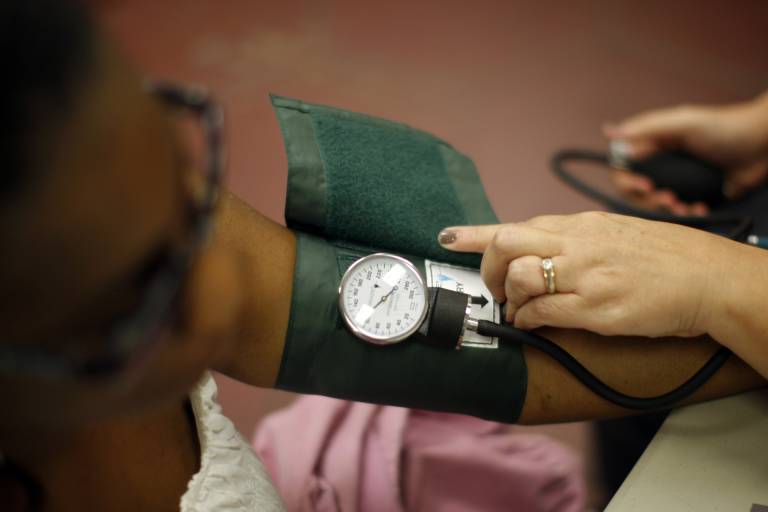
"caption": "A nurse checks the blood pressure of a young patient on July 10, 2012 in Los Angeles, California. Trump’s sweeping plan slashes Medicaid and food aid, putting millions of Californians at risk — especially low-income residents, undocumented immigrants and rural communities.",
"credit": "David McNew/Getty Images",
"altTag": null,
"description": null,
"imgSizes": {
"thumbnail": {
"file": "https://cdn.kqed.org/wp-content/uploads/sites/35/2025/07/MediCalGetty-160x107.jpg",
"width": 160,
"height": 107,
"mimeType": "image/jpeg"
},
"medium_large": {
"file": "https://cdn.kqed.org/wp-content/uploads/sites/35/2025/07/MediCalGetty-768x512.jpg",
"width": 768,
"height": 512,
"mimeType": "image/jpeg"
},
"1536x1536": {
"file": "https://cdn.kqed.org/wp-content/uploads/sites/35/2025/07/MediCalGetty-1536x1024.jpg",
"width": 1536,
"height": 1024,
"mimeType": "image/jpeg"
},
"post-thumbnail": {
"file": "https://cdn.kqed.org/wp-content/uploads/sites/35/2025/07/MediCalGetty-672x372.jpg",
"width": 672,
"height": 372,
"mimeType": "image/jpeg"
},
"twentyfourteen-full-width": {
"file": "https://cdn.kqed.org/wp-content/uploads/sites/35/2025/07/MediCalGetty-1038x576.jpg",
"width": 1038,
"height": 576,
"mimeType": "image/jpeg"
},
"kqedFullSize": {
"file": "https://cdn.kqed.org/wp-content/uploads/sites/35/2025/07/MediCalGetty.jpg",
"width": 1920,
"height": 1280
}
},
"isLoading": false,
"fetchFailed": false
},
"science_1997042": {
"type": "attachments",
"id": "science_1997042",
"meta": {
"index": "attachments_1716263798",
"site": "science",
"id": "1997042",
"found": true
},
"title": "250521-BASEBALLPSYCHOLOGY-01-BL-KQED",
"publishDate": 1748373936,
"status": "inherit",
"parent": 0,
"modified": 1750875269,
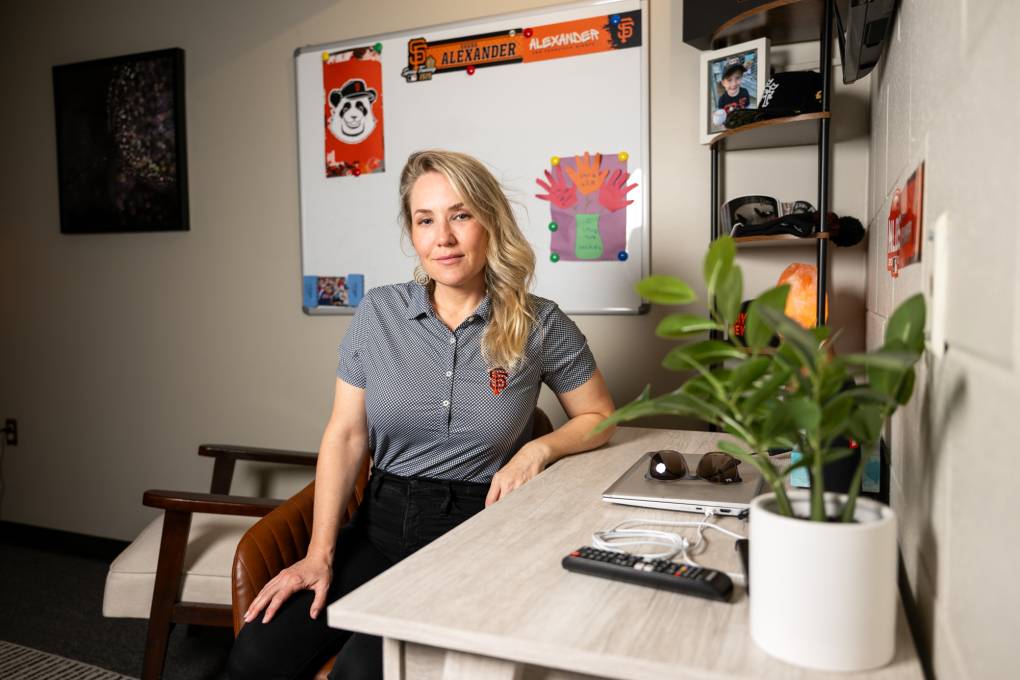
"caption": "Dr. Shana Alexander sits in her office at Oracle Park in San Francisco on May 21, 2025. Alexander leads the San Francisco Giants’ mental health and wellness efforts, supporting players and staff through counseling, crisis response, and emotional well-being programs.",
"credit": "Beth LaBerge/KQED",
"altTag": null,
"description": null,
"imgSizes": {
"medium": {
"file": "https://cdn.kqed.org/wp-content/uploads/sites/35/2025/05/250521-BASEBALLPSYCHOLOGY-01-BL-KQED-800x533.jpg",
"width": 800,
"height": 533,
"mimeType": "image/jpeg"
},
"large": {
"file": "https://cdn.kqed.org/wp-content/uploads/sites/35/2025/05/250521-BASEBALLPSYCHOLOGY-01-BL-KQED-1020x680.jpg",
"width": 1020,
"height": 680,
"mimeType": "image/jpeg"
},
"thumbnail": {
"file": "https://cdn.kqed.org/wp-content/uploads/sites/35/2025/05/250521-BASEBALLPSYCHOLOGY-01-BL-KQED-160x107.jpg",
"width": 160,
"height": 107,
"mimeType": "image/jpeg"
},
"medium_large": {
"file": "https://cdn.kqed.org/wp-content/uploads/sites/35/2025/05/250521-BASEBALLPSYCHOLOGY-01-BL-KQED-768x512.jpg",
"width": 768,
"height": 512,
"mimeType": "image/jpeg"
},
"1536x1536": {
"file": "https://cdn.kqed.org/wp-content/uploads/sites/35/2025/05/250521-BASEBALLPSYCHOLOGY-01-BL-KQED-1536x1024.jpg",
"width": 1536,
"height": 1024,
"mimeType": "image/jpeg"
},
"post-thumbnail": {
"file": "https://cdn.kqed.org/wp-content/uploads/sites/35/2025/05/250521-BASEBALLPSYCHOLOGY-01-BL-KQED-672x372.jpg",
"width": 672,
"height": 372,
"mimeType": "image/jpeg"
},
"twentyfourteen-full-width": {
"file": "https://cdn.kqed.org/wp-content/uploads/sites/35/2025/05/250521-BASEBALLPSYCHOLOGY-01-BL-KQED-1038x576.jpg",
"width": 1038,
"height": 576,
"mimeType": "image/jpeg"
},
"full-width": {
"file": "https://cdn.kqed.org/wp-content/uploads/sites/35/2025/05/250521-BASEBALLPSYCHOLOGY-01-BL-KQED-1920x1280.jpg",
"width": 1920,
"height": 1280,
"mimeType": "image/jpeg"
},
"kqedFullSize": {
"file": "https://cdn.kqed.org/wp-content/uploads/sites/35/2025/05/250521-BASEBALLPSYCHOLOGY-01-BL-KQED.jpg",
"width": 2000,
"height": 1333
}
},
"isLoading": false,
"fetchFailed": false
},
"science_1997495": {
"type": "attachments",
"id": "science_1997495",
"meta": {
"index": "attachments_1716263798",
"site": "science",
"id": "1997495",
"found": true
},
"title": "Supporters Rally For Trans Day Of Visibility In Cities Across The Country",
"publishDate": 1750796856,
"status": "inherit",
"parent": 1997491,
"modified": 1750801966,
"caption": "The U.S. Capitol Building is seen behind the Transgender Pride Flag during the Trans Day of Visibility rally on the National Mall on March 31, 2025, in Washington, D.C. ",
"credit": "Kayla Bartkowski/Getty Images",
"altTag": null,
"description": null,
"imgSizes": {
"thumbnail": {
"file": "https://cdn.kqed.org/wp-content/uploads/sites/35/2025/06/TransgenderHealthGetty-160x106.jpg",
"width": 160,
"height": 106,
"mimeType": "image/jpeg"
},
"medium_large": {
"file": "https://cdn.kqed.org/wp-content/uploads/sites/35/2025/06/TransgenderHealthGetty-768x507.jpg",
"width": 768,
"height": 507,
"mimeType": "image/jpeg"
},
"1536x1536": {
"file": "https://cdn.kqed.org/wp-content/uploads/sites/35/2025/06/TransgenderHealthGetty-1536x1014.jpg",
"width": 1536,
"height": 1014,
"mimeType": "image/jpeg"
},
"post-thumbnail": {
"file": "https://cdn.kqed.org/wp-content/uploads/sites/35/2025/06/TransgenderHealthGetty-672x372.jpg",
"width": 672,
"height": 372,
"mimeType": "image/jpeg"
},
"twentyfourteen-full-width": {
"file": "https://cdn.kqed.org/wp-content/uploads/sites/35/2025/06/TransgenderHealthGetty-1038x576.jpg",
"width": 1038,
"height": 576,
"mimeType": "image/jpeg"
},
"kqedFullSize": {
"file": "https://cdn.kqed.org/wp-content/uploads/sites/35/2025/06/TransgenderHealthGetty.jpg",
"width": 2000,
"height": 1320
}
},
"isLoading": false,
"fetchFailed": false
},
"science_1997427": {
"type": "attachments",
"id": "science_1997427",
"meta": {
"index": "attachments_1716263798",
"site": "science",
"id": "1997427",
"found": true
},
"title": "Study Finds Marijuana Use Surpasses Alcohol Consumption In U.S.",
"publishDate": 1750204697,
"status": "inherit",
"parent": 1997425,
"modified": 1750204748,
"caption": "Cannabis joints and buds, also known as \"flower,\" on May 24, 2024 in Los Angeles, California. ",
"credit": "Mario Tama/Getty Images",
"altTag": null,
"description": null,
"imgSizes": {
"thumbnail": {
"file": "https://cdn.kqed.org/wp-content/uploads/sites/35/2025/06/CannabisStudy-160x100.jpg",
"width": 160,
"height": 100,
"mimeType": "image/jpeg"
},
"medium_large": {
"file": "https://cdn.kqed.org/wp-content/uploads/sites/35/2025/06/CannabisStudy-768x478.jpg",
"width": 768,
"height": 478,
"mimeType": "image/jpeg"
},
"1536x1536": {
"file": "https://cdn.kqed.org/wp-content/uploads/sites/35/2025/06/CannabisStudy-1536x956.jpg",
"width": 1536,
"height": 956,
"mimeType": "image/jpeg"
},
"post-thumbnail": {
"file": "https://cdn.kqed.org/wp-content/uploads/sites/35/2025/06/CannabisStudy-672x372.jpg",
"width": 672,
"height": 372,
"mimeType": "image/jpeg"
},
"twentyfourteen-full-width": {
"file": "https://cdn.kqed.org/wp-content/uploads/sites/35/2025/06/CannabisStudy-1038x576.jpg",
"width": 1038,
"height": 576,
"mimeType": "image/jpeg"
},
"kqedFullSize": {
"file": "https://cdn.kqed.org/wp-content/uploads/sites/35/2025/06/CannabisStudy.jpg",
"width": 2000,
"height": 1245
}
},
"isLoading": false,
"fetchFailed": false
},
"science_1995177": {
"type": "attachments",
"id": "science_1995177",
"meta": {
"index": "attachments_1716263798",
"site": "science",
"id": "1995177",
"found": true
},
"title": "241113-EcoBlockFollowup-58-BL_qed",
"publishDate": 1731627524,
"status": "inherit",
"parent": 0,
"modified": 1749590187,
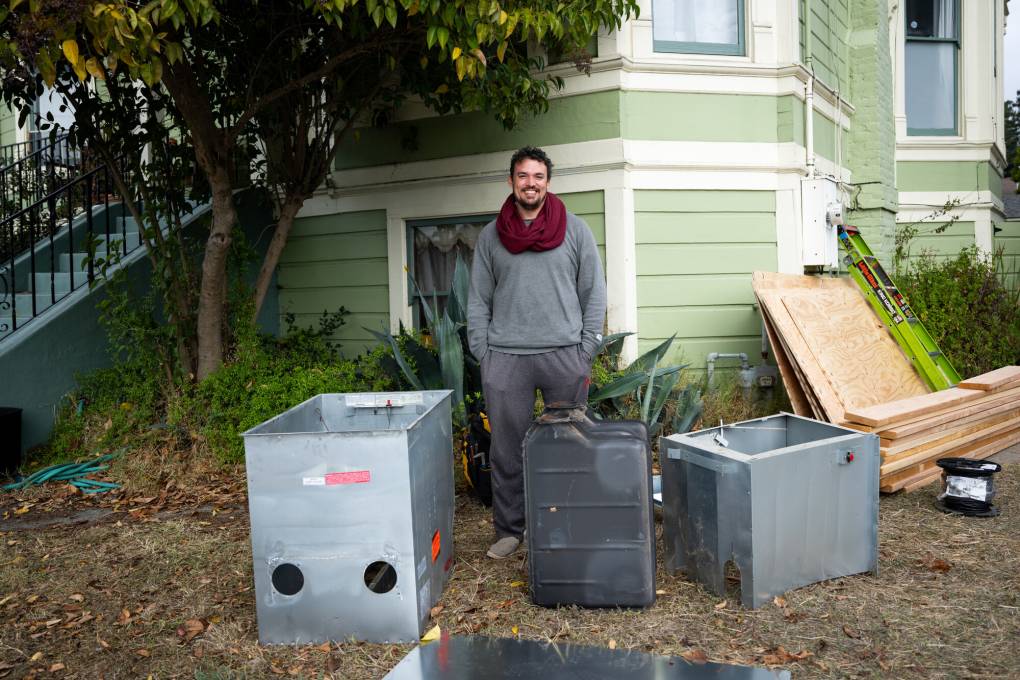
"caption": "Jesse Hassinger stands amidst construction work outside of his home in Oakland on Nov. 13, 2024, part of the EcoBlock project.",
"credit": "Beth LaBerge/KQED",
"altTag": null,
"description": null,
"imgSizes": {
"medium": {
"file": "https://cdn.kqed.org/wp-content/uploads/sites/35/2024/11/241113-EcoBlockFollowup-58-BL_qed-800x533.jpg",
"width": 800,
"height": 533,
"mimeType": "image/jpeg"
},
"large": {
"file": "https://cdn.kqed.org/wp-content/uploads/sites/35/2024/11/241113-EcoBlockFollowup-58-BL_qed-1020x680.jpg",
"width": 1020,
"height": 680,
"mimeType": "image/jpeg"
},
"thumbnail": {
"file": "https://cdn.kqed.org/wp-content/uploads/sites/35/2024/11/241113-EcoBlockFollowup-58-BL_qed-160x107.jpg",
"width": 160,
"height": 107,
"mimeType": "image/jpeg"
},
"medium_large": {
"file": "https://cdn.kqed.org/wp-content/uploads/sites/35/2024/11/241113-EcoBlockFollowup-58-BL_qed-768x512.jpg",
"width": 768,
"height": 512,
"mimeType": "image/jpeg"
},
"1536x1536": {
"file": "https://cdn.kqed.org/wp-content/uploads/sites/35/2024/11/241113-EcoBlockFollowup-58-BL_qed-1536x1024.jpg",
"width": 1536,
"height": 1024,
"mimeType": "image/jpeg"
},
"post-thumbnail": {
"file": "https://cdn.kqed.org/wp-content/uploads/sites/35/2024/11/241113-EcoBlockFollowup-58-BL_qed-672x372.jpg",
"width": 672,
"height": 372,
"mimeType": "image/jpeg"
},
"twentyfourteen-full-width": {
"file": "https://cdn.kqed.org/wp-content/uploads/sites/35/2024/11/241113-EcoBlockFollowup-58-BL_qed-1038x576.jpg",
"width": 1038,
"height": 576,
"mimeType": "image/jpeg"
},
"full-width": {
"file": "https://cdn.kqed.org/wp-content/uploads/sites/35/2024/11/241113-EcoBlockFollowup-58-BL_qed-1920x1280.jpg",
"width": 1920,
"height": 1280,
"mimeType": "image/jpeg"
},
"kqedFullSize": {
"file": "https://cdn.kqed.org/wp-content/uploads/sites/35/2024/11/241113-EcoBlockFollowup-58-BL_qed.jpg",
"width": 2000,
"height": 1333
}
},
"isLoading": false,
"fetchFailed": false
},
"science_1996281": {
"type": "attachments",
"id": "science_1996281",
"meta": {
"index": "attachments_1716263798",
"site": "science",
"id": "1996281",
"found": true
},
"title": "20250310_DANI-GOLOMB_DMB_00070-KQED",
"publishDate": 1741718196,
"status": "inherit",
"parent": 0,
"modified": 1741718227,
"caption": "Dani Golomb poses for a portrait in San Francisco's Mission Dolores Park on Monday, March 11, 2025.",
"credit": "David M. Barreda/KQED",
"altTag": null,
"description": null,
"imgSizes": {
"medium": {
"file": "https://cdn.kqed.org/wp-content/uploads/sites/35/2025/03/20250310_DANI-GOLOMB_DMB_00070-KQED-800x534.jpg",
"width": 800,
"height": 534,
"mimeType": "image/jpeg"
},
"large": {
"file": "https://cdn.kqed.org/wp-content/uploads/sites/35/2025/03/20250310_DANI-GOLOMB_DMB_00070-KQED-1020x680.jpg",
"width": 1020,
"height": 680,
"mimeType": "image/jpeg"
},
"thumbnail": {
"file": "https://cdn.kqed.org/wp-content/uploads/sites/35/2025/03/20250310_DANI-GOLOMB_DMB_00070-KQED-160x107.jpg",
"width": 160,
"height": 107,
"mimeType": "image/jpeg"
},
"medium_large": {
"file": "https://cdn.kqed.org/wp-content/uploads/sites/35/2025/03/20250310_DANI-GOLOMB_DMB_00070-KQED-768x512.jpg",
"width": 768,
"height": 512,
"mimeType": "image/jpeg"
},
"1536x1536": {
"file": "https://cdn.kqed.org/wp-content/uploads/sites/35/2025/03/20250310_DANI-GOLOMB_DMB_00070-KQED-1536x1025.jpg",
"width": 1536,
"height": 1025,
"mimeType": "image/jpeg"
},
"post-thumbnail": {
"file": "https://cdn.kqed.org/wp-content/uploads/sites/35/2025/03/20250310_DANI-GOLOMB_DMB_00070-KQED-672x372.jpg",
"width": 672,
"height": 372,
"mimeType": "image/jpeg"
},
"twentyfourteen-full-width": {
"file": "https://cdn.kqed.org/wp-content/uploads/sites/35/2025/03/20250310_DANI-GOLOMB_DMB_00070-KQED-1038x576.jpg",
"width": 1038,
"height": 576,
"mimeType": "image/jpeg"
},
"full-width": {
"file": "https://cdn.kqed.org/wp-content/uploads/sites/35/2025/03/20250310_DANI-GOLOMB_DMB_00070-KQED-1920x1281.jpg",
"width": 1920,
"height": 1281,
"mimeType": "image/jpeg"
},
"kqedFullSize": {
"file": "https://cdn.kqed.org/wp-content/uploads/sites/35/2025/03/20250310_DANI-GOLOMB_DMB_00070-KQED.jpg",
"width": 2000,
"height": 1334
}
},
"isLoading": false,
"fetchFailed": false
},
"science_1996850": {
"type": "attachments",
"id": "science_1996850",
"meta": {
"index": "attachments_1716263798",
"site": "science",
"id": "1996850",
"found": true
},
"title": "250515-CRUNCHYTOALTRIGHT-10-BL-KQED",
"publishDate": 1747421913,
"status": "inherit",
"parent": 0,
"modified": 1747422017,
"caption": "Good Earth Natural Foods, an independent grocery store open since 1969 serving organic and eco-friendly products, in Fairfax, Marin County, on May 15, 2025.",
"credit": "Beth LaBerge/KQED",
"altTag": null,
"description": null,
"imgSizes": {
"medium": {
"file": "https://cdn.kqed.org/wp-content/uploads/sites/35/2025/05/250515-CRUNCHYTOALTRIGHT-10-BL-KQED-800x533.jpg",
"width": 800,
"height": 533,
"mimeType": "image/jpeg"
},
"large": {
"file": "https://cdn.kqed.org/wp-content/uploads/sites/35/2025/05/250515-CRUNCHYTOALTRIGHT-10-BL-KQED-1020x680.jpg",
"width": 1020,
"height": 680,
"mimeType": "image/jpeg"
},
"thumbnail": {
"file": "https://cdn.kqed.org/wp-content/uploads/sites/35/2025/05/250515-CRUNCHYTOALTRIGHT-10-BL-KQED-160x107.jpg",
"width": 160,
"height": 107,
"mimeType": "image/jpeg"
},
"medium_large": {
"file": "https://cdn.kqed.org/wp-content/uploads/sites/35/2025/05/250515-CRUNCHYTOALTRIGHT-10-BL-KQED-768x512.jpg",
"width": 768,
"height": 512,
"mimeType": "image/jpeg"
},
"1536x1536": {
"file": "https://cdn.kqed.org/wp-content/uploads/sites/35/2025/05/250515-CRUNCHYTOALTRIGHT-10-BL-KQED-1536x1024.jpg",
"width": 1536,
"height": 1024,
"mimeType": "image/jpeg"
},
"post-thumbnail": {
"file": "https://cdn.kqed.org/wp-content/uploads/sites/35/2025/05/250515-CRUNCHYTOALTRIGHT-10-BL-KQED-672x372.jpg",
"width": 672,
"height": 372,
"mimeType": "image/jpeg"
},
"twentyfourteen-full-width": {
"file": "https://cdn.kqed.org/wp-content/uploads/sites/35/2025/05/250515-CRUNCHYTOALTRIGHT-10-BL-KQED-1038x576.jpg",
"width": 1038,
"height": 576,
"mimeType": "image/jpeg"
},
"full-width": {
"file": "https://cdn.kqed.org/wp-content/uploads/sites/35/2025/05/250515-CRUNCHYTOALTRIGHT-10-BL-KQED-1920x1280.jpg",
"width": 1920,
"height": 1280,
"mimeType": "image/jpeg"
},
"kqedFullSize": {
"file": "https://cdn.kqed.org/wp-content/uploads/sites/35/2025/05/250515-CRUNCHYTOALTRIGHT-10-BL-KQED.jpg",
"width": 2000,
"height": 1333
}
},
"isLoading": false,
"fetchFailed": false
},
"science_1996934": {
"type": "attachments",
"id": "science_1996934",
"meta": {
"index": "attachments_1716263798",
"site": "science",
"id": "1996934",
"found": true
},
"title": "Asian female nurse check the X-ray Equipment. Asian female nurse preparing older woman patient for hospital CT scan at hospital. Healthcare concept.",
"publishDate": 1747776001,
"status": "inherit",
"parent": 1996927,
"modified": 1747776138,
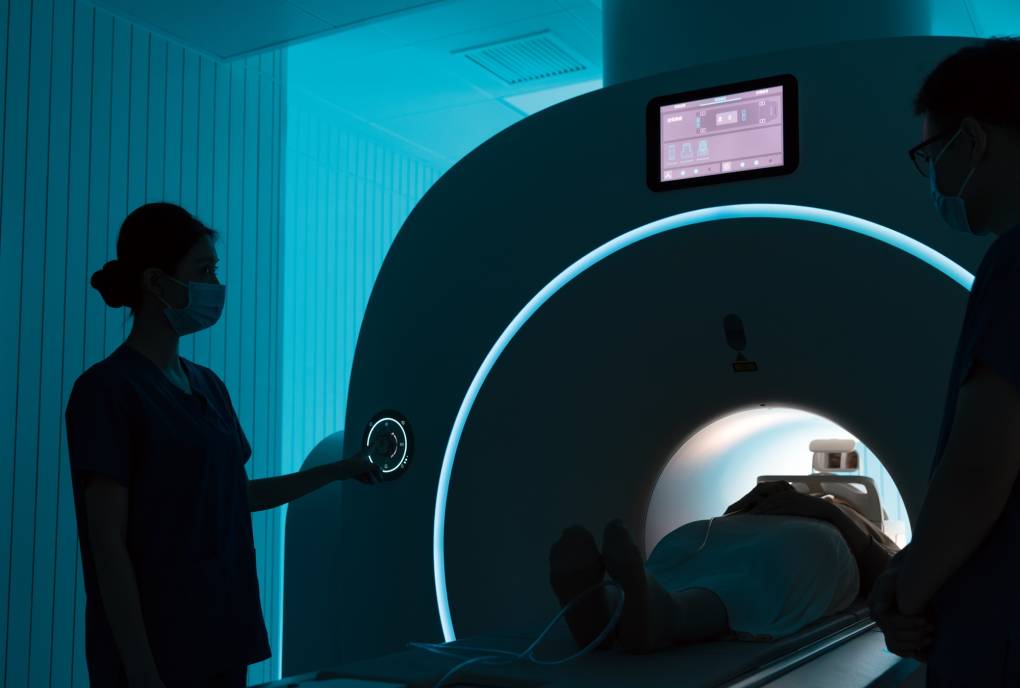
"caption": "A UCSF doctor helped lead the first major update in over 50 years to how traumatic brain injuries are assessed — going beyond the Glasgow Coma Scale to include CT and MRI scans, biomarkers and other health factors.",
"credit": "Lu ShaoJi/Getty Images",
"altTag": null,
"description": null,
"imgSizes": {
"medium": {
"file": "https://cdn.kqed.org/wp-content/uploads/sites/35/2025/05/BrainMRIGetty-800x540.jpg",
"width": 800,
"height": 540,
"mimeType": "image/jpeg"
},
"large": {
"file": "https://cdn.kqed.org/wp-content/uploads/sites/35/2025/05/BrainMRIGetty-1020x688.jpg",
"width": 1020,
"height": 688,
"mimeType": "image/jpeg"
},
"thumbnail": {
"file": "https://cdn.kqed.org/wp-content/uploads/sites/35/2025/05/BrainMRIGetty-160x108.jpg",
"width": 160,
"height": 108,
"mimeType": "image/jpeg"
},
"medium_large": {
"file": "https://cdn.kqed.org/wp-content/uploads/sites/35/2025/05/BrainMRIGetty-768x518.jpg",
"width": 768,
"height": 518,
"mimeType": "image/jpeg"
},
"1536x1536": {
"file": "https://cdn.kqed.org/wp-content/uploads/sites/35/2025/05/BrainMRIGetty-1536x1036.jpg",
"width": 1536,
"height": 1036,
"mimeType": "image/jpeg"
},
"post-thumbnail": {
"file": "https://cdn.kqed.org/wp-content/uploads/sites/35/2025/05/BrainMRIGetty-672x372.jpg",
"width": 672,
"height": 372,
"mimeType": "image/jpeg"
},
"twentyfourteen-full-width": {
"file": "https://cdn.kqed.org/wp-content/uploads/sites/35/2025/05/BrainMRIGetty-1038x576.jpg",
"width": 1038,
"height": 576,
"mimeType": "image/jpeg"
},
"full-width": {
"file": "https://cdn.kqed.org/wp-content/uploads/sites/35/2025/05/BrainMRIGetty-1920x1295.jpg",
"width": 1920,
"height": 1295,
"mimeType": "image/jpeg"
},
"kqedFullSize": {
"file": "https://cdn.kqed.org/wp-content/uploads/sites/35/2025/05/BrainMRIGetty.jpg",
"width": 2000,
"height": 1349
}
},
"isLoading": false,
"fetchFailed": false
},
"science_1996518": {
"type": "attachments",
"id": "science_1996518",
"meta": {
"index": "attachments_1716263798",
"site": "science",
"id": "1996518",
"found": true
},
"title": "IMG_0962",
"publishDate": 1743166568,
"status": "inherit",
"parent": 0,
"modified": 1743439607,
"caption": "AI therapy chatbots such as Woebot, Rosebud and TherapistGPT offer 24/7 mental health support, but what happens when they get it wrong?",
"credit": "Anna Vignet/KQED",
"altTag": null,
"description": null,
"imgSizes": {
"medium": {
"file": "https://cdn.kqed.org/wp-content/uploads/sites/35/2025/03/IMG_0962-800x600.jpg",
"width": 800,
"height": 600,
"mimeType": "image/jpeg"
},
"large": {
"file": "https://cdn.kqed.org/wp-content/uploads/sites/35/2025/03/IMG_0962-1020x765.jpg",
"width": 1020,
"height": 765,
"mimeType": "image/jpeg"
},
"thumbnail": {
"file": "https://cdn.kqed.org/wp-content/uploads/sites/35/2025/03/IMG_0962-160x120.jpg",
"width": 160,
"height": 120,
"mimeType": "image/jpeg"
},
"medium_large": {
"file": "https://cdn.kqed.org/wp-content/uploads/sites/35/2025/03/IMG_0962-768x576.jpg",
"width": 768,
"height": 576,
"mimeType": "image/jpeg"
},
"1536x1536": {
"file": "https://cdn.kqed.org/wp-content/uploads/sites/35/2025/03/IMG_0962-1536x1152.jpg",
"width": 1536,
"height": 1152,
"mimeType": "image/jpeg"
},
"2048x2048": {
"file": "https://cdn.kqed.org/wp-content/uploads/sites/35/2025/03/IMG_0962-2048x1536.jpg",
"width": 2048,
"height": 1536,
"mimeType": "image/jpeg"
},
"post-thumbnail": {
"file": "https://cdn.kqed.org/wp-content/uploads/sites/35/2025/03/IMG_0962-672x372.jpg",
"width": 672,
"height": 372,
"mimeType": "image/jpeg"
},
"twentyfourteen-full-width": {
"file": "https://cdn.kqed.org/wp-content/uploads/sites/35/2025/03/IMG_0962-1038x576.jpg",
"width": 1038,
"height": 576,
"mimeType": "image/jpeg"
},
"full-width": {
"file": "https://cdn.kqed.org/wp-content/uploads/sites/35/2025/03/IMG_0962-1920x1440.jpg",
"width": 1920,
"height": 1440,
"mimeType": "image/jpeg"
},
"kqedFullSize": {
"file": "https://cdn.kqed.org/wp-content/uploads/sites/35/2025/03/IMG_0962.jpg",
"width": 2560,
"height": 1920
}
},
"isLoading": false,
"fetchFailed": false
},
"science_1996372": {
"type": "attachments",
"id": "science_1996372",
"meta": {
"index": "attachments_1716263798",
"site": "science",
"id": "1996372",
"found": true
},
"title": "250102-KidsFleece-14",
"publishDate": 1742328164,
"status": "inherit",
"parent": 0,
"modified": 1766617906,
"caption": "Teddy holds his fleece stuffed animal, Bunny, at the KQED offices in San Francisco on Jan. 2, 2025.",
"credit": "Beth LaBerge/KQED",
"altTag": null,
"description": null,
"imgSizes": {
"medium": {
"file": "https://cdn.kqed.org/wp-content/uploads/sites/35/2025/03/250102-KidsFleece-14-800x533.jpg",
"width": 800,
"height": 533,
"mimeType": "image/jpeg"
},
"large": {
"file": "https://cdn.kqed.org/wp-content/uploads/sites/35/2025/03/250102-KidsFleece-14-1020x680.jpg",
"width": 1020,
"height": 680,
"mimeType": "image/jpeg"
},
"thumbnail": {
"file": "https://cdn.kqed.org/wp-content/uploads/sites/35/2025/03/250102-KidsFleece-14-160x107.jpg",
"width": 160,
"height": 107,
"mimeType": "image/jpeg"
},
"medium_large": {
"file": "https://cdn.kqed.org/wp-content/uploads/sites/35/2025/03/250102-KidsFleece-14-768x512.jpg",
"width": 768,
"height": 512,
"mimeType": "image/jpeg"
},
"1536x1536": {
"file": "https://cdn.kqed.org/wp-content/uploads/sites/35/2025/03/250102-KidsFleece-14-1536x1024.jpg",
"width": 1536,
"height": 1024,
"mimeType": "image/jpeg"
},
"post-thumbnail": {
"file": "https://cdn.kqed.org/wp-content/uploads/sites/35/2025/03/250102-KidsFleece-14-672x372.jpg",
"width": 672,
"height": 372,
"mimeType": "image/jpeg"
},
"twentyfourteen-full-width": {
"file": "https://cdn.kqed.org/wp-content/uploads/sites/35/2025/03/250102-KidsFleece-14-1038x576.jpg",
"width": 1038,
"height": 576,
"mimeType": "image/jpeg"
},
"full-width": {
"file": "https://cdn.kqed.org/wp-content/uploads/sites/35/2025/03/250102-KidsFleece-14-1920x1280.jpg",
"width": 1920,
"height": 1280,
"mimeType": "image/jpeg"
},
"kqedFullSize": {
"file": "https://cdn.kqed.org/wp-content/uploads/sites/35/2025/03/250102-KidsFleece-14.jpg",
"width": 2000,
"height": 1333
}
},
"isLoading": false,
"fetchFailed": false
},
"science_41315": {
"type": "attachments",
"id": "science_41315",
"meta": {
"index": "attachments_1716263798",
"site": "science",
"id": "41315",
"found": true
},
"title": "measles-vaccine-mmr-do-i-need-booster",
"publishDate": 1433883730,
"status": "inherit",
"parent": 41314,
"modified": 1742411606,
"caption": "Measles is preventable with the combined Measles, Mumps, and Rubella (MMR) vaccine.",
"credit": "Illustration Justin Sullivan/Getty Images",
"altTag": null,
"description": "MILL VALLEY, CA - JANUARY 26: In this photo illustration, vials of measles, mumps and rubella vaccine are displayed on a counter at a Walgreens Pharmacy on January 26, 2015 in Mill Valley, California. An outbreak of measles in California has grown to 68 cases with 48 of the cases being linked to people who had visited Disneyland. Nine additional cases have been reported in five states and Mexico. (Photo by Illustration Justin Sullivan/Getty Images)",
"imgSizes": {
"thumbnail": {
"file": "https://cdn.kqed.org/wp-content/uploads/sites/35/2015/05/41314-thumb-400x276.jpg",
"width": 400,
"height": 276,
"mimeType": "image/jpeg"
},
"guest-author-32": {
"file": "https://cdn.kqed.org/wp-content/uploads/sites/35/2015/05/41314-thumb-32x32.jpg",
"width": 32,
"height": 32,
"mimeType": "image/jpeg"
},
"guest-author-64": {
"file": "https://cdn.kqed.org/wp-content/uploads/sites/35/2015/05/41314-thumb-64x64.jpg",
"width": 64,
"height": 64,
"mimeType": "image/jpeg"
},
"guest-author-96": {
"file": "https://cdn.kqed.org/wp-content/uploads/sites/35/2015/05/41314-thumb-96x96.jpg",
"width": 96,
"height": 96,
"mimeType": "image/jpeg"
},
"guest-author-128": {
"file": "https://cdn.kqed.org/wp-content/uploads/sites/35/2015/05/41314-thumb-128x128.jpg",
"width": 128,
"height": 128,
"mimeType": "image/jpeg"
},
"detail": {
"file": "https://cdn.kqed.org/wp-content/uploads/sites/35/2015/05/41314-thumb-75x75.jpg",
"width": 75,
"height": 75,
"mimeType": "image/jpeg"
},
"kqedFullSize": {
"file": "https://cdn.kqed.org/wp-content/uploads/sites/35/2015/05/41314-thumb.jpg",
"width": 400,
"height": 276
}
},
"isLoading": false,
"fetchFailed": false
},
"science_1995394": {
"type": "attachments",
"id": "science_1995394",
"meta": {
"index": "attachments_1716263798",
"site": "science",
"id": "1995394",
"found": true
},
"title": "npr.brightspotcdn copy",
"publishDate": 1735671787,
"status": "inherit",
"parent": 1995393,
"modified": 1735671810,
"caption": null,
"credit": "MirageC/Getty Images",
"altTag": null,
"description": null,
"imgSizes": {
"medium": {
"file": "https://cdn.kqed.org/wp-content/uploads/sites/35/2024/12/npr.brightspotcdn-copy-800x534.jpg",
"width": 800,
"height": 534,
"mimeType": "image/jpeg"
},
"large": {
"file": "https://cdn.kqed.org/wp-content/uploads/sites/35/2024/12/npr.brightspotcdn-copy-1020x681.jpg",
"width": 1020,
"height": 681,
"mimeType": "image/jpeg"
},
"thumbnail": {
"file": "https://cdn.kqed.org/wp-content/uploads/sites/35/2024/12/npr.brightspotcdn-copy-160x107.jpg",
"width": 160,
"height": 107,
"mimeType": "image/jpeg"
},
"medium_large": {
"file": "https://cdn.kqed.org/wp-content/uploads/sites/35/2024/12/npr.brightspotcdn-copy-768x512.jpg",
"width": 768,
"height": 512,
"mimeType": "image/jpeg"
},
"post-thumbnail": {
"file": "https://cdn.kqed.org/wp-content/uploads/sites/35/2024/12/npr.brightspotcdn-copy-672x372.jpg",
"width": 672,
"height": 372,
"mimeType": "image/jpeg"
},
"twentyfourteen-full-width": {
"file": "https://cdn.kqed.org/wp-content/uploads/sites/35/2024/12/npr.brightspotcdn-copy-1038x576.jpg",
"width": 1038,
"height": 576,
"mimeType": "image/jpeg"
},
"kqedFullSize": {
"file": "https://cdn.kqed.org/wp-content/uploads/sites/35/2024/12/npr.brightspotcdn-copy.jpg",
"width": 1100,
"height": 734
}
},
"isLoading": false,
"fetchFailed": false
}
},
"audioPlayerReducer": {
"postId": "stream_live",
"isPaused": true,
"isPlaying": false,
"pfsActive": false,
"pledgeModalIsOpen": true,
"playerDrawerIsOpen": false,
"liveAudioPlayStartedAt": 0,
"liveAudioPlayContext": ""
},
"authorsReducer": {
"byline_science_1995393": {
"type": "authors",
"id": "byline_science_1995393",
"meta": {
"override": true
},
"slug": "byline_science_1995393",
"name": "\u003ca href=\"https://www.npr.org/people/g-s1-27240/kathleen-masterson\">Kathleen Masterson\u003c/a> and \u003ca href=\"https://www.npr.org/people/g-s1-35940/andrea-muraskin\">Andrea Muraskin\u003c/a>, NPR",
"isLoading": false
},
"adembosky": {
"type": "authors",
"id": "3205",
"meta": {
"index": "authors_1716337520",
"id": "3205",
"found": true
},
"name": "April Dembosky",
"firstName": "April",
"lastName": "Dembosky",
"slug": "adembosky",
"email": "adembosky@kqed.org",
"display_author_email": false,
"staff_mastheads": [
"news",
"science"
],
"title": "KQED Health Correspondent",
"bio": "April Dembosky is the health correspondent for KQED News and a regular contributor to NPR. She specializes in covering altered states of mind, from postpartum depression to methamphetamine-induced psychosis to the insanity defense. Her investigative series on insurance companies sidestepping mental health laws won multiple awards, including first place in beat reporting from the national Association of Health Care Journalists. She is the recipient of numerous other prizes and fellowships, including a national Edward R. Murrow award for investigative reporting, a Society of Professional Journalists award for long-form storytelling, and a Carter Center Fellowship for Mental Health Journalism.\r\n\r\nDembosky reported and produced \u003cem>Soundtrack of Silence\u003c/em>, an audio documentary about music and memory that is currently being made into a feature film by Paramount Pictures.\r\n\r\nBefore joining KQED in 2013, Dembosky covered technology and Silicon Valley for \u003cem>The Financial Times of London,\u003c/em> and contributed business and arts stories to \u003cem>Marketplace \u003c/em>and \u003cem>The New York Times.\u003c/em> She got her undergraduate degree in philosophy from Smith College and her master's in journalism from the University of California, Berkeley. She is a classically trained violinist and proud alum of the first symphony orchestra at Burning Man.",
"avatar": "https://secure.gravatar.com/avatar/ef92999be4ceb9ea60701e7dc276f813?s=600&d=blank&r=g",
"twitter": "adembosky",
"facebook": null,
"instagram": null,
"linkedin": null,
"sites": [
{
"site": "arts",
"roles": [
"author"
]
},
{
"site": "news",
"roles": [
"editor"
]
},
{
"site": "futureofyou",
"roles": [
"author"
]
},
{
"site": "stateofhealth",
"roles": [
"editor"
]
},
{
"site": "science",
"roles": [
"editor"
]
},
{
"site": "forum",
"roles": [
"editor"
]
}
],
"headData": {
"title": "April Dembosky | KQED",
"description": "KQED Health Correspondent",
"ogImgSrc": "https://secure.gravatar.com/avatar/ef92999be4ceb9ea60701e7dc276f813?s=600&d=blank&r=g",
"twImgSrc": "https://secure.gravatar.com/avatar/ef92999be4ceb9ea60701e7dc276f813?s=600&d=blank&r=g"
},
"isLoading": false,
"link": "/author/adembosky"
},
"carlysevern": {
"type": "authors",
"id": "3243",
"meta": {
"index": "authors_1716337520",
"id": "3243",
"found": true
},
"name": "Carly Severn",
"firstName": "Carly",
"lastName": "Severn",
"slug": "carlysevern",
"email": "csevern@kqed.org",
"display_author_email": false,
"staff_mastheads": [
"news"
],
"title": "Senior Editor, Audience News ",
"bio": "Carly is KQED's Senior Editor of Audience News on the Digital News team, and has reported for the California Report Magazine, Bay Curious and KQED Arts. She's formerly the host of \u003ca href=\"http://ww2.kqed.org/pop/category/the-cooler/\" rel=\"noopener noreferrer\">The Cooler\u003c/a> podcast.",
"avatar": "https://secure.gravatar.com/avatar/54037bf5c128fe678f0ef26cec97a93f2e7f220a22d7285703328f12c42c1b1d?s=600&d=blank&r=g",
"twitter": "teacupinthebay",
"bluesky": null,
"facebook": null,
"instagram": null,
"linkedin": null,
"sites": [
{
"site": "",
"roles": [
"editor"
]
},
{
"site": "arts",
"roles": [
"editor"
]
},
{
"site": "news",
"roles": [
"administrator"
]
},
{
"site": "pop",
"roles": [
"editor"
]
},
{
"site": "futureofyou",
"roles": [
"editor"
]
},
{
"site": "about",
"roles": [
"administrator"
]
},
{
"site": "mindshift",
"roles": [
"editor"
]
},
{
"site": "bayareabites",
"roles": [
"editor"
]
},
{
"site": "stateofhealth",
"roles": [
"editor"
]
},
{
"site": "science",
"roles": [
"editor"
]
},
{
"site": "food",
"roles": [
"contributor"
]
},
{
"site": "forum",
"roles": [
"editor"
]
},
{
"site": "perspectives",
"roles": [
"administrator"
]
},
{
"site": "liveblog",
"roles": [
"editor"
]
}
],
"headData": {
"title": "Carly Severn | KQED",
"description": "Senior Editor, Audience News ",
"ogImgSrc": "https://secure.gravatar.com/avatar/54037bf5c128fe678f0ef26cec97a93f2e7f220a22d7285703328f12c42c1b1d?s=600&d=blank&r=g",
"twImgSrc": "https://secure.gravatar.com/avatar/54037bf5c128fe678f0ef26cec97a93f2e7f220a22d7285703328f12c42c1b1d?s=600&d=blank&r=g"
},
"isLoading": false,
"link": "/author/carlysevern"
},
"lklivans": {
"type": "authors",
"id": "8648",
"meta": {
"index": "authors_1716337520",
"id": "8648",
"found": true
},
"name": "Laura Klivans",
"firstName": "Laura",
"lastName": "Klivans",
"slug": "lklivans",
"email": "lklivans@kqed.org",
"display_author_email": true,
"staff_mastheads": [
"news",
"science"
],
"title": "Reporter",
"bio": "Laura Klivans is an award-winning science reporter for KQED News, where she covers climate change with an eye on both groundbreaking progress and gaps in action. She is the former host of KQED's blockbuster video series about tiny, amazing animals, \u003cem>Deep Look\u003c/em>. Her work reaches national audiences through NPR, \u003cem>Here & Now, \u003c/em>PRI, and other major outlets. \r\n\r\nLaura’s won five Northern California Area Emmy Awards for Deep Look and First Place in the Greater Bay Area Journalism Awards for a podcast exploring how one Oakland neighborhood teamed up to reduce planet-heating pollution.\r\n\r\nBeyond her reporting, she hosts and moderates events. In the past, she taught audio storytelling at the UC Berkeley Graduate School of Journalism, led international education programs, worked with immigrants and refugees along the Thai-Burmese border, taught high schoolers sex ed, and was an actress. \r\n\r\nShe's a former UC Berkeley Human Rights Fellow, USC Center for Health Journalism's California Fellow and Coro Fellow in Public Affairs. Laura has a master’s in journalism from UC Berkeley, a master’s in education from Harvard, and an undergraduate degree from Northwestern University.\r\n\r\nShe loves trying to riddle the meaning out of vanity license plates.",
"avatar": "https://secure.gravatar.com/avatar/2d2ecd1550a494cc10ad4a503406965585902124739e775a9b3817eebf1d88be?s=600&d=blank&r=g",
"twitter": "lauraklivans",
"bluesky": null,
"facebook": null,
"instagram": null,
"linkedin": null,
"sites": [
{
"site": "news",
"roles": [
"editor"
]
},
{
"site": "stateofhealth",
"roles": [
"contributor",
"editor"
]
},
{
"site": "science",
"roles": [
"editor"
]
},
{
"site": "forum",
"roles": [
"editor"
]
}
],
"headData": {
"title": "Laura Klivans | KQED",
"description": "Reporter",
"ogImgSrc": "https://secure.gravatar.com/avatar/2d2ecd1550a494cc10ad4a503406965585902124739e775a9b3817eebf1d88be?s=600&d=blank&r=g",
"twImgSrc": "https://secure.gravatar.com/avatar/2d2ecd1550a494cc10ad4a503406965585902124739e775a9b3817eebf1d88be?s=600&d=blank&r=g"
},
"isLoading": false,
"link": "/author/lklivans"
},
"dventon": {
"type": "authors",
"id": "11088",
"meta": {
"index": "authors_1716337520",
"id": "11088",
"found": true
},
"name": "Danielle Venton",
"firstName": "Danielle",
"lastName": "Venton",
"slug": "dventon",
"email": "dventon@kqed.org",
"display_author_email": true,
"staff_mastheads": [
"science"
],
"title": "Science reporter",
"bio": "Danielle Venton is a reporter for KQED Science. She covers wildfires, space and oceans (though she is prone to sea sickness).\r\n\r\nBefore joining KQED in 2015, Danielle was a staff reporter at KRCB in Sonoma County and a freelancer. She studied science communication at UC Santa Cruz and formerly worked at CERN in Geneva, Switzerland where she wrote about computing. She lives in Sonoma County and enjoys backpacking.",
"avatar": "https://secure.gravatar.com/avatar/37b292b5c40c8d93959c4f48d73b5286f41b7abd8588277e941905a3ed4c801c?s=600&d=blank&r=g",
"twitter": "DanielleVenton",
"bluesky": null,
"facebook": null,
"instagram": null,
"linkedin": null,
"sites": [
{
"site": "arts",
"roles": [
"contributor"
]
},
{
"site": "news",
"roles": [
"editor"
]
},
{
"site": "futureofyou",
"roles": [
"editor"
]
},
{
"site": "science",
"roles": [
"editor"
]
},
{
"site": "liveblog",
"roles": [
"contributor"
]
}
],
"headData": {
"title": "Danielle Venton | KQED",
"description": "Science reporter",
"ogImgSrc": "https://secure.gravatar.com/avatar/37b292b5c40c8d93959c4f48d73b5286f41b7abd8588277e941905a3ed4c801c?s=600&d=blank&r=g",
"twImgSrc": "https://secure.gravatar.com/avatar/37b292b5c40c8d93959c4f48d73b5286f41b7abd8588277e941905a3ed4c801c?s=600&d=blank&r=g"
},
"isLoading": false,
"link": "/author/dventon"
},
"lesleymcclurg": {
"type": "authors",
"id": "11229",
"meta": {
"index": "authors_1716337520",
"id": "11229",
"found": true
},
"name": "Lesley McClurg",
"firstName": "Lesley",
"lastName": "McClurg",
"slug": "lesleymcclurg",
"email": "lmcclurg@KQED.org",
"display_author_email": false,
"staff_mastheads": [
"news",
"science"
],
"title": "KQED Health Correspondent",
"bio": "Lesley McClurg is a health correspondent and fill-in host whose work is regularly rebroadcast on NPR and PBS programs. She’s earned multiple regional Emmy awards, a national and a regional Edward R. Murrow award, and was named Best Beat Reporter by the Association of Health Care Journalists. The Society of Professional Journalists has recognized her work several times, and the Society of Environmental Journalists spotlighted her coverage of California’s historic drought.\r\n\r\nBefore joining KQED in 2016, Lesley covered food and sustainability for Capital Public Radio, environmental issues for Colorado Public Radio, and reported for KUOW and KCTS 9 in Seattle. Away from the newsroom, she loves skiing with her daughter, mountain biking with her partner, and playing with Ollie, the family’s goldendoodle. On deadline, she runs almost entirely on chocolate chips.\r\n\r\n ",
"avatar": "https://secure.gravatar.com/avatar/bab49e972ea10c774fe0f5e29dba1722b158f7c0d58a360923d1389d380b2978?s=600&d=blank&r=g",
"twitter": "lesleywmcclurg",
"bluesky": null,
"facebook": null,
"instagram": null,
"linkedin": null,
"sites": [
{
"site": "arts",
"roles": [
"author"
]
},
{
"site": "news",
"roles": [
"editor"
]
},
{
"site": "futureofyou",
"roles": [
"editor"
]
},
{
"site": "stateofhealth",
"roles": [
"author"
]
},
{
"site": "science",
"roles": [
"editor"
]
},
{
"site": "quest",
"roles": [
"subscriber"
]
},
{
"site": "forum",
"roles": [
"administrator"
]
},
{
"site": "liveblog",
"roles": [
"author"
]
}
],
"headData": {
"title": "Lesley McClurg | KQED",
"description": "KQED Health Correspondent",
"ogImgSrc": "https://secure.gravatar.com/avatar/bab49e972ea10c774fe0f5e29dba1722b158f7c0d58a360923d1389d380b2978?s=600&d=blank&r=g",
"twImgSrc": "https://secure.gravatar.com/avatar/bab49e972ea10c774fe0f5e29dba1722b158f7c0d58a360923d1389d380b2978?s=600&d=blank&r=g"
},
"isLoading": false,
"link": "/author/lesleymcclurg"
},
"kevinstark": {
"type": "authors",
"id": "11608",
"meta": {
"index": "authors_1716337520",
"id": "11608",
"found": true
},
"name": "Kevin Stark",
"firstName": "Kevin",
"lastName": "Stark",
"slug": "kevinstark",
"email": "kstark@kqed.org",
"display_author_email": true,
"staff_mastheads": [
"science"
],
"title": "Senior Editor",
"bio": "Kevin is a senior editor for KQED Science, managing the station's health and climate desks. His journalism career began in the Pacific Northwest, and he later became a lead reporter for the San Francisco Public Press. His work has appeared in Pacific Standard magazine, the Energy News Network, the Center for Investigative Reporting's Reveal and WBEZ in Chicago. Kevin joined KQED in 2019, and has covered issues related to energy, wildfire, climate change and the environment.",
"avatar": "https://secure.gravatar.com/avatar/365aaa4b597d3a8374f67504ff0facd323d7906e8eb4be0a7efd2427408e802c?s=600&d=blank&r=g",
"twitter": "starkkev",
"bluesky": null,
"facebook": null,
"instagram": null,
"linkedin": null,
"sites": [
{
"site": "",
"roles": [
"editor"
]
},
{
"site": "news",
"roles": [
"editor"
]
},
{
"site": "science",
"roles": [
"administrator"
]
}
],
"headData": {
"title": "Kevin Stark | KQED",
"description": "Senior Editor",
"ogImgSrc": "https://secure.gravatar.com/avatar/365aaa4b597d3a8374f67504ff0facd323d7906e8eb4be0a7efd2427408e802c?s=600&d=blank&r=g",
"twImgSrc": "https://secure.gravatar.com/avatar/365aaa4b597d3a8374f67504ff0facd323d7906e8eb4be0a7efd2427408e802c?s=600&d=blank&r=g"
},
"isLoading": false,
"link": "/author/kevinstark"
}
},
"pagesReducer": {
"science_category_health": {
"type": "terms",
"id": "science_39",
"meta": {
"index": "terms_1716263798",
"site": "science",
"id": "39",
"score": 10.889433
},
"featImg": null,
"name": "Health",
"description": null,
"taxonomy": "category",
"headData": {
"twImgId": null,
"twTitle": null,
"ogTitle": null,
"ogImgId": null,
"twDescription": null,
"description": null,
"title": "Health Archives | KQED Science",
"ogDescription": null
},
"ttid": 41,
"slug": "health",
"isLoading": false,
"title": "Health",
"pageMeta": {
"site": "science",
"WpPageTemplate": "page-topic-editorial",
"currentPage": 4
},
"blocks": [
{
"blockName": "kqed/post-list",
"attrs": {
"layout": "cardArticle2",
"query": "posts/science?category=health",
"seeMore": false,
"paginated": true,
"page": 4
}
},
{
"blockName": "kqed/ad"
}
]
}
},
"pfsSessionReducer": {},
"postsReducer": {
"stream_live": {
"type": "live",
"id": "stream_live",
"audioUrl": "https://streams.kqed.org/kqedradio",
"title": "Live Stream",
"excerpt": "Live Stream information currently unavailable.",
"link": "/radio",
"featImg": "",
"label": {
"name": "KQED Live",
"link": "/"
}
},
"stream_kqedNewscast": {
"type": "posts",
"id": "stream_kqedNewscast",
"audioUrl": "https://www.kqed.org/.stream/anon/radio/RDnews/newscast.mp3?_=1",
"title": "KQED Newscast",
"featImg": "",
"label": {
"name": "88.5 FM",
"link": "/"
}
},
"science_1997707": {
"type": "posts",
"id": "science_1997707",
"meta": {
"index": "posts_1716263798",
"site": "science",
"id": "1997707",
"score": null,
"sort": [
1752238850000
]
},
"guestAuthors": [],
"slug": "how-will-trumps-mega-bill-impact-health-care-in-california",
"title": "How Will Trump’s Mega Bill Impact Health Care in California?",
"publishDate": 1752238850,
"format": "standard",
"headTitle": "How Will Trump’s Mega Bill Impact Health Care in California? | KQED",
"labelTerm": {},
"content": "\u003cp>The newly signed\u003ca href=\"https://www.congress.gov/bill/119th-congress/house-bill/1/text\"> “One Big Beautiful Bill Act”\u003c/a> marks the most sweeping overhaul of the U.S. social safety net in decades. President Donald Trump and his supporters call it a long-overdue effort to rein in government spending. But critics warn it will gut public health systems — especially in California, where more residents rely on Medicaid, known locally as Medi-Cal, than in any other state.\u003c/p>\n\u003cp>Gov. Gavin Newsom called the plan “one of the most calamitous and devastating bills of our lifetime. It’s certainly the most destructive healthcare bill in the history of this country\u003cstrong>.\u003c/strong>” He estimates up to 4 million residents could lose their health insurance.\u003c/p>\n\u003cp>Even with political will, California lacks the fiscal capacity to replace billions in lost federal aid, especially as lawmakers are attempting to close a $12 billion state deficit.\u003c/p>\n\u003cp>[ad fullwidth]\u003c/p>\n\u003cp>California is bracing for a seismic shift in health care access. While some Americans may benefit from modest tax cuts, low-income residents, undocumented immigrants, new mothers and rural families face a growing risk of losing care.\u003c/p>\n\u003cp>However, there are many unknowns. For example, the state could act during next year’s budget negotiations, or providers could start charging less. And the federal budget process is far from over — and many provisions won’t kick in until after another round of negotiations. Congress has to produce a budget this fall and another budget in 2026, so there is time for the situation to change before many of the cuts will hit home for families.\u003c/p>\n\u003ch2>What’s in the bill?\u003c/h2>\n\u003cp>The legislation slashes Medicaid, revives parts of Trump’s 2017 tax cuts, expands defense spending and immigration detention and border security, cuts clean energy tax credits and reduces SNAP funding — or food stamps, known locally as CalFresh — with about 5.5 million Californians expected to feel the impact.\u003c/p>\n\u003cfigure id=\"attachment_1997715\" class=\"wp-caption aligncenter\" style=\"max-width: 1760px\">\u003cimg loading=\"lazy\" decoding=\"async\" class=\"size-full wp-image-1997715\" src=\"https://cdn.kqed.org/wp-content/uploads/sites/35/2025/07/Medicaid.jpg\" alt=\"\" width=\"1760\" height=\"1174\" srcset=\"https://cdn.kqed.org/wp-content/uploads/sites/35/2025/07/Medicaid.jpg 1760w, https://cdn.kqed.org/wp-content/uploads/sites/35/2025/07/Medicaid-160x107.jpg 160w, https://cdn.kqed.org/wp-content/uploads/sites/35/2025/07/Medicaid-768x512.jpg 768w, https://cdn.kqed.org/wp-content/uploads/sites/35/2025/07/Medicaid-1536x1025.jpg 1536w\" sizes=\"auto, (max-width: 1760px) 100vw, 1760px\">\u003cfigcaption class=\"wp-caption-text\">Protesters gather outside of Kern Medical Hospital in Bakersfield, to oppose the proposed GOP cuts to Medicaid, which provides health insurance to low-income Americans. \u003ccite>(Joshua Yeager/KVPR)\u003c/cite>\u003c/figcaption>\u003c/figure>\n\u003cp>On the health care front, key changes include:\u003c/p>\n\u003cul>\n\u003cli>\u003ca href=\"https://www.kff.org/from-drew-altman/making-sense-of-medicaid-work-requirements/\">Federal work requirements\u003c/a> kick in for Medicaid enrollees aged 19–64 on Dec. 31, 2026. It’s 80 hours/month of employment, job search or community service.\u003c/li>\n\u003cli>Enrollees must prove eligibility more often — every six months instead of annually. They’ll need to submit more frequent paperwork and with stricter documentation, including proof of residency and social security numbers. The added requirements increase the risk of coverage loss due to paperwork lapses.\u003c/li>\n\u003cli>New copays for doctor visits (up to $35).\u003c/li>\n\u003cli>A ban on Medicaid reimbursements to clinics that provide abortion or gender-affirming care for minors.\u003c/li>\n\u003cli>Limits on a key tool states, like California, use to draw down additional federal funds known as “provider taxes.”\u003c/li>\n\u003c/ul>\n\u003ch2>How many Californians could lose coverage?\u003c/h2>\n\u003cp>The\u003ca href=\"https://www.cbo.gov/publication/61463\"> Congressional Budget Office\u003c/a> estimates that 12 million to 16 million people could lose Medicaid coverage nationwide over the next decade. In California, roughly\u003ca href=\"https://www.dhcs.ca.gov/data-and-statistics/Documents/Monthly-Enrollment-Trends/Dec-2023-Medi-Cal-Enrollment.pdf\"> 15 million people\u003c/a> — about 1 in 3 residents — are covered by Medi-Cal.\u003c/p>\n\u003cp>California is slated to see a 19% cut in federal funding for Medicaid or roughly $164 billion over the next decade, according to an \u003ca href=\"https://www.kff.org/medicaid/issue-brief/allocating-cbos-estimates-of-federal-medicaid-spending-reductions-across-the-states-senate-reconciliation-bill/\">analysis by KFF\u003c/a>, the nonprofit health care research and polling organization.[aside postID=news_12047363 hero='https://cdn.kqed.org/wp-content/uploads/sites/10/2025/07/GuaranteedIncomeGetty.jpg']Hospitals, nursing homes and other health care providers that serve this population will be paid significantly less, which could result in fewer services or closures.\u003cem> \u003c/em>\u003c/p>\n\u003ch2>Who gets hit hardest?\u003c/h2>\n\u003cul>\n\u003cli>Undocumented immigrants, recently covered under California’s Medi-Cal expansion.\u003c/li>\n\u003cli>Rural communities, where over half of residents rely on Medi-Cal and many hospitals are already on the brink of closure.\u003c/li>\n\u003cli>New mothers and children — about \u003ca href=\"https://www.kff.org/medicaid/issue-brief/5-key-facts-about-medicaid-and-pregnancy/#:~:text=Medicaid%20finances%20over%20four%20in,%2C%20New%20Mexico%2C%20Oklahoma).\">half of all births\u003c/a> in California are covered by Medi-Cal.\u003c/li>\n\u003cli>Street-level care providers, such as mobile mental health teams and clinics serving unhoused people, are often entirely funded by Medi-Cal.\u003c/li>\n\u003c/ul>\n\u003cp>One cautionary tale: \u003ca href=\"https://www.kqed.org/news/11990100/how-the-closure-of-madera-countys-only-hospital-has-impacted-the-community\">Madera Community Hospital\u003c/a> in the Central Valley closed in 2023 due to financial strain — an omen of what could unfold statewide.\u003c/p>\n\u003ch2>Why it’s worse in California\u003c/h2>\n\u003cp>California has led liberal states in the country with its progressive approach to health care — but also vulnerable to federal cuts. Programs like on-site pregnancy care in homeless encampments, antipsychotic medication distribution and mobile crisis teams are now in jeopardy.\u003c/p>\n\u003cp>The state was scaling back its own expansions — such as Medi-Cal for all undocumented immigrants — back due to its own budget pressures. Now, with the federal pullback, even more cuts are likely. Programs once considered national models are quietly being dismantled.\u003c/p>\n\u003ch2>What about the work requirements?\u003c/h2>\n\u003cp>On paper, requiring Medicaid recipients to work may sound reasonable. But critics of the program have argued that in practice, these policies have been more destructive than motivational.\u003c/p>\n\u003cp>A \u003ca href=\"https://www.healthaffairs.org/doi/10.1377/hlthaff.2020.00538\">2018 Arkansas pilot program\u003c/a> pushed 18,000 people off their Medicaid coverage — even though many of them were already employed, but workers struggled to keep up on paperwork requirements. Experts warn similar bureaucratic hurdles will repeat in California.\u003c/p>\n\u003cp>Nationally, more than \u003ca href=\"https://www.kff.org/medicaid/issue-brief/understanding-the-intersection-of-medicaid-and-work-an-update/\">60% of adult Medicaid recipients\u003c/a> work. Caregiving responsibilities, disabilities and housing instability make compliance difficult for some people.\u003c/p>\n\u003ch2>What happens to Planned Parenthood?\u003c/h2>\n\u003cp>The bill prohibits federal Medicaid funds from going to clinics that provide abortion care, which targets Planned Parenthood.\u003c/p>\n\u003cp>According to the\u003ca href=\"https://www.guttmacher.org/2025/07/statement-kelly-baden-guttmacher-vice-president-public-policy-passage-budget-reconciliation\"> Guttmacher Institute\u003c/a>, a research and policy organization focused on sexual and reproductive health and rights, up to one-third of its clinics could be forced to close.\u003c/p>\n\u003cfigure id=\"attachment_1997717\" class=\"wp-caption aligncenter\" style=\"max-width: 2000px\">\u003cimg loading=\"lazy\" decoding=\"async\" class=\"size-full wp-image-1997717\" src=\"https://cdn.kqed.org/wp-content/uploads/sites/35/2025/07/PlannedParenthood.jpg\" alt=\"\" width=\"2000\" height=\"1336\" srcset=\"https://cdn.kqed.org/wp-content/uploads/sites/35/2025/07/PlannedParenthood.jpg 2000w, https://cdn.kqed.org/wp-content/uploads/sites/35/2025/07/PlannedParenthood-160x107.jpg 160w, https://cdn.kqed.org/wp-content/uploads/sites/35/2025/07/PlannedParenthood-768x513.jpg 768w, https://cdn.kqed.org/wp-content/uploads/sites/35/2025/07/PlannedParenthood-1536x1026.jpg 1536w\" sizes=\"auto, (max-width: 2000px) 100vw, 2000px\">\u003cfigcaption class=\"wp-caption-text\">A Planned Parenthood health center on June 26, 2025, in San Rafael, California. \u003ccite>(Justin Sullivan/Getty Images)\u003c/cite>\u003c/figcaption>\u003c/figure>\n\u003cp>That would affect services far beyond abortion — including STI testing, Pap smears, cancer screenings and birth control access.\u003c/p>\n\u003cp>In early July, a federal judge — Indira Talwani — issued a temporary restraining order, halting the defunding provision for 14 days, preserving Medicaid funding while the lawsuit proceeds.\u003c/p>\n\u003ch2>Could it be reversed?\u003c/h2>\n\u003cp>Not easily. While some provisions won’t take full effect until 2026, reversing them would require a change in presidential administration, a Democratic congressional majority and political will to unwind Trump’s signature legislation.\u003c/p>\n\u003cp>Keep in mind: The 2017 Trump tax cuts — once controversial — were extended in this bill, not repealed.\u003c/p>\n\u003ch2>Will this hurt Republicans?\u003c/h2>\n\u003cp>All nine California House Republicans voted for the bill. Yet many of their districts have high Medi-Cal enrollment and poor health access.\u003c/p>\n\u003cp>Democrats and health advocacy groups like Protect Our Care are already running attack ads in some/all of these areas. Still, with tax breaks kicking in immediately — and health care cuts rolling out later — the GOP is betting that voters feel gains before the pain.\u003c/p>\n\u003cp>[ad floatright]\u003c/p>\n",
"blocks": [],
"excerpt": "Trump’s sweeping plan slashes Medicaid and food aid, putting millions of Californians at risk — especially low-income residents, undocumented immigrants and rural communities.",
"status": "publish",
"parent": 0,
"modified": 1752508304,
"stats": {
"hasAudio": false,
"hasVideo": false,
"hasChartOrMap": false,
"iframeSrcs": [],
"hasGoogleForm": false,
"hasGallery": false,
"hasHearkenModule": false,
"hasPolis": false,
"paragraphCount": 25,
"wordCount": 1140
},
"headData": {
"title": "How Will Trump’s Mega Bill Impact Health Care in California? | KQED",
"description": "Trump’s sweeping plan slashes Medicaid and food aid, putting millions of Californians at risk — especially low-income residents, undocumented immigrants and rural communities.",
"ogTitle": "",
"ogDescription": "",
"ogImgId": "",
"twTitle": "",
"twDescription": "",
"twImgId": "",
"schema": {
"@context": "https://schema.org",
"@type": "Article",
"headline": "How Will Trump’s Mega Bill Impact Health Care in California?",
"datePublished": "2025-07-11T06:00:50-07:00",
"dateModified": "2025-07-14T08:51:44-07:00",
"image": "https://cdn.kqed.org/wp-content/uploads/2020/02/KQED-OG-Image@1x.png"
}
},
"primaryCategory": {
"termId": 40,
"slug": "news",
"name": "News"
},
"source": "News",
"sticky": false,
"nprStoryId": "kqed-1997707",
"templateType": "standard",
"featuredImageType": "standard",
"excludeFromSiteSearch": "Include",
"articleAge": "0",
"path": "/science/1997707/how-will-trumps-mega-bill-impact-health-care-in-california",
"audioTrackLength": null,
"parsedContent": [
{
"type": "contentString",
"content": "\u003cdiv class=\"post-body\">\u003cp>\u003cp>The newly signed\u003ca href=\"https://www.congress.gov/bill/119th-congress/house-bill/1/text\"> “One Big Beautiful Bill Act”\u003c/a> marks the most sweeping overhaul of the U.S. social safety net in decades. President Donald Trump and his supporters call it a long-overdue effort to rein in government spending. But critics warn it will gut public health systems — especially in California, where more residents rely on Medicaid, known locally as Medi-Cal, than in any other state.\u003c/p>\n\u003cp>Gov. Gavin Newsom called the plan “one of the most calamitous and devastating bills of our lifetime. It’s certainly the most destructive healthcare bill in the history of this country\u003cstrong>.\u003c/strong>” He estimates up to 4 million residents could lose their health insurance.\u003c/p>\n\u003cp>Even with political will, California lacks the fiscal capacity to replace billions in lost federal aid, especially as lawmakers are attempting to close a $12 billion state deficit.\u003c/p>\n\u003cp>\u003c/p>\u003c/div>",
"attributes": {
"named": {},
"numeric": []
}
},
{
"type": "component",
"content": "",
"name": "ad",
"attributes": {
"named": {
"label": "fullwidth"
},
"numeric": [
"fullwidth"
]
}
},
{
"type": "contentString",
"content": "\u003cdiv class=\"post-body\">\u003cp>\u003c/p>\n\u003cp>California is bracing for a seismic shift in health care access. While some Americans may benefit from modest tax cuts, low-income residents, undocumented immigrants, new mothers and rural families face a growing risk of losing care.\u003c/p>\n\u003cp>However, there are many unknowns. For example, the state could act during next year’s budget negotiations, or providers could start charging less. And the federal budget process is far from over — and many provisions won’t kick in until after another round of negotiations. Congress has to produce a budget this fall and another budget in 2026, so there is time for the situation to change before many of the cuts will hit home for families.\u003c/p>\n\u003ch2>What’s in the bill?\u003c/h2>\n\u003cp>The legislation slashes Medicaid, revives parts of Trump’s 2017 tax cuts, expands defense spending and immigration detention and border security, cuts clean energy tax credits and reduces SNAP funding — or food stamps, known locally as CalFresh — with about 5.5 million Californians expected to feel the impact.\u003c/p>\n\u003cfigure id=\"attachment_1997715\" class=\"wp-caption aligncenter\" style=\"max-width: 1760px\">\u003cimg loading=\"lazy\" decoding=\"async\" class=\"size-full wp-image-1997715\" src=\"https://cdn.kqed.org/wp-content/uploads/sites/35/2025/07/Medicaid.jpg\" alt=\"\" width=\"1760\" height=\"1174\" srcset=\"https://cdn.kqed.org/wp-content/uploads/sites/35/2025/07/Medicaid.jpg 1760w, https://cdn.kqed.org/wp-content/uploads/sites/35/2025/07/Medicaid-160x107.jpg 160w, https://cdn.kqed.org/wp-content/uploads/sites/35/2025/07/Medicaid-768x512.jpg 768w, https://cdn.kqed.org/wp-content/uploads/sites/35/2025/07/Medicaid-1536x1025.jpg 1536w\" sizes=\"auto, (max-width: 1760px) 100vw, 1760px\">\u003cfigcaption class=\"wp-caption-text\">Protesters gather outside of Kern Medical Hospital in Bakersfield, to oppose the proposed GOP cuts to Medicaid, which provides health insurance to low-income Americans. \u003ccite>(Joshua Yeager/KVPR)\u003c/cite>\u003c/figcaption>\u003c/figure>\n\u003cp>On the health care front, key changes include:\u003c/p>\n\u003cul>\n\u003cli>\u003ca href=\"https://www.kff.org/from-drew-altman/making-sense-of-medicaid-work-requirements/\">Federal work requirements\u003c/a> kick in for Medicaid enrollees aged 19–64 on Dec. 31, 2026. It’s 80 hours/month of employment, job search or community service.\u003c/li>\n\u003cli>Enrollees must prove eligibility more often — every six months instead of annually. They’ll need to submit more frequent paperwork and with stricter documentation, including proof of residency and social security numbers. The added requirements increase the risk of coverage loss due to paperwork lapses.\u003c/li>\n\u003cli>New copays for doctor visits (up to $35).\u003c/li>\n\u003cli>A ban on Medicaid reimbursements to clinics that provide abortion or gender-affirming care for minors.\u003c/li>\n\u003cli>Limits on a key tool states, like California, use to draw down additional federal funds known as “provider taxes.”\u003c/li>\n\u003c/ul>\n\u003ch2>How many Californians could lose coverage?\u003c/h2>\n\u003cp>The\u003ca href=\"https://www.cbo.gov/publication/61463\"> Congressional Budget Office\u003c/a> estimates that 12 million to 16 million people could lose Medicaid coverage nationwide over the next decade. In California, roughly\u003ca href=\"https://www.dhcs.ca.gov/data-and-statistics/Documents/Monthly-Enrollment-Trends/Dec-2023-Medi-Cal-Enrollment.pdf\"> 15 million people\u003c/a> — about 1 in 3 residents — are covered by Medi-Cal.\u003c/p>\n\u003cp>California is slated to see a 19% cut in federal funding for Medicaid or roughly $164 billion over the next decade, according to an \u003ca href=\"https://www.kff.org/medicaid/issue-brief/allocating-cbos-estimates-of-federal-medicaid-spending-reductions-across-the-states-senate-reconciliation-bill/\">analysis by KFF\u003c/a>, the nonprofit health care research and polling organization.\u003c/p>\u003c/div>",
"attributes": {
"named": {},
"numeric": []
}
},
{
"type": "component",
"content": "",
"name": "aside",
"attributes": {
"named": {
"postid": "news_12047363",
"hero": "https://cdn.kqed.org/wp-content/uploads/sites/10/2025/07/GuaranteedIncomeGetty.jpg",
"label": ""
},
"numeric": []
}
},
{
"type": "contentString",
"content": "\u003cdiv class=\"post-body\">\u003cp>Hospitals, nursing homes and other health care providers that serve this population will be paid significantly less, which could result in fewer services or closures.\u003cem> \u003c/em>\u003c/p>\n\u003ch2>Who gets hit hardest?\u003c/h2>\n\u003cul>\n\u003cli>Undocumented immigrants, recently covered under California’s Medi-Cal expansion.\u003c/li>\n\u003cli>Rural communities, where over half of residents rely on Medi-Cal and many hospitals are already on the brink of closure.\u003c/li>\n\u003cli>New mothers and children — about \u003ca href=\"https://www.kff.org/medicaid/issue-brief/5-key-facts-about-medicaid-and-pregnancy/#:~:text=Medicaid%20finances%20over%20four%20in,%2C%20New%20Mexico%2C%20Oklahoma).\">half of all births\u003c/a> in California are covered by Medi-Cal.\u003c/li>\n\u003cli>Street-level care providers, such as mobile mental health teams and clinics serving unhoused people, are often entirely funded by Medi-Cal.\u003c/li>\n\u003c/ul>\n\u003cp>One cautionary tale: \u003ca href=\"https://www.kqed.org/news/11990100/how-the-closure-of-madera-countys-only-hospital-has-impacted-the-community\">Madera Community Hospital\u003c/a> in the Central Valley closed in 2023 due to financial strain — an omen of what could unfold statewide.\u003c/p>\n\u003ch2>Why it’s worse in California\u003c/h2>\n\u003cp>California has led liberal states in the country with its progressive approach to health care — but also vulnerable to federal cuts. Programs like on-site pregnancy care in homeless encampments, antipsychotic medication distribution and mobile crisis teams are now in jeopardy.\u003c/p>\n\u003cp>The state was scaling back its own expansions — such as Medi-Cal for all undocumented immigrants — back due to its own budget pressures. Now, with the federal pullback, even more cuts are likely. Programs once considered national models are quietly being dismantled.\u003c/p>\n\u003ch2>What about the work requirements?\u003c/h2>\n\u003cp>On paper, requiring Medicaid recipients to work may sound reasonable. But critics of the program have argued that in practice, these policies have been more destructive than motivational.\u003c/p>\n\u003cp>A \u003ca href=\"https://www.healthaffairs.org/doi/10.1377/hlthaff.2020.00538\">2018 Arkansas pilot program\u003c/a> pushed 18,000 people off their Medicaid coverage — even though many of them were already employed, but workers struggled to keep up on paperwork requirements. Experts warn similar bureaucratic hurdles will repeat in California.\u003c/p>\n\u003cp>Nationally, more than \u003ca href=\"https://www.kff.org/medicaid/issue-brief/understanding-the-intersection-of-medicaid-and-work-an-update/\">60% of adult Medicaid recipients\u003c/a> work. Caregiving responsibilities, disabilities and housing instability make compliance difficult for some people.\u003c/p>\n\u003ch2>What happens to Planned Parenthood?\u003c/h2>\n\u003cp>The bill prohibits federal Medicaid funds from going to clinics that provide abortion care, which targets Planned Parenthood.\u003c/p>\n\u003cp>According to the\u003ca href=\"https://www.guttmacher.org/2025/07/statement-kelly-baden-guttmacher-vice-president-public-policy-passage-budget-reconciliation\"> Guttmacher Institute\u003c/a>, a research and policy organization focused on sexual and reproductive health and rights, up to one-third of its clinics could be forced to close.\u003c/p>\n\u003cfigure id=\"attachment_1997717\" class=\"wp-caption aligncenter\" style=\"max-width: 2000px\">\u003cimg loading=\"lazy\" decoding=\"async\" class=\"size-full wp-image-1997717\" src=\"https://cdn.kqed.org/wp-content/uploads/sites/35/2025/07/PlannedParenthood.jpg\" alt=\"\" width=\"2000\" height=\"1336\" srcset=\"https://cdn.kqed.org/wp-content/uploads/sites/35/2025/07/PlannedParenthood.jpg 2000w, https://cdn.kqed.org/wp-content/uploads/sites/35/2025/07/PlannedParenthood-160x107.jpg 160w, https://cdn.kqed.org/wp-content/uploads/sites/35/2025/07/PlannedParenthood-768x513.jpg 768w, https://cdn.kqed.org/wp-content/uploads/sites/35/2025/07/PlannedParenthood-1536x1026.jpg 1536w\" sizes=\"auto, (max-width: 2000px) 100vw, 2000px\">\u003cfigcaption class=\"wp-caption-text\">A Planned Parenthood health center on June 26, 2025, in San Rafael, California. \u003ccite>(Justin Sullivan/Getty Images)\u003c/cite>\u003c/figcaption>\u003c/figure>\n\u003cp>That would affect services far beyond abortion — including STI testing, Pap smears, cancer screenings and birth control access.\u003c/p>\n\u003cp>In early July, a federal judge — Indira Talwani — issued a temporary restraining order, halting the defunding provision for 14 days, preserving Medicaid funding while the lawsuit proceeds.\u003c/p>\n\u003ch2>Could it be reversed?\u003c/h2>\n\u003cp>Not easily. While some provisions won’t take full effect until 2026, reversing them would require a change in presidential administration, a Democratic congressional majority and political will to unwind Trump’s signature legislation.\u003c/p>\n\u003cp>Keep in mind: The 2017 Trump tax cuts — once controversial — were extended in this bill, not repealed.\u003c/p>\n\u003ch2>Will this hurt Republicans?\u003c/h2>\n\u003cp>All nine California House Republicans voted for the bill. Yet many of their districts have high Medi-Cal enrollment and poor health access.\u003c/p>\n\u003cp>Democrats and health advocacy groups like Protect Our Care are already running attack ads in some/all of these areas. Still, with tax breaks kicking in immediately — and health care cuts rolling out later — the GOP is betting that voters feel gains before the pain.\u003c/p>\n\u003cp>\u003c/p>\u003c/div>",
"attributes": {
"named": {},
"numeric": []
}
},
{
"type": "component",
"content": "",
"name": "ad",
"attributes": {
"named": {
"label": "floatright"
},
"numeric": [
"floatright"
]
}
},
{
"type": "contentString",
"content": "\u003cdiv class=\"post-body\">\u003cp>\u003c/p>\n\u003c/div>\u003c/p>",
"attributes": {
"named": {},
"numeric": []
}
}
],
"link": "/science/1997707/how-will-trumps-mega-bill-impact-health-care-in-california",
"authors": [
"11229"
],
"categories": [
"science_39",
"science_4550",
"science_40",
"science_4450"
],
"tags": [
"science_4992",
"science_5178",
"science_3221",
"science_4417",
"science_5426",
"science_4414",
"science_5371",
"science_5181",
"science_5375",
"science_4277"
],
"featImg": "science_1997713",
"label": "source_science_1997707"
},
"science_1997528": {
"type": "posts",
"id": "science_1997528",
"meta": {
"index": "posts_1716263798",
"site": "science",
"id": "1997528",
"score": null,
"sort": [
1751398210000
]
},
"guestAuthors": [],
"slug": "from-dugout-to-zen-den-san-francisco-giants-champion-mental-wellness",
"title": "San Francisco Giants’ Mental Wellness Team is One of the Largest in Major League Baseball",
"publishDate": 1751398210,
"format": "standard",
"headTitle": "San Francisco Giants’ Mental Wellness Team is One of the Largest in Major League Baseball | KQED",
"labelTerm": {},
"content": "\u003cp>Down in the underbelly of Oracle Park, tucked off a cement hallway known as the “tunnel,” there’s a tiny windowless office that \u003ca href=\"https://www.kqed.org/news/tag/san-francisco-giants\">San Francisco Giants\u003c/a> team psychologist Shana Alexander calls her “Zen Den.” The lights are low, the wall art conjures lily pads and dandelions and the leather couch is long enough for a 6-foot-2-inch pitcher to lie down.\u003c/p>\n\u003cp>What Alexander offers over a backdrop of airy flute music is no ordinary guided meditation.\u003c/p>\n\u003cp>“Picture yourself in the dugout. A slight breeze, the coolness of the air, maybe some sweat on your upper lip. You smell the smell of pine tar,” she murmured, a couple of hours before a night game last month. “Picture whether you want to take the first couple pitches or you swing right away. You drop the bat, and you take off running. You round first and you slide into second.”\u003c/p>\n\u003cp>[ad fullwidth]\u003c/p>\n\u003cp>Alexander joined the Giants in 2020, as coaches across professional baseball, basketball and football began treating mental focus and calm with the same importance as running drills or lifting weights; and star athletes like Kevin Love and Simone Biles detailed their own struggles with anxiety and depression in an effort to normalize mental health conversations in elite sports and beyond.\u003c/p>\n\u003cp>Alexander now leads a three-person mental health team — one of the largest in Major League Baseball — tasked with shaping Giants players’ mental performance on and off the field. Athletes have embraced the program, transforming what started as a way to help them hit .300 into a public responsibility to the next generation: to model a kind of masculinity that is both tough and vulnerable, and a brotherhood that extends a helping hand as often as a high five.\u003c/p>\n\u003cfigure id=\"attachment_1997044\" class=\"wp-caption aligncenter\" style=\"max-width: 2000px\">\u003cimg loading=\"lazy\" decoding=\"async\" class=\"size-full wp-image-1997044\" src=\"https://cdn.kqed.org/wp-content/uploads/sites/35/2025/05/250521-BASEBALLPSYCHOLOGY-02-BL-KQED.jpg\" alt=\"\" width=\"2000\" height=\"1333\" srcset=\"https://cdn.kqed.org/wp-content/uploads/sites/35/2025/05/250521-BASEBALLPSYCHOLOGY-02-BL-KQED.jpg 2000w, https://cdn.kqed.org/wp-content/uploads/sites/35/2025/05/250521-BASEBALLPSYCHOLOGY-02-BL-KQED-800x533.jpg 800w, https://cdn.kqed.org/wp-content/uploads/sites/35/2025/05/250521-BASEBALLPSYCHOLOGY-02-BL-KQED-1020x680.jpg 1020w, https://cdn.kqed.org/wp-content/uploads/sites/35/2025/05/250521-BASEBALLPSYCHOLOGY-02-BL-KQED-160x107.jpg 160w, https://cdn.kqed.org/wp-content/uploads/sites/35/2025/05/250521-BASEBALLPSYCHOLOGY-02-BL-KQED-768x512.jpg 768w, https://cdn.kqed.org/wp-content/uploads/sites/35/2025/05/250521-BASEBALLPSYCHOLOGY-02-BL-KQED-1536x1024.jpg 1536w, https://cdn.kqed.org/wp-content/uploads/sites/35/2025/05/250521-BASEBALLPSYCHOLOGY-02-BL-KQED-1920x1280.jpg 1920w\" sizes=\"auto, (max-width: 2000px) 100vw, 2000px\">\u003cfigcaption class=\"wp-caption-text\">Drew Robinson sits with his dog, Ellie, in the Giants’ dugout at Oracle Park on May 21, 2025. A former professional baseball player, Robinson now serves as a mental health advocate with the San Francisco Giants. \u003ccite>(Beth LaBerge/KQED)\u003c/cite>\u003c/figcaption>\u003c/figure>\n\u003cp>“Baseball is a unique sport. It’s slow, and all of a sudden it’s super intense. And then it’s like, ‘OK, now go sit in the dugout and be slow again,’” she said. “Our body is not conditioned to respond in that way.”\u003c/p>\n\u003cp>The stress hormone overload, combined with the pressure to look cool in front of 40,000 fans, can be a particularly poisonous cocktail when a player makes a mistake. If a basketball player misses a shot, he immediately has to hustle back to defense. But if a shortstop makes an error or a batter strikes out, they have the rest of the inning to stew over what went wrong.\u003c/p>\n\u003cp>“You have to sit with it and wait until the next time you get to step up to the plate or the ball flies out to the outfield to make that catch,” said Alexander, who also works for the Sacramento Kings in the offseason.[aside postID=news_12039317 hero='https://cdn.kqed.org/wp-content/uploads/sites/10/2021/10/IMG_1625-1020x765.jpg']The career trajectory in baseball is also slow. Players are\u003ca href=\"https://www.mlb.com/news/players-who-went-directly-from-the-draft-to-mlb\"> almost never drafted\u003c/a> directly into the major leagues. They train in the minors, often spending years in a kind of baseball purgatory — bouncing between Double A and Triple A — while self-doubt feeds on the constant change and uncertainty.\u003c/p>\n\u003cp>“It sucked to be honest with you, to be bouncing back and forth,” said Giants’ right fielder Mike Yastrzemski, before he was traded to the Kansas City Royals in late July.\u003c/p>\n\u003cp>For a long time, he said mental health wasn’t taken seriously in baseball.\u003c/p>\n\u003cp>“I think it was, ‘If you’re not tough enough to handle this, then you shouldn’t be in the sport,’” Yastrzemski said. “And I think that was a really poor way to look at it. Athletes are humans, and there are things that are hard to deal with off the field, just like there are on the field.”\u003c/p>\n\u003cp>The Giants’ mental health resources have evolved steadily — from outside therapy referrals to part-time consultants to a full-time clinical psychologist who comes to every home game in San Francisco, Alexander, and another, based at the team’s spring training and rehab site in Arizona, Emily Payette, caring for 180 players across the Giants’ four minor league teams.\u003c/p>\n\u003cfigure id=\"attachment_1997051\" class=\"wp-caption aligncenter\" style=\"max-width: 2000px\">\u003cimg loading=\"lazy\" decoding=\"async\" class=\"size-full wp-image-1997051\" src=\"https://cdn.kqed.org/wp-content/uploads/sites/35/2025/05/250521-BASEBALLPSYCHOLOGY-68-BL-KQED.jpg\" alt=\"\" width=\"2000\" height=\"1333\" srcset=\"https://cdn.kqed.org/wp-content/uploads/sites/35/2025/05/250521-BASEBALLPSYCHOLOGY-68-BL-KQED.jpg 2000w, https://cdn.kqed.org/wp-content/uploads/sites/35/2025/05/250521-BASEBALLPSYCHOLOGY-68-BL-KQED-800x533.jpg 800w, https://cdn.kqed.org/wp-content/uploads/sites/35/2025/05/250521-BASEBALLPSYCHOLOGY-68-BL-KQED-1020x680.jpg 1020w, https://cdn.kqed.org/wp-content/uploads/sites/35/2025/05/250521-BASEBALLPSYCHOLOGY-68-BL-KQED-160x107.jpg 160w, https://cdn.kqed.org/wp-content/uploads/sites/35/2025/05/250521-BASEBALLPSYCHOLOGY-68-BL-KQED-768x512.jpg 768w, https://cdn.kqed.org/wp-content/uploads/sites/35/2025/05/250521-BASEBALLPSYCHOLOGY-68-BL-KQED-1536x1024.jpg 1536w, https://cdn.kqed.org/wp-content/uploads/sites/35/2025/05/250521-BASEBALLPSYCHOLOGY-68-BL-KQED-1920x1280.jpg 1920w\" sizes=\"auto, (max-width: 2000px) 100vw, 2000px\">\u003cfigcaption class=\"wp-caption-text\">Patrick Bailey scores a run for the San Francisco Giants during a game against the Kansas City Royals at Oracle Park on May 21, 2025. \u003ccite>(Beth LaBerge/KQED)\u003c/cite>\u003c/figcaption>\u003c/figure>\n\u003cp>“If I know a guy’s having surgery or they’ve just been sent back here to Arizona for an injury, I’ll always check in with them,” Payette said, especially if the player is 26 — considered “older” in baseball — and facing a year of recovery. “It creates questions: ‘Am I gonna come back the same player? Will I be replaced?’ That’s a really dangerous place to be.”\u003c/p>\n\u003cp>The team hit an inflection point with mental health in the spring of 2020, when one of the athletes attempted suicide. Utility player Drew Robinson was getting called up to the majors, then demoted back to the minors — back and forth — when he suffered a series of injuries. He was 28.\u003c/p>\n\u003cp>“When I was home watching all my friends and teammates playing on my TV in my living room, I just felt completely isolated, alienated and lonely,” Robinson said.\u003c/p>\n\u003cfigure id=\"attachment_1997048\" class=\"wp-caption aligncenter\" style=\"max-width: 2000px\">\u003cimg loading=\"lazy\" decoding=\"async\" class=\"size-full wp-image-1997048\" src=\"https://cdn.kqed.org/wp-content/uploads/sites/35/2025/05/250521-BASEBALLPSYCHOLOGY-29-BL-KQED.jpg\" alt=\"\" width=\"2000\" height=\"1333\" srcset=\"https://cdn.kqed.org/wp-content/uploads/sites/35/2025/05/250521-BASEBALLPSYCHOLOGY-29-BL-KQED.jpg 2000w, https://cdn.kqed.org/wp-content/uploads/sites/35/2025/05/250521-BASEBALLPSYCHOLOGY-29-BL-KQED-800x533.jpg 800w, https://cdn.kqed.org/wp-content/uploads/sites/35/2025/05/250521-BASEBALLPSYCHOLOGY-29-BL-KQED-1020x680.jpg 1020w, https://cdn.kqed.org/wp-content/uploads/sites/35/2025/05/250521-BASEBALLPSYCHOLOGY-29-BL-KQED-160x107.jpg 160w, https://cdn.kqed.org/wp-content/uploads/sites/35/2025/05/250521-BASEBALLPSYCHOLOGY-29-BL-KQED-768x512.jpg 768w, https://cdn.kqed.org/wp-content/uploads/sites/35/2025/05/250521-BASEBALLPSYCHOLOGY-29-BL-KQED-1536x1024.jpg 1536w, https://cdn.kqed.org/wp-content/uploads/sites/35/2025/05/250521-BASEBALLPSYCHOLOGY-29-BL-KQED-1920x1280.jpg 1920w\" sizes=\"auto, (max-width: 2000px) 100vw, 2000px\">\u003cfigcaption class=\"wp-caption-text\">Drew Robinson speaks on the field before a game during Mental Health Day at Oracle Park on May 21, 2025. A former professional baseball player, Robinson now works as a mental health advocate with the San Francisco Giants. \u003ccite>(Beth LaBerge/KQED)\u003c/cite>\u003c/figcaption>\u003c/figure>\n\u003cp>Then he and his fiancée broke up. Then the pandemic hit, baseball shut down and Robinson spent a “very scary” month quarantined alone in his house. But he said the main reason he tried to kill himself was that he was endlessly insecure and fiercely unable to admit it.\u003c/p>\n\u003cp>“I’m a man,” he remembered thinking to himself. “I got to tough this out. I can get through this. I don’t need help.”\u003c/p>\n\u003cp>Robinson survived his suicide attempt, and when he came back to play for the Giants’ AAA team, the Sacramento River Cats, Alexander noticed something unusual when she visited. After practice, six or seven guys asked to meet with her — a record number. They said they knew Robinson talked to her, and hearing their teammate extol the virtues of therapy, they figured she could help them, too.\u003c/p>\n\u003cfigure id=\"attachment_1997049\" class=\"wp-caption aligncenter\" style=\"max-width: 2000px\">\u003cimg loading=\"lazy\" decoding=\"async\" class=\"size-full wp-image-1997049\" src=\"https://cdn.kqed.org/wp-content/uploads/sites/35/2025/05/250521-BASEBALLPSYCHOLOGY-32-BL-KQED.jpg\" alt=\"\" width=\"2000\" height=\"1333\" srcset=\"https://cdn.kqed.org/wp-content/uploads/sites/35/2025/05/250521-BASEBALLPSYCHOLOGY-32-BL-KQED.jpg 2000w, https://cdn.kqed.org/wp-content/uploads/sites/35/2025/05/250521-BASEBALLPSYCHOLOGY-32-BL-KQED-800x533.jpg 800w, https://cdn.kqed.org/wp-content/uploads/sites/35/2025/05/250521-BASEBALLPSYCHOLOGY-32-BL-KQED-1020x680.jpg 1020w, https://cdn.kqed.org/wp-content/uploads/sites/35/2025/05/250521-BASEBALLPSYCHOLOGY-32-BL-KQED-160x107.jpg 160w, https://cdn.kqed.org/wp-content/uploads/sites/35/2025/05/250521-BASEBALLPSYCHOLOGY-32-BL-KQED-768x512.jpg 768w, https://cdn.kqed.org/wp-content/uploads/sites/35/2025/05/250521-BASEBALLPSYCHOLOGY-32-BL-KQED-1536x1024.jpg 1536w, https://cdn.kqed.org/wp-content/uploads/sites/35/2025/05/250521-BASEBALLPSYCHOLOGY-32-BL-KQED-1920x1280.jpg 1920w\" sizes=\"auto, (max-width: 2000px) 100vw, 2000px\">\u003cfigcaption class=\"wp-caption-text\">Logan Webb pitches for the San Francisco Giants during a game against the Kansas City Royals at Oracle Park on May 21, 2025. \u003ccite>(Beth LaBerge/KQED)\u003c/cite>\u003c/figcaption>\u003c/figure>\n\u003cp>“I realized, Dr. Payette and I had given a million presentations to these guys, and they kinda listened,” Alexander said. “But when Drew spoke, they heard him differently.”\u003c/p>\n\u003cp>Alexander recognized the value of having a peer embedded in the team, a bridge between players and clinicians. So when Robinson retired in 2021, she immediately hired him to be the team’s full-time mental health advocate. He visits all the minor and major league teams, throws batting practice, runs drills, hangs out in the dugout through the ups and downs of the game, and gently lets baseball talk evolve into informal therapy before referring players to Alexander or Payette.\u003c/p>\n\u003cp>“I describe myself as the starting line for their mental health journey,” Robinson said. “I encourage them to have more emotional range in their life. I always use the example of when my mom is having the worst day of her life, she doesn’t need me to be this big, tough, macho, masculine man. She needs a nurturing, loving, empathetic son.”\u003c/p>\n\u003cfigure id=\"attachment_1997046\" class=\"wp-caption aligncenter\" style=\"max-width: 2000px\">\u003cimg loading=\"lazy\" decoding=\"async\" class=\"size-full wp-image-1997046\" src=\"https://cdn.kqed.org/wp-content/uploads/sites/35/2025/05/250521-BASEBALLPSYCHOLOGY-19-BL-KQED.jpg\" alt=\"\" width=\"2000\" height=\"1333\" srcset=\"https://cdn.kqed.org/wp-content/uploads/sites/35/2025/05/250521-BASEBALLPSYCHOLOGY-19-BL-KQED.jpg 2000w, https://cdn.kqed.org/wp-content/uploads/sites/35/2025/05/250521-BASEBALLPSYCHOLOGY-19-BL-KQED-800x533.jpg 800w, https://cdn.kqed.org/wp-content/uploads/sites/35/2025/05/250521-BASEBALLPSYCHOLOGY-19-BL-KQED-1020x680.jpg 1020w, https://cdn.kqed.org/wp-content/uploads/sites/35/2025/05/250521-BASEBALLPSYCHOLOGY-19-BL-KQED-160x107.jpg 160w, https://cdn.kqed.org/wp-content/uploads/sites/35/2025/05/250521-BASEBALLPSYCHOLOGY-19-BL-KQED-768x512.jpg 768w, https://cdn.kqed.org/wp-content/uploads/sites/35/2025/05/250521-BASEBALLPSYCHOLOGY-19-BL-KQED-1536x1024.jpg 1536w, https://cdn.kqed.org/wp-content/uploads/sites/35/2025/05/250521-BASEBALLPSYCHOLOGY-19-BL-KQED-1920x1280.jpg 1920w\" sizes=\"auto, (max-width: 2000px) 100vw, 2000px\">\u003cfigcaption class=\"wp-caption-text\">A pregame panel discussion on mental health during Mental Health Day at Oracle Park on May 21, 2025. \u003ccite>(Beth LaBerge/KQED)\u003c/cite>\u003c/figcaption>\u003c/figure>\n\u003cp>Robinson’s role is outward-facing, too.\u003c/p>\n\u003cp>At a home game in May, he offered opening remarks at a pregame panel on youth mental health, did an on-field interview on the jumbotron, then crossed the foul line to hug the mother of a 13-year-old little leaguer who died by suicide last year.\u003c/p>\n\u003cp>He also speaks at high schools and community events, and each year designs a “slogan shirt” for the players to wear during practice and press interviews. Last year’s said, “Strength isn’t always physical.” This year’s: “We’d rather hear from you than about you.”\u003c/p>\n\u003cp>“Initially, some of the staff were like, ‘Oooo, I don’t know, that might be a bit heavy for the clubhouse,’” Alexander said. “Drew went and talked to some of the players and they said, ‘No, we want to make a statement. We’ll wear that.’”\u003c/p>\n\u003cfigure id=\"attachment_1997050\" class=\"wp-caption aligncenter\" style=\"max-width: 2000px\">\u003cimg loading=\"lazy\" decoding=\"async\" class=\"size-full wp-image-1997050\" src=\"https://cdn.kqed.org/wp-content/uploads/sites/35/2025/05/250521-BASEBALLPSYCHOLOGY-46-BL-KQED.jpg\" alt=\"\" width=\"2000\" height=\"1333\" srcset=\"https://cdn.kqed.org/wp-content/uploads/sites/35/2025/05/250521-BASEBALLPSYCHOLOGY-46-BL-KQED.jpg 2000w, https://cdn.kqed.org/wp-content/uploads/sites/35/2025/05/250521-BASEBALLPSYCHOLOGY-46-BL-KQED-800x533.jpg 800w, https://cdn.kqed.org/wp-content/uploads/sites/35/2025/05/250521-BASEBALLPSYCHOLOGY-46-BL-KQED-1020x680.jpg 1020w, https://cdn.kqed.org/wp-content/uploads/sites/35/2025/05/250521-BASEBALLPSYCHOLOGY-46-BL-KQED-160x107.jpg 160w, https://cdn.kqed.org/wp-content/uploads/sites/35/2025/05/250521-BASEBALLPSYCHOLOGY-46-BL-KQED-768x512.jpg 768w, https://cdn.kqed.org/wp-content/uploads/sites/35/2025/05/250521-BASEBALLPSYCHOLOGY-46-BL-KQED-1536x1024.jpg 1536w, https://cdn.kqed.org/wp-content/uploads/sites/35/2025/05/250521-BASEBALLPSYCHOLOGY-46-BL-KQED-1920x1280.jpg 1920w\" sizes=\"auto, (max-width: 2000px) 100vw, 2000px\">\u003cfigcaption class=\"wp-caption-text\">Kids hold a sign that says, ‘Skippin’ School For Baseball’ during a game between the San Francisco Giants and the Kansas City Royals at Oracle Park on May 21, 2025. \u003ccite>(Beth LaBerge/KQED)\u003c/cite>\u003c/figcaption>\u003c/figure>\n\u003cp>Athletes have an unparalleled platform. Fans idolize them, track their every move, and hang on their every word. Several Giants use that platform to talk about mental health. Pitcher Logan Webb has campaigned both inside and outside the franchise on substance use and the dangers of fentanyl poisoning, after his cousin, Kade, died from an overdose in 2021.\u003c/p>\n\u003cp>“The Giants deserve to be referred to as leaders in this space,” said Jon Coyles, MLB’s senior vice president of drug, health and safety programs, referring to the team’s internal and external mental health work. “They serve as a really nice, effective model, not just for the other MLB teams, but for all professional sports teams.”\u003c/p>\n\u003cp>Yastrzemski launched his own mental health awareness campaign with the Giants called Mustache May. Back when he was struggling in the minor leagues, he grew a mustache just to make himself smile. The trend caught on with teammates and evolved into an annual monthlong event that simultaneously destigmatizes mental health and redefines masculinity. The annual Mustache May T-shirt reads: “Care for your homies.”\u003c/p>\n\u003cfigure id=\"attachment_1997055\" class=\"wp-caption aligncenter\" style=\"max-width: 1999px\">\u003cimg loading=\"lazy\" decoding=\"async\" class=\"size-full wp-image-1997055\" src=\"https://cdn.kqed.org/wp-content/uploads/sites/35/2025/05/250521-BaseballPsychology-50-BL_qed.jpg\" alt=\"\" width=\"1999\" height=\"1333\" srcset=\"https://cdn.kqed.org/wp-content/uploads/sites/35/2025/05/250521-BaseballPsychology-50-BL_qed.jpg 1999w, https://cdn.kqed.org/wp-content/uploads/sites/35/2025/05/250521-BaseballPsychology-50-BL_qed-800x533.jpg 800w, https://cdn.kqed.org/wp-content/uploads/sites/35/2025/05/250521-BaseballPsychology-50-BL_qed-1020x680.jpg 1020w, https://cdn.kqed.org/wp-content/uploads/sites/35/2025/05/250521-BaseballPsychology-50-BL_qed-160x107.jpg 160w, https://cdn.kqed.org/wp-content/uploads/sites/35/2025/05/250521-BaseballPsychology-50-BL_qed-768x512.jpg 768w, https://cdn.kqed.org/wp-content/uploads/sites/35/2025/05/250521-BaseballPsychology-50-BL_qed-1536x1024.jpg 1536w, https://cdn.kqed.org/wp-content/uploads/sites/35/2025/05/250521-BaseballPsychology-50-BL_qed-1920x1280.jpg 1920w\" sizes=\"auto, (max-width: 1999px) 100vw, 1999px\">\u003cfigcaption class=\"wp-caption-text\">San Francisco Giants right fielder Mike Yastrzemski runs to first base after hitting the ball during a game against the Kansas City Royals at Oracle Park on May 21, 2025. Off the field, he advocates for mental health awareness in professional sports. \u003ccite>(Beth LaBerge/KQED)\u003c/cite>\u003c/figcaption>\u003c/figure>\n\u003cp>“We need to convince people that it’s OK to check on your friends, it’s OK to check on your family, it’s OK to ask how someone is doing and it’s also OK for them to tell you the truth,” he said. “It’s OK to not be OK at times.”\u003c/p>\n\u003cp>At a Giants’ batting practice in May, a group of little leaguers lined up behind the cage, clutching baseballs that Yaz later signed and sealed with a fist bump. All the boys wore fake mustaches, from a blonde Hulk Hogan horseshoe to a long black handlebar that 13-year-old Burnam Lowell said made him look like “an Italian dad.”\u003c/p>\n\u003cp>None of the boys were exactly sure why they were wearing mustaches, but they are certain that facing a 100-mile-an-hour speedball is cool — and if the hero facing the pitch wanted to raise awareness around mental health, Burnam said, that’s cool too.\u003c/p>\n\u003cfigure id=\"attachment_1997067\" class=\"wp-caption aligncenter\" style=\"max-width: 2000px\">\u003cimg loading=\"lazy\" decoding=\"async\" class=\"wp-image-1997067 size-full\" src=\"https://cdn.kqed.org/wp-content/uploads/sites/35/2025/05/050125_BFD0247-KQED.jpg\" alt=\"\" width=\"2000\" height=\"1333\" srcset=\"https://cdn.kqed.org/wp-content/uploads/sites/35/2025/05/050125_BFD0247-KQED.jpg 2000w, https://cdn.kqed.org/wp-content/uploads/sites/35/2025/05/050125_BFD0247-KQED-800x533.jpg 800w, https://cdn.kqed.org/wp-content/uploads/sites/35/2025/05/050125_BFD0247-KQED-1020x680.jpg 1020w, https://cdn.kqed.org/wp-content/uploads/sites/35/2025/05/050125_BFD0247-KQED-160x107.jpg 160w, https://cdn.kqed.org/wp-content/uploads/sites/35/2025/05/050125_BFD0247-KQED-768x512.jpg 768w, https://cdn.kqed.org/wp-content/uploads/sites/35/2025/05/050125_BFD0247-KQED-1536x1024.jpg 1536w, https://cdn.kqed.org/wp-content/uploads/sites/35/2025/05/050125_BFD0247-KQED-1920x1280.jpg 1920w\" sizes=\"auto, (max-width: 2000px) 100vw, 2000px\">\u003cfigcaption class=\"wp-caption-text\">Mike Yastrzemski of the San Francisco Giants signs autographs for Little League players at Oracle Park in San Francisco on May 1, 2025. \u003ccite>(Courtesy of San Francisco Giants)\u003c/cite>\u003c/figcaption>\u003c/figure>\n\u003cp>“A lot of people look up to these guys, and hearing it from an all-star is inspiring,” he said.\u003c/p>\n\u003cp>Mustache May exposes young kids to a new kind of literacy around mental health, teaching them to look out for their homies early on, said Gerard Choucroun, executive director of the Heart and Armor Foundation for veterans health, one of the philanthropic beneficiaries of Mustache May.\u003c/p>\n\u003cp>“It’s such a goof,” he said. “Having a mustache be the symbol of this big, powerful thing actually demystifies it in a way that I think is really healthy. It actually pulls some of the negative air out of mental health.”\u003c/p>\n\u003cp>Alexander is always amazed to see her work with players come full circle, from guided meditations in her tiny Zen Den to player-driven campaigns that reach thousands of young players and fans.\u003c/p>\n\u003cp>“These kids aren’t going to be wearing a mustache for me. But he does it, and guess what?” she said. “We got a whole audience with little mustaches.”\u003c/p>\n\u003cp>\u003cem>Updated August 19, 2025 with details of Mike Yastrzemski’s trade.\u003c/em>\u003c/p>\n\u003cp>[ad floatright]\u003c/p>\n",
"blocks": [],
"excerpt": "Inside a tiny room beneath Oracle Park, the San Francisco Giants are quietly reshaping what it means to be strong — on the baseball field, in the clubhouse and for the next generation of fans.",
"status": "publish",
"parent": 0,
"modified": 1755620372,
"stats": {
"hasAudio": false,
"hasVideo": false,
"hasChartOrMap": false,
"iframeSrcs": [],
"hasGoogleForm": false,
"hasGallery": false,
"hasHearkenModule": false,
"hasPolis": false,
"paragraphCount": 39,
"wordCount": 2210
},
"headData": {
"title": "San Francisco Giants’ Mental Wellness Team is One of the Largest in Major League Baseball | KQED",
"description": "Inside a tiny room beneath Oracle Park, the San Francisco Giants are quietly reshaping what it means to be strong — on the baseball field, in the clubhouse and for the next generation of fans.",
"ogTitle": "",
"ogDescription": "",
"ogImgId": "",
"twTitle": "",
"twDescription": "",
"twImgId": "",
"schema": {
"@context": "https://schema.org",
"@type": "Article",
"headline": "San Francisco Giants’ Mental Wellness Team is One of the Largest in Major League Baseball",
"datePublished": "2025-07-01T12:30:10-07:00",
"dateModified": "2025-08-19T09:19:32-07:00",
"image": "https://cdn.kqed.org/wp-content/uploads/2020/02/KQED-OG-Image@1x.png"
}
},
"primaryCategory": {
"termId": 40,
"slug": "news",
"name": "News"
},
"source": "News",
"audioUrl": "https://traffic.omny.fm/d/clips/0af137ef-751e-4b19-a055-aaef00d2d578/ffca7e9f-6831-41c5-bcaf-aaef00f5a073/85251197-5e73-4b6a-8845-b308012da016/audio.mp3?accessToken=eyJhbGciOiJIUzI1NiIsImtpZCI6IjlzYTZ6N20wdUVtT0VhcnZBUGdxVHciLCJ0eXAiOiJKV1QifQ.eyJjbGlwIjoiODUyNTExOTctNWU3My00YjZhLTg4NDUtYjMwODAxMmRhMDE2IiwiYWRzIjowfQ.xoBCIoEV_YGSchfeOL8a9WSFpfeAPyjtPjAO_Kci9Og",
"sticky": false,
"nprStoryId": "kqed-1997528",
"templateType": "standard",
"featuredImageType": "standard",
"excludeFromSiteSearch": "Include",
"articleAge": "0",
"path": "/science/1997528/from-dugout-to-zen-den-san-francisco-giants-champion-mental-wellness",
"audioTrackLength": null,
"parsedContent": [
{
"type": "contentString",
"content": "\u003cdiv class=\"post-body\">\u003cp>\u003cp>Down in the underbelly of Oracle Park, tucked off a cement hallway known as the “tunnel,” there’s a tiny windowless office that \u003ca href=\"https://www.kqed.org/news/tag/san-francisco-giants\">San Francisco Giants\u003c/a> team psychologist Shana Alexander calls her “Zen Den.” The lights are low, the wall art conjures lily pads and dandelions and the leather couch is long enough for a 6-foot-2-inch pitcher to lie down.\u003c/p>\n\u003cp>What Alexander offers over a backdrop of airy flute music is no ordinary guided meditation.\u003c/p>\n\u003cp>“Picture yourself in the dugout. A slight breeze, the coolness of the air, maybe some sweat on your upper lip. You smell the smell of pine tar,” she murmured, a couple of hours before a night game last month. “Picture whether you want to take the first couple pitches or you swing right away. You drop the bat, and you take off running. You round first and you slide into second.”\u003c/p>\n\u003cp>\u003c/p>\u003c/div>",
"attributes": {
"named": {},
"numeric": []
}
},
{
"type": "component",
"content": "",
"name": "ad",
"attributes": {
"named": {
"label": "fullwidth"
},
"numeric": [
"fullwidth"
]
}
},
{
"type": "contentString",
"content": "\u003cdiv class=\"post-body\">\u003cp>\u003c/p>\n\u003cp>Alexander joined the Giants in 2020, as coaches across professional baseball, basketball and football began treating mental focus and calm with the same importance as running drills or lifting weights; and star athletes like Kevin Love and Simone Biles detailed their own struggles with anxiety and depression in an effort to normalize mental health conversations in elite sports and beyond.\u003c/p>\n\u003cp>Alexander now leads a three-person mental health team — one of the largest in Major League Baseball — tasked with shaping Giants players’ mental performance on and off the field. Athletes have embraced the program, transforming what started as a way to help them hit .300 into a public responsibility to the next generation: to model a kind of masculinity that is both tough and vulnerable, and a brotherhood that extends a helping hand as often as a high five.\u003c/p>\n\u003cfigure id=\"attachment_1997044\" class=\"wp-caption aligncenter\" style=\"max-width: 2000px\">\u003cimg loading=\"lazy\" decoding=\"async\" class=\"size-full wp-image-1997044\" src=\"https://cdn.kqed.org/wp-content/uploads/sites/35/2025/05/250521-BASEBALLPSYCHOLOGY-02-BL-KQED.jpg\" alt=\"\" width=\"2000\" height=\"1333\" srcset=\"https://cdn.kqed.org/wp-content/uploads/sites/35/2025/05/250521-BASEBALLPSYCHOLOGY-02-BL-KQED.jpg 2000w, https://cdn.kqed.org/wp-content/uploads/sites/35/2025/05/250521-BASEBALLPSYCHOLOGY-02-BL-KQED-800x533.jpg 800w, https://cdn.kqed.org/wp-content/uploads/sites/35/2025/05/250521-BASEBALLPSYCHOLOGY-02-BL-KQED-1020x680.jpg 1020w, https://cdn.kqed.org/wp-content/uploads/sites/35/2025/05/250521-BASEBALLPSYCHOLOGY-02-BL-KQED-160x107.jpg 160w, https://cdn.kqed.org/wp-content/uploads/sites/35/2025/05/250521-BASEBALLPSYCHOLOGY-02-BL-KQED-768x512.jpg 768w, https://cdn.kqed.org/wp-content/uploads/sites/35/2025/05/250521-BASEBALLPSYCHOLOGY-02-BL-KQED-1536x1024.jpg 1536w, https://cdn.kqed.org/wp-content/uploads/sites/35/2025/05/250521-BASEBALLPSYCHOLOGY-02-BL-KQED-1920x1280.jpg 1920w\" sizes=\"auto, (max-width: 2000px) 100vw, 2000px\">\u003cfigcaption class=\"wp-caption-text\">Drew Robinson sits with his dog, Ellie, in the Giants’ dugout at Oracle Park on May 21, 2025. A former professional baseball player, Robinson now serves as a mental health advocate with the San Francisco Giants. \u003ccite>(Beth LaBerge/KQED)\u003c/cite>\u003c/figcaption>\u003c/figure>\n\u003cp>“Baseball is a unique sport. It’s slow, and all of a sudden it’s super intense. And then it’s like, ‘OK, now go sit in the dugout and be slow again,’” she said. “Our body is not conditioned to respond in that way.”\u003c/p>\n\u003cp>The stress hormone overload, combined with the pressure to look cool in front of 40,000 fans, can be a particularly poisonous cocktail when a player makes a mistake. If a basketball player misses a shot, he immediately has to hustle back to defense. But if a shortstop makes an error or a batter strikes out, they have the rest of the inning to stew over what went wrong.\u003c/p>\n\u003cp>“You have to sit with it and wait until the next time you get to step up to the plate or the ball flies out to the outfield to make that catch,” said Alexander, who also works for the Sacramento Kings in the offseason.\u003c/p>\u003c/div>",
"attributes": {
"named": {},
"numeric": []
}
},
{
"type": "component",
"content": "",
"name": "aside",
"attributes": {
"named": {
"postid": "news_12039317",
"hero": "https://cdn.kqed.org/wp-content/uploads/sites/10/2021/10/IMG_1625-1020x765.jpg",
"label": ""
},
"numeric": []
}
},
{
"type": "contentString",
"content": "\u003cdiv class=\"post-body\">\u003cp>The career trajectory in baseball is also slow. Players are\u003ca href=\"https://www.mlb.com/news/players-who-went-directly-from-the-draft-to-mlb\"> almost never drafted\u003c/a> directly into the major leagues. They train in the minors, often spending years in a kind of baseball purgatory — bouncing between Double A and Triple A — while self-doubt feeds on the constant change and uncertainty.\u003c/p>\n\u003cp>“It sucked to be honest with you, to be bouncing back and forth,” said Giants’ right fielder Mike Yastrzemski, before he was traded to the Kansas City Royals in late July.\u003c/p>\n\u003cp>For a long time, he said mental health wasn’t taken seriously in baseball.\u003c/p>\n\u003cp>“I think it was, ‘If you’re not tough enough to handle this, then you shouldn’t be in the sport,’” Yastrzemski said. “And I think that was a really poor way to look at it. Athletes are humans, and there are things that are hard to deal with off the field, just like there are on the field.”\u003c/p>\n\u003cp>The Giants’ mental health resources have evolved steadily — from outside therapy referrals to part-time consultants to a full-time clinical psychologist who comes to every home game in San Francisco, Alexander, and another, based at the team’s spring training and rehab site in Arizona, Emily Payette, caring for 180 players across the Giants’ four minor league teams.\u003c/p>\n\u003cfigure id=\"attachment_1997051\" class=\"wp-caption aligncenter\" style=\"max-width: 2000px\">\u003cimg loading=\"lazy\" decoding=\"async\" class=\"size-full wp-image-1997051\" src=\"https://cdn.kqed.org/wp-content/uploads/sites/35/2025/05/250521-BASEBALLPSYCHOLOGY-68-BL-KQED.jpg\" alt=\"\" width=\"2000\" height=\"1333\" srcset=\"https://cdn.kqed.org/wp-content/uploads/sites/35/2025/05/250521-BASEBALLPSYCHOLOGY-68-BL-KQED.jpg 2000w, https://cdn.kqed.org/wp-content/uploads/sites/35/2025/05/250521-BASEBALLPSYCHOLOGY-68-BL-KQED-800x533.jpg 800w, https://cdn.kqed.org/wp-content/uploads/sites/35/2025/05/250521-BASEBALLPSYCHOLOGY-68-BL-KQED-1020x680.jpg 1020w, https://cdn.kqed.org/wp-content/uploads/sites/35/2025/05/250521-BASEBALLPSYCHOLOGY-68-BL-KQED-160x107.jpg 160w, https://cdn.kqed.org/wp-content/uploads/sites/35/2025/05/250521-BASEBALLPSYCHOLOGY-68-BL-KQED-768x512.jpg 768w, https://cdn.kqed.org/wp-content/uploads/sites/35/2025/05/250521-BASEBALLPSYCHOLOGY-68-BL-KQED-1536x1024.jpg 1536w, https://cdn.kqed.org/wp-content/uploads/sites/35/2025/05/250521-BASEBALLPSYCHOLOGY-68-BL-KQED-1920x1280.jpg 1920w\" sizes=\"auto, (max-width: 2000px) 100vw, 2000px\">\u003cfigcaption class=\"wp-caption-text\">Patrick Bailey scores a run for the San Francisco Giants during a game against the Kansas City Royals at Oracle Park on May 21, 2025. \u003ccite>(Beth LaBerge/KQED)\u003c/cite>\u003c/figcaption>\u003c/figure>\n\u003cp>“If I know a guy’s having surgery or they’ve just been sent back here to Arizona for an injury, I’ll always check in with them,” Payette said, especially if the player is 26 — considered “older” in baseball — and facing a year of recovery. “It creates questions: ‘Am I gonna come back the same player? Will I be replaced?’ That’s a really dangerous place to be.”\u003c/p>\n\u003cp>The team hit an inflection point with mental health in the spring of 2020, when one of the athletes attempted suicide. Utility player Drew Robinson was getting called up to the majors, then demoted back to the minors — back and forth — when he suffered a series of injuries. He was 28.\u003c/p>\n\u003cp>“When I was home watching all my friends and teammates playing on my TV in my living room, I just felt completely isolated, alienated and lonely,” Robinson said.\u003c/p>\n\u003cfigure id=\"attachment_1997048\" class=\"wp-caption aligncenter\" style=\"max-width: 2000px\">\u003cimg loading=\"lazy\" decoding=\"async\" class=\"size-full wp-image-1997048\" src=\"https://cdn.kqed.org/wp-content/uploads/sites/35/2025/05/250521-BASEBALLPSYCHOLOGY-29-BL-KQED.jpg\" alt=\"\" width=\"2000\" height=\"1333\" srcset=\"https://cdn.kqed.org/wp-content/uploads/sites/35/2025/05/250521-BASEBALLPSYCHOLOGY-29-BL-KQED.jpg 2000w, https://cdn.kqed.org/wp-content/uploads/sites/35/2025/05/250521-BASEBALLPSYCHOLOGY-29-BL-KQED-800x533.jpg 800w, https://cdn.kqed.org/wp-content/uploads/sites/35/2025/05/250521-BASEBALLPSYCHOLOGY-29-BL-KQED-1020x680.jpg 1020w, https://cdn.kqed.org/wp-content/uploads/sites/35/2025/05/250521-BASEBALLPSYCHOLOGY-29-BL-KQED-160x107.jpg 160w, https://cdn.kqed.org/wp-content/uploads/sites/35/2025/05/250521-BASEBALLPSYCHOLOGY-29-BL-KQED-768x512.jpg 768w, https://cdn.kqed.org/wp-content/uploads/sites/35/2025/05/250521-BASEBALLPSYCHOLOGY-29-BL-KQED-1536x1024.jpg 1536w, https://cdn.kqed.org/wp-content/uploads/sites/35/2025/05/250521-BASEBALLPSYCHOLOGY-29-BL-KQED-1920x1280.jpg 1920w\" sizes=\"auto, (max-width: 2000px) 100vw, 2000px\">\u003cfigcaption class=\"wp-caption-text\">Drew Robinson speaks on the field before a game during Mental Health Day at Oracle Park on May 21, 2025. A former professional baseball player, Robinson now works as a mental health advocate with the San Francisco Giants. \u003ccite>(Beth LaBerge/KQED)\u003c/cite>\u003c/figcaption>\u003c/figure>\n\u003cp>Then he and his fiancée broke up. Then the pandemic hit, baseball shut down and Robinson spent a “very scary” month quarantined alone in his house. But he said the main reason he tried to kill himself was that he was endlessly insecure and fiercely unable to admit it.\u003c/p>\n\u003cp>“I’m a man,” he remembered thinking to himself. “I got to tough this out. I can get through this. I don’t need help.”\u003c/p>\n\u003cp>Robinson survived his suicide attempt, and when he came back to play for the Giants’ AAA team, the Sacramento River Cats, Alexander noticed something unusual when she visited. After practice, six or seven guys asked to meet with her — a record number. They said they knew Robinson talked to her, and hearing their teammate extol the virtues of therapy, they figured she could help them, too.\u003c/p>\n\u003cfigure id=\"attachment_1997049\" class=\"wp-caption aligncenter\" style=\"max-width: 2000px\">\u003cimg loading=\"lazy\" decoding=\"async\" class=\"size-full wp-image-1997049\" src=\"https://cdn.kqed.org/wp-content/uploads/sites/35/2025/05/250521-BASEBALLPSYCHOLOGY-32-BL-KQED.jpg\" alt=\"\" width=\"2000\" height=\"1333\" srcset=\"https://cdn.kqed.org/wp-content/uploads/sites/35/2025/05/250521-BASEBALLPSYCHOLOGY-32-BL-KQED.jpg 2000w, https://cdn.kqed.org/wp-content/uploads/sites/35/2025/05/250521-BASEBALLPSYCHOLOGY-32-BL-KQED-800x533.jpg 800w, https://cdn.kqed.org/wp-content/uploads/sites/35/2025/05/250521-BASEBALLPSYCHOLOGY-32-BL-KQED-1020x680.jpg 1020w, https://cdn.kqed.org/wp-content/uploads/sites/35/2025/05/250521-BASEBALLPSYCHOLOGY-32-BL-KQED-160x107.jpg 160w, https://cdn.kqed.org/wp-content/uploads/sites/35/2025/05/250521-BASEBALLPSYCHOLOGY-32-BL-KQED-768x512.jpg 768w, https://cdn.kqed.org/wp-content/uploads/sites/35/2025/05/250521-BASEBALLPSYCHOLOGY-32-BL-KQED-1536x1024.jpg 1536w, https://cdn.kqed.org/wp-content/uploads/sites/35/2025/05/250521-BASEBALLPSYCHOLOGY-32-BL-KQED-1920x1280.jpg 1920w\" sizes=\"auto, (max-width: 2000px) 100vw, 2000px\">\u003cfigcaption class=\"wp-caption-text\">Logan Webb pitches for the San Francisco Giants during a game against the Kansas City Royals at Oracle Park on May 21, 2025. \u003ccite>(Beth LaBerge/KQED)\u003c/cite>\u003c/figcaption>\u003c/figure>\n\u003cp>“I realized, Dr. Payette and I had given a million presentations to these guys, and they kinda listened,” Alexander said. “But when Drew spoke, they heard him differently.”\u003c/p>\n\u003cp>Alexander recognized the value of having a peer embedded in the team, a bridge between players and clinicians. So when Robinson retired in 2021, she immediately hired him to be the team’s full-time mental health advocate. He visits all the minor and major league teams, throws batting practice, runs drills, hangs out in the dugout through the ups and downs of the game, and gently lets baseball talk evolve into informal therapy before referring players to Alexander or Payette.\u003c/p>\n\u003cp>“I describe myself as the starting line for their mental health journey,” Robinson said. “I encourage them to have more emotional range in their life. I always use the example of when my mom is having the worst day of her life, she doesn’t need me to be this big, tough, macho, masculine man. She needs a nurturing, loving, empathetic son.”\u003c/p>\n\u003cfigure id=\"attachment_1997046\" class=\"wp-caption aligncenter\" style=\"max-width: 2000px\">\u003cimg loading=\"lazy\" decoding=\"async\" class=\"size-full wp-image-1997046\" src=\"https://cdn.kqed.org/wp-content/uploads/sites/35/2025/05/250521-BASEBALLPSYCHOLOGY-19-BL-KQED.jpg\" alt=\"\" width=\"2000\" height=\"1333\" srcset=\"https://cdn.kqed.org/wp-content/uploads/sites/35/2025/05/250521-BASEBALLPSYCHOLOGY-19-BL-KQED.jpg 2000w, https://cdn.kqed.org/wp-content/uploads/sites/35/2025/05/250521-BASEBALLPSYCHOLOGY-19-BL-KQED-800x533.jpg 800w, https://cdn.kqed.org/wp-content/uploads/sites/35/2025/05/250521-BASEBALLPSYCHOLOGY-19-BL-KQED-1020x680.jpg 1020w, https://cdn.kqed.org/wp-content/uploads/sites/35/2025/05/250521-BASEBALLPSYCHOLOGY-19-BL-KQED-160x107.jpg 160w, https://cdn.kqed.org/wp-content/uploads/sites/35/2025/05/250521-BASEBALLPSYCHOLOGY-19-BL-KQED-768x512.jpg 768w, https://cdn.kqed.org/wp-content/uploads/sites/35/2025/05/250521-BASEBALLPSYCHOLOGY-19-BL-KQED-1536x1024.jpg 1536w, https://cdn.kqed.org/wp-content/uploads/sites/35/2025/05/250521-BASEBALLPSYCHOLOGY-19-BL-KQED-1920x1280.jpg 1920w\" sizes=\"auto, (max-width: 2000px) 100vw, 2000px\">\u003cfigcaption class=\"wp-caption-text\">A pregame panel discussion on mental health during Mental Health Day at Oracle Park on May 21, 2025. \u003ccite>(Beth LaBerge/KQED)\u003c/cite>\u003c/figcaption>\u003c/figure>\n\u003cp>Robinson’s role is outward-facing, too.\u003c/p>\n\u003cp>At a home game in May, he offered opening remarks at a pregame panel on youth mental health, did an on-field interview on the jumbotron, then crossed the foul line to hug the mother of a 13-year-old little leaguer who died by suicide last year.\u003c/p>\n\u003cp>He also speaks at high schools and community events, and each year designs a “slogan shirt” for the players to wear during practice and press interviews. Last year’s said, “Strength isn’t always physical.” This year’s: “We’d rather hear from you than about you.”\u003c/p>\n\u003cp>“Initially, some of the staff were like, ‘Oooo, I don’t know, that might be a bit heavy for the clubhouse,’” Alexander said. “Drew went and talked to some of the players and they said, ‘No, we want to make a statement. We’ll wear that.’”\u003c/p>\n\u003cfigure id=\"attachment_1997050\" class=\"wp-caption aligncenter\" style=\"max-width: 2000px\">\u003cimg loading=\"lazy\" decoding=\"async\" class=\"size-full wp-image-1997050\" src=\"https://cdn.kqed.org/wp-content/uploads/sites/35/2025/05/250521-BASEBALLPSYCHOLOGY-46-BL-KQED.jpg\" alt=\"\" width=\"2000\" height=\"1333\" srcset=\"https://cdn.kqed.org/wp-content/uploads/sites/35/2025/05/250521-BASEBALLPSYCHOLOGY-46-BL-KQED.jpg 2000w, https://cdn.kqed.org/wp-content/uploads/sites/35/2025/05/250521-BASEBALLPSYCHOLOGY-46-BL-KQED-800x533.jpg 800w, https://cdn.kqed.org/wp-content/uploads/sites/35/2025/05/250521-BASEBALLPSYCHOLOGY-46-BL-KQED-1020x680.jpg 1020w, https://cdn.kqed.org/wp-content/uploads/sites/35/2025/05/250521-BASEBALLPSYCHOLOGY-46-BL-KQED-160x107.jpg 160w, https://cdn.kqed.org/wp-content/uploads/sites/35/2025/05/250521-BASEBALLPSYCHOLOGY-46-BL-KQED-768x512.jpg 768w, https://cdn.kqed.org/wp-content/uploads/sites/35/2025/05/250521-BASEBALLPSYCHOLOGY-46-BL-KQED-1536x1024.jpg 1536w, https://cdn.kqed.org/wp-content/uploads/sites/35/2025/05/250521-BASEBALLPSYCHOLOGY-46-BL-KQED-1920x1280.jpg 1920w\" sizes=\"auto, (max-width: 2000px) 100vw, 2000px\">\u003cfigcaption class=\"wp-caption-text\">Kids hold a sign that says, ‘Skippin’ School For Baseball’ during a game between the San Francisco Giants and the Kansas City Royals at Oracle Park on May 21, 2025. \u003ccite>(Beth LaBerge/KQED)\u003c/cite>\u003c/figcaption>\u003c/figure>\n\u003cp>Athletes have an unparalleled platform. Fans idolize them, track their every move, and hang on their every word. Several Giants use that platform to talk about mental health. Pitcher Logan Webb has campaigned both inside and outside the franchise on substance use and the dangers of fentanyl poisoning, after his cousin, Kade, died from an overdose in 2021.\u003c/p>\n\u003cp>“The Giants deserve to be referred to as leaders in this space,” said Jon Coyles, MLB’s senior vice president of drug, health and safety programs, referring to the team’s internal and external mental health work. “They serve as a really nice, effective model, not just for the other MLB teams, but for all professional sports teams.”\u003c/p>\n\u003cp>Yastrzemski launched his own mental health awareness campaign with the Giants called Mustache May. Back when he was struggling in the minor leagues, he grew a mustache just to make himself smile. The trend caught on with teammates and evolved into an annual monthlong event that simultaneously destigmatizes mental health and redefines masculinity. The annual Mustache May T-shirt reads: “Care for your homies.”\u003c/p>\n\u003cfigure id=\"attachment_1997055\" class=\"wp-caption aligncenter\" style=\"max-width: 1999px\">\u003cimg loading=\"lazy\" decoding=\"async\" class=\"size-full wp-image-1997055\" src=\"https://cdn.kqed.org/wp-content/uploads/sites/35/2025/05/250521-BaseballPsychology-50-BL_qed.jpg\" alt=\"\" width=\"1999\" height=\"1333\" srcset=\"https://cdn.kqed.org/wp-content/uploads/sites/35/2025/05/250521-BaseballPsychology-50-BL_qed.jpg 1999w, https://cdn.kqed.org/wp-content/uploads/sites/35/2025/05/250521-BaseballPsychology-50-BL_qed-800x533.jpg 800w, https://cdn.kqed.org/wp-content/uploads/sites/35/2025/05/250521-BaseballPsychology-50-BL_qed-1020x680.jpg 1020w, https://cdn.kqed.org/wp-content/uploads/sites/35/2025/05/250521-BaseballPsychology-50-BL_qed-160x107.jpg 160w, https://cdn.kqed.org/wp-content/uploads/sites/35/2025/05/250521-BaseballPsychology-50-BL_qed-768x512.jpg 768w, https://cdn.kqed.org/wp-content/uploads/sites/35/2025/05/250521-BaseballPsychology-50-BL_qed-1536x1024.jpg 1536w, https://cdn.kqed.org/wp-content/uploads/sites/35/2025/05/250521-BaseballPsychology-50-BL_qed-1920x1280.jpg 1920w\" sizes=\"auto, (max-width: 1999px) 100vw, 1999px\">\u003cfigcaption class=\"wp-caption-text\">San Francisco Giants right fielder Mike Yastrzemski runs to first base after hitting the ball during a game against the Kansas City Royals at Oracle Park on May 21, 2025. Off the field, he advocates for mental health awareness in professional sports. \u003ccite>(Beth LaBerge/KQED)\u003c/cite>\u003c/figcaption>\u003c/figure>\n\u003cp>“We need to convince people that it’s OK to check on your friends, it’s OK to check on your family, it’s OK to ask how someone is doing and it’s also OK for them to tell you the truth,” he said. “It’s OK to not be OK at times.”\u003c/p>\n\u003cp>At a Giants’ batting practice in May, a group of little leaguers lined up behind the cage, clutching baseballs that Yaz later signed and sealed with a fist bump. All the boys wore fake mustaches, from a blonde Hulk Hogan horseshoe to a long black handlebar that 13-year-old Burnam Lowell said made him look like “an Italian dad.”\u003c/p>\n\u003cp>None of the boys were exactly sure why they were wearing mustaches, but they are certain that facing a 100-mile-an-hour speedball is cool — and if the hero facing the pitch wanted to raise awareness around mental health, Burnam said, that’s cool too.\u003c/p>\n\u003cfigure id=\"attachment_1997067\" class=\"wp-caption aligncenter\" style=\"max-width: 2000px\">\u003cimg loading=\"lazy\" decoding=\"async\" class=\"wp-image-1997067 size-full\" src=\"https://cdn.kqed.org/wp-content/uploads/sites/35/2025/05/050125_BFD0247-KQED.jpg\" alt=\"\" width=\"2000\" height=\"1333\" srcset=\"https://cdn.kqed.org/wp-content/uploads/sites/35/2025/05/050125_BFD0247-KQED.jpg 2000w, https://cdn.kqed.org/wp-content/uploads/sites/35/2025/05/050125_BFD0247-KQED-800x533.jpg 800w, https://cdn.kqed.org/wp-content/uploads/sites/35/2025/05/050125_BFD0247-KQED-1020x680.jpg 1020w, https://cdn.kqed.org/wp-content/uploads/sites/35/2025/05/050125_BFD0247-KQED-160x107.jpg 160w, https://cdn.kqed.org/wp-content/uploads/sites/35/2025/05/050125_BFD0247-KQED-768x512.jpg 768w, https://cdn.kqed.org/wp-content/uploads/sites/35/2025/05/050125_BFD0247-KQED-1536x1024.jpg 1536w, https://cdn.kqed.org/wp-content/uploads/sites/35/2025/05/050125_BFD0247-KQED-1920x1280.jpg 1920w\" sizes=\"auto, (max-width: 2000px) 100vw, 2000px\">\u003cfigcaption class=\"wp-caption-text\">Mike Yastrzemski of the San Francisco Giants signs autographs for Little League players at Oracle Park in San Francisco on May 1, 2025. \u003ccite>(Courtesy of San Francisco Giants)\u003c/cite>\u003c/figcaption>\u003c/figure>\n\u003cp>“A lot of people look up to these guys, and hearing it from an all-star is inspiring,” he said.\u003c/p>\n\u003cp>Mustache May exposes young kids to a new kind of literacy around mental health, teaching them to look out for their homies early on, said Gerard Choucroun, executive director of the Heart and Armor Foundation for veterans health, one of the philanthropic beneficiaries of Mustache May.\u003c/p>\n\u003cp>“It’s such a goof,” he said. “Having a mustache be the symbol of this big, powerful thing actually demystifies it in a way that I think is really healthy. It actually pulls some of the negative air out of mental health.”\u003c/p>\n\u003cp>Alexander is always amazed to see her work with players come full circle, from guided meditations in her tiny Zen Den to player-driven campaigns that reach thousands of young players and fans.\u003c/p>\n\u003cp>“These kids aren’t going to be wearing a mustache for me. But he does it, and guess what?” she said. “We got a whole audience with little mustaches.”\u003c/p>\n\u003cp>\u003cem>Updated August 19, 2025 with details of Mike Yastrzemski’s trade.\u003c/em>\u003c/p>\n\u003cp>\u003c/p>\u003c/div>",
"attributes": {
"named": {},
"numeric": []
}
},
{
"type": "component",
"content": "",
"name": "ad",
"attributes": {
"named": {
"label": "floatright"
},
"numeric": [
"floatright"
]
}
},
{
"type": "contentString",
"content": "\u003cdiv class=\"post-body\">\u003cp>\u003c/p>\n\u003c/div>\u003c/p>",
"attributes": {
"named": {},
"numeric": []
}
}
],
"link": "/science/1997528/from-dugout-to-zen-den-san-francisco-giants-champion-mental-wellness",
"authors": [
"3205"
],
"categories": [
"science_39",
"science_4550",
"science_40",
"science_4450"
],
"tags": [
"science_4417",
"science_4414",
"science_5181",
"science_249",
"science_633",
"science_5183"
],
"featImg": "science_1997042",
"label": "source_science_1997528"
},
"science_1997491": {
"type": "posts",
"id": "science_1997491",
"meta": {
"index": "posts_1716263798",
"site": "science",
"id": "1997491",
"score": null,
"sort": [
1750801458000
]
},
"guestAuthors": [],
"slug": "stanford-scales-back-trans-care-for-minors-amid-federal-crackdown",
"title": "Stanford Scales Back Trans Care for Minors Amid Federal Crackdown",
"publishDate": 1750801458,
"format": "standard",
"headTitle": "Stanford Scales Back Trans Care for Minors Amid Federal Crackdown | KQED",
"labelTerm": {},
"content": "\u003cp>\u003ca href=\"https://www.kqed.org/news/tag/stanford-university\">Stanford\u003c/a> Medicine has paused gender-related surgical procedures for patients under 19, a move that the health system said aims to protect both patients and providers as federal oversight of gender-affirming care intensifies.\u003c/p>\n\u003cp>“This was not a decision we made lightly,” Stanford Medicine said in a statement on Tuesday.\u003c/p>\n\u003cp>Stanford has not disclosed how many gender-affirming surgeries it has performed on minors or how many patients may be affected by the pause, which took effect June 2.\u003c/p>\n\u003cp>[ad fullwidth]\u003c/p>\n\u003cp>While surgeries for minors are on hold, other services that the Stanford LGBTQ+ Health Program offers, including hormone therapy, behavioral health support, voice training and primary care, are expected to remain available.\u003c/p>\n\u003cp>Federal pressure on gender-affirming care has mounted since President Trump in January signed an executive order titled “\u003ca href=\"https://www.whitehouse.gov/presidential-actions/2025/01/protecting-children-from-chemical-and-surgical-mutilation/?utm_source=chatgpt.com\">Protecting Children from Chemical and Surgical Mutilation\u003c/a>.” It asserts that “medical professionals are maiming and sterilizing a growing number of impressionable children … through a series of irreversible medical interventions,” and directs agencies to “not fund, sponsor, promote, assist, or support the so‑called ‘transition’ of a child from one sex to another.”\u003c/p>\n\u003cp>Then, in May, the Centers for Medicare & Medicaid Services sent a \u003ca href=\"https://www.cms.gov/files/document/hospital-oversight-letter-generic.pdf\">letter\u003c/a> to hospitals requesting detailed information about how they treat gender dysphoria in minors. The letter asks institutions to report on consent protocols, outcome tracking (including detransition or regret), and financial data tied to these procedures.[aside postID=news_12041770 hero='https://cdn.kqed.org/wp-content/uploads/sites/10/2025/05/TrumpTransAthletesGetty-1020x638.jpg']Medical associations, including the\u003ca href=\"https://publications.aap.org/aapnews/news/25340/AAP-reaffirms-gender-affirming-care-policy\"> American Academy of Pediatrics\u003c/a> and the\u003ca href=\"https://www.ama-assn.org/press-center/press-releases/ama-states-stop-interfering-health-care-transgender-children\"> American Medical Association\u003c/a>, maintain that gender-affirming care, including surgery in some cases, is medically necessary and can be life-saving for transgender youth. However, critics have questioned the strength of long-term data and raised concerns about the potential irreversibility of certain interventions — concerns echoed in a recent \u003ca href=\"https://opa.hhs.gov/gender-dysphoria-report\">report\u003c/a> commissioned by the Trump administration.\u003c/p>\n\u003cp>Last week, the U.S. Supreme Court upheld a Tennessee law that bans puberty blockers and hormone therapy for transgender minors. The decision effectively allows similar laws to remain in place or take effect in more than two dozen other states.\u003c/p>\n\u003cp>In the past year alone, Kansas, South Carolina, Wyoming and New Hampshire have added new restrictions, joining a broader conservative effort to roll back access to trans health care for minors nationwide.\u003c/p>\n\u003cp>In contrast, California has taken steps to protect medical services for trans youth. In 2022, the state passed a \u003ca href=\"https://www.kqed.org/news/11929233/california-becomes-first-sanctuary-state-for-transgender-youth-seeking-medical-care\">sanctuary law\u003c/a> shielding families and providers who travel to California for gender-affirming care from legal action under out-of-state bans. Medi-Cal, the state’s public insurance program, covers puberty blockers, hormone therapy, and surgeries for minors.\u003c/p>\n\u003cp>And in February, California Attorney General Rob Bonta warned hospitals that denying or pausing care for trans youth based on political pressure could violate state law.\u003c/p>\n\u003cp>\u003c/p>\n",
"blocks": [],
"excerpt": "Stanford Medicine has paused gender-affirming surgeries for minors, citing evolving federal guidance. The move comes amid growing national scrutiny of trans health care for youth.",
"status": "publish",
"parent": 0,
"modified": 1750878028,
"stats": {
"hasAudio": false,
"hasVideo": false,
"hasChartOrMap": false,
"iframeSrcs": [],
"hasGoogleForm": false,
"hasGallery": false,
"hasHearkenModule": false,
"hasPolis": false,
"paragraphCount": 12,
"wordCount": 485
},
"headData": {
"title": "Stanford Scales Back Trans Care for Minors Amid Federal Crackdown | KQED",
"description": "Stanford Medicine has paused gender-affirming surgeries for minors, citing evolving federal guidance. The move comes amid growing national scrutiny of trans health care for youth.",
"ogTitle": "",
"ogDescription": "",
"ogImgId": "",
"twTitle": "",
"twDescription": "",
"twImgId": "",
"schema": {
"@context": "https://schema.org",
"@type": "Article",
"headline": "Stanford Scales Back Trans Care for Minors Amid Federal Crackdown",
"datePublished": "2025-06-24T14:44:18-07:00",
"dateModified": "2025-06-25T12:00:28-07:00",
"image": "https://cdn.kqed.org/wp-content/uploads/2020/02/KQED-OG-Image@1x.png"
}
},
"source": "News",
"sticky": false,
"nprStoryId": "kqed-1997491",
"templateType": "standard",
"featuredImageType": "standard",
"excludeFromSiteSearch": "Include",
"articleAge": "0",
"path": "/science/1997491/stanford-scales-back-trans-care-for-minors-amid-federal-crackdown",
"audioTrackLength": null,
"parsedContent": [
{
"type": "contentString",
"content": "\u003cdiv class=\"post-body\">\u003cp>\u003cp>\u003ca href=\"https://www.kqed.org/news/tag/stanford-university\">Stanford\u003c/a> Medicine has paused gender-related surgical procedures for patients under 19, a move that the health system said aims to protect both patients and providers as federal oversight of gender-affirming care intensifies.\u003c/p>\n\u003cp>“This was not a decision we made lightly,” Stanford Medicine said in a statement on Tuesday.\u003c/p>\n\u003cp>Stanford has not disclosed how many gender-affirming surgeries it has performed on minors or how many patients may be affected by the pause, which took effect June 2.\u003c/p>\n\u003cp>\u003c/p>\u003c/div>",
"attributes": {
"named": {},
"numeric": []
}
},
{
"type": "component",
"content": "",
"name": "ad",
"attributes": {
"named": {
"label": "fullwidth"
},
"numeric": [
"fullwidth"
]
}
},
{
"type": "contentString",
"content": "\u003cdiv class=\"post-body\">\u003cp>\u003c/p>\n\u003cp>While surgeries for minors are on hold, other services that the Stanford LGBTQ+ Health Program offers, including hormone therapy, behavioral health support, voice training and primary care, are expected to remain available.\u003c/p>\n\u003cp>Federal pressure on gender-affirming care has mounted since President Trump in January signed an executive order titled “\u003ca href=\"https://www.whitehouse.gov/presidential-actions/2025/01/protecting-children-from-chemical-and-surgical-mutilation/?utm_source=chatgpt.com\">Protecting Children from Chemical and Surgical Mutilation\u003c/a>.” It asserts that “medical professionals are maiming and sterilizing a growing number of impressionable children … through a series of irreversible medical interventions,” and directs agencies to “not fund, sponsor, promote, assist, or support the so‑called ‘transition’ of a child from one sex to another.”\u003c/p>\n\u003cp>Then, in May, the Centers for Medicare & Medicaid Services sent a \u003ca href=\"https://www.cms.gov/files/document/hospital-oversight-letter-generic.pdf\">letter\u003c/a> to hospitals requesting detailed information about how they treat gender dysphoria in minors. The letter asks institutions to report on consent protocols, outcome tracking (including detransition or regret), and financial data tied to these procedures.\u003c/p>\u003c/div>",
"attributes": {
"named": {},
"numeric": []
}
},
{
"type": "component",
"content": "",
"name": "aside",
"attributes": {
"named": {
"postid": "news_12041770",
"hero": "https://cdn.kqed.org/wp-content/uploads/sites/10/2025/05/TrumpTransAthletesGetty-1020x638.jpg",
"label": ""
},
"numeric": []
}
},
{
"type": "contentString",
"content": "\u003cdiv class=\"post-body\">\u003cp>Medical associations, including the\u003ca href=\"https://publications.aap.org/aapnews/news/25340/AAP-reaffirms-gender-affirming-care-policy\"> American Academy of Pediatrics\u003c/a> and the\u003ca href=\"https://www.ama-assn.org/press-center/press-releases/ama-states-stop-interfering-health-care-transgender-children\"> American Medical Association\u003c/a>, maintain that gender-affirming care, including surgery in some cases, is medically necessary and can be life-saving for transgender youth. However, critics have questioned the strength of long-term data and raised concerns about the potential irreversibility of certain interventions — concerns echoed in a recent \u003ca href=\"https://opa.hhs.gov/gender-dysphoria-report\">report\u003c/a> commissioned by the Trump administration.\u003c/p>\n\u003cp>Last week, the U.S. Supreme Court upheld a Tennessee law that bans puberty blockers and hormone therapy for transgender minors. The decision effectively allows similar laws to remain in place or take effect in more than two dozen other states.\u003c/p>\n\u003cp>In the past year alone, Kansas, South Carolina, Wyoming and New Hampshire have added new restrictions, joining a broader conservative effort to roll back access to trans health care for minors nationwide.\u003c/p>\n\u003cp>In contrast, California has taken steps to protect medical services for trans youth. In 2022, the state passed a \u003ca href=\"https://www.kqed.org/news/11929233/california-becomes-first-sanctuary-state-for-transgender-youth-seeking-medical-care\">sanctuary law\u003c/a> shielding families and providers who travel to California for gender-affirming care from legal action under out-of-state bans. Medi-Cal, the state’s public insurance program, covers puberty blockers, hormone therapy, and surgeries for minors.\u003c/p>\n\u003cp>And in February, California Attorney General Rob Bonta warned hospitals that denying or pausing care for trans youth based on political pressure could violate state law.\u003c/p>\n\u003cp>\u003c/p>\n\u003c/div>\u003c/p>",
"attributes": {
"named": {},
"numeric": []
}
}
],
"link": "/science/1997491/stanford-scales-back-trans-care-for-minors-amid-federal-crackdown",
"authors": [
"11229"
],
"categories": [
"science_39",
"science_40",
"science_4450"
],
"tags": [
"science_5178",
"science_3221",
"science_4414",
"science_5181",
"science_5187"
],
"featImg": "science_1997495",
"label": "source_science_1997491"
},
"science_1997425": {
"type": "posts",
"id": "science_1997425",
"meta": {
"index": "posts_1716263798",
"site": "science",
"id": "1997425",
"score": null,
"sort": [
1750251635000
]
},
"guestAuthors": [],
"slug": "cannabis-users-at-higher-risk-of-heart-attack-and-stroke",
"title": "Cannabis Users at Higher Risk of Heart Attack and Stroke",
"publishDate": 1750251635,
"format": "standard",
"headTitle": "Cannabis Users at Higher Risk of Heart Attack and Stroke | KQED",
"labelTerm": {},
"content": "\u003cp>A new, large-scale study linking cannabis consumption with increased risk of heart attacks and strokes has prompted Bay Area researchers to call for heightened clinical screening and regulation of the legal marijuana market.\u003c/p>\n\u003cp>\u003ca href=\"http://press.psprings.co.uk/heart/june/heart325429.pdf\" target=\"_blank\" rel=\"noopener\">The meta analysis (PDF)\u003c/a>, published Tuesday in the British Medical Journal’s \u003ci>Heart\u003c/i>, compiled research results from 24 studies published over six years and found cannabis users face a 20% higher risk of stroke, 29% higher risk of heart attack, and double the risk of cardiovascular death.\u003c/p>\n\u003cp>“With legalization came a false perception that cannabis might be a safe, natural wellness product, and that if you take it for pain or for sleep, there’s no risk,” said Dr. Lynn Silver, a pediatrician and researcher at the nonprofit Public Health Institute in Oakland. “That’s just not the case.”\u003c/p>\n\u003cp>[ad fullwidth]\u003c/p>\n\u003cp>The researchers evaluated published studies that mostly excluded people who use tobacco, minimizing a common confounding factor in isolating cardiovascular risk of cannabis, but they were imprecise in measuring how people consumed cannabis and how often. While research suggests smoking pot may present more severe health problems than ingesting it, more studies are needed to clarify how to attribute risk.\u003c/p>\n\u003cp>[aside postID=news_11993601 hero='https://ww2.kqed.org/app/uploads/sites/10/2018/07/RS28656_GettyImages-91997107-qut-1180x787.jpg']\u003c/p>\n\u003cp>The growing body of scientific evidence raises concerns and is enough to warrant more clinical screening for cannabis use among “patients presenting with serious cardiovascular disorders,” the study authors wrote.\u003c/p>\n\u003cp>Silver and Stanton Glantz, a retired UCSF professor and renowned tobacco researcher, went even further in \u003ca href=\"http://press.psprings.co.uk/heart/june/heart326169.pdf\" target=\"_blank\" rel=\"noopener\">an editorial published alongside the study (PDF)\u003c/a>, arguing that doctors should screen and educate all patients about the health risks, particularly in light of the fact that cannabis use among 35–50-year-olds — the age range when cardiovascular disease begins to develop — has tripled since 2008.\u003c/p>\n\u003cp>The rate of adults who use cannabis daily is now on par with those who drink alcohol or smoke cigarettes every day.\u003c/p>\n\u003cp>“Before we were seeing a wisp of smoke that there was cardiovascular risk,” Silver said. “That became a cloud of smoke. Now we’re starting to see signs of a wildfire of a more serious problem, with pretty consistent evidence emerging.”\u003c/p>\n\u003cp>Addressing cannabis consumption should not only become part of the medical framework for how clinicians prevent heart disease and stroke, Silver and Glantz wrote, but preventing heart disease and stroke should also be part of how states regulate cannabis markets. They called for health warning labels on cannabis products, restrictions on marketing, and limits on product potency.\u003c/p>\n\u003cp>“Today regulation is focused on establishing the legal market with woeful neglect of minimizing health risks,” they wrote.\u003c/p>\n\u003cp>\u003c/p>\n",
"blocks": [],
"excerpt": "Bay Area researchers argue doctors should treat cannabis as a risk factor for cardiovascular disease.",
"status": "publish",
"parent": 0,
"modified": 1750699503,
"stats": {
"hasAudio": false,
"hasVideo": false,
"hasChartOrMap": false,
"iframeSrcs": [],
"hasGoogleForm": false,
"hasGallery": false,
"hasHearkenModule": false,
"hasPolis": false,
"paragraphCount": 13,
"wordCount": 464
},
"headData": {
"title": "Cannabis Users at Higher Risk of Heart Attack and Stroke | KQED",
"description": "Bay Area researchers argue doctors should treat cannabis as a risk factor for cardiovascular disease.",
"ogTitle": "",
"ogDescription": "",
"ogImgId": "",
"twTitle": "",
"twDescription": "",
"twImgId": "",
"schema": {
"@context": "https://schema.org",
"@type": "Article",
"headline": "Cannabis Users at Higher Risk of Heart Attack and Stroke",
"datePublished": "2025-06-18T06:00:35-07:00",
"dateModified": "2025-06-23T10:25:03-07:00",
"image": "https://cdn.kqed.org/wp-content/uploads/2020/02/KQED-OG-Image@1x.png"
}
},
"source": "News",
"sticky": false,
"nprStoryId": "kqed-1997425",
"templateType": "standard",
"featuredImageType": "standard",
"excludeFromSiteSearch": "Include",
"articleAge": "0",
"path": "/science/1997425/cannabis-users-at-higher-risk-of-heart-attack-and-stroke",
"audioTrackLength": null,
"parsedContent": [
{
"type": "contentString",
"content": "\u003cdiv class=\"post-body\">\u003cp>\u003cp>A new, large-scale study linking cannabis consumption with increased risk of heart attacks and strokes has prompted Bay Area researchers to call for heightened clinical screening and regulation of the legal marijuana market.\u003c/p>\n\u003cp>\u003ca href=\"http://press.psprings.co.uk/heart/june/heart325429.pdf\" target=\"_blank\" rel=\"noopener\">The meta analysis (PDF)\u003c/a>, published Tuesday in the British Medical Journal’s \u003ci>Heart\u003c/i>, compiled research results from 24 studies published over six years and found cannabis users face a 20% higher risk of stroke, 29% higher risk of heart attack, and double the risk of cardiovascular death.\u003c/p>\n\u003cp>“With legalization came a false perception that cannabis might be a safe, natural wellness product, and that if you take it for pain or for sleep, there’s no risk,” said Dr. Lynn Silver, a pediatrician and researcher at the nonprofit Public Health Institute in Oakland. “That’s just not the case.”\u003c/p>\n\u003cp>\u003c/p>\u003c/div>",
"attributes": {
"named": {},
"numeric": []
}
},
{
"type": "component",
"content": "",
"name": "ad",
"attributes": {
"named": {
"label": "fullwidth"
},
"numeric": [
"fullwidth"
]
}
},
{
"type": "contentString",
"content": "\u003cdiv class=\"post-body\">\u003cp>\u003c/p>\n\u003cp>The researchers evaluated published studies that mostly excluded people who use tobacco, minimizing a common confounding factor in isolating cardiovascular risk of cannabis, but they were imprecise in measuring how people consumed cannabis and how often. While research suggests smoking pot may present more severe health problems than ingesting it, more studies are needed to clarify how to attribute risk.\u003c/p>\n\u003cp>\u003c/p>\u003c/div>",
"attributes": {
"named": {},
"numeric": []
}
},
{
"type": "component",
"content": "",
"name": "aside",
"attributes": {
"named": {
"postid": "news_11993601",
"hero": "https://ww2.kqed.org/app/uploads/sites/10/2018/07/RS28656_GettyImages-91997107-qut-1180x787.jpg",
"label": ""
},
"numeric": []
}
},
{
"type": "contentString",
"content": "\u003cdiv class=\"post-body\">\u003cp>\u003c/p>\n\u003cp>The growing body of scientific evidence raises concerns and is enough to warrant more clinical screening for cannabis use among “patients presenting with serious cardiovascular disorders,” the study authors wrote.\u003c/p>\n\u003cp>Silver and Stanton Glantz, a retired UCSF professor and renowned tobacco researcher, went even further in \u003ca href=\"http://press.psprings.co.uk/heart/june/heart326169.pdf\" target=\"_blank\" rel=\"noopener\">an editorial published alongside the study (PDF)\u003c/a>, arguing that doctors should screen and educate all patients about the health risks, particularly in light of the fact that cannabis use among 35–50-year-olds — the age range when cardiovascular disease begins to develop — has tripled since 2008.\u003c/p>\n\u003cp>The rate of adults who use cannabis daily is now on par with those who drink alcohol or smoke cigarettes every day.\u003c/p>\n\u003cp>“Before we were seeing a wisp of smoke that there was cardiovascular risk,” Silver said. “That became a cloud of smoke. Now we’re starting to see signs of a wildfire of a more serious problem, with pretty consistent evidence emerging.”\u003c/p>\n\u003cp>Addressing cannabis consumption should not only become part of the medical framework for how clinicians prevent heart disease and stroke, Silver and Glantz wrote, but preventing heart disease and stroke should also be part of how states regulate cannabis markets. They called for health warning labels on cannabis products, restrictions on marketing, and limits on product potency.\u003c/p>\n\u003cp>“Today regulation is focused on establishing the legal market with woeful neglect of minimizing health risks,” they wrote.\u003c/p>\n\u003cp>\u003c/p>\n\u003c/div>\u003c/p>",
"attributes": {
"named": {},
"numeric": []
}
}
],
"link": "/science/1997425/cannabis-users-at-higher-risk-of-heart-attack-and-stroke",
"authors": [
"3205"
],
"categories": [
"science_39",
"science_40",
"science_4450"
],
"tags": [
"science_5178",
"science_4414",
"science_5181",
"science_4277",
"science_3153"
],
"featImg": "science_1997427",
"label": "source_science_1997425"
},
"science_1997283": {
"type": "posts",
"id": "science_1997283",
"meta": {
"index": "posts_1716263798",
"site": "science",
"id": "1997283",
"score": null,
"sort": [
1749722425000
]
},
"guestAuthors": [],
"slug": "this-oakland-block-tried-to-quit-fossil-fuels-heres-what-they-learned",
"title": "This Oakland Block Tried to Quit Fossil Fuels. Here’s What They Learned",
"publishDate": 1749722425,
"format": "standard",
"headTitle": "This Oakland Block Tried to Quit Fossil Fuels. Here’s What They Learned | KQED",
"labelTerm": {},
"content": "\u003cp>Just before the 2019 holiday season, musician Isaac Zones got an \u003ca href=\"https://citris-uc.org/oakland-ecoblock-looking-for-interested-neighborhoods/\">email\u003c/a>, forwarded from a friend. It asked, “Do you and your neighbors want to save money on your energy bills, reduce carbon emissions and survive the next power outage?”\u003c/p>\n\u003cp>His answer was, well, yeah.\u003c/p>\n\u003cp>“Basically, I read it as like free solar for everybody on my block,” Zones said. Zones lives on an East Oakland street lined with century-old single-family Victorians, mid-century, boxy apartment buildings and everything in between.\u003c/p>\n\u003cp>\u003ca href=\"https://www.kqed.org/science/1984963/electric-avenue-one-oakland-blocks-improbable-journey-to-ditch-gas\">The initiative, headed by researchers at UC Berkeley, invited entire neighborhoods to apply for major upgrades\u003c/a>: energy- and water-efficient appliances, insulation and solar panels, along with a shared back-up battery and microgrid to protect the street from power blackouts. All for free.\u003c/p>\n\u003cp>[ad fullwidth]\u003c/p>\n\u003cp>In return, the researchers would get to test out a theory: would retrofitting buildings together, all at once, save money by buying in bulk? Would it save time for a contractor to walk from one job across the street to another? Would people even want to sign up?\u003c/p>\n\u003cp>The project would tackle a significant but overlooked issue: the planet-warming pollution that comes from buildings and the energy they use. In the U.S., that’s roughly \u003ca href=\"https://www.epa.gov/ghgemissions/commercial-and-residential-sector-emissions\">one-third\u003c/a> of all emissions.\u003c/p>\n\u003cp>A way to cut that pollution is to wean buildings off fossil fuels like natural gas and swap out gas appliances for electric ones. But doing this home by home and business by business is expensive and slow.\u003c/p>\n\u003cfigure id=\"attachment_1995537\" class=\"wp-caption aligncenter\" style=\"max-width: 2000px\">\u003cimg loading=\"lazy\" decoding=\"async\" class=\"size-full wp-image-1995537\" src=\"https://cdn.kqed.org/wp-content/uploads/sites/35/2025/01/250126-EcoBlock-16-BL.jpg\" alt=\"\" width=\"2000\" height=\"1333\" srcset=\"https://cdn.kqed.org/wp-content/uploads/sites/35/2025/01/250126-EcoBlock-16-BL.jpg 2000w, https://cdn.kqed.org/wp-content/uploads/sites/35/2025/01/250126-EcoBlock-16-BL-800x533.jpg 800w, https://cdn.kqed.org/wp-content/uploads/sites/35/2025/01/250126-EcoBlock-16-BL-1020x680.jpg 1020w, https://cdn.kqed.org/wp-content/uploads/sites/35/2025/01/250126-EcoBlock-16-BL-160x107.jpg 160w, https://cdn.kqed.org/wp-content/uploads/sites/35/2025/01/250126-EcoBlock-16-BL-768x512.jpg 768w, https://cdn.kqed.org/wp-content/uploads/sites/35/2025/01/250126-EcoBlock-16-BL-1536x1024.jpg 1536w, https://cdn.kqed.org/wp-content/uploads/sites/35/2025/01/250126-EcoBlock-16-BL-1920x1280.jpg 1920w\" sizes=\"auto, (max-width: 2000px) 100vw, 2000px\">\u003cfigcaption class=\"wp-caption-text\">Therese Peffer, a researcher from UC Berkeley’s California Institute for Energy and Environment CITRIS Climate initiative, helps neighbors plant trees on a block in Oakland on Jan. 26, 2025. The block is part of EcoBlock, a collaborative project bringing together academics, professionals, government agencies, utilities, private donors and residents. The initiative aims to help an entire city block reduce emissions through insulation upgrades, electric appliances and solar panels. \u003ccite>(Beth LaBerge/KQED)\u003c/cite>\u003c/figcaption>\u003c/figure>\n\u003cp>So researchers at UC Berkeley’s California Institute for Energy and Environment set out to study if there was another way to slash pollution from buildings.\u003c/p>\n\u003cp>They felt there was already enough attention on how to construct new buildings for a warmer world. “New construction is easy, right? It’s sexy and it’s fun, but it’s not where the biggest problem is,” said Therese Peffer, who heads the project.\u003c/p>\n\u003cp>“If we’re going to try to really combat climate change, it is looking at the existing buildings in this country,” Peffer said — the millions of offices, warehouses, restaurants and homes we already have.\u003c/p>\n\u003cp>In 2019, Peffer and her colleagues at UC Berkeley got a \u003ca href=\"https://www.energy.ca.gov/sites/default/files/2021-05/CEC-500-2020-009-AP.pdf\">$5 million grant\u003c/a> from the state of California to test out a new, block-scale approach.\u003c/p>\n\u003cp>And Isaac Zones was ready to sign his block up as the guinea pig.\u003c/p>\n\u003ch2>Getting neighbors on board\u003c/h2>\n\u003cp>Isaac Zones and his wife, Vivian Santana Pacheco, had always cared about the environment, but their passion grew after they had their child, now in elementary school.\u003c/p>\n\u003cp>“We want this world to be a habitable one for him,” Santana Pacheco said. “Already, I feel like we’re behind, and that I’m not doing enough. This feels more tangible than showing up to a protest.”\u003c/p>\n\u003cfigure id=\"attachment_1983903\" class=\"wp-caption aligncenter\" style=\"max-width: 2000px\">\u003cimg loading=\"lazy\" decoding=\"async\" class=\"size-full wp-image-1983903\" src=\"https://cdn.kqed.org/wp-content/uploads/sites/35/2023/08/RS67844_20230810-BlossomStreet-13-JY-KQED.jpg\" alt=\"\" width=\"2000\" height=\"1333\" srcset=\"https://cdn.kqed.org/wp-content/uploads/sites/35/2023/08/RS67844_20230810-BlossomStreet-13-JY-KQED.jpg 2000w, https://cdn.kqed.org/wp-content/uploads/sites/35/2023/08/RS67844_20230810-BlossomStreet-13-JY-KQED-800x533.jpg 800w, https://cdn.kqed.org/wp-content/uploads/sites/35/2023/08/RS67844_20230810-BlossomStreet-13-JY-KQED-1020x680.jpg 1020w, https://cdn.kqed.org/wp-content/uploads/sites/35/2023/08/RS67844_20230810-BlossomStreet-13-JY-KQED-160x107.jpg 160w, https://cdn.kqed.org/wp-content/uploads/sites/35/2023/08/RS67844_20230810-BlossomStreet-13-JY-KQED-768x512.jpg 768w, https://cdn.kqed.org/wp-content/uploads/sites/35/2023/08/RS67844_20230810-BlossomStreet-13-JY-KQED-1536x1024.jpg 1536w, https://cdn.kqed.org/wp-content/uploads/sites/35/2023/08/RS67844_20230810-BlossomStreet-13-JY-KQED-1920x1280.jpg 1920w\" sizes=\"auto, (max-width: 2000px) 100vw, 2000px\">\u003cfigcaption class=\"wp-caption-text\">Issac Zones (left) and Vivian Santana-Pacheco (right) stand for a portrait in front of their electric vehicle in Oakland, California, on Aug. 11, 2023. The couple is a part of a group of neighbors in Oakland that are beginning to electrify their home appliances. \u003ccite>(Juliana Yamada/KQED)\u003c/cite>\u003c/figcaption>\u003c/figure>\n\u003cp>The pair went door to door, selling neighbors on the project, called “EcoBlock.” The task wasn’t unfamiliar: they’d gone door-knocking after moving to the block almost a decade ago. But that time it was to invite people out for a block party, which has since become an annual tradition.\u003c/p>\n\u003cp>Asking neighbors to come out for a beer is different than asking them to overhaul their largest asset, but Santana Pacheco and Zones had a lot of success.\u003c/p>\n\u003cp>Some residents were immediately game: they wanted air conditioning to deal with California’s increasing heat waves, and they valued how the project prioritized a low and middle-income neighborhood.\u003c/p>\n\u003cp>In the end, Santana Pacheco and Zones convinced 15 out of the 25 properties on the block to sign on.\u003c/p>\n\u003ch2>The holdouts\u003c/h2>\n\u003cp>So, who didn’t want to be part of EcoBlock?\u003c/p>\n\u003cp>Steve Johnson lives in a white Victorian that’s been in his family for almost 100 years. He’s a retired contractor and spent decades remodeling his home.\u003c/p>\n\u003cp>“I’m 70 years old. I just didn’t want to go through a lot of new construction all over again because I really don’t need it,” Johnson said.\u003c/p>\n\u003cfigure id=\"attachment_1995170\" class=\"wp-caption aligncenter\" style=\"max-width: 2000px\">\u003cimg loading=\"lazy\" decoding=\"async\" class=\"size-full wp-image-1995170\" src=\"https://cdn.kqed.org/wp-content/uploads/sites/35/2024/11/241113-ECOBLOCKFOLLOWUP-63-BL-KQED.jpg\" alt=\"\" width=\"2000\" height=\"1333\" srcset=\"https://cdn.kqed.org/wp-content/uploads/sites/35/2024/11/241113-ECOBLOCKFOLLOWUP-63-BL-KQED.jpg 2000w, https://cdn.kqed.org/wp-content/uploads/sites/35/2024/11/241113-ECOBLOCKFOLLOWUP-63-BL-KQED-800x533.jpg 800w, https://cdn.kqed.org/wp-content/uploads/sites/35/2024/11/241113-ECOBLOCKFOLLOWUP-63-BL-KQED-1020x680.jpg 1020w, https://cdn.kqed.org/wp-content/uploads/sites/35/2024/11/241113-ECOBLOCKFOLLOWUP-63-BL-KQED-160x107.jpg 160w, https://cdn.kqed.org/wp-content/uploads/sites/35/2024/11/241113-ECOBLOCKFOLLOWUP-63-BL-KQED-768x512.jpg 768w, https://cdn.kqed.org/wp-content/uploads/sites/35/2024/11/241113-ECOBLOCKFOLLOWUP-63-BL-KQED-1536x1024.jpg 1536w, https://cdn.kqed.org/wp-content/uploads/sites/35/2024/11/241113-ECOBLOCKFOLLOWUP-63-BL-KQED-1920x1280.jpg 1920w\" sizes=\"auto, (max-width: 2000px) 100vw, 2000px\">\u003cfigcaption class=\"wp-caption-text\">Steven Johnson stands in his kitchen in Oakland on Nov. 13, 2024. Johnson decided against participating in the EcoBlock project. \u003ccite>(Beth LaBerge/KQED)\u003c/cite>\u003c/figcaption>\u003c/figure>\n\u003cp>His energy bills are incredibly low already, and he thinks there are other ways to tackle planet-warming pollution; things like aviation fuel and shipping.\u003c/p>\n\u003cp>Plus, he isn’t ready to give up all fossil fuels just yet.\u003c/p>\n\u003cp>“I just can’t imagine not cooking on gas. And the whole EcoBlock wanted to take away the gas,” Johnson said.\u003c/p>\n\u003cp>That was a major goal of the project — weaning homes off natural gas, which is a \u003ca href=\"https://www.epa.gov/gmi/importance-methane#:~:text=Methane%20is%20the%20second%20most,trapping%20heat%20in%20the%20atmosphere.\">powerful climate pollutant\u003c/a>.\u003c/p>\n\u003cp>Other people who opted out of the project had done unpermitted work on their homes, and feared they’d get in trouble with the city. And some people felt distrustful of an outside institution leading the project.\u003c/p>\n\u003cp>EcoBlock faced other hurdles: a pandemic, supply chain issues and inflation.\u003c/p>\n\u003cp>As prices rose, the project shrank. Instead of an all-electric utopia, EcoBlock would mostly address the biggest sources of a home’s pollution: heating and cooling.\u003c/p>\n\u003ch2>Workers, workers everywhere\u003c/h2>\n\u003cp>Finally, in 2024, construction began.\u003c/p>\n\u003cp>Suddenly, there were workers everywhere, blowing insulation into walls, replacing HVAC systems and installing solar panels.\u003c/p>\n\u003cp>“We had this joke on the block: who’s getting the porta party in front of their house? That’s how we know who’s getting construction done,” Zones said.\u003c/p>\n\u003cfigure id=\"attachment_1995169\" class=\"wp-caption aligncenter\" style=\"max-width: 2000px\">\u003cimg loading=\"lazy\" decoding=\"async\" class=\"size-full wp-image-1995169\" src=\"https://cdn.kqed.org/wp-content/uploads/sites/35/2024/11/241113-ECOBLOCKFOLLOWUP-59-BL-KQED.jpg\" alt=\"\" width=\"2000\" height=\"1333\" srcset=\"https://cdn.kqed.org/wp-content/uploads/sites/35/2024/11/241113-ECOBLOCKFOLLOWUP-59-BL-KQED.jpg 2000w, https://cdn.kqed.org/wp-content/uploads/sites/35/2024/11/241113-ECOBLOCKFOLLOWUP-59-BL-KQED-800x533.jpg 800w, https://cdn.kqed.org/wp-content/uploads/sites/35/2024/11/241113-ECOBLOCKFOLLOWUP-59-BL-KQED-1020x680.jpg 1020w, https://cdn.kqed.org/wp-content/uploads/sites/35/2024/11/241113-ECOBLOCKFOLLOWUP-59-BL-KQED-160x107.jpg 160w, https://cdn.kqed.org/wp-content/uploads/sites/35/2024/11/241113-ECOBLOCKFOLLOWUP-59-BL-KQED-768x512.jpg 768w, https://cdn.kqed.org/wp-content/uploads/sites/35/2024/11/241113-ECOBLOCKFOLLOWUP-59-BL-KQED-1536x1024.jpg 1536w, https://cdn.kqed.org/wp-content/uploads/sites/35/2024/11/241113-ECOBLOCKFOLLOWUP-59-BL-KQED-1920x1280.jpg 1920w\" sizes=\"auto, (max-width: 2000px) 100vw, 2000px\">\u003cfigcaption class=\"wp-caption-text\">Salalai Vongsy, a contractor with Eco Performance Builders, works in Jesse Hassinger’s home in Oakland on Nov. 13, 2024, as part of the EcoBlock project. \u003ccite>(Beth LaBerge/KQED)\u003c/cite>\u003c/figcaption>\u003c/figure>\n\u003cp>Now, five-and-a-half years after the block signed on, the work is almost done.\u003c/p>\n\u003cp>Neighbors are reveling in their new comforts: new heating and cooling, insulation, bathroom fans to improve air circulation, solar panels, new roofs to support them and more. The block has also had a facelift, with chunks of sidewalk concrete ripped up and trees and native plants put in.\u003c/p>\n\u003cp>Several more ambitious aspects of the project were scrapped along the way due to funding and feasibility limitations: a shared back-up battery, a community microgrid and a shared electric vehicle and charger.\u003c/p>\n\u003cp>But residents ultimately seem grateful for their upgrades and for having an outside entity coordinate all the details for them.\u003c/p>\n\u003ch2>Did it work?\u003c/h2>\n\u003cp>Now that the first EcoBlock is near completion: Did Therese Peffer and her colleagues’ theory work? Is upgrading a whole block faster and cheaper than going house by house?\u003c/p>\n\u003cp>Peffer’s takeaway: yes.\u003c/p>\n\u003cp>Here is why, and what they’ve learned.\u003c/p>\n\u003cfigure id=\"attachment_1995320\" class=\"wp-caption aligncenter\" style=\"max-width: 2000px\">\u003cimg loading=\"lazy\" decoding=\"async\" class=\"wp-image-1995320 size-full\" src=\"https://cdn.kqed.org/wp-content/uploads/sites/35/2024/12/241113-EcoBlockFollowup-11-BL.jpg\" alt=\"\" width=\"2000\" height=\"1333\" srcset=\"https://cdn.kqed.org/wp-content/uploads/sites/35/2024/12/241113-EcoBlockFollowup-11-BL.jpg 2000w, https://cdn.kqed.org/wp-content/uploads/sites/35/2024/12/241113-EcoBlockFollowup-11-BL-800x533.jpg 800w, https://cdn.kqed.org/wp-content/uploads/sites/35/2024/12/241113-EcoBlockFollowup-11-BL-1020x680.jpg 1020w, https://cdn.kqed.org/wp-content/uploads/sites/35/2024/12/241113-EcoBlockFollowup-11-BL-160x107.jpg 160w, https://cdn.kqed.org/wp-content/uploads/sites/35/2024/12/241113-EcoBlockFollowup-11-BL-768x512.jpg 768w, https://cdn.kqed.org/wp-content/uploads/sites/35/2024/12/241113-EcoBlockFollowup-11-BL-1536x1024.jpg 1536w, https://cdn.kqed.org/wp-content/uploads/sites/35/2024/12/241113-EcoBlockFollowup-11-BL-1920x1280.jpg 1920w\" sizes=\"auto, (max-width: 2000px) 100vw, 2000px\">\u003cfigcaption class=\"wp-caption-text\">Nick Corlett stands next to a newly installed heat pump at his home in Oakland on Nov. 13, 2024, as part of the EcoBlock project. \u003ccite>(Beth LaBerge/KQED)\u003c/cite>\u003c/figcaption>\u003c/figure>\n\u003col>\n\u003cli>\u003cstrong>Costs\u003c/strong>\n\u003cul>\n\u003cli>\u003cstrong>This pilot project was far more expensive than future ones. \u003c/strong>The EcoBlock pilot cost $8 million, funded by a state grant and a private donor. But that included the cost of all kinds of experts, and parts of the project that were designed but never used.\u003c/li>\n\u003c/ul>\n\u003c/li>\n\u003c/ol>\n\u003cp style=\"padding-left: 40px\">Peffer thinks the next attempt would cost just a third of that, and go much faster. “It takes that first time of kicking the tires and trying to break things to kind of lay that pathway for the next one,” she said.\u003c/p>\n\u003cul>\n\u003cli>\u003cstrong>Buying in bulk saves money.\u003c/strong> Peffer estimates EcoBlock saved 10-20% on bulk purchases of equipment like appliances, wires and electric panels. They were also able to get more competitive bids from contractors, because multiple homes needed work.\u003c/li>\n\u003cli>\u003cstrong>Return on investment for energy efficiency for low-income residents faces an unexpected hurdle.\u003c/strong> Many low-income residents have discounted energy rates and/or relatively low energy use, which means the timeline for the return on investment for energy efficiency improvements can be prohibitively long, according to the California Energy Commission.\u003c/li>\n\u003c/ul>\n\u003col start=\"2\">\n\u003cli>\u003cstrong>Proximity of buildings helps, but being on the same street might not be so important.\u003c/strong> The project contractor, Keith O’Hara, who heads Eco Performance Builders, said his crews saved time by being able to use the last few hours of a day to cross a street and start on a new project, or simply to help another crew carry a heavy appliance. But if a full block isn’t attempting to remove all gas appliances from their homes with the goal of removing a gas main beneath their road, they don’t necessarily need to be on the same block. “I just think it’s really hard to get all those people on the block to agree,” O’Hara said.\u003c/li>\n\u003c/ol>\n\u003cp>[aside postID=science_1996563 hero='https://cdn.kqed.org/wp-content/uploads/sites/35/2025/04/250321-VIRTUALPOWERPLANT-04-BL-KQED-1020x680.jpg']\u003c/p>\n\u003cp style=\"padding-left: 40px\">Instead, O’Hara said, homes could be in the same general area as one another.\u003c/p>\n\u003col start=\"3\">\n\u003cli>\u003cstrong>You don’t need to overhaul everything. \u003c/strong>While this project had lofty goals, Peffer thinks future EcoBlocks could focus on smaller, more manageable upgrades. “Maybe it’s bulk purchasing. Like, ‘I want an induction stove, do you want an induction stove? Let’s go in together and see if we can get a 10% discount,’” she said.\u003c/li>\n\u003cli>\u003cstrong>It all hinges on the neighbors. \u003c/strong>Neighbors are crucial to the success of a project like this in several ways:\n\u003cul>\n\u003cli>\u003cstrong>The neighbors need to be committed.\u003c/strong> EcoBlock attempted to do these upgrades on a different Oakland block at first, one that did not raise its hand for the project, and that attempt ended in failure. But having a block volunteer made for much greater buy-in and patience when obstacles came up.\u003c/li>\n\u003cli>\u003cstrong>It helps to have a neighborhood where there is already some sense of camaraderie.\u003c/strong> Because Santana Pacheco and Zones had built ties through an annual block party, they’d already established a baseline of trust among neighbors, which “made it easier for folks to take a leap of faith and not get completely discouraged through all the ups and downs,” Zones reflected.\u003c/li>\n\u003c/ul>\n\u003c/li>\n\u003c/ol>\n\u003cp style=\"padding-left: 40px\">If you don’t have a sense of trust among your neighbors, the first step is to build that: share fruit from your backyard tree, host a gathering or start a group chat.\u003c/p>\n\u003cul>\n\u003cli>\u003cstrong>The best publicist for a project like this is your neighbor.\u003c/strong> Because your neighbor can better understand your specific interests, they may speak your language or have some other cultural similarity.\u003c/li>\n\u003c/ul>\n\u003cp style=\"padding-left: 40px\">“Also because we are sticking it out and probably have as much to lose as they do,” Santana Pacheco said.\u003c/p>\n\u003cfigure id=\"attachment_1995535\" class=\"wp-caption aligncenter\" style=\"max-width: 2000px\">\u003cimg loading=\"lazy\" decoding=\"async\" class=\"size-full wp-image-1995535\" src=\"https://cdn.kqed.org/wp-content/uploads/sites/35/2025/01/250126-EcoBlock-04-BL.jpg\" alt=\"\" width=\"2000\" height=\"1333\" srcset=\"https://cdn.kqed.org/wp-content/uploads/sites/35/2025/01/250126-EcoBlock-04-BL.jpg 2000w, https://cdn.kqed.org/wp-content/uploads/sites/35/2025/01/250126-EcoBlock-04-BL-800x533.jpg 800w, https://cdn.kqed.org/wp-content/uploads/sites/35/2025/01/250126-EcoBlock-04-BL-1020x680.jpg 1020w, https://cdn.kqed.org/wp-content/uploads/sites/35/2025/01/250126-EcoBlock-04-BL-160x107.jpg 160w, https://cdn.kqed.org/wp-content/uploads/sites/35/2025/01/250126-EcoBlock-04-BL-768x512.jpg 768w, https://cdn.kqed.org/wp-content/uploads/sites/35/2025/01/250126-EcoBlock-04-BL-1536x1024.jpg 1536w, https://cdn.kqed.org/wp-content/uploads/sites/35/2025/01/250126-EcoBlock-04-BL-1920x1280.jpg 1920w\" sizes=\"auto, (max-width: 2000px) 100vw, 2000px\">\u003cfigcaption class=\"wp-caption-text\">Friends and neighbors plant trees on their block in Oakland on Jan. 26, 2025. The block is part of EcoBlock, a collaborative project bringing together academics, professionals, government agencies, utilities, private donors and residents. The initiative aims to help an entire city block reduce emissions through insulation upgrades, electric appliances and solar panels. \u003ccite>(Beth LaBerge/KQED)\u003c/cite>\u003c/figcaption>\u003c/figure>\n\u003cul>\n\u003cli>\u003cstrong>Group projects help increase buy-in.\u003c/strong> One of the major project funders, the California Energy Commission, reported that aspects of the project, which brought the block together, such as planned tree plantings, increased engagement.\u003c/li>\n\u003c/ul>\n\u003cp>The final EcoBlock solar panels are slated to turn on in the fall. After gathering data about costs and electricity use for some time, Peffer and her team will have more detailed lessons to share, including guides for other blocks to use.\u003c/p>\n\u003cp>Overall, though, it is the desire people have to build community that has stuck with residents and researchers.\u003c/p>\n\u003cp>There’s “something about tapping into a community and strengthening the real relationships with good people, not the Facebook relationships or Instagram or whatever,” Peffer said. “The door to door, the face to face, the people that pass you day to day on the street.”\u003c/p>\n\u003cp>For Zones, the project has meant a lot as he considers how to tackle climate change, which often feels overwhelming.\u003c/p>\n\u003cp>“So much of it seems like a string of losses. And this felt like a victory of some kind,” Zones said.\u003c/p>\n\u003cp>[ad floatright]\u003c/p>\n",
"blocks": [],
"excerpt": "As an innovative project to cut gas out of an entire block comes to a close, residents and researchers share their lessons.",
"status": "publish",
"parent": 0,
"modified": 1749841016,
"stats": {
"hasAudio": false,
"hasVideo": false,
"hasChartOrMap": false,
"iframeSrcs": [],
"hasGoogleForm": false,
"hasGallery": false,
"hasHearkenModule": false,
"hasPolis": false,
"paragraphCount": 46,
"wordCount": 2162
},
"headData": {
"title": "This Oakland Block Tried to Quit Fossil Fuels. Here’s What They Learned | KQED",
"description": "As an innovative project to cut gas out of an entire block comes to a close, residents and researchers share their lessons.",
"ogTitle": "",
"ogDescription": "",
"ogImgId": "",
"twTitle": "",
"twDescription": "",
"twImgId": "",
"schema": {
"@context": "https://schema.org",
"@type": "Article",
"headline": "This Oakland Block Tried to Quit Fossil Fuels. Here’s What They Learned",
"datePublished": "2025-06-12T03:00:25-07:00",
"dateModified": "2025-06-13T11:56:56-07:00",
"image": "https://cdn.kqed.org/wp-content/uploads/2020/02/KQED-OG-Image@1x.png"
}
},
"source": "News",
"sticky": false,
"nprStoryId": "kqed-1997283",
"templateType": "standard",
"featuredImageType": "standard",
"excludeFromSiteSearch": "Include",
"articleAge": "0",
"path": "/science/1997283/this-oakland-block-tried-to-quit-fossil-fuels-heres-what-they-learned",
"audioTrackLength": null,
"parsedContent": [
{
"type": "contentString",
"content": "\u003cdiv class=\"post-body\">\u003cp>\u003cp>Just before the 2019 holiday season, musician Isaac Zones got an \u003ca href=\"https://citris-uc.org/oakland-ecoblock-looking-for-interested-neighborhoods/\">email\u003c/a>, forwarded from a friend. It asked, “Do you and your neighbors want to save money on your energy bills, reduce carbon emissions and survive the next power outage?”\u003c/p>\n\u003cp>His answer was, well, yeah.\u003c/p>\n\u003cp>“Basically, I read it as like free solar for everybody on my block,” Zones said. Zones lives on an East Oakland street lined with century-old single-family Victorians, mid-century, boxy apartment buildings and everything in between.\u003c/p>\n\u003cp>\u003ca href=\"https://www.kqed.org/science/1984963/electric-avenue-one-oakland-blocks-improbable-journey-to-ditch-gas\">The initiative, headed by researchers at UC Berkeley, invited entire neighborhoods to apply for major upgrades\u003c/a>: energy- and water-efficient appliances, insulation and solar panels, along with a shared back-up battery and microgrid to protect the street from power blackouts. All for free.\u003c/p>\n\u003cp>\u003c/p>\u003c/div>",
"attributes": {
"named": {},
"numeric": []
}
},
{
"type": "component",
"content": "",
"name": "ad",
"attributes": {
"named": {
"label": "fullwidth"
},
"numeric": [
"fullwidth"
]
}
},
{
"type": "contentString",
"content": "\u003cdiv class=\"post-body\">\u003cp>\u003c/p>\n\u003cp>In return, the researchers would get to test out a theory: would retrofitting buildings together, all at once, save money by buying in bulk? Would it save time for a contractor to walk from one job across the street to another? Would people even want to sign up?\u003c/p>\n\u003cp>The project would tackle a significant but overlooked issue: the planet-warming pollution that comes from buildings and the energy they use. In the U.S., that’s roughly \u003ca href=\"https://www.epa.gov/ghgemissions/commercial-and-residential-sector-emissions\">one-third\u003c/a> of all emissions.\u003c/p>\n\u003cp>A way to cut that pollution is to wean buildings off fossil fuels like natural gas and swap out gas appliances for electric ones. But doing this home by home and business by business is expensive and slow.\u003c/p>\n\u003cfigure id=\"attachment_1995537\" class=\"wp-caption aligncenter\" style=\"max-width: 2000px\">\u003cimg loading=\"lazy\" decoding=\"async\" class=\"size-full wp-image-1995537\" src=\"https://cdn.kqed.org/wp-content/uploads/sites/35/2025/01/250126-EcoBlock-16-BL.jpg\" alt=\"\" width=\"2000\" height=\"1333\" srcset=\"https://cdn.kqed.org/wp-content/uploads/sites/35/2025/01/250126-EcoBlock-16-BL.jpg 2000w, https://cdn.kqed.org/wp-content/uploads/sites/35/2025/01/250126-EcoBlock-16-BL-800x533.jpg 800w, https://cdn.kqed.org/wp-content/uploads/sites/35/2025/01/250126-EcoBlock-16-BL-1020x680.jpg 1020w, https://cdn.kqed.org/wp-content/uploads/sites/35/2025/01/250126-EcoBlock-16-BL-160x107.jpg 160w, https://cdn.kqed.org/wp-content/uploads/sites/35/2025/01/250126-EcoBlock-16-BL-768x512.jpg 768w, https://cdn.kqed.org/wp-content/uploads/sites/35/2025/01/250126-EcoBlock-16-BL-1536x1024.jpg 1536w, https://cdn.kqed.org/wp-content/uploads/sites/35/2025/01/250126-EcoBlock-16-BL-1920x1280.jpg 1920w\" sizes=\"auto, (max-width: 2000px) 100vw, 2000px\">\u003cfigcaption class=\"wp-caption-text\">Therese Peffer, a researcher from UC Berkeley’s California Institute for Energy and Environment CITRIS Climate initiative, helps neighbors plant trees on a block in Oakland on Jan. 26, 2025. The block is part of EcoBlock, a collaborative project bringing together academics, professionals, government agencies, utilities, private donors and residents. The initiative aims to help an entire city block reduce emissions through insulation upgrades, electric appliances and solar panels. \u003ccite>(Beth LaBerge/KQED)\u003c/cite>\u003c/figcaption>\u003c/figure>\n\u003cp>So researchers at UC Berkeley’s California Institute for Energy and Environment set out to study if there was another way to slash pollution from buildings.\u003c/p>\n\u003cp>They felt there was already enough attention on how to construct new buildings for a warmer world. “New construction is easy, right? It’s sexy and it’s fun, but it’s not where the biggest problem is,” said Therese Peffer, who heads the project.\u003c/p>\n\u003cp>“If we’re going to try to really combat climate change, it is looking at the existing buildings in this country,” Peffer said — the millions of offices, warehouses, restaurants and homes we already have.\u003c/p>\n\u003cp>In 2019, Peffer and her colleagues at UC Berkeley got a \u003ca href=\"https://www.energy.ca.gov/sites/default/files/2021-05/CEC-500-2020-009-AP.pdf\">$5 million grant\u003c/a> from the state of California to test out a new, block-scale approach.\u003c/p>\n\u003cp>And Isaac Zones was ready to sign his block up as the guinea pig.\u003c/p>\n\u003ch2>Getting neighbors on board\u003c/h2>\n\u003cp>Isaac Zones and his wife, Vivian Santana Pacheco, had always cared about the environment, but their passion grew after they had their child, now in elementary school.\u003c/p>\n\u003cp>“We want this world to be a habitable one for him,” Santana Pacheco said. “Already, I feel like we’re behind, and that I’m not doing enough. This feels more tangible than showing up to a protest.”\u003c/p>\n\u003cfigure id=\"attachment_1983903\" class=\"wp-caption aligncenter\" style=\"max-width: 2000px\">\u003cimg loading=\"lazy\" decoding=\"async\" class=\"size-full wp-image-1983903\" src=\"https://cdn.kqed.org/wp-content/uploads/sites/35/2023/08/RS67844_20230810-BlossomStreet-13-JY-KQED.jpg\" alt=\"\" width=\"2000\" height=\"1333\" srcset=\"https://cdn.kqed.org/wp-content/uploads/sites/35/2023/08/RS67844_20230810-BlossomStreet-13-JY-KQED.jpg 2000w, https://cdn.kqed.org/wp-content/uploads/sites/35/2023/08/RS67844_20230810-BlossomStreet-13-JY-KQED-800x533.jpg 800w, https://cdn.kqed.org/wp-content/uploads/sites/35/2023/08/RS67844_20230810-BlossomStreet-13-JY-KQED-1020x680.jpg 1020w, https://cdn.kqed.org/wp-content/uploads/sites/35/2023/08/RS67844_20230810-BlossomStreet-13-JY-KQED-160x107.jpg 160w, https://cdn.kqed.org/wp-content/uploads/sites/35/2023/08/RS67844_20230810-BlossomStreet-13-JY-KQED-768x512.jpg 768w, https://cdn.kqed.org/wp-content/uploads/sites/35/2023/08/RS67844_20230810-BlossomStreet-13-JY-KQED-1536x1024.jpg 1536w, https://cdn.kqed.org/wp-content/uploads/sites/35/2023/08/RS67844_20230810-BlossomStreet-13-JY-KQED-1920x1280.jpg 1920w\" sizes=\"auto, (max-width: 2000px) 100vw, 2000px\">\u003cfigcaption class=\"wp-caption-text\">Issac Zones (left) and Vivian Santana-Pacheco (right) stand for a portrait in front of their electric vehicle in Oakland, California, on Aug. 11, 2023. The couple is a part of a group of neighbors in Oakland that are beginning to electrify their home appliances. \u003ccite>(Juliana Yamada/KQED)\u003c/cite>\u003c/figcaption>\u003c/figure>\n\u003cp>The pair went door to door, selling neighbors on the project, called “EcoBlock.” The task wasn’t unfamiliar: they’d gone door-knocking after moving to the block almost a decade ago. But that time it was to invite people out for a block party, which has since become an annual tradition.\u003c/p>\n\u003cp>Asking neighbors to come out for a beer is different than asking them to overhaul their largest asset, but Santana Pacheco and Zones had a lot of success.\u003c/p>\n\u003cp>Some residents were immediately game: they wanted air conditioning to deal with California’s increasing heat waves, and they valued how the project prioritized a low and middle-income neighborhood.\u003c/p>\n\u003cp>In the end, Santana Pacheco and Zones convinced 15 out of the 25 properties on the block to sign on.\u003c/p>\n\u003ch2>The holdouts\u003c/h2>\n\u003cp>So, who didn’t want to be part of EcoBlock?\u003c/p>\n\u003cp>Steve Johnson lives in a white Victorian that’s been in his family for almost 100 years. He’s a retired contractor and spent decades remodeling his home.\u003c/p>\n\u003cp>“I’m 70 years old. I just didn’t want to go through a lot of new construction all over again because I really don’t need it,” Johnson said.\u003c/p>\n\u003cfigure id=\"attachment_1995170\" class=\"wp-caption aligncenter\" style=\"max-width: 2000px\">\u003cimg loading=\"lazy\" decoding=\"async\" class=\"size-full wp-image-1995170\" src=\"https://cdn.kqed.org/wp-content/uploads/sites/35/2024/11/241113-ECOBLOCKFOLLOWUP-63-BL-KQED.jpg\" alt=\"\" width=\"2000\" height=\"1333\" srcset=\"https://cdn.kqed.org/wp-content/uploads/sites/35/2024/11/241113-ECOBLOCKFOLLOWUP-63-BL-KQED.jpg 2000w, https://cdn.kqed.org/wp-content/uploads/sites/35/2024/11/241113-ECOBLOCKFOLLOWUP-63-BL-KQED-800x533.jpg 800w, https://cdn.kqed.org/wp-content/uploads/sites/35/2024/11/241113-ECOBLOCKFOLLOWUP-63-BL-KQED-1020x680.jpg 1020w, https://cdn.kqed.org/wp-content/uploads/sites/35/2024/11/241113-ECOBLOCKFOLLOWUP-63-BL-KQED-160x107.jpg 160w, https://cdn.kqed.org/wp-content/uploads/sites/35/2024/11/241113-ECOBLOCKFOLLOWUP-63-BL-KQED-768x512.jpg 768w, https://cdn.kqed.org/wp-content/uploads/sites/35/2024/11/241113-ECOBLOCKFOLLOWUP-63-BL-KQED-1536x1024.jpg 1536w, https://cdn.kqed.org/wp-content/uploads/sites/35/2024/11/241113-ECOBLOCKFOLLOWUP-63-BL-KQED-1920x1280.jpg 1920w\" sizes=\"auto, (max-width: 2000px) 100vw, 2000px\">\u003cfigcaption class=\"wp-caption-text\">Steven Johnson stands in his kitchen in Oakland on Nov. 13, 2024. Johnson decided against participating in the EcoBlock project. \u003ccite>(Beth LaBerge/KQED)\u003c/cite>\u003c/figcaption>\u003c/figure>\n\u003cp>His energy bills are incredibly low already, and he thinks there are other ways to tackle planet-warming pollution; things like aviation fuel and shipping.\u003c/p>\n\u003cp>Plus, he isn’t ready to give up all fossil fuels just yet.\u003c/p>\n\u003cp>“I just can’t imagine not cooking on gas. And the whole EcoBlock wanted to take away the gas,” Johnson said.\u003c/p>\n\u003cp>That was a major goal of the project — weaning homes off natural gas, which is a \u003ca href=\"https://www.epa.gov/gmi/importance-methane#:~:text=Methane%20is%20the%20second%20most,trapping%20heat%20in%20the%20atmosphere.\">powerful climate pollutant\u003c/a>.\u003c/p>\n\u003cp>Other people who opted out of the project had done unpermitted work on their homes, and feared they’d get in trouble with the city. And some people felt distrustful of an outside institution leading the project.\u003c/p>\n\u003cp>EcoBlock faced other hurdles: a pandemic, supply chain issues and inflation.\u003c/p>\n\u003cp>As prices rose, the project shrank. Instead of an all-electric utopia, EcoBlock would mostly address the biggest sources of a home’s pollution: heating and cooling.\u003c/p>\n\u003ch2>Workers, workers everywhere\u003c/h2>\n\u003cp>Finally, in 2024, construction began.\u003c/p>\n\u003cp>Suddenly, there were workers everywhere, blowing insulation into walls, replacing HVAC systems and installing solar panels.\u003c/p>\n\u003cp>“We had this joke on the block: who’s getting the porta party in front of their house? That’s how we know who’s getting construction done,” Zones said.\u003c/p>\n\u003cfigure id=\"attachment_1995169\" class=\"wp-caption aligncenter\" style=\"max-width: 2000px\">\u003cimg loading=\"lazy\" decoding=\"async\" class=\"size-full wp-image-1995169\" src=\"https://cdn.kqed.org/wp-content/uploads/sites/35/2024/11/241113-ECOBLOCKFOLLOWUP-59-BL-KQED.jpg\" alt=\"\" width=\"2000\" height=\"1333\" srcset=\"https://cdn.kqed.org/wp-content/uploads/sites/35/2024/11/241113-ECOBLOCKFOLLOWUP-59-BL-KQED.jpg 2000w, https://cdn.kqed.org/wp-content/uploads/sites/35/2024/11/241113-ECOBLOCKFOLLOWUP-59-BL-KQED-800x533.jpg 800w, https://cdn.kqed.org/wp-content/uploads/sites/35/2024/11/241113-ECOBLOCKFOLLOWUP-59-BL-KQED-1020x680.jpg 1020w, https://cdn.kqed.org/wp-content/uploads/sites/35/2024/11/241113-ECOBLOCKFOLLOWUP-59-BL-KQED-160x107.jpg 160w, https://cdn.kqed.org/wp-content/uploads/sites/35/2024/11/241113-ECOBLOCKFOLLOWUP-59-BL-KQED-768x512.jpg 768w, https://cdn.kqed.org/wp-content/uploads/sites/35/2024/11/241113-ECOBLOCKFOLLOWUP-59-BL-KQED-1536x1024.jpg 1536w, https://cdn.kqed.org/wp-content/uploads/sites/35/2024/11/241113-ECOBLOCKFOLLOWUP-59-BL-KQED-1920x1280.jpg 1920w\" sizes=\"auto, (max-width: 2000px) 100vw, 2000px\">\u003cfigcaption class=\"wp-caption-text\">Salalai Vongsy, a contractor with Eco Performance Builders, works in Jesse Hassinger’s home in Oakland on Nov. 13, 2024, as part of the EcoBlock project. \u003ccite>(Beth LaBerge/KQED)\u003c/cite>\u003c/figcaption>\u003c/figure>\n\u003cp>Now, five-and-a-half years after the block signed on, the work is almost done.\u003c/p>\n\u003cp>Neighbors are reveling in their new comforts: new heating and cooling, insulation, bathroom fans to improve air circulation, solar panels, new roofs to support them and more. The block has also had a facelift, with chunks of sidewalk concrete ripped up and trees and native plants put in.\u003c/p>\n\u003cp>Several more ambitious aspects of the project were scrapped along the way due to funding and feasibility limitations: a shared back-up battery, a community microgrid and a shared electric vehicle and charger.\u003c/p>\n\u003cp>But residents ultimately seem grateful for their upgrades and for having an outside entity coordinate all the details for them.\u003c/p>\n\u003ch2>Did it work?\u003c/h2>\n\u003cp>Now that the first EcoBlock is near completion: Did Therese Peffer and her colleagues’ theory work? Is upgrading a whole block faster and cheaper than going house by house?\u003c/p>\n\u003cp>Peffer’s takeaway: yes.\u003c/p>\n\u003cp>Here is why, and what they’ve learned.\u003c/p>\n\u003cfigure id=\"attachment_1995320\" class=\"wp-caption aligncenter\" style=\"max-width: 2000px\">\u003cimg loading=\"lazy\" decoding=\"async\" class=\"wp-image-1995320 size-full\" src=\"https://cdn.kqed.org/wp-content/uploads/sites/35/2024/12/241113-EcoBlockFollowup-11-BL.jpg\" alt=\"\" width=\"2000\" height=\"1333\" srcset=\"https://cdn.kqed.org/wp-content/uploads/sites/35/2024/12/241113-EcoBlockFollowup-11-BL.jpg 2000w, https://cdn.kqed.org/wp-content/uploads/sites/35/2024/12/241113-EcoBlockFollowup-11-BL-800x533.jpg 800w, https://cdn.kqed.org/wp-content/uploads/sites/35/2024/12/241113-EcoBlockFollowup-11-BL-1020x680.jpg 1020w, https://cdn.kqed.org/wp-content/uploads/sites/35/2024/12/241113-EcoBlockFollowup-11-BL-160x107.jpg 160w, https://cdn.kqed.org/wp-content/uploads/sites/35/2024/12/241113-EcoBlockFollowup-11-BL-768x512.jpg 768w, https://cdn.kqed.org/wp-content/uploads/sites/35/2024/12/241113-EcoBlockFollowup-11-BL-1536x1024.jpg 1536w, https://cdn.kqed.org/wp-content/uploads/sites/35/2024/12/241113-EcoBlockFollowup-11-BL-1920x1280.jpg 1920w\" sizes=\"auto, (max-width: 2000px) 100vw, 2000px\">\u003cfigcaption class=\"wp-caption-text\">Nick Corlett stands next to a newly installed heat pump at his home in Oakland on Nov. 13, 2024, as part of the EcoBlock project. \u003ccite>(Beth LaBerge/KQED)\u003c/cite>\u003c/figcaption>\u003c/figure>\n\u003col>\n\u003cli>\u003cstrong>Costs\u003c/strong>\n\u003cul>\n\u003cli>\u003cstrong>This pilot project was far more expensive than future ones. \u003c/strong>The EcoBlock pilot cost $8 million, funded by a state grant and a private donor. But that included the cost of all kinds of experts, and parts of the project that were designed but never used.\u003c/li>\n\u003c/ul>\n\u003c/li>\n\u003c/ol>\n\u003cp style=\"padding-left: 40px\">Peffer thinks the next attempt would cost just a third of that, and go much faster. “It takes that first time of kicking the tires and trying to break things to kind of lay that pathway for the next one,” she said.\u003c/p>\n\u003cul>\n\u003cli>\u003cstrong>Buying in bulk saves money.\u003c/strong> Peffer estimates EcoBlock saved 10-20% on bulk purchases of equipment like appliances, wires and electric panels. They were also able to get more competitive bids from contractors, because multiple homes needed work.\u003c/li>\n\u003cli>\u003cstrong>Return on investment for energy efficiency for low-income residents faces an unexpected hurdle.\u003c/strong> Many low-income residents have discounted energy rates and/or relatively low energy use, which means the timeline for the return on investment for energy efficiency improvements can be prohibitively long, according to the California Energy Commission.\u003c/li>\n\u003c/ul>\n\u003col start=\"2\">\n\u003cli>\u003cstrong>Proximity of buildings helps, but being on the same street might not be so important.\u003c/strong> The project contractor, Keith O’Hara, who heads Eco Performance Builders, said his crews saved time by being able to use the last few hours of a day to cross a street and start on a new project, or simply to help another crew carry a heavy appliance. But if a full block isn’t attempting to remove all gas appliances from their homes with the goal of removing a gas main beneath their road, they don’t necessarily need to be on the same block. “I just think it’s really hard to get all those people on the block to agree,” O’Hara said.\u003c/li>\n\u003c/ol>\n\u003cp>\u003c/p>\u003c/div>",
"attributes": {
"named": {},
"numeric": []
}
},
{
"type": "component",
"content": "",
"name": "aside",
"attributes": {
"named": {
"postid": "science_1996563",
"hero": "https://cdn.kqed.org/wp-content/uploads/sites/35/2025/04/250321-VIRTUALPOWERPLANT-04-BL-KQED-1020x680.jpg",
"label": ""
},
"numeric": []
}
},
{
"type": "contentString",
"content": "\u003cdiv class=\"post-body\">\u003cp>\u003c/p>\n\u003cp style=\"padding-left: 40px\">Instead, O’Hara said, homes could be in the same general area as one another.\u003c/p>\n\u003col start=\"3\">\n\u003cli>\u003cstrong>You don’t need to overhaul everything. \u003c/strong>While this project had lofty goals, Peffer thinks future EcoBlocks could focus on smaller, more manageable upgrades. “Maybe it’s bulk purchasing. Like, ‘I want an induction stove, do you want an induction stove? Let’s go in together and see if we can get a 10% discount,’” she said.\u003c/li>\n\u003cli>\u003cstrong>It all hinges on the neighbors. \u003c/strong>Neighbors are crucial to the success of a project like this in several ways:\n\u003cul>\n\u003cli>\u003cstrong>The neighbors need to be committed.\u003c/strong> EcoBlock attempted to do these upgrades on a different Oakland block at first, one that did not raise its hand for the project, and that attempt ended in failure. But having a block volunteer made for much greater buy-in and patience when obstacles came up.\u003c/li>\n\u003cli>\u003cstrong>It helps to have a neighborhood where there is already some sense of camaraderie.\u003c/strong> Because Santana Pacheco and Zones had built ties through an annual block party, they’d already established a baseline of trust among neighbors, which “made it easier for folks to take a leap of faith and not get completely discouraged through all the ups and downs,” Zones reflected.\u003c/li>\n\u003c/ul>\n\u003c/li>\n\u003c/ol>\n\u003cp style=\"padding-left: 40px\">If you don’t have a sense of trust among your neighbors, the first step is to build that: share fruit from your backyard tree, host a gathering or start a group chat.\u003c/p>\n\u003cul>\n\u003cli>\u003cstrong>The best publicist for a project like this is your neighbor.\u003c/strong> Because your neighbor can better understand your specific interests, they may speak your language or have some other cultural similarity.\u003c/li>\n\u003c/ul>\n\u003cp style=\"padding-left: 40px\">“Also because we are sticking it out and probably have as much to lose as they do,” Santana Pacheco said.\u003c/p>\n\u003cfigure id=\"attachment_1995535\" class=\"wp-caption aligncenter\" style=\"max-width: 2000px\">\u003cimg loading=\"lazy\" decoding=\"async\" class=\"size-full wp-image-1995535\" src=\"https://cdn.kqed.org/wp-content/uploads/sites/35/2025/01/250126-EcoBlock-04-BL.jpg\" alt=\"\" width=\"2000\" height=\"1333\" srcset=\"https://cdn.kqed.org/wp-content/uploads/sites/35/2025/01/250126-EcoBlock-04-BL.jpg 2000w, https://cdn.kqed.org/wp-content/uploads/sites/35/2025/01/250126-EcoBlock-04-BL-800x533.jpg 800w, https://cdn.kqed.org/wp-content/uploads/sites/35/2025/01/250126-EcoBlock-04-BL-1020x680.jpg 1020w, https://cdn.kqed.org/wp-content/uploads/sites/35/2025/01/250126-EcoBlock-04-BL-160x107.jpg 160w, https://cdn.kqed.org/wp-content/uploads/sites/35/2025/01/250126-EcoBlock-04-BL-768x512.jpg 768w, https://cdn.kqed.org/wp-content/uploads/sites/35/2025/01/250126-EcoBlock-04-BL-1536x1024.jpg 1536w, https://cdn.kqed.org/wp-content/uploads/sites/35/2025/01/250126-EcoBlock-04-BL-1920x1280.jpg 1920w\" sizes=\"auto, (max-width: 2000px) 100vw, 2000px\">\u003cfigcaption class=\"wp-caption-text\">Friends and neighbors plant trees on their block in Oakland on Jan. 26, 2025. The block is part of EcoBlock, a collaborative project bringing together academics, professionals, government agencies, utilities, private donors and residents. The initiative aims to help an entire city block reduce emissions through insulation upgrades, electric appliances and solar panels. \u003ccite>(Beth LaBerge/KQED)\u003c/cite>\u003c/figcaption>\u003c/figure>\n\u003cul>\n\u003cli>\u003cstrong>Group projects help increase buy-in.\u003c/strong> One of the major project funders, the California Energy Commission, reported that aspects of the project, which brought the block together, such as planned tree plantings, increased engagement.\u003c/li>\n\u003c/ul>\n\u003cp>The final EcoBlock solar panels are slated to turn on in the fall. After gathering data about costs and electricity use for some time, Peffer and her team will have more detailed lessons to share, including guides for other blocks to use.\u003c/p>\n\u003cp>Overall, though, it is the desire people have to build community that has stuck with residents and researchers.\u003c/p>\n\u003cp>There’s “something about tapping into a community and strengthening the real relationships with good people, not the Facebook relationships or Instagram or whatever,” Peffer said. “The door to door, the face to face, the people that pass you day to day on the street.”\u003c/p>\n\u003cp>For Zones, the project has meant a lot as he considers how to tackle climate change, which often feels overwhelming.\u003c/p>\n\u003cp>“So much of it seems like a string of losses. And this felt like a victory of some kind,” Zones said.\u003c/p>\n\u003cp>\u003c/p>\u003c/div>",
"attributes": {
"named": {},
"numeric": []
}
},
{
"type": "component",
"content": "",
"name": "ad",
"attributes": {
"named": {
"label": "floatright"
},
"numeric": [
"floatright"
]
}
},
{
"type": "contentString",
"content": "\u003cdiv class=\"post-body\">\u003cp>\u003c/p>\n\u003c/div>\u003c/p>",
"attributes": {
"named": {},
"numeric": []
}
}
],
"link": "/science/1997283/this-oakland-block-tried-to-quit-fossil-fuels-heres-what-they-learned",
"authors": [
"8648"
],
"categories": [
"science_31",
"science_33",
"science_39",
"science_4550",
"science_40",
"science_4450"
],
"tags": [
"science_5178",
"science_135",
"science_4417",
"science_4414",
"science_3779"
],
"featImg": "science_1995177",
"label": "source_science_1997283"
},
"science_1996726": {
"type": "posts",
"id": "science_1996726",
"meta": {
"index": "posts_1716263798",
"site": "science",
"id": "1996726",
"score": null,
"sort": [
1748872829000
]
},
"guestAuthors": [],
"slug": "a-brutal-attack-upended-her-life-it-also-exposed-gaps-in-californias-hospital-safety-laws",
"title": "A Brutal Attack Upended Her Life. It Also Exposed Gaps in California’s Hospital Safety Laws",
"publishDate": 1748872829,
"format": "standard",
"headTitle": "A Brutal Attack Upended Her Life. It Also Exposed Gaps in California’s Hospital Safety Laws | KQED",
"labelTerm": {},
"content": "\u003cp>The assault pulled like a riptide on Dr. Dani Golomb’s life, spinning her in unexpected directions, but not quite \u003ca href=\"https://www.kqed.org/science/1991739/bay-area-medical-psychiatry-pushes-for-hospital-safety-after-violent-attack\">fully pulling her under\u003c/a>.\u003c/p>\n\u003cp>Golomb was working on a California Pacific Medical Center inpatient psychology unit on Sept. 5, 2020, when a patient attacked and dragged her, grabbing her metal clipboard out of her hand and smashing it against her head, knocking her unconscious.\u003c/p>\n\u003cp>Golomb suffered a concussion and a traumatic brain injury, and the headaches and other symptoms still linger. She took multiple leaves of absence from her job, including one that lasted a year, setting her back on her journey to becoming a psychiatrist.\u003c/p>\n\u003cp>[ad fullwidth]\u003c/p>\n\u003cp>The attack happened shortly after she finished medical school and moved from Salt Lake City to San Francisco for a residency at California Pacific Medical Center, Sutter Health’s flagship hospital. Golomb wanted to practice psychiatry in the Bay Area, hoping to one day open her own private practice.\u003c/p>\n\u003cp>“That’s why I went to medical school. Most people go in because they are passionate about medicine,” she said. “I went in because I was passionate about working with individuals in therapy.”\u003c/p>\n\u003cp>Following the attack, Golomb — with her life and career upended — dedicated herself to improving safety protections for her colleagues. \u003ca href=\"https://www.kqed.org/science/1991739/bay-area-medical-psychiatry-pushes-for-hospital-safety-after-violent-attack\">She shared her story with KQED\u003c/a>, which triggered the California Division of Occupational Safety and Health, or Cal/OSHA, to \u003ca href=\"https://www.kqed.org/news/11980953/california-regulators-investigate-sutter-health-over-unreported-assault-on-psychiatry-worker\">launch an investigation\u003c/a>, including an inspection of the psych unit where she was attacked.\u003c/p>\n\u003cfigure id=\"attachment_1997083\" class=\"wp-caption aligncenter\" style=\"max-width: 1999px\">\u003cimg loading=\"lazy\" decoding=\"async\" class=\"size-full wp-image-1997083\" src=\"https://cdn.kqed.org/wp-content/uploads/sites/35/2025/05/240208-HospitalViolence-09-BL_qed.jpg\" alt=\"\" width=\"1999\" height=\"1333\" srcset=\"https://cdn.kqed.org/wp-content/uploads/sites/35/2025/05/240208-HospitalViolence-09-BL_qed.jpg 1999w, https://cdn.kqed.org/wp-content/uploads/sites/35/2025/05/240208-HospitalViolence-09-BL_qed-800x533.jpg 800w, https://cdn.kqed.org/wp-content/uploads/sites/35/2025/05/240208-HospitalViolence-09-BL_qed-1020x680.jpg 1020w, https://cdn.kqed.org/wp-content/uploads/sites/35/2025/05/240208-HospitalViolence-09-BL_qed-160x107.jpg 160w, https://cdn.kqed.org/wp-content/uploads/sites/35/2025/05/240208-HospitalViolence-09-BL_qed-768x512.jpg 768w, https://cdn.kqed.org/wp-content/uploads/sites/35/2025/05/240208-HospitalViolence-09-BL_qed-1536x1024.jpg 1536w, https://cdn.kqed.org/wp-content/uploads/sites/35/2025/05/240208-HospitalViolence-09-BL_qed-1920x1280.jpg 1920w\" sizes=\"auto, (max-width: 1999px) 100vw, 1999px\">\u003cfigcaption class=\"wp-caption-text\">The Sutter Health CPMC Davies Campus in San Francisco on Feb. 8, 2024. \u003ccite>(Beth LaBerge/KQED)\u003c/cite>\u003c/figcaption>\u003c/figure>\n\u003cp>The details of the investigation, which concluded last fall, have not been discussed publicly until now.\u003c/p>\n\u003cp>“I put so much work into providing [investigators] with as much information as I could, sending them documents, connecting them with people, talking to nurses about the importance of reporting,” Golomb said.\u003c/p>\n\u003cp>She feels state regulators and her employer fell short of providing the safety protections the hospital needs. Her story exposes holes in California’s workplace violence regulations for healthcare workers — namely, a lack of reporting on the part of employers and enforcement on the part of Cal/OSHA and its understaffed offices.\u003c/p>\n\u003cp>Cal/OSHA investigators identified numerous other colleagues who suffered attacks on California Pacific Medical Center’s inpatient psych unit. In one instance, a patient broke the nose and ribs of a nurse who “will never return again,” the Cal/OSHA inspection found.[aside postID=news_11980953 hero='https://cdn.kqed.org/wp-content/uploads/sites/10/2024/03/240208-HospitalViolence-11-BL_qut-1020x680.jpg']In another case, a patient charged at an occupational therapist who was leading an exercise group and lifted them off the floor. “He carried me across the room by my neck,” the therapist reported, according to interview notes included in the Cal/OSHA report.\u003c/p>\n\u003cp>“He dragged me to a corner of the room and pulled a chair in front of us. He said if I don’t get to talk to the judge, ‘I am going to kill her,’” the therapist said, according to the notes. A security guard eventually defused the situation.\u003c/p>\n\u003cp>In 2022, two years after Golomb’s assault, Sutter Health relocated the inpatient psych unit where she was attacked to its Davies Campus. The hospital said it spent about $40 million outfitting the unit with cameras, panic buttons, duress alarms and secured doors to enhance safety. Staff can reach security by phone and a voice-operated device. The floor also has security officers during daytime hours, which Golomb said has made staff feel safer.\u003c/p>\n\u003cp>The Cal/OSHA report alleged numerous hospital failures at the new unit on security training, staffing, informing staff of “incident investigations and any corrective actions,” and a lack of “physical barriers between patients and clinicians” in some areas.\u003c/p>\n\u003cp>“A patient has jumped from the waist height counter onto a nurse from behind in the past, injuring his shoulders and neck,” the report said, noting blind corners, broken elevators and insufficient emergency exits.\u003c/p>\n\u003cfigure id=\"attachment_1997087\" class=\"wp-caption alignleft\" style=\"max-width: 800px\">\u003cimg loading=\"lazy\" decoding=\"async\" class=\"size-medium wp-image-1997087\" src=\"https://cdn.kqed.org/wp-content/uploads/sites/35/2025/05/Elevator-Door-800x1036.jpg\" alt=\"\" width=\"800\" height=\"1036\" srcset=\"https://cdn.kqed.org/wp-content/uploads/sites/35/2025/05/Elevator-Door-800x1036.jpg 800w, https://cdn.kqed.org/wp-content/uploads/sites/35/2025/05/Elevator-Door-1020x1321.jpg 1020w, https://cdn.kqed.org/wp-content/uploads/sites/35/2025/05/Elevator-Door-160x207.jpg 160w, https://cdn.kqed.org/wp-content/uploads/sites/35/2025/05/Elevator-Door-768x994.jpg 768w, https://cdn.kqed.org/wp-content/uploads/sites/35/2025/05/Elevator-Door.jpg 1076w\" sizes=\"auto, (max-width: 800px) 100vw, 800px\">\u003cfigcaption class=\"wp-caption-text\">A photograph of an out-of-order elevator from the Cal/OSHA report on Sutter Health CPMC Davies Campus in San Francisco. \u003ccite>(Screenshot from Cal/OSHA report)\u003c/cite>\u003c/figcaption>\u003c/figure>\n\u003cp>All of the details in the inspection were validating, Golomb said.\u003c/p>\n\u003cp>But the first sign it might not produce the meaningful change Golomb sought came when investigators told her that her case fell outside the statute of limitations.\u003c/p>\n\u003cp>“I was like, ‘Wait a second, this is off the table?’ That was the impetus for this investigation,” she said.\u003c/p>\n\u003cp>As a result of the inspection, which cited \u003ca href=\"https://www.kqed.org/news/11980953/california-regulators-investigate-sutter-health-over-unreported-assault-on-psychiatry-worker\">KQED’s reporting\u003c/a>, regulators issued two small citations to the hospital totaling $1,575: a fine of $525 for failing to maintain two failed separate exits and a $1,050 fine for failing to implement Sutter’s workplace violence prevention plan.\u003c/p>\n\u003cp>Cal/OSHA must issue a citation no later than six months after the “occurrence of a violation,” according to the \u003ca href=\"https://leginfo.legislature.ca.gov/faces/codes_displaySection.xhtml?lawCode=LAB§ionNum=6317\">labor code\u003c/a>. But the “occurrence” continues until it is “corrected, or the division discovers the violation.”\u003c/p>\n\u003cp>Cal/OSHA did not appear to become aware of Golomb’s 2020 assault until she came forward with her story years later. Garrett Brown, a former field inspector who worked for more than two decades at Cal/OSHA, said regulators could still have examined Golomb’s attack.\u003c/p>\n\u003cp>The hospital was legally required to file a violent incident report to state regulators within 72 hours, but Cal/OSHA has no record of the incident. Sutter Health acknowledged that it did not initially report Golomb’s assault or injury but said it did record the assault in an injury log filed with the state.\u003c/p>\n\u003cp>The statute of limitations should be six months after Cal/OSHA became aware of the assault rather than when it occurred, Brown said, adding that it’s “outrageous” and “pisses him off” that it didn’t look at Golomb’s case.\u003c/p>\n\u003cp>Sutter Health said it has the appropriate safeguards in place, follows state guidelines and is \u003ca href=\"https://www.osha.gov/ords/imis/establishment.inspection_detail?id=1738851.015\">contesting both citations.\u003c/a> Cal/OSHA declined to comment further because of that appeal.\u003c/p>\n\u003cp>A Sutter spokesperson told KQED in a statement that providing a safe place for employees to work and patients to receive care is the hospital’s top priority. “We continually reevaluate our procedures and facilities to ensure we are providing the safest possible environment,” the statement said.\u003c/p>\n\u003cp>The citations felt like a slap on the wrist for Sutter, Golomb said, and the hospital’s appeal was like a slap across her face.\u003c/p>\n\u003cfigure id=\"attachment_1997089\" class=\"wp-caption aligncenter\" style=\"max-width: 1999px\">\u003cimg loading=\"lazy\" decoding=\"async\" class=\"wp-image-1997089 size-full\" src=\"https://cdn.kqed.org/wp-content/uploads/sites/35/2025/05/20250310_Dani-Golomb_DMB_00203_qed.jpg\" alt=\"\" width=\"1999\" height=\"1333\" srcset=\"https://cdn.kqed.org/wp-content/uploads/sites/35/2025/05/20250310_Dani-Golomb_DMB_00203_qed.jpg 1999w, https://cdn.kqed.org/wp-content/uploads/sites/35/2025/05/20250310_Dani-Golomb_DMB_00203_qed-800x533.jpg 800w, https://cdn.kqed.org/wp-content/uploads/sites/35/2025/05/20250310_Dani-Golomb_DMB_00203_qed-1020x680.jpg 1020w, https://cdn.kqed.org/wp-content/uploads/sites/35/2025/05/20250310_Dani-Golomb_DMB_00203_qed-160x107.jpg 160w, https://cdn.kqed.org/wp-content/uploads/sites/35/2025/05/20250310_Dani-Golomb_DMB_00203_qed-768x512.jpg 768w, https://cdn.kqed.org/wp-content/uploads/sites/35/2025/05/20250310_Dani-Golomb_DMB_00203_qed-1536x1024.jpg 1536w, https://cdn.kqed.org/wp-content/uploads/sites/35/2025/05/20250310_Dani-Golomb_DMB_00203_qed-1920x1280.jpg 1920w\" sizes=\"auto, (max-width: 1999px) 100vw, 1999px\">\u003cfigcaption class=\"wp-caption-text\">Dr. Dani Golomb poses for a portrait in San Francisco’s Mission Dolores Park on Monday, March 11, 2025. \u003ccite>(David M. Barreda/KQED)\u003c/cite>\u003c/figcaption>\u003c/figure>\n\u003cp>“Seeing this was just like, ‘Oh, right, nobody cares about enforcement,’” she said. “And I don’t mean nobody cares about me. I mean, nobody cares about the safety of workers and poor patients.”\u003c/p>\n\u003cp>Part of the problem is what Brown calls an “outrageous understaffing” of Cal/OSHA inspectors, with only two individuals who are charged with overseeing all of San Francisco’s workplaces, according to a Cal/OSHA organization chart dated the first of this year.\u003c/p>\n\u003cp>“The district manager is under enormous pressure to open, close, open, close, open, close the inspections because there’s this stack that grows every day of complaints and accidents that report,” Brown said.\u003c/p>\n\u003cp>Daniel Lopez, Cal/OSHA’s communications deputy director, pushed back and said in a statement the number of available inspectors does not determine the pace of an investigation. “Timely enforcement is critical, as these cases often involve serious safety concerns that affect both employers and workers,” he said. “Cal/OSHA prioritizes inspection activities based on the greatest risk to employees, responding to imminent hazards, fatalities, serious injury and illnesses and serious complaints.”\u003c/p>\n\u003cp>Lopez added that Cal/OSHA recently hired an associate safety engineer, noting that San Francisco is a particularly competitive market and the agency is “actively” recruiting to fill three remaining vacancies in its office. “The division’s vacancy rate is among the lowest it has been in several years,” he said, \u003ca href=\"https://www.dir.ca.gov/dosh/DOSH-Recruitment-Hiring.html\">pointing to a fact sheet that pegged it at 13%\u003c/a>.\u003c/p>\n\u003cp>Since 2014, California health care facilities have been subject to the nation’s strongest workplace violence regulations.[aside postID=science_1991739 hero='https://cdn.kqed.org/wp-content/uploads/sites/35/2024/02/240209-HOSPITALVIOLENCE-20-BL-KQED-1020x680.jpg']California Sen. Alex Padilla, when he was a state lawmaker, crafted the rules with SB 1299 “to help ensure safer working environments for the nurses and doctors who provide critical care for our communities, but it’s clear that more needs to be done to build on our efforts,” he told KQED in a statement. “Physicians on the frontlines of our mental health crisis deserve a safe workplace.”\u003c/p>\n\u003cp>The California Nurses Association, which sponsored the legislation, has since criticized the state’s enforcement and hospitals for underreporting violent incidents.\u003c/p>\n\u003cp>Golomb pushed for accountability another way, thrusting herself into an organizing effort with her coworkers and leading residents to push for stronger protections.\u003c/p>\n\u003cp>Golomb and her resident colleagues joined the Committee of Interns and Residents, a local of the Service Employees International Union, and engaged in contentious bargaining with Sutter Health over demands for, among other things, 24-hour security in the inpatient psych unit.\u003c/p>\n\u003cp>San Francisco supervisors \u003ca href=\"https://www.kqed.org/news/11989597/assault-on-psych-doctor-spurs-call-for-california-health-system-to-boost-safety\">urged Sutter Health in a letter addressed to its leadership\u003c/a> to step up safety measures. “Health care workers who keep us safe and healthy deserve safety in their workplace, too,” then-Board of Supervisors President Aaron Peskin said last June.\u003c/p>\n\u003cp>Last October, the residents and Sutter agreed to a contract, which included increased salaries and housing stipends, as well as an education fund to cover conferences and other professional development.\u003c/p>\n\u003cfigure id=\"attachment_1997093\" class=\"wp-caption aligncenter\" style=\"max-width: 2000px\">\u003cimg loading=\"lazy\" decoding=\"async\" class=\"wp-image-1997093 size-full\" src=\"https://cdn.kqed.org/wp-content/uploads/sites/35/2025/05/240209-HospitalViolence-29-BL_qed.jpg\" alt=\"\" width=\"2000\" height=\"1333\" srcset=\"https://cdn.kqed.org/wp-content/uploads/sites/35/2025/05/240209-HospitalViolence-29-BL_qed.jpg 2000w, https://cdn.kqed.org/wp-content/uploads/sites/35/2025/05/240209-HospitalViolence-29-BL_qed-800x533.jpg 800w, https://cdn.kqed.org/wp-content/uploads/sites/35/2025/05/240209-HospitalViolence-29-BL_qed-1020x680.jpg 1020w, https://cdn.kqed.org/wp-content/uploads/sites/35/2025/05/240209-HospitalViolence-29-BL_qed-160x107.jpg 160w, https://cdn.kqed.org/wp-content/uploads/sites/35/2025/05/240209-HospitalViolence-29-BL_qed-768x512.jpg 768w, https://cdn.kqed.org/wp-content/uploads/sites/35/2025/05/240209-HospitalViolence-29-BL_qed-1536x1024.jpg 1536w, https://cdn.kqed.org/wp-content/uploads/sites/35/2025/05/240209-HospitalViolence-29-BL_qed-1920x1280.jpg 1920w\" sizes=\"auto, (max-width: 2000px) 100vw, 2000px\">\u003cfigcaption class=\"wp-caption-text\">Dr. Dani Golomb, psychiatry resident at CPMC Sutter Davies Campus, holds a piece of pottery she made at her home in San Francisco on Feb. 9, 2024. Golomb makes art as a coping mechanism after experiencing workplace violence incidents where patients have attacked staff. \u003ccite>(Beth LaBerge/KQED)\u003c/cite>\u003c/figcaption>\u003c/figure>\n\u003cp>But the union failed to secure one key demand: round-the-clock security.\u003c/p>\n\u003cp>Golomb said it is hard not to feel disappointed. “A big piece of it is in the institutions,” she said. “But a part of me wants to say to myself, ‘Did I not fight hard enough?’”\u003c/p>\n\u003cp>She cannot remember what she first envisioned residency to be like. She certainly did not imagine she would have endured such a horrific assault.\u003c/p>\n\u003cp>“One that could have ended my career in medicine. Then to have a brain that has changed because of it,” she said. “I’ve come such a long way in my recovery, but I also feel that experience has made me even more clear about what my beliefs are in practicing medicine and the kind of doctor I want to be.”\u003c/p>\n\u003cp>She’s counting the days until she graduates at the end of June. She’ll take time off before starting a private practice in San Francisco, not too far from California Pacific Medical Center.\u003c/p>\n\u003cp>“It’s very exciting,” Golomb said. “But it’s very much like being a senior in high school and you’re just like, ‘Come on, let’s go.’”\u003c/p>\n\u003cp>[ad floatright]\u003c/p>\n",
"blocks": [],
"excerpt": "Dr. Dani Golomb was beaten and knocked unconscious by a patient while working on an inpatient psych unit at Sutter Health’s California Pacific Medical Center.",
"status": "publish",
"parent": 0,
"modified": 1748965045,
"stats": {
"hasAudio": false,
"hasVideo": false,
"hasChartOrMap": false,
"iframeSrcs": [],
"hasGoogleForm": false,
"hasGallery": false,
"hasHearkenModule": false,
"hasPolis": false,
"paragraphCount": 44,
"wordCount": 1964
},
"headData": {
"title": "A Brutal Attack Upended Her Life. It Also Exposed Gaps in California’s Hospital Safety Laws | KQED",
"description": "Dr. Dani Golomb was beaten and knocked unconscious by a patient while working on an inpatient psych unit at Sutter Health’s California Pacific Medical Center.",
"ogTitle": "",
"ogDescription": "",
"ogImgId": "",
"twTitle": "",
"twDescription": "",
"twImgId": "",
"schema": {
"@context": "https://schema.org",
"@type": "Article",
"headline": "A Brutal Attack Upended Her Life. It Also Exposed Gaps in California’s Hospital Safety Laws",
"datePublished": "2025-06-02T07:00:29-07:00",
"dateModified": "2025-06-03T08:37:25-07:00",
"image": "https://cdn.kqed.org/wp-content/uploads/2020/02/KQED-OG-Image@1x.png"
}
},
"source": "News",
"sticky": false,
"nprStoryId": "kqed-1996726",
"templateType": "standard",
"featuredImageType": "standard",
"excludeFromSiteSearch": "Include",
"articleAge": "0",
"path": "/science/1996726/a-brutal-attack-upended-her-life-it-also-exposed-gaps-in-californias-hospital-safety-laws",
"audioTrackLength": null,
"parsedContent": [
{
"type": "contentString",
"content": "\u003cdiv class=\"post-body\">\u003cp>\u003cp>The assault pulled like a riptide on Dr. Dani Golomb’s life, spinning her in unexpected directions, but not quite \u003ca href=\"https://www.kqed.org/science/1991739/bay-area-medical-psychiatry-pushes-for-hospital-safety-after-violent-attack\">fully pulling her under\u003c/a>.\u003c/p>\n\u003cp>Golomb was working on a California Pacific Medical Center inpatient psychology unit on Sept. 5, 2020, when a patient attacked and dragged her, grabbing her metal clipboard out of her hand and smashing it against her head, knocking her unconscious.\u003c/p>\n\u003cp>Golomb suffered a concussion and a traumatic brain injury, and the headaches and other symptoms still linger. She took multiple leaves of absence from her job, including one that lasted a year, setting her back on her journey to becoming a psychiatrist.\u003c/p>\n\u003cp>\u003c/p>\u003c/div>",
"attributes": {
"named": {},
"numeric": []
}
},
{
"type": "component",
"content": "",
"name": "ad",
"attributes": {
"named": {
"label": "fullwidth"
},
"numeric": [
"fullwidth"
]
}
},
{
"type": "contentString",
"content": "\u003cdiv class=\"post-body\">\u003cp>\u003c/p>\n\u003cp>The attack happened shortly after she finished medical school and moved from Salt Lake City to San Francisco for a residency at California Pacific Medical Center, Sutter Health’s flagship hospital. Golomb wanted to practice psychiatry in the Bay Area, hoping to one day open her own private practice.\u003c/p>\n\u003cp>“That’s why I went to medical school. Most people go in because they are passionate about medicine,” she said. “I went in because I was passionate about working with individuals in therapy.”\u003c/p>\n\u003cp>Following the attack, Golomb — with her life and career upended — dedicated herself to improving safety protections for her colleagues. \u003ca href=\"https://www.kqed.org/science/1991739/bay-area-medical-psychiatry-pushes-for-hospital-safety-after-violent-attack\">She shared her story with KQED\u003c/a>, which triggered the California Division of Occupational Safety and Health, or Cal/OSHA, to \u003ca href=\"https://www.kqed.org/news/11980953/california-regulators-investigate-sutter-health-over-unreported-assault-on-psychiatry-worker\">launch an investigation\u003c/a>, including an inspection of the psych unit where she was attacked.\u003c/p>\n\u003cfigure id=\"attachment_1997083\" class=\"wp-caption aligncenter\" style=\"max-width: 1999px\">\u003cimg loading=\"lazy\" decoding=\"async\" class=\"size-full wp-image-1997083\" src=\"https://cdn.kqed.org/wp-content/uploads/sites/35/2025/05/240208-HospitalViolence-09-BL_qed.jpg\" alt=\"\" width=\"1999\" height=\"1333\" srcset=\"https://cdn.kqed.org/wp-content/uploads/sites/35/2025/05/240208-HospitalViolence-09-BL_qed.jpg 1999w, https://cdn.kqed.org/wp-content/uploads/sites/35/2025/05/240208-HospitalViolence-09-BL_qed-800x533.jpg 800w, https://cdn.kqed.org/wp-content/uploads/sites/35/2025/05/240208-HospitalViolence-09-BL_qed-1020x680.jpg 1020w, https://cdn.kqed.org/wp-content/uploads/sites/35/2025/05/240208-HospitalViolence-09-BL_qed-160x107.jpg 160w, https://cdn.kqed.org/wp-content/uploads/sites/35/2025/05/240208-HospitalViolence-09-BL_qed-768x512.jpg 768w, https://cdn.kqed.org/wp-content/uploads/sites/35/2025/05/240208-HospitalViolence-09-BL_qed-1536x1024.jpg 1536w, https://cdn.kqed.org/wp-content/uploads/sites/35/2025/05/240208-HospitalViolence-09-BL_qed-1920x1280.jpg 1920w\" sizes=\"auto, (max-width: 1999px) 100vw, 1999px\">\u003cfigcaption class=\"wp-caption-text\">The Sutter Health CPMC Davies Campus in San Francisco on Feb. 8, 2024. \u003ccite>(Beth LaBerge/KQED)\u003c/cite>\u003c/figcaption>\u003c/figure>\n\u003cp>The details of the investigation, which concluded last fall, have not been discussed publicly until now.\u003c/p>\n\u003cp>“I put so much work into providing [investigators] with as much information as I could, sending them documents, connecting them with people, talking to nurses about the importance of reporting,” Golomb said.\u003c/p>\n\u003cp>She feels state regulators and her employer fell short of providing the safety protections the hospital needs. Her story exposes holes in California’s workplace violence regulations for healthcare workers — namely, a lack of reporting on the part of employers and enforcement on the part of Cal/OSHA and its understaffed offices.\u003c/p>\n\u003cp>Cal/OSHA investigators identified numerous other colleagues who suffered attacks on California Pacific Medical Center’s inpatient psych unit. In one instance, a patient broke the nose and ribs of a nurse who “will never return again,” the Cal/OSHA inspection found.\u003c/p>\u003c/div>",
"attributes": {
"named": {},
"numeric": []
}
},
{
"type": "component",
"content": "",
"name": "aside",
"attributes": {
"named": {
"postid": "news_11980953",
"hero": "https://cdn.kqed.org/wp-content/uploads/sites/10/2024/03/240208-HospitalViolence-11-BL_qut-1020x680.jpg",
"label": ""
},
"numeric": []
}
},
{
"type": "contentString",
"content": "\u003cdiv class=\"post-body\">\u003cp>In another case, a patient charged at an occupational therapist who was leading an exercise group and lifted them off the floor. “He carried me across the room by my neck,” the therapist reported, according to interview notes included in the Cal/OSHA report.\u003c/p>\n\u003cp>“He dragged me to a corner of the room and pulled a chair in front of us. He said if I don’t get to talk to the judge, ‘I am going to kill her,’” the therapist said, according to the notes. A security guard eventually defused the situation.\u003c/p>\n\u003cp>In 2022, two years after Golomb’s assault, Sutter Health relocated the inpatient psych unit where she was attacked to its Davies Campus. The hospital said it spent about $40 million outfitting the unit with cameras, panic buttons, duress alarms and secured doors to enhance safety. Staff can reach security by phone and a voice-operated device. The floor also has security officers during daytime hours, which Golomb said has made staff feel safer.\u003c/p>\n\u003cp>The Cal/OSHA report alleged numerous hospital failures at the new unit on security training, staffing, informing staff of “incident investigations and any corrective actions,” and a lack of “physical barriers between patients and clinicians” in some areas.\u003c/p>\n\u003cp>“A patient has jumped from the waist height counter onto a nurse from behind in the past, injuring his shoulders and neck,” the report said, noting blind corners, broken elevators and insufficient emergency exits.\u003c/p>\n\u003cfigure id=\"attachment_1997087\" class=\"wp-caption alignleft\" style=\"max-width: 800px\">\u003cimg loading=\"lazy\" decoding=\"async\" class=\"size-medium wp-image-1997087\" src=\"https://cdn.kqed.org/wp-content/uploads/sites/35/2025/05/Elevator-Door-800x1036.jpg\" alt=\"\" width=\"800\" height=\"1036\" srcset=\"https://cdn.kqed.org/wp-content/uploads/sites/35/2025/05/Elevator-Door-800x1036.jpg 800w, https://cdn.kqed.org/wp-content/uploads/sites/35/2025/05/Elevator-Door-1020x1321.jpg 1020w, https://cdn.kqed.org/wp-content/uploads/sites/35/2025/05/Elevator-Door-160x207.jpg 160w, https://cdn.kqed.org/wp-content/uploads/sites/35/2025/05/Elevator-Door-768x994.jpg 768w, https://cdn.kqed.org/wp-content/uploads/sites/35/2025/05/Elevator-Door.jpg 1076w\" sizes=\"auto, (max-width: 800px) 100vw, 800px\">\u003cfigcaption class=\"wp-caption-text\">A photograph of an out-of-order elevator from the Cal/OSHA report on Sutter Health CPMC Davies Campus in San Francisco. \u003ccite>(Screenshot from Cal/OSHA report)\u003c/cite>\u003c/figcaption>\u003c/figure>\n\u003cp>All of the details in the inspection were validating, Golomb said.\u003c/p>\n\u003cp>But the first sign it might not produce the meaningful change Golomb sought came when investigators told her that her case fell outside the statute of limitations.\u003c/p>\n\u003cp>“I was like, ‘Wait a second, this is off the table?’ That was the impetus for this investigation,” she said.\u003c/p>\n\u003cp>As a result of the inspection, which cited \u003ca href=\"https://www.kqed.org/news/11980953/california-regulators-investigate-sutter-health-over-unreported-assault-on-psychiatry-worker\">KQED’s reporting\u003c/a>, regulators issued two small citations to the hospital totaling $1,575: a fine of $525 for failing to maintain two failed separate exits and a $1,050 fine for failing to implement Sutter’s workplace violence prevention plan.\u003c/p>\n\u003cp>Cal/OSHA must issue a citation no later than six months after the “occurrence of a violation,” according to the \u003ca href=\"https://leginfo.legislature.ca.gov/faces/codes_displaySection.xhtml?lawCode=LAB§ionNum=6317\">labor code\u003c/a>. But the “occurrence” continues until it is “corrected, or the division discovers the violation.”\u003c/p>\n\u003cp>Cal/OSHA did not appear to become aware of Golomb’s 2020 assault until she came forward with her story years later. Garrett Brown, a former field inspector who worked for more than two decades at Cal/OSHA, said regulators could still have examined Golomb’s attack.\u003c/p>\n\u003cp>The hospital was legally required to file a violent incident report to state regulators within 72 hours, but Cal/OSHA has no record of the incident. Sutter Health acknowledged that it did not initially report Golomb’s assault or injury but said it did record the assault in an injury log filed with the state.\u003c/p>\n\u003cp>The statute of limitations should be six months after Cal/OSHA became aware of the assault rather than when it occurred, Brown said, adding that it’s “outrageous” and “pisses him off” that it didn’t look at Golomb’s case.\u003c/p>\n\u003cp>Sutter Health said it has the appropriate safeguards in place, follows state guidelines and is \u003ca href=\"https://www.osha.gov/ords/imis/establishment.inspection_detail?id=1738851.015\">contesting both citations.\u003c/a> Cal/OSHA declined to comment further because of that appeal.\u003c/p>\n\u003cp>A Sutter spokesperson told KQED in a statement that providing a safe place for employees to work and patients to receive care is the hospital’s top priority. “We continually reevaluate our procedures and facilities to ensure we are providing the safest possible environment,” the statement said.\u003c/p>\n\u003cp>The citations felt like a slap on the wrist for Sutter, Golomb said, and the hospital’s appeal was like a slap across her face.\u003c/p>\n\u003cfigure id=\"attachment_1997089\" class=\"wp-caption aligncenter\" style=\"max-width: 1999px\">\u003cimg loading=\"lazy\" decoding=\"async\" class=\"wp-image-1997089 size-full\" src=\"https://cdn.kqed.org/wp-content/uploads/sites/35/2025/05/20250310_Dani-Golomb_DMB_00203_qed.jpg\" alt=\"\" width=\"1999\" height=\"1333\" srcset=\"https://cdn.kqed.org/wp-content/uploads/sites/35/2025/05/20250310_Dani-Golomb_DMB_00203_qed.jpg 1999w, https://cdn.kqed.org/wp-content/uploads/sites/35/2025/05/20250310_Dani-Golomb_DMB_00203_qed-800x533.jpg 800w, https://cdn.kqed.org/wp-content/uploads/sites/35/2025/05/20250310_Dani-Golomb_DMB_00203_qed-1020x680.jpg 1020w, https://cdn.kqed.org/wp-content/uploads/sites/35/2025/05/20250310_Dani-Golomb_DMB_00203_qed-160x107.jpg 160w, https://cdn.kqed.org/wp-content/uploads/sites/35/2025/05/20250310_Dani-Golomb_DMB_00203_qed-768x512.jpg 768w, https://cdn.kqed.org/wp-content/uploads/sites/35/2025/05/20250310_Dani-Golomb_DMB_00203_qed-1536x1024.jpg 1536w, https://cdn.kqed.org/wp-content/uploads/sites/35/2025/05/20250310_Dani-Golomb_DMB_00203_qed-1920x1280.jpg 1920w\" sizes=\"auto, (max-width: 1999px) 100vw, 1999px\">\u003cfigcaption class=\"wp-caption-text\">Dr. Dani Golomb poses for a portrait in San Francisco’s Mission Dolores Park on Monday, March 11, 2025. \u003ccite>(David M. Barreda/KQED)\u003c/cite>\u003c/figcaption>\u003c/figure>\n\u003cp>“Seeing this was just like, ‘Oh, right, nobody cares about enforcement,’” she said. “And I don’t mean nobody cares about me. I mean, nobody cares about the safety of workers and poor patients.”\u003c/p>\n\u003cp>Part of the problem is what Brown calls an “outrageous understaffing” of Cal/OSHA inspectors, with only two individuals who are charged with overseeing all of San Francisco’s workplaces, according to a Cal/OSHA organization chart dated the first of this year.\u003c/p>\n\u003cp>“The district manager is under enormous pressure to open, close, open, close, open, close the inspections because there’s this stack that grows every day of complaints and accidents that report,” Brown said.\u003c/p>\n\u003cp>Daniel Lopez, Cal/OSHA’s communications deputy director, pushed back and said in a statement the number of available inspectors does not determine the pace of an investigation. “Timely enforcement is critical, as these cases often involve serious safety concerns that affect both employers and workers,” he said. “Cal/OSHA prioritizes inspection activities based on the greatest risk to employees, responding to imminent hazards, fatalities, serious injury and illnesses and serious complaints.”\u003c/p>\n\u003cp>Lopez added that Cal/OSHA recently hired an associate safety engineer, noting that San Francisco is a particularly competitive market and the agency is “actively” recruiting to fill three remaining vacancies in its office. “The division’s vacancy rate is among the lowest it has been in several years,” he said, \u003ca href=\"https://www.dir.ca.gov/dosh/DOSH-Recruitment-Hiring.html\">pointing to a fact sheet that pegged it at 13%\u003c/a>.\u003c/p>\n\u003cp>Since 2014, California health care facilities have been subject to the nation’s strongest workplace violence regulations.\u003c/p>\u003c/div>",
"attributes": {
"named": {},
"numeric": []
}
},
{
"type": "component",
"content": "",
"name": "aside",
"attributes": {
"named": {
"postid": "science_1991739",
"hero": "https://cdn.kqed.org/wp-content/uploads/sites/35/2024/02/240209-HOSPITALVIOLENCE-20-BL-KQED-1020x680.jpg",
"label": ""
},
"numeric": []
}
},
{
"type": "contentString",
"content": "\u003cdiv class=\"post-body\">\u003cp>California Sen. Alex Padilla, when he was a state lawmaker, crafted the rules with SB 1299 “to help ensure safer working environments for the nurses and doctors who provide critical care for our communities, but it’s clear that more needs to be done to build on our efforts,” he told KQED in a statement. “Physicians on the frontlines of our mental health crisis deserve a safe workplace.”\u003c/p>\n\u003cp>The California Nurses Association, which sponsored the legislation, has since criticized the state’s enforcement and hospitals for underreporting violent incidents.\u003c/p>\n\u003cp>Golomb pushed for accountability another way, thrusting herself into an organizing effort with her coworkers and leading residents to push for stronger protections.\u003c/p>\n\u003cp>Golomb and her resident colleagues joined the Committee of Interns and Residents, a local of the Service Employees International Union, and engaged in contentious bargaining with Sutter Health over demands for, among other things, 24-hour security in the inpatient psych unit.\u003c/p>\n\u003cp>San Francisco supervisors \u003ca href=\"https://www.kqed.org/news/11989597/assault-on-psych-doctor-spurs-call-for-california-health-system-to-boost-safety\">urged Sutter Health in a letter addressed to its leadership\u003c/a> to step up safety measures. “Health care workers who keep us safe and healthy deserve safety in their workplace, too,” then-Board of Supervisors President Aaron Peskin said last June.\u003c/p>\n\u003cp>Last October, the residents and Sutter agreed to a contract, which included increased salaries and housing stipends, as well as an education fund to cover conferences and other professional development.\u003c/p>\n\u003cfigure id=\"attachment_1997093\" class=\"wp-caption aligncenter\" style=\"max-width: 2000px\">\u003cimg loading=\"lazy\" decoding=\"async\" class=\"wp-image-1997093 size-full\" src=\"https://cdn.kqed.org/wp-content/uploads/sites/35/2025/05/240209-HospitalViolence-29-BL_qed.jpg\" alt=\"\" width=\"2000\" height=\"1333\" srcset=\"https://cdn.kqed.org/wp-content/uploads/sites/35/2025/05/240209-HospitalViolence-29-BL_qed.jpg 2000w, https://cdn.kqed.org/wp-content/uploads/sites/35/2025/05/240209-HospitalViolence-29-BL_qed-800x533.jpg 800w, https://cdn.kqed.org/wp-content/uploads/sites/35/2025/05/240209-HospitalViolence-29-BL_qed-1020x680.jpg 1020w, https://cdn.kqed.org/wp-content/uploads/sites/35/2025/05/240209-HospitalViolence-29-BL_qed-160x107.jpg 160w, https://cdn.kqed.org/wp-content/uploads/sites/35/2025/05/240209-HospitalViolence-29-BL_qed-768x512.jpg 768w, https://cdn.kqed.org/wp-content/uploads/sites/35/2025/05/240209-HospitalViolence-29-BL_qed-1536x1024.jpg 1536w, https://cdn.kqed.org/wp-content/uploads/sites/35/2025/05/240209-HospitalViolence-29-BL_qed-1920x1280.jpg 1920w\" sizes=\"auto, (max-width: 2000px) 100vw, 2000px\">\u003cfigcaption class=\"wp-caption-text\">Dr. Dani Golomb, psychiatry resident at CPMC Sutter Davies Campus, holds a piece of pottery she made at her home in San Francisco on Feb. 9, 2024. Golomb makes art as a coping mechanism after experiencing workplace violence incidents where patients have attacked staff. \u003ccite>(Beth LaBerge/KQED)\u003c/cite>\u003c/figcaption>\u003c/figure>\n\u003cp>But the union failed to secure one key demand: round-the-clock security.\u003c/p>\n\u003cp>Golomb said it is hard not to feel disappointed. “A big piece of it is in the institutions,” she said. “But a part of me wants to say to myself, ‘Did I not fight hard enough?’”\u003c/p>\n\u003cp>She cannot remember what she first envisioned residency to be like. She certainly did not imagine she would have endured such a horrific assault.\u003c/p>\n\u003cp>“One that could have ended my career in medicine. Then to have a brain that has changed because of it,” she said. “I’ve come such a long way in my recovery, but I also feel that experience has made me even more clear about what my beliefs are in practicing medicine and the kind of doctor I want to be.”\u003c/p>\n\u003cp>She’s counting the days until she graduates at the end of June. She’ll take time off before starting a private practice in San Francisco, not too far from California Pacific Medical Center.\u003c/p>\n\u003cp>“It’s very exciting,” Golomb said. “But it’s very much like being a senior in high school and you’re just like, ‘Come on, let’s go.’”\u003c/p>\n\u003cp>\u003c/p>\u003c/div>",
"attributes": {
"named": {},
"numeric": []
}
},
{
"type": "component",
"content": "",
"name": "ad",
"attributes": {
"named": {
"label": "floatright"
},
"numeric": [
"floatright"
]
}
},
{
"type": "contentString",
"content": "\u003cdiv class=\"post-body\">\u003cp>\u003c/p>\n\u003c/div>\u003c/p>",
"attributes": {
"named": {},
"numeric": []
}
}
],
"link": "/science/1996726/a-brutal-attack-upended-her-life-it-also-exposed-gaps-in-californias-hospital-safety-laws",
"authors": [
"11608"
],
"categories": [
"science_39",
"science_4550",
"science_40",
"science_4450"
],
"tags": [
"science_5178",
"science_4417",
"science_4414",
"science_5181",
"science_1342",
"science_5183",
"science_309"
],
"featImg": "science_1996281",
"label": "source_science_1996726"
},
"science_1997008": {
"type": "posts",
"id": "science_1997008",
"meta": {
"index": "posts_1716263798",
"site": "science",
"id": "1997008",
"score": null,
"sort": [
1748440850000
]
},
"guestAuthors": [],
"slug": "the-marin-town-where-rfk-jr-s-message-took-root",
"title": "The Marin Town Where RFK Jr.’s Message Took Root",
"publishDate": 1748440850,
"format": "standard",
"headTitle": "The Marin Town Where RFK Jr.’s Message Took Root | KQED",
"labelTerm": {},
"content": "\u003cp>Every Wednesday, Fairfax’s farmers market unfolds beneath a canopy of redwoods in West \u003ca href=\"https://www.kqed.org/news/tag/marin-county\">Marin County\u003c/a>.\u003c/p>\n\u003cp>Kids run barefoot through the grass while parents line up for heirloom tomatoes and jars of honey. Local bands often strum bluegrass music near the picnic tables. But last year, the presidential election interrupted the bucolic rhythm.\u003c/p>\n\u003cp>Supporters of then-candidate Robert F. Kennedy Jr. set up shop at the entrance for months. They waved flags, gathered signatures and spread out rows of campaign merchandise — hats, shirts, flyers — stamped with Kennedy’s health reform slogan: “Make America Healthy Again.”\u003c/p>\n\u003cp>[ad fullwidth]\u003c/p>\n\u003cp>“It was all in this spirit of green libertarian politics,” said former Mayor Chance Cutrano, referring to the town’s mix of environmental values and anti-establishment sensibilities. “It’s not uncommon to see ‘Don’t Tread on Me’ stickers in town.”\u003c/p>\n\u003cp>He and other local leaders once dismissed Kennedy’s followers as fringe — a cluster of anti-vaccine activists on the margins — but in recent years, those voices began dominating Town Council meetings. Many locals still vote Democratic, but the tone of civic life has changed.\u003c/p>\n\u003cp>“I did not realize the community’s degree of love and connection to RFK as this kind of cult figure,” he said. “There’s just an aggressive, adversarial, conspiratorial energy that has come, likely as an outcropping of the pandemic. It’s unrelenting.”\u003c/p>\n\u003cfigure id=\"attachment_1996847\" class=\"wp-caption aligncenter\" style=\"max-width: 2000px\">\u003cimg loading=\"lazy\" decoding=\"async\" class=\"size-full wp-image-1996847\" src=\"https://cdn.kqed.org/wp-content/uploads/sites/35/2025/05/250515-CRUNCHYTOALTRIGHT-01-BL-KQED.jpg\" alt=\"\" width=\"2000\" height=\"1333\" srcset=\"https://cdn.kqed.org/wp-content/uploads/sites/35/2025/05/250515-CRUNCHYTOALTRIGHT-01-BL-KQED.jpg 2000w, https://cdn.kqed.org/wp-content/uploads/sites/35/2025/05/250515-CRUNCHYTOALTRIGHT-01-BL-KQED-800x533.jpg 800w, https://cdn.kqed.org/wp-content/uploads/sites/35/2025/05/250515-CRUNCHYTOALTRIGHT-01-BL-KQED-1020x680.jpg 1020w, https://cdn.kqed.org/wp-content/uploads/sites/35/2025/05/250515-CRUNCHYTOALTRIGHT-01-BL-KQED-160x107.jpg 160w, https://cdn.kqed.org/wp-content/uploads/sites/35/2025/05/250515-CRUNCHYTOALTRIGHT-01-BL-KQED-768x512.jpg 768w, https://cdn.kqed.org/wp-content/uploads/sites/35/2025/05/250515-CRUNCHYTOALTRIGHT-01-BL-KQED-1536x1024.jpg 1536w, https://cdn.kqed.org/wp-content/uploads/sites/35/2025/05/250515-CRUNCHYTOALTRIGHT-01-BL-KQED-1920x1280.jpg 1920w\" sizes=\"auto, (max-width: 2000px) 100vw, 2000px\">\u003cfigcaption class=\"wp-caption-text\">A storefront displays a window filled with anti-Trump signs in downtown Fairfax, Marin County, on May 15, 2025. \u003ccite>(Beth LaBerge/KQED)\u003c/cite>\u003c/figcaption>\u003c/figure>\n\u003cp>That energy — rooted in a long-standing distrust of mainstream medicine — boiled over during the pandemic, expanding into a broader skepticism of science and a push for “medical freedom,” the belief that individuals should make their own health decisions without government interference. The movement was fueled by Kennedy and the organization he founded, Children’s Health Defense.\u003c/p>\n\u003cp>As mayor, Cutrano pushed for renter protections and environmental reforms — priorities that once defined Fairfax politics. “It used to be about stewardship, equity, protecting our ridgelines and the charm of our downtown,” Cutrano said. “Now it’s about opposition. Anti-vax, anti-DEI, anti-climate policy and anti-tenant protections.”\u003c/p>\n\u003cp>During the summer of 2023, a group of politically active locals published a death threat calling for Cutrano’s public lynching and an end to ‘\u003ca href=\"https://marinlocalnews.com/the-fairfax-revolt-against-woke-authoritarianism/\">woke authoritarianism\u003c/a>.’ He was not reelected in November.\u003c/p>\n\u003cp>Fairfax is the kind of town where residents in yoga pants sip golden milk and debate detox protocols on the patio at Good Earth, the beloved organic grocery store that doubles as its unofficial town square. Residents pride themselves on living just outside San Francisco’s gravitational pull.[aside postID=news_12039390 hero='https://cdn.kqed.org/wp-content/uploads/sites/10/2025/05/IMG_1018-1020x765.jpg']Many longtime locals still carry the ethos of the ’60s counterculture — Deadheads and old-school activists who never stopped questioning authority. They fought smart meters over concerns about electromagnetic radiation and continue to resist the rollout of 5G cellular networks, citing fears over constant exposure to higher frequency signals.\u003c/p>\n\u003cp>Here, being “natural” isn’t just a health choice — it’s a worldview. The ground, presumably pesticide-free, was tilled and ready for Kennedy’s platform to take root.\u003c/p>\n\u003cp>“Regulars at public meetings accused us of knowingly harming people with vaccines,” said Matthew Willis, who served as Marin County’s public health officer throughout the pandemic. “They hung banners over Highway 101 calling for me to be locked up.”\u003c/p>\n\u003cp>Last summer, when supporters led a Kennedy float through the Fairfax Festival parade, Willis felt the need to hide his family as it passed by. “I wasn’t sure what would happen if they saw us.”\u003c/p>\n\u003cp>Willis retired at the end of the summer and is still grappling with how quickly the movement gained ground. “I didn’t see all the ways this group was tied to a much stronger national thread, or that the leader of that movement would be put in charge of our entire national health and science system,” he said.\u003c/p>\n\u003cfigure id=\"attachment_1996852\" class=\"wp-caption aligncenter\" style=\"max-width: 2000px\">\u003cimg loading=\"lazy\" decoding=\"async\" class=\"size-full wp-image-1996852\" src=\"https://cdn.kqed.org/wp-content/uploads/sites/35/2025/05/250515-CRUNCHYTOALTRIGHT-15-BL-KQED.jpg\" alt=\"\" width=\"2000\" height=\"1333\" srcset=\"https://cdn.kqed.org/wp-content/uploads/sites/35/2025/05/250515-CRUNCHYTOALTRIGHT-15-BL-KQED.jpg 2000w, https://cdn.kqed.org/wp-content/uploads/sites/35/2025/05/250515-CRUNCHYTOALTRIGHT-15-BL-KQED-800x533.jpg 800w, https://cdn.kqed.org/wp-content/uploads/sites/35/2025/05/250515-CRUNCHYTOALTRIGHT-15-BL-KQED-1020x680.jpg 1020w, https://cdn.kqed.org/wp-content/uploads/sites/35/2025/05/250515-CRUNCHYTOALTRIGHT-15-BL-KQED-160x107.jpg 160w, https://cdn.kqed.org/wp-content/uploads/sites/35/2025/05/250515-CRUNCHYTOALTRIGHT-15-BL-KQED-768x512.jpg 768w, https://cdn.kqed.org/wp-content/uploads/sites/35/2025/05/250515-CRUNCHYTOALTRIGHT-15-BL-KQED-1536x1024.jpg 1536w, https://cdn.kqed.org/wp-content/uploads/sites/35/2025/05/250515-CRUNCHYTOALTRIGHT-15-BL-KQED-1920x1280.jpg 1920w\" sizes=\"auto, (max-width: 2000px) 100vw, 2000px\">\u003cfigcaption class=\"wp-caption-text\">Dr. Matt Willis, former Marin County Public Health Officer, poses for a portrait in San Anselmo on May 15, 2025. After serving as the county’s health official from 2013 to 2024, Willis retired in September 2024 and now focuses on climate health and public health communication initiatives. \u003ccite>(Beth LaBerge/KQED)\u003c/cite>\u003c/figcaption>\u003c/figure>\n\u003cp>As head of Health and Human Services, Kennedy has instilled his own ideology into federal policy. In his first months in office, he launched a controversial autism inquiry focused on environmental causes, cast doubt on bird flu vaccines, condemned the sale of ultra-processed food on Native American reservations as a form of genocide, proposed deep budget cuts to the Centers for Disease Control and National Institutes of Health and terminated thousands of federal health workers.\u003c/p>\n\u003cp>And on Tuesday, Kennedy announced that the CDC would no longer recommend the COVID-19 vaccine for healthy children and pregnant women.\u003c/p>\n\u003cp>Critics say his approach could weaken the institutions that prevent disease and respond to health emergencies. However, for supporters like Nathanial Lepp, a family physician and addiction specialist in Fairfax, Kennedy’s early actions are a long-overdue reckoning with the public health system.\u003c/p>\n\u003cp>“I think he’s directionally correct,” Lepp, 40, said. “Even if he doesn’t always get the details right, he’s asking the question nobody else is asking: Why are we so sick?”\u003c/p>\n\u003cp>Lepp’s work experience shaped his worldview. During his residency at a safety-net hospital in Salinas, he had a front-row seat to the opioid crisis. He saw patients harmed not by a lack of care, but by the care itself — from overprescribed painkillers to long-term dependence on psychiatric medications.\u003c/p>\n\u003cp>One patient in his 60s arrived in the ER disoriented and unable to hold a conversation.\u003c/p>\n\u003cfigure id=\"attachment_1996848\" class=\"wp-caption aligncenter\" style=\"max-width: 2000px\">\u003cimg loading=\"lazy\" decoding=\"async\" class=\"size-full wp-image-1996848\" src=\"https://cdn.kqed.org/wp-content/uploads/sites/35/2025/05/250515-CRUNCHYTOALTRIGHT-03-BL-KQED.jpg\" alt=\"\" width=\"2000\" height=\"1333\" srcset=\"https://cdn.kqed.org/wp-content/uploads/sites/35/2025/05/250515-CRUNCHYTOALTRIGHT-03-BL-KQED.jpg 2000w, https://cdn.kqed.org/wp-content/uploads/sites/35/2025/05/250515-CRUNCHYTOALTRIGHT-03-BL-KQED-800x533.jpg 800w, https://cdn.kqed.org/wp-content/uploads/sites/35/2025/05/250515-CRUNCHYTOALTRIGHT-03-BL-KQED-1020x680.jpg 1020w, https://cdn.kqed.org/wp-content/uploads/sites/35/2025/05/250515-CRUNCHYTOALTRIGHT-03-BL-KQED-160x107.jpg 160w, https://cdn.kqed.org/wp-content/uploads/sites/35/2025/05/250515-CRUNCHYTOALTRIGHT-03-BL-KQED-768x512.jpg 768w, https://cdn.kqed.org/wp-content/uploads/sites/35/2025/05/250515-CRUNCHYTOALTRIGHT-03-BL-KQED-1536x1024.jpg 1536w, https://cdn.kqed.org/wp-content/uploads/sites/35/2025/05/250515-CRUNCHYTOALTRIGHT-03-BL-KQED-1920x1280.jpg 1920w\" sizes=\"auto, (max-width: 2000px) 100vw, 2000px\">\u003cfigcaption class=\"wp-caption-text\">Small businesses, cafes, and independent shops line the streets of downtown Fairfax in Marin County on May 15, 2025. \u003ccite>(Beth LaBerge/KQED)\u003c/cite>\u003c/figcaption>\u003c/figure>\n\u003cp>“Everyone thought he had dementia,” Lepp said. When tests came back normal, doctors gradually weaned him off a benzodiazepine, a nervous system depressant commonly used to treat insomnia, anxiety and seizures. Over the next three months, the fog lifted. “His symptoms were gone.”\u003c/p>\n\u003cp>Lepp now works with patients to taper off medications that may be doing more harm than good. He said Kennedy is one of the few public figures willing to confront the uncomfortable possibility that medicine itself is part of the problem.\u003c/p>\n\u003cp>Politically, Lepp long considered himself far-left — protesting the Iraq War and supporting progressive presidential candidates like Ralph Nader and Howard Dean. But over time, he grew disillusioned with a system he saw as more focused on preserving the status quo than delivering real reform.\u003c/p>\n\u003cp>When Democrats consolidated around Joe Biden in 2020, sidelining Sen. Bernie Sanders, he felt his views confirmed. “They were terrible at governing and consistently blocked more populist voices,” Lepp said.\u003c/p>\n\u003cp>Kennedy, he claimed, is the first national figure in years who seems willing to question the system itself — not just “tinker around the edges.”\u003c/p>\n\u003cfigure id=\"attachment_1996849\" class=\"wp-caption aligncenter\" style=\"max-width: 2000px\">\u003cimg loading=\"lazy\" decoding=\"async\" class=\"size-full wp-image-1996849\" src=\"https://cdn.kqed.org/wp-content/uploads/sites/35/2025/05/250515-CRUNCHYTOALTRIGHT-08-BL-KQED.jpg\" alt=\"\" width=\"2000\" height=\"1333\" srcset=\"https://cdn.kqed.org/wp-content/uploads/sites/35/2025/05/250515-CRUNCHYTOALTRIGHT-08-BL-KQED.jpg 2000w, https://cdn.kqed.org/wp-content/uploads/sites/35/2025/05/250515-CRUNCHYTOALTRIGHT-08-BL-KQED-800x533.jpg 800w, https://cdn.kqed.org/wp-content/uploads/sites/35/2025/05/250515-CRUNCHYTOALTRIGHT-08-BL-KQED-1020x680.jpg 1020w, https://cdn.kqed.org/wp-content/uploads/sites/35/2025/05/250515-CRUNCHYTOALTRIGHT-08-BL-KQED-160x107.jpg 160w, https://cdn.kqed.org/wp-content/uploads/sites/35/2025/05/250515-CRUNCHYTOALTRIGHT-08-BL-KQED-768x512.jpg 768w, https://cdn.kqed.org/wp-content/uploads/sites/35/2025/05/250515-CRUNCHYTOALTRIGHT-08-BL-KQED-1536x1024.jpg 1536w, https://cdn.kqed.org/wp-content/uploads/sites/35/2025/05/250515-CRUNCHYTOALTRIGHT-08-BL-KQED-1920x1280.jpg 1920w\" sizes=\"auto, (max-width: 2000px) 100vw, 2000px\">\u003cfigcaption class=\"wp-caption-text\">Martin Kaufman sits at a parklet in downtown Fairfax, Marin County, on May 15, 2025. \u003ccite>(Beth LaBerge/KQED)\u003c/cite>\u003c/figcaption>\u003c/figure>\n\u003cp>Martin Kaufman, a 41-year-old cannabis entrepreneur in Fairfax, doesn’t trust much anymore — not public health agencies, not politicians, not the media. He once leaned left, drawn to causes like cannabis legalization and environmental protection. He said his faith in the government gave way to deep cynicism. “I just look at what politicians actually accomplish,” he said. “Most of them? Nothing.”\u003c/p>\n\u003cp>After his second COVID-19 shot, Kaufman said he developed symptoms consistent with cerebral encephalitis — severe headaches, brain fog and cognitive issues that lingered for months. During his recovery, a friend gave him a copy of Kennedy’s 2021 book, \u003cem>The Real Anthony Fauci\u003c/em>, which public health officials have widely criticized for promoting conspiracy theories, including claims that vaccines are tools of population control and that the pandemic was engineered to benefit pharmaceutical companies.\u003c/p>\n\u003cp>“He wants to study vaccines in a way that hasn’t been allowed for decades,” Kaufman said. “Maybe we find out they’re totally safe. Maybe not. Either way, at least we’ll know. That alone is a public service.”\u003c/p>\n\u003cp>Scientists argue that Kennedy’s push to “study vaccines” misrepresents the state of existing research. Dozens of large-scale studies found vaccines to be overwhelmingly safe and effective. Still, for some voters, Kennedy’s outsider stance makes him compelling.\u003c/p>\n\u003cp>“None of this stuff even mattered to me until RFK started talking about it,” said Zadie Dressler, a 56-year-old nurse in Petaluma, one of several North Bay cities where Kennedy’s message has caught on. “He’s asking why so many kids have asthma, autism and obesity.”\u003c/p>\n\u003cfigure id=\"attachment_1996851\" class=\"wp-caption aligncenter\" style=\"max-width: 2000px\">\u003cimg loading=\"lazy\" decoding=\"async\" class=\"wp-image-1996851 size-full\" src=\"https://cdn.kqed.org/wp-content/uploads/sites/35/2025/05/250515-CRUNCHYTOALTRIGHT-12-BL-KQED.jpg\" alt=\"\" width=\"2000\" height=\"1333\" srcset=\"https://cdn.kqed.org/wp-content/uploads/sites/35/2025/05/250515-CRUNCHYTOALTRIGHT-12-BL-KQED.jpg 2000w, https://cdn.kqed.org/wp-content/uploads/sites/35/2025/05/250515-CRUNCHYTOALTRIGHT-12-BL-KQED-800x533.jpg 800w, https://cdn.kqed.org/wp-content/uploads/sites/35/2025/05/250515-CRUNCHYTOALTRIGHT-12-BL-KQED-1020x680.jpg 1020w, https://cdn.kqed.org/wp-content/uploads/sites/35/2025/05/250515-CRUNCHYTOALTRIGHT-12-BL-KQED-160x107.jpg 160w, https://cdn.kqed.org/wp-content/uploads/sites/35/2025/05/250515-CRUNCHYTOALTRIGHT-12-BL-KQED-768x512.jpg 768w, https://cdn.kqed.org/wp-content/uploads/sites/35/2025/05/250515-CRUNCHYTOALTRIGHT-12-BL-KQED-1536x1024.jpg 1536w, https://cdn.kqed.org/wp-content/uploads/sites/35/2025/05/250515-CRUNCHYTOALTRIGHT-12-BL-KQED-1920x1280.jpg 1920w\" sizes=\"auto, (max-width: 2000px) 100vw, 2000px\">\u003cfigcaption class=\"wp-caption-text\">A local artist sells jewelry in front of Good Earth Natural Foods in Fairfax, Marin County, on May 15, 2025. \u003ccite>(Beth LaBerge/KQED)\u003c/cite>\u003c/figcaption>\u003c/figure>\n\u003cp>Dressler said she received the first two COVID shots despite feeling hesitant. Months later, she experienced chest pain, tachycardia and fatigue, symptoms she now attributes to the vaccine. Around that time, Kennedy’s videos showed up in her social media feeds. “Everything he said — it felt like the truth,” she said.\u003c/p>\n\u003cp>Many of Kennedy’s supporters said the same thing — that they didn’t hear his ideas from doctors or the news, but through posts shared online.\u003c/p>\n\u003cp>“He’s not just talking — he’s living it,” Dressler said. “He wants to get to the root of the problem, not just throw more drugs at everything.”\u003c/p>\n\u003cp>Dressler’s sentiment has rippled out across the north bay. For a while, it was just a folding table, a stack of flyers and a few diehard volunteers at the Fairfax farmers market. But the message — medical freedom, skepticism of government, distrust in public health — caught on. A town once positioned outside the mainstream now feels oddly in step with a national zeitgeist.\u003c/p>\n\u003cp>“I think Fairfax thinks it’s unique,” Cutrano said. “The same story is playing out all across the U.S.”\u003c/p>\n\u003cp>[ad floatright]\u003c/p>\n",
"blocks": [],
"excerpt": "Fairfax, a Marin County town built on wellness and a distrust in authority, has become fertile ground for Robert Kennedy Jr.’s MAHA movement. ",
"status": "publish",
"parent": 0,
"modified": 1750795575,
"stats": {
"hasAudio": false,
"hasVideo": false,
"hasChartOrMap": false,
"iframeSrcs": [],
"hasGoogleForm": false,
"hasGallery": false,
"hasHearkenModule": false,
"hasPolis": false,
"paragraphCount": 37,
"wordCount": 1789
},
"headData": {
"title": "The Marin Town Where RFK Jr.’s Message Took Root | KQED",
"description": "Fairfax, a Marin County town built on wellness and a distrust in authority, has become fertile ground for Robert Kennedy Jr.’s MAHA movement. ",
"ogTitle": "",
"ogDescription": "",
"ogImgId": "",
"twTitle": "",
"twDescription": "",
"twImgId": "",
"schema": {
"@context": "https://schema.org",
"@type": "Article",
"headline": "The Marin Town Where RFK Jr.’s Message Took Root",
"datePublished": "2025-05-28T07:00:50-07:00",
"dateModified": "2025-06-24T13:06:15-07:00",
"image": "https://cdn.kqed.org/wp-content/uploads/2020/02/KQED-OG-Image@1x.png"
}
},
"source": "News",
"audioUrl": "https://traffic.omny.fm/d/clips/0af137ef-751e-4b19-a055-aaef00d2d578/ffca7e9f-6831-4[…]f-aaef00f5a073/d806670d-2e1e-4daa-adf6-b3060103ab75/audio.mp3",
"sticky": false,
"nprStoryId": "kqed-1997008",
"templateType": "standard",
"featuredImageType": "standard",
"excludeFromSiteSearch": "Include",
"articleAge": "0",
"path": "/science/1997008/the-marin-town-where-rfk-jr-s-message-took-root",
"audioTrackLength": null,
"parsedContent": [
{
"type": "contentString",
"content": "\u003cdiv class=\"post-body\">\u003cp>\u003cp>Every Wednesday, Fairfax’s farmers market unfolds beneath a canopy of redwoods in West \u003ca href=\"https://www.kqed.org/news/tag/marin-county\">Marin County\u003c/a>.\u003c/p>\n\u003cp>Kids run barefoot through the grass while parents line up for heirloom tomatoes and jars of honey. Local bands often strum bluegrass music near the picnic tables. But last year, the presidential election interrupted the bucolic rhythm.\u003c/p>\n\u003cp>Supporters of then-candidate Robert F. Kennedy Jr. set up shop at the entrance for months. They waved flags, gathered signatures and spread out rows of campaign merchandise — hats, shirts, flyers — stamped with Kennedy’s health reform slogan: “Make America Healthy Again.”\u003c/p>\n\u003cp>\u003c/p>\u003c/div>",
"attributes": {
"named": {},
"numeric": []
}
},
{
"type": "component",
"content": "",
"name": "ad",
"attributes": {
"named": {
"label": "fullwidth"
},
"numeric": [
"fullwidth"
]
}
},
{
"type": "contentString",
"content": "\u003cdiv class=\"post-body\">\u003cp>\u003c/p>\n\u003cp>“It was all in this spirit of green libertarian politics,” said former Mayor Chance Cutrano, referring to the town’s mix of environmental values and anti-establishment sensibilities. “It’s not uncommon to see ‘Don’t Tread on Me’ stickers in town.”\u003c/p>\n\u003cp>He and other local leaders once dismissed Kennedy’s followers as fringe — a cluster of anti-vaccine activists on the margins — but in recent years, those voices began dominating Town Council meetings. Many locals still vote Democratic, but the tone of civic life has changed.\u003c/p>\n\u003cp>“I did not realize the community’s degree of love and connection to RFK as this kind of cult figure,” he said. “There’s just an aggressive, adversarial, conspiratorial energy that has come, likely as an outcropping of the pandemic. It’s unrelenting.”\u003c/p>\n\u003cfigure id=\"attachment_1996847\" class=\"wp-caption aligncenter\" style=\"max-width: 2000px\">\u003cimg loading=\"lazy\" decoding=\"async\" class=\"size-full wp-image-1996847\" src=\"https://cdn.kqed.org/wp-content/uploads/sites/35/2025/05/250515-CRUNCHYTOALTRIGHT-01-BL-KQED.jpg\" alt=\"\" width=\"2000\" height=\"1333\" srcset=\"https://cdn.kqed.org/wp-content/uploads/sites/35/2025/05/250515-CRUNCHYTOALTRIGHT-01-BL-KQED.jpg 2000w, https://cdn.kqed.org/wp-content/uploads/sites/35/2025/05/250515-CRUNCHYTOALTRIGHT-01-BL-KQED-800x533.jpg 800w, https://cdn.kqed.org/wp-content/uploads/sites/35/2025/05/250515-CRUNCHYTOALTRIGHT-01-BL-KQED-1020x680.jpg 1020w, https://cdn.kqed.org/wp-content/uploads/sites/35/2025/05/250515-CRUNCHYTOALTRIGHT-01-BL-KQED-160x107.jpg 160w, https://cdn.kqed.org/wp-content/uploads/sites/35/2025/05/250515-CRUNCHYTOALTRIGHT-01-BL-KQED-768x512.jpg 768w, https://cdn.kqed.org/wp-content/uploads/sites/35/2025/05/250515-CRUNCHYTOALTRIGHT-01-BL-KQED-1536x1024.jpg 1536w, https://cdn.kqed.org/wp-content/uploads/sites/35/2025/05/250515-CRUNCHYTOALTRIGHT-01-BL-KQED-1920x1280.jpg 1920w\" sizes=\"auto, (max-width: 2000px) 100vw, 2000px\">\u003cfigcaption class=\"wp-caption-text\">A storefront displays a window filled with anti-Trump signs in downtown Fairfax, Marin County, on May 15, 2025. \u003ccite>(Beth LaBerge/KQED)\u003c/cite>\u003c/figcaption>\u003c/figure>\n\u003cp>That energy — rooted in a long-standing distrust of mainstream medicine — boiled over during the pandemic, expanding into a broader skepticism of science and a push for “medical freedom,” the belief that individuals should make their own health decisions without government interference. The movement was fueled by Kennedy and the organization he founded, Children’s Health Defense.\u003c/p>\n\u003cp>As mayor, Cutrano pushed for renter protections and environmental reforms — priorities that once defined Fairfax politics. “It used to be about stewardship, equity, protecting our ridgelines and the charm of our downtown,” Cutrano said. “Now it’s about opposition. Anti-vax, anti-DEI, anti-climate policy and anti-tenant protections.”\u003c/p>\n\u003cp>During the summer of 2023, a group of politically active locals published a death threat calling for Cutrano’s public lynching and an end to ‘\u003ca href=\"https://marinlocalnews.com/the-fairfax-revolt-against-woke-authoritarianism/\">woke authoritarianism\u003c/a>.’ He was not reelected in November.\u003c/p>\n\u003cp>Fairfax is the kind of town where residents in yoga pants sip golden milk and debate detox protocols on the patio at Good Earth, the beloved organic grocery store that doubles as its unofficial town square. Residents pride themselves on living just outside San Francisco’s gravitational pull.\u003c/p>\u003c/div>",
"attributes": {
"named": {},
"numeric": []
}
},
{
"type": "component",
"content": "",
"name": "aside",
"attributes": {
"named": {
"postid": "news_12039390",
"hero": "https://cdn.kqed.org/wp-content/uploads/sites/10/2025/05/IMG_1018-1020x765.jpg",
"label": ""
},
"numeric": []
}
},
{
"type": "contentString",
"content": "\u003cdiv class=\"post-body\">\u003cp>Many longtime locals still carry the ethos of the ’60s counterculture — Deadheads and old-school activists who never stopped questioning authority. They fought smart meters over concerns about electromagnetic radiation and continue to resist the rollout of 5G cellular networks, citing fears over constant exposure to higher frequency signals.\u003c/p>\n\u003cp>Here, being “natural” isn’t just a health choice — it’s a worldview. The ground, presumably pesticide-free, was tilled and ready for Kennedy’s platform to take root.\u003c/p>\n\u003cp>“Regulars at public meetings accused us of knowingly harming people with vaccines,” said Matthew Willis, who served as Marin County’s public health officer throughout the pandemic. “They hung banners over Highway 101 calling for me to be locked up.”\u003c/p>\n\u003cp>Last summer, when supporters led a Kennedy float through the Fairfax Festival parade, Willis felt the need to hide his family as it passed by. “I wasn’t sure what would happen if they saw us.”\u003c/p>\n\u003cp>Willis retired at the end of the summer and is still grappling with how quickly the movement gained ground. “I didn’t see all the ways this group was tied to a much stronger national thread, or that the leader of that movement would be put in charge of our entire national health and science system,” he said.\u003c/p>\n\u003cfigure id=\"attachment_1996852\" class=\"wp-caption aligncenter\" style=\"max-width: 2000px\">\u003cimg loading=\"lazy\" decoding=\"async\" class=\"size-full wp-image-1996852\" src=\"https://cdn.kqed.org/wp-content/uploads/sites/35/2025/05/250515-CRUNCHYTOALTRIGHT-15-BL-KQED.jpg\" alt=\"\" width=\"2000\" height=\"1333\" srcset=\"https://cdn.kqed.org/wp-content/uploads/sites/35/2025/05/250515-CRUNCHYTOALTRIGHT-15-BL-KQED.jpg 2000w, https://cdn.kqed.org/wp-content/uploads/sites/35/2025/05/250515-CRUNCHYTOALTRIGHT-15-BL-KQED-800x533.jpg 800w, https://cdn.kqed.org/wp-content/uploads/sites/35/2025/05/250515-CRUNCHYTOALTRIGHT-15-BL-KQED-1020x680.jpg 1020w, https://cdn.kqed.org/wp-content/uploads/sites/35/2025/05/250515-CRUNCHYTOALTRIGHT-15-BL-KQED-160x107.jpg 160w, https://cdn.kqed.org/wp-content/uploads/sites/35/2025/05/250515-CRUNCHYTOALTRIGHT-15-BL-KQED-768x512.jpg 768w, https://cdn.kqed.org/wp-content/uploads/sites/35/2025/05/250515-CRUNCHYTOALTRIGHT-15-BL-KQED-1536x1024.jpg 1536w, https://cdn.kqed.org/wp-content/uploads/sites/35/2025/05/250515-CRUNCHYTOALTRIGHT-15-BL-KQED-1920x1280.jpg 1920w\" sizes=\"auto, (max-width: 2000px) 100vw, 2000px\">\u003cfigcaption class=\"wp-caption-text\">Dr. Matt Willis, former Marin County Public Health Officer, poses for a portrait in San Anselmo on May 15, 2025. After serving as the county’s health official from 2013 to 2024, Willis retired in September 2024 and now focuses on climate health and public health communication initiatives. \u003ccite>(Beth LaBerge/KQED)\u003c/cite>\u003c/figcaption>\u003c/figure>\n\u003cp>As head of Health and Human Services, Kennedy has instilled his own ideology into federal policy. In his first months in office, he launched a controversial autism inquiry focused on environmental causes, cast doubt on bird flu vaccines, condemned the sale of ultra-processed food on Native American reservations as a form of genocide, proposed deep budget cuts to the Centers for Disease Control and National Institutes of Health and terminated thousands of federal health workers.\u003c/p>\n\u003cp>And on Tuesday, Kennedy announced that the CDC would no longer recommend the COVID-19 vaccine for healthy children and pregnant women.\u003c/p>\n\u003cp>Critics say his approach could weaken the institutions that prevent disease and respond to health emergencies. However, for supporters like Nathanial Lepp, a family physician and addiction specialist in Fairfax, Kennedy’s early actions are a long-overdue reckoning with the public health system.\u003c/p>\n\u003cp>“I think he’s directionally correct,” Lepp, 40, said. “Even if he doesn’t always get the details right, he’s asking the question nobody else is asking: Why are we so sick?”\u003c/p>\n\u003cp>Lepp’s work experience shaped his worldview. During his residency at a safety-net hospital in Salinas, he had a front-row seat to the opioid crisis. He saw patients harmed not by a lack of care, but by the care itself — from overprescribed painkillers to long-term dependence on psychiatric medications.\u003c/p>\n\u003cp>One patient in his 60s arrived in the ER disoriented and unable to hold a conversation.\u003c/p>\n\u003cfigure id=\"attachment_1996848\" class=\"wp-caption aligncenter\" style=\"max-width: 2000px\">\u003cimg loading=\"lazy\" decoding=\"async\" class=\"size-full wp-image-1996848\" src=\"https://cdn.kqed.org/wp-content/uploads/sites/35/2025/05/250515-CRUNCHYTOALTRIGHT-03-BL-KQED.jpg\" alt=\"\" width=\"2000\" height=\"1333\" srcset=\"https://cdn.kqed.org/wp-content/uploads/sites/35/2025/05/250515-CRUNCHYTOALTRIGHT-03-BL-KQED.jpg 2000w, https://cdn.kqed.org/wp-content/uploads/sites/35/2025/05/250515-CRUNCHYTOALTRIGHT-03-BL-KQED-800x533.jpg 800w, https://cdn.kqed.org/wp-content/uploads/sites/35/2025/05/250515-CRUNCHYTOALTRIGHT-03-BL-KQED-1020x680.jpg 1020w, https://cdn.kqed.org/wp-content/uploads/sites/35/2025/05/250515-CRUNCHYTOALTRIGHT-03-BL-KQED-160x107.jpg 160w, https://cdn.kqed.org/wp-content/uploads/sites/35/2025/05/250515-CRUNCHYTOALTRIGHT-03-BL-KQED-768x512.jpg 768w, https://cdn.kqed.org/wp-content/uploads/sites/35/2025/05/250515-CRUNCHYTOALTRIGHT-03-BL-KQED-1536x1024.jpg 1536w, https://cdn.kqed.org/wp-content/uploads/sites/35/2025/05/250515-CRUNCHYTOALTRIGHT-03-BL-KQED-1920x1280.jpg 1920w\" sizes=\"auto, (max-width: 2000px) 100vw, 2000px\">\u003cfigcaption class=\"wp-caption-text\">Small businesses, cafes, and independent shops line the streets of downtown Fairfax in Marin County on May 15, 2025. \u003ccite>(Beth LaBerge/KQED)\u003c/cite>\u003c/figcaption>\u003c/figure>\n\u003cp>“Everyone thought he had dementia,” Lepp said. When tests came back normal, doctors gradually weaned him off a benzodiazepine, a nervous system depressant commonly used to treat insomnia, anxiety and seizures. Over the next three months, the fog lifted. “His symptoms were gone.”\u003c/p>\n\u003cp>Lepp now works with patients to taper off medications that may be doing more harm than good. He said Kennedy is one of the few public figures willing to confront the uncomfortable possibility that medicine itself is part of the problem.\u003c/p>\n\u003cp>Politically, Lepp long considered himself far-left — protesting the Iraq War and supporting progressive presidential candidates like Ralph Nader and Howard Dean. But over time, he grew disillusioned with a system he saw as more focused on preserving the status quo than delivering real reform.\u003c/p>\n\u003cp>When Democrats consolidated around Joe Biden in 2020, sidelining Sen. Bernie Sanders, he felt his views confirmed. “They were terrible at governing and consistently blocked more populist voices,” Lepp said.\u003c/p>\n\u003cp>Kennedy, he claimed, is the first national figure in years who seems willing to question the system itself — not just “tinker around the edges.”\u003c/p>\n\u003cfigure id=\"attachment_1996849\" class=\"wp-caption aligncenter\" style=\"max-width: 2000px\">\u003cimg loading=\"lazy\" decoding=\"async\" class=\"size-full wp-image-1996849\" src=\"https://cdn.kqed.org/wp-content/uploads/sites/35/2025/05/250515-CRUNCHYTOALTRIGHT-08-BL-KQED.jpg\" alt=\"\" width=\"2000\" height=\"1333\" srcset=\"https://cdn.kqed.org/wp-content/uploads/sites/35/2025/05/250515-CRUNCHYTOALTRIGHT-08-BL-KQED.jpg 2000w, https://cdn.kqed.org/wp-content/uploads/sites/35/2025/05/250515-CRUNCHYTOALTRIGHT-08-BL-KQED-800x533.jpg 800w, https://cdn.kqed.org/wp-content/uploads/sites/35/2025/05/250515-CRUNCHYTOALTRIGHT-08-BL-KQED-1020x680.jpg 1020w, https://cdn.kqed.org/wp-content/uploads/sites/35/2025/05/250515-CRUNCHYTOALTRIGHT-08-BL-KQED-160x107.jpg 160w, https://cdn.kqed.org/wp-content/uploads/sites/35/2025/05/250515-CRUNCHYTOALTRIGHT-08-BL-KQED-768x512.jpg 768w, https://cdn.kqed.org/wp-content/uploads/sites/35/2025/05/250515-CRUNCHYTOALTRIGHT-08-BL-KQED-1536x1024.jpg 1536w, https://cdn.kqed.org/wp-content/uploads/sites/35/2025/05/250515-CRUNCHYTOALTRIGHT-08-BL-KQED-1920x1280.jpg 1920w\" sizes=\"auto, (max-width: 2000px) 100vw, 2000px\">\u003cfigcaption class=\"wp-caption-text\">Martin Kaufman sits at a parklet in downtown Fairfax, Marin County, on May 15, 2025. \u003ccite>(Beth LaBerge/KQED)\u003c/cite>\u003c/figcaption>\u003c/figure>\n\u003cp>Martin Kaufman, a 41-year-old cannabis entrepreneur in Fairfax, doesn’t trust much anymore — not public health agencies, not politicians, not the media. He once leaned left, drawn to causes like cannabis legalization and environmental protection. He said his faith in the government gave way to deep cynicism. “I just look at what politicians actually accomplish,” he said. “Most of them? Nothing.”\u003c/p>\n\u003cp>After his second COVID-19 shot, Kaufman said he developed symptoms consistent with cerebral encephalitis — severe headaches, brain fog and cognitive issues that lingered for months. During his recovery, a friend gave him a copy of Kennedy’s 2021 book, \u003cem>The Real Anthony Fauci\u003c/em>, which public health officials have widely criticized for promoting conspiracy theories, including claims that vaccines are tools of population control and that the pandemic was engineered to benefit pharmaceutical companies.\u003c/p>\n\u003cp>“He wants to study vaccines in a way that hasn’t been allowed for decades,” Kaufman said. “Maybe we find out they’re totally safe. Maybe not. Either way, at least we’ll know. That alone is a public service.”\u003c/p>\n\u003cp>Scientists argue that Kennedy’s push to “study vaccines” misrepresents the state of existing research. Dozens of large-scale studies found vaccines to be overwhelmingly safe and effective. Still, for some voters, Kennedy’s outsider stance makes him compelling.\u003c/p>\n\u003cp>“None of this stuff even mattered to me until RFK started talking about it,” said Zadie Dressler, a 56-year-old nurse in Petaluma, one of several North Bay cities where Kennedy’s message has caught on. “He’s asking why so many kids have asthma, autism and obesity.”\u003c/p>\n\u003cfigure id=\"attachment_1996851\" class=\"wp-caption aligncenter\" style=\"max-width: 2000px\">\u003cimg loading=\"lazy\" decoding=\"async\" class=\"wp-image-1996851 size-full\" src=\"https://cdn.kqed.org/wp-content/uploads/sites/35/2025/05/250515-CRUNCHYTOALTRIGHT-12-BL-KQED.jpg\" alt=\"\" width=\"2000\" height=\"1333\" srcset=\"https://cdn.kqed.org/wp-content/uploads/sites/35/2025/05/250515-CRUNCHYTOALTRIGHT-12-BL-KQED.jpg 2000w, https://cdn.kqed.org/wp-content/uploads/sites/35/2025/05/250515-CRUNCHYTOALTRIGHT-12-BL-KQED-800x533.jpg 800w, https://cdn.kqed.org/wp-content/uploads/sites/35/2025/05/250515-CRUNCHYTOALTRIGHT-12-BL-KQED-1020x680.jpg 1020w, https://cdn.kqed.org/wp-content/uploads/sites/35/2025/05/250515-CRUNCHYTOALTRIGHT-12-BL-KQED-160x107.jpg 160w, https://cdn.kqed.org/wp-content/uploads/sites/35/2025/05/250515-CRUNCHYTOALTRIGHT-12-BL-KQED-768x512.jpg 768w, https://cdn.kqed.org/wp-content/uploads/sites/35/2025/05/250515-CRUNCHYTOALTRIGHT-12-BL-KQED-1536x1024.jpg 1536w, https://cdn.kqed.org/wp-content/uploads/sites/35/2025/05/250515-CRUNCHYTOALTRIGHT-12-BL-KQED-1920x1280.jpg 1920w\" sizes=\"auto, (max-width: 2000px) 100vw, 2000px\">\u003cfigcaption class=\"wp-caption-text\">A local artist sells jewelry in front of Good Earth Natural Foods in Fairfax, Marin County, on May 15, 2025. \u003ccite>(Beth LaBerge/KQED)\u003c/cite>\u003c/figcaption>\u003c/figure>\n\u003cp>Dressler said she received the first two COVID shots despite feeling hesitant. Months later, she experienced chest pain, tachycardia and fatigue, symptoms she now attributes to the vaccine. Around that time, Kennedy’s videos showed up in her social media feeds. “Everything he said — it felt like the truth,” she said.\u003c/p>\n\u003cp>Many of Kennedy’s supporters said the same thing — that they didn’t hear his ideas from doctors or the news, but through posts shared online.\u003c/p>\n\u003cp>“He’s not just talking — he’s living it,” Dressler said. “He wants to get to the root of the problem, not just throw more drugs at everything.”\u003c/p>\n\u003cp>Dressler’s sentiment has rippled out across the north bay. For a while, it was just a folding table, a stack of flyers and a few diehard volunteers at the Fairfax farmers market. But the message — medical freedom, skepticism of government, distrust in public health — caught on. A town once positioned outside the mainstream now feels oddly in step with a national zeitgeist.\u003c/p>\n\u003cp>“I think Fairfax thinks it’s unique,” Cutrano said. “The same story is playing out all across the U.S.”\u003c/p>\n\u003cp>\u003c/p>\u003c/div>",
"attributes": {
"named": {},
"numeric": []
}
},
{
"type": "component",
"content": "",
"name": "ad",
"attributes": {
"named": {
"label": "floatright"
},
"numeric": [
"floatright"
]
}
},
{
"type": "contentString",
"content": "\u003cdiv class=\"post-body\">\u003cp>\u003c/p>\n\u003c/div>\u003c/p>",
"attributes": {
"named": {},
"numeric": []
}
}
],
"link": "/science/1997008/the-marin-town-where-rfk-jr-s-message-took-root",
"authors": [
"11229"
],
"categories": [
"science_39",
"science_3890",
"science_40"
],
"tags": [
"science_5178",
"science_4417",
"science_4414",
"science_5181",
"science_633",
"science_5375"
],
"featImg": "science_1996850",
"label": "source_science_1997008"
},
"science_1996927": {
"type": "posts",
"id": "science_1996927",
"meta": {
"index": "posts_1716263798",
"site": "science",
"id": "1996927",
"score": null,
"sort": [
1747946458000
]
},
"guestAuthors": [],
"slug": "evaluation-traumatic-brain-injuries-gets-first-overhaul-50-years",
"title": "Evaluation of Traumatic Brain Injuries Gets Its First Overhaul in 50 Years",
"publishDate": 1747946458,
"format": "standard",
"headTitle": "Evaluation of Traumatic Brain Injuries Gets Its First Overhaul in 50 Years | KQED",
"labelTerm": {
"site": "science"
},
"content": "\u003cp>\u003cem>Updated 1:40 p.m. Thursday\u003c/em>\u003c/p>\n\u003cp>For the first time in over 50 years, emergency room doctors will have a new framework to assess people with \u003ca href=\"https://www.kqed.org/futureofyou/445528/ucsf-study-probes-long-term-effects-of-head-trauma-and-not-just-in-football\">head injuries\u003c/a> from car or bike crashes, falls and assaults.\u003c/p>\n\u003cp>Existing assessment protocols for traumatic brain injury rely on broad, vague measures that filter patients into three categories based on their symptoms: mild, moderate and severe. Doctors hope the new classification system, published Tuesday in \u003ca href=\"https://www.thelancet.com/journals/laneur/article/PIIS1474-4422(25)00154-1/fulltext\">The Lancet Neurology\u003c/a>, will bring more detail to diagnosis and more nuance to treatment.\u003c/p>\n\u003cp>“Patients labeled as ‘mild’ TBI were told they could go back to work in a couple days. Six weeks later, they’ve got pounding headaches, problems with their visual system, they’re not sleeping well. There’s nothing mild about that,” said Dr. Geoff Manley, professor of neurosurgery at UCSF and lead author of the new framework.\u003c/p>\n\u003cp>[ad fullwidth]\u003c/p>\n\u003cp>“On the other hand, there are patients that were diagnosed with ‘severe’ TBI leading full lives, whose families had to consider removing life-sustaining treatment,” he added.\u003c/p>\n\u003cp>Most people have a 50% chance of experiencing a traumatic brain injury in their lifetime, Manley said. About 40% of those diagnosed with mild injury, or \u003ca href=\"https://www.kqed.org/futureofyou/437552/just-because-you-have-a-mild-concussion-doesnt-mean-youre-ok\">concussion\u003c/a>, never see a doctor, and about half diagnosed with severe injury are withdrawn from ventilators and allowed to die — a decision made, on average, after three days.\u003c/p>\n\u003cp>The same day Scott Hamilton crashed his Vespa on Market Street in San Francisco and slid 60 feet into the curb, doctors at San Francisco General Hospital recommended disconnecting his life support machines. \u003c/p>\n\u003cp>“They told my wife: ‘He’s got a 1 in 10 chance of ever coming out of his coma, and if he does, he’s got a 1 in 20 chance of your thinking that was a good idea. He’s unlikely to live the night and I think you will consider that a blessing,’” Hamilton said.\u003c/p>\n\u003cfigure id=\"attachment_1996936\" class=\"wp-caption aligncenter\" style=\"max-width: 2000px\">\u003cimg loading=\"lazy\" decoding=\"async\" class=\"wp-image-1996936 size-full\" src=\"https://cdn.kqed.org/wp-content/uploads/sites/35/2025/05/BrainMRIGetty2.jpg\" alt=\"\" width=\"2000\" height=\"1334\" srcset=\"https://cdn.kqed.org/wp-content/uploads/sites/35/2025/05/BrainMRIGetty2.jpg 2000w, https://cdn.kqed.org/wp-content/uploads/sites/35/2025/05/BrainMRIGetty2-800x534.jpg 800w, https://cdn.kqed.org/wp-content/uploads/sites/35/2025/05/BrainMRIGetty2-1020x680.jpg 1020w, https://cdn.kqed.org/wp-content/uploads/sites/35/2025/05/BrainMRIGetty2-160x107.jpg 160w, https://cdn.kqed.org/wp-content/uploads/sites/35/2025/05/BrainMRIGetty2-768x512.jpg 768w, https://cdn.kqed.org/wp-content/uploads/sites/35/2025/05/BrainMRIGetty2-1536x1025.jpg 1536w, https://cdn.kqed.org/wp-content/uploads/sites/35/2025/05/BrainMRIGetty2-1920x1281.jpg 1920w\" sizes=\"auto, (max-width: 2000px) 100vw, 2000px\">\u003cfigcaption class=\"wp-caption-text\">A new classification system, developed by a coalition of 94 experts and patients across 14 countries, aims to improve brain injury assessment through a four-part framework: clinical evaluations, advanced imaging, blood tests and consideration of key demographic factors. \u003ccite>(Tom Werner/Getty Images)\u003c/cite>\u003c/figcaption>\u003c/figure>\n\u003cp>But Manley saw it differently and insisted his bosses give Hamilton more time. He made a full recovery. Twenty years later he’s married, working full time, and raising two teenage daughters. \u003c/p>\n\u003cp>“I lose a lot of sleep at night wondering if I’m doing the right thing,” Manley said. “We certainly don’t want to create someone with profound disability long-term, but we have to give people time to recover.”\u003c/p>\n\u003cp>The new classification system, developed by a coalition of 94 experts and patients across 14 countries, is intended to make those decisions easier by making assessments more objective, detailed and precise.\u003c/p>\n\u003cp>The new framework is made up of four pillars: an expanded clinical evaluation; new blood tests; CT and MRI scans; and a review of demographic factors known to affect recovery times, like age, sex, family support, and a history of previous head injuries or mental health conditions.\u003c/p>\n\u003cp>Clinical assessments under the new system require doctors to be more exacting when scoring eye, verbal and motor function and to use new tools to measure pupil function.\u003c/p>\n\u003cp>New biomarker blood tests, developed by the military, help identify tissue damage and determine which patients need imaging and which can be spared the cost and radiation exposure of an unnecessary scan.\u003c/p>\n\u003cp>Where indicated, CT and MRI scans can reveal bleeding, blood clots or fractures that require surgery. Or they could show that a patient is doing better than their clinical presentation alone would indicate, as was the case for Hamilton. [aside postID=science_1996818 hero='https://cdn.kqed.org/wp-content/uploads/sites/35/2025/03/250325-AIVOICEBANK-09-BL-KQED-1020x680.jpg']The final pillar requires taking an extensive medical and social history of the patient to look for factors likely to affect recovery time. People who are older, women and those with a history of concussions, headaches or mental health problems usually take longer to recover.\u003c/p>\n\u003cp>“If you don’t ask about these elements, you may miss an opportunity to offer a more realistic prognosis to the patient,” said Dr. Cathra Halabi, director of UCSF’s Neurorecovery Clinic, which includes a program focused on people in the first six months after a traumatic brain injury.\u003c/p>\n\u003cp>While the new TBI assessment framework is geared primarily toward physicians treating people in acute settings within the first 24 hours of an injury, Halabi said it extends naturally to clinicians like her who see people longer term in an outpatient setting.\u003c/p>\n\u003cp>More detailed assessments will help doctors better determine who needs urgent care and who doesn’t, who needs follow-up care and who doesn’t. They also have the potential to improve clinical trials, bringing more precision to patient selection and a better likelihood of discovering new effective treatments.\u003c/p>\n\u003cp>Under the current system, Halabi frequently receives patient charts from the ER that say, “Bicycle accident, mild TBI.”\u003c/p>\n\u003cp>She expects the new classification will yield a thorough diagnostic description along the lines of: “Thirty-year-old woman, helmeted bicycle accident, blunt head injury, brief loss of consciousness, peritraumatic amnesia. CT scan negative for bleeding. Experiencing double vision, emotional dysregulation. History of migraines and depression.”\u003c/p>\n\u003cp>The additional data will inform Halabi on how to properly care for this patient from the moment she comes into her clinic, and to be on the lookout for lingering and emerging symptoms like sleep impairments or endocrine dysfunction that could complicate healing.\u003c/p>\n\u003cp>“I’ve seen all sorts of bicycle accidents with mild TBI, and every single person is different,” she said. “Unless you really ask and probe a bit more deeply on the other side of the acute phase, you may miss an opportunity to find an element of the case that’s going to help make that person recover.”\u003c/p>\n\u003cp>\u003c/p>\n",
"blocks": [],
"excerpt": "The new system, published Tuesday by a lead author based at UCSF, aims to bring more nuanced diagnosis and treatment to head injuries previously classified as mild, moderate or severe.",
"status": "publish",
"parent": 0,
"modified": 1747946429,
"stats": {
"hasAudio": false,
"hasVideo": false,
"hasChartOrMap": false,
"iframeSrcs": [],
"hasGoogleForm": false,
"hasGallery": false,
"hasHearkenModule": false,
"hasPolis": false,
"paragraphCount": 24,
"wordCount": 1021
},
"headData": {
"title": "Evaluation of Traumatic Brain Injuries Gets Its First Overhaul in 50 Years | KQED",
"description": "The new system, published Tuesday by a lead author based at UCSF, aims to bring more nuanced diagnosis and treatment to head injuries previously classified as mild, moderate or severe.",
"ogTitle": "",
"ogDescription": "",
"ogImgId": "",
"twTitle": "",
"twDescription": "",
"twImgId": "",
"schema": {
"@context": "https://schema.org",
"@type": "Article",
"headline": "Evaluation of Traumatic Brain Injuries Gets Its First Overhaul in 50 Years",
"datePublished": "2025-05-22T13:40:58-07:00",
"dateModified": "2025-05-22T13:40:29-07:00",
"image": "https://cdn.kqed.org/wp-content/uploads/2020/02/KQED-OG-Image@1x.png"
}
},
"sticky": false,
"nprStoryId": "kqed-1996927",
"templateType": "standard",
"featuredImageType": "standard",
"excludeFromSiteSearch": "Include",
"articleAge": "0",
"path": "/science/1996927/evaluation-traumatic-brain-injuries-gets-first-overhaul-50-years",
"audioTrackLength": null,
"parsedContent": [
{
"type": "contentString",
"content": "\u003cdiv class=\"post-body\">\u003cp>\u003cp>\u003cem>Updated 1:40 p.m. Thursday\u003c/em>\u003c/p>\n\u003cp>For the first time in over 50 years, emergency room doctors will have a new framework to assess people with \u003ca href=\"https://www.kqed.org/futureofyou/445528/ucsf-study-probes-long-term-effects-of-head-trauma-and-not-just-in-football\">head injuries\u003c/a> from car or bike crashes, falls and assaults.\u003c/p>\n\u003cp>Existing assessment protocols for traumatic brain injury rely on broad, vague measures that filter patients into three categories based on their symptoms: mild, moderate and severe. Doctors hope the new classification system, published Tuesday in \u003ca href=\"https://www.thelancet.com/journals/laneur/article/PIIS1474-4422(25)00154-1/fulltext\">The Lancet Neurology\u003c/a>, will bring more detail to diagnosis and more nuance to treatment.\u003c/p>\n\u003cp>“Patients labeled as ‘mild’ TBI were told they could go back to work in a couple days. Six weeks later, they’ve got pounding headaches, problems with their visual system, they’re not sleeping well. There’s nothing mild about that,” said Dr. Geoff Manley, professor of neurosurgery at UCSF and lead author of the new framework.\u003c/p>\n\u003cp>\u003c/p>\u003c/div>",
"attributes": {
"named": {},
"numeric": []
}
},
{
"type": "component",
"content": "",
"name": "ad",
"attributes": {
"named": {
"label": "fullwidth"
},
"numeric": [
"fullwidth"
]
}
},
{
"type": "contentString",
"content": "\u003cdiv class=\"post-body\">\u003cp>\u003c/p>\n\u003cp>“On the other hand, there are patients that were diagnosed with ‘severe’ TBI leading full lives, whose families had to consider removing life-sustaining treatment,” he added.\u003c/p>\n\u003cp>Most people have a 50% chance of experiencing a traumatic brain injury in their lifetime, Manley said. About 40% of those diagnosed with mild injury, or \u003ca href=\"https://www.kqed.org/futureofyou/437552/just-because-you-have-a-mild-concussion-doesnt-mean-youre-ok\">concussion\u003c/a>, never see a doctor, and about half diagnosed with severe injury are withdrawn from ventilators and allowed to die — a decision made, on average, after three days.\u003c/p>\n\u003cp>The same day Scott Hamilton crashed his Vespa on Market Street in San Francisco and slid 60 feet into the curb, doctors at San Francisco General Hospital recommended disconnecting his life support machines. \u003c/p>\n\u003cp>“They told my wife: ‘He’s got a 1 in 10 chance of ever coming out of his coma, and if he does, he’s got a 1 in 20 chance of your thinking that was a good idea. He’s unlikely to live the night and I think you will consider that a blessing,’” Hamilton said.\u003c/p>\n\u003cfigure id=\"attachment_1996936\" class=\"wp-caption aligncenter\" style=\"max-width: 2000px\">\u003cimg loading=\"lazy\" decoding=\"async\" class=\"wp-image-1996936 size-full\" src=\"https://cdn.kqed.org/wp-content/uploads/sites/35/2025/05/BrainMRIGetty2.jpg\" alt=\"\" width=\"2000\" height=\"1334\" srcset=\"https://cdn.kqed.org/wp-content/uploads/sites/35/2025/05/BrainMRIGetty2.jpg 2000w, https://cdn.kqed.org/wp-content/uploads/sites/35/2025/05/BrainMRIGetty2-800x534.jpg 800w, https://cdn.kqed.org/wp-content/uploads/sites/35/2025/05/BrainMRIGetty2-1020x680.jpg 1020w, https://cdn.kqed.org/wp-content/uploads/sites/35/2025/05/BrainMRIGetty2-160x107.jpg 160w, https://cdn.kqed.org/wp-content/uploads/sites/35/2025/05/BrainMRIGetty2-768x512.jpg 768w, https://cdn.kqed.org/wp-content/uploads/sites/35/2025/05/BrainMRIGetty2-1536x1025.jpg 1536w, https://cdn.kqed.org/wp-content/uploads/sites/35/2025/05/BrainMRIGetty2-1920x1281.jpg 1920w\" sizes=\"auto, (max-width: 2000px) 100vw, 2000px\">\u003cfigcaption class=\"wp-caption-text\">A new classification system, developed by a coalition of 94 experts and patients across 14 countries, aims to improve brain injury assessment through a four-part framework: clinical evaluations, advanced imaging, blood tests and consideration of key demographic factors. \u003ccite>(Tom Werner/Getty Images)\u003c/cite>\u003c/figcaption>\u003c/figure>\n\u003cp>But Manley saw it differently and insisted his bosses give Hamilton more time. He made a full recovery. Twenty years later he’s married, working full time, and raising two teenage daughters. \u003c/p>\n\u003cp>“I lose a lot of sleep at night wondering if I’m doing the right thing,” Manley said. “We certainly don’t want to create someone with profound disability long-term, but we have to give people time to recover.”\u003c/p>\n\u003cp>The new classification system, developed by a coalition of 94 experts and patients across 14 countries, is intended to make those decisions easier by making assessments more objective, detailed and precise.\u003c/p>\n\u003cp>The new framework is made up of four pillars: an expanded clinical evaluation; new blood tests; CT and MRI scans; and a review of demographic factors known to affect recovery times, like age, sex, family support, and a history of previous head injuries or mental health conditions.\u003c/p>\n\u003cp>Clinical assessments under the new system require doctors to be more exacting when scoring eye, verbal and motor function and to use new tools to measure pupil function.\u003c/p>\n\u003cp>New biomarker blood tests, developed by the military, help identify tissue damage and determine which patients need imaging and which can be spared the cost and radiation exposure of an unnecessary scan.\u003c/p>\n\u003cp>Where indicated, CT and MRI scans can reveal bleeding, blood clots or fractures that require surgery. Or they could show that a patient is doing better than their clinical presentation alone would indicate, as was the case for Hamilton. \u003c/p>\u003c/div>",
"attributes": {
"named": {},
"numeric": []
}
},
{
"type": "component",
"content": "",
"name": "aside",
"attributes": {
"named": {
"postid": "science_1996818",
"hero": "https://cdn.kqed.org/wp-content/uploads/sites/35/2025/03/250325-AIVOICEBANK-09-BL-KQED-1020x680.jpg",
"label": ""
},
"numeric": []
}
},
{
"type": "contentString",
"content": "\u003cdiv class=\"post-body\">\u003cp>The final pillar requires taking an extensive medical and social history of the patient to look for factors likely to affect recovery time. People who are older, women and those with a history of concussions, headaches or mental health problems usually take longer to recover.\u003c/p>\n\u003cp>“If you don’t ask about these elements, you may miss an opportunity to offer a more realistic prognosis to the patient,” said Dr. Cathra Halabi, director of UCSF’s Neurorecovery Clinic, which includes a program focused on people in the first six months after a traumatic brain injury.\u003c/p>\n\u003cp>While the new TBI assessment framework is geared primarily toward physicians treating people in acute settings within the first 24 hours of an injury, Halabi said it extends naturally to clinicians like her who see people longer term in an outpatient setting.\u003c/p>\n\u003cp>More detailed assessments will help doctors better determine who needs urgent care and who doesn’t, who needs follow-up care and who doesn’t. They also have the potential to improve clinical trials, bringing more precision to patient selection and a better likelihood of discovering new effective treatments.\u003c/p>\n\u003cp>Under the current system, Halabi frequently receives patient charts from the ER that say, “Bicycle accident, mild TBI.”\u003c/p>\n\u003cp>She expects the new classification will yield a thorough diagnostic description along the lines of: “Thirty-year-old woman, helmeted bicycle accident, blunt head injury, brief loss of consciousness, peritraumatic amnesia. CT scan negative for bleeding. Experiencing double vision, emotional dysregulation. History of migraines and depression.”\u003c/p>\n\u003cp>The additional data will inform Halabi on how to properly care for this patient from the moment she comes into her clinic, and to be on the lookout for lingering and emerging symptoms like sleep impairments or endocrine dysfunction that could complicate healing.\u003c/p>\n\u003cp>“I’ve seen all sorts of bicycle accidents with mild TBI, and every single person is different,” she said. “Unless you really ask and probe a bit more deeply on the other side of the acute phase, you may miss an opportunity to find an element of the case that’s going to help make that person recover.”\u003c/p>\n\u003cp>\u003c/p>\n\u003c/div>\u003c/p>",
"attributes": {
"named": {},
"numeric": []
}
}
],
"link": "/science/1996927/evaluation-traumatic-brain-injuries-gets-first-overhaul-50-years",
"authors": [
"3205"
],
"categories": [
"science_30",
"science_39",
"science_40",
"science_4450"
],
"tags": [
"science_4414",
"science_5181",
"science_807",
"science_4277",
"science_309",
"science_5155"
],
"featImg": "science_1996934",
"label": "science"
},
"science_1996504": {
"type": "posts",
"id": "science_1996504",
"meta": {
"index": "posts_1716263798",
"site": "science",
"id": "1996504",
"score": null,
"sort": [
1743418823000
]
},
"guestAuthors": [],
"slug": "ai-replace-therapist-benefits-risks-unsettling-truths",
"title": "Can AI Replace Your Therapist? The Benefits, Risks and Unsettling Truths",
"publishDate": 1743418823,
"format": "standard",
"headTitle": "Can AI Replace Your Therapist? The Benefits, Risks and Unsettling Truths | KQED",
"labelTerm": {
"site": "science"
},
"content": "\u003cp>When Lilly Payne turned to Woebot, a therapy chatbot powered by \u003ca href=\"https://www.kqed.org/news/tag/artificial-intelligence\">artificial intelligence\u003c/a>, she was deeply unmoored.\u003c/p>\n\u003cp>“I also felt like I was annoying people when I reached out for support,” she said. “It’s easier to text a chatbot than to ask a friend for reassurance over and over again.”\u003c/p>\n\u003cp>At the height of the pandemic, she had abandoned her dream of an arts career in New York City and retreated — resentfully — to her childhood home in Kentucky. Feeling isolated, she sought out Woebot after learning about it through a mental health newsletter.\u003c/p>\n\u003cp>[ad fullwidth]\u003c/p>\n\u003cp>“Even just knowing I had it in my pocket made me feel a little more in control,” said Payne, 28 years old. “It was always there — no scheduling, no waiting. It helped me talk through everyday anxieties.”\u003c/p>\n\u003cp>With the promise of round-the-clock support, millions of users are turning to AI therapy platforms like Woebot, Wysa and Therapist GPT. For some, these chatbots provide a lifeline, offering instant reassurance during a panic attack or structured exercises to reframe negative thoughts. But AI therapy doesn’t always get it right. Bots can misinterpret distress signals and offer generic advice that sounds like a Hallmark greeting.\u003c/p>\n\u003cfigure id=\"attachment_1996454\" class=\"wp-caption aligncenter\" style=\"max-width: 2000px\">\u003cimg loading=\"lazy\" decoding=\"async\" class=\"size-full wp-image-1996454\" src=\"https://cdn.kqed.org/wp-content/uploads/sites/35/2025/03/20250320_AI-THERAPY_DB_0390-KQED.jpg\" alt=\"\" width=\"2000\" height=\"1334\" srcset=\"https://cdn.kqed.org/wp-content/uploads/sites/35/2025/03/20250320_AI-THERAPY_DB_0390-KQED.jpg 2000w, https://cdn.kqed.org/wp-content/uploads/sites/35/2025/03/20250320_AI-THERAPY_DB_0390-KQED-800x534.jpg 800w, https://cdn.kqed.org/wp-content/uploads/sites/35/2025/03/20250320_AI-THERAPY_DB_0390-KQED-1020x680.jpg 1020w, https://cdn.kqed.org/wp-content/uploads/sites/35/2025/03/20250320_AI-THERAPY_DB_0390-KQED-160x107.jpg 160w, https://cdn.kqed.org/wp-content/uploads/sites/35/2025/03/20250320_AI-THERAPY_DB_0390-KQED-768x512.jpg 768w, https://cdn.kqed.org/wp-content/uploads/sites/35/2025/03/20250320_AI-THERAPY_DB_0390-KQED-1536x1025.jpg 1536w, https://cdn.kqed.org/wp-content/uploads/sites/35/2025/03/20250320_AI-THERAPY_DB_0390-KQED-1920x1281.jpg 1920w\" sizes=\"auto, (max-width: 2000px) 100vw, 2000px\">\u003cfigcaption class=\"wp-caption-text\">Lilly Payne poses for a portrait at the Albany Bulb in Albany on March 20, 2025. \u003ccite>(David M. Barreda/KQED)\u003c/cite>\u003c/figcaption>\u003c/figure>\n\u003cp>While the tools are advancing rapidly, experts warn that they still lack the nuance, accountability, and privacy safeguards of a human psychologist. Payne has obsessive-compulsive disorder, which can lead her to fixate on worst-case scenarios. When Payne typed the word “suicide” into Woebot, it didn’t understand.\u003c/p>\n\u003cp>“It immediately flagged me as being in crisis,” said Payne, who was worried she might think about taking her life in the future. “I was like, no, no, no, that’s not what I meant. It wasn’t that I wanted to die — it was that my OCD tricked me into thinking I could. I would type out my fears and the bot would respond like I was actively in danger, offering crisis resources.”\u003c/p>\n\u003cp>Woebot’s crisis alert could have escalated the situation unnecessarily if she hadn’t already been through therapy, she said.[aside postID=news_12032768 hero='https://cdn.kqed.org/wp-content/uploads/sites/10/2018/06/GettyImages-854491752-1180x867.jpg']“I think it’s important to note that Woebot is not intended for people with OCD, and most importantly, is not appropriately used as a crisis service,” wrote Alison Darcy, Ph.D., founder and CEO of Woebot Health, in an email.\u003c/p>\n\u003cp>The demand for mental health services has surged in recent years, yet access remains a significant barrier. Nearly \u003ca href=\"https://www.nami.org/about-mental-illness/mental-health-by-the-numbers/\">one in five U.S. adults\u003c/a> struggles with a mental health condition, but only 43% of that group receives treatment. About \u003ca href=\"https://www.commonwealthfund.org/publications/explainer/2023/may/understanding-us-behavioral-health-workforce-shortage\">55% of U.S. counties\u003c/a>, many in rural areas, have no practicing psychiatrist, psychologist or social worker. With long waitlists and high costs limiting traditional care, AI-driven therapy has emerged as a round-the-clock, free or low-cost alternative without the need for appointments or insurance.\u003c/p>\n\u003cp>“There were so many moments when I was spiraling at 10 p.m. on a Tuesday, and my therapy appointment wasn’t until Thursday,” said Sean Dadashi, co-founder of Rosebud. “I wished I had something that could help me recognize when I was going down an unhelpful path in real time.”\u003c/p>\n\u003cp>Rosebud does not claim to be a substitute for a therapist. Instead, it acts as a digital journal, using AI to analyze entries, provide reflection and offer prompts.\u003c/p>\n\u003cp>“It’s a companion to therapy,” Dadashi said. “It helps people process their thoughts, but it also knows when to suggest reaching out to a real therapist.”\u003c/p>\n\u003cfigure id=\"attachment_1996455\" class=\"wp-caption aligncenter\" style=\"max-width: 2000px\">\u003cimg loading=\"lazy\" decoding=\"async\" class=\"wp-image-1996455 size-full\" src=\"https://cdn.kqed.org/wp-content/uploads/sites/35/2025/03/20250320_AI-THERAPY_DB_0509-KQED.jpg\" alt=\"\" width=\"2000\" height=\"1334\" srcset=\"https://cdn.kqed.org/wp-content/uploads/sites/35/2025/03/20250320_AI-THERAPY_DB_0509-KQED.jpg 2000w, https://cdn.kqed.org/wp-content/uploads/sites/35/2025/03/20250320_AI-THERAPY_DB_0509-KQED-800x534.jpg 800w, https://cdn.kqed.org/wp-content/uploads/sites/35/2025/03/20250320_AI-THERAPY_DB_0509-KQED-1020x680.jpg 1020w, https://cdn.kqed.org/wp-content/uploads/sites/35/2025/03/20250320_AI-THERAPY_DB_0509-KQED-160x107.jpg 160w, https://cdn.kqed.org/wp-content/uploads/sites/35/2025/03/20250320_AI-THERAPY_DB_0509-KQED-768x512.jpg 768w, https://cdn.kqed.org/wp-content/uploads/sites/35/2025/03/20250320_AI-THERAPY_DB_0509-KQED-1536x1025.jpg 1536w, https://cdn.kqed.org/wp-content/uploads/sites/35/2025/03/20250320_AI-THERAPY_DB_0509-KQED-1920x1281.jpg 1920w\" sizes=\"auto, (max-width: 2000px) 100vw, 2000px\">\u003cfigcaption class=\"wp-caption-text\">Lilly Payne poses for a portrait at the Albany Bulb in Albany on March 20, 2025. \u003ccite>(David M. Barreda/KQED)\u003c/cite>\u003c/figcaption>\u003c/figure>\n\u003cp>A user who expresses a desire to hurt themselves or writes about domestic abuse, for example, Rosebud will validate the experience and then suggest professional mental health resources. But not all platforms are designed with the same crisis tools — or any at all.\u003c/p>\n\u003cp>In October 2024, users of Character.ai filed a \u003ca href=\"https://www.documentcloud.org/documents/25248089-megan-garcia-vs-character-ai/\">lawsuit\u003c/a> against the platform, which enables people to have open-ended conversations with AI-generated personalities ranging from fictional characters to historical figures. Many people use it for entertainment or casual companionship, while some turn to it for emotional support.\u003c/p>\n\u003cp>One 14-year-old grew attached to a character he created over the course of several months, and when he opened up about his distress, rather than steering him toward help, the bot allegedly reinforced his suicidal thoughts.\u003c/p>\n\u003cp>The boy took his life.\u003c/p>\n\u003cp>“AI models are trained to mimic patterns found in data,” said Ehsan Adeli, director of the Stanford Translational AI in Medicine and Mental Health Lab. “They recognize and respond to textual cues, but they don’t really understand emotions the way humans do. Instead, they simulate an understanding by processing massive amounts of data.”\u003c/p>\n\u003cfigure id=\"attachment_1996457\" class=\"wp-caption aligncenter\" style=\"max-width: 2000px\">\u003cimg loading=\"lazy\" decoding=\"async\" class=\"size-full wp-image-1996457\" src=\"https://cdn.kqed.org/wp-content/uploads/sites/35/2025/03/20250320_AI-THERAPY_DB_0158-KQED.jpg\" alt=\"\" width=\"2000\" height=\"1334\" srcset=\"https://cdn.kqed.org/wp-content/uploads/sites/35/2025/03/20250320_AI-THERAPY_DB_0158-KQED.jpg 2000w, https://cdn.kqed.org/wp-content/uploads/sites/35/2025/03/20250320_AI-THERAPY_DB_0158-KQED-800x534.jpg 800w, https://cdn.kqed.org/wp-content/uploads/sites/35/2025/03/20250320_AI-THERAPY_DB_0158-KQED-1020x680.jpg 1020w, https://cdn.kqed.org/wp-content/uploads/sites/35/2025/03/20250320_AI-THERAPY_DB_0158-KQED-160x107.jpg 160w, https://cdn.kqed.org/wp-content/uploads/sites/35/2025/03/20250320_AI-THERAPY_DB_0158-KQED-768x512.jpg 768w, https://cdn.kqed.org/wp-content/uploads/sites/35/2025/03/20250320_AI-THERAPY_DB_0158-KQED-1536x1025.jpg 1536w, https://cdn.kqed.org/wp-content/uploads/sites/35/2025/03/20250320_AI-THERAPY_DB_0158-KQED-1920x1281.jpg 1920w\" sizes=\"auto, (max-width: 2000px) 100vw, 2000px\">\u003cfigcaption class=\"wp-caption-text\">Dr. Ehsan Adeli, assistant professor of psychiatry and behavioral sciences and director of AI/Inovation in Precision Mental Health in the department of Psychiatry at Stanford University, poses for a portrait in the reflection of a one-way mirror used for clinical observation in Palo Alto on March 20, 2025. \u003ccite>(David M. Barreda/KQED)\u003c/cite>\u003c/figcaption>\u003c/figure>\n\u003cp>Character.ai did not respond to a request for comment.\u003c/p>\n\u003cp>A chatbot replies using what it’s learned from past conversations, therapy techniques and advice found online. The responses may sound supportive but lack human understanding. Sometimes, the models cannot distinguish between mild distress and a serious mental health crisis, making them a risky tool for vulnerable users.\u003c/p>\n\u003cp>In May 2023, the National Eating Disorders Association replaced its human-staffed helpline with an AI chatbot named “Tessa.” The bot was supposed to help people struggling with eating disorders, but instead offered weight-loss tips, including advice on counting calories.\u003c/p>\n\u003cp>People quickly complained when Tessa suggested they do the exact behavior that led some to develop an eating disorder in the first place. NEDA responded by taking Tessa \u003ca href=\"https://www.instagram.com/p/Cs4BiC9AhDe/\">offline\u003c/a>, noting that the bot provided “information that was harmful and unrelated to the program.”\u003c/p>\n\u003cp>NEDA did not respond to a KQED request to comment further.\u003c/p>\n\u003cp>Unlike human therapists, who are trained to challenge unhealthy thinking patterns, AI chatbots tend to validate whatever the user is saying.\u003c/p>\n\u003cfigure id=\"attachment_1996519\" class=\"wp-caption aligncenter\" style=\"max-width: 2560px\">\u003cimg loading=\"lazy\" decoding=\"async\" class=\"wp-image-1996519 size-full\" src=\"https://cdn.kqed.org/wp-content/uploads/sites/35/2025/03/IMG_0963.jpg\" alt=\"\" width=\"2560\" height=\"1920\" srcset=\"https://cdn.kqed.org/wp-content/uploads/sites/35/2025/03/IMG_0963.jpg 2560w, https://cdn.kqed.org/wp-content/uploads/sites/35/2025/03/IMG_0963-800x600.jpg 800w, https://cdn.kqed.org/wp-content/uploads/sites/35/2025/03/IMG_0963-1020x765.jpg 1020w, https://cdn.kqed.org/wp-content/uploads/sites/35/2025/03/IMG_0963-160x120.jpg 160w, https://cdn.kqed.org/wp-content/uploads/sites/35/2025/03/IMG_0963-768x576.jpg 768w, https://cdn.kqed.org/wp-content/uploads/sites/35/2025/03/IMG_0963-1536x1152.jpg 1536w, https://cdn.kqed.org/wp-content/uploads/sites/35/2025/03/IMG_0963-2048x1536.jpg 2048w, https://cdn.kqed.org/wp-content/uploads/sites/35/2025/03/IMG_0963-1920x1440.jpg 1920w\" sizes=\"auto, (max-width: 2560px) 100vw, 2560px\">\u003cfigcaption class=\"wp-caption-text\">Can AI therapy apps like Rosebud, Therapist GPT and Woebot bridge the gap in mental health care — offering comfort and support in an era of stress, loneliness and anxiety? \u003ccite>(Anna Vignet/KQED)\u003c/cite>\u003c/figcaption>\u003c/figure>\n\u003cp>“A chatbot is often built to be unconditionally empathic,” said Vaile Wright, a senior director for the Office of Healthcare Innovation at the American Psychological Association. “And to mirror back the exact tone, feeling and thoughts that a user is expressing. To keep them on the platform. And that’s not what a therapist does.”\u003c/p>\n\u003cp>Payne picked up on this as well.\u003c/p>\n\u003cp>“It would ask questions, but it was very much just guiding me through a script,” said Payne, who is employed by KQED but was not at the time of her interaction with Woebot. “There was no real back-and-forth.”\u003c/p>\n\u003cp>The lack of pushback from the chatbots is especially concerning for people with conditions like borderline personality disorder or narcissistic personality disorder, as uncritical validation can reinforce harmful behaviors.[aside postID=news_11947432 hero='https://ww2.kqed.org/app/uploads/sites/10/2023/04/IMG_0168-1020x765.jpg']While AI mental health tools have exploded in popularity, they are not bound by the same \u003ca href=\"https://www.cdc.gov/phlp/php/resources/health-insurance-portability-and-accountability-act-of-1996-hipaa.html\">privacy laws\u003c/a> as human therapists. Rosebud and Woebot state on their websites that they never store or sell user data, but many chatbots operate in a gray area where data may be used for advertising, research or even sold to a third party.\u003c/p>\n\u003cp>Users could be targeted with personalized ads for mental health treatments — or worse, insurance companies could adjust someone’s policy premiums based on their psychological profile.\u003c/p>\n\u003cp>“People assume AI chatbots don’t judge them,” Adeli said. “But what happens when that data is used against them?”\u003c/p>\n\u003cp>Taking a moment to pause and reflect — whether through a chatbot or another self-care technique — can be better than doing nothing at all. However, many licensed therapists describe AI as a promising yet limited tool. The current generation of chatbots doesn’t have the capacity of a human to assess appearance, pace of speech and body language for a complete picture of how a person is doing.\u003c/p>\n\u003cp>“The enormous con is that it’s a bot and there is no real person on the other end,” said David Goldman, a marriage and family therapist. “Deep isolation, estrangement and disconnection from life can actually be heightened. It can say the right thing, but human connection is the basis of therapy.”\u003c/p>\n\u003cp>AI therapy was useful for quick check-ins, a way to ease social anxieties or get reassurance in moments of doubt, Payne said. Woebot, though, fell short of truly understanding her OCD. Eventually, she grew tired of chat sessions on her phone and relied exclusively on a therapist for support.\u003c/p>\n\u003cp>“A huge part of therapy is knowing that there’s someone there to catch you or at least trying to,” she said. “People heal in relationships.”\u003c/p>\n\u003cp>[ad floatright]\u003c/p>\n",
"blocks": [],
"excerpt": "AI therapy chatbots offer 24/7 mental health support, but what happens when they get it wrong? ",
"status": "publish",
"parent": 0,
"modified": 1743455170,
"stats": {
"hasAudio": false,
"hasVideo": false,
"hasChartOrMap": false,
"iframeSrcs": [],
"hasGoogleForm": false,
"hasGallery": false,
"hasHearkenModule": false,
"hasPolis": false,
"paragraphCount": 35,
"wordCount": 1617
},
"headData": {
"title": "Can AI Replace Your Therapist? The Benefits, Risks and Unsettling Truths | KQED",
"description": "AI therapy chatbots offer 24/7 mental health support, but what happens when they get it wrong? ",
"ogTitle": "",
"ogDescription": "",
"ogImgId": "",
"twTitle": "",
"twDescription": "",
"twImgId": "",
"schema": {
"@context": "https://schema.org",
"@type": "Article",
"headline": "Can AI Replace Your Therapist? The Benefits, Risks and Unsettling Truths",
"datePublished": "2025-03-31T04:00:23-07:00",
"dateModified": "2025-03-31T14:06:10-07:00",
"image": "https://cdn.kqed.org/wp-content/uploads/2020/02/KQED-OG-Image@1x.png"
}
},
"audioUrl": "https://traffic.omny.fm/d/clips/0af137ef-751e-4b19-a055-aaef00d2d578/ffca7e9f-6831-41c5-bcaf-aaef00f5a073/71eb0a27-375a-44b5-8c82-b2b1010b6764/audio.mp3",
"sticky": false,
"nprStoryId": "kqed-1996504",
"templateType": "standard",
"featuredImageType": "standard",
"excludeFromSiteSearch": "Include",
"articleAge": "0",
"path": "/science/1996504/ai-replace-therapist-benefits-risks-unsettling-truths",
"audioTrackLength": null,
"parsedContent": [
{
"type": "contentString",
"content": "\u003cdiv class=\"post-body\">\u003cp>\u003cp>When Lilly Payne turned to Woebot, a therapy chatbot powered by \u003ca href=\"https://www.kqed.org/news/tag/artificial-intelligence\">artificial intelligence\u003c/a>, she was deeply unmoored.\u003c/p>\n\u003cp>“I also felt like I was annoying people when I reached out for support,” she said. “It’s easier to text a chatbot than to ask a friend for reassurance over and over again.”\u003c/p>\n\u003cp>At the height of the pandemic, she had abandoned her dream of an arts career in New York City and retreated — resentfully — to her childhood home in Kentucky. Feeling isolated, she sought out Woebot after learning about it through a mental health newsletter.\u003c/p>\n\u003cp>\u003c/p>\u003c/div>",
"attributes": {
"named": {},
"numeric": []
}
},
{
"type": "component",
"content": "",
"name": "ad",
"attributes": {
"named": {
"label": "fullwidth"
},
"numeric": [
"fullwidth"
]
}
},
{
"type": "contentString",
"content": "\u003cdiv class=\"post-body\">\u003cp>\u003c/p>\n\u003cp>“Even just knowing I had it in my pocket made me feel a little more in control,” said Payne, 28 years old. “It was always there — no scheduling, no waiting. It helped me talk through everyday anxieties.”\u003c/p>\n\u003cp>With the promise of round-the-clock support, millions of users are turning to AI therapy platforms like Woebot, Wysa and Therapist GPT. For some, these chatbots provide a lifeline, offering instant reassurance during a panic attack or structured exercises to reframe negative thoughts. But AI therapy doesn’t always get it right. Bots can misinterpret distress signals and offer generic advice that sounds like a Hallmark greeting.\u003c/p>\n\u003cfigure id=\"attachment_1996454\" class=\"wp-caption aligncenter\" style=\"max-width: 2000px\">\u003cimg loading=\"lazy\" decoding=\"async\" class=\"size-full wp-image-1996454\" src=\"https://cdn.kqed.org/wp-content/uploads/sites/35/2025/03/20250320_AI-THERAPY_DB_0390-KQED.jpg\" alt=\"\" width=\"2000\" height=\"1334\" srcset=\"https://cdn.kqed.org/wp-content/uploads/sites/35/2025/03/20250320_AI-THERAPY_DB_0390-KQED.jpg 2000w, https://cdn.kqed.org/wp-content/uploads/sites/35/2025/03/20250320_AI-THERAPY_DB_0390-KQED-800x534.jpg 800w, https://cdn.kqed.org/wp-content/uploads/sites/35/2025/03/20250320_AI-THERAPY_DB_0390-KQED-1020x680.jpg 1020w, https://cdn.kqed.org/wp-content/uploads/sites/35/2025/03/20250320_AI-THERAPY_DB_0390-KQED-160x107.jpg 160w, https://cdn.kqed.org/wp-content/uploads/sites/35/2025/03/20250320_AI-THERAPY_DB_0390-KQED-768x512.jpg 768w, https://cdn.kqed.org/wp-content/uploads/sites/35/2025/03/20250320_AI-THERAPY_DB_0390-KQED-1536x1025.jpg 1536w, https://cdn.kqed.org/wp-content/uploads/sites/35/2025/03/20250320_AI-THERAPY_DB_0390-KQED-1920x1281.jpg 1920w\" sizes=\"auto, (max-width: 2000px) 100vw, 2000px\">\u003cfigcaption class=\"wp-caption-text\">Lilly Payne poses for a portrait at the Albany Bulb in Albany on March 20, 2025. \u003ccite>(David M. Barreda/KQED)\u003c/cite>\u003c/figcaption>\u003c/figure>\n\u003cp>While the tools are advancing rapidly, experts warn that they still lack the nuance, accountability, and privacy safeguards of a human psychologist. Payne has obsessive-compulsive disorder, which can lead her to fixate on worst-case scenarios. When Payne typed the word “suicide” into Woebot, it didn’t understand.\u003c/p>\n\u003cp>“It immediately flagged me as being in crisis,” said Payne, who was worried she might think about taking her life in the future. “I was like, no, no, no, that’s not what I meant. It wasn’t that I wanted to die — it was that my OCD tricked me into thinking I could. I would type out my fears and the bot would respond like I was actively in danger, offering crisis resources.”\u003c/p>\n\u003cp>Woebot’s crisis alert could have escalated the situation unnecessarily if she hadn’t already been through therapy, she said.\u003c/p>\u003c/div>",
"attributes": {
"named": {},
"numeric": []
}
},
{
"type": "component",
"content": "",
"name": "aside",
"attributes": {
"named": {
"postid": "news_12032768",
"hero": "https://cdn.kqed.org/wp-content/uploads/sites/10/2018/06/GettyImages-854491752-1180x867.jpg",
"label": ""
},
"numeric": []
}
},
{
"type": "contentString",
"content": "\u003cdiv class=\"post-body\">\u003cp>“I think it’s important to note that Woebot is not intended for people with OCD, and most importantly, is not appropriately used as a crisis service,” wrote Alison Darcy, Ph.D., founder and CEO of Woebot Health, in an email.\u003c/p>\n\u003cp>The demand for mental health services has surged in recent years, yet access remains a significant barrier. Nearly \u003ca href=\"https://www.nami.org/about-mental-illness/mental-health-by-the-numbers/\">one in five U.S. adults\u003c/a> struggles with a mental health condition, but only 43% of that group receives treatment. About \u003ca href=\"https://www.commonwealthfund.org/publications/explainer/2023/may/understanding-us-behavioral-health-workforce-shortage\">55% of U.S. counties\u003c/a>, many in rural areas, have no practicing psychiatrist, psychologist or social worker. With long waitlists and high costs limiting traditional care, AI-driven therapy has emerged as a round-the-clock, free or low-cost alternative without the need for appointments or insurance.\u003c/p>\n\u003cp>“There were so many moments when I was spiraling at 10 p.m. on a Tuesday, and my therapy appointment wasn’t until Thursday,” said Sean Dadashi, co-founder of Rosebud. “I wished I had something that could help me recognize when I was going down an unhelpful path in real time.”\u003c/p>\n\u003cp>Rosebud does not claim to be a substitute for a therapist. Instead, it acts as a digital journal, using AI to analyze entries, provide reflection and offer prompts.\u003c/p>\n\u003cp>“It’s a companion to therapy,” Dadashi said. “It helps people process their thoughts, but it also knows when to suggest reaching out to a real therapist.”\u003c/p>\n\u003cfigure id=\"attachment_1996455\" class=\"wp-caption aligncenter\" style=\"max-width: 2000px\">\u003cimg loading=\"lazy\" decoding=\"async\" class=\"wp-image-1996455 size-full\" src=\"https://cdn.kqed.org/wp-content/uploads/sites/35/2025/03/20250320_AI-THERAPY_DB_0509-KQED.jpg\" alt=\"\" width=\"2000\" height=\"1334\" srcset=\"https://cdn.kqed.org/wp-content/uploads/sites/35/2025/03/20250320_AI-THERAPY_DB_0509-KQED.jpg 2000w, https://cdn.kqed.org/wp-content/uploads/sites/35/2025/03/20250320_AI-THERAPY_DB_0509-KQED-800x534.jpg 800w, https://cdn.kqed.org/wp-content/uploads/sites/35/2025/03/20250320_AI-THERAPY_DB_0509-KQED-1020x680.jpg 1020w, https://cdn.kqed.org/wp-content/uploads/sites/35/2025/03/20250320_AI-THERAPY_DB_0509-KQED-160x107.jpg 160w, https://cdn.kqed.org/wp-content/uploads/sites/35/2025/03/20250320_AI-THERAPY_DB_0509-KQED-768x512.jpg 768w, https://cdn.kqed.org/wp-content/uploads/sites/35/2025/03/20250320_AI-THERAPY_DB_0509-KQED-1536x1025.jpg 1536w, https://cdn.kqed.org/wp-content/uploads/sites/35/2025/03/20250320_AI-THERAPY_DB_0509-KQED-1920x1281.jpg 1920w\" sizes=\"auto, (max-width: 2000px) 100vw, 2000px\">\u003cfigcaption class=\"wp-caption-text\">Lilly Payne poses for a portrait at the Albany Bulb in Albany on March 20, 2025. \u003ccite>(David M. Barreda/KQED)\u003c/cite>\u003c/figcaption>\u003c/figure>\n\u003cp>A user who expresses a desire to hurt themselves or writes about domestic abuse, for example, Rosebud will validate the experience and then suggest professional mental health resources. But not all platforms are designed with the same crisis tools — or any at all.\u003c/p>\n\u003cp>In October 2024, users of Character.ai filed a \u003ca href=\"https://www.documentcloud.org/documents/25248089-megan-garcia-vs-character-ai/\">lawsuit\u003c/a> against the platform, which enables people to have open-ended conversations with AI-generated personalities ranging from fictional characters to historical figures. Many people use it for entertainment or casual companionship, while some turn to it for emotional support.\u003c/p>\n\u003cp>One 14-year-old grew attached to a character he created over the course of several months, and when he opened up about his distress, rather than steering him toward help, the bot allegedly reinforced his suicidal thoughts.\u003c/p>\n\u003cp>The boy took his life.\u003c/p>\n\u003cp>“AI models are trained to mimic patterns found in data,” said Ehsan Adeli, director of the Stanford Translational AI in Medicine and Mental Health Lab. “They recognize and respond to textual cues, but they don’t really understand emotions the way humans do. Instead, they simulate an understanding by processing massive amounts of data.”\u003c/p>\n\u003cfigure id=\"attachment_1996457\" class=\"wp-caption aligncenter\" style=\"max-width: 2000px\">\u003cimg loading=\"lazy\" decoding=\"async\" class=\"size-full wp-image-1996457\" src=\"https://cdn.kqed.org/wp-content/uploads/sites/35/2025/03/20250320_AI-THERAPY_DB_0158-KQED.jpg\" alt=\"\" width=\"2000\" height=\"1334\" srcset=\"https://cdn.kqed.org/wp-content/uploads/sites/35/2025/03/20250320_AI-THERAPY_DB_0158-KQED.jpg 2000w, https://cdn.kqed.org/wp-content/uploads/sites/35/2025/03/20250320_AI-THERAPY_DB_0158-KQED-800x534.jpg 800w, https://cdn.kqed.org/wp-content/uploads/sites/35/2025/03/20250320_AI-THERAPY_DB_0158-KQED-1020x680.jpg 1020w, https://cdn.kqed.org/wp-content/uploads/sites/35/2025/03/20250320_AI-THERAPY_DB_0158-KQED-160x107.jpg 160w, https://cdn.kqed.org/wp-content/uploads/sites/35/2025/03/20250320_AI-THERAPY_DB_0158-KQED-768x512.jpg 768w, https://cdn.kqed.org/wp-content/uploads/sites/35/2025/03/20250320_AI-THERAPY_DB_0158-KQED-1536x1025.jpg 1536w, https://cdn.kqed.org/wp-content/uploads/sites/35/2025/03/20250320_AI-THERAPY_DB_0158-KQED-1920x1281.jpg 1920w\" sizes=\"auto, (max-width: 2000px) 100vw, 2000px\">\u003cfigcaption class=\"wp-caption-text\">Dr. Ehsan Adeli, assistant professor of psychiatry and behavioral sciences and director of AI/Inovation in Precision Mental Health in the department of Psychiatry at Stanford University, poses for a portrait in the reflection of a one-way mirror used for clinical observation in Palo Alto on March 20, 2025. \u003ccite>(David M. Barreda/KQED)\u003c/cite>\u003c/figcaption>\u003c/figure>\n\u003cp>Character.ai did not respond to a request for comment.\u003c/p>\n\u003cp>A chatbot replies using what it’s learned from past conversations, therapy techniques and advice found online. The responses may sound supportive but lack human understanding. Sometimes, the models cannot distinguish between mild distress and a serious mental health crisis, making them a risky tool for vulnerable users.\u003c/p>\n\u003cp>In May 2023, the National Eating Disorders Association replaced its human-staffed helpline with an AI chatbot named “Tessa.” The bot was supposed to help people struggling with eating disorders, but instead offered weight-loss tips, including advice on counting calories.\u003c/p>\n\u003cp>People quickly complained when Tessa suggested they do the exact behavior that led some to develop an eating disorder in the first place. NEDA responded by taking Tessa \u003ca href=\"https://www.instagram.com/p/Cs4BiC9AhDe/\">offline\u003c/a>, noting that the bot provided “information that was harmful and unrelated to the program.”\u003c/p>\n\u003cp>NEDA did not respond to a KQED request to comment further.\u003c/p>\n\u003cp>Unlike human therapists, who are trained to challenge unhealthy thinking patterns, AI chatbots tend to validate whatever the user is saying.\u003c/p>\n\u003cfigure id=\"attachment_1996519\" class=\"wp-caption aligncenter\" style=\"max-width: 2560px\">\u003cimg loading=\"lazy\" decoding=\"async\" class=\"wp-image-1996519 size-full\" src=\"https://cdn.kqed.org/wp-content/uploads/sites/35/2025/03/IMG_0963.jpg\" alt=\"\" width=\"2560\" height=\"1920\" srcset=\"https://cdn.kqed.org/wp-content/uploads/sites/35/2025/03/IMG_0963.jpg 2560w, https://cdn.kqed.org/wp-content/uploads/sites/35/2025/03/IMG_0963-800x600.jpg 800w, https://cdn.kqed.org/wp-content/uploads/sites/35/2025/03/IMG_0963-1020x765.jpg 1020w, https://cdn.kqed.org/wp-content/uploads/sites/35/2025/03/IMG_0963-160x120.jpg 160w, https://cdn.kqed.org/wp-content/uploads/sites/35/2025/03/IMG_0963-768x576.jpg 768w, https://cdn.kqed.org/wp-content/uploads/sites/35/2025/03/IMG_0963-1536x1152.jpg 1536w, https://cdn.kqed.org/wp-content/uploads/sites/35/2025/03/IMG_0963-2048x1536.jpg 2048w, https://cdn.kqed.org/wp-content/uploads/sites/35/2025/03/IMG_0963-1920x1440.jpg 1920w\" sizes=\"auto, (max-width: 2560px) 100vw, 2560px\">\u003cfigcaption class=\"wp-caption-text\">Can AI therapy apps like Rosebud, Therapist GPT and Woebot bridge the gap in mental health care — offering comfort and support in an era of stress, loneliness and anxiety? \u003ccite>(Anna Vignet/KQED)\u003c/cite>\u003c/figcaption>\u003c/figure>\n\u003cp>“A chatbot is often built to be unconditionally empathic,” said Vaile Wright, a senior director for the Office of Healthcare Innovation at the American Psychological Association. “And to mirror back the exact tone, feeling and thoughts that a user is expressing. To keep them on the platform. And that’s not what a therapist does.”\u003c/p>\n\u003cp>Payne picked up on this as well.\u003c/p>\n\u003cp>“It would ask questions, but it was very much just guiding me through a script,” said Payne, who is employed by KQED but was not at the time of her interaction with Woebot. “There was no real back-and-forth.”\u003c/p>\n\u003cp>The lack of pushback from the chatbots is especially concerning for people with conditions like borderline personality disorder or narcissistic personality disorder, as uncritical validation can reinforce harmful behaviors.\u003c/p>\u003c/div>",
"attributes": {
"named": {},
"numeric": []
}
},
{
"type": "component",
"content": "",
"name": "aside",
"attributes": {
"named": {
"postid": "news_11947432",
"hero": "https://ww2.kqed.org/app/uploads/sites/10/2023/04/IMG_0168-1020x765.jpg",
"label": ""
},
"numeric": []
}
},
{
"type": "contentString",
"content": "\u003cdiv class=\"post-body\">\u003cp>While AI mental health tools have exploded in popularity, they are not bound by the same \u003ca href=\"https://www.cdc.gov/phlp/php/resources/health-insurance-portability-and-accountability-act-of-1996-hipaa.html\">privacy laws\u003c/a> as human therapists. Rosebud and Woebot state on their websites that they never store or sell user data, but many chatbots operate in a gray area where data may be used for advertising, research or even sold to a third party.\u003c/p>\n\u003cp>Users could be targeted with personalized ads for mental health treatments — or worse, insurance companies could adjust someone’s policy premiums based on their psychological profile.\u003c/p>\n\u003cp>“People assume AI chatbots don’t judge them,” Adeli said. “But what happens when that data is used against them?”\u003c/p>\n\u003cp>Taking a moment to pause and reflect — whether through a chatbot or another self-care technique — can be better than doing nothing at all. However, many licensed therapists describe AI as a promising yet limited tool. The current generation of chatbots doesn’t have the capacity of a human to assess appearance, pace of speech and body language for a complete picture of how a person is doing.\u003c/p>\n\u003cp>“The enormous con is that it’s a bot and there is no real person on the other end,” said David Goldman, a marriage and family therapist. “Deep isolation, estrangement and disconnection from life can actually be heightened. It can say the right thing, but human connection is the basis of therapy.”\u003c/p>\n\u003cp>AI therapy was useful for quick check-ins, a way to ease social anxieties or get reassurance in moments of doubt, Payne said. Woebot, though, fell short of truly understanding her OCD. Eventually, she grew tired of chat sessions on her phone and relied exclusively on a therapist for support.\u003c/p>\n\u003cp>“A huge part of therapy is knowing that there’s someone there to catch you or at least trying to,” she said. “People heal in relationships.”\u003c/p>\n\u003cp>\u003c/p>\u003c/div>",
"attributes": {
"named": {},
"numeric": []
}
},
{
"type": "component",
"content": "",
"name": "ad",
"attributes": {
"named": {
"label": "floatright"
},
"numeric": [
"floatright"
]
}
},
{
"type": "contentString",
"content": "\u003cdiv class=\"post-body\">\u003cp>\u003c/p>\n\u003c/div>\u003c/p>",
"attributes": {
"named": {},
"numeric": []
}
}
],
"link": "/science/1996504/ai-replace-therapist-benefits-risks-unsettling-truths",
"authors": [
"11229"
],
"categories": [
"science_39",
"science_40",
"science_4450"
],
"tags": [
"science_3663",
"science_4417",
"science_4414",
"science_5181",
"science_461"
],
"featImg": "science_1996518",
"label": "science"
},
"science_1996394": {
"type": "posts",
"id": "science_1996394",
"meta": {
"index": "posts_1716263798",
"site": "science",
"id": "1996394",
"score": null,
"sort": [
1742814028000
]
},
"guestAuthors": [],
"slug": "cuddly-costly-unseen-dangers-fleece-kids-clothes-toys",
"title": "Cuddly but Costly: The Unseen Dangers of Fleece in Kids Clothes and Toys",
"publishDate": 1742814028,
"format": "standard",
"headTitle": "Cuddly but Costly: The Unseen Dangers of Fleece in Kids Clothes and Toys | KQED",
"labelTerm": {
"site": "science"
},
"content": "\u003cp>It’s not just the fleece sweater.\u003c/p>\n\u003cp>It’s the fleece stuffed animals and lovies my kid sleeps with, cuddled up under his chin throughout the night. It’s also the blankets, hats and pants. I’m increasingly concerned about the ubiquity of fleece.\u003c/p>\n\u003cp>Why worry?\u003c/p>\n\u003cp>\u003ca href=\"https://www.kqed.org/forum/2010101891083/microplastics-corrupted-our-planet-heres-what-we-can-do\">Because it’s plastic\u003c/a>. And \u003ca href=\"https://www.consumerreports.org/toxic-chemicals-substances/how-plastic-can-harm-your-health-a2854312421/\">plastic is a poison\u003c/a>. It can both cause harm due to its size and composition and act as a chemical Velcro, trapping and transporting toxic materials that shouldn’t be in a young, growing body.\u003c/p>\n\u003cp>[ad fullwidth]\u003c/p>\n\u003cp>I’ve wondered about this for years — ever since learning babies have significantly higher levels of \u003ca href=\"https://www.wired.com/story/baby-poop-is-loaded-with-microplastics/\">plastic in their poop\u003c/a> than adults — and even more so since giving birth to my own child. To decide what to do for myself and my family, I spent weeks talking to toxicologists, chemistry experts and professionals in the textile industry.\u003c/p>\n\u003cp>The upshot: Many experts agree that microplastic shedding poses risks to children, particularly through exposure to food and air. However, reasonable households and parents may reach different conclusions about how they want to handle fleece toys and clothes. Examining this opened up a new way for me to think about consumer choices, regulation and whether we can ever be rid of what we throw away.\u003c/p>\n\u003cfigure id=\"attachment_1996370\" class=\"wp-caption aligncenter\" style=\"max-width: 2000px\">\u003cimg loading=\"lazy\" decoding=\"async\" class=\"size-full wp-image-1996370\" src=\"https://cdn.kqed.org/wp-content/uploads/sites/35/2025/03/250102-KidsFleece-09.jpg\" alt=\"\" width=\"2000\" height=\"1333\" srcset=\"https://cdn.kqed.org/wp-content/uploads/sites/35/2025/03/250102-KidsFleece-09.jpg 2000w, https://cdn.kqed.org/wp-content/uploads/sites/35/2025/03/250102-KidsFleece-09-800x533.jpg 800w, https://cdn.kqed.org/wp-content/uploads/sites/35/2025/03/250102-KidsFleece-09-1020x680.jpg 1020w, https://cdn.kqed.org/wp-content/uploads/sites/35/2025/03/250102-KidsFleece-09-160x107.jpg 160w, https://cdn.kqed.org/wp-content/uploads/sites/35/2025/03/250102-KidsFleece-09-768x512.jpg 768w, https://cdn.kqed.org/wp-content/uploads/sites/35/2025/03/250102-KidsFleece-09-1536x1024.jpg 1536w, https://cdn.kqed.org/wp-content/uploads/sites/35/2025/03/250102-KidsFleece-09-1920x1280.jpg 1920w\" sizes=\"auto, (max-width: 2000px) 100vw, 2000px\">\u003cfigcaption class=\"wp-caption-text\">KQED reporter Danielle Venton plays with her son Teddy and his fleece stuffed animals at the KQED offices in San Francisco on Jan. 2, 2025. \u003ccite>(Beth LaBerge/KQED)\u003c/cite>\u003c/figcaption>\u003c/figure>\n\u003cp>For my family, I’m slowly reducing the fleece in our house without waging outright war.\u003c/p>\n\u003cp>Before I continue, first, let me tell you a little bit about my sweet and talkative three-year-old boy. He adores his stuffed animals like I adore him. The favorites are Bunny, a green, floppy rabbit, and Dancing Man, a sky-blue sea otter with a blanket-like tummy. In the morning, he wakes up and gathers all the lovies together in his arms to bring them into our bed. He tells us about dreams or disputes the animals had and gives each of us one or two to hold for ourselves. I feel lucky when I’m handed Dancing Man — but I also feel a twinge of concern.\u003c/p>\n\u003cp>The stuffed animal crew is made from polyester fleece, a fabric created by combining two petroleum derivatives: terephthalic acid and ethylene glycol. When these refined crude oils are blended at high temperatures, they form a new liquid chemical called polyethylene terephthalate, or PET. As it cools, the mixture grows thick and syrupy, and a machine pushes it through tiny holes in a disk, where it hardens into a string that can be knitted together.\u003c/p>\n\u003cfigure id=\"attachment_1996399\" class=\"wp-caption aligncenter\" style=\"max-width: 1920px\">\u003cimg loading=\"lazy\" decoding=\"async\" class=\"size-full wp-image-1996399\" src=\"https://cdn.kqed.org/wp-content/uploads/sites/35/2025/03/Recology_017.jpg\" alt=\"\" width=\"1920\" height=\"1305\" srcset=\"https://cdn.kqed.org/wp-content/uploads/sites/35/2025/03/Recology_017.jpg 1920w, https://cdn.kqed.org/wp-content/uploads/sites/35/2025/03/Recology_017-800x544.jpg 800w, https://cdn.kqed.org/wp-content/uploads/sites/35/2025/03/Recology_017-1020x693.jpg 1020w, https://cdn.kqed.org/wp-content/uploads/sites/35/2025/03/Recology_017-160x109.jpg 160w, https://cdn.kqed.org/wp-content/uploads/sites/35/2025/03/Recology_017-768x522.jpg 768w, https://cdn.kqed.org/wp-content/uploads/sites/35/2025/03/Recology_017-1536x1044.jpg 1536w\" sizes=\"auto, (max-width: 1920px) 100vw, 1920px\">\u003cfigcaption class=\"wp-caption-text\">Plastic bottles, which are single-use plastics, are piled on the floor of one section of the Recology Center in Hunters Point in San Francisco on Sept. 6, 2019. \u003ccite>(Lindsey Moore/KQED)\u003c/cite>\u003c/figcaption>\u003c/figure>\n\u003cp>Many fleece garments are formed from a combination of virgin polyester and recycled soda bottles, which can seem like a great thing. However, recycled plastic can retain chemicals from whatever it was recycled from. Washing fleece releases plastic fibers that flow away from our house and, whether passing through a water treatment facility or a septic system, end up in the natural world. It ultimately returns to us — to our kids — in the form of polluted \u003ca href=\"https://www.sciencedirect.com/science/article/pii/S0169772224000640\">water\u003c/a>, \u003ca href=\"https://www.sciencedirect.com/science/article/abs/pii/S0048969722069340\">food\u003c/a> and \u003ca href=\"https://e360.yale.edu/features/plastic-waste-atmosphere-climate-weather\">air\u003c/a>.\u003c/p>\n\u003cp>The average person globally is estimated to ingest up to \u003ca href=\"https://pubmed.ncbi.nlm.nih.gov/33130380/\">the weight of a credit card\u003c/a> in microplastics each week from a variety of sources. Ingested plastic is linked to a host of respiratory, digestive and reproductive problems.\u003c/p>\n\u003cp>In 2023, researchers found strong evidence that microplastics harm human fertility and could increase cancer risk in the digestive and respiratory tracts, according to a survey commissioned by the California Legislature that \u003ca href=\"https://prheucsf.blog/2023/02/13/microplastics-more-like-macro-problem/\">summarized\u003c/a> 2,000 studies. In an update last year, the researchers added an additional 1,000 studies and reached the same conclusions.\u003c/p>\n\u003cp>“Scientists have gotten used to saying, ‘We don’t know for sure if microplastics are harming us,’” said Tracey Woodruff, a researcher in reproductive health and the environment at UCSF and one of the report authors.[aside postID=news_11901288 hero='https://ww2.kqed.org/app/uploads/sites/10/2022/01/RS52998_DSC_1298_edit-qut-1020x598.jpeg']That became an excuse used by industry and policymakers for not enacting regulations. Plastic pollution comes from many sources, but fabric is a large contributor to the microplastic particles found in the environment.\u003c/p>\n\u003cp>“I think we’re now at the point where we have enough evidence to act,” Woodruff said. “It is really mind-blowing how much comes from textiles.”\u003c/p>\n\u003cp>Kids’ bodies are smaller, and they crawl around on floors and put hands, feet — heck, everything — in their mouths, making them especially at risk.\u003c/p>\n\u003cp>“There is reason to be concerned,” Woodruff said, adding that reducing exposure to plastic is in everyone’s interest. “The production of plastic is expected to double to triple in the next 20, 30 years.”\u003c/p>\n\u003cp>Of the half dozen experts I spoke to, none said I should take Bunny and Dancing Man away.\u003c/p>\n\u003cp>“[I think] individual prized objects like a stuffy or a favorite sweater are not the things to try to eliminate,” said Megan Schwarzman, researcher and associate director of UC Berkeley’s Center for Green Chemistry, who has a young son herself.\u003c/p>\n\u003cfigure id=\"attachment_1996368\" class=\"wp-caption aligncenter\" style=\"max-width: 2000px\">\u003cimg loading=\"lazy\" decoding=\"async\" class=\"wp-image-1996368 size-full\" src=\"https://cdn.kqed.org/wp-content/uploads/sites/35/2025/03/20250317_PLASTIC-PLAYGROUND_DB_00024-KQED.jpg\" alt=\"\" width=\"2000\" height=\"1333\" srcset=\"https://cdn.kqed.org/wp-content/uploads/sites/35/2025/03/20250317_PLASTIC-PLAYGROUND_DB_00024-KQED.jpg 2000w, https://cdn.kqed.org/wp-content/uploads/sites/35/2025/03/20250317_PLASTIC-PLAYGROUND_DB_00024-KQED-800x533.jpg 800w, https://cdn.kqed.org/wp-content/uploads/sites/35/2025/03/20250317_PLASTIC-PLAYGROUND_DB_00024-KQED-1020x680.jpg 1020w, https://cdn.kqed.org/wp-content/uploads/sites/35/2025/03/20250317_PLASTIC-PLAYGROUND_DB_00024-KQED-160x107.jpg 160w, https://cdn.kqed.org/wp-content/uploads/sites/35/2025/03/20250317_PLASTIC-PLAYGROUND_DB_00024-KQED-768x512.jpg 768w, https://cdn.kqed.org/wp-content/uploads/sites/35/2025/03/20250317_PLASTIC-PLAYGROUND_DB_00024-KQED-1536x1024.jpg 1536w, https://cdn.kqed.org/wp-content/uploads/sites/35/2025/03/20250317_PLASTIC-PLAYGROUND_DB_00024-KQED-1920x1280.jpg 1920w\" sizes=\"auto, (max-width: 2000px) 100vw, 2000px\">\u003cfigcaption class=\"wp-caption-text\">The Roberts Regional Recreation Area Barrier Free Playground in Oakland on March 17, 2025. Microplastics can trigger inflammation and oxidative stress in human cells, potentially damaging DNA, breaking cell membranes, and contributing to chronic diseases like cancer and heart disease, according to the National Library of Medicine. \u003ccite>(David M. Barreda/KQED)\u003c/cite>\u003c/figcaption>\u003c/figure>\n\u003cp>Plastic is everywhere, and one stuffed animal is “such a tiny fraction of the real true exposure that the battle is not worth it in terms of real risk reduction to the kid,” Schwarzman said.\u003c/p>\n\u003cp>Children wearing or holding fleece might inhale some particles, but probably aren’t absorbing a lot of plastic through their skin, she said. A likely larger source of microplastics would be from degraded tires and paint sloughing off our roads and buildings.\u003c/p>\n\u003cp>Sure, his fleece is exposing him to a little bit of extra plastic, but the best short-term strategy to keep it out of his body would be to eliminate plastic from the kitchen, Schwarzman said. Store food and beverages in glass or metal. Do not microwave food in plastic. Do not reuse takeout containers, as they tend to be made from low-quality plastics.\u003c/p>\n\u003cp>This is currently a matter of personal choice and responsibility, but ought it to be?\u003c/p>\n\u003cfigure id=\"attachment_1996403\" class=\"wp-caption aligncenter\" style=\"max-width: 2000px\">\u003cimg loading=\"lazy\" decoding=\"async\" class=\"wp-image-1996403 size-full\" src=\"https://cdn.kqed.org/wp-content/uploads/sites/35/2025/03/241204-Black-Plastic-Utensils-DMB-0147_qed.jpg\" alt=\"\" width=\"2000\" height=\"1333\" srcset=\"https://cdn.kqed.org/wp-content/uploads/sites/35/2025/03/241204-Black-Plastic-Utensils-DMB-0147_qed.jpg 2000w, https://cdn.kqed.org/wp-content/uploads/sites/35/2025/03/241204-Black-Plastic-Utensils-DMB-0147_qed-800x533.jpg 800w, https://cdn.kqed.org/wp-content/uploads/sites/35/2025/03/241204-Black-Plastic-Utensils-DMB-0147_qed-1020x680.jpg 1020w, https://cdn.kqed.org/wp-content/uploads/sites/35/2025/03/241204-Black-Plastic-Utensils-DMB-0147_qed-160x107.jpg 160w, https://cdn.kqed.org/wp-content/uploads/sites/35/2025/03/241204-Black-Plastic-Utensils-DMB-0147_qed-768x512.jpg 768w, https://cdn.kqed.org/wp-content/uploads/sites/35/2025/03/241204-Black-Plastic-Utensils-DMB-0147_qed-1536x1024.jpg 1536w, https://cdn.kqed.org/wp-content/uploads/sites/35/2025/03/241204-Black-Plastic-Utensils-DMB-0147_qed-1920x1280.jpg 1920w\" sizes=\"auto, (max-width: 2000px) 100vw, 2000px\">\u003cfigcaption class=\"wp-caption-text\">Plastic utensils at the bottom of a trash bin in Oakland, California, on Dec. 4, 2024. Recent research has pointed to microplastics as potentially harmful to human digestion and a possible driver for the increase of colorectal cancer. \u003ccite>(David M. Barreda/KQED)\u003c/cite>\u003c/figcaption>\u003c/figure>\n\u003cp>I started thinking about new kitchen items to buy to cut down on plastic, but Schwarzman pushed me to think bigger. A shift toward fewer plastics and more natural materials would reduce some personal exposure and could send signals to the marketplace.\u003c/p>\n\u003cp>“We do a disservice when we suggest that people can solve the problem by buying different things,” she said. “It’s really putting public pressure on policymakers, [large-scale] purchasers, brands and manufacturers is what creates change.”\u003c/p>\n\u003cp>Greener products, she noted, come at a price premium, “and there’s no way for them to compete because plastic is really cheap.”\u003c/p>\n\u003cp>Currently, the environment and our bodies bear the toxic cost of manufactured materials, but the producers do not. What’s needed, Schwarzman said, is public policy that makes manufacturers responsible for a product’s true cost. California is taking a stab with SB 54, a 2022 law designed to \u003ca href=\"https://www.kqed.org/news/11747798/california-weighs-how-to-lighten-its-plastic-problem\">reduce plastic packaging and increase recycling\u003c/a>.\u003c/p>\n\u003cfigure id=\"attachment_1092837\" class=\"wp-caption aligncenter\" style=\"max-width: 2000px\">\u003cimg loading=\"lazy\" decoding=\"async\" class=\"size-full wp-image-1092837\" src=\"https://cdn.kqed.org/wp-content/uploads/sites/35/2016/10/PlasticBags1%E2%80%94Bags-e1742579030377.jpg\" alt=\"\" width=\"2000\" height=\"1333\">\u003cfigcaption class=\"wp-caption-text\">Plastics can contain or absorb endocrine-disrupting chemicals that interfere with hormones, potentially leading to reproductive and developmental issues, according to the National Library of Medicine. \u003ccite>(Thinkstock)\u003c/cite>\u003c/figcaption>\u003c/figure>\n\u003cp>Industry groups acknowledge concerns about the potential for their products to harm human health and the environment but emphasize the usefulness and cost-effectiveness of plastic. They point to \u003ca href=\"https://corporate.dow.com/content/dam/corp/documents/about/066-00469-01-2023-progress-report.pdf#page=32\">innovating new products\u003c/a> and recycling as a solution for sustainability. Although only a \u003ca href=\"https://www.science.org/doi/10.1126/sciadv.1700782\">tiny fraction\u003c/a> of plastic produced is recycled, the process itself \u003ca href=\"https://www.theguardian.com/environment/2023/may/23/recycling-can-release-huge-quantities-of-microplastics-study-finds\">releases a ton\u003c/a> of microplastic pollution.\u003c/p>\n\u003cp>Some people within private industry are working to influence the marketplace to reduce the production of new garments altogether. Americans are buying four times as many apparel items as we did in the 1980s, according to Andy Ruben, who launched Walmart’s sustainability efforts in 2004, which set standards for product sourcing and reducing corporate emissions.[aside postID=forum_2010101891083 hero='https://ww2.kqed.org/app/uploads/sites/43/2022/10/GettyImages-1331594926-1020x680.jpg']After Walmart, he founded \u003ca href=\"https://trove.com/\">Trove\u003c/a>, a company that helps businesses create a resale market so that less new stuff needs to be made for a brand to be profitable.\u003c/p>\n\u003cp>“We have enough clothing on the planet right this minute to dress the next six generations of humans,” Ruben said, quoting data touted by the British Fashion Council. “The best thing to do with an item you no longer need is to pass it down, sell it back, keep it in use.\u003c/p>\n\u003cp>“The microplastics that we’re talking about last 500 to 1,000 years. To address the root cause, we really need to talk about the amount of production.”\u003c/p>\n\u003cp>Changing consumption habits is a big challenge, he said. His views on the best approach to a more sustainable future have evolved over the past 20 years. He once believed that individual choices would put enough pressure on markets to drive change.\u003c/p>\n\u003cp>“I still believe market forces are a powerful driver for innovation and progress,” he said. “But ultimately, I think that [change] will require legislation.”\u003c/p>\n\u003cp>After spending an embarrassing amount of time thinking about this, I’ve identified my fleece policy.\u003c/p>\n\u003ch2>1. No new fleece, only hand-me-downs\u003c/h2>\n\u003cp>“Clothes shed a lot in their first few washes when they’re new,” said Lisa Erdle, a biologist and toxicologist at the 5 Gyres Institute, which researches plastic pollution. “Typically, hand-me-downs or things from the thrift store have already gone through the majority of microfiber shedding.” She noted that at the end of their lifespan, when they become threadbare, shedding can accelerate again, so I’ll watch out for that.\u003c/p>\n\u003ch2>2. No big fleece, even if used\u003c/h2>\n\u003cp>Fleece sheets, blankets or pajamas would likely cause more fiber inhalation than holding a lovie or wearing a fleece jacket.\u003c/p>\n\u003ch2>3. Wash on cold, line dry\u003c/h2>\n\u003cp>Laundering is the major route for fleece fabrics to shed, so I wash on cold — hot causes more shedding — and hang dry. I am also going to buy a filter that attaches to a washing machine to take out some of the microplastic particles.\u003c/p>\n\u003cfigure id=\"attachment_1996373\" class=\"wp-caption aligncenter\" style=\"max-width: 2000px\">\u003cimg loading=\"lazy\" decoding=\"async\" class=\"size-full wp-image-1996373\" src=\"https://cdn.kqed.org/wp-content/uploads/sites/35/2025/03/250102-KidsFleece-16.jpg\" alt=\"\" width=\"2000\" height=\"1333\" srcset=\"https://cdn.kqed.org/wp-content/uploads/sites/35/2025/03/250102-KidsFleece-16.jpg 2000w, https://cdn.kqed.org/wp-content/uploads/sites/35/2025/03/250102-KidsFleece-16-800x533.jpg 800w, https://cdn.kqed.org/wp-content/uploads/sites/35/2025/03/250102-KidsFleece-16-1020x680.jpg 1020w, https://cdn.kqed.org/wp-content/uploads/sites/35/2025/03/250102-KidsFleece-16-160x107.jpg 160w, https://cdn.kqed.org/wp-content/uploads/sites/35/2025/03/250102-KidsFleece-16-768x512.jpg 768w, https://cdn.kqed.org/wp-content/uploads/sites/35/2025/03/250102-KidsFleece-16-1536x1024.jpg 1536w, https://cdn.kqed.org/wp-content/uploads/sites/35/2025/03/250102-KidsFleece-16-1920x1280.jpg 1920w\" sizes=\"auto, (max-width: 2000px) 100vw, 2000px\">\u003cfigcaption class=\"wp-caption-text\">Teddy’s fleece stuffed animal Bunny sits on a couch at the KQED offices in San Francisco on Jan. 2, 2025. \u003ccite>(Beth LaBerge/KQED)\u003c/cite>\u003c/figcaption>\u003c/figure>\n\u003ch2>4. No kiddos around the dryer lint trap\u003c/h2>\n\u003cp>Sanjay Mohanty, an associate professor at UCLA who studies microplastics, lets his kids wear fleece, but he doesn’t want them near the dryer when he opens the door. The lint trap collects a lot of plastic when the dryer is stuffed with synthetics. “I would not want my kid around, or at least I would want them to wear a mask when taking out clothes from the drying machine,” Mohanty said.\u003c/p>\n\u003ch2>5. When we’re done with fleece garments, we’ll pass them on\u003c/h2>\n\u003cp>I pondered simply throwing away fleece garments once we’re done with them, but Schwarzman encouraged me to think more carefully. Giving someone a used but well-maintained fleece sweater is a win-win. It eliminates the need to buy a new one, and it’s already gone through most of its shedding, reducing pollution.\u003c/p>\n\u003cp>“In going to a landfill, it’s going to break down and pollute the landfill with microplastics,” Schwarzman said. “We might think of that as a safer place for it to be kind of locked away in there.”\u003c/p>\n\u003cp>But \u003ca href=\"https://www.waterboards.ca.gov/water_issues/programs/land_disposal/swat.html#:~:text=392%20sites%20%5B72%25%5D%20were,above%20other%20%22regulatory%20levels%22\">data from the state water board\u003c/a> show that California landfills have a history of leaking.\u003c/p>\n\u003cp>“There’s no way where we can throw things away. They all come back to us,” Schwarzman said. “As long as we keep basing our material economy on hazardous substances, we can never get away from them.”\u003c/p>\n\u003cp>[ad floatright]\u003c/p>\n",
"blocks": [],
"excerpt": "Each week, the average person is estimated to ingest up to the weight of a credit card in microplastics. What could I do for my family? ",
"status": "publish",
"parent": 0,
"modified": 1743175588,
"stats": {
"hasAudio": false,
"hasVideo": false,
"hasChartOrMap": false,
"iframeSrcs": [],
"hasGoogleForm": false,
"hasGallery": false,
"hasHearkenModule": false,
"hasPolis": false,
"paragraphCount": 43,
"wordCount": 2139
},
"headData": {
"title": "Cuddly but Costly: The Unseen Dangers of Fleece in Kids Clothes and Toys | KQED",
"description": "Each week, the average person is estimated to ingest up to the weight of a credit card in microplastics. What could I do for my family? ",
"ogTitle": "",
"ogDescription": "",
"ogImgId": "",
"twTitle": "",
"twDescription": "",
"twImgId": "",
"schema": {
"@context": "https://schema.org",
"@type": "Article",
"headline": "Cuddly but Costly: The Unseen Dangers of Fleece in Kids Clothes and Toys",
"datePublished": "2025-03-24T04:00:28-07:00",
"dateModified": "2025-03-28T08:26:28-07:00",
"image": "https://cdn.kqed.org/wp-content/uploads/2020/02/KQED-OG-Image@1x.png"
}
},
"audioUrl": "https://traffic.omny.fm/d/clips/0af137ef-751e-4b19-a055-aaef00d2d578/ffca7e9f-6831-41c5-bcaf-aaef00f5a073/c150cbf6-5e63-44ed-bb36-b2ad0106cb1d/audio.mp3",
"sticky": false,
"nprStoryId": "kqed-1996394",
"templateType": "standard",
"featuredImageType": "standard",
"excludeFromSiteSearch": "Include",
"articleAge": "0",
"path": "/science/1996394/cuddly-costly-unseen-dangers-fleece-kids-clothes-toys",
"audioTrackLength": null,
"parsedContent": [
{
"type": "contentString",
"content": "\u003cdiv class=\"post-body\">\u003cp>\u003cp>It’s not just the fleece sweater.\u003c/p>\n\u003cp>It’s the fleece stuffed animals and lovies my kid sleeps with, cuddled up under his chin throughout the night. It’s also the blankets, hats and pants. I’m increasingly concerned about the ubiquity of fleece.\u003c/p>\n\u003cp>Why worry?\u003c/p>\n\u003cp>\u003ca href=\"https://www.kqed.org/forum/2010101891083/microplastics-corrupted-our-planet-heres-what-we-can-do\">Because it’s plastic\u003c/a>. And \u003ca href=\"https://www.consumerreports.org/toxic-chemicals-substances/how-plastic-can-harm-your-health-a2854312421/\">plastic is a poison\u003c/a>. It can both cause harm due to its size and composition and act as a chemical Velcro, trapping and transporting toxic materials that shouldn’t be in a young, growing body.\u003c/p>\n\u003cp>\u003c/p>\u003c/div>",
"attributes": {
"named": {},
"numeric": []
}
},
{
"type": "component",
"content": "",
"name": "ad",
"attributes": {
"named": {
"label": "fullwidth"
},
"numeric": [
"fullwidth"
]
}
},
{
"type": "contentString",
"content": "\u003cdiv class=\"post-body\">\u003cp>\u003c/p>\n\u003cp>I’ve wondered about this for years — ever since learning babies have significantly higher levels of \u003ca href=\"https://www.wired.com/story/baby-poop-is-loaded-with-microplastics/\">plastic in their poop\u003c/a> than adults — and even more so since giving birth to my own child. To decide what to do for myself and my family, I spent weeks talking to toxicologists, chemistry experts and professionals in the textile industry.\u003c/p>\n\u003cp>The upshot: Many experts agree that microplastic shedding poses risks to children, particularly through exposure to food and air. However, reasonable households and parents may reach different conclusions about how they want to handle fleece toys and clothes. Examining this opened up a new way for me to think about consumer choices, regulation and whether we can ever be rid of what we throw away.\u003c/p>\n\u003cfigure id=\"attachment_1996370\" class=\"wp-caption aligncenter\" style=\"max-width: 2000px\">\u003cimg loading=\"lazy\" decoding=\"async\" class=\"size-full wp-image-1996370\" src=\"https://cdn.kqed.org/wp-content/uploads/sites/35/2025/03/250102-KidsFleece-09.jpg\" alt=\"\" width=\"2000\" height=\"1333\" srcset=\"https://cdn.kqed.org/wp-content/uploads/sites/35/2025/03/250102-KidsFleece-09.jpg 2000w, https://cdn.kqed.org/wp-content/uploads/sites/35/2025/03/250102-KidsFleece-09-800x533.jpg 800w, https://cdn.kqed.org/wp-content/uploads/sites/35/2025/03/250102-KidsFleece-09-1020x680.jpg 1020w, https://cdn.kqed.org/wp-content/uploads/sites/35/2025/03/250102-KidsFleece-09-160x107.jpg 160w, https://cdn.kqed.org/wp-content/uploads/sites/35/2025/03/250102-KidsFleece-09-768x512.jpg 768w, https://cdn.kqed.org/wp-content/uploads/sites/35/2025/03/250102-KidsFleece-09-1536x1024.jpg 1536w, https://cdn.kqed.org/wp-content/uploads/sites/35/2025/03/250102-KidsFleece-09-1920x1280.jpg 1920w\" sizes=\"auto, (max-width: 2000px) 100vw, 2000px\">\u003cfigcaption class=\"wp-caption-text\">KQED reporter Danielle Venton plays with her son Teddy and his fleece stuffed animals at the KQED offices in San Francisco on Jan. 2, 2025. \u003ccite>(Beth LaBerge/KQED)\u003c/cite>\u003c/figcaption>\u003c/figure>\n\u003cp>For my family, I’m slowly reducing the fleece in our house without waging outright war.\u003c/p>\n\u003cp>Before I continue, first, let me tell you a little bit about my sweet and talkative three-year-old boy. He adores his stuffed animals like I adore him. The favorites are Bunny, a green, floppy rabbit, and Dancing Man, a sky-blue sea otter with a blanket-like tummy. In the morning, he wakes up and gathers all the lovies together in his arms to bring them into our bed. He tells us about dreams or disputes the animals had and gives each of us one or two to hold for ourselves. I feel lucky when I’m handed Dancing Man — but I also feel a twinge of concern.\u003c/p>\n\u003cp>The stuffed animal crew is made from polyester fleece, a fabric created by combining two petroleum derivatives: terephthalic acid and ethylene glycol. When these refined crude oils are blended at high temperatures, they form a new liquid chemical called polyethylene terephthalate, or PET. As it cools, the mixture grows thick and syrupy, and a machine pushes it through tiny holes in a disk, where it hardens into a string that can be knitted together.\u003c/p>\n\u003cfigure id=\"attachment_1996399\" class=\"wp-caption aligncenter\" style=\"max-width: 1920px\">\u003cimg loading=\"lazy\" decoding=\"async\" class=\"size-full wp-image-1996399\" src=\"https://cdn.kqed.org/wp-content/uploads/sites/35/2025/03/Recology_017.jpg\" alt=\"\" width=\"1920\" height=\"1305\" srcset=\"https://cdn.kqed.org/wp-content/uploads/sites/35/2025/03/Recology_017.jpg 1920w, https://cdn.kqed.org/wp-content/uploads/sites/35/2025/03/Recology_017-800x544.jpg 800w, https://cdn.kqed.org/wp-content/uploads/sites/35/2025/03/Recology_017-1020x693.jpg 1020w, https://cdn.kqed.org/wp-content/uploads/sites/35/2025/03/Recology_017-160x109.jpg 160w, https://cdn.kqed.org/wp-content/uploads/sites/35/2025/03/Recology_017-768x522.jpg 768w, https://cdn.kqed.org/wp-content/uploads/sites/35/2025/03/Recology_017-1536x1044.jpg 1536w\" sizes=\"auto, (max-width: 1920px) 100vw, 1920px\">\u003cfigcaption class=\"wp-caption-text\">Plastic bottles, which are single-use plastics, are piled on the floor of one section of the Recology Center in Hunters Point in San Francisco on Sept. 6, 2019. \u003ccite>(Lindsey Moore/KQED)\u003c/cite>\u003c/figcaption>\u003c/figure>\n\u003cp>Many fleece garments are formed from a combination of virgin polyester and recycled soda bottles, which can seem like a great thing. However, recycled plastic can retain chemicals from whatever it was recycled from. Washing fleece releases plastic fibers that flow away from our house and, whether passing through a water treatment facility or a septic system, end up in the natural world. It ultimately returns to us — to our kids — in the form of polluted \u003ca href=\"https://www.sciencedirect.com/science/article/pii/S0169772224000640\">water\u003c/a>, \u003ca href=\"https://www.sciencedirect.com/science/article/abs/pii/S0048969722069340\">food\u003c/a> and \u003ca href=\"https://e360.yale.edu/features/plastic-waste-atmosphere-climate-weather\">air\u003c/a>.\u003c/p>\n\u003cp>The average person globally is estimated to ingest up to \u003ca href=\"https://pubmed.ncbi.nlm.nih.gov/33130380/\">the weight of a credit card\u003c/a> in microplastics each week from a variety of sources. Ingested plastic is linked to a host of respiratory, digestive and reproductive problems.\u003c/p>\n\u003cp>In 2023, researchers found strong evidence that microplastics harm human fertility and could increase cancer risk in the digestive and respiratory tracts, according to a survey commissioned by the California Legislature that \u003ca href=\"https://prheucsf.blog/2023/02/13/microplastics-more-like-macro-problem/\">summarized\u003c/a> 2,000 studies. In an update last year, the researchers added an additional 1,000 studies and reached the same conclusions.\u003c/p>\n\u003cp>“Scientists have gotten used to saying, ‘We don’t know for sure if microplastics are harming us,’” said Tracey Woodruff, a researcher in reproductive health and the environment at UCSF and one of the report authors.\u003c/p>\u003c/div>",
"attributes": {
"named": {},
"numeric": []
}
},
{
"type": "component",
"content": "",
"name": "aside",
"attributes": {
"named": {
"postid": "news_11901288",
"hero": "https://ww2.kqed.org/app/uploads/sites/10/2022/01/RS52998_DSC_1298_edit-qut-1020x598.jpeg",
"label": ""
},
"numeric": []
}
},
{
"type": "contentString",
"content": "\u003cdiv class=\"post-body\">\u003cp>That became an excuse used by industry and policymakers for not enacting regulations. Plastic pollution comes from many sources, but fabric is a large contributor to the microplastic particles found in the environment.\u003c/p>\n\u003cp>“I think we’re now at the point where we have enough evidence to act,” Woodruff said. “It is really mind-blowing how much comes from textiles.”\u003c/p>\n\u003cp>Kids’ bodies are smaller, and they crawl around on floors and put hands, feet — heck, everything — in their mouths, making them especially at risk.\u003c/p>\n\u003cp>“There is reason to be concerned,” Woodruff said, adding that reducing exposure to plastic is in everyone’s interest. “The production of plastic is expected to double to triple in the next 20, 30 years.”\u003c/p>\n\u003cp>Of the half dozen experts I spoke to, none said I should take Bunny and Dancing Man away.\u003c/p>\n\u003cp>“[I think] individual prized objects like a stuffy or a favorite sweater are not the things to try to eliminate,” said Megan Schwarzman, researcher and associate director of UC Berkeley’s Center for Green Chemistry, who has a young son herself.\u003c/p>\n\u003cfigure id=\"attachment_1996368\" class=\"wp-caption aligncenter\" style=\"max-width: 2000px\">\u003cimg loading=\"lazy\" decoding=\"async\" class=\"wp-image-1996368 size-full\" src=\"https://cdn.kqed.org/wp-content/uploads/sites/35/2025/03/20250317_PLASTIC-PLAYGROUND_DB_00024-KQED.jpg\" alt=\"\" width=\"2000\" height=\"1333\" srcset=\"https://cdn.kqed.org/wp-content/uploads/sites/35/2025/03/20250317_PLASTIC-PLAYGROUND_DB_00024-KQED.jpg 2000w, https://cdn.kqed.org/wp-content/uploads/sites/35/2025/03/20250317_PLASTIC-PLAYGROUND_DB_00024-KQED-800x533.jpg 800w, https://cdn.kqed.org/wp-content/uploads/sites/35/2025/03/20250317_PLASTIC-PLAYGROUND_DB_00024-KQED-1020x680.jpg 1020w, https://cdn.kqed.org/wp-content/uploads/sites/35/2025/03/20250317_PLASTIC-PLAYGROUND_DB_00024-KQED-160x107.jpg 160w, https://cdn.kqed.org/wp-content/uploads/sites/35/2025/03/20250317_PLASTIC-PLAYGROUND_DB_00024-KQED-768x512.jpg 768w, https://cdn.kqed.org/wp-content/uploads/sites/35/2025/03/20250317_PLASTIC-PLAYGROUND_DB_00024-KQED-1536x1024.jpg 1536w, https://cdn.kqed.org/wp-content/uploads/sites/35/2025/03/20250317_PLASTIC-PLAYGROUND_DB_00024-KQED-1920x1280.jpg 1920w\" sizes=\"auto, (max-width: 2000px) 100vw, 2000px\">\u003cfigcaption class=\"wp-caption-text\">The Roberts Regional Recreation Area Barrier Free Playground in Oakland on March 17, 2025. Microplastics can trigger inflammation and oxidative stress in human cells, potentially damaging DNA, breaking cell membranes, and contributing to chronic diseases like cancer and heart disease, according to the National Library of Medicine. \u003ccite>(David M. Barreda/KQED)\u003c/cite>\u003c/figcaption>\u003c/figure>\n\u003cp>Plastic is everywhere, and one stuffed animal is “such a tiny fraction of the real true exposure that the battle is not worth it in terms of real risk reduction to the kid,” Schwarzman said.\u003c/p>\n\u003cp>Children wearing or holding fleece might inhale some particles, but probably aren’t absorbing a lot of plastic through their skin, she said. A likely larger source of microplastics would be from degraded tires and paint sloughing off our roads and buildings.\u003c/p>\n\u003cp>Sure, his fleece is exposing him to a little bit of extra plastic, but the best short-term strategy to keep it out of his body would be to eliminate plastic from the kitchen, Schwarzman said. Store food and beverages in glass or metal. Do not microwave food in plastic. Do not reuse takeout containers, as they tend to be made from low-quality plastics.\u003c/p>\n\u003cp>This is currently a matter of personal choice and responsibility, but ought it to be?\u003c/p>\n\u003cfigure id=\"attachment_1996403\" class=\"wp-caption aligncenter\" style=\"max-width: 2000px\">\u003cimg loading=\"lazy\" decoding=\"async\" class=\"wp-image-1996403 size-full\" src=\"https://cdn.kqed.org/wp-content/uploads/sites/35/2025/03/241204-Black-Plastic-Utensils-DMB-0147_qed.jpg\" alt=\"\" width=\"2000\" height=\"1333\" srcset=\"https://cdn.kqed.org/wp-content/uploads/sites/35/2025/03/241204-Black-Plastic-Utensils-DMB-0147_qed.jpg 2000w, https://cdn.kqed.org/wp-content/uploads/sites/35/2025/03/241204-Black-Plastic-Utensils-DMB-0147_qed-800x533.jpg 800w, https://cdn.kqed.org/wp-content/uploads/sites/35/2025/03/241204-Black-Plastic-Utensils-DMB-0147_qed-1020x680.jpg 1020w, https://cdn.kqed.org/wp-content/uploads/sites/35/2025/03/241204-Black-Plastic-Utensils-DMB-0147_qed-160x107.jpg 160w, https://cdn.kqed.org/wp-content/uploads/sites/35/2025/03/241204-Black-Plastic-Utensils-DMB-0147_qed-768x512.jpg 768w, https://cdn.kqed.org/wp-content/uploads/sites/35/2025/03/241204-Black-Plastic-Utensils-DMB-0147_qed-1536x1024.jpg 1536w, https://cdn.kqed.org/wp-content/uploads/sites/35/2025/03/241204-Black-Plastic-Utensils-DMB-0147_qed-1920x1280.jpg 1920w\" sizes=\"auto, (max-width: 2000px) 100vw, 2000px\">\u003cfigcaption class=\"wp-caption-text\">Plastic utensils at the bottom of a trash bin in Oakland, California, on Dec. 4, 2024. Recent research has pointed to microplastics as potentially harmful to human digestion and a possible driver for the increase of colorectal cancer. \u003ccite>(David M. Barreda/KQED)\u003c/cite>\u003c/figcaption>\u003c/figure>\n\u003cp>I started thinking about new kitchen items to buy to cut down on plastic, but Schwarzman pushed me to think bigger. A shift toward fewer plastics and more natural materials would reduce some personal exposure and could send signals to the marketplace.\u003c/p>\n\u003cp>“We do a disservice when we suggest that people can solve the problem by buying different things,” she said. “It’s really putting public pressure on policymakers, [large-scale] purchasers, brands and manufacturers is what creates change.”\u003c/p>\n\u003cp>Greener products, she noted, come at a price premium, “and there’s no way for them to compete because plastic is really cheap.”\u003c/p>\n\u003cp>Currently, the environment and our bodies bear the toxic cost of manufactured materials, but the producers do not. What’s needed, Schwarzman said, is public policy that makes manufacturers responsible for a product’s true cost. California is taking a stab with SB 54, a 2022 law designed to \u003ca href=\"https://www.kqed.org/news/11747798/california-weighs-how-to-lighten-its-plastic-problem\">reduce plastic packaging and increase recycling\u003c/a>.\u003c/p>\n\u003cfigure id=\"attachment_1092837\" class=\"wp-caption aligncenter\" style=\"max-width: 2000px\">\u003cimg loading=\"lazy\" decoding=\"async\" class=\"size-full wp-image-1092837\" src=\"https://cdn.kqed.org/wp-content/uploads/sites/35/2016/10/PlasticBags1%E2%80%94Bags-e1742579030377.jpg\" alt=\"\" width=\"2000\" height=\"1333\">\u003cfigcaption class=\"wp-caption-text\">Plastics can contain or absorb endocrine-disrupting chemicals that interfere with hormones, potentially leading to reproductive and developmental issues, according to the National Library of Medicine. \u003ccite>(Thinkstock)\u003c/cite>\u003c/figcaption>\u003c/figure>\n\u003cp>Industry groups acknowledge concerns about the potential for their products to harm human health and the environment but emphasize the usefulness and cost-effectiveness of plastic. They point to \u003ca href=\"https://corporate.dow.com/content/dam/corp/documents/about/066-00469-01-2023-progress-report.pdf#page=32\">innovating new products\u003c/a> and recycling as a solution for sustainability. Although only a \u003ca href=\"https://www.science.org/doi/10.1126/sciadv.1700782\">tiny fraction\u003c/a> of plastic produced is recycled, the process itself \u003ca href=\"https://www.theguardian.com/environment/2023/may/23/recycling-can-release-huge-quantities-of-microplastics-study-finds\">releases a ton\u003c/a> of microplastic pollution.\u003c/p>\n\u003cp>Some people within private industry are working to influence the marketplace to reduce the production of new garments altogether. Americans are buying four times as many apparel items as we did in the 1980s, according to Andy Ruben, who launched Walmart’s sustainability efforts in 2004, which set standards for product sourcing and reducing corporate emissions.\u003c/p>\u003c/div>",
"attributes": {
"named": {},
"numeric": []
}
},
{
"type": "component",
"content": "",
"name": "aside",
"attributes": {
"named": {
"postid": "forum_2010101891083",
"hero": "https://ww2.kqed.org/app/uploads/sites/43/2022/10/GettyImages-1331594926-1020x680.jpg",
"label": ""
},
"numeric": []
}
},
{
"type": "contentString",
"content": "\u003cdiv class=\"post-body\">\u003cp>After Walmart, he founded \u003ca href=\"https://trove.com/\">Trove\u003c/a>, a company that helps businesses create a resale market so that less new stuff needs to be made for a brand to be profitable.\u003c/p>\n\u003cp>“We have enough clothing on the planet right this minute to dress the next six generations of humans,” Ruben said, quoting data touted by the British Fashion Council. “The best thing to do with an item you no longer need is to pass it down, sell it back, keep it in use.\u003c/p>\n\u003cp>“The microplastics that we’re talking about last 500 to 1,000 years. To address the root cause, we really need to talk about the amount of production.”\u003c/p>\n\u003cp>Changing consumption habits is a big challenge, he said. His views on the best approach to a more sustainable future have evolved over the past 20 years. He once believed that individual choices would put enough pressure on markets to drive change.\u003c/p>\n\u003cp>“I still believe market forces are a powerful driver for innovation and progress,” he said. “But ultimately, I think that [change] will require legislation.”\u003c/p>\n\u003cp>After spending an embarrassing amount of time thinking about this, I’ve identified my fleece policy.\u003c/p>\n\u003ch2>1. No new fleece, only hand-me-downs\u003c/h2>\n\u003cp>“Clothes shed a lot in their first few washes when they’re new,” said Lisa Erdle, a biologist and toxicologist at the 5 Gyres Institute, which researches plastic pollution. “Typically, hand-me-downs or things from the thrift store have already gone through the majority of microfiber shedding.” She noted that at the end of their lifespan, when they become threadbare, shedding can accelerate again, so I’ll watch out for that.\u003c/p>\n\u003ch2>2. No big fleece, even if used\u003c/h2>\n\u003cp>Fleece sheets, blankets or pajamas would likely cause more fiber inhalation than holding a lovie or wearing a fleece jacket.\u003c/p>\n\u003ch2>3. Wash on cold, line dry\u003c/h2>\n\u003cp>Laundering is the major route for fleece fabrics to shed, so I wash on cold — hot causes more shedding — and hang dry. I am also going to buy a filter that attaches to a washing machine to take out some of the microplastic particles.\u003c/p>\n\u003cfigure id=\"attachment_1996373\" class=\"wp-caption aligncenter\" style=\"max-width: 2000px\">\u003cimg loading=\"lazy\" decoding=\"async\" class=\"size-full wp-image-1996373\" src=\"https://cdn.kqed.org/wp-content/uploads/sites/35/2025/03/250102-KidsFleece-16.jpg\" alt=\"\" width=\"2000\" height=\"1333\" srcset=\"https://cdn.kqed.org/wp-content/uploads/sites/35/2025/03/250102-KidsFleece-16.jpg 2000w, https://cdn.kqed.org/wp-content/uploads/sites/35/2025/03/250102-KidsFleece-16-800x533.jpg 800w, https://cdn.kqed.org/wp-content/uploads/sites/35/2025/03/250102-KidsFleece-16-1020x680.jpg 1020w, https://cdn.kqed.org/wp-content/uploads/sites/35/2025/03/250102-KidsFleece-16-160x107.jpg 160w, https://cdn.kqed.org/wp-content/uploads/sites/35/2025/03/250102-KidsFleece-16-768x512.jpg 768w, https://cdn.kqed.org/wp-content/uploads/sites/35/2025/03/250102-KidsFleece-16-1536x1024.jpg 1536w, https://cdn.kqed.org/wp-content/uploads/sites/35/2025/03/250102-KidsFleece-16-1920x1280.jpg 1920w\" sizes=\"auto, (max-width: 2000px) 100vw, 2000px\">\u003cfigcaption class=\"wp-caption-text\">Teddy’s fleece stuffed animal Bunny sits on a couch at the KQED offices in San Francisco on Jan. 2, 2025. \u003ccite>(Beth LaBerge/KQED)\u003c/cite>\u003c/figcaption>\u003c/figure>\n\u003ch2>4. No kiddos around the dryer lint trap\u003c/h2>\n\u003cp>Sanjay Mohanty, an associate professor at UCLA who studies microplastics, lets his kids wear fleece, but he doesn’t want them near the dryer when he opens the door. The lint trap collects a lot of plastic when the dryer is stuffed with synthetics. “I would not want my kid around, or at least I would want them to wear a mask when taking out clothes from the drying machine,” Mohanty said.\u003c/p>\n\u003ch2>5. When we’re done with fleece garments, we’ll pass them on\u003c/h2>\n\u003cp>I pondered simply throwing away fleece garments once we’re done with them, but Schwarzman encouraged me to think more carefully. Giving someone a used but well-maintained fleece sweater is a win-win. It eliminates the need to buy a new one, and it’s already gone through most of its shedding, reducing pollution.\u003c/p>\n\u003cp>“In going to a landfill, it’s going to break down and pollute the landfill with microplastics,” Schwarzman said. “We might think of that as a safer place for it to be kind of locked away in there.”\u003c/p>\n\u003cp>But \u003ca href=\"https://www.waterboards.ca.gov/water_issues/programs/land_disposal/swat.html#:~:text=392%20sites%20%5B72%25%5D%20were,above%20other%20%22regulatory%20levels%22\">data from the state water board\u003c/a> show that California landfills have a history of leaking.\u003c/p>\n\u003cp>“There’s no way where we can throw things away. They all come back to us,” Schwarzman said. “As long as we keep basing our material economy on hazardous substances, we can never get away from them.”\u003c/p>\n\u003cp>\u003c/p>\u003c/div>",
"attributes": {
"named": {},
"numeric": []
}
},
{
"type": "component",
"content": "",
"name": "ad",
"attributes": {
"named": {
"label": "floatright"
},
"numeric": [
"floatright"
]
}
},
{
"type": "contentString",
"content": "\u003cdiv class=\"post-body\">\u003cp>\u003c/p>\n\u003c/div>\u003c/p>",
"attributes": {
"named": {},
"numeric": []
}
}
],
"link": "/science/1996394/cuddly-costly-unseen-dangers-fleece-kids-clothes-toys",
"authors": [
"11088"
],
"categories": [
"science_32",
"science_39",
"science_40",
"science_4450"
],
"tags": [
"science_512",
"science_4417",
"science_4414",
"science_5181",
"science_3103",
"science_1189",
"science_269"
],
"featImg": "science_1996372",
"label": "science"
},
"science_1996377": {
"type": "posts",
"id": "science_1996377",
"meta": {
"index": "posts_1716263798",
"site": "science",
"id": "1996377",
"score": null,
"sort": [
1742468436000
]
},
"guestAuthors": [],
"slug": "do-i-need-measles-booster-mmr-vaccine-outbreak-cases",
"title": "Do I Need a Measles Booster? And How Can I Check I'm Actually Vaccinated?",
"publishDate": 1742468436,
"format": "standard",
"headTitle": "Do I Need a Measles Booster? And How Can I Check I’m Actually Vaccinated? | KQED",
"labelTerm": {
"site": "science"
},
"content": "\u003cp>On Friday, health officials in Alameda and Santa Clara counties alerted the public to \u003ca href=\"https://www.kqed.org/news/12042174/bay-area-measles-case-spurs-warnings-of-possible-exposures-at-3-locations\">a confirmed case of measles\u003c/a>, saying the resident tested positive after returning from international travel.\u003c/p>\n\u003cp>“We have a very highly vaccinated population, which is why we expect to contain the spread of this disease if everyone pays attention to their own vaccination status, stays up to date with their vaccinations and seeks the care we recommend today,” Dr. Sarah Rudman, the acting public health officer and director at Santa Clara County’s Department of Public Health, said Friday.\u003c/p>\n\u003cp>This makes at least \u003ca href=\"https://www.cdph.ca.gov/Programs/CID/DCDC/Pages/Immunization/measles.aspx\">12 confirmed cases\u003c/a> in California in 2025. The United States has now seen\u003ca href=\"https://www.cdc.gov/measles/data-research/index.html\"> more measles cases in the first five months\u003c/a> of this year than in all of 2024.\u003c/p>\n\u003cul>\n\u003cli>\u003cstrong>\u003ca href=\"#do-i-need-measles-booster\">Jump straight to: Who needs a measles booster?\u003c/a>\u003c/strong>\u003c/li>\n\u003c/ul>\n\u003cp>\u003cspan style=\"font-weight: 400\">Measles is a highly contagious virus spread through direct contact with infectious droplets and through the air when a person with measles breathes, coughs or sneezes. \u003c/span>\u003c/p>\n\u003cp>\u003cspan style=\"font-weight: 400\">According to \u003c/span>\u003ca href=\"https://www.cdc.gov/measles/data-research/index.html\">\u003cspan style=\"font-weight: 400\">the most recent available data\u003c/span>\u003c/a>\u003cspan style=\"font-weight: 400\"> from the Centers for Disease Control and Prevention, as of Friday, 67% of the 1,088 cases in the U.S. are in children and young people age 19 and younger; 96% of total cases involved individuals who were either unvaccinated or whose vaccination status was unknown. \u003c/span>\u003c/p>\n\u003cp>\u003cspan style=\"font-weight: 400\">There were 285 total measles cases nationwide in 2024 and only 59 in 2023. \u003c/span>\u003c/p>\n\u003cp>\u003c!-- iframe plugin v.4.3 wordpress.org/plugins/iframe/ -->\u003cbr>\n\u003ciframe loading=\"lazy\" title=\"Yearly measles cases in the United States since 2000\n\" aria-label=\"Column Chart\" id=\"datawrapper-chart-E25vZ\" src=\"https://datawrapper.dwcdn.net/E25vZ/1/\" scrolling=\"no\" frameborder=\"0\" style=\"border: none;\" width=\"800\" height=\"500\" data-external=\"1\" class=\"iframe-class\">\u003c/iframe>\u003c/p>\n\u003cp>\u003cspan style=\"font-weight: 400\">The spike comes after measles was \u003c/span>\u003ca href=\"https://www.cdc.gov/measles/data-research/index.html#cdc_data_surveillance_section_6-history-of-measles-cases\">\u003cspan style=\"font-weight: 400\">officially eliminated\u003c/span>\u003c/a>\u003cspan style=\"font-weight: 400\"> from the U.S. in 2000, which the CDC defines as new cases stemming only from international travel when someone is infected abroad and then reenters the U.S. In the 1990s, cases were as \u003c/span>\u003ca href=\"https://www.cdc.gov/measles/data-research/index.html\">\u003cspan style=\"font-weight: 400\">high as 27,808\u003c/span>\u003c/a>\u003cspan style=\"font-weight: 400\">.\u003c/span>\u003c/p>\n\u003cp>\u003cspan style=\"font-weight: 400\">But what if you were vaccinated against measles as a child — or think you were? Do you need a booster dose? Keep reading for what to know about the measles vaccine and which groups should speak to their health care provider about finding another shot.\u003c/span>\u003c/p>\n\u003cp>[ad fullwidth]\u003c/p>\n\u003ch2>\u003cstrong>What is the state of measles in California right now?\u003c/strong>\u003c/h2>\n\u003cp>\u003cspan style=\"font-weight: 400\">On March 20, \u003c/span>\u003ca href=\"https://www.latimes.com/california/story/2025-03-20/tuolumne-county-confirms-two-measles-cases-warns-of-exposure-at-high-school-and-emergency-room\">\u003cspan style=\"font-weight: 400\">two cases were reported\u003c/span>\u003c/a>\u003cspan style=\"font-weight: 400\"> in Tuolumne County, where the public health department has warned of\u003c/span>\u003ca href=\"https://edsource.org/updates/measles-exposure-possible-at-tuolumne-county-high-school#:~:text=Two%20measles%20cases%20have%20been,School%20on%20March%2010%2D11\">\u003cspan style=\"font-weight: 400\"> potential exposures at locations including a high school\u003c/span>\u003c/a>\u003cspan style=\"font-weight: 400\">. The California Department of Public Health said the cases involved an adult and a child under 18 who lived together and who had traveled internationally. CDPH defines an “outbreak” as three or more related cases.\u003c/span>\u003c/p>\n\u003cp>\u003cspan style=\"font-weight: 400\">“Measles is one of the most contagious viruses in the world, but it is preventable with the MMR vaccine, San Francisco Health Officer Dr. Susan Philip said in a statement. “If children in your family are not fully vaccinated, or if you did not have measles as a child, please get the vaccine for the best protection.”\u003c/span>\u003c/p>\n\u003cp>\u003cspan style=\"font-weight: 400\">The last major measles surge in California was \u003c/span>\u003ca href=\"https://www.cdph.ca.gov/Programs/CID/DCDC/Pages/Immunization/measles.aspx\">\u003cspan style=\"font-weight: 400\">in 2019\u003c/span>\u003c/a>\u003cspan style=\"font-weight: 400\">, when 41 cases were associated with six separate outbreaks, bringing the state’s yearly total to 73. The largest outbreak that year resulted in 21 individual measles cases. Before that, an outbreak associated with Disneyland visits resulted in at least 131 Californians being infected with measles between Dec. 2014 and April 2015.\u003c/span>\u003c/p>\n\u003ch2>\u003cstrong>What is the measles vaccine, and when would I have gotten it?\u003c/strong>\u003c/h2>\n\u003cp>Measles is preventable with the combined Measles, Mumps, and Rubella (MMR) vaccine, and vaccination against measles has been part of \u003ca href=\"https://www.cdc.gov/measles/about/history.html\">routine childhood immunization\u003c/a> for decades. There’s also a combined Measles, Mumps, Rubella and Varicella, or MMRV, vaccine, but it’s \u003ca href=\"https://www.cdc.gov/vaccines/vpd/mmr/public/index.html\">only licensed\u003c/a> for use in children under 12 years of age.\u003c/p>\n\u003cp>The CDC recommends that everyone over 12 months of age be vaccinated against measles, with children receiving \u003ca href=\"https://www.cdc.gov/vaccines/vpd/mmr/public/index.html\">two doses of the MMR vaccine \u003c/a>starting at 12-15 months of age. The second dose is recommended at 4-6 years of age. This vaccine provides lifetime protection against measles, so if you got your MMR vaccine as a child, you’re considered up-to-date on your vaccine.\u003c/p>\n\u003ch2>\u003cstrong>\u003ca id=\"do-i-need-measles-booster\">\u003c/a>If I’m up-to-date on my measles vaccines, do I need a measles booster?\u003c/strong>\u003c/h2>\n\u003cp>No, the CDC said. If you got two doses of measles vaccine as a child according to the U.S. \u003ca href=\"https://www.cdc.gov/measles/about/questions.html?CDC_AAref_Val=https://www.cdc.gov/measles/about/faqs.html\">vaccination schedule\u003c/a>, the CDC considers you “protected for life” and that you “do not ever need a booster dose.”\u003c/p>\n\u003cp>There are, however, two groups of older adults who received childhood measles vaccinations but who should still talk to their health care provider about possibly getting another vaccination:\u003c/p>\n\u003cp>\u003cstrong>People born between 1957 and 1969\u003c/strong>\u003c/p>\n\u003cp>If you are in this age group, which would make you between 56 and 68 years old today, the Bay Area health officers say it’s likely you only received one dose of the MMR vaccine and “should consider getting a second dose.”\u003c/p>\n\u003cp>\u003cstrong>What if you were born before 1957? \u003c/strong>\u003c/p>\n\u003cp>According to the CDC, everyone born before this year is presumed to have\u003ca href=\"https://www.cdc.gov/vaccines/vpd/mmr/hcp/recommendations.html#immunity\"> immunity from measles \u003c/a>from a previous infection, given how widespread the virus was during that period — although \u003ca href=\"https://www.yalemedicine.org/news/should-you-get-a-measles-vaccine-booster\">people \u003c/a>in this age group who work in health care and who don’t have any written evidence of this immunity should get the MMR vaccine anyway.\u003c/p>\n\u003cp>\u003cstrong>People who received the ‘killed’ measles vaccine between 1963 and 1967\u003c/strong>\u003c/p>\n\u003cp>The “killed,” or inactivated, \u003ca href=\"https://www.cdc.gov/measles/about/questions.html?CDC_AAref_Val=https://www.cdc.gov/measles/about/faqs.html#cdc_generic_section_1-protection-against-measles\">measles vaccine \u003c/a>was an earlier formulation of the measles vaccine that was only used for this brief period in the 1960s, for fewer than one million people, the CDC said. Because it was found \u003ca href=\"https://docs.google.com/document/d/1lBIT7pOtFXC7RGnsk-l8cp_Wdk4O8Olc_a8u6X3WpQ4/edit?tab=t.0\">to be ineffective\u003c/a> and replaced with the current live vaccine, people who know they received this particular version of the vaccine “should talk to their health care provider about\u003ca href=\"https://www.cdc.gov/measles/about/questions.html?CDC_AAref_Val=https://www.cdc.gov/measles/about/faqs.html#cdc_generic_section_1-protection-against-measles\"> getting revaccinated\u003c/a>” with the MMR vaccine, according to the agency.\u003c/p>\n\u003cp>“There is no harm in \u003ca href=\"https://www.cdc.gov/measles/about/questions.html\">getting another dose \u003c/a>of MMR vaccine if you may already be immune to measles (or mumps or rubella),” the CDC said.\u003c/p>\n\u003cfigure id=\"attachment_1996383\" class=\"wp-caption aligncenter\" style=\"max-width: 1949px\">\u003cimg loading=\"lazy\" decoding=\"async\" class=\"size-full wp-image-1996383\" src=\"https://cdn.kqed.org/wp-content/uploads/sites/35/2025/03/491404051_qed.jpg\" alt=\"\" width=\"1949\" height=\"1333\" srcset=\"https://cdn.kqed.org/wp-content/uploads/sites/35/2025/03/491404051_qed.jpg 1949w, https://cdn.kqed.org/wp-content/uploads/sites/35/2025/03/491404051_qed-800x547.jpg 800w, https://cdn.kqed.org/wp-content/uploads/sites/35/2025/03/491404051_qed-1020x698.jpg 1020w, https://cdn.kqed.org/wp-content/uploads/sites/35/2025/03/491404051_qed-160x109.jpg 160w, https://cdn.kqed.org/wp-content/uploads/sites/35/2025/03/491404051_qed-768x525.jpg 768w, https://cdn.kqed.org/wp-content/uploads/sites/35/2025/03/491404051_qed-1536x1051.jpg 1536w, https://cdn.kqed.org/wp-content/uploads/sites/35/2025/03/491404051_qed-1920x1313.jpg 1920w\" sizes=\"auto, (max-width: 1949px) 100vw, 1949px\">\u003cfigcaption class=\"wp-caption-text\">The CDC recommends that everyone over 12 months of age be vaccinated against measles, with children receiving two doses of the MMR vaccine starting at 12-15 months of age. The second dose is recommended at 4-6 years of age. \u003ccite>(Joe Raedle/Getty Images)\u003c/cite>\u003c/figcaption>\u003c/figure>\n\u003ch2>\u003cstrong>I don’t know if I’m vaccinated against measles. How can I check?\u003c/strong>\u003c/h2>\n\u003cp>There’s no national organization that maintains Americans’\u003ca href=\"https://www.cdc.gov/vaccines-adults/recommended-vaccines/keeping-vaccine-records-up-to-date.html?CDC_AAref_Val=https://www.cdc.gov/vaccines/adults/vaccination-records.html\"> vaccination records\u003c/a>. Ways that the CDC suggests to track down your own records include:\u003c/p>\n\u003cul>\n\u003cli>Ask your parents or caregivers for \u003ca href=\"https://www.cdc.gov/vaccines-children/records/?CDC_AAref_Val=https://www.cdc.gov/vaccines/parents/records/keeping-track.html\">records \u003c/a>of your childhood immunizations (or look in saved documents from your childhood, like baby books).\u003c/li>\n\u003cli>Consult a state immunization registry like the California Department of Public Health’s \u003ca href=\"https://myvaccinerecord.cdph.ca.gov/\">Digital Vaccine Record \u003c/a>portal.\u003c/li>\n\u003cli>Ask your doctor or public health clinic, but remember that these records may only be stored for a limited time.\u003c/li>\n\u003c/ul>\n\u003cp>The CDC\u003ca href=\"https://www.cdc.gov/vaccines-adults/recommended-vaccines/keeping-vaccine-records-up-to-date.html?CDC_AAref_Val=https://www.cdc.gov/vaccines/adults/vaccination-records.html\"> has a guide \u003c/a>to tracking down your vaccination records.\u003c/p>\n\u003cp>According to the Bay Area coalition of public health officers, “your medical provider can order a simple blood test to check whether or not you are immune” to measles, either from vaccination or from a childhood infection.\u003c/p>\n\u003cp>Another reason to check your vaccination status if you’re unsure: Possessing documentation of your vaccination status “can help you avoid being quarantined if you are exposed,” the health officers said.\u003c/p>\n\u003cp>And if you can’t find any sign that you or your family have received a measles vaccine.\u003c/p>\n\u003cp>“Teenagers and adults with no evidence of immunity should be vaccinated right away,” they added — something the \u003ca href=\"https://www.cdc.gov/vaccines-adults/recommended-vaccines/keeping-vaccine-records-up-to-date.html?CDC_AAref_Val=https://www.cdc.gov/vaccines/adults/vaccination-records.html\">CDC echoed\u003c/a>.\u003c/p>\n\u003ch2>\u003cstrong>If I’m vaccinated, am I still at risk of getting measles?\u003c/strong>\u003c/h2>\n\u003cp>Five years of living with COVID-19 have taught us that being vaccinated against a virus doesn’t necessarily mean you won’t get infected with that virus. The COVID-19 vaccine, for example, does somewhat reduce your chances of being infected — although the\u003ca href=\"https://www.cdc.gov/ncird/whats-new/5-things-you-should-know.html\"> CDC said \u003c/a>that “protection against infection tends to be modest and sometimes short-lived” — but it also means you’re much less likely to get severely ill if you do get infected.\u003c/p>\n\u003cp>However, the measles vaccine is incredibly effective at protecting against infections, the\u003ca href=\"https://www.cdc.gov/measles/about/questions.html?CDC_AAref_Val=https://www.cdc.gov/measles/about/faqs.html\"> CDC said\u003c/a>, and two doses of measles vaccine are “about 97% effective” at preventing measles if you’re exposed. (One dose is “about 93% effective.”)\u003c/p>\n\u003cp>As for why “about three out of 100” people vaccinated against measles will still get measles after exposure — also known as breakthrough cases — \u003ca href=\"https://www.cdc.gov/measles/about/questions.html?CDC_AAref_Val=https://www.cdc.gov/measles/about/faqs.html\">the CDC said \u003c/a>that experts “aren’t sure why” and that this could be due to the responsiveness of an individual’s immune system to the vaccine.\u003c/p>\n\u003cp>“But the good news is, fully vaccinated people who get measles seem more likely to have a milder illness,” the CDC said — and fully vaccinated people “seem also less likely to spread the disease to other people.\u003c/p>\n\u003ch2>\u003cstrong>What are the symptoms of measles?\u003c/strong>\u003c/h2>\n\u003cfigure id=\"attachment_1996385\" class=\"wp-caption aligncenter\" style=\"max-width: 2121px\">\u003cimg loading=\"lazy\" decoding=\"async\" class=\"size-full wp-image-1996385\" src=\"https://cdn.kqed.org/wp-content/uploads/sites/35/2025/03/GettyImages-2152300024.jpg\" alt=\"\" width=\"2121\" height=\"1414\" srcset=\"https://cdn.kqed.org/wp-content/uploads/sites/35/2025/03/GettyImages-2152300024.jpg 2121w, https://cdn.kqed.org/wp-content/uploads/sites/35/2025/03/GettyImages-2152300024-800x533.jpg 800w, https://cdn.kqed.org/wp-content/uploads/sites/35/2025/03/GettyImages-2152300024-1020x680.jpg 1020w, https://cdn.kqed.org/wp-content/uploads/sites/35/2025/03/GettyImages-2152300024-160x107.jpg 160w, https://cdn.kqed.org/wp-content/uploads/sites/35/2025/03/GettyImages-2152300024-768x512.jpg 768w, https://cdn.kqed.org/wp-content/uploads/sites/35/2025/03/GettyImages-2152300024-1536x1024.jpg 1536w, https://cdn.kqed.org/wp-content/uploads/sites/35/2025/03/GettyImages-2152300024-2048x1365.jpg 2048w, https://cdn.kqed.org/wp-content/uploads/sites/35/2025/03/GettyImages-2152300024-1920x1280.jpg 1920w\" sizes=\"auto, (max-width: 2121px) 100vw, 2121px\">\u003cfigcaption class=\"wp-caption-text\">Measles symptoms can occur between 1 and 3 weeks after exposure and could include fever, cough, runny nose and pink eye, followed a few days later by a rash. \u003ccite>(Natalya Maisheva/Getty Images)\u003c/cite>\u003c/figcaption>\u003c/figure>\n\u003cp>Symptoms include fever, cough, runny nose, and pink eye, followed a few days later by a rash. These symptoms can emerge between\u003ca href=\"https://www.cdc.gov/measles/signs-symptoms/?CDC_AAref_Val=https://www.cdc.gov/measles/symptoms/signs-symptoms.html\"> seven and 21 days \u003c/a>after exposure. About 1 in 5 unvaccinated people who become infected with measles — a highly contagious virus that spreads through direct contact with infectious droplets — will \u003ca href=\"https://www.cdc.gov/measles/signs-symptoms/?CDC_AAref_Val=https://www.cdc.gov/measles/symptoms/signs-symptoms.html\">require hospitalization\u003c/a>, according to the CDC.\u003c/p>\n\u003cp>In some people, the disease can be fatal. In others, the impacts of an infection can linger — or appear —\u003ca href=\"https://www.npr.org/sections/shots-health-news/2025/03/17/nx-s1-5328765/measles-outbreak-health-risk\"> years afterward.\u003c/a>\u003c/p>\n\u003cp>Before the U.S. measles vaccination program started in 1963, an estimated \u003ca href=\"https://www.cdc.gov/measles/about/questions.html?CDC_AAref_Val=https://www.cdc.gov/measles/about/faqs.html#cdc_generic_section_4-u-s-measles-cases-statistics\">3 to 4 million people \u003c/a>nationwide were infected with measles annually, the CDC said — with only 500,000 being reported.\u003c/p>\n\u003cp>“Among reported cases, 400 to 500 died, 48,000 were hospitalized, and 1,000 developed encephalitis (brain swelling) from measles,” the agency said.\u003c/p>\n\u003ch2>\u003cstrong>Where can I find a measles vaccine in the Bay Area?\u003c/strong>\u003c/h2>\n\u003cp>If you have health insurance, the\u003ca href=\"https://www.cdc.gov/measles/vaccines/index.html?CDC_AA_refVal=https%3A%2F%2Fwww.cdc.gov%2Fvaccines%2Fvpd%2Fmmr%2Fpublic%2Findex.html\"> CDC’s recommendation of\u003c/a> these shots means that your insurer should cover the costs. You can find appointments for an MMR vaccine at:\u003c/p>\n\u003cul>\n\u003cli>Your regular health care provider.\u003c/li>\n\u003cli>A local pharmacy like \u003ca href=\"https://www.cvs.com/minuteclinic/services/mmr-measles-mumps-rubella\">CVS \u003c/a>or \u003ca href=\"https://www.walgreens.com/topic/pharmacy/scheduler/measles-mumps-rubella-mmr-vaccine_38.jsp\">Walgreens.\u003c/a>\u003c/li>\n\u003cli>\u003ca href=\"https://www.vaccines.gov/en/\">vaccines.gov\u003c/a>, the federal government’s vaccine locator.\u003c/li>\n\u003cli>\u003ca href=\"https://myturn.ca.gov/vaccinelocator.html\">myturn.ca.gov\u003c/a>, the state’s vaccine locator.\u003c/li>\n\u003c/ul>\n\u003cp>For those without insurance: Uninsured children ages 18 and under can get free DTaP vaccines — and other no-cost immunizations — as part of the \u003ca href=\"https://www.cdc.gov/vaccines/programs/vfc/index.html\">Vaccines for Children Program\u003c/a>. People without insurance can get the MMR vaccine at a lower cost — or even free\u003ca href=\"https://eziz.org/assets/docs/IMM-1247.pdf\"> if they qualify \u003c/a>for the Vaccines for Adults Program — from several providers and community clinics around the Bay Area, including:\u003c/p>\n\u003cul>\n\u003cli>San Francisco Department of Public Health’s \u003ca href=\"https://www.sf.gov/information/aitc-services-and-prices\">AITC clinic.\u003c/a>\u003c/li>\n\u003cli>Contra Costa Public Health \u003ca href=\"https://cchealth.org/immunization/clinics.php#Uninsured\">Immunization Clinics.\u003c/a>\u003c/li>\n\u003cli>Alameda County \u003ca href=\"https://acphd.org/clinics/\">Immunization Clinics.\u003c/a>\u003c/li>\n\u003c/ul>\n\u003cp>\u003ci>\u003cspan style=\"font-weight: 400\">KQED’s Samantha Kennedy and Nisa Khan contributed to this report. \u003c/span>\u003c/i>\u003c/p>\n\u003cp>[ad floatright]\u003c/p>\n",
"blocks": [],
"excerpt": "With growing measles outbreaks in Texas and New Mexico, who might need an MMR booster? And if you're unsure, how can you find your measles vaccination records?",
"status": "publish",
"parent": 0,
"modified": 1769202897,
"stats": {
"hasAudio": false,
"hasVideo": false,
"hasChartOrMap": true,
"iframeSrcs": [
"https://datawrapper.dwcdn.net/E25vZ/1/"
],
"hasGoogleForm": false,
"hasGallery": false,
"hasHearkenModule": false,
"hasPolis": false,
"paragraphCount": 42,
"wordCount": 1848
},
"headData": {
"title": "Do I Need a Measles Booster? And How Can I Check I'm Actually Vaccinated? | KQED",
"description": "With growing measles outbreaks in Texas and New Mexico, who might need an MMR booster? And if you're unsure, how can you find your measles vaccination records?",
"ogTitle": "",
"ogDescription": "",
"ogImgId": "",
"twTitle": "",
"twDescription": "",
"twImgId": "",
"schema": {
"@context": "https://schema.org",
"@type": "Article",
"headline": "Do I Need a Measles Booster? And How Can I Check I'm Actually Vaccinated?",
"datePublished": "2025-03-20T04:00:36-07:00",
"dateModified": "2026-01-23T13:14:57-08:00",
"image": "https://cdn.kqed.org/wp-content/uploads/2020/02/KQED-OG-Image@1x.png"
}
},
"primaryCategory": {
"termId": 4450,
"slug": "science",
"name": "Science"
},
"sticky": false,
"nprStoryId": "kqed-1996377",
"templateType": "standard",
"featuredImageType": "standard",
"excludeFromSiteSearch": "Include",
"articleAge": "0",
"path": "/science/1996377/do-i-need-measles-booster-mmr-vaccine-outbreak-cases",
"audioTrackLength": null,
"parsedContent": [
{
"type": "contentString",
"content": "\u003cdiv class=\"post-body\">\u003cp>\u003cp>On Friday, health officials in Alameda and Santa Clara counties alerted the public to \u003ca href=\"https://www.kqed.org/news/12042174/bay-area-measles-case-spurs-warnings-of-possible-exposures-at-3-locations\">a confirmed case of measles\u003c/a>, saying the resident tested positive after returning from international travel.\u003c/p>\n\u003cp>“We have a very highly vaccinated population, which is why we expect to contain the spread of this disease if everyone pays attention to their own vaccination status, stays up to date with their vaccinations and seeks the care we recommend today,” Dr. Sarah Rudman, the acting public health officer and director at Santa Clara County’s Department of Public Health, said Friday.\u003c/p>\n\u003cp>This makes at least \u003ca href=\"https://www.cdph.ca.gov/Programs/CID/DCDC/Pages/Immunization/measles.aspx\">12 confirmed cases\u003c/a> in California in 2025. The United States has now seen\u003ca href=\"https://www.cdc.gov/measles/data-research/index.html\"> more measles cases in the first five months\u003c/a> of this year than in all of 2024.\u003c/p>\n\u003cul>\n\u003cli>\u003cstrong>\u003ca href=\"#do-i-need-measles-booster\">Jump straight to: Who needs a measles booster?\u003c/a>\u003c/strong>\u003c/li>\n\u003c/ul>\n\u003cp>\u003cspan style=\"font-weight: 400\">Measles is a highly contagious virus spread through direct contact with infectious droplets and through the air when a person with measles breathes, coughs or sneezes. \u003c/span>\u003c/p>\n\u003cp>\u003cspan style=\"font-weight: 400\">According to \u003c/span>\u003ca href=\"https://www.cdc.gov/measles/data-research/index.html\">\u003cspan style=\"font-weight: 400\">the most recent available data\u003c/span>\u003c/a>\u003cspan style=\"font-weight: 400\"> from the Centers for Disease Control and Prevention, as of Friday, 67% of the 1,088 cases in the U.S. are in children and young people age 19 and younger; 96% of total cases involved individuals who were either unvaccinated or whose vaccination status was unknown. \u003c/span>\u003c/p>\n\u003cp>\u003cspan style=\"font-weight: 400\">There were 285 total measles cases nationwide in 2024 and only 59 in 2023. \u003c/span>\u003c/p>\n\u003cp>\u003c!-- iframe plugin v.4.3 wordpress.org/plugins/iframe/ -->\u003cbr>\n\u003ciframe loading=\"lazy\" title=\"Yearly measles cases in the United States since 2000\n\" aria-label=\"Column Chart\" id=\"datawrapper-chart-E25vZ\" src=\"https://datawrapper.dwcdn.net/E25vZ/1/\" scrolling=\"no\" frameborder=\"0\" style=\"border: none;\" width=\"800\" height=\"500\" data-external=\"1\" class=\"iframe-class\">\u003c/iframe>\u003c/p>\n\u003cp>\u003cspan style=\"font-weight: 400\">The spike comes after measles was \u003c/span>\u003ca href=\"https://www.cdc.gov/measles/data-research/index.html#cdc_data_surveillance_section_6-history-of-measles-cases\">\u003cspan style=\"font-weight: 400\">officially eliminated\u003c/span>\u003c/a>\u003cspan style=\"font-weight: 400\"> from the U.S. in 2000, which the CDC defines as new cases stemming only from international travel when someone is infected abroad and then reenters the U.S. In the 1990s, cases were as \u003c/span>\u003ca href=\"https://www.cdc.gov/measles/data-research/index.html\">\u003cspan style=\"font-weight: 400\">high as 27,808\u003c/span>\u003c/a>\u003cspan style=\"font-weight: 400\">.\u003c/span>\u003c/p>\n\u003cp>\u003cspan style=\"font-weight: 400\">But what if you were vaccinated against measles as a child — or think you were? Do you need a booster dose? Keep reading for what to know about the measles vaccine and which groups should speak to their health care provider about finding another shot.\u003c/span>\u003c/p>\n\u003cp>\u003c/p>\u003c/div>",
"attributes": {
"named": {},
"numeric": []
}
},
{
"type": "component",
"content": "",
"name": "ad",
"attributes": {
"named": {
"label": "fullwidth"
},
"numeric": [
"fullwidth"
]
}
},
{
"type": "contentString",
"content": "\u003cdiv class=\"post-body\">\u003cp>\u003c/p>\n\u003ch2>\u003cstrong>What is the state of measles in California right now?\u003c/strong>\u003c/h2>\n\u003cp>\u003cspan style=\"font-weight: 400\">On March 20, \u003c/span>\u003ca href=\"https://www.latimes.com/california/story/2025-03-20/tuolumne-county-confirms-two-measles-cases-warns-of-exposure-at-high-school-and-emergency-room\">\u003cspan style=\"font-weight: 400\">two cases were reported\u003c/span>\u003c/a>\u003cspan style=\"font-weight: 400\"> in Tuolumne County, where the public health department has warned of\u003c/span>\u003ca href=\"https://edsource.org/updates/measles-exposure-possible-at-tuolumne-county-high-school#:~:text=Two%20measles%20cases%20have%20been,School%20on%20March%2010%2D11\">\u003cspan style=\"font-weight: 400\"> potential exposures at locations including a high school\u003c/span>\u003c/a>\u003cspan style=\"font-weight: 400\">. The California Department of Public Health said the cases involved an adult and a child under 18 who lived together and who had traveled internationally. CDPH defines an “outbreak” as three or more related cases.\u003c/span>\u003c/p>\n\u003cp>\u003cspan style=\"font-weight: 400\">“Measles is one of the most contagious viruses in the world, but it is preventable with the MMR vaccine, San Francisco Health Officer Dr. Susan Philip said in a statement. “If children in your family are not fully vaccinated, or if you did not have measles as a child, please get the vaccine for the best protection.”\u003c/span>\u003c/p>\n\u003cp>\u003cspan style=\"font-weight: 400\">The last major measles surge in California was \u003c/span>\u003ca href=\"https://www.cdph.ca.gov/Programs/CID/DCDC/Pages/Immunization/measles.aspx\">\u003cspan style=\"font-weight: 400\">in 2019\u003c/span>\u003c/a>\u003cspan style=\"font-weight: 400\">, when 41 cases were associated with six separate outbreaks, bringing the state’s yearly total to 73. The largest outbreak that year resulted in 21 individual measles cases. Before that, an outbreak associated with Disneyland visits resulted in at least 131 Californians being infected with measles between Dec. 2014 and April 2015.\u003c/span>\u003c/p>\n\u003ch2>\u003cstrong>What is the measles vaccine, and when would I have gotten it?\u003c/strong>\u003c/h2>\n\u003cp>Measles is preventable with the combined Measles, Mumps, and Rubella (MMR) vaccine, and vaccination against measles has been part of \u003ca href=\"https://www.cdc.gov/measles/about/history.html\">routine childhood immunization\u003c/a> for decades. There’s also a combined Measles, Mumps, Rubella and Varicella, or MMRV, vaccine, but it’s \u003ca href=\"https://www.cdc.gov/vaccines/vpd/mmr/public/index.html\">only licensed\u003c/a> for use in children under 12 years of age.\u003c/p>\n\u003cp>The CDC recommends that everyone over 12 months of age be vaccinated against measles, with children receiving \u003ca href=\"https://www.cdc.gov/vaccines/vpd/mmr/public/index.html\">two doses of the MMR vaccine \u003c/a>starting at 12-15 months of age. The second dose is recommended at 4-6 years of age. This vaccine provides lifetime protection against measles, so if you got your MMR vaccine as a child, you’re considered up-to-date on your vaccine.\u003c/p>\n\u003ch2>\u003cstrong>\u003ca id=\"do-i-need-measles-booster\">\u003c/a>If I’m up-to-date on my measles vaccines, do I need a measles booster?\u003c/strong>\u003c/h2>\n\u003cp>No, the CDC said. If you got two doses of measles vaccine as a child according to the U.S. \u003ca href=\"https://www.cdc.gov/measles/about/questions.html?CDC_AAref_Val=https://www.cdc.gov/measles/about/faqs.html\">vaccination schedule\u003c/a>, the CDC considers you “protected for life” and that you “do not ever need a booster dose.”\u003c/p>\n\u003cp>There are, however, two groups of older adults who received childhood measles vaccinations but who should still talk to their health care provider about possibly getting another vaccination:\u003c/p>\n\u003cp>\u003cstrong>People born between 1957 and 1969\u003c/strong>\u003c/p>\n\u003cp>If you are in this age group, which would make you between 56 and 68 years old today, the Bay Area health officers say it’s likely you only received one dose of the MMR vaccine and “should consider getting a second dose.”\u003c/p>\n\u003cp>\u003cstrong>What if you were born before 1957? \u003c/strong>\u003c/p>\n\u003cp>According to the CDC, everyone born before this year is presumed to have\u003ca href=\"https://www.cdc.gov/vaccines/vpd/mmr/hcp/recommendations.html#immunity\"> immunity from measles \u003c/a>from a previous infection, given how widespread the virus was during that period — although \u003ca href=\"https://www.yalemedicine.org/news/should-you-get-a-measles-vaccine-booster\">people \u003c/a>in this age group who work in health care and who don’t have any written evidence of this immunity should get the MMR vaccine anyway.\u003c/p>\n\u003cp>\u003cstrong>People who received the ‘killed’ measles vaccine between 1963 and 1967\u003c/strong>\u003c/p>\n\u003cp>The “killed,” or inactivated, \u003ca href=\"https://www.cdc.gov/measles/about/questions.html?CDC_AAref_Val=https://www.cdc.gov/measles/about/faqs.html#cdc_generic_section_1-protection-against-measles\">measles vaccine \u003c/a>was an earlier formulation of the measles vaccine that was only used for this brief period in the 1960s, for fewer than one million people, the CDC said. Because it was found \u003ca href=\"https://docs.google.com/document/d/1lBIT7pOtFXC7RGnsk-l8cp_Wdk4O8Olc_a8u6X3WpQ4/edit?tab=t.0\">to be ineffective\u003c/a> and replaced with the current live vaccine, people who know they received this particular version of the vaccine “should talk to their health care provider about\u003ca href=\"https://www.cdc.gov/measles/about/questions.html?CDC_AAref_Val=https://www.cdc.gov/measles/about/faqs.html#cdc_generic_section_1-protection-against-measles\"> getting revaccinated\u003c/a>” with the MMR vaccine, according to the agency.\u003c/p>\n\u003cp>“There is no harm in \u003ca href=\"https://www.cdc.gov/measles/about/questions.html\">getting another dose \u003c/a>of MMR vaccine if you may already be immune to measles (or mumps or rubella),” the CDC said.\u003c/p>\n\u003cfigure id=\"attachment_1996383\" class=\"wp-caption aligncenter\" style=\"max-width: 1949px\">\u003cimg loading=\"lazy\" decoding=\"async\" class=\"size-full wp-image-1996383\" src=\"https://cdn.kqed.org/wp-content/uploads/sites/35/2025/03/491404051_qed.jpg\" alt=\"\" width=\"1949\" height=\"1333\" srcset=\"https://cdn.kqed.org/wp-content/uploads/sites/35/2025/03/491404051_qed.jpg 1949w, https://cdn.kqed.org/wp-content/uploads/sites/35/2025/03/491404051_qed-800x547.jpg 800w, https://cdn.kqed.org/wp-content/uploads/sites/35/2025/03/491404051_qed-1020x698.jpg 1020w, https://cdn.kqed.org/wp-content/uploads/sites/35/2025/03/491404051_qed-160x109.jpg 160w, https://cdn.kqed.org/wp-content/uploads/sites/35/2025/03/491404051_qed-768x525.jpg 768w, https://cdn.kqed.org/wp-content/uploads/sites/35/2025/03/491404051_qed-1536x1051.jpg 1536w, https://cdn.kqed.org/wp-content/uploads/sites/35/2025/03/491404051_qed-1920x1313.jpg 1920w\" sizes=\"auto, (max-width: 1949px) 100vw, 1949px\">\u003cfigcaption class=\"wp-caption-text\">The CDC recommends that everyone over 12 months of age be vaccinated against measles, with children receiving two doses of the MMR vaccine starting at 12-15 months of age. The second dose is recommended at 4-6 years of age. \u003ccite>(Joe Raedle/Getty Images)\u003c/cite>\u003c/figcaption>\u003c/figure>\n\u003ch2>\u003cstrong>I don’t know if I’m vaccinated against measles. How can I check?\u003c/strong>\u003c/h2>\n\u003cp>There’s no national organization that maintains Americans’\u003ca href=\"https://www.cdc.gov/vaccines-adults/recommended-vaccines/keeping-vaccine-records-up-to-date.html?CDC_AAref_Val=https://www.cdc.gov/vaccines/adults/vaccination-records.html\"> vaccination records\u003c/a>. Ways that the CDC suggests to track down your own records include:\u003c/p>\n\u003cul>\n\u003cli>Ask your parents or caregivers for \u003ca href=\"https://www.cdc.gov/vaccines-children/records/?CDC_AAref_Val=https://www.cdc.gov/vaccines/parents/records/keeping-track.html\">records \u003c/a>of your childhood immunizations (or look in saved documents from your childhood, like baby books).\u003c/li>\n\u003cli>Consult a state immunization registry like the California Department of Public Health’s \u003ca href=\"https://myvaccinerecord.cdph.ca.gov/\">Digital Vaccine Record \u003c/a>portal.\u003c/li>\n\u003cli>Ask your doctor or public health clinic, but remember that these records may only be stored for a limited time.\u003c/li>\n\u003c/ul>\n\u003cp>The CDC\u003ca href=\"https://www.cdc.gov/vaccines-adults/recommended-vaccines/keeping-vaccine-records-up-to-date.html?CDC_AAref_Val=https://www.cdc.gov/vaccines/adults/vaccination-records.html\"> has a guide \u003c/a>to tracking down your vaccination records.\u003c/p>\n\u003cp>According to the Bay Area coalition of public health officers, “your medical provider can order a simple blood test to check whether or not you are immune” to measles, either from vaccination or from a childhood infection.\u003c/p>\n\u003cp>Another reason to check your vaccination status if you’re unsure: Possessing documentation of your vaccination status “can help you avoid being quarantined if you are exposed,” the health officers said.\u003c/p>\n\u003cp>And if you can’t find any sign that you or your family have received a measles vaccine.\u003c/p>\n\u003cp>“Teenagers and adults with no evidence of immunity should be vaccinated right away,” they added — something the \u003ca href=\"https://www.cdc.gov/vaccines-adults/recommended-vaccines/keeping-vaccine-records-up-to-date.html?CDC_AAref_Val=https://www.cdc.gov/vaccines/adults/vaccination-records.html\">CDC echoed\u003c/a>.\u003c/p>\n\u003ch2>\u003cstrong>If I’m vaccinated, am I still at risk of getting measles?\u003c/strong>\u003c/h2>\n\u003cp>Five years of living with COVID-19 have taught us that being vaccinated against a virus doesn’t necessarily mean you won’t get infected with that virus. The COVID-19 vaccine, for example, does somewhat reduce your chances of being infected — although the\u003ca href=\"https://www.cdc.gov/ncird/whats-new/5-things-you-should-know.html\"> CDC said \u003c/a>that “protection against infection tends to be modest and sometimes short-lived” — but it also means you’re much less likely to get severely ill if you do get infected.\u003c/p>\n\u003cp>However, the measles vaccine is incredibly effective at protecting against infections, the\u003ca href=\"https://www.cdc.gov/measles/about/questions.html?CDC_AAref_Val=https://www.cdc.gov/measles/about/faqs.html\"> CDC said\u003c/a>, and two doses of measles vaccine are “about 97% effective” at preventing measles if you’re exposed. (One dose is “about 93% effective.”)\u003c/p>\n\u003cp>As for why “about three out of 100” people vaccinated against measles will still get measles after exposure — also known as breakthrough cases — \u003ca href=\"https://www.cdc.gov/measles/about/questions.html?CDC_AAref_Val=https://www.cdc.gov/measles/about/faqs.html\">the CDC said \u003c/a>that experts “aren’t sure why” and that this could be due to the responsiveness of an individual’s immune system to the vaccine.\u003c/p>\n\u003cp>“But the good news is, fully vaccinated people who get measles seem more likely to have a milder illness,” the CDC said — and fully vaccinated people “seem also less likely to spread the disease to other people.\u003c/p>\n\u003ch2>\u003cstrong>What are the symptoms of measles?\u003c/strong>\u003c/h2>\n\u003cfigure id=\"attachment_1996385\" class=\"wp-caption aligncenter\" style=\"max-width: 2121px\">\u003cimg loading=\"lazy\" decoding=\"async\" class=\"size-full wp-image-1996385\" src=\"https://cdn.kqed.org/wp-content/uploads/sites/35/2025/03/GettyImages-2152300024.jpg\" alt=\"\" width=\"2121\" height=\"1414\" srcset=\"https://cdn.kqed.org/wp-content/uploads/sites/35/2025/03/GettyImages-2152300024.jpg 2121w, https://cdn.kqed.org/wp-content/uploads/sites/35/2025/03/GettyImages-2152300024-800x533.jpg 800w, https://cdn.kqed.org/wp-content/uploads/sites/35/2025/03/GettyImages-2152300024-1020x680.jpg 1020w, https://cdn.kqed.org/wp-content/uploads/sites/35/2025/03/GettyImages-2152300024-160x107.jpg 160w, https://cdn.kqed.org/wp-content/uploads/sites/35/2025/03/GettyImages-2152300024-768x512.jpg 768w, https://cdn.kqed.org/wp-content/uploads/sites/35/2025/03/GettyImages-2152300024-1536x1024.jpg 1536w, https://cdn.kqed.org/wp-content/uploads/sites/35/2025/03/GettyImages-2152300024-2048x1365.jpg 2048w, https://cdn.kqed.org/wp-content/uploads/sites/35/2025/03/GettyImages-2152300024-1920x1280.jpg 1920w\" sizes=\"auto, (max-width: 2121px) 100vw, 2121px\">\u003cfigcaption class=\"wp-caption-text\">Measles symptoms can occur between 1 and 3 weeks after exposure and could include fever, cough, runny nose and pink eye, followed a few days later by a rash. \u003ccite>(Natalya Maisheva/Getty Images)\u003c/cite>\u003c/figcaption>\u003c/figure>\n\u003cp>Symptoms include fever, cough, runny nose, and pink eye, followed a few days later by a rash. These symptoms can emerge between\u003ca href=\"https://www.cdc.gov/measles/signs-symptoms/?CDC_AAref_Val=https://www.cdc.gov/measles/symptoms/signs-symptoms.html\"> seven and 21 days \u003c/a>after exposure. About 1 in 5 unvaccinated people who become infected with measles — a highly contagious virus that spreads through direct contact with infectious droplets — will \u003ca href=\"https://www.cdc.gov/measles/signs-symptoms/?CDC_AAref_Val=https://www.cdc.gov/measles/symptoms/signs-symptoms.html\">require hospitalization\u003c/a>, according to the CDC.\u003c/p>\n\u003cp>In some people, the disease can be fatal. In others, the impacts of an infection can linger — or appear —\u003ca href=\"https://www.npr.org/sections/shots-health-news/2025/03/17/nx-s1-5328765/measles-outbreak-health-risk\"> years afterward.\u003c/a>\u003c/p>\n\u003cp>Before the U.S. measles vaccination program started in 1963, an estimated \u003ca href=\"https://www.cdc.gov/measles/about/questions.html?CDC_AAref_Val=https://www.cdc.gov/measles/about/faqs.html#cdc_generic_section_4-u-s-measles-cases-statistics\">3 to 4 million people \u003c/a>nationwide were infected with measles annually, the CDC said — with only 500,000 being reported.\u003c/p>\n\u003cp>“Among reported cases, 400 to 500 died, 48,000 were hospitalized, and 1,000 developed encephalitis (brain swelling) from measles,” the agency said.\u003c/p>\n\u003ch2>\u003cstrong>Where can I find a measles vaccine in the Bay Area?\u003c/strong>\u003c/h2>\n\u003cp>If you have health insurance, the\u003ca href=\"https://www.cdc.gov/measles/vaccines/index.html?CDC_AA_refVal=https%3A%2F%2Fwww.cdc.gov%2Fvaccines%2Fvpd%2Fmmr%2Fpublic%2Findex.html\"> CDC’s recommendation of\u003c/a> these shots means that your insurer should cover the costs. You can find appointments for an MMR vaccine at:\u003c/p>\n\u003cul>\n\u003cli>Your regular health care provider.\u003c/li>\n\u003cli>A local pharmacy like \u003ca href=\"https://www.cvs.com/minuteclinic/services/mmr-measles-mumps-rubella\">CVS \u003c/a>or \u003ca href=\"https://www.walgreens.com/topic/pharmacy/scheduler/measles-mumps-rubella-mmr-vaccine_38.jsp\">Walgreens.\u003c/a>\u003c/li>\n\u003cli>\u003ca href=\"https://www.vaccines.gov/en/\">vaccines.gov\u003c/a>, the federal government’s vaccine locator.\u003c/li>\n\u003cli>\u003ca href=\"https://myturn.ca.gov/vaccinelocator.html\">myturn.ca.gov\u003c/a>, the state’s vaccine locator.\u003c/li>\n\u003c/ul>\n\u003cp>For those without insurance: Uninsured children ages 18 and under can get free DTaP vaccines — and other no-cost immunizations — as part of the \u003ca href=\"https://www.cdc.gov/vaccines/programs/vfc/index.html\">Vaccines for Children Program\u003c/a>. People without insurance can get the MMR vaccine at a lower cost — or even free\u003ca href=\"https://eziz.org/assets/docs/IMM-1247.pdf\"> if they qualify \u003c/a>for the Vaccines for Adults Program — from several providers and community clinics around the Bay Area, including:\u003c/p>\n\u003cul>\n\u003cli>San Francisco Department of Public Health’s \u003ca href=\"https://www.sf.gov/information/aitc-services-and-prices\">AITC clinic.\u003c/a>\u003c/li>\n\u003cli>Contra Costa Public Health \u003ca href=\"https://cchealth.org/immunization/clinics.php#Uninsured\">Immunization Clinics.\u003c/a>\u003c/li>\n\u003cli>Alameda County \u003ca href=\"https://acphd.org/clinics/\">Immunization Clinics.\u003c/a>\u003c/li>\n\u003c/ul>\n\u003cp>\u003ci>\u003cspan style=\"font-weight: 400\">KQED’s Samantha Kennedy and Nisa Khan contributed to this report. \u003c/span>\u003c/i>\u003c/p>\n\u003cp>\u003c/p>\u003c/div>",
"attributes": {
"named": {},
"numeric": []
}
},
{
"type": "component",
"content": "",
"name": "ad",
"attributes": {
"named": {
"label": "floatright"
},
"numeric": [
"floatright"
]
}
},
{
"type": "contentString",
"content": "\u003cdiv class=\"post-body\">\u003cp>\u003c/p>\n\u003c/div>\u003c/p>",
"attributes": {
"named": {},
"numeric": []
}
}
],
"link": "/science/1996377/do-i-need-measles-booster-mmr-vaccine-outbreak-cases",
"authors": [
"3243"
],
"categories": [
"science_39",
"science_3890",
"science_40",
"science_4450"
],
"tags": [
"science_4992",
"science_664",
"science_5181",
"science_4277",
"science_412",
"science_197"
],
"featImg": "science_41315",
"label": "science"
},
"science_1995393": {
"type": "posts",
"id": "science_1995393",
"meta": {
"index": "posts_1716263798",
"site": "science",
"id": "1995393",
"score": null,
"sort": [
1735689654000
]
},
"guestAuthors": [],
"slug": "9-unexpected-things-we-learned-about-mental-health-and-our-brains-in-2024",
"title": "9 Unexpected Things We Learned About Mental Health and Our Brains in 2024",
"publishDate": 1735689654,
"format": "standard",
"headTitle": "9 Unexpected Things We Learned About Mental Health and Our Brains in 2024 | KQED",
"labelTerm": {
"term": 5158,
"site": "science"
},
"content": "\u003cp>“Brain rot” is the Oxford \u003ca href=\"https://corp.oup.com/news/brain-rot-named-oxford-word-of-the-year-2024/\">word of the year\u003c/a> for 2024, and it’s pretty much what it sounds like: a perceived mental decline from consuming too much online media. If just reading that definition has you worried about your gray matter, never fear! Researchers are finding promising — and surprising — ways to boost our brain health and de-stress our minds. Here are nine stories on the topic that engaged our readers this year.\u003c/p>\n\u003ch2>1. Writing by hand beats typing for learning and memory\u003c/h2>\n\u003cp>Yes, typing is usually much faster than writing by hand. But increasingly, studies are \u003ca href=\"https://www.npr.org/sections/health-shots/2024/05/11/1250529661/handwriting-cursive-typing-schools-learning-brain\">finding deep brain benefits\u003c/a> when we write out letters and words by hand. For kids, it can improve letter recognition and learning; and when adults take notes by hand it can lead to better conceptual understanding of material.\u003c/p>\n\u003cp>Brain imaging studies suggest it has to do with the fine-tuned coordination required between motor and visual systems, which deeply engages the brain. Some artists even say writing by hand stokes their creativity. So, if you’re feeling stuck — \u003ca href=\"https://www.npr.org/sections/health-shots/2024/05/11/1250529661/handwriting-cursive-typing-schools-learning-brain\">\u003cem>try jotting down your idea with pen and paper. \u003c/em>\u003c/a>\u003c/p>\n\u003ch2>2. Your gut microbes can affect your mood\u003c/h2>\n\u003cp>Can what you eat make you more resilient to stress? Maybe! A recent analysis found that the guts of people who handled stress better shared two patterns: Their microbiomes had more anti-inflammatory microbes, and they had a strong “gut barrier,” which keeps toxins and pathogens out of the bloodstream.\u003c/p>\n\u003cp>Scientists already know that our gut and brain talk to each other. (In fact, the gut produces about 90% of serotonin and about 50% of dopamine.) So, will eating fermented foods like kimchi or yogurt or taking probiotic supplements help you stay chill?\u003c/p>\n\u003cp>It’s not that simple, scientists say, because the gut microbiome is a complex ecosystem. Still, researchers are working on identifying biomarkers in gut bacteria that someday could help tailor decisions on how to use existing therapies — or develop new treatments. \u003ca href=\"https://www.npr.org/sections/shots-health-news/2024/06/24/nx-s1-5018044/gut-microbiome-microbes-mental-health-stress\">\u003cem>Learn more about microbes and mental health.\u003c/em>\u003c/a>\u003c/p>\n\u003cfigure id=\"attachment_1995395\" class=\"wp-caption aligncenter\" style=\"max-width: 1600px\">\u003cimg loading=\"lazy\" decoding=\"async\" class=\"size-full wp-image-1995395\" src=\"https://cdn.kqed.org/wp-content/uploads/sites/35/2024/12/npr.brightspotcdn-1-copy.jpg\" alt=\"\" width=\"1600\" height=\"1200\" srcset=\"https://cdn.kqed.org/wp-content/uploads/sites/35/2024/12/npr.brightspotcdn-1-copy.jpg 1600w, https://cdn.kqed.org/wp-content/uploads/sites/35/2024/12/npr.brightspotcdn-1-copy-800x600.jpg 800w, https://cdn.kqed.org/wp-content/uploads/sites/35/2024/12/npr.brightspotcdn-1-copy-1020x765.jpg 1020w, https://cdn.kqed.org/wp-content/uploads/sites/35/2024/12/npr.brightspotcdn-1-copy-160x120.jpg 160w, https://cdn.kqed.org/wp-content/uploads/sites/35/2024/12/npr.brightspotcdn-1-copy-768x576.jpg 768w, https://cdn.kqed.org/wp-content/uploads/sites/35/2024/12/npr.brightspotcdn-1-copy-1536x1152.jpg 1536w\" sizes=\"auto, (max-width: 1600px) 100vw, 1600px\">\u003cfigcaption class=\"wp-caption-text\">An illustration of biomes of the human digestive tract. \u003ccite>(Mehau Kulyk/Getty Images/Science Photo Library RF)\u003c/cite>\u003c/figcaption>\u003c/figure>\n\u003ch2>3. Working late in young adulthood may lead to depression and poor health in middle age\u003c/h2>\n\u003cp>Your body already knows this: When you sacrifice sleep for work, it can take a toll on your mental health. Now, research is finding that specifically working nights and rotating shift schedules can leave people \u003ca href=\"https://www.npr.org/sections/health-shots/2024/04/16/1244136216/burnout-late-shift-overwork-depression\">susceptible to depression and poor health.\u003c/a>\u003c/p>\n\u003cp>Work is supposed to bring in income to support us, says researcher Wen-Jui Han, but many people are working themselves sick and becoming “more and more miserable over time.”\u003c/p>\n\u003cp>About 16% of American workers worked outside daytime hours in 2019; Black men and women with limited education disproportionately carry the burden of these shifts. Han says she hopes the study prompts more conversations about how to better support people to live happy and healthy lives. \u003ca href=\"https://www.npr.org/sections/health-shots/2024/04/16/1244136216/burnout-late-shift-overwork-depression\" target=\"_blank\" rel=\"noopener\">\u003cem>Here’s more on the link between shift work and depression.\u003c/em>\u003c/a>\u003c/p>\n\u003cp>[ad fullwidth]\u003c/p>\n\u003ch2>4. About 40% of dementia cases could be prevented or delayed by improving daily habits\u003c/h2>\n\u003cp>When it comes to a healthy lifestyles, little changes can go a long way. Research is increasingly finding we may be able to \u003ca href=\"https://www.npr.org/sections/shots-health-news/2024/11/22/nx-s1-5050956/health-brain-dementia-sleep-diet-alzheimers\">reduce our risk for dementia.\u003c/a> Tweaks to our sleep, diet, social lives and exercise habits all add up. Even people who have genetic risk factors can benefit.\u003c/p>\n\u003cp>Now, scientists have created an online tool — the Brain Care Score — to help people gauge and track risks to their brain health. (\u003ca href=\"https://redcap.partners.org/redcap/surveys/?s=JN7CJ4LKW8LEADWR\">You can check your score here\u003c/a>.)\u003c/p>\n\u003cp>One recent study found that each 5-point increase in a brain care score was associated with a 27% lower composite risk of dementia, stroke and depression.\u003c/p>\n\u003cp>“What was surprising to us was just how powerful it was,” says Dr. Kevin Sheth, director of Yale University’s Center for Brain and Mind Health and a co-author of the study. Sheth says the findings have led him to tweak some of his own habits — he’s swapped sugary desserts for fruit at some meals and added more leafy greens to his diet. \u003ca href=\"https://www.npr.org/sections/shots-health-news/2024/11/22/nx-s1-5050956/health-brain-dementia-sleep-diet-alzheimers\">\u003cem>Get started boosting your brain health.\u003c/em>\u003c/a>\u003c/p>\n\u003ch2>5. Talking to your ‘parts’ can help you deal with stress and maybe change your life\u003c/h2>\n\u003cp>\u003cimg loading=\"lazy\" decoding=\"async\" class=\"aligncenter size-full wp-image-1995396\" src=\"https://cdn.kqed.org/wp-content/uploads/sites/35/2024/12/npr.brightspotcdn.gif\" alt=\"\" width=\"600\" height=\"338\">\u003c/p>\n\u003cp>Ever felt paralyzed by stress? Worn down by that inner voice critiquing your choices? A therapeutic approach called Internal Family Systems, or IFS, is growing in popularity. It’s based on the idea that each of us has multiple parts or perspectives inside us — for example, people may have an inner critic, a worrier, a protector. The method involves learning to embrace all your parts, treat them with compassion and \u003ca href=\"https://www.npr.org/sections/shots-health-news/2024/10/25/nx-s1-5055753/parts-work-therapy-internal-family-systems-anxiety\">figure out what they may be telling you.\u003c/a>\u003c/p>\n\u003cp>Some patients have called it “life-changing.” While some therapists say the evidence isn’t there yet, some small studies show IFS can benefit people with specific issues, including PTSD, stress and depression. And more research is underway.\u003c/p>\n\u003cp>An increasing number of therapists are trained in IFS, but you can try getting to know your “internal family” on your own. \u003ca href=\"https://www.npr.org/sections/shots-health-news/2024/10/25/nx-s1-5055753/parts-work-therapy-internal-family-systems-anxiety\">\u003cem>Start here.\u003c/em>\u003c/a>\u003c/p>\n\u003ch2>6. Weight training can help with anxiety and depression (among other things)\u003c/h2>\n\u003cp>Strength training is good for your bones, joints, heart — and now it turns out, it benefits your mood, too. An analysis of more than 30 clinical trials found people who did strength training at least two to three times a week had a reduction of symptoms of depression. And \u003ca href=\"https://www.psychologytoday.com/us/blog/minding-the-body/201703/how-strength-training-helps-keep-anxiety-bay#:~:text=%E2%80%9CIn%20our%20study%2C%20a%20single,and%20other%20negative%20mood%20states.%E2%80%9D\">other research\u003c/a> found it can reduce anxiety, too.\u003c/p>\n\u003cp>And a little goes a long way. While it’s increasingly common to see female weightlifters on social media, women don’t have to become bodybuilders to see the benefits. A recent study found that women need to do less exercise than men to change their baseline of aerobic and muscular strength. If lifting weights at the gym isn’t your thing, try exercises using resistance bands or your own body weight, such as squats or push-ups.\u003c/p>\n\u003cp>\u003cem>Find out more about the \u003c/em>\u003ca href=\"https://www.npr.org/sections/health-shots/2024/03/11/1236791784/strength-resistance-weight-training-longevity-aging-heart-disease\">\u003cem>many benefits of resistance training\u003c/em>\u003c/a>\u003cem>. \u003c/em>\u003c/p>\n\u003cp>\u003cimg loading=\"lazy\" decoding=\"async\" class=\"aligncenter size-full wp-image-1995397\" src=\"https://cdn.kqed.org/wp-content/uploads/sites/35/2024/12/gettyimages-1217857383_custom-b4ef53f04732b36c77c3655ca8bd52470c74a8ab-copy.jpg\" alt=\"\" width=\"1600\" height=\"1056\" srcset=\"https://cdn.kqed.org/wp-content/uploads/sites/35/2024/12/gettyimages-1217857383_custom-b4ef53f04732b36c77c3655ca8bd52470c74a8ab-copy.jpg 1600w, https://cdn.kqed.org/wp-content/uploads/sites/35/2024/12/gettyimages-1217857383_custom-b4ef53f04732b36c77c3655ca8bd52470c74a8ab-copy-800x528.jpg 800w, https://cdn.kqed.org/wp-content/uploads/sites/35/2024/12/gettyimages-1217857383_custom-b4ef53f04732b36c77c3655ca8bd52470c74a8ab-copy-1020x673.jpg 1020w, https://cdn.kqed.org/wp-content/uploads/sites/35/2024/12/gettyimages-1217857383_custom-b4ef53f04732b36c77c3655ca8bd52470c74a8ab-copy-160x106.jpg 160w, https://cdn.kqed.org/wp-content/uploads/sites/35/2024/12/gettyimages-1217857383_custom-b4ef53f04732b36c77c3655ca8bd52470c74a8ab-copy-768x507.jpg 768w, https://cdn.kqed.org/wp-content/uploads/sites/35/2024/12/gettyimages-1217857383_custom-b4ef53f04732b36c77c3655ca8bd52470c74a8ab-copy-1536x1014.jpg 1536w\" sizes=\"auto, (max-width: 1600px) 100vw, 1600px\">\u003c/p>\n\u003ch2>7. Ultra-processed foods are linked to poor mental health, too\u003c/h2>\n\u003cp>Americans consume more than half their daily calories from ultra-processed foods — think fast food, sugary drinks, packaged snacks. Researchers say there’s consistent evidence that eating more of these foods is correlated with sickness, including mental health struggles.\u003c/p>\n\u003cp>In fact, an extensive new analysis found roughly a 20-to-50% increased risk of depressive symptoms in people who eat diets high in ultra-processed foods.\u003c/p>\n\u003cp>It’s not yet clear how much is too much. Researchers say it may vary based on people’s lifestyles. The FDA is considering a label that would flag foods that contain high amounts of sodium, sugar and saturated fat. But in the meantime, if a food contains many ingredients you wouldn’t find in your own kitchen, that’s a telltale sign it’s ultra-processed.\u003c/p>\n\u003cp>\u003cem>Here’s the skinny on the effects of \u003c/em>\u003ca href=\"https://www.npr.org/sections/health-shots/2024/03/18/1238939706/ultra-processed-food-junk-food-disease-cancer-anxiety-depression-diet\">\u003cem>ultra-processed foods on our brains and bodies\u003c/em>\u003c/a>.\u003c/p>\n\u003ch2>8. Scientists are learning how the brain removes waste and what that means for Alzheimer’s, headaches, depression and more\u003c/h2>\n\u003cp>Experts have identified another miracle of sleep. To stay healthy, our brains need to wash away the debris created by the billions of cells that keep them running. New research is finding that during deep sleep, slow electrical waves serve to synchronize our neurons, effectively turning them into tiny pumps that push fluid from deep in the brain to its surface. From there, the waste is transported to the liver and kidneys to be removed from the body.\u003c/p>\n\u003cp>Problems with brain waste removal might be a factor in Alzheimer’s disease, Parkinson’s disease, headache and even depression.\u003cstrong> \u003c/strong>So, finding ways to help an impaired brain clean itself \u003ca href=\"https://www.npr.org/sections/shots-health-news/2024/06/26/g-s1-6177/brain-waste-removal-system-amyloid-alzheimer-toxins\">\u003cem>could help develop treatments for a wide array of disorders\u003c/em>\u003c/a>.\u003c/p>\n\u003cfigure id=\"attachment_1995398\" class=\"wp-caption aligncenter\" style=\"max-width: 1600px\">\u003cimg loading=\"lazy\" decoding=\"async\" class=\"size-full wp-image-1995398\" src=\"https://cdn.kqed.org/wp-content/uploads/sites/35/2024/12/npr.brightspotcdn-copy-1.jpg\" alt=\"\" width=\"1600\" height=\"1067\" srcset=\"https://cdn.kqed.org/wp-content/uploads/sites/35/2024/12/npr.brightspotcdn-copy-1.jpg 1600w, https://cdn.kqed.org/wp-content/uploads/sites/35/2024/12/npr.brightspotcdn-copy-1-800x534.jpg 800w, https://cdn.kqed.org/wp-content/uploads/sites/35/2024/12/npr.brightspotcdn-copy-1-1020x680.jpg 1020w, https://cdn.kqed.org/wp-content/uploads/sites/35/2024/12/npr.brightspotcdn-copy-1-160x107.jpg 160w, https://cdn.kqed.org/wp-content/uploads/sites/35/2024/12/npr.brightspotcdn-copy-1-768x512.jpg 768w, https://cdn.kqed.org/wp-content/uploads/sites/35/2024/12/npr.brightspotcdn-copy-1-1536x1024.jpg 1536w\" sizes=\"auto, (max-width: 1600px) 100vw, 1600px\">\u003cfigcaption class=\"wp-caption-text\">New insights into the brain’s waste-removal system could one day help researchers better understand and prevent many different brain disorders. \u003ccite>(Andriy Onufriyenko/Getty Images)\u003c/cite>\u003c/figcaption>\u003c/figure>\n\u003ch2>9. A high-fat, low-carb diet could help some people with mental illness\u003c/h2>\n\u003cp>A few years ago, some patients started experimenting with the \u003ca href=\"https://onlinelibrary.wiley.com/doi/full/10.1111/j.1528-1167.2008.01821.x\">ketogenic diet\u003c/a>, which is high fat and very low carb, to manage mental health symptoms. Researchers took note, and now, around a \u003ca href=\"https://clinicaltrials.gov/search?cond=Psychiatric%20Disorder&intr=ketogenic%20diet\">dozen clinical trials\u003c/a> are in the works, testing the diet’s effect on mental illness, including bipolar disorder, schizophrenia and depression.\u003c/p>\n\u003cp>There are a few working theories as to why it might help. For one, the diet brings blood sugar and insulin sensitivity under control, both of which are linked with mental health problems. It also may provide a workaround for dysfunction in mitochondria, the powerhouses of our cells, which could lead to a healthier brain.\u003c/p>\n\u003cp>Early results from studies are promising. The only downside? Some clinicians worry the diet — which involves giving up common comfort foods like bread and sweets — may be too hard for some patients to follow.\u003c/p>\n\u003cp>[ad floatright]\u003c/p>\n",
"blocks": [],
"excerpt": "Researchers are finding promising — and surprising — ways to boost our brain health and de-stress our minds. ",
"status": "publish",
"parent": 0,
"modified": 1735694135,
"stats": {
"hasAudio": false,
"hasVideo": false,
"hasChartOrMap": false,
"iframeSrcs": [],
"hasGoogleForm": false,
"hasGallery": false,
"hasHearkenModule": false,
"hasPolis": false,
"paragraphCount": 32,
"wordCount": 1549
},
"headData": {
"title": "9 Unexpected Things We Learned About Mental Health and Our Brains in 2024 | KQED",
"description": "Researchers are finding promising — and surprising — ways to boost our brain health and de-stress our minds. ",
"ogTitle": "",
"ogDescription": "",
"ogImgId": "",
"twTitle": "",
"twDescription": "",
"twImgId": "",
"schema": {
"@context": "https://schema.org",
"@type": "Article",
"headline": "9 Unexpected Things We Learned About Mental Health and Our Brains in 2024",
"datePublished": "2024-12-31T16:00:54-08:00",
"dateModified": "2024-12-31T17:15:35-08:00",
"image": "https://cdn.kqed.org/wp-content/uploads/2020/02/KQED-OG-Image@1x.png"
}
},
"sticky": false,
"nprByline": "\u003ca href=\"https://www.npr.org/people/g-s1-27240/kathleen-masterson\">Kathleen Masterson\u003c/a> and \u003ca href=\"https://www.npr.org/people/g-s1-35940/andrea-muraskin\">Andrea Muraskin\u003c/a>, NPR",
"nprStoryId": "kqed-1995393",
"excludeFromSiteSearch": "Include",
"showOnAuthorArchivePages": "No",
"articleAge": "0",
"path": "/science/1995393/9-unexpected-things-we-learned-about-mental-health-and-our-brains-in-2024",
"audioTrackLength": null,
"parsedContent": [
{
"type": "contentString",
"content": "\u003cdiv class=\"post-body\">\u003cp>\u003cp>“Brain rot” is the Oxford \u003ca href=\"https://corp.oup.com/news/brain-rot-named-oxford-word-of-the-year-2024/\">word of the year\u003c/a> for 2024, and it’s pretty much what it sounds like: a perceived mental decline from consuming too much online media. If just reading that definition has you worried about your gray matter, never fear! Researchers are finding promising — and surprising — ways to boost our brain health and de-stress our minds. Here are nine stories on the topic that engaged our readers this year.\u003c/p>\n\u003ch2>1. Writing by hand beats typing for learning and memory\u003c/h2>\n\u003cp>Yes, typing is usually much faster than writing by hand. But increasingly, studies are \u003ca href=\"https://www.npr.org/sections/health-shots/2024/05/11/1250529661/handwriting-cursive-typing-schools-learning-brain\">finding deep brain benefits\u003c/a> when we write out letters and words by hand. For kids, it can improve letter recognition and learning; and when adults take notes by hand it can lead to better conceptual understanding of material.\u003c/p>\n\u003cp>Brain imaging studies suggest it has to do with the fine-tuned coordination required between motor and visual systems, which deeply engages the brain. Some artists even say writing by hand stokes their creativity. So, if you’re feeling stuck — \u003ca href=\"https://www.npr.org/sections/health-shots/2024/05/11/1250529661/handwriting-cursive-typing-schools-learning-brain\">\u003cem>try jotting down your idea with pen and paper. \u003c/em>\u003c/a>\u003c/p>\n\u003ch2>2. Your gut microbes can affect your mood\u003c/h2>\n\u003cp>Can what you eat make you more resilient to stress? Maybe! A recent analysis found that the guts of people who handled stress better shared two patterns: Their microbiomes had more anti-inflammatory microbes, and they had a strong “gut barrier,” which keeps toxins and pathogens out of the bloodstream.\u003c/p>\n\u003cp>Scientists already know that our gut and brain talk to each other. (In fact, the gut produces about 90% of serotonin and about 50% of dopamine.) So, will eating fermented foods like kimchi or yogurt or taking probiotic supplements help you stay chill?\u003c/p>\n\u003cp>It’s not that simple, scientists say, because the gut microbiome is a complex ecosystem. Still, researchers are working on identifying biomarkers in gut bacteria that someday could help tailor decisions on how to use existing therapies — or develop new treatments. \u003ca href=\"https://www.npr.org/sections/shots-health-news/2024/06/24/nx-s1-5018044/gut-microbiome-microbes-mental-health-stress\">\u003cem>Learn more about microbes and mental health.\u003c/em>\u003c/a>\u003c/p>\n\u003cfigure id=\"attachment_1995395\" class=\"wp-caption aligncenter\" style=\"max-width: 1600px\">\u003cimg loading=\"lazy\" decoding=\"async\" class=\"size-full wp-image-1995395\" src=\"https://cdn.kqed.org/wp-content/uploads/sites/35/2024/12/npr.brightspotcdn-1-copy.jpg\" alt=\"\" width=\"1600\" height=\"1200\" srcset=\"https://cdn.kqed.org/wp-content/uploads/sites/35/2024/12/npr.brightspotcdn-1-copy.jpg 1600w, https://cdn.kqed.org/wp-content/uploads/sites/35/2024/12/npr.brightspotcdn-1-copy-800x600.jpg 800w, https://cdn.kqed.org/wp-content/uploads/sites/35/2024/12/npr.brightspotcdn-1-copy-1020x765.jpg 1020w, https://cdn.kqed.org/wp-content/uploads/sites/35/2024/12/npr.brightspotcdn-1-copy-160x120.jpg 160w, https://cdn.kqed.org/wp-content/uploads/sites/35/2024/12/npr.brightspotcdn-1-copy-768x576.jpg 768w, https://cdn.kqed.org/wp-content/uploads/sites/35/2024/12/npr.brightspotcdn-1-copy-1536x1152.jpg 1536w\" sizes=\"auto, (max-width: 1600px) 100vw, 1600px\">\u003cfigcaption class=\"wp-caption-text\">An illustration of biomes of the human digestive tract. \u003ccite>(Mehau Kulyk/Getty Images/Science Photo Library RF)\u003c/cite>\u003c/figcaption>\u003c/figure>\n\u003ch2>3. Working late in young adulthood may lead to depression and poor health in middle age\u003c/h2>\n\u003cp>Your body already knows this: When you sacrifice sleep for work, it can take a toll on your mental health. Now, research is finding that specifically working nights and rotating shift schedules can leave people \u003ca href=\"https://www.npr.org/sections/health-shots/2024/04/16/1244136216/burnout-late-shift-overwork-depression\">susceptible to depression and poor health.\u003c/a>\u003c/p>\n\u003cp>Work is supposed to bring in income to support us, says researcher Wen-Jui Han, but many people are working themselves sick and becoming “more and more miserable over time.”\u003c/p>\n\u003cp>About 16% of American workers worked outside daytime hours in 2019; Black men and women with limited education disproportionately carry the burden of these shifts. Han says she hopes the study prompts more conversations about how to better support people to live happy and healthy lives. \u003ca href=\"https://www.npr.org/sections/health-shots/2024/04/16/1244136216/burnout-late-shift-overwork-depression\" target=\"_blank\" rel=\"noopener\">\u003cem>Here’s more on the link between shift work and depression.\u003c/em>\u003c/a>\u003c/p>\n\u003cp>\u003c/p>\u003c/div>",
"attributes": {
"named": {},
"numeric": []
}
},
{
"type": "component",
"content": "",
"name": "ad",
"attributes": {
"named": {
"label": "fullwidth"
},
"numeric": [
"fullwidth"
]
}
},
{
"type": "contentString",
"content": "\u003cdiv class=\"post-body\">\u003cp>\u003c/p>\n\u003ch2>4. About 40% of dementia cases could be prevented or delayed by improving daily habits\u003c/h2>\n\u003cp>When it comes to a healthy lifestyles, little changes can go a long way. Research is increasingly finding we may be able to \u003ca href=\"https://www.npr.org/sections/shots-health-news/2024/11/22/nx-s1-5050956/health-brain-dementia-sleep-diet-alzheimers\">reduce our risk for dementia.\u003c/a> Tweaks to our sleep, diet, social lives and exercise habits all add up. Even people who have genetic risk factors can benefit.\u003c/p>\n\u003cp>Now, scientists have created an online tool — the Brain Care Score — to help people gauge and track risks to their brain health. (\u003ca href=\"https://redcap.partners.org/redcap/surveys/?s=JN7CJ4LKW8LEADWR\">You can check your score here\u003c/a>.)\u003c/p>\n\u003cp>One recent study found that each 5-point increase in a brain care score was associated with a 27% lower composite risk of dementia, stroke and depression.\u003c/p>\n\u003cp>“What was surprising to us was just how powerful it was,” says Dr. Kevin Sheth, director of Yale University’s Center for Brain and Mind Health and a co-author of the study. Sheth says the findings have led him to tweak some of his own habits — he’s swapped sugary desserts for fruit at some meals and added more leafy greens to his diet. \u003ca href=\"https://www.npr.org/sections/shots-health-news/2024/11/22/nx-s1-5050956/health-brain-dementia-sleep-diet-alzheimers\">\u003cem>Get started boosting your brain health.\u003c/em>\u003c/a>\u003c/p>\n\u003ch2>5. Talking to your ‘parts’ can help you deal with stress and maybe change your life\u003c/h2>\n\u003cp>\u003cimg loading=\"lazy\" decoding=\"async\" class=\"aligncenter size-full wp-image-1995396\" src=\"https://cdn.kqed.org/wp-content/uploads/sites/35/2024/12/npr.brightspotcdn.gif\" alt=\"\" width=\"600\" height=\"338\">\u003c/p>\n\u003cp>Ever felt paralyzed by stress? Worn down by that inner voice critiquing your choices? A therapeutic approach called Internal Family Systems, or IFS, is growing in popularity. It’s based on the idea that each of us has multiple parts or perspectives inside us — for example, people may have an inner critic, a worrier, a protector. The method involves learning to embrace all your parts, treat them with compassion and \u003ca href=\"https://www.npr.org/sections/shots-health-news/2024/10/25/nx-s1-5055753/parts-work-therapy-internal-family-systems-anxiety\">figure out what they may be telling you.\u003c/a>\u003c/p>\n\u003cp>Some patients have called it “life-changing.” While some therapists say the evidence isn’t there yet, some small studies show IFS can benefit people with specific issues, including PTSD, stress and depression. And more research is underway.\u003c/p>\n\u003cp>An increasing number of therapists are trained in IFS, but you can try getting to know your “internal family” on your own. \u003ca href=\"https://www.npr.org/sections/shots-health-news/2024/10/25/nx-s1-5055753/parts-work-therapy-internal-family-systems-anxiety\">\u003cem>Start here.\u003c/em>\u003c/a>\u003c/p>\n\u003ch2>6. Weight training can help with anxiety and depression (among other things)\u003c/h2>\n\u003cp>Strength training is good for your bones, joints, heart — and now it turns out, it benefits your mood, too. An analysis of more than 30 clinical trials found people who did strength training at least two to three times a week had a reduction of symptoms of depression. And \u003ca href=\"https://www.psychologytoday.com/us/blog/minding-the-body/201703/how-strength-training-helps-keep-anxiety-bay#:~:text=%E2%80%9CIn%20our%20study%2C%20a%20single,and%20other%20negative%20mood%20states.%E2%80%9D\">other research\u003c/a> found it can reduce anxiety, too.\u003c/p>\n\u003cp>And a little goes a long way. While it’s increasingly common to see female weightlifters on social media, women don’t have to become bodybuilders to see the benefits. A recent study found that women need to do less exercise than men to change their baseline of aerobic and muscular strength. If lifting weights at the gym isn’t your thing, try exercises using resistance bands or your own body weight, such as squats or push-ups.\u003c/p>\n\u003cp>\u003cem>Find out more about the \u003c/em>\u003ca href=\"https://www.npr.org/sections/health-shots/2024/03/11/1236791784/strength-resistance-weight-training-longevity-aging-heart-disease\">\u003cem>many benefits of resistance training\u003c/em>\u003c/a>\u003cem>. \u003c/em>\u003c/p>\n\u003cp>\u003cimg loading=\"lazy\" decoding=\"async\" class=\"aligncenter size-full wp-image-1995397\" src=\"https://cdn.kqed.org/wp-content/uploads/sites/35/2024/12/gettyimages-1217857383_custom-b4ef53f04732b36c77c3655ca8bd52470c74a8ab-copy.jpg\" alt=\"\" width=\"1600\" height=\"1056\" srcset=\"https://cdn.kqed.org/wp-content/uploads/sites/35/2024/12/gettyimages-1217857383_custom-b4ef53f04732b36c77c3655ca8bd52470c74a8ab-copy.jpg 1600w, https://cdn.kqed.org/wp-content/uploads/sites/35/2024/12/gettyimages-1217857383_custom-b4ef53f04732b36c77c3655ca8bd52470c74a8ab-copy-800x528.jpg 800w, https://cdn.kqed.org/wp-content/uploads/sites/35/2024/12/gettyimages-1217857383_custom-b4ef53f04732b36c77c3655ca8bd52470c74a8ab-copy-1020x673.jpg 1020w, https://cdn.kqed.org/wp-content/uploads/sites/35/2024/12/gettyimages-1217857383_custom-b4ef53f04732b36c77c3655ca8bd52470c74a8ab-copy-160x106.jpg 160w, https://cdn.kqed.org/wp-content/uploads/sites/35/2024/12/gettyimages-1217857383_custom-b4ef53f04732b36c77c3655ca8bd52470c74a8ab-copy-768x507.jpg 768w, https://cdn.kqed.org/wp-content/uploads/sites/35/2024/12/gettyimages-1217857383_custom-b4ef53f04732b36c77c3655ca8bd52470c74a8ab-copy-1536x1014.jpg 1536w\" sizes=\"auto, (max-width: 1600px) 100vw, 1600px\">\u003c/p>\n\u003ch2>7. Ultra-processed foods are linked to poor mental health, too\u003c/h2>\n\u003cp>Americans consume more than half their daily calories from ultra-processed foods — think fast food, sugary drinks, packaged snacks. Researchers say there’s consistent evidence that eating more of these foods is correlated with sickness, including mental health struggles.\u003c/p>\n\u003cp>In fact, an extensive new analysis found roughly a 20-to-50% increased risk of depressive symptoms in people who eat diets high in ultra-processed foods.\u003c/p>\n\u003cp>It’s not yet clear how much is too much. Researchers say it may vary based on people’s lifestyles. The FDA is considering a label that would flag foods that contain high amounts of sodium, sugar and saturated fat. But in the meantime, if a food contains many ingredients you wouldn’t find in your own kitchen, that’s a telltale sign it’s ultra-processed.\u003c/p>\n\u003cp>\u003cem>Here’s the skinny on the effects of \u003c/em>\u003ca href=\"https://www.npr.org/sections/health-shots/2024/03/18/1238939706/ultra-processed-food-junk-food-disease-cancer-anxiety-depression-diet\">\u003cem>ultra-processed foods on our brains and bodies\u003c/em>\u003c/a>.\u003c/p>\n\u003ch2>8. Scientists are learning how the brain removes waste and what that means for Alzheimer’s, headaches, depression and more\u003c/h2>\n\u003cp>Experts have identified another miracle of sleep. To stay healthy, our brains need to wash away the debris created by the billions of cells that keep them running. New research is finding that during deep sleep, slow electrical waves serve to synchronize our neurons, effectively turning them into tiny pumps that push fluid from deep in the brain to its surface. From there, the waste is transported to the liver and kidneys to be removed from the body.\u003c/p>\n\u003cp>Problems with brain waste removal might be a factor in Alzheimer’s disease, Parkinson’s disease, headache and even depression.\u003cstrong> \u003c/strong>So, finding ways to help an impaired brain clean itself \u003ca href=\"https://www.npr.org/sections/shots-health-news/2024/06/26/g-s1-6177/brain-waste-removal-system-amyloid-alzheimer-toxins\">\u003cem>could help develop treatments for a wide array of disorders\u003c/em>\u003c/a>.\u003c/p>\n\u003cfigure id=\"attachment_1995398\" class=\"wp-caption aligncenter\" style=\"max-width: 1600px\">\u003cimg loading=\"lazy\" decoding=\"async\" class=\"size-full wp-image-1995398\" src=\"https://cdn.kqed.org/wp-content/uploads/sites/35/2024/12/npr.brightspotcdn-copy-1.jpg\" alt=\"\" width=\"1600\" height=\"1067\" srcset=\"https://cdn.kqed.org/wp-content/uploads/sites/35/2024/12/npr.brightspotcdn-copy-1.jpg 1600w, https://cdn.kqed.org/wp-content/uploads/sites/35/2024/12/npr.brightspotcdn-copy-1-800x534.jpg 800w, https://cdn.kqed.org/wp-content/uploads/sites/35/2024/12/npr.brightspotcdn-copy-1-1020x680.jpg 1020w, https://cdn.kqed.org/wp-content/uploads/sites/35/2024/12/npr.brightspotcdn-copy-1-160x107.jpg 160w, https://cdn.kqed.org/wp-content/uploads/sites/35/2024/12/npr.brightspotcdn-copy-1-768x512.jpg 768w, https://cdn.kqed.org/wp-content/uploads/sites/35/2024/12/npr.brightspotcdn-copy-1-1536x1024.jpg 1536w\" sizes=\"auto, (max-width: 1600px) 100vw, 1600px\">\u003cfigcaption class=\"wp-caption-text\">New insights into the brain’s waste-removal system could one day help researchers better understand and prevent many different brain disorders. \u003ccite>(Andriy Onufriyenko/Getty Images)\u003c/cite>\u003c/figcaption>\u003c/figure>\n\u003ch2>9. A high-fat, low-carb diet could help some people with mental illness\u003c/h2>\n\u003cp>A few years ago, some patients started experimenting with the \u003ca href=\"https://onlinelibrary.wiley.com/doi/full/10.1111/j.1528-1167.2008.01821.x\">ketogenic diet\u003c/a>, which is high fat and very low carb, to manage mental health symptoms. Researchers took note, and now, around a \u003ca href=\"https://clinicaltrials.gov/search?cond=Psychiatric%20Disorder&intr=ketogenic%20diet\">dozen clinical trials\u003c/a> are in the works, testing the diet’s effect on mental illness, including bipolar disorder, schizophrenia and depression.\u003c/p>\n\u003cp>There are a few working theories as to why it might help. For one, the diet brings blood sugar and insulin sensitivity under control, both of which are linked with mental health problems. It also may provide a workaround for dysfunction in mitochondria, the powerhouses of our cells, which could lead to a healthier brain.\u003c/p>\n\u003cp>Early results from studies are promising. The only downside? Some clinicians worry the diet — which involves giving up common comfort foods like bread and sweets — may be too hard for some patients to follow.\u003c/p>\n\u003cp>\u003c/p>\u003c/div>",
"attributes": {
"named": {},
"numeric": []
}
},
{
"type": "component",
"content": "",
"name": "ad",
"attributes": {
"named": {
"label": "floatright"
},
"numeric": [
"floatright"
]
}
},
{
"type": "contentString",
"content": "\u003cdiv class=\"post-body\">\u003cp>\u003c/p>\n\u003c/div>\u003c/p>",
"attributes": {
"named": {},
"numeric": []
}
}
],
"link": "/science/1995393/9-unexpected-things-we-learned-about-mental-health-and-our-brains-in-2024",
"authors": [
"byline_science_1995393"
],
"categories": [
"science_39",
"science_40",
"science_4450"
],
"tags": [
"science_4417",
"science_5181",
"science_249"
],
"affiliates": [
"science_5158"
],
"featImg": "science_1995394",
"label": "science_5158"
}
},
"podcastsReducer": {
"isFetching": false,
"fetchFailed": false,
"hasFetched": false,
"podcasts": {}
},
"radioProgramsReducer": {
"isFetching": false,
"fetchFailed": false,
"hasFetched": false,
"radioPrograms": {}
},
"radioSearchSegmentsReducer": {},
"programsReducer": {
"all-things-considered": {
"id": "all-things-considered",
"title": "All Things Considered",
"info": "Every weekday, \u003cem>All Things Considered\u003c/em> hosts Robert Siegel, Audie Cornish, Ari Shapiro, and Kelly McEvers present the program's trademark mix of news, interviews, commentaries, reviews, and offbeat features. Michel Martin hosts on the weekends.",
"airtime": "MON-FRI 1pm-2pm, 4:30pm-6:30pm\u003cbr />SAT-SUN 5pm-6pm",
"imageSrc": "https://cdn.kqed.org/wp-content/uploads/2024/04/All-Things-Considered-Podcast-Tile-360x360-1.jpg",
"officialWebsiteLink": "https://www.npr.org/programs/all-things-considered/",
"meta": {
"site": "news",
"source": "npr"
},
"link": "/radio/program/all-things-considered"
},
"american-suburb-podcast": {
"id": "american-suburb-podcast",
"title": "American Suburb: The Podcast",
"tagline": "The flip side of gentrification, told through one town",
"info": "Gentrification is changing cities across America, forcing people from neighborhoods they have long called home. Call them the displaced. Now those priced out of the Bay Area are looking for a better life in an unlikely place. American Suburb follows this migration to one California town along the Delta, 45 miles from San Francisco. But is this once sleepy suburb ready for them?",
"imageSrc": "https://cdn.kqed.org/wp-content/uploads/2024/04/American-Suburb-Podcast-Tile-703x703-1.jpg",
"officialWebsiteLink": "/news/series/american-suburb-podcast",
"meta": {
"site": "news",
"source": "kqed",
"order": 19
},
"link": "/news/series/american-suburb-podcast/",
"subscribe": {
"npr": "https://rpb3r.app.goo.gl/RBrW",
"apple": "https://itunes.apple.com/WebObjects/MZStore.woa/wa/viewPodcast?mt=2&id=1287748328",
"tuneIn": "https://tunein.com/radio/American-Suburb-p1086805/",
"rss": "https://ww2.kqed.org/news/series/american-suburb-podcast/feed/podcast",
"google": "https://podcasts.google.com/feed/aHR0cHM6Ly9mZWVkcy5tZWdhcGhvbmUuZm0vS1FJTkMzMDExODgxNjA5"
}
},
"baycurious": {
"id": "baycurious",
"title": "Bay Curious",
"tagline": "Exploring the Bay Area, one question at a time",
"info": "KQED’s new podcast, Bay Curious, gets to the bottom of the mysteries — both profound and peculiar — that give the Bay Area its unique identity. And we’ll do it with your help! You ask the questions. You decide what Bay Curious investigates. And you join us on the journey to find the answers.",
"imageSrc": "https://cdn.kqed.org/wp-content/uploads/2024/04/Bay-Curious-Podcast-Tile-703x703-1.jpg",
"imageAlt": "KQED Bay Curious",
"officialWebsiteLink": "/news/series/baycurious",
"meta": {
"site": "news",
"source": "kqed",
"order": 3
},
"link": "/podcasts/baycurious",
"subscribe": {
"apple": "https://podcasts.apple.com/us/podcast/bay-curious/id1172473406",
"npr": "https://www.npr.org/podcasts/500557090/bay-curious",
"rss": "https://ww2.kqed.org/news/category/bay-curious-podcast/feed/podcast",
"amazon": "https://music.amazon.com/podcasts/9a90d476-aa04-455d-9a4c-0871ed6216d4/bay-curious",
"stitcher": "https://www.stitcher.com/podcast/kqed/bay-curious",
"spotify": "https://open.spotify.com/show/6O76IdmhixfijmhTZLIJ8k"
}
},
"bbc-world-service": {
"id": "bbc-world-service",
"title": "BBC World Service",
"info": "The day's top stories from BBC News compiled twice daily in the week, once at weekends.",
"airtime": "MON-FRI 9pm-10pm, TUE-FRI 1am-2am",
"imageSrc": "https://cdn.kqed.org/wp-content/uploads/2024/04/BBC-World-Service-Podcast-Tile-360x360-1.jpg",
"officialWebsiteLink": "https://www.bbc.co.uk/sounds/play/live:bbc_world_service",
"meta": {
"site": "news",
"source": "BBC World Service"
},
"link": "/radio/program/bbc-world-service",
"subscribe": {
"apple": "https://itunes.apple.com/us/podcast/global-news-podcast/id135067274?mt=2",
"tuneIn": "https://tunein.com/radio/BBC-World-Service-p455581/",
"rss": "https://podcasts.files.bbci.co.uk/p02nq0gn.rss"
}
},
"californiareport": {
"id": "californiareport",
"title": "The California Report",
"tagline": "California, day by day",
"info": "KQED’s statewide radio news program providing daily coverage of issues, trends and public policy decisions.",
"imageSrc": "https://cdn.kqed.org/wp-content/uploads/2024/04/The-California-Report-Podcast-Tile-703x703-1.jpg",
"imageAlt": "KQED The California Report",
"officialWebsiteLink": "/californiareport",
"meta": {
"site": "news",
"source": "kqed",
"order": 8
},
"link": "/californiareport",
"subscribe": {
"apple": "https://podcasts.apple.com/us/podcast/kqeds-the-california-report/id79681292",
"amazon": "https://music.amazon.com/podcasts/26099305-72af-4542-9dde-ac1807fe36d5/kqed-s-the-california-report",
"npr": "https://www.npr.org/podcasts/432285393/the-california-report",
"stitcher": "https://www.stitcher.com/podcast/kqedfm-kqeds-the-california-report-podcast-8838",
"rss": "https://ww2.kqed.org/news/tag/tcram/feed/podcast"
}
},
"californiareportmagazine": {
"id": "californiareportmagazine",
"title": "The California Report Magazine",
"tagline": "Your state, your stories",
"info": "Every week, The California Report Magazine takes you on a road trip for the ears: to visit the places and meet the people who make California unique. The in-depth storytelling podcast from the California Report.",
"airtime": "FRI 4:30pm-5pm, 6:30pm-7pm, 11pm-11:30pm",
"imageSrc": "https://cdn.kqed.org/wp-content/uploads/2024/04/The-California-Report-Magazine-Podcast-Tile-703x703-1.jpg",
"imageAlt": "KQED The California Report Magazine",
"officialWebsiteLink": "/californiareportmagazine",
"meta": {
"site": "news",
"source": "kqed",
"order": 10
},
"link": "/californiareportmagazine",
"subscribe": {
"apple": "https://podcasts.apple.com/us/podcast/the-california-report-magazine/id1314750545",
"google": "https://podcasts.google.com/feed/aHR0cHM6Ly9mZWVkcy5tZWdhcGhvbmUuZm0vS1FJTkM3NjkwNjk1OTAz",
"npr": "https://www.npr.org/podcasts/564733126/the-california-report-magazine",
"stitcher": "https://www.stitcher.com/podcast/kqed/the-california-report-magazine",
"rss": "https://ww2.kqed.org/news/tag/tcrmag/feed/podcast"
}
},
"city-arts": {
"id": "city-arts",
"title": "City Arts & Lectures",
"info": "A one-hour radio program to hear celebrated writers, artists and thinkers address contemporary ideas and values, often discussing the creative process. Please note: tapes or transcripts are not available",
"imageSrc": "https://ww2.kqed.org/radio/wp-content/uploads/sites/50/2018/05/cityartsandlecture-300x300.jpg",
"officialWebsiteLink": "https://www.cityarts.net/",
"airtime": "SUN 1pm-2pm, TUE 10pm, WED 1am",
"meta": {
"site": "news",
"source": "City Arts & Lectures"
},
"link": "https://www.cityarts.net",
"subscribe": {
"tuneIn": "https://tunein.com/radio/City-Arts-and-Lectures-p692/",
"rss": "https://www.cityarts.net/feed/"
}
},
"closealltabs": {
"id": "closealltabs",
"title": "Close All Tabs",
"tagline": "Your irreverent guide to the trends redefining our world",
"info": "Close All Tabs breaks down how digital culture shapes our world through thoughtful insights and irreverent humor.",
"imageSrc": "https://cdn.kqed.org/wp-content/uploads/2025/02/CAT_2_Tile-scaled.jpg",
"imageAlt": "KQED Close All Tabs",
"officialWebsiteLink": "/podcasts/closealltabs",
"meta": {
"site": "news",
"source": "kqed",
"order": 1
},
"link": "/podcasts/closealltabs",
"subscribe": {
"apple": "https://podcasts.apple.com/us/podcast/close-all-tabs/id214663465",
"rss": "https://feeds.megaphone.fm/KQINC6993880386",
"amazon": "https://music.amazon.com/podcasts/92d9d4ac-67a3-4eed-b10a-fb45d45b1ef2/close-all-tabs",
"spotify": "https://open.spotify.com/show/6LAJFHnGK1pYXYzv6SIol6?si=deb0cae19813417c"
}
},
"code-switch-life-kit": {
"id": "code-switch-life-kit",
"title": "Code Switch / Life Kit",
"info": "\u003cem>Code Switch\u003c/em>, which listeners will hear in the first part of the hour, has fearless and much-needed conversations about race. Hosted by journalists of color, the show tackles the subject of race head-on, exploring how it impacts every part of society — from politics and pop culture to history, sports and more.\u003cbr />\u003cbr />\u003cem>Life Kit\u003c/em>, which will be in the second part of the hour, guides you through spaces and feelings no one prepares you for — from finances to mental health, from workplace microaggressions to imposter syndrome, from relationships to parenting. The show features experts with real world experience and shares their knowledge. Because everyone needs a little help being human.\u003cbr />\u003cbr />\u003ca href=\"https://www.npr.org/podcasts/510312/codeswitch\">\u003cem>Code Switch\u003c/em> offical site and podcast\u003c/a>\u003cbr />\u003ca href=\"https://www.npr.org/lifekit\">\u003cem>Life Kit\u003c/em> offical site and podcast\u003c/a>\u003cbr />",
"airtime": "SUN 9pm-10pm",
"imageSrc": "https://cdn.kqed.org/wp-content/uploads/2024/04/Code-Switch-Life-Kit-Podcast-Tile-360x360-1.jpg",
"meta": {
"site": "radio",
"source": "npr"
},
"link": "/radio/program/code-switch-life-kit",
"subscribe": {
"apple": "https://podcasts.apple.com/podcast/1112190608?mt=2&at=11l79Y&ct=nprdirectory",
"google": "https://podcasts.google.com/feed/aHR0cHM6Ly93d3cubnByLm9yZy9yc3MvcG9kY2FzdC5waHA_aWQ9NTEwMzEy",
"spotify": "https://open.spotify.com/show/3bExJ9JQpkwNhoHvaIIuyV",
"rss": "https://feeds.npr.org/510312/podcast.xml"
}
},
"commonwealth-club": {
"id": "commonwealth-club",
"title": "Commonwealth Club of California Podcast",
"info": "The Commonwealth Club of California is the nation's oldest and largest public affairs forum. As a non-partisan forum, The Club brings to the public airwaves diverse viewpoints on important topics. The Club's weekly radio broadcast - the oldest in the U.S., dating back to 1924 - is carried across the nation on public radio stations and is now podcasting. Our website archive features audio of our recent programs, as well as selected speeches from our long and distinguished history. This podcast feed is usually updated twice a week and is always un-edited.",
"airtime": "THU 10pm, FRI 1am",
"imageSrc": "https://cdn.kqed.org/wp-content/uploads/2024/04/Commonwealth-Club-Podcast-Tile-360x360-1.jpg",
"officialWebsiteLink": "https://www.commonwealthclub.org/podcasts",
"meta": {
"site": "news",
"source": "Commonwealth Club of California"
},
"link": "/radio/program/commonwealth-club",
"subscribe": {
"apple": "https://itunes.apple.com/us/podcast/commonwealth-club-of-california-podcast/id976334034?mt=2",
"google": "https://podcasts.google.com/feed/aHR0cDovL3d3dy5jb21tb253ZWFsdGhjbHViLm9yZy9hdWRpby9wb2RjYXN0L3dlZWtseS54bWw",
"tuneIn": "https://tunein.com/radio/Commonwealth-Club-of-California-p1060/"
}
},
"forum": {
"id": "forum",
"title": "Forum",
"tagline": "The conversation starts here",
"info": "KQED’s live call-in program discussing local, state, national and international issues, as well as in-depth interviews.",
"airtime": "MON-FRI 9am-11am, 10pm-11pm",
"imageSrc": "https://cdn.kqed.org/wp-content/uploads/2024/04/Forum-Podcast-Tile-703x703-1.jpg",
"imageAlt": "KQED Forum with Mina Kim and Alexis Madrigal",
"officialWebsiteLink": "/forum",
"meta": {
"site": "news",
"source": "kqed",
"order": 9
},
"link": "/forum",
"subscribe": {
"apple": "https://podcasts.apple.com/us/podcast/kqeds-forum/id73329719",
"google": "https://podcasts.google.com/feed/aHR0cHM6Ly9mZWVkcy5tZWdhcGhvbmUuZm0vS1FJTkM5NTU3MzgxNjMz",
"npr": "https://www.npr.org/podcasts/432307980/forum",
"stitcher": "https://www.stitcher.com/podcast/kqedfm-kqeds-forum-podcast",
"rss": "https://feeds.megaphone.fm/KQINC9557381633"
}
},
"freakonomics-radio": {
"id": "freakonomics-radio",
"title": "Freakonomics Radio",
"info": "Freakonomics Radio is a one-hour award-winning podcast and public-radio project hosted by Stephen Dubner, with co-author Steve Levitt as a regular guest. It is produced in partnership with WNYC.",
"imageSrc": "https://ww2.kqed.org/news/wp-content/uploads/sites/10/2018/05/freakonomicsRadio.png",
"officialWebsiteLink": "http://freakonomics.com/",
"airtime": "SUN 1am-2am, SAT 3pm-4pm",
"meta": {
"site": "radio",
"source": "WNYC"
},
"link": "/radio/program/freakonomics-radio",
"subscribe": {
"npr": "https://rpb3r.app.goo.gl/4s8b",
"apple": "https://itunes.apple.com/us/podcast/freakonomics-radio/id354668519",
"tuneIn": "https://tunein.com/podcasts/WNYC-Podcasts/Freakonomics-Radio-p272293/",
"rss": "https://feeds.feedburner.com/freakonomicsradio"
}
},
"fresh-air": {
"id": "fresh-air",
"title": "Fresh Air",
"info": "Hosted by Terry Gross, \u003cem>Fresh Air from WHYY\u003c/em> is the Peabody Award-winning weekday magazine of contemporary arts and issues. One of public radio's most popular programs, Fresh Air features intimate conversations with today's biggest luminaries.",
"airtime": "MON-FRI 7pm-8pm",
"imageSrc": "https://cdn.kqed.org/wp-content/uploads/2024/04/Fresh-Air-Podcast-Tile-360x360-1.jpg",
"officialWebsiteLink": "https://www.npr.org/programs/fresh-air/",
"meta": {
"site": "radio",
"source": "npr"
},
"link": "/radio/program/fresh-air",
"subscribe": {
"npr": "https://rpb3r.app.goo.gl/4s8b",
"apple": "https://itunes.apple.com/WebObjects/MZStore.woa/wa/viewPodcast?s=143441&mt=2&id=214089682&at=11l79Y&ct=nprdirectory",
"tuneIn": "https://tunein.com/radio/Fresh-Air-p17/",
"rss": "https://feeds.npr.org/381444908/podcast.xml"
}
},
"here-and-now": {
"id": "here-and-now",
"title": "Here & Now",
"info": "A live production of NPR and WBUR Boston, in collaboration with stations across the country, Here & Now reflects the fluid world of news as it's happening in the middle of the day, with timely, in-depth news, interviews and conversation. Hosted by Robin Young, Jeremy Hobson and Tonya Mosley.",
"airtime": "MON-THU 11am-12pm",
"imageSrc": "https://cdn.kqed.org/wp-content/uploads/2024/04/Here-And-Now-Podcast-Tile-360x360-1.jpg",
"officialWebsiteLink": "http://www.wbur.org/hereandnow",
"meta": {
"site": "news",
"source": "npr"
},
"link": "/radio/program/here-and-now",
"subsdcribe": {
"apple": "https://itunes.apple.com/WebObjects/MZStore.woa/wa/viewPodcast?mt=2&id=426698661",
"tuneIn": "https://tunein.com/radio/Here--Now-p211/",
"rss": "https://feeds.npr.org/510051/podcast.xml"
}
},
"hidden-brain": {
"id": "hidden-brain",
"title": "Hidden Brain",
"info": "Shankar Vedantam uses science and storytelling to reveal the unconscious patterns that drive human behavior, shape our choices and direct our relationships.",
"imageSrc": "https://ww2.kqed.org/radio/wp-content/uploads/sites/50/2018/05/hiddenbrain.jpg",
"officialWebsiteLink": "https://www.npr.org/series/423302056/hidden-brain",
"airtime": "SUN 7pm-8pm",
"meta": {
"site": "news",
"source": "NPR"
},
"link": "/radio/program/hidden-brain",
"subscribe": {
"apple": "https://itunes.apple.com/us/podcast/hidden-brain/id1028908750?mt=2",
"tuneIn": "https://tunein.com/podcasts/Science-Podcasts/Hidden-Brain-p787503/",
"rss": "https://feeds.npr.org/510308/podcast.xml"
}
},
"how-i-built-this": {
"id": "how-i-built-this",
"title": "How I Built This with Guy Raz",
"info": "Guy Raz dives into the stories behind some of the world's best known companies. How I Built This weaves a narrative journey about innovators, entrepreneurs and idealists—and the movements they built.",
"imageSrc": "https://ww2.kqed.org/news/wp-content/uploads/sites/10/2018/05/howIBuiltThis.png",
"officialWebsiteLink": "https://www.npr.org/podcasts/510313/how-i-built-this",
"airtime": "SUN 7:30pm-8pm",
"meta": {
"site": "news",
"source": "npr"
},
"link": "/radio/program/how-i-built-this",
"subscribe": {
"npr": "https://rpb3r.app.goo.gl/3zxy",
"apple": "https://itunes.apple.com/us/podcast/how-i-built-this-with-guy-raz/id1150510297?mt=2",
"tuneIn": "https://tunein.com/podcasts/Arts--Culture-Podcasts/How-I-Built-This-p910896/",
"rss": "https://feeds.npr.org/510313/podcast.xml"
}
},
"hyphenacion": {
"id": "hyphenacion",
"title": "Hyphenación",
"tagline": "Where conversation and cultura meet",
"info": "What kind of no sabo word is Hyphenación? For us, it’s about living within a hyphenation. Like being a third-gen Mexican-American from the Texas border now living that Bay Area Chicano life. Like Xorje! Each week we bring together a couple of hyphenated Latinos to talk all about personal life choices: family, careers, relationships, belonging … everything is on the table. ",
"imageSrc": "https://cdn.kqed.org/wp-content/uploads/2025/03/Hyphenacion_FinalAssets_PodcastTile.png",
"imageAlt": "KQED Hyphenación",
"officialWebsiteLink": "/podcasts/hyphenacion",
"meta": {
"site": "news",
"source": "kqed",
"order": 15
},
"link": "/podcasts/hyphenacion",
"subscribe": {
"apple": "https://podcasts.apple.com/us/podcast/hyphenaci%C3%B3n/id1191591838",
"spotify": "https://open.spotify.com/show/2p3Fifq96nw9BPcmFdIq0o?si=39209f7b25774f38",
"youtube": "https://www.youtube.com/c/kqedarts",
"amazon": "https://music.amazon.com/podcasts/6c3dd23c-93fb-4aab-97ba-1725fa6315f1/hyphenaci%C3%B3n",
"rss": "https://feeds.megaphone.fm/KQINC2275451163"
}
},
"jerrybrown": {
"id": "jerrybrown",
"title": "The Political Mind of Jerry Brown",
"tagline": "Lessons from a lifetime in politics",
"info": "The Political Mind of Jerry Brown brings listeners the wisdom of the former Governor, Mayor, and presidential candidate. Scott Shafer interviewed Brown for more than 40 hours, covering the former governor's life and half-century in the political game – and Brown has some lessons he'd like to share. ",
"imageSrc": "https://cdn.kqed.org/wp-content/uploads/2024/04/The-Political-Mind-of-Jerry-Brown-Podcast-Tile-703x703-1.jpg",
"imageAlt": "KQED The Political Mind of Jerry Brown",
"officialWebsiteLink": "/podcasts/jerrybrown",
"meta": {
"site": "news",
"source": "kqed",
"order": 18
},
"link": "/podcasts/jerrybrown",
"subscribe": {
"npr": "https://www.npr.org/podcasts/790253322/the-political-mind-of-jerry-brown",
"apple": "https://itunes.apple.com/us/podcast/id1492194549",
"rss": "https://ww2.kqed.org/news/series/jerrybrown/feed/podcast/",
"tuneIn": "http://tun.in/pjGcK",
"stitcher": "https://www.stitcher.com/podcast/kqed/the-political-mind-of-jerry-brown",
"spotify": "https://open.spotify.com/show/54C1dmuyFyKMFttY6X2j6r?si=K8SgRCoISNK6ZbjpXrX5-w",
"amazon": "https://music.amazon.com/podcasts/44420f75-3b0e-4301-ab3b-16da6b09e543/the-political-mind-of-jerry-brown"
}
},
"latino-usa": {
"id": "latino-usa",
"title": "Latino USA",
"airtime": "MON 1am-2am, SUN 6pm-7pm",
"info": "Latino USA, the radio journal of news and culture, is the only national, English-language radio program produced from a Latino perspective.",
"imageSrc": "https://ww2.kqed.org/radio/wp-content/uploads/sites/50/2018/04/latinoUsa.jpg",
"officialWebsiteLink": "http://latinousa.org/",
"meta": {
"site": "news",
"source": "npr"
},
"link": "/radio/program/latino-usa",
"subscribe": {
"npr": "https://rpb3r.app.goo.gl/xtTd",
"apple": "https://itunes.apple.com/WebObjects/MZStore.woa/wa/viewPodcast?s=143441&mt=2&id=79681317&at=11l79Y&ct=nprdirectory",
"tuneIn": "https://tunein.com/radio/Latino-USA-p621/",
"rss": "https://feeds.npr.org/510016/podcast.xml"
}
},
"marketplace": {
"id": "marketplace",
"title": "Marketplace",
"info": "Our flagship program, helmed by Kai Ryssdal, examines what the day in money delivered, through stories, conversations, newsworthy numbers and more. Updated Monday through Friday at about 3:30 p.m. PT.",
"airtime": "MON-FRI 4pm-4:30pm, MON-WED 6:30pm-7pm",
"imageSrc": "https://cdn.kqed.org/wp-content/uploads/2024/04/Marketplace-Podcast-Tile-360x360-1.jpg",
"officialWebsiteLink": "https://www.marketplace.org/",
"meta": {
"site": "news",
"source": "American Public Media"
},
"link": "/radio/program/marketplace",
"subscribe": {
"apple": "https://itunes.apple.com/WebObjects/MZStore.woa/wa/viewPodcast?s=143441&mt=2&id=201853034&at=11l79Y&ct=nprdirectory",
"tuneIn": "https://tunein.com/radio/APM-Marketplace-p88/",
"rss": "https://feeds.publicradio.org/public_feeds/marketplace-pm/rss/rss"
}
},
"masters-of-scale": {
"id": "masters-of-scale",
"title": "Masters of Scale",
"info": "Masters of Scale is an original podcast in which LinkedIn co-founder and Greylock Partner Reid Hoffman sets out to describe and prove theories that explain how great entrepreneurs take their companies from zero to a gazillion in ingenious fashion.",
"airtime": "Every other Wednesday June 12 through October 16 at 8pm (repeats Thursdays at 2am)",
"imageSrc": "https://cdn.kqed.org/wp-content/uploads/2024/04/Masters-of-Scale-Podcast-Tile-360x360-1.jpg",
"officialWebsiteLink": "https://mastersofscale.com/",
"meta": {
"site": "radio",
"source": "WaitWhat"
},
"link": "/radio/program/masters-of-scale",
"subscribe": {
"apple": "http://mastersofscale.app.link/",
"rss": "https://rss.art19.com/masters-of-scale"
}
},
"mindshift": {
"id": "mindshift",
"title": "MindShift",
"tagline": "A podcast about the future of learning and how we raise our kids",
"info": "The MindShift podcast explores the innovations in education that are shaping how kids learn. Hosts Ki Sung and Katrina Schwartz introduce listeners to educators, researchers, parents and students who are developing effective ways to improve how kids learn. We cover topics like how fed-up administrators are developing surprising tactics to deal with classroom disruptions; how listening to podcasts are helping kids develop reading skills; the consequences of overparenting; and why interdisciplinary learning can engage students on all ends of the traditional achievement spectrum. This podcast is part of the MindShift education site, a division of KQED News. KQED is an NPR/PBS member station based in San Francisco. You can also visit the MindShift website for episodes and supplemental blog posts or tweet us \u003ca href=\"https://twitter.com/MindShiftKQED\">@MindShiftKQED\u003c/a> or visit us at \u003ca href=\"/mindshift\">MindShift.KQED.org\u003c/a>",
"imageSrc": "https://cdn.kqed.org/wp-content/uploads/2024/04/Mindshift-Podcast-Tile-703x703-1.jpg",
"imageAlt": "KQED MindShift: How We Will Learn",
"officialWebsiteLink": "/mindshift/",
"meta": {
"site": "news",
"source": "kqed",
"order": 12
},
"link": "/podcasts/mindshift",
"subscribe": {
"apple": "https://podcasts.apple.com/us/podcast/mindshift-podcast/id1078765985",
"google": "https://podcasts.google.com/feed/aHR0cHM6Ly9mZWVkcy5tZWdhcGhvbmUuZm0vS1FJTkM1NzY0NjAwNDI5",
"npr": "https://www.npr.org/podcasts/464615685/mind-shift-podcast",
"stitcher": "https://www.stitcher.com/podcast/kqed/stories-teachers-share",
"spotify": "https://open.spotify.com/show/0MxSpNYZKNprFLCl7eEtyx"
}
},
"morning-edition": {
"id": "morning-edition",
"title": "Morning Edition",
"info": "\u003cem>Morning Edition\u003c/em> takes listeners around the country and the world with multi-faceted stories and commentaries every weekday. Hosts Steve Inskeep, David Greene and Rachel Martin bring you the latest breaking news and features to prepare you for the day.",
"airtime": "MON-FRI 3am-9am",
"imageSrc": "https://cdn.kqed.org/wp-content/uploads/2024/04/Morning-Edition-Podcast-Tile-360x360-1.jpg",
"officialWebsiteLink": "https://www.npr.org/programs/morning-edition/",
"meta": {
"site": "news",
"source": "npr"
},
"link": "/radio/program/morning-edition"
},
"onourwatch": {
"id": "onourwatch",
"title": "On Our Watch",
"tagline": "Deeply-reported investigative journalism",
"info": "For decades, the process for how police police themselves has been inconsistent – if not opaque. In some states, like California, these proceedings were completely hidden. After a new police transparency law unsealed scores of internal affairs files, our reporters set out to examine these cases and the shadow world of police discipline. On Our Watch brings listeners into the rooms where officers are questioned and witnesses are interrogated to find out who this system is really protecting. Is it the officers, or the public they've sworn to serve?",
"imageSrc": "https://cdn.kqed.org/wp-content/uploads/2024/04/On-Our-Watch-Podcast-Tile-703x703-1.jpg",
"imageAlt": "On Our Watch from NPR and KQED",
"officialWebsiteLink": "/podcasts/onourwatch",
"meta": {
"site": "news",
"source": "kqed",
"order": 11
},
"link": "/podcasts/onourwatch",
"subscribe": {
"apple": "https://podcasts.apple.com/podcast/id1567098962",
"google": "https://podcasts.google.com/feed/aHR0cHM6Ly9mZWVkcy5ucHIub3JnLzUxMDM2MC9wb2RjYXN0LnhtbD9zYz1nb29nbGVwb2RjYXN0cw",
"npr": "https://rpb3r.app.goo.gl/onourwatch",
"spotify": "https://open.spotify.com/show/0OLWoyizopu6tY1XiuX70x",
"tuneIn": "https://tunein.com/radio/On-Our-Watch-p1436229/",
"stitcher": "https://www.stitcher.com/show/on-our-watch",
"rss": "https://feeds.npr.org/510360/podcast.xml"
}
},
"on-the-media": {
"id": "on-the-media",
"title": "On The Media",
"info": "Our weekly podcast explores how the media 'sausage' is made, casts an incisive eye on fluctuations in the marketplace of ideas, and examines threats to the freedom of information and expression in America and abroad. For one hour a week, the show tries to lift the veil from the process of \"making media,\" especially news media, because it's through that lens that we see the world and the world sees us",
"airtime": "SUN 2pm-3pm, MON 12am-1am",
"imageSrc": "https://ww2.kqed.org/radio/wp-content/uploads/sites/50/2018/04/onTheMedia.png",
"officialWebsiteLink": "https://www.wnycstudios.org/shows/otm",
"meta": {
"site": "news",
"source": "wnyc"
},
"link": "/radio/program/on-the-media",
"subscribe": {
"apple": "https://itunes.apple.com/us/podcast/on-the-media/id73330715?mt=2",
"tuneIn": "https://tunein.com/radio/On-the-Media-p69/",
"rss": "http://feeds.wnyc.org/onthemedia"
}
},
"pbs-newshour": {
"id": "pbs-newshour",
"title": "PBS NewsHour",
"info": "Analysis, background reports and updates from the PBS NewsHour putting today's news in context.",
"airtime": "MON-FRI 3pm-4pm",
"imageSrc": "https://cdn.kqed.org/wp-content/uploads/2024/04/PBS-News-Hour-Podcast-Tile-360x360-1.jpg",
"officialWebsiteLink": "https://www.pbs.org/newshour/",
"meta": {
"site": "news",
"source": "pbs"
},
"link": "/radio/program/pbs-newshour",
"subscribe": {
"apple": "https://itunes.apple.com/us/podcast/pbs-newshour-full-show/id394432287?mt=2",
"tuneIn": "https://tunein.com/radio/PBS-NewsHour---Full-Show-p425698/",
"rss": "https://www.pbs.org/newshour/feeds/rss/podcasts/show"
}
},
"perspectives": {
"id": "perspectives",
"title": "Perspectives",
"tagline": "KQED's series of daily listener commentaries since 1991",
"info": "KQED's series of daily listener commentaries since 1991.",
"imageSrc": "https://cdn.kqed.org/wp-content/uploads/2025/01/Perspectives_Tile_Final.jpg",
"imageAlt": "KQED Perspectives",
"officialWebsiteLink": "/perspectives/",
"meta": {
"site": "radio",
"source": "kqed",
"order": 14
},
"link": "/perspectives",
"subscribe": {
"apple": "https://podcasts.apple.com/us/podcast/id73801135",
"npr": "https://www.npr.org/podcasts/432309616/perspectives",
"rss": "https://ww2.kqed.org/perspectives/category/perspectives/feed/",
"google": "https://podcasts.google.com/feed/aHR0cHM6Ly93dzIua3FlZC5vcmcvcGVyc3BlY3RpdmVzL2NhdGVnb3J5L3BlcnNwZWN0aXZlcy9mZWVkLw"
}
},
"planet-money": {
"id": "planet-money",
"title": "Planet Money",
"info": "The economy explained. Imagine you could call up a friend and say, Meet me at the bar and tell me what's going on with the economy. Now imagine that's actually a fun evening.",
"airtime": "SUN 3pm-4pm",
"imageSrc": "https://ww2.kqed.org/radio/wp-content/uploads/sites/50/2018/04/planetmoney.jpg",
"officialWebsiteLink": "https://www.npr.org/sections/money/",
"meta": {
"site": "news",
"source": "npr"
},
"link": "/radio/program/planet-money",
"subscribe": {
"npr": "https://rpb3r.app.goo.gl/M4f5",
"apple": "https://itunes.apple.com/us/podcast/planet-money/id290783428?mt=2",
"tuneIn": "https://tunein.com/podcasts/Business--Economics-Podcasts/Planet-Money-p164680/",
"rss": "https://feeds.npr.org/510289/podcast.xml"
}
},
"politicalbreakdown": {
"id": "politicalbreakdown",
"title": "Political Breakdown",
"tagline": "Politics from a personal perspective",
"info": "Political Breakdown is a new series that explores the political intersection of California and the nation. Each week hosts Scott Shafer and Marisa Lagos are joined with a new special guest to unpack politics -- with personality — and offer an insider’s glimpse at how politics happens.",
"airtime": "THU 6:30pm-7pm",
"imageSrc": "https://cdn.kqed.org/wp-content/uploads/2024/04/Political-Breakdown-2024-Podcast-Tile-703x703-1.jpg",
"imageAlt": "KQED Political Breakdown",
"officialWebsiteLink": "/podcasts/politicalbreakdown",
"meta": {
"site": "radio",
"source": "kqed",
"order": 5
},
"link": "/podcasts/politicalbreakdown",
"subscribe": {
"apple": "https://podcasts.apple.com/us/podcast/political-breakdown/id1327641087",
"amazon": "https://music.amazon.com/podcasts/e0c2d153-ad36-4c8d-901d-f1da6a724824/political-breakdown",
"npr": "https://www.npr.org/podcasts/572155894/political-breakdown",
"stitcher": "https://www.stitcher.com/podcast/kqed/political-breakdown",
"spotify": "https://open.spotify.com/show/07RVyIjIdk2WDuVehvBMoN",
"rss": "https://ww2.kqed.org/news/tag/political-breakdown/feed/podcast"
}
},
"possible": {
"id": "possible",
"title": "Possible",
"info": "Possible is hosted by entrepreneur Reid Hoffman and writer Aria Finger. Together in Possible, Hoffman and Finger lead enlightening discussions about building a brighter collective future. The show features interviews with visionary guests like Trevor Noah, Sam Altman and Janette Sadik-Khan. Possible paints an optimistic portrait of the world we can create through science, policy, business, art and our shared humanity. It asks: What if everything goes right for once? How can we get there? Each episode also includes a short fiction story generated by advanced AI GPT-4, serving as a thought-provoking springboard to speculate how humanity could leverage technology for good.",
"airtime": "SUN 2pm",
"imageSrc": "https://cdn.kqed.org/wp-content/uploads/2024/04/Possible-Podcast-Tile-360x360-1.jpg",
"officialWebsiteLink": "https://www.possible.fm/",
"meta": {
"site": "news",
"source": "Possible"
},
"link": "/radio/program/possible",
"subscribe": {
"apple": "https://podcasts.apple.com/us/podcast/possible/id1677184070",
"spotify": "https://open.spotify.com/show/730YpdUSNlMyPQwNnyjp4k"
}
},
"pri-the-world": {
"id": "pri-the-world",
"title": "PRI's The World: Latest Edition",
"info": "Each weekday, host Marco Werman and his team of producers bring you the world's most interesting stories in an hour of radio that reminds us just how small our planet really is.",
"airtime": "MON-FRI 2pm-3pm",
"imageSrc": "https://cdn.kqed.org/wp-content/uploads/2024/04/The-World-Podcast-Tile-360x360-1.jpg",
"officialWebsiteLink": "https://www.pri.org/programs/the-world",
"meta": {
"site": "news",
"source": "PRI"
},
"link": "/radio/program/pri-the-world",
"subscribe": {
"apple": "https://itunes.apple.com/us/podcast/pris-the-world-latest-edition/id278196007?mt=2",
"tuneIn": "https://tunein.com/podcasts/News--Politics-Podcasts/PRIs-The-World-p24/",
"rss": "http://feeds.feedburner.com/pri/theworld"
}
},
"radiolab": {
"id": "radiolab",
"title": "Radiolab",
"info": "A two-time Peabody Award-winner, Radiolab is an investigation told through sounds and stories, and centered around one big idea. In the Radiolab world, information sounds like music and science and culture collide. Hosted by Jad Abumrad and Robert Krulwich, the show is designed for listeners who demand skepticism, but appreciate wonder. WNYC Studios is the producer of other leading podcasts including Freakonomics Radio, Death, Sex & Money, On the Media and many more.",
"airtime": "SUN 12am-1am, SAT 2pm-3pm",
"imageSrc": "https://ww2.kqed.org/radio/wp-content/uploads/sites/50/2018/04/radiolab1400.png",
"officialWebsiteLink": "https://www.wnycstudios.org/shows/radiolab/",
"meta": {
"site": "science",
"source": "WNYC"
},
"link": "/radio/program/radiolab",
"subscribe": {
"apple": "https://itunes.apple.com/us/podcast/radiolab/id152249110?mt=2",
"tuneIn": "https://tunein.com/radio/RadioLab-p68032/",
"rss": "https://feeds.wnyc.org/radiolab"
}
},
"reveal": {
"id": "reveal",
"title": "Reveal",
"info": "Created by The Center for Investigative Reporting and PRX, Reveal is public radios first one-hour weekly radio show and podcast dedicated to investigative reporting. Credible, fact based and without a partisan agenda, Reveal combines the power and artistry of driveway moment storytelling with data-rich reporting on critically important issues. The result is stories that inform and inspire, arming our listeners with information to right injustices, hold the powerful accountable and improve lives.Reveal is hosted by Al Letson and showcases the award-winning work of CIR and newsrooms large and small across the nation. In a radio and podcast market crowded with choices, Reveal focuses on important and often surprising stories that illuminate the world for our listeners.",
"airtime": "SAT 4pm-5pm",
"imageSrc": "https://ww2.kqed.org/radio/wp-content/uploads/sites/50/2018/04/reveal300px.png",
"officialWebsiteLink": "https://www.revealnews.org/episodes/",
"meta": {
"site": "news",
"source": "npr"
},
"link": "/radio/program/reveal",
"subscribe": {
"apple": "https://itunes.apple.com/us/podcast/reveal/id886009669",
"tuneIn": "https://tunein.com/radio/Reveal-p679597/",
"rss": "http://feeds.revealradio.org/revealpodcast"
}
},
"rightnowish": {
"id": "rightnowish",
"title": "Rightnowish",
"tagline": "Art is where you find it",
"info": "Rightnowish digs into life in the Bay Area right now… ish. Journalist Pendarvis Harshaw takes us to galleries painted on the sides of liquor stores in West Oakland. We'll dance in warehouses in the Bayview, make smoothies with kids in South Berkeley, and listen to classical music in a 1984 Cutlass Supreme in Richmond. Every week, Pen talks to movers and shakers about how the Bay Area shapes what they create, and how they shape the place we call home.",
"imageSrc": "https://cdn.kqed.org/wp-content/uploads/2024/04/Rightnowish-Podcast-Tile-500x500-1.jpg",
"imageAlt": "KQED Rightnowish with Pendarvis Harshaw",
"officialWebsiteLink": "/podcasts/rightnowish",
"meta": {
"site": "arts",
"source": "kqed",
"order": 16
},
"link": "/podcasts/rightnowish",
"subscribe": {
"npr": "https://www.npr.org/podcasts/721590300/rightnowish",
"rss": "https://ww2.kqed.org/arts/programs/rightnowish/feed/podcast",
"apple": "https://podcasts.apple.com/us/podcast/rightnowish/id1482187648",
"stitcher": "https://www.stitcher.com/podcast/kqed/rightnowish",
"google": "https://podcasts.google.com/feed/aHR0cHM6Ly9mZWVkcy5tZWdhcGhvbmUuZm0vS1FJTkMxMjU5MTY3NDc4",
"spotify": "https://open.spotify.com/show/7kEJuafTzTVan7B78ttz1I"
}
},
"science-friday": {
"id": "science-friday",
"title": "Science Friday",
"info": "Science Friday is a weekly science talk show, broadcast live over public radio stations nationwide. Each week, the show focuses on science topics that are in the news and tries to bring an educated, balanced discussion to bear on the scientific issues at hand. Panels of expert guests join host Ira Flatow, a veteran science journalist, to discuss science and to take questions from listeners during the call-in portion of the program.",
"airtime": "FRI 11am-1pm",
"imageSrc": "https://cdn.kqed.org/wp-content/uploads/2024/04/Science-Friday-Podcast-Tile-360x360-1.jpg",
"officialWebsiteLink": "https://www.wnycstudios.org/shows/science-friday",
"meta": {
"site": "news",
"source": "npr"
},
"link": "/radio/program/science-friday",
"subscribe": {
"apple": "https://itunes.apple.com/WebObjects/MZStore.woa/wa/viewPodcast?s=143441&mt=2&id=73329284&at=11l79Y&ct=nprdirectory",
"tuneIn": "https://tunein.com/radio/Science-Friday-p394/",
"rss": "http://feeds.wnyc.org/science-friday"
}
},
"snap-judgment": {
"id": "snap-judgment",
"title": "Snap Judgment",
"tagline": "Real stories with killer beats",
"info": "The Snap Judgment radio show and podcast mixes real stories with killer beats to produce cinematic, dramatic radio. Snap's musical brand of storytelling dares listeners to see the world through the eyes of another. This is storytelling... with a BEAT!! Snap first aired on public radio stations nationwide in July 2010. Today, Snap Judgment airs on over 450 public radio stations and is brought to the airwaves by KQED & PRX.",
"airtime": "SAT 1pm-2pm, 9pm-10pm",
"imageSrc": "https://cdn.kqed.org/wp-content/uploads/2024/05/Snap-Judgment-Podcast-Tile-703x703-1.jpg",
"imageAlt": "KQED Snap Judgment",
"officialWebsiteLink": "https://snapjudgment.org",
"meta": {
"site": "arts",
"source": "kqed",
"order": 4
},
"link": "https://snapjudgment.org",
"subscribe": {
"apple": "https://podcasts.apple.com/us/podcast/snap-judgment/id283657561",
"npr": "https://www.npr.org/podcasts/449018144/snap-judgment",
"stitcher": "https://www.pandora.com/podcast/snap-judgment/PC:241?source=stitcher-sunset",
"spotify": "https://open.spotify.com/show/3Cct7ZWmxHNAtLgBTqjC5v",
"rss": "https://snap.feed.snapjudgment.org/"
}
},
"soldout": {
"id": "soldout",
"title": "SOLD OUT: Rethinking Housing in America",
"tagline": "A new future for housing",
"info": "Sold Out: Rethinking Housing in America",
"imageSrc": "https://cdn.kqed.org/wp-content/uploads/2024/04/Sold-Out-Podcast-Tile-703x703-1.jpg",
"imageAlt": "KQED Sold Out: Rethinking Housing in America",
"officialWebsiteLink": "/podcasts/soldout",
"meta": {
"site": "news",
"source": "kqed",
"order": 13
},
"link": "/podcasts/soldout",
"subscribe": {
"npr": "https://www.npr.org/podcasts/911586047/s-o-l-d-o-u-t-a-new-future-for-housing",
"apple": "https://podcasts.apple.com/us/podcast/introducing-sold-out-rethinking-housing-in-america/id1531354937",
"rss": "https://feeds.megaphone.fm/soldout",
"spotify": "https://open.spotify.com/show/38dTBSk2ISFoPiyYNoKn1X",
"stitcher": "https://www.stitcher.com/podcast/kqed/sold-out-rethinking-housing-in-america",
"tunein": "https://tunein.com/radio/SOLD-OUT-Rethinking-Housing-in-America-p1365871/"
}
},
"spooked": {
"id": "spooked",
"title": "Spooked",
"tagline": "True-life supernatural stories",
"info": "",
"imageSrc": "https://cdn.kqed.org/wp-content/uploads/2024/10/Spooked-Podcast-Tile-703x703-1.jpg",
"imageAlt": "KQED Spooked",
"officialWebsiteLink": "https://spookedpodcast.org/",
"meta": {
"site": "news",
"source": "kqed",
"order": 7
},
"link": "https://spookedpodcast.org/",
"subscribe": {
"apple": "https://podcasts.apple.com/us/podcast/spooked/id1279361017",
"npr": "https://www.npr.org/podcasts/549547848/snap-judgment-presents-spooked",
"spotify": "https://open.spotify.com/show/76571Rfl3m7PLJQZKQIGCT",
"rss": "https://feeds.simplecast.com/TBotaapn"
}
},
"tech-nation": {
"id": "tech-nation",
"title": "Tech Nation Radio Podcast",
"info": "Tech Nation is a weekly public radio program, hosted by Dr. Moira Gunn. Founded in 1993, it has grown from a simple interview show to a multi-faceted production, featuring conversations with noted technology and science leaders, and a weekly science and technology-related commentary.",
"airtime": "FRI 10pm",
"imageSrc": "https://cdn.kqed.org/wp-content/uploads/2024/04/Tech-Nation-Radio-Podcast-Tile-360x360-1.jpg",
"officialWebsiteLink": "http://technation.podomatic.com/",
"meta": {
"site": "science",
"source": "Tech Nation Media"
},
"link": "/radio/program/tech-nation",
"subscribe": {
"rss": "https://technation.podomatic.com/rss2.xml"
}
},
"ted-radio-hour": {
"id": "ted-radio-hour",
"title": "TED Radio Hour",
"info": "The TED Radio Hour is a journey through fascinating ideas, astonishing inventions, fresh approaches to old problems, and new ways to think and create.",
"airtime": "SUN 3pm-4pm, SAT 10pm-11pm",
"imageSrc": "https://ww2.kqed.org/radio/wp-content/uploads/sites/50/2018/04/tedRadioHour.jpg",
"officialWebsiteLink": "https://www.npr.org/programs/ted-radio-hour/?showDate=2018-06-22",
"meta": {
"site": "news",
"source": "npr"
},
"link": "/radio/program/ted-radio-hour",
"subscribe": {
"npr": "https://rpb3r.app.goo.gl/8vsS",
"apple": "https://itunes.apple.com/WebObjects/MZStore.woa/wa/viewPodcast?s=143441&mt=2&id=523121474&at=11l79Y&ct=nprdirectory",
"tuneIn": "https://tunein.com/radio/TED-Radio-Hour-p418021/",
"rss": "https://feeds.npr.org/510298/podcast.xml"
}
},
"thebay": {
"id": "thebay",
"title": "The Bay",
"tagline": "Local news to keep you rooted",
"info": "Host Devin Katayama walks you through the biggest story of the day with reporters and newsmakers.",
"imageSrc": "https://cdn.kqed.org/wp-content/uploads/2024/04/The-Bay-Podcast-Tile-703x703-1.jpg",
"imageAlt": "KQED The Bay",
"officialWebsiteLink": "/podcasts/thebay",
"meta": {
"site": "radio",
"source": "kqed",
"order": 2
},
"link": "/podcasts/thebay",
"subscribe": {
"apple": "https://podcasts.apple.com/us/podcast/the-bay/id1350043452",
"amazon": "https://music.amazon.com/podcasts/d800ea4c-7a2c-42f2-b861-edaf78a5db0b/the-bay",
"npr": "https://www.npr.org/podcasts/586725995/the-bay",
"stitcher": "https://www.stitcher.com/podcast/kqed/the-bay",
"spotify": "https://open.spotify.com/show/4BIKBKIujizLHlIlBNaAqQ",
"rss": "https://feeds.megaphone.fm/KQINC8259786327"
}
},
"thelatest": {
"id": "thelatest",
"title": "The Latest",
"tagline": "Trusted local news in real time",
"info": "",
"imageSrc": "https://cdn.kqed.org/wp-content/uploads/2025/05/The-Latest-2025-Podcast-Tile-703x703-1.jpg",
"imageAlt": "KQED The Latest",
"officialWebsiteLink": "/thelatest",
"meta": {
"site": "news",
"source": "kqed",
"order": 6
},
"link": "/thelatest",
"subscribe": {
"apple": "https://podcasts.apple.com/us/podcast/the-latest-from-kqed/id1197721799",
"npr": "https://www.npr.org/podcasts/1257949365/the-latest-from-k-q-e-d",
"spotify": "https://open.spotify.com/show/5KIIXMgM9GTi5AepwOYvIZ?si=bd3053fec7244dba",
"rss": "https://feeds.megaphone.fm/KQINC9137121918"
}
},
"theleap": {
"id": "theleap",
"title": "The Leap",
"tagline": "What if you closed your eyes, and jumped?",
"info": "Stories about people making dramatic, risky changes, told by award-winning public radio reporter Judy Campbell.",
"imageSrc": "https://cdn.kqed.org/wp-content/uploads/2024/04/The-Leap-Podcast-Tile-703x703-1.jpg",
"imageAlt": "KQED The Leap",
"officialWebsiteLink": "/podcasts/theleap",
"meta": {
"site": "news",
"source": "kqed",
"order": 17
},
"link": "/podcasts/theleap",
"subscribe": {
"apple": "https://podcasts.apple.com/us/podcast/the-leap/id1046668171",
"npr": "https://www.npr.org/podcasts/447248267/the-leap",
"stitcher": "https://www.stitcher.com/podcast/kqed/the-leap",
"spotify": "https://open.spotify.com/show/3sSlVHHzU0ytLwuGs1SD1U",
"rss": "https://ww2.kqed.org/news/programs/the-leap/feed/podcast"
}
},
"the-moth-radio-hour": {
"id": "the-moth-radio-hour",
"title": "The Moth Radio Hour",
"info": "Since its launch in 1997, The Moth has presented thousands of true stories, told live and without notes, to standing-room-only crowds worldwide. Moth storytellers stand alone, under a spotlight, with only a microphone and a roomful of strangers. The storyteller and the audience embark on a high-wire act of shared experience which is both terrifying and exhilarating. Since 2008, The Moth podcast has featured many of our favorite stories told live on Moth stages around the country. For information on all of our programs and live events, visit themoth.org.",
"airtime": "SAT 8pm-9pm and SUN 11am-12pm",
"imageSrc": "https://ww2.kqed.org/radio/wp-content/uploads/sites/50/2018/04/theMoth.jpg",
"officialWebsiteLink": "https://themoth.org/",
"meta": {
"site": "arts",
"source": "prx"
},
"link": "/radio/program/the-moth-radio-hour",
"subscribe": {
"apple": "https://itunes.apple.com/us/podcast/the-moth-podcast/id275699983?mt=2",
"tuneIn": "https://tunein.com/radio/The-Moth-p273888/",
"rss": "http://feeds.themoth.org/themothpodcast"
}
},
"the-new-yorker-radio-hour": {
"id": "the-new-yorker-radio-hour",
"title": "The New Yorker Radio Hour",
"info": "The New Yorker Radio Hour is a weekly program presented by the magazine's editor, David Remnick, and produced by WNYC Studios and The New Yorker. Each episode features a diverse mix of interviews, profiles, storytelling, and an occasional burst of humor inspired by the magazine, and shaped by its writers, artists, and editors. This isn't a radio version of a magazine, but something all its own, reflecting the rich possibilities of audio storytelling and conversation. Theme music for the show was composed and performed by Merrill Garbus of tUnE-YArDs.",
"airtime": "SAT 10am-11am",
"imageSrc": "https://cdn.kqed.org/wp-content/uploads/2024/04/The-New-Yorker-Podcast-Tile-360x360-1.jpg",
"officialWebsiteLink": "https://www.wnycstudios.org/shows/tnyradiohour",
"meta": {
"site": "arts",
"source": "WNYC"
},
"link": "/radio/program/the-new-yorker-radio-hour",
"subscribe": {
"apple": "https://itunes.apple.com/us/podcast/id1050430296",
"tuneIn": "https://tunein.com/podcasts/WNYC-Podcasts/New-Yorker-Radio-Hour-p803804/",
"rss": "https://feeds.feedburner.com/newyorkerradiohour"
}
},
"the-sam-sanders-show": {
"id": "the-sam-sanders-show",
"title": "The Sam Sanders Show",
"info": "One of public radio's most dynamic voices, Sam Sanders helped launch The NPR Politics Podcast and hosted NPR's hit show It's Been A Minute. Now, the award-winning host returns with something brand new, The Sam Sanders Show. Every week, Sam Sanders and friends dig into the culture that shapes our lives: what's driving the biggest trends, how artists really think, and even the memes you can't stop scrolling past. Sam is beloved for his way of unpacking the world and bringing you up close to fresh currents and engaging conversations. The Sam Sanders Show is smart, funny and always a good time.",
"airtime": "FRI 12-1pm AND SAT 11am-12pm",
"imageSrc": "https://cdn.kqed.org/wp-content/uploads/2025/11/The-Sam-Sanders-Show-Podcast-Tile-400x400-1.jpg",
"officialWebsiteLink": "https://www.kcrw.com/shows/the-sam-sanders-show/latest",
"meta": {
"site": "arts",
"source": "KCRW"
},
"link": "https://www.kcrw.com/shows/the-sam-sanders-show/latest",
"subscribe": {
"rss": "https://feed.cdnstream1.com/zjb/feed/download/ac/28/59/ac28594c-e1d0-4231-8728-61865cdc80e8.xml"
}
},
"the-splendid-table": {
"id": "the-splendid-table",
"title": "The Splendid Table",
"info": "\u003cem>The Splendid Table\u003c/em> hosts our nation's conversations about cooking, sustainability and food culture.",
"imageSrc": "https://cdn.kqed.org/wp-content/uploads/2024/04/The-Splendid-Table-Podcast-Tile-360x360-1.jpg",
"officialWebsiteLink": "https://www.splendidtable.org/",
"airtime": "SUN 10-11 pm",
"meta": {
"site": "radio",
"source": "npr"
},
"link": "/radio/program/the-splendid-table"
},
"this-american-life": {
"id": "this-american-life",
"title": "This American Life",
"info": "This American Life is a weekly public radio show, heard by 2.2 million people on more than 500 stations. Another 2.5 million people download the weekly podcast. It is hosted by Ira Glass, produced in collaboration with Chicago Public Media, delivered to stations by PRX The Public Radio Exchange, and has won all of the major broadcasting awards.",
"airtime": "SAT 12pm-1pm, 7pm-8pm",
"imageSrc": "https://ww2.kqed.org/radio/wp-content/uploads/sites/50/2018/04/thisAmericanLife.png",
"officialWebsiteLink": "https://www.thisamericanlife.org/",
"meta": {
"site": "news",
"source": "wbez"
},
"link": "/radio/program/this-american-life",
"subscribe": {
"apple": "https://itunes.apple.com/WebObjects/MZStore.woa/wa/viewPodcast?s=143441&mt=2&id=201671138&at=11l79Y&ct=nprdirectory",
"rss": "https://www.thisamericanlife.org/podcast/rss.xml"
}
},
"tinydeskradio": {
"id": "tinydeskradio",
"title": "Tiny Desk Radio",
"info": "We're bringing the best of Tiny Desk to the airwaves, only on public radio.",
"airtime": "SUN 8pm and SAT 9pm",
"imageSrc": "https://cdn.kqed.org/wp-content/uploads/2025/04/300x300-For-Member-Station-Logo-Tiny-Desk-Radio-@2x.png",
"officialWebsiteLink": "https://www.npr.org/series/g-s1-52030/tiny-desk-radio",
"meta": {
"site": "news",
"source": "npr"
},
"link": "/radio/program/tinydeskradio",
"subscribe": {
"rss": "https://feeds.npr.org/g-s1-52030/rss.xml"
}
},
"wait-wait-dont-tell-me": {
"id": "wait-wait-dont-tell-me",
"title": "Wait Wait... Don't Tell Me!",
"info": "Peter Sagal and Bill Kurtis host the weekly NPR News quiz show alongside some of the best and brightest news and entertainment personalities.",
"airtime": "SUN 10am-11am, SAT 11am-12pm, SAT 6pm-7pm",
"imageSrc": "https://cdn.kqed.org/wp-content/uploads/2024/04/Wait-Wait-Podcast-Tile-300x300-1.jpg",
"officialWebsiteLink": "https://www.npr.org/programs/wait-wait-dont-tell-me/",
"meta": {
"site": "news",
"source": "npr"
},
"link": "/radio/program/wait-wait-dont-tell-me",
"subscribe": {
"npr": "https://rpb3r.app.goo.gl/Xogv",
"apple": "https://itunes.apple.com/WebObjects/MZStore.woa/wa/viewPodcast?s=143441&mt=2&id=121493804&at=11l79Y&ct=nprdirectory",
"tuneIn": "https://tunein.com/radio/Wait-Wait-Dont-Tell-Me-p46/",
"rss": "https://feeds.npr.org/344098539/podcast.xml"
}
},
"weekend-edition-saturday": {
"id": "weekend-edition-saturday",
"title": "Weekend Edition Saturday",
"info": "Weekend Edition Saturday wraps up the week's news and offers a mix of analysis and features on a wide range of topics, including arts, sports, entertainment, and human interest stories. The two-hour program is hosted by NPR's Peabody Award-winning Scott Simon.",
"airtime": "SAT 5am-10am",
"imageSrc": "https://cdn.kqed.org/wp-content/uploads/2024/04/Weekend-Edition-Podcast-Tile-360x360-1.jpg",
"officialWebsiteLink": "https://www.npr.org/programs/weekend-edition-saturday/",
"meta": {
"site": "news",
"source": "npr"
},
"link": "/radio/program/weekend-edition-saturday"
},
"weekend-edition-sunday": {
"id": "weekend-edition-sunday",
"title": "Weekend Edition Sunday",
"info": "Weekend Edition Sunday features interviews with newsmakers, artists, scientists, politicians, musicians, writers, theologians and historians. The program has covered news events from Nelson Mandela's 1990 release from a South African prison to the capture of Saddam Hussein.",
"airtime": "SUN 5am-10am",
"imageSrc": "https://cdn.kqed.org/wp-content/uploads/2024/04/Weekend-Edition-Podcast-Tile-360x360-1.jpg",
"officialWebsiteLink": "https://www.npr.org/programs/weekend-edition-sunday/",
"meta": {
"site": "news",
"source": "npr"
},
"link": "/radio/program/weekend-edition-sunday"
}
},
"racesReducer": {},
"racesGenElectionReducer": {},
"racesGenElection2026Reducer": {},
"radioSchedulesReducer": {},
"listsReducer": {
"posts/science?category=health": {
"isFetching": false,
"latestQuery": {
"from": 36,
"size": 12
},
"vitalsOnly": false,
"totalRequested": 12,
"isLoading": false,
"isLoadingMore": true,
"total": {
"value": 1299,
"relation": "eq"
},
"items": [
"science_1997707",
"science_1997528",
"science_1997491",
"science_1997425",
"science_1997283",
"science_1996726",
"science_1997008",
"science_1996927",
"science_1996504",
"science_1996394",
"science_1996377",
"science_1995393"
],
"complete": true
}
},
"recallGuideReducer": {
"intros": {},
"policy": {},
"candidates": {}
},
"savedArticleReducer": {
"articles": [],
"status": {}
},
"newslettersReducer": {
"isFetching": false,
"fetchFailed": false,
"hasFetched": false,
"newsletters": {},
"isSubscribing": false,
"isUnsubscribing": false,
"subscribedNewsletters": {}
},
"termsReducer": {
"about": {
"name": "About",
"type": "terms",
"id": "about",
"slug": "about",
"link": "/about",
"taxonomy": "site"
},
"arts": {
"name": "Arts & Culture",
"grouping": [
"arts",
"pop",
"trulyca"
],
"description": "KQED Arts provides daily in-depth coverage of the Bay Area's music, art, film, performing arts, literature and arts news, as well as cultural commentary and criticism.",
"type": "terms",
"id": "arts",
"slug": "arts",
"link": "/arts",
"taxonomy": "site"
},
"artschool": {
"name": "Art School",
"parent": "arts",
"type": "terms",
"id": "artschool",
"slug": "artschool",
"link": "/artschool",
"taxonomy": "site"
},
"bayareabites": {
"name": "KQED food",
"grouping": [
"food",
"bayareabites",
"checkplease"
],
"parent": "food",
"type": "terms",
"id": "bayareabites",
"slug": "bayareabites",
"link": "/food",
"taxonomy": "site"
},
"bayareahiphop": {
"name": "Bay Area Hiphop",
"type": "terms",
"id": "bayareahiphop",
"slug": "bayareahiphop",
"link": "/bayareahiphop",
"taxonomy": "site"
},
"campaign21": {
"name": "Campaign 21",
"type": "terms",
"id": "campaign21",
"slug": "campaign21",
"link": "/campaign21",
"taxonomy": "site"
},
"careers": {
"name": "Careers",
"type": "terms",
"id": "careers",
"slug": "careers",
"link": "/careers",
"taxonomy": "site"
},
"checkplease": {
"name": "KQED food",
"grouping": [
"food",
"bayareabites",
"checkplease"
],
"parent": "food",
"type": "terms",
"id": "checkplease",
"slug": "checkplease",
"link": "/food",
"taxonomy": "site"
},
"education": {
"name": "Education",
"grouping": [
"education"
],
"type": "terms",
"id": "education",
"slug": "education",
"link": "/education",
"taxonomy": "site"
},
"elections": {
"name": "Elections",
"type": "terms",
"id": "elections",
"slug": "elections",
"link": "/elections",
"taxonomy": "site"
},
"events": {
"name": "Events",
"type": "terms",
"id": "events",
"slug": "events",
"link": "/events",
"taxonomy": "site"
},
"event": {
"name": "Event",
"alias": "events",
"type": "terms",
"id": "event",
"slug": "event",
"link": "/event",
"taxonomy": "site"
},
"filmschoolshorts": {
"name": "Film School Shorts",
"type": "terms",
"id": "filmschoolshorts",
"slug": "filmschoolshorts",
"link": "/filmschoolshorts",
"taxonomy": "site"
},
"food": {
"name": "KQED food",
"grouping": [
"food",
"bayareabites",
"checkplease"
],
"type": "terms",
"id": "food",
"slug": "food",
"link": "/food",
"taxonomy": "site"
},
"forum": {
"name": "Forum",
"relatedContentQuery": "posts/forum?",
"parent": "news",
"type": "terms",
"id": "forum",
"slug": "forum",
"link": "/forum",
"taxonomy": "site"
},
"futureofyou": {
"name": "Future of You",
"grouping": [
"science",
"futureofyou"
],
"parent": "science",
"type": "terms",
"id": "futureofyou",
"slug": "futureofyou",
"link": "/futureofyou",
"taxonomy": "site"
},
"jpepinheart": {
"name": "KQED food",
"relatedContentQuery": "posts/food,bayareabites,checkplease",
"parent": "food",
"type": "terms",
"id": "jpepinheart",
"slug": "jpepinheart",
"link": "/food",
"taxonomy": "site"
},
"liveblog": {
"name": "Live Blog",
"type": "terms",
"id": "liveblog",
"slug": "liveblog",
"link": "/liveblog",
"taxonomy": "site"
},
"livetv": {
"name": "Live TV",
"parent": "tv",
"type": "terms",
"id": "livetv",
"slug": "livetv",
"link": "/livetv",
"taxonomy": "site"
},
"lowdown": {
"name": "The Lowdown",
"relatedContentQuery": "posts/lowdown?",
"parent": "news",
"type": "terms",
"id": "lowdown",
"slug": "lowdown",
"link": "/lowdown",
"taxonomy": "site"
},
"mindshift": {
"name": "Mindshift",
"parent": "news",
"description": "MindShift explores the future of education by highlighting the innovative – and sometimes counterintuitive – ways educators and parents are helping all children succeed.",
"type": "terms",
"id": "mindshift",
"slug": "mindshift",
"link": "/mindshift",
"taxonomy": "site"
},
"news": {
"name": "News",
"grouping": [
"news",
"forum"
],
"type": "terms",
"id": "news",
"slug": "news",
"link": "/news",
"taxonomy": "site"
},
"newsletters": {
"name": "newsletters",
"type": "terms",
"id": "newsletters",
"slug": "newsletters",
"link": "/newsletters",
"taxonomy": "site"
},
"perspectives": {
"name": "Perspectives",
"parent": "radio",
"type": "terms",
"id": "perspectives",
"slug": "perspectives",
"link": "/perspectives",
"taxonomy": "site"
},
"podcasts": {
"name": "Podcasts",
"type": "terms",
"id": "podcasts",
"slug": "podcasts",
"link": "/podcasts",
"taxonomy": "site"
},
"pop": {
"name": "Pop",
"parent": "arts",
"type": "terms",
"id": "pop",
"slug": "pop",
"link": "/pop",
"taxonomy": "site"
},
"pressroom": {
"name": "Pressroom",
"type": "terms",
"id": "pressroom",
"slug": "pressroom",
"link": "/pressroom",
"taxonomy": "site"
},
"quest": {
"name": "Quest",
"parent": "science",
"type": "terms",
"id": "quest",
"slug": "quest",
"link": "/quest",
"taxonomy": "site"
},
"radio": {
"name": "Radio",
"grouping": [
"forum",
"perspectives"
],
"description": "Listen to KQED Public Radio – home of Forum and The California Report – on 88.5 FM in San Francisco, 89.3 FM in Sacramento, 88.3 FM in Santa Rosa and 88.1 FM in Martinez.",
"type": "terms",
"id": "radio",
"slug": "radio",
"link": "/radio",
"taxonomy": "site"
},
"root": {
"name": "KQED",
"image": "https://ww2.kqed.org/app/uploads/2020/02/KQED-OG-Image@1x.png",
"imageWidth": 1200,
"imageHeight": 630,
"headData": {
"title": "KQED | News, Radio, Podcasts, TV | Public Media for Northern California",
"description": "KQED provides public radio, television, and independent reporting on issues that matter to the Bay Area. We’re the NPR and PBS member station for Northern California."
},
"type": "terms",
"id": "root",
"slug": "root",
"link": "/root",
"taxonomy": "site"
},
"science": {
"name": "Science",
"grouping": [
"science",
"futureofyou"
],
"description": "KQED Science brings you award-winning science and environment coverage from the Bay Area and beyond.",
"type": "terms",
"id": "science",
"slug": "science",
"link": "/science",
"taxonomy": "site"
},
"stateofhealth": {
"name": "State of Health",
"parent": "science",
"type": "terms",
"id": "stateofhealth",
"slug": "stateofhealth",
"link": "/stateofhealth",
"taxonomy": "site"
},
"support": {
"name": "Support",
"type": "terms",
"id": "support",
"slug": "support",
"link": "/support",
"taxonomy": "site"
},
"thedolist": {
"name": "The Do List",
"parent": "arts",
"type": "terms",
"id": "thedolist",
"slug": "thedolist",
"link": "/thedolist",
"taxonomy": "site"
},
"trulyca": {
"name": "Truly CA",
"grouping": [
"arts",
"pop",
"trulyca"
],
"parent": "arts",
"type": "terms",
"id": "trulyca",
"slug": "trulyca",
"link": "/trulyca",
"taxonomy": "site"
},
"tv": {
"name": "TV",
"type": "terms",
"id": "tv",
"slug": "tv",
"link": "/tv",
"taxonomy": "site"
},
"voterguide": {
"name": "Voter Guide",
"parent": "elections",
"alias": "elections",
"type": "terms",
"id": "voterguide",
"slug": "voterguide",
"link": "/voterguide",
"taxonomy": "site"
},
"guiaelectoral": {
"name": "Guia Electoral",
"parent": "elections",
"alias": "elections",
"type": "terms",
"id": "guiaelectoral",
"slug": "guiaelectoral",
"link": "/guiaelectoral",
"taxonomy": "site"
},
"science_category_health": {
"isLoading": true
},
"science_39": {
"type": "terms",
"id": "science_39",
"meta": {
"index": "terms_1716263798",
"site": "science",
"id": "39",
"found": true
},
"relationships": {},
"featImg": null,
"name": "Health",
"description": null,
"taxonomy": "category",
"headData": {
"twImgId": null,
"twTitle": null,
"ogTitle": null,
"ogImgId": null,
"twDescription": null,
"description": null,
"title": "Health Archives | KQED Science",
"ogDescription": null
},
"ttid": 41,
"slug": "health",
"isLoading": false,
"link": "/science/category/health"
},
"source_science_1997707": {
"type": "terms",
"id": "source_science_1997707",
"meta": {
"override": true
},
"name": "News",
"isLoading": false
},
"source_science_1997528": {
"type": "terms",
"id": "source_science_1997528",
"meta": {
"override": true
},
"name": "News",
"isLoading": false
},
"source_science_1997491": {
"type": "terms",
"id": "source_science_1997491",
"meta": {
"override": true
},
"name": "News",
"isLoading": false
},
"source_science_1997425": {
"type": "terms",
"id": "source_science_1997425",
"meta": {
"override": true
},
"name": "News",
"isLoading": false
},
"source_science_1997283": {
"type": "terms",
"id": "source_science_1997283",
"meta": {
"override": true
},
"name": "News",
"isLoading": false
},
"source_science_1996726": {
"type": "terms",
"id": "source_science_1996726",
"meta": {
"override": true
},
"name": "News",
"isLoading": false
},
"source_science_1997008": {
"type": "terms",
"id": "source_science_1997008",
"meta": {
"override": true
},
"name": "News",
"isLoading": false
},
"science_4550": {
"type": "terms",
"id": "science_4550",
"meta": {
"index": "terms_1716263798",
"site": "science",
"id": "4550",
"found": true
},
"relationships": {},
"featImg": null,
"name": "Local",
"description": null,
"taxonomy": "category",
"headData": {
"twImgId": null,
"twTitle": null,
"ogTitle": null,
"ogImgId": null,
"twDescription": null,
"description": null,
"title": "Local Archives | KQED Science",
"ogDescription": null
},
"ttid": 4550,
"slug": "local",
"isLoading": false,
"link": "/science/category/local"
},
"science_40": {
"type": "terms",
"id": "science_40",
"meta": {
"index": "terms_1716263798",
"site": "science",
"id": "40",
"found": true
},
"relationships": {},
"featImg": null,
"name": "News",
"description": null,
"taxonomy": "category",
"headData": {
"twImgId": null,
"twTitle": null,
"ogTitle": null,
"ogImgId": null,
"twDescription": null,
"description": null,
"title": "News Archives | KQED Science",
"ogDescription": null
},
"ttid": 42,
"slug": "news",
"isLoading": false,
"link": "/science/category/news"
},
"science_4450": {
"type": "terms",
"id": "science_4450",
"meta": {
"index": "terms_1716263798",
"site": "science",
"id": "4450",
"found": true
},
"relationships": {},
"featImg": null,
"name": "Science",
"description": null,
"taxonomy": "category",
"headData": {
"twImgId": null,
"twTitle": null,
"ogTitle": null,
"ogImgId": null,
"twDescription": null,
"description": null,
"title": "Science Archives | KQED Science",
"ogDescription": null
},
"ttid": 4450,
"slug": "science",
"isLoading": false,
"link": "/science/category/science"
},
"science_4992": {
"type": "terms",
"id": "science_4992",
"meta": {
"index": "terms_1716263798",
"site": "science",
"id": "4992",
"found": true
},
"relationships": {},
"featImg": null,
"name": "audience-news",
"description": null,
"taxonomy": "tag",
"headData": {
"twImgId": null,
"twTitle": null,
"ogTitle": null,
"ogImgId": null,
"twDescription": null,
"description": null,
"title": "audience-news Archives | KQED Science",
"ogDescription": null
},
"ttid": 4992,
"slug": "audience-news",
"isLoading": false,
"link": "/science/tag/audience-news"
},
"science_5178": {
"type": "terms",
"id": "science_5178",
"meta": {
"index": "terms_1716263798",
"site": "science",
"id": "5178",
"found": true
},
"relationships": {},
"featImg": null,
"name": "California",
"description": null,
"taxonomy": "tag",
"headData": {
"twImgId": null,
"twTitle": null,
"ogTitle": null,
"ogImgId": null,
"twDescription": null,
"description": null,
"title": "California Archives | KQED Science",
"ogDescription": null
},
"ttid": 5178,
"slug": "california",
"isLoading": false,
"link": "/science/tag/california"
},
"science_3221": {
"type": "terms",
"id": "science_3221",
"meta": {
"index": "terms_1716263798",
"site": "science",
"id": "3221",
"found": true
},
"relationships": {},
"featImg": null,
"name": "Donald Trump",
"description": null,
"taxonomy": "tag",
"headData": {
"twImgId": null,
"twTitle": null,
"ogTitle": null,
"ogImgId": null,
"twDescription": null,
"description": null,
"title": "Donald Trump Archives | KQED Science",
"ogDescription": null
},
"ttid": 3221,
"slug": "donald-trump",
"isLoading": false,
"link": "/science/tag/donald-trump"
},
"science_4417": {
"type": "terms",
"id": "science_4417",
"meta": {
"index": "terms_1716263798",
"site": "science",
"id": "4417",
"found": true
},
"relationships": {},
"featImg": null,
"name": "featured-news",
"description": null,
"taxonomy": "tag",
"headData": {
"twImgId": null,
"twTitle": null,
"ogTitle": null,
"ogImgId": null,
"twDescription": null,
"description": null,
"title": "featured-news Archives | KQED Science",
"ogDescription": null
},
"ttid": 4417,
"slug": "featured-news",
"isLoading": false,
"link": "/science/tag/featured-news"
},
"science_5426": {
"type": "terms",
"id": "science_5426",
"meta": {
"index": "terms_1716263798",
"site": "science",
"id": "5426",
"found": true
},
"relationships": {},
"name": "featured-politics",
"slug": "featured-politics",
"taxonomy": "tag",
"description": null,
"featImg": null,
"headData": {
"title": "featured-politics | KQED Science",
"description": null,
"ogTitle": null,
"ogDescription": null,
"ogImgId": null,
"twTitle": null,
"twDescription": null,
"twImgId": null
},
"ttid": 5426,
"isLoading": false,
"link": "/science/tag/featured-politics"
},
"science_4414": {
"type": "terms",
"id": "science_4414",
"meta": {
"index": "terms_1716263798",
"site": "science",
"id": "4414",
"found": true
},
"relationships": {},
"featImg": null,
"name": "featured-science",
"description": null,
"taxonomy": "tag",
"headData": {
"twImgId": null,
"twTitle": null,
"ogTitle": null,
"ogImgId": null,
"twDescription": null,
"description": null,
"title": "featured-science Archives | KQED Science",
"ogDescription": null
},
"ttid": 4414,
"slug": "featured-science",
"isLoading": false,
"link": "/science/tag/featured-science"
},
"science_5371": {
"type": "terms",
"id": "science_5371",
"meta": {
"index": "terms_1716263798",
"site": "science",
"id": "5371",
"found": true
},
"relationships": {},
"name": "Gavin Newsom",
"slug": "gavin-newsom",
"taxonomy": "tag",
"description": null,
"featImg": null,
"headData": {
"title": "Gavin Newsom | KQED Science",
"description": null,
"ogTitle": null,
"ogDescription": null,
"ogImgId": null,
"twTitle": null,
"twDescription": null,
"twImgId": null
},
"ttid": 5371,
"isLoading": false,
"link": "/science/tag/gavin-newsom"
},
"science_5181": {
"type": "terms",
"id": "science_5181",
"meta": {
"index": "terms_1716263798",
"site": "science",
"id": "5181",
"found": true
},
"relationships": {},
"featImg": null,
"name": "health",
"description": null,
"taxonomy": "tag",
"headData": {
"twImgId": null,
"twTitle": null,
"ogTitle": null,
"ogImgId": null,
"twDescription": null,
"description": null,
"title": "health Archives | KQED Science",
"ogDescription": null
},
"ttid": 5181,
"slug": "health",
"isLoading": false,
"link": "/science/tag/health"
},
"science_5375": {
"type": "terms",
"id": "science_5375",
"meta": {
"index": "terms_1716263798",
"site": "science",
"id": "5375",
"found": true
},
"relationships": {},
"name": "politics",
"slug": "politics",
"taxonomy": "tag",
"description": null,
"featImg": null,
"headData": {
"title": "politics | KQED Science",
"description": null,
"ogTitle": null,
"ogDescription": null,
"ogImgId": null,
"twTitle": null,
"twDescription": null,
"twImgId": null
},
"ttid": 5375,
"isLoading": false,
"link": "/science/tag/politics"
},
"science_4277": {
"type": "terms",
"id": "science_4277",
"meta": {
"index": "terms_1716263798",
"site": "science",
"id": "4277",
"found": true
},
"relationships": {},
"featImg": null,
"name": "Public health",
"description": null,
"taxonomy": "tag",
"headData": {
"twImgId": null,
"twTitle": null,
"ogTitle": null,
"ogImgId": null,
"twDescription": null,
"description": null,
"title": "Public health Archives | KQED Science",
"ogDescription": null
},
"ttid": 4277,
"slug": "public-health",
"isLoading": false,
"link": "/science/tag/public-health"
},
"science_5212": {
"type": "terms",
"id": "science_5212",
"meta": {
"index": "terms_1716263798",
"site": "science",
"id": "5212",
"found": true
},
"relationships": {},
"featImg": null,
"name": "News",
"description": null,
"taxonomy": "interest",
"headData": {
"twImgId": null,
"twTitle": null,
"ogTitle": null,
"ogImgId": null,
"twDescription": null,
"description": null,
"title": "News Archives | KQED Science",
"ogDescription": null
},
"ttid": 5212,
"slug": "news",
"isLoading": false,
"link": "/science/interest/news"
},
"science_249": {
"type": "terms",
"id": "science_249",
"meta": {
"index": "terms_1716263798",
"site": "science",
"id": "249",
"found": true
},
"relationships": {},
"featImg": null,
"name": "mental health",
"description": null,
"taxonomy": "tag",
"headData": {
"twImgId": null,
"twTitle": null,
"ogTitle": null,
"ogImgId": null,
"twDescription": null,
"description": null,
"title": "mental health Archives | KQED Science",
"ogDescription": null
},
"ttid": 253,
"slug": "mental-health",
"isLoading": false,
"link": "/science/tag/mental-health"
},
"science_633": {
"type": "terms",
"id": "science_633",
"meta": {
"index": "terms_1716263798",
"site": "science",
"id": "633",
"found": true
},
"relationships": {},
"featImg": null,
"name": "photography",
"description": null,
"taxonomy": "tag",
"headData": {
"twImgId": null,
"twTitle": null,
"ogTitle": null,
"ogImgId": null,
"twDescription": null,
"description": null,
"title": "photography Archives | KQED Science",
"ogDescription": null
},
"ttid": 639,
"slug": "photography",
"isLoading": false,
"link": "/science/tag/photography"
},
"science_5183": {
"type": "terms",
"id": "science_5183",
"meta": {
"index": "terms_1716263798",
"site": "science",
"id": "5183",
"found": true
},
"relationships": {},
"featImg": null,
"name": "San Francisco",
"description": null,
"taxonomy": "tag",
"headData": {
"twImgId": null,
"twTitle": null,
"ogTitle": null,
"ogImgId": null,
"twDescription": null,
"description": null,
"title": "San Francisco Archives | KQED Science",
"ogDescription": null
},
"ttid": 5183,
"slug": "san-francisco",
"isLoading": false,
"link": "/science/tag/san-francisco"
},
"science_5226": {
"type": "terms",
"id": "science_5226",
"meta": {
"index": "terms_1716263798",
"site": "science",
"id": "5226",
"found": true
},
"relationships": {},
"featImg": null,
"name": "Health",
"description": null,
"taxonomy": "interest",
"headData": {
"twImgId": null,
"twTitle": null,
"ogTitle": null,
"ogImgId": null,
"twDescription": null,
"description": null,
"title": "Health Archives | KQED Science",
"ogDescription": null
},
"ttid": 5226,
"slug": "health",
"isLoading": false,
"link": "/science/interest/health"
},
"science_5208": {
"type": "terms",
"id": "science_5208",
"meta": {
"index": "terms_1716263798",
"site": "science",
"id": "5208",
"found": true
},
"relationships": {},
"featImg": null,
"name": "San Francisco",
"description": null,
"taxonomy": "interest",
"headData": {
"twImgId": null,
"twTitle": null,
"ogTitle": null,
"ogImgId": null,
"twDescription": null,
"description": null,
"title": "San Francisco Archives | KQED Science",
"ogDescription": null
},
"ttid": 5208,
"slug": "san-francisco",
"isLoading": false,
"link": "/science/interest/san-francisco"
},
"science_5187": {
"type": "terms",
"id": "science_5187",
"meta": {
"index": "terms_1716263798",
"site": "science",
"id": "5187",
"found": true
},
"relationships": {},
"featImg": null,
"name": "Stanford University",
"description": null,
"taxonomy": "tag",
"headData": {
"twImgId": null,
"twTitle": null,
"ogTitle": null,
"ogImgId": null,
"twDescription": null,
"description": null,
"title": "Stanford University Archives | KQED Science",
"ogDescription": null
},
"ttid": 5187,
"slug": "stanford-university",
"isLoading": false,
"link": "/science/tag/stanford-university"
},
"science_5217": {
"type": "terms",
"id": "science_5217",
"meta": {
"index": "terms_1716263798",
"site": "science",
"id": "5217",
"found": true
},
"relationships": {},
"featImg": null,
"name": "California",
"description": null,
"taxonomy": "interest",
"headData": {
"twImgId": null,
"twTitle": null,
"ogTitle": null,
"ogImgId": null,
"twDescription": null,
"description": null,
"title": "California Archives | KQED Science",
"ogDescription": null
},
"ttid": 5217,
"slug": "california",
"isLoading": false,
"link": "/science/interest/california"
},
"science_3153": {
"type": "terms",
"id": "science_3153",
"meta": {
"index": "terms_1716263798",
"site": "science",
"id": "3153",
"found": true
},
"relationships": {},
"featImg": null,
"name": "study",
"description": null,
"taxonomy": "tag",
"headData": {
"twImgId": null,
"twTitle": null,
"ogTitle": null,
"ogImgId": null,
"twDescription": null,
"description": null,
"title": "study Archives | KQED Science",
"ogDescription": null
},
"ttid": 3153,
"slug": "study",
"isLoading": false,
"link": "/science/tag/study"
},
"science_31": {
"type": "terms",
"id": "science_31",
"meta": {
"index": "terms_1716263798",
"site": "science",
"id": "31",
"found": true
},
"relationships": {},
"featImg": null,
"name": "Climate",
"description": null,
"taxonomy": "category",
"headData": {
"twImgId": null,
"twTitle": null,
"ogTitle": null,
"ogImgId": null,
"twDescription": null,
"description": null,
"title": "Climate Archives | KQED Science",
"ogDescription": null
},
"ttid": 33,
"slug": "climate",
"isLoading": false,
"link": "/science/category/climate"
},
"science_33": {
"type": "terms",
"id": "science_33",
"meta": {
"index": "terms_1716263798",
"site": "science",
"id": "33",
"found": true
},
"relationships": {},
"featImg": null,
"name": "Energy",
"description": null,
"taxonomy": "category",
"headData": {
"twImgId": null,
"twTitle": null,
"ogTitle": null,
"ogImgId": null,
"twDescription": null,
"description": null,
"title": "Energy Archives | KQED Science",
"ogDescription": null
},
"ttid": 35,
"slug": "energy",
"isLoading": false,
"link": "/science/category/energy"
},
"science_135": {
"type": "terms",
"id": "science_135",
"meta": {
"index": "terms_1716263798",
"site": "science",
"id": "135",
"found": true
},
"relationships": {},
"featImg": null,
"name": "electricity",
"description": null,
"taxonomy": "tag",
"headData": {
"twImgId": null,
"twTitle": null,
"ogTitle": null,
"ogImgId": null,
"twDescription": null,
"description": null,
"title": "electricity Archives | KQED Science",
"ogDescription": null
},
"ttid": 139,
"slug": "electricity",
"isLoading": false,
"link": "/science/tag/electricity"
},
"science_3779": {
"type": "terms",
"id": "science_3779",
"meta": {
"index": "terms_1716263798",
"site": "science",
"id": "3779",
"found": true
},
"relationships": {},
"featImg": null,
"name": "housing",
"description": null,
"taxonomy": "tag",
"headData": {
"twImgId": null,
"twTitle": null,
"ogTitle": null,
"ogImgId": null,
"twDescription": null,
"description": null,
"title": "housing Archives | KQED Science",
"ogDescription": null
},
"ttid": 3779,
"slug": "housing",
"isLoading": false,
"link": "/science/tag/housing"
},
"science_5218": {
"type": "terms",
"id": "science_5218",
"meta": {
"index": "terms_1716263798",
"site": "science",
"id": "5218",
"found": true
},
"relationships": {},
"featImg": null,
"name": "Housing",
"description": null,
"taxonomy": "interest",
"headData": {
"twImgId": null,
"twTitle": null,
"ogTitle": null,
"ogImgId": null,
"twDescription": null,
"description": null,
"title": "Housing Archives | KQED Science",
"ogDescription": null
},
"ttid": 5218,
"slug": "housing",
"isLoading": false,
"link": "/science/interest/housing"
},
"science_5209": {
"type": "terms",
"id": "science_5209",
"meta": {
"index": "terms_1716263798",
"site": "science",
"id": "5209",
"found": true
},
"relationships": {},
"featImg": null,
"name": "Oakland",
"description": null,
"taxonomy": "interest",
"headData": {
"twImgId": null,
"twTitle": null,
"ogTitle": null,
"ogImgId": null,
"twDescription": null,
"description": null,
"title": "Oakland Archives | KQED Science",
"ogDescription": null
},
"ttid": 5209,
"slug": "oakland",
"isLoading": false,
"link": "/science/interest/oakland"
},
"science_5216": {
"type": "terms",
"id": "science_5216",
"meta": {
"index": "terms_1716263798",
"site": "science",
"id": "5216",
"found": true
},
"relationships": {},
"featImg": null,
"name": "Science",
"description": null,
"taxonomy": "interest",
"headData": {
"twImgId": null,
"twTitle": null,
"ogTitle": null,
"ogImgId": null,
"twDescription": null,
"description": null,
"title": "Science Archives | KQED Science",
"ogDescription": null
},
"ttid": 5216,
"slug": "science",
"isLoading": false,
"link": "/science/interest/science"
},
"science_1342": {
"type": "terms",
"id": "science_1342",
"meta": {
"index": "terms_1716263798",
"site": "science",
"id": "1342",
"found": true
},
"relationships": {},
"featImg": null,
"name": "psychology",
"description": null,
"taxonomy": "tag",
"headData": {
"twImgId": null,
"twTitle": null,
"ogTitle": null,
"ogImgId": null,
"twDescription": null,
"description": null,
"title": "psychology Archives | KQED Science",
"ogDescription": null
},
"ttid": 1351,
"slug": "psychology",
"isLoading": false,
"link": "/science/tag/psychology"
},
"science_309": {
"type": "terms",
"id": "science_309",
"meta": {
"index": "terms_1716263798",
"site": "science",
"id": "309",
"found": true
},
"relationships": {},
"featImg": null,
"name": "science",
"description": null,
"taxonomy": "tag",
"headData": {
"twImgId": null,
"twTitle": null,
"ogTitle": null,
"ogImgId": null,
"twDescription": null,
"description": null,
"title": "science Archives | KQED Science",
"ogDescription": null
},
"ttid": 314,
"slug": "science",
"isLoading": false,
"link": "/science/tag/science"
},
"science_3890": {
"type": "terms",
"id": "science_3890",
"meta": {
"index": "terms_1716263798",
"site": "science",
"id": "3890",
"found": true
},
"relationships": {},
"featImg": null,
"name": "Medical Science",
"description": null,
"taxonomy": "category",
"headData": {
"twImgId": null,
"twTitle": null,
"ogTitle": null,
"ogImgId": null,
"twDescription": null,
"description": null,
"title": "Medical Science Archives | KQED Science",
"ogDescription": null
},
"ttid": 3890,
"slug": "medical-science",
"isLoading": false,
"link": "/science/category/medical-science"
},
"science_5213": {
"type": "terms",
"id": "science_5213",
"meta": {
"index": "terms_1716263798",
"site": "science",
"id": "5213",
"found": true
},
"relationships": {},
"featImg": null,
"name": "Local Politics",
"description": null,
"taxonomy": "interest",
"headData": {
"twImgId": null,
"twTitle": null,
"ogTitle": null,
"ogImgId": null,
"twDescription": null,
"description": null,
"title": "Local Politics Archives | KQED Science",
"ogDescription": null
},
"ttid": 5213,
"slug": "local-politics",
"isLoading": false,
"link": "/science/interest/local-politics"
},
"science_30": {
"type": "terms",
"id": "science_30",
"meta": {
"index": "terms_1716263798",
"site": "science",
"id": "30",
"found": true
},
"relationships": {},
"featImg": null,
"name": "Biology",
"description": null,
"taxonomy": "category",
"headData": {
"twImgId": null,
"twTitle": null,
"ogTitle": null,
"ogImgId": null,
"twDescription": null,
"description": null,
"title": "Biology Archives | KQED Science",
"ogDescription": null
},
"ttid": 32,
"slug": "biology",
"isLoading": false,
"link": "/science/category/biology"
},
"science_807": {
"type": "terms",
"id": "science_807",
"meta": {
"index": "terms_1716263798",
"site": "science",
"id": "807",
"found": true
},
"relationships": {},
"featImg": null,
"name": "neuroscience",
"description": null,
"taxonomy": "tag",
"headData": {
"twImgId": null,
"twTitle": null,
"ogTitle": null,
"ogImgId": null,
"twDescription": null,
"description": null,
"title": "neuroscience Archives | KQED Science",
"ogDescription": null
},
"ttid": 814,
"slug": "neuroscience",
"isLoading": false,
"link": "/science/tag/neuroscience"
},
"science_5155": {
"type": "terms",
"id": "science_5155",
"meta": {
"index": "terms_1716263798",
"site": "science",
"id": "5155",
"found": true
},
"relationships": {},
"featImg": null,
"name": "UCSF",
"description": null,
"taxonomy": "tag",
"headData": {
"twImgId": null,
"twTitle": null,
"ogTitle": null,
"ogImgId": null,
"twDescription": null,
"description": null,
"title": "UCSF Archives | KQED Science",
"ogDescription": null
},
"ttid": 5155,
"slug": "ucsf",
"isLoading": false,
"link": "/science/tag/ucsf"
},
"science_3663": {
"type": "terms",
"id": "science_3663",
"meta": {
"index": "terms_1716263798",
"site": "science",
"id": "3663",
"found": true
},
"relationships": {},
"featImg": null,
"name": "artificial intelligence",
"description": null,
"taxonomy": "tag",
"headData": {
"twImgId": null,
"twTitle": null,
"ogTitle": null,
"ogImgId": null,
"twDescription": null,
"description": null,
"title": "artificial intelligence Archives | KQED Science",
"ogDescription": null
},
"ttid": 3663,
"slug": "artificial-intelligence",
"isLoading": false,
"link": "/science/tag/artificial-intelligence"
},
"science_461": {
"type": "terms",
"id": "science_461",
"meta": {
"index": "terms_1716263798",
"site": "science",
"id": "461",
"found": true
},
"relationships": {},
"featImg": null,
"name": "technology",
"description": null,
"taxonomy": "tag",
"headData": {
"twImgId": null,
"twTitle": null,
"ogTitle": null,
"ogImgId": null,
"twDescription": null,
"description": null,
"title": "technology Archives | KQED Science",
"ogDescription": null
},
"ttid": 467,
"slug": "technology",
"isLoading": false,
"link": "/science/tag/technology"
},
"science_5211": {
"type": "terms",
"id": "science_5211",
"meta": {
"index": "terms_1716263798",
"site": "science",
"id": "5211",
"found": true
},
"relationships": {},
"featImg": null,
"name": "Technology",
"description": null,
"taxonomy": "interest",
"headData": {
"twImgId": null,
"twTitle": null,
"ogTitle": null,
"ogImgId": null,
"twDescription": null,
"description": null,
"title": "Technology Archives | KQED Science",
"ogDescription": null
},
"ttid": 5211,
"slug": "technology",
"isLoading": false,
"link": "/science/interest/technology"
},
"science_32": {
"type": "terms",
"id": "science_32",
"meta": {
"index": "terms_1716263798",
"site": "science",
"id": "32",
"found": true
},
"relationships": {},
"featImg": null,
"name": "Education",
"description": null,
"taxonomy": "category",
"headData": {
"twImgId": null,
"twTitle": null,
"ogTitle": null,
"ogImgId": null,
"twDescription": null,
"description": null,
"title": "Education Archives | KQED Science",
"ogDescription": null
},
"ttid": 34,
"slug": "education",
"isLoading": false,
"link": "/science/category/education"
},
"science_512": {
"type": "terms",
"id": "science_512",
"meta": {
"index": "terms_1716263798",
"site": "science",
"id": "512",
"found": true
},
"relationships": {},
"featImg": null,
"name": "children",
"description": null,
"taxonomy": "tag",
"headData": {
"twImgId": null,
"twTitle": null,
"ogTitle": null,
"ogImgId": null,
"twDescription": null,
"description": null,
"title": "children Archives | KQED Science",
"ogDescription": null
},
"ttid": 518,
"slug": "children",
"isLoading": false,
"link": "/science/tag/children"
},
"science_3103": {
"type": "terms",
"id": "science_3103",
"meta": {
"index": "terms_1716263798",
"site": "science",
"id": "3103",
"found": true
},
"relationships": {},
"featImg": null,
"name": "microplastics",
"description": null,
"taxonomy": "tag",
"headData": {
"twImgId": null,
"twTitle": null,
"ogTitle": null,
"ogImgId": null,
"twDescription": null,
"description": null,
"title": "microplastics Archives | KQED Science",
"ogDescription": null
},
"ttid": 3103,
"slug": "microplastics",
"isLoading": false,
"link": "/science/tag/microplastics"
},
"science_1189": {
"type": "terms",
"id": "science_1189",
"meta": {
"index": "terms_1716263798",
"site": "science",
"id": "1189",
"found": true
},
"relationships": {},
"featImg": null,
"name": "plastic",
"description": null,
"taxonomy": "tag",
"headData": {
"twImgId": null,
"twTitle": null,
"ogTitle": null,
"ogImgId": null,
"twDescription": null,
"description": null,
"title": "plastic Archives | KQED Science",
"ogDescription": null
},
"ttid": 1198,
"slug": "plastic",
"isLoading": false,
"link": "/science/tag/plastic"
},
"science_269": {
"type": "terms",
"id": "science_269",
"meta": {
"index": "terms_1716263798",
"site": "science",
"id": "269",
"found": true
},
"relationships": {},
"featImg": null,
"name": "recycling",
"description": null,
"taxonomy": "tag",
"headData": {
"twImgId": null,
"twTitle": null,
"ogTitle": null,
"ogImgId": null,
"twDescription": null,
"description": null,
"title": "recycling Archives | KQED Science",
"ogDescription": null
},
"ttid": 273,
"slug": "recycling",
"isLoading": false,
"link": "/science/tag/recycling"
},
"science_5225": {
"type": "terms",
"id": "science_5225",
"meta": {
"index": "terms_1716263798",
"site": "science",
"id": "5225",
"found": true
},
"relationships": {},
"featImg": null,
"name": "Education",
"description": null,
"taxonomy": "interest",
"headData": {
"twImgId": null,
"twTitle": null,
"ogTitle": null,
"ogImgId": null,
"twDescription": null,
"description": null,
"title": "Education Archives | KQED Science",
"ogDescription": null
},
"ttid": 5225,
"slug": "education",
"isLoading": false,
"link": "/science/interest/education"
},
"science_664": {
"type": "terms",
"id": "science_664",
"meta": {
"index": "terms_1716263798",
"site": "science",
"id": "664",
"found": true
},
"relationships": {},
"featImg": null,
"name": "disease",
"description": null,
"taxonomy": "tag",
"headData": {
"twImgId": null,
"twTitle": null,
"ogTitle": null,
"ogImgId": null,
"twDescription": null,
"description": null,
"title": "disease Archives | KQED Science",
"ogDescription": null
},
"ttid": 670,
"slug": "disease",
"isLoading": false,
"link": "/science/tag/disease"
},
"science_412": {
"type": "terms",
"id": "science_412",
"meta": {
"index": "terms_1716263798",
"site": "science",
"id": "412",
"found": true
},
"relationships": {},
"featImg": null,
"name": "vaccination",
"description": null,
"taxonomy": "tag",
"headData": {
"twImgId": null,
"twTitle": null,
"ogTitle": null,
"ogImgId": null,
"twDescription": null,
"description": null,
"title": "vaccination Archives | KQED Science",
"ogDescription": null
},
"ttid": 418,
"slug": "vaccination",
"isLoading": false,
"link": "/science/tag/vaccination"
},
"science_197": {
"type": "terms",
"id": "science_197",
"meta": {
"index": "terms_1716263798",
"site": "science",
"id": "197",
"found": true
},
"relationships": {},
"featImg": null,
"name": "vaccine",
"description": null,
"taxonomy": "tag",
"headData": {
"twImgId": null,
"twTitle": null,
"ogTitle": null,
"ogImgId": null,
"twDescription": null,
"description": null,
"title": "vaccine Archives | KQED Science",
"ogDescription": null
},
"ttid": 201,
"slug": "vaccine",
"isLoading": false,
"link": "/science/tag/vaccine"
},
"science_5158": {
"type": "terms",
"id": "science_5158",
"meta": {
"index": "terms_1716263798",
"site": "science",
"id": "5158",
"found": true
},
"relationships": {},
"featImg": null,
"name": "NPR",
"description": null,
"taxonomy": "affiliate",
"headData": {
"twImgId": null,
"twTitle": null,
"ogTitle": null,
"ogImgId": null,
"twDescription": null,
"description": null,
"title": "NPR Archives | KQED Science",
"ogDescription": null
},
"ttid": 5158,
"slug": "npr",
"isLoading": false,
"link": "/science/affiliate/npr"
}
},
"userPermissionsReducer": {
"wpLoggedIn": false
},
"eventsReducer": {},
"fssReducer": {},
"tvDailyScheduleReducer": {},
"tvWeeklyScheduleReducer": {},
"tvPrimetimeScheduleReducer": {},
"tvMonthlyScheduleReducer": {},
"userAccountReducer": {
"user": {
"email": null,
"emailStatus": "EMAIL_UNVALIDATED",
"loggedStatus": "LOGGED_OUT",
"loggingChecked": false,
"articles": [],
"firstName": null,
"lastName": null,
"phoneNumber": null,
"fetchingMembership": false,
"membershipError": false,
"memberships": [
{
"id": null,
"startDate": null,
"firstName": null,
"lastName": null,
"familyNumber": null,
"memberNumber": null,
"memberSince": null,
"expirationDate": null,
"pfsEligible": false,
"isSustaining": false,
"membershipLevel": "Prospect",
"membershipStatus": "Non Member",
"lastGiftDate": null,
"renewalDate": null,
"lastDonationAmount": null
}
]
},
"authModal": {
"isOpen": false,
"view": "LANDING_VIEW"
},
"error": null
},
"youthMediaReducer": {},
"checkPleaseReducer": {
"filterData": {
"region": {
"key": "Restaurant Region",
"filters": [
"Any Region"
]
},
"cuisine": {
"key": "Restaurant Cuisine",
"filters": [
"Any Cuisine"
]
}
},
"restaurantDataById": {},
"restaurantIdsSorted": [],
"error": null
},
"userAgentReducer": {
"userAgent": "Mozilla/5.0 AppleWebKit/537.36 (KHTML, like Gecko; compatible; ClaudeBot/1.0; +claudebot@anthropic.com)",
"isBot": true
},
"requestOutcomesReducer": {
"notFound": []
}
}