window.__IS_SSR__=true
window.__INITIAL_STATE__={
"attachmentsReducer": {
"audio_0": {
"type": "attachments",
"id": "audio_0",
"imgSizes": {
"kqedFullSize": {
"file": "https://ww2.kqed.org/news/wp-content/themes/KQED-unified/img/audio_bgs/background0.jpg"
}
}
},
"audio_1": {
"type": "attachments",
"id": "audio_1",
"imgSizes": {
"kqedFullSize": {
"file": "https://ww2.kqed.org/news/wp-content/themes/KQED-unified/img/audio_bgs/background1.jpg"
}
}
},
"audio_2": {
"type": "attachments",
"id": "audio_2",
"imgSizes": {
"kqedFullSize": {
"file": "https://ww2.kqed.org/news/wp-content/themes/KQED-unified/img/audio_bgs/background2.jpg"
}
}
},
"audio_3": {
"type": "attachments",
"id": "audio_3",
"imgSizes": {
"kqedFullSize": {
"file": "https://ww2.kqed.org/news/wp-content/themes/KQED-unified/img/audio_bgs/background3.jpg"
}
}
},
"audio_4": {
"type": "attachments",
"id": "audio_4",
"imgSizes": {
"kqedFullSize": {
"file": "https://ww2.kqed.org/news/wp-content/themes/KQED-unified/img/audio_bgs/background4.jpg"
}
}
},
"placeholder": {
"type": "attachments",
"id": "placeholder",
"imgSizes": {
"thumbnail": {
"file": "https://cdn.kqed.org/wp-content/uploads/2024/12/KQED-Default-Image-816638274-2000x1333-1-160x107.jpg",
"width": 160,
"height": 107,
"mimeType": "image/jpeg"
},
"medium": {
"file": "https://cdn.kqed.org/wp-content/uploads/2024/12/KQED-Default-Image-816638274-2000x1333-1-800x533.jpg",
"width": 800,
"height": 533,
"mimeType": "image/jpeg"
},
"medium_large": {
"file": "https://cdn.kqed.org/wp-content/uploads/2024/12/KQED-Default-Image-816638274-2000x1333-1-768x512.jpg",
"width": 768,
"height": 512,
"mimeType": "image/jpeg"
},
"large": {
"file": "https://cdn.kqed.org/wp-content/uploads/2024/12/KQED-Default-Image-816638274-2000x1333-1-1020x680.jpg",
"width": 1020,
"height": 680,
"mimeType": "image/jpeg"
},
"1536x1536": {
"file": "https://cdn.kqed.org/wp-content/uploads/2024/12/KQED-Default-Image-816638274-2000x1333-1-1536x1024.jpg",
"width": 1536,
"height": 1024,
"mimeType": "image/jpeg"
},
"fd-lrg": {
"file": "https://cdn.kqed.org/wp-content/uploads/2024/12/KQED-Default-Image-816638274-2000x1333-1-1536x1024.jpg",
"width": 1536,
"height": 1024,
"mimeType": "image/jpeg"
},
"fd-med": {
"file": "https://cdn.kqed.org/wp-content/uploads/2024/12/KQED-Default-Image-816638274-2000x1333-1-1020x680.jpg",
"width": 1020,
"height": 680,
"mimeType": "image/jpeg"
},
"fd-sm": {
"file": "https://cdn.kqed.org/wp-content/uploads/2024/12/KQED-Default-Image-816638274-2000x1333-1-800x533.jpg",
"width": 800,
"height": 533,
"mimeType": "image/jpeg"
},
"post-thumbnail": {
"file": "https://cdn.kqed.org/wp-content/uploads/2024/12/KQED-Default-Image-816638274-2000x1333-1-672x372.jpg",
"width": 672,
"height": 372,
"mimeType": "image/jpeg"
},
"twentyfourteen-full-width": {
"file": "https://cdn.kqed.org/wp-content/uploads/2024/12/KQED-Default-Image-816638274-2000x1333-1-1038x576.jpg",
"width": 1038,
"height": 576,
"mimeType": "image/jpeg"
},
"xxsmall": {
"file": "https://cdn.kqed.org/wp-content/uploads/2024/12/KQED-Default-Image-816638274-2000x1333-1-160x107.jpg",
"width": 160,
"height": 107,
"mimeType": "image/jpeg"
},
"xsmall": {
"file": "https://cdn.kqed.org/wp-content/uploads/2024/12/KQED-Default-Image-816638274-2000x1333-1-672x372.jpg",
"width": 672,
"height": 372,
"mimeType": "image/jpeg"
},
"small": {
"file": "https://cdn.kqed.org/wp-content/uploads/2024/12/KQED-Default-Image-816638274-2000x1333-1-672x372.jpg",
"width": 672,
"height": 372,
"mimeType": "image/jpeg"
},
"xlarge": {
"file": "https://cdn.kqed.org/wp-content/uploads/2024/12/KQED-Default-Image-816638274-2000x1333-1-1020x680.jpg",
"width": 1020,
"height": 680,
"mimeType": "image/jpeg"
},
"full-width": {
"file": "https://cdn.kqed.org/wp-content/uploads/2024/12/KQED-Default-Image-816638274-2000x1333-1-1920x1280.jpg",
"width": 1920,
"height": 1280,
"mimeType": "image/jpeg"
},
"guest-author-32": {
"file": "https://cdn.kqed.org/wp-content/uploads/2025/01/KQED-Default-Image-816638274-1333x1333-1-160x160.jpg",
"width": 32,
"height": 32,
"mimeType": "image/jpeg"
},
"guest-author-50": {
"file": "https://cdn.kqed.org/wp-content/uploads/2025/01/KQED-Default-Image-816638274-1333x1333-1-160x160.jpg",
"width": 50,
"height": 50,
"mimeType": "image/jpeg"
},
"guest-author-64": {
"file": "https://cdn.kqed.org/wp-content/uploads/2025/01/KQED-Default-Image-816638274-1333x1333-1-160x160.jpg",
"width": 64,
"height": 64,
"mimeType": "image/jpeg"
},
"guest-author-96": {
"file": "https://cdn.kqed.org/wp-content/uploads/2025/01/KQED-Default-Image-816638274-1333x1333-1-160x160.jpg",
"width": 96,
"height": 96,
"mimeType": "image/jpeg"
},
"guest-author-128": {
"file": "https://cdn.kqed.org/wp-content/uploads/2025/01/KQED-Default-Image-816638274-1333x1333-1-160x160.jpg",
"width": 128,
"height": 128,
"mimeType": "image/jpeg"
},
"detail": {
"file": "https://cdn.kqed.org/wp-content/uploads/2025/01/KQED-Default-Image-816638274-1333x1333-1-160x160.jpg",
"width": 160,
"height": 160,
"mimeType": "image/jpeg"
},
"kqedFullSize": {
"file": "https://cdn.kqed.org/wp-content/uploads/2024/12/KQED-Default-Image-816638274-2000x1333-1.jpg",
"width": 2000,
"height": 1333
}
}
},
"science_1974663": {
"type": "attachments",
"id": "science_1974663",
"meta": {
"index": "attachments_1716263798",
"site": "science",
"id": "1974663",
"found": true
},
"parent": 1974662,
"imgSizes": {
"twentyfourteen-full-width": {
"file": "https://ww2.kqed.org/app/uploads/sites/35/2021/05/vaccination_wide-ffb2e9e3f3e8c0ab60cd7a4fe4b84608dceee3f3-1038x576.jpg",
"width": 1038,
"mimeType": "image/jpeg",
"height": 576
},
"thumbnail": {
"file": "https://ww2.kqed.org/app/uploads/sites/35/2021/05/vaccination_wide-ffb2e9e3f3e8c0ab60cd7a4fe4b84608dceee3f3-160x90.jpg",
"width": 160,
"mimeType": "image/jpeg",
"height": 90
},
"post-thumbnail": {
"file": "https://ww2.kqed.org/app/uploads/sites/35/2021/05/vaccination_wide-ffb2e9e3f3e8c0ab60cd7a4fe4b84608dceee3f3-672x372.jpg",
"width": 672,
"mimeType": "image/jpeg",
"height": 372
},
"kqedFullSize": {
"file": "https://ww2.kqed.org/app/uploads/sites/35/2021/05/vaccination_wide-ffb2e9e3f3e8c0ab60cd7a4fe4b84608dceee3f3-scaled-e1620684119754.jpg",
"width": 1920,
"height": 1080
},
"2048x2048": {
"file": "https://ww2.kqed.org/app/uploads/sites/35/2021/05/vaccination_wide-ffb2e9e3f3e8c0ab60cd7a4fe4b84608dceee3f3-2048x1152.jpg",
"width": 2048,
"mimeType": "image/jpeg",
"height": 1152
},
"large": {
"file": "https://ww2.kqed.org/app/uploads/sites/35/2021/05/vaccination_wide-ffb2e9e3f3e8c0ab60cd7a4fe4b84608dceee3f3-1020x574.jpg",
"width": 1020,
"mimeType": "image/jpeg",
"height": 574
},
"1536x1536": {
"file": "https://ww2.kqed.org/app/uploads/sites/35/2021/05/vaccination_wide-ffb2e9e3f3e8c0ab60cd7a4fe4b84608dceee3f3-1536x864.jpg",
"width": 1536,
"mimeType": "image/jpeg",
"height": 864
},
"full-width": {
"file": "https://ww2.kqed.org/app/uploads/sites/35/2021/05/vaccination_wide-ffb2e9e3f3e8c0ab60cd7a4fe4b84608dceee3f3-1920x1080.jpg",
"width": 1920,
"mimeType": "image/jpeg",
"height": 1080
},
"medium": {
"file": "https://ww2.kqed.org/app/uploads/sites/35/2021/05/vaccination_wide-ffb2e9e3f3e8c0ab60cd7a4fe4b84608dceee3f3-800x450.jpg",
"width": 800,
"mimeType": "image/jpeg",
"height": 450
},
"medium_large": {
"file": "https://ww2.kqed.org/app/uploads/sites/35/2021/05/vaccination_wide-ffb2e9e3f3e8c0ab60cd7a4fe4b84608dceee3f3-768x432.jpg",
"width": 768,
"mimeType": "image/jpeg",
"height": 432
}
},
"publishDate": 1620684054,
"modified": 1620771800,
"caption": "A doctor prepares to administer a vaccine injection to Claudia Scott-Mighty, a patient care director at NewYork-Presbyterian Lawrence Hospital on Jan. 8, 2021, in Bronxville, New York. The second round of the vaccine increases its efficacy to 95%, according to Pfizer. ",
"description": "A doctor prepares to administer a vaccine injection to Claudia Scott-Mighty, a patient care director at NewYork-Presbyterian Lawrence Hospital on Friday, Jan. 8, 2021, in Bronxville, N.Y. The second round of the vaccine increases its efficacy to 95%, according to Pfizer. (AP Photo/Kevin Hagen).",
"title": "A doctor prepares to administer a vaccine injection at New York-Presbyterian Lawrence Hospital in Bronxville, N.Y., in January. The FDA has approved emergency use authorization of the Pfizer/BioNTech vaccine for patients age 12-15.",
"credit": "Kevin Hagen/AP",
"status": "inherit",
"altTag": null,
"isLoading": false,
"fetchFailed": false
},
"science_1974637": {
"type": "attachments",
"id": "science_1974637",
"meta": {
"index": "attachments_1716263798",
"site": "science",
"id": "1974637",
"found": true
},
"parent": 1974636,
"imgSizes": {
"twentyfourteen-full-width": {
"file": "https://ww2.kqed.org/app/uploads/sites/35/2021/05/SHC_CHILD_VAX_TRAIL_054-1-1038x576.jpg",
"width": 1038,
"mimeType": "image/jpeg",
"height": 576
},
"thumbnail": {
"file": "https://ww2.kqed.org/app/uploads/sites/35/2021/05/SHC_CHILD_VAX_TRAIL_054-1-160x108.jpg",
"width": 160,
"mimeType": "image/jpeg",
"height": 108
},
"post-thumbnail": {
"file": "https://ww2.kqed.org/app/uploads/sites/35/2021/05/SHC_CHILD_VAX_TRAIL_054-1-672x372.jpg",
"width": 672,
"mimeType": "image/jpeg",
"height": 372
},
"kqedFullSize": {
"file": "https://ww2.kqed.org/app/uploads/sites/35/2021/05/SHC_CHILD_VAX_TRAIL_054-1.jpg",
"width": 1683,
"height": 1133
},
"large": {
"file": "https://ww2.kqed.org/app/uploads/sites/35/2021/05/SHC_CHILD_VAX_TRAIL_054-1-1020x687.jpg",
"width": 1020,
"mimeType": "image/jpeg",
"height": 687
},
"1536x1536": {
"file": "https://ww2.kqed.org/app/uploads/sites/35/2021/05/SHC_CHILD_VAX_TRAIL_054-1-1536x1034.jpg",
"width": 1536,
"mimeType": "image/jpeg",
"height": 1034
},
"medium": {
"file": "https://ww2.kqed.org/app/uploads/sites/35/2021/05/SHC_CHILD_VAX_TRAIL_054-1-800x539.jpg",
"width": 800,
"mimeType": "image/jpeg",
"height": 539
},
"medium_large": {
"file": "https://ww2.kqed.org/app/uploads/sites/35/2021/05/SHC_CHILD_VAX_TRAIL_054-1-768x517.jpg",
"width": 768,
"mimeType": "image/jpeg",
"height": 517
}
},
"publishDate": 1620419295,
"modified": 1620419389,
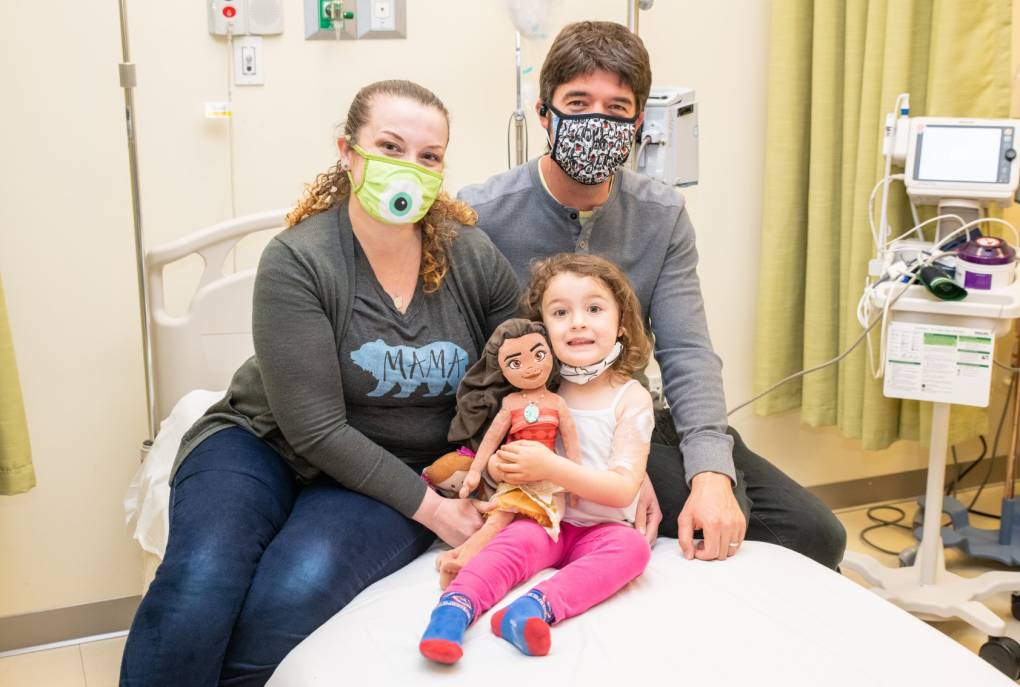
"caption": "Eloise LaCour recently received two Pfizer shots for the coronavirus vaccine. She is one of the first children in the country to be protected from the virus. ",
"description": null,
"title": "SHC_CHILD_VAX_TRAIL_054 (1)",
"credit": "Steve Fisch",
"status": "inherit",
"altTag": "Eloise LaCour recently received two Pfizer shots for the coronavirus vaccine. She is one of the first children in the country to be protected from the virus.",
"isLoading": false,
"fetchFailed": false
},
"science_1963082": {
"type": "attachments",
"id": "science_1963082",
"meta": {
"index": "attachments_1716263798",
"site": "science",
"id": "1963082",
"found": true
},
"parent": 0,
"imgSizes": {
"twentyfourteen-full-width": {
"file": "https://ww2.kqed.org/app/uploads/sites/35/2020/04/KQED-Coronavirus-Updates-2-1038x576.jpg",
"width": 1038,
"mimeType": "image/jpeg",
"height": 576
},
"thumbnail": {
"file": "https://ww2.kqed.org/app/uploads/sites/35/2020/04/KQED-Coronavirus-Updates-2-160x84.jpg",
"width": 160,
"mimeType": "image/jpeg",
"height": 84
},
"post-thumbnail": {
"file": "https://ww2.kqed.org/app/uploads/sites/35/2020/04/KQED-Coronavirus-Updates-2-672x372.jpg",
"width": 672,
"mimeType": "image/jpeg",
"height": 372
},
"kqedFullSize": {
"file": "https://ww2.kqed.org/app/uploads/sites/35/2020/04/KQED-Coronavirus-Updates-2.jpg",
"width": 1200,
"height": 628
},
"large": {
"file": "https://ww2.kqed.org/app/uploads/sites/35/2020/04/KQED-Coronavirus-Updates-2-1020x534.jpg",
"width": 1020,
"mimeType": "image/jpeg",
"height": 534
},
"medium": {
"file": "https://ww2.kqed.org/app/uploads/sites/35/2020/04/KQED-Coronavirus-Updates-2-800x419.jpg",
"width": 800,
"mimeType": "image/jpeg",
"height": 419
},
"medium_large": {
"file": "https://ww2.kqed.org/app/uploads/sites/35/2020/04/KQED-Coronavirus-Updates-2-768x402.jpg",
"width": 768,
"mimeType": "image/jpeg",
"height": 402
}
},
"publishDate": 1588020563,
"modified": 1596845272,
"caption": null,
"description": "coronavirus updates",
"title": "KQED-Coronavirus-Updates-2",
"credit": null,
"status": "inherit",
"isLoading": false,
"fetchFailed": false
},
"science_1973732": {
"type": "attachments",
"id": "science_1973732",
"meta": {
"index": "attachments_1716263798",
"site": "science",
"id": "1973732",
"found": true
},
"parent": 1973731,
"imgSizes": {
"twentyfourteen-full-width": {
"file": "https://ww2.kqed.org/app/uploads/sites/35/2021/04/jj-vaccine_enl-8fa0ad070db7cfd0851f479bee3cc05bcd8e0755-1038x576.jpg",
"width": 1038,
"mimeType": "image/jpeg",
"height": 576
},
"thumbnail": {
"file": "https://ww2.kqed.org/app/uploads/sites/35/2021/04/jj-vaccine_enl-8fa0ad070db7cfd0851f479bee3cc05bcd8e0755-160x107.jpg",
"width": 160,
"mimeType": "image/jpeg",
"height": 107
},
"post-thumbnail": {
"file": "https://ww2.kqed.org/app/uploads/sites/35/2021/04/jj-vaccine_enl-8fa0ad070db7cfd0851f479bee3cc05bcd8e0755-672x372.jpg",
"width": 672,
"mimeType": "image/jpeg",
"height": 372
},
"kqedFullSize": {
"file": "https://ww2.kqed.org/app/uploads/sites/35/2021/04/jj-vaccine_enl-8fa0ad070db7cfd0851f479bee3cc05bcd8e0755-e1619718205443.jpg",
"width": 1920,
"height": 1280
},
"large": {
"file": "https://ww2.kqed.org/app/uploads/sites/35/2021/04/jj-vaccine_enl-8fa0ad070db7cfd0851f479bee3cc05bcd8e0755-1020x680.jpg",
"width": 1020,
"mimeType": "image/jpeg",
"height": 680
},
"1536x1536": {
"file": "https://ww2.kqed.org/app/uploads/sites/35/2021/04/jj-vaccine_enl-8fa0ad070db7cfd0851f479bee3cc05bcd8e0755-1536x1024.jpg",
"width": 1536,
"mimeType": "image/jpeg",
"height": 1024
},
"full-width": {
"file": "https://ww2.kqed.org/app/uploads/sites/35/2021/04/jj-vaccine_enl-8fa0ad070db7cfd0851f479bee3cc05bcd8e0755-1920x1280.jpg",
"width": 1920,
"mimeType": "image/jpeg",
"height": 1280
},
"medium": {
"file": "https://ww2.kqed.org/app/uploads/sites/35/2021/04/jj-vaccine_enl-8fa0ad070db7cfd0851f479bee3cc05bcd8e0755-800x533.jpg",
"width": 800,
"mimeType": "image/jpeg",
"height": 533
},
"medium_large": {
"file": "https://ww2.kqed.org/app/uploads/sites/35/2021/04/jj-vaccine_enl-8fa0ad070db7cfd0851f479bee3cc05bcd8e0755-768x512.jpg",
"width": 768,
"mimeType": "image/jpeg",
"height": 512
}
},
"publishDate": 1618349122,
"modified": 1619720242,
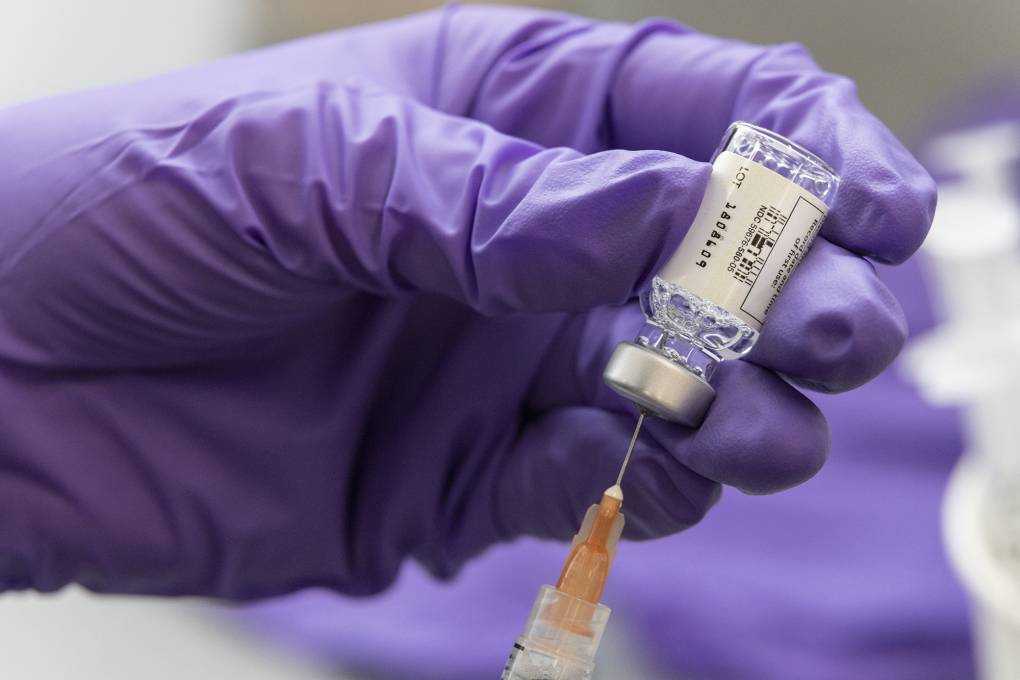
"caption": "A health care worker loads a syringe with the COVID-19 Johnson & Johnson vaccine.",
"description": "BUFFALO, WV - MARCH 26: A Premise Health healthcare worker loads a syringe with the Covid-19 Johnson & Johnson Janssen vaccine as part of a collaborative effort from the West Virginia National Guard, FamilyCare Health Centers and Toyota to vaccinate Toyota employees on March 26, 2021 in Buffalo, West Virginia. The Buffalo West Virginia plant is the second Toyota Plant to provide its workers with vaccines Covid-19 Vaccines. (Photo by Stephen Zenner/Getty Images)",
"title": "Government health officials are recommending a \"pause\" in vaccinations with the Johnson & Johnson COVID-19 vaccine.",
"credit": "Stephen Zenner/Getty Images",
"status": "inherit",
"altTag": "A gloved hand loads a syringe with the Covid-19 Johnson & Johnson vaccine.",
"isLoading": false,
"fetchFailed": false
},
"science_1974262": {
"type": "attachments",
"id": "science_1974262",
"meta": {
"index": "attachments_1716263798",
"site": "science",
"id": "1974262",
"found": true
},
"parent": 1974261,
"imgSizes": {
"twentyfourteen-full-width": {
"file": "https://ww2.kqed.org/app/uploads/sites/35/2021/04/Alex_Bevans-1038x576.jpg",
"width": 1038,
"mimeType": "image/jpeg",
"height": 576
},
"thumbnail": {
"file": "https://ww2.kqed.org/app/uploads/sites/35/2021/04/Alex_Bevans-160x120.jpg",
"width": 160,
"mimeType": "image/jpeg",
"height": 120
},
"post-thumbnail": {
"file": "https://ww2.kqed.org/app/uploads/sites/35/2021/04/Alex_Bevans-672x372.jpg",
"width": 672,
"mimeType": "image/jpeg",
"height": 372
},
"kqedFullSize": {
"file": "https://ww2.kqed.org/app/uploads/sites/35/2021/04/Alex_Bevans-scaled-e1619569643331.jpg",
"width": 1920,
"height": 1440
},
"2048x2048": {
"file": "https://ww2.kqed.org/app/uploads/sites/35/2021/04/Alex_Bevans-2048x1536.jpg",
"width": 2048,
"mimeType": "image/jpeg",
"height": 1536
},
"large": {
"file": "https://ww2.kqed.org/app/uploads/sites/35/2021/04/Alex_Bevans-1020x765.jpg",
"width": 1020,
"mimeType": "image/jpeg",
"height": 765
},
"1536x1536": {
"file": "https://ww2.kqed.org/app/uploads/sites/35/2021/04/Alex_Bevans-1536x1152.jpg",
"width": 1536,
"mimeType": "image/jpeg",
"height": 1152
},
"full-width": {
"file": "https://ww2.kqed.org/app/uploads/sites/35/2021/04/Alex_Bevans-1920x1440.jpg",
"width": 1920,
"mimeType": "image/jpeg",
"height": 1440
},
"medium": {
"file": "https://ww2.kqed.org/app/uploads/sites/35/2021/04/Alex_Bevans-800x600.jpg",
"width": 800,
"mimeType": "image/jpeg",
"height": 600
},
"medium_large": {
"file": "https://ww2.kqed.org/app/uploads/sites/35/2021/04/Alex_Bevans-768x576.jpg",
"width": 768,
"mimeType": "image/jpeg",
"height": 576
}
},
"publishDate": 1619559142,
"modified": 1619716449,
"caption": "Alex Bevans, 14 at the time, scrutinizes the ingredient list on a candy bag to see if the product uses synthetic food dyes. ",
"description": null,
"title": "Alex_Bevans",
"credit": "Photo courtesy of Rebecca Bevans",
"status": "inherit",
"altTag": null,
"isLoading": false,
"fetchFailed": false
},
"science_1974109": {
"type": "attachments",
"id": "science_1974109",
"meta": {
"index": "attachments_1716263798",
"site": "science",
"id": "1974109",
"found": true
},
"parent": 1974108,
"imgSizes": {
"twentyfourteen-full-width": {
"file": "https://ww2.kqed.org/app/uploads/sites/35/2021/04/GettyImages-1059700988-1038x576.jpg",
"width": 1038,
"mimeType": "image/jpeg",
"height": 576
},
"thumbnail": {
"file": "https://ww2.kqed.org/app/uploads/sites/35/2021/04/GettyImages-1059700988-160x107.jpg",
"width": 160,
"mimeType": "image/jpeg",
"height": 107
},
"post-thumbnail": {
"file": "https://ww2.kqed.org/app/uploads/sites/35/2021/04/GettyImages-1059700988-672x372.jpg",
"width": 672,
"mimeType": "image/jpeg",
"height": 372
},
"kqedFullSize": {
"file": "https://ww2.kqed.org/app/uploads/sites/35/2021/04/GettyImages-1059700988-scaled.jpg",
"width": 2560,
"height": 1706
},
"2048x2048": {
"file": "https://ww2.kqed.org/app/uploads/sites/35/2021/04/GettyImages-1059700988-2048x1365.jpg",
"width": 2048,
"mimeType": "image/jpeg",
"height": 1365
},
"large": {
"file": "https://ww2.kqed.org/app/uploads/sites/35/2021/04/GettyImages-1059700988-1020x680.jpg",
"width": 1020,
"mimeType": "image/jpeg",
"height": 680
},
"1536x1536": {
"file": "https://ww2.kqed.org/app/uploads/sites/35/2021/04/GettyImages-1059700988-1536x1024.jpg",
"width": 1536,
"mimeType": "image/jpeg",
"height": 1024
},
"full-width": {
"file": "https://ww2.kqed.org/app/uploads/sites/35/2021/04/GettyImages-1059700988-1920x1280.jpg",
"width": 1920,
"mimeType": "image/jpeg",
"height": 1280
},
"medium": {
"file": "https://ww2.kqed.org/app/uploads/sites/35/2021/04/GettyImages-1059700988-800x533.jpg",
"width": 800,
"mimeType": "image/jpeg",
"height": 533
},
"medium_large": {
"file": "https://ww2.kqed.org/app/uploads/sites/35/2021/04/GettyImages-1059700988-768x512.jpg",
"width": 768,
"mimeType": "image/jpeg",
"height": 512
}
},
"publishDate": 1619100728,
"modified": 1619100780,
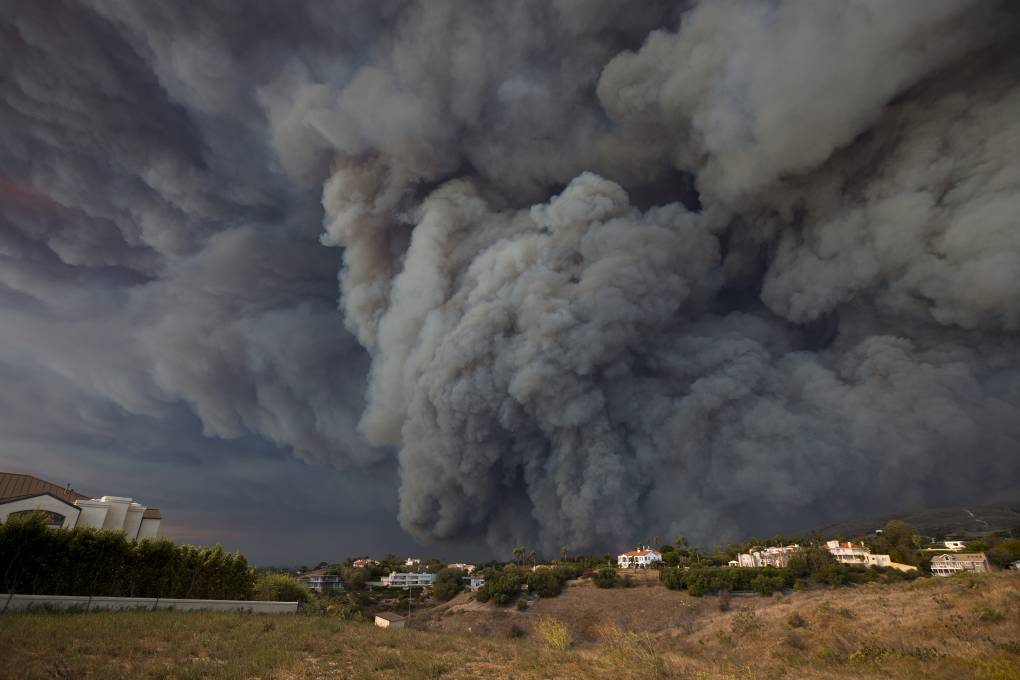
"caption": "A massive smoke plume, powered by strong winds, rises above the the Woolsey Fire on November 9, 2018 in Malibu, California. ",
"description": null,
"title": "Fast-Spreading Hill and Woolsey Fires Force Evacuations In California's Ventura County",
"credit": "David McNew/Getty Images",
"status": "inherit",
"altTag": null,
"isLoading": false,
"fetchFailed": false
},
"science_1973761": {
"type": "attachments",
"id": "science_1973761",
"meta": {
"index": "attachments_1716263798",
"site": "science",
"id": "1973761",
"found": true
},
"parent": 1973744,
"imgSizes": {
"twentyfourteen-full-width": {
"file": "https://ww2.kqed.org/app/uploads/sites/35/2021/04/DEEP_808_The_Undying_Hydra_A_Freshwater_Mini-Monster_That_Defies_Aging_KQED-1038x576.jpg",
"width": 1038,
"mimeType": "image/jpeg",
"height": 576
},
"thumbnail": {
"file": "https://ww2.kqed.org/app/uploads/sites/35/2021/04/DEEP_808_The_Undying_Hydra_A_Freshwater_Mini-Monster_That_Defies_Aging_KQED-160x90.jpg",
"width": 160,
"mimeType": "image/jpeg",
"height": 90
},
"post-thumbnail": {
"file": "https://ww2.kqed.org/app/uploads/sites/35/2021/04/DEEP_808_The_Undying_Hydra_A_Freshwater_Mini-Monster_That_Defies_Aging_KQED-672x372.jpg",
"width": 672,
"mimeType": "image/jpeg",
"height": 372
},
"kqedFullSize": {
"file": "https://ww2.kqed.org/app/uploads/sites/35/2021/04/DEEP_808_The_Undying_Hydra_A_Freshwater_Mini-Monster_That_Defies_Aging_KQED.jpg",
"width": 1920,
"height": 1080
},
"large": {
"file": "https://ww2.kqed.org/app/uploads/sites/35/2021/04/DEEP_808_The_Undying_Hydra_A_Freshwater_Mini-Monster_That_Defies_Aging_KQED-1020x574.jpg",
"width": 1020,
"mimeType": "image/jpeg",
"height": 574
},
"1536x1536": {
"file": "https://ww2.kqed.org/app/uploads/sites/35/2021/04/DEEP_808_The_Undying_Hydra_A_Freshwater_Mini-Monster_That_Defies_Aging_KQED-1536x864.jpg",
"width": 1536,
"mimeType": "image/jpeg",
"height": 864
},
"medium": {
"file": "https://ww2.kqed.org/app/uploads/sites/35/2021/04/DEEP_808_The_Undying_Hydra_A_Freshwater_Mini-Monster_That_Defies_Aging_KQED-800x450.jpg",
"width": 800,
"mimeType": "image/jpeg",
"height": 450
},
"medium_large": {
"file": "https://ww2.kqed.org/app/uploads/sites/35/2021/04/DEEP_808_The_Undying_Hydra_A_Freshwater_Mini-Monster_That_Defies_Aging_KQED-768x432.jpg",
"width": 768,
"mimeType": "image/jpeg",
"height": 432
}
},
"publishDate": 1618464768,
"modified": 1618464795,
"caption": "Hydra vulgaris",
"description": null,
"title": "DEEP_808_The_Undying_Hydra_A_Freshwater_Mini-Monster_That_Defies_Aging_KQED",
"credit": "Josh Cassidy/KQED",
"status": "inherit",
"altTag": null,
"isLoading": false,
"fetchFailed": false
},
"science_1973692": {
"type": "attachments",
"id": "science_1973692",
"meta": {
"index": "attachments_1716263798",
"site": "science",
"id": "1973692",
"found": true
},
"parent": 1973691,
"imgSizes": {
"twentyfourteen-full-width": {
"file": "https://ww2.kqed.org/app/uploads/sites/35/2021/04/EL_Coronavirus_006-1600x900-1-1038x576.jpeg",
"width": 1038,
"mimeType": "image/jpeg",
"height": 576
},
"thumbnail": {
"file": "https://ww2.kqed.org/app/uploads/sites/35/2021/04/EL_Coronavirus_006-1600x900-1-160x90.jpeg",
"width": 160,
"mimeType": "image/jpeg",
"height": 90
},
"post-thumbnail": {
"file": "https://ww2.kqed.org/app/uploads/sites/35/2021/04/EL_Coronavirus_006-1600x900-1-672x372.jpeg",
"width": 672,
"mimeType": "image/jpeg",
"height": 372
},
"kqedFullSize": {
"file": "https://ww2.kqed.org/app/uploads/sites/35/2021/04/EL_Coronavirus_006-1600x900-1.jpeg",
"width": 1600,
"height": 900
},
"large": {
"file": "https://ww2.kqed.org/app/uploads/sites/35/2021/04/EL_Coronavirus_006-1600x900-1-1020x574.jpeg",
"width": 1020,
"mimeType": "image/jpeg",
"height": 574
},
"1536x1536": {
"file": "https://ww2.kqed.org/app/uploads/sites/35/2021/04/EL_Coronavirus_006-1600x900-1-1536x864.jpeg",
"width": 1536,
"mimeType": "image/jpeg",
"height": 864
},
"medium": {
"file": "https://ww2.kqed.org/app/uploads/sites/35/2021/04/EL_Coronavirus_006-1600x900-1-800x450.jpeg",
"width": 800,
"mimeType": "image/jpeg",
"height": 450
},
"medium_large": {
"file": "https://ww2.kqed.org/app/uploads/sites/35/2021/04/EL_Coronavirus_006-1600x900-1-768x432.jpeg",
"width": 768,
"mimeType": "image/jpeg",
"height": 432
}
},
"publishDate": 1618259970,
"modified": 1618266844,
"caption": null,
"description": null,
"title": "EL_Coronavirus_006-1600x900",
"credit": "Erica Yoon/STAT",
"status": "inherit",
"altTag": null,
"isLoading": false,
"fetchFailed": false
},
"science_1973664": {
"type": "attachments",
"id": "science_1973664",
"meta": {
"index": "attachments_1716263798",
"site": "science",
"id": "1973664",
"found": true
},
"parent": 1973653,
"imgSizes": {
"twentyfourteen-full-width": {
"file": "https://ww2.kqed.org/app/uploads/sites/35/2021/04/RS48432_GettyImages-1231914801-qut-1038x576.jpg",
"width": 1038,
"mimeType": "image/jpeg",
"height": 576
},
"thumbnail": {
"file": "https://ww2.kqed.org/app/uploads/sites/35/2021/04/RS48432_GettyImages-1231914801-qut-160x104.jpg",
"width": 160,
"mimeType": "image/jpeg",
"height": 104
},
"post-thumbnail": {
"file": "https://ww2.kqed.org/app/uploads/sites/35/2021/04/RS48432_GettyImages-1231914801-qut-672x372.jpg",
"width": 672,
"mimeType": "image/jpeg",
"height": 372
},
"kqedFullSize": {
"file": "https://ww2.kqed.org/app/uploads/sites/35/2021/04/RS48432_GettyImages-1231914801-qut.jpg",
"width": 1920,
"height": 1242
},
"large": {
"file": "https://ww2.kqed.org/app/uploads/sites/35/2021/04/RS48432_GettyImages-1231914801-qut-1020x660.jpg",
"width": 1020,
"mimeType": "image/jpeg",
"height": 660
},
"1536x1536": {
"file": "https://ww2.kqed.org/app/uploads/sites/35/2021/04/RS48432_GettyImages-1231914801-qut-1536x994.jpg",
"width": 1536,
"mimeType": "image/jpeg",
"height": 994
},
"medium": {
"file": "https://ww2.kqed.org/app/uploads/sites/35/2021/04/RS48432_GettyImages-1231914801-qut-800x518.jpg",
"width": 800,
"mimeType": "image/jpeg",
"height": 518
},
"medium_large": {
"file": "https://ww2.kqed.org/app/uploads/sites/35/2021/04/RS48432_GettyImages-1231914801-qut-768x497.jpg",
"width": 768,
"mimeType": "image/jpeg",
"height": 497
}
},
"publishDate": 1617992920,
"modified": 1617996661,
"caption": "Arsenio Hall, left, shows off his muscles to Magic Johnson before they both get a vaccine shot as Los Angeles Mayor Eric Garcetti looks on from the rooftop of parking structure at USC as a part of a vaccination awareness event at the university on March 24, 2021. Hall received the Johnson & Johnson vaccine. Johnson received the Pfizer-BioNTech vaccine.",
"description": "Arsenio Hall shows off his muscles to Magic Johnson before they both get a vaccine as Los Angeles Mayor Eric Garcetti looks on from the rooftop of parking structure at USC as a part of a vaccination awareness event at the university on March 24, 2021. Hall received the Johnson & Johnson vaccine. Johnson received the Pfizer-BioNTech vaccine.",
"title": "Mayor Eric Garcetti Joins Magic Johnson, Arsenio Hall And Danny Trejo As They Receive COVID-19 Vaccine And Discuss Vaccine Equity",
"credit": "Gina Ferazzi - Pool/Getty Images",
"status": "inherit",
"altTag": "Arsenio Hall shows off his muscles to Magic Johnson before they both get a vaccine as Los Angeles Mayor Eric Garcetti looks on from the rooftop of parking structure at USC as a part of a vaccination awareness event at the university on March 24, 2021. Hall received the Johnson & Johnson vaccine. Johnson received the Pfizer-BioNTech vaccine.",
"isLoading": false,
"fetchFailed": false
},
"science_1973610": {
"type": "attachments",
"id": "science_1973610",
"meta": {
"index": "attachments_1716263798",
"site": "science",
"id": "1973610",
"found": true
},
"parent": 1973591,
"imgSizes": {
"twentyfourteen-full-width": {
"file": "https://ww2.kqed.org/app/uploads/sites/35/2021/04/medical-team-wearing-face-masks-illustration-1920x1090-1-1038x576.jpg",
"width": 1038,
"mimeType": "image/jpeg",
"height": 576
},
"thumbnail": {
"file": "https://ww2.kqed.org/app/uploads/sites/35/2021/04/medical-team-wearing-face-masks-illustration-1920x1090-1-160x90.jpg",
"width": 160,
"mimeType": "image/jpeg",
"height": 90
},
"post-thumbnail": {
"file": "https://ww2.kqed.org/app/uploads/sites/35/2021/04/medical-team-wearing-face-masks-illustration-1920x1090-1-672x372.jpg",
"width": 672,
"mimeType": "image/jpeg",
"height": 372
},
"kqedFullSize": {
"file": "https://ww2.kqed.org/app/uploads/sites/35/2021/04/medical-team-wearing-face-masks-illustration-1920x1090-1.jpg",
"width": 1920,
"height": 1080
},
"large": {
"file": "https://ww2.kqed.org/app/uploads/sites/35/2021/04/medical-team-wearing-face-masks-illustration-1920x1090-1-1020x574.jpg",
"width": 1020,
"mimeType": "image/jpeg",
"height": 574
},
"1536x1536": {
"file": "https://ww2.kqed.org/app/uploads/sites/35/2021/04/medical-team-wearing-face-masks-illustration-1920x1090-1-1536x864.jpg",
"width": 1536,
"mimeType": "image/jpeg",
"height": 864
},
"medium": {
"file": "https://ww2.kqed.org/app/uploads/sites/35/2021/04/medical-team-wearing-face-masks-illustration-1920x1090-1-800x450.jpg",
"width": 800,
"mimeType": "image/jpeg",
"height": 450
},
"medium_large": {
"file": "https://ww2.kqed.org/app/uploads/sites/35/2021/04/medical-team-wearing-face-masks-illustration-1920x1090-1-768x432.jpg",
"width": 768,
"mimeType": "image/jpeg",
"height": 432
}
},
"publishDate": 1617824651,
"modified": 1617825146,
"caption": "The Journal of the American Medical Association's coverage of race and medicine is being criticized after a podcast host questioned whether racism exists in medicine. ",
"description": null,
"title": "medical-team-wearing-face-masks-illustration 1920x1090",
"credit": "Illustration: Getty Images",
"status": "inherit",
"altTag": "an illustration of a group of doctors with face masks standing with their arms crossed, looking forward",
"isLoading": false,
"fetchFailed": false
},
"science_1956032": {
"type": "attachments",
"id": "science_1956032",
"meta": {
"index": "attachments_1716263798",
"site": "science",
"id": "1956032",
"found": true
},
"parent": 1956030,
"imgSizes": {
"twentyfourteen-full-width": {
"file": "https://ww2.kqed.org/app/uploads/sites/35/2020/01/IMG_3599-1038x576.jpg",
"width": 1038,
"mimeType": "image/jpeg",
"height": 576
},
"thumbnail": {
"file": "https://ww2.kqed.org/app/uploads/sites/35/2020/01/IMG_3599-160x120.jpg",
"width": 160,
"mimeType": "image/jpeg",
"height": 120
},
"post-thumbnail": {
"file": "https://ww2.kqed.org/app/uploads/sites/35/2020/01/IMG_3599-672x372.jpg",
"width": 672,
"mimeType": "image/jpeg",
"height": 372
},
"kqedFullSize": {
"file": "https://ww2.kqed.org/app/uploads/sites/35/2020/01/IMG_3599-e1579739212230.jpg",
"width": 1920,
"height": 1440
},
"large": {
"file": "https://ww2.kqed.org/app/uploads/sites/35/2020/01/IMG_3599-1020x765.jpg",
"width": 1020,
"mimeType": "image/jpeg",
"height": 765
},
"complete_open_graph": {
"file": "https://ww2.kqed.org/app/uploads/sites/35/2020/01/IMG_3599-1200x900.jpg",
"width": 1200,
"mimeType": "image/jpeg",
"height": 900
},
"full-width": {
"file": "https://ww2.kqed.org/app/uploads/sites/35/2020/01/IMG_3599-1920x1440.jpg",
"width": 1920,
"mimeType": "image/jpeg",
"height": 1440
},
"medium": {
"file": "https://ww2.kqed.org/app/uploads/sites/35/2020/01/IMG_3599-800x600.jpg",
"width": 800,
"mimeType": "image/jpeg",
"height": 600
},
"medium_large": {
"file": "https://ww2.kqed.org/app/uploads/sites/35/2020/01/IMG_3599-768x576.jpg",
"width": 768,
"mimeType": "image/jpeg",
"height": 576
}
},
"publishDate": 1579739158,
"modified": 1617315232,
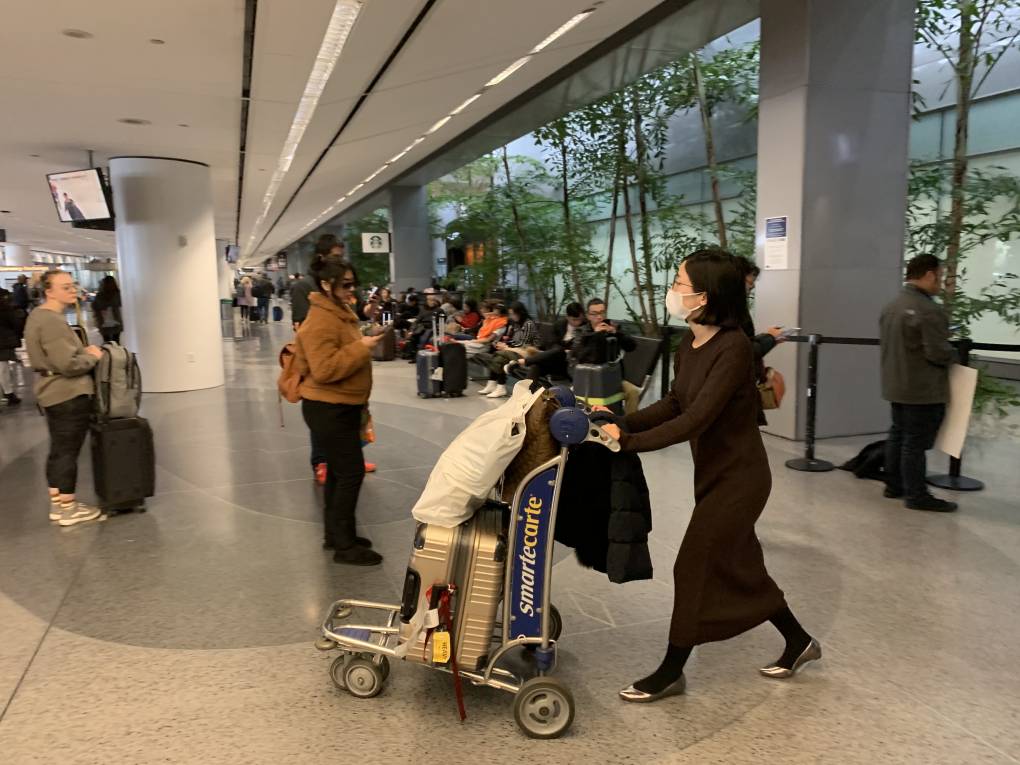
"caption": "A woman arrives at San Francisco International Airport from Wuhan, China, on Jan. 21, 2020.",
"description": null,
"title": "IMG_3599",
"credit": "Lesley McClurg/ KQED",
"status": "inherit",
"altTag": null,
"isLoading": false,
"fetchFailed": false
},
"science_1973324": {
"type": "attachments",
"id": "science_1973324",
"meta": {
"index": "attachments_1716263798",
"site": "science",
"id": "1973324",
"found": true
},
"parent": 1973320,
"imgSizes": {
"twentyfourteen-full-width": {
"file": "https://ww2.kqed.org/app/uploads/sites/35/2021/03/RS47879_GettyImages-1307489157-qut-1038x576.jpg",
"width": 1038,
"mimeType": "image/jpeg",
"height": 576
},
"thumbnail": {
"file": "https://ww2.kqed.org/app/uploads/sites/35/2021/03/RS47879_GettyImages-1307489157-qut-160x107.jpg",
"width": 160,
"mimeType": "image/jpeg",
"height": 107
},
"post-thumbnail": {
"file": "https://ww2.kqed.org/app/uploads/sites/35/2021/03/RS47879_GettyImages-1307489157-qut-672x372.jpg",
"width": 672,
"mimeType": "image/jpeg",
"height": 372
},
"kqedFullSize": {
"file": "https://ww2.kqed.org/app/uploads/sites/35/2021/03/RS47879_GettyImages-1307489157-qut.jpg",
"width": 1920,
"height": 1280
},
"large": {
"file": "https://ww2.kqed.org/app/uploads/sites/35/2021/03/RS47879_GettyImages-1307489157-qut-1020x680.jpg",
"width": 1020,
"mimeType": "image/jpeg",
"height": 680
},
"1536x1536": {
"file": "https://ww2.kqed.org/app/uploads/sites/35/2021/03/RS47879_GettyImages-1307489157-qut-1536x1024.jpg",
"width": 1536,
"mimeType": "image/jpeg",
"height": 1024
},
"medium": {
"file": "https://ww2.kqed.org/app/uploads/sites/35/2021/03/RS47879_GettyImages-1307489157-qut-800x533.jpg",
"width": 800,
"mimeType": "image/jpeg",
"height": 533
},
"medium_large": {
"file": "https://ww2.kqed.org/app/uploads/sites/35/2021/03/RS47879_GettyImages-1307489157-qut-768x512.jpg",
"width": 768,
"mimeType": "image/jpeg",
"height": 512
}
},
"publishDate": 1616440413,
"modified": 1616708322,
"caption": "California Gov. Gavin Newsom looks on during a news conference after he toured the newly reopened Ruby Bridges Elementary School on March 16, 2021, in Alameda, California. ",
"description": null,
"title": "Governor Gavin Newsom Visits School To Highlight State's Reopening Efforts",
"credit": "Justin Sullivan/Getty Images",
"status": "inherit",
"altTag": null,
"isLoading": false,
"fetchFailed": false
}
},
"audioPlayerReducer": {
"postId": "stream_live",
"isPaused": true,
"isPlaying": false,
"pfsActive": false,
"pledgeModalIsOpen": true,
"playerDrawerIsOpen": false,
"liveAudioPlayStartedAt": 0,
"liveAudioPlayContext": ""
},
"authorsReducer": {
"byline_science_1974662": {
"type": "authors",
"id": "byline_science_1974662",
"meta": {
"override": true
},
"slug": "byline_science_1974662",
"name": "Bill Chappell\u003cbr />NPR",
"isLoading": false
},
"byline_science_1973691": {
"type": "authors",
"id": "byline_science_1973691",
"meta": {
"override": true
},
"slug": "byline_science_1973691",
"name": "Matthew Herper \u003cbr /> STAT \u003cbr>",
"isLoading": false
},
"byline_science_1973591": {
"type": "authors",
"id": "byline_science_1973591",
"meta": {
"override": true
},
"slug": "byline_science_1973591",
"name": "Usha Lee McFarling\u003c/br> STAT News",
"isLoading": false
},
"byline_science_1973320": {
"type": "authors",
"id": "byline_science_1973320",
"meta": {
"override": true
},
"slug": "byline_science_1973320",
"name": "Samantha Young and Angela Hart \u003cbr />Kaiser Health News\u003cbr>",
"isLoading": false
},
"jbrooks": {
"type": "authors",
"id": "80",
"meta": {
"index": "authors_1716337520",
"id": "80",
"found": true
},
"name": "Jon Brooks",
"firstName": "Jon",
"lastName": "Brooks",
"slug": "jbrooks",
"email": "jbrooks@kqed.org",
"display_author_email": true,
"staff_mastheads": [
"science"
],
"title": "Digital Editor",
"bio": "Jon Brooks is a former Digital Editor for KQED Science. He is the former editor of KQED’s daily news blog, News Fix. In 2014, he won a California Journalism Award for his coverage of ride services like Uber and Lyft and the taxi industry. A veteran blogger, he previously worked for Yahoo! in various news writing and editing roles. Jon is also a playwright whose work has been produced in San Francisco, New York, Italy, and around the U.S. He has written about film for his own blog and studied film at Boston University.",
"avatar": "https://secure.gravatar.com/avatar/98887f7ed1c876ed414d4c915e969584?s=600&d=blank&r=g",
"twitter": "jbrooksfoy",
"facebook": null,
"instagram": null,
"linkedin": null,
"sites": [
{
"site": "arts",
"roles": [
"Contributor",
"editor"
]
},
{
"site": "news",
"roles": [
"author"
]
},
{
"site": "futureofyou",
"roles": [
"administrator"
]
},
{
"site": "mindshift",
"roles": [
"editor"
]
},
{
"site": "stateofhealth",
"roles": [
"editor"
]
},
{
"site": "science",
"roles": [
"administrator"
]
},
{
"site": "quest",
"roles": [
"editor"
]
}
],
"headData": {
"title": "Jon Brooks | KQED",
"description": "Digital Editor",
"ogImgSrc": "https://secure.gravatar.com/avatar/98887f7ed1c876ed414d4c915e969584?s=600&d=blank&r=g",
"twImgSrc": "https://secure.gravatar.com/avatar/98887f7ed1c876ed414d4c915e969584?s=600&d=blank&r=g"
},
"isLoading": false,
"link": "/author/jbrooks"
},
"katsnow": {
"type": "authors",
"id": "235",
"meta": {
"index": "authors_1716337520",
"id": "235",
"found": true
},
"name": "Katrin Snow",
"firstName": "Katrin",
"lastName": "Snow",
"slug": "katsnow",
"email": "ksnow@kqed.org",
"display_author_email": true,
"staff_mastheads": [
"science"
],
"title": "Senior Editor",
"bio": "Kat started in radio in 1985 at KMUN in Astoria, Oregon, where the Columbia River meets the sea. She worked several years protecting monarch butterfly habitat in California with the Xerces Society, an invertebrate conservation organization, before a love for radio news drew her back into journalism. Kat came to KQED in 2002, and before that was a reporter and news director at KUER in Salt Lake City, covering the state legislature, the environment and health. Kat coaches reporters and others in embodied narration and public speaking. She is a certified teacher of Soul Motion®, a conscious dance practice, and can sometimes be found in the Mojave desert or the Eastern Sierra.",
"avatar": "https://secure.gravatar.com/avatar/fa6bf8a74a2692973a5484e64ebd2b52?s=600&d=blank&r=g",
"twitter": "cosmologicalkat",
"facebook": null,
"instagram": null,
"linkedin": null,
"sites": [
{
"site": "arts",
"roles": [
"contributor"
]
},
{
"site": "news",
"roles": [
"editor"
]
},
{
"site": "futureofyou",
"roles": [
"editor"
]
},
{
"site": "science",
"roles": [
"editor"
]
}
],
"headData": {
"title": "Katrin Snow | KQED",
"description": "Senior Editor",
"ogImgSrc": "https://secure.gravatar.com/avatar/fa6bf8a74a2692973a5484e64ebd2b52?s=600&d=blank&r=g",
"twImgSrc": "https://secure.gravatar.com/avatar/fa6bf8a74a2692973a5484e64ebd2b52?s=600&d=blank&r=g"
},
"isLoading": false,
"link": "/author/katsnow"
},
"joshua-cassidy": {
"type": "authors",
"id": "6219",
"meta": {
"index": "authors_1716337520",
"id": "6219",
"found": true
},
"name": "Josh Cassidy",
"firstName": "Josh",
"lastName": "Cassidy",
"slug": "joshua-cassidy",
"email": "jcassidy@kqed.org",
"display_author_email": false,
"staff_mastheads": [
"science"
],
"title": "Digital Video Producer",
"bio": "Josh is a Senior Video Producer for KQED Science, and the Lead Producer and Cinematographer for Deep Look. After receiving his BS in Wildlife Biology from Ohio University, he went on to participate in marine mammal research for NOAA, USGS and the Intersea Foundation. He also served as the president of The Pacific Cetacean Group, a nonprofit organization dedicated to teaching students K-6 about whales. Josh studied science and natural history filmmaking at San Francisco State University and Montana State University.",
"avatar": "https://secure.gravatar.com/avatar/f2582a0801a35af53b734d56bcac2bbe?s=600&d=blank&r=g",
"twitter": null,
"facebook": null,
"instagram": null,
"linkedin": null,
"sites": [
{
"site": "science",
"roles": [
"editor"
]
},
{
"site": "quest",
"roles": [
"author",
"edit_others_posts"
]
}
],
"headData": {
"title": "Josh Cassidy | KQED",
"description": "Digital Video Producer",
"ogImgSrc": "https://secure.gravatar.com/avatar/f2582a0801a35af53b734d56bcac2bbe?s=600&d=blank&r=g",
"twImgSrc": "https://secure.gravatar.com/avatar/f2582a0801a35af53b734d56bcac2bbe?s=600&d=blank&r=g"
},
"isLoading": false,
"link": "/author/joshua-cassidy"
},
"lesleymcclurg": {
"type": "authors",
"id": "11229",
"meta": {
"index": "authors_1716337520",
"id": "11229",
"found": true
},
"name": "Lesley McClurg",
"firstName": "Lesley",
"lastName": "McClurg",
"slug": "lesleymcclurg",
"email": "lmcclurg@KQED.org",
"display_author_email": false,
"staff_mastheads": [
"news",
"science"
],
"title": "KQED Health Correspondent",
"bio": "Lesley McClurg is a health correspondent and fill-in host whose work is regularly rebroadcast on NPR and PBS programs. She’s earned multiple regional Emmy awards, a national and a regional Edward R. Murrow award, and was named Best Beat Reporter by the Association of Health Care Journalists. The Society of Professional Journalists has recognized her work several times, and the Society of Environmental Journalists spotlighted her coverage of California’s historic drought.\r\n\r\nBefore joining KQED in 2016, Lesley covered food and sustainability for Capital Public Radio, environmental issues for Colorado Public Radio, and reported for KUOW and KCTS 9 in Seattle. Away from the newsroom, she loves skiing with her daughter, mountain biking with her partner, and playing with Ollie, the family’s goldendoodle. On deadline, she runs almost entirely on chocolate chips.\r\n\r\n ",
"avatar": "https://secure.gravatar.com/avatar/bab49e972ea10c774fe0f5e29dba1722b158f7c0d58a360923d1389d380b2978?s=600&d=blank&r=g",
"twitter": "lesleywmcclurg",
"bluesky": null,
"facebook": null,
"instagram": null,
"linkedin": null,
"sites": [
{
"site": "arts",
"roles": [
"author"
]
},
{
"site": "news",
"roles": [
"editor"
]
},
{
"site": "futureofyou",
"roles": [
"editor"
]
},
{
"site": "stateofhealth",
"roles": [
"author"
]
},
{
"site": "science",
"roles": [
"editor"
]
},
{
"site": "quest",
"roles": [
"subscriber"
]
},
{
"site": "forum",
"roles": [
"administrator"
]
},
{
"site": "liveblog",
"roles": [
"author"
]
}
],
"headData": {
"title": "Lesley McClurg | KQED",
"description": "KQED Health Correspondent",
"ogImgSrc": "https://secure.gravatar.com/avatar/bab49e972ea10c774fe0f5e29dba1722b158f7c0d58a360923d1389d380b2978?s=600&d=blank&r=g",
"twImgSrc": "https://secure.gravatar.com/avatar/bab49e972ea10c774fe0f5e29dba1722b158f7c0d58a360923d1389d380b2978?s=600&d=blank&r=g"
},
"isLoading": false,
"link": "/author/lesleymcclurg"
},
"parcuni": {
"type": "authors",
"id": "11368",
"meta": {
"index": "authors_1716337520",
"id": "11368",
"found": true
},
"name": "Peter Arcuni",
"firstName": "Peter",
"lastName": "Arcuni",
"slug": "parcuni",
"email": "parcuni@KQED.org",
"display_author_email": false,
"staff_mastheads": [
"science"
],
"title": "Reporter",
"bio": "Peter reports radio and online stories for \u003cem>KQED Science\u003c/em>. His work has also appeared on the \u003cem>The California Report\u003c/em> morning show and \u003cem>KQED News\u003c/em>. His production credits include \u003cem>The California Report, The California Report Magazine\u003c/em> and KQED's local news podcast \u003cem>The Bay\u003c/em>. Other credits include NPR's \u003cem>All Things Considered\u003c/em>, WNYC's \u003cem>Science Friday\u003c/em>, WBUR's \u003cem>Here & Now\u003c/em>, WIRED and SFGate. Peter graduated from Brown University and earned a master's degree in journalism from Stanford. He's covered everything from homelessness to wildfires, health, the environment, arts and Thanksgiving in San Quentin prison. In other lives, he played rock n roll music and studied neuroscience. You can email him at: parcuni@kqed.org",
"avatar": "https://secure.gravatar.com/avatar/d5032f6f27199d478af34ad2e1d98732?s=600&d=blank&r=g",
"twitter": "peterarcuni",
"facebook": null,
"instagram": null,
"linkedin": null,
"sites": [
{
"site": "news",
"roles": [
"editor"
]
},
{
"site": "science",
"roles": [
"editor"
]
}
],
"headData": {
"title": "Peter Arcuni | KQED",
"description": "Reporter",
"ogImgSrc": "https://secure.gravatar.com/avatar/d5032f6f27199d478af34ad2e1d98732?s=600&d=blank&r=g",
"twImgSrc": "https://secure.gravatar.com/avatar/d5032f6f27199d478af34ad2e1d98732?s=600&d=blank&r=g"
},
"isLoading": false,
"link": "/author/parcuni"
},
"rdillon": {
"type": "authors",
"id": "11495",
"meta": {
"index": "authors_1716337520",
"id": "11495",
"found": true
},
"name": "Raquel Maria Dillon",
"firstName": "Raquel Maria",
"lastName": "Dillon",
"slug": "rdillon",
"email": "rdillon@kqed.org",
"display_author_email": false,
"staff_mastheads": [],
"title": null,
"bio": "Raquel Maria Dillon was a reporter and host for KQED News. Previously, she produced the daily statewide California Report, edited newscasts, and covered health and education stories. Before returning to the Bay Area in 2016, she worked in Los Angeles as a wire reporter and one-woman-band video journalist for the Associated Press, where she shot, edited and reported breaking news and features across the West. Her work has appeared online and in print around the globe, and also on NPR’s Morning Edition, All Things Considered, Here and Now, Marketplace, On The Media, and Studio 360. She previously edited and mentored up-and-coming reporters at KALW, produced social videos for Timeline.com, and was a local TV news videographer for KTVU and digital producer for KNTV. She got her start as a Radio News Trainee at KQED, produced a weekly public affairs roundtable show for OPB, and covered health and politics at New Hampshire Public Radio. She has a BA in political science from Barnard College and a MA in video journalism from UC Berkeley, where she was awarded the Faith Fancher Scholarship and a Student Emmy. She has received numerous local awards from the Associated Press and the Society of Professional Journalists.",
"avatar": "https://secure.gravatar.com/avatar/b8e02ae982913d0950df605910267c1b?s=600&d=blank&r=g",
"twitter": "RaquelMDillon",
"facebook": null,
"instagram": null,
"linkedin": null,
"sites": [
{
"site": "news",
"roles": [
"subscriber"
]
},
{
"site": "stateofhealth",
"roles": [
"editor"
]
},
{
"site": "science",
"roles": [
"editor"
]
},
{
"site": "forum",
"roles": [
"editor"
]
}
],
"headData": {
"title": "Raquel Maria Dillon | KQED",
"description": null,
"ogImgSrc": "https://secure.gravatar.com/avatar/b8e02ae982913d0950df605910267c1b?s=600&d=blank&r=g",
"twImgSrc": "https://secure.gravatar.com/avatar/b8e02ae982913d0950df605910267c1b?s=600&d=blank&r=g"
},
"isLoading": false,
"link": "/author/rdillon"
}
},
"pagesReducer": {
"science_category_health": {
"type": "terms",
"id": "science_39",
"meta": {
"index": "terms_1716263798",
"site": "science",
"id": "39",
"score": 10.889519
},
"featImg": null,
"name": "Health",
"description": null,
"taxonomy": "category",
"headData": {
"twImgId": null,
"twTitle": null,
"ogTitle": null,
"ogImgId": null,
"twDescription": null,
"description": null,
"title": "Health Archives | KQED Science",
"ogDescription": null
},
"ttid": 41,
"slug": "health",
"isLoading": false,
"title": "Health",
"pageMeta": {
"site": "science",
"WpPageTemplate": "page-topic-editorial",
"currentPage": 13
},
"blocks": [
{
"blockName": "kqed/post-list",
"attrs": {
"layout": "cardArticle2",
"query": "posts/science?category=health",
"seeMore": false,
"paginated": true,
"page": 13
}
},
{
"blockName": "kqed/ad"
}
]
}
},
"pfsSessionReducer": {},
"postsReducer": {
"stream_live": {
"type": "live",
"id": "stream_live",
"audioUrl": "https://streams.kqed.org/kqedradio",
"title": "Live Stream",
"excerpt": "Live Stream information currently unavailable.",
"link": "/radio",
"featImg": "",
"label": {
"name": "KQED Live",
"link": "/"
}
},
"stream_kqedNewscast": {
"type": "posts",
"id": "stream_kqedNewscast",
"audioUrl": "https://www.kqed.org/.stream/anon/radio/RDnews/newscast.mp3?_=1",
"title": "KQED Newscast",
"featImg": "",
"label": {
"name": "88.5 FM",
"link": "/"
}
},
"science_1974662": {
"type": "posts",
"id": "science_1974662",
"meta": {
"index": "posts_1716263798",
"site": "science",
"id": "1974662",
"score": null,
"sort": [
1620684163000
]
},
"parent": 0,
"labelTerm": {},
"blocks": [],
"publishDate": 1620684163,
"format": "standard",
"title": "FDA OKs Pfizer COVID-19 Vaccine For Ages 12-15",
"headTitle": "FDA OKs Pfizer COVID-19 Vaccine For Ages 12-15 | KQED",
"content": "\u003cp>The Food and Drug Administration says children 12 to 15 years old are now eligible to receive a key COVID-19 vaccine, as the agency on Monday \u003ca href=\"https://www.fda.gov/news-events/press-announcements/coronavirus-covid-19-update-fda-authorizes-pfizer-biontech-covid-19-vaccine-emergency-use\">expanded its emergency use authorization\u003c/a> for the Pfizer/BioNTech vaccine.\u003c/p>\n\u003cp>Dr. Janet Woodcock, the acting FDA commissioner, said the expansion “brings us closer to returning to a sense of normalcy.”\u003c/p>\n\u003cp>“Parents and guardians can rest assured that the agency undertook a rigorous and thorough review of all available data, as we have with all of our COVID-19 vaccine emergency use authorizations,” Woodcock said.\u003c/p>\n\u003cp>Until now, the Pfizer vaccine had been authorized only for people age 16 and older. Pfizer asked the FDA to broaden its emergency use authorization for the vaccine after \u003ca href=\"https://www.npr.org/sections/coronavirus-live-updates/2021/03/31/982983455/pfizer-says-covid-19-vaccine-shows-100-efficacy-in-adolescents\">announcing in late March\u003c/a> that clinical trials found “100% efficacy and robust antibody responses” in study participants who were 12 to 15 years old.\u003c/p>\n\u003cp>The FDA first granted Pfizer’s request for an emergency use authorization, or EUA, for its COVID-19 vaccine \u003ca href=\"https://www.npr.org/sections/coronavirus-live-updates/2020/12/11/945366548/fda-authorizes-covid-19-vaccine-for-emergency-use-in-u-s\">in December\u003c/a>. It got federal approval to include children as young as 12 years old in its vaccine trial \u003ca href=\"https://www.npr.org/sections/health-shots/2020/10/13/923248377/will-kids-get-a-covid-19-vaccine-pfizer-to-expand-trial-to-ages-12-and-up\">last October\u003c/a>.\u003c/p>\n\u003cp>[ad fullwidth]\u003c/p>\n\u003cp>All three makers of U.S.-authorized vaccines — Pfizer, Moderna and Johnson & Johnson — are studying the safety and effectiveness of their vaccines in children, including as young as 6 months.\u003c/p>\n\u003cp>Johnson & Johnson said last week that its vaccine “will initially be tested in a small number of adolescents, which will be expanded to a larger group in a step-wise approach, if initial data shows an acceptable safety profile.”\u003c/p>\n\u003cp>Those expanded trials started last month, when J&J vaccine shots were given to teens from 16 to 17 years old. If all goes well, the trial will include kids as young as 12, \u003ca href=\"https://www.jnj.com/johnson-johnson-expands-phase-2a-clinical-trial-of-covid-19-vaccine-candidate-to-include-adolescents\">the company says\u003c/a>.\u003c/p>\n\u003cp>Moderna \u003ca href=\"https://investors.modernatx.com/news-releases/news-release-details/moderna-provides-clinical-and-supply-updates-covid-19-vaccine\">said in mid-April\u003c/a> that its vaccine study in adolescents is now fully enrolled, with around 3,000 people age 12 to 17 slated to receive doses. A second phase of the study will follow, including children who are from 6 months to 11 years old.\u003c/p>\n\u003cp>Pfizer says it won’t be ready to ask the FDA for new emergency use authorization expansions for kids younger than 12 until September. One such request would cover children from 2 to 5 years old; a second would apply to ages 5 to 11. A third request, aimed at protecting infants and toddlers, isn’t expected until the fourth quarter of this year.\u003c/p>\n\u003cp>Pfizer and BioNTech say they have the capacity to manufacture up to 2.5 billion vaccine doses in 2021, and to produce at least 3 billion doses in 2022.\u003c/p>\n\u003cp>In another move that could boost COVID-19 vaccine availability, Pfizer recently asked the FDA to approve a change that would allow its vaccine to be stored at common refrigerator temperatures of 2 to 8 degrees Celsius (roughly 36 to 46 degrees Fahrenheit) for up to four weeks. The company says it submitted data about the vaccine’s stability at those temperatures on April 30.\u003c/p>\n\u003cp>In general, Pfizer’s vaccine must be stored at ultra-cold temperatures of around -70 degrees Celsius (-94 degrees Fahrenheit). The company \u003ca href=\"https://www.npr.org/sections/goatsandsoda/2021/02/24/965835993/what-is-a-cold-chain-and-why-do-so-many-vaccines-need-it\">loosened that requirement\u003c/a> a bit in February, however, saying the shots, which use messenger RNA, could safely be kept at typical home freezer temperatures, -25 to -15 degrees Celsius (-13 to 5 degrees Fahrenheit), for up to two weeks.\u003c/p>\n\u003cp>The COVID-19 vaccine’s success has brought billions of dollars to Pfizer. In the first quarter of 2021 alone, the vaccine added $3.5 billion in global revenue, Pfizer chairman and CEO Albert Bourla \u003ca href=\"https://s21.q4cdn.com/317678438/files/doc_financials/2021/q1/Q1-2021-Earnings-Conference-Call-Prepared-Remarks-FINAL.pdf\">told investors\u003c/a> in a conference call last Tuesday. Over the entire year, Pfizer could bring in around $26 billion based on the vaccine, Bourla said.\u003c/p>\n\u003cp>\u003c/p>\n\u003cp>The company and BioNTech, its development and revenue-sharing partner, have shipped some 430 million doses to 91 countries and territories, Bourla said last week.\u003c/p>\n\u003cdiv class=\"fullattribution\">Copyright 2021 NPR. To see more, visit https://www.npr.org.\u003cimg decoding=\"async\" src=\"https://www.google-analytics.com/__utm.gif?utmac=UA-5828686-4&utmdt=FDA+OKs+Pfizer+COVID-19+Vaccine+For+12-15+Age+Group&utme=8(APIKey)9(MDAxOTAwOTE4MDEyMTkxMDAzNjczZDljZA004)\">\u003c/div>\n\n",
"stats": {
"hasVideo": false,
"hasChartOrMap": false,
"hasAudio": false,
"hasPolis": false,
"wordCount": 673,
"hasGoogleForm": false,
"hasGallery": false,
"hasHearkenModule": false,
"iframeSrcs": [],
"paragraphCount": 17
},
"modified": 1704846618,
"excerpt": "Pfizer said in late March that clinical trials found \"100% efficacy and robust antibody responses\" to the coronavirus in 12-to-15-year-olds.",
"headData": {
"twImgId": "",
"twTitle": "",
"ogTitle": "",
"ogImgId": "",
"twDescription": "",
"description": "Pfizer said in late March that clinical trials found "100% efficacy and robust antibody responses" to the coronavirus in 12-to-15-year-olds.",
"title": "FDA OKs Pfizer COVID-19 Vaccine For Ages 12-15 | KQED",
"ogDescription": "",
"schema": {
"@context": "https://schema.org",
"@type": "Article",
"headline": "FDA OKs Pfizer COVID-19 Vaccine For Ages 12-15",
"datePublished": "2021-05-10T15:02:43-07:00",
"dateModified": "2024-01-09T16:30:18-08:00",
"image": "https://cdn.kqed.org/wp-content/uploads/2020/02/KQED-OG-Image@1x.png"
}
},
"guestAuthors": [],
"slug": "fda-oks-pfizer-covid-19-vaccine-for-ages-12-15",
"status": "publish",
"nprApiLink": "http://api.npr.org/query?id=993591902&apiKey=MDAxOTAwOTE4MDEyMTkxMDAzNjczZDljZA004",
"nprByline": "Bill Chappell\u003cbr />NPR",
"nprStoryDate": "Mon, 10 May 2021 17:23:18 -0400",
"nprLastModifiedDate": "Mon, 10 May 2021 17:24:00 -0400",
"sticky": false,
"nprHtmlLink": "https://www.npr.org/sections/coronavirus-live-updates/2021/05/10/993591902/hold-fda-oks-pfizer-covid-19-vaccine-for-12-15-age-group?ft=nprml&f=993591902",
"nprImageAgency": "AP",
"nprImageCredit": "Kevin Hagen",
"source": "Coronavirus",
"nprStoryId": "993591902",
"nprRetrievedStory": "1",
"nprPubDate": "Mon, 10 May 2021 17:23:00 -0400",
"path": "/science/1974662/fda-oks-pfizer-covid-19-vaccine-for-ages-12-15",
"audioTrackLength": null,
"parsedContent": [
{
"type": "contentString",
"content": "\u003cdiv class=\"post-body\">\u003cp>\u003cp>The Food and Drug Administration says children 12 to 15 years old are now eligible to receive a key COVID-19 vaccine, as the agency on Monday \u003ca href=\"https://www.fda.gov/news-events/press-announcements/coronavirus-covid-19-update-fda-authorizes-pfizer-biontech-covid-19-vaccine-emergency-use\">expanded its emergency use authorization\u003c/a> for the Pfizer/BioNTech vaccine.\u003c/p>\n\u003cp>Dr. Janet Woodcock, the acting FDA commissioner, said the expansion “brings us closer to returning to a sense of normalcy.”\u003c/p>\n\u003cp>“Parents and guardians can rest assured that the agency undertook a rigorous and thorough review of all available data, as we have with all of our COVID-19 vaccine emergency use authorizations,” Woodcock said.\u003c/p>\n\u003cp>Until now, the Pfizer vaccine had been authorized only for people age 16 and older. Pfizer asked the FDA to broaden its emergency use authorization for the vaccine after \u003ca href=\"https://www.npr.org/sections/coronavirus-live-updates/2021/03/31/982983455/pfizer-says-covid-19-vaccine-shows-100-efficacy-in-adolescents\">announcing in late March\u003c/a> that clinical trials found “100% efficacy and robust antibody responses” in study participants who were 12 to 15 years old.\u003c/p>\n\u003cp>The FDA first granted Pfizer’s request for an emergency use authorization, or EUA, for its COVID-19 vaccine \u003ca href=\"https://www.npr.org/sections/coronavirus-live-updates/2020/12/11/945366548/fda-authorizes-covid-19-vaccine-for-emergency-use-in-u-s\">in December\u003c/a>. It got federal approval to include children as young as 12 years old in its vaccine trial \u003ca href=\"https://www.npr.org/sections/health-shots/2020/10/13/923248377/will-kids-get-a-covid-19-vaccine-pfizer-to-expand-trial-to-ages-12-and-up\">last October\u003c/a>.\u003c/p>\n\u003cp>\u003c/p>\u003c/div>",
"attributes": {
"named": {},
"numeric": []
}
},
{
"type": "component",
"content": "",
"name": "ad",
"attributes": {
"named": {
"label": "fullwidth"
},
"numeric": [
"fullwidth"
]
}
},
{
"type": "contentString",
"content": "\u003cdiv class=\"post-body\">\u003cp>\u003c/p>\n\u003cp>All three makers of U.S.-authorized vaccines — Pfizer, Moderna and Johnson & Johnson — are studying the safety and effectiveness of their vaccines in children, including as young as 6 months.\u003c/p>\n\u003cp>Johnson & Johnson said last week that its vaccine “will initially be tested in a small number of adolescents, which will be expanded to a larger group in a step-wise approach, if initial data shows an acceptable safety profile.”\u003c/p>\n\u003cp>Those expanded trials started last month, when J&J vaccine shots were given to teens from 16 to 17 years old. If all goes well, the trial will include kids as young as 12, \u003ca href=\"https://www.jnj.com/johnson-johnson-expands-phase-2a-clinical-trial-of-covid-19-vaccine-candidate-to-include-adolescents\">the company says\u003c/a>.\u003c/p>\n\u003cp>Moderna \u003ca href=\"https://investors.modernatx.com/news-releases/news-release-details/moderna-provides-clinical-and-supply-updates-covid-19-vaccine\">said in mid-April\u003c/a> that its vaccine study in adolescents is now fully enrolled, with around 3,000 people age 12 to 17 slated to receive doses. A second phase of the study will follow, including children who are from 6 months to 11 years old.\u003c/p>\n\u003cp>Pfizer says it won’t be ready to ask the FDA for new emergency use authorization expansions for kids younger than 12 until September. One such request would cover children from 2 to 5 years old; a second would apply to ages 5 to 11. A third request, aimed at protecting infants and toddlers, isn’t expected until the fourth quarter of this year.\u003c/p>\n\u003cp>Pfizer and BioNTech say they have the capacity to manufacture up to 2.5 billion vaccine doses in 2021, and to produce at least 3 billion doses in 2022.\u003c/p>\n\u003cp>In another move that could boost COVID-19 vaccine availability, Pfizer recently asked the FDA to approve a change that would allow its vaccine to be stored at common refrigerator temperatures of 2 to 8 degrees Celsius (roughly 36 to 46 degrees Fahrenheit) for up to four weeks. The company says it submitted data about the vaccine’s stability at those temperatures on April 30.\u003c/p>\n\u003cp>In general, Pfizer’s vaccine must be stored at ultra-cold temperatures of around -70 degrees Celsius (-94 degrees Fahrenheit). The company \u003ca href=\"https://www.npr.org/sections/goatsandsoda/2021/02/24/965835993/what-is-a-cold-chain-and-why-do-so-many-vaccines-need-it\">loosened that requirement\u003c/a> a bit in February, however, saying the shots, which use messenger RNA, could safely be kept at typical home freezer temperatures, -25 to -15 degrees Celsius (-13 to 5 degrees Fahrenheit), for up to two weeks.\u003c/p>\n\u003cp>The COVID-19 vaccine’s success has brought billions of dollars to Pfizer. In the first quarter of 2021 alone, the vaccine added $3.5 billion in global revenue, Pfizer chairman and CEO Albert Bourla \u003ca href=\"https://s21.q4cdn.com/317678438/files/doc_financials/2021/q1/Q1-2021-Earnings-Conference-Call-Prepared-Remarks-FINAL.pdf\">told investors\u003c/a> in a conference call last Tuesday. Over the entire year, Pfizer could bring in around $26 billion based on the vaccine, Bourla said.\u003c/p>\n\u003cp>\u003c/p>\n\u003cp>The company and BioNTech, its development and revenue-sharing partner, have shipped some 430 million doses to 91 countries and territories, Bourla said last week.\u003c/p>\n\u003cdiv class=\"fullattribution\">Copyright 2021 NPR. To see more, visit https://www.npr.org.\u003cimg decoding=\"async\" src=\"https://www.google-analytics.com/__utm.gif?utmac=UA-5828686-4&utmdt=FDA+OKs+Pfizer+COVID-19+Vaccine+For+12-15+Age+Group&utme=8(APIKey)9(MDAxOTAwOTE4MDEyMTkxMDAzNjczZDljZA004)\">\u003c/div>\n\n\u003c/div>\u003c/p>",
"attributes": {
"named": {},
"numeric": []
}
}
],
"link": "/science/1974662/fda-oks-pfizer-covid-19-vaccine-for-ages-12-15",
"authors": [
"byline_science_1974662"
],
"categories": [
"science_39",
"science_3890",
"science_40",
"science_4450"
],
"tags": [
"science_4329",
"science_4414"
],
"featImg": "science_1974663",
"label": "source_science_1974662"
},
"science_1974636": {
"type": "posts",
"id": "science_1974636",
"meta": {
"index": "posts_1716263798",
"site": "science",
"id": "1974636",
"score": null,
"sort": [
1620665232000
]
},
"parent": 0,
"labelTerm": {
"site": "science"
},
"blocks": [],
"publishDate": 1620665232,
"format": "audio",
"title": "Why This Bay Area Family Had Their 3-Year-Old Vaccinated",
"headTitle": "Why This Bay Area Family Had Their 3-Year-Old Vaccinated | KQED",
"content": "\u003cp class=\"p2\">Eloise LaCour clutches her dolly as a nurse takes her blood pressure, then swabs the 3-year-old’s delicate arm with alcohol.\u003cspan class=\"Apple-converted-space\"> \u003c/span>\u003c/p>\n\u003cp class=\"p2\">“Tickle Tickle,” says Eloise’s mom Angelica LaCour. She’s trying to get a smile. “Mommy’s going to hug you, OK?”\u003c/p>\n\u003cp class=\"p2\">The nurse, carefully, gives Eloise her shot. Here at a Stanford University medical facility, she is one of 144 children in the country who are part of a phase one clinical trial to test Pfizer-BioNTech COVID vaccines in the most adorable of study cohorts — those 5 and under.\u003c/p>\n\u003cp class=\"p2\">“That’s it!” exclaims nurse manager Richard Brotherton, pulling the needle out of Eloise’s arm.\u003cspan class=\"Apple-converted-space\"> \u003c/span>\u003c/p>\n\u003cp class=\"p2\">Eloise barely flinches. In fact, under her mask it looks like she’s smiling.\u003cspan class=\"Apple-converted-space\"> \u003c/span>\u003c/p>\n\u003cp>[ad fullwidth]\u003c/p>\n\u003cp>“Look at you brave kid,” beams her mom.\u003c/p>\n\u003cp class=\"p2\">The next day, Eloise has yet to complain of any side effects — not even an ouch in her arm where the needle went in.\u003c/p>\n\u003cp class=\"p3\">While an unfortunate number of people are still hesitating about the remarkably effective vaccines, let alone enrolling their kids in clinical trials, Angelica LaCour speaks of the importance of getting children inoculated.\u003c/p>\n\u003cp>“I think it’s just really important to highlight that we’re not going to get to herd immunity as a country if children are not vaccinated,” she said. “We don’t know the long-term impacts of the virus. And we know that this is a well-tolerated vaccine that’s saving people’s lives. And it’s important that our children get that as well. ”\u003c/p>\n\u003cp>Still, the family was initially nervous about enrolling their only daughter in the early trial. But they’ weren’t sure they’d be any less so in six months, a year, or whenever the official rollout of vaccines for the youngest Americans takes place.\u003c/p>\n\u003cp>And while Eloise is healthy, “We know that there’s a lot of other families with kids with vulnerabilities where COVID is potentially life-threatening,” LaCour said. “And so being part of making this a reality for those families is something that is really meaningful to us.”\u003cspan class=\"Apple-converted-space\"> \u003c/span>\u003c/p>\n\u003cp class=\"p3\">\u003cb>Second Dose\u003c/b>\u003c/p>\n\u003cp class=\"p3\">After three weeks it’s time for Eloise’s second poke. She has decided to dress up as her favorite character from the Pixar movie “Brave.” This time, she squirms a little more but still doesn’t cry.\u003cspan class=\"Apple-converted-space\"> \u003c/span>\u003c/p>\n\u003cp class=\"p3\">That night she complains her head hurts a little and that her arm is sore. Nothing that can’t be solved with a low dose of Tylenol, says her mom. Otherwise she’s running around\u003c/p>\n\u003cp class=\"p3\">“Lots of energy,” LaCour says.\u003c/p>\n\u003cp class=\"p3\">Now, a couple of days before her father has gotten his second shot, Eloise is one of a small number of children in the country to be fully vaccinated.\u003c/p>\n\u003cp class=\"p3\">Soon the family will start planning a summer vacation.\u003cspan class=\"Apple-converted-space\"> \u003c/span>\u003c/p>\n\u003cp class=\"p3\">Stanford scientists will track Eloise for the next two years to make sure all goes well. The next phases will involve enrolling many more children, eventually thousands, to study accurate dosage, vaccine safety, immune response and efficacy.\u003cspan class=\"Apple-converted-space\"> \u003c/span>\u003c/p>\n\u003cp class=\"p3\">\u003cb>Kids Rollout Could Begin Next Fall\u003c/b>\u003c/p>\n\u003cp class=\"p3\">\u003cspan class=\"s1\">Pfizer\u003c/span> is planning to apply to the Food and Drug Administration in September for emergency authorization of the vaccine for children age 2 to 11. Meanwhile, the company is expected to receive permission any day now to vaccinate 12- to 15-year-olds. \u003ca href=\"https://investors.modernatx.com/news-releases/news-release-details/moderna-announces-first-participants-dosed-phase-23-study-0\">\u003cspan class=\"s2\">Moderna\u003c/span>\u003c/a> is also conducting clinical trials in kids for its vaccine.\u003cspan class=\"Apple-converted-space\"> \u003c/span>\u003c/p>\n\u003cp class=\"p3\">This science would not be possible without children and parents who are willing to go first, which is why Dr. Yvonne Maldonado, a pediatric infectious disease expert at Stanford Medicine who is leading the trial, lauds the family’s courage.\u003cspan class=\"Apple-converted-space\"> \u003c/span>\u003c/p>\n\u003cp class=\"p3\">“If we didn’t have clinical trials, we’d have zero vaccines for children,” she said. “And we save 3 million lives a year from death due to vaccine-preventable diseases as well.”\u003cspan class=\"Apple-converted-space\"> \u003c/span>\u003c/p>\n\u003cp class=\"p3\">Last week the Kaiser Family Foundation released a \u003ca href=\"https://www.kff.org/coronavirus-covid-19/poll-finding/kff-covid-19-vaccine-monitor-april-2021/\">\u003cspan class=\"s2\">survey\u003c/span>\u003c/a> showing fewer than a third of parents reporting plans to get their kids COVID shots as soon as it’s possible. \u003cspan class=\"s3\">Another 32% said they would “wait and see.”\u003c/span>\u003c/p>\n\u003cp class=\"p4\">\u003cspan class=\"s4\">Health officials hope the hesitation eases over time, as it did for adult vaccines. \u003c/span>The current survey percentages are similar to what U.S. adults expressed in a KFF September \u003ca href=\"https://www.kff.org/report-section/kff-the-undefeated-survey-on-race-and-health-main-findings/#COVID-19Vaccine\">\u003cspan class=\"s2\">survey\u003c/span>\u003c/a>, in which 34% of adults said they would get a vaccine “right away,” with 29% in the wait-and-see camp.\u003cspan class=\"Apple-converted-space\"> \u003c/span>\u003c/p>\n\u003cp class=\"p4\">Getting parents on board is critical to stamping out the virus and reaching herd immunity, that by now almost mythical juncture\u003cspan class=\"s5\"> when the vast majority of a population will be protected from COVID-19.\u003c/span>\u003c/p>\n\u003cp>\u003c/p>\n\u003cp class=\"p5\">“We need to make sure that we can limit transmission,” said Maldonado. “And if we can reach children, that really gets to a fairly large segment of the U.S. population.”\u003c/p>\n\n",
"stats": {
"hasVideo": false,
"hasChartOrMap": false,
"hasAudio": false,
"hasPolis": false,
"wordCount": 863,
"hasGoogleForm": false,
"hasGallery": false,
"hasHearkenModule": false,
"iframeSrcs": [],
"paragraphCount": 6
},
"modified": 1704846620,
"excerpt": "Stanford scientists are conducting an early trial administering coronavirus vaccines to children under five-years-old. ",
"headData": {
"twImgId": "",
"twTitle": "",
"ogTitle": "",
"ogImgId": "",
"twDescription": "",
"description": "Stanford scientists are conducting an early trial administering coronavirus vaccines to children under five-years-old. ",
"title": "Why This Bay Area Family Had Their 3-Year-Old Vaccinated | KQED",
"ogDescription": "",
"schema": {
"@context": "https://schema.org",
"@type": "Article",
"headline": "Why This Bay Area Family Had Their 3-Year-Old Vaccinated",
"datePublished": "2021-05-10T09:47:12-07:00",
"dateModified": "2024-01-09T16:30:20-08:00",
"image": "https://cdn.kqed.org/wp-content/uploads/2020/02/KQED-OG-Image@1x.png"
}
},
"guestAuthors": [],
"slug": "why-this-bay-area-family-had-their-three-year-old-vaccinated",
"status": "publish",
"audioUrl": "https://traffic.omny.fm/d/clips/0af137ef-751e-4b19-a055-aaef00d2d578/ffca7e9f-6831-4[…]f-aaef00f5a073/5b1da0e6-cfd8-49cd-808e-ad2100f0107f/audio.mp3",
"sticky": false,
"path": "/science/1974636/why-this-bay-area-family-had-their-three-year-old-vaccinated",
"audioTrackLength": null,
"parsedContent": [
{
"type": "contentString",
"content": "\u003cdiv class=\"post-body\">\u003cp>\u003cp class=\"p2\">Eloise LaCour clutches her dolly as a nurse takes her blood pressure, then swabs the 3-year-old’s delicate arm with alcohol.\u003cspan class=\"Apple-converted-space\"> \u003c/span>\u003c/p>\n\u003cp class=\"p2\">“Tickle Tickle,” says Eloise’s mom Angelica LaCour. She’s trying to get a smile. “Mommy’s going to hug you, OK?”\u003c/p>\n\u003cp class=\"p2\">The nurse, carefully, gives Eloise her shot. Here at a Stanford University medical facility, she is one of 144 children in the country who are part of a phase one clinical trial to test Pfizer-BioNTech COVID vaccines in the most adorable of study cohorts — those 5 and under.\u003c/p>\n\u003cp class=\"p2\">“That’s it!” exclaims nurse manager Richard Brotherton, pulling the needle out of Eloise’s arm.\u003cspan class=\"Apple-converted-space\"> \u003c/span>\u003c/p>\n\u003cp class=\"p2\">Eloise barely flinches. In fact, under her mask it looks like she’s smiling.\u003cspan class=\"Apple-converted-space\"> \u003c/span>\u003c/p>\n\u003cp>\u003c/p>\u003c/div>",
"attributes": {
"named": {},
"numeric": []
}
},
{
"type": "component",
"content": "",
"name": "ad",
"attributes": {
"named": {
"label": "fullwidth"
},
"numeric": [
"fullwidth"
]
}
},
{
"type": "contentString",
"content": "\u003cdiv class=\"post-body\">\u003cp>\u003c/p>\n\u003cp>“Look at you brave kid,” beams her mom.\u003c/p>\n\u003cp class=\"p2\">The next day, Eloise has yet to complain of any side effects — not even an ouch in her arm where the needle went in.\u003c/p>\n\u003cp class=\"p3\">While an unfortunate number of people are still hesitating about the remarkably effective vaccines, let alone enrolling their kids in clinical trials, Angelica LaCour speaks of the importance of getting children inoculated.\u003c/p>\n\u003cp>“I think it’s just really important to highlight that we’re not going to get to herd immunity as a country if children are not vaccinated,” she said. “We don’t know the long-term impacts of the virus. And we know that this is a well-tolerated vaccine that’s saving people’s lives. And it’s important that our children get that as well. ”\u003c/p>\n\u003cp>Still, the family was initially nervous about enrolling their only daughter in the early trial. But they’ weren’t sure they’d be any less so in six months, a year, or whenever the official rollout of vaccines for the youngest Americans takes place.\u003c/p>\n\u003cp>And while Eloise is healthy, “We know that there’s a lot of other families with kids with vulnerabilities where COVID is potentially life-threatening,” LaCour said. “And so being part of making this a reality for those families is something that is really meaningful to us.”\u003cspan class=\"Apple-converted-space\"> \u003c/span>\u003c/p>\n\u003cp class=\"p3\">\u003cb>Second Dose\u003c/b>\u003c/p>\n\u003cp class=\"p3\">After three weeks it’s time for Eloise’s second poke. She has decided to dress up as her favorite character from the Pixar movie “Brave.” This time, she squirms a little more but still doesn’t cry.\u003cspan class=\"Apple-converted-space\"> \u003c/span>\u003c/p>\n\u003cp class=\"p3\">That night she complains her head hurts a little and that her arm is sore. Nothing that can’t be solved with a low dose of Tylenol, says her mom. Otherwise she’s running around\u003c/p>\n\u003cp class=\"p3\">“Lots of energy,” LaCour says.\u003c/p>\n\u003cp class=\"p3\">Now, a couple of days before her father has gotten his second shot, Eloise is one of a small number of children in the country to be fully vaccinated.\u003c/p>\n\u003cp class=\"p3\">Soon the family will start planning a summer vacation.\u003cspan class=\"Apple-converted-space\"> \u003c/span>\u003c/p>\n\u003cp class=\"p3\">Stanford scientists will track Eloise for the next two years to make sure all goes well. The next phases will involve enrolling many more children, eventually thousands, to study accurate dosage, vaccine safety, immune response and efficacy.\u003cspan class=\"Apple-converted-space\"> \u003c/span>\u003c/p>\n\u003cp class=\"p3\">\u003cb>Kids Rollout Could Begin Next Fall\u003c/b>\u003c/p>\n\u003cp class=\"p3\">\u003cspan class=\"s1\">Pfizer\u003c/span> is planning to apply to the Food and Drug Administration in September for emergency authorization of the vaccine for children age 2 to 11. Meanwhile, the company is expected to receive permission any day now to vaccinate 12- to 15-year-olds. \u003ca href=\"https://investors.modernatx.com/news-releases/news-release-details/moderna-announces-first-participants-dosed-phase-23-study-0\">\u003cspan class=\"s2\">Moderna\u003c/span>\u003c/a> is also conducting clinical trials in kids for its vaccine.\u003cspan class=\"Apple-converted-space\"> \u003c/span>\u003c/p>\n\u003cp class=\"p3\">This science would not be possible without children and parents who are willing to go first, which is why Dr. Yvonne Maldonado, a pediatric infectious disease expert at Stanford Medicine who is leading the trial, lauds the family’s courage.\u003cspan class=\"Apple-converted-space\"> \u003c/span>\u003c/p>\n\u003cp class=\"p3\">“If we didn’t have clinical trials, we’d have zero vaccines for children,” she said. “And we save 3 million lives a year from death due to vaccine-preventable diseases as well.”\u003cspan class=\"Apple-converted-space\"> \u003c/span>\u003c/p>\n\u003cp class=\"p3\">Last week the Kaiser Family Foundation released a \u003ca href=\"https://www.kff.org/coronavirus-covid-19/poll-finding/kff-covid-19-vaccine-monitor-april-2021/\">\u003cspan class=\"s2\">survey\u003c/span>\u003c/a> showing fewer than a third of parents reporting plans to get their kids COVID shots as soon as it’s possible. \u003cspan class=\"s3\">Another 32% said they would “wait and see.”\u003c/span>\u003c/p>\n\u003cp class=\"p4\">\u003cspan class=\"s4\">Health officials hope the hesitation eases over time, as it did for adult vaccines. \u003c/span>The current survey percentages are similar to what U.S. adults expressed in a KFF September \u003ca href=\"https://www.kff.org/report-section/kff-the-undefeated-survey-on-race-and-health-main-findings/#COVID-19Vaccine\">\u003cspan class=\"s2\">survey\u003c/span>\u003c/a>, in which 34% of adults said they would get a vaccine “right away,” with 29% in the wait-and-see camp.\u003cspan class=\"Apple-converted-space\"> \u003c/span>\u003c/p>\n\u003cp class=\"p4\">Getting parents on board is critical to stamping out the virus and reaching herd immunity, that by now almost mythical juncture\u003cspan class=\"s5\"> when the vast majority of a population will be protected from COVID-19.\u003c/span>\u003c/p>\n\u003cp>\u003c/p>\n\u003cp class=\"p5\">“We need to make sure that we can limit transmission,” said Maldonado. “And if we can reach children, that really gets to a fairly large segment of the U.S. population.”\u003c/p>\n\n\u003c/div>\u003c/p>",
"attributes": {
"named": {},
"numeric": []
}
}
],
"link": "/science/1974636/why-this-bay-area-family-had-their-three-year-old-vaccinated",
"authors": [
"11229"
],
"categories": [
"science_39",
"science_3890",
"science_40",
"science_4450"
],
"tags": [
"science_512",
"science_4368",
"science_4414",
"science_197"
],
"featImg": "science_1974637",
"label": "science"
},
"science_1974392": {
"type": "posts",
"id": "science_1974392",
"meta": {
"index": "posts_1716263798",
"site": "science",
"id": "1974392",
"score": null,
"sort": [
1619802775000
]
},
"parent": 0,
"labelTerm": {
"site": "science"
},
"blocks": [],
"publishDate": 1619802775,
"format": "standard",
"title": "Walk-In Vaccine Slots Available at Eight Contra Costa Sites",
"headTitle": "Walk-In Vaccine Slots Available at Eight Contra Costa Sites | KQED",
"content": "\u003cp>Contra Costa County’s health services is offering \u003ca href=\"https://www.coronavirus.cchealth.org/walk-in-vaccine\" target=\"_blank\" rel=\"noopener noreferrer\">walk-in coronavirus vaccinations\u003c/a> at eight vaccination sites in five cities: Richmond, Concord, Bay Point, Brentwood and Pittsburg. The vaccinations are offered during specific hours on a first-come, first-served basis, with no appointment required, and some of the clinics are temporary.\u003c/p>\n\u003cp>All hours and locations are listed on the \u003ca href=\"https://www.coronavirus.cchealth.org/walk-in-vaccine\" target=\"_blank\" rel=\"noopener noreferrer\">county website\u003c/a>.\u003c/p>\n\u003cp>The county chose the walk-in locations in areas where COVID-19 has hit hard or where low vaccination rates have been logged, said Brittany Paris, a spokesperson for Contra Costa Health Services.\u003c/p>\n\u003cp>The county also has community ambassadors canvassing these communities, offering vaccine information and sign-up help.\u003c/p>\n\u003cp>Walk-in vaccinations are provided on the honor system to anyone who lives or works in Contra Costa County and is 16 or older. People under 18 must have a parent or guardian with them or available to contact by phone during the vaccination.\u003c/p>\n\u003cp>The county will also offer mobile clinics in Concord and Bay Point next week where no appointments are required, staffed by the California Governor’s Office of Emergency Services in partnership with Contra Costa and Alameda counties.\u003c/p>\n\u003cp>The mobile clinics will offer vaccinations from 9 a.m. to 4 p.m., Monday through Thursday, at the Meadow Homes Elementary School at 1371 Detroit Ave. in Concord, and the Ambrose Recreation Center at 3105 Willow Pass Road in Bay Point.\u003c/p>\n\u003cp>A little more than 69% of the county’s eligible residents have now received at least one vaccine dose, according to \u003ca href=\"https://www.coronavirus.cchealth.org/vaccine-dashboard\" target=\"_blank\" rel=\"noopener noreferrer\">data\u003c/a> from Contra Costa Health Services.\u003c/p>\n\u003cp>\u003cem>— \u003ca href=\"https://twitter.com/CosmologicalKat\" target=\"_blank\" rel=\"noopener noreferrer\">Katrin Snow\u003c/a> and Bay City News\u003c/em>\u003c/p>\n",
"stats": {
"hasVideo": false,
"hasChartOrMap": false,
"hasAudio": false,
"hasPolis": false,
"wordCount": 269,
"hasGoogleForm": false,
"hasGallery": false,
"hasHearkenModule": false,
"iframeSrcs": [],
"paragraphCount": 9
},
"modified": 1704846637,
"excerpt": "Contra Costa County Health Services is offering walk-in coronavirus vaccinations at eight of its vaccination sites in four cities: Richmond, Concord, Bay Point and Pittsburg.",
"headData": {
"twImgId": "",
"twTitle": "",
"ogTitle": "",
"ogImgId": "",
"twDescription": "",
"description": "Contra Costa County Health Services is offering walk-in coronavirus vaccinations at eight of its vaccination sites in four cities: Richmond, Concord, Bay Point and Pittsburg.",
"title": "Walk-In Vaccine Slots Available at Eight Contra Costa Sites | KQED",
"ogDescription": "",
"schema": {
"@context": "https://schema.org",
"@type": "Article",
"headline": "Walk-In Vaccine Slots Available at Eight Contra Costa Sites",
"datePublished": "2021-04-30T10:12:55-07:00",
"dateModified": "2024-01-09T16:30:37-08:00",
"image": "https://cdn.kqed.org/wp-content/uploads/2020/02/KQED-OG-Image@1x.png"
}
},
"guestAuthors": [],
"slug": "walk-in-vaccine-slots-available",
"status": "publish",
"justInHeadline": "Walk-in vaccine slots available at eight Contra Costa Sites",
"sticky": false,
"WpOldSlug": "walk-in-vaccine-slots-available-at-seven-contra-costa-county-sites",
"path": "/science/1974392/walk-in-vaccine-slots-available",
"redirect": {
"type": "internal",
"url": "/coronavirusliveupdates/science/1974392/walk-in-vaccine-slots-available"
},
"audioTrackLength": null,
"parsedContent": [
{
"type": "contentString",
"content": "\u003cdiv class=\"post-body\">\u003cp>\u003cp>Contra Costa County’s health services is offering \u003ca href=\"https://www.coronavirus.cchealth.org/walk-in-vaccine\" target=\"_blank\" rel=\"noopener noreferrer\">walk-in coronavirus vaccinations\u003c/a> at eight vaccination sites in five cities: Richmond, Concord, Bay Point, Brentwood and Pittsburg. The vaccinations are offered during specific hours on a first-come, first-served basis, with no appointment required, and some of the clinics are temporary.\u003c/p>\n\u003cp>All hours and locations are listed on the \u003ca href=\"https://www.coronavirus.cchealth.org/walk-in-vaccine\" target=\"_blank\" rel=\"noopener noreferrer\">county website\u003c/a>.\u003c/p>\n\u003cp>The county chose the walk-in locations in areas where COVID-19 has hit hard or where low vaccination rates have been logged, said Brittany Paris, a spokesperson for Contra Costa Health Services.\u003c/p>\n\u003cp>The county also has community ambassadors canvassing these communities, offering vaccine information and sign-up help.\u003c/p>\n\u003cp>Walk-in vaccinations are provided on the honor system to anyone who lives or works in Contra Costa County and is 16 or older. People under 18 must have a parent or guardian with them or available to contact by phone during the vaccination.\u003c/p>\n\u003cp>The county will also offer mobile clinics in Concord and Bay Point next week where no appointments are required, staffed by the California Governor’s Office of Emergency Services in partnership with Contra Costa and Alameda counties.\u003c/p>\n\u003cp>The mobile clinics will offer vaccinations from 9 a.m. to 4 p.m., Monday through Thursday, at the Meadow Homes Elementary School at 1371 Detroit Ave. in Concord, and the Ambrose Recreation Center at 3105 Willow Pass Road in Bay Point.\u003c/p>\n\u003cp>A little more than 69% of the county’s eligible residents have now received at least one vaccine dose, according to \u003ca href=\"https://www.coronavirus.cchealth.org/vaccine-dashboard\" target=\"_blank\" rel=\"noopener noreferrer\">data\u003c/a> from Contra Costa Health Services.\u003c/p>\n\u003cp>\u003cem>— \u003ca href=\"https://twitter.com/CosmologicalKat\" target=\"_blank\" rel=\"noopener noreferrer\">Katrin Snow\u003c/a> and Bay City News\u003c/em>\u003c/p>\n\u003c/div>\u003c/p>",
"attributes": {
"named": {},
"numeric": []
}
}
],
"link": "/coronavirusliveupdates/science/1974392/walk-in-vaccine-slots-available",
"authors": [
"235"
],
"categories": [
"science_39",
"science_4450"
],
"tags": [
"science_4477"
],
"featImg": "science_1963082",
"label": "science"
},
"science_1974265": {
"type": "posts",
"id": "science_1974265",
"meta": {
"index": "posts_1716263798",
"site": "science",
"id": "1974265",
"score": null,
"sort": [
1619718490000
]
},
"guestAuthors": [],
"slug": "if-youre-offered-the-johnson-johnson-vaccine-take-it-experts-say-heres-why",
"title": "If You're Offered the Johnson & Johnson Vaccine, Take It, Experts Say. Here's Why",
"publishDate": 1619718490,
"format": "audio",
"headTitle": "If You’re Offered the Johnson & Johnson Vaccine, Take It, Experts Say. Here’s Why | KQED",
"labelTerm": {},
"content": "\u003cp>This week, news of a \u003ca href=\"https://www.kqed.org/coronavirusliveupdates/news/11871298/bay-area-man-treated-for-rare-blood-clot-after-receiving-jj-vaccine\" target=\"_blank\" rel=\"noopener noreferrer\">rare blood clot\u003c/a> in a patient at UCSF, after he received the Johnson & Johnson coronavirus vaccine, brought this very small risk close to home.\u003c/p>\n\u003cp>\u003cspan style=\"font-weight: 400\">The chance of developing these blood clots is tiny \u003c/span>\u003cspan style=\"font-weight: 400\">—\u003c/span>\u003cspan style=\"font-weight: 400\"> only 2 in 1 million. And UCSF reported Monday that the patient is doing well and expected to go home in a few days. Still, knowing there is a risk at all is upsetting and confusing. \u003c/span>\u003c/p>\n\u003cp>Health experts agree Johnson & Johnson is still a great vaccine. \u003ca href=\"https://www.susanaramirez.net/\">\u003cb>Professor Susana Ramírez\u003c/b>\u003c/a>\u003cspan style=\"font-weight: 400\">, a UC Merced expert in \u003c/span>\u003ca href=\"https://www.communicationculturehealth.org/\">\u003cspan style=\"font-weight: 400\">communication, culture and public health\u003c/span>\u003c/a>\u003cspan style=\"font-weight: 400\">, recently shared some guidelines with KQED’s \u003c/span>Raquel Maria Dillon\u003cspan style=\"font-weight: 400\"> about how to evaluate risks around these vaccines. \u003c/span>\u003c/p>\n\u003cp>\u003cem>This interview has been edited for length and clarity.\u003c/em>\u003c/p>\n\u003cp>\u003cstrong>There have been 16 of these rare blood clot cases out of about 8 million Johnson & Johnson doses given out in the U.S. Can you put that overall risk of this vaccine in context for us?\u003c/strong>\u003c/p>\n\u003cp>\u003ci>\u003cspan style=\"font-weight: 400\">Susana Ramírez: \u003c/span>\u003c/i>The extraordinarily rare events that we are seeing, with these blood clotting disorders are tragic and sad, but they’re extremely rare. But the potential to be infected with the coronavirus is much higher than the potential to get one of these severe side effects.\u003c/p>\n\u003cp>As humans, we really want to avoid bad outcomes. And so it’s really easy for us to focus on the negative outcomes that we might be hearing about, even when those outcomes are so very rare. And the risks from the coronavirus are not so obvious. Some people get very sick and they are hospitalized, and some people die, but other people may not get a very significant disease. I think what we need to focus on is the relative risk here is much lower for side effects than of getting the actual coronavirus.\u003c/p>\n\u003cp>\u003cb>We’ve heard from our audience that they have concerns that the J&J shot is for homeless people or people who don’t have time to come back for a second shot. They’re basically worried it’s a lower quality option. How do you address that? \u003c/b>\u003c/p>\n\u003cp>\u003cspan style=\"font-weight: 400\">\u003ci>Ramírez\u003c/i>: I think the very most important fact to remember is that all three of the vaccines that are available to people in the United States have incredibly high efficacy rates. The very best vaccine is the one that you can get in your arm as soon as possible.\u003c/span>\u003c/p>\n\u003cp>All three of these vaccines have prevented serious hospitalization and death from this disease. And that’s the worst case, right? That’s the worst-case outcome. And all three of these vaccines are effective at preventing those.\u003c/p>\n\u003cp>\u003cb>\u003c/b>But the problem with trying to compare [efficacy rates] is that these three vaccines were developed at different times, and they were developed and tested with essentially different groups of people. The Moderna and Pfizer vaccines were tested really at the early end of the pandemic over a year ago.\u003c/p>\n\u003cp>The J&J clinical trials finished very recently. And by that time, we’d been engaging in behavioral measures like wearing masks and social distancing. So those things had been in place for months when the J&J vaccine was tested. So we were a different population, and the disease itself was different by this point. We had more variants that were circulating. And so it was really tested under very different conditions. So there’s not an apples to apples comparison that you can do, although it’s tempting.\u003c/p>\n\u003cp>In some ways, even though we see a lower effectiveness, it’s really among a disease that had evolved and changed and adapted to our conditions. And so the fact that the vaccine is still effective in that context, I think is a real strength and plus in the J&J column. \u003cspan style=\"font-weight: 400\">I don’t think by any stretch of the imagination that we should think about it as a lesser kind of vaccine. \u003c/span>\u003c/p>\n\u003cp>\u003cspan style=\"font-weight: 400\">I think that there is definitely a kernel of truth to the idea that folks are talking about the two-dose vaccines, the Pfizer and Moderna, being for more privileged people. You have to have certain privileges like a flexible job, transportation to the vaccination site twice, a stable residence and a phone number to make those follow-up appointments, and then the ability to take some time off if you’re not feeling well after the vaccine. But that doesn’t make any of the vaccines better from a disease prevention perspective. \u003c/span>\u003c/p>\n\u003cp>[ad fullwidth]\u003c/p>\n\u003cp>\u003cb>Are you concerned that the appeal of the J&J shot — convenience — might not be enough to convince people to get it at this point? And what would that mean for getting to herd immunity, which is the broader societal goal? \u003c/b>\u003c/p>\n\u003cp>\u003cspan style=\"font-weight: 400\">\u003ci>Ramírez\u003c/i>: You’re absolutely right. The number one goal is we want everybody to get a vaccine as soon as possible. We need to think about really messaging on that convenience. I think there are people like me who are terrified of needles. \u003c/span>\u003cspan style=\"font-weight: 400\">We would prefer just having to go one time. And that convenience — it’s not just about the needle. You have to take time off to get the vaccine. We may have localized side effects, which is not a big deal. But if you’re feeling kind of yucky or you have a headache, you don’t really want to go back to work the next day. And so that would be twice that you have to do that for the other two vaccines. \u003c/span>\u003c/p>\n\u003cp>\u003cspan style=\"font-weight: 400\">So the convenience of a one-shot vaccine is really something that we need to be talking up and selling because it’s a big deal. It’s a positive condition of this particular vaccine.\u003c/span>\u003c/p>\n\u003cp>\u003cspan style=\"font-weight: 400\">In my opinion, I don’t see a clear clinical reason to prefer one vaccine over another vaccine. So it’s really about the convenience.\u003c/span>\u003c/p>\n\u003cp>\u003cb> I think people want to make rational decisions, especially when it comes to their health, but there are a lot of numbers being thrown around. You’ve got Pfizer and Moderna with efficacy rates in the 90s and Johnson & Johnson’s lower. So why is this so confusing? \u003c/b>\u003c/p>\n\u003cp>\u003cspan style=\"font-weight: 400\">\u003ci>Ramírez\u003c/i>: I think the key number that we should be looking at as individuals is which of these vaccines is going to prevent me from getting this disease? And then which one of those is going to prevent such a severe case that I’m hospitalized or die from it? All of these have been tested in slightly different ways. And they’ve considered efficacy and measured it in different ways, like having some symptoms, any symptoms, having a positive test, or being hospitalized. \u003c/span>\u003c/p>\n\u003cp>\u003cspan style=\"font-weight: 400\">The takeaway is all three of these vaccines have prevented serious hospitalization and death from this disease. And that’s the worst case, right? That’s the worst-case outcome. \u003c/span>\u003c/p>\n\u003cp>\u003cspan style=\"font-weight: 400\">The numbers are really confusing. Even highly educated people have a really hard time making sense of risk because it’s not just a number, it’s a value and a set of values. We’re talking about our own health and the health of our loved ones. \u003c/span>\u003c/p>\n\u003cp>\u003cspan style=\"font-weight: 400\">So, again, it’s hard to compare, but [the three vaccines are] all incredibly good. The Moderna and the Pfizer vaccines were tested early on in the pandemic and they had different clinical outcomes. And now that they’ve been out in the real world, the other comparisons of efficacy are hard to make.\u003c/span>\u003c/p>\n\u003cp>\u003cspan style=\"font-weight: 400\">It’s hard to give people what they want, which is a really concrete answer to the question, How risky is this vaccine? I think the best answer that we can give is the risk of the vaccines is much, much, much lower than the risk of serious complications from the coronavirus, should you not be vaccinated. \u003c/span>\u003c/p>\n\u003cp>\u003cstrong>This whole thing — the pandemic and the vaccines — is kind of a science experiment taking place on a world stage. What can people learn about science from this?\u003c/strong>\u003c/p>\n\u003cp>\u003cspan style=\"font-weight: 400\">\u003ci>Ramírez\u003c/i>: \u003c/span>The fact that we have three vaccines in the U.S. and seven in the world that are already authorized for preventing a disease that no one knew about 18 months ago — that is amazing! And millions of people have already been vaccinated. I think it’s really important that we appreciate the incredible scientific achievement and the logistical feats that were involved in getting to this point.\u003c/p>\n\u003cp>When we stop to appreciate the fact that we have this global health crisis and we already have, and have had for months, the ability to control it — I think that should inspire confidence in science. And I also think that the temporary pause that occurred with the distribution of the J&J vaccine should also be applauded and celebrated as a way of increasing our confidence in science, because that pause shows that the real-world tracking and monitoring of the vaccines is is working.\u003c/p>\n",
"blocks": [],
"excerpt": "The risk of a blood clot developing after a J&J vaccine is tiny, but it's also scary and confusing. We break down ways to evaluate vaccine options.",
"status": "publish",
"parent": 0,
"modified": 1727135426,
"stats": {
"hasAudio": false,
"hasVideo": false,
"hasChartOrMap": false,
"iframeSrcs": [],
"hasGoogleForm": false,
"hasGallery": false,
"hasHearkenModule": false,
"hasPolis": false,
"paragraphCount": 28,
"wordCount": 1531
},
"headData": {
"title": "If You're Offered the Johnson & Johnson Vaccine, Take It, Experts Say. Here's Why | KQED",
"description": "The risk of a blood clot developing after a J&J vaccine is tiny, but it's also scary and confusing. We break down ways to evaluate vaccine options.",
"ogTitle": "",
"ogDescription": "",
"ogImgId": "",
"twTitle": "",
"twDescription": "",
"twImgId": "",
"schema": {
"@context": "https://schema.org",
"@type": "Article",
"headline": "If You're Offered the Johnson & Johnson Vaccine, Take It, Experts Say. Here's Why",
"datePublished": "2021-04-29T10:48:10-07:00",
"dateModified": "2024-09-23T16:50:26-07:00",
"image": "https://cdn.kqed.org/wp-content/uploads/2020/02/KQED-OG-Image@1x.png"
}
},
"source": "COVID-19 Vaccines",
"audioUrl": "https://www.kqed.org/.stream/anon/radio/science/2021/04/VaxRisk5302wayRMDRamirez210428.mp3",
"sticky": false,
"adSlotOverride": "kqed300x250_deeplook",
"path": "/science/1974265/if-youre-offered-the-johnson-johnson-vaccine-take-it-experts-say-heres-why",
"audioDuration": 222000,
"audioTrackLength": null,
"parsedContent": [
{
"type": "contentString",
"content": "\u003cdiv class=\"post-body\">\u003cp>\u003cp>This week, news of a \u003ca href=\"https://www.kqed.org/coronavirusliveupdates/news/11871298/bay-area-man-treated-for-rare-blood-clot-after-receiving-jj-vaccine\" target=\"_blank\" rel=\"noopener noreferrer\">rare blood clot\u003c/a> in a patient at UCSF, after he received the Johnson & Johnson coronavirus vaccine, brought this very small risk close to home.\u003c/p>\n\u003cp>\u003cspan style=\"font-weight: 400\">The chance of developing these blood clots is tiny \u003c/span>\u003cspan style=\"font-weight: 400\">—\u003c/span>\u003cspan style=\"font-weight: 400\"> only 2 in 1 million. And UCSF reported Monday that the patient is doing well and expected to go home in a few days. Still, knowing there is a risk at all is upsetting and confusing. \u003c/span>\u003c/p>\n\u003cp>Health experts agree Johnson & Johnson is still a great vaccine. \u003ca href=\"https://www.susanaramirez.net/\">\u003cb>Professor Susana Ramírez\u003c/b>\u003c/a>\u003cspan style=\"font-weight: 400\">, a UC Merced expert in \u003c/span>\u003ca href=\"https://www.communicationculturehealth.org/\">\u003cspan style=\"font-weight: 400\">communication, culture and public health\u003c/span>\u003c/a>\u003cspan style=\"font-weight: 400\">, recently shared some guidelines with KQED’s \u003c/span>Raquel Maria Dillon\u003cspan style=\"font-weight: 400\"> about how to evaluate risks around these vaccines. \u003c/span>\u003c/p>\n\u003cp>\u003cem>This interview has been edited for length and clarity.\u003c/em>\u003c/p>\n\u003cp>\u003cstrong>There have been 16 of these rare blood clot cases out of about 8 million Johnson & Johnson doses given out in the U.S. Can you put that overall risk of this vaccine in context for us?\u003c/strong>\u003c/p>\n\u003cp>\u003ci>\u003cspan style=\"font-weight: 400\">Susana Ramírez: \u003c/span>\u003c/i>The extraordinarily rare events that we are seeing, with these blood clotting disorders are tragic and sad, but they’re extremely rare. But the potential to be infected with the coronavirus is much higher than the potential to get one of these severe side effects.\u003c/p>\n\u003cp>As humans, we really want to avoid bad outcomes. And so it’s really easy for us to focus on the negative outcomes that we might be hearing about, even when those outcomes are so very rare. And the risks from the coronavirus are not so obvious. Some people get very sick and they are hospitalized, and some people die, but other people may not get a very significant disease. I think what we need to focus on is the relative risk here is much lower for side effects than of getting the actual coronavirus.\u003c/p>\n\u003cp>\u003cb>We’ve heard from our audience that they have concerns that the J&J shot is for homeless people or people who don’t have time to come back for a second shot. They’re basically worried it’s a lower quality option. How do you address that? \u003c/b>\u003c/p>\n\u003cp>\u003cspan style=\"font-weight: 400\">\u003ci>Ramírez\u003c/i>: I think the very most important fact to remember is that all three of the vaccines that are available to people in the United States have incredibly high efficacy rates. The very best vaccine is the one that you can get in your arm as soon as possible.\u003c/span>\u003c/p>\n\u003cp>All three of these vaccines have prevented serious hospitalization and death from this disease. And that’s the worst case, right? That’s the worst-case outcome. And all three of these vaccines are effective at preventing those.\u003c/p>\n\u003cp>\u003cb>\u003c/b>But the problem with trying to compare [efficacy rates] is that these three vaccines were developed at different times, and they were developed and tested with essentially different groups of people. The Moderna and Pfizer vaccines were tested really at the early end of the pandemic over a year ago.\u003c/p>\n\u003cp>The J&J clinical trials finished very recently. And by that time, we’d been engaging in behavioral measures like wearing masks and social distancing. So those things had been in place for months when the J&J vaccine was tested. So we were a different population, and the disease itself was different by this point. We had more variants that were circulating. And so it was really tested under very different conditions. So there’s not an apples to apples comparison that you can do, although it’s tempting.\u003c/p>\n\u003cp>In some ways, even though we see a lower effectiveness, it’s really among a disease that had evolved and changed and adapted to our conditions. And so the fact that the vaccine is still effective in that context, I think is a real strength and plus in the J&J column. \u003cspan style=\"font-weight: 400\">I don’t think by any stretch of the imagination that we should think about it as a lesser kind of vaccine. \u003c/span>\u003c/p>\n\u003cp>\u003cspan style=\"font-weight: 400\">I think that there is definitely a kernel of truth to the idea that folks are talking about the two-dose vaccines, the Pfizer and Moderna, being for more privileged people. You have to have certain privileges like a flexible job, transportation to the vaccination site twice, a stable residence and a phone number to make those follow-up appointments, and then the ability to take some time off if you’re not feeling well after the vaccine. But that doesn’t make any of the vaccines better from a disease prevention perspective. \u003c/span>\u003c/p>\n\u003cp>\u003c/p>\u003c/div>",
"attributes": {
"named": {},
"numeric": []
}
},
{
"type": "component",
"content": "",
"name": "ad",
"attributes": {
"named": {
"label": "fullwidth"
},
"numeric": [
"fullwidth"
]
}
},
{
"type": "contentString",
"content": "\u003cdiv class=\"post-body\">\u003cp>\u003c/p>\n\u003cp>\u003cb>Are you concerned that the appeal of the J&J shot — convenience — might not be enough to convince people to get it at this point? And what would that mean for getting to herd immunity, which is the broader societal goal? \u003c/b>\u003c/p>\n\u003cp>\u003cspan style=\"font-weight: 400\">\u003ci>Ramírez\u003c/i>: You’re absolutely right. The number one goal is we want everybody to get a vaccine as soon as possible. We need to think about really messaging on that convenience. I think there are people like me who are terrified of needles. \u003c/span>\u003cspan style=\"font-weight: 400\">We would prefer just having to go one time. And that convenience — it’s not just about the needle. You have to take time off to get the vaccine. We may have localized side effects, which is not a big deal. But if you’re feeling kind of yucky or you have a headache, you don’t really want to go back to work the next day. And so that would be twice that you have to do that for the other two vaccines. \u003c/span>\u003c/p>\n\u003cp>\u003cspan style=\"font-weight: 400\">So the convenience of a one-shot vaccine is really something that we need to be talking up and selling because it’s a big deal. It’s a positive condition of this particular vaccine.\u003c/span>\u003c/p>\n\u003cp>\u003cspan style=\"font-weight: 400\">In my opinion, I don’t see a clear clinical reason to prefer one vaccine over another vaccine. So it’s really about the convenience.\u003c/span>\u003c/p>\n\u003cp>\u003cb> I think people want to make rational decisions, especially when it comes to their health, but there are a lot of numbers being thrown around. You’ve got Pfizer and Moderna with efficacy rates in the 90s and Johnson & Johnson’s lower. So why is this so confusing? \u003c/b>\u003c/p>\n\u003cp>\u003cspan style=\"font-weight: 400\">\u003ci>Ramírez\u003c/i>: I think the key number that we should be looking at as individuals is which of these vaccines is going to prevent me from getting this disease? And then which one of those is going to prevent such a severe case that I’m hospitalized or die from it? All of these have been tested in slightly different ways. And they’ve considered efficacy and measured it in different ways, like having some symptoms, any symptoms, having a positive test, or being hospitalized. \u003c/span>\u003c/p>\n\u003cp>\u003cspan style=\"font-weight: 400\">The takeaway is all three of these vaccines have prevented serious hospitalization and death from this disease. And that’s the worst case, right? That’s the worst-case outcome. \u003c/span>\u003c/p>\n\u003cp>\u003cspan style=\"font-weight: 400\">The numbers are really confusing. Even highly educated people have a really hard time making sense of risk because it’s not just a number, it’s a value and a set of values. We’re talking about our own health and the health of our loved ones. \u003c/span>\u003c/p>\n\u003cp>\u003cspan style=\"font-weight: 400\">So, again, it’s hard to compare, but [the three vaccines are] all incredibly good. The Moderna and the Pfizer vaccines were tested early on in the pandemic and they had different clinical outcomes. And now that they’ve been out in the real world, the other comparisons of efficacy are hard to make.\u003c/span>\u003c/p>\n\u003cp>\u003cspan style=\"font-weight: 400\">It’s hard to give people what they want, which is a really concrete answer to the question, How risky is this vaccine? I think the best answer that we can give is the risk of the vaccines is much, much, much lower than the risk of serious complications from the coronavirus, should you not be vaccinated. \u003c/span>\u003c/p>\n\u003cp>\u003cstrong>This whole thing — the pandemic and the vaccines — is kind of a science experiment taking place on a world stage. What can people learn about science from this?\u003c/strong>\u003c/p>\n\u003cp>\u003cspan style=\"font-weight: 400\">\u003ci>Ramírez\u003c/i>: \u003c/span>The fact that we have three vaccines in the U.S. and seven in the world that are already authorized for preventing a disease that no one knew about 18 months ago — that is amazing! And millions of people have already been vaccinated. I think it’s really important that we appreciate the incredible scientific achievement and the logistical feats that were involved in getting to this point.\u003c/p>\n\u003cp>When we stop to appreciate the fact that we have this global health crisis and we already have, and have had for months, the ability to control it — I think that should inspire confidence in science. And I also think that the temporary pause that occurred with the distribution of the J&J vaccine should also be applauded and celebrated as a way of increasing our confidence in science, because that pause shows that the real-world tracking and monitoring of the vaccines is is working.\u003c/p>\n\u003c/div>\u003c/p>",
"attributes": {
"named": {},
"numeric": []
}
}
],
"link": "/science/1974265/if-youre-offered-the-johnson-johnson-vaccine-take-it-experts-say-heres-why",
"authors": [
"11495"
],
"programs": [
"science_5376"
],
"categories": [
"science_39",
"science_40",
"science_5141",
"science_43",
"science_4450",
"science_3423"
],
"tags": [
"science_4329",
"science_4417",
"science_4414",
"science_410"
],
"featImg": "science_1973732",
"label": "source_science_1974265"
},
"science_1974271": {
"type": "posts",
"id": "science_1974271",
"meta": {
"index": "posts_1716263798",
"site": "science",
"id": "1974271",
"score": null,
"sort": [
1619648876000
]
},
"parent": 0,
"labelTerm": {},
"blocks": [],
"publishDate": 1619648876,
"format": "audio",
"title": "Artificial Food Coloring Triggers Hyperactivity in Some Kids, California Report Finds",
"headTitle": "Artificial Food Coloring Triggers Hyperactivity in Some Kids, California Report Finds | KQED",
"content": "\u003cp class=\"p1\">A recent state \u003ca href=\"https://oehha.ca.gov/risk-assessment/report/health-effects-assessment-potential-neurobehavioral-effects-synthetic-food\" target=\"_blank\" rel=\"noopener noreferrer\">\u003cspan class=\"s1\">assessment\u003c/span>\u003c/a> of research conducted on products with synthetic food dyes, like Red 40 or Yellow 6, has found they may increase or contribute to hyperactivity in kids.\u003c/p>\n\u003cp class=\"p1\">Scientists at the California Office of Environmental Health Hazard Assessment concluded that levels of the artificial food coloring determined to be safe by the Food and Drug Administration are too high for children. The scientists reviewed 27 human clinical trials, as well as animal and cell studies to shed light on how food dyes impact human health. Some of the studies were published after the FDA completed its review in 2011.\u003c/p>\n\u003cp class=\"p1\">“It is an excellent, basically landmark summary of the literature,” said Joel Nigg, psychologist and ADHD researcher at Oregon Health & Science University, who published a comprehensive 2015 \u003ca href=\"https://www.ncbi.nlm.nih.gov/pmc/articles/PMC4321798/\" target=\"_blank\" rel=\"noopener noreferrer\">\u003cspan class=\"s2\">review\u003c/span>\u003c/a> of human studies available, and whose work is cited in California’s health hazard assessment. “It’s the first time a comprehensive review of human, animal and lab studies is all put together.”\u003c/p>\n\u003cp class=\"p4\">A spokesperson for the FDA said in a statement that the agency will review the final report from OEHHA to determine if any action needs to be taken based on the findings.\u003c/p>\n\u003cp class=\"p1\">The International Association of Color Manufacturers disputes the report’s findings and does not support warning labels. “Parents of children who may be sensitive to food ingredients, including colors, can avoid such foods in consultation with their doctor based on existing ingredient declarations and labeling requirements,” it said in a \u003ca href=\"https://iacmcolor.org/iacm-holding-statement-final-oehha-report/\" target=\"_blank\" rel=\"noopener noreferrer\">\u003cspan class=\"s1\">press release\u003c/span>\u003c/a>.\u003c/p>\n\u003cp>[ad fullwidth]\u003c/p>\n\u003cp class=\"p4\">\u003cb>A Rainbow Assortment of Colors … and Sensitivity\u003c/b>\u003c/p>\n\u003cp class=\"p4\">The FDA has approved nine colors for use in processed food and other products like sunscreen, cough syrup and pills. The synthetic additives are made from petroleum and are contained in at least 90% of candies, fruit-flavored snacks, and drink mixes marketed to kids, and\u003ca href=\"https://journals.sagepub.com/doi/abs/10.1177/0009922816651621\" target=\"_blank\" rel=\"noopener noreferrer\"> \u003cspan class=\"s1\">40% of all children’s food products\u003c/span>\u003c/a>. According to an FDA \u003ca href=\"https://www.ncbi.nlm.nih.gov/pmc/articles/PMC4975380/\" target=\"_blank\" rel=\"noopener noreferrer\">\u003cspan class=\"s1\">assessment\u003c/span>\u003c/a>, which estimated the amount of synthetic food dye people consume in an average diet, most American kids are exposed to some chemical food coloring.\u003c/p>\n\u003cp class=\"p4\">“We’ve been contacted by over 2,000 families reporting their experiences with food dyes,” said\u003cspan class=\"s4\"> \u003ca href=\"https://cspinet.org/biography/lisa-lefferts\" target=\"_blank\" rel=\"noopener noreferrer\">\u003cspan class=\"s1\">Lisa Lefferts\u003c/span>\u003c/a>, \u003c/span>a senior scientist for the Center for Science in the Public Interest. “Sometimes children are violent. They have meltdowns. They may even apologize for their behavior and say they can’t help it.”\u003c/p>\n\u003cp class=\"p1\">Nigg and colleagues estimate that 5%-10% of kids with ADHD may be sensitive to synthetic food coloring. That would equate to tens of thousands of children who may be suffering from the disorder unnecessarily. A small percentage of children without neurological disorders may also be highly sensitive to chemical food dyes, according to Nigg.\u003c/p>\n\u003cp class=\"p5\">Alex Bevans, 15, is in that category, says his mother.\u003c/p>\n\u003cp class=\"p5\">“So red … he can’t pay attention and he’s impulsive,” Rebecca Bevans \u003ca href=\"https://www.kqed.org/science/1949617/what-you-need-to-know-about-the-food-dye-in-holiday-treats\" target=\"_blank\" rel=\"noopener noreferrer\">\u003cspan class=\"s1\">told KQED\u003c/span>\u003c/a> in 2019. “Green makes him manic. Blue makes him grumpy and tired. Yellow is the worst. He’s explosive and it leads to suicidal ideation.” Bevans, a psychology professor at Western Nevada College, shared her experience in a 2016 \u003ca href=\"https://www.youtube.com/watch?v=nQzOHAwCfXs\" target=\"_blank\" rel=\"noopener noreferrer\">\u003cspan class=\"s5\">TEDx talk\u003c/span>\u003c/a>\u003cspan class=\"s6\">.\u003c/span>\u003c/p>\n\u003cp class=\"p4\">\u003cb>State and Federal Push for Regulation\u003c/b>\u003c/p>\n\u003cp class=\"p4\">Lefferts is lobbying the FDA to follow Europe’s example on dyes: The European Union requires manufacturers to add a label on foods with artificial coloring warning they “may have an adverse effect on activity and attention in children.”\u003c/p>\n\u003cp class=\"p4\">State Sen. Bob Wieckowski, D-Fremont, says he will introduce a bill in January that would require products on grocery shelves or in bulk bins to include a similar black and white warning label.\u003c/p>\n\u003cp class=\"p4\">Most European companies avoid the label by switching to natural dyes like beet juice and spirulina extract. A few U.S. companies have followed suit. Kraft now uses turmeric and paprika to turn its macaroni and cheese sauce bright yellow. But substitutions like these aren’t widespread in the U.S., because natural dyes are more expensive and less stable.\u003c/p>\n\u003cp class=\"p4\">The American Academy of Pediatrics said in a 2018\u003ca href=\"https://pediatrics.aappublications.org/content/142/2/e20181408\" target=\"_blank\" rel=\"noopener noreferrer\"> \u003cspan class=\"s1\">policy statement\u003c/span>\u003c/a> that “artificial food colors may be associated with exacerbation of attention-deficit/hyperactivity disorder symptoms.”\u003c/p>\n\u003cp class=\"p4\">“The AAP has concerns about the limited safety testing available on chemicals intentionally and unintentionally added to foods, including food dyes,” said Dr. Leonardo Trasande, who co-wrote the statement. “There are safe and simple steps families can take to limit children’s exposure to these chemicals.”\u003c/p>\n\u003cp class=\"p4\">Nigg said, “I think we’ll be surprised in the future that we were so laissez-faire about adding so many synthetic chemicals and thinking they wouldn’t do anything to children’s brains.”\u003c/p>\n\u003cp>\u003c/p>\n\u003cp class=\"p4\">The good news, he says, is that the behavioral shifts triggered by the chemicals appear to usually last less than a week.\u003c/p>\n\n",
"stats": {
"hasVideo": false,
"hasChartOrMap": false,
"hasAudio": false,
"hasPolis": false,
"wordCount": 819,
"hasGoogleForm": false,
"hasGallery": false,
"hasHearkenModule": false,
"iframeSrcs": [],
"paragraphCount": 2
},
"modified": 1704846649,
"excerpt": "The state performed a review of the existing literature on food dyes; the findings bolster the legal push for warning labels on products that use them.",
"headData": {
"twImgId": "",
"twTitle": "",
"ogTitle": "",
"ogImgId": "",
"twDescription": "",
"description": "The state performed a review of the existing literature on food dyes; the findings bolster the legal push for warning labels on products that use them.",
"title": "Artificial Food Coloring Triggers Hyperactivity in Some Kids, California Report Finds | KQED",
"ogDescription": "",
"schema": {
"@context": "https://schema.org",
"@type": "Article",
"headline": "Artificial Food Coloring Triggers Hyperactivity in Some Kids, California Report Finds",
"datePublished": "2021-04-28T15:27:56-07:00",
"dateModified": "2024-01-09T16:30:49-08:00",
"image": "https://cdn.kqed.org/wp-content/uploads/2020/02/KQED-OG-Image@1x.png"
}
},
"guestAuthors": [],
"slug": "artificial-food-coloring-triggers-hyperactivity-in-some-kids-california-report-finds",
"status": "publish",
"audioUrl": "https://traffic.omny.fm/d/clips/0af137ef-751e-4b19-a055-aaef00d2d578/ffca7e9f-6831-4[…]f-aaef00f5a073/d969bfaf-848e-4929-be59-ad180121d10c/audio.mp3",
"sticky": false,
"source": "Food Dyes",
"path": "/science/1974271/artificial-food-coloring-triggers-hyperactivity-in-some-kids-california-report-finds",
"audioTrackLength": null,
"parsedContent": [
{
"type": "contentString",
"content": "\u003cdiv class=\"post-body\">\u003cp>\u003cp class=\"p1\">A recent state \u003ca href=\"https://oehha.ca.gov/risk-assessment/report/health-effects-assessment-potential-neurobehavioral-effects-synthetic-food\" target=\"_blank\" rel=\"noopener noreferrer\">\u003cspan class=\"s1\">assessment\u003c/span>\u003c/a> of research conducted on products with synthetic food dyes, like Red 40 or Yellow 6, has found they may increase or contribute to hyperactivity in kids.\u003c/p>\n\u003cp class=\"p1\">Scientists at the California Office of Environmental Health Hazard Assessment concluded that levels of the artificial food coloring determined to be safe by the Food and Drug Administration are too high for children. The scientists reviewed 27 human clinical trials, as well as animal and cell studies to shed light on how food dyes impact human health. Some of the studies were published after the FDA completed its review in 2011.\u003c/p>\n\u003cp class=\"p1\">“It is an excellent, basically landmark summary of the literature,” said Joel Nigg, psychologist and ADHD researcher at Oregon Health & Science University, who published a comprehensive 2015 \u003ca href=\"https://www.ncbi.nlm.nih.gov/pmc/articles/PMC4321798/\" target=\"_blank\" rel=\"noopener noreferrer\">\u003cspan class=\"s2\">review\u003c/span>\u003c/a> of human studies available, and whose work is cited in California’s health hazard assessment. “It’s the first time a comprehensive review of human, animal and lab studies is all put together.”\u003c/p>\n\u003cp class=\"p4\">A spokesperson for the FDA said in a statement that the agency will review the final report from OEHHA to determine if any action needs to be taken based on the findings.\u003c/p>\n\u003cp class=\"p1\">The International Association of Color Manufacturers disputes the report’s findings and does not support warning labels. “Parents of children who may be sensitive to food ingredients, including colors, can avoid such foods in consultation with their doctor based on existing ingredient declarations and labeling requirements,” it said in a \u003ca href=\"https://iacmcolor.org/iacm-holding-statement-final-oehha-report/\" target=\"_blank\" rel=\"noopener noreferrer\">\u003cspan class=\"s1\">press release\u003c/span>\u003c/a>.\u003c/p>\n\u003cp>\u003c/p>\u003c/div>",
"attributes": {
"named": {},
"numeric": []
}
},
{
"type": "component",
"content": "",
"name": "ad",
"attributes": {
"named": {
"label": "fullwidth"
},
"numeric": [
"fullwidth"
]
}
},
{
"type": "contentString",
"content": "\u003cdiv class=\"post-body\">\u003cp>\u003c/p>\n\u003cp class=\"p4\">\u003cb>A Rainbow Assortment of Colors … and Sensitivity\u003c/b>\u003c/p>\n\u003cp class=\"p4\">The FDA has approved nine colors for use in processed food and other products like sunscreen, cough syrup and pills. The synthetic additives are made from petroleum and are contained in at least 90% of candies, fruit-flavored snacks, and drink mixes marketed to kids, and\u003ca href=\"https://journals.sagepub.com/doi/abs/10.1177/0009922816651621\" target=\"_blank\" rel=\"noopener noreferrer\"> \u003cspan class=\"s1\">40% of all children’s food products\u003c/span>\u003c/a>. According to an FDA \u003ca href=\"https://www.ncbi.nlm.nih.gov/pmc/articles/PMC4975380/\" target=\"_blank\" rel=\"noopener noreferrer\">\u003cspan class=\"s1\">assessment\u003c/span>\u003c/a>, which estimated the amount of synthetic food dye people consume in an average diet, most American kids are exposed to some chemical food coloring.\u003c/p>\n\u003cp class=\"p4\">“We’ve been contacted by over 2,000 families reporting their experiences with food dyes,” said\u003cspan class=\"s4\"> \u003ca href=\"https://cspinet.org/biography/lisa-lefferts\" target=\"_blank\" rel=\"noopener noreferrer\">\u003cspan class=\"s1\">Lisa Lefferts\u003c/span>\u003c/a>, \u003c/span>a senior scientist for the Center for Science in the Public Interest. “Sometimes children are violent. They have meltdowns. They may even apologize for their behavior and say they can’t help it.”\u003c/p>\n\u003cp class=\"p1\">Nigg and colleagues estimate that 5%-10% of kids with ADHD may be sensitive to synthetic food coloring. That would equate to tens of thousands of children who may be suffering from the disorder unnecessarily. A small percentage of children without neurological disorders may also be highly sensitive to chemical food dyes, according to Nigg.\u003c/p>\n\u003cp class=\"p5\">Alex Bevans, 15, is in that category, says his mother.\u003c/p>\n\u003cp class=\"p5\">“So red … he can’t pay attention and he’s impulsive,” Rebecca Bevans \u003ca href=\"https://www.kqed.org/science/1949617/what-you-need-to-know-about-the-food-dye-in-holiday-treats\" target=\"_blank\" rel=\"noopener noreferrer\">\u003cspan class=\"s1\">told KQED\u003c/span>\u003c/a> in 2019. “Green makes him manic. Blue makes him grumpy and tired. Yellow is the worst. He’s explosive and it leads to suicidal ideation.” Bevans, a psychology professor at Western Nevada College, shared her experience in a 2016 \u003ca href=\"https://www.youtube.com/watch?v=nQzOHAwCfXs\" target=\"_blank\" rel=\"noopener noreferrer\">\u003cspan class=\"s5\">TEDx talk\u003c/span>\u003c/a>\u003cspan class=\"s6\">.\u003c/span>\u003c/p>\n\u003cp class=\"p4\">\u003cb>State and Federal Push for Regulation\u003c/b>\u003c/p>\n\u003cp class=\"p4\">Lefferts is lobbying the FDA to follow Europe’s example on dyes: The European Union requires manufacturers to add a label on foods with artificial coloring warning they “may have an adverse effect on activity and attention in children.”\u003c/p>\n\u003cp class=\"p4\">State Sen. Bob Wieckowski, D-Fremont, says he will introduce a bill in January that would require products on grocery shelves or in bulk bins to include a similar black and white warning label.\u003c/p>\n\u003cp class=\"p4\">Most European companies avoid the label by switching to natural dyes like beet juice and spirulina extract. A few U.S. companies have followed suit. Kraft now uses turmeric and paprika to turn its macaroni and cheese sauce bright yellow. But substitutions like these aren’t widespread in the U.S., because natural dyes are more expensive and less stable.\u003c/p>\n\u003cp class=\"p4\">The American Academy of Pediatrics said in a 2018\u003ca href=\"https://pediatrics.aappublications.org/content/142/2/e20181408\" target=\"_blank\" rel=\"noopener noreferrer\"> \u003cspan class=\"s1\">policy statement\u003c/span>\u003c/a> that “artificial food colors may be associated with exacerbation of attention-deficit/hyperactivity disorder symptoms.”\u003c/p>\n\u003cp class=\"p4\">“The AAP has concerns about the limited safety testing available on chemicals intentionally and unintentionally added to foods, including food dyes,” said Dr. Leonardo Trasande, who co-wrote the statement. “There are safe and simple steps families can take to limit children’s exposure to these chemicals.”\u003c/p>\n\u003cp class=\"p4\">Nigg said, “I think we’ll be surprised in the future that we were so laissez-faire about adding so many synthetic chemicals and thinking they wouldn’t do anything to children’s brains.”\u003c/p>\n\u003cp>\u003c/p>\n\u003cp class=\"p4\">The good news, he says, is that the behavioral shifts triggered by the chemicals appear to usually last less than a week.\u003c/p>\n\n\u003c/div>\u003c/p>",
"attributes": {
"named": {},
"numeric": []
}
}
],
"link": "/science/1974271/artificial-food-coloring-triggers-hyperactivity-in-some-kids-california-report-finds",
"authors": [
"11229"
],
"categories": [
"science_39",
"science_40",
"science_4450"
],
"featImg": "science_1974262",
"label": "source_science_1974271"
},
"science_1974108": {
"type": "posts",
"id": "science_1974108",
"meta": {
"index": "posts_1716263798",
"site": "science",
"id": "1974108",
"score": null,
"sort": [
1619125451000
]
},
"parent": 0,
"labelTerm": {},
"blocks": [],
"publishDate": 1619125451,
"format": "audio",
"title": "Doctors Find Wildfire Smoke May Damage the Skin",
"headTitle": "Doctors Find Wildfire Smoke May Damage the Skin | KQED",
"content": "\u003cp>Wildfire smoke may not only be choking people’s lungs. It could also be irritating their skin, according to a new UCSF and UC Berkeley \u003ca href=\"https://jamanetwork.com/journals/jamadermatology/fullarticle/2778632?guestAccessKey=8ae10d43-5a47-49a9-871f-333058452007&utm_source=For_The_Media&utm_medium=referral&utm_campaign=ftm_links&utm_content=tfl&utm_term=042121\" target=\"_blank\" rel=\"noopener noreferrer\">study published in JAMA Dermatology\u003c/a>.\u003c/p>\n\u003cp>Tiny particles floating in wildfire smoke can wreak havoc on the body, and it’s well documented that pollutants can trigger a scratchy throat, coughing fits or even a heart attack. Exposure to air pollutants contributed to \u003ca href=\"https://www.thelancet.com/journals/lancet/article/PIIS0140-6736(17)30505-6/fulltext\" target=\"_blank\" rel=\"noopener noreferrer\">\u003cspan style=\"font-weight: 400\">3.7 million to 4.8 million deaths across the globe in 2015.\u003c/span>\u003c/a>\u003c/p>\n\u003cp>Previous \u003ca href=\"https://pubmed.ncbi.nlm.nih.gov/28195077/\" target=\"_blank\" rel=\"noopener noreferrer\">\u003cspan style=\"font-weight: 400\">research\u003c/span>\u003c/a>\u003cspan style=\"font-weight: 400\"> has found that skin conditions like eczema may be exacerbated by cigarette smoke or heavy air pollution in dense cities. Smoky days may also cause the skin to flare up. \u003c/span>\u003c/p>\n\u003cp>“Wildfires cause particulate matter to circulate in the air which could settle on the skin, similarly to other airborne irritants,” Dr. Dawn Marie Davis, a professor of dermatology and pediatrics at the Mayo Clinic, said in an email. “The skin may be negatively impacted by exposure to wildfire smoke.”\u003c/p>\n\u003cp>Researchers who conducted the new study analyzed data from more than 8,000 patient visits to dermatology clinics in the San Francisco Bay Area over a two-week period in 2018, when the Camp Fire scorched Butte County and the number of patients seeking medical treatment for itchy skin significantly increased. Adult visits went up 20% and pediatric visits nearly 90% compared to the same period in earlier years. Scientists also noted an increase in prescribed medications, like steroids, suggesting patients experienced severe reactions.\u003c/p>\n\u003cp>[ad fullwidth]\u003c/p>\n\u003cp>“Air pollution leads to widespread exacerbation,” said Raj Fadadu, a UCSF medical student and lead author of the study. “So it may not only affect patients who have preexisting disease, but could have far-reaching outcomes in patients who have healthier skin.”\u003c/p>\n\u003cp>When pollutants penetrate skin cells they can trigger \u003ca href=\"https://www.ncbi.nlm.nih.gov/pmc/articles/PMC5551541/#:~:text=Oxidative%20stress%20is%20a%20phenomenon,to%20detoxify%20these%20reactive%20products\" target=\"_blank\" rel=\"noopener noreferrer\">oxidative stress\u003c/a> and cause inflammation.\u003c/p>\n\u003cp>Fatadu is especially worried about people like agricultural and construction workers who can’t avoid the outdoors during smoke events. He recommends wearing long sleeves and pants on smoky days. Thick moisturizers may also create a protective barrier over the skin, he said.\u003c/p>\n\u003cp>The new study is one of the first to look at how wildfire smoke damages the skin. In the future, the scientists plan to follow patients for longer periods of time across multiple geographic areas.\u003c/p>\n\u003cp>\u003c/p>\n\u003cp>“It’s possible that not all wildfires have the same effect on the skin, since fires can have different components,” said \u003ca href=\"https://profiles.ucsf.edu/maria.wei\" target=\"_blank\" rel=\"noopener noreferrer\">Dr. \u003cspan style=\"font-weight: 400\">Maria Wei\u003c/span>\u003c/a>\u003cspan style=\"font-weight: 400\">, a dermatologist and melanoma specialist at UCSF and a senior author of the study. “We studied the Camp Fire, which burned the city of Paradise as well as forests. Future studies will determine the generalizability of our findings.”\u003c/span>\u003c/p>\n\n",
"stats": {
"hasVideo": false,
"hasChartOrMap": false,
"hasAudio": false,
"hasPolis": false,
"wordCount": 459,
"hasGoogleForm": false,
"hasGallery": false,
"hasHearkenModule": false,
"iframeSrcs": [],
"paragraphCount": 12
},
"modified": 1704846657,
"excerpt": "A new study finds airborne irritants and allergens in wildfire smoke can worsen existing skin disease and may cause healthy skin to flare up.",
"headData": {
"twImgId": "",
"twTitle": "",
"ogTitle": "",
"ogImgId": "",
"twDescription": "",
"description": "A new study finds airborne irritants and allergens in wildfire smoke can worsen existing skin disease and may cause healthy skin to flare up.",
"title": "Doctors Find Wildfire Smoke May Damage the Skin | KQED",
"ogDescription": "",
"schema": {
"@context": "https://schema.org",
"@type": "Article",
"headline": "Doctors Find Wildfire Smoke May Damage the Skin",
"datePublished": "2021-04-22T14:04:11-07:00",
"dateModified": "2024-01-09T16:30:57-08:00",
"image": "https://cdn.kqed.org/wp-content/uploads/2020/02/KQED-OG-Image@1x.png"
}
},
"guestAuthors": [],
"slug": "doctors-find-wildfire-smoke-may-damage-the-skin",
"status": "publish",
"audioUrl": "https://www.kqed.org/.stream/anon/radio/RDnews/2021/04/McClurgWildfireSmokeSkin20210421.mp3",
"sticky": false,
"source": "Wildfire Smoke",
"path": "/science/1974108/doctors-find-wildfire-smoke-may-damage-the-skin",
"audioTrackLength": null,
"parsedContent": [
{
"type": "contentString",
"content": "\u003cdiv class=\"post-body\">\u003cp>\u003cp>Wildfire smoke may not only be choking people’s lungs. It could also be irritating their skin, according to a new UCSF and UC Berkeley \u003ca href=\"https://jamanetwork.com/journals/jamadermatology/fullarticle/2778632?guestAccessKey=8ae10d43-5a47-49a9-871f-333058452007&utm_source=For_The_Media&utm_medium=referral&utm_campaign=ftm_links&utm_content=tfl&utm_term=042121\" target=\"_blank\" rel=\"noopener noreferrer\">study published in JAMA Dermatology\u003c/a>.\u003c/p>\n\u003cp>Tiny particles floating in wildfire smoke can wreak havoc on the body, and it’s well documented that pollutants can trigger a scratchy throat, coughing fits or even a heart attack. Exposure to air pollutants contributed to \u003ca href=\"https://www.thelancet.com/journals/lancet/article/PIIS0140-6736(17)30505-6/fulltext\" target=\"_blank\" rel=\"noopener noreferrer\">\u003cspan style=\"font-weight: 400\">3.7 million to 4.8 million deaths across the globe in 2015.\u003c/span>\u003c/a>\u003c/p>\n\u003cp>Previous \u003ca href=\"https://pubmed.ncbi.nlm.nih.gov/28195077/\" target=\"_blank\" rel=\"noopener noreferrer\">\u003cspan style=\"font-weight: 400\">research\u003c/span>\u003c/a>\u003cspan style=\"font-weight: 400\"> has found that skin conditions like eczema may be exacerbated by cigarette smoke or heavy air pollution in dense cities. Smoky days may also cause the skin to flare up. \u003c/span>\u003c/p>\n\u003cp>“Wildfires cause particulate matter to circulate in the air which could settle on the skin, similarly to other airborne irritants,” Dr. Dawn Marie Davis, a professor of dermatology and pediatrics at the Mayo Clinic, said in an email. “The skin may be negatively impacted by exposure to wildfire smoke.”\u003c/p>\n\u003cp>Researchers who conducted the new study analyzed data from more than 8,000 patient visits to dermatology clinics in the San Francisco Bay Area over a two-week period in 2018, when the Camp Fire scorched Butte County and the number of patients seeking medical treatment for itchy skin significantly increased. Adult visits went up 20% and pediatric visits nearly 90% compared to the same period in earlier years. Scientists also noted an increase in prescribed medications, like steroids, suggesting patients experienced severe reactions.\u003c/p>\n\u003cp>\u003c/p>\u003c/div>",
"attributes": {
"named": {},
"numeric": []
}
},
{
"type": "component",
"content": "",
"name": "ad",
"attributes": {
"named": {
"label": "fullwidth"
},
"numeric": [
"fullwidth"
]
}
},
{
"type": "contentString",
"content": "\u003cdiv class=\"post-body\">\u003cp>\u003c/p>\n\u003cp>“Air pollution leads to widespread exacerbation,” said Raj Fadadu, a UCSF medical student and lead author of the study. “So it may not only affect patients who have preexisting disease, but could have far-reaching outcomes in patients who have healthier skin.”\u003c/p>\n\u003cp>When pollutants penetrate skin cells they can trigger \u003ca href=\"https://www.ncbi.nlm.nih.gov/pmc/articles/PMC5551541/#:~:text=Oxidative%20stress%20is%20a%20phenomenon,to%20detoxify%20these%20reactive%20products\" target=\"_blank\" rel=\"noopener noreferrer\">oxidative stress\u003c/a> and cause inflammation.\u003c/p>\n\u003cp>Fatadu is especially worried about people like agricultural and construction workers who can’t avoid the outdoors during smoke events. He recommends wearing long sleeves and pants on smoky days. Thick moisturizers may also create a protective barrier over the skin, he said.\u003c/p>\n\u003cp>The new study is one of the first to look at how wildfire smoke damages the skin. In the future, the scientists plan to follow patients for longer periods of time across multiple geographic areas.\u003c/p>\n\u003cp>\u003c/p>\n\u003cp>“It’s possible that not all wildfires have the same effect on the skin, since fires can have different components,” said \u003ca href=\"https://profiles.ucsf.edu/maria.wei\" target=\"_blank\" rel=\"noopener noreferrer\">Dr. \u003cspan style=\"font-weight: 400\">Maria Wei\u003c/span>\u003c/a>\u003cspan style=\"font-weight: 400\">, a dermatologist and melanoma specialist at UCSF and a senior author of the study. “We studied the Camp Fire, which burned the city of Paradise as well as forests. Future studies will determine the generalizability of our findings.”\u003c/span>\u003c/p>\n\n\u003c/div>\u003c/p>",
"attributes": {
"named": {},
"numeric": []
}
}
],
"link": "/science/1974108/doctors-find-wildfire-smoke-may-damage-the-skin",
"authors": [
"11229"
],
"categories": [
"science_35",
"science_39",
"science_4450",
"science_3730"
],
"tags": [
"science_3463",
"science_113"
],
"featImg": "science_1974109",
"label": "source_science_1974108"
},
"science_1973744": {
"type": "posts",
"id": "science_1973744",
"meta": {
"index": "posts_1716263798",
"site": "science",
"id": "1973744",
"score": null,
"sort": [
1618923615000
]
},
"guestAuthors": [],
"slug": "the-undying-hydra-a-freshwater-mini-monster-that-defies-aging",
"title": "The Undying Hydra: A Freshwater Mini-Monster That Defies Aging",
"publishDate": 1618923615,
"format": "video",
"headTitle": "The Undying Hydra: A Freshwater Mini-Monster That Defies Aging | KQED",
"labelTerm": {
"term": 1935,
"site": "science"
},
"content": "\u003cp>[dl_subscribe]\u003cem>Could this tiny creature, named after a mythical multiheaded monster, hold the secret to eternal youth? Related to jellyfish and anemones, the hydra has an almost otherworldly ability to heal itself and stave off aging.\u003c/em>\u003c/p>\n\u003ch3>TRANSCRIPT\u003c/h3>\n\u003cp>Everything that lives, must one day die, right?\u003c/p>\n\u003cp>Well, maybe not everything.\u003c/p>\n\u003cp>Consider the hydra.\u003c/p>\n\u003cp>It’s named after a many-headed monster from Greek mythology.\u003c/p>\n\u003cp>[ad fullwidth]\u003c/p>\n\u003cp>Chop off one head and two grow in its place.\u003c/p>\n\u003cp>That myth isn’t too far from the real hydra’s death-defying abilities.\u003c/p>\n\u003cp>They’re cousins to jellyfish — see the resemblance?\u003c/p>\n\u003cp>But hydra live in freshwater.\u003c/p>\n\u003cp>Its body is a hollow column with walls only two cells thick.\u003c/p>\n\u003cp>Its head is just a bunch of tentacles surrounding a mouth, no eyes or brain.\u003c/p>\n\u003cp>The whole thing is about as long as a grain of rice.\u003c/p>\n\u003cp>The hungry hydra stretches out its tentacles to snag swimming prey.\u003c/p>\n\u003cp>Microscopic harpoons hook the water flea, injecting it with paralyzing neurotoxins.\u003c/p>\n\u003cp>Then, it’s down the hatch.\u003c/p>\n\u003cp>The hydra uses those nutrients to make more hydra.\u003c/p>\n\u003cp>Check out this bud.\u003c/p>\n\u003cp>It’s a clone sprouting right from the hydra’s side.\u003c/p>\n\u003cp>Hydra can reproduce sexually too, but most often, they just clone themselves.\u003c/p>\n\u003cp>A chip off the old block!\u003c/p>\n\u003cp>Hydra are constantly regenerating their own bodies too, replacing all of their cells every 20 days.\u003c/p>\n\u003cp>They can do that because roughly half of the cells in their bodies are stem cells, which can develop into all the different types of specialized cells you need to build, or rebuild a body.\u003c/p>\n\u003cp>Stem cells only make up a tiny percentage of our bodies\u003c/p>\n\u003cp>And our stem cells degrade over time — that’s why we age.\u003c/p>\n\u003cp>[pullquote]\u003c/p>\n\u003ch3>ADDITIONAL RESOURCES\u003c/h3>\n\u003cli style=\"list-style-type: none\">\n\u003c/li>\u003cli>\u003ca href=\"https://juliano.faculty.ucdavis.edu/\">The Juliano Lab\u003c/a> at UC Davis studies regenerative biology, stem cells and the immortal hydra\u003c/li>\n\u003cli>As part of the \u003ca href=\"https://valelab.ucsf.edu/\">Vale Lab\u003c/a> at UCSF, Taylor Skokan studies the hydra’s ability to reorganize their cells and \u003ca href=\"https://www.cell.com/current-biology/pdfExtended/S0960-9822(20)31027-7\">reassemble their body plan\u003c/a> from a disorganized aggregation of cells.\u003c/li>\n\u003cli>\u003ca href=\"https://www.faculty.uci.edu/profile.cfm?faculty_id=2387\">Robert Steele\u003c/a> studies hydra as a model system to investigate questions in developmental and evolutionary biology\u003c/li>\n\u003cp>[/pullquote]\u003c/p>\n\u003cp>But a hydra can make near-perfect copies of its stem cells … basically forever.\u003c/p>\n\u003cp>It’s called non-senescence — biological immortality.\u003c/p>\n\u003cp>Having all those stem cells allows hydra to recover from all kinds of … damage.\u003c/p>\n\u003cp>All right, here we go.\u003c/p>\n\u003cp>No body? Not to worry.\u003c/p>\n\u003cp>No head? No problem.\u003c/p>\n\u003cp>As long as the chopped-off chunk has some stem cells, it’s ready to regrow.\u003c/p>\n\u003cp>In a couple days, the severed head has a new body.\u003c/p>\n\u003cp>And the foot? It’s got a brand new head!\u003c/p>\n\u003cp>Soon, they’ll both be as good as new … except for maybe some lingering trust issues.\u003c/p>\n\u003cp>To test the limits of their ability to recover, researchers came up with an experiment.\u003c/p>\n\u003cp>This hydra is genetically engineered so that under ultraviolet light its exterior cells glow purple and interior ones glow green.\u003c/p>\n\u003cp>Scientists basically blend up a bunch of these hydra.\u003c/p>\n\u003cp>Leaving a heap of mixed-up cells.\u003c/p>\n\u003cp>Right away, the cells start reorganizing.\u003c/p>\n\u003cp>Those purple outer layer cells migrate out.\u003c/p>\n\u003cp>The cells from the inside squirm back into the center.\u003c/p>\n\u003cp>The hydra dumps cells from the interior to restore its hollow shape.\u003c/p>\n\u003cp>The stem cells start dividing — and differentiating — to rebuild the rest of the animal.\u003c/p>\n\u003cp>Soon a head starts to form, and sometimes a few little heads compete to be the new top.\u003c/p>\n\u003cp>After a few tumultuous days what was once a mixed-up pile of cells takes on a familiar shape.\u003c/p>\n\u003cp>Researchers hope to harness hydra’s ability to regenerate to someday slow human aging, or even regrow damaged organs.\u003c/p>\n\u003cp>\u003c/p>\n\u003cp>Maybe this tiny monster will one day show us the way to the mythical fountain of youth.\u003c/p>\n\n",
"blocks": [],
"excerpt": "Could this tiny creature, named after a mythical multiheaded monster, hold the secret to eternal youth? Related to jellyfish and anemones, the hydra has an almost otherworldly ability to heal itself and stave off aging. ",
"status": "publish",
"parent": 0,
"modified": 1738876615,
"stats": {
"hasAudio": false,
"hasVideo": false,
"hasChartOrMap": false,
"iframeSrcs": [],
"hasGoogleForm": false,
"hasGallery": false,
"hasHearkenModule": false,
"hasPolis": false,
"paragraphCount": 51,
"wordCount": 647
},
"headData": {
"title": "The Undying Hydra: A Freshwater Mini-Monster That Defies Aging | KQED",
"description": "Could this tiny creature, named after a mythical multiheaded monster, hold the secret to eternal youth? Related to jellyfish and anemones, the hydra has an almost otherworldly ability to heal itself and stave off aging. ",
"ogTitle": "",
"ogDescription": "",
"ogImgId": "",
"twTitle": "",
"twDescription": "",
"twImgId": "",
"schema": {
"@context": "https://schema.org",
"@type": "Article",
"headline": "The Undying Hydra: A Freshwater Mini-Monster That Defies Aging",
"datePublished": "2021-04-20T06:00:15-07:00",
"dateModified": "2025-02-06T13:16:55-08:00",
"image": "https://cdn.kqed.org/wp-content/uploads/2020/02/KQED-OG-Image@1x.png"
}
},
"videoEmbed": "https://youtu.be/ITVfXHrfudw",
"pbsMediaId": "3054384612",
"sticky": false,
"excludeFromSiteSearch": "Include",
"articleAge": "0",
"path": "/science/1973744/the-undying-hydra-a-freshwater-mini-monster-that-defies-aging",
"audioTrackLength": null,
"parsedContent": [
{
"type": "contentString",
"content": "\u003cdiv class=\"post-body\">\u003cp>\u003cp>\u003c/p>\u003c/div>",
"attributes": {
"named": {},
"numeric": []
}
},
{
"type": "component",
"content": "",
"name": "dl_subscribe",
"attributes": {
"named": {
"label": ""
},
"numeric": []
}
},
{
"type": "contentString",
"content": "\u003cdiv class=\"post-body\">\u003cp>\u003cem>Could this tiny creature, named after a mythical multiheaded monster, hold the secret to eternal youth? Related to jellyfish and anemones, the hydra has an almost otherworldly ability to heal itself and stave off aging.\u003c/em>\u003c/p>\n\u003ch3>TRANSCRIPT\u003c/h3>\n\u003cp>Everything that lives, must one day die, right?\u003c/p>\n\u003cp>Well, maybe not everything.\u003c/p>\n\u003cp>Consider the hydra.\u003c/p>\n\u003cp>It’s named after a many-headed monster from Greek mythology.\u003c/p>\n\u003cp>\u003c/p>\u003c/div>",
"attributes": {
"named": {},
"numeric": []
}
},
{
"type": "component",
"content": "",
"name": "ad",
"attributes": {
"named": {
"label": "fullwidth"
},
"numeric": [
"fullwidth"
]
}
},
{
"type": "contentString",
"content": "\u003cdiv class=\"post-body\">\u003cp>\u003c/p>\n\u003cp>Chop off one head and two grow in its place.\u003c/p>\n\u003cp>That myth isn’t too far from the real hydra’s death-defying abilities.\u003c/p>\n\u003cp>They’re cousins to jellyfish — see the resemblance?\u003c/p>\n\u003cp>But hydra live in freshwater.\u003c/p>\n\u003cp>Its body is a hollow column with walls only two cells thick.\u003c/p>\n\u003cp>Its head is just a bunch of tentacles surrounding a mouth, no eyes or brain.\u003c/p>\n\u003cp>The whole thing is about as long as a grain of rice.\u003c/p>\n\u003cp>The hungry hydra stretches out its tentacles to snag swimming prey.\u003c/p>\n\u003cp>Microscopic harpoons hook the water flea, injecting it with paralyzing neurotoxins.\u003c/p>\n\u003cp>Then, it’s down the hatch.\u003c/p>\n\u003cp>The hydra uses those nutrients to make more hydra.\u003c/p>\n\u003cp>Check out this bud.\u003c/p>\n\u003cp>It’s a clone sprouting right from the hydra’s side.\u003c/p>\n\u003cp>Hydra can reproduce sexually too, but most often, they just clone themselves.\u003c/p>\n\u003cp>A chip off the old block!\u003c/p>\n\u003cp>Hydra are constantly regenerating their own bodies too, replacing all of their cells every 20 days.\u003c/p>\n\u003cp>They can do that because roughly half of the cells in their bodies are stem cells, which can develop into all the different types of specialized cells you need to build, or rebuild a body.\u003c/p>\n\u003cp>Stem cells only make up a tiny percentage of our bodies\u003c/p>\n\u003cp>And our stem cells degrade over time — that’s why we age.\u003c/p>\n\u003cp>\u003c/p>\u003c/div>",
"attributes": {
"named": {},
"numeric": []
}
},
{
"type": "component",
"content": "\u003c/p>\n\u003ch3>ADDITIONAL RESOURCES\u003c/h3>\n\u003cli style=\"list-style-type: none\">\n\u003c/li>\u003cli>\u003ca href=\"https://juliano.faculty.ucdavis.edu/\">The Juliano Lab\u003c/a> at UC Davis studies regenerative biology, stem cells and the immortal hydra\u003c/li>\n\u003cli>As part of the \u003ca href=\"https://valelab.ucsf.edu/\">Vale Lab\u003c/a> at UCSF, Taylor Skokan studies the hydra’s ability to reorganize their cells and \u003ca href=\"https://www.cell.com/current-biology/pdfExtended/S0960-9822(20)31027-7\">reassemble their body plan\u003c/a> from a disorganized aggregation of cells.\u003c/li>\n\u003cli>\u003ca href=\"https://www.faculty.uci.edu/profile.cfm?faculty_id=2387\">Robert Steele\u003c/a> studies hydra as a model system to investigate questions in developmental and evolutionary biology\u003c/li>\n\u003cp>",
"name": "pullquote",
"attributes": {
"named": {
"label": ""
},
"numeric": []
}
},
{
"type": "contentString",
"content": "\u003cdiv class=\"post-body\">\u003cp>\u003c/p>\n\u003cp>But a hydra can make near-perfect copies of its stem cells … basically forever.\u003c/p>\n\u003cp>It’s called non-senescence — biological immortality.\u003c/p>\n\u003cp>Having all those stem cells allows hydra to recover from all kinds of … damage.\u003c/p>\n\u003cp>All right, here we go.\u003c/p>\n\u003cp>No body? Not to worry.\u003c/p>\n\u003cp>No head? No problem.\u003c/p>\n\u003cp>As long as the chopped-off chunk has some stem cells, it’s ready to regrow.\u003c/p>\n\u003cp>In a couple days, the severed head has a new body.\u003c/p>\n\u003cp>And the foot? It’s got a brand new head!\u003c/p>\n\u003cp>Soon, they’ll both be as good as new … except for maybe some lingering trust issues.\u003c/p>\n\u003cp>To test the limits of their ability to recover, researchers came up with an experiment.\u003c/p>\n\u003cp>This hydra is genetically engineered so that under ultraviolet light its exterior cells glow purple and interior ones glow green.\u003c/p>\n\u003cp>Scientists basically blend up a bunch of these hydra.\u003c/p>\n\u003cp>Leaving a heap of mixed-up cells.\u003c/p>\n\u003cp>Right away, the cells start reorganizing.\u003c/p>\n\u003cp>Those purple outer layer cells migrate out.\u003c/p>\n\u003cp>The cells from the inside squirm back into the center.\u003c/p>\n\u003cp>The hydra dumps cells from the interior to restore its hollow shape.\u003c/p>\n\u003cp>The stem cells start dividing — and differentiating — to rebuild the rest of the animal.\u003c/p>\n\u003cp>Soon a head starts to form, and sometimes a few little heads compete to be the new top.\u003c/p>\n\u003cp>After a few tumultuous days what was once a mixed-up pile of cells takes on a familiar shape.\u003c/p>\n\u003cp>Researchers hope to harness hydra’s ability to regenerate to someday slow human aging, or even regrow damaged organs.\u003c/p>\n\u003cp>\u003c/p>\n\u003cp>Maybe this tiny monster will one day show us the way to the mythical fountain of youth.\u003c/p>\n\n\u003c/div>\u003c/p>",
"attributes": {
"named": {},
"numeric": []
}
}
],
"link": "/science/1973744/the-undying-hydra-a-freshwater-mini-monster-that-defies-aging",
"authors": [
"6219"
],
"series": [
"science_1935"
],
"categories": [
"science_30",
"science_39",
"science_40",
"science_4450",
"science_86",
"science_98"
],
"featImg": "science_1973761",
"label": "science_1935"
},
"science_1973691": {
"type": "posts",
"id": "science_1973691",
"meta": {
"index": "posts_1716263798",
"site": "science",
"id": "1973691",
"score": null,
"sort": [
1618262213000
]
},
"parent": 0,
"labelTerm": {},
"blocks": [],
"publishDate": 1618262213,
"format": "standard",
"title": "Regeneron Says Its Antibody Treatment Protected Against COVID-19 in Study",
"headTitle": "Regeneron Says Its Antibody Treatment Protected Against COVID-19 in Study | KQED",
"content": "\u003cp>\u003cspan class=\"big-cap-wrap\">\u003cspan class=\"big-cap\">R\u003c/span>\u003c/span>egeneron Pharmaceuticals said Monday that a single administration of its monoclonal antibody cocktail reduced the risk that volunteers exposed to COVID-19 would develop the disease by 81%.\u003c/p>\n\u003cp>The study enrolled 1,500 healthy volunteers, each of whom shared a home with someone who tested positive for SARS-CoV-2, and randomized them to receive a single dose of its antibody treatment, given subcutaneously as four shots, or placebo. After 29 days, 11 patients in the treatment group developed COVID-19 compared to 59 on placebo. And for the subjects who got COVID-19 despite treatment, their symptoms resolved after one week, compared to three weeks for those on placebo. In 204 patients who had already tested positive for the SARS-CoV-2 virus at the study’s outset, the injection reduced their chances of progressing to symptomatic COVID-19 by 31%.\u003c/p>\n\u003cp>The results were made public in a press release and will be published in a scientific journal or presented at a medical meeting at a later date.\u003c/p>\n\u003cp>Those results mirror similar results seen in a study conducted by Eli Lilly of its monoclonal antibody in nursing homes. One key difference: While in previous studies by both Lilly and Regeneron, antibodies had to be given intravenously, in this one Regeneron used a formulation that could be given with an under-the-skin injection. Lilly is also exploring a subcutaneous injection of its antibodies.\u003c/p>\n\u003cp>That’s “a really, really big deal,” said Myron Cohen, director of the Institute for Global Health and Infectious Diseases at the University of North Carolina and one of the study’s lead investigators. He said that having to start an IV is “unequivocally” one of the barriers to using the antibodies either for treatment or prevention. The other barrier? Awareness.\u003c/p>\n\u003cp>[ad fullwidth]\u003c/p>\n\u003cp>“In order for these antibodies to be used for treatment and prevention and for treatment as prevention, we need the patients or their families familiar with the opportunity,” Cohen said. “We need health providers to be familiar with these drugs and comfortable administering them.”\u003c/p>\n\u003cp>And why do we need antibodies when there are already vaccines? Dan Barouch, the director of the Center for Virology and Vaccine Research at Beth Israel Deaconess Medical Center and a key figure in the development of the J&J vaccine and another investigator in Regeneron’s study, said that the approaches are “complementary.”\u003c/p>\n\u003cp>“As of now, there are still substantial numbers of people who are not fully vaccinated,” Barouch said. What’s more, some people, including those with compromised immune systems, might not generate enough antibodies one their own — and could benefit from antibodies that are injected into their bodies.\u003c/p>\n\u003cp>In some circumstances, say, an outbreak at a nursing home, the monoclonal antibodies, which start working immediately, could be the better approach.\u003c/p>\n\u003cp>Adverse events occurred in 20% of those who received the antibody cocktail and 29% of those who received placebo. None of the antibody cocktail recipients were hospitalized, but four volunteers in the placebo group were. Injection site reactions occurred in 4% of those who received the antibody and 2% of those who received placebo.\u003c/p>\n\u003cp>Regeneron said 35% of study volunteers were Latinx and 5% were Black. About a third had at least one risk factor that would put them at high risk if they developed COVID-19. A third were obese, and 38% were over 50.\u003c/p>\n\u003cp>\u003c/p>\n\u003cp>\u003cem>This \u003ca href=\"https://www.statnews.com/2021/04/12/regeneron-antibody-cocktail-covid-simple-injection/\" target=\"_blank\" rel=\"noopener noreferrer\">story\u003c/a> was originally published by \u003ca href=\"https://www.statnews.com/\" target=\"_blank\" rel=\"noopener noreferrer\">STAT\u003c/a>, an online publication of Boston Globe Media that covers health, medicine and scientific discovery.\u003c/em>\u003c/p>\n\n",
"stats": {
"hasVideo": false,
"hasChartOrMap": false,
"hasAudio": false,
"hasPolis": false,
"wordCount": 603,
"hasGoogleForm": false,
"hasGallery": false,
"hasHearkenModule": false,
"iframeSrcs": [],
"paragraphCount": 14
},
"modified": 1704846679,
"excerpt": "The study enrolled 1,500 healthy volunteers, each of whom shared a home with someone who tested positive for COVID-19. ",
"headData": {
"twImgId": "",
"twTitle": "",
"ogTitle": "",
"ogImgId": "",
"twDescription": "",
"description": "The study enrolled 1,500 healthy volunteers, each of whom shared a home with someone who tested positive for COVID-19. ",
"title": "Regeneron Says Its Antibody Treatment Protected Against COVID-19 in Study | KQED",
"ogDescription": "",
"schema": {
"@context": "https://schema.org",
"@type": "Article",
"headline": "Regeneron Says Its Antibody Treatment Protected Against COVID-19 in Study",
"datePublished": "2021-04-12T14:16:53-07:00",
"dateModified": "2024-01-09T16:31:19-08:00",
"image": "https://cdn.kqed.org/wp-content/uploads/2020/02/KQED-OG-Image@1x.png"
}
},
"guestAuthors": [],
"slug": "regeneron-says-its-antibody-treatment-protected-against-covid-19-in-study",
"status": "publish",
"nprByline": "Matthew Herper \u003cbr /> STAT \u003cbr>",
"sticky": false,
"source": "STAT",
"path": "/science/1973691/regeneron-says-its-antibody-treatment-protected-against-covid-19-in-study",
"audioTrackLength": null,
"parsedContent": [
{
"type": "contentString",
"content": "\u003cdiv class=\"post-body\">\u003cp>\u003cp>\u003cspan class=\"big-cap-wrap\">\u003cspan class=\"big-cap\">R\u003c/span>\u003c/span>egeneron Pharmaceuticals said Monday that a single administration of its monoclonal antibody cocktail reduced the risk that volunteers exposed to COVID-19 would develop the disease by 81%.\u003c/p>\n\u003cp>The study enrolled 1,500 healthy volunteers, each of whom shared a home with someone who tested positive for SARS-CoV-2, and randomized them to receive a single dose of its antibody treatment, given subcutaneously as four shots, or placebo. After 29 days, 11 patients in the treatment group developed COVID-19 compared to 59 on placebo. And for the subjects who got COVID-19 despite treatment, their symptoms resolved after one week, compared to three weeks for those on placebo. In 204 patients who had already tested positive for the SARS-CoV-2 virus at the study’s outset, the injection reduced their chances of progressing to symptomatic COVID-19 by 31%.\u003c/p>\n\u003cp>The results were made public in a press release and will be published in a scientific journal or presented at a medical meeting at a later date.\u003c/p>\n\u003cp>Those results mirror similar results seen in a study conducted by Eli Lilly of its monoclonal antibody in nursing homes. One key difference: While in previous studies by both Lilly and Regeneron, antibodies had to be given intravenously, in this one Regeneron used a formulation that could be given with an under-the-skin injection. Lilly is also exploring a subcutaneous injection of its antibodies.\u003c/p>\n\u003cp>That’s “a really, really big deal,” said Myron Cohen, director of the Institute for Global Health and Infectious Diseases at the University of North Carolina and one of the study’s lead investigators. He said that having to start an IV is “unequivocally” one of the barriers to using the antibodies either for treatment or prevention. The other barrier? Awareness.\u003c/p>\n\u003cp>\u003c/p>\u003c/div>",
"attributes": {
"named": {},
"numeric": []
}
},
{
"type": "component",
"content": "",
"name": "ad",
"attributes": {
"named": {
"label": "fullwidth"
},
"numeric": [
"fullwidth"
]
}
},
{
"type": "contentString",
"content": "\u003cdiv class=\"post-body\">\u003cp>\u003c/p>\n\u003cp>“In order for these antibodies to be used for treatment and prevention and for treatment as prevention, we need the patients or their families familiar with the opportunity,” Cohen said. “We need health providers to be familiar with these drugs and comfortable administering them.”\u003c/p>\n\u003cp>And why do we need antibodies when there are already vaccines? Dan Barouch, the director of the Center for Virology and Vaccine Research at Beth Israel Deaconess Medical Center and a key figure in the development of the J&J vaccine and another investigator in Regeneron’s study, said that the approaches are “complementary.”\u003c/p>\n\u003cp>“As of now, there are still substantial numbers of people who are not fully vaccinated,” Barouch said. What’s more, some people, including those with compromised immune systems, might not generate enough antibodies one their own — and could benefit from antibodies that are injected into their bodies.\u003c/p>\n\u003cp>In some circumstances, say, an outbreak at a nursing home, the monoclonal antibodies, which start working immediately, could be the better approach.\u003c/p>\n\u003cp>Adverse events occurred in 20% of those who received the antibody cocktail and 29% of those who received placebo. None of the antibody cocktail recipients were hospitalized, but four volunteers in the placebo group were. Injection site reactions occurred in 4% of those who received the antibody and 2% of those who received placebo.\u003c/p>\n\u003cp>Regeneron said 35% of study volunteers were Latinx and 5% were Black. About a third had at least one risk factor that would put them at high risk if they developed COVID-19. A third were obese, and 38% were over 50.\u003c/p>\n\u003cp>\u003c/p>\n\u003cp>\u003cem>This \u003ca href=\"https://www.statnews.com/2021/04/12/regeneron-antibody-cocktail-covid-simple-injection/\" target=\"_blank\" rel=\"noopener noreferrer\">story\u003c/a> was originally published by \u003ca href=\"https://www.statnews.com/\" target=\"_blank\" rel=\"noopener noreferrer\">STAT\u003c/a>, an online publication of Boston Globe Media that covers health, medicine and scientific discovery.\u003c/em>\u003c/p>\n\n\u003c/div>\u003c/p>",
"attributes": {
"named": {},
"numeric": []
}
}
],
"link": "/science/1973691/regeneron-says-its-antibody-treatment-protected-against-covid-19-in-study",
"authors": [
"byline_science_1973691"
],
"categories": [
"science_39",
"science_3890",
"science_40",
"science_4450"
],
"tags": [
"science_4329",
"science_3977"
],
"featImg": "science_1973692",
"label": "source_science_1973691"
},
"science_1973653": {
"type": "posts",
"id": "science_1973653",
"meta": {
"index": "posts_1716263798",
"site": "science",
"id": "1973653",
"score": null,
"sort": [
1617994107000
]
},
"parent": 0,
"labelTerm": {
"site": "science"
},
"blocks": [],
"publishDate": 1617994107,
"format": "standard",
"title": "COVID Variants, Vaccines and Staying Safe: What You Should Know",
"headTitle": "COVID Variants, Vaccines and Staying Safe: What You Should Know | KQED",
"content": "\u003cp>If you’ve been following the coronavirus headlines lately, you’ve likely been hearing a lot about new coronavirus variants. As a result, you may be freaking out, experiencing pandemic fatigue or be just plain confused.\u003c/p>\n\u003cp>[pullquote size='medium' align='right' citation='Dr. Robert Siegel, Stanford University']‘The vaccines are so wildly effective, they produce such a strong immune response that the variants that exist now, even the ones that are slightly better at spreading, they all seem to be susceptible to the vaccine.’[/pullquote]Doctors have called some coronavirus variants highly concerning — but there are things you can do to protect yourself against infection, like getting the vaccine when you’re eligible and doubling down on your masking and distancing habits.\u003c/p>\n\u003cp>We consulted medical experts Dr. Robert Siegel, professor of microbiology and immunology at Stanford, and Dr. Peter Chin-Hong, professor of medicine and infectious disease specialist at UCSF, as well as CDC guidance, on what you need to know about variants.\u003c/p>\n\u003cp>\u003cstrong>What is a variant?\u003c/strong>\u003c/p>\n\u003cp>Viruses are constantly changing. When a virus hijacks a host cell and replicates, \u003ca href=\"https://www.nytimes.com/interactive/2021/health/coronavirus-variant-tracker.html\" target=\"_blank\" rel=\"noopener noreferrer\">mistakes occur\u003c/a> so that the genetic makeup of the copies isn’t exactly the same as the original. These errors are called mutations.\u003c/p>\n\u003cp>[ad fullwidth]\u003c/p>\n\u003cp>“The more times that the virus copies itself, the more viruses that are made, the more mistakes that are made,” Siegel said. “Variants are just [viruses with] collections of mutations. So they inevitably arise as long as there’s lots of people that are infected making virus.”\u003c/p>\n\u003cp>Scientists can track variants by looking for a distinct set of inherited mutations. In addition to an alphanumeric string, coronavirus variants are often referred to by the part of the world where they were first observed.\u003c/p>\n\u003cp>Siegel says the emergence of variants is “basically normal for all viruses.”\u003c/p>\n\u003cp>\u003cstrong>Do variants change the way the virus behaves?\u003c/strong>\u003c/p>\n\u003cp>Many variants have no effect on the behavior of a virus. But as mutations accumulate, errors can occur in parts of the virus’s genetic material that alter its physical properties and behavior.\u003c/p>\n\u003cp>These changes may affect where and how strongly a virus binds to host cells, its ability to evade an immune response, how fast it can copy itself or how easy it is for someone to transmit the virus to another person.\u003c/p>\n\u003cp>Thus, some variants may persist longer, become more infectious or be more resistant to antibodies or vaccines than others. If you think about it, we’re all familiar with this basic truth about viruses because it’s why the annual flu vaccine is more effective one year and less in another year.\u003c/p>\n\u003cp>Like all viruses, those that cause the flu change constantly — in fact, says Siegel, influenza makes far more mistakes when it copies than the coronavirus. The more errors a virus makes, the more mutations and the more variants.\u003c/p>\n\u003cp>Each year, scientists around the world \u003ca href=\"https://www.cdc.gov/flu/prevent/vaccine-selection.htm\" target=\"_blank\" rel=\"noopener noreferrer\">track them\u003c/a> to see which influenza viruses are making people sick, how quickly or widely they’re spreading, and how well the previous year’s vaccine works against them. More than 100 countries participate in this work, tracking thousands of test samples of the virus.\u003c/p>\n\u003cp>Every February, the WHO gathers representatives from its own and the world’s top labs and national academies and recommends which viruses should be included in the annual flu vaccine. Each country then makes its own final decision. But it’s difficult to predict the spread and timing of flu viruses, so each year’s flu vaccine is more or less effective depending on factors such as what influenza virus shows up and when.\u003c/p>\n\u003cp>\u003cstrong>Are coronavirus variants more dangerous than the original virus?\u003c/strong>\u003c/p>\n\u003cp>In short, it depends on the variant.\u003c/p>\n\u003cp>Siegel says the vast majority of coronavirus variants don’t increase the virus’s ability to spread. Some, like the British \u003ca href=\"https://www.cdc.gov/mmwr/volumes/70/wr/mm7003e2.htm\" target=\"_blank\" rel=\"noopener noreferrer\">B.1.1.7 variant\u003c/a>, have been shown to be more contagious than the original coronavirus. Others, like the \u003ca href=\"https://www.krisp.org.za/publications.php?pubid=316\" target=\"_blank\" rel=\"noopener noreferrer\">South African\u003c/a> and \u003ca href=\"https://www.thelancet.com/journals/lancet/article/PIIS0140-6736(21)00183-5/fulltext\" target=\"_blank\" rel=\"noopener noreferrer\">Brazilian\u003c/a> variants, have mutations that research suggests make them somewhat more resistant to some treatments or vaccines.\u003c/p>\n\u003cp>More transmissible variants, Dr. Siegel says, are potentially of greater concern because of how rapidly they can spread through the population.\u003c/p>\n\u003cp>For a virus, he said, “Winning the game is not necessarily making a variant that is more dangerous, it’s just making a variant that can spread more.”\u003c/p>\n\u003cp>Vaccines used in the U.S. appear to protect against all known coronavirus variants — even more antibody-resistant variants — and the key to ending the pandemic is controlling the spread.\u003c/p>\n\u003cp>Chin-Hong says the British variant is probably the most troubling of the variants out there. “It seems to be the bulldog of the variants,” he says. “Wherever it goes, it sets up shop and it bullies all the other variants.”\u003c/p>\n\u003cp>Scientists are still studying why, but Chin-Hong says one hypothesis is that people infected with the B.1.1.7 variant appear to shed the virus for longer and have more copies of the virus.\u003c/p>\n\u003cp>\u003cstrong>Do vaccines work well against variants?\u003c/strong>\u003c/p>\n\u003cp>In short, yes.\u003c/p>\n\u003cp>“The vaccines are so wildly effective,” Siegel said. “They produce such a strong immune response that the variants that exist now, even the ones that are slightly better at spreading, they all seem to be susceptible to the vaccine.”\u003c/p>\n\u003cp>While a handful of variants, particularly the South African variant, appear to be somewhat more resistant, \u003ca href=\"https://investors.modernatx.com/news-releases/news-release-details/moderna-covid-19-vaccine-retains-neutralizing-activity-against\" target=\"_blank\" rel=\"noopener noreferrer\">data suggest\u003c/a> vaccines authorized for use in the U.S. are still effective at preventing serious illness and death.\u003c/p>\n\u003cp>“They still seem to be able to keep people out of the ICU,” Siegel said, “still seem to be able to keep people from dying.”\u003c/p>\n\u003cp>Chin-Hong adds that two vaccines not authorized for use in the U.S., AstraZeneca and Novavax, may be less effective against some variants.\u003c/p>\n\u003cp>\u003cstrong>Overall, how concerned are health experts about new variants? What can I do to protect myself?\u003c/strong>\u003c/p>\n\u003cp>The CDC \u003ca href=\"https://www.cdc.gov/coronavirus/2019-ncov/transmission/variant.html\" target=\"_blank\" rel=\"noopener noreferrer\">classifies coronavirus variants\u003c/a> into three categories: Variant of Interest (VOI), Variant of Concern (VOC), and Variant of High Consequence (VOHC). There are currently no VOHC and five VOCs in the United States.\u003c/p>\n\u003cp>The variant that he’s most worried about, Siegel says, “is the variant that we haven’t seen yet.” He says that’s because we’re only now at the point with vaccine and infection rates that an immune resistant variant could emerge from the rest. Scientists call these “escape variants.”\u003c/p>\n\u003cp>He adds that with less than half the population vaccinated, there’s still a real risk for unvaccinated people to get the coronavirus unless they continue to protect themselves with masking and social distancing.\u003c/p>\n\u003cp>“Not only do they have to be just as safe as they were,” he said. “They actually have to be safer because they might encounter a strain that’s more contagious.”\u003c/p>\n\u003cp>With more transmissible variants like B.1.1.7 out there, Chin-Hong said that compared to a year ago, a person in their 30s is more likely to catch the virus from an infected person if you share an elevator. Unless, that is, you’re vaccinated.\u003c/p>\n\u003cp>“Silver lining number one is the vaccines will work,” Chin-Hong said. “Silver lining number two is we know what to do even if we don’t have a vaccine.”\u003c/p>\n\u003cp>[ad floatright]\u003c/p>\n\u003cp>“With the finish line so close at hand in terms of if you’re going to get vaccinated in two weeks,” Siegel added, “You don’t want to get infected now.”\u003c/p>\n\n",
"stats": {
"hasVideo": false,
"hasChartOrMap": false,
"hasAudio": false,
"hasPolis": false,
"wordCount": 1305,
"hasGoogleForm": false,
"hasGallery": false,
"hasHearkenModule": false,
"iframeSrcs": [],
"paragraphCount": 39
},
"modified": 1704846680,
"excerpt": "The three vaccines approved in the U.S. -- Pfizer, Moderna, and Johnson & Johnson -- are all effective against the coronavirus variants. As the virus mutates, it's a race against time to stop the spread of the pandemic.",
"headData": {
"twImgId": "",
"twTitle": "",
"ogTitle": "",
"ogImgId": "",
"twDescription": "",
"description": "The three vaccines approved in the U.S. -- Pfizer, Moderna, and Johnson & Johnson -- are all effective against the coronavirus variants. As the virus mutates, it's a race against time to stop the spread of the pandemic.",
"title": "COVID Variants, Vaccines and Staying Safe: What You Should Know | KQED",
"ogDescription": "",
"schema": {
"@context": "https://schema.org",
"@type": "Article",
"headline": "COVID Variants, Vaccines and Staying Safe: What You Should Know",
"datePublished": "2021-04-09T11:48:27-07:00",
"dateModified": "2024-01-09T16:31:20-08:00",
"image": "https://cdn.kqed.org/wp-content/uploads/2020/02/KQED-OG-Image@1x.png"
}
},
"guestAuthors": [],
"slug": "covid-variants-vaccines-and-staying-safe-what-you-should-know",
"status": "publish",
"sticky": false,
"path": "/science/1973653/covid-variants-vaccines-and-staying-safe-what-you-should-know",
"audioTrackLength": null,
"parsedContent": [
{
"type": "contentString",
"content": "\u003cdiv class=\"post-body\">\u003cp>\u003cp>If you’ve been following the coronavirus headlines lately, you’ve likely been hearing a lot about new coronavirus variants. As a result, you may be freaking out, experiencing pandemic fatigue or be just plain confused.\u003c/p>\n\u003cp>\u003c/p>\u003c/div>",
"attributes": {
"named": {},
"numeric": []
}
},
{
"type": "component",
"content": "‘The vaccines are so wildly effective, they produce such a strong immune response that the variants that exist now, even the ones that are slightly better at spreading, they all seem to be susceptible to the vaccine.’",
"name": "pullquote",
"attributes": {
"named": {
"size": "medium",
"align": "right",
"citation": "Dr. Robert Siegel, Stanford University",
"label": ""
},
"numeric": []
}
},
{
"type": "contentString",
"content": "\u003cdiv class=\"post-body\">\u003cp>Doctors have called some coronavirus variants highly concerning — but there are things you can do to protect yourself against infection, like getting the vaccine when you’re eligible and doubling down on your masking and distancing habits.\u003c/p>\n\u003cp>We consulted medical experts Dr. Robert Siegel, professor of microbiology and immunology at Stanford, and Dr. Peter Chin-Hong, professor of medicine and infectious disease specialist at UCSF, as well as CDC guidance, on what you need to know about variants.\u003c/p>\n\u003cp>\u003cstrong>What is a variant?\u003c/strong>\u003c/p>\n\u003cp>Viruses are constantly changing. When a virus hijacks a host cell and replicates, \u003ca href=\"https://www.nytimes.com/interactive/2021/health/coronavirus-variant-tracker.html\" target=\"_blank\" rel=\"noopener noreferrer\">mistakes occur\u003c/a> so that the genetic makeup of the copies isn’t exactly the same as the original. These errors are called mutations.\u003c/p>\n\u003cp>\u003c/p>\u003c/div>",
"attributes": {
"named": {},
"numeric": []
}
},
{
"type": "component",
"content": "",
"name": "ad",
"attributes": {
"named": {
"label": "fullwidth"
},
"numeric": [
"fullwidth"
]
}
},
{
"type": "contentString",
"content": "\u003cdiv class=\"post-body\">\u003cp>\u003c/p>\n\u003cp>“The more times that the virus copies itself, the more viruses that are made, the more mistakes that are made,” Siegel said. “Variants are just [viruses with] collections of mutations. So they inevitably arise as long as there’s lots of people that are infected making virus.”\u003c/p>\n\u003cp>Scientists can track variants by looking for a distinct set of inherited mutations. In addition to an alphanumeric string, coronavirus variants are often referred to by the part of the world where they were first observed.\u003c/p>\n\u003cp>Siegel says the emergence of variants is “basically normal for all viruses.”\u003c/p>\n\u003cp>\u003cstrong>Do variants change the way the virus behaves?\u003c/strong>\u003c/p>\n\u003cp>Many variants have no effect on the behavior of a virus. But as mutations accumulate, errors can occur in parts of the virus’s genetic material that alter its physical properties and behavior.\u003c/p>\n\u003cp>These changes may affect where and how strongly a virus binds to host cells, its ability to evade an immune response, how fast it can copy itself or how easy it is for someone to transmit the virus to another person.\u003c/p>\n\u003cp>Thus, some variants may persist longer, become more infectious or be more resistant to antibodies or vaccines than others. If you think about it, we’re all familiar with this basic truth about viruses because it’s why the annual flu vaccine is more effective one year and less in another year.\u003c/p>\n\u003cp>Like all viruses, those that cause the flu change constantly — in fact, says Siegel, influenza makes far more mistakes when it copies than the coronavirus. The more errors a virus makes, the more mutations and the more variants.\u003c/p>\n\u003cp>Each year, scientists around the world \u003ca href=\"https://www.cdc.gov/flu/prevent/vaccine-selection.htm\" target=\"_blank\" rel=\"noopener noreferrer\">track them\u003c/a> to see which influenza viruses are making people sick, how quickly or widely they’re spreading, and how well the previous year’s vaccine works against them. More than 100 countries participate in this work, tracking thousands of test samples of the virus.\u003c/p>\n\u003cp>Every February, the WHO gathers representatives from its own and the world’s top labs and national academies and recommends which viruses should be included in the annual flu vaccine. Each country then makes its own final decision. But it’s difficult to predict the spread and timing of flu viruses, so each year’s flu vaccine is more or less effective depending on factors such as what influenza virus shows up and when.\u003c/p>\n\u003cp>\u003cstrong>Are coronavirus variants more dangerous than the original virus?\u003c/strong>\u003c/p>\n\u003cp>In short, it depends on the variant.\u003c/p>\n\u003cp>Siegel says the vast majority of coronavirus variants don’t increase the virus’s ability to spread. Some, like the British \u003ca href=\"https://www.cdc.gov/mmwr/volumes/70/wr/mm7003e2.htm\" target=\"_blank\" rel=\"noopener noreferrer\">B.1.1.7 variant\u003c/a>, have been shown to be more contagious than the original coronavirus. Others, like the \u003ca href=\"https://www.krisp.org.za/publications.php?pubid=316\" target=\"_blank\" rel=\"noopener noreferrer\">South African\u003c/a> and \u003ca href=\"https://www.thelancet.com/journals/lancet/article/PIIS0140-6736(21)00183-5/fulltext\" target=\"_blank\" rel=\"noopener noreferrer\">Brazilian\u003c/a> variants, have mutations that research suggests make them somewhat more resistant to some treatments or vaccines.\u003c/p>\n\u003cp>More transmissible variants, Dr. Siegel says, are potentially of greater concern because of how rapidly they can spread through the population.\u003c/p>\n\u003cp>For a virus, he said, “Winning the game is not necessarily making a variant that is more dangerous, it’s just making a variant that can spread more.”\u003c/p>\n\u003cp>Vaccines used in the U.S. appear to protect against all known coronavirus variants — even more antibody-resistant variants — and the key to ending the pandemic is controlling the spread.\u003c/p>\n\u003cp>Chin-Hong says the British variant is probably the most troubling of the variants out there. “It seems to be the bulldog of the variants,” he says. “Wherever it goes, it sets up shop and it bullies all the other variants.”\u003c/p>\n\u003cp>Scientists are still studying why, but Chin-Hong says one hypothesis is that people infected with the B.1.1.7 variant appear to shed the virus for longer and have more copies of the virus.\u003c/p>\n\u003cp>\u003cstrong>Do vaccines work well against variants?\u003c/strong>\u003c/p>\n\u003cp>In short, yes.\u003c/p>\n\u003cp>“The vaccines are so wildly effective,” Siegel said. “They produce such a strong immune response that the variants that exist now, even the ones that are slightly better at spreading, they all seem to be susceptible to the vaccine.”\u003c/p>\n\u003cp>While a handful of variants, particularly the South African variant, appear to be somewhat more resistant, \u003ca href=\"https://investors.modernatx.com/news-releases/news-release-details/moderna-covid-19-vaccine-retains-neutralizing-activity-against\" target=\"_blank\" rel=\"noopener noreferrer\">data suggest\u003c/a> vaccines authorized for use in the U.S. are still effective at preventing serious illness and death.\u003c/p>\n\u003cp>“They still seem to be able to keep people out of the ICU,” Siegel said, “still seem to be able to keep people from dying.”\u003c/p>\n\u003cp>Chin-Hong adds that two vaccines not authorized for use in the U.S., AstraZeneca and Novavax, may be less effective against some variants.\u003c/p>\n\u003cp>\u003cstrong>Overall, how concerned are health experts about new variants? What can I do to protect myself?\u003c/strong>\u003c/p>\n\u003cp>The CDC \u003ca href=\"https://www.cdc.gov/coronavirus/2019-ncov/transmission/variant.html\" target=\"_blank\" rel=\"noopener noreferrer\">classifies coronavirus variants\u003c/a> into three categories: Variant of Interest (VOI), Variant of Concern (VOC), and Variant of High Consequence (VOHC). There are currently no VOHC and five VOCs in the United States.\u003c/p>\n\u003cp>The variant that he’s most worried about, Siegel says, “is the variant that we haven’t seen yet.” He says that’s because we’re only now at the point with vaccine and infection rates that an immune resistant variant could emerge from the rest. Scientists call these “escape variants.”\u003c/p>\n\u003cp>He adds that with less than half the population vaccinated, there’s still a real risk for unvaccinated people to get the coronavirus unless they continue to protect themselves with masking and social distancing.\u003c/p>\n\u003cp>“Not only do they have to be just as safe as they were,” he said. “They actually have to be safer because they might encounter a strain that’s more contagious.”\u003c/p>\n\u003cp>With more transmissible variants like B.1.1.7 out there, Chin-Hong said that compared to a year ago, a person in their 30s is more likely to catch the virus from an infected person if you share an elevator. Unless, that is, you’re vaccinated.\u003c/p>\n\u003cp>“Silver lining number one is the vaccines will work,” Chin-Hong said. “Silver lining number two is we know what to do even if we don’t have a vaccine.”\u003c/p>\n\u003cp>\u003c/p>\u003c/div>",
"attributes": {
"named": {},
"numeric": []
}
},
{
"type": "component",
"content": "",
"name": "ad",
"attributes": {
"named": {
"label": "floatright"
},
"numeric": [
"floatright"
]
}
},
{
"type": "contentString",
"content": "\u003cdiv class=\"post-body\">\u003cp>\u003c/p>\n\u003cp>“With the finish line so close at hand in terms of if you’re going to get vaccinated in two weeks,” Siegel added, “You don’t want to get infected now.”\u003c/p>\n\n\u003c/div>\u003c/p>",
"attributes": {
"named": {},
"numeric": []
}
}
],
"link": "/science/1973653/covid-variants-vaccines-and-staying-safe-what-you-should-know",
"authors": [
"11368"
],
"categories": [
"science_39",
"science_3890",
"science_40",
"science_4450"
],
"tags": [
"science_4329",
"science_4414",
"science_5181"
],
"featImg": "science_1973664",
"label": "science"
},
"science_1973591": {
"type": "posts",
"id": "science_1973591",
"meta": {
"index": "posts_1716263798",
"site": "science",
"id": "1973591",
"score": null,
"sort": [
1617828180000
]
},
"parent": 0,
"labelTerm": {},
"blocks": [],
"publishDate": 1617828180,
"format": "standard",
"title": "JAMA and Other Medical Journals Under Fire After Disastrous Podcast on Racism in Medicine",
"headTitle": "JAMA and Other Medical Journals Under Fire After Disastrous Podcast on Racism in Medicine | KQED",
"content": "\u003cp>Weeks after it was scrubbed from the \u003cem>Journal of the American Medical Association’s\u003c/em> website, a disastrous podcast — whose host, a white editor and physician, questioned whether racism even exists in medicine — is surfacing complaints that JAMA and other elite medical journals have routinely excluded, minimized, and mishandled issues of race.\u003c/p>\n\u003cp>Recent examples include research blaming higher death rates from COVID-19 in African Americans on a single gene in their nasal passages; a letter claiming structural racism doesn’t play a role in pulse oximeters working less well on patients with dark skin because machines can’t exhibit bias; and an article claiming that students of programs designed to increase diversity in medicine won’t make good doctors.\u003c/p>\n\u003cp>Critics say such ideas, published in powerful journals that doctors look to for leadership and education, are serving to perpetuate and entrench health inequities that have long harmed and \u003ca href=\"https://www.cdc.gov/mmwr/volumes/66/wr/mm6617e1.htm\" target=\"_blank\" rel=\"noopener noreferrer\">shortened the lives\u003c/a> of many people of color.\u003c/p>\n\u003cp>“It’s the voice of medicine. They set the priorities,” said Brittani James, an assistant professor of clinical family medicine at the University of Illinois College of Medicine and co-founder of the Institute for Antiracism in Medicine. She helped start a petition calling for widespread change at JAMA that has attracted nearly 8,000 signatures.\u003c/p>\n\u003cp>While the podcast sparked the petition drive, James said the problem goes far beyond a single podcast or a single journal. The episode at JAMA, she said, merely exposed a culture of racism that runs rife though medicine. “It’s the tip of the racist iceberg,” she said of the podcast. That listeners of the podcast were offered continuing medical education credit, she added, only rubs salt in the wound.\u003c/p>\n\u003cp>[ad fullwidth]\u003c/p>\n\u003cp>The February podcast involved two white doctors — Ed Livingston, JAMA’s deputy editor for clinical content, and Mitchell Katz, an editor at \u003cem>JAMA Internal Medicine\u003c/em> and CEO of NYC Health + Hospitals — who are not experts in structural racism, broadcasting a conversation about that topic on JAMA’s huge and powerful platform that came across as deeply offensive.\u003c/p>\n\u003cp>Livingston questioned whether racism could be embedded in society \u003ca href=\"https://static1.squarespace.com/static/5d7d985bfc6bb40f1dfae872/t/6061d1425689961a044a3ac0/1617023298545/Transcript+-+Structural+Racism+for+Doctors.pdf\" target=\"_blank\" rel=\"noopener noreferrer\">because it is “illegal”\u003c/a> and said he did not consider himself a racist because he grew up in a Jewish family and was taught never to hate. He asked whether the term racism “might be hurting us” and whether there might be a better word because “the term racism invokes feelings amongst people.” Katz repeatedly affirmed his belief that structural racism exists but was later criticized by some for coddling Livingston. Katz has since condemned the podcast and said he was not involved in its production and firmly believes structural racism exists in medicine. Livingston has not commented publicly.\u003c/p>\n\u003cp>The uproar over the podcast led the journal to ask Livingston to resign. Howard Bauchner, JAMA’s editor-in-chief, apologized but was then put on administrative leave. He and other editors at JAMA have refused to comment, pending the outcome of an investigation of the matter by outside counsel. The journal is owned by the American Medical Association, the nation’s leading physicians organization, but has editorial independence.\u003c/p>\n\u003cp>Critics say problems at \u003cem>JAMA\u003c/em> and its network of medical journals include limiting publication of scholarship on how racism affects health and suggesting papers involving racism be submitted not as research articles, which have the most clinical impact, but as opinion pieces or “Perspectives,” a series in \u003cem>JAMA Internal Medicine\u003c/em> featuring “stories about the joys and challenges of practicing general medicine and truths discovered along the way.”\u003c/p>\n\u003cp>Other problems they cite include editors asking authors to scrub the term racism from their manuscripts even as they publish other manuscripts that include outdated and racist notions, such as the idea that genetic and not social factors may explain the higher rates of COVID-19 death and hospitalization among people of color.\u003c/p>\n\u003cp>Problematic articles have appeared recently and steadily in \u003cem>JAMA\u003c/em> and other prominent medical journals, even as discussions of racism in medicine have taken center stage during the pandemic and as journals and medical associations have publicly affirmed the Black Lives Matter movement and \u003ca href=\"https://www.ama-assn.org/about/board-trustees/ama-board-trustees-pledges-action-against-racism-and-police-brutality\" target=\"_blank\" rel=\"noopener noreferrer\">their own commitment to racial equality\u003c/a>.\u003c/p>\n\u003cp>A \u003ca href=\"https://jamanetwork.com/journals/jama/fullarticle/2770682\" target=\"_blank\" rel=\"noopener noreferrer\">September \u003cem>JAMA\u003c/em> paper\u003c/a> suggested African Americans may have higher rates of COVID-19 because of differences in the expression of a certain gene in the nasal epithelium, despite the fact that the clinical relevance of that gene’s expression is unknown and Hispanic people, who also have higher death rates from COVID-19, do not have a higher rate of expression of the gene. “That’s biomedical racism to a T,” James said.\u003c/p>\n\u003cp>Critics say \u003ca href=\"https://jamanetwork.com/journals/jamanetworkopen/fullarticle/2767260\" target=\"_blank\" rel=\"noopener noreferrer\">an October \u003cem>JAMA\u003c/em> paper\u003c/a> on the association between air pollution and poor birth outcomes failed to examine the role racism plays in environmental exposure to poorer air. And an article about the high rates of hospitalization among people of color with COVID-19 in California, \u003ca href=\"https://www.healthaffairs.org/doi/10.1377/hlthaff.2020.00598\" target=\"_blank\" rel=\"noopener noreferrer\">published online in \u003cem>Health Affairs\u003c/em>\u003c/a> in May, initially questioned whether there could be “some unknown or unmeasured genetic or biological factors that increase the severity of this illness for African Americans.” In response to criticism, the paper was later revised to remove this language.\u003c/p>\n\u003cp>An article published in August in the \u003cem>Journal of the American Heart Association\u003c/em>, arguing that students of educational programs intended to increase diversity would \u003ca href=\"https://www.ahajournals.org/doi/10.1161/JAHA.120.015959\" target=\"_blank\" rel=\"noopener noreferrer\">make poorer clinicians\u003c/a>, was retracted after many physicians questioned how the article — \u003ca href=\"https://www.ahajournals.org/doi/10.1161/JAHA.119.014602\" target=\"_blank\" rel=\"noopener noreferrer\">rife with stereotypes and errors\u003c/a> — made it past reviewers.\u003c/p>\n\u003cp>And a letter published just last week in the\u003cem> New England Journal of Medicine\u003c/em> \u003ca href=\"https://www.nejm.org/doi/10.1056/NEJMc2101321\">disputed\u003c/a> use of the phrase “structural racism” when discussing the fact that pulse oximeters — oxygen sensors that are critical tools for COVID-19 care and were developed and tested largely on people with white skin — \u003ca href=\"https://www.statnews.com/2021/02/10/pulse-oximeters-racial-disparities/\">work less well on people with Black skin.\u003c/a> “Medical devices such as pulse oximeters are blind to color and cannot exhibit such a bias,” the author wrote.\u003c/p>\n\u003cp>Months before the recent podcast, Rhea Boyd, a pediatrician and public health advocate in Palo Alto, California, had taken to Twitter to call out JAMA’s poor record on studies involving race. With colleagues Edwin Lindo, Lachelle Weeks and Monica McLemore, she wrote a piece in \u003cem>Health Affairs\u003c/em> in July \u003ca href=\"https://www.healthaffairs.org/do/10.1377/hblog20200630.939347/full/\">calling for a higher standard\u003c/a> for publishing on racial health inequities. “The bar hasn’t been high enough,” she told STAT. “We don’t treat scholarship around race the same way we do other health issues. When we do that, we sell this field short.”\u003c/p>\n\u003cp>Boyd said researchers need to do a better job of defining race, specifying the reason they use it in studies, refraining from using genetic definitions of race that are not grounded in science, and citing experts who have rigorously studied the effects of racism. She said journals should reject articles on health inequities that don’t examine racism, use reviewers who are experienced in the scholarship of racism, and consider compensating reviewers, particularly those of color, who are increasingly being asked to share their expertise for free.\u003c/p>\n\u003cp>Crucially, she said, scholars and journal editors must openly use the term racism, something many have clearly been uncomfortable with. “In doing this, we obscure ways that racism drives health inequities,” said Boyd.\u003c/p>\n\u003cp>[ad floatright]\u003c/p>\n\u003cp>\u003cem>This story was originally published by \u003ca href=\"https://www.statnews.com/\" target=\"_blank\" rel=\"noopener noreferrer\">STAT\u003c/a>, an online publication of Boston Globe Media that covers health, medicine, and scientific discovery.\u003c/em>\u003c/p>\n\n",
"stats": {
"hasVideo": false,
"hasChartOrMap": false,
"hasAudio": false,
"hasPolis": false,
"wordCount": 1266,
"hasGoogleForm": false,
"hasGallery": false,
"hasHearkenModule": false,
"iframeSrcs": [],
"paragraphCount": 21
},
"modified": 1704846686,
"excerpt": "Weeks after it was scrubbed from the Journal of the American Medical Association's website, a disastrous podcast whose host questioned whether racism exists in medicine is surfacing complaints that elite medical journals have routinely excluded, minimized and mishandled issues of race.",
"headData": {
"twImgId": "",
"twTitle": "",
"ogTitle": "",
"ogImgId": "",
"twDescription": "",
"description": "Weeks after it was scrubbed from the Journal of the American Medical Association's website, a disastrous podcast whose host questioned whether racism exists in medicine is surfacing complaints that elite medical journals have routinely excluded, minimized and mishandled issues of race.",
"title": "JAMA and Other Medical Journals Under Fire After Disastrous Podcast on Racism in Medicine | KQED",
"ogDescription": "",
"schema": {
"@context": "https://schema.org",
"@type": "Article",
"headline": "JAMA and Other Medical Journals Under Fire After Disastrous Podcast on Racism in Medicine",
"datePublished": "2021-04-07T13:43:00-07:00",
"dateModified": "2024-01-09T16:31:26-08:00",
"image": "https://cdn.kqed.org/wp-content/uploads/2020/02/KQED-OG-Image@1x.png"
}
},
"guestAuthors": [],
"slug": "jama-and-other-medical-journals-under-fire-after-disastrous-podcast-on-racism-in-medicine",
"status": "publish",
"sourceUrl": "https://www.statnews.com/2021/04/06/podcast-puts-jama-under-fire-for-mishandling-of-race/",
"nprByline": "Usha Lee McFarling\u003c/br> STAT News",
"sticky": false,
"source": "STAT News",
"path": "/science/1973591/jama-and-other-medical-journals-under-fire-after-disastrous-podcast-on-racism-in-medicine",
"audioTrackLength": null,
"parsedContent": [
{
"type": "contentString",
"content": "\u003cdiv class=\"post-body\">\u003cp>\u003cp>Weeks after it was scrubbed from the \u003cem>Journal of the American Medical Association’s\u003c/em> website, a disastrous podcast — whose host, a white editor and physician, questioned whether racism even exists in medicine — is surfacing complaints that JAMA and other elite medical journals have routinely excluded, minimized, and mishandled issues of race.\u003c/p>\n\u003cp>Recent examples include research blaming higher death rates from COVID-19 in African Americans on a single gene in their nasal passages; a letter claiming structural racism doesn’t play a role in pulse oximeters working less well on patients with dark skin because machines can’t exhibit bias; and an article claiming that students of programs designed to increase diversity in medicine won’t make good doctors.\u003c/p>\n\u003cp>Critics say such ideas, published in powerful journals that doctors look to for leadership and education, are serving to perpetuate and entrench health inequities that have long harmed and \u003ca href=\"https://www.cdc.gov/mmwr/volumes/66/wr/mm6617e1.htm\" target=\"_blank\" rel=\"noopener noreferrer\">shortened the lives\u003c/a> of many people of color.\u003c/p>\n\u003cp>“It’s the voice of medicine. They set the priorities,” said Brittani James, an assistant professor of clinical family medicine at the University of Illinois College of Medicine and co-founder of the Institute for Antiracism in Medicine. She helped start a petition calling for widespread change at JAMA that has attracted nearly 8,000 signatures.\u003c/p>\n\u003cp>While the podcast sparked the petition drive, James said the problem goes far beyond a single podcast or a single journal. The episode at JAMA, she said, merely exposed a culture of racism that runs rife though medicine. “It’s the tip of the racist iceberg,” she said of the podcast. That listeners of the podcast were offered continuing medical education credit, she added, only rubs salt in the wound.\u003c/p>\n\u003cp>\u003c/p>\u003c/div>",
"attributes": {
"named": {},
"numeric": []
}
},
{
"type": "component",
"content": "",
"name": "ad",
"attributes": {
"named": {
"label": "fullwidth"
},
"numeric": [
"fullwidth"
]
}
},
{
"type": "contentString",
"content": "\u003cdiv class=\"post-body\">\u003cp>\u003c/p>\n\u003cp>The February podcast involved two white doctors — Ed Livingston, JAMA’s deputy editor for clinical content, and Mitchell Katz, an editor at \u003cem>JAMA Internal Medicine\u003c/em> and CEO of NYC Health + Hospitals — who are not experts in structural racism, broadcasting a conversation about that topic on JAMA’s huge and powerful platform that came across as deeply offensive.\u003c/p>\n\u003cp>Livingston questioned whether racism could be embedded in society \u003ca href=\"https://static1.squarespace.com/static/5d7d985bfc6bb40f1dfae872/t/6061d1425689961a044a3ac0/1617023298545/Transcript+-+Structural+Racism+for+Doctors.pdf\" target=\"_blank\" rel=\"noopener noreferrer\">because it is “illegal”\u003c/a> and said he did not consider himself a racist because he grew up in a Jewish family and was taught never to hate. He asked whether the term racism “might be hurting us” and whether there might be a better word because “the term racism invokes feelings amongst people.” Katz repeatedly affirmed his belief that structural racism exists but was later criticized by some for coddling Livingston. Katz has since condemned the podcast and said he was not involved in its production and firmly believes structural racism exists in medicine. Livingston has not commented publicly.\u003c/p>\n\u003cp>The uproar over the podcast led the journal to ask Livingston to resign. Howard Bauchner, JAMA’s editor-in-chief, apologized but was then put on administrative leave. He and other editors at JAMA have refused to comment, pending the outcome of an investigation of the matter by outside counsel. The journal is owned by the American Medical Association, the nation’s leading physicians organization, but has editorial independence.\u003c/p>\n\u003cp>Critics say problems at \u003cem>JAMA\u003c/em> and its network of medical journals include limiting publication of scholarship on how racism affects health and suggesting papers involving racism be submitted not as research articles, which have the most clinical impact, but as opinion pieces or “Perspectives,” a series in \u003cem>JAMA Internal Medicine\u003c/em> featuring “stories about the joys and challenges of practicing general medicine and truths discovered along the way.”\u003c/p>\n\u003cp>Other problems they cite include editors asking authors to scrub the term racism from their manuscripts even as they publish other manuscripts that include outdated and racist notions, such as the idea that genetic and not social factors may explain the higher rates of COVID-19 death and hospitalization among people of color.\u003c/p>\n\u003cp>Problematic articles have appeared recently and steadily in \u003cem>JAMA\u003c/em> and other prominent medical journals, even as discussions of racism in medicine have taken center stage during the pandemic and as journals and medical associations have publicly affirmed the Black Lives Matter movement and \u003ca href=\"https://www.ama-assn.org/about/board-trustees/ama-board-trustees-pledges-action-against-racism-and-police-brutality\" target=\"_blank\" rel=\"noopener noreferrer\">their own commitment to racial equality\u003c/a>.\u003c/p>\n\u003cp>A \u003ca href=\"https://jamanetwork.com/journals/jama/fullarticle/2770682\" target=\"_blank\" rel=\"noopener noreferrer\">September \u003cem>JAMA\u003c/em> paper\u003c/a> suggested African Americans may have higher rates of COVID-19 because of differences in the expression of a certain gene in the nasal epithelium, despite the fact that the clinical relevance of that gene’s expression is unknown and Hispanic people, who also have higher death rates from COVID-19, do not have a higher rate of expression of the gene. “That’s biomedical racism to a T,” James said.\u003c/p>\n\u003cp>Critics say \u003ca href=\"https://jamanetwork.com/journals/jamanetworkopen/fullarticle/2767260\" target=\"_blank\" rel=\"noopener noreferrer\">an October \u003cem>JAMA\u003c/em> paper\u003c/a> on the association between air pollution and poor birth outcomes failed to examine the role racism plays in environmental exposure to poorer air. And an article about the high rates of hospitalization among people of color with COVID-19 in California, \u003ca href=\"https://www.healthaffairs.org/doi/10.1377/hlthaff.2020.00598\" target=\"_blank\" rel=\"noopener noreferrer\">published online in \u003cem>Health Affairs\u003c/em>\u003c/a> in May, initially questioned whether there could be “some unknown or unmeasured genetic or biological factors that increase the severity of this illness for African Americans.” In response to criticism, the paper was later revised to remove this language.\u003c/p>\n\u003cp>An article published in August in the \u003cem>Journal of the American Heart Association\u003c/em>, arguing that students of educational programs intended to increase diversity would \u003ca href=\"https://www.ahajournals.org/doi/10.1161/JAHA.120.015959\" target=\"_blank\" rel=\"noopener noreferrer\">make poorer clinicians\u003c/a>, was retracted after many physicians questioned how the article — \u003ca href=\"https://www.ahajournals.org/doi/10.1161/JAHA.119.014602\" target=\"_blank\" rel=\"noopener noreferrer\">rife with stereotypes and errors\u003c/a> — made it past reviewers.\u003c/p>\n\u003cp>And a letter published just last week in the\u003cem> New England Journal of Medicine\u003c/em> \u003ca href=\"https://www.nejm.org/doi/10.1056/NEJMc2101321\">disputed\u003c/a> use of the phrase “structural racism” when discussing the fact that pulse oximeters — oxygen sensors that are critical tools for COVID-19 care and were developed and tested largely on people with white skin — \u003ca href=\"https://www.statnews.com/2021/02/10/pulse-oximeters-racial-disparities/\">work less well on people with Black skin.\u003c/a> “Medical devices such as pulse oximeters are blind to color and cannot exhibit such a bias,” the author wrote.\u003c/p>\n\u003cp>Months before the recent podcast, Rhea Boyd, a pediatrician and public health advocate in Palo Alto, California, had taken to Twitter to call out JAMA’s poor record on studies involving race. With colleagues Edwin Lindo, Lachelle Weeks and Monica McLemore, she wrote a piece in \u003cem>Health Affairs\u003c/em> in July \u003ca href=\"https://www.healthaffairs.org/do/10.1377/hblog20200630.939347/full/\">calling for a higher standard\u003c/a> for publishing on racial health inequities. “The bar hasn’t been high enough,” she told STAT. “We don’t treat scholarship around race the same way we do other health issues. When we do that, we sell this field short.”\u003c/p>\n\u003cp>Boyd said researchers need to do a better job of defining race, specifying the reason they use it in studies, refraining from using genetic definitions of race that are not grounded in science, and citing experts who have rigorously studied the effects of racism. She said journals should reject articles on health inequities that don’t examine racism, use reviewers who are experienced in the scholarship of racism, and consider compensating reviewers, particularly those of color, who are increasingly being asked to share their expertise for free.\u003c/p>\n\u003cp>Crucially, she said, scholars and journal editors must openly use the term racism, something many have clearly been uncomfortable with. “In doing this, we obscure ways that racism drives health inequities,” said Boyd.\u003c/p>\n\u003cp>\u003c/p>\u003c/div>",
"attributes": {
"named": {},
"numeric": []
}
},
{
"type": "component",
"content": "",
"name": "ad",
"attributes": {
"named": {
"label": "floatright"
},
"numeric": [
"floatright"
]
}
},
{
"type": "contentString",
"content": "\u003cdiv class=\"post-body\">\u003cp>\u003c/p>\n\u003cp>\u003cem>This story was originally published by \u003ca href=\"https://www.statnews.com/\" target=\"_blank\" rel=\"noopener noreferrer\">STAT\u003c/a>, an online publication of Boston Globe Media that covers health, medicine, and scientific discovery.\u003c/em>\u003c/p>\n\n\u003c/div>\u003c/p>",
"attributes": {
"named": {},
"numeric": []
}
}
],
"link": "/science/1973591/jama-and-other-medical-journals-under-fire-after-disastrous-podcast-on-racism-in-medicine",
"authors": [
"byline_science_1973591"
],
"categories": [
"science_39",
"science_3890",
"science_40",
"science_4450"
],
"tags": [
"science_4414"
],
"featImg": "science_1973610",
"label": "source_science_1973591"
},
"science_1973493": {
"type": "posts",
"id": "science_1973493",
"meta": {
"index": "posts_1716263798",
"site": "science",
"id": "1973493",
"score": null,
"sort": [
1617242271000
]
},
"guestAuthors": [],
"slug": "worst-editorial-advice-ever-kqed-science-reporters-reflect-on-the-pandemics-early-days",
"title": "'Worst. Editorial. Guidance. Ever.' KQED Science Reporters Reflect on the Pandemic's Early Days",
"publishDate": 1617242271,
"format": "audio",
"headTitle": "‘Worst. Editorial. Guidance. Ever.’ KQED Science Reporters Reflect on the Pandemic’s Early Days | KQED",
"labelTerm": {},
"content": "\u003cp>It was a year ago that we suddenly all found ourselves working from home and obsessively washing our hands as the novel coronavirus started to spread in the U.S. and the Bay Area. A lot has changed since then: how we live, work, parent, plan and communicate. The coronavirus is hardly “novel” anymore. It has altered all of our lives.\u003c/p>\n\u003cp>\u003ci>\u003cspan style=\"font-weight: 400;\">[aside postID=news_11855623,news_11864473]\u003c/span>\u003c/i>KQED science reporters \u003cb>Lesley McClurg\u003c/b> and \u003cb>Peter Arcuni\u003c/b>, along with science editor \u003cb>Jon Brooks\u003c/b>, spoke with Morning Edition host Brian Watt about what it was like to cover an unprecedented global pandemic over the past year.\u003c/p>\n\u003cp>\u003cem>The following has been edited for length and clarity.\u003c/em>\u003c/p>\n\u003cp>\u003cb>You have been covering COVID-19 since before it was even called that. Can you take us back to those early days before we knew much about the virus?\u003c/b>\u003c/p>\n\u003cp>\u003ci>\u003cspan style=\"font-weight: 400;\">[aside postID=science_1972824]\u003c/span>\u003cem>Peter Arcuni\u003c/em>:\u003c/i> I remember coming into work last January expecting to do a story about fish ears. But my editor pulled me aside and said, ‘Hey, we need you to roll on a CDC teleconference about an outbreak of this new virus in China.’ And that’s when I learned about it for the first time. At that point, we didn’t even know what to call it. It didn’t have an official name, and what was a coronavirus anyway? As reporters, I think we were all just scrambling to figure out how serious it was.\u003c/p>\n\u003cp>\u003ci>Lesley McClurg:\u003c/i> I think it was the exact same morning that I heard my first news clip about some virus circulating in China. I went back and listened and 17 people had died by that point. I was assigned to go to the San Francisco International Airport and just meet people coming in from a place called Wuhan and asked them, “What is it like in China?” So I raced to the airport. I had no idea even how to say the word Wuhan. I remember being really embarrassed about that. So I’m waiting for people coming in from customs and some are wearing masks and I start talking to them. I remember one woman, she was actually carrying her mask, and she was obviously not very worried about the new “coronavirus.”\u003c/p>\n\u003cp>Most people were pretty excited to come to San Francisco. It was Lunar New Year. That was the last direct flight to come in from Wuhan.\u003c/p>\n\u003cp>\u003ci>Jon Brooks:\u003c/i> What I remember clearly is talking to the head of our online engagement team in January after the first U.S. cases were reported. She was concerned about this coronavirus thing. I had seen things in the news and we hadn’t really been covering it. And I remember telling her, “Yeah, don’t worry about it.” Worst. Editorial. Guidance. Ever.\u003c/p>\n\u003cp>Even after that, we did have a lot of editorial discussion over how much attention to give this. I remember talking to our NPR colleagues about not wanting to overplay this because we didn’t quite know what was happening. We did not want to panic anyone unnecessarily.\u003c/p>\n\u003cp>\u003cb>What is a story you remember doing that really sticks out in your memory?\u003c/b>\u003c/p>\n\u003cp>\u003ci>LM:\u003c/i> The virus hit home for me in April. I was \u003ca href=\"https://www.kqed.org/science/1960827/vaping-may-increase-covid-19-risk-even-for-the-young-healthy\" target=\"_blank\" rel=\"noopener noreferrer\">interviewing this young guy\u003c/a> named Colin Finnerty, a 21-year-old who works at a ski resort; he’s a lift operator there. The virus just took him out. This kid spent 10 days in the hospital. He almost didn’t make it. And that’s when I remember thinking, okay, this thing is not the flu.\u003c/p>\n\u003cp>\u003ci>PA:\u003c/i> In the beginning the virus really was this scary unknown for people. So as reporters, we wanted to start putting a face to it. The first person I got to know who had it was \u003ca href=\"https://www.kqed.org/science/1958262/whats-it-like-to-be-in-quarantine-with-the-coronavirus-meet-carl-34-days-counting\">a cruise ship passenger\u003c/a> named Carl Goldman who wound up in Nebraska in a biocontainment lockdown facility for a month. Nowadays, he would probably just spend two weeks at home isolating. But what struck me was Carl’s super positive attitude. I remember him talking about doing his 10,000 steps in this tiny room in Nebraska.\u003c/p>\n\u003cp>I spoke to Carl a few weeks ago, and unfortunately he has some long hauler symptoms. He’s actually been in a wheelchair due to a nerve condition that he and his doctors think could have been exacerbated by COVID-19. But Carl being Carl, he’s kept positive. He even wants to book another cruise.\u003c/p>\n\u003cp>\u003ci>JB:\u003c/i> I edited one of Lesley’s stories about doctors and nurses who were absolutely exhausted and feeling “betrayed” by people who weren’t following the guidelines. These health care workers were breaking down, witnessing so much death and pain. And they knew it didn’t have to be this way. They knew if people had just followed the guidelines, they wouldn’t be there in the hospital.\u003c/p>\n\u003cp>The other thing I remember is, I was \u003ca href=\"https://www.kqed.org/coronavirusliveupdates\">live blogging\u003c/a> everything. And then when the news came down that Major League Baseball was shutting down — that of all things hit me — because they played entire seasons during World War II. They did not stop. If they were shutting down Major League Baseball, exactly what were we dealing with here?\u003c/p>\n\u003cp>\u003cb>Things really were moving fast. You could go to the kitchen to get a glass of water and the whole story changed when you got back to your computer. So did covering the coronavirus change how you report your stories?\u003c/b>\u003c/p>\n\u003cp>\u003ci>LM:\u003c/i> As a science reporter, you really want science to be way down the line in terms of our understanding of something. It has to be vetted by journals and editors and peers. And you don’t put it on the air until we really know that it’s solid, factual science.\u003c/p>\n\u003cp>At this point in the coronavirus, we didn’t know anything. And so we’re putting stuff on the air that’s a preprint, stuff that has never been vetted by peer review. You know, can you get the coronavirus from touching a surface? Is it airborne? We didn’t know whether those answers were concrete, and we had to be vetting them on the air.\u003c/p>\n\u003cp>I think my takeaway is that, as science reporters, we need to do a lot more educating the public about the scientific process so they understand that’s how science works. Because I think they were really confused that we had information that changed over time, and yet that really is science.\u003c/p>\n\u003cp>\u003ci>JB:\u003c/i> It was not just “news you can use,” it was “news you must use.” You know: Your school won’t be open tomorrow; in fact, don’t even leave your house. What started as a science story, became a public health story, became an everything story.\u003c/p>\n\u003cp>The other thing was this was a very hard story to report and keep track of because the health officials sort of kept moving the goal post of what was important to them. Early on they were tracking these metrics that they called “indicators,” including contact tracing ability and protective equipment supply and other stuff. We tried to stay abreast of all that. It was a lot of work. But pretty soon they just ditched the whole thing. They scrapped it and started keeping track of other things that they felt were important. And, you know, I think they were kind of making it up as they went along and we had to go along for the ride.\u003c/p>\n\u003cp>\u003cb>As the pandemic continued, was there a sense of monotony ever, even though things seem to be changing a lot, did you start feeling like you were kind of saying the same stuff?\u003c/b>\u003c/p>\n\u003cp>\u003ci>PA:\u003c/i> Absolutely. As much as things were changing, there were other things that were staying the same: Stay 6 feet apart; do your activities outside; wash your hands; wear your mask. I started to feel like there were only so many times I could write that story before the audience would tune out or burnout or get fatigued. For us science reporters, I think one of the big things was sitting down and talking about how we can tell these stories in new, creative ways. So we did FAQs. We made a quiz for people to test how well they were doing in their stay at home bubble. I remember doing a PSA early on with my daughter to show people how to \u003ca href=\"https://www.kqed.org/science/1960866/why-washing-your-hands-works-so-well-and-how-to-do-it-right\">wash their hands\u003c/a> and why it works.\u003c/p>\n\u003cp>The challenge, and really the hope, was to help the audience, without totally freaking them out or losing them.\u003cb> \u003c/b>\u003c/p>\n\u003cp>\u003cb>If another pandemic came around, what is your take away from this one?\u003c/b>\u003c/p>\n\u003cp>\u003ci>LM:\u003c/i> Well, I certainly wouldn’t run to the airport the next time a virus is circulating. Hopefully we learned some of the basics. I also think I would focus more on the positive. I think journalists are kind of inherently skeptical, kind of picky people. I think we really focused on a lot of the concerns: Do masks work 100 percent? Is this vaccine 100 percent effective? And yet masks, we have learned, work really well, even if they’re not 100 percent effective. And this vaccine is almost 100 percent effective, and I don’t think we really stressed that enough\u003cb>. \u003c/b>\u003c/p>\n\u003cp>\u003ci>PA:\u003c/i> And in terms of vaccines, you know, \u003ca href=\"https://www.kqed.org/science/1972824/covid-19-vaccine-your-questions-answered\" target=\"_blank\" rel=\"noopener noreferrer\">how fast\u003c/a> we got them. A year ago, doctors were telling us it could be two years, maybe a year. We got three vaccines in less than a year, which is just crazy when you think about the decades it can take to develop other vaccines. We still don’t have a vaccine for HIV. So even with all the uncertainty and the snafus with testing and the response on the federal level, there were some real bright spots for science.\u003c/p>\n\u003cp>\u003ci>JB:\u003c/i> I will certainly remember how rapidly the rug can be pulled out from underneath the entire world. Just like that, things were shut down. But I will also remember the resilience of us, the human race. We’re still here. Take \u003cem>that,\u003c/em> coronavirus. We’re going to beat you.\u003c/p>\n\u003cp>[ad fullwidth]\u003c/p>\n\u003cp>[ad floatright]\u003c/p>\n",
"blocks": [],
"excerpt": "Remember when no one knew what this new thing called the ' novel coronavirus' was? Three KQED Science reporters remember some struggles, decisions and startling moments that shaped our coverage.",
"status": "publish",
"parent": 0,
"modified": 1727135428,
"stats": {
"hasAudio": false,
"hasVideo": false,
"hasChartOrMap": false,
"iframeSrcs": [],
"hasGoogleForm": false,
"hasGallery": false,
"hasHearkenModule": false,
"hasPolis": false,
"paragraphCount": 30,
"wordCount": 1741
},
"headData": {
"title": "'Worst. Editorial. Guidance. Ever.' KQED Science Reporters Reflect on the Pandemic's Early Days | KQED",
"description": "Remember when no one knew what this new thing called the ' novel coronavirus' was? Three KQED Science reporters remember some struggles, decisions and startling moments that shaped our coverage.",
"ogTitle": "",
"ogDescription": "",
"ogImgId": "",
"twTitle": "",
"twDescription": "",
"twImgId": "",
"schema": {
"@context": "https://schema.org",
"@type": "Article",
"headline": "'Worst. Editorial. Guidance. Ever.' KQED Science Reporters Reflect on the Pandemic's Early Days",
"datePublished": "2021-03-31T18:57:51-07:00",
"dateModified": "2024-09-23T16:50:28-07:00",
"image": "https://cdn.kqed.org/wp-content/uploads/2020/02/KQED-OG-Image@1x.png"
}
},
"source": "Coronavirus",
"audioUrl": "https://traffic.omny.fm/d/clips/0af137ef-751e-4b19-a055-aaef00d2d578/ffca7e9f-6831-4[…]f-aaef00f5a073/67b13016-c12b-40d5-a9d8-acfc010ec63e/audio.mp3",
"sticky": false,
"path": "/science/1973493/worst-editorial-advice-ever-kqed-science-reporters-reflect-on-the-pandemics-early-days",
"audioDuration": 431000,
"audioTrackLength": null,
"parsedContent": [
{
"type": "contentString",
"content": "\u003cdiv class=\"post-body\">\u003cp>\u003cp>It was a year ago that we suddenly all found ourselves working from home and obsessively washing our hands as the novel coronavirus started to spread in the U.S. and the Bay Area. A lot has changed since then: how we live, work, parent, plan and communicate. The coronavirus is hardly “novel” anymore. It has altered all of our lives.\u003c/p>\n\u003cp>\u003ci>\u003cspan style=\"font-weight: 400;\">\u003c/p>\u003c/div>",
"attributes": {
"named": {},
"numeric": []
}
},
{
"type": "component",
"content": "",
"name": "aside",
"attributes": {
"named": {
"postid": "news_11855623,news_11864473",
"label": ""
},
"numeric": []
}
},
{
"type": "contentString",
"content": "\u003cdiv class=\"post-body\">\u003cp>\u003c/span>\u003c/i>KQED science reporters \u003cb>Lesley McClurg\u003c/b> and \u003cb>Peter Arcuni\u003c/b>, along with science editor \u003cb>Jon Brooks\u003c/b>, spoke with Morning Edition host Brian Watt about what it was like to cover an unprecedented global pandemic over the past year.\u003c/p>\n\u003cp>\u003cem>The following has been edited for length and clarity.\u003c/em>\u003c/p>\n\u003cp>\u003cb>You have been covering COVID-19 since before it was even called that. Can you take us back to those early days before we knew much about the virus?\u003c/b>\u003c/p>\n\u003cp>\u003ci>\u003cspan style=\"font-weight: 400;\">\u003c/p>\u003c/div>",
"attributes": {
"named": {},
"numeric": []
}
},
{
"type": "component",
"content": "",
"name": "aside",
"attributes": {
"named": {
"postid": "science_1972824",
"label": ""
},
"numeric": []
}
},
{
"type": "contentString",
"content": "\u003cdiv class=\"post-body\">\u003cp>\u003c/span>\u003cem>Peter Arcuni\u003c/em>:\u003c/i> I remember coming into work last January expecting to do a story about fish ears. But my editor pulled me aside and said, ‘Hey, we need you to roll on a CDC teleconference about an outbreak of this new virus in China.’ And that’s when I learned about it for the first time. At that point, we didn’t even know what to call it. It didn’t have an official name, and what was a coronavirus anyway? As reporters, I think we were all just scrambling to figure out how serious it was.\u003c/p>\n\u003cp>\u003ci>Lesley McClurg:\u003c/i> I think it was the exact same morning that I heard my first news clip about some virus circulating in China. I went back and listened and 17 people had died by that point. I was assigned to go to the San Francisco International Airport and just meet people coming in from a place called Wuhan and asked them, “What is it like in China?” So I raced to the airport. I had no idea even how to say the word Wuhan. I remember being really embarrassed about that. So I’m waiting for people coming in from customs and some are wearing masks and I start talking to them. I remember one woman, she was actually carrying her mask, and she was obviously not very worried about the new “coronavirus.”\u003c/p>\n\u003cp>Most people were pretty excited to come to San Francisco. It was Lunar New Year. That was the last direct flight to come in from Wuhan.\u003c/p>\n\u003cp>\u003ci>Jon Brooks:\u003c/i> What I remember clearly is talking to the head of our online engagement team in January after the first U.S. cases were reported. She was concerned about this coronavirus thing. I had seen things in the news and we hadn’t really been covering it. And I remember telling her, “Yeah, don’t worry about it.” Worst. Editorial. Guidance. Ever.\u003c/p>\n\u003cp>Even after that, we did have a lot of editorial discussion over how much attention to give this. I remember talking to our NPR colleagues about not wanting to overplay this because we didn’t quite know what was happening. We did not want to panic anyone unnecessarily.\u003c/p>\n\u003cp>\u003cb>What is a story you remember doing that really sticks out in your memory?\u003c/b>\u003c/p>\n\u003cp>\u003ci>LM:\u003c/i> The virus hit home for me in April. I was \u003ca href=\"https://www.kqed.org/science/1960827/vaping-may-increase-covid-19-risk-even-for-the-young-healthy\" target=\"_blank\" rel=\"noopener noreferrer\">interviewing this young guy\u003c/a> named Colin Finnerty, a 21-year-old who works at a ski resort; he’s a lift operator there. The virus just took him out. This kid spent 10 days in the hospital. He almost didn’t make it. And that’s when I remember thinking, okay, this thing is not the flu.\u003c/p>\n\u003cp>\u003ci>PA:\u003c/i> In the beginning the virus really was this scary unknown for people. So as reporters, we wanted to start putting a face to it. The first person I got to know who had it was \u003ca href=\"https://www.kqed.org/science/1958262/whats-it-like-to-be-in-quarantine-with-the-coronavirus-meet-carl-34-days-counting\">a cruise ship passenger\u003c/a> named Carl Goldman who wound up in Nebraska in a biocontainment lockdown facility for a month. Nowadays, he would probably just spend two weeks at home isolating. But what struck me was Carl’s super positive attitude. I remember him talking about doing his 10,000 steps in this tiny room in Nebraska.\u003c/p>\n\u003cp>I spoke to Carl a few weeks ago, and unfortunately he has some long hauler symptoms. He’s actually been in a wheelchair due to a nerve condition that he and his doctors think could have been exacerbated by COVID-19. But Carl being Carl, he’s kept positive. He even wants to book another cruise.\u003c/p>\n\u003cp>\u003ci>JB:\u003c/i> I edited one of Lesley’s stories about doctors and nurses who were absolutely exhausted and feeling “betrayed” by people who weren’t following the guidelines. These health care workers were breaking down, witnessing so much death and pain. And they knew it didn’t have to be this way. They knew if people had just followed the guidelines, they wouldn’t be there in the hospital.\u003c/p>\n\u003cp>The other thing I remember is, I was \u003ca href=\"https://www.kqed.org/coronavirusliveupdates\">live blogging\u003c/a> everything. And then when the news came down that Major League Baseball was shutting down — that of all things hit me — because they played entire seasons during World War II. They did not stop. If they were shutting down Major League Baseball, exactly what were we dealing with here?\u003c/p>\n\u003cp>\u003cb>Things really were moving fast. You could go to the kitchen to get a glass of water and the whole story changed when you got back to your computer. So did covering the coronavirus change how you report your stories?\u003c/b>\u003c/p>\n\u003cp>\u003ci>LM:\u003c/i> As a science reporter, you really want science to be way down the line in terms of our understanding of something. It has to be vetted by journals and editors and peers. And you don’t put it on the air until we really know that it’s solid, factual science.\u003c/p>\n\u003cp>At this point in the coronavirus, we didn’t know anything. And so we’re putting stuff on the air that’s a preprint, stuff that has never been vetted by peer review. You know, can you get the coronavirus from touching a surface? Is it airborne? We didn’t know whether those answers were concrete, and we had to be vetting them on the air.\u003c/p>\n\u003cp>I think my takeaway is that, as science reporters, we need to do a lot more educating the public about the scientific process so they understand that’s how science works. Because I think they were really confused that we had information that changed over time, and yet that really is science.\u003c/p>\n\u003cp>\u003ci>JB:\u003c/i> It was not just “news you can use,” it was “news you must use.” You know: Your school won’t be open tomorrow; in fact, don’t even leave your house. What started as a science story, became a public health story, became an everything story.\u003c/p>\n\u003cp>The other thing was this was a very hard story to report and keep track of because the health officials sort of kept moving the goal post of what was important to them. Early on they were tracking these metrics that they called “indicators,” including contact tracing ability and protective equipment supply and other stuff. We tried to stay abreast of all that. It was a lot of work. But pretty soon they just ditched the whole thing. They scrapped it and started keeping track of other things that they felt were important. And, you know, I think they were kind of making it up as they went along and we had to go along for the ride.\u003c/p>\n\u003cp>\u003cb>As the pandemic continued, was there a sense of monotony ever, even though things seem to be changing a lot, did you start feeling like you were kind of saying the same stuff?\u003c/b>\u003c/p>\n\u003cp>\u003ci>PA:\u003c/i> Absolutely. As much as things were changing, there were other things that were staying the same: Stay 6 feet apart; do your activities outside; wash your hands; wear your mask. I started to feel like there were only so many times I could write that story before the audience would tune out or burnout or get fatigued. For us science reporters, I think one of the big things was sitting down and talking about how we can tell these stories in new, creative ways. So we did FAQs. We made a quiz for people to test how well they were doing in their stay at home bubble. I remember doing a PSA early on with my daughter to show people how to \u003ca href=\"https://www.kqed.org/science/1960866/why-washing-your-hands-works-so-well-and-how-to-do-it-right\">wash their hands\u003c/a> and why it works.\u003c/p>\n\u003cp>The challenge, and really the hope, was to help the audience, without totally freaking them out or losing them.\u003cb> \u003c/b>\u003c/p>\n\u003cp>\u003cb>If another pandemic came around, what is your take away from this one?\u003c/b>\u003c/p>\n\u003cp>\u003ci>LM:\u003c/i> Well, I certainly wouldn’t run to the airport the next time a virus is circulating. Hopefully we learned some of the basics. I also think I would focus more on the positive. I think journalists are kind of inherently skeptical, kind of picky people. I think we really focused on a lot of the concerns: Do masks work 100 percent? Is this vaccine 100 percent effective? And yet masks, we have learned, work really well, even if they’re not 100 percent effective. And this vaccine is almost 100 percent effective, and I don’t think we really stressed that enough\u003cb>. \u003c/b>\u003c/p>\n\u003cp>\u003ci>PA:\u003c/i> And in terms of vaccines, you know, \u003ca href=\"https://www.kqed.org/science/1972824/covid-19-vaccine-your-questions-answered\" target=\"_blank\" rel=\"noopener noreferrer\">how fast\u003c/a> we got them. A year ago, doctors were telling us it could be two years, maybe a year. We got three vaccines in less than a year, which is just crazy when you think about the decades it can take to develop other vaccines. We still don’t have a vaccine for HIV. So even with all the uncertainty and the snafus with testing and the response on the federal level, there were some real bright spots for science.\u003c/p>\n\u003cp>\u003ci>JB:\u003c/i> I will certainly remember how rapidly the rug can be pulled out from underneath the entire world. Just like that, things were shut down. But I will also remember the resilience of us, the human race. We’re still here. Take \u003cem>that,\u003c/em> coronavirus. We’re going to beat you.\u003c/p>\n\u003cp>\u003c/p>\u003c/div>",
"attributes": {
"named": {},
"numeric": []
}
},
{
"type": "component",
"content": "",
"name": "ad",
"attributes": {
"named": {
"label": "fullwidth"
},
"numeric": [
"fullwidth"
]
}
},
{
"type": "contentString",
"content": "\u003cdiv class=\"post-body\">\u003cp>\u003c/p>\n\u003cp>\u003c/p>\u003c/div>",
"attributes": {
"named": {},
"numeric": []
}
},
{
"type": "component",
"content": "",
"name": "ad",
"attributes": {
"named": {
"label": "floatright"
},
"numeric": [
"floatright"
]
}
},
{
"type": "contentString",
"content": "\u003cdiv class=\"post-body\">\u003cp>\u003c/p>\n\u003c/div>\u003c/p>",
"attributes": {
"named": {},
"numeric": []
}
}
],
"link": "/science/1973493/worst-editorial-advice-ever-kqed-science-reporters-reflect-on-the-pandemics-early-days",
"authors": [
"11368",
"11229",
"80"
],
"programs": [
"science_5376"
],
"categories": [
"science_39",
"science_40",
"science_5141",
"science_43",
"science_4450",
"science_3423"
],
"tags": [
"science_4329",
"science_4414",
"science_5181"
],
"featImg": "science_1956032",
"label": "source_science_1973493"
},
"science_1973320": {
"type": "posts",
"id": "science_1973320",
"meta": {
"index": "posts_1716263798",
"site": "science",
"id": "1973320",
"score": null,
"sort": [
1616445247000
]
},
"parent": 0,
"labelTerm": {},
"blocks": [],
"publishDate": 1616445247,
"format": "standard",
"title": "Newsom Awarded the No-Bid Vaccine Contract to Blue Shield, a Trusted and Generous Supporter",
"headTitle": "Newsom Awarded the No-Bid Vaccine Contract to Blue Shield, a Trusted and Generous Supporter | KQED",
"content": "\u003cp>Gavin Newsom was just making a name for himself as mayor of San Francisco in 2005 when Blue Shield of California wrote him its first major check.\u003c/p>\n\u003cp>The young, business-friendly Democrat had exploded onto the national scene the year before by issuing same-sex marriage licenses in San Francisco, and he was pushing his next big idea, called Project Homeless Connect. The initiative would host bazaar-style events in neighborhoods across the city, linking homeless people to services like food assistance and health care.\u003c/p>\n\u003cp>Newsom needed financial support from businesses, and Blue Shield answered with a $25,000 contribution.\u003c/p>\n\u003cp>Over the next 16 years, as Newsom’s political career flourished, the health insurance behemoth became one of his most generous and trusted supporters. It contributed nearly $23 million to Newsom’s campaigns and special causes, according to a California Healthline analysis of political and charitable contributions. Of that, nearly 90% has funded the homelessness initiatives that critics and allies say are dearest to Newsom’s heart.\u003c/p>\n\u003cp>Newsom, elected governor in 2018, in turn has rewarded Blue Shield and its executives with positions of power during the coronavirus pandemic, which has claimed nearly 56,000 Californians’ lives.\u003c/p>\n\u003cp>[ad fullwidth]\u003c/p>\n\u003cp>Facing \u003ca href=\"https://khn.org/news/article/vaccination-chaos-fuels-push-to-recall-newsom/\" target=\"_blank\" rel=\"noopener noreferrer\">mounting criticism\u003c/a> early this year over the chaotic COVID-19 vaccination rollout and a growing recall effort to remove him from office, Newsom gave the insurer a $15 million, no-bid \u003ca href=\"https://covid19.ca.gov/contracts/\" target=\"_blank\" rel=\"noopener noreferrer\">contract\u003c/a> to take over California’s life-or-death effort to quickly vaccinate its 40 million residents. Last spring, Newsom also enlisted Blue Shield’s CEO, Paul Markovich, to help steer the state’s coronavirus testing strategy, another component of the state’s pandemic response that had \u003ca href=\"https://www.latimes.com/california/story/2020-04-04/gavin-newsom-california-coronavirus-testing-task-force\" target=\"_blank\" rel=\"noopener noreferrer\">faltered\u003c/a>.\u003c/p>\n\u003cp>“Blue Shield responded early and responded often,” and it was among the first to invest in Newsom’s controversial homelessness ideas, said Philip Mangano, who led homelessness policy under former President George W. Bush and now informally advises Newsom. “Gavin understood they could be depended on over the years.”\u003c/p>\n\u003cp>But Newsom’s decision to rely on Blue Shield is backfiring. A growing number of public health officials and lawmakers say Blue Shield isn’t the right choice to coordinate the state’s vaccine distribution. And California’s counties, which are implementing the state’s coronavirus response, simply refuse to sign on with the insurer.\u003c/p>\n\u003cp>Newsom’s political future now hinges, in part, on how quickly Blue Shield — which is still charged with leading how vaccines are allocated — can get shots into Californians’ arms. The Republican-driven recall campaign slams him for his response to the pandemic and for violating his own public health recommendations when he\u003ca href=\"https://www.sfchronicle.com/politics/article/Newsom-attended-French-Laundry-party-with-more-15725393.php\" target=\"_blank\" rel=\"noopener noreferrer\"> dined last fall\u003c/a> at the exclusive French Laundry restaurant in Napa Valley with people from outside his household.\u003c/p>\n\u003cp>Recall organizers say they have submitted 2.1 million signatures, and county election officials have until \u003ca href=\"https://elections.cdn.sos.ca.gov/recalls/newsom-calendar.pdf\" target=\"_blank\" rel=\"noopener noreferrer\">April 29\u003c/a> to certify that at least 1.5 million are valid in order for the state to set a recall election this fall.\u003c/p>\n\u003cp>Newsom did not respond to interview requests.\u003c/p>\n\u003cp>Blue Shield, which has already contributed $269,000 to a political account that Newsom could tap to fight a recall election, also declined multiple interview requests. But in an email, spokesperson Don Campbell said the Oakland-based company regularly supports candidates who share its mission of improving health care access and affordability.\u003c/p>\n\u003cp>“There is no financial or other benefit being bestowed upon, or accrued by, Blue Shield,” Campbell said. “Blue Shield was asked by the state to help with vaccines. Our reward is to help save lives.”\u003c/p>\n\u003cp>\u003cstrong>Blue Shield Invested in Newsom’s Political Career Early\u003c/strong>\u003c/p>\n\u003cp>Blue Shield isn’t alone in donating to the governor and his projects. Other interest groups have given more, such as Silicon Valley’s Facebook and the health care giant Kaiser Permanente, which covers about one-quarter of the state’s population. (KHN is not affiliated with Kaiser Permanente.)\u003c/p>\n\u003cp>Kaiser Permanente is advising Blue Shield on vaccine distribution and has a special agreement with the state to vaccinate Californians — including patients outside its system. Kaiser Permanente also invested in homelessness projects in San Francisco after Newsom got them off the ground, and twice last year responded to Newsom’s pleas for corporate dollars to combat the state’s toughest crises: It gave $25 million to a \u003ca href=\"https://www.gov.ca.gov/2020/10/09/governor-newsom-announces-release-of-147-million-in-fourth-round-of-homekey-awards/\" target=\"_blank\" rel=\"noopener noreferrer\">state homelessness fund\u003c/a> set up by Newsom and $9.75 million to an immigrant COVID relief fund.\u003c/p>\n\u003cp>But unlike Blue Shield, which gave $20 million to the homelessness fund, Kaiser Permanente has never donated to Newsom as a political candidate, according to local and state campaign records. Blue Shield has given to Newsom in every elected office he has held over the past 20 years.\u003c/p>\n\u003cp>“That’s how the game works. It’s just about standard influence peddling,” said David McCuan, a Sonoma State University political scientist. “What’s different here is the degree, or the depth of what [Blue Shield] has done under this governor.”\u003c/p>\n\u003cp>Over time, the company has funded Newsom and his policy initiatives in a way it hasn’t contributed to other politicians at the local or state level, records show, helping elevate him to higher office.\u003c/p>\n\u003cp>Blue Shield wrote its first check to Newsom for $500 in 2002, when the company was based in San Francisco and he was a city supervisor pushing an ambitious social welfare agenda to help both poor people and businesses that were growing impatient with the explosion of homeless people sleeping in front of their establishments and crowding hospital emergency rooms. It was Blue Shield’s only donation to a local political race in California that year, according to records with the secretary of state’s office.\u003c/p>\n\u003cp>After he had ascended to the mayor’s office, 14 of Blue Shield’s top executives, including Markovich, contributed a combined $5,150 — on a single day, Aug. 22, 2007 — according to campaign statements filed with the San Francisco Ethics Commission. The company’s contributions continued when he served as lieutenant governor from 2011 to 2019.\u003c/p>\n\u003cp>But the company’s investment in Newsom soared during the 2018 gubernatorial race. Blue Shield and its executives contributed $71,550 to Newsom’s campaign, and the company partnered with powerful labor unions to form a special committee that allowed them to spend unlimited amounts of money on Newsom’s behalf. Blue Shield chipped in \u003ca href=\"https://cal-access.sos.ca.gov/Campaign/Committees/Detail.aspx?id=1394881\" target=\"_blank\" rel=\"noopener noreferrer\">nearly $1 million\u003c/a> to that effort, and also gave $1 million to a committee formed by health industry groups to defeat one of Newsom’s primary opponents, then-state Treasurer John Chiang.\u003c/p>\n\u003cp>After Newsom won the election, Blue Shield contributed $100,000 to his inauguration celebration and cut a $50,000 check in his name to a charity supporting firefighters.\u003c/p>\n\u003cp>With Newsom in office, Blue Shield focused on again giving to the governor’s deepest passion: homelessness. In January 2020, the same month Newsom promised to dedicate unprecedented resources to combating homelessness, Blue Shield announced its $20 million donation to his homelessness fund, which later transformed into “\u003ca href=\"https://www.bcsh.ca.gov/homekey/\" target=\"_blank\" rel=\"noopener noreferrer\">Project Homekey\u003c/a>.” That initiative is intended to finance the conversion of more than 6,000 hotel rooms across the state into housing units.\u003c/p>\n\u003cp>“No one sector can solve the homelessness crisis alone,” Blue Shield quoted Newsom as saying in its Jan. 17, 2020, \u003ca href=\"https://news.blueshieldca.com/2020/01/17/newsom-homeless\" target=\"_blank\" rel=\"noopener noreferrer\">press release\u003c/a> announcing its donation. “It’s our collective responsibility to meet this moment with bold action and intentional leadership — and that’s exactly what Blue Shield’s leadership is doing.”\u003c/p>\n\u003cp>https://twitter.com/kkellyjanus/status/1222230500800110592?s=20\u003c/p>\n\u003cp>The donation to Project Homekey came shortly before covid derailed Newsom’s sweeping health and homelessness agenda. But Newsom’s confidants say the relationship he forged with Blue Shield assured him that the company could quickly turn around the state’s troubled vaccination program.\u003c/p>\n\u003cp>“Because of their early investment, there was a level of trust — I would even say camaraderie — established going forward,” Mangano said. “Blue Shield took a risk way back when Gavin was becoming mayor. There are other organizations like Kaiser Permanente who have since staked out positions in support, but they weren’t there early and they weren’t the ones taking the greatest risk.”\u003c/p>\n\u003cp>\u003cstrong>Blue Shield Stands to Gain Enormous Prestige\u003c/strong>\u003c/p>\n\u003cp>When Newsom announced that Blue Shield would take over California’s vaccine distribution, he emphasized the job would be in the hands of a nonprofit with an expansive provider network equipped to quickly get vaccines into arms. While it remains a nonprofit, the state\u003ca href=\"https://khn.org/news/blue-shield-of-california-loses-its-state-tax-exemption/\" target=\"_blank\" rel=\"noopener noreferrer\"> stripped\u003c/a> Blue Shield of its tax-exempt status in 2014, alleging it operated much like a\u003ca href=\"https://www.latimes.com/business/la-fi-blue-shield-audit-20150705-story.html\" target=\"_blank\" rel=\"noopener noreferrer\"> for-profit insurance company\u003c/a>.\u003c/p>\n\u003cp>The insurer, which covers about 4 million Californians, took in $21 billion in revenue in 2019, the most recent year for which \u003ca href=\"https://www.blueshieldca.com/about/corporate-info/financial\" target=\"_blank\" rel=\"noopener noreferrer\">data is available\u003c/a>, with net income of slightly more than $573 million. The same year, it paid Markovich $7.5 million, plus benefits.\u003c/p>\n\u003cp>The \u003ca href=\"https://healthinsuranceratings.ncqa.org/2019/HprPlandetails.aspx?id=4\" target=\"_blank\" rel=\"noopener noreferrer\">National Committee for Quality Assurance\u003c/a> has given Blue Shield a poor rating for efficient patient care. And on the chief job Newsom is asking it to do — getting vaccines to patients — Blue Shield is average, ranking 3 out of 5 in the national ranking on flu shots.\u003c/p>\n\u003cp>No other state appears to have delegated the vaccination job to an insurer, said Dr. Georges Benjamin, executive director of the American Public Health Association. And because counties refuse to contract with Blue Shield, the Newsom administration is scrambling to give counties the option to work with the state government instead.\u003c/p>\n\u003cp>A growing number of state and local lawmakers are calling the deal a waste of taxpayer money.\u003c/p>\n\u003cp>“I don’t think having Blue Shield step in is going to get teachers vaccinated any quicker. I don’t think it’s going to get the 70-year-old Black folks vaccinated any quicker,” said state Sen. \u003ca href=\"https://www.sydneykamlager.com/\" target=\"_blank\" rel=\"noopener noreferrer\">Sydney Kamlager, \u003c/a>D-Los Angeles, adding that she has “more faith” in her local public health experts than in Blue Shield. “And they’re not doing it for free.”\u003c/p>\n\u003cp>Newsom has insisted that the insurer won’t be allowed to profit.\u003c/p>\n\u003cp>But critics of the deal argue that even though Blue Shield isn’t technically allowed to make money off vaccinating Californians, the company stands to gain enormous prestige.\u003c/p>\n\u003cp>Since taking over the program on March 1, Markovich has appeared in press conferences and the company has produced slick advertising urging Californians to get vaccinated. In \u003ca href=\"https://youtu.be/fTORbQOZe94\">one ad\u003c/a>, viewers are left with the image of the company’s blue logo on a black screen.\u003c/p>\n\u003cp>“This is not about making money. This is about the marketing opportunity it represents. It’s huge,” said \u003ca href=\"https://www.latimes.com/business/la-fi-blue-shield-employee-suit-20151109-story.html\">Michael Johnson\u003c/a>, a Blue Shield \u003ca href=\"https://nonprofitaccountability.org/about-me\">whistleblower\u003c/a> who left his post as director of public policy in 2015. “The reason Blue Shield has been selected for this is not because of its capabilities, but because of its relationship with Newsom.”\u003c/p>\n\u003cp>\u003cstrong>Methodology\u003c/strong>\u003c/p>\n\u003cp>How California Healthline compiled data about political and charitable spending by Blue Shield of California and Kaiser Permanente:\u003c/p>\n\u003cp>\u003cstrong>Political contributions: \u003c/strong>Blue Shield of California made direct contributions to Gavin Newsom’s personal campaign accounts for every political office he has held since 2002, when he served as a San Francisco supervisor. These contributions can be found on the \u003ca href=\"https://cal-access.sos.ca.gov/Campaign/Candidates/\" target=\"_blank\" rel=\"noopener noreferrer\">California secretary of state’s\u003c/a> website or the \u003ca href=\"https://sfethics.org/disclosures/campaign-finance-disclosure\" target=\"_blank\" rel=\"noopener noreferrer\">San Francisco Ethics Commission\u003c/a> website.\u003c/p>\n\u003cp>Additionally, Blue Shield has given large contributions to a ballot measure account run by the governor called “\u003ca href=\"https://cal-access.sos.ca.gov/Campaign/Committees/Detail.aspx?id=1380675\" target=\"_blank\" rel=\"noopener noreferrer\">Newsom’s Ballot Measure Committee\u003c/a>,” which can accept unlimited amounts of money. Those contributions can be found on the California secretary of state’s website. And Blue Shield made sizable contributions, known as “\u003ca href=\"https://www.fppc.ca.gov/content/dam/fppc/NS-Documents/TAD/Campaign%2520Manuals/Manual_4/Manual_4_Ch_11_IE_Reporting.pdf\" target=\"_blank\" rel=\"noopener noreferrer\">independent expenditures\u003c/a>,” to two ballot measure committees that benefited Newsom’s 2018 gubernatorial bid. One, “Newsom for Governor 2018, Sponsored by Labor Organizations and \u003ca href=\"https://cal-access.sos.ca.gov/Campaign/Committees/Detail.aspx?id=1394881\" target=\"_blank\" rel=\"noopener noreferrer\">Blue Shield of California\u003c/a>,” was also supported by the Service Employees International Union and teachers, police and firefighters unions. The other, “\u003ca href=\"https://cal-access.sos.ca.gov/Campaign/Committees/Detail.aspx?id=1400864\" target=\"_blank\" rel=\"noopener noreferrer\">Chiang for Governor 2018\u003c/a>; Health Care Providers for Fiscal Accountability Opposed to John,” also received contributions from the California Medical Association and California Dental Association.\u003c/p>\n\u003cp>\u003cstrong>Charitable contributions:\u003c/strong> Blue Shield and Kaiser Permanente have made “\u003ca href=\"https://www.fppc.ca.gov/transparency/behested-payments.html\" target=\"_blank\" rel=\"noopener noreferrer\">behested payments\u003c/a>,” which are donations to charities and other nonprofit organizations in elected officials’ names. Blue Shield gave in Newsom’s name to “Project Homeless Connect” while he was mayor and “Project Homekey” as governor.\u003c/p>\n\u003cp>Kaiser Permanente gave to Project Homekey and a state COVID immigrant relief fund in Newsom’s name. Behested payments to state elected officials are disclosed on the California Fair Political Practices Commission website, and behested payments to Newsom when he was mayor are on the San Francisco Ethics Commission website.\u003c/p>\n\u003cp>\u003cem>This story was produced by \u003ca href=\"http://khn.org/\">KHN\u003c/a>, which publishes \u003ca href=\"http://www.californiahealthline.org/\">California Healthline\u003c/a>, an editorially independent service of the \u003ca href=\"http://www.chcf.org/\">California Health Care Foundation\u003c/a>.\u003c/em>\u003c/p>\n\u003cp>[ad floatright]\u003c/p>\n\u003cp>\u003cimg decoding=\"async\" src=\"https://ssl.google-analytics.com/collect?v=1&t=event&ec=Republish&tid=UA-53070700-2&z=1616436837010&cid=1ecd769e-ebb7-4d24-87ee-3bc7e37e40ee&ea=https%3A%2F%2Fkhn.org%2Fnews%2Farticle%2Fblue-shield-spent-years-cultivating-a-relationship-with-newsom-it-got-the-state-vaccine-contract%2F&el=Blue%20Shield%20Spent%20Years%20Cultivating%20a%20Relationship%20with%20Newsom.%20It%20Got%20the%20State%20Vaccine%20Contract.\">\u003c/p>\n\n",
"stats": {
"hasVideo": false,
"hasChartOrMap": false,
"hasAudio": false,
"hasPolis": false,
"wordCount": 2216,
"hasGoogleForm": false,
"hasGallery": false,
"hasHearkenModule": false,
"iframeSrcs": [],
"paragraphCount": 48
},
"modified": 1704846709,
"excerpt": "Blue Shield has contributed $23 million to Newsom’s campaigns and special causes, according to a California Healthline analysis of political and charitable contributions.",
"headData": {
"twImgId": "",
"twTitle": "",
"ogTitle": "",
"ogImgId": "",
"twDescription": "",
"description": "Blue Shield has contributed $23 million to Newsom’s campaigns and special causes, according to a California Healthline analysis of political and charitable contributions.",
"title": "Newsom Awarded the No-Bid Vaccine Contract to Blue Shield, a Trusted and Generous Supporter | KQED",
"ogDescription": "",
"schema": {
"@context": "https://schema.org",
"@type": "Article",
"headline": "Newsom Awarded the No-Bid Vaccine Contract to Blue Shield, a Trusted and Generous Supporter",
"datePublished": "2021-03-22T13:34:07-07:00",
"dateModified": "2024-01-09T16:31:49-08:00",
"image": "https://cdn.kqed.org/wp-content/uploads/2020/02/KQED-OG-Image@1x.png"
}
},
"guestAuthors": [],
"slug": "newsom-awarded-the-no-bid-vaccine-contract-to-blue-shield-a-trusted-and-generous-supporter",
"status": "publish",
"nprByline": "Samantha Young and Angela Hart \u003cbr />Kaiser Health News\u003cbr>",
"sticky": false,
"source": "Kaiser Health News",
"path": "/science/1973320/newsom-awarded-the-no-bid-vaccine-contract-to-blue-shield-a-trusted-and-generous-supporter",
"audioTrackLength": null,
"parsedContent": [
{
"type": "contentString",
"content": "\u003cdiv class=\"post-body\">\u003cp>\u003cp>Gavin Newsom was just making a name for himself as mayor of San Francisco in 2005 when Blue Shield of California wrote him its first major check.\u003c/p>\n\u003cp>The young, business-friendly Democrat had exploded onto the national scene the year before by issuing same-sex marriage licenses in San Francisco, and he was pushing his next big idea, called Project Homeless Connect. The initiative would host bazaar-style events in neighborhoods across the city, linking homeless people to services like food assistance and health care.\u003c/p>\n\u003cp>Newsom needed financial support from businesses, and Blue Shield answered with a $25,000 contribution.\u003c/p>\n\u003cp>Over the next 16 years, as Newsom’s political career flourished, the health insurance behemoth became one of his most generous and trusted supporters. It contributed nearly $23 million to Newsom’s campaigns and special causes, according to a California Healthline analysis of political and charitable contributions. Of that, nearly 90% has funded the homelessness initiatives that critics and allies say are dearest to Newsom’s heart.\u003c/p>\n\u003cp>Newsom, elected governor in 2018, in turn has rewarded Blue Shield and its executives with positions of power during the coronavirus pandemic, which has claimed nearly 56,000 Californians’ lives.\u003c/p>\n\u003cp>\u003c/p>\u003c/div>",
"attributes": {
"named": {},
"numeric": []
}
},
{
"type": "component",
"content": "",
"name": "ad",
"attributes": {
"named": {
"label": "fullwidth"
},
"numeric": [
"fullwidth"
]
}
},
{
"type": "contentString",
"content": "\u003cdiv class=\"post-body\">\u003cp>\u003c/p>\n\u003cp>Facing \u003ca href=\"https://khn.org/news/article/vaccination-chaos-fuels-push-to-recall-newsom/\" target=\"_blank\" rel=\"noopener noreferrer\">mounting criticism\u003c/a> early this year over the chaotic COVID-19 vaccination rollout and a growing recall effort to remove him from office, Newsom gave the insurer a $15 million, no-bid \u003ca href=\"https://covid19.ca.gov/contracts/\" target=\"_blank\" rel=\"noopener noreferrer\">contract\u003c/a> to take over California’s life-or-death effort to quickly vaccinate its 40 million residents. Last spring, Newsom also enlisted Blue Shield’s CEO, Paul Markovich, to help steer the state’s coronavirus testing strategy, another component of the state’s pandemic response that had \u003ca href=\"https://www.latimes.com/california/story/2020-04-04/gavin-newsom-california-coronavirus-testing-task-force\" target=\"_blank\" rel=\"noopener noreferrer\">faltered\u003c/a>.\u003c/p>\n\u003cp>“Blue Shield responded early and responded often,” and it was among the first to invest in Newsom’s controversial homelessness ideas, said Philip Mangano, who led homelessness policy under former President George W. Bush and now informally advises Newsom. “Gavin understood they could be depended on over the years.”\u003c/p>\n\u003cp>But Newsom’s decision to rely on Blue Shield is backfiring. A growing number of public health officials and lawmakers say Blue Shield isn’t the right choice to coordinate the state’s vaccine distribution. And California’s counties, which are implementing the state’s coronavirus response, simply refuse to sign on with the insurer.\u003c/p>\n\u003cp>Newsom’s political future now hinges, in part, on how quickly Blue Shield — which is still charged with leading how vaccines are allocated — can get shots into Californians’ arms. The Republican-driven recall campaign slams him for his response to the pandemic and for violating his own public health recommendations when he\u003ca href=\"https://www.sfchronicle.com/politics/article/Newsom-attended-French-Laundry-party-with-more-15725393.php\" target=\"_blank\" rel=\"noopener noreferrer\"> dined last fall\u003c/a> at the exclusive French Laundry restaurant in Napa Valley with people from outside his household.\u003c/p>\n\u003cp>Recall organizers say they have submitted 2.1 million signatures, and county election officials have until \u003ca href=\"https://elections.cdn.sos.ca.gov/recalls/newsom-calendar.pdf\" target=\"_blank\" rel=\"noopener noreferrer\">April 29\u003c/a> to certify that at least 1.5 million are valid in order for the state to set a recall election this fall.\u003c/p>\n\u003cp>Newsom did not respond to interview requests.\u003c/p>\n\u003cp>Blue Shield, which has already contributed $269,000 to a political account that Newsom could tap to fight a recall election, also declined multiple interview requests. But in an email, spokesperson Don Campbell said the Oakland-based company regularly supports candidates who share its mission of improving health care access and affordability.\u003c/p>\n\u003cp>“There is no financial or other benefit being bestowed upon, or accrued by, Blue Shield,” Campbell said. “Blue Shield was asked by the state to help with vaccines. Our reward is to help save lives.”\u003c/p>\n\u003cp>\u003cstrong>Blue Shield Invested in Newsom’s Political Career Early\u003c/strong>\u003c/p>\n\u003cp>Blue Shield isn’t alone in donating to the governor and his projects. Other interest groups have given more, such as Silicon Valley’s Facebook and the health care giant Kaiser Permanente, which covers about one-quarter of the state’s population. (KHN is not affiliated with Kaiser Permanente.)\u003c/p>\n\u003cp>Kaiser Permanente is advising Blue Shield on vaccine distribution and has a special agreement with the state to vaccinate Californians — including patients outside its system. Kaiser Permanente also invested in homelessness projects in San Francisco after Newsom got them off the ground, and twice last year responded to Newsom’s pleas for corporate dollars to combat the state’s toughest crises: It gave $25 million to a \u003ca href=\"https://www.gov.ca.gov/2020/10/09/governor-newsom-announces-release-of-147-million-in-fourth-round-of-homekey-awards/\" target=\"_blank\" rel=\"noopener noreferrer\">state homelessness fund\u003c/a> set up by Newsom and $9.75 million to an immigrant COVID relief fund.\u003c/p>\n\u003cp>But unlike Blue Shield, which gave $20 million to the homelessness fund, Kaiser Permanente has never donated to Newsom as a political candidate, according to local and state campaign records. Blue Shield has given to Newsom in every elected office he has held over the past 20 years.\u003c/p>\n\u003cp>“That’s how the game works. It’s just about standard influence peddling,” said David McCuan, a Sonoma State University political scientist. “What’s different here is the degree, or the depth of what [Blue Shield] has done under this governor.”\u003c/p>\n\u003cp>Over time, the company has funded Newsom and his policy initiatives in a way it hasn’t contributed to other politicians at the local or state level, records show, helping elevate him to higher office.\u003c/p>\n\u003cp>Blue Shield wrote its first check to Newsom for $500 in 2002, when the company was based in San Francisco and he was a city supervisor pushing an ambitious social welfare agenda to help both poor people and businesses that were growing impatient with the explosion of homeless people sleeping in front of their establishments and crowding hospital emergency rooms. It was Blue Shield’s only donation to a local political race in California that year, according to records with the secretary of state’s office.\u003c/p>\n\u003cp>After he had ascended to the mayor’s office, 14 of Blue Shield’s top executives, including Markovich, contributed a combined $5,150 — on a single day, Aug. 22, 2007 — according to campaign statements filed with the San Francisco Ethics Commission. The company’s contributions continued when he served as lieutenant governor from 2011 to 2019.\u003c/p>\n\u003cp>But the company’s investment in Newsom soared during the 2018 gubernatorial race. Blue Shield and its executives contributed $71,550 to Newsom’s campaign, and the company partnered with powerful labor unions to form a special committee that allowed them to spend unlimited amounts of money on Newsom’s behalf. Blue Shield chipped in \u003ca href=\"https://cal-access.sos.ca.gov/Campaign/Committees/Detail.aspx?id=1394881\" target=\"_blank\" rel=\"noopener noreferrer\">nearly $1 million\u003c/a> to that effort, and also gave $1 million to a committee formed by health industry groups to defeat one of Newsom’s primary opponents, then-state Treasurer John Chiang.\u003c/p>\n\u003cp>After Newsom won the election, Blue Shield contributed $100,000 to his inauguration celebration and cut a $50,000 check in his name to a charity supporting firefighters.\u003c/p>\n\u003cp>With Newsom in office, Blue Shield focused on again giving to the governor’s deepest passion: homelessness. In January 2020, the same month Newsom promised to dedicate unprecedented resources to combating homelessness, Blue Shield announced its $20 million donation to his homelessness fund, which later transformed into “\u003ca href=\"https://www.bcsh.ca.gov/homekey/\" target=\"_blank\" rel=\"noopener noreferrer\">Project Homekey\u003c/a>.” That initiative is intended to finance the conversion of more than 6,000 hotel rooms across the state into housing units.\u003c/p>\n\u003cp>“No one sector can solve the homelessness crisis alone,” Blue Shield quoted Newsom as saying in its Jan. 17, 2020, \u003ca href=\"https://news.blueshieldca.com/2020/01/17/newsom-homeless\" target=\"_blank\" rel=\"noopener noreferrer\">press release\u003c/a> announcing its donation. “It’s our collective responsibility to meet this moment with bold action and intentional leadership — and that’s exactly what Blue Shield’s leadership is doing.”\u003c/p>\u003c/p>\u003c/div>",
"attributes": {
"named": {},
"numeric": []
}
},
{
"type": "component",
"content": "",
"name": "singleTwitterStatus",
"attributes": {
"named": {
"id": "1222230500800110592"
},
"numeric": []
}
},
{
"type": "contentString",
"content": "\u003cdiv class=\"post-body\">\u003cp>\n\u003cp>The donation to Project Homekey came shortly before covid derailed Newsom’s sweeping health and homelessness agenda. But Newsom’s confidants say the relationship he forged with Blue Shield assured him that the company could quickly turn around the state’s troubled vaccination program.\u003c/p>\n\u003cp>“Because of their early investment, there was a level of trust — I would even say camaraderie — established going forward,” Mangano said. “Blue Shield took a risk way back when Gavin was becoming mayor. There are other organizations like Kaiser Permanente who have since staked out positions in support, but they weren’t there early and they weren’t the ones taking the greatest risk.”\u003c/p>\n\u003cp>\u003cstrong>Blue Shield Stands to Gain Enormous Prestige\u003c/strong>\u003c/p>\n\u003cp>When Newsom announced that Blue Shield would take over California’s vaccine distribution, he emphasized the job would be in the hands of a nonprofit with an expansive provider network equipped to quickly get vaccines into arms. While it remains a nonprofit, the state\u003ca href=\"https://khn.org/news/blue-shield-of-california-loses-its-state-tax-exemption/\" target=\"_blank\" rel=\"noopener noreferrer\"> stripped\u003c/a> Blue Shield of its tax-exempt status in 2014, alleging it operated much like a\u003ca href=\"https://www.latimes.com/business/la-fi-blue-shield-audit-20150705-story.html\" target=\"_blank\" rel=\"noopener noreferrer\"> for-profit insurance company\u003c/a>.\u003c/p>\n\u003cp>The insurer, which covers about 4 million Californians, took in $21 billion in revenue in 2019, the most recent year for which \u003ca href=\"https://www.blueshieldca.com/about/corporate-info/financial\" target=\"_blank\" rel=\"noopener noreferrer\">data is available\u003c/a>, with net income of slightly more than $573 million. The same year, it paid Markovich $7.5 million, plus benefits.\u003c/p>\n\u003cp>The \u003ca href=\"https://healthinsuranceratings.ncqa.org/2019/HprPlandetails.aspx?id=4\" target=\"_blank\" rel=\"noopener noreferrer\">National Committee for Quality Assurance\u003c/a> has given Blue Shield a poor rating for efficient patient care. And on the chief job Newsom is asking it to do — getting vaccines to patients — Blue Shield is average, ranking 3 out of 5 in the national ranking on flu shots.\u003c/p>\n\u003cp>No other state appears to have delegated the vaccination job to an insurer, said Dr. Georges Benjamin, executive director of the American Public Health Association. And because counties refuse to contract with Blue Shield, the Newsom administration is scrambling to give counties the option to work with the state government instead.\u003c/p>\n\u003cp>A growing number of state and local lawmakers are calling the deal a waste of taxpayer money.\u003c/p>\n\u003cp>“I don’t think having Blue Shield step in is going to get teachers vaccinated any quicker. I don’t think it’s going to get the 70-year-old Black folks vaccinated any quicker,” said state Sen. \u003ca href=\"https://www.sydneykamlager.com/\" target=\"_blank\" rel=\"noopener noreferrer\">Sydney Kamlager, \u003c/a>D-Los Angeles, adding that she has “more faith” in her local public health experts than in Blue Shield. “And they’re not doing it for free.”\u003c/p>\n\u003cp>Newsom has insisted that the insurer won’t be allowed to profit.\u003c/p>\n\u003cp>But critics of the deal argue that even though Blue Shield isn’t technically allowed to make money off vaccinating Californians, the company stands to gain enormous prestige.\u003c/p>\n\u003cp>Since taking over the program on March 1, Markovich has appeared in press conferences and the company has produced slick advertising urging Californians to get vaccinated. In \u003ca href=\"https://youtu.be/fTORbQOZe94\">one ad\u003c/a>, viewers are left with the image of the company’s blue logo on a black screen.\u003c/p>\n\u003cp>“This is not about making money. This is about the marketing opportunity it represents. It’s huge,” said \u003ca href=\"https://www.latimes.com/business/la-fi-blue-shield-employee-suit-20151109-story.html\">Michael Johnson\u003c/a>, a Blue Shield \u003ca href=\"https://nonprofitaccountability.org/about-me\">whistleblower\u003c/a> who left his post as director of public policy in 2015. “The reason Blue Shield has been selected for this is not because of its capabilities, but because of its relationship with Newsom.”\u003c/p>\n\u003cp>\u003cstrong>Methodology\u003c/strong>\u003c/p>\n\u003cp>How California Healthline compiled data about political and charitable spending by Blue Shield of California and Kaiser Permanente:\u003c/p>\n\u003cp>\u003cstrong>Political contributions: \u003c/strong>Blue Shield of California made direct contributions to Gavin Newsom’s personal campaign accounts for every political office he has held since 2002, when he served as a San Francisco supervisor. These contributions can be found on the \u003ca href=\"https://cal-access.sos.ca.gov/Campaign/Candidates/\" target=\"_blank\" rel=\"noopener noreferrer\">California secretary of state’s\u003c/a> website or the \u003ca href=\"https://sfethics.org/disclosures/campaign-finance-disclosure\" target=\"_blank\" rel=\"noopener noreferrer\">San Francisco Ethics Commission\u003c/a> website.\u003c/p>\n\u003cp>Additionally, Blue Shield has given large contributions to a ballot measure account run by the governor called “\u003ca href=\"https://cal-access.sos.ca.gov/Campaign/Committees/Detail.aspx?id=1380675\" target=\"_blank\" rel=\"noopener noreferrer\">Newsom’s Ballot Measure Committee\u003c/a>,” which can accept unlimited amounts of money. Those contributions can be found on the California secretary of state’s website. And Blue Shield made sizable contributions, known as “\u003ca href=\"https://www.fppc.ca.gov/content/dam/fppc/NS-Documents/TAD/Campaign%2520Manuals/Manual_4/Manual_4_Ch_11_IE_Reporting.pdf\" target=\"_blank\" rel=\"noopener noreferrer\">independent expenditures\u003c/a>,” to two ballot measure committees that benefited Newsom’s 2018 gubernatorial bid. One, “Newsom for Governor 2018, Sponsored by Labor Organizations and \u003ca href=\"https://cal-access.sos.ca.gov/Campaign/Committees/Detail.aspx?id=1394881\" target=\"_blank\" rel=\"noopener noreferrer\">Blue Shield of California\u003c/a>,” was also supported by the Service Employees International Union and teachers, police and firefighters unions. The other, “\u003ca href=\"https://cal-access.sos.ca.gov/Campaign/Committees/Detail.aspx?id=1400864\" target=\"_blank\" rel=\"noopener noreferrer\">Chiang for Governor 2018\u003c/a>; Health Care Providers for Fiscal Accountability Opposed to John,” also received contributions from the California Medical Association and California Dental Association.\u003c/p>\n\u003cp>\u003cstrong>Charitable contributions:\u003c/strong> Blue Shield and Kaiser Permanente have made “\u003ca href=\"https://www.fppc.ca.gov/transparency/behested-payments.html\" target=\"_blank\" rel=\"noopener noreferrer\">behested payments\u003c/a>,” which are donations to charities and other nonprofit organizations in elected officials’ names. Blue Shield gave in Newsom’s name to “Project Homeless Connect” while he was mayor and “Project Homekey” as governor.\u003c/p>\n\u003cp>Kaiser Permanente gave to Project Homekey and a state COVID immigrant relief fund in Newsom’s name. Behested payments to state elected officials are disclosed on the California Fair Political Practices Commission website, and behested payments to Newsom when he was mayor are on the San Francisco Ethics Commission website.\u003c/p>\n\u003cp>\u003cem>This story was produced by \u003ca href=\"http://khn.org/\">KHN\u003c/a>, which publishes \u003ca href=\"http://www.californiahealthline.org/\">California Healthline\u003c/a>, an editorially independent service of the \u003ca href=\"http://www.chcf.org/\">California Health Care Foundation\u003c/a>.\u003c/em>\u003c/p>\n\u003cp>\u003c/p>\u003c/div>",
"attributes": {
"named": {},
"numeric": []
}
},
{
"type": "component",
"content": "",
"name": "ad",
"attributes": {
"named": {
"label": "floatright"
},
"numeric": [
"floatright"
]
}
},
{
"type": "contentString",
"content": "\u003cdiv class=\"post-body\">\u003cp>\u003c/p>\n\u003cp>\u003cimg decoding=\"async\" src=\"https://ssl.google-analytics.com/collect?v=1&t=event&ec=Republish&tid=UA-53070700-2&z=1616436837010&cid=1ecd769e-ebb7-4d24-87ee-3bc7e37e40ee&ea=https%3A%2F%2Fkhn.org%2Fnews%2Farticle%2Fblue-shield-spent-years-cultivating-a-relationship-with-newsom-it-got-the-state-vaccine-contract%2F&el=Blue%20Shield%20Spent%20Years%20Cultivating%20a%20Relationship%20with%20Newsom.%20It%20Got%20the%20State%20Vaccine%20Contract.\">\u003c/p>\n\n\u003c/div>\u003c/p>",
"attributes": {
"named": {},
"numeric": []
}
}
],
"link": "/science/1973320/newsom-awarded-the-no-bid-vaccine-contract-to-blue-shield-a-trusted-and-generous-supporter",
"authors": [
"byline_science_1973320"
],
"categories": [
"science_39",
"science_40",
"science_4450"
],
"tags": [
"science_4329",
"science_4008"
],
"featImg": "science_1973324",
"label": "source_science_1973320"
}
},
"podcastsReducer": {
"isFetching": false,
"fetchFailed": false,
"hasFetched": false,
"podcasts": {}
},
"radioProgramsReducer": {
"isFetching": false,
"fetchFailed": false,
"hasFetched": false,
"radioPrograms": {}
},
"radioSearchSegmentsReducer": {},
"programsReducer": {
"all-things-considered": {
"id": "all-things-considered",
"title": "All Things Considered",
"info": "Every weekday, \u003cem>All Things Considered\u003c/em> hosts Robert Siegel, Audie Cornish, Ari Shapiro, and Kelly McEvers present the program's trademark mix of news, interviews, commentaries, reviews, and offbeat features. Michel Martin hosts on the weekends.",
"airtime": "MON-FRI 1pm-2pm, 4:30pm-6:30pm\u003cbr />SAT-SUN 5pm-6pm",
"imageSrc": "https://cdn.kqed.org/wp-content/uploads/2024/04/All-Things-Considered-Podcast-Tile-360x360-1.jpg",
"officialWebsiteLink": "https://www.npr.org/programs/all-things-considered/",
"meta": {
"site": "news",
"source": "npr"
},
"link": "/radio/program/all-things-considered"
},
"american-suburb-podcast": {
"id": "american-suburb-podcast",
"title": "American Suburb: The Podcast",
"tagline": "The flip side of gentrification, told through one town",
"info": "Gentrification is changing cities across America, forcing people from neighborhoods they have long called home. Call them the displaced. Now those priced out of the Bay Area are looking for a better life in an unlikely place. American Suburb follows this migration to one California town along the Delta, 45 miles from San Francisco. But is this once sleepy suburb ready for them?",
"imageSrc": "https://cdn.kqed.org/wp-content/uploads/2024/04/American-Suburb-Podcast-Tile-703x703-1.jpg",
"officialWebsiteLink": "/news/series/american-suburb-podcast",
"meta": {
"site": "news",
"source": "kqed",
"order": 19
},
"link": "/news/series/american-suburb-podcast/",
"subscribe": {
"npr": "https://rpb3r.app.goo.gl/RBrW",
"apple": "https://itunes.apple.com/WebObjects/MZStore.woa/wa/viewPodcast?mt=2&id=1287748328",
"tuneIn": "https://tunein.com/radio/American-Suburb-p1086805/",
"rss": "https://ww2.kqed.org/news/series/american-suburb-podcast/feed/podcast",
"google": "https://podcasts.google.com/feed/aHR0cHM6Ly9mZWVkcy5tZWdhcGhvbmUuZm0vS1FJTkMzMDExODgxNjA5"
}
},
"baycurious": {
"id": "baycurious",
"title": "Bay Curious",
"tagline": "Exploring the Bay Area, one question at a time",
"info": "KQED’s new podcast, Bay Curious, gets to the bottom of the mysteries — both profound and peculiar — that give the Bay Area its unique identity. And we’ll do it with your help! You ask the questions. You decide what Bay Curious investigates. And you join us on the journey to find the answers.",
"imageSrc": "https://cdn.kqed.org/wp-content/uploads/2024/04/Bay-Curious-Podcast-Tile-703x703-1.jpg",
"imageAlt": "KQED Bay Curious",
"officialWebsiteLink": "/news/series/baycurious",
"meta": {
"site": "news",
"source": "kqed",
"order": 3
},
"link": "/podcasts/baycurious",
"subscribe": {
"apple": "https://podcasts.apple.com/us/podcast/bay-curious/id1172473406",
"npr": "https://www.npr.org/podcasts/500557090/bay-curious",
"rss": "https://ww2.kqed.org/news/category/bay-curious-podcast/feed/podcast",
"amazon": "https://music.amazon.com/podcasts/9a90d476-aa04-455d-9a4c-0871ed6216d4/bay-curious",
"stitcher": "https://www.stitcher.com/podcast/kqed/bay-curious",
"spotify": "https://open.spotify.com/show/6O76IdmhixfijmhTZLIJ8k"
}
},
"bbc-world-service": {
"id": "bbc-world-service",
"title": "BBC World Service",
"info": "The day's top stories from BBC News compiled twice daily in the week, once at weekends.",
"airtime": "MON-FRI 9pm-10pm, TUE-FRI 1am-2am",
"imageSrc": "https://cdn.kqed.org/wp-content/uploads/2024/04/BBC-World-Service-Podcast-Tile-360x360-1.jpg",
"officialWebsiteLink": "https://www.bbc.co.uk/sounds/play/live:bbc_world_service",
"meta": {
"site": "news",
"source": "BBC World Service"
},
"link": "/radio/program/bbc-world-service",
"subscribe": {
"apple": "https://itunes.apple.com/us/podcast/global-news-podcast/id135067274?mt=2",
"tuneIn": "https://tunein.com/radio/BBC-World-Service-p455581/",
"rss": "https://podcasts.files.bbci.co.uk/p02nq0gn.rss"
}
},
"californiareport": {
"id": "californiareport",
"title": "The California Report",
"tagline": "California, day by day",
"info": "KQED’s statewide radio news program providing daily coverage of issues, trends and public policy decisions.",
"imageSrc": "https://cdn.kqed.org/wp-content/uploads/2024/04/The-California-Report-Podcast-Tile-703x703-1.jpg",
"imageAlt": "KQED The California Report",
"officialWebsiteLink": "/californiareport",
"meta": {
"site": "news",
"source": "kqed",
"order": 8
},
"link": "/californiareport",
"subscribe": {
"apple": "https://podcasts.apple.com/us/podcast/kqeds-the-california-report/id79681292",
"amazon": "https://music.amazon.com/podcasts/26099305-72af-4542-9dde-ac1807fe36d5/kqed-s-the-california-report",
"npr": "https://www.npr.org/podcasts/432285393/the-california-report",
"stitcher": "https://www.stitcher.com/podcast/kqedfm-kqeds-the-california-report-podcast-8838",
"rss": "https://ww2.kqed.org/news/tag/tcram/feed/podcast"
}
},
"californiareportmagazine": {
"id": "californiareportmagazine",
"title": "The California Report Magazine",
"tagline": "Your state, your stories",
"info": "Every week, The California Report Magazine takes you on a road trip for the ears: to visit the places and meet the people who make California unique. The in-depth storytelling podcast from the California Report.",
"airtime": "FRI 4:30pm-5pm, 6:30pm-7pm, 11pm-11:30pm",
"imageSrc": "https://cdn.kqed.org/wp-content/uploads/2024/04/The-California-Report-Magazine-Podcast-Tile-703x703-1.jpg",
"imageAlt": "KQED The California Report Magazine",
"officialWebsiteLink": "/californiareportmagazine",
"meta": {
"site": "news",
"source": "kqed",
"order": 10
},
"link": "/californiareportmagazine",
"subscribe": {
"apple": "https://podcasts.apple.com/us/podcast/the-california-report-magazine/id1314750545",
"google": "https://podcasts.google.com/feed/aHR0cHM6Ly9mZWVkcy5tZWdhcGhvbmUuZm0vS1FJTkM3NjkwNjk1OTAz",
"npr": "https://www.npr.org/podcasts/564733126/the-california-report-magazine",
"stitcher": "https://www.stitcher.com/podcast/kqed/the-california-report-magazine",
"rss": "https://ww2.kqed.org/news/tag/tcrmag/feed/podcast"
}
},
"city-arts": {
"id": "city-arts",
"title": "City Arts & Lectures",
"info": "A one-hour radio program to hear celebrated writers, artists and thinkers address contemporary ideas and values, often discussing the creative process. Please note: tapes or transcripts are not available",
"imageSrc": "https://ww2.kqed.org/radio/wp-content/uploads/sites/50/2018/05/cityartsandlecture-300x300.jpg",
"officialWebsiteLink": "https://www.cityarts.net/",
"airtime": "SUN 1pm-2pm, TUE 10pm, WED 1am",
"meta": {
"site": "news",
"source": "City Arts & Lectures"
},
"link": "https://www.cityarts.net",
"subscribe": {
"tuneIn": "https://tunein.com/radio/City-Arts-and-Lectures-p692/",
"rss": "https://www.cityarts.net/feed/"
}
},
"closealltabs": {
"id": "closealltabs",
"title": "Close All Tabs",
"tagline": "Your irreverent guide to the trends redefining our world",
"info": "Close All Tabs breaks down how digital culture shapes our world through thoughtful insights and irreverent humor.",
"imageSrc": "https://cdn.kqed.org/wp-content/uploads/2025/02/CAT_2_Tile-scaled.jpg",
"imageAlt": "KQED Close All Tabs",
"officialWebsiteLink": "/podcasts/closealltabs",
"meta": {
"site": "news",
"source": "kqed",
"order": 1
},
"link": "/podcasts/closealltabs",
"subscribe": {
"apple": "https://podcasts.apple.com/us/podcast/close-all-tabs/id214663465",
"rss": "https://feeds.megaphone.fm/KQINC6993880386",
"amazon": "https://music.amazon.com/podcasts/92d9d4ac-67a3-4eed-b10a-fb45d45b1ef2/close-all-tabs",
"spotify": "https://open.spotify.com/show/6LAJFHnGK1pYXYzv6SIol6?si=deb0cae19813417c"
}
},
"code-switch-life-kit": {
"id": "code-switch-life-kit",
"title": "Code Switch / Life Kit",
"info": "\u003cem>Code Switch\u003c/em>, which listeners will hear in the first part of the hour, has fearless and much-needed conversations about race. Hosted by journalists of color, the show tackles the subject of race head-on, exploring how it impacts every part of society — from politics and pop culture to history, sports and more.\u003cbr />\u003cbr />\u003cem>Life Kit\u003c/em>, which will be in the second part of the hour, guides you through spaces and feelings no one prepares you for — from finances to mental health, from workplace microaggressions to imposter syndrome, from relationships to parenting. The show features experts with real world experience and shares their knowledge. Because everyone needs a little help being human.\u003cbr />\u003cbr />\u003ca href=\"https://www.npr.org/podcasts/510312/codeswitch\">\u003cem>Code Switch\u003c/em> offical site and podcast\u003c/a>\u003cbr />\u003ca href=\"https://www.npr.org/lifekit\">\u003cem>Life Kit\u003c/em> offical site and podcast\u003c/a>\u003cbr />",
"airtime": "SUN 9pm-10pm",
"imageSrc": "https://cdn.kqed.org/wp-content/uploads/2024/04/Code-Switch-Life-Kit-Podcast-Tile-360x360-1.jpg",
"meta": {
"site": "radio",
"source": "npr"
},
"link": "/radio/program/code-switch-life-kit",
"subscribe": {
"apple": "https://podcasts.apple.com/podcast/1112190608?mt=2&at=11l79Y&ct=nprdirectory",
"google": "https://podcasts.google.com/feed/aHR0cHM6Ly93d3cubnByLm9yZy9yc3MvcG9kY2FzdC5waHA_aWQ9NTEwMzEy",
"spotify": "https://open.spotify.com/show/3bExJ9JQpkwNhoHvaIIuyV",
"rss": "https://feeds.npr.org/510312/podcast.xml"
}
},
"commonwealth-club": {
"id": "commonwealth-club",
"title": "Commonwealth Club of California Podcast",
"info": "The Commonwealth Club of California is the nation's oldest and largest public affairs forum. As a non-partisan forum, The Club brings to the public airwaves diverse viewpoints on important topics. The Club's weekly radio broadcast - the oldest in the U.S., dating back to 1924 - is carried across the nation on public radio stations and is now podcasting. Our website archive features audio of our recent programs, as well as selected speeches from our long and distinguished history. This podcast feed is usually updated twice a week and is always un-edited.",
"airtime": "THU 10pm, FRI 1am",
"imageSrc": "https://cdn.kqed.org/wp-content/uploads/2024/04/Commonwealth-Club-Podcast-Tile-360x360-1.jpg",
"officialWebsiteLink": "https://www.commonwealthclub.org/podcasts",
"meta": {
"site": "news",
"source": "Commonwealth Club of California"
},
"link": "/radio/program/commonwealth-club",
"subscribe": {
"apple": "https://itunes.apple.com/us/podcast/commonwealth-club-of-california-podcast/id976334034?mt=2",
"google": "https://podcasts.google.com/feed/aHR0cDovL3d3dy5jb21tb253ZWFsdGhjbHViLm9yZy9hdWRpby9wb2RjYXN0L3dlZWtseS54bWw",
"tuneIn": "https://tunein.com/radio/Commonwealth-Club-of-California-p1060/"
}
},
"forum": {
"id": "forum",
"title": "Forum",
"tagline": "The conversation starts here",
"info": "KQED’s live call-in program discussing local, state, national and international issues, as well as in-depth interviews.",
"airtime": "MON-FRI 9am-11am, 10pm-11pm",
"imageSrc": "https://cdn.kqed.org/wp-content/uploads/2024/04/Forum-Podcast-Tile-703x703-1.jpg",
"imageAlt": "KQED Forum with Mina Kim and Alexis Madrigal",
"officialWebsiteLink": "/forum",
"meta": {
"site": "news",
"source": "kqed",
"order": 9
},
"link": "/forum",
"subscribe": {
"apple": "https://podcasts.apple.com/us/podcast/kqeds-forum/id73329719",
"google": "https://podcasts.google.com/feed/aHR0cHM6Ly9mZWVkcy5tZWdhcGhvbmUuZm0vS1FJTkM5NTU3MzgxNjMz",
"npr": "https://www.npr.org/podcasts/432307980/forum",
"stitcher": "https://www.stitcher.com/podcast/kqedfm-kqeds-forum-podcast",
"rss": "https://feeds.megaphone.fm/KQINC9557381633"
}
},
"freakonomics-radio": {
"id": "freakonomics-radio",
"title": "Freakonomics Radio",
"info": "Freakonomics Radio is a one-hour award-winning podcast and public-radio project hosted by Stephen Dubner, with co-author Steve Levitt as a regular guest. It is produced in partnership with WNYC.",
"imageSrc": "https://ww2.kqed.org/news/wp-content/uploads/sites/10/2018/05/freakonomicsRadio.png",
"officialWebsiteLink": "http://freakonomics.com/",
"airtime": "SUN 1am-2am, SAT 3pm-4pm",
"meta": {
"site": "radio",
"source": "WNYC"
},
"link": "/radio/program/freakonomics-radio",
"subscribe": {
"npr": "https://rpb3r.app.goo.gl/4s8b",
"apple": "https://itunes.apple.com/us/podcast/freakonomics-radio/id354668519",
"tuneIn": "https://tunein.com/podcasts/WNYC-Podcasts/Freakonomics-Radio-p272293/",
"rss": "https://feeds.feedburner.com/freakonomicsradio"
}
},
"fresh-air": {
"id": "fresh-air",
"title": "Fresh Air",
"info": "Hosted by Terry Gross, \u003cem>Fresh Air from WHYY\u003c/em> is the Peabody Award-winning weekday magazine of contemporary arts and issues. One of public radio's most popular programs, Fresh Air features intimate conversations with today's biggest luminaries.",
"airtime": "MON-FRI 7pm-8pm",
"imageSrc": "https://cdn.kqed.org/wp-content/uploads/2024/04/Fresh-Air-Podcast-Tile-360x360-1.jpg",
"officialWebsiteLink": "https://www.npr.org/programs/fresh-air/",
"meta": {
"site": "radio",
"source": "npr"
},
"link": "/radio/program/fresh-air",
"subscribe": {
"npr": "https://rpb3r.app.goo.gl/4s8b",
"apple": "https://itunes.apple.com/WebObjects/MZStore.woa/wa/viewPodcast?s=143441&mt=2&id=214089682&at=11l79Y&ct=nprdirectory",
"tuneIn": "https://tunein.com/radio/Fresh-Air-p17/",
"rss": "https://feeds.npr.org/381444908/podcast.xml"
}
},
"here-and-now": {
"id": "here-and-now",
"title": "Here & Now",
"info": "A live production of NPR and WBUR Boston, in collaboration with stations across the country, Here & Now reflects the fluid world of news as it's happening in the middle of the day, with timely, in-depth news, interviews and conversation. Hosted by Robin Young, Jeremy Hobson and Tonya Mosley.",
"airtime": "MON-THU 11am-12pm",
"imageSrc": "https://cdn.kqed.org/wp-content/uploads/2024/04/Here-And-Now-Podcast-Tile-360x360-1.jpg",
"officialWebsiteLink": "http://www.wbur.org/hereandnow",
"meta": {
"site": "news",
"source": "npr"
},
"link": "/radio/program/here-and-now",
"subsdcribe": {
"apple": "https://itunes.apple.com/WebObjects/MZStore.woa/wa/viewPodcast?mt=2&id=426698661",
"tuneIn": "https://tunein.com/radio/Here--Now-p211/",
"rss": "https://feeds.npr.org/510051/podcast.xml"
}
},
"hidden-brain": {
"id": "hidden-brain",
"title": "Hidden Brain",
"info": "Shankar Vedantam uses science and storytelling to reveal the unconscious patterns that drive human behavior, shape our choices and direct our relationships.",
"imageSrc": "https://ww2.kqed.org/radio/wp-content/uploads/sites/50/2018/05/hiddenbrain.jpg",
"officialWebsiteLink": "https://www.npr.org/series/423302056/hidden-brain",
"airtime": "SUN 7pm-8pm",
"meta": {
"site": "news",
"source": "NPR"
},
"link": "/radio/program/hidden-brain",
"subscribe": {
"apple": "https://itunes.apple.com/us/podcast/hidden-brain/id1028908750?mt=2",
"tuneIn": "https://tunein.com/podcasts/Science-Podcasts/Hidden-Brain-p787503/",
"rss": "https://feeds.npr.org/510308/podcast.xml"
}
},
"how-i-built-this": {
"id": "how-i-built-this",
"title": "How I Built This with Guy Raz",
"info": "Guy Raz dives into the stories behind some of the world's best known companies. How I Built This weaves a narrative journey about innovators, entrepreneurs and idealists—and the movements they built.",
"imageSrc": "https://ww2.kqed.org/news/wp-content/uploads/sites/10/2018/05/howIBuiltThis.png",
"officialWebsiteLink": "https://www.npr.org/podcasts/510313/how-i-built-this",
"airtime": "SUN 7:30pm-8pm",
"meta": {
"site": "news",
"source": "npr"
},
"link": "/radio/program/how-i-built-this",
"subscribe": {
"npr": "https://rpb3r.app.goo.gl/3zxy",
"apple": "https://itunes.apple.com/us/podcast/how-i-built-this-with-guy-raz/id1150510297?mt=2",
"tuneIn": "https://tunein.com/podcasts/Arts--Culture-Podcasts/How-I-Built-This-p910896/",
"rss": "https://feeds.npr.org/510313/podcast.xml"
}
},
"hyphenacion": {
"id": "hyphenacion",
"title": "Hyphenación",
"tagline": "Where conversation and cultura meet",
"info": "What kind of no sabo word is Hyphenación? For us, it’s about living within a hyphenation. Like being a third-gen Mexican-American from the Texas border now living that Bay Area Chicano life. Like Xorje! Each week we bring together a couple of hyphenated Latinos to talk all about personal life choices: family, careers, relationships, belonging … everything is on the table. ",
"imageSrc": "https://cdn.kqed.org/wp-content/uploads/2025/03/Hyphenacion_FinalAssets_PodcastTile.png",
"imageAlt": "KQED Hyphenación",
"officialWebsiteLink": "/podcasts/hyphenacion",
"meta": {
"site": "news",
"source": "kqed",
"order": 15
},
"link": "/podcasts/hyphenacion",
"subscribe": {
"apple": "https://podcasts.apple.com/us/podcast/hyphenaci%C3%B3n/id1191591838",
"spotify": "https://open.spotify.com/show/2p3Fifq96nw9BPcmFdIq0o?si=39209f7b25774f38",
"youtube": "https://www.youtube.com/c/kqedarts",
"amazon": "https://music.amazon.com/podcasts/6c3dd23c-93fb-4aab-97ba-1725fa6315f1/hyphenaci%C3%B3n",
"rss": "https://feeds.megaphone.fm/KQINC2275451163"
}
},
"jerrybrown": {
"id": "jerrybrown",
"title": "The Political Mind of Jerry Brown",
"tagline": "Lessons from a lifetime in politics",
"info": "The Political Mind of Jerry Brown brings listeners the wisdom of the former Governor, Mayor, and presidential candidate. Scott Shafer interviewed Brown for more than 40 hours, covering the former governor's life and half-century in the political game – and Brown has some lessons he'd like to share. ",
"imageSrc": "https://cdn.kqed.org/wp-content/uploads/2024/04/The-Political-Mind-of-Jerry-Brown-Podcast-Tile-703x703-1.jpg",
"imageAlt": "KQED The Political Mind of Jerry Brown",
"officialWebsiteLink": "/podcasts/jerrybrown",
"meta": {
"site": "news",
"source": "kqed",
"order": 18
},
"link": "/podcasts/jerrybrown",
"subscribe": {
"npr": "https://www.npr.org/podcasts/790253322/the-political-mind-of-jerry-brown",
"apple": "https://itunes.apple.com/us/podcast/id1492194549",
"rss": "https://ww2.kqed.org/news/series/jerrybrown/feed/podcast/",
"tuneIn": "http://tun.in/pjGcK",
"stitcher": "https://www.stitcher.com/podcast/kqed/the-political-mind-of-jerry-brown",
"spotify": "https://open.spotify.com/show/54C1dmuyFyKMFttY6X2j6r?si=K8SgRCoISNK6ZbjpXrX5-w",
"amazon": "https://music.amazon.com/podcasts/44420f75-3b0e-4301-ab3b-16da6b09e543/the-political-mind-of-jerry-brown"
}
},
"latino-usa": {
"id": "latino-usa",
"title": "Latino USA",
"airtime": "MON 1am-2am, SUN 6pm-7pm",
"info": "Latino USA, the radio journal of news and culture, is the only national, English-language radio program produced from a Latino perspective.",
"imageSrc": "https://ww2.kqed.org/radio/wp-content/uploads/sites/50/2018/04/latinoUsa.jpg",
"officialWebsiteLink": "http://latinousa.org/",
"meta": {
"site": "news",
"source": "npr"
},
"link": "/radio/program/latino-usa",
"subscribe": {
"npr": "https://rpb3r.app.goo.gl/xtTd",
"apple": "https://itunes.apple.com/WebObjects/MZStore.woa/wa/viewPodcast?s=143441&mt=2&id=79681317&at=11l79Y&ct=nprdirectory",
"tuneIn": "https://tunein.com/radio/Latino-USA-p621/",
"rss": "https://feeds.npr.org/510016/podcast.xml"
}
},
"marketplace": {
"id": "marketplace",
"title": "Marketplace",
"info": "Our flagship program, helmed by Kai Ryssdal, examines what the day in money delivered, through stories, conversations, newsworthy numbers and more. Updated Monday through Friday at about 3:30 p.m. PT.",
"airtime": "MON-FRI 4pm-4:30pm, MON-WED 6:30pm-7pm",
"imageSrc": "https://cdn.kqed.org/wp-content/uploads/2024/04/Marketplace-Podcast-Tile-360x360-1.jpg",
"officialWebsiteLink": "https://www.marketplace.org/",
"meta": {
"site": "news",
"source": "American Public Media"
},
"link": "/radio/program/marketplace",
"subscribe": {
"apple": "https://itunes.apple.com/WebObjects/MZStore.woa/wa/viewPodcast?s=143441&mt=2&id=201853034&at=11l79Y&ct=nprdirectory",
"tuneIn": "https://tunein.com/radio/APM-Marketplace-p88/",
"rss": "https://feeds.publicradio.org/public_feeds/marketplace-pm/rss/rss"
}
},
"masters-of-scale": {
"id": "masters-of-scale",
"title": "Masters of Scale",
"info": "Masters of Scale is an original podcast in which LinkedIn co-founder and Greylock Partner Reid Hoffman sets out to describe and prove theories that explain how great entrepreneurs take their companies from zero to a gazillion in ingenious fashion.",
"airtime": "Every other Wednesday June 12 through October 16 at 8pm (repeats Thursdays at 2am)",
"imageSrc": "https://cdn.kqed.org/wp-content/uploads/2024/04/Masters-of-Scale-Podcast-Tile-360x360-1.jpg",
"officialWebsiteLink": "https://mastersofscale.com/",
"meta": {
"site": "radio",
"source": "WaitWhat"
},
"link": "/radio/program/masters-of-scale",
"subscribe": {
"apple": "http://mastersofscale.app.link/",
"rss": "https://rss.art19.com/masters-of-scale"
}
},
"mindshift": {
"id": "mindshift",
"title": "MindShift",
"tagline": "A podcast about the future of learning and how we raise our kids",
"info": "The MindShift podcast explores the innovations in education that are shaping how kids learn. Hosts Ki Sung and Katrina Schwartz introduce listeners to educators, researchers, parents and students who are developing effective ways to improve how kids learn. We cover topics like how fed-up administrators are developing surprising tactics to deal with classroom disruptions; how listening to podcasts are helping kids develop reading skills; the consequences of overparenting; and why interdisciplinary learning can engage students on all ends of the traditional achievement spectrum. This podcast is part of the MindShift education site, a division of KQED News. KQED is an NPR/PBS member station based in San Francisco. You can also visit the MindShift website for episodes and supplemental blog posts or tweet us \u003ca href=\"https://twitter.com/MindShiftKQED\">@MindShiftKQED\u003c/a> or visit us at \u003ca href=\"/mindshift\">MindShift.KQED.org\u003c/a>",
"imageSrc": "https://cdn.kqed.org/wp-content/uploads/2024/04/Mindshift-Podcast-Tile-703x703-1.jpg",
"imageAlt": "KQED MindShift: How We Will Learn",
"officialWebsiteLink": "/mindshift/",
"meta": {
"site": "news",
"source": "kqed",
"order": 12
},
"link": "/podcasts/mindshift",
"subscribe": {
"apple": "https://podcasts.apple.com/us/podcast/mindshift-podcast/id1078765985",
"google": "https://podcasts.google.com/feed/aHR0cHM6Ly9mZWVkcy5tZWdhcGhvbmUuZm0vS1FJTkM1NzY0NjAwNDI5",
"npr": "https://www.npr.org/podcasts/464615685/mind-shift-podcast",
"stitcher": "https://www.stitcher.com/podcast/kqed/stories-teachers-share",
"spotify": "https://open.spotify.com/show/0MxSpNYZKNprFLCl7eEtyx"
}
},
"morning-edition": {
"id": "morning-edition",
"title": "Morning Edition",
"info": "\u003cem>Morning Edition\u003c/em> takes listeners around the country and the world with multi-faceted stories and commentaries every weekday. Hosts Steve Inskeep, David Greene and Rachel Martin bring you the latest breaking news and features to prepare you for the day.",
"airtime": "MON-FRI 3am-9am",
"imageSrc": "https://cdn.kqed.org/wp-content/uploads/2024/04/Morning-Edition-Podcast-Tile-360x360-1.jpg",
"officialWebsiteLink": "https://www.npr.org/programs/morning-edition/",
"meta": {
"site": "news",
"source": "npr"
},
"link": "/radio/program/morning-edition"
},
"onourwatch": {
"id": "onourwatch",
"title": "On Our Watch",
"tagline": "Deeply-reported investigative journalism",
"info": "For decades, the process for how police police themselves has been inconsistent – if not opaque. In some states, like California, these proceedings were completely hidden. After a new police transparency law unsealed scores of internal affairs files, our reporters set out to examine these cases and the shadow world of police discipline. On Our Watch brings listeners into the rooms where officers are questioned and witnesses are interrogated to find out who this system is really protecting. Is it the officers, or the public they've sworn to serve?",
"imageSrc": "https://cdn.kqed.org/wp-content/uploads/2024/04/On-Our-Watch-Podcast-Tile-703x703-1.jpg",
"imageAlt": "On Our Watch from NPR and KQED",
"officialWebsiteLink": "/podcasts/onourwatch",
"meta": {
"site": "news",
"source": "kqed",
"order": 11
},
"link": "/podcasts/onourwatch",
"subscribe": {
"apple": "https://podcasts.apple.com/podcast/id1567098962",
"google": "https://podcasts.google.com/feed/aHR0cHM6Ly9mZWVkcy5ucHIub3JnLzUxMDM2MC9wb2RjYXN0LnhtbD9zYz1nb29nbGVwb2RjYXN0cw",
"npr": "https://rpb3r.app.goo.gl/onourwatch",
"spotify": "https://open.spotify.com/show/0OLWoyizopu6tY1XiuX70x",
"tuneIn": "https://tunein.com/radio/On-Our-Watch-p1436229/",
"stitcher": "https://www.stitcher.com/show/on-our-watch",
"rss": "https://feeds.npr.org/510360/podcast.xml"
}
},
"on-the-media": {
"id": "on-the-media",
"title": "On The Media",
"info": "Our weekly podcast explores how the media 'sausage' is made, casts an incisive eye on fluctuations in the marketplace of ideas, and examines threats to the freedom of information and expression in America and abroad. For one hour a week, the show tries to lift the veil from the process of \"making media,\" especially news media, because it's through that lens that we see the world and the world sees us",
"airtime": "SUN 2pm-3pm, MON 12am-1am",
"imageSrc": "https://ww2.kqed.org/radio/wp-content/uploads/sites/50/2018/04/onTheMedia.png",
"officialWebsiteLink": "https://www.wnycstudios.org/shows/otm",
"meta": {
"site": "news",
"source": "wnyc"
},
"link": "/radio/program/on-the-media",
"subscribe": {
"apple": "https://itunes.apple.com/us/podcast/on-the-media/id73330715?mt=2",
"tuneIn": "https://tunein.com/radio/On-the-Media-p69/",
"rss": "http://feeds.wnyc.org/onthemedia"
}
},
"pbs-newshour": {
"id": "pbs-newshour",
"title": "PBS NewsHour",
"info": "Analysis, background reports and updates from the PBS NewsHour putting today's news in context.",
"airtime": "MON-FRI 3pm-4pm",
"imageSrc": "https://cdn.kqed.org/wp-content/uploads/2024/04/PBS-News-Hour-Podcast-Tile-360x360-1.jpg",
"officialWebsiteLink": "https://www.pbs.org/newshour/",
"meta": {
"site": "news",
"source": "pbs"
},
"link": "/radio/program/pbs-newshour",
"subscribe": {
"apple": "https://itunes.apple.com/us/podcast/pbs-newshour-full-show/id394432287?mt=2",
"tuneIn": "https://tunein.com/radio/PBS-NewsHour---Full-Show-p425698/",
"rss": "https://www.pbs.org/newshour/feeds/rss/podcasts/show"
}
},
"perspectives": {
"id": "perspectives",
"title": "Perspectives",
"tagline": "KQED's series of daily listener commentaries since 1991",
"info": "KQED's series of daily listener commentaries since 1991.",
"imageSrc": "https://cdn.kqed.org/wp-content/uploads/2025/01/Perspectives_Tile_Final.jpg",
"imageAlt": "KQED Perspectives",
"officialWebsiteLink": "/perspectives/",
"meta": {
"site": "radio",
"source": "kqed",
"order": 14
},
"link": "/perspectives",
"subscribe": {
"apple": "https://podcasts.apple.com/us/podcast/id73801135",
"npr": "https://www.npr.org/podcasts/432309616/perspectives",
"rss": "https://ww2.kqed.org/perspectives/category/perspectives/feed/",
"google": "https://podcasts.google.com/feed/aHR0cHM6Ly93dzIua3FlZC5vcmcvcGVyc3BlY3RpdmVzL2NhdGVnb3J5L3BlcnNwZWN0aXZlcy9mZWVkLw"
}
},
"planet-money": {
"id": "planet-money",
"title": "Planet Money",
"info": "The economy explained. Imagine you could call up a friend and say, Meet me at the bar and tell me what's going on with the economy. Now imagine that's actually a fun evening.",
"airtime": "SUN 3pm-4pm",
"imageSrc": "https://ww2.kqed.org/radio/wp-content/uploads/sites/50/2018/04/planetmoney.jpg",
"officialWebsiteLink": "https://www.npr.org/sections/money/",
"meta": {
"site": "news",
"source": "npr"
},
"link": "/radio/program/planet-money",
"subscribe": {
"npr": "https://rpb3r.app.goo.gl/M4f5",
"apple": "https://itunes.apple.com/us/podcast/planet-money/id290783428?mt=2",
"tuneIn": "https://tunein.com/podcasts/Business--Economics-Podcasts/Planet-Money-p164680/",
"rss": "https://feeds.npr.org/510289/podcast.xml"
}
},
"politicalbreakdown": {
"id": "politicalbreakdown",
"title": "Political Breakdown",
"tagline": "Politics from a personal perspective",
"info": "Political Breakdown is a new series that explores the political intersection of California and the nation. Each week hosts Scott Shafer and Marisa Lagos are joined with a new special guest to unpack politics -- with personality — and offer an insider’s glimpse at how politics happens.",
"airtime": "THU 6:30pm-7pm",
"imageSrc": "https://cdn.kqed.org/wp-content/uploads/2024/04/Political-Breakdown-2024-Podcast-Tile-703x703-1.jpg",
"imageAlt": "KQED Political Breakdown",
"officialWebsiteLink": "/podcasts/politicalbreakdown",
"meta": {
"site": "radio",
"source": "kqed",
"order": 5
},
"link": "/podcasts/politicalbreakdown",
"subscribe": {
"apple": "https://podcasts.apple.com/us/podcast/political-breakdown/id1327641087",
"amazon": "https://music.amazon.com/podcasts/e0c2d153-ad36-4c8d-901d-f1da6a724824/political-breakdown",
"npr": "https://www.npr.org/podcasts/572155894/political-breakdown",
"stitcher": "https://www.stitcher.com/podcast/kqed/political-breakdown",
"spotify": "https://open.spotify.com/show/07RVyIjIdk2WDuVehvBMoN",
"rss": "https://ww2.kqed.org/news/tag/political-breakdown/feed/podcast"
}
},
"possible": {
"id": "possible",
"title": "Possible",
"info": "Possible is hosted by entrepreneur Reid Hoffman and writer Aria Finger. Together in Possible, Hoffman and Finger lead enlightening discussions about building a brighter collective future. The show features interviews with visionary guests like Trevor Noah, Sam Altman and Janette Sadik-Khan. Possible paints an optimistic portrait of the world we can create through science, policy, business, art and our shared humanity. It asks: What if everything goes right for once? How can we get there? Each episode also includes a short fiction story generated by advanced AI GPT-4, serving as a thought-provoking springboard to speculate how humanity could leverage technology for good.",
"airtime": "SUN 2pm",
"imageSrc": "https://cdn.kqed.org/wp-content/uploads/2024/04/Possible-Podcast-Tile-360x360-1.jpg",
"officialWebsiteLink": "https://www.possible.fm/",
"meta": {
"site": "news",
"source": "Possible"
},
"link": "/radio/program/possible",
"subscribe": {
"apple": "https://podcasts.apple.com/us/podcast/possible/id1677184070",
"spotify": "https://open.spotify.com/show/730YpdUSNlMyPQwNnyjp4k"
}
},
"pri-the-world": {
"id": "pri-the-world",
"title": "PRI's The World: Latest Edition",
"info": "Each weekday, host Marco Werman and his team of producers bring you the world's most interesting stories in an hour of radio that reminds us just how small our planet really is.",
"airtime": "MON-FRI 2pm-3pm",
"imageSrc": "https://cdn.kqed.org/wp-content/uploads/2024/04/The-World-Podcast-Tile-360x360-1.jpg",
"officialWebsiteLink": "https://www.pri.org/programs/the-world",
"meta": {
"site": "news",
"source": "PRI"
},
"link": "/radio/program/pri-the-world",
"subscribe": {
"apple": "https://itunes.apple.com/us/podcast/pris-the-world-latest-edition/id278196007?mt=2",
"tuneIn": "https://tunein.com/podcasts/News--Politics-Podcasts/PRIs-The-World-p24/",
"rss": "http://feeds.feedburner.com/pri/theworld"
}
},
"radiolab": {
"id": "radiolab",
"title": "Radiolab",
"info": "A two-time Peabody Award-winner, Radiolab is an investigation told through sounds and stories, and centered around one big idea. In the Radiolab world, information sounds like music and science and culture collide. Hosted by Jad Abumrad and Robert Krulwich, the show is designed for listeners who demand skepticism, but appreciate wonder. WNYC Studios is the producer of other leading podcasts including Freakonomics Radio, Death, Sex & Money, On the Media and many more.",
"airtime": "SUN 12am-1am, SAT 2pm-3pm",
"imageSrc": "https://ww2.kqed.org/radio/wp-content/uploads/sites/50/2018/04/radiolab1400.png",
"officialWebsiteLink": "https://www.wnycstudios.org/shows/radiolab/",
"meta": {
"site": "science",
"source": "WNYC"
},
"link": "/radio/program/radiolab",
"subscribe": {
"apple": "https://itunes.apple.com/us/podcast/radiolab/id152249110?mt=2",
"tuneIn": "https://tunein.com/radio/RadioLab-p68032/",
"rss": "https://feeds.wnyc.org/radiolab"
}
},
"reveal": {
"id": "reveal",
"title": "Reveal",
"info": "Created by The Center for Investigative Reporting and PRX, Reveal is public radios first one-hour weekly radio show and podcast dedicated to investigative reporting. Credible, fact based and without a partisan agenda, Reveal combines the power and artistry of driveway moment storytelling with data-rich reporting on critically important issues. The result is stories that inform and inspire, arming our listeners with information to right injustices, hold the powerful accountable and improve lives.Reveal is hosted by Al Letson and showcases the award-winning work of CIR and newsrooms large and small across the nation. In a radio and podcast market crowded with choices, Reveal focuses on important and often surprising stories that illuminate the world for our listeners.",
"airtime": "SAT 4pm-5pm",
"imageSrc": "https://ww2.kqed.org/radio/wp-content/uploads/sites/50/2018/04/reveal300px.png",
"officialWebsiteLink": "https://www.revealnews.org/episodes/",
"meta": {
"site": "news",
"source": "npr"
},
"link": "/radio/program/reveal",
"subscribe": {
"apple": "https://itunes.apple.com/us/podcast/reveal/id886009669",
"tuneIn": "https://tunein.com/radio/Reveal-p679597/",
"rss": "http://feeds.revealradio.org/revealpodcast"
}
},
"rightnowish": {
"id": "rightnowish",
"title": "Rightnowish",
"tagline": "Art is where you find it",
"info": "Rightnowish digs into life in the Bay Area right now… ish. Journalist Pendarvis Harshaw takes us to galleries painted on the sides of liquor stores in West Oakland. We'll dance in warehouses in the Bayview, make smoothies with kids in South Berkeley, and listen to classical music in a 1984 Cutlass Supreme in Richmond. Every week, Pen talks to movers and shakers about how the Bay Area shapes what they create, and how they shape the place we call home.",
"imageSrc": "https://cdn.kqed.org/wp-content/uploads/2024/04/Rightnowish-Podcast-Tile-500x500-1.jpg",
"imageAlt": "KQED Rightnowish with Pendarvis Harshaw",
"officialWebsiteLink": "/podcasts/rightnowish",
"meta": {
"site": "arts",
"source": "kqed",
"order": 16
},
"link": "/podcasts/rightnowish",
"subscribe": {
"npr": "https://www.npr.org/podcasts/721590300/rightnowish",
"rss": "https://ww2.kqed.org/arts/programs/rightnowish/feed/podcast",
"apple": "https://podcasts.apple.com/us/podcast/rightnowish/id1482187648",
"stitcher": "https://www.stitcher.com/podcast/kqed/rightnowish",
"google": "https://podcasts.google.com/feed/aHR0cHM6Ly9mZWVkcy5tZWdhcGhvbmUuZm0vS1FJTkMxMjU5MTY3NDc4",
"spotify": "https://open.spotify.com/show/7kEJuafTzTVan7B78ttz1I"
}
},
"science-friday": {
"id": "science-friday",
"title": "Science Friday",
"info": "Science Friday is a weekly science talk show, broadcast live over public radio stations nationwide. Each week, the show focuses on science topics that are in the news and tries to bring an educated, balanced discussion to bear on the scientific issues at hand. Panels of expert guests join host Ira Flatow, a veteran science journalist, to discuss science and to take questions from listeners during the call-in portion of the program.",
"airtime": "FRI 11am-1pm",
"imageSrc": "https://cdn.kqed.org/wp-content/uploads/2024/04/Science-Friday-Podcast-Tile-360x360-1.jpg",
"officialWebsiteLink": "https://www.wnycstudios.org/shows/science-friday",
"meta": {
"site": "news",
"source": "npr"
},
"link": "/radio/program/science-friday",
"subscribe": {
"apple": "https://itunes.apple.com/WebObjects/MZStore.woa/wa/viewPodcast?s=143441&mt=2&id=73329284&at=11l79Y&ct=nprdirectory",
"tuneIn": "https://tunein.com/radio/Science-Friday-p394/",
"rss": "http://feeds.wnyc.org/science-friday"
}
},
"snap-judgment": {
"id": "snap-judgment",
"title": "Snap Judgment",
"tagline": "Real stories with killer beats",
"info": "The Snap Judgment radio show and podcast mixes real stories with killer beats to produce cinematic, dramatic radio. Snap's musical brand of storytelling dares listeners to see the world through the eyes of another. This is storytelling... with a BEAT!! Snap first aired on public radio stations nationwide in July 2010. Today, Snap Judgment airs on over 450 public radio stations and is brought to the airwaves by KQED & PRX.",
"airtime": "SAT 1pm-2pm, 9pm-10pm",
"imageSrc": "https://cdn.kqed.org/wp-content/uploads/2024/05/Snap-Judgment-Podcast-Tile-703x703-1.jpg",
"imageAlt": "KQED Snap Judgment",
"officialWebsiteLink": "https://snapjudgment.org",
"meta": {
"site": "arts",
"source": "kqed",
"order": 4
},
"link": "https://snapjudgment.org",
"subscribe": {
"apple": "https://podcasts.apple.com/us/podcast/snap-judgment/id283657561",
"npr": "https://www.npr.org/podcasts/449018144/snap-judgment",
"stitcher": "https://www.pandora.com/podcast/snap-judgment/PC:241?source=stitcher-sunset",
"spotify": "https://open.spotify.com/show/3Cct7ZWmxHNAtLgBTqjC5v",
"rss": "https://snap.feed.snapjudgment.org/"
}
},
"soldout": {
"id": "soldout",
"title": "SOLD OUT: Rethinking Housing in America",
"tagline": "A new future for housing",
"info": "Sold Out: Rethinking Housing in America",
"imageSrc": "https://cdn.kqed.org/wp-content/uploads/2024/04/Sold-Out-Podcast-Tile-703x703-1.jpg",
"imageAlt": "KQED Sold Out: Rethinking Housing in America",
"officialWebsiteLink": "/podcasts/soldout",
"meta": {
"site": "news",
"source": "kqed",
"order": 13
},
"link": "/podcasts/soldout",
"subscribe": {
"npr": "https://www.npr.org/podcasts/911586047/s-o-l-d-o-u-t-a-new-future-for-housing",
"apple": "https://podcasts.apple.com/us/podcast/introducing-sold-out-rethinking-housing-in-america/id1531354937",
"rss": "https://feeds.megaphone.fm/soldout",
"spotify": "https://open.spotify.com/show/38dTBSk2ISFoPiyYNoKn1X",
"stitcher": "https://www.stitcher.com/podcast/kqed/sold-out-rethinking-housing-in-america",
"tunein": "https://tunein.com/radio/SOLD-OUT-Rethinking-Housing-in-America-p1365871/"
}
},
"spooked": {
"id": "spooked",
"title": "Spooked",
"tagline": "True-life supernatural stories",
"info": "",
"imageSrc": "https://cdn.kqed.org/wp-content/uploads/2024/10/Spooked-Podcast-Tile-703x703-1.jpg",
"imageAlt": "KQED Spooked",
"officialWebsiteLink": "https://spookedpodcast.org/",
"meta": {
"site": "news",
"source": "kqed",
"order": 7
},
"link": "https://spookedpodcast.org/",
"subscribe": {
"apple": "https://podcasts.apple.com/us/podcast/spooked/id1279361017",
"npr": "https://www.npr.org/podcasts/549547848/snap-judgment-presents-spooked",
"spotify": "https://open.spotify.com/show/76571Rfl3m7PLJQZKQIGCT",
"rss": "https://feeds.simplecast.com/TBotaapn"
}
},
"tech-nation": {
"id": "tech-nation",
"title": "Tech Nation Radio Podcast",
"info": "Tech Nation is a weekly public radio program, hosted by Dr. Moira Gunn. Founded in 1993, it has grown from a simple interview show to a multi-faceted production, featuring conversations with noted technology and science leaders, and a weekly science and technology-related commentary.",
"airtime": "FRI 10pm",
"imageSrc": "https://cdn.kqed.org/wp-content/uploads/2024/04/Tech-Nation-Radio-Podcast-Tile-360x360-1.jpg",
"officialWebsiteLink": "http://technation.podomatic.com/",
"meta": {
"site": "science",
"source": "Tech Nation Media"
},
"link": "/radio/program/tech-nation",
"subscribe": {
"rss": "https://technation.podomatic.com/rss2.xml"
}
},
"ted-radio-hour": {
"id": "ted-radio-hour",
"title": "TED Radio Hour",
"info": "The TED Radio Hour is a journey through fascinating ideas, astonishing inventions, fresh approaches to old problems, and new ways to think and create.",
"airtime": "SUN 3pm-4pm, SAT 10pm-11pm",
"imageSrc": "https://ww2.kqed.org/radio/wp-content/uploads/sites/50/2018/04/tedRadioHour.jpg",
"officialWebsiteLink": "https://www.npr.org/programs/ted-radio-hour/?showDate=2018-06-22",
"meta": {
"site": "news",
"source": "npr"
},
"link": "/radio/program/ted-radio-hour",
"subscribe": {
"npr": "https://rpb3r.app.goo.gl/8vsS",
"apple": "https://itunes.apple.com/WebObjects/MZStore.woa/wa/viewPodcast?s=143441&mt=2&id=523121474&at=11l79Y&ct=nprdirectory",
"tuneIn": "https://tunein.com/radio/TED-Radio-Hour-p418021/",
"rss": "https://feeds.npr.org/510298/podcast.xml"
}
},
"thebay": {
"id": "thebay",
"title": "The Bay",
"tagline": "Local news to keep you rooted",
"info": "Host Devin Katayama walks you through the biggest story of the day with reporters and newsmakers.",
"imageSrc": "https://cdn.kqed.org/wp-content/uploads/2024/04/The-Bay-Podcast-Tile-703x703-1.jpg",
"imageAlt": "KQED The Bay",
"officialWebsiteLink": "/podcasts/thebay",
"meta": {
"site": "radio",
"source": "kqed",
"order": 2
},
"link": "/podcasts/thebay",
"subscribe": {
"apple": "https://podcasts.apple.com/us/podcast/the-bay/id1350043452",
"amazon": "https://music.amazon.com/podcasts/d800ea4c-7a2c-42f2-b861-edaf78a5db0b/the-bay",
"npr": "https://www.npr.org/podcasts/586725995/the-bay",
"stitcher": "https://www.stitcher.com/podcast/kqed/the-bay",
"spotify": "https://open.spotify.com/show/4BIKBKIujizLHlIlBNaAqQ",
"rss": "https://feeds.megaphone.fm/KQINC8259786327"
}
},
"thelatest": {
"id": "thelatest",
"title": "The Latest",
"tagline": "Trusted local news in real time",
"info": "",
"imageSrc": "https://cdn.kqed.org/wp-content/uploads/2025/05/The-Latest-2025-Podcast-Tile-703x703-1.jpg",
"imageAlt": "KQED The Latest",
"officialWebsiteLink": "/thelatest",
"meta": {
"site": "news",
"source": "kqed",
"order": 6
},
"link": "/thelatest",
"subscribe": {
"apple": "https://podcasts.apple.com/us/podcast/the-latest-from-kqed/id1197721799",
"npr": "https://www.npr.org/podcasts/1257949365/the-latest-from-k-q-e-d",
"spotify": "https://open.spotify.com/show/5KIIXMgM9GTi5AepwOYvIZ?si=bd3053fec7244dba",
"rss": "https://feeds.megaphone.fm/KQINC9137121918"
}
},
"theleap": {
"id": "theleap",
"title": "The Leap",
"tagline": "What if you closed your eyes, and jumped?",
"info": "Stories about people making dramatic, risky changes, told by award-winning public radio reporter Judy Campbell.",
"imageSrc": "https://cdn.kqed.org/wp-content/uploads/2024/04/The-Leap-Podcast-Tile-703x703-1.jpg",
"imageAlt": "KQED The Leap",
"officialWebsiteLink": "/podcasts/theleap",
"meta": {
"site": "news",
"source": "kqed",
"order": 17
},
"link": "/podcasts/theleap",
"subscribe": {
"apple": "https://podcasts.apple.com/us/podcast/the-leap/id1046668171",
"npr": "https://www.npr.org/podcasts/447248267/the-leap",
"stitcher": "https://www.stitcher.com/podcast/kqed/the-leap",
"spotify": "https://open.spotify.com/show/3sSlVHHzU0ytLwuGs1SD1U",
"rss": "https://ww2.kqed.org/news/programs/the-leap/feed/podcast"
}
},
"the-moth-radio-hour": {
"id": "the-moth-radio-hour",
"title": "The Moth Radio Hour",
"info": "Since its launch in 1997, The Moth has presented thousands of true stories, told live and without notes, to standing-room-only crowds worldwide. Moth storytellers stand alone, under a spotlight, with only a microphone and a roomful of strangers. The storyteller and the audience embark on a high-wire act of shared experience which is both terrifying and exhilarating. Since 2008, The Moth podcast has featured many of our favorite stories told live on Moth stages around the country. For information on all of our programs and live events, visit themoth.org.",
"airtime": "SAT 8pm-9pm and SUN 11am-12pm",
"imageSrc": "https://ww2.kqed.org/radio/wp-content/uploads/sites/50/2018/04/theMoth.jpg",
"officialWebsiteLink": "https://themoth.org/",
"meta": {
"site": "arts",
"source": "prx"
},
"link": "/radio/program/the-moth-radio-hour",
"subscribe": {
"apple": "https://itunes.apple.com/us/podcast/the-moth-podcast/id275699983?mt=2",
"tuneIn": "https://tunein.com/radio/The-Moth-p273888/",
"rss": "http://feeds.themoth.org/themothpodcast"
}
},
"the-new-yorker-radio-hour": {
"id": "the-new-yorker-radio-hour",
"title": "The New Yorker Radio Hour",
"info": "The New Yorker Radio Hour is a weekly program presented by the magazine's editor, David Remnick, and produced by WNYC Studios and The New Yorker. Each episode features a diverse mix of interviews, profiles, storytelling, and an occasional burst of humor inspired by the magazine, and shaped by its writers, artists, and editors. This isn't a radio version of a magazine, but something all its own, reflecting the rich possibilities of audio storytelling and conversation. Theme music for the show was composed and performed by Merrill Garbus of tUnE-YArDs.",
"airtime": "SAT 10am-11am",
"imageSrc": "https://cdn.kqed.org/wp-content/uploads/2024/04/The-New-Yorker-Podcast-Tile-360x360-1.jpg",
"officialWebsiteLink": "https://www.wnycstudios.org/shows/tnyradiohour",
"meta": {
"site": "arts",
"source": "WNYC"
},
"link": "/radio/program/the-new-yorker-radio-hour",
"subscribe": {
"apple": "https://itunes.apple.com/us/podcast/id1050430296",
"tuneIn": "https://tunein.com/podcasts/WNYC-Podcasts/New-Yorker-Radio-Hour-p803804/",
"rss": "https://feeds.feedburner.com/newyorkerradiohour"
}
},
"the-sam-sanders-show": {
"id": "the-sam-sanders-show",
"title": "The Sam Sanders Show",
"info": "One of public radio's most dynamic voices, Sam Sanders helped launch The NPR Politics Podcast and hosted NPR's hit show It's Been A Minute. Now, the award-winning host returns with something brand new, The Sam Sanders Show. Every week, Sam Sanders and friends dig into the culture that shapes our lives: what's driving the biggest trends, how artists really think, and even the memes you can't stop scrolling past. Sam is beloved for his way of unpacking the world and bringing you up close to fresh currents and engaging conversations. The Sam Sanders Show is smart, funny and always a good time.",
"airtime": "FRI 12-1pm AND SAT 11am-12pm",
"imageSrc": "https://cdn.kqed.org/wp-content/uploads/2025/11/The-Sam-Sanders-Show-Podcast-Tile-400x400-1.jpg",
"officialWebsiteLink": "https://www.kcrw.com/shows/the-sam-sanders-show/latest",
"meta": {
"site": "arts",
"source": "KCRW"
},
"link": "https://www.kcrw.com/shows/the-sam-sanders-show/latest",
"subscribe": {
"rss": "https://feed.cdnstream1.com/zjb/feed/download/ac/28/59/ac28594c-e1d0-4231-8728-61865cdc80e8.xml"
}
},
"the-splendid-table": {
"id": "the-splendid-table",
"title": "The Splendid Table",
"info": "\u003cem>The Splendid Table\u003c/em> hosts our nation's conversations about cooking, sustainability and food culture.",
"imageSrc": "https://cdn.kqed.org/wp-content/uploads/2024/04/The-Splendid-Table-Podcast-Tile-360x360-1.jpg",
"officialWebsiteLink": "https://www.splendidtable.org/",
"airtime": "SUN 10-11 pm",
"meta": {
"site": "radio",
"source": "npr"
},
"link": "/radio/program/the-splendid-table"
},
"this-american-life": {
"id": "this-american-life",
"title": "This American Life",
"info": "This American Life is a weekly public radio show, heard by 2.2 million people on more than 500 stations. Another 2.5 million people download the weekly podcast. It is hosted by Ira Glass, produced in collaboration with Chicago Public Media, delivered to stations by PRX The Public Radio Exchange, and has won all of the major broadcasting awards.",
"airtime": "SAT 12pm-1pm, 7pm-8pm",
"imageSrc": "https://ww2.kqed.org/radio/wp-content/uploads/sites/50/2018/04/thisAmericanLife.png",
"officialWebsiteLink": "https://www.thisamericanlife.org/",
"meta": {
"site": "news",
"source": "wbez"
},
"link": "/radio/program/this-american-life",
"subscribe": {
"apple": "https://itunes.apple.com/WebObjects/MZStore.woa/wa/viewPodcast?s=143441&mt=2&id=201671138&at=11l79Y&ct=nprdirectory",
"rss": "https://www.thisamericanlife.org/podcast/rss.xml"
}
},
"tinydeskradio": {
"id": "tinydeskradio",
"title": "Tiny Desk Radio",
"info": "We're bringing the best of Tiny Desk to the airwaves, only on public radio.",
"airtime": "SUN 8pm and SAT 9pm",
"imageSrc": "https://cdn.kqed.org/wp-content/uploads/2025/04/300x300-For-Member-Station-Logo-Tiny-Desk-Radio-@2x.png",
"officialWebsiteLink": "https://www.npr.org/series/g-s1-52030/tiny-desk-radio",
"meta": {
"site": "news",
"source": "npr"
},
"link": "/radio/program/tinydeskradio",
"subscribe": {
"rss": "https://feeds.npr.org/g-s1-52030/rss.xml"
}
},
"wait-wait-dont-tell-me": {
"id": "wait-wait-dont-tell-me",
"title": "Wait Wait... Don't Tell Me!",
"info": "Peter Sagal and Bill Kurtis host the weekly NPR News quiz show alongside some of the best and brightest news and entertainment personalities.",
"airtime": "SUN 10am-11am, SAT 11am-12pm, SAT 6pm-7pm",
"imageSrc": "https://cdn.kqed.org/wp-content/uploads/2024/04/Wait-Wait-Podcast-Tile-300x300-1.jpg",
"officialWebsiteLink": "https://www.npr.org/programs/wait-wait-dont-tell-me/",
"meta": {
"site": "news",
"source": "npr"
},
"link": "/radio/program/wait-wait-dont-tell-me",
"subscribe": {
"npr": "https://rpb3r.app.goo.gl/Xogv",
"apple": "https://itunes.apple.com/WebObjects/MZStore.woa/wa/viewPodcast?s=143441&mt=2&id=121493804&at=11l79Y&ct=nprdirectory",
"tuneIn": "https://tunein.com/radio/Wait-Wait-Dont-Tell-Me-p46/",
"rss": "https://feeds.npr.org/344098539/podcast.xml"
}
},
"weekend-edition-saturday": {
"id": "weekend-edition-saturday",
"title": "Weekend Edition Saturday",
"info": "Weekend Edition Saturday wraps up the week's news and offers a mix of analysis and features on a wide range of topics, including arts, sports, entertainment, and human interest stories. The two-hour program is hosted by NPR's Peabody Award-winning Scott Simon.",
"airtime": "SAT 5am-10am",
"imageSrc": "https://cdn.kqed.org/wp-content/uploads/2024/04/Weekend-Edition-Podcast-Tile-360x360-1.jpg",
"officialWebsiteLink": "https://www.npr.org/programs/weekend-edition-saturday/",
"meta": {
"site": "news",
"source": "npr"
},
"link": "/radio/program/weekend-edition-saturday"
},
"weekend-edition-sunday": {
"id": "weekend-edition-sunday",
"title": "Weekend Edition Sunday",
"info": "Weekend Edition Sunday features interviews with newsmakers, artists, scientists, politicians, musicians, writers, theologians and historians. The program has covered news events from Nelson Mandela's 1990 release from a South African prison to the capture of Saddam Hussein.",
"airtime": "SUN 5am-10am",
"imageSrc": "https://cdn.kqed.org/wp-content/uploads/2024/04/Weekend-Edition-Podcast-Tile-360x360-1.jpg",
"officialWebsiteLink": "https://www.npr.org/programs/weekend-edition-sunday/",
"meta": {
"site": "news",
"source": "npr"
},
"link": "/radio/program/weekend-edition-sunday"
}
},
"racesReducer": {},
"racesGenElectionReducer": {},
"racesGenElection2026Reducer": {},
"radioSchedulesReducer": {},
"listsReducer": {
"posts/science?category=health": {
"isFetching": false,
"latestQuery": {
"from": 144,
"size": 12
},
"vitalsOnly": false,
"totalRequested": 12,
"isLoading": false,
"isLoadingMore": true,
"total": {
"value": 1299,
"relation": "eq"
},
"items": [
"science_1974662",
"science_1974636",
"science_1974392",
"science_1974265",
"science_1974271",
"science_1974108",
"science_1973744",
"science_1973691",
"science_1973653",
"science_1973591",
"science_1973493",
"science_1973320"
],
"complete": true
}
},
"recallGuideReducer": {
"intros": {},
"policy": {},
"candidates": {}
},
"savedArticleReducer": {
"articles": [],
"status": {}
},
"newslettersReducer": {
"isFetching": false,
"fetchFailed": false,
"hasFetched": false,
"newsletters": {},
"isSubscribing": false,
"isUnsubscribing": false,
"subscribedNewsletters": {}
},
"termsReducer": {
"about": {
"name": "About",
"type": "terms",
"id": "about",
"slug": "about",
"link": "/about",
"taxonomy": "site"
},
"arts": {
"name": "Arts & Culture",
"grouping": [
"arts",
"pop",
"trulyca"
],
"description": "KQED Arts provides daily in-depth coverage of the Bay Area's music, art, film, performing arts, literature and arts news, as well as cultural commentary and criticism.",
"type": "terms",
"id": "arts",
"slug": "arts",
"link": "/arts",
"taxonomy": "site"
},
"artschool": {
"name": "Art School",
"parent": "arts",
"type": "terms",
"id": "artschool",
"slug": "artschool",
"link": "/artschool",
"taxonomy": "site"
},
"bayareabites": {
"name": "KQED food",
"grouping": [
"food",
"bayareabites",
"checkplease"
],
"parent": "food",
"type": "terms",
"id": "bayareabites",
"slug": "bayareabites",
"link": "/food",
"taxonomy": "site"
},
"bayareahiphop": {
"name": "Bay Area Hiphop",
"type": "terms",
"id": "bayareahiphop",
"slug": "bayareahiphop",
"link": "/bayareahiphop",
"taxonomy": "site"
},
"campaign21": {
"name": "Campaign 21",
"type": "terms",
"id": "campaign21",
"slug": "campaign21",
"link": "/campaign21",
"taxonomy": "site"
},
"careers": {
"name": "Careers",
"type": "terms",
"id": "careers",
"slug": "careers",
"link": "/careers",
"taxonomy": "site"
},
"checkplease": {
"name": "KQED food",
"grouping": [
"food",
"bayareabites",
"checkplease"
],
"parent": "food",
"type": "terms",
"id": "checkplease",
"slug": "checkplease",
"link": "/food",
"taxonomy": "site"
},
"education": {
"name": "Education",
"grouping": [
"education"
],
"type": "terms",
"id": "education",
"slug": "education",
"link": "/education",
"taxonomy": "site"
},
"elections": {
"name": "Elections",
"type": "terms",
"id": "elections",
"slug": "elections",
"link": "/elections",
"taxonomy": "site"
},
"events": {
"name": "Events",
"type": "terms",
"id": "events",
"slug": "events",
"link": "/events",
"taxonomy": "site"
},
"event": {
"name": "Event",
"alias": "events",
"type": "terms",
"id": "event",
"slug": "event",
"link": "/event",
"taxonomy": "site"
},
"filmschoolshorts": {
"name": "Film School Shorts",
"type": "terms",
"id": "filmschoolshorts",
"slug": "filmschoolshorts",
"link": "/filmschoolshorts",
"taxonomy": "site"
},
"food": {
"name": "KQED food",
"grouping": [
"food",
"bayareabites",
"checkplease"
],
"type": "terms",
"id": "food",
"slug": "food",
"link": "/food",
"taxonomy": "site"
},
"forum": {
"name": "Forum",
"relatedContentQuery": "posts/forum?",
"parent": "news",
"type": "terms",
"id": "forum",
"slug": "forum",
"link": "/forum",
"taxonomy": "site"
},
"futureofyou": {
"name": "Future of You",
"grouping": [
"science",
"futureofyou"
],
"parent": "science",
"type": "terms",
"id": "futureofyou",
"slug": "futureofyou",
"link": "/futureofyou",
"taxonomy": "site"
},
"jpepinheart": {
"name": "KQED food",
"relatedContentQuery": "posts/food,bayareabites,checkplease",
"parent": "food",
"type": "terms",
"id": "jpepinheart",
"slug": "jpepinheart",
"link": "/food",
"taxonomy": "site"
},
"liveblog": {
"name": "Live Blog",
"type": "terms",
"id": "liveblog",
"slug": "liveblog",
"link": "/liveblog",
"taxonomy": "site"
},
"livetv": {
"name": "Live TV",
"parent": "tv",
"type": "terms",
"id": "livetv",
"slug": "livetv",
"link": "/livetv",
"taxonomy": "site"
},
"lowdown": {
"name": "The Lowdown",
"relatedContentQuery": "posts/lowdown?",
"parent": "news",
"type": "terms",
"id": "lowdown",
"slug": "lowdown",
"link": "/lowdown",
"taxonomy": "site"
},
"mindshift": {
"name": "Mindshift",
"parent": "news",
"description": "MindShift explores the future of education by highlighting the innovative – and sometimes counterintuitive – ways educators and parents are helping all children succeed.",
"type": "terms",
"id": "mindshift",
"slug": "mindshift",
"link": "/mindshift",
"taxonomy": "site"
},
"news": {
"name": "News",
"grouping": [
"news",
"forum"
],
"type": "terms",
"id": "news",
"slug": "news",
"link": "/news",
"taxonomy": "site"
},
"newsletters": {
"name": "newsletters",
"type": "terms",
"id": "newsletters",
"slug": "newsletters",
"link": "/newsletters",
"taxonomy": "site"
},
"perspectives": {
"name": "Perspectives",
"parent": "radio",
"type": "terms",
"id": "perspectives",
"slug": "perspectives",
"link": "/perspectives",
"taxonomy": "site"
},
"podcasts": {
"name": "Podcasts",
"type": "terms",
"id": "podcasts",
"slug": "podcasts",
"link": "/podcasts",
"taxonomy": "site"
},
"pop": {
"name": "Pop",
"parent": "arts",
"type": "terms",
"id": "pop",
"slug": "pop",
"link": "/pop",
"taxonomy": "site"
},
"pressroom": {
"name": "Pressroom",
"type": "terms",
"id": "pressroom",
"slug": "pressroom",
"link": "/pressroom",
"taxonomy": "site"
},
"quest": {
"name": "Quest",
"parent": "science",
"type": "terms",
"id": "quest",
"slug": "quest",
"link": "/quest",
"taxonomy": "site"
},
"radio": {
"name": "Radio",
"grouping": [
"forum",
"perspectives"
],
"description": "Listen to KQED Public Radio – home of Forum and The California Report – on 88.5 FM in San Francisco, 89.3 FM in Sacramento, 88.3 FM in Santa Rosa and 88.1 FM in Martinez.",
"type": "terms",
"id": "radio",
"slug": "radio",
"link": "/radio",
"taxonomy": "site"
},
"root": {
"name": "KQED",
"image": "https://ww2.kqed.org/app/uploads/2020/02/KQED-OG-Image@1x.png",
"imageWidth": 1200,
"imageHeight": 630,
"headData": {
"title": "KQED | News, Radio, Podcasts, TV | Public Media for Northern California",
"description": "KQED provides public radio, television, and independent reporting on issues that matter to the Bay Area. We’re the NPR and PBS member station for Northern California."
},
"type": "terms",
"id": "root",
"slug": "root",
"link": "/root",
"taxonomy": "site"
},
"science": {
"name": "Science",
"grouping": [
"science",
"futureofyou"
],
"description": "KQED Science brings you award-winning science and environment coverage from the Bay Area and beyond.",
"type": "terms",
"id": "science",
"slug": "science",
"link": "/science",
"taxonomy": "site"
},
"stateofhealth": {
"name": "State of Health",
"parent": "science",
"type": "terms",
"id": "stateofhealth",
"slug": "stateofhealth",
"link": "/stateofhealth",
"taxonomy": "site"
},
"support": {
"name": "Support",
"type": "terms",
"id": "support",
"slug": "support",
"link": "/support",
"taxonomy": "site"
},
"thedolist": {
"name": "The Do List",
"parent": "arts",
"type": "terms",
"id": "thedolist",
"slug": "thedolist",
"link": "/thedolist",
"taxonomy": "site"
},
"trulyca": {
"name": "Truly CA",
"grouping": [
"arts",
"pop",
"trulyca"
],
"parent": "arts",
"type": "terms",
"id": "trulyca",
"slug": "trulyca",
"link": "/trulyca",
"taxonomy": "site"
},
"tv": {
"name": "TV",
"type": "terms",
"id": "tv",
"slug": "tv",
"link": "/tv",
"taxonomy": "site"
},
"voterguide": {
"name": "Voter Guide",
"parent": "elections",
"alias": "elections",
"type": "terms",
"id": "voterguide",
"slug": "voterguide",
"link": "/voterguide",
"taxonomy": "site"
},
"guiaelectoral": {
"name": "Guia Electoral",
"parent": "elections",
"alias": "elections",
"type": "terms",
"id": "guiaelectoral",
"slug": "guiaelectoral",
"link": "/guiaelectoral",
"taxonomy": "site"
},
"science_category_health": {
"isLoading": true
},
"science_39": {
"type": "terms",
"id": "science_39",
"meta": {
"index": "terms_1716263798",
"site": "science",
"id": "39",
"found": true
},
"relationships": {},
"featImg": null,
"name": "Health",
"description": null,
"taxonomy": "category",
"headData": {
"twImgId": null,
"twTitle": null,
"ogTitle": null,
"ogImgId": null,
"twDescription": null,
"description": null,
"title": "Health Archives | KQED Science",
"ogDescription": null
},
"ttid": 41,
"slug": "health",
"isLoading": false,
"link": "/science/category/health"
},
"source_science_1974662": {
"type": "terms",
"id": "source_science_1974662",
"meta": {
"override": true
},
"name": "Coronavirus",
"isLoading": false
},
"source_science_1974265": {
"type": "terms",
"id": "source_science_1974265",
"meta": {
"override": true
},
"name": "COVID-19 Vaccines",
"isLoading": false
},
"source_science_1974271": {
"type": "terms",
"id": "source_science_1974271",
"meta": {
"override": true
},
"name": "Food Dyes",
"isLoading": false
},
"source_science_1974108": {
"type": "terms",
"id": "source_science_1974108",
"meta": {
"override": true
},
"name": "Wildfire Smoke",
"isLoading": false
},
"source_science_1973691": {
"type": "terms",
"id": "source_science_1973691",
"meta": {
"override": true
},
"name": "STAT",
"isLoading": false
},
"source_science_1973591": {
"type": "terms",
"id": "source_science_1973591",
"meta": {
"override": true
},
"name": "STAT News",
"link": "https://www.statnews.com/2021/04/06/podcast-puts-jama-under-fire-for-mishandling-of-race/",
"isLoading": false
},
"source_science_1973493": {
"type": "terms",
"id": "source_science_1973493",
"meta": {
"override": true
},
"name": "Coronavirus",
"isLoading": false
},
"source_science_1973320": {
"type": "terms",
"id": "source_science_1973320",
"meta": {
"override": true
},
"name": "Kaiser Health News",
"isLoading": false
},
"science_3890": {
"type": "terms",
"id": "science_3890",
"meta": {
"index": "terms_1716263798",
"site": "science",
"id": "3890",
"found": true
},
"relationships": {},
"featImg": null,
"name": "Medical Science",
"description": null,
"taxonomy": "category",
"headData": {
"twImgId": null,
"twTitle": null,
"ogTitle": null,
"ogImgId": null,
"twDescription": null,
"description": null,
"title": "Medical Science Archives | KQED Science",
"ogDescription": null
},
"ttid": 3890,
"slug": "medical-science",
"isLoading": false,
"link": "/science/category/medical-science"
},
"science_40": {
"type": "terms",
"id": "science_40",
"meta": {
"index": "terms_1716263798",
"site": "science",
"id": "40",
"found": true
},
"relationships": {},
"featImg": null,
"name": "News",
"description": null,
"taxonomy": "category",
"headData": {
"twImgId": null,
"twTitle": null,
"ogTitle": null,
"ogImgId": null,
"twDescription": null,
"description": null,
"title": "News Archives | KQED Science",
"ogDescription": null
},
"ttid": 42,
"slug": "news",
"isLoading": false,
"link": "/science/category/news"
},
"science_4450": {
"type": "terms",
"id": "science_4450",
"meta": {
"index": "terms_1716263798",
"site": "science",
"id": "4450",
"found": true
},
"relationships": {},
"featImg": null,
"name": "Science",
"description": null,
"taxonomy": "category",
"headData": {
"twImgId": null,
"twTitle": null,
"ogTitle": null,
"ogImgId": null,
"twDescription": null,
"description": null,
"title": "Science Archives | KQED Science",
"ogDescription": null
},
"ttid": 4450,
"slug": "science",
"isLoading": false,
"link": "/science/category/science"
},
"science_4329": {
"type": "terms",
"id": "science_4329",
"meta": {
"index": "terms_1716263798",
"site": "science",
"id": "4329",
"found": true
},
"relationships": {},
"featImg": null,
"name": "Coronavirus",
"description": null,
"taxonomy": "tag",
"headData": {
"twImgId": null,
"twTitle": null,
"ogTitle": null,
"ogImgId": null,
"twDescription": null,
"description": null,
"title": "Coronavirus Archives | KQED Science",
"ogDescription": null
},
"ttid": 4329,
"slug": "coronavirus",
"isLoading": false,
"link": "/science/tag/coronavirus"
},
"science_4414": {
"type": "terms",
"id": "science_4414",
"meta": {
"index": "terms_1716263798",
"site": "science",
"id": "4414",
"found": true
},
"relationships": {},
"featImg": null,
"name": "featured-science",
"description": null,
"taxonomy": "tag",
"headData": {
"twImgId": null,
"twTitle": null,
"ogTitle": null,
"ogImgId": null,
"twDescription": null,
"description": null,
"title": "featured-science Archives | KQED Science",
"ogDescription": null
},
"ttid": 4414,
"slug": "featured-science",
"isLoading": false,
"link": "/science/tag/featured-science"
},
"science_512": {
"type": "terms",
"id": "science_512",
"meta": {
"index": "terms_1716263798",
"site": "science",
"id": "512",
"found": true
},
"relationships": {},
"featImg": null,
"name": "children",
"description": null,
"taxonomy": "tag",
"headData": {
"twImgId": null,
"twTitle": null,
"ogTitle": null,
"ogImgId": null,
"twDescription": null,
"description": null,
"title": "children Archives | KQED Science",
"ogDescription": null
},
"ttid": 518,
"slug": "children",
"isLoading": false,
"link": "/science/tag/children"
},
"science_4368": {
"type": "terms",
"id": "science_4368",
"meta": {
"index": "terms_1716263798",
"site": "science",
"id": "4368",
"found": true
},
"relationships": {},
"featImg": null,
"name": "COVID-19",
"description": null,
"taxonomy": "tag",
"headData": {
"twImgId": null,
"twTitle": null,
"ogTitle": null,
"ogImgId": null,
"twDescription": null,
"description": null,
"title": "COVID-19 Archives | KQED Science",
"ogDescription": null
},
"ttid": 4368,
"slug": "covid-19",
"isLoading": false,
"link": "/science/tag/covid-19"
},
"science_197": {
"type": "terms",
"id": "science_197",
"meta": {
"index": "terms_1716263798",
"site": "science",
"id": "197",
"found": true
},
"relationships": {},
"featImg": null,
"name": "vaccine",
"description": null,
"taxonomy": "tag",
"headData": {
"twImgId": null,
"twTitle": null,
"ogTitle": null,
"ogImgId": null,
"twDescription": null,
"description": null,
"title": "vaccine Archives | KQED Science",
"ogDescription": null
},
"ttid": 201,
"slug": "vaccine",
"isLoading": false,
"link": "/science/tag/vaccine"
},
"science_4477": {
"type": "terms",
"id": "science_4477",
"meta": {
"index": "terms_1716263798",
"site": "science",
"id": "4477",
"found": true
},
"relationships": {},
"featImg": null,
"name": "liveupdates",
"description": null,
"taxonomy": "tag",
"headData": {
"twImgId": null,
"twTitle": null,
"ogTitle": null,
"ogImgId": null,
"twDescription": null,
"description": null,
"title": "liveupdates Archives | KQED Science",
"ogDescription": null
},
"ttid": 4477,
"slug": "liveupdates",
"isLoading": false,
"link": "/science/tag/liveupdates"
},
"science_5376": {
"type": "terms",
"id": "science_5376",
"meta": {
"index": "terms_1716263798",
"site": "science",
"id": "5376",
"found": true
},
"relationships": {},
"name": "Science Podcast",
"slug": "science-podcast",
"taxonomy": "program",
"description": null,
"featImg": null,
"headData": {
"title": "Science Podcast | KQED Science",
"description": null,
"ogTitle": null,
"ogDescription": null,
"ogImgId": null,
"twTitle": null,
"twDescription": null,
"twImgId": null
},
"ttid": 5376,
"isLoading": false,
"link": "/science/program/science-podcast"
},
"science_5141": {
"type": "terms",
"id": "science_5141",
"meta": {
"index": "terms_1716263798",
"site": "science",
"id": "5141",
"found": true
},
"relationships": {},
"featImg": null,
"name": "Podcast",
"description": null,
"taxonomy": "category",
"headData": {
"twImgId": null,
"twTitle": null,
"ogTitle": null,
"ogImgId": null,
"twDescription": null,
"description": null,
"title": "Podcast Archives | KQED Science",
"ogDescription": null
},
"ttid": 5141,
"slug": "podcast",
"isLoading": false,
"link": "/science/category/podcast"
},
"science_43": {
"type": "terms",
"id": "science_43",
"meta": {
"index": "terms_1716263798",
"site": "science",
"id": "43",
"found": true
},
"relationships": {},
"featImg": null,
"name": "Radio",
"description": null,
"taxonomy": "category",
"headData": {
"twImgId": null,
"twTitle": null,
"ogTitle": null,
"ogImgId": null,
"twDescription": null,
"description": null,
"title": "Radio Archives | KQED Science",
"ogDescription": null
},
"ttid": 45,
"slug": "radio",
"isLoading": false,
"link": "/science/category/radio"
},
"science_3423": {
"type": "terms",
"id": "science_3423",
"meta": {
"index": "terms_1716263798",
"site": "science",
"id": "3423",
"found": true
},
"relationships": {},
"featImg": null,
"name": "Science Podcast",
"description": null,
"taxonomy": "category",
"headData": {
"twImgId": null,
"twTitle": null,
"socialTitle": "Bay Area Science: Stories & Insights with KQED's Science Podcasts",
"ogTitle": null,
"ogImgId": null,
"twDescription": null,
"description": "Our captivating podcasts take you on a journey through the Bay Area's vibrant scientific landscape. Discover groundbreaking research & hear expert insights.",
"title": "Bay Area Science: Stories & Insights with KQED's Science Podcasts",
"ogDescription": null
},
"ttid": 3423,
"slug": "science-podcast",
"isLoading": false,
"link": "/science/category/science-podcast"
},
"science_4417": {
"type": "terms",
"id": "science_4417",
"meta": {
"index": "terms_1716263798",
"site": "science",
"id": "4417",
"found": true
},
"relationships": {},
"featImg": null,
"name": "featured-news",
"description": null,
"taxonomy": "tag",
"headData": {
"twImgId": null,
"twTitle": null,
"ogTitle": null,
"ogImgId": null,
"twDescription": null,
"description": null,
"title": "featured-news Archives | KQED Science",
"ogDescription": null
},
"ttid": 4417,
"slug": "featured-news",
"isLoading": false,
"link": "/science/tag/featured-news"
},
"science_410": {
"type": "terms",
"id": "science_410",
"meta": {
"index": "terms_1716263798",
"site": "science",
"id": "410",
"found": true
},
"relationships": {},
"featImg": null,
"name": "vaccines",
"description": null,
"taxonomy": "tag",
"headData": {
"twImgId": null,
"twTitle": null,
"ogTitle": null,
"ogImgId": null,
"twDescription": null,
"description": null,
"title": "vaccines Archives | KQED Science",
"ogDescription": null
},
"ttid": 416,
"slug": "vaccines",
"isLoading": false,
"link": "/science/tag/vaccines"
},
"science_35": {
"type": "terms",
"id": "science_35",
"meta": {
"index": "terms_1716263798",
"site": "science",
"id": "35",
"found": true
},
"relationships": {},
"featImg": null,
"name": "Environment",
"description": null,
"taxonomy": "category",
"headData": {
"twImgId": null,
"twTitle": null,
"ogTitle": null,
"ogImgId": null,
"twDescription": null,
"description": null,
"title": "Environment Archives | KQED Science",
"ogDescription": null
},
"ttid": 37,
"slug": "environment",
"isLoading": false,
"link": "/science/category/environment"
},
"science_3730": {
"type": "terms",
"id": "science_3730",
"meta": {
"index": "terms_1716263798",
"site": "science",
"id": "3730",
"found": true
},
"relationships": {},
"featImg": null,
"name": "Wildfires",
"description": null,
"taxonomy": "category",
"headData": {
"twImgId": null,
"twTitle": null,
"ogTitle": null,
"ogImgId": null,
"twDescription": null,
"description": null,
"title": "Wildfires Archives | KQED Science",
"ogDescription": null
},
"ttid": 3730,
"slug": "wildfires",
"isLoading": false,
"link": "/science/category/wildfires"
},
"science_3463": {
"type": "terms",
"id": "science_3463",
"meta": {
"index": "terms_1716263798",
"site": "science",
"id": "3463",
"found": true
},
"relationships": {},
"featImg": null,
"name": "smoke",
"description": null,
"taxonomy": "tag",
"headData": {
"twImgId": null,
"twTitle": null,
"ogTitle": null,
"ogImgId": null,
"twDescription": null,
"description": null,
"title": "smoke Archives | KQED Science",
"ogDescription": null
},
"ttid": 3463,
"slug": "smoke",
"isLoading": false,
"link": "/science/tag/smoke"
},
"science_113": {
"type": "terms",
"id": "science_113",
"meta": {
"index": "terms_1716263798",
"site": "science",
"id": "113",
"found": true
},
"relationships": {},
"featImg": null,
"name": "wildfire",
"description": null,
"taxonomy": "tag",
"headData": {
"twImgId": null,
"twTitle": null,
"ogTitle": null,
"ogImgId": null,
"twDescription": null,
"description": null,
"title": "wildfire Archives | KQED Science",
"ogDescription": null
},
"ttid": 117,
"slug": "wildfire",
"isLoading": false,
"link": "/science/tag/wildfire"
},
"science_1935": {
"type": "terms",
"id": "science_1935",
"meta": {
"index": "terms_1716263798",
"site": "science",
"id": "1935",
"found": true
},
"relationships": {},
"featImg": null,
"name": "Deep Look",
"description": "[youtube https://www.youtube.com/watch?v=mpAc7SyETD4?rel=0&w=640&h=360]\r\n\r\n\u003cbr/>\r\n\r\n\u003ch2>About Deep Look\u003c/h2>\r\n\r\n[dl_subscribe]\r\n\r\n\u003cp>See the unseen at the very edge of our visible world. Get a new perspective on our place in the universe and meet extraordinary new friends. Explore big scientific mysteries by going incredibly small with Deep Look, a new ultra-HD (4K) short video series created by KQED San Francisco and presented by PBS Digital Studios.\u003c/p>\r\n\r\n\u003cp>Don't miss an episode! \u003ca href=\"http://goo.gl/8NwXqt\">SUBSCRIBE to Deep Look on YouTube.\u003c/a>\u003c/p>\r\n",
"taxonomy": "series",
"headData": {
"twImgId": null,
"twTitle": null,
"ogTitle": null,
"ogImgId": null,
"twDescription": null,
"description": "[youtube https://www.youtube.com/watch?v=mpAc7SyETD4?rel=0&w=640&h=360] About Deep Look [dl_subscribe] See the unseen at the very edge of our visible world. Get a new perspective on our place in the universe and meet extraordinary new friends. Explore big scientific mysteries by going incredibly small with Deep Look, a new ultra-HD (4K) short video series created by KQED San Francisco and presented by PBS Digital Studios. Don't miss an episode! SUBSCRIBE to Deep Look on YouTube.",
"title": "Deep Look Archives | KQED Science",
"ogDescription": null
},
"ttid": 1946,
"slug": "deep-look",
"isLoading": false,
"link": "/science/series/deep-look"
},
"science_30": {
"type": "terms",
"id": "science_30",
"meta": {
"index": "terms_1716263798",
"site": "science",
"id": "30",
"found": true
},
"relationships": {},
"featImg": null,
"name": "Biology",
"description": null,
"taxonomy": "category",
"headData": {
"twImgId": null,
"twTitle": null,
"ogTitle": null,
"ogImgId": null,
"twDescription": null,
"description": null,
"title": "Biology Archives | KQED Science",
"ogDescription": null
},
"ttid": 32,
"slug": "biology",
"isLoading": false,
"link": "/science/category/biology"
},
"science_86": {
"type": "terms",
"id": "science_86",
"meta": {
"index": "terms_1716263798",
"site": "science",
"id": "86",
"found": true
},
"relationships": {},
"featImg": null,
"name": "Video",
"description": null,
"taxonomy": "category",
"headData": {
"twImgId": null,
"twTitle": null,
"ogTitle": null,
"ogImgId": null,
"twDescription": null,
"description": null,
"title": "Video Archives | KQED Science",
"ogDescription": null
},
"ttid": 89,
"slug": "video",
"isLoading": false,
"link": "/science/category/video"
},
"science_98": {
"type": "terms",
"id": "science_98",
"meta": {
"index": "terms_1716263798",
"site": "science",
"id": "98",
"found": true
},
"relationships": {},
"featImg": null,
"name": "Water",
"description": null,
"taxonomy": "category",
"headData": {
"twImgId": null,
"twTitle": null,
"ogTitle": null,
"ogImgId": null,
"twDescription": null,
"description": null,
"title": "Water Archives | KQED Science",
"ogDescription": null
},
"ttid": 102,
"slug": "water",
"isLoading": false,
"link": "/science/category/water"
},
"science_3977": {
"type": "terms",
"id": "science_3977",
"meta": {
"index": "terms_1716263798",
"site": "science",
"id": "3977",
"found": true
},
"relationships": {},
"featImg": null,
"name": "STAT",
"description": null,
"taxonomy": "tag",
"headData": {
"twImgId": null,
"twTitle": null,
"ogTitle": null,
"ogImgId": null,
"twDescription": null,
"description": null,
"title": "STAT Archives | KQED Science",
"ogDescription": null
},
"ttid": 3977,
"slug": "stat",
"isLoading": false,
"link": "/science/tag/stat"
},
"science_5181": {
"type": "terms",
"id": "science_5181",
"meta": {
"index": "terms_1716263798",
"site": "science",
"id": "5181",
"found": true
},
"relationships": {},
"featImg": null,
"name": "health",
"description": null,
"taxonomy": "tag",
"headData": {
"twImgId": null,
"twTitle": null,
"ogTitle": null,
"ogImgId": null,
"twDescription": null,
"description": null,
"title": "health Archives | KQED Science",
"ogDescription": null
},
"ttid": 5181,
"slug": "health",
"isLoading": false,
"link": "/science/tag/health"
},
"science_4008": {
"type": "terms",
"id": "science_4008",
"meta": {
"index": "terms_1716263798",
"site": "science",
"id": "4008",
"found": true
},
"relationships": {},
"featImg": null,
"name": "Gov. Gavin Newsom",
"description": null,
"taxonomy": "tag",
"headData": {
"twImgId": null,
"twTitle": null,
"ogTitle": null,
"ogImgId": null,
"twDescription": null,
"description": null,
"title": "Gov. Gavin Newsom Archives | KQED Science",
"ogDescription": null
},
"ttid": 4008,
"slug": "gov-gavin-newsom",
"isLoading": false,
"link": "/science/tag/gov-gavin-newsom"
}
},
"userPermissionsReducer": {
"wpLoggedIn": false
},
"eventsReducer": {},
"fssReducer": {},
"tvDailyScheduleReducer": {},
"tvWeeklyScheduleReducer": {},
"tvPrimetimeScheduleReducer": {},
"tvMonthlyScheduleReducer": {},
"userAccountReducer": {
"user": {
"email": null,
"emailStatus": "EMAIL_UNVALIDATED",
"loggedStatus": "LOGGED_OUT",
"loggingChecked": false,
"articles": [],
"firstName": null,
"lastName": null,
"phoneNumber": null,
"fetchingMembership": false,
"membershipError": false,
"memberships": [
{
"id": null,
"startDate": null,
"firstName": null,
"lastName": null,
"familyNumber": null,
"memberNumber": null,
"memberSince": null,
"expirationDate": null,
"pfsEligible": false,
"isSustaining": false,
"membershipLevel": "Prospect",
"membershipStatus": "Non Member",
"lastGiftDate": null,
"renewalDate": null,
"lastDonationAmount": null
}
]
},
"authModal": {
"isOpen": false,
"view": "LANDING_VIEW"
},
"error": null
},
"youthMediaReducer": {},
"checkPleaseReducer": {
"filterData": {
"region": {
"key": "Restaurant Region",
"filters": [
"Any Region"
]
},
"cuisine": {
"key": "Restaurant Cuisine",
"filters": [
"Any Cuisine"
]
}
},
"restaurantDataById": {},
"restaurantIdsSorted": [],
"error": null
},
"userAgentReducer": {
"userAgent": "Mozilla/5.0 AppleWebKit/537.36 (KHTML, like Gecko; compatible; ClaudeBot/1.0; +claudebot@anthropic.com)",
"isBot": true
},
"requestOutcomesReducer": {
"notFound": []
}
}