window.__IS_SSR__=true
window.__INITIAL_STATE__={
"attachmentsReducer": {
"audio_0": {
"type": "attachments",
"id": "audio_0",
"imgSizes": {
"kqedFullSize": {
"file": "https://ww2.kqed.org/news/wp-content/themes/KQED-unified/img/audio_bgs/background0.jpg"
}
}
},
"audio_1": {
"type": "attachments",
"id": "audio_1",
"imgSizes": {
"kqedFullSize": {
"file": "https://ww2.kqed.org/news/wp-content/themes/KQED-unified/img/audio_bgs/background1.jpg"
}
}
},
"audio_2": {
"type": "attachments",
"id": "audio_2",
"imgSizes": {
"kqedFullSize": {
"file": "https://ww2.kqed.org/news/wp-content/themes/KQED-unified/img/audio_bgs/background2.jpg"
}
}
},
"audio_3": {
"type": "attachments",
"id": "audio_3",
"imgSizes": {
"kqedFullSize": {
"file": "https://ww2.kqed.org/news/wp-content/themes/KQED-unified/img/audio_bgs/background3.jpg"
}
}
},
"audio_4": {
"type": "attachments",
"id": "audio_4",
"imgSizes": {
"kqedFullSize": {
"file": "https://ww2.kqed.org/news/wp-content/themes/KQED-unified/img/audio_bgs/background4.jpg"
}
}
},
"placeholder": {
"type": "attachments",
"id": "placeholder",
"imgSizes": {
"thumbnail": {
"file": "https://cdn.kqed.org/wp-content/uploads/2024/12/KQED-Default-Image-816638274-2000x1333-1-160x107.jpg",
"width": 160,
"height": 107,
"mimeType": "image/jpeg"
},
"medium": {
"file": "https://cdn.kqed.org/wp-content/uploads/2024/12/KQED-Default-Image-816638274-2000x1333-1-800x533.jpg",
"width": 800,
"height": 533,
"mimeType": "image/jpeg"
},
"medium_large": {
"file": "https://cdn.kqed.org/wp-content/uploads/2024/12/KQED-Default-Image-816638274-2000x1333-1-768x512.jpg",
"width": 768,
"height": 512,
"mimeType": "image/jpeg"
},
"large": {
"file": "https://cdn.kqed.org/wp-content/uploads/2024/12/KQED-Default-Image-816638274-2000x1333-1-1020x680.jpg",
"width": 1020,
"height": 680,
"mimeType": "image/jpeg"
},
"1536x1536": {
"file": "https://cdn.kqed.org/wp-content/uploads/2024/12/KQED-Default-Image-816638274-2000x1333-1-1536x1024.jpg",
"width": 1536,
"height": 1024,
"mimeType": "image/jpeg"
},
"fd-lrg": {
"file": "https://cdn.kqed.org/wp-content/uploads/2024/12/KQED-Default-Image-816638274-2000x1333-1-1536x1024.jpg",
"width": 1536,
"height": 1024,
"mimeType": "image/jpeg"
},
"fd-med": {
"file": "https://cdn.kqed.org/wp-content/uploads/2024/12/KQED-Default-Image-816638274-2000x1333-1-1020x680.jpg",
"width": 1020,
"height": 680,
"mimeType": "image/jpeg"
},
"fd-sm": {
"file": "https://cdn.kqed.org/wp-content/uploads/2024/12/KQED-Default-Image-816638274-2000x1333-1-800x533.jpg",
"width": 800,
"height": 533,
"mimeType": "image/jpeg"
},
"post-thumbnail": {
"file": "https://cdn.kqed.org/wp-content/uploads/2024/12/KQED-Default-Image-816638274-2000x1333-1-672x372.jpg",
"width": 672,
"height": 372,
"mimeType": "image/jpeg"
},
"twentyfourteen-full-width": {
"file": "https://cdn.kqed.org/wp-content/uploads/2024/12/KQED-Default-Image-816638274-2000x1333-1-1038x576.jpg",
"width": 1038,
"height": 576,
"mimeType": "image/jpeg"
},
"xxsmall": {
"file": "https://cdn.kqed.org/wp-content/uploads/2024/12/KQED-Default-Image-816638274-2000x1333-1-160x107.jpg",
"width": 160,
"height": 107,
"mimeType": "image/jpeg"
},
"xsmall": {
"file": "https://cdn.kqed.org/wp-content/uploads/2024/12/KQED-Default-Image-816638274-2000x1333-1-672x372.jpg",
"width": 672,
"height": 372,
"mimeType": "image/jpeg"
},
"small": {
"file": "https://cdn.kqed.org/wp-content/uploads/2024/12/KQED-Default-Image-816638274-2000x1333-1-672x372.jpg",
"width": 672,
"height": 372,
"mimeType": "image/jpeg"
},
"xlarge": {
"file": "https://cdn.kqed.org/wp-content/uploads/2024/12/KQED-Default-Image-816638274-2000x1333-1-1020x680.jpg",
"width": 1020,
"height": 680,
"mimeType": "image/jpeg"
},
"full-width": {
"file": "https://cdn.kqed.org/wp-content/uploads/2024/12/KQED-Default-Image-816638274-2000x1333-1-1920x1280.jpg",
"width": 1920,
"height": 1280,
"mimeType": "image/jpeg"
},
"guest-author-32": {
"file": "https://cdn.kqed.org/wp-content/uploads/2025/01/KQED-Default-Image-816638274-1333x1333-1-160x160.jpg",
"width": 32,
"height": 32,
"mimeType": "image/jpeg"
},
"guest-author-50": {
"file": "https://cdn.kqed.org/wp-content/uploads/2025/01/KQED-Default-Image-816638274-1333x1333-1-160x160.jpg",
"width": 50,
"height": 50,
"mimeType": "image/jpeg"
},
"guest-author-64": {
"file": "https://cdn.kqed.org/wp-content/uploads/2025/01/KQED-Default-Image-816638274-1333x1333-1-160x160.jpg",
"width": 64,
"height": 64,
"mimeType": "image/jpeg"
},
"guest-author-96": {
"file": "https://cdn.kqed.org/wp-content/uploads/2025/01/KQED-Default-Image-816638274-1333x1333-1-160x160.jpg",
"width": 96,
"height": 96,
"mimeType": "image/jpeg"
},
"guest-author-128": {
"file": "https://cdn.kqed.org/wp-content/uploads/2025/01/KQED-Default-Image-816638274-1333x1333-1-160x160.jpg",
"width": 128,
"height": 128,
"mimeType": "image/jpeg"
},
"detail": {
"file": "https://cdn.kqed.org/wp-content/uploads/2025/01/KQED-Default-Image-816638274-1333x1333-1-160x160.jpg",
"width": 160,
"height": 160,
"mimeType": "image/jpeg"
},
"kqedFullSize": {
"file": "https://cdn.kqed.org/wp-content/uploads/2024/12/KQED-Default-Image-816638274-2000x1333-1.jpg",
"width": 2000,
"height": 1333
}
}
},
"science_1994109": {
"type": "attachments",
"id": "science_1994109",
"meta": {
"index": "attachments_1716263798",
"site": "science",
"id": "1994109",
"found": true
},
"title": "California Power Grid Strained By Heat Wave",
"publishDate": 1725384177,
"status": "inherit",
"parent": 1994107,
"modified": 1725384312,
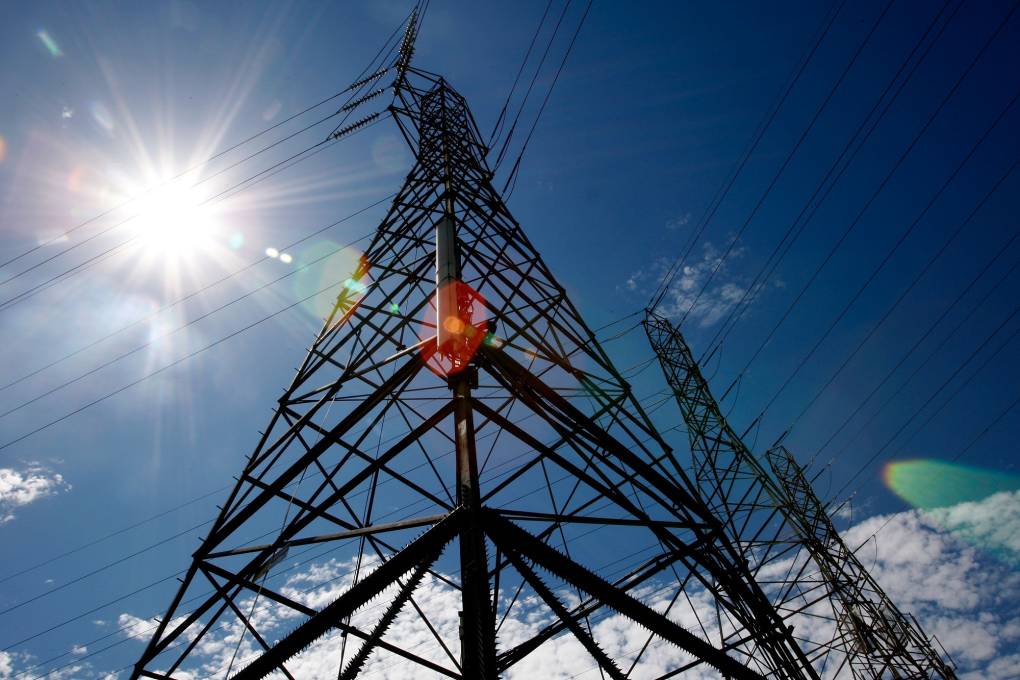
"caption": "The sun shines over towers carrying electrical lines in South San Francisco. With a Bay Area heat wave starting this week, California's grid operator has ordered providers to delay maintenance to handle the surge in electricity demand.",
"credit": "Justin Sullivan/Getty Images",
"altTag": null,
"description": null,
"imgSizes": {
"medium": {
"file": "https://cdn.kqed.org/wp-content/uploads/sites/35/2024/09/SFEnergyGridGetty1-800x533.jpg",
"width": 800,
"height": 533,
"mimeType": "image/jpeg"
},
"large": {
"file": "https://cdn.kqed.org/wp-content/uploads/sites/35/2024/09/SFEnergyGridGetty1-1020x680.jpg",
"width": 1020,
"height": 680,
"mimeType": "image/jpeg"
},
"thumbnail": {
"file": "https://cdn.kqed.org/wp-content/uploads/sites/35/2024/09/SFEnergyGridGetty1-160x107.jpg",
"width": 160,
"height": 107,
"mimeType": "image/jpeg"
},
"medium_large": {
"file": "https://cdn.kqed.org/wp-content/uploads/sites/35/2024/09/SFEnergyGridGetty1-768x512.jpg",
"width": 768,
"height": 512,
"mimeType": "image/jpeg"
},
"1536x1536": {
"file": "https://cdn.kqed.org/wp-content/uploads/sites/35/2024/09/SFEnergyGridGetty1-1536x1024.jpg",
"width": 1536,
"height": 1024,
"mimeType": "image/jpeg"
},
"post-thumbnail": {
"file": "https://cdn.kqed.org/wp-content/uploads/sites/35/2024/09/SFEnergyGridGetty1-672x372.jpg",
"width": 672,
"height": 372,
"mimeType": "image/jpeg"
},
"twentyfourteen-full-width": {
"file": "https://cdn.kqed.org/wp-content/uploads/sites/35/2024/09/SFEnergyGridGetty1-1038x576.jpg",
"width": 1038,
"height": 576,
"mimeType": "image/jpeg"
},
"full-width": {
"file": "https://cdn.kqed.org/wp-content/uploads/sites/35/2024/09/SFEnergyGridGetty1-1920x1280.jpg",
"width": 1920,
"height": 1280,
"mimeType": "image/jpeg"
},
"kqedFullSize": {
"file": "https://cdn.kqed.org/wp-content/uploads/sites/35/2024/09/SFEnergyGridGetty1.jpg",
"width": 2000,
"height": 1333
}
},
"isLoading": false,
"fetchFailed": false
},
"science_1972139": {
"type": "attachments",
"id": "science_1972139",
"meta": {
"index": "attachments_1716263798",
"site": "science",
"id": "1972139",
"found": true
},
"title": "California Governor Gavin Newsom And Oakland Mayor Libby Schaaf Speak On State's Actions On Homelessness Crisis",
"publishDate": 1610154874,
"status": "inherit",
"parent": 1972138,
"modified": 1725058031,
"caption": "California Gov. Gavin Newsom speaks during a news conference about the state's efforts on the homelessness crisis on Jan. 16, 2020, in Oakland. Oakland Mayor Libby Schaaf joined Newsom to announce that Oakland will receive 15 unused FEMA trailers for the city to use as temporary housing and as mobile health and social services clinics for the homeless. Newsom signed an executive order on Jan. 8 to deploy 100 trailers and crisis response teams to areas in need across the state.",
"credit": "Justin Sullivan/Getty Images",
"altTag": null,
"description": null,
"imgSizes": {
"medium": {
"file": "https://cdn.kqed.org/wp-content/uploads/sites/35/2021/01/RS46512_GettyImages-1199995830-qut-800x533.jpg",
"width": 800,
"height": 533,
"mimeType": "image/jpeg"
},
"large": {
"file": "https://cdn.kqed.org/wp-content/uploads/sites/35/2021/01/RS46512_GettyImages-1199995830-qut-1020x680.jpg",
"width": 1020,
"height": 680,
"mimeType": "image/jpeg"
},
"thumbnail": {
"file": "https://cdn.kqed.org/wp-content/uploads/sites/35/2021/01/RS46512_GettyImages-1199995830-qut-160x107.jpg",
"width": 160,
"height": 107,
"mimeType": "image/jpeg"
},
"medium_large": {
"file": "https://cdn.kqed.org/wp-content/uploads/sites/35/2021/01/RS46512_GettyImages-1199995830-qut-768x512.jpg",
"width": 768,
"height": 512,
"mimeType": "image/jpeg"
},
"1536x1536": {
"file": "https://cdn.kqed.org/wp-content/uploads/sites/35/2021/01/RS46512_GettyImages-1199995830-qut-1536x1024.jpg",
"width": 1536,
"height": 1024,
"mimeType": "image/jpeg"
},
"post-thumbnail": {
"file": "https://cdn.kqed.org/wp-content/uploads/sites/35/2021/01/RS46512_GettyImages-1199995830-qut-672x372.jpg",
"width": 672,
"height": 372,
"mimeType": "image/jpeg"
},
"twentyfourteen-full-width": {
"file": "https://cdn.kqed.org/wp-content/uploads/sites/35/2021/01/RS46512_GettyImages-1199995830-qut-1038x576.jpg",
"width": 1038,
"height": 576,
"mimeType": "image/jpeg"
},
"kqedFullSize": {
"file": "https://cdn.kqed.org/wp-content/uploads/sites/35/2021/01/RS46512_GettyImages-1199995830-qut.jpg",
"width": 1920,
"height": 1280
}
},
"isLoading": false,
"fetchFailed": false
},
"science_1993840": {
"type": "attachments",
"id": "science_1993840",
"meta": {
"index": "attachments_1716263798",
"site": "science",
"id": "1993840",
"found": true
},
"title": "FloodMap",
"publishDate": 1722641911,
"status": "inherit",
"parent": 1993798,
"modified": 1722641936,
"caption": null,
"credit": "Matthew Green/KQED",
"altTag": null,
"description": null,
"imgSizes": {
"medium": {
"file": "https://cdn.kqed.org/wp-content/uploads/sites/35/2024/08/FloodMap-800x501.jpg",
"width": 800,
"height": 501,
"mimeType": "image/jpeg"
},
"large": {
"file": "https://cdn.kqed.org/wp-content/uploads/sites/35/2024/08/FloodMap-1020x638.jpg",
"width": 1020,
"height": 638,
"mimeType": "image/jpeg"
},
"thumbnail": {
"file": "https://cdn.kqed.org/wp-content/uploads/sites/35/2024/08/FloodMap-160x100.jpg",
"width": 160,
"height": 100,
"mimeType": "image/jpeg"
},
"medium_large": {
"file": "https://cdn.kqed.org/wp-content/uploads/sites/35/2024/08/FloodMap-768x481.jpg",
"width": 768,
"height": 481,
"mimeType": "image/jpeg"
},
"post-thumbnail": {
"file": "https://cdn.kqed.org/wp-content/uploads/sites/35/2024/08/FloodMap-672x372.jpg",
"width": 672,
"height": 372,
"mimeType": "image/jpeg"
},
"twentyfourteen-full-width": {
"file": "https://cdn.kqed.org/wp-content/uploads/sites/35/2024/08/FloodMap-1038x576.jpg",
"width": 1038,
"height": 576,
"mimeType": "image/jpeg"
},
"kqedFullSize": {
"file": "https://cdn.kqed.org/wp-content/uploads/sites/35/2024/08/FloodMap.jpg",
"width": 1459,
"height": 913
}
},
"isLoading": false,
"fetchFailed": false
},
"science_1993764": {
"type": "attachments",
"id": "science_1993764",
"meta": {
"index": "attachments_1716263798",
"site": "science",
"id": "1993764",
"found": true
},
"title": null,
"publishDate": 1722460884,
"status": "inherit",
"parent": 0,
"modified": 1722533326,
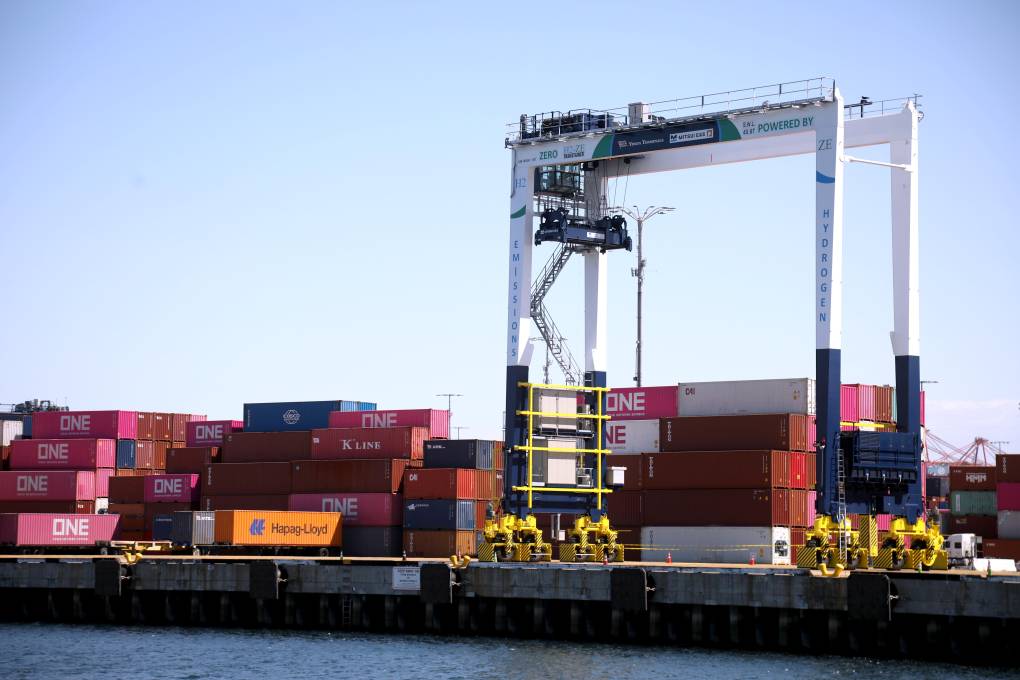
"caption": "A hydrogen-powered crane with zero emissions waits to move cargo containers in Los Angeles Harbor on March 14, 2024.",
"credit": "Genaro Molina/Los Angeles Times via Getty Images",
"altTag": null,
"description": null,
"imgSizes": {
"medium": {
"file": "https://cdn.kqed.org/wp-content/uploads/sites/35/2024/07/GettyImages-2082107731-800x533.jpg",
"width": 800,
"height": 533,
"mimeType": "image/jpeg"
},
"large": {
"file": "https://cdn.kqed.org/wp-content/uploads/sites/35/2024/07/GettyImages-2082107731-1020x680.jpg",
"width": 1020,
"height": 680,
"mimeType": "image/jpeg"
},
"thumbnail": {
"file": "https://cdn.kqed.org/wp-content/uploads/sites/35/2024/07/GettyImages-2082107731-160x107.jpg",
"width": 160,
"height": 107,
"mimeType": "image/jpeg"
},
"medium_large": {
"file": "https://cdn.kqed.org/wp-content/uploads/sites/35/2024/07/GettyImages-2082107731-768x512.jpg",
"width": 768,
"height": 512,
"mimeType": "image/jpeg"
},
"1536x1536": {
"file": "https://cdn.kqed.org/wp-content/uploads/sites/35/2024/07/GettyImages-2082107731-1536x1024.jpg",
"width": 1536,
"height": 1024,
"mimeType": "image/jpeg"
},
"2048x2048": {
"file": "https://cdn.kqed.org/wp-content/uploads/sites/35/2024/07/GettyImages-2082107731-2048x1365.jpg",
"width": 2048,
"height": 1365,
"mimeType": "image/jpeg"
},
"post-thumbnail": {
"file": "https://cdn.kqed.org/wp-content/uploads/sites/35/2024/07/GettyImages-2082107731-672x372.jpg",
"width": 672,
"height": 372,
"mimeType": "image/jpeg"
},
"twentyfourteen-full-width": {
"file": "https://cdn.kqed.org/wp-content/uploads/sites/35/2024/07/GettyImages-2082107731-1038x576.jpg",
"width": 1038,
"height": 576,
"mimeType": "image/jpeg"
},
"full-width": {
"file": "https://cdn.kqed.org/wp-content/uploads/sites/35/2024/07/GettyImages-2082107731-1920x1280.jpg",
"width": 1920,
"height": 1280,
"mimeType": "image/jpeg"
},
"kqedFullSize": {
"file": "https://cdn.kqed.org/wp-content/uploads/sites/35/2024/07/GettyImages-2082107731-scaled.jpg",
"width": 2560,
"height": 1707
}
},
"isLoading": false,
"fetchFailed": false
},
"science_1993740": {
"type": "attachments",
"id": "science_1993740",
"meta": {
"index": "attachments_1716263798",
"site": "science",
"id": "1993740",
"found": true
},
"title": null,
"publishDate": 1722262314,
"status": "inherit",
"parent": 0,
"modified": 1722262380,
"caption": "At Oakland and other California ports, federal funding managed by ARCHES could support hydrogen fueling stations and build cargo handling equipment that runs on the clean fuel. ",
"credit": "Mark Hogan/Flickr",
"altTag": null,
"description": null,
"imgSizes": {
"medium": {
"file": "https://cdn.kqed.org/wp-content/uploads/sites/35/2024/07/2688719813_eb17fe3b82_b-800x600.jpg",
"width": 800,
"height": 600,
"mimeType": "image/jpeg"
},
"large": {
"file": "https://cdn.kqed.org/wp-content/uploads/sites/35/2024/07/2688719813_eb17fe3b82_b-1020x765.jpg",
"width": 1020,
"height": 765,
"mimeType": "image/jpeg"
},
"thumbnail": {
"file": "https://cdn.kqed.org/wp-content/uploads/sites/35/2024/07/2688719813_eb17fe3b82_b-160x120.jpg",
"width": 160,
"height": 120,
"mimeType": "image/jpeg"
},
"medium_large": {
"file": "https://cdn.kqed.org/wp-content/uploads/sites/35/2024/07/2688719813_eb17fe3b82_b-768x576.jpg",
"width": 768,
"height": 576,
"mimeType": "image/jpeg"
},
"post-thumbnail": {
"file": "https://cdn.kqed.org/wp-content/uploads/sites/35/2024/07/2688719813_eb17fe3b82_b-672x372.jpg",
"width": 672,
"height": 372,
"mimeType": "image/jpeg"
},
"twentyfourteen-full-width": {
"file": "https://cdn.kqed.org/wp-content/uploads/sites/35/2024/07/2688719813_eb17fe3b82_b-1024x576.jpg",
"width": 1024,
"height": 576,
"mimeType": "image/jpeg"
},
"kqedFullSize": {
"file": "https://cdn.kqed.org/wp-content/uploads/sites/35/2024/07/2688719813_eb17fe3b82_b.jpg",
"width": 1024,
"height": 768
}
},
"isLoading": false,
"fetchFailed": false
},
"science_1993670": {
"type": "attachments",
"id": "science_1993670",
"meta": {
"index": "attachments_1716263798",
"site": "science",
"id": "1993670",
"found": true
},
"title": "DL1110-Tar-Pits-are-a-Death-Trap-Except-For-This-Fly-KQED",
"publishDate": 1721417784,
"status": "inherit",
"parent": 1993662,
"modified": 1721417904,
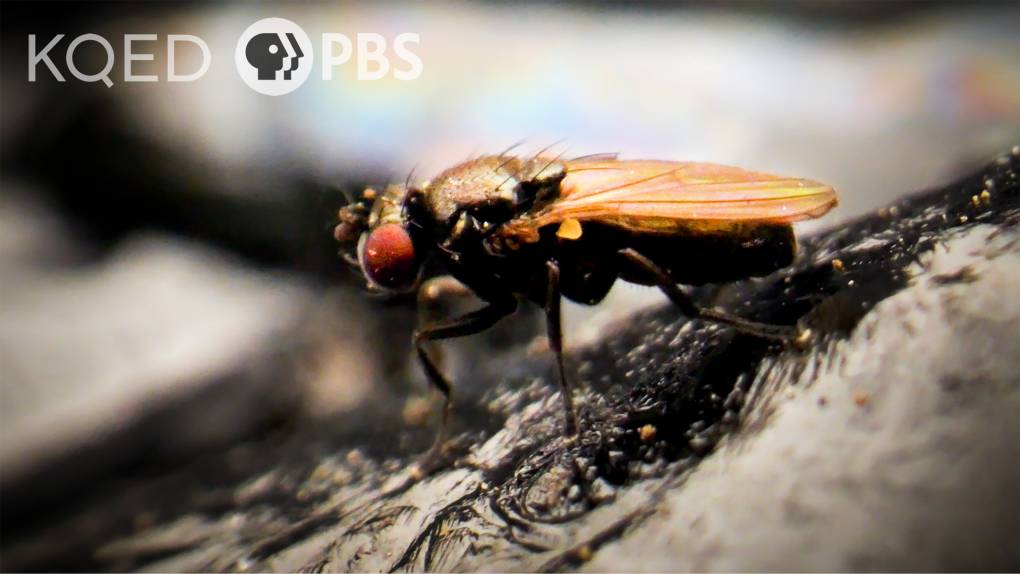
"caption": "An adult petroleum fly walks on top of sticky tar pits without getting stuck.\n",
"credit": "Josh Cassidy/KQED",
"altTag": null,
"description": null,
"imgSizes": {
"medium": {
"file": "https://cdn.kqed.org/wp-content/uploads/sites/35/2024/07/DL1110-Tar-Pits-are-a-Death-Trap-Except-For-This-Fly-KQED-800x450.jpg",
"width": 800,
"height": 450,
"mimeType": "image/jpeg"
},
"large": {
"file": "https://cdn.kqed.org/wp-content/uploads/sites/35/2024/07/DL1110-Tar-Pits-are-a-Death-Trap-Except-For-This-Fly-KQED-1020x574.jpg",
"width": 1020,
"height": 574,
"mimeType": "image/jpeg"
},
"thumbnail": {
"file": "https://cdn.kqed.org/wp-content/uploads/sites/35/2024/07/DL1110-Tar-Pits-are-a-Death-Trap-Except-For-This-Fly-KQED-160x90.jpg",
"width": 160,
"height": 90,
"mimeType": "image/jpeg"
},
"medium_large": {
"file": "https://cdn.kqed.org/wp-content/uploads/sites/35/2024/07/DL1110-Tar-Pits-are-a-Death-Trap-Except-For-This-Fly-KQED-768x432.jpg",
"width": 768,
"height": 432,
"mimeType": "image/jpeg"
},
"1536x1536": {
"file": "https://cdn.kqed.org/wp-content/uploads/sites/35/2024/07/DL1110-Tar-Pits-are-a-Death-Trap-Except-For-This-Fly-KQED-1536x864.jpg",
"width": 1536,
"height": 864,
"mimeType": "image/jpeg"
},
"post-thumbnail": {
"file": "https://cdn.kqed.org/wp-content/uploads/sites/35/2024/07/DL1110-Tar-Pits-are-a-Death-Trap-Except-For-This-Fly-KQED-672x372.jpg",
"width": 672,
"height": 372,
"mimeType": "image/jpeg"
},
"twentyfourteen-full-width": {
"file": "https://cdn.kqed.org/wp-content/uploads/sites/35/2024/07/DL1110-Tar-Pits-are-a-Death-Trap-Except-For-This-Fly-KQED-1038x576.jpg",
"width": 1038,
"height": 576,
"mimeType": "image/jpeg"
},
"kqedFullSize": {
"file": "https://cdn.kqed.org/wp-content/uploads/sites/35/2024/07/DL1110-Tar-Pits-are-a-Death-Trap-Except-For-This-Fly-KQED.jpg",
"width": 1920,
"height": 1080
}
},
"isLoading": false,
"fetchFailed": false
},
"science_1993691": {
"type": "attachments",
"id": "science_1993691",
"meta": {
"index": "attachments_1716263798",
"site": "science",
"id": "1993691",
"found": true
},
"title": "LATEST-FRAME-KQED",
"publishDate": 1721923399,
"status": "inherit",
"parent": 0,
"modified": 1721936923,
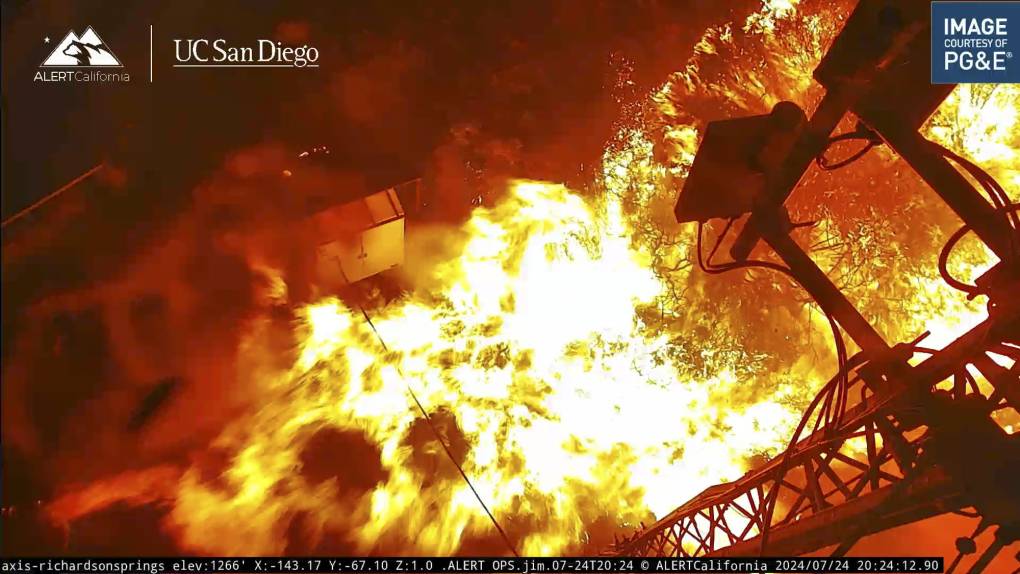
"caption": "The last image of the Park Fire was recorded on a PG&E Alert California camera before it ceased operating on Richardson Springs Road, northeast of Chico, at 8 p.m. on July 24, 2024.",
"credit": "Courtesy of PG&E",
"altTag": null,
"description": null,
"imgSizes": {
"medium": {
"file": "https://cdn.kqed.org/wp-content/uploads/sites/35/2024/07/LATEST-FRAME-KQED-800x450.jpg",
"width": 800,
"height": 450,
"mimeType": "image/jpeg"
},
"large": {
"file": "https://cdn.kqed.org/wp-content/uploads/sites/35/2024/07/LATEST-FRAME-KQED-1020x574.jpg",
"width": 1020,
"height": 574,
"mimeType": "image/jpeg"
},
"thumbnail": {
"file": "https://cdn.kqed.org/wp-content/uploads/sites/35/2024/07/LATEST-FRAME-KQED-160x90.jpg",
"width": 160,
"height": 90,
"mimeType": "image/jpeg"
},
"medium_large": {
"file": "https://cdn.kqed.org/wp-content/uploads/sites/35/2024/07/LATEST-FRAME-KQED-768x432.jpg",
"width": 768,
"height": 432,
"mimeType": "image/jpeg"
},
"1536x1536": {
"file": "https://cdn.kqed.org/wp-content/uploads/sites/35/2024/07/LATEST-FRAME-KQED-1536x864.jpg",
"width": 1536,
"height": 864,
"mimeType": "image/jpeg"
},
"post-thumbnail": {
"file": "https://cdn.kqed.org/wp-content/uploads/sites/35/2024/07/LATEST-FRAME-KQED-672x372.jpg",
"width": 672,
"height": 372,
"mimeType": "image/jpeg"
},
"twentyfourteen-full-width": {
"file": "https://cdn.kqed.org/wp-content/uploads/sites/35/2024/07/LATEST-FRAME-KQED-1038x576.jpg",
"width": 1038,
"height": 576,
"mimeType": "image/jpeg"
},
"full-width": {
"file": "https://cdn.kqed.org/wp-content/uploads/sites/35/2024/07/LATEST-FRAME-KQED-1920x1080.jpg",
"width": 1920,
"height": 1080,
"mimeType": "image/jpeg"
},
"kqedFullSize": {
"file": "https://cdn.kqed.org/wp-content/uploads/sites/35/2024/07/LATEST-FRAME-KQED.jpg",
"width": 2000,
"height": 1125
}
},
"isLoading": false,
"fetchFailed": false
},
"science_1993635": {
"type": "attachments",
"id": "science_1993635",
"meta": {
"index": "attachments_1716263798",
"site": "science",
"id": "1993635",
"found": true
},
"title": "Algae Bloom Fills Bay Area Waters",
"publishDate": 1721086661,
"status": "inherit",
"parent": 1993633,
"modified": 1721087927,
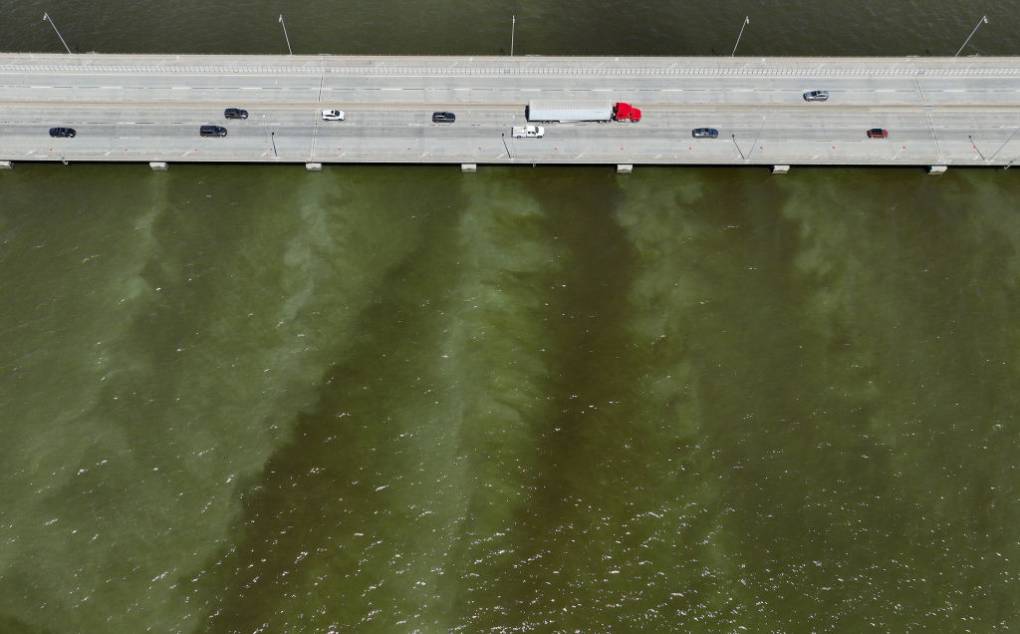
"caption": "In an aerial view, cars drive on the San Francisco Bay Bridge over brownish water from an algal bloom in the San Francisco Bay on Aug. 22, 2022, in San Rafael. ",
"credit": "Justin Sullivan/Getty Images",
"altTag": "An aerial view of cars driving on a bridge over brownish water.",
"description": null,
"imgSizes": {
"medium": {
"file": "https://cdn.kqed.org/wp-content/uploads/sites/35/2024/07/GettyImages-1417094438-800x497.jpg",
"width": 800,
"height": 497,
"mimeType": "image/jpeg"
},
"large": {
"file": "https://cdn.kqed.org/wp-content/uploads/sites/35/2024/07/GettyImages-1417094438-1020x634.jpg",
"width": 1020,
"height": 634,
"mimeType": "image/jpeg"
},
"thumbnail": {
"file": "https://cdn.kqed.org/wp-content/uploads/sites/35/2024/07/GettyImages-1417094438-160x99.jpg",
"width": 160,
"height": 99,
"mimeType": "image/jpeg"
},
"medium_large": {
"file": "https://cdn.kqed.org/wp-content/uploads/sites/35/2024/07/GettyImages-1417094438-768x477.jpg",
"width": 768,
"height": 477,
"mimeType": "image/jpeg"
},
"post-thumbnail": {
"file": "https://cdn.kqed.org/wp-content/uploads/sites/35/2024/07/GettyImages-1417094438-672x372.jpg",
"width": 672,
"height": 372,
"mimeType": "image/jpeg"
},
"twentyfourteen-full-width": {
"file": "https://cdn.kqed.org/wp-content/uploads/sites/35/2024/07/GettyImages-1417094438-1024x576.jpg",
"width": 1024,
"height": 576,
"mimeType": "image/jpeg"
},
"kqedFullSize": {
"file": "https://cdn.kqed.org/wp-content/uploads/sites/35/2024/07/GettyImages-1417094438.jpg",
"width": 1024,
"height": 636
}
},
"isLoading": false,
"fetchFailed": false
},
"science_1993543": {
"type": "attachments",
"id": "science_1993543",
"meta": {
"index": "attachments_1716263798",
"site": "science",
"id": "1993543",
"found": true
},
"title": "Sheep graze on farmland west of Rio Vista on May 2, 2024.",
"publishDate": 1719693884,
"status": "inherit",
"parent": 1993540,
"modified": 1719694020,
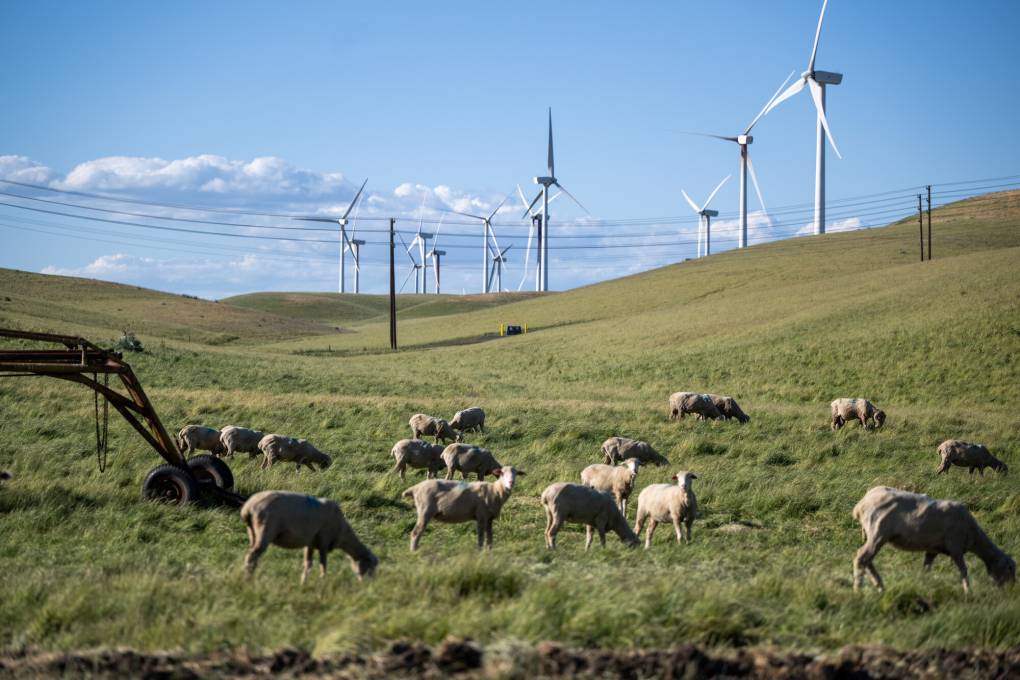
"caption": "Windmills around farmland west of Rio Vista, Solano County, on May 2, 2024.",
"credit": "Bath LaBerge/KQED",
"altTag": null,
"description": null,
"imgSizes": {
"medium": {
"file": "https://cdn.kqed.org/wp-content/uploads/sites/35/2024/06/240502-CaliforniaForever-88-BL_qed-800x533.jpg",
"width": 800,
"height": 533,
"mimeType": "image/jpeg"
},
"large": {
"file": "https://cdn.kqed.org/wp-content/uploads/sites/35/2024/06/240502-CaliforniaForever-88-BL_qed-1020x680.jpg",
"width": 1020,
"height": 680,
"mimeType": "image/jpeg"
},
"thumbnail": {
"file": "https://cdn.kqed.org/wp-content/uploads/sites/35/2024/06/240502-CaliforniaForever-88-BL_qed-160x107.jpg",
"width": 160,
"height": 107,
"mimeType": "image/jpeg"
},
"medium_large": {
"file": "https://cdn.kqed.org/wp-content/uploads/sites/35/2024/06/240502-CaliforniaForever-88-BL_qed-768x512.jpg",
"width": 768,
"height": 512,
"mimeType": "image/jpeg"
},
"1536x1536": {
"file": "https://cdn.kqed.org/wp-content/uploads/sites/35/2024/06/240502-CaliforniaForever-88-BL_qed-1536x1024.jpg",
"width": 1536,
"height": 1024,
"mimeType": "image/jpeg"
},
"post-thumbnail": {
"file": "https://cdn.kqed.org/wp-content/uploads/sites/35/2024/06/240502-CaliforniaForever-88-BL_qed-672x372.jpg",
"width": 672,
"height": 372,
"mimeType": "image/jpeg"
},
"twentyfourteen-full-width": {
"file": "https://cdn.kqed.org/wp-content/uploads/sites/35/2024/06/240502-CaliforniaForever-88-BL_qed-1038x576.jpg",
"width": 1038,
"height": 576,
"mimeType": "image/jpeg"
},
"full-width": {
"file": "https://cdn.kqed.org/wp-content/uploads/sites/35/2024/06/240502-CaliforniaForever-88-BL_qed-1920x1280.jpg",
"width": 1920,
"height": 1280,
"mimeType": "image/jpeg"
},
"kqedFullSize": {
"file": "https://cdn.kqed.org/wp-content/uploads/sites/35/2024/06/240502-CaliforniaForever-88-BL_qed.jpg",
"width": 2000,
"height": 1333
}
},
"isLoading": false,
"fetchFailed": false
},
"science_1993509": {
"type": "attachments",
"id": "science_1993509",
"meta": {
"index": "attachments_1716263798",
"site": "science",
"id": "1993509",
"found": true
},
"title": "Bayview Presser",
"publishDate": 1719532197,
"status": "inherit",
"parent": 1993505,
"modified": 1719532318,
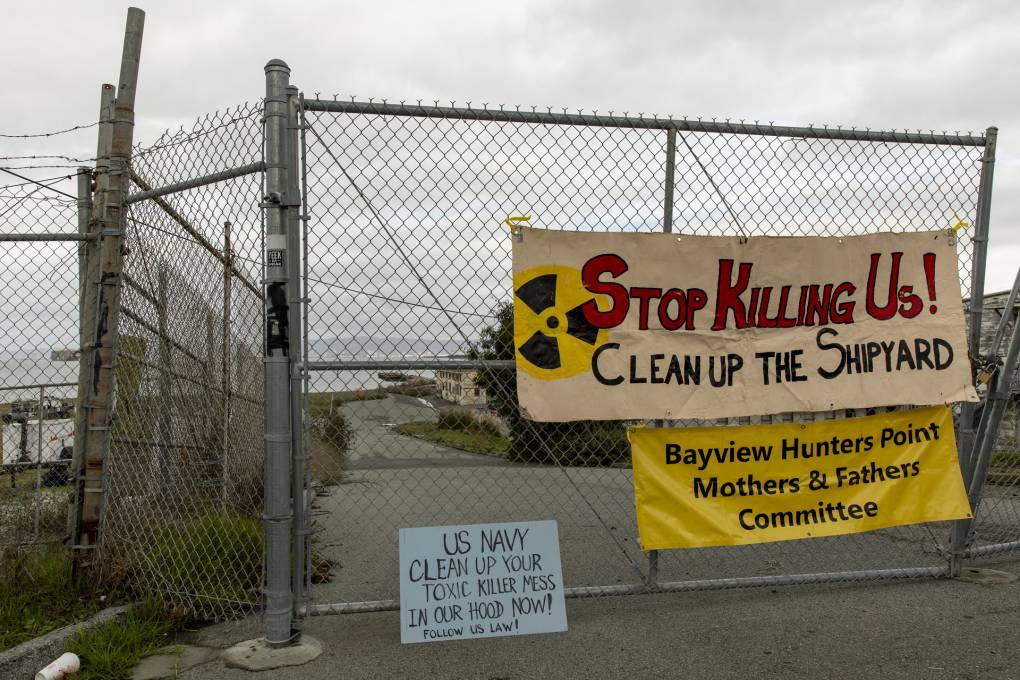
"caption": "Signs are posted at the Hunters Point Shipyard in San Francisco on Thursday, Dec. 7, 2023. Greenaction for Health and Environmental Justice members and Bayview citizens held a press conference to announce their lawsuit against the U.S. Navy and the Environmental Protection Agency after the Navy said it detected a piece of radioactive metal during routine testing.",
"credit": "Juliana Yamada/KQED",
"altTag": null,
"description": null,
"imgSizes": {
"medium": {
"file": "https://cdn.kqed.org/wp-content/uploads/sites/35/2024/06/20231207-Bayview-Presser-020-JY-800x533.jpg",
"width": 800,
"height": 533,
"mimeType": "image/jpeg"
},
"large": {
"file": "https://cdn.kqed.org/wp-content/uploads/sites/35/2024/06/20231207-Bayview-Presser-020-JY-1020x680.jpg",
"width": 1020,
"height": 680,
"mimeType": "image/jpeg"
},
"thumbnail": {
"file": "https://cdn.kqed.org/wp-content/uploads/sites/35/2024/06/20231207-Bayview-Presser-020-JY-160x107.jpg",
"width": 160,
"height": 107,
"mimeType": "image/jpeg"
},
"medium_large": {
"file": "https://cdn.kqed.org/wp-content/uploads/sites/35/2024/06/20231207-Bayview-Presser-020-JY-768x512.jpg",
"width": 768,
"height": 512,
"mimeType": "image/jpeg"
},
"1536x1536": {
"file": "https://cdn.kqed.org/wp-content/uploads/sites/35/2024/06/20231207-Bayview-Presser-020-JY-1536x1024.jpg",
"width": 1536,
"height": 1024,
"mimeType": "image/jpeg"
},
"post-thumbnail": {
"file": "https://cdn.kqed.org/wp-content/uploads/sites/35/2024/06/20231207-Bayview-Presser-020-JY-672x372.jpg",
"width": 672,
"height": 372,
"mimeType": "image/jpeg"
},
"twentyfourteen-full-width": {
"file": "https://cdn.kqed.org/wp-content/uploads/sites/35/2024/06/20231207-Bayview-Presser-020-JY-1038x576.jpg",
"width": 1038,
"height": 576,
"mimeType": "image/jpeg"
},
"kqedFullSize": {
"file": "https://cdn.kqed.org/wp-content/uploads/sites/35/2024/06/20231207-Bayview-Presser-020-JY.jpg",
"width": 1920,
"height": 1280
}
},
"isLoading": false,
"fetchFailed": false
},
"science_1993475": {
"type": "attachments",
"id": "science_1993475",
"meta": {
"index": "attachments_1716263798",
"site": "science",
"id": "1993475",
"found": true
},
"title": "Fireboat Station 35",
"publishDate": 1719008378,
"status": "inherit",
"parent": 1993470,
"modified": 1719008428,
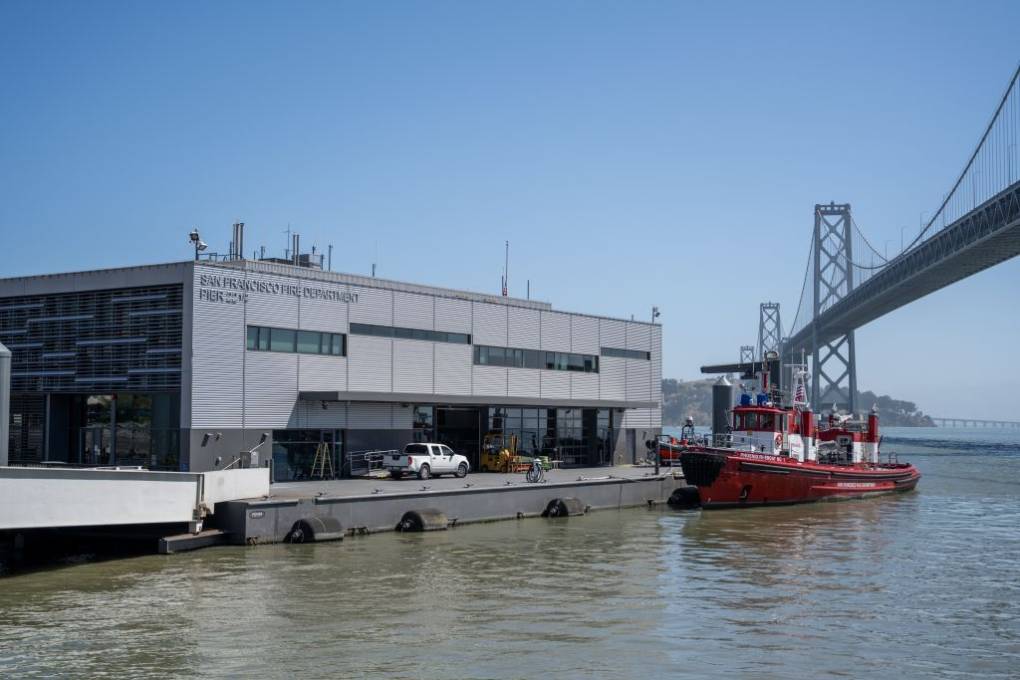
"caption": "San Francisco Fire Department building and boat docked nearby at Fireboat Station 35, with the Bay Bridge in the background on a clear day in San Francisco on June 7, 2024. ",
"credit": "Smith Collection/Gado/Getty Images",
"altTag": null,
"description": null,
"imgSizes": {
"medium": {
"file": "https://cdn.kqed.org/wp-content/uploads/sites/35/2024/06/GettyImages-2157160888-800x534.jpg",
"width": 800,
"height": 534,
"mimeType": "image/jpeg"
},
"large": {
"file": "https://cdn.kqed.org/wp-content/uploads/sites/35/2024/06/GettyImages-2157160888-1020x680.jpg",
"width": 1020,
"height": 680,
"mimeType": "image/jpeg"
},
"thumbnail": {
"file": "https://cdn.kqed.org/wp-content/uploads/sites/35/2024/06/GettyImages-2157160888-160x107.jpg",
"width": 160,
"height": 107,
"mimeType": "image/jpeg"
},
"medium_large": {
"file": "https://cdn.kqed.org/wp-content/uploads/sites/35/2024/06/GettyImages-2157160888-768x512.jpg",
"width": 768,
"height": 512,
"mimeType": "image/jpeg"
},
"post-thumbnail": {
"file": "https://cdn.kqed.org/wp-content/uploads/sites/35/2024/06/GettyImages-2157160888-672x372.jpg",
"width": 672,
"height": 372,
"mimeType": "image/jpeg"
},
"twentyfourteen-full-width": {
"file": "https://cdn.kqed.org/wp-content/uploads/sites/35/2024/06/GettyImages-2157160888-1024x576.jpg",
"width": 1024,
"height": 576,
"mimeType": "image/jpeg"
},
"kqedFullSize": {
"file": "https://cdn.kqed.org/wp-content/uploads/sites/35/2024/06/GettyImages-2157160888.jpg",
"width": 1024,
"height": 683
}
},
"isLoading": false,
"fetchFailed": false
},
"science_1993375": {
"type": "attachments",
"id": "science_1993375",
"meta": {
"index": "attachments_1716263798",
"site": "science",
"id": "1993375",
"found": true
},
"title": "Dairy Digesters Pollution",
"publishDate": 1718474743,
"status": "inherit",
"parent": 1993372,
"modified": 1718474825,
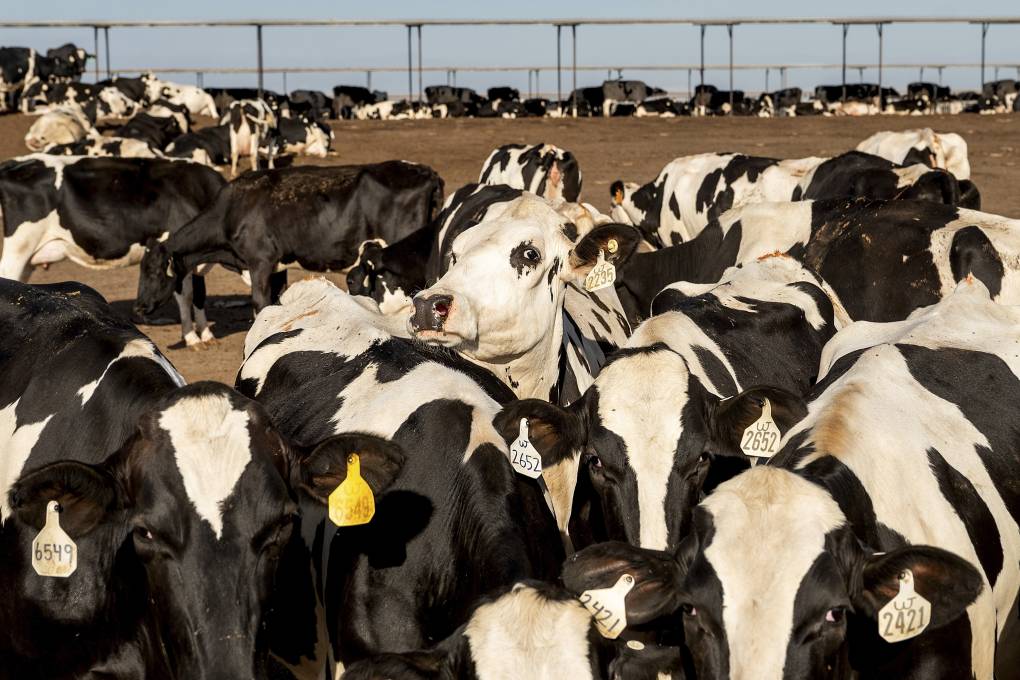
"caption": "Cows stand in a corral at a dairy farm in Pixley, Tulare County, on May 20, 2024. In recent decades, digesters that convert cow manure and other organic waste into biogas to create electricity or to fuel vehicles have spread nationally, and the number is expected to grow. ",
"credit": "Noah Berger/AP Photo",
"altTag": null,
"description": null,
"imgSizes": {
"medium": {
"file": "https://cdn.kqed.org/wp-content/uploads/sites/35/2024/06/AP24164554349822-800x533.jpg",
"width": 800,
"height": 533,
"mimeType": "image/jpeg"
},
"large": {
"file": "https://cdn.kqed.org/wp-content/uploads/sites/35/2024/06/AP24164554349822-1020x680.jpg",
"width": 1020,
"height": 680,
"mimeType": "image/jpeg"
},
"thumbnail": {
"file": "https://cdn.kqed.org/wp-content/uploads/sites/35/2024/06/AP24164554349822-160x107.jpg",
"width": 160,
"height": 107,
"mimeType": "image/jpeg"
},
"medium_large": {
"file": "https://cdn.kqed.org/wp-content/uploads/sites/35/2024/06/AP24164554349822-768x512.jpg",
"width": 768,
"height": 512,
"mimeType": "image/jpeg"
},
"1536x1536": {
"file": "https://cdn.kqed.org/wp-content/uploads/sites/35/2024/06/AP24164554349822-1536x1023.jpg",
"width": 1536,
"height": 1023,
"mimeType": "image/jpeg"
},
"2048x2048": {
"file": "https://cdn.kqed.org/wp-content/uploads/sites/35/2024/06/AP24164554349822-2048x1365.jpg",
"width": 2048,
"height": 1365,
"mimeType": "image/jpeg"
},
"post-thumbnail": {
"file": "https://cdn.kqed.org/wp-content/uploads/sites/35/2024/06/AP24164554349822-672x372.jpg",
"width": 672,
"height": 372,
"mimeType": "image/jpeg"
},
"twentyfourteen-full-width": {
"file": "https://cdn.kqed.org/wp-content/uploads/sites/35/2024/06/AP24164554349822-1038x576.jpg",
"width": 1038,
"height": 576,
"mimeType": "image/jpeg"
},
"full-width": {
"file": "https://cdn.kqed.org/wp-content/uploads/sites/35/2024/06/AP24164554349822-1920x1279.jpg",
"width": 1920,
"height": 1279,
"mimeType": "image/jpeg"
},
"kqedFullSize": {
"file": "https://cdn.kqed.org/wp-content/uploads/sites/35/2024/06/AP24164554349822-scaled.jpg",
"width": 2560,
"height": 1706
}
},
"isLoading": false,
"fetchFailed": false
}
},
"audioPlayerReducer": {
"postId": "stream_live",
"isPaused": true,
"isPlaying": false,
"pfsActive": false,
"pledgeModalIsOpen": true,
"playerDrawerIsOpen": false,
"liveAudioPlayStartedAt": 0,
"liveAudioPlayContext": ""
},
"authorsReducer": {
"byline_science_1993798": {
"type": "authors",
"id": "byline_science_1993798",
"meta": {
"override": true
},
"slug": "byline_science_1993798",
"name": "Katie Worth, Climate Central; Sirui Zhu, Climate Central; \u003ca href=\"https://www.kqed.org/author/eromero\">Ezra David Romero\u003c/a>, KQED",
"isLoading": false
},
"byline_science_1993734": {
"type": "authors",
"id": "byline_science_1993734",
"meta": {
"override": true
},
"slug": "byline_science_1993734",
"name": "Molly Peterson, Public Health Watch",
"isLoading": false
},
"byline_science_1993714": {
"type": "authors",
"id": "byline_science_1993714",
"meta": {
"override": true
},
"slug": "byline_science_1993714",
"name": "Molly Peterson, Public Health Watch",
"isLoading": false
},
"byline_science_1993372": {
"type": "authors",
"id": "byline_science_1993372",
"meta": {
"override": true
},
"slug": "byline_science_1993372",
"name": "Dorany Pineda and Terry Chea, Associated Press",
"isLoading": false
},
"carlysevern": {
"type": "authors",
"id": "3243",
"meta": {
"index": "authors_1716337520",
"id": "3243",
"found": true
},
"name": "Carly Severn",
"firstName": "Carly",
"lastName": "Severn",
"slug": "carlysevern",
"email": "csevern@kqed.org",
"display_author_email": false,
"staff_mastheads": [
"news"
],
"title": "Senior Editor, Audience News ",
"bio": "Carly is KQED's Senior Editor of Audience News on the Digital News team, and has reported for the California Report Magazine, Bay Curious and KQED Arts. She's formerly the host of \u003ca href=\"http://ww2.kqed.org/pop/category/the-cooler/\" rel=\"noopener noreferrer\">The Cooler\u003c/a> podcast.",
"avatar": "https://secure.gravatar.com/avatar/54037bf5c128fe678f0ef26cec97a93f2e7f220a22d7285703328f12c42c1b1d?s=600&d=blank&r=g",
"twitter": "teacupinthebay",
"bluesky": null,
"facebook": null,
"instagram": null,
"linkedin": null,
"sites": [
{
"site": "",
"roles": [
"editor"
]
},
{
"site": "arts",
"roles": [
"editor"
]
},
{
"site": "news",
"roles": [
"administrator"
]
},
{
"site": "pop",
"roles": [
"editor"
]
},
{
"site": "futureofyou",
"roles": [
"editor"
]
},
{
"site": "about",
"roles": [
"administrator"
]
},
{
"site": "mindshift",
"roles": [
"editor"
]
},
{
"site": "bayareabites",
"roles": [
"editor"
]
},
{
"site": "stateofhealth",
"roles": [
"editor"
]
},
{
"site": "science",
"roles": [
"editor"
]
},
{
"site": "food",
"roles": [
"contributor"
]
},
{
"site": "forum",
"roles": [
"editor"
]
},
{
"site": "perspectives",
"roles": [
"administrator"
]
},
{
"site": "liveblog",
"roles": [
"editor"
]
}
],
"headData": {
"title": "Carly Severn | KQED",
"description": "Senior Editor, Audience News ",
"ogImgSrc": "https://secure.gravatar.com/avatar/54037bf5c128fe678f0ef26cec97a93f2e7f220a22d7285703328f12c42c1b1d?s=600&d=blank&r=g",
"twImgSrc": "https://secure.gravatar.com/avatar/54037bf5c128fe678f0ef26cec97a93f2e7f220a22d7285703328f12c42c1b1d?s=600&d=blank&r=g"
},
"isLoading": false,
"link": "/author/carlysevern"
},
"lklivans": {
"type": "authors",
"id": "8648",
"meta": {
"index": "authors_1716337520",
"id": "8648",
"found": true
},
"name": "Laura Klivans",
"firstName": "Laura",
"lastName": "Klivans",
"slug": "lklivans",
"email": "lklivans@kqed.org",
"display_author_email": true,
"staff_mastheads": [
"news",
"science"
],
"title": "Reporter",
"bio": "Laura Klivans is an award-winning science reporter for KQED News, where she covers climate change with an eye on both groundbreaking progress and gaps in action. She is the former host of KQED's blockbuster video series about tiny, amazing animals, \u003cem>Deep Look\u003c/em>. Her work reaches national audiences through NPR, \u003cem>Here & Now, \u003c/em>PRI, and other major outlets. \r\n\r\nLaura’s won five Northern California Area Emmy Awards for Deep Look and First Place in the Greater Bay Area Journalism Awards for a podcast exploring how one Oakland neighborhood teamed up to reduce planet-heating pollution.\r\n\r\nBeyond her reporting, she hosts and moderates events. In the past, she taught audio storytelling at the UC Berkeley Graduate School of Journalism, led international education programs, worked with immigrants and refugees along the Thai-Burmese border, taught high schoolers sex ed, and was an actress. \r\n\r\nShe's a former UC Berkeley Human Rights Fellow, USC Center for Health Journalism's California Fellow and Coro Fellow in Public Affairs. Laura has a master’s in journalism from UC Berkeley, a master’s in education from Harvard, and an undergraduate degree from Northwestern University.\r\n\r\nShe loves trying to riddle the meaning out of vanity license plates.",
"avatar": "https://secure.gravatar.com/avatar/2d2ecd1550a494cc10ad4a503406965585902124739e775a9b3817eebf1d88be?s=600&d=blank&r=g",
"twitter": "lauraklivans",
"bluesky": null,
"facebook": null,
"instagram": null,
"linkedin": null,
"sites": [
{
"site": "news",
"roles": [
"editor"
]
},
{
"site": "stateofhealth",
"roles": [
"contributor",
"editor"
]
},
{
"site": "science",
"roles": [
"editor"
]
},
{
"site": "forum",
"roles": [
"editor"
]
}
],
"headData": {
"title": "Laura Klivans | KQED",
"description": "Reporter",
"ogImgSrc": "https://secure.gravatar.com/avatar/2d2ecd1550a494cc10ad4a503406965585902124739e775a9b3817eebf1d88be?s=600&d=blank&r=g",
"twImgSrc": "https://secure.gravatar.com/avatar/2d2ecd1550a494cc10ad4a503406965585902124739e775a9b3817eebf1d88be?s=600&d=blank&r=g"
},
"isLoading": false,
"link": "/author/lklivans"
},
"dventon": {
"type": "authors",
"id": "11088",
"meta": {
"index": "authors_1716337520",
"id": "11088",
"found": true
},
"name": "Danielle Venton",
"firstName": "Danielle",
"lastName": "Venton",
"slug": "dventon",
"email": "dventon@kqed.org",
"display_author_email": true,
"staff_mastheads": [
"science"
],
"title": "Science reporter",
"bio": "Danielle Venton is a reporter for KQED Science. She covers wildfires, space and oceans (though she is prone to sea sickness).\r\n\r\nBefore joining KQED in 2015, Danielle was a staff reporter at KRCB in Sonoma County and a freelancer. She studied science communication at UC Santa Cruz and formerly worked at CERN in Geneva, Switzerland where she wrote about computing. She lives in Sonoma County and enjoys backpacking.",
"avatar": "https://secure.gravatar.com/avatar/37b292b5c40c8d93959c4f48d73b5286f41b7abd8588277e941905a3ed4c801c?s=600&d=blank&r=g",
"twitter": "DanielleVenton",
"bluesky": null,
"facebook": null,
"instagram": null,
"linkedin": null,
"sites": [
{
"site": "arts",
"roles": [
"contributor"
]
},
{
"site": "news",
"roles": [
"editor"
]
},
{
"site": "futureofyou",
"roles": [
"editor"
]
},
{
"site": "science",
"roles": [
"editor"
]
},
{
"site": "liveblog",
"roles": [
"contributor"
]
}
],
"headData": {
"title": "Danielle Venton | KQED",
"description": "Science reporter",
"ogImgSrc": "https://secure.gravatar.com/avatar/37b292b5c40c8d93959c4f48d73b5286f41b7abd8588277e941905a3ed4c801c?s=600&d=blank&r=g",
"twImgSrc": "https://secure.gravatar.com/avatar/37b292b5c40c8d93959c4f48d73b5286f41b7abd8588277e941905a3ed4c801c?s=600&d=blank&r=g"
},
"isLoading": false,
"link": "/author/dventon"
},
"kevinstark": {
"type": "authors",
"id": "11608",
"meta": {
"index": "authors_1716337520",
"id": "11608",
"found": true
},
"name": "Kevin Stark",
"firstName": "Kevin",
"lastName": "Stark",
"slug": "kevinstark",
"email": "kstark@kqed.org",
"display_author_email": true,
"staff_mastheads": [
"science"
],
"title": "Senior Editor",
"bio": "Kevin is a senior editor for KQED Science, managing the station's health and climate desks. His journalism career began in the Pacific Northwest, and he later became a lead reporter for the San Francisco Public Press. His work has appeared in Pacific Standard magazine, the Energy News Network, the Center for Investigative Reporting's Reveal and WBEZ in Chicago. Kevin joined KQED in 2019, and has covered issues related to energy, wildfire, climate change and the environment.",
"avatar": "https://secure.gravatar.com/avatar/365aaa4b597d3a8374f67504ff0facd323d7906e8eb4be0a7efd2427408e802c?s=600&d=blank&r=g",
"twitter": "starkkev",
"bluesky": null,
"facebook": null,
"instagram": null,
"linkedin": null,
"sites": [
{
"site": "",
"roles": [
"editor"
]
},
{
"site": "news",
"roles": [
"editor"
]
},
{
"site": "science",
"roles": [
"administrator"
]
}
],
"headData": {
"title": "Kevin Stark | KQED",
"description": "Senior Editor",
"ogImgSrc": "https://secure.gravatar.com/avatar/365aaa4b597d3a8374f67504ff0facd323d7906e8eb4be0a7efd2427408e802c?s=600&d=blank&r=g",
"twImgSrc": "https://secure.gravatar.com/avatar/365aaa4b597d3a8374f67504ff0facd323d7906e8eb4be0a7efd2427408e802c?s=600&d=blank&r=g"
},
"isLoading": false,
"link": "/author/kevinstark"
},
"eromero": {
"type": "authors",
"id": "11746",
"meta": {
"index": "authors_1716337520",
"id": "11746",
"found": true
},
"name": "Ezra David Romero",
"firstName": "Ezra David",
"lastName": "Romero",
"slug": "eromero",
"email": "eromero@kqed.org",
"display_author_email": true,
"staff_mastheads": [
"news",
"science"
],
"title": "Climate Reporter",
"bio": "Ezra David Romero is a climate reporter for KQED News. He covers the absence and excess of water in the Bay Area — think sea level rise, flooding and drought. For nearly a decade he’s covered how warming temperatures are altering the lives of Californians. He’s reported on farmers worried their pistachio trees aren’t getting enough sleep, families desperate for water, scientists studying dying giant sequoias, and alongside firefighters containing wildfires. His work has appeared on local stations across California and nationally on public radio shows like Morning Edition, Here and Now, All Things Considered and Science Friday. ",
"avatar": "https://secure.gravatar.com/avatar/c76404d287c10ed40224227551ac36e24352c7306f106632caf6fead76f8801f?s=600&d=blank&r=g",
"twitter": "ezraromero",
"bluesky": null,
"facebook": null,
"instagram": null,
"linkedin": null,
"sites": [
{
"site": "arts",
"roles": [
"editor"
]
},
{
"site": "news",
"roles": [
"editor"
]
},
{
"site": "science",
"roles": [
"editor"
]
},
{
"site": "liveblog",
"roles": [
"author"
]
}
],
"headData": {
"title": "Ezra David Romero | KQED",
"description": "Climate Reporter",
"ogImgSrc": "https://secure.gravatar.com/avatar/c76404d287c10ed40224227551ac36e24352c7306f106632caf6fead76f8801f?s=600&d=blank&r=g",
"twImgSrc": "https://secure.gravatar.com/avatar/c76404d287c10ed40224227551ac36e24352c7306f106632caf6fead76f8801f?s=600&d=blank&r=g"
},
"isLoading": false,
"link": "/author/eromero"
},
"asaintsing": {
"type": "authors",
"id": "11911",
"meta": {
"index": "authors_1716337520",
"id": "11911",
"found": true
},
"name": "Andrew Saintsing",
"firstName": "Andrew",
"lastName": "Saintsing",
"slug": "asaintsing",
"email": "asaintsing@kqed.org",
"display_author_email": false,
"staff_mastheads": [],
"title": "Intern, Deep Look",
"bio": "Andrew Saintsing is a former intern with KQED's Deep Look series. He moved to the Bay Area to study integrative biology at the University of California, Berkeley. But after completing his PhD, he decided to pursue a career in science journalism.",
"avatar": "https://secure.gravatar.com/avatar/a8df0d118ae631210793a65a5480f040?s=600&d=blank&r=g",
"twitter": null,
"facebook": null,
"instagram": null,
"linkedin": null,
"sites": [
{
"site": "science",
"roles": []
}
],
"headData": {
"title": "Andrew Saintsing | KQED",
"description": "Intern, Deep Look",
"ogImgSrc": "https://secure.gravatar.com/avatar/a8df0d118ae631210793a65a5480f040?s=600&d=blank&r=g",
"twImgSrc": "https://secure.gravatar.com/avatar/a8df0d118ae631210793a65a5480f040?s=600&d=blank&r=g"
},
"isLoading": false,
"link": "/author/asaintsing"
}
},
"pagesReducer": {
"science_category_environment": {
"type": "terms",
"id": "science_35",
"meta": {
"index": "terms_1716263798",
"site": "science",
"id": "35",
"score": 12.13823
},
"featImg": null,
"name": "Environment",
"description": null,
"taxonomy": "category",
"headData": {
"twImgId": null,
"twTitle": null,
"ogTitle": null,
"ogImgId": null,
"twDescription": null,
"description": null,
"title": "Environment Archives | KQED Science",
"ogDescription": null
},
"ttid": 37,
"slug": "environment",
"isLoading": false,
"title": "Environment",
"pageMeta": {
"site": "science",
"WpPageTemplate": "page-topic-editorial",
"currentPage": 9
},
"blocks": [
{
"blockName": "kqed/post-list",
"attrs": {
"layout": "cardArticle2",
"query": "posts/science?category=environment",
"seeMore": false,
"paginated": true,
"page": 9
}
},
{
"blockName": "kqed/ad"
}
]
}
},
"pfsSessionReducer": {},
"postsReducer": {
"stream_live": {
"type": "live",
"id": "stream_live",
"audioUrl": "https://streams.kqed.org/kqedradio",
"title": "Live Stream",
"excerpt": "Live Stream information currently unavailable.",
"link": "/radio",
"featImg": "",
"label": {
"name": "KQED Live",
"link": "/"
}
},
"stream_kqedNewscast": {
"type": "posts",
"id": "stream_kqedNewscast",
"audioUrl": "https://www.kqed.org/.stream/anon/radio/RDnews/newscast.mp3?_=1",
"title": "KQED Newscast",
"featImg": "",
"label": {
"name": "88.5 FM",
"link": "/"
}
},
"science_1994107": {
"type": "posts",
"id": "science_1994107",
"meta": {
"index": "posts_1716263798",
"site": "science",
"id": "1994107",
"score": null,
"sort": [
1725402614000
]
},
"guestAuthors": [],
"slug": "bay-area-dances-on-the-edge-of-a-heat-wave-fire-danger-looms",
"title": "Bay Area Dances on the Edge of a Heat Wave, Fire Danger Looms",
"publishDate": 1725402614,
"format": "standard",
"headTitle": "Bay Area Dances on the Edge of a Heat Wave, Fire Danger Looms | KQED",
"labelTerm": {
"site": "science"
},
"content": "\u003cp>Homes in \u003ca href=\"https://www.kqed.org/news/tag/san-francisco\">San Francisco\u003c/a>’s sunnier neighborhoods, like the Mission District, aren’t known for having air conditioning, so with temperatures expected to peak up to 85 degrees over the next few days, forecasters said residents should open windows and let down their blinds — or escape the heat altogether by heading to Fort Funston to cool off.\u003c/p>\n\u003cp>“If it gets really hot inside, go find a local park where you can sit under a shade tree or head west to find that breeze at Ocean Beach,” said Brian Garcia, the National Weather Service’s Bay Area warning coordination meteorologist. “It’s going to be a lot cooler out there, and it’s going to keep you a lot safer.”\u003c/p>\n\u003cp>Across the city by the bay, Garcia said temperatures could sneak above average in neighborhoods along the bay shore and only slightly cool off at night. That’s why he said the weather service issued a heat advisory for Tuesday for the entire city, which he calls a “rare event.”\u003c/p>\n\u003cp>[ad fullwidth]\u003c/p>\n\u003cp>“It’s going to take some time for these places to cool off,” he said. “We’re crossing some thresholds in the city that put us outside the norm, with minimum temperatures only dropping into the low 60s.”\u003c/p>\n\u003cp>Through Friday, temperatures in inland cities like Healdsburg, Concord, Livermore and Morgan Hill could spike into the triple digits. A heat advisory will be in effect on Wednesday and Thursday for temperatures ranging 10 to 20 degrees above average for inland areas, according to the weather service’s daily forecast discussion for the Bay Area.\u003c/p>\n\u003cp>https://twitter.com/NWSBayArea/status/1831016323754926568\u003c/p>\n\u003cp>Farther inland in the Central Valley, the weather service has issued a moderate to major heat risk advisory with triple-digit temperatures from Redding to Sacramento.\u003c/p>\n\u003cp>“We expect about 10 to 15 degrees above the climatological normal in many of these cities,” said Katrina Hand, meteorologist with the weather service in Sacramento. “We expect high temperatures in the triple digits up to 107 degrees.”\u003c/p>\n\u003cp>\u003c!-- iframe plugin v.4.3 wordpress.org/plugins/iframe/ -->\u003cbr>\n\u003ciframe loading=\"lazy\" src=\"https://kqedsf.maps.arcgis.com/apps/instant/basic/index.html?appid=bf643abda876496db0b74dacc2620b53\" width=\"1000\" height=\"700\" frameborder=\"0\" style=\"border:0\" scrolling=\"yes\" class=\"iframe-class\">\u003c/iframe>\u003c/p>\n\u003cp>The warming trend in the Bay Area doesn’t quite equate to a heat wave, but Garcia said such conditions — mainly a spike from average temperatures for several days — are “teetering right on the edge” of becoming a reality.\u003c/p>\n\u003cp>Garcia also expects nighttime lows, especially at high elevations around the region, to remain relatively warm. Combined with wind gusts of 20 to 30 mph and ample dry grass and brush, that makes for the perfect conditions for igniting wildfires.\u003c/p>\n\u003cp>“Fire danger is widespread across the Bay Area now,” he said. “Essentially, what we’re looking at right now is a tinderbox of dry fuels at elevation. If a spark occurs, it could expand quickly into flames and spread rapidly.”\u003c/p>\n\u003cp>Electricity grid operators also worry that several days of heat could increase the risk of power outages. In a heat bulletin issued late last week, the California Independent System Operator \u003ca href=\"https://www.caiso.com/about/news/heat-forecasted-for-much-of-the-western-united-states\">cautioned utility companies to defer maintenance scheduled between Wednesday and Friday to ensure enough generation\u003c/a>. Meanwhile, the Bay Area Air Quality Management District has issued a Spare the Air Alert for smog for Tuesday and Wednesday.\u003c/p>\n\u003cp>\u003c/p>\n",
"blocks": [],
"excerpt": "The National Weather Service is advising Bay Area residents to find solace on the coast as temperatures peak above average across the region this week.",
"status": "publish",
"parent": 0,
"modified": 1725483852,
"stats": {
"hasAudio": false,
"hasVideo": false,
"hasChartOrMap": true,
"iframeSrcs": [
"https://kqedsf.maps.arcgis.com/apps/instant/basic/index.html"
],
"hasGoogleForm": false,
"hasGallery": false,
"hasHearkenModule": false,
"hasPolis": false,
"paragraphCount": 14,
"wordCount": 553
},
"headData": {
"title": "Bay Area Dances on the Edge of a Heat Wave, Fire Danger Looms | KQED",
"description": "The National Weather Service is advising Bay Area residents to find solace on the coast as temperatures peak above average across the region this week.",
"ogTitle": "",
"ogDescription": "",
"ogImgId": "",
"twTitle": "",
"twDescription": "",
"twImgId": "",
"schema": {
"@context": "https://schema.org",
"@type": "Article",
"headline": "Bay Area Dances on the Edge of a Heat Wave, Fire Danger Looms",
"datePublished": "2024-09-03T15:30:14-07:00",
"dateModified": "2024-09-04T14:04:12-07:00",
"image": "https://cdn.kqed.org/wp-content/uploads/2020/02/KQED-OG-Image@1x.png"
}
},
"sticky": false,
"nprStoryId": "kqed-1994107",
"excludeFromSiteSearch": "Include",
"articleAge": "0",
"path": "/science/1994107/bay-area-dances-on-the-edge-of-a-heat-wave-fire-danger-looms",
"audioTrackLength": null,
"parsedContent": [
{
"type": "contentString",
"content": "\u003cdiv class=\"post-body\">\u003cp>\u003cp>Homes in \u003ca href=\"https://www.kqed.org/news/tag/san-francisco\">San Francisco\u003c/a>’s sunnier neighborhoods, like the Mission District, aren’t known for having air conditioning, so with temperatures expected to peak up to 85 degrees over the next few days, forecasters said residents should open windows and let down their blinds — or escape the heat altogether by heading to Fort Funston to cool off.\u003c/p>\n\u003cp>“If it gets really hot inside, go find a local park where you can sit under a shade tree or head west to find that breeze at Ocean Beach,” said Brian Garcia, the National Weather Service’s Bay Area warning coordination meteorologist. “It’s going to be a lot cooler out there, and it’s going to keep you a lot safer.”\u003c/p>\n\u003cp>Across the city by the bay, Garcia said temperatures could sneak above average in neighborhoods along the bay shore and only slightly cool off at night. That’s why he said the weather service issued a heat advisory for Tuesday for the entire city, which he calls a “rare event.”\u003c/p>\n\u003cp>\u003c/p>\u003c/div>",
"attributes": {
"named": {},
"numeric": []
}
},
{
"type": "component",
"content": "",
"name": "ad",
"attributes": {
"named": {
"label": "fullwidth"
},
"numeric": [
"fullwidth"
]
}
},
{
"type": "contentString",
"content": "\u003cdiv class=\"post-body\">\u003cp>\u003c/p>\n\u003cp>“It’s going to take some time for these places to cool off,” he said. “We’re crossing some thresholds in the city that put us outside the norm, with minimum temperatures only dropping into the low 60s.”\u003c/p>\n\u003cp>Through Friday, temperatures in inland cities like Healdsburg, Concord, Livermore and Morgan Hill could spike into the triple digits. A heat advisory will be in effect on Wednesday and Thursday for temperatures ranging 10 to 20 degrees above average for inland areas, according to the weather service’s daily forecast discussion for the Bay Area.\u003c/p>\u003c/p>\u003c/div>",
"attributes": {
"named": {},
"numeric": []
}
},
{
"type": "component",
"content": "",
"name": "singleTwitterStatus",
"attributes": {
"named": {
"id": "1831016323754926568"
},
"numeric": []
}
},
{
"type": "contentString",
"content": "\u003cdiv class=\"post-body\">\u003cp>\n\u003cp>Farther inland in the Central Valley, the weather service has issued a moderate to major heat risk advisory with triple-digit temperatures from Redding to Sacramento.\u003c/p>\n\u003cp>“We expect about 10 to 15 degrees above the climatological normal in many of these cities,” said Katrina Hand, meteorologist with the weather service in Sacramento. “We expect high temperatures in the triple digits up to 107 degrees.”\u003c/p>\n\u003cp>\u003c!-- iframe plugin v.4.3 wordpress.org/plugins/iframe/ -->\u003cbr>\n\u003ciframe loading=\"lazy\" src=\"https://kqedsf.maps.arcgis.com/apps/instant/basic/index.html?appid=bf643abda876496db0b74dacc2620b53\" width=\"1000\" height=\"700\" frameborder=\"0\" style=\"border:0\" scrolling=\"yes\" class=\"iframe-class\">\u003c/iframe>\u003c/p>\n\u003cp>The warming trend in the Bay Area doesn’t quite equate to a heat wave, but Garcia said such conditions — mainly a spike from average temperatures for several days — are “teetering right on the edge” of becoming a reality.\u003c/p>\n\u003cp>Garcia also expects nighttime lows, especially at high elevations around the region, to remain relatively warm. Combined with wind gusts of 20 to 30 mph and ample dry grass and brush, that makes for the perfect conditions for igniting wildfires.\u003c/p>\n\u003cp>“Fire danger is widespread across the Bay Area now,” he said. “Essentially, what we’re looking at right now is a tinderbox of dry fuels at elevation. If a spark occurs, it could expand quickly into flames and spread rapidly.”\u003c/p>\n\u003cp>Electricity grid operators also worry that several days of heat could increase the risk of power outages. In a heat bulletin issued late last week, the California Independent System Operator \u003ca href=\"https://www.caiso.com/about/news/heat-forecasted-for-much-of-the-western-united-states\">cautioned utility companies to defer maintenance scheduled between Wednesday and Friday to ensure enough generation\u003c/a>. Meanwhile, the Bay Area Air Quality Management District has issued a Spare the Air Alert for smog for Tuesday and Wednesday.\u003c/p>\n\u003cp>\u003c/p>\n\u003c/div>\u003c/p>",
"attributes": {
"named": {},
"numeric": []
}
}
],
"link": "/science/1994107/bay-area-dances-on-the-edge-of-a-heat-wave-fire-danger-looms",
"authors": [
"11746"
],
"categories": [
"science_31",
"science_35",
"science_40"
],
"tags": [
"science_5178",
"science_134",
"science_4414",
"science_2184",
"science_365"
],
"featImg": "science_1994109",
"label": "science"
},
"science_1994047": {
"type": "posts",
"id": "science_1994047",
"meta": {
"index": "posts_1716263798",
"site": "science",
"id": "1994047",
"score": null,
"sort": [
1725055223000
]
},
"guestAuthors": [],
"slug": "newsom-is-in-a-standoff-with-democrats-on-energy-bills-time-is-running-out",
"title": "Newsom Is in a Standoff With Democrats on Energy Bills. Time Is Running Out",
"publishDate": 1725055223,
"format": "standard",
"headTitle": "Newsom Is in a Standoff With Democrats on Energy Bills. Time Is Running Out | KQED",
"labelTerm": {
"site": "science"
},
"content": "\u003cp>The sand is draining out in the final hours of California’s legislative session, and Gov. Gavin Newsom is locked in a stalemate with lawmakers over a series of energy bills and whether or not to call a special session on high gasoline prices.\u003c/p>\n\u003cp>Newsom wants the Legislature to pass reforms proposed by a state oil industry watchdog tapped to root out price manipulation in the oil market.\u003c/p>\n\u003cp>Also on the table are a series of other bills giving one-time credits of about $30 to most California ratepayers, streamlining renewable energy development and increasing oversight of wildfire mitigation spending.\u003c/p>\n\u003cp>The proposals were finalized just before the deadline on Wednesday, and Assembly leaders and environmentalists bristled with what they saw as ramming through a sweeping set of high-stakes policies.\u003c/p>\n\u003cp>Here’s what to know.\u003c/p>\n\u003cp>[ad fullwidth]\u003c/p>\n\u003cp>\u003cstrong>The context:\u003c/strong> Newsom tapped former antitrust prosecutor Tai Milder to lead the oil watchdog effort. When gas prices surged across California to nearly $6 a gallon last September, Milder’s team blamed the increase, in part, on refiners not maintaining supply.\u003c/p>\n\u003cp>Among the reforms proposed by Milder’s office is a requirement that refineries store a minimum amount of reserve gas. The state’s energy commission \u003ca href=\"https://www.energy.ca.gov/news/2024-06/state-officials-provide-update-gasoline-supplies-and-summer-outlook\">has warned that if refineries go offline without an adequate reserve\u003c/a>, then oil and gas inventories drop, leading to price spikes at the pump.\u003c/p>\n\u003cp>Industry groups and trade associations have said the Newsom administration’s plan could lead to higher gas prices in California. Andy Walz, Chevron’s president of American products, said in a letter to the energy commission that “this bill risks the safety of refinery operations, the orderly functioning of markets and would leave industry and labor experts without a voice in key policies.”\u003c/p>\n\u003cp>Newsom’s press team responded by saying “predictable lies” in a \u003ca href=\"https://x.com/GovPressOffice/status/1829591477695217954\">social media post\u003c/a> that included a yawning-face emoji.\u003c/p>\n\u003cp>[aside label=\"more science coverage\" tag=\"science\"]\u003c/p>\n\u003cp>\u003cstrong>What’s next:\u003c/strong> Legislators have said they’d like more time to massage out the details of complex legislation. Assembly Speaker Robert Rivas (D-Salinas) backed a special session in a statement released by his office on Friday, indicating that his chamber would not pass the bills by the end of session this weekend.\u003c/p>\n\u003cp>“If the Governor calls a special session, we’re going to do the work and deliver results,” he said. “What I’m not going to do is push through bills that haven’t been sufficiently vetted with public hearings. Doing so could lead to unintended consequences on Californians’ pocketbooks.”\u003c/p>\n\u003cp>However, Senate President Pro Tem Mike McGuire (D-Healdsburg) reportedly stated unequivocally this week that he “will not support convening a special session this fall.”\u003c/p>\n\u003cp>\u003cstrong>Warning signs: \u003c/strong>High costs of electricity to power homes and gasoline to fuel cars are on the minds of many Bay Area residents and are a perennial political issue in the Golden State.\u003c/p>\n\u003cp>At the beginning of the year, for example,\u003ca href=\"https://www.kqed.org/news/11968220/why-your-pge-bill-is-about-to-go-up\"> PG&E ratepayers saw their monthly bills increase\u003c/a> by an average of about $30 to help pay for infrastructure projects, including work on power lines that will reduce the risk of wildfires.\u003c/p>\n\u003cp>Then, in May, the California Public Utilities Commission voted in favor of a plan to lower the amount \u003ca href=\"https://www.kqed.org/science/1992639/california-regulators-approve-adding-24-fixed-fee-to-utility-bills\">Californians pay per kilowatt hour while adding a fixed charge of $24.15\u003c/a>, a move regulators argued would incentivize people to use more clean energy and help pay for modernizing the grid.\u003c/p>\n\u003cp>\u003cstrong>Zoom in:\u003c/strong> The bill to reduce the cost of electricity would see the state send $500 million back to customers via credits but also cut energy programs that advocates said are crucial.\u003c/p>\n\u003cp>The money would come from a fund that, among other things, finances HVAC upgrades in schools and solar on multifamily housing. Customers would pocket between $30 and $50.\u003c/p>\n\u003cp>“It’s a tiny drop in the bucket for most people, and we’re cutting programs that are really meaningful to the schools and the affordable housing developers,” said Merrian Borgeson, a policy director at the Natural Resources Defense Council. “It’s just not worth it.”\u003c/p>\n\u003cp>Mark Toney, executive director of The Utility Reform Network, agrees the one-time customer rebates are not a lot, but he said they are a meaningful first step. The package will “provide billions of dollars of long-term rate relief” by pressuring utilities like PG&E to make more cost-effective choices like insulating overhead wires rather than burying them to mitigate wildfire risk, he said.\u003c/p>\n\u003cp>Toney said the package will also protect low-income families who are behind on bills or have had their power shut off by offering them more time to pay back what they owe.\u003c/p>\n\u003cp>[aside label=\"more legislature coverage\" tag=\"california-legislature\"]\u003c/p>\n\u003cp>\u003cstrong>Zoom out:\u003c/strong> Environmental advocates argue that there are a range of causes for high electricity prices, including the increased costs associated with fighting wildfire and modernizing the energy grid.\u003c/p>\n\u003cp>“This policy proposal will move the needle on some of these challenges, but it also includes damaging cuts to important programs that benefit vulnerable communities,” Borgeson said. “We need comprehensive, long-term policy solutions for an affordable and equitable energy system.”\u003c/p>\n\u003cp>\u003cstrong>What’s new:\u003c/strong> California Republicans are trying to hang the high price of energy in this state around the neck of Vice President Kamala Harris in an attempt to weigh down her presidential campaign.\u003c/p>\n\u003cp>Republican Assemblymember Vince Fong of Bakersfield, in a social media post, criticized Newsom for “intentionally disrupting needed energy production and raising gasoline costs even more in California” and said that he is “following Kamalanomics in pushing terrible policies not grounded in economic reality.”\u003c/p>\n\u003cp>\u003cem>Politico\u003c/em> \u003ca href=\"https://www.politico.com/news/2024/08/29/newsom-harris-gas-price-policy-00176817\">reported\u003c/a> that Republicans in Arizona are warning of “significant adverse impacts on fuel supplies and consumer costs in Arizona” from Newsom’s price gouging proposal.\u003cbr>\n\u003cstrong>\u003cbr>\nThe bottom line: \u003c/strong>The clock is ticking on Newsom and lawmakers to come to some kind of agreement; the legislative session is scheduled to adjourn at the end of the day on Saturday.\u003c/p>\n\u003cp>If they can’t hash out some kind of deal, all eyes will be on the Newsom administration to see if it makes good on the promise to schedule a special session for later this year.\u003c/p>\n\u003cp>[ad floatright]\u003c/p>\n",
"blocks": [],
"excerpt": "Here’s what to know about the stalemate in California over energy bills and whether to call a special session on high gasoline prices.",
"status": "publish",
"parent": 0,
"modified": 1725128061,
"stats": {
"hasAudio": false,
"hasVideo": false,
"hasChartOrMap": false,
"iframeSrcs": [],
"hasGoogleForm": false,
"hasGallery": false,
"hasHearkenModule": false,
"hasPolis": false,
"paragraphCount": 30,
"wordCount": 1073
},
"headData": {
"title": "Newsom Is in a Standoff With Democrats on Energy Bills. Time Is Running Out | KQED",
"description": "Here’s what to know about the stalemate in California over energy bills and whether to call a special session on high gasoline prices.",
"ogTitle": "",
"ogDescription": "",
"ogImgId": "",
"twTitle": "",
"twDescription": "",
"twImgId": "",
"schema": {
"@context": "https://schema.org",
"@type": "Article",
"headline": "Newsom Is in a Standoff With Democrats on Energy Bills. Time Is Running Out",
"datePublished": "2024-08-30T15:00:23-07:00",
"dateModified": "2024-08-31T11:14:21-07:00",
"image": "https://cdn.kqed.org/wp-content/uploads/2020/02/KQED-OG-Image@1x.png"
}
},
"sticky": false,
"nprStoryId": "kqed-1994047",
"excludeFromSiteSearch": "Include",
"articleAge": "0",
"path": "/science/1994047/newsom-is-in-a-standoff-with-democrats-on-energy-bills-time-is-running-out",
"audioTrackLength": null,
"parsedContent": [
{
"type": "contentString",
"content": "\u003cdiv class=\"post-body\">\u003cp>\u003cp>The sand is draining out in the final hours of California’s legislative session, and Gov. Gavin Newsom is locked in a stalemate with lawmakers over a series of energy bills and whether or not to call a special session on high gasoline prices.\u003c/p>\n\u003cp>Newsom wants the Legislature to pass reforms proposed by a state oil industry watchdog tapped to root out price manipulation in the oil market.\u003c/p>\n\u003cp>Also on the table are a series of other bills giving one-time credits of about $30 to most California ratepayers, streamlining renewable energy development and increasing oversight of wildfire mitigation spending.\u003c/p>\n\u003cp>The proposals were finalized just before the deadline on Wednesday, and Assembly leaders and environmentalists bristled with what they saw as ramming through a sweeping set of high-stakes policies.\u003c/p>\n\u003cp>Here’s what to know.\u003c/p>\n\u003cp>\u003c/p>\u003c/div>",
"attributes": {
"named": {},
"numeric": []
}
},
{
"type": "component",
"content": "",
"name": "ad",
"attributes": {
"named": {
"label": "fullwidth"
},
"numeric": [
"fullwidth"
]
}
},
{
"type": "contentString",
"content": "\u003cdiv class=\"post-body\">\u003cp>\u003c/p>\n\u003cp>\u003cstrong>The context:\u003c/strong> Newsom tapped former antitrust prosecutor Tai Milder to lead the oil watchdog effort. When gas prices surged across California to nearly $6 a gallon last September, Milder’s team blamed the increase, in part, on refiners not maintaining supply.\u003c/p>\n\u003cp>Among the reforms proposed by Milder’s office is a requirement that refineries store a minimum amount of reserve gas. The state’s energy commission \u003ca href=\"https://www.energy.ca.gov/news/2024-06/state-officials-provide-update-gasoline-supplies-and-summer-outlook\">has warned that if refineries go offline without an adequate reserve\u003c/a>, then oil and gas inventories drop, leading to price spikes at the pump.\u003c/p>\n\u003cp>Industry groups and trade associations have said the Newsom administration’s plan could lead to higher gas prices in California. Andy Walz, Chevron’s president of American products, said in a letter to the energy commission that “this bill risks the safety of refinery operations, the orderly functioning of markets and would leave industry and labor experts without a voice in key policies.”\u003c/p>\n\u003cp>Newsom’s press team responded by saying “predictable lies” in a \u003ca href=\"https://x.com/GovPressOffice/status/1829591477695217954\">social media post\u003c/a> that included a yawning-face emoji.\u003c/p>\n\u003cp>\u003c/p>\u003c/div>",
"attributes": {
"named": {},
"numeric": []
}
},
{
"type": "component",
"content": "",
"name": "aside",
"attributes": {
"named": {
"label": "more science coverage ",
"tag": "science"
},
"numeric": []
}
},
{
"type": "contentString",
"content": "\u003cdiv class=\"post-body\">\u003cp>\u003c/p>\n\u003cp>\u003cstrong>What’s next:\u003c/strong> Legislators have said they’d like more time to massage out the details of complex legislation. Assembly Speaker Robert Rivas (D-Salinas) backed a special session in a statement released by his office on Friday, indicating that his chamber would not pass the bills by the end of session this weekend.\u003c/p>\n\u003cp>“If the Governor calls a special session, we’re going to do the work and deliver results,” he said. “What I’m not going to do is push through bills that haven’t been sufficiently vetted with public hearings. Doing so could lead to unintended consequences on Californians’ pocketbooks.”\u003c/p>\n\u003cp>However, Senate President Pro Tem Mike McGuire (D-Healdsburg) reportedly stated unequivocally this week that he “will not support convening a special session this fall.”\u003c/p>\n\u003cp>\u003cstrong>Warning signs: \u003c/strong>High costs of electricity to power homes and gasoline to fuel cars are on the minds of many Bay Area residents and are a perennial political issue in the Golden State.\u003c/p>\n\u003cp>At the beginning of the year, for example,\u003ca href=\"https://www.kqed.org/news/11968220/why-your-pge-bill-is-about-to-go-up\"> PG&E ratepayers saw their monthly bills increase\u003c/a> by an average of about $30 to help pay for infrastructure projects, including work on power lines that will reduce the risk of wildfires.\u003c/p>\n\u003cp>Then, in May, the California Public Utilities Commission voted in favor of a plan to lower the amount \u003ca href=\"https://www.kqed.org/science/1992639/california-regulators-approve-adding-24-fixed-fee-to-utility-bills\">Californians pay per kilowatt hour while adding a fixed charge of $24.15\u003c/a>, a move regulators argued would incentivize people to use more clean energy and help pay for modernizing the grid.\u003c/p>\n\u003cp>\u003cstrong>Zoom in:\u003c/strong> The bill to reduce the cost of electricity would see the state send $500 million back to customers via credits but also cut energy programs that advocates said are crucial.\u003c/p>\n\u003cp>The money would come from a fund that, among other things, finances HVAC upgrades in schools and solar on multifamily housing. Customers would pocket between $30 and $50.\u003c/p>\n\u003cp>“It’s a tiny drop in the bucket for most people, and we’re cutting programs that are really meaningful to the schools and the affordable housing developers,” said Merrian Borgeson, a policy director at the Natural Resources Defense Council. “It’s just not worth it.”\u003c/p>\n\u003cp>Mark Toney, executive director of The Utility Reform Network, agrees the one-time customer rebates are not a lot, but he said they are a meaningful first step. The package will “provide billions of dollars of long-term rate relief” by pressuring utilities like PG&E to make more cost-effective choices like insulating overhead wires rather than burying them to mitigate wildfire risk, he said.\u003c/p>\n\u003cp>Toney said the package will also protect low-income families who are behind on bills or have had their power shut off by offering them more time to pay back what they owe.\u003c/p>\n\u003cp>\u003c/p>\u003c/div>",
"attributes": {
"named": {},
"numeric": []
}
},
{
"type": "component",
"content": "",
"name": "aside",
"attributes": {
"named": {
"label": "more legislature coverage ",
"tag": "california-legislature"
},
"numeric": []
}
},
{
"type": "contentString",
"content": "\u003cdiv class=\"post-body\">\u003cp>\u003c/p>\n\u003cp>\u003cstrong>Zoom out:\u003c/strong> Environmental advocates argue that there are a range of causes for high electricity prices, including the increased costs associated with fighting wildfire and modernizing the energy grid.\u003c/p>\n\u003cp>“This policy proposal will move the needle on some of these challenges, but it also includes damaging cuts to important programs that benefit vulnerable communities,” Borgeson said. “We need comprehensive, long-term policy solutions for an affordable and equitable energy system.”\u003c/p>\n\u003cp>\u003cstrong>What’s new:\u003c/strong> California Republicans are trying to hang the high price of energy in this state around the neck of Vice President Kamala Harris in an attempt to weigh down her presidential campaign.\u003c/p>\n\u003cp>Republican Assemblymember Vince Fong of Bakersfield, in a social media post, criticized Newsom for “intentionally disrupting needed energy production and raising gasoline costs even more in California” and said that he is “following Kamalanomics in pushing terrible policies not grounded in economic reality.”\u003c/p>\n\u003cp>\u003cem>Politico\u003c/em> \u003ca href=\"https://www.politico.com/news/2024/08/29/newsom-harris-gas-price-policy-00176817\">reported\u003c/a> that Republicans in Arizona are warning of “significant adverse impacts on fuel supplies and consumer costs in Arizona” from Newsom’s price gouging proposal.\u003cbr>\n\u003cstrong>\u003cbr>\nThe bottom line: \u003c/strong>The clock is ticking on Newsom and lawmakers to come to some kind of agreement; the legislative session is scheduled to adjourn at the end of the day on Saturday.\u003c/p>\n\u003cp>If they can’t hash out some kind of deal, all eyes will be on the Newsom administration to see if it makes good on the promise to schedule a special session for later this year.\u003c/p>\n\u003cp>\u003c/p>\u003c/div>",
"attributes": {
"named": {},
"numeric": []
}
},
{
"type": "component",
"content": "",
"name": "ad",
"attributes": {
"named": {
"label": "floatright"
},
"numeric": [
"floatright"
]
}
},
{
"type": "contentString",
"content": "\u003cdiv class=\"post-body\">\u003cp>\u003c/p>\n\u003c/div>\u003c/p>",
"attributes": {
"named": {},
"numeric": []
}
}
],
"link": "/science/1994047/newsom-is-in-a-standoff-with-democrats-on-energy-bills-time-is-running-out",
"authors": [
"8648",
"11608"
],
"categories": [
"science_33",
"science_35",
"science_40"
],
"tags": [
"science_134",
"science_356",
"science_4414",
"science_5371",
"science_2288",
"science_1712"
],
"featImg": "science_1972139",
"label": "science"
},
"science_1993798": {
"type": "posts",
"id": "science_1993798",
"meta": {
"index": "posts_1716263798",
"site": "science",
"id": "1993798",
"score": null,
"sort": [
1722855718000
]
},
"guestAuthors": [],
"slug": "see-which-bay-area-schools-are-at-risk-from-rising-seas",
"title": "See Which Bay Area Schools Are at Risk From Rising Seas",
"publishDate": 1722855718,
"format": "aside",
"headTitle": "See Which Bay Area Schools Are at Risk From Rising Seas | KQED",
"labelTerm": {
"site": "science"
},
"content": "\u003cp>Fifty-two Bay Area public schools sit so close to the bay’s high-tide line that they’re already at risk of being inundated with ocean and ground water, and their risk will grow as seas continue to rise, according to an analysis by KQED and Climate Central.\u003c/p>\n\u003cp>Some schools already cope with routine floods, like Marin County’s Redwood High School, which has installed a pump to keep its parking lot dry during high tides, and \u003ca href=\"https://www.kqed.org/science/1993783/schools-in-deep-water-bay-area-faces-uphill-battle-against-climate-change\">Mill Valley Middle School, where the drop-off zone floods multiple times a year\u003c/a>.\u003c/p>\n\u003cp>“The biggest risk to these schools is that they’re in areas with high groundwater, and they get flooding when it’s a combination of a high tide and a heavy rain,” said Kristina Hill, director of UC Berkeley’s Institute of Urban and Regional Development.\u003c/p>\n\u003cp>[ad fullwidth]\u003c/p>\n\u003cp>The high-tide line in the San Francisco Bay has risen by \u003ca href=\"https://oehha.ca.gov/climate-change/epic-2022/impacts-physical-systems/sea-level-rise#:~:text=Sea%20levels%20have%20increased%20over,mm%20or%200.03%E2%80%B3%20each%20year.\">8 inches\u003c/a> as heat trapped by pollution has melted ice and heated and expanded the world’s oceans over the last century. As that creep accelerates scientists expect floods to become more regular because about \u003ca href=\"https://www.kqed.org/news/11799297/large-parts-of-the-bay-area-are-built-on-fill-why-and-where\">250 square miles\u003c/a> of the Bay Area sits just above — and in some cases below — that line, on former wetlands that were drained and piled up with rocks, rubble and soil for development.\u003c/p>\n\u003cp>By 2050, moderate projections show seas rising \u003ca href=\"https://opc.ca.gov/wp-content/uploads/2024/01/SLR-Guidance-DRAFT-Jan-2024-508.pdf\">an additional 7 inches (PDF)\u003c/a>, at which point floods will become even more common at most of the schools, our analysis found. By 2100, the projections show the bay rising 3 feet above today’s levels, at which point the number of flood-risky schools will multiply.\u003c/p>\n\u003cp>We aimed to identify Bay Area schools with flood risk today, and those likely to have problems by the middle of the century. We looked at two types of floods, both of which will become more common with sea level rise: coastal floods, where high tides and storm surges push the ocean up onto dry land; and groundwater floods, where saltwater saturates the soil under the shore, driving up the layer of freshwater floating above it so much that it emerges and inundates properties.\u003c/p>\n\u003cp>The KQED and Climate Central analysis found:\u003c/p>\n\u003cul>\n\u003cli>Fifty-two schools are already at risk of groundwater floods linked to sea level rise.\u003c/li>\n\u003cli>Seven of them also carry the risk of coastal floods, compounding the likelihood of inundation. By 2050, 16 will carry both risks.\u003c/li>\n\u003cli>By 2050, another school — Design Tech High in Redwood City — will be at risk of flooding.\u003c/li>\n\u003cli>The bulk of the flood-risky schools are located in San Mateo, Alameda and Marin counties.\u003c/li>\n\u003c/ul>\n\u003cp>\u003c!-- iframe plugin v.4.3 wordpress.org/plugins/iframe/ -->\u003cbr>\n\u003ciframe loading=\"lazy\" src=\"https://kqedsf.maps.arcgis.com/apps/instant/basic/index.html?appid=ba558582b94c47f3b683552282c70ef4\" width=\"1000\" height=\"700\" frameborder=\"0\" style=\"border:0\" scrolling=\"yes\" class=\"iframe-class\">\u003c/iframe>\u003cbr>\n\u003cem>(Map produced by Matthew Green/KQED) \u003c/em>\u003c/p>\n\u003ch2>\u003cstrong>Data sources and methodology\u003c/strong>\u003c/h2>\n\u003cp>To identify flood-risky schools, KQED and Climate Central pulled location data for more than 1,700 public schools in the Bay Area’s nine counties from the \u003ca href=\"https://gis.data.ca.gov/datasets/61a4260e68b14a5ab91daf27d4415e7d_0/explore?location=0.036826%2C-119.081787%2C0.00\">California State Geoportal\u003c/a>. Using QGIS, we mapped those schools onto flood risk data from the U.S. Geological Survey’s \u003ca href=\"https://ourcoastourfuture.org/hazard-map/\">Our Coast Our Future hazard map\u003c/a>, focusing on the risk as it stood in 2010, the model’s baseline, and with a moderate sea level rise \u003ca href=\"https://opc.ca.gov/wp-content/uploads/2024/01/SLR-Guidance-DRAFT-Jan-2024-508.pdf\">projected (PDF)\u003c/a> by 2050.\u003c/p>\n\u003cp>We added a radius of 150 meters for each school, to capture flooding impacts outside the single point location coordinates provided by the state. That’s about a 17.5 acre circle, about the size of the median school campus of 10 acres, according to a \u003ca href=\"https://www.californiaschoolcampusdatabase.org/\">database\u003c/a> of California school sizes.\u003c/p>\n\u003cp>[aside postID=science_1993783]\u003c/p>\n\u003cp>Our analysis likely underestimates the real-life flood risk, according to flood experts we spoke with, because it doesn’t capture other factors, like intensifying rainfall and localized land subsidence.\u003c/p>\n\u003cp>For the coastal flood analysis, we considered the risk of inundation during a 100-year-storm, which state law requires all schools to be constructed to withstand.\u003c/p>\n\u003cp>We did not include four schools in Foster City and seven schools in San Mateo from the results, because those cities have recently built flood-protective levees not accounted for by the database.\u003c/p>\n\u003cfigure id=\"attachment_1993803\" class=\"wp-caption alignnone\" style=\"max-width: 2000px\">\u003cimg loading=\"lazy\" decoding=\"async\" class=\"size-full wp-image-1993803\" src=\"https://cdn.kqed.org/wp-content/uploads/sites/35/2024/08/20240604_FloodedSchool-17_qed.jpg\" alt=\"\" width=\"2000\" height=\"1333\" srcset=\"https://cdn.kqed.org/wp-content/uploads/sites/35/2024/08/20240604_FloodedSchool-17_qed.jpg 2000w, https://cdn.kqed.org/wp-content/uploads/sites/35/2024/08/20240604_FloodedSchool-17_qed-800x533.jpg 800w, https://cdn.kqed.org/wp-content/uploads/sites/35/2024/08/20240604_FloodedSchool-17_qed-1020x680.jpg 1020w, https://cdn.kqed.org/wp-content/uploads/sites/35/2024/08/20240604_FloodedSchool-17_qed-160x107.jpg 160w, https://cdn.kqed.org/wp-content/uploads/sites/35/2024/08/20240604_FloodedSchool-17_qed-768x512.jpg 768w, https://cdn.kqed.org/wp-content/uploads/sites/35/2024/08/20240604_FloodedSchool-17_qed-1536x1024.jpg 1536w, https://cdn.kqed.org/wp-content/uploads/sites/35/2024/08/20240604_FloodedSchool-17_qed-1920x1280.jpg 1920w\" sizes=\"(max-width: 2000px) 100vw, 2000px\">\u003cfigcaption class=\"wp-caption-text\">Flood warning signs are posted at the Mill Valley Middle School parking lot on Tuesday, June 4, 2024. \u003ccite>(Gina Castro/KQED)\u003c/cite>\u003c/figcaption>\u003c/figure>\n\u003ch2>\u003cstrong>Groundwater floods\u003c/strong>\u003c/h2>\n\u003cp>Unlike coastal inundation, groundwater floods depend on underground, out-of-sight factors like topography, soil composition and the water table. In the absence of a detailed subsurface geology map for the region, the model uses a range of plausible geologies based on the research that does exist. We limited our results to campuses that the USGS model indicates already have emergent water, at or above the surface of the land.\u003c/p>\n\u003cp>The model requires an assumption of soil permeability: In highly permeable soil, water drains quickly, limiting the likelihood of a flood. In the least permeable soil, groundwater drains slowly, increasing that likelihood. Research by UC Berkeley’s Hill on groundwater floods in the Bay Area has shown that the least-permeable assumption best matches up with real-life flood risk.\u003c/p>\n\u003cp>To zero in on schools whose groundwater flood risk is related to sea level rise, we consulted with Hill and Patrick Barnard, research director for USGS’ Climate Impacts and Coastal Processes Team. We constrained our results to campuses under 10 feet of elevation, which we determined with \u003ca href=\"https://www.usgs.gov/3d-elevation-program\">this USGS tool\u003c/a>, and within a half-mile of the bay or a tidally influenced river, which we determined using Google Maps’ \u003ca href=\"https://support.google.com/maps/answer/1628031?hl=en&co=GENIE.Platform%3DDesktop\">distance calculator\u003c/a> and by researching rivers’ head of tide.\u003c/p>\n\u003cp>Barriers like levees don’t protect against rising groundwater, so in this case, we did not eliminate the schools in Foster City or San Mateo.\u003c/p>\n\u003cp>\u003cem>This story was produced by KQED and Climate Central, a nonadvocacy science and news group.\u003c/em>\u003c/p>\n\u003cp>\u003c/p>\n",
"blocks": [],
"excerpt": "Fifty-two Bay Area public schools sit so close to high-tide line that they’re already at risk of being inundated with ocean and groundwater. And the risk will grow as seas continue to rise, according to an analysis by KQED and Climate Central.",
"status": "publish",
"parent": 0,
"modified": 1722891384,
"stats": {
"hasAudio": false,
"hasVideo": false,
"hasChartOrMap": true,
"iframeSrcs": [
"https://kqedsf.maps.arcgis.com/apps/instant/basic/index.html"
],
"hasGoogleForm": false,
"hasGallery": false,
"hasHearkenModule": false,
"hasPolis": false,
"paragraphCount": 21,
"wordCount": 963
},
"headData": {
"title": "See Which Bay Area Schools Are at Risk From Rising Seas | KQED",
"description": "Fifty-two Bay Area public schools sit so close to high-tide line that they’re already at risk of being inundated with ocean and groundwater. And the risk will grow as seas continue to rise, according to an analysis by KQED and Climate Central.",
"ogTitle": "",
"ogDescription": "",
"ogImgId": "",
"twTitle": "",
"twDescription": "",
"twImgId": "",
"schema": {
"@context": "https://schema.org",
"@type": "Article",
"headline": "See Which Bay Area Schools Are at Risk From Rising Seas",
"datePublished": "2024-08-05T04:01:58-07:00",
"dateModified": "2024-08-05T13:56:24-07:00",
"image": "https://cdn.kqed.org/wp-content/uploads/2020/02/KQED-OG-Image@1x.png"
}
},
"sticky": false,
"nprByline": "Katie Worth, Climate Central; Sirui Zhu, Climate Central; \u003ca href=\"https://www.kqed.org/author/eromero\">Ezra David Romero\u003c/a>, KQED",
"nprStoryId": "kqed-1993798",
"excludeFromSiteSearch": "Include",
"showOnAuthorArchivePages": "No",
"articleAge": "0",
"path": "/science/1993798/see-which-bay-area-schools-are-at-risk-from-rising-seas",
"audioTrackLength": null,
"parsedContent": [
{
"type": "contentString",
"content": "\u003cdiv class=\"post-body\">\u003cp>\u003cp>Fifty-two Bay Area public schools sit so close to the bay’s high-tide line that they’re already at risk of being inundated with ocean and ground water, and their risk will grow as seas continue to rise, according to an analysis by KQED and Climate Central.\u003c/p>\n\u003cp>Some schools already cope with routine floods, like Marin County’s Redwood High School, which has installed a pump to keep its parking lot dry during high tides, and \u003ca href=\"https://www.kqed.org/science/1993783/schools-in-deep-water-bay-area-faces-uphill-battle-against-climate-change\">Mill Valley Middle School, where the drop-off zone floods multiple times a year\u003c/a>.\u003c/p>\n\u003cp>“The biggest risk to these schools is that they’re in areas with high groundwater, and they get flooding when it’s a combination of a high tide and a heavy rain,” said Kristina Hill, director of UC Berkeley’s Institute of Urban and Regional Development.\u003c/p>\n\u003cp>\u003c/p>\u003c/div>",
"attributes": {
"named": {},
"numeric": []
}
},
{
"type": "component",
"content": "",
"name": "ad",
"attributes": {
"named": {
"label": "fullwidth"
},
"numeric": [
"fullwidth"
]
}
},
{
"type": "contentString",
"content": "\u003cdiv class=\"post-body\">\u003cp>\u003c/p>\n\u003cp>The high-tide line in the San Francisco Bay has risen by \u003ca href=\"https://oehha.ca.gov/climate-change/epic-2022/impacts-physical-systems/sea-level-rise#:~:text=Sea%20levels%20have%20increased%20over,mm%20or%200.03%E2%80%B3%20each%20year.\">8 inches\u003c/a> as heat trapped by pollution has melted ice and heated and expanded the world’s oceans over the last century. As that creep accelerates scientists expect floods to become more regular because about \u003ca href=\"https://www.kqed.org/news/11799297/large-parts-of-the-bay-area-are-built-on-fill-why-and-where\">250 square miles\u003c/a> of the Bay Area sits just above — and in some cases below — that line, on former wetlands that were drained and piled up with rocks, rubble and soil for development.\u003c/p>\n\u003cp>By 2050, moderate projections show seas rising \u003ca href=\"https://opc.ca.gov/wp-content/uploads/2024/01/SLR-Guidance-DRAFT-Jan-2024-508.pdf\">an additional 7 inches (PDF)\u003c/a>, at which point floods will become even more common at most of the schools, our analysis found. By 2100, the projections show the bay rising 3 feet above today’s levels, at which point the number of flood-risky schools will multiply.\u003c/p>\n\u003cp>We aimed to identify Bay Area schools with flood risk today, and those likely to have problems by the middle of the century. We looked at two types of floods, both of which will become more common with sea level rise: coastal floods, where high tides and storm surges push the ocean up onto dry land; and groundwater floods, where saltwater saturates the soil under the shore, driving up the layer of freshwater floating above it so much that it emerges and inundates properties.\u003c/p>\n\u003cp>The KQED and Climate Central analysis found:\u003c/p>\n\u003cul>\n\u003cli>Fifty-two schools are already at risk of groundwater floods linked to sea level rise.\u003c/li>\n\u003cli>Seven of them also carry the risk of coastal floods, compounding the likelihood of inundation. By 2050, 16 will carry both risks.\u003c/li>\n\u003cli>By 2050, another school — Design Tech High in Redwood City — will be at risk of flooding.\u003c/li>\n\u003cli>The bulk of the flood-risky schools are located in San Mateo, Alameda and Marin counties.\u003c/li>\n\u003c/ul>\n\u003cp>\u003c!-- iframe plugin v.4.3 wordpress.org/plugins/iframe/ -->\u003cbr>\n\u003ciframe loading=\"lazy\" src=\"https://kqedsf.maps.arcgis.com/apps/instant/basic/index.html?appid=ba558582b94c47f3b683552282c70ef4\" width=\"1000\" height=\"700\" frameborder=\"0\" style=\"border:0\" scrolling=\"yes\" class=\"iframe-class\">\u003c/iframe>\u003cbr>\n\u003cem>(Map produced by Matthew Green/KQED) \u003c/em>\u003c/p>\n\u003ch2>\u003cstrong>Data sources and methodology\u003c/strong>\u003c/h2>\n\u003cp>To identify flood-risky schools, KQED and Climate Central pulled location data for more than 1,700 public schools in the Bay Area’s nine counties from the \u003ca href=\"https://gis.data.ca.gov/datasets/61a4260e68b14a5ab91daf27d4415e7d_0/explore?location=0.036826%2C-119.081787%2C0.00\">California State Geoportal\u003c/a>. Using QGIS, we mapped those schools onto flood risk data from the U.S. Geological Survey’s \u003ca href=\"https://ourcoastourfuture.org/hazard-map/\">Our Coast Our Future hazard map\u003c/a>, focusing on the risk as it stood in 2010, the model’s baseline, and with a moderate sea level rise \u003ca href=\"https://opc.ca.gov/wp-content/uploads/2024/01/SLR-Guidance-DRAFT-Jan-2024-508.pdf\">projected (PDF)\u003c/a> by 2050.\u003c/p>\n\u003cp>We added a radius of 150 meters for each school, to capture flooding impacts outside the single point location coordinates provided by the state. That’s about a 17.5 acre circle, about the size of the median school campus of 10 acres, according to a \u003ca href=\"https://www.californiaschoolcampusdatabase.org/\">database\u003c/a> of California school sizes.\u003c/p>\n\u003cp>\u003c/p>\u003c/div>",
"attributes": {
"named": {},
"numeric": []
}
},
{
"type": "component",
"content": "",
"name": "aside",
"attributes": {
"named": {
"postid": "science_1993783",
"label": ""
},
"numeric": []
}
},
{
"type": "contentString",
"content": "\u003cdiv class=\"post-body\">\u003cp>\u003c/p>\n\u003cp>Our analysis likely underestimates the real-life flood risk, according to flood experts we spoke with, because it doesn’t capture other factors, like intensifying rainfall and localized land subsidence.\u003c/p>\n\u003cp>For the coastal flood analysis, we considered the risk of inundation during a 100-year-storm, which state law requires all schools to be constructed to withstand.\u003c/p>\n\u003cp>We did not include four schools in Foster City and seven schools in San Mateo from the results, because those cities have recently built flood-protective levees not accounted for by the database.\u003c/p>\n\u003cfigure id=\"attachment_1993803\" class=\"wp-caption alignnone\" style=\"max-width: 2000px\">\u003cimg loading=\"lazy\" decoding=\"async\" class=\"size-full wp-image-1993803\" src=\"https://cdn.kqed.org/wp-content/uploads/sites/35/2024/08/20240604_FloodedSchool-17_qed.jpg\" alt=\"\" width=\"2000\" height=\"1333\" srcset=\"https://cdn.kqed.org/wp-content/uploads/sites/35/2024/08/20240604_FloodedSchool-17_qed.jpg 2000w, https://cdn.kqed.org/wp-content/uploads/sites/35/2024/08/20240604_FloodedSchool-17_qed-800x533.jpg 800w, https://cdn.kqed.org/wp-content/uploads/sites/35/2024/08/20240604_FloodedSchool-17_qed-1020x680.jpg 1020w, https://cdn.kqed.org/wp-content/uploads/sites/35/2024/08/20240604_FloodedSchool-17_qed-160x107.jpg 160w, https://cdn.kqed.org/wp-content/uploads/sites/35/2024/08/20240604_FloodedSchool-17_qed-768x512.jpg 768w, https://cdn.kqed.org/wp-content/uploads/sites/35/2024/08/20240604_FloodedSchool-17_qed-1536x1024.jpg 1536w, https://cdn.kqed.org/wp-content/uploads/sites/35/2024/08/20240604_FloodedSchool-17_qed-1920x1280.jpg 1920w\" sizes=\"(max-width: 2000px) 100vw, 2000px\">\u003cfigcaption class=\"wp-caption-text\">Flood warning signs are posted at the Mill Valley Middle School parking lot on Tuesday, June 4, 2024. \u003ccite>(Gina Castro/KQED)\u003c/cite>\u003c/figcaption>\u003c/figure>\n\u003ch2>\u003cstrong>Groundwater floods\u003c/strong>\u003c/h2>\n\u003cp>Unlike coastal inundation, groundwater floods depend on underground, out-of-sight factors like topography, soil composition and the water table. In the absence of a detailed subsurface geology map for the region, the model uses a range of plausible geologies based on the research that does exist. We limited our results to campuses that the USGS model indicates already have emergent water, at or above the surface of the land.\u003c/p>\n\u003cp>The model requires an assumption of soil permeability: In highly permeable soil, water drains quickly, limiting the likelihood of a flood. In the least permeable soil, groundwater drains slowly, increasing that likelihood. Research by UC Berkeley’s Hill on groundwater floods in the Bay Area has shown that the least-permeable assumption best matches up with real-life flood risk.\u003c/p>\n\u003cp>To zero in on schools whose groundwater flood risk is related to sea level rise, we consulted with Hill and Patrick Barnard, research director for USGS’ Climate Impacts and Coastal Processes Team. We constrained our results to campuses under 10 feet of elevation, which we determined with \u003ca href=\"https://www.usgs.gov/3d-elevation-program\">this USGS tool\u003c/a>, and within a half-mile of the bay or a tidally influenced river, which we determined using Google Maps’ \u003ca href=\"https://support.google.com/maps/answer/1628031?hl=en&co=GENIE.Platform%3DDesktop\">distance calculator\u003c/a> and by researching rivers’ head of tide.\u003c/p>\n\u003cp>Barriers like levees don’t protect against rising groundwater, so in this case, we did not eliminate the schools in Foster City or San Mateo.\u003c/p>\n\u003cp>\u003cem>This story was produced by KQED and Climate Central, a nonadvocacy science and news group.\u003c/em>\u003c/p>\n\u003cp>\u003c/p>\n\u003c/div>\u003c/p>",
"attributes": {
"named": {},
"numeric": []
}
}
],
"link": "/science/1993798/see-which-bay-area-schools-are-at-risk-from-rising-seas",
"authors": [
"byline_science_1993798"
],
"categories": [
"science_31",
"science_32",
"science_35",
"science_40",
"science_4450",
"science_98"
],
"tags": [
"science_1947",
"science_4417",
"science_2114",
"science_4859",
"science_206",
"science_201"
],
"featImg": "science_1993840",
"label": "science"
},
"science_1993734": {
"type": "posts",
"id": "science_1993734",
"meta": {
"index": "posts_1716263798",
"site": "science",
"id": "1993734",
"score": null,
"sort": [
1722596445000
]
},
"guestAuthors": [],
"slug": "the-public-health-concern-over-californias-hydrogen-hubs-explained",
"title": "The Public Health Concern Over California’s Hydrogen Hubs Explained",
"publishDate": 1722596445,
"format": "standard",
"headTitle": "The Public Health Concern Over California’s Hydrogen Hubs Explained | KQED",
"labelTerm": {
"site": "science"
},
"content": "\u003cp>\u003cem>This article was originally published by Public Health Watch, a nonprofit investigative news organization. Find out more at \u003ca href=\"http://publichealthwatch.org/\">publichealthwatch.org\u003c/a>.\u003c/em>\u003c/p>\n\u003cp>Billions of dollars in federal money are flowing to seven “hydrogen hubs” around the country — including in California. A public-private partnership called ARCHES recently negotiated a $1.2 billion agreement with the Department of Energy to build out hydrogen power plants, pipelines and other energy projects around the state.\u003c/p>\n\u003cp>Federal and state officials are celebrating the award, part of a risky and ambitious national bet on a potentially clean fuel that could someday rival renewables and cut carbon from the atmosphere. Backed by pots of money created by federal laws, California and six other hubs will serve as regional nerve centers, steering hydrogen-producing projects that can qualify for an uncapped federal tax credit – anticipated to be worth at least a hundred billion dollars.\u003c/p>\n\u003cp>However, producing hydrogen energy can be expensive and complicated, and if that process relies on fossil fuels, it could actually prolong climate pollution. When even clean hydrogen is blended with methane and burned, it can still dirty the air with toxic byproducts that contribute to lung-irritating smog.\u003c/p>\n\u003cp>Researchers and local advocates warn that unless the so-called hydrogen \u003ca href=\"https://www.energy.gov/articles/doe-releases-first-series-reports-highlighting-pathways-toward-clean-hydrogen-earthshot\">earthshot\u003c/a> has adequate safeguards, it could harm health and climate – even in California, a state that has declared a commitment not only to ambitious climate goals but also to environmental justice.\u003c/p>\n\u003cp>[ad fullwidth]\u003c/p>\n\u003cp>“The people got left behind in this conversation,” said Fatima Abdul-Khabir, the Energy Equity Program manager at Oakland-based Greenlining Institute, an advocacy group. “It’s a massive step backwards.”\u003c/p>\n\u003cp>Founded by the Governor’s Office of Business and Economic Development (GO-BIZ), the University of California, the state building and trades unions and a nonprofit called Renewables 100, ARCHES says it aims to develop hydrogen sustainably. Federal funding, GO-BIZ’s Tyson Eckerle has said, is “the pebble that launches the avalanche.” Partners are working quickly: To qualify for the federal tax credit, shovels have to be in the ground by 2032.\u003c/p>\n\u003cp>[aside postID=\"science_1993714\" label=\"Related coverage\"]\u003c/p>\n\u003cp>However, little has been made public about ARCHES’ top projects, their locations, or their potential health impacts. To fully participate in the hub, partners – including utilities like PG&E, companies like Amazon, and fossil fuel giants like Chevron – had to sign a nondisclosure agreement. Environmental advocates call it an “iron wall” and say that, as projects pop up in marginalized or already-polluted communities around the state, they’re playing “Whac-A-Mole” trying to keep up.\u003c/p>\n\u003cp>ARCHES also has rejected rules the federal government has proposed for the tax credit, a position directly contrary to that of experts who say the rules would guarantee that this huge investment leads to a sustainable hydrogen economy.\u003c/p>\n\u003cp>Clean hydrogen could be the angel of decarbonizing the energy sector, but Earthjustice analyst Sasan Saadat said poorly defined hydrogen could be the devil.\u003c/p>\n\u003cp>“The fossil fuel industry knows this, and they can blur the lines,” Saadat said.\u003c/p>\n\u003cp>So far, the message from ARCHES is: Trust California to do what is right with the $1.2 billion it has been awarded for its hub.\u003c/p>\n\u003cp>“There’s reason to trust California,” said Dan Kammen, an energy professor at the University of California, Berkeley. “But only if California continues to follow the rules that California created.”\u003c/p>\n\u003cp>\u003c/p>\n\u003cp>Read the full report here: \u003ca href=\"https://www.kqed.org/science/1993714/as-california-hydrogen-hubs-receive-billions-public-health-concerns-grow\">As California Hydrogen Hubs Receive Billions, Public Health Concerns Grow.\u003c/a>\u003c/p>\n\n",
"blocks": [],
"excerpt": "Billions of dollars are flowing to seven “hydrogen hubs” around the country — including in California. However, producing hydrogen energy can be expensive and complicated, and if that process relies on fossil fuels, it could actually prolong climate pollution.",
"status": "publish",
"parent": 0,
"modified": 1722533344,
"stats": {
"hasAudio": false,
"hasVideo": false,
"hasChartOrMap": false,
"iframeSrcs": [],
"hasGoogleForm": false,
"hasGallery": false,
"hasHearkenModule": false,
"hasPolis": false,
"paragraphCount": 17,
"wordCount": 602
},
"headData": {
"title": "The Public Health Concern Over California’s Hydrogen Hubs Explained | KQED",
"description": "Billions of dollars are flowing to seven “hydrogen hubs” around the country — including in California. However, producing hydrogen energy can be expensive and complicated, and if that process relies on fossil fuels, it could actually prolong climate pollution.",
"ogTitle": "",
"ogDescription": "",
"ogImgId": "",
"twTitle": "",
"twDescription": "",
"twImgId": "",
"schema": {
"@context": "https://schema.org",
"@type": "Article",
"headline": "The Public Health Concern Over California’s Hydrogen Hubs Explained",
"datePublished": "2024-08-02T04:00:45-07:00",
"dateModified": "2024-08-01T10:29:04-07:00",
"image": "https://cdn.kqed.org/wp-content/uploads/2020/02/KQED-OG-Image@1x.png"
}
},
"sticky": false,
"nprByline": "Molly Peterson, Public Health Watch",
"excludeFromSiteSearch": "Include",
"showOnAuthorArchivePages": "No",
"articleAge": "0",
"path": "/science/1993734/the-public-health-concern-over-californias-hydrogen-hubs-explained",
"audioTrackLength": null,
"parsedContent": [
{
"type": "contentString",
"content": "\u003cdiv class=\"post-body\">\u003cp>\u003cp>\u003cem>This article was originally published by Public Health Watch, a nonprofit investigative news organization. Find out more at \u003ca href=\"http://publichealthwatch.org/\">publichealthwatch.org\u003c/a>.\u003c/em>\u003c/p>\n\u003cp>Billions of dollars in federal money are flowing to seven “hydrogen hubs” around the country — including in California. A public-private partnership called ARCHES recently negotiated a $1.2 billion agreement with the Department of Energy to build out hydrogen power plants, pipelines and other energy projects around the state.\u003c/p>\n\u003cp>Federal and state officials are celebrating the award, part of a risky and ambitious national bet on a potentially clean fuel that could someday rival renewables and cut carbon from the atmosphere. Backed by pots of money created by federal laws, California and six other hubs will serve as regional nerve centers, steering hydrogen-producing projects that can qualify for an uncapped federal tax credit – anticipated to be worth at least a hundred billion dollars.\u003c/p>\n\u003cp>However, producing hydrogen energy can be expensive and complicated, and if that process relies on fossil fuels, it could actually prolong climate pollution. When even clean hydrogen is blended with methane and burned, it can still dirty the air with toxic byproducts that contribute to lung-irritating smog.\u003c/p>\n\u003cp>Researchers and local advocates warn that unless the so-called hydrogen \u003ca href=\"https://www.energy.gov/articles/doe-releases-first-series-reports-highlighting-pathways-toward-clean-hydrogen-earthshot\">earthshot\u003c/a> has adequate safeguards, it could harm health and climate – even in California, a state that has declared a commitment not only to ambitious climate goals but also to environmental justice.\u003c/p>\n\u003cp>\u003c/p>\u003c/div>",
"attributes": {
"named": {},
"numeric": []
}
},
{
"type": "component",
"content": "",
"name": "ad",
"attributes": {
"named": {
"label": "fullwidth"
},
"numeric": [
"fullwidth"
]
}
},
{
"type": "contentString",
"content": "\u003cdiv class=\"post-body\">\u003cp>\u003c/p>\n\u003cp>“The people got left behind in this conversation,” said Fatima Abdul-Khabir, the Energy Equity Program manager at Oakland-based Greenlining Institute, an advocacy group. “It’s a massive step backwards.”\u003c/p>\n\u003cp>Founded by the Governor’s Office of Business and Economic Development (GO-BIZ), the University of California, the state building and trades unions and a nonprofit called Renewables 100, ARCHES says it aims to develop hydrogen sustainably. Federal funding, GO-BIZ’s Tyson Eckerle has said, is “the pebble that launches the avalanche.” Partners are working quickly: To qualify for the federal tax credit, shovels have to be in the ground by 2032.\u003c/p>\n\u003cp>\u003c/p>\u003c/div>",
"attributes": {
"named": {},
"numeric": []
}
},
{
"type": "component",
"content": "",
"name": "aside",
"attributes": {
"named": {
"postid": "science_1993714",
"label": "Related coverage "
},
"numeric": []
}
},
{
"type": "contentString",
"content": "\u003cdiv class=\"post-body\">\u003cp>\u003c/p>\n\u003cp>However, little has been made public about ARCHES’ top projects, their locations, or their potential health impacts. To fully participate in the hub, partners – including utilities like PG&E, companies like Amazon, and fossil fuel giants like Chevron – had to sign a nondisclosure agreement. Environmental advocates call it an “iron wall” and say that, as projects pop up in marginalized or already-polluted communities around the state, they’re playing “Whac-A-Mole” trying to keep up.\u003c/p>\n\u003cp>ARCHES also has rejected rules the federal government has proposed for the tax credit, a position directly contrary to that of experts who say the rules would guarantee that this huge investment leads to a sustainable hydrogen economy.\u003c/p>\n\u003cp>Clean hydrogen could be the angel of decarbonizing the energy sector, but Earthjustice analyst Sasan Saadat said poorly defined hydrogen could be the devil.\u003c/p>\n\u003cp>“The fossil fuel industry knows this, and they can blur the lines,” Saadat said.\u003c/p>\n\u003cp>So far, the message from ARCHES is: Trust California to do what is right with the $1.2 billion it has been awarded for its hub.\u003c/p>\n\u003cp>“There’s reason to trust California,” said Dan Kammen, an energy professor at the University of California, Berkeley. “But only if California continues to follow the rules that California created.”\u003c/p>\n\u003cp>\u003c/p>\n\u003cp>Read the full report here: \u003ca href=\"https://www.kqed.org/science/1993714/as-california-hydrogen-hubs-receive-billions-public-health-concerns-grow\">As California Hydrogen Hubs Receive Billions, Public Health Concerns Grow.\u003c/a>\u003c/p>\n\n\u003c/div>\u003c/p>",
"attributes": {
"named": {},
"numeric": []
}
}
],
"link": "/science/1993734/the-public-health-concern-over-californias-hydrogen-hubs-explained",
"authors": [
"byline_science_1993734"
],
"categories": [
"science_31",
"science_35",
"science_40",
"science_4450"
],
"tags": [
"science_2889",
"science_194",
"science_192",
"science_4414"
],
"featImg": "science_1993764",
"label": "science"
},
"science_1993714": {
"type": "posts",
"id": "science_1993714",
"meta": {
"index": "posts_1716263798",
"site": "science",
"id": "1993714",
"score": null,
"sort": [
1722510773000
]
},
"guestAuthors": [],
"slug": "as-california-hydrogen-hubs-receive-billions-public-health-concerns-grow",
"title": "As California Hydrogen Hubs Receive Billions, Public Health Concerns Grow",
"publishDate": 1722510773,
"format": "standard",
"headTitle": "As California Hydrogen Hubs Receive Billions, Public Health Concerns Grow | KQED",
"labelTerm": {
"site": "science"
},
"content": "\u003cp>\u003cem>This article was originally published by Public Health Watch, a nonprofit investigative news organization. Find out more at \u003ca class=\"c-link\" href=\"http://publichealthwatch.org/\" target=\"_blank\" rel=\"noopener noreferrer\" data-stringify-link=\"http://publichealthwatch.org\" data-sk=\"tooltip_parent\">publichealthwatch.org\u003c/a>.\u003c/em>\u003c/p>\n\u003cp>Billions of dollars in public money are beginning to flow to seven “hydrogen hubs” around the country — regional nerve centers for a potentially clean fuel that could someday rival solar and wind and cut carbon from the atmosphere. Earlier this month, California’s hub, a public-private partnership called ARCHES, became the first to negotiate an agreement with the Department of Energy to build out hydrogen power plants, pipelines and other projects.\u003c/p>\n\u003cp>But researchers and community advocates warn that unless the federal government’s so-called hydrogen \u003ca href=\"https://www.energy.gov/articles/doe-releases-first-series-reports-highlighting-pathways-toward-clean-hydrogen-earthshot\">earthshot\u003c/a> has adequate safeguards, it could worsen air pollution in vulnerable communities and aggravate a warming climate. They’re also concerned that specifics of the emerging efforts remain stubbornly secret from people who live near shovel-ready projects.\u003c/p>\n\u003cp>That’s true even in California, a state that has declared a commitment not only to ambitious climate goals but also to environmental justice.\u003c/p>\n\u003cp>“The people got left behind in this conversation,” said Fatima Abdul-Khabir, the Energy Equity Program manager at Oakland-based Greenlining Institute, an advocacy group. “It’s a massive step backwards.”\u003c/p>\n\u003cp>[ad fullwidth]\u003c/p>\n\u003cp>Hydrogen, a colorless, odorless gas, is the world’s most abundant chemical element. When it’s used in fuel cells or burned for energy, it generates no atmosphere-warming carbon emissions. That means it could power trucks and airplanes without spewing soot from a tailpipe or exhaust from an engine. Hydrogen could help steel plants and other heavy industries lower their carbon footprints.\u003c/p>\n\u003cp>However, stripping hydrogen molecules from water or methane to use as fuel can be expensive and complicated, and if that process relies on fossil fuels, it could actually prolong climate pollution. That’s not the only health risk: When even cleanly-produced hydrogen is blended with methane and burned, it can still dirty the air with toxic byproducts that contribute to lung-irritating smog.\u003c/p>\n\u003cp>The nation’s hydrogen earth shot is a risky and ambitious bet. Congress created an $8 billion pot of money for the hub system. It also tucked nearly $18 billion in grants and incentives into the Inflation Reduction Act and the infrastructure bill. An uncapped federal tax credit for companies that produce hydrogen energy could cost the public at least another $100 billion.\u003c/p>\n\u003cp>“There’s so much hype right now for hydrogen because everybody wants a piece of the pie,” said Dan Esposito, an electricity policy analyst at the nonprofit firm Energy Innovation.\u003c/p>\n\u003cp>To bring clean hydrogen to market as quickly as possible, the U.S. Department of Energy selected regional hubs based in part on their ability to quickly produce and find uses for clean hydrogen. The chosen hubs also \u003ca href=\"https://www.energy.gov/articles/biden-harris-administration-announces-7-billion-americas-first-clean-hydrogen-hubs-driving\">must\u003c/a> promise jobs and other community benefits that advance federal environmental justice \u003ca href=\"https://www.whitehouse.gov/environmentaljustice/justice40/\">goals\u003c/a>.\u003c/p>\n\u003cfigure id=\"attachment_1993716\" class=\"wp-caption alignnone\" style=\"max-width: 2880px\">\u003cimg loading=\"lazy\" decoding=\"async\" class=\"wp-image-1993716 size-full\" src=\"https://cdn.kqed.org/wp-content/uploads/sites/35/2024/07/Angelina-2.png\" alt=\"\" width=\"2880\" height=\"1800\" srcset=\"https://cdn.kqed.org/wp-content/uploads/sites/35/2024/07/Angelina-2.png 2880w, https://cdn.kqed.org/wp-content/uploads/sites/35/2024/07/Angelina-2-800x500.png 800w, https://cdn.kqed.org/wp-content/uploads/sites/35/2024/07/Angelina-2-1020x638.png 1020w, https://cdn.kqed.org/wp-content/uploads/sites/35/2024/07/Angelina-2-160x100.png 160w, https://cdn.kqed.org/wp-content/uploads/sites/35/2024/07/Angelina-2-768x480.png 768w, https://cdn.kqed.org/wp-content/uploads/sites/35/2024/07/Angelina-2-1536x960.png 1536w, https://cdn.kqed.org/wp-content/uploads/sites/35/2024/07/Angelina-2-2048x1280.png 2048w, https://cdn.kqed.org/wp-content/uploads/sites/35/2024/07/Angelina-2-1920x1200.png 1920w\" sizes=\"(max-width: 2880px) 100vw, 2880px\">\u003cfigcaption class=\"wp-caption-text\">Angelina Galiteva is CEO of California’s hydrogen hub, which is the first in the country to negotiate terms with the U.S. Department of Energy for a billion-dollar award. \u003ccite>(California Hydrogen Leadership Summit)\u003c/cite>\u003c/figcaption>\u003c/figure>\n\u003cp>But California’s hub, a public-private partnership called ARCHES, is rejecting rules the federal government has proposed to help guard against the risk of rising pollution from incautious hydrogen projects. Along with the six other hubs, ARCHES signed a letter that warns of “far reaching negative consequences” if the rules are made permanent.\u003c/p>\n\u003cp>The position held by ARCHES is directly contrary to that of experts, who say such rules are the only guarantee that this huge investment will lead to a sustainable hydrogen economy.\u003c/p>\n\u003cp>“What our research has shown is that if we do this wrong from the start, either the hydrogen industry will fall apart, it’s going to lose a bunch of public support, or it will really significantly delay our ability to clean up the power grid,” Esposito said.\u003c/p>\n\u003cp>\u003ca href=\"https://www.ethree.com/wp-content/uploads/2022/01/CPUC-Air-Quality-Report-FINAL.pdf\">Multiple\u003c/a>\u003ca href=\"https://engineering.princeton.edu/news/2022/12/20/without-guidance-inflation-reduction-act-tax-credit-may-do-more-harm-good\"> analyses\u003c/a> based on public data and modeling, including \u003ca href=\"https://energyinnovation.org/wp-content/uploads/2023/04/Smart-Design-Of-45V-Hydrogen-Production-Tax-Credit-Will-Reduce-Emissions-And-Grow-The-Industry.pdf?email=467cb6399cb7df64551775e431052b43a775c749&emaila=12a6d4d069cd56cfddaa391c24eb7042&emailb=054528e7403871c79f668e49dd3c44b1ec00c7f611bf9388f76bb2324d6ca5f3&utm_source=Sailthru&utm_medium=email&utm_campaign=07.18.23%20-%20Energy%20%26%20Environment%20%E2%80%94%20RF\">Esposito’s own\u003c/a>, have concluded that hydrogen produced under the wrong circumstances could worsen air pollution instead of improving it.\u003c/p>\n\u003cp>So far, the message from ARCHES is: Trust us. Trust California to do what is right with the $1.2 billion it has been awarded for its hub. Trust the hub’s projects to cut carbon and lung-searing emissions from the air.\u003c/p>\n\u003cp>“There’s reason to trust California,” said Dan Kammen, an energy professor at the University of California, Berkeley. “But only if California continues to follow the rules that California created.”\u003c/p>\n\u003ch2>‘Pebble That Launches the Avalanche’\u003c/h2>\n\u003cp>California’s hub began as an agreement among the Governor’s Office of Business and Economic Development, or GO-BIZ, the University of California, the state building and trades unions and a nonprofit called Renewables 100, founded by ARCHES CEO Angelina Galiteva. It has around 400 network partners, including Amazon, Cemex, Chevron and investor-owned utilities, including SoCal Gas and Edison International.\u003c/p>\n\u003cp>Building on the state’s development of the world’s first standard to cut the carbon intensity of fuel, ARCHES promises to develop zero-carbon hydrogen using solar, wind, biomass and other renewable sources.\u003c/p>\n\u003cp>“We came together to go after the federal funding, but that federal funding is just a start,” \u003ca href=\"https://www.verdexchange.org/news/unlocking-californias-hydrogen-future-insights-tyson-eckerles-arches-japan-california-hydrogen\">said\u003c/a> Tyson Eckerle, a senior adviser for GO BIZ, at an environmental think tank’s conference in the spring. “It’s the pebble that launches the avalanche.”\u003c/p>\n\u003cp>But California argues that its progress will be slowed if hydrogen developers have to meet rules the U.S. Department of the Treasury has proposed for projects seeking the lucrative 45V tax credit.\u003c/p>\n\u003cp>Those rules are based on what energy experts refer to as the “three pillars” of clean hydrogen production. To make hydrogen clean and sustainable, it should be produced from a new source using carbon-neutral electricity. That electricity should be geographically close to where it’s needed, so delivering it isn’t costly. It should also be available when it’s needed, not traded or obtained through accounting from another time and place.\u003c/p>\n\u003cp>California’s hydrogen leaders counter that the state already has a successful strategy — and numerous requirements — for getting clean energy on the grid. Complying with the federal rules would undermine that progress, ARCHES has said \u003ca href=\"https://archesh2.org/wp-content/uploads/2024/02/ARCHES-Letter.pdf\">in a public response\u003c/a>, making it “impossible” to integrate hydrogen “in a timely and cost-effect manner without disrupting our carefully calibrated energy system.”\u003c/p>\n\u003cp>“We’re at almost 60%, 24/7 renewables across the board, which is a huge, huge step forward. We’re ahead of our goals in terms of meeting those obligations,” Galiteva told Public Health Watch.\u003c/p>\n\u003cp>If these federal conditions “had been required for the nascent solar or battery or any other industry, those industries would never have taken off,” she said.\u003c/p>\n\u003cp>Julie McNamara, a senior energy analyst at the Union of Concerned Scientists, called California’s position contradictory. Even if the state’s renewables-rich grid deserves freedom from constraining rules, why would California support a free-for-all that gives states that continue to depend on fossil fuels a pass?\u003c/p>\n\u003cp>“ARCHES is trying to have it both ways,” she said.\u003c/p>\n\u003cp>Fossil fuel-focused energy companies, including BP and Shell, have also argued for more leeway in qualifying for the federal money.\u003c/p>\n\u003cp>Clean hydrogen could be the angel of decarbonizing the energy sector, but Earthjustice senior research and policy analyst Sasan Saadat said that poorly defined hydrogen could be the devil because it might prolong the use of fossil fuels.\u003c/p>\n\u003cp>“You’ve taken this thing that is really dangerous and muddled it up with the world of climate solutions and clean energy and that’s why it’s so risky,” Saadat said. “The fossil fuel industry knows this and they can blur the lines.”\u003c/p>\n\u003ch2>A ‘Black Box’ Begins to Open\u003c/h2>\n\u003cp>ARCHES has prioritized 37 projects to spend its federal money, according to CEO Galiteva. This “tier one” investment reflects the hub’s vision for bringing clean hydrogen to California.\u003c/p>\n\u003cp>“We have another 33-plus projects … that can actually slide into a tier one project if a tier one project hits a bump on the road for any reason,” she said at a recent hydrogen trade conference in Sacramento. “So the economy and the scale is going to be pretty big once we start moving.”\u003c/p>\n\u003cp>There’s an incentive to move quickly: To qualify for the federal tax credit, shovels have to be in the ground by 2032.\u003c/p>\n\u003cfigure id=\"attachment_1993721\" class=\"wp-caption alignnone\" style=\"max-width: 1920px\">\u003cimg loading=\"lazy\" decoding=\"async\" class=\"wp-image-1993721 size-full\" src=\"https://cdn.kqed.org/wp-content/uploads/sites/35/2024/07/ARCHES_Supported_Element_Resources_Project.jpg\" alt=\"\" width=\"1920\" height=\"1189\" srcset=\"https://cdn.kqed.org/wp-content/uploads/sites/35/2024/07/ARCHES_Supported_Element_Resources_Project.jpg 1920w, https://cdn.kqed.org/wp-content/uploads/sites/35/2024/07/ARCHES_Supported_Element_Resources_Project-800x495.jpg 800w, https://cdn.kqed.org/wp-content/uploads/sites/35/2024/07/ARCHES_Supported_Element_Resources_Project-1020x632.jpg 1020w, https://cdn.kqed.org/wp-content/uploads/sites/35/2024/07/ARCHES_Supported_Element_Resources_Project-160x99.jpg 160w, https://cdn.kqed.org/wp-content/uploads/sites/35/2024/07/ARCHES_Supported_Element_Resources_Project-768x476.jpg 768w, https://cdn.kqed.org/wp-content/uploads/sites/35/2024/07/ARCHES_Supported_Element_Resources_Project-1536x951.jpg 1536w\" sizes=\"(max-width: 1920px) 100vw, 1920px\">\u003cfigcaption class=\"wp-caption-text\">In Los Angeles County, the Element Resources Project could be one of 37 projects granted money by California’s hub, ARCHES. The city of Lancaster’s project promises to produce hydrogen fuel with solar power. \u003ccite>(City of Lancaster)\u003c/cite>\u003c/figcaption>\u003c/figure>\n\u003cp>However, the criteria for what qualifies as tier one status aren’t public. Nor are the locations of most of ARCHES’ projects or their potential health and environmental impacts.\u003c/p>\n\u003cp>To fully participate in the hub, partners had to sign a nondisclosure agreement. Environmental advocates call the NDA an “iron wall” that makes ARCHES a black box.\u003c/p>\n\u003cp>“This huge hydrogen thing is happening, and all anybody knows is that there’s a ton of money coming for it,” said Shana Lazerow, a lawyer with the nonprofit Communities for a Better Environment.\u003c/p>\n\u003cp>Even where hydrogen is produced without fossil fuels, enormous questions remain about where to prioritize its production and use so it doesn’t pollute or cost more.\u003c/p>\n\u003cp>“No one has found the killer app for green hydrogen yet,” UC Berkeley’s Dan Kammen said.\u003c/p>\n\u003cfigure id=\"attachment_1993720\" class=\"wp-caption alignnone\" style=\"max-width: 2560px\">\u003cimg loading=\"lazy\" decoding=\"async\" class=\"wp-image-1993720 size-full\" src=\"https://cdn.kqed.org/wp-content/uploads/sites/35/2024/07/Valley-Generating-IMG_0745-scaled.jpeg\" alt=\"\" width=\"2560\" height=\"1920\" srcset=\"https://cdn.kqed.org/wp-content/uploads/sites/35/2024/07/Valley-Generating-IMG_0745-scaled.jpeg 2560w, https://cdn.kqed.org/wp-content/uploads/sites/35/2024/07/Valley-Generating-IMG_0745-800x600.jpeg 800w, https://cdn.kqed.org/wp-content/uploads/sites/35/2024/07/Valley-Generating-IMG_0745-1020x765.jpeg 1020w, https://cdn.kqed.org/wp-content/uploads/sites/35/2024/07/Valley-Generating-IMG_0745-160x120.jpeg 160w, https://cdn.kqed.org/wp-content/uploads/sites/35/2024/07/Valley-Generating-IMG_0745-768x576.jpeg 768w, https://cdn.kqed.org/wp-content/uploads/sites/35/2024/07/Valley-Generating-IMG_0745-1536x1152.jpeg 1536w, https://cdn.kqed.org/wp-content/uploads/sites/35/2024/07/Valley-Generating-IMG_0745-2048x1536.jpeg 2048w, https://cdn.kqed.org/wp-content/uploads/sites/35/2024/07/Valley-Generating-IMG_0745-1920x1440.jpeg 1920w\" sizes=\"(max-width: 2560px) 100vw, 2560px\">\u003cfigcaption class=\"wp-caption-text\">At Valley Generating Station in Sun Valley, the Los Angeles Department of Water and Power is demolishing four red-and-white striped stacks to make way for what it says will be renewable and possibly hydrogen projects. But the facility has a history of methane leaks, and neighbors are wary of the utility’s promises. \u003ccite>(Molly Peterson/Public Health Watch)\u003c/cite>\u003c/figcaption>\u003c/figure>\n\u003cp>Projects that might scoop up the federal money are beginning to emerge from the shadows. In eastern Contra Costa County, where land along the Suisun Bay once served as a stopover for boats supplying gold miners, a company called H Cycle is proposing to heat municipal organic waste to transform it into hydrogen. Diverting waste from a landfill is a particularly attractive idea since overstuffed landfills release methane into the atmosphere.\u003c/p>\n\u003cp>However, the draft environmental impact report for the project in the small city of Pittsburg is light on details. It’s not clear exactly what will be heated or what technology will be used to unlock the hydrogen. Under California’s regulations, organic waste can include some percentage of plastic and metal, which would emit toxins when burned. The report also references slag, a waste product that comes from burning material, not just heating it.\u003c/p>\n\u003cp>All of that is troubling to a neighborhood \u003ca href=\"https://experience.arcgis.com/experience/11d2f52282a54ceebcac7428e6184203/page/CalEnviroScreen-4_0/\">whose residents are in the 93rd percentile statewide\u003c/a> for asthma risk. Charles Davidson, a Contra Costa resident and member of the Sunflower Alliance, points out that 25,000 people live near H Cycle. “It’s burning plastics and construction materials and other things with no limit, no specifications on what’s being incinerated next to people’s homes,” he said.\u003c/p>\n\u003cp>A news release says H Cycle “\u003ca href=\"https://www.prnewswire.com/news-releases/h-cycle-positioned-for-funds-from-doe-hydrogen-hub-program-as-part-of-californias-arches-partnership-301956757.html\">is positioned\u003c/a>” for a piece of ARCHES’ billion-dollar pie. But whether it’s a tier-one project for the hub isn’t clear. H Cycle, as a partner in ARCHES, has signed the hub’s non-disclosure agreement, and the company did not respond to requests for comment.\u003c/p>\n\u003cp>A letter local air regulators sent to Pittsburg’s planners warns of health risks from the project.\u003c/p>\n\u003cp>“This thermal conversion process represents a novel renewable hydrogen production strategy,” \u003ca href=\"https://www.baaqmd.gov/~/media/files/planning-and-research/ceqa-letters/2024/h-cycle-pitts-hydro-project-deir-air-district-ltr-pdf.pdf?rev=5a05cdb4b3804645b566cf9a68769bc0&sc_lang=en\">wrote\u003c/a> the Bay Area Air Quality Management District in March. “However, it will introduce additional air pollution into a community that is already overburdened.” The district recommended more consideration of residents – and more transparency.\u003c/p>\n\u003cp>H Cycle’s engagement with vulnerable communities is limited at best, said Amelia Keyes, a lawyer with Communities for a Better Environment.\u003c/p>\n\u003cp>“It’s no coincidence that a polluting facility like this is being built here,” she said.\u003c/p>\n\u003ch2>Playing Whac-A-Mole Around the State\u003c/h2>\n\u003cp>At launch, ARCHES \u003ca href=\"https://www.energy.gov/sites/default/files/2024-07/H2Hubs%20ARCHES_Award%20Fact%20Sheet.pdf\">highlighted\u003c/a> 10 unnamed hydrogen production projects, “with most in the Central Valley.”\u003c/p>\n\u003cp>Projects are popping up in marginalized or already-polluted communities around the state. Some involve producing the fuel; others will transport or use it. Keyes said advocates usually hear about these projects by word of mouth.\u003c/p>\n\u003cp>“I think it really illustrates the kind of Whac-a-mole that environmental justice groups have to play with these kinds of facilities,” Keyes said.\u003c/p>\n\u003cp>At the port of Stockton, there’s talk of a facility that would produce hydrogen by steaming it out of methane but could claim to be carbon neutral by using credits for reductions of pollution elsewhere. In a farmworker community in western Fresno County, a pilot project will blend hydrogen into gas lines that go directly into homes for 10,000 people. Southern California Gas is floating the idea of \u003ca href=\"https://www.socalgas.com/sustainability/hydrogen/angeles-link\">AngelesLink\u003c/a>. It’s billed as the nation’s largest clean hydrogen pipeline and could pipe the stuff into the Los Angeles basin. But little information is available yet about where clean fuel will come from in the first place.\u003c/p>\n\u003cp>Major environmental groups, including Communities for a Better Environment, complain they don’t know much about these projects because they didn’t sign the ARCHES NDA, fearing that the secrecy required would compromise their advocacy in public processes. They worry that health risks and the influence of fossil fuel companies are being waved away.\u003c/p>\n\u003cp>In a letter to federal energy officials, the California Environmental Justice Association called the NDA a “delay tactic that allowed ARCHES to move forward without needing to account for and include impacted communities in decision-making.”\u003c/p>\n\u003cp>“Why should we as the public be living in this poverty of information about a massive taxpayer-funded climate program?” Earthjustice’s Saadat said. “It’s really galling.”\u003c/p>\n\u003ch2>Is Green Hydrogen’s Promise Real?\u003c/h2>\n\u003cp>People in environmental justice communities are exactly who the California hub claims will benefit from the hydrogen boom. ARCHES says its overall proposal could help the state save nearly $3 billion by increasing “the economic value of health-related benefits” and creating 220,000 new jobs.\u003c/p>\n\u003cp>In a brief on its website, ARCHES attributes the potential health savings to cleaner air, based on \u003ca href=\"https://www.ethree.com/wp-content/uploads/2022/01/CPUC-Air-Quality-Report-FINAL.pdf\">a research paper\u003c/a> commissioned by the California Public Utilities Commission. That paper projects reductions in air pollution through the electrification of cars and trucks, ending the use of natural gas in buildings, and removing all emissions from natural gas power generation. It then models the anticipated public health benefits from each. But hydrogen is only glancingly mentioned.\u003c/p>\n\u003cp>As for the jobs estimate, the independent think tank Rhodium Group \u003ca href=\"https://rhg.com/research/the-economic-benefits-of-hydrogen-hubs/\">offers a stark counter-estimate\u003c/a>. It suggests that California’s hub will create just 6,000 to 8,000 jobs during the construction phase and only several hundred long term.\u003c/p>\n\u003cp>Neighborhoods that might be affected by hydrogen development tend to be wary of promises of jobs or cleaner air. That’s particularly true in the Los Angeles basin, where people have long breathed fossil-fuel-driven pollution from refineries and natural gas plants. Now the L.A. Department of Water and Power plans to retrofit one of those plants, the Scattergood Generating Station, so it can run on methane mixed with hydrogen. The plant would produce power to serve the region when demand peaks, as it does on hot days. The estimated cost to \u003ca href=\"https://www.ladwp.com/sites/default/files/2023-10/Scattergood%20Modernization%20Project%20-%20IS.pdf\">retrofit\u003c/a> two of the plant’s three turbines is at least $800 million.\u003c/p>\n\u003cp>But hydrogen burned at high temperatures where oxygen is present, as in a gas plant, can create nitrogen oxides; those, in turn, contribute to ground-level ozone or smog. Emerging science \u003ca href=\"https://www.sciencedirect.com/science/article/abs/pii/S0360319917319791\">suggests\u003c/a> that blending hydrogen into fossil gas could even increase those emissions unless pollution controls are added.\u003c/p>\n\u003cp>“We should not be shooting for extending the life of combustion technology,” Earthjustice analyst Saadat said. “We know that we need to stop burning fuel at the tailpipe and the smokestack.”\u003c/p>\n\u003cp>ARCHES and the Los Angeles Department of Water and Power plan to transition Scattergood to 100% hydrogen — “as soon as it is technically and practically feasible to do so.” In the meantime, state officials have acknowledged that the continuing transformation of California’s energy economy comes with tradeoffs.\u003c/p>\n\u003cp>“Not everything is going to be zero all of the time in terms of emissions,” Rajinder Sahota, deputy executive officer for climate change at the California Air Resources Board, said at the hydrogen summit in Sacramento. “But making sure that, cumulatively, the exposure to harmful pollution is reduced is going to be important.”\u003c/p>\n\u003cfigure id=\"attachment_1993722\" class=\"wp-caption alignnone\" style=\"max-width: 1920px\">\u003cimg loading=\"lazy\" decoding=\"async\" class=\"wp-image-1993722 size-full\" src=\"https://cdn.kqed.org/wp-content/uploads/sites/35/2024/07/Miguel-Miguel-IMG_0759-scaled.jpeg\" alt=\"\" width=\"1920\" height=\"2560\" srcset=\"https://cdn.kqed.org/wp-content/uploads/sites/35/2024/07/Miguel-Miguel-IMG_0759-scaled.jpeg 1920w, https://cdn.kqed.org/wp-content/uploads/sites/35/2024/07/Miguel-Miguel-IMG_0759-800x1067.jpeg 800w, https://cdn.kqed.org/wp-content/uploads/sites/35/2024/07/Miguel-Miguel-IMG_0759-1020x1360.jpeg 1020w, https://cdn.kqed.org/wp-content/uploads/sites/35/2024/07/Miguel-Miguel-IMG_0759-160x213.jpeg 160w, https://cdn.kqed.org/wp-content/uploads/sites/35/2024/07/Miguel-Miguel-IMG_0759-768x1024.jpeg 768w, https://cdn.kqed.org/wp-content/uploads/sites/35/2024/07/Miguel-Miguel-IMG_0759-1152x1536.jpeg 1152w, https://cdn.kqed.org/wp-content/uploads/sites/35/2024/07/Miguel-Miguel-IMG_0759-1536x2048.jpeg 1536w\" sizes=\"(max-width: 1920px) 100vw, 1920px\">\u003cfigcaption class=\"wp-caption-text\">Miguel Miguel, a policy adviser for Pacoima Beautiful, says neighbors to Valley Generating Station are wary of potential hydrogen projects in Los Angeles. \u003ccite>(Molly Peterson/Public Health Watch)\u003c/cite>\u003c/figcaption>\u003c/figure>\n\u003cp>The L.A. Department of Water and Power, or LADWP, is also “actively exploring” what happens next at its Valley Generating Station in Sun Valley. Valley notoriously leaked methane, which contributes to smog, for at least three years before officials notified anyone living nearby. The leak prompted a campaign by residents of the largely Latino neighborhood to shut Valley down, and water and power officials say demolition will soon begin. But the 12-acre property remains connected to gas infrastructure, and LADWP emphasizes that having dependable energy generated near where it’s needed in the L.A. basin is essential to a cleaner energy future.\u003c/p>\n\u003cp>An LADWP spokeswoman said the utility “is actively evaluating hydrogen as well as other emerging technologies [at Valley] that will maximize environmental and equity benefits. We have consistently engaged the community and will continue to do so.”\u003c/p>\n\u003cp>But residents aren’t reassured.\u003c/p>\n\u003cp>“So far it’s been hard to understand, Why this? Why this technology?” said Miguel Miguel, a policy adviser for the community advocacy group Pacoima Beautiful.\u003c/p>\n\u003cp>Miguel says the opaqueness about Valley’s future helped push California environmental justice advocates to \u003ca href=\"https://caleja.org/2023/10/environmental-justice-equity-principles-green-hydrogen-california/\">circulate principles\u003c/a> for an equitable energy transition to hydrogen last year. By their definition, green hydrogen relies on surplus water and renewable energy and doesn’t keep fossil fuels online. It also means communities are consulted respectfully from the start.\u003c/p>\n\u003cp>“There’s a possibility of green hydrogen as long as it doesn’t exacerbate problems,” Miguel said. “But for us, at Valley … in our opinion, it’s the natural gas industry’s last-ditch effort to say, ‘You still need us.’ And that’s the hardest pill to swallow.”\u003c/p>\n\u003cp>Advocates like Miguel acknowledge that balancing Southern California’s energy sources responsibly to avoid brownouts or skyrocketing costs isn’t easy. That’s why they oppose dirty hydrogen — not all hydrogen.\u003c/p>\n\u003cp>But Martha Dina Arguello, the executive director of Physicians for Social Responsibility-Los Angeles, says talk of green hydrogen has left her frustrated.\u003c/p>\n\u003cp>“You realize that nobody wants to make green hydrogen, right? There’s no profit in making green hydrogen,” she said. “The political reality is that nobody’s building that right now.”\u003c/p>\n\u003ch2>California’s Confidence, Confirmed\u003c/h2>\n\u003cp>In the coming months, federal agencies will set policies that clarify the direction ARCHES and the other hydrogen hubs will take.\u003c/p>\n\u003cp>When the Energy Department ARCHES funding, it also finalized the hub’s operating rules. The Treasury Department, too, must finalize guidelines for companies wishing to access hydrogen tax credits. The two agencies don’t always agree; Politico has \u003ca href=\"https://www.eenews.net/articles/doe-sides-with-industry-on-hydrogen-tax-rules/\">reported\u003c/a> that some in the DOE were advocating internally for weaker rules, as many industry leaders have sought.\u003c/p>\n\u003cp>Meanwhile, California lawmakers \u003ca href=\"https://digitaldemocracy.calmatters.org/bills/ca_202320240sb1420\">are considering legislation\u003c/a> that would streamline the state’s environmental review process for hydrogen projects. And some Democratic members of California’s congressional delegation \u003ca href=\"https://subscriber.politicopro.com/eenews/f/eenews/?id=00000190-989d-d892-a3db-bffd27970000\">are lobbying Treasury\u003c/a> for weaker rules.\u003c/p>\n\u003cp>California’s hydrogen boosters seem confident about their strategy.\u003c/p>\n\u003cp>“Frankly, if you want green hydrogen to succeed, you need California,” ARCHES CEO Galiteva said at the Sacramento summit. She told a story about how Gov. Gavin Newsom sold federal officials on the state’s capacity to advance clean fuel.\u003c/p>\n\u003cp>Galiteva said the governor emphasized California’s strong climate goals and its robust marketplace for clean energy. And his pitch didn’t stop there.\u003c/p>\n\u003cp>“You need us more than we need you,” Newsom, by her account, told the DOE. “So you’d better give us a hub.”\u003c/p>\n\u003cp>Laughter erupted in a ballroom of industry representatives and public officials as Galiteva smiled. “I guess they listened,” she said.\u003c/p>\n\u003cp>[ad floatright]\u003c/p>\n\u003cp>\u003cem>Molly Peterson is a Los Angeles-based staff writer for \u003ca href=\"https://publichealthwatch.org/\">Public Health Watch\u003c/a>, a nonprofit investigative news organization that covers environmental health and health inequities. \u003c/em>\u003c/p>\n\n",
"blocks": [],
"excerpt": "California gets a big pot of federal funding for hydrogen projects. But community advocates worry some of the 'clean' energy projects could actually harm public health. \r\n",
"status": "publish",
"parent": 0,
"modified": 1722535318,
"stats": {
"hasAudio": false,
"hasVideo": false,
"hasChartOrMap": false,
"iframeSrcs": [],
"hasGoogleForm": false,
"hasGallery": false,
"hasHearkenModule": false,
"hasPolis": false,
"paragraphCount": 80,
"wordCount": 3611
},
"headData": {
"title": "As California Hydrogen Hubs Receive Billions, Public Health Concerns Grow | KQED",
"description": "California gets a big pot of federal funding for hydrogen projects. But community advocates worry some of the 'clean' energy projects could actually harm public health. \r\n",
"ogTitle": "",
"ogDescription": "",
"ogImgId": "",
"twTitle": "",
"twDescription": "",
"twImgId": "",
"schema": {
"@context": "https://schema.org",
"@type": "Article",
"headline": "As California Hydrogen Hubs Receive Billions, Public Health Concerns Grow",
"datePublished": "2024-08-01T04:12:53-07:00",
"dateModified": "2024-08-01T11:01:58-07:00",
"image": "https://cdn.kqed.org/wp-content/uploads/2020/02/KQED-OG-Image@1x.png"
}
},
"audioUrl": "https://traffic.omny.fm/d/clips/0af137ef-751e-4b19-a055-aaef00d2d578/ffca7e9f-6831-4[…]f-aaef00f5a073/e498bf65-693f-4a8c-8d61-b1bf00fefdcb/audio.mp3",
"sticky": false,
"nprByline": "Molly Peterson, Public Health Watch",
"nprStoryId": "kqed-1993714",
"excludeFromSiteSearch": "Include",
"showOnAuthorArchivePages": "No",
"articleAge": "0",
"path": "/science/1993714/as-california-hydrogen-hubs-receive-billions-public-health-concerns-grow",
"audioTrackLength": null,
"parsedContent": [
{
"type": "contentString",
"content": "\u003cdiv class=\"post-body\">\u003cp>\u003cp>\u003cem>This article was originally published by Public Health Watch, a nonprofit investigative news organization. Find out more at \u003ca class=\"c-link\" href=\"http://publichealthwatch.org/\" target=\"_blank\" rel=\"noopener noreferrer\" data-stringify-link=\"http://publichealthwatch.org\" data-sk=\"tooltip_parent\">publichealthwatch.org\u003c/a>.\u003c/em>\u003c/p>\n\u003cp>Billions of dollars in public money are beginning to flow to seven “hydrogen hubs” around the country — regional nerve centers for a potentially clean fuel that could someday rival solar and wind and cut carbon from the atmosphere. Earlier this month, California’s hub, a public-private partnership called ARCHES, became the first to negotiate an agreement with the Department of Energy to build out hydrogen power plants, pipelines and other projects.\u003c/p>\n\u003cp>But researchers and community advocates warn that unless the federal government’s so-called hydrogen \u003ca href=\"https://www.energy.gov/articles/doe-releases-first-series-reports-highlighting-pathways-toward-clean-hydrogen-earthshot\">earthshot\u003c/a> has adequate safeguards, it could worsen air pollution in vulnerable communities and aggravate a warming climate. They’re also concerned that specifics of the emerging efforts remain stubbornly secret from people who live near shovel-ready projects.\u003c/p>\n\u003cp>That’s true even in California, a state that has declared a commitment not only to ambitious climate goals but also to environmental justice.\u003c/p>\n\u003cp>“The people got left behind in this conversation,” said Fatima Abdul-Khabir, the Energy Equity Program manager at Oakland-based Greenlining Institute, an advocacy group. “It’s a massive step backwards.”\u003c/p>\n\u003cp>\u003c/p>\u003c/div>",
"attributes": {
"named": {},
"numeric": []
}
},
{
"type": "component",
"content": "",
"name": "ad",
"attributes": {
"named": {
"label": "fullwidth"
},
"numeric": [
"fullwidth"
]
}
},
{
"type": "contentString",
"content": "\u003cdiv class=\"post-body\">\u003cp>\u003c/p>\n\u003cp>Hydrogen, a colorless, odorless gas, is the world’s most abundant chemical element. When it’s used in fuel cells or burned for energy, it generates no atmosphere-warming carbon emissions. That means it could power trucks and airplanes without spewing soot from a tailpipe or exhaust from an engine. Hydrogen could help steel plants and other heavy industries lower their carbon footprints.\u003c/p>\n\u003cp>However, stripping hydrogen molecules from water or methane to use as fuel can be expensive and complicated, and if that process relies on fossil fuels, it could actually prolong climate pollution. That’s not the only health risk: When even cleanly-produced hydrogen is blended with methane and burned, it can still dirty the air with toxic byproducts that contribute to lung-irritating smog.\u003c/p>\n\u003cp>The nation’s hydrogen earth shot is a risky and ambitious bet. Congress created an $8 billion pot of money for the hub system. It also tucked nearly $18 billion in grants and incentives into the Inflation Reduction Act and the infrastructure bill. An uncapped federal tax credit for companies that produce hydrogen energy could cost the public at least another $100 billion.\u003c/p>\n\u003cp>“There’s so much hype right now for hydrogen because everybody wants a piece of the pie,” said Dan Esposito, an electricity policy analyst at the nonprofit firm Energy Innovation.\u003c/p>\n\u003cp>To bring clean hydrogen to market as quickly as possible, the U.S. Department of Energy selected regional hubs based in part on their ability to quickly produce and find uses for clean hydrogen. The chosen hubs also \u003ca href=\"https://www.energy.gov/articles/biden-harris-administration-announces-7-billion-americas-first-clean-hydrogen-hubs-driving\">must\u003c/a> promise jobs and other community benefits that advance federal environmental justice \u003ca href=\"https://www.whitehouse.gov/environmentaljustice/justice40/\">goals\u003c/a>.\u003c/p>\n\u003cfigure id=\"attachment_1993716\" class=\"wp-caption alignnone\" style=\"max-width: 2880px\">\u003cimg loading=\"lazy\" decoding=\"async\" class=\"wp-image-1993716 size-full\" src=\"https://cdn.kqed.org/wp-content/uploads/sites/35/2024/07/Angelina-2.png\" alt=\"\" width=\"2880\" height=\"1800\" srcset=\"https://cdn.kqed.org/wp-content/uploads/sites/35/2024/07/Angelina-2.png 2880w, https://cdn.kqed.org/wp-content/uploads/sites/35/2024/07/Angelina-2-800x500.png 800w, https://cdn.kqed.org/wp-content/uploads/sites/35/2024/07/Angelina-2-1020x638.png 1020w, https://cdn.kqed.org/wp-content/uploads/sites/35/2024/07/Angelina-2-160x100.png 160w, https://cdn.kqed.org/wp-content/uploads/sites/35/2024/07/Angelina-2-768x480.png 768w, https://cdn.kqed.org/wp-content/uploads/sites/35/2024/07/Angelina-2-1536x960.png 1536w, https://cdn.kqed.org/wp-content/uploads/sites/35/2024/07/Angelina-2-2048x1280.png 2048w, https://cdn.kqed.org/wp-content/uploads/sites/35/2024/07/Angelina-2-1920x1200.png 1920w\" sizes=\"(max-width: 2880px) 100vw, 2880px\">\u003cfigcaption class=\"wp-caption-text\">Angelina Galiteva is CEO of California’s hydrogen hub, which is the first in the country to negotiate terms with the U.S. Department of Energy for a billion-dollar award. \u003ccite>(California Hydrogen Leadership Summit)\u003c/cite>\u003c/figcaption>\u003c/figure>\n\u003cp>But California’s hub, a public-private partnership called ARCHES, is rejecting rules the federal government has proposed to help guard against the risk of rising pollution from incautious hydrogen projects. Along with the six other hubs, ARCHES signed a letter that warns of “far reaching negative consequences” if the rules are made permanent.\u003c/p>\n\u003cp>The position held by ARCHES is directly contrary to that of experts, who say such rules are the only guarantee that this huge investment will lead to a sustainable hydrogen economy.\u003c/p>\n\u003cp>“What our research has shown is that if we do this wrong from the start, either the hydrogen industry will fall apart, it’s going to lose a bunch of public support, or it will really significantly delay our ability to clean up the power grid,” Esposito said.\u003c/p>\n\u003cp>\u003ca href=\"https://www.ethree.com/wp-content/uploads/2022/01/CPUC-Air-Quality-Report-FINAL.pdf\">Multiple\u003c/a>\u003ca href=\"https://engineering.princeton.edu/news/2022/12/20/without-guidance-inflation-reduction-act-tax-credit-may-do-more-harm-good\"> analyses\u003c/a> based on public data and modeling, including \u003ca href=\"https://energyinnovation.org/wp-content/uploads/2023/04/Smart-Design-Of-45V-Hydrogen-Production-Tax-Credit-Will-Reduce-Emissions-And-Grow-The-Industry.pdf?email=467cb6399cb7df64551775e431052b43a775c749&emaila=12a6d4d069cd56cfddaa391c24eb7042&emailb=054528e7403871c79f668e49dd3c44b1ec00c7f611bf9388f76bb2324d6ca5f3&utm_source=Sailthru&utm_medium=email&utm_campaign=07.18.23%20-%20Energy%20%26%20Environment%20%E2%80%94%20RF\">Esposito’s own\u003c/a>, have concluded that hydrogen produced under the wrong circumstances could worsen air pollution instead of improving it.\u003c/p>\n\u003cp>So far, the message from ARCHES is: Trust us. Trust California to do what is right with the $1.2 billion it has been awarded for its hub. Trust the hub’s projects to cut carbon and lung-searing emissions from the air.\u003c/p>\n\u003cp>“There’s reason to trust California,” said Dan Kammen, an energy professor at the University of California, Berkeley. “But only if California continues to follow the rules that California created.”\u003c/p>\n\u003ch2>‘Pebble That Launches the Avalanche’\u003c/h2>\n\u003cp>California’s hub began as an agreement among the Governor’s Office of Business and Economic Development, or GO-BIZ, the University of California, the state building and trades unions and a nonprofit called Renewables 100, founded by ARCHES CEO Angelina Galiteva. It has around 400 network partners, including Amazon, Cemex, Chevron and investor-owned utilities, including SoCal Gas and Edison International.\u003c/p>\n\u003cp>Building on the state’s development of the world’s first standard to cut the carbon intensity of fuel, ARCHES promises to develop zero-carbon hydrogen using solar, wind, biomass and other renewable sources.\u003c/p>\n\u003cp>“We came together to go after the federal funding, but that federal funding is just a start,” \u003ca href=\"https://www.verdexchange.org/news/unlocking-californias-hydrogen-future-insights-tyson-eckerles-arches-japan-california-hydrogen\">said\u003c/a> Tyson Eckerle, a senior adviser for GO BIZ, at an environmental think tank’s conference in the spring. “It’s the pebble that launches the avalanche.”\u003c/p>\n\u003cp>But California argues that its progress will be slowed if hydrogen developers have to meet rules the U.S. Department of the Treasury has proposed for projects seeking the lucrative 45V tax credit.\u003c/p>\n\u003cp>Those rules are based on what energy experts refer to as the “three pillars” of clean hydrogen production. To make hydrogen clean and sustainable, it should be produced from a new source using carbon-neutral electricity. That electricity should be geographically close to where it’s needed, so delivering it isn’t costly. It should also be available when it’s needed, not traded or obtained through accounting from another time and place.\u003c/p>\n\u003cp>California’s hydrogen leaders counter that the state already has a successful strategy — and numerous requirements — for getting clean energy on the grid. Complying with the federal rules would undermine that progress, ARCHES has said \u003ca href=\"https://archesh2.org/wp-content/uploads/2024/02/ARCHES-Letter.pdf\">in a public response\u003c/a>, making it “impossible” to integrate hydrogen “in a timely and cost-effect manner without disrupting our carefully calibrated energy system.”\u003c/p>\n\u003cp>“We’re at almost 60%, 24/7 renewables across the board, which is a huge, huge step forward. We’re ahead of our goals in terms of meeting those obligations,” Galiteva told Public Health Watch.\u003c/p>\n\u003cp>If these federal conditions “had been required for the nascent solar or battery or any other industry, those industries would never have taken off,” she said.\u003c/p>\n\u003cp>Julie McNamara, a senior energy analyst at the Union of Concerned Scientists, called California’s position contradictory. Even if the state’s renewables-rich grid deserves freedom from constraining rules, why would California support a free-for-all that gives states that continue to depend on fossil fuels a pass?\u003c/p>\n\u003cp>“ARCHES is trying to have it both ways,” she said.\u003c/p>\n\u003cp>Fossil fuel-focused energy companies, including BP and Shell, have also argued for more leeway in qualifying for the federal money.\u003c/p>\n\u003cp>Clean hydrogen could be the angel of decarbonizing the energy sector, but Earthjustice senior research and policy analyst Sasan Saadat said that poorly defined hydrogen could be the devil because it might prolong the use of fossil fuels.\u003c/p>\n\u003cp>“You’ve taken this thing that is really dangerous and muddled it up with the world of climate solutions and clean energy and that’s why it’s so risky,” Saadat said. “The fossil fuel industry knows this and they can blur the lines.”\u003c/p>\n\u003ch2>A ‘Black Box’ Begins to Open\u003c/h2>\n\u003cp>ARCHES has prioritized 37 projects to spend its federal money, according to CEO Galiteva. This “tier one” investment reflects the hub’s vision for bringing clean hydrogen to California.\u003c/p>\n\u003cp>“We have another 33-plus projects … that can actually slide into a tier one project if a tier one project hits a bump on the road for any reason,” she said at a recent hydrogen trade conference in Sacramento. “So the economy and the scale is going to be pretty big once we start moving.”\u003c/p>\n\u003cp>There’s an incentive to move quickly: To qualify for the federal tax credit, shovels have to be in the ground by 2032.\u003c/p>\n\u003cfigure id=\"attachment_1993721\" class=\"wp-caption alignnone\" style=\"max-width: 1920px\">\u003cimg loading=\"lazy\" decoding=\"async\" class=\"wp-image-1993721 size-full\" src=\"https://cdn.kqed.org/wp-content/uploads/sites/35/2024/07/ARCHES_Supported_Element_Resources_Project.jpg\" alt=\"\" width=\"1920\" height=\"1189\" srcset=\"https://cdn.kqed.org/wp-content/uploads/sites/35/2024/07/ARCHES_Supported_Element_Resources_Project.jpg 1920w, https://cdn.kqed.org/wp-content/uploads/sites/35/2024/07/ARCHES_Supported_Element_Resources_Project-800x495.jpg 800w, https://cdn.kqed.org/wp-content/uploads/sites/35/2024/07/ARCHES_Supported_Element_Resources_Project-1020x632.jpg 1020w, https://cdn.kqed.org/wp-content/uploads/sites/35/2024/07/ARCHES_Supported_Element_Resources_Project-160x99.jpg 160w, https://cdn.kqed.org/wp-content/uploads/sites/35/2024/07/ARCHES_Supported_Element_Resources_Project-768x476.jpg 768w, https://cdn.kqed.org/wp-content/uploads/sites/35/2024/07/ARCHES_Supported_Element_Resources_Project-1536x951.jpg 1536w\" sizes=\"(max-width: 1920px) 100vw, 1920px\">\u003cfigcaption class=\"wp-caption-text\">In Los Angeles County, the Element Resources Project could be one of 37 projects granted money by California’s hub, ARCHES. The city of Lancaster’s project promises to produce hydrogen fuel with solar power. \u003ccite>(City of Lancaster)\u003c/cite>\u003c/figcaption>\u003c/figure>\n\u003cp>However, the criteria for what qualifies as tier one status aren’t public. Nor are the locations of most of ARCHES’ projects or their potential health and environmental impacts.\u003c/p>\n\u003cp>To fully participate in the hub, partners had to sign a nondisclosure agreement. Environmental advocates call the NDA an “iron wall” that makes ARCHES a black box.\u003c/p>\n\u003cp>“This huge hydrogen thing is happening, and all anybody knows is that there’s a ton of money coming for it,” said Shana Lazerow, a lawyer with the nonprofit Communities for a Better Environment.\u003c/p>\n\u003cp>Even where hydrogen is produced without fossil fuels, enormous questions remain about where to prioritize its production and use so it doesn’t pollute or cost more.\u003c/p>\n\u003cp>“No one has found the killer app for green hydrogen yet,” UC Berkeley’s Dan Kammen said.\u003c/p>\n\u003cfigure id=\"attachment_1993720\" class=\"wp-caption alignnone\" style=\"max-width: 2560px\">\u003cimg loading=\"lazy\" decoding=\"async\" class=\"wp-image-1993720 size-full\" src=\"https://cdn.kqed.org/wp-content/uploads/sites/35/2024/07/Valley-Generating-IMG_0745-scaled.jpeg\" alt=\"\" width=\"2560\" height=\"1920\" srcset=\"https://cdn.kqed.org/wp-content/uploads/sites/35/2024/07/Valley-Generating-IMG_0745-scaled.jpeg 2560w, https://cdn.kqed.org/wp-content/uploads/sites/35/2024/07/Valley-Generating-IMG_0745-800x600.jpeg 800w, https://cdn.kqed.org/wp-content/uploads/sites/35/2024/07/Valley-Generating-IMG_0745-1020x765.jpeg 1020w, https://cdn.kqed.org/wp-content/uploads/sites/35/2024/07/Valley-Generating-IMG_0745-160x120.jpeg 160w, https://cdn.kqed.org/wp-content/uploads/sites/35/2024/07/Valley-Generating-IMG_0745-768x576.jpeg 768w, https://cdn.kqed.org/wp-content/uploads/sites/35/2024/07/Valley-Generating-IMG_0745-1536x1152.jpeg 1536w, https://cdn.kqed.org/wp-content/uploads/sites/35/2024/07/Valley-Generating-IMG_0745-2048x1536.jpeg 2048w, https://cdn.kqed.org/wp-content/uploads/sites/35/2024/07/Valley-Generating-IMG_0745-1920x1440.jpeg 1920w\" sizes=\"(max-width: 2560px) 100vw, 2560px\">\u003cfigcaption class=\"wp-caption-text\">At Valley Generating Station in Sun Valley, the Los Angeles Department of Water and Power is demolishing four red-and-white striped stacks to make way for what it says will be renewable and possibly hydrogen projects. But the facility has a history of methane leaks, and neighbors are wary of the utility’s promises. \u003ccite>(Molly Peterson/Public Health Watch)\u003c/cite>\u003c/figcaption>\u003c/figure>\n\u003cp>Projects that might scoop up the federal money are beginning to emerge from the shadows. In eastern Contra Costa County, where land along the Suisun Bay once served as a stopover for boats supplying gold miners, a company called H Cycle is proposing to heat municipal organic waste to transform it into hydrogen. Diverting waste from a landfill is a particularly attractive idea since overstuffed landfills release methane into the atmosphere.\u003c/p>\n\u003cp>However, the draft environmental impact report for the project in the small city of Pittsburg is light on details. It’s not clear exactly what will be heated or what technology will be used to unlock the hydrogen. Under California’s regulations, organic waste can include some percentage of plastic and metal, which would emit toxins when burned. The report also references slag, a waste product that comes from burning material, not just heating it.\u003c/p>\n\u003cp>All of that is troubling to a neighborhood \u003ca href=\"https://experience.arcgis.com/experience/11d2f52282a54ceebcac7428e6184203/page/CalEnviroScreen-4_0/\">whose residents are in the 93rd percentile statewide\u003c/a> for asthma risk. Charles Davidson, a Contra Costa resident and member of the Sunflower Alliance, points out that 25,000 people live near H Cycle. “It’s burning plastics and construction materials and other things with no limit, no specifications on what’s being incinerated next to people’s homes,” he said.\u003c/p>\n\u003cp>A news release says H Cycle “\u003ca href=\"https://www.prnewswire.com/news-releases/h-cycle-positioned-for-funds-from-doe-hydrogen-hub-program-as-part-of-californias-arches-partnership-301956757.html\">is positioned\u003c/a>” for a piece of ARCHES’ billion-dollar pie. But whether it’s a tier-one project for the hub isn’t clear. H Cycle, as a partner in ARCHES, has signed the hub’s non-disclosure agreement, and the company did not respond to requests for comment.\u003c/p>\n\u003cp>A letter local air regulators sent to Pittsburg’s planners warns of health risks from the project.\u003c/p>\n\u003cp>“This thermal conversion process represents a novel renewable hydrogen production strategy,” \u003ca href=\"https://www.baaqmd.gov/~/media/files/planning-and-research/ceqa-letters/2024/h-cycle-pitts-hydro-project-deir-air-district-ltr-pdf.pdf?rev=5a05cdb4b3804645b566cf9a68769bc0&sc_lang=en\">wrote\u003c/a> the Bay Area Air Quality Management District in March. “However, it will introduce additional air pollution into a community that is already overburdened.” The district recommended more consideration of residents – and more transparency.\u003c/p>\n\u003cp>H Cycle’s engagement with vulnerable communities is limited at best, said Amelia Keyes, a lawyer with Communities for a Better Environment.\u003c/p>\n\u003cp>“It’s no coincidence that a polluting facility like this is being built here,” she said.\u003c/p>\n\u003ch2>Playing Whac-A-Mole Around the State\u003c/h2>\n\u003cp>At launch, ARCHES \u003ca href=\"https://www.energy.gov/sites/default/files/2024-07/H2Hubs%20ARCHES_Award%20Fact%20Sheet.pdf\">highlighted\u003c/a> 10 unnamed hydrogen production projects, “with most in the Central Valley.”\u003c/p>\n\u003cp>Projects are popping up in marginalized or already-polluted communities around the state. Some involve producing the fuel; others will transport or use it. Keyes said advocates usually hear about these projects by word of mouth.\u003c/p>\n\u003cp>“I think it really illustrates the kind of Whac-a-mole that environmental justice groups have to play with these kinds of facilities,” Keyes said.\u003c/p>\n\u003cp>At the port of Stockton, there’s talk of a facility that would produce hydrogen by steaming it out of methane but could claim to be carbon neutral by using credits for reductions of pollution elsewhere. In a farmworker community in western Fresno County, a pilot project will blend hydrogen into gas lines that go directly into homes for 10,000 people. Southern California Gas is floating the idea of \u003ca href=\"https://www.socalgas.com/sustainability/hydrogen/angeles-link\">AngelesLink\u003c/a>. It’s billed as the nation’s largest clean hydrogen pipeline and could pipe the stuff into the Los Angeles basin. But little information is available yet about where clean fuel will come from in the first place.\u003c/p>\n\u003cp>Major environmental groups, including Communities for a Better Environment, complain they don’t know much about these projects because they didn’t sign the ARCHES NDA, fearing that the secrecy required would compromise their advocacy in public processes. They worry that health risks and the influence of fossil fuel companies are being waved away.\u003c/p>\n\u003cp>In a letter to federal energy officials, the California Environmental Justice Association called the NDA a “delay tactic that allowed ARCHES to move forward without needing to account for and include impacted communities in decision-making.”\u003c/p>\n\u003cp>“Why should we as the public be living in this poverty of information about a massive taxpayer-funded climate program?” Earthjustice’s Saadat said. “It’s really galling.”\u003c/p>\n\u003ch2>Is Green Hydrogen’s Promise Real?\u003c/h2>\n\u003cp>People in environmental justice communities are exactly who the California hub claims will benefit from the hydrogen boom. ARCHES says its overall proposal could help the state save nearly $3 billion by increasing “the economic value of health-related benefits” and creating 220,000 new jobs.\u003c/p>\n\u003cp>In a brief on its website, ARCHES attributes the potential health savings to cleaner air, based on \u003ca href=\"https://www.ethree.com/wp-content/uploads/2022/01/CPUC-Air-Quality-Report-FINAL.pdf\">a research paper\u003c/a> commissioned by the California Public Utilities Commission. That paper projects reductions in air pollution through the electrification of cars and trucks, ending the use of natural gas in buildings, and removing all emissions from natural gas power generation. It then models the anticipated public health benefits from each. But hydrogen is only glancingly mentioned.\u003c/p>\n\u003cp>As for the jobs estimate, the independent think tank Rhodium Group \u003ca href=\"https://rhg.com/research/the-economic-benefits-of-hydrogen-hubs/\">offers a stark counter-estimate\u003c/a>. It suggests that California’s hub will create just 6,000 to 8,000 jobs during the construction phase and only several hundred long term.\u003c/p>\n\u003cp>Neighborhoods that might be affected by hydrogen development tend to be wary of promises of jobs or cleaner air. That’s particularly true in the Los Angeles basin, where people have long breathed fossil-fuel-driven pollution from refineries and natural gas plants. Now the L.A. Department of Water and Power plans to retrofit one of those plants, the Scattergood Generating Station, so it can run on methane mixed with hydrogen. The plant would produce power to serve the region when demand peaks, as it does on hot days. The estimated cost to \u003ca href=\"https://www.ladwp.com/sites/default/files/2023-10/Scattergood%20Modernization%20Project%20-%20IS.pdf\">retrofit\u003c/a> two of the plant’s three turbines is at least $800 million.\u003c/p>\n\u003cp>But hydrogen burned at high temperatures where oxygen is present, as in a gas plant, can create nitrogen oxides; those, in turn, contribute to ground-level ozone or smog. Emerging science \u003ca href=\"https://www.sciencedirect.com/science/article/abs/pii/S0360319917319791\">suggests\u003c/a> that blending hydrogen into fossil gas could even increase those emissions unless pollution controls are added.\u003c/p>\n\u003cp>“We should not be shooting for extending the life of combustion technology,” Earthjustice analyst Saadat said. “We know that we need to stop burning fuel at the tailpipe and the smokestack.”\u003c/p>\n\u003cp>ARCHES and the Los Angeles Department of Water and Power plan to transition Scattergood to 100% hydrogen — “as soon as it is technically and practically feasible to do so.” In the meantime, state officials have acknowledged that the continuing transformation of California’s energy economy comes with tradeoffs.\u003c/p>\n\u003cp>“Not everything is going to be zero all of the time in terms of emissions,” Rajinder Sahota, deputy executive officer for climate change at the California Air Resources Board, said at the hydrogen summit in Sacramento. “But making sure that, cumulatively, the exposure to harmful pollution is reduced is going to be important.”\u003c/p>\n\u003cfigure id=\"attachment_1993722\" class=\"wp-caption alignnone\" style=\"max-width: 1920px\">\u003cimg loading=\"lazy\" decoding=\"async\" class=\"wp-image-1993722 size-full\" src=\"https://cdn.kqed.org/wp-content/uploads/sites/35/2024/07/Miguel-Miguel-IMG_0759-scaled.jpeg\" alt=\"\" width=\"1920\" height=\"2560\" srcset=\"https://cdn.kqed.org/wp-content/uploads/sites/35/2024/07/Miguel-Miguel-IMG_0759-scaled.jpeg 1920w, https://cdn.kqed.org/wp-content/uploads/sites/35/2024/07/Miguel-Miguel-IMG_0759-800x1067.jpeg 800w, https://cdn.kqed.org/wp-content/uploads/sites/35/2024/07/Miguel-Miguel-IMG_0759-1020x1360.jpeg 1020w, https://cdn.kqed.org/wp-content/uploads/sites/35/2024/07/Miguel-Miguel-IMG_0759-160x213.jpeg 160w, https://cdn.kqed.org/wp-content/uploads/sites/35/2024/07/Miguel-Miguel-IMG_0759-768x1024.jpeg 768w, https://cdn.kqed.org/wp-content/uploads/sites/35/2024/07/Miguel-Miguel-IMG_0759-1152x1536.jpeg 1152w, https://cdn.kqed.org/wp-content/uploads/sites/35/2024/07/Miguel-Miguel-IMG_0759-1536x2048.jpeg 1536w\" sizes=\"(max-width: 1920px) 100vw, 1920px\">\u003cfigcaption class=\"wp-caption-text\">Miguel Miguel, a policy adviser for Pacoima Beautiful, says neighbors to Valley Generating Station are wary of potential hydrogen projects in Los Angeles. \u003ccite>(Molly Peterson/Public Health Watch)\u003c/cite>\u003c/figcaption>\u003c/figure>\n\u003cp>The L.A. Department of Water and Power, or LADWP, is also “actively exploring” what happens next at its Valley Generating Station in Sun Valley. Valley notoriously leaked methane, which contributes to smog, for at least three years before officials notified anyone living nearby. The leak prompted a campaign by residents of the largely Latino neighborhood to shut Valley down, and water and power officials say demolition will soon begin. But the 12-acre property remains connected to gas infrastructure, and LADWP emphasizes that having dependable energy generated near where it’s needed in the L.A. basin is essential to a cleaner energy future.\u003c/p>\n\u003cp>An LADWP spokeswoman said the utility “is actively evaluating hydrogen as well as other emerging technologies [at Valley] that will maximize environmental and equity benefits. We have consistently engaged the community and will continue to do so.”\u003c/p>\n\u003cp>But residents aren’t reassured.\u003c/p>\n\u003cp>“So far it’s been hard to understand, Why this? Why this technology?” said Miguel Miguel, a policy adviser for the community advocacy group Pacoima Beautiful.\u003c/p>\n\u003cp>Miguel says the opaqueness about Valley’s future helped push California environmental justice advocates to \u003ca href=\"https://caleja.org/2023/10/environmental-justice-equity-principles-green-hydrogen-california/\">circulate principles\u003c/a> for an equitable energy transition to hydrogen last year. By their definition, green hydrogen relies on surplus water and renewable energy and doesn’t keep fossil fuels online. It also means communities are consulted respectfully from the start.\u003c/p>\n\u003cp>“There’s a possibility of green hydrogen as long as it doesn’t exacerbate problems,” Miguel said. “But for us, at Valley … in our opinion, it’s the natural gas industry’s last-ditch effort to say, ‘You still need us.’ And that’s the hardest pill to swallow.”\u003c/p>\n\u003cp>Advocates like Miguel acknowledge that balancing Southern California’s energy sources responsibly to avoid brownouts or skyrocketing costs isn’t easy. That’s why they oppose dirty hydrogen — not all hydrogen.\u003c/p>\n\u003cp>But Martha Dina Arguello, the executive director of Physicians for Social Responsibility-Los Angeles, says talk of green hydrogen has left her frustrated.\u003c/p>\n\u003cp>“You realize that nobody wants to make green hydrogen, right? There’s no profit in making green hydrogen,” she said. “The political reality is that nobody’s building that right now.”\u003c/p>\n\u003ch2>California’s Confidence, Confirmed\u003c/h2>\n\u003cp>In the coming months, federal agencies will set policies that clarify the direction ARCHES and the other hydrogen hubs will take.\u003c/p>\n\u003cp>When the Energy Department ARCHES funding, it also finalized the hub’s operating rules. The Treasury Department, too, must finalize guidelines for companies wishing to access hydrogen tax credits. The two agencies don’t always agree; Politico has \u003ca href=\"https://www.eenews.net/articles/doe-sides-with-industry-on-hydrogen-tax-rules/\">reported\u003c/a> that some in the DOE were advocating internally for weaker rules, as many industry leaders have sought.\u003c/p>\n\u003cp>Meanwhile, California lawmakers \u003ca href=\"https://digitaldemocracy.calmatters.org/bills/ca_202320240sb1420\">are considering legislation\u003c/a> that would streamline the state’s environmental review process for hydrogen projects. And some Democratic members of California’s congressional delegation \u003ca href=\"https://subscriber.politicopro.com/eenews/f/eenews/?id=00000190-989d-d892-a3db-bffd27970000\">are lobbying Treasury\u003c/a> for weaker rules.\u003c/p>\n\u003cp>California’s hydrogen boosters seem confident about their strategy.\u003c/p>\n\u003cp>“Frankly, if you want green hydrogen to succeed, you need California,” ARCHES CEO Galiteva said at the Sacramento summit. She told a story about how Gov. Gavin Newsom sold federal officials on the state’s capacity to advance clean fuel.\u003c/p>\n\u003cp>Galiteva said the governor emphasized California’s strong climate goals and its robust marketplace for clean energy. And his pitch didn’t stop there.\u003c/p>\n\u003cp>“You need us more than we need you,” Newsom, by her account, told the DOE. “So you’d better give us a hub.”\u003c/p>\n\u003cp>Laughter erupted in a ballroom of industry representatives and public officials as Galiteva smiled. “I guess they listened,” she said.\u003c/p>\n\u003cp>\u003c/p>\u003c/div>",
"attributes": {
"named": {},
"numeric": []
}
},
{
"type": "component",
"content": "",
"name": "ad",
"attributes": {
"named": {
"label": "floatright"
},
"numeric": [
"floatright"
]
}
},
{
"type": "contentString",
"content": "\u003cdiv class=\"post-body\">\u003cp>\u003c/p>\n\u003cp>\u003cem>Molly Peterson is a Los Angeles-based staff writer for \u003ca href=\"https://publichealthwatch.org/\">Public Health Watch\u003c/a>, a nonprofit investigative news organization that covers environmental health and health inequities. \u003c/em>\u003c/p>\n\n\u003c/div>\u003c/p>",
"attributes": {
"named": {},
"numeric": []
}
}
],
"link": "/science/1993714/as-california-hydrogen-hubs-receive-billions-public-health-concerns-grow",
"authors": [
"byline_science_1993714"
],
"categories": [
"science_31",
"science_35",
"science_40",
"science_4450"
],
"tags": [
"science_1191",
"science_2889",
"science_182",
"science_192",
"science_4414"
],
"featImg": "science_1993740",
"label": "science"
},
"science_1993662": {
"type": "posts",
"id": "science_1993662",
"meta": {
"index": "posts_1716263798",
"site": "science",
"id": "1993662",
"score": null,
"sort": [
1722351648000
]
},
"guestAuthors": [],
"slug": "tar-pits-are-a-death-trap-except-for-this-fly",
"title": "How Can These Flies Live in Oily Black Tar Pits?",
"publishDate": 1722351648,
"format": "video",
"headTitle": "How Can These Flies Live in Oily Black Tar Pits? | KQED",
"labelTerm": {
"term": 1935,
"site": "science"
},
"content": "\u003cp>Within the sprawling metropolis of Los Angeles, not far from West Hollywood and Beverly Hills, paleontologists are hard at work sorting through one of the richest collections of ice age fossils in the world.\u003c/p>\n\u003cp>Today, the La Brea Tar Pits, a public park and museum, lie between shopping centers and apartment buildings. But the sticky, black asphalt that fills the pits was oozing up from the ground long before people turned this land into a bustling city.\u003c/p>\n\u003cp>Across millenia, the tar pits captured over ten thousand mammals, creating a remarkably detailed record of the area’s natural history. But not every creature present in the asphalt is stuck in the past.\u003c/p>\n\u003cfigure id=\"attachment_1993664\" class=\"wp-caption alignnone\" style=\"max-width: 800px\">\u003cimg loading=\"lazy\" decoding=\"async\" class=\"size-medium wp-image-1993664\" src=\"https://cdn.kqed.org/wp-content/uploads/sites/35/2024/07/DL1110_Petroleum_Fly_18-800x450.jpg\" alt=\"\" width=\"800\" height=\"450\" srcset=\"https://cdn.kqed.org/wp-content/uploads/sites/35/2024/07/DL1110_Petroleum_Fly_18-800x450.jpg 800w, https://cdn.kqed.org/wp-content/uploads/sites/35/2024/07/DL1110_Petroleum_Fly_18-1020x574.jpg 1020w, https://cdn.kqed.org/wp-content/uploads/sites/35/2024/07/DL1110_Petroleum_Fly_18-160x90.jpg 160w, https://cdn.kqed.org/wp-content/uploads/sites/35/2024/07/DL1110_Petroleum_Fly_18-768x432.jpg 768w, https://cdn.kqed.org/wp-content/uploads/sites/35/2024/07/DL1110_Petroleum_Fly_18-1536x864.jpg 1536w, https://cdn.kqed.org/wp-content/uploads/sites/35/2024/07/DL1110_Petroleum_Fly_18-2048x1152.jpg 2048w, https://cdn.kqed.org/wp-content/uploads/sites/35/2024/07/DL1110_Petroleum_Fly_18-1920x1080.jpg 1920w\" sizes=\"auto, (max-width: 800px) 100vw, 800px\">\u003cfigcaption class=\"wp-caption-text\">Paleontologist Sean Campbell examines the asphalt of Pit 91, where he and his team are still uncovering fossils left behind by ice age plants and animals. \u003ccite>(Josh Cassidy/KQED)\u003c/cite>\u003c/figcaption>\u003c/figure>\n\u003cp>Any tourist who goes to watch scientists dig up the bones of saber-toothed cats and dire wolves should also keep an eye out for the plucky survivor whose ancestors likely watched those big mammals die: the petroleum fly.\u003c/p>\n\u003cp>There’s still a lot of mystery surrounding the petroleum fly, but one thing is clear: It has figured out how to make the most of a bad situation. Pools of asphalt are hell for most animals, but petroleum flies have turned them into a bountiful habitat.\u003c/p>\n\u003cp>[ad fullwidth]\u003c/p>\n\u003cp>“That’s their personal paradise,” says entomologist Martin Hauser, with the California Department of Food and Agriculture. “They have no competition in there because no one else can deal with it.”\u003c/p>\n\u003cp>Adult petroleum flies are fairly unassuming. They’re small and flecked like fruit flies. Though scientists don’t know exactly how, they are able to skate – and mate – on the asphalt pools. Their feet don’t get stuck, but if any other body part touches the sticky liquid, they’re out of luck.\u003c/p>\n\u003cfigure id=\"attachment_1993665\" class=\"wp-caption alignnone\" style=\"max-width: 800px\">\u003cimg loading=\"lazy\" decoding=\"async\" class=\"size-medium wp-image-1993665\" src=\"https://cdn.kqed.org/wp-content/uploads/sites/35/2024/07/DL1110_Petroleum_Fly_10-800x450.jpg\" alt=\"\" width=\"800\" height=\"450\" srcset=\"https://cdn.kqed.org/wp-content/uploads/sites/35/2024/07/DL1110_Petroleum_Fly_10-800x450.jpg 800w, https://cdn.kqed.org/wp-content/uploads/sites/35/2024/07/DL1110_Petroleum_Fly_10-1020x574.jpg 1020w, https://cdn.kqed.org/wp-content/uploads/sites/35/2024/07/DL1110_Petroleum_Fly_10-160x90.jpg 160w, https://cdn.kqed.org/wp-content/uploads/sites/35/2024/07/DL1110_Petroleum_Fly_10-768x432.jpg 768w, https://cdn.kqed.org/wp-content/uploads/sites/35/2024/07/DL1110_Petroleum_Fly_10-1536x864.jpg 1536w, https://cdn.kqed.org/wp-content/uploads/sites/35/2024/07/DL1110_Petroleum_Fly_10-2048x1152.jpg 2048w, https://cdn.kqed.org/wp-content/uploads/sites/35/2024/07/DL1110_Petroleum_Fly_10-1920x1080.jpg 1920w\" sizes=\"auto, (max-width: 800px) 100vw, 800px\">\u003cfigcaption class=\"wp-caption-text\">An adult petroleum fly walks on top of the sticky tar pits without getting stuck. \u003ccite>(Josh Cassidy/KQED)\u003c/cite>\u003c/figcaption>\u003c/figure>\n\u003cp>The translucent maggots, on the other hand, are truly in their element – they can fully submerge in the dark, viscous liquid.\u003c/p>\n\u003cp>“This is something that kills everything else,” says Kenneth Nickerson, a microbiologist at the University of Nebraska-Lincoln, who has studied petroleum flies.\u003c/p>\n\u003cp>Pools of natural asphalt form when petroleum from subterranean reservoirs seeps out of the ground. Most of the small molecules that make petroleum toxic to us quickly evaporate, but the asphalt that’s left behind is incredibly sticky.\u003c/p>\n\u003cp>Few animals that wade into a pool of asphalt manage to extricate themselves from it. In fact, the thick liquid keeps holding on even after an animal has succumbed to exhaustion or exposure, and its body has wasted away to bones. That’s why asphalt deposits around the world are particularly interesting to paleontologists.\u003c/p>\n\u003cp>“It just so happens that this extremophile organism lives in the medium that I dig fossils out of,” says Sean Campbell, a paleontologist with the Natural History Museums of Los Angeles County, which include the La Brea Tar Pits.\u003c/p>\n\u003cp>[pullquote]\u003cbr>\nADDITIONAL RESOURCES\u003c/p>\n\u003cp>Discover more about the \u003ca href=\"https://https://tarpits.org//\">La Brea Tar Pits and Museum\u003c/a>, where plants and animals from the last 50,000 years are discovered every day. The museum is located right in the heart of Los Angeles.\u003cbr>\n[/pullquote] \u003c/p>\n\u003cp>Scientists have also found petroleum flies in oil fields in Santa Paula and Ojai, south of Santa Barbara, as well as in seeps in Cuba and Trinidad, in the Caribbean.\u003c/p>\n\u003cp>By studying the flies in the La Brea Tar Pits, researchers are beginning to understand how their maggots are able to survive in this environment.\u003c/p>\n\u003cp>“They have multiple tricks,” says Hauser.\u003c/p>\n\u003cp>When Hauser examined petroleum fly maggots under a microscope, he noticed they’re a little more prickly than other fly larvae. He believes their rough skin keeps the asphalt away from their bodies.\u003c/p>\n\u003cp>Surprisingly, the maggots actually need a bit of asphalt on their backside to survive.\u003c/p>\n\u003cp>“They would dry out if they can’t get in contact with oil,” says Hauser.\u003c/p>\n\u003cp>As it turns out, the asphalt is also an essential moisturizer. While most insects are covered in a waxy layer that keeps moisture in, petroleum flies seem to lack this protection – likely because wax dissolves in asphalt.\u003c/p>\n\u003cp>As they swim in the asphalt, maggots breathe through snorkel-like tubes on their rear ends, ringed with hairs that keep them afloat.\u003c/p>\n\u003cp>“When the snorkel breaks the surface, the hairs just fold out,” says Hauser. “It’s a little bit like an umbrella.”\u003c/p>\n\u003cfigure id=\"attachment_1993667\" class=\"wp-caption alignnone\" style=\"max-width: 640px\">\u003cimg loading=\"lazy\" decoding=\"async\" class=\"size-full wp-image-1993667\" src=\"https://cdn.kqed.org/wp-content/uploads/sites/35/2024/07/DL1110_Petroleum_Fly_9.gif\" alt=\"\" width=\"640\" height=\"360\">\u003cfigcaption class=\"wp-caption-text\">A crane fly gets stuck in the tar pits. \u003ccite>(Josh Cassidy/KQED)\u003c/cite>\u003c/figcaption>\u003c/figure>\n\u003cp>Maggots feed on insects that have been caught in the asphalt. Dragonflies and other insects that spend their lives near ponds often mistake shiny pools of asphalt for water. When they try to skim the surface or land on it, the sticky substance pulls them down, into the maggots’ domain. Without snorkels like the ones petroleum fly larvae breathe through, those other insects quickly drown.\u003c/p>\n\u003cp>Petroleum fly larvae aren’t picky: They’ll turn any dying insect into a meal. When the maggots sense an insect sinking into their home, they wriggle over to it. Then, they scrape at its hard exoskeleton with their two black mouth hooks, probing for an exposed bit of soft tissue. When they find one, they make a hole and crawl inside the dying insect’s body.\u003c/p>\n\u003cfigure id=\"attachment_1993666\" class=\"wp-caption alignnone\" style=\"max-width: 640px\">\u003cimg loading=\"lazy\" decoding=\"async\" class=\"size-full wp-image-1993666\" src=\"https://cdn.kqed.org/wp-content/uploads/sites/35/2024/07/DL1110_Petroleum_Fly_4.gif\" alt=\"\" width=\"640\" height=\"360\">\u003cfigcaption class=\"wp-caption-text\">A hungry petroleum fly larva inspects and eats an adult petroleum fly that got stuck in the tar pits. \u003ccite>(Josh Cassidy/KQED)\u003c/cite>\u003c/figcaption>\u003c/figure>\n\u003cp>As they eat, petroleum fly maggots incidentally consume some asphalt. You can see it darkening their digestive tract through their translucent skin. It looks like their guts are filled with the black substance.\u003c/p>\n\u003cp>“That’s one of the big mysteries,” says Hauser. “How they can deal with this.”\u003c/p>\n\u003cp>Humans can handle eating a little bit of asphalt – medieval Persian doctors used to prescribe it for stomach ulcers. But the stuff would overwhelm our systems if we ate as much as a petroleum fly maggot. And even a little bit would expose us to carcinogens that short-lived insects don’t have to worry about.\u003c/p>\n\u003cp>Petroleum fly larvae eat asphalt regularly enough that scientists once thought they derived nourishment from it. Now, they know that’s not the case.\u003c/p>\n\u003cp>But it’s apparent that something happens to the asphalt as it passes through a maggot’s digestive tract. Between the mouth and the anus, the dark, viscous substance thins out and clears up. Whatever is responsible for that process could point to a better method for cleaning up oil spills.\u003c/p>\n\u003cp>That possibility piqued the interest of University of Nebraska-Lincoln microbiologist Nickerson. He had a hunch that bacteria inside the maggots might be breaking the asphalt down. So, he asked a paleontologist to collect some petroleum fly larvae from the La Brea Tar Pits and ship them to his lab in Lincoln.\u003c/p>\n\u003cp>First, Nickerson’s team identified the types of bacteria growing inside the maggots’ guts. Then, they tried growing the microorganisms in Petri dishes.\u003c/p>\n\u003cp>“Our goal at the time was to find microbes that would be good at degrading some of these complex hydrocarbons that you would find in the tar,” says Nickerson.\u003c/p>\n\u003cp>None of the bacteria that grew on Petri dishes proved capable of that feat. But Nickerson’s team found plenty of microbes that they couldn’t grow at the time, and he hopes more scientists will investigate them in the future.\u003c/p>\n\u003cp>[ad floatright]\u003c/p>\n\u003cp>Until then, the petroleum fly larva will continue to live in the present, swimming contentedly in its asphalt paradise.\u003c/p>\n\n",
"blocks": [],
"excerpt": "In the sticky oil seeps known as the La Brea Tar Pits, tiny petroleum flies and their larvae thrive in the natural asphalt that oozes up to the surface. The larvae hunt among the fossilized bones of dire wolves, mammoths and saber-toothed cats.",
"status": "publish",
"parent": 0,
"modified": 1738632417,
"stats": {
"hasAudio": false,
"hasVideo": false,
"hasChartOrMap": false,
"iframeSrcs": [],
"hasGoogleForm": false,
"hasGallery": false,
"hasHearkenModule": false,
"hasPolis": false,
"paragraphCount": 37,
"wordCount": 1311
},
"headData": {
"title": "How Can These Flies Live in Oily Black Tar Pits? | KQED",
"description": "In the sticky oil seeps known as the La Brea Tar Pits, tiny petroleum flies and their larvae thrive in the natural asphalt that oozes up to the surface. The larvae hunt among the fossilized bones of dire wolves, mammoths and saber-toothed cats.",
"ogTitle": "",
"ogDescription": "",
"ogImgId": "",
"twTitle": "",
"twDescription": "",
"twImgId": "",
"schema": {
"@context": "https://schema.org",
"@type": "Article",
"headline": "How Can These Flies Live in Oily Black Tar Pits?",
"datePublished": "2024-07-30T08:00:48-07:00",
"dateModified": "2025-02-03T17:26:57-08:00",
"image": "https://cdn.kqed.org/wp-content/uploads/2020/02/KQED-OG-Image@1x.png"
}
},
"videoEmbed": "https://www.youtube.com/watch?v=V0CKcK5BqQU",
"pbsMediaId": "3093392915",
"sticky": false,
"nprStoryId": "kqed-1993662",
"templateType": "standard",
"featuredImageType": "standard",
"excludeFromSiteSearch": "Include",
"articleAge": "0",
"path": "/science/1993662/tar-pits-are-a-death-trap-except-for-this-fly",
"audioTrackLength": null,
"parsedContent": [
{
"type": "contentString",
"content": "\u003cdiv class=\"post-body\">\u003cp>\u003cp>Within the sprawling metropolis of Los Angeles, not far from West Hollywood and Beverly Hills, paleontologists are hard at work sorting through one of the richest collections of ice age fossils in the world.\u003c/p>\n\u003cp>Today, the La Brea Tar Pits, a public park and museum, lie between shopping centers and apartment buildings. But the sticky, black asphalt that fills the pits was oozing up from the ground long before people turned this land into a bustling city.\u003c/p>\n\u003cp>Across millenia, the tar pits captured over ten thousand mammals, creating a remarkably detailed record of the area’s natural history. But not every creature present in the asphalt is stuck in the past.\u003c/p>\n\u003cfigure id=\"attachment_1993664\" class=\"wp-caption alignnone\" style=\"max-width: 800px\">\u003cimg loading=\"lazy\" decoding=\"async\" class=\"size-medium wp-image-1993664\" src=\"https://cdn.kqed.org/wp-content/uploads/sites/35/2024/07/DL1110_Petroleum_Fly_18-800x450.jpg\" alt=\"\" width=\"800\" height=\"450\" srcset=\"https://cdn.kqed.org/wp-content/uploads/sites/35/2024/07/DL1110_Petroleum_Fly_18-800x450.jpg 800w, https://cdn.kqed.org/wp-content/uploads/sites/35/2024/07/DL1110_Petroleum_Fly_18-1020x574.jpg 1020w, https://cdn.kqed.org/wp-content/uploads/sites/35/2024/07/DL1110_Petroleum_Fly_18-160x90.jpg 160w, https://cdn.kqed.org/wp-content/uploads/sites/35/2024/07/DL1110_Petroleum_Fly_18-768x432.jpg 768w, https://cdn.kqed.org/wp-content/uploads/sites/35/2024/07/DL1110_Petroleum_Fly_18-1536x864.jpg 1536w, https://cdn.kqed.org/wp-content/uploads/sites/35/2024/07/DL1110_Petroleum_Fly_18-2048x1152.jpg 2048w, https://cdn.kqed.org/wp-content/uploads/sites/35/2024/07/DL1110_Petroleum_Fly_18-1920x1080.jpg 1920w\" sizes=\"auto, (max-width: 800px) 100vw, 800px\">\u003cfigcaption class=\"wp-caption-text\">Paleontologist Sean Campbell examines the asphalt of Pit 91, where he and his team are still uncovering fossils left behind by ice age plants and animals. \u003ccite>(Josh Cassidy/KQED)\u003c/cite>\u003c/figcaption>\u003c/figure>\n\u003cp>Any tourist who goes to watch scientists dig up the bones of saber-toothed cats and dire wolves should also keep an eye out for the plucky survivor whose ancestors likely watched those big mammals die: the petroleum fly.\u003c/p>\n\u003cp>There’s still a lot of mystery surrounding the petroleum fly, but one thing is clear: It has figured out how to make the most of a bad situation. Pools of asphalt are hell for most animals, but petroleum flies have turned them into a bountiful habitat.\u003c/p>\n\u003cp>\u003c/p>\u003c/div>",
"attributes": {
"named": {},
"numeric": []
}
},
{
"type": "component",
"content": "",
"name": "ad",
"attributes": {
"named": {
"label": "fullwidth"
},
"numeric": [
"fullwidth"
]
}
},
{
"type": "contentString",
"content": "\u003cdiv class=\"post-body\">\u003cp>\u003c/p>\n\u003cp>“That’s their personal paradise,” says entomologist Martin Hauser, with the California Department of Food and Agriculture. “They have no competition in there because no one else can deal with it.”\u003c/p>\n\u003cp>Adult petroleum flies are fairly unassuming. They’re small and flecked like fruit flies. Though scientists don’t know exactly how, they are able to skate – and mate – on the asphalt pools. Their feet don’t get stuck, but if any other body part touches the sticky liquid, they’re out of luck.\u003c/p>\n\u003cfigure id=\"attachment_1993665\" class=\"wp-caption alignnone\" style=\"max-width: 800px\">\u003cimg loading=\"lazy\" decoding=\"async\" class=\"size-medium wp-image-1993665\" src=\"https://cdn.kqed.org/wp-content/uploads/sites/35/2024/07/DL1110_Petroleum_Fly_10-800x450.jpg\" alt=\"\" width=\"800\" height=\"450\" srcset=\"https://cdn.kqed.org/wp-content/uploads/sites/35/2024/07/DL1110_Petroleum_Fly_10-800x450.jpg 800w, https://cdn.kqed.org/wp-content/uploads/sites/35/2024/07/DL1110_Petroleum_Fly_10-1020x574.jpg 1020w, https://cdn.kqed.org/wp-content/uploads/sites/35/2024/07/DL1110_Petroleum_Fly_10-160x90.jpg 160w, https://cdn.kqed.org/wp-content/uploads/sites/35/2024/07/DL1110_Petroleum_Fly_10-768x432.jpg 768w, https://cdn.kqed.org/wp-content/uploads/sites/35/2024/07/DL1110_Petroleum_Fly_10-1536x864.jpg 1536w, https://cdn.kqed.org/wp-content/uploads/sites/35/2024/07/DL1110_Petroleum_Fly_10-2048x1152.jpg 2048w, https://cdn.kqed.org/wp-content/uploads/sites/35/2024/07/DL1110_Petroleum_Fly_10-1920x1080.jpg 1920w\" sizes=\"auto, (max-width: 800px) 100vw, 800px\">\u003cfigcaption class=\"wp-caption-text\">An adult petroleum fly walks on top of the sticky tar pits without getting stuck. \u003ccite>(Josh Cassidy/KQED)\u003c/cite>\u003c/figcaption>\u003c/figure>\n\u003cp>The translucent maggots, on the other hand, are truly in their element – they can fully submerge in the dark, viscous liquid.\u003c/p>\n\u003cp>“This is something that kills everything else,” says Kenneth Nickerson, a microbiologist at the University of Nebraska-Lincoln, who has studied petroleum flies.\u003c/p>\n\u003cp>Pools of natural asphalt form when petroleum from subterranean reservoirs seeps out of the ground. Most of the small molecules that make petroleum toxic to us quickly evaporate, but the asphalt that’s left behind is incredibly sticky.\u003c/p>\n\u003cp>Few animals that wade into a pool of asphalt manage to extricate themselves from it. In fact, the thick liquid keeps holding on even after an animal has succumbed to exhaustion or exposure, and its body has wasted away to bones. That’s why asphalt deposits around the world are particularly interesting to paleontologists.\u003c/p>\n\u003cp>“It just so happens that this extremophile organism lives in the medium that I dig fossils out of,” says Sean Campbell, a paleontologist with the Natural History Museums of Los Angeles County, which include the La Brea Tar Pits.\u003c/p>\n\u003cp>\u003c/p>\u003c/div>",
"attributes": {
"named": {},
"numeric": []
}
},
{
"type": "component",
"content": "\u003cbr>\nADDITIONAL RESOURCES\u003c/p>\n\u003cp>Discover more about the \u003ca href=\"https://https://tarpits.org//\">La Brea Tar Pits and Museum\u003c/a>, where plants and animals from the last 50,000 years are discovered every day. The museum is located right in the heart of Los Angeles.\u003cbr>\n",
"name": "pullquote",
"attributes": {
"named": {
"label": ""
},
"numeric": []
}
},
{
"type": "contentString",
"content": "\u003cdiv class=\"post-body\">\u003cp> \u003c/p>\n\u003cp>Scientists have also found petroleum flies in oil fields in Santa Paula and Ojai, south of Santa Barbara, as well as in seeps in Cuba and Trinidad, in the Caribbean.\u003c/p>\n\u003cp>By studying the flies in the La Brea Tar Pits, researchers are beginning to understand how their maggots are able to survive in this environment.\u003c/p>\n\u003cp>“They have multiple tricks,” says Hauser.\u003c/p>\n\u003cp>When Hauser examined petroleum fly maggots under a microscope, he noticed they’re a little more prickly than other fly larvae. He believes their rough skin keeps the asphalt away from their bodies.\u003c/p>\n\u003cp>Surprisingly, the maggots actually need a bit of asphalt on their backside to survive.\u003c/p>\n\u003cp>“They would dry out if they can’t get in contact with oil,” says Hauser.\u003c/p>\n\u003cp>As it turns out, the asphalt is also an essential moisturizer. While most insects are covered in a waxy layer that keeps moisture in, petroleum flies seem to lack this protection – likely because wax dissolves in asphalt.\u003c/p>\n\u003cp>As they swim in the asphalt, maggots breathe through snorkel-like tubes on their rear ends, ringed with hairs that keep them afloat.\u003c/p>\n\u003cp>“When the snorkel breaks the surface, the hairs just fold out,” says Hauser. “It’s a little bit like an umbrella.”\u003c/p>\n\u003cfigure id=\"attachment_1993667\" class=\"wp-caption alignnone\" style=\"max-width: 640px\">\u003cimg loading=\"lazy\" decoding=\"async\" class=\"size-full wp-image-1993667\" src=\"https://cdn.kqed.org/wp-content/uploads/sites/35/2024/07/DL1110_Petroleum_Fly_9.gif\" alt=\"\" width=\"640\" height=\"360\">\u003cfigcaption class=\"wp-caption-text\">A crane fly gets stuck in the tar pits. \u003ccite>(Josh Cassidy/KQED)\u003c/cite>\u003c/figcaption>\u003c/figure>\n\u003cp>Maggots feed on insects that have been caught in the asphalt. Dragonflies and other insects that spend their lives near ponds often mistake shiny pools of asphalt for water. When they try to skim the surface or land on it, the sticky substance pulls them down, into the maggots’ domain. Without snorkels like the ones petroleum fly larvae breathe through, those other insects quickly drown.\u003c/p>\n\u003cp>Petroleum fly larvae aren’t picky: They’ll turn any dying insect into a meal. When the maggots sense an insect sinking into their home, they wriggle over to it. Then, they scrape at its hard exoskeleton with their two black mouth hooks, probing for an exposed bit of soft tissue. When they find one, they make a hole and crawl inside the dying insect’s body.\u003c/p>\n\u003cfigure id=\"attachment_1993666\" class=\"wp-caption alignnone\" style=\"max-width: 640px\">\u003cimg loading=\"lazy\" decoding=\"async\" class=\"size-full wp-image-1993666\" src=\"https://cdn.kqed.org/wp-content/uploads/sites/35/2024/07/DL1110_Petroleum_Fly_4.gif\" alt=\"\" width=\"640\" height=\"360\">\u003cfigcaption class=\"wp-caption-text\">A hungry petroleum fly larva inspects and eats an adult petroleum fly that got stuck in the tar pits. \u003ccite>(Josh Cassidy/KQED)\u003c/cite>\u003c/figcaption>\u003c/figure>\n\u003cp>As they eat, petroleum fly maggots incidentally consume some asphalt. You can see it darkening their digestive tract through their translucent skin. It looks like their guts are filled with the black substance.\u003c/p>\n\u003cp>“That’s one of the big mysteries,” says Hauser. “How they can deal with this.”\u003c/p>\n\u003cp>Humans can handle eating a little bit of asphalt – medieval Persian doctors used to prescribe it for stomach ulcers. But the stuff would overwhelm our systems if we ate as much as a petroleum fly maggot. And even a little bit would expose us to carcinogens that short-lived insects don’t have to worry about.\u003c/p>\n\u003cp>Petroleum fly larvae eat asphalt regularly enough that scientists once thought they derived nourishment from it. Now, they know that’s not the case.\u003c/p>\n\u003cp>But it’s apparent that something happens to the asphalt as it passes through a maggot’s digestive tract. Between the mouth and the anus, the dark, viscous substance thins out and clears up. Whatever is responsible for that process could point to a better method for cleaning up oil spills.\u003c/p>\n\u003cp>That possibility piqued the interest of University of Nebraska-Lincoln microbiologist Nickerson. He had a hunch that bacteria inside the maggots might be breaking the asphalt down. So, he asked a paleontologist to collect some petroleum fly larvae from the La Brea Tar Pits and ship them to his lab in Lincoln.\u003c/p>\n\u003cp>First, Nickerson’s team identified the types of bacteria growing inside the maggots’ guts. Then, they tried growing the microorganisms in Petri dishes.\u003c/p>\n\u003cp>“Our goal at the time was to find microbes that would be good at degrading some of these complex hydrocarbons that you would find in the tar,” says Nickerson.\u003c/p>\n\u003cp>None of the bacteria that grew on Petri dishes proved capable of that feat. But Nickerson’s team found plenty of microbes that they couldn’t grow at the time, and he hopes more scientists will investigate them in the future.\u003c/p>\n\u003cp>\u003c/p>\u003c/div>",
"attributes": {
"named": {},
"numeric": []
}
},
{
"type": "component",
"content": "",
"name": "ad",
"attributes": {
"named": {
"label": "floatright"
},
"numeric": [
"floatright"
]
}
},
{
"type": "contentString",
"content": "\u003cdiv class=\"post-body\">\u003cp>\u003c/p>\n\u003cp>Until then, the petroleum fly larva will continue to live in the present, swimming contentedly in its asphalt paradise.\u003c/p>\n\n\u003c/div>\u003c/p>",
"attributes": {
"named": {},
"numeric": []
}
}
],
"link": "/science/1993662/tar-pits-are-a-death-trap-except-for-this-fly",
"authors": [
"11911"
],
"series": [
"science_1935"
],
"categories": [
"science_2874",
"science_30",
"science_35",
"science_38",
"science_40",
"science_4450",
"science_86"
],
"tags": [
"science_5355",
"science_4414",
"science_349",
"science_5354"
],
"featImg": "science_1993670",
"label": "science_1935"
},
"science_1993684": {
"type": "posts",
"id": "science_1993684",
"meta": {
"index": "posts_1716263798",
"site": "science",
"id": "1993684",
"score": null,
"sort": [
1721934720000
]
},
"guestAuthors": [],
"slug": "arson-suspect-arrested-park-fire-near-chico-californias-largest-this-year",
"title": "Arson Suspect Arrested in Park Fire Near Chico, California's Largest This Year",
"publishDate": 1721934720,
"format": "standard",
"headTitle": "Arson Suspect Arrested in Park Fire Near Chico, California’s Largest This Year | KQED",
"labelTerm": {},
"content": "\u003cp>\u003cem>Updated 6:15 p.m. Thursday\u003c/em>\u003c/p>\n\u003cp>A man was arrested early Thursday on suspicion of starting a rapidly growing \u003ca href=\"https://www.kqed.org/wildfires\">wildfire\u003c/a> in Butte and Tehama counties that has forced more than 3,500 people to evacuate their homes.\u003c/p>\n\u003cp>Butte County District Attorney Mike Ramsey identified the suspect on Thursday afternoon as Ronnie Dean Stout II, 42, of Chico. Ramsey said Stout has two prior strikes. The first one was a felony conviction in 2001 for child molestation in Butte County. The second one was a 2002 felony conviction for robbery with great bodily injury. This was out of Kern County, Ramsey said.\u003c/p>\n\u003cp>Since igniting Wednesday afternoon off Upper Park Road in Bidwell Park near Chico, the Park Fire has already burned nearly 124,949 acres — 190 square miles — as of 6 p.m. Thursday to become California’s largest wildfire of the year. Containment is listed at 3%.\u003c/p>\n\u003cp>Shortly before 3 p.m. Wednesday, Stout was seen pushing a burning car into a gully in upper Bidwell Park, according to the Butte County district attorney’s office. After the car went 60 feet down an embankment, Stout was seen leaving the area of the quickly spreading fire by trying to blend in with other people.\u003c/p>\n\u003cp>[ad fullwidth]\u003c/p>\n\u003cp>Cal Fire arson investigators arrested Stout on Thursday morning and held him without bail in Butte County Jail.\u003c/p>\n\u003cp>The fire started in an area of dry grass and oak woodland, where it spread quickly amid winds and high overnight temperatures. Recent weather has left grass and brush extraordinarily dry.\u003c/p>\n\u003cp>“It’s exhibiting extreme and exotic fire behavior, very rapid rates of spread among moderate winds, but record dry vegetation conditions following this record heat wave that we’ve experienced in this part of the state,” said Daniel Swain, a climate scientist at the Institute of the Environment and Sustainability at UCLA, on Thursday.\u003c/p>\n\u003cp>Winds from the south have pushed the fire to the north, moving away from Chico and so far avoiding heavily populated areas. Swain predicts the fire could burn for weeks — or even months.\u003c/p>\n\u003cp>“It’s looking pretty bad, to be quite honest. The only good news is that as you go north and east from here, it’s a while before you hit any population centers,” Swain said. “But it is possible that this thing becomes so big that it does start to hit some of the population centers later on.”\u003cstrong> \u003c/strong>\u003c/p>\n\u003cp>It is burning in an area where fires like the Camp and Dixie fires have already impacted people.\u003c/p>\n\u003cp>https://twitter.com/ezraromero/status/1816609233082941799\u003c/p>\n\u003cp>“This is sort of filling in the gaps up in northeastern California in places that have not burned in recent years,” Swain said. “So this thing is going full-steam ahead. It’s still moving as fast as it ever was.”\u003c/p>\n\u003cp>The fire plume is creating its own weather and acting like a thunderstorm, Swain added, with radar showing possible fire whirls, an erratic and dangerous type of fire behavior.\u003c/p>\n\u003cp>“This is a fire that is likely going to become several times larger than it currently is, at least, meaning that it will likely be a several hundred-thousand-acre fire,” Swain said. “I don’t really see how that won’t happen.”[aside postID=science_1965575 hero='https://cdn.kqed.org/wp-content/uploads/sites/35/2024/07/230809-SOLDOUTPARADISE-45-BL-KQED-1020x680.jpg']Cal Fire is leading the response to the blaze, which has prompted a large call for resources due to its size and intensity. Already, 1,153 personnel and more than 150 engines have been assigned to the fire.\u003c/p>\n\u003cp>Gov. Gavin Newsom announced Thursday that California has secured a Fire Management Assistance Grant from the Federal Emergency Management Agency, which will help cover the costs of the fire response.\u003c/p>\n\u003cp>“Fire personnel are currently focusing on evacuations and structure defense while concurrently building direct containment lines utilizing bulldozers, fire crews and fire engines,” Cal Fire said.\u003c/p>\n\u003cp>The National Weather Service in Sacramento said the peak intensity of the fire appeared to come in the early hours of Thursday.\u003c/p>\n\u003cp>“Unfortunately, any respite is likely to be brief [through early this morning] as southerly winds will increase again by mid/late morning as daytime heating leads to increased mixing,” the weather service said.\u003c/p>\n\u003cp>Evacuations have been ordered in both \u003ca href=\"https://buttecountygis.maps.arcgis.com/apps/webappviewer/index.html?id=9c92e0a2d2e0415fa5248d70cd644a82\">Butte\u003c/a> and \u003ca href=\"https://protect.genasys.com/fullscreenMap?z=9.392912515882836&latlon=39.980082819440895%2C-121.75831542150576\">Tehama\u003c/a> counties.\u003c/p>\n\u003cp>Officials have established Neighborhood Church as an evacuation shelter at 2801 Notre Dame Blvd., in Chico, and animal shelters in Oroville at 2279 Del Oro and Camelot Equestrian Park at 1985 Clark Road. A spokesperson at the shelter said about 40 people have checked in and are being cared for by American Red Cross staff.\u003c/p>\n\u003cp>The location of the fire start is less than 10 miles west of the town of Paradise, the site of the \u003ca href=\"https://www.kqed.org/news/11785247/a-year-after-the-camp-fire-locals-are-rebuilding-paradise\">deadliest fire in California history\u003c/a>.\u003c/p>\n\u003cp>\u003cem>KQED’s \u003ca href=\"https://www.kqed.org/author/jservantez\">Jared Servantez\u003c/a> and \u003ca href=\"https://www.kqed.org/author/calam\">Christopher Alam\u003c/a> contributed to this report.\u003c/em>\u003c/p>\n\u003cp>\u003c/p>\n",
"blocks": [],
"excerpt": "The man was seen pushing a burning car into a gully in upper Bidwell Park, where the fire started, according to the Butte County district attorney’s office.",
"status": "publish",
"parent": 0,
"modified": 1721957728,
"stats": {
"hasAudio": false,
"hasVideo": false,
"hasChartOrMap": false,
"iframeSrcs": [],
"hasGoogleForm": false,
"hasGallery": false,
"hasHearkenModule": false,
"hasPolis": false,
"paragraphCount": 24,
"wordCount": 842
},
"headData": {
"title": "Arson Suspect Arrested in Park Fire Near Chico, California's Largest This Year | KQED",
"description": "The man was seen pushing a burning car into a gully in upper Bidwell Park, where the fire started, according to the Butte County district attorney’s office.",
"ogTitle": "",
"ogDescription": "",
"ogImgId": "",
"twTitle": "",
"twDescription": "",
"twImgId": "",
"schema": {
"@context": "https://schema.org",
"@type": "Article",
"headline": "Arson Suspect Arrested in Park Fire Near Chico, California's Largest This Year",
"datePublished": "2024-07-25T12:12:00-07:00",
"dateModified": "2024-07-25T18:35:28-07:00",
"image": "https://cdn.kqed.org/wp-content/uploads/2020/02/KQED-OG-Image@1x.png"
}
},
"source": "Wildfire",
"sticky": false,
"WpOldSlug": "fast-moving-park-fire-near-chico-is-already-californias-largest-this-year",
"nprStoryId": "kqed-1993684",
"excludeFromSiteSearch": "Include",
"articleAge": "0",
"path": "/science/1993684/arson-suspect-arrested-park-fire-near-chico-californias-largest-this-year",
"audioTrackLength": null,
"parsedContent": [
{
"type": "contentString",
"content": "\u003cdiv class=\"post-body\">\u003cp>\u003cp>\u003cem>Updated 6:15 p.m. Thursday\u003c/em>\u003c/p>\n\u003cp>A man was arrested early Thursday on suspicion of starting a rapidly growing \u003ca href=\"https://www.kqed.org/wildfires\">wildfire\u003c/a> in Butte and Tehama counties that has forced more than 3,500 people to evacuate their homes.\u003c/p>\n\u003cp>Butte County District Attorney Mike Ramsey identified the suspect on Thursday afternoon as Ronnie Dean Stout II, 42, of Chico. Ramsey said Stout has two prior strikes. The first one was a felony conviction in 2001 for child molestation in Butte County. The second one was a 2002 felony conviction for robbery with great bodily injury. This was out of Kern County, Ramsey said.\u003c/p>\n\u003cp>Since igniting Wednesday afternoon off Upper Park Road in Bidwell Park near Chico, the Park Fire has already burned nearly 124,949 acres — 190 square miles — as of 6 p.m. Thursday to become California’s largest wildfire of the year. Containment is listed at 3%.\u003c/p>\n\u003cp>Shortly before 3 p.m. Wednesday, Stout was seen pushing a burning car into a gully in upper Bidwell Park, according to the Butte County district attorney’s office. After the car went 60 feet down an embankment, Stout was seen leaving the area of the quickly spreading fire by trying to blend in with other people.\u003c/p>\n\u003cp>\u003c/p>\u003c/div>",
"attributes": {
"named": {},
"numeric": []
}
},
{
"type": "component",
"content": "",
"name": "ad",
"attributes": {
"named": {
"label": "fullwidth"
},
"numeric": [
"fullwidth"
]
}
},
{
"type": "contentString",
"content": "\u003cdiv class=\"post-body\">\u003cp>\u003c/p>\n\u003cp>Cal Fire arson investigators arrested Stout on Thursday morning and held him without bail in Butte County Jail.\u003c/p>\n\u003cp>The fire started in an area of dry grass and oak woodland, where it spread quickly amid winds and high overnight temperatures. Recent weather has left grass and brush extraordinarily dry.\u003c/p>\n\u003cp>“It’s exhibiting extreme and exotic fire behavior, very rapid rates of spread among moderate winds, but record dry vegetation conditions following this record heat wave that we’ve experienced in this part of the state,” said Daniel Swain, a climate scientist at the Institute of the Environment and Sustainability at UCLA, on Thursday.\u003c/p>\n\u003cp>Winds from the south have pushed the fire to the north, moving away from Chico and so far avoiding heavily populated areas. Swain predicts the fire could burn for weeks — or even months.\u003c/p>\n\u003cp>“It’s looking pretty bad, to be quite honest. The only good news is that as you go north and east from here, it’s a while before you hit any population centers,” Swain said. “But it is possible that this thing becomes so big that it does start to hit some of the population centers later on.”\u003cstrong> \u003c/strong>\u003c/p>\n\u003cp>It is burning in an area where fires like the Camp and Dixie fires have already impacted people.\u003c/p>\u003c/p>\u003c/div>",
"attributes": {
"named": {},
"numeric": []
}
},
{
"type": "component",
"content": "",
"name": "singleTwitterStatus",
"attributes": {
"named": {
"id": "1816609233082941799"
},
"numeric": []
}
},
{
"type": "contentString",
"content": "\u003cdiv class=\"post-body\">\u003cp>\n\u003cp>“This is sort of filling in the gaps up in northeastern California in places that have not burned in recent years,” Swain said. “So this thing is going full-steam ahead. It’s still moving as fast as it ever was.”\u003c/p>\n\u003cp>The fire plume is creating its own weather and acting like a thunderstorm, Swain added, with radar showing possible fire whirls, an erratic and dangerous type of fire behavior.\u003c/p>\n\u003cp>“This is a fire that is likely going to become several times larger than it currently is, at least, meaning that it will likely be a several hundred-thousand-acre fire,” Swain said. “I don’t really see how that won’t happen.”\u003c/p>\u003c/div>",
"attributes": {
"named": {},
"numeric": []
}
},
{
"type": "component",
"content": "",
"name": "aside",
"attributes": {
"named": {
"postid": "science_1965575",
"hero": "https://cdn.kqed.org/wp-content/uploads/sites/35/2024/07/230809-SOLDOUTPARADISE-45-BL-KQED-1020x680.jpg",
"label": ""
},
"numeric": []
}
},
{
"type": "contentString",
"content": "\u003cdiv class=\"post-body\">\u003cp>Cal Fire is leading the response to the blaze, which has prompted a large call for resources due to its size and intensity. Already, 1,153 personnel and more than 150 engines have been assigned to the fire.\u003c/p>\n\u003cp>Gov. Gavin Newsom announced Thursday that California has secured a Fire Management Assistance Grant from the Federal Emergency Management Agency, which will help cover the costs of the fire response.\u003c/p>\n\u003cp>“Fire personnel are currently focusing on evacuations and structure defense while concurrently building direct containment lines utilizing bulldozers, fire crews and fire engines,” Cal Fire said.\u003c/p>\n\u003cp>The National Weather Service in Sacramento said the peak intensity of the fire appeared to come in the early hours of Thursday.\u003c/p>\n\u003cp>“Unfortunately, any respite is likely to be brief [through early this morning] as southerly winds will increase again by mid/late morning as daytime heating leads to increased mixing,” the weather service said.\u003c/p>\n\u003cp>Evacuations have been ordered in both \u003ca href=\"https://buttecountygis.maps.arcgis.com/apps/webappviewer/index.html?id=9c92e0a2d2e0415fa5248d70cd644a82\">Butte\u003c/a> and \u003ca href=\"https://protect.genasys.com/fullscreenMap?z=9.392912515882836&latlon=39.980082819440895%2C-121.75831542150576\">Tehama\u003c/a> counties.\u003c/p>\n\u003cp>Officials have established Neighborhood Church as an evacuation shelter at 2801 Notre Dame Blvd., in Chico, and animal shelters in Oroville at 2279 Del Oro and Camelot Equestrian Park at 1985 Clark Road. A spokesperson at the shelter said about 40 people have checked in and are being cared for by American Red Cross staff.\u003c/p>\n\u003cp>The location of the fire start is less than 10 miles west of the town of Paradise, the site of the \u003ca href=\"https://www.kqed.org/news/11785247/a-year-after-the-camp-fire-locals-are-rebuilding-paradise\">deadliest fire in California history\u003c/a>.\u003c/p>\n\u003cp>\u003cem>KQED’s \u003ca href=\"https://www.kqed.org/author/jservantez\">Jared Servantez\u003c/a> and \u003ca href=\"https://www.kqed.org/author/calam\">Christopher Alam\u003c/a> contributed to this report.\u003c/em>\u003c/p>\n\u003cp>\u003c/p>\n\u003c/div>\u003c/p>",
"attributes": {
"named": {},
"numeric": []
}
}
],
"link": "/science/1993684/arson-suspect-arrested-park-fire-near-chico-californias-largest-this-year",
"authors": [
"11608",
"11088"
],
"categories": [
"science_35",
"science_40",
"science_4450"
],
"tags": [
"science_4877",
"science_5347"
],
"featImg": "science_1993691",
"label": "source_science_1993684"
},
"science_1993633": {
"type": "posts",
"id": "science_1993633",
"meta": {
"index": "posts_1716263798",
"site": "science",
"id": "1993633",
"score": null,
"sort": [
1721127637000
]
},
"guestAuthors": [],
"slug": "algal-blooms-love-heat-waves-when-is-bay-area-swimming-dangerous-for-humans-and-pets",
"title": "Stay Safe: When to Avoid Swimming During Algal Blooms in the Bay Area",
"publishDate": 1721127637,
"format": "standard",
"headTitle": "Stay Safe: When to Avoid Swimming During Algal Blooms in the Bay Area | KQED",
"labelTerm": {
"site": "science"
},
"content": "\u003cp>As\u003ca href=\"https://www.kqed.org/news/11878134/bay-area-heat-wave-how-to-stay-safe-during-dangerously-hot-weather\"> California continues to experience sweltering heat waves this summer\u003c/a>, many of us might be tempted to seek out the nearest body of water for some refreshing respite from the high temperatures when they arrive.\u003c/p>\n\u003cp>Unfortunately, this weather can also bring potential danger to those waters in the form of algae blooms that discolor our lakes and bays and pose serious health hazards for humans and animals.\u003c/p>\n\u003cp>One such algae bloom in Discovery Bay, in eastern Contra Costa County, has already prompted the California State Water Resources Control Board to issue \u003ca href=\"https://www.waterboards.ca.gov/press_room/press_releases/2024/pr20240709-hab-discovery-bay.pdf\">a danger advisory last week, warning of harmful algal blooms\u003c/a>. The agency warns that these blooms, which thrive in warming water, “can pose a threat to people and pets” and urges visitors “to avoid swimming, boating and other activities and to keep pets out of the water until further notice.” The public is also warned not to eat fish or shellfish from this water.\u003c/p>\n\u003cp>Down in Monterey County, officials also closed \u003ca href=\"https://www.sfchronicle.com/climate/article/fish-die-off-closes-monterey-county-lake-19565933.php\">Lake San Antonio to the public\u003c/a> on the heels of a massive fish die-off. While they are still waiting on the results of water testing, the California Department of Fish and Wildlife said that oxygen depletion due to warm water may be to blame.\u003c/p>\n\u003cp>So, during warm weather, how can you know if the water you — or your pets — want to swim in is safe? Keep reading about what to know about swimming in the Bay Area when the water gets warmer.\u003c/p>\n\u003ch2>Why can algae pose a danger to humans and animals?\u003c/h2>\n\u003cp>Broadly speaking, an algal bloom happens when microscopic plant-like organisms discolor a body of water to the point visible to the human eye. The types of organisms can vary — along with the color they turn the water — but it takes millions (if not billions or trillions) of these little creatures for this kind of bloom to be visible.\u003c/p>\n\u003cp>[ad fullwidth]\u003c/p>\n\u003cp>Not every algal bloom is toxic to humans and animals, but the bright green bloom currently floating on the surface of Discovery Bay definitely could be, said Raphael Kudela, a phytoplankton ecologist at UC Santa Cruz. This bloom is caused by \u003ca href=\"https://ucmp.berkeley.edu/bacteria/cyanointro.html\">cyanobacteria\u003c/a>, which Kudela describes as “harmful algae that produces really nasty toxins.”\u003c/p>\n\u003cp>The state water boards warn that \u003ca href=\"https://www.waterboards.ca.gov/press_room/press_releases/2024/pr20240709-hab-discovery-bay.pdf\">these toxins can harm your skin upon contact\u003c/a>, causing itching and rashes — and if they’re swallowed, they can have effects like gastrointestinal issues and headaches.\u003c/p>\n\u003cp>What’s more, the particular compound this bacteria produces — \u003ca href=\"https://www.epa.gov/national-aquatic-resource-surveys/indicators-cyanotoxins-microcystin#:~:text=Microcystin%20is%20a%20potent%20liver,bodies%20with%20persistent%20cyanobacteria%20blooms.\">microcystin \u003c/a>— also does specific damage to the liver when ingested. “Like many toxins, it’s dependent on how big the person is,” said Kudela, so children are particularly at risk because of their smaller size.\u003c/p>\n\u003cp>The specific type of bloom in Discovery Bay poses a special risk to dogs — not just because of their size, Kudela said, but because “they get it on their fur, and they are cleaning themselves and licking it off, and then they happen to ingest it.”\u003c/p>\n\u003cp>As for why these blooms have set up shop in Discovery Bay right now, Kudela noted that it’s actually a fairly regular annual occurrence for this human-created waterway on account of the hospitable environment it provides. “There’s not a lot of water circulation, and these blooms love those conditions,” he said. “They really like lots of nutrients, which comes from humans and agriculture, really warm water and not much turbulence.”\u003c/p>\n\u003cp>All the same, this year’s bloom is “a pretty intense one,” he remarked.\u003c/p>\n\u003ch2>Are all algal blooms dangerous for swimming?\u003c/h2>\n\u003cp>Despite their sometimes-alarming appearance, algal blooms are “pretty common,” Kudela said — which is why the state’s water boards will test them once they’ve appeared to find out whether they’re producing toxins that could be harmful to humans or animals.\u003c/p>\n\u003cp>The “red tide” that appeared in San Francisco Bay in 2022 and again in 2023 was a bloom caused by a very different organism to the one currently producing toxins in Discovery Bay: A species called Heterosigma akashiwo. This microscopic organism looks like a swimming potato chip with a tail, Kudela said, and it thrived in the Bay’s shallow, quick-to-warm waters.\u003c/p>\n\u003cp>That red tide proved particularly dangerous for fish, killing a huge number of them — although scientists still aren’t exactly sure whether that was down to the decomposing cells sucking the oxygen out of the water or if the organism itself produced a toxin. It’s still “a little bit of a mystery,” Kudela said.\u003c/p>\n\u003cp>Regardless, even though the red tide wasn’t proven to pose health hazards to humans or animals, the general expert advice was still to stay away from the discolored waters. Even though contact with that particular bloom “is probably not going to do much to you,” Kudela said, “you don’t want to be swimming around in really mucky sort of red water.” \u003ca href=\"https://www.kqed.org/science/1983775/as-algal-bloom-returns-to-the-bay-is-swimming-safe-for-humans-and-pets\">Read more about the science behind the Bay Area’s red tide in 2022 and 2023.\u003c/a>\u003c/p>\n\u003ch2>So if I’m unsure what kind of algal bloom is in the water, is the general advice just ‘stay away regardless’?\u003c/h2>\n\u003cp>Absolutely — the safest thing when encountering discolored water of any kind is just to stay the heck away.\u003c/p>\n\u003cp>The reason for that, Kudela said, is that even if a particular algae bloom \u003ci>isn’t \u003c/i>actively harmful to humans or pets because it’s producing toxins, it’s still “this rich organic matrix that’s loaded with bacteria and other things,” he said — and even if it’s not producing toxins, “you’re still getting a big dose of organic material” by swimming in it or swallowing it.\u003c/p>\n\u003cp>This can, Kudela said, cause allergic reactions, the skin irritation known as “swimmer’s itch” and also nasty sinus infections if you inhale this matter into your nose. “If the water looks kind of nasty, you don’t want to be touching it,” he said. “You don’t want to be playing in it.”\u003c/p>\n\u003cp>David Senn, senior scientist at the San Francisco Estuary Institute, echoed this advice to KQED in 2023: Even if an algal bloom in your area hasn’t been proven harmful to humans or pets, “it makes sense to avoid discolored water in general,” he said.\u003c/p>\n\u003ch2>How do I know if a body of water is safe to swim in generally?\u003c/h2>\n\u003cp>If you’re headed to your local lake, river or stream this summer, the California Water Quality Monitoring Council recommends you do the following:\u003c/p>\n\u003cul>\n\u003cli style=\"font-weight: 400;\">Look for posted advisories in the form of signs by the water and read them carefully\u003c/li>\n\u003cli style=\"font-weight: 400;\">Watch for all algae and scum in the water and on the shore, and avoid it\u003c/li>\n\u003cli style=\"font-weight: 400;\">Keep an eye on children and pets, who won’t necessarily understand the dangers, and make sure they don’t go into the water or put any algae in their mouths\u003c/li>\n\u003cli style=\"font-weight: 400;\">Don’t drink the water or use it for cooking\u003c/li>\n\u003cli style=\"font-weight: 400;\">Rinse yourself, your family and your pets well with clean water after playing in any body of water generally.\u003c/li>\n\u003c/ul>\n\u003cp>For fishing, the water boards recommend throwing away the guts of any fish you catch and cleaning the fillets with tap or bottled water before cooking them. You should also avoid eating shellfish if you think a harmful algal bloom is present.\u003c/p>\n\u003cp>\u003ca href=\"https://mywaterquality.ca.gov/habs/do/\">Read more safety tips for protecting yourself against potentially harmful algal blooms.\u003c/a>\u003c/p>\n\u003ch2>Why do heat waves mean I’m more likely to encounter an algal bloom?\u003c/h2>\n\u003cp>Algae just love warm water, Kudela said, and “they tend to grow faster when the temperature is warmer.”\u003c/p>\n\u003cp>In addition, higher temperatures don’t just heat the water — they calm it and prevent it from mixing. And since the algal blooms “don’t like a lot of mixing,” warm and stagnant water provides “perfect conditions to get one of these blooms going,” Kudela said — and “once they get going, it’ll continue until something disrupts it, or they run out of nutrients.”\u003c/p>\n\u003cp>The impact of climate change and increased warming is something that makes Kudela and his colleagues “very concerned,” he said. “We’re seeing this trend even over the last decade. We’re seeing more blooms, more intense blooms.”\u003c/p>\n\u003cp>“It’s hard to say that’s directly related to climate change,” Kudela acknowledged. “But climate is certainly one of the factors that’s influencing it.”\u003c/p>\n\u003ch2>\u003cb>What should I do if I spot an algal bloom?\u003c/b>\u003c/h2>\n\u003cp>First off, stay away and keep yourself, your children and your pets safe.\u003c/p>\n\u003cp>To report an algae bloom, you can reach SF Baykeeper’s pollution hotline by:\u003c/p>\n\u003cul>\n\u003cli style=\"font-weight: 400;\">Calling 1-800-KEEP-Bay.\u003c/li>\n\u003cli style=\"font-weight: 400;\">Emailing hotline@baykeeper.org.\u003c/li>\n\u003cli style=\"font-weight: 400;\">\u003ca href=\"https://baykeeper.org/content/report-pollution\">Filling out a form online\u003c/a> to submit a confidential pollution tip.\u003c/li>\n\u003c/ul>\n\u003cp>Algal blooms can also be reported to the California State Water Resources Control Board’s Freshwater and Estuarine Harmful Algal Bloom Program. You can reach the agency hotline by:\u003c/p>\n\u003cul>\n\u003cli style=\"font-weight: 400;\">Calling 1-844-729-6466.\u003c/li>\n\u003cli style=\"font-weight: 400;\">Emailing CyanoHAB.Reports@waterboards.ca.gov.\u003c/li>\n\u003cli style=\"font-weight: 400;\">Filling out\u003ca href=\"https://mywaterquality.ca.gov/habs/do/bloomreport.html\"> a digital form to submit an algal bloom report\u003c/a>.\u003c/li>\n\u003c/ul>\n\u003cp>Be sure to include the time, date, location and a description of what you saw.\u003c/p>\n\u003ch2>Spotted a dead fish near an algal bloom?\u003c/h2>\n\u003cp>[ad floatright]\u003c/p>\n\u003cp>To report a dead fish in an area with a bloom present, you can\u003ca href=\"https://www.inaturalist.org/\"> download the app iNaturalist\u003c/a>. \u003ca href=\"https://oaklandside.org/2023/08/03/harmful-algae-bloom-red-tide-bay-area-lake-merritt-inaturalist-project-research/\">Read more about how to report dead fish using iNaturalist from The Oaklandside\u003c/a>.\u003c/p>\n\n",
"blocks": [],
"excerpt": "As California continues to experience heat waves this summer, officials warn people about harmful algal blooms in lakes, rivers and streams that “can pose a threat to people and pets.”",
"status": "publish",
"parent": 0,
"modified": 1747765102,
"stats": {
"hasAudio": false,
"hasVideo": false,
"hasChartOrMap": false,
"iframeSrcs": [],
"hasGoogleForm": false,
"hasGallery": false,
"hasHearkenModule": false,
"hasPolis": false,
"paragraphCount": 34,
"wordCount": 1654
},
"headData": {
"title": "Heat Waves & Algal Blooms: Bay Area Swimming Safety | KQED",
"description": "Avoid swimming in Bay Area lakes and rivers during algal blooms. Learn how to spot harmful blooms and protect yourself and your pets from health risks.",
"ogTitle": "",
"ogDescription": "",
"ogImgId": "",
"twTitle": "",
"twDescription": "",
"twImgId": "",
"socialTitle": "Heat Waves & Algal Blooms: Bay Area Swimming Safety | KQED",
"socialDescription": "Avoid swimming in Bay Area lakes and rivers during algal blooms. Learn how to spot harmful blooms and protect yourself and your pets from health risks.",
"schema": {
"@context": "https://schema.org",
"@type": "Article",
"headline": "Stay Safe: When to Avoid Swimming During Algal Blooms in the Bay Area",
"datePublished": "2024-07-16T04:00:37-07:00",
"dateModified": "2025-05-20T11:18:22-07:00",
"image": "https://cdn.kqed.org/wp-content/uploads/2020/02/KQED-OG-Image@1x.png"
}
},
"sticky": false,
"nprStoryId": "kqed-1993633",
"templateType": "standard",
"featuredImageType": "standard",
"excludeFromSiteSearch": "Include",
"articleAge": "0",
"path": "/science/1993633/algal-blooms-love-heat-waves-when-is-bay-area-swimming-dangerous-for-humans-and-pets",
"audioTrackLength": null,
"parsedContent": [
{
"type": "contentString",
"content": "\u003cdiv class=\"post-body\">\u003cp>\u003cp>As\u003ca href=\"https://www.kqed.org/news/11878134/bay-area-heat-wave-how-to-stay-safe-during-dangerously-hot-weather\"> California continues to experience sweltering heat waves this summer\u003c/a>, many of us might be tempted to seek out the nearest body of water for some refreshing respite from the high temperatures when they arrive.\u003c/p>\n\u003cp>Unfortunately, this weather can also bring potential danger to those waters in the form of algae blooms that discolor our lakes and bays and pose serious health hazards for humans and animals.\u003c/p>\n\u003cp>One such algae bloom in Discovery Bay, in eastern Contra Costa County, has already prompted the California State Water Resources Control Board to issue \u003ca href=\"https://www.waterboards.ca.gov/press_room/press_releases/2024/pr20240709-hab-discovery-bay.pdf\">a danger advisory last week, warning of harmful algal blooms\u003c/a>. The agency warns that these blooms, which thrive in warming water, “can pose a threat to people and pets” and urges visitors “to avoid swimming, boating and other activities and to keep pets out of the water until further notice.” The public is also warned not to eat fish or shellfish from this water.\u003c/p>\n\u003cp>Down in Monterey County, officials also closed \u003ca href=\"https://www.sfchronicle.com/climate/article/fish-die-off-closes-monterey-county-lake-19565933.php\">Lake San Antonio to the public\u003c/a> on the heels of a massive fish die-off. While they are still waiting on the results of water testing, the California Department of Fish and Wildlife said that oxygen depletion due to warm water may be to blame.\u003c/p>\n\u003cp>So, during warm weather, how can you know if the water you — or your pets — want to swim in is safe? Keep reading about what to know about swimming in the Bay Area when the water gets warmer.\u003c/p>\n\u003ch2>Why can algae pose a danger to humans and animals?\u003c/h2>\n\u003cp>Broadly speaking, an algal bloom happens when microscopic plant-like organisms discolor a body of water to the point visible to the human eye. The types of organisms can vary — along with the color they turn the water — but it takes millions (if not billions or trillions) of these little creatures for this kind of bloom to be visible.\u003c/p>\n\u003cp>\u003c/p>\u003c/div>",
"attributes": {
"named": {},
"numeric": []
}
},
{
"type": "component",
"content": "",
"name": "ad",
"attributes": {
"named": {
"label": "fullwidth"
},
"numeric": [
"fullwidth"
]
}
},
{
"type": "contentString",
"content": "\u003cdiv class=\"post-body\">\u003cp>\u003c/p>\n\u003cp>Not every algal bloom is toxic to humans and animals, but the bright green bloom currently floating on the surface of Discovery Bay definitely could be, said Raphael Kudela, a phytoplankton ecologist at UC Santa Cruz. This bloom is caused by \u003ca href=\"https://ucmp.berkeley.edu/bacteria/cyanointro.html\">cyanobacteria\u003c/a>, which Kudela describes as “harmful algae that produces really nasty toxins.”\u003c/p>\n\u003cp>The state water boards warn that \u003ca href=\"https://www.waterboards.ca.gov/press_room/press_releases/2024/pr20240709-hab-discovery-bay.pdf\">these toxins can harm your skin upon contact\u003c/a>, causing itching and rashes — and if they’re swallowed, they can have effects like gastrointestinal issues and headaches.\u003c/p>\n\u003cp>What’s more, the particular compound this bacteria produces — \u003ca href=\"https://www.epa.gov/national-aquatic-resource-surveys/indicators-cyanotoxins-microcystin#:~:text=Microcystin%20is%20a%20potent%20liver,bodies%20with%20persistent%20cyanobacteria%20blooms.\">microcystin \u003c/a>— also does specific damage to the liver when ingested. “Like many toxins, it’s dependent on how big the person is,” said Kudela, so children are particularly at risk because of their smaller size.\u003c/p>\n\u003cp>The specific type of bloom in Discovery Bay poses a special risk to dogs — not just because of their size, Kudela said, but because “they get it on their fur, and they are cleaning themselves and licking it off, and then they happen to ingest it.”\u003c/p>\n\u003cp>As for why these blooms have set up shop in Discovery Bay right now, Kudela noted that it’s actually a fairly regular annual occurrence for this human-created waterway on account of the hospitable environment it provides. “There’s not a lot of water circulation, and these blooms love those conditions,” he said. “They really like lots of nutrients, which comes from humans and agriculture, really warm water and not much turbulence.”\u003c/p>\n\u003cp>All the same, this year’s bloom is “a pretty intense one,” he remarked.\u003c/p>\n\u003ch2>Are all algal blooms dangerous for swimming?\u003c/h2>\n\u003cp>Despite their sometimes-alarming appearance, algal blooms are “pretty common,” Kudela said — which is why the state’s water boards will test them once they’ve appeared to find out whether they’re producing toxins that could be harmful to humans or animals.\u003c/p>\n\u003cp>The “red tide” that appeared in San Francisco Bay in 2022 and again in 2023 was a bloom caused by a very different organism to the one currently producing toxins in Discovery Bay: A species called Heterosigma akashiwo. This microscopic organism looks like a swimming potato chip with a tail, Kudela said, and it thrived in the Bay’s shallow, quick-to-warm waters.\u003c/p>\n\u003cp>That red tide proved particularly dangerous for fish, killing a huge number of them — although scientists still aren’t exactly sure whether that was down to the decomposing cells sucking the oxygen out of the water or if the organism itself produced a toxin. It’s still “a little bit of a mystery,” Kudela said.\u003c/p>\n\u003cp>Regardless, even though the red tide wasn’t proven to pose health hazards to humans or animals, the general expert advice was still to stay away from the discolored waters. Even though contact with that particular bloom “is probably not going to do much to you,” Kudela said, “you don’t want to be swimming around in really mucky sort of red water.” \u003ca href=\"https://www.kqed.org/science/1983775/as-algal-bloom-returns-to-the-bay-is-swimming-safe-for-humans-and-pets\">Read more about the science behind the Bay Area’s red tide in 2022 and 2023.\u003c/a>\u003c/p>\n\u003ch2>So if I’m unsure what kind of algal bloom is in the water, is the general advice just ‘stay away regardless’?\u003c/h2>\n\u003cp>Absolutely — the safest thing when encountering discolored water of any kind is just to stay the heck away.\u003c/p>\n\u003cp>The reason for that, Kudela said, is that even if a particular algae bloom \u003ci>isn’t \u003c/i>actively harmful to humans or pets because it’s producing toxins, it’s still “this rich organic matrix that’s loaded with bacteria and other things,” he said — and even if it’s not producing toxins, “you’re still getting a big dose of organic material” by swimming in it or swallowing it.\u003c/p>\n\u003cp>This can, Kudela said, cause allergic reactions, the skin irritation known as “swimmer’s itch” and also nasty sinus infections if you inhale this matter into your nose. “If the water looks kind of nasty, you don’t want to be touching it,” he said. “You don’t want to be playing in it.”\u003c/p>\n\u003cp>David Senn, senior scientist at the San Francisco Estuary Institute, echoed this advice to KQED in 2023: Even if an algal bloom in your area hasn’t been proven harmful to humans or pets, “it makes sense to avoid discolored water in general,” he said.\u003c/p>\n\u003ch2>How do I know if a body of water is safe to swim in generally?\u003c/h2>\n\u003cp>If you’re headed to your local lake, river or stream this summer, the California Water Quality Monitoring Council recommends you do the following:\u003c/p>\n\u003cul>\n\u003cli style=\"font-weight: 400;\">Look for posted advisories in the form of signs by the water and read them carefully\u003c/li>\n\u003cli style=\"font-weight: 400;\">Watch for all algae and scum in the water and on the shore, and avoid it\u003c/li>\n\u003cli style=\"font-weight: 400;\">Keep an eye on children and pets, who won’t necessarily understand the dangers, and make sure they don’t go into the water or put any algae in their mouths\u003c/li>\n\u003cli style=\"font-weight: 400;\">Don’t drink the water or use it for cooking\u003c/li>\n\u003cli style=\"font-weight: 400;\">Rinse yourself, your family and your pets well with clean water after playing in any body of water generally.\u003c/li>\n\u003c/ul>\n\u003cp>For fishing, the water boards recommend throwing away the guts of any fish you catch and cleaning the fillets with tap or bottled water before cooking them. You should also avoid eating shellfish if you think a harmful algal bloom is present.\u003c/p>\n\u003cp>\u003ca href=\"https://mywaterquality.ca.gov/habs/do/\">Read more safety tips for protecting yourself against potentially harmful algal blooms.\u003c/a>\u003c/p>\n\u003ch2>Why do heat waves mean I’m more likely to encounter an algal bloom?\u003c/h2>\n\u003cp>Algae just love warm water, Kudela said, and “they tend to grow faster when the temperature is warmer.”\u003c/p>\n\u003cp>In addition, higher temperatures don’t just heat the water — they calm it and prevent it from mixing. And since the algal blooms “don’t like a lot of mixing,” warm and stagnant water provides “perfect conditions to get one of these blooms going,” Kudela said — and “once they get going, it’ll continue until something disrupts it, or they run out of nutrients.”\u003c/p>\n\u003cp>The impact of climate change and increased warming is something that makes Kudela and his colleagues “very concerned,” he said. “We’re seeing this trend even over the last decade. We’re seeing more blooms, more intense blooms.”\u003c/p>\n\u003cp>“It’s hard to say that’s directly related to climate change,” Kudela acknowledged. “But climate is certainly one of the factors that’s influencing it.”\u003c/p>\n\u003ch2>\u003cb>What should I do if I spot an algal bloom?\u003c/b>\u003c/h2>\n\u003cp>First off, stay away and keep yourself, your children and your pets safe.\u003c/p>\n\u003cp>To report an algae bloom, you can reach SF Baykeeper’s pollution hotline by:\u003c/p>\n\u003cul>\n\u003cli style=\"font-weight: 400;\">Calling 1-800-KEEP-Bay.\u003c/li>\n\u003cli style=\"font-weight: 400;\">Emailing hotline@baykeeper.org.\u003c/li>\n\u003cli style=\"font-weight: 400;\">\u003ca href=\"https://baykeeper.org/content/report-pollution\">Filling out a form online\u003c/a> to submit a confidential pollution tip.\u003c/li>\n\u003c/ul>\n\u003cp>Algal blooms can also be reported to the California State Water Resources Control Board’s Freshwater and Estuarine Harmful Algal Bloom Program. You can reach the agency hotline by:\u003c/p>\n\u003cul>\n\u003cli style=\"font-weight: 400;\">Calling 1-844-729-6466.\u003c/li>\n\u003cli style=\"font-weight: 400;\">Emailing CyanoHAB.Reports@waterboards.ca.gov.\u003c/li>\n\u003cli style=\"font-weight: 400;\">Filling out\u003ca href=\"https://mywaterquality.ca.gov/habs/do/bloomreport.html\"> a digital form to submit an algal bloom report\u003c/a>.\u003c/li>\n\u003c/ul>\n\u003cp>Be sure to include the time, date, location and a description of what you saw.\u003c/p>\n\u003ch2>Spotted a dead fish near an algal bloom?\u003c/h2>\n\u003cp>\u003c/p>\u003c/div>",
"attributes": {
"named": {},
"numeric": []
}
},
{
"type": "component",
"content": "",
"name": "ad",
"attributes": {
"named": {
"label": "floatright"
},
"numeric": [
"floatright"
]
}
},
{
"type": "contentString",
"content": "\u003cdiv class=\"post-body\">\u003cp>\u003c/p>\n\u003cp>To report a dead fish in an area with a bloom present, you can\u003ca href=\"https://www.inaturalist.org/\"> download the app iNaturalist\u003c/a>. \u003ca href=\"https://oaklandside.org/2023/08/03/harmful-algae-bloom-red-tide-bay-area-lake-merritt-inaturalist-project-research/\">Read more about how to report dead fish using iNaturalist from The Oaklandside\u003c/a>.\u003c/p>\n\n\u003c/div>\u003c/p>",
"attributes": {
"named": {},
"numeric": []
}
}
],
"link": "/science/1993633/algal-blooms-love-heat-waves-when-is-bay-area-swimming-dangerous-for-humans-and-pets",
"authors": [
"3243",
"11746"
],
"categories": [
"science_35",
"science_40",
"science_98"
],
"tags": [
"science_747",
"science_1120",
"science_4992",
"science_4417",
"science_4414",
"science_5348",
"science_1214",
"science_3243"
],
"featImg": "science_1993635",
"label": "science"
},
"science_1993540": {
"type": "posts",
"id": "science_1993540",
"meta": {
"index": "posts_1716263798",
"site": "science",
"id": "1993540",
"score": null,
"sort": [
1719781842000
]
},
"guestAuthors": [],
"slug": "californias-10b-climate-bond-breaks-through-political-gridlock",
"title": "California's $10B Climate Bond Breaks Through Political Gridlock",
"publishDate": 1719781842,
"format": "standard",
"headTitle": "California’s $10B Climate Bond Breaks Through Political Gridlock | KQED",
"labelTerm": {
"site": "science"
},
"content": "\u003cp>Days before the final deadline, California lawmakers have settled on language for a \u003ca href=\"https://leginfo.legislature.ca.gov/faces/billNavClient.xhtml?bill_id=202320240AB247\">$10 billion climate bond\u003c/a> that will be presented to voters for approval in November.\u003c/p>\n\u003cp>The primary focus of the bond is “to respond to challenges wrought by climate change by investing in natural and built infrastructure,” according to an overview of the bond. It also includes some funding for programs cut from the state’s budget. At least 40% of the bond must help vulnerable and disadvantaged communities with a median household income of less than 80% of the area average or less than 80% of the statewide median household income.[aside label=\"Related Stories\" postID=\"science_1992929,science_1991836,news_11966862\"]\u003c/p>\n\u003cp>“Our communities deserve to have access to safe and clean drinking water, must be protected during extreme heat and have the necessary resources to make their communities more wildfire safe,” Sen. Monique Limón (D-Santa Barbara) said in a statement.\u003c/p>\n\u003cp>\u003ca href=\"https://leginfo.legislature.ca.gov/faces/billNavClient.xhtml?bill_id=202320240SB867\">The path to forging a climate bond\u003c/a>, SB 867, this legislative season included enormous obstacles. First, the legislature combined two $15 billion versions of the bond into one. \u003ca href=\"https://www.kqed.org/news/11992607/newsom-signs-california-budget-to-close-46-8-billion-deficit\">The state currently faces a $46.8 billion deficit\u003c/a>, but California leaders passed a $54 billion plan to fight climate change two years ago. However, they cut over $3 billion from the budget last year and propose around $16 billion this year.\u003c/p>\n\u003cp>Lawmakers juggled competing bond ideas even as California’s bonding capacity shrunk. The climate bond directly competed for funds with a \u003ca href=\"https://leginfo.legislature.ca.gov/faces/billNavClient.xhtml?bill_id=202320240AB247\">$14 billion education bond\u003c/a> to construct and modernize schools, which Gov. Gavin Newsom supported. The legislature announced the education bond could fund K–12 schools with $8.5 billion for K–12 schools and community colleges with $1.5 billion.\u003c/p>\n\u003cp>[ad fullwidth]\u003c/p>\n\u003cp>“Districts will be able to ensure schools have essential facilities like kitchens and libraries, equip students with the skills for high-demand technical careers, and provide greater access to broadband internet,” Sen. Josh Newman (D-Fullerton) said in a statement.\u003c/p>\n\u003cp>More than 170 nature and environmental justice-oriented groups pressed lawmakers and Newsom to ensure the climate bond was at least $10 billion to address priority areas, including extreme heat, wildfires and sea-level rise.\u003c/p>\n\u003cp>“The communities I call home have been devastated by wildfires — and we know the threat of fires is only worsening with our changing climate,” Senate President Pro Tem Mike McGuire (D-North Coast) said in a statement.\u003c/p>\n\u003cp>There were also internal debates about what the climate bond should cover. Although the state usually uses bond dollars for long-term benefits such as infrastructure projects, environmental groups wanted lawmakers to allot funds for climate efforts and programs — electric vehicles, community-based programs, coastal resilience, and more — some of which the governor cut from his budget.\u003c/p>\n\u003cp>One program, the Transformative Climate Communities Program, that Gov. Newsom previously zeroed out could receive $150 million. The program funds community-led neighborhood projects to reduce greenhouse gas emissions.\u003c/p>\n\u003cp>Environmental groups like NextGen California “are glad to see some of [their] priorities represented, like extreme heat mitigation and Transformative Climate Communities represented,” wrote David Weiskopf, senior policy advisor with the group, in an email.\u003c/p>\n\u003cp>“The $10 billion figure is also very good, that is what the environmental community had asked for,” he said.\u003c/p>\n\u003cp>The Safe Drinking Water, Wildfire Prevention, Drought Preparedness, and Clear Air Bond Act of 2024 has eight potential funding areas.\u003c/p>\n\u003cul>\n\u003cli>Safe Drinking Water, Drought, Flood and Water Resilience – $3.8 billion\u003c/li>\n\u003cli>Wildfires and Forest Resilience – $1.5 billion\u003c/li>\n\u003cli>Sea Level Rise and Coastal Resilience – $1.2 billion\u003c/li>\n\u003cli>Protect Biodiversity and Accelerating Nature-Based Climate Solutions – $1.2 billion\u003c/li>\n\u003cli>Clean Air – $850 million\u003c/li>\n\u003cli>Park Creation and Outdoor Access – $700 million\u003c/li>\n\u003cli>Extreme Heat Mitigation – $450 million\u003c/li>\n\u003cli>Climate Smart, Sustainable & Resilient Farms, Ranches and Working Lands – $300 million\u003c/li>\n\u003c/ul>\n\u003cp>The bond also sets aside $475 million for offshore wind. Earlier this year, Assemblymember Rick Chavez Zbur (D-Hollywood) pursued a $1 billion bond for offshore wind infrastructure. Still, lawmakers folded that into the larger climate bond effort, said Vienna Montague, Zbur’s communications director, in an email.\u003c/p>\n\u003cp>Lawmakers have until July 3 to approve the bond for the November election, and Gov. Gavin Newsom must sign off on any bond measure the legislature approves with a two-thirds vote.\u003c/p>\n\u003cp>\u003c/p>\n\u003cp>“It prioritizes and enables robust, decisive action to advance our climate goals and enhance community resilience against climate impacts,” Senate Majority Leader Lena Gonzalez (D-Long Beach) said in a statement.\u003c/p>\n\n",
"blocks": [],
"excerpt": "Days before the final deadline, California lawmakers have settled on language for a $10 billion climate bond that voters could approve in November.",
"status": "publish",
"parent": 0,
"modified": 1719859789,
"stats": {
"hasAudio": false,
"hasVideo": false,
"hasChartOrMap": false,
"iframeSrcs": [],
"hasGoogleForm": false,
"hasGallery": false,
"hasHearkenModule": false,
"hasPolis": false,
"paragraphCount": 18,
"wordCount": 766
},
"headData": {
"title": "California's $10B Climate Bond Breaks Through Political Gridlock | KQED",
"description": "Days before the final deadline, California lawmakers have settled on language for a $10 billion climate bond that voters could approve in November.",
"ogTitle": "",
"ogDescription": "",
"ogImgId": "",
"twTitle": "",
"twDescription": "",
"twImgId": "",
"schema": {
"@context": "https://schema.org",
"@type": "Article",
"headline": "California's $10B Climate Bond Breaks Through Political Gridlock",
"datePublished": "2024-06-30T14:10:42-07:00",
"dateModified": "2024-07-01T11:49:49-07:00",
"image": "https://cdn.kqed.org/wp-content/uploads/2020/02/KQED-OG-Image@1x.png"
}
},
"sticky": false,
"nprStoryId": "kqed-1993540",
"excludeFromSiteSearch": "Include",
"articleAge": "0",
"path": "/science/1993540/californias-10b-climate-bond-breaks-through-political-gridlock",
"audioTrackLength": null,
"parsedContent": [
{
"type": "contentString",
"content": "\u003cdiv class=\"post-body\">\u003cp>\u003cp>Days before the final deadline, California lawmakers have settled on language for a \u003ca href=\"https://leginfo.legislature.ca.gov/faces/billNavClient.xhtml?bill_id=202320240AB247\">$10 billion climate bond\u003c/a> that will be presented to voters for approval in November.\u003c/p>\n\u003cp>The primary focus of the bond is “to respond to challenges wrought by climate change by investing in natural and built infrastructure,” according to an overview of the bond. It also includes some funding for programs cut from the state’s budget. At least 40% of the bond must help vulnerable and disadvantaged communities with a median household income of less than 80% of the area average or less than 80% of the statewide median household income.\u003c/p>\u003c/div>",
"attributes": {
"named": {},
"numeric": []
}
},
{
"type": "component",
"content": "",
"name": "aside",
"attributes": {
"named": {
"label": "Related Stories ",
"postid": "science_1992929,science_1991836,news_11966862"
},
"numeric": []
}
},
{
"type": "contentString",
"content": "\u003cdiv class=\"post-body\">\u003cp>\u003c/p>\n\u003cp>“Our communities deserve to have access to safe and clean drinking water, must be protected during extreme heat and have the necessary resources to make their communities more wildfire safe,” Sen. Monique Limón (D-Santa Barbara) said in a statement.\u003c/p>\n\u003cp>\u003ca href=\"https://leginfo.legislature.ca.gov/faces/billNavClient.xhtml?bill_id=202320240SB867\">The path to forging a climate bond\u003c/a>, SB 867, this legislative season included enormous obstacles. First, the legislature combined two $15 billion versions of the bond into one. \u003ca href=\"https://www.kqed.org/news/11992607/newsom-signs-california-budget-to-close-46-8-billion-deficit\">The state currently faces a $46.8 billion deficit\u003c/a>, but California leaders passed a $54 billion plan to fight climate change two years ago. However, they cut over $3 billion from the budget last year and propose around $16 billion this year.\u003c/p>\n\u003cp>Lawmakers juggled competing bond ideas even as California’s bonding capacity shrunk. The climate bond directly competed for funds with a \u003ca href=\"https://leginfo.legislature.ca.gov/faces/billNavClient.xhtml?bill_id=202320240AB247\">$14 billion education bond\u003c/a> to construct and modernize schools, which Gov. Gavin Newsom supported. The legislature announced the education bond could fund K–12 schools with $8.5 billion for K–12 schools and community colleges with $1.5 billion.\u003c/p>\n\u003cp>\u003c/p>\u003c/div>",
"attributes": {
"named": {},
"numeric": []
}
},
{
"type": "component",
"content": "",
"name": "ad",
"attributes": {
"named": {
"label": "fullwidth"
},
"numeric": [
"fullwidth"
]
}
},
{
"type": "contentString",
"content": "\u003cdiv class=\"post-body\">\u003cp>\u003c/p>\n\u003cp>“Districts will be able to ensure schools have essential facilities like kitchens and libraries, equip students with the skills for high-demand technical careers, and provide greater access to broadband internet,” Sen. Josh Newman (D-Fullerton) said in a statement.\u003c/p>\n\u003cp>More than 170 nature and environmental justice-oriented groups pressed lawmakers and Newsom to ensure the climate bond was at least $10 billion to address priority areas, including extreme heat, wildfires and sea-level rise.\u003c/p>\n\u003cp>“The communities I call home have been devastated by wildfires — and we know the threat of fires is only worsening with our changing climate,” Senate President Pro Tem Mike McGuire (D-North Coast) said in a statement.\u003c/p>\n\u003cp>There were also internal debates about what the climate bond should cover. Although the state usually uses bond dollars for long-term benefits such as infrastructure projects, environmental groups wanted lawmakers to allot funds for climate efforts and programs — electric vehicles, community-based programs, coastal resilience, and more — some of which the governor cut from his budget.\u003c/p>\n\u003cp>One program, the Transformative Climate Communities Program, that Gov. Newsom previously zeroed out could receive $150 million. The program funds community-led neighborhood projects to reduce greenhouse gas emissions.\u003c/p>\n\u003cp>Environmental groups like NextGen California “are glad to see some of [their] priorities represented, like extreme heat mitigation and Transformative Climate Communities represented,” wrote David Weiskopf, senior policy advisor with the group, in an email.\u003c/p>\n\u003cp>“The $10 billion figure is also very good, that is what the environmental community had asked for,” he said.\u003c/p>\n\u003cp>The Safe Drinking Water, Wildfire Prevention, Drought Preparedness, and Clear Air Bond Act of 2024 has eight potential funding areas.\u003c/p>\n\u003cul>\n\u003cli>Safe Drinking Water, Drought, Flood and Water Resilience – $3.8 billion\u003c/li>\n\u003cli>Wildfires and Forest Resilience – $1.5 billion\u003c/li>\n\u003cli>Sea Level Rise and Coastal Resilience – $1.2 billion\u003c/li>\n\u003cli>Protect Biodiversity and Accelerating Nature-Based Climate Solutions – $1.2 billion\u003c/li>\n\u003cli>Clean Air – $850 million\u003c/li>\n\u003cli>Park Creation and Outdoor Access – $700 million\u003c/li>\n\u003cli>Extreme Heat Mitigation – $450 million\u003c/li>\n\u003cli>Climate Smart, Sustainable & Resilient Farms, Ranches and Working Lands – $300 million\u003c/li>\n\u003c/ul>\n\u003cp>The bond also sets aside $475 million for offshore wind. Earlier this year, Assemblymember Rick Chavez Zbur (D-Hollywood) pursued a $1 billion bond for offshore wind infrastructure. Still, lawmakers folded that into the larger climate bond effort, said Vienna Montague, Zbur’s communications director, in an email.\u003c/p>\n\u003cp>Lawmakers have until July 3 to approve the bond for the November election, and Gov. Gavin Newsom must sign off on any bond measure the legislature approves with a two-thirds vote.\u003c/p>\n\u003cp>\u003c/p>\n\u003cp>“It prioritizes and enables robust, decisive action to advance our climate goals and enhance community resilience against climate impacts,” Senate Majority Leader Lena Gonzalez (D-Long Beach) said in a statement.\u003c/p>\n\n\u003c/div>\u003c/p>",
"attributes": {
"named": {},
"numeric": []
}
}
],
"link": "/science/1993540/californias-10b-climate-bond-breaks-through-political-gridlock",
"authors": [
"11746"
],
"categories": [
"science_31",
"science_35",
"science_40",
"science_4450"
],
"tags": [
"science_5258",
"science_182",
"science_4417",
"science_4414",
"science_5346"
],
"featImg": "science_1993543",
"label": "science"
},
"science_1993505": {
"type": "posts",
"id": "science_1993505",
"meta": {
"index": "posts_1716263798",
"site": "science",
"id": "1993505",
"score": null,
"sort": [
1719572408000
]
},
"guestAuthors": [],
"slug": "cleanup-of-san-francisco-superfund-site-has-been-badly-mishandled-lawsuit-alleges",
"title": "Cleanup of San Francisco Superfund Site Has Been Badly Mishandled, Lawsuit Alleges",
"publishDate": 1719572408,
"format": "standard",
"headTitle": "Cleanup of San Francisco Superfund Site Has Been Badly Mishandled, Lawsuit Alleges | KQED",
"labelTerm": {
"site": "science"
},
"content": "\u003cp>\u003cem>Updated 10:25 a.m. Friday\u003c/em>\u003c/p>\n\u003cp>An environmental justice nonprofit filed a lawsuit on Friday alleging “egregious” mishandling of the cleanup of radioactive contamination at the former \u003ca href=\"https://www.kqed.org/science/1985646/radioactive-object-found-at-san-franciscos-hunters-point-naval-shipyard-raises-new-concerns\">Hunters Point Naval Shipyard\u003c/a> in San Francisco, one of the nation’s largest and most polluted Superfund sites.\u003c/p>\n\u003cp>In the suit, \u003ca href=\"https://greenaction.org/2023/12/07/greenaction-files-legal-action-against-the-navy-and-usepa-to-demand-proper-retesting-and-full-cleanup-of-hunters-point-naval-shipyard-superfund-site/\">Greenaction for Health and Environmental Justice\u003c/a> calls for the U.S. Navy to retest the entire site and for the U.S. Environmental Protection Agency to strengthen its oversight role of the cleanup. It also seeks a federal court order for the agencies to comply with cleanup law.\u003c/p>\n\u003cp>According to the suit, authorities still lack “a complete and accurate understanding” of how contaminated the site is, raising concerns because the city plans to allow developers to build thousands of homes there. When finished, the 693-acre \u003ca href=\"https://sfocii.org/projects/hunters-point-shipyard-candlestick-point-2/overview\">Candlestick Point-Hunters Point Shipyard project\u003c/a> — which the Superfund site is part of — could have more than 10,000 housing units. The development would include two new waterfront neighborhoods with housing, retail and over 340 acres of parks and open space.\u003c/p>\n\u003cp>Environmental advocates also worry that rising seas will stir up contamination, spreading it across the community and into the bay.\u003c/p>\n\u003cp>[ad fullwidth]\u003c/p>\n\u003cp>According to the lawsuit, the federal agencies overseeing the cleanup have routinely missed project deadlines “without legal or factual justification and failed to assure that the remedies are protective” as mandated by federal law.\u003c/p>\n\u003cp>Steve Castleman, a supervising attorney in the Environmental Law Clinic at UC Berkeley Law, which is representing Greenaction, said the Navy and EPA have a legal responsibility to retest the entire site because they found contamination in three parcels.\u003c/p>\n\u003cp>“The Navy should acknowledge that and get on with it,” he said. “The agencies are in no hurry to move to 100% of the testing, and we don’t believe they will ever do 100% testing without a court order.”\u003c/p>\n\u003cp>The Navy and the EPA have 60 days to respond to the lawsuit, Castleman said.\u003c/p>\n\u003cp>A representative for the EPA declined to comment, citing the agency’s policy on pending litigation. The Navy did not respond to a request for comment. \u003c/p>\n\u003cp>Located next to a historically Black neighborhood where more than 35,000 people live, the Tetris-shaped 866-acre shipyard comprises concrete docking bays and abandoned buildings that jut out of San Francisco’s southeast shoreline.\u003c/p>\n\u003cp>Arieann Harrison, founder and CEO of the Marie Harrison Community Foundation, an environmental justice group serving the Bayview community that is not part of the lawsuit, hopes the case will force the agencies in charge to clean up the site further.\u003c/p>\n\u003cp>“We are tired of advocating for them to do the right thing, and we’re hoping they do the right thing,” she said. “They need to have oversight and be more transparent in documenting and presenting that information to the community.”\u003c/p>\n\u003cp>In the middle of the last century, the Navy used the site to decontaminate ships after atomic bomb tests, a process that contaminated the soil with radionuclides, heavy metals and petroleum fuels, among other toxic compounds.\u003c/p>\n\u003cp>Officials have found radioactive material several times in recent years.\u003c/p>\n\u003cp>In December, the Navy said it detected a radioactive chip of glass smaller than a dime during routine testing at the site. That came a few months after the Navy reported finding a radioactive deck marker, the size of a silver dollar, that once guided ships at night.\u003c/p>\n\u003cp>In 2021, the Navy found nearly two dozen samples at the site contaminated by Strontium-90, a radioactive isotope that can cause cancer. And in September 2018, the agency recovered another radioactive deck marker, more than a decade after the federal government declared the area safe and free of radioactive waste.\u003c/p>\n\u003cp>The EPA has alleged that Tetra Tech EC, a contractor hired by the Navy to conduct remediation activities at the site, falsified reports during the cleanup project. In 2018, two former Tetra Tech supervisors pleaded guilty to federal fraud charges for falsifying records and were sentenced to prison. The company has denied wrongdoing and said the two employees were solely responsible for the fraudulent actions.\u003c/p>\n\u003cp>Without a thorough cleanup, environmental advocates worry that rising seas — a result of human-caused climate change — will push up groundwater levels and come in contact with the radioactive materials. They fear the contaminated groundwater could bubble up, come in contact with people and enter San Francisco Bay.\u003c/p>\n\u003cp>“The stakes are very high,” Castleman said.\u003c/p>\n\u003cp>In January, the U.S. Navy acknowledged for the first time in its latest five-year review of the cleanup that \u003ca href=\"https://www.kqed.org/science/1991758/u-s-navy-acknowledges-rising-toxic-groundwater-threat-at-sf-superfund-site\">potentially toxic groundwater could surface at the site in just over a decade\u003c/a>.\u003c/p>\n\u003cp>\u003c/p>\n",
"blocks": [],
"excerpt": "The environmental justice group’s lawsuit demands retesting and stronger oversight at the former Hunters Point Naval Shipyard, where thousands of homes could be built.",
"status": "publish",
"parent": 0,
"modified": 1725575911,
"stats": {
"hasAudio": false,
"hasVideo": false,
"hasChartOrMap": false,
"iframeSrcs": [],
"hasGoogleForm": false,
"hasGallery": false,
"hasHearkenModule": false,
"hasPolis": false,
"paragraphCount": 23,
"wordCount": 793
},
"headData": {
"title": "Cleanup of San Francisco Superfund Site Has Been Badly Mishandled, Lawsuit Alleges | KQED",
"description": "The environmental justice group’s lawsuit demands retesting and stronger oversight at the former Hunters Point Naval Shipyard, where thousands of homes could be built.",
"ogTitle": "",
"ogDescription": "",
"ogImgId": "",
"twTitle": "",
"twDescription": "",
"twImgId": "",
"schema": {
"@context": "https://schema.org",
"@type": "Article",
"headline": "Cleanup of San Francisco Superfund Site Has Been Badly Mishandled, Lawsuit Alleges",
"datePublished": "2024-06-28T04:00:08-07:00",
"dateModified": "2024-09-05T15:38:31-07:00",
"image": "https://cdn.kqed.org/wp-content/uploads/2020/02/KQED-OG-Image@1x.png"
}
},
"sticky": false,
"nprStoryId": "kqed-1993505",
"excludeFromSiteSearch": "Include",
"articleAge": "0",
"path": "/science/1993505/cleanup-of-san-francisco-superfund-site-has-been-badly-mishandled-lawsuit-alleges",
"audioTrackLength": null,
"parsedContent": [
{
"type": "contentString",
"content": "\u003cdiv class=\"post-body\">\u003cp>\u003cp>\u003cem>Updated 10:25 a.m. Friday\u003c/em>\u003c/p>\n\u003cp>An environmental justice nonprofit filed a lawsuit on Friday alleging “egregious” mishandling of the cleanup of radioactive contamination at the former \u003ca href=\"https://www.kqed.org/science/1985646/radioactive-object-found-at-san-franciscos-hunters-point-naval-shipyard-raises-new-concerns\">Hunters Point Naval Shipyard\u003c/a> in San Francisco, one of the nation’s largest and most polluted Superfund sites.\u003c/p>\n\u003cp>In the suit, \u003ca href=\"https://greenaction.org/2023/12/07/greenaction-files-legal-action-against-the-navy-and-usepa-to-demand-proper-retesting-and-full-cleanup-of-hunters-point-naval-shipyard-superfund-site/\">Greenaction for Health and Environmental Justice\u003c/a> calls for the U.S. Navy to retest the entire site and for the U.S. Environmental Protection Agency to strengthen its oversight role of the cleanup. It also seeks a federal court order for the agencies to comply with cleanup law.\u003c/p>\n\u003cp>According to the suit, authorities still lack “a complete and accurate understanding” of how contaminated the site is, raising concerns because the city plans to allow developers to build thousands of homes there. When finished, the 693-acre \u003ca href=\"https://sfocii.org/projects/hunters-point-shipyard-candlestick-point-2/overview\">Candlestick Point-Hunters Point Shipyard project\u003c/a> — which the Superfund site is part of — could have more than 10,000 housing units. The development would include two new waterfront neighborhoods with housing, retail and over 340 acres of parks and open space.\u003c/p>\n\u003cp>Environmental advocates also worry that rising seas will stir up contamination, spreading it across the community and into the bay.\u003c/p>\n\u003cp>\u003c/p>\u003c/div>",
"attributes": {
"named": {},
"numeric": []
}
},
{
"type": "component",
"content": "",
"name": "ad",
"attributes": {
"named": {
"label": "fullwidth"
},
"numeric": [
"fullwidth"
]
}
},
{
"type": "contentString",
"content": "\u003cdiv class=\"post-body\">\u003cp>\u003c/p>\n\u003cp>According to the lawsuit, the federal agencies overseeing the cleanup have routinely missed project deadlines “without legal or factual justification and failed to assure that the remedies are protective” as mandated by federal law.\u003c/p>\n\u003cp>Steve Castleman, a supervising attorney in the Environmental Law Clinic at UC Berkeley Law, which is representing Greenaction, said the Navy and EPA have a legal responsibility to retest the entire site because they found contamination in three parcels.\u003c/p>\n\u003cp>“The Navy should acknowledge that and get on with it,” he said. “The agencies are in no hurry to move to 100% of the testing, and we don’t believe they will ever do 100% testing without a court order.”\u003c/p>\n\u003cp>The Navy and the EPA have 60 days to respond to the lawsuit, Castleman said.\u003c/p>\n\u003cp>A representative for the EPA declined to comment, citing the agency’s policy on pending litigation. The Navy did not respond to a request for comment. \u003c/p>\n\u003cp>Located next to a historically Black neighborhood where more than 35,000 people live, the Tetris-shaped 866-acre shipyard comprises concrete docking bays and abandoned buildings that jut out of San Francisco’s southeast shoreline.\u003c/p>\n\u003cp>Arieann Harrison, founder and CEO of the Marie Harrison Community Foundation, an environmental justice group serving the Bayview community that is not part of the lawsuit, hopes the case will force the agencies in charge to clean up the site further.\u003c/p>\n\u003cp>“We are tired of advocating for them to do the right thing, and we’re hoping they do the right thing,” she said. “They need to have oversight and be more transparent in documenting and presenting that information to the community.”\u003c/p>\n\u003cp>In the middle of the last century, the Navy used the site to decontaminate ships after atomic bomb tests, a process that contaminated the soil with radionuclides, heavy metals and petroleum fuels, among other toxic compounds.\u003c/p>\n\u003cp>Officials have found radioactive material several times in recent years.\u003c/p>\n\u003cp>In December, the Navy said it detected a radioactive chip of glass smaller than a dime during routine testing at the site. That came a few months after the Navy reported finding a radioactive deck marker, the size of a silver dollar, that once guided ships at night.\u003c/p>\n\u003cp>In 2021, the Navy found nearly two dozen samples at the site contaminated by Strontium-90, a radioactive isotope that can cause cancer. And in September 2018, the agency recovered another radioactive deck marker, more than a decade after the federal government declared the area safe and free of radioactive waste.\u003c/p>\n\u003cp>The EPA has alleged that Tetra Tech EC, a contractor hired by the Navy to conduct remediation activities at the site, falsified reports during the cleanup project. In 2018, two former Tetra Tech supervisors pleaded guilty to federal fraud charges for falsifying records and were sentenced to prison. The company has denied wrongdoing and said the two employees were solely responsible for the fraudulent actions.\u003c/p>\n\u003cp>Without a thorough cleanup, environmental advocates worry that rising seas — a result of human-caused climate change — will push up groundwater levels and come in contact with the radioactive materials. They fear the contaminated groundwater could bubble up, come in contact with people and enter San Francisco Bay.\u003c/p>\n\u003cp>“The stakes are very high,” Castleman said.\u003c/p>\n\u003cp>In January, the U.S. Navy acknowledged for the first time in its latest five-year review of the cleanup that \u003ca href=\"https://www.kqed.org/science/1991758/u-s-navy-acknowledges-rising-toxic-groundwater-threat-at-sf-superfund-site\">potentially toxic groundwater could surface at the site in just over a decade\u003c/a>.\u003c/p>\n\u003cp>\u003c/p>\n\u003c/div>\u003c/p>",
"attributes": {
"named": {},
"numeric": []
}
}
],
"link": "/science/1993505/cleanup-of-san-francisco-superfund-site-has-been-badly-mishandled-lawsuit-alleges",
"authors": [
"11746"
],
"categories": [
"science_35",
"science_39",
"science_40"
],
"tags": [
"science_192",
"science_2209",
"science_4414",
"science_5181",
"science_3779",
"science_813",
"science_4277",
"science_5183"
],
"featImg": "science_1993509",
"label": "science"
},
"science_1993470": {
"type": "posts",
"id": "science_1993470",
"meta": {
"index": "posts_1716263798",
"site": "science",
"id": "1993470",
"score": null,
"sort": [
1719008644000
]
},
"guestAuthors": [],
"slug": "some-san-francisco-police-fire-stations-are-flawed-and-vulnerable-to-flooding-report-says",
"title": "Some San Francisco Police, Fire Stations Are Flawed and Vulnerable to Flooding, Report Says",
"publishDate": 1719008644,
"format": "standard",
"headTitle": "Some San Francisco Police, Fire Stations Are Flawed and Vulnerable to Flooding, Report Says | KQED",
"labelTerm": {
"site": "science"
},
"content": "\u003cp>A fire truck parked next to a floating station on San Francisco Bay sits in the path of rising seas. Floodwaters surround a police station during a massive atmospheric river. Motorcycle cops are trapped, unable to leave for hours.\u003c/p>\n\u003cp>These are not scenes from a Hollywood disaster flick but a stark reality laid out in the latest San Francisco Civil Grand Jury report, finding that a fractured approach to city infrastructure and a lack of fiscal transparency leave critical public safety assets vulnerable to climate change.\u003c/p>\n\u003cp>The report published Thursday, \u003ca href=\"https://www.sf.gov/resource/2024/civil-grand-jury-reports-2023-2024\">“Building San Francisco: Designing, Constructing, and Maintaining City Infrastructure\u003c/a>,” is the second within a month from the 19-person volunteer panel to \u003ca href=\"https://www.kqed.org/science/1993278/san-franciscos-aging-infrastructure-ill-prepared-for-future-flooding-report-warns\">address the effects of climate change\u003c/a>. The jury discovered a need for more transparency in how San Francisco agencies, primarily the Department of Public Works, prepare the city for a far wetter world.\u003c/p>\n\u003cp>[ad fullwidth]\u003c/p>\n\u003cp>“Many different groups view climate change as somebody else’s problem to address,” said Will McCaa, the report’s lead author.\u003c/p>\n\u003cp>The jury found design issues with some recently built DPW buildings, as well as high costs and instances of flooding. McCaa said the panel wants clarity from DPW on whether flooding from storms or future sea level rise was taken into account when the buildings were built and how the department plans to factor in future climate effects.\u003c/p>\n\u003cp>On New Year’s Eve 2022, storms caused the area around the newly built Police Department Traffic Company and Forensic Services Division to flood. The flooding prevented police motorcycles from entering or leaving the facility, “effectively taking the station out of service for several hours on one of the Police Department’s busiest nights of the year,” the jurors wrote.\u003c/p>\n\u003cp>For DPW to build a station in a flood-prone area but not consider the access to the building “seems like poor planning,” McCaa said. The flooding also damaged gate motors and a new Dodge Charger police cruiser, making it “no longer reliable enough for use as a patrol car.” The jury questioned whether DPW built the facility in the right place and how the city plans to fix the issue.\u003c/p>\n\u003cp>The report also lists two buildings and one fire truck that would be threatened by sea level rise: the newly constructed Office of the Medical Examiner on Newhall Street; a Mission Bay facility housing the Police Department Headquarters, SFPD Southern Station, and Fire Station 4; and an engine that the department can’t legally house on a floating fire station in the Embarcadero that was meant to help with rising waters.\u003c/p>\n\u003cp>[aside label=\"Related Stories\" postID=\"science_1993278,science_1993067,news_11985619\"]These areas are at risk of flooding from the rising bay unless the city and U.S. Army Corps of Engineers raise the sea wall, which will cost more than $7 billion. The Port of San Francisco and the Corps are working on \u003ca href=\"https://sfport.com/about/news/port-san-francisco-us-army-corps-engineers-release-draft-plan-build-citys-flood-defenses#:~:text=Today%2C%20the%20Port%20of%20San,Park%20to%20Heron's%20Head%20Park.\">a plan to adapt 7 1/2 miles of the shore to defend against future sea level rise\u003c/a>, but their latest report is still in draft form.\u003c/p>\n\u003cp>With the city facing financial constraints and the capital budget nearing its borrowing cap, McCaa said the city’s degraded assets are “not properly quantified or understood,” which results in a lack of understanding of how agencies spend millions of dollars.\u003c/p>\n\u003cp>The jury is calling for DPW to show how it has spent taxpayer dollars and how it plans to use future funds. The jury lists several recommendations, including strengthening the Public Works Commission’s “undefined” oversight responsibilities by holding DPW “accountable for the accuracy of capital project budgeting,” timeliness, and quality of construction. City officials have 60 calendar days to respond to the jury’s findings.\u003c/p>\n\u003cp>DPW spokesperson Rachel Gordon said the agency is taking the jury’s report seriously and will assess them to see “where we can do better.”\u003c/p>\n\u003cp>“We stand by our strong track record at Public Works in delivering complex capital projects, from award-winning fire stations to playgrounds to utility facilities,” she said in a statement.\u003c/p>\n\u003cp>\u003c/p>\n",
"blocks": [],
"excerpt": "A new San Francisco Civil Grand Jury report found degraded infrastructure prone to flooding and lacking transparency into how millions of dollars are spent.",
"status": "publish",
"parent": 0,
"modified": 1719011525,
"stats": {
"hasAudio": false,
"hasVideo": false,
"hasChartOrMap": false,
"iframeSrcs": [],
"hasGoogleForm": false,
"hasGallery": false,
"hasHearkenModule": false,
"hasPolis": false,
"paragraphCount": 15,
"wordCount": 697
},
"headData": {
"title": "Some San Francisco Police, Fire Stations Are Flawed and Vulnerable to Flooding, Report Says | KQED",
"description": "A new San Francisco Civil Grand Jury report found degraded infrastructure prone to flooding and lacking transparency into how millions of dollars are spent.",
"ogTitle": "",
"ogDescription": "",
"ogImgId": "",
"twTitle": "",
"twDescription": "",
"twImgId": "",
"schema": {
"@context": "https://schema.org",
"@type": "Article",
"headline": "Some San Francisco Police, Fire Stations Are Flawed and Vulnerable to Flooding, Report Says",
"datePublished": "2024-06-21T15:24:04-07:00",
"dateModified": "2024-06-21T16:12:05-07:00",
"image": "https://cdn.kqed.org/wp-content/uploads/2020/02/KQED-OG-Image@1x.png"
}
},
"sticky": false,
"nprStoryId": "kqed-1993470",
"excludeFromSiteSearch": "Include",
"articleAge": "0",
"path": "/science/1993470/some-san-francisco-police-fire-stations-are-flawed-and-vulnerable-to-flooding-report-says",
"audioTrackLength": null,
"parsedContent": [
{
"type": "contentString",
"content": "\u003cdiv class=\"post-body\">\u003cp>\u003cp>A fire truck parked next to a floating station on San Francisco Bay sits in the path of rising seas. Floodwaters surround a police station during a massive atmospheric river. Motorcycle cops are trapped, unable to leave for hours.\u003c/p>\n\u003cp>These are not scenes from a Hollywood disaster flick but a stark reality laid out in the latest San Francisco Civil Grand Jury report, finding that a fractured approach to city infrastructure and a lack of fiscal transparency leave critical public safety assets vulnerable to climate change.\u003c/p>\n\u003cp>The report published Thursday, \u003ca href=\"https://www.sf.gov/resource/2024/civil-grand-jury-reports-2023-2024\">“Building San Francisco: Designing, Constructing, and Maintaining City Infrastructure\u003c/a>,” is the second within a month from the 19-person volunteer panel to \u003ca href=\"https://www.kqed.org/science/1993278/san-franciscos-aging-infrastructure-ill-prepared-for-future-flooding-report-warns\">address the effects of climate change\u003c/a>. The jury discovered a need for more transparency in how San Francisco agencies, primarily the Department of Public Works, prepare the city for a far wetter world.\u003c/p>\n\u003cp>\u003c/p>\u003c/div>",
"attributes": {
"named": {},
"numeric": []
}
},
{
"type": "component",
"content": "",
"name": "ad",
"attributes": {
"named": {
"label": "fullwidth"
},
"numeric": [
"fullwidth"
]
}
},
{
"type": "contentString",
"content": "\u003cdiv class=\"post-body\">\u003cp>\u003c/p>\n\u003cp>“Many different groups view climate change as somebody else’s problem to address,” said Will McCaa, the report’s lead author.\u003c/p>\n\u003cp>The jury found design issues with some recently built DPW buildings, as well as high costs and instances of flooding. McCaa said the panel wants clarity from DPW on whether flooding from storms or future sea level rise was taken into account when the buildings were built and how the department plans to factor in future climate effects.\u003c/p>\n\u003cp>On New Year’s Eve 2022, storms caused the area around the newly built Police Department Traffic Company and Forensic Services Division to flood. The flooding prevented police motorcycles from entering or leaving the facility, “effectively taking the station out of service for several hours on one of the Police Department’s busiest nights of the year,” the jurors wrote.\u003c/p>\n\u003cp>For DPW to build a station in a flood-prone area but not consider the access to the building “seems like poor planning,” McCaa said. The flooding also damaged gate motors and a new Dodge Charger police cruiser, making it “no longer reliable enough for use as a patrol car.” The jury questioned whether DPW built the facility in the right place and how the city plans to fix the issue.\u003c/p>\n\u003cp>The report also lists two buildings and one fire truck that would be threatened by sea level rise: the newly constructed Office of the Medical Examiner on Newhall Street; a Mission Bay facility housing the Police Department Headquarters, SFPD Southern Station, and Fire Station 4; and an engine that the department can’t legally house on a floating fire station in the Embarcadero that was meant to help with rising waters.\u003c/p>\n\u003cp>\u003c/p>\u003c/div>",
"attributes": {
"named": {},
"numeric": []
}
},
{
"type": "component",
"content": "",
"name": "aside",
"attributes": {
"named": {
"label": "Related Stories ",
"postid": "science_1993278,science_1993067,news_11985619"
},
"numeric": []
}
},
{
"type": "contentString",
"content": "\u003cdiv class=\"post-body\">\u003cp>These areas are at risk of flooding from the rising bay unless the city and U.S. Army Corps of Engineers raise the sea wall, which will cost more than $7 billion. The Port of San Francisco and the Corps are working on \u003ca href=\"https://sfport.com/about/news/port-san-francisco-us-army-corps-engineers-release-draft-plan-build-citys-flood-defenses#:~:text=Today%2C%20the%20Port%20of%20San,Park%20to%20Heron's%20Head%20Park.\">a plan to adapt 7 1/2 miles of the shore to defend against future sea level rise\u003c/a>, but their latest report is still in draft form.\u003c/p>\n\u003cp>With the city facing financial constraints and the capital budget nearing its borrowing cap, McCaa said the city’s degraded assets are “not properly quantified or understood,” which results in a lack of understanding of how agencies spend millions of dollars.\u003c/p>\n\u003cp>The jury is calling for DPW to show how it has spent taxpayer dollars and how it plans to use future funds. The jury lists several recommendations, including strengthening the Public Works Commission’s “undefined” oversight responsibilities by holding DPW “accountable for the accuracy of capital project budgeting,” timeliness, and quality of construction. City officials have 60 calendar days to respond to the jury’s findings.\u003c/p>\n\u003cp>DPW spokesperson Rachel Gordon said the agency is taking the jury’s report seriously and will assess them to see “where we can do better.”\u003c/p>\n\u003cp>“We stand by our strong track record at Public Works in delivering complex capital projects, from award-winning fire stations to playgrounds to utility facilities,” she said in a statement.\u003c/p>\n\u003cp>\u003c/p>\n\u003c/div>\u003c/p>",
"attributes": {
"named": {},
"numeric": []
}
}
],
"link": "/science/1993470/some-san-francisco-police-fire-stations-are-flawed-and-vulnerable-to-flooding-report-says",
"authors": [
"11746"
],
"categories": [
"science_89",
"science_35",
"science_40",
"science_4450",
"science_98"
],
"tags": [
"science_2114",
"science_271",
"science_5183"
],
"featImg": "science_1993475",
"label": "science"
},
"science_1993372": {
"type": "posts",
"id": "science_1993372",
"meta": {
"index": "posts_1716263798",
"site": "science",
"id": "1993372",
"score": null,
"sort": [
1718535645000
]
},
"guestAuthors": [],
"slug": "fuel-from-cow-manure-is-a-growing-climate-solution-but-critics-say-communities-put-at-risk",
"title": "Fuel From Cow Manure Is a Growing Climate Solution, but Critics Say Communities Put at Risk",
"publishDate": 1718535645,
"format": "standard",
"headTitle": "Fuel From Cow Manure Is a Growing Climate Solution, but Critics Say Communities Put at Risk | KQED",
"labelTerm": {
"site": "science"
},
"content": "\u003cp>The stench of cow feces, urine and ammonia forces residents to keep windows and doors closed in parts of California’s farming country. Some people constantly run air purifiers at home to counter the smell and, they say, fight off air-related ailments.\u003c/p>\n\u003cp>“We have a lot of health problems going around in this community and most of them are respiratory problems,” said Beverly Whitfield amid dairies in Pixley, a small town in Tulare County. She believes her allergies, her adult son’s asthma and others’ breathing issues are linked to pollution from nearby dairies.\u003c/p>\n\u003cp>Industrial-scale dairy farms already are among the biggest polluters in the San Joaquin Valley, a premier U.S. agricultural region with poor air quality. Now residents like Whitfield worry methane digesters, which can turn manure into a biofuel that is cleaner than traditional fuels like gasoline, could exacerbate health issues. Biofuel experts say digesters can reduce air pollution.\u003c/p>\n\u003cfigure id=\"attachment_1993376\" class=\"wp-caption alignnone\" style=\"max-width: 2560px\">\u003cimg loading=\"lazy\" decoding=\"async\" class=\"size-full wp-image-1993376\" src=\"https://cdn.kqed.org/wp-content/uploads/sites/35/2024/06/AP24164554454110-scaled.jpg\" alt=\"\" width=\"2560\" height=\"1703\" srcset=\"https://cdn.kqed.org/wp-content/uploads/sites/35/2024/06/AP24164554454110-scaled.jpg 2560w, https://cdn.kqed.org/wp-content/uploads/sites/35/2024/06/AP24164554454110-800x532.jpg 800w, https://cdn.kqed.org/wp-content/uploads/sites/35/2024/06/AP24164554454110-1020x679.jpg 1020w, https://cdn.kqed.org/wp-content/uploads/sites/35/2024/06/AP24164554454110-160x106.jpg 160w, https://cdn.kqed.org/wp-content/uploads/sites/35/2024/06/AP24164554454110-768x511.jpg 768w, https://cdn.kqed.org/wp-content/uploads/sites/35/2024/06/AP24164554454110-1536x1022.jpg 1536w, https://cdn.kqed.org/wp-content/uploads/sites/35/2024/06/AP24164554454110-2048x1363.jpg 2048w, https://cdn.kqed.org/wp-content/uploads/sites/35/2024/06/AP24164554454110-1920x1277.jpg 1920w\" sizes=\"(max-width: 2560px) 100vw, 2560px\">\u003cfigcaption class=\"wp-caption-text\">A worker milks cows at Wickstrom Jersey Farms on May 9, 2024, in Hilmar, Merced County. The farm uses a diary digester to capture methane from cow manure which generates energy in an effort to reduce greenhouse gas emissions. \u003ccite>(Noah Berger/AP Photo)\u003c/cite>\u003c/figcaption>\u003c/figure>\n\u003ch2>Dairy and digester capital\u003c/h2>\n\u003cp>Home to about 1.7 million cows, California is the country’s leading dairy producer and a large contributor of methane. Cow burps and manure emit the potent planet-warming gas, which over a shorter period is much more powerful than carbon dioxide.\u003c/p>\n\u003cp>In recent decades, digesters that convert manure and other organic waste into biogas to create electricity or to power vehicles have spread across the country.\u003c/p>\n\u003cp>The number’s expected to grow since \u003ca href=\"https://www.nrcs.usda.gov/sites/default/files/2023-10/NRCS-CSAF-Mitigation-Activities-List.pdf\">waste management practices\u003c/a> such as digesters became eligible for funding from the Inflation Reduction Act — President Joe Biden’s law to combat climate change.\u003c/p>\n\u003cfigure id=\"attachment_1993377\" class=\"wp-caption alignnone\" style=\"max-width: 2560px\">\u003cimg loading=\"lazy\" decoding=\"async\" class=\"size-full wp-image-1993377\" src=\"https://cdn.kqed.org/wp-content/uploads/sites/35/2024/06/AP24164554296736-scaled.jpg\" alt=\"\" width=\"2560\" height=\"1438\" srcset=\"https://cdn.kqed.org/wp-content/uploads/sites/35/2024/06/AP24164554296736-scaled.jpg 2560w, https://cdn.kqed.org/wp-content/uploads/sites/35/2024/06/AP24164554296736-800x449.jpg 800w, https://cdn.kqed.org/wp-content/uploads/sites/35/2024/06/AP24164554296736-1020x573.jpg 1020w, https://cdn.kqed.org/wp-content/uploads/sites/35/2024/06/AP24164554296736-160x90.jpg 160w, https://cdn.kqed.org/wp-content/uploads/sites/35/2024/06/AP24164554296736-768x431.jpg 768w, https://cdn.kqed.org/wp-content/uploads/sites/35/2024/06/AP24164554296736-1536x863.jpg 1536w, https://cdn.kqed.org/wp-content/uploads/sites/35/2024/06/AP24164554296736-2048x1151.jpg 2048w, https://cdn.kqed.org/wp-content/uploads/sites/35/2024/06/AP24164554296736-1920x1079.jpg 1920w\" sizes=\"(max-width: 2560px) 100vw, 2560px\">\u003cfigcaption class=\"wp-caption-text\">Robbie Macias, Aemetis vice president of biogas, gestures while demonstrating the strength of a dairy digester with Wickstrom Jersey Farms manager Brent Wickstrom on May 9, 2024, in Hilmar, Merced County. The digester captures methane from cow manure which generates energy in an effort to reduce greenhouse gas emissions. \u003ccite>(Noah Berger/AP Photo)\u003c/cite>\u003c/figcaption>\u003c/figure>\n\u003cp>Most digesters are in dairies that capture methane from lagoons of cow manure and turn it into biofuel. Liquified cow manure commonly is stored in a covered digester where microbes from the animals’ digestive systems produce gas. The gas then is cleaned and compressed into a liquid fuel that can be used as an energy source.\u003c/p>\n\u003cp>In the last decade, about 120 digesters have cropped up across California and roughly 100 more are in the pipeline. But a technology hailed as a cost-effective way to help the state reach its methane reduction goals has become controversial.\u003c/p>\n\u003cp>[ad fullwidth]\u003c/p>\n\u003cp>Environmental justice organizations say mostly lower-income, Latino communities are dealing with pollution from nearby digesters, and they want California to stop providing financial incentives for more. Critics also say state policies favor industrial dairies, entrenching unsustainable animal agriculture.\u003c/p>\n\u003cp>Rebecca Wolf with the environmental group Food and Water Watch said the state is incentivizing dairies to keep running large operations that already pollute. “You’re never going to stop polluting” with this system in place, she said.\u003c/p>\n\u003cp>Dairies argue the state’s financial \u003ca href=\"https://afdc.energy.gov/laws/6308\">program\u003c/a> plays an important role. “There’s got to be some financial incentive there to give up some portion of your land to operate these systems,” said dairyman Brent Wickstrom, whose digester recently went online.\u003c/p>\n\u003cfigure id=\"attachment_1993378\" class=\"wp-caption alignnone\" style=\"max-width: 2560px\">\u003cimg loading=\"lazy\" decoding=\"async\" class=\"size-full wp-image-1993378\" src=\"https://cdn.kqed.org/wp-content/uploads/sites/35/2024/06/AP24164554342122-scaled.jpg\" alt=\"\" width=\"2560\" height=\"1703\" srcset=\"https://cdn.kqed.org/wp-content/uploads/sites/35/2024/06/AP24164554342122-scaled.jpg 2560w, https://cdn.kqed.org/wp-content/uploads/sites/35/2024/06/AP24164554342122-800x532.jpg 800w, https://cdn.kqed.org/wp-content/uploads/sites/35/2024/06/AP24164554342122-1020x679.jpg 1020w, https://cdn.kqed.org/wp-content/uploads/sites/35/2024/06/AP24164554342122-160x106.jpg 160w, https://cdn.kqed.org/wp-content/uploads/sites/35/2024/06/AP24164554342122-768x511.jpg 768w, https://cdn.kqed.org/wp-content/uploads/sites/35/2024/06/AP24164554342122-1536x1022.jpg 1536w, https://cdn.kqed.org/wp-content/uploads/sites/35/2024/06/AP24164554342122-2048x1363.jpg 2048w, https://cdn.kqed.org/wp-content/uploads/sites/35/2024/06/AP24164554342122-1920x1277.jpg 1920w\" sizes=\"(max-width: 2560px) 100vw, 2560px\">\u003cfigcaption class=\"wp-caption-text\">A separator removes solids from cow manure as Wickstrom Jersey Farms manager Brent Wickstrom discusses his farm’s dairy digester on May 9, 2024, in Hilmar. \u003ccite>(Noah Berger/AP Photo)\u003c/cite>\u003c/figcaption>\u003c/figure>\n\u003cp>Supporters point to the technology’s effectiveness at mitigating climate change. AgSTAR, sponsored by the Environmental Protection Agency and the U.S. Department of Agriculture, estimates manure-based digesters reduced greenhouse gas emissions by more than 10 million metric tons of carbon dioxide equivalent in 2022. That’s roughly the annual \u003ca href=\"https://www.epa.gov/greenvehicles/greenhouse-gas-emissions-typical-passenger-vehicle\">greenhouse gas emissions\u003c/a> from more than 2 million passenger vehicles.\u003c/p>\n\u003cp>Supporters note that biofuel from methane reduces pollution by replacing fossil fuels like gasoline with cleaner vehicle fuel.\u003c/p>\n\u003cp>“This technology reduces odors and some local air pollutants,” said Sam Wade, director of public policy for the Coalition for Renewable Natural Gas. “At the same time, it reduces greenhouse gas emissions.”\u003c/p>\n\u003cfigure id=\"attachment_1993380\" class=\"wp-caption alignnone\" style=\"max-width: 2560px\">\u003cimg loading=\"lazy\" decoding=\"async\" class=\"size-full wp-image-1993380\" src=\"https://cdn.kqed.org/wp-content/uploads/sites/35/2024/06/AP24164554390730-scaled.jpg\" alt=\"\" width=\"2560\" height=\"1707\" srcset=\"https://cdn.kqed.org/wp-content/uploads/sites/35/2024/06/AP24164554390730-scaled.jpg 2560w, https://cdn.kqed.org/wp-content/uploads/sites/35/2024/06/AP24164554390730-800x533.jpg 800w, https://cdn.kqed.org/wp-content/uploads/sites/35/2024/06/AP24164554390730-1020x680.jpg 1020w, https://cdn.kqed.org/wp-content/uploads/sites/35/2024/06/AP24164554390730-160x107.jpg 160w, https://cdn.kqed.org/wp-content/uploads/sites/35/2024/06/AP24164554390730-768x512.jpg 768w, https://cdn.kqed.org/wp-content/uploads/sites/35/2024/06/AP24164554390730-1536x1024.jpg 1536w, https://cdn.kqed.org/wp-content/uploads/sites/35/2024/06/AP24164554390730-2048x1365.jpg 2048w, https://cdn.kqed.org/wp-content/uploads/sites/35/2024/06/AP24164554390730-1920x1280.jpg 1920w\" sizes=\"(max-width: 2560px) 100vw, 2560px\">\u003cfigcaption class=\"wp-caption-text\">A man passes a building on Main St. in Pixley on May 21, 2024. Some residents say dairies located throughout the region produce air pollution that is hurting their community. \u003ccite>(Noah Berger/AP Photo)\u003c/cite>\u003c/figcaption>\u003c/figure>\n\u003ch2>Dairies, digesters and pollution\u003c/h2>\n\u003cp>Residents near dairies complain about flies and strong odors.\u003c/p>\n\u003cp>“You don’t want the doors open because you’re afraid of all the smells,” said Whitfield, whose family left doors open when they moved to Pixley in the 1970s. “Everything’s changed now with the dairies.”\u003c/p>\n\u003cp>Some dairies say digester tarps that cover manure reduce smells. “If anything, it should be keeping some of that odor in as opposed to making more,” said Wickstrom, the Merced County dairyman.\u003c/p>\n\u003cp>Studies have found people living near large dairies can experience fatigue, respiratory problems, burning eyes and runny noses if odors are concentrated enough. A 2017 University of Wisconsin \u003ca href=\"https://www.sciencedirect.com/science/article/pii/S0167880917300701\">study\u003c/a> found digesters can increase ammonia emissions by up to 81%. Ammonia may form fine particulate matter that can enter lungs and the bloodstream. Long-term exposure to particulates has been linked to heart and respiratory issues.\u003c/p>\n\u003cfigure id=\"attachment_1993382\" class=\"wp-caption alignnone\" style=\"max-width: 2560px\">\u003cimg loading=\"lazy\" decoding=\"async\" class=\"size-full wp-image-1993382\" src=\"https://cdn.kqed.org/wp-content/uploads/sites/35/2024/06/AP24164554294688-scaled.jpg\" alt=\"\" width=\"2560\" height=\"1703\" srcset=\"https://cdn.kqed.org/wp-content/uploads/sites/35/2024/06/AP24164554294688-scaled.jpg 2560w, https://cdn.kqed.org/wp-content/uploads/sites/35/2024/06/AP24164554294688-800x532.jpg 800w, https://cdn.kqed.org/wp-content/uploads/sites/35/2024/06/AP24164554294688-1020x679.jpg 1020w, https://cdn.kqed.org/wp-content/uploads/sites/35/2024/06/AP24164554294688-160x106.jpg 160w, https://cdn.kqed.org/wp-content/uploads/sites/35/2024/06/AP24164554294688-768x511.jpg 768w, https://cdn.kqed.org/wp-content/uploads/sites/35/2024/06/AP24164554294688-1536x1022.jpg 1536w, https://cdn.kqed.org/wp-content/uploads/sites/35/2024/06/AP24164554294688-2048x1363.jpg 2048w, https://cdn.kqed.org/wp-content/uploads/sites/35/2024/06/AP24164554294688-1920x1278.jpg 1920w\" sizes=\"(max-width: 2560px) 100vw, 2560px\">\u003cfigcaption class=\"wp-caption-text\">Andrew Zipser checks operations at an Aemetis biogas facility in Ceres, Stanislaus County, on May 9, 2024. Local dairies use digesters to capture methane from cow manure which is then piped to the facility for processing. \u003ccite>(Noah Berger/AP Photo)\u003c/cite>\u003c/figcaption>\u003c/figure>\n\u003cp>“Having a reduction in greenhouse gas emissions is good, but you also want to think about the human health impact,” said lead author Michael A. Holly, an associate professor at the Green Bay campus.\u003c/p>\n\u003cp>California air regulators said the Midwest study doesn’t necessarily apply to this state’s different meteorological conditions and types of digesters. They added that studies are underway to understand effects of digesters on ammonia emissions.\u003c/p>\n\u003cp>A \u003ca href=\"https://www.sciencedirect.com/science/article/pii/S1352231024002632\">recent study\u003c/a> funded by the California Air Resources Board found San Joaquin Valley dairy waste emissions contributed little to ozone and fine particulate matter concentrations.\u003c/p>\n\u003cfigure id=\"attachment_1993384\" class=\"wp-caption alignnone\" style=\"max-width: 2560px\">\u003cimg loading=\"lazy\" decoding=\"async\" class=\"size-full wp-image-1993384\" src=\"https://cdn.kqed.org/wp-content/uploads/sites/35/2024/06/AP24164554391800-scaled.jpg\" alt=\"\" width=\"2560\" height=\"1703\" srcset=\"https://cdn.kqed.org/wp-content/uploads/sites/35/2024/06/AP24164554391800-scaled.jpg 2560w, https://cdn.kqed.org/wp-content/uploads/sites/35/2024/06/AP24164554391800-800x532.jpg 800w, https://cdn.kqed.org/wp-content/uploads/sites/35/2024/06/AP24164554391800-1020x679.jpg 1020w, https://cdn.kqed.org/wp-content/uploads/sites/35/2024/06/AP24164554391800-160x106.jpg 160w, https://cdn.kqed.org/wp-content/uploads/sites/35/2024/06/AP24164554391800-768x511.jpg 768w, https://cdn.kqed.org/wp-content/uploads/sites/35/2024/06/AP24164554391800-1536x1022.jpg 1536w, https://cdn.kqed.org/wp-content/uploads/sites/35/2024/06/AP24164554391800-2048x1363.jpg 2048w, https://cdn.kqed.org/wp-content/uploads/sites/35/2024/06/AP24164554391800-1920x1277.jpg 1920w\" sizes=\"(max-width: 2560px) 100vw, 2560px\">\u003cfigcaption class=\"wp-caption-text\">Jersey cows stand in a stall at Wickstrom Jersey Farms on May 9, 2024, in Hilmar. The farm uses a diary digester to capture methane from cow manure which generates energy in an effort to reduce greenhouse gas emissions. \u003ccite>(Noah Berger/AP Photo)\u003c/cite>\u003c/figcaption>\u003c/figure>\n\u003cp>“The air quality implications are basically zero, and really we can make a decision about whether or not digesters should be adopted based on greenhouse gas emissions,” said Michael Kleeman, lead study researcher and a University of California, Davis professor. “There’s already so much excess ammonia in the agriculture-rich regions that (digesters) are not going to significantly influence the air quality.”\u003c/p>\n\u003cp>Maria Arevalo, a 74-year-old activist and former farmworker, believes her asthma and sleep apnea are linked to pollution from dairies near her home in Pixley. She sleeps with a machine to help her breathe. So do her son, 34, and grandson, 11.\u003c/p>\n\u003cp>Her neighborhood often smells of ammonia, she said, but many families can’t afford air conditioning and open windows to let breeze in. “These dairies shouldn’t be in areas where communities are.”\u003c/p>\n\u003cfigure id=\"attachment_1993381\" class=\"wp-caption alignnone\" style=\"max-width: 2560px\">\u003cimg loading=\"lazy\" decoding=\"async\" class=\"size-full wp-image-1993381\" src=\"https://cdn.kqed.org/wp-content/uploads/sites/35/2024/06/AP24164554260407-scaled.jpg\" alt=\"\" width=\"2560\" height=\"1707\" srcset=\"https://cdn.kqed.org/wp-content/uploads/sites/35/2024/06/AP24164554260407-scaled.jpg 2560w, https://cdn.kqed.org/wp-content/uploads/sites/35/2024/06/AP24164554260407-800x533.jpg 800w, https://cdn.kqed.org/wp-content/uploads/sites/35/2024/06/AP24164554260407-1020x680.jpg 1020w, https://cdn.kqed.org/wp-content/uploads/sites/35/2024/06/AP24164554260407-160x107.jpg 160w, https://cdn.kqed.org/wp-content/uploads/sites/35/2024/06/AP24164554260407-768x512.jpg 768w, https://cdn.kqed.org/wp-content/uploads/sites/35/2024/06/AP24164554260407-1536x1024.jpg 1536w, https://cdn.kqed.org/wp-content/uploads/sites/35/2024/06/AP24164554260407-2048x1365.jpg 2048w, https://cdn.kqed.org/wp-content/uploads/sites/35/2024/06/AP24164554260407-1920x1280.jpg 1920w\" sizes=\"(max-width: 2560px) 100vw, 2560px\">\u003cfigcaption class=\"wp-caption-text\">Environmental activist Maria Arevalo, 74, demonstrates the air machine she uses to treat sleep apnea on May 20, 2024, in Pixley. Arevalo said she believes her asthma and sleep apnea are linked to pollution from numerous dairies near her home. \u003ccite>(Noah Berger/AP Photo)\u003c/cite>\u003c/figcaption>\u003c/figure>\n\u003cp>In her town of about 4,000 there are more cows than people. According to the nonprofit Leadership Counsel for Justice and Accountability, Pixley’s 26 dairies house approximately 140,000 cows. Nine have digesters operating on farms with thousands of animals, according to AgSTAR.\u003c/p>\n\u003cp>Recently, 15 members of Congress \u003ca href=\"https://www.booker.senate.gov/imo/media/doc/Letter%20to%20Vilsack%20Re%20Factory%20Farm%20Practices%20Eligibility%20for%20IRA%20Conservation%20Funding.pdf\">wrote (PDF)\u003c/a> opposing USDA’s decision to make some large-scale farming practices, such as \u003ca href=\"https://www.nrcs.usda.gov/sites/default/files/2023-10/NRCS-CSAF-Mitigation-Activities-List.pdf\">roofs and covers (PDF)\u003c/a> for waste management facilities, eligible for federal funding.\u003c/p>\n\u003cp>“The storage of hundreds of thousands of gallons of liquid manure … pollutes the air and water of surrounding communities,” they said. “This inherently unsustainable manure storage system is only further entrenched by … digesters.”\u003c/p>\n\u003cfigure id=\"attachment_1993385\" class=\"wp-caption alignnone\" style=\"max-width: 2560px\">\u003cimg loading=\"lazy\" decoding=\"async\" class=\"size-full wp-image-1993385\" src=\"https://cdn.kqed.org/wp-content/uploads/sites/35/2024/06/AP24164554298311-scaled.jpg\" alt=\"\" width=\"2560\" height=\"1438\" srcset=\"https://cdn.kqed.org/wp-content/uploads/sites/35/2024/06/AP24164554298311-scaled.jpg 2560w, https://cdn.kqed.org/wp-content/uploads/sites/35/2024/06/AP24164554298311-800x449.jpg 800w, https://cdn.kqed.org/wp-content/uploads/sites/35/2024/06/AP24164554298311-1020x573.jpg 1020w, https://cdn.kqed.org/wp-content/uploads/sites/35/2024/06/AP24164554298311-160x90.jpg 160w, https://cdn.kqed.org/wp-content/uploads/sites/35/2024/06/AP24164554298311-768x431.jpg 768w, https://cdn.kqed.org/wp-content/uploads/sites/35/2024/06/AP24164554298311-1536x863.jpg 1536w, https://cdn.kqed.org/wp-content/uploads/sites/35/2024/06/AP24164554298311-2048x1150.jpg 2048w, https://cdn.kqed.org/wp-content/uploads/sites/35/2024/06/AP24164554298311-1920x1078.jpg 1920w\" sizes=\"(max-width: 2560px) 100vw, 2560px\">\u003cfigcaption class=\"wp-caption-text\">Tanks stand at California Dairies Inc. on Monday, May 20, 2024, in Pixley. Industrial-scale dairy farms already are among the biggest polluters in the San Joaquin Valley, a premier US agricultural region with poor air quality. \u003ccite>(Noah Berger/AP Photo)\u003c/cite>\u003c/figcaption>\u003c/figure>\n\u003ch2>Tradeoffs of a climate solution\u003c/h2>\n\u003cp>Researchers have found nearly 40% of methane emissions from human activity come from livestock and agriculture. EPA estimates each cow can produce 154 to 264 pounds of methane annually.\u003c/p>\n\u003cp>[aside label=\"Related Stories\" postID=\"news_11979516,news_11989505,science_1992348\"]In California, supporters view digesters as important in helping the state meet climate goals and as a source of renewable natural gas for vehicles.\u003c/p>\n\u003cp>Biomethane improves air in cities “because trucks don’t emit very much emission at all when they run on natural gas,” said Eric McAfee, CEO of the renewable fuels and biochemicals company Aemetis.\u003c/p>\n\u003cp>Joey Airoso, who’s had a digester on his 2,900-cow farm since 2018, found that odors declined and nitrogen-rich remnants could be used as crop fertilizer. “That’s a big deal environmentally because it alleviates extra nitrogen being put on,” he said.\u003c/p>\n\u003cp>Colin Murphy, from the Policy Institute for Energy, Environment and the Economy at UC Davis, said that while digesters have benefits, they don’t solve air pollution “and don’t make it any more pleasant to live near one.”\u003c/p>\n\u003cfigure id=\"attachment_1993383\" class=\"wp-caption alignnone\" style=\"max-width: 2560px\">\u003cimg loading=\"lazy\" decoding=\"async\" class=\"size-full wp-image-1993383\" src=\"https://cdn.kqed.org/wp-content/uploads/sites/35/2024/06/AP24164554340382-scaled.jpg\" alt=\"\" width=\"2560\" height=\"1438\" srcset=\"https://cdn.kqed.org/wp-content/uploads/sites/35/2024/06/AP24164554340382-scaled.jpg 2560w, https://cdn.kqed.org/wp-content/uploads/sites/35/2024/06/AP24164554340382-800x449.jpg 800w, https://cdn.kqed.org/wp-content/uploads/sites/35/2024/06/AP24164554340382-1020x573.jpg 1020w, https://cdn.kqed.org/wp-content/uploads/sites/35/2024/06/AP24164554340382-160x90.jpg 160w, https://cdn.kqed.org/wp-content/uploads/sites/35/2024/06/AP24164554340382-768x431.jpg 768w, https://cdn.kqed.org/wp-content/uploads/sites/35/2024/06/AP24164554340382-1536x863.jpg 1536w, https://cdn.kqed.org/wp-content/uploads/sites/35/2024/06/AP24164554340382-2048x1151.jpg 2048w, https://cdn.kqed.org/wp-content/uploads/sites/35/2024/06/AP24164554340382-1920x1079.jpg 1920w\" sizes=\"(max-width: 2560px) 100vw, 2560px\">\u003cfigcaption class=\"wp-caption-text\">Cows cast shadows on the ground at a Pixley, dairy farm on May 20, 2024. Some residents blame the region’s dairy farms for creating unhealthy air quality. \u003ccite>(Noah Berger/AP Photo)\u003c/cite>\u003c/figcaption>\u003c/figure>\n\u003cp>Some valley residents who have complained about odors and respiratory issues say they have been told to move. But many have lived in small, rural towns long before dairies arrived — and relocating is not always financially feasible.\u003c/p>\n\u003cp>“Where are you going to move at? You don’t have money to move,” said Whitfield, the Pixley resident with allergies.\u003c/p>\n\u003cp>\u003cem>The Associated Press receives support from the Walton Family Foundation for coverage of water and environmental policy. The AP is solely responsible for all content. \u003c/em>\u003c/p>\n\u003cp>[ad floatright]\u003c/p>\n",
"blocks": [],
"excerpt": "California dairy farms are curbing methane emissions by converting cow manure and other organic waste into biomethane for electricity — but environmental groups say it's harming vulnerable communities and entrenching unsustainable animal agriculture.",
"status": "publish",
"parent": 0,
"modified": 1718563966,
"stats": {
"hasAudio": false,
"hasVideo": false,
"hasChartOrMap": false,
"iframeSrcs": [],
"hasGoogleForm": false,
"hasGallery": false,
"hasHearkenModule": false,
"hasPolis": false,
"paragraphCount": 37,
"wordCount": 1790
},
"headData": {
"title": "Fuel From Cow Manure Is a Growing Climate Solution, but Critics Say Communities Put at Risk | KQED",
"description": "California dairy farms are curbing methane emissions by converting cow manure and other organic waste into biomethane for electricity — but environmental groups say it's harming vulnerable communities and entrenching unsustainable animal agriculture.",
"ogTitle": "",
"ogDescription": "",
"ogImgId": "",
"twTitle": "",
"twDescription": "",
"twImgId": "",
"schema": {
"@context": "https://schema.org",
"@type": "Article",
"headline": "Fuel From Cow Manure Is a Growing Climate Solution, but Critics Say Communities Put at Risk",
"datePublished": "2024-06-16T04:00:45-07:00",
"dateModified": "2024-06-16T11:52:46-07:00",
"image": "https://cdn.kqed.org/wp-content/uploads/2020/02/KQED-OG-Image@1x.png"
}
},
"sticky": false,
"nprByline": "Dorany Pineda and Terry Chea, Associated Press",
"nprStoryId": "kqed-1993372",
"excludeFromSiteSearch": "Include",
"showOnAuthorArchivePages": "No",
"articleAge": "0",
"path": "/science/1993372/fuel-from-cow-manure-is-a-growing-climate-solution-but-critics-say-communities-put-at-risk",
"audioTrackLength": null,
"parsedContent": [
{
"type": "contentString",
"content": "\u003cdiv class=\"post-body\">\u003cp>\u003cp>The stench of cow feces, urine and ammonia forces residents to keep windows and doors closed in parts of California’s farming country. Some people constantly run air purifiers at home to counter the smell and, they say, fight off air-related ailments.\u003c/p>\n\u003cp>“We have a lot of health problems going around in this community and most of them are respiratory problems,” said Beverly Whitfield amid dairies in Pixley, a small town in Tulare County. She believes her allergies, her adult son’s asthma and others’ breathing issues are linked to pollution from nearby dairies.\u003c/p>\n\u003cp>Industrial-scale dairy farms already are among the biggest polluters in the San Joaquin Valley, a premier U.S. agricultural region with poor air quality. Now residents like Whitfield worry methane digesters, which can turn manure into a biofuel that is cleaner than traditional fuels like gasoline, could exacerbate health issues. Biofuel experts say digesters can reduce air pollution.\u003c/p>\n\u003cfigure id=\"attachment_1993376\" class=\"wp-caption alignnone\" style=\"max-width: 2560px\">\u003cimg loading=\"lazy\" decoding=\"async\" class=\"size-full wp-image-1993376\" src=\"https://cdn.kqed.org/wp-content/uploads/sites/35/2024/06/AP24164554454110-scaled.jpg\" alt=\"\" width=\"2560\" height=\"1703\" srcset=\"https://cdn.kqed.org/wp-content/uploads/sites/35/2024/06/AP24164554454110-scaled.jpg 2560w, https://cdn.kqed.org/wp-content/uploads/sites/35/2024/06/AP24164554454110-800x532.jpg 800w, https://cdn.kqed.org/wp-content/uploads/sites/35/2024/06/AP24164554454110-1020x679.jpg 1020w, https://cdn.kqed.org/wp-content/uploads/sites/35/2024/06/AP24164554454110-160x106.jpg 160w, https://cdn.kqed.org/wp-content/uploads/sites/35/2024/06/AP24164554454110-768x511.jpg 768w, https://cdn.kqed.org/wp-content/uploads/sites/35/2024/06/AP24164554454110-1536x1022.jpg 1536w, https://cdn.kqed.org/wp-content/uploads/sites/35/2024/06/AP24164554454110-2048x1363.jpg 2048w, https://cdn.kqed.org/wp-content/uploads/sites/35/2024/06/AP24164554454110-1920x1277.jpg 1920w\" sizes=\"(max-width: 2560px) 100vw, 2560px\">\u003cfigcaption class=\"wp-caption-text\">A worker milks cows at Wickstrom Jersey Farms on May 9, 2024, in Hilmar, Merced County. The farm uses a diary digester to capture methane from cow manure which generates energy in an effort to reduce greenhouse gas emissions. \u003ccite>(Noah Berger/AP Photo)\u003c/cite>\u003c/figcaption>\u003c/figure>\n\u003ch2>Dairy and digester capital\u003c/h2>\n\u003cp>Home to about 1.7 million cows, California is the country’s leading dairy producer and a large contributor of methane. Cow burps and manure emit the potent planet-warming gas, which over a shorter period is much more powerful than carbon dioxide.\u003c/p>\n\u003cp>In recent decades, digesters that convert manure and other organic waste into biogas to create electricity or to power vehicles have spread across the country.\u003c/p>\n\u003cp>The number’s expected to grow since \u003ca href=\"https://www.nrcs.usda.gov/sites/default/files/2023-10/NRCS-CSAF-Mitigation-Activities-List.pdf\">waste management practices\u003c/a> such as digesters became eligible for funding from the Inflation Reduction Act — President Joe Biden’s law to combat climate change.\u003c/p>\n\u003cfigure id=\"attachment_1993377\" class=\"wp-caption alignnone\" style=\"max-width: 2560px\">\u003cimg loading=\"lazy\" decoding=\"async\" class=\"size-full wp-image-1993377\" src=\"https://cdn.kqed.org/wp-content/uploads/sites/35/2024/06/AP24164554296736-scaled.jpg\" alt=\"\" width=\"2560\" height=\"1438\" srcset=\"https://cdn.kqed.org/wp-content/uploads/sites/35/2024/06/AP24164554296736-scaled.jpg 2560w, https://cdn.kqed.org/wp-content/uploads/sites/35/2024/06/AP24164554296736-800x449.jpg 800w, https://cdn.kqed.org/wp-content/uploads/sites/35/2024/06/AP24164554296736-1020x573.jpg 1020w, https://cdn.kqed.org/wp-content/uploads/sites/35/2024/06/AP24164554296736-160x90.jpg 160w, https://cdn.kqed.org/wp-content/uploads/sites/35/2024/06/AP24164554296736-768x431.jpg 768w, https://cdn.kqed.org/wp-content/uploads/sites/35/2024/06/AP24164554296736-1536x863.jpg 1536w, https://cdn.kqed.org/wp-content/uploads/sites/35/2024/06/AP24164554296736-2048x1151.jpg 2048w, https://cdn.kqed.org/wp-content/uploads/sites/35/2024/06/AP24164554296736-1920x1079.jpg 1920w\" sizes=\"(max-width: 2560px) 100vw, 2560px\">\u003cfigcaption class=\"wp-caption-text\">Robbie Macias, Aemetis vice president of biogas, gestures while demonstrating the strength of a dairy digester with Wickstrom Jersey Farms manager Brent Wickstrom on May 9, 2024, in Hilmar, Merced County. The digester captures methane from cow manure which generates energy in an effort to reduce greenhouse gas emissions. \u003ccite>(Noah Berger/AP Photo)\u003c/cite>\u003c/figcaption>\u003c/figure>\n\u003cp>Most digesters are in dairies that capture methane from lagoons of cow manure and turn it into biofuel. Liquified cow manure commonly is stored in a covered digester where microbes from the animals’ digestive systems produce gas. The gas then is cleaned and compressed into a liquid fuel that can be used as an energy source.\u003c/p>\n\u003cp>In the last decade, about 120 digesters have cropped up across California and roughly 100 more are in the pipeline. But a technology hailed as a cost-effective way to help the state reach its methane reduction goals has become controversial.\u003c/p>\n\u003cp>\u003c/p>\u003c/div>",
"attributes": {
"named": {},
"numeric": []
}
},
{
"type": "component",
"content": "",
"name": "ad",
"attributes": {
"named": {
"label": "fullwidth"
},
"numeric": [
"fullwidth"
]
}
},
{
"type": "contentString",
"content": "\u003cdiv class=\"post-body\">\u003cp>\u003c/p>\n\u003cp>Environmental justice organizations say mostly lower-income, Latino communities are dealing with pollution from nearby digesters, and they want California to stop providing financial incentives for more. Critics also say state policies favor industrial dairies, entrenching unsustainable animal agriculture.\u003c/p>\n\u003cp>Rebecca Wolf with the environmental group Food and Water Watch said the state is incentivizing dairies to keep running large operations that already pollute. “You’re never going to stop polluting” with this system in place, she said.\u003c/p>\n\u003cp>Dairies argue the state’s financial \u003ca href=\"https://afdc.energy.gov/laws/6308\">program\u003c/a> plays an important role. “There’s got to be some financial incentive there to give up some portion of your land to operate these systems,” said dairyman Brent Wickstrom, whose digester recently went online.\u003c/p>\n\u003cfigure id=\"attachment_1993378\" class=\"wp-caption alignnone\" style=\"max-width: 2560px\">\u003cimg loading=\"lazy\" decoding=\"async\" class=\"size-full wp-image-1993378\" src=\"https://cdn.kqed.org/wp-content/uploads/sites/35/2024/06/AP24164554342122-scaled.jpg\" alt=\"\" width=\"2560\" height=\"1703\" srcset=\"https://cdn.kqed.org/wp-content/uploads/sites/35/2024/06/AP24164554342122-scaled.jpg 2560w, https://cdn.kqed.org/wp-content/uploads/sites/35/2024/06/AP24164554342122-800x532.jpg 800w, https://cdn.kqed.org/wp-content/uploads/sites/35/2024/06/AP24164554342122-1020x679.jpg 1020w, https://cdn.kqed.org/wp-content/uploads/sites/35/2024/06/AP24164554342122-160x106.jpg 160w, https://cdn.kqed.org/wp-content/uploads/sites/35/2024/06/AP24164554342122-768x511.jpg 768w, https://cdn.kqed.org/wp-content/uploads/sites/35/2024/06/AP24164554342122-1536x1022.jpg 1536w, https://cdn.kqed.org/wp-content/uploads/sites/35/2024/06/AP24164554342122-2048x1363.jpg 2048w, https://cdn.kqed.org/wp-content/uploads/sites/35/2024/06/AP24164554342122-1920x1277.jpg 1920w\" sizes=\"(max-width: 2560px) 100vw, 2560px\">\u003cfigcaption class=\"wp-caption-text\">A separator removes solids from cow manure as Wickstrom Jersey Farms manager Brent Wickstrom discusses his farm’s dairy digester on May 9, 2024, in Hilmar. \u003ccite>(Noah Berger/AP Photo)\u003c/cite>\u003c/figcaption>\u003c/figure>\n\u003cp>Supporters point to the technology’s effectiveness at mitigating climate change. AgSTAR, sponsored by the Environmental Protection Agency and the U.S. Department of Agriculture, estimates manure-based digesters reduced greenhouse gas emissions by more than 10 million metric tons of carbon dioxide equivalent in 2022. That’s roughly the annual \u003ca href=\"https://www.epa.gov/greenvehicles/greenhouse-gas-emissions-typical-passenger-vehicle\">greenhouse gas emissions\u003c/a> from more than 2 million passenger vehicles.\u003c/p>\n\u003cp>Supporters note that biofuel from methane reduces pollution by replacing fossil fuels like gasoline with cleaner vehicle fuel.\u003c/p>\n\u003cp>“This technology reduces odors and some local air pollutants,” said Sam Wade, director of public policy for the Coalition for Renewable Natural Gas. “At the same time, it reduces greenhouse gas emissions.”\u003c/p>\n\u003cfigure id=\"attachment_1993380\" class=\"wp-caption alignnone\" style=\"max-width: 2560px\">\u003cimg loading=\"lazy\" decoding=\"async\" class=\"size-full wp-image-1993380\" src=\"https://cdn.kqed.org/wp-content/uploads/sites/35/2024/06/AP24164554390730-scaled.jpg\" alt=\"\" width=\"2560\" height=\"1707\" srcset=\"https://cdn.kqed.org/wp-content/uploads/sites/35/2024/06/AP24164554390730-scaled.jpg 2560w, https://cdn.kqed.org/wp-content/uploads/sites/35/2024/06/AP24164554390730-800x533.jpg 800w, https://cdn.kqed.org/wp-content/uploads/sites/35/2024/06/AP24164554390730-1020x680.jpg 1020w, https://cdn.kqed.org/wp-content/uploads/sites/35/2024/06/AP24164554390730-160x107.jpg 160w, https://cdn.kqed.org/wp-content/uploads/sites/35/2024/06/AP24164554390730-768x512.jpg 768w, https://cdn.kqed.org/wp-content/uploads/sites/35/2024/06/AP24164554390730-1536x1024.jpg 1536w, https://cdn.kqed.org/wp-content/uploads/sites/35/2024/06/AP24164554390730-2048x1365.jpg 2048w, https://cdn.kqed.org/wp-content/uploads/sites/35/2024/06/AP24164554390730-1920x1280.jpg 1920w\" sizes=\"(max-width: 2560px) 100vw, 2560px\">\u003cfigcaption class=\"wp-caption-text\">A man passes a building on Main St. in Pixley on May 21, 2024. Some residents say dairies located throughout the region produce air pollution that is hurting their community. \u003ccite>(Noah Berger/AP Photo)\u003c/cite>\u003c/figcaption>\u003c/figure>\n\u003ch2>Dairies, digesters and pollution\u003c/h2>\n\u003cp>Residents near dairies complain about flies and strong odors.\u003c/p>\n\u003cp>“You don’t want the doors open because you’re afraid of all the smells,” said Whitfield, whose family left doors open when they moved to Pixley in the 1970s. “Everything’s changed now with the dairies.”\u003c/p>\n\u003cp>Some dairies say digester tarps that cover manure reduce smells. “If anything, it should be keeping some of that odor in as opposed to making more,” said Wickstrom, the Merced County dairyman.\u003c/p>\n\u003cp>Studies have found people living near large dairies can experience fatigue, respiratory problems, burning eyes and runny noses if odors are concentrated enough. A 2017 University of Wisconsin \u003ca href=\"https://www.sciencedirect.com/science/article/pii/S0167880917300701\">study\u003c/a> found digesters can increase ammonia emissions by up to 81%. Ammonia may form fine particulate matter that can enter lungs and the bloodstream. Long-term exposure to particulates has been linked to heart and respiratory issues.\u003c/p>\n\u003cfigure id=\"attachment_1993382\" class=\"wp-caption alignnone\" style=\"max-width: 2560px\">\u003cimg loading=\"lazy\" decoding=\"async\" class=\"size-full wp-image-1993382\" src=\"https://cdn.kqed.org/wp-content/uploads/sites/35/2024/06/AP24164554294688-scaled.jpg\" alt=\"\" width=\"2560\" height=\"1703\" srcset=\"https://cdn.kqed.org/wp-content/uploads/sites/35/2024/06/AP24164554294688-scaled.jpg 2560w, https://cdn.kqed.org/wp-content/uploads/sites/35/2024/06/AP24164554294688-800x532.jpg 800w, https://cdn.kqed.org/wp-content/uploads/sites/35/2024/06/AP24164554294688-1020x679.jpg 1020w, https://cdn.kqed.org/wp-content/uploads/sites/35/2024/06/AP24164554294688-160x106.jpg 160w, https://cdn.kqed.org/wp-content/uploads/sites/35/2024/06/AP24164554294688-768x511.jpg 768w, https://cdn.kqed.org/wp-content/uploads/sites/35/2024/06/AP24164554294688-1536x1022.jpg 1536w, https://cdn.kqed.org/wp-content/uploads/sites/35/2024/06/AP24164554294688-2048x1363.jpg 2048w, https://cdn.kqed.org/wp-content/uploads/sites/35/2024/06/AP24164554294688-1920x1278.jpg 1920w\" sizes=\"(max-width: 2560px) 100vw, 2560px\">\u003cfigcaption class=\"wp-caption-text\">Andrew Zipser checks operations at an Aemetis biogas facility in Ceres, Stanislaus County, on May 9, 2024. Local dairies use digesters to capture methane from cow manure which is then piped to the facility for processing. \u003ccite>(Noah Berger/AP Photo)\u003c/cite>\u003c/figcaption>\u003c/figure>\n\u003cp>“Having a reduction in greenhouse gas emissions is good, but you also want to think about the human health impact,” said lead author Michael A. Holly, an associate professor at the Green Bay campus.\u003c/p>\n\u003cp>California air regulators said the Midwest study doesn’t necessarily apply to this state’s different meteorological conditions and types of digesters. They added that studies are underway to understand effects of digesters on ammonia emissions.\u003c/p>\n\u003cp>A \u003ca href=\"https://www.sciencedirect.com/science/article/pii/S1352231024002632\">recent study\u003c/a> funded by the California Air Resources Board found San Joaquin Valley dairy waste emissions contributed little to ozone and fine particulate matter concentrations.\u003c/p>\n\u003cfigure id=\"attachment_1993384\" class=\"wp-caption alignnone\" style=\"max-width: 2560px\">\u003cimg loading=\"lazy\" decoding=\"async\" class=\"size-full wp-image-1993384\" src=\"https://cdn.kqed.org/wp-content/uploads/sites/35/2024/06/AP24164554391800-scaled.jpg\" alt=\"\" width=\"2560\" height=\"1703\" srcset=\"https://cdn.kqed.org/wp-content/uploads/sites/35/2024/06/AP24164554391800-scaled.jpg 2560w, https://cdn.kqed.org/wp-content/uploads/sites/35/2024/06/AP24164554391800-800x532.jpg 800w, https://cdn.kqed.org/wp-content/uploads/sites/35/2024/06/AP24164554391800-1020x679.jpg 1020w, https://cdn.kqed.org/wp-content/uploads/sites/35/2024/06/AP24164554391800-160x106.jpg 160w, https://cdn.kqed.org/wp-content/uploads/sites/35/2024/06/AP24164554391800-768x511.jpg 768w, https://cdn.kqed.org/wp-content/uploads/sites/35/2024/06/AP24164554391800-1536x1022.jpg 1536w, https://cdn.kqed.org/wp-content/uploads/sites/35/2024/06/AP24164554391800-2048x1363.jpg 2048w, https://cdn.kqed.org/wp-content/uploads/sites/35/2024/06/AP24164554391800-1920x1277.jpg 1920w\" sizes=\"(max-width: 2560px) 100vw, 2560px\">\u003cfigcaption class=\"wp-caption-text\">Jersey cows stand in a stall at Wickstrom Jersey Farms on May 9, 2024, in Hilmar. The farm uses a diary digester to capture methane from cow manure which generates energy in an effort to reduce greenhouse gas emissions. \u003ccite>(Noah Berger/AP Photo)\u003c/cite>\u003c/figcaption>\u003c/figure>\n\u003cp>“The air quality implications are basically zero, and really we can make a decision about whether or not digesters should be adopted based on greenhouse gas emissions,” said Michael Kleeman, lead study researcher and a University of California, Davis professor. “There’s already so much excess ammonia in the agriculture-rich regions that (digesters) are not going to significantly influence the air quality.”\u003c/p>\n\u003cp>Maria Arevalo, a 74-year-old activist and former farmworker, believes her asthma and sleep apnea are linked to pollution from dairies near her home in Pixley. She sleeps with a machine to help her breathe. So do her son, 34, and grandson, 11.\u003c/p>\n\u003cp>Her neighborhood often smells of ammonia, she said, but many families can’t afford air conditioning and open windows to let breeze in. “These dairies shouldn’t be in areas where communities are.”\u003c/p>\n\u003cfigure id=\"attachment_1993381\" class=\"wp-caption alignnone\" style=\"max-width: 2560px\">\u003cimg loading=\"lazy\" decoding=\"async\" class=\"size-full wp-image-1993381\" src=\"https://cdn.kqed.org/wp-content/uploads/sites/35/2024/06/AP24164554260407-scaled.jpg\" alt=\"\" width=\"2560\" height=\"1707\" srcset=\"https://cdn.kqed.org/wp-content/uploads/sites/35/2024/06/AP24164554260407-scaled.jpg 2560w, https://cdn.kqed.org/wp-content/uploads/sites/35/2024/06/AP24164554260407-800x533.jpg 800w, https://cdn.kqed.org/wp-content/uploads/sites/35/2024/06/AP24164554260407-1020x680.jpg 1020w, https://cdn.kqed.org/wp-content/uploads/sites/35/2024/06/AP24164554260407-160x107.jpg 160w, https://cdn.kqed.org/wp-content/uploads/sites/35/2024/06/AP24164554260407-768x512.jpg 768w, https://cdn.kqed.org/wp-content/uploads/sites/35/2024/06/AP24164554260407-1536x1024.jpg 1536w, https://cdn.kqed.org/wp-content/uploads/sites/35/2024/06/AP24164554260407-2048x1365.jpg 2048w, https://cdn.kqed.org/wp-content/uploads/sites/35/2024/06/AP24164554260407-1920x1280.jpg 1920w\" sizes=\"(max-width: 2560px) 100vw, 2560px\">\u003cfigcaption class=\"wp-caption-text\">Environmental activist Maria Arevalo, 74, demonstrates the air machine she uses to treat sleep apnea on May 20, 2024, in Pixley. Arevalo said she believes her asthma and sleep apnea are linked to pollution from numerous dairies near her home. \u003ccite>(Noah Berger/AP Photo)\u003c/cite>\u003c/figcaption>\u003c/figure>\n\u003cp>In her town of about 4,000 there are more cows than people. According to the nonprofit Leadership Counsel for Justice and Accountability, Pixley’s 26 dairies house approximately 140,000 cows. Nine have digesters operating on farms with thousands of animals, according to AgSTAR.\u003c/p>\n\u003cp>Recently, 15 members of Congress \u003ca href=\"https://www.booker.senate.gov/imo/media/doc/Letter%20to%20Vilsack%20Re%20Factory%20Farm%20Practices%20Eligibility%20for%20IRA%20Conservation%20Funding.pdf\">wrote (PDF)\u003c/a> opposing USDA’s decision to make some large-scale farming practices, such as \u003ca href=\"https://www.nrcs.usda.gov/sites/default/files/2023-10/NRCS-CSAF-Mitigation-Activities-List.pdf\">roofs and covers (PDF)\u003c/a> for waste management facilities, eligible for federal funding.\u003c/p>\n\u003cp>“The storage of hundreds of thousands of gallons of liquid manure … pollutes the air and water of surrounding communities,” they said. “This inherently unsustainable manure storage system is only further entrenched by … digesters.”\u003c/p>\n\u003cfigure id=\"attachment_1993385\" class=\"wp-caption alignnone\" style=\"max-width: 2560px\">\u003cimg loading=\"lazy\" decoding=\"async\" class=\"size-full wp-image-1993385\" src=\"https://cdn.kqed.org/wp-content/uploads/sites/35/2024/06/AP24164554298311-scaled.jpg\" alt=\"\" width=\"2560\" height=\"1438\" srcset=\"https://cdn.kqed.org/wp-content/uploads/sites/35/2024/06/AP24164554298311-scaled.jpg 2560w, https://cdn.kqed.org/wp-content/uploads/sites/35/2024/06/AP24164554298311-800x449.jpg 800w, https://cdn.kqed.org/wp-content/uploads/sites/35/2024/06/AP24164554298311-1020x573.jpg 1020w, https://cdn.kqed.org/wp-content/uploads/sites/35/2024/06/AP24164554298311-160x90.jpg 160w, https://cdn.kqed.org/wp-content/uploads/sites/35/2024/06/AP24164554298311-768x431.jpg 768w, https://cdn.kqed.org/wp-content/uploads/sites/35/2024/06/AP24164554298311-1536x863.jpg 1536w, https://cdn.kqed.org/wp-content/uploads/sites/35/2024/06/AP24164554298311-2048x1150.jpg 2048w, https://cdn.kqed.org/wp-content/uploads/sites/35/2024/06/AP24164554298311-1920x1078.jpg 1920w\" sizes=\"(max-width: 2560px) 100vw, 2560px\">\u003cfigcaption class=\"wp-caption-text\">Tanks stand at California Dairies Inc. on Monday, May 20, 2024, in Pixley. Industrial-scale dairy farms already are among the biggest polluters in the San Joaquin Valley, a premier US agricultural region with poor air quality. \u003ccite>(Noah Berger/AP Photo)\u003c/cite>\u003c/figcaption>\u003c/figure>\n\u003ch2>Tradeoffs of a climate solution\u003c/h2>\n\u003cp>Researchers have found nearly 40% of methane emissions from human activity come from livestock and agriculture. EPA estimates each cow can produce 154 to 264 pounds of methane annually.\u003c/p>\n\u003cp>\u003c/p>\u003c/div>",
"attributes": {
"named": {},
"numeric": []
}
},
{
"type": "component",
"content": "",
"name": "aside",
"attributes": {
"named": {
"label": "Related Stories ",
"postid": "news_11979516,news_11989505,science_1992348"
},
"numeric": []
}
},
{
"type": "contentString",
"content": "\u003cdiv class=\"post-body\">\u003cp>In California, supporters view digesters as important in helping the state meet climate goals and as a source of renewable natural gas for vehicles.\u003c/p>\n\u003cp>Biomethane improves air in cities “because trucks don’t emit very much emission at all when they run on natural gas,” said Eric McAfee, CEO of the renewable fuels and biochemicals company Aemetis.\u003c/p>\n\u003cp>Joey Airoso, who’s had a digester on his 2,900-cow farm since 2018, found that odors declined and nitrogen-rich remnants could be used as crop fertilizer. “That’s a big deal environmentally because it alleviates extra nitrogen being put on,” he said.\u003c/p>\n\u003cp>Colin Murphy, from the Policy Institute for Energy, Environment and the Economy at UC Davis, said that while digesters have benefits, they don’t solve air pollution “and don’t make it any more pleasant to live near one.”\u003c/p>\n\u003cfigure id=\"attachment_1993383\" class=\"wp-caption alignnone\" style=\"max-width: 2560px\">\u003cimg loading=\"lazy\" decoding=\"async\" class=\"size-full wp-image-1993383\" src=\"https://cdn.kqed.org/wp-content/uploads/sites/35/2024/06/AP24164554340382-scaled.jpg\" alt=\"\" width=\"2560\" height=\"1438\" srcset=\"https://cdn.kqed.org/wp-content/uploads/sites/35/2024/06/AP24164554340382-scaled.jpg 2560w, https://cdn.kqed.org/wp-content/uploads/sites/35/2024/06/AP24164554340382-800x449.jpg 800w, https://cdn.kqed.org/wp-content/uploads/sites/35/2024/06/AP24164554340382-1020x573.jpg 1020w, https://cdn.kqed.org/wp-content/uploads/sites/35/2024/06/AP24164554340382-160x90.jpg 160w, https://cdn.kqed.org/wp-content/uploads/sites/35/2024/06/AP24164554340382-768x431.jpg 768w, https://cdn.kqed.org/wp-content/uploads/sites/35/2024/06/AP24164554340382-1536x863.jpg 1536w, https://cdn.kqed.org/wp-content/uploads/sites/35/2024/06/AP24164554340382-2048x1151.jpg 2048w, https://cdn.kqed.org/wp-content/uploads/sites/35/2024/06/AP24164554340382-1920x1079.jpg 1920w\" sizes=\"(max-width: 2560px) 100vw, 2560px\">\u003cfigcaption class=\"wp-caption-text\">Cows cast shadows on the ground at a Pixley, dairy farm on May 20, 2024. Some residents blame the region’s dairy farms for creating unhealthy air quality. \u003ccite>(Noah Berger/AP Photo)\u003c/cite>\u003c/figcaption>\u003c/figure>\n\u003cp>Some valley residents who have complained about odors and respiratory issues say they have been told to move. But many have lived in small, rural towns long before dairies arrived — and relocating is not always financially feasible.\u003c/p>\n\u003cp>“Where are you going to move at? You don’t have money to move,” said Whitfield, the Pixley resident with allergies.\u003c/p>\n\u003cp>\u003cem>The Associated Press receives support from the Walton Family Foundation for coverage of water and environmental policy. The AP is solely responsible for all content. \u003c/em>\u003c/p>\n\u003cp>\u003c/p>\u003c/div>",
"attributes": {
"named": {},
"numeric": []
}
},
{
"type": "component",
"content": "",
"name": "ad",
"attributes": {
"named": {
"label": "floatright"
},
"numeric": [
"floatright"
]
}
},
{
"type": "contentString",
"content": "\u003cdiv class=\"post-body\">\u003cp>\u003c/p>\n\u003c/div>\u003c/p>",
"attributes": {
"named": {},
"numeric": []
}
}
],
"link": "/science/1993372/fuel-from-cow-manure-is-a-growing-climate-solution-but-critics-say-communities-put-at-risk",
"authors": [
"byline_science_1993372"
],
"categories": [
"science_2874",
"science_31",
"science_33",
"science_35",
"science_40",
"science_4450"
],
"tags": [
"science_182",
"science_134",
"science_192",
"science_1452",
"science_4417",
"science_4414",
"science_3329",
"science_784",
"science_5306",
"science_813"
],
"featImg": "science_1993375",
"label": "science"
}
},
"podcastsReducer": {
"isFetching": false,
"fetchFailed": false,
"hasFetched": false,
"podcasts": {}
},
"radioProgramsReducer": {
"isFetching": false,
"fetchFailed": false,
"hasFetched": false,
"radioPrograms": {}
},
"radioSearchSegmentsReducer": {},
"programsReducer": {
"all-things-considered": {
"id": "all-things-considered",
"title": "All Things Considered",
"info": "Every weekday, \u003cem>All Things Considered\u003c/em> hosts Robert Siegel, Audie Cornish, Ari Shapiro, and Kelly McEvers present the program's trademark mix of news, interviews, commentaries, reviews, and offbeat features. Michel Martin hosts on the weekends.",
"airtime": "MON-FRI 1pm-2pm, 4:30pm-6:30pm\u003cbr />SAT-SUN 5pm-6pm",
"imageSrc": "https://cdn.kqed.org/wp-content/uploads/2024/04/All-Things-Considered-Podcast-Tile-360x360-1.jpg",
"officialWebsiteLink": "https://www.npr.org/programs/all-things-considered/",
"meta": {
"site": "news",
"source": "npr"
},
"link": "/radio/program/all-things-considered"
},
"american-suburb-podcast": {
"id": "american-suburb-podcast",
"title": "American Suburb: The Podcast",
"tagline": "The flip side of gentrification, told through one town",
"info": "Gentrification is changing cities across America, forcing people from neighborhoods they have long called home. Call them the displaced. Now those priced out of the Bay Area are looking for a better life in an unlikely place. American Suburb follows this migration to one California town along the Delta, 45 miles from San Francisco. But is this once sleepy suburb ready for them?",
"imageSrc": "https://cdn.kqed.org/wp-content/uploads/2024/04/American-Suburb-Podcast-Tile-703x703-1.jpg",
"officialWebsiteLink": "/news/series/american-suburb-podcast",
"meta": {
"site": "news",
"source": "kqed",
"order": 19
},
"link": "/news/series/american-suburb-podcast/",
"subscribe": {
"npr": "https://rpb3r.app.goo.gl/RBrW",
"apple": "https://itunes.apple.com/WebObjects/MZStore.woa/wa/viewPodcast?mt=2&id=1287748328",
"tuneIn": "https://tunein.com/radio/American-Suburb-p1086805/",
"rss": "https://ww2.kqed.org/news/series/american-suburb-podcast/feed/podcast",
"google": "https://podcasts.google.com/feed/aHR0cHM6Ly9mZWVkcy5tZWdhcGhvbmUuZm0vS1FJTkMzMDExODgxNjA5"
}
},
"baycurious": {
"id": "baycurious",
"title": "Bay Curious",
"tagline": "Exploring the Bay Area, one question at a time",
"info": "KQED’s new podcast, Bay Curious, gets to the bottom of the mysteries — both profound and peculiar — that give the Bay Area its unique identity. And we’ll do it with your help! You ask the questions. You decide what Bay Curious investigates. And you join us on the journey to find the answers.",
"imageSrc": "https://cdn.kqed.org/wp-content/uploads/2024/04/Bay-Curious-Podcast-Tile-703x703-1.jpg",
"imageAlt": "KQED Bay Curious",
"officialWebsiteLink": "/news/series/baycurious",
"meta": {
"site": "news",
"source": "kqed",
"order": 3
},
"link": "/podcasts/baycurious",
"subscribe": {
"apple": "https://podcasts.apple.com/us/podcast/bay-curious/id1172473406",
"npr": "https://www.npr.org/podcasts/500557090/bay-curious",
"rss": "https://ww2.kqed.org/news/category/bay-curious-podcast/feed/podcast",
"amazon": "https://music.amazon.com/podcasts/9a90d476-aa04-455d-9a4c-0871ed6216d4/bay-curious",
"stitcher": "https://www.stitcher.com/podcast/kqed/bay-curious",
"spotify": "https://open.spotify.com/show/6O76IdmhixfijmhTZLIJ8k"
}
},
"bbc-world-service": {
"id": "bbc-world-service",
"title": "BBC World Service",
"info": "The day's top stories from BBC News compiled twice daily in the week, once at weekends.",
"airtime": "MON-FRI 9pm-10pm, TUE-FRI 1am-2am",
"imageSrc": "https://cdn.kqed.org/wp-content/uploads/2024/04/BBC-World-Service-Podcast-Tile-360x360-1.jpg",
"officialWebsiteLink": "https://www.bbc.co.uk/sounds/play/live:bbc_world_service",
"meta": {
"site": "news",
"source": "BBC World Service"
},
"link": "/radio/program/bbc-world-service",
"subscribe": {
"apple": "https://itunes.apple.com/us/podcast/global-news-podcast/id135067274?mt=2",
"tuneIn": "https://tunein.com/radio/BBC-World-Service-p455581/",
"rss": "https://podcasts.files.bbci.co.uk/p02nq0gn.rss"
}
},
"californiareport": {
"id": "californiareport",
"title": "The California Report",
"tagline": "California, day by day",
"info": "KQED’s statewide radio news program providing daily coverage of issues, trends and public policy decisions.",
"imageSrc": "https://cdn.kqed.org/wp-content/uploads/2024/04/The-California-Report-Podcast-Tile-703x703-1.jpg",
"imageAlt": "KQED The California Report",
"officialWebsiteLink": "/californiareport",
"meta": {
"site": "news",
"source": "kqed",
"order": 8
},
"link": "/californiareport",
"subscribe": {
"apple": "https://podcasts.apple.com/us/podcast/kqeds-the-california-report/id79681292",
"amazon": "https://music.amazon.com/podcasts/26099305-72af-4542-9dde-ac1807fe36d5/kqed-s-the-california-report",
"npr": "https://www.npr.org/podcasts/432285393/the-california-report",
"stitcher": "https://www.stitcher.com/podcast/kqedfm-kqeds-the-california-report-podcast-8838",
"rss": "https://ww2.kqed.org/news/tag/tcram/feed/podcast"
}
},
"californiareportmagazine": {
"id": "californiareportmagazine",
"title": "The California Report Magazine",
"tagline": "Your state, your stories",
"info": "Every week, The California Report Magazine takes you on a road trip for the ears: to visit the places and meet the people who make California unique. The in-depth storytelling podcast from the California Report.",
"airtime": "FRI 4:30pm-5pm, 6:30pm-7pm, 11pm-11:30pm",
"imageSrc": "https://cdn.kqed.org/wp-content/uploads/2024/04/The-California-Report-Magazine-Podcast-Tile-703x703-1.jpg",
"imageAlt": "KQED The California Report Magazine",
"officialWebsiteLink": "/californiareportmagazine",
"meta": {
"site": "news",
"source": "kqed",
"order": 10
},
"link": "/californiareportmagazine",
"subscribe": {
"apple": "https://podcasts.apple.com/us/podcast/the-california-report-magazine/id1314750545",
"google": "https://podcasts.google.com/feed/aHR0cHM6Ly9mZWVkcy5tZWdhcGhvbmUuZm0vS1FJTkM3NjkwNjk1OTAz",
"npr": "https://www.npr.org/podcasts/564733126/the-california-report-magazine",
"stitcher": "https://www.stitcher.com/podcast/kqed/the-california-report-magazine",
"rss": "https://ww2.kqed.org/news/tag/tcrmag/feed/podcast"
}
},
"city-arts": {
"id": "city-arts",
"title": "City Arts & Lectures",
"info": "A one-hour radio program to hear celebrated writers, artists and thinkers address contemporary ideas and values, often discussing the creative process. Please note: tapes or transcripts are not available",
"imageSrc": "https://ww2.kqed.org/radio/wp-content/uploads/sites/50/2018/05/cityartsandlecture-300x300.jpg",
"officialWebsiteLink": "https://www.cityarts.net/",
"airtime": "SUN 1pm-2pm, TUE 10pm, WED 1am",
"meta": {
"site": "news",
"source": "City Arts & Lectures"
},
"link": "https://www.cityarts.net",
"subscribe": {
"tuneIn": "https://tunein.com/radio/City-Arts-and-Lectures-p692/",
"rss": "https://www.cityarts.net/feed/"
}
},
"closealltabs": {
"id": "closealltabs",
"title": "Close All Tabs",
"tagline": "Your irreverent guide to the trends redefining our world",
"info": "Close All Tabs breaks down how digital culture shapes our world through thoughtful insights and irreverent humor.",
"imageSrc": "https://cdn.kqed.org/wp-content/uploads/2025/02/CAT_2_Tile-scaled.jpg",
"imageAlt": "KQED Close All Tabs",
"officialWebsiteLink": "/podcasts/closealltabs",
"meta": {
"site": "news",
"source": "kqed",
"order": 1
},
"link": "/podcasts/closealltabs",
"subscribe": {
"apple": "https://podcasts.apple.com/us/podcast/close-all-tabs/id214663465",
"rss": "https://feeds.megaphone.fm/KQINC6993880386",
"amazon": "https://music.amazon.com/podcasts/92d9d4ac-67a3-4eed-b10a-fb45d45b1ef2/close-all-tabs",
"spotify": "https://open.spotify.com/show/6LAJFHnGK1pYXYzv6SIol6?si=deb0cae19813417c"
}
},
"code-switch-life-kit": {
"id": "code-switch-life-kit",
"title": "Code Switch / Life Kit",
"info": "\u003cem>Code Switch\u003c/em>, which listeners will hear in the first part of the hour, has fearless and much-needed conversations about race. Hosted by journalists of color, the show tackles the subject of race head-on, exploring how it impacts every part of society — from politics and pop culture to history, sports and more.\u003cbr />\u003cbr />\u003cem>Life Kit\u003c/em>, which will be in the second part of the hour, guides you through spaces and feelings no one prepares you for — from finances to mental health, from workplace microaggressions to imposter syndrome, from relationships to parenting. The show features experts with real world experience and shares their knowledge. Because everyone needs a little help being human.\u003cbr />\u003cbr />\u003ca href=\"https://www.npr.org/podcasts/510312/codeswitch\">\u003cem>Code Switch\u003c/em> offical site and podcast\u003c/a>\u003cbr />\u003ca href=\"https://www.npr.org/lifekit\">\u003cem>Life Kit\u003c/em> offical site and podcast\u003c/a>\u003cbr />",
"airtime": "SUN 9pm-10pm",
"imageSrc": "https://cdn.kqed.org/wp-content/uploads/2024/04/Code-Switch-Life-Kit-Podcast-Tile-360x360-1.jpg",
"meta": {
"site": "radio",
"source": "npr"
},
"link": "/radio/program/code-switch-life-kit",
"subscribe": {
"apple": "https://podcasts.apple.com/podcast/1112190608?mt=2&at=11l79Y&ct=nprdirectory",
"google": "https://podcasts.google.com/feed/aHR0cHM6Ly93d3cubnByLm9yZy9yc3MvcG9kY2FzdC5waHA_aWQ9NTEwMzEy",
"spotify": "https://open.spotify.com/show/3bExJ9JQpkwNhoHvaIIuyV",
"rss": "https://feeds.npr.org/510312/podcast.xml"
}
},
"commonwealth-club": {
"id": "commonwealth-club",
"title": "Commonwealth Club of California Podcast",
"info": "The Commonwealth Club of California is the nation's oldest and largest public affairs forum. As a non-partisan forum, The Club brings to the public airwaves diverse viewpoints on important topics. The Club's weekly radio broadcast - the oldest in the U.S., dating back to 1924 - is carried across the nation on public radio stations and is now podcasting. Our website archive features audio of our recent programs, as well as selected speeches from our long and distinguished history. This podcast feed is usually updated twice a week and is always un-edited.",
"airtime": "THU 10pm, FRI 1am",
"imageSrc": "https://cdn.kqed.org/wp-content/uploads/2024/04/Commonwealth-Club-Podcast-Tile-360x360-1.jpg",
"officialWebsiteLink": "https://www.commonwealthclub.org/podcasts",
"meta": {
"site": "news",
"source": "Commonwealth Club of California"
},
"link": "/radio/program/commonwealth-club",
"subscribe": {
"apple": "https://itunes.apple.com/us/podcast/commonwealth-club-of-california-podcast/id976334034?mt=2",
"google": "https://podcasts.google.com/feed/aHR0cDovL3d3dy5jb21tb253ZWFsdGhjbHViLm9yZy9hdWRpby9wb2RjYXN0L3dlZWtseS54bWw",
"tuneIn": "https://tunein.com/radio/Commonwealth-Club-of-California-p1060/"
}
},
"forum": {
"id": "forum",
"title": "Forum",
"tagline": "The conversation starts here",
"info": "KQED’s live call-in program discussing local, state, national and international issues, as well as in-depth interviews.",
"airtime": "MON-FRI 9am-11am, 10pm-11pm",
"imageSrc": "https://cdn.kqed.org/wp-content/uploads/2024/04/Forum-Podcast-Tile-703x703-1.jpg",
"imageAlt": "KQED Forum with Mina Kim and Alexis Madrigal",
"officialWebsiteLink": "/forum",
"meta": {
"site": "news",
"source": "kqed",
"order": 9
},
"link": "/forum",
"subscribe": {
"apple": "https://podcasts.apple.com/us/podcast/kqeds-forum/id73329719",
"google": "https://podcasts.google.com/feed/aHR0cHM6Ly9mZWVkcy5tZWdhcGhvbmUuZm0vS1FJTkM5NTU3MzgxNjMz",
"npr": "https://www.npr.org/podcasts/432307980/forum",
"stitcher": "https://www.stitcher.com/podcast/kqedfm-kqeds-forum-podcast",
"rss": "https://feeds.megaphone.fm/KQINC9557381633"
}
},
"freakonomics-radio": {
"id": "freakonomics-radio",
"title": "Freakonomics Radio",
"info": "Freakonomics Radio is a one-hour award-winning podcast and public-radio project hosted by Stephen Dubner, with co-author Steve Levitt as a regular guest. It is produced in partnership with WNYC.",
"imageSrc": "https://ww2.kqed.org/news/wp-content/uploads/sites/10/2018/05/freakonomicsRadio.png",
"officialWebsiteLink": "http://freakonomics.com/",
"airtime": "SUN 1am-2am, SAT 3pm-4pm",
"meta": {
"site": "radio",
"source": "WNYC"
},
"link": "/radio/program/freakonomics-radio",
"subscribe": {
"npr": "https://rpb3r.app.goo.gl/4s8b",
"apple": "https://itunes.apple.com/us/podcast/freakonomics-radio/id354668519",
"tuneIn": "https://tunein.com/podcasts/WNYC-Podcasts/Freakonomics-Radio-p272293/",
"rss": "https://feeds.feedburner.com/freakonomicsradio"
}
},
"fresh-air": {
"id": "fresh-air",
"title": "Fresh Air",
"info": "Hosted by Terry Gross, \u003cem>Fresh Air from WHYY\u003c/em> is the Peabody Award-winning weekday magazine of contemporary arts and issues. One of public radio's most popular programs, Fresh Air features intimate conversations with today's biggest luminaries.",
"airtime": "MON-FRI 7pm-8pm",
"imageSrc": "https://cdn.kqed.org/wp-content/uploads/2024/04/Fresh-Air-Podcast-Tile-360x360-1.jpg",
"officialWebsiteLink": "https://www.npr.org/programs/fresh-air/",
"meta": {
"site": "radio",
"source": "npr"
},
"link": "/radio/program/fresh-air",
"subscribe": {
"npr": "https://rpb3r.app.goo.gl/4s8b",
"apple": "https://itunes.apple.com/WebObjects/MZStore.woa/wa/viewPodcast?s=143441&mt=2&id=214089682&at=11l79Y&ct=nprdirectory",
"tuneIn": "https://tunein.com/radio/Fresh-Air-p17/",
"rss": "https://feeds.npr.org/381444908/podcast.xml"
}
},
"here-and-now": {
"id": "here-and-now",
"title": "Here & Now",
"info": "A live production of NPR and WBUR Boston, in collaboration with stations across the country, Here & Now reflects the fluid world of news as it's happening in the middle of the day, with timely, in-depth news, interviews and conversation. Hosted by Robin Young, Jeremy Hobson and Tonya Mosley.",
"airtime": "MON-THU 11am-12pm",
"imageSrc": "https://cdn.kqed.org/wp-content/uploads/2024/04/Here-And-Now-Podcast-Tile-360x360-1.jpg",
"officialWebsiteLink": "http://www.wbur.org/hereandnow",
"meta": {
"site": "news",
"source": "npr"
},
"link": "/radio/program/here-and-now",
"subsdcribe": {
"apple": "https://itunes.apple.com/WebObjects/MZStore.woa/wa/viewPodcast?mt=2&id=426698661",
"tuneIn": "https://tunein.com/radio/Here--Now-p211/",
"rss": "https://feeds.npr.org/510051/podcast.xml"
}
},
"hidden-brain": {
"id": "hidden-brain",
"title": "Hidden Brain",
"info": "Shankar Vedantam uses science and storytelling to reveal the unconscious patterns that drive human behavior, shape our choices and direct our relationships.",
"imageSrc": "https://ww2.kqed.org/radio/wp-content/uploads/sites/50/2018/05/hiddenbrain.jpg",
"officialWebsiteLink": "https://www.npr.org/series/423302056/hidden-brain",
"airtime": "SUN 7pm-8pm",
"meta": {
"site": "news",
"source": "NPR"
},
"link": "/radio/program/hidden-brain",
"subscribe": {
"apple": "https://itunes.apple.com/us/podcast/hidden-brain/id1028908750?mt=2",
"tuneIn": "https://tunein.com/podcasts/Science-Podcasts/Hidden-Brain-p787503/",
"rss": "https://feeds.npr.org/510308/podcast.xml"
}
},
"how-i-built-this": {
"id": "how-i-built-this",
"title": "How I Built This with Guy Raz",
"info": "Guy Raz dives into the stories behind some of the world's best known companies. How I Built This weaves a narrative journey about innovators, entrepreneurs and idealists—and the movements they built.",
"imageSrc": "https://ww2.kqed.org/news/wp-content/uploads/sites/10/2018/05/howIBuiltThis.png",
"officialWebsiteLink": "https://www.npr.org/podcasts/510313/how-i-built-this",
"airtime": "SUN 7:30pm-8pm",
"meta": {
"site": "news",
"source": "npr"
},
"link": "/radio/program/how-i-built-this",
"subscribe": {
"npr": "https://rpb3r.app.goo.gl/3zxy",
"apple": "https://itunes.apple.com/us/podcast/how-i-built-this-with-guy-raz/id1150510297?mt=2",
"tuneIn": "https://tunein.com/podcasts/Arts--Culture-Podcasts/How-I-Built-This-p910896/",
"rss": "https://feeds.npr.org/510313/podcast.xml"
}
},
"hyphenacion": {
"id": "hyphenacion",
"title": "Hyphenación",
"tagline": "Where conversation and cultura meet",
"info": "What kind of no sabo word is Hyphenación? For us, it’s about living within a hyphenation. Like being a third-gen Mexican-American from the Texas border now living that Bay Area Chicano life. Like Xorje! Each week we bring together a couple of hyphenated Latinos to talk all about personal life choices: family, careers, relationships, belonging … everything is on the table. ",
"imageSrc": "https://cdn.kqed.org/wp-content/uploads/2025/03/Hyphenacion_FinalAssets_PodcastTile.png",
"imageAlt": "KQED Hyphenación",
"officialWebsiteLink": "/podcasts/hyphenacion",
"meta": {
"site": "news",
"source": "kqed",
"order": 15
},
"link": "/podcasts/hyphenacion",
"subscribe": {
"apple": "https://podcasts.apple.com/us/podcast/hyphenaci%C3%B3n/id1191591838",
"spotify": "https://open.spotify.com/show/2p3Fifq96nw9BPcmFdIq0o?si=39209f7b25774f38",
"youtube": "https://www.youtube.com/c/kqedarts",
"amazon": "https://music.amazon.com/podcasts/6c3dd23c-93fb-4aab-97ba-1725fa6315f1/hyphenaci%C3%B3n",
"rss": "https://feeds.megaphone.fm/KQINC2275451163"
}
},
"jerrybrown": {
"id": "jerrybrown",
"title": "The Political Mind of Jerry Brown",
"tagline": "Lessons from a lifetime in politics",
"info": "The Political Mind of Jerry Brown brings listeners the wisdom of the former Governor, Mayor, and presidential candidate. Scott Shafer interviewed Brown for more than 40 hours, covering the former governor's life and half-century in the political game – and Brown has some lessons he'd like to share. ",
"imageSrc": "https://cdn.kqed.org/wp-content/uploads/2024/04/The-Political-Mind-of-Jerry-Brown-Podcast-Tile-703x703-1.jpg",
"imageAlt": "KQED The Political Mind of Jerry Brown",
"officialWebsiteLink": "/podcasts/jerrybrown",
"meta": {
"site": "news",
"source": "kqed",
"order": 18
},
"link": "/podcasts/jerrybrown",
"subscribe": {
"npr": "https://www.npr.org/podcasts/790253322/the-political-mind-of-jerry-brown",
"apple": "https://itunes.apple.com/us/podcast/id1492194549",
"rss": "https://ww2.kqed.org/news/series/jerrybrown/feed/podcast/",
"tuneIn": "http://tun.in/pjGcK",
"stitcher": "https://www.stitcher.com/podcast/kqed/the-political-mind-of-jerry-brown",
"spotify": "https://open.spotify.com/show/54C1dmuyFyKMFttY6X2j6r?si=K8SgRCoISNK6ZbjpXrX5-w",
"amazon": "https://music.amazon.com/podcasts/44420f75-3b0e-4301-ab3b-16da6b09e543/the-political-mind-of-jerry-brown"
}
},
"latino-usa": {
"id": "latino-usa",
"title": "Latino USA",
"airtime": "MON 1am-2am, SUN 6pm-7pm",
"info": "Latino USA, the radio journal of news and culture, is the only national, English-language radio program produced from a Latino perspective.",
"imageSrc": "https://ww2.kqed.org/radio/wp-content/uploads/sites/50/2018/04/latinoUsa.jpg",
"officialWebsiteLink": "http://latinousa.org/",
"meta": {
"site": "news",
"source": "npr"
},
"link": "/radio/program/latino-usa",
"subscribe": {
"npr": "https://rpb3r.app.goo.gl/xtTd",
"apple": "https://itunes.apple.com/WebObjects/MZStore.woa/wa/viewPodcast?s=143441&mt=2&id=79681317&at=11l79Y&ct=nprdirectory",
"tuneIn": "https://tunein.com/radio/Latino-USA-p621/",
"rss": "https://feeds.npr.org/510016/podcast.xml"
}
},
"marketplace": {
"id": "marketplace",
"title": "Marketplace",
"info": "Our flagship program, helmed by Kai Ryssdal, examines what the day in money delivered, through stories, conversations, newsworthy numbers and more. Updated Monday through Friday at about 3:30 p.m. PT.",
"airtime": "MON-FRI 4pm-4:30pm, MON-WED 6:30pm-7pm",
"imageSrc": "https://cdn.kqed.org/wp-content/uploads/2024/04/Marketplace-Podcast-Tile-360x360-1.jpg",
"officialWebsiteLink": "https://www.marketplace.org/",
"meta": {
"site": "news",
"source": "American Public Media"
},
"link": "/radio/program/marketplace",
"subscribe": {
"apple": "https://itunes.apple.com/WebObjects/MZStore.woa/wa/viewPodcast?s=143441&mt=2&id=201853034&at=11l79Y&ct=nprdirectory",
"tuneIn": "https://tunein.com/radio/APM-Marketplace-p88/",
"rss": "https://feeds.publicradio.org/public_feeds/marketplace-pm/rss/rss"
}
},
"masters-of-scale": {
"id": "masters-of-scale",
"title": "Masters of Scale",
"info": "Masters of Scale is an original podcast in which LinkedIn co-founder and Greylock Partner Reid Hoffman sets out to describe and prove theories that explain how great entrepreneurs take their companies from zero to a gazillion in ingenious fashion.",
"airtime": "Every other Wednesday June 12 through October 16 at 8pm (repeats Thursdays at 2am)",
"imageSrc": "https://cdn.kqed.org/wp-content/uploads/2024/04/Masters-of-Scale-Podcast-Tile-360x360-1.jpg",
"officialWebsiteLink": "https://mastersofscale.com/",
"meta": {
"site": "radio",
"source": "WaitWhat"
},
"link": "/radio/program/masters-of-scale",
"subscribe": {
"apple": "http://mastersofscale.app.link/",
"rss": "https://rss.art19.com/masters-of-scale"
}
},
"mindshift": {
"id": "mindshift",
"title": "MindShift",
"tagline": "A podcast about the future of learning and how we raise our kids",
"info": "The MindShift podcast explores the innovations in education that are shaping how kids learn. Hosts Ki Sung and Katrina Schwartz introduce listeners to educators, researchers, parents and students who are developing effective ways to improve how kids learn. We cover topics like how fed-up administrators are developing surprising tactics to deal with classroom disruptions; how listening to podcasts are helping kids develop reading skills; the consequences of overparenting; and why interdisciplinary learning can engage students on all ends of the traditional achievement spectrum. This podcast is part of the MindShift education site, a division of KQED News. KQED is an NPR/PBS member station based in San Francisco. You can also visit the MindShift website for episodes and supplemental blog posts or tweet us \u003ca href=\"https://twitter.com/MindShiftKQED\">@MindShiftKQED\u003c/a> or visit us at \u003ca href=\"/mindshift\">MindShift.KQED.org\u003c/a>",
"imageSrc": "https://cdn.kqed.org/wp-content/uploads/2024/04/Mindshift-Podcast-Tile-703x703-1.jpg",
"imageAlt": "KQED MindShift: How We Will Learn",
"officialWebsiteLink": "/mindshift/",
"meta": {
"site": "news",
"source": "kqed",
"order": 12
},
"link": "/podcasts/mindshift",
"subscribe": {
"apple": "https://podcasts.apple.com/us/podcast/mindshift-podcast/id1078765985",
"google": "https://podcasts.google.com/feed/aHR0cHM6Ly9mZWVkcy5tZWdhcGhvbmUuZm0vS1FJTkM1NzY0NjAwNDI5",
"npr": "https://www.npr.org/podcasts/464615685/mind-shift-podcast",
"stitcher": "https://www.stitcher.com/podcast/kqed/stories-teachers-share",
"spotify": "https://open.spotify.com/show/0MxSpNYZKNprFLCl7eEtyx"
}
},
"morning-edition": {
"id": "morning-edition",
"title": "Morning Edition",
"info": "\u003cem>Morning Edition\u003c/em> takes listeners around the country and the world with multi-faceted stories and commentaries every weekday. Hosts Steve Inskeep, David Greene and Rachel Martin bring you the latest breaking news and features to prepare you for the day.",
"airtime": "MON-FRI 3am-9am",
"imageSrc": "https://cdn.kqed.org/wp-content/uploads/2024/04/Morning-Edition-Podcast-Tile-360x360-1.jpg",
"officialWebsiteLink": "https://www.npr.org/programs/morning-edition/",
"meta": {
"site": "news",
"source": "npr"
},
"link": "/radio/program/morning-edition"
},
"onourwatch": {
"id": "onourwatch",
"title": "On Our Watch",
"tagline": "Deeply-reported investigative journalism",
"info": "For decades, the process for how police police themselves has been inconsistent – if not opaque. In some states, like California, these proceedings were completely hidden. After a new police transparency law unsealed scores of internal affairs files, our reporters set out to examine these cases and the shadow world of police discipline. On Our Watch brings listeners into the rooms where officers are questioned and witnesses are interrogated to find out who this system is really protecting. Is it the officers, or the public they've sworn to serve?",
"imageSrc": "https://cdn.kqed.org/wp-content/uploads/2024/04/On-Our-Watch-Podcast-Tile-703x703-1.jpg",
"imageAlt": "On Our Watch from NPR and KQED",
"officialWebsiteLink": "/podcasts/onourwatch",
"meta": {
"site": "news",
"source": "kqed",
"order": 11
},
"link": "/podcasts/onourwatch",
"subscribe": {
"apple": "https://podcasts.apple.com/podcast/id1567098962",
"google": "https://podcasts.google.com/feed/aHR0cHM6Ly9mZWVkcy5ucHIub3JnLzUxMDM2MC9wb2RjYXN0LnhtbD9zYz1nb29nbGVwb2RjYXN0cw",
"npr": "https://rpb3r.app.goo.gl/onourwatch",
"spotify": "https://open.spotify.com/show/0OLWoyizopu6tY1XiuX70x",
"tuneIn": "https://tunein.com/radio/On-Our-Watch-p1436229/",
"stitcher": "https://www.stitcher.com/show/on-our-watch",
"rss": "https://feeds.npr.org/510360/podcast.xml"
}
},
"on-the-media": {
"id": "on-the-media",
"title": "On The Media",
"info": "Our weekly podcast explores how the media 'sausage' is made, casts an incisive eye on fluctuations in the marketplace of ideas, and examines threats to the freedom of information and expression in America and abroad. For one hour a week, the show tries to lift the veil from the process of \"making media,\" especially news media, because it's through that lens that we see the world and the world sees us",
"airtime": "SUN 2pm-3pm, MON 12am-1am",
"imageSrc": "https://ww2.kqed.org/radio/wp-content/uploads/sites/50/2018/04/onTheMedia.png",
"officialWebsiteLink": "https://www.wnycstudios.org/shows/otm",
"meta": {
"site": "news",
"source": "wnyc"
},
"link": "/radio/program/on-the-media",
"subscribe": {
"apple": "https://itunes.apple.com/us/podcast/on-the-media/id73330715?mt=2",
"tuneIn": "https://tunein.com/radio/On-the-Media-p69/",
"rss": "http://feeds.wnyc.org/onthemedia"
}
},
"pbs-newshour": {
"id": "pbs-newshour",
"title": "PBS NewsHour",
"info": "Analysis, background reports and updates from the PBS NewsHour putting today's news in context.",
"airtime": "MON-FRI 3pm-4pm",
"imageSrc": "https://cdn.kqed.org/wp-content/uploads/2024/04/PBS-News-Hour-Podcast-Tile-360x360-1.jpg",
"officialWebsiteLink": "https://www.pbs.org/newshour/",
"meta": {
"site": "news",
"source": "pbs"
},
"link": "/radio/program/pbs-newshour",
"subscribe": {
"apple": "https://itunes.apple.com/us/podcast/pbs-newshour-full-show/id394432287?mt=2",
"tuneIn": "https://tunein.com/radio/PBS-NewsHour---Full-Show-p425698/",
"rss": "https://www.pbs.org/newshour/feeds/rss/podcasts/show"
}
},
"perspectives": {
"id": "perspectives",
"title": "Perspectives",
"tagline": "KQED's series of daily listener commentaries since 1991",
"info": "KQED's series of daily listener commentaries since 1991.",
"imageSrc": "https://cdn.kqed.org/wp-content/uploads/2025/01/Perspectives_Tile_Final.jpg",
"imageAlt": "KQED Perspectives",
"officialWebsiteLink": "/perspectives/",
"meta": {
"site": "radio",
"source": "kqed",
"order": 14
},
"link": "/perspectives",
"subscribe": {
"apple": "https://podcasts.apple.com/us/podcast/id73801135",
"npr": "https://www.npr.org/podcasts/432309616/perspectives",
"rss": "https://ww2.kqed.org/perspectives/category/perspectives/feed/",
"google": "https://podcasts.google.com/feed/aHR0cHM6Ly93dzIua3FlZC5vcmcvcGVyc3BlY3RpdmVzL2NhdGVnb3J5L3BlcnNwZWN0aXZlcy9mZWVkLw"
}
},
"planet-money": {
"id": "planet-money",
"title": "Planet Money",
"info": "The economy explained. Imagine you could call up a friend and say, Meet me at the bar and tell me what's going on with the economy. Now imagine that's actually a fun evening.",
"airtime": "SUN 3pm-4pm",
"imageSrc": "https://ww2.kqed.org/radio/wp-content/uploads/sites/50/2018/04/planetmoney.jpg",
"officialWebsiteLink": "https://www.npr.org/sections/money/",
"meta": {
"site": "news",
"source": "npr"
},
"link": "/radio/program/planet-money",
"subscribe": {
"npr": "https://rpb3r.app.goo.gl/M4f5",
"apple": "https://itunes.apple.com/us/podcast/planet-money/id290783428?mt=2",
"tuneIn": "https://tunein.com/podcasts/Business--Economics-Podcasts/Planet-Money-p164680/",
"rss": "https://feeds.npr.org/510289/podcast.xml"
}
},
"politicalbreakdown": {
"id": "politicalbreakdown",
"title": "Political Breakdown",
"tagline": "Politics from a personal perspective",
"info": "Political Breakdown is a new series that explores the political intersection of California and the nation. Each week hosts Scott Shafer and Marisa Lagos are joined with a new special guest to unpack politics -- with personality — and offer an insider’s glimpse at how politics happens.",
"airtime": "THU 6:30pm-7pm",
"imageSrc": "https://cdn.kqed.org/wp-content/uploads/2024/04/Political-Breakdown-2024-Podcast-Tile-703x703-1.jpg",
"imageAlt": "KQED Political Breakdown",
"officialWebsiteLink": "/podcasts/politicalbreakdown",
"meta": {
"site": "radio",
"source": "kqed",
"order": 5
},
"link": "/podcasts/politicalbreakdown",
"subscribe": {
"apple": "https://podcasts.apple.com/us/podcast/political-breakdown/id1327641087",
"amazon": "https://music.amazon.com/podcasts/e0c2d153-ad36-4c8d-901d-f1da6a724824/political-breakdown",
"npr": "https://www.npr.org/podcasts/572155894/political-breakdown",
"stitcher": "https://www.stitcher.com/podcast/kqed/political-breakdown",
"spotify": "https://open.spotify.com/show/07RVyIjIdk2WDuVehvBMoN",
"rss": "https://ww2.kqed.org/news/tag/political-breakdown/feed/podcast"
}
},
"possible": {
"id": "possible",
"title": "Possible",
"info": "Possible is hosted by entrepreneur Reid Hoffman and writer Aria Finger. Together in Possible, Hoffman and Finger lead enlightening discussions about building a brighter collective future. The show features interviews with visionary guests like Trevor Noah, Sam Altman and Janette Sadik-Khan. Possible paints an optimistic portrait of the world we can create through science, policy, business, art and our shared humanity. It asks: What if everything goes right for once? How can we get there? Each episode also includes a short fiction story generated by advanced AI GPT-4, serving as a thought-provoking springboard to speculate how humanity could leverage technology for good.",
"airtime": "SUN 2pm",
"imageSrc": "https://cdn.kqed.org/wp-content/uploads/2024/04/Possible-Podcast-Tile-360x360-1.jpg",
"officialWebsiteLink": "https://www.possible.fm/",
"meta": {
"site": "news",
"source": "Possible"
},
"link": "/radio/program/possible",
"subscribe": {
"apple": "https://podcasts.apple.com/us/podcast/possible/id1677184070",
"spotify": "https://open.spotify.com/show/730YpdUSNlMyPQwNnyjp4k"
}
},
"pri-the-world": {
"id": "pri-the-world",
"title": "PRI's The World: Latest Edition",
"info": "Each weekday, host Marco Werman and his team of producers bring you the world's most interesting stories in an hour of radio that reminds us just how small our planet really is.",
"airtime": "MON-FRI 2pm-3pm",
"imageSrc": "https://cdn.kqed.org/wp-content/uploads/2024/04/The-World-Podcast-Tile-360x360-1.jpg",
"officialWebsiteLink": "https://www.pri.org/programs/the-world",
"meta": {
"site": "news",
"source": "PRI"
},
"link": "/radio/program/pri-the-world",
"subscribe": {
"apple": "https://itunes.apple.com/us/podcast/pris-the-world-latest-edition/id278196007?mt=2",
"tuneIn": "https://tunein.com/podcasts/News--Politics-Podcasts/PRIs-The-World-p24/",
"rss": "http://feeds.feedburner.com/pri/theworld"
}
},
"radiolab": {
"id": "radiolab",
"title": "Radiolab",
"info": "A two-time Peabody Award-winner, Radiolab is an investigation told through sounds and stories, and centered around one big idea. In the Radiolab world, information sounds like music and science and culture collide. Hosted by Jad Abumrad and Robert Krulwich, the show is designed for listeners who demand skepticism, but appreciate wonder. WNYC Studios is the producer of other leading podcasts including Freakonomics Radio, Death, Sex & Money, On the Media and many more.",
"airtime": "SUN 12am-1am, SAT 2pm-3pm",
"imageSrc": "https://ww2.kqed.org/radio/wp-content/uploads/sites/50/2018/04/radiolab1400.png",
"officialWebsiteLink": "https://www.wnycstudios.org/shows/radiolab/",
"meta": {
"site": "science",
"source": "WNYC"
},
"link": "/radio/program/radiolab",
"subscribe": {
"apple": "https://itunes.apple.com/us/podcast/radiolab/id152249110?mt=2",
"tuneIn": "https://tunein.com/radio/RadioLab-p68032/",
"rss": "https://feeds.wnyc.org/radiolab"
}
},
"reveal": {
"id": "reveal",
"title": "Reveal",
"info": "Created by The Center for Investigative Reporting and PRX, Reveal is public radios first one-hour weekly radio show and podcast dedicated to investigative reporting. Credible, fact based and without a partisan agenda, Reveal combines the power and artistry of driveway moment storytelling with data-rich reporting on critically important issues. The result is stories that inform and inspire, arming our listeners with information to right injustices, hold the powerful accountable and improve lives.Reveal is hosted by Al Letson and showcases the award-winning work of CIR and newsrooms large and small across the nation. In a radio and podcast market crowded with choices, Reveal focuses on important and often surprising stories that illuminate the world for our listeners.",
"airtime": "SAT 4pm-5pm",
"imageSrc": "https://ww2.kqed.org/radio/wp-content/uploads/sites/50/2018/04/reveal300px.png",
"officialWebsiteLink": "https://www.revealnews.org/episodes/",
"meta": {
"site": "news",
"source": "npr"
},
"link": "/radio/program/reveal",
"subscribe": {
"apple": "https://itunes.apple.com/us/podcast/reveal/id886009669",
"tuneIn": "https://tunein.com/radio/Reveal-p679597/",
"rss": "http://feeds.revealradio.org/revealpodcast"
}
},
"rightnowish": {
"id": "rightnowish",
"title": "Rightnowish",
"tagline": "Art is where you find it",
"info": "Rightnowish digs into life in the Bay Area right now… ish. Journalist Pendarvis Harshaw takes us to galleries painted on the sides of liquor stores in West Oakland. We'll dance in warehouses in the Bayview, make smoothies with kids in South Berkeley, and listen to classical music in a 1984 Cutlass Supreme in Richmond. Every week, Pen talks to movers and shakers about how the Bay Area shapes what they create, and how they shape the place we call home.",
"imageSrc": "https://cdn.kqed.org/wp-content/uploads/2024/04/Rightnowish-Podcast-Tile-500x500-1.jpg",
"imageAlt": "KQED Rightnowish with Pendarvis Harshaw",
"officialWebsiteLink": "/podcasts/rightnowish",
"meta": {
"site": "arts",
"source": "kqed",
"order": 16
},
"link": "/podcasts/rightnowish",
"subscribe": {
"npr": "https://www.npr.org/podcasts/721590300/rightnowish",
"rss": "https://ww2.kqed.org/arts/programs/rightnowish/feed/podcast",
"apple": "https://podcasts.apple.com/us/podcast/rightnowish/id1482187648",
"stitcher": "https://www.stitcher.com/podcast/kqed/rightnowish",
"google": "https://podcasts.google.com/feed/aHR0cHM6Ly9mZWVkcy5tZWdhcGhvbmUuZm0vS1FJTkMxMjU5MTY3NDc4",
"spotify": "https://open.spotify.com/show/7kEJuafTzTVan7B78ttz1I"
}
},
"science-friday": {
"id": "science-friday",
"title": "Science Friday",
"info": "Science Friday is a weekly science talk show, broadcast live over public radio stations nationwide. Each week, the show focuses on science topics that are in the news and tries to bring an educated, balanced discussion to bear on the scientific issues at hand. Panels of expert guests join host Ira Flatow, a veteran science journalist, to discuss science and to take questions from listeners during the call-in portion of the program.",
"airtime": "FRI 11am-1pm",
"imageSrc": "https://cdn.kqed.org/wp-content/uploads/2024/04/Science-Friday-Podcast-Tile-360x360-1.jpg",
"officialWebsiteLink": "https://www.wnycstudios.org/shows/science-friday",
"meta": {
"site": "news",
"source": "npr"
},
"link": "/radio/program/science-friday",
"subscribe": {
"apple": "https://itunes.apple.com/WebObjects/MZStore.woa/wa/viewPodcast?s=143441&mt=2&id=73329284&at=11l79Y&ct=nprdirectory",
"tuneIn": "https://tunein.com/radio/Science-Friday-p394/",
"rss": "http://feeds.wnyc.org/science-friday"
}
},
"snap-judgment": {
"id": "snap-judgment",
"title": "Snap Judgment",
"tagline": "Real stories with killer beats",
"info": "The Snap Judgment radio show and podcast mixes real stories with killer beats to produce cinematic, dramatic radio. Snap's musical brand of storytelling dares listeners to see the world through the eyes of another. This is storytelling... with a BEAT!! Snap first aired on public radio stations nationwide in July 2010. Today, Snap Judgment airs on over 450 public radio stations and is brought to the airwaves by KQED & PRX.",
"airtime": "SAT 1pm-2pm, 9pm-10pm",
"imageSrc": "https://cdn.kqed.org/wp-content/uploads/2024/05/Snap-Judgment-Podcast-Tile-703x703-1.jpg",
"imageAlt": "KQED Snap Judgment",
"officialWebsiteLink": "https://snapjudgment.org",
"meta": {
"site": "arts",
"source": "kqed",
"order": 4
},
"link": "https://snapjudgment.org",
"subscribe": {
"apple": "https://podcasts.apple.com/us/podcast/snap-judgment/id283657561",
"npr": "https://www.npr.org/podcasts/449018144/snap-judgment",
"stitcher": "https://www.pandora.com/podcast/snap-judgment/PC:241?source=stitcher-sunset",
"spotify": "https://open.spotify.com/show/3Cct7ZWmxHNAtLgBTqjC5v",
"rss": "https://snap.feed.snapjudgment.org/"
}
},
"soldout": {
"id": "soldout",
"title": "SOLD OUT: Rethinking Housing in America",
"tagline": "A new future for housing",
"info": "Sold Out: Rethinking Housing in America",
"imageSrc": "https://cdn.kqed.org/wp-content/uploads/2024/04/Sold-Out-Podcast-Tile-703x703-1.jpg",
"imageAlt": "KQED Sold Out: Rethinking Housing in America",
"officialWebsiteLink": "/podcasts/soldout",
"meta": {
"site": "news",
"source": "kqed",
"order": 13
},
"link": "/podcasts/soldout",
"subscribe": {
"npr": "https://www.npr.org/podcasts/911586047/s-o-l-d-o-u-t-a-new-future-for-housing",
"apple": "https://podcasts.apple.com/us/podcast/introducing-sold-out-rethinking-housing-in-america/id1531354937",
"rss": "https://feeds.megaphone.fm/soldout",
"spotify": "https://open.spotify.com/show/38dTBSk2ISFoPiyYNoKn1X",
"stitcher": "https://www.stitcher.com/podcast/kqed/sold-out-rethinking-housing-in-america",
"tunein": "https://tunein.com/radio/SOLD-OUT-Rethinking-Housing-in-America-p1365871/"
}
},
"spooked": {
"id": "spooked",
"title": "Spooked",
"tagline": "True-life supernatural stories",
"info": "",
"imageSrc": "https://cdn.kqed.org/wp-content/uploads/2024/10/Spooked-Podcast-Tile-703x703-1.jpg",
"imageAlt": "KQED Spooked",
"officialWebsiteLink": "https://spookedpodcast.org/",
"meta": {
"site": "news",
"source": "kqed",
"order": 7
},
"link": "https://spookedpodcast.org/",
"subscribe": {
"apple": "https://podcasts.apple.com/us/podcast/spooked/id1279361017",
"npr": "https://www.npr.org/podcasts/549547848/snap-judgment-presents-spooked",
"spotify": "https://open.spotify.com/show/76571Rfl3m7PLJQZKQIGCT",
"rss": "https://feeds.simplecast.com/TBotaapn"
}
},
"tech-nation": {
"id": "tech-nation",
"title": "Tech Nation Radio Podcast",
"info": "Tech Nation is a weekly public radio program, hosted by Dr. Moira Gunn. Founded in 1993, it has grown from a simple interview show to a multi-faceted production, featuring conversations with noted technology and science leaders, and a weekly science and technology-related commentary.",
"airtime": "FRI 10pm",
"imageSrc": "https://cdn.kqed.org/wp-content/uploads/2024/04/Tech-Nation-Radio-Podcast-Tile-360x360-1.jpg",
"officialWebsiteLink": "http://technation.podomatic.com/",
"meta": {
"site": "science",
"source": "Tech Nation Media"
},
"link": "/radio/program/tech-nation",
"subscribe": {
"rss": "https://technation.podomatic.com/rss2.xml"
}
},
"ted-radio-hour": {
"id": "ted-radio-hour",
"title": "TED Radio Hour",
"info": "The TED Radio Hour is a journey through fascinating ideas, astonishing inventions, fresh approaches to old problems, and new ways to think and create.",
"airtime": "SUN 3pm-4pm, SAT 10pm-11pm",
"imageSrc": "https://ww2.kqed.org/radio/wp-content/uploads/sites/50/2018/04/tedRadioHour.jpg",
"officialWebsiteLink": "https://www.npr.org/programs/ted-radio-hour/?showDate=2018-06-22",
"meta": {
"site": "news",
"source": "npr"
},
"link": "/radio/program/ted-radio-hour",
"subscribe": {
"npr": "https://rpb3r.app.goo.gl/8vsS",
"apple": "https://itunes.apple.com/WebObjects/MZStore.woa/wa/viewPodcast?s=143441&mt=2&id=523121474&at=11l79Y&ct=nprdirectory",
"tuneIn": "https://tunein.com/radio/TED-Radio-Hour-p418021/",
"rss": "https://feeds.npr.org/510298/podcast.xml"
}
},
"thebay": {
"id": "thebay",
"title": "The Bay",
"tagline": "Local news to keep you rooted",
"info": "Host Devin Katayama walks you through the biggest story of the day with reporters and newsmakers.",
"imageSrc": "https://cdn.kqed.org/wp-content/uploads/2024/04/The-Bay-Podcast-Tile-703x703-1.jpg",
"imageAlt": "KQED The Bay",
"officialWebsiteLink": "/podcasts/thebay",
"meta": {
"site": "radio",
"source": "kqed",
"order": 2
},
"link": "/podcasts/thebay",
"subscribe": {
"apple": "https://podcasts.apple.com/us/podcast/the-bay/id1350043452",
"amazon": "https://music.amazon.com/podcasts/d800ea4c-7a2c-42f2-b861-edaf78a5db0b/the-bay",
"npr": "https://www.npr.org/podcasts/586725995/the-bay",
"stitcher": "https://www.stitcher.com/podcast/kqed/the-bay",
"spotify": "https://open.spotify.com/show/4BIKBKIujizLHlIlBNaAqQ",
"rss": "https://feeds.megaphone.fm/KQINC8259786327"
}
},
"thelatest": {
"id": "thelatest",
"title": "The Latest",
"tagline": "Trusted local news in real time",
"info": "",
"imageSrc": "https://cdn.kqed.org/wp-content/uploads/2025/05/The-Latest-2025-Podcast-Tile-703x703-1.jpg",
"imageAlt": "KQED The Latest",
"officialWebsiteLink": "/thelatest",
"meta": {
"site": "news",
"source": "kqed",
"order": 6
},
"link": "/thelatest",
"subscribe": {
"apple": "https://podcasts.apple.com/us/podcast/the-latest-from-kqed/id1197721799",
"npr": "https://www.npr.org/podcasts/1257949365/the-latest-from-k-q-e-d",
"spotify": "https://open.spotify.com/show/5KIIXMgM9GTi5AepwOYvIZ?si=bd3053fec7244dba",
"rss": "https://feeds.megaphone.fm/KQINC9137121918"
}
},
"theleap": {
"id": "theleap",
"title": "The Leap",
"tagline": "What if you closed your eyes, and jumped?",
"info": "Stories about people making dramatic, risky changes, told by award-winning public radio reporter Judy Campbell.",
"imageSrc": "https://cdn.kqed.org/wp-content/uploads/2024/04/The-Leap-Podcast-Tile-703x703-1.jpg",
"imageAlt": "KQED The Leap",
"officialWebsiteLink": "/podcasts/theleap",
"meta": {
"site": "news",
"source": "kqed",
"order": 17
},
"link": "/podcasts/theleap",
"subscribe": {
"apple": "https://podcasts.apple.com/us/podcast/the-leap/id1046668171",
"npr": "https://www.npr.org/podcasts/447248267/the-leap",
"stitcher": "https://www.stitcher.com/podcast/kqed/the-leap",
"spotify": "https://open.spotify.com/show/3sSlVHHzU0ytLwuGs1SD1U",
"rss": "https://ww2.kqed.org/news/programs/the-leap/feed/podcast"
}
},
"the-moth-radio-hour": {
"id": "the-moth-radio-hour",
"title": "The Moth Radio Hour",
"info": "Since its launch in 1997, The Moth has presented thousands of true stories, told live and without notes, to standing-room-only crowds worldwide. Moth storytellers stand alone, under a spotlight, with only a microphone and a roomful of strangers. The storyteller and the audience embark on a high-wire act of shared experience which is both terrifying and exhilarating. Since 2008, The Moth podcast has featured many of our favorite stories told live on Moth stages around the country. For information on all of our programs and live events, visit themoth.org.",
"airtime": "SAT 8pm-9pm and SUN 11am-12pm",
"imageSrc": "https://ww2.kqed.org/radio/wp-content/uploads/sites/50/2018/04/theMoth.jpg",
"officialWebsiteLink": "https://themoth.org/",
"meta": {
"site": "arts",
"source": "prx"
},
"link": "/radio/program/the-moth-radio-hour",
"subscribe": {
"apple": "https://itunes.apple.com/us/podcast/the-moth-podcast/id275699983?mt=2",
"tuneIn": "https://tunein.com/radio/The-Moth-p273888/",
"rss": "http://feeds.themoth.org/themothpodcast"
}
},
"the-new-yorker-radio-hour": {
"id": "the-new-yorker-radio-hour",
"title": "The New Yorker Radio Hour",
"info": "The New Yorker Radio Hour is a weekly program presented by the magazine's editor, David Remnick, and produced by WNYC Studios and The New Yorker. Each episode features a diverse mix of interviews, profiles, storytelling, and an occasional burst of humor inspired by the magazine, and shaped by its writers, artists, and editors. This isn't a radio version of a magazine, but something all its own, reflecting the rich possibilities of audio storytelling and conversation. Theme music for the show was composed and performed by Merrill Garbus of tUnE-YArDs.",
"airtime": "SAT 10am-11am",
"imageSrc": "https://cdn.kqed.org/wp-content/uploads/2024/04/The-New-Yorker-Podcast-Tile-360x360-1.jpg",
"officialWebsiteLink": "https://www.wnycstudios.org/shows/tnyradiohour",
"meta": {
"site": "arts",
"source": "WNYC"
},
"link": "/radio/program/the-new-yorker-radio-hour",
"subscribe": {
"apple": "https://itunes.apple.com/us/podcast/id1050430296",
"tuneIn": "https://tunein.com/podcasts/WNYC-Podcasts/New-Yorker-Radio-Hour-p803804/",
"rss": "https://feeds.feedburner.com/newyorkerradiohour"
}
},
"the-sam-sanders-show": {
"id": "the-sam-sanders-show",
"title": "The Sam Sanders Show",
"info": "One of public radio's most dynamic voices, Sam Sanders helped launch The NPR Politics Podcast and hosted NPR's hit show It's Been A Minute. Now, the award-winning host returns with something brand new, The Sam Sanders Show. Every week, Sam Sanders and friends dig into the culture that shapes our lives: what's driving the biggest trends, how artists really think, and even the memes you can't stop scrolling past. Sam is beloved for his way of unpacking the world and bringing you up close to fresh currents and engaging conversations. The Sam Sanders Show is smart, funny and always a good time.",
"airtime": "FRI 12-1pm AND SAT 11am-12pm",
"imageSrc": "https://cdn.kqed.org/wp-content/uploads/2025/11/The-Sam-Sanders-Show-Podcast-Tile-400x400-1.jpg",
"officialWebsiteLink": "https://www.kcrw.com/shows/the-sam-sanders-show/latest",
"meta": {
"site": "arts",
"source": "KCRW"
},
"link": "https://www.kcrw.com/shows/the-sam-sanders-show/latest",
"subscribe": {
"rss": "https://feed.cdnstream1.com/zjb/feed/download/ac/28/59/ac28594c-e1d0-4231-8728-61865cdc80e8.xml"
}
},
"the-splendid-table": {
"id": "the-splendid-table",
"title": "The Splendid Table",
"info": "\u003cem>The Splendid Table\u003c/em> hosts our nation's conversations about cooking, sustainability and food culture.",
"imageSrc": "https://cdn.kqed.org/wp-content/uploads/2024/04/The-Splendid-Table-Podcast-Tile-360x360-1.jpg",
"officialWebsiteLink": "https://www.splendidtable.org/",
"airtime": "SUN 10-11 pm",
"meta": {
"site": "radio",
"source": "npr"
},
"link": "/radio/program/the-splendid-table"
},
"this-american-life": {
"id": "this-american-life",
"title": "This American Life",
"info": "This American Life is a weekly public radio show, heard by 2.2 million people on more than 500 stations. Another 2.5 million people download the weekly podcast. It is hosted by Ira Glass, produced in collaboration with Chicago Public Media, delivered to stations by PRX The Public Radio Exchange, and has won all of the major broadcasting awards.",
"airtime": "SAT 12pm-1pm, 7pm-8pm",
"imageSrc": "https://ww2.kqed.org/radio/wp-content/uploads/sites/50/2018/04/thisAmericanLife.png",
"officialWebsiteLink": "https://www.thisamericanlife.org/",
"meta": {
"site": "news",
"source": "wbez"
},
"link": "/radio/program/this-american-life",
"subscribe": {
"apple": "https://itunes.apple.com/WebObjects/MZStore.woa/wa/viewPodcast?s=143441&mt=2&id=201671138&at=11l79Y&ct=nprdirectory",
"rss": "https://www.thisamericanlife.org/podcast/rss.xml"
}
},
"tinydeskradio": {
"id": "tinydeskradio",
"title": "Tiny Desk Radio",
"info": "We're bringing the best of Tiny Desk to the airwaves, only on public radio.",
"airtime": "SUN 8pm and SAT 9pm",
"imageSrc": "https://cdn.kqed.org/wp-content/uploads/2025/04/300x300-For-Member-Station-Logo-Tiny-Desk-Radio-@2x.png",
"officialWebsiteLink": "https://www.npr.org/series/g-s1-52030/tiny-desk-radio",
"meta": {
"site": "news",
"source": "npr"
},
"link": "/radio/program/tinydeskradio",
"subscribe": {
"rss": "https://feeds.npr.org/g-s1-52030/rss.xml"
}
},
"wait-wait-dont-tell-me": {
"id": "wait-wait-dont-tell-me",
"title": "Wait Wait... Don't Tell Me!",
"info": "Peter Sagal and Bill Kurtis host the weekly NPR News quiz show alongside some of the best and brightest news and entertainment personalities.",
"airtime": "SUN 10am-11am, SAT 11am-12pm, SAT 6pm-7pm",
"imageSrc": "https://cdn.kqed.org/wp-content/uploads/2024/04/Wait-Wait-Podcast-Tile-300x300-1.jpg",
"officialWebsiteLink": "https://www.npr.org/programs/wait-wait-dont-tell-me/",
"meta": {
"site": "news",
"source": "npr"
},
"link": "/radio/program/wait-wait-dont-tell-me",
"subscribe": {
"npr": "https://rpb3r.app.goo.gl/Xogv",
"apple": "https://itunes.apple.com/WebObjects/MZStore.woa/wa/viewPodcast?s=143441&mt=2&id=121493804&at=11l79Y&ct=nprdirectory",
"tuneIn": "https://tunein.com/radio/Wait-Wait-Dont-Tell-Me-p46/",
"rss": "https://feeds.npr.org/344098539/podcast.xml"
}
},
"weekend-edition-saturday": {
"id": "weekend-edition-saturday",
"title": "Weekend Edition Saturday",
"info": "Weekend Edition Saturday wraps up the week's news and offers a mix of analysis and features on a wide range of topics, including arts, sports, entertainment, and human interest stories. The two-hour program is hosted by NPR's Peabody Award-winning Scott Simon.",
"airtime": "SAT 5am-10am",
"imageSrc": "https://cdn.kqed.org/wp-content/uploads/2024/04/Weekend-Edition-Podcast-Tile-360x360-1.jpg",
"officialWebsiteLink": "https://www.npr.org/programs/weekend-edition-saturday/",
"meta": {
"site": "news",
"source": "npr"
},
"link": "/radio/program/weekend-edition-saturday"
},
"weekend-edition-sunday": {
"id": "weekend-edition-sunday",
"title": "Weekend Edition Sunday",
"info": "Weekend Edition Sunday features interviews with newsmakers, artists, scientists, politicians, musicians, writers, theologians and historians. The program has covered news events from Nelson Mandela's 1990 release from a South African prison to the capture of Saddam Hussein.",
"airtime": "SUN 5am-10am",
"imageSrc": "https://cdn.kqed.org/wp-content/uploads/2024/04/Weekend-Edition-Podcast-Tile-360x360-1.jpg",
"officialWebsiteLink": "https://www.npr.org/programs/weekend-edition-sunday/",
"meta": {
"site": "news",
"source": "npr"
},
"link": "/radio/program/weekend-edition-sunday"
}
},
"racesReducer": {},
"racesGenElectionReducer": {},
"racesGenElection2026Reducer": {},
"racesGenElection2026PresidentialReducer": {},
"radioSchedulesReducer": {},
"listsReducer": {
"posts/science?category=environment": {
"isFetching": false,
"latestQuery": {
"from": 96,
"size": 12
},
"vitalsOnly": false,
"totalRequested": 12,
"isLoading": false,
"isLoadingMore": true,
"total": {
"value": 2653,
"relation": "eq"
},
"items": [
"science_1994107",
"science_1994047",
"science_1993798",
"science_1993734",
"science_1993714",
"science_1993662",
"science_1993684",
"science_1993633",
"science_1993540",
"science_1993505",
"science_1993470",
"science_1993372"
],
"complete": true
}
},
"recallGuideReducer": {
"intros": {},
"policy": {},
"candidates": {}
},
"savedArticleReducer": {
"articles": [],
"status": {}
},
"newslettersReducer": {
"isFetching": false,
"fetchFailed": false,
"hasFetched": false,
"newsletters": {},
"isSubscribing": false,
"isUnsubscribing": false,
"subscribedNewsletters": {}
},
"termsReducer": {
"about": {
"name": "About",
"type": "terms",
"id": "about",
"slug": "about",
"link": "/about",
"taxonomy": "site"
},
"arts": {
"name": "Arts & Culture",
"grouping": [
"arts",
"pop",
"trulyca"
],
"description": "KQED Arts provides daily in-depth coverage of the Bay Area's music, art, film, performing arts, literature and arts news, as well as cultural commentary and criticism.",
"type": "terms",
"id": "arts",
"slug": "arts",
"link": "/arts",
"taxonomy": "site"
},
"artschool": {
"name": "Art School",
"parent": "arts",
"type": "terms",
"id": "artschool",
"slug": "artschool",
"link": "/artschool",
"taxonomy": "site"
},
"bayareabites": {
"name": "KQED food",
"grouping": [
"food",
"bayareabites",
"checkplease"
],
"parent": "food",
"type": "terms",
"id": "bayareabites",
"slug": "bayareabites",
"link": "/food",
"taxonomy": "site"
},
"bayareahiphop": {
"name": "Bay Area Hiphop",
"type": "terms",
"id": "bayareahiphop",
"slug": "bayareahiphop",
"link": "/bayareahiphop",
"taxonomy": "site"
},
"campaign21": {
"name": "Campaign 21",
"type": "terms",
"id": "campaign21",
"slug": "campaign21",
"link": "/campaign21",
"taxonomy": "site"
},
"careers": {
"name": "Careers",
"type": "terms",
"id": "careers",
"slug": "careers",
"link": "/careers",
"taxonomy": "site"
},
"checkplease": {
"name": "KQED food",
"grouping": [
"food",
"bayareabites",
"checkplease"
],
"parent": "food",
"type": "terms",
"id": "checkplease",
"slug": "checkplease",
"link": "/food",
"taxonomy": "site"
},
"education": {
"name": "Education",
"grouping": [
"education"
],
"type": "terms",
"id": "education",
"slug": "education",
"link": "/education",
"taxonomy": "site"
},
"elections": {
"name": "Elections",
"type": "terms",
"id": "elections",
"slug": "elections",
"link": "/elections",
"taxonomy": "site"
},
"events": {
"name": "Events",
"type": "terms",
"id": "events",
"slug": "events",
"link": "/events",
"taxonomy": "site"
},
"event": {
"name": "Event",
"alias": "events",
"type": "terms",
"id": "event",
"slug": "event",
"link": "/event",
"taxonomy": "site"
},
"filmschoolshorts": {
"name": "Film School Shorts",
"type": "terms",
"id": "filmschoolshorts",
"slug": "filmschoolshorts",
"link": "/filmschoolshorts",
"taxonomy": "site"
},
"food": {
"name": "KQED food",
"grouping": [
"food",
"bayareabites",
"checkplease"
],
"type": "terms",
"id": "food",
"slug": "food",
"link": "/food",
"taxonomy": "site"
},
"forum": {
"name": "Forum",
"relatedContentQuery": "posts/forum?",
"parent": "news",
"type": "terms",
"id": "forum",
"slug": "forum",
"link": "/forum",
"taxonomy": "site"
},
"futureofyou": {
"name": "Future of You",
"grouping": [
"science",
"futureofyou"
],
"parent": "science",
"type": "terms",
"id": "futureofyou",
"slug": "futureofyou",
"link": "/futureofyou",
"taxonomy": "site"
},
"jpepinheart": {
"name": "KQED food",
"relatedContentQuery": "posts/food,bayareabites,checkplease",
"parent": "food",
"type": "terms",
"id": "jpepinheart",
"slug": "jpepinheart",
"link": "/food",
"taxonomy": "site"
},
"liveblog": {
"name": "Live Blog",
"type": "terms",
"id": "liveblog",
"slug": "liveblog",
"link": "/liveblog",
"taxonomy": "site"
},
"livetv": {
"name": "Live TV",
"parent": "tv",
"type": "terms",
"id": "livetv",
"slug": "livetv",
"link": "/livetv",
"taxonomy": "site"
},
"lowdown": {
"name": "The Lowdown",
"relatedContentQuery": "posts/lowdown?",
"parent": "news",
"type": "terms",
"id": "lowdown",
"slug": "lowdown",
"link": "/lowdown",
"taxonomy": "site"
},
"mindshift": {
"name": "Mindshift",
"parent": "news",
"description": "MindShift explores the future of education by highlighting the innovative – and sometimes counterintuitive – ways educators and parents are helping all children succeed.",
"type": "terms",
"id": "mindshift",
"slug": "mindshift",
"link": "/mindshift",
"taxonomy": "site"
},
"news": {
"name": "News",
"grouping": [
"news",
"forum"
],
"type": "terms",
"id": "news",
"slug": "news",
"link": "/news",
"taxonomy": "site"
},
"newsletters": {
"name": "newsletters",
"type": "terms",
"id": "newsletters",
"slug": "newsletters",
"link": "/newsletters",
"taxonomy": "site"
},
"perspectives": {
"name": "Perspectives",
"parent": "radio",
"type": "terms",
"id": "perspectives",
"slug": "perspectives",
"link": "/perspectives",
"taxonomy": "site"
},
"podcasts": {
"name": "Podcasts",
"type": "terms",
"id": "podcasts",
"slug": "podcasts",
"link": "/podcasts",
"taxonomy": "site"
},
"pop": {
"name": "Pop",
"parent": "arts",
"type": "terms",
"id": "pop",
"slug": "pop",
"link": "/pop",
"taxonomy": "site"
},
"pressroom": {
"name": "Pressroom",
"type": "terms",
"id": "pressroom",
"slug": "pressroom",
"link": "/pressroom",
"taxonomy": "site"
},
"quest": {
"name": "Quest",
"parent": "science",
"type": "terms",
"id": "quest",
"slug": "quest",
"link": "/quest",
"taxonomy": "site"
},
"radio": {
"name": "Radio",
"grouping": [
"forum",
"perspectives"
],
"description": "Listen to KQED Public Radio – home of Forum and The California Report – on 88.5 FM in San Francisco, 89.3 FM in Sacramento, 88.3 FM in Santa Rosa and 88.1 FM in Martinez.",
"type": "terms",
"id": "radio",
"slug": "radio",
"link": "/radio",
"taxonomy": "site"
},
"root": {
"name": "KQED",
"image": "https://ww2.kqed.org/app/uploads/2020/02/KQED-OG-Image@1x.png",
"imageWidth": 1200,
"imageHeight": 630,
"headData": {
"title": "KQED | News, Radio, Podcasts, TV | Public Media for Northern California",
"description": "KQED provides public radio, television, and independent reporting on issues that matter to the Bay Area. We’re the NPR and PBS member station for Northern California."
},
"type": "terms",
"id": "root",
"slug": "root",
"link": "/root",
"taxonomy": "site"
},
"science": {
"name": "Science",
"grouping": [
"science",
"futureofyou"
],
"description": "KQED Science brings you award-winning science and environment coverage from the Bay Area and beyond.",
"type": "terms",
"id": "science",
"slug": "science",
"link": "/science",
"taxonomy": "site"
},
"stateofhealth": {
"name": "State of Health",
"parent": "science",
"type": "terms",
"id": "stateofhealth",
"slug": "stateofhealth",
"link": "/stateofhealth",
"taxonomy": "site"
},
"support": {
"name": "Support",
"type": "terms",
"id": "support",
"slug": "support",
"link": "/support",
"taxonomy": "site"
},
"thedolist": {
"name": "The Do List",
"parent": "arts",
"type": "terms",
"id": "thedolist",
"slug": "thedolist",
"link": "/thedolist",
"taxonomy": "site"
},
"trulyca": {
"name": "Truly CA",
"grouping": [
"arts",
"pop",
"trulyca"
],
"parent": "arts",
"type": "terms",
"id": "trulyca",
"slug": "trulyca",
"link": "/trulyca",
"taxonomy": "site"
},
"tv": {
"name": "TV",
"type": "terms",
"id": "tv",
"slug": "tv",
"link": "/tv",
"taxonomy": "site"
},
"voterguide": {
"name": "Voter Guide",
"parent": "elections",
"alias": "elections",
"type": "terms",
"id": "voterguide",
"slug": "voterguide",
"link": "/voterguide",
"taxonomy": "site"
},
"guiaelectoral": {
"name": "Guia Electoral",
"parent": "elections",
"alias": "elections",
"type": "terms",
"id": "guiaelectoral",
"slug": "guiaelectoral",
"link": "/guiaelectoral",
"taxonomy": "site"
},
"science_category_environment": {
"isLoading": true
},
"science_35": {
"type": "terms",
"id": "science_35",
"meta": {
"index": "terms_1716263798",
"site": "science",
"id": "35",
"found": true
},
"relationships": {},
"featImg": null,
"name": "Environment",
"description": null,
"taxonomy": "category",
"headData": {
"twImgId": null,
"twTitle": null,
"ogTitle": null,
"ogImgId": null,
"twDescription": null,
"description": null,
"title": "Environment Archives | KQED Science",
"ogDescription": null
},
"ttid": 37,
"slug": "environment",
"isLoading": false,
"link": "/science/category/environment"
},
"source_science_1993684": {
"type": "terms",
"id": "source_science_1993684",
"meta": {
"override": true
},
"name": "Wildfire",
"isLoading": false
},
"science_31": {
"type": "terms",
"id": "science_31",
"meta": {
"index": "terms_1716263798",
"site": "science",
"id": "31",
"found": true
},
"relationships": {},
"featImg": null,
"name": "Climate",
"description": null,
"taxonomy": "category",
"headData": {
"twImgId": null,
"twTitle": null,
"ogTitle": null,
"ogImgId": null,
"twDescription": null,
"description": null,
"title": "Climate Archives | KQED Science",
"ogDescription": null
},
"ttid": 33,
"slug": "climate",
"isLoading": false,
"link": "/science/category/climate"
},
"science_40": {
"type": "terms",
"id": "science_40",
"meta": {
"index": "terms_1716263798",
"site": "science",
"id": "40",
"found": true
},
"relationships": {},
"featImg": null,
"name": "News",
"description": null,
"taxonomy": "category",
"headData": {
"twImgId": null,
"twTitle": null,
"ogTitle": null,
"ogImgId": null,
"twDescription": null,
"description": null,
"title": "News Archives | KQED Science",
"ogDescription": null
},
"ttid": 42,
"slug": "news",
"isLoading": false,
"link": "/science/category/news"
},
"science_5178": {
"type": "terms",
"id": "science_5178",
"meta": {
"index": "terms_1716263798",
"site": "science",
"id": "5178",
"found": true
},
"relationships": {},
"featImg": null,
"name": "California",
"description": null,
"taxonomy": "tag",
"headData": {
"twImgId": null,
"twTitle": null,
"ogTitle": null,
"ogImgId": null,
"twDescription": null,
"description": null,
"title": "California Archives | KQED Science",
"ogDescription": null
},
"ttid": 5178,
"slug": "california",
"isLoading": false,
"link": "/science/tag/california"
},
"science_134": {
"type": "terms",
"id": "science_134",
"meta": {
"index": "terms_1716263798",
"site": "science",
"id": "134",
"found": true
},
"relationships": {},
"featImg": null,
"name": "energy",
"description": null,
"taxonomy": "tag",
"headData": {
"twImgId": null,
"twTitle": null,
"ogTitle": null,
"ogImgId": null,
"twDescription": null,
"description": null,
"title": "energy Archives | KQED Science",
"ogDescription": null
},
"ttid": 138,
"slug": "energy-2",
"isLoading": false,
"link": "/science/tag/energy-2"
},
"science_4414": {
"type": "terms",
"id": "science_4414",
"meta": {
"index": "terms_1716263798",
"site": "science",
"id": "4414",
"found": true
},
"relationships": {},
"featImg": null,
"name": "featured-science",
"description": null,
"taxonomy": "tag",
"headData": {
"twImgId": null,
"twTitle": null,
"ogTitle": null,
"ogImgId": null,
"twDescription": null,
"description": null,
"title": "featured-science Archives | KQED Science",
"ogDescription": null
},
"ttid": 4414,
"slug": "featured-science",
"isLoading": false,
"link": "/science/tag/featured-science"
},
"science_2184": {
"type": "terms",
"id": "science_2184",
"meta": {
"index": "terms_1716263798",
"site": "science",
"id": "2184",
"found": true
},
"relationships": {},
"featImg": null,
"name": "heat",
"description": null,
"taxonomy": "tag",
"headData": {
"twImgId": null,
"twTitle": null,
"ogTitle": null,
"ogImgId": null,
"twDescription": null,
"description": null,
"title": "heat Archives | KQED Science",
"ogDescription": null
},
"ttid": 2196,
"slug": "heat",
"isLoading": false,
"link": "/science/tag/heat"
},
"science_365": {
"type": "terms",
"id": "science_365",
"meta": {
"index": "terms_1716263798",
"site": "science",
"id": "365",
"found": true
},
"relationships": {},
"featImg": null,
"name": "weather",
"description": null,
"taxonomy": "tag",
"headData": {
"twImgId": null,
"twTitle": null,
"ogTitle": null,
"ogImgId": null,
"twDescription": null,
"description": null,
"title": "weather Archives | KQED Science",
"ogDescription": null
},
"ttid": 371,
"slug": "weather",
"isLoading": false,
"link": "/science/tag/weather"
},
"science_5217": {
"type": "terms",
"id": "science_5217",
"meta": {
"index": "terms_1716263798",
"site": "science",
"id": "5217",
"found": true
},
"relationships": {},
"featImg": null,
"name": "California",
"description": null,
"taxonomy": "interest",
"headData": {
"twImgId": null,
"twTitle": null,
"ogTitle": null,
"ogImgId": null,
"twDescription": null,
"description": null,
"title": "California Archives | KQED Science",
"ogDescription": null
},
"ttid": 5217,
"slug": "california",
"isLoading": false,
"link": "/science/interest/california"
},
"science_5229": {
"type": "terms",
"id": "science_5229",
"meta": {
"index": "terms_1716263798",
"site": "science",
"id": "5229",
"found": true
},
"relationships": {},
"featImg": null,
"name": "Climate",
"description": null,
"taxonomy": "interest",
"headData": {
"twImgId": null,
"twTitle": null,
"ogTitle": null,
"ogImgId": null,
"twDescription": null,
"description": null,
"title": "Climate Archives | KQED Science",
"ogDescription": null
},
"ttid": 5229,
"slug": "climate",
"isLoading": false,
"link": "/science/interest/climate"
},
"science_5212": {
"type": "terms",
"id": "science_5212",
"meta": {
"index": "terms_1716263798",
"site": "science",
"id": "5212",
"found": true
},
"relationships": {},
"featImg": null,
"name": "News",
"description": null,
"taxonomy": "interest",
"headData": {
"twImgId": null,
"twTitle": null,
"ogTitle": null,
"ogImgId": null,
"twDescription": null,
"description": null,
"title": "News Archives | KQED Science",
"ogDescription": null
},
"ttid": 5212,
"slug": "news",
"isLoading": false,
"link": "/science/interest/news"
},
"science_33": {
"type": "terms",
"id": "science_33",
"meta": {
"index": "terms_1716263798",
"site": "science",
"id": "33",
"found": true
},
"relationships": {},
"featImg": null,
"name": "Energy",
"description": null,
"taxonomy": "category",
"headData": {
"twImgId": null,
"twTitle": null,
"ogTitle": null,
"ogImgId": null,
"twDescription": null,
"description": null,
"title": "Energy Archives | KQED Science",
"ogDescription": null
},
"ttid": 35,
"slug": "energy",
"isLoading": false,
"link": "/science/category/energy"
},
"science_356": {
"type": "terms",
"id": "science_356",
"meta": {
"index": "terms_1716263798",
"site": "science",
"id": "356",
"found": true
},
"relationships": {},
"featImg": null,
"name": "energy efficiency",
"description": null,
"taxonomy": "tag",
"headData": {
"twImgId": null,
"twTitle": null,
"ogTitle": null,
"ogImgId": null,
"twDescription": null,
"description": null,
"title": "energy efficiency Archives | KQED Science",
"ogDescription": null
},
"ttid": 362,
"slug": "energy-efficiency",
"isLoading": false,
"link": "/science/tag/energy-efficiency"
},
"science_5371": {
"type": "terms",
"id": "science_5371",
"meta": {
"index": "terms_1716263798",
"site": "science",
"id": "5371",
"found": true
},
"relationships": {},
"name": "Gavin Newsom",
"slug": "gavin-newsom",
"taxonomy": "tag",
"description": null,
"featImg": null,
"headData": {
"title": "Gavin Newsom | KQED Science",
"description": null,
"ogTitle": null,
"ogDescription": null,
"ogImgId": null,
"twTitle": null,
"twDescription": null,
"twImgId": null
},
"ttid": 5371,
"isLoading": false,
"link": "/science/tag/gavin-newsom"
},
"science_2288": {
"type": "terms",
"id": "science_2288",
"meta": {
"index": "terms_1716263798",
"site": "science",
"id": "2288",
"found": true
},
"relationships": {},
"featImg": null,
"name": "oil and gas petroleum",
"description": null,
"taxonomy": "tag",
"headData": {
"twImgId": null,
"twTitle": null,
"ogTitle": null,
"ogImgId": null,
"twDescription": null,
"description": null,
"title": "oil and gas petroleum Archives | KQED Science",
"ogDescription": null
},
"ttid": 2300,
"slug": "oil-and-gas-petroleum",
"isLoading": false,
"link": "/science/tag/oil-and-gas-petroleum"
},
"science_1712": {
"type": "terms",
"id": "science_1712",
"meta": {
"index": "terms_1716263798",
"site": "science",
"id": "1712",
"found": true
},
"relationships": {},
"featImg": null,
"name": "oil and gas production",
"description": null,
"taxonomy": "tag",
"headData": {
"twImgId": null,
"twTitle": null,
"ogTitle": null,
"ogImgId": null,
"twDescription": null,
"description": null,
"title": "oil and gas production Archives | KQED Science",
"ogDescription": null
},
"ttid": 1722,
"slug": "oil-and-gas-production",
"isLoading": false,
"link": "/science/tag/oil-and-gas-production"
},
"science_5216": {
"type": "terms",
"id": "science_5216",
"meta": {
"index": "terms_1716263798",
"site": "science",
"id": "5216",
"found": true
},
"relationships": {},
"featImg": null,
"name": "Science",
"description": null,
"taxonomy": "interest",
"headData": {
"twImgId": null,
"twTitle": null,
"ogTitle": null,
"ogImgId": null,
"twDescription": null,
"description": null,
"title": "Science Archives | KQED Science",
"ogDescription": null
},
"ttid": 5216,
"slug": "science",
"isLoading": false,
"link": "/science/interest/science"
},
"science_32": {
"type": "terms",
"id": "science_32",
"meta": {
"index": "terms_1716263798",
"site": "science",
"id": "32",
"found": true
},
"relationships": {},
"featImg": null,
"name": "Education",
"description": null,
"taxonomy": "category",
"headData": {
"twImgId": null,
"twTitle": null,
"ogTitle": null,
"ogImgId": null,
"twDescription": null,
"description": null,
"title": "Education Archives | KQED Science",
"ogDescription": null
},
"ttid": 34,
"slug": "education",
"isLoading": false,
"link": "/science/category/education"
},
"science_4450": {
"type": "terms",
"id": "science_4450",
"meta": {
"index": "terms_1716263798",
"site": "science",
"id": "4450",
"found": true
},
"relationships": {},
"featImg": null,
"name": "Science",
"description": null,
"taxonomy": "category",
"headData": {
"twImgId": null,
"twTitle": null,
"ogTitle": null,
"ogImgId": null,
"twDescription": null,
"description": null,
"title": "Science Archives | KQED Science",
"ogDescription": null
},
"ttid": 4450,
"slug": "science",
"isLoading": false,
"link": "/science/category/science"
},
"science_98": {
"type": "terms",
"id": "science_98",
"meta": {
"index": "terms_1716263798",
"site": "science",
"id": "98",
"found": true
},
"relationships": {},
"featImg": null,
"name": "Water",
"description": null,
"taxonomy": "category",
"headData": {
"twImgId": null,
"twTitle": null,
"ogTitle": null,
"ogImgId": null,
"twDescription": null,
"description": null,
"title": "Water Archives | KQED Science",
"ogDescription": null
},
"ttid": 102,
"slug": "water",
"isLoading": false,
"link": "/science/category/water"
},
"science_1947": {
"type": "terms",
"id": "science_1947",
"meta": {
"index": "terms_1716263798",
"site": "science",
"id": "1947",
"found": true
},
"relationships": {},
"featImg": null,
"name": "education",
"description": null,
"taxonomy": "tag",
"headData": {
"twImgId": null,
"twTitle": null,
"ogTitle": null,
"ogImgId": null,
"twDescription": null,
"description": null,
"title": "education Archives | KQED Science",
"ogDescription": null
},
"ttid": 1958,
"slug": "education-2",
"isLoading": false,
"link": "/science/tag/education-2"
},
"science_4417": {
"type": "terms",
"id": "science_4417",
"meta": {
"index": "terms_1716263798",
"site": "science",
"id": "4417",
"found": true
},
"relationships": {},
"featImg": null,
"name": "featured-news",
"description": null,
"taxonomy": "tag",
"headData": {
"twImgId": null,
"twTitle": null,
"ogTitle": null,
"ogImgId": null,
"twDescription": null,
"description": null,
"title": "featured-news Archives | KQED Science",
"ogDescription": null
},
"ttid": 4417,
"slug": "featured-news",
"isLoading": false,
"link": "/science/tag/featured-news"
},
"science_2114": {
"type": "terms",
"id": "science_2114",
"meta": {
"index": "terms_1716263798",
"site": "science",
"id": "2114",
"found": true
},
"relationships": {},
"featImg": null,
"name": "flooding",
"description": null,
"taxonomy": "tag",
"headData": {
"twImgId": null,
"twTitle": null,
"ogTitle": null,
"ogImgId": null,
"twDescription": null,
"description": null,
"title": "flooding Archives | KQED Science",
"ogDescription": null
},
"ttid": 2125,
"slug": "flooding",
"isLoading": false,
"link": "/science/tag/flooding"
},
"science_4859": {
"type": "terms",
"id": "science_4859",
"meta": {
"index": "terms_1716263798",
"site": "science",
"id": "4859",
"found": true
},
"relationships": {},
"featImg": null,
"name": "groundwater rise",
"description": null,
"taxonomy": "tag",
"headData": {
"twImgId": null,
"twTitle": null,
"ogTitle": null,
"ogImgId": null,
"twDescription": null,
"description": null,
"title": "groundwater rise Archives | KQED Science",
"ogDescription": null
},
"ttid": 4859,
"slug": "groundwater-rise",
"isLoading": false,
"link": "/science/tag/groundwater-rise"
},
"science_206": {
"type": "terms",
"id": "science_206",
"meta": {
"index": "terms_1716263798",
"site": "science",
"id": "206",
"found": true
},
"relationships": {},
"featImg": null,
"name": "sea level rise",
"description": null,
"taxonomy": "tag",
"headData": {
"twImgId": null,
"twTitle": null,
"ogTitle": null,
"ogImgId": null,
"twDescription": null,
"description": null,
"title": "sea level rise Archives | KQED Science",
"ogDescription": null
},
"ttid": 210,
"slug": "sea-level-rise",
"isLoading": false,
"link": "/science/tag/sea-level-rise"
},
"science_201": {
"type": "terms",
"id": "science_201",
"meta": {
"index": "terms_1716263798",
"site": "science",
"id": "201",
"found": true
},
"relationships": {},
"featImg": null,
"name": "water",
"description": null,
"taxonomy": "tag",
"headData": {
"twImgId": null,
"twTitle": null,
"ogTitle": null,
"ogImgId": null,
"twDescription": null,
"description": null,
"title": "water Archives | KQED Science",
"ogDescription": null
},
"ttid": 205,
"slug": "water-2",
"isLoading": false,
"link": "/science/tag/water-2"
},
"science_5220": {
"type": "terms",
"id": "science_5220",
"meta": {
"index": "terms_1716263798",
"site": "science",
"id": "5220",
"found": true
},
"relationships": {},
"featImg": null,
"name": "East Bay",
"description": null,
"taxonomy": "interest",
"headData": {
"twImgId": null,
"twTitle": null,
"ogTitle": null,
"ogImgId": null,
"twDescription": null,
"description": null,
"title": "East Bay Archives | KQED Science",
"ogDescription": null
},
"ttid": 5220,
"slug": "east-bay",
"isLoading": false,
"link": "/science/interest/east-bay"
},
"science_5225": {
"type": "terms",
"id": "science_5225",
"meta": {
"index": "terms_1716263798",
"site": "science",
"id": "5225",
"found": true
},
"relationships": {},
"featImg": null,
"name": "Education",
"description": null,
"taxonomy": "interest",
"headData": {
"twImgId": null,
"twTitle": null,
"ogTitle": null,
"ogImgId": null,
"twDescription": null,
"description": null,
"title": "Education Archives | KQED Science",
"ogDescription": null
},
"ttid": 5225,
"slug": "education",
"isLoading": false,
"link": "/science/interest/education"
},
"science_5208": {
"type": "terms",
"id": "science_5208",
"meta": {
"index": "terms_1716263798",
"site": "science",
"id": "5208",
"found": true
},
"relationships": {},
"featImg": null,
"name": "San Francisco",
"description": null,
"taxonomy": "interest",
"headData": {
"twImgId": null,
"twTitle": null,
"ogTitle": null,
"ogImgId": null,
"twDescription": null,
"description": null,
"title": "San Francisco Archives | KQED Science",
"ogDescription": null
},
"ttid": 5208,
"slug": "san-francisco",
"isLoading": false,
"link": "/science/interest/san-francisco"
},
"science_2889": {
"type": "terms",
"id": "science_2889",
"meta": {
"index": "terms_1716263798",
"site": "science",
"id": "2889",
"found": true
},
"relationships": {},
"featImg": null,
"name": "clean energy",
"description": null,
"taxonomy": "tag",
"headData": {
"twImgId": null,
"twTitle": null,
"ogTitle": null,
"ogImgId": null,
"twDescription": null,
"description": null,
"title": "clean energy Archives | KQED Science",
"ogDescription": null
},
"ttid": 2889,
"slug": "clean-energy",
"isLoading": false,
"link": "/science/tag/clean-energy"
},
"science_194": {
"type": "terms",
"id": "science_194",
"meta": {
"index": "terms_1716263798",
"site": "science",
"id": "194",
"found": true
},
"relationships": {},
"featImg": null,
"name": "climate change",
"description": null,
"taxonomy": "tag",
"headData": {
"twImgId": null,
"twTitle": null,
"ogTitle": null,
"ogImgId": null,
"twDescription": null,
"description": null,
"title": "climate change Archives | KQED Science",
"ogDescription": null
},
"ttid": 198,
"slug": "climate-change",
"isLoading": false,
"link": "/science/tag/climate-change"
},
"science_192": {
"type": "terms",
"id": "science_192",
"meta": {
"index": "terms_1716263798",
"site": "science",
"id": "192",
"found": true
},
"relationships": {},
"featImg": null,
"name": "environment",
"description": null,
"taxonomy": "tag",
"headData": {
"twImgId": null,
"twTitle": null,
"ogTitle": null,
"ogImgId": null,
"twDescription": null,
"description": null,
"title": "environment Archives | KQED Science",
"ogDescription": null
},
"ttid": 196,
"slug": "environment-2",
"isLoading": false,
"link": "/science/tag/environment-2"
},
"science_1191": {
"type": "terms",
"id": "science_1191",
"meta": {
"index": "terms_1716263798",
"site": "science",
"id": "1191",
"found": true
},
"relationships": {},
"featImg": null,
"name": "chemicals",
"description": null,
"taxonomy": "tag",
"headData": {
"twImgId": null,
"twTitle": null,
"ogTitle": null,
"ogImgId": null,
"twDescription": null,
"description": null,
"title": "chemicals Archives | KQED Science",
"ogDescription": null
},
"ttid": 1200,
"slug": "chemicals",
"isLoading": false,
"link": "/science/tag/chemicals"
},
"science_182": {
"type": "terms",
"id": "science_182",
"meta": {
"index": "terms_1716263798",
"site": "science",
"id": "182",
"found": true
},
"relationships": {},
"featImg": null,
"name": "climate",
"description": null,
"taxonomy": "tag",
"headData": {
"twImgId": null,
"twTitle": null,
"ogTitle": null,
"ogImgId": null,
"twDescription": null,
"description": null,
"title": "climate Archives | KQED Science",
"ogDescription": null
},
"ttid": 186,
"slug": "climate-2",
"isLoading": false,
"link": "/science/tag/climate-2"
},
"science_1935": {
"type": "terms",
"id": "science_1935",
"meta": {
"index": "terms_1716263798",
"site": "science",
"id": "1935",
"found": true
},
"relationships": {},
"featImg": null,
"name": "Deep Look",
"description": "[youtube https://www.youtube.com/watch?v=mpAc7SyETD4?rel=0&w=640&h=360]\r\n\r\n\u003cbr/>\r\n\r\n\u003ch2>About Deep Look\u003c/h2>\r\n\r\n[dl_subscribe]\r\n\r\n\u003cp>See the unseen at the very edge of our visible world. Get a new perspective on our place in the universe and meet extraordinary new friends. Explore big scientific mysteries by going incredibly small with Deep Look, a new ultra-HD (4K) short video series created by KQED San Francisco and presented by PBS Digital Studios.\u003c/p>\r\n\r\n\u003cp>Don't miss an episode! \u003ca href=\"http://goo.gl/8NwXqt\">SUBSCRIBE to Deep Look on YouTube.\u003c/a>\u003c/p>\r\n",
"taxonomy": "series",
"headData": {
"twImgId": null,
"twTitle": null,
"ogTitle": null,
"ogImgId": null,
"twDescription": null,
"description": "[youtube https://www.youtube.com/watch?v=mpAc7SyETD4?rel=0&w=640&h=360] About Deep Look [dl_subscribe] See the unseen at the very edge of our visible world. Get a new perspective on our place in the universe and meet extraordinary new friends. Explore big scientific mysteries by going incredibly small with Deep Look, a new ultra-HD (4K) short video series created by KQED San Francisco and presented by PBS Digital Studios. Don't miss an episode! SUBSCRIBE to Deep Look on YouTube.",
"title": "Deep Look Archives | KQED Science",
"ogDescription": null
},
"ttid": 1946,
"slug": "deep-look",
"isLoading": false,
"link": "/science/series/deep-look"
},
"science_2874": {
"type": "terms",
"id": "science_2874",
"meta": {
"index": "terms_1716263798",
"site": "science",
"id": "2874",
"found": true
},
"relationships": {},
"featImg": null,
"name": "Animals",
"description": null,
"taxonomy": "category",
"headData": {
"twImgId": null,
"twTitle": null,
"ogTitle": null,
"ogImgId": null,
"twDescription": null,
"description": null,
"title": "Animals Archives | KQED Science",
"ogDescription": null
},
"ttid": 2874,
"slug": "animals",
"isLoading": false,
"link": "/science/category/animals"
},
"science_30": {
"type": "terms",
"id": "science_30",
"meta": {
"index": "terms_1716263798",
"site": "science",
"id": "30",
"found": true
},
"relationships": {},
"featImg": null,
"name": "Biology",
"description": null,
"taxonomy": "category",
"headData": {
"twImgId": null,
"twTitle": null,
"ogTitle": null,
"ogImgId": null,
"twDescription": null,
"description": null,
"title": "Biology Archives | KQED Science",
"ogDescription": null
},
"ttid": 32,
"slug": "biology",
"isLoading": false,
"link": "/science/category/biology"
},
"science_38": {
"type": "terms",
"id": "science_38",
"meta": {
"index": "terms_1716263798",
"site": "science",
"id": "38",
"found": true
},
"relationships": {},
"featImg": null,
"name": "Geology",
"description": null,
"taxonomy": "category",
"headData": {
"twImgId": null,
"twTitle": null,
"ogTitle": null,
"ogImgId": null,
"twDescription": null,
"description": null,
"title": "Geology Archives | KQED Science",
"ogDescription": null
},
"ttid": 40,
"slug": "geology",
"isLoading": false,
"link": "/science/category/geology"
},
"science_86": {
"type": "terms",
"id": "science_86",
"meta": {
"index": "terms_1716263798",
"site": "science",
"id": "86",
"found": true
},
"relationships": {},
"featImg": null,
"name": "Video",
"description": null,
"taxonomy": "category",
"headData": {
"twImgId": null,
"twTitle": null,
"ogTitle": null,
"ogImgId": null,
"twDescription": null,
"description": null,
"title": "Video Archives | KQED Science",
"ogDescription": null
},
"ttid": 89,
"slug": "video",
"isLoading": false,
"link": "/science/category/video"
},
"science_5355": {
"type": "terms",
"id": "science_5355",
"meta": {
"index": "terms_1716263798",
"site": "science",
"id": "5355",
"found": true
},
"relationships": {},
"name": "asphalt",
"slug": "asphalt",
"taxonomy": "tag",
"description": null,
"featImg": null,
"headData": {
"title": "asphalt Archives | KQED Science",
"description": null,
"ogTitle": null,
"ogDescription": null,
"ogImgId": null,
"twTitle": null,
"twDescription": null,
"twImgId": null
},
"ttid": 5355,
"isLoading": false,
"link": "/science/tag/asphalt"
},
"science_349": {
"type": "terms",
"id": "science_349",
"meta": {
"index": "terms_1716263798",
"site": "science",
"id": "349",
"found": true
},
"relationships": {},
"featImg": null,
"name": "fossils",
"description": null,
"taxonomy": "tag",
"headData": {
"twImgId": null,
"twTitle": null,
"ogTitle": null,
"ogImgId": null,
"twDescription": null,
"description": null,
"title": "fossils Archives | KQED Science",
"ogDescription": null
},
"ttid": 355,
"slug": "fossils",
"isLoading": false,
"link": "/science/tag/fossils"
},
"science_5354": {
"type": "terms",
"id": "science_5354",
"meta": {
"index": "terms_1716263798",
"site": "science",
"id": "5354",
"found": true
},
"relationships": {},
"name": "mammoths",
"slug": "mammoths",
"taxonomy": "tag",
"description": null,
"featImg": null,
"headData": {
"title": "mammoths Archives | KQED Science",
"description": null,
"ogTitle": null,
"ogDescription": null,
"ogImgId": null,
"twTitle": null,
"twDescription": null,
"twImgId": null
},
"ttid": 5354,
"isLoading": false,
"link": "/science/tag/mammoths"
},
"science_4877": {
"type": "terms",
"id": "science_4877",
"meta": {
"index": "terms_1716263798",
"site": "science",
"id": "4877",
"found": true
},
"relationships": {},
"featImg": null,
"name": "California Wildfire",
"description": null,
"taxonomy": "tag",
"headData": {
"twImgId": null,
"twTitle": null,
"ogTitle": null,
"ogImgId": null,
"twDescription": null,
"description": null,
"title": "California Wildfire Archives | KQED Science",
"ogDescription": null
},
"ttid": 4877,
"slug": "california-wildfire",
"isLoading": false,
"link": "/science/tag/california-wildfire"
},
"science_5347": {
"type": "terms",
"id": "science_5347",
"meta": {
"index": "terms_1716263798",
"site": "science",
"id": "5347",
"found": true
},
"relationships": {},
"name": "wildfires",
"slug": "wildfires",
"taxonomy": "tag",
"description": null,
"featImg": null,
"headData": {
"title": "wildfires Archives | KQED Science",
"description": null,
"ogTitle": null,
"ogDescription": null,
"ogImgId": null,
"twTitle": null,
"twDescription": null,
"twImgId": null
},
"ttid": 5347,
"isLoading": false,
"link": "/science/tag/wildfires"
},
"science_747": {
"type": "terms",
"id": "science_747",
"meta": {
"index": "terms_1716263798",
"site": "science",
"id": "747",
"found": true
},
"relationships": {},
"featImg": null,
"name": "algal blooms",
"description": null,
"taxonomy": "tag",
"headData": {
"twImgId": null,
"twTitle": null,
"ogTitle": null,
"ogImgId": null,
"twDescription": null,
"description": null,
"title": "algal blooms Archives | KQED Science",
"ogDescription": null
},
"ttid": 754,
"slug": "algal-blooms",
"isLoading": false,
"link": "/science/tag/algal-blooms"
},
"science_1120": {
"type": "terms",
"id": "science_1120",
"meta": {
"index": "terms_1716263798",
"site": "science",
"id": "1120",
"found": true
},
"relationships": {},
"featImg": null,
"name": "animals",
"description": null,
"taxonomy": "tag",
"headData": {
"twImgId": null,
"twTitle": null,
"ogTitle": null,
"ogImgId": null,
"twDescription": null,
"description": null,
"title": "animals Archives | KQED Science",
"ogDescription": null
},
"ttid": 1128,
"slug": "animals",
"isLoading": false,
"link": "/science/tag/animals"
},
"science_4992": {
"type": "terms",
"id": "science_4992",
"meta": {
"index": "terms_1716263798",
"site": "science",
"id": "4992",
"found": true
},
"relationships": {},
"featImg": null,
"name": "audience-news",
"description": null,
"taxonomy": "tag",
"headData": {
"twImgId": null,
"twTitle": null,
"ogTitle": null,
"ogImgId": null,
"twDescription": null,
"description": null,
"title": "audience-news Archives | KQED Science",
"ogDescription": null
},
"ttid": 4992,
"slug": "audience-news",
"isLoading": false,
"link": "/science/tag/audience-news"
},
"science_5348": {
"type": "terms",
"id": "science_5348",
"meta": {
"index": "terms_1716263798",
"site": "science",
"id": "5348",
"found": true
},
"relationships": {},
"name": "lakes",
"slug": "lakes",
"taxonomy": "tag",
"description": null,
"featImg": null,
"headData": {
"title": "lakes Archives | KQED Science",
"description": null,
"ogTitle": null,
"ogDescription": null,
"ogImgId": null,
"twTitle": null,
"twDescription": null,
"twImgId": null
},
"ttid": 5348,
"isLoading": false,
"link": "/science/tag/lakes"
},
"science_1214": {
"type": "terms",
"id": "science_1214",
"meta": {
"index": "terms_1716263798",
"site": "science",
"id": "1214",
"found": true
},
"relationships": {},
"featImg": null,
"name": "rivers",
"description": null,
"taxonomy": "tag",
"headData": {
"twImgId": null,
"twTitle": null,
"ogTitle": null,
"ogImgId": null,
"twDescription": null,
"description": null,
"title": "rivers Archives | KQED Science",
"ogDescription": null
},
"ttid": 1223,
"slug": "rivers",
"isLoading": false,
"link": "/science/tag/rivers"
},
"science_3243": {
"type": "terms",
"id": "science_3243",
"meta": {
"index": "terms_1716263798",
"site": "science",
"id": "3243",
"found": true
},
"relationships": {},
"featImg": null,
"name": "toxic algae",
"description": null,
"taxonomy": "tag",
"headData": {
"twImgId": null,
"twTitle": null,
"ogTitle": null,
"ogImgId": null,
"twDescription": null,
"description": null,
"title": "toxic algae Archives | KQED Science",
"ogDescription": null
},
"ttid": 3243,
"slug": "toxic-algae",
"isLoading": false,
"link": "/science/tag/toxic-algae"
},
"science_5258": {
"type": "terms",
"id": "science_5258",
"meta": {
"index": "terms_1716263798",
"site": "science",
"id": "5258",
"found": true
},
"relationships": {},
"featImg": null,
"name": "budget",
"description": null,
"taxonomy": "tag",
"headData": {
"twImgId": null,
"twTitle": null,
"ogTitle": null,
"ogImgId": null,
"twDescription": null,
"description": null,
"title": "budget Archives | KQED Science",
"ogDescription": null
},
"ttid": 5258,
"slug": "budget",
"isLoading": false,
"link": "/science/tag/budget"
},
"science_5346": {
"type": "terms",
"id": "science_5346",
"meta": {
"index": "terms_1716263798",
"site": "science",
"id": "5346",
"found": true
},
"relationships": {},
"name": "Legislature",
"slug": "legislature",
"taxonomy": "tag",
"description": null,
"featImg": null,
"headData": {
"title": "Legislature Archives | KQED Science",
"description": null,
"ogTitle": null,
"ogDescription": null,
"ogImgId": null,
"twTitle": null,
"twDescription": null,
"twImgId": null
},
"ttid": 5346,
"isLoading": false,
"link": "/science/tag/legislature"
},
"science_39": {
"type": "terms",
"id": "science_39",
"meta": {
"index": "terms_1716263798",
"site": "science",
"id": "39",
"found": true
},
"relationships": {},
"featImg": null,
"name": "Health",
"description": null,
"taxonomy": "category",
"headData": {
"twImgId": null,
"twTitle": null,
"ogTitle": null,
"ogImgId": null,
"twDescription": null,
"description": null,
"title": "Health Archives | KQED Science",
"ogDescription": null
},
"ttid": 41,
"slug": "health",
"isLoading": false,
"link": "/science/category/health"
},
"science_2209": {
"type": "terms",
"id": "science_2209",
"meta": {
"index": "terms_1716263798",
"site": "science",
"id": "2209",
"found": true
},
"relationships": {},
"featImg": null,
"name": "Environmental Protection Agency",
"description": null,
"taxonomy": "tag",
"headData": {
"twImgId": null,
"twTitle": null,
"ogTitle": null,
"ogImgId": null,
"twDescription": null,
"description": null,
"title": "Environmental Protection Agency Archives | KQED Science",
"ogDescription": null
},
"ttid": 2221,
"slug": "environmental-protection-agency",
"isLoading": false,
"link": "/science/tag/environmental-protection-agency"
},
"science_5181": {
"type": "terms",
"id": "science_5181",
"meta": {
"index": "terms_1716263798",
"site": "science",
"id": "5181",
"found": true
},
"relationships": {},
"featImg": null,
"name": "health",
"description": null,
"taxonomy": "tag",
"headData": {
"twImgId": null,
"twTitle": null,
"ogTitle": null,
"ogImgId": null,
"twDescription": null,
"description": null,
"title": "health Archives | KQED Science",
"ogDescription": null
},
"ttid": 5181,
"slug": "health",
"isLoading": false,
"link": "/science/tag/health"
},
"science_3779": {
"type": "terms",
"id": "science_3779",
"meta": {
"index": "terms_1716263798",
"site": "science",
"id": "3779",
"found": true
},
"relationships": {},
"featImg": null,
"name": "housing",
"description": null,
"taxonomy": "tag",
"headData": {
"twImgId": null,
"twTitle": null,
"ogTitle": null,
"ogImgId": null,
"twDescription": null,
"description": null,
"title": "housing Archives | KQED Science",
"ogDescription": null
},
"ttid": 3779,
"slug": "housing",
"isLoading": false,
"link": "/science/tag/housing"
},
"science_813": {
"type": "terms",
"id": "science_813",
"meta": {
"index": "terms_1716263798",
"site": "science",
"id": "813",
"found": true
},
"relationships": {},
"featImg": null,
"name": "news",
"description": null,
"taxonomy": "tag",
"headData": {
"twImgId": null,
"twTitle": null,
"ogTitle": null,
"ogImgId": null,
"twDescription": null,
"description": null,
"title": "news Archives | KQED Science",
"ogDescription": null
},
"ttid": 820,
"slug": "news-2",
"isLoading": false,
"link": "/science/tag/news-2"
},
"science_4277": {
"type": "terms",
"id": "science_4277",
"meta": {
"index": "terms_1716263798",
"site": "science",
"id": "4277",
"found": true
},
"relationships": {},
"featImg": null,
"name": "Public health",
"description": null,
"taxonomy": "tag",
"headData": {
"twImgId": null,
"twTitle": null,
"ogTitle": null,
"ogImgId": null,
"twDescription": null,
"description": null,
"title": "Public health Archives | KQED Science",
"ogDescription": null
},
"ttid": 4277,
"slug": "public-health",
"isLoading": false,
"link": "/science/tag/public-health"
},
"science_5183": {
"type": "terms",
"id": "science_5183",
"meta": {
"index": "terms_1716263798",
"site": "science",
"id": "5183",
"found": true
},
"relationships": {},
"featImg": null,
"name": "San Francisco",
"description": null,
"taxonomy": "tag",
"headData": {
"twImgId": null,
"twTitle": null,
"ogTitle": null,
"ogImgId": null,
"twDescription": null,
"description": null,
"title": "San Francisco Archives | KQED Science",
"ogDescription": null
},
"ttid": 5183,
"slug": "san-francisco",
"isLoading": false,
"link": "/science/tag/san-francisco"
},
"science_5218": {
"type": "terms",
"id": "science_5218",
"meta": {
"index": "terms_1716263798",
"site": "science",
"id": "5218",
"found": true
},
"relationships": {},
"featImg": null,
"name": "Housing",
"description": null,
"taxonomy": "interest",
"headData": {
"twImgId": null,
"twTitle": null,
"ogTitle": null,
"ogImgId": null,
"twDescription": null,
"description": null,
"title": "Housing Archives | KQED Science",
"ogDescription": null
},
"ttid": 5218,
"slug": "housing",
"isLoading": false,
"link": "/science/interest/housing"
},
"science_89": {
"type": "terms",
"id": "science_89",
"meta": {
"index": "terms_1716263798",
"site": "science",
"id": "89",
"found": true
},
"relationships": {},
"featImg": null,
"name": "Engineering",
"description": null,
"taxonomy": "category",
"headData": {
"twImgId": null,
"twTitle": null,
"ogTitle": null,
"ogImgId": null,
"twDescription": null,
"description": null,
"title": "Engineering Archives | KQED Science",
"ogDescription": null
},
"ttid": 92,
"slug": "engineering",
"isLoading": false,
"link": "/science/category/engineering"
},
"science_271": {
"type": "terms",
"id": "science_271",
"meta": {
"index": "terms_1716263798",
"site": "science",
"id": "271",
"found": true
},
"relationships": {},
"featImg": null,
"name": "infrastructure",
"description": null,
"taxonomy": "tag",
"headData": {
"twImgId": null,
"twTitle": null,
"ogTitle": null,
"ogImgId": null,
"twDescription": null,
"description": null,
"title": "infrastructure Archives | KQED Science",
"ogDescription": null
},
"ttid": 276,
"slug": "infrastructure",
"isLoading": false,
"link": "/science/tag/infrastructure"
},
"science_1452": {
"type": "terms",
"id": "science_1452",
"meta": {
"index": "terms_1716263798",
"site": "science",
"id": "1452",
"found": true
},
"relationships": {},
"featImg": null,
"name": "farming",
"description": null,
"taxonomy": "tag",
"headData": {
"twImgId": null,
"twTitle": null,
"ogTitle": null,
"ogImgId": null,
"twDescription": null,
"description": null,
"title": "farming Archives | KQED Science",
"ogDescription": null
},
"ttid": 1461,
"slug": "farming",
"isLoading": false,
"link": "/science/tag/farming"
},
"science_3329": {
"type": "terms",
"id": "science_3329",
"meta": {
"index": "terms_1716263798",
"site": "science",
"id": "3329",
"found": true
},
"relationships": {},
"featImg": null,
"name": "fuel efficiency",
"description": null,
"taxonomy": "tag",
"headData": {
"twImgId": null,
"twTitle": null,
"ogTitle": null,
"ogImgId": null,
"twDescription": null,
"description": null,
"title": "fuel efficiency Archives | KQED Science",
"ogDescription": null
},
"ttid": 3329,
"slug": "fuel-efficiency",
"isLoading": false,
"link": "/science/tag/fuel-efficiency"
},
"science_784": {
"type": "terms",
"id": "science_784",
"meta": {
"index": "terms_1716263798",
"site": "science",
"id": "784",
"found": true
},
"relationships": {},
"featImg": null,
"name": "methane",
"description": null,
"taxonomy": "tag",
"headData": {
"twImgId": null,
"twTitle": null,
"ogTitle": null,
"ogImgId": null,
"twDescription": null,
"description": null,
"title": "methane Archives | KQED Science",
"ogDescription": null
},
"ttid": 791,
"slug": "methane",
"isLoading": false,
"link": "/science/tag/methane"
},
"science_5306": {
"type": "terms",
"id": "science_5306",
"meta": {
"index": "terms_1716263798",
"site": "science",
"id": "5306",
"found": true
},
"relationships": {},
"featImg": null,
"name": "milk",
"description": null,
"taxonomy": "tag",
"headData": {
"twImgId": null,
"twTitle": null,
"ogTitle": null,
"ogImgId": null,
"twDescription": null,
"description": null,
"title": "milk Archives | KQED Science",
"ogDescription": null
},
"ttid": 5306,
"slug": "milk",
"isLoading": false,
"link": "/science/tag/milk"
}
},
"userPermissionsReducer": {
"wpLoggedIn": false
},
"eventsReducer": {},
"fssReducer": {},
"tvDailyScheduleReducer": {},
"tvWeeklyScheduleReducer": {},
"tvPrimetimeScheduleReducer": {},
"tvMonthlyScheduleReducer": {},
"userAccountReducer": {
"user": {
"email": null,
"emailStatus": "EMAIL_UNVALIDATED",
"loggedStatus": "LOGGED_OUT",
"loggingChecked": false,
"articles": [],
"firstName": null,
"lastName": null,
"phoneNumber": null,
"fetchingMembership": false,
"membershipError": false,
"memberships": [
{
"id": null,
"startDate": null,
"firstName": null,
"lastName": null,
"familyNumber": null,
"memberNumber": null,
"memberSince": null,
"expirationDate": null,
"pfsEligible": false,
"isSustaining": false,
"membershipLevel": "Prospect",
"membershipStatus": "Non Member",
"lastGiftDate": null,
"renewalDate": null,
"lastDonationAmount": null
}
]
},
"authModal": {
"isOpen": false,
"view": "LANDING_VIEW"
},
"error": null
},
"youthMediaReducer": {},
"checkPleaseReducer": {
"filterData": {
"region": {
"key": "Restaurant Region",
"filters": [
"Any Region"
]
},
"cuisine": {
"key": "Restaurant Cuisine",
"filters": [
"Any Cuisine"
]
}
},
"restaurantDataById": {},
"restaurantIdsSorted": [],
"error": null
},
"userAgentReducer": {
"userAgent": "Mozilla/5.0 AppleWebKit/537.36 (KHTML, like Gecko; compatible; ClaudeBot/1.0; +claudebot@anthropic.com)",
"isBot": true
},
"requestOutcomesReducer": {
"notFound": []
}
}