window.__IS_SSR__=true
window.__INITIAL_STATE__={
"attachmentsReducer": {
"audio_0": {
"type": "attachments",
"id": "audio_0",
"imgSizes": {
"kqedFullSize": {
"file": "https://ww2.kqed.org/news/wp-content/themes/KQED-unified/img/audio_bgs/background0.jpg"
}
}
},
"audio_1": {
"type": "attachments",
"id": "audio_1",
"imgSizes": {
"kqedFullSize": {
"file": "https://ww2.kqed.org/news/wp-content/themes/KQED-unified/img/audio_bgs/background1.jpg"
}
}
},
"audio_2": {
"type": "attachments",
"id": "audio_2",
"imgSizes": {
"kqedFullSize": {
"file": "https://ww2.kqed.org/news/wp-content/themes/KQED-unified/img/audio_bgs/background2.jpg"
}
}
},
"audio_3": {
"type": "attachments",
"id": "audio_3",
"imgSizes": {
"kqedFullSize": {
"file": "https://ww2.kqed.org/news/wp-content/themes/KQED-unified/img/audio_bgs/background3.jpg"
}
}
},
"audio_4": {
"type": "attachments",
"id": "audio_4",
"imgSizes": {
"kqedFullSize": {
"file": "https://ww2.kqed.org/news/wp-content/themes/KQED-unified/img/audio_bgs/background4.jpg"
}
}
},
"placeholder": {
"type": "attachments",
"id": "placeholder",
"imgSizes": {
"thumbnail": {
"file": "https://cdn.kqed.org/wp-content/uploads/2024/12/KQED-Default-Image-816638274-2000x1333-1-160x107.jpg",
"width": 160,
"height": 107,
"mimeType": "image/jpeg"
},
"medium": {
"file": "https://cdn.kqed.org/wp-content/uploads/2024/12/KQED-Default-Image-816638274-2000x1333-1-800x533.jpg",
"width": 800,
"height": 533,
"mimeType": "image/jpeg"
},
"medium_large": {
"file": "https://cdn.kqed.org/wp-content/uploads/2024/12/KQED-Default-Image-816638274-2000x1333-1-768x512.jpg",
"width": 768,
"height": 512,
"mimeType": "image/jpeg"
},
"large": {
"file": "https://cdn.kqed.org/wp-content/uploads/2024/12/KQED-Default-Image-816638274-2000x1333-1-1020x680.jpg",
"width": 1020,
"height": 680,
"mimeType": "image/jpeg"
},
"1536x1536": {
"file": "https://cdn.kqed.org/wp-content/uploads/2024/12/KQED-Default-Image-816638274-2000x1333-1-1536x1024.jpg",
"width": 1536,
"height": 1024,
"mimeType": "image/jpeg"
},
"fd-lrg": {
"file": "https://cdn.kqed.org/wp-content/uploads/2024/12/KQED-Default-Image-816638274-2000x1333-1-1536x1024.jpg",
"width": 1536,
"height": 1024,
"mimeType": "image/jpeg"
},
"fd-med": {
"file": "https://cdn.kqed.org/wp-content/uploads/2024/12/KQED-Default-Image-816638274-2000x1333-1-1020x680.jpg",
"width": 1020,
"height": 680,
"mimeType": "image/jpeg"
},
"fd-sm": {
"file": "https://cdn.kqed.org/wp-content/uploads/2024/12/KQED-Default-Image-816638274-2000x1333-1-800x533.jpg",
"width": 800,
"height": 533,
"mimeType": "image/jpeg"
},
"post-thumbnail": {
"file": "https://cdn.kqed.org/wp-content/uploads/2024/12/KQED-Default-Image-816638274-2000x1333-1-672x372.jpg",
"width": 672,
"height": 372,
"mimeType": "image/jpeg"
},
"twentyfourteen-full-width": {
"file": "https://cdn.kqed.org/wp-content/uploads/2024/12/KQED-Default-Image-816638274-2000x1333-1-1038x576.jpg",
"width": 1038,
"height": 576,
"mimeType": "image/jpeg"
},
"xxsmall": {
"file": "https://cdn.kqed.org/wp-content/uploads/2024/12/KQED-Default-Image-816638274-2000x1333-1-160x107.jpg",
"width": 160,
"height": 107,
"mimeType": "image/jpeg"
},
"xsmall": {
"file": "https://cdn.kqed.org/wp-content/uploads/2024/12/KQED-Default-Image-816638274-2000x1333-1-672x372.jpg",
"width": 672,
"height": 372,
"mimeType": "image/jpeg"
},
"small": {
"file": "https://cdn.kqed.org/wp-content/uploads/2024/12/KQED-Default-Image-816638274-2000x1333-1-672x372.jpg",
"width": 672,
"height": 372,
"mimeType": "image/jpeg"
},
"xlarge": {
"file": "https://cdn.kqed.org/wp-content/uploads/2024/12/KQED-Default-Image-816638274-2000x1333-1-1020x680.jpg",
"width": 1020,
"height": 680,
"mimeType": "image/jpeg"
},
"full-width": {
"file": "https://cdn.kqed.org/wp-content/uploads/2024/12/KQED-Default-Image-816638274-2000x1333-1-1920x1280.jpg",
"width": 1920,
"height": 1280,
"mimeType": "image/jpeg"
},
"guest-author-32": {
"file": "https://cdn.kqed.org/wp-content/uploads/2025/01/KQED-Default-Image-816638274-1333x1333-1-160x160.jpg",
"width": 32,
"height": 32,
"mimeType": "image/jpeg"
},
"guest-author-50": {
"file": "https://cdn.kqed.org/wp-content/uploads/2025/01/KQED-Default-Image-816638274-1333x1333-1-160x160.jpg",
"width": 50,
"height": 50,
"mimeType": "image/jpeg"
},
"guest-author-64": {
"file": "https://cdn.kqed.org/wp-content/uploads/2025/01/KQED-Default-Image-816638274-1333x1333-1-160x160.jpg",
"width": 64,
"height": 64,
"mimeType": "image/jpeg"
},
"guest-author-96": {
"file": "https://cdn.kqed.org/wp-content/uploads/2025/01/KQED-Default-Image-816638274-1333x1333-1-160x160.jpg",
"width": 96,
"height": 96,
"mimeType": "image/jpeg"
},
"guest-author-128": {
"file": "https://cdn.kqed.org/wp-content/uploads/2025/01/KQED-Default-Image-816638274-1333x1333-1-160x160.jpg",
"width": 128,
"height": 128,
"mimeType": "image/jpeg"
},
"detail": {
"file": "https://cdn.kqed.org/wp-content/uploads/2025/01/KQED-Default-Image-816638274-1333x1333-1-160x160.jpg",
"width": 160,
"height": 160,
"mimeType": "image/jpeg"
},
"kqedFullSize": {
"file": "https://cdn.kqed.org/wp-content/uploads/2024/12/KQED-Default-Image-816638274-2000x1333-1.jpg",
"width": 2000,
"height": 1333
}
}
},
"science_1980742": {
"type": "attachments",
"id": "science_1980742",
"meta": {
"index": "attachments_1716263798",
"site": "science",
"id": "1980742",
"found": true
},
"title": "US-FIRE-CALIFORNIA",
"publishDate": 1667848284,
"status": "inherit",
"parent": 1980720,
"modified": 1718225867,
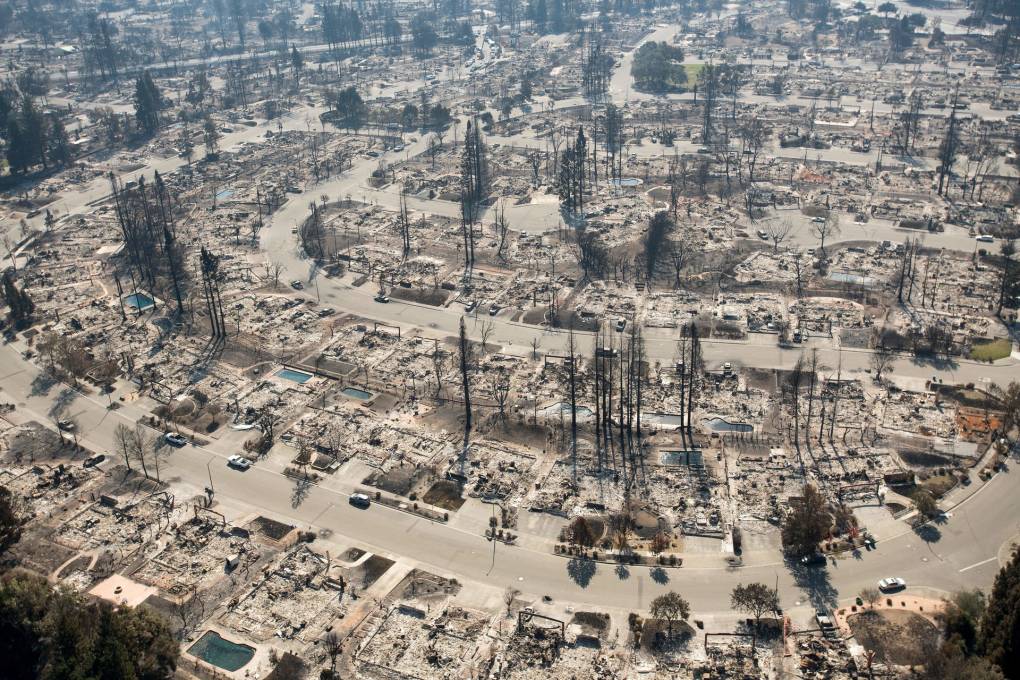
"caption": "An aerial view shows burned properties in Santa Rosa on Oct. 12, 2017, after a massive wildfire swept through.",
"credit": "Josh Edelson/AFP/Getty Images",
"altTag": "Row and after row of a suburban neighborhood lay in shambles. The homes are no longer intact. The plots are strewn about with debris and char from fire. Naked trees line each street.",
"description": null,
"imgSizes": {
"medium": {
"file": "https://cdn.kqed.org/wp-content/uploads/sites/35/2022/11/RS27514_GettyImages-860684916-qut-800x533.jpg",
"width": 800,
"height": 533,
"mimeType": "image/jpeg"
},
"large": {
"file": "https://cdn.kqed.org/wp-content/uploads/sites/35/2022/11/RS27514_GettyImages-860684916-qut-1020x680.jpg",
"width": 1020,
"height": 680,
"mimeType": "image/jpeg"
},
"thumbnail": {
"file": "https://cdn.kqed.org/wp-content/uploads/sites/35/2022/11/RS27514_GettyImages-860684916-qut-160x107.jpg",
"width": 160,
"height": 107,
"mimeType": "image/jpeg"
},
"medium_large": {
"file": "https://cdn.kqed.org/wp-content/uploads/sites/35/2022/11/RS27514_GettyImages-860684916-qut-768x512.jpg",
"width": 768,
"height": 512,
"mimeType": "image/jpeg"
},
"1536x1536": {
"file": "https://cdn.kqed.org/wp-content/uploads/sites/35/2022/11/RS27514_GettyImages-860684916-qut-1536x1024.jpg",
"width": 1536,
"height": 1024,
"mimeType": "image/jpeg"
},
"post-thumbnail": {
"file": "https://cdn.kqed.org/wp-content/uploads/sites/35/2022/11/RS27514_GettyImages-860684916-qut-672x372.jpg",
"width": 672,
"height": 372,
"mimeType": "image/jpeg"
},
"twentyfourteen-full-width": {
"file": "https://cdn.kqed.org/wp-content/uploads/sites/35/2022/11/RS27514_GettyImages-860684916-qut-1038x576.jpg",
"width": 1038,
"height": 576,
"mimeType": "image/jpeg"
},
"kqedFullSize": {
"file": "https://cdn.kqed.org/wp-content/uploads/sites/35/2022/11/RS27514_GettyImages-860684916-qut.jpg",
"width": 1920,
"height": 1280
}
},
"isLoading": false,
"fetchFailed": false
},
"science_1993303": {
"type": "attachments",
"id": "science_1993303",
"meta": {
"index": "attachments_1716263798",
"site": "science",
"id": "1993303",
"found": true
},
"title": "2Y2A5178",
"publishDate": 1718216830,
"status": "inherit",
"parent": 0,
"modified": 1718217066,
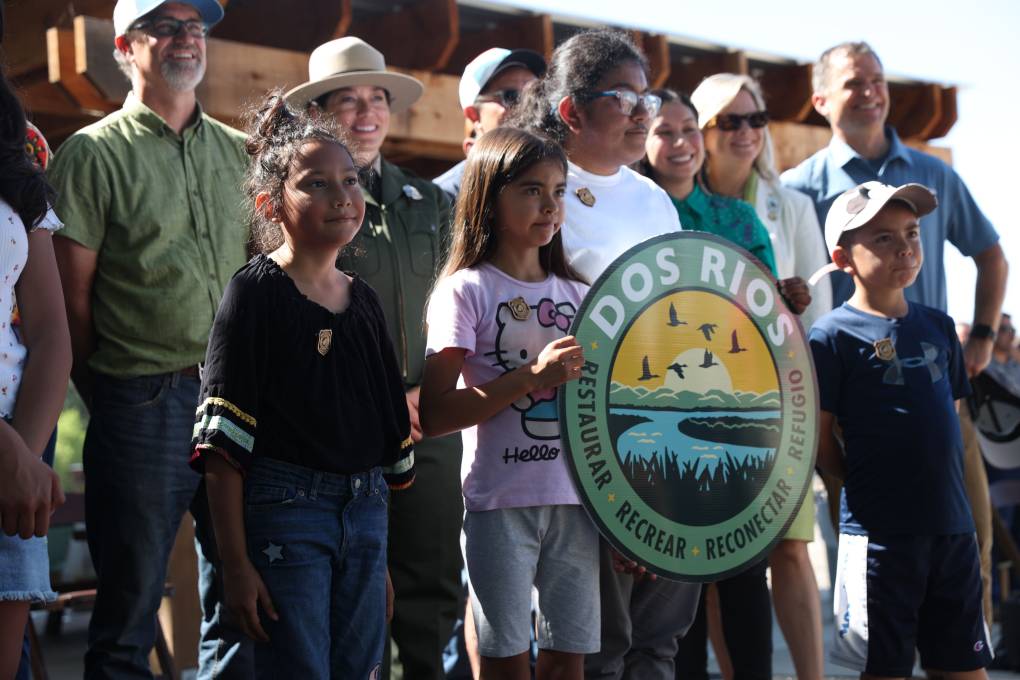
"caption": "Students hold a park emblem at Dos Rios, California’s newest state park, at the park's opening ceremony in Modesto on June 12, 2024. Dos Rios is California’s 281st state park and is the first park to open in over a decade. The students just completed the California State Parks Junior Ranger program.",
"credit": "Gina Castro/KQED",
"altTag": null,
"description": null,
"imgSizes": {
"medium": {
"file": "https://cdn.kqed.org/wp-content/uploads/sites/35/2024/06/2Y2A5178-800x533.jpg",
"width": 800,
"height": 533,
"mimeType": "image/jpeg"
},
"large": {
"file": "https://cdn.kqed.org/wp-content/uploads/sites/35/2024/06/2Y2A5178-1020x680.jpg",
"width": 1020,
"height": 680,
"mimeType": "image/jpeg"
},
"thumbnail": {
"file": "https://cdn.kqed.org/wp-content/uploads/sites/35/2024/06/2Y2A5178-160x107.jpg",
"width": 160,
"height": 107,
"mimeType": "image/jpeg"
},
"medium_large": {
"file": "https://cdn.kqed.org/wp-content/uploads/sites/35/2024/06/2Y2A5178-768x512.jpg",
"width": 768,
"height": 512,
"mimeType": "image/jpeg"
},
"1536x1536": {
"file": "https://cdn.kqed.org/wp-content/uploads/sites/35/2024/06/2Y2A5178-1536x1024.jpg",
"width": 1536,
"height": 1024,
"mimeType": "image/jpeg"
},
"2048x2048": {
"file": "https://cdn.kqed.org/wp-content/uploads/sites/35/2024/06/2Y2A5178-2048x1365.jpg",
"width": 2048,
"height": 1365,
"mimeType": "image/jpeg"
},
"post-thumbnail": {
"file": "https://cdn.kqed.org/wp-content/uploads/sites/35/2024/06/2Y2A5178-672x372.jpg",
"width": 672,
"height": 372,
"mimeType": "image/jpeg"
},
"twentyfourteen-full-width": {
"file": "https://cdn.kqed.org/wp-content/uploads/sites/35/2024/06/2Y2A5178-1038x576.jpg",
"width": 1038,
"height": 576,
"mimeType": "image/jpeg"
},
"full-width": {
"file": "https://cdn.kqed.org/wp-content/uploads/sites/35/2024/06/2Y2A5178-1920x1280.jpg",
"width": 1920,
"height": 1280,
"mimeType": "image/jpeg"
},
"kqedFullSize": {
"file": "https://cdn.kqed.org/wp-content/uploads/sites/35/2024/06/2Y2A5178-scaled.jpg",
"width": 2560,
"height": 1707
}
},
"isLoading": false,
"fetchFailed": false
},
"science_1985212": {
"type": "attachments",
"id": "science_1985212",
"meta": {
"index": "attachments_1716263798",
"site": "science",
"id": "1985212",
"found": true
},
"title": "231110-PRESCRIBED BURN_PENN VALLEY_NEVADA COUNTY10-EB-KQED",
"publishDate": 1699620650,
"status": "inherit",
"parent": 0,
"modified": 1718056791,
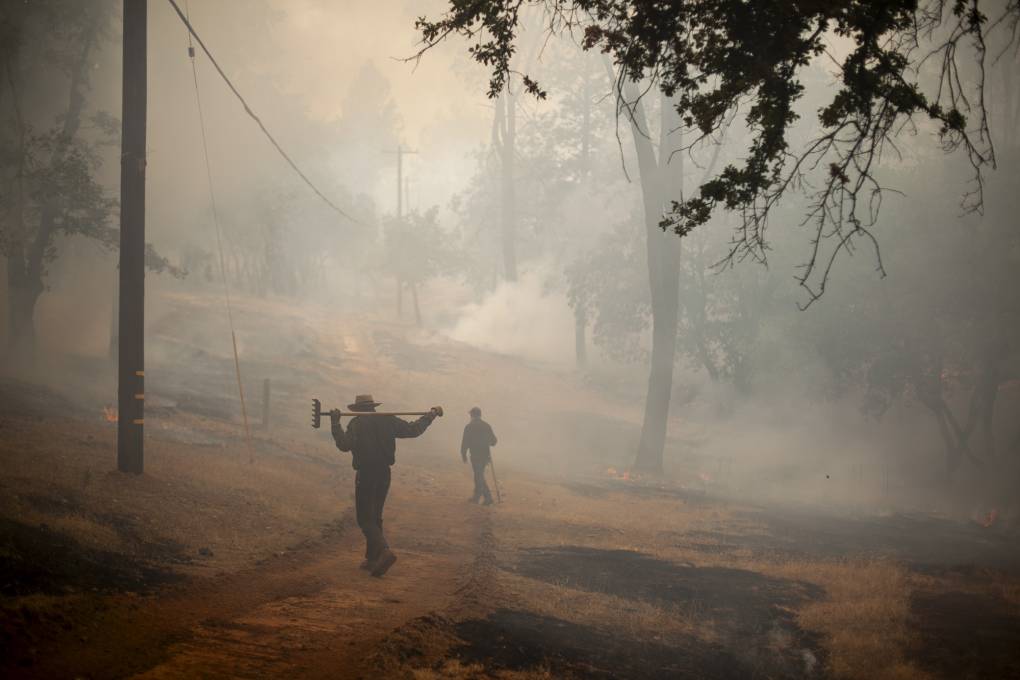
"caption": "Workers perform a prescribed burn on a private property in Penn Valley, a small, rural community in Nevada County, California, on June 22, 2023. The burn aims to reduce the brush and grasses that fuel megafires, while also helping to restore native plants to the region.",
"credit": "Erin Baldassari/KQED",
"altTag": "Two people walk through a smokey hillside.",
"description": null,
"imgSizes": {
"medium": {
"file": "https://cdn.kqed.org/wp-content/uploads/sites/35/2023/11/231110-PRESCRIBED-BURN_PENN-VALLEY_NEVADA-COUNTY10-EB-KQED-800x533.jpg",
"width": 800,
"height": 533,
"mimeType": "image/jpeg"
},
"large": {
"file": "https://cdn.kqed.org/wp-content/uploads/sites/35/2023/11/231110-PRESCRIBED-BURN_PENN-VALLEY_NEVADA-COUNTY10-EB-KQED-1020x680.jpg",
"width": 1020,
"height": 680,
"mimeType": "image/jpeg"
},
"thumbnail": {
"file": "https://cdn.kqed.org/wp-content/uploads/sites/35/2023/11/231110-PRESCRIBED-BURN_PENN-VALLEY_NEVADA-COUNTY10-EB-KQED-160x107.jpg",
"width": 160,
"height": 107,
"mimeType": "image/jpeg"
},
"medium_large": {
"file": "https://cdn.kqed.org/wp-content/uploads/sites/35/2023/11/231110-PRESCRIBED-BURN_PENN-VALLEY_NEVADA-COUNTY10-EB-KQED-768x512.jpg",
"width": 768,
"height": 512,
"mimeType": "image/jpeg"
},
"1536x1536": {
"file": "https://cdn.kqed.org/wp-content/uploads/sites/35/2023/11/231110-PRESCRIBED-BURN_PENN-VALLEY_NEVADA-COUNTY10-EB-KQED-1536x1024.jpg",
"width": 1536,
"height": 1024,
"mimeType": "image/jpeg"
},
"post-thumbnail": {
"file": "https://cdn.kqed.org/wp-content/uploads/sites/35/2023/11/231110-PRESCRIBED-BURN_PENN-VALLEY_NEVADA-COUNTY10-EB-KQED-672x372.jpg",
"width": 672,
"height": 372,
"mimeType": "image/jpeg"
},
"twentyfourteen-full-width": {
"file": "https://cdn.kqed.org/wp-content/uploads/sites/35/2023/11/231110-PRESCRIBED-BURN_PENN-VALLEY_NEVADA-COUNTY10-EB-KQED-1038x576.jpg",
"width": 1038,
"height": 576,
"mimeType": "image/jpeg"
},
"full-width": {
"file": "https://cdn.kqed.org/wp-content/uploads/sites/35/2023/11/231110-PRESCRIBED-BURN_PENN-VALLEY_NEVADA-COUNTY10-EB-KQED-1920x1280.jpg",
"width": 1920,
"height": 1280,
"mimeType": "image/jpeg"
},
"kqedFullSize": {
"file": "https://cdn.kqed.org/wp-content/uploads/sites/35/2023/11/231110-PRESCRIBED-BURN_PENN-VALLEY_NEVADA-COUNTY10-EB-KQED.jpg",
"width": 2000,
"height": 1333
}
},
"isLoading": false,
"fetchFailed": false
},
"science_1993147": {
"type": "attachments",
"id": "science_1993147",
"meta": {
"index": "attachments_1716263798",
"site": "science",
"id": "1993147",
"found": true
},
"title": "53764721071_5C2BD1F163_O-KQED-1",
"publishDate": 1717460447,
"status": "inherit",
"parent": 0,
"modified": 1717460741,
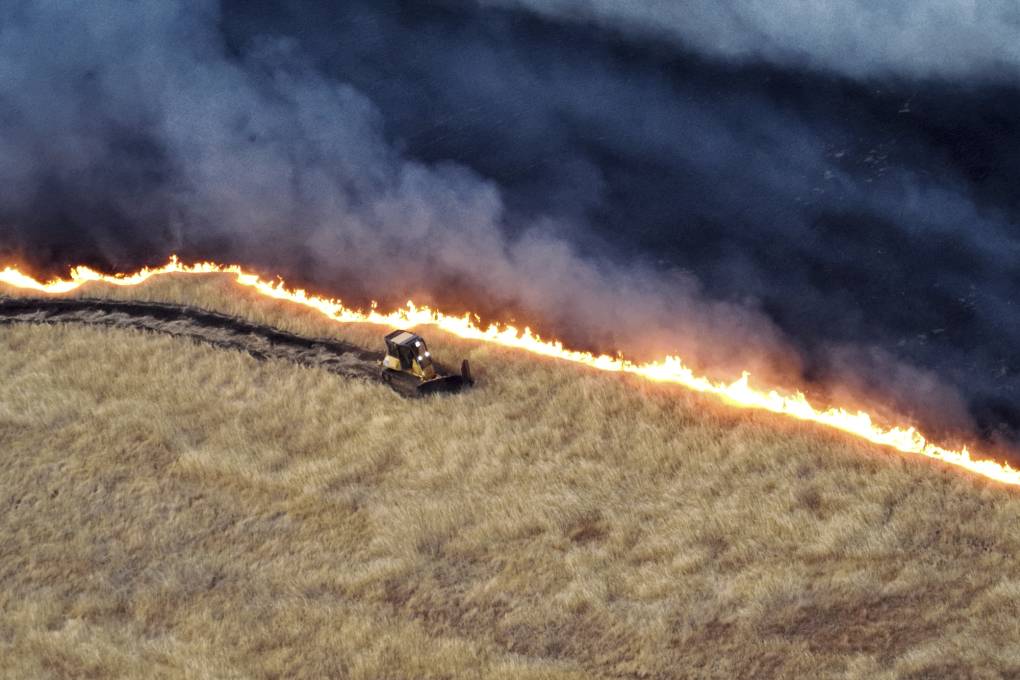
"caption": "A bulldozer works against the Corral Fire near Tracy on June 2, 2024.",
"credit": "Courtesy of California Department of Forestry and Fire Protection",
"altTag": "A bulldozer moves near a wildfire.",
"description": null,
"imgSizes": {
"medium": {
"file": "https://cdn.kqed.org/wp-content/uploads/sites/35/2024/06/53764721071_5C2BD1F163_O-KQED-1-800x533.jpg",
"width": 800,
"height": 533,
"mimeType": "image/jpeg"
},
"large": {
"file": "https://cdn.kqed.org/wp-content/uploads/sites/35/2024/06/53764721071_5C2BD1F163_O-KQED-1-1020x680.jpg",
"width": 1020,
"height": 680,
"mimeType": "image/jpeg"
},
"thumbnail": {
"file": "https://cdn.kqed.org/wp-content/uploads/sites/35/2024/06/53764721071_5C2BD1F163_O-KQED-1-160x107.jpg",
"width": 160,
"height": 107,
"mimeType": "image/jpeg"
},
"medium_large": {
"file": "https://cdn.kqed.org/wp-content/uploads/sites/35/2024/06/53764721071_5C2BD1F163_O-KQED-1-768x512.jpg",
"width": 768,
"height": 512,
"mimeType": "image/jpeg"
},
"1536x1536": {
"file": "https://cdn.kqed.org/wp-content/uploads/sites/35/2024/06/53764721071_5C2BD1F163_O-KQED-1-1536x1024.jpg",
"width": 1536,
"height": 1024,
"mimeType": "image/jpeg"
},
"post-thumbnail": {
"file": "https://cdn.kqed.org/wp-content/uploads/sites/35/2024/06/53764721071_5C2BD1F163_O-KQED-1-672x372.jpg",
"width": 672,
"height": 372,
"mimeType": "image/jpeg"
},
"twentyfourteen-full-width": {
"file": "https://cdn.kqed.org/wp-content/uploads/sites/35/2024/06/53764721071_5C2BD1F163_O-KQED-1-1038x576.jpg",
"width": 1038,
"height": 576,
"mimeType": "image/jpeg"
},
"full-width": {
"file": "https://cdn.kqed.org/wp-content/uploads/sites/35/2024/06/53764721071_5C2BD1F163_O-KQED-1-1920x1280.jpg",
"width": 1920,
"height": 1280,
"mimeType": "image/jpeg"
},
"kqedFullSize": {
"file": "https://cdn.kqed.org/wp-content/uploads/sites/35/2024/06/53764721071_5C2BD1F163_O-KQED-1.jpg",
"width": 2000,
"height": 1333
}
},
"isLoading": false,
"fetchFailed": false
},
"science_1992959": {
"type": "attachments",
"id": "science_1992959",
"meta": {
"index": "attachments_1716263798",
"site": "science",
"id": "1992959",
"found": true
},
"title": "DL1107-Stingless-Bees-Guard-Tasty-Honey-With-Barricades-Bouncers-and-Bites-KQED-B",
"publishDate": 1716484082,
"status": "inherit",
"parent": 1992956,
"modified": 1716484205,
"caption": "A stingless bee of the species Melipona beecheii feeds on honey in its nest in Oaxaca, Mexico.",
"credit": "Josh Cassidy/KQED",
"altTag": null,
"description": null,
"imgSizes": {
"medium": {
"file": "https://cdn.kqed.org/wp-content/uploads/sites/35/2024/05/DL1107-Stingless-Bees-Guard-Tasty-Honey-With-Barricades-Bouncers-and-Bites-KQED-B-800x450.jpg",
"width": 800,
"height": 450,
"mimeType": "image/jpeg"
},
"large": {
"file": "https://cdn.kqed.org/wp-content/uploads/sites/35/2024/05/DL1107-Stingless-Bees-Guard-Tasty-Honey-With-Barricades-Bouncers-and-Bites-KQED-B-1020x574.jpg",
"width": 1020,
"height": 574,
"mimeType": "image/jpeg"
},
"thumbnail": {
"file": "https://cdn.kqed.org/wp-content/uploads/sites/35/2024/05/DL1107-Stingless-Bees-Guard-Tasty-Honey-With-Barricades-Bouncers-and-Bites-KQED-B-160x90.jpg",
"width": 160,
"height": 90,
"mimeType": "image/jpeg"
},
"medium_large": {
"file": "https://cdn.kqed.org/wp-content/uploads/sites/35/2024/05/DL1107-Stingless-Bees-Guard-Tasty-Honey-With-Barricades-Bouncers-and-Bites-KQED-B-768x432.jpg",
"width": 768,
"height": 432,
"mimeType": "image/jpeg"
},
"1536x1536": {
"file": "https://cdn.kqed.org/wp-content/uploads/sites/35/2024/05/DL1107-Stingless-Bees-Guard-Tasty-Honey-With-Barricades-Bouncers-and-Bites-KQED-B-1536x864.jpg",
"width": 1536,
"height": 864,
"mimeType": "image/jpeg"
},
"post-thumbnail": {
"file": "https://cdn.kqed.org/wp-content/uploads/sites/35/2024/05/DL1107-Stingless-Bees-Guard-Tasty-Honey-With-Barricades-Bouncers-and-Bites-KQED-B-672x372.jpg",
"width": 672,
"height": 372,
"mimeType": "image/jpeg"
},
"twentyfourteen-full-width": {
"file": "https://cdn.kqed.org/wp-content/uploads/sites/35/2024/05/DL1107-Stingless-Bees-Guard-Tasty-Honey-With-Barricades-Bouncers-and-Bites-KQED-B-1038x576.jpg",
"width": 1038,
"height": 576,
"mimeType": "image/jpeg"
},
"kqedFullSize": {
"file": "https://cdn.kqed.org/wp-content/uploads/sites/35/2024/05/DL1107-Stingless-Bees-Guard-Tasty-Honey-With-Barricades-Bouncers-and-Bites-KQED-B.jpg",
"width": 1920,
"height": 1080
}
},
"isLoading": false,
"fetchFailed": false
},
"science_1992899": {
"type": "attachments",
"id": "science_1992899",
"meta": {
"index": "attachments_1716263798",
"site": "science",
"id": "1992899",
"found": true
},
"title": "Brown pelicans at SPCA Monterey County",
"publishDate": 1716314399,
"status": "inherit",
"parent": 0,
"modified": 1716420244,
"caption": "A rescued brown pelican perches on the edge of a pool at the SPCA of Monterey County on May 13, 2024.",
"credit": "Alix Soliman/KQED",
"altTag": "A white and brown bird stands on the edge of a white pool.",
"description": null,
"imgSizes": {
"medium": {
"file": "https://cdn.kqed.org/wp-content/uploads/sites/35/2024/05/240513-BrownPelicans-AlixSoliman-01_qut-800x533.jpg",
"width": 800,
"height": 533,
"mimeType": "image/jpeg"
},
"large": {
"file": "https://cdn.kqed.org/wp-content/uploads/sites/35/2024/05/240513-BrownPelicans-AlixSoliman-01_qut-1020x680.jpg",
"width": 1020,
"height": 680,
"mimeType": "image/jpeg"
},
"thumbnail": {
"file": "https://cdn.kqed.org/wp-content/uploads/sites/35/2024/05/240513-BrownPelicans-AlixSoliman-01_qut-160x107.jpg",
"width": 160,
"height": 107,
"mimeType": "image/jpeg"
},
"medium_large": {
"file": "https://cdn.kqed.org/wp-content/uploads/sites/35/2024/05/240513-BrownPelicans-AlixSoliman-01_qut-768x512.jpg",
"width": 768,
"height": 512,
"mimeType": "image/jpeg"
},
"1536x1536": {
"file": "https://cdn.kqed.org/wp-content/uploads/sites/35/2024/05/240513-BrownPelicans-AlixSoliman-01_qut-1536x1024.jpg",
"width": 1536,
"height": 1024,
"mimeType": "image/jpeg"
},
"post-thumbnail": {
"file": "https://cdn.kqed.org/wp-content/uploads/sites/35/2024/05/240513-BrownPelicans-AlixSoliman-01_qut-672x372.jpg",
"width": 672,
"height": 372,
"mimeType": "image/jpeg"
},
"twentyfourteen-full-width": {
"file": "https://cdn.kqed.org/wp-content/uploads/sites/35/2024/05/240513-BrownPelicans-AlixSoliman-01_qut-1038x576.jpg",
"width": 1038,
"height": 576,
"mimeType": "image/jpeg"
},
"kqedFullSize": {
"file": "https://cdn.kqed.org/wp-content/uploads/sites/35/2024/05/240513-BrownPelicans-AlixSoliman-01_qut.jpg",
"width": 1920,
"height": 1280
}
},
"isLoading": false,
"fetchFailed": false
},
"science_1992911": {
"type": "attachments",
"id": "science_1992911",
"meta": {
"index": "attachments_1716263798",
"site": "science",
"id": "1992911",
"found": true
},
"title": "004_Richmond_ChevronRefinery_01132022_qut",
"publishDate": 1716400493,
"status": "inherit",
"parent": 1992910,
"modified": 1716400514,
"caption": "The Chevron Refinery, a petroleum refinery, can be seen from Point Richmond on Jan. 13, 2022.",
"credit": "Beth LaBerge/KQED",
"altTag": null,
"description": null,
"imgSizes": {
"medium": {
"file": "https://cdn.kqed.org/wp-content/uploads/sites/35/2024/05/004_Richmond_ChevronRefinery_01132022_qut-800x533.jpg",
"width": 800,
"height": 533,
"mimeType": "image/jpeg"
},
"large": {
"file": "https://cdn.kqed.org/wp-content/uploads/sites/35/2024/05/004_Richmond_ChevronRefinery_01132022_qut-1020x680.jpg",
"width": 1020,
"height": 680,
"mimeType": "image/jpeg"
},
"thumbnail": {
"file": "https://cdn.kqed.org/wp-content/uploads/sites/35/2024/05/004_Richmond_ChevronRefinery_01132022_qut-160x107.jpg",
"width": 160,
"height": 107,
"mimeType": "image/jpeg"
},
"medium_large": {
"file": "https://cdn.kqed.org/wp-content/uploads/sites/35/2024/05/004_Richmond_ChevronRefinery_01132022_qut-768x512.jpg",
"width": 768,
"height": 512,
"mimeType": "image/jpeg"
},
"1536x1536": {
"file": "https://cdn.kqed.org/wp-content/uploads/sites/35/2024/05/004_Richmond_ChevronRefinery_01132022_qut-1536x1024.jpg",
"width": 1536,
"height": 1024,
"mimeType": "image/jpeg"
},
"post-thumbnail": {
"file": "https://cdn.kqed.org/wp-content/uploads/sites/35/2024/05/004_Richmond_ChevronRefinery_01132022_qut-672x372.jpg",
"width": 672,
"height": 372,
"mimeType": "image/jpeg"
},
"twentyfourteen-full-width": {
"file": "https://cdn.kqed.org/wp-content/uploads/sites/35/2024/05/004_Richmond_ChevronRefinery_01132022_qut-1038x576.jpg",
"width": 1038,
"height": 576,
"mimeType": "image/jpeg"
},
"kqedFullSize": {
"file": "https://cdn.kqed.org/wp-content/uploads/sites/35/2024/05/004_Richmond_ChevronRefinery_01132022_qut.jpg",
"width": 1920,
"height": 1280
}
},
"isLoading": false,
"fetchFailed": false
},
"science_1985375": {
"type": "attachments",
"id": "science_1985375",
"meta": {
"index": "attachments_1716263798",
"site": "science",
"id": "1985375",
"found": true
},
"parent": 1985321,
"imgSizes": {
"twentyfourteen-full-width": {
"file": "https://ww2.kqed.org/app/uploads/sites/35/2023/11/231115-APECClimateProtest-15-BL-1038x576.jpg",
"width": 1038,
"mimeType": "image/jpeg",
"height": 576
},
"thumbnail": {
"file": "https://ww2.kqed.org/app/uploads/sites/35/2023/11/231115-APECClimateProtest-15-BL-160x107.jpg",
"width": 160,
"mimeType": "image/jpeg",
"height": 107
},
"post-thumbnail": {
"file": "https://ww2.kqed.org/app/uploads/sites/35/2023/11/231115-APECClimateProtest-15-BL-672x372.jpg",
"width": 672,
"mimeType": "image/jpeg",
"height": 372
},
"kqedFullSize": {
"file": "https://ww2.kqed.org/app/uploads/sites/35/2023/11/231115-APECClimateProtest-15-BL.jpg",
"width": 1920,
"height": 1280
},
"large": {
"file": "https://ww2.kqed.org/app/uploads/sites/35/2023/11/231115-APECClimateProtest-15-BL-1020x680.jpg",
"width": 1020,
"mimeType": "image/jpeg",
"height": 680
},
"1536x1536": {
"file": "https://ww2.kqed.org/app/uploads/sites/35/2023/11/231115-APECClimateProtest-15-BL-1536x1024.jpg",
"width": 1536,
"mimeType": "image/jpeg",
"height": 1024
},
"medium": {
"file": "https://ww2.kqed.org/app/uploads/sites/35/2023/11/231115-APECClimateProtest-15-BL-800x533.jpg",
"width": 800,
"mimeType": "image/jpeg",
"height": 533
},
"medium_large": {
"file": "https://ww2.kqed.org/app/uploads/sites/35/2023/11/231115-APECClimateProtest-15-BL-768x512.jpg",
"width": 768,
"mimeType": "image/jpeg",
"height": 512
}
},
"publishDate": 1700072743,
"modified": 1700079699,
"caption": "Kurtis Lamore holds a sign that says, 'Exxon Mobil Darren Wood' with red hand prints during a protest against the APEC summit in San Francisco on Nov. 15, 2023.",
"description": null,
"title": "231115-APECClimateProtest-15-BL",
"credit": "Beth LaBerge/KQED",
"status": "inherit",
"altTag": "A protester carries a sign.",
"isLoading": false,
"fetchFailed": false
},
"science_1992869": {
"type": "attachments",
"id": "science_1992869",
"meta": {
"index": "attachments_1716263798",
"site": "science",
"id": "1992869",
"found": true
},
"parent": 1992868,
"imgSizes": {
"twentyfourteen-full-width": {
"file": "https://cdn.kqed.org/wp-content/uploads/sites/35/2024/05/montereybayaquarium_seaotter_rockanvil_scallop-6b228a9021812c1d204e8a3a456b5a784db535af-1038x576.jpg",
"width": 1038,
"mimeType": "image/jpeg",
"height": 576
},
"thumbnail": {
"file": "https://cdn.kqed.org/wp-content/uploads/sites/35/2024/05/montereybayaquarium_seaotter_rockanvil_scallop-6b228a9021812c1d204e8a3a456b5a784db535af-160x120.jpg",
"width": 160,
"mimeType": "image/jpeg",
"height": 120
},
"post-thumbnail": {
"file": "https://cdn.kqed.org/wp-content/uploads/sites/35/2024/05/montereybayaquarium_seaotter_rockanvil_scallop-6b228a9021812c1d204e8a3a456b5a784db535af-672x372.jpg",
"width": 672,
"mimeType": "image/jpeg",
"height": 372
},
"kqedFullSize": {
"file": "https://cdn.kqed.org/wp-content/uploads/sites/35/2024/05/montereybayaquarium_seaotter_rockanvil_scallop-6b228a9021812c1d204e8a3a456b5a784db535af.jpg",
"width": 2359,
"height": 1769
},
"2048x2048": {
"file": "https://cdn.kqed.org/wp-content/uploads/sites/35/2024/05/montereybayaquarium_seaotter_rockanvil_scallop-6b228a9021812c1d204e8a3a456b5a784db535af-2048x1536.jpg",
"width": 2048,
"mimeType": "image/jpeg",
"height": 1536
},
"large": {
"file": "https://cdn.kqed.org/wp-content/uploads/sites/35/2024/05/montereybayaquarium_seaotter_rockanvil_scallop-6b228a9021812c1d204e8a3a456b5a784db535af-1020x765.jpg",
"width": 1020,
"mimeType": "image/jpeg",
"height": 765
},
"1536x1536": {
"file": "https://cdn.kqed.org/wp-content/uploads/sites/35/2024/05/montereybayaquarium_seaotter_rockanvil_scallop-6b228a9021812c1d204e8a3a456b5a784db535af-1536x1152.jpg",
"width": 1536,
"mimeType": "image/jpeg",
"height": 1152
},
"full-width": {
"file": "https://cdn.kqed.org/wp-content/uploads/sites/35/2024/05/montereybayaquarium_seaotter_rockanvil_scallop-6b228a9021812c1d204e8a3a456b5a784db535af-1920x1440.jpg",
"width": 1920,
"mimeType": "image/jpeg",
"height": 1440
},
"medium": {
"file": "https://cdn.kqed.org/wp-content/uploads/sites/35/2024/05/montereybayaquarium_seaotter_rockanvil_scallop-6b228a9021812c1d204e8a3a456b5a784db535af-800x600.jpg",
"width": 800,
"mimeType": "image/jpeg",
"height": 600
},
"medium_large": {
"file": "https://cdn.kqed.org/wp-content/uploads/sites/35/2024/05/montereybayaquarium_seaotter_rockanvil_scallop-6b228a9021812c1d204e8a3a456b5a784db535af-768x576.jpg",
"width": 768,
"mimeType": "image/jpeg",
"height": 576
}
},
"publishDate": 1716228869,
"modified": 1716228908,
"caption": "A sea otter in Monterey Bay with a rock anvil on its belly and a scallop in its forepaws.",
"description": null,
"title": "A sea otter in Monterey Bay with a rock anvil on its belly and a scallop in its forepaws.",
"credit": "Jessica Fujii",
"status": "inherit",
"altTag": null,
"isLoading": false,
"fetchFailed": false
},
"science_1970583": {
"type": "attachments",
"id": "science_1970583",
"meta": {
"index": "attachments_1716263798",
"site": "science",
"id": "1970583",
"found": true
},
"parent": 1970581,
"imgSizes": {
"twentyfourteen-full-width": {
"file": "https://cdn.kqed.org/wp-content/uploads/sites/35/2020/10/dsc02840_slide-156ffe8681254744e0ae0018f4d403f22afe665d-1038x576.jpg",
"width": 1038,
"mimeType": "image/jpeg",
"height": 576
},
"thumbnail": {
"file": "https://cdn.kqed.org/wp-content/uploads/sites/35/2020/10/dsc02840_slide-156ffe8681254744e0ae0018f4d403f22afe665d-160x107.jpg",
"width": 160,
"mimeType": "image/jpeg",
"height": 107
},
"post-thumbnail": {
"file": "https://cdn.kqed.org/wp-content/uploads/sites/35/2020/10/dsc02840_slide-156ffe8681254744e0ae0018f4d403f22afe665d-672x372.jpg",
"width": 672,
"mimeType": "image/jpeg",
"height": 372
},
"kqedFullSize": {
"file": "https://cdn.kqed.org/wp-content/uploads/sites/35/2020/10/dsc02840_slide-156ffe8681254744e0ae0018f4d403f22afe665d-scaled.jpg",
"width": 2560,
"height": 1706
},
"2048x2048": {
"file": "https://cdn.kqed.org/wp-content/uploads/sites/35/2020/10/dsc02840_slide-156ffe8681254744e0ae0018f4d403f22afe665d-2048x1365.jpg",
"width": 2048,
"mimeType": "image/jpeg",
"height": 1365
},
"large": {
"file": "https://cdn.kqed.org/wp-content/uploads/sites/35/2020/10/dsc02840_slide-156ffe8681254744e0ae0018f4d403f22afe665d-1020x680.jpg",
"width": 1020,
"mimeType": "image/jpeg",
"height": 680
},
"1536x1536": {
"file": "https://cdn.kqed.org/wp-content/uploads/sites/35/2020/10/dsc02840_slide-156ffe8681254744e0ae0018f4d403f22afe665d-1536x1024.jpg",
"width": 1536,
"mimeType": "image/jpeg",
"height": 1024
},
"full-width": {
"file": "https://cdn.kqed.org/wp-content/uploads/sites/35/2020/10/dsc02840_slide-156ffe8681254744e0ae0018f4d403f22afe665d-1920x1280.jpg",
"width": 1920,
"mimeType": "image/jpeg",
"height": 1280
},
"medium": {
"file": "https://cdn.kqed.org/wp-content/uploads/sites/35/2020/10/dsc02840_slide-156ffe8681254744e0ae0018f4d403f22afe665d-800x533.jpg",
"width": 800,
"mimeType": "image/jpeg",
"height": 533
},
"medium_large": {
"file": "https://cdn.kqed.org/wp-content/uploads/sites/35/2020/10/dsc02840_slide-156ffe8681254744e0ae0018f4d403f22afe665d-768x512.jpg",
"width": 768,
"mimeType": "image/jpeg",
"height": 512
}
},
"publishDate": 1603298909,
"modified": 1715712866,
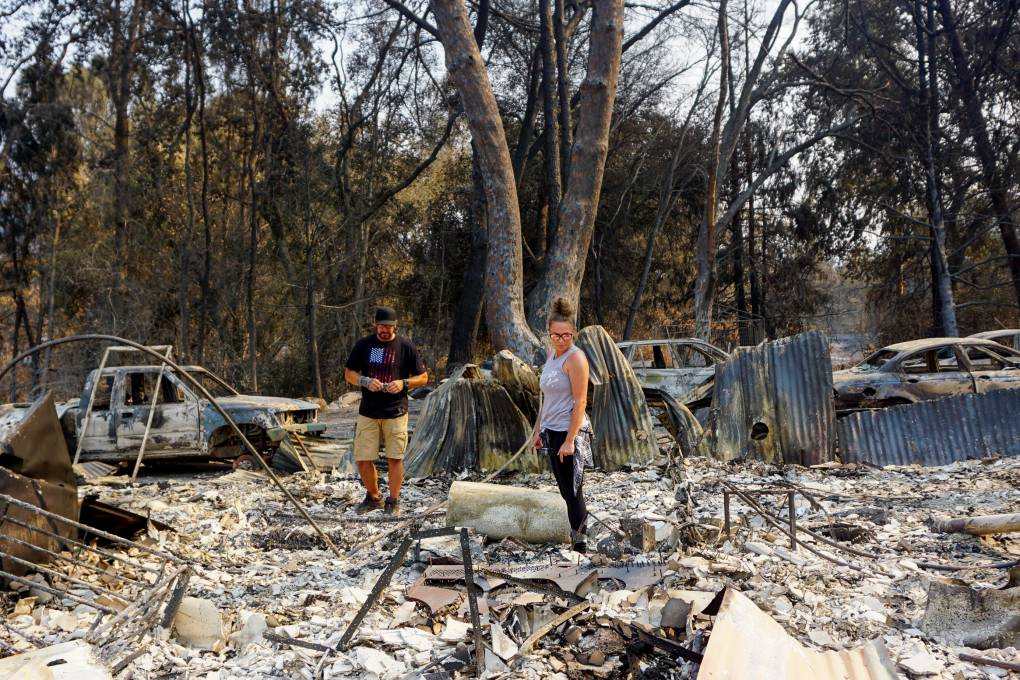
"caption": "Ryan and Jennifer Montano search through the remains of their Vacaville, California, home, which was destroyed in the LNU Lightning Complex Fire in August 2020.",
"description": null,
"title": "Ryan and Jennifer Montano search through the remains of their Vacaville, Calif., home, destroyed in the LNU Lightning Complex Fire in August.",
"credit": "Lauren Sommer/NPR",
"status": "inherit",
"altTag": null,
"isLoading": false,
"fetchFailed": false
},
"science_1992704": {
"type": "attachments",
"id": "science_1992704",
"meta": {
"index": "attachments_1716263798",
"site": "science",
"id": "1992704",
"found": true
},
"parent": 1992430,
"imgSizes": {
"twentyfourteen-full-width": {
"file": "https://cdn.kqed.org/wp-content/uploads/sites/35/2024/05/DL1106_Meet_the_Bug_You_Didnt_Know_You_Were_Eating_KQED-B-1038x576.jpg",
"width": 1038,
"mimeType": "image/jpeg",
"height": 576
},
"thumbnail": {
"file": "https://cdn.kqed.org/wp-content/uploads/sites/35/2024/05/DL1106_Meet_the_Bug_You_Didnt_Know_You_Were_Eating_KQED-B-160x90.jpg",
"width": 160,
"mimeType": "image/jpeg",
"height": 90
},
"post-thumbnail": {
"file": "https://cdn.kqed.org/wp-content/uploads/sites/35/2024/05/DL1106_Meet_the_Bug_You_Didnt_Know_You_Were_Eating_KQED-B-672x372.jpg",
"width": 672,
"mimeType": "image/jpeg",
"height": 372
},
"kqedFullSize": {
"file": "https://cdn.kqed.org/wp-content/uploads/sites/35/2024/05/DL1106_Meet_the_Bug_You_Didnt_Know_You_Were_Eating_KQED-B.jpg",
"width": 1920,
"height": 1080
},
"large": {
"file": "https://cdn.kqed.org/wp-content/uploads/sites/35/2024/05/DL1106_Meet_the_Bug_You_Didnt_Know_You_Were_Eating_KQED-B-1020x574.jpg",
"width": 1020,
"mimeType": "image/jpeg",
"height": 574
},
"1536x1536": {
"file": "https://cdn.kqed.org/wp-content/uploads/sites/35/2024/05/DL1106_Meet_the_Bug_You_Didnt_Know_You_Were_Eating_KQED-B-1536x864.jpg",
"width": 1536,
"mimeType": "image/jpeg",
"height": 864
},
"medium": {
"file": "https://cdn.kqed.org/wp-content/uploads/sites/35/2024/05/DL1106_Meet_the_Bug_You_Didnt_Know_You_Were_Eating_KQED-B-800x450.jpg",
"width": 800,
"mimeType": "image/jpeg",
"height": 450
},
"medium_large": {
"file": "https://cdn.kqed.org/wp-content/uploads/sites/35/2024/05/DL1106_Meet_the_Bug_You_Didnt_Know_You_Were_Eating_KQED-B-768x432.jpg",
"width": 768,
"mimeType": "image/jpeg",
"height": 432
}
},
"publishDate": 1715395596,
"modified": 1715395596,
"caption": null,
"description": null,
"title": "DL1106_Meet_the_Bug_You_Didnt_Know_You_Were_Eating_KQED-B",
"credit": null,
"status": "inherit",
"altTag": null,
"isLoading": false,
"fetchFailed": false
},
"science_1992557": {
"type": "attachments",
"id": "science_1992557",
"meta": {
"index": "attachments_1716263798",
"site": "science",
"id": "1992557",
"found": true
},
"parent": 1992580,
"imgSizes": {
"twentyfourteen-full-width": {
"file": "https://cdn.kqed.org/wp-content/uploads/sites/35/2024/05/230814-AlvisoBay-23-BL_qut-1038x576.jpg",
"width": 1038,
"mimeType": "image/jpeg",
"height": 576
},
"thumbnail": {
"file": "https://cdn.kqed.org/wp-content/uploads/sites/35/2024/05/230814-AlvisoBay-23-BL_qut-160x107.jpg",
"width": 160,
"mimeType": "image/jpeg",
"height": 107
},
"post-thumbnail": {
"file": "https://cdn.kqed.org/wp-content/uploads/sites/35/2024/05/230814-AlvisoBay-23-BL_qut-672x372.jpg",
"width": 672,
"mimeType": "image/jpeg",
"height": 372
},
"kqedFullSize": {
"file": "https://cdn.kqed.org/wp-content/uploads/sites/35/2024/05/230814-AlvisoBay-23-BL_qut.jpg",
"width": 1920,
"height": 1280
},
"large": {
"file": "https://cdn.kqed.org/wp-content/uploads/sites/35/2024/05/230814-AlvisoBay-23-BL_qut-1020x680.jpg",
"width": 1020,
"mimeType": "image/jpeg",
"height": 680
},
"1536x1536": {
"file": "https://cdn.kqed.org/wp-content/uploads/sites/35/2024/05/230814-AlvisoBay-23-BL_qut-1536x1024.jpg",
"width": 1536,
"mimeType": "image/jpeg",
"height": 1024
},
"medium": {
"file": "https://cdn.kqed.org/wp-content/uploads/sites/35/2024/05/230814-AlvisoBay-23-BL_qut-800x533.jpg",
"width": 800,
"mimeType": "image/jpeg",
"height": 533
},
"medium_large": {
"file": "https://cdn.kqed.org/wp-content/uploads/sites/35/2024/05/230814-AlvisoBay-23-BL_qut-768x512.jpg",
"width": 768,
"mimeType": "image/jpeg",
"height": 512
}
},
"publishDate": 1714611223,
"modified": 1714829247,
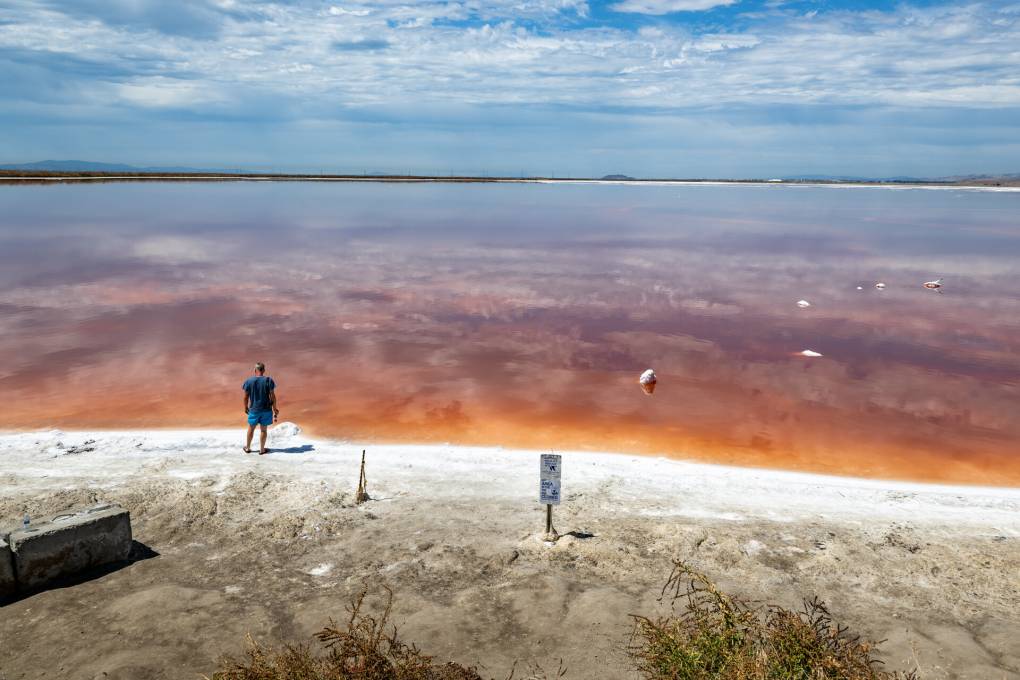
"caption": "Clumps of salt stick out of the water at a salt pond in Alviso on Aug. 15, 2023, a district of San José located on the southern shores of San Francisco Bay.",
"description": null,
"title": "230814-AlvisoBay-23-BL_qut",
"credit": "Beth LaBerge/KQED",
"status": "inherit",
"altTag": null,
"isLoading": false,
"fetchFailed": false
}
},
"audioPlayerReducer": {
"postId": "stream_live",
"isPaused": true,
"isPlaying": false,
"pfsActive": false,
"pledgeModalIsOpen": true,
"playerDrawerIsOpen": false,
"liveAudioPlayStartedAt": 0,
"liveAudioPlayContext": ""
},
"authorsReducer": {
"byline_science_1992933": {
"type": "authors",
"id": "byline_science_1992933",
"meta": {
"override": true
},
"slug": "byline_science_1992933",
"name": "Alix Soliman",
"isLoading": false
},
"byline_science_1992868": {
"type": "authors",
"id": "byline_science_1992868",
"meta": {
"override": true
},
"slug": "byline_science_1992868",
"name": "Nell Greenfieldboyce",
"isLoading": false
},
"byline_science_1992580": {
"type": "authors",
"id": "byline_science_1992580",
"meta": {
"override": true
},
"slug": "byline_science_1992580",
"name": "\u003ca href=\"https://www.kqed.org/author/jgeha\">Joseph Geha\u003c/a>",
"isLoading": false
},
"gabriela-quiros": {
"type": "authors",
"id": "6186",
"meta": {
"index": "authors_1716337520",
"id": "6186",
"found": true
},
"name": "Gabriela Quirós",
"firstName": "Gabriela",
"lastName": "Quirós",
"slug": "gabriela-quiros",
"email": "gquiros@kqed.org",
"display_author_email": false,
"staff_mastheads": [],
"title": "Supervising Producer",
"bio": "Gabriela Quirós is the \u003cstrong>supervising producer for KQED's web science video series \u003ca href=\"https://www.kqed.org/deeplook\">Deep Look\u003c/a>\u003c/strong>. She joined KQED as a TV producer when its science series QUEST started in 2006 and has covered everything from Alzheimer’s to bee die-offs to dark energy.\r\n\r\nShe won a 2022 AAAS Kavli Science Journalism Award with a team of her Deep Look colleagues. She has won six regional Emmys as a video producer and has shared eight more as the coordinating producer of Deep Look. The episode she produced about \u003ca href=\"https://www.kqed.org/science/728086/how-mosquitoes-use-six-needles-to-suck-your-blood\">How Mosquitoes Use Six Needles to Suck Your Blood\u003c/a> won a Webby \"People's Voice\" award. She has also earned awards from the Jackson Hole Wildlife Film Festival, the Society of Professional Journalists and the Society of Environmental Journalists.\r\n\r\nHer videos for KQED have also aired on NOVA scienceNOW and the PBS NewsHour, and appeared on NPR.org.\r\n\r\nAs an independent filmmaker, she produced and directed the hour-long documentary \u003ca href=\"http://lpbp.org/beautiful-sin-qa-with-producer-gabriela-quiros/\">\u003cem>Beautiful Sin\u003c/em>\u003c/a>, about the surprising story of how Costa Rica became the only country in the world to outlaw in vitro fertilization. The film aired in 2015 on public television stations throughout the U.S., and in Costa Rica.\r\n\r\nShe started her journalism career as a newspaper reporter in Costa Rica, where she grew up. She won the National Science Journalism Award there for a series of articles about organic agriculture, and developed a life-long interest in health reporting. She moved to the Bay Area in 1996 to study documentary filmmaking at the University of California, Berkeley, where she received master’s degrees in journalism and Latin American studies.",
"avatar": "https://secure.gravatar.com/avatar/6d82c20152affd1b434c31a904c40809?s=600&d=blank&r=g",
"twitter": "gabrielaquirosr",
"facebook": null,
"instagram": null,
"linkedin": null,
"sites": [
{
"site": "science",
"roles": []
},
{
"site": "quest",
"roles": [
"ef_view_calendar",
"ef_view_story_budget"
]
}
],
"headData": {
"title": "Gabriela Quirós | KQED",
"description": "Supervising Producer",
"ogImgSrc": "https://secure.gravatar.com/avatar/6d82c20152affd1b434c31a904c40809?s=600&d=blank&r=g",
"twImgSrc": "https://secure.gravatar.com/avatar/6d82c20152affd1b434c31a904c40809?s=600&d=blank&r=g"
},
"isLoading": false,
"link": "/author/gabriela-quiros"
},
"lklivans": {
"type": "authors",
"id": "8648",
"meta": {
"index": "authors_1716337520",
"id": "8648",
"found": true
},
"name": "Laura Klivans",
"firstName": "Laura",
"lastName": "Klivans",
"slug": "lklivans",
"email": "lklivans@kqed.org",
"display_author_email": true,
"staff_mastheads": [
"news",
"science"
],
"title": "Reporter",
"bio": "Laura Klivans is an award-winning science reporter for KQED News, where she covers climate change with an eye on both groundbreaking progress and gaps in action. She is the former host of KQED's blockbuster video series about tiny, amazing animals, \u003cem>Deep Look\u003c/em>. Her work reaches national audiences through NPR, \u003cem>Here & Now, \u003c/em>PRI, and other major outlets. \r\n\r\nLaura’s won five Northern California Area Emmy Awards for Deep Look and First Place in the Greater Bay Area Journalism Awards for a podcast exploring how one Oakland neighborhood teamed up to reduce planet-heating pollution.\r\n\r\nBeyond her reporting, she hosts and moderates events. In the past, she taught audio storytelling at the UC Berkeley Graduate School of Journalism, led international education programs, worked with immigrants and refugees along the Thai-Burmese border, taught high schoolers sex ed, and was an actress. \r\n\r\nShe's a former UC Berkeley Human Rights Fellow, USC Center for Health Journalism's California Fellow and Coro Fellow in Public Affairs. Laura has a master’s in journalism from UC Berkeley, a master’s in education from Harvard, and an undergraduate degree from Northwestern University.\r\n\r\nShe loves trying to riddle the meaning out of vanity license plates.",
"avatar": "https://secure.gravatar.com/avatar/2d2ecd1550a494cc10ad4a503406965585902124739e775a9b3817eebf1d88be?s=600&d=blank&r=g",
"twitter": "lauraklivans",
"bluesky": null,
"facebook": null,
"instagram": null,
"linkedin": null,
"sites": [
{
"site": "news",
"roles": [
"editor"
]
},
{
"site": "stateofhealth",
"roles": [
"contributor",
"editor"
]
},
{
"site": "science",
"roles": [
"editor"
]
},
{
"site": "forum",
"roles": [
"editor"
]
}
],
"headData": {
"title": "Laura Klivans | KQED",
"description": "Reporter",
"ogImgSrc": "https://secure.gravatar.com/avatar/2d2ecd1550a494cc10ad4a503406965585902124739e775a9b3817eebf1d88be?s=600&d=blank&r=g",
"twImgSrc": "https://secure.gravatar.com/avatar/2d2ecd1550a494cc10ad4a503406965585902124739e775a9b3817eebf1d88be?s=600&d=blank&r=g"
},
"isLoading": false,
"link": "/author/lklivans"
},
"dventon": {
"type": "authors",
"id": "11088",
"meta": {
"index": "authors_1716337520",
"id": "11088",
"found": true
},
"name": "Danielle Venton",
"firstName": "Danielle",
"lastName": "Venton",
"slug": "dventon",
"email": "dventon@kqed.org",
"display_author_email": true,
"staff_mastheads": [
"science"
],
"title": "Science reporter",
"bio": "Danielle Venton is a reporter for KQED Science. She covers wildfires, space and oceans (though she is prone to sea sickness).\r\n\r\nBefore joining KQED in 2015, Danielle was a staff reporter at KRCB in Sonoma County and a freelancer. She studied science communication at UC Santa Cruz and formerly worked at CERN in Geneva, Switzerland where she wrote about computing. She lives in Sonoma County and enjoys backpacking.",
"avatar": "https://secure.gravatar.com/avatar/37b292b5c40c8d93959c4f48d73b5286f41b7abd8588277e941905a3ed4c801c?s=600&d=blank&r=g",
"twitter": "DanielleVenton",
"bluesky": null,
"facebook": null,
"instagram": null,
"linkedin": null,
"sites": [
{
"site": "arts",
"roles": [
"contributor"
]
},
{
"site": "news",
"roles": [
"editor"
]
},
{
"site": "futureofyou",
"roles": [
"editor"
]
},
{
"site": "science",
"roles": [
"editor"
]
},
{
"site": "liveblog",
"roles": [
"contributor"
]
}
],
"headData": {
"title": "Danielle Venton | KQED",
"description": "Science reporter",
"ogImgSrc": "https://secure.gravatar.com/avatar/37b292b5c40c8d93959c4f48d73b5286f41b7abd8588277e941905a3ed4c801c?s=600&d=blank&r=g",
"twImgSrc": "https://secure.gravatar.com/avatar/37b292b5c40c8d93959c4f48d73b5286f41b7abd8588277e941905a3ed4c801c?s=600&d=blank&r=g"
},
"isLoading": false,
"link": "/author/dventon"
},
"kevinstark": {
"type": "authors",
"id": "11608",
"meta": {
"index": "authors_1716337520",
"id": "11608",
"found": true
},
"name": "Kevin Stark",
"firstName": "Kevin",
"lastName": "Stark",
"slug": "kevinstark",
"email": "kstark@kqed.org",
"display_author_email": true,
"staff_mastheads": [
"science"
],
"title": "Senior Editor",
"bio": "Kevin is a senior editor for KQED Science, managing the station's health and climate desks. His journalism career began in the Pacific Northwest, and he later became a lead reporter for the San Francisco Public Press. His work has appeared in Pacific Standard magazine, the Energy News Network, the Center for Investigative Reporting's Reveal and WBEZ in Chicago. Kevin joined KQED in 2019, and has covered issues related to energy, wildfire, climate change and the environment.",
"avatar": "https://secure.gravatar.com/avatar/365aaa4b597d3a8374f67504ff0facd323d7906e8eb4be0a7efd2427408e802c?s=600&d=blank&r=g",
"twitter": "starkkev",
"bluesky": null,
"facebook": null,
"instagram": null,
"linkedin": null,
"sites": [
{
"site": "",
"roles": [
"editor"
]
},
{
"site": "news",
"roles": [
"editor"
]
},
{
"site": "science",
"roles": [
"administrator"
]
}
],
"headData": {
"title": "Kevin Stark | KQED",
"description": "Senior Editor",
"ogImgSrc": "https://secure.gravatar.com/avatar/365aaa4b597d3a8374f67504ff0facd323d7906e8eb4be0a7efd2427408e802c?s=600&d=blank&r=g",
"twImgSrc": "https://secure.gravatar.com/avatar/365aaa4b597d3a8374f67504ff0facd323d7906e8eb4be0a7efd2427408e802c?s=600&d=blank&r=g"
},
"isLoading": false,
"link": "/author/kevinstark"
},
"smohamad": {
"type": "authors",
"id": "11631",
"meta": {
"index": "authors_1716337520",
"id": "11631",
"found": true
},
"name": "Sarah Mohamad",
"firstName": "Sarah",
"lastName": "Mohamad",
"slug": "smohamad",
"email": "smohamad@KQED.org",
"display_author_email": true,
"staff_mastheads": [],
"title": "Engagement Producer and Reporter, KQED Science",
"bio": "Sarah Mohamad is an audience engagement reporter and producer for KQED Science. She reports on audience-focused science and environment stories and manages the team's social media, newsletter, and engagement efforts. Prior to this role, she played a key role as project manager for NSF's \u003ca href=\"https://www.kqed.org/crackingthecode\">\u003cem>Cracking the Code: Influencing Millennial Science Engagement\u003c/em> \u003c/a>audience research.",
"avatar": "https://secure.gravatar.com/avatar/e6224957cd82d015183756ddde1f928013a563d7ca2e4565f8c4de1ec64886c5?s=600&d=blank&r=g",
"twitter": "sarahkmohamad",
"bluesky": null,
"facebook": null,
"instagram": null,
"linkedin": null,
"sites": [
{
"site": "",
"roles": [
"editor"
]
},
{
"site": "arts",
"roles": [
"editor"
]
},
{
"site": "news",
"roles": [
"editor"
]
},
{
"site": "about",
"roles": [
"editor"
]
},
{
"site": "science",
"roles": [
"editor"
]
}
],
"headData": {
"title": "Sarah Mohamad | KQED",
"description": "Engagement Producer and Reporter, KQED Science",
"ogImgSrc": "https://secure.gravatar.com/avatar/e6224957cd82d015183756ddde1f928013a563d7ca2e4565f8c4de1ec64886c5?s=600&d=blank&r=g",
"twImgSrc": "https://secure.gravatar.com/avatar/e6224957cd82d015183756ddde1f928013a563d7ca2e4565f8c4de1ec64886c5?s=600&d=blank&r=g"
},
"isLoading": false,
"link": "/author/smohamad"
},
"rtuiran": {
"type": "authors",
"id": "11858",
"meta": {
"index": "authors_1716337520",
"id": "11858",
"found": true
},
"name": "Rosa Tuirán",
"firstName": "Rosa",
"lastName": "Tuirán",
"slug": "rtuiran",
"email": "rtuiran@kqed.org",
"display_author_email": false,
"staff_mastheads": [
"science"
],
"title": "Digital Video Producer ",
"bio": "Rosa Tuirán is a PBS Accelerator Fellow for Diverse Voices and a video producer for KQED's web science video series, Deep Look. Originally from Mexico City, she studied International Relations for her B.A. After graduating, she pursued her passion for underwater photography in South Africa and later worked as a video journalist for BuzzFeed News in New York City.\r\n\r\nIn 2020, she received her Master of Journalism from the University of California, Berkeley with a focus on documentary filmmaking. During the pandemic's early stages, she was a part of the COVID-19 California reporting initiative with The New York Times and the Investigative Reporting Program. \r\n\r\nHer work has been featured on PBS Frontline, PBS NOVA, CBS News, National Geographic, The Guardian and The New York Times.",
"avatar": "https://secure.gravatar.com/avatar/192c377dfd982c86993f2351bc0d6fb2?s=600&d=blank&r=g",
"twitter": null,
"facebook": null,
"instagram": null,
"linkedin": null,
"sites": [
{
"site": "science",
"roles": [
"editor"
]
}
],
"headData": {
"title": "Rosa Tuirán | KQED",
"description": "Digital Video Producer ",
"ogImgSrc": "https://secure.gravatar.com/avatar/192c377dfd982c86993f2351bc0d6fb2?s=600&d=blank&r=g",
"twImgSrc": "https://secure.gravatar.com/avatar/192c377dfd982c86993f2351bc0d6fb2?s=600&d=blank&r=g"
},
"isLoading": false,
"link": "/author/rtuiran"
}
},
"pagesReducer": {
"science_category_environment": {
"type": "terms",
"id": "science_35",
"meta": {
"index": "terms_1716263798",
"site": "science",
"id": "35",
"score": 12.138271
},
"featImg": null,
"name": "Environment",
"description": null,
"taxonomy": "category",
"headData": {
"twImgId": null,
"twTitle": null,
"ogTitle": null,
"ogImgId": null,
"twDescription": null,
"description": null,
"title": "Environment Archives | KQED Science",
"ogDescription": null
},
"ttid": 37,
"slug": "environment",
"isLoading": false,
"title": "Environment",
"pageMeta": {
"site": "science",
"WpPageTemplate": "page-topic-editorial",
"currentPage": 10
},
"blocks": [
{
"blockName": "kqed/post-list",
"attrs": {
"layout": "cardArticle2",
"query": "posts/science?category=environment",
"seeMore": false,
"paginated": true,
"page": 10
}
},
{
"blockName": "kqed/ad"
}
]
}
},
"pfsSessionReducer": {},
"postsReducer": {
"stream_live": {
"type": "live",
"id": "stream_live",
"audioUrl": "https://streams.kqed.org/kqedradio",
"title": "Live Stream",
"excerpt": "Live Stream information currently unavailable.",
"link": "/radio",
"featImg": "",
"label": {
"name": "KQED Live",
"link": "/"
}
},
"stream_kqedNewscast": {
"type": "posts",
"id": "stream_kqedNewscast",
"audioUrl": "https://www.kqed.org/.stream/anon/radio/RDnews/newscast.mp3?_=1",
"title": "KQED Newscast",
"featImg": "",
"label": {
"name": "88.5 FM",
"link": "/"
}
},
"science_1993316": {
"type": "posts",
"id": "science_1993316",
"meta": {
"index": "posts_1716263798",
"site": "science",
"id": "1993316",
"score": null,
"sort": [
1718226296000
]
},
"guestAuthors": [],
"slug": "california-shows-where-insurers-would-need-to-boost-coverage-in-fire-prone-areas",
"title": "California Shows Where Insurers Would Need to Boost Coverage in Fire-Prone Areas",
"publishDate": 1718226296,
"format": "standard",
"headTitle": "California Shows Where Insurers Would Need to Boost Coverage in Fire-Prone Areas | KQED",
"labelTerm": {
"site": "science"
},
"content": "\u003cp>California insurance regulators on Wednesday released maps of the state’s most wildfire-distressed areas, where they aim to require insurance companies to write more policies, the next phase of their plan to address the ongoing \u003ca href=\"https://www.kqed.org/science/1992803/newsom-seeks-faster-track-for-home-insurance-rate-hikes-as-market-shrinks\">crisis in the state’s home insurance market\u003c/a>.\u003c/p>\n\u003cp>The new draft state regulations are a cornerstone of the California Department of Insurance’s strategy to make more insurance available for consumers, who have found it hard to find new property insurance as companies pull out of the market amid \u003ca href=\"https://www.kqed.org/science/1993253/what-to-know-about-landmark-wildfire-bills-led-by-california-congressman\">worsening wildfire risk\u003c/a>. Homeowners have been increasingly pushed toward the FAIR Plan, the state’s insurer of last resort, which offers expensive, low-quality coverage and is severely \u003ca href=\"https://www.kqed.org/science/1992401/homeowners-insurance-market-stretched-even-thinner-as-2-more-companies-leave-california\">financially overextended\u003c/a>.\u003c/p>\n\u003cp>To do this, the department floated draft regulations requiring companies to offer more coverage in wildfire-distressed areas of the state. As a concession, California will allow insurance providers to set rates using forward-looking catastrophe models that consider the effects of climate change on future disasters and also incorporate mitigation done to increase safety.\u003c/p>\n\u003cp>Wednesday’s maps are the second part of that regulatory focus, outlining the deal insurance companies must accept if they are going to use catastrophe models that, along with other proposed changes, are likely to lead to rate increases.\u003c/p>\n\u003cp>\u003c!-- iframe plugin v.4.3 wordpress.org/plugins/iframe/ -->\u003cbr>\n\u003ciframe loading=\"lazy\" title=\"Wildfire 'distressed' residential ZIP codes in California\" aria-label=\"Map\" id=\"datawrapper-chart-Fp8Ko\" src=\"https://datawrapper.dwcdn.net/Fp8Ko/2/\" scrolling=\"no\" frameborder=\"0\" style=\"border: none;\" width=\"1000\" height=\"898\" data-external=\"1\" class=\"iframe-class\">\u003c/iframe>\u003c/p>\n\u003cp>The maps show that about half of the state is in distressed areas: all of far northern California, nearly all of the Sierra Nevada, Napa and Marin counties in the Bay Area, along with most of the Central Coast and pockets in Southern California.\u003c/p>\n\u003cp>Insurance commission officials identified these areas by their fire hazard, considered either “high” or “very high” in the most recent \u003ca href=\"https://osfm.fire.ca.gov/what-we-do/community-wildfire-preparedness-and-mitigation/fire-hazard-severity-zones/fire-hazard-severity-zones-maps-2022\">Cal Fire hazard maps\u003c/a>. They also included counties where 20% or more of homes are considered high-risk. ZIP codes where the FAIR Plan covers 15% or more of insurance policies are additionally included, as are areas where insurance is extremely expensive relative to incomes in the area, as defined by a new department metric called the “affordability index.”\u003c/p>\n\u003cp>The regulations will require larger companies to cover 85% of their market share in wildfire-distressed areas (so, theoretically, if a single company held half of all homeowners policies in the state, that company would be required to offer coverage to 42.5% of properties in those areas). Smaller and regional insurance companies are not required to meet this standard, as the insurance department considers it may be an undue business burden on them. However, the state is asking these smaller companies to increase their existing market share of policies in wildfire-prone areas by 5% over the next two years.\u003c/p>\n\u003cp>[ad fullwidth]\u003c/p>\n\u003cp>“We’re creating targets that are achievable and will help consumers not in decades but absolutely now,” Insurance Commissioner Ricardo Lara said in a briefing. “As soon as our regulations are complete later this year, insurance companies that use catastrophic models will have to publicly detail their commitments in writing.”\u003c/p>\n\u003cp>“Technology is harming consumers, not helping them when it comes to making insurance more available and affordable. I commend the department for insisting that there be a tangible benefit for consumers,” said Amy Bach, executive director of United Policyholders, in a release.\u003c/p>\n\u003cp>Draft regulations and maps are available on the \u003ca href=\"https://www.insurance.ca.gov/0400-news/0100-press-releases/2024/release023-2024.cfm\">insurance department’s website\u003c/a>.\u003c/p>\n\u003cp>A public workshop to discuss the draft regulations is scheduled for June 26 at 2:30 p.m. Register \u003ca href=\"https://www.insurance.ca.gov/0250-insurers/0500-legal-info/0300-workshop-insurers/upload/Invitation-to-Workshop-Regarding-Catastrophe-Modeling-and-Ratemaking-Insurer-Commitments-to-Increase-Writing-of-Policies-in-High-Risk-Wildfire-Areas.pdf\">here\u003c/a> [PDF]. The public is invited to submit written comments by June 27 to \u003ca href=\"mailto:CDIRegulations@insurance.ca.gov\">CDIRegulations@insurance.ca.gov\u003c/a>.\u003c/p>\n\u003cp>\u003c/p>\n",
"blocks": [],
"excerpt": "New maps are part of California insurance regulators’ plan to address the ongoing crisis in the state’s home insurance market.",
"status": "publish",
"parent": 0,
"modified": 1718403230,
"stats": {
"hasAudio": false,
"hasVideo": false,
"hasChartOrMap": true,
"iframeSrcs": [
"https://datawrapper.dwcdn.net/Fp8Ko/2/"
],
"hasGoogleForm": false,
"hasGallery": false,
"hasHearkenModule": false,
"hasPolis": false,
"paragraphCount": 14,
"wordCount": 595
},
"headData": {
"title": "California Shows Where Insurers Would Need to Boost Coverage in Fire-Prone Areas | KQED",
"description": "New maps are part of California insurance regulators’ plan to address the ongoing crisis in the state’s home insurance market.",
"ogTitle": "",
"ogDescription": "",
"ogImgId": "",
"twTitle": "",
"twDescription": "",
"twImgId": "",
"schema": {
"@context": "https://schema.org",
"@type": "Article",
"headline": "California Shows Where Insurers Would Need to Boost Coverage in Fire-Prone Areas",
"datePublished": "2024-06-12T14:04:56-07:00",
"dateModified": "2024-06-14T15:13:50-07:00",
"image": "https://cdn.kqed.org/wp-content/uploads/2020/02/KQED-OG-Image@1x.png"
}
},
"sticky": false,
"nprStoryId": "kqed-1993316",
"excludeFromSiteSearch": "Include",
"articleAge": "0",
"path": "/science/1993316/california-shows-where-insurers-would-need-to-boost-coverage-in-fire-prone-areas",
"audioTrackLength": null,
"parsedContent": [
{
"type": "contentString",
"content": "\u003cdiv class=\"post-body\">\u003cp>\u003cp>California insurance regulators on Wednesday released maps of the state’s most wildfire-distressed areas, where they aim to require insurance companies to write more policies, the next phase of their plan to address the ongoing \u003ca href=\"https://www.kqed.org/science/1992803/newsom-seeks-faster-track-for-home-insurance-rate-hikes-as-market-shrinks\">crisis in the state’s home insurance market\u003c/a>.\u003c/p>\n\u003cp>The new draft state regulations are a cornerstone of the California Department of Insurance’s strategy to make more insurance available for consumers, who have found it hard to find new property insurance as companies pull out of the market amid \u003ca href=\"https://www.kqed.org/science/1993253/what-to-know-about-landmark-wildfire-bills-led-by-california-congressman\">worsening wildfire risk\u003c/a>. Homeowners have been increasingly pushed toward the FAIR Plan, the state’s insurer of last resort, which offers expensive, low-quality coverage and is severely \u003ca href=\"https://www.kqed.org/science/1992401/homeowners-insurance-market-stretched-even-thinner-as-2-more-companies-leave-california\">financially overextended\u003c/a>.\u003c/p>\n\u003cp>To do this, the department floated draft regulations requiring companies to offer more coverage in wildfire-distressed areas of the state. As a concession, California will allow insurance providers to set rates using forward-looking catastrophe models that consider the effects of climate change on future disasters and also incorporate mitigation done to increase safety.\u003c/p>\n\u003cp>Wednesday’s maps are the second part of that regulatory focus, outlining the deal insurance companies must accept if they are going to use catastrophe models that, along with other proposed changes, are likely to lead to rate increases.\u003c/p>\n\u003cp>\u003c!-- iframe plugin v.4.3 wordpress.org/plugins/iframe/ -->\u003cbr>\n\u003ciframe loading=\"lazy\" title=\"Wildfire 'distressed' residential ZIP codes in California\" aria-label=\"Map\" id=\"datawrapper-chart-Fp8Ko\" src=\"https://datawrapper.dwcdn.net/Fp8Ko/2/\" scrolling=\"no\" frameborder=\"0\" style=\"border: none;\" width=\"1000\" height=\"898\" data-external=\"1\" class=\"iframe-class\">\u003c/iframe>\u003c/p>\n\u003cp>The maps show that about half of the state is in distressed areas: all of far northern California, nearly all of the Sierra Nevada, Napa and Marin counties in the Bay Area, along with most of the Central Coast and pockets in Southern California.\u003c/p>\n\u003cp>Insurance commission officials identified these areas by their fire hazard, considered either “high” or “very high” in the most recent \u003ca href=\"https://osfm.fire.ca.gov/what-we-do/community-wildfire-preparedness-and-mitigation/fire-hazard-severity-zones/fire-hazard-severity-zones-maps-2022\">Cal Fire hazard maps\u003c/a>. They also included counties where 20% or more of homes are considered high-risk. ZIP codes where the FAIR Plan covers 15% or more of insurance policies are additionally included, as are areas where insurance is extremely expensive relative to incomes in the area, as defined by a new department metric called the “affordability index.”\u003c/p>\n\u003cp>The regulations will require larger companies to cover 85% of their market share in wildfire-distressed areas (so, theoretically, if a single company held half of all homeowners policies in the state, that company would be required to offer coverage to 42.5% of properties in those areas). Smaller and regional insurance companies are not required to meet this standard, as the insurance department considers it may be an undue business burden on them. However, the state is asking these smaller companies to increase their existing market share of policies in wildfire-prone areas by 5% over the next two years.\u003c/p>\n\u003cp>\u003c/p>\u003c/div>",
"attributes": {
"named": {},
"numeric": []
}
},
{
"type": "component",
"content": "",
"name": "ad",
"attributes": {
"named": {
"label": "fullwidth"
},
"numeric": [
"fullwidth"
]
}
},
{
"type": "contentString",
"content": "\u003cdiv class=\"post-body\">\u003cp>\u003c/p>\n\u003cp>“We’re creating targets that are achievable and will help consumers not in decades but absolutely now,” Insurance Commissioner Ricardo Lara said in a briefing. “As soon as our regulations are complete later this year, insurance companies that use catastrophic models will have to publicly detail their commitments in writing.”\u003c/p>\n\u003cp>“Technology is harming consumers, not helping them when it comes to making insurance more available and affordable. I commend the department for insisting that there be a tangible benefit for consumers,” said Amy Bach, executive director of United Policyholders, in a release.\u003c/p>\n\u003cp>Draft regulations and maps are available on the \u003ca href=\"https://www.insurance.ca.gov/0400-news/0100-press-releases/2024/release023-2024.cfm\">insurance department’s website\u003c/a>.\u003c/p>\n\u003cp>A public workshop to discuss the draft regulations is scheduled for June 26 at 2:30 p.m. Register \u003ca href=\"https://www.insurance.ca.gov/0250-insurers/0500-legal-info/0300-workshop-insurers/upload/Invitation-to-Workshop-Regarding-Catastrophe-Modeling-and-Ratemaking-Insurer-Commitments-to-Increase-Writing-of-Policies-in-High-Risk-Wildfire-Areas.pdf\">here\u003c/a> [PDF]. The public is invited to submit written comments by June 27 to \u003ca href=\"mailto:CDIRegulations@insurance.ca.gov\">CDIRegulations@insurance.ca.gov\u003c/a>.\u003c/p>\n\u003cp>\u003c/p>\n\u003c/div>\u003c/p>",
"attributes": {
"named": {},
"numeric": []
}
}
],
"link": "/science/1993316/california-shows-where-insurers-would-need-to-boost-coverage-in-fire-prone-areas",
"authors": [
"11088"
],
"categories": [
"science_31",
"science_35",
"science_40",
"science_4450"
],
"tags": [
"science_5275",
"science_112",
"science_5274",
"science_3779",
"science_5259",
"science_113"
],
"featImg": "science_1980742",
"label": "science"
},
"science_1993294": {
"type": "posts",
"id": "science_1993294",
"meta": {
"index": "posts_1716263798",
"site": "science",
"id": "1993294",
"score": null,
"sort": [
1718218733000
]
},
"guestAuthors": [],
"slug": "california-has-a-new-state-park-and-it-opens-today",
"title": "California Has a New State Park, and It Is Now Open",
"publishDate": 1718218733,
"format": "standard",
"headTitle": "California Has a New State Park, and It Is Now Open | KQED",
"labelTerm": {
"site": "science"
},
"content": "\u003cp>Located between the Tuolumne and San Joaquin rivers in the heart of Central Valley and about 90 minutes east of San Francisco, Dos Rios is the first state park to open in over a decade.\u003c/p>\n\u003cp>What makes the 1600-acre park unique is that it’s the largest floodplain restoration project in California, and that work is meant to help prevent destructive flooding in the San Joaquin Valley, according to Dos Rios park manager, Paige Haller.\u003c/p>\n\u003cfigure id=\"attachment_1993305\" class=\"wp-caption alignnone\" style=\"max-width: 2560px\">\u003cimg loading=\"lazy\" decoding=\"async\" class=\"size-full wp-image-1993305\" src=\"https://cdn.kqed.org/wp-content/uploads/sites/35/2024/06/2Y2A5193-scaled.jpg\" alt=\"\" width=\"2560\" height=\"1707\" srcset=\"https://cdn.kqed.org/wp-content/uploads/sites/35/2024/06/2Y2A5193-scaled.jpg 2560w, https://cdn.kqed.org/wp-content/uploads/sites/35/2024/06/2Y2A5193-800x533.jpg 800w, https://cdn.kqed.org/wp-content/uploads/sites/35/2024/06/2Y2A5193-1020x680.jpg 1020w, https://cdn.kqed.org/wp-content/uploads/sites/35/2024/06/2Y2A5193-160x107.jpg 160w, https://cdn.kqed.org/wp-content/uploads/sites/35/2024/06/2Y2A5193-768x512.jpg 768w, https://cdn.kqed.org/wp-content/uploads/sites/35/2024/06/2Y2A5193-1536x1024.jpg 1536w, https://cdn.kqed.org/wp-content/uploads/sites/35/2024/06/2Y2A5193-2048x1365.jpg 2048w, https://cdn.kqed.org/wp-content/uploads/sites/35/2024/06/2Y2A5193-1920x1280.jpg 1920w\" sizes=\"(max-width: 2560px) 100vw, 2560px\">\u003cfigcaption class=\"wp-caption-text\">Matt McDonnal, a California State Parks employee, leads a walking tour at Dos Rios, California’s newest state park, on the park’s opening day in Modesto on June 12. Dos Rios is California’s 281st state park and the first park to open in over a decade. \u003ccite>(Gina Castro/KQED)\u003c/cite>\u003c/figcaption>\u003c/figure>\n\u003cp>The preserve was once owned by farmers who grew tomatoes and almonds. However, after over a decade of restoration work, it’s home to riparian brush rabbit, Chinook salmon, the greater Sandhill crane, and many other endangered animals and migratory wildlife.\u003c/p>\n\u003cp>“The park itself is located on the Pacific Flyway, and we’re also adjacent to the San Joaquin River National Wildlife Refuge. So there are a lot of interesting birds and wildlife to see,” Haller said.\u003c/p>\n\u003cfigure id=\"attachment_1993308\" class=\"wp-caption alignnone\" style=\"max-width: 2560px\">\u003cimg loading=\"lazy\" decoding=\"async\" class=\"size-full wp-image-1993308\" src=\"https://cdn.kqed.org/wp-content/uploads/sites/35/2024/06/20240612_DosRios_GC-6-scaled.jpg\" alt=\"\" width=\"2560\" height=\"1706\" srcset=\"https://cdn.kqed.org/wp-content/uploads/sites/35/2024/06/20240612_DosRios_GC-6-scaled.jpg 2560w, https://cdn.kqed.org/wp-content/uploads/sites/35/2024/06/20240612_DosRios_GC-6-800x533.jpg 800w, https://cdn.kqed.org/wp-content/uploads/sites/35/2024/06/20240612_DosRios_GC-6-1020x680.jpg 1020w, https://cdn.kqed.org/wp-content/uploads/sites/35/2024/06/20240612_DosRios_GC-6-160x107.jpg 160w, https://cdn.kqed.org/wp-content/uploads/sites/35/2024/06/20240612_DosRios_GC-6-768x512.jpg 768w, https://cdn.kqed.org/wp-content/uploads/sites/35/2024/06/20240612_DosRios_GC-6-1536x1024.jpg 1536w, https://cdn.kqed.org/wp-content/uploads/sites/35/2024/06/20240612_DosRios_GC-6-2048x1365.jpg 2048w, https://cdn.kqed.org/wp-content/uploads/sites/35/2024/06/20240612_DosRios_GC-6-1920x1280.jpg 1920w\" sizes=\"(max-width: 2560px) 100vw, 2560px\">\u003cfigcaption class=\"wp-caption-text\">Paige Haller, park manager, speaks at the grand opening of Dos Rios, California’s newest state park, in Modesto on June 12. The 1,600-acre Dos Rios is California’s 281st state park and the first to open in over a decade. \u003ccite>(Gina Castro/KQED)\u003c/cite>\u003c/figcaption>\u003c/figure>\n\u003cp>The park is dog-friendly, and visitors can enjoy hikes, guided walks with an interpreter, picnics at one of the ramadas near the riverbanks, and wildlife and bird-watching.\u003c/p>\n\u003cp>“Not only will the new park provide critical habitat for plants and animals, it’s also creating opportunities for people to improve their mental and physical well-being by having more access to the outdoors,” Haller said.\u003c/p>\n\u003cfigure id=\"attachment_1993299\" class=\"wp-caption alignnone\" style=\"max-width: 2560px\">\u003cimg loading=\"lazy\" decoding=\"async\" class=\"size-full wp-image-1993299\" src=\"https://cdn.kqed.org/wp-content/uploads/sites/35/2024/06/2Y2A5274-scaled.jpg\" alt=\"\" width=\"2560\" height=\"1707\" srcset=\"https://cdn.kqed.org/wp-content/uploads/sites/35/2024/06/2Y2A5274-scaled.jpg 2560w, https://cdn.kqed.org/wp-content/uploads/sites/35/2024/06/2Y2A5274-800x533.jpg 800w, https://cdn.kqed.org/wp-content/uploads/sites/35/2024/06/2Y2A5274-1020x680.jpg 1020w, https://cdn.kqed.org/wp-content/uploads/sites/35/2024/06/2Y2A5274-160x107.jpg 160w, https://cdn.kqed.org/wp-content/uploads/sites/35/2024/06/2Y2A5274-768x512.jpg 768w, https://cdn.kqed.org/wp-content/uploads/sites/35/2024/06/2Y2A5274-1536x1024.jpg 1536w, https://cdn.kqed.org/wp-content/uploads/sites/35/2024/06/2Y2A5274-2048x1365.jpg 2048w, https://cdn.kqed.org/wp-content/uploads/sites/35/2024/06/2Y2A5274-1920x1280.jpg 1920w\" sizes=\"(max-width: 2560px) 100vw, 2560px\">\u003cfigcaption class=\"wp-caption-text\">Clara Yates, 3, reaches for a sticker at a booth in Dos Rios, California’s newest state park, on the park’s opening day in Modesto on June 12. \u003ccite>(Gina Castro/KQED)\u003c/cite>\u003c/figcaption>\u003c/figure>\n\u003cp>Officials hope to continue improving the park in the future. They plan to create better river access for swimming, fishing, boating and other water sports, along with trails for bicycling and other outdoor recreation activities. The vision is also to provide outdoor classroom space for kids.\u003c/p>\n\u003cp>There are also plans for several “park after dark” programs, including things like campfire nights, guided evening walks, and stargazing. For updates on these upcoming activities, \u003ca href=\"https://www.parks.ca.gov/?page_id=31363\">visit the park’s website\u003c/a> or follow \u003ca href=\"https://www.instagram.com/dosriossp/?hl=en\">its social media channels\u003c/a>.\u003c/p>\n\u003cfigure id=\"attachment_1993306\" class=\"wp-caption alignnone\" style=\"max-width: 2560px\">\u003cimg loading=\"lazy\" decoding=\"async\" class=\"size-full wp-image-1993306\" src=\"https://cdn.kqed.org/wp-content/uploads/sites/35/2024/06/2Y2A5248-scaled.jpg\" alt=\"\" width=\"2560\" height=\"1707\" srcset=\"https://cdn.kqed.org/wp-content/uploads/sites/35/2024/06/2Y2A5248-scaled.jpg 2560w, https://cdn.kqed.org/wp-content/uploads/sites/35/2024/06/2Y2A5248-800x533.jpg 800w, https://cdn.kqed.org/wp-content/uploads/sites/35/2024/06/2Y2A5248-1020x680.jpg 1020w, https://cdn.kqed.org/wp-content/uploads/sites/35/2024/06/2Y2A5248-160x107.jpg 160w, https://cdn.kqed.org/wp-content/uploads/sites/35/2024/06/2Y2A5248-768x512.jpg 768w, https://cdn.kqed.org/wp-content/uploads/sites/35/2024/06/2Y2A5248-1536x1024.jpg 1536w, https://cdn.kqed.org/wp-content/uploads/sites/35/2024/06/2Y2A5248-2048x1365.jpg 2048w, https://cdn.kqed.org/wp-content/uploads/sites/35/2024/06/2Y2A5248-1920x1280.jpg 1920w\" sizes=\"(max-width: 2560px) 100vw, 2560px\">\u003cfigcaption class=\"wp-caption-text\">Ali Manzo, a California State Parks interpreter, center, poses for a photo with students who just completed the California State Parks Junior Ranger program at Dos Rios, California’s newest state park, on the park’s opening day in Modesto on June 12. \u003ccite>(Gina Castro/KQED)\u003c/cite>\u003c/figcaption>\u003c/figure>\n\u003cp>To help build out the new park, the public is invited to participate in the \u003ca href=\"https://www.parks.ca.gov/?page_id=30626\">planning process\u003c/a> at Dos Rios. “We’re in a very unique position to be able to build this from the ground up and really build it with the community, for the community,” said Danielle Gerhart, Central Valley District superintendent.\u003c/p>\n\u003cp>The park will open in time for the third annual \u003ca href=\"https://castateparksweek.org/\">California State Parks Week, which will be held June 12–16\u003c/a>, during which it will be open to the public from 7 a.m. until 5 p.m.\u003c/p>\n\u003cfigure id=\"attachment_1993302\" class=\"wp-caption alignnone\" style=\"max-width: 2560px\">\u003cimg loading=\"lazy\" decoding=\"async\" class=\"size-full wp-image-1993302\" src=\"https://cdn.kqed.org/wp-content/uploads/sites/35/2024/06/2Y2A5261-scaled.jpg\" alt=\"\" width=\"2560\" height=\"1707\" srcset=\"https://cdn.kqed.org/wp-content/uploads/sites/35/2024/06/2Y2A5261-scaled.jpg 2560w, https://cdn.kqed.org/wp-content/uploads/sites/35/2024/06/2Y2A5261-800x533.jpg 800w, https://cdn.kqed.org/wp-content/uploads/sites/35/2024/06/2Y2A5261-1020x680.jpg 1020w, https://cdn.kqed.org/wp-content/uploads/sites/35/2024/06/2Y2A5261-160x107.jpg 160w, https://cdn.kqed.org/wp-content/uploads/sites/35/2024/06/2Y2A5261-768x512.jpg 768w, https://cdn.kqed.org/wp-content/uploads/sites/35/2024/06/2Y2A5261-1536x1024.jpg 1536w, https://cdn.kqed.org/wp-content/uploads/sites/35/2024/06/2Y2A5261-2048x1365.jpg 2048w, https://cdn.kqed.org/wp-content/uploads/sites/35/2024/06/2Y2A5261-1920x1280.jpg 1920w\" sizes=\"(max-width: 2560px) 100vw, 2560px\">\u003cfigcaption class=\"wp-caption-text\">Caitlin Jackson, right, interacts with the public at a booth in Dos Rios, California’s newest state park, at the park’s opening day in Modesto on June 12. \u003ccite>(Gina Castro/KQED)\u003c/cite>\u003c/figcaption>\u003c/figure>\n\u003cp>For the rest of the summer, Dos Rios is open to the public Fridays through Sundays from 7 a.m. until 5 p.m. Entrance is free during this initial opening phase.\u003c/p>\n\u003cp>Residents with a California Public Library pass can enjoy \u003ca href=\"https://www.library.ca.gov/grants/parks-pass/faq/\">free access\u003c/a> to select state parks.\u003c/p>\n\u003cp>[ad fullwidth]\u003c/p>\n\u003cp>\u003c/p>\n",
"blocks": [],
"excerpt": "Dos Rios, located in the heart of Central Valley, is the largest floodplain restoration project in California. Here's what to know about California's newest state park.",
"status": "publish",
"parent": 0,
"modified": 1718222690,
"stats": {
"hasAudio": false,
"hasVideo": false,
"hasChartOrMap": false,
"iframeSrcs": [],
"hasGoogleForm": false,
"hasGallery": false,
"hasHearkenModule": false,
"hasPolis": false,
"paragraphCount": 14,
"wordCount": 676
},
"headData": {
"title": "California Has a New State Park, and It Is Now Open | KQED",
"description": "Dos Rios, located in the heart of Central Valley, is the largest floodplain restoration project in California. Here's what to know about California's newest state park.",
"ogTitle": "",
"ogDescription": "",
"ogImgId": "",
"twTitle": "",
"twDescription": "",
"twImgId": "",
"schema": {
"@context": "https://schema.org",
"@type": "Article",
"headline": "California Has a New State Park, and It Is Now Open",
"datePublished": "2024-06-12T11:58:53-07:00",
"dateModified": "2024-06-12T13:04:50-07:00",
"image": "https://cdn.kqed.org/wp-content/uploads/2020/02/KQED-OG-Image@1x.png"
}
},
"sticky": false,
"nprStoryId": "kqed-1993294",
"excludeFromSiteSearch": "Include",
"articleAge": "0",
"path": "/science/1993294/california-has-a-new-state-park-and-it-opens-today",
"audioTrackLength": null,
"parsedContent": [
{
"type": "contentString",
"content": "\u003cdiv class=\"post-body\">\u003cp>\u003cp>Located between the Tuolumne and San Joaquin rivers in the heart of Central Valley and about 90 minutes east of San Francisco, Dos Rios is the first state park to open in over a decade.\u003c/p>\n\u003cp>What makes the 1600-acre park unique is that it’s the largest floodplain restoration project in California, and that work is meant to help prevent destructive flooding in the San Joaquin Valley, according to Dos Rios park manager, Paige Haller.\u003c/p>\n\u003cfigure id=\"attachment_1993305\" class=\"wp-caption alignnone\" style=\"max-width: 2560px\">\u003cimg loading=\"lazy\" decoding=\"async\" class=\"size-full wp-image-1993305\" src=\"https://cdn.kqed.org/wp-content/uploads/sites/35/2024/06/2Y2A5193-scaled.jpg\" alt=\"\" width=\"2560\" height=\"1707\" srcset=\"https://cdn.kqed.org/wp-content/uploads/sites/35/2024/06/2Y2A5193-scaled.jpg 2560w, https://cdn.kqed.org/wp-content/uploads/sites/35/2024/06/2Y2A5193-800x533.jpg 800w, https://cdn.kqed.org/wp-content/uploads/sites/35/2024/06/2Y2A5193-1020x680.jpg 1020w, https://cdn.kqed.org/wp-content/uploads/sites/35/2024/06/2Y2A5193-160x107.jpg 160w, https://cdn.kqed.org/wp-content/uploads/sites/35/2024/06/2Y2A5193-768x512.jpg 768w, https://cdn.kqed.org/wp-content/uploads/sites/35/2024/06/2Y2A5193-1536x1024.jpg 1536w, https://cdn.kqed.org/wp-content/uploads/sites/35/2024/06/2Y2A5193-2048x1365.jpg 2048w, https://cdn.kqed.org/wp-content/uploads/sites/35/2024/06/2Y2A5193-1920x1280.jpg 1920w\" sizes=\"(max-width: 2560px) 100vw, 2560px\">\u003cfigcaption class=\"wp-caption-text\">Matt McDonnal, a California State Parks employee, leads a walking tour at Dos Rios, California’s newest state park, on the park’s opening day in Modesto on June 12. Dos Rios is California’s 281st state park and the first park to open in over a decade. \u003ccite>(Gina Castro/KQED)\u003c/cite>\u003c/figcaption>\u003c/figure>\n\u003cp>The preserve was once owned by farmers who grew tomatoes and almonds. However, after over a decade of restoration work, it’s home to riparian brush rabbit, Chinook salmon, the greater Sandhill crane, and many other endangered animals and migratory wildlife.\u003c/p>\n\u003cp>“The park itself is located on the Pacific Flyway, and we’re also adjacent to the San Joaquin River National Wildlife Refuge. So there are a lot of interesting birds and wildlife to see,” Haller said.\u003c/p>\n\u003cfigure id=\"attachment_1993308\" class=\"wp-caption alignnone\" style=\"max-width: 2560px\">\u003cimg loading=\"lazy\" decoding=\"async\" class=\"size-full wp-image-1993308\" src=\"https://cdn.kqed.org/wp-content/uploads/sites/35/2024/06/20240612_DosRios_GC-6-scaled.jpg\" alt=\"\" width=\"2560\" height=\"1706\" srcset=\"https://cdn.kqed.org/wp-content/uploads/sites/35/2024/06/20240612_DosRios_GC-6-scaled.jpg 2560w, https://cdn.kqed.org/wp-content/uploads/sites/35/2024/06/20240612_DosRios_GC-6-800x533.jpg 800w, https://cdn.kqed.org/wp-content/uploads/sites/35/2024/06/20240612_DosRios_GC-6-1020x680.jpg 1020w, https://cdn.kqed.org/wp-content/uploads/sites/35/2024/06/20240612_DosRios_GC-6-160x107.jpg 160w, https://cdn.kqed.org/wp-content/uploads/sites/35/2024/06/20240612_DosRios_GC-6-768x512.jpg 768w, https://cdn.kqed.org/wp-content/uploads/sites/35/2024/06/20240612_DosRios_GC-6-1536x1024.jpg 1536w, https://cdn.kqed.org/wp-content/uploads/sites/35/2024/06/20240612_DosRios_GC-6-2048x1365.jpg 2048w, https://cdn.kqed.org/wp-content/uploads/sites/35/2024/06/20240612_DosRios_GC-6-1920x1280.jpg 1920w\" sizes=\"(max-width: 2560px) 100vw, 2560px\">\u003cfigcaption class=\"wp-caption-text\">Paige Haller, park manager, speaks at the grand opening of Dos Rios, California’s newest state park, in Modesto on June 12. The 1,600-acre Dos Rios is California’s 281st state park and the first to open in over a decade. \u003ccite>(Gina Castro/KQED)\u003c/cite>\u003c/figcaption>\u003c/figure>\n\u003cp>The park is dog-friendly, and visitors can enjoy hikes, guided walks with an interpreter, picnics at one of the ramadas near the riverbanks, and wildlife and bird-watching.\u003c/p>\n\u003cp>“Not only will the new park provide critical habitat for plants and animals, it’s also creating opportunities for people to improve their mental and physical well-being by having more access to the outdoors,” Haller said.\u003c/p>\n\u003cfigure id=\"attachment_1993299\" class=\"wp-caption alignnone\" style=\"max-width: 2560px\">\u003cimg loading=\"lazy\" decoding=\"async\" class=\"size-full wp-image-1993299\" src=\"https://cdn.kqed.org/wp-content/uploads/sites/35/2024/06/2Y2A5274-scaled.jpg\" alt=\"\" width=\"2560\" height=\"1707\" srcset=\"https://cdn.kqed.org/wp-content/uploads/sites/35/2024/06/2Y2A5274-scaled.jpg 2560w, https://cdn.kqed.org/wp-content/uploads/sites/35/2024/06/2Y2A5274-800x533.jpg 800w, https://cdn.kqed.org/wp-content/uploads/sites/35/2024/06/2Y2A5274-1020x680.jpg 1020w, https://cdn.kqed.org/wp-content/uploads/sites/35/2024/06/2Y2A5274-160x107.jpg 160w, https://cdn.kqed.org/wp-content/uploads/sites/35/2024/06/2Y2A5274-768x512.jpg 768w, https://cdn.kqed.org/wp-content/uploads/sites/35/2024/06/2Y2A5274-1536x1024.jpg 1536w, https://cdn.kqed.org/wp-content/uploads/sites/35/2024/06/2Y2A5274-2048x1365.jpg 2048w, https://cdn.kqed.org/wp-content/uploads/sites/35/2024/06/2Y2A5274-1920x1280.jpg 1920w\" sizes=\"(max-width: 2560px) 100vw, 2560px\">\u003cfigcaption class=\"wp-caption-text\">Clara Yates, 3, reaches for a sticker at a booth in Dos Rios, California’s newest state park, on the park’s opening day in Modesto on June 12. \u003ccite>(Gina Castro/KQED)\u003c/cite>\u003c/figcaption>\u003c/figure>\n\u003cp>Officials hope to continue improving the park in the future. They plan to create better river access for swimming, fishing, boating and other water sports, along with trails for bicycling and other outdoor recreation activities. The vision is also to provide outdoor classroom space for kids.\u003c/p>\n\u003cp>There are also plans for several “park after dark” programs, including things like campfire nights, guided evening walks, and stargazing. For updates on these upcoming activities, \u003ca href=\"https://www.parks.ca.gov/?page_id=31363\">visit the park’s website\u003c/a> or follow \u003ca href=\"https://www.instagram.com/dosriossp/?hl=en\">its social media channels\u003c/a>.\u003c/p>\n\u003cfigure id=\"attachment_1993306\" class=\"wp-caption alignnone\" style=\"max-width: 2560px\">\u003cimg loading=\"lazy\" decoding=\"async\" class=\"size-full wp-image-1993306\" src=\"https://cdn.kqed.org/wp-content/uploads/sites/35/2024/06/2Y2A5248-scaled.jpg\" alt=\"\" width=\"2560\" height=\"1707\" srcset=\"https://cdn.kqed.org/wp-content/uploads/sites/35/2024/06/2Y2A5248-scaled.jpg 2560w, https://cdn.kqed.org/wp-content/uploads/sites/35/2024/06/2Y2A5248-800x533.jpg 800w, https://cdn.kqed.org/wp-content/uploads/sites/35/2024/06/2Y2A5248-1020x680.jpg 1020w, https://cdn.kqed.org/wp-content/uploads/sites/35/2024/06/2Y2A5248-160x107.jpg 160w, https://cdn.kqed.org/wp-content/uploads/sites/35/2024/06/2Y2A5248-768x512.jpg 768w, https://cdn.kqed.org/wp-content/uploads/sites/35/2024/06/2Y2A5248-1536x1024.jpg 1536w, https://cdn.kqed.org/wp-content/uploads/sites/35/2024/06/2Y2A5248-2048x1365.jpg 2048w, https://cdn.kqed.org/wp-content/uploads/sites/35/2024/06/2Y2A5248-1920x1280.jpg 1920w\" sizes=\"(max-width: 2560px) 100vw, 2560px\">\u003cfigcaption class=\"wp-caption-text\">Ali Manzo, a California State Parks interpreter, center, poses for a photo with students who just completed the California State Parks Junior Ranger program at Dos Rios, California’s newest state park, on the park’s opening day in Modesto on June 12. \u003ccite>(Gina Castro/KQED)\u003c/cite>\u003c/figcaption>\u003c/figure>\n\u003cp>To help build out the new park, the public is invited to participate in the \u003ca href=\"https://www.parks.ca.gov/?page_id=30626\">planning process\u003c/a> at Dos Rios. “We’re in a very unique position to be able to build this from the ground up and really build it with the community, for the community,” said Danielle Gerhart, Central Valley District superintendent.\u003c/p>\n\u003cp>The park will open in time for the third annual \u003ca href=\"https://castateparksweek.org/\">California State Parks Week, which will be held June 12–16\u003c/a>, during which it will be open to the public from 7 a.m. until 5 p.m.\u003c/p>\n\u003cfigure id=\"attachment_1993302\" class=\"wp-caption alignnone\" style=\"max-width: 2560px\">\u003cimg loading=\"lazy\" decoding=\"async\" class=\"size-full wp-image-1993302\" src=\"https://cdn.kqed.org/wp-content/uploads/sites/35/2024/06/2Y2A5261-scaled.jpg\" alt=\"\" width=\"2560\" height=\"1707\" srcset=\"https://cdn.kqed.org/wp-content/uploads/sites/35/2024/06/2Y2A5261-scaled.jpg 2560w, https://cdn.kqed.org/wp-content/uploads/sites/35/2024/06/2Y2A5261-800x533.jpg 800w, https://cdn.kqed.org/wp-content/uploads/sites/35/2024/06/2Y2A5261-1020x680.jpg 1020w, https://cdn.kqed.org/wp-content/uploads/sites/35/2024/06/2Y2A5261-160x107.jpg 160w, https://cdn.kqed.org/wp-content/uploads/sites/35/2024/06/2Y2A5261-768x512.jpg 768w, https://cdn.kqed.org/wp-content/uploads/sites/35/2024/06/2Y2A5261-1536x1024.jpg 1536w, https://cdn.kqed.org/wp-content/uploads/sites/35/2024/06/2Y2A5261-2048x1365.jpg 2048w, https://cdn.kqed.org/wp-content/uploads/sites/35/2024/06/2Y2A5261-1920x1280.jpg 1920w\" sizes=\"(max-width: 2560px) 100vw, 2560px\">\u003cfigcaption class=\"wp-caption-text\">Caitlin Jackson, right, interacts with the public at a booth in Dos Rios, California’s newest state park, at the park’s opening day in Modesto on June 12. \u003ccite>(Gina Castro/KQED)\u003c/cite>\u003c/figcaption>\u003c/figure>\n\u003cp>For the rest of the summer, Dos Rios is open to the public Fridays through Sundays from 7 a.m. until 5 p.m. Entrance is free during this initial opening phase.\u003c/p>\n\u003cp>Residents with a California Public Library pass can enjoy \u003ca href=\"https://www.library.ca.gov/grants/parks-pass/faq/\">free access\u003c/a> to select state parks.\u003c/p>\n\u003cp>\u003c/p>\u003c/div>",
"attributes": {
"named": {},
"numeric": []
}
},
{
"type": "component",
"content": "",
"name": "ad",
"attributes": {
"named": {
"label": "fullwidth"
},
"numeric": [
"fullwidth"
]
}
},
{
"type": "contentString",
"content": "\u003cdiv class=\"post-body\">\u003cp>\u003c/p>\n\u003cp>\u003c/p>\n\u003c/div>\u003c/p>",
"attributes": {
"named": {},
"numeric": []
}
}
],
"link": "/science/1993294/california-has-a-new-state-park-and-it-opens-today",
"authors": [
"11631"
],
"categories": [
"science_35",
"science_40",
"science_4450"
],
"tags": [
"science_1942",
"science_4417",
"science_4414"
],
"featImg": "science_1993303",
"label": "science"
},
"science_1993253": {
"type": "posts",
"id": "science_1993253",
"meta": {
"index": "posts_1716263798",
"site": "science",
"id": "1993253",
"score": null,
"sort": [
1718057039000
]
},
"guestAuthors": [],
"slug": "what-to-know-about-landmark-wildfire-bills-led-by-california-congressman",
"title": "What to Know About Landmark Wildfire Bills Led by California Congressman",
"publishDate": 1718057039,
"format": "standard",
"headTitle": "What to Know About Landmark Wildfire Bills Led by California Congressman | KQED",
"labelTerm": {
"site": "science"
},
"content": "\u003cp>On Monday, Central Valley Rep. Josh Harder announced a package of wildfire bills, promising a “once-in-a-generation,” “first-of-its-kind,” “all-the-above” approach to addressing the nation’s wildfire issue.\u003c/p>\n\u003cp>The package focuses on four main areas:\u003c/p>\n\u003cp>1) Hiring and training more firefighters,\u003cbr>\n2) Retaining more firefighters with better benefits and working conditions,\u003cbr>\n3) Updating technology to improve fire response time,\u003cbr>\n4) Establishing a nationwide monitoring and alert system for wildfire smoke.\u003c/p>\n\u003cp>While there’s a lot the legislation promises, its true effect — if passed — will be how it’s applied.\u003c/p>\n\u003cp>\u003cstrong>Why it matters:\u003c/strong> In an era of human-caused climate change following a century of fire suppression, wildfire season in California is growing longer and more destructive, threatening our quality of life, health and housing affordability. Wildfire destruction has \u003ca href=\"https://www.kqed.org/science/1985175/insurance-in-california-is-changing-heres-how-it-may-affect-you\">prompted a home insurance crisis\u003c/a> that is affecting the ability of residents to live here.\u003c/p>\n\u003cp>[ad fullwidth]\u003c/p>\n\u003cp>And it’s not just the fires themselves that are dangerous; the smoke they produce travels far and wide and causes unseen deaths — a hazard for which there is currently no national-level alert program. Firefighter recruitment and retention have become a major problem, particularly for \u003ca href=\"https://www.npr.org/2022/06/02/1102575243/federal-agencies-are-struggling-to-hire-and-retain-firefighters\">federal agencies like the U.S. Forest Service\u003c/a> because the base pay can be extremely low, working conditions are brutal, and the cost of living is exorbitant.\u003c/p>\n\u003cp>\u003cstrong>The catch:\u003c/strong> For years, experts have cautioned that we’ll never be able to one-more-crew-of-firefighters our way out of this problem. What’s needed is to proactively prepare the landscape and communities for fire instead of focusing on quick suppression. A commission of 50 wildfire experts convened by Congress emphasized this need for proactivity and less reactivity in \u003ca href=\"https://www.usda.gov/sites/default/files/documents/wfmmc-final-report-09-2023.pdf\">its final report\u003c/a> released last September.\u003c/p>\n\u003cp>Harder, who introduced this package of bills explicitly to respond to the commission’s recommendations, seems aware of this.\u003c/p>\n\u003cp>“The biggest impediment to us being more proactive is our staffing shortages,” Harder said. “And if you talk to most of our fire departments [and] to the U.S. Forest Service, they’ll tell you that they want to be more proactive in addressing the vegetation and the overgrowth that’s happening. And they don’t have the people to do it. They also don’t always have the technology, and there’s often far too much red tape.”\u003c/p>\n\u003cp>All three of those bottlenecks are addressed in the package of bills, he said.\u003c/p>\n\u003cp>[aside postID=science_1993130,news_11988682,science_1992803,news_11970558 label='related coverage']\u003cstrong>The bottom line:\u003c/strong> If wildfire managers use increased staffing to focus only on putting out fires, then the boost in funding for firefighters will be a repeat of already failed policies.\u003c/p>\n\u003cp>Wildfire experts are, however, sure to welcome the increased attention on wildfire smoke, which is almost shockingly dangerous. In 2018, for example, wildfires officially killed 106 people in California, but UC Irvine researchers later estimated the \u003ca href=\"https://www.kqed.org/science/1971666/california-wildfires-killed-106-people-two-years-ago-researchers-say-the-smoke-killed-3652\">true toll of wildfire smoke\u003c/a> that year: 3,652 additional deaths and $150 billion in economic losses. From 2008 to 2018, more than 50,000 Californians died prematurely due to wildfire smoke, according to \u003ca href=\"https://www.science.org/doi/10.1126/sciadv.adl1252\">a study published Friday in the journal \u003cem>Science\u003c/em>\u003c/a>.\u003c/p>\n\u003cp>\u003cstrong>What’s next:\u003c/strong> The package of bills has been endorsed by a bipartisan group of representatives from around the country. Reps. Scott Franklin (R-Fla.) and Joe Neguse (D-Colo.) are also primary authors. Reps. Greg Stanton (D-Ariz.), Mike Thompson (D-St. Helena), John Garamendi (D-Walnut Grove), and Val Hoyle (D-Ore.) are co-sponsoring the legislation.\u003c/p>\n\u003cp>Harder (D-Tracy), for his part, is optimistic about its chances:\u003c/p>\n\u003cp>“We took the recommendations that we thought could make it into law in a Republican House, a Democratic Senate with a Democratic president,” he said. “There were some things that some folks like that ended up on the cutting room floor because they weren’t supported by both parties.”\u003c/p>\n\u003cp>\u003c/p>\n\u003cp>The full bill text is available \u003ca href=\"https://drive.google.com/file/d/1Zsx8K1RD6p2mw0GI4nSdGAYsQM77byfL/view\">here\u003c/a>.\u003c/p>\n\n",
"blocks": [],
"excerpt": "Rep. Josh Harder’s legislation would focus on hiring, training and retaining firefighters; updating technology; and starting a nationwide wildfire smoke alert system.",
"status": "publish",
"parent": 0,
"modified": 1718060441,
"stats": {
"hasAudio": false,
"hasVideo": false,
"hasChartOrMap": false,
"iframeSrcs": [],
"hasGoogleForm": false,
"hasGallery": false,
"hasHearkenModule": false,
"hasPolis": false,
"paragraphCount": 18,
"wordCount": 680
},
"headData": {
"title": "What to Know About Landmark Wildfire Bills Led by California Congressman | KQED",
"description": "Rep. Josh Harder’s legislation would focus on hiring, training and retaining firefighters; updating technology; and starting a nationwide wildfire smoke alert system.",
"ogTitle": "",
"ogDescription": "",
"ogImgId": "",
"twTitle": "",
"twDescription": "",
"twImgId": "",
"schema": {
"@context": "https://schema.org",
"@type": "Article",
"headline": "What to Know About Landmark Wildfire Bills Led by California Congressman",
"datePublished": "2024-06-10T15:03:59-07:00",
"dateModified": "2024-06-10T16:00:41-07:00",
"image": "https://cdn.kqed.org/wp-content/uploads/2020/02/KQED-OG-Image@1x.png"
}
},
"sticky": false,
"nprStoryId": "kqed-1993253",
"excludeFromSiteSearch": "Include",
"articleAge": "0",
"path": "/science/1993253/what-to-know-about-landmark-wildfire-bills-led-by-california-congressman",
"audioTrackLength": null,
"parsedContent": [
{
"type": "contentString",
"content": "\u003cdiv class=\"post-body\">\u003cp>\u003cp>On Monday, Central Valley Rep. Josh Harder announced a package of wildfire bills, promising a “once-in-a-generation,” “first-of-its-kind,” “all-the-above” approach to addressing the nation’s wildfire issue.\u003c/p>\n\u003cp>The package focuses on four main areas:\u003c/p>\n\u003cp>1) Hiring and training more firefighters,\u003cbr>\n2) Retaining more firefighters with better benefits and working conditions,\u003cbr>\n3) Updating technology to improve fire response time,\u003cbr>\n4) Establishing a nationwide monitoring and alert system for wildfire smoke.\u003c/p>\n\u003cp>While there’s a lot the legislation promises, its true effect — if passed — will be how it’s applied.\u003c/p>\n\u003cp>\u003cstrong>Why it matters:\u003c/strong> In an era of human-caused climate change following a century of fire suppression, wildfire season in California is growing longer and more destructive, threatening our quality of life, health and housing affordability. Wildfire destruction has \u003ca href=\"https://www.kqed.org/science/1985175/insurance-in-california-is-changing-heres-how-it-may-affect-you\">prompted a home insurance crisis\u003c/a> that is affecting the ability of residents to live here.\u003c/p>\n\u003cp>\u003c/p>\u003c/div>",
"attributes": {
"named": {},
"numeric": []
}
},
{
"type": "component",
"content": "",
"name": "ad",
"attributes": {
"named": {
"label": "fullwidth"
},
"numeric": [
"fullwidth"
]
}
},
{
"type": "contentString",
"content": "\u003cdiv class=\"post-body\">\u003cp>\u003c/p>\n\u003cp>And it’s not just the fires themselves that are dangerous; the smoke they produce travels far and wide and causes unseen deaths — a hazard for which there is currently no national-level alert program. Firefighter recruitment and retention have become a major problem, particularly for \u003ca href=\"https://www.npr.org/2022/06/02/1102575243/federal-agencies-are-struggling-to-hire-and-retain-firefighters\">federal agencies like the U.S. Forest Service\u003c/a> because the base pay can be extremely low, working conditions are brutal, and the cost of living is exorbitant.\u003c/p>\n\u003cp>\u003cstrong>The catch:\u003c/strong> For years, experts have cautioned that we’ll never be able to one-more-crew-of-firefighters our way out of this problem. What’s needed is to proactively prepare the landscape and communities for fire instead of focusing on quick suppression. A commission of 50 wildfire experts convened by Congress emphasized this need for proactivity and less reactivity in \u003ca href=\"https://www.usda.gov/sites/default/files/documents/wfmmc-final-report-09-2023.pdf\">its final report\u003c/a> released last September.\u003c/p>\n\u003cp>Harder, who introduced this package of bills explicitly to respond to the commission’s recommendations, seems aware of this.\u003c/p>\n\u003cp>“The biggest impediment to us being more proactive is our staffing shortages,” Harder said. “And if you talk to most of our fire departments [and] to the U.S. Forest Service, they’ll tell you that they want to be more proactive in addressing the vegetation and the overgrowth that’s happening. And they don’t have the people to do it. They also don’t always have the technology, and there’s often far too much red tape.”\u003c/p>\n\u003cp>All three of those bottlenecks are addressed in the package of bills, he said.\u003c/p>\n\u003cp>\u003c/p>\u003c/div>",
"attributes": {
"named": {},
"numeric": []
}
},
{
"type": "component",
"content": "",
"name": "aside",
"attributes": {
"named": {
"postid": "science_1993130,news_11988682,science_1992803,news_11970558",
"label": "related coverage "
},
"numeric": []
}
},
{
"type": "contentString",
"content": "\u003cdiv class=\"post-body\">\u003cp>\u003cstrong>The bottom line:\u003c/strong> If wildfire managers use increased staffing to focus only on putting out fires, then the boost in funding for firefighters will be a repeat of already failed policies.\u003c/p>\n\u003cp>Wildfire experts are, however, sure to welcome the increased attention on wildfire smoke, which is almost shockingly dangerous. In 2018, for example, wildfires officially killed 106 people in California, but UC Irvine researchers later estimated the \u003ca href=\"https://www.kqed.org/science/1971666/california-wildfires-killed-106-people-two-years-ago-researchers-say-the-smoke-killed-3652\">true toll of wildfire smoke\u003c/a> that year: 3,652 additional deaths and $150 billion in economic losses. From 2008 to 2018, more than 50,000 Californians died prematurely due to wildfire smoke, according to \u003ca href=\"https://www.science.org/doi/10.1126/sciadv.adl1252\">a study published Friday in the journal \u003cem>Science\u003c/em>\u003c/a>.\u003c/p>\n\u003cp>\u003cstrong>What’s next:\u003c/strong> The package of bills has been endorsed by a bipartisan group of representatives from around the country. Reps. Scott Franklin (R-Fla.) and Joe Neguse (D-Colo.) are also primary authors. Reps. Greg Stanton (D-Ariz.), Mike Thompson (D-St. Helena), John Garamendi (D-Walnut Grove), and Val Hoyle (D-Ore.) are co-sponsoring the legislation.\u003c/p>\n\u003cp>Harder (D-Tracy), for his part, is optimistic about its chances:\u003c/p>\n\u003cp>“We took the recommendations that we thought could make it into law in a Republican House, a Democratic Senate with a Democratic president,” he said. “There were some things that some folks like that ended up on the cutting room floor because they weren’t supported by both parties.”\u003c/p>\n\u003cp>\u003c/p>\n\u003cp>The full bill text is available \u003ca href=\"https://drive.google.com/file/d/1Zsx8K1RD6p2mw0GI4nSdGAYsQM77byfL/view\">here\u003c/a>.\u003c/p>\n\n\u003c/div>\u003c/p>",
"attributes": {
"named": {},
"numeric": []
}
}
],
"link": "/science/1993253/what-to-know-about-landmark-wildfire-bills-led-by-california-congressman",
"authors": [
"11088"
],
"categories": [
"science_31",
"science_35",
"science_40",
"science_4450"
],
"tags": [
"science_4877",
"science_194",
"science_1596",
"science_113",
"science_3693"
],
"featImg": "science_1985212",
"label": "science"
},
"science_1993130": {
"type": "posts",
"id": "science_1993130",
"meta": {
"index": "posts_1716263798",
"site": "science",
"id": "1993130",
"score": null,
"sort": [
1717506004000
]
},
"guestAuthors": [],
"slug": "california-forests-saturated-but-grass-fires-pose-immediate-risk-in-bay-area",
"title": "California Forests Saturated, But Grass Fires Pose Immediate Risk in Bay Area",
"publishDate": 1717506004,
"format": "standard",
"headTitle": "California Forests Saturated, But Grass Fires Pose Immediate Risk in Bay Area | KQED",
"labelTerm": {
"site": "science"
},
"content": "\u003cp>Heading into the first serious heat wave of the season, with triple-digit temperatures expected across Tuesday, Wednesday and Thursday for interior parts of the Bay Area, fire experts are urging vigilance and caution as burnable grasses and brush continue to dry.\u003c/p>\n\u003cp>“We’ve had two wet winters, which helps our bigger fuels, our brush and our timber, soak up that rain, which makes them less susceptible to burning,” said Josh Silveira, battalion chief of CalFire’s San Benito-Monterey Unit. “But the double-edged sword is that with a wet winter, two years in a row, we have a tremendous grass crop, very thick, very tall.”[aside postID=\"news_11988621,news_11988682\" label=\"Related Stories\"]\u003c/p>\n\u003cp>Silveira said the grasses in the area of the Corral Fire, which sparked over the weekend, were about 4 feet tall and matted with the growth of two years. The fire, currently about 75% contained, scorched nearly 15,000 acres, making it by far the largest of California’s 1,253 wildfires so far this year.\u003c/p>\n\u003cp>“We are in the prime of our grass fire season here in Northern California,” said fire expert Craig Clements, director of the Wildfire Interdisciplinary Research Center at San Jose State University. “I think [the Corral Fire] was surprising for how many acres burned. But, you know, that does happen.”\u003c/p>\n\u003cp>Strong, gusty winds primarily drove the Corral Fire. It broke out near Altamont Pass – an area known for high winds – on Saturday and spread quickly, including overnight into Sunday.\u003c/p>\n\u003cp>[ad fullwidth]\u003c/p>\n\u003cp>Grass fires, Clements said, start more easily and burn more quickly than other types of fires. They can be intensely hazardous even though they are generally not associated with as much destruction as forest fires or wildland-urban interface conflagrations.\u003c/p>\n\u003cp>“Grass fires are actually quite dangerous for firefighters because they can spread so quickly,” Clements said. “And if the wind shift changes erratically through turbulence and such, the fire spread can change on the firefighters quickly as well. So, there are cases of firefighter fatalities on grass fires. It’s not common, but it does occur.”\u003c/p>\n\u003cp>Two firefighters were injured in responding to the Corral Fire, both of which are expected to recover, according to news reports.\u003c/p>\n\u003cp>“And because of the rate the spread [of grass fires] is so high,” Clements said, “they are quite dangerous in terms of igniting homes.”\u003c/p>\n\u003cp>They do have embers that “spot,” the term fire officials use for burning material thrown by the wind to an unburned area, starting a new fire. But those spots don’t travel as far as spots from a fast-burning forest fire.\u003c/p>\n\u003cp>“It’s usually not as easy for grass fires to ignite homes, but they do all the time,” Clements said. “What happens is that fire can actually get into landscaping materials or vegetation around the home, and then that can ignite the house.”\u003c/p>\n\u003cp>The Corral Fire burned four structures. On Sunday, another fire broke out in a residential area in the San Jose foothills. It burned three homes and was spread, in part, by strong wind.\u003c/p>\n\u003ch2>The days ahead\u003c/h2>\n\u003cp>The heat wave forecast for this week will accelerate the drying of fuels, increasing fire risk. However, meteorologists are not expecting the same breezy conditions we had over the weekend.\u003c/p>\n\u003cp>“The lack of wind will be better for firefighters if fires are started,” Clements said.\u003c/p>\n\u003cp>Roger Gass, weather forecaster at the National Weather Service in Monterey, said, “There may be some gusts up to about 20 miles per hour in the interior, but we are not going to see any offshore flow.”\u003c/p>\n\u003cp>Offshore flow occurs when air moves from land to sea. It’s usually associated with very dry weather, which can lead to higher fire danger.\u003c/p>\n\u003cp>“Risk for fire is pretty low on the large scale. If we had offshore flow, it would increase,” Gass said.\u003c/p>\n\u003cp>It wouldn’t be surprising if some fires break out during the heat wave, Gass said. However, the weather service does not expect extreme red flag conditions.\u003c/p>\n\u003cp>\u003c/p>\n\u003cp>In fact, overall, fire scientists are forecasting a normal to less-active-than-normal fire season this summer, thanks to all the water we got over the winter. What fall will look like, when the Bay Area typically has its most destructive fires, is still an open question. Much will depend upon this summer’s weather.\u003c/p>\n\n",
"blocks": [],
"excerpt": "After two wet winters, California forests are saturated and unlikely to burn for now. But it's peak season for grass fires, and there is a lot of it out there primed for fire.",
"status": "publish",
"parent": 0,
"modified": 1717460744,
"stats": {
"hasAudio": false,
"hasVideo": false,
"hasChartOrMap": false,
"iframeSrcs": [],
"hasGoogleForm": false,
"hasGallery": false,
"hasHearkenModule": false,
"hasPolis": false,
"paragraphCount": 21,
"wordCount": 761
},
"headData": {
"title": "California Forests Saturated, But Grass Fires Pose Immediate Risk in Bay Area | KQED",
"description": "After two wet winters, California forests are saturated and unlikely to burn for now. But it's peak season for grass fires, and there is a lot of it out there primed for fire.",
"ogTitle": "",
"ogDescription": "",
"ogImgId": "",
"twTitle": "",
"twDescription": "",
"twImgId": "",
"schema": {
"@context": "https://schema.org",
"@type": "Article",
"headline": "California Forests Saturated, But Grass Fires Pose Immediate Risk in Bay Area",
"datePublished": "2024-06-04T06:00:04-07:00",
"dateModified": "2024-06-03T17:25:44-07:00",
"image": "https://cdn.kqed.org/wp-content/uploads/2020/02/KQED-OG-Image@1x.png"
}
},
"sticky": false,
"excludeFromSiteSearch": "Include",
"articleAge": "0",
"path": "/science/1993130/california-forests-saturated-but-grass-fires-pose-immediate-risk-in-bay-area",
"audioTrackLength": null,
"parsedContent": [
{
"type": "contentString",
"content": "\u003cdiv class=\"post-body\">\u003cp>\u003cp>Heading into the first serious heat wave of the season, with triple-digit temperatures expected across Tuesday, Wednesday and Thursday for interior parts of the Bay Area, fire experts are urging vigilance and caution as burnable grasses and brush continue to dry.\u003c/p>\n\u003cp>“We’ve had two wet winters, which helps our bigger fuels, our brush and our timber, soak up that rain, which makes them less susceptible to burning,” said Josh Silveira, battalion chief of CalFire’s San Benito-Monterey Unit. “But the double-edged sword is that with a wet winter, two years in a row, we have a tremendous grass crop, very thick, very tall.”\u003c/p>\u003c/div>",
"attributes": {
"named": {},
"numeric": []
}
},
{
"type": "component",
"content": "",
"name": "aside",
"attributes": {
"named": {
"postid": "news_11988621,news_11988682",
"label": "Related Stories "
},
"numeric": []
}
},
{
"type": "contentString",
"content": "\u003cdiv class=\"post-body\">\u003cp>\u003c/p>\n\u003cp>Silveira said the grasses in the area of the Corral Fire, which sparked over the weekend, were about 4 feet tall and matted with the growth of two years. The fire, currently about 75% contained, scorched nearly 15,000 acres, making it by far the largest of California’s 1,253 wildfires so far this year.\u003c/p>\n\u003cp>“We are in the prime of our grass fire season here in Northern California,” said fire expert Craig Clements, director of the Wildfire Interdisciplinary Research Center at San Jose State University. “I think [the Corral Fire] was surprising for how many acres burned. But, you know, that does happen.”\u003c/p>\n\u003cp>Strong, gusty winds primarily drove the Corral Fire. It broke out near Altamont Pass – an area known for high winds – on Saturday and spread quickly, including overnight into Sunday.\u003c/p>\n\u003cp>\u003c/p>\u003c/div>",
"attributes": {
"named": {},
"numeric": []
}
},
{
"type": "component",
"content": "",
"name": "ad",
"attributes": {
"named": {
"label": "fullwidth"
},
"numeric": [
"fullwidth"
]
}
},
{
"type": "contentString",
"content": "\u003cdiv class=\"post-body\">\u003cp>\u003c/p>\n\u003cp>Grass fires, Clements said, start more easily and burn more quickly than other types of fires. They can be intensely hazardous even though they are generally not associated with as much destruction as forest fires or wildland-urban interface conflagrations.\u003c/p>\n\u003cp>“Grass fires are actually quite dangerous for firefighters because they can spread so quickly,” Clements said. “And if the wind shift changes erratically through turbulence and such, the fire spread can change on the firefighters quickly as well. So, there are cases of firefighter fatalities on grass fires. It’s not common, but it does occur.”\u003c/p>\n\u003cp>Two firefighters were injured in responding to the Corral Fire, both of which are expected to recover, according to news reports.\u003c/p>\n\u003cp>“And because of the rate the spread [of grass fires] is so high,” Clements said, “they are quite dangerous in terms of igniting homes.”\u003c/p>\n\u003cp>They do have embers that “spot,” the term fire officials use for burning material thrown by the wind to an unburned area, starting a new fire. But those spots don’t travel as far as spots from a fast-burning forest fire.\u003c/p>\n\u003cp>“It’s usually not as easy for grass fires to ignite homes, but they do all the time,” Clements said. “What happens is that fire can actually get into landscaping materials or vegetation around the home, and then that can ignite the house.”\u003c/p>\n\u003cp>The Corral Fire burned four structures. On Sunday, another fire broke out in a residential area in the San Jose foothills. It burned three homes and was spread, in part, by strong wind.\u003c/p>\n\u003ch2>The days ahead\u003c/h2>\n\u003cp>The heat wave forecast for this week will accelerate the drying of fuels, increasing fire risk. However, meteorologists are not expecting the same breezy conditions we had over the weekend.\u003c/p>\n\u003cp>“The lack of wind will be better for firefighters if fires are started,” Clements said.\u003c/p>\n\u003cp>Roger Gass, weather forecaster at the National Weather Service in Monterey, said, “There may be some gusts up to about 20 miles per hour in the interior, but we are not going to see any offshore flow.”\u003c/p>\n\u003cp>Offshore flow occurs when air moves from land to sea. It’s usually associated with very dry weather, which can lead to higher fire danger.\u003c/p>\n\u003cp>“Risk for fire is pretty low on the large scale. If we had offshore flow, it would increase,” Gass said.\u003c/p>\n\u003cp>It wouldn’t be surprising if some fires break out during the heat wave, Gass said. However, the weather service does not expect extreme red flag conditions.\u003c/p>\n\u003cp>\u003c/p>\n\u003cp>In fact, overall, fire scientists are forecasting a normal to less-active-than-normal fire season this summer, thanks to all the water we got over the winter. What fall will look like, when the Bay Area typically has its most destructive fires, is still an open question. Much will depend upon this summer’s weather.\u003c/p>\n\n\u003c/div>\u003c/p>",
"attributes": {
"named": {},
"numeric": []
}
}
],
"link": "/science/1993130/california-forests-saturated-but-grass-fires-pose-immediate-risk-in-bay-area",
"authors": [
"11088"
],
"categories": [
"science_35",
"science_40"
],
"tags": [
"science_4877",
"science_383",
"science_365"
],
"featImg": "science_1993147",
"label": "science"
},
"science_1992956": {
"type": "posts",
"id": "science_1992956",
"meta": {
"index": "posts_1716263798",
"site": "science",
"id": "1992956",
"score": null,
"sort": [
1716908425000
]
},
"guestAuthors": [],
"slug": "stingless-bees-guard-tasty-honey-with-barricades-bouncers-and-bites",
"title": "Stingless Bees Guard Tasty Honey With Barricades, Bouncers and Bites",
"publishDate": 1716908425,
"format": "video",
"headTitle": "Stingless Bees Guard Tasty Honey With Barricades, Bouncers and Bites | KQED",
"labelTerm": {},
"content": "\u003cp>[dl_subscribe]\u003cbr>\n\u003cem> The honeybee that sweetened your tea isn’t the only kind of bee that makes the sweet stuff. More than 600 bee species across Mexico, Central and South America and tropical regions worldwide do too. But they don’t have stingers to defend their precious product. So, how do they keep thieves away? And what does their honey taste like?\u003c/em>\u003c/p>\n\u003ch3>TRANSCRIPT\u003c/h3>\n\u003cp>At the break of dawn, in Oaxaca, Mexico, bees are tearing down the barrier they built last night to cover their nest entrance.\u003c/p>\n\u003cp>Another successful night protecting their honey and babies from thieving ants.\u003c/p>\n\u003cp>They make this lattice out of a blend of wax and a potent ant repellent. More on that later.\u003c/p>\n\u003cp>They’re not eating the waxy material – they’re stashing it to reuse tonight.\u003c/p>\n\u003cp>[ad fullwidth]\u003c/p>\n\u003cp>Just like the honeybees that sweeten your tea, these honeymakers live in a colony.\u003c/p>\n\u003cp>But they’re smaller and don’t have stingers to protect the sweet stuff.\u003c/p>\n\u003cp>That’s why they’re known as stingless bees.\u003c/p>\n\u003cp>There are more than 600 species of them in the tropics around the world, mostly in the Americas. And they’ve been around twice as long as honeybees.\u003c/p>\n\u003cp>No bee stingers? No bee suits needed!\u003c/p>\n\u003cp>Emilio Pérez is a stingless beekeeper in the highlands of Oaxaca, land inhabited by the Chinantec people.\u003c/p>\n\u003cp>This is \u003cem>Melipona beecheii\u003c/em>, one of the four bee species he keeps. He only raises native bees. Scientists say moving species around can spread diseases that harm them.\u003c/p>\n\u003cp>So, how do these teensy bees without stingers protect their honey?\u003c/p>\n\u003cp>By annoying you. Some tangle in your hair … or eyebrow … and give you a bite.\u003c/p>\n\u003cp>It only feels like a pinprick. But they could summon a whole swarm of their sisters by releasing pheromones.\u003c/p>\n\u003cp>In any case, for these bees, the best offense is a good defense.\u003c/p>\n\u003cp>Guard bees stand watch at the nest entrance. \u003cem>Melipona beecheii\u003c/em> has just one imposing guard, stationed on this ledge shaped like a flower.\u003c/p>\n\u003cp>Other species employ as many as 15 guards. They cover the perimeter of trumpet-shaped entrances.\u003c/p>\n\u003cp>If an outsider tries to come in – like this bee from another colony – the guards sniff it out and kill it.\u003c/p>\n\u003cp>These peculiar structures also make great runways, as bees go off to work in the flowers.\u003c/p>\n\u003cp>They’re not picky. They collect nectar and pollen from dozens of plants, which they pollinate in the process.\u003c/p>\n\u003cp>Stingless bees also collect resin.\u003c/p>\n\u003cp>It’s the sticky stuff that plants like this cedar make to keep out burrowing insects. \u003c/p>\n\u003cp>See how she stows the drops on her back legs?\u003c/p>\n\u003cp>Different plants have different hues of resin: yellow, white, red.\u003c/p>\n\u003cp>They mix the resin with wax to make a pliable building material called cerumen. Your average honeybee just uses wax.\u003c/p>\n\u003cp>Stingless bees shape cerumen into little capsules for their offspring, and stack them like a tiered cake.\u003c/p>\n\u003cp>They also use the material to make their honey pots … these orbs. Yum!\u003c/p>\n\u003cp>It’s a freewheeling architectural style, compared to honeybees’ hexagonal cells.\u003c/p>\n\u003cp>Now, remember this protective barrier? It’s made of cerumen. The resin mixed in with the wax is what keeps the ants away. They hate the resin’s smell and stickiness.\u003c/p>\n\u003cp>Once a year, Emilio and his daughter Salustia collect honey from their nests.\u003c/p>\n\u003cp>Stingless bee colonies are smaller and usually make less honey than honeybees.\u003c/p>\n\u003cp>Each of their \u003cem>Melipona beecheii\u003c/em> colonies makes about 9 pounds a year, just one seventh of what a honeybee hive produces.\u003c/p>\n\u003cp>Salustia: We’re having a honey tasting.\u003c/p>\n\u003cp>The Deep Look team got to sample it.\u003c/p>\n\u003cp>Gabriela: A strong fermented flavor.\u003c/p>\n\u003cp>Josh: It tastes like SweeTarts.\u003c/p>\n\u003cp>Stingless bee honey is sold as a health product to treat things like sore throats.\u003c/p>\n\u003cp>All honeys contain hydrogen peroxide, which is antimicrobial.\u003c/p>\n\u003cp>Stingless bees visit a variety of plants, many in the rainforest. So, scientists are studying their honey and resins for chemicals that might have medicinal properties.\u003c/p>\n\u003cp>As the sun goes down, bees head in for the night and cover their nest entrance once again.\u003c/p>\n\u003cp>\u003c/p>\n\u003cp>No effort is too great to protect the riches everyone is after.\u003c/p>\n\n",
"blocks": [],
"excerpt": "The honeybee that sweetened your tea isn’t the only kind of bee that makes the sweet stuff. More than 600 bee species across Mexico, Central and South America and tropical regions worldwide do too. But they don’t have stingers to defend their precious product. So, how do they keep thieves away? And what does their honey taste like?",
"status": "publish",
"parent": 0,
"modified": 1738872761,
"stats": {
"hasAudio": false,
"hasVideo": false,
"hasChartOrMap": false,
"iframeSrcs": [],
"hasGoogleForm": false,
"hasGallery": false,
"hasHearkenModule": false,
"hasPolis": false,
"paragraphCount": 44,
"wordCount": 708
},
"headData": {
"title": "Stingless Bees Guard Tasty Honey With Barricades, Bouncers and Bites | KQED",
"description": "The honeybee that sweetens your tea isn’t the only kind of bee that makes honey. More than 600 bee species across Mexico, Central and South America, and other tropical regions worldwide, also make the sweet stuff. But they don’t have stingers to defend their precious product. So, how do they keep thieves away? And what does their honey taste like?",
"ogTitle": "",
"ogDescription": "",
"ogImgId": "",
"twTitle": "",
"twDescription": "",
"twImgId": "",
"socialDescription": "The honeybee that sweetens your tea isn’t the only kind of bee that makes honey. More than 600 bee species across Mexico, Central and South America, and other tropical regions worldwide, also make the sweet stuff. But they don’t have stingers to defend their precious product. So, how do they keep thieves away? And what does their honey taste like?",
"schema": {
"@context": "https://schema.org",
"@type": "Article",
"headline": "Stingless Bees Guard Tasty Honey With Barricades, Bouncers and Bites",
"datePublished": "2024-05-28T08:00:25-07:00",
"dateModified": "2025-02-06T12:12:41-08:00",
"image": "https://cdn.kqed.org/wp-content/uploads/2020/02/KQED-OG-Image@1x.png"
}
},
"videoEmbed": "https://youtu.be/Sln3LiPvuVA",
"pbsMediaId": "3091786571",
"source": "Food",
"sourceUrl": "https://www.kqed.org/food",
"sticky": false,
"excludeFromSiteSearch": "Include",
"articleAge": "0",
"path": "/science/1992956/stingless-bees-guard-tasty-honey-with-barricades-bouncers-and-bites",
"audioTrackLength": null,
"parsedContent": [
{
"type": "contentString",
"content": "\u003cdiv class=\"post-body\">\u003cp>\u003cp>\u003c/p>\u003c/div>",
"attributes": {
"named": {},
"numeric": []
}
},
{
"type": "component",
"content": "",
"name": "dl_subscribe",
"attributes": {
"named": {
"label": ""
},
"numeric": []
}
},
{
"type": "contentString",
"content": "\u003cdiv class=\"post-body\">\u003cp>\u003cbr>\n\u003cem> The honeybee that sweetened your tea isn’t the only kind of bee that makes the sweet stuff. More than 600 bee species across Mexico, Central and South America and tropical regions worldwide do too. But they don’t have stingers to defend their precious product. So, how do they keep thieves away? And what does their honey taste like?\u003c/em>\u003c/p>\n\u003ch3>TRANSCRIPT\u003c/h3>\n\u003cp>At the break of dawn, in Oaxaca, Mexico, bees are tearing down the barrier they built last night to cover their nest entrance.\u003c/p>\n\u003cp>Another successful night protecting their honey and babies from thieving ants.\u003c/p>\n\u003cp>They make this lattice out of a blend of wax and a potent ant repellent. More on that later.\u003c/p>\n\u003cp>They’re not eating the waxy material – they’re stashing it to reuse tonight.\u003c/p>\n\u003cp>\u003c/p>\u003c/div>",
"attributes": {
"named": {},
"numeric": []
}
},
{
"type": "component",
"content": "",
"name": "ad",
"attributes": {
"named": {
"label": "fullwidth"
},
"numeric": [
"fullwidth"
]
}
},
{
"type": "contentString",
"content": "\u003cdiv class=\"post-body\">\u003cp>\u003c/p>\n\u003cp>Just like the honeybees that sweeten your tea, these honeymakers live in a colony.\u003c/p>\n\u003cp>But they’re smaller and don’t have stingers to protect the sweet stuff.\u003c/p>\n\u003cp>That’s why they’re known as stingless bees.\u003c/p>\n\u003cp>There are more than 600 species of them in the tropics around the world, mostly in the Americas. And they’ve been around twice as long as honeybees.\u003c/p>\n\u003cp>No bee stingers? No bee suits needed!\u003c/p>\n\u003cp>Emilio Pérez is a stingless beekeeper in the highlands of Oaxaca, land inhabited by the Chinantec people.\u003c/p>\n\u003cp>This is \u003cem>Melipona beecheii\u003c/em>, one of the four bee species he keeps. He only raises native bees. Scientists say moving species around can spread diseases that harm them.\u003c/p>\n\u003cp>So, how do these teensy bees without stingers protect their honey?\u003c/p>\n\u003cp>By annoying you. Some tangle in your hair … or eyebrow … and give you a bite.\u003c/p>\n\u003cp>It only feels like a pinprick. But they could summon a whole swarm of their sisters by releasing pheromones.\u003c/p>\n\u003cp>In any case, for these bees, the best offense is a good defense.\u003c/p>\n\u003cp>Guard bees stand watch at the nest entrance. \u003cem>Melipona beecheii\u003c/em> has just one imposing guard, stationed on this ledge shaped like a flower.\u003c/p>\n\u003cp>Other species employ as many as 15 guards. They cover the perimeter of trumpet-shaped entrances.\u003c/p>\n\u003cp>If an outsider tries to come in – like this bee from another colony – the guards sniff it out and kill it.\u003c/p>\n\u003cp>These peculiar structures also make great runways, as bees go off to work in the flowers.\u003c/p>\n\u003cp>They’re not picky. They collect nectar and pollen from dozens of plants, which they pollinate in the process.\u003c/p>\n\u003cp>Stingless bees also collect resin.\u003c/p>\n\u003cp>It’s the sticky stuff that plants like this cedar make to keep out burrowing insects. \u003c/p>\n\u003cp>See how she stows the drops on her back legs?\u003c/p>\n\u003cp>Different plants have different hues of resin: yellow, white, red.\u003c/p>\n\u003cp>They mix the resin with wax to make a pliable building material called cerumen. Your average honeybee just uses wax.\u003c/p>\n\u003cp>Stingless bees shape cerumen into little capsules for their offspring, and stack them like a tiered cake.\u003c/p>\n\u003cp>They also use the material to make their honey pots … these orbs. Yum!\u003c/p>\n\u003cp>It’s a freewheeling architectural style, compared to honeybees’ hexagonal cells.\u003c/p>\n\u003cp>Now, remember this protective barrier? It’s made of cerumen. The resin mixed in with the wax is what keeps the ants away. They hate the resin’s smell and stickiness.\u003c/p>\n\u003cp>Once a year, Emilio and his daughter Salustia collect honey from their nests.\u003c/p>\n\u003cp>Stingless bee colonies are smaller and usually make less honey than honeybees.\u003c/p>\n\u003cp>Each of their \u003cem>Melipona beecheii\u003c/em> colonies makes about 9 pounds a year, just one seventh of what a honeybee hive produces.\u003c/p>\n\u003cp>Salustia: We’re having a honey tasting.\u003c/p>\n\u003cp>The Deep Look team got to sample it.\u003c/p>\n\u003cp>Gabriela: A strong fermented flavor.\u003c/p>\n\u003cp>Josh: It tastes like SweeTarts.\u003c/p>\n\u003cp>Stingless bee honey is sold as a health product to treat things like sore throats.\u003c/p>\n\u003cp>All honeys contain hydrogen peroxide, which is antimicrobial.\u003c/p>\n\u003cp>Stingless bees visit a variety of plants, many in the rainforest. So, scientists are studying their honey and resins for chemicals that might have medicinal properties.\u003c/p>\n\u003cp>As the sun goes down, bees head in for the night and cover their nest entrance once again.\u003c/p>\n\u003cp>\u003c/p>\n\u003cp>No effort is too great to protect the riches everyone is after.\u003c/p>\n\n\u003c/div>\u003c/p>",
"attributes": {
"named": {},
"numeric": []
}
}
],
"link": "/science/1992956/stingless-bees-guard-tasty-honey-with-barricades-bouncers-and-bites",
"authors": [
"6186"
],
"series": [
"science_1935"
],
"categories": [
"science_30",
"science_35",
"science_36",
"science_40",
"science_4450",
"science_86"
],
"tags": [
"science_896",
"science_4414"
],
"featImg": "science_1992959",
"label": "source_science_1992956"
},
"science_1992933": {
"type": "posts",
"id": "science_1992933",
"meta": {
"index": "posts_1716263798",
"site": "science",
"id": "1992933",
"score": null,
"sort": [
1716469215000
]
},
"guestAuthors": [],
"slug": "california-has-a-theory-on-why-brown-pelicans-are-starving-and-dying",
"title": "California Has a Theory on Why Brown Pelicans Are Starving and Dying",
"publishDate": 1716469215,
"format": "standard",
"headTitle": "California Has a Theory on Why Brown Pelicans Are Starving and Dying | KQED",
"labelTerm": {
"site": "science"
},
"content": "\u003cp>Emaciated brown pelicans are washing up on California shores in the hundreds. State officials and researchers aren’t sure why, but they think it could be weather-related.\u003c/p>\n\u003cp>The state’s working hypothesis is that this situation, similar to what happened in 2022 when nearly 800 starving pelicans were rescued, was likely caused by late spring storms hitting the coast.\u003c/p>\n\u003cp>“The waters were incredibly choppy, it was very windy, visibility was poor,” said Tim Daly, spokesperson for the California Department of Fish and Wildlife. “Our strongest belief at this point is that the pelicans were simply having trouble reaching the fish that were below the surface.”\u003c/p>\n\u003cp>[ad fullwidth]\u003c/p>\n\u003cp>He said there are plenty of fish and noted that anchovies are particularly abundant this year. The pelicans just can’t find them in the murky water.\u003c/p>\n\u003cp>Monterey Bay is a particular hotspot in the state’s rescue effort. The \u003ca href=\"https://www.spcamc.org/programs-resources/wildlife-rescue-rehabilitation/wildlife-rescue.html\">Wildlife Rescue and Rehabilitation Center\u003c/a> at the SPCA of Monterey County has taken in more than 100 famished birds over the past month. Staff there have dedicated two outdoor enclosures to the pelicans and converted a staff bathroom into a heated recovery room for birds that can’t regulate their body temperature. Rescue calls started coming in on April 19 and have not yet stopped.\u003c/p>\n\u003cp>Ciera Duits-Cavanaugh, manager of the wildlife center, said the birds are arriving at half the weight they should be and that most rescues are happening on piers.\u003c/p>\n\u003cfigure id=\"attachment_1992901\" class=\"wp-caption alignnone\" style=\"max-width: 1920px\">\u003cimg loading=\"lazy\" decoding=\"async\" class=\"size-full wp-image-1992901\" src=\"https://cdn.kqed.org/wp-content/uploads/sites/35/2024/05/240513-BrownPelicans-AlixSoliman-06_qut.jpg\" alt=\"A person wearing blue gloves takes a blood sample from a leathery foot of a bird.\" width=\"1920\" height=\"1281\" srcset=\"https://cdn.kqed.org/wp-content/uploads/sites/35/2024/05/240513-BrownPelicans-AlixSoliman-06_qut.jpg 1920w, https://cdn.kqed.org/wp-content/uploads/sites/35/2024/05/240513-BrownPelicans-AlixSoliman-06_qut-800x534.jpg 800w, https://cdn.kqed.org/wp-content/uploads/sites/35/2024/05/240513-BrownPelicans-AlixSoliman-06_qut-1020x681.jpg 1020w, https://cdn.kqed.org/wp-content/uploads/sites/35/2024/05/240513-BrownPelicans-AlixSoliman-06_qut-160x107.jpg 160w, https://cdn.kqed.org/wp-content/uploads/sites/35/2024/05/240513-BrownPelicans-AlixSoliman-06_qut-768x512.jpg 768w, https://cdn.kqed.org/wp-content/uploads/sites/35/2024/05/240513-BrownPelicans-AlixSoliman-06_qut-1536x1025.jpg 1536w\" sizes=\"(max-width: 1920px) 100vw, 1920px\">\u003cfigcaption class=\"wp-caption-text\">Wildlife technicians at SPCA of Monterey County take a blood sample from the foot of a pelican. Like most of the rescued birds, the sample revealed the bird was anemic. \u003ccite>(Alix Soliman/KQED)\u003c/cite>\u003c/figcaption>\u003c/figure>\n\u003cp>“[The birds are] targeting places where there’s easy food, so boats that are off-loading fish onto docks, restaurants — anywhere that they can get a hand-out,” Duits-Cavanaugh said.\u003c/p>\n\u003cp>Cory Utter, the senior wildlife technician at the wildlife center, said they likely are not saving all the pelicans because most people can’t tell if a bird is struggling. There is one sure sign, though.\u003c/p>\n\u003cp>“If you can walk right up to it, and it doesn’t seem bothered by you, then there’s probably something wrong,” Utter said. Officials recommend people call local wildlife centers if that happens.\u003c/p>\n\u003cp>Last week, a mom and her young son reported a weak-looking pelican drooping its beak into a tide pool at Asilomar State Beach in Monterey County. Two SPCA volunteers crouched down on the rocks, scooped up the bird, and placed it in a dog crate. The pelican didn’t resist. After a short drive back to the wildlife center, the volunteers pulled out the crate. The bird’s eyes were open, but its head was cocked to one side, and it was motionless. It had died in transit.\u003c/p>\n\u003ch2>Storms may be to blame\u003c/h2>\n\u003cp>Rebecca Duerr, director of Research and veterinary science at International Bird Rescue, said the explanation that early spring storms limit the bird’s ability to find food makes sense, especially since they’ve tested dead pelicans and ruled out avian flu as a possible cause.\u003c/p>\n\u003cp>“Certainly, the visibility and catchability of fish can be an issue for them because they don’t dive very deep — even the biggest brown pelican can only grab fish about 6 feet deep,” she said.\u003c/p>\n\u003cfigure id=\"attachment_1992900\" class=\"wp-caption alignnone\" style=\"max-width: 1920px\">\u003cimg loading=\"lazy\" decoding=\"async\" class=\"size-full wp-image-1992900\" src=\"https://cdn.kqed.org/wp-content/uploads/sites/35/2024/05/240513-BrownPelicans-AlixSoliman-02_qut.jpg\" alt=\"White and blue birds with long beaks stand on colorful rugs.\" width=\"1920\" height=\"1281\" srcset=\"https://cdn.kqed.org/wp-content/uploads/sites/35/2024/05/240513-BrownPelicans-AlixSoliman-02_qut.jpg 1920w, https://cdn.kqed.org/wp-content/uploads/sites/35/2024/05/240513-BrownPelicans-AlixSoliman-02_qut-800x534.jpg 800w, https://cdn.kqed.org/wp-content/uploads/sites/35/2024/05/240513-BrownPelicans-AlixSoliman-02_qut-1020x681.jpg 1020w, https://cdn.kqed.org/wp-content/uploads/sites/35/2024/05/240513-BrownPelicans-AlixSoliman-02_qut-160x107.jpg 160w, https://cdn.kqed.org/wp-content/uploads/sites/35/2024/05/240513-BrownPelicans-AlixSoliman-02_qut-768x512.jpg 768w, https://cdn.kqed.org/wp-content/uploads/sites/35/2024/05/240513-BrownPelicans-AlixSoliman-02_qut-1536x1025.jpg 1536w\" sizes=\"(max-width: 1920px) 100vw, 1920px\">\u003cfigcaption class=\"wp-caption-text\">Pelicans struggling to regulate their body temperature rest in a warming room at the SPCA Monterey County, between 75–80 degrees Fahrenheit. \u003ccite>(Alix Soliman/KQED)\u003c/cite>\u003c/figcaption>\u003c/figure>\n\u003cp>About one-third to a half of the starving pelicans arriving at rescue centers were injured, she added.\u003c/p>\n\u003cp>“I think that brown pelicans take more risks in their feeding — more likely to go after fishing gear and that sort of stuff — when they’re nutritionally stressed,” Duerr said. “A desperate, hungry pelican can get into trouble.”\u003c/p>\n\u003cp>After an odd weather event in 2010, she said, they were found landing in people’s yards and snatching food off of hot barbecue grills.\u003c/p>\n\u003ch2>Pelicans back from the brink\u003c/h2>\n\u003cp>California brown pelicans \u003ca href=\"https://www.nps.gov/places/000/california-brown-pelican.htm#:~:text=In%20the%201960s%20and%201970s,the%20sea%20as%20the%20cause.\">almost went extinct\u003c/a> in the 1970s. Researchers found that the toxic chemical DDT entered coastal waters, where it was absorbed by the fish pelicans eat. The chemical changed the calcium metabolism in the birds’ bodies, which made them lay eggs with shells too fragile to withstand the weight of incubation. After DDT was banned, the pelicans recovered and were removed from the endangered species list in 2009.\u003c/p>\n\u003cp>[aside postID=science_1992713 hero='https://cdn.kqed.org/wp-content/uploads/sites/35/2024/05/240510-SICK-PELICANS-MD-10-KQED-1-1020x680.jpg']Brown pelicans’ largest breeding colonies are in the Channel Islands and Baja California, Mexico. Nesting season peaks in March and April, and newborns typically arrive in the Bay Area around May. But Duerr said most of the starving pelicans she’s seeing are older.\u003c/p>\n\u003cp>“The Channel Islands colony, we know, has done a lot of chick abandonment, so there probably won’t be any fledglings arriving,” Duerr said.\u003c/p>\n\u003cp>Daniel Anderson is a retired professor from UC Davis who has studied brown pelicans for over 50 years and helped prevent their extinction. He’s planning to check on the Baja colony this month, but he said he’s not optimistic after seeing how they fared earlier this year.\u003c/p>\n\u003cp>“The breeding birds in the Gulf of California are failing miserably,” Anderson said. “Where there would be 20-30,000 nests, this year there were way less than 1000.”\u003c/p>\n\u003cfigure id=\"attachment_1992902\" class=\"wp-caption alignnone\" style=\"max-width: 1920px\">\u003cimg loading=\"lazy\" decoding=\"async\" class=\"size-full wp-image-1992902\" src=\"https://cdn.kqed.org/wp-content/uploads/sites/35/2024/05/240513-BrownPelicans-AlixSoliman-07_qut.jpg\" alt=\"\" width=\"1920\" height=\"1281\" srcset=\"https://cdn.kqed.org/wp-content/uploads/sites/35/2024/05/240513-BrownPelicans-AlixSoliman-07_qut.jpg 1920w, https://cdn.kqed.org/wp-content/uploads/sites/35/2024/05/240513-BrownPelicans-AlixSoliman-07_qut-800x534.jpg 800w, https://cdn.kqed.org/wp-content/uploads/sites/35/2024/05/240513-BrownPelicans-AlixSoliman-07_qut-1020x681.jpg 1020w, https://cdn.kqed.org/wp-content/uploads/sites/35/2024/05/240513-BrownPelicans-AlixSoliman-07_qut-160x107.jpg 160w, https://cdn.kqed.org/wp-content/uploads/sites/35/2024/05/240513-BrownPelicans-AlixSoliman-07_qut-768x512.jpg 768w, https://cdn.kqed.org/wp-content/uploads/sites/35/2024/05/240513-BrownPelicans-AlixSoliman-07_qut-1536x1025.jpg 1536w\" sizes=\"(max-width: 1920px) 100vw, 1920px\">\u003cfigcaption class=\"wp-caption-text\">Nia Newcombe (left) with SPCA volunteers Nancy Cunningham and Philip Johnson after scooping up a starving pelican at Asilomar State Beach. The pelican did not survive. \u003ccite>(Alix Soliman/KQED)\u003c/cite>\u003c/figcaption>\u003c/figure>\n\u003cp>Anderson said the Baja population declined in 2014 during the marine heat wave scientists called “the blob” and has not really recovered since. He also said the pelican population tends to follow the El Niño and La Niña sea surface temperature cycles — doing worse with warm El Niño conditions and better with cold La Niña conditions.\u003c/p>\n\u003cp>California experienced a rare three-year run of La Niña from 2020 to 2023 before El Niño in 2024.\u003c/p>\n\u003cp>The National Oceanic and Atmospheric Administration \u003ca href=\"https://www.cpc.ncep.noaa.gov/products/analysis_monitoring/enso_advisory/ensodisc.shtml\">predicts\u003c/a> we’ll enter neutral conditions soon and may see La Niña emerge this summer. “The surface fish like anchovies, sardines seem to be more available to surface-feeding seabirds during La Niña conditions,” Anderson said.\u003c/p>\n\u003cfigure id=\"attachment_1992898\" class=\"wp-caption alignnone\" style=\"max-width: 1920px\">\u003cimg loading=\"lazy\" decoding=\"async\" class=\"size-full wp-image-1992898\" src=\"https://cdn.kqed.org/wp-content/uploads/sites/35/2024/05/240513-BrownPelicans-AlixSoliman-04_qut.jpg\" alt=\"Six brown and white birds stand inside a fence.\" width=\"1920\" height=\"1281\" srcset=\"https://cdn.kqed.org/wp-content/uploads/sites/35/2024/05/240513-BrownPelicans-AlixSoliman-04_qut.jpg 1920w, https://cdn.kqed.org/wp-content/uploads/sites/35/2024/05/240513-BrownPelicans-AlixSoliman-04_qut-800x534.jpg 800w, https://cdn.kqed.org/wp-content/uploads/sites/35/2024/05/240513-BrownPelicans-AlixSoliman-04_qut-1020x681.jpg 1020w, https://cdn.kqed.org/wp-content/uploads/sites/35/2024/05/240513-BrownPelicans-AlixSoliman-04_qut-160x107.jpg 160w, https://cdn.kqed.org/wp-content/uploads/sites/35/2024/05/240513-BrownPelicans-AlixSoliman-04_qut-768x512.jpg 768w, https://cdn.kqed.org/wp-content/uploads/sites/35/2024/05/240513-BrownPelicans-AlixSoliman-04_qut-1536x1025.jpg 1536w\" sizes=\"(max-width: 1920px) 100vw, 1920px\">\u003cfigcaption class=\"wp-caption-text\">Scraggly birds flap their wings in the breeze and preen their feathers in an enclosure at the SPCA of Monterey County. \u003ccite>(Alix Soliman/KQED)\u003c/cite>\u003c/figcaption>\u003c/figure>\n\u003cp>As climate change is expected to make El Niño cycles \u003ca href=\"https://www.climate.gov/news-features/blogs/enso/has-climate-change-already-affected-enso\">more intense and frequent\u003c/a>, Anderson said pelicans may gradually move north to breed. “It’s a complex situation, and it’s dynamic and moving really fast.”\u003c/p>\n\u003cp>[ad floatright]\u003c/p>\n",
"blocks": [],
"excerpt": "The state’s working hypothesis is that this situation was caused by late spring storms hitting the coast.",
"status": "publish",
"parent": 0,
"modified": 1716478866,
"stats": {
"hasAudio": false,
"hasVideo": false,
"hasChartOrMap": false,
"iframeSrcs": [],
"hasGoogleForm": false,
"hasGallery": false,
"hasHearkenModule": false,
"hasPolis": false,
"paragraphCount": 26,
"wordCount": 1183
},
"headData": {
"title": "California Has a Theory on Why Brown Pelicans Are Starving and Dying | KQED",
"description": "The state’s working hypothesis is that this situation was caused by late spring storms hitting the coast.",
"ogTitle": "",
"ogDescription": "",
"ogImgId": "",
"twTitle": "",
"twDescription": "",
"twImgId": "",
"schema": {
"@context": "https://schema.org",
"@type": "Article",
"headline": "California Has a Theory on Why Brown Pelicans Are Starving and Dying",
"datePublished": "2024-05-23T06:00:15-07:00",
"dateModified": "2024-05-23T08:41:06-07:00",
"image": "https://cdn.kqed.org/wp-content/uploads/2020/02/KQED-OG-Image@1x.png"
}
},
"sticky": false,
"nprByline": "Alix Soliman",
"nprStoryId": "kqed-1992933",
"excludeFromSiteSearch": "Include",
"showOnAuthorArchivePages": "No",
"articleAge": "0",
"path": "/science/1992933/california-has-a-theory-on-why-brown-pelicans-are-starving-and-dying",
"audioTrackLength": null,
"parsedContent": [
{
"type": "contentString",
"content": "\u003cdiv class=\"post-body\">\u003cp>\u003cp>Emaciated brown pelicans are washing up on California shores in the hundreds. State officials and researchers aren’t sure why, but they think it could be weather-related.\u003c/p>\n\u003cp>The state’s working hypothesis is that this situation, similar to what happened in 2022 when nearly 800 starving pelicans were rescued, was likely caused by late spring storms hitting the coast.\u003c/p>\n\u003cp>“The waters were incredibly choppy, it was very windy, visibility was poor,” said Tim Daly, spokesperson for the California Department of Fish and Wildlife. “Our strongest belief at this point is that the pelicans were simply having trouble reaching the fish that were below the surface.”\u003c/p>\n\u003cp>\u003c/p>\u003c/div>",
"attributes": {
"named": {},
"numeric": []
}
},
{
"type": "component",
"content": "",
"name": "ad",
"attributes": {
"named": {
"label": "fullwidth"
},
"numeric": [
"fullwidth"
]
}
},
{
"type": "contentString",
"content": "\u003cdiv class=\"post-body\">\u003cp>\u003c/p>\n\u003cp>He said there are plenty of fish and noted that anchovies are particularly abundant this year. The pelicans just can’t find them in the murky water.\u003c/p>\n\u003cp>Monterey Bay is a particular hotspot in the state’s rescue effort. The \u003ca href=\"https://www.spcamc.org/programs-resources/wildlife-rescue-rehabilitation/wildlife-rescue.html\">Wildlife Rescue and Rehabilitation Center\u003c/a> at the SPCA of Monterey County has taken in more than 100 famished birds over the past month. Staff there have dedicated two outdoor enclosures to the pelicans and converted a staff bathroom into a heated recovery room for birds that can’t regulate their body temperature. Rescue calls started coming in on April 19 and have not yet stopped.\u003c/p>\n\u003cp>Ciera Duits-Cavanaugh, manager of the wildlife center, said the birds are arriving at half the weight they should be and that most rescues are happening on piers.\u003c/p>\n\u003cfigure id=\"attachment_1992901\" class=\"wp-caption alignnone\" style=\"max-width: 1920px\">\u003cimg loading=\"lazy\" decoding=\"async\" class=\"size-full wp-image-1992901\" src=\"https://cdn.kqed.org/wp-content/uploads/sites/35/2024/05/240513-BrownPelicans-AlixSoliman-06_qut.jpg\" alt=\"A person wearing blue gloves takes a blood sample from a leathery foot of a bird.\" width=\"1920\" height=\"1281\" srcset=\"https://cdn.kqed.org/wp-content/uploads/sites/35/2024/05/240513-BrownPelicans-AlixSoliman-06_qut.jpg 1920w, https://cdn.kqed.org/wp-content/uploads/sites/35/2024/05/240513-BrownPelicans-AlixSoliman-06_qut-800x534.jpg 800w, https://cdn.kqed.org/wp-content/uploads/sites/35/2024/05/240513-BrownPelicans-AlixSoliman-06_qut-1020x681.jpg 1020w, https://cdn.kqed.org/wp-content/uploads/sites/35/2024/05/240513-BrownPelicans-AlixSoliman-06_qut-160x107.jpg 160w, https://cdn.kqed.org/wp-content/uploads/sites/35/2024/05/240513-BrownPelicans-AlixSoliman-06_qut-768x512.jpg 768w, https://cdn.kqed.org/wp-content/uploads/sites/35/2024/05/240513-BrownPelicans-AlixSoliman-06_qut-1536x1025.jpg 1536w\" sizes=\"(max-width: 1920px) 100vw, 1920px\">\u003cfigcaption class=\"wp-caption-text\">Wildlife technicians at SPCA of Monterey County take a blood sample from the foot of a pelican. Like most of the rescued birds, the sample revealed the bird was anemic. \u003ccite>(Alix Soliman/KQED)\u003c/cite>\u003c/figcaption>\u003c/figure>\n\u003cp>“[The birds are] targeting places where there’s easy food, so boats that are off-loading fish onto docks, restaurants — anywhere that they can get a hand-out,” Duits-Cavanaugh said.\u003c/p>\n\u003cp>Cory Utter, the senior wildlife technician at the wildlife center, said they likely are not saving all the pelicans because most people can’t tell if a bird is struggling. There is one sure sign, though.\u003c/p>\n\u003cp>“If you can walk right up to it, and it doesn’t seem bothered by you, then there’s probably something wrong,” Utter said. Officials recommend people call local wildlife centers if that happens.\u003c/p>\n\u003cp>Last week, a mom and her young son reported a weak-looking pelican drooping its beak into a tide pool at Asilomar State Beach in Monterey County. Two SPCA volunteers crouched down on the rocks, scooped up the bird, and placed it in a dog crate. The pelican didn’t resist. After a short drive back to the wildlife center, the volunteers pulled out the crate. The bird’s eyes were open, but its head was cocked to one side, and it was motionless. It had died in transit.\u003c/p>\n\u003ch2>Storms may be to blame\u003c/h2>\n\u003cp>Rebecca Duerr, director of Research and veterinary science at International Bird Rescue, said the explanation that early spring storms limit the bird’s ability to find food makes sense, especially since they’ve tested dead pelicans and ruled out avian flu as a possible cause.\u003c/p>\n\u003cp>“Certainly, the visibility and catchability of fish can be an issue for them because they don’t dive very deep — even the biggest brown pelican can only grab fish about 6 feet deep,” she said.\u003c/p>\n\u003cfigure id=\"attachment_1992900\" class=\"wp-caption alignnone\" style=\"max-width: 1920px\">\u003cimg loading=\"lazy\" decoding=\"async\" class=\"size-full wp-image-1992900\" src=\"https://cdn.kqed.org/wp-content/uploads/sites/35/2024/05/240513-BrownPelicans-AlixSoliman-02_qut.jpg\" alt=\"White and blue birds with long beaks stand on colorful rugs.\" width=\"1920\" height=\"1281\" srcset=\"https://cdn.kqed.org/wp-content/uploads/sites/35/2024/05/240513-BrownPelicans-AlixSoliman-02_qut.jpg 1920w, https://cdn.kqed.org/wp-content/uploads/sites/35/2024/05/240513-BrownPelicans-AlixSoliman-02_qut-800x534.jpg 800w, https://cdn.kqed.org/wp-content/uploads/sites/35/2024/05/240513-BrownPelicans-AlixSoliman-02_qut-1020x681.jpg 1020w, https://cdn.kqed.org/wp-content/uploads/sites/35/2024/05/240513-BrownPelicans-AlixSoliman-02_qut-160x107.jpg 160w, https://cdn.kqed.org/wp-content/uploads/sites/35/2024/05/240513-BrownPelicans-AlixSoliman-02_qut-768x512.jpg 768w, https://cdn.kqed.org/wp-content/uploads/sites/35/2024/05/240513-BrownPelicans-AlixSoliman-02_qut-1536x1025.jpg 1536w\" sizes=\"(max-width: 1920px) 100vw, 1920px\">\u003cfigcaption class=\"wp-caption-text\">Pelicans struggling to regulate their body temperature rest in a warming room at the SPCA Monterey County, between 75–80 degrees Fahrenheit. \u003ccite>(Alix Soliman/KQED)\u003c/cite>\u003c/figcaption>\u003c/figure>\n\u003cp>About one-third to a half of the starving pelicans arriving at rescue centers were injured, she added.\u003c/p>\n\u003cp>“I think that brown pelicans take more risks in their feeding — more likely to go after fishing gear and that sort of stuff — when they’re nutritionally stressed,” Duerr said. “A desperate, hungry pelican can get into trouble.”\u003c/p>\n\u003cp>After an odd weather event in 2010, she said, they were found landing in people’s yards and snatching food off of hot barbecue grills.\u003c/p>\n\u003ch2>Pelicans back from the brink\u003c/h2>\n\u003cp>California brown pelicans \u003ca href=\"https://www.nps.gov/places/000/california-brown-pelican.htm#:~:text=In%20the%201960s%20and%201970s,the%20sea%20as%20the%20cause.\">almost went extinct\u003c/a> in the 1970s. Researchers found that the toxic chemical DDT entered coastal waters, where it was absorbed by the fish pelicans eat. The chemical changed the calcium metabolism in the birds’ bodies, which made them lay eggs with shells too fragile to withstand the weight of incubation. After DDT was banned, the pelicans recovered and were removed from the endangered species list in 2009.\u003c/p>\n\u003cp>\u003c/p>\u003c/div>",
"attributes": {
"named": {},
"numeric": []
}
},
{
"type": "component",
"content": "",
"name": "aside",
"attributes": {
"named": {
"postid": "science_1992713",
"hero": "https://cdn.kqed.org/wp-content/uploads/sites/35/2024/05/240510-SICK-PELICANS-MD-10-KQED-1-1020x680.jpg",
"label": ""
},
"numeric": []
}
},
{
"type": "contentString",
"content": "\u003cdiv class=\"post-body\">\u003cp>Brown pelicans’ largest breeding colonies are in the Channel Islands and Baja California, Mexico. Nesting season peaks in March and April, and newborns typically arrive in the Bay Area around May. But Duerr said most of the starving pelicans she’s seeing are older.\u003c/p>\n\u003cp>“The Channel Islands colony, we know, has done a lot of chick abandonment, so there probably won’t be any fledglings arriving,” Duerr said.\u003c/p>\n\u003cp>Daniel Anderson is a retired professor from UC Davis who has studied brown pelicans for over 50 years and helped prevent their extinction. He’s planning to check on the Baja colony this month, but he said he’s not optimistic after seeing how they fared earlier this year.\u003c/p>\n\u003cp>“The breeding birds in the Gulf of California are failing miserably,” Anderson said. “Where there would be 20-30,000 nests, this year there were way less than 1000.”\u003c/p>\n\u003cfigure id=\"attachment_1992902\" class=\"wp-caption alignnone\" style=\"max-width: 1920px\">\u003cimg loading=\"lazy\" decoding=\"async\" class=\"size-full wp-image-1992902\" src=\"https://cdn.kqed.org/wp-content/uploads/sites/35/2024/05/240513-BrownPelicans-AlixSoliman-07_qut.jpg\" alt=\"\" width=\"1920\" height=\"1281\" srcset=\"https://cdn.kqed.org/wp-content/uploads/sites/35/2024/05/240513-BrownPelicans-AlixSoliman-07_qut.jpg 1920w, https://cdn.kqed.org/wp-content/uploads/sites/35/2024/05/240513-BrownPelicans-AlixSoliman-07_qut-800x534.jpg 800w, https://cdn.kqed.org/wp-content/uploads/sites/35/2024/05/240513-BrownPelicans-AlixSoliman-07_qut-1020x681.jpg 1020w, https://cdn.kqed.org/wp-content/uploads/sites/35/2024/05/240513-BrownPelicans-AlixSoliman-07_qut-160x107.jpg 160w, https://cdn.kqed.org/wp-content/uploads/sites/35/2024/05/240513-BrownPelicans-AlixSoliman-07_qut-768x512.jpg 768w, https://cdn.kqed.org/wp-content/uploads/sites/35/2024/05/240513-BrownPelicans-AlixSoliman-07_qut-1536x1025.jpg 1536w\" sizes=\"(max-width: 1920px) 100vw, 1920px\">\u003cfigcaption class=\"wp-caption-text\">Nia Newcombe (left) with SPCA volunteers Nancy Cunningham and Philip Johnson after scooping up a starving pelican at Asilomar State Beach. The pelican did not survive. \u003ccite>(Alix Soliman/KQED)\u003c/cite>\u003c/figcaption>\u003c/figure>\n\u003cp>Anderson said the Baja population declined in 2014 during the marine heat wave scientists called “the blob” and has not really recovered since. He also said the pelican population tends to follow the El Niño and La Niña sea surface temperature cycles — doing worse with warm El Niño conditions and better with cold La Niña conditions.\u003c/p>\n\u003cp>California experienced a rare three-year run of La Niña from 2020 to 2023 before El Niño in 2024.\u003c/p>\n\u003cp>The National Oceanic and Atmospheric Administration \u003ca href=\"https://www.cpc.ncep.noaa.gov/products/analysis_monitoring/enso_advisory/ensodisc.shtml\">predicts\u003c/a> we’ll enter neutral conditions soon and may see La Niña emerge this summer. “The surface fish like anchovies, sardines seem to be more available to surface-feeding seabirds during La Niña conditions,” Anderson said.\u003c/p>\n\u003cfigure id=\"attachment_1992898\" class=\"wp-caption alignnone\" style=\"max-width: 1920px\">\u003cimg loading=\"lazy\" decoding=\"async\" class=\"size-full wp-image-1992898\" src=\"https://cdn.kqed.org/wp-content/uploads/sites/35/2024/05/240513-BrownPelicans-AlixSoliman-04_qut.jpg\" alt=\"Six brown and white birds stand inside a fence.\" width=\"1920\" height=\"1281\" srcset=\"https://cdn.kqed.org/wp-content/uploads/sites/35/2024/05/240513-BrownPelicans-AlixSoliman-04_qut.jpg 1920w, https://cdn.kqed.org/wp-content/uploads/sites/35/2024/05/240513-BrownPelicans-AlixSoliman-04_qut-800x534.jpg 800w, https://cdn.kqed.org/wp-content/uploads/sites/35/2024/05/240513-BrownPelicans-AlixSoliman-04_qut-1020x681.jpg 1020w, https://cdn.kqed.org/wp-content/uploads/sites/35/2024/05/240513-BrownPelicans-AlixSoliman-04_qut-160x107.jpg 160w, https://cdn.kqed.org/wp-content/uploads/sites/35/2024/05/240513-BrownPelicans-AlixSoliman-04_qut-768x512.jpg 768w, https://cdn.kqed.org/wp-content/uploads/sites/35/2024/05/240513-BrownPelicans-AlixSoliman-04_qut-1536x1025.jpg 1536w\" sizes=\"(max-width: 1920px) 100vw, 1920px\">\u003cfigcaption class=\"wp-caption-text\">Scraggly birds flap their wings in the breeze and preen their feathers in an enclosure at the SPCA of Monterey County. \u003ccite>(Alix Soliman/KQED)\u003c/cite>\u003c/figcaption>\u003c/figure>\n\u003cp>As climate change is expected to make El Niño cycles \u003ca href=\"https://www.climate.gov/news-features/blogs/enso/has-climate-change-already-affected-enso\">more intense and frequent\u003c/a>, Anderson said pelicans may gradually move north to breed. “It’s a complex situation, and it’s dynamic and moving really fast.”\u003c/p>\n\u003cp>\u003c/p>\u003c/div>",
"attributes": {
"named": {},
"numeric": []
}
},
{
"type": "component",
"content": "",
"name": "ad",
"attributes": {
"named": {
"label": "floatright"
},
"numeric": [
"floatright"
]
}
},
{
"type": "contentString",
"content": "\u003cdiv class=\"post-body\">\u003cp>\u003c/p>\n\u003c/div>\u003c/p>",
"attributes": {
"named": {},
"numeric": []
}
}
],
"link": "/science/1992933/california-has-a-theory-on-why-brown-pelicans-are-starving-and-dying",
"authors": [
"byline_science_1992933"
],
"categories": [
"science_2874",
"science_35",
"science_40",
"science_4450"
],
"tags": [
"science_163",
"science_4417",
"science_4414",
"science_5319",
"science_5318",
"science_804"
],
"featImg": "science_1992899",
"label": "science"
},
"science_1992910": {
"type": "posts",
"id": "science_1992910",
"meta": {
"index": "posts_1716263798",
"site": "science",
"id": "1992910",
"score": null,
"sort": [
1716401365000
]
},
"guestAuthors": [],
"slug": "richmond-oil-refining-tax-on-chevron-a-major-polluter-moves-closer-to-ballot",
"title": "Richmond Oil Refining Tax on Chevron, a Major Polluter, Moves Closer to Ballot",
"publishDate": 1716401365,
"format": "standard",
"headTitle": "Richmond Oil Refining Tax on Chevron, a Major Polluter, Moves Closer to Ballot | KQED",
"labelTerm": {
"site": "science"
},
"content": "\u003cp>The Richmond City Council voted unanimously Tuesday night to direct the city attorney to prepare a ballot measure that would tax oil refining, putting the city one step closer to a tax on the Chevron Refinery sought by environmental justice groups.\u003c/p>\n\u003cp>The tax would help address an anticipated $34 million budget shortfall for the 2024–25 fiscal year, according to Mayor Eduardo Martinez and Vice Mayor Claudia Jimenez, who cited the harm done by oil refining to the environment and public health in introducing the measure.\u003c/p>\n\u003cp>Chevron, Richmond’s largest employer and taxpayer, \u003ca href=\"https://www.chevron.com/-/media/chevron/PDF-Reports/Investors/2023-4Q-earnings-pressrelease-.pdf\">netted $21.3 billion in profits\u003c/a> last year and paid $45.9 million in taxes to Richmond in the 2022–23 fiscal year, representing more than 15% of the city’s revenues. Annual revenue from a refining tax could approach $100 million, according to Kerry Guerin, an attorney for Communities for a Better Environment Action, which initially proposed the idea along with the Asian Pacific Environmental Network Action.\u003c/p>\n\u003cp>“We support policies that encourage business investment and seek to create a better quality of life for Richmond residents,” Chevron wrote in a statement sent by company spokesperson Caitlin Powell. “That said, we believe the proposed refining tax is the wrong approach to do that.”\u003c/p>\n\u003cp>Chevron called the tax “a hasty proposal, brought forward by one-sided interests” and said it would hinder the company’s ability to improve its facility to better provide clean energy, among other things.\u003c/p>\n\u003cp>[ad fullwidth]\u003c/p>\n\u003cp>Kevin Slagle, a spokesperson for California’s main oil industry group, the Western States Petroleum Association, said oil refining is already more expensive in California than anywhere else in the U.S.\u003c/p>\n\u003cp>“Any additional local taxes or regulatory programs could make operations more challenging and expensive, which could lead to higher costs at the pump for all,” Slagle said in an email.\u003c/p>\n\u003cp>During Tuesday night’s meeting, Jimenez pushed back on the oil industry assertions and said the new tax revenue would not only fund city operations but also help build green businesses to replace fossil fuel production.\u003c/p>\n\u003cp>“What we are proposing is not going to break things or just to make them leave,” she said. “What we are proposing is to make sure that we continue to advocate for such a big business with billions of dollars to pay their fair share to Richmond.”\u003c/p>\n\u003cp>Oil refining is \u003ca href=\"https://www.kqed.org/news/11981095/chevron-owns-this-citys-news-site-many-stories-arent-told\">the largest single source of pollution in Richmond\u003c/a>, with harmful health effects. Emissions of particulate matter from the Chevron Refinery are responsible for \u003ca href=\"https://www.baaqmd.gov/~/media/dotgov/files/rules/reg-6-rule-5-particulate-emissions-from-refinery-fluidized-catalytic-cracking-units/2020-amendment/documents/20210525_10_fsr_0605_app_a2-pdf.pdf?la=en\">5 to 11 premature deaths in Richmond\u003c/a> each year, according to estimations by the Bay Area Air Quality Management District. The air district also cites those emissions as contributing to cardiovascular disease, respiratory illnesses and asthma.\u003c/p>\n\u003cp>Asthma rates for Richmond residents are higher than 90% of other Californians, \u003ca href=\"https://experience.arcgis.com/experience/6b863505f9454cea802f4be0b4b49d62/\">according to state data\u003c/a>.\u003c/p>\n\u003cp>“I myself suffer from asthma. My son, who’s 9 years old, is a two-time cancer survivor,” said Sandy Saeteurn, a political director with the Asian Pacific Environmental Network Action and a longtime Richmond resident.\u003c/p>\n\u003cp>She said the Chevron Refinery is “continuing to pollute our air, our environment, our health. And yet, we are not seeing them as good neighbors. We want to make sure that they’re investing in our city, investing in our residents and the future of our community.”\u003c/p>\n\u003cp>[aside postID=news_11981762,news_11981095,news_11975650 label='Related Coverage']Dr. Amanda Millstein, a primary care pediatrician who saw patients for years in Richmond after working in other Bay Area cities, said many parents in the city expect that their children will develop asthma – and added that “they are not wrong.”\u003c/p>\n\u003cp>“I have lost track of the number of families who have asked me at the initial visit with their 2- or 3-day-old baby, ‘Doctor, does my baby have asthma?’ Or ‘How will I know when my baby has asthma?’” Millstein said.\u003c/p>\n\u003cp>Most of the dozens of people who spoke during public comment in Tuesday’s city council meeting favored the tax.\u003c/p>\n\u003cp>Longtime Richmond resident Raphael Castro recalled witnessing the 2012 Chevron Refinery fire and sealing his windows with wet towels to protect his younger sister from breathing the air “because, in North Richmond, we have a higher risk of our children getting asthma,” he said.\u003c/p>\n\u003cp>Timothy Jefferies, a representative of the International Brotherhood of Boilermakers, many of whom work in refineries, was more wary.\u003c/p>\n\u003cp>“We are not against clean air,” Jefferies said. But he cautioned the council to take stock of the good-paying jobs provided by the refinery and “all the indirect jobs, all the indirect economics that this city enjoys because of those jobs.”\u003c/p>\n\u003cp>Richmond voters passed a tax on refineries in 2008, but the measure was challenged in court and struck down in 2009.\u003c/p>\n\u003cp>\u003c/p>\n\u003cp>Community groups backing this renewed effort said the city can resolve those legal issues this time around. The ballot measure sought by the City Council would go before voters in November.\u003c/p>\n\n",
"blocks": [],
"excerpt": "The Richmond City Council voted to direct the city attorney to prepare a ballot measure that would tax oil refining by Chevron, citing the harm done to the environment and public health.",
"status": "publish",
"parent": 0,
"modified": 1716413488,
"stats": {
"hasAudio": false,
"hasVideo": false,
"hasChartOrMap": false,
"iframeSrcs": [],
"hasGoogleForm": false,
"hasGallery": false,
"hasHearkenModule": false,
"hasPolis": false,
"paragraphCount": 23,
"wordCount": 858
},
"headData": {
"title": "Richmond Oil Refining Tax on Chevron, a Major Polluter, Moves Closer to Ballot | KQED",
"description": "The Richmond City Council voted to direct the city attorney to prepare a ballot measure that would tax oil refining by Chevron, citing the harm done to the environment and public health.",
"ogTitle": "",
"ogDescription": "",
"ogImgId": "",
"twTitle": "",
"twDescription": "",
"twImgId": "",
"schema": {
"@context": "https://schema.org",
"@type": "Article",
"headline": "Richmond Oil Refining Tax on Chevron, a Major Polluter, Moves Closer to Ballot",
"datePublished": "2024-05-22T11:09:25-07:00",
"dateModified": "2024-05-22T14:31:28-07:00",
"image": "https://cdn.kqed.org/wp-content/uploads/2020/02/KQED-OG-Image@1x.png"
}
},
"sticky": false,
"nprStoryId": "kqed-1992910",
"excludeFromSiteSearch": "Include",
"articleAge": "0",
"path": "/science/1992910/richmond-oil-refining-tax-on-chevron-a-major-polluter-moves-closer-to-ballot",
"audioTrackLength": null,
"parsedContent": [
{
"type": "contentString",
"content": "\u003cdiv class=\"post-body\">\u003cp>\u003cp>The Richmond City Council voted unanimously Tuesday night to direct the city attorney to prepare a ballot measure that would tax oil refining, putting the city one step closer to a tax on the Chevron Refinery sought by environmental justice groups.\u003c/p>\n\u003cp>The tax would help address an anticipated $34 million budget shortfall for the 2024–25 fiscal year, according to Mayor Eduardo Martinez and Vice Mayor Claudia Jimenez, who cited the harm done by oil refining to the environment and public health in introducing the measure.\u003c/p>\n\u003cp>Chevron, Richmond’s largest employer and taxpayer, \u003ca href=\"https://www.chevron.com/-/media/chevron/PDF-Reports/Investors/2023-4Q-earnings-pressrelease-.pdf\">netted $21.3 billion in profits\u003c/a> last year and paid $45.9 million in taxes to Richmond in the 2022–23 fiscal year, representing more than 15% of the city’s revenues. Annual revenue from a refining tax could approach $100 million, according to Kerry Guerin, an attorney for Communities for a Better Environment Action, which initially proposed the idea along with the Asian Pacific Environmental Network Action.\u003c/p>\n\u003cp>“We support policies that encourage business investment and seek to create a better quality of life for Richmond residents,” Chevron wrote in a statement sent by company spokesperson Caitlin Powell. “That said, we believe the proposed refining tax is the wrong approach to do that.”\u003c/p>\n\u003cp>Chevron called the tax “a hasty proposal, brought forward by one-sided interests” and said it would hinder the company’s ability to improve its facility to better provide clean energy, among other things.\u003c/p>\n\u003cp>\u003c/p>\u003c/div>",
"attributes": {
"named": {},
"numeric": []
}
},
{
"type": "component",
"content": "",
"name": "ad",
"attributes": {
"named": {
"label": "fullwidth"
},
"numeric": [
"fullwidth"
]
}
},
{
"type": "contentString",
"content": "\u003cdiv class=\"post-body\">\u003cp>\u003c/p>\n\u003cp>Kevin Slagle, a spokesperson for California’s main oil industry group, the Western States Petroleum Association, said oil refining is already more expensive in California than anywhere else in the U.S.\u003c/p>\n\u003cp>“Any additional local taxes or regulatory programs could make operations more challenging and expensive, which could lead to higher costs at the pump for all,” Slagle said in an email.\u003c/p>\n\u003cp>During Tuesday night’s meeting, Jimenez pushed back on the oil industry assertions and said the new tax revenue would not only fund city operations but also help build green businesses to replace fossil fuel production.\u003c/p>\n\u003cp>“What we are proposing is not going to break things or just to make them leave,” she said. “What we are proposing is to make sure that we continue to advocate for such a big business with billions of dollars to pay their fair share to Richmond.”\u003c/p>\n\u003cp>Oil refining is \u003ca href=\"https://www.kqed.org/news/11981095/chevron-owns-this-citys-news-site-many-stories-arent-told\">the largest single source of pollution in Richmond\u003c/a>, with harmful health effects. Emissions of particulate matter from the Chevron Refinery are responsible for \u003ca href=\"https://www.baaqmd.gov/~/media/dotgov/files/rules/reg-6-rule-5-particulate-emissions-from-refinery-fluidized-catalytic-cracking-units/2020-amendment/documents/20210525_10_fsr_0605_app_a2-pdf.pdf?la=en\">5 to 11 premature deaths in Richmond\u003c/a> each year, according to estimations by the Bay Area Air Quality Management District. The air district also cites those emissions as contributing to cardiovascular disease, respiratory illnesses and asthma.\u003c/p>\n\u003cp>Asthma rates for Richmond residents are higher than 90% of other Californians, \u003ca href=\"https://experience.arcgis.com/experience/6b863505f9454cea802f4be0b4b49d62/\">according to state data\u003c/a>.\u003c/p>\n\u003cp>“I myself suffer from asthma. My son, who’s 9 years old, is a two-time cancer survivor,” said Sandy Saeteurn, a political director with the Asian Pacific Environmental Network Action and a longtime Richmond resident.\u003c/p>\n\u003cp>She said the Chevron Refinery is “continuing to pollute our air, our environment, our health. And yet, we are not seeing them as good neighbors. We want to make sure that they’re investing in our city, investing in our residents and the future of our community.”\u003c/p>\n\u003cp>\u003c/p>\u003c/div>",
"attributes": {
"named": {},
"numeric": []
}
},
{
"type": "component",
"content": "",
"name": "aside",
"attributes": {
"named": {
"postid": "news_11981762,news_11981095,news_11975650",
"label": "Related Coverage "
},
"numeric": []
}
},
{
"type": "contentString",
"content": "\u003cdiv class=\"post-body\">\u003cp>Dr. Amanda Millstein, a primary care pediatrician who saw patients for years in Richmond after working in other Bay Area cities, said many parents in the city expect that their children will develop asthma – and added that “they are not wrong.”\u003c/p>\n\u003cp>“I have lost track of the number of families who have asked me at the initial visit with their 2- or 3-day-old baby, ‘Doctor, does my baby have asthma?’ Or ‘How will I know when my baby has asthma?’” Millstein said.\u003c/p>\n\u003cp>Most of the dozens of people who spoke during public comment in Tuesday’s city council meeting favored the tax.\u003c/p>\n\u003cp>Longtime Richmond resident Raphael Castro recalled witnessing the 2012 Chevron Refinery fire and sealing his windows with wet towels to protect his younger sister from breathing the air “because, in North Richmond, we have a higher risk of our children getting asthma,” he said.\u003c/p>\n\u003cp>Timothy Jefferies, a representative of the International Brotherhood of Boilermakers, many of whom work in refineries, was more wary.\u003c/p>\n\u003cp>“We are not against clean air,” Jefferies said. But he cautioned the council to take stock of the good-paying jobs provided by the refinery and “all the indirect jobs, all the indirect economics that this city enjoys because of those jobs.”\u003c/p>\n\u003cp>Richmond voters passed a tax on refineries in 2008, but the measure was challenged in court and struck down in 2009.\u003c/p>\n\u003cp>\u003c/p>\n\u003cp>Community groups backing this renewed effort said the city can resolve those legal issues this time around. The ballot measure sought by the City Council would go before voters in November.\u003c/p>\n\n\u003c/div>\u003c/p>",
"attributes": {
"named": {},
"numeric": []
}
}
],
"link": "/science/1992910/richmond-oil-refining-tax-on-chevron-a-major-polluter-moves-closer-to-ballot",
"authors": [
"8648"
],
"categories": [
"science_35",
"science_39",
"science_40",
"science_4450"
],
"tags": [
"science_5193",
"science_552",
"science_4417",
"science_4414",
"science_3301",
"science_553",
"science_1455"
],
"featImg": "science_1992911",
"label": "science"
},
"science_1992903": {
"type": "posts",
"id": "science_1992903",
"meta": {
"index": "posts_1716263798",
"site": "science",
"id": "1992903",
"score": null,
"sort": [
1716323876000
]
},
"guestAuthors": [],
"slug": "california-treasurer-joins-fracas-over-exxons-shareholder-climate-lawsuit",
"title": "California Treasurer Joins Fracas Over Exxon’s Shareholder Climate Lawsuit",
"publishDate": 1716323876,
"format": "standard",
"headTitle": "California Treasurer Joins Fracas Over Exxon’s Shareholder Climate Lawsuit | KQED",
"labelTerm": {
"site": "science"
},
"content": "\u003cp>A coalition of asset managers and state treasurers, including California’s Fiona Ma, called for a vote against Exxon’s top directors, pushing back on the oil giant for suing a group of its climate-oriented investors.\u003c/p>\n\u003cp>Back in January, Exxon filed a complaint in a Texas court, pressing a judge to block a climate proposal from activist investors Arjuna Capital and Follow This from receiving a vote at its annual board meeting on May 29.\u003c/p>\n\u003cp>The typical process for Exxon to adjudicate a dispute over a shareholder proposal lies with the U.S. Securities and Exchange Commission, but the company skipped that step and moved to litigate instead, which Ma’s group called an “unprecedented attack on its own investors.”\u003c/p>\n\u003cp>In response, the group called Tuesday for big banks and global asset managers, including JPMorgan Chase and BlackRock, to vote against Exxon CEO Darren Wood and Lead Independent Director Joseph Hooley next week. A day earlier, CalPERS, the state’s pension fund for its employees, \u003ca href=\"https://www.calpers.ca.gov/page/newsroom/for-the-record/2024/why-calpers-is-voting-against-exxonmobil-board-of-directors\">said it would vote against Exxon’s entire board of directors\u003c/a>.\u003c/p>\n\u003cp>[ad fullwidth]\u003c/p>\n\u003cp>The coalition said it takes “no position on the merits” of the proposal from Arjuna Capital and Follow This, which asked Exxon to reduce emissions from users of its products and set supply chain climate targets, but its members “are deeply concerned that ExxonMobil’s actions are aimed at curtailing an important shareholder right.”\u003c/p>\n\u003cp>In a statement, Ma said that Exxon’s actions “continue to display disregard for shareowners and their right to have a say in the direction of the company.”\u003c/p>\n\u003cp>[aside postID=science_1992686,science_1985321,news_11961542 label='Related Coverage']Exxon did not immediately respond to a KQED request to comment, but \u003ca href=\"https://www.reuters.com/legal/exxon-files-lawsuit-against-investors-climate-proposal-2024-01-21/\">the company told \u003cem>Reuters\u003c/em>\u003c/a> that Arjuna Capital and Follow This are “driven by an extreme agenda” and that their proposals do not serve investors’ interests or promote long-term shareholder value.\u003c/p>\n\u003cp>In theory, the shareholders could push to remove the leaders of Exxon’s board at the meeting next week, but there is no alternative slate of candidates, so pressure on the vote is largely meant to send a message.\u003c/p>\n\u003cp>If Exxon’s lawsuit against its activist investors is successful, the repercussions could be “devastating,” CalPERS said in a statement.\u003c/p>\n\u003cp>“Shareholder rights are a cornerstone of CalPERS’ approach to corporate governance and an essential component of our investing principles,” the statement said.\u003c/p>\n\u003cp>\u003c/p>\n",
"blocks": [],
"excerpt": "California Treasurer Fiona Ma is part of a coalition pushing big banks to make a symbolic vote against Exxon’s CEO Darren Woods. This effort follows CalPERS' statement that it would vote against the company’s entire board of directors. ",
"status": "publish",
"parent": 0,
"modified": 1716401965,
"stats": {
"hasAudio": false,
"hasVideo": false,
"hasChartOrMap": false,
"iframeSrcs": [],
"hasGoogleForm": false,
"hasGallery": false,
"hasHearkenModule": false,
"hasPolis": false,
"paragraphCount": 12,
"wordCount": 418
},
"headData": {
"title": "California Treasurer Joins Fracas Over Exxon’s Shareholder Climate Lawsuit | KQED",
"description": "California Treasurer Fiona Ma is part of a coalition pushing big banks to make a symbolic vote against Exxon’s CEO Darren Woods. This effort follows CalPERS' statement that it would vote against the company’s entire board of directors. ",
"ogTitle": "",
"ogDescription": "",
"ogImgId": "",
"twTitle": "",
"twDescription": "",
"twImgId": "",
"schema": {
"@context": "https://schema.org",
"@type": "Article",
"headline": "California Treasurer Joins Fracas Over Exxon’s Shareholder Climate Lawsuit",
"datePublished": "2024-05-21T13:37:56-07:00",
"dateModified": "2024-05-22T11:19:25-07:00",
"image": "https://cdn.kqed.org/wp-content/uploads/2020/02/KQED-OG-Image@1x.png"
}
},
"sticky": false,
"nprStoryId": "kqed-1992903",
"excludeFromSiteSearch": "Include",
"articleAge": "0",
"path": "/science/1992903/california-treasurer-joins-fracas-over-exxons-shareholder-climate-lawsuit",
"audioTrackLength": null,
"parsedContent": [
{
"type": "contentString",
"content": "\u003cdiv class=\"post-body\">\u003cp>\u003cp>A coalition of asset managers and state treasurers, including California’s Fiona Ma, called for a vote against Exxon’s top directors, pushing back on the oil giant for suing a group of its climate-oriented investors.\u003c/p>\n\u003cp>Back in January, Exxon filed a complaint in a Texas court, pressing a judge to block a climate proposal from activist investors Arjuna Capital and Follow This from receiving a vote at its annual board meeting on May 29.\u003c/p>\n\u003cp>The typical process for Exxon to adjudicate a dispute over a shareholder proposal lies with the U.S. Securities and Exchange Commission, but the company skipped that step and moved to litigate instead, which Ma’s group called an “unprecedented attack on its own investors.”\u003c/p>\n\u003cp>In response, the group called Tuesday for big banks and global asset managers, including JPMorgan Chase and BlackRock, to vote against Exxon CEO Darren Wood and Lead Independent Director Joseph Hooley next week. A day earlier, CalPERS, the state’s pension fund for its employees, \u003ca href=\"https://www.calpers.ca.gov/page/newsroom/for-the-record/2024/why-calpers-is-voting-against-exxonmobil-board-of-directors\">said it would vote against Exxon’s entire board of directors\u003c/a>.\u003c/p>\n\u003cp>\u003c/p>\u003c/div>",
"attributes": {
"named": {},
"numeric": []
}
},
{
"type": "component",
"content": "",
"name": "ad",
"attributes": {
"named": {
"label": "fullwidth"
},
"numeric": [
"fullwidth"
]
}
},
{
"type": "contentString",
"content": "\u003cdiv class=\"post-body\">\u003cp>\u003c/p>\n\u003cp>The coalition said it takes “no position on the merits” of the proposal from Arjuna Capital and Follow This, which asked Exxon to reduce emissions from users of its products and set supply chain climate targets, but its members “are deeply concerned that ExxonMobil’s actions are aimed at curtailing an important shareholder right.”\u003c/p>\n\u003cp>In a statement, Ma said that Exxon’s actions “continue to display disregard for shareowners and their right to have a say in the direction of the company.”\u003c/p>\n\u003cp>\u003c/p>\u003c/div>",
"attributes": {
"named": {},
"numeric": []
}
},
{
"type": "component",
"content": "",
"name": "aside",
"attributes": {
"named": {
"postid": "science_1992686,science_1985321,news_11961542",
"label": "Related Coverage "
},
"numeric": []
}
},
{
"type": "contentString",
"content": "\u003cdiv class=\"post-body\">\u003cp>Exxon did not immediately respond to a KQED request to comment, but \u003ca href=\"https://www.reuters.com/legal/exxon-files-lawsuit-against-investors-climate-proposal-2024-01-21/\">the company told \u003cem>Reuters\u003c/em>\u003c/a> that Arjuna Capital and Follow This are “driven by an extreme agenda” and that their proposals do not serve investors’ interests or promote long-term shareholder value.\u003c/p>\n\u003cp>In theory, the shareholders could push to remove the leaders of Exxon’s board at the meeting next week, but there is no alternative slate of candidates, so pressure on the vote is largely meant to send a message.\u003c/p>\n\u003cp>If Exxon’s lawsuit against its activist investors is successful, the repercussions could be “devastating,” CalPERS said in a statement.\u003c/p>\n\u003cp>“Shareholder rights are a cornerstone of CalPERS’ approach to corporate governance and an essential component of our investing principles,” the statement said.\u003c/p>\n\u003cp>\u003c/p>\n\u003c/div>\u003c/p>",
"attributes": {
"named": {},
"numeric": []
}
}
],
"link": "/science/1992903/california-treasurer-joins-fracas-over-exxons-shareholder-climate-lawsuit",
"authors": [
"11608"
],
"categories": [
"science_31",
"science_35",
"science_40",
"science_4450"
],
"tags": [
"science_182",
"science_194",
"science_5315",
"science_5313",
"science_5314"
],
"featImg": "science_1985375",
"label": "science"
},
"science_1992868": {
"type": "posts",
"id": "science_1992868",
"meta": {
"index": "posts_1716263798",
"site": "science",
"id": "1992868",
"score": null,
"sort": [
1716301839000
]
},
"guestAuthors": [],
"slug": "when-sea-otters-lose-their-favorite-foods-they-can-use-tools-to-go-after-new-ones",
"title": "When Sea Otters Lose Their Favorite Foods, They Can Use Tools To Go after New Ones",
"publishDate": 1716301839,
"format": "standard",
"headTitle": "When Sea Otters Lose Their Favorite Foods, They Can Use Tools To Go after New Ones | KQED",
"labelTerm": {
"site": "science"
},
"content": "\u003cp>In parts of the ocean where sea otters face stark competition for their favorite kinds of food, some otters are getting by with the help of tools — like rocks and even glass bottles — that let them bash open tougher prey that they wouldn’t otherwise be able to eat.\u003c/p>\n\u003cp>That’s according to a new \u003ca href=\"http://www.science.org/doi/10.1126/science.adj6608\">study\u003c/a> of sea otters in Monterey Bay, California, which looked at the tool use of individual otters to see how it affected their health and nutrition.\u003c/p>\n\u003cp>The findings, published in the journal \u003cem>Science,\u003c/em> reveal how this special skill set may increase their chances of survival in an uncertain world.\u003c/p>\n\u003cp>Sea otters are large marine mammals that spend their days foraging in kelp forests. They dive to the bottom to grab tasty morsels, plus sometimes rocks that they plan to use as tools. They bring these to the surface and float on their backs, using their bellies as tables as they get to work on opening and eating their snacks.\u003c/p>\n\u003cfigure class=\"wp-block-image size-large\">\u003cimg decoding=\"async\" src=\"https://media.npr.org/assets/img/2024/05/17/female_rock_anvil_clam_montereybayaquarium-b0def216156ea3d29e9494e0a0f699b628adcc34.jpg?s=1200&c=75&f=jpeg\" alt=\"A female sea otter floats in Monterey Bay, off the coast of California, with an anvil-like rock on her belly that she will use to help open the clam that she holds in her forepaws.\">\u003cfigcaption>A female sea otter floats in Monterey Bay, off the coast of California, with an anvil-like rock on her belly that she will use to help open the clam that she holds in her forepaws. \u003ccite>(Jessica Fujii)\u003c/cite>\u003c/figcaption>\u003c/figure>\n\u003cp>“Their preferred prey are usually urchins and abalone,” says \u003ca href=\"https://chrisjlaw.github.io/\">Chris Law\u003c/a>, a biologist at the University of Texas and the University of Washington, who notes that urchins and abalone are relatively easy for otters to break apart.\u003c/p>\n\u003cp>[ad fullwidth]\u003c/p>\n\u003cp>But in places where lots of otters live together in Monterey Bay, “unfortunately, all those prey items have been declining or have declined,” Law says.\u003c/p>\n\u003cp>He says there are areas with an over-abundance of urchins — the so-called “urchin barrens” where urchins have eaten all the kelp. Since the kelp is gone, however, these urchins no longer have a good food supply and are thus calorie-poor. They offer little nutritional value for otters, who aren’t interested in consuming these so-called “zombie urchins.”\u003c/p>\n\u003cp>“So that means otters have to eat alternative foods,” Law says. “A lot of those alternative foods are those super-hard-shell prey items that really require some kind of external force to break into.”\u003c/p>\n\u003cp>Snails, for example, are abundant in the bay, but they’re low-calorie and “basically like a rock that you have to break into to eat the insides,” Law says.\u003c/p>\n\u003cp>While sea otters are known for using tools, not all individuals actually wield them. Some otters forgo them entirely and simply specialize in eating soft prey. Some otters use tools occasionally, while others use them most of the time that they’re foraging for food.\u003c/p>\n\u003cp>“We were interested in this tool use variation,” Law says, so he and some colleagues analyzed data on 196 otters in California.\u003c/p>\n\u003cp>These tagged otters get closely monitored by volunteer “otter spotters.” That means researchers know what they’re eating, how big and hard the prey is, and whether the otter used a tool to eat it.\u003c/p>\n\u003cp>It turns out that frequent tool users could eat harder and larger prey, according to a report in the journal \u003cem>Science\u003c/em>. This was particularly important for female otters since they’re smaller than males and cannot bite down with as much force.\u003c/p>\n\u003cp>“They typically wouldn’t be able to break into harder prey,” Law says. “But they use tools more than males, so they’re able to gain access to these novel sources of food items.”\u003c/p>\n\u003cp>What’s more, using tools protected the otters’ teeth. The researchers were able to get dental assessments on their otters and found that tool users had less dental damage from crunching down on hard shells.\u003c/p>\n\u003cp>“Without their teeth, they clearly can’t eat anything. So then they die. What we’re suggesting is that this behavior really allowed them to continue living on despite not having their preferred prey,” Law says.\u003c/p>\n\u003cp>He explains that some otters learn to specialize in eating hard, low-calorie snails, using tools very frequently to “basically become really, really, really good at processing lots and lots and lots of snails every day” instead of searching for high-calorie foods that don’t require tools to open but are in short supply.\u003c/p>\n\u003cp>“This is such an important paper,” says \u003ca href=\"https://www.indianapoliszoo.com/about-the-zoo/\">Rob Shumaker\u003c/a>, president and CEO of the Indianapolis Zoo and one of the authors of a book called \u003cem>Animal Tool Behavior.\u003c/em>\u003c/p>\n\u003cp>He says scientists have spent decades documenting tool use in dozens of species; tool use in sea otters, for example, has been recognized since the 1960s. But now, studies like this one show that this research field is starting to shift.\u003c/p>\n\u003cp>\u003c/p>\n\u003cp>“It’s not about describing the actual tool use or tool manufacture anymore,” Shumaker says. “It’s describing the impact that it has on that animal’s life.”\u003c/p>\n\n",
"blocks": [],
"excerpt": "Some otters rely on tools to bust open hard-shelled prey items like snails, and a new study suggests this tool use is helping them to survive as their favorite, easier-to-eat foods disappear.",
"status": "publish",
"parent": 0,
"modified": 1716253489,
"stats": {
"hasAudio": false,
"hasVideo": false,
"hasChartOrMap": false,
"iframeSrcs": [],
"hasGoogleForm": false,
"hasGallery": false,
"hasHearkenModule": false,
"hasPolis": false,
"paragraphCount": 22,
"wordCount": 845
},
"headData": {
"title": "When Sea Otters Lose Their Favorite Foods, They Can Use Tools To Go after New Ones | KQED",
"description": "Some otters rely on tools to bust open hard-shelled prey items like snails, and a new study suggests this tool use is helping them to survive as their favorite, easier-to-eat foods disappear.",
"ogTitle": "",
"ogDescription": "",
"ogImgId": "",
"twTitle": "",
"twDescription": "",
"twImgId": "",
"schema": {
"@context": "https://schema.org",
"@type": "Article",
"headline": "When Sea Otters Lose Their Favorite Foods, They Can Use Tools To Go after New Ones",
"datePublished": "2024-05-21T07:30:39-07:00",
"dateModified": "2024-05-20T18:04:49-07:00",
"image": "https://cdn.kqed.org/wp-content/uploads/2020/02/KQED-OG-Image@1x.png"
}
},
"sticky": false,
"nprByline": "Nell Greenfieldboyce",
"nprStoryId": "1252214990",
"nprHtmlLink": "https://www.npr.org/2024/05/20/1252214990/sea-otters-tool-use-favorite-foods-disappearing",
"nprRetrievedStory": "1",
"nprPubDate": "2024-05-20T05:00:43-04:00",
"nprStoryDate": "2024-05-20T05:00:43-04:00",
"nprLastModifiedDate": "2024-05-20T10:55:58-04:00",
"nprAudio": "https://ondemand.npr.org/anon.npr-mp3/npr/me/2024/05/20240520_me_when_sea_otters_lose_their_favorite_foods_they_can_use_tools_to_go_after_new_ones.mp3?d=214&size=3434415&e=1252214990&t=progseg&seg=13&p=3",
"excludeFromSiteSearch": "Include",
"showOnAuthorArchivePages": "No",
"articleAge": "0",
"path": "/science/1992868/when-sea-otters-lose-their-favorite-foods-they-can-use-tools-to-go-after-new-ones",
"audioUrl": "https://ondemand.npr.org/anon.npr-mp3/npr/me/2024/05/20240520_me_when_sea_otters_lose_their_favorite_foods_they_can_use_tools_to_go_after_new_ones.mp3?d=214&size=3434415&e=1252214990&t=progseg&seg=13&p=3",
"audioTrackLength": null,
"parsedContent": [
{
"type": "contentString",
"content": "\u003cdiv class=\"post-body\">\u003cp>\u003cp>In parts of the ocean where sea otters face stark competition for their favorite kinds of food, some otters are getting by with the help of tools — like rocks and even glass bottles — that let them bash open tougher prey that they wouldn’t otherwise be able to eat.\u003c/p>\n\u003cp>That’s according to a new \u003ca href=\"http://www.science.org/doi/10.1126/science.adj6608\">study\u003c/a> of sea otters in Monterey Bay, California, which looked at the tool use of individual otters to see how it affected their health and nutrition.\u003c/p>\n\u003cp>The findings, published in the journal \u003cem>Science,\u003c/em> reveal how this special skill set may increase their chances of survival in an uncertain world.\u003c/p>\n\u003cp>Sea otters are large marine mammals that spend their days foraging in kelp forests. They dive to the bottom to grab tasty morsels, plus sometimes rocks that they plan to use as tools. They bring these to the surface and float on their backs, using their bellies as tables as they get to work on opening and eating their snacks.\u003c/p>\n\u003cfigure class=\"wp-block-image size-large\">\u003cimg decoding=\"async\" src=\"https://media.npr.org/assets/img/2024/05/17/female_rock_anvil_clam_montereybayaquarium-b0def216156ea3d29e9494e0a0f699b628adcc34.jpg?s=1200&c=75&f=jpeg\" alt=\"A female sea otter floats in Monterey Bay, off the coast of California, with an anvil-like rock on her belly that she will use to help open the clam that she holds in her forepaws.\">\u003cfigcaption>A female sea otter floats in Monterey Bay, off the coast of California, with an anvil-like rock on her belly that she will use to help open the clam that she holds in her forepaws. \u003ccite>(Jessica Fujii)\u003c/cite>\u003c/figcaption>\u003c/figure>\n\u003cp>“Their preferred prey are usually urchins and abalone,” says \u003ca href=\"https://chrisjlaw.github.io/\">Chris Law\u003c/a>, a biologist at the University of Texas and the University of Washington, who notes that urchins and abalone are relatively easy for otters to break apart.\u003c/p>\n\u003cp>\u003c/p>\u003c/div>",
"attributes": {
"named": {},
"numeric": []
}
},
{
"type": "component",
"content": "",
"name": "ad",
"attributes": {
"named": {
"label": "fullwidth"
},
"numeric": [
"fullwidth"
]
}
},
{
"type": "contentString",
"content": "\u003cdiv class=\"post-body\">\u003cp>\u003c/p>\n\u003cp>But in places where lots of otters live together in Monterey Bay, “unfortunately, all those prey items have been declining or have declined,” Law says.\u003c/p>\n\u003cp>He says there are areas with an over-abundance of urchins — the so-called “urchin barrens” where urchins have eaten all the kelp. Since the kelp is gone, however, these urchins no longer have a good food supply and are thus calorie-poor. They offer little nutritional value for otters, who aren’t interested in consuming these so-called “zombie urchins.”\u003c/p>\n\u003cp>“So that means otters have to eat alternative foods,” Law says. “A lot of those alternative foods are those super-hard-shell prey items that really require some kind of external force to break into.”\u003c/p>\n\u003cp>Snails, for example, are abundant in the bay, but they’re low-calorie and “basically like a rock that you have to break into to eat the insides,” Law says.\u003c/p>\n\u003cp>While sea otters are known for using tools, not all individuals actually wield them. Some otters forgo them entirely and simply specialize in eating soft prey. Some otters use tools occasionally, while others use them most of the time that they’re foraging for food.\u003c/p>\n\u003cp>“We were interested in this tool use variation,” Law says, so he and some colleagues analyzed data on 196 otters in California.\u003c/p>\n\u003cp>These tagged otters get closely monitored by volunteer “otter spotters.” That means researchers know what they’re eating, how big and hard the prey is, and whether the otter used a tool to eat it.\u003c/p>\n\u003cp>It turns out that frequent tool users could eat harder and larger prey, according to a report in the journal \u003cem>Science\u003c/em>. This was particularly important for female otters since they’re smaller than males and cannot bite down with as much force.\u003c/p>\n\u003cp>“They typically wouldn’t be able to break into harder prey,” Law says. “But they use tools more than males, so they’re able to gain access to these novel sources of food items.”\u003c/p>\n\u003cp>What’s more, using tools protected the otters’ teeth. The researchers were able to get dental assessments on their otters and found that tool users had less dental damage from crunching down on hard shells.\u003c/p>\n\u003cp>“Without their teeth, they clearly can’t eat anything. So then they die. What we’re suggesting is that this behavior really allowed them to continue living on despite not having their preferred prey,” Law says.\u003c/p>\n\u003cp>He explains that some otters learn to specialize in eating hard, low-calorie snails, using tools very frequently to “basically become really, really, really good at processing lots and lots and lots of snails every day” instead of searching for high-calorie foods that don’t require tools to open but are in short supply.\u003c/p>\n\u003cp>“This is such an important paper,” says \u003ca href=\"https://www.indianapoliszoo.com/about-the-zoo/\">Rob Shumaker\u003c/a>, president and CEO of the Indianapolis Zoo and one of the authors of a book called \u003cem>Animal Tool Behavior.\u003c/em>\u003c/p>\n\u003cp>He says scientists have spent decades documenting tool use in dozens of species; tool use in sea otters, for example, has been recognized since the 1960s. But now, studies like this one show that this research field is starting to shift.\u003c/p>\n\u003cp>\u003c/p>\n\u003cp>“It’s not about describing the actual tool use or tool manufacture anymore,” Shumaker says. “It’s describing the impact that it has on that animal’s life.”\u003c/p>\n\n\u003c/div>\u003c/p>",
"attributes": {
"named": {},
"numeric": []
}
}
],
"link": "/science/1992868/when-sea-otters-lose-their-favorite-foods-they-can-use-tools-to-go-after-new-ones",
"authors": [
"byline_science_1992868"
],
"categories": [
"science_2874",
"science_35",
"science_40",
"science_4450"
],
"tags": [
"science_119",
"science_5308",
"science_5311"
],
"featImg": "science_1992869",
"label": "science"
},
"science_1992803": {
"type": "posts",
"id": "science_1992803",
"meta": {
"index": "posts_1716263798",
"site": "science",
"id": "1992803",
"score": null,
"sort": [
1715711087000
]
},
"parent": 0,
"labelTerm": {
"site": "science"
},
"blocks": [],
"publishDate": 1715711087,
"format": "standard",
"title": "Newsom Seeks Faster Track for Home Insurance Rate Hikes as Market Shrinks",
"headTitle": "Newsom Seeks Faster Track for Home Insurance Rate Hikes as Market Shrinks | KQED",
"content": "\u003cp>With wildfire risk and inflation making new homeowners insurance policies \u003ca href=\"https://www.kqed.org/news/11980757/state-insurance-chief-tries-to-fix-insurance-market-hit-by-climate-change-rising-premiums-and-canceled-policies\">increasingly difficult to find in California\u003c/a>, Gov. Gavin Newsom is pushing to fast-track new regulations that could speed up state reviews of requested rate hikes by insurers.\u003c/p>\n\u003cp>The rules Newsom requested by executive order last fall are part of a series of proposed changes from the California Department of Insurance that would go into effect at the end of this year. But speaking on Friday at a press conference, Newsom said he didn’t think that would be soon enough.\u003c/p>\n\u003cp>“December? I don’t think we have that much time,” Newsom said. “We need to move. We need to move.”\u003c/p>\n\u003cp>He plans to work with legislators on a trailer bill, to be attached to the state budget, that could go into effect July 1, enacting regulatory changes to streamline the information insurance companies have to provide to the state when they want to make a change to their rates, whether those are increases or decreases. The proposed changes covered by the trailer bill would also impose time limits on how long the insurance department has to approve or deny those requests.\u003c/p>\n\u003cp>Currently, this can take many months, even several years. It’s a major complaint from the insurance industry, which has seen a growing number of insurers \u003ca href=\"https://www.kqed.org/science/1992401/homeowners-insurance-market-stretched-even-thinner-as-2-more-companies-leave-california\">pull out of California’s homeowners market\u003c/a> in recent months. From their perspective, by the time a rate increase is approved, it’s already out of date. Newsom wants to see this take only two months at most.\u003c/p>\n\u003cp>[ad fullwidth]\u003c/p>\n\u003cp>“We need to get this rate ruling process done, and that’s why we want to expedite it over a 60-day period. We need to stabilize this market. We need to send the right signals,” he said.\u003c/p>\n\u003cp>Leaders of the state’s powerful Consumer Watchdog organization pushed back on Newsom’s proposal, \u003ca href=\"https://www.latimes.com/business/story/2024-05-13/california-governor-newsom-insurance-rates-fair-plan\">saying it could become a “rubber stamp” for proposed rate increases\u003c/a>.\u003c/p>\n\u003cp>Meanwhile, the insurance department will continue working on the rest of a suite of regulatory overhauls under what it is calling the \u003ca href=\"https://www.insurance.ca.gov/01-consumers/180-climate-change/SustainableInsuranceStrategy.cfm\">Sustainable Insurance Strategy\u003c/a>. This includes allowing insurers to use forward-looking models to set rates instead of just historical data; allowing some reinsurance costs — reinsurance is insurance for insurance companies — into customer rates; and requiring insurers to write a lot more coverage in risky parts of the state, with the goal of de-populating the teetering FAIR Plan, California’s insurer of last resort.\u003c/p>\n\u003cp>California’s Insurance Commissioner Ricardo Lara wrote on X, formerly Twitter, that he appreciated the governor’s support and agreed quick action was needed.\u003c/p>\n\u003cp>Jill Epstein, CEO of the Independent Insurance Agents and Brokers of California, said it was hard to know exactly what to think about the bill until details were released.\u003c/p>\n\u003cp>“Certainly, we would welcome anything that will expedite this process,” Epstein said. “It sounds great, and I hope it’s meaningful when it gets put in print.”\u003c/p>\n\u003cp>The announcement could be a major step toward assuaging the concerns of insurers operating in California.\u003c/p>\n\u003cp>[aside label=\"Related Stories\" postID=\"science_1992401,news_11980757,science_1985175\"]“I’ve been watching this happen over the last three, four or five years. And we reached that tipping point, and we fell over it,” said Karl Susman, owner of Susman Insurance Agency. “And so now everyone is rushing to try and fix the problem that has been occurring slowly. So, on one hand, I’m shocked that they’re taking this as seriously as they, frankly, should have been for quite some time.”\u003c/p>\n\u003cp>On the other hand, he said, Newsom’s action on something that is already part of the Sustainable Insurance Strategy could signal to private insurance carriers that the state is serious about enacting changes. He said that may encourage them to start re-entering the insurance market sooner than the end of this year.\u003c/p>\n\u003cp>Already, in a recent insurance hearing, one major company said it would return to the state once reforms are enacted. “If the regulations were in effect today, we would begin selling new homeowner insurance policies tomorrow,” said Gerald Zimmerman, senior vice president of government relations for Allstate.\u003c/p>\n\u003cp>Still, the changes will not likely immediately relieve homeowners paying for insurance policies. “It’s still going to be a while,” Epstein said. “And when I say relief, let’s be clear that people’s premiums and the rates are going up. Everyone agrees that [will happen]. So when I say relief, I mean relief from a market that is so stressed.”\u003c/p>\n\u003cp>She pointed to the FAIR Plan, which is so over-committed and under-resourced it is nearing a breaking point.\u003c/p>\n\u003cp>\u003c/p>\n\u003cp>“We need more options,” Epstein said. “The way it all works, the more options we have for our consumers, the more stable our market, the lower the prices will get. And that’s where we were for so many years. And we need to get back.”\u003c/p>\n\n",
"stats": {
"hasVideo": false,
"hasChartOrMap": false,
"hasAudio": false,
"hasPolis": false,
"wordCount": 863,
"hasGoogleForm": false,
"hasGallery": false,
"hasHearkenModule": false,
"iframeSrcs": [],
"paragraphCount": 20
},
"modified": 1715713022,
"excerpt": "With wildfire risk and inflation destabilizing California's homeowners insurance market, Gov. Gavin Newsom is pushing to fast-track new regulatory changes.",
"headData": {
"twImgId": "",
"twTitle": "",
"ogTitle": "",
"ogImgId": "",
"twDescription": "",
"description": "With wildfire risk and inflation destabilizing California's homeowners insurance market, Gov. Gavin Newsom is pushing to fast-track new regulatory changes.",
"title": "Newsom Seeks Faster Track for Home Insurance Rate Hikes as Market Shrinks | KQED",
"ogDescription": "",
"schema": {
"@context": "https://schema.org",
"@type": "Article",
"headline": "Newsom Seeks Faster Track for Home Insurance Rate Hikes as Market Shrinks",
"datePublished": "2024-05-14T11:24:47-07:00",
"dateModified": "2024-05-14T11:57:02-07:00",
"image": "https://cdn.kqed.org/wp-content/uploads/2020/02/KQED-OG-Image@1x.png"
}
},
"guestAuthors": [],
"slug": "newsom-seeks-faster-track-for-home-insurance-rate-hikes-as-market-shrinks",
"status": "publish",
"excludeFromSiteSearch": "Include",
"sticky": false,
"articleAge": "0",
"nprStoryId": "kqed-1992803",
"path": "/science/1992803/newsom-seeks-faster-track-for-home-insurance-rate-hikes-as-market-shrinks",
"audioTrackLength": null,
"parsedContent": [
{
"type": "contentString",
"content": "\u003cdiv class=\"post-body\">\u003cp>\u003cp>With wildfire risk and inflation making new homeowners insurance policies \u003ca href=\"https://www.kqed.org/news/11980757/state-insurance-chief-tries-to-fix-insurance-market-hit-by-climate-change-rising-premiums-and-canceled-policies\">increasingly difficult to find in California\u003c/a>, Gov. Gavin Newsom is pushing to fast-track new regulations that could speed up state reviews of requested rate hikes by insurers.\u003c/p>\n\u003cp>The rules Newsom requested by executive order last fall are part of a series of proposed changes from the California Department of Insurance that would go into effect at the end of this year. But speaking on Friday at a press conference, Newsom said he didn’t think that would be soon enough.\u003c/p>\n\u003cp>“December? I don’t think we have that much time,” Newsom said. “We need to move. We need to move.”\u003c/p>\n\u003cp>He plans to work with legislators on a trailer bill, to be attached to the state budget, that could go into effect July 1, enacting regulatory changes to streamline the information insurance companies have to provide to the state when they want to make a change to their rates, whether those are increases or decreases. The proposed changes covered by the trailer bill would also impose time limits on how long the insurance department has to approve or deny those requests.\u003c/p>\n\u003cp>Currently, this can take many months, even several years. It’s a major complaint from the insurance industry, which has seen a growing number of insurers \u003ca href=\"https://www.kqed.org/science/1992401/homeowners-insurance-market-stretched-even-thinner-as-2-more-companies-leave-california\">pull out of California’s homeowners market\u003c/a> in recent months. From their perspective, by the time a rate increase is approved, it’s already out of date. Newsom wants to see this take only two months at most.\u003c/p>\n\u003cp>\u003c/p>\u003c/div>",
"attributes": {
"named": {},
"numeric": []
}
},
{
"type": "component",
"content": "",
"name": "ad",
"attributes": {
"named": {
"label": "fullwidth"
},
"numeric": [
"fullwidth"
]
}
},
{
"type": "contentString",
"content": "\u003cdiv class=\"post-body\">\u003cp>\u003c/p>\n\u003cp>“We need to get this rate ruling process done, and that’s why we want to expedite it over a 60-day period. We need to stabilize this market. We need to send the right signals,” he said.\u003c/p>\n\u003cp>Leaders of the state’s powerful Consumer Watchdog organization pushed back on Newsom’s proposal, \u003ca href=\"https://www.latimes.com/business/story/2024-05-13/california-governor-newsom-insurance-rates-fair-plan\">saying it could become a “rubber stamp” for proposed rate increases\u003c/a>.\u003c/p>\n\u003cp>Meanwhile, the insurance department will continue working on the rest of a suite of regulatory overhauls under what it is calling the \u003ca href=\"https://www.insurance.ca.gov/01-consumers/180-climate-change/SustainableInsuranceStrategy.cfm\">Sustainable Insurance Strategy\u003c/a>. This includes allowing insurers to use forward-looking models to set rates instead of just historical data; allowing some reinsurance costs — reinsurance is insurance for insurance companies — into customer rates; and requiring insurers to write a lot more coverage in risky parts of the state, with the goal of de-populating the teetering FAIR Plan, California’s insurer of last resort.\u003c/p>\n\u003cp>California’s Insurance Commissioner Ricardo Lara wrote on X, formerly Twitter, that he appreciated the governor’s support and agreed quick action was needed.\u003c/p>\n\u003cp>Jill Epstein, CEO of the Independent Insurance Agents and Brokers of California, said it was hard to know exactly what to think about the bill until details were released.\u003c/p>\n\u003cp>“Certainly, we would welcome anything that will expedite this process,” Epstein said. “It sounds great, and I hope it’s meaningful when it gets put in print.”\u003c/p>\n\u003cp>The announcement could be a major step toward assuaging the concerns of insurers operating in California.\u003c/p>\n\u003cp>\u003c/p>\u003c/div>",
"attributes": {
"named": {},
"numeric": []
}
},
{
"type": "component",
"content": "",
"name": "aside",
"attributes": {
"named": {
"label": "Related Stories ",
"postid": "science_1992401,news_11980757,science_1985175"
},
"numeric": []
}
},
{
"type": "contentString",
"content": "\u003cdiv class=\"post-body\">\u003cp>“I’ve been watching this happen over the last three, four or five years. And we reached that tipping point, and we fell over it,” said Karl Susman, owner of Susman Insurance Agency. “And so now everyone is rushing to try and fix the problem that has been occurring slowly. So, on one hand, I’m shocked that they’re taking this as seriously as they, frankly, should have been for quite some time.”\u003c/p>\n\u003cp>On the other hand, he said, Newsom’s action on something that is already part of the Sustainable Insurance Strategy could signal to private insurance carriers that the state is serious about enacting changes. He said that may encourage them to start re-entering the insurance market sooner than the end of this year.\u003c/p>\n\u003cp>Already, in a recent insurance hearing, one major company said it would return to the state once reforms are enacted. “If the regulations were in effect today, we would begin selling new homeowner insurance policies tomorrow,” said Gerald Zimmerman, senior vice president of government relations for Allstate.\u003c/p>\n\u003cp>Still, the changes will not likely immediately relieve homeowners paying for insurance policies. “It’s still going to be a while,” Epstein said. “And when I say relief, let’s be clear that people’s premiums and the rates are going up. Everyone agrees that [will happen]. So when I say relief, I mean relief from a market that is so stressed.”\u003c/p>\n\u003cp>She pointed to the FAIR Plan, which is so over-committed and under-resourced it is nearing a breaking point.\u003c/p>\n\u003cp>\u003c/p>\n\u003cp>“We need more options,” Epstein said. “The way it all works, the more options we have for our consumers, the more stable our market, the lower the prices will get. And that’s where we were for so many years. And we need to get back.”\u003c/p>\n\n\u003c/div>\u003c/p>",
"attributes": {
"named": {},
"numeric": []
}
}
],
"link": "/science/1992803/newsom-seeks-faster-track-for-home-insurance-rate-hikes-as-market-shrinks",
"authors": [
"11088"
],
"categories": [
"science_31",
"science_35",
"science_40",
"science_4450"
],
"tags": [
"science_5178",
"science_5275",
"science_5274",
"science_3779",
"science_113"
],
"featImg": "science_1970583",
"label": "science"
},
"science_1992430": {
"type": "posts",
"id": "science_1992430",
"meta": {
"index": "posts_1716263798",
"site": "science",
"id": "1992430",
"score": null,
"sort": [
1715090758000
]
},
"guestAuthors": [],
"slug": "meet-the-bug-you-didnt-know-you-were-eating",
"title": "Meet the Bug You Didn't Know You Were Eating",
"publishDate": 1715090758,
"format": "video",
"headTitle": "Meet the Bug You Didn’t Know You Were Eating | KQED",
"labelTerm": {
"term": 1935,
"site": "science"
},
"content": "\u003cp>[dl_subscribe]\u003c/p>\n\u003cp>\u003cem>The cochineal is a tiny insect deeply rooted in the history of Oaxaca, Mexico. Female cochineals spend most of their lives with their heads buried in juicy cactus pads, eating and growing. After cochineals die, their legacy lives on in the brilliant red hue produced by their hemolymph. Dyes made from cochineal have been used in textiles, paintings, and even in your food!\u003c/em>\u003c/p>\n\u003ch3>TRANSCRIPT\u003c/h3>\n\u003cp>You’ve seen this brilliant red before. In textiles, world-renowned paintings, even in the red coats once worn by the British army. In fact, you’ve probably even tasted this color. And it all comes from an insect deeply rooted in the history of Oaxaca, Mexico: cochineal.\u003c/p>\n\u003cp>Instead of blood, most insects and arachnids have hemolymph, which is clear. But the cochineal’s hemolymph is a rich crimson.\u003c/p>\n\u003cp>Despite the vibrant color they produce, their life isn’t exactly adventurous. They begin as a pinhead-sized nymph, also called a crawler, for obvious reasons.\u003c/p>\n\u003cp>[ad fullwidth]\u003c/p>\n\u003cp>It wanders around juicy cactus pads looking for a place to dig in. The nymph starts bright red, but within hours of hatching, it’s coated in fluffy white wax.\u003c/p>\n\u003cp>Filaments of wax ooze out of these pores and grow longer than the nymph’s own body. This coating prevents the insects from drying out in the hot sun.\u003c/p>\n\u003cp>When a female finds the perfect place to dine, she uses her mouth to hook in and hold on. She’ll stay here for the rest of her life, eating, ballooning in size and making even more wax.\u003c/p>\n\u003cp>Males, when they’re a few weeks old, encase themselves in cocoons. When they emerge, butt first, they’ve grown wings.\u003c/p>\n\u003cp>These can help them glide to other nearby cactus pads in search of a mate. But usually a female is just steps away. They get busy.\u003c/p>\n\u003cp>A few weeks after mating, female cochineals lay their eggs. Within minutes, bright red nymphs hatch, often before the eggs have even dropped!\u003c/p>\n\u003cp>So what’s responsible for the cochineal’s deep, dark red? Carminic acid, a bitter substance that deters nearly all predators. But not this hungry beetle larva. It gulps down so many cochineals it turns red itself.\u003c/p>\n\u003cp>No hiding what you had for lunch!\u003c/p>\n\u003cp>Carminic acid is most concentrated in female cochineals, which live three to four months. To harvest female cochineals, people gently brush them off cacti and dry them in the sun. Indigenous people in Mexico cultivated cochineal long before Spain made it a global commodity. In the 1700s, the insect was as valuable as silver. Not only was its pigment beautiful, it was also fade-resistant.\u003c/p>\n\u003cp>In Teotitlán del Valle, a Zapotec town outside Oaxaca city, weaver Marina González grinds dried cochineal on a metate. She dissolves the powder into large tubs of boiling water to dye wool. Next, her son Juan Carlos removes the wool, cleans it and dries it. Juan Carlos’ brother Alejandro uses a loom to transform the colored wool into stunning designs. It takes about 5,000 dried cochineals to dye this medium-sized tapestry.\u003c/p>\n\u003cp>Cochineal shows up in other places too, like your food. Manufacturers often use it as an alternative to artificial dyes. But it may cause allergies, and it is definitely not vegetarian.\u003c/p>\n\u003cp>\u003c/p>\n\u003cp>The cochineal’s lasting, vibrant color may be the closest the natural world has come to making a perfect red. This insect may only live a few months. But its legacy will live on for generations.\u003c/p>\n\n",
"blocks": [],
"excerpt": "The cochineal is a tiny insect deeply rooted in the history of Oaxaca, Mexico. Female cochineals spend most of their lives with their heads buried in juicy cactus pads, eating and growing. After cochineals die, their legacy lives on in the brilliant red hue produced by their hemolymph. Dyes made from cochineal have been used in textiles, paintings, and even in your food!",
"status": "publish",
"parent": 0,
"modified": 1738872721,
"stats": {
"hasAudio": false,
"hasVideo": false,
"hasChartOrMap": false,
"iframeSrcs": [],
"hasGoogleForm": false,
"hasGallery": false,
"hasHearkenModule": false,
"hasPolis": false,
"paragraphCount": 19,
"wordCount": 595
},
"headData": {
"title": "Meet the Bug You Didn't Know You Were Eating | KQED",
"description": "The cochineal is a tiny insect deeply rooted in the history of Oaxaca, Mexico. Female cochineals spend most of their lives with their heads buried in juicy cactus pads, eating and growing. After cochineals die, their legacy lives on in the brilliant red hue produced by their hemolymph. Dyes made from cochineal have been used in textiles, paintings, and even in your food!",
"ogTitle": "",
"ogDescription": "",
"ogImgId": "",
"twTitle": "",
"twDescription": "",
"twImgId": "",
"schema": {
"@context": "https://schema.org",
"@type": "Article",
"headline": "Meet the Bug You Didn't Know You Were Eating",
"datePublished": "2024-05-07T07:05:58-07:00",
"dateModified": "2025-02-06T12:12:01-08:00",
"image": "https://cdn.kqed.org/wp-content/uploads/2020/02/KQED-OG-Image@1x.png"
}
},
"videoEmbed": "https://www.youtube.com/watch?v=JuGfWVBjOxU",
"pbsMediaId": "3091241686",
"sticky": false,
"nprStoryId": "kqed-1992430",
"excludeFromSiteSearch": "Include",
"articleAge": "0",
"path": "/science/1992430/meet-the-bug-you-didnt-know-you-were-eating",
"audioTrackLength": null,
"parsedContent": [
{
"type": "contentString",
"content": "\u003cdiv class=\"post-body\">\u003cp>\u003cp>\u003c/p>\u003c/div>",
"attributes": {
"named": {},
"numeric": []
}
},
{
"type": "component",
"content": "",
"name": "dl_subscribe",
"attributes": {
"named": {
"label": ""
},
"numeric": []
}
},
{
"type": "contentString",
"content": "\u003cdiv class=\"post-body\">\u003cp>\u003c/p>\n\u003cp>\u003cem>The cochineal is a tiny insect deeply rooted in the history of Oaxaca, Mexico. Female cochineals spend most of their lives with their heads buried in juicy cactus pads, eating and growing. After cochineals die, their legacy lives on in the brilliant red hue produced by their hemolymph. Dyes made from cochineal have been used in textiles, paintings, and even in your food!\u003c/em>\u003c/p>\n\u003ch3>TRANSCRIPT\u003c/h3>\n\u003cp>You’ve seen this brilliant red before. In textiles, world-renowned paintings, even in the red coats once worn by the British army. In fact, you’ve probably even tasted this color. And it all comes from an insect deeply rooted in the history of Oaxaca, Mexico: cochineal.\u003c/p>\n\u003cp>Instead of blood, most insects and arachnids have hemolymph, which is clear. But the cochineal’s hemolymph is a rich crimson.\u003c/p>\n\u003cp>Despite the vibrant color they produce, their life isn’t exactly adventurous. They begin as a pinhead-sized nymph, also called a crawler, for obvious reasons.\u003c/p>\n\u003cp>\u003c/p>\u003c/div>",
"attributes": {
"named": {},
"numeric": []
}
},
{
"type": "component",
"content": "",
"name": "ad",
"attributes": {
"named": {
"label": "fullwidth"
},
"numeric": [
"fullwidth"
]
}
},
{
"type": "contentString",
"content": "\u003cdiv class=\"post-body\">\u003cp>\u003c/p>\n\u003cp>It wanders around juicy cactus pads looking for a place to dig in. The nymph starts bright red, but within hours of hatching, it’s coated in fluffy white wax.\u003c/p>\n\u003cp>Filaments of wax ooze out of these pores and grow longer than the nymph’s own body. This coating prevents the insects from drying out in the hot sun.\u003c/p>\n\u003cp>When a female finds the perfect place to dine, she uses her mouth to hook in and hold on. She’ll stay here for the rest of her life, eating, ballooning in size and making even more wax.\u003c/p>\n\u003cp>Males, when they’re a few weeks old, encase themselves in cocoons. When they emerge, butt first, they’ve grown wings.\u003c/p>\n\u003cp>These can help them glide to other nearby cactus pads in search of a mate. But usually a female is just steps away. They get busy.\u003c/p>\n\u003cp>A few weeks after mating, female cochineals lay their eggs. Within minutes, bright red nymphs hatch, often before the eggs have even dropped!\u003c/p>\n\u003cp>So what’s responsible for the cochineal’s deep, dark red? Carminic acid, a bitter substance that deters nearly all predators. But not this hungry beetle larva. It gulps down so many cochineals it turns red itself.\u003c/p>\n\u003cp>No hiding what you had for lunch!\u003c/p>\n\u003cp>Carminic acid is most concentrated in female cochineals, which live three to four months. To harvest female cochineals, people gently brush them off cacti and dry them in the sun. Indigenous people in Mexico cultivated cochineal long before Spain made it a global commodity. In the 1700s, the insect was as valuable as silver. Not only was its pigment beautiful, it was also fade-resistant.\u003c/p>\n\u003cp>In Teotitlán del Valle, a Zapotec town outside Oaxaca city, weaver Marina González grinds dried cochineal on a metate. She dissolves the powder into large tubs of boiling water to dye wool. Next, her son Juan Carlos removes the wool, cleans it and dries it. Juan Carlos’ brother Alejandro uses a loom to transform the colored wool into stunning designs. It takes about 5,000 dried cochineals to dye this medium-sized tapestry.\u003c/p>\n\u003cp>Cochineal shows up in other places too, like your food. Manufacturers often use it as an alternative to artificial dyes. But it may cause allergies, and it is definitely not vegetarian.\u003c/p>\n\u003cp>\u003c/p>\n\u003cp>The cochineal’s lasting, vibrant color may be the closest the natural world has come to making a perfect red. This insect may only live a few months. But its legacy will live on for generations.\u003c/p>\n\n\u003c/div>\u003c/p>",
"attributes": {
"named": {},
"numeric": []
}
}
],
"link": "/science/1992430/meet-the-bug-you-didnt-know-you-were-eating",
"authors": [
"11858"
],
"series": [
"science_1935"
],
"categories": [
"science_2874",
"science_30",
"science_35",
"science_40",
"science_4450",
"science_86"
],
"tags": [
"science_5279",
"science_5276",
"science_5280",
"science_5278",
"science_5277"
],
"featImg": "science_1992704",
"label": "science_1935"
},
"science_1992580": {
"type": "posts",
"id": "science_1992580",
"meta": {
"index": "posts_1716263798",
"site": "science",
"id": "1992580",
"score": null,
"sort": [
1714993230000
]
},
"parent": 0,
"labelTerm": {
"site": "science"
},
"blocks": [],
"publishDate": 1714993230,
"format": "standard",
"title": "From Tunnel Muck to Tidal Marsh, BART Extension Could Benefit the Bay",
"headTitle": "From Tunnel Muck to Tidal Marsh, BART Extension Could Benefit the Bay | KQED",
"content": "\u003cp>The massive infrastructure project to extend BART through Downtown San José and into Santa Clara is inching closer to getting underway.\u003c/p>\n\u003cp>Valley Transportation Authority officials expect the $76 million tunnel boring machine ordered from Germany to be ready to start digging around 2026, making way for two side-by-side tracks along with three underground stations in San José’s Little Portugal neighborhood, Downtown and at Diridon Station.\u003c/p>\n\u003cp>Between the tunneling of nearly 5 miles and other excavation work, officials said the project overall will remove roughly 3.5 million cubic yards of dirt from the ground.\u003c/p>\n\u003cp>But it’s not just potential riders, politicians and transit advocates who are anxiously waiting for the major work to begin; environmentalists working for years to restore historic marshlands in the San Francisco Bay are set to receive a major portion of that dug up earth to support their efforts.\u003c/p>\n\u003cp>The goal is to take the dirt from VTA’s BART to Silicon Valley Phase II project and dump it into the bottoms of former salt production ponds in the South Bay near North San José and Sunnyvale and not far from San José’s Alviso neighborhood.\u003c/p>\n\u003cp>Experts said the material will help accelerate the conversion of those ponds back into tidal marshes — nearly all of which were destroyed by human development in the Bay Area stretching back more than a century.\u003c/p>\n\u003cp>“It’s just a terrific benefit if we can make it work with all the parties in to help us,” said Donna Ball, a senior scientist at San Francisco Estuary Institute.\u003c/p>\n\u003cp>Ball is the lead scientist on the South Bay Salt Pond Restoration Project, a multi-decade effort run by the California Coastal Conservancy and one of several active Bay restoration projects in the region.\u003c/p>\n\u003cfigure id=\"attachment_1992549\" class=\"wp-caption alignnone\" style=\"max-width: 2000px\">\u003cimg loading=\"lazy\" decoding=\"async\" class=\"size-full wp-image-1992549\" src=\"https://cdn.kqed.org/wp-content/uploads/sites/35/2024/05/240501-BART-TUNNEL-MUCK-REUSE-MD-01-KQED.jpg\" alt=\"\" width=\"2000\" height=\"1333\" srcset=\"https://cdn.kqed.org/wp-content/uploads/sites/35/2024/05/240501-BART-TUNNEL-MUCK-REUSE-MD-01-KQED.jpg 2000w, https://cdn.kqed.org/wp-content/uploads/sites/35/2024/05/240501-BART-TUNNEL-MUCK-REUSE-MD-01-KQED-800x533.jpg 800w, https://cdn.kqed.org/wp-content/uploads/sites/35/2024/05/240501-BART-TUNNEL-MUCK-REUSE-MD-01-KQED-1020x680.jpg 1020w, https://cdn.kqed.org/wp-content/uploads/sites/35/2024/05/240501-BART-TUNNEL-MUCK-REUSE-MD-01-KQED-160x107.jpg 160w, https://cdn.kqed.org/wp-content/uploads/sites/35/2024/05/240501-BART-TUNNEL-MUCK-REUSE-MD-01-KQED-768x512.jpg 768w, https://cdn.kqed.org/wp-content/uploads/sites/35/2024/05/240501-BART-TUNNEL-MUCK-REUSE-MD-01-KQED-1536x1024.jpg 1536w, https://cdn.kqed.org/wp-content/uploads/sites/35/2024/05/240501-BART-TUNNEL-MUCK-REUSE-MD-01-KQED-1920x1280.jpg 1920w\" sizes=\"(max-width: 2000px) 100vw, 2000px\">\u003cfigcaption class=\"wp-caption-text\">A walkway leading to pond A12 at Alviso Marina County Park in Alviso on May 1, 2024. \u003ccite>(Martin do Nascimento/KQED)\u003c/cite>\u003c/figcaption>\u003c/figure>\n\u003cp>The restoration project plans to convert 15,000 acres of former Cargill salt ponds — sold to federal and state wildlife agencies in 2003 — back into marshes, which provide a slew of benefits to the region.\u003c/p>\n\u003cp>“Tidal marshes do a lot of things. They do a lot of things for nature, for wildlife, they also do a lot of things for people,” said Dave Halsing, the executive manager for the restoration project.\u003c/p>\n\u003cp>“Marshes clean the waters of the Bay. They absorb greenhouse gasses,” Halsing said. “And then from the human end, they absorb the wave energy, and the tidal flows, and high tides and storm surges, and so they, on their own, provide a certain amount of flood protection benefits to human communities.”\u003c/p>\n\u003cp>And while Bay restoration projects have often made good use of dirt from other construction and infrastructure projects previously, this is the first time the region has seen the use of what’s known as “tunnel muck” specifically to raise the bottoms of a former salt pond.\u003c/p>\n\u003cfigure id=\"attachment_1992551\" class=\"wp-caption alignnone\" style=\"max-width: 2000px\">\u003cimg loading=\"lazy\" decoding=\"async\" class=\"size-full wp-image-1992551\" src=\"https://cdn.kqed.org/wp-content/uploads/sites/35/2024/05/240501-BART-TUNNEL-MUCK-REUSE-MD-05-KQED-scaled.jpg\" alt=\"\" width=\"2000\" height=\"1333\" srcset=\"https://cdn.kqed.org/wp-content/uploads/sites/35/2024/05/240501-BART-TUNNEL-MUCK-REUSE-MD-05-KQED-scaled.jpg 2000w, https://cdn.kqed.org/wp-content/uploads/sites/35/2024/05/240501-BART-TUNNEL-MUCK-REUSE-MD-05-KQED-scaled-800x533.jpg 800w, https://cdn.kqed.org/wp-content/uploads/sites/35/2024/05/240501-BART-TUNNEL-MUCK-REUSE-MD-05-KQED-scaled-1020x680.jpg 1020w, https://cdn.kqed.org/wp-content/uploads/sites/35/2024/05/240501-BART-TUNNEL-MUCK-REUSE-MD-05-KQED-scaled-160x107.jpg 160w, https://cdn.kqed.org/wp-content/uploads/sites/35/2024/05/240501-BART-TUNNEL-MUCK-REUSE-MD-05-KQED-scaled-768x512.jpg 768w, https://cdn.kqed.org/wp-content/uploads/sites/35/2024/05/240501-BART-TUNNEL-MUCK-REUSE-MD-05-KQED-scaled-1536x1024.jpg 1536w, https://cdn.kqed.org/wp-content/uploads/sites/35/2024/05/240501-BART-TUNNEL-MUCK-REUSE-MD-05-KQED-scaled-1920x1280.jpg 1920w\" sizes=\"(max-width: 2000px) 100vw, 2000px\">\u003cfigcaption class=\"wp-caption-text\">Dave Halsing, Executive Project Manager at South Bay Salt Pond Restoration Project, beside A12 pond at Alviso Marina County Park in Alviso on May 1, 2024. \u003ccite>(Martin do Nascimento/KQED)\u003c/cite>\u003c/figcaption>\u003c/figure>\n\u003cp>To make the boring machine’s job easier and ensure all the dirt can be funneled out the back end, the soils will be injected with liquifying and softening agents just ahead of each section of the tunnel being cut.\u003c/p>\n\u003cp>“So what they’re digging through, it starts off as pure, deep bay mud, but when it comes out, it’s a little wetter and a little softer because of all these things they add to it, these conditioners,” Halsing said. That’s the muck.\u003c/p>\n\u003cp>A raft of water regulatory and oversight agencies will take part in evaluating the environmental impact of the whole project, including examining the conditioners and testing the muck to ensure it’s safe to go into the Bay.\u003c/p>\n\u003cp>With the curve of sea level rise estimates expected to get steeper, experts estimate the Bay Area will need \u003ca href=\"https://www.kqed.org/science/1974464/the-next-big-business-in-a-warming-world-mud\">548 million metric tons of sediment to keep up\u003c/a> and to complete critical restoration projects, allowing marshes to form before those areas are inundated with water.\u003c/p>\n\u003cfigure id=\"attachment_1992550\" class=\"wp-caption alignnone\" style=\"max-width: 2000px\">\u003cimg loading=\"lazy\" decoding=\"async\" class=\"size-full wp-image-1992550\" src=\"https://cdn.kqed.org/wp-content/uploads/sites/35/2024/05/240501-BART-TUNNEL-MUCK-REUSE-MD-02-KQED.jpg\" alt=\"\" width=\"2000\" height=\"1333\" srcset=\"https://cdn.kqed.org/wp-content/uploads/sites/35/2024/05/240501-BART-TUNNEL-MUCK-REUSE-MD-02-KQED.jpg 2000w, https://cdn.kqed.org/wp-content/uploads/sites/35/2024/05/240501-BART-TUNNEL-MUCK-REUSE-MD-02-KQED-800x533.jpg 800w, https://cdn.kqed.org/wp-content/uploads/sites/35/2024/05/240501-BART-TUNNEL-MUCK-REUSE-MD-02-KQED-1020x680.jpg 1020w, https://cdn.kqed.org/wp-content/uploads/sites/35/2024/05/240501-BART-TUNNEL-MUCK-REUSE-MD-02-KQED-160x107.jpg 160w, https://cdn.kqed.org/wp-content/uploads/sites/35/2024/05/240501-BART-TUNNEL-MUCK-REUSE-MD-02-KQED-768x512.jpg 768w, https://cdn.kqed.org/wp-content/uploads/sites/35/2024/05/240501-BART-TUNNEL-MUCK-REUSE-MD-02-KQED-1536x1024.jpg 1536w, https://cdn.kqed.org/wp-content/uploads/sites/35/2024/05/240501-BART-TUNNEL-MUCK-REUSE-MD-02-KQED-1920x1280.jpg 1920w\" sizes=\"(max-width: 2000px) 100vw, 2000px\">\u003cfigcaption class=\"wp-caption-text\">Pinkish water at pond A12 Alviso Marina County Park in Alviso on May 1, 2024. \u003ccite>(Martin do Nascimento/KQED)\u003c/cite>\u003c/figcaption>\u003c/figure>\n\u003cp>The naturally available supply of Bay mud and dirt is expected to fall short of what’s needed, making muck, dirt and sediment a hot commodity.\u003c/p>\n\u003cp>Once the material is removed from the tunnel, it’ll need to be brought to the ponds. That might happen by rail, truck, or a pipeline that could be built for this effort, but officials said it’s a bit too soon to say what method will be chosen.\u003c/p>\n\u003cp>However it gets there, though, Halsing is hopeful it’ll be a big boon to the Bay.\u003c/p>\n\u003cp>The restoration project team has been systematically trying to build marshes back up, in part by letting Bay water back into these ponds, like a \u003ca href=\"https://www.tiktok.com/@kqednews/video/7314099619074460970?is_from_webapp=1&sender_device=pc&web_id=7348098946251965994\">levee breaching in Menlo Park in December\u003c/a>. The aim is to bring pond bottoms up to a level where marsh plants, like prolific pickleweed, can grow and spread, creating buffers between the tides and settled areas of the region.\u003c/p>\n\u003cp>The marshes, once established, behave like a sponge, soaking up energy, absorbing water, and protecting infrastructure behind them, Halsing said.\u003c/p>\n\u003cp>But without the aid of fill soil, the process of restoring marshes depends largely on the natural high and low tides that occur twice daily, which deposit only minuscule amounts of sediment with each pass, Halsing said.\u003c/p>\n\u003cfigure id=\"attachment_1992553\" class=\"wp-caption alignnone\" style=\"max-width: 2000px\">\u003cimg loading=\"lazy\" decoding=\"async\" class=\"size-full wp-image-1992553\" src=\"https://cdn.kqed.org/wp-content/uploads/sites/35/2024/05/240501-BART-TUNNEL-MUCK-REUSE-MD-07-KQED.jpg\" alt=\"\" width=\"2000\" height=\"1333\" srcset=\"https://cdn.kqed.org/wp-content/uploads/sites/35/2024/05/240501-BART-TUNNEL-MUCK-REUSE-MD-07-KQED.jpg 2000w, https://cdn.kqed.org/wp-content/uploads/sites/35/2024/05/240501-BART-TUNNEL-MUCK-REUSE-MD-07-KQED-800x533.jpg 800w, https://cdn.kqed.org/wp-content/uploads/sites/35/2024/05/240501-BART-TUNNEL-MUCK-REUSE-MD-07-KQED-1020x680.jpg 1020w, https://cdn.kqed.org/wp-content/uploads/sites/35/2024/05/240501-BART-TUNNEL-MUCK-REUSE-MD-07-KQED-160x107.jpg 160w, https://cdn.kqed.org/wp-content/uploads/sites/35/2024/05/240501-BART-TUNNEL-MUCK-REUSE-MD-07-KQED-768x512.jpg 768w, https://cdn.kqed.org/wp-content/uploads/sites/35/2024/05/240501-BART-TUNNEL-MUCK-REUSE-MD-07-KQED-1536x1024.jpg 1536w, https://cdn.kqed.org/wp-content/uploads/sites/35/2024/05/240501-BART-TUNNEL-MUCK-REUSE-MD-07-KQED-1920x1280.jpg 1920w\" sizes=\"(max-width: 2000px) 100vw, 2000px\">\u003cfigcaption class=\"wp-caption-text\">Pinkish water at pond A12 at Alviso Marina County Park in Alviso on May 1, 2024. \u003ccite>(Martin do Nascimento/KQED)\u003c/cite>\u003c/figcaption>\u003c/figure>\n\u003cp>The millions of yards of muck from the BART extension could shave decades off restoration work.\u003c/p>\n\u003cp>One of the ponds near the Alviso neighborhood where officials are contemplating putting the material, known as pond A12, is today still a deep reddish pink color from bacteria that thrive in deeply salty water. The shores are crusted with white crystallized chunks of salt.\u003c/p>\n\u003cp>“As we move further along and sea level rise is more of a risk, this goal of raising the bottom elevation of these ponds with this imported tunnel material will be a huge kick-start, a jump-start to the natural processes that we would otherwise have to wait for,” Halsing said.\u003c/p>\n\u003cp>Ann Calnan, VTA’s lead for the soil reuse project, said while the agency hopes to bring all 3.5 million cubic yards of soil to the ponds, the final amount will likely be lower. Some of the soil, especially near the surface, might not make the cleanliness cut.\u003c/p>\n\u003cfigure id=\"attachment_1992554\" class=\"wp-caption alignnone\" style=\"max-width: 2000px\">\u003cimg loading=\"lazy\" decoding=\"async\" class=\"size-full wp-image-1992554\" src=\"https://cdn.kqed.org/wp-content/uploads/sites/35/2024/05/240501-BART-TUNNEL-MUCK-REUSE-MD-09-KQED.jpg\" alt=\"\" width=\"2000\" height=\"1333\" srcset=\"https://cdn.kqed.org/wp-content/uploads/sites/35/2024/05/240501-BART-TUNNEL-MUCK-REUSE-MD-09-KQED.jpg 2000w, https://cdn.kqed.org/wp-content/uploads/sites/35/2024/05/240501-BART-TUNNEL-MUCK-REUSE-MD-09-KQED-800x533.jpg 800w, https://cdn.kqed.org/wp-content/uploads/sites/35/2024/05/240501-BART-TUNNEL-MUCK-REUSE-MD-09-KQED-1020x680.jpg 1020w, https://cdn.kqed.org/wp-content/uploads/sites/35/2024/05/240501-BART-TUNNEL-MUCK-REUSE-MD-09-KQED-160x107.jpg 160w, https://cdn.kqed.org/wp-content/uploads/sites/35/2024/05/240501-BART-TUNNEL-MUCK-REUSE-MD-09-KQED-768x512.jpg 768w, https://cdn.kqed.org/wp-content/uploads/sites/35/2024/05/240501-BART-TUNNEL-MUCK-REUSE-MD-09-KQED-1536x1024.jpg 1536w, https://cdn.kqed.org/wp-content/uploads/sites/35/2024/05/240501-BART-TUNNEL-MUCK-REUSE-MD-09-KQED-1920x1280.jpg 1920w\" sizes=\"(max-width: 2000px) 100vw, 2000px\">\u003cfigcaption class=\"wp-caption-text\">Ann Calnan, Environmental Lead at Santa Clara Valley Transportation Authority, at Alviso Marina County Park in Alviso on May 1, 2024. \u003ccite>(Martin do Nascimento/KQED)\u003c/cite>\u003c/figcaption>\u003c/figure>\n\u003cp>Other factors, like weather conditions and breaks in the work periods for nesting seasons and duck hunting, could result in some soil being hauled off to quarries or landfills.\u003c/p>\n\u003cp>Bernice Alaniz, a spokesperson for VTA’s BART project, said while the environmental benefit of the reuse project is one of the main selling points, using the soil for a climate-friendly project could have financial benefits, too.\u003c/p>\n\u003cp>[aside label=\"Related Stories\" postID=\"science_1974464,science_1979603,quest_54442\"]Every truckload of soil taken to a landfill or quarry would cost the agency a “tipping fee” to dump the load. For every truckload, railcar, or pipeline full of soil, the agency can divert it to the ponds, and it can cut those fees, she said.\u003c/p>\n\u003cp>Alaniz said the agency couldn’t provide a total cost for the soil reuse project until further decisions are made during the environmental review and design phases.\u003c/p>\n\u003cp>The transit agency has already received a $1.5 million grant from the California State Coastal Conservancy to help cover the environmental review costs for the project, and the California Wildlife Conservation Board awarded VTA with a $2.98 million grant to help cover the cost of designing the project.\u003c/p>\n\u003cp>Alaniz said the agency plans to seek more grants to cover other costs of the project, as well.\u003c/p>\n\u003cp>[ad fullwidth]\u003c/p>\n\u003cp>[ad floatright]\u003c/p>\n",
"stats": {
"hasVideo": false,
"hasChartOrMap": false,
"hasAudio": false,
"hasPolis": false,
"wordCount": 1382,
"hasGoogleForm": false,
"hasGallery": false,
"hasHearkenModule": false,
"iframeSrcs": [],
"paragraphCount": 34
},
"modified": 1715029050,
"excerpt": "Mud from the making of a massive underground BART tunnel is being eyed to help bring marshes back to life in the South Bay.",
"headData": {
"twImgId": "",
"twTitle": "",
"ogTitle": "",
"ogImgId": "",
"twDescription": "",
"description": "Mud from the making of a massive underground BART tunnel is being eyed to help bring marshes back to life in the South Bay.",
"title": "From Tunnel Muck to Tidal Marsh, BART Extension Could Benefit the Bay | KQED",
"ogDescription": "",
"schema": {
"@context": "https://schema.org",
"@type": "Article",
"headline": "From Tunnel Muck to Tidal Marsh, BART Extension Could Benefit the Bay",
"datePublished": "2024-05-06T04:00:30-07:00",
"dateModified": "2024-05-06T13:57:30-07:00",
"image": "https://cdn.kqed.org/wp-content/uploads/2020/02/KQED-OG-Image@1x.png"
}
},
"guestAuthors": [],
"slug": "from-tunnel-muck-to-tidal-marsh-bart-extension-could-benefit-the-bay",
"status": "publish",
"nprByline": "\u003ca href=\"https://www.kqed.org/author/jgeha\">Joseph Geha\u003c/a>",
"excludeFromSiteSearch": "Include",
"sticky": false,
"showOnAuthorArchivePages": "No",
"articleAge": "0",
"nprStoryId": "kqed-1992580",
"path": "/science/1992580/from-tunnel-muck-to-tidal-marsh-bart-extension-could-benefit-the-bay",
"audioTrackLength": null,
"parsedContent": [
{
"type": "contentString",
"content": "\u003cdiv class=\"post-body\">\u003cp>\u003cp>The massive infrastructure project to extend BART through Downtown San José and into Santa Clara is inching closer to getting underway.\u003c/p>\n\u003cp>Valley Transportation Authority officials expect the $76 million tunnel boring machine ordered from Germany to be ready to start digging around 2026, making way for two side-by-side tracks along with three underground stations in San José’s Little Portugal neighborhood, Downtown and at Diridon Station.\u003c/p>\n\u003cp>Between the tunneling of nearly 5 miles and other excavation work, officials said the project overall will remove roughly 3.5 million cubic yards of dirt from the ground.\u003c/p>\n\u003cp>But it’s not just potential riders, politicians and transit advocates who are anxiously waiting for the major work to begin; environmentalists working for years to restore historic marshlands in the San Francisco Bay are set to receive a major portion of that dug up earth to support their efforts.\u003c/p>\n\u003cp>The goal is to take the dirt from VTA’s BART to Silicon Valley Phase II project and dump it into the bottoms of former salt production ponds in the South Bay near North San José and Sunnyvale and not far from San José’s Alviso neighborhood.\u003c/p>\n\u003cp>Experts said the material will help accelerate the conversion of those ponds back into tidal marshes — nearly all of which were destroyed by human development in the Bay Area stretching back more than a century.\u003c/p>\n\u003cp>“It’s just a terrific benefit if we can make it work with all the parties in to help us,” said Donna Ball, a senior scientist at San Francisco Estuary Institute.\u003c/p>\n\u003cp>Ball is the lead scientist on the South Bay Salt Pond Restoration Project, a multi-decade effort run by the California Coastal Conservancy and one of several active Bay restoration projects in the region.\u003c/p>\n\u003cfigure id=\"attachment_1992549\" class=\"wp-caption alignnone\" style=\"max-width: 2000px\">\u003cimg loading=\"lazy\" decoding=\"async\" class=\"size-full wp-image-1992549\" src=\"https://cdn.kqed.org/wp-content/uploads/sites/35/2024/05/240501-BART-TUNNEL-MUCK-REUSE-MD-01-KQED.jpg\" alt=\"\" width=\"2000\" height=\"1333\" srcset=\"https://cdn.kqed.org/wp-content/uploads/sites/35/2024/05/240501-BART-TUNNEL-MUCK-REUSE-MD-01-KQED.jpg 2000w, https://cdn.kqed.org/wp-content/uploads/sites/35/2024/05/240501-BART-TUNNEL-MUCK-REUSE-MD-01-KQED-800x533.jpg 800w, https://cdn.kqed.org/wp-content/uploads/sites/35/2024/05/240501-BART-TUNNEL-MUCK-REUSE-MD-01-KQED-1020x680.jpg 1020w, https://cdn.kqed.org/wp-content/uploads/sites/35/2024/05/240501-BART-TUNNEL-MUCK-REUSE-MD-01-KQED-160x107.jpg 160w, https://cdn.kqed.org/wp-content/uploads/sites/35/2024/05/240501-BART-TUNNEL-MUCK-REUSE-MD-01-KQED-768x512.jpg 768w, https://cdn.kqed.org/wp-content/uploads/sites/35/2024/05/240501-BART-TUNNEL-MUCK-REUSE-MD-01-KQED-1536x1024.jpg 1536w, https://cdn.kqed.org/wp-content/uploads/sites/35/2024/05/240501-BART-TUNNEL-MUCK-REUSE-MD-01-KQED-1920x1280.jpg 1920w\" sizes=\"(max-width: 2000px) 100vw, 2000px\">\u003cfigcaption class=\"wp-caption-text\">A walkway leading to pond A12 at Alviso Marina County Park in Alviso on May 1, 2024. \u003ccite>(Martin do Nascimento/KQED)\u003c/cite>\u003c/figcaption>\u003c/figure>\n\u003cp>The restoration project plans to convert 15,000 acres of former Cargill salt ponds — sold to federal and state wildlife agencies in 2003 — back into marshes, which provide a slew of benefits to the region.\u003c/p>\n\u003cp>“Tidal marshes do a lot of things. They do a lot of things for nature, for wildlife, they also do a lot of things for people,” said Dave Halsing, the executive manager for the restoration project.\u003c/p>\n\u003cp>“Marshes clean the waters of the Bay. They absorb greenhouse gasses,” Halsing said. “And then from the human end, they absorb the wave energy, and the tidal flows, and high tides and storm surges, and so they, on their own, provide a certain amount of flood protection benefits to human communities.”\u003c/p>\n\u003cp>And while Bay restoration projects have often made good use of dirt from other construction and infrastructure projects previously, this is the first time the region has seen the use of what’s known as “tunnel muck” specifically to raise the bottoms of a former salt pond.\u003c/p>\n\u003cfigure id=\"attachment_1992551\" class=\"wp-caption alignnone\" style=\"max-width: 2000px\">\u003cimg loading=\"lazy\" decoding=\"async\" class=\"size-full wp-image-1992551\" src=\"https://cdn.kqed.org/wp-content/uploads/sites/35/2024/05/240501-BART-TUNNEL-MUCK-REUSE-MD-05-KQED-scaled.jpg\" alt=\"\" width=\"2000\" height=\"1333\" srcset=\"https://cdn.kqed.org/wp-content/uploads/sites/35/2024/05/240501-BART-TUNNEL-MUCK-REUSE-MD-05-KQED-scaled.jpg 2000w, https://cdn.kqed.org/wp-content/uploads/sites/35/2024/05/240501-BART-TUNNEL-MUCK-REUSE-MD-05-KQED-scaled-800x533.jpg 800w, https://cdn.kqed.org/wp-content/uploads/sites/35/2024/05/240501-BART-TUNNEL-MUCK-REUSE-MD-05-KQED-scaled-1020x680.jpg 1020w, https://cdn.kqed.org/wp-content/uploads/sites/35/2024/05/240501-BART-TUNNEL-MUCK-REUSE-MD-05-KQED-scaled-160x107.jpg 160w, https://cdn.kqed.org/wp-content/uploads/sites/35/2024/05/240501-BART-TUNNEL-MUCK-REUSE-MD-05-KQED-scaled-768x512.jpg 768w, https://cdn.kqed.org/wp-content/uploads/sites/35/2024/05/240501-BART-TUNNEL-MUCK-REUSE-MD-05-KQED-scaled-1536x1024.jpg 1536w, https://cdn.kqed.org/wp-content/uploads/sites/35/2024/05/240501-BART-TUNNEL-MUCK-REUSE-MD-05-KQED-scaled-1920x1280.jpg 1920w\" sizes=\"(max-width: 2000px) 100vw, 2000px\">\u003cfigcaption class=\"wp-caption-text\">Dave Halsing, Executive Project Manager at South Bay Salt Pond Restoration Project, beside A12 pond at Alviso Marina County Park in Alviso on May 1, 2024. \u003ccite>(Martin do Nascimento/KQED)\u003c/cite>\u003c/figcaption>\u003c/figure>\n\u003cp>To make the boring machine’s job easier and ensure all the dirt can be funneled out the back end, the soils will be injected with liquifying and softening agents just ahead of each section of the tunnel being cut.\u003c/p>\n\u003cp>“So what they’re digging through, it starts off as pure, deep bay mud, but when it comes out, it’s a little wetter and a little softer because of all these things they add to it, these conditioners,” Halsing said. That’s the muck.\u003c/p>\n\u003cp>A raft of water regulatory and oversight agencies will take part in evaluating the environmental impact of the whole project, including examining the conditioners and testing the muck to ensure it’s safe to go into the Bay.\u003c/p>\n\u003cp>With the curve of sea level rise estimates expected to get steeper, experts estimate the Bay Area will need \u003ca href=\"https://www.kqed.org/science/1974464/the-next-big-business-in-a-warming-world-mud\">548 million metric tons of sediment to keep up\u003c/a> and to complete critical restoration projects, allowing marshes to form before those areas are inundated with water.\u003c/p>\n\u003cfigure id=\"attachment_1992550\" class=\"wp-caption alignnone\" style=\"max-width: 2000px\">\u003cimg loading=\"lazy\" decoding=\"async\" class=\"size-full wp-image-1992550\" src=\"https://cdn.kqed.org/wp-content/uploads/sites/35/2024/05/240501-BART-TUNNEL-MUCK-REUSE-MD-02-KQED.jpg\" alt=\"\" width=\"2000\" height=\"1333\" srcset=\"https://cdn.kqed.org/wp-content/uploads/sites/35/2024/05/240501-BART-TUNNEL-MUCK-REUSE-MD-02-KQED.jpg 2000w, https://cdn.kqed.org/wp-content/uploads/sites/35/2024/05/240501-BART-TUNNEL-MUCK-REUSE-MD-02-KQED-800x533.jpg 800w, https://cdn.kqed.org/wp-content/uploads/sites/35/2024/05/240501-BART-TUNNEL-MUCK-REUSE-MD-02-KQED-1020x680.jpg 1020w, https://cdn.kqed.org/wp-content/uploads/sites/35/2024/05/240501-BART-TUNNEL-MUCK-REUSE-MD-02-KQED-160x107.jpg 160w, https://cdn.kqed.org/wp-content/uploads/sites/35/2024/05/240501-BART-TUNNEL-MUCK-REUSE-MD-02-KQED-768x512.jpg 768w, https://cdn.kqed.org/wp-content/uploads/sites/35/2024/05/240501-BART-TUNNEL-MUCK-REUSE-MD-02-KQED-1536x1024.jpg 1536w, https://cdn.kqed.org/wp-content/uploads/sites/35/2024/05/240501-BART-TUNNEL-MUCK-REUSE-MD-02-KQED-1920x1280.jpg 1920w\" sizes=\"(max-width: 2000px) 100vw, 2000px\">\u003cfigcaption class=\"wp-caption-text\">Pinkish water at pond A12 Alviso Marina County Park in Alviso on May 1, 2024. \u003ccite>(Martin do Nascimento/KQED)\u003c/cite>\u003c/figcaption>\u003c/figure>\n\u003cp>The naturally available supply of Bay mud and dirt is expected to fall short of what’s needed, making muck, dirt and sediment a hot commodity.\u003c/p>\n\u003cp>Once the material is removed from the tunnel, it’ll need to be brought to the ponds. That might happen by rail, truck, or a pipeline that could be built for this effort, but officials said it’s a bit too soon to say what method will be chosen.\u003c/p>\n\u003cp>However it gets there, though, Halsing is hopeful it’ll be a big boon to the Bay.\u003c/p>\n\u003cp>The restoration project team has been systematically trying to build marshes back up, in part by letting Bay water back into these ponds, like a \u003ca href=\"https://www.tiktok.com/@kqednews/video/7314099619074460970?is_from_webapp=1&sender_device=pc&web_id=7348098946251965994\">levee breaching in Menlo Park in December\u003c/a>. The aim is to bring pond bottoms up to a level where marsh plants, like prolific pickleweed, can grow and spread, creating buffers between the tides and settled areas of the region.\u003c/p>\n\u003cp>The marshes, once established, behave like a sponge, soaking up energy, absorbing water, and protecting infrastructure behind them, Halsing said.\u003c/p>\n\u003cp>But without the aid of fill soil, the process of restoring marshes depends largely on the natural high and low tides that occur twice daily, which deposit only minuscule amounts of sediment with each pass, Halsing said.\u003c/p>\n\u003cfigure id=\"attachment_1992553\" class=\"wp-caption alignnone\" style=\"max-width: 2000px\">\u003cimg loading=\"lazy\" decoding=\"async\" class=\"size-full wp-image-1992553\" src=\"https://cdn.kqed.org/wp-content/uploads/sites/35/2024/05/240501-BART-TUNNEL-MUCK-REUSE-MD-07-KQED.jpg\" alt=\"\" width=\"2000\" height=\"1333\" srcset=\"https://cdn.kqed.org/wp-content/uploads/sites/35/2024/05/240501-BART-TUNNEL-MUCK-REUSE-MD-07-KQED.jpg 2000w, https://cdn.kqed.org/wp-content/uploads/sites/35/2024/05/240501-BART-TUNNEL-MUCK-REUSE-MD-07-KQED-800x533.jpg 800w, https://cdn.kqed.org/wp-content/uploads/sites/35/2024/05/240501-BART-TUNNEL-MUCK-REUSE-MD-07-KQED-1020x680.jpg 1020w, https://cdn.kqed.org/wp-content/uploads/sites/35/2024/05/240501-BART-TUNNEL-MUCK-REUSE-MD-07-KQED-160x107.jpg 160w, https://cdn.kqed.org/wp-content/uploads/sites/35/2024/05/240501-BART-TUNNEL-MUCK-REUSE-MD-07-KQED-768x512.jpg 768w, https://cdn.kqed.org/wp-content/uploads/sites/35/2024/05/240501-BART-TUNNEL-MUCK-REUSE-MD-07-KQED-1536x1024.jpg 1536w, https://cdn.kqed.org/wp-content/uploads/sites/35/2024/05/240501-BART-TUNNEL-MUCK-REUSE-MD-07-KQED-1920x1280.jpg 1920w\" sizes=\"(max-width: 2000px) 100vw, 2000px\">\u003cfigcaption class=\"wp-caption-text\">Pinkish water at pond A12 at Alviso Marina County Park in Alviso on May 1, 2024. \u003ccite>(Martin do Nascimento/KQED)\u003c/cite>\u003c/figcaption>\u003c/figure>\n\u003cp>The millions of yards of muck from the BART extension could shave decades off restoration work.\u003c/p>\n\u003cp>One of the ponds near the Alviso neighborhood where officials are contemplating putting the material, known as pond A12, is today still a deep reddish pink color from bacteria that thrive in deeply salty water. The shores are crusted with white crystallized chunks of salt.\u003c/p>\n\u003cp>“As we move further along and sea level rise is more of a risk, this goal of raising the bottom elevation of these ponds with this imported tunnel material will be a huge kick-start, a jump-start to the natural processes that we would otherwise have to wait for,” Halsing said.\u003c/p>\n\u003cp>Ann Calnan, VTA’s lead for the soil reuse project, said while the agency hopes to bring all 3.5 million cubic yards of soil to the ponds, the final amount will likely be lower. Some of the soil, especially near the surface, might not make the cleanliness cut.\u003c/p>\n\u003cfigure id=\"attachment_1992554\" class=\"wp-caption alignnone\" style=\"max-width: 2000px\">\u003cimg loading=\"lazy\" decoding=\"async\" class=\"size-full wp-image-1992554\" src=\"https://cdn.kqed.org/wp-content/uploads/sites/35/2024/05/240501-BART-TUNNEL-MUCK-REUSE-MD-09-KQED.jpg\" alt=\"\" width=\"2000\" height=\"1333\" srcset=\"https://cdn.kqed.org/wp-content/uploads/sites/35/2024/05/240501-BART-TUNNEL-MUCK-REUSE-MD-09-KQED.jpg 2000w, https://cdn.kqed.org/wp-content/uploads/sites/35/2024/05/240501-BART-TUNNEL-MUCK-REUSE-MD-09-KQED-800x533.jpg 800w, https://cdn.kqed.org/wp-content/uploads/sites/35/2024/05/240501-BART-TUNNEL-MUCK-REUSE-MD-09-KQED-1020x680.jpg 1020w, https://cdn.kqed.org/wp-content/uploads/sites/35/2024/05/240501-BART-TUNNEL-MUCK-REUSE-MD-09-KQED-160x107.jpg 160w, https://cdn.kqed.org/wp-content/uploads/sites/35/2024/05/240501-BART-TUNNEL-MUCK-REUSE-MD-09-KQED-768x512.jpg 768w, https://cdn.kqed.org/wp-content/uploads/sites/35/2024/05/240501-BART-TUNNEL-MUCK-REUSE-MD-09-KQED-1536x1024.jpg 1536w, https://cdn.kqed.org/wp-content/uploads/sites/35/2024/05/240501-BART-TUNNEL-MUCK-REUSE-MD-09-KQED-1920x1280.jpg 1920w\" sizes=\"(max-width: 2000px) 100vw, 2000px\">\u003cfigcaption class=\"wp-caption-text\">Ann Calnan, Environmental Lead at Santa Clara Valley Transportation Authority, at Alviso Marina County Park in Alviso on May 1, 2024. \u003ccite>(Martin do Nascimento/KQED)\u003c/cite>\u003c/figcaption>\u003c/figure>\n\u003cp>Other factors, like weather conditions and breaks in the work periods for nesting seasons and duck hunting, could result in some soil being hauled off to quarries or landfills.\u003c/p>\n\u003cp>Bernice Alaniz, a spokesperson for VTA’s BART project, said while the environmental benefit of the reuse project is one of the main selling points, using the soil for a climate-friendly project could have financial benefits, too.\u003c/p>\n\u003cp>\u003c/p>\u003c/div>",
"attributes": {
"named": {},
"numeric": []
}
},
{
"type": "component",
"content": "",
"name": "aside",
"attributes": {
"named": {
"label": "Related Stories ",
"postid": "science_1974464,science_1979603,quest_54442"
},
"numeric": []
}
},
{
"type": "contentString",
"content": "\u003cdiv class=\"post-body\">\u003cp>Every truckload of soil taken to a landfill or quarry would cost the agency a “tipping fee” to dump the load. For every truckload, railcar, or pipeline full of soil, the agency can divert it to the ponds, and it can cut those fees, she said.\u003c/p>\n\u003cp>Alaniz said the agency couldn’t provide a total cost for the soil reuse project until further decisions are made during the environmental review and design phases.\u003c/p>\n\u003cp>The transit agency has already received a $1.5 million grant from the California State Coastal Conservancy to help cover the environmental review costs for the project, and the California Wildlife Conservation Board awarded VTA with a $2.98 million grant to help cover the cost of designing the project.\u003c/p>\n\u003cp>Alaniz said the agency plans to seek more grants to cover other costs of the project, as well.\u003c/p>\n\u003cp>\u003c/p>\u003c/div>",
"attributes": {
"named": {},
"numeric": []
}
},
{
"type": "component",
"content": "",
"name": "ad",
"attributes": {
"named": {
"label": "fullwidth"
},
"numeric": [
"fullwidth"
]
}
},
{
"type": "contentString",
"content": "\u003cdiv class=\"post-body\">\u003cp>\u003c/p>\n\u003cp>\u003c/p>\u003c/div>",
"attributes": {
"named": {},
"numeric": []
}
},
{
"type": "component",
"content": "",
"name": "ad",
"attributes": {
"named": {
"label": "floatright"
},
"numeric": [
"floatright"
]
}
},
{
"type": "contentString",
"content": "\u003cdiv class=\"post-body\">\u003cp>\u003c/p>\n\u003c/div>\u003c/p>",
"attributes": {
"named": {},
"numeric": []
}
}
],
"link": "/science/1992580/from-tunnel-muck-to-tidal-marsh-bart-extension-could-benefit-the-bay",
"authors": [
"byline_science_1992580"
],
"categories": [
"science_2874",
"science_31",
"science_89",
"science_35",
"science_4550",
"science_40",
"science_4450",
"science_98"
],
"tags": [
"science_5298",
"science_4417",
"science_4414",
"science_5177",
"science_5299"
],
"featImg": "science_1992557",
"label": "science"
}
},
"podcastsReducer": {
"isFetching": false,
"fetchFailed": false,
"hasFetched": false,
"podcasts": {}
},
"radioProgramsReducer": {
"isFetching": false,
"fetchFailed": false,
"hasFetched": false,
"radioPrograms": {}
},
"radioSearchSegmentsReducer": {},
"programsReducer": {
"all-things-considered": {
"id": "all-things-considered",
"title": "All Things Considered",
"info": "Every weekday, \u003cem>All Things Considered\u003c/em> hosts Robert Siegel, Audie Cornish, Ari Shapiro, and Kelly McEvers present the program's trademark mix of news, interviews, commentaries, reviews, and offbeat features. Michel Martin hosts on the weekends.",
"airtime": "MON-FRI 1pm-2pm, 4:30pm-6:30pm\u003cbr />SAT-SUN 5pm-6pm",
"imageSrc": "https://cdn.kqed.org/wp-content/uploads/2024/04/All-Things-Considered-Podcast-Tile-360x360-1.jpg",
"officialWebsiteLink": "https://www.npr.org/programs/all-things-considered/",
"meta": {
"site": "news",
"source": "npr"
},
"link": "/radio/program/all-things-considered"
},
"american-suburb-podcast": {
"id": "american-suburb-podcast",
"title": "American Suburb: The Podcast",
"tagline": "The flip side of gentrification, told through one town",
"info": "Gentrification is changing cities across America, forcing people from neighborhoods they have long called home. Call them the displaced. Now those priced out of the Bay Area are looking for a better life in an unlikely place. American Suburb follows this migration to one California town along the Delta, 45 miles from San Francisco. But is this once sleepy suburb ready for them?",
"imageSrc": "https://cdn.kqed.org/wp-content/uploads/2024/04/American-Suburb-Podcast-Tile-703x703-1.jpg",
"officialWebsiteLink": "/news/series/american-suburb-podcast",
"meta": {
"site": "news",
"source": "kqed",
"order": 19
},
"link": "/news/series/american-suburb-podcast/",
"subscribe": {
"npr": "https://rpb3r.app.goo.gl/RBrW",
"apple": "https://itunes.apple.com/WebObjects/MZStore.woa/wa/viewPodcast?mt=2&id=1287748328",
"tuneIn": "https://tunein.com/radio/American-Suburb-p1086805/",
"rss": "https://ww2.kqed.org/news/series/american-suburb-podcast/feed/podcast",
"google": "https://podcasts.google.com/feed/aHR0cHM6Ly9mZWVkcy5tZWdhcGhvbmUuZm0vS1FJTkMzMDExODgxNjA5"
}
},
"baycurious": {
"id": "baycurious",
"title": "Bay Curious",
"tagline": "Exploring the Bay Area, one question at a time",
"info": "KQED’s new podcast, Bay Curious, gets to the bottom of the mysteries — both profound and peculiar — that give the Bay Area its unique identity. And we’ll do it with your help! You ask the questions. You decide what Bay Curious investigates. And you join us on the journey to find the answers.",
"imageSrc": "https://cdn.kqed.org/wp-content/uploads/2024/04/Bay-Curious-Podcast-Tile-703x703-1.jpg",
"imageAlt": "KQED Bay Curious",
"officialWebsiteLink": "/news/series/baycurious",
"meta": {
"site": "news",
"source": "kqed",
"order": 3
},
"link": "/podcasts/baycurious",
"subscribe": {
"apple": "https://podcasts.apple.com/us/podcast/bay-curious/id1172473406",
"npr": "https://www.npr.org/podcasts/500557090/bay-curious",
"rss": "https://ww2.kqed.org/news/category/bay-curious-podcast/feed/podcast",
"amazon": "https://music.amazon.com/podcasts/9a90d476-aa04-455d-9a4c-0871ed6216d4/bay-curious",
"stitcher": "https://www.stitcher.com/podcast/kqed/bay-curious",
"spotify": "https://open.spotify.com/show/6O76IdmhixfijmhTZLIJ8k"
}
},
"bbc-world-service": {
"id": "bbc-world-service",
"title": "BBC World Service",
"info": "The day's top stories from BBC News compiled twice daily in the week, once at weekends.",
"airtime": "MON-FRI 9pm-10pm, TUE-FRI 1am-2am",
"imageSrc": "https://cdn.kqed.org/wp-content/uploads/2024/04/BBC-World-Service-Podcast-Tile-360x360-1.jpg",
"officialWebsiteLink": "https://www.bbc.co.uk/sounds/play/live:bbc_world_service",
"meta": {
"site": "news",
"source": "BBC World Service"
},
"link": "/radio/program/bbc-world-service",
"subscribe": {
"apple": "https://itunes.apple.com/us/podcast/global-news-podcast/id135067274?mt=2",
"tuneIn": "https://tunein.com/radio/BBC-World-Service-p455581/",
"rss": "https://podcasts.files.bbci.co.uk/p02nq0gn.rss"
}
},
"californiareport": {
"id": "californiareport",
"title": "The California Report",
"tagline": "California, day by day",
"info": "KQED’s statewide radio news program providing daily coverage of issues, trends and public policy decisions.",
"imageSrc": "https://cdn.kqed.org/wp-content/uploads/2024/04/The-California-Report-Podcast-Tile-703x703-1.jpg",
"imageAlt": "KQED The California Report",
"officialWebsiteLink": "/californiareport",
"meta": {
"site": "news",
"source": "kqed",
"order": 8
},
"link": "/californiareport",
"subscribe": {
"apple": "https://podcasts.apple.com/us/podcast/kqeds-the-california-report/id79681292",
"amazon": "https://music.amazon.com/podcasts/26099305-72af-4542-9dde-ac1807fe36d5/kqed-s-the-california-report",
"npr": "https://www.npr.org/podcasts/432285393/the-california-report",
"stitcher": "https://www.stitcher.com/podcast/kqedfm-kqeds-the-california-report-podcast-8838",
"rss": "https://ww2.kqed.org/news/tag/tcram/feed/podcast"
}
},
"californiareportmagazine": {
"id": "californiareportmagazine",
"title": "The California Report Magazine",
"tagline": "Your state, your stories",
"info": "Every week, The California Report Magazine takes you on a road trip for the ears: to visit the places and meet the people who make California unique. The in-depth storytelling podcast from the California Report.",
"airtime": "FRI 4:30pm-5pm, 6:30pm-7pm, 11pm-11:30pm",
"imageSrc": "https://cdn.kqed.org/wp-content/uploads/2024/04/The-California-Report-Magazine-Podcast-Tile-703x703-1.jpg",
"imageAlt": "KQED The California Report Magazine",
"officialWebsiteLink": "/californiareportmagazine",
"meta": {
"site": "news",
"source": "kqed",
"order": 10
},
"link": "/californiareportmagazine",
"subscribe": {
"apple": "https://podcasts.apple.com/us/podcast/the-california-report-magazine/id1314750545",
"google": "https://podcasts.google.com/feed/aHR0cHM6Ly9mZWVkcy5tZWdhcGhvbmUuZm0vS1FJTkM3NjkwNjk1OTAz",
"npr": "https://www.npr.org/podcasts/564733126/the-california-report-magazine",
"stitcher": "https://www.stitcher.com/podcast/kqed/the-california-report-magazine",
"rss": "https://ww2.kqed.org/news/tag/tcrmag/feed/podcast"
}
},
"city-arts": {
"id": "city-arts",
"title": "City Arts & Lectures",
"info": "A one-hour radio program to hear celebrated writers, artists and thinkers address contemporary ideas and values, often discussing the creative process. Please note: tapes or transcripts are not available",
"imageSrc": "https://ww2.kqed.org/radio/wp-content/uploads/sites/50/2018/05/cityartsandlecture-300x300.jpg",
"officialWebsiteLink": "https://www.cityarts.net/",
"airtime": "SUN 1pm-2pm, TUE 10pm, WED 1am",
"meta": {
"site": "news",
"source": "City Arts & Lectures"
},
"link": "https://www.cityarts.net",
"subscribe": {
"tuneIn": "https://tunein.com/radio/City-Arts-and-Lectures-p692/",
"rss": "https://www.cityarts.net/feed/"
}
},
"closealltabs": {
"id": "closealltabs",
"title": "Close All Tabs",
"tagline": "Your irreverent guide to the trends redefining our world",
"info": "Close All Tabs breaks down how digital culture shapes our world through thoughtful insights and irreverent humor.",
"imageSrc": "https://cdn.kqed.org/wp-content/uploads/2025/02/CAT_2_Tile-scaled.jpg",
"imageAlt": "KQED Close All Tabs",
"officialWebsiteLink": "/podcasts/closealltabs",
"meta": {
"site": "news",
"source": "kqed",
"order": 1
},
"link": "/podcasts/closealltabs",
"subscribe": {
"apple": "https://podcasts.apple.com/us/podcast/close-all-tabs/id214663465",
"rss": "https://feeds.megaphone.fm/KQINC6993880386",
"amazon": "https://music.amazon.com/podcasts/92d9d4ac-67a3-4eed-b10a-fb45d45b1ef2/close-all-tabs",
"spotify": "https://open.spotify.com/show/6LAJFHnGK1pYXYzv6SIol6?si=deb0cae19813417c"
}
},
"code-switch-life-kit": {
"id": "code-switch-life-kit",
"title": "Code Switch / Life Kit",
"info": "\u003cem>Code Switch\u003c/em>, which listeners will hear in the first part of the hour, has fearless and much-needed conversations about race. Hosted by journalists of color, the show tackles the subject of race head-on, exploring how it impacts every part of society — from politics and pop culture to history, sports and more.\u003cbr />\u003cbr />\u003cem>Life Kit\u003c/em>, which will be in the second part of the hour, guides you through spaces and feelings no one prepares you for — from finances to mental health, from workplace microaggressions to imposter syndrome, from relationships to parenting. The show features experts with real world experience and shares their knowledge. Because everyone needs a little help being human.\u003cbr />\u003cbr />\u003ca href=\"https://www.npr.org/podcasts/510312/codeswitch\">\u003cem>Code Switch\u003c/em> offical site and podcast\u003c/a>\u003cbr />\u003ca href=\"https://www.npr.org/lifekit\">\u003cem>Life Kit\u003c/em> offical site and podcast\u003c/a>\u003cbr />",
"airtime": "SUN 9pm-10pm",
"imageSrc": "https://cdn.kqed.org/wp-content/uploads/2024/04/Code-Switch-Life-Kit-Podcast-Tile-360x360-1.jpg",
"meta": {
"site": "radio",
"source": "npr"
},
"link": "/radio/program/code-switch-life-kit",
"subscribe": {
"apple": "https://podcasts.apple.com/podcast/1112190608?mt=2&at=11l79Y&ct=nprdirectory",
"google": "https://podcasts.google.com/feed/aHR0cHM6Ly93d3cubnByLm9yZy9yc3MvcG9kY2FzdC5waHA_aWQ9NTEwMzEy",
"spotify": "https://open.spotify.com/show/3bExJ9JQpkwNhoHvaIIuyV",
"rss": "https://feeds.npr.org/510312/podcast.xml"
}
},
"commonwealth-club": {
"id": "commonwealth-club",
"title": "Commonwealth Club of California Podcast",
"info": "The Commonwealth Club of California is the nation's oldest and largest public affairs forum. As a non-partisan forum, The Club brings to the public airwaves diverse viewpoints on important topics. The Club's weekly radio broadcast - the oldest in the U.S., dating back to 1924 - is carried across the nation on public radio stations and is now podcasting. Our website archive features audio of our recent programs, as well as selected speeches from our long and distinguished history. This podcast feed is usually updated twice a week and is always un-edited.",
"airtime": "THU 10pm, FRI 1am",
"imageSrc": "https://cdn.kqed.org/wp-content/uploads/2024/04/Commonwealth-Club-Podcast-Tile-360x360-1.jpg",
"officialWebsiteLink": "https://www.commonwealthclub.org/podcasts",
"meta": {
"site": "news",
"source": "Commonwealth Club of California"
},
"link": "/radio/program/commonwealth-club",
"subscribe": {
"apple": "https://itunes.apple.com/us/podcast/commonwealth-club-of-california-podcast/id976334034?mt=2",
"google": "https://podcasts.google.com/feed/aHR0cDovL3d3dy5jb21tb253ZWFsdGhjbHViLm9yZy9hdWRpby9wb2RjYXN0L3dlZWtseS54bWw",
"tuneIn": "https://tunein.com/radio/Commonwealth-Club-of-California-p1060/"
}
},
"forum": {
"id": "forum",
"title": "Forum",
"tagline": "The conversation starts here",
"info": "KQED’s live call-in program discussing local, state, national and international issues, as well as in-depth interviews.",
"airtime": "MON-FRI 9am-11am, 10pm-11pm",
"imageSrc": "https://cdn.kqed.org/wp-content/uploads/2024/04/Forum-Podcast-Tile-703x703-1.jpg",
"imageAlt": "KQED Forum with Mina Kim and Alexis Madrigal",
"officialWebsiteLink": "/forum",
"meta": {
"site": "news",
"source": "kqed",
"order": 9
},
"link": "/forum",
"subscribe": {
"apple": "https://podcasts.apple.com/us/podcast/kqeds-forum/id73329719",
"google": "https://podcasts.google.com/feed/aHR0cHM6Ly9mZWVkcy5tZWdhcGhvbmUuZm0vS1FJTkM5NTU3MzgxNjMz",
"npr": "https://www.npr.org/podcasts/432307980/forum",
"stitcher": "https://www.stitcher.com/podcast/kqedfm-kqeds-forum-podcast",
"rss": "https://feeds.megaphone.fm/KQINC9557381633"
}
},
"freakonomics-radio": {
"id": "freakonomics-radio",
"title": "Freakonomics Radio",
"info": "Freakonomics Radio is a one-hour award-winning podcast and public-radio project hosted by Stephen Dubner, with co-author Steve Levitt as a regular guest. It is produced in partnership with WNYC.",
"imageSrc": "https://ww2.kqed.org/news/wp-content/uploads/sites/10/2018/05/freakonomicsRadio.png",
"officialWebsiteLink": "http://freakonomics.com/",
"airtime": "SUN 1am-2am, SAT 3pm-4pm",
"meta": {
"site": "radio",
"source": "WNYC"
},
"link": "/radio/program/freakonomics-radio",
"subscribe": {
"npr": "https://rpb3r.app.goo.gl/4s8b",
"apple": "https://itunes.apple.com/us/podcast/freakonomics-radio/id354668519",
"tuneIn": "https://tunein.com/podcasts/WNYC-Podcasts/Freakonomics-Radio-p272293/",
"rss": "https://feeds.feedburner.com/freakonomicsradio"
}
},
"fresh-air": {
"id": "fresh-air",
"title": "Fresh Air",
"info": "Hosted by Terry Gross, \u003cem>Fresh Air from WHYY\u003c/em> is the Peabody Award-winning weekday magazine of contemporary arts and issues. One of public radio's most popular programs, Fresh Air features intimate conversations with today's biggest luminaries.",
"airtime": "MON-FRI 7pm-8pm",
"imageSrc": "https://cdn.kqed.org/wp-content/uploads/2024/04/Fresh-Air-Podcast-Tile-360x360-1.jpg",
"officialWebsiteLink": "https://www.npr.org/programs/fresh-air/",
"meta": {
"site": "radio",
"source": "npr"
},
"link": "/radio/program/fresh-air",
"subscribe": {
"npr": "https://rpb3r.app.goo.gl/4s8b",
"apple": "https://itunes.apple.com/WebObjects/MZStore.woa/wa/viewPodcast?s=143441&mt=2&id=214089682&at=11l79Y&ct=nprdirectory",
"tuneIn": "https://tunein.com/radio/Fresh-Air-p17/",
"rss": "https://feeds.npr.org/381444908/podcast.xml"
}
},
"here-and-now": {
"id": "here-and-now",
"title": "Here & Now",
"info": "A live production of NPR and WBUR Boston, in collaboration with stations across the country, Here & Now reflects the fluid world of news as it's happening in the middle of the day, with timely, in-depth news, interviews and conversation. Hosted by Robin Young, Jeremy Hobson and Tonya Mosley.",
"airtime": "MON-THU 11am-12pm",
"imageSrc": "https://cdn.kqed.org/wp-content/uploads/2024/04/Here-And-Now-Podcast-Tile-360x360-1.jpg",
"officialWebsiteLink": "http://www.wbur.org/hereandnow",
"meta": {
"site": "news",
"source": "npr"
},
"link": "/radio/program/here-and-now",
"subsdcribe": {
"apple": "https://itunes.apple.com/WebObjects/MZStore.woa/wa/viewPodcast?mt=2&id=426698661",
"tuneIn": "https://tunein.com/radio/Here--Now-p211/",
"rss": "https://feeds.npr.org/510051/podcast.xml"
}
},
"hidden-brain": {
"id": "hidden-brain",
"title": "Hidden Brain",
"info": "Shankar Vedantam uses science and storytelling to reveal the unconscious patterns that drive human behavior, shape our choices and direct our relationships.",
"imageSrc": "https://ww2.kqed.org/radio/wp-content/uploads/sites/50/2018/05/hiddenbrain.jpg",
"officialWebsiteLink": "https://www.npr.org/series/423302056/hidden-brain",
"airtime": "SUN 7pm-8pm",
"meta": {
"site": "news",
"source": "NPR"
},
"link": "/radio/program/hidden-brain",
"subscribe": {
"apple": "https://itunes.apple.com/us/podcast/hidden-brain/id1028908750?mt=2",
"tuneIn": "https://tunein.com/podcasts/Science-Podcasts/Hidden-Brain-p787503/",
"rss": "https://feeds.npr.org/510308/podcast.xml"
}
},
"how-i-built-this": {
"id": "how-i-built-this",
"title": "How I Built This with Guy Raz",
"info": "Guy Raz dives into the stories behind some of the world's best known companies. How I Built This weaves a narrative journey about innovators, entrepreneurs and idealists—and the movements they built.",
"imageSrc": "https://ww2.kqed.org/news/wp-content/uploads/sites/10/2018/05/howIBuiltThis.png",
"officialWebsiteLink": "https://www.npr.org/podcasts/510313/how-i-built-this",
"airtime": "SUN 7:30pm-8pm",
"meta": {
"site": "news",
"source": "npr"
},
"link": "/radio/program/how-i-built-this",
"subscribe": {
"npr": "https://rpb3r.app.goo.gl/3zxy",
"apple": "https://itunes.apple.com/us/podcast/how-i-built-this-with-guy-raz/id1150510297?mt=2",
"tuneIn": "https://tunein.com/podcasts/Arts--Culture-Podcasts/How-I-Built-This-p910896/",
"rss": "https://feeds.npr.org/510313/podcast.xml"
}
},
"hyphenacion": {
"id": "hyphenacion",
"title": "Hyphenación",
"tagline": "Where conversation and cultura meet",
"info": "What kind of no sabo word is Hyphenación? For us, it’s about living within a hyphenation. Like being a third-gen Mexican-American from the Texas border now living that Bay Area Chicano life. Like Xorje! Each week we bring together a couple of hyphenated Latinos to talk all about personal life choices: family, careers, relationships, belonging … everything is on the table. ",
"imageSrc": "https://cdn.kqed.org/wp-content/uploads/2025/03/Hyphenacion_FinalAssets_PodcastTile.png",
"imageAlt": "KQED Hyphenación",
"officialWebsiteLink": "/podcasts/hyphenacion",
"meta": {
"site": "news",
"source": "kqed",
"order": 15
},
"link": "/podcasts/hyphenacion",
"subscribe": {
"apple": "https://podcasts.apple.com/us/podcast/hyphenaci%C3%B3n/id1191591838",
"spotify": "https://open.spotify.com/show/2p3Fifq96nw9BPcmFdIq0o?si=39209f7b25774f38",
"youtube": "https://www.youtube.com/c/kqedarts",
"amazon": "https://music.amazon.com/podcasts/6c3dd23c-93fb-4aab-97ba-1725fa6315f1/hyphenaci%C3%B3n",
"rss": "https://feeds.megaphone.fm/KQINC2275451163"
}
},
"jerrybrown": {
"id": "jerrybrown",
"title": "The Political Mind of Jerry Brown",
"tagline": "Lessons from a lifetime in politics",
"info": "The Political Mind of Jerry Brown brings listeners the wisdom of the former Governor, Mayor, and presidential candidate. Scott Shafer interviewed Brown for more than 40 hours, covering the former governor's life and half-century in the political game – and Brown has some lessons he'd like to share. ",
"imageSrc": "https://cdn.kqed.org/wp-content/uploads/2024/04/The-Political-Mind-of-Jerry-Brown-Podcast-Tile-703x703-1.jpg",
"imageAlt": "KQED The Political Mind of Jerry Brown",
"officialWebsiteLink": "/podcasts/jerrybrown",
"meta": {
"site": "news",
"source": "kqed",
"order": 18
},
"link": "/podcasts/jerrybrown",
"subscribe": {
"npr": "https://www.npr.org/podcasts/790253322/the-political-mind-of-jerry-brown",
"apple": "https://itunes.apple.com/us/podcast/id1492194549",
"rss": "https://ww2.kqed.org/news/series/jerrybrown/feed/podcast/",
"tuneIn": "http://tun.in/pjGcK",
"stitcher": "https://www.stitcher.com/podcast/kqed/the-political-mind-of-jerry-brown",
"spotify": "https://open.spotify.com/show/54C1dmuyFyKMFttY6X2j6r?si=K8SgRCoISNK6ZbjpXrX5-w",
"amazon": "https://music.amazon.com/podcasts/44420f75-3b0e-4301-ab3b-16da6b09e543/the-political-mind-of-jerry-brown"
}
},
"latino-usa": {
"id": "latino-usa",
"title": "Latino USA",
"airtime": "MON 1am-2am, SUN 6pm-7pm",
"info": "Latino USA, the radio journal of news and culture, is the only national, English-language radio program produced from a Latino perspective.",
"imageSrc": "https://ww2.kqed.org/radio/wp-content/uploads/sites/50/2018/04/latinoUsa.jpg",
"officialWebsiteLink": "http://latinousa.org/",
"meta": {
"site": "news",
"source": "npr"
},
"link": "/radio/program/latino-usa",
"subscribe": {
"npr": "https://rpb3r.app.goo.gl/xtTd",
"apple": "https://itunes.apple.com/WebObjects/MZStore.woa/wa/viewPodcast?s=143441&mt=2&id=79681317&at=11l79Y&ct=nprdirectory",
"tuneIn": "https://tunein.com/radio/Latino-USA-p621/",
"rss": "https://feeds.npr.org/510016/podcast.xml"
}
},
"marketplace": {
"id": "marketplace",
"title": "Marketplace",
"info": "Our flagship program, helmed by Kai Ryssdal, examines what the day in money delivered, through stories, conversations, newsworthy numbers and more. Updated Monday through Friday at about 3:30 p.m. PT.",
"airtime": "MON-FRI 4pm-4:30pm, MON-WED 6:30pm-7pm",
"imageSrc": "https://cdn.kqed.org/wp-content/uploads/2024/04/Marketplace-Podcast-Tile-360x360-1.jpg",
"officialWebsiteLink": "https://www.marketplace.org/",
"meta": {
"site": "news",
"source": "American Public Media"
},
"link": "/radio/program/marketplace",
"subscribe": {
"apple": "https://itunes.apple.com/WebObjects/MZStore.woa/wa/viewPodcast?s=143441&mt=2&id=201853034&at=11l79Y&ct=nprdirectory",
"tuneIn": "https://tunein.com/radio/APM-Marketplace-p88/",
"rss": "https://feeds.publicradio.org/public_feeds/marketplace-pm/rss/rss"
}
},
"masters-of-scale": {
"id": "masters-of-scale",
"title": "Masters of Scale",
"info": "Masters of Scale is an original podcast in which LinkedIn co-founder and Greylock Partner Reid Hoffman sets out to describe and prove theories that explain how great entrepreneurs take their companies from zero to a gazillion in ingenious fashion.",
"airtime": "Every other Wednesday June 12 through October 16 at 8pm (repeats Thursdays at 2am)",
"imageSrc": "https://cdn.kqed.org/wp-content/uploads/2024/04/Masters-of-Scale-Podcast-Tile-360x360-1.jpg",
"officialWebsiteLink": "https://mastersofscale.com/",
"meta": {
"site": "radio",
"source": "WaitWhat"
},
"link": "/radio/program/masters-of-scale",
"subscribe": {
"apple": "http://mastersofscale.app.link/",
"rss": "https://rss.art19.com/masters-of-scale"
}
},
"mindshift": {
"id": "mindshift",
"title": "MindShift",
"tagline": "A podcast about the future of learning and how we raise our kids",
"info": "The MindShift podcast explores the innovations in education that are shaping how kids learn. Hosts Ki Sung and Katrina Schwartz introduce listeners to educators, researchers, parents and students who are developing effective ways to improve how kids learn. We cover topics like how fed-up administrators are developing surprising tactics to deal with classroom disruptions; how listening to podcasts are helping kids develop reading skills; the consequences of overparenting; and why interdisciplinary learning can engage students on all ends of the traditional achievement spectrum. This podcast is part of the MindShift education site, a division of KQED News. KQED is an NPR/PBS member station based in San Francisco. You can also visit the MindShift website for episodes and supplemental blog posts or tweet us \u003ca href=\"https://twitter.com/MindShiftKQED\">@MindShiftKQED\u003c/a> or visit us at \u003ca href=\"/mindshift\">MindShift.KQED.org\u003c/a>",
"imageSrc": "https://cdn.kqed.org/wp-content/uploads/2024/04/Mindshift-Podcast-Tile-703x703-1.jpg",
"imageAlt": "KQED MindShift: How We Will Learn",
"officialWebsiteLink": "/mindshift/",
"meta": {
"site": "news",
"source": "kqed",
"order": 12
},
"link": "/podcasts/mindshift",
"subscribe": {
"apple": "https://podcasts.apple.com/us/podcast/mindshift-podcast/id1078765985",
"google": "https://podcasts.google.com/feed/aHR0cHM6Ly9mZWVkcy5tZWdhcGhvbmUuZm0vS1FJTkM1NzY0NjAwNDI5",
"npr": "https://www.npr.org/podcasts/464615685/mind-shift-podcast",
"stitcher": "https://www.stitcher.com/podcast/kqed/stories-teachers-share",
"spotify": "https://open.spotify.com/show/0MxSpNYZKNprFLCl7eEtyx"
}
},
"morning-edition": {
"id": "morning-edition",
"title": "Morning Edition",
"info": "\u003cem>Morning Edition\u003c/em> takes listeners around the country and the world with multi-faceted stories and commentaries every weekday. Hosts Steve Inskeep, David Greene and Rachel Martin bring you the latest breaking news and features to prepare you for the day.",
"airtime": "MON-FRI 3am-9am",
"imageSrc": "https://cdn.kqed.org/wp-content/uploads/2024/04/Morning-Edition-Podcast-Tile-360x360-1.jpg",
"officialWebsiteLink": "https://www.npr.org/programs/morning-edition/",
"meta": {
"site": "news",
"source": "npr"
},
"link": "/radio/program/morning-edition"
},
"onourwatch": {
"id": "onourwatch",
"title": "On Our Watch",
"tagline": "Deeply-reported investigative journalism",
"info": "For decades, the process for how police police themselves has been inconsistent – if not opaque. In some states, like California, these proceedings were completely hidden. After a new police transparency law unsealed scores of internal affairs files, our reporters set out to examine these cases and the shadow world of police discipline. On Our Watch brings listeners into the rooms where officers are questioned and witnesses are interrogated to find out who this system is really protecting. Is it the officers, or the public they've sworn to serve?",
"imageSrc": "https://cdn.kqed.org/wp-content/uploads/2024/04/On-Our-Watch-Podcast-Tile-703x703-1.jpg",
"imageAlt": "On Our Watch from NPR and KQED",
"officialWebsiteLink": "/podcasts/onourwatch",
"meta": {
"site": "news",
"source": "kqed",
"order": 11
},
"link": "/podcasts/onourwatch",
"subscribe": {
"apple": "https://podcasts.apple.com/podcast/id1567098962",
"google": "https://podcasts.google.com/feed/aHR0cHM6Ly9mZWVkcy5ucHIub3JnLzUxMDM2MC9wb2RjYXN0LnhtbD9zYz1nb29nbGVwb2RjYXN0cw",
"npr": "https://rpb3r.app.goo.gl/onourwatch",
"spotify": "https://open.spotify.com/show/0OLWoyizopu6tY1XiuX70x",
"tuneIn": "https://tunein.com/radio/On-Our-Watch-p1436229/",
"stitcher": "https://www.stitcher.com/show/on-our-watch",
"rss": "https://feeds.npr.org/510360/podcast.xml"
}
},
"on-the-media": {
"id": "on-the-media",
"title": "On The Media",
"info": "Our weekly podcast explores how the media 'sausage' is made, casts an incisive eye on fluctuations in the marketplace of ideas, and examines threats to the freedom of information and expression in America and abroad. For one hour a week, the show tries to lift the veil from the process of \"making media,\" especially news media, because it's through that lens that we see the world and the world sees us",
"airtime": "SUN 2pm-3pm, MON 12am-1am",
"imageSrc": "https://ww2.kqed.org/radio/wp-content/uploads/sites/50/2018/04/onTheMedia.png",
"officialWebsiteLink": "https://www.wnycstudios.org/shows/otm",
"meta": {
"site": "news",
"source": "wnyc"
},
"link": "/radio/program/on-the-media",
"subscribe": {
"apple": "https://itunes.apple.com/us/podcast/on-the-media/id73330715?mt=2",
"tuneIn": "https://tunein.com/radio/On-the-Media-p69/",
"rss": "http://feeds.wnyc.org/onthemedia"
}
},
"pbs-newshour": {
"id": "pbs-newshour",
"title": "PBS NewsHour",
"info": "Analysis, background reports and updates from the PBS NewsHour putting today's news in context.",
"airtime": "MON-FRI 3pm-4pm",
"imageSrc": "https://cdn.kqed.org/wp-content/uploads/2024/04/PBS-News-Hour-Podcast-Tile-360x360-1.jpg",
"officialWebsiteLink": "https://www.pbs.org/newshour/",
"meta": {
"site": "news",
"source": "pbs"
},
"link": "/radio/program/pbs-newshour",
"subscribe": {
"apple": "https://itunes.apple.com/us/podcast/pbs-newshour-full-show/id394432287?mt=2",
"tuneIn": "https://tunein.com/radio/PBS-NewsHour---Full-Show-p425698/",
"rss": "https://www.pbs.org/newshour/feeds/rss/podcasts/show"
}
},
"perspectives": {
"id": "perspectives",
"title": "Perspectives",
"tagline": "KQED's series of daily listener commentaries since 1991",
"info": "KQED's series of daily listener commentaries since 1991.",
"imageSrc": "https://cdn.kqed.org/wp-content/uploads/2025/01/Perspectives_Tile_Final.jpg",
"imageAlt": "KQED Perspectives",
"officialWebsiteLink": "/perspectives/",
"meta": {
"site": "radio",
"source": "kqed",
"order": 14
},
"link": "/perspectives",
"subscribe": {
"apple": "https://podcasts.apple.com/us/podcast/id73801135",
"npr": "https://www.npr.org/podcasts/432309616/perspectives",
"rss": "https://ww2.kqed.org/perspectives/category/perspectives/feed/",
"google": "https://podcasts.google.com/feed/aHR0cHM6Ly93dzIua3FlZC5vcmcvcGVyc3BlY3RpdmVzL2NhdGVnb3J5L3BlcnNwZWN0aXZlcy9mZWVkLw"
}
},
"planet-money": {
"id": "planet-money",
"title": "Planet Money",
"info": "The economy explained. Imagine you could call up a friend and say, Meet me at the bar and tell me what's going on with the economy. Now imagine that's actually a fun evening.",
"airtime": "SUN 3pm-4pm",
"imageSrc": "https://ww2.kqed.org/radio/wp-content/uploads/sites/50/2018/04/planetmoney.jpg",
"officialWebsiteLink": "https://www.npr.org/sections/money/",
"meta": {
"site": "news",
"source": "npr"
},
"link": "/radio/program/planet-money",
"subscribe": {
"npr": "https://rpb3r.app.goo.gl/M4f5",
"apple": "https://itunes.apple.com/us/podcast/planet-money/id290783428?mt=2",
"tuneIn": "https://tunein.com/podcasts/Business--Economics-Podcasts/Planet-Money-p164680/",
"rss": "https://feeds.npr.org/510289/podcast.xml"
}
},
"politicalbreakdown": {
"id": "politicalbreakdown",
"title": "Political Breakdown",
"tagline": "Politics from a personal perspective",
"info": "Political Breakdown is a new series that explores the political intersection of California and the nation. Each week hosts Scott Shafer and Marisa Lagos are joined with a new special guest to unpack politics -- with personality — and offer an insider’s glimpse at how politics happens.",
"airtime": "THU 6:30pm-7pm",
"imageSrc": "https://cdn.kqed.org/wp-content/uploads/2024/04/Political-Breakdown-2024-Podcast-Tile-703x703-1.jpg",
"imageAlt": "KQED Political Breakdown",
"officialWebsiteLink": "/podcasts/politicalbreakdown",
"meta": {
"site": "radio",
"source": "kqed",
"order": 5
},
"link": "/podcasts/politicalbreakdown",
"subscribe": {
"apple": "https://podcasts.apple.com/us/podcast/political-breakdown/id1327641087",
"amazon": "https://music.amazon.com/podcasts/e0c2d153-ad36-4c8d-901d-f1da6a724824/political-breakdown",
"npr": "https://www.npr.org/podcasts/572155894/political-breakdown",
"stitcher": "https://www.stitcher.com/podcast/kqed/political-breakdown",
"spotify": "https://open.spotify.com/show/07RVyIjIdk2WDuVehvBMoN",
"rss": "https://ww2.kqed.org/news/tag/political-breakdown/feed/podcast"
}
},
"possible": {
"id": "possible",
"title": "Possible",
"info": "Possible is hosted by entrepreneur Reid Hoffman and writer Aria Finger. Together in Possible, Hoffman and Finger lead enlightening discussions about building a brighter collective future. The show features interviews with visionary guests like Trevor Noah, Sam Altman and Janette Sadik-Khan. Possible paints an optimistic portrait of the world we can create through science, policy, business, art and our shared humanity. It asks: What if everything goes right for once? How can we get there? Each episode also includes a short fiction story generated by advanced AI GPT-4, serving as a thought-provoking springboard to speculate how humanity could leverage technology for good.",
"airtime": "SUN 2pm",
"imageSrc": "https://cdn.kqed.org/wp-content/uploads/2024/04/Possible-Podcast-Tile-360x360-1.jpg",
"officialWebsiteLink": "https://www.possible.fm/",
"meta": {
"site": "news",
"source": "Possible"
},
"link": "/radio/program/possible",
"subscribe": {
"apple": "https://podcasts.apple.com/us/podcast/possible/id1677184070",
"spotify": "https://open.spotify.com/show/730YpdUSNlMyPQwNnyjp4k"
}
},
"pri-the-world": {
"id": "pri-the-world",
"title": "PRI's The World: Latest Edition",
"info": "Each weekday, host Marco Werman and his team of producers bring you the world's most interesting stories in an hour of radio that reminds us just how small our planet really is.",
"airtime": "MON-FRI 2pm-3pm",
"imageSrc": "https://cdn.kqed.org/wp-content/uploads/2024/04/The-World-Podcast-Tile-360x360-1.jpg",
"officialWebsiteLink": "https://www.pri.org/programs/the-world",
"meta": {
"site": "news",
"source": "PRI"
},
"link": "/radio/program/pri-the-world",
"subscribe": {
"apple": "https://itunes.apple.com/us/podcast/pris-the-world-latest-edition/id278196007?mt=2",
"tuneIn": "https://tunein.com/podcasts/News--Politics-Podcasts/PRIs-The-World-p24/",
"rss": "http://feeds.feedburner.com/pri/theworld"
}
},
"radiolab": {
"id": "radiolab",
"title": "Radiolab",
"info": "A two-time Peabody Award-winner, Radiolab is an investigation told through sounds and stories, and centered around one big idea. In the Radiolab world, information sounds like music and science and culture collide. Hosted by Jad Abumrad and Robert Krulwich, the show is designed for listeners who demand skepticism, but appreciate wonder. WNYC Studios is the producer of other leading podcasts including Freakonomics Radio, Death, Sex & Money, On the Media and many more.",
"airtime": "SUN 12am-1am, SAT 2pm-3pm",
"imageSrc": "https://ww2.kqed.org/radio/wp-content/uploads/sites/50/2018/04/radiolab1400.png",
"officialWebsiteLink": "https://www.wnycstudios.org/shows/radiolab/",
"meta": {
"site": "science",
"source": "WNYC"
},
"link": "/radio/program/radiolab",
"subscribe": {
"apple": "https://itunes.apple.com/us/podcast/radiolab/id152249110?mt=2",
"tuneIn": "https://tunein.com/radio/RadioLab-p68032/",
"rss": "https://feeds.wnyc.org/radiolab"
}
},
"reveal": {
"id": "reveal",
"title": "Reveal",
"info": "Created by The Center for Investigative Reporting and PRX, Reveal is public radios first one-hour weekly radio show and podcast dedicated to investigative reporting. Credible, fact based and without a partisan agenda, Reveal combines the power and artistry of driveway moment storytelling with data-rich reporting on critically important issues. The result is stories that inform and inspire, arming our listeners with information to right injustices, hold the powerful accountable and improve lives.Reveal is hosted by Al Letson and showcases the award-winning work of CIR and newsrooms large and small across the nation. In a radio and podcast market crowded with choices, Reveal focuses on important and often surprising stories that illuminate the world for our listeners.",
"airtime": "SAT 4pm-5pm",
"imageSrc": "https://ww2.kqed.org/radio/wp-content/uploads/sites/50/2018/04/reveal300px.png",
"officialWebsiteLink": "https://www.revealnews.org/episodes/",
"meta": {
"site": "news",
"source": "npr"
},
"link": "/radio/program/reveal",
"subscribe": {
"apple": "https://itunes.apple.com/us/podcast/reveal/id886009669",
"tuneIn": "https://tunein.com/radio/Reveal-p679597/",
"rss": "http://feeds.revealradio.org/revealpodcast"
}
},
"rightnowish": {
"id": "rightnowish",
"title": "Rightnowish",
"tagline": "Art is where you find it",
"info": "Rightnowish digs into life in the Bay Area right now… ish. Journalist Pendarvis Harshaw takes us to galleries painted on the sides of liquor stores in West Oakland. We'll dance in warehouses in the Bayview, make smoothies with kids in South Berkeley, and listen to classical music in a 1984 Cutlass Supreme in Richmond. Every week, Pen talks to movers and shakers about how the Bay Area shapes what they create, and how they shape the place we call home.",
"imageSrc": "https://cdn.kqed.org/wp-content/uploads/2024/04/Rightnowish-Podcast-Tile-500x500-1.jpg",
"imageAlt": "KQED Rightnowish with Pendarvis Harshaw",
"officialWebsiteLink": "/podcasts/rightnowish",
"meta": {
"site": "arts",
"source": "kqed",
"order": 16
},
"link": "/podcasts/rightnowish",
"subscribe": {
"npr": "https://www.npr.org/podcasts/721590300/rightnowish",
"rss": "https://ww2.kqed.org/arts/programs/rightnowish/feed/podcast",
"apple": "https://podcasts.apple.com/us/podcast/rightnowish/id1482187648",
"stitcher": "https://www.stitcher.com/podcast/kqed/rightnowish",
"google": "https://podcasts.google.com/feed/aHR0cHM6Ly9mZWVkcy5tZWdhcGhvbmUuZm0vS1FJTkMxMjU5MTY3NDc4",
"spotify": "https://open.spotify.com/show/7kEJuafTzTVan7B78ttz1I"
}
},
"science-friday": {
"id": "science-friday",
"title": "Science Friday",
"info": "Science Friday is a weekly science talk show, broadcast live over public radio stations nationwide. Each week, the show focuses on science topics that are in the news and tries to bring an educated, balanced discussion to bear on the scientific issues at hand. Panels of expert guests join host Ira Flatow, a veteran science journalist, to discuss science and to take questions from listeners during the call-in portion of the program.",
"airtime": "FRI 11am-1pm",
"imageSrc": "https://cdn.kqed.org/wp-content/uploads/2024/04/Science-Friday-Podcast-Tile-360x360-1.jpg",
"officialWebsiteLink": "https://www.wnycstudios.org/shows/science-friday",
"meta": {
"site": "news",
"source": "npr"
},
"link": "/radio/program/science-friday",
"subscribe": {
"apple": "https://itunes.apple.com/WebObjects/MZStore.woa/wa/viewPodcast?s=143441&mt=2&id=73329284&at=11l79Y&ct=nprdirectory",
"tuneIn": "https://tunein.com/radio/Science-Friday-p394/",
"rss": "http://feeds.wnyc.org/science-friday"
}
},
"snap-judgment": {
"id": "snap-judgment",
"title": "Snap Judgment",
"tagline": "Real stories with killer beats",
"info": "The Snap Judgment radio show and podcast mixes real stories with killer beats to produce cinematic, dramatic radio. Snap's musical brand of storytelling dares listeners to see the world through the eyes of another. This is storytelling... with a BEAT!! Snap first aired on public radio stations nationwide in July 2010. Today, Snap Judgment airs on over 450 public radio stations and is brought to the airwaves by KQED & PRX.",
"airtime": "SAT 1pm-2pm, 9pm-10pm",
"imageSrc": "https://cdn.kqed.org/wp-content/uploads/2024/05/Snap-Judgment-Podcast-Tile-703x703-1.jpg",
"imageAlt": "KQED Snap Judgment",
"officialWebsiteLink": "https://snapjudgment.org",
"meta": {
"site": "arts",
"source": "kqed",
"order": 4
},
"link": "https://snapjudgment.org",
"subscribe": {
"apple": "https://podcasts.apple.com/us/podcast/snap-judgment/id283657561",
"npr": "https://www.npr.org/podcasts/449018144/snap-judgment",
"stitcher": "https://www.pandora.com/podcast/snap-judgment/PC:241?source=stitcher-sunset",
"spotify": "https://open.spotify.com/show/3Cct7ZWmxHNAtLgBTqjC5v",
"rss": "https://snap.feed.snapjudgment.org/"
}
},
"soldout": {
"id": "soldout",
"title": "SOLD OUT: Rethinking Housing in America",
"tagline": "A new future for housing",
"info": "Sold Out: Rethinking Housing in America",
"imageSrc": "https://cdn.kqed.org/wp-content/uploads/2024/04/Sold-Out-Podcast-Tile-703x703-1.jpg",
"imageAlt": "KQED Sold Out: Rethinking Housing in America",
"officialWebsiteLink": "/podcasts/soldout",
"meta": {
"site": "news",
"source": "kqed",
"order": 13
},
"link": "/podcasts/soldout",
"subscribe": {
"npr": "https://www.npr.org/podcasts/911586047/s-o-l-d-o-u-t-a-new-future-for-housing",
"apple": "https://podcasts.apple.com/us/podcast/introducing-sold-out-rethinking-housing-in-america/id1531354937",
"rss": "https://feeds.megaphone.fm/soldout",
"spotify": "https://open.spotify.com/show/38dTBSk2ISFoPiyYNoKn1X",
"stitcher": "https://www.stitcher.com/podcast/kqed/sold-out-rethinking-housing-in-america",
"tunein": "https://tunein.com/radio/SOLD-OUT-Rethinking-Housing-in-America-p1365871/"
}
},
"spooked": {
"id": "spooked",
"title": "Spooked",
"tagline": "True-life supernatural stories",
"info": "",
"imageSrc": "https://cdn.kqed.org/wp-content/uploads/2024/10/Spooked-Podcast-Tile-703x703-1.jpg",
"imageAlt": "KQED Spooked",
"officialWebsiteLink": "https://spookedpodcast.org/",
"meta": {
"site": "news",
"source": "kqed",
"order": 7
},
"link": "https://spookedpodcast.org/",
"subscribe": {
"apple": "https://podcasts.apple.com/us/podcast/spooked/id1279361017",
"npr": "https://www.npr.org/podcasts/549547848/snap-judgment-presents-spooked",
"spotify": "https://open.spotify.com/show/76571Rfl3m7PLJQZKQIGCT",
"rss": "https://feeds.simplecast.com/TBotaapn"
}
},
"tech-nation": {
"id": "tech-nation",
"title": "Tech Nation Radio Podcast",
"info": "Tech Nation is a weekly public radio program, hosted by Dr. Moira Gunn. Founded in 1993, it has grown from a simple interview show to a multi-faceted production, featuring conversations with noted technology and science leaders, and a weekly science and technology-related commentary.",
"airtime": "FRI 10pm",
"imageSrc": "https://cdn.kqed.org/wp-content/uploads/2024/04/Tech-Nation-Radio-Podcast-Tile-360x360-1.jpg",
"officialWebsiteLink": "http://technation.podomatic.com/",
"meta": {
"site": "science",
"source": "Tech Nation Media"
},
"link": "/radio/program/tech-nation",
"subscribe": {
"rss": "https://technation.podomatic.com/rss2.xml"
}
},
"ted-radio-hour": {
"id": "ted-radio-hour",
"title": "TED Radio Hour",
"info": "The TED Radio Hour is a journey through fascinating ideas, astonishing inventions, fresh approaches to old problems, and new ways to think and create.",
"airtime": "SUN 3pm-4pm, SAT 10pm-11pm",
"imageSrc": "https://ww2.kqed.org/radio/wp-content/uploads/sites/50/2018/04/tedRadioHour.jpg",
"officialWebsiteLink": "https://www.npr.org/programs/ted-radio-hour/?showDate=2018-06-22",
"meta": {
"site": "news",
"source": "npr"
},
"link": "/radio/program/ted-radio-hour",
"subscribe": {
"npr": "https://rpb3r.app.goo.gl/8vsS",
"apple": "https://itunes.apple.com/WebObjects/MZStore.woa/wa/viewPodcast?s=143441&mt=2&id=523121474&at=11l79Y&ct=nprdirectory",
"tuneIn": "https://tunein.com/radio/TED-Radio-Hour-p418021/",
"rss": "https://feeds.npr.org/510298/podcast.xml"
}
},
"thebay": {
"id": "thebay",
"title": "The Bay",
"tagline": "Local news to keep you rooted",
"info": "Host Devin Katayama walks you through the biggest story of the day with reporters and newsmakers.",
"imageSrc": "https://cdn.kqed.org/wp-content/uploads/2024/04/The-Bay-Podcast-Tile-703x703-1.jpg",
"imageAlt": "KQED The Bay",
"officialWebsiteLink": "/podcasts/thebay",
"meta": {
"site": "radio",
"source": "kqed",
"order": 2
},
"link": "/podcasts/thebay",
"subscribe": {
"apple": "https://podcasts.apple.com/us/podcast/the-bay/id1350043452",
"amazon": "https://music.amazon.com/podcasts/d800ea4c-7a2c-42f2-b861-edaf78a5db0b/the-bay",
"npr": "https://www.npr.org/podcasts/586725995/the-bay",
"stitcher": "https://www.stitcher.com/podcast/kqed/the-bay",
"spotify": "https://open.spotify.com/show/4BIKBKIujizLHlIlBNaAqQ",
"rss": "https://feeds.megaphone.fm/KQINC8259786327"
}
},
"thelatest": {
"id": "thelatest",
"title": "The Latest",
"tagline": "Trusted local news in real time",
"info": "",
"imageSrc": "https://cdn.kqed.org/wp-content/uploads/2025/05/The-Latest-2025-Podcast-Tile-703x703-1.jpg",
"imageAlt": "KQED The Latest",
"officialWebsiteLink": "/thelatest",
"meta": {
"site": "news",
"source": "kqed",
"order": 6
},
"link": "/thelatest",
"subscribe": {
"apple": "https://podcasts.apple.com/us/podcast/the-latest-from-kqed/id1197721799",
"npr": "https://www.npr.org/podcasts/1257949365/the-latest-from-k-q-e-d",
"spotify": "https://open.spotify.com/show/5KIIXMgM9GTi5AepwOYvIZ?si=bd3053fec7244dba",
"rss": "https://feeds.megaphone.fm/KQINC9137121918"
}
},
"theleap": {
"id": "theleap",
"title": "The Leap",
"tagline": "What if you closed your eyes, and jumped?",
"info": "Stories about people making dramatic, risky changes, told by award-winning public radio reporter Judy Campbell.",
"imageSrc": "https://cdn.kqed.org/wp-content/uploads/2024/04/The-Leap-Podcast-Tile-703x703-1.jpg",
"imageAlt": "KQED The Leap",
"officialWebsiteLink": "/podcasts/theleap",
"meta": {
"site": "news",
"source": "kqed",
"order": 17
},
"link": "/podcasts/theleap",
"subscribe": {
"apple": "https://podcasts.apple.com/us/podcast/the-leap/id1046668171",
"npr": "https://www.npr.org/podcasts/447248267/the-leap",
"stitcher": "https://www.stitcher.com/podcast/kqed/the-leap",
"spotify": "https://open.spotify.com/show/3sSlVHHzU0ytLwuGs1SD1U",
"rss": "https://ww2.kqed.org/news/programs/the-leap/feed/podcast"
}
},
"the-moth-radio-hour": {
"id": "the-moth-radio-hour",
"title": "The Moth Radio Hour",
"info": "Since its launch in 1997, The Moth has presented thousands of true stories, told live and without notes, to standing-room-only crowds worldwide. Moth storytellers stand alone, under a spotlight, with only a microphone and a roomful of strangers. The storyteller and the audience embark on a high-wire act of shared experience which is both terrifying and exhilarating. Since 2008, The Moth podcast has featured many of our favorite stories told live on Moth stages around the country. For information on all of our programs and live events, visit themoth.org.",
"airtime": "SAT 8pm-9pm and SUN 11am-12pm",
"imageSrc": "https://ww2.kqed.org/radio/wp-content/uploads/sites/50/2018/04/theMoth.jpg",
"officialWebsiteLink": "https://themoth.org/",
"meta": {
"site": "arts",
"source": "prx"
},
"link": "/radio/program/the-moth-radio-hour",
"subscribe": {
"apple": "https://itunes.apple.com/us/podcast/the-moth-podcast/id275699983?mt=2",
"tuneIn": "https://tunein.com/radio/The-Moth-p273888/",
"rss": "http://feeds.themoth.org/themothpodcast"
}
},
"the-new-yorker-radio-hour": {
"id": "the-new-yorker-radio-hour",
"title": "The New Yorker Radio Hour",
"info": "The New Yorker Radio Hour is a weekly program presented by the magazine's editor, David Remnick, and produced by WNYC Studios and The New Yorker. Each episode features a diverse mix of interviews, profiles, storytelling, and an occasional burst of humor inspired by the magazine, and shaped by its writers, artists, and editors. This isn't a radio version of a magazine, but something all its own, reflecting the rich possibilities of audio storytelling and conversation. Theme music for the show was composed and performed by Merrill Garbus of tUnE-YArDs.",
"airtime": "SAT 10am-11am",
"imageSrc": "https://cdn.kqed.org/wp-content/uploads/2024/04/The-New-Yorker-Podcast-Tile-360x360-1.jpg",
"officialWebsiteLink": "https://www.wnycstudios.org/shows/tnyradiohour",
"meta": {
"site": "arts",
"source": "WNYC"
},
"link": "/radio/program/the-new-yorker-radio-hour",
"subscribe": {
"apple": "https://itunes.apple.com/us/podcast/id1050430296",
"tuneIn": "https://tunein.com/podcasts/WNYC-Podcasts/New-Yorker-Radio-Hour-p803804/",
"rss": "https://feeds.feedburner.com/newyorkerradiohour"
}
},
"the-sam-sanders-show": {
"id": "the-sam-sanders-show",
"title": "The Sam Sanders Show",
"info": "One of public radio's most dynamic voices, Sam Sanders helped launch The NPR Politics Podcast and hosted NPR's hit show It's Been A Minute. Now, the award-winning host returns with something brand new, The Sam Sanders Show. Every week, Sam Sanders and friends dig into the culture that shapes our lives: what's driving the biggest trends, how artists really think, and even the memes you can't stop scrolling past. Sam is beloved for his way of unpacking the world and bringing you up close to fresh currents and engaging conversations. The Sam Sanders Show is smart, funny and always a good time.",
"airtime": "FRI 12-1pm AND SAT 11am-12pm",
"imageSrc": "https://cdn.kqed.org/wp-content/uploads/2025/11/The-Sam-Sanders-Show-Podcast-Tile-400x400-1.jpg",
"officialWebsiteLink": "https://www.kcrw.com/shows/the-sam-sanders-show/latest",
"meta": {
"site": "arts",
"source": "KCRW"
},
"link": "https://www.kcrw.com/shows/the-sam-sanders-show/latest",
"subscribe": {
"rss": "https://feed.cdnstream1.com/zjb/feed/download/ac/28/59/ac28594c-e1d0-4231-8728-61865cdc80e8.xml"
}
},
"the-splendid-table": {
"id": "the-splendid-table",
"title": "The Splendid Table",
"info": "\u003cem>The Splendid Table\u003c/em> hosts our nation's conversations about cooking, sustainability and food culture.",
"imageSrc": "https://cdn.kqed.org/wp-content/uploads/2024/04/The-Splendid-Table-Podcast-Tile-360x360-1.jpg",
"officialWebsiteLink": "https://www.splendidtable.org/",
"airtime": "SUN 10-11 pm",
"meta": {
"site": "radio",
"source": "npr"
},
"link": "/radio/program/the-splendid-table"
},
"this-american-life": {
"id": "this-american-life",
"title": "This American Life",
"info": "This American Life is a weekly public radio show, heard by 2.2 million people on more than 500 stations. Another 2.5 million people download the weekly podcast. It is hosted by Ira Glass, produced in collaboration with Chicago Public Media, delivered to stations by PRX The Public Radio Exchange, and has won all of the major broadcasting awards.",
"airtime": "SAT 12pm-1pm, 7pm-8pm",
"imageSrc": "https://ww2.kqed.org/radio/wp-content/uploads/sites/50/2018/04/thisAmericanLife.png",
"officialWebsiteLink": "https://www.thisamericanlife.org/",
"meta": {
"site": "news",
"source": "wbez"
},
"link": "/radio/program/this-american-life",
"subscribe": {
"apple": "https://itunes.apple.com/WebObjects/MZStore.woa/wa/viewPodcast?s=143441&mt=2&id=201671138&at=11l79Y&ct=nprdirectory",
"rss": "https://www.thisamericanlife.org/podcast/rss.xml"
}
},
"tinydeskradio": {
"id": "tinydeskradio",
"title": "Tiny Desk Radio",
"info": "We're bringing the best of Tiny Desk to the airwaves, only on public radio.",
"airtime": "SUN 8pm and SAT 9pm",
"imageSrc": "https://cdn.kqed.org/wp-content/uploads/2025/04/300x300-For-Member-Station-Logo-Tiny-Desk-Radio-@2x.png",
"officialWebsiteLink": "https://www.npr.org/series/g-s1-52030/tiny-desk-radio",
"meta": {
"site": "news",
"source": "npr"
},
"link": "/radio/program/tinydeskradio",
"subscribe": {
"rss": "https://feeds.npr.org/g-s1-52030/rss.xml"
}
},
"wait-wait-dont-tell-me": {
"id": "wait-wait-dont-tell-me",
"title": "Wait Wait... Don't Tell Me!",
"info": "Peter Sagal and Bill Kurtis host the weekly NPR News quiz show alongside some of the best and brightest news and entertainment personalities.",
"airtime": "SUN 10am-11am, SAT 11am-12pm, SAT 6pm-7pm",
"imageSrc": "https://cdn.kqed.org/wp-content/uploads/2024/04/Wait-Wait-Podcast-Tile-300x300-1.jpg",
"officialWebsiteLink": "https://www.npr.org/programs/wait-wait-dont-tell-me/",
"meta": {
"site": "news",
"source": "npr"
},
"link": "/radio/program/wait-wait-dont-tell-me",
"subscribe": {
"npr": "https://rpb3r.app.goo.gl/Xogv",
"apple": "https://itunes.apple.com/WebObjects/MZStore.woa/wa/viewPodcast?s=143441&mt=2&id=121493804&at=11l79Y&ct=nprdirectory",
"tuneIn": "https://tunein.com/radio/Wait-Wait-Dont-Tell-Me-p46/",
"rss": "https://feeds.npr.org/344098539/podcast.xml"
}
},
"weekend-edition-saturday": {
"id": "weekend-edition-saturday",
"title": "Weekend Edition Saturday",
"info": "Weekend Edition Saturday wraps up the week's news and offers a mix of analysis and features on a wide range of topics, including arts, sports, entertainment, and human interest stories. The two-hour program is hosted by NPR's Peabody Award-winning Scott Simon.",
"airtime": "SAT 5am-10am",
"imageSrc": "https://cdn.kqed.org/wp-content/uploads/2024/04/Weekend-Edition-Podcast-Tile-360x360-1.jpg",
"officialWebsiteLink": "https://www.npr.org/programs/weekend-edition-saturday/",
"meta": {
"site": "news",
"source": "npr"
},
"link": "/radio/program/weekend-edition-saturday"
},
"weekend-edition-sunday": {
"id": "weekend-edition-sunday",
"title": "Weekend Edition Sunday",
"info": "Weekend Edition Sunday features interviews with newsmakers, artists, scientists, politicians, musicians, writers, theologians and historians. The program has covered news events from Nelson Mandela's 1990 release from a South African prison to the capture of Saddam Hussein.",
"airtime": "SUN 5am-10am",
"imageSrc": "https://cdn.kqed.org/wp-content/uploads/2024/04/Weekend-Edition-Podcast-Tile-360x360-1.jpg",
"officialWebsiteLink": "https://www.npr.org/programs/weekend-edition-sunday/",
"meta": {
"site": "news",
"source": "npr"
},
"link": "/radio/program/weekend-edition-sunday"
}
},
"racesReducer": {},
"racesGenElectionReducer": {},
"racesGenElection2026Reducer": {},
"racesGenElection2026PresidentialReducer": {},
"radioSchedulesReducer": {},
"listsReducer": {
"posts/science?category=environment": {
"isFetching": false,
"latestQuery": {
"from": 108,
"size": 12
},
"vitalsOnly": false,
"totalRequested": 12,
"isLoading": false,
"isLoadingMore": true,
"total": {
"value": 2653,
"relation": "eq"
},
"items": [
"science_1993316",
"science_1993294",
"science_1993253",
"science_1993130",
"science_1992956",
"science_1992933",
"science_1992910",
"science_1992903",
"science_1992868",
"science_1992803",
"science_1992430",
"science_1992580"
],
"complete": true
}
},
"recallGuideReducer": {
"intros": {},
"policy": {},
"candidates": {}
},
"savedArticleReducer": {
"articles": [],
"status": {}
},
"newslettersReducer": {
"isFetching": false,
"fetchFailed": false,
"hasFetched": false,
"newsletters": {},
"isSubscribing": false,
"isUnsubscribing": false,
"subscribedNewsletters": {}
},
"termsReducer": {
"about": {
"name": "About",
"type": "terms",
"id": "about",
"slug": "about",
"link": "/about",
"taxonomy": "site"
},
"arts": {
"name": "Arts & Culture",
"grouping": [
"arts",
"pop",
"trulyca"
],
"description": "KQED Arts provides daily in-depth coverage of the Bay Area's music, art, film, performing arts, literature and arts news, as well as cultural commentary and criticism.",
"type": "terms",
"id": "arts",
"slug": "arts",
"link": "/arts",
"taxonomy": "site"
},
"artschool": {
"name": "Art School",
"parent": "arts",
"type": "terms",
"id": "artschool",
"slug": "artschool",
"link": "/artschool",
"taxonomy": "site"
},
"bayareabites": {
"name": "KQED food",
"grouping": [
"food",
"bayareabites",
"checkplease"
],
"parent": "food",
"type": "terms",
"id": "bayareabites",
"slug": "bayareabites",
"link": "/food",
"taxonomy": "site"
},
"bayareahiphop": {
"name": "Bay Area Hiphop",
"type": "terms",
"id": "bayareahiphop",
"slug": "bayareahiphop",
"link": "/bayareahiphop",
"taxonomy": "site"
},
"campaign21": {
"name": "Campaign 21",
"type": "terms",
"id": "campaign21",
"slug": "campaign21",
"link": "/campaign21",
"taxonomy": "site"
},
"careers": {
"name": "Careers",
"type": "terms",
"id": "careers",
"slug": "careers",
"link": "/careers",
"taxonomy": "site"
},
"checkplease": {
"name": "KQED food",
"grouping": [
"food",
"bayareabites",
"checkplease"
],
"parent": "food",
"type": "terms",
"id": "checkplease",
"slug": "checkplease",
"link": "/food",
"taxonomy": "site"
},
"education": {
"name": "Education",
"grouping": [
"education"
],
"type": "terms",
"id": "education",
"slug": "education",
"link": "/education",
"taxonomy": "site"
},
"elections": {
"name": "Elections",
"type": "terms",
"id": "elections",
"slug": "elections",
"link": "/elections",
"taxonomy": "site"
},
"events": {
"name": "Events",
"type": "terms",
"id": "events",
"slug": "events",
"link": "/events",
"taxonomy": "site"
},
"event": {
"name": "Event",
"alias": "events",
"type": "terms",
"id": "event",
"slug": "event",
"link": "/event",
"taxonomy": "site"
},
"filmschoolshorts": {
"name": "Film School Shorts",
"type": "terms",
"id": "filmschoolshorts",
"slug": "filmschoolshorts",
"link": "/filmschoolshorts",
"taxonomy": "site"
},
"food": {
"name": "KQED food",
"grouping": [
"food",
"bayareabites",
"checkplease"
],
"type": "terms",
"id": "food",
"slug": "food",
"link": "/food",
"taxonomy": "site"
},
"forum": {
"name": "Forum",
"relatedContentQuery": "posts/forum?",
"parent": "news",
"type": "terms",
"id": "forum",
"slug": "forum",
"link": "/forum",
"taxonomy": "site"
},
"futureofyou": {
"name": "Future of You",
"grouping": [
"science",
"futureofyou"
],
"parent": "science",
"type": "terms",
"id": "futureofyou",
"slug": "futureofyou",
"link": "/futureofyou",
"taxonomy": "site"
},
"jpepinheart": {
"name": "KQED food",
"relatedContentQuery": "posts/food,bayareabites,checkplease",
"parent": "food",
"type": "terms",
"id": "jpepinheart",
"slug": "jpepinheart",
"link": "/food",
"taxonomy": "site"
},
"liveblog": {
"name": "Live Blog",
"type": "terms",
"id": "liveblog",
"slug": "liveblog",
"link": "/liveblog",
"taxonomy": "site"
},
"livetv": {
"name": "Live TV",
"parent": "tv",
"type": "terms",
"id": "livetv",
"slug": "livetv",
"link": "/livetv",
"taxonomy": "site"
},
"lowdown": {
"name": "The Lowdown",
"relatedContentQuery": "posts/lowdown?",
"parent": "news",
"type": "terms",
"id": "lowdown",
"slug": "lowdown",
"link": "/lowdown",
"taxonomy": "site"
},
"mindshift": {
"name": "Mindshift",
"parent": "news",
"description": "MindShift explores the future of education by highlighting the innovative – and sometimes counterintuitive – ways educators and parents are helping all children succeed.",
"type": "terms",
"id": "mindshift",
"slug": "mindshift",
"link": "/mindshift",
"taxonomy": "site"
},
"news": {
"name": "News",
"grouping": [
"news",
"forum"
],
"type": "terms",
"id": "news",
"slug": "news",
"link": "/news",
"taxonomy": "site"
},
"newsletters": {
"name": "newsletters",
"type": "terms",
"id": "newsletters",
"slug": "newsletters",
"link": "/newsletters",
"taxonomy": "site"
},
"perspectives": {
"name": "Perspectives",
"parent": "radio",
"type": "terms",
"id": "perspectives",
"slug": "perspectives",
"link": "/perspectives",
"taxonomy": "site"
},
"podcasts": {
"name": "Podcasts",
"type": "terms",
"id": "podcasts",
"slug": "podcasts",
"link": "/podcasts",
"taxonomy": "site"
},
"pop": {
"name": "Pop",
"parent": "arts",
"type": "terms",
"id": "pop",
"slug": "pop",
"link": "/pop",
"taxonomy": "site"
},
"pressroom": {
"name": "Pressroom",
"type": "terms",
"id": "pressroom",
"slug": "pressroom",
"link": "/pressroom",
"taxonomy": "site"
},
"quest": {
"name": "Quest",
"parent": "science",
"type": "terms",
"id": "quest",
"slug": "quest",
"link": "/quest",
"taxonomy": "site"
},
"radio": {
"name": "Radio",
"grouping": [
"forum",
"perspectives"
],
"description": "Listen to KQED Public Radio – home of Forum and The California Report – on 88.5 FM in San Francisco, 89.3 FM in Sacramento, 88.3 FM in Santa Rosa and 88.1 FM in Martinez.",
"type": "terms",
"id": "radio",
"slug": "radio",
"link": "/radio",
"taxonomy": "site"
},
"root": {
"name": "KQED",
"image": "https://ww2.kqed.org/app/uploads/2020/02/KQED-OG-Image@1x.png",
"imageWidth": 1200,
"imageHeight": 630,
"headData": {
"title": "KQED | News, Radio, Podcasts, TV | Public Media for Northern California",
"description": "KQED provides public radio, television, and independent reporting on issues that matter to the Bay Area. We’re the NPR and PBS member station for Northern California."
},
"type": "terms",
"id": "root",
"slug": "root",
"link": "/root",
"taxonomy": "site"
},
"science": {
"name": "Science",
"grouping": [
"science",
"futureofyou"
],
"description": "KQED Science brings you award-winning science and environment coverage from the Bay Area and beyond.",
"type": "terms",
"id": "science",
"slug": "science",
"link": "/science",
"taxonomy": "site"
},
"stateofhealth": {
"name": "State of Health",
"parent": "science",
"type": "terms",
"id": "stateofhealth",
"slug": "stateofhealth",
"link": "/stateofhealth",
"taxonomy": "site"
},
"support": {
"name": "Support",
"type": "terms",
"id": "support",
"slug": "support",
"link": "/support",
"taxonomy": "site"
},
"thedolist": {
"name": "The Do List",
"parent": "arts",
"type": "terms",
"id": "thedolist",
"slug": "thedolist",
"link": "/thedolist",
"taxonomy": "site"
},
"trulyca": {
"name": "Truly CA",
"grouping": [
"arts",
"pop",
"trulyca"
],
"parent": "arts",
"type": "terms",
"id": "trulyca",
"slug": "trulyca",
"link": "/trulyca",
"taxonomy": "site"
},
"tv": {
"name": "TV",
"type": "terms",
"id": "tv",
"slug": "tv",
"link": "/tv",
"taxonomy": "site"
},
"voterguide": {
"name": "Voter Guide",
"parent": "elections",
"alias": "elections",
"type": "terms",
"id": "voterguide",
"slug": "voterguide",
"link": "/voterguide",
"taxonomy": "site"
},
"guiaelectoral": {
"name": "Guia Electoral",
"parent": "elections",
"alias": "elections",
"type": "terms",
"id": "guiaelectoral",
"slug": "guiaelectoral",
"link": "/guiaelectoral",
"taxonomy": "site"
},
"science_category_environment": {
"isLoading": true
},
"science_35": {
"type": "terms",
"id": "science_35",
"meta": {
"index": "terms_1716263798",
"site": "science",
"id": "35",
"found": true
},
"relationships": {},
"featImg": null,
"name": "Environment",
"description": null,
"taxonomy": "category",
"headData": {
"twImgId": null,
"twTitle": null,
"ogTitle": null,
"ogImgId": null,
"twDescription": null,
"description": null,
"title": "Environment Archives | KQED Science",
"ogDescription": null
},
"ttid": 37,
"slug": "environment",
"isLoading": false,
"link": "/science/category/environment"
},
"source_science_1992956": {
"type": "terms",
"id": "source_science_1992956",
"meta": {
"override": true
},
"name": "Food",
"link": "https://www.kqed.org/food",
"isLoading": false
},
"science_31": {
"type": "terms",
"id": "science_31",
"meta": {
"index": "terms_1716263798",
"site": "science",
"id": "31",
"found": true
},
"relationships": {},
"featImg": null,
"name": "Climate",
"description": null,
"taxonomy": "category",
"headData": {
"twImgId": null,
"twTitle": null,
"ogTitle": null,
"ogImgId": null,
"twDescription": null,
"description": null,
"title": "Climate Archives | KQED Science",
"ogDescription": null
},
"ttid": 33,
"slug": "climate",
"isLoading": false,
"link": "/science/category/climate"
},
"science_40": {
"type": "terms",
"id": "science_40",
"meta": {
"index": "terms_1716263798",
"site": "science",
"id": "40",
"found": true
},
"relationships": {},
"featImg": null,
"name": "News",
"description": null,
"taxonomy": "category",
"headData": {
"twImgId": null,
"twTitle": null,
"ogTitle": null,
"ogImgId": null,
"twDescription": null,
"description": null,
"title": "News Archives | KQED Science",
"ogDescription": null
},
"ttid": 42,
"slug": "news",
"isLoading": false,
"link": "/science/category/news"
},
"science_4450": {
"type": "terms",
"id": "science_4450",
"meta": {
"index": "terms_1716263798",
"site": "science",
"id": "4450",
"found": true
},
"relationships": {},
"featImg": null,
"name": "Science",
"description": null,
"taxonomy": "category",
"headData": {
"twImgId": null,
"twTitle": null,
"ogTitle": null,
"ogImgId": null,
"twDescription": null,
"description": null,
"title": "Science Archives | KQED Science",
"ogDescription": null
},
"ttid": 4450,
"slug": "science",
"isLoading": false,
"link": "/science/category/science"
},
"science_5275": {
"type": "terms",
"id": "science_5275",
"meta": {
"index": "terms_1716263798",
"site": "science",
"id": "5275",
"found": true
},
"relationships": {},
"featImg": null,
"name": "California insurance",
"description": null,
"taxonomy": "tag",
"headData": {
"twImgId": null,
"twTitle": null,
"ogTitle": null,
"ogImgId": null,
"twDescription": null,
"description": null,
"title": "California insurance Archives | KQED Science",
"ogDescription": null
},
"ttid": 5275,
"slug": "california-insurance",
"isLoading": false,
"link": "/science/tag/california-insurance"
},
"science_112": {
"type": "terms",
"id": "science_112",
"meta": {
"index": "terms_1716263798",
"site": "science",
"id": "112",
"found": true
},
"relationships": {},
"featImg": null,
"name": "fire",
"description": null,
"taxonomy": "tag",
"headData": {
"twImgId": null,
"twTitle": null,
"ogTitle": null,
"ogImgId": null,
"twDescription": null,
"description": null,
"title": "fire Archives | KQED Science",
"ogDescription": null
},
"ttid": 116,
"slug": "fire",
"isLoading": false,
"link": "/science/tag/fire"
},
"science_5274": {
"type": "terms",
"id": "science_5274",
"meta": {
"index": "terms_1716263798",
"site": "science",
"id": "5274",
"found": true
},
"relationships": {},
"featImg": null,
"name": "fire insurance",
"description": null,
"taxonomy": "tag",
"headData": {
"twImgId": null,
"twTitle": null,
"ogTitle": null,
"ogImgId": null,
"twDescription": null,
"description": null,
"title": "fire insurance Archives | KQED Science",
"ogDescription": null
},
"ttid": 5274,
"slug": "fire-insurance",
"isLoading": false,
"link": "/science/tag/fire-insurance"
},
"science_3779": {
"type": "terms",
"id": "science_3779",
"meta": {
"index": "terms_1716263798",
"site": "science",
"id": "3779",
"found": true
},
"relationships": {},
"featImg": null,
"name": "housing",
"description": null,
"taxonomy": "tag",
"headData": {
"twImgId": null,
"twTitle": null,
"ogTitle": null,
"ogImgId": null,
"twDescription": null,
"description": null,
"title": "housing Archives | KQED Science",
"ogDescription": null
},
"ttid": 3779,
"slug": "housing",
"isLoading": false,
"link": "/science/tag/housing"
},
"science_5259": {
"type": "terms",
"id": "science_5259",
"meta": {
"index": "terms_1716263798",
"site": "science",
"id": "5259",
"found": true
},
"relationships": {},
"featImg": null,
"name": "insurance",
"description": null,
"taxonomy": "tag",
"headData": {
"twImgId": null,
"twTitle": null,
"ogTitle": null,
"ogImgId": null,
"twDescription": null,
"description": null,
"title": "insurance Archives | KQED Science",
"ogDescription": null
},
"ttid": 5259,
"slug": "insurance",
"isLoading": false,
"link": "/science/tag/insurance"
},
"science_113": {
"type": "terms",
"id": "science_113",
"meta": {
"index": "terms_1716263798",
"site": "science",
"id": "113",
"found": true
},
"relationships": {},
"featImg": null,
"name": "wildfire",
"description": null,
"taxonomy": "tag",
"headData": {
"twImgId": null,
"twTitle": null,
"ogTitle": null,
"ogImgId": null,
"twDescription": null,
"description": null,
"title": "wildfire Archives | KQED Science",
"ogDescription": null
},
"ttid": 117,
"slug": "wildfire",
"isLoading": false,
"link": "/science/tag/wildfire"
},
"science_5217": {
"type": "terms",
"id": "science_5217",
"meta": {
"index": "terms_1716263798",
"site": "science",
"id": "5217",
"found": true
},
"relationships": {},
"featImg": null,
"name": "California",
"description": null,
"taxonomy": "interest",
"headData": {
"twImgId": null,
"twTitle": null,
"ogTitle": null,
"ogImgId": null,
"twDescription": null,
"description": null,
"title": "California Archives | KQED Science",
"ogDescription": null
},
"ttid": 5217,
"slug": "california",
"isLoading": false,
"link": "/science/interest/california"
},
"science_5229": {
"type": "terms",
"id": "science_5229",
"meta": {
"index": "terms_1716263798",
"site": "science",
"id": "5229",
"found": true
},
"relationships": {},
"featImg": null,
"name": "Climate",
"description": null,
"taxonomy": "interest",
"headData": {
"twImgId": null,
"twTitle": null,
"ogTitle": null,
"ogImgId": null,
"twDescription": null,
"description": null,
"title": "Climate Archives | KQED Science",
"ogDescription": null
},
"ttid": 5229,
"slug": "climate",
"isLoading": false,
"link": "/science/interest/climate"
},
"science_5218": {
"type": "terms",
"id": "science_5218",
"meta": {
"index": "terms_1716263798",
"site": "science",
"id": "5218",
"found": true
},
"relationships": {},
"featImg": null,
"name": "Housing",
"description": null,
"taxonomy": "interest",
"headData": {
"twImgId": null,
"twTitle": null,
"ogTitle": null,
"ogImgId": null,
"twDescription": null,
"description": null,
"title": "Housing Archives | KQED Science",
"ogDescription": null
},
"ttid": 5218,
"slug": "housing",
"isLoading": false,
"link": "/science/interest/housing"
},
"science_5212": {
"type": "terms",
"id": "science_5212",
"meta": {
"index": "terms_1716263798",
"site": "science",
"id": "5212",
"found": true
},
"relationships": {},
"featImg": null,
"name": "News",
"description": null,
"taxonomy": "interest",
"headData": {
"twImgId": null,
"twTitle": null,
"ogTitle": null,
"ogImgId": null,
"twDescription": null,
"description": null,
"title": "News Archives | KQED Science",
"ogDescription": null
},
"ttid": 5212,
"slug": "news",
"isLoading": false,
"link": "/science/interest/news"
},
"science_1942": {
"type": "terms",
"id": "science_1942",
"meta": {
"index": "terms_1716263798",
"site": "science",
"id": "1942",
"found": true
},
"relationships": {},
"featImg": null,
"name": "California State Parks",
"description": null,
"taxonomy": "tag",
"headData": {
"twImgId": null,
"twTitle": null,
"ogTitle": null,
"ogImgId": null,
"twDescription": null,
"description": null,
"title": "California State Parks Archives | KQED Science",
"ogDescription": null
},
"ttid": 1953,
"slug": "california-state-parks",
"isLoading": false,
"link": "/science/tag/california-state-parks"
},
"science_4417": {
"type": "terms",
"id": "science_4417",
"meta": {
"index": "terms_1716263798",
"site": "science",
"id": "4417",
"found": true
},
"relationships": {},
"featImg": null,
"name": "featured-news",
"description": null,
"taxonomy": "tag",
"headData": {
"twImgId": null,
"twTitle": null,
"ogTitle": null,
"ogImgId": null,
"twDescription": null,
"description": null,
"title": "featured-news Archives | KQED Science",
"ogDescription": null
},
"ttid": 4417,
"slug": "featured-news",
"isLoading": false,
"link": "/science/tag/featured-news"
},
"science_4414": {
"type": "terms",
"id": "science_4414",
"meta": {
"index": "terms_1716263798",
"site": "science",
"id": "4414",
"found": true
},
"relationships": {},
"featImg": null,
"name": "featured-science",
"description": null,
"taxonomy": "tag",
"headData": {
"twImgId": null,
"twTitle": null,
"ogTitle": null,
"ogImgId": null,
"twDescription": null,
"description": null,
"title": "featured-science Archives | KQED Science",
"ogDescription": null
},
"ttid": 4414,
"slug": "featured-science",
"isLoading": false,
"link": "/science/tag/featured-science"
},
"science_5216": {
"type": "terms",
"id": "science_5216",
"meta": {
"index": "terms_1716263798",
"site": "science",
"id": "5216",
"found": true
},
"relationships": {},
"featImg": null,
"name": "Science",
"description": null,
"taxonomy": "interest",
"headData": {
"twImgId": null,
"twTitle": null,
"ogTitle": null,
"ogImgId": null,
"twDescription": null,
"description": null,
"title": "Science Archives | KQED Science",
"ogDescription": null
},
"ttid": 5216,
"slug": "science",
"isLoading": false,
"link": "/science/interest/science"
},
"science_4877": {
"type": "terms",
"id": "science_4877",
"meta": {
"index": "terms_1716263798",
"site": "science",
"id": "4877",
"found": true
},
"relationships": {},
"featImg": null,
"name": "California Wildfire",
"description": null,
"taxonomy": "tag",
"headData": {
"twImgId": null,
"twTitle": null,
"ogTitle": null,
"ogImgId": null,
"twDescription": null,
"description": null,
"title": "California Wildfire Archives | KQED Science",
"ogDescription": null
},
"ttid": 4877,
"slug": "california-wildfire",
"isLoading": false,
"link": "/science/tag/california-wildfire"
},
"science_194": {
"type": "terms",
"id": "science_194",
"meta": {
"index": "terms_1716263798",
"site": "science",
"id": "194",
"found": true
},
"relationships": {},
"featImg": null,
"name": "climate change",
"description": null,
"taxonomy": "tag",
"headData": {
"twImgId": null,
"twTitle": null,
"ogTitle": null,
"ogImgId": null,
"twDescription": null,
"description": null,
"title": "climate change Archives | KQED Science",
"ogDescription": null
},
"ttid": 198,
"slug": "climate-change",
"isLoading": false,
"link": "/science/tag/climate-change"
},
"science_1596": {
"type": "terms",
"id": "science_1596",
"meta": {
"index": "terms_1716263798",
"site": "science",
"id": "1596",
"found": true
},
"relationships": {},
"featImg": null,
"name": "fire season",
"description": null,
"taxonomy": "tag",
"headData": {
"twImgId": null,
"twTitle": null,
"ogTitle": null,
"ogImgId": null,
"twDescription": null,
"description": null,
"title": "fire season Archives | KQED Science",
"ogDescription": null
},
"ttid": 1605,
"slug": "fire-season",
"isLoading": false,
"link": "/science/tag/fire-season"
},
"science_3693": {
"type": "terms",
"id": "science_3693",
"meta": {
"index": "terms_1716263798",
"site": "science",
"id": "3693",
"found": true
},
"relationships": {},
"featImg": null,
"name": "wildfire smoke",
"description": null,
"taxonomy": "tag",
"headData": {
"twImgId": null,
"twTitle": null,
"ogTitle": null,
"ogImgId": null,
"twDescription": null,
"description": null,
"title": "wildfire smoke Archives | KQED Science",
"ogDescription": null
},
"ttid": 3693,
"slug": "wildfire-smoke",
"isLoading": false,
"link": "/science/tag/wildfire-smoke"
},
"science_383": {
"type": "terms",
"id": "science_383",
"meta": {
"index": "terms_1716263798",
"site": "science",
"id": "383",
"found": true
},
"relationships": {},
"featImg": null,
"name": "heat wave",
"description": null,
"taxonomy": "tag",
"headData": {
"twImgId": null,
"twTitle": null,
"ogTitle": null,
"ogImgId": null,
"twDescription": null,
"description": null,
"title": "heat wave Archives | KQED Science",
"ogDescription": null
},
"ttid": 389,
"slug": "heat-wave",
"isLoading": false,
"link": "/science/tag/heat-wave"
},
"science_365": {
"type": "terms",
"id": "science_365",
"meta": {
"index": "terms_1716263798",
"site": "science",
"id": "365",
"found": true
},
"relationships": {},
"featImg": null,
"name": "weather",
"description": null,
"taxonomy": "tag",
"headData": {
"twImgId": null,
"twTitle": null,
"ogTitle": null,
"ogImgId": null,
"twDescription": null,
"description": null,
"title": "weather Archives | KQED Science",
"ogDescription": null
},
"ttid": 371,
"slug": "weather",
"isLoading": false,
"link": "/science/tag/weather"
},
"science_1935": {
"type": "terms",
"id": "science_1935",
"meta": {
"index": "terms_1716263798",
"site": "science",
"id": "1935",
"found": true
},
"relationships": {},
"featImg": null,
"name": "Deep Look",
"description": "[youtube https://www.youtube.com/watch?v=mpAc7SyETD4?rel=0&w=640&h=360]\r\n\r\n\u003cbr/>\r\n\r\n\u003ch2>About Deep Look\u003c/h2>\r\n\r\n[dl_subscribe]\r\n\r\n\u003cp>See the unseen at the very edge of our visible world. Get a new perspective on our place in the universe and meet extraordinary new friends. Explore big scientific mysteries by going incredibly small with Deep Look, a new ultra-HD (4K) short video series created by KQED San Francisco and presented by PBS Digital Studios.\u003c/p>\r\n\r\n\u003cp>Don't miss an episode! \u003ca href=\"http://goo.gl/8NwXqt\">SUBSCRIBE to Deep Look on YouTube.\u003c/a>\u003c/p>\r\n",
"taxonomy": "series",
"headData": {
"twImgId": null,
"twTitle": null,
"ogTitle": null,
"ogImgId": null,
"twDescription": null,
"description": "[youtube https://www.youtube.com/watch?v=mpAc7SyETD4?rel=0&w=640&h=360] About Deep Look [dl_subscribe] See the unseen at the very edge of our visible world. Get a new perspective on our place in the universe and meet extraordinary new friends. Explore big scientific mysteries by going incredibly small with Deep Look, a new ultra-HD (4K) short video series created by KQED San Francisco and presented by PBS Digital Studios. Don't miss an episode! SUBSCRIBE to Deep Look on YouTube.",
"title": "Deep Look Archives | KQED Science",
"ogDescription": null
},
"ttid": 1946,
"slug": "deep-look",
"isLoading": false,
"link": "/science/series/deep-look"
},
"science_30": {
"type": "terms",
"id": "science_30",
"meta": {
"index": "terms_1716263798",
"site": "science",
"id": "30",
"found": true
},
"relationships": {},
"featImg": null,
"name": "Biology",
"description": null,
"taxonomy": "category",
"headData": {
"twImgId": null,
"twTitle": null,
"ogTitle": null,
"ogImgId": null,
"twDescription": null,
"description": null,
"title": "Biology Archives | KQED Science",
"ogDescription": null
},
"ttid": 32,
"slug": "biology",
"isLoading": false,
"link": "/science/category/biology"
},
"science_36": {
"type": "terms",
"id": "science_36",
"meta": {
"index": "terms_1716263798",
"site": "science",
"id": "36",
"found": true
},
"relationships": {},
"featImg": null,
"name": "Food",
"description": null,
"taxonomy": "category",
"headData": {
"twImgId": null,
"twTitle": null,
"ogTitle": null,
"ogImgId": null,
"twDescription": null,
"description": null,
"title": "Food Archives | KQED Science",
"ogDescription": null
},
"ttid": 38,
"slug": "food",
"isLoading": false,
"link": "/science/category/food"
},
"science_86": {
"type": "terms",
"id": "science_86",
"meta": {
"index": "terms_1716263798",
"site": "science",
"id": "86",
"found": true
},
"relationships": {},
"featImg": null,
"name": "Video",
"description": null,
"taxonomy": "category",
"headData": {
"twImgId": null,
"twTitle": null,
"ogTitle": null,
"ogImgId": null,
"twDescription": null,
"description": null,
"title": "Video Archives | KQED Science",
"ogDescription": null
},
"ttid": 89,
"slug": "video",
"isLoading": false,
"link": "/science/category/video"
},
"science_896": {
"type": "terms",
"id": "science_896",
"meta": {
"index": "terms_1716263798",
"site": "science",
"id": "896",
"found": true
},
"relationships": {},
"featImg": null,
"name": "Bees",
"description": null,
"taxonomy": "tag",
"headData": {
"twImgId": null,
"twTitle": null,
"ogTitle": null,
"ogImgId": null,
"twDescription": null,
"description": null,
"title": "Bees Archives | KQED Science",
"ogDescription": null
},
"ttid": 903,
"slug": "bees",
"isLoading": false,
"link": "/science/tag/bees"
},
"science_2874": {
"type": "terms",
"id": "science_2874",
"meta": {
"index": "terms_1716263798",
"site": "science",
"id": "2874",
"found": true
},
"relationships": {},
"featImg": null,
"name": "Animals",
"description": null,
"taxonomy": "category",
"headData": {
"twImgId": null,
"twTitle": null,
"ogTitle": null,
"ogImgId": null,
"twDescription": null,
"description": null,
"title": "Animals Archives | KQED Science",
"ogDescription": null
},
"ttid": 2874,
"slug": "animals",
"isLoading": false,
"link": "/science/category/animals"
},
"science_163": {
"type": "terms",
"id": "science_163",
"meta": {
"index": "terms_1716263798",
"site": "science",
"id": "163",
"found": true
},
"relationships": {},
"featImg": null,
"name": "birds",
"description": null,
"taxonomy": "tag",
"headData": {
"twImgId": null,
"twTitle": null,
"ogTitle": null,
"ogImgId": null,
"twDescription": null,
"description": null,
"title": "birds Archives | KQED Science",
"ogDescription": null
},
"ttid": 167,
"slug": "birds",
"isLoading": false,
"link": "/science/tag/birds"
},
"science_5319": {
"type": "terms",
"id": "science_5319",
"meta": {
"index": "terms_1716263798",
"site": "science",
"id": "5319",
"found": true
},
"relationships": {},
"name": "pelicans",
"slug": "pelicans",
"taxonomy": "tag",
"description": null,
"featImg": null,
"headData": {
"title": "pelicans Archives | KQED Science",
"description": null,
"ogTitle": null,
"ogDescription": null,
"ogImgId": null,
"twTitle": null,
"twDescription": null,
"twImgId": null
},
"ttid": 5319,
"isLoading": false,
"link": "/science/tag/pelicans"
},
"science_5318": {
"type": "terms",
"id": "science_5318",
"meta": {
"index": "terms_1716263798",
"site": "science",
"id": "5318",
"found": true
},
"relationships": {},
"name": "SPCA",
"slug": "spca",
"taxonomy": "tag",
"description": null,
"featImg": null,
"headData": {
"title": "SPCA Archives | KQED Science",
"description": null,
"ogTitle": null,
"ogDescription": null,
"ogImgId": null,
"twTitle": null,
"twDescription": null,
"twImgId": null
},
"ttid": 5318,
"isLoading": false,
"link": "/science/tag/spca"
},
"science_804": {
"type": "terms",
"id": "science_804",
"meta": {
"index": "terms_1716263798",
"site": "science",
"id": "804",
"found": true
},
"relationships": {},
"featImg": null,
"name": "wildlife",
"description": null,
"taxonomy": "tag",
"headData": {
"twImgId": null,
"twTitle": null,
"ogTitle": null,
"ogImgId": null,
"twDescription": null,
"description": null,
"title": "wildlife Archives | KQED Science",
"ogDescription": null
},
"ttid": 811,
"slug": "wildlife",
"isLoading": false,
"link": "/science/tag/wildlife"
},
"science_39": {
"type": "terms",
"id": "science_39",
"meta": {
"index": "terms_1716263798",
"site": "science",
"id": "39",
"found": true
},
"relationships": {},
"featImg": null,
"name": "Health",
"description": null,
"taxonomy": "category",
"headData": {
"twImgId": null,
"twTitle": null,
"ogTitle": null,
"ogImgId": null,
"twDescription": null,
"description": null,
"title": "Health Archives | KQED Science",
"ogDescription": null
},
"ttid": 41,
"slug": "health",
"isLoading": false,
"link": "/science/category/health"
},
"science_5193": {
"type": "terms",
"id": "science_5193",
"meta": {
"index": "terms_1716263798",
"site": "science",
"id": "5193",
"found": true
},
"relationships": {},
"featImg": null,
"name": "Chevron",
"description": null,
"taxonomy": "tag",
"headData": {
"twImgId": null,
"twTitle": null,
"ogTitle": null,
"ogImgId": null,
"twDescription": null,
"description": null,
"title": "Chevron Archives | KQED Science",
"ogDescription": null
},
"ttid": 5193,
"slug": "chevron",
"isLoading": false,
"link": "/science/tag/chevron"
},
"science_552": {
"type": "terms",
"id": "science_552",
"meta": {
"index": "terms_1716263798",
"site": "science",
"id": "552",
"found": true
},
"relationships": {},
"featImg": null,
"name": "crude oil",
"description": null,
"taxonomy": "tag",
"headData": {
"twImgId": null,
"twTitle": null,
"ogTitle": null,
"ogImgId": null,
"twDescription": null,
"description": null,
"title": "crude oil Archives | KQED Science",
"ogDescription": null
},
"ttid": 558,
"slug": "crude-oil",
"isLoading": false,
"link": "/science/tag/crude-oil"
},
"science_3301": {
"type": "terms",
"id": "science_3301",
"meta": {
"index": "terms_1716263798",
"site": "science",
"id": "3301",
"found": true
},
"relationships": {},
"featImg": null,
"name": "fossil fuels",
"description": null,
"taxonomy": "tag",
"headData": {
"twImgId": null,
"twTitle": null,
"ogTitle": null,
"ogImgId": null,
"twDescription": null,
"description": null,
"title": "fossil fuels Archives | KQED Science",
"ogDescription": null
},
"ttid": 3301,
"slug": "fossil-fuels",
"isLoading": false,
"link": "/science/tag/fossil-fuels"
},
"science_553": {
"type": "terms",
"id": "science_553",
"meta": {
"index": "terms_1716263798",
"site": "science",
"id": "553",
"found": true
},
"relationships": {},
"featImg": null,
"name": "refinery",
"description": null,
"taxonomy": "tag",
"headData": {
"twImgId": null,
"twTitle": null,
"ogTitle": null,
"ogImgId": null,
"twDescription": null,
"description": null,
"title": "refinery Archives | KQED Science",
"ogDescription": null
},
"ttid": 559,
"slug": "refinery",
"isLoading": false,
"link": "/science/tag/refinery"
},
"science_1455": {
"type": "terms",
"id": "science_1455",
"meta": {
"index": "terms_1716263798",
"site": "science",
"id": "1455",
"found": true
},
"relationships": {},
"featImg": null,
"name": "richmond",
"description": null,
"taxonomy": "tag",
"headData": {
"twImgId": null,
"twTitle": null,
"ogTitle": null,
"ogImgId": null,
"twDescription": null,
"description": null,
"title": "richmond Archives | KQED Science",
"ogDescription": null
},
"ttid": 1464,
"slug": "richmond",
"isLoading": false,
"link": "/science/tag/richmond"
},
"science_5220": {
"type": "terms",
"id": "science_5220",
"meta": {
"index": "terms_1716263798",
"site": "science",
"id": "5220",
"found": true
},
"relationships": {},
"featImg": null,
"name": "East Bay",
"description": null,
"taxonomy": "interest",
"headData": {
"twImgId": null,
"twTitle": null,
"ogTitle": null,
"ogImgId": null,
"twDescription": null,
"description": null,
"title": "East Bay Archives | KQED Science",
"ogDescription": null
},
"ttid": 5220,
"slug": "east-bay",
"isLoading": false,
"link": "/science/interest/east-bay"
},
"science_5226": {
"type": "terms",
"id": "science_5226",
"meta": {
"index": "terms_1716263798",
"site": "science",
"id": "5226",
"found": true
},
"relationships": {},
"featImg": null,
"name": "Health",
"description": null,
"taxonomy": "interest",
"headData": {
"twImgId": null,
"twTitle": null,
"ogTitle": null,
"ogImgId": null,
"twDescription": null,
"description": null,
"title": "Health Archives | KQED Science",
"ogDescription": null
},
"ttid": 5226,
"slug": "health",
"isLoading": false,
"link": "/science/interest/health"
},
"science_182": {
"type": "terms",
"id": "science_182",
"meta": {
"index": "terms_1716263798",
"site": "science",
"id": "182",
"found": true
},
"relationships": {},
"featImg": null,
"name": "climate",
"description": null,
"taxonomy": "tag",
"headData": {
"twImgId": null,
"twTitle": null,
"ogTitle": null,
"ogImgId": null,
"twDescription": null,
"description": null,
"title": "climate Archives | KQED Science",
"ogDescription": null
},
"ttid": 186,
"slug": "climate-2",
"isLoading": false,
"link": "/science/tag/climate-2"
},
"science_5315": {
"type": "terms",
"id": "science_5315",
"meta": {
"index": "terms_1716263798",
"site": "science",
"id": "5315",
"found": true
},
"relationships": {},
"name": "darren woods",
"slug": "darren-woods",
"taxonomy": "tag",
"description": null,
"featImg": null,
"headData": {
"title": "darren woods Archives | KQED Science",
"description": null,
"ogTitle": null,
"ogDescription": null,
"ogImgId": null,
"twTitle": null,
"twDescription": null,
"twImgId": null
},
"ttid": 5315,
"isLoading": false,
"link": "/science/tag/darren-woods"
},
"science_5313": {
"type": "terms",
"id": "science_5313",
"meta": {
"index": "terms_1716263798",
"site": "science",
"id": "5313",
"found": true
},
"relationships": {},
"name": "exxon",
"slug": "exxon",
"taxonomy": "tag",
"description": null,
"featImg": null,
"headData": {
"title": "exxon Archives | KQED Science",
"description": null,
"ogTitle": null,
"ogDescription": null,
"ogImgId": null,
"twTitle": null,
"twDescription": null,
"twImgId": null
},
"ttid": 5313,
"isLoading": false,
"link": "/science/tag/exxon"
},
"science_5314": {
"type": "terms",
"id": "science_5314",
"meta": {
"index": "terms_1716263798",
"site": "science",
"id": "5314",
"found": true
},
"relationships": {},
"name": "fiona ma",
"slug": "fiona-ma",
"taxonomy": "tag",
"description": null,
"featImg": null,
"headData": {
"title": "fiona ma Archives | KQED Science",
"description": null,
"ogTitle": null,
"ogDescription": null,
"ogImgId": null,
"twTitle": null,
"twDescription": null,
"twImgId": null
},
"ttid": 5314,
"isLoading": false,
"link": "/science/tag/fiona-ma"
},
"science_119": {
"type": "terms",
"id": "science_119",
"meta": {
"index": "terms_1716263798",
"site": "science",
"id": "119",
"found": true
},
"relationships": {},
"featImg": null,
"name": "animal behavior",
"description": null,
"taxonomy": "tag",
"headData": {
"twImgId": null,
"twTitle": null,
"ogTitle": null,
"ogImgId": null,
"twDescription": null,
"description": null,
"title": "animal behavior Archives | KQED Science",
"ogDescription": null
},
"ttid": 123,
"slug": "animal-behavior",
"isLoading": false,
"link": "/science/tag/animal-behavior"
},
"science_5308": {
"type": "terms",
"id": "science_5308",
"meta": {
"index": "terms_1716263798",
"site": "science",
"id": "5308",
"found": true
},
"relationships": {},
"featImg": null,
"name": "sea otters",
"description": null,
"taxonomy": "tag",
"headData": {
"twImgId": null,
"twTitle": null,
"ogTitle": null,
"ogImgId": null,
"twDescription": null,
"description": null,
"title": "sea otters Archives | KQED Science",
"ogDescription": null
},
"ttid": 5308,
"slug": "sea-otters",
"isLoading": false,
"link": "/science/tag/sea-otters"
},
"science_5311": {
"type": "terms",
"id": "science_5311",
"meta": {
"index": "terms_1716263798",
"site": "science",
"id": "5311",
"found": true
},
"relationships": {},
"featImg": null,
"name": "sea urchins",
"description": null,
"taxonomy": "tag",
"headData": {
"twImgId": null,
"twTitle": null,
"ogTitle": null,
"ogImgId": null,
"twDescription": null,
"description": null,
"title": "sea urchins Archives | KQED Science",
"ogDescription": null
},
"ttid": 5311,
"slug": "sea-urchins",
"isLoading": false,
"link": "/science/tag/sea-urchins"
},
"science_5178": {
"type": "terms",
"id": "science_5178",
"meta": {
"index": "terms_1716263798",
"site": "science",
"id": "5178",
"found": true
},
"relationships": {},
"featImg": null,
"name": "California",
"description": null,
"taxonomy": "tag",
"headData": {
"twImgId": null,
"twTitle": null,
"ogTitle": null,
"ogImgId": null,
"twDescription": null,
"description": null,
"title": "California Archives | KQED Science",
"ogDescription": null
},
"ttid": 5178,
"slug": "california",
"isLoading": false,
"link": "/science/tag/california"
},
"science_5279": {
"type": "terms",
"id": "science_5279",
"meta": {
"index": "terms_1716263798",
"site": "science",
"id": "5279",
"found": true
},
"relationships": {},
"featImg": null,
"name": "carmine",
"description": null,
"taxonomy": "tag",
"headData": {
"twImgId": null,
"twTitle": null,
"ogTitle": null,
"ogImgId": null,
"twDescription": null,
"description": null,
"title": "carmine Archives | KQED Science",
"ogDescription": null
},
"ttid": 5279,
"slug": "carmine",
"isLoading": false,
"link": "/science/tag/carmine"
},
"science_5276": {
"type": "terms",
"id": "science_5276",
"meta": {
"index": "terms_1716263798",
"site": "science",
"id": "5276",
"found": true
},
"relationships": {},
"featImg": null,
"name": "cochineal",
"description": null,
"taxonomy": "tag",
"headData": {
"twImgId": null,
"twTitle": null,
"ogTitle": null,
"ogImgId": null,
"twDescription": null,
"description": null,
"title": "cochineal Archives | KQED Science",
"ogDescription": null
},
"ttid": 5276,
"slug": "cochineal",
"isLoading": false,
"link": "/science/tag/cochineal"
},
"science_5280": {
"type": "terms",
"id": "science_5280",
"meta": {
"index": "terms_1716263798",
"site": "science",
"id": "5280",
"found": true
},
"relationships": {},
"featImg": null,
"name": "cochinealdye",
"description": null,
"taxonomy": "tag",
"headData": {
"twImgId": null,
"twTitle": null,
"ogTitle": null,
"ogImgId": null,
"twDescription": null,
"description": null,
"title": "cochinealdye Archives | KQED Science",
"ogDescription": null
},
"ttid": 5280,
"slug": "cochinealdye",
"isLoading": false,
"link": "/science/tag/cochinealdye"
},
"science_5278": {
"type": "terms",
"id": "science_5278",
"meta": {
"index": "terms_1716263798",
"site": "science",
"id": "5278",
"found": true
},
"relationships": {},
"featImg": null,
"name": "Mexico",
"description": null,
"taxonomy": "tag",
"headData": {
"twImgId": null,
"twTitle": null,
"ogTitle": null,
"ogImgId": null,
"twDescription": null,
"description": null,
"title": "Mexico Archives | KQED Science",
"ogDescription": null
},
"ttid": 5278,
"slug": "mexico",
"isLoading": false,
"link": "/science/tag/mexico"
},
"science_5277": {
"type": "terms",
"id": "science_5277",
"meta": {
"index": "terms_1716263798",
"site": "science",
"id": "5277",
"found": true
},
"relationships": {},
"featImg": null,
"name": "oaxaca",
"description": null,
"taxonomy": "tag",
"headData": {
"twImgId": null,
"twTitle": null,
"ogTitle": null,
"ogImgId": null,
"twDescription": null,
"description": null,
"title": "oaxaca Archives | KQED Science",
"ogDescription": null
},
"ttid": 5277,
"slug": "oaxaca",
"isLoading": false,
"link": "/science/tag/oaxaca"
},
"science_89": {
"type": "terms",
"id": "science_89",
"meta": {
"index": "terms_1716263798",
"site": "science",
"id": "89",
"found": true
},
"relationships": {},
"featImg": null,
"name": "Engineering",
"description": null,
"taxonomy": "category",
"headData": {
"twImgId": null,
"twTitle": null,
"ogTitle": null,
"ogImgId": null,
"twDescription": null,
"description": null,
"title": "Engineering Archives | KQED Science",
"ogDescription": null
},
"ttid": 92,
"slug": "engineering",
"isLoading": false,
"link": "/science/category/engineering"
},
"science_4550": {
"type": "terms",
"id": "science_4550",
"meta": {
"index": "terms_1716263798",
"site": "science",
"id": "4550",
"found": true
},
"relationships": {},
"featImg": null,
"name": "Local",
"description": null,
"taxonomy": "category",
"headData": {
"twImgId": null,
"twTitle": null,
"ogTitle": null,
"ogImgId": null,
"twDescription": null,
"description": null,
"title": "Local Archives | KQED Science",
"ogDescription": null
},
"ttid": 4550,
"slug": "local",
"isLoading": false,
"link": "/science/category/local"
},
"science_98": {
"type": "terms",
"id": "science_98",
"meta": {
"index": "terms_1716263798",
"site": "science",
"id": "98",
"found": true
},
"relationships": {},
"featImg": null,
"name": "Water",
"description": null,
"taxonomy": "category",
"headData": {
"twImgId": null,
"twTitle": null,
"ogTitle": null,
"ogImgId": null,
"twDescription": null,
"description": null,
"title": "Water Archives | KQED Science",
"ogDescription": null
},
"ttid": 102,
"slug": "water",
"isLoading": false,
"link": "/science/category/water"
},
"science_5298": {
"type": "terms",
"id": "science_5298",
"meta": {
"index": "terms_1716263798",
"site": "science",
"id": "5298",
"found": true
},
"relationships": {},
"featImg": null,
"name": "BART",
"description": null,
"taxonomy": "tag",
"headData": {
"twImgId": null,
"twTitle": null,
"ogTitle": null,
"ogImgId": null,
"twDescription": null,
"description": null,
"title": "BART Archives | KQED Science",
"ogDescription": null
},
"ttid": 5298,
"slug": "bart",
"isLoading": false,
"link": "/science/tag/bart"
},
"science_5177": {
"type": "terms",
"id": "science_5177",
"meta": {
"index": "terms_1716263798",
"site": "science",
"id": "5177",
"found": true
},
"relationships": {},
"featImg": null,
"name": "San Jose",
"description": null,
"taxonomy": "tag",
"headData": {
"twImgId": null,
"twTitle": null,
"ogTitle": null,
"ogImgId": null,
"twDescription": null,
"description": null,
"title": "San Jose Archives | KQED Science",
"ogDescription": null
},
"ttid": 5177,
"slug": "san-jose",
"isLoading": false,
"link": "/science/tag/san-jose"
},
"science_5299": {
"type": "terms",
"id": "science_5299",
"meta": {
"index": "terms_1716263798",
"site": "science",
"id": "5299",
"found": true
},
"relationships": {},
"featImg": null,
"name": "VTA",
"description": null,
"taxonomy": "tag",
"headData": {
"twImgId": null,
"twTitle": null,
"ogTitle": null,
"ogImgId": null,
"twDescription": null,
"description": null,
"title": "VTA Archives | KQED Science",
"ogDescription": null
},
"ttid": 5299,
"slug": "vta",
"isLoading": false,
"link": "/science/tag/vta"
},
"science_5210": {
"type": "terms",
"id": "science_5210",
"meta": {
"index": "terms_1716263798",
"site": "science",
"id": "5210",
"found": true
},
"relationships": {},
"featImg": null,
"name": "South Bay",
"description": null,
"taxonomy": "interest",
"headData": {
"twImgId": null,
"twTitle": null,
"ogTitle": null,
"ogImgId": null,
"twDescription": null,
"description": null,
"title": "South Bay Archives | KQED Science",
"ogDescription": null
},
"ttid": 5210,
"slug": "south-bay",
"isLoading": false,
"link": "/science/interest/south-bay"
}
},
"userPermissionsReducer": {
"wpLoggedIn": false
},
"eventsReducer": {},
"fssReducer": {},
"tvDailyScheduleReducer": {},
"tvWeeklyScheduleReducer": {},
"tvPrimetimeScheduleReducer": {},
"tvMonthlyScheduleReducer": {},
"userAccountReducer": {
"user": {
"email": null,
"emailStatus": "EMAIL_UNVALIDATED",
"loggedStatus": "LOGGED_OUT",
"loggingChecked": false,
"articles": [],
"firstName": null,
"lastName": null,
"phoneNumber": null,
"fetchingMembership": false,
"membershipError": false,
"memberships": [
{
"id": null,
"startDate": null,
"firstName": null,
"lastName": null,
"familyNumber": null,
"memberNumber": null,
"memberSince": null,
"expirationDate": null,
"pfsEligible": false,
"isSustaining": false,
"membershipLevel": "Prospect",
"membershipStatus": "Non Member",
"lastGiftDate": null,
"renewalDate": null,
"lastDonationAmount": null
}
]
},
"authModal": {
"isOpen": false,
"view": "LANDING_VIEW"
},
"error": null
},
"youthMediaReducer": {},
"checkPleaseReducer": {
"filterData": {
"region": {
"key": "Restaurant Region",
"filters": [
"Any Region"
]
},
"cuisine": {
"key": "Restaurant Cuisine",
"filters": [
"Any Cuisine"
]
}
},
"restaurantDataById": {},
"restaurantIdsSorted": [],
"error": null
},
"userAgentReducer": {
"userAgent": "Mozilla/5.0 AppleWebKit/537.36 (KHTML, like Gecko; compatible; ClaudeBot/1.0; +claudebot@anthropic.com)",
"isBot": true
},
"requestOutcomesReducer": {
"notFound": []
}
}