window.__IS_SSR__=true
window.__INITIAL_STATE__={
"attachmentsReducer": {
"audio_0": {
"type": "attachments",
"id": "audio_0",
"imgSizes": {
"kqedFullSize": {
"file": "https://ww2.kqed.org/news/wp-content/themes/KQED-unified/img/audio_bgs/background0.jpg"
}
}
},
"audio_1": {
"type": "attachments",
"id": "audio_1",
"imgSizes": {
"kqedFullSize": {
"file": "https://ww2.kqed.org/news/wp-content/themes/KQED-unified/img/audio_bgs/background1.jpg"
}
}
},
"audio_2": {
"type": "attachments",
"id": "audio_2",
"imgSizes": {
"kqedFullSize": {
"file": "https://ww2.kqed.org/news/wp-content/themes/KQED-unified/img/audio_bgs/background2.jpg"
}
}
},
"audio_3": {
"type": "attachments",
"id": "audio_3",
"imgSizes": {
"kqedFullSize": {
"file": "https://ww2.kqed.org/news/wp-content/themes/KQED-unified/img/audio_bgs/background3.jpg"
}
}
},
"audio_4": {
"type": "attachments",
"id": "audio_4",
"imgSizes": {
"kqedFullSize": {
"file": "https://ww2.kqed.org/news/wp-content/themes/KQED-unified/img/audio_bgs/background4.jpg"
}
}
},
"placeholder": {
"type": "attachments",
"id": "placeholder",
"imgSizes": {
"thumbnail": {
"file": "https://cdn.kqed.org/wp-content/uploads/2024/12/KQED-Default-Image-816638274-2000x1333-1-160x107.jpg",
"width": 160,
"height": 107,
"mimeType": "image/jpeg"
},
"medium": {
"file": "https://cdn.kqed.org/wp-content/uploads/2024/12/KQED-Default-Image-816638274-2000x1333-1-800x533.jpg",
"width": 800,
"height": 533,
"mimeType": "image/jpeg"
},
"medium_large": {
"file": "https://cdn.kqed.org/wp-content/uploads/2024/12/KQED-Default-Image-816638274-2000x1333-1-768x512.jpg",
"width": 768,
"height": 512,
"mimeType": "image/jpeg"
},
"large": {
"file": "https://cdn.kqed.org/wp-content/uploads/2024/12/KQED-Default-Image-816638274-2000x1333-1-1020x680.jpg",
"width": 1020,
"height": 680,
"mimeType": "image/jpeg"
},
"1536x1536": {
"file": "https://cdn.kqed.org/wp-content/uploads/2024/12/KQED-Default-Image-816638274-2000x1333-1-1536x1024.jpg",
"width": 1536,
"height": 1024,
"mimeType": "image/jpeg"
},
"fd-lrg": {
"file": "https://cdn.kqed.org/wp-content/uploads/2024/12/KQED-Default-Image-816638274-2000x1333-1-1536x1024.jpg",
"width": 1536,
"height": 1024,
"mimeType": "image/jpeg"
},
"fd-med": {
"file": "https://cdn.kqed.org/wp-content/uploads/2024/12/KQED-Default-Image-816638274-2000x1333-1-1020x680.jpg",
"width": 1020,
"height": 680,
"mimeType": "image/jpeg"
},
"fd-sm": {
"file": "https://cdn.kqed.org/wp-content/uploads/2024/12/KQED-Default-Image-816638274-2000x1333-1-800x533.jpg",
"width": 800,
"height": 533,
"mimeType": "image/jpeg"
},
"post-thumbnail": {
"file": "https://cdn.kqed.org/wp-content/uploads/2024/12/KQED-Default-Image-816638274-2000x1333-1-672x372.jpg",
"width": 672,
"height": 372,
"mimeType": "image/jpeg"
},
"twentyfourteen-full-width": {
"file": "https://cdn.kqed.org/wp-content/uploads/2024/12/KQED-Default-Image-816638274-2000x1333-1-1038x576.jpg",
"width": 1038,
"height": 576,
"mimeType": "image/jpeg"
},
"xxsmall": {
"file": "https://cdn.kqed.org/wp-content/uploads/2024/12/KQED-Default-Image-816638274-2000x1333-1-160x107.jpg",
"width": 160,
"height": 107,
"mimeType": "image/jpeg"
},
"xsmall": {
"file": "https://cdn.kqed.org/wp-content/uploads/2024/12/KQED-Default-Image-816638274-2000x1333-1-672x372.jpg",
"width": 672,
"height": 372,
"mimeType": "image/jpeg"
},
"small": {
"file": "https://cdn.kqed.org/wp-content/uploads/2024/12/KQED-Default-Image-816638274-2000x1333-1-672x372.jpg",
"width": 672,
"height": 372,
"mimeType": "image/jpeg"
},
"xlarge": {
"file": "https://cdn.kqed.org/wp-content/uploads/2024/12/KQED-Default-Image-816638274-2000x1333-1-1020x680.jpg",
"width": 1020,
"height": 680,
"mimeType": "image/jpeg"
},
"full-width": {
"file": "https://cdn.kqed.org/wp-content/uploads/2024/12/KQED-Default-Image-816638274-2000x1333-1-1920x1280.jpg",
"width": 1920,
"height": 1280,
"mimeType": "image/jpeg"
},
"guest-author-32": {
"file": "https://cdn.kqed.org/wp-content/uploads/2025/01/KQED-Default-Image-816638274-1333x1333-1-160x160.jpg",
"width": 32,
"height": 32,
"mimeType": "image/jpeg"
},
"guest-author-50": {
"file": "https://cdn.kqed.org/wp-content/uploads/2025/01/KQED-Default-Image-816638274-1333x1333-1-160x160.jpg",
"width": 50,
"height": 50,
"mimeType": "image/jpeg"
},
"guest-author-64": {
"file": "https://cdn.kqed.org/wp-content/uploads/2025/01/KQED-Default-Image-816638274-1333x1333-1-160x160.jpg",
"width": 64,
"height": 64,
"mimeType": "image/jpeg"
},
"guest-author-96": {
"file": "https://cdn.kqed.org/wp-content/uploads/2025/01/KQED-Default-Image-816638274-1333x1333-1-160x160.jpg",
"width": 96,
"height": 96,
"mimeType": "image/jpeg"
},
"guest-author-128": {
"file": "https://cdn.kqed.org/wp-content/uploads/2025/01/KQED-Default-Image-816638274-1333x1333-1-160x160.jpg",
"width": 128,
"height": 128,
"mimeType": "image/jpeg"
},
"detail": {
"file": "https://cdn.kqed.org/wp-content/uploads/2025/01/KQED-Default-Image-816638274-1333x1333-1-160x160.jpg",
"width": 160,
"height": 160,
"mimeType": "image/jpeg"
},
"kqedFullSize": {
"file": "https://cdn.kqed.org/wp-content/uploads/2024/12/KQED-Default-Image-816638274-2000x1333-1.jpg",
"width": 2000,
"height": 1333
}
}
},
"science_11066": {
"type": "attachments",
"id": "science_11066",
"meta": {
"index": "attachments_1716263798",
"site": "science",
"id": "11066",
"found": true
},
"parent": 10944,
"imgSizes": {
"kqedFullSize": {
"file": "https://ww2.kqed.org/app/uploads/sites/35/2013/11/nightburn-small.jpg",
"width": 640,
"height": 360
}
},
"publishDate": 1384554995,
"modified": 1384554995,
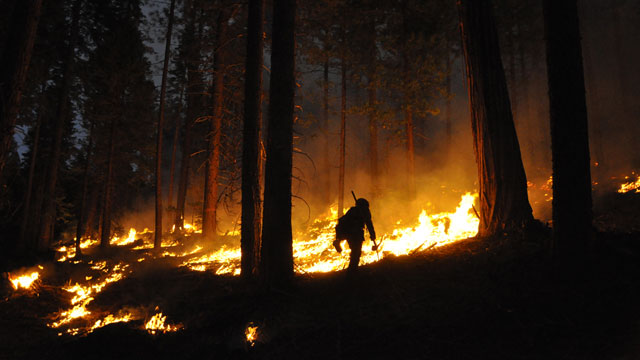
"caption": "A nighttime prescribed burn in the Stanislaus National Forest in California's Sierra Nevada. (Eric Knapp/U.S. Forest Service)",
"description": "A nighttime prescribed burn in the Stanislaus National Forest in California's Sierra Nevada. (Eric Knapp/U.S. Forest Service)",
"title": "prescribed burn at night",
"credit": null,
"status": "inherit",
"isLoading": false,
"fetchFailed": false
},
"science_11062": {
"type": "attachments",
"id": "science_11062",
"meta": {
"index": "attachments_1716263798",
"site": "science",
"id": "11062",
"found": true
},
"parent": 11045,
"imgSizes": {
"kqedFullSize": {
"file": "https://ww2.kqed.org/app/uploads/sites/35/2013/11/RS3844_OilPumps_20120711b-scr.jpg",
"width": 640,
"height": 360
}
},
"publishDate": 1384553992,
"modified": 1555541481,
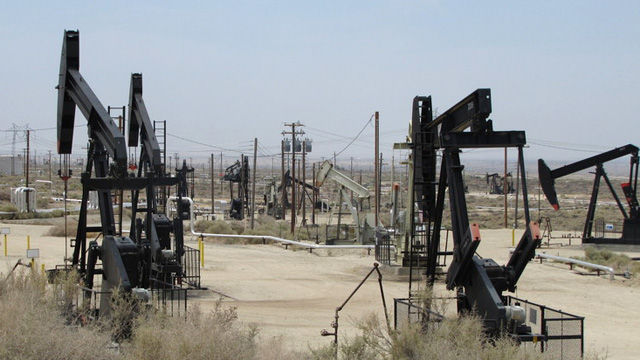
"caption": "Oil wells in Kern County, where much of California's fracking has taken place. ",
"description": null,
"title": "RS3844_OilPumps_20120711b-scr",
"credit": "Craig Miller/KQED",
"status": "inherit",
"isLoading": false,
"fetchFailed": false
},
"science_11058": {
"type": "attachments",
"id": "science_11058",
"meta": {
"index": "attachments_1716263798",
"site": "science",
"id": "11058",
"found": true
},
"parent": 11057,
"imgSizes": {
"kqedFullSize": {
"file": "https://ww2.kqed.org/app/uploads/sites/35/2013/11/11057-thumb.jpg",
"width": 640,
"height": 450
}
},
"publishDate": 1384552544,
"modified": 1384552544,
"caption": null,
"description": null,
"title": "Thumbnail for 11057",
"credit": null,
"status": "inherit",
"isLoading": false,
"fetchFailed": false
},
"science_10976": {
"type": "attachments",
"id": "science_10976",
"meta": {
"index": "attachments_1716263798",
"site": "science",
"id": "10976",
"found": true
},
"parent": 10953,
"imgSizes": {
"kqedFullSize": {
"file": "https://ww2.kqed.org/app/uploads/sites/35/2013/11/photo-1-e1384480289590.jpg",
"width": 640,
"height": 360
}
},
"publishDate": 1384480168,
"modified": 1384480168,
"caption": "Dennis Barfuss, a specialist in dry ice-blasting, demonstrates removing graffiti at Agua Vista Park in San Francisco. (Photos by Lindsey Hoshaw/KQED)",
"description": null,
"title": "photo (1)",
"credit": null,
"status": "inherit",
"isLoading": false,
"fetchFailed": false
},
"science_10877": {
"type": "attachments",
"id": "science_10877",
"meta": {
"index": "attachments_1716263798",
"site": "science",
"id": "10877",
"found": true
},
"parent": 10876,
"imgSizes": {
"kqedFullSize": {
"file": "https://ww2.kqed.org/app/uploads/sites/35/2013/11/10876-thumb.jpg",
"width": 640,
"height": 427
}
},
"publishDate": 1384300544,
"modified": 1384300544,
"caption": null,
"description": null,
"title": "Thumbnail for 10876",
"credit": null,
"status": "inherit",
"isLoading": false,
"fetchFailed": false
},
"science_10852": {
"type": "attachments",
"id": "science_10852",
"meta": {
"index": "attachments_1716263798",
"site": "science",
"id": "10852",
"found": true
},
"parent": 10849,
"imgSizes": {
"kqedFullSize": {
"file": "https://ww2.kqed.org/app/uploads/sites/35/2013/11/10849-thumb.jpg",
"width": 640,
"height": 427
}
},
"publishDate": 1384275953,
"modified": 1384275953,
"caption": null,
"description": null,
"title": "Thumbnail for 10849",
"credit": null,
"status": "inherit",
"isLoading": false,
"fetchFailed": false
},
"news_117791": {
"type": "attachments",
"id": "news_117791",
"meta": {
"index": "attachments_1716263798",
"site": "news",
"id": "117791",
"found": true
},
"parent": 117784,
"imgSizes": {
"kqedFullSize": {
"file": "https://ww2.kqed.org/app/uploads/sites/10/2013/11/RS7480_007.jpg",
"width": 1536,
"height": 1024
}
},
"publishDate": 1384213200,
"modified": 1384213200,
"caption": null,
"description": null,
"title": "RS7480_007",
"credit": null,
"status": "inherit",
"isLoading": false,
"fetchFailed": false
},
"science_10840": {
"type": "attachments",
"id": "science_10840",
"meta": {
"index": "attachments_1716263798",
"site": "science",
"id": "10840",
"found": true
},
"parent": 10839,
"imgSizes": {
"kqedFullSize": {
"file": "https://ww2.kqed.org/app/uploads/sites/35/2013/11/10839-thumb.jpg",
"width": 640,
"height": 457
}
},
"publishDate": 1384197358,
"modified": 1384197358,
"caption": null,
"description": null,
"title": "Thumbnail for 10839",
"credit": null,
"status": "inherit",
"isLoading": false,
"fetchFailed": false
},
"news_117742": {
"type": "attachments",
"id": "news_117742",
"meta": {
"index": "attachments_1716263798",
"site": "news",
"id": "117742",
"found": true
},
"parent": 117740,
"imgSizes": {
"kqedFullSize": {
"file": "https://ww2.kqed.org/app/uploads/sites/10/2013/11/187570216-e1384152155618.jpg",
"width": 640,
"height": 427
}
},
"publishDate": 1384151951,
"modified": 1384151951,
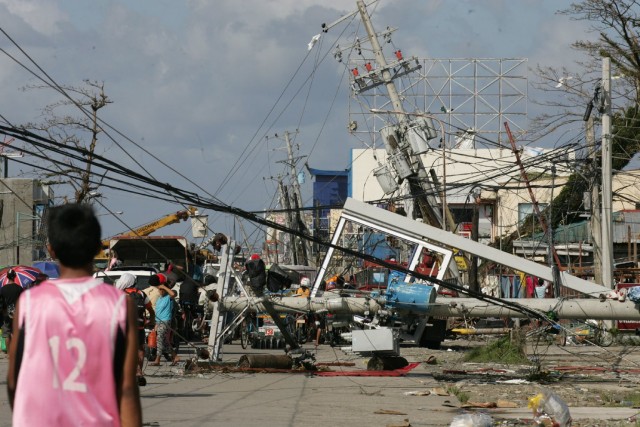
"caption": "Typhoon Haiyan wrecked Tacloban, a city of about 200,000 people on the Philippines island of Leyte. (Photo by Jeoffrey Maitem/Getty Images)",
"description": null,
"title": "Typhoon Aftermath-Tacloban",
"credit": null,
"status": "inherit",
"isLoading": false,
"fetchFailed": false
},
"science_10420": {
"type": "attachments",
"id": "science_10420",
"meta": {
"index": "attachments_1716263798",
"site": "science",
"id": "10420",
"found": true
},
"parent": 10408,
"imgSizes": {
"kqedFullSize": {
"file": "https://ww2.kqed.org/app/uploads/sites/35/2013/10/kqed-1.jpg",
"width": 640,
"height": 426
}
},
"publishDate": 1383085848,
"modified": 1383085848,
"caption": "Over two dozen duck species can be found in Palo Alto during Winter. Photo by Rachael Rufino",
"description": "Over two dozen duck species can be found in Palo Alto during Winter. Photo by Rachael Rufino",
"title": "Ducks",
"credit": null,
"status": "inherit",
"isLoading": false,
"fetchFailed": false
},
"science_10732": {
"type": "attachments",
"id": "science_10732",
"meta": {
"index": "attachments_1716263798",
"site": "science",
"id": "10732",
"found": true
},
"parent": 10727,
"imgSizes": {
"kqedFullSize": {
"file": "https://ww2.kqed.org/app/uploads/sites/35/2013/11/RS696_Download090427-061-scr.jpg",
"width": 850,
"height": 638
}
},
"publishDate": 1383701736,
"modified": 1443633742,
"caption": "Calif. lawmakers halted a bill that would have mandated deep greenhouse gas emissions cuts by the year 2050.",
"description": "California's climate change policies are cutting emissions, but not enough, according to a report from Berkeley Lab. (Craig Miller/KQED)",
"title": "RS696_Download090427 061-scr",
"credit": "Craig Miller/KQED",
"status": "inherit",
"isLoading": false,
"fetchFailed": false
},
"science_10712": {
"type": "attachments",
"id": "science_10712",
"meta": {
"index": "attachments_1716263798",
"site": "science",
"id": "10712",
"found": true
},
"parent": 10704,
"imgSizes": {
"kqedFullSize": {
"file": "https://ww2.kqed.org/app/uploads/sites/35/2013/11/tugfeatured.jpg",
"width": 640,
"height": 360
}
},
"publishDate": 1383674647,
"modified": 1383674647,
"caption": "Crews work to raise \"Captain Al,\" a 20 foot tug boat, from the Oakland Estuary. (Isabel Angell/KQED)",
"description": "Crews work to raise \"Captain Al,\" a 20 foot tug boat, from the Oakland Estuary. (Isabel Angell/KQED)",
"title": "tugfeatured",
"credit": null,
"status": "inherit",
"isLoading": false,
"fetchFailed": false
}
},
"audioPlayerReducer": {
"postId": "stream_live",
"isPaused": true,
"isPlaying": false,
"pfsActive": false,
"pledgeModalIsOpen": true,
"playerDrawerIsOpen": false,
"liveAudioPlayStartedAt": 0,
"liveAudioPlayContext": ""
},
"authorsReducer": {
"mollysamuel": {
"type": "authors",
"id": "200",
"meta": {
"index": "authors_1716337520",
"id": "200",
"found": true
},
"name": "Molly Samuel",
"firstName": "Molly",
"lastName": "Samuel",
"slug": "mollysamuel",
"email": "msamuel@kqed.org",
"display_author_email": false,
"staff_mastheads": [],
"title": null,
"bio": "Molly Samuel joined KQED as an intern in 2007, and since then has worked here as a reporter, producer, director and blogger. Before becoming KQED Science’s Multimedia Producer, she was a producer for Climate Watch. Molly has also reported for NPR, KALW and High Country News, and has produced audio stories for The Encyclopedia of Life and the Oakland Museum of California. She was a fellow with the Middlebury Fellowships in Environmental Journalism and a journalist-in-residence at the National Evolutionary Synthesis Center. Molly has a degree in Ancient Greek from Oberlin College and is a co-founder of the record label True Panther Sounds.",
"avatar": "https://secure.gravatar.com/avatar/a6abd3b949a89fe5109fa9917631d0b6?s=600&d=blank&r=g",
"twitter": null,
"facebook": null,
"instagram": null,
"linkedin": null,
"sites": [
{
"site": "news",
"roles": [
"subscriber"
]
},
{
"site": "stateofhealth",
"roles": [
"subscriber"
]
},
{
"site": "science",
"roles": [
"subscriber"
]
},
{
"site": "quest",
"roles": [
"edit_users",
"subscriber"
]
}
],
"headData": {
"title": "Molly Samuel | KQED",
"description": null,
"ogImgSrc": "https://secure.gravatar.com/avatar/a6abd3b949a89fe5109fa9917631d0b6?s=600&d=blank&r=g",
"twImgSrc": "https://secure.gravatar.com/avatar/a6abd3b949a89fe5109fa9917631d0b6?s=600&d=blank&r=g"
},
"isLoading": false,
"link": "/author/mollysamuel"
},
"danbrekke": {
"type": "authors",
"id": "222",
"meta": {
"index": "authors_1716337520",
"id": "222",
"found": true
},
"name": "Dan Brekke",
"firstName": "Dan",
"lastName": "Brekke",
"slug": "danbrekke",
"email": "dbrekke@kqed.org",
"display_author_email": true,
"staff_mastheads": [
"news",
"science"
],
"title": "KQED Editor and Reporter",
"bio": "Dan Brekke is a reporter and editor for KQED News, responsible for coverage of topics ranging from California water issues to the Bay Area's transportation challenges. In a newsroom career that began in Chicago in 1972, Dan has worked for \u003cem>The San Francisco Examiner,\u003c/em> Wired and TechTV and has been published in The New York Times, The New York Times Magazine, Business 2.0, Salon and elsewhere.\r\n\r\nSince joining KQED in 2007, Dan has reported, edited and produced both radio and online features and breaking news pieces. He has shared as both editor and reporter in four Society of Professional Journalists Norcal Excellence in Journalism awards and one Edward R. Murrow regional award. He was chosen for a spring 2017 residency at the Mesa Refuge to advance his research on California salmon.\r\n\r\nEmail Dan at: \u003ca href=\"mailto:dbrekke@kqed.org\">dbrekke@kqed.org\u003c/a>\r\n\r\n\u003cstrong>Twitter:\u003c/strong> \u003ca href=\"https://twitter.com/danbrekke\" rel=\"noopener noreferrer\">twitter.com/danbrekke\u003c/a>\r\n\u003cstrong>Facebook:\u003c/strong> \u003ca href=\"https://www.facebook.com/danbrekke\" rel=\"noopener noreferrer\">www.facebook.com/danbrekke\u003c/a>\r\n\u003cstrong>LinkedIn:\u003c/strong> \u003ca href=\"https://www.linkedin.com/in/danbrekke\" rel=\"noopener noreferrer\">www.linkedin.com/in/danbrekke\u003c/a>",
"avatar": "https://secure.gravatar.com/avatar/8f1f0d2a978fb3b23426c922c7e2af558fa36905b49c4ce76a97dc3c72d27226?s=600&d=mm&r=g",
"twitter": "danbrekke",
"bluesky": null,
"facebook": null,
"instagram": "https://www.instagram.com/dan.brekke/",
"linkedin": "https://www.linkedin.com/in/danbrekke/",
"sites": [
{
"site": "news",
"roles": [
"administrator",
"create_posts"
]
},
{
"site": "stateofhealth",
"roles": [
"editor"
]
},
{
"site": "science",
"roles": [
"editor"
]
},
{
"site": "quest",
"roles": [
"contributor"
]
},
{
"site": "food",
"roles": [
"contributor"
]
},
{
"site": "forum",
"roles": [
"contributor"
]
},
{
"site": "elections",
"roles": [
"editor"
]
},
{
"site": "liveblog",
"roles": [
"editor"
]
}
],
"headData": {
"title": "Dan Brekke | KQED",
"description": "KQED Editor and Reporter",
"ogImgSrc": "https://secure.gravatar.com/avatar/8f1f0d2a978fb3b23426c922c7e2af558fa36905b49c4ce76a97dc3c72d27226?s=600&d=mm&r=g",
"twImgSrc": "https://secure.gravatar.com/avatar/8f1f0d2a978fb3b23426c922c7e2af558fa36905b49c4ce76a97dc3c72d27226?s=600&d=mm&r=g"
},
"isLoading": false,
"link": "/author/danbrekke"
},
"debsvoboda": {
"type": "authors",
"id": "224",
"meta": {
"index": "authors_1716337520",
"id": "224",
"found": true
},
"name": "Deborah Svoboda",
"firstName": "Deborah",
"lastName": "Svoboda",
"slug": "debsvoboda",
"email": "dsvoboda@kqed.org",
"display_author_email": false,
"staff_mastheads": [],
"title": null,
"bio": null,
"avatar": "https://secure.gravatar.com/avatar/ce59ff8d39d790bb9555c87545056b6d?s=600&d=blank&r=g",
"twitter": null,
"facebook": null,
"instagram": null,
"linkedin": null,
"sites": [
{
"site": "news",
"roles": [
"contributor"
]
},
{
"site": "stateofhealth",
"roles": [
"author"
]
}
],
"headData": {
"title": "Deborah Svoboda | KQED",
"description": null,
"ogImgSrc": "https://secure.gravatar.com/avatar/ce59ff8d39d790bb9555c87545056b6d?s=600&d=blank&r=g",
"twImgSrc": "https://secure.gravatar.com/avatar/ce59ff8d39d790bb9555c87545056b6d?s=600&d=blank&r=g"
},
"isLoading": false,
"link": "/author/debsvoboda"
},
"laurensommer": {
"type": "authors",
"id": "239",
"meta": {
"index": "authors_1716337520",
"id": "239",
"found": true
},
"name": "Lauren Sommer",
"firstName": "Lauren",
"lastName": "Sommer",
"slug": "laurensommer",
"email": "lsommer@kqed.org",
"display_author_email": false,
"staff_mastheads": [],
"title": "KQED Contributor",
"bio": "Lauren is a radio reporter formerly covering environment, water, and energy for KQED Science. As part of her day job, she has scaled Sierra Nevada peaks, run from charging elephant seals, and desperately tried to get her sea legs - all in pursuit of good radio. Her work has appeared on Marketplace, Living on Earth, Science Friday and NPR's Morning Edition and All Things Considered. You can find her on Twitter at \u003ca href=\"https://twitter.com/lesommer\">@lesommer\u003c/a>.",
"avatar": "https://secure.gravatar.com/avatar/33aa3772bb86c6ad45b8aca6a238bbdf?s=600&d=blank&r=g",
"twitter": null,
"facebook": null,
"instagram": null,
"linkedin": null,
"sites": [
{
"site": "news",
"roles": [
"author"
]
},
{
"site": "science",
"roles": [
"editor",
"manage_content_types",
"manage_taxonomies"
]
},
{
"site": "quest",
"roles": [
"editor"
]
}
],
"headData": {
"title": "Lauren Sommer | KQED",
"description": "KQED Contributor",
"ogImgSrc": "https://secure.gravatar.com/avatar/33aa3772bb86c6ad45b8aca6a238bbdf?s=600&d=blank&r=g",
"twImgSrc": "https://secure.gravatar.com/avatar/33aa3772bb86c6ad45b8aca6a238bbdf?s=600&d=blank&r=g"
},
"isLoading": false,
"link": "/author/laurensommer"
},
"lindseyhoshaw": {
"type": "authors",
"id": "5432",
"meta": {
"index": "authors_1716337520",
"id": "5432",
"found": true
},
"name": "Lindsey Hoshaw",
"firstName": "Lindsey",
"lastName": "Hoshaw",
"slug": "lindseyhoshaw",
"email": "lhoshaw@kqed.org",
"display_author_email": false,
"staff_mastheads": [],
"title": "KQED Contributor",
"bio": "Lindsey Hoshaw is a former interactive producer for KQED Science. Before joining KQED, Lindsey was a science correspondent for The New York Times, The Boston Globe, Forbes and Scientific American. On Twitter @lindseyhoshaw",
"avatar": "https://secure.gravatar.com/avatar/274b07694c998eaa8f26cfabaa941186?s=600&d=mm&r=g",
"twitter": "lindseyhoshaw",
"facebook": "lindsey.hoshaw.9",
"instagram": null,
"linkedin": null,
"sites": [
{
"site": "arts",
"roles": [
"author"
]
},
{
"site": "news",
"roles": [
"subscriber"
]
},
{
"site": "futureofyou",
"roles": [
"editor"
]
},
{
"site": "bayareabites",
"roles": [
"contributor"
]
},
{
"site": "stateofhealth",
"roles": [
"author"
]
},
{
"site": "science",
"roles": [
"edit_theme_options",
"subscriber"
]
},
{
"site": "quest",
"roles": [
"edit_post_subscriptions",
"edit_usergroups",
"unfiltered_html",
"unfiltered_upload",
"leadcoordinator",
"editor"
]
},
{
"site": "food",
"roles": []
}
],
"headData": {
"title": "Lindsey Hoshaw | KQED",
"description": "KQED Contributor",
"ogImgSrc": "https://secure.gravatar.com/avatar/274b07694c998eaa8f26cfabaa941186?s=600&d=mm&r=g",
"twImgSrc": "https://secure.gravatar.com/avatar/274b07694c998eaa8f26cfabaa941186?s=600&d=mm&r=g"
},
"isLoading": false,
"link": "/author/lindseyhoshaw"
},
"kqedscience": {
"type": "authors",
"id": "6387",
"meta": {
"index": "authors_1716337520",
"id": "6387",
"found": true
},
"name": "KQED Science",
"firstName": "KQED",
"lastName": "Science",
"slug": "kqedscience",
"email": "kqedscience@gmail.com",
"display_author_email": false,
"staff_mastheads": [],
"title": null,
"bio": "KQED Science brings you award-winning science and environment coverage from the Bay Area and beyond by the flagship Northern California PBS and NPR affiliate.",
"avatar": "https://secure.gravatar.com/avatar/5a295ff49cf82a8c0f30937d3f788b2f?s=600&d=blank&r=g",
"twitter": null,
"facebook": null,
"instagram": null,
"linkedin": null,
"sites": [
{
"site": "science",
"roles": [
"contributor"
]
},
{
"site": "quest",
"roles": [
"editor"
]
},
{
"site": "food",
"roles": [
"contributor"
]
}
],
"headData": {
"title": "KQED Science | KQED",
"description": null,
"ogImgSrc": "https://secure.gravatar.com/avatar/5a295ff49cf82a8c0f30937d3f788b2f?s=600&d=blank&r=g",
"twImgSrc": "https://secure.gravatar.com/avatar/5a295ff49cf82a8c0f30937d3f788b2f?s=600&d=blank&r=g"
},
"isLoading": false,
"link": "/author/kqedscience"
},
"rachaeltom": {
"type": "authors",
"id": "6409",
"meta": {
"index": "authors_1716337520",
"id": "6409",
"found": true
},
"name": "Rachael Tom",
"firstName": "Rachael",
"lastName": "Tom",
"slug": "rachaeltom",
"email": "rachael.cecelia@gmail.com",
"display_author_email": false,
"staff_mastheads": [],
"title": "KQED Contributor",
"bio": "Rachael is an Animal Keeper and blogger at CuriOdyssey with over 15 years of experience working with wildlife. She volunteers at The Marine Mammal Center, is President of the Bay Area chapter for the American Association of Zookeepers (AAZK), and is a member of AAZK's Communication Committee and Professional Development Committee. Rachael earned her B.A. in Environmental Sustainability and Social Justice from San Francisco State University.\r\n\r\nRead her \u003ca href=\"http://science.kqed.org/quest/author/rachaeltom/\">previous contributions\u003c/a> to \u003ca href=\"http://http://science.kqed.org/quest/\">QUEST\u003c/a>, a project dedicated to exploring the Science of Sustainability.",
"avatar": "https://secure.gravatar.com/avatar/7d9d50390923f9b8de1280b943e3aea9?s=600&d=blank&r=g",
"twitter": null,
"facebook": null,
"instagram": null,
"linkedin": null,
"sites": [
{
"site": "science",
"roles": [
"author"
]
},
{
"site": "quest",
"roles": [
"subscriber"
]
}
],
"headData": {
"title": "Rachael Tom | KQED",
"description": "KQED Contributor",
"ogImgSrc": "https://secure.gravatar.com/avatar/7d9d50390923f9b8de1280b943e3aea9?s=600&d=blank&r=g",
"twImgSrc": "https://secure.gravatar.com/avatar/7d9d50390923f9b8de1280b943e3aea9?s=600&d=blank&r=g"
},
"isLoading": false,
"link": "/author/rachaeltom"
}
},
"pagesReducer": {
"science_category_environment": {
"type": "terms",
"id": "science_35",
"meta": {
"index": "terms_1716263798",
"site": "science",
"id": "35",
"score": 12.138271
},
"featImg": null,
"name": "Environment",
"description": null,
"taxonomy": "category",
"headData": {
"twImgId": null,
"twTitle": null,
"ogTitle": null,
"ogImgId": null,
"twDescription": null,
"description": null,
"title": "Environment Archives | KQED Science",
"ogDescription": null
},
"ttid": 37,
"slug": "environment",
"isLoading": false,
"title": "Environment",
"pageMeta": {
"site": "science",
"WpPageTemplate": "page-topic-editorial",
"currentPage": 204
},
"blocks": [
{
"blockName": "kqed/post-list",
"attrs": {
"layout": "cardArticle2",
"query": "posts/science?category=environment",
"seeMore": false,
"paginated": true,
"page": 204
}
},
{
"blockName": "kqed/ad"
}
]
}
},
"pfsSessionReducer": {},
"postsReducer": {
"stream_live": {
"type": "live",
"id": "stream_live",
"audioUrl": "https://streams.kqed.org/kqedradio",
"title": "Live Stream",
"excerpt": "Live Stream information currently unavailable.",
"link": "/radio",
"featImg": "",
"label": {
"name": "KQED Live",
"link": "/"
}
},
"stream_kqedNewscast": {
"type": "posts",
"id": "stream_kqedNewscast",
"audioUrl": "https://www.kqed.org/.stream/anon/radio/RDnews/newscast.mp3?_=1",
"title": "KQED Newscast",
"featImg": "",
"label": {
"name": "88.5 FM",
"link": "/"
}
},
"science_10944": {
"type": "posts",
"id": "science_10944",
"meta": {
"index": "posts_1716263798",
"site": "science",
"id": "10944",
"score": null,
"sort": [
1384571245000
]
},
"parent": 0,
"labelTerm": {
"site": "science"
},
"blocks": [],
"publishDate": 1384571245,
"format": "aside",
"title": "Can California Burn its Way Out of its Wildfire Problem?",
"headTitle": "Can California Burn its Way Out of its Wildfire Problem? | KQED",
"content": "\u003cdiv class=\"audio-wrap\">\n\u003ch2>Listen:\u003c/h2>\n\u003cp>http://www.kqed.org/.stream/anon/radio/science/2013/11/20131118science.mp3\u003c/p>\n\u003c/div>\n\u003cfigure id=\"attachment_11068\" class=\"wp-caption aligncenter\" style=\"max-width: 1280px\">\u003ca href=\"http://ww2.kqed.org/science/wp-content/uploads/sites/35/2013/11/nightburn-large.jpg\">\u003cimg loading=\"lazy\" decoding=\"async\" class=\"size-full wp-image-11068\" src=\"http://ww2.kqed.org/science/wp-content/uploads/sites/35/2013/11/nightburn-large.jpg\" alt=\"A nighttime prescribed burn in the Stanislaus National Forest in California's Sierra Nevada. (Eric Knapp/U.S. Forest Service)\" width=\"1280\" height=\"720\">\u003c/a>\u003cfigcaption class=\"wp-caption-text\">A nighttime prescribed burn in the Stanislaus National Forest in California’s Sierra Nevada. (Eric Knapp/U.S. Forest Service)\u003c/figcaption>\u003c/figure>\n\u003cp>The Rim Fire, which consumed more than 250,000 acres in and around Yosemite National Park this summer, is a prime example of America’s dangerous legacy of putting out too many wildfires. After a century of suppressing the flames, firefighting agencies have let the brush and small trees get so thick, that when a fire does get going, it can turn into a monster.\u003c/p>\n\u003cp>People who fight and study fire generally agree that one of the best tools for preventing massive wildfires is prescribed burning: intentionally setting smaller fires before the big ones hit. But there are major challenges to fighting fire with fire.\u003c/p>\n\u003cp>\u003cstrong>Setting the Forest on Fire\u003c/strong>\u003c/p>\n\u003cp>On a sunny day earlier this fall, about 50 Forest Service firefighters, mostly men, all wearing the Forest Service uniform of fire-resistant bright yellow shirts and fire-resistant dark green pants, are working a prescribed burn in the Shasta National Forest, near Redding, California.\u003c/p>\n\u003cp>\u003c!-- iframe plugin v.4.3 wordpress.org/plugins/iframe/ -->\u003cbr>\n\u003ciframe loading=\"lazy\" src=\"http://www.kqed.org/assets/slideshow/fightfirewithfire/_files/iframe.html?noscale=640x400\" frameborder=\"0\" scrolling=\"no\" width=\"640\" height=\"360\" class=\"iframe-class\">\u003c/iframe>\u003c/p>\n\u003cp>[ad fullwidth]\u003c/p>\n\u003cp>Setting fire to a forest actually requires many of the same tactics as putting one out. The crews are planning today to burn a slope near Shasta Lake, bordered on three sides by fire lines, and on the fourth by the lake itself.\u003c/p>\n\u003cp>They had earlier cleared fire lines, strips without brush and leaves, that will contain the flames. As they begin their work this morning, they burn what they call “the black,” an area ahead of and along the edges of the area to be burned that creates a safety zone for them and helps keep the fire from spreading. Then, beginning at the top of the ridge and working their way down (fire travels uphill, so this helps keep it in check), the crews set flame to dead leaves, and let the fire do its work.\u003c/p>\n\u003cfigure id=\"attachment_11079\" class=\"wp-caption aligncenter\" style=\"max-width: 1280px\">\u003ca href=\"http://ww2.kqed.org/science/wp-content/uploads/sites/35/2013/11/settingfire.jpg\">\u003cimg loading=\"lazy\" decoding=\"async\" class=\"size-full wp-image-11079\" src=\"http://ww2.kqed.org/science/wp-content/uploads/sites/35/2013/11/settingfire.jpg\" alt=\"A firefighter works a prescribed burn at the Shasta National Forest.(Molly Samuel/KQED)\" width=\"1280\" height=\"720\">\u003c/a>\u003cfigcaption class=\"wp-caption-text\">A firefighter works a prescribed burn at the Shasta National Forest.(Molly Samuel/KQED)\u003c/figcaption>\u003c/figure>\n\u003cp>This is not a scene from \u003cem>“Bambi,”\u003c/em> with flames raging and animals fleeing. For the most part, the fire barely reaches a foot high. It kills bushes and smaller trees and clears out leaves and brush. But most of the bigger, older trees survive. Fires like this have, on occasion, gotten out of control and turned into wildfires in their own right. But this one is well under control. It’s the end of the wildfire season, and the firefighters — many of whom are on the elite hotshot teams that fight the biggest fires — are relaxed while monitoring the flames, talking about their kids and their dogs. \u003c/p>\n\u003cp>“I always like seeing fire on the ground,” says Eric Knapp, an ecologist with the Forest Service. He says prescribed burns are good for the environment, for animals, for preventing massive wildfires and for keeping firefighters and the public safe.\u003c/p>\n\u003cp>But getting them done is tricky.\u003c/p>\n\u003cfigure id=\"attachment_11081\" class=\"wp-caption aligncenter\" style=\"max-width: 1280px\">\u003ca href=\"http://ww2.kqed.org/science/wp-content/uploads/sites/35/2013/11/fireline.jpg\">\u003cimg loading=\"lazy\" decoding=\"async\" class=\"size-full wp-image-11081 \" src=\"http://ww2.kqed.org/science/wp-content/uploads/sites/35/2013/11/fireline.jpg\" alt=\"A fire line marks the left-hand side of the burn. (It looks like a hiking trail.) The area to the left of the line burned previously. (Molly Samuel/KQED)\" width=\"1280\" height=\"720\">\u003c/a>\u003cfigcaption class=\"wp-caption-text\">A fire line marks the left-hand side of the burn. (It looks like a hiking trail.) The area to the left of the line burned previously. (Molly Samuel/KQED)\u003c/figcaption>\u003c/figure>\n\u003cp>\u003cstrong>It’s Not Easy to Fight Fire with Fire\u003c/strong>\u003c/p>\n\u003cp>The window for conducting prescribed burns is narrow: when it’s dry enough that a fire will start, but not so dry that it will rage. “We have a limited opportunity to burn, maybe a week or two every year,” says Knapp. “And (we have) a limited number of resources to get a lot of acres done.”\u003c/p>\n\u003cp>Often the people conducting the burns are seasonal firefighters, who are only budgeted for six months. “A lot of their seasons are spent dealing with wildfire during the hotter, drier times,” says Knapp. In fact, at the Shasta burn, some of the firefighters are on the second-to-last day of their contracts.\u003c/p>\n\u003cp>Then there’s the smoke. “It’s a carcinogen,” Knapp acknowledges. “And there are people who are legitimately strongly affected.” Because of that, regional air quality districts tightly regulate prescribed burns. Another burn, scheduled to take place near Redding on the same day we went to Shasta, was cancelled because of smoke.\u003c/p>\n\u003cfigure id=\"attachment_11083\" class=\"wp-caption aligncenter\" style=\"max-width: 1280px\">\u003ca href=\"http://ww2.kqed.org/science/wp-content/uploads/sites/35/2013/11/smoke.jpg\">\u003cimg loading=\"lazy\" decoding=\"async\" class=\"size-full wp-image-11083\" src=\"http://ww2.kqed.org/science/wp-content/uploads/sites/35/2013/11/smoke.jpg\" alt=\"Smoke rises from the prescribed burn at the Shasta National Forest. (Molly Samuel/KQED)\" width=\"1280\" height=\"720\">\u003c/a>\u003cfigcaption class=\"wp-caption-text\">Smoke rises from the prescribed burn at the Shasta National Forest. (Molly Samuel/KQED)\u003c/figcaption>\u003c/figure>\n\u003cp>And sometimes it just comes down to a public relations issue. Not everyone sees the benefit of starting fires. “There’s a consensus among the scientists and the land managers,” Knapp says. “I don’t believe there’s a consensus in the public.”\u003c/p>\n\u003caside class=\"pullquote alignleft\">It’s like we’re losing the race, we’re just not losing it quite as fast.\u003c/aside>\n\u003cp>It all adds up to mean that not enough acres burn. “Every year we fall further behind and the fuel continues to build up,” says Knapp. “If it weren’t for prescribed burning, we’d fall behind even more. But it’s like we’re losing the race, we’re just not losing it quite as fast.”\u003c/p>\n\u003cp>\u003cstrong>The Backlog\u003c/strong>\u003c/p>\n\u003cp>In California alone, about 15 million acres of forest are in need of some kind of treatment.\u003c/p>\n\u003cp>“We’re in a huge deficit,” says Scott Stephens, a fire scientist at University of California, Berkeley. Before the year 1800, he says, 4.5 million acres burned in California every year. Fires started either by Native Americans or by lightning were generally smaller and less intense, but much more frequent. Many areas burned every ten years or so.\u003c/p>\n\u003cfigure id=\"attachment_11089\" class=\"wp-caption aligncenter\" style=\"max-width: 1280px\">\u003ca href=\"http://ww2.kqed.org/science/wp-content/uploads/sites/35/2013/11/firefighters.jpg\">\u003cimg loading=\"lazy\" decoding=\"async\" class=\"size-full wp-image-11089\" src=\"http://ww2.kqed.org/science/wp-content/uploads/sites/35/2013/11/firefighters.jpg\" alt=\"Firefighters monitor the flames and keep the burn on the right side of the fire line. (Molly Samuel/KQED)\" width=\"1280\" height=\"720\">\u003c/a>\u003cfigcaption class=\"wp-caption-text\">Firefighters monitor the flames and keep the burn on the right side of the fire line. (Molly Samuel/KQED)\u003c/figcaption>\u003c/figure>\n\u003cp>But because of aggressive fire suppression policies that managers followed for decades, many places haven’t burned in a century or more. Some forests are so overgrown, they have ten times the number of trees as they had historically. That’s the difference between running through the trees, arms outstretched, maybe with a couple of friends by your side, and not being able to crawl through. Forests like these are more susceptible to giant wildfires, because there’s more fuel to burn and it burns hotter.\u003c/p>\n\u003caside class=\"pullquote alignleft\">We’re carrying these forests that are incredibly vulnerable forward into climate change. It’s a disaster really.\u003c/aside>\n\u003cp>“We’re carrying these forests that are incredibly vulnerable forward into climate change,” says Stephens. “It’s a disaster really.” Because, he explains, California’s changing climate will make the fire season longer, and the prescribed-burn season shorter.\u003c/p>\n\u003cp>Caught in the middle are the firefighting agencies, each with different approaches and priorities. The National Park Service and the Forest Service both have prescribed burn programs, but while the parks are concerned with conservation, the Forest Service must also take into account logging, and other land uses.\u003c/p>\n\u003cp>The state agency, CalFire, has its own constraints, fighting many wildfires close to development in the “wildland-urban interface.” This mingling of forest and residential areas makes prescribed burns still more difficult.\u003c/p>\n\u003cfigure id=\"attachment_11092\" class=\"wp-caption aligncenter\" style=\"max-width: 1280px\">\u003ca href=\"http://ww2.kqed.org/science/wp-content/uploads/sites/35/2013/11/burning.jpg\">\u003cimg loading=\"lazy\" decoding=\"async\" class=\"size-full wp-image-11092\" src=\"http://ww2.kqed.org/science/wp-content/uploads/sites/35/2013/11/burning.jpg\" alt=\"The firefighters set the fire in spots then let it spread uphill. (Molly Samuel/KQED)\" width=\"1280\" height=\"720\">\u003c/a>\u003cfigcaption class=\"wp-caption-text\">The firefighters set the fire in spots then let it spread uphill. (Molly Samuel/KQED)\u003c/figcaption>\u003c/figure>\n\u003cp>\u003cstrong>A Success and a Nightmare Scenario\u003c/strong>\u003c/p>\n\u003cp>If this summer’s Rim Fire — the largest known fire in the Sierra Nevada and the third-largest in California history — is a lesson in the dangers of fire suppression, it also offers glimmers of hope about the benefits of prescribed burns.\u003c/p>\n\u003cp>“Where I started my division assignment on the Rim Fire, was in areas where the Forest Service had recently completed some prescribed burns,” says Tom Garcia, the fire manager at Whiskeytown National Recreation Area. “And we were able to stall that fire out in that particular area and buy some decision space and some time.” With that extra time, Garcia says, they were able to get ahead of the fire, and save some nearby homes.\u003c/p>\n\u003cfigure id=\"attachment_11098\" class=\"wp-caption alignleft\" style=\"max-width: 308px\">\u003ca href=\"http://ww2.kqed.org/science/wp-content/uploads/sites/35/2013/11/ericknapp.jpg\">\u003cimg loading=\"lazy\" decoding=\"async\" class=\" wp-image-11098 \" src=\"http://ww2.kqed.org/science/wp-content/uploads/sites/35/2013/11/ericknapp.jpg\" alt=\"Eric Knapp, an ecologist with the Forest Service, says we're going to have to accept more frequent fires. (Molly Samuel/KQED)\" width=\"308\" height=\"431\">\u003c/a>\u003cfigcaption class=\"wp-caption-text\">Eric Knapp, an ecologist with the Forest Service, says we’re going to have to accept more frequent fires. (Molly Samuel/KQED)\u003c/figcaption>\u003c/figure>\n\u003cp>“My real nightmare scenario is current conditions going forward,” says Stephens. He says he hopes the Rim Fire will serve as a turning point: a glimpse of the path we’re on, and an opportunity to choose a different path that includes more thinning, more prescribed burns and more ability to manage and take advantage of fires that start naturally. A few of the National Forests in California are currently reviewing their management plans, and Stephens says he sees that as an opportunity to bring in more fire, too. \u003c/p>\n\u003cp>“If we don’t do it now we’re going to set people up in the future for less decision space. They’re going to have less options. It’s going to be warmer. It’s going to have longer drier periods,” he says. “50 years from now, 80 years from now, they will just wish that we would have moved.”\u003c/p>\n\u003cp>Knapp, the Forest Service ecologist, says he’s optimistic about the future. But major wildfires will be a part of it.\u003c/p>\n\u003cp>“We’re going to have to accept the fact that we live in an environment with occasional fire and that fire is more intense,” he says.\u003c/p>\n\u003cp>[ad floatright]\u003c/p>\n\u003cp>Because after a century of admonishments from Smokey Bear, even with the best efforts of firefighters, even with prescribed burns and logging and managed wildland fire, the era of catastrophic fires is upon us.\u003c/p>\n\n",
"stats": {
"hasVideo": false,
"hasChartOrMap": true,
"hasAudio": true,
"hasPolis": false,
"wordCount": 1636,
"hasGoogleForm": false,
"hasGallery": false,
"hasHearkenModule": false,
"iframeSrcs": [
"http://www.kqed.org/assets/slideshow/fightfirewithfire/_files/iframe.html"
],
"paragraphCount": 33
},
"modified": 1704934684,
"excerpt": "People who fight and study fire generally agree that one of the best tools for preventing massive wildfires is prescribed burning: intentionally setting smaller fires before the big ones hit. But there are major challenges to fighting fire with fire.",
"headData": {
"twImgId": "",
"twTitle": "",
"ogTitle": "",
"ogImgId": "",
"twDescription": "",
"description": "People who fight and study fire generally agree that one of the best tools for preventing massive wildfires is prescribed burning: intentionally setting smaller fires before the big ones hit. But there are major challenges to fighting fire with fire.",
"title": "Can California Burn its Way Out of its Wildfire Problem? | KQED",
"ogDescription": "",
"schema": {
"@context": "https://schema.org",
"@type": "Article",
"headline": "Can California Burn its Way Out of its Wildfire Problem?",
"datePublished": "2013-11-15T19:07:25-08:00",
"dateModified": "2024-01-10T16:58:04-08:00",
"image": "https://cdn.kqed.org/wp-content/uploads/2020/02/KQED-OG-Image@1x.png"
}
},
"guestAuthors": [],
"slug": "can-california-burn-its-way-out-of-its-wildfire-problem",
"status": "publish",
"audioUrl": "http://www.kqed.org/.stream/anon/radio/science/2013/11/20131118science.mp3",
"sticky": false,
"path": "/science/10944/can-california-burn-its-way-out-of-its-wildfire-problem",
"audioTrackLength": null,
"parsedContent": [
{
"type": "contentString",
"content": "\u003cdiv class=\"post-body\">\u003cp>\u003cdiv class=\"audio-wrap\">\n\u003ch2>Listen:\u003c/h2>\u003c/p>\u003c/div>",
"attributes": {
"named": {},
"numeric": []
}
},
{
"type": "component",
"content": "",
"name": "audioLink",
"attributes": {
"named": {
"src": "http://www.kqed.org/.stream/anon/radio/science/2013/11/20131118science.mp3"
},
"numeric": []
}
},
{
"type": "contentString",
"content": "\u003cdiv class=\"post-body\">\u003cp>\u003c/div>\n\u003cfigure id=\"attachment_11068\" class=\"wp-caption aligncenter\" style=\"max-width: 1280px\">\u003ca href=\"http://ww2.kqed.org/science/wp-content/uploads/sites/35/2013/11/nightburn-large.jpg\">\u003cimg loading=\"lazy\" decoding=\"async\" class=\"size-full wp-image-11068\" src=\"http://ww2.kqed.org/science/wp-content/uploads/sites/35/2013/11/nightburn-large.jpg\" alt=\"A nighttime prescribed burn in the Stanislaus National Forest in California's Sierra Nevada. (Eric Knapp/U.S. Forest Service)\" width=\"1280\" height=\"720\">\u003c/a>\u003cfigcaption class=\"wp-caption-text\">A nighttime prescribed burn in the Stanislaus National Forest in California’s Sierra Nevada. (Eric Knapp/U.S. Forest Service)\u003c/figcaption>\u003c/figure>\n\u003cp>The Rim Fire, which consumed more than 250,000 acres in and around Yosemite National Park this summer, is a prime example of America’s dangerous legacy of putting out too many wildfires. After a century of suppressing the flames, firefighting agencies have let the brush and small trees get so thick, that when a fire does get going, it can turn into a monster.\u003c/p>\n\u003cp>People who fight and study fire generally agree that one of the best tools for preventing massive wildfires is prescribed burning: intentionally setting smaller fires before the big ones hit. But there are major challenges to fighting fire with fire.\u003c/p>\n\u003cp>\u003cstrong>Setting the Forest on Fire\u003c/strong>\u003c/p>\n\u003cp>On a sunny day earlier this fall, about 50 Forest Service firefighters, mostly men, all wearing the Forest Service uniform of fire-resistant bright yellow shirts and fire-resistant dark green pants, are working a prescribed burn in the Shasta National Forest, near Redding, California.\u003c/p>\n\u003cp>\u003c!-- iframe plugin v.4.3 wordpress.org/plugins/iframe/ -->\u003cbr>\n\u003ciframe loading=\"lazy\" src=\"http://www.kqed.org/assets/slideshow/fightfirewithfire/_files/iframe.html?noscale=640x400\" frameborder=\"0\" scrolling=\"no\" width=\"640\" height=\"360\" class=\"iframe-class\">\u003c/iframe>\u003c/p>\n\u003cp>\u003c/p>\u003c/div>",
"attributes": {
"named": {},
"numeric": []
}
},
{
"type": "component",
"content": "",
"name": "ad",
"attributes": {
"named": {
"label": "fullwidth"
},
"numeric": [
"fullwidth"
]
}
},
{
"type": "contentString",
"content": "\u003cdiv class=\"post-body\">\u003cp>\u003c/p>\n\u003cp>Setting fire to a forest actually requires many of the same tactics as putting one out. The crews are planning today to burn a slope near Shasta Lake, bordered on three sides by fire lines, and on the fourth by the lake itself.\u003c/p>\n\u003cp>They had earlier cleared fire lines, strips without brush and leaves, that will contain the flames. As they begin their work this morning, they burn what they call “the black,” an area ahead of and along the edges of the area to be burned that creates a safety zone for them and helps keep the fire from spreading. Then, beginning at the top of the ridge and working their way down (fire travels uphill, so this helps keep it in check), the crews set flame to dead leaves, and let the fire do its work.\u003c/p>\n\u003cfigure id=\"attachment_11079\" class=\"wp-caption aligncenter\" style=\"max-width: 1280px\">\u003ca href=\"http://ww2.kqed.org/science/wp-content/uploads/sites/35/2013/11/settingfire.jpg\">\u003cimg loading=\"lazy\" decoding=\"async\" class=\"size-full wp-image-11079\" src=\"http://ww2.kqed.org/science/wp-content/uploads/sites/35/2013/11/settingfire.jpg\" alt=\"A firefighter works a prescribed burn at the Shasta National Forest.(Molly Samuel/KQED)\" width=\"1280\" height=\"720\">\u003c/a>\u003cfigcaption class=\"wp-caption-text\">A firefighter works a prescribed burn at the Shasta National Forest.(Molly Samuel/KQED)\u003c/figcaption>\u003c/figure>\n\u003cp>This is not a scene from \u003cem>“Bambi,”\u003c/em> with flames raging and animals fleeing. For the most part, the fire barely reaches a foot high. It kills bushes and smaller trees and clears out leaves and brush. But most of the bigger, older trees survive. Fires like this have, on occasion, gotten out of control and turned into wildfires in their own right. But this one is well under control. It’s the end of the wildfire season, and the firefighters — many of whom are on the elite hotshot teams that fight the biggest fires — are relaxed while monitoring the flames, talking about their kids and their dogs. \u003c/p>\n\u003cp>“I always like seeing fire on the ground,” says Eric Knapp, an ecologist with the Forest Service. He says prescribed burns are good for the environment, for animals, for preventing massive wildfires and for keeping firefighters and the public safe.\u003c/p>\n\u003cp>But getting them done is tricky.\u003c/p>\n\u003cfigure id=\"attachment_11081\" class=\"wp-caption aligncenter\" style=\"max-width: 1280px\">\u003ca href=\"http://ww2.kqed.org/science/wp-content/uploads/sites/35/2013/11/fireline.jpg\">\u003cimg loading=\"lazy\" decoding=\"async\" class=\"size-full wp-image-11081 \" src=\"http://ww2.kqed.org/science/wp-content/uploads/sites/35/2013/11/fireline.jpg\" alt=\"A fire line marks the left-hand side of the burn. (It looks like a hiking trail.) The area to the left of the line burned previously. (Molly Samuel/KQED)\" width=\"1280\" height=\"720\">\u003c/a>\u003cfigcaption class=\"wp-caption-text\">A fire line marks the left-hand side of the burn. (It looks like a hiking trail.) The area to the left of the line burned previously. (Molly Samuel/KQED)\u003c/figcaption>\u003c/figure>\n\u003cp>\u003cstrong>It’s Not Easy to Fight Fire with Fire\u003c/strong>\u003c/p>\n\u003cp>The window for conducting prescribed burns is narrow: when it’s dry enough that a fire will start, but not so dry that it will rage. “We have a limited opportunity to burn, maybe a week or two every year,” says Knapp. “And (we have) a limited number of resources to get a lot of acres done.”\u003c/p>\n\u003cp>Often the people conducting the burns are seasonal firefighters, who are only budgeted for six months. “A lot of their seasons are spent dealing with wildfire during the hotter, drier times,” says Knapp. In fact, at the Shasta burn, some of the firefighters are on the second-to-last day of their contracts.\u003c/p>\n\u003cp>Then there’s the smoke. “It’s a carcinogen,” Knapp acknowledges. “And there are people who are legitimately strongly affected.” Because of that, regional air quality districts tightly regulate prescribed burns. Another burn, scheduled to take place near Redding on the same day we went to Shasta, was cancelled because of smoke.\u003c/p>\n\u003cfigure id=\"attachment_11083\" class=\"wp-caption aligncenter\" style=\"max-width: 1280px\">\u003ca href=\"http://ww2.kqed.org/science/wp-content/uploads/sites/35/2013/11/smoke.jpg\">\u003cimg loading=\"lazy\" decoding=\"async\" class=\"size-full wp-image-11083\" src=\"http://ww2.kqed.org/science/wp-content/uploads/sites/35/2013/11/smoke.jpg\" alt=\"Smoke rises from the prescribed burn at the Shasta National Forest. (Molly Samuel/KQED)\" width=\"1280\" height=\"720\">\u003c/a>\u003cfigcaption class=\"wp-caption-text\">Smoke rises from the prescribed burn at the Shasta National Forest. (Molly Samuel/KQED)\u003c/figcaption>\u003c/figure>\n\u003cp>And sometimes it just comes down to a public relations issue. Not everyone sees the benefit of starting fires. “There’s a consensus among the scientists and the land managers,” Knapp says. “I don’t believe there’s a consensus in the public.”\u003c/p>\n\u003caside class=\"pullquote alignleft\">It’s like we’re losing the race, we’re just not losing it quite as fast.\u003c/aside>\n\u003cp>It all adds up to mean that not enough acres burn. “Every year we fall further behind and the fuel continues to build up,” says Knapp. “If it weren’t for prescribed burning, we’d fall behind even more. But it’s like we’re losing the race, we’re just not losing it quite as fast.”\u003c/p>\n\u003cp>\u003cstrong>The Backlog\u003c/strong>\u003c/p>\n\u003cp>In California alone, about 15 million acres of forest are in need of some kind of treatment.\u003c/p>\n\u003cp>“We’re in a huge deficit,” says Scott Stephens, a fire scientist at University of California, Berkeley. Before the year 1800, he says, 4.5 million acres burned in California every year. Fires started either by Native Americans or by lightning were generally smaller and less intense, but much more frequent. Many areas burned every ten years or so.\u003c/p>\n\u003cfigure id=\"attachment_11089\" class=\"wp-caption aligncenter\" style=\"max-width: 1280px\">\u003ca href=\"http://ww2.kqed.org/science/wp-content/uploads/sites/35/2013/11/firefighters.jpg\">\u003cimg loading=\"lazy\" decoding=\"async\" class=\"size-full wp-image-11089\" src=\"http://ww2.kqed.org/science/wp-content/uploads/sites/35/2013/11/firefighters.jpg\" alt=\"Firefighters monitor the flames and keep the burn on the right side of the fire line. (Molly Samuel/KQED)\" width=\"1280\" height=\"720\">\u003c/a>\u003cfigcaption class=\"wp-caption-text\">Firefighters monitor the flames and keep the burn on the right side of the fire line. (Molly Samuel/KQED)\u003c/figcaption>\u003c/figure>\n\u003cp>But because of aggressive fire suppression policies that managers followed for decades, many places haven’t burned in a century or more. Some forests are so overgrown, they have ten times the number of trees as they had historically. That’s the difference between running through the trees, arms outstretched, maybe with a couple of friends by your side, and not being able to crawl through. Forests like these are more susceptible to giant wildfires, because there’s more fuel to burn and it burns hotter.\u003c/p>\n\u003caside class=\"pullquote alignleft\">We’re carrying these forests that are incredibly vulnerable forward into climate change. It’s a disaster really.\u003c/aside>\n\u003cp>“We’re carrying these forests that are incredibly vulnerable forward into climate change,” says Stephens. “It’s a disaster really.” Because, he explains, California’s changing climate will make the fire season longer, and the prescribed-burn season shorter.\u003c/p>\n\u003cp>Caught in the middle are the firefighting agencies, each with different approaches and priorities. The National Park Service and the Forest Service both have prescribed burn programs, but while the parks are concerned with conservation, the Forest Service must also take into account logging, and other land uses.\u003c/p>\n\u003cp>The state agency, CalFire, has its own constraints, fighting many wildfires close to development in the “wildland-urban interface.” This mingling of forest and residential areas makes prescribed burns still more difficult.\u003c/p>\n\u003cfigure id=\"attachment_11092\" class=\"wp-caption aligncenter\" style=\"max-width: 1280px\">\u003ca href=\"http://ww2.kqed.org/science/wp-content/uploads/sites/35/2013/11/burning.jpg\">\u003cimg loading=\"lazy\" decoding=\"async\" class=\"size-full wp-image-11092\" src=\"http://ww2.kqed.org/science/wp-content/uploads/sites/35/2013/11/burning.jpg\" alt=\"The firefighters set the fire in spots then let it spread uphill. (Molly Samuel/KQED)\" width=\"1280\" height=\"720\">\u003c/a>\u003cfigcaption class=\"wp-caption-text\">The firefighters set the fire in spots then let it spread uphill. (Molly Samuel/KQED)\u003c/figcaption>\u003c/figure>\n\u003cp>\u003cstrong>A Success and a Nightmare Scenario\u003c/strong>\u003c/p>\n\u003cp>If this summer’s Rim Fire — the largest known fire in the Sierra Nevada and the third-largest in California history — is a lesson in the dangers of fire suppression, it also offers glimmers of hope about the benefits of prescribed burns.\u003c/p>\n\u003cp>“Where I started my division assignment on the Rim Fire, was in areas where the Forest Service had recently completed some prescribed burns,” says Tom Garcia, the fire manager at Whiskeytown National Recreation Area. “And we were able to stall that fire out in that particular area and buy some decision space and some time.” With that extra time, Garcia says, they were able to get ahead of the fire, and save some nearby homes.\u003c/p>\n\u003cfigure id=\"attachment_11098\" class=\"wp-caption alignleft\" style=\"max-width: 308px\">\u003ca href=\"http://ww2.kqed.org/science/wp-content/uploads/sites/35/2013/11/ericknapp.jpg\">\u003cimg loading=\"lazy\" decoding=\"async\" class=\" wp-image-11098 \" src=\"http://ww2.kqed.org/science/wp-content/uploads/sites/35/2013/11/ericknapp.jpg\" alt=\"Eric Knapp, an ecologist with the Forest Service, says we're going to have to accept more frequent fires. (Molly Samuel/KQED)\" width=\"308\" height=\"431\">\u003c/a>\u003cfigcaption class=\"wp-caption-text\">Eric Knapp, an ecologist with the Forest Service, says we’re going to have to accept more frequent fires. (Molly Samuel/KQED)\u003c/figcaption>\u003c/figure>\n\u003cp>“My real nightmare scenario is current conditions going forward,” says Stephens. He says he hopes the Rim Fire will serve as a turning point: a glimpse of the path we’re on, and an opportunity to choose a different path that includes more thinning, more prescribed burns and more ability to manage and take advantage of fires that start naturally. A few of the National Forests in California are currently reviewing their management plans, and Stephens says he sees that as an opportunity to bring in more fire, too. \u003c/p>\n\u003cp>“If we don’t do it now we’re going to set people up in the future for less decision space. They’re going to have less options. It’s going to be warmer. It’s going to have longer drier periods,” he says. “50 years from now, 80 years from now, they will just wish that we would have moved.”\u003c/p>\n\u003cp>Knapp, the Forest Service ecologist, says he’s optimistic about the future. But major wildfires will be a part of it.\u003c/p>\n\u003cp>“We’re going to have to accept the fact that we live in an environment with occasional fire and that fire is more intense,” he says.\u003c/p>\n\u003cp>\u003c/p>\u003c/div>",
"attributes": {
"named": {},
"numeric": []
}
},
{
"type": "component",
"content": "",
"name": "ad",
"attributes": {
"named": {
"label": "floatright"
},
"numeric": [
"floatright"
]
}
},
{
"type": "contentString",
"content": "\u003cdiv class=\"post-body\">\u003cp>\u003c/p>\n\u003cp>Because after a century of admonishments from Smokey Bear, even with the best efforts of firefighters, even with prescribed burns and logging and managed wildland fire, the era of catastrophic fires is upon us.\u003c/p>\n\n\u003c/div>\u003c/p>",
"attributes": {
"named": {},
"numeric": []
}
}
],
"link": "/science/10944/can-california-burn-its-way-out-of-its-wildfire-problem",
"authors": [
"200"
],
"categories": [
"science_46",
"science_30",
"science_31",
"science_35",
"science_40",
"science_43"
],
"tags": [
"science_5178",
"science_112",
"science_763",
"science_956",
"science_448",
"science_959",
"science_607",
"science_113"
],
"featImg": "science_11066",
"label": "science"
},
"science_11045": {
"type": "posts",
"id": "science_11045",
"meta": {
"index": "posts_1716263798",
"site": "science",
"id": "11045",
"score": null,
"sort": [
1384556247000
]
},
"parent": 0,
"labelTerm": {
"site": "science",
"term": 1022
},
"blocks": [],
"publishDate": 1384556247,
"format": "aside",
"title": "What California's New Fracking Rules Would Do (And Not Do)",
"headTitle": "What California’s New Fracking Rules Would Do (And Not Do) | KQED",
"content": "\u003cfigure id=\"attachment_11062\" class=\"wp-caption alignleft\" style=\"max-width: 640px\">\u003ca href=\"http://ww2.kqed.org/science/wp-content/uploads/sites/35/2013/11/RS3844_OilPumps_20120711b-scr.jpg\">\u003cimg loading=\"lazy\" decoding=\"async\" class=\"size-full wp-image-11062\" src=\"http://ww2.kqed.org/science/wp-content/uploads/sites/35/2013/11/RS3844_OilPumps_20120711b-scr.jpg\" alt=\"Oil wells in Kern County, where much of California's fracking has taken place. (Craig Miller/KQED)\" width=\"640\" height=\"360\">\u003c/a>\u003cfigcaption class=\"wp-caption-text\">Oil wells in Kern County, where much of California’s fracking has taken place. (Craig Miller/KQED) \u003ccite>(Craig Miller/KQED)\u003c/cite>\u003c/figcaption>\u003c/figure>\n\u003cp>The debate over hydraulic fracturing is heating up in California, as the state \u003ca href=\"http://www.conservation.ca.gov/index/Documents/Text%20of%20Proposed%20Regulations%20-%20SB%204%20Well%20Stimulation%20Treatment%20Regulations.pdf\">released draft regulations\u003c/a> on Friday for the controversial oil extraction technique. This follows a \u003ca href=\"http://leginfo.legislature.ca.gov/faces/billNavClient.xhtml?bill_id=201320140SB4\">bill\u003c/a> signed by Governor Jerry Brown earlier this year that adds new requirements for oil companies to protect groundwater and disclose more public information.\u003c/p>\n\u003cp>“These regulations are the strongest and most comprehensive environmental public health protections of any oil and gas producing state,” said Mark Nechodom, director of the California Department of Conservation, which oversees the state’s oil and gas division.\u003c/p>\n\u003cp>“At the same time,” he said, “these regulations are designed to ensure that the oil and gas industry in California, which is a key element of the California economy, will remain productive and competitive.”\u003c/p>\n\u003cp>The technique by which water, sand and chemicals are injected underground at high pressure to release more oil has been used for decades in California. The long-awaited draft regulations represent the state’s first effort to address fracking, beyond the standards for oil well construction.\u003c/p>\n\u003cp>\u003cstrong>New requirements in proposed fracking rules:\u003c/strong>\u003c/p>\n\u003cul>\n\u003cli>Oil companies must apply for a permit before fracking and disclose where it will take place, how much water will be used, the source of that water and how it will be disposed of.\u003c/li>\n\u003c/ul>\n\u003cul>\n\u003cli> They must disclose what chemicals are used in fracking, but not the concentrations in cases where they claim a trade secret exemption.\u003c/li>\n\u003c/ul>\n\u003cul>\n\u003cli>Oil well operators must provide at least 30 days advance written notice before fracking, to landowners and neighbors within 1,500 feet of the well.\u003c/li>\n\u003c/ul>\n\u003cul>\n\u003cli>Property owners may request water quality testing of their own wells before and after fracking.\u003c/li>\n\u003c/ul>\n\u003cul>\n\u003cli>Well operators must review earthquake faults in the area to ensure that the fluids used fracking don’t migrate along faults.\u003c/li>\n\u003c/ul>\n\u003cul>\n\u003cli>An independent science panel will study the potential risks from hydraulic fracturing and other extraction techniques like acid well stimulation and report by January 1, 2015.\u003c/li>\n\u003c/ul>\n\u003cul>\n\u003cli>State oil and gas regulators will do an environmental impact review of the potential environmental risks of fracking in the state and report by July 1, 2015.\u003c/li>\n\u003c/ul>\n\u003cul>\n\u003cli> The state will also set up a website by January 2016 for public information about fracking.\u003c/li>\n\u003c/ul>\n\u003cul>\n\u003cli>The State Water Resources Control Board will create a program to monitor groundwater basins specifically to protect drinking water sources from fracking.\u003c/li>\n\u003c/ul>\n\u003cp>\u003cstrong>Call for a Moratorium\u003c/strong>\u003c/p>\n\u003cp>[ad fullwidth]\u003c/p>\n\u003cp>“I’m feeling mixed about the regulations,” says David Pettit, attorney with the Natural Resources Defense Council.\u003c/p>\n\u003cp>“I think that the best approach would be a straight up moratorium until fracking is proved safe,” he said. “But the regulations, particularly the scientific study and the statewide environmental impact report do give us a possibility of having a good analysis of the safety and public health issues that I hope the state can act on in a sensible way.”\u003c/p>\n\u003cp>[contextly_sidebar id=”586a7ee57327ff9ff49152618277d546”]\u003c/p>\n\u003cp>“We’ve been doing it for 60 years and there hasn’t been an incident anywhere in the state,” says Catherine Reheis-Boyd of the \u003ca href=\"https://www.wspa.org/\">Western States Petroleum Association\u003c/a>, an industry group. “To have a moratorium would make it even more difficult for California to supply the crude oil it needs.”\u003c/p>\n\u003cp>“We understand we have to do this right and if we don’t, we won’t be doing it the state of California,” she said.\u003c/p>\n\u003cp>\u003cstrong>Potential Oil Boom\u003c/strong>\u003c/p>\n\u003cp>California has a century-old oil industry, located mainly in Kern County. With much of the easily-accessed oil recovered, focus has shifted to the Monterey Shale, which holds an estimated 15 billion barrels of oil. Oil companies say recovering that oil is a challenge, given California’s complex underground geology.\u003c/p>\n\u003cp>“If it is developed to the extent we hope, it really will provide jobs and a valuable to resource to California,” said Reheis-Boyd.\u003c/p>\n\u003cp>Environmental groups say extracting and using that oil runs counter to the state’s aggressive climate change goals.\u003c/p>\n\u003cp>“We have to shift to renewables,” said Kathryn Phillips of \u003ca href=\"http://california2.sierraclub.org/\">Sierra Club California\u003c/a>. “California is doing a good job at that, but we need to accelerate. To get investment, you need to stop putting investment in false hope. Extracting more oil is false hope.”\u003c/p>\n\u003caside class=\"pullquote alignleft\">We want to make sure people have an opportunity to know what’s happening in their region.\u003c/aside>\n\u003cp>State regulators are required to look at the potential greenhouse gas emissions associated with fracking as part of the statewide environmental impact report.\u003c/p>\n\u003cp>\u003cstrong>What the Regulations Don’t Say\u003c/strong>\u003c/p>\n\u003cp>Questions remain about the environmental review of each oil and gas well, under \u003ca href=\"http://ceres.ca.gov/ceqa/\">California’s Environmental Quality Act\u003c/a> (CEQA). Under the new rules, oil well operators must get a permit for fracking. The permit triggers a review of the potential impacts on the local water, air and community. Officials haven’t yet specified how they’ll do this review. A comprehensive review could be done on a case-by-case basis for each individual well site, or regulators could rely on the statewide environmental review when granting fracking permits.\u003c/p>\n\u003cp>“We want to make sure people have an opportunity to know what’s happening in their region,” said Kathryn Phillips. “We think you can only have that if you have a well-by-well review.”\u003c/p>\n\u003cp>Questions also remain about whether several wells could be grouped together and approved with a single permit. In a signing statement, Governor Brown directed regulators “to develop an efficient permitting program for well-stimulation activities that groups permits together based on factors such as known geologic conditions and environmental impacts.” Oil and gas regulators say the conditions for grouping wells together will be developed in a separate rule-making process this spring.\u003c/p>\n\u003cp>The fracking regulations take effect on or before January 1, 2015. The division of oil and gas is developing a set of “emergency regulations” that will cover fracking until that time and the agency plans to release those in mid-December.\u003c/p>\n\u003cp>[ad floatright]\u003c/p>\n\u003cp>State regulators are expecting a deluge of public comments over the next 60 days. \u003cspan style=\"font-size: 13px;line-height: 19px\">\u003ca href=\"http://www.conservation.ca.gov/dog/Pages/Index.aspx\">Five public hearings\u003c/a> will also be held. Another public comment period will follow in the spring after the agency makes revisions to this draft of the regulations. \u003c/span>\u003c/p>\n\n",
"stats": {
"hasVideo": false,
"hasChartOrMap": false,
"hasAudio": false,
"hasPolis": false,
"wordCount": 1094,
"hasGoogleForm": false,
"hasGallery": false,
"hasHearkenModule": false,
"iframeSrcs": [],
"paragraphCount": 25
},
"modified": 1704934686,
"excerpt": "The debate over hydraulic fracturing in California is heating up as oil and gas regulators release draft rules for the controversial oil extraction technique.",
"headData": {
"twImgId": "",
"twTitle": "",
"ogTitle": "",
"ogImgId": "",
"twDescription": "",
"description": "The debate over hydraulic fracturing in California is heating up as oil and gas regulators release draft rules for the controversial oil extraction technique.",
"title": "What California's New Fracking Rules Would Do (And Not Do) | KQED",
"ogDescription": "",
"schema": {
"@context": "https://schema.org",
"@type": "Article",
"headline": "What California's New Fracking Rules Would Do (And Not Do)",
"datePublished": "2013-11-15T14:57:27-08:00",
"dateModified": "2024-01-10T16:58:06-08:00",
"image": "https://cdn.kqed.org/wp-content/uploads/2020/02/KQED-OG-Image@1x.png"
}
},
"guestAuthors": [],
"slug": "what-californias-new-fracking-rules-would-do-and-not-do",
"status": "publish",
"sticky": false,
"path": "/science/11045/what-californias-new-fracking-rules-would-do-and-not-do",
"audioTrackLength": null,
"parsedContent": [
{
"type": "contentString",
"content": "\u003cdiv class=\"post-body\">\u003cp>\u003cfigure id=\"attachment_11062\" class=\"wp-caption alignleft\" style=\"max-width: 640px\">\u003ca href=\"http://ww2.kqed.org/science/wp-content/uploads/sites/35/2013/11/RS3844_OilPumps_20120711b-scr.jpg\">\u003cimg loading=\"lazy\" decoding=\"async\" class=\"size-full wp-image-11062\" src=\"http://ww2.kqed.org/science/wp-content/uploads/sites/35/2013/11/RS3844_OilPumps_20120711b-scr.jpg\" alt=\"Oil wells in Kern County, where much of California's fracking has taken place. (Craig Miller/KQED)\" width=\"640\" height=\"360\">\u003c/a>\u003cfigcaption class=\"wp-caption-text\">Oil wells in Kern County, where much of California’s fracking has taken place. (Craig Miller/KQED) \u003ccite>(Craig Miller/KQED)\u003c/cite>\u003c/figcaption>\u003c/figure>\n\u003cp>The debate over hydraulic fracturing is heating up in California, as the state \u003ca href=\"http://www.conservation.ca.gov/index/Documents/Text%20of%20Proposed%20Regulations%20-%20SB%204%20Well%20Stimulation%20Treatment%20Regulations.pdf\">released draft regulations\u003c/a> on Friday for the controversial oil extraction technique. This follows a \u003ca href=\"http://leginfo.legislature.ca.gov/faces/billNavClient.xhtml?bill_id=201320140SB4\">bill\u003c/a> signed by Governor Jerry Brown earlier this year that adds new requirements for oil companies to protect groundwater and disclose more public information.\u003c/p>\n\u003cp>“These regulations are the strongest and most comprehensive environmental public health protections of any oil and gas producing state,” said Mark Nechodom, director of the California Department of Conservation, which oversees the state’s oil and gas division.\u003c/p>\n\u003cp>“At the same time,” he said, “these regulations are designed to ensure that the oil and gas industry in California, which is a key element of the California economy, will remain productive and competitive.”\u003c/p>\n\u003cp>The technique by which water, sand and chemicals are injected underground at high pressure to release more oil has been used for decades in California. The long-awaited draft regulations represent the state’s first effort to address fracking, beyond the standards for oil well construction.\u003c/p>\n\u003cp>\u003cstrong>New requirements in proposed fracking rules:\u003c/strong>\u003c/p>\n\u003cul>\n\u003cli>Oil companies must apply for a permit before fracking and disclose where it will take place, how much water will be used, the source of that water and how it will be disposed of.\u003c/li>\n\u003c/ul>\n\u003cul>\n\u003cli> They must disclose what chemicals are used in fracking, but not the concentrations in cases where they claim a trade secret exemption.\u003c/li>\n\u003c/ul>\n\u003cul>\n\u003cli>Oil well operators must provide at least 30 days advance written notice before fracking, to landowners and neighbors within 1,500 feet of the well.\u003c/li>\n\u003c/ul>\n\u003cul>\n\u003cli>Property owners may request water quality testing of their own wells before and after fracking.\u003c/li>\n\u003c/ul>\n\u003cul>\n\u003cli>Well operators must review earthquake faults in the area to ensure that the fluids used fracking don’t migrate along faults.\u003c/li>\n\u003c/ul>\n\u003cul>\n\u003cli>An independent science panel will study the potential risks from hydraulic fracturing and other extraction techniques like acid well stimulation and report by January 1, 2015.\u003c/li>\n\u003c/ul>\n\u003cul>\n\u003cli>State oil and gas regulators will do an environmental impact review of the potential environmental risks of fracking in the state and report by July 1, 2015.\u003c/li>\n\u003c/ul>\n\u003cul>\n\u003cli> The state will also set up a website by January 2016 for public information about fracking.\u003c/li>\n\u003c/ul>\n\u003cul>\n\u003cli>The State Water Resources Control Board will create a program to monitor groundwater basins specifically to protect drinking water sources from fracking.\u003c/li>\n\u003c/ul>\n\u003cp>\u003cstrong>Call for a Moratorium\u003c/strong>\u003c/p>\n\u003cp>\u003c/p>\u003c/div>",
"attributes": {
"named": {},
"numeric": []
}
},
{
"type": "component",
"content": "",
"name": "ad",
"attributes": {
"named": {
"label": "fullwidth"
},
"numeric": [
"fullwidth"
]
}
},
{
"type": "contentString",
"content": "\u003cdiv class=\"post-body\">\u003cp>\u003c/p>\n\u003cp>“I’m feeling mixed about the regulations,” says David Pettit, attorney with the Natural Resources Defense Council.\u003c/p>\n\u003cp>“I think that the best approach would be a straight up moratorium until fracking is proved safe,” he said. “But the regulations, particularly the scientific study and the statewide environmental impact report do give us a possibility of having a good analysis of the safety and public health issues that I hope the state can act on in a sensible way.”\u003c/p>\n\u003cp>\u003c/p>\u003cp>\u003c/p>\u003cp>\u003c/p>\n\u003cp>“We’ve been doing it for 60 years and there hasn’t been an incident anywhere in the state,” says Catherine Reheis-Boyd of the \u003ca href=\"https://www.wspa.org/\">Western States Petroleum Association\u003c/a>, an industry group. “To have a moratorium would make it even more difficult for California to supply the crude oil it needs.”\u003c/p>\n\u003cp>“We understand we have to do this right and if we don’t, we won’t be doing it the state of California,” she said.\u003c/p>\n\u003cp>\u003cstrong>Potential Oil Boom\u003c/strong>\u003c/p>\n\u003cp>California has a century-old oil industry, located mainly in Kern County. With much of the easily-accessed oil recovered, focus has shifted to the Monterey Shale, which holds an estimated 15 billion barrels of oil. Oil companies say recovering that oil is a challenge, given California’s complex underground geology.\u003c/p>\n\u003cp>“If it is developed to the extent we hope, it really will provide jobs and a valuable to resource to California,” said Reheis-Boyd.\u003c/p>\n\u003cp>Environmental groups say extracting and using that oil runs counter to the state’s aggressive climate change goals.\u003c/p>\n\u003cp>“We have to shift to renewables,” said Kathryn Phillips of \u003ca href=\"http://california2.sierraclub.org/\">Sierra Club California\u003c/a>. “California is doing a good job at that, but we need to accelerate. To get investment, you need to stop putting investment in false hope. Extracting more oil is false hope.”\u003c/p>\n\u003caside class=\"pullquote alignleft\">We want to make sure people have an opportunity to know what’s happening in their region.\u003c/aside>\n\u003cp>State regulators are required to look at the potential greenhouse gas emissions associated with fracking as part of the statewide environmental impact report.\u003c/p>\n\u003cp>\u003cstrong>What the Regulations Don’t Say\u003c/strong>\u003c/p>\n\u003cp>Questions remain about the environmental review of each oil and gas well, under \u003ca href=\"http://ceres.ca.gov/ceqa/\">California’s Environmental Quality Act\u003c/a> (CEQA). Under the new rules, oil well operators must get a permit for fracking. The permit triggers a review of the potential impacts on the local water, air and community. Officials haven’t yet specified how they’ll do this review. A comprehensive review could be done on a case-by-case basis for each individual well site, or regulators could rely on the statewide environmental review when granting fracking permits.\u003c/p>\n\u003cp>“We want to make sure people have an opportunity to know what’s happening in their region,” said Kathryn Phillips. “We think you can only have that if you have a well-by-well review.”\u003c/p>\n\u003cp>Questions also remain about whether several wells could be grouped together and approved with a single permit. In a signing statement, Governor Brown directed regulators “to develop an efficient permitting program for well-stimulation activities that groups permits together based on factors such as known geologic conditions and environmental impacts.” Oil and gas regulators say the conditions for grouping wells together will be developed in a separate rule-making process this spring.\u003c/p>\n\u003cp>The fracking regulations take effect on or before January 1, 2015. The division of oil and gas is developing a set of “emergency regulations” that will cover fracking until that time and the agency plans to release those in mid-December.\u003c/p>\n\u003cp>\u003c/p>\u003c/div>",
"attributes": {
"named": {},
"numeric": []
}
},
{
"type": "component",
"content": "",
"name": "ad",
"attributes": {
"named": {
"label": "floatright"
},
"numeric": [
"floatright"
]
}
},
{
"type": "contentString",
"content": "\u003cdiv class=\"post-body\">\u003cp>\u003c/p>\n\u003cp>State regulators are expecting a deluge of public comments over the next 60 days. \u003cspan style=\"font-size: 13px;line-height: 19px\">\u003ca href=\"http://www.conservation.ca.gov/dog/Pages/Index.aspx\">Five public hearings\u003c/a> will also be held. Another public comment period will follow in the spring after the agency makes revisions to this draft of the regulations. \u003c/span>\u003c/p>\n\n\u003c/div>\u003c/p>",
"attributes": {
"named": {},
"numeric": []
}
}
],
"link": "/science/11045/what-californias-new-fracking-rules-would-do-and-not-do",
"authors": [
"239"
],
"series": [
"science_1022"
],
"categories": [
"science_33",
"science_35",
"science_40"
],
"tags": [
"science_182",
"science_134",
"science_429",
"science_64",
"science_953",
"science_955",
"science_952",
"science_778",
"science_201"
],
"featImg": "science_11062",
"label": "science_1022"
},
"science_11057": {
"type": "posts",
"id": "science_11057",
"meta": {
"index": "posts_1716263798",
"site": "science",
"id": "11057",
"score": null,
"sort": [
1384552540000
]
},
"parent": 0,
"labelTerm": {
"site": "news"
},
"blocks": [],
"publishDate": 1384552540,
"format": "aside",
"title": "News Pix: Richmond Celebrates Veterans Day and Rainbow Warrior Ship Visits San Francisco",
"headTitle": "News Pix: Richmond Celebrates Veterans Day and Rainbow Warrior Ship Visits San Francisco | KQED",
"content": "\u003cp>This week’s news around the Bay Area in photos \u003ca href=\"http://ww2.kqed.org/news/2013/11/15/news-pix-richmond-celebrates-veterans-day/\" target=\"_blank\" id=\"rssmore\" rel=\"noopener\">…Read More\u003c/a> \u003c/p>\n\u003cp>Source: \u003ca href=\"http://ww2.kqed.org/news/2013/11/15/news-pix-richmond-celebrates-veterans-day/\" target=\"_blank\" title=\"News Pix: Richmond Celebrates Veterans Day and Rainbow Warrior Ship Visits San Francisco\" rel=\"noopener\">Newsfix – Environment\u003c/a>\u003c/p>\n\u003cp>[ad fullwidth]\u003c/p>\u003cp>\u003c/p>\n",
"stats": {
"hasVideo": false,
"hasChartOrMap": false,
"hasAudio": false,
"hasPolis": false,
"wordCount": 20,
"hasGoogleForm": false,
"hasGallery": false,
"hasHearkenModule": false,
"iframeSrcs": [],
"paragraphCount": 4
},
"modified": 1704934687,
"excerpt": "This week's news around the Bay Area in photos \u003ca href=\"http://ww2.kqed.org/news/2013/11/15/news-pix-richmond-celebrates-veterans-day/\" target=\"_blank\" id=\"rssmore\" rel=\"noopener\">...Read More\u003c/a>",
"headData": {
"twImgId": "",
"twTitle": "",
"ogTitle": "",
"ogImgId": "",
"twDescription": "",
"description": "This week's news around the Bay Area in photos ...Read More",
"title": "News Pix: Richmond Celebrates Veterans Day and Rainbow Warrior Ship Visits San Francisco | KQED",
"ogDescription": "",
"schema": {
"@context": "https://schema.org",
"@type": "Article",
"headline": "News Pix: Richmond Celebrates Veterans Day and Rainbow Warrior Ship Visits San Francisco",
"datePublished": "2013-11-15T13:55:40-08:00",
"dateModified": "2024-01-10T16:58:07-08:00",
"image": "https://cdn.kqed.org/wp-content/uploads/2020/02/KQED-OG-Image@1x.png"
}
},
"guestAuthors": [],
"slug": "news-pix-richmond-celebrates-veterans-day-and-rainbow-warrior-ship-visits-san-francisco",
"status": "publish",
"redirect": {
"type": "external",
"url": "http://ww2.kqed.org/news/2013/11/15/news-pix-richmond-celebrates-veterans-day/"
},
"rssmiSourceLink": "http://ww2.kqed.org/news/2013/11/15/news-pix-richmond-celebrates-veterans-day/",
"sticky": false,
"path": "/science/11057/news-pix-richmond-celebrates-veterans-day-and-rainbow-warrior-ship-visits-san-francisco",
"audioTrackLength": null,
"parsedContent": [
{
"type": "contentString",
"content": "\u003cdiv class=\"post-body\">\u003cp>\u003cp>This week’s news around the Bay Area in photos \u003ca href=\"http://ww2.kqed.org/news/2013/11/15/news-pix-richmond-celebrates-veterans-day/\" target=\"_blank\" id=\"rssmore\" rel=\"noopener\">…Read More\u003c/a> \u003c/p>\n\u003cp>Source: \u003ca href=\"http://ww2.kqed.org/news/2013/11/15/news-pix-richmond-celebrates-veterans-day/\" target=\"_blank\" title=\"News Pix: Richmond Celebrates Veterans Day and Rainbow Warrior Ship Visits San Francisco\" rel=\"noopener\">Newsfix – Environment\u003c/a>\u003c/p>\n\u003cp>\u003c/p>\u003c/div>",
"attributes": {
"named": {},
"numeric": []
}
},
{
"type": "component",
"content": "",
"name": "ad",
"attributes": {
"named": {
"label": "fullwidth"
},
"numeric": [
"fullwidth"
]
}
},
{
"type": "contentString",
"content": "\u003cdiv class=\"post-body\">\u003cp>\u003c/p>\u003cp>\u003c/p>\n\u003c/div>\u003c/p>",
"attributes": {
"named": {},
"numeric": []
}
}
],
"link": "http://ww2.kqed.org/news/2013/11/15/news-pix-richmond-celebrates-veterans-day/",
"authors": [
"6387"
],
"categories": [
"science_35",
"science_16"
],
"featImg": "science_11058",
"label": "science"
},
"science_10953": {
"type": "posts",
"id": "science_10953",
"meta": {
"index": "posts_1716263798",
"site": "science",
"id": "10953",
"score": null,
"sort": [
1384486439000
]
},
"parent": 0,
"labelTerm": {
"site": "science"
},
"blocks": [],
"publishDate": 1384486439,
"format": "aside",
"title": "Soy and Dry Ice Among San Francisco’s New Tricks to Banish City Graffiti",
"headTitle": "Soy and Dry Ice Among San Francisco’s New Tricks to Banish City Graffiti | KQED",
"content": "\u003cfigure id=\"attachment_10976\" class=\"wp-caption aligncenter\" style=\"max-width: 640px\">\u003ca href=\"http://ww2.kqed.org/science/wp-content/uploads/sites/35/2013/11/photo-1-e1384480289590.jpg\" rel=\"attachment wp-att-10976\">\u003cimg loading=\"lazy\" decoding=\"async\" class=\"size-full wp-image-10976\" src=\"http://ww2.kqed.org/science/wp-content/uploads/sites/35/2013/11/photo-1-e1384480289590.jpg\" alt=\"Dennis Barfuss, a specialist in dry ice-blasting, demonstrates graffiti removal at Agua Vista Park in San Francisco. (Photos by Lindsey Hoshaw/KQED)\" width=\"640\" height=\"360\">\u003c/a>\u003cfigcaption class=\"wp-caption-text\">Dennis Barfuss, a specialist in dry ice-blasting, demonstrates graffiti removal at Agua Vista Park in San Francisco. (Photos by Lindsey Hoshaw/KQED)\u003c/figcaption>\u003c/figure>\n\u003cp>Rummage through the pantry or freezer and you’re likely to find some of the ingredients the \u003ca href=\"http://www.epa.gov/%E2%80%8E\">Environmental Protection Agency\u003c/a> is now deploying to clean up graffiti.\u003c/p>\n\u003cp>Glass, dry ice and a form of soy oil are among the items the EPA has paid the \u003ca href=\"http://www.irta.us/\">Institute for Research and Technical Assistance\u003c/a> to test as non-toxic solvents that are safe for humans and the environment. The Institute, based in Los Angeles, is a non-profit that researches alternatives for hazardous chemicals, in particular solvents.\u003c/p>\n\u003cp>“Graffiti is everywhere and in order to clean it up, we traditionally use incredibly toxic chemicals and those chemicals go into the environment,” said Jared Blumenfeld, EPA’s regional administrator for the Pacific Southwest. “They also harm workers so the exciting thing about this is the country is spending billions on cleaning up graffiti now we have a green solution.”\u003c/p>\n\u003cp>Each year the \u003ca href=\"http://www.sfdpw.org/\">San Francisco Department of Public Works\u003c/a> receives some 30,000 phone calls about graffiti vandalism, according to director Mohammed Nuru. The city spends $20 million annually on graffiti removal, much of it done by volunteers who must be protected from the toxic fumes in traditional solvents.\u003c/p>\n\u003cfigure id=\"attachment_10967\" class=\"wp-caption alignright\" style=\"max-width: 226px\">\u003ca href=\"http://ww2.kqed.org/science/wp-content/uploads/sites/35/2013/11/Graffiti-Ben-Shepard.jpg\" rel=\"attachment wp-att-10967\">\u003cimg loading=\"lazy\" decoding=\"async\" class=\"size-full wp-image-10967\" src=\"http://ww2.kqed.org/science/wp-content/uploads/sites/35/2013/11/Graffiti-Ben-Shepard.jpg\" alt=\"Ben Shepard points to a pole where graffiti was removed by high-pressure sand. Shephard is with Cold Jet, a company that manufactures high pressure blaster for use with sand and dry ice.\" width=\"226\" height=\"303\">\u003c/a>\u003cfigcaption class=\"wp-caption-text\">Ben Shepard points to a pole where graffiti was removed by high-pressure sand. Shephard is with Cold Jet, a company that manufactures high pressure blasters for use with sand and dry ice.\u003c/figcaption>\u003c/figure>\n\u003cp>“In some cases you have to wear a mask and suit up,” Nuru said. “We’re looking for solvents that have fewer chemicals.”\u003c/p>\n\u003cp>[ad fullwidth]\u003c/p>\n\u003cp>Chemicals like N-methyl pyrrolidone and toluene are renowned for their ability to dissolve paint. But the properties that make them effective solvents also make them harmful to people and the environment.\u003c/p>\n\u003cp>NMP and toluene are listed under \u003ca href=\"http://oehha.ca.gov/prop65/prop65_list/files/P65single110813.pdf\">California’s Proposition 65\u003c/a> as chemicals known to cause developmental harm. Toluene is also listed as a hazardous air pollutant under the federal Clean Air Act.\u003c/p>\n\u003cp>The Department has spent the past three years trying new solutions with everything from baking soda to dry ice, and Nuru said they’re focused on eliminating as many types of harmful chemical solvents as possible.\u003c/p>\n\u003cp>Dry ice is the solid form of carbon dioxide. Small pellets of ice are pressure-blasted onto surfaces where they freeze the graffiti, causing it to expand and explode off the surface of a bus or building.\u003c/p>\n\u003cp>After hitting a structure the dry ice turns into a gas and returns into the atmosphere as carbon dioxide, leaving no residue behind. The amount of CO2 is negligible, according to Ben Shepard of \u003ca href=\"http://www.coldjet.com/en/index.php\">Cold Jet\u003c/a>, which manufactures a high pressure blaster for dry ice.\u003c/p>\n\u003cfigure id=\"attachment_10989\" class=\"wp-caption alignleft\" style=\"max-width: 226px\">\u003ca href=\"http://ww2.kqed.org/science/wp-content/uploads/sites/35/2013/11/Dry-ice-e1384484643801.jpg\" rel=\"attachment wp-att-10989\">\u003cimg loading=\"lazy\" decoding=\"async\" class=\"size-full wp-image-10989\" src=\"http://ww2.kqed.org/science/wp-content/uploads/sites/35/2013/11/Dry-ice-e1384484643801.jpg\" alt=\"Dry ice pellets are blasted onto surfaces, freezing graffiti that then expands and explodes off city buildings.\" width=\"226\" height=\"303\">\u003c/a>\u003cfigcaption class=\"wp-caption-text\">Dry ice pellets are blasted onto surfaces, freezing graffiti that then expands and explodes off city buildings.\u003c/figcaption>\u003c/figure>\n\u003cp>San Francisco will also be testing sand and a soy-oil product.\u003c/p>\n\u003cp>The soy contains methyl ester, a compound in vegetable oils that can remove certain types of paint. It’s mixed with rubbing alcohol and can be wiped onto surfaces without a heavy duty sand blaster.\u003c/p>\n\u003cp>The sand is made from old beer bottles and other recycled glass that is ground into a fine powder that is pressure-blasted onto graffiti to scrape it away.\u003c/p>\n\u003cp>Peanut oil was an early contender since it removes spray paint from stop signs the way peanut butter removes gum from hair. But the prevalence of nut allergies among many people squashed that solution.\u003c/p>\n\u003cp>“They all kind of sound like home remedies, I mean who would have thought peanut butter?” Blumenfeld said. “But cities across the nation are feeling a budget squeeze, so many of these things like soy or the recycled glass are actually cheaper than the toxic alternative.”\u003c/p>\n\u003cp>For all their novelty, the natural materials can’t dissolve the graffiti itself. The tiny bits of paint that are blasted or wiped off may still contain harmful chemicals.\u003c/p>\n\u003cp>\u003c/p>\n\u003cp>“We are not a magic wand,” Shepard said. “If we were, you would just point the nozzle and what you cleaned would disappear, sadly, we’re not there just yet.”\u003c/p>\n\n",
"stats": {
"hasVideo": false,
"hasChartOrMap": false,
"hasAudio": false,
"hasPolis": false,
"wordCount": 712,
"hasGoogleForm": false,
"hasGallery": false,
"hasHearkenModule": false,
"iframeSrcs": [],
"paragraphCount": 19
},
"modified": 1704934697,
"excerpt": "San Francisco cleans up a lot of graffiti every year. In the past, the city has used standard industrial solvents for this task, but now, workers will be cleaning up with non-toxic materials, in an effort to protect people and reduce toxic runoff.",
"headData": {
"twImgId": "",
"twTitle": "",
"ogTitle": "",
"ogImgId": "",
"twDescription": "",
"description": "San Francisco cleans up a lot of graffiti every year. In the past, the city has used standard industrial solvents for this task, but now, workers will be cleaning up with non-toxic materials, in an effort to protect people and reduce toxic runoff.",
"title": "Soy and Dry Ice Among San Francisco’s New Tricks to Banish City Graffiti | KQED",
"ogDescription": "",
"schema": {
"@context": "https://schema.org",
"@type": "Article",
"headline": "Soy and Dry Ice Among San Francisco’s New Tricks to Banish City Graffiti",
"datePublished": "2013-11-14T19:33:59-08:00",
"dateModified": "2024-01-10T16:58:17-08:00",
"image": "https://cdn.kqed.org/wp-content/uploads/2020/02/KQED-OG-Image@1x.png"
}
},
"guestAuthors": [],
"slug": "soy-and-dry-ice-among-san-franciscos-new-tricks-to-banish-city-graffiti",
"status": "publish",
"sticky": false,
"path": "/science/10953/soy-and-dry-ice-among-san-franciscos-new-tricks-to-banish-city-graffiti",
"audioTrackLength": null,
"parsedContent": [
{
"type": "contentString",
"content": "\u003cdiv class=\"post-body\">\u003cp>\u003cfigure id=\"attachment_10976\" class=\"wp-caption aligncenter\" style=\"max-width: 640px\">\u003ca href=\"http://ww2.kqed.org/science/wp-content/uploads/sites/35/2013/11/photo-1-e1384480289590.jpg\" rel=\"attachment wp-att-10976\">\u003cimg loading=\"lazy\" decoding=\"async\" class=\"size-full wp-image-10976\" src=\"http://ww2.kqed.org/science/wp-content/uploads/sites/35/2013/11/photo-1-e1384480289590.jpg\" alt=\"Dennis Barfuss, a specialist in dry ice-blasting, demonstrates graffiti removal at Agua Vista Park in San Francisco. (Photos by Lindsey Hoshaw/KQED)\" width=\"640\" height=\"360\">\u003c/a>\u003cfigcaption class=\"wp-caption-text\">Dennis Barfuss, a specialist in dry ice-blasting, demonstrates graffiti removal at Agua Vista Park in San Francisco. (Photos by Lindsey Hoshaw/KQED)\u003c/figcaption>\u003c/figure>\n\u003cp>Rummage through the pantry or freezer and you’re likely to find some of the ingredients the \u003ca href=\"http://www.epa.gov/%E2%80%8E\">Environmental Protection Agency\u003c/a> is now deploying to clean up graffiti.\u003c/p>\n\u003cp>Glass, dry ice and a form of soy oil are among the items the EPA has paid the \u003ca href=\"http://www.irta.us/\">Institute for Research and Technical Assistance\u003c/a> to test as non-toxic solvents that are safe for humans and the environment. The Institute, based in Los Angeles, is a non-profit that researches alternatives for hazardous chemicals, in particular solvents.\u003c/p>\n\u003cp>“Graffiti is everywhere and in order to clean it up, we traditionally use incredibly toxic chemicals and those chemicals go into the environment,” said Jared Blumenfeld, EPA’s regional administrator for the Pacific Southwest. “They also harm workers so the exciting thing about this is the country is spending billions on cleaning up graffiti now we have a green solution.”\u003c/p>\n\u003cp>Each year the \u003ca href=\"http://www.sfdpw.org/\">San Francisco Department of Public Works\u003c/a> receives some 30,000 phone calls about graffiti vandalism, according to director Mohammed Nuru. The city spends $20 million annually on graffiti removal, much of it done by volunteers who must be protected from the toxic fumes in traditional solvents.\u003c/p>\n\u003cfigure id=\"attachment_10967\" class=\"wp-caption alignright\" style=\"max-width: 226px\">\u003ca href=\"http://ww2.kqed.org/science/wp-content/uploads/sites/35/2013/11/Graffiti-Ben-Shepard.jpg\" rel=\"attachment wp-att-10967\">\u003cimg loading=\"lazy\" decoding=\"async\" class=\"size-full wp-image-10967\" src=\"http://ww2.kqed.org/science/wp-content/uploads/sites/35/2013/11/Graffiti-Ben-Shepard.jpg\" alt=\"Ben Shepard points to a pole where graffiti was removed by high-pressure sand. Shephard is with Cold Jet, a company that manufactures high pressure blaster for use with sand and dry ice.\" width=\"226\" height=\"303\">\u003c/a>\u003cfigcaption class=\"wp-caption-text\">Ben Shepard points to a pole where graffiti was removed by high-pressure sand. Shephard is with Cold Jet, a company that manufactures high pressure blasters for use with sand and dry ice.\u003c/figcaption>\u003c/figure>\n\u003cp>“In some cases you have to wear a mask and suit up,” Nuru said. “We’re looking for solvents that have fewer chemicals.”\u003c/p>\n\u003cp>\u003c/p>\u003c/div>",
"attributes": {
"named": {},
"numeric": []
}
},
{
"type": "component",
"content": "",
"name": "ad",
"attributes": {
"named": {
"label": "fullwidth"
},
"numeric": [
"fullwidth"
]
}
},
{
"type": "contentString",
"content": "\u003cdiv class=\"post-body\">\u003cp>\u003c/p>\n\u003cp>Chemicals like N-methyl pyrrolidone and toluene are renowned for their ability to dissolve paint. But the properties that make them effective solvents also make them harmful to people and the environment.\u003c/p>\n\u003cp>NMP and toluene are listed under \u003ca href=\"http://oehha.ca.gov/prop65/prop65_list/files/P65single110813.pdf\">California’s Proposition 65\u003c/a> as chemicals known to cause developmental harm. Toluene is also listed as a hazardous air pollutant under the federal Clean Air Act.\u003c/p>\n\u003cp>The Department has spent the past three years trying new solutions with everything from baking soda to dry ice, and Nuru said they’re focused on eliminating as many types of harmful chemical solvents as possible.\u003c/p>\n\u003cp>Dry ice is the solid form of carbon dioxide. Small pellets of ice are pressure-blasted onto surfaces where they freeze the graffiti, causing it to expand and explode off the surface of a bus or building.\u003c/p>\n\u003cp>After hitting a structure the dry ice turns into a gas and returns into the atmosphere as carbon dioxide, leaving no residue behind. The amount of CO2 is negligible, according to Ben Shepard of \u003ca href=\"http://www.coldjet.com/en/index.php\">Cold Jet\u003c/a>, which manufactures a high pressure blaster for dry ice.\u003c/p>\n\u003cfigure id=\"attachment_10989\" class=\"wp-caption alignleft\" style=\"max-width: 226px\">\u003ca href=\"http://ww2.kqed.org/science/wp-content/uploads/sites/35/2013/11/Dry-ice-e1384484643801.jpg\" rel=\"attachment wp-att-10989\">\u003cimg loading=\"lazy\" decoding=\"async\" class=\"size-full wp-image-10989\" src=\"http://ww2.kqed.org/science/wp-content/uploads/sites/35/2013/11/Dry-ice-e1384484643801.jpg\" alt=\"Dry ice pellets are blasted onto surfaces, freezing graffiti that then expands and explodes off city buildings.\" width=\"226\" height=\"303\">\u003c/a>\u003cfigcaption class=\"wp-caption-text\">Dry ice pellets are blasted onto surfaces, freezing graffiti that then expands and explodes off city buildings.\u003c/figcaption>\u003c/figure>\n\u003cp>San Francisco will also be testing sand and a soy-oil product.\u003c/p>\n\u003cp>The soy contains methyl ester, a compound in vegetable oils that can remove certain types of paint. It’s mixed with rubbing alcohol and can be wiped onto surfaces without a heavy duty sand blaster.\u003c/p>\n\u003cp>The sand is made from old beer bottles and other recycled glass that is ground into a fine powder that is pressure-blasted onto graffiti to scrape it away.\u003c/p>\n\u003cp>Peanut oil was an early contender since it removes spray paint from stop signs the way peanut butter removes gum from hair. But the prevalence of nut allergies among many people squashed that solution.\u003c/p>\n\u003cp>“They all kind of sound like home remedies, I mean who would have thought peanut butter?” Blumenfeld said. “But cities across the nation are feeling a budget squeeze, so many of these things like soy or the recycled glass are actually cheaper than the toxic alternative.”\u003c/p>\n\u003cp>For all their novelty, the natural materials can’t dissolve the graffiti itself. The tiny bits of paint that are blasted or wiped off may still contain harmful chemicals.\u003c/p>\n\u003cp>\u003c/p>\n\u003cp>“We are not a magic wand,” Shepard said. “If we were, you would just point the nozzle and what you cleaned would disappear, sadly, we’re not there just yet.”\u003c/p>\n\n\u003c/div>\u003c/p>",
"attributes": {
"named": {},
"numeric": []
}
}
],
"link": "/science/10953/soy-and-dry-ice-among-san-franciscos-new-tricks-to-banish-city-graffiti",
"authors": [
"5432"
],
"categories": [
"science_29",
"science_35",
"science_40"
],
"tags": [
"science_5183"
],
"featImg": "science_10976",
"label": "science"
},
"science_10876": {
"type": "posts",
"id": "science_10876",
"meta": {
"index": "posts_1716263798",
"site": "science",
"id": "10876",
"score": null,
"sort": [
1384300541000
]
},
"parent": 0,
"labelTerm": {
"site": "news"
},
"blocks": [],
"publishDate": 1384300541,
"format": "aside",
"title": "Golden State Warriors Unveil Downsized Arena Design for S.F. Waterfront",
"headTitle": "Golden State Warriors Unveil Downsized Arena Design for S.F. Waterfront | KQED",
"content": "\u003cp>The team’s co-owner says the scaled-down project could be a landmark on par with Golden Gate Bridge. \u003ca href=\"http://ww2.kqed.org/news/2013/11/12/golden-state-warriors-unveil-slightly-downsized-arena-design-for/\" target=\"_blank\" id=\"rssmore\" rel=\"noopener\">…Read More\u003c/a> \u003c/p>\n\u003cp>Source: \u003ca href=\"http://ww2.kqed.org/news/2013/11/12/golden-state-warriors-unveil-slightly-downsized-arena-design-for/\" target=\"_blank\" title=\"Golden State Warriors Unveil Downsized Arena Design for S.F. Waterfront\" rel=\"noopener\">Newsfix – Environment\u003c/a>\u003c/p>\n\u003cp>[ad fullwidth]\u003c/p>\u003cp>\u003c/p>\n",
"stats": {
"hasVideo": false,
"hasChartOrMap": false,
"hasAudio": false,
"hasPolis": false,
"wordCount": 30,
"hasGoogleForm": false,
"hasGallery": false,
"hasHearkenModule": false,
"iframeSrcs": [],
"paragraphCount": 4
},
"modified": 1704934714,
"excerpt": "The team's co-owner says the scaled-down project could be a landmark on par with Golden Gate Bridge. \u003ca href=\"http://ww2.kqed.org/news/2013/11/12/golden-state-warriors-unveil-slightly-downsized-arena-design-for/\" target=\"_blank\" id=\"rssmore\" rel=\"noopener\">...Read More\u003c/a>",
"headData": {
"twImgId": "",
"twTitle": "",
"ogTitle": "",
"ogImgId": "",
"twDescription": "",
"description": "The team's co-owner says the scaled-down project could be a landmark on par with Golden Gate Bridge. ...Read More",
"title": "Golden State Warriors Unveil Downsized Arena Design for S.F. Waterfront | KQED",
"ogDescription": "",
"schema": {
"@context": "https://schema.org",
"@type": "Article",
"headline": "Golden State Warriors Unveil Downsized Arena Design for S.F. Waterfront",
"datePublished": "2013-11-12T15:55:41-08:00",
"dateModified": "2024-01-10T16:58:34-08:00",
"image": "https://cdn.kqed.org/wp-content/uploads/2020/02/KQED-OG-Image@1x.png"
}
},
"guestAuthors": [],
"slug": "golden-state-warriors-unveil-downsized-arena-design-for-s-f-waterfront",
"status": "publish",
"redirect": {
"type": "external",
"url": "http://ww2.kqed.org/news/2013/11/12/golden-state-warriors-unveil-slightly-downsized-arena-design-for/"
},
"rssmiSourceLink": "http://ww2.kqed.org/news/2013/11/12/golden-state-warriors-unveil-slightly-downsized-arena-design-for/",
"sticky": false,
"path": "/science/10876/golden-state-warriors-unveil-downsized-arena-design-for-s-f-waterfront",
"audioTrackLength": null,
"parsedContent": [
{
"type": "contentString",
"content": "\u003cdiv class=\"post-body\">\u003cp>\u003cp>The team’s co-owner says the scaled-down project could be a landmark on par with Golden Gate Bridge. \u003ca href=\"http://ww2.kqed.org/news/2013/11/12/golden-state-warriors-unveil-slightly-downsized-arena-design-for/\" target=\"_blank\" id=\"rssmore\" rel=\"noopener\">…Read More\u003c/a> \u003c/p>\n\u003cp>Source: \u003ca href=\"http://ww2.kqed.org/news/2013/11/12/golden-state-warriors-unveil-slightly-downsized-arena-design-for/\" target=\"_blank\" title=\"Golden State Warriors Unveil Downsized Arena Design for S.F. Waterfront\" rel=\"noopener\">Newsfix – Environment\u003c/a>\u003c/p>\n\u003cp>\u003c/p>\u003c/div>",
"attributes": {
"named": {},
"numeric": []
}
},
{
"type": "component",
"content": "",
"name": "ad",
"attributes": {
"named": {
"label": "fullwidth"
},
"numeric": [
"fullwidth"
]
}
},
{
"type": "contentString",
"content": "\u003cdiv class=\"post-body\">\u003cp>\u003c/p>\u003cp>\u003c/p>\n\u003c/div>\u003c/p>",
"attributes": {
"named": {},
"numeric": []
}
}
],
"link": "http://ww2.kqed.org/news/2013/11/12/golden-state-warriors-unveil-slightly-downsized-arena-design-for/",
"authors": [
"6387"
],
"categories": [
"science_35",
"science_16"
],
"featImg": "science_10877",
"label": "science"
},
"science_10849": {
"type": "posts",
"id": "science_10849",
"meta": {
"index": "posts_1716263798",
"site": "science",
"id": "10849",
"score": null,
"sort": [
1384275949000
]
},
"parent": 0,
"labelTerm": {
"site": "news"
},
"blocks": [],
"publishDate": 1384275949,
"format": "aside",
"title": "Bay Area Rain: If You Blinked, You Missed It",
"headTitle": "Bay Area Rain: If You Blinked, You Missed It | KQED",
"content": "\u003cp>Over the Bay Area this morning: Nice clouds, but barely any rain. (Dan Brekke/KQED)I saw some evidence of precipitation, right here in the Bay Area, this morning about 6:30. The pavement outside my home in Berkeley was dappled by raindrops. But by 7 a.m., that moisture had evaporated and everything \u003ca id=\"rssmore\" href=\"http://ww2.kqed.org/news/2013/11/12/bay-area-rain-weather-forecast\" target=\"_blank\" rel=\"noopener\">…Read More\u003c/a>\u003c/p>\n\u003cp>Source: \u003ca title=\"Bay Area Rain: If You Blinked, You Missed It\" href=\"http://ww2.kqed.org/news/2013/11/12/bay-area-rain-weather-forecast\" target=\"_blank\" rel=\"noopener\">Newsfix – Environment\u003c/a>\u003c/p>\n\u003cp>[ad fullwidth]\u003c/p>\u003cp>\u003c/p>\n",
"stats": {
"hasVideo": false,
"hasChartOrMap": false,
"hasAudio": false,
"hasPolis": false,
"wordCount": 63,
"hasGoogleForm": false,
"hasGallery": false,
"hasHearkenModule": false,
"iframeSrcs": [],
"paragraphCount": 4
},
"modified": 1704934717,
"excerpt": "I saw some evidence of precipitation, right here in the Bay Area, this morning about 6:30. The pavement outside my home in Berkeley was dappled by raindrops. But by 7 a.m., that moisture had evaporated.",
"headData": {
"twImgId": "",
"twTitle": "",
"ogTitle": "",
"ogImgId": "",
"twDescription": "",
"description": "I saw some evidence of precipitation, right here in the Bay Area, this morning about 6:30. The pavement outside my home in Berkeley was dappled by raindrops. But by 7 a.m., that moisture had evaporated.",
"title": "Bay Area Rain: If You Blinked, You Missed It | KQED",
"ogDescription": "",
"schema": {
"@context": "https://schema.org",
"@type": "Article",
"headline": "Bay Area Rain: If You Blinked, You Missed It",
"datePublished": "2013-11-12T09:05:49-08:00",
"dateModified": "2024-01-10T16:58:37-08:00",
"image": "https://cdn.kqed.org/wp-content/uploads/2020/02/KQED-OG-Image@1x.png"
}
},
"guestAuthors": [],
"slug": "bay-area-rain-if-you-blinked-you-missed-it",
"status": "publish",
"redirect": {
"type": "external",
"url": "http://ww2.kqed.org/news/2013/11/12/bay-area-rain-weather-forecast"
},
"rssmiSourceLink": "http://ww2.kqed.org/news/2013/11/12/bay-area-rain-weather-forecast",
"sticky": false,
"path": "/science/10849/bay-area-rain-if-you-blinked-you-missed-it",
"audioTrackLength": null,
"parsedContent": [
{
"type": "contentString",
"content": "\u003cdiv class=\"post-body\">\u003cp>\u003cp>Over the Bay Area this morning: Nice clouds, but barely any rain. (Dan Brekke/KQED)I saw some evidence of precipitation, right here in the Bay Area, this morning about 6:30. The pavement outside my home in Berkeley was dappled by raindrops. But by 7 a.m., that moisture had evaporated and everything \u003ca id=\"rssmore\" href=\"http://ww2.kqed.org/news/2013/11/12/bay-area-rain-weather-forecast\" target=\"_blank\" rel=\"noopener\">…Read More\u003c/a>\u003c/p>\n\u003cp>Source: \u003ca title=\"Bay Area Rain: If You Blinked, You Missed It\" href=\"http://ww2.kqed.org/news/2013/11/12/bay-area-rain-weather-forecast\" target=\"_blank\" rel=\"noopener\">Newsfix – Environment\u003c/a>\u003c/p>\n\u003cp>\u003c/p>\u003c/div>",
"attributes": {
"named": {},
"numeric": []
}
},
{
"type": "component",
"content": "",
"name": "ad",
"attributes": {
"named": {
"label": "fullwidth"
},
"numeric": [
"fullwidth"
]
}
},
{
"type": "contentString",
"content": "\u003cdiv class=\"post-body\">\u003cp>\u003c/p>\u003cp>\u003c/p>\n\u003c/div>\u003c/p>",
"attributes": {
"named": {},
"numeric": []
}
}
],
"link": "http://ww2.kqed.org/news/2013/11/12/bay-area-rain-weather-forecast",
"authors": [
"6387"
],
"series": [
"science_1151"
],
"categories": [
"science_35",
"science_16"
],
"featImg": "science_10852",
"label": "science"
},
"news_117784": {
"type": "posts",
"id": "news_117784",
"meta": {
"index": "posts_1716263798",
"site": "news",
"id": "117784",
"score": null,
"sort": [
1384216401000
]
},
"guestAuthors": [],
"slug": "rainbow-warrior-docks-in-san-francisco",
"title": "Greenpeace's Rainbow Warrior Docks in San Francisco",
"publishDate": 1384216401,
"format": "aside",
"headTitle": "Greenpeace’s Rainbow Warrior Docks in San Francisco | KQED",
"labelTerm": {
"term": 6944,
"site": "news"
},
"content": "\u003cfigure id=\"attachment_117792\" class=\"wp-caption aligncenter\" style=\"max-width: 640px\">\u003ca href=\"http://ww2.kqed.org/news/2013/11/11/rainbow-warrior-docks-in-san-francisco/greenpeace/\" rel=\"attachment wp-att-117792\">\u003cimg loading=\"lazy\" decoding=\"async\" class=\"size-full wp-image-117792 \" src=\"http://ww2.kqed.org/news/wp-content/uploads/sites/10/2013/11/greenpeace.jpg\" alt=\"Greenpeace members motor out in a small boat to greet the Rainbow Warrior III as it enters a foggy San Francisco Bay on Friday. (Deborah Svoboda/KQED)\" width=\"640\" height=\"360\">\u003c/a>\u003cfigcaption class=\"wp-caption-text\">Greenpeace members motor out to greet the Rainbow Warrior III as it enters San Francisco Bay on Friday. (Deborah Svoboda/KQED)\u003c/figcaption>\u003c/figure>\n\u003cp>The Greenpeace flagship Rainbow Warrior III is docked in San Francisco for \u003ca href=\"http://www.greenpeace.org/usa/rainbow-warrior-2013-ship-tour/\" target=\"_blank\" rel=\"noopener\">a week of public events\u003c/a>, including weekend tours, a film screening and environmental education.\u003c/p>\n\u003cp>The ship crossed under the Golden Gate Bridge on a foggy morning last week, sailing from Vancouver, Washington, on a West Coast tour. Built in 2011, the \u003ca href=\"http://www.greenpeace.org/usa/en/campaigns/ships/the-rainbow-warrior/\" target=\"_blank\" rel=\"noopener\">Rainbow Warrior III\u003c/a> is technologically more advanced than her predecessors, with a helicopter landing pad, a satellite uplink for transmitting images, and the capacity to carry advanced scientific equipment to support research at sea. The first Rainbow Warrior was bombed in 1985; the second retired two summers ago, after 22 years of service.\u003c/p>\n\u003cp>The third incarnation of the iconic ship boasts some new “green” features, including onboard glass recycling, biological treatment of sewage and graywater, and the use of engine heat to warm the cabins and make hot water.\u003c/p>\n\u003cp>While in San Francisco, crew members will hold a vigil in support of 30 passengers and crew members from the Greenpeace ship Arctic Sunrise, along with two journalists, who are currently imprisoned in Russia. Russian authorities \u003ca href=\"http://www.latimes.com/local/la-me-dima-greenpeace-20131110-dto,0,5955731.htmlstory#axzz2kMwnoVk9\" target=\"_blank\" rel=\"noopener\">arrested them\u003c/a> in September when Greenpeace staged a protest against oil drilling in the Arctic.\u003c/p>\n\u003cp> \u003c/p>\n\u003cfigure id=\"attachment_117798\" class=\"wp-caption aligncenter\" style=\"max-width: 640px\">\u003ca href=\"http://ww2.kqed.org/news/2013/11/11/rainbow-warrior-docks-in-san-francisco/dolphin/\" rel=\"attachment wp-att-117798\">\u003cimg loading=\"lazy\" decoding=\"async\" class=\"size-full wp-image-117798\" src=\"http://ww2.kqed.org/news/wp-content/uploads/sites/10/2013/11/dolphin.jpg\" alt=\"Dave the dolphin is the only thing transferred from the second Rainbow Warrior to Rainbow Warrior III. It was rumored to be a time capsule so the crew of the new ship gently cracked it open and found necklaces and the lyrics to a Bob Dylan song encapsulated inside. The current crew then placed their own keepsakes inside, but it's a secret what they are. (Deborah Svoboda/KQED)\" width=\"640\" height=\"360\">\u003c/a>\u003cfigcaption class=\"wp-caption-text\">Dave the dolphin is the only thing transferred from the second Rainbow Warrior to Rainbow Warrior III. It was rumored to be a time capsule, so the crew of the new ship gently cracked it open and found necklaces and the lyrics to a Bob Dylan song encapsulated inside. The current crew then placed their own keepsakes inside, but what they are is secret. (Deborah Svoboda/KQED)\u003c/figcaption>\u003c/figure>\n\u003cp> \u003c/p>\n\u003cfigure id=\"attachment_117802\" class=\"wp-caption aligncenter\" style=\"max-width: 640px\">\u003ca href=\"http://ww2.kqed.org/news/2013/11/11/rainbow-warrior-docks-in-san-francisco/pipes/\" rel=\"attachment wp-att-117802\">\u003cimg loading=\"lazy\" decoding=\"async\" class=\"size-full wp-image-117802\" src=\"http://ww2.kqed.org/news/wp-content/uploads/sites/10/2013/11/pipes.jpg\" alt=\"Andreas Sodo, the Rainbow Warrior's thrid engineer has been with Greenpeace for years. He stands with the main engine, which has the highest environmental standards (IMO Tier-II) given to engines. They use the main engine when they need to move quickly, into the wind or through a storm. The engine has a system to re-use engine heat to make the ships hot water. (Deborah Svoboda/KQED)\" width=\"640\" height=\"360\">\u003c/a>\u003cfigcaption class=\"wp-caption-text\">Andreas Sodo, the Rainbow Warrior’s third engineer, has been with Greenpeace for years. He stands with the main engine, which has the highest environmental standards (IMO Tier-II) given to engines. They use the main engine when they need to move quickly, into the wind or through a storm. The engine has a system to re-use engine heat to make the ship’s hot water. (Deborah Svoboda/KQED)\u003c/figcaption>\u003c/figure>\n\u003cp> \u003c/p>\n\u003cfigure id=\"attachment_117806\" class=\"wp-caption aligncenter\" style=\"max-width: 640px\">\u003ca href=\"http://ww2.kqed.org/news/2013/11/11/rainbow-warrior-docks-in-san-francisco/trash/\" rel=\"attachment wp-att-117806\">\u003cimg loading=\"lazy\" decoding=\"async\" class=\"size-full wp-image-117806\" src=\"http://ww2.kqed.org/news/wp-content/uploads/sites/10/2013/11/trash.jpg\" alt=\"Myriam Fallon, who goes on some legs of the Rainbow Warrior's trip, shows the room where the garbage is kept while at sea. One of the ship's green technologies is that they have glass recycling on board as well as a trash compactor. They keep the garbage in a refrigerated unit until they reach shore. (Deborah Svoboda/KQED)\" width=\"640\" height=\"360\">\u003c/a>\u003cfigcaption class=\"wp-caption-text\">Myriam Fallon, who goes on some of the Rainbow Warrior’s trips, shows the room where the garbage is kept while at sea. One of the ship’s green technologies is that they have glass recycling on board as well as a trash compactor. They keep the garbage in a refrigerated unit until they reach shore. (Deborah Svoboda/KQED)\u003c/figcaption>\u003c/figure>\n\u003cp> \u003c/p>\n\u003cfigure id=\"attachment_117800\" class=\"wp-caption aligncenter\" style=\"max-width: 640px\">\u003ca href=\"http://ww2.kqed.org/news/2013/11/11/rainbow-warrior-docks-in-san-francisco/gpship/\" rel=\"attachment wp-att-117800\">\u003cimg loading=\"lazy\" decoding=\"async\" class=\"size-full wp-image-117800\" src=\"http://ww2.kqed.org/news/wp-content/uploads/sites/10/2013/11/gpship.jpg\" alt=\"Myriam Fallon (left) stands with Kat Clark as they explain the advanced pilot house that they have on the new Rainbow Warrior. The ship can be turned by either a tiny steering wheel or a joystick (seen on the console). Although there's generally 16 crew members on board, it only requires two people to operate the ship. (Deborah Svoboda/KQED)\" width=\"640\" height=\"360\">\u003c/a>\u003cfigcaption class=\"wp-caption-text\">Myriam Fallon (left) stands with Kat Clark as they explain the advanced pilot house that they have on the new Rainbow Warrior. The ship can be turned by either a tiny steering wheel or a joystick (seen on the console). Although there are generally 16 crew members on board, it only requires two people to operate the ship. (Deborah Svoboda/KQED)\u003c/figcaption>\u003c/figure>\n\u003cp> \u003c/p>\n\u003cfigure id=\"attachment_117973\" class=\"wp-caption aligncenter\" style=\"max-width: 640px\">\u003ca href=\"http://ww2.kqed.org/news/2013/11/11/rainbow-warrior-docks-in-san-francisco/rs7502_003-scr/\" rel=\"attachment wp-att-117973\">\u003cimg loading=\"lazy\" decoding=\"async\" class=\"size-full wp-image-117973 \" src=\"http://ww2.kqed.org/news/wp-content/uploads/sites/10/2013/11/RS7502_003-scr-e1384302167815.jpg\" alt=\"Crew members sit in the mess, while caterers prepare food in the galley behind. When they first began sailing the Rainbow Warrior III, crew members wondered how they were going to bring aboard the character of the previous ship. Now there are stickers, pen drawings, and crocheted handle covers throughout the new ship. Guitars hang from the ceiling. Letters from the imprisoned Arctic Sunrise crew hang on the wall. (Deborah Svoboda/KQED)\" width=\"640\" height=\"427\">\u003c/a>\u003cfigcaption class=\"wp-caption-text\">Crew members sit in the mess, while caterers prepare food in the galley behind. When they first began sailing the Rainbow Warrior III, crew members wondered how they were going to bring aboard the character of the previous ship. Now there are stickers, pen drawings, and crocheted handle covers throughout the new ship. Guitars hang from the ceiling. Letters from the imprisoned Arctic Sunrise crew hang on the wall. (Deborah Svoboda/KQED)\u003c/figcaption>\u003c/figure>\n\u003cp> \u003c/p>\n\u003cfigure id=\"attachment_117799\" class=\"wp-caption aligncenter\" style=\"max-width: 640px\">\u003ca href=\"http://ww2.kqed.org/news/2013/11/11/rainbow-warrior-docks-in-san-francisco/food/\" rel=\"attachment wp-att-117799\">\u003cimg loading=\"lazy\" decoding=\"async\" class=\"size-full wp-image-117799\" src=\"http://ww2.kqed.org/news/wp-content/uploads/sites/10/2013/11/food.jpg\" alt=\"Sophiane Benaouda, a local caterer, prepares dinner in the ships galley for a big event they are hosting that night. The Rainbow Warrior caters to an international crew by offering carnivorous, vegetarian and vegan dish for almost every meal served. (Deborah Svoboda/KQED)\" width=\"640\" height=\"360\">\u003c/a>\u003cfigcaption class=\"wp-caption-text\">Sophiane Benaouda, a chef from San Francisco’s Hotel Monaco, prepares dinner in the ship’s galley for an evening event. The Rainbow Warrior caters to an international crew by offering carnivorous, vegetarian and vegan dishes for almost every meal served. (Deborah Svoboda/KQED)\u003c/figcaption>\u003c/figure>\n\u003cp> \u003c/p>\n\u003cfigure id=\"attachment_117804\" class=\"wp-caption aligncenter\" style=\"max-width: 640px\">\u003ca href=\"http://ww2.kqed.org/news/2013/11/11/rainbow-warrior-docks-in-san-francisco/rainbowwarrior/\" rel=\"attachment wp-att-117804\">\u003cimg loading=\"lazy\" decoding=\"async\" class=\"size-full wp-image-117804\" src=\"http://ww2.kqed.org/news/wp-content/uploads/sites/10/2013/11/rainbowwarrior.jpg\" alt=\"The helicopter landing pad at the stern of the ship was covered in tables for the evening. (Deborah Svoboda/KQED)\" width=\"640\" height=\"360\">\u003c/a>\u003cfigcaption class=\"wp-caption-text\">The helicopter landing pad at the stern of the ship was covered in tables for the evening. (Deborah Svoboda/KQED)\u003c/figcaption>\u003c/figure>\n\u003cp> \u003c/p>\n\u003cfigure id=\"attachment_117805\" class=\"wp-caption aligncenter\" style=\"max-width: 640px\">\u003ca href=\"http://ww2.kqed.org/news/2013/11/11/rainbow-warrior-docks-in-san-francisco/ship/\" rel=\"attachment wp-att-117805\">\u003cimg loading=\"lazy\" decoding=\"async\" class=\"size-full wp-image-117805\" src=\"http://ww2.kqed.org/news/wp-content/uploads/sites/10/2013/11/ship.jpg\" alt=\"The A-frame mast and sails are the greenest thing on the ship, says Erik Mekenkamb, an engineer on the Rainbow Warrior. (Deborah Svoboda/KQED)\" width=\"640\" height=\"360\">\u003c/a>\u003cfigcaption class=\"wp-caption-text\">The A-frame mast and sails are the greenest thing on the ship, says Erik Mekenkamb, an engineer on the Rainbow Warrior. (Deborah Svoboda/KQED)\u003c/figcaption>\u003c/figure>\n\u003cp> \u003c/p>\n\u003cfigure id=\"attachment_117797\" class=\"wp-caption aligncenter\" style=\"max-width: 640px\">\u003ca href=\"http://ww2.kqed.org/news/2013/11/11/rainbow-warrior-docks-in-san-francisco/boatclose/\" rel=\"attachment wp-att-117797\">\u003cimg loading=\"lazy\" decoding=\"async\" class=\"size-full wp-image-117797\" src=\"http://ww2.kqed.org/news/wp-content/uploads/sites/10/2013/11/boatclose.jpg\" alt=\"A banner hanging from the side of the iconic ship calls attention to 30 Greenpeace activists currently imprisoned in Russia. (Deborah Svoboda/KQED)\" width=\"640\" height=\"360\">\u003c/a>\u003cfigcaption class=\"wp-caption-text\">A banner hanging from the side of the iconic ship calls attention to Greenpeace activists currently imprisoned in Russia. (Deborah Svoboda/KQED)\u003c/figcaption>\u003c/figure>\n\u003cp> \u003c/p>\n\u003cp>[ad fullwidth]\u003c/p>\n\u003cp> \u003c/p>\n\u003cp> \u003c/p>\n\u003cp> \u003c/p>\n\u003cp> \u003c/p>\n\u003cp> \u003c/p>\n\u003cp> \u003c/p>\n\u003cp> \u003c/p>\n\u003cp>\u003c/p>\n\u003cp> \u003c/p>\n\n",
"blocks": [],
"excerpt": "On its West Coast tour, the ship will offer public tours, an art exhibit and a film screening.",
"status": "publish",
"parent": 0,
"modified": 1721149337,
"stats": {
"hasAudio": false,
"hasVideo": false,
"hasChartOrMap": false,
"iframeSrcs": [],
"hasGoogleForm": false,
"hasGallery": false,
"hasHearkenModule": false,
"hasPolis": false,
"paragraphCount": 6,
"wordCount": 683
},
"headData": {
"title": "Greenpeace's Rainbow Warrior Docks in San Francisco | KQED",
"description": "On its West Coast tour, the ship will offer public tours, an art exhibit and a film screening.",
"ogTitle": "",
"ogDescription": "",
"ogImgId": "",
"twTitle": "",
"twDescription": "",
"twImgId": "",
"schema": {
"@context": "https://schema.org",
"@type": "NewsArticle",
"headline": "Greenpeace's Rainbow Warrior Docks in San Francisco",
"datePublished": "2013-11-11T16:33:21-08:00",
"dateModified": "2024-07-16T10:02:17-07:00",
"image": "https://cdn.kqed.org/wp-content/uploads/2020/02/KQED-OG-Image@1x.png",
"isAccessibleForFree": "True",
"publisher": {
"@type": "NewsMediaOrganization",
"@id": "https://www.kqed.org/#organization",
"name": "KQED",
"logo": "https://cdn.kqed.org/wp-content/uploads/2020/02/KQED-OG-Image@1x.png",
"url": "https://www.kqed.org",
"sameAs": [
"https://www.facebook.com/KQED",
"https://twitter.com/KQED",
"https://www.instagram.com/kqed/",
"https://www.tiktok.com/@kqedofficial",
"https://www.linkedin.com/company/kqed",
"https://www.youtube.com/channel/UCeC0IOo7i1P_61zVUWbJ4nw"
]
}
}
},
"sticky": false,
"customPermalink": "2013/11/11/rainbow-warrior-docks-in-san-francisco/",
"path": "/news/117784/rainbow-warrior-docks-in-san-francisco",
"audioTrackLength": null,
"parsedContent": [
{
"type": "contentString",
"content": "\u003cdiv class=\"post-body\">\u003cp>\u003cfigure id=\"attachment_117792\" class=\"wp-caption aligncenter\" style=\"max-width: 640px\">\u003ca href=\"http://ww2.kqed.org/news/2013/11/11/rainbow-warrior-docks-in-san-francisco/greenpeace/\" rel=\"attachment wp-att-117792\">\u003cimg loading=\"lazy\" decoding=\"async\" class=\"size-full wp-image-117792 \" src=\"http://ww2.kqed.org/news/wp-content/uploads/sites/10/2013/11/greenpeace.jpg\" alt=\"Greenpeace members motor out in a small boat to greet the Rainbow Warrior III as it enters a foggy San Francisco Bay on Friday. (Deborah Svoboda/KQED)\" width=\"640\" height=\"360\">\u003c/a>\u003cfigcaption class=\"wp-caption-text\">Greenpeace members motor out to greet the Rainbow Warrior III as it enters San Francisco Bay on Friday. (Deborah Svoboda/KQED)\u003c/figcaption>\u003c/figure>\n\u003cp>The Greenpeace flagship Rainbow Warrior III is docked in San Francisco for \u003ca href=\"http://www.greenpeace.org/usa/rainbow-warrior-2013-ship-tour/\" target=\"_blank\" rel=\"noopener\">a week of public events\u003c/a>, including weekend tours, a film screening and environmental education.\u003c/p>\n\u003cp>The ship crossed under the Golden Gate Bridge on a foggy morning last week, sailing from Vancouver, Washington, on a West Coast tour. Built in 2011, the \u003ca href=\"http://www.greenpeace.org/usa/en/campaigns/ships/the-rainbow-warrior/\" target=\"_blank\" rel=\"noopener\">Rainbow Warrior III\u003c/a> is technologically more advanced than her predecessors, with a helicopter landing pad, a satellite uplink for transmitting images, and the capacity to carry advanced scientific equipment to support research at sea. The first Rainbow Warrior was bombed in 1985; the second retired two summers ago, after 22 years of service.\u003c/p>\n\u003cp>The third incarnation of the iconic ship boasts some new “green” features, including onboard glass recycling, biological treatment of sewage and graywater, and the use of engine heat to warm the cabins and make hot water.\u003c/p>\n\u003cp>While in San Francisco, crew members will hold a vigil in support of 30 passengers and crew members from the Greenpeace ship Arctic Sunrise, along with two journalists, who are currently imprisoned in Russia. Russian authorities \u003ca href=\"http://www.latimes.com/local/la-me-dima-greenpeace-20131110-dto,0,5955731.htmlstory#axzz2kMwnoVk9\" target=\"_blank\" rel=\"noopener\">arrested them\u003c/a> in September when Greenpeace staged a protest against oil drilling in the Arctic.\u003c/p>\n\u003cp> \u003c/p>\n\u003cfigure id=\"attachment_117798\" class=\"wp-caption aligncenter\" style=\"max-width: 640px\">\u003ca href=\"http://ww2.kqed.org/news/2013/11/11/rainbow-warrior-docks-in-san-francisco/dolphin/\" rel=\"attachment wp-att-117798\">\u003cimg loading=\"lazy\" decoding=\"async\" class=\"size-full wp-image-117798\" src=\"http://ww2.kqed.org/news/wp-content/uploads/sites/10/2013/11/dolphin.jpg\" alt=\"Dave the dolphin is the only thing transferred from the second Rainbow Warrior to Rainbow Warrior III. It was rumored to be a time capsule so the crew of the new ship gently cracked it open and found necklaces and the lyrics to a Bob Dylan song encapsulated inside. The current crew then placed their own keepsakes inside, but it's a secret what they are. (Deborah Svoboda/KQED)\" width=\"640\" height=\"360\">\u003c/a>\u003cfigcaption class=\"wp-caption-text\">Dave the dolphin is the only thing transferred from the second Rainbow Warrior to Rainbow Warrior III. It was rumored to be a time capsule, so the crew of the new ship gently cracked it open and found necklaces and the lyrics to a Bob Dylan song encapsulated inside. The current crew then placed their own keepsakes inside, but what they are is secret. (Deborah Svoboda/KQED)\u003c/figcaption>\u003c/figure>\n\u003cp> \u003c/p>\n\u003cfigure id=\"attachment_117802\" class=\"wp-caption aligncenter\" style=\"max-width: 640px\">\u003ca href=\"http://ww2.kqed.org/news/2013/11/11/rainbow-warrior-docks-in-san-francisco/pipes/\" rel=\"attachment wp-att-117802\">\u003cimg loading=\"lazy\" decoding=\"async\" class=\"size-full wp-image-117802\" src=\"http://ww2.kqed.org/news/wp-content/uploads/sites/10/2013/11/pipes.jpg\" alt=\"Andreas Sodo, the Rainbow Warrior's thrid engineer has been with Greenpeace for years. He stands with the main engine, which has the highest environmental standards (IMO Tier-II) given to engines. They use the main engine when they need to move quickly, into the wind or through a storm. The engine has a system to re-use engine heat to make the ships hot water. (Deborah Svoboda/KQED)\" width=\"640\" height=\"360\">\u003c/a>\u003cfigcaption class=\"wp-caption-text\">Andreas Sodo, the Rainbow Warrior’s third engineer, has been with Greenpeace for years. He stands with the main engine, which has the highest environmental standards (IMO Tier-II) given to engines. They use the main engine when they need to move quickly, into the wind or through a storm. The engine has a system to re-use engine heat to make the ship’s hot water. (Deborah Svoboda/KQED)\u003c/figcaption>\u003c/figure>\n\u003cp> \u003c/p>\n\u003cfigure id=\"attachment_117806\" class=\"wp-caption aligncenter\" style=\"max-width: 640px\">\u003ca href=\"http://ww2.kqed.org/news/2013/11/11/rainbow-warrior-docks-in-san-francisco/trash/\" rel=\"attachment wp-att-117806\">\u003cimg loading=\"lazy\" decoding=\"async\" class=\"size-full wp-image-117806\" src=\"http://ww2.kqed.org/news/wp-content/uploads/sites/10/2013/11/trash.jpg\" alt=\"Myriam Fallon, who goes on some legs of the Rainbow Warrior's trip, shows the room where the garbage is kept while at sea. One of the ship's green technologies is that they have glass recycling on board as well as a trash compactor. They keep the garbage in a refrigerated unit until they reach shore. (Deborah Svoboda/KQED)\" width=\"640\" height=\"360\">\u003c/a>\u003cfigcaption class=\"wp-caption-text\">Myriam Fallon, who goes on some of the Rainbow Warrior’s trips, shows the room where the garbage is kept while at sea. One of the ship’s green technologies is that they have glass recycling on board as well as a trash compactor. They keep the garbage in a refrigerated unit until they reach shore. (Deborah Svoboda/KQED)\u003c/figcaption>\u003c/figure>\n\u003cp> \u003c/p>\n\u003cfigure id=\"attachment_117800\" class=\"wp-caption aligncenter\" style=\"max-width: 640px\">\u003ca href=\"http://ww2.kqed.org/news/2013/11/11/rainbow-warrior-docks-in-san-francisco/gpship/\" rel=\"attachment wp-att-117800\">\u003cimg loading=\"lazy\" decoding=\"async\" class=\"size-full wp-image-117800\" src=\"http://ww2.kqed.org/news/wp-content/uploads/sites/10/2013/11/gpship.jpg\" alt=\"Myriam Fallon (left) stands with Kat Clark as they explain the advanced pilot house that they have on the new Rainbow Warrior. The ship can be turned by either a tiny steering wheel or a joystick (seen on the console). Although there's generally 16 crew members on board, it only requires two people to operate the ship. (Deborah Svoboda/KQED)\" width=\"640\" height=\"360\">\u003c/a>\u003cfigcaption class=\"wp-caption-text\">Myriam Fallon (left) stands with Kat Clark as they explain the advanced pilot house that they have on the new Rainbow Warrior. The ship can be turned by either a tiny steering wheel or a joystick (seen on the console). Although there are generally 16 crew members on board, it only requires two people to operate the ship. (Deborah Svoboda/KQED)\u003c/figcaption>\u003c/figure>\n\u003cp> \u003c/p>\n\u003cfigure id=\"attachment_117973\" class=\"wp-caption aligncenter\" style=\"max-width: 640px\">\u003ca href=\"http://ww2.kqed.org/news/2013/11/11/rainbow-warrior-docks-in-san-francisco/rs7502_003-scr/\" rel=\"attachment wp-att-117973\">\u003cimg loading=\"lazy\" decoding=\"async\" class=\"size-full wp-image-117973 \" src=\"http://ww2.kqed.org/news/wp-content/uploads/sites/10/2013/11/RS7502_003-scr-e1384302167815.jpg\" alt=\"Crew members sit in the mess, while caterers prepare food in the galley behind. When they first began sailing the Rainbow Warrior III, crew members wondered how they were going to bring aboard the character of the previous ship. Now there are stickers, pen drawings, and crocheted handle covers throughout the new ship. Guitars hang from the ceiling. Letters from the imprisoned Arctic Sunrise crew hang on the wall. (Deborah Svoboda/KQED)\" width=\"640\" height=\"427\">\u003c/a>\u003cfigcaption class=\"wp-caption-text\">Crew members sit in the mess, while caterers prepare food in the galley behind. When they first began sailing the Rainbow Warrior III, crew members wondered how they were going to bring aboard the character of the previous ship. Now there are stickers, pen drawings, and crocheted handle covers throughout the new ship. Guitars hang from the ceiling. Letters from the imprisoned Arctic Sunrise crew hang on the wall. (Deborah Svoboda/KQED)\u003c/figcaption>\u003c/figure>\n\u003cp> \u003c/p>\n\u003cfigure id=\"attachment_117799\" class=\"wp-caption aligncenter\" style=\"max-width: 640px\">\u003ca href=\"http://ww2.kqed.org/news/2013/11/11/rainbow-warrior-docks-in-san-francisco/food/\" rel=\"attachment wp-att-117799\">\u003cimg loading=\"lazy\" decoding=\"async\" class=\"size-full wp-image-117799\" src=\"http://ww2.kqed.org/news/wp-content/uploads/sites/10/2013/11/food.jpg\" alt=\"Sophiane Benaouda, a local caterer, prepares dinner in the ships galley for a big event they are hosting that night. The Rainbow Warrior caters to an international crew by offering carnivorous, vegetarian and vegan dish for almost every meal served. (Deborah Svoboda/KQED)\" width=\"640\" height=\"360\">\u003c/a>\u003cfigcaption class=\"wp-caption-text\">Sophiane Benaouda, a chef from San Francisco’s Hotel Monaco, prepares dinner in the ship’s galley for an evening event. The Rainbow Warrior caters to an international crew by offering carnivorous, vegetarian and vegan dishes for almost every meal served. (Deborah Svoboda/KQED)\u003c/figcaption>\u003c/figure>\n\u003cp> \u003c/p>\n\u003cfigure id=\"attachment_117804\" class=\"wp-caption aligncenter\" style=\"max-width: 640px\">\u003ca href=\"http://ww2.kqed.org/news/2013/11/11/rainbow-warrior-docks-in-san-francisco/rainbowwarrior/\" rel=\"attachment wp-att-117804\">\u003cimg loading=\"lazy\" decoding=\"async\" class=\"size-full wp-image-117804\" src=\"http://ww2.kqed.org/news/wp-content/uploads/sites/10/2013/11/rainbowwarrior.jpg\" alt=\"The helicopter landing pad at the stern of the ship was covered in tables for the evening. (Deborah Svoboda/KQED)\" width=\"640\" height=\"360\">\u003c/a>\u003cfigcaption class=\"wp-caption-text\">The helicopter landing pad at the stern of the ship was covered in tables for the evening. (Deborah Svoboda/KQED)\u003c/figcaption>\u003c/figure>\n\u003cp> \u003c/p>\n\u003cfigure id=\"attachment_117805\" class=\"wp-caption aligncenter\" style=\"max-width: 640px\">\u003ca href=\"http://ww2.kqed.org/news/2013/11/11/rainbow-warrior-docks-in-san-francisco/ship/\" rel=\"attachment wp-att-117805\">\u003cimg loading=\"lazy\" decoding=\"async\" class=\"size-full wp-image-117805\" src=\"http://ww2.kqed.org/news/wp-content/uploads/sites/10/2013/11/ship.jpg\" alt=\"The A-frame mast and sails are the greenest thing on the ship, says Erik Mekenkamb, an engineer on the Rainbow Warrior. (Deborah Svoboda/KQED)\" width=\"640\" height=\"360\">\u003c/a>\u003cfigcaption class=\"wp-caption-text\">The A-frame mast and sails are the greenest thing on the ship, says Erik Mekenkamb, an engineer on the Rainbow Warrior. (Deborah Svoboda/KQED)\u003c/figcaption>\u003c/figure>\n\u003cp> \u003c/p>\n\u003cfigure id=\"attachment_117797\" class=\"wp-caption aligncenter\" style=\"max-width: 640px\">\u003ca href=\"http://ww2.kqed.org/news/2013/11/11/rainbow-warrior-docks-in-san-francisco/boatclose/\" rel=\"attachment wp-att-117797\">\u003cimg loading=\"lazy\" decoding=\"async\" class=\"size-full wp-image-117797\" src=\"http://ww2.kqed.org/news/wp-content/uploads/sites/10/2013/11/boatclose.jpg\" alt=\"A banner hanging from the side of the iconic ship calls attention to 30 Greenpeace activists currently imprisoned in Russia. (Deborah Svoboda/KQED)\" width=\"640\" height=\"360\">\u003c/a>\u003cfigcaption class=\"wp-caption-text\">A banner hanging from the side of the iconic ship calls attention to Greenpeace activists currently imprisoned in Russia. (Deborah Svoboda/KQED)\u003c/figcaption>\u003c/figure>\n\u003cp> \u003c/p>\n\u003cp>\u003c/p>\u003c/div>",
"attributes": {
"named": {},
"numeric": []
}
},
{
"type": "component",
"content": "",
"name": "ad",
"attributes": {
"named": {
"label": "fullwidth"
},
"numeric": [
"fullwidth"
]
}
},
{
"type": "contentString",
"content": "\u003cdiv class=\"post-body\">\u003cp>\u003c/p>\n\u003cp> \u003c/p>\n\u003cp> \u003c/p>\n\u003cp> \u003c/p>\n\u003cp> \u003c/p>\n\u003cp> \u003c/p>\n\u003cp> \u003c/p>\n\u003cp> \u003c/p>\n\u003cp>\u003c/p>\n\u003cp> \u003c/p>\n\n\u003c/div>\u003c/p>",
"attributes": {
"named": {},
"numeric": []
}
}
],
"link": "/news/117784/rainbow-warrior-docks-in-san-francisco",
"authors": [
"224"
],
"programs": [
"news_6944"
],
"categories": [
"news_19906",
"news_8"
],
"tags": [
"news_740",
"news_5063",
"news_38"
],
"featImg": "news_117791",
"label": "news_6944"
},
"science_10839": {
"type": "posts",
"id": "science_10839",
"meta": {
"index": "posts_1716263798",
"site": "science",
"id": "10839",
"score": null,
"sort": [
1384197354000
]
},
"parent": 0,
"labelTerm": {
"site": "news"
},
"blocks": [],
"publishDate": 1384197354,
"format": "aside",
"title": "Fire at Recycling Facility Prompts Air Quality Concerns",
"headTitle": "Fire at Recycling Facility Prompts Air Quality Concerns | KQED",
"content": "\u003cp>A shelter in place health advisory has been lifted this morning after a fire at a Redwood City recycling facility. \u003ca href=\"http://ww2.kqed.org/news/2013/11/11/fire-at-sims-metal-management-air-quality-redwood-city/\" target=\"_blank\" id=\"rssmore\" rel=\"noopener\">…Read More\u003c/a> \u003c/p>\n\u003cp>Source: \u003ca href=\"http://ww2.kqed.org/news/2013/11/11/fire-at-sims-metal-management-air-quality-redwood-city/\" target=\"_blank\" title=\"Fire at Recycling Facility Prompts Air Quality Concerns\" rel=\"noopener\">Newsfix – Environment\u003c/a>\u003c/p>\n\u003cp>[ad fullwidth]\u003c/p>\u003cp>\u003c/p>\n",
"stats": {
"hasVideo": false,
"hasChartOrMap": false,
"hasAudio": false,
"hasPolis": false,
"wordCount": 29,
"hasGoogleForm": false,
"hasGallery": false,
"hasHearkenModule": false,
"iframeSrcs": [],
"paragraphCount": 4
},
"modified": 1704934724,
"excerpt": "A shelter in place health advisory has been lifted this morning after a fire at a Redwood City recycling facility. \u003ca href=\"http://ww2.kqed.org/news/2013/11/11/fire-at-sims-metal-management-air-quality-redwood-city/\" target=\"_blank\" id=\"rssmore\" rel=\"noopener\">...Read More\u003c/a>",
"headData": {
"twImgId": "",
"twTitle": "",
"ogTitle": "",
"ogImgId": "",
"twDescription": "",
"description": "A shelter in place health advisory has been lifted this morning after a fire at a Redwood City recycling facility. ...Read More",
"title": "Fire at Recycling Facility Prompts Air Quality Concerns | KQED",
"ogDescription": "",
"schema": {
"@context": "https://schema.org",
"@type": "Article",
"headline": "Fire at Recycling Facility Prompts Air Quality Concerns",
"datePublished": "2013-11-11T11:15:54-08:00",
"dateModified": "2024-01-10T16:58:44-08:00",
"image": "https://cdn.kqed.org/wp-content/uploads/2020/02/KQED-OG-Image@1x.png"
}
},
"guestAuthors": [],
"slug": "fire-at-recycling-facility-prompts-air-quality-concerns",
"status": "publish",
"redirect": {
"type": "external",
"url": "http://ww2.kqed.org/news/2013/11/11/fire-at-sims-metal-management-air-quality-redwood-city/"
},
"rssmiSourceLink": "http://ww2.kqed.org/news/2013/11/11/fire-at-sims-metal-management-air-quality-redwood-city/",
"sticky": false,
"path": "/science/10839/fire-at-recycling-facility-prompts-air-quality-concerns",
"audioTrackLength": null,
"parsedContent": [
{
"type": "contentString",
"content": "\u003cdiv class=\"post-body\">\u003cp>\u003cp>A shelter in place health advisory has been lifted this morning after a fire at a Redwood City recycling facility. \u003ca href=\"http://ww2.kqed.org/news/2013/11/11/fire-at-sims-metal-management-air-quality-redwood-city/\" target=\"_blank\" id=\"rssmore\" rel=\"noopener\">…Read More\u003c/a> \u003c/p>\n\u003cp>Source: \u003ca href=\"http://ww2.kqed.org/news/2013/11/11/fire-at-sims-metal-management-air-quality-redwood-city/\" target=\"_blank\" title=\"Fire at Recycling Facility Prompts Air Quality Concerns\" rel=\"noopener\">Newsfix – Environment\u003c/a>\u003c/p>\n\u003cp>\u003c/p>\u003c/div>",
"attributes": {
"named": {},
"numeric": []
}
},
{
"type": "component",
"content": "",
"name": "ad",
"attributes": {
"named": {
"label": "fullwidth"
},
"numeric": [
"fullwidth"
]
}
},
{
"type": "contentString",
"content": "\u003cdiv class=\"post-body\">\u003cp>\u003c/p>\u003cp>\u003c/p>\n\u003c/div>\u003c/p>",
"attributes": {
"named": {},
"numeric": []
}
}
],
"link": "http://ww2.kqed.org/news/2013/11/11/fire-at-sims-metal-management-air-quality-redwood-city/",
"authors": [
"6387"
],
"categories": [
"science_35",
"science_16"
],
"featImg": "science_10840",
"label": "science"
},
"news_117740": {
"type": "posts",
"id": "news_117740",
"meta": {
"index": "posts_1716263798",
"site": "news",
"id": "117740",
"score": null,
"sort": [
1384152838000
]
},
"parent": 0,
"labelTerm": {
"site": "news",
"term": 6944
},
"blocks": [],
"publishDate": 1384152838,
"format": "aside",
"disqusTitle": "Philippines Disaster Relief Effort Gears Up in Bay Area ",
"title": "Philippines Disaster Relief Effort Gears Up in Bay Area ",
"headTitle": "News Fix | KQED News",
"content": "\u003cfigure id=\"attachment_117742\" class=\"wp-caption aligncenter\" style=\"max-width: 640px\">\u003ca href=\"http://ww2.kqed.org/news/2013/11/10/philippines-relief-effort-gears-up-in-bay-area/attachment/187570216/\" rel=\"attachment wp-att-117742\">\u003cimg class=\"size-full wp-image-117742\" src=\"http://ww2.kqed.org/news/wp-content/uploads/sites/10/2013/11/187570216-e1384152155618.jpg\" alt=\"Typhoon Haiyan wrecked Tacloban, a city of about 200,000 people on the Philippines island of Leyte. (Photo by Jeoffrey Maitem/Getty Images)\" width=\"640\" height=\"427\">\u003c/a>\u003cfigcaption class=\"wp-caption-text\">Typhoon Haiyan wrecked Tacloban, a city of about 200,000 people on the Philippines island of Leyte. (Photo by Jeoffrey Maitem/Getty Images)\u003c/figcaption>\u003c/figure>\n\u003cp>Filpino-American community groups throughout the Bay Area are scrambling to send relief — both supplies and money — to help those in the wide swath of the Philippines devastated by Typhoon Haiyan. The tropical cyclone, \u003ca href=\"http://www.theguardian.com/news/datablog/2013/nov/08/typhoon-haiyan-philippines-tropical-cyclones\" target=\"_blank\">possibly the most powerful \u003c/a>ever recorded, swept across the center of the island nation on Friday (Bay Area time) with sustained winds of nearly 200 mph. There's no definitive word on casualties yet, but \u003ca href=\"http://www.usatoday.com/story/news/world/2013/11/10/typhoon-haiyan-philippines-vietnam/3488431/\" target=\"_blank\">Philippines officials have estimated\u003c/a> the storm killed at least 10,000 people.\u003c/p>\n\u003caside class=\"pullquote alignleft\">See the end of this post for list of organizations accepting donations.\u003c/aside>\n\u003cp>KQED's \u003ca href=\"https://twitter.com/NinaKQED\" target=\"_blank\">Nina Thorsen\u003c/a> visited one of the relief drives Sunday in the parking lot of a car dealership in San Bruno. About 25 people were working with \u003ca href=\"http://www.projectpearls.org/2013/11/typhoon-haiyan-relief-efforts-in-san-bruno/\" target=\"_blank\">Project PEARLS\u003c/a>, a group set up to help kids in the Manila slums with food and education. Project PEARLS was co-founded by Francesca Mateo, whose mother happened to be flying into Manila the day the typhoon swept through the central Philippines. Sunday, Mateo stood in front of a pile of miscellaneous donations, sorting them into about two dozen large cartons.\u003c/p>\n\u003cfigure id=\"attachment_117743\" class=\"wp-caption alignright\" style=\"max-width: 300px\">\u003ca href=\"http://ww2.kqed.org/news/2013/11/10/philippines-relief-effort-gears-up-in-bay-area/rs7506_044-hpf/\" rel=\"attachment wp-att-117743\">\u003cimg class=\"size-medium wp-image-117743\" src=\"http://ww2.kqed.org/news/wp-content/uploads/sites/10/2013/11/RS7506_044-hpf-300x225.jpg\" alt=\"Volunteers with Project PEARLS pack donated food and supplies to send to victims of Typhoon Haiyan in the Philippines. (Nina Thorsen/KQED)\" width=\"300\" height=\"225\">\u003c/a>\u003cfigcaption class=\"wp-caption-text\">Volunteers with Project PEARLS pack donated food and supplies to send to victims of Typhoon Haiyan in the Philippines. (Nina Thorsen/KQED)\u003c/figcaption>\u003c/figure>\n\u003cp>\"We have separate boxes for the toiletries, we have one specifically for the babies, like diapers and baby food. And then we have canned food, noodles, non-perishable items, soap, toothpaste,\" Mateo said.\u003c/p>\n\u003cp>Jennifer Cortes helped put the relief drive together over the last three days, even though she'd been somewhat distracted. \"My parents are actually in that area,\" she said. \"It's been very, very difficult. It's been three days since I last spoke to them. So when I, when I heard that somebody said that they're all OK, I was happy.\"\u003c/p>\n\u003cp>(Google has launched a \u003ca href=\"http://google.org/personfinder/2013-yolanda\" target=\"_blank\">Person Finder\u003c/a> to aid those searching for family and friends in the wake of the disaster. Also, if you're looking for a U.S. citizen in the Philippines, you should call the U.S. State Department at 510-595-4414 or 408-577-2054.)\u003c/p>\n\u003cp>[ad fullwidth]\u003c/p>\n\u003cp>Other volunteers stood on the sidewalk, holding hand-lettered signs up asking drivers for their donations. About once every five minutes, someone pulled into the parking lot and volunteers rushed to take boxes and bags out of their cars.\u003c/p>\n\u003cp>Another Filipino-American volunteer, Catherine Herbert, said she brought her 11-year-old son Cameron along to teach him the rewards of volunteering.\u003c/p>\n\u003cp>\"When people need help, we help. And that's simply what I'm trying to do today, is help,\" she said. \"... Seeing the devastation, I needed to just come out and help with what I could.\"\u003c/p>\n\u003cp>The group said that by the end of the day Sunday it had packed up 47 cartons of goods and $1,645 in donations that it will send to the Philippines Red Cross.\u003c/p>\n\u003cp>\u003c/p>\n\u003cp>Other local, national, and international aid efforts include:\u003c/p>\n\u003cul>\n\u003cli>NBC News produced a comprehensive list of major international aid groups responding to the disaster: \u003ca href=\"http://worldnews.nbcnews.com/_news/2013/11/09/21386694-how-to-help-organizations-offering-relief-to-typhoon-haiyan-survivors\" target=\"_blank\">How to help: Organizations offering relief to Typhoon Haiyan survivors\u003c/a>\u003c/li>\n\u003cli>The \u003ca href=\"http://www.redcross.org.ph/\" target=\"_blank\">Philippines Red Cross\u003c/a> is collecting \u003ca href=\"http://ushare.redcross.org.ph/\" target=\"_blank\">online donations\u003c/a>.\u003c/li>\n\u003cli>The American Red Cross has started a \u003ca href=\"http://www.redcross.org/news/article/Red-Cross-Sends-Support-to-Philippines-for-Typhoon-Response\" target=\"_blank\">Typhoon Appeal\u003c/a>, including \u003ca href=\"https://www.redcross.org/donate/index.jsp?donateStep=2&itemId=prod4650031\" target=\"_blank\">online donations\u003c/a>.\u003c/li>\n\u003cli>\u003ca href=\"http://nafconusa.org/programs/\" target=\"_blank\">National Alliance for Filipino Concerns\u003c/a> (NAFCON).\u003cbr>\nThe group's regional coordinator for relief in the Bay Area is Ryan Leano, (626) 534-4971 or (415) 333-6267.\u003c/li>\n\u003cli>\u003ca href=\"https://www.facebook.com/pages/West-Bay-Pilipino-Multi-Service-Center/204245507224?hc_location=timeline\" target=\"_blank\">West Bay Pilipino Multi-Service Center:\u003c/a> Collecting donations at its location in downtown San Francisco, 175 7th Street (between Howard and Mission streets). (415) 431-6266.\u003c/li>\n\u003cli>The Filipino Community of Solano County is collecting medicine, clothes, non-perishable foods and other items to send to the Philippines. To make donations, call Norma Placido, the president of the group's board, at (707) 643-8057.\u003c/li>\n\u003c/ul>\n\n",
"disqusIdentifier": "117740 http://ww2.kqed.org/news/?p=117740",
"disqusUrl": "https://ww2.kqed.org/news/2013/11/10/philippines-relief-effort-gears-up-in-bay-area/",
"stats": {
"hasVideo": false,
"hasChartOrMap": false,
"hasAudio": false,
"hasPolis": false,
"wordCount": 655,
"hasGoogleForm": false,
"hasGallery": false,
"hasHearkenModule": false,
"iframeSrcs": [],
"paragraphCount": 12
},
"modified": 1384302343,
"excerpt": "Bay Area's large Filipino-American community pitches in to help after Typhoon Haiyan ravages islands.",
"headData": {
"twImgId": "",
"twTitle": "",
"ogTitle": "",
"ogImgId": "",
"twDescription": "",
"description": "Bay Area's large Filipino-American community pitches in to help after Typhoon Haiyan ravages islands.",
"title": "Philippines Disaster Relief Effort Gears Up in Bay Area | KQED",
"ogDescription": "",
"schema": {
"@context": "https://schema.org",
"@type": "NewsArticle",
"headline": "Philippines Disaster Relief Effort Gears Up in Bay Area ",
"datePublished": "2013-11-10T22:53:58-08:00",
"dateModified": "2013-11-12T16:25:43-08:00",
"image": "https://cdn.kqed.org/wp-content/uploads/2020/02/KQED-OG-Image@1x.png",
"isAccessibleForFree": "True",
"publisher": {
"@type": "NewsMediaOrganization",
"@id": "https://www.kqed.org/#organization",
"name": "KQED",
"logo": "https://cdn.kqed.org/wp-content/uploads/2020/02/KQED-OG-Image@1x.png",
"url": "https://www.kqed.org",
"sameAs": [
"https://www.facebook.com/KQED",
"https://twitter.com/KQED",
"https://www.instagram.com/kqed/",
"https://www.tiktok.com/@kqedofficial",
"https://www.linkedin.com/company/kqed",
"https://www.youtube.com/channel/UCeC0IOo7i1P_61zVUWbJ4nw"
]
}
}
},
"guestAuthors": [],
"slug": "philippines-relief-effort-gears-up-in-bay-area",
"status": "publish",
"customPermalink": "2013/11/10/philippines-relief-effort-gears-up-in-bay-area/",
"path": "/news/117740/philippines-relief-effort-gears-up-in-bay-area",
"audioTrackLength": null,
"parsedContent": [
{
"type": "contentString",
"content": "\u003cdiv class=\"post-body\">\u003cp>\u003cfigure id=\"attachment_117742\" class=\"wp-caption aligncenter\" style=\"max-width: 640px\">\u003ca href=\"http://ww2.kqed.org/news/2013/11/10/philippines-relief-effort-gears-up-in-bay-area/attachment/187570216/\" rel=\"attachment wp-att-117742\">\u003cimg class=\"size-full wp-image-117742\" src=\"http://ww2.kqed.org/news/wp-content/uploads/sites/10/2013/11/187570216-e1384152155618.jpg\" alt=\"Typhoon Haiyan wrecked Tacloban, a city of about 200,000 people on the Philippines island of Leyte. (Photo by Jeoffrey Maitem/Getty Images)\" width=\"640\" height=\"427\">\u003c/a>\u003cfigcaption class=\"wp-caption-text\">Typhoon Haiyan wrecked Tacloban, a city of about 200,000 people on the Philippines island of Leyte. (Photo by Jeoffrey Maitem/Getty Images)\u003c/figcaption>\u003c/figure>\n\u003cp>Filpino-American community groups throughout the Bay Area are scrambling to send relief — both supplies and money — to help those in the wide swath of the Philippines devastated by Typhoon Haiyan. The tropical cyclone, \u003ca href=\"http://www.theguardian.com/news/datablog/2013/nov/08/typhoon-haiyan-philippines-tropical-cyclones\" target=\"_blank\">possibly the most powerful \u003c/a>ever recorded, swept across the center of the island nation on Friday (Bay Area time) with sustained winds of nearly 200 mph. There's no definitive word on casualties yet, but \u003ca href=\"http://www.usatoday.com/story/news/world/2013/11/10/typhoon-haiyan-philippines-vietnam/3488431/\" target=\"_blank\">Philippines officials have estimated\u003c/a> the storm killed at least 10,000 people.\u003c/p>\n\u003caside class=\"pullquote alignleft\">See the end of this post for list of organizations accepting donations.\u003c/aside>\n\u003cp>KQED's \u003ca href=\"https://twitter.com/NinaKQED\" target=\"_blank\">Nina Thorsen\u003c/a> visited one of the relief drives Sunday in the parking lot of a car dealership in San Bruno. About 25 people were working with \u003ca href=\"http://www.projectpearls.org/2013/11/typhoon-haiyan-relief-efforts-in-san-bruno/\" target=\"_blank\">Project PEARLS\u003c/a>, a group set up to help kids in the Manila slums with food and education. Project PEARLS was co-founded by Francesca Mateo, whose mother happened to be flying into Manila the day the typhoon swept through the central Philippines. Sunday, Mateo stood in front of a pile of miscellaneous donations, sorting them into about two dozen large cartons.\u003c/p>\n\u003cfigure id=\"attachment_117743\" class=\"wp-caption alignright\" style=\"max-width: 300px\">\u003ca href=\"http://ww2.kqed.org/news/2013/11/10/philippines-relief-effort-gears-up-in-bay-area/rs7506_044-hpf/\" rel=\"attachment wp-att-117743\">\u003cimg class=\"size-medium wp-image-117743\" src=\"http://ww2.kqed.org/news/wp-content/uploads/sites/10/2013/11/RS7506_044-hpf-300x225.jpg\" alt=\"Volunteers with Project PEARLS pack donated food and supplies to send to victims of Typhoon Haiyan in the Philippines. (Nina Thorsen/KQED)\" width=\"300\" height=\"225\">\u003c/a>\u003cfigcaption class=\"wp-caption-text\">Volunteers with Project PEARLS pack donated food and supplies to send to victims of Typhoon Haiyan in the Philippines. (Nina Thorsen/KQED)\u003c/figcaption>\u003c/figure>\n\u003cp>\"We have separate boxes for the toiletries, we have one specifically for the babies, like diapers and baby food. And then we have canned food, noodles, non-perishable items, soap, toothpaste,\" Mateo said.\u003c/p>\n\u003cp>Jennifer Cortes helped put the relief drive together over the last three days, even though she'd been somewhat distracted. \"My parents are actually in that area,\" she said. \"It's been very, very difficult. It's been three days since I last spoke to them. So when I, when I heard that somebody said that they're all OK, I was happy.\"\u003c/p>\n\u003cp>(Google has launched a \u003ca href=\"http://google.org/personfinder/2013-yolanda\" target=\"_blank\">Person Finder\u003c/a> to aid those searching for family and friends in the wake of the disaster. Also, if you're looking for a U.S. citizen in the Philippines, you should call the U.S. State Department at 510-595-4414 or 408-577-2054.)\u003c/p>\n\u003cp>\u003c/p>\u003c/div>",
"attributes": {
"named": {},
"numeric": []
}
},
{
"type": "component",
"content": "",
"name": "ad",
"attributes": {
"named": {
"label": "fullwidth"
},
"numeric": [
"fullwidth"
]
}
},
{
"type": "contentString",
"content": "\u003cdiv class=\"post-body\">\u003cp>\u003c/p>\n\u003cp>Other volunteers stood on the sidewalk, holding hand-lettered signs up asking drivers for their donations. About once every five minutes, someone pulled into the parking lot and volunteers rushed to take boxes and bags out of their cars.\u003c/p>\n\u003cp>Another Filipino-American volunteer, Catherine Herbert, said she brought her 11-year-old son Cameron along to teach him the rewards of volunteering.\u003c/p>\n\u003cp>\"When people need help, we help. And that's simply what I'm trying to do today, is help,\" she said. \"... Seeing the devastation, I needed to just come out and help with what I could.\"\u003c/p>\n\u003cp>The group said that by the end of the day Sunday it had packed up 47 cartons of goods and $1,645 in donations that it will send to the Philippines Red Cross.\u003c/p>\n\u003cp>\u003c/p>\n\u003cp>Other local, national, and international aid efforts include:\u003c/p>\n\u003cul>\n\u003cli>NBC News produced a comprehensive list of major international aid groups responding to the disaster: \u003ca href=\"http://worldnews.nbcnews.com/_news/2013/11/09/21386694-how-to-help-organizations-offering-relief-to-typhoon-haiyan-survivors\" target=\"_blank\">How to help: Organizations offering relief to Typhoon Haiyan survivors\u003c/a>\u003c/li>\n\u003cli>The \u003ca href=\"http://www.redcross.org.ph/\" target=\"_blank\">Philippines Red Cross\u003c/a> is collecting \u003ca href=\"http://ushare.redcross.org.ph/\" target=\"_blank\">online donations\u003c/a>.\u003c/li>\n\u003cli>The American Red Cross has started a \u003ca href=\"http://www.redcross.org/news/article/Red-Cross-Sends-Support-to-Philippines-for-Typhoon-Response\" target=\"_blank\">Typhoon Appeal\u003c/a>, including \u003ca href=\"https://www.redcross.org/donate/index.jsp?donateStep=2&itemId=prod4650031\" target=\"_blank\">online donations\u003c/a>.\u003c/li>\n\u003cli>\u003ca href=\"http://nafconusa.org/programs/\" target=\"_blank\">National Alliance for Filipino Concerns\u003c/a> (NAFCON).\u003cbr>\nThe group's regional coordinator for relief in the Bay Area is Ryan Leano, (626) 534-4971 or (415) 333-6267.\u003c/li>\n\u003cli>\u003ca href=\"https://www.facebook.com/pages/West-Bay-Pilipino-Multi-Service-Center/204245507224?hc_location=timeline\" target=\"_blank\">West Bay Pilipino Multi-Service Center:\u003c/a> Collecting donations at its location in downtown San Francisco, 175 7th Street (between Howard and Mission streets). (415) 431-6266.\u003c/li>\n\u003cli>The Filipino Community of Solano County is collecting medicine, clothes, non-perishable foods and other items to send to the Philippines. To make donations, call Norma Placido, the president of the group's board, at (707) 643-8057.\u003c/li>\n\u003c/ul>\n\n\u003c/div>\u003c/p>",
"attributes": {
"named": {},
"numeric": []
}
}
],
"link": "/news/117740/philippines-relief-effort-gears-up-in-bay-area",
"authors": [
"222"
],
"programs": [
"news_6944"
],
"categories": [
"news_19906",
"news_8"
],
"tags": [
"news_5056",
"news_5055",
"news_5054"
],
"featImg": "news_117742",
"label": "news_6944"
},
"science_10408": {
"type": "posts",
"id": "science_10408",
"meta": {
"index": "posts_1716263798",
"site": "science",
"id": "10408",
"score": null,
"sort": [
1383754903000
]
},
"parent": 0,
"labelTerm": {
"site": "science"
},
"blocks": [],
"publishDate": 1383754903,
"format": "aside",
"title": "The Baylands Nature Preserve: A Winter Birder's Wonderland",
"headTitle": "The Baylands Nature Preserve: A Winter Birder’s Wonderland | KQED",
"content": "\u003cp>Described by bird watchers as the go-to place for the “best birding on the bay,” the \u003ca href=\"http://archive.cityofpaloalto.org/depts/csd/parks_and_open_space/preserves_and_open_spaces/the_baylands.asp\">Palo Alto Baylands Nature Preserve\u003c/a> is a feather-filled oasis during winter. This is the time that waterfowl migrate through the \u003ca href=\"http://science.kqed.org/quest/video/the-great-migration/\">Pacific Flyway\u003c/a> and settle along the California coast for the season.\u003c/p>\n\u003cfigure id=\"attachment_10420\" class=\"wp-caption alignnone\" style=\"max-width: 640px\">\u003ca href=\"http://ww2.kqed.org/science/wp-content/uploads/sites/35/2013/10/kqed-1.jpg\" rel=\"attachment wp-att-10420\">\u003cimg loading=\"lazy\" decoding=\"async\" class=\"size-full wp-image-10420\" src=\"http://ww2.kqed.org/science/wp-content/uploads/sites/35/2013/10/kqed-1.jpg\" alt=\"Over two dozen duck species can be found in Palo Alto during Winter. Photo by Rachael Rufino\" width=\"640\" height=\"426\">\u003c/a>\u003cfigcaption class=\"wp-caption-text\">Over two dozen duck species can be found in Palo Alto during Winter. Photo by Rachael Rufino\u003c/figcaption>\u003c/figure>\n\u003cp>The majority of these birds make their temporary home from the Sacramento Valley to the Salton Sea. In the San Francisco Bay Area, up to 150 species of birds can be found at the Baylands Nature Preserve, which include the endangered \u003ca href=\"http://birds.audubon.org/birds/clapper-rail\">clapper rail\u003c/a> (\u003cem>Rallus longirostris obsoletus\u003c/em>). Within the preserve, the \u003ca href=\"http://sanfrancisco.about.com/od/sanfranciscophotos/ig/Palo-Alto-Baylands/Palo-Alto-Baylands.-14X.htm\">Lucy Evans Baylands Nature Interpretive Center\u003c/a> is a homey building that provides visitors with nostalgic small-scale exhibits and information about the space and species to be seen. There’s even an aquarium that holds some native wetland fishes that hikers would not be able to see otherwise.\u003c/p>\n\u003cfigure id=\"attachment_10419\" class=\"wp-caption alignnone\" style=\"max-width: 640px\">\u003ca href=\"http://ww2.kqed.org/science/wp-content/uploads/sites/35/2013/10/kqed-3.jpg\" rel=\"attachment wp-att-10419\">\u003cimg loading=\"lazy\" decoding=\"async\" class=\"size-full wp-image-10419\" src=\"http://ww2.kqed.org/science/wp-content/uploads/sites/35/2013/10/kqed-3.jpg\" alt=\"Two snowy egrets (Egretta thula) reestablish territory in Palo Alto. Photo by Rachael Rufino\" width=\"640\" height=\"427\">\u003c/a>\u003cfigcaption class=\"wp-caption-text\">Two snowy egrets (Egretta thula) reestablish territory in Palo Alto. Photo by Rachael Rufino\u003c/figcaption>\u003c/figure>\n\u003cfigure id=\"attachment_10416\" class=\"wp-caption alignnone\" style=\"max-width: 640px\">\u003ca href=\"http://ww2.kqed.org/science/wp-content/uploads/sites/35/2013/10/kqed-5.jpg\" rel=\"attachment wp-att-10416\">\u003cimg loading=\"lazy\" decoding=\"async\" class=\"size-full wp-image-10416\" src=\"http://ww2.kqed.org/science/wp-content/uploads/sites/35/2013/10/kqed-5.jpg\" alt=\"A house finch calls to other members of its group in the Bay Nature Preserve. Photo by Rachael Rufino\" width=\"640\" height=\"427\">\u003c/a>\u003cfigcaption class=\"wp-caption-text\">A house finch calls to other members of its group in the Bay Nature Preserve. Photo by Rachael Rufino\u003c/figcaption>\u003c/figure>\n\u003cp>Waterfowl aren’t the only animals that call this place home. As the numbers of migrating ducks and shorebirds rise in the Baylands Nature Preserve, the number of predators also increases. Traces of wild omnivores and carnivores on the trails indicate they have been eating well, and even aerial predators such as red-tailed hawks (\u003cem>Buteo jamaicensis\u003c/em>) and Northern harriers (\u003cem>Circus cyaneus\u003c/em>) can be seen soaring throughout the day.\u003c/p>\n\u003cfigure id=\"attachment_10418\" class=\"wp-caption alignnone\" style=\"max-width: 640px\">\u003ca href=\"http://ww2.kqed.org/science/wp-content/uploads/sites/35/2013/10/kqed-2.jpg\" rel=\"attachment wp-att-10418\">\u003cimg loading=\"lazy\" decoding=\"async\" class=\"size-full wp-image-10418\" src=\"http://ww2.kqed.org/science/wp-content/uploads/sites/35/2013/10/kqed-2.jpg\" alt=\"A willet (Tringa semipalmata) and Western sandpiper (Calidris mauri) forage for food in the Bay Nature Preserve. Photo by Rachael Rufino\" width=\"640\" height=\"427\">\u003c/a>\u003cfigcaption class=\"wp-caption-text\">A willet (Tringa semipalmata) and Western sandpiper (Calidris mauri) forage for food in the Bay Nature Preserve. Photo by Rachael Rufino\u003c/figcaption>\u003c/figure>\n\u003cp>Although this habitat is already supporting a large number of species, it is a work in progress. The City of Palo Alto and \u003ca href=\"http://www.savesfbay.org\">Save the Bay\u003c/a> are working to restore the wetland by cleaning up the shoreline, removing non-native invasive plants and planting native seedlings. In a few years time, large patches of monkey flower, buckwheat and other hummingbird and butterfly favorites will be well-established along the shoreline.\u003c/p>\n\u003cp>The Baylands Nature Preserve trails are great for all ages, bicyclists and dogs on-leesh. Birds can be heard calling before the sun rises and after it sets. This is a great place to enjoy birds in their highest numbers and with its restoration in progress, it will only get better.\u003c/p>\n\u003cfigure id=\"attachment_10417\" class=\"wp-caption alignnone\" style=\"max-width: 640px\">\u003ca href=\"http://ww2.kqed.org/science/wp-content/uploads/sites/35/2013/10/kqed-4.jpg\" rel=\"attachment wp-att-10417\">\u003cimg loading=\"lazy\" decoding=\"async\" class=\"size-full wp-image-10417\" src=\"http://ww2.kqed.org/science/wp-content/uploads/sites/35/2013/10/kqed-4.jpg\" alt=\"Two American white pelicans ( Pelecanus erythrorhynchos) pass one of many small channels in Palo Alto's wetlands. Photo by Rachael Rufino\" width=\"640\" height=\"427\">\u003c/a>\u003cfigcaption class=\"wp-caption-text\">Two American white pelicans ( Pelecanus erythrorhynchos) pass one of many small channels in Palo Alto’s wetlands. Photo by Rachael Rufino\u003c/figcaption>\u003c/figure>\n\u003cp>[ad fullwidth]\u003c/p>\u003cp>\u003c/p>\n",
"stats": {
"hasVideo": false,
"hasChartOrMap": false,
"hasAudio": false,
"hasPolis": false,
"wordCount": 436,
"hasGoogleForm": false,
"hasGallery": false,
"hasHearkenModule": false,
"iframeSrcs": [],
"paragraphCount": 7
},
"modified": 1704934740,
"excerpt": "Described by bird watchers as the go-to place for the \"best birding on the bay,\" the Palo Alto Baylands Nature Preserve is a feather-filled oasis during winter. This is the time that waterfowl migrate through the Pacific Flyway and settle along the California coast for the season.",
"headData": {
"twImgId": "",
"twTitle": "",
"ogTitle": "",
"ogImgId": "",
"twDescription": "",
"description": "Described by bird watchers as the go-to place for the "best birding on the bay," the Palo Alto Baylands Nature Preserve is a feather-filled oasis during winter. This is the time that waterfowl migrate through the Pacific Flyway and settle along the California coast for the season.",
"title": "The Baylands Nature Preserve: A Winter Birder's Wonderland | KQED",
"ogDescription": "",
"schema": {
"@context": "https://schema.org",
"@type": "Article",
"headline": "The Baylands Nature Preserve: A Winter Birder's Wonderland",
"datePublished": "2013-11-06T08:21:43-08:00",
"dateModified": "2024-01-10T16:59:00-08:00",
"image": "https://cdn.kqed.org/wp-content/uploads/2020/02/KQED-OG-Image@1x.png"
}
},
"guestAuthors": [],
"slug": "the-baylands-nature-preserve-a-winter-birders-wonderland",
"status": "publish",
"sticky": false,
"path": "/science/10408/the-baylands-nature-preserve-a-winter-birders-wonderland",
"audioTrackLength": null,
"parsedContent": [
{
"type": "contentString",
"content": "\u003cdiv class=\"post-body\">\u003cp>\u003cp>Described by bird watchers as the go-to place for the “best birding on the bay,” the \u003ca href=\"http://archive.cityofpaloalto.org/depts/csd/parks_and_open_space/preserves_and_open_spaces/the_baylands.asp\">Palo Alto Baylands Nature Preserve\u003c/a> is a feather-filled oasis during winter. This is the time that waterfowl migrate through the \u003ca href=\"http://science.kqed.org/quest/video/the-great-migration/\">Pacific Flyway\u003c/a> and settle along the California coast for the season.\u003c/p>\n\u003cfigure id=\"attachment_10420\" class=\"wp-caption alignnone\" style=\"max-width: 640px\">\u003ca href=\"http://ww2.kqed.org/science/wp-content/uploads/sites/35/2013/10/kqed-1.jpg\" rel=\"attachment wp-att-10420\">\u003cimg loading=\"lazy\" decoding=\"async\" class=\"size-full wp-image-10420\" src=\"http://ww2.kqed.org/science/wp-content/uploads/sites/35/2013/10/kqed-1.jpg\" alt=\"Over two dozen duck species can be found in Palo Alto during Winter. Photo by Rachael Rufino\" width=\"640\" height=\"426\">\u003c/a>\u003cfigcaption class=\"wp-caption-text\">Over two dozen duck species can be found in Palo Alto during Winter. Photo by Rachael Rufino\u003c/figcaption>\u003c/figure>\n\u003cp>The majority of these birds make their temporary home from the Sacramento Valley to the Salton Sea. In the San Francisco Bay Area, up to 150 species of birds can be found at the Baylands Nature Preserve, which include the endangered \u003ca href=\"http://birds.audubon.org/birds/clapper-rail\">clapper rail\u003c/a> (\u003cem>Rallus longirostris obsoletus\u003c/em>). Within the preserve, the \u003ca href=\"http://sanfrancisco.about.com/od/sanfranciscophotos/ig/Palo-Alto-Baylands/Palo-Alto-Baylands.-14X.htm\">Lucy Evans Baylands Nature Interpretive Center\u003c/a> is a homey building that provides visitors with nostalgic small-scale exhibits and information about the space and species to be seen. There’s even an aquarium that holds some native wetland fishes that hikers would not be able to see otherwise.\u003c/p>\n\u003cfigure id=\"attachment_10419\" class=\"wp-caption alignnone\" style=\"max-width: 640px\">\u003ca href=\"http://ww2.kqed.org/science/wp-content/uploads/sites/35/2013/10/kqed-3.jpg\" rel=\"attachment wp-att-10419\">\u003cimg loading=\"lazy\" decoding=\"async\" class=\"size-full wp-image-10419\" src=\"http://ww2.kqed.org/science/wp-content/uploads/sites/35/2013/10/kqed-3.jpg\" alt=\"Two snowy egrets (Egretta thula) reestablish territory in Palo Alto. Photo by Rachael Rufino\" width=\"640\" height=\"427\">\u003c/a>\u003cfigcaption class=\"wp-caption-text\">Two snowy egrets (Egretta thula) reestablish territory in Palo Alto. Photo by Rachael Rufino\u003c/figcaption>\u003c/figure>\n\u003cfigure id=\"attachment_10416\" class=\"wp-caption alignnone\" style=\"max-width: 640px\">\u003ca href=\"http://ww2.kqed.org/science/wp-content/uploads/sites/35/2013/10/kqed-5.jpg\" rel=\"attachment wp-att-10416\">\u003cimg loading=\"lazy\" decoding=\"async\" class=\"size-full wp-image-10416\" src=\"http://ww2.kqed.org/science/wp-content/uploads/sites/35/2013/10/kqed-5.jpg\" alt=\"A house finch calls to other members of its group in the Bay Nature Preserve. Photo by Rachael Rufino\" width=\"640\" height=\"427\">\u003c/a>\u003cfigcaption class=\"wp-caption-text\">A house finch calls to other members of its group in the Bay Nature Preserve. Photo by Rachael Rufino\u003c/figcaption>\u003c/figure>\n\u003cp>Waterfowl aren’t the only animals that call this place home. As the numbers of migrating ducks and shorebirds rise in the Baylands Nature Preserve, the number of predators also increases. Traces of wild omnivores and carnivores on the trails indicate they have been eating well, and even aerial predators such as red-tailed hawks (\u003cem>Buteo jamaicensis\u003c/em>) and Northern harriers (\u003cem>Circus cyaneus\u003c/em>) can be seen soaring throughout the day.\u003c/p>\n\u003cfigure id=\"attachment_10418\" class=\"wp-caption alignnone\" style=\"max-width: 640px\">\u003ca href=\"http://ww2.kqed.org/science/wp-content/uploads/sites/35/2013/10/kqed-2.jpg\" rel=\"attachment wp-att-10418\">\u003cimg loading=\"lazy\" decoding=\"async\" class=\"size-full wp-image-10418\" src=\"http://ww2.kqed.org/science/wp-content/uploads/sites/35/2013/10/kqed-2.jpg\" alt=\"A willet (Tringa semipalmata) and Western sandpiper (Calidris mauri) forage for food in the Bay Nature Preserve. Photo by Rachael Rufino\" width=\"640\" height=\"427\">\u003c/a>\u003cfigcaption class=\"wp-caption-text\">A willet (Tringa semipalmata) and Western sandpiper (Calidris mauri) forage for food in the Bay Nature Preserve. Photo by Rachael Rufino\u003c/figcaption>\u003c/figure>\n\u003cp>Although this habitat is already supporting a large number of species, it is a work in progress. The City of Palo Alto and \u003ca href=\"http://www.savesfbay.org\">Save the Bay\u003c/a> are working to restore the wetland by cleaning up the shoreline, removing non-native invasive plants and planting native seedlings. In a few years time, large patches of monkey flower, buckwheat and other hummingbird and butterfly favorites will be well-established along the shoreline.\u003c/p>\n\u003cp>The Baylands Nature Preserve trails are great for all ages, bicyclists and dogs on-leesh. Birds can be heard calling before the sun rises and after it sets. This is a great place to enjoy birds in their highest numbers and with its restoration in progress, it will only get better.\u003c/p>\n\u003cfigure id=\"attachment_10417\" class=\"wp-caption alignnone\" style=\"max-width: 640px\">\u003ca href=\"http://ww2.kqed.org/science/wp-content/uploads/sites/35/2013/10/kqed-4.jpg\" rel=\"attachment wp-att-10417\">\u003cimg loading=\"lazy\" decoding=\"async\" class=\"size-full wp-image-10417\" src=\"http://ww2.kqed.org/science/wp-content/uploads/sites/35/2013/10/kqed-4.jpg\" alt=\"Two American white pelicans ( Pelecanus erythrorhynchos) pass one of many small channels in Palo Alto's wetlands. Photo by Rachael Rufino\" width=\"640\" height=\"427\">\u003c/a>\u003cfigcaption class=\"wp-caption-text\">Two American white pelicans ( Pelecanus erythrorhynchos) pass one of many small channels in Palo Alto’s wetlands. Photo by Rachael Rufino\u003c/figcaption>\u003c/figure>\n\u003cp>\u003c/p>\u003c/div>",
"attributes": {
"named": {},
"numeric": []
}
},
{
"type": "component",
"content": "",
"name": "ad",
"attributes": {
"named": {
"label": "fullwidth"
},
"numeric": [
"fullwidth"
]
}
},
{
"type": "contentString",
"content": "\u003cdiv class=\"post-body\">\u003cp>\u003c/p>\u003cp>\u003c/p>\n\u003c/div>\u003c/p>",
"attributes": {
"named": {},
"numeric": []
}
}
],
"link": "/science/10408/the-baylands-nature-preserve-a-winter-birders-wonderland",
"authors": [
"6409"
],
"categories": [
"science_35"
],
"tags": [
"science_163",
"science_703",
"science_207"
],
"featImg": "science_10420",
"label": "science"
},
"science_10727": {
"type": "posts",
"id": "science_10727",
"meta": {
"index": "posts_1716263798",
"site": "science",
"id": "10727",
"score": null,
"sort": [
1383701888000
]
},
"parent": 0,
"labelTerm": {
"site": "science"
},
"blocks": [],
"publishDate": 1383701888,
"format": "aside",
"title": "Report: California Will Fall Short of its Carbon Emissions Reduction Goals",
"headTitle": "Report: California Will Fall Short of its Carbon Emissions Reduction Goals | KQED",
"content": "\u003cp>\u003cstrong>By Peter Lollo / KQED News\u003c/strong>\u003c/p>\n\u003cfigure id=\"attachment_10732\" class=\"wp-caption alignleft\" style=\"max-width: 215px\">\u003ca href=\"http://ww2.kqed.org/science/wp-content/uploads/sites/35/2013/11/RS696_Download090427-061-scr-215x162.jpg\">\u003cimg loading=\"lazy\" decoding=\"async\" class=\"size-medium wp-image-10732\" src=\"http://ww2.kqed.org/science/wp-content/uploads/sites/35/2013/11/RS696_Download090427-061-scr-215x162.jpg\" alt=\"California's climate change policies are cutting emissions, but not enough, according to a report from Berkeley Lab. (Craig Miller/KQED)\" width=\"215\" height=\"162\">\u003c/a>\u003cfigcaption class=\"wp-caption-text\">California’s climate change policies are cutting emissions, but not enough, according to a report from Berkeley Lab. (Craig Miller/KQED) \u003ccite>(Craig Miller/KQED)\u003c/cite>\u003c/figcaption>\u003c/figure>\n\u003cp>California is not on track to meet its ambitious greenhouse gas reduction goals, according to a \u003ca href=\"http://eetd.lbl.gov/publications/estimating-policy-driven-greenhouse-g\">study from Lawrence Berkeley National Laboratory\u003c/a>. The report, released on Monday, found that California’s current energy policies have put the state on track to meet its \u003ca href=\"http://www.arb.ca.gov/cc/ab32/ab32.htm\">2020 target\u003c/a>, which is to bring greenhouse gas emissions down to 1990 levels. But without adopting more aggressive tactics, the state will not meet its \u003ca href=\"http://www.dot.ca.gov/hq/energy/ExecOrderS-3-05.htm\">2050 goal\u003c/a> to reduce emissions by 80 percent from 1990 levels.\u003c/p>\n\u003cp>“The set of policies that we have — the renewable portfolio standard, the low-carbon fuel standard, vehicle efficiencies, zero net energy buildings, more efficient appliance standard, et cetera et cetera — are all very helpful,” said Berkeley Lab scientist Jeffery Greenblatt, who led the study. But, he said, taken by themselves, these policies will not get the state to its long-term emissions goals.\u003c/p>\n\u003cp>“We’re going to have to develop some additional policies to get us all the way to the 2050 target and we’re going to have to invest in more technology R&D in order to have those lower-carbon technologies available.”\u003c/p>\n\u003cp>Greenblatt recommended that the state invest in biofuels, derive 100 percent of its energy from renewable sources and develop more energy storage. Storage will become especially important as more and more power is acquired from fluctuating, intermittent sources like wind and solar.\u003c/p>\n\u003cp>[ad fullwidth]\u003c/p>\n\u003cp>The California Air Resources Board, the agency charged with implementing California’s emissions goals, acknowledged the gap between current policy and long-term targets.\u003c/p>\n\u003cp>“We agree that there’s more that needs to be done,” said Dave Clegern of the Air Board. He said that the state has been focused on meeting the 2020 goals, but now officials are drafting a new plan to help guide future energy policy. “It’s the first one to really look beyond 2020,” he said.\u003c/p>\n\u003cp>\u003c/p>\n\u003cp>That plan is expected to be completed by March of next year.\u003c/p>\n\n",
"stats": {
"hasVideo": false,
"hasChartOrMap": false,
"hasAudio": false,
"hasPolis": false,
"wordCount": 368,
"hasGoogleForm": false,
"hasGallery": false,
"hasHearkenModule": false,
"iframeSrcs": [],
"paragraphCount": 10
},
"modified": 1704934746,
"excerpt": "Without adopting more aggressive tactics, the state will not meet its 2050 goal to reduce emissions by 80 percent from 1990 levels.",
"headData": {
"twImgId": "",
"twTitle": "",
"ogTitle": "",
"ogImgId": "",
"twDescription": "",
"description": "Without adopting more aggressive tactics, the state will not meet its 2050 goal to reduce emissions by 80 percent from 1990 levels.",
"title": "Report: California Will Fall Short of its Carbon Emissions Reduction Goals | KQED",
"ogDescription": "",
"schema": {
"@context": "https://schema.org",
"@type": "Article",
"headline": "Report: California Will Fall Short of its Carbon Emissions Reduction Goals",
"datePublished": "2013-11-05T17:38:08-08:00",
"dateModified": "2024-01-10T16:59:06-08:00",
"image": "https://cdn.kqed.org/wp-content/uploads/2020/02/KQED-OG-Image@1x.png"
}
},
"guestAuthors": [],
"slug": "report-california-will-fall-short-of-its-carbon-emissions-reduction-goals",
"status": "publish",
"sticky": false,
"path": "/science/10727/report-california-will-fall-short-of-its-carbon-emissions-reduction-goals",
"audioTrackLength": null,
"parsedContent": [
{
"type": "contentString",
"content": "\u003cdiv class=\"post-body\">\u003cp>\u003cp>\u003cstrong>By Peter Lollo / KQED News\u003c/strong>\u003c/p>\n\u003cfigure id=\"attachment_10732\" class=\"wp-caption alignleft\" style=\"max-width: 215px\">\u003ca href=\"http://ww2.kqed.org/science/wp-content/uploads/sites/35/2013/11/RS696_Download090427-061-scr-215x162.jpg\">\u003cimg loading=\"lazy\" decoding=\"async\" class=\"size-medium wp-image-10732\" src=\"http://ww2.kqed.org/science/wp-content/uploads/sites/35/2013/11/RS696_Download090427-061-scr-215x162.jpg\" alt=\"California's climate change policies are cutting emissions, but not enough, according to a report from Berkeley Lab. (Craig Miller/KQED)\" width=\"215\" height=\"162\">\u003c/a>\u003cfigcaption class=\"wp-caption-text\">California’s climate change policies are cutting emissions, but not enough, according to a report from Berkeley Lab. (Craig Miller/KQED) \u003ccite>(Craig Miller/KQED)\u003c/cite>\u003c/figcaption>\u003c/figure>\n\u003cp>California is not on track to meet its ambitious greenhouse gas reduction goals, according to a \u003ca href=\"http://eetd.lbl.gov/publications/estimating-policy-driven-greenhouse-g\">study from Lawrence Berkeley National Laboratory\u003c/a>. The report, released on Monday, found that California’s current energy policies have put the state on track to meet its \u003ca href=\"http://www.arb.ca.gov/cc/ab32/ab32.htm\">2020 target\u003c/a>, which is to bring greenhouse gas emissions down to 1990 levels. But without adopting more aggressive tactics, the state will not meet its \u003ca href=\"http://www.dot.ca.gov/hq/energy/ExecOrderS-3-05.htm\">2050 goal\u003c/a> to reduce emissions by 80 percent from 1990 levels.\u003c/p>\n\u003cp>“The set of policies that we have — the renewable portfolio standard, the low-carbon fuel standard, vehicle efficiencies, zero net energy buildings, more efficient appliance standard, et cetera et cetera — are all very helpful,” said Berkeley Lab scientist Jeffery Greenblatt, who led the study. But, he said, taken by themselves, these policies will not get the state to its long-term emissions goals.\u003c/p>\n\u003cp>“We’re going to have to develop some additional policies to get us all the way to the 2050 target and we’re going to have to invest in more technology R&D in order to have those lower-carbon technologies available.”\u003c/p>\n\u003cp>Greenblatt recommended that the state invest in biofuels, derive 100 percent of its energy from renewable sources and develop more energy storage. Storage will become especially important as more and more power is acquired from fluctuating, intermittent sources like wind and solar.\u003c/p>\n\u003cp>\u003c/p>\u003c/div>",
"attributes": {
"named": {},
"numeric": []
}
},
{
"type": "component",
"content": "",
"name": "ad",
"attributes": {
"named": {
"label": "fullwidth"
},
"numeric": [
"fullwidth"
]
}
},
{
"type": "contentString",
"content": "\u003cdiv class=\"post-body\">\u003cp>\u003c/p>\n\u003cp>The California Air Resources Board, the agency charged with implementing California’s emissions goals, acknowledged the gap between current policy and long-term targets.\u003c/p>\n\u003cp>“We agree that there’s more that needs to be done,” said Dave Clegern of the Air Board. He said that the state has been focused on meeting the 2020 goals, but now officials are drafting a new plan to help guide future energy policy. “It’s the first one to really look beyond 2020,” he said.\u003c/p>\n\u003cp>\u003c/p>\n\u003cp>That plan is expected to be completed by March of next year.\u003c/p>\n\n\u003c/div>\u003c/p>",
"attributes": {
"named": {},
"numeric": []
}
}
],
"link": "/science/10727/report-california-will-fall-short-of-its-carbon-emissions-reduction-goals",
"authors": [
"6387"
],
"categories": [
"science_31",
"science_35",
"science_40"
],
"tags": [
"science_122",
"science_5178",
"science_354",
"science_452"
],
"featImg": "science_10732",
"label": "science"
},
"science_10704": {
"type": "posts",
"id": "science_10704",
"meta": {
"index": "posts_1716263798",
"site": "science",
"id": "10704",
"score": null,
"sort": [
1383676009000
]
},
"parent": 0,
"labelTerm": {
"site": "science"
},
"blocks": [],
"publishDate": 1383676009,
"format": "aside",
"title": "Sunken Tugboat Gets a Lift in Oakland Estuary Cleanup",
"headTitle": "Sunken Tugboat Gets a Lift in Oakland Estuary Cleanup | KQED",
"content": "\u003cp>\u003cstrong>By Isabel Angell / KQED News\u003c/strong>\u003c/p>\n\u003cp>\u003cfigure id=\"attachment_10709\" class=\"wp-caption aligncenter\" style=\"max-width: 1920px\">\u003ca href=\"http://ww2.kqed.org/science/wp-content/uploads/sites/35/2013/11/tugpanorama.jpg\">\u003cimg loading=\"lazy\" decoding=\"async\" class=\"size-full wp-image-10709\" src=\"http://ww2.kqed.org/science/wp-content/uploads/sites/35/2013/11/tugpanorama.jpg\" alt='A panoramic view as crews raise \"Captain Al,\" from the bottom of the Oakland Estuary. (Isabel Angell/KQED)' width=\"1920\" height=\"780\">\u003c/a>\u003cfigcaption class=\"wp-caption-text\">A panoramic view as crews raise “Captain Al,” from the bottom of the Oakland Estuary. (Isabel Angell/KQED)\u003c/figcaption>\u003c/figure>\n\u003c/p>\n\u003cp>A crew of about 50 workers painstakingly lifted a sunken tugboat out of the Oakland Estuary on Monday afternoon. The tug, nicknamed “Captain Al,” had been totally submerged in the waters between Oakland and Alameda for at least 15 years. But it was leaching lead paint into the water, so it had to come out.\u003c/p>\n\u003cp>It’s part of a joint federal, state and local \u003ca href=\"http://www.calrecycle.ca.gov/SWFacilities/Cleanup/Projects/Estuary2013/\">project to clean up the estuary\u003c/a>.\u003c/p>\n\u003cp>“It’s one of those things that the Oakland Estuary has been known as kind of a dumping ground,” said Todd Thalhamer, who’s overseeing the project for \u003ca href=\"http://www.calrecycle.ca.gov/\">CalRecycle\u003c/a>, the state’s department for recycling and waste management. “Once you take that dumping away, that problem is going to cease.”\u003c/p>\n\u003cp>[ad fullwidth]\u003c/p>\n\u003cp>Once the boat is upright it will be dragged to a dock where the Environmental Protection Agency will conduct more testing for toxins like asbestos.\u003c/p>\n\u003cp>“If that’s all clean and good, then we’re going to take this vessel to \u003ca href=\"http://www.bay-ship.com/\">Bay Ship\u003c/a> and cut it up for steel and recycle it,” said Thalhamer.\u003c/p>\n\u003cp>\u003c/p>\n\u003cp>At 105 feet, Captain Al is the biggest boat out of the twenty pulled out of the estuary so far. Crews will haul out another tug, called “Respect,” next month.\u003c/p>\n\n",
"stats": {
"hasVideo": false,
"hasChartOrMap": false,
"hasAudio": false,
"hasPolis": false,
"wordCount": 248,
"hasGoogleForm": false,
"hasGallery": false,
"hasHearkenModule": false,
"iframeSrcs": [],
"paragraphCount": 10
},
"modified": 1704934749,
"excerpt": "The tug, nicknamed “Captain Al,” had been totally submerged in the waters between Oakland and Alameda for at least fifteen years. But it was leaching lead paint into the water, so it had to come out.",
"headData": {
"twImgId": "",
"twTitle": "",
"ogTitle": "",
"ogImgId": "",
"twDescription": "",
"description": "The tug, nicknamed “Captain Al,” had been totally submerged in the waters between Oakland and Alameda for at least fifteen years. But it was leaching lead paint into the water, so it had to come out.",
"title": "Sunken Tugboat Gets a Lift in Oakland Estuary Cleanup | KQED",
"ogDescription": "",
"schema": {
"@context": "https://schema.org",
"@type": "Article",
"headline": "Sunken Tugboat Gets a Lift in Oakland Estuary Cleanup",
"datePublished": "2013-11-05T10:26:49-08:00",
"dateModified": "2024-01-10T16:59:09-08:00",
"image": "https://cdn.kqed.org/wp-content/uploads/2020/02/KQED-OG-Image@1x.png"
}
},
"guestAuthors": [],
"slug": "sunken-tugboat-gets-a-lift-in-oakland-estuary-cleanup",
"status": "publish",
"sticky": false,
"path": "/science/10704/sunken-tugboat-gets-a-lift-in-oakland-estuary-cleanup",
"audioTrackLength": null,
"parsedContent": [
{
"type": "contentString",
"content": "\u003cdiv class=\"post-body\">\u003cp>\u003cp>\u003cstrong>By Isabel Angell / KQED News\u003c/strong>\u003c/p>\n\u003cp>\u003cfigure id=\"attachment_10709\" class=\"wp-caption aligncenter\" style=\"max-width: 1920px\">\u003ca href=\"http://ww2.kqed.org/science/wp-content/uploads/sites/35/2013/11/tugpanorama.jpg\">\u003cimg loading=\"lazy\" decoding=\"async\" class=\"size-full wp-image-10709\" src=\"http://ww2.kqed.org/science/wp-content/uploads/sites/35/2013/11/tugpanorama.jpg\" alt='A panoramic view as crews raise \"Captain Al,\" from the bottom of the Oakland Estuary. (Isabel Angell/KQED)' width=\"1920\" height=\"780\">\u003c/a>\u003cfigcaption class=\"wp-caption-text\">A panoramic view as crews raise “Captain Al,” from the bottom of the Oakland Estuary. (Isabel Angell/KQED)\u003c/figcaption>\u003c/figure>\n\u003c/p>\n\u003cp>A crew of about 50 workers painstakingly lifted a sunken tugboat out of the Oakland Estuary on Monday afternoon. The tug, nicknamed “Captain Al,” had been totally submerged in the waters between Oakland and Alameda for at least 15 years. But it was leaching lead paint into the water, so it had to come out.\u003c/p>\n\u003cp>It’s part of a joint federal, state and local \u003ca href=\"http://www.calrecycle.ca.gov/SWFacilities/Cleanup/Projects/Estuary2013/\">project to clean up the estuary\u003c/a>.\u003c/p>\n\u003cp>“It’s one of those things that the Oakland Estuary has been known as kind of a dumping ground,” said Todd Thalhamer, who’s overseeing the project for \u003ca href=\"http://www.calrecycle.ca.gov/\">CalRecycle\u003c/a>, the state’s department for recycling and waste management. “Once you take that dumping away, that problem is going to cease.”\u003c/p>\n\u003cp>\u003c/p>\u003c/div>",
"attributes": {
"named": {},
"numeric": []
}
},
{
"type": "component",
"content": "",
"name": "ad",
"attributes": {
"named": {
"label": "fullwidth"
},
"numeric": [
"fullwidth"
]
}
},
{
"type": "contentString",
"content": "\u003cdiv class=\"post-body\">\u003cp>\u003c/p>\n\u003cp>Once the boat is upright it will be dragged to a dock where the Environmental Protection Agency will conduct more testing for toxins like asbestos.\u003c/p>\n\u003cp>“If that’s all clean and good, then we’re going to take this vessel to \u003ca href=\"http://www.bay-ship.com/\">Bay Ship\u003c/a> and cut it up for steel and recycle it,” said Thalhamer.\u003c/p>\n\u003cp>\u003c/p>\n\u003cp>At 105 feet, Captain Al is the biggest boat out of the twenty pulled out of the estuary so far. Crews will haul out another tug, called “Respect,” next month.\u003c/p>\n\n\u003c/div>\u003c/p>",
"attributes": {
"named": {},
"numeric": []
}
}
],
"link": "/science/10704/sunken-tugboat-gets-a-lift-in-oakland-estuary-cleanup",
"authors": [
"6387"
],
"categories": [
"science_35",
"science_40",
"science_98"
],
"tags": [
"science_381"
],
"featImg": "science_10712",
"label": "science"
}
},
"podcastsReducer": {
"isFetching": false,
"fetchFailed": false,
"hasFetched": false,
"podcasts": {}
},
"radioProgramsReducer": {
"isFetching": false,
"fetchFailed": false,
"hasFetched": false,
"radioPrograms": {}
},
"radioSearchSegmentsReducer": {},
"programsReducer": {
"all-things-considered": {
"id": "all-things-considered",
"title": "All Things Considered",
"info": "Every weekday, \u003cem>All Things Considered\u003c/em> hosts Robert Siegel, Audie Cornish, Ari Shapiro, and Kelly McEvers present the program's trademark mix of news, interviews, commentaries, reviews, and offbeat features. Michel Martin hosts on the weekends.",
"airtime": "MON-FRI 1pm-2pm, 4:30pm-6:30pm\u003cbr />SAT-SUN 5pm-6pm",
"imageSrc": "https://cdn.kqed.org/wp-content/uploads/2024/04/All-Things-Considered-Podcast-Tile-360x360-1.jpg",
"officialWebsiteLink": "https://www.npr.org/programs/all-things-considered/",
"meta": {
"site": "news",
"source": "npr"
},
"link": "/radio/program/all-things-considered"
},
"american-suburb-podcast": {
"id": "american-suburb-podcast",
"title": "American Suburb: The Podcast",
"tagline": "The flip side of gentrification, told through one town",
"info": "Gentrification is changing cities across America, forcing people from neighborhoods they have long called home. Call them the displaced. Now those priced out of the Bay Area are looking for a better life in an unlikely place. American Suburb follows this migration to one California town along the Delta, 45 miles from San Francisco. But is this once sleepy suburb ready for them?",
"imageSrc": "https://cdn.kqed.org/wp-content/uploads/2024/04/American-Suburb-Podcast-Tile-703x703-1.jpg",
"officialWebsiteLink": "/news/series/american-suburb-podcast",
"meta": {
"site": "news",
"source": "kqed",
"order": 19
},
"link": "/news/series/american-suburb-podcast/",
"subscribe": {
"npr": "https://rpb3r.app.goo.gl/RBrW",
"apple": "https://itunes.apple.com/WebObjects/MZStore.woa/wa/viewPodcast?mt=2&id=1287748328",
"tuneIn": "https://tunein.com/radio/American-Suburb-p1086805/",
"rss": "https://ww2.kqed.org/news/series/american-suburb-podcast/feed/podcast",
"google": "https://podcasts.google.com/feed/aHR0cHM6Ly9mZWVkcy5tZWdhcGhvbmUuZm0vS1FJTkMzMDExODgxNjA5"
}
},
"baycurious": {
"id": "baycurious",
"title": "Bay Curious",
"tagline": "Exploring the Bay Area, one question at a time",
"info": "KQED’s new podcast, Bay Curious, gets to the bottom of the mysteries — both profound and peculiar — that give the Bay Area its unique identity. And we’ll do it with your help! You ask the questions. You decide what Bay Curious investigates. And you join us on the journey to find the answers.",
"imageSrc": "https://cdn.kqed.org/wp-content/uploads/2024/04/Bay-Curious-Podcast-Tile-703x703-1.jpg",
"imageAlt": "KQED Bay Curious",
"officialWebsiteLink": "/news/series/baycurious",
"meta": {
"site": "news",
"source": "kqed",
"order": 3
},
"link": "/podcasts/baycurious",
"subscribe": {
"apple": "https://podcasts.apple.com/us/podcast/bay-curious/id1172473406",
"npr": "https://www.npr.org/podcasts/500557090/bay-curious",
"rss": "https://ww2.kqed.org/news/category/bay-curious-podcast/feed/podcast",
"amazon": "https://music.amazon.com/podcasts/9a90d476-aa04-455d-9a4c-0871ed6216d4/bay-curious",
"stitcher": "https://www.stitcher.com/podcast/kqed/bay-curious",
"spotify": "https://open.spotify.com/show/6O76IdmhixfijmhTZLIJ8k"
}
},
"bbc-world-service": {
"id": "bbc-world-service",
"title": "BBC World Service",
"info": "The day's top stories from BBC News compiled twice daily in the week, once at weekends.",
"airtime": "MON-FRI 9pm-10pm, TUE-FRI 1am-2am",
"imageSrc": "https://cdn.kqed.org/wp-content/uploads/2024/04/BBC-World-Service-Podcast-Tile-360x360-1.jpg",
"officialWebsiteLink": "https://www.bbc.co.uk/sounds/play/live:bbc_world_service",
"meta": {
"site": "news",
"source": "BBC World Service"
},
"link": "/radio/program/bbc-world-service",
"subscribe": {
"apple": "https://itunes.apple.com/us/podcast/global-news-podcast/id135067274?mt=2",
"tuneIn": "https://tunein.com/radio/BBC-World-Service-p455581/",
"rss": "https://podcasts.files.bbci.co.uk/p02nq0gn.rss"
}
},
"californiareport": {
"id": "californiareport",
"title": "The California Report",
"tagline": "California, day by day",
"info": "KQED’s statewide radio news program providing daily coverage of issues, trends and public policy decisions.",
"imageSrc": "https://cdn.kqed.org/wp-content/uploads/2024/04/The-California-Report-Podcast-Tile-703x703-1.jpg",
"imageAlt": "KQED The California Report",
"officialWebsiteLink": "/californiareport",
"meta": {
"site": "news",
"source": "kqed",
"order": 8
},
"link": "/californiareport",
"subscribe": {
"apple": "https://podcasts.apple.com/us/podcast/kqeds-the-california-report/id79681292",
"amazon": "https://music.amazon.com/podcasts/26099305-72af-4542-9dde-ac1807fe36d5/kqed-s-the-california-report",
"npr": "https://www.npr.org/podcasts/432285393/the-california-report",
"stitcher": "https://www.stitcher.com/podcast/kqedfm-kqeds-the-california-report-podcast-8838",
"rss": "https://ww2.kqed.org/news/tag/tcram/feed/podcast"
}
},
"californiareportmagazine": {
"id": "californiareportmagazine",
"title": "The California Report Magazine",
"tagline": "Your state, your stories",
"info": "Every week, The California Report Magazine takes you on a road trip for the ears: to visit the places and meet the people who make California unique. The in-depth storytelling podcast from the California Report.",
"airtime": "FRI 4:30pm-5pm, 6:30pm-7pm, 11pm-11:30pm",
"imageSrc": "https://cdn.kqed.org/wp-content/uploads/2024/04/The-California-Report-Magazine-Podcast-Tile-703x703-1.jpg",
"imageAlt": "KQED The California Report Magazine",
"officialWebsiteLink": "/californiareportmagazine",
"meta": {
"site": "news",
"source": "kqed",
"order": 10
},
"link": "/californiareportmagazine",
"subscribe": {
"apple": "https://podcasts.apple.com/us/podcast/the-california-report-magazine/id1314750545",
"google": "https://podcasts.google.com/feed/aHR0cHM6Ly9mZWVkcy5tZWdhcGhvbmUuZm0vS1FJTkM3NjkwNjk1OTAz",
"npr": "https://www.npr.org/podcasts/564733126/the-california-report-magazine",
"stitcher": "https://www.stitcher.com/podcast/kqed/the-california-report-magazine",
"rss": "https://ww2.kqed.org/news/tag/tcrmag/feed/podcast"
}
},
"city-arts": {
"id": "city-arts",
"title": "City Arts & Lectures",
"info": "A one-hour radio program to hear celebrated writers, artists and thinkers address contemporary ideas and values, often discussing the creative process. Please note: tapes or transcripts are not available",
"imageSrc": "https://ww2.kqed.org/radio/wp-content/uploads/sites/50/2018/05/cityartsandlecture-300x300.jpg",
"officialWebsiteLink": "https://www.cityarts.net/",
"airtime": "SUN 1pm-2pm, TUE 10pm, WED 1am",
"meta": {
"site": "news",
"source": "City Arts & Lectures"
},
"link": "https://www.cityarts.net",
"subscribe": {
"tuneIn": "https://tunein.com/radio/City-Arts-and-Lectures-p692/",
"rss": "https://www.cityarts.net/feed/"
}
},
"closealltabs": {
"id": "closealltabs",
"title": "Close All Tabs",
"tagline": "Your irreverent guide to the trends redefining our world",
"info": "Close All Tabs breaks down how digital culture shapes our world through thoughtful insights and irreverent humor.",
"imageSrc": "https://cdn.kqed.org/wp-content/uploads/2025/02/CAT_2_Tile-scaled.jpg",
"imageAlt": "KQED Close All Tabs",
"officialWebsiteLink": "/podcasts/closealltabs",
"meta": {
"site": "news",
"source": "kqed",
"order": 1
},
"link": "/podcasts/closealltabs",
"subscribe": {
"apple": "https://podcasts.apple.com/us/podcast/close-all-tabs/id214663465",
"rss": "https://feeds.megaphone.fm/KQINC6993880386",
"amazon": "https://music.amazon.com/podcasts/92d9d4ac-67a3-4eed-b10a-fb45d45b1ef2/close-all-tabs",
"spotify": "https://open.spotify.com/show/6LAJFHnGK1pYXYzv6SIol6?si=deb0cae19813417c"
}
},
"code-switch-life-kit": {
"id": "code-switch-life-kit",
"title": "Code Switch / Life Kit",
"info": "\u003cem>Code Switch\u003c/em>, which listeners will hear in the first part of the hour, has fearless and much-needed conversations about race. Hosted by journalists of color, the show tackles the subject of race head-on, exploring how it impacts every part of society — from politics and pop culture to history, sports and more.\u003cbr />\u003cbr />\u003cem>Life Kit\u003c/em>, which will be in the second part of the hour, guides you through spaces and feelings no one prepares you for — from finances to mental health, from workplace microaggressions to imposter syndrome, from relationships to parenting. The show features experts with real world experience and shares their knowledge. Because everyone needs a little help being human.\u003cbr />\u003cbr />\u003ca href=\"https://www.npr.org/podcasts/510312/codeswitch\">\u003cem>Code Switch\u003c/em> offical site and podcast\u003c/a>\u003cbr />\u003ca href=\"https://www.npr.org/lifekit\">\u003cem>Life Kit\u003c/em> offical site and podcast\u003c/a>\u003cbr />",
"airtime": "SUN 9pm-10pm",
"imageSrc": "https://cdn.kqed.org/wp-content/uploads/2024/04/Code-Switch-Life-Kit-Podcast-Tile-360x360-1.jpg",
"meta": {
"site": "radio",
"source": "npr"
},
"link": "/radio/program/code-switch-life-kit",
"subscribe": {
"apple": "https://podcasts.apple.com/podcast/1112190608?mt=2&at=11l79Y&ct=nprdirectory",
"google": "https://podcasts.google.com/feed/aHR0cHM6Ly93d3cubnByLm9yZy9yc3MvcG9kY2FzdC5waHA_aWQ9NTEwMzEy",
"spotify": "https://open.spotify.com/show/3bExJ9JQpkwNhoHvaIIuyV",
"rss": "https://feeds.npr.org/510312/podcast.xml"
}
},
"commonwealth-club": {
"id": "commonwealth-club",
"title": "Commonwealth Club of California Podcast",
"info": "The Commonwealth Club of California is the nation's oldest and largest public affairs forum. As a non-partisan forum, The Club brings to the public airwaves diverse viewpoints on important topics. The Club's weekly radio broadcast - the oldest in the U.S., dating back to 1924 - is carried across the nation on public radio stations and is now podcasting. Our website archive features audio of our recent programs, as well as selected speeches from our long and distinguished history. This podcast feed is usually updated twice a week and is always un-edited.",
"airtime": "THU 10pm, FRI 1am",
"imageSrc": "https://cdn.kqed.org/wp-content/uploads/2024/04/Commonwealth-Club-Podcast-Tile-360x360-1.jpg",
"officialWebsiteLink": "https://www.commonwealthclub.org/podcasts",
"meta": {
"site": "news",
"source": "Commonwealth Club of California"
},
"link": "/radio/program/commonwealth-club",
"subscribe": {
"apple": "https://itunes.apple.com/us/podcast/commonwealth-club-of-california-podcast/id976334034?mt=2",
"google": "https://podcasts.google.com/feed/aHR0cDovL3d3dy5jb21tb253ZWFsdGhjbHViLm9yZy9hdWRpby9wb2RjYXN0L3dlZWtseS54bWw",
"tuneIn": "https://tunein.com/radio/Commonwealth-Club-of-California-p1060/"
}
},
"forum": {
"id": "forum",
"title": "Forum",
"tagline": "The conversation starts here",
"info": "KQED’s live call-in program discussing local, state, national and international issues, as well as in-depth interviews.",
"airtime": "MON-FRI 9am-11am, 10pm-11pm",
"imageSrc": "https://cdn.kqed.org/wp-content/uploads/2024/04/Forum-Podcast-Tile-703x703-1.jpg",
"imageAlt": "KQED Forum with Mina Kim and Alexis Madrigal",
"officialWebsiteLink": "/forum",
"meta": {
"site": "news",
"source": "kqed",
"order": 9
},
"link": "/forum",
"subscribe": {
"apple": "https://podcasts.apple.com/us/podcast/kqeds-forum/id73329719",
"google": "https://podcasts.google.com/feed/aHR0cHM6Ly9mZWVkcy5tZWdhcGhvbmUuZm0vS1FJTkM5NTU3MzgxNjMz",
"npr": "https://www.npr.org/podcasts/432307980/forum",
"stitcher": "https://www.stitcher.com/podcast/kqedfm-kqeds-forum-podcast",
"rss": "https://feeds.megaphone.fm/KQINC9557381633"
}
},
"freakonomics-radio": {
"id": "freakonomics-radio",
"title": "Freakonomics Radio",
"info": "Freakonomics Radio is a one-hour award-winning podcast and public-radio project hosted by Stephen Dubner, with co-author Steve Levitt as a regular guest. It is produced in partnership with WNYC.",
"imageSrc": "https://ww2.kqed.org/news/wp-content/uploads/sites/10/2018/05/freakonomicsRadio.png",
"officialWebsiteLink": "http://freakonomics.com/",
"airtime": "SUN 1am-2am, SAT 3pm-4pm",
"meta": {
"site": "radio",
"source": "WNYC"
},
"link": "/radio/program/freakonomics-radio",
"subscribe": {
"npr": "https://rpb3r.app.goo.gl/4s8b",
"apple": "https://itunes.apple.com/us/podcast/freakonomics-radio/id354668519",
"tuneIn": "https://tunein.com/podcasts/WNYC-Podcasts/Freakonomics-Radio-p272293/",
"rss": "https://feeds.feedburner.com/freakonomicsradio"
}
},
"fresh-air": {
"id": "fresh-air",
"title": "Fresh Air",
"info": "Hosted by Terry Gross, \u003cem>Fresh Air from WHYY\u003c/em> is the Peabody Award-winning weekday magazine of contemporary arts and issues. One of public radio's most popular programs, Fresh Air features intimate conversations with today's biggest luminaries.",
"airtime": "MON-FRI 7pm-8pm",
"imageSrc": "https://cdn.kqed.org/wp-content/uploads/2024/04/Fresh-Air-Podcast-Tile-360x360-1.jpg",
"officialWebsiteLink": "https://www.npr.org/programs/fresh-air/",
"meta": {
"site": "radio",
"source": "npr"
},
"link": "/radio/program/fresh-air",
"subscribe": {
"npr": "https://rpb3r.app.goo.gl/4s8b",
"apple": "https://itunes.apple.com/WebObjects/MZStore.woa/wa/viewPodcast?s=143441&mt=2&id=214089682&at=11l79Y&ct=nprdirectory",
"tuneIn": "https://tunein.com/radio/Fresh-Air-p17/",
"rss": "https://feeds.npr.org/381444908/podcast.xml"
}
},
"here-and-now": {
"id": "here-and-now",
"title": "Here & Now",
"info": "A live production of NPR and WBUR Boston, in collaboration with stations across the country, Here & Now reflects the fluid world of news as it's happening in the middle of the day, with timely, in-depth news, interviews and conversation. Hosted by Robin Young, Jeremy Hobson and Tonya Mosley.",
"airtime": "MON-THU 11am-12pm",
"imageSrc": "https://cdn.kqed.org/wp-content/uploads/2024/04/Here-And-Now-Podcast-Tile-360x360-1.jpg",
"officialWebsiteLink": "http://www.wbur.org/hereandnow",
"meta": {
"site": "news",
"source": "npr"
},
"link": "/radio/program/here-and-now",
"subsdcribe": {
"apple": "https://itunes.apple.com/WebObjects/MZStore.woa/wa/viewPodcast?mt=2&id=426698661",
"tuneIn": "https://tunein.com/radio/Here--Now-p211/",
"rss": "https://feeds.npr.org/510051/podcast.xml"
}
},
"hidden-brain": {
"id": "hidden-brain",
"title": "Hidden Brain",
"info": "Shankar Vedantam uses science and storytelling to reveal the unconscious patterns that drive human behavior, shape our choices and direct our relationships.",
"imageSrc": "https://ww2.kqed.org/radio/wp-content/uploads/sites/50/2018/05/hiddenbrain.jpg",
"officialWebsiteLink": "https://www.npr.org/series/423302056/hidden-brain",
"airtime": "SUN 7pm-8pm",
"meta": {
"site": "news",
"source": "NPR"
},
"link": "/radio/program/hidden-brain",
"subscribe": {
"apple": "https://itunes.apple.com/us/podcast/hidden-brain/id1028908750?mt=2",
"tuneIn": "https://tunein.com/podcasts/Science-Podcasts/Hidden-Brain-p787503/",
"rss": "https://feeds.npr.org/510308/podcast.xml"
}
},
"how-i-built-this": {
"id": "how-i-built-this",
"title": "How I Built This with Guy Raz",
"info": "Guy Raz dives into the stories behind some of the world's best known companies. How I Built This weaves a narrative journey about innovators, entrepreneurs and idealists—and the movements they built.",
"imageSrc": "https://ww2.kqed.org/news/wp-content/uploads/sites/10/2018/05/howIBuiltThis.png",
"officialWebsiteLink": "https://www.npr.org/podcasts/510313/how-i-built-this",
"airtime": "SUN 7:30pm-8pm",
"meta": {
"site": "news",
"source": "npr"
},
"link": "/radio/program/how-i-built-this",
"subscribe": {
"npr": "https://rpb3r.app.goo.gl/3zxy",
"apple": "https://itunes.apple.com/us/podcast/how-i-built-this-with-guy-raz/id1150510297?mt=2",
"tuneIn": "https://tunein.com/podcasts/Arts--Culture-Podcasts/How-I-Built-This-p910896/",
"rss": "https://feeds.npr.org/510313/podcast.xml"
}
},
"hyphenacion": {
"id": "hyphenacion",
"title": "Hyphenación",
"tagline": "Where conversation and cultura meet",
"info": "What kind of no sabo word is Hyphenación? For us, it’s about living within a hyphenation. Like being a third-gen Mexican-American from the Texas border now living that Bay Area Chicano life. Like Xorje! Each week we bring together a couple of hyphenated Latinos to talk all about personal life choices: family, careers, relationships, belonging … everything is on the table. ",
"imageSrc": "https://cdn.kqed.org/wp-content/uploads/2025/03/Hyphenacion_FinalAssets_PodcastTile.png",
"imageAlt": "KQED Hyphenación",
"officialWebsiteLink": "/podcasts/hyphenacion",
"meta": {
"site": "news",
"source": "kqed",
"order": 15
},
"link": "/podcasts/hyphenacion",
"subscribe": {
"apple": "https://podcasts.apple.com/us/podcast/hyphenaci%C3%B3n/id1191591838",
"spotify": "https://open.spotify.com/show/2p3Fifq96nw9BPcmFdIq0o?si=39209f7b25774f38",
"youtube": "https://www.youtube.com/c/kqedarts",
"amazon": "https://music.amazon.com/podcasts/6c3dd23c-93fb-4aab-97ba-1725fa6315f1/hyphenaci%C3%B3n",
"rss": "https://feeds.megaphone.fm/KQINC2275451163"
}
},
"jerrybrown": {
"id": "jerrybrown",
"title": "The Political Mind of Jerry Brown",
"tagline": "Lessons from a lifetime in politics",
"info": "The Political Mind of Jerry Brown brings listeners the wisdom of the former Governor, Mayor, and presidential candidate. Scott Shafer interviewed Brown for more than 40 hours, covering the former governor's life and half-century in the political game – and Brown has some lessons he'd like to share. ",
"imageSrc": "https://cdn.kqed.org/wp-content/uploads/2024/04/The-Political-Mind-of-Jerry-Brown-Podcast-Tile-703x703-1.jpg",
"imageAlt": "KQED The Political Mind of Jerry Brown",
"officialWebsiteLink": "/podcasts/jerrybrown",
"meta": {
"site": "news",
"source": "kqed",
"order": 18
},
"link": "/podcasts/jerrybrown",
"subscribe": {
"npr": "https://www.npr.org/podcasts/790253322/the-political-mind-of-jerry-brown",
"apple": "https://itunes.apple.com/us/podcast/id1492194549",
"rss": "https://ww2.kqed.org/news/series/jerrybrown/feed/podcast/",
"tuneIn": "http://tun.in/pjGcK",
"stitcher": "https://www.stitcher.com/podcast/kqed/the-political-mind-of-jerry-brown",
"spotify": "https://open.spotify.com/show/54C1dmuyFyKMFttY6X2j6r?si=K8SgRCoISNK6ZbjpXrX5-w",
"amazon": "https://music.amazon.com/podcasts/44420f75-3b0e-4301-ab3b-16da6b09e543/the-political-mind-of-jerry-brown"
}
},
"latino-usa": {
"id": "latino-usa",
"title": "Latino USA",
"airtime": "MON 1am-2am, SUN 6pm-7pm",
"info": "Latino USA, the radio journal of news and culture, is the only national, English-language radio program produced from a Latino perspective.",
"imageSrc": "https://ww2.kqed.org/radio/wp-content/uploads/sites/50/2018/04/latinoUsa.jpg",
"officialWebsiteLink": "http://latinousa.org/",
"meta": {
"site": "news",
"source": "npr"
},
"link": "/radio/program/latino-usa",
"subscribe": {
"npr": "https://rpb3r.app.goo.gl/xtTd",
"apple": "https://itunes.apple.com/WebObjects/MZStore.woa/wa/viewPodcast?s=143441&mt=2&id=79681317&at=11l79Y&ct=nprdirectory",
"tuneIn": "https://tunein.com/radio/Latino-USA-p621/",
"rss": "https://feeds.npr.org/510016/podcast.xml"
}
},
"marketplace": {
"id": "marketplace",
"title": "Marketplace",
"info": "Our flagship program, helmed by Kai Ryssdal, examines what the day in money delivered, through stories, conversations, newsworthy numbers and more. Updated Monday through Friday at about 3:30 p.m. PT.",
"airtime": "MON-FRI 4pm-4:30pm, MON-WED 6:30pm-7pm",
"imageSrc": "https://cdn.kqed.org/wp-content/uploads/2024/04/Marketplace-Podcast-Tile-360x360-1.jpg",
"officialWebsiteLink": "https://www.marketplace.org/",
"meta": {
"site": "news",
"source": "American Public Media"
},
"link": "/radio/program/marketplace",
"subscribe": {
"apple": "https://itunes.apple.com/WebObjects/MZStore.woa/wa/viewPodcast?s=143441&mt=2&id=201853034&at=11l79Y&ct=nprdirectory",
"tuneIn": "https://tunein.com/radio/APM-Marketplace-p88/",
"rss": "https://feeds.publicradio.org/public_feeds/marketplace-pm/rss/rss"
}
},
"masters-of-scale": {
"id": "masters-of-scale",
"title": "Masters of Scale",
"info": "Masters of Scale is an original podcast in which LinkedIn co-founder and Greylock Partner Reid Hoffman sets out to describe and prove theories that explain how great entrepreneurs take their companies from zero to a gazillion in ingenious fashion.",
"airtime": "Every other Wednesday June 12 through October 16 at 8pm (repeats Thursdays at 2am)",
"imageSrc": "https://cdn.kqed.org/wp-content/uploads/2024/04/Masters-of-Scale-Podcast-Tile-360x360-1.jpg",
"officialWebsiteLink": "https://mastersofscale.com/",
"meta": {
"site": "radio",
"source": "WaitWhat"
},
"link": "/radio/program/masters-of-scale",
"subscribe": {
"apple": "http://mastersofscale.app.link/",
"rss": "https://rss.art19.com/masters-of-scale"
}
},
"mindshift": {
"id": "mindshift",
"title": "MindShift",
"tagline": "A podcast about the future of learning and how we raise our kids",
"info": "The MindShift podcast explores the innovations in education that are shaping how kids learn. Hosts Ki Sung and Katrina Schwartz introduce listeners to educators, researchers, parents and students who are developing effective ways to improve how kids learn. We cover topics like how fed-up administrators are developing surprising tactics to deal with classroom disruptions; how listening to podcasts are helping kids develop reading skills; the consequences of overparenting; and why interdisciplinary learning can engage students on all ends of the traditional achievement spectrum. This podcast is part of the MindShift education site, a division of KQED News. KQED is an NPR/PBS member station based in San Francisco. You can also visit the MindShift website for episodes and supplemental blog posts or tweet us \u003ca href=\"https://twitter.com/MindShiftKQED\">@MindShiftKQED\u003c/a> or visit us at \u003ca href=\"/mindshift\">MindShift.KQED.org\u003c/a>",
"imageSrc": "https://cdn.kqed.org/wp-content/uploads/2024/04/Mindshift-Podcast-Tile-703x703-1.jpg",
"imageAlt": "KQED MindShift: How We Will Learn",
"officialWebsiteLink": "/mindshift/",
"meta": {
"site": "news",
"source": "kqed",
"order": 12
},
"link": "/podcasts/mindshift",
"subscribe": {
"apple": "https://podcasts.apple.com/us/podcast/mindshift-podcast/id1078765985",
"google": "https://podcasts.google.com/feed/aHR0cHM6Ly9mZWVkcy5tZWdhcGhvbmUuZm0vS1FJTkM1NzY0NjAwNDI5",
"npr": "https://www.npr.org/podcasts/464615685/mind-shift-podcast",
"stitcher": "https://www.stitcher.com/podcast/kqed/stories-teachers-share",
"spotify": "https://open.spotify.com/show/0MxSpNYZKNprFLCl7eEtyx"
}
},
"morning-edition": {
"id": "morning-edition",
"title": "Morning Edition",
"info": "\u003cem>Morning Edition\u003c/em> takes listeners around the country and the world with multi-faceted stories and commentaries every weekday. Hosts Steve Inskeep, David Greene and Rachel Martin bring you the latest breaking news and features to prepare you for the day.",
"airtime": "MON-FRI 3am-9am",
"imageSrc": "https://cdn.kqed.org/wp-content/uploads/2024/04/Morning-Edition-Podcast-Tile-360x360-1.jpg",
"officialWebsiteLink": "https://www.npr.org/programs/morning-edition/",
"meta": {
"site": "news",
"source": "npr"
},
"link": "/radio/program/morning-edition"
},
"onourwatch": {
"id": "onourwatch",
"title": "On Our Watch",
"tagline": "Deeply-reported investigative journalism",
"info": "For decades, the process for how police police themselves has been inconsistent – if not opaque. In some states, like California, these proceedings were completely hidden. After a new police transparency law unsealed scores of internal affairs files, our reporters set out to examine these cases and the shadow world of police discipline. On Our Watch brings listeners into the rooms where officers are questioned and witnesses are interrogated to find out who this system is really protecting. Is it the officers, or the public they've sworn to serve?",
"imageSrc": "https://cdn.kqed.org/wp-content/uploads/2024/04/On-Our-Watch-Podcast-Tile-703x703-1.jpg",
"imageAlt": "On Our Watch from NPR and KQED",
"officialWebsiteLink": "/podcasts/onourwatch",
"meta": {
"site": "news",
"source": "kqed",
"order": 11
},
"link": "/podcasts/onourwatch",
"subscribe": {
"apple": "https://podcasts.apple.com/podcast/id1567098962",
"google": "https://podcasts.google.com/feed/aHR0cHM6Ly9mZWVkcy5ucHIub3JnLzUxMDM2MC9wb2RjYXN0LnhtbD9zYz1nb29nbGVwb2RjYXN0cw",
"npr": "https://rpb3r.app.goo.gl/onourwatch",
"spotify": "https://open.spotify.com/show/0OLWoyizopu6tY1XiuX70x",
"tuneIn": "https://tunein.com/radio/On-Our-Watch-p1436229/",
"stitcher": "https://www.stitcher.com/show/on-our-watch",
"rss": "https://feeds.npr.org/510360/podcast.xml"
}
},
"on-the-media": {
"id": "on-the-media",
"title": "On The Media",
"info": "Our weekly podcast explores how the media 'sausage' is made, casts an incisive eye on fluctuations in the marketplace of ideas, and examines threats to the freedom of information and expression in America and abroad. For one hour a week, the show tries to lift the veil from the process of \"making media,\" especially news media, because it's through that lens that we see the world and the world sees us",
"airtime": "SUN 2pm-3pm, MON 12am-1am",
"imageSrc": "https://ww2.kqed.org/radio/wp-content/uploads/sites/50/2018/04/onTheMedia.png",
"officialWebsiteLink": "https://www.wnycstudios.org/shows/otm",
"meta": {
"site": "news",
"source": "wnyc"
},
"link": "/radio/program/on-the-media",
"subscribe": {
"apple": "https://itunes.apple.com/us/podcast/on-the-media/id73330715?mt=2",
"tuneIn": "https://tunein.com/radio/On-the-Media-p69/",
"rss": "http://feeds.wnyc.org/onthemedia"
}
},
"pbs-newshour": {
"id": "pbs-newshour",
"title": "PBS NewsHour",
"info": "Analysis, background reports and updates from the PBS NewsHour putting today's news in context.",
"airtime": "MON-FRI 3pm-4pm",
"imageSrc": "https://cdn.kqed.org/wp-content/uploads/2024/04/PBS-News-Hour-Podcast-Tile-360x360-1.jpg",
"officialWebsiteLink": "https://www.pbs.org/newshour/",
"meta": {
"site": "news",
"source": "pbs"
},
"link": "/radio/program/pbs-newshour",
"subscribe": {
"apple": "https://itunes.apple.com/us/podcast/pbs-newshour-full-show/id394432287?mt=2",
"tuneIn": "https://tunein.com/radio/PBS-NewsHour---Full-Show-p425698/",
"rss": "https://www.pbs.org/newshour/feeds/rss/podcasts/show"
}
},
"perspectives": {
"id": "perspectives",
"title": "Perspectives",
"tagline": "KQED's series of daily listener commentaries since 1991",
"info": "KQED's series of daily listener commentaries since 1991.",
"imageSrc": "https://cdn.kqed.org/wp-content/uploads/2025/01/Perspectives_Tile_Final.jpg",
"imageAlt": "KQED Perspectives",
"officialWebsiteLink": "/perspectives/",
"meta": {
"site": "radio",
"source": "kqed",
"order": 14
},
"link": "/perspectives",
"subscribe": {
"apple": "https://podcasts.apple.com/us/podcast/id73801135",
"npr": "https://www.npr.org/podcasts/432309616/perspectives",
"rss": "https://ww2.kqed.org/perspectives/category/perspectives/feed/",
"google": "https://podcasts.google.com/feed/aHR0cHM6Ly93dzIua3FlZC5vcmcvcGVyc3BlY3RpdmVzL2NhdGVnb3J5L3BlcnNwZWN0aXZlcy9mZWVkLw"
}
},
"planet-money": {
"id": "planet-money",
"title": "Planet Money",
"info": "The economy explained. Imagine you could call up a friend and say, Meet me at the bar and tell me what's going on with the economy. Now imagine that's actually a fun evening.",
"airtime": "SUN 3pm-4pm",
"imageSrc": "https://ww2.kqed.org/radio/wp-content/uploads/sites/50/2018/04/planetmoney.jpg",
"officialWebsiteLink": "https://www.npr.org/sections/money/",
"meta": {
"site": "news",
"source": "npr"
},
"link": "/radio/program/planet-money",
"subscribe": {
"npr": "https://rpb3r.app.goo.gl/M4f5",
"apple": "https://itunes.apple.com/us/podcast/planet-money/id290783428?mt=2",
"tuneIn": "https://tunein.com/podcasts/Business--Economics-Podcasts/Planet-Money-p164680/",
"rss": "https://feeds.npr.org/510289/podcast.xml"
}
},
"politicalbreakdown": {
"id": "politicalbreakdown",
"title": "Political Breakdown",
"tagline": "Politics from a personal perspective",
"info": "Political Breakdown is a new series that explores the political intersection of California and the nation. Each week hosts Scott Shafer and Marisa Lagos are joined with a new special guest to unpack politics -- with personality — and offer an insider’s glimpse at how politics happens.",
"airtime": "THU 6:30pm-7pm",
"imageSrc": "https://cdn.kqed.org/wp-content/uploads/2024/04/Political-Breakdown-2024-Podcast-Tile-703x703-1.jpg",
"imageAlt": "KQED Political Breakdown",
"officialWebsiteLink": "/podcasts/politicalbreakdown",
"meta": {
"site": "radio",
"source": "kqed",
"order": 5
},
"link": "/podcasts/politicalbreakdown",
"subscribe": {
"apple": "https://podcasts.apple.com/us/podcast/political-breakdown/id1327641087",
"amazon": "https://music.amazon.com/podcasts/e0c2d153-ad36-4c8d-901d-f1da6a724824/political-breakdown",
"npr": "https://www.npr.org/podcasts/572155894/political-breakdown",
"stitcher": "https://www.stitcher.com/podcast/kqed/political-breakdown",
"spotify": "https://open.spotify.com/show/07RVyIjIdk2WDuVehvBMoN",
"rss": "https://ww2.kqed.org/news/tag/political-breakdown/feed/podcast"
}
},
"possible": {
"id": "possible",
"title": "Possible",
"info": "Possible is hosted by entrepreneur Reid Hoffman and writer Aria Finger. Together in Possible, Hoffman and Finger lead enlightening discussions about building a brighter collective future. The show features interviews with visionary guests like Trevor Noah, Sam Altman and Janette Sadik-Khan. Possible paints an optimistic portrait of the world we can create through science, policy, business, art and our shared humanity. It asks: What if everything goes right for once? How can we get there? Each episode also includes a short fiction story generated by advanced AI GPT-4, serving as a thought-provoking springboard to speculate how humanity could leverage technology for good.",
"airtime": "SUN 2pm",
"imageSrc": "https://cdn.kqed.org/wp-content/uploads/2024/04/Possible-Podcast-Tile-360x360-1.jpg",
"officialWebsiteLink": "https://www.possible.fm/",
"meta": {
"site": "news",
"source": "Possible"
},
"link": "/radio/program/possible",
"subscribe": {
"apple": "https://podcasts.apple.com/us/podcast/possible/id1677184070",
"spotify": "https://open.spotify.com/show/730YpdUSNlMyPQwNnyjp4k"
}
},
"pri-the-world": {
"id": "pri-the-world",
"title": "PRI's The World: Latest Edition",
"info": "Each weekday, host Marco Werman and his team of producers bring you the world's most interesting stories in an hour of radio that reminds us just how small our planet really is.",
"airtime": "MON-FRI 2pm-3pm",
"imageSrc": "https://cdn.kqed.org/wp-content/uploads/2024/04/The-World-Podcast-Tile-360x360-1.jpg",
"officialWebsiteLink": "https://www.pri.org/programs/the-world",
"meta": {
"site": "news",
"source": "PRI"
},
"link": "/radio/program/pri-the-world",
"subscribe": {
"apple": "https://itunes.apple.com/us/podcast/pris-the-world-latest-edition/id278196007?mt=2",
"tuneIn": "https://tunein.com/podcasts/News--Politics-Podcasts/PRIs-The-World-p24/",
"rss": "http://feeds.feedburner.com/pri/theworld"
}
},
"radiolab": {
"id": "radiolab",
"title": "Radiolab",
"info": "A two-time Peabody Award-winner, Radiolab is an investigation told through sounds and stories, and centered around one big idea. In the Radiolab world, information sounds like music and science and culture collide. Hosted by Jad Abumrad and Robert Krulwich, the show is designed for listeners who demand skepticism, but appreciate wonder. WNYC Studios is the producer of other leading podcasts including Freakonomics Radio, Death, Sex & Money, On the Media and many more.",
"airtime": "SUN 12am-1am, SAT 2pm-3pm",
"imageSrc": "https://ww2.kqed.org/radio/wp-content/uploads/sites/50/2018/04/radiolab1400.png",
"officialWebsiteLink": "https://www.wnycstudios.org/shows/radiolab/",
"meta": {
"site": "science",
"source": "WNYC"
},
"link": "/radio/program/radiolab",
"subscribe": {
"apple": "https://itunes.apple.com/us/podcast/radiolab/id152249110?mt=2",
"tuneIn": "https://tunein.com/radio/RadioLab-p68032/",
"rss": "https://feeds.wnyc.org/radiolab"
}
},
"reveal": {
"id": "reveal",
"title": "Reveal",
"info": "Created by The Center for Investigative Reporting and PRX, Reveal is public radios first one-hour weekly radio show and podcast dedicated to investigative reporting. Credible, fact based and without a partisan agenda, Reveal combines the power and artistry of driveway moment storytelling with data-rich reporting on critically important issues. The result is stories that inform and inspire, arming our listeners with information to right injustices, hold the powerful accountable and improve lives.Reveal is hosted by Al Letson and showcases the award-winning work of CIR and newsrooms large and small across the nation. In a radio and podcast market crowded with choices, Reveal focuses on important and often surprising stories that illuminate the world for our listeners.",
"airtime": "SAT 4pm-5pm",
"imageSrc": "https://ww2.kqed.org/radio/wp-content/uploads/sites/50/2018/04/reveal300px.png",
"officialWebsiteLink": "https://www.revealnews.org/episodes/",
"meta": {
"site": "news",
"source": "npr"
},
"link": "/radio/program/reveal",
"subscribe": {
"apple": "https://itunes.apple.com/us/podcast/reveal/id886009669",
"tuneIn": "https://tunein.com/radio/Reveal-p679597/",
"rss": "http://feeds.revealradio.org/revealpodcast"
}
},
"rightnowish": {
"id": "rightnowish",
"title": "Rightnowish",
"tagline": "Art is where you find it",
"info": "Rightnowish digs into life in the Bay Area right now… ish. Journalist Pendarvis Harshaw takes us to galleries painted on the sides of liquor stores in West Oakland. We'll dance in warehouses in the Bayview, make smoothies with kids in South Berkeley, and listen to classical music in a 1984 Cutlass Supreme in Richmond. Every week, Pen talks to movers and shakers about how the Bay Area shapes what they create, and how they shape the place we call home.",
"imageSrc": "https://cdn.kqed.org/wp-content/uploads/2024/04/Rightnowish-Podcast-Tile-500x500-1.jpg",
"imageAlt": "KQED Rightnowish with Pendarvis Harshaw",
"officialWebsiteLink": "/podcasts/rightnowish",
"meta": {
"site": "arts",
"source": "kqed",
"order": 16
},
"link": "/podcasts/rightnowish",
"subscribe": {
"npr": "https://www.npr.org/podcasts/721590300/rightnowish",
"rss": "https://ww2.kqed.org/arts/programs/rightnowish/feed/podcast",
"apple": "https://podcasts.apple.com/us/podcast/rightnowish/id1482187648",
"stitcher": "https://www.stitcher.com/podcast/kqed/rightnowish",
"google": "https://podcasts.google.com/feed/aHR0cHM6Ly9mZWVkcy5tZWdhcGhvbmUuZm0vS1FJTkMxMjU5MTY3NDc4",
"spotify": "https://open.spotify.com/show/7kEJuafTzTVan7B78ttz1I"
}
},
"science-friday": {
"id": "science-friday",
"title": "Science Friday",
"info": "Science Friday is a weekly science talk show, broadcast live over public radio stations nationwide. Each week, the show focuses on science topics that are in the news and tries to bring an educated, balanced discussion to bear on the scientific issues at hand. Panels of expert guests join host Ira Flatow, a veteran science journalist, to discuss science and to take questions from listeners during the call-in portion of the program.",
"airtime": "FRI 11am-1pm",
"imageSrc": "https://cdn.kqed.org/wp-content/uploads/2024/04/Science-Friday-Podcast-Tile-360x360-1.jpg",
"officialWebsiteLink": "https://www.wnycstudios.org/shows/science-friday",
"meta": {
"site": "news",
"source": "npr"
},
"link": "/radio/program/science-friday",
"subscribe": {
"apple": "https://itunes.apple.com/WebObjects/MZStore.woa/wa/viewPodcast?s=143441&mt=2&id=73329284&at=11l79Y&ct=nprdirectory",
"tuneIn": "https://tunein.com/radio/Science-Friday-p394/",
"rss": "http://feeds.wnyc.org/science-friday"
}
},
"snap-judgment": {
"id": "snap-judgment",
"title": "Snap Judgment",
"tagline": "Real stories with killer beats",
"info": "The Snap Judgment radio show and podcast mixes real stories with killer beats to produce cinematic, dramatic radio. Snap's musical brand of storytelling dares listeners to see the world through the eyes of another. This is storytelling... with a BEAT!! Snap first aired on public radio stations nationwide in July 2010. Today, Snap Judgment airs on over 450 public radio stations and is brought to the airwaves by KQED & PRX.",
"airtime": "SAT 1pm-2pm, 9pm-10pm",
"imageSrc": "https://cdn.kqed.org/wp-content/uploads/2024/05/Snap-Judgment-Podcast-Tile-703x703-1.jpg",
"imageAlt": "KQED Snap Judgment",
"officialWebsiteLink": "https://snapjudgment.org",
"meta": {
"site": "arts",
"source": "kqed",
"order": 4
},
"link": "https://snapjudgment.org",
"subscribe": {
"apple": "https://podcasts.apple.com/us/podcast/snap-judgment/id283657561",
"npr": "https://www.npr.org/podcasts/449018144/snap-judgment",
"stitcher": "https://www.pandora.com/podcast/snap-judgment/PC:241?source=stitcher-sunset",
"spotify": "https://open.spotify.com/show/3Cct7ZWmxHNAtLgBTqjC5v",
"rss": "https://snap.feed.snapjudgment.org/"
}
},
"soldout": {
"id": "soldout",
"title": "SOLD OUT: Rethinking Housing in America",
"tagline": "A new future for housing",
"info": "Sold Out: Rethinking Housing in America",
"imageSrc": "https://cdn.kqed.org/wp-content/uploads/2024/04/Sold-Out-Podcast-Tile-703x703-1.jpg",
"imageAlt": "KQED Sold Out: Rethinking Housing in America",
"officialWebsiteLink": "/podcasts/soldout",
"meta": {
"site": "news",
"source": "kqed",
"order": 13
},
"link": "/podcasts/soldout",
"subscribe": {
"npr": "https://www.npr.org/podcasts/911586047/s-o-l-d-o-u-t-a-new-future-for-housing",
"apple": "https://podcasts.apple.com/us/podcast/introducing-sold-out-rethinking-housing-in-america/id1531354937",
"rss": "https://feeds.megaphone.fm/soldout",
"spotify": "https://open.spotify.com/show/38dTBSk2ISFoPiyYNoKn1X",
"stitcher": "https://www.stitcher.com/podcast/kqed/sold-out-rethinking-housing-in-america",
"tunein": "https://tunein.com/radio/SOLD-OUT-Rethinking-Housing-in-America-p1365871/"
}
},
"spooked": {
"id": "spooked",
"title": "Spooked",
"tagline": "True-life supernatural stories",
"info": "",
"imageSrc": "https://cdn.kqed.org/wp-content/uploads/2024/10/Spooked-Podcast-Tile-703x703-1.jpg",
"imageAlt": "KQED Spooked",
"officialWebsiteLink": "https://spookedpodcast.org/",
"meta": {
"site": "news",
"source": "kqed",
"order": 7
},
"link": "https://spookedpodcast.org/",
"subscribe": {
"apple": "https://podcasts.apple.com/us/podcast/spooked/id1279361017",
"npr": "https://www.npr.org/podcasts/549547848/snap-judgment-presents-spooked",
"spotify": "https://open.spotify.com/show/76571Rfl3m7PLJQZKQIGCT",
"rss": "https://feeds.simplecast.com/TBotaapn"
}
},
"tech-nation": {
"id": "tech-nation",
"title": "Tech Nation Radio Podcast",
"info": "Tech Nation is a weekly public radio program, hosted by Dr. Moira Gunn. Founded in 1993, it has grown from a simple interview show to a multi-faceted production, featuring conversations with noted technology and science leaders, and a weekly science and technology-related commentary.",
"airtime": "FRI 10pm",
"imageSrc": "https://cdn.kqed.org/wp-content/uploads/2024/04/Tech-Nation-Radio-Podcast-Tile-360x360-1.jpg",
"officialWebsiteLink": "http://technation.podomatic.com/",
"meta": {
"site": "science",
"source": "Tech Nation Media"
},
"link": "/radio/program/tech-nation",
"subscribe": {
"rss": "https://technation.podomatic.com/rss2.xml"
}
},
"ted-radio-hour": {
"id": "ted-radio-hour",
"title": "TED Radio Hour",
"info": "The TED Radio Hour is a journey through fascinating ideas, astonishing inventions, fresh approaches to old problems, and new ways to think and create.",
"airtime": "SUN 3pm-4pm, SAT 10pm-11pm",
"imageSrc": "https://ww2.kqed.org/radio/wp-content/uploads/sites/50/2018/04/tedRadioHour.jpg",
"officialWebsiteLink": "https://www.npr.org/programs/ted-radio-hour/?showDate=2018-06-22",
"meta": {
"site": "news",
"source": "npr"
},
"link": "/radio/program/ted-radio-hour",
"subscribe": {
"npr": "https://rpb3r.app.goo.gl/8vsS",
"apple": "https://itunes.apple.com/WebObjects/MZStore.woa/wa/viewPodcast?s=143441&mt=2&id=523121474&at=11l79Y&ct=nprdirectory",
"tuneIn": "https://tunein.com/radio/TED-Radio-Hour-p418021/",
"rss": "https://feeds.npr.org/510298/podcast.xml"
}
},
"thebay": {
"id": "thebay",
"title": "The Bay",
"tagline": "Local news to keep you rooted",
"info": "Host Devin Katayama walks you through the biggest story of the day with reporters and newsmakers.",
"imageSrc": "https://cdn.kqed.org/wp-content/uploads/2024/04/The-Bay-Podcast-Tile-703x703-1.jpg",
"imageAlt": "KQED The Bay",
"officialWebsiteLink": "/podcasts/thebay",
"meta": {
"site": "radio",
"source": "kqed",
"order": 2
},
"link": "/podcasts/thebay",
"subscribe": {
"apple": "https://podcasts.apple.com/us/podcast/the-bay/id1350043452",
"amazon": "https://music.amazon.com/podcasts/d800ea4c-7a2c-42f2-b861-edaf78a5db0b/the-bay",
"npr": "https://www.npr.org/podcasts/586725995/the-bay",
"stitcher": "https://www.stitcher.com/podcast/kqed/the-bay",
"spotify": "https://open.spotify.com/show/4BIKBKIujizLHlIlBNaAqQ",
"rss": "https://feeds.megaphone.fm/KQINC8259786327"
}
},
"thelatest": {
"id": "thelatest",
"title": "The Latest",
"tagline": "Trusted local news in real time",
"info": "",
"imageSrc": "https://cdn.kqed.org/wp-content/uploads/2025/05/The-Latest-2025-Podcast-Tile-703x703-1.jpg",
"imageAlt": "KQED The Latest",
"officialWebsiteLink": "/thelatest",
"meta": {
"site": "news",
"source": "kqed",
"order": 6
},
"link": "/thelatest",
"subscribe": {
"apple": "https://podcasts.apple.com/us/podcast/the-latest-from-kqed/id1197721799",
"npr": "https://www.npr.org/podcasts/1257949365/the-latest-from-k-q-e-d",
"spotify": "https://open.spotify.com/show/5KIIXMgM9GTi5AepwOYvIZ?si=bd3053fec7244dba",
"rss": "https://feeds.megaphone.fm/KQINC9137121918"
}
},
"theleap": {
"id": "theleap",
"title": "The Leap",
"tagline": "What if you closed your eyes, and jumped?",
"info": "Stories about people making dramatic, risky changes, told by award-winning public radio reporter Judy Campbell.",
"imageSrc": "https://cdn.kqed.org/wp-content/uploads/2024/04/The-Leap-Podcast-Tile-703x703-1.jpg",
"imageAlt": "KQED The Leap",
"officialWebsiteLink": "/podcasts/theleap",
"meta": {
"site": "news",
"source": "kqed",
"order": 17
},
"link": "/podcasts/theleap",
"subscribe": {
"apple": "https://podcasts.apple.com/us/podcast/the-leap/id1046668171",
"npr": "https://www.npr.org/podcasts/447248267/the-leap",
"stitcher": "https://www.stitcher.com/podcast/kqed/the-leap",
"spotify": "https://open.spotify.com/show/3sSlVHHzU0ytLwuGs1SD1U",
"rss": "https://ww2.kqed.org/news/programs/the-leap/feed/podcast"
}
},
"the-moth-radio-hour": {
"id": "the-moth-radio-hour",
"title": "The Moth Radio Hour",
"info": "Since its launch in 1997, The Moth has presented thousands of true stories, told live and without notes, to standing-room-only crowds worldwide. Moth storytellers stand alone, under a spotlight, with only a microphone and a roomful of strangers. The storyteller and the audience embark on a high-wire act of shared experience which is both terrifying and exhilarating. Since 2008, The Moth podcast has featured many of our favorite stories told live on Moth stages around the country. For information on all of our programs and live events, visit themoth.org.",
"airtime": "SAT 8pm-9pm and SUN 11am-12pm",
"imageSrc": "https://ww2.kqed.org/radio/wp-content/uploads/sites/50/2018/04/theMoth.jpg",
"officialWebsiteLink": "https://themoth.org/",
"meta": {
"site": "arts",
"source": "prx"
},
"link": "/radio/program/the-moth-radio-hour",
"subscribe": {
"apple": "https://itunes.apple.com/us/podcast/the-moth-podcast/id275699983?mt=2",
"tuneIn": "https://tunein.com/radio/The-Moth-p273888/",
"rss": "http://feeds.themoth.org/themothpodcast"
}
},
"the-new-yorker-radio-hour": {
"id": "the-new-yorker-radio-hour",
"title": "The New Yorker Radio Hour",
"info": "The New Yorker Radio Hour is a weekly program presented by the magazine's editor, David Remnick, and produced by WNYC Studios and The New Yorker. Each episode features a diverse mix of interviews, profiles, storytelling, and an occasional burst of humor inspired by the magazine, and shaped by its writers, artists, and editors. This isn't a radio version of a magazine, but something all its own, reflecting the rich possibilities of audio storytelling and conversation. Theme music for the show was composed and performed by Merrill Garbus of tUnE-YArDs.",
"airtime": "SAT 10am-11am",
"imageSrc": "https://cdn.kqed.org/wp-content/uploads/2024/04/The-New-Yorker-Podcast-Tile-360x360-1.jpg",
"officialWebsiteLink": "https://www.wnycstudios.org/shows/tnyradiohour",
"meta": {
"site": "arts",
"source": "WNYC"
},
"link": "/radio/program/the-new-yorker-radio-hour",
"subscribe": {
"apple": "https://itunes.apple.com/us/podcast/id1050430296",
"tuneIn": "https://tunein.com/podcasts/WNYC-Podcasts/New-Yorker-Radio-Hour-p803804/",
"rss": "https://feeds.feedburner.com/newyorkerradiohour"
}
},
"the-sam-sanders-show": {
"id": "the-sam-sanders-show",
"title": "The Sam Sanders Show",
"info": "One of public radio's most dynamic voices, Sam Sanders helped launch The NPR Politics Podcast and hosted NPR's hit show It's Been A Minute. Now, the award-winning host returns with something brand new, The Sam Sanders Show. Every week, Sam Sanders and friends dig into the culture that shapes our lives: what's driving the biggest trends, how artists really think, and even the memes you can't stop scrolling past. Sam is beloved for his way of unpacking the world and bringing you up close to fresh currents and engaging conversations. The Sam Sanders Show is smart, funny and always a good time.",
"airtime": "FRI 12-1pm AND SAT 11am-12pm",
"imageSrc": "https://cdn.kqed.org/wp-content/uploads/2025/11/The-Sam-Sanders-Show-Podcast-Tile-400x400-1.jpg",
"officialWebsiteLink": "https://www.kcrw.com/shows/the-sam-sanders-show/latest",
"meta": {
"site": "arts",
"source": "KCRW"
},
"link": "https://www.kcrw.com/shows/the-sam-sanders-show/latest",
"subscribe": {
"rss": "https://feed.cdnstream1.com/zjb/feed/download/ac/28/59/ac28594c-e1d0-4231-8728-61865cdc80e8.xml"
}
},
"the-splendid-table": {
"id": "the-splendid-table",
"title": "The Splendid Table",
"info": "\u003cem>The Splendid Table\u003c/em> hosts our nation's conversations about cooking, sustainability and food culture.",
"imageSrc": "https://cdn.kqed.org/wp-content/uploads/2024/04/The-Splendid-Table-Podcast-Tile-360x360-1.jpg",
"officialWebsiteLink": "https://www.splendidtable.org/",
"airtime": "SUN 10-11 pm",
"meta": {
"site": "radio",
"source": "npr"
},
"link": "/radio/program/the-splendid-table"
},
"this-american-life": {
"id": "this-american-life",
"title": "This American Life",
"info": "This American Life is a weekly public radio show, heard by 2.2 million people on more than 500 stations. Another 2.5 million people download the weekly podcast. It is hosted by Ira Glass, produced in collaboration with Chicago Public Media, delivered to stations by PRX The Public Radio Exchange, and has won all of the major broadcasting awards.",
"airtime": "SAT 12pm-1pm, 7pm-8pm",
"imageSrc": "https://ww2.kqed.org/radio/wp-content/uploads/sites/50/2018/04/thisAmericanLife.png",
"officialWebsiteLink": "https://www.thisamericanlife.org/",
"meta": {
"site": "news",
"source": "wbez"
},
"link": "/radio/program/this-american-life",
"subscribe": {
"apple": "https://itunes.apple.com/WebObjects/MZStore.woa/wa/viewPodcast?s=143441&mt=2&id=201671138&at=11l79Y&ct=nprdirectory",
"rss": "https://www.thisamericanlife.org/podcast/rss.xml"
}
},
"tinydeskradio": {
"id": "tinydeskradio",
"title": "Tiny Desk Radio",
"info": "We're bringing the best of Tiny Desk to the airwaves, only on public radio.",
"airtime": "SUN 8pm and SAT 9pm",
"imageSrc": "https://cdn.kqed.org/wp-content/uploads/2025/04/300x300-For-Member-Station-Logo-Tiny-Desk-Radio-@2x.png",
"officialWebsiteLink": "https://www.npr.org/series/g-s1-52030/tiny-desk-radio",
"meta": {
"site": "news",
"source": "npr"
},
"link": "/radio/program/tinydeskradio",
"subscribe": {
"rss": "https://feeds.npr.org/g-s1-52030/rss.xml"
}
},
"wait-wait-dont-tell-me": {
"id": "wait-wait-dont-tell-me",
"title": "Wait Wait... Don't Tell Me!",
"info": "Peter Sagal and Bill Kurtis host the weekly NPR News quiz show alongside some of the best and brightest news and entertainment personalities.",
"airtime": "SUN 10am-11am, SAT 11am-12pm, SAT 6pm-7pm",
"imageSrc": "https://cdn.kqed.org/wp-content/uploads/2024/04/Wait-Wait-Podcast-Tile-300x300-1.jpg",
"officialWebsiteLink": "https://www.npr.org/programs/wait-wait-dont-tell-me/",
"meta": {
"site": "news",
"source": "npr"
},
"link": "/radio/program/wait-wait-dont-tell-me",
"subscribe": {
"npr": "https://rpb3r.app.goo.gl/Xogv",
"apple": "https://itunes.apple.com/WebObjects/MZStore.woa/wa/viewPodcast?s=143441&mt=2&id=121493804&at=11l79Y&ct=nprdirectory",
"tuneIn": "https://tunein.com/radio/Wait-Wait-Dont-Tell-Me-p46/",
"rss": "https://feeds.npr.org/344098539/podcast.xml"
}
},
"weekend-edition-saturday": {
"id": "weekend-edition-saturday",
"title": "Weekend Edition Saturday",
"info": "Weekend Edition Saturday wraps up the week's news and offers a mix of analysis and features on a wide range of topics, including arts, sports, entertainment, and human interest stories. The two-hour program is hosted by NPR's Peabody Award-winning Scott Simon.",
"airtime": "SAT 5am-10am",
"imageSrc": "https://cdn.kqed.org/wp-content/uploads/2024/04/Weekend-Edition-Podcast-Tile-360x360-1.jpg",
"officialWebsiteLink": "https://www.npr.org/programs/weekend-edition-saturday/",
"meta": {
"site": "news",
"source": "npr"
},
"link": "/radio/program/weekend-edition-saturday"
},
"weekend-edition-sunday": {
"id": "weekend-edition-sunday",
"title": "Weekend Edition Sunday",
"info": "Weekend Edition Sunday features interviews with newsmakers, artists, scientists, politicians, musicians, writers, theologians and historians. The program has covered news events from Nelson Mandela's 1990 release from a South African prison to the capture of Saddam Hussein.",
"airtime": "SUN 5am-10am",
"imageSrc": "https://cdn.kqed.org/wp-content/uploads/2024/04/Weekend-Edition-Podcast-Tile-360x360-1.jpg",
"officialWebsiteLink": "https://www.npr.org/programs/weekend-edition-sunday/",
"meta": {
"site": "news",
"source": "npr"
},
"link": "/radio/program/weekend-edition-sunday"
}
},
"racesReducer": {},
"racesGenElectionReducer": {},
"racesGenElection2026Reducer": {},
"racesGenElection2026PresidentialReducer": {},
"radioSchedulesReducer": {},
"listsReducer": {
"posts/science?category=environment": {
"isFetching": false,
"latestQuery": {
"from": 2436,
"size": 12
},
"vitalsOnly": false,
"totalRequested": 12,
"isLoading": false,
"isLoadingMore": true,
"total": {
"value": 2654,
"relation": "eq"
},
"items": [
"science_10944",
"science_11045",
"science_11057",
"science_10953",
"science_10876",
"science_10849",
"news_117784",
"science_10839",
"news_117740",
"science_10408",
"science_10727",
"science_10704"
],
"complete": true
}
},
"recallGuideReducer": {
"intros": {},
"policy": {},
"candidates": {}
},
"savedArticleReducer": {
"articles": [],
"status": {}
},
"newslettersReducer": {
"isFetching": false,
"fetchFailed": false,
"hasFetched": false,
"newsletters": {},
"isSubscribing": false,
"isUnsubscribing": false,
"subscribedNewsletters": {}
},
"termsReducer": {
"about": {
"name": "About",
"type": "terms",
"id": "about",
"slug": "about",
"link": "/about",
"taxonomy": "site"
},
"arts": {
"name": "Arts & Culture",
"grouping": [
"arts",
"pop",
"trulyca"
],
"description": "KQED Arts provides daily in-depth coverage of the Bay Area's music, art, film, performing arts, literature and arts news, as well as cultural commentary and criticism.",
"type": "terms",
"id": "arts",
"slug": "arts",
"link": "/arts",
"taxonomy": "site"
},
"artschool": {
"name": "Art School",
"parent": "arts",
"type": "terms",
"id": "artschool",
"slug": "artschool",
"link": "/artschool",
"taxonomy": "site"
},
"bayareabites": {
"name": "KQED food",
"grouping": [
"food",
"bayareabites",
"checkplease"
],
"parent": "food",
"type": "terms",
"id": "bayareabites",
"slug": "bayareabites",
"link": "/food",
"taxonomy": "site"
},
"bayareahiphop": {
"name": "Bay Area Hiphop",
"type": "terms",
"id": "bayareahiphop",
"slug": "bayareahiphop",
"link": "/bayareahiphop",
"taxonomy": "site"
},
"campaign21": {
"name": "Campaign 21",
"type": "terms",
"id": "campaign21",
"slug": "campaign21",
"link": "/campaign21",
"taxonomy": "site"
},
"careers": {
"name": "Careers",
"type": "terms",
"id": "careers",
"slug": "careers",
"link": "/careers",
"taxonomy": "site"
},
"checkplease": {
"name": "KQED food",
"grouping": [
"food",
"bayareabites",
"checkplease"
],
"parent": "food",
"type": "terms",
"id": "checkplease",
"slug": "checkplease",
"link": "/food",
"taxonomy": "site"
},
"education": {
"name": "Education",
"grouping": [
"education"
],
"type": "terms",
"id": "education",
"slug": "education",
"link": "/education",
"taxonomy": "site"
},
"elections": {
"name": "Elections",
"type": "terms",
"id": "elections",
"slug": "elections",
"link": "/elections",
"taxonomy": "site"
},
"events": {
"name": "Events",
"type": "terms",
"id": "events",
"slug": "events",
"link": "/events",
"taxonomy": "site"
},
"event": {
"name": "Event",
"alias": "events",
"type": "terms",
"id": "event",
"slug": "event",
"link": "/event",
"taxonomy": "site"
},
"filmschoolshorts": {
"name": "Film School Shorts",
"type": "terms",
"id": "filmschoolshorts",
"slug": "filmschoolshorts",
"link": "/filmschoolshorts",
"taxonomy": "site"
},
"food": {
"name": "KQED food",
"grouping": [
"food",
"bayareabites",
"checkplease"
],
"type": "terms",
"id": "food",
"slug": "food",
"link": "/food",
"taxonomy": "site"
},
"forum": {
"name": "Forum",
"relatedContentQuery": "posts/forum?",
"parent": "news",
"type": "terms",
"id": "forum",
"slug": "forum",
"link": "/forum",
"taxonomy": "site"
},
"futureofyou": {
"name": "Future of You",
"grouping": [
"science",
"futureofyou"
],
"parent": "science",
"type": "terms",
"id": "futureofyou",
"slug": "futureofyou",
"link": "/futureofyou",
"taxonomy": "site"
},
"jpepinheart": {
"name": "KQED food",
"relatedContentQuery": "posts/food,bayareabites,checkplease",
"parent": "food",
"type": "terms",
"id": "jpepinheart",
"slug": "jpepinheart",
"link": "/food",
"taxonomy": "site"
},
"liveblog": {
"name": "Live Blog",
"type": "terms",
"id": "liveblog",
"slug": "liveblog",
"link": "/liveblog",
"taxonomy": "site"
},
"livetv": {
"name": "Live TV",
"parent": "tv",
"type": "terms",
"id": "livetv",
"slug": "livetv",
"link": "/livetv",
"taxonomy": "site"
},
"lowdown": {
"name": "The Lowdown",
"relatedContentQuery": "posts/lowdown?",
"parent": "news",
"type": "terms",
"id": "lowdown",
"slug": "lowdown",
"link": "/lowdown",
"taxonomy": "site"
},
"mindshift": {
"name": "Mindshift",
"parent": "news",
"description": "MindShift explores the future of education by highlighting the innovative – and sometimes counterintuitive – ways educators and parents are helping all children succeed.",
"type": "terms",
"id": "mindshift",
"slug": "mindshift",
"link": "/mindshift",
"taxonomy": "site"
},
"news": {
"name": "News",
"grouping": [
"news",
"forum"
],
"type": "terms",
"id": "news",
"slug": "news",
"link": "/news",
"taxonomy": "site"
},
"newsletters": {
"name": "newsletters",
"type": "terms",
"id": "newsletters",
"slug": "newsletters",
"link": "/newsletters",
"taxonomy": "site"
},
"perspectives": {
"name": "Perspectives",
"parent": "radio",
"type": "terms",
"id": "perspectives",
"slug": "perspectives",
"link": "/perspectives",
"taxonomy": "site"
},
"podcasts": {
"name": "Podcasts",
"type": "terms",
"id": "podcasts",
"slug": "podcasts",
"link": "/podcasts",
"taxonomy": "site"
},
"pop": {
"name": "Pop",
"parent": "arts",
"type": "terms",
"id": "pop",
"slug": "pop",
"link": "/pop",
"taxonomy": "site"
},
"pressroom": {
"name": "Pressroom",
"type": "terms",
"id": "pressroom",
"slug": "pressroom",
"link": "/pressroom",
"taxonomy": "site"
},
"quest": {
"name": "Quest",
"parent": "science",
"type": "terms",
"id": "quest",
"slug": "quest",
"link": "/quest",
"taxonomy": "site"
},
"radio": {
"name": "Radio",
"grouping": [
"forum",
"perspectives"
],
"description": "Listen to KQED Public Radio – home of Forum and The California Report – on 88.5 FM in San Francisco, 89.3 FM in Sacramento, 88.3 FM in Santa Rosa and 88.1 FM in Martinez.",
"type": "terms",
"id": "radio",
"slug": "radio",
"link": "/radio",
"taxonomy": "site"
},
"root": {
"name": "KQED",
"image": "https://ww2.kqed.org/app/uploads/2020/02/KQED-OG-Image@1x.png",
"imageWidth": 1200,
"imageHeight": 630,
"headData": {
"title": "KQED | News, Radio, Podcasts, TV | Public Media for Northern California",
"description": "KQED provides public radio, television, and independent reporting on issues that matter to the Bay Area. We’re the NPR and PBS member station for Northern California."
},
"type": "terms",
"id": "root",
"slug": "root",
"link": "/root",
"taxonomy": "site"
},
"science": {
"name": "Science",
"grouping": [
"science",
"futureofyou"
],
"description": "KQED Science brings you award-winning science and environment coverage from the Bay Area and beyond.",
"type": "terms",
"id": "science",
"slug": "science",
"link": "/science",
"taxonomy": "site"
},
"stateofhealth": {
"name": "State of Health",
"parent": "science",
"type": "terms",
"id": "stateofhealth",
"slug": "stateofhealth",
"link": "/stateofhealth",
"taxonomy": "site"
},
"support": {
"name": "Support",
"type": "terms",
"id": "support",
"slug": "support",
"link": "/support",
"taxonomy": "site"
},
"thedolist": {
"name": "The Do List",
"parent": "arts",
"type": "terms",
"id": "thedolist",
"slug": "thedolist",
"link": "/thedolist",
"taxonomy": "site"
},
"trulyca": {
"name": "Truly CA",
"grouping": [
"arts",
"pop",
"trulyca"
],
"parent": "arts",
"type": "terms",
"id": "trulyca",
"slug": "trulyca",
"link": "/trulyca",
"taxonomy": "site"
},
"tv": {
"name": "TV",
"type": "terms",
"id": "tv",
"slug": "tv",
"link": "/tv",
"taxonomy": "site"
},
"voterguide": {
"name": "Voter Guide",
"parent": "elections",
"alias": "elections",
"type": "terms",
"id": "voterguide",
"slug": "voterguide",
"link": "/voterguide",
"taxonomy": "site"
},
"guiaelectoral": {
"name": "Guia Electoral",
"parent": "elections",
"alias": "elections",
"type": "terms",
"id": "guiaelectoral",
"slug": "guiaelectoral",
"link": "/guiaelectoral",
"taxonomy": "site"
},
"science_category_environment": {
"isLoading": true
},
"science_35": {
"type": "terms",
"id": "science_35",
"meta": {
"index": "terms_1716263798",
"site": "science",
"id": "35",
"found": true
},
"relationships": {},
"featImg": null,
"name": "Environment",
"description": null,
"taxonomy": "category",
"headData": {
"twImgId": null,
"twTitle": null,
"ogTitle": null,
"ogImgId": null,
"twDescription": null,
"description": null,
"title": "Environment Archives | KQED Science",
"ogDescription": null
},
"ttid": 37,
"slug": "environment",
"isLoading": false,
"link": "/science/category/environment"
},
"science_46": {
"type": "terms",
"id": "science_46",
"meta": {
"index": "terms_1716263798",
"site": "science",
"id": "46",
"found": true
},
"relationships": {},
"featImg": null,
"name": "Audio",
"description": null,
"taxonomy": "category",
"headData": {
"twImgId": null,
"twTitle": null,
"ogTitle": null,
"ogImgId": null,
"twDescription": null,
"description": null,
"title": "Audio Archives | KQED Science",
"ogDescription": null
},
"ttid": 48,
"slug": "audio",
"isLoading": false,
"link": "/science/category/audio"
},
"science_30": {
"type": "terms",
"id": "science_30",
"meta": {
"index": "terms_1716263798",
"site": "science",
"id": "30",
"found": true
},
"relationships": {},
"featImg": null,
"name": "Biology",
"description": null,
"taxonomy": "category",
"headData": {
"twImgId": null,
"twTitle": null,
"ogTitle": null,
"ogImgId": null,
"twDescription": null,
"description": null,
"title": "Biology Archives | KQED Science",
"ogDescription": null
},
"ttid": 32,
"slug": "biology",
"isLoading": false,
"link": "/science/category/biology"
},
"science_31": {
"type": "terms",
"id": "science_31",
"meta": {
"index": "terms_1716263798",
"site": "science",
"id": "31",
"found": true
},
"relationships": {},
"featImg": null,
"name": "Climate",
"description": null,
"taxonomy": "category",
"headData": {
"twImgId": null,
"twTitle": null,
"ogTitle": null,
"ogImgId": null,
"twDescription": null,
"description": null,
"title": "Climate Archives | KQED Science",
"ogDescription": null
},
"ttid": 33,
"slug": "climate",
"isLoading": false,
"link": "/science/category/climate"
},
"science_40": {
"type": "terms",
"id": "science_40",
"meta": {
"index": "terms_1716263798",
"site": "science",
"id": "40",
"found": true
},
"relationships": {},
"featImg": null,
"name": "News",
"description": null,
"taxonomy": "category",
"headData": {
"twImgId": null,
"twTitle": null,
"ogTitle": null,
"ogImgId": null,
"twDescription": null,
"description": null,
"title": "News Archives | KQED Science",
"ogDescription": null
},
"ttid": 42,
"slug": "news",
"isLoading": false,
"link": "/science/category/news"
},
"science_43": {
"type": "terms",
"id": "science_43",
"meta": {
"index": "terms_1716263798",
"site": "science",
"id": "43",
"found": true
},
"relationships": {},
"featImg": null,
"name": "Radio",
"description": null,
"taxonomy": "category",
"headData": {
"twImgId": null,
"twTitle": null,
"ogTitle": null,
"ogImgId": null,
"twDescription": null,
"description": null,
"title": "Radio Archives | KQED Science",
"ogDescription": null
},
"ttid": 45,
"slug": "radio",
"isLoading": false,
"link": "/science/category/radio"
},
"science_5178": {
"type": "terms",
"id": "science_5178",
"meta": {
"index": "terms_1716263798",
"site": "science",
"id": "5178",
"found": true
},
"relationships": {},
"featImg": null,
"name": "California",
"description": null,
"taxonomy": "tag",
"headData": {
"twImgId": null,
"twTitle": null,
"ogTitle": null,
"ogImgId": null,
"twDescription": null,
"description": null,
"title": "California Archives | KQED Science",
"ogDescription": null
},
"ttid": 5178,
"slug": "california",
"isLoading": false,
"link": "/science/tag/california"
},
"science_112": {
"type": "terms",
"id": "science_112",
"meta": {
"index": "terms_1716263798",
"site": "science",
"id": "112",
"found": true
},
"relationships": {},
"featImg": null,
"name": "fire",
"description": null,
"taxonomy": "tag",
"headData": {
"twImgId": null,
"twTitle": null,
"ogTitle": null,
"ogImgId": null,
"twDescription": null,
"description": null,
"title": "fire Archives | KQED Science",
"ogDescription": null
},
"ttid": 116,
"slug": "fire",
"isLoading": false,
"link": "/science/tag/fire"
},
"science_763": {
"type": "terms",
"id": "science_763",
"meta": {
"index": "terms_1716263798",
"site": "science",
"id": "763",
"found": true
},
"relationships": {},
"featImg": null,
"name": "forest service",
"description": null,
"taxonomy": "tag",
"headData": {
"twImgId": null,
"twTitle": null,
"ogTitle": null,
"ogImgId": null,
"twDescription": null,
"description": null,
"title": "forest service Archives | KQED Science",
"ogDescription": null
},
"ttid": 770,
"slug": "forest-service",
"isLoading": false,
"link": "/science/tag/forest-service"
},
"science_956": {
"type": "terms",
"id": "science_956",
"meta": {
"index": "terms_1716263798",
"site": "science",
"id": "956",
"found": true
},
"relationships": {},
"featImg": null,
"name": "national park service",
"description": null,
"taxonomy": "tag",
"headData": {
"twImgId": null,
"twTitle": null,
"ogTitle": null,
"ogImgId": null,
"twDescription": null,
"description": null,
"title": "national park service Archives | KQED Science",
"ogDescription": null
},
"ttid": 963,
"slug": "national-park-service",
"isLoading": false,
"link": "/science/tag/national-park-service"
},
"science_448": {
"type": "terms",
"id": "science_448",
"meta": {
"index": "terms_1716263798",
"site": "science",
"id": "448",
"found": true
},
"relationships": {},
"featImg": null,
"name": "parks",
"description": null,
"taxonomy": "tag",
"headData": {
"twImgId": null,
"twTitle": null,
"ogTitle": null,
"ogImgId": null,
"twDescription": null,
"description": null,
"title": "parks Archives | KQED Science",
"ogDescription": null
},
"ttid": 454,
"slug": "parks",
"isLoading": false,
"link": "/science/tag/parks"
},
"science_959": {
"type": "terms",
"id": "science_959",
"meta": {
"index": "terms_1716263798",
"site": "science",
"id": "959",
"found": true
},
"relationships": {},
"featImg": null,
"name": "prescribed burning",
"description": null,
"taxonomy": "tag",
"headData": {
"twImgId": null,
"twTitle": null,
"ogTitle": null,
"ogImgId": null,
"twDescription": null,
"description": null,
"title": "prescribed burning Archives | KQED Science",
"ogDescription": null
},
"ttid": 966,
"slug": "prescribed-burning",
"isLoading": false,
"link": "/science/tag/prescribed-burning"
},
"science_607": {
"type": "terms",
"id": "science_607",
"meta": {
"index": "terms_1716263798",
"site": "science",
"id": "607",
"found": true
},
"relationships": {},
"featImg": null,
"name": "Rim Fire",
"description": null,
"taxonomy": "tag",
"headData": {
"twImgId": null,
"twTitle": null,
"ogTitle": null,
"ogImgId": null,
"twDescription": null,
"description": null,
"title": "Rim Fire Archives | KQED Science",
"ogDescription": null
},
"ttid": 613,
"slug": "rim-fire",
"isLoading": false,
"link": "/science/tag/rim-fire"
},
"science_113": {
"type": "terms",
"id": "science_113",
"meta": {
"index": "terms_1716263798",
"site": "science",
"id": "113",
"found": true
},
"relationships": {},
"featImg": null,
"name": "wildfire",
"description": null,
"taxonomy": "tag",
"headData": {
"twImgId": null,
"twTitle": null,
"ogTitle": null,
"ogImgId": null,
"twDescription": null,
"description": null,
"title": "wildfire Archives | KQED Science",
"ogDescription": null
},
"ttid": 117,
"slug": "wildfire",
"isLoading": false,
"link": "/science/tag/wildfire"
},
"science_1022": {
"type": "terms",
"id": "science_1022",
"meta": {
"index": "terms_1716263798",
"site": "science",
"id": "1022",
"found": true
},
"relationships": {},
"featImg": null,
"name": "Fracking in California",
"description": "[caption id=\"attachment_13657\" align=\"alignright\" width=\"351\"]\u003ca href=\"http://blogs.kqed.org/science/files/2014/01/Fracking-main.jpg\">\u003cimg class=\"size-full wp-image-13657\" src=\"https://ww2.kqed.org/science/files/2014/01/Fracking-main.jpg\" alt=\"Just over 2,000 wells have been fracked in California, according to industry data. (Craig Miller/KQED)\" width=\"351\" height=\"263\" />\u003c/a> Just over 2,000 wells have been fracked in California, according to industry data. (Craig Miller/KQED)[/caption]\r\n\r\nHydraulic fracturing, or fracking, has been used for more than 30 years in California, but it’s attracting attention and scrutiny because of renewed interest in the state’s large oil reserve, known as the \u003ca href=\"https://ww2.kqed.org/science/2014/05/21/californias-monterey-shale-bonanza-or-bust-nobody-really-knows/\">Monterey Shale\u003c/a>.\r\n\r\nIn California, fracking is done mainly for oil, while in other states with recent fracking booms, like Pennsylvania and Texas, it’s used largely for natural gas.\r\n\r\n\u003cstrong>What is it?\u003c/strong>\r\n\r\nFracking is just one phase of the process used to bring an oil or gas well into production. The technique is used to release oil from rocks deep underground. Water, mixed with sand and chemicals, is injected down the well bore at high pressure to create tiny fractures in the rock. \u003ca href=\"http://fracfocus.org/\">According to the oil industry\u003c/a>, more than 2,000 wells have been fracked in the state.\r\n\r\n\u003cstrong>Concerns\u003c/strong>\r\n\r\nEnvironmental groups have called for a moratorium on fracking until the state does a comprehensive review of potential impacts on both water and air quality. A chief concern is the chemicals used, some of which are carcinogens, and potential contamination of groundwater. Fracking also \u003ca href=\"http://blogs.kqed.org/science/audio/with-drought-new-scrutiny-over-frackings-water-use/\">uses large volumes of freshwater\u003c/a>. Industry sources say it uses less freshwater in California than is used in other states and no cases of groundwater contamination have been found.\r\n\r\n\u003cstrong>Where it Stands\r\n\u003c/strong>\r\n\r\nIn November 2013, state regulators \u003ca href=\"http://blogs.kqed.org/science/2013/11/15/what-californias-new-fracking-rules-would-do-and-not-do/\">released draft rules for fracking\u003c/a> that are now \u003ca href=\"http://blogs.kqed.org/science/2014/07/11/californias-new-fracking-regulations-delayed-half-a-year/\">expected to go into effect in July 2015\u003c/a>. They followed passage of \u003ca href=\"http://ww2.kqed.org/news/2013/09/11/110875/fracking-bill-caifornia-senate-vote\">SB 4\u003c/a>, a bill signed by Governor Jerry Brown, that spelled out what the regulations should cover.\r\n\r\nUnder the rules, oil and gas operators would be required to apply for a permit prior to fracking a well, and to provide written notice to nearby landowners. Operators would have to disclose what chemicals they use, but not the specific concentrations if they consider those a trade secret. State water regulators are also developing a groundwater monitoring program. The regulations are expected to be finalized by the end of 2014.",
"taxonomy": "series",
"headData": {
"twImgId": null,
"twTitle": null,
"ogTitle": null,
"ogImgId": null,
"twDescription": null,
"description": "[caption id=\"attachment_13657\" align=\"alignright\" width=\"351\"] Just over 2,000 wells have been fracked in California, according to industry data. (Craig Miller/KQED)[/caption] Hydraulic fracturing, or fracking, has been used for more than 30 years in California, but it’s attracting attention and scrutiny because of renewed interest in the state’s large oil reserve, known as the Monterey Shale. In California, fracking is done mainly for oil, while in other states with recent fracking booms, like Pennsylvania and Texas, it’s used largely for natural gas. What is it? Fracking is just one phase of the process used to bring an oil or gas well into production. The technique is used to release oil from rocks deep underground. Water, mixed with sand and chemicals, is injected down the well bore at high pressure to create tiny fractures in the rock. According to the oil industry, more than 2,000 wells have been fracked in the state. Concerns Environmental groups have called for a moratorium on fracking until the state does a comprehensive review of potential impacts on both water and air quality. A chief concern is the chemicals used, some of which are carcinogens, and potential contamination of groundwater. Fracking also uses large volumes of freshwater. Industry sources say it uses less freshwater in California than is used in other states and no cases of groundwater contamination have been found. Where it Stands In November 2013, state regulators released draft rules for fracking that are now expected to go into effect in July 2015. They followed passage of SB 4, a bill signed by Governor Jerry Brown, that spelled out what the regulations should cover. Under the rules, oil and gas operators would be required to apply for a permit prior to fracking a well, and to provide written notice to nearby landowners. Operators would have to disclose what chemicals they use, but not the specific concentrations if they consider those a trade secret. State water regulators are also developing a groundwater monitoring program. The regulations are expected to be finalized by the end of 2014.",
"title": "Fracking in California Archives | KQED Science",
"ogDescription": null
},
"ttid": 1030,
"slug": "fracking-california",
"isLoading": false,
"link": "/science/series/fracking-california"
},
"science_33": {
"type": "terms",
"id": "science_33",
"meta": {
"index": "terms_1716263798",
"site": "science",
"id": "33",
"found": true
},
"relationships": {},
"featImg": null,
"name": "Energy",
"description": null,
"taxonomy": "category",
"headData": {
"twImgId": null,
"twTitle": null,
"ogTitle": null,
"ogImgId": null,
"twDescription": null,
"description": null,
"title": "Energy Archives | KQED Science",
"ogDescription": null
},
"ttid": 35,
"slug": "energy",
"isLoading": false,
"link": "/science/category/energy"
},
"science_182": {
"type": "terms",
"id": "science_182",
"meta": {
"index": "terms_1716263798",
"site": "science",
"id": "182",
"found": true
},
"relationships": {},
"featImg": null,
"name": "climate",
"description": null,
"taxonomy": "tag",
"headData": {
"twImgId": null,
"twTitle": null,
"ogTitle": null,
"ogImgId": null,
"twDescription": null,
"description": null,
"title": "climate Archives | KQED Science",
"ogDescription": null
},
"ttid": 186,
"slug": "climate-2",
"isLoading": false,
"link": "/science/tag/climate-2"
},
"science_134": {
"type": "terms",
"id": "science_134",
"meta": {
"index": "terms_1716263798",
"site": "science",
"id": "134",
"found": true
},
"relationships": {},
"featImg": null,
"name": "energy",
"description": null,
"taxonomy": "tag",
"headData": {
"twImgId": null,
"twTitle": null,
"ogTitle": null,
"ogImgId": null,
"twDescription": null,
"description": null,
"title": "energy Archives | KQED Science",
"ogDescription": null
},
"ttid": 138,
"slug": "energy-2",
"isLoading": false,
"link": "/science/tag/energy-2"
},
"science_429": {
"type": "terms",
"id": "science_429",
"meta": {
"index": "terms_1716263798",
"site": "science",
"id": "429",
"found": true
},
"relationships": {},
"featImg": null,
"name": "fracking",
"description": null,
"taxonomy": "tag",
"headData": {
"twImgId": null,
"twTitle": null,
"ogTitle": null,
"ogImgId": null,
"twDescription": null,
"description": null,
"title": "fracking Archives | KQED Science",
"ogDescription": null
},
"ttid": 435,
"slug": "fracking",
"isLoading": false,
"link": "/science/tag/fracking"
},
"science_64": {
"type": "terms",
"id": "science_64",
"meta": {
"index": "terms_1716263798",
"site": "science",
"id": "64",
"found": true
},
"relationships": {},
"featImg": null,
"name": "full-image",
"description": null,
"taxonomy": "tag",
"headData": {
"twImgId": null,
"twTitle": null,
"ogTitle": null,
"ogImgId": null,
"twDescription": null,
"description": null,
"title": "full-image Archives | KQED Science",
"ogDescription": null
},
"ttid": 67,
"slug": "full-image",
"isLoading": false,
"link": "/science/tag/full-image"
},
"science_953": {
"type": "terms",
"id": "science_953",
"meta": {
"index": "terms_1716263798",
"site": "science",
"id": "953",
"found": true
},
"relationships": {},
"featImg": null,
"name": "gas",
"description": null,
"taxonomy": "tag",
"headData": {
"twImgId": null,
"twTitle": null,
"ogTitle": null,
"ogImgId": null,
"twDescription": null,
"description": null,
"title": "gas Archives | KQED Science",
"ogDescription": null
},
"ttid": 960,
"slug": "gas",
"isLoading": false,
"link": "/science/tag/gas"
},
"science_955": {
"type": "terms",
"id": "science_955",
"meta": {
"index": "terms_1716263798",
"site": "science",
"id": "955",
"found": true
},
"relationships": {},
"featImg": null,
"name": "hydraulic fracturing",
"description": null,
"taxonomy": "tag",
"headData": {
"twImgId": null,
"twTitle": null,
"ogTitle": null,
"ogImgId": null,
"twDescription": null,
"description": null,
"title": "hydraulic fracturing Archives | KQED Science",
"ogDescription": null
},
"ttid": 962,
"slug": "hydraulic-fracturing",
"isLoading": false,
"link": "/science/tag/hydraulic-fracturing"
},
"science_952": {
"type": "terms",
"id": "science_952",
"meta": {
"index": "terms_1716263798",
"site": "science",
"id": "952",
"found": true
},
"relationships": {},
"featImg": null,
"name": "oil",
"description": null,
"taxonomy": "tag",
"headData": {
"twImgId": null,
"twTitle": null,
"ogTitle": null,
"ogImgId": null,
"twDescription": null,
"description": null,
"title": "oil Archives | KQED Science",
"ogDescription": null
},
"ttid": 959,
"slug": "oil",
"isLoading": false,
"link": "/science/tag/oil"
},
"science_778": {
"type": "terms",
"id": "science_778",
"meta": {
"index": "terms_1716263798",
"site": "science",
"id": "778",
"found": true
},
"relationships": {},
"featImg": null,
"name": "regulations",
"description": null,
"taxonomy": "tag",
"headData": {
"twImgId": null,
"twTitle": null,
"ogTitle": null,
"ogImgId": null,
"twDescription": null,
"description": null,
"title": "regulations Archives | KQED Science",
"ogDescription": null
},
"ttid": 785,
"slug": "regulations",
"isLoading": false,
"link": "/science/tag/regulations"
},
"science_201": {
"type": "terms",
"id": "science_201",
"meta": {
"index": "terms_1716263798",
"site": "science",
"id": "201",
"found": true
},
"relationships": {},
"featImg": null,
"name": "water",
"description": null,
"taxonomy": "tag",
"headData": {
"twImgId": null,
"twTitle": null,
"ogTitle": null,
"ogImgId": null,
"twDescription": null,
"description": null,
"title": "water Archives | KQED Science",
"ogDescription": null
},
"ttid": 205,
"slug": "water-2",
"isLoading": false,
"link": "/science/tag/water-2"
},
"science_16": {
"type": "terms",
"id": "science_16",
"meta": {
"index": "terms_1716263798",
"site": "science",
"id": "16",
"found": true
},
"relationships": {},
"featImg": null,
"name": "Import",
"description": null,
"taxonomy": "category",
"headData": {
"twImgId": null,
"twTitle": null,
"ogTitle": null,
"ogImgId": null,
"twDescription": null,
"description": null,
"title": "Import Archives | KQED Science",
"ogDescription": null
},
"ttid": 17,
"slug": "import",
"isLoading": false,
"link": "/science/category/import"
},
"science_29": {
"type": "terms",
"id": "science_29",
"meta": {
"index": "terms_1716263798",
"site": "science",
"id": "29",
"found": true
},
"relationships": {},
"featImg": null,
"name": "Chemistry",
"description": null,
"taxonomy": "category",
"headData": {
"twImgId": null,
"twTitle": null,
"ogTitle": null,
"ogImgId": null,
"twDescription": null,
"description": null,
"title": "Chemistry Archives | KQED Science",
"ogDescription": null
},
"ttid": 31,
"slug": "chemistry",
"isLoading": false,
"link": "/science/category/chemistry"
},
"science_5183": {
"type": "terms",
"id": "science_5183",
"meta": {
"index": "terms_1716263798",
"site": "science",
"id": "5183",
"found": true
},
"relationships": {},
"featImg": null,
"name": "San Francisco",
"description": null,
"taxonomy": "tag",
"headData": {
"twImgId": null,
"twTitle": null,
"ogTitle": null,
"ogImgId": null,
"twDescription": null,
"description": null,
"title": "San Francisco Archives | KQED Science",
"ogDescription": null
},
"ttid": 5183,
"slug": "san-francisco",
"isLoading": false,
"link": "/science/tag/san-francisco"
},
"science_1151": {
"type": "terms",
"id": "science_1151",
"meta": {
"index": "terms_1716263798",
"site": "science",
"id": "1151",
"found": true
},
"relationships": {},
"featImg": null,
"name": "Drought Watch",
"description": "\u003cem>What California's reservoirs look like right now (From KQED's \u003ca href=\"http://ww2.kqed.org/lowdown/\">The Lowdown\u003c/a>)\u003c/em>\r\n\r\n[iframe src=\"http://kroodsma.com/KQED/water-supply-master/public/map.html\" width=\"640\" height=\"720\" frameborder=\"0\" scrolling=\"no\"]\r\n\r\n\u003cem>We’re collecting all of our California drought coverage here, starting with the current state of the drought, then providing the \u003ca href=\"#background\">background\u003c/a> and rounding up \u003ca href=\"#river\">all the stories\u003c/a> we’ve produced.\u003c/em>\r\n\r\n\u003cstrong>Relief at Last\r\n\u003c/strong>\r\n\r\nIn early April, after more than five years of the most withering drought on record, California Governor Jerry Brown finally lifted the emergency drought order he issued in January of 2014. By that time, the record-setting winter of 2016-17 had removed all doubt that the drought was over, though concerns over depleted groundwater levels still remain. According to the \u003ca href=\"http://droughtmonitor.unl.edu/\" target=\"_blank\">U.S. Drought Monitor\u003c/a>, less than 10 percent of California remains in “moderate drought” — compared to nearly 100 percent of the state a year ago.\r\n\r\n[http_redir]",
"taxonomy": "series",
"headData": {
"twImgId": null,
"twTitle": null,
"ogTitle": null,
"ogImgId": null,
"twDescription": null,
"description": "What California's reservoirs look like right now (From KQED's The Lowdown) [iframe src=\"http://kroodsma.com/KQED/water-supply-master/public/map.html\" width=\"640\" height=\"720\" frameborder=\"0\" scrolling=\"no\"] We’re collecting all of our California drought coverage here, starting with the current state of the drought, then providing the background and rounding up all the stories we’ve produced. Relief at Last In early April, after more than five years of the most withering drought on record, California Governor Jerry Brown finally lifted the emergency drought order he issued in January of 2014. By that time, the record-setting winter of 2016-17 had removed all doubt that the drought was over, though concerns over depleted groundwater levels still remain. According to the U.S. Drought Monitor, less than 10 percent of California remains in “moderate drought” — compared to nearly 100 percent of the state a year ago. [http_redir]",
"title": "Drought Watch Archives | KQED Science",
"ogDescription": null
},
"ttid": 1160,
"slug": "california-drought-watch",
"isLoading": false,
"link": "/science/series/california-drought-watch"
},
"news_6944": {
"type": "terms",
"id": "news_6944",
"meta": {
"index": "terms_1716263798",
"site": "news",
"id": "6944",
"found": true
},
"relationships": {},
"featImg": "https://ww2.kqed.org/app/uploads/sites/10/2014/10/News-Fix-Logo-Web-Banners-04.png",
"name": "News Fix",
"description": null,
"taxonomy": "program",
"headData": {
"twImgId": null,
"twTitle": null,
"ogTitle": null,
"ogImgId": null,
"twDescription": null,
"description": "The News Fix is a daily news podcast from KQED that breaks down the latest headlines and provides in-depth analysis of the stories that matter to the Bay Area.",
"title": "News Fix - Daily Dose of Bay Area News | KQED",
"ogDescription": null
},
"ttid": 6968,
"slug": "news-fix",
"isLoading": false,
"link": "/news/program/news-fix"
},
"news_19906": {
"type": "terms",
"id": "news_19906",
"meta": {
"index": "terms_1716263798",
"site": "news",
"id": "19906",
"found": true
},
"relationships": {},
"featImg": null,
"name": "Environment",
"description": null,
"taxonomy": "category",
"headData": {
"twImgId": null,
"twTitle": null,
"ogTitle": null,
"ogImgId": null,
"twDescription": null,
"description": null,
"title": "Environment Archives | KQED News",
"ogDescription": null
},
"ttid": 19923,
"slug": "environment",
"isLoading": false,
"link": "/news/category/environment"
},
"news_8": {
"type": "terms",
"id": "news_8",
"meta": {
"index": "terms_1716263798",
"site": "news",
"id": "8",
"found": true
},
"relationships": {},
"featImg": null,
"name": "News",
"description": null,
"taxonomy": "category",
"headData": {
"twImgId": null,
"twTitle": null,
"ogTitle": null,
"ogImgId": null,
"twDescription": null,
"description": null,
"title": "News Archives | KQED News",
"ogDescription": null
},
"ttid": 8,
"slug": "news",
"isLoading": false,
"link": "/news/category/news"
},
"news_740": {
"type": "terms",
"id": "news_740",
"meta": {
"index": "terms_1716263798",
"site": "news",
"id": "740",
"found": true
},
"relationships": {},
"featImg": null,
"name": "International",
"description": null,
"taxonomy": "tag",
"headData": {
"twImgId": null,
"twTitle": null,
"ogTitle": null,
"ogImgId": null,
"twDescription": null,
"description": null,
"title": "International Archives | KQED News",
"ogDescription": null
},
"ttid": 749,
"slug": "international",
"isLoading": false,
"link": "/news/tag/international"
},
"news_5063": {
"type": "terms",
"id": "news_5063",
"meta": {
"index": "terms_1716263798",
"site": "news",
"id": "5063",
"found": true
},
"relationships": {},
"name": "Rainbow Warrior",
"slug": "rainbow-warrior",
"taxonomy": "tag",
"description": null,
"featImg": null,
"headData": {
"title": "Rainbow Warrior | KQED News",
"description": null,
"ogTitle": null,
"ogDescription": null,
"ogImgId": null,
"twTitle": null,
"twDescription": null,
"twImgId": null,
"metaRobotsNoIndex": "noindex"
},
"ttid": 5084,
"isLoading": false,
"link": "/news/tag/rainbow-warrior"
},
"news_38": {
"type": "terms",
"id": "news_38",
"meta": {
"index": "terms_1716263798",
"site": "news",
"id": "38",
"found": true
},
"relationships": {},
"featImg": null,
"name": "San Francisco",
"description": null,
"taxonomy": "tag",
"headData": {
"twImgId": null,
"twTitle": null,
"ogTitle": null,
"ogImgId": null,
"twDescription": null,
"description": null,
"title": "San Francisco Archives | KQED News",
"ogDescription": null
},
"ttid": 58,
"slug": "san-francisco",
"isLoading": false,
"link": "/news/tag/san-francisco"
},
"news_5056": {
"type": "terms",
"id": "news_5056",
"meta": {
"index": "terms_1716263798",
"site": "news",
"id": "5056",
"found": true
},
"relationships": {},
"featImg": null,
"name": "Filipino Americans",
"description": null,
"taxonomy": "tag",
"headData": {
"twImgId": null,
"twTitle": null,
"ogTitle": null,
"ogImgId": null,
"twDescription": null,
"description": null,
"title": "Filipino Americans Archives | KQED News",
"ogDescription": null
},
"ttid": 5077,
"slug": "filipino-americans",
"isLoading": false,
"link": "/news/tag/filipino-americans"
},
"news_5055": {
"type": "terms",
"id": "news_5055",
"meta": {
"index": "terms_1716263798",
"site": "news",
"id": "5055",
"found": true
},
"relationships": {},
"featImg": null,
"name": "Philippines",
"description": null,
"taxonomy": "tag",
"headData": {
"twImgId": null,
"twTitle": null,
"ogTitle": null,
"ogImgId": null,
"twDescription": null,
"description": null,
"title": "Philippines Archives | KQED News",
"ogDescription": null
},
"ttid": 5076,
"slug": "philippines",
"isLoading": false,
"link": "/news/tag/philippines"
},
"news_5054": {
"type": "terms",
"id": "news_5054",
"meta": {
"index": "terms_1716263798",
"site": "news",
"id": "5054",
"found": true
},
"relationships": {},
"featImg": null,
"name": "Typhoon Haiyan",
"description": null,
"taxonomy": "tag",
"headData": {
"twImgId": null,
"twTitle": null,
"ogTitle": null,
"ogImgId": null,
"twDescription": null,
"description": null,
"title": "Typhoon Haiyan Archives | KQED News",
"ogDescription": null
},
"ttid": 5075,
"slug": "typhoon-haiyan",
"isLoading": false,
"link": "/news/tag/typhoon-haiyan"
},
"science_163": {
"type": "terms",
"id": "science_163",
"meta": {
"index": "terms_1716263798",
"site": "science",
"id": "163",
"found": true
},
"relationships": {},
"featImg": null,
"name": "birds",
"description": null,
"taxonomy": "tag",
"headData": {
"twImgId": null,
"twTitle": null,
"ogTitle": null,
"ogImgId": null,
"twDescription": null,
"description": null,
"title": "birds Archives | KQED Science",
"ogDescription": null
},
"ttid": 167,
"slug": "birds",
"isLoading": false,
"link": "/science/tag/birds"
},
"science_703": {
"type": "terms",
"id": "science_703",
"meta": {
"index": "terms_1716263798",
"site": "science",
"id": "703",
"found": true
},
"relationships": {},
"featImg": null,
"name": "migration",
"description": null,
"taxonomy": "tag",
"headData": {
"twImgId": null,
"twTitle": null,
"ogTitle": null,
"ogImgId": null,
"twDescription": null,
"description": null,
"title": "migration Archives | KQED Science",
"ogDescription": null
},
"ttid": 710,
"slug": "migration",
"isLoading": false,
"link": "/science/tag/migration"
},
"science_207": {
"type": "terms",
"id": "science_207",
"meta": {
"index": "terms_1716263798",
"site": "science",
"id": "207",
"found": true
},
"relationships": {},
"featImg": null,
"name": "wetlands",
"description": null,
"taxonomy": "tag",
"headData": {
"twImgId": null,
"twTitle": null,
"ogTitle": null,
"ogImgId": null,
"twDescription": null,
"description": null,
"title": "wetlands Archives | KQED Science",
"ogDescription": null
},
"ttid": 211,
"slug": "wetlands",
"isLoading": false,
"link": "/science/tag/wetlands"
},
"science_122": {
"type": "terms",
"id": "science_122",
"meta": {
"index": "terms_1716263798",
"site": "science",
"id": "122",
"found": true
},
"relationships": {},
"featImg": null,
"name": "ab 32",
"description": null,
"taxonomy": "tag",
"headData": {
"twImgId": null,
"twTitle": null,
"ogTitle": null,
"ogImgId": null,
"twDescription": null,
"description": null,
"title": "ab 32 Archives | KQED Science",
"ogDescription": null
},
"ttid": 126,
"slug": "ab-32",
"isLoading": false,
"link": "/science/tag/ab-32"
},
"science_354": {
"type": "terms",
"id": "science_354",
"meta": {
"index": "terms_1716263798",
"site": "science",
"id": "354",
"found": true
},
"relationships": {},
"featImg": null,
"name": "emissions",
"description": null,
"taxonomy": "tag",
"headData": {
"twImgId": null,
"twTitle": null,
"ogTitle": null,
"ogImgId": null,
"twDescription": null,
"description": null,
"title": "emissions Archives | KQED Science",
"ogDescription": null
},
"ttid": 360,
"slug": "emissions",
"isLoading": false,
"link": "/science/tag/emissions"
},
"science_452": {
"type": "terms",
"id": "science_452",
"meta": {
"index": "terms_1716263798",
"site": "science",
"id": "452",
"found": true
},
"relationships": {},
"featImg": null,
"name": "greenhouse gas",
"description": null,
"taxonomy": "tag",
"headData": {
"twImgId": null,
"twTitle": null,
"ogTitle": null,
"ogImgId": null,
"twDescription": null,
"description": null,
"title": "greenhouse gas Archives | KQED Science",
"ogDescription": null
},
"ttid": 458,
"slug": "greenhouse-gas",
"isLoading": false,
"link": "/science/tag/greenhouse-gas"
},
"science_98": {
"type": "terms",
"id": "science_98",
"meta": {
"index": "terms_1716263798",
"site": "science",
"id": "98",
"found": true
},
"relationships": {},
"featImg": null,
"name": "Water",
"description": null,
"taxonomy": "category",
"headData": {
"twImgId": null,
"twTitle": null,
"ogTitle": null,
"ogImgId": null,
"twDescription": null,
"description": null,
"title": "Water Archives | KQED Science",
"ogDescription": null
},
"ttid": 102,
"slug": "water",
"isLoading": false,
"link": "/science/category/water"
},
"science_381": {
"type": "terms",
"id": "science_381",
"meta": {
"index": "terms_1716263798",
"site": "science",
"id": "381",
"found": true
},
"relationships": {},
"featImg": null,
"name": "toxics",
"description": null,
"taxonomy": "tag",
"headData": {
"twImgId": null,
"twTitle": null,
"ogTitle": null,
"ogImgId": null,
"twDescription": null,
"description": null,
"title": "toxics Archives | KQED Science",
"ogDescription": null
},
"ttid": 387,
"slug": "toxics",
"isLoading": false,
"link": "/science/tag/toxics"
}
},
"userPermissionsReducer": {
"wpLoggedIn": false
},
"eventsReducer": {},
"fssReducer": {},
"tvDailyScheduleReducer": {},
"tvWeeklyScheduleReducer": {},
"tvPrimetimeScheduleReducer": {},
"tvMonthlyScheduleReducer": {},
"userAccountReducer": {
"user": {
"email": null,
"emailStatus": "EMAIL_UNVALIDATED",
"loggedStatus": "LOGGED_OUT",
"loggingChecked": false,
"articles": [],
"firstName": null,
"lastName": null,
"phoneNumber": null,
"fetchingMembership": false,
"membershipError": false,
"memberships": [
{
"id": null,
"startDate": null,
"firstName": null,
"lastName": null,
"familyNumber": null,
"memberNumber": null,
"memberSince": null,
"expirationDate": null,
"pfsEligible": false,
"isSustaining": false,
"membershipLevel": "Prospect",
"membershipStatus": "Non Member",
"lastGiftDate": null,
"renewalDate": null,
"lastDonationAmount": null
}
]
},
"authModal": {
"isOpen": false,
"view": "LANDING_VIEW"
},
"error": null
},
"youthMediaReducer": {},
"checkPleaseReducer": {
"filterData": {
"region": {
"key": "Restaurant Region",
"filters": [
"Any Region"
]
},
"cuisine": {
"key": "Restaurant Cuisine",
"filters": [
"Any Cuisine"
]
}
},
"restaurantDataById": {},
"restaurantIdsSorted": [],
"error": null
},
"userAgentReducer": {
"userAgent": "Mozilla/5.0 AppleWebKit/537.36 (KHTML, like Gecko; compatible; ClaudeBot/1.0; +claudebot@anthropic.com)",
"isBot": true
},
"requestOutcomesReducer": {
"notFound": []
}
}