window.__IS_SSR__=true
window.__INITIAL_STATE__={
"attachmentsReducer": {
"audio_0": {
"type": "attachments",
"id": "audio_0",
"imgSizes": {
"kqedFullSize": {
"file": "https://ww2.kqed.org/news/wp-content/themes/KQED-unified/img/audio_bgs/background0.jpg"
}
}
},
"audio_1": {
"type": "attachments",
"id": "audio_1",
"imgSizes": {
"kqedFullSize": {
"file": "https://ww2.kqed.org/news/wp-content/themes/KQED-unified/img/audio_bgs/background1.jpg"
}
}
},
"audio_2": {
"type": "attachments",
"id": "audio_2",
"imgSizes": {
"kqedFullSize": {
"file": "https://ww2.kqed.org/news/wp-content/themes/KQED-unified/img/audio_bgs/background2.jpg"
}
}
},
"audio_3": {
"type": "attachments",
"id": "audio_3",
"imgSizes": {
"kqedFullSize": {
"file": "https://ww2.kqed.org/news/wp-content/themes/KQED-unified/img/audio_bgs/background3.jpg"
}
}
},
"audio_4": {
"type": "attachments",
"id": "audio_4",
"imgSizes": {
"kqedFullSize": {
"file": "https://ww2.kqed.org/news/wp-content/themes/KQED-unified/img/audio_bgs/background4.jpg"
}
}
},
"placeholder": {
"type": "attachments",
"id": "placeholder",
"imgSizes": {
"thumbnail": {
"file": "https://cdn.kqed.org/wp-content/uploads/2024/12/KQED-Default-Image-816638274-2000x1333-1-160x107.jpg",
"width": 160,
"height": 107,
"mimeType": "image/jpeg"
},
"medium": {
"file": "https://cdn.kqed.org/wp-content/uploads/2024/12/KQED-Default-Image-816638274-2000x1333-1-800x533.jpg",
"width": 800,
"height": 533,
"mimeType": "image/jpeg"
},
"medium_large": {
"file": "https://cdn.kqed.org/wp-content/uploads/2024/12/KQED-Default-Image-816638274-2000x1333-1-768x512.jpg",
"width": 768,
"height": 512,
"mimeType": "image/jpeg"
},
"large": {
"file": "https://cdn.kqed.org/wp-content/uploads/2024/12/KQED-Default-Image-816638274-2000x1333-1-1020x680.jpg",
"width": 1020,
"height": 680,
"mimeType": "image/jpeg"
},
"1536x1536": {
"file": "https://cdn.kqed.org/wp-content/uploads/2024/12/KQED-Default-Image-816638274-2000x1333-1-1536x1024.jpg",
"width": 1536,
"height": 1024,
"mimeType": "image/jpeg"
},
"fd-lrg": {
"file": "https://cdn.kqed.org/wp-content/uploads/2024/12/KQED-Default-Image-816638274-2000x1333-1-1536x1024.jpg",
"width": 1536,
"height": 1024,
"mimeType": "image/jpeg"
},
"fd-med": {
"file": "https://cdn.kqed.org/wp-content/uploads/2024/12/KQED-Default-Image-816638274-2000x1333-1-1020x680.jpg",
"width": 1020,
"height": 680,
"mimeType": "image/jpeg"
},
"fd-sm": {
"file": "https://cdn.kqed.org/wp-content/uploads/2024/12/KQED-Default-Image-816638274-2000x1333-1-800x533.jpg",
"width": 800,
"height": 533,
"mimeType": "image/jpeg"
},
"post-thumbnail": {
"file": "https://cdn.kqed.org/wp-content/uploads/2024/12/KQED-Default-Image-816638274-2000x1333-1-672x372.jpg",
"width": 672,
"height": 372,
"mimeType": "image/jpeg"
},
"twentyfourteen-full-width": {
"file": "https://cdn.kqed.org/wp-content/uploads/2024/12/KQED-Default-Image-816638274-2000x1333-1-1038x576.jpg",
"width": 1038,
"height": 576,
"mimeType": "image/jpeg"
},
"xxsmall": {
"file": "https://cdn.kqed.org/wp-content/uploads/2024/12/KQED-Default-Image-816638274-2000x1333-1-160x107.jpg",
"width": 160,
"height": 107,
"mimeType": "image/jpeg"
},
"xsmall": {
"file": "https://cdn.kqed.org/wp-content/uploads/2024/12/KQED-Default-Image-816638274-2000x1333-1-672x372.jpg",
"width": 672,
"height": 372,
"mimeType": "image/jpeg"
},
"small": {
"file": "https://cdn.kqed.org/wp-content/uploads/2024/12/KQED-Default-Image-816638274-2000x1333-1-672x372.jpg",
"width": 672,
"height": 372,
"mimeType": "image/jpeg"
},
"xlarge": {
"file": "https://cdn.kqed.org/wp-content/uploads/2024/12/KQED-Default-Image-816638274-2000x1333-1-1020x680.jpg",
"width": 1020,
"height": 680,
"mimeType": "image/jpeg"
},
"full-width": {
"file": "https://cdn.kqed.org/wp-content/uploads/2024/12/KQED-Default-Image-816638274-2000x1333-1-1920x1280.jpg",
"width": 1920,
"height": 1280,
"mimeType": "image/jpeg"
},
"guest-author-32": {
"file": "https://cdn.kqed.org/wp-content/uploads/2025/01/KQED-Default-Image-816638274-1333x1333-1-160x160.jpg",
"width": 32,
"height": 32,
"mimeType": "image/jpeg"
},
"guest-author-50": {
"file": "https://cdn.kqed.org/wp-content/uploads/2025/01/KQED-Default-Image-816638274-1333x1333-1-160x160.jpg",
"width": 50,
"height": 50,
"mimeType": "image/jpeg"
},
"guest-author-64": {
"file": "https://cdn.kqed.org/wp-content/uploads/2025/01/KQED-Default-Image-816638274-1333x1333-1-160x160.jpg",
"width": 64,
"height": 64,
"mimeType": "image/jpeg"
},
"guest-author-96": {
"file": "https://cdn.kqed.org/wp-content/uploads/2025/01/KQED-Default-Image-816638274-1333x1333-1-160x160.jpg",
"width": 96,
"height": 96,
"mimeType": "image/jpeg"
},
"guest-author-128": {
"file": "https://cdn.kqed.org/wp-content/uploads/2025/01/KQED-Default-Image-816638274-1333x1333-1-160x160.jpg",
"width": 128,
"height": 128,
"mimeType": "image/jpeg"
},
"detail": {
"file": "https://cdn.kqed.org/wp-content/uploads/2025/01/KQED-Default-Image-816638274-1333x1333-1-160x160.jpg",
"width": 160,
"height": 160,
"mimeType": "image/jpeg"
},
"kqedFullSize": {
"file": "https://cdn.kqed.org/wp-content/uploads/2024/12/KQED-Default-Image-816638274-2000x1333-1.jpg",
"width": 2000,
"height": 1333
}
}
},
"science_247872": {
"type": "attachments",
"id": "science_247872",
"meta": {
"index": "attachments_1716263798",
"site": "science",
"id": "247872",
"found": true
},
"parent": 247785,
"imgSizes": {
"twentyfourteen-full-width": {
"file": "https://ww2.kqed.org/app/uploads/sites/35/2015/09/Turbines2b-1038x576.jpg",
"width": 1038,
"mimeType": "image/jpeg",
"height": 576
},
"thumbnail": {
"file": "https://ww2.kqed.org/app/uploads/sites/35/2015/09/Turbines2b-400x246.jpg",
"width": 400,
"mimeType": "image/jpeg",
"height": 246
},
"fd-sm": {
"file": "https://ww2.kqed.org/app/uploads/sites/35/2015/09/Turbines2b-960x591.jpg",
"width": 960,
"mimeType": "image/jpeg",
"height": 591
},
"post-thumbnail": {
"file": "https://ww2.kqed.org/app/uploads/sites/35/2015/09/Turbines2b-672x372.jpg",
"width": 672,
"mimeType": "image/jpeg",
"height": 372
},
"kqedFullSize": {
"file": "https://ww2.kqed.org/app/uploads/sites/35/2015/09/Turbines2b.jpg",
"width": 1623,
"height": 1000
},
"large": {
"file": "https://ww2.kqed.org/app/uploads/sites/35/2015/09/Turbines2b-1440x887.jpg",
"width": 1440,
"mimeType": "image/jpeg",
"height": 887
},
"guest-author-96": {
"file": "https://ww2.kqed.org/app/uploads/sites/35/2015/09/Turbines2b-96x96.jpg",
"width": 96,
"mimeType": "image/jpeg",
"height": 96
},
"medium": {
"file": "https://ww2.kqed.org/app/uploads/sites/35/2015/09/Turbines2b-800x493.jpg",
"width": 800,
"mimeType": "image/jpeg",
"height": 493
},
"guest-author-64": {
"file": "https://ww2.kqed.org/app/uploads/sites/35/2015/09/Turbines2b-64x64.jpg",
"width": 64,
"mimeType": "image/jpeg",
"height": 64
},
"guest-author-32": {
"file": "https://ww2.kqed.org/app/uploads/sites/35/2015/09/Turbines2b-32x32.jpg",
"width": 32,
"mimeType": "image/jpeg",
"height": 32
},
"fd-med": {
"file": "https://ww2.kqed.org/app/uploads/sites/35/2015/09/Turbines2b-1180x727.jpg",
"width": 1180,
"mimeType": "image/jpeg",
"height": 727
},
"detail": {
"file": "https://ww2.kqed.org/app/uploads/sites/35/2015/09/Turbines2b-75x75.jpg",
"width": 75,
"mimeType": "image/jpeg",
"height": 75
},
"guest-author-128": {
"file": "https://ww2.kqed.org/app/uploads/sites/35/2015/09/Turbines2b-128x128.jpg",
"width": 128,
"mimeType": "image/jpeg",
"height": 128
}
},
"publishDate": 1441993164,
"modified": 1441996956,
"caption": "Wind turbines like these in Solano County might reduce dependence on fossil fuels, but the trade-offs in wildlife deaths are hard to tally.",
"description": null,
"title": "Wind Power",
"credit": "Daniel Potter/KQED",
"status": "inherit",
"isLoading": false,
"fetchFailed": false
},
"news_10695089": {
"type": "attachments",
"id": "news_10695089",
"meta": {
"index": "attachments_1716263798",
"site": "news",
"id": "10695089",
"found": true
},
"parent": 10680510,
"imgSizes": {
"twentyfourteen-full-width": {
"file": "https://ww2.kqed.org/app/uploads/sites/10/2015/09/RS16721_IMG_2759-qut-1038x576.jpg",
"width": 1038,
"mimeType": "image/jpeg",
"height": 576
},
"thumbnail": {
"file": "https://ww2.kqed.org/app/uploads/sites/10/2015/09/RS16721_IMG_2759-qut-400x300.jpg",
"width": 400,
"mimeType": "image/jpeg",
"height": 300
},
"fd-sm": {
"file": "https://ww2.kqed.org/app/uploads/sites/10/2015/09/RS16721_IMG_2759-qut-960x720.jpg",
"width": 960,
"mimeType": "image/jpeg",
"height": 720
},
"post-thumbnail": {
"file": "https://ww2.kqed.org/app/uploads/sites/10/2015/09/RS16721_IMG_2759-qut-672x372.jpg",
"width": 672,
"mimeType": "image/jpeg",
"height": 372
},
"kqedFullSize": {
"file": "https://ww2.kqed.org/app/uploads/sites/10/2015/09/RS16721_IMG_2759-qut.jpg",
"width": 1920,
"height": 1440
},
"large": {
"file": "https://ww2.kqed.org/app/uploads/sites/10/2015/09/RS16721_IMG_2759-qut-1440x1080.jpg",
"width": 1440,
"mimeType": "image/jpeg",
"height": 1080
},
"guest-author-96": {
"file": "https://ww2.kqed.org/app/uploads/sites/10/2015/09/RS16721_IMG_2759-qut-96x96.jpg",
"width": 96,
"mimeType": "image/jpeg",
"height": 96
},
"medium": {
"file": "https://ww2.kqed.org/app/uploads/sites/10/2015/09/RS16721_IMG_2759-qut-800x600.jpg",
"width": 800,
"mimeType": "image/jpeg",
"height": 600
},
"guest-author-64": {
"file": "https://ww2.kqed.org/app/uploads/sites/10/2015/09/RS16721_IMG_2759-qut-64x64.jpg",
"width": 64,
"mimeType": "image/jpeg",
"height": 64
},
"guest-author-32": {
"file": "https://ww2.kqed.org/app/uploads/sites/10/2015/09/RS16721_IMG_2759-qut-32x32.jpg",
"width": 32,
"mimeType": "image/jpeg",
"height": 32
},
"jmtc-small-thumb": {
"file": "https://ww2.kqed.org/app/uploads/sites/10/2015/09/RS16721_IMG_2759-qut-280x150.jpg",
"width": 280,
"mimeType": "image/jpeg",
"height": 150
},
"fd-lrg": {
"file": "https://ww2.kqed.org/app/uploads/sites/10/2015/09/RS16721_IMG_2759-qut-1920x1440.jpg",
"width": 1920,
"mimeType": "image/jpeg",
"height": 1440
},
"fd-med": {
"file": "https://ww2.kqed.org/app/uploads/sites/10/2015/09/RS16721_IMG_2759-qut-1180x885.jpg",
"width": 1180,
"mimeType": "image/jpeg",
"height": 885
},
"detail": {
"file": "https://ww2.kqed.org/app/uploads/sites/10/2015/09/RS16721_IMG_2759-qut-75x75.jpg",
"width": 75,
"mimeType": "image/jpeg",
"height": 75
},
"guest-author-128": {
"file": "https://ww2.kqed.org/app/uploads/sites/10/2015/09/RS16721_IMG_2759-qut-128x128.jpg",
"width": 128,
"mimeType": "image/jpeg",
"height": 128
}
},
"publishDate": 1443058430,
"modified": 1443058514,
"caption": "A burned car sits near a swing set in Middletown on Sept. 19, when residents of the community hit hard by the Valley Fire were allowed to return and check their properties.",
"description": "A burned car sits near a swing set in Middletown on Sept. 19, when residents of the community hit hard by the Valley Fire were allowed to return and check their properties.",
"title": "RS16721_IMG_2759-qut",
"credit": "Alex Emslie/KQED",
"status": "inherit",
"isLoading": false,
"fetchFailed": false
},
"science_242226": {
"type": "attachments",
"id": "science_242226",
"meta": {
"index": "attachments_1716263798",
"site": "science",
"id": "242226",
"found": true
},
"parent": 233664,
"imgSizes": {
"twentyfourteen-full-width": {
"file": "https://ww2.kqed.org/app/uploads/sites/35/2015/09/DL-chromatophores-YT-marquee-4k-1038x576.jpg",
"width": 1038,
"mimeType": "image/jpeg",
"height": 576
},
"thumbnail": {
"file": "https://ww2.kqed.org/app/uploads/sites/35/2015/09/DL-chromatophores-YT-marquee-4k-400x225.jpg",
"width": 400,
"mimeType": "image/jpeg",
"height": 225
},
"fd-sm": {
"file": "https://ww2.kqed.org/app/uploads/sites/35/2015/09/DL-chromatophores-YT-marquee-4k-960x540.jpg",
"width": 960,
"mimeType": "image/jpeg",
"height": 540
},
"post-thumbnail": {
"file": "https://ww2.kqed.org/app/uploads/sites/35/2015/09/DL-chromatophores-YT-marquee-4k-672x372.jpg",
"width": 672,
"mimeType": "image/jpeg",
"height": 372
},
"kqedFullSize": {
"file": "https://ww2.kqed.org/app/uploads/sites/35/2015/09/DL-chromatophores-YT-marquee-4k-e1441735884580.jpg",
"width": 1920,
"height": 1080
},
"large": {
"file": "https://ww2.kqed.org/app/uploads/sites/35/2015/09/DL-chromatophores-YT-marquee-4k-1440x810.jpg",
"width": 1440,
"mimeType": "image/jpeg",
"height": 810
},
"guest-author-96": {
"file": "https://ww2.kqed.org/app/uploads/sites/35/2015/09/DL-chromatophores-YT-marquee-4k-96x96.jpg",
"width": 96,
"mimeType": "image/jpeg",
"height": 96
},
"medium": {
"file": "https://ww2.kqed.org/app/uploads/sites/35/2015/09/DL-chromatophores-YT-marquee-4k-800x450.jpg",
"width": 800,
"mimeType": "image/jpeg",
"height": 450
},
"guest-author-64": {
"file": "https://ww2.kqed.org/app/uploads/sites/35/2015/09/DL-chromatophores-YT-marquee-4k-64x64.jpg",
"width": 64,
"mimeType": "image/jpeg",
"height": 64
},
"guest-author-32": {
"file": "https://ww2.kqed.org/app/uploads/sites/35/2015/09/DL-chromatophores-YT-marquee-4k-32x32.jpg",
"width": 32,
"mimeType": "image/jpeg",
"height": 32
},
"fd-lrg": {
"file": "https://ww2.kqed.org/app/uploads/sites/35/2015/09/DL-chromatophores-YT-marquee-4k-1920x1080.jpg",
"width": 1920,
"mimeType": "image/jpeg",
"height": 1080
},
"fd-med": {
"file": "https://ww2.kqed.org/app/uploads/sites/35/2015/09/DL-chromatophores-YT-marquee-4k-1180x664.jpg",
"width": 1180,
"mimeType": "image/jpeg",
"height": 664
},
"detail": {
"file": "https://ww2.kqed.org/app/uploads/sites/35/2015/09/DL-chromatophores-YT-marquee-4k-75x75.jpg",
"width": 75,
"mimeType": "image/jpeg",
"height": 75
},
"guest-author-128": {
"file": "https://ww2.kqed.org/app/uploads/sites/35/2015/09/DL-chromatophores-YT-marquee-4k-128x128.jpg",
"width": 128,
"mimeType": "image/jpeg",
"height": 128
}
},
"publishDate": 1441735873,
"modified": 1441735873,
"caption": null,
"description": null,
"title": "DL-chromatophores-YT-marquee-4k",
"credit": null,
"status": "inherit",
"isLoading": false,
"fetchFailed": false
},
"news_10668745": {
"type": "attachments",
"id": "news_10668745",
"meta": {
"index": "attachments_1716263798",
"site": "news",
"id": "10668745",
"found": true
},
"parent": 10668743,
"imgSizes": {
"twentyfourteen-full-width": {
"file": "https://ww2.kqed.org/app/uploads/sites/10/2015/09/GreywaterHome-1038x576.jpg",
"width": 1038,
"mimeType": "image/jpeg",
"height": 576
},
"thumbnail": {
"file": "https://ww2.kqed.org/app/uploads/sites/10/2015/09/GreywaterHome-400x259.jpg",
"width": 400,
"mimeType": "image/jpeg",
"height": 259
},
"fd-sm": {
"file": "https://ww2.kqed.org/app/uploads/sites/10/2015/09/GreywaterHome-960x623.jpg",
"width": 960,
"mimeType": "image/jpeg",
"height": 623
},
"post-thumbnail": {
"file": "https://ww2.kqed.org/app/uploads/sites/10/2015/09/GreywaterHome-672x372.jpg",
"width": 672,
"mimeType": "image/jpeg",
"height": 372
},
"kqedFullSize": {
"file": "https://ww2.kqed.org/app/uploads/sites/10/2015/09/GreywaterHome.jpg",
"width": 1920,
"height": 1245
},
"large": {
"file": "https://ww2.kqed.org/app/uploads/sites/10/2015/09/GreywaterHome-1440x934.jpg",
"width": 1440,
"mimeType": "image/jpeg",
"height": 934
},
"guest-author-96": {
"file": "https://ww2.kqed.org/app/uploads/sites/10/2015/09/GreywaterHome-96x96.jpg",
"width": 96,
"mimeType": "image/jpeg",
"height": 96
},
"medium": {
"file": "https://ww2.kqed.org/app/uploads/sites/10/2015/09/GreywaterHome-800x519.jpg",
"width": 800,
"mimeType": "image/jpeg",
"height": 519
},
"guest-author-64": {
"file": "https://ww2.kqed.org/app/uploads/sites/10/2015/09/GreywaterHome-64x64.jpg",
"width": 64,
"mimeType": "image/jpeg",
"height": 64
},
"guest-author-32": {
"file": "https://ww2.kqed.org/app/uploads/sites/10/2015/09/GreywaterHome-32x32.jpg",
"width": 32,
"mimeType": "image/jpeg",
"height": 32
},
"jmtc-small-thumb": {
"file": "https://ww2.kqed.org/app/uploads/sites/10/2015/09/GreywaterHome-280x150.jpg",
"width": 280,
"mimeType": "image/jpeg",
"height": 150
},
"fd-lrg": {
"file": "https://ww2.kqed.org/app/uploads/sites/10/2015/09/GreywaterHome-1920x1245.jpg",
"width": 1920,
"mimeType": "image/jpeg",
"height": 1245
},
"fd-med": {
"file": "https://ww2.kqed.org/app/uploads/sites/10/2015/09/GreywaterHome-1180x765.jpg",
"width": 1180,
"mimeType": "image/jpeg",
"height": 765
},
"detail": {
"file": "https://ww2.kqed.org/app/uploads/sites/10/2015/09/GreywaterHome-75x75.jpg",
"width": 75,
"mimeType": "image/jpeg",
"height": 75
},
"guest-author-128": {
"file": "https://ww2.kqed.org/app/uploads/sites/10/2015/09/GreywaterHome-128x128.jpg",
"width": 128,
"mimeType": "image/jpeg",
"height": 128
}
},
"publishDate": 1441403880,
"modified": 1441403919,
"caption": "California-based megabuilder KB Home has invested in greywater technology, demonstrating it at a model home in Lancaster, and selling homes in San Diego County that can recycle water on site.",
"description": "California-based megabuilder KB Home has invested in greywater technology, demonstrating it at a model home in Lancaster, and selling homes in San Diego County that can recycle water on site.",
"title": "GreywaterHome",
"credit": "Molly Peterson/KPCC",
"status": "inherit",
"isLoading": false,
"fetchFailed": false
},
"news_10663502": {
"type": "attachments",
"id": "news_10663502",
"meta": {
"index": "attachments_1716263798",
"site": "news",
"id": "10663502",
"found": true
},
"parent": 10663441,
"imgSizes": {
"twentyfourteen-full-width": {
"file": "https://ww2.kqed.org/app/uploads/sites/10/2015/08/ocean-1038x576.jpg",
"width": 1038,
"mimeType": "image/jpeg",
"height": 576
},
"thumbnail": {
"file": "https://ww2.kqed.org/app/uploads/sites/10/2015/08/ocean-400x225.jpg",
"width": 400,
"mimeType": "image/jpeg",
"height": 225
},
"fd-sm": {
"file": "https://ww2.kqed.org/app/uploads/sites/10/2015/08/ocean-960x540.jpg",
"width": 960,
"mimeType": "image/jpeg",
"height": 540
},
"post-thumbnail": {
"file": "https://ww2.kqed.org/app/uploads/sites/10/2015/08/ocean-672x372.jpg",
"width": 672,
"mimeType": "image/jpeg",
"height": 372
},
"kqedFullSize": {
"file": "https://ww2.kqed.org/app/uploads/sites/10/2015/08/ocean.jpg",
"width": 1920,
"height": 1080
},
"large": {
"file": "https://ww2.kqed.org/app/uploads/sites/10/2015/08/ocean-1440x810.jpg",
"width": 1440,
"mimeType": "image/jpeg",
"height": 810
},
"guest-author-96": {
"file": "https://ww2.kqed.org/app/uploads/sites/10/2015/08/ocean-96x96.jpg",
"width": 96,
"mimeType": "image/jpeg",
"height": 96
},
"medium": {
"file": "https://ww2.kqed.org/app/uploads/sites/10/2015/08/ocean-800x450.jpg",
"width": 800,
"mimeType": "image/jpeg",
"height": 450
},
"guest-author-64": {
"file": "https://ww2.kqed.org/app/uploads/sites/10/2015/08/ocean-64x64.jpg",
"width": 64,
"mimeType": "image/jpeg",
"height": 64
},
"guest-author-32": {
"file": "https://ww2.kqed.org/app/uploads/sites/10/2015/08/ocean-32x32.jpg",
"width": 32,
"mimeType": "image/jpeg",
"height": 32
},
"jmtc-small-thumb": {
"file": "https://ww2.kqed.org/app/uploads/sites/10/2015/08/ocean-280x150.jpg",
"width": 280,
"mimeType": "image/jpeg",
"height": 150
},
"fd-lrg": {
"file": "https://ww2.kqed.org/app/uploads/sites/10/2015/08/ocean-1920x1080.jpg",
"width": 1920,
"mimeType": "image/jpeg",
"height": 1080
},
"fd-med": {
"file": "https://ww2.kqed.org/app/uploads/sites/10/2015/08/ocean-1180x664.jpg",
"width": 1180,
"mimeType": "image/jpeg",
"height": 664
},
"detail": {
"file": "https://ww2.kqed.org/app/uploads/sites/10/2015/08/ocean-75x75.jpg",
"width": 75,
"mimeType": "image/jpeg",
"height": 75
},
"guest-author-128": {
"file": "https://ww2.kqed.org/app/uploads/sites/10/2015/08/ocean-128x128.jpg",
"width": 128,
"mimeType": "image/jpeg",
"height": 128
}
},
"publishDate": 1441050388,
"modified": 1441050446,
"caption": null,
"description": null,
"title": "ocean",
"credit": "video screen shot",
"status": "inherit",
"isLoading": false,
"fetchFailed": false
},
"news_141441": {
"type": "attachments",
"id": "news_141441",
"meta": {
"index": "attachments_1716263798",
"site": "news",
"id": "141441",
"found": true
},
"parent": 141435,
"imgSizes": {
"kqedFullSize": {
"file": "https://ww2.kqed.org/app/uploads/sites/10/2014/07/RS8567_173779091-lpr-e1429124556319.jpg",
"width": 1920,
"height": 1440
}
},
"publishDate": 1404935091,
"modified": 1429125858,
"caption": "Marijuana plants. ",
"description": "Getty Images (only caption information available in NewsImage). ",
"title": "Marijuana Plants",
"credit": "Getty Images",
"status": "inherit",
"isLoading": false,
"fetchFailed": false
},
"science_221206": {
"type": "attachments",
"id": "science_221206",
"meta": {
"index": "attachments_1716263798",
"site": "science",
"id": "221206",
"found": true
},
"parent": 219512,
"imgSizes": {
"twentyfourteen-full-width": {
"file": "https://ww2.kqed.org/app/uploads/sites/35/2015/08/divers3-1038x576.jpg",
"width": 1038,
"mimeType": "image/jpeg",
"height": 576
},
"thumbnail": {
"file": "https://ww2.kqed.org/app/uploads/sites/35/2015/08/divers3-400x250.jpg",
"width": 400,
"mimeType": "image/jpeg",
"height": 250
},
"fd-sm": {
"file": "https://ww2.kqed.org/app/uploads/sites/35/2015/08/divers3-960x599.jpg",
"width": 960,
"mimeType": "image/jpeg",
"height": 599
},
"post-thumbnail": {
"file": "https://ww2.kqed.org/app/uploads/sites/35/2015/08/divers3-672x372.jpg",
"width": 672,
"mimeType": "image/jpeg",
"height": 372
},
"kqedFullSize": {
"file": "https://ww2.kqed.org/app/uploads/sites/35/2015/08/divers3.jpg",
"width": 1834,
"height": 1144
},
"large": {
"file": "https://ww2.kqed.org/app/uploads/sites/35/2015/08/divers3-1440x898.jpg",
"width": 1440,
"mimeType": "image/jpeg",
"height": 898
},
"guest-author-96": {
"file": "https://ww2.kqed.org/app/uploads/sites/35/2015/08/divers3-96x96.jpg",
"width": 96,
"mimeType": "image/jpeg",
"height": 96
},
"medium": {
"file": "https://ww2.kqed.org/app/uploads/sites/35/2015/08/divers3-800x499.jpg",
"width": 800,
"mimeType": "image/jpeg",
"height": 499
},
"guest-author-64": {
"file": "https://ww2.kqed.org/app/uploads/sites/35/2015/08/divers3-64x64.jpg",
"width": 64,
"mimeType": "image/jpeg",
"height": 64
},
"guest-author-32": {
"file": "https://ww2.kqed.org/app/uploads/sites/35/2015/08/divers3-32x32.jpg",
"width": 32,
"mimeType": "image/jpeg",
"height": 32
},
"fd-med": {
"file": "https://ww2.kqed.org/app/uploads/sites/35/2015/08/divers3-1180x736.jpg",
"width": 1180,
"mimeType": "image/jpeg",
"height": 736
},
"detail": {
"file": "https://ww2.kqed.org/app/uploads/sites/35/2015/08/divers3-75x75.jpg",
"width": 75,
"mimeType": "image/jpeg",
"height": 75
},
"guest-author-128": {
"file": "https://ww2.kqed.org/app/uploads/sites/35/2015/08/divers3-128x128.jpg",
"width": 128,
"mimeType": "image/jpeg",
"height": 128
}
},
"publishDate": 1440790235,
"modified": 1440790235,
"caption": null,
"description": null,
"title": "divers3",
"credit": null,
"status": "inherit",
"isLoading": false,
"fetchFailed": false
},
"arts_10926145": {
"type": "attachments",
"id": "arts_10926145",
"meta": {
"index": "attachments_1716263798",
"site": "arts",
"id": "10926145",
"found": true
},
"parent": 10926144,
"imgSizes": {
"twentyfourteen-full-width": {
"file": "https://ww2.kqed.org/app/uploads/sites/2/2015/08/oliver-sacks-cbebb26474f807f35292daff7445256fa1667b6f-1038x576.jpg",
"width": 1038,
"mimeType": "image/jpeg",
"height": 576
},
"thumbnail": {
"file": "https://ww2.kqed.org/app/uploads/sites/2/2015/08/oliver-sacks-cbebb26474f807f35292daff7445256fa1667b6f-400x300.jpg",
"width": 400,
"mimeType": "image/jpeg",
"height": 300
},
"fd-sm": {
"file": "https://ww2.kqed.org/app/uploads/sites/2/2015/08/oliver-sacks-cbebb26474f807f35292daff7445256fa1667b6f-960x720.jpg",
"width": 960,
"mimeType": "image/jpeg",
"height": 720
},
"post-thumbnail": {
"file": "https://ww2.kqed.org/app/uploads/sites/2/2015/08/oliver-sacks-cbebb26474f807f35292daff7445256fa1667b6f-672x372.jpg",
"width": 672,
"mimeType": "image/jpeg",
"height": 372
},
"kqedFullSize": {
"file": "https://ww2.kqed.org/app/uploads/sites/2/2015/08/oliver-sacks-cbebb26474f807f35292daff7445256fa1667b6f.jpg",
"width": 2664,
"height": 1998
},
"large": {
"file": "https://ww2.kqed.org/app/uploads/sites/2/2015/08/oliver-sacks-cbebb26474f807f35292daff7445256fa1667b6f-1180x885.jpg",
"width": 1180,
"mimeType": "image/jpeg",
"height": 885
},
"guest-author-96": {
"file": "https://ww2.kqed.org/app/uploads/sites/2/2015/08/oliver-sacks-cbebb26474f807f35292daff7445256fa1667b6f-96x96.jpg",
"width": 96,
"mimeType": "image/jpeg",
"height": 96
},
"medium": {
"file": "https://ww2.kqed.org/app/uploads/sites/2/2015/08/oliver-sacks-cbebb26474f807f35292daff7445256fa1667b6f-800x600.jpg",
"width": 800,
"mimeType": "image/jpeg",
"height": 600
},
"guest-author-64": {
"file": "https://ww2.kqed.org/app/uploads/sites/2/2015/08/oliver-sacks-cbebb26474f807f35292daff7445256fa1667b6f-64x64.jpg",
"width": 64,
"mimeType": "image/jpeg",
"height": 64
},
"guest-author-32": {
"file": "https://ww2.kqed.org/app/uploads/sites/2/2015/08/oliver-sacks-cbebb26474f807f35292daff7445256fa1667b6f-32x32.jpg",
"width": 32,
"mimeType": "image/jpeg",
"height": 32
},
"fd-lrg": {
"file": "https://ww2.kqed.org/app/uploads/sites/2/2015/08/oliver-sacks-cbebb26474f807f35292daff7445256fa1667b6f-1920x1440.jpg",
"width": 1920,
"mimeType": "image/jpeg",
"height": 1440
},
"fd-med": {
"file": "https://ww2.kqed.org/app/uploads/sites/2/2015/08/oliver-sacks-cbebb26474f807f35292daff7445256fa1667b6f-1180x885.jpg",
"width": 1180,
"mimeType": "image/jpeg",
"height": 885
},
"detail": {
"file": "https://ww2.kqed.org/app/uploads/sites/2/2015/08/oliver-sacks-cbebb26474f807f35292daff7445256fa1667b6f-75x75.jpg",
"width": 75,
"mimeType": "image/jpeg",
"height": 75
},
"guest-author-128": {
"file": "https://ww2.kqed.org/app/uploads/sites/2/2015/08/oliver-sacks-cbebb26474f807f35292daff7445256fa1667b6f-128x128.jpg",
"width": 128,
"mimeType": "image/jpeg",
"height": 128
}
},
"publishDate": 1440952125,
"modified": 1440952125,
"caption": null,
"description": "Neurologist Dr. Oliver Sacks speaks at Columbia University in June 2009 in New York City. Sacks, a prolific author and commentator, has died at age 82.",
"title": "Neurologist Dr. Oliver Sacks speaks at Columbia University in June 2009 in New York City. Sacks, a prolific author and commentator, has died at age 82.",
"credit": null,
"status": "inherit",
"isLoading": false,
"fetchFailed": false
},
"news_10659062": {
"type": "attachments",
"id": "news_10659062",
"meta": {
"index": "attachments_1716263798",
"site": "news",
"id": "10659062",
"found": true
},
"parent": 10659055,
"imgSizes": {
"twentyfourteen-full-width": {
"file": "https://ww2.kqed.org/app/uploads/sites/10/2015/08/RS16508_CampSeaLab4.JPG-qut-1038x576.jpg",
"width": 1038,
"mimeType": "image/jpeg",
"height": 576
},
"thumbnail": {
"file": "https://ww2.kqed.org/app/uploads/sites/10/2015/08/RS16508_CampSeaLab4.JPG-qut-400x300.jpg",
"width": 400,
"mimeType": "image/jpeg",
"height": 300
},
"fd-sm": {
"file": "https://ww2.kqed.org/app/uploads/sites/10/2015/08/RS16508_CampSeaLab4.JPG-qut-960x720.jpg",
"width": 960,
"mimeType": "image/jpeg",
"height": 720
},
"post-thumbnail": {
"file": "https://ww2.kqed.org/app/uploads/sites/10/2015/08/RS16508_CampSeaLab4.JPG-qut-672x372.jpg",
"width": 672,
"mimeType": "image/jpeg",
"height": 372
},
"kqedFullSize": {
"file": "https://ww2.kqed.org/app/uploads/sites/10/2015/08/RS16508_CampSeaLab4.JPG-qut.jpg",
"width": 1920,
"height": 1440
},
"large": {
"file": "https://ww2.kqed.org/app/uploads/sites/10/2015/08/RS16508_CampSeaLab4.JPG-qut-1440x1080.jpg",
"width": 1440,
"mimeType": "image/jpeg",
"height": 1080
},
"guest-author-96": {
"file": "https://ww2.kqed.org/app/uploads/sites/10/2015/08/RS16508_CampSeaLab4.JPG-qut-96x96.jpg",
"width": 96,
"mimeType": "image/jpeg",
"height": 96
},
"medium": {
"file": "https://ww2.kqed.org/app/uploads/sites/10/2015/08/RS16508_CampSeaLab4.JPG-qut-800x600.jpg",
"width": 800,
"mimeType": "image/jpeg",
"height": 600
},
"guest-author-64": {
"file": "https://ww2.kqed.org/app/uploads/sites/10/2015/08/RS16508_CampSeaLab4.JPG-qut-64x64.jpg",
"width": 64,
"mimeType": "image/jpeg",
"height": 64
},
"guest-author-32": {
"file": "https://ww2.kqed.org/app/uploads/sites/10/2015/08/RS16508_CampSeaLab4.JPG-qut-32x32.jpg",
"width": 32,
"mimeType": "image/jpeg",
"height": 32
},
"jmtc-small-thumb": {
"file": "https://ww2.kqed.org/app/uploads/sites/10/2015/08/RS16508_CampSeaLab4.JPG-qut-280x150.jpg",
"width": 280,
"mimeType": "image/jpeg",
"height": 150
},
"fd-lrg": {
"file": "https://ww2.kqed.org/app/uploads/sites/10/2015/08/RS16508_CampSeaLab4.JPG-qut-1920x1440.jpg",
"width": 1920,
"mimeType": "image/jpeg",
"height": 1440
},
"fd-med": {
"file": "https://ww2.kqed.org/app/uploads/sites/10/2015/08/RS16508_CampSeaLab4.JPG-qut-1180x885.jpg",
"width": 1180,
"mimeType": "image/jpeg",
"height": 885
},
"detail": {
"file": "https://ww2.kqed.org/app/uploads/sites/10/2015/08/RS16508_CampSeaLab4.JPG-qut-75x75.jpg",
"width": 75,
"mimeType": "image/jpeg",
"height": 75
},
"guest-author-128": {
"file": "https://ww2.kqed.org/app/uploads/sites/10/2015/08/RS16508_CampSeaLab4.JPG-qut-128x128.jpg",
"width": 128,
"mimeType": "image/jpeg",
"height": 128
}
},
"publishDate": 1440719780,
"modified": 1440804829,
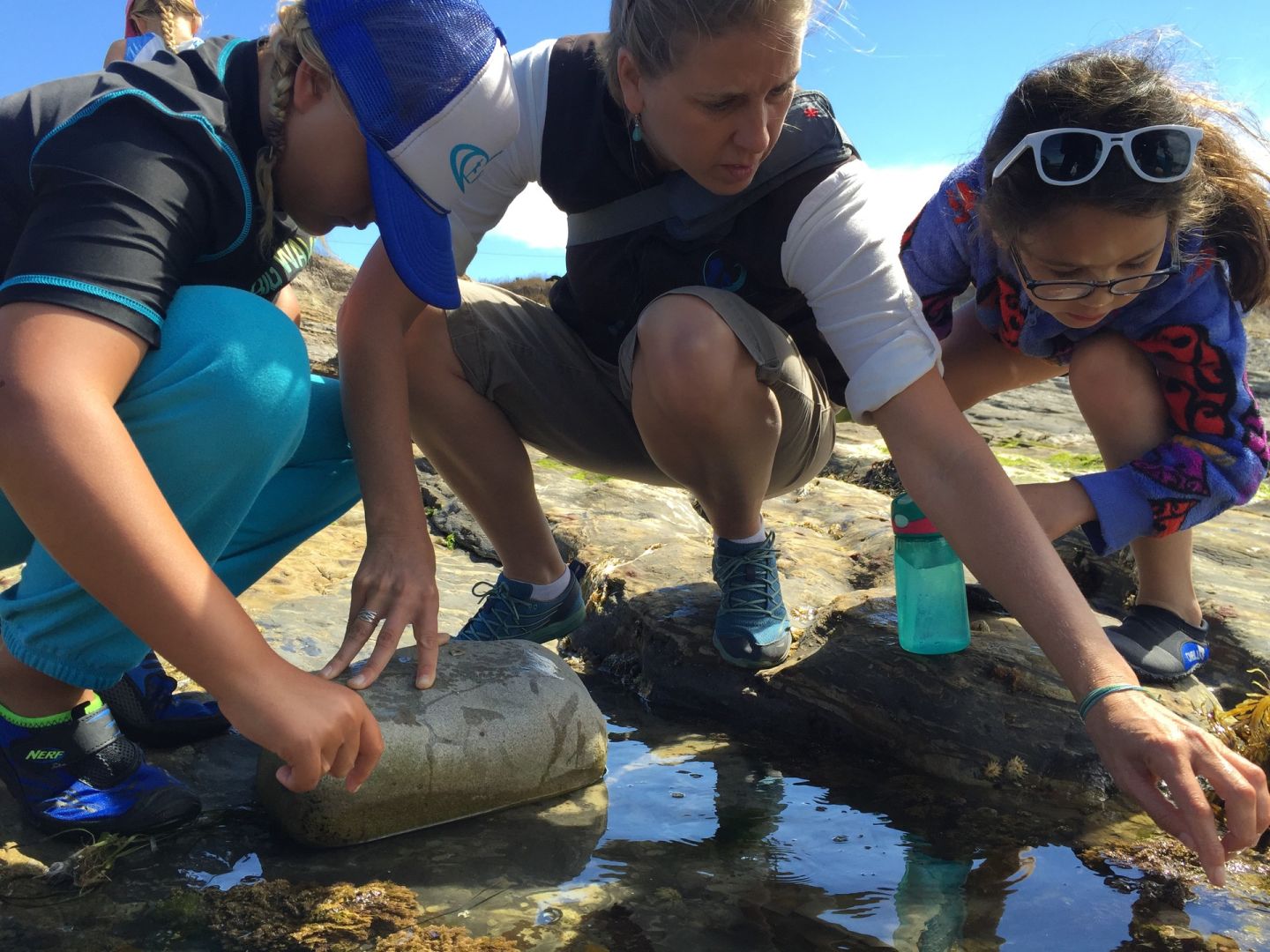
"caption": "Camp SEA Lab Director Amity Wood explores a tidepool with two campers.",
"description": "Camp SEA Lab Director Amity Wood explores a tide pool with two campers.",
"title": "RS16508_CampSeaLab4.JPG-qut",
"credit": "Krista Almanzan/KAZU",
"status": "inherit",
"isLoading": false,
"fetchFailed": false
},
"science_220925": {
"type": "attachments",
"id": "science_220925",
"meta": {
"index": "attachments_1716263798",
"site": "science",
"id": "220925",
"found": true
},
"parent": 215017,
"imgSizes": {
"thumbnail": {
"file": "https://ww2.kqed.org/app/uploads/sites/35/2015/08/Joey-Pennisi-on-the-Pioneer-400x267.jpg",
"width": 400,
"mimeType": "image/jpeg",
"height": 267
},
"post-thumbnail": {
"file": "https://ww2.kqed.org/app/uploads/sites/35/2015/08/Joey-Pennisi-on-the-Pioneer-672x372.jpg",
"width": 672,
"mimeType": "image/jpeg",
"height": 372
},
"kqedFullSize": {
"file": "https://ww2.kqed.org/app/uploads/sites/35/2015/08/Joey-Pennisi-on-the-Pioneer.jpg",
"width": 800,
"height": 534
},
"guest-author-96": {
"file": "https://ww2.kqed.org/app/uploads/sites/35/2015/08/Joey-Pennisi-on-the-Pioneer-96x96.jpg",
"width": 96,
"mimeType": "image/jpeg",
"height": 96
},
"medium": {
"file": "https://ww2.kqed.org/app/uploads/sites/35/2015/08/Joey-Pennisi-on-the-Pioneer-800x534.jpg",
"width": 800,
"mimeType": "image/jpeg",
"height": 534
},
"guest-author-64": {
"file": "https://ww2.kqed.org/app/uploads/sites/35/2015/08/Joey-Pennisi-on-the-Pioneer-64x64.jpg",
"width": 64,
"mimeType": "image/jpeg",
"height": 64
},
"detail": {
"file": "https://ww2.kqed.org/app/uploads/sites/35/2015/08/Joey-Pennisi-on-the-Pioneer-75x75.jpg",
"width": 75,
"mimeType": "image/jpeg",
"height": 75
},
"guest-author-32": {
"file": "https://ww2.kqed.org/app/uploads/sites/35/2015/08/Joey-Pennisi-on-the-Pioneer-32x32.jpg",
"width": 32,
"mimeType": "image/jpeg",
"height": 32
},
"guest-author-128": {
"file": "https://ww2.kqed.org/app/uploads/sites/35/2015/08/Joey-Pennisi-on-the-Pioneer-128x128.jpg",
"width": 128,
"mimeType": "image/jpeg",
"height": 128
}
},
"publishDate": 1440781424,
"modified": 1440806058,
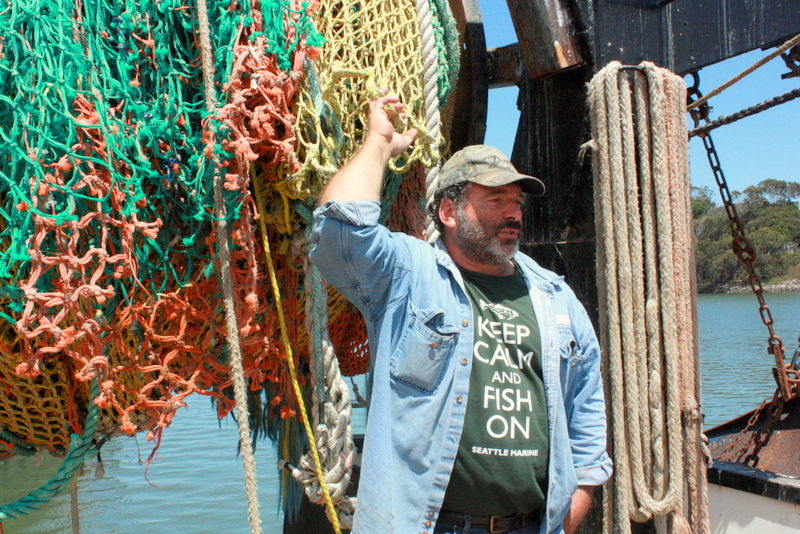
"caption": "Captain Joey Pennisi on his trawling boat, the Pioneer. The net behind him has been redesigned so it doesn't scrape the ocean floor or catch fish that are too small to eat. ",
"description": null,
"title": "Joey Pennisi on the Pioneer",
"credit": "Sasha Khokha/KQED",
"status": "inherit",
"isLoading": false,
"fetchFailed": false
},
"science_221019": {
"type": "attachments",
"id": "science_221019",
"meta": {
"index": "attachments_1716263798",
"site": "science",
"id": "221019",
"found": true
},
"parent": 215017,
"imgSizes": {
"twentyfourteen-full-width": {
"file": "https://ww2.kqed.org/app/uploads/sites/35/2015/08/IMG_6652-e1440792966222-600x576.jpg",
"width": 600,
"mimeType": "image/jpeg",
"height": 576
},
"thumbnail": {
"file": "https://ww2.kqed.org/app/uploads/sites/35/2015/08/IMG_6652-e1440792966222-400x472.jpg",
"width": 400,
"mimeType": "image/jpeg",
"height": 472
},
"post-thumbnail": {
"file": "https://ww2.kqed.org/app/uploads/sites/35/2015/08/IMG_6652-e1440792966222-600x372.jpg",
"width": 600,
"mimeType": "image/jpeg",
"height": 372
},
"kqedFullSize": {
"file": "https://ww2.kqed.org/app/uploads/sites/35/2015/08/IMG_6652-e1440792966222.jpg",
"width": 600,
"height": 708
},
"guest-author-96": {
"file": "https://ww2.kqed.org/app/uploads/sites/35/2015/08/IMG_6652-e1440792966222-96x96.jpg",
"width": 96,
"mimeType": "image/jpeg",
"height": 96
},
"guest-author-64": {
"file": "https://ww2.kqed.org/app/uploads/sites/35/2015/08/IMG_6652-e1440792966222-64x64.jpg",
"width": 64,
"mimeType": "image/jpeg",
"height": 64
},
"detail": {
"file": "https://ww2.kqed.org/app/uploads/sites/35/2015/08/IMG_6652-e1440792966222-75x75.jpg",
"width": 75,
"mimeType": "image/jpeg",
"height": 75
},
"guest-author-32": {
"file": "https://ww2.kqed.org/app/uploads/sites/35/2015/08/IMG_6652-e1440792966222-32x32.jpg",
"width": 32,
"mimeType": "image/jpeg",
"height": 32
},
"guest-author-128": {
"file": "https://ww2.kqed.org/app/uploads/sites/35/2015/08/IMG_6652-e1440792966222-128x128.jpg",
"width": 128,
"mimeType": "image/jpeg",
"height": 128
}
},
"publishDate": 1440785045,
"modified": 1440792864,
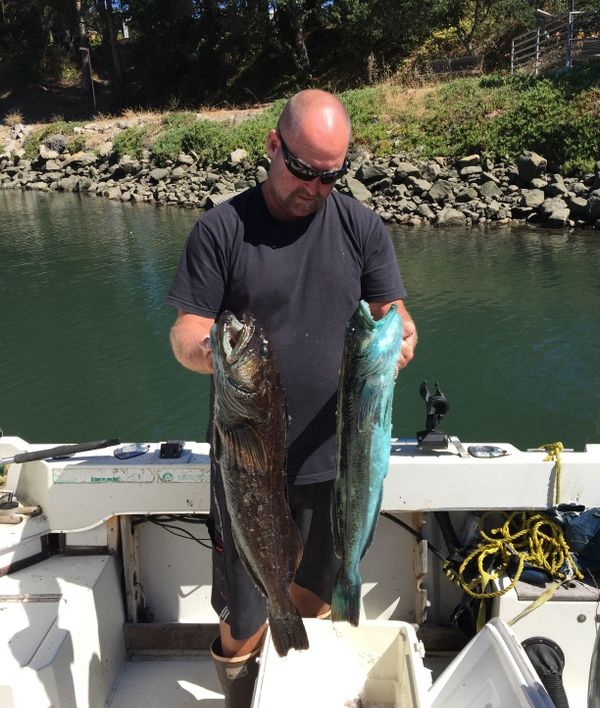
"caption": "Hook-and-line fisherman Kevin Butler, with freshly caught ling cod, a \"Good Alternative\" on the Seafood Watch list. The iridescent blue color comes from the crustaceans the fish eats. ",
"description": null,
"title": "Seafood Watch",
"credit": "Sasha Khokha/KQED",
"status": "inherit",
"isLoading": false,
"fetchFailed": false
},
"news_10659828": {
"type": "attachments",
"id": "news_10659828",
"meta": {
"index": "attachments_1716263798",
"site": "news",
"id": "10659828",
"found": true
},
"parent": 10659827,
"imgSizes": {
"twentyfourteen-full-width": {
"file": "https://ww2.kqed.org/app/uploads/sites/10/2015/08/GettyImages-485297476-1038x576.jpg",
"width": 1038,
"mimeType": "image/jpeg",
"height": 576
},
"thumbnail": {
"file": "https://ww2.kqed.org/app/uploads/sites/10/2015/08/GettyImages-485297476-400x275.jpg",
"width": 400,
"mimeType": "image/jpeg",
"height": 275
},
"fd-sm": {
"file": "https://ww2.kqed.org/app/uploads/sites/10/2015/08/GettyImages-485297476-960x659.jpg",
"width": 960,
"mimeType": "image/jpeg",
"height": 659
},
"post-thumbnail": {
"file": "https://ww2.kqed.org/app/uploads/sites/10/2015/08/GettyImages-485297476-672x372.jpg",
"width": 672,
"mimeType": "image/jpeg",
"height": 372
},
"kqedFullSize": {
"file": "https://ww2.kqed.org/app/uploads/sites/10/2015/08/GettyImages-485297476-e1440777491138.jpg",
"width": 1920,
"height": 1318
},
"large": {
"file": "https://ww2.kqed.org/app/uploads/sites/10/2015/08/GettyImages-485297476-1440x988.jpg",
"width": 1440,
"mimeType": "image/jpeg",
"height": 988
},
"guest-author-96": {
"file": "https://ww2.kqed.org/app/uploads/sites/10/2015/08/GettyImages-485297476-96x96.jpg",
"width": 96,
"mimeType": "image/jpeg",
"height": 96
},
"medium": {
"file": "https://ww2.kqed.org/app/uploads/sites/10/2015/08/GettyImages-485297476-800x549.jpg",
"width": 800,
"mimeType": "image/jpeg",
"height": 549
},
"guest-author-64": {
"file": "https://ww2.kqed.org/app/uploads/sites/10/2015/08/GettyImages-485297476-64x64.jpg",
"width": 64,
"mimeType": "image/jpeg",
"height": 64
},
"guest-author-32": {
"file": "https://ww2.kqed.org/app/uploads/sites/10/2015/08/GettyImages-485297476-32x32.jpg",
"width": 32,
"mimeType": "image/jpeg",
"height": 32
},
"jmtc-small-thumb": {
"file": "https://ww2.kqed.org/app/uploads/sites/10/2015/08/GettyImages-485297476-280x150.jpg",
"width": 280,
"mimeType": "image/jpeg",
"height": 150
},
"fd-lrg": {
"file": "https://ww2.kqed.org/app/uploads/sites/10/2015/08/GettyImages-485297476-1920x1318.jpg",
"width": 1920,
"mimeType": "image/jpeg",
"height": 1318
},
"fd-med": {
"file": "https://ww2.kqed.org/app/uploads/sites/10/2015/08/GettyImages-485297476-1180x810.jpg",
"width": 1180,
"mimeType": "image/jpeg",
"height": 810
},
"detail": {
"file": "https://ww2.kqed.org/app/uploads/sites/10/2015/08/GettyImages-485297476-75x75.jpg",
"width": 75,
"mimeType": "image/jpeg",
"height": 75
},
"guest-author-128": {
"file": "https://ww2.kqed.org/app/uploads/sites/10/2015/08/GettyImages-485297476-128x128.jpg",
"width": 128,
"mimeType": "image/jpeg",
"height": 128
}
},
"publishDate": 1440777402,
"modified": 1440777485,
"caption": "Defense Secretary Ashton Carter speaks at Nellis Air Force Base in Nevada earlier this week. ",
"description": null,
"title": "Ashton Carter-Defense Secretary",
"credit": "Isaac Brekken/Getty Images",
"status": "inherit",
"isLoading": false,
"fetchFailed": false
}
},
"audioPlayerReducer": {
"postId": "stream_live",
"isPaused": true,
"isPlaying": false,
"pfsActive": false,
"pledgeModalIsOpen": true,
"playerDrawerIsOpen": false,
"liveAudioPlayStartedAt": 0,
"liveAudioPlayContext": ""
},
"authorsReducer": {
"byline_news_10668743": {
"type": "authors",
"id": "byline_news_10668743",
"meta": {
"override": true
},
"slug": "byline_news_10668743",
"name": "Molly Peterson",
"isLoading": false
},
"byline_news_10663441": {
"type": "authors",
"id": "byline_news_10663441",
"meta": {
"override": true
},
"slug": "byline_news_10663441",
"name": "Rachel Berger",
"isLoading": false
},
"byline_news_10663278": {
"type": "authors",
"id": "byline_news_10663278",
"meta": {
"override": true
},
"slug": "byline_news_10663278",
"name": "\u003cstrong>Associated Press\u003c/strong>",
"isLoading": false
},
"byline_arts_10926144": {
"type": "authors",
"id": "byline_arts_10926144",
"meta": {
"override": true
},
"slug": "byline_arts_10926144",
"name": "Scott Neuman",
"isLoading": false
},
"byline_news_10659055": {
"type": "authors",
"id": "byline_news_10659055",
"meta": {
"override": true
},
"slug": "byline_news_10659055",
"name": "Krista Almanzan, KAZU",
"isLoading": false
},
"byline_news_10659827": {
"type": "authors",
"id": "byline_news_10659827",
"meta": {
"override": true
},
"slug": "byline_news_10659827",
"name": "\u003cstrong>Lolita C. Baldor\u003cbr />Associated Press\u003c/strong>",
"isLoading": false
},
"kqednewsstaffandwires": {
"type": "authors",
"id": "237",
"meta": {
"index": "authors_1716337520",
"id": "237",
"found": true
},
"name": "KQED News Staff and Wires",
"firstName": "KQED News Staff and Wires",
"lastName": null,
"slug": "kqednewsstaffandwires",
"email": "onlinenewsstaff@kqed.org",
"display_author_email": false,
"staff_mastheads": [],
"title": null,
"bio": null,
"avatar": "https://secure.gravatar.com/avatar/72295af8ebbfbd19a4948f5271285664?s=600&d=blank&r=g",
"twitter": null,
"facebook": null,
"instagram": null,
"linkedin": null,
"sites": [
{
"site": "arts",
"roles": [
"contributor"
]
},
{
"site": "news",
"roles": [
"contributor"
]
},
{
"site": "lowdown",
"roles": [
"author"
]
},
{
"site": "stateofhealth",
"roles": [
"contributor"
]
},
{
"site": "food",
"roles": [
"author"
]
}
],
"headData": {
"title": "KQED News Staff and Wires | KQED",
"description": null,
"ogImgSrc": "https://secure.gravatar.com/avatar/72295af8ebbfbd19a4948f5271285664?s=600&d=blank&r=g",
"twImgSrc": "https://secure.gravatar.com/avatar/72295af8ebbfbd19a4948f5271285664?s=600&d=blank&r=g"
},
"isLoading": false,
"link": "/author/kqednewsstaffandwires"
},
"laurensommer": {
"type": "authors",
"id": "239",
"meta": {
"index": "authors_1716337520",
"id": "239",
"found": true
},
"name": "Lauren Sommer",
"firstName": "Lauren",
"lastName": "Sommer",
"slug": "laurensommer",
"email": "lsommer@kqed.org",
"display_author_email": false,
"staff_mastheads": [],
"title": "KQED Contributor",
"bio": "Lauren is a radio reporter formerly covering environment, water, and energy for KQED Science. As part of her day job, she has scaled Sierra Nevada peaks, run from charging elephant seals, and desperately tried to get her sea legs - all in pursuit of good radio. Her work has appeared on Marketplace, Living on Earth, Science Friday and NPR's Morning Edition and All Things Considered. You can find her on Twitter at \u003ca href=\"https://twitter.com/lesommer\">@lesommer\u003c/a>.",
"avatar": "https://secure.gravatar.com/avatar/33aa3772bb86c6ad45b8aca6a238bbdf?s=600&d=blank&r=g",
"twitter": null,
"facebook": null,
"instagram": null,
"linkedin": null,
"sites": [
{
"site": "news",
"roles": [
"author"
]
},
{
"site": "science",
"roles": [
"editor",
"manage_content_types",
"manage_taxonomies"
]
},
{
"site": "quest",
"roles": [
"editor"
]
}
],
"headData": {
"title": "Lauren Sommer | KQED",
"description": "KQED Contributor",
"ogImgSrc": "https://secure.gravatar.com/avatar/33aa3772bb86c6ad45b8aca6a238bbdf?s=600&d=blank&r=g",
"twImgSrc": "https://secure.gravatar.com/avatar/33aa3772bb86c6ad45b8aca6a238bbdf?s=600&d=blank&r=g"
},
"isLoading": false,
"link": "/author/laurensommer"
},
"sasha-khokha": {
"type": "authors",
"id": "254",
"meta": {
"index": "authors_1716337520",
"id": "254",
"found": true
},
"name": "Sasha Khokha",
"firstName": "Sasha",
"lastName": "Khokha",
"slug": "sasha-khokha",
"email": "skhokha@kqed.org",
"display_author_email": true,
"staff_mastheads": [
"news"
],
"title": "Host, The California Report Magazine",
"bio": "Sasha Khokha is the host of \u003cem>The California Report's \u003c/em> weekly magazine program, which takes listeners on sound-rich excursions to meet the people that make the Golden State unique -- through audio documentaries and long-form stories. As \u003cem>The California Report's\u003c/em> Central Valley Bureau Chief based in Fresno for nearly a dozen years, Sasha brought the lives and concerns of rural Californians to listeners around the state. Her reporting helped expose the hidden price immigrant women janitors and farmworkers may pay to keep their jobs: sexual assault at work. It inspired two new California laws to protect them from sexual harassment. She was a key member of the reporting team for the Frontline film \u003cem>Rape on the Night Shift, \u003c/em>which was nominated for two national Emmys. Sasha has also won a national Edward R. Murrow and a national PRNDI award for investigative reporting, as well as multiple prizes from the Society for Professional Journalists. Sasha is a proud alum of the UC Berkeley Graduate School of Journalism and Brown University and a member of the South Asian Journalists Association.",
"avatar": "https://secure.gravatar.com/avatar/e4b5e1541aaeea2aa356aa1fb2a68950?s=600&d=blank&r=g",
"twitter": "KQEDSashaKhokha",
"facebook": null,
"instagram": null,
"linkedin": null,
"sites": [
{
"site": "news",
"roles": [
"editor"
]
},
{
"site": "stateofhealth",
"roles": [
"author"
]
},
{
"site": "science",
"roles": [
"author"
]
},
{
"site": "quest",
"roles": [
"subscriber"
]
}
],
"headData": {
"title": "Sasha Khokha | KQED",
"description": "Host, The California Report Magazine",
"ogImgSrc": "https://secure.gravatar.com/avatar/e4b5e1541aaeea2aa356aa1fb2a68950?s=600&d=blank&r=g",
"twImgSrc": "https://secure.gravatar.com/avatar/e4b5e1541aaeea2aa356aa1fb2a68950?s=600&d=blank&r=g"
},
"isLoading": false,
"link": "/author/sasha-khokha"
},
"joshua-cassidy": {
"type": "authors",
"id": "6219",
"meta": {
"index": "authors_1716337520",
"id": "6219",
"found": true
},
"name": "Josh Cassidy",
"firstName": "Josh",
"lastName": "Cassidy",
"slug": "joshua-cassidy",
"email": "jcassidy@kqed.org",
"display_author_email": false,
"staff_mastheads": [
"science"
],
"title": "Digital Video Producer",
"bio": "Josh is a Senior Video Producer for KQED Science, and the Lead Producer and Cinematographer for Deep Look. After receiving his BS in Wildlife Biology from Ohio University, he went on to participate in marine mammal research for NOAA, USGS and the Intersea Foundation. He also served as the president of The Pacific Cetacean Group, a nonprofit organization dedicated to teaching students K-6 about whales. Josh studied science and natural history filmmaking at San Francisco State University and Montana State University.",
"avatar": "https://secure.gravatar.com/avatar/f2582a0801a35af53b734d56bcac2bbe?s=600&d=blank&r=g",
"twitter": null,
"facebook": null,
"instagram": null,
"linkedin": null,
"sites": [
{
"site": "science",
"roles": [
"editor"
]
},
{
"site": "quest",
"roles": [
"author",
"edit_others_posts"
]
}
],
"headData": {
"title": "Josh Cassidy | KQED",
"description": "Digital Video Producer",
"ogImgSrc": "https://secure.gravatar.com/avatar/f2582a0801a35af53b734d56bcac2bbe?s=600&d=blank&r=g",
"twImgSrc": "https://secure.gravatar.com/avatar/f2582a0801a35af53b734d56bcac2bbe?s=600&d=blank&r=g"
},
"isLoading": false,
"link": "/author/joshua-cassidy"
},
"dpotter": {
"type": "authors",
"id": "6609",
"meta": {
"index": "authors_1716337520",
"id": "6609",
"found": true
},
"name": "Daniel Potter",
"firstName": "Daniel",
"lastName": "Potter",
"slug": "dpotter",
"email": "dpotter@kqed.org",
"display_author_email": false,
"staff_mastheads": [],
"title": "KQED Contributor",
"bio": "Daniel Potter is a reporter for KQED Science. Before that, he worked at Nashville Public Radio for six years. He’s gathered tape for The New York Times, contributed to a growing list of podcasts, and done national features for NPR on everything from bats to meningitis. He tweets at @hellodanpo.",
"avatar": "https://secure.gravatar.com/avatar/59396b9ad9c672dd4cd1d3e453425f12?s=600&d=blank&r=g",
"twitter": "hellodanpo",
"facebook": null,
"instagram": null,
"linkedin": null,
"sites": [
{
"site": "futureofyou",
"roles": [
"author"
]
},
{
"site": "science",
"roles": []
}
],
"headData": {
"title": "Daniel Potter | KQED",
"description": "KQED Contributor",
"ogImgSrc": "https://secure.gravatar.com/avatar/59396b9ad9c672dd4cd1d3e453425f12?s=600&d=blank&r=g",
"twImgSrc": "https://secure.gravatar.com/avatar/59396b9ad9c672dd4cd1d3e453425f12?s=600&d=blank&r=g"
},
"isLoading": false,
"link": "/author/dpotter"
}
},
"pagesReducer": {
"science_category_environment": {
"type": "terms",
"id": "science_35",
"meta": {
"index": "terms_1716263798",
"site": "science",
"id": "35",
"score": 12.138525
},
"featImg": null,
"name": "Environment",
"description": null,
"taxonomy": "category",
"headData": {
"twImgId": null,
"twTitle": null,
"ogTitle": null,
"ogImgId": null,
"twDescription": null,
"description": null,
"title": "Environment Archives | KQED Science",
"ogDescription": null
},
"ttid": 37,
"slug": "environment",
"isLoading": false,
"title": "Environment",
"pageMeta": {
"site": "science",
"WpPageTemplate": "page-topic-editorial",
"currentPage": 168
},
"blocks": [
{
"blockName": "kqed/post-list",
"attrs": {
"layout": "cardArticle2",
"query": "posts/science?category=environment",
"seeMore": false,
"paginated": true,
"page": 168
}
},
{
"blockName": "kqed/ad"
}
]
}
},
"pfsSessionReducer": {},
"postsReducer": {
"stream_live": {
"type": "live",
"id": "stream_live",
"audioUrl": "https://streams.kqed.org/kqedradio",
"title": "Live Stream",
"excerpt": "Live Stream information currently unavailable.",
"link": "/radio",
"featImg": "",
"label": {
"name": "KQED Live",
"link": "/"
}
},
"stream_kqedNewscast": {
"type": "posts",
"id": "stream_kqedNewscast",
"audioUrl": "https://www.kqed.org/.stream/anon/radio/RDnews/newscast.mp3?_=1",
"title": "KQED Newscast",
"featImg": "",
"label": {
"name": "88.5 FM",
"link": "/"
}
},
"science_247785": {
"type": "posts",
"id": "science_247785",
"meta": {
"index": "posts_1716263798",
"site": "science",
"id": "247785",
"score": null,
"sort": [
1442235649000
]
},
"parent": 0,
"labelTerm": {
"site": "science"
},
"blocks": [],
"publishDate": 1442235649,
"format": "standard",
"title": "Big Challenge as California Ramps Up Wind Power: Golden Eagles",
"headTitle": "Big Challenge as California Ramps Up Wind Power: Golden Eagles | KQED",
"content": "\u003cp>\u003cstrong>Listen to the story:\u003c/strong>\u003cbr>\nhttp://www.kqed.org/.stream/anon/radio//2015/09/WindFarmsEagles.mp3\u003c/p>\n\u003cp>California’s history with wind power goes back decades — as do its troubles with turbines killing birds, including federally protected golden eagles.\u003c/p>\n\u003cp>With state officials now planning to ramp up renewable energy, an uneasy tension exists between protecting wildlife, and fighting climate change.\u003c/p>\n\u003caside class=\"pullquote alignright\">“At nighttime, as soon as it gets dark, striped skunks run to the wind turbines. Literally run.”\u003ccite>Shawn Smallwood, Ecologist\u003c/cite>\u003c/aside>\n\u003cp>Ecologist Shawn Smallwood has found mangled eagles several times in wind farms like those at Altamont Pass, near Livermore. The place has a reputation for turbines killing birds. Alameda County estimates 35 golden eagles were killed there in 2013.\u003c/p>\n\u003cp>Researching this problem is complicated partly by scavengers, such as ravens, snatching up carcasses before Smallwood can tally them. Coyotes, foxes and badgers converge on the wind farm and search the grounds in a pattern, he says, just like a scientist would.\u003c/p>\n\u003cp>[ad fullwidth]\u003c/p>\n\u003cp>“At nighttime, as soon as it gets dark, striped skunks run to the wind turbines. Literally run,” says Smallwood. “They also go to the turbines that kill the most animals, so they’re familiar with where they can find food. They usually go to the downwind side of the turbines, again where the bats and birds are most likely to fall after they get hit by a wind turbine.”\u003c/p>\n\u003cp>The history of wind power is littered with attempts to make turbines safer for birds and bats. \u003ca href=\"https://www.youtube.com/watch?v=RtgBWNKwBkE\">It’s not easy\u003c/a>. Golden eagles fix their eyesight on prey on the ground and don’t necessarily see what they’re flying into. Smallwood once advocated shutting turbines off over winter, but says on an overcast day, birds can still fly right into blades that aren’t even turning.\u003c/p>\n\u003cfigure id=\"attachment_247869\" class=\"wp-caption alignleft\" style=\"max-width: 401px\">\u003ca href=\"http://ww2.kqed.org/science/wp-content/uploads/sites/35/2015/09/Mighty2.jpg\">\u003cimg loading=\"lazy\" decoding=\"async\" class=\" wp-image-247869\" src=\"http://ww2.kqed.org/science/wp-content/uploads/sites/35/2015/09/Mighty2-800x844.jpg\" alt=\"Biologists are studying golden eagles in the Altamont Pass by placing radio transmitters on them.\" width=\"401\" height=\"423\" srcset=\"https://cdn.kqed.org/wp-content/uploads/sites/35/2015/09/Mighty2-800x844.jpg 800w, https://cdn.kqed.org/wp-content/uploads/sites/35/2015/09/Mighty2-400x422.jpg 400w, https://cdn.kqed.org/wp-content/uploads/sites/35/2015/09/Mighty2-1440x1518.jpg 1440w, https://cdn.kqed.org/wp-content/uploads/sites/35/2015/09/Mighty2-1180x1244.jpg 1180w, https://cdn.kqed.org/wp-content/uploads/sites/35/2015/09/Mighty2-960x1012.jpg 960w, https://cdn.kqed.org/wp-content/uploads/sites/35/2015/09/Mighty2.jpg 1600w\" sizes=\"(max-width: 401px) 100vw, 401px\">\u003c/a>\u003cfigcaption class=\"wp-caption-text\">Biologists are studying golden eagles in the Altamont Pass by placing radio transmitters on them. \u003ccite>(Joseph DiDonato/Wildlife Consulting and Photography)\u003c/cite>\u003c/figcaption>\u003c/figure>\n\u003cp>At the Altamont Pass Wind Farm, a process is underway right now called “repowering.” This means removing hundreds of older, less efficient turbines. A single massive, new turbine can take the place of 20 or 30 of the older models. This also affords an opportunity to get turbines out of particularly lethal spots altogether.\u003c/p>\n\u003cp>Even so, the tip of a huge blade can slice through the air at \u003ca href=\"http://gizmodo.com/5930272/the-worlds-biggest-wind-turbine-blades-are-so-long-their-tips-spin-at-180-mph\">speeds like a racecar\u003c/a>.\u003c/p>\n\u003cp>A few years ago, before the repowering process started, Smallwood estimates 60 golden eagles were killed each year at Altamont.\u003c/p>\n\u003cp>\u003cstrong>Permit to Kill\u003c/strong>\u003c/p>\n\u003cp>While not listed as endangered, golden eagles are protected under the federal Migratory Bird Treaty Act and the Bald and Golden Eagle Protection Act. Killing them is illegal. But, with the exception of a couple wind companies recently fined in Wyoming, the federal government \u003ca href=\"http://www.csmonitor.com/Environment/Latest-News-Wires/2013/0514/Why-wind-farms-kill-eagles-with-federal-impunity\">has rarely enforced such laws\u003c/a>.\u003c/p>\n\u003cp>Scott Flaherty, a spokesman for the U.S. Fish and Wildlife Service, says the agency wants to work alongside wind companies — not punish them.\u003c/p>\n\u003cp>“While prosecutions are great and make for great headlines, they don’t always do the best thing for eagles,” he says.\u003c/p>\n\u003cp>Since 2009, wind companies have been able to apply for a “take permit,” essentially, permission to kill a small number of golden eagles. Such applications are thick, highly technical and take a long time to write. Only one permit has been issued since the program was introduced — for a wind farm in Solano County. Seven other wind farms have applications in the pipeline.\u003c/p>\n\u003cfigure id=\"attachment_247865\" class=\"wp-caption alignright\" style=\"max-width: 800px\">\u003ca href=\"http://ww2.kqed.org/science/wp-content/uploads/sites/35/2015/09/Smallwood2.jpg\">\u003cimg loading=\"lazy\" decoding=\"async\" class=\"size-medium wp-image-247865\" src=\"http://ww2.kqed.org/science/wp-content/uploads/sites/35/2015/09/Smallwood2-800x600.jpg\" alt=\"Ecologist Shawn Smallwood holds a golden eagle found injured in the Altamont Pass.\" width=\"800\" height=\"600\" srcset=\"https://cdn.kqed.org/wp-content/uploads/sites/35/2015/09/Smallwood2-800x600.jpg 800w, https://cdn.kqed.org/wp-content/uploads/sites/35/2015/09/Smallwood2-400x300.jpg 400w, https://cdn.kqed.org/wp-content/uploads/sites/35/2015/09/Smallwood2-1440x1080.jpg 1440w, https://cdn.kqed.org/wp-content/uploads/sites/35/2015/09/Smallwood2-1180x885.jpg 1180w, https://cdn.kqed.org/wp-content/uploads/sites/35/2015/09/Smallwood2-960x720.jpg 960w, https://cdn.kqed.org/wp-content/uploads/sites/35/2015/09/Smallwood2.jpg 1600w\" sizes=\"(max-width: 800px) 100vw, 800px\">\u003c/a>\u003cfigcaption class=\"wp-caption-text\">Ecologist Shawn Smallwood holds a golden eagle found injured in the Altamont Pass. \u003ccite>(Joseph DiDonato/Wildlife Consulting and Photography)\u003c/cite>\u003c/figcaption>\u003c/figure>\n\u003cp>By getting wind companies in the door to discuss permits, Flaherty says the agency can also have a frank discussion about settling up over eagles killed in years past.\u003c/p>\n\u003cp>“One thing about eagle permits is that they don’t allow for past take,” he says. “They don’t really forgive past take.”\u003c/p>\n\u003cp>In an agreement with U.S. Fish and Wildlife, one company recently paid $10,000 and will spend hundreds of thousands more on research to help eagles.\u003c/p>\n\u003cp>The permits last five years. Last month, a federal judge kicked a new 30-year version \u003ca href=\"http://www.kcet.org/news/redefine/rewire/commentary/court-sends-30-year-eagle-kill-permits-back-to-drawing-board.html\">back to Fish and Wildlife officials\u003c/a> for more work.\u003c/p>\n\u003cp>\u003cstrong>Hardly a Free Pass\u003c/strong>\u003c/p>\n\u003cp>Governor Jerry Brown’s administration has set an ambitious goal: By 2030, Brown wants half of California’s power to come from renewable sources.\u003c/p>\n\u003cp>Nancy Rader, executive director for the California Wind Energy Association, says the industry is aiming to more than double wind energy capacity by 2030; hundreds of new turbines have to go \u003cem>somewhere.\u003c/em>\u003c/p>\n\u003cfigure id=\"attachment_248142\" class=\"wp-caption alignleft\" style=\"max-width: 355px\">\u003ca href=\"http://ww2.kqed.org/science/wp-content/uploads/sites/35/2015/09/wind3B.jpg\">\u003cimg loading=\"lazy\" decoding=\"async\" class=\" wp-image-248142\" src=\"http://ww2.kqed.org/science/wp-content/uploads/sites/35/2015/09/wind3B-800x1052.jpg\" alt=\"Only one wind farm, in Solano County, has received a federal permit for the killing of golden eagles. Several others have applications in the pipeline.\" width=\"355\" height=\"467\" srcset=\"https://cdn.kqed.org/wp-content/uploads/sites/35/2015/09/wind3B-800x1052.jpg 800w, https://cdn.kqed.org/wp-content/uploads/sites/35/2015/09/wind3B-400x526.jpg 400w, https://cdn.kqed.org/wp-content/uploads/sites/35/2015/09/wind3B-1180x1552.jpg 1180w, https://cdn.kqed.org/wp-content/uploads/sites/35/2015/09/wind3B-960x1262.jpg 960w, https://cdn.kqed.org/wp-content/uploads/sites/35/2015/09/wind3B.jpg 1219w\" sizes=\"(max-width: 355px) 100vw, 355px\">\u003c/a>\u003cfigcaption class=\"wp-caption-text\">Only one wind farm, located in Solano County, has received a federal permit for the killing of golden eagles. Several others have applications in the pipeline. \u003ccite>(Daniel Potter/KQED)\u003c/cite>\u003c/figcaption>\u003c/figure>\n\u003cp>Far from getting an easy pass from regulators, Rader points to proposed restrictions from the Bureau of Land Management, as well as local governments in places like Los Angeles County.\u003c/p>\n\u003cp>“We’re seeing land-use plans coming out from both the federal government and county governments that actually prohibit the development of wind energy across large areas of California,” Rader says.\u003c/p>\n\u003cp>Energy supply is about trade-offs, says Ryan Wiser, a senior scientist at Lawrence Berkeley National Laboratory.\u003c/p>\n\u003cp>“There’s really no free lunch here,” he says, and refers to \u003ca href=\"http://energy.gov/eere/wind/wind-vision\">a report out this year\u003c/a> from the federal Department of Energy.\u003c/p>\n\u003cp>The report examines a future in which wind energy scales up dramatically in coming decades. It concludes that replacing fossil fuels with wind will save hundreds of billions of dollars in “avoided global climate damages.”\u003c/p>\n\u003cp>However, Wiser points out, the report didn’t attempt to pin down the economic value of the loss of wildlife – such as eagles.\u003c/p>\n\u003cp>\u003c/p>\n\u003cp>\u003cem>KQED Science coordinating television producer Gabriela Quiros contributed to this story.\u003c/em>\u003c/p>\n\n",
"stats": {
"hasVideo": false,
"hasChartOrMap": false,
"hasAudio": true,
"hasPolis": false,
"wordCount": 993,
"hasGoogleForm": false,
"hasGallery": false,
"hasHearkenModule": false,
"iframeSrcs": [],
"paragraphCount": 31
},
"modified": 1704931320,
"excerpt": "So far, only one wind farm has gotten a permit allowing its turbines to kill the federally protected eagles.\r\n",
"headData": {
"twImgId": "",
"twTitle": "",
"ogTitle": "",
"ogImgId": "",
"twDescription": "",
"description": "So far, only one wind farm has gotten a permit allowing its turbines to kill the federally protected eagles.\r\n",
"title": "Big Challenge as California Ramps Up Wind Power: Golden Eagles | KQED",
"ogDescription": "",
"schema": {
"@context": "https://schema.org",
"@type": "Article",
"headline": "Big Challenge as California Ramps Up Wind Power: Golden Eagles",
"datePublished": "2015-09-14T06:00:49-07:00",
"dateModified": "2024-01-10T16:02:00-08:00",
"image": "https://cdn.kqed.org/wp-content/uploads/2020/02/KQED-OG-Image@1x.png"
}
},
"guestAuthors": [],
"slug": "big-challenge-as-california-ramps-up-wind-power-golden-eagles",
"status": "publish",
"sticky": false,
"path": "/science/247785/big-challenge-as-california-ramps-up-wind-power-golden-eagles",
"audioUrl": "http://www.kqed.org/.stream/anon/radio//2015/09/WindFarmsEagles.mp3",
"audioDuration": null,
"audioTrackLength": null,
"parsedContent": [
{
"type": "contentString",
"content": "\u003cdiv class=\"post-body\">\u003cp>\u003cp>\u003cstrong>Listen to the story:\u003c/strong>\u003cbr>\u003c/p>\u003c/div>",
"attributes": {
"named": {},
"numeric": []
}
},
{
"type": "component",
"content": "",
"name": "audioLink",
"attributes": {
"named": {
"src": "http://www.kqed.org/.stream/anon/radio//2015/09/WindFarmsEagles.mp3"
},
"numeric": []
}
},
{
"type": "contentString",
"content": "\u003cdiv class=\"post-body\">\u003cp>\u003cp>California’s history with wind power goes back decades — as do its troubles with turbines killing birds, including federally protected golden eagles.\u003c/p>\n\u003cp>With state officials now planning to ramp up renewable energy, an uneasy tension exists between protecting wildlife, and fighting climate change.\u003c/p>\n\u003caside class=\"pullquote alignright\">“At nighttime, as soon as it gets dark, striped skunks run to the wind turbines. Literally run.”\u003ccite>Shawn Smallwood, Ecologist\u003c/cite>\u003c/aside>\n\u003cp>Ecologist Shawn Smallwood has found mangled eagles several times in wind farms like those at Altamont Pass, near Livermore. The place has a reputation for turbines killing birds. Alameda County estimates 35 golden eagles were killed there in 2013.\u003c/p>\n\u003cp>Researching this problem is complicated partly by scavengers, such as ravens, snatching up carcasses before Smallwood can tally them. Coyotes, foxes and badgers converge on the wind farm and search the grounds in a pattern, he says, just like a scientist would.\u003c/p>\n\u003cp>\u003c/p>\u003c/div>",
"attributes": {
"named": {},
"numeric": []
}
},
{
"type": "component",
"content": "",
"name": "ad",
"attributes": {
"named": {
"label": "fullwidth"
},
"numeric": [
"fullwidth"
]
}
},
{
"type": "contentString",
"content": "\u003cdiv class=\"post-body\">\u003cp>\u003c/p>\n\u003cp>“At nighttime, as soon as it gets dark, striped skunks run to the wind turbines. Literally run,” says Smallwood. “They also go to the turbines that kill the most animals, so they’re familiar with where they can find food. They usually go to the downwind side of the turbines, again where the bats and birds are most likely to fall after they get hit by a wind turbine.”\u003c/p>\n\u003cp>The history of wind power is littered with attempts to make turbines safer for birds and bats. \u003ca href=\"https://www.youtube.com/watch?v=RtgBWNKwBkE\">It’s not easy\u003c/a>. Golden eagles fix their eyesight on prey on the ground and don’t necessarily see what they’re flying into. Smallwood once advocated shutting turbines off over winter, but says on an overcast day, birds can still fly right into blades that aren’t even turning.\u003c/p>\n\u003cfigure id=\"attachment_247869\" class=\"wp-caption alignleft\" style=\"max-width: 401px\">\u003ca href=\"http://ww2.kqed.org/science/wp-content/uploads/sites/35/2015/09/Mighty2.jpg\">\u003cimg loading=\"lazy\" decoding=\"async\" class=\" wp-image-247869\" src=\"http://ww2.kqed.org/science/wp-content/uploads/sites/35/2015/09/Mighty2-800x844.jpg\" alt=\"Biologists are studying golden eagles in the Altamont Pass by placing radio transmitters on them.\" width=\"401\" height=\"423\" srcset=\"https://cdn.kqed.org/wp-content/uploads/sites/35/2015/09/Mighty2-800x844.jpg 800w, https://cdn.kqed.org/wp-content/uploads/sites/35/2015/09/Mighty2-400x422.jpg 400w, https://cdn.kqed.org/wp-content/uploads/sites/35/2015/09/Mighty2-1440x1518.jpg 1440w, https://cdn.kqed.org/wp-content/uploads/sites/35/2015/09/Mighty2-1180x1244.jpg 1180w, https://cdn.kqed.org/wp-content/uploads/sites/35/2015/09/Mighty2-960x1012.jpg 960w, https://cdn.kqed.org/wp-content/uploads/sites/35/2015/09/Mighty2.jpg 1600w\" sizes=\"(max-width: 401px) 100vw, 401px\">\u003c/a>\u003cfigcaption class=\"wp-caption-text\">Biologists are studying golden eagles in the Altamont Pass by placing radio transmitters on them. \u003ccite>(Joseph DiDonato/Wildlife Consulting and Photography)\u003c/cite>\u003c/figcaption>\u003c/figure>\n\u003cp>At the Altamont Pass Wind Farm, a process is underway right now called “repowering.” This means removing hundreds of older, less efficient turbines. A single massive, new turbine can take the place of 20 or 30 of the older models. This also affords an opportunity to get turbines out of particularly lethal spots altogether.\u003c/p>\n\u003cp>Even so, the tip of a huge blade can slice through the air at \u003ca href=\"http://gizmodo.com/5930272/the-worlds-biggest-wind-turbine-blades-are-so-long-their-tips-spin-at-180-mph\">speeds like a racecar\u003c/a>.\u003c/p>\n\u003cp>A few years ago, before the repowering process started, Smallwood estimates 60 golden eagles were killed each year at Altamont.\u003c/p>\n\u003cp>\u003cstrong>Permit to Kill\u003c/strong>\u003c/p>\n\u003cp>While not listed as endangered, golden eagles are protected under the federal Migratory Bird Treaty Act and the Bald and Golden Eagle Protection Act. Killing them is illegal. But, with the exception of a couple wind companies recently fined in Wyoming, the federal government \u003ca href=\"http://www.csmonitor.com/Environment/Latest-News-Wires/2013/0514/Why-wind-farms-kill-eagles-with-federal-impunity\">has rarely enforced such laws\u003c/a>.\u003c/p>\n\u003cp>Scott Flaherty, a spokesman for the U.S. Fish and Wildlife Service, says the agency wants to work alongside wind companies — not punish them.\u003c/p>\n\u003cp>“While prosecutions are great and make for great headlines, they don’t always do the best thing for eagles,” he says.\u003c/p>\n\u003cp>Since 2009, wind companies have been able to apply for a “take permit,” essentially, permission to kill a small number of golden eagles. Such applications are thick, highly technical and take a long time to write. Only one permit has been issued since the program was introduced — for a wind farm in Solano County. Seven other wind farms have applications in the pipeline.\u003c/p>\n\u003cfigure id=\"attachment_247865\" class=\"wp-caption alignright\" style=\"max-width: 800px\">\u003ca href=\"http://ww2.kqed.org/science/wp-content/uploads/sites/35/2015/09/Smallwood2.jpg\">\u003cimg loading=\"lazy\" decoding=\"async\" class=\"size-medium wp-image-247865\" src=\"http://ww2.kqed.org/science/wp-content/uploads/sites/35/2015/09/Smallwood2-800x600.jpg\" alt=\"Ecologist Shawn Smallwood holds a golden eagle found injured in the Altamont Pass.\" width=\"800\" height=\"600\" srcset=\"https://cdn.kqed.org/wp-content/uploads/sites/35/2015/09/Smallwood2-800x600.jpg 800w, https://cdn.kqed.org/wp-content/uploads/sites/35/2015/09/Smallwood2-400x300.jpg 400w, https://cdn.kqed.org/wp-content/uploads/sites/35/2015/09/Smallwood2-1440x1080.jpg 1440w, https://cdn.kqed.org/wp-content/uploads/sites/35/2015/09/Smallwood2-1180x885.jpg 1180w, https://cdn.kqed.org/wp-content/uploads/sites/35/2015/09/Smallwood2-960x720.jpg 960w, https://cdn.kqed.org/wp-content/uploads/sites/35/2015/09/Smallwood2.jpg 1600w\" sizes=\"(max-width: 800px) 100vw, 800px\">\u003c/a>\u003cfigcaption class=\"wp-caption-text\">Ecologist Shawn Smallwood holds a golden eagle found injured in the Altamont Pass. \u003ccite>(Joseph DiDonato/Wildlife Consulting and Photography)\u003c/cite>\u003c/figcaption>\u003c/figure>\n\u003cp>By getting wind companies in the door to discuss permits, Flaherty says the agency can also have a frank discussion about settling up over eagles killed in years past.\u003c/p>\n\u003cp>“One thing about eagle permits is that they don’t allow for past take,” he says. “They don’t really forgive past take.”\u003c/p>\n\u003cp>In an agreement with U.S. Fish and Wildlife, one company recently paid $10,000 and will spend hundreds of thousands more on research to help eagles.\u003c/p>\n\u003cp>The permits last five years. Last month, a federal judge kicked a new 30-year version \u003ca href=\"http://www.kcet.org/news/redefine/rewire/commentary/court-sends-30-year-eagle-kill-permits-back-to-drawing-board.html\">back to Fish and Wildlife officials\u003c/a> for more work.\u003c/p>\n\u003cp>\u003cstrong>Hardly a Free Pass\u003c/strong>\u003c/p>\n\u003cp>Governor Jerry Brown’s administration has set an ambitious goal: By 2030, Brown wants half of California’s power to come from renewable sources.\u003c/p>\n\u003cp>Nancy Rader, executive director for the California Wind Energy Association, says the industry is aiming to more than double wind energy capacity by 2030; hundreds of new turbines have to go \u003cem>somewhere.\u003c/em>\u003c/p>\n\u003cfigure id=\"attachment_248142\" class=\"wp-caption alignleft\" style=\"max-width: 355px\">\u003ca href=\"http://ww2.kqed.org/science/wp-content/uploads/sites/35/2015/09/wind3B.jpg\">\u003cimg loading=\"lazy\" decoding=\"async\" class=\" wp-image-248142\" src=\"http://ww2.kqed.org/science/wp-content/uploads/sites/35/2015/09/wind3B-800x1052.jpg\" alt=\"Only one wind farm, in Solano County, has received a federal permit for the killing of golden eagles. Several others have applications in the pipeline.\" width=\"355\" height=\"467\" srcset=\"https://cdn.kqed.org/wp-content/uploads/sites/35/2015/09/wind3B-800x1052.jpg 800w, https://cdn.kqed.org/wp-content/uploads/sites/35/2015/09/wind3B-400x526.jpg 400w, https://cdn.kqed.org/wp-content/uploads/sites/35/2015/09/wind3B-1180x1552.jpg 1180w, https://cdn.kqed.org/wp-content/uploads/sites/35/2015/09/wind3B-960x1262.jpg 960w, https://cdn.kqed.org/wp-content/uploads/sites/35/2015/09/wind3B.jpg 1219w\" sizes=\"(max-width: 355px) 100vw, 355px\">\u003c/a>\u003cfigcaption class=\"wp-caption-text\">Only one wind farm, located in Solano County, has received a federal permit for the killing of golden eagles. Several others have applications in the pipeline. \u003ccite>(Daniel Potter/KQED)\u003c/cite>\u003c/figcaption>\u003c/figure>\n\u003cp>Far from getting an easy pass from regulators, Rader points to proposed restrictions from the Bureau of Land Management, as well as local governments in places like Los Angeles County.\u003c/p>\n\u003cp>“We’re seeing land-use plans coming out from both the federal government and county governments that actually prohibit the development of wind energy across large areas of California,” Rader says.\u003c/p>\n\u003cp>Energy supply is about trade-offs, says Ryan Wiser, a senior scientist at Lawrence Berkeley National Laboratory.\u003c/p>\n\u003cp>“There’s really no free lunch here,” he says, and refers to \u003ca href=\"http://energy.gov/eere/wind/wind-vision\">a report out this year\u003c/a> from the federal Department of Energy.\u003c/p>\n\u003cp>The report examines a future in which wind energy scales up dramatically in coming decades. It concludes that replacing fossil fuels with wind will save hundreds of billions of dollars in “avoided global climate damages.”\u003c/p>\n\u003cp>However, Wiser points out, the report didn’t attempt to pin down the economic value of the loss of wildlife – such as eagles.\u003c/p>\n\u003cp>\u003c/p>\n\u003cp>\u003cem>KQED Science coordinating television producer Gabriela Quiros contributed to this story.\u003c/em>\u003c/p>\n\n\u003c/div>\u003c/p>",
"attributes": {
"named": {},
"numeric": []
}
}
],
"link": "/science/247785/big-challenge-as-california-ramps-up-wind-power-golden-eagles",
"authors": [
"6609"
],
"categories": [
"science_30",
"science_31",
"science_33",
"science_35",
"science_40",
"science_43"
],
"featImg": "science_247872",
"label": "science"
},
"news_10680510": {
"type": "posts",
"id": "news_10680510",
"meta": {
"index": "posts_1716263798",
"site": "news",
"id": "10680510",
"score": null,
"sort": [
1443056458000
]
},
"guestAuthors": [],
"slug": "valley-fire-forcing-residents-to-evacuate-injures-firefighters-in-lake-county",
"title": "Valley Fire Update: 3,000 Homeless, Cost Likely 'Hundreds of Millions'",
"publishDate": 1443056458,
"format": "standard",
"headTitle": "Valley Fire Update: 3,000 Homeless, Cost Likely ‘Hundreds of Millions’ | KQED",
"labelTerm": {
"term": 72,
"site": "news"
},
"content": "\u003cp>\u003cstrong>Update, 6:40 p.m. Wednesday, Sept. 23:\u003c/strong> Federal emergency responders are on the ground in Lake County assessing damage from one of the most destructive wildfires in California’s recent history.\u003c/p>\n\u003cp>William Fugate, the head of the Federal Emergency Management Agency, joined state and local officials for an update from the Valley Fire Wednesday afternoon. \u003c/p>\n\u003cp>“We can provide some financial assistance based upon need,” he said. “The first part is getting registered to determine that need, but the longer-term need is going to be housing. And we’re going to work with the state and locals on how we get the housing needs met.”\u003c/p>\n\u003cp>Fugate encouraged people who suffered uninsured losses in the fire to \u003ca href=\"http://www.disasterassistance.gov/\" target=\"_blank\" rel=\"noopener\">register with FEMA\u003c/a> as soon as possible.\u003c/p>\n\u003cp>State officials estimate the fire left roughly 3,000 people homeless.\u003c/p>\n\u003cp>[ad fullwidth]\u003c/p>\n\u003cp>“There’s no silver bullet to this particular issue,” state Office of Emergency Services Director Mark Ghilarducci said. “There is a patchwork of capability that we’re looking at. We’re looking at everything from hotels to what rental properties may be available, to opening an old resort — the Konocti Harbor [Resort], to also putting manufactured housing on the ground.”\u003c/p>\n\u003cp>The fire’s confirmed \u003ca href=\"#jump\">death toll\u003c/a> rose Wednesday morning when the Lake County Sheriff’s Department announced the discovery of a fourth body in ruins left by the fire.\u003c/p>\n\u003cp>“Our hearts and minds and prayers go out to all of them,” Lake County Supervisor Jim Comstock said, “but we are very encouraged there are not more of them at this time. Our communities will rebuild.”\u003c/p>\n\u003cp>The county expects to lose $2.1 million in property tax revenue per year. The total cost of the fire is, of course, much higher.\u003c/p>\n\u003cp>“It’s conceivable and realistic that the cost overall when you take in loss of revenue, response cost and everything, clearly is in the hundreds of millions of dollars,” Ghilarducci said. “We don’t have an exact figure yet.”\u003c/p>\n\u003cp>Officials candidly described a fire that moved too quickly to control, with initial firefighters and other first responders on the scene quickly shifting from fighting the flames to attempting to evacuate communities in blaze’s path.\u003c/p>\n\u003cp>“We’re past the preparing for fire now,” Cal Fire Director Ken Pimlott said. “It’s now being ready to go. People have to have evacuation plans in place. This fire spread miles just within a few hours.”\u003c/p>\n\u003cp>Some residents likely didn’t know they should evacuate until the fire was upon them, officials said, despite notifications sent via reverse-911 calls, among other methods.\u003cbr>\n\u003ca name=\"jump\">\u003c/a>\u003cbr>\n“I don’t think people understand how rapid and how violent this fire was,” Lake County Sheriff Brian Martin said. “In some cases those phone lines were burned down before the messages were delivered to people.”\u003c/p>\n\u003cp>\u003cstrong>Update, 10:45 a.m. Wednesday, Sept. 23:\u003c/strong> Officials in Lake County say they’ve found an apparent fourth victim of the Valley Fire.\u003c/p>\n\u003cp>The Lake County Sheriff’s Office \u003ca href=\"https://local.nixle.com/alert/5497628/\" target=\"_blank\" rel=\"noopener\">reported Wednesday\u003c/a> that searchers had discovered human remains in the community of Cobb, one of the areas the fire roared through shortly after it started the afternoon of Sept. 12.\u003c/p>\n\u003cp>The office said the victim is presumed to be Robert Taylor Fletcher, 66, who was last seen the day the fire started and was reported missing several days later.\u003c/p>\n\u003cp>Deputies are still trying to locate another missing man, identified as Rob Litchman, 61, a resident of the Siegler Springs area near the town of Lower Lake.\u003c/p>\n\u003cp>Cal Fire reported Wednesday that the 76,000-acre blaze is 80 percent contained. The firefighting agency also gave its latest report on the number of structures destroyed in the blaze: 1,238 homes and 672 outbuildings. With a total of 1,910 structures destroyed, the Valley Fire now ranks \u003ca href=\"http://www.fire.ca.gov/communications/downloads/fact_sheets/Top20_Damaging.pdf\" target=\"_blank\" rel=\"noopener\">No. 3 on the agency’s list\u003c/a> of most damaging fires since 1923.\u003c/p>\n\u003cp>Cal Fire says the number of structures incinerated in the Valley blaze, which has crossed into Sonoma and Napa counties, is likely to rise by several hundred when damage assessment teams are finally able to tour the entire fire area.\u003c/p>\n\u003cp>\u003cstrong>Update, 1:45 p.m. Monday, Sept. 21:\u003c/strong> Cal Fire has raised its estimate of homes destroyed in the Valley Fire to 1,050 — and warns the number could rise further.\u003c/p>\n\u003cp>Cal Fire spokesman Daniel Berlant said that damage assessment teams have covered about 80 percent of the 76,000 acres — nearly 120 square miles — that have burned since Sept. 12. The number of residences destroyed makes the Valley Fire the state’s fourth-most-damaging fire on \u003ca href=\"http://www.fire.ca.gov/communications/downloads/fact_sheets/Top20_Damaging.pdf\" target=\"_blank\" rel=\"noopener\">a Cal Fire list\u003c/a> that goes back to the 1923 Berkeley Hills disaster, which destroyed 584 homes in a neighborhood just north of the University of California campus.\u003c/p>\n\u003cp>The Valley Fire is now 70 percent contained with a huge force, more than 4,200 personnel, working to build lines around it.\u003c/p>\n\u003cp>Separately, the firefighting agency also issued a revised report on the number of homes burned in the Butte Fire, which has burned nearly 71,000 acres, or 111 square miles, in the foothills of Calaveras and Amador counties. With damage assessment continuing, the agency has documented 545 residences destroyed.\u003c/p>\n\u003cp>Authorities have confirmed three deaths so far in the Valley Fire and two in the Butte Fire.\u003c/p>\n\u003cp>Together, property losses in the two fires are the worst the state has seen since October 2003, when nearly 4,000 homes were lost in conflagrations that swept hundreds of square miles in San Diego and San Bernardino counties.\u003c/p>\n\u003cp>\u003cstrong>Update, 9:20 a.m. Friday, Sept. 18:\u003c/strong>\u003c/p>\n\u003cp>Firefighters advanced containment of the Valley Fire burning in Lake, Sonoma and Napa counties to 40 percent overnight, and one of two people still missing since the fire’s start was found safe.\u003c/p>\n\u003cp>The Associated Press reports that 56-year-old Edwin Null was discovered at a friend’s home Thursday night. Family members thought he was in the fire zone near Middletown.\u003c/p>\n\u003cp>Three people are confirmed killed in the fast-moving, 115-square-mile fire that destroyed parts of Middletown, Cobb and other Lake County communities. Two people were found dead in the 110-square-mile Butte Fire burning in the Sierra foothills east of Sacramento.\u003c/p>\n\u003cp>The Butte Fire was 60 percent contained Friday morning. More than 8,000 firefighters are battling the two blazes. Cal Fire says temperatures expected to break 90 degrees this weekend, with very low humidity, could present challenges to the firefighting effort.\u003c/p>\n\u003cp>Causes of the fires are under investigation. Cal Fire is \u003ca href=\"http://ww2.kqed.org/news/2015/09/17/utilities-urged-to-step-up-fire-prevention-long-before-deadly-blaze\" target=\"_blank\" rel=\"noopener\">investigating a PG&E power line\u003c/a> and conductor as a potential source of the Butte Fire. PG&E says a live tree, which was inspected six times in the past two years, may have contacted the power line.\u003c/p>\n\u003cp>\u003cstrong>Update, 3:30 p.m. Thursday, Sept. 17:\u003c/strong>\u003c/p>\n\u003cp>\u003cem>From the Associated Press\u003c/em>:\u003c/p>\n\u003cp>Two more bodies were found in the burned ruins of homes in California, bringing the death toll to five from two of the most destructive wildfires in the state in recent memory.\u003c/p>\n\u003cp>Both fires continued burning Thursday, but cooler weather and rain helped firefighters gain ground on the blazes that have destroyed more than 700 homes.\u003c/p>\n\u003cp>Official identifications have not yet been made, but the sheriff’s office said the two bodies found in Lake County were presumed to be those of Bruce Beven Burns and former San Jose Mercury News police reporter Leonard Neft.\u003c/p>\n\u003cp>A woman was found dead Sunday in the blaze burning about 100 miles north of San Francisco.\u003c/p>\n\u003cp>Shirley Burns said her 65-year-old brother-in-law might have been sleeping in his trailer and didn’t realize the fire was speeding toward him on Saturday.\u003c/p>\n\u003cp>“It came in very fast, it was a monster,” she said from her home in Lodi.\u003c/p>\n\u003cp>She recalled Burns as a laid-back guy who sold items at a Clear Lake flea market and lived in a trailer at the family’s metal recycling yard.\u003c/p>\n\u003cp>“He reminded me of a big teddy bear,” Shirley Burns said. “He was a real kind and gentle person. He had a beard and looked like a mountain man.”\u003c/p>\n\u003cp>Neft’s wife and daughter were not immediately available for comment on Thursday.\u003c/p>\n\u003cp>He last spoke with his family on Saturday before authorities found his burned-out car on a route he would have used to escape.\u003c/p>\n\u003cp>His daughter, Joselyn Neft, previously said Adela Neft repeatedly called her husband Saturday to tell him to leave the house, but he told her he didn’t think the fire was coming toward him.\u003c/p>\n\u003cp>Neft’s house was in the same area where Barbara McWilliams, 72, was found dead. She told her caretaker she didn’t want to leave her home near Middletown and would be fine.\u003c/p>\n\u003cp>Cadaver dogs found the latest bodies on Wednesday in the Hidden Valley and Anderson Springs areas.\u003c/p>\n\u003cp>Two other bodies were found inside homes destroyed in a separate wildfire about 170 miles away in the Sierra Nevada foothills, Calaveras County coroner Kevin Raggio said.\u003c/p>\n\u003cp>One was identified as Mark McCloud, 65, who was found Tuesday in the Mountain Ranch area.\u003c/p>\n\u003cp>Raggio wouldn’t release the name of the other victim because the family had not been notified.\u003c/p>\n\u003cp>The disclosures came as firefighters gained ground on the massive blazes amid cooler weather and rain on Wednesday.\u003c/p>\n\u003cp>The fire in Lake County had charred 115 square miles and was 35 percent contained. An estimated 585 homes and hundreds of other structures have burned.\u003c/p>\n\u003cp>The fire in Amador and Calaveras counties has burned 110 square miles. It was 49 percent contained after destroying 252 homes.\u003c/p>\n\u003cp>\u003cstrong>Update, 6 p.m. Wednesday, Sept. 16:\u003c/strong> Calaveras County coroner Kevin Raggio confirmed on Wednesday afternoon that two people have died in the Butte Fire.\u003c/p>\n\u003cp>Mark McCloud, 67, was found near his home in Calaveras County. The second victim was a 65-year-old man who refused to heed a mandatory evacuation order, says Raggio. He declined to identify the second man, saying the family hasn’t been notified.\u003c/p>\n\u003cp>Authorities say they are now using dogs to search for several other people who may have been killed in that fire.\u003c/p>\n\u003cp>Cal Fire \u003ca href=\"http://cdfdata.fire.ca.gov/incidents/incidents_details_info?incident_id=1226\" target=\"_blank\" rel=\"noopener\">reported\u003c/a> this morning that the fire now stands at 73,700 acres, with 35 percent containment.\u003c/p>\n\u003cp>Yesterday, the \u003ca href=\"http://www.sfgate.com/news/article/PG-E-power-line-may-have-sparked-deadly-Sierra-6509980.php\" target=\"_blank\" rel=\"noopener\">San Francisco Chronicle reported\u003c/a> that a power line coming into contact with a tree may have sparked the Butte Fire, which has now burned more than 71,000 acres.\u003c/p>\n\u003cp>“While we don’t have all the facts yet, a live tree may have contacted a PG&E line in the vicinity of the ignition point,” Barry Anderson, PG&E vice president of emergency preparedness and operations, said Wednesday to the Chronicle. “We are cooperating fully with Cal Fire in an investigation of whether this could have been a source of ignition for the Butte Fire.”\u003c/p>\n\u003cp>\u003cstrong>Update, 3:00 p.m. Wednesday, Sept. 16:\u003c/strong> A second life has been claimed by massive wildfires that swept through Northern California this week. The Calaveras County Sheriff has confirmed a fatality resulting from the Butte Fire, according to an update posted on Twitter by Cal Fire public information officer Daniel Berlant. More information is expected soon. The Butte Fire has predominantly impacted Calaveras County, and was 45 percent contained as of the most recent update. So far, the Butte Fire has destroyed just over 400 structures.\u003c/p>\n\u003cp>\u003cstrong>Update: 1:30 p.m., Wednesday, Sept. 16:\u003c/strong>\u003cbr>\nThere are currently 14,000 firefighters across the state of California battling 10 active blazes, Cal Fire spokesman Daniel Berlant said in a Wednesday update. But crews are making progress.\u003c/p>\n\u003cp>The Valley Fire, which has already been designated as the most destructive wildfire in 2015, has caused one known fatality and scorched about 100 square miles, with more than 600 structures damaged in the blaze. That property toll doesn’t include barns or sheds that went up in flames along with homes burnt to the ground.\u003c/p>\n\u003cp>“When all the other outbuildings are assessed and a full damage assessment is complete, it is likely that this fire will be in \u003ca href=\"http://ww2.kqed.org/news/2015/09/16/valley-and-butte-fires-are-among-californias-most-destructive-blazes\">the top five most destructive fires\u003c/a> that we have seen in our history,” Berlant said.\u003c/p>\n\u003cp>Firefighters are making progress, thanks in part to cooler temperatures — the Valley Fire was 30 percent contained as of Wednesday morning. At the same time, another weather-related factor was working against their efforts. A number of hot spots continue to smolder throughout the fire zone, and these small fiery patches can be reignited by gusty winds. Those powerful gusts can spur flare-ups and threaten to reverse firefighters’ progress in bringing blazes under control.\u003c/p>\n\u003cp>Farther to the east, in Calaveras and Amador counties, firefighters were also making progress in gaining control of the Butte Fire, which has scorched 71,780 acres and already ranks as the state’s 14th most damaging blaze. The Butte Fire now stands at 45 percent containment.\u003c/p>\n\u003cp>Throughout the affected areas, thousands of people who have been put up for days at evacuation centers are still waiting to return.\u003c/p>\n\u003cp>“There are still thousands of residents who have been evacuated from this fire,” Berlant said of the Valley Fire. “Many are asking when can they get back home, and we are hoping to get them back just as soon as possible. But you’ve got to remember, there are a lot of hazards.”\u003c/p>\n\u003cp>\u003cstrong>Update 4:15 p.m., Tuesday, Sept. 15:\u003c/strong> The Valley Fire has caused at least $1 million in damage to California’s largest geothermal energy complex.\u003c/p>\n\u003cp>The fire disabled five cooling towers at \u003ca href=\"http://www.geysers.com/\" target=\"_blank\" rel=\"noopener\">The Geysers\u003c/a> network of power plants, northwest of Middletown.\u003c/p>\n\u003cp>Brett Kerr, a spokesman for Calpine, which runs the plant, said the fire may have also left it isolated from the power grid.\u003c/p>\n\u003cp>“Some of the non-Calpine-owned transmission lines that deliver the power that is produced to the Geysers to the actual market were also damaged, so while there might be the ability to generate capacity and energy at the Geysers, it may not be able to make it to the grid,” he said.\u003c/p>\n\u003cp>Officials who manage the grid say damage at The Geysers will not have a significant impact on the state’s energy supply.\u003c/p>\n\u003cp>Meanwhile, the \u003ca href=\"http://www.sfgate.com/news/article/Valley-Fire-apparently-started-near-home-in-Cobb-6506658.php\" target=\"_blank\" rel=\"noopener\">San Francisco Chronicle is reporting\u003c/a> investigators are focusing on a burned-out shed in Cobb, where the fire started, in trying to pinpoint the cause of the conflagration.\u003c/p>\n\u003cp>\u003cb>Update: 2 p.m., Tuesday, Sept. 15:\u003c/b>\u003c/p>\n\u003cp>At this morning’s fire briefing, medical officials cautioned firefighters to watch out for signs of stress. A lot of firefighters are local, officials said, and they know plenty of fire victims.\u003c/p>\n\u003cp>[contextly_sidebar id=”wVblom1dlwWUwMUv7AAvsEg0LzApJrtg”]Of course, the worst anxiety is being experienced by those who have had to leave their homes and belongings behind. From KQED health reporter April Dembosky’s \u003ca href=\"http://ww2.kqed.org/stateofhealth/2015/09/15/anxiety-taking-toll-on-fire-evacuees-and-exacerbating-other-health-problems/\" target=\"_blank\" rel=\"noopener\">post on our State of Health blog\u003c/a> today:\u003c/p>\n\u003cblockquote>\u003cp>For a lot of other people here, the anxiety of not knowing [the fate of their homes] is getting to them. Dr. Colleen Townsend, a family practice doctor in Napa, is helping to staff the makeshift medical center inside one of the buildings on the fairgrounds. She says anxiety is one of the main complaints. And that is making other health conditions worse.\u003c/p>\n\u003cp>“So many folks in this area are really affected by chronic illness,” Townsend says, especially diabetes and high blood pressure. Because people were evacuated so quickly, many didn’t have time to grab medications.\u003c/p>\n\u003cp>“Certainly in these settings their blood sugar and blood pressure are already rising just from the stress of the occasion,” Townsend said. “Without adequate supplies of their medicines, that can cause acute symptoms like feeling shaky, nausea, sometimes dehydration.”\u003c/p>\u003c/blockquote>\n\u003cp>People have also been worried about their pets. Some residents are being escorted back into evacuation zones to retrieve them. It’s dangerous out there for animals, as can be seen in this \u003ca href=\"https://www.facebook.com/Wasson-Memorial-Veterinary-Clinic-121404277937611/timeline/\" target=\"_blank\" rel=\"noopener\">post\u003c/a> by a veterinary clinic in Lakeport. The clinic is treating a burned black cat that was rescued by firefighters near Middletown.\u003c/p>\n\u003cp>\u003ca href=\"http://ww2.kqed.org/news/wp-content/uploads/sites/10/2015/09/cat.jpg\">\u003cimg loading=\"lazy\" decoding=\"async\" class=\"aligncenter wp-image-10683838\" src=\"http://ww2.kqed.org/news/wp-content/uploads/sites/10/2015/09/cat.jpg\" alt=\"cat\" width=\"347\" height=\"463\" srcset=\"https://cdn.kqed.org/wp-content/uploads/sites/10/2015/09/cat.jpg 540w, https://cdn.kqed.org/wp-content/uploads/sites/10/2015/09/cat-400x533.jpg 400w\" sizes=\"(max-width: 347px) 100vw, 347px\">\u003c/a>\u003c/p>\n\u003cp>It’s disturbing, yes, but fear not, the cat is doing much better. “Eyes are improving fast!! He’s purring and rubbing his head for kitty kisses!! Thanks for all the inquiries!!” the clinic wrote. If you know who the owner is, call 707-263-5380.\u003c/p>\n\u003cp>\u003ca href=\"http://ww2.kqed.org/news/wp-content/uploads/sites/10/2015/09/cat2.jpg\">\u003cimg loading=\"lazy\" decoding=\"async\" class=\"aligncenter wp-image-10683839\" src=\"http://ww2.kqed.org/news/wp-content/uploads/sites/10/2015/09/cat2.jpg\" alt=\"cat2\" width=\"339\" height=\"452\" srcset=\"https://cdn.kqed.org/wp-content/uploads/sites/10/2015/09/cat2.jpg 540w, https://cdn.kqed.org/wp-content/uploads/sites/10/2015/09/cat2-400x533.jpg 400w\" sizes=\"(max-width: 339px) 100vw, 339px\">\u003c/a>\u003c/p>\n\u003cp> \u003c/p>\n\u003cp>\u003cstrong>Update 1:40 p.m., Tuesday, Sept. 15 \u003c/strong>\u003c/p>\n\u003cp>In Napa County, near Pope Valley and Angwin, advisory evacuations have been lifted for Summit Lake Drive, Howell Mountain Road North, North White Cottage Road and Ink Grade Road.\u003c/p>\n\u003cp>\u003cstrong>Update 10:40 a.m., Tuesday, Sept. 15\u003c/strong>\u003c/p>\n\u003cp>In an emotional \u003ca href=\"http://www.pressdemocrat.com/news/4479072-181/valley-fire-lake-county-is\" target=\"_blank\" rel=\"noopener\">letter to his colleagues\u003c/a> on Monday, Santa Rosa Press Democrat staff photographer Kent Porter captured the havoc caused by the fire:\u003c/p>\n\u003cblockquote>\u003cp>I am floored by the amount of devastation I’ve seen. Whole communities were wiped off the map in a matter of minutes. We all have friends up there, families and people we’ve met in passing. What struck me the most is the utter completeness of this disaster.\u003c/p>\n\u003cp>Virtually nothing is left above the proper of Cobb. The houses are down to foundations, even some chimneys are gone. Driving through the area is like looking at a ghost community. So much gone, so many ways of life disrupted, so much hardship remains for the people affected. In Middletown, you can draw a line where firefighters stopped the fire. They saved downtown. Anderson Springs is nearly 80% wiped out, same goes for the homes along Highway 175 in the canyon to Cobb. Hidden Valley suffered losses too, as did Hobergs and Adams Springs. I didn’t make it to Siegler Canyon, it was way too dangerous (but I did try).\u003c/p>\n\u003cp>We’re all journalists, we’ve all seen catastrophes and witnessed amazing, great things. If there is anything you can donate, especially for the children and seniors, now would be a good time. Overwhelmed is pretty good word to use when you think of what an uphill climb it will be for them.\u003c/p>\u003c/blockquote>\n\u003cp>\u003cstrong>Update 10 a.m., Tuesday, Sept. 15\u003c/strong>: In this morning’s update from Cal Fire, the agency said more resources have been arriving to fight the Valley Fire. Firefighting aircraft are now in operation, and lower temperatures and higher humidity are aiding efforts.\u003c/p>\n\u003cp>[contextly_sidebar id=”xTaAGl4mar5Cp2knnBEelxGzW7oQ1TPL”]The toll of homes destroyed now stands at 585, and hundreds of other structures have also been destroyed. Nine thousand other structures are still threatened.\u003c/p>\n\u003cp>The fire has now scorched 67,000 acres — about 100 square miles — and is 15 percent contained. The hope is containment can be increased before the weather shifts again. About 13,000 people have been evacuated from their homes.\u003c/p>\n\u003cp>Areas surrounding the town of Cobb were hit hard yesterday, with about 100 homes burned. The\u003ca href=\"https://www.facebook.com/friendsofcobbmountain\" target=\"_blank\" rel=\"noopener\"> Friends of Cobb Mountain Facebook page\u003c/a> has been posting local reports of damage.\u003c/p>\n\u003cp>Here is the latest map of the Valley Fire from Cal Fire. You can see the small communities that have been swallowed up in red — places like Adams, Howard Springs, Whispering Pines, Hidden Valley Lake. \u003ca href=\"https://www.google.com/maps/d/viewer?mid=zp8nK_5H0MFQ.kzTmU5XK-qJQ&hl=en\" target=\"_blank\" rel=\"noopener\"> Click on the map\u003c/a> and you’ll be able to zoom in.\u003c/p>\n\u003cp>\u003ca href=\"https://www.google.com/maps/d/viewer?mid=zp8nK_5H0MFQ.kzTmU5XK-qJQ&hl=en\">\u003cimg loading=\"lazy\" decoding=\"async\" class=\"aligncenter size-full wp-image-10683549\" src=\"http://ww2.kqed.org/news/wp-content/uploads/sites/10/2015/09/firemap.jpg\" alt=\"firemap\" width=\"600\" height=\"416\" srcset=\"https://cdn.kqed.org/wp-content/uploads/sites/10/2015/09/firemap.jpg 600w, https://cdn.kqed.org/wp-content/uploads/sites/10/2015/09/firemap-400x277.jpg 400w\" sizes=\"(max-width: 600px) 100vw, 600px\">\u003c/a>\u003c/p>\n\u003cp>Evacuation orders in parts of Napa County have been made advisory instead of mandatory. From the \u003ca href=\"http://napavalleyregister.com/news/local/fire-evacuations-eased-in-napa-county/article_603dcf63-69c3-5cec-bff2-35c9285061ad.html\" target=\"_blank\" rel=\"noopener\">Napa Valley Register\u003c/a>:\u003c/p>\n\u003cblockquote>\u003cp>The advisory evacuations cover Pope Valley Road between Aetna Springs Road and Howell Mountain Road, Ink Grade, Summit Lake Drive and North White Cottage.\u003c/p>\n\u003cp>Mandatory evacuations remain in effect in Napa County along Butts Canyon Road, Berryessa Estates, Snell Valley Road and Pope Valley Road from Aetna Springs North to Lake County.\u003c/p>\u003c/blockquote>\n\u003cp>Mandatory evacuation orders still remain in effect for:\u003c/p>\n\u003cblockquote>\u003cp>Hwy 29 x Hwy 53, South on Hwy 29 to Tubbs Lane in Napa County, all of Hwy 175 in the Cobb area, Point Lakeview to Soda Bay on Hwy 281, all of Bottle Rock Road and High Valley Road. Butts Canyon Road from Hwy 29 to Napa County line (including all of Berryessa Estates). The communities of Twin Lakes, Hidden Valley Lake, Middletown, Aetna Springs, Seigler Canyon, Loch Lomond, and the Riviera Areas.\u003c/p>\u003c/blockquote>\n\u003cp>Fire officials said today some people are being allowed back into their homes to get pets and medication. A high school near Lower Lake is being used as a staging area to bring people to their homes, reports KQED’s Scott Shafer. Residents will have 15 minutes to check, feed and water animals.\u003c/p>\n\u003cp>https://twitter.com/VivianHo/status/643833151513489408\u003c/p>\n\u003cp>Monday night in the Kelseyville High School cafeteria, now being used as an evacuation center, hundreds of people lined up for a dinner prepared and donated by celebrity chef Guy Fieri, who owns property nearby. The feast was small consolation for evacuees like Lela Prather, who lives in Loch Lomond, another Lake County community now threatened.\u003c/p>\n\u003cp>“I haven’t heard recently about our houses,” she told Scott Shafer, her voice cracking with emotion. “We don’t know if our houses are there right now. Because the wind has picked up and … I don’t know.”\u003c/p>\n\u003cp>Many people were similarly emotional as they waited and wondered what they’ll go home to — including the condition of pets, in some cases — when Cal Fire finally gives them the green light to return.\u003c/p>\n\u003cp>Despite the severe stress and loss of property caused by the fire, some Lake County residents saw a silver lining, in that it has brought the community together.\u003c/p>\n\u003cp>Walt Frazier Jr., vice president of the local Vietnam Veterans chapter, sheltered at Kelseyville High School last night. He said he was impressed by how people have united across cultural and economic barriers.\u003c/p>\n\u003cp>“We’ve had helicopters coming in, helping out, aircraft coming out,” he said. “But what I’m seeing are the citizens, the residents, including the ones who’ve been displaced, helping out with one another, calming each other down emotionally. Because this is an emotional impact on the whole county.”\u003c/p>\n\u003cp>Also yesterday: Barbara McWilliams was identified as the lone fire-related fatality. She told her caretaker she didn’t want to leave her home near Middletown, despite the nearby blaze. Her body was found late Sunday in her burned-out home after flames kept Lake County sheriff’s officials from reaching her.\u003c/p>\n\u003cp>Jennifer Hittson, McWilliams’ caregiver, told the Santa Rosa Press Democrat that she left McWilliams’ home around 3 p.m. Saturday, unaware of the fire’s seriousness or how quickly it would grow, even though officers were at that point turning drivers away from Highway 175, which leads to the Cobb Mountain area where McWilliams lived.\u003c/p>\n\u003cp>Hittson said she called the sheriff’s office twice Saturday and Cal Fire on Sunday, only to be told by dispatchers, “We will get out there when we can.”\u003c/p>\n\u003cp>Hittson saiid McWilliams could walk slowly and that her hands were weak. “That I left her there, it haunts me,” she said.\u003c/p>\n\u003cp>\u003cstrong>Update: 8:45 p.m., Monday, Sept. 14: \u003c/strong>According to the latest report from authorities stationed in Lakeport, the Valley Fire had grown to 62,000 acres as of Monday evening, 1,000 acres larger than its previous size, and was at 10 percent containment.\u003c/p>\n\u003cp>Meanwhile, a \u003ca href=\"http://www.latimes.com/local/lanow/la-valley-fire-victim-20150914-story.html\">report\u003c/a> in the Los Angeles Times identified the woman who was killed in the Valley Fire as 72-year old Barbara McWilliams, who suffered from multiple sclerosis. The report includes an account from McWilliams’ caretaker, Jennifer Hittson, who said she’d phoned authorities more than once to alert them that McWilliams needed evacuation assistance.\u003c/p>\n\u003cp>\u003cstrong>Update: 4:35 p.m., Monday, Sept. 14: \u003c/strong>The Lake County Sheriff’s Office has released more information about the first victim killed in the Valley Fire. First responders received a phone call at 7:12 p.m. on Sept. 12 to help an elderly, disabled woman evacuate a subdivision on Hot Springs Road. Officers and deputies arrived to the area at 7:29 p.m., but were unable to make it to her home before the structure was engulfed in flames, according to a statement from the sheriff’s office.\u003c/p>\n\u003cp>\u003cstrong>Update: 1:30 p.m., Monday, Sept. 14: \u003c/strong>The Valley Fire has damaged The Geysers, a network of 14 power plants run by Calpine and one of the largest geothermal complexes in the world. Calpine has confirmed that the blaze damaged five of its cooling towers.\u003c/p>\n\u003caside class=\"alignright\">\n\u003ch3>\u003ca href=\"http://ww2.kqed.org/news/2015/09/14/photos-scenes-from-the-lake-county-valley-fire\">See more photos of the Valley Fire and the aftermath\u003c/a>\u003c/h3>\n\u003cfigure>\u003ca href=\"http://ww2.kqed.org/news/2015/09/14/photos-scenes-from-the-lake-county-valley-fire\">\u003cimg decoding=\"async\" src=\"http://ww2.kqed.org/news/wp-content/uploads/sites/10/2015/09/RS16635_GettyImages-488103158.jpg\" alt=\"\">\u003c/a>\u003c/figure>\n\u003c/aside>\n\u003cp>“The vast majority of the employees who would typically be working today were notified not to try to come to the site,” spokesman Brett Kerr told KQED’s Ted Goldberg.\u003c/p>\n\u003cp>The company sells electricity produced in the area to PG&E and other utilities. Calpine reduced its operations in response to the damage, impacting roughly a third of its energy output.\u003c/p>\n\u003cp>Meanwhile, at a medical tent set up at an evacuation center in Calistoga, Red Cross volunteers and staff from a nearby clinic were working to treat evacuees experiencing health problems. While smoke inhalation was a more immediate medical concern yesterday, evacuees are now grappling with symptoms associated with chronic health conditions, such as diabetes or high blood pressure.\u003c/p>\n\u003cp>Many residents who fled their homes left too quickly to take prescription medication along, volunteers working in the medical tent told KQED’s April Dembosky. Evacuees suffering from diabetes are more vulnerable to health impacts because stress and anxiety can exacerbate the condition.\u003c/p>\n\u003cp>As of early Monday morning, the Valley Fire had scorched some 61,000 acres since Saturday and was only 5 percent contained. The Butte Fire, which has been burning for more than five days, was 30 percent contained with more than 71,000 acres scarred by flames. At a press conference held Monday morning, Gov. Jerry Brown \u003ca href=\"http://ww2.kqed.org/news/2015/09/14/gov-sees-damn-serious-fire-situation-costs-top-212-million\">pegged the total cost of California wildfires at $212.6 million\u003c/a> through early last week, before factoring in the costs of this weekend’s devastating blazes.\u003c/p>\n\u003cp>\u003cstrong>Update: 11:06 a.m., Monday, Sept. 14: \u003c/strong> A total of 23,000 people had been displaced by the Valley and Butte fires as of Monday morning, according to the Associated Press. That includes 13,000 who were forced to leave their homes due to the Valley Fire and another 10,000 from the Butte Fire.\u003c/p>\n\u003cp>\u003cstrong>Update: 10:10 a.m., Monday, Sept 14: \u003c/strong> The Valley Fire has devastated Harbin Hot Springs, a popular nonprofit retreat and workshop center established in 1972 that has long attracted Bay Area residents seeking holistic health therapies. Michael Hardy of Posterity Productions \u003ca href=\"https://www.facebook.com/PosterityProductions/photos/a.891054524322216.1073741881.137782922982717/891055514322117/?type=3&theater\">posted seven photographs on Facebook\u003c/a> showing a number of structures reduced to rubble, including gathering spaces where guests would practice yoga and walkways that led to soaking pools.\u003c/p>\n\u003cp>An update posted to the retreat center’s Facebook page Sunday at 10 p.m. indicated that staff and residents were staying with friends, or being temporarily housed at evacuation centers. “As soon as we know specifics about damages on the property, we will post news here and on the Harbin website,” the message noted.\u003c/p>\n\u003cp>Meanwhile, about 800 people spent last night at the Red Cross evacuation center in Calistoga in campers, tents or just under tarps. Many of those who had to evacuate are still trying to get over the shock of leaving their homes as the flames encroached.\u003c/p>\n\u003cp>“We could see it on the mountain. It just came, it came with a vengeance, it came so fast,” said Theresa DeGroat. “And then we knew. Winds came, it was strong winds, and we had to get out fast.”\u003c/p>\n\u003cp>DeGroat says the only thing left of her Middletown home is the chimney.\u003c/p>\n\u003cp>\u003cstrong>Update: 8:15 a.m., Monday, Sept. 14: \u003c/strong>Cal Fire’s \u003ca href=\"http://cdfdata.fire.ca.gov/incidents/incidents_details_info?incident_id=1226\" target=\"_blank\" rel=\"noopener\">morning update\u003c/a> says the fire continues to grow and has now scorched 61,000 acres. The blaze is 5 percent contained. Still no word on the one fatality reported — Cal Fire says only that it’s being investigated by “law enforcement.”\u003c/p>\n\u003cp>The \u003ca href=\"http://www.pressdemocrat.com/news/4473834-181/valley-fire-one-reported-dead?gallery=4475505\" target=\"_blank\" rel=\"noopener\">Santa Rosa Press Democrat\u003c/a> puts the evacuation count at 20,000 people.\u003c/p>\n\u003cp>\u003cstrong>Update: 10:00 p.m., Sunday, Sept. 13:\u003c/strong> The Valley Fire is raging through parts of Lake and Napa counties. It has burned through 50,000 acres and destroyed 400 homes, two apartment complexes, 1,000 outbuildings and 10 businesses, by last count. It has also taken the life of at least one person, Cal Fire says, and injured at least four firefighters. Gov. Jerry Brown has declared a \u003ca href=\"http://cert1.mail-west.com/RyjkE/c7rmx/myuzjanm/rnev20t31xRgt/1hl/qvnqxRglb/31xR/v919u60t/uiilfxqv?_c=d%7Cze7pzanwmhlzgt%7C13g06h919isyvvh&_ce=1442157652.735aaa0b9af354ab236232be04d35747\" target=\"_blank\" rel=\"noopener\">state of emergency\u003c/a> in the two counties. About 17,000 people have been evacuated from their homes, KXTV-Sacramento is \u003ca href=\"http://www.abc10.com/story/news/local/2015/09/13/valley-fire-update-state--emergency-declared-mandatory-evacuations--napa-county--40000-acre-blaze/72203574/\" target=\"_blank\" rel=\"noopener\">reporting\u003c/a>, and containment is thus far zero percent.\u003c/p>\n\u003cp>Lake County Sheriff Brian Martin called the fire “the worst tragedy Lake County has ever seen,” the \u003ca href=\"http://www.pressdemocrat.com/news/4473834-181/valley-fire-hellish-blaze-grows?gallery=4475505\" target=\"_blank\" rel=\"noopener\">Santa Rosa Press Democrat\u003c/a> said.\u003c/p>\n\u003cp>At the Napa County Fairgrounds in Calistoga, one of two evacuation centers that have been established, officials estimated about 800 evacuees had been taken in tonight, sleeping in tents and trailers. Officials are warning those who have left their homes not to give their addresses online, as potential burglars are posing as members of the media who are offering to check on the status of abandoned residences.\u003c/p>\n\u003cp>Others are using the Internet to better ends: Here’s a \u003ca href=\"https://m.facebook.com/story.php?story_fbid=807293669388482&id=560613960723122\">damage report\u003c/a>, posted on the Friends of Cobb Mountain Facebook page, detailing the condition of various areas in Cobb — population under 2,000. “There are simply no words to express the terrible fullness of our loss,” reads a post from Saturday. “Many of us in the community have lost our homes, pets, property, and so much more. But let’s remember that a community is, at its heart, people. We will return, we will rebuild …\u003c/p>\n\u003cp>\u003ca href=\"https://www.google.com/maps/@38.7831493,-122.7221946,11z/data=!4m2!6m1!1szp8nK_5H0MFQ.kzTmU5XK-qJQ?hl=en\" target=\"_blank\" rel=\"noopener\">Click here for a map of the fire’s perimeter\u003c/a>.\u003c/p>\n\u003cp>\u003ca href=\"https://www.google.com/maps/d/viewer?mid=zp8nK_5H0MFQ.kzTmU5XK-qJQ&hl=en\">\u003cimg loading=\"lazy\" decoding=\"async\" class=\"aligncenter size-medium wp-image-10681340\" src=\"http://ww2.kqed.org/news/wp-content/uploads/sites/10/2015/09/perimeter-800x436.png\" alt=\"perimeter\" width=\"800\" height=\"436\" srcset=\"https://cdn.kqed.org/wp-content/uploads/sites/10/2015/09/perimeter-800x436.png 800w, https://cdn.kqed.org/wp-content/uploads/sites/10/2015/09/perimeter-400x218.png 400w, https://cdn.kqed.org/wp-content/uploads/sites/10/2015/09/perimeter-1180x643.png 1180w, https://cdn.kqed.org/wp-content/uploads/sites/10/2015/09/perimeter-960x523.png 960w, https://cdn.kqed.org/wp-content/uploads/sites/10/2015/09/perimeter.png 1240w\" sizes=\"(max-width: 800px) 100vw, 800px\">\u003c/a>\u003c/p>\n\u003cp>News accounts have also captured the sudden devastation that has swept through victims’ lives. “I’m standing in the middle of a bombed-out town,” a Cal Fire battalion chief told the \u003ca href=\"http://www.nytimes.com/2015/09/14/us/northern-california-wildfires.html\" target=\"_blank\" rel=\"noopener\">New York Times\u003c/a>, speaking of 1,300-resident Middletown in Lake County, roughly 90 miles north of San Francisco. “I’m on a block of burned-down structures. There’s the frame of a mobile home — that’s all that’s left. The cars are burned-out hulks. The trees look like skeletons. There’s a porch swing, a bathtub. I’m seeing the remnants of somebody’s life.”\u003c/p>\n\u003caside class=\"alignright\">\n\u003ch3>\u003ca href=\"http://cdfdata.fire.ca.gov/incidents/incidents_details_info?incident_id=1226\">Valley Fire Information\u003c/a>\u003c/h3>\n\u003cfigure>\u003ca href=\"https://goo.gl/maps/F5ZI3\">\u003cimg decoding=\"async\" src=\"http://u.s.kqed.net/2015/09/13/valleyfiremap.jpg\" alt=\"\">\u003c/a>\u003c/figure>\n\u003cp>Get the latest details directly from Cal Fire.\u003c/p>\n\u003cul>\n\u003cli>\u003ca href=\"http://cdfdata.fire.ca.gov/incidents/incidents_details_info?incident_id=1226\">Cal Fire Web Site\u003c/a>\u003c/li>\n\u003cli>\u003ca href=\"https://twitter.com/hashtag/valleyfire?f=tweets&vertical=default\">#Valleyfire on Twitter\u003c/a>\u003c/li>\n\u003cli>\u003ca href=\"http://abc7news.com/news/resources-valley-fire-evacuation-centers-school-closures/982676/\">Donations, school closures, shelters\u003c/a> (ABC7)\u003c/li>\n\u003cli>\u003ca href=\"http://www.lovelakecounty.org/\">Donation centers\u003c/a>\u003c/li>\n\u003c/ul>\n\u003c/aside>\n\u003cp>“My house burned down. Everything burned down,” 33-year-old Justin Olson told the \u003ca href=\"http://napavalleyregister.com/news/local/wildfire-scorches-lake-county-towns-forces-evacuations-to-calistoga/article_c036c27b-2071-588c-a0d0-d73dc4a6e1a0.html\" target=\"_blank\" rel=\"noopener\">Napa Valley Register\u003c/a>. “All I have is just what I had on me. Didn’t even have a car — I hitchhiked down here; someone stopped and I jumped into the back of his pickup truck. All you could see was this big wall of fire coming toward us …”\u003c/p>\n\u003cp>Many have posted devastating photos using the \u003ca href=\"https://twitter.com/hashtag/valleyfire?f=tweets&vertical=default\" target=\"_blank\" rel=\"noopener\">#ValleyFire hashtag \u003c/a>on Twitter.\u003c/p>\n\u003cp>The Valley Fire is one of the fastest-burning in decades. It took just 12 hours to burn through 40,000 acres, the \u003ca href=\"http://www.latimes.com/local/lanow/la-me-ln-california-wildfire-spread-with-mind-boggling-speed-20150913-story.html?utm_source=twitterfeed&utm_medium=twitter\">L.A. Times\u003c/a> reported.\u003c/p>\n\u003cp>“There aren’t very many fires in California’s history that have done that. I don’t know if there really is a precedent for it,” climate scientist Daniel Swain told the paper. “This fire sort of broke the rules even relative to this incredible season that’s already occurred.”\u003c/p>\n\u003cp>“It wasn’t even a fire. It was like fluorescent evil,” Whispering Pines resident Bill Gavin told the \u003ca href=\"http://www.pressdemocrat.com/news/4474770-181/valley-fire-evacuees-tell-of?gallery=4475505\" target=\"_blank\" rel=\"noopener\">Press Democrat\u003c/a>. “I saw sections like football fields go up in four seconds.”\u003c/p>\n\u003cp>Here is a hair-raising video posted by someone who said he was fleeing Anderson Springs.\u003c/p>\n\u003cp>https://www.youtube.com/watch?v=0lVPB3HI9Wg&feature=youtu.be&ab_channel=mulletFive\u003c/p>\n\u003cp>Here’s a Press Democrat video of the devastation in Middletown.\u003c/p>\n\u003cp>https://www.youtube.com/watch?t=3&v=X9mv9dJQoL4&ab_channel=ThePressDemocrat\u003c/p>\n\u003cp>Below is a \u003ca href=\"https://www.google.com/maps/d/viewer?mid=zp8nK_5H0MFQ.kzTmU5XK-qJQ&hl=en&usp=sharing\" target=\"_blank\" rel=\"noopener\">map of all the active fires in California\u003c/a>. The \u003ca href=\"https://www.google.com/maps/d/viewer?mid=zp8nK_5H0MFQ.kzTmU5XK-qJQ&hl=en&usp=sharing\" target=\"_blank\" rel=\"noopener\">Butte Fire\u003c/a>, burning in Amador & Calaveras Counties, is now at 65,300 acres, or about 102 square miles. That’s slightly larger than the city of Sacramento. The fire is 25 percent contained. So far, 135 residences and 79 outbuildings have been destroyed, Cal Fire says.\u003c/p>\n\u003cp>\u003c!-- iframe plugin v.4.3 wordpress.org/plugins/iframe/ -->\u003cbr>\n\u003ciframe loading=\"lazy\" src=\"https://www.google.com/maps/d/embed?mid=zp8nK_5H0MFQ.kzTmU5XK-qJQ&hl=en\" width=\"640\" height=\"480\" scrolling=\"yes\" class=\"iframe-class\" frameborder=\"0\">\u003c/iframe>\u003c/p>\n\u003cp>\u003cstrong>Update: 5:30 p.m., Sunday, Sept. 13:\u003c/strong>\u003cbr>\nAt a 5 p.m. briefing at the Napa Fairgrounds, Cal Fire officials said that most of the commercial business in Middletown and the high school remain intact, but many homes off the main drag have been impacted. Chris Childs of the Napa CHP said it will be at least two days before residents can return to their homes.\u003c/p>\n\u003cblockquote class=\"twitter-tweet\" lang=\"en\">\n\u003cp dir=\"ltr\" lang=\"en\">\u003ca href=\"https://twitter.com/CAL_FIRE\">@CAL_FIRE\u003c/a> firefighters rest in \u003ca href=\"https://twitter.com/hashtag/HiddenValley?src=hash\">#HiddenValley\u003c/a> after defending homes from \u003ca href=\"https://twitter.com/hashtag/ValleyFire?src=hash\">#ValleyFire\u003c/a> \u003ca href=\"https://twitter.com/NorthBayNews\">@NorthBayNews\u003c/a> \u003ca href=\"https://twitter.com/CDF_firefighter\">@CDF_firefighter\u003c/a> \u003ca href=\"http://t.co/hIjf1MZAUm\">pic.twitter.com/hIjf1MZAUm\u003c/a>\u003c/p>\n\u003cp>— Kent Porter (@kentphotos) \u003ca href=\"https://twitter.com/kentphotos/status/643225271802290176\">September 14, 2015\u003c/a>\u003c/p>\u003c/blockquote>\n\u003cp>\u003cstrong>Update: 4:45 p.m., Sunday, Sept. 13:\u003c/strong>\u003cbr>\nState fire officials are reporting the Valley Fire has increased to 50,000 acres, with containment remaining at zero percent. The Associated Press has called the Valley Fire one of the “fastest-burning wildfires in decades.”\u003c/p>\n\u003cp>Mandatory evacuations \u003ca href=\"http://cdfdata.fire.ca.gov/incidents/incidents_details_info?incident_id=1226\">have been ordered\u003c/a> for the following locations:\u003c/p>\n\u003cblockquote>\u003cp>Point Lakeview Hwy and Hwy 281, Rivera West and Clearlake Rivera, Hwy 29 (Kelseyville) at Hwy 175 south on Hwy 175 towards Cobb, Red Hills Road to Hwy 29, Hwy 29 X Hwy 175 south to Seigler Canyon Road (south side of Hwy 29), Hwy 29 Tubbs Lane (Calistoga, Napa County) to Hwy 29/Hwy 53(Lower Lake, Lake County) Butts Canyon Road to Napa County Line, including Berreyssa Estates, Butts Canyon Road to Pope Valley. Communities of Cobb, Seigler Canyon, Loch Lomond, Middletown and Hidden Valley Lakes, Livermore Road, Summit Lake Road and north of the community of Angwin.\u003c/p>\u003c/blockquote>\n\u003cp>According to KQED reporter Danielle Venton at the Napa Fairgrounds in Calistoga, one of two current evacuation centers, evacuees have begun arriving and are numbering in the hundreds. However, the evacuee team anticipates closer to 1,000 at the fairgrounds by dinner time.\u003c/p>\n\u003cp>Venton says that, for the most part, spirits are up among evacuees and a sense of community is noticeable throughout. Some have started pickup football and soccer games, while others have picked up instruments and started jamming.\u003c/p>\n\u003cfigure id=\"attachment_10681084\" class=\"wp-caption aligncenter\" style=\"max-width: 400px\">\u003ca href=\"http://ww2.kqed.org/news/wp-content/uploads/sites/10/2015/09/DSCF0132.jpg\">\u003cimg loading=\"lazy\" decoding=\"async\" class=\"size-thumbnail wp-image-10681084\" src=\"http://ww2.kqed.org/news/wp-content/uploads/sites/10/2015/09/DSCF0132-400x300.jpg\" alt=\"Tents for Valley Fire evacuees being set up at the Napa County Fairgrounds.\" width=\"400\" height=\"300\" srcset=\"https://cdn.kqed.org/wp-content/uploads/sites/10/2015/09/DSCF0132-400x300.jpg 400w, https://cdn.kqed.org/wp-content/uploads/sites/10/2015/09/DSCF0132-800x600.jpg 800w, https://cdn.kqed.org/wp-content/uploads/sites/10/2015/09/DSCF0132-1180x885.jpg 1180w, https://cdn.kqed.org/wp-content/uploads/sites/10/2015/09/DSCF0132-960x720.jpg 960w, https://cdn.kqed.org/wp-content/uploads/sites/10/2015/09/DSCF0132.jpg 1280w\" sizes=\"(max-width: 400px) 100vw, 400px\">\u003c/a>\u003cfigcaption class=\"wp-caption-text\">Tents for Valley Fire evacuees being set up at the Napa County Fairgrounds. \u003ccite>(Danielle Venton, KQED)\u003c/cite>\u003c/figcaption>\u003c/figure>\n\u003cfigure id=\"attachment_10681085\" class=\"wp-caption aligncenter\" style=\"max-width: 400px\">\u003ca href=\"http://ww2.kqed.org/news/wp-content/uploads/sites/10/2015/09/DSCF0111.jpg\">\u003cimg loading=\"lazy\" decoding=\"async\" class=\"size-thumbnail wp-image-10681085\" src=\"http://ww2.kqed.org/news/wp-content/uploads/sites/10/2015/09/DSCF0111-400x300.jpg\" alt=\"Sydney, age 8, rescued her favorite stuffed animal, Fireheart, and her bow and arrow. She’s posed with her neighbors chickens and her friend, Zack. \" width=\"400\" height=\"300\" srcset=\"https://cdn.kqed.org/wp-content/uploads/sites/10/2015/09/DSCF0111-400x300.jpg 400w, https://cdn.kqed.org/wp-content/uploads/sites/10/2015/09/DSCF0111-800x600.jpg 800w, https://cdn.kqed.org/wp-content/uploads/sites/10/2015/09/DSCF0111-1180x885.jpg 1180w, https://cdn.kqed.org/wp-content/uploads/sites/10/2015/09/DSCF0111-960x720.jpg 960w, https://cdn.kqed.org/wp-content/uploads/sites/10/2015/09/DSCF0111.jpg 1280w\" sizes=\"(max-width: 400px) 100vw, 400px\">\u003c/a>\u003cfigcaption class=\"wp-caption-text\">Sydney, age 8, rescued her favorite stuffed animal, Fireheart, and her bow and arrow. She’s posed with her neighbors chickens and her friend, Zack. \u003ccite>(Danielle Venton, KQED)\u003c/cite>\u003c/figcaption>\u003c/figure>\n\u003cp>\u003cstrong>Update: 12:15 p.m., Sunday, Sept. 13:\u003c/strong>\u003c/p>\n\u003cp>State fire and Lake County officials are surveying what’s believed to be a massive amount of destruction caused by the Valley Fire that’s prompted some 15,000 residents to flee their homes and sent smoke into nearby communities.\u003c/p>\n\u003cp>“I think it’s going to be pretty devastating,” said Jill Ruzicka, spokeswoman for the Lake County Office of Emergency Services. “All of us know people who have lost their homes.”\u003c/p>\n\u003cp>The Valley Fire is the third large wildfire to burn in Lake County in the last few months. Ruzicka said it is already, by far, the most destructive to people’s livelihoods.\u003c/p>\n\u003cp>“It’s difficult for us to come to full staff right now because so many of our people are either under evacuation notices or have lost their homes,” Ruzicka said.\u003c/p>\n\u003cp>Cal Fire has yet to publish any official data on the number of structures damaged or destroyed by the blaze, but reports are coming in and it looks bad.\u003c/p>\n\u003cp>“I have seen some destruction in and around the Middletown area,” said Amy Head, a spokeswoman for Cal Fire.\u003c/p>\n\u003cp>“There are parts that I couldn’t even make into myself,” Head said from Hidden Valley, another community under evacuation orders.\u003c/p>\n\u003cp>Residents who fled from Middletown told the Associated Press the cars they were driving dodged smoldering telephone poles and billowing smoke as they left.\u003c/p>\n\u003cp>The blaze is believed to have started on Cobb Mountain, an area that normally gets lots of rain. The drought has obviously changed that.\u003c/p>\n\u003cp>“For a fire to spread from there all the way to where it is now is very unprecedented,” Head said. The lack of rain, Saturday’s strong winds, and the area’s low humidity and hot temperatures were all factors that helped the fire spread so quickly.\u003c/p>\n\u003cp>More than 1,000 firefighters are battling the blaze. Cal Fire says getting more of them to the scene is difficult.\u003c/p>\n\u003cp>“We’re having to place orders for additional resources,” Head said. “We are spread pretty thin throughout Northern California with the other fires, so we’re having to pull resources from wherever we can.”\u003c/p>\n\u003cp>The fire has sent ash and smoke miles away. “It almost looks like Bay Area fog, we are so socked in with this smoke,” Ruzicka said from Lakeport, about 25 miles northwest of Middletown. “This morning when I woke up, my car was covered in ash.”\u003c/p>\n\u003cp>The Red Cross has set up two shelters: one at Kelseyville High School at 5480 Main St. in Kelseyville and another at the Napa County Fairgrounds at 1435 N. Oak St. in Calistoga. According to the Red Cross, a community meeting is planned at the Kelseyville site at 2 p.m. and at the Calistoga one at 5 p.m.\u003c/p>\n\u003cp>\u003cstrong>Update: 8:40 a.m.:\u003c/strong> From the Associated Press\u003c/p>\n\u003cp>Gov. Jerry Brown has declared a state of emergency in Lake and Napa counties after a wildfire charred more than 60 square miles within 12 hours, prompting \u003ca href=\"http://www.pressdemocrat.com/news/4470252-181/thousands-under-order-to-flee?page=2?gallery=4470892\">thousands to flee\u003c/a> their homes.\u003c/p>\n\u003cp>Brown said Sunday the declaration will expedite debris removal and waive fees to people who need to replace official documents lost in the fire.\u003c/p>\n\u003cp>The blaze, about 100 miles north of San Francisco, has destroyed an unconfirmed number of homes and other buildings and damaged highways and other infrastructure.\u003c/p>\n\u003cp>Brown had earlier declared a state of emergency for a separate 101-square-mile wildfire about 70 miles southeast of Sacramento that has destroyed 86 homes.\u003c/p>\n\u003cp>https://instagram.com/p/7k0pZJsQ2d/\u003cbr>\n\u003cstrong>Original Post: Bay City News Service\u003c/strong>\u003c/p>\n\u003cp>The \u003ca href=\"http://cdfdata.fire.ca.gov/incidents/incidents_details_info?incident_id=1226\">Valley Fire\u003c/a> that started in \u003ca href=\"http://www.co.lake.ca.us/\">Lake County\u003c/a> Saturday has now burned an estimated 40,000 acres and is zero percent contained as of this morning, according to Cal Fire officials.\u003c/p>\n\u003cp>Additional mandatory evacuations have been ordered in Lake County from state Highway 29 and state Highway 175 to Seigler Canyon Road, and for state Highway 29 at state Highway 175 toward Cobb, and Red Hills Road to state Highway 29.\u003c/p>\n\u003cp>More than 1,000 firefighters are fighting the fire and getting people evacuated from the area.\u003c/p>\n\u003cp>Areas of Napa County are under advisory and could be under mandatory evacuations later today.\u003c/p>\n\u003cp>The fire injured four firefighters who were part of a helicopter crew Saturday. The firefighters suffered burn injuries and were transported to an area burn center.\u003c/p>\n\u003cp>Cal Fire is reporting there have been an unconfirmed number of structures destroyed in the fire.\u003c/p>\n\u003cp>[ad floatright]\u003c/p>\n\u003cp>There are currently more than 5,000 residents without power.\u003cbr>\n\u003cem>\u003cbr>\nDavid Weir, Don Clyde, Ted Goldberg, Alex Emslie, Danielle Venton and Sheri Quinn contributed to this report.\u003c/em>\u003c/p>\n\n",
"blocks": [],
"excerpt": "Four confirmed dead with at least one still missing in massive fire 100 miles north of San Francisco.",
"status": "publish",
"parent": 0,
"modified": 1722638808,
"stats": {
"hasAudio": false,
"hasVideo": true,
"hasChartOrMap": true,
"iframeSrcs": [
"https://www.google.com/maps/d/embed"
],
"hasGoogleForm": false,
"hasGallery": false,
"hasHearkenModule": false,
"hasPolis": false,
"paragraphCount": 181,
"wordCount": 6764
},
"headData": {
"title": "Valley Fire Update: 3,000 Homeless, Cost Likely 'Hundreds of Millions' | KQED",
"description": "Four confirmed dead with at least one still missing in massive fire 100 miles north of San Francisco.",
"ogTitle": "",
"ogDescription": "",
"ogImgId": "",
"twTitle": "",
"twDescription": "",
"twImgId": "",
"schema": {
"@context": "https://schema.org",
"@type": "NewsArticle",
"headline": "Valley Fire Update: 3,000 Homeless, Cost Likely 'Hundreds of Millions'",
"datePublished": "2015-09-23T18:00:58-07:00",
"dateModified": "2024-08-02T15:46:48-07:00",
"image": "https://cdn.kqed.org/wp-content/uploads/2020/02/KQED-OG-Image@1x.png",
"isAccessibleForFree": "True",
"publisher": {
"@type": "NewsMediaOrganization",
"@id": "https://www.kqed.org/#organization",
"name": "KQED",
"logo": "https://cdn.kqed.org/wp-content/uploads/2020/02/KQED-OG-Image@1x.png",
"url": "https://www.kqed.org",
"sameAs": [
"https://www.facebook.com/KQED",
"https://twitter.com/KQED",
"https://www.instagram.com/kqed/",
"https://www.tiktok.com/@kqedofficial",
"https://www.linkedin.com/company/kqed",
"https://www.youtube.com/channel/UCeC0IOo7i1P_61zVUWbJ4nw"
]
}
}
},
"sticky": false,
"customPermalink": "2015/09/13/valley-fire-forcing-residents-to-evacuate-injures-firefighters-in-lake-county/",
"path": "/news/10680510/valley-fire-forcing-residents-to-evacuate-injures-firefighters-in-lake-county",
"audioTrackLength": null,
"parsedContent": [
{
"type": "contentString",
"content": "\u003cdiv class=\"post-body\">\u003cp>\u003cp>\u003cstrong>Update, 6:40 p.m. Wednesday, Sept. 23:\u003c/strong> Federal emergency responders are on the ground in Lake County assessing damage from one of the most destructive wildfires in California’s recent history.\u003c/p>\n\u003cp>William Fugate, the head of the Federal Emergency Management Agency, joined state and local officials for an update from the Valley Fire Wednesday afternoon. \u003c/p>\n\u003cp>“We can provide some financial assistance based upon need,” he said. “The first part is getting registered to determine that need, but the longer-term need is going to be housing. And we’re going to work with the state and locals on how we get the housing needs met.”\u003c/p>\n\u003cp>Fugate encouraged people who suffered uninsured losses in the fire to \u003ca href=\"http://www.disasterassistance.gov/\" target=\"_blank\" rel=\"noopener\">register with FEMA\u003c/a> as soon as possible.\u003c/p>\n\u003cp>State officials estimate the fire left roughly 3,000 people homeless.\u003c/p>\n\u003cp>\u003c/p>\u003c/div>",
"attributes": {
"named": {},
"numeric": []
}
},
{
"type": "component",
"content": "",
"name": "ad",
"attributes": {
"named": {
"label": "fullwidth"
},
"numeric": [
"fullwidth"
]
}
},
{
"type": "contentString",
"content": "\u003cdiv class=\"post-body\">\u003cp>\u003c/p>\n\u003cp>“There’s no silver bullet to this particular issue,” state Office of Emergency Services Director Mark Ghilarducci said. “There is a patchwork of capability that we’re looking at. We’re looking at everything from hotels to what rental properties may be available, to opening an old resort — the Konocti Harbor [Resort], to also putting manufactured housing on the ground.”\u003c/p>\n\u003cp>The fire’s confirmed \u003ca href=\"#jump\">death toll\u003c/a> rose Wednesday morning when the Lake County Sheriff’s Department announced the discovery of a fourth body in ruins left by the fire.\u003c/p>\n\u003cp>“Our hearts and minds and prayers go out to all of them,” Lake County Supervisor Jim Comstock said, “but we are very encouraged there are not more of them at this time. Our communities will rebuild.”\u003c/p>\n\u003cp>The county expects to lose $2.1 million in property tax revenue per year. The total cost of the fire is, of course, much higher.\u003c/p>\n\u003cp>“It’s conceivable and realistic that the cost overall when you take in loss of revenue, response cost and everything, clearly is in the hundreds of millions of dollars,” Ghilarducci said. “We don’t have an exact figure yet.”\u003c/p>\n\u003cp>Officials candidly described a fire that moved too quickly to control, with initial firefighters and other first responders on the scene quickly shifting from fighting the flames to attempting to evacuate communities in blaze’s path.\u003c/p>\n\u003cp>“We’re past the preparing for fire now,” Cal Fire Director Ken Pimlott said. “It’s now being ready to go. People have to have evacuation plans in place. This fire spread miles just within a few hours.”\u003c/p>\n\u003cp>Some residents likely didn’t know they should evacuate until the fire was upon them, officials said, despite notifications sent via reverse-911 calls, among other methods.\u003cbr>\n\u003ca name=\"jump\">\u003c/a>\u003cbr>\n“I don’t think people understand how rapid and how violent this fire was,” Lake County Sheriff Brian Martin said. “In some cases those phone lines were burned down before the messages were delivered to people.”\u003c/p>\n\u003cp>\u003cstrong>Update, 10:45 a.m. Wednesday, Sept. 23:\u003c/strong> Officials in Lake County say they’ve found an apparent fourth victim of the Valley Fire.\u003c/p>\n\u003cp>The Lake County Sheriff’s Office \u003ca href=\"https://local.nixle.com/alert/5497628/\" target=\"_blank\" rel=\"noopener\">reported Wednesday\u003c/a> that searchers had discovered human remains in the community of Cobb, one of the areas the fire roared through shortly after it started the afternoon of Sept. 12.\u003c/p>\n\u003cp>The office said the victim is presumed to be Robert Taylor Fletcher, 66, who was last seen the day the fire started and was reported missing several days later.\u003c/p>\n\u003cp>Deputies are still trying to locate another missing man, identified as Rob Litchman, 61, a resident of the Siegler Springs area near the town of Lower Lake.\u003c/p>\n\u003cp>Cal Fire reported Wednesday that the 76,000-acre blaze is 80 percent contained. The firefighting agency also gave its latest report on the number of structures destroyed in the blaze: 1,238 homes and 672 outbuildings. With a total of 1,910 structures destroyed, the Valley Fire now ranks \u003ca href=\"http://www.fire.ca.gov/communications/downloads/fact_sheets/Top20_Damaging.pdf\" target=\"_blank\" rel=\"noopener\">No. 3 on the agency’s list\u003c/a> of most damaging fires since 1923.\u003c/p>\n\u003cp>Cal Fire says the number of structures incinerated in the Valley blaze, which has crossed into Sonoma and Napa counties, is likely to rise by several hundred when damage assessment teams are finally able to tour the entire fire area.\u003c/p>\n\u003cp>\u003cstrong>Update, 1:45 p.m. Monday, Sept. 21:\u003c/strong> Cal Fire has raised its estimate of homes destroyed in the Valley Fire to 1,050 — and warns the number could rise further.\u003c/p>\n\u003cp>Cal Fire spokesman Daniel Berlant said that damage assessment teams have covered about 80 percent of the 76,000 acres — nearly 120 square miles — that have burned since Sept. 12. The number of residences destroyed makes the Valley Fire the state’s fourth-most-damaging fire on \u003ca href=\"http://www.fire.ca.gov/communications/downloads/fact_sheets/Top20_Damaging.pdf\" target=\"_blank\" rel=\"noopener\">a Cal Fire list\u003c/a> that goes back to the 1923 Berkeley Hills disaster, which destroyed 584 homes in a neighborhood just north of the University of California campus.\u003c/p>\n\u003cp>The Valley Fire is now 70 percent contained with a huge force, more than 4,200 personnel, working to build lines around it.\u003c/p>\n\u003cp>Separately, the firefighting agency also issued a revised report on the number of homes burned in the Butte Fire, which has burned nearly 71,000 acres, or 111 square miles, in the foothills of Calaveras and Amador counties. With damage assessment continuing, the agency has documented 545 residences destroyed.\u003c/p>\n\u003cp>Authorities have confirmed three deaths so far in the Valley Fire and two in the Butte Fire.\u003c/p>\n\u003cp>Together, property losses in the two fires are the worst the state has seen since October 2003, when nearly 4,000 homes were lost in conflagrations that swept hundreds of square miles in San Diego and San Bernardino counties.\u003c/p>\n\u003cp>\u003cstrong>Update, 9:20 a.m. Friday, Sept. 18:\u003c/strong>\u003c/p>\n\u003cp>Firefighters advanced containment of the Valley Fire burning in Lake, Sonoma and Napa counties to 40 percent overnight, and one of two people still missing since the fire’s start was found safe.\u003c/p>\n\u003cp>The Associated Press reports that 56-year-old Edwin Null was discovered at a friend’s home Thursday night. Family members thought he was in the fire zone near Middletown.\u003c/p>\n\u003cp>Three people are confirmed killed in the fast-moving, 115-square-mile fire that destroyed parts of Middletown, Cobb and other Lake County communities. Two people were found dead in the 110-square-mile Butte Fire burning in the Sierra foothills east of Sacramento.\u003c/p>\n\u003cp>The Butte Fire was 60 percent contained Friday morning. More than 8,000 firefighters are battling the two blazes. Cal Fire says temperatures expected to break 90 degrees this weekend, with very low humidity, could present challenges to the firefighting effort.\u003c/p>\n\u003cp>Causes of the fires are under investigation. Cal Fire is \u003ca href=\"http://ww2.kqed.org/news/2015/09/17/utilities-urged-to-step-up-fire-prevention-long-before-deadly-blaze\" target=\"_blank\" rel=\"noopener\">investigating a PG&E power line\u003c/a> and conductor as a potential source of the Butte Fire. PG&E says a live tree, which was inspected six times in the past two years, may have contacted the power line.\u003c/p>\n\u003cp>\u003cstrong>Update, 3:30 p.m. Thursday, Sept. 17:\u003c/strong>\u003c/p>\n\u003cp>\u003cem>From the Associated Press\u003c/em>:\u003c/p>\n\u003cp>Two more bodies were found in the burned ruins of homes in California, bringing the death toll to five from two of the most destructive wildfires in the state in recent memory.\u003c/p>\n\u003cp>Both fires continued burning Thursday, but cooler weather and rain helped firefighters gain ground on the blazes that have destroyed more than 700 homes.\u003c/p>\n\u003cp>Official identifications have not yet been made, but the sheriff’s office said the two bodies found in Lake County were presumed to be those of Bruce Beven Burns and former San Jose Mercury News police reporter Leonard Neft.\u003c/p>\n\u003cp>A woman was found dead Sunday in the blaze burning about 100 miles north of San Francisco.\u003c/p>\n\u003cp>Shirley Burns said her 65-year-old brother-in-law might have been sleeping in his trailer and didn’t realize the fire was speeding toward him on Saturday.\u003c/p>\n\u003cp>“It came in very fast, it was a monster,” she said from her home in Lodi.\u003c/p>\n\u003cp>She recalled Burns as a laid-back guy who sold items at a Clear Lake flea market and lived in a trailer at the family’s metal recycling yard.\u003c/p>\n\u003cp>“He reminded me of a big teddy bear,” Shirley Burns said. “He was a real kind and gentle person. He had a beard and looked like a mountain man.”\u003c/p>\n\u003cp>Neft’s wife and daughter were not immediately available for comment on Thursday.\u003c/p>\n\u003cp>He last spoke with his family on Saturday before authorities found his burned-out car on a route he would have used to escape.\u003c/p>\n\u003cp>His daughter, Joselyn Neft, previously said Adela Neft repeatedly called her husband Saturday to tell him to leave the house, but he told her he didn’t think the fire was coming toward him.\u003c/p>\n\u003cp>Neft’s house was in the same area where Barbara McWilliams, 72, was found dead. She told her caretaker she didn’t want to leave her home near Middletown and would be fine.\u003c/p>\n\u003cp>Cadaver dogs found the latest bodies on Wednesday in the Hidden Valley and Anderson Springs areas.\u003c/p>\n\u003cp>Two other bodies were found inside homes destroyed in a separate wildfire about 170 miles away in the Sierra Nevada foothills, Calaveras County coroner Kevin Raggio said.\u003c/p>\n\u003cp>One was identified as Mark McCloud, 65, who was found Tuesday in the Mountain Ranch area.\u003c/p>\n\u003cp>Raggio wouldn’t release the name of the other victim because the family had not been notified.\u003c/p>\n\u003cp>The disclosures came as firefighters gained ground on the massive blazes amid cooler weather and rain on Wednesday.\u003c/p>\n\u003cp>The fire in Lake County had charred 115 square miles and was 35 percent contained. An estimated 585 homes and hundreds of other structures have burned.\u003c/p>\n\u003cp>The fire in Amador and Calaveras counties has burned 110 square miles. It was 49 percent contained after destroying 252 homes.\u003c/p>\n\u003cp>\u003cstrong>Update, 6 p.m. Wednesday, Sept. 16:\u003c/strong> Calaveras County coroner Kevin Raggio confirmed on Wednesday afternoon that two people have died in the Butte Fire.\u003c/p>\n\u003cp>Mark McCloud, 67, was found near his home in Calaveras County. The second victim was a 65-year-old man who refused to heed a mandatory evacuation order, says Raggio. He declined to identify the second man, saying the family hasn’t been notified.\u003c/p>\n\u003cp>Authorities say they are now using dogs to search for several other people who may have been killed in that fire.\u003c/p>\n\u003cp>Cal Fire \u003ca href=\"http://cdfdata.fire.ca.gov/incidents/incidents_details_info?incident_id=1226\" target=\"_blank\" rel=\"noopener\">reported\u003c/a> this morning that the fire now stands at 73,700 acres, with 35 percent containment.\u003c/p>\n\u003cp>Yesterday, the \u003ca href=\"http://www.sfgate.com/news/article/PG-E-power-line-may-have-sparked-deadly-Sierra-6509980.php\" target=\"_blank\" rel=\"noopener\">San Francisco Chronicle reported\u003c/a> that a power line coming into contact with a tree may have sparked the Butte Fire, which has now burned more than 71,000 acres.\u003c/p>\n\u003cp>“While we don’t have all the facts yet, a live tree may have contacted a PG&E line in the vicinity of the ignition point,” Barry Anderson, PG&E vice president of emergency preparedness and operations, said Wednesday to the Chronicle. “We are cooperating fully with Cal Fire in an investigation of whether this could have been a source of ignition for the Butte Fire.”\u003c/p>\n\u003cp>\u003cstrong>Update, 3:00 p.m. Wednesday, Sept. 16:\u003c/strong> A second life has been claimed by massive wildfires that swept through Northern California this week. The Calaveras County Sheriff has confirmed a fatality resulting from the Butte Fire, according to an update posted on Twitter by Cal Fire public information officer Daniel Berlant. More information is expected soon. The Butte Fire has predominantly impacted Calaveras County, and was 45 percent contained as of the most recent update. So far, the Butte Fire has destroyed just over 400 structures.\u003c/p>\n\u003cp>\u003cstrong>Update: 1:30 p.m., Wednesday, Sept. 16:\u003c/strong>\u003cbr>\nThere are currently 14,000 firefighters across the state of California battling 10 active blazes, Cal Fire spokesman Daniel Berlant said in a Wednesday update. But crews are making progress.\u003c/p>\n\u003cp>The Valley Fire, which has already been designated as the most destructive wildfire in 2015, has caused one known fatality and scorched about 100 square miles, with more than 600 structures damaged in the blaze. That property toll doesn’t include barns or sheds that went up in flames along with homes burnt to the ground.\u003c/p>\n\u003cp>“When all the other outbuildings are assessed and a full damage assessment is complete, it is likely that this fire will be in \u003ca href=\"http://ww2.kqed.org/news/2015/09/16/valley-and-butte-fires-are-among-californias-most-destructive-blazes\">the top five most destructive fires\u003c/a> that we have seen in our history,” Berlant said.\u003c/p>\n\u003cp>Firefighters are making progress, thanks in part to cooler temperatures — the Valley Fire was 30 percent contained as of Wednesday morning. At the same time, another weather-related factor was working against their efforts. A number of hot spots continue to smolder throughout the fire zone, and these small fiery patches can be reignited by gusty winds. Those powerful gusts can spur flare-ups and threaten to reverse firefighters’ progress in bringing blazes under control.\u003c/p>\n\u003cp>Farther to the east, in Calaveras and Amador counties, firefighters were also making progress in gaining control of the Butte Fire, which has scorched 71,780 acres and already ranks as the state’s 14th most damaging blaze. The Butte Fire now stands at 45 percent containment.\u003c/p>\n\u003cp>Throughout the affected areas, thousands of people who have been put up for days at evacuation centers are still waiting to return.\u003c/p>\n\u003cp>“There are still thousands of residents who have been evacuated from this fire,” Berlant said of the Valley Fire. “Many are asking when can they get back home, and we are hoping to get them back just as soon as possible. But you’ve got to remember, there are a lot of hazards.”\u003c/p>\n\u003cp>\u003cstrong>Update 4:15 p.m., Tuesday, Sept. 15:\u003c/strong> The Valley Fire has caused at least $1 million in damage to California’s largest geothermal energy complex.\u003c/p>\n\u003cp>The fire disabled five cooling towers at \u003ca href=\"http://www.geysers.com/\" target=\"_blank\" rel=\"noopener\">The Geysers\u003c/a> network of power plants, northwest of Middletown.\u003c/p>\n\u003cp>Brett Kerr, a spokesman for Calpine, which runs the plant, said the fire may have also left it isolated from the power grid.\u003c/p>\n\u003cp>“Some of the non-Calpine-owned transmission lines that deliver the power that is produced to the Geysers to the actual market were also damaged, so while there might be the ability to generate capacity and energy at the Geysers, it may not be able to make it to the grid,” he said.\u003c/p>\n\u003cp>Officials who manage the grid say damage at The Geysers will not have a significant impact on the state’s energy supply.\u003c/p>\n\u003cp>Meanwhile, the \u003ca href=\"http://www.sfgate.com/news/article/Valley-Fire-apparently-started-near-home-in-Cobb-6506658.php\" target=\"_blank\" rel=\"noopener\">San Francisco Chronicle is reporting\u003c/a> investigators are focusing on a burned-out shed in Cobb, where the fire started, in trying to pinpoint the cause of the conflagration.\u003c/p>\n\u003cp>\u003cb>Update: 2 p.m., Tuesday, Sept. 15:\u003c/b>\u003c/p>\n\u003cp>At this morning’s fire briefing, medical officials cautioned firefighters to watch out for signs of stress. A lot of firefighters are local, officials said, and they know plenty of fire victims.\u003c/p>\n\u003cp>\u003c/p>\u003cp>\u003c/p>\u003cp>Of course, the worst anxiety is being experienced by those who have had to leave their homes and belongings behind. From KQED health reporter April Dembosky’s \u003ca href=\"http://ww2.kqed.org/stateofhealth/2015/09/15/anxiety-taking-toll-on-fire-evacuees-and-exacerbating-other-health-problems/\" target=\"_blank\" rel=\"noopener\">post on our State of Health blog\u003c/a> today:\u003c/p>\n\u003cblockquote>\u003cp>For a lot of other people here, the anxiety of not knowing [the fate of their homes] is getting to them. Dr. Colleen Townsend, a family practice doctor in Napa, is helping to staff the makeshift medical center inside one of the buildings on the fairgrounds. She says anxiety is one of the main complaints. And that is making other health conditions worse.\u003c/p>\n\u003cp>“So many folks in this area are really affected by chronic illness,” Townsend says, especially diabetes and high blood pressure. Because people were evacuated so quickly, many didn’t have time to grab medications.\u003c/p>\n\u003cp>“Certainly in these settings their blood sugar and blood pressure are already rising just from the stress of the occasion,” Townsend said. “Without adequate supplies of their medicines, that can cause acute symptoms like feeling shaky, nausea, sometimes dehydration.”\u003c/p>\u003c/blockquote>\n\u003cp>People have also been worried about their pets. Some residents are being escorted back into evacuation zones to retrieve them. It’s dangerous out there for animals, as can be seen in this \u003ca href=\"https://www.facebook.com/Wasson-Memorial-Veterinary-Clinic-121404277937611/timeline/\" target=\"_blank\" rel=\"noopener\">post\u003c/a> by a veterinary clinic in Lakeport. The clinic is treating a burned black cat that was rescued by firefighters near Middletown.\u003c/p>\n\u003cp>\u003ca href=\"http://ww2.kqed.org/news/wp-content/uploads/sites/10/2015/09/cat.jpg\">\u003cimg loading=\"lazy\" decoding=\"async\" class=\"aligncenter wp-image-10683838\" src=\"http://ww2.kqed.org/news/wp-content/uploads/sites/10/2015/09/cat.jpg\" alt=\"cat\" width=\"347\" height=\"463\" srcset=\"https://cdn.kqed.org/wp-content/uploads/sites/10/2015/09/cat.jpg 540w, https://cdn.kqed.org/wp-content/uploads/sites/10/2015/09/cat-400x533.jpg 400w\" sizes=\"(max-width: 347px) 100vw, 347px\">\u003c/a>\u003c/p>\n\u003cp>It’s disturbing, yes, but fear not, the cat is doing much better. “Eyes are improving fast!! He’s purring and rubbing his head for kitty kisses!! Thanks for all the inquiries!!” the clinic wrote. If you know who the owner is, call 707-263-5380.\u003c/p>\n\u003cp>\u003ca href=\"http://ww2.kqed.org/news/wp-content/uploads/sites/10/2015/09/cat2.jpg\">\u003cimg loading=\"lazy\" decoding=\"async\" class=\"aligncenter wp-image-10683839\" src=\"http://ww2.kqed.org/news/wp-content/uploads/sites/10/2015/09/cat2.jpg\" alt=\"cat2\" width=\"339\" height=\"452\" srcset=\"https://cdn.kqed.org/wp-content/uploads/sites/10/2015/09/cat2.jpg 540w, https://cdn.kqed.org/wp-content/uploads/sites/10/2015/09/cat2-400x533.jpg 400w\" sizes=\"(max-width: 339px) 100vw, 339px\">\u003c/a>\u003c/p>\n\u003cp> \u003c/p>\n\u003cp>\u003cstrong>Update 1:40 p.m., Tuesday, Sept. 15 \u003c/strong>\u003c/p>\n\u003cp>In Napa County, near Pope Valley and Angwin, advisory evacuations have been lifted for Summit Lake Drive, Howell Mountain Road North, North White Cottage Road and Ink Grade Road.\u003c/p>\n\u003cp>\u003cstrong>Update 10:40 a.m., Tuesday, Sept. 15\u003c/strong>\u003c/p>\n\u003cp>In an emotional \u003ca href=\"http://www.pressdemocrat.com/news/4479072-181/valley-fire-lake-county-is\" target=\"_blank\" rel=\"noopener\">letter to his colleagues\u003c/a> on Monday, Santa Rosa Press Democrat staff photographer Kent Porter captured the havoc caused by the fire:\u003c/p>\n\u003cblockquote>\u003cp>I am floored by the amount of devastation I’ve seen. Whole communities were wiped off the map in a matter of minutes. We all have friends up there, families and people we’ve met in passing. What struck me the most is the utter completeness of this disaster.\u003c/p>\n\u003cp>Virtually nothing is left above the proper of Cobb. The houses are down to foundations, even some chimneys are gone. Driving through the area is like looking at a ghost community. So much gone, so many ways of life disrupted, so much hardship remains for the people affected. In Middletown, you can draw a line where firefighters stopped the fire. They saved downtown. Anderson Springs is nearly 80% wiped out, same goes for the homes along Highway 175 in the canyon to Cobb. Hidden Valley suffered losses too, as did Hobergs and Adams Springs. I didn’t make it to Siegler Canyon, it was way too dangerous (but I did try).\u003c/p>\n\u003cp>We’re all journalists, we’ve all seen catastrophes and witnessed amazing, great things. If there is anything you can donate, especially for the children and seniors, now would be a good time. Overwhelmed is pretty good word to use when you think of what an uphill climb it will be for them.\u003c/p>\u003c/blockquote>\n\u003cp>\u003cstrong>Update 10 a.m., Tuesday, Sept. 15\u003c/strong>: In this morning’s update from Cal Fire, the agency said more resources have been arriving to fight the Valley Fire. Firefighting aircraft are now in operation, and lower temperatures and higher humidity are aiding efforts.\u003c/p>\n\u003cp>\u003c/p>\u003cp>\u003c/p>\u003cp>The toll of homes destroyed now stands at 585, and hundreds of other structures have also been destroyed. Nine thousand other structures are still threatened.\u003c/p>\n\u003cp>The fire has now scorched 67,000 acres — about 100 square miles — and is 15 percent contained. The hope is containment can be increased before the weather shifts again. About 13,000 people have been evacuated from their homes.\u003c/p>\n\u003cp>Areas surrounding the town of Cobb were hit hard yesterday, with about 100 homes burned. The\u003ca href=\"https://www.facebook.com/friendsofcobbmountain\" target=\"_blank\" rel=\"noopener\"> Friends of Cobb Mountain Facebook page\u003c/a> has been posting local reports of damage.\u003c/p>\n\u003cp>Here is the latest map of the Valley Fire from Cal Fire. You can see the small communities that have been swallowed up in red — places like Adams, Howard Springs, Whispering Pines, Hidden Valley Lake. \u003ca href=\"https://www.google.com/maps/d/viewer?mid=zp8nK_5H0MFQ.kzTmU5XK-qJQ&hl=en\" target=\"_blank\" rel=\"noopener\"> Click on the map\u003c/a> and you’ll be able to zoom in.\u003c/p>\n\u003cp>\u003ca href=\"https://www.google.com/maps/d/viewer?mid=zp8nK_5H0MFQ.kzTmU5XK-qJQ&hl=en\">\u003cimg loading=\"lazy\" decoding=\"async\" class=\"aligncenter size-full wp-image-10683549\" src=\"http://ww2.kqed.org/news/wp-content/uploads/sites/10/2015/09/firemap.jpg\" alt=\"firemap\" width=\"600\" height=\"416\" srcset=\"https://cdn.kqed.org/wp-content/uploads/sites/10/2015/09/firemap.jpg 600w, https://cdn.kqed.org/wp-content/uploads/sites/10/2015/09/firemap-400x277.jpg 400w\" sizes=\"(max-width: 600px) 100vw, 600px\">\u003c/a>\u003c/p>\n\u003cp>Evacuation orders in parts of Napa County have been made advisory instead of mandatory. From the \u003ca href=\"http://napavalleyregister.com/news/local/fire-evacuations-eased-in-napa-county/article_603dcf63-69c3-5cec-bff2-35c9285061ad.html\" target=\"_blank\" rel=\"noopener\">Napa Valley Register\u003c/a>:\u003c/p>\n\u003cblockquote>\u003cp>The advisory evacuations cover Pope Valley Road between Aetna Springs Road and Howell Mountain Road, Ink Grade, Summit Lake Drive and North White Cottage.\u003c/p>\n\u003cp>Mandatory evacuations remain in effect in Napa County along Butts Canyon Road, Berryessa Estates, Snell Valley Road and Pope Valley Road from Aetna Springs North to Lake County.\u003c/p>\u003c/blockquote>\n\u003cp>Mandatory evacuation orders still remain in effect for:\u003c/p>\n\u003cblockquote>\u003cp>Hwy 29 x Hwy 53, South on Hwy 29 to Tubbs Lane in Napa County, all of Hwy 175 in the Cobb area, Point Lakeview to Soda Bay on Hwy 281, all of Bottle Rock Road and High Valley Road. Butts Canyon Road from Hwy 29 to Napa County line (including all of Berryessa Estates). The communities of Twin Lakes, Hidden Valley Lake, Middletown, Aetna Springs, Seigler Canyon, Loch Lomond, and the Riviera Areas.\u003c/p>\u003c/blockquote>\n\u003cp>Fire officials said today some people are being allowed back into their homes to get pets and medication. A high school near Lower Lake is being used as a staging area to bring people to their homes, reports KQED’s Scott Shafer. Residents will have 15 minutes to check, feed and water animals.\u003c/p>\u003c/p>\u003c/div>",
"attributes": {
"named": {},
"numeric": []
}
},
{
"type": "component",
"content": "",
"name": "singleTwitterStatus",
"attributes": {
"named": {
"id": "643833151513489408"
},
"numeric": []
}
},
{
"type": "contentString",
"content": "\u003cdiv class=\"post-body\">\u003cp>\n\u003cp>Monday night in the Kelseyville High School cafeteria, now being used as an evacuation center, hundreds of people lined up for a dinner prepared and donated by celebrity chef Guy Fieri, who owns property nearby. The feast was small consolation for evacuees like Lela Prather, who lives in Loch Lomond, another Lake County community now threatened.\u003c/p>\n\u003cp>“I haven’t heard recently about our houses,” she told Scott Shafer, her voice cracking with emotion. “We don’t know if our houses are there right now. Because the wind has picked up and … I don’t know.”\u003c/p>\n\u003cp>Many people were similarly emotional as they waited and wondered what they’ll go home to — including the condition of pets, in some cases — when Cal Fire finally gives them the green light to return.\u003c/p>\n\u003cp>Despite the severe stress and loss of property caused by the fire, some Lake County residents saw a silver lining, in that it has brought the community together.\u003c/p>\n\u003cp>Walt Frazier Jr., vice president of the local Vietnam Veterans chapter, sheltered at Kelseyville High School last night. He said he was impressed by how people have united across cultural and economic barriers.\u003c/p>\n\u003cp>“We’ve had helicopters coming in, helping out, aircraft coming out,” he said. “But what I’m seeing are the citizens, the residents, including the ones who’ve been displaced, helping out with one another, calming each other down emotionally. Because this is an emotional impact on the whole county.”\u003c/p>\n\u003cp>Also yesterday: Barbara McWilliams was identified as the lone fire-related fatality. She told her caretaker she didn’t want to leave her home near Middletown, despite the nearby blaze. Her body was found late Sunday in her burned-out home after flames kept Lake County sheriff’s officials from reaching her.\u003c/p>\n\u003cp>Jennifer Hittson, McWilliams’ caregiver, told the Santa Rosa Press Democrat that she left McWilliams’ home around 3 p.m. Saturday, unaware of the fire’s seriousness or how quickly it would grow, even though officers were at that point turning drivers away from Highway 175, which leads to the Cobb Mountain area where McWilliams lived.\u003c/p>\n\u003cp>Hittson said she called the sheriff’s office twice Saturday and Cal Fire on Sunday, only to be told by dispatchers, “We will get out there when we can.”\u003c/p>\n\u003cp>Hittson saiid McWilliams could walk slowly and that her hands were weak. “That I left her there, it haunts me,” she said.\u003c/p>\n\u003cp>\u003cstrong>Update: 8:45 p.m., Monday, Sept. 14: \u003c/strong>According to the latest report from authorities stationed in Lakeport, the Valley Fire had grown to 62,000 acres as of Monday evening, 1,000 acres larger than its previous size, and was at 10 percent containment.\u003c/p>\n\u003cp>Meanwhile, a \u003ca href=\"http://www.latimes.com/local/lanow/la-valley-fire-victim-20150914-story.html\">report\u003c/a> in the Los Angeles Times identified the woman who was killed in the Valley Fire as 72-year old Barbara McWilliams, who suffered from multiple sclerosis. The report includes an account from McWilliams’ caretaker, Jennifer Hittson, who said she’d phoned authorities more than once to alert them that McWilliams needed evacuation assistance.\u003c/p>\n\u003cp>\u003cstrong>Update: 4:35 p.m., Monday, Sept. 14: \u003c/strong>The Lake County Sheriff’s Office has released more information about the first victim killed in the Valley Fire. First responders received a phone call at 7:12 p.m. on Sept. 12 to help an elderly, disabled woman evacuate a subdivision on Hot Springs Road. Officers and deputies arrived to the area at 7:29 p.m., but were unable to make it to her home before the structure was engulfed in flames, according to a statement from the sheriff’s office.\u003c/p>\n\u003cp>\u003cstrong>Update: 1:30 p.m., Monday, Sept. 14: \u003c/strong>The Valley Fire has damaged The Geysers, a network of 14 power plants run by Calpine and one of the largest geothermal complexes in the world. Calpine has confirmed that the blaze damaged five of its cooling towers.\u003c/p>\n\u003caside class=\"alignright\">\n\u003ch3>\u003ca href=\"http://ww2.kqed.org/news/2015/09/14/photos-scenes-from-the-lake-county-valley-fire\">See more photos of the Valley Fire and the aftermath\u003c/a>\u003c/h3>\n\u003cfigure>\u003ca href=\"http://ww2.kqed.org/news/2015/09/14/photos-scenes-from-the-lake-county-valley-fire\">\u003cimg decoding=\"async\" src=\"http://ww2.kqed.org/news/wp-content/uploads/sites/10/2015/09/RS16635_GettyImages-488103158.jpg\" alt=\"\">\u003c/a>\u003c/figure>\n\u003c/aside>\n\u003cp>“The vast majority of the employees who would typically be working today were notified not to try to come to the site,” spokesman Brett Kerr told KQED’s Ted Goldberg.\u003c/p>\n\u003cp>The company sells electricity produced in the area to PG&E and other utilities. Calpine reduced its operations in response to the damage, impacting roughly a third of its energy output.\u003c/p>\n\u003cp>Meanwhile, at a medical tent set up at an evacuation center in Calistoga, Red Cross volunteers and staff from a nearby clinic were working to treat evacuees experiencing health problems. While smoke inhalation was a more immediate medical concern yesterday, evacuees are now grappling with symptoms associated with chronic health conditions, such as diabetes or high blood pressure.\u003c/p>\n\u003cp>Many residents who fled their homes left too quickly to take prescription medication along, volunteers working in the medical tent told KQED’s April Dembosky. Evacuees suffering from diabetes are more vulnerable to health impacts because stress and anxiety can exacerbate the condition.\u003c/p>\n\u003cp>As of early Monday morning, the Valley Fire had scorched some 61,000 acres since Saturday and was only 5 percent contained. The Butte Fire, which has been burning for more than five days, was 30 percent contained with more than 71,000 acres scarred by flames. At a press conference held Monday morning, Gov. Jerry Brown \u003ca href=\"http://ww2.kqed.org/news/2015/09/14/gov-sees-damn-serious-fire-situation-costs-top-212-million\">pegged the total cost of California wildfires at $212.6 million\u003c/a> through early last week, before factoring in the costs of this weekend’s devastating blazes.\u003c/p>\n\u003cp>\u003cstrong>Update: 11:06 a.m., Monday, Sept. 14: \u003c/strong> A total of 23,000 people had been displaced by the Valley and Butte fires as of Monday morning, according to the Associated Press. That includes 13,000 who were forced to leave their homes due to the Valley Fire and another 10,000 from the Butte Fire.\u003c/p>\n\u003cp>\u003cstrong>Update: 10:10 a.m., Monday, Sept 14: \u003c/strong> The Valley Fire has devastated Harbin Hot Springs, a popular nonprofit retreat and workshop center established in 1972 that has long attracted Bay Area residents seeking holistic health therapies. Michael Hardy of Posterity Productions \u003ca href=\"https://www.facebook.com/PosterityProductions/photos/a.891054524322216.1073741881.137782922982717/891055514322117/?type=3&theater\">posted seven photographs on Facebook\u003c/a> showing a number of structures reduced to rubble, including gathering spaces where guests would practice yoga and walkways that led to soaking pools.\u003c/p>\n\u003cp>An update posted to the retreat center’s Facebook page Sunday at 10 p.m. indicated that staff and residents were staying with friends, or being temporarily housed at evacuation centers. “As soon as we know specifics about damages on the property, we will post news here and on the Harbin website,” the message noted.\u003c/p>\n\u003cp>Meanwhile, about 800 people spent last night at the Red Cross evacuation center in Calistoga in campers, tents or just under tarps. Many of those who had to evacuate are still trying to get over the shock of leaving their homes as the flames encroached.\u003c/p>\n\u003cp>“We could see it on the mountain. It just came, it came with a vengeance, it came so fast,” said Theresa DeGroat. “And then we knew. Winds came, it was strong winds, and we had to get out fast.”\u003c/p>\n\u003cp>DeGroat says the only thing left of her Middletown home is the chimney.\u003c/p>\n\u003cp>\u003cstrong>Update: 8:15 a.m., Monday, Sept. 14: \u003c/strong>Cal Fire’s \u003ca href=\"http://cdfdata.fire.ca.gov/incidents/incidents_details_info?incident_id=1226\" target=\"_blank\" rel=\"noopener\">morning update\u003c/a> says the fire continues to grow and has now scorched 61,000 acres. The blaze is 5 percent contained. Still no word on the one fatality reported — Cal Fire says only that it’s being investigated by “law enforcement.”\u003c/p>\n\u003cp>The \u003ca href=\"http://www.pressdemocrat.com/news/4473834-181/valley-fire-one-reported-dead?gallery=4475505\" target=\"_blank\" rel=\"noopener\">Santa Rosa Press Democrat\u003c/a> puts the evacuation count at 20,000 people.\u003c/p>\n\u003cp>\u003cstrong>Update: 10:00 p.m., Sunday, Sept. 13:\u003c/strong> The Valley Fire is raging through parts of Lake and Napa counties. It has burned through 50,000 acres and destroyed 400 homes, two apartment complexes, 1,000 outbuildings and 10 businesses, by last count. It has also taken the life of at least one person, Cal Fire says, and injured at least four firefighters. Gov. Jerry Brown has declared a \u003ca href=\"http://cert1.mail-west.com/RyjkE/c7rmx/myuzjanm/rnev20t31xRgt/1hl/qvnqxRglb/31xR/v919u60t/uiilfxqv?_c=d%7Cze7pzanwmhlzgt%7C13g06h919isyvvh&_ce=1442157652.735aaa0b9af354ab236232be04d35747\" target=\"_blank\" rel=\"noopener\">state of emergency\u003c/a> in the two counties. About 17,000 people have been evacuated from their homes, KXTV-Sacramento is \u003ca href=\"http://www.abc10.com/story/news/local/2015/09/13/valley-fire-update-state--emergency-declared-mandatory-evacuations--napa-county--40000-acre-blaze/72203574/\" target=\"_blank\" rel=\"noopener\">reporting\u003c/a>, and containment is thus far zero percent.\u003c/p>\n\u003cp>Lake County Sheriff Brian Martin called the fire “the worst tragedy Lake County has ever seen,” the \u003ca href=\"http://www.pressdemocrat.com/news/4473834-181/valley-fire-hellish-blaze-grows?gallery=4475505\" target=\"_blank\" rel=\"noopener\">Santa Rosa Press Democrat\u003c/a> said.\u003c/p>\n\u003cp>At the Napa County Fairgrounds in Calistoga, one of two evacuation centers that have been established, officials estimated about 800 evacuees had been taken in tonight, sleeping in tents and trailers. Officials are warning those who have left their homes not to give their addresses online, as potential burglars are posing as members of the media who are offering to check on the status of abandoned residences.\u003c/p>\n\u003cp>Others are using the Internet to better ends: Here’s a \u003ca href=\"https://m.facebook.com/story.php?story_fbid=807293669388482&id=560613960723122\">damage report\u003c/a>, posted on the Friends of Cobb Mountain Facebook page, detailing the condition of various areas in Cobb — population under 2,000. “There are simply no words to express the terrible fullness of our loss,” reads a post from Saturday. “Many of us in the community have lost our homes, pets, property, and so much more. But let’s remember that a community is, at its heart, people. We will return, we will rebuild …\u003c/p>\n\u003cp>\u003ca href=\"https://www.google.com/maps/@38.7831493,-122.7221946,11z/data=!4m2!6m1!1szp8nK_5H0MFQ.kzTmU5XK-qJQ?hl=en\" target=\"_blank\" rel=\"noopener\">Click here for a map of the fire’s perimeter\u003c/a>.\u003c/p>\n\u003cp>\u003ca href=\"https://www.google.com/maps/d/viewer?mid=zp8nK_5H0MFQ.kzTmU5XK-qJQ&hl=en\">\u003cimg loading=\"lazy\" decoding=\"async\" class=\"aligncenter size-medium wp-image-10681340\" src=\"http://ww2.kqed.org/news/wp-content/uploads/sites/10/2015/09/perimeter-800x436.png\" alt=\"perimeter\" width=\"800\" height=\"436\" srcset=\"https://cdn.kqed.org/wp-content/uploads/sites/10/2015/09/perimeter-800x436.png 800w, https://cdn.kqed.org/wp-content/uploads/sites/10/2015/09/perimeter-400x218.png 400w, https://cdn.kqed.org/wp-content/uploads/sites/10/2015/09/perimeter-1180x643.png 1180w, https://cdn.kqed.org/wp-content/uploads/sites/10/2015/09/perimeter-960x523.png 960w, https://cdn.kqed.org/wp-content/uploads/sites/10/2015/09/perimeter.png 1240w\" sizes=\"(max-width: 800px) 100vw, 800px\">\u003c/a>\u003c/p>\n\u003cp>News accounts have also captured the sudden devastation that has swept through victims’ lives. “I’m standing in the middle of a bombed-out town,” a Cal Fire battalion chief told the \u003ca href=\"http://www.nytimes.com/2015/09/14/us/northern-california-wildfires.html\" target=\"_blank\" rel=\"noopener\">New York Times\u003c/a>, speaking of 1,300-resident Middletown in Lake County, roughly 90 miles north of San Francisco. “I’m on a block of burned-down structures. There’s the frame of a mobile home — that’s all that’s left. The cars are burned-out hulks. The trees look like skeletons. There’s a porch swing, a bathtub. I’m seeing the remnants of somebody’s life.”\u003c/p>\n\u003caside class=\"alignright\">\n\u003ch3>\u003ca href=\"http://cdfdata.fire.ca.gov/incidents/incidents_details_info?incident_id=1226\">Valley Fire Information\u003c/a>\u003c/h3>\n\u003cfigure>\u003ca href=\"https://goo.gl/maps/F5ZI3\">\u003cimg decoding=\"async\" src=\"http://u.s.kqed.net/2015/09/13/valleyfiremap.jpg\" alt=\"\">\u003c/a>\u003c/figure>\n\u003cp>Get the latest details directly from Cal Fire.\u003c/p>\n\u003cul>\n\u003cli>\u003ca href=\"http://cdfdata.fire.ca.gov/incidents/incidents_details_info?incident_id=1226\">Cal Fire Web Site\u003c/a>\u003c/li>\n\u003cli>\u003ca href=\"https://twitter.com/hashtag/valleyfire?f=tweets&vertical=default\">#Valleyfire on Twitter\u003c/a>\u003c/li>\n\u003cli>\u003ca href=\"http://abc7news.com/news/resources-valley-fire-evacuation-centers-school-closures/982676/\">Donations, school closures, shelters\u003c/a> (ABC7)\u003c/li>\n\u003cli>\u003ca href=\"http://www.lovelakecounty.org/\">Donation centers\u003c/a>\u003c/li>\n\u003c/ul>\n\u003c/aside>\n\u003cp>“My house burned down. Everything burned down,” 33-year-old Justin Olson told the \u003ca href=\"http://napavalleyregister.com/news/local/wildfire-scorches-lake-county-towns-forces-evacuations-to-calistoga/article_c036c27b-2071-588c-a0d0-d73dc4a6e1a0.html\" target=\"_blank\" rel=\"noopener\">Napa Valley Register\u003c/a>. “All I have is just what I had on me. Didn’t even have a car — I hitchhiked down here; someone stopped and I jumped into the back of his pickup truck. All you could see was this big wall of fire coming toward us …”\u003c/p>\n\u003cp>Many have posted devastating photos using the \u003ca href=\"https://twitter.com/hashtag/valleyfire?f=tweets&vertical=default\" target=\"_blank\" rel=\"noopener\">#ValleyFire hashtag \u003c/a>on Twitter.\u003c/p>\n\u003cp>The Valley Fire is one of the fastest-burning in decades. It took just 12 hours to burn through 40,000 acres, the \u003ca href=\"http://www.latimes.com/local/lanow/la-me-ln-california-wildfire-spread-with-mind-boggling-speed-20150913-story.html?utm_source=twitterfeed&utm_medium=twitter\">L.A. Times\u003c/a> reported.\u003c/p>\n\u003cp>“There aren’t very many fires in California’s history that have done that. I don’t know if there really is a precedent for it,” climate scientist Daniel Swain told the paper. “This fire sort of broke the rules even relative to this incredible season that’s already occurred.”\u003c/p>\n\u003cp>“It wasn’t even a fire. It was like fluorescent evil,” Whispering Pines resident Bill Gavin told the \u003ca href=\"http://www.pressdemocrat.com/news/4474770-181/valley-fire-evacuees-tell-of?gallery=4475505\" target=\"_blank\" rel=\"noopener\">Press Democrat\u003c/a>. “I saw sections like football fields go up in four seconds.”\u003c/p>\n\u003cp>Here is a hair-raising video posted by someone who said he was fleeing Anderson Springs.\u003c/p>\u003c/p>\u003cp>\u003cspan class='utils-parseShortcode-shortcodes-__youtubeShortcode__embedYoutube'>\n \u003cspan class='utils-parseShortcode-shortcodes-__youtubeShortcode__embedYoutubeInside'>\n \u003ciframe\n loading='lazy'\n class='utils-parseShortcode-shortcodes-__youtubeShortcode__youtubePlayer'\n type='text/html'\n src='//www.youtube.com/embed/0lVPB3HI9Wg'\n title='//www.youtube.com/embed/0lVPB3HI9Wg'\n allowfullscreen='true'\n style='border:0;'>\u003c/iframe>\n \u003c/span>\n \u003c/span>\u003c/p>\u003cp>\u003cp>Here’s a Press Democrat video of the devastation in Middletown.\u003c/p>\u003c/p>\u003cp>\u003cspan class='utils-parseShortcode-shortcodes-__youtubeShortcode__embedYoutube'>\n \u003cspan class='utils-parseShortcode-shortcodes-__youtubeShortcode__embedYoutubeInside'>\n \u003ciframe\n loading='lazy'\n class='utils-parseShortcode-shortcodes-__youtubeShortcode__youtubePlayer'\n type='text/html'\n src='//www.youtube.com/embed/X9mv9dJQoL4'\n title='//www.youtube.com/embed/X9mv9dJQoL4'\n allowfullscreen='true'\n style='border:0;'>\u003c/iframe>\n \u003c/span>\n \u003c/span>\u003c/p>\u003cp>\u003cp>Below is a \u003ca href=\"https://www.google.com/maps/d/viewer?mid=zp8nK_5H0MFQ.kzTmU5XK-qJQ&hl=en&usp=sharing\" target=\"_blank\" rel=\"noopener\">map of all the active fires in California\u003c/a>. The \u003ca href=\"https://www.google.com/maps/d/viewer?mid=zp8nK_5H0MFQ.kzTmU5XK-qJQ&hl=en&usp=sharing\" target=\"_blank\" rel=\"noopener\">Butte Fire\u003c/a>, burning in Amador & Calaveras Counties, is now at 65,300 acres, or about 102 square miles. That’s slightly larger than the city of Sacramento. The fire is 25 percent contained. So far, 135 residences and 79 outbuildings have been destroyed, Cal Fire says.\u003c/p>\n\u003cp>\u003c!-- iframe plugin v.4.3 wordpress.org/plugins/iframe/ -->\u003cbr>\n\u003ciframe loading=\"lazy\" src=\"https://www.google.com/maps/d/embed?mid=zp8nK_5H0MFQ.kzTmU5XK-qJQ&hl=en\" width=\"640\" height=\"480\" scrolling=\"yes\" class=\"iframe-class\" frameborder=\"0\">\u003c/iframe>\u003c/p>\n\u003cp>\u003cstrong>Update: 5:30 p.m., Sunday, Sept. 13:\u003c/strong>\u003cbr>\nAt a 5 p.m. briefing at the Napa Fairgrounds, Cal Fire officials said that most of the commercial business in Middletown and the high school remain intact, but many homes off the main drag have been impacted. Chris Childs of the Napa CHP said it will be at least two days before residents can return to their homes.\u003c/p>\n\u003cblockquote class=\"twitter-tweet\" lang=\"en\">\n\u003cp dir=\"ltr\" lang=\"en\">\u003ca href=\"https://twitter.com/CAL_FIRE\">@CAL_FIRE\u003c/a> firefighters rest in \u003ca href=\"https://twitter.com/hashtag/HiddenValley?src=hash\">#HiddenValley\u003c/a> after defending homes from \u003ca href=\"https://twitter.com/hashtag/ValleyFire?src=hash\">#ValleyFire\u003c/a> \u003ca href=\"https://twitter.com/NorthBayNews\">@NorthBayNews\u003c/a> \u003ca href=\"https://twitter.com/CDF_firefighter\">@CDF_firefighter\u003c/a> \u003ca href=\"http://t.co/hIjf1MZAUm\">pic.twitter.com/hIjf1MZAUm\u003c/a>\u003c/p>\n\u003cp>— Kent Porter (@kentphotos) \u003ca href=\"https://twitter.com/kentphotos/status/643225271802290176\">September 14, 2015\u003c/a>\u003c/p>\u003c/blockquote>\n\u003cp>\u003cstrong>Update: 4:45 p.m., Sunday, Sept. 13:\u003c/strong>\u003cbr>\nState fire officials are reporting the Valley Fire has increased to 50,000 acres, with containment remaining at zero percent. The Associated Press has called the Valley Fire one of the “fastest-burning wildfires in decades.”\u003c/p>\n\u003cp>Mandatory evacuations \u003ca href=\"http://cdfdata.fire.ca.gov/incidents/incidents_details_info?incident_id=1226\">have been ordered\u003c/a> for the following locations:\u003c/p>\n\u003cblockquote>\u003cp>Point Lakeview Hwy and Hwy 281, Rivera West and Clearlake Rivera, Hwy 29 (Kelseyville) at Hwy 175 south on Hwy 175 towards Cobb, Red Hills Road to Hwy 29, Hwy 29 X Hwy 175 south to Seigler Canyon Road (south side of Hwy 29), Hwy 29 Tubbs Lane (Calistoga, Napa County) to Hwy 29/Hwy 53(Lower Lake, Lake County) Butts Canyon Road to Napa County Line, including Berreyssa Estates, Butts Canyon Road to Pope Valley. Communities of Cobb, Seigler Canyon, Loch Lomond, Middletown and Hidden Valley Lakes, Livermore Road, Summit Lake Road and north of the community of Angwin.\u003c/p>\u003c/blockquote>\n\u003cp>According to KQED reporter Danielle Venton at the Napa Fairgrounds in Calistoga, one of two current evacuation centers, evacuees have begun arriving and are numbering in the hundreds. However, the evacuee team anticipates closer to 1,000 at the fairgrounds by dinner time.\u003c/p>\n\u003cp>Venton says that, for the most part, spirits are up among evacuees and a sense of community is noticeable throughout. Some have started pickup football and soccer games, while others have picked up instruments and started jamming.\u003c/p>\n\u003cfigure id=\"attachment_10681084\" class=\"wp-caption aligncenter\" style=\"max-width: 400px\">\u003ca href=\"http://ww2.kqed.org/news/wp-content/uploads/sites/10/2015/09/DSCF0132.jpg\">\u003cimg loading=\"lazy\" decoding=\"async\" class=\"size-thumbnail wp-image-10681084\" src=\"http://ww2.kqed.org/news/wp-content/uploads/sites/10/2015/09/DSCF0132-400x300.jpg\" alt=\"Tents for Valley Fire evacuees being set up at the Napa County Fairgrounds.\" width=\"400\" height=\"300\" srcset=\"https://cdn.kqed.org/wp-content/uploads/sites/10/2015/09/DSCF0132-400x300.jpg 400w, https://cdn.kqed.org/wp-content/uploads/sites/10/2015/09/DSCF0132-800x600.jpg 800w, https://cdn.kqed.org/wp-content/uploads/sites/10/2015/09/DSCF0132-1180x885.jpg 1180w, https://cdn.kqed.org/wp-content/uploads/sites/10/2015/09/DSCF0132-960x720.jpg 960w, https://cdn.kqed.org/wp-content/uploads/sites/10/2015/09/DSCF0132.jpg 1280w\" sizes=\"(max-width: 400px) 100vw, 400px\">\u003c/a>\u003cfigcaption class=\"wp-caption-text\">Tents for Valley Fire evacuees being set up at the Napa County Fairgrounds. \u003ccite>(Danielle Venton, KQED)\u003c/cite>\u003c/figcaption>\u003c/figure>\n\u003cfigure id=\"attachment_10681085\" class=\"wp-caption aligncenter\" style=\"max-width: 400px\">\u003ca href=\"http://ww2.kqed.org/news/wp-content/uploads/sites/10/2015/09/DSCF0111.jpg\">\u003cimg loading=\"lazy\" decoding=\"async\" class=\"size-thumbnail wp-image-10681085\" src=\"http://ww2.kqed.org/news/wp-content/uploads/sites/10/2015/09/DSCF0111-400x300.jpg\" alt=\"Sydney, age 8, rescued her favorite stuffed animal, Fireheart, and her bow and arrow. She’s posed with her neighbors chickens and her friend, Zack. \" width=\"400\" height=\"300\" srcset=\"https://cdn.kqed.org/wp-content/uploads/sites/10/2015/09/DSCF0111-400x300.jpg 400w, https://cdn.kqed.org/wp-content/uploads/sites/10/2015/09/DSCF0111-800x600.jpg 800w, https://cdn.kqed.org/wp-content/uploads/sites/10/2015/09/DSCF0111-1180x885.jpg 1180w, https://cdn.kqed.org/wp-content/uploads/sites/10/2015/09/DSCF0111-960x720.jpg 960w, https://cdn.kqed.org/wp-content/uploads/sites/10/2015/09/DSCF0111.jpg 1280w\" sizes=\"(max-width: 400px) 100vw, 400px\">\u003c/a>\u003cfigcaption class=\"wp-caption-text\">Sydney, age 8, rescued her favorite stuffed animal, Fireheart, and her bow and arrow. She’s posed with her neighbors chickens and her friend, Zack. \u003ccite>(Danielle Venton, KQED)\u003c/cite>\u003c/figcaption>\u003c/figure>\n\u003cp>\u003cstrong>Update: 12:15 p.m., Sunday, Sept. 13:\u003c/strong>\u003c/p>\n\u003cp>State fire and Lake County officials are surveying what’s believed to be a massive amount of destruction caused by the Valley Fire that’s prompted some 15,000 residents to flee their homes and sent smoke into nearby communities.\u003c/p>\n\u003cp>“I think it’s going to be pretty devastating,” said Jill Ruzicka, spokeswoman for the Lake County Office of Emergency Services. “All of us know people who have lost their homes.”\u003c/p>\n\u003cp>The Valley Fire is the third large wildfire to burn in Lake County in the last few months. Ruzicka said it is already, by far, the most destructive to people’s livelihoods.\u003c/p>\n\u003cp>“It’s difficult for us to come to full staff right now because so many of our people are either under evacuation notices or have lost their homes,” Ruzicka said.\u003c/p>\n\u003cp>Cal Fire has yet to publish any official data on the number of structures damaged or destroyed by the blaze, but reports are coming in and it looks bad.\u003c/p>\n\u003cp>“I have seen some destruction in and around the Middletown area,” said Amy Head, a spokeswoman for Cal Fire.\u003c/p>\n\u003cp>“There are parts that I couldn’t even make into myself,” Head said from Hidden Valley, another community under evacuation orders.\u003c/p>\n\u003cp>Residents who fled from Middletown told the Associated Press the cars they were driving dodged smoldering telephone poles and billowing smoke as they left.\u003c/p>\n\u003cp>The blaze is believed to have started on Cobb Mountain, an area that normally gets lots of rain. The drought has obviously changed that.\u003c/p>\n\u003cp>“For a fire to spread from there all the way to where it is now is very unprecedented,” Head said. The lack of rain, Saturday’s strong winds, and the area’s low humidity and hot temperatures were all factors that helped the fire spread so quickly.\u003c/p>\n\u003cp>More than 1,000 firefighters are battling the blaze. Cal Fire says getting more of them to the scene is difficult.\u003c/p>\n\u003cp>“We’re having to place orders for additional resources,” Head said. “We are spread pretty thin throughout Northern California with the other fires, so we’re having to pull resources from wherever we can.”\u003c/p>\n\u003cp>The fire has sent ash and smoke miles away. “It almost looks like Bay Area fog, we are so socked in with this smoke,” Ruzicka said from Lakeport, about 25 miles northwest of Middletown. “This morning when I woke up, my car was covered in ash.”\u003c/p>\n\u003cp>The Red Cross has set up two shelters: one at Kelseyville High School at 5480 Main St. in Kelseyville and another at the Napa County Fairgrounds at 1435 N. Oak St. in Calistoga. According to the Red Cross, a community meeting is planned at the Kelseyville site at 2 p.m. and at the Calistoga one at 5 p.m.\u003c/p>\n\u003cp>\u003cstrong>Update: 8:40 a.m.:\u003c/strong> From the Associated Press\u003c/p>\n\u003cp>Gov. Jerry Brown has declared a state of emergency in Lake and Napa counties after a wildfire charred more than 60 square miles within 12 hours, prompting \u003ca href=\"http://www.pressdemocrat.com/news/4470252-181/thousands-under-order-to-flee?page=2?gallery=4470892\">thousands to flee\u003c/a> their homes.\u003c/p>\n\u003cp>Brown said Sunday the declaration will expedite debris removal and waive fees to people who need to replace official documents lost in the fire.\u003c/p>\n\u003cp>The blaze, about 100 miles north of San Francisco, has destroyed an unconfirmed number of homes and other buildings and damaged highways and other infrastructure.\u003c/p>\n\u003cp>Brown had earlier declared a state of emergency for a separate 101-square-mile wildfire about 70 miles southeast of Sacramento that has destroyed 86 homes.\u003c/p>\n\u003cp>https://instagram.com/p/7k0pZJsQ2d/\u003cbr>\n\u003cstrong>Original Post: Bay City News Service\u003c/strong>\u003c/p>\n\u003cp>The \u003ca href=\"http://cdfdata.fire.ca.gov/incidents/incidents_details_info?incident_id=1226\">Valley Fire\u003c/a> that started in \u003ca href=\"http://www.co.lake.ca.us/\">Lake County\u003c/a> Saturday has now burned an estimated 40,000 acres and is zero percent contained as of this morning, according to Cal Fire officials.\u003c/p>\n\u003cp>Additional mandatory evacuations have been ordered in Lake County from state Highway 29 and state Highway 175 to Seigler Canyon Road, and for state Highway 29 at state Highway 175 toward Cobb, and Red Hills Road to state Highway 29.\u003c/p>\n\u003cp>More than 1,000 firefighters are fighting the fire and getting people evacuated from the area.\u003c/p>\n\u003cp>Areas of Napa County are under advisory and could be under mandatory evacuations later today.\u003c/p>\n\u003cp>The fire injured four firefighters who were part of a helicopter crew Saturday. The firefighters suffered burn injuries and were transported to an area burn center.\u003c/p>\n\u003cp>Cal Fire is reporting there have been an unconfirmed number of structures destroyed in the fire.\u003c/p>\n\u003cp>\u003c/p>\u003c/div>",
"attributes": {
"named": {},
"numeric": []
}
},
{
"type": "component",
"content": "",
"name": "ad",
"attributes": {
"named": {
"label": "floatright"
},
"numeric": [
"floatright"
]
}
},
{
"type": "contentString",
"content": "\u003cdiv class=\"post-body\">\u003cp>\u003c/p>\n\u003cp>There are currently more than 5,000 residents without power.\u003cbr>\n\u003cem>\u003cbr>\nDavid Weir, Don Clyde, Ted Goldberg, Alex Emslie, Danielle Venton and Sheri Quinn contributed to this report.\u003c/em>\u003c/p>\n\n\u003c/div>\u003c/p>",
"attributes": {
"named": {},
"numeric": []
}
}
],
"link": "/news/10680510/valley-fire-forcing-residents-to-evacuate-injures-firefighters-in-lake-county",
"authors": [
"237"
],
"programs": [
"news_6944",
"news_72"
],
"categories": [
"news_19906",
"news_356"
],
"tags": [
"news_212",
"news_18411",
"news_6565",
"news_18586",
"news_4463"
],
"featImg": "news_10695089",
"label": "news_72"
},
"science_233664": {
"type": "posts",
"id": "science_233664",
"meta": {
"index": "posts_1716263798",
"site": "science",
"id": "233664",
"score": null,
"sort": [
1441739103000
]
},
"guestAuthors": [],
"slug": "youre-not-hallucinating-thats-just-squid-skin",
"title": "You're Not Hallucinating. That's Just Squid Skin.",
"publishDate": 1441739103,
"format": "video",
"headTitle": "You’re Not Hallucinating. That’s Just Squid Skin. | KQED",
"labelTerm": {
"term": 1935,
"site": "science"
},
"content": "\u003cp>[dl_subscribe]For an animal with such a humble name, market squid have a spectacularly hypnotic appearance. Streaks and waves of color flicker and radiate across their skin. Other creatures may posses the ability to change color, but squid and their relatives are without equal when it comes to controlling their appearance and new research may illuminate how they do it.\u003c/p>\n\u003cfigure id=\"attachment_242132\" class=\"wp-caption alignnone\" style=\"max-width: 500px\">\u003ca href=\"http://ww2.kqed.org/science/wp-content/uploads/sites/35/2015/09/squid-skin.gif\">\u003cimg loading=\"lazy\" decoding=\"async\" class=\"size-full wp-image-242132\" src=\"http://ww2.kqed.org/science/wp-content/uploads/sites/35/2015/09/squid-skin.gif\" alt=\"Market squid skin changes color and pattern \" width=\"500\" height=\"282\">\u003c/a>\u003cfigcaption class=\"wp-caption-text\">Market squid skin is covered in chromatophores that expand and shrink to change the animal’s skin color or create camouflaging patterns \u003ccite>((Josh Cassidy/KQED))\u003c/cite>\u003c/figcaption>\u003c/figure>\n\u003cp>Octopuses, cuttlefish and squid belong to a class of animals referred to as cephalopods. These animals, widely regarded as the most intelligent of the invertebrates, use their color change abilities for both concealment and communication. Their ability to hide is critical to their survival since, with the exception of the nautiluses, these squishy and often delicious animals live without the protection of protective external shells.\u003c/p>\n\u003cfigure id=\"attachment_242133\" class=\"wp-caption alignnone\" style=\"max-width: 800px\">\u003ca href=\"http://ww2.kqed.org/science/wp-content/uploads/sites/35/2015/09/cuttlefish-and-squid.jpg\">\u003cimg loading=\"lazy\" decoding=\"async\" class=\"size-medium wp-image-242133\" src=\"http://ww2.kqed.org/science/wp-content/uploads/sites/35/2015/09/cuttlefish-and-squid-800x450.jpg\" alt=\"Cuttlefish and octopuses use closely packed chromatophores to match the color of their surroundings\" width=\"800\" height=\"450\" srcset=\"https://cdn.kqed.org/wp-content/uploads/sites/35/2015/09/cuttlefish-and-squid-800x450.jpg 800w, https://cdn.kqed.org/wp-content/uploads/sites/35/2015/09/cuttlefish-and-squid-400x225.jpg 400w, https://cdn.kqed.org/wp-content/uploads/sites/35/2015/09/cuttlefish-and-squid-1440x810.jpg 1440w, https://cdn.kqed.org/wp-content/uploads/sites/35/2015/09/cuttlefish-and-squid.jpg 1920w, https://cdn.kqed.org/wp-content/uploads/sites/35/2015/09/cuttlefish-and-squid-1180x664.jpg 1180w, https://cdn.kqed.org/wp-content/uploads/sites/35/2015/09/cuttlefish-and-squid-960x540.jpg 960w\" sizes=\"auto, (max-width: 800px) 100vw, 800px\">\u003c/a>\u003cfigcaption class=\"wp-caption-text\">Cuttlefish and octopuses use closely packed chromatophores to match the color of their surroundings \u003ccite>(Josh Cassidy/KQED)\u003c/cite>\u003c/figcaption>\u003c/figure>\n\u003cp>To actually control the color of their skin, cephalopods use tiny organs in their skin called chromatophores. Each tiny chromatophore is basically a sac filled with pigment. Minute muscles tug on the sac, spreading it wide and exposing the colored pigment to any light hitting the skin. When the muscles relax, the colored areas shrink back into tiny spots.\u003c/p>\n\u003cfigure id=\"attachment_242136\" class=\"wp-caption alignnone\" style=\"max-width: 500px\">\u003ca href=\"http://ww2.kqed.org/science/wp-content/uploads/sites/35/2015/09/Chromatophores02.gif\">\u003cimg loading=\"lazy\" decoding=\"async\" class=\"size-full wp-image-242136\" src=\"http://ww2.kqed.org/science/wp-content/uploads/sites/35/2015/09/Chromatophores02.gif\" alt=\"Tiny muscles expand chromatophores making the colored spots grow.\" width=\"500\" height=\"282\">\u003c/a>\u003cfigcaption class=\"wp-caption-text\">Tiny muscles expand chromatophores making the colored spots grow. \u003ccite>(Josh Cassidy/KQED)\u003c/cite>\u003c/figcaption>\u003c/figure>\n\u003cp>Because the system is based on the action of quick responding muscles, cephalopods are able to change colors almost instantly and can produce spectacularly intricate patterns to break up their outline.\u003c/p>\n\u003cfigure id=\"attachment_242135\" class=\"wp-caption alignnone\" style=\"max-width: 800px\">\u003ca href=\"http://ww2.kqed.org/science/wp-content/uploads/sites/35/2015/09/octopus-skin-looks-like-stone.jpg\">\u003cimg loading=\"lazy\" decoding=\"async\" class=\"size-medium wp-image-242135\" src=\"http://ww2.kqed.org/science/wp-content/uploads/sites/35/2015/09/octopus-skin-looks-like-stone-800x450.jpg\" alt=\"Octopuses can mimic the color of stone\" width=\"800\" height=\"450\" srcset=\"https://cdn.kqed.org/wp-content/uploads/sites/35/2015/09/octopus-skin-looks-like-stone-800x450.jpg 800w, https://cdn.kqed.org/wp-content/uploads/sites/35/2015/09/octopus-skin-looks-like-stone-400x225.jpg 400w, https://cdn.kqed.org/wp-content/uploads/sites/35/2015/09/octopus-skin-looks-like-stone-1440x810.jpg 1440w, https://cdn.kqed.org/wp-content/uploads/sites/35/2015/09/octopus-skin-looks-like-stone.jpg 1920w, https://cdn.kqed.org/wp-content/uploads/sites/35/2015/09/octopus-skin-looks-like-stone-1180x664.jpg 1180w, https://cdn.kqed.org/wp-content/uploads/sites/35/2015/09/octopus-skin-looks-like-stone-960x540.jpg 960w\" sizes=\"auto, (max-width: 800px) 100vw, 800px\">\u003c/a>\u003cfigcaption class=\"wp-caption-text\">Day octopuses, like this one at California Academy of Sciences, can adjust their skin color, texture and body position to mimic a rock \u003ccite>((Josh Cassidy/KQED))\u003c/cite>\u003c/figcaption>\u003c/figure>\n\u003cp>\u003ca href=\"http://www-marine.stanford.edu/profiles/chromatophores.html\" target=\"_blank\" rel=\"noopener\">Hannah Rosen\u003c/a>, a PhD candidate at \u003ca href=\"http://hopkinsmarinestation.stanford.edu/\">Stanford University’s Hopkins Marine Station\u003c/a> in Pacific Grove, is studying how exactly these animals control this dramatic light show. Squid are notoriously difficult to keep in captivity, so the first step toward studying them is to to head out into Monterey Bay to catch some specimens.\u003c/p>\n\u003cp>[ad fullwidth]\u003c/p>\n\u003cp>Rosen isn’t the only one fishing for squid. But while the squid aboard most of the fishing boats in the bay will end up served as calamari, the squid Rosen catches may help explain the mystery of how these creatures control their color change.\u003c/p>\n\u003cfigure id=\"attachment_242137\" class=\"wp-caption alignnone\" style=\"max-width: 800px\">\u003ca href=\"http://ww2.kqed.org/science/wp-content/uploads/sites/35/2015/09/squid-squirm2.jpg\">\u003cimg loading=\"lazy\" decoding=\"async\" class=\"size-medium wp-image-242137\" src=\"http://ww2.kqed.org/science/wp-content/uploads/sites/35/2015/09/squid-squirm2-800x450.jpg\" alt=\"Market squid showing movement in once paralyzed chromatophores \" width=\"800\" height=\"450\" srcset=\"https://cdn.kqed.org/wp-content/uploads/sites/35/2015/09/squid-squirm2-800x450.jpg 800w, https://cdn.kqed.org/wp-content/uploads/sites/35/2015/09/squid-squirm2-400x225.jpg 400w, https://cdn.kqed.org/wp-content/uploads/sites/35/2015/09/squid-squirm2-1440x810.jpg 1440w, https://cdn.kqed.org/wp-content/uploads/sites/35/2015/09/squid-squirm2-1920x1080.jpg 1920w, https://cdn.kqed.org/wp-content/uploads/sites/35/2015/09/squid-squirm2-1180x664.jpg 1180w, https://cdn.kqed.org/wp-content/uploads/sites/35/2015/09/squid-squirm2-960x540.jpg 960w\" sizes=\"auto, (max-width: 800px) 100vw, 800px\">\u003c/a>\u003cfigcaption class=\"wp-caption-text\">After a few days, the chromatophores on this market squid’s left side began moving despite being disconnected from the brain’s signals \u003ccite>((Josh Cassidy/KQED))\u003c/cite>\u003c/figcaption>\u003c/figure>\n\u003cp>Her research includes snipping a nerve that connects the brain to the chromatophores on one side of the squid’s body. When Rosen does this, the chromatophores on that side immediately relax and shrink to tiny spots, while the chromatophores on the intact side continue to flash normally. After a few days, some of the chromatophores on the paralyzed side began to move again, as if they were getting a signal from somewhere other than the squid’s brain. This phenomenon, Rosen says, is what fascinates her.\u003c/p>\n\u003cp>Rosen also tests how the fresh dead squid skin reacts to electric voltages when exposed to different pharmaceutical drugs in order to track down the neurological pathways involved.\u003c/p>\n\u003cfigure id=\"attachment_242138\" class=\"wp-caption alignnone\" style=\"max-width: 500px\">\u003ca href=\"http://ww2.kqed.org/science/wp-content/uploads/sites/35/2015/09/squid-skin-in-lab.gif\">\u003cimg loading=\"lazy\" decoding=\"async\" class=\"size-full wp-image-242138\" src=\"http://ww2.kqed.org/science/wp-content/uploads/sites/35/2015/09/squid-skin-in-lab.gif\" alt=\"By testing how they react to specific chemicals, Rosen hopes to discover exactly how squid control their chromatophores.\" width=\"500\" height=\"282\">\u003c/a>\u003cfigcaption class=\"wp-caption-text\">By testing how they react to specific chemicals, Rosen hopes to discover exactly how squid control their chromatophores. \u003ccite>(Josh Cassidy/KQED)\u003c/cite>\u003c/figcaption>\u003c/figure>\n\u003cp>While it’s still early to say, one possibility is that the skin itself is able to see and stimulate the chromatophores locally, bypassing the brain. A recent study at the Marine Biological Laboratory in Woods Hole, Mass., indicates that cuttlefish skin has light-sensing cells. Further investigation may help researchers understand how much of the color change control comes from the brain and how much is controlled by the skin itself.\u003c/p>\n\u003cp>For more info, you can visit:\u003c/p>\n\u003cp>\u003c/p>\n\u003cp>California Academy of Sciences – \u003ca href=\"http://www.calacademy.org/exhibits/color-of-life\" target=\"_blank\" rel=\"noopener\">Color of Life Exhibit\u003c/a>\u003cbr>\nMonterey Bay Aquarium – \u003ca href=\"http://www.montereybayaquarium.org/animals-and-experiences/exhibits/tentacles\" target=\"_blank\" rel=\"noopener\">Tentacles Exhibit\u003c/a>\u003c/p>\n\n",
"blocks": [],
"excerpt": "Octopuses and cuttlefish are masters of underwater camouflage, blending in seamlessly against a rock or coral. But squid have to hide in the open ocean, mimicking the subtle interplay of light, water, and waves. How do they do it?",
"status": "publish",
"parent": 0,
"modified": 1738715430,
"stats": {
"hasAudio": false,
"hasVideo": false,
"hasChartOrMap": false,
"iframeSrcs": [],
"hasGoogleForm": false,
"hasGallery": false,
"hasHearkenModule": false,
"hasPolis": false,
"paragraphCount": 13,
"wordCount": 658
},
"headData": {
"title": "You're Not Hallucinating. That's Just Squid Skin. | KQED",
"description": "Octopuses and cuttlefish are masters of underwater camouflage, blending in seamlessly against a rock or coral. But squid have to hide in the open ocean, mimicking the subtle interplay of light, water, and waves. How do they do it?",
"ogTitle": "",
"ogDescription": "",
"ogImgId": "",
"twTitle": "",
"twDescription": "",
"twImgId": "",
"schema": {
"@context": "https://schema.org",
"@type": "Article",
"headline": "You're Not Hallucinating. That's Just Squid Skin.",
"datePublished": "2015-09-08T12:05:03-07:00",
"dateModified": "2025-02-04T16:30:30-08:00",
"image": "https://cdn.kqed.org/wp-content/uploads/2020/02/KQED-OG-Image@1x.png"
}
},
"videoEmbed": "https://www.youtube.com/watch?v=0wtLrlIKvJE",
"pbsMediaId": "2365686774",
"sticky": false,
"excludeFromSiteSearch": "Include",
"articleAge": "0",
"path": "/science/233664/youre-not-hallucinating-thats-just-squid-skin",
"audioTrackLength": null,
"parsedContent": [
{
"type": "contentString",
"content": "\u003cdiv class=\"post-body\">\u003cp>\u003cp>\u003c/p>\u003c/div>",
"attributes": {
"named": {},
"numeric": []
}
},
{
"type": "component",
"content": "",
"name": "dl_subscribe",
"attributes": {
"named": {
"label": ""
},
"numeric": []
}
},
{
"type": "contentString",
"content": "\u003cdiv class=\"post-body\">\u003cp>For an animal with such a humble name, market squid have a spectacularly hypnotic appearance. Streaks and waves of color flicker and radiate across their skin. Other creatures may posses the ability to change color, but squid and their relatives are without equal when it comes to controlling their appearance and new research may illuminate how they do it.\u003c/p>\n\u003cfigure id=\"attachment_242132\" class=\"wp-caption alignnone\" style=\"max-width: 500px\">\u003ca href=\"http://ww2.kqed.org/science/wp-content/uploads/sites/35/2015/09/squid-skin.gif\">\u003cimg loading=\"lazy\" decoding=\"async\" class=\"size-full wp-image-242132\" src=\"http://ww2.kqed.org/science/wp-content/uploads/sites/35/2015/09/squid-skin.gif\" alt=\"Market squid skin changes color and pattern \" width=\"500\" height=\"282\">\u003c/a>\u003cfigcaption class=\"wp-caption-text\">Market squid skin is covered in chromatophores that expand and shrink to change the animal’s skin color or create camouflaging patterns \u003ccite>((Josh Cassidy/KQED))\u003c/cite>\u003c/figcaption>\u003c/figure>\n\u003cp>Octopuses, cuttlefish and squid belong to a class of animals referred to as cephalopods. These animals, widely regarded as the most intelligent of the invertebrates, use their color change abilities for both concealment and communication. Their ability to hide is critical to their survival since, with the exception of the nautiluses, these squishy and often delicious animals live without the protection of protective external shells.\u003c/p>\n\u003cfigure id=\"attachment_242133\" class=\"wp-caption alignnone\" style=\"max-width: 800px\">\u003ca href=\"http://ww2.kqed.org/science/wp-content/uploads/sites/35/2015/09/cuttlefish-and-squid.jpg\">\u003cimg loading=\"lazy\" decoding=\"async\" class=\"size-medium wp-image-242133\" src=\"http://ww2.kqed.org/science/wp-content/uploads/sites/35/2015/09/cuttlefish-and-squid-800x450.jpg\" alt=\"Cuttlefish and octopuses use closely packed chromatophores to match the color of their surroundings\" width=\"800\" height=\"450\" srcset=\"https://cdn.kqed.org/wp-content/uploads/sites/35/2015/09/cuttlefish-and-squid-800x450.jpg 800w, https://cdn.kqed.org/wp-content/uploads/sites/35/2015/09/cuttlefish-and-squid-400x225.jpg 400w, https://cdn.kqed.org/wp-content/uploads/sites/35/2015/09/cuttlefish-and-squid-1440x810.jpg 1440w, https://cdn.kqed.org/wp-content/uploads/sites/35/2015/09/cuttlefish-and-squid.jpg 1920w, https://cdn.kqed.org/wp-content/uploads/sites/35/2015/09/cuttlefish-and-squid-1180x664.jpg 1180w, https://cdn.kqed.org/wp-content/uploads/sites/35/2015/09/cuttlefish-and-squid-960x540.jpg 960w\" sizes=\"auto, (max-width: 800px) 100vw, 800px\">\u003c/a>\u003cfigcaption class=\"wp-caption-text\">Cuttlefish and octopuses use closely packed chromatophores to match the color of their surroundings \u003ccite>(Josh Cassidy/KQED)\u003c/cite>\u003c/figcaption>\u003c/figure>\n\u003cp>To actually control the color of their skin, cephalopods use tiny organs in their skin called chromatophores. Each tiny chromatophore is basically a sac filled with pigment. Minute muscles tug on the sac, spreading it wide and exposing the colored pigment to any light hitting the skin. When the muscles relax, the colored areas shrink back into tiny spots.\u003c/p>\n\u003cfigure id=\"attachment_242136\" class=\"wp-caption alignnone\" style=\"max-width: 500px\">\u003ca href=\"http://ww2.kqed.org/science/wp-content/uploads/sites/35/2015/09/Chromatophores02.gif\">\u003cimg loading=\"lazy\" decoding=\"async\" class=\"size-full wp-image-242136\" src=\"http://ww2.kqed.org/science/wp-content/uploads/sites/35/2015/09/Chromatophores02.gif\" alt=\"Tiny muscles expand chromatophores making the colored spots grow.\" width=\"500\" height=\"282\">\u003c/a>\u003cfigcaption class=\"wp-caption-text\">Tiny muscles expand chromatophores making the colored spots grow. \u003ccite>(Josh Cassidy/KQED)\u003c/cite>\u003c/figcaption>\u003c/figure>\n\u003cp>Because the system is based on the action of quick responding muscles, cephalopods are able to change colors almost instantly and can produce spectacularly intricate patterns to break up their outline.\u003c/p>\n\u003cfigure id=\"attachment_242135\" class=\"wp-caption alignnone\" style=\"max-width: 800px\">\u003ca href=\"http://ww2.kqed.org/science/wp-content/uploads/sites/35/2015/09/octopus-skin-looks-like-stone.jpg\">\u003cimg loading=\"lazy\" decoding=\"async\" class=\"size-medium wp-image-242135\" src=\"http://ww2.kqed.org/science/wp-content/uploads/sites/35/2015/09/octopus-skin-looks-like-stone-800x450.jpg\" alt=\"Octopuses can mimic the color of stone\" width=\"800\" height=\"450\" srcset=\"https://cdn.kqed.org/wp-content/uploads/sites/35/2015/09/octopus-skin-looks-like-stone-800x450.jpg 800w, https://cdn.kqed.org/wp-content/uploads/sites/35/2015/09/octopus-skin-looks-like-stone-400x225.jpg 400w, https://cdn.kqed.org/wp-content/uploads/sites/35/2015/09/octopus-skin-looks-like-stone-1440x810.jpg 1440w, https://cdn.kqed.org/wp-content/uploads/sites/35/2015/09/octopus-skin-looks-like-stone.jpg 1920w, https://cdn.kqed.org/wp-content/uploads/sites/35/2015/09/octopus-skin-looks-like-stone-1180x664.jpg 1180w, https://cdn.kqed.org/wp-content/uploads/sites/35/2015/09/octopus-skin-looks-like-stone-960x540.jpg 960w\" sizes=\"auto, (max-width: 800px) 100vw, 800px\">\u003c/a>\u003cfigcaption class=\"wp-caption-text\">Day octopuses, like this one at California Academy of Sciences, can adjust their skin color, texture and body position to mimic a rock \u003ccite>((Josh Cassidy/KQED))\u003c/cite>\u003c/figcaption>\u003c/figure>\n\u003cp>\u003ca href=\"http://www-marine.stanford.edu/profiles/chromatophores.html\" target=\"_blank\" rel=\"noopener\">Hannah Rosen\u003c/a>, a PhD candidate at \u003ca href=\"http://hopkinsmarinestation.stanford.edu/\">Stanford University’s Hopkins Marine Station\u003c/a> in Pacific Grove, is studying how exactly these animals control this dramatic light show. Squid are notoriously difficult to keep in captivity, so the first step toward studying them is to to head out into Monterey Bay to catch some specimens.\u003c/p>\n\u003cp>\u003c/p>\u003c/div>",
"attributes": {
"named": {},
"numeric": []
}
},
{
"type": "component",
"content": "",
"name": "ad",
"attributes": {
"named": {
"label": "fullwidth"
},
"numeric": [
"fullwidth"
]
}
},
{
"type": "contentString",
"content": "\u003cdiv class=\"post-body\">\u003cp>\u003c/p>\n\u003cp>Rosen isn’t the only one fishing for squid. But while the squid aboard most of the fishing boats in the bay will end up served as calamari, the squid Rosen catches may help explain the mystery of how these creatures control their color change.\u003c/p>\n\u003cfigure id=\"attachment_242137\" class=\"wp-caption alignnone\" style=\"max-width: 800px\">\u003ca href=\"http://ww2.kqed.org/science/wp-content/uploads/sites/35/2015/09/squid-squirm2.jpg\">\u003cimg loading=\"lazy\" decoding=\"async\" class=\"size-medium wp-image-242137\" src=\"http://ww2.kqed.org/science/wp-content/uploads/sites/35/2015/09/squid-squirm2-800x450.jpg\" alt=\"Market squid showing movement in once paralyzed chromatophores \" width=\"800\" height=\"450\" srcset=\"https://cdn.kqed.org/wp-content/uploads/sites/35/2015/09/squid-squirm2-800x450.jpg 800w, https://cdn.kqed.org/wp-content/uploads/sites/35/2015/09/squid-squirm2-400x225.jpg 400w, https://cdn.kqed.org/wp-content/uploads/sites/35/2015/09/squid-squirm2-1440x810.jpg 1440w, https://cdn.kqed.org/wp-content/uploads/sites/35/2015/09/squid-squirm2-1920x1080.jpg 1920w, https://cdn.kqed.org/wp-content/uploads/sites/35/2015/09/squid-squirm2-1180x664.jpg 1180w, https://cdn.kqed.org/wp-content/uploads/sites/35/2015/09/squid-squirm2-960x540.jpg 960w\" sizes=\"auto, (max-width: 800px) 100vw, 800px\">\u003c/a>\u003cfigcaption class=\"wp-caption-text\">After a few days, the chromatophores on this market squid’s left side began moving despite being disconnected from the brain’s signals \u003ccite>((Josh Cassidy/KQED))\u003c/cite>\u003c/figcaption>\u003c/figure>\n\u003cp>Her research includes snipping a nerve that connects the brain to the chromatophores on one side of the squid’s body. When Rosen does this, the chromatophores on that side immediately relax and shrink to tiny spots, while the chromatophores on the intact side continue to flash normally. After a few days, some of the chromatophores on the paralyzed side began to move again, as if they were getting a signal from somewhere other than the squid’s brain. This phenomenon, Rosen says, is what fascinates her.\u003c/p>\n\u003cp>Rosen also tests how the fresh dead squid skin reacts to electric voltages when exposed to different pharmaceutical drugs in order to track down the neurological pathways involved.\u003c/p>\n\u003cfigure id=\"attachment_242138\" class=\"wp-caption alignnone\" style=\"max-width: 500px\">\u003ca href=\"http://ww2.kqed.org/science/wp-content/uploads/sites/35/2015/09/squid-skin-in-lab.gif\">\u003cimg loading=\"lazy\" decoding=\"async\" class=\"size-full wp-image-242138\" src=\"http://ww2.kqed.org/science/wp-content/uploads/sites/35/2015/09/squid-skin-in-lab.gif\" alt=\"By testing how they react to specific chemicals, Rosen hopes to discover exactly how squid control their chromatophores.\" width=\"500\" height=\"282\">\u003c/a>\u003cfigcaption class=\"wp-caption-text\">By testing how they react to specific chemicals, Rosen hopes to discover exactly how squid control their chromatophores. \u003ccite>(Josh Cassidy/KQED)\u003c/cite>\u003c/figcaption>\u003c/figure>\n\u003cp>While it’s still early to say, one possibility is that the skin itself is able to see and stimulate the chromatophores locally, bypassing the brain. A recent study at the Marine Biological Laboratory in Woods Hole, Mass., indicates that cuttlefish skin has light-sensing cells. Further investigation may help researchers understand how much of the color change control comes from the brain and how much is controlled by the skin itself.\u003c/p>\n\u003cp>For more info, you can visit:\u003c/p>\n\u003cp>\u003c/p>\n\u003cp>California Academy of Sciences – \u003ca href=\"http://www.calacademy.org/exhibits/color-of-life\" target=\"_blank\" rel=\"noopener\">Color of Life Exhibit\u003c/a>\u003cbr>\nMonterey Bay Aquarium – \u003ca href=\"http://www.montereybayaquarium.org/animals-and-experiences/exhibits/tentacles\" target=\"_blank\" rel=\"noopener\">Tentacles Exhibit\u003c/a>\u003c/p>\n\n\u003c/div>\u003c/p>",
"attributes": {
"named": {},
"numeric": []
}
}
],
"link": "/science/233664/youre-not-hallucinating-thats-just-squid-skin",
"authors": [
"6219"
],
"series": [
"science_1935"
],
"categories": [
"science_30",
"science_35",
"science_86"
],
"tags": [
"science_324",
"science_1479",
"science_325",
"science_309",
"science_767"
],
"featImg": "science_242226",
"label": "science_1935"
},
"news_10668743": {
"type": "posts",
"id": "news_10668743",
"meta": {
"index": "posts_1716263798",
"site": "news",
"id": "10668743",
"score": null,
"sort": [
1441458020000
]
},
"parent": 0,
"labelTerm": {},
"blocks": [],
"publishDate": 1441458020,
"format": "standard",
"disqusTitle": "Graywater's Future Brightens With Help From Homebuilders",
"title": "Graywater's Future Brightens With Help From Homebuilders",
"headTitle": "The California Report | KQED News",
"content": "\u003cp>Graywater, the recycled water collected from your sink, shower or washing machine, is becoming increasingly popular with California’s building industry. By selling new homes with built-in systems for reusing water, developers may propel the practice into the mainstream.\u003c/p>\n\u003cp>An Australian company, Nexus eWater, is positioned to be a key part of the transition. The company’s home graywater recycling system is the only one that has passed a key certification permitting the water it cleans to be used in toilets and on lawns under California’s building code.\u003c/p>\n\u003cp>[soundcloud url=\"https://api.soundcloud.com/tracks/222334176\" params=\"color=ff5500&auto_play=false&hide_related=false&show_comments=true&show_user=true&show_reposts=false\" width=\"100%\" height=\"166\" iframe=\"true\" /]\u003c/p>\n\u003cp>The system sends dirty water gathered in a tank under a house through bubbles, filters and a zap of ultraviolet light.\u003c/p>\n\u003cp>Megabuilder KB Home has placed Nexus systems at 52 brand-new homes at Sea Cliff, a San Diego County development. The company won’t disclose how many have sold, though sales representatives say interest is strong.\u003c/p>\n\u003cp>[ad fullwidth]\u003c/p>\n\u003cp>https://vimeo.com/117850387\u003c/p>\n\u003cp>\"We want our customers to know they don’t have to do anything,” said Steve Ruffner, who runs KB Home for Southern California. “If they buy our house, they are going to save more water than a used home.”\u003c/p>\n\u003cp>The Nexus graywater system has also been installed at KB model homes in Lancaster and Northern California. Under a pilot partnership with the Metropolitan Water District, KB will analyze wider feasibility for in-home graywater systems, collecting water use data from new homeowners.\u003c/p>\n\u003cp>Each system costs between $8,000 and $10,000, an investment that can add $40 or $50 to a monthly mortgage payment. As a result, Ruffner says graywater is nowhere near standard.\u003c/p>\n\u003cp>\u003c/p>\n\u003cp>\u003cem>\u003cstrong>\u003ca href=\"http://www.scpr.org/news/2015/07/15/53091/graywater-s-future-brightening-with-help-from-home/\">Read the full story via KPCC\u003c/a>\u003c/strong>\u003c/em>\u003c/p>\n\n",
"disqusIdentifier": "10668743 http://ww2.kqed.org/news/?p=10668743",
"disqusUrl": "https://ww2.kqed.org/news/2015/09/05/greywaters-future-brightens-with-help-from-homebuilders/",
"stats": {
"hasVideo": false,
"hasChartOrMap": false,
"hasAudio": false,
"hasPolis": false,
"wordCount": 313,
"hasGoogleForm": false,
"hasGallery": false,
"hasHearkenModule": false,
"iframeSrcs": [],
"paragraphCount": 11
},
"modified": 1441643296,
"excerpt": "Recycled water collected from sinks and showers is becoming more popular with California's building industry.",
"headData": {
"twImgId": "",
"twTitle": "",
"ogTitle": "",
"ogImgId": "",
"twDescription": "",
"description": "Recycled water collected from sinks and showers is becoming more popular with California's building industry.",
"title": "Graywater's Future Brightens With Help From Homebuilders | KQED",
"ogDescription": "",
"schema": {
"@context": "https://schema.org",
"@type": "NewsArticle",
"headline": "Graywater's Future Brightens With Help From Homebuilders",
"datePublished": "2015-09-05T06:00:20-07:00",
"dateModified": "2015-09-07T09:28:16-07:00",
"image": "https://cdn.kqed.org/wp-content/uploads/2020/02/KQED-OG-Image@1x.png",
"isAccessibleForFree": "True",
"publisher": {
"@type": "NewsMediaOrganization",
"@id": "https://www.kqed.org/#organization",
"name": "KQED",
"logo": "https://cdn.kqed.org/wp-content/uploads/2020/02/KQED-OG-Image@1x.png",
"url": "https://www.kqed.org",
"sameAs": [
"https://www.facebook.com/KQED",
"https://twitter.com/KQED",
"https://www.instagram.com/kqed/",
"https://www.tiktok.com/@kqedofficial",
"https://www.linkedin.com/company/kqed",
"https://www.youtube.com/channel/UCeC0IOo7i1P_61zVUWbJ4nw"
]
}
}
},
"guestAuthors": [],
"slug": "greywaters-future-brightens-with-help-from-homebuilders",
"status": "publish",
"sourceUrl": "http://www.scpr.org/news/2015/07/15/53091/graywater-s-future-brightening-with-help-from-home/",
"nprByline": "Molly Peterson",
"source": "KPCC",
"path": "/news/10668743/greywaters-future-brightens-with-help-from-homebuilders",
"audioTrackLength": null,
"parsedContent": [
{
"type": "contentString",
"content": "\u003cdiv class=\"post-body\">\u003cp>\u003cp>Graywater, the recycled water collected from your sink, shower or washing machine, is becoming increasingly popular with California’s building industry. By selling new homes with built-in systems for reusing water, developers may propel the practice into the mainstream.\u003c/p>\n\u003cp>An Australian company, Nexus eWater, is positioned to be a key part of the transition. The company’s home graywater recycling system is the only one that has passed a key certification permitting the water it cleans to be used in toilets and on lawns under California’s building code.\u003c/p>\n\u003cp>\u003c/p>\u003cp>\u003cdiv class='utils-parseShortcode-shortcodes-__shortcodes__shortcodeWrapper'>\n \u003ciframe width='100%' height='166'\n scrolling='no' frameborder='no'\n src='https://w.soundcloud.com/player/?url=https://api.soundcloud.com/tracks/222334176&visual=true&color=ff5500&auto_play=false&hide_related=false&show_comments=true&show_user=true&show_reposts=false'\n title='https://api.soundcloud.com/tracks/222334176'>\n \u003c/iframe>\n \u003c/div>\u003c/p>\u003cp>\u003c/p>\n\u003cp>The system sends dirty water gathered in a tank under a house through bubbles, filters and a zap of ultraviolet light.\u003c/p>\n\u003cp>Megabuilder KB Home has placed Nexus systems at 52 brand-new homes at Sea Cliff, a San Diego County development. The company won’t disclose how many have sold, though sales representatives say interest is strong.\u003c/p>\n\u003cp>\u003c/p>\u003c/div>",
"attributes": {
"named": {},
"numeric": []
}
},
{
"type": "component",
"content": "",
"name": "ad",
"attributes": {
"named": {
"label": "fullwidth"
},
"numeric": [
"fullwidth"
]
}
},
{
"type": "contentString",
"content": "\u003cdiv class=\"post-body\">\u003cp>\u003c/p>\u003c/p>\u003c/div>",
"attributes": {
"named": {},
"numeric": []
}
},
{
"type": "component",
"content": "",
"name": "vimeoLink",
"attributes": {
"named": {
"vimeoId": "117850387"
},
"numeric": []
}
},
{
"type": "contentString",
"content": "\u003cdiv class=\"post-body\">\u003cp>\u003cp>\"We want our customers to know they don’t have to do anything,” said Steve Ruffner, who runs KB Home for Southern California. “If they buy our house, they are going to save more water than a used home.”\u003c/p>\n\u003cp>The Nexus graywater system has also been installed at KB model homes in Lancaster and Northern California. Under a pilot partnership with the Metropolitan Water District, KB will analyze wider feasibility for in-home graywater systems, collecting water use data from new homeowners.\u003c/p>\n\u003cp>Each system costs between $8,000 and $10,000, an investment that can add $40 or $50 to a monthly mortgage payment. As a result, Ruffner says graywater is nowhere near standard.\u003c/p>\n\u003cp>\u003c/p>\n\u003cp>\u003cem>\u003cstrong>\u003ca href=\"http://www.scpr.org/news/2015/07/15/53091/graywater-s-future-brightening-with-help-from-home/\">Read the full story via KPCC\u003c/a>\u003c/strong>\u003c/em>\u003c/p>\n\n\u003c/div>\u003c/p>",
"attributes": {
"named": {},
"numeric": []
}
}
],
"link": "/news/10668743/greywaters-future-brightens-with-help-from-homebuilders",
"authors": [
"byline_news_10668743"
],
"programs": [
"news_72"
],
"categories": [
"news_19906",
"news_6266",
"news_8",
"news_356"
],
"tags": [
"news_17601",
"news_17286"
],
"affiliates": [
"news_7055"
],
"featImg": "news_10668745",
"label": "source_news_10668743"
},
"news_10663441": {
"type": "posts",
"id": "news_10663441",
"meta": {
"index": "posts_1716263798",
"site": "news",
"id": "10663441",
"score": null,
"sort": [
1441055689000
]
},
"guestAuthors": [],
"slug": "ocean-acidification-threatening-many-species",
"title": "Ocean Acidification Threatening Many Species",
"publishDate": 1441055689,
"format": "video",
"headTitle": "Ocean Acidification Threatening Many Species | KQED",
"labelTerm": {
"term": 7052,
"site": "news"
},
"content": "\u003cp>A few decades ago, dozens of species in Monterey Bay were on the verge of extinction. Today, many of those species are now thriving. This success story is the subject of “Big Blue Live,” a three-night television special that begins on Monday. PBS and the BBC are producing the show, which airs from 8 to 9 pm.\u003c/p>\n\u003cp>Despite the successes in Monterey Bay, oceans throughout the world are facing a new threat: acidification. KQED’s Scott Shafer explains.\u003c/p>\n\u003cp>\u003cem>\u003ca href=\"http://www.kqed.org/tv/programs/newsroom/\" target=\"_blank\" rel=\"noopener\">KQED NEWSROOM\u003c/a> is a weekly news magazine program that airs on television, radio and online. Watch Fridays at 8 p.m. on KQED Public Television 9, listen on Sundays at 6 p.m. on KQED Public Radio 88.5 FM, or watch online \u003ca href=\"http://www.kqed.org/tv/programs/newsroom/\" target=\"_blank\" rel=\"noopener\">here\u003c/a>.\u003c/em>\u003c/p>\n\u003cp>[ad fullwidth]\u003c/p>\u003cp>\u003c/p>\n",
"blocks": [],
"excerpt": "Oceans throughout the world are facing a new threat: acidification. KQED's Scott Shafer explains.",
"status": "publish",
"parent": 0,
"modified": 1721103962,
"stats": {
"hasAudio": false,
"hasVideo": false,
"hasChartOrMap": false,
"iframeSrcs": [],
"hasGoogleForm": false,
"hasGallery": false,
"hasHearkenModule": false,
"hasPolis": false,
"paragraphCount": 5,
"wordCount": 128
},
"headData": {
"title": "Ocean Acidification Threatening Many Species | KQED",
"description": "Oceans throughout the world are facing a new threat: acidification. KQED's Scott Shafer explains.",
"ogTitle": "",
"ogDescription": "",
"ogImgId": "",
"twTitle": "",
"twDescription": "",
"twImgId": "",
"schema": {
"@context": "https://schema.org",
"@type": "NewsArticle",
"headline": "Ocean Acidification Threatening Many Species",
"datePublished": "2015-08-31T14:14:49-07:00",
"dateModified": "2024-07-15T21:26:02-07:00",
"image": "https://cdn.kqed.org/wp-content/uploads/2020/02/KQED-OG-Image@1x.png",
"isAccessibleForFree": "True",
"publisher": {
"@type": "NewsMediaOrganization",
"@id": "https://www.kqed.org/#organization",
"name": "KQED",
"logo": "https://cdn.kqed.org/wp-content/uploads/2020/02/KQED-OG-Image@1x.png",
"url": "https://www.kqed.org",
"sameAs": [
"https://www.facebook.com/KQED",
"https://twitter.com/KQED",
"https://www.instagram.com/kqed/",
"https://www.tiktok.com/@kqedofficial",
"https://www.linkedin.com/company/kqed",
"https://www.youtube.com/channel/UCeC0IOo7i1P_61zVUWbJ4nw"
]
}
}
},
"videoEmbed": "http://youtu.be/Jh3M9qUTIrA",
"sticky": false,
"nprByline": "Rachel Berger",
"path": "/news/10663441/ocean-acidification-threatening-many-species",
"audioTrackLength": null,
"parsedContent": [
{
"type": "contentString",
"content": "\u003cdiv class=\"post-body\">\u003cp>\u003cp>A few decades ago, dozens of species in Monterey Bay were on the verge of extinction. Today, many of those species are now thriving. This success story is the subject of “Big Blue Live,” a three-night television special that begins on Monday. PBS and the BBC are producing the show, which airs from 8 to 9 pm.\u003c/p>\n\u003cp>Despite the successes in Monterey Bay, oceans throughout the world are facing a new threat: acidification. KQED’s Scott Shafer explains.\u003c/p>\n\u003cp>\u003cem>\u003ca href=\"http://www.kqed.org/tv/programs/newsroom/\" target=\"_blank\" rel=\"noopener\">KQED NEWSROOM\u003c/a> is a weekly news magazine program that airs on television, radio and online. Watch Fridays at 8 p.m. on KQED Public Television 9, listen on Sundays at 6 p.m. on KQED Public Radio 88.5 FM, or watch online \u003ca href=\"http://www.kqed.org/tv/programs/newsroom/\" target=\"_blank\" rel=\"noopener\">here\u003c/a>.\u003c/em>\u003c/p>\n\u003cp>\u003c/p>\u003c/div>",
"attributes": {
"named": {},
"numeric": []
}
},
{
"type": "component",
"content": "",
"name": "ad",
"attributes": {
"named": {
"label": "fullwidth"
},
"numeric": [
"fullwidth"
]
}
},
{
"type": "contentString",
"content": "\u003cdiv class=\"post-body\">\u003cp>\u003c/p>\u003cp>\u003c/p>\n\u003c/div>\u003c/p>",
"attributes": {
"named": {},
"numeric": []
}
}
],
"link": "/news/10663441/ocean-acidification-threatening-many-species",
"authors": [
"byline_news_10663441"
],
"programs": [
"news_6944",
"news_7052"
],
"categories": [
"news_8",
"news_356"
],
"tags": [
"news_22531"
],
"featImg": "news_10663502",
"label": "news_7052"
},
"news_10663278": {
"type": "posts",
"id": "news_10663278",
"meta": {
"index": "posts_1716263798",
"site": "news",
"id": "10663278",
"score": null,
"sort": [
1441038562000
]
},
"guestAuthors": [],
"slug": "state-tries-to-get-a-handle-on-illegal-water-diversions-for-pot-farms",
"title": "State's New Approach on Regulating Pot Farms' Water Use",
"publishDate": 1441038562,
"format": "standard",
"headTitle": "State’s New Approach on Regulating Pot Farms’ Water Use | KQED",
"labelTerm": {
"term": 72,
"site": "news"
},
"content": "\u003cp>State Department of Fish and Wildlife officers recently joined law enforcement teams in inspecting pot farms that are believed to be draining a half-million gallons of water a day from Northern California’s Eel River. The visits were part of an effort to crack down on large-scale grows that are illegally diverting water on one hand and winning cooperation from smaller growers in monitoring water use and environmental impacts from marijuana cultivation on the other.\u003c/p>\n\u003cp>The twin campaigns, the focus of \u003ca href=\"http://bit.ly/1IwNpGV\" target=\"_blank\" rel=\"noopener\">a feature\u003c/a> and \u003ca href=\"http://www.sacbee.com/news/local/article30964440.html\" target=\"_blank\" rel=\"noopener\">video\u003c/a> in the Sacramento Bee on Sunday, are getting a mixed reception from cannabis advocates. They applauded the focus on oversight and permitting of growers under the state’s existing medical marijuana laws. But many are angered that police raids on pot farms haven’t stopped. Fish and Wildlife wardens still regularly assist local law enforcement in raids on commercial-scale marijuana growers accused of fouling the environment. \u003c/p>\n\u003cp>The new compliance efforts are an ambitious experiment in a state with an estimated 50,000 marijuana gardens spanning Central Valley foothills, the Sierra Nevada and the North Coast. In Humboldt County, where the value of marijuana production is estimated at $1 billion, authorities say there are more than 4,000 outdoor cannabis gardens, and an unknown number of indoor sites.\u003c/p>\n\u003cp>Amid the state’s prolonged drought, Gov. Jerry Brown last year approved $3 million in funding to dispatch oversight officers and environmental scientists to identify and inspect water-thirsty pot gardens in sensitive natural settings. Officials from the State Water Resources Control Board and Department of Fish and Wildlife so far have visited 150 sites with growers’ approval. They have issued instructions on water conservation and filed 50 notices of environmental violations.\u003c/p>\n\u003cp>The compliance program kicked off with 11 full-time officers from the state water board and seven from Fish and Wildlife. The specialized team primarily has focused on small and medium-scale marijuana growers in the upper Central Valley and North Coast. Under pending legislation, the program stands to be expanded statewide.\u003c/p>\n\u003cp>[ad fullwidth]\u003c/p>\n\u003cp>At their first inspection of 20 cannabis farms during a two-day operation in late July, a team met brothers Steve and Howard Harvey. Steve, 74, is a retired attorney, and Howard, 71, a former construction engineering contractor. They have adjoining properties where they have grown pot for more than 40 years.\u003c/p>\n\u003cp>The brothers allowed the team of environmental scientists, led by Connor McIntee of the water board and Tobi Freeny of Fish and Wildlife, to inspect Howard’s 50-plant marijuana garden. The fenced ridge-top plot was modest compared with the vast cultivations common in the area, but appeared to exceed county marijuana guidelines, which allow up to 200 square feet of growing space on larger properties. No citation was issued.\u003c/p>\n\u003cp>“Everybody up here when we bought this place just grew a lot of pot. It wasn’t an industry,” Steve Harvey said. He described seeing “not dozens, but literally hundreds” of water tanks hauled up into the forest in recent years to store siphoned water.\u003c/p>\n\u003cp>Meanwhile, police raids continue. In June, Fish and Wildlife agents joined sheriff’s narcotics enforcement teams from Humboldt, Mendocino and Trinity counties in raiding pot farms near Island Mountain on the North Coast. The teams eradicated 86,000 marijuana plants, saying the farms were causing environmental harm.\u003c/p>\n\u003cp>Authorities described the farms as commercial operations with thousands of plants that were draining an estimated 500,000 gallons of water a day from tributaries to the Eel River. One operation featured a huge rubber bladder that had impounded nearly 600,000 gallons of water — about enough to supply four California households for a year. \u003c/p>\n\u003cp>“We don’t know how they got it there. But that water either came from springs feeding into the Eel River or the Eel River itself. Either way, the river lost,” Mendocino County Sheriff Tom Allman said.\u003c/p>\n\u003cp>\u003c/p>\n\u003cp>State officials say they have no choice but to pursue both avenues. The compliance program brings in farmers willing to cooperate with authorities, and the raids hold accountable scofflaws operating with blatant disregard of guidelines.\u003c/p>\n\n",
"blocks": [],
"excerpt": "Officials crack down on big grows, try to get cooperation from smaller growers to monitor environmental impacts.",
"status": "publish",
"parent": 0,
"modified": 1721108342,
"stats": {
"hasAudio": false,
"hasVideo": false,
"hasChartOrMap": false,
"iframeSrcs": [],
"hasGoogleForm": false,
"hasGallery": false,
"hasHearkenModule": false,
"hasPolis": false,
"paragraphCount": 14,
"wordCount": 699
},
"headData": {
"title": "State's New Approach on Regulating Pot Farms' Water Use | KQED",
"description": "Officials crack down on big grows, try to get cooperation from smaller growers to monitor environmental impacts.",
"ogTitle": "",
"ogDescription": "",
"ogImgId": "",
"twTitle": "",
"twDescription": "",
"twImgId": "",
"schema": {
"@context": "https://schema.org",
"@type": "NewsArticle",
"headline": "State's New Approach on Regulating Pot Farms' Water Use",
"datePublished": "2015-08-31T09:29:22-07:00",
"dateModified": "2024-07-15T22:39:02-07:00",
"image": "https://cdn.kqed.org/wp-content/uploads/2020/02/KQED-OG-Image@1x.png",
"isAccessibleForFree": "True",
"publisher": {
"@type": "NewsMediaOrganization",
"@id": "https://www.kqed.org/#organization",
"name": "KQED",
"logo": "https://cdn.kqed.org/wp-content/uploads/2020/02/KQED-OG-Image@1x.png",
"url": "https://www.kqed.org",
"sameAs": [
"https://www.facebook.com/KQED",
"https://twitter.com/KQED",
"https://www.instagram.com/kqed/",
"https://www.tiktok.com/@kqedofficial",
"https://www.linkedin.com/company/kqed",
"https://www.youtube.com/channel/UCeC0IOo7i1P_61zVUWbJ4nw"
]
}
}
},
"sticky": false,
"nprByline": "\u003cstrong>Associated Press\u003c/strong>",
"path": "/news/10663278/state-tries-to-get-a-handle-on-illegal-water-diversions-for-pot-farms",
"audioTrackLength": null,
"parsedContent": [
{
"type": "contentString",
"content": "\u003cdiv class=\"post-body\">\u003cp>\u003cp>State Department of Fish and Wildlife officers recently joined law enforcement teams in inspecting pot farms that are believed to be draining a half-million gallons of water a day from Northern California’s Eel River. The visits were part of an effort to crack down on large-scale grows that are illegally diverting water on one hand and winning cooperation from smaller growers in monitoring water use and environmental impacts from marijuana cultivation on the other.\u003c/p>\n\u003cp>The twin campaigns, the focus of \u003ca href=\"http://bit.ly/1IwNpGV\" target=\"_blank\" rel=\"noopener\">a feature\u003c/a> and \u003ca href=\"http://www.sacbee.com/news/local/article30964440.html\" target=\"_blank\" rel=\"noopener\">video\u003c/a> in the Sacramento Bee on Sunday, are getting a mixed reception from cannabis advocates. They applauded the focus on oversight and permitting of growers under the state’s existing medical marijuana laws. But many are angered that police raids on pot farms haven’t stopped. Fish and Wildlife wardens still regularly assist local law enforcement in raids on commercial-scale marijuana growers accused of fouling the environment. \u003c/p>\n\u003cp>The new compliance efforts are an ambitious experiment in a state with an estimated 50,000 marijuana gardens spanning Central Valley foothills, the Sierra Nevada and the North Coast. In Humboldt County, where the value of marijuana production is estimated at $1 billion, authorities say there are more than 4,000 outdoor cannabis gardens, and an unknown number of indoor sites.\u003c/p>\n\u003cp>Amid the state’s prolonged drought, Gov. Jerry Brown last year approved $3 million in funding to dispatch oversight officers and environmental scientists to identify and inspect water-thirsty pot gardens in sensitive natural settings. Officials from the State Water Resources Control Board and Department of Fish and Wildlife so far have visited 150 sites with growers’ approval. They have issued instructions on water conservation and filed 50 notices of environmental violations.\u003c/p>\n\u003cp>The compliance program kicked off with 11 full-time officers from the state water board and seven from Fish and Wildlife. The specialized team primarily has focused on small and medium-scale marijuana growers in the upper Central Valley and North Coast. Under pending legislation, the program stands to be expanded statewide.\u003c/p>\n\u003cp>\u003c/p>\u003c/div>",
"attributes": {
"named": {},
"numeric": []
}
},
{
"type": "component",
"content": "",
"name": "ad",
"attributes": {
"named": {
"label": "fullwidth"
},
"numeric": [
"fullwidth"
]
}
},
{
"type": "contentString",
"content": "\u003cdiv class=\"post-body\">\u003cp>\u003c/p>\n\u003cp>At their first inspection of 20 cannabis farms during a two-day operation in late July, a team met brothers Steve and Howard Harvey. Steve, 74, is a retired attorney, and Howard, 71, a former construction engineering contractor. They have adjoining properties where they have grown pot for more than 40 years.\u003c/p>\n\u003cp>The brothers allowed the team of environmental scientists, led by Connor McIntee of the water board and Tobi Freeny of Fish and Wildlife, to inspect Howard’s 50-plant marijuana garden. The fenced ridge-top plot was modest compared with the vast cultivations common in the area, but appeared to exceed county marijuana guidelines, which allow up to 200 square feet of growing space on larger properties. No citation was issued.\u003c/p>\n\u003cp>“Everybody up here when we bought this place just grew a lot of pot. It wasn’t an industry,” Steve Harvey said. He described seeing “not dozens, but literally hundreds” of water tanks hauled up into the forest in recent years to store siphoned water.\u003c/p>\n\u003cp>Meanwhile, police raids continue. In June, Fish and Wildlife agents joined sheriff’s narcotics enforcement teams from Humboldt, Mendocino and Trinity counties in raiding pot farms near Island Mountain on the North Coast. The teams eradicated 86,000 marijuana plants, saying the farms were causing environmental harm.\u003c/p>\n\u003cp>Authorities described the farms as commercial operations with thousands of plants that were draining an estimated 500,000 gallons of water a day from tributaries to the Eel River. One operation featured a huge rubber bladder that had impounded nearly 600,000 gallons of water — about enough to supply four California households for a year. \u003c/p>\n\u003cp>“We don’t know how they got it there. But that water either came from springs feeding into the Eel River or the Eel River itself. Either way, the river lost,” Mendocino County Sheriff Tom Allman said.\u003c/p>\n\u003cp>\u003c/p>\n\u003cp>State officials say they have no choice but to pursue both avenues. The compliance program brings in farmers willing to cooperate with authorities, and the raids hold accountable scofflaws operating with blatant disregard of guidelines.\u003c/p>\n\n\u003c/div>\u003c/p>",
"attributes": {
"named": {},
"numeric": []
}
}
],
"link": "/news/10663278/state-tries-to-get-a-handle-on-illegal-water-diversions-for-pot-farms",
"authors": [
"byline_news_10663278"
],
"programs": [
"news_6944",
"news_72"
],
"categories": [
"news_19906",
"news_356"
],
"tags": [
"news_18132",
"news_102",
"news_17286",
"news_17041"
],
"featImg": "news_141441",
"label": "news_72"
},
"science_219512": {
"type": "posts",
"id": "science_219512",
"meta": {
"index": "posts_1716263798",
"site": "science",
"id": "219512",
"score": null,
"sort": [
1441029611000
]
},
"parent": 0,
"labelTerm": {},
"blocks": [],
"publishDate": 1441029611,
"format": "image",
"title": "How Many Fish in the Sea? Genetic Testing Could Answer That",
"headTitle": "How Many Fish in the Sea? Genetic Testing Could Answer That | KQED",
"content": "\u003cp>Advances in genetic testing have revolutionized everything from health care decisions to crime forensics. Now, the technology may help protect marine life off the California coast.\u003c/p>\n\u003cp>In the waters of Monterey Bay, DNA sequencing is allowing biologists to study fish and whales without ever having seen them.\u003c/p>\n\u003cp>Just a sample of seawater, the volume of a water bottle, is enough to reveal what marine life has been swimming through that part of the ocean. The technique could improve marine monitoring, where scientists track an ecosystem year after year to gauge how it’s doing.\u003c/p>\n\u003cp>\u003cstrong>One Fish, Two Fish\u003c/strong>\u003c/p>\n\u003cp>Taking a marine census today requires hours of field time, either with scuba diving or boat trips.\u003c/p>\n\u003cp>[ad fullwidth]\u003c/p>\n\u003cp>“It gets a little challenging because you’re floating, you’re swimming, you’re looking, you’re counting,” says diver Dan Abbott, unloading his scuba gear on a beach in Monterey.\u003c/p>\n\u003cp>He’s holding a waterproof clipboard, on which he’s tallied all the fish and marine life he saw in a kelp forest just offshore.\u003c/p>\n\u003cp>“About 150 fish in all. Pile perch, black perch, blue rockfish, kelp rockfish,” he says, just for a start. He’s diving with a team from \u003ca href=\"http://reefcheck.org/rcca/rcca_home.php\">Reef Check California\u003c/a>, a group of volunteers that surveys this site twice a year.\u003c/p>\n\u003cfigure id=\"attachment_219514\" class=\"wp-caption aligncenter\" style=\"max-width: 800px\">\u003ca href=\"http://ww2.kqed.org/science/wp-content/uploads/sites/35/2015/08/NPS.jpg\">\u003cimg loading=\"lazy\" decoding=\"async\" class=\"size-medium wp-image-219514\" src=\"http://ww2.kqed.org/science/wp-content/uploads/sites/35/2015/08/NPS-800x455.jpg\" alt=\"Today, divers do marine surveys underwater, counting each organism they find.\" width=\"800\" height=\"455\" srcset=\"https://cdn.kqed.org/wp-content/uploads/sites/35/2015/08/NPS.jpg 800w, https://cdn.kqed.org/wp-content/uploads/sites/35/2015/08/NPS-400x228.jpg 400w\" sizes=\"(max-width: 800px) 100vw, 800px\">\u003c/a>\u003cfigcaption class=\"wp-caption-text\">Today, divers do marine surveys underwater, counting each organism they find. \u003ccite>(National Park Service)\u003c/cite>\u003c/figcaption>\u003c/figure>\n\u003cp>\u003cstrong>Listen to the story:\u003c/strong>\u003cbr>\nhttp://www.kqed.org/.stream/anon/radio/science/2015/08/20150831ScienceDNAmarinelife.mp3\u003cbr>\nThe group’s data help answer a question that’s key to California’s conservation efforts: are there more fish here now than there were eight years ago?\u003c/p>\n\u003cp>That’s when this kelp forest became part of a massive experiment to restore marine life in California. It was set aside as a \u003ca href=\"http://www.dfg.ca.gov/marine/mpa/index.asp\">marine protected area\u003c/a>, where there’s little or no fishing allowed.\u003c/p>\n\u003cp>There are now more than a hundred protected areas up and down the coast, covering 16 percent of state waters. The idea is that marine life will slowly recover there, improving the ecosystem both inside and outside the boundaries of each area.\u003c/p>\n\u003cp>The only way to know if these areas are working is through underwater surveys, repeated year after year. In 2013, \u003ca href=\"http://ww2.kqed.org/news/2013/02/28/california-ocean-reserves-show-promising-results-for-marine-life\">biologists reported encouraging results\u003c/a> in the protected areas off the Central Coast.\u003c/p>\n\u003cp>Field surveys are expensive. The state supplied $16 million for monitoring studies, and the funding has already run out in some regions of the coast. Monitoring has continued, thanks to universities, foundations and volunteer groups.\u003c/p>\n\u003cp>\u003cstrong>Studying the Ocean Without Getting Wet\u003c/strong>\u003c/p>\n\u003cp>“It’s been amazing what we can detect in just a liter of seawater,” says Jesse Port, an environmental genomicist at the Center for Ocean Solutions at Stanford University.\u003c/p>\n\u003cfigure id=\"attachment_219513\" class=\"wp-caption alignright\" style=\"max-width: 524px\">\u003ca href=\"http://ww2.kqed.org/science/wp-content/uploads/sites/35/2015/08/MBAQ.jpg\">\u003cimg loading=\"lazy\" decoding=\"async\" class=\" wp-image-219513\" src=\"http://ww2.kqed.org/science/wp-content/uploads/sites/35/2015/08/MBAQ-800x563.jpg\" alt=\"Port first tested the DNA floating in the tanks at the Monterey Bay Aquarium.\" width=\"524\" height=\"369\" srcset=\"https://cdn.kqed.org/wp-content/uploads/sites/35/2015/08/MBAQ-800x563.jpg 800w, https://cdn.kqed.org/wp-content/uploads/sites/35/2015/08/MBAQ-400x282.jpg 400w, https://cdn.kqed.org/wp-content/uploads/sites/35/2015/08/MBAQ-1180x831.jpg 1180w, https://cdn.kqed.org/wp-content/uploads/sites/35/2015/08/MBAQ-960x676.jpg 960w, https://cdn.kqed.org/wp-content/uploads/sites/35/2015/08/MBAQ.jpg 1200w\" sizes=\"(max-width: 524px) 100vw, 524px\">\u003c/a>\u003cfigcaption class=\"wp-caption-text\">Port first tested the DNA floating in the tanks at the Monterey Bay Aquarium. Can you guess why he found turkey DNA in the tanks? \u003ccite>(Lauren Sommer/KQED)\u003c/cite>\u003c/figcaption>\u003c/figure>\n\u003cp>He points to a rack of one-liter Nalgene water bottles that he uses to take seawater samples from the kelp forests in Monterey Bay. The rest of the work happens in the lab with a technique known as “environmental DNA” or eDNA.\u003c/p>\n\u003cp>“So all organisms shed their DNA,” he says. “Their skin, their scales, their waste – all of this gets into the water. You can think of it as a soup of genetic information.”\u003c/p>\n\u003cp>Port filters the seawater to collect all the cells. Then, he weeds out the algae and plankton and sequences the DNA of all the vertebrates, like whales, seals, and fish.\u003c/p>\n\u003cp>“We get, with the machine we’re using, 150 million sequence reads for a given sequence run,” he says, “and that’s a lot of information.”\u003c/p>\n\u003cp>Those gigabytes of results require heavy data-crunching, but eventually, he ends up with a spreadsheet that tells him what organisms were found.\u003c/p>\n\u003cp>The approach is possible because DNA sequencing has gotten so much cheaper. One sample costs just $1,500.\u003c/p>\n\u003cp>“This was just not possible five, ten years ago,” Port says. “And sequencing technology is just going to get better, so this will probably get even cheaper.”\u003c/p>\n\u003cp>\u003cstrong>Finding Turkey Underwater\u003c/strong>\u003c/p>\n\u003cp>Port first ran DNA tests in one of the large tanks at the Monterey Bay Aquarium, which provided an easy test case because he knew exactly what was swimming there.\u003c/p>\n\u003cp>But he got back results he didn’t quite believe. “Things like turkey,” he says. “We picked up chicken DNA in these tanks.”\u003c/p>\n\u003caside class=\"pullquote alignright\">“This is going to be transformative in oceanography. You don’t have to be out there on a boat with a huge crew, spending all this money.”\u003ccite>Jim Birch,\u003cbr>Monterey Bay Aquarium Research Institute\u003c/cite>\u003c/aside>\n\u003cp>Turns out, poultry was in the feed some of the fish were getting. But it raised some big questions. How do you know whether the DNA comes from a fish or from something it ate miles away? Or how do you know the DNA didn’t float in on a current?\u003c/p>\n\u003cp>Port is still working on the answers to these questions and he’s doing studies to ground truth his results, checking them against what scuba divers find. But if the technology proves itself in the ocean, it could revolutionize how marine monitoring is done.\u003c/p>\n\u003cp>“You can cover such a larger area by taking water samples,” he says, “rather than having divers do that all themselves.”\u003c/p>\n\u003cp>Paul Michel, the superintendent of the Monterey Bay National Marine Sanctuary, says they’re already using eDNA testing to help assess species diversity in the sanctuary.\u003c/p>\n\u003cp>“Absolutely, we did DNA testing on a research cruise in May,” Michel says, “and at each stop on the way, we were taking water samples. We can compare the DNA results to other types of samples over time.”\u003c/p>\n\u003cp>Eventually, it doesn’t even have to be humans taking those water samples.\u003c/p>\n\u003cfigure id=\"attachment_219519\" class=\"wp-caption alignright\" style=\"max-width: 800px\">\u003ca href=\"http://ww2.kqed.org/science/wp-content/uploads/sites/35/2015/08/lrauv_mission3.jpg\">\u003cimg loading=\"lazy\" decoding=\"async\" class=\"size-medium wp-image-219519\" src=\"http://ww2.kqed.org/science/wp-content/uploads/sites/35/2015/08/lrauv_mission3-800x487.jpg\" alt=\"MBARI's long-range autonomous underwater vehicle can remain at sea, unattended, for weeks at a time.\" width=\"800\" height=\"487\" srcset=\"https://cdn.kqed.org/wp-content/uploads/sites/35/2015/08/lrauv_mission3-800x487.jpg 800w, https://cdn.kqed.org/wp-content/uploads/sites/35/2015/08/lrauv_mission3-400x243.jpg 400w, https://cdn.kqed.org/wp-content/uploads/sites/35/2015/08/lrauv_mission3-1440x876.jpg 1440w, https://cdn.kqed.org/wp-content/uploads/sites/35/2015/08/lrauv_mission3-1920x1168.jpg 1920w, https://cdn.kqed.org/wp-content/uploads/sites/35/2015/08/lrauv_mission3-1180x718.jpg 1180w, https://cdn.kqed.org/wp-content/uploads/sites/35/2015/08/lrauv_mission3-960x584.jpg 960w, https://cdn.kqed.org/wp-content/uploads/sites/35/2015/08/lrauv_mission3.jpg 2034w\" sizes=\"(max-width: 800px) 100vw, 800px\">\u003c/a>\u003cfigcaption class=\"wp-caption-text\">MBARI’s long-range autonomous underwater vehicle can take samples at sea, unattended, for weeks at a time. \u003ccite>(Todd Walsh (c) 2010 MBARI)\u003c/cite>\u003c/figcaption>\u003c/figure>\n\u003cp>\u003cstrong>DNA Lab at Sea\u003c/strong>\u003c/p>\n\u003cp>“What this is, is a microbiology lab that exists out in the ocean,” says Jim Birch of the Monterey Bay Aquarium Research Institute, pointing to a 10-foot yellow tube. It’s called a long-range AUV, or autonomous underwater vehicle.\u003c/p>\n\u003cp>It looks like a torpedo, but it’s actually a robot, containing a miniature DNA lab called an \u003ca href=\"http://www.mbari.org/esp/\">Environmental Sample Processor\u003c/a>.\u003c/p>\n\u003cp>The robot cruises along underwater, taking samples and analyzing them onboard. Birch recently sent it out for a test run in Monterey Bay.\u003c/p>\n\u003cp>“I was sitting in my living room with my computer open and there in front of me was the control panel for the AUV,” he says. “And I could direct it to go to a new place and it was just this surreal feeling.”\u003c/p>\n\u003cp>When the AUV finds an organism it’s looking for, it surfaces and calls home, pinging a satellite or cell phone network with the data, and giving scientists an almost real-time snapshot of the ocean.\u003c/p>\n\u003cp>Currently, it only tests for one thing at a time, like algae or plankton, and Birch says there’s more engineering work to be done before the AUV gains widespread use.\u003c/p>\n\u003cp>“This is going to be transformative in oceanography,” he says. “You don’t have to be out there on a boat with a huge crew, spending all this money.”\u003c/p>\n\u003cp>[ad floatright]\u003c/p>\n\u003cp>A change that could help the state’s conservation funding go farther, ensuring California’s marine protected areas are working.\u003c/p>\n\n",
"stats": {
"hasVideo": false,
"hasChartOrMap": false,
"hasAudio": true,
"hasPolis": false,
"wordCount": 1309,
"hasGoogleForm": false,
"hasGallery": false,
"hasHearkenModule": false,
"iframeSrcs": [],
"paragraphCount": 42
},
"modified": 1704931366,
"excerpt": "DNA testing, the same tech used in human health, could change the way biologists study the ocean.",
"headData": {
"twImgId": "",
"twTitle": "",
"ogTitle": "",
"ogImgId": "",
"twDescription": "",
"description": "DNA testing, the same tech used in human health, could change the way biologists study the ocean.",
"title": "How Many Fish in the Sea? Genetic Testing Could Answer That | KQED",
"ogDescription": "",
"schema": {
"@context": "https://schema.org",
"@type": "Article",
"headline": "How Many Fish in the Sea? Genetic Testing Could Answer That",
"datePublished": "2015-08-31T07:00:11-07:00",
"dateModified": "2024-01-10T16:02:46-08:00",
"image": "https://cdn.kqed.org/wp-content/uploads/2020/02/KQED-OG-Image@1x.png"
}
},
"guestAuthors": [],
"slug": "how-many-fish-in-the-sea-genetic-testing-could-answer-that",
"status": "publish",
"sourceUrl": "https://ww2.kqed.org/science/",
"sticky": false,
"source": "KQED Science",
"path": "/science/219512/how-many-fish-in-the-sea-genetic-testing-could-answer-that",
"audioUrl": "http://www.kqed.org/.stream/anon/radio/science/2015/08/20150831ScienceDNAmarinelife.mp3",
"audioDuration": null,
"audioTrackLength": null,
"parsedContent": [
{
"type": "contentString",
"content": "\u003cdiv class=\"post-body\">\u003cp>\u003cp>Advances in genetic testing have revolutionized everything from health care decisions to crime forensics. Now, the technology may help protect marine life off the California coast.\u003c/p>\n\u003cp>In the waters of Monterey Bay, DNA sequencing is allowing biologists to study fish and whales without ever having seen them.\u003c/p>\n\u003cp>Just a sample of seawater, the volume of a water bottle, is enough to reveal what marine life has been swimming through that part of the ocean. The technique could improve marine monitoring, where scientists track an ecosystem year after year to gauge how it’s doing.\u003c/p>\n\u003cp>\u003cstrong>One Fish, Two Fish\u003c/strong>\u003c/p>\n\u003cp>Taking a marine census today requires hours of field time, either with scuba diving or boat trips.\u003c/p>\n\u003cp>\u003c/p>\u003c/div>",
"attributes": {
"named": {},
"numeric": []
}
},
{
"type": "component",
"content": "",
"name": "ad",
"attributes": {
"named": {
"label": "fullwidth"
},
"numeric": [
"fullwidth"
]
}
},
{
"type": "contentString",
"content": "\u003cdiv class=\"post-body\">\u003cp>\u003c/p>\n\u003cp>“It gets a little challenging because you’re floating, you’re swimming, you’re looking, you’re counting,” says diver Dan Abbott, unloading his scuba gear on a beach in Monterey.\u003c/p>\n\u003cp>He’s holding a waterproof clipboard, on which he’s tallied all the fish and marine life he saw in a kelp forest just offshore.\u003c/p>\n\u003cp>“About 150 fish in all. Pile perch, black perch, blue rockfish, kelp rockfish,” he says, just for a start. He’s diving with a team from \u003ca href=\"http://reefcheck.org/rcca/rcca_home.php\">Reef Check California\u003c/a>, a group of volunteers that surveys this site twice a year.\u003c/p>\n\u003cfigure id=\"attachment_219514\" class=\"wp-caption aligncenter\" style=\"max-width: 800px\">\u003ca href=\"http://ww2.kqed.org/science/wp-content/uploads/sites/35/2015/08/NPS.jpg\">\u003cimg loading=\"lazy\" decoding=\"async\" class=\"size-medium wp-image-219514\" src=\"http://ww2.kqed.org/science/wp-content/uploads/sites/35/2015/08/NPS-800x455.jpg\" alt=\"Today, divers do marine surveys underwater, counting each organism they find.\" width=\"800\" height=\"455\" srcset=\"https://cdn.kqed.org/wp-content/uploads/sites/35/2015/08/NPS.jpg 800w, https://cdn.kqed.org/wp-content/uploads/sites/35/2015/08/NPS-400x228.jpg 400w\" sizes=\"(max-width: 800px) 100vw, 800px\">\u003c/a>\u003cfigcaption class=\"wp-caption-text\">Today, divers do marine surveys underwater, counting each organism they find. \u003ccite>(National Park Service)\u003c/cite>\u003c/figcaption>\u003c/figure>\n\u003cp>\u003cstrong>Listen to the story:\u003c/strong>\u003cbr>\nhttp://www.kqed.org/.stream/anon/radio/science/2015/08/20150831ScienceDNAmarinelife.mp3\u003cbr>\nThe group’s data help answer a question that’s key to California’s conservation efforts: are there more fish here now than there were eight years ago?\u003c/p>\n\u003cp>That’s when this kelp forest became part of a massive experiment to restore marine life in California. It was set aside as a \u003ca href=\"http://www.dfg.ca.gov/marine/mpa/index.asp\">marine protected area\u003c/a>, where there’s little or no fishing allowed.\u003c/p>\n\u003cp>There are now more than a hundred protected areas up and down the coast, covering 16 percent of state waters. The idea is that marine life will slowly recover there, improving the ecosystem both inside and outside the boundaries of each area.\u003c/p>\n\u003cp>The only way to know if these areas are working is through underwater surveys, repeated year after year. In 2013, \u003ca href=\"http://ww2.kqed.org/news/2013/02/28/california-ocean-reserves-show-promising-results-for-marine-life\">biologists reported encouraging results\u003c/a> in the protected areas off the Central Coast.\u003c/p>\n\u003cp>Field surveys are expensive. The state supplied $16 million for monitoring studies, and the funding has already run out in some regions of the coast. Monitoring has continued, thanks to universities, foundations and volunteer groups.\u003c/p>\n\u003cp>\u003cstrong>Studying the Ocean Without Getting Wet\u003c/strong>\u003c/p>\n\u003cp>“It’s been amazing what we can detect in just a liter of seawater,” says Jesse Port, an environmental genomicist at the Center for Ocean Solutions at Stanford University.\u003c/p>\n\u003cfigure id=\"attachment_219513\" class=\"wp-caption alignright\" style=\"max-width: 524px\">\u003ca href=\"http://ww2.kqed.org/science/wp-content/uploads/sites/35/2015/08/MBAQ.jpg\">\u003cimg loading=\"lazy\" decoding=\"async\" class=\" wp-image-219513\" src=\"http://ww2.kqed.org/science/wp-content/uploads/sites/35/2015/08/MBAQ-800x563.jpg\" alt=\"Port first tested the DNA floating in the tanks at the Monterey Bay Aquarium.\" width=\"524\" height=\"369\" srcset=\"https://cdn.kqed.org/wp-content/uploads/sites/35/2015/08/MBAQ-800x563.jpg 800w, https://cdn.kqed.org/wp-content/uploads/sites/35/2015/08/MBAQ-400x282.jpg 400w, https://cdn.kqed.org/wp-content/uploads/sites/35/2015/08/MBAQ-1180x831.jpg 1180w, https://cdn.kqed.org/wp-content/uploads/sites/35/2015/08/MBAQ-960x676.jpg 960w, https://cdn.kqed.org/wp-content/uploads/sites/35/2015/08/MBAQ.jpg 1200w\" sizes=\"(max-width: 524px) 100vw, 524px\">\u003c/a>\u003cfigcaption class=\"wp-caption-text\">Port first tested the DNA floating in the tanks at the Monterey Bay Aquarium. Can you guess why he found turkey DNA in the tanks? \u003ccite>(Lauren Sommer/KQED)\u003c/cite>\u003c/figcaption>\u003c/figure>\n\u003cp>He points to a rack of one-liter Nalgene water bottles that he uses to take seawater samples from the kelp forests in Monterey Bay. The rest of the work happens in the lab with a technique known as “environmental DNA” or eDNA.\u003c/p>\n\u003cp>“So all organisms shed their DNA,” he says. “Their skin, their scales, their waste – all of this gets into the water. You can think of it as a soup of genetic information.”\u003c/p>\n\u003cp>Port filters the seawater to collect all the cells. Then, he weeds out the algae and plankton and sequences the DNA of all the vertebrates, like whales, seals, and fish.\u003c/p>\n\u003cp>“We get, with the machine we’re using, 150 million sequence reads for a given sequence run,” he says, “and that’s a lot of information.”\u003c/p>\n\u003cp>Those gigabytes of results require heavy data-crunching, but eventually, he ends up with a spreadsheet that tells him what organisms were found.\u003c/p>\n\u003cp>The approach is possible because DNA sequencing has gotten so much cheaper. One sample costs just $1,500.\u003c/p>\n\u003cp>“This was just not possible five, ten years ago,” Port says. “And sequencing technology is just going to get better, so this will probably get even cheaper.”\u003c/p>\n\u003cp>\u003cstrong>Finding Turkey Underwater\u003c/strong>\u003c/p>\n\u003cp>Port first ran DNA tests in one of the large tanks at the Monterey Bay Aquarium, which provided an easy test case because he knew exactly what was swimming there.\u003c/p>\n\u003cp>But he got back results he didn’t quite believe. “Things like turkey,” he says. “We picked up chicken DNA in these tanks.”\u003c/p>\n\u003caside class=\"pullquote alignright\">“This is going to be transformative in oceanography. You don’t have to be out there on a boat with a huge crew, spending all this money.”\u003ccite>Jim Birch,\u003cbr>Monterey Bay Aquarium Research Institute\u003c/cite>\u003c/aside>\n\u003cp>Turns out, poultry was in the feed some of the fish were getting. But it raised some big questions. How do you know whether the DNA comes from a fish or from something it ate miles away? Or how do you know the DNA didn’t float in on a current?\u003c/p>\n\u003cp>Port is still working on the answers to these questions and he’s doing studies to ground truth his results, checking them against what scuba divers find. But if the technology proves itself in the ocean, it could revolutionize how marine monitoring is done.\u003c/p>\n\u003cp>“You can cover such a larger area by taking water samples,” he says, “rather than having divers do that all themselves.”\u003c/p>\n\u003cp>Paul Michel, the superintendent of the Monterey Bay National Marine Sanctuary, says they’re already using eDNA testing to help assess species diversity in the sanctuary.\u003c/p>\n\u003cp>“Absolutely, we did DNA testing on a research cruise in May,” Michel says, “and at each stop on the way, we were taking water samples. We can compare the DNA results to other types of samples over time.”\u003c/p>\n\u003cp>Eventually, it doesn’t even have to be humans taking those water samples.\u003c/p>\n\u003cfigure id=\"attachment_219519\" class=\"wp-caption alignright\" style=\"max-width: 800px\">\u003ca href=\"http://ww2.kqed.org/science/wp-content/uploads/sites/35/2015/08/lrauv_mission3.jpg\">\u003cimg loading=\"lazy\" decoding=\"async\" class=\"size-medium wp-image-219519\" src=\"http://ww2.kqed.org/science/wp-content/uploads/sites/35/2015/08/lrauv_mission3-800x487.jpg\" alt=\"MBARI's long-range autonomous underwater vehicle can remain at sea, unattended, for weeks at a time.\" width=\"800\" height=\"487\" srcset=\"https://cdn.kqed.org/wp-content/uploads/sites/35/2015/08/lrauv_mission3-800x487.jpg 800w, https://cdn.kqed.org/wp-content/uploads/sites/35/2015/08/lrauv_mission3-400x243.jpg 400w, https://cdn.kqed.org/wp-content/uploads/sites/35/2015/08/lrauv_mission3-1440x876.jpg 1440w, https://cdn.kqed.org/wp-content/uploads/sites/35/2015/08/lrauv_mission3-1920x1168.jpg 1920w, https://cdn.kqed.org/wp-content/uploads/sites/35/2015/08/lrauv_mission3-1180x718.jpg 1180w, https://cdn.kqed.org/wp-content/uploads/sites/35/2015/08/lrauv_mission3-960x584.jpg 960w, https://cdn.kqed.org/wp-content/uploads/sites/35/2015/08/lrauv_mission3.jpg 2034w\" sizes=\"(max-width: 800px) 100vw, 800px\">\u003c/a>\u003cfigcaption class=\"wp-caption-text\">MBARI’s long-range autonomous underwater vehicle can take samples at sea, unattended, for weeks at a time. \u003ccite>(Todd Walsh (c) 2010 MBARI)\u003c/cite>\u003c/figcaption>\u003c/figure>\n\u003cp>\u003cstrong>DNA Lab at Sea\u003c/strong>\u003c/p>\n\u003cp>“What this is, is a microbiology lab that exists out in the ocean,” says Jim Birch of the Monterey Bay Aquarium Research Institute, pointing to a 10-foot yellow tube. It’s called a long-range AUV, or autonomous underwater vehicle.\u003c/p>\n\u003cp>It looks like a torpedo, but it’s actually a robot, containing a miniature DNA lab called an \u003ca href=\"http://www.mbari.org/esp/\">Environmental Sample Processor\u003c/a>.\u003c/p>\n\u003cp>The robot cruises along underwater, taking samples and analyzing them onboard. Birch recently sent it out for a test run in Monterey Bay.\u003c/p>\n\u003cp>“I was sitting in my living room with my computer open and there in front of me was the control panel for the AUV,” he says. “And I could direct it to go to a new place and it was just this surreal feeling.”\u003c/p>\n\u003cp>When the AUV finds an organism it’s looking for, it surfaces and calls home, pinging a satellite or cell phone network with the data, and giving scientists an almost real-time snapshot of the ocean.\u003c/p>\n\u003cp>Currently, it only tests for one thing at a time, like algae or plankton, and Birch says there’s more engineering work to be done before the AUV gains widespread use.\u003c/p>\n\u003cp>“This is going to be transformative in oceanography,” he says. “You don’t have to be out there on a boat with a huge crew, spending all this money.”\u003c/p>\n\u003cp>\u003c/p>\u003c/div>",
"attributes": {
"named": {},
"numeric": []
}
},
{
"type": "component",
"content": "",
"name": "ad",
"attributes": {
"named": {
"label": "floatright"
},
"numeric": [
"floatright"
]
}
},
{
"type": "contentString",
"content": "\u003cdiv class=\"post-body\">\u003cp>\u003c/p>\n\u003cp>A change that could help the state’s conservation funding go farther, ensuring California’s marine protected areas are working.\u003c/p>\n\n\u003c/div>\u003c/p>",
"attributes": {
"named": {},
"numeric": []
}
}
],
"link": "/science/219512/how-many-fish-in-the-sea-genetic-testing-could-answer-that",
"authors": [
"239"
],
"series": [
"science_2625"
],
"categories": [
"science_46",
"science_2631",
"science_30",
"science_29",
"science_35",
"science_40"
],
"tags": [
"science_305",
"science_268"
],
"featImg": "science_221206",
"label": "source_science_219512"
},
"arts_10926144": {
"type": "posts",
"id": "arts_10926144",
"meta": {
"index": "posts_1716263798",
"site": "arts",
"id": "10926144",
"score": null,
"sort": [
1440952345000
]
},
"parent": 0,
"labelTerm": {
"site": "arts",
"term": 137
},
"blocks": [],
"publishDate": 1440952345,
"format": "standard",
"title": "Oliver Sacks, Renowned Neurologist and Author, Dies at 82",
"headTitle": "Oliver Sacks, Renowned Neurologist and Author, Dies at 82 | KQED",
"content": "\u003cp>Oliver Sacks, the famed neurologist and best-selling author of books such as \u003cem>The Man Who Mistook His Wife for a Hat\u003c/em>, died of cancer Sunday in New York City at the age of 82, a long-time friend and colleague has confirmed.\u003c/p>\n\u003cp>The London-born academic’s 1973 memoir\u003cem> Awakenings\u003c/em>, about his efforts to use the drug L-Dopa to bring patients who survived the 1917-1928 encephalitis epidemic out of their persistent catatonic state, was turned into a 1990 Hollywood film starring Robin Williams and Robert De Niro. He was the author of a dozen other books.\u003c/p>\n\u003cp>A friend and colleague, Orrin Devinsky, who is a professor of neurology at New York University, where Sacks worked for many years, emailed NPR to confirm the death.\u003c/p>\n\u003cp>\u003ca href=\"http://www.nytimes.com/2015/08/31/science/oliver-sacks-dies-at-82-neurologist-and-author-explored-the-brains-quirks.html?_r=0\" target=\"_blank\" rel=\"noopener\">The New York Times\u003c/a> writes:\u003c/p>\n\u003cblockquote>\n\u003cp>“As a medical doctor and a writer, Dr. Sacks achieved a level of popular renown rare among scientists. More than a million copies of his books are in print in the United States, his work was adapted for film and stage, and he received about 10,000 letters a year. (‘I invariably reply to people under 10, over 90 or in prison,’ he once said.)\u003c/p>\n\u003cp>“Dr. Sacks variously described his books and essays as case histories, pathographies, clinical tales or ‘neurological novels.’ His subjects included Madeleine J., a blind woman who perceived her hands only as useless ‘lumps of dough’; Jimmie G., a submarine radio operator whose amnesia stranded him for more than three decades in 1945; and Dr. P. — the man who mistook his wife for a hat — whose brain lost the ability to decipher what his eyes were seeing.”\u003c/p>\n\u003c/blockquote>\n\u003cp>Author Lisa Appignanesi, writing in \u003ca href=\"http://www.theguardian.com/books/2015/aug/30/oliver-sacks-dies-aged-82-eminent-neurologist-author-awakenings\" target=\"_blank\" rel=\"noopener\">The Guardian\u003c/a> earlier this year, said of Sacks that he could transform his subjects into grand characters.\u003c/p>\n\u003cp>[ad fullwidth]\u003c/p>\n\u003cp>“For all their lacks and losses, or what the medics call ‘deficits’, Sacks’s subjects have a capacious 19th-century humanity,” Appignanesi wrote. “No mere objects of hasty clinical notes, or articles in professional journals, his ‘patients’ are transformed by his interest, sympathetic gaze and ability to convey optimism in tragedy into grand characters who can transcend their conditions. They emerge as the very types of our neuroscientific age.”\u003c/p>\n\u003cp>In his later life, Sacks began studying hallucinations, partly inspired by his youthful experimentation with LSD. He wrote a book and conducted lectures on the subject. In an interview with Terry Gross, host of \u003ca href=\"http://www.npr.org/2013/06/21/193925787/oliver-sacks-exploring-how-hallucinations-happen\" target=\"_blank\" rel=\"noopener\">NPR’s Fresh Air\u003c/a>, in 2012, Sacks said:\u003c/p>\n\u003cp>“I was fascinated that one could have such perceptual changes, and also that they went with a certain feeling of significance, an almost numinous feeling. I’m strongly atheist by disposition, but nonetheless when this happened, I couldn’t help thinking, ‘That must be what the hand of God is like.’ ”\u003c/p>\n\u003cp>\u003ciframe loading=\"lazy\" src=\"https://embed-ssl.ted.com/talks/oliver_sacks_what_hallucination_reveals_about_our_minds.html\" width=\"560\" height=\"315\" frameborder=\"0\" scrolling=\"no\" webkitallowfullscreen mozallowfullscreen allowfullscreen>\u003c/iframe>\u003c/p>\n\u003cp>Sacks did a TED Talk on the subject in 2009:\u003c/p>\n\u003cp>In an Op-Ed that appeared in the \u003cem>Times\u003c/em> in February, Sacks announced that what had started out as a melanoma in his eye had spread to his liver and that he didn’t have long to live.\u003c/p>\n\u003cp>“It is up to me now to choose how to live out the months that remain to me. I have to live in the richest, deepest, most productive way I can,” he wrote.\u003c/p>\n\u003cp>“I have been lucky enough to live past 80, and the 15 years allotted to me beyond Hume’s three score and five have been equally rich in work and love,” Sacks wrote. “In that time, I have published five books and completed an autobiography (rather longer than Hume’s few pages) to be published this spring; I have several other books nearly finished.”\u003c/p>\n\u003cp>And, in an opinion piece published in the \u003ca href=\"http://www.nytimes.com/2015/08/16/opinion/sunday/oliver-sacks-sabbath.html?smid=tw-nytimes\" target=\"_blank\" rel=\"noopener\">Times\u003c/a> earlier this month, Sacks wrote:\u003c/p>\n\u003cp>\u003c/p>\n\u003cp>“[N]ow, weak, short of breath, my once-firm muscles melted away by cancer, I find my thoughts, increasingly, not on the supernatural or spiritual, but on what is meant by living a good and worthwhile life — achieving a sense of peace within oneself. I find my thoughts drifting to the Sabbath, the day of rest, the seventh day of the week, and perhaps the seventh day of one’s life as well, when one can feel that one’s work is done, and one may, in good conscience, rest.” \u003c/p>\n\u003cdiv class=\"fullattribution\">Copyright 2015 NPR. To see more, visit http://www.npr.org/.\u003cimg decoding=\"async\" src=\"http://www.google-analytics.com/__utm.gif?utmac=UA-5828686-4&utmdt=Oliver+Sacks%2C+Renowned+Neurologist+And+Author%2C+Dies+At+82&utme=8(APIKey)9(MDAxOTAwOTE4MDEyMTkxMDAzNjczZDljZA004)\">\u003c/div>\n\n",
"stats": {
"hasVideo": false,
"hasChartOrMap": true,
"hasAudio": false,
"hasPolis": false,
"wordCount": 761,
"hasGoogleForm": false,
"hasGallery": false,
"hasHearkenModule": false,
"iframeSrcs": [
"https://embed-ssl.ted.com/talks/oliver_sacks_what_hallucination_reveals_about_our_minds.html"
],
"paragraphCount": 19
},
"modified": 1705046463,
"excerpt": "His book \u003cem>Awakenings\u003c/em>, about reviving patients from a catatonic state was turned into a 1990 film. He also wrote more than a dozen other books, including \u003cem>The Man Who Mistook His Wife for a Hat.\u003c/em>",
"headData": {
"twImgId": "",
"twTitle": "",
"ogTitle": "",
"ogImgId": "",
"twDescription": "",
"description": "His book Awakenings, about reviving patients from a catatonic state was turned into a 1990 film. He also wrote more than a dozen other books, including The Man Who Mistook His Wife for a Hat.",
"title": "Oliver Sacks, Renowned Neurologist and Author, Dies at 82 | KQED",
"ogDescription": "",
"schema": {
"@context": "https://schema.org",
"@type": "Article",
"headline": "Oliver Sacks, Renowned Neurologist and Author, Dies at 82",
"datePublished": "2015-08-30T09:32:25-07:00",
"dateModified": "2024-01-12T00:01:03-08:00",
"image": "https://cdn.kqed.org/wp-content/uploads/2020/02/KQED-OG-Image@1x.png"
}
},
"guestAuthors": [],
"slug": "oliver-sacks-renowned-neurologist-and-author-dies-at-82",
"status": "publish",
"nprApiLink": "http://api.npr.org/query?id=436013382&apiKey=MDAxOTAwOTE4MDEyMTkxMDAzNjczZDljZA004",
"nprByline": "Scott Neuman",
"nprStoryDate": "Sun, 30 Aug 2015 08:53:00 -0400",
"nprLastModifiedDate": "Sun, 30 Aug 2015 09:43:16 -0400",
"sticky": false,
"nprHtmlLink": "http://www.npr.org/sections/thetwo-way/2015/08/30/436013382/oliver-sacks-renowned-neurologist-and-author-dies-at-82?ft=nprml&f=436013382",
"nprStoryId": "436013382",
"nprRetrievedStory": "1",
"nprPubDate": "Sun, 30 Aug 2015 09:43:00 -0400",
"path": "/arts/10926144/oliver-sacks-renowned-neurologist-and-author-dies-at-82",
"audioTrackLength": null,
"parsedContent": [
{
"type": "contentString",
"content": "\u003cdiv class=\"post-body\">\u003cp>\u003cp>Oliver Sacks, the famed neurologist and best-selling author of books such as \u003cem>The Man Who Mistook His Wife for a Hat\u003c/em>, died of cancer Sunday in New York City at the age of 82, a long-time friend and colleague has confirmed.\u003c/p>\n\u003cp>The London-born academic’s 1973 memoir\u003cem> Awakenings\u003c/em>, about his efforts to use the drug L-Dopa to bring patients who survived the 1917-1928 encephalitis epidemic out of their persistent catatonic state, was turned into a 1990 Hollywood film starring Robin Williams and Robert De Niro. He was the author of a dozen other books.\u003c/p>\n\u003cp>A friend and colleague, Orrin Devinsky, who is a professor of neurology at New York University, where Sacks worked for many years, emailed NPR to confirm the death.\u003c/p>\n\u003cp>\u003ca href=\"http://www.nytimes.com/2015/08/31/science/oliver-sacks-dies-at-82-neurologist-and-author-explored-the-brains-quirks.html?_r=0\" target=\"_blank\" rel=\"noopener\">The New York Times\u003c/a> writes:\u003c/p>\n\u003cblockquote>\n\u003cp>“As a medical doctor and a writer, Dr. Sacks achieved a level of popular renown rare among scientists. More than a million copies of his books are in print in the United States, his work was adapted for film and stage, and he received about 10,000 letters a year. (‘I invariably reply to people under 10, over 90 or in prison,’ he once said.)\u003c/p>\n\u003cp>“Dr. Sacks variously described his books and essays as case histories, pathographies, clinical tales or ‘neurological novels.’ His subjects included Madeleine J., a blind woman who perceived her hands only as useless ‘lumps of dough’; Jimmie G., a submarine radio operator whose amnesia stranded him for more than three decades in 1945; and Dr. P. — the man who mistook his wife for a hat — whose brain lost the ability to decipher what his eyes were seeing.”\u003c/p>\n\u003c/blockquote>\n\u003cp>Author Lisa Appignanesi, writing in \u003ca href=\"http://www.theguardian.com/books/2015/aug/30/oliver-sacks-dies-aged-82-eminent-neurologist-author-awakenings\" target=\"_blank\" rel=\"noopener\">The Guardian\u003c/a> earlier this year, said of Sacks that he could transform his subjects into grand characters.\u003c/p>\n\u003cp>\u003c/p>\u003c/div>",
"attributes": {
"named": {},
"numeric": []
}
},
{
"type": "component",
"content": "",
"name": "ad",
"attributes": {
"named": {
"label": "fullwidth"
},
"numeric": [
"fullwidth"
]
}
},
{
"type": "contentString",
"content": "\u003cdiv class=\"post-body\">\u003cp>\u003c/p>\n\u003cp>“For all their lacks and losses, or what the medics call ‘deficits’, Sacks’s subjects have a capacious 19th-century humanity,” Appignanesi wrote. “No mere objects of hasty clinical notes, or articles in professional journals, his ‘patients’ are transformed by his interest, sympathetic gaze and ability to convey optimism in tragedy into grand characters who can transcend their conditions. They emerge as the very types of our neuroscientific age.”\u003c/p>\n\u003cp>In his later life, Sacks began studying hallucinations, partly inspired by his youthful experimentation with LSD. He wrote a book and conducted lectures on the subject. In an interview with Terry Gross, host of \u003ca href=\"http://www.npr.org/2013/06/21/193925787/oliver-sacks-exploring-how-hallucinations-happen\" target=\"_blank\" rel=\"noopener\">NPR’s Fresh Air\u003c/a>, in 2012, Sacks said:\u003c/p>\n\u003cp>“I was fascinated that one could have such perceptual changes, and also that they went with a certain feeling of significance, an almost numinous feeling. I’m strongly atheist by disposition, but nonetheless when this happened, I couldn’t help thinking, ‘That must be what the hand of God is like.’ ”\u003c/p>\n\u003cp>\u003ciframe loading=\"lazy\" src=\"https://embed-ssl.ted.com/talks/oliver_sacks_what_hallucination_reveals_about_our_minds.html\" width=\"560\" height=\"315\" frameborder=\"0\" scrolling=\"no\" webkitallowfullscreen mozallowfullscreen allowfullscreen>\u003c/iframe>\u003c/p>\n\u003cp>Sacks did a TED Talk on the subject in 2009:\u003c/p>\n\u003cp>In an Op-Ed that appeared in the \u003cem>Times\u003c/em> in February, Sacks announced that what had started out as a melanoma in his eye had spread to his liver and that he didn’t have long to live.\u003c/p>\n\u003cp>“It is up to me now to choose how to live out the months that remain to me. I have to live in the richest, deepest, most productive way I can,” he wrote.\u003c/p>\n\u003cp>“I have been lucky enough to live past 80, and the 15 years allotted to me beyond Hume’s three score and five have been equally rich in work and love,” Sacks wrote. “In that time, I have published five books and completed an autobiography (rather longer than Hume’s few pages) to be published this spring; I have several other books nearly finished.”\u003c/p>\n\u003cp>And, in an opinion piece published in the \u003ca href=\"http://www.nytimes.com/2015/08/16/opinion/sunday/oliver-sacks-sabbath.html?smid=tw-nytimes\" target=\"_blank\" rel=\"noopener\">Times\u003c/a> earlier this month, Sacks wrote:\u003c/p>\n\u003cp>\u003c/p>\n\u003cp>“[N]ow, weak, short of breath, my once-firm muscles melted away by cancer, I find my thoughts, increasingly, not on the supernatural or spiritual, but on what is meant by living a good and worthwhile life — achieving a sense of peace within oneself. I find my thoughts drifting to the Sabbath, the day of rest, the seventh day of the week, and perhaps the seventh day of one’s life as well, when one can feel that one’s work is done, and one may, in good conscience, rest.” \u003c/p>\n\u003cdiv class=\"fullattribution\">Copyright 2015 NPR. To see more, visit http://www.npr.org/.\u003cimg decoding=\"async\" src=\"http://www.google-analytics.com/__utm.gif?utmac=UA-5828686-4&utmdt=Oliver+Sacks%2C+Renowned+Neurologist+And+Author%2C+Dies+At+82&utme=8(APIKey)9(MDAxOTAwOTE4MDEyMTkxMDAzNjczZDljZA004)\">\u003c/div>\n\n\u003c/div>\u003c/p>",
"attributes": {
"named": {},
"numeric": []
}
}
],
"link": "/arts/10926144/oliver-sacks-renowned-neurologist-and-author-dies-at-82",
"authors": [
"byline_arts_10926144"
],
"categories": [
"arts_73",
"arts_74",
"arts_235"
],
"tags": [
"arts_596",
"arts_1091",
"arts_973"
],
"affiliates": [
"arts_137"
],
"featImg": "arts_10926145",
"label": "arts_137"
},
"news_10659055": {
"type": "posts",
"id": "news_10659055",
"meta": {
"index": "posts_1716263798",
"site": "news",
"id": "10659055",
"score": null,
"sort": [
1440861859000
]
},
"parent": 0,
"labelTerm": {
"site": "news",
"term": 72
},
"blocks": [],
"publishDate": 1440861859,
"format": "standard",
"disqusTitle": "Monterey Bay's Future Marine Scientists",
"title": "Monterey Bay's Future Marine Scientists",
"headTitle": "The California Report | KQED News",
"content": "\u003cp>For kids growing up on the \u003ca href=\"http://www.centralcoast-tourism.com/monterey-bay-region.htm\">Central Coast\u003c/a>, actually getting to the ocean can depend on their socioeconomic status or where their families live.\u003c/p>\n\u003cp>Some young people surf and explore in the tidepools, while others never visit Monterey Bay. But here's some good news: the Monterey Bay region is teeming with programs to inspire the next generation of marine scientists, no matter who they are or where they come from.\u003c/p>\n\u003cp>Point Lobos, just south of Carmel, attracts kids from all over the region. It’s a place where they can see whales migrating off in the distance and get up close with smaller sea creatures during low tide.\u003c/p>\n\u003cp>This summer many of those young people were kids and their counselors from \u003ca href=\"http://campsealab.org/\">\u003cu>Camp SEA Lab\u003c/u>\u003c/a>. It’s a weeklong camp where kids go surfing, kayak on the bay through kelp forests and explore the \u003ca href=\"http://www.elkhornslough.org/\">Elkhorn Slough Estuary\u003c/a>, a nearby protected ocean inlet. Campers can be as young as 8.\u003c/p>\n\u003cp>“It’s a great time in their life for them to explore their questions and natural curiosities, so we want to direct those into something that drives their passion or interest in the ocean environment,” says camp director Amity Wood.\u003c/p>\n\u003cp>[ad fullwidth]\u003c/p>\n\u003cp>Childhood curiosity inspired her to pursue a career in marine science, and she hopes to create that same experience for the next generation of kids.\u003c/p>\n\u003cp>“This is the job I want to do. I want to be a marine biologist and then I’m going to be an archaeologist and I’m probably going to be a scuba diver, too,” says 8-year-old Hennessy Brown from Gonzales.\u003c/p>\n\u003cp>At about $370 a week, some kids are simply priced out of this opportunity, so Camp SEA Lab offers scholarships.\u003c/p>\n\u003cp>“So those are specifically targeted toward underserved youth. Most of them come from the Salinas, Castroville area,” says Lorili Toth with the \u003ca href=\"http://www.elkhornslough.org/\">\u003cu>Elkhorn Slough Foundation\u003c/u>\u003c/a>, which funds some of those scholarships.\u003c/p>\n\u003cp>Elkhorn Slough is the second-largest salt marsh in California and is nestled between the largely agricultural and low-income communities of Castroville and Watsonville. The slough offers many educational programs and hosts school field trips.\u003c/p>\n\u003cp>“We get students all the way from Palo Alto and Carmel coming up because they can afford transportation. But the local schools sometimes can’t afford a bus. The high school, which is less than 5 miles from us, actually had to cancel a trip because they couldn’t afford to pay for the bus to bring their students here,” says Toth.\u003c/p>\n\u003cp>So this year, the Elkhorn Slough Foundation created a \u003ca href=\"http://www.elkhornslough.org/education/index.htm\">\u003cu>bus fund\u003c/u>\u003c/a> to help schools in need with transportation. Teachers can apply for mini-grants to help bring their class to the slough.\u003c/p>\n\u003cp>Toth says it means a lot to reach these kids because they live in the watershed of this slough that conservationists have spent decades trying to protect.\u003c/p>\n\u003cp>“All that could go to naught if we don’t inspire the next generation,” says Toth.\u003c/p>\n\u003cfigure id=\"attachment_10659063\" class=\"wp-caption alignright\" style=\"max-width: 800px\">\u003ca href=\"http://ww2.kqed.org/news/wp-content/uploads/sites/10/2015/08/RS16509_GinaCarrillo2.JPG-qut.jpg\">\u003cimg class=\"wp-image-10659063 size-medium\" src=\"http://ww2.kqed.org/news/wp-content/uploads/sites/10/2015/08/RS16509_GinaCarrillo2.JPG-qut-800x600.jpg\" alt=\"Gina Carrillo stands on a balcony at the Monterey Bay Aquarium overlooking the Monterey Bay. In high school, Carrillo participated in the Watsonville Area Teens Conserving Habitats program. Now she works for the Aquarium.\" width=\"800\" height=\"600\" srcset=\"https://ww2.kqed.org/app/uploads/sites/10/2015/08/RS16509_GinaCarrillo2.JPG-qut-800x600.jpg 800w, https://ww2.kqed.org/app/uploads/sites/10/2015/08/RS16509_GinaCarrillo2.JPG-qut-400x300.jpg 400w, https://ww2.kqed.org/app/uploads/sites/10/2015/08/RS16509_GinaCarrillo2.JPG-qut-1440x1080.jpg 1440w, https://ww2.kqed.org/app/uploads/sites/10/2015/08/RS16509_GinaCarrillo2.JPG-qut.jpg 1920w, https://ww2.kqed.org/app/uploads/sites/10/2015/08/RS16509_GinaCarrillo2.JPG-qut-1180x885.jpg 1180w, https://ww2.kqed.org/app/uploads/sites/10/2015/08/RS16509_GinaCarrillo2.JPG-qut-960x720.jpg 960w\" sizes=\"(max-width: 800px) 100vw, 800px\">\u003c/a>\u003cfigcaption class=\"wp-caption-text\">Gina Carrillo stands on a balcony at the Monterey Bay Aquarium overlooking Monterey Bay. In high school, Carrillo participated in the Watsonville Area Teens Conserving Habitats program. Now she works for the aquarium. \u003ccite>(Krista Almanzan/KAZU)\u003c/cite>\u003c/figcaption>\u003c/figure>\n\u003cp>The next generation -- like Gina Carrillo. The slough is where Carrillo completed her first marine science research project back in 2006 and where she fell in love with marine science. She was just 16 years old and part of the inaugural class of a \u003ca href=\"http://www.montereybayaquarium.org/\">Monterey Bay Aquarium \u003c/a>program called \u003cu>\u003ca href=\"http://www.montereybayaquarium.org/education/teen-programs/watsonville-area-teens-conserving-habitats-watch\">Watsonville Area Teens Conserving Habitats\u003c/a>,\u003c/u> or WATCH.\u003c/p>\n\u003cp>WATCH works with local high schools, including Carrillo’s alma mater, Pajaro Valley High, which serves a primarily Latino community. Many of its students are children of immigrants.\u003c/p>\n\u003cp>“At that age, you know a lot of family expectations, a lot of pressure to contribute and help out, and summer jobs should be priority in the culture. And so if we had to pay for it, definitely wouldn’t be able to participate,” says Carrillo.\u003c/p>\n\u003cp>So the aquarium covers the cost of the program, which begins with a summer camp and continues in school with a class and student research. Students who complete the program, graduate high school and go to college also receive a $1,000 scholarship.\u003c/p>\n\u003cp>For Carrillo, the WATCH program is an experience that brought her full circle. She now works at the aquarium as a bilingual education specialist. Her job includes leading a program that connects Head Start preschoolers to the ocean, where some of the kids are the children of her high school classmates.\u003c/p>\n\u003cp>“I love that I know where they are coming from, and it’s a little bit easier for me to gain buy-in from these parents because I came from their community,” says Carrillo.\u003c/p>\n\u003cp>\u003c/p>\n\u003cp>She also shows kids that they can follow their dreams and come back to do something positive, all while helping the ocean in their backyard.\u003c/p>\n\n",
"disqusIdentifier": "10659055 http://ww2.kqed.org/news/?p=10659055",
"disqusUrl": "https://ww2.kqed.org/news/2015/08/29/monterey-bays-future-marine-scientists-2/",
"stats": {
"hasVideo": false,
"hasChartOrMap": false,
"hasAudio": false,
"hasPolis": false,
"wordCount": 839,
"hasGoogleForm": false,
"hasGallery": false,
"hasHearkenModule": false,
"iframeSrcs": [],
"paragraphCount": 23
},
"modified": 1440808786,
"excerpt": "Region is teeming with programs to inspire next generation, no matter who they are or where they come from.",
"headData": {
"twImgId": "",
"twTitle": "",
"ogTitle": "",
"ogImgId": "",
"twDescription": "",
"description": "Region is teeming with programs to inspire next generation, no matter who they are or where they come from.",
"title": "Monterey Bay's Future Marine Scientists | KQED",
"ogDescription": "",
"schema": {
"@context": "https://schema.org",
"@type": "NewsArticle",
"headline": "Monterey Bay's Future Marine Scientists",
"datePublished": "2015-08-29T08:24:19-07:00",
"dateModified": "2015-08-28T17:39:46-07:00",
"image": "https://cdn.kqed.org/wp-content/uploads/2020/02/KQED-OG-Image@1x.png",
"isAccessibleForFree": "True",
"publisher": {
"@type": "NewsMediaOrganization",
"@id": "https://www.kqed.org/#organization",
"name": "KQED",
"logo": "https://cdn.kqed.org/wp-content/uploads/2020/02/KQED-OG-Image@1x.png",
"url": "https://www.kqed.org",
"sameAs": [
"https://www.facebook.com/KQED",
"https://twitter.com/KQED",
"https://www.instagram.com/kqed/",
"https://www.tiktok.com/@kqedofficial",
"https://www.linkedin.com/company/kqed",
"https://www.youtube.com/channel/UCeC0IOo7i1P_61zVUWbJ4nw"
]
}
}
},
"guestAuthors": [],
"slug": "monterey-bays-future-marine-scientists-2",
"status": "publish",
"nprByline": "Krista Almanzan, KAZU",
"path": "/news/10659055/monterey-bays-future-marine-scientists-2",
"audioTrackLength": null,
"parsedContent": [
{
"type": "contentString",
"content": "\u003cdiv class=\"post-body\">\u003cp>\u003cp>For kids growing up on the \u003ca href=\"http://www.centralcoast-tourism.com/monterey-bay-region.htm\">Central Coast\u003c/a>, actually getting to the ocean can depend on their socioeconomic status or where their families live.\u003c/p>\n\u003cp>Some young people surf and explore in the tidepools, while others never visit Monterey Bay. But here's some good news: the Monterey Bay region is teeming with programs to inspire the next generation of marine scientists, no matter who they are or where they come from.\u003c/p>\n\u003cp>Point Lobos, just south of Carmel, attracts kids from all over the region. It’s a place where they can see whales migrating off in the distance and get up close with smaller sea creatures during low tide.\u003c/p>\n\u003cp>This summer many of those young people were kids and their counselors from \u003ca href=\"http://campsealab.org/\">\u003cu>Camp SEA Lab\u003c/u>\u003c/a>. It’s a weeklong camp where kids go surfing, kayak on the bay through kelp forests and explore the \u003ca href=\"http://www.elkhornslough.org/\">Elkhorn Slough Estuary\u003c/a>, a nearby protected ocean inlet. Campers can be as young as 8.\u003c/p>\n\u003cp>“It’s a great time in their life for them to explore their questions and natural curiosities, so we want to direct those into something that drives their passion or interest in the ocean environment,” says camp director Amity Wood.\u003c/p>\n\u003cp>\u003c/p>\u003c/div>",
"attributes": {
"named": {},
"numeric": []
}
},
{
"type": "component",
"content": "",
"name": "ad",
"attributes": {
"named": {
"label": "fullwidth"
},
"numeric": [
"fullwidth"
]
}
},
{
"type": "contentString",
"content": "\u003cdiv class=\"post-body\">\u003cp>\u003c/p>\n\u003cp>Childhood curiosity inspired her to pursue a career in marine science, and she hopes to create that same experience for the next generation of kids.\u003c/p>\n\u003cp>“This is the job I want to do. I want to be a marine biologist and then I’m going to be an archaeologist and I’m probably going to be a scuba diver, too,” says 8-year-old Hennessy Brown from Gonzales.\u003c/p>\n\u003cp>At about $370 a week, some kids are simply priced out of this opportunity, so Camp SEA Lab offers scholarships.\u003c/p>\n\u003cp>“So those are specifically targeted toward underserved youth. Most of them come from the Salinas, Castroville area,” says Lorili Toth with the \u003ca href=\"http://www.elkhornslough.org/\">\u003cu>Elkhorn Slough Foundation\u003c/u>\u003c/a>, which funds some of those scholarships.\u003c/p>\n\u003cp>Elkhorn Slough is the second-largest salt marsh in California and is nestled between the largely agricultural and low-income communities of Castroville and Watsonville. The slough offers many educational programs and hosts school field trips.\u003c/p>\n\u003cp>“We get students all the way from Palo Alto and Carmel coming up because they can afford transportation. But the local schools sometimes can’t afford a bus. The high school, which is less than 5 miles from us, actually had to cancel a trip because they couldn’t afford to pay for the bus to bring their students here,” says Toth.\u003c/p>\n\u003cp>So this year, the Elkhorn Slough Foundation created a \u003ca href=\"http://www.elkhornslough.org/education/index.htm\">\u003cu>bus fund\u003c/u>\u003c/a> to help schools in need with transportation. Teachers can apply for mini-grants to help bring their class to the slough.\u003c/p>\n\u003cp>Toth says it means a lot to reach these kids because they live in the watershed of this slough that conservationists have spent decades trying to protect.\u003c/p>\n\u003cp>“All that could go to naught if we don’t inspire the next generation,” says Toth.\u003c/p>\n\u003cfigure id=\"attachment_10659063\" class=\"wp-caption alignright\" style=\"max-width: 800px\">\u003ca href=\"http://ww2.kqed.org/news/wp-content/uploads/sites/10/2015/08/RS16509_GinaCarrillo2.JPG-qut.jpg\">\u003cimg class=\"wp-image-10659063 size-medium\" src=\"http://ww2.kqed.org/news/wp-content/uploads/sites/10/2015/08/RS16509_GinaCarrillo2.JPG-qut-800x600.jpg\" alt=\"Gina Carrillo stands on a balcony at the Monterey Bay Aquarium overlooking the Monterey Bay. In high school, Carrillo participated in the Watsonville Area Teens Conserving Habitats program. Now she works for the Aquarium.\" width=\"800\" height=\"600\" srcset=\"https://ww2.kqed.org/app/uploads/sites/10/2015/08/RS16509_GinaCarrillo2.JPG-qut-800x600.jpg 800w, https://ww2.kqed.org/app/uploads/sites/10/2015/08/RS16509_GinaCarrillo2.JPG-qut-400x300.jpg 400w, https://ww2.kqed.org/app/uploads/sites/10/2015/08/RS16509_GinaCarrillo2.JPG-qut-1440x1080.jpg 1440w, https://ww2.kqed.org/app/uploads/sites/10/2015/08/RS16509_GinaCarrillo2.JPG-qut.jpg 1920w, https://ww2.kqed.org/app/uploads/sites/10/2015/08/RS16509_GinaCarrillo2.JPG-qut-1180x885.jpg 1180w, https://ww2.kqed.org/app/uploads/sites/10/2015/08/RS16509_GinaCarrillo2.JPG-qut-960x720.jpg 960w\" sizes=\"(max-width: 800px) 100vw, 800px\">\u003c/a>\u003cfigcaption class=\"wp-caption-text\">Gina Carrillo stands on a balcony at the Monterey Bay Aquarium overlooking Monterey Bay. In high school, Carrillo participated in the Watsonville Area Teens Conserving Habitats program. Now she works for the aquarium. \u003ccite>(Krista Almanzan/KAZU)\u003c/cite>\u003c/figcaption>\u003c/figure>\n\u003cp>The next generation -- like Gina Carrillo. The slough is where Carrillo completed her first marine science research project back in 2006 and where she fell in love with marine science. She was just 16 years old and part of the inaugural class of a \u003ca href=\"http://www.montereybayaquarium.org/\">Monterey Bay Aquarium \u003c/a>program called \u003cu>\u003ca href=\"http://www.montereybayaquarium.org/education/teen-programs/watsonville-area-teens-conserving-habitats-watch\">Watsonville Area Teens Conserving Habitats\u003c/a>,\u003c/u> or WATCH.\u003c/p>\n\u003cp>WATCH works with local high schools, including Carrillo’s alma mater, Pajaro Valley High, which serves a primarily Latino community. Many of its students are children of immigrants.\u003c/p>\n\u003cp>“At that age, you know a lot of family expectations, a lot of pressure to contribute and help out, and summer jobs should be priority in the culture. And so if we had to pay for it, definitely wouldn’t be able to participate,” says Carrillo.\u003c/p>\n\u003cp>So the aquarium covers the cost of the program, which begins with a summer camp and continues in school with a class and student research. Students who complete the program, graduate high school and go to college also receive a $1,000 scholarship.\u003c/p>\n\u003cp>For Carrillo, the WATCH program is an experience that brought her full circle. She now works at the aquarium as a bilingual education specialist. Her job includes leading a program that connects Head Start preschoolers to the ocean, where some of the kids are the children of her high school classmates.\u003c/p>\n\u003cp>“I love that I know where they are coming from, and it’s a little bit easier for me to gain buy-in from these parents because I came from their community,” says Carrillo.\u003c/p>\n\u003cp>\u003c/p>\n\u003cp>She also shows kids that they can follow their dreams and come back to do something positive, all while helping the ocean in their backyard.\u003c/p>\n\n\u003c/div>\u003c/p>",
"attributes": {
"named": {},
"numeric": []
}
}
],
"link": "/news/10659055/monterey-bays-future-marine-scientists-2",
"authors": [
"byline_news_10659055"
],
"programs": [
"news_72"
],
"categories": [
"news_18540",
"news_19906",
"news_356"
],
"tags": [
"news_17286"
],
"featImg": "news_10659062",
"label": "news_72"
},
"science_217284": {
"type": "posts",
"id": "science_217284",
"meta": {
"index": "posts_1716263798",
"site": "science",
"id": "217284",
"score": null,
"sort": [
1440809185000
]
},
"parent": 0,
"labelTerm": {},
"blocks": [],
"publishDate": 1440809185,
"format": "standard",
"title": "GoPro Captures Sustainable Fishing 600 Feet Under the Sea",
"headTitle": "GoPro Captures Sustainable Fishing 600 Feet Under the Sea | KQED",
"content": "\u003cp>When the Monterey Bay Aquarium was first getting underway, local fisherman Giuseppe “Joey” Pennisi helped catch some of the octopus and ling cod to put in the tanks.\u003c/p>\n\u003cp>But then, he says, his relationship with the aquarium soured with the launch of the \u003ca href=\"http://ww2.kqed.org/science/2015/08/28/what-is-sustainable-seafood-anyway-the-answer-might-surprise-you/\">Seafood Watch program\u003c/a>. Many of the species he caught were on the “red” list of fish to avoid because of overfishing.\u003c/p>\n\u003cp>“Early on, the aquarium really destroyed our fishery,” says Pennisi. “We got hammered by that Seafood Watch card, it was really bad.”\u003c/p>\n\u003caside class=\"pullquote alignright\">“It makes me laugh to think about how things change. The aquarium was our mortal enemy. But not anymore.”\u003ccite>Joey Pennisi, Fisherman\u003c/cite>\u003c/aside>\n\u003cp>Pennisi is a trawler, which means he drags huge nets behind his boat in deep water, hauling up thousands of pounds of fish at a time. The sustainable seafood movement maligns trawl-fishing, and Pennisi says he understands why. Trawl nets can scrape and damage the ocean floor, and they’re so big they can indiscriminately catch thousands pounds of unmarketable fish that end up dead.\u003c/p>\n\u003cp>“One day, we had about 25,000 pounds of fish on board, and we had only saved about 5,000 pounds of them because the rest of them were too small,” Pennisi says. “I thought, I’m going to do something about this. I don’t want to sit on my trawl deck and see little juvenile fish dying. It’s just wrong.”\u003c/p>\n\u003cp>[ad fullwidth]\u003c/p>\n\u003cp>Pennisi has developed an innovative “light touch” net that hovers above the sea floor, and is sized to allow the juvenile fish to escape before fishermen haul the net on board.\u003c/p>\n\u003cp>\u003cem> (Juvenile fish escape through the larger openings of the redesigned net.)\u003c/em>\u003cbr>\nhttps://youtu.be/no-rcGPjr1s\u003c/p>\n\u003cp>\u003cem> (The net hovers above the dim ocean floor and so doesn’t damage it.)\u003c/em>\u003cbr>\nhttps://youtu.be/xofFvlvEkqM\u003c/p>\n\u003cp>Pennisi installed GoPro cameras to monitor the nets underwater, and now the \u003ca href=\"https://www.edf.org/\">Environmental Defense Fund\u003c/a> and \u003ca href=\"http://www.noaa.gov/\">NOAA \u003c/a>are \u003ca href=\"https://www.edf.org/sites/default/files/content/solutions_fall2014.pdf\">studying his efforts\u003c/a>, looking at how to replicate them.\u003c/p>\n\u003cp>And Pennisi has made peace with the Seafood Watch Program. Strict fishing limits and a\u003ca href=\"http://www.npr.org/2010/12/23/132240253/west-coast-fishery-moves-to-market-based-system\"> “catch shares” \u003c/a>program have helped the local groundfish fishery \u003ca href=\"http://www.latimes.com/food/dailydish/la-dd-seafood-watch-report-rockfish-west-coast-fisheries-20140902-story.html\">rebound\u003c/a>. So now most of the rockfish are now on green and yellow status. And the Monterey Bay Aquarium has invited Pennisi to come and cook up his fish at aquarium events, and talk about his innovations.\u003c/p>\n\u003cp>\u003c/p>\n\u003cp>“It makes me laugh to think about how things change, and how life is,” Pennisi says. “Something I never, ever, would have thought. The aquarium was our mortal enemy. But not anymore.”\u003c/p>\n\n",
"stats": {
"hasVideo": false,
"hasChartOrMap": false,
"hasAudio": false,
"hasPolis": false,
"wordCount": 456,
"hasGoogleForm": false,
"hasGallery": false,
"hasHearkenModule": false,
"iframeSrcs": [],
"paragraphCount": 11
},
"modified": 1704931378,
"excerpt": null,
"headData": {
"twImgId": "",
"twTitle": "",
"ogTitle": "",
"ogImgId": "",
"twDescription": "",
"description": "When the Monterey Bay Aquarium was first getting underway, local fisherman Giuseppe “Joey” Pennisi helped catch some of the octopus and ling cod to put in the tanks. But then, he says, his relationship with the aquarium soured with the launch of the Seafood Watch program. Many of the species he caught were on the",
"title": "GoPro Captures Sustainable Fishing 600 Feet Under the Sea | KQED",
"ogDescription": "",
"schema": {
"@context": "https://schema.org",
"@type": "Article",
"headline": "GoPro Captures Sustainable Fishing 600 Feet Under the Sea",
"datePublished": "2015-08-28T17:46:25-07:00",
"dateModified": "2024-01-10T16:02:58-08:00",
"image": "https://cdn.kqed.org/wp-content/uploads/2020/02/KQED-OG-Image@1x.png"
}
},
"guestAuthors": [],
"slug": "go-pro-captures-sustainable-fishing-600-feet-under-the-sea",
"status": "publish",
"sourceUrl": "https://ww2.kqed.org/science/",
"sticky": false,
"source": "KQED Science",
"path": "/science/217284/go-pro-captures-sustainable-fishing-600-feet-under-the-sea",
"audioTrackLength": null,
"parsedContent": [
{
"type": "contentString",
"content": "\u003cdiv class=\"post-body\">\u003cp>\u003cp>When the Monterey Bay Aquarium was first getting underway, local fisherman Giuseppe “Joey” Pennisi helped catch some of the octopus and ling cod to put in the tanks.\u003c/p>\n\u003cp>But then, he says, his relationship with the aquarium soured with the launch of the \u003ca href=\"http://ww2.kqed.org/science/2015/08/28/what-is-sustainable-seafood-anyway-the-answer-might-surprise-you/\">Seafood Watch program\u003c/a>. Many of the species he caught were on the “red” list of fish to avoid because of overfishing.\u003c/p>\n\u003cp>“Early on, the aquarium really destroyed our fishery,” says Pennisi. “We got hammered by that Seafood Watch card, it was really bad.”\u003c/p>\n\u003caside class=\"pullquote alignright\">“It makes me laugh to think about how things change. The aquarium was our mortal enemy. But not anymore.”\u003ccite>Joey Pennisi, Fisherman\u003c/cite>\u003c/aside>\n\u003cp>Pennisi is a trawler, which means he drags huge nets behind his boat in deep water, hauling up thousands of pounds of fish at a time. The sustainable seafood movement maligns trawl-fishing, and Pennisi says he understands why. Trawl nets can scrape and damage the ocean floor, and they’re so big they can indiscriminately catch thousands pounds of unmarketable fish that end up dead.\u003c/p>\n\u003cp>“One day, we had about 25,000 pounds of fish on board, and we had only saved about 5,000 pounds of them because the rest of them were too small,” Pennisi says. “I thought, I’m going to do something about this. I don’t want to sit on my trawl deck and see little juvenile fish dying. It’s just wrong.”\u003c/p>\n\u003cp>\u003c/p>\u003c/div>",
"attributes": {
"named": {},
"numeric": []
}
},
{
"type": "component",
"content": "",
"name": "ad",
"attributes": {
"named": {
"label": "fullwidth"
},
"numeric": [
"fullwidth"
]
}
},
{
"type": "contentString",
"content": "\u003cdiv class=\"post-body\">\u003cp>\u003c/p>\n\u003cp>Pennisi has developed an innovative “light touch” net that hovers above the sea floor, and is sized to allow the juvenile fish to escape before fishermen haul the net on board.\u003c/p>\n\u003cp>\u003cem> (Juvenile fish escape through the larger openings of the redesigned net.)\u003c/em>\u003cbr>\u003c/p>\u003cp>\u003cspan class='utils-parseShortcode-shortcodes-__youtubeShortcode__embedYoutube'>\n \u003cspan class='utils-parseShortcode-shortcodes-__youtubeShortcode__embedYoutubeInside'>\n \u003ciframe\n loading='lazy'\n class='utils-parseShortcode-shortcodes-__youtubeShortcode__youtubePlayer'\n type='text/html'\n src='//www.youtube.com/embed/no-rcGPjr1s'\n title='//www.youtube.com/embed/no-rcGPjr1s'\n allowfullscreen='true'\n style='border:0;'>\u003c/iframe>\n \u003c/span>\n \u003c/span>\u003c/p>\u003cp>\u003cp>\u003cem> (The net hovers above the dim ocean floor and so doesn’t damage it.)\u003c/em>\u003cbr>\u003c/p>\u003cp>\u003cspan class='utils-parseShortcode-shortcodes-__youtubeShortcode__embedYoutube'>\n \u003cspan class='utils-parseShortcode-shortcodes-__youtubeShortcode__embedYoutubeInside'>\n \u003ciframe\n loading='lazy'\n class='utils-parseShortcode-shortcodes-__youtubeShortcode__youtubePlayer'\n type='text/html'\n src='//www.youtube.com/embed/xofFvlvEkqM'\n title='//www.youtube.com/embed/xofFvlvEkqM'\n allowfullscreen='true'\n style='border:0;'>\u003c/iframe>\n \u003c/span>\n \u003c/span>\u003c/p>\u003cp>\u003cp>Pennisi installed GoPro cameras to monitor the nets underwater, and now the \u003ca href=\"https://www.edf.org/\">Environmental Defense Fund\u003c/a> and \u003ca href=\"http://www.noaa.gov/\">NOAA \u003c/a>are \u003ca href=\"https://www.edf.org/sites/default/files/content/solutions_fall2014.pdf\">studying his efforts\u003c/a>, looking at how to replicate them.\u003c/p>\n\u003cp>And Pennisi has made peace with the Seafood Watch Program. Strict fishing limits and a\u003ca href=\"http://www.npr.org/2010/12/23/132240253/west-coast-fishery-moves-to-market-based-system\"> “catch shares” \u003c/a>program have helped the local groundfish fishery \u003ca href=\"http://www.latimes.com/food/dailydish/la-dd-seafood-watch-report-rockfish-west-coast-fisheries-20140902-story.html\">rebound\u003c/a>. So now most of the rockfish are now on green and yellow status. And the Monterey Bay Aquarium has invited Pennisi to come and cook up his fish at aquarium events, and talk about his innovations.\u003c/p>\n\u003cp>\u003c/p>\n\u003cp>“It makes me laugh to think about how things change, and how life is,” Pennisi says. “Something I never, ever, would have thought. The aquarium was our mortal enemy. But not anymore.”\u003c/p>\n\n\u003c/div>\u003c/p>",
"attributes": {
"named": {},
"numeric": []
}
}
],
"link": "/science/217284/go-pro-captures-sustainable-fishing-600-feet-under-the-sea",
"authors": [
"254"
],
"series": [
"science_2625"
],
"categories": [
"science_2631",
"science_35",
"science_36",
"science_40",
"science_86"
],
"tags": [
"science_1275"
],
"featImg": "science_220925",
"label": "source_science_217284"
},
"science_215017": {
"type": "posts",
"id": "science_215017",
"meta": {
"index": "posts_1716263798",
"site": "science",
"id": "215017",
"score": null,
"sort": [
1440804842000
]
},
"parent": 0,
"labelTerm": {},
"blocks": [],
"publishDate": 1440804842,
"format": "standard",
"title": "What IS Sustainable Seafood, Anyway? The Answer Might Surprise You",
"headTitle": "What IS Sustainable Seafood, Anyway? The Answer Might Surprise You | KQED",
"content": "\u003cp>\u003cstrong>Listen to the story:\u003c/strong>\u003cbr>\nhttp://www.kqed.org/.stream/anon/radio/science/2015/08/SeafoodWatch.mp3\u003cbr>\nIn the busy kitchen of \u003ca href=\"http://www.passionfish.net/\">Passionfish\u003c/a> restaurant, in Pacific Grove, chef Ted Walter is putting the final touches on grilled striped bass.\u003c/p>\n\u003cp>“So this is a shaved granita that’s made from pomegranates and ginger,” he says, pointing to a frozen pink mixture he’s carefully spooning onto the fish.\u003c/p>\n\u003cp>When Walter and his wife, Cindy Walter, opened this restaurant 18 years ago, they decided to serve only sustainably caught seafood.\u003c/p>\n\u003cp>This means finding species that aren’t being overfished or caught in nets that accidentally kill other fish and catching what is in season.\u003c/p>\n\u003cp>“Mother Nature really does drive the menu,” she says. “It depends on what the ocean is coughing up for us, and what the earth is spouting up for us.”\u003c/p>\n\u003cfigure id=\"attachment_221017\" class=\"wp-caption alignright\" style=\"max-width: 800px\">\u003ca href=\"http://ww2.kqed.org/science/wp-content/uploads/sites/35/2015/08/IMG_6615.jpg\">\u003cimg loading=\"lazy\" decoding=\"async\" class=\"size-medium wp-image-221017\" src=\"http://ww2.kqed.org/science/wp-content/uploads/sites/35/2015/08/IMG_6615-800x600.jpg\" alt=\"Passionfish Chef Ted Walter is known for his unique dishes, including using many fermented vegetables.\" width=\"800\" height=\"600\" srcset=\"https://cdn.kqed.org/wp-content/uploads/sites/35/2015/08/IMG_6615.jpg 800w, https://cdn.kqed.org/wp-content/uploads/sites/35/2015/08/IMG_6615-400x300.jpg 400w\" sizes=\"(max-width: 800px) 100vw, 800px\">\u003c/a>\u003cfigcaption class=\"wp-caption-text\">Passionfish chef Ted Walter is known for his unique dishes and his use of many fermented vegetables. \u003ccite>(Sasha Khokha/KQED)\u003c/cite>\u003c/figcaption>\u003c/figure>\n\u003cp>She says the most popular dish is a tower of Dungeness crab and avocado, topped with spicy vinaigrette. (Having tried it on a recent visit, I can understand why.)\u003c/p>\n\u003cp>[ad fullwidth]\u003c/p>\n\u003cp>As the daughter of a local fisherman, she saw the industry collapse because of overfishing. But when they opened their restaurant, it was hard to figure out where to get the fish they wanted to serve.\u003c/p>\n\u003cp>“I was having a really difficult time locating the vendors who could answer the questions that I had,” Cindy says. “Which area of the ocean are they harvesting? What is the gear that they’re using? I thought, when I saw the Seafood Watch cards, that the aquarium would have those answers.”\u003c/p>\n\u003cp>Passionfish was one of the first restaurants to partner with the \u003ca href=\"http://www.montereybayaquarium.org/\">Monterey Bay Aquarium\u003c/a> program, \u003ca href=\"http://www.seafoodwatch.org/\">Seafood Watch\u003c/a>. Passionfish now puts wallet-sized Seafood Watch cards on each table for customers, with the tab. It’s part of what keeps customers like Debbie Chinn coming back.\u003c/p>\n\u003cp>“You leave here with a greater appreciation about how to shop when you get back home,” says Chinn, who’s from Carmel. “When I go to a supermarket, I will avoid any kind of fish that’s overfished, so they have introduced a heightened sense of awareness about what I’m buying.”\u003c/p>\n\u003cp>Seafood watch uses a color-coded ranking system: red means fish to avoid, yellow is a good alternative, and green is the most sustainable choice.\u003c/p>\n\u003cp>\u003ca href=\"http://ww2.kqed.org/science/wp-content/uploads/sites/35/2015/08/FullSizeRender.jpg\">\u003cimg loading=\"lazy\" decoding=\"async\" class=\"alignnone size-medium wp-image-219424\" src=\"http://ww2.kqed.org/science/wp-content/uploads/sites/35/2015/08/FullSizeRender-800x455.jpg\" alt=\"FullSizeRender\" width=\"800\" height=\"455\" srcset=\"https://cdn.kqed.org/wp-content/uploads/sites/35/2015/08/FullSizeRender-800x455.jpg 800w, https://cdn.kqed.org/wp-content/uploads/sites/35/2015/08/FullSizeRender-400x227.jpg 400w, https://cdn.kqed.org/wp-content/uploads/sites/35/2015/08/FullSizeRender-1440x819.jpg 1440w, https://cdn.kqed.org/wp-content/uploads/sites/35/2015/08/FullSizeRender-1920x1092.jpg 1920w, https://cdn.kqed.org/wp-content/uploads/sites/35/2015/08/FullSizeRender-1180x671.jpg 1180w, https://cdn.kqed.org/wp-content/uploads/sites/35/2015/08/FullSizeRender-960x546.jpg 960w\" sizes=\"(max-width: 800px) 100vw, 800px\">\u003c/a>\u003c/p>\n\u003cp>And for people who can’t remember to carry a paper wallet card around, there’s the Seafood Watch \u003ca href=\"http://www.seafoodwatch.org/seafood-recommendations/our-app\">app,\u003c/a> where consumers can look up detailed information about whatever they come across in the supermarket or at a restaurant.\u003c/p>\n\u003cp>The ranking system is not focused on human health—things like mercury levels in the fish. Rather, the emphasis is on the health of ecosystems.\u003c/p>\n\u003cp>“Sustainable means the fishery or fish farm can exist into the future without negatively impacting the surrounding environment,” says Jenn Kemmerly, who heads the Seafood Watch program.\u003c/p>\n\u003cp>Kemmerly says the program’s scientists review academic studies and talk with industry experts in crafting the recommendations.\u003c/p>\n\u003cp>I was surprised to learn that many species of farmed fish rank just as high as wild fish on the Seafood Watch list. Kemmerly says while salmon have often been farmed in ways that damage coastal environments, other species, like farmed sturgeon, can be a great choice. That’s because they’re raised in filtered ponds that are less polluting.\u003c/p>\n\u003cfigure id=\"attachment_220928\" class=\"wp-caption alignright\" style=\"max-width: 374px\">\u003ca href=\"http://ww2.kqed.org/science/wp-content/uploads/sites/35/2015/08/IMG_6603.jpg\">\u003cimg loading=\"lazy\" decoding=\"async\" class=\" wp-image-220928\" src=\"http://ww2.kqed.org/science/wp-content/uploads/sites/35/2015/08/IMG_6603-800x600.jpg\" alt=\"Farmed sturgeon, prepared with a Morrocan-style sauce at Passionfish\" width=\"374\" height=\"280\" srcset=\"https://cdn.kqed.org/wp-content/uploads/sites/35/2015/08/IMG_6603-800x600.jpg 800w, https://cdn.kqed.org/wp-content/uploads/sites/35/2015/08/IMG_6603-400x300.jpg 400w, https://cdn.kqed.org/wp-content/uploads/sites/35/2015/08/IMG_6603-1440x1080.jpg 1440w, https://cdn.kqed.org/wp-content/uploads/sites/35/2015/08/IMG_6603-1920x1440.jpg 1920w, https://cdn.kqed.org/wp-content/uploads/sites/35/2015/08/IMG_6603-1180x885.jpg 1180w, https://cdn.kqed.org/wp-content/uploads/sites/35/2015/08/IMG_6603-960x720.jpg 960w\" sizes=\"(max-width: 374px) 100vw, 374px\">\u003c/a>\u003cfigcaption class=\"wp-caption-text\">Farmed sturgeon, prepared with a Morrocan-style sauce at Passionfish. Seafood Watch says farmed stugeon from the U.S. or Canada is the “Best Choice,” because all wild sturgeon species are depleted or near extinction due to the demand for caviar. \u003ccite>(Sasha Khokha/KQED)\u003c/cite>\u003c/figcaption>\u003c/figure>\n\u003cp>(By the way, I tried farmed sturgeon from Sacramento at Passionfish. I thought it was pretty meaty and tasted a bit like catfish…even though it was sitting in a tasty bath of Moroccan spices and vegetables.)\u003c/p>\n\u003cp>But it’s not always easy to tell how something is fished or farmed when you find it in the supermarket. Kemmerly says those information gaps are exactly why they want consumers to start asking questions.\u003c/p>\n\u003cp>“The number one thing that we want you to do,” she says, “is just ask: ‘Do you have a sustainable seafood program’ or, ‘What species is this? Is it farmed? Is it wild?’ That persistence sends a very clear message to the business that you’re shopping or dining at that you care. That reinforces their corporate policy, and that trickles down the line.”\u003c/p>\n\u003cp>Kemmerly says since Seafood Watch started in the late 90s, big companies like \u003ca href=\"http://www.wholefoodsmarket.com/seafood-sustainability-basics\">Whole Foods\u003c/a>, \u003ca href=\"https://corporate.target.com/_media/TargetCorp/csr/pdf/2014-corporate-responsibility-report.pdf?ext=.pdf#page=14\">Target\u003c/a>, and \u003ca href=\"http://disneyparks.disney.go.com/blog/2015/06/celebrating-world-oceans-day-with-sustainable-seafood-at-walt-disney-parks-and-resorts/\">Disney \u003c/a>have adopted its ranking system.\u003c/p>\n\u003cp>In a boat just up the coast off Santa Cruz, fisherman \u003ca href=\"http://www.realgoodfish.com/fishermen-a-z\">Kevin Butler\u003c/a> is hooking a thrashing mackerel onto a line, bait for a prehistoric-looking fish called ling cod.\u003c/p>\n\u003cp>Butler uses a rod and reel to catch each individual fish, a technique called hook-and-line fishing. Butler says it’s friendlier to the ecosystem than \u003ca href=\"http://ww2.kqed.org/science/2015/08/28/go-pro-captures-sustainable-fishing-600-feet-under-the-sea/\">trawl catching\u003c/a>, when fishermen drag a big net behind the boat. Or long-line fishing that uses multiple hooks.\u003c/p>\n\u003caside class=\"pullquote alignleft\">“We’re told, ‘Eat this fish’ and it came halfway across the world on a jet plane. It just doesn’t make any sense.”\u003ccite>Kevin Butler, fisherman\u003c/cite>\u003c/aside>\n\u003cp>But some Central Coast fisherman have long been at odds with the Seafood Watch program, and want to see its priorities shift.\u003c/p>\n\u003cp>Butler says he’s less likely to bring in accidental bycatch—young fish that are too small to eat, or species other than the one he’s fishing for.\u003c/p>\n\u003cp>“We’re not using nets, the fish have to voluntarily bite each hook, and we reel it in by hand. So there’s virtually no bycatch, all our fish is literally hand-picked,” says Butler, as he reels in a fishing line.\u003c/p>\n\u003cp>Butler’s fish is sold as “sustainable” at Whole Foods and through \u003ca href=\"http://www.realgoodfish.com/\">Reel Good Fish\u003c/a>, which supplies local customers with a box of fish, kind of like an organic vegetable box.\u003c/p>\n\u003cp>Butler wants Seafood Watch to prioritize \u003cem>local \u003c/em>in the way they rank fish. As it stands, some Monterey Bay fish are on the same category (yellow) as farmed tilapia from China.\u003c/p>\n\u003cp>“We’re told, ‘Eat this fish’ and it came halfway across the world on a jet plane,” Butler says. “It just doesn’t make any sense. The best strawberries are the ones grown down the street. The best peaches come off your neighbor’s tree.\u003c/p>\n\u003cp>To me, having your product sourced locally is a major part of sustainability. It really hurts a local fisherman when you have this organization that’s not supporting the local Monterey Bay.”\u003c/p>\n\u003cp>Seafood Watch says it has to assess the environmental impact of fisheries around the world because, bottom line, up to 90 percent of seafood consumed in the U.S. is imported.\u003c/p>\n\u003cp>[ad floatright]\u003c/p>\n\u003cp>Kemmerly says the program will soon begin collecting data on the \u003ca href=\"http://www.seafoodwatch.org/-/m/sfw/pdf/standard%20revision%20reference/seafood%20watch%20criteria%20for%20greenhouse%20gas%20consultation%202.pdf?la=en\">carbon footprint of seafood\u003c/a>, but that won’t influence its rankings, at least for now.\u003c/p>\n\n",
"stats": {
"hasVideo": false,
"hasChartOrMap": false,
"hasAudio": true,
"hasPolis": false,
"wordCount": 1246,
"hasGoogleForm": false,
"hasGallery": false,
"hasHearkenModule": false,
"iframeSrcs": [],
"paragraphCount": 34
},
"modified": 1704931379,
"excerpt": "Seafood Watch ranks fish for consumers, and finds some farmed fish are more healthy for the environment than wild fish. \r\n ",
"headData": {
"twImgId": "",
"twTitle": "",
"ogTitle": "",
"ogImgId": "",
"twDescription": "",
"description": "Seafood Watch ranks fish for consumers, and finds some farmed fish are more healthy for the environment than wild fish. \r\n ",
"title": "What IS Sustainable Seafood, Anyway? The Answer Might Surprise You | KQED",
"ogDescription": "",
"schema": {
"@context": "https://schema.org",
"@type": "Article",
"headline": "What IS Sustainable Seafood, Anyway? The Answer Might Surprise You",
"datePublished": "2015-08-28T16:34:02-07:00",
"dateModified": "2024-01-10T16:02:59-08:00",
"image": "https://cdn.kqed.org/wp-content/uploads/2020/02/KQED-OG-Image@1x.png"
}
},
"guestAuthors": [],
"slug": "what-is-sustainable-seafood-anyway-the-answer-might-surprise-you",
"status": "publish",
"sourceUrl": "https://ww2.kqed.org/science/",
"sticky": false,
"source": "KQED Science",
"path": "/science/215017/what-is-sustainable-seafood-anyway-the-answer-might-surprise-you",
"audioUrl": "http://www.kqed.org/.stream/anon/radio/science/2015/08/SeafoodWatch.mp3",
"audioDuration": null,
"audioTrackLength": null,
"parsedContent": [
{
"type": "contentString",
"content": "\u003cdiv class=\"post-body\">\u003cp>\u003cp>\u003cstrong>Listen to the story:\u003c/strong>\u003cbr>\nhttp://www.kqed.org/.stream/anon/radio/science/2015/08/SeafoodWatch.mp3\u003cbr>\nIn the busy kitchen of \u003ca href=\"http://www.passionfish.net/\">Passionfish\u003c/a> restaurant, in Pacific Grove, chef Ted Walter is putting the final touches on grilled striped bass.\u003c/p>\n\u003cp>“So this is a shaved granita that’s made from pomegranates and ginger,” he says, pointing to a frozen pink mixture he’s carefully spooning onto the fish.\u003c/p>\n\u003cp>When Walter and his wife, Cindy Walter, opened this restaurant 18 years ago, they decided to serve only sustainably caught seafood.\u003c/p>\n\u003cp>This means finding species that aren’t being overfished or caught in nets that accidentally kill other fish and catching what is in season.\u003c/p>\n\u003cp>“Mother Nature really does drive the menu,” she says. “It depends on what the ocean is coughing up for us, and what the earth is spouting up for us.”\u003c/p>\n\u003cfigure id=\"attachment_221017\" class=\"wp-caption alignright\" style=\"max-width: 800px\">\u003ca href=\"http://ww2.kqed.org/science/wp-content/uploads/sites/35/2015/08/IMG_6615.jpg\">\u003cimg loading=\"lazy\" decoding=\"async\" class=\"size-medium wp-image-221017\" src=\"http://ww2.kqed.org/science/wp-content/uploads/sites/35/2015/08/IMG_6615-800x600.jpg\" alt=\"Passionfish Chef Ted Walter is known for his unique dishes, including using many fermented vegetables.\" width=\"800\" height=\"600\" srcset=\"https://cdn.kqed.org/wp-content/uploads/sites/35/2015/08/IMG_6615.jpg 800w, https://cdn.kqed.org/wp-content/uploads/sites/35/2015/08/IMG_6615-400x300.jpg 400w\" sizes=\"(max-width: 800px) 100vw, 800px\">\u003c/a>\u003cfigcaption class=\"wp-caption-text\">Passionfish chef Ted Walter is known for his unique dishes and his use of many fermented vegetables. \u003ccite>(Sasha Khokha/KQED)\u003c/cite>\u003c/figcaption>\u003c/figure>\n\u003cp>She says the most popular dish is a tower of Dungeness crab and avocado, topped with spicy vinaigrette. (Having tried it on a recent visit, I can understand why.)\u003c/p>\n\u003cp>\u003c/p>\u003c/div>",
"attributes": {
"named": {},
"numeric": []
}
},
{
"type": "component",
"content": "",
"name": "ad",
"attributes": {
"named": {
"label": "fullwidth"
},
"numeric": [
"fullwidth"
]
}
},
{
"type": "contentString",
"content": "\u003cdiv class=\"post-body\">\u003cp>\u003c/p>\n\u003cp>As the daughter of a local fisherman, she saw the industry collapse because of overfishing. But when they opened their restaurant, it was hard to figure out where to get the fish they wanted to serve.\u003c/p>\n\u003cp>“I was having a really difficult time locating the vendors who could answer the questions that I had,” Cindy says. “Which area of the ocean are they harvesting? What is the gear that they’re using? I thought, when I saw the Seafood Watch cards, that the aquarium would have those answers.”\u003c/p>\n\u003cp>Passionfish was one of the first restaurants to partner with the \u003ca href=\"http://www.montereybayaquarium.org/\">Monterey Bay Aquarium\u003c/a> program, \u003ca href=\"http://www.seafoodwatch.org/\">Seafood Watch\u003c/a>. Passionfish now puts wallet-sized Seafood Watch cards on each table for customers, with the tab. It’s part of what keeps customers like Debbie Chinn coming back.\u003c/p>\n\u003cp>“You leave here with a greater appreciation about how to shop when you get back home,” says Chinn, who’s from Carmel. “When I go to a supermarket, I will avoid any kind of fish that’s overfished, so they have introduced a heightened sense of awareness about what I’m buying.”\u003c/p>\n\u003cp>Seafood watch uses a color-coded ranking system: red means fish to avoid, yellow is a good alternative, and green is the most sustainable choice.\u003c/p>\n\u003cp>\u003ca href=\"http://ww2.kqed.org/science/wp-content/uploads/sites/35/2015/08/FullSizeRender.jpg\">\u003cimg loading=\"lazy\" decoding=\"async\" class=\"alignnone size-medium wp-image-219424\" src=\"http://ww2.kqed.org/science/wp-content/uploads/sites/35/2015/08/FullSizeRender-800x455.jpg\" alt=\"FullSizeRender\" width=\"800\" height=\"455\" srcset=\"https://cdn.kqed.org/wp-content/uploads/sites/35/2015/08/FullSizeRender-800x455.jpg 800w, https://cdn.kqed.org/wp-content/uploads/sites/35/2015/08/FullSizeRender-400x227.jpg 400w, https://cdn.kqed.org/wp-content/uploads/sites/35/2015/08/FullSizeRender-1440x819.jpg 1440w, https://cdn.kqed.org/wp-content/uploads/sites/35/2015/08/FullSizeRender-1920x1092.jpg 1920w, https://cdn.kqed.org/wp-content/uploads/sites/35/2015/08/FullSizeRender-1180x671.jpg 1180w, https://cdn.kqed.org/wp-content/uploads/sites/35/2015/08/FullSizeRender-960x546.jpg 960w\" sizes=\"(max-width: 800px) 100vw, 800px\">\u003c/a>\u003c/p>\n\u003cp>And for people who can’t remember to carry a paper wallet card around, there’s the Seafood Watch \u003ca href=\"http://www.seafoodwatch.org/seafood-recommendations/our-app\">app,\u003c/a> where consumers can look up detailed information about whatever they come across in the supermarket or at a restaurant.\u003c/p>\n\u003cp>The ranking system is not focused on human health—things like mercury levels in the fish. Rather, the emphasis is on the health of ecosystems.\u003c/p>\n\u003cp>“Sustainable means the fishery or fish farm can exist into the future without negatively impacting the surrounding environment,” says Jenn Kemmerly, who heads the Seafood Watch program.\u003c/p>\n\u003cp>Kemmerly says the program’s scientists review academic studies and talk with industry experts in crafting the recommendations.\u003c/p>\n\u003cp>I was surprised to learn that many species of farmed fish rank just as high as wild fish on the Seafood Watch list. Kemmerly says while salmon have often been farmed in ways that damage coastal environments, other species, like farmed sturgeon, can be a great choice. That’s because they’re raised in filtered ponds that are less polluting.\u003c/p>\n\u003cfigure id=\"attachment_220928\" class=\"wp-caption alignright\" style=\"max-width: 374px\">\u003ca href=\"http://ww2.kqed.org/science/wp-content/uploads/sites/35/2015/08/IMG_6603.jpg\">\u003cimg loading=\"lazy\" decoding=\"async\" class=\" wp-image-220928\" src=\"http://ww2.kqed.org/science/wp-content/uploads/sites/35/2015/08/IMG_6603-800x600.jpg\" alt=\"Farmed sturgeon, prepared with a Morrocan-style sauce at Passionfish\" width=\"374\" height=\"280\" srcset=\"https://cdn.kqed.org/wp-content/uploads/sites/35/2015/08/IMG_6603-800x600.jpg 800w, https://cdn.kqed.org/wp-content/uploads/sites/35/2015/08/IMG_6603-400x300.jpg 400w, https://cdn.kqed.org/wp-content/uploads/sites/35/2015/08/IMG_6603-1440x1080.jpg 1440w, https://cdn.kqed.org/wp-content/uploads/sites/35/2015/08/IMG_6603-1920x1440.jpg 1920w, https://cdn.kqed.org/wp-content/uploads/sites/35/2015/08/IMG_6603-1180x885.jpg 1180w, https://cdn.kqed.org/wp-content/uploads/sites/35/2015/08/IMG_6603-960x720.jpg 960w\" sizes=\"(max-width: 374px) 100vw, 374px\">\u003c/a>\u003cfigcaption class=\"wp-caption-text\">Farmed sturgeon, prepared with a Morrocan-style sauce at Passionfish. Seafood Watch says farmed stugeon from the U.S. or Canada is the “Best Choice,” because all wild sturgeon species are depleted or near extinction due to the demand for caviar. \u003ccite>(Sasha Khokha/KQED)\u003c/cite>\u003c/figcaption>\u003c/figure>\n\u003cp>(By the way, I tried farmed sturgeon from Sacramento at Passionfish. I thought it was pretty meaty and tasted a bit like catfish…even though it was sitting in a tasty bath of Moroccan spices and vegetables.)\u003c/p>\n\u003cp>But it’s not always easy to tell how something is fished or farmed when you find it in the supermarket. Kemmerly says those information gaps are exactly why they want consumers to start asking questions.\u003c/p>\n\u003cp>“The number one thing that we want you to do,” she says, “is just ask: ‘Do you have a sustainable seafood program’ or, ‘What species is this? Is it farmed? Is it wild?’ That persistence sends a very clear message to the business that you’re shopping or dining at that you care. That reinforces their corporate policy, and that trickles down the line.”\u003c/p>\n\u003cp>Kemmerly says since Seafood Watch started in the late 90s, big companies like \u003ca href=\"http://www.wholefoodsmarket.com/seafood-sustainability-basics\">Whole Foods\u003c/a>, \u003ca href=\"https://corporate.target.com/_media/TargetCorp/csr/pdf/2014-corporate-responsibility-report.pdf?ext=.pdf#page=14\">Target\u003c/a>, and \u003ca href=\"http://disneyparks.disney.go.com/blog/2015/06/celebrating-world-oceans-day-with-sustainable-seafood-at-walt-disney-parks-and-resorts/\">Disney \u003c/a>have adopted its ranking system.\u003c/p>\n\u003cp>In a boat just up the coast off Santa Cruz, fisherman \u003ca href=\"http://www.realgoodfish.com/fishermen-a-z\">Kevin Butler\u003c/a> is hooking a thrashing mackerel onto a line, bait for a prehistoric-looking fish called ling cod.\u003c/p>\n\u003cp>Butler uses a rod and reel to catch each individual fish, a technique called hook-and-line fishing. Butler says it’s friendlier to the ecosystem than \u003ca href=\"http://ww2.kqed.org/science/2015/08/28/go-pro-captures-sustainable-fishing-600-feet-under-the-sea/\">trawl catching\u003c/a>, when fishermen drag a big net behind the boat. Or long-line fishing that uses multiple hooks.\u003c/p>\n\u003caside class=\"pullquote alignleft\">“We’re told, ‘Eat this fish’ and it came halfway across the world on a jet plane. It just doesn’t make any sense.”\u003ccite>Kevin Butler, fisherman\u003c/cite>\u003c/aside>\n\u003cp>But some Central Coast fisherman have long been at odds with the Seafood Watch program, and want to see its priorities shift.\u003c/p>\n\u003cp>Butler says he’s less likely to bring in accidental bycatch—young fish that are too small to eat, or species other than the one he’s fishing for.\u003c/p>\n\u003cp>“We’re not using nets, the fish have to voluntarily bite each hook, and we reel it in by hand. So there’s virtually no bycatch, all our fish is literally hand-picked,” says Butler, as he reels in a fishing line.\u003c/p>\n\u003cp>Butler’s fish is sold as “sustainable” at Whole Foods and through \u003ca href=\"http://www.realgoodfish.com/\">Reel Good Fish\u003c/a>, which supplies local customers with a box of fish, kind of like an organic vegetable box.\u003c/p>\n\u003cp>Butler wants Seafood Watch to prioritize \u003cem>local \u003c/em>in the way they rank fish. As it stands, some Monterey Bay fish are on the same category (yellow) as farmed tilapia from China.\u003c/p>\n\u003cp>“We’re told, ‘Eat this fish’ and it came halfway across the world on a jet plane,” Butler says. “It just doesn’t make any sense. The best strawberries are the ones grown down the street. The best peaches come off your neighbor’s tree.\u003c/p>\n\u003cp>To me, having your product sourced locally is a major part of sustainability. It really hurts a local fisherman when you have this organization that’s not supporting the local Monterey Bay.”\u003c/p>\n\u003cp>Seafood Watch says it has to assess the environmental impact of fisheries around the world because, bottom line, up to 90 percent of seafood consumed in the U.S. is imported.\u003c/p>\n\u003cp>\u003c/p>\u003c/div>",
"attributes": {
"named": {},
"numeric": []
}
},
{
"type": "component",
"content": "",
"name": "ad",
"attributes": {
"named": {
"label": "floatright"
},
"numeric": [
"floatright"
]
}
},
{
"type": "contentString",
"content": "\u003cdiv class=\"post-body\">\u003cp>\u003c/p>\n\u003cp>Kemmerly says the program will soon begin collecting data on the \u003ca href=\"http://www.seafoodwatch.org/-/m/sfw/pdf/standard%20revision%20reference/seafood%20watch%20criteria%20for%20greenhouse%20gas%20consultation%202.pdf?la=en\">carbon footprint of seafood\u003c/a>, but that won’t influence its rankings, at least for now.\u003c/p>\n\n\u003c/div>\u003c/p>",
"attributes": {
"named": {},
"numeric": []
}
}
],
"link": "/science/215017/what-is-sustainable-seafood-anyway-the-answer-might-surprise-you",
"authors": [
"254"
],
"series": [
"science_2625"
],
"categories": [
"science_46",
"science_2631",
"science_30",
"science_35",
"science_36",
"science_40",
"science_43"
],
"tags": [
"science_2698"
],
"featImg": "science_221019",
"label": "source_science_215017"
},
"news_10659827": {
"type": "posts",
"id": "news_10659827",
"meta": {
"index": "posts_1716263798",
"site": "news",
"id": "10659827",
"score": null,
"sort": [
1440777756000
]
},
"parent": 0,
"labelTerm": {
"site": "news",
"term": 6944
},
"blocks": [],
"publishDate": 1440777756,
"format": "standard",
"disqusTitle": "Defense Secretary Unveiling 'Flexible Sensor' Initiative in Silicon Valley",
"title": "Defense Secretary Unveiling 'Flexible Sensor' Initiative in Silicon Valley",
"headTitle": "News Fix | KQED News",
"content": "\u003cp>Defense Secretary Ash Carter is visiting Silicon Valley on Friday to announce the Pentagon is funding a new venture to develop cutting-edge electronics and sensors that can flex and stretch and could be built into clothing or the skins of ships and aircraft.\u003c/p>\n\u003cp>The high-tech investment could lead to wearable health monitors that could be built into military uniforms or used to assist the elderly. Or it could foster thin, bendable sensors that could be tucked into cracks or crevices on weapons, ships or bridges where bulky wiring could never fit. The sensors could telegraph structural problems or trigger repair alerts.\u003c/p>\n\u003cp>Under the pla the Pentagon will provide $75 million and industry, academia and other sources will contribute $96 million over five years to a newly created high-tech innovation institute.\u003c/p>\n\u003cp>The consortium, called the Flexible Hybrid Electronic Institute, will be led by California-based FlexTech Alliance and be made up of 162 companies, universities and other groups.\u003c/p>\n\u003cp>Carter is visiting Silicon Valley to detail the initiative -- his second trip to the technology hub in four month, as he works to get the Defense Department to increasingly tap into the region's high-tech expertise and workforce.\u003c/p>\n\u003cp>[ad fullwidth]\u003c/p>\n\u003cp>\"Given what we've already done, there's truly no limit to what we can achieve together,\" said Carter, in an excerpt of his speech provided to reporters. \"That's why I've been pushing the Pentagon to think outside our five-sided box, and invest in innovation here in Silicon Valley and in tech communities across the country. And now we're taking another step forward.\"\u003c/p>\n\u003cp>During his first trip in April, Carter launched a new program called Defense Innovation Unit-Experimental aimed at scouting out promising emerging technologies and beefing up the Pentagon's ability to work with high-tech firms. On Friday he will visit the unit's new office.\u003c/p>\n\u003cp>One of Carter's much-repeated goals is to build better relations with high-tech industry in order to better equip the military force of the future.\u003c/p>\n\u003cp>According to a senior defense official, using such partnerships allows the department to pursue technologies it might not otherwise be able to invest in. And officials are making a strategic bet that the innovations that spring from the projects would also have commercial uses. The official was not authorized to discuss the issue prior to public release, and so spoke on condition of anonymity.\u003c/p>\n\u003cp>\"For those interested in foreign policy and national security, there are lots of interesting challenges and problems to work on,\" said Carter in another speech excerpt. \"And that's also true for those interested in technology. But the intersection of the two is an opportunity-rich environment.\"\u003c/p>\n\u003cp>According to the Pentagon, flexible hybrid electronics manufacturing is an innovative process at the intersection of the electronics industry and the high-precision printing industry. It can create light-weight sensors that can conform to the curves of the human body or stretch across the structure of an object.\u003c/p>\n\u003cp>The winning consortium includes major companies like Apple, United Technologies and Hewlett Packard with others that can embed these flexible, bendable electronics into everything from medical devices to supersonic jets.\u003c/p>\n\u003cp>This project is the seventh such private-public partnership to be announced by the Obama administration. Six are led by the Defense Department, and this one will be managed by the Air Force Research Laboratory.\u003c/p>\n\u003cp>\u003c/p>\n\u003cp>Earlier this month Vice President Joe Biden unveiled one focused on photonics research in Rochester, N.Y., while others included a 3-D printing technology hub in Youngstown, Ohio, and an advanced materials center in Knoxville, Tennessee, Biden's office said.\u003c/p>\n\n",
"disqusIdentifier": "10659827 http://ww2.kqed.org/news/?p=10659827",
"disqusUrl": "https://ww2.kqed.org/news/2015/08/28/defense-secretary-unveiling-flexible-sensor-initiative-in-silicon-valley/",
"stats": {
"hasVideo": false,
"hasChartOrMap": false,
"hasAudio": false,
"hasPolis": false,
"wordCount": 607,
"hasGoogleForm": false,
"hasGallery": false,
"hasHearkenModule": false,
"iframeSrcs": [],
"paragraphCount": 16
},
"modified": 1440804483,
"excerpt": "Public-private partnership focuses on sensors that could be used in wide array of fields, from engineering to health monitoring. ",
"headData": {
"twImgId": "",
"twTitle": "",
"ogTitle": "",
"ogImgId": "",
"twDescription": "",
"description": "Public-private partnership focuses on sensors that could be used in wide array of fields, from engineering to health monitoring. ",
"title": "Defense Secretary Unveiling 'Flexible Sensor' Initiative in Silicon Valley | KQED",
"ogDescription": "",
"schema": {
"@context": "https://schema.org",
"@type": "NewsArticle",
"headline": "Defense Secretary Unveiling 'Flexible Sensor' Initiative in Silicon Valley",
"datePublished": "2015-08-28T09:02:36-07:00",
"dateModified": "2015-08-28T16:28:03-07:00",
"image": "https://cdn.kqed.org/wp-content/uploads/2020/02/KQED-OG-Image@1x.png",
"isAccessibleForFree": "True",
"publisher": {
"@type": "NewsMediaOrganization",
"@id": "https://www.kqed.org/#organization",
"name": "KQED",
"logo": "https://cdn.kqed.org/wp-content/uploads/2020/02/KQED-OG-Image@1x.png",
"url": "https://www.kqed.org",
"sameAs": [
"https://www.facebook.com/KQED",
"https://twitter.com/KQED",
"https://www.instagram.com/kqed/",
"https://www.tiktok.com/@kqedofficial",
"https://www.linkedin.com/company/kqed",
"https://www.youtube.com/channel/UCeC0IOo7i1P_61zVUWbJ4nw"
]
}
}
},
"guestAuthors": [],
"slug": "defense-secretary-unveiling-flexible-sensor-initiative-in-silicon-valley",
"status": "publish",
"nprByline": "\u003cstrong>Lolita C. Baldor\u003cbr />Associated Press\u003c/strong>",
"path": "/news/10659827/defense-secretary-unveiling-flexible-sensor-initiative-in-silicon-valley",
"audioTrackLength": null,
"parsedContent": [
{
"type": "contentString",
"content": "\u003cdiv class=\"post-body\">\u003cp>\u003cp>Defense Secretary Ash Carter is visiting Silicon Valley on Friday to announce the Pentagon is funding a new venture to develop cutting-edge electronics and sensors that can flex and stretch and could be built into clothing or the skins of ships and aircraft.\u003c/p>\n\u003cp>The high-tech investment could lead to wearable health monitors that could be built into military uniforms or used to assist the elderly. Or it could foster thin, bendable sensors that could be tucked into cracks or crevices on weapons, ships or bridges where bulky wiring could never fit. The sensors could telegraph structural problems or trigger repair alerts.\u003c/p>\n\u003cp>Under the pla the Pentagon will provide $75 million and industry, academia and other sources will contribute $96 million over five years to a newly created high-tech innovation institute.\u003c/p>\n\u003cp>The consortium, called the Flexible Hybrid Electronic Institute, will be led by California-based FlexTech Alliance and be made up of 162 companies, universities and other groups.\u003c/p>\n\u003cp>Carter is visiting Silicon Valley to detail the initiative -- his second trip to the technology hub in four month, as he works to get the Defense Department to increasingly tap into the region's high-tech expertise and workforce.\u003c/p>\n\u003cp>\u003c/p>\u003c/div>",
"attributes": {
"named": {},
"numeric": []
}
},
{
"type": "component",
"content": "",
"name": "ad",
"attributes": {
"named": {
"label": "fullwidth"
},
"numeric": [
"fullwidth"
]
}
},
{
"type": "contentString",
"content": "\u003cdiv class=\"post-body\">\u003cp>\u003c/p>\n\u003cp>\"Given what we've already done, there's truly no limit to what we can achieve together,\" said Carter, in an excerpt of his speech provided to reporters. \"That's why I've been pushing the Pentagon to think outside our five-sided box, and invest in innovation here in Silicon Valley and in tech communities across the country. And now we're taking another step forward.\"\u003c/p>\n\u003cp>During his first trip in April, Carter launched a new program called Defense Innovation Unit-Experimental aimed at scouting out promising emerging technologies and beefing up the Pentagon's ability to work with high-tech firms. On Friday he will visit the unit's new office.\u003c/p>\n\u003cp>One of Carter's much-repeated goals is to build better relations with high-tech industry in order to better equip the military force of the future.\u003c/p>\n\u003cp>According to a senior defense official, using such partnerships allows the department to pursue technologies it might not otherwise be able to invest in. And officials are making a strategic bet that the innovations that spring from the projects would also have commercial uses. The official was not authorized to discuss the issue prior to public release, and so spoke on condition of anonymity.\u003c/p>\n\u003cp>\"For those interested in foreign policy and national security, there are lots of interesting challenges and problems to work on,\" said Carter in another speech excerpt. \"And that's also true for those interested in technology. But the intersection of the two is an opportunity-rich environment.\"\u003c/p>\n\u003cp>According to the Pentagon, flexible hybrid electronics manufacturing is an innovative process at the intersection of the electronics industry and the high-precision printing industry. It can create light-weight sensors that can conform to the curves of the human body or stretch across the structure of an object.\u003c/p>\n\u003cp>The winning consortium includes major companies like Apple, United Technologies and Hewlett Packard with others that can embed these flexible, bendable electronics into everything from medical devices to supersonic jets.\u003c/p>\n\u003cp>This project is the seventh such private-public partnership to be announced by the Obama administration. Six are led by the Defense Department, and this one will be managed by the Air Force Research Laboratory.\u003c/p>\n\u003cp>\u003c/p>\n\u003cp>Earlier this month Vice President Joe Biden unveiled one focused on photonics research in Rochester, N.Y., while others included a 3-D printing technology hub in Youngstown, Ohio, and an advanced materials center in Knoxville, Tennessee, Biden's office said.\u003c/p>\n\n\u003c/div>\u003c/p>",
"attributes": {
"named": {},
"numeric": []
}
}
],
"link": "/news/10659827/defense-secretary-unveiling-flexible-sensor-initiative-in-silicon-valley",
"authors": [
"byline_news_10659827"
],
"programs": [
"news_6944"
],
"categories": [
"news_356",
"news_248"
],
"featImg": "news_10659828",
"label": "news_6944"
}
},
"podcastsReducer": {
"isFetching": false,
"fetchFailed": false,
"hasFetched": false,
"podcasts": {}
},
"radioProgramsReducer": {
"isFetching": false,
"fetchFailed": false,
"hasFetched": false,
"radioPrograms": {}
},
"radioSearchSegmentsReducer": {},
"programsReducer": {
"all-things-considered": {
"id": "all-things-considered",
"title": "All Things Considered",
"info": "Every weekday, \u003cem>All Things Considered\u003c/em> hosts Robert Siegel, Audie Cornish, Ari Shapiro, and Kelly McEvers present the program's trademark mix of news, interviews, commentaries, reviews, and offbeat features. Michel Martin hosts on the weekends.",
"airtime": "MON-FRI 1pm-2pm, 4:30pm-6:30pm\u003cbr />SAT-SUN 5pm-6pm",
"imageSrc": "https://cdn.kqed.org/wp-content/uploads/2024/04/All-Things-Considered-Podcast-Tile-360x360-1.jpg",
"officialWebsiteLink": "https://www.npr.org/programs/all-things-considered/",
"meta": {
"site": "news",
"source": "npr"
},
"link": "/radio/program/all-things-considered"
},
"american-suburb-podcast": {
"id": "american-suburb-podcast",
"title": "American Suburb: The Podcast",
"tagline": "The flip side of gentrification, told through one town",
"info": "Gentrification is changing cities across America, forcing people from neighborhoods they have long called home. Call them the displaced. Now those priced out of the Bay Area are looking for a better life in an unlikely place. American Suburb follows this migration to one California town along the Delta, 45 miles from San Francisco. But is this once sleepy suburb ready for them?",
"imageSrc": "https://cdn.kqed.org/wp-content/uploads/2024/04/American-Suburb-Podcast-Tile-703x703-1.jpg",
"officialWebsiteLink": "/news/series/american-suburb-podcast",
"meta": {
"site": "news",
"source": "kqed",
"order": 19
},
"link": "/news/series/american-suburb-podcast/",
"subscribe": {
"npr": "https://rpb3r.app.goo.gl/RBrW",
"apple": "https://itunes.apple.com/WebObjects/MZStore.woa/wa/viewPodcast?mt=2&id=1287748328",
"tuneIn": "https://tunein.com/radio/American-Suburb-p1086805/",
"rss": "https://ww2.kqed.org/news/series/american-suburb-podcast/feed/podcast",
"google": "https://podcasts.google.com/feed/aHR0cHM6Ly9mZWVkcy5tZWdhcGhvbmUuZm0vS1FJTkMzMDExODgxNjA5"
}
},
"baycurious": {
"id": "baycurious",
"title": "Bay Curious",
"tagline": "Exploring the Bay Area, one question at a time",
"info": "KQED’s new podcast, Bay Curious, gets to the bottom of the mysteries — both profound and peculiar — that give the Bay Area its unique identity. And we’ll do it with your help! You ask the questions. You decide what Bay Curious investigates. And you join us on the journey to find the answers.",
"imageSrc": "https://cdn.kqed.org/wp-content/uploads/2024/04/Bay-Curious-Podcast-Tile-703x703-1.jpg",
"imageAlt": "KQED Bay Curious",
"officialWebsiteLink": "/news/series/baycurious",
"meta": {
"site": "news",
"source": "kqed",
"order": 3
},
"link": "/podcasts/baycurious",
"subscribe": {
"apple": "https://podcasts.apple.com/us/podcast/bay-curious/id1172473406",
"npr": "https://www.npr.org/podcasts/500557090/bay-curious",
"rss": "https://ww2.kqed.org/news/category/bay-curious-podcast/feed/podcast",
"amazon": "https://music.amazon.com/podcasts/9a90d476-aa04-455d-9a4c-0871ed6216d4/bay-curious",
"stitcher": "https://www.stitcher.com/podcast/kqed/bay-curious",
"spotify": "https://open.spotify.com/show/6O76IdmhixfijmhTZLIJ8k"
}
},
"bbc-world-service": {
"id": "bbc-world-service",
"title": "BBC World Service",
"info": "The day's top stories from BBC News compiled twice daily in the week, once at weekends.",
"airtime": "MON-FRI 9pm-10pm, TUE-FRI 1am-2am",
"imageSrc": "https://cdn.kqed.org/wp-content/uploads/2024/04/BBC-World-Service-Podcast-Tile-360x360-1.jpg",
"officialWebsiteLink": "https://www.bbc.co.uk/sounds/play/live:bbc_world_service",
"meta": {
"site": "news",
"source": "BBC World Service"
},
"link": "/radio/program/bbc-world-service",
"subscribe": {
"apple": "https://itunes.apple.com/us/podcast/global-news-podcast/id135067274?mt=2",
"tuneIn": "https://tunein.com/radio/BBC-World-Service-p455581/",
"rss": "https://podcasts.files.bbci.co.uk/p02nq0gn.rss"
}
},
"californiareport": {
"id": "californiareport",
"title": "The California Report",
"tagline": "California, day by day",
"info": "KQED’s statewide radio news program providing daily coverage of issues, trends and public policy decisions.",
"imageSrc": "https://cdn.kqed.org/wp-content/uploads/2024/04/The-California-Report-Podcast-Tile-703x703-1.jpg",
"imageAlt": "KQED The California Report",
"officialWebsiteLink": "/californiareport",
"meta": {
"site": "news",
"source": "kqed",
"order": 8
},
"link": "/californiareport",
"subscribe": {
"apple": "https://podcasts.apple.com/us/podcast/kqeds-the-california-report/id79681292",
"amazon": "https://music.amazon.com/podcasts/26099305-72af-4542-9dde-ac1807fe36d5/kqed-s-the-california-report",
"npr": "https://www.npr.org/podcasts/432285393/the-california-report",
"stitcher": "https://www.stitcher.com/podcast/kqedfm-kqeds-the-california-report-podcast-8838",
"rss": "https://ww2.kqed.org/news/tag/tcram/feed/podcast"
}
},
"californiareportmagazine": {
"id": "californiareportmagazine",
"title": "The California Report Magazine",
"tagline": "Your state, your stories",
"info": "Every week, The California Report Magazine takes you on a road trip for the ears: to visit the places and meet the people who make California unique. The in-depth storytelling podcast from the California Report.",
"airtime": "FRI 4:30pm-5pm, 6:30pm-7pm, 11pm-11:30pm",
"imageSrc": "https://cdn.kqed.org/wp-content/uploads/2024/04/The-California-Report-Magazine-Podcast-Tile-703x703-1.jpg",
"imageAlt": "KQED The California Report Magazine",
"officialWebsiteLink": "/californiareportmagazine",
"meta": {
"site": "news",
"source": "kqed",
"order": 10
},
"link": "/californiareportmagazine",
"subscribe": {
"apple": "https://podcasts.apple.com/us/podcast/the-california-report-magazine/id1314750545",
"google": "https://podcasts.google.com/feed/aHR0cHM6Ly9mZWVkcy5tZWdhcGhvbmUuZm0vS1FJTkM3NjkwNjk1OTAz",
"npr": "https://www.npr.org/podcasts/564733126/the-california-report-magazine",
"stitcher": "https://www.stitcher.com/podcast/kqed/the-california-report-magazine",
"rss": "https://ww2.kqed.org/news/tag/tcrmag/feed/podcast"
}
},
"city-arts": {
"id": "city-arts",
"title": "City Arts & Lectures",
"info": "A one-hour radio program to hear celebrated writers, artists and thinkers address contemporary ideas and values, often discussing the creative process. Please note: tapes or transcripts are not available",
"imageSrc": "https://ww2.kqed.org/radio/wp-content/uploads/sites/50/2018/05/cityartsandlecture-300x300.jpg",
"officialWebsiteLink": "https://www.cityarts.net/",
"airtime": "SUN 1pm-2pm, TUE 10pm, WED 1am",
"meta": {
"site": "news",
"source": "City Arts & Lectures"
},
"link": "https://www.cityarts.net",
"subscribe": {
"tuneIn": "https://tunein.com/radio/City-Arts-and-Lectures-p692/",
"rss": "https://www.cityarts.net/feed/"
}
},
"closealltabs": {
"id": "closealltabs",
"title": "Close All Tabs",
"tagline": "Your irreverent guide to the trends redefining our world",
"info": "Close All Tabs breaks down how digital culture shapes our world through thoughtful insights and irreverent humor.",
"imageSrc": "https://cdn.kqed.org/wp-content/uploads/2025/02/CAT_2_Tile-scaled.jpg",
"imageAlt": "KQED Close All Tabs",
"officialWebsiteLink": "/podcasts/closealltabs",
"meta": {
"site": "news",
"source": "kqed",
"order": 1
},
"link": "/podcasts/closealltabs",
"subscribe": {
"apple": "https://podcasts.apple.com/us/podcast/close-all-tabs/id214663465",
"rss": "https://feeds.megaphone.fm/KQINC6993880386",
"amazon": "https://music.amazon.com/podcasts/92d9d4ac-67a3-4eed-b10a-fb45d45b1ef2/close-all-tabs",
"spotify": "https://open.spotify.com/show/6LAJFHnGK1pYXYzv6SIol6?si=deb0cae19813417c"
}
},
"code-switch-life-kit": {
"id": "code-switch-life-kit",
"title": "Code Switch / Life Kit",
"info": "\u003cem>Code Switch\u003c/em>, which listeners will hear in the first part of the hour, has fearless and much-needed conversations about race. Hosted by journalists of color, the show tackles the subject of race head-on, exploring how it impacts every part of society — from politics and pop culture to history, sports and more.\u003cbr />\u003cbr />\u003cem>Life Kit\u003c/em>, which will be in the second part of the hour, guides you through spaces and feelings no one prepares you for — from finances to mental health, from workplace microaggressions to imposter syndrome, from relationships to parenting. The show features experts with real world experience and shares their knowledge. Because everyone needs a little help being human.\u003cbr />\u003cbr />\u003ca href=\"https://www.npr.org/podcasts/510312/codeswitch\">\u003cem>Code Switch\u003c/em> offical site and podcast\u003c/a>\u003cbr />\u003ca href=\"https://www.npr.org/lifekit\">\u003cem>Life Kit\u003c/em> offical site and podcast\u003c/a>\u003cbr />",
"airtime": "SUN 9pm-10pm",
"imageSrc": "https://cdn.kqed.org/wp-content/uploads/2024/04/Code-Switch-Life-Kit-Podcast-Tile-360x360-1.jpg",
"meta": {
"site": "radio",
"source": "npr"
},
"link": "/radio/program/code-switch-life-kit",
"subscribe": {
"apple": "https://podcasts.apple.com/podcast/1112190608?mt=2&at=11l79Y&ct=nprdirectory",
"google": "https://podcasts.google.com/feed/aHR0cHM6Ly93d3cubnByLm9yZy9yc3MvcG9kY2FzdC5waHA_aWQ9NTEwMzEy",
"spotify": "https://open.spotify.com/show/3bExJ9JQpkwNhoHvaIIuyV",
"rss": "https://feeds.npr.org/510312/podcast.xml"
}
},
"commonwealth-club": {
"id": "commonwealth-club",
"title": "Commonwealth Club of California Podcast",
"info": "The Commonwealth Club of California is the nation's oldest and largest public affairs forum. As a non-partisan forum, The Club brings to the public airwaves diverse viewpoints on important topics. The Club's weekly radio broadcast - the oldest in the U.S., dating back to 1924 - is carried across the nation on public radio stations and is now podcasting. Our website archive features audio of our recent programs, as well as selected speeches from our long and distinguished history. This podcast feed is usually updated twice a week and is always un-edited.",
"airtime": "THU 10pm, FRI 1am",
"imageSrc": "https://cdn.kqed.org/wp-content/uploads/2024/04/Commonwealth-Club-Podcast-Tile-360x360-1.jpg",
"officialWebsiteLink": "https://www.commonwealthclub.org/podcasts",
"meta": {
"site": "news",
"source": "Commonwealth Club of California"
},
"link": "/radio/program/commonwealth-club",
"subscribe": {
"apple": "https://itunes.apple.com/us/podcast/commonwealth-club-of-california-podcast/id976334034?mt=2",
"google": "https://podcasts.google.com/feed/aHR0cDovL3d3dy5jb21tb253ZWFsdGhjbHViLm9yZy9hdWRpby9wb2RjYXN0L3dlZWtseS54bWw",
"tuneIn": "https://tunein.com/radio/Commonwealth-Club-of-California-p1060/"
}
},
"forum": {
"id": "forum",
"title": "Forum",
"tagline": "The conversation starts here",
"info": "KQED’s live call-in program discussing local, state, national and international issues, as well as in-depth interviews.",
"airtime": "MON-FRI 9am-11am, 10pm-11pm",
"imageSrc": "https://cdn.kqed.org/wp-content/uploads/2024/04/Forum-Podcast-Tile-703x703-1.jpg",
"imageAlt": "KQED Forum with Mina Kim and Alexis Madrigal",
"officialWebsiteLink": "/forum",
"meta": {
"site": "news",
"source": "kqed",
"order": 9
},
"link": "/forum",
"subscribe": {
"apple": "https://podcasts.apple.com/us/podcast/kqeds-forum/id73329719",
"google": "https://podcasts.google.com/feed/aHR0cHM6Ly9mZWVkcy5tZWdhcGhvbmUuZm0vS1FJTkM5NTU3MzgxNjMz",
"npr": "https://www.npr.org/podcasts/432307980/forum",
"stitcher": "https://www.stitcher.com/podcast/kqedfm-kqeds-forum-podcast",
"rss": "https://feeds.megaphone.fm/KQINC9557381633"
}
},
"freakonomics-radio": {
"id": "freakonomics-radio",
"title": "Freakonomics Radio",
"info": "Freakonomics Radio is a one-hour award-winning podcast and public-radio project hosted by Stephen Dubner, with co-author Steve Levitt as a regular guest. It is produced in partnership with WNYC.",
"imageSrc": "https://ww2.kqed.org/news/wp-content/uploads/sites/10/2018/05/freakonomicsRadio.png",
"officialWebsiteLink": "http://freakonomics.com/",
"airtime": "SUN 1am-2am, SAT 3pm-4pm",
"meta": {
"site": "radio",
"source": "WNYC"
},
"link": "/radio/program/freakonomics-radio",
"subscribe": {
"npr": "https://rpb3r.app.goo.gl/4s8b",
"apple": "https://itunes.apple.com/us/podcast/freakonomics-radio/id354668519",
"tuneIn": "https://tunein.com/podcasts/WNYC-Podcasts/Freakonomics-Radio-p272293/",
"rss": "https://feeds.feedburner.com/freakonomicsradio"
}
},
"fresh-air": {
"id": "fresh-air",
"title": "Fresh Air",
"info": "Hosted by Terry Gross, \u003cem>Fresh Air from WHYY\u003c/em> is the Peabody Award-winning weekday magazine of contemporary arts and issues. One of public radio's most popular programs, Fresh Air features intimate conversations with today's biggest luminaries.",
"airtime": "MON-FRI 7pm-8pm",
"imageSrc": "https://cdn.kqed.org/wp-content/uploads/2024/04/Fresh-Air-Podcast-Tile-360x360-1.jpg",
"officialWebsiteLink": "https://www.npr.org/programs/fresh-air/",
"meta": {
"site": "radio",
"source": "npr"
},
"link": "/radio/program/fresh-air",
"subscribe": {
"npr": "https://rpb3r.app.goo.gl/4s8b",
"apple": "https://itunes.apple.com/WebObjects/MZStore.woa/wa/viewPodcast?s=143441&mt=2&id=214089682&at=11l79Y&ct=nprdirectory",
"tuneIn": "https://tunein.com/radio/Fresh-Air-p17/",
"rss": "https://feeds.npr.org/381444908/podcast.xml"
}
},
"here-and-now": {
"id": "here-and-now",
"title": "Here & Now",
"info": "A live production of NPR and WBUR Boston, in collaboration with stations across the country, Here & Now reflects the fluid world of news as it's happening in the middle of the day, with timely, in-depth news, interviews and conversation. Hosted by Robin Young, Jeremy Hobson and Tonya Mosley.",
"airtime": "MON-THU 11am-12pm",
"imageSrc": "https://cdn.kqed.org/wp-content/uploads/2024/04/Here-And-Now-Podcast-Tile-360x360-1.jpg",
"officialWebsiteLink": "http://www.wbur.org/hereandnow",
"meta": {
"site": "news",
"source": "npr"
},
"link": "/radio/program/here-and-now",
"subsdcribe": {
"apple": "https://itunes.apple.com/WebObjects/MZStore.woa/wa/viewPodcast?mt=2&id=426698661",
"tuneIn": "https://tunein.com/radio/Here--Now-p211/",
"rss": "https://feeds.npr.org/510051/podcast.xml"
}
},
"hidden-brain": {
"id": "hidden-brain",
"title": "Hidden Brain",
"info": "Shankar Vedantam uses science and storytelling to reveal the unconscious patterns that drive human behavior, shape our choices and direct our relationships.",
"imageSrc": "https://ww2.kqed.org/radio/wp-content/uploads/sites/50/2018/05/hiddenbrain.jpg",
"officialWebsiteLink": "https://www.npr.org/series/423302056/hidden-brain",
"airtime": "SUN 7pm-8pm",
"meta": {
"site": "news",
"source": "NPR"
},
"link": "/radio/program/hidden-brain",
"subscribe": {
"apple": "https://itunes.apple.com/us/podcast/hidden-brain/id1028908750?mt=2",
"tuneIn": "https://tunein.com/podcasts/Science-Podcasts/Hidden-Brain-p787503/",
"rss": "https://feeds.npr.org/510308/podcast.xml"
}
},
"how-i-built-this": {
"id": "how-i-built-this",
"title": "How I Built This with Guy Raz",
"info": "Guy Raz dives into the stories behind some of the world's best known companies. How I Built This weaves a narrative journey about innovators, entrepreneurs and idealists—and the movements they built.",
"imageSrc": "https://ww2.kqed.org/news/wp-content/uploads/sites/10/2018/05/howIBuiltThis.png",
"officialWebsiteLink": "https://www.npr.org/podcasts/510313/how-i-built-this",
"airtime": "SUN 7:30pm-8pm",
"meta": {
"site": "news",
"source": "npr"
},
"link": "/radio/program/how-i-built-this",
"subscribe": {
"npr": "https://rpb3r.app.goo.gl/3zxy",
"apple": "https://itunes.apple.com/us/podcast/how-i-built-this-with-guy-raz/id1150510297?mt=2",
"tuneIn": "https://tunein.com/podcasts/Arts--Culture-Podcasts/How-I-Built-This-p910896/",
"rss": "https://feeds.npr.org/510313/podcast.xml"
}
},
"hyphenacion": {
"id": "hyphenacion",
"title": "Hyphenación",
"tagline": "Where conversation and cultura meet",
"info": "What kind of no sabo word is Hyphenación? For us, it’s about living within a hyphenation. Like being a third-gen Mexican-American from the Texas border now living that Bay Area Chicano life. Like Xorje! Each week we bring together a couple of hyphenated Latinos to talk all about personal life choices: family, careers, relationships, belonging … everything is on the table. ",
"imageSrc": "https://cdn.kqed.org/wp-content/uploads/2025/03/Hyphenacion_FinalAssets_PodcastTile.png",
"imageAlt": "KQED Hyphenación",
"officialWebsiteLink": "/podcasts/hyphenacion",
"meta": {
"site": "news",
"source": "kqed",
"order": 15
},
"link": "/podcasts/hyphenacion",
"subscribe": {
"apple": "https://podcasts.apple.com/us/podcast/hyphenaci%C3%B3n/id1191591838",
"spotify": "https://open.spotify.com/show/2p3Fifq96nw9BPcmFdIq0o?si=39209f7b25774f38",
"youtube": "https://www.youtube.com/c/kqedarts",
"amazon": "https://music.amazon.com/podcasts/6c3dd23c-93fb-4aab-97ba-1725fa6315f1/hyphenaci%C3%B3n",
"rss": "https://feeds.megaphone.fm/KQINC2275451163"
}
},
"jerrybrown": {
"id": "jerrybrown",
"title": "The Political Mind of Jerry Brown",
"tagline": "Lessons from a lifetime in politics",
"info": "The Political Mind of Jerry Brown brings listeners the wisdom of the former Governor, Mayor, and presidential candidate. Scott Shafer interviewed Brown for more than 40 hours, covering the former governor's life and half-century in the political game – and Brown has some lessons he'd like to share. ",
"imageSrc": "https://cdn.kqed.org/wp-content/uploads/2024/04/The-Political-Mind-of-Jerry-Brown-Podcast-Tile-703x703-1.jpg",
"imageAlt": "KQED The Political Mind of Jerry Brown",
"officialWebsiteLink": "/podcasts/jerrybrown",
"meta": {
"site": "news",
"source": "kqed",
"order": 18
},
"link": "/podcasts/jerrybrown",
"subscribe": {
"npr": "https://www.npr.org/podcasts/790253322/the-political-mind-of-jerry-brown",
"apple": "https://itunes.apple.com/us/podcast/id1492194549",
"rss": "https://ww2.kqed.org/news/series/jerrybrown/feed/podcast/",
"tuneIn": "http://tun.in/pjGcK",
"stitcher": "https://www.stitcher.com/podcast/kqed/the-political-mind-of-jerry-brown",
"spotify": "https://open.spotify.com/show/54C1dmuyFyKMFttY6X2j6r?si=K8SgRCoISNK6ZbjpXrX5-w",
"amazon": "https://music.amazon.com/podcasts/44420f75-3b0e-4301-ab3b-16da6b09e543/the-political-mind-of-jerry-brown"
}
},
"latino-usa": {
"id": "latino-usa",
"title": "Latino USA",
"airtime": "MON 1am-2am, SUN 6pm-7pm",
"info": "Latino USA, the radio journal of news and culture, is the only national, English-language radio program produced from a Latino perspective.",
"imageSrc": "https://ww2.kqed.org/radio/wp-content/uploads/sites/50/2018/04/latinoUsa.jpg",
"officialWebsiteLink": "http://latinousa.org/",
"meta": {
"site": "news",
"source": "npr"
},
"link": "/radio/program/latino-usa",
"subscribe": {
"npr": "https://rpb3r.app.goo.gl/xtTd",
"apple": "https://itunes.apple.com/WebObjects/MZStore.woa/wa/viewPodcast?s=143441&mt=2&id=79681317&at=11l79Y&ct=nprdirectory",
"tuneIn": "https://tunein.com/radio/Latino-USA-p621/",
"rss": "https://feeds.npr.org/510016/podcast.xml"
}
},
"marketplace": {
"id": "marketplace",
"title": "Marketplace",
"info": "Our flagship program, helmed by Kai Ryssdal, examines what the day in money delivered, through stories, conversations, newsworthy numbers and more. Updated Monday through Friday at about 3:30 p.m. PT.",
"airtime": "MON-FRI 4pm-4:30pm, MON-WED 6:30pm-7pm",
"imageSrc": "https://cdn.kqed.org/wp-content/uploads/2024/04/Marketplace-Podcast-Tile-360x360-1.jpg",
"officialWebsiteLink": "https://www.marketplace.org/",
"meta": {
"site": "news",
"source": "American Public Media"
},
"link": "/radio/program/marketplace",
"subscribe": {
"apple": "https://itunes.apple.com/WebObjects/MZStore.woa/wa/viewPodcast?s=143441&mt=2&id=201853034&at=11l79Y&ct=nprdirectory",
"tuneIn": "https://tunein.com/radio/APM-Marketplace-p88/",
"rss": "https://feeds.publicradio.org/public_feeds/marketplace-pm/rss/rss"
}
},
"masters-of-scale": {
"id": "masters-of-scale",
"title": "Masters of Scale",
"info": "Masters of Scale is an original podcast in which LinkedIn co-founder and Greylock Partner Reid Hoffman sets out to describe and prove theories that explain how great entrepreneurs take their companies from zero to a gazillion in ingenious fashion.",
"airtime": "Every other Wednesday June 12 through October 16 at 8pm (repeats Thursdays at 2am)",
"imageSrc": "https://cdn.kqed.org/wp-content/uploads/2024/04/Masters-of-Scale-Podcast-Tile-360x360-1.jpg",
"officialWebsiteLink": "https://mastersofscale.com/",
"meta": {
"site": "radio",
"source": "WaitWhat"
},
"link": "/radio/program/masters-of-scale",
"subscribe": {
"apple": "http://mastersofscale.app.link/",
"rss": "https://rss.art19.com/masters-of-scale"
}
},
"mindshift": {
"id": "mindshift",
"title": "MindShift",
"tagline": "A podcast about the future of learning and how we raise our kids",
"info": "The MindShift podcast explores the innovations in education that are shaping how kids learn. Hosts Ki Sung and Katrina Schwartz introduce listeners to educators, researchers, parents and students who are developing effective ways to improve how kids learn. We cover topics like how fed-up administrators are developing surprising tactics to deal with classroom disruptions; how listening to podcasts are helping kids develop reading skills; the consequences of overparenting; and why interdisciplinary learning can engage students on all ends of the traditional achievement spectrum. This podcast is part of the MindShift education site, a division of KQED News. KQED is an NPR/PBS member station based in San Francisco. You can also visit the MindShift website for episodes and supplemental blog posts or tweet us \u003ca href=\"https://twitter.com/MindShiftKQED\">@MindShiftKQED\u003c/a> or visit us at \u003ca href=\"/mindshift\">MindShift.KQED.org\u003c/a>",
"imageSrc": "https://cdn.kqed.org/wp-content/uploads/2024/04/Mindshift-Podcast-Tile-703x703-1.jpg",
"imageAlt": "KQED MindShift: How We Will Learn",
"officialWebsiteLink": "/mindshift/",
"meta": {
"site": "news",
"source": "kqed",
"order": 12
},
"link": "/podcasts/mindshift",
"subscribe": {
"apple": "https://podcasts.apple.com/us/podcast/mindshift-podcast/id1078765985",
"google": "https://podcasts.google.com/feed/aHR0cHM6Ly9mZWVkcy5tZWdhcGhvbmUuZm0vS1FJTkM1NzY0NjAwNDI5",
"npr": "https://www.npr.org/podcasts/464615685/mind-shift-podcast",
"stitcher": "https://www.stitcher.com/podcast/kqed/stories-teachers-share",
"spotify": "https://open.spotify.com/show/0MxSpNYZKNprFLCl7eEtyx"
}
},
"morning-edition": {
"id": "morning-edition",
"title": "Morning Edition",
"info": "\u003cem>Morning Edition\u003c/em> takes listeners around the country and the world with multi-faceted stories and commentaries every weekday. Hosts Steve Inskeep, David Greene and Rachel Martin bring you the latest breaking news and features to prepare you for the day.",
"airtime": "MON-FRI 3am-9am",
"imageSrc": "https://cdn.kqed.org/wp-content/uploads/2024/04/Morning-Edition-Podcast-Tile-360x360-1.jpg",
"officialWebsiteLink": "https://www.npr.org/programs/morning-edition/",
"meta": {
"site": "news",
"source": "npr"
},
"link": "/radio/program/morning-edition"
},
"onourwatch": {
"id": "onourwatch",
"title": "On Our Watch",
"tagline": "Deeply-reported investigative journalism",
"info": "For decades, the process for how police police themselves has been inconsistent – if not opaque. In some states, like California, these proceedings were completely hidden. After a new police transparency law unsealed scores of internal affairs files, our reporters set out to examine these cases and the shadow world of police discipline. On Our Watch brings listeners into the rooms where officers are questioned and witnesses are interrogated to find out who this system is really protecting. Is it the officers, or the public they've sworn to serve?",
"imageSrc": "https://cdn.kqed.org/wp-content/uploads/2024/04/On-Our-Watch-Podcast-Tile-703x703-1.jpg",
"imageAlt": "On Our Watch from NPR and KQED",
"officialWebsiteLink": "/podcasts/onourwatch",
"meta": {
"site": "news",
"source": "kqed",
"order": 11
},
"link": "/podcasts/onourwatch",
"subscribe": {
"apple": "https://podcasts.apple.com/podcast/id1567098962",
"google": "https://podcasts.google.com/feed/aHR0cHM6Ly9mZWVkcy5ucHIub3JnLzUxMDM2MC9wb2RjYXN0LnhtbD9zYz1nb29nbGVwb2RjYXN0cw",
"npr": "https://rpb3r.app.goo.gl/onourwatch",
"spotify": "https://open.spotify.com/show/0OLWoyizopu6tY1XiuX70x",
"tuneIn": "https://tunein.com/radio/On-Our-Watch-p1436229/",
"stitcher": "https://www.stitcher.com/show/on-our-watch",
"rss": "https://feeds.npr.org/510360/podcast.xml"
}
},
"on-the-media": {
"id": "on-the-media",
"title": "On The Media",
"info": "Our weekly podcast explores how the media 'sausage' is made, casts an incisive eye on fluctuations in the marketplace of ideas, and examines threats to the freedom of information and expression in America and abroad. For one hour a week, the show tries to lift the veil from the process of \"making media,\" especially news media, because it's through that lens that we see the world and the world sees us",
"airtime": "SUN 2pm-3pm, MON 12am-1am",
"imageSrc": "https://ww2.kqed.org/radio/wp-content/uploads/sites/50/2018/04/onTheMedia.png",
"officialWebsiteLink": "https://www.wnycstudios.org/shows/otm",
"meta": {
"site": "news",
"source": "wnyc"
},
"link": "/radio/program/on-the-media",
"subscribe": {
"apple": "https://itunes.apple.com/us/podcast/on-the-media/id73330715?mt=2",
"tuneIn": "https://tunein.com/radio/On-the-Media-p69/",
"rss": "http://feeds.wnyc.org/onthemedia"
}
},
"pbs-newshour": {
"id": "pbs-newshour",
"title": "PBS NewsHour",
"info": "Analysis, background reports and updates from the PBS NewsHour putting today's news in context.",
"airtime": "MON-FRI 3pm-4pm",
"imageSrc": "https://cdn.kqed.org/wp-content/uploads/2024/04/PBS-News-Hour-Podcast-Tile-360x360-1.jpg",
"officialWebsiteLink": "https://www.pbs.org/newshour/",
"meta": {
"site": "news",
"source": "pbs"
},
"link": "/radio/program/pbs-newshour",
"subscribe": {
"apple": "https://itunes.apple.com/us/podcast/pbs-newshour-full-show/id394432287?mt=2",
"tuneIn": "https://tunein.com/radio/PBS-NewsHour---Full-Show-p425698/",
"rss": "https://www.pbs.org/newshour/feeds/rss/podcasts/show"
}
},
"perspectives": {
"id": "perspectives",
"title": "Perspectives",
"tagline": "KQED's series of daily listener commentaries since 1991",
"info": "KQED's series of daily listener commentaries since 1991.",
"imageSrc": "https://cdn.kqed.org/wp-content/uploads/2025/01/Perspectives_Tile_Final.jpg",
"imageAlt": "KQED Perspectives",
"officialWebsiteLink": "/perspectives/",
"meta": {
"site": "radio",
"source": "kqed",
"order": 14
},
"link": "/perspectives",
"subscribe": {
"apple": "https://podcasts.apple.com/us/podcast/id73801135",
"npr": "https://www.npr.org/podcasts/432309616/perspectives",
"rss": "https://ww2.kqed.org/perspectives/category/perspectives/feed/",
"google": "https://podcasts.google.com/feed/aHR0cHM6Ly93dzIua3FlZC5vcmcvcGVyc3BlY3RpdmVzL2NhdGVnb3J5L3BlcnNwZWN0aXZlcy9mZWVkLw"
}
},
"planet-money": {
"id": "planet-money",
"title": "Planet Money",
"info": "The economy explained. Imagine you could call up a friend and say, Meet me at the bar and tell me what's going on with the economy. Now imagine that's actually a fun evening.",
"airtime": "SUN 3pm-4pm",
"imageSrc": "https://ww2.kqed.org/radio/wp-content/uploads/sites/50/2018/04/planetmoney.jpg",
"officialWebsiteLink": "https://www.npr.org/sections/money/",
"meta": {
"site": "news",
"source": "npr"
},
"link": "/radio/program/planet-money",
"subscribe": {
"npr": "https://rpb3r.app.goo.gl/M4f5",
"apple": "https://itunes.apple.com/us/podcast/planet-money/id290783428?mt=2",
"tuneIn": "https://tunein.com/podcasts/Business--Economics-Podcasts/Planet-Money-p164680/",
"rss": "https://feeds.npr.org/510289/podcast.xml"
}
},
"politicalbreakdown": {
"id": "politicalbreakdown",
"title": "Political Breakdown",
"tagline": "Politics from a personal perspective",
"info": "Political Breakdown is a new series that explores the political intersection of California and the nation. Each week hosts Scott Shafer and Marisa Lagos are joined with a new special guest to unpack politics -- with personality — and offer an insider’s glimpse at how politics happens.",
"airtime": "THU 6:30pm-7pm",
"imageSrc": "https://cdn.kqed.org/wp-content/uploads/2024/04/Political-Breakdown-2024-Podcast-Tile-703x703-1.jpg",
"imageAlt": "KQED Political Breakdown",
"officialWebsiteLink": "/podcasts/politicalbreakdown",
"meta": {
"site": "radio",
"source": "kqed",
"order": 5
},
"link": "/podcasts/politicalbreakdown",
"subscribe": {
"apple": "https://podcasts.apple.com/us/podcast/political-breakdown/id1327641087",
"amazon": "https://music.amazon.com/podcasts/e0c2d153-ad36-4c8d-901d-f1da6a724824/political-breakdown",
"npr": "https://www.npr.org/podcasts/572155894/political-breakdown",
"stitcher": "https://www.stitcher.com/podcast/kqed/political-breakdown",
"spotify": "https://open.spotify.com/show/07RVyIjIdk2WDuVehvBMoN",
"rss": "https://ww2.kqed.org/news/tag/political-breakdown/feed/podcast"
}
},
"possible": {
"id": "possible",
"title": "Possible",
"info": "Possible is hosted by entrepreneur Reid Hoffman and writer Aria Finger. Together in Possible, Hoffman and Finger lead enlightening discussions about building a brighter collective future. The show features interviews with visionary guests like Trevor Noah, Sam Altman and Janette Sadik-Khan. Possible paints an optimistic portrait of the world we can create through science, policy, business, art and our shared humanity. It asks: What if everything goes right for once? How can we get there? Each episode also includes a short fiction story generated by advanced AI GPT-4, serving as a thought-provoking springboard to speculate how humanity could leverage technology for good.",
"airtime": "SUN 2pm",
"imageSrc": "https://cdn.kqed.org/wp-content/uploads/2024/04/Possible-Podcast-Tile-360x360-1.jpg",
"officialWebsiteLink": "https://www.possible.fm/",
"meta": {
"site": "news",
"source": "Possible"
},
"link": "/radio/program/possible",
"subscribe": {
"apple": "https://podcasts.apple.com/us/podcast/possible/id1677184070",
"spotify": "https://open.spotify.com/show/730YpdUSNlMyPQwNnyjp4k"
}
},
"pri-the-world": {
"id": "pri-the-world",
"title": "PRI's The World: Latest Edition",
"info": "Each weekday, host Marco Werman and his team of producers bring you the world's most interesting stories in an hour of radio that reminds us just how small our planet really is.",
"airtime": "MON-FRI 2pm-3pm",
"imageSrc": "https://cdn.kqed.org/wp-content/uploads/2024/04/The-World-Podcast-Tile-360x360-1.jpg",
"officialWebsiteLink": "https://www.pri.org/programs/the-world",
"meta": {
"site": "news",
"source": "PRI"
},
"link": "/radio/program/pri-the-world",
"subscribe": {
"apple": "https://itunes.apple.com/us/podcast/pris-the-world-latest-edition/id278196007?mt=2",
"tuneIn": "https://tunein.com/podcasts/News--Politics-Podcasts/PRIs-The-World-p24/",
"rss": "http://feeds.feedburner.com/pri/theworld"
}
},
"radiolab": {
"id": "radiolab",
"title": "Radiolab",
"info": "A two-time Peabody Award-winner, Radiolab is an investigation told through sounds and stories, and centered around one big idea. In the Radiolab world, information sounds like music and science and culture collide. Hosted by Jad Abumrad and Robert Krulwich, the show is designed for listeners who demand skepticism, but appreciate wonder. WNYC Studios is the producer of other leading podcasts including Freakonomics Radio, Death, Sex & Money, On the Media and many more.",
"airtime": "SUN 12am-1am, SAT 2pm-3pm",
"imageSrc": "https://ww2.kqed.org/radio/wp-content/uploads/sites/50/2018/04/radiolab1400.png",
"officialWebsiteLink": "https://www.wnycstudios.org/shows/radiolab/",
"meta": {
"site": "science",
"source": "WNYC"
},
"link": "/radio/program/radiolab",
"subscribe": {
"apple": "https://itunes.apple.com/us/podcast/radiolab/id152249110?mt=2",
"tuneIn": "https://tunein.com/radio/RadioLab-p68032/",
"rss": "https://feeds.wnyc.org/radiolab"
}
},
"reveal": {
"id": "reveal",
"title": "Reveal",
"info": "Created by The Center for Investigative Reporting and PRX, Reveal is public radios first one-hour weekly radio show and podcast dedicated to investigative reporting. Credible, fact based and without a partisan agenda, Reveal combines the power and artistry of driveway moment storytelling with data-rich reporting on critically important issues. The result is stories that inform and inspire, arming our listeners with information to right injustices, hold the powerful accountable and improve lives.Reveal is hosted by Al Letson and showcases the award-winning work of CIR and newsrooms large and small across the nation. In a radio and podcast market crowded with choices, Reveal focuses on important and often surprising stories that illuminate the world for our listeners.",
"airtime": "SAT 4pm-5pm",
"imageSrc": "https://ww2.kqed.org/radio/wp-content/uploads/sites/50/2018/04/reveal300px.png",
"officialWebsiteLink": "https://www.revealnews.org/episodes/",
"meta": {
"site": "news",
"source": "npr"
},
"link": "/radio/program/reveal",
"subscribe": {
"apple": "https://itunes.apple.com/us/podcast/reveal/id886009669",
"tuneIn": "https://tunein.com/radio/Reveal-p679597/",
"rss": "http://feeds.revealradio.org/revealpodcast"
}
},
"rightnowish": {
"id": "rightnowish",
"title": "Rightnowish",
"tagline": "Art is where you find it",
"info": "Rightnowish digs into life in the Bay Area right now… ish. Journalist Pendarvis Harshaw takes us to galleries painted on the sides of liquor stores in West Oakland. We'll dance in warehouses in the Bayview, make smoothies with kids in South Berkeley, and listen to classical music in a 1984 Cutlass Supreme in Richmond. Every week, Pen talks to movers and shakers about how the Bay Area shapes what they create, and how they shape the place we call home.",
"imageSrc": "https://cdn.kqed.org/wp-content/uploads/2024/04/Rightnowish-Podcast-Tile-500x500-1.jpg",
"imageAlt": "KQED Rightnowish with Pendarvis Harshaw",
"officialWebsiteLink": "/podcasts/rightnowish",
"meta": {
"site": "arts",
"source": "kqed",
"order": 16
},
"link": "/podcasts/rightnowish",
"subscribe": {
"npr": "https://www.npr.org/podcasts/721590300/rightnowish",
"rss": "https://ww2.kqed.org/arts/programs/rightnowish/feed/podcast",
"apple": "https://podcasts.apple.com/us/podcast/rightnowish/id1482187648",
"stitcher": "https://www.stitcher.com/podcast/kqed/rightnowish",
"google": "https://podcasts.google.com/feed/aHR0cHM6Ly9mZWVkcy5tZWdhcGhvbmUuZm0vS1FJTkMxMjU5MTY3NDc4",
"spotify": "https://open.spotify.com/show/7kEJuafTzTVan7B78ttz1I"
}
},
"science-friday": {
"id": "science-friday",
"title": "Science Friday",
"info": "Science Friday is a weekly science talk show, broadcast live over public radio stations nationwide. Each week, the show focuses on science topics that are in the news and tries to bring an educated, balanced discussion to bear on the scientific issues at hand. Panels of expert guests join host Ira Flatow, a veteran science journalist, to discuss science and to take questions from listeners during the call-in portion of the program.",
"airtime": "FRI 11am-1pm",
"imageSrc": "https://cdn.kqed.org/wp-content/uploads/2024/04/Science-Friday-Podcast-Tile-360x360-1.jpg",
"officialWebsiteLink": "https://www.wnycstudios.org/shows/science-friday",
"meta": {
"site": "news",
"source": "npr"
},
"link": "/radio/program/science-friday",
"subscribe": {
"apple": "https://itunes.apple.com/WebObjects/MZStore.woa/wa/viewPodcast?s=143441&mt=2&id=73329284&at=11l79Y&ct=nprdirectory",
"tuneIn": "https://tunein.com/radio/Science-Friday-p394/",
"rss": "http://feeds.wnyc.org/science-friday"
}
},
"snap-judgment": {
"id": "snap-judgment",
"title": "Snap Judgment",
"tagline": "Real stories with killer beats",
"info": "The Snap Judgment radio show and podcast mixes real stories with killer beats to produce cinematic, dramatic radio. Snap's musical brand of storytelling dares listeners to see the world through the eyes of another. This is storytelling... with a BEAT!! Snap first aired on public radio stations nationwide in July 2010. Today, Snap Judgment airs on over 450 public radio stations and is brought to the airwaves by KQED & PRX.",
"airtime": "SAT 1pm-2pm, 9pm-10pm",
"imageSrc": "https://cdn.kqed.org/wp-content/uploads/2024/05/Snap-Judgment-Podcast-Tile-703x703-1.jpg",
"imageAlt": "KQED Snap Judgment",
"officialWebsiteLink": "https://snapjudgment.org",
"meta": {
"site": "arts",
"source": "kqed",
"order": 4
},
"link": "https://snapjudgment.org",
"subscribe": {
"apple": "https://podcasts.apple.com/us/podcast/snap-judgment/id283657561",
"npr": "https://www.npr.org/podcasts/449018144/snap-judgment",
"stitcher": "https://www.pandora.com/podcast/snap-judgment/PC:241?source=stitcher-sunset",
"spotify": "https://open.spotify.com/show/3Cct7ZWmxHNAtLgBTqjC5v",
"rss": "https://snap.feed.snapjudgment.org/"
}
},
"soldout": {
"id": "soldout",
"title": "SOLD OUT: Rethinking Housing in America",
"tagline": "A new future for housing",
"info": "Sold Out: Rethinking Housing in America",
"imageSrc": "https://cdn.kqed.org/wp-content/uploads/2024/04/Sold-Out-Podcast-Tile-703x703-1.jpg",
"imageAlt": "KQED Sold Out: Rethinking Housing in America",
"officialWebsiteLink": "/podcasts/soldout",
"meta": {
"site": "news",
"source": "kqed",
"order": 13
},
"link": "/podcasts/soldout",
"subscribe": {
"npr": "https://www.npr.org/podcasts/911586047/s-o-l-d-o-u-t-a-new-future-for-housing",
"apple": "https://podcasts.apple.com/us/podcast/introducing-sold-out-rethinking-housing-in-america/id1531354937",
"rss": "https://feeds.megaphone.fm/soldout",
"spotify": "https://open.spotify.com/show/38dTBSk2ISFoPiyYNoKn1X",
"stitcher": "https://www.stitcher.com/podcast/kqed/sold-out-rethinking-housing-in-america",
"tunein": "https://tunein.com/radio/SOLD-OUT-Rethinking-Housing-in-America-p1365871/"
}
},
"spooked": {
"id": "spooked",
"title": "Spooked",
"tagline": "True-life supernatural stories",
"info": "",
"imageSrc": "https://cdn.kqed.org/wp-content/uploads/2024/10/Spooked-Podcast-Tile-703x703-1.jpg",
"imageAlt": "KQED Spooked",
"officialWebsiteLink": "https://spookedpodcast.org/",
"meta": {
"site": "news",
"source": "kqed",
"order": 7
},
"link": "https://spookedpodcast.org/",
"subscribe": {
"apple": "https://podcasts.apple.com/us/podcast/spooked/id1279361017",
"npr": "https://www.npr.org/podcasts/549547848/snap-judgment-presents-spooked",
"spotify": "https://open.spotify.com/show/76571Rfl3m7PLJQZKQIGCT",
"rss": "https://feeds.simplecast.com/TBotaapn"
}
},
"tech-nation": {
"id": "tech-nation",
"title": "Tech Nation Radio Podcast",
"info": "Tech Nation is a weekly public radio program, hosted by Dr. Moira Gunn. Founded in 1993, it has grown from a simple interview show to a multi-faceted production, featuring conversations with noted technology and science leaders, and a weekly science and technology-related commentary.",
"airtime": "FRI 10pm",
"imageSrc": "https://cdn.kqed.org/wp-content/uploads/2024/04/Tech-Nation-Radio-Podcast-Tile-360x360-1.jpg",
"officialWebsiteLink": "http://technation.podomatic.com/",
"meta": {
"site": "science",
"source": "Tech Nation Media"
},
"link": "/radio/program/tech-nation",
"subscribe": {
"rss": "https://technation.podomatic.com/rss2.xml"
}
},
"ted-radio-hour": {
"id": "ted-radio-hour",
"title": "TED Radio Hour",
"info": "The TED Radio Hour is a journey through fascinating ideas, astonishing inventions, fresh approaches to old problems, and new ways to think and create.",
"airtime": "SUN 3pm-4pm, SAT 10pm-11pm",
"imageSrc": "https://ww2.kqed.org/radio/wp-content/uploads/sites/50/2018/04/tedRadioHour.jpg",
"officialWebsiteLink": "https://www.npr.org/programs/ted-radio-hour/?showDate=2018-06-22",
"meta": {
"site": "news",
"source": "npr"
},
"link": "/radio/program/ted-radio-hour",
"subscribe": {
"npr": "https://rpb3r.app.goo.gl/8vsS",
"apple": "https://itunes.apple.com/WebObjects/MZStore.woa/wa/viewPodcast?s=143441&mt=2&id=523121474&at=11l79Y&ct=nprdirectory",
"tuneIn": "https://tunein.com/radio/TED-Radio-Hour-p418021/",
"rss": "https://feeds.npr.org/510298/podcast.xml"
}
},
"thebay": {
"id": "thebay",
"title": "The Bay",
"tagline": "Local news to keep you rooted",
"info": "Host Devin Katayama walks you through the biggest story of the day with reporters and newsmakers.",
"imageSrc": "https://cdn.kqed.org/wp-content/uploads/2024/04/The-Bay-Podcast-Tile-703x703-1.jpg",
"imageAlt": "KQED The Bay",
"officialWebsiteLink": "/podcasts/thebay",
"meta": {
"site": "radio",
"source": "kqed",
"order": 2
},
"link": "/podcasts/thebay",
"subscribe": {
"apple": "https://podcasts.apple.com/us/podcast/the-bay/id1350043452",
"amazon": "https://music.amazon.com/podcasts/d800ea4c-7a2c-42f2-b861-edaf78a5db0b/the-bay",
"npr": "https://www.npr.org/podcasts/586725995/the-bay",
"stitcher": "https://www.stitcher.com/podcast/kqed/the-bay",
"spotify": "https://open.spotify.com/show/4BIKBKIujizLHlIlBNaAqQ",
"rss": "https://feeds.megaphone.fm/KQINC8259786327"
}
},
"thelatest": {
"id": "thelatest",
"title": "The Latest",
"tagline": "Trusted local news in real time",
"info": "",
"imageSrc": "https://cdn.kqed.org/wp-content/uploads/2025/05/The-Latest-2025-Podcast-Tile-703x703-1.jpg",
"imageAlt": "KQED The Latest",
"officialWebsiteLink": "/thelatest",
"meta": {
"site": "news",
"source": "kqed",
"order": 6
},
"link": "/thelatest",
"subscribe": {
"apple": "https://podcasts.apple.com/us/podcast/the-latest-from-kqed/id1197721799",
"npr": "https://www.npr.org/podcasts/1257949365/the-latest-from-k-q-e-d",
"spotify": "https://open.spotify.com/show/5KIIXMgM9GTi5AepwOYvIZ?si=bd3053fec7244dba",
"rss": "https://feeds.megaphone.fm/KQINC9137121918"
}
},
"theleap": {
"id": "theleap",
"title": "The Leap",
"tagline": "What if you closed your eyes, and jumped?",
"info": "Stories about people making dramatic, risky changes, told by award-winning public radio reporter Judy Campbell.",
"imageSrc": "https://cdn.kqed.org/wp-content/uploads/2024/04/The-Leap-Podcast-Tile-703x703-1.jpg",
"imageAlt": "KQED The Leap",
"officialWebsiteLink": "/podcasts/theleap",
"meta": {
"site": "news",
"source": "kqed",
"order": 17
},
"link": "/podcasts/theleap",
"subscribe": {
"apple": "https://podcasts.apple.com/us/podcast/the-leap/id1046668171",
"npr": "https://www.npr.org/podcasts/447248267/the-leap",
"stitcher": "https://www.stitcher.com/podcast/kqed/the-leap",
"spotify": "https://open.spotify.com/show/3sSlVHHzU0ytLwuGs1SD1U",
"rss": "https://ww2.kqed.org/news/programs/the-leap/feed/podcast"
}
},
"the-moth-radio-hour": {
"id": "the-moth-radio-hour",
"title": "The Moth Radio Hour",
"info": "Since its launch in 1997, The Moth has presented thousands of true stories, told live and without notes, to standing-room-only crowds worldwide. Moth storytellers stand alone, under a spotlight, with only a microphone and a roomful of strangers. The storyteller and the audience embark on a high-wire act of shared experience which is both terrifying and exhilarating. Since 2008, The Moth podcast has featured many of our favorite stories told live on Moth stages around the country. For information on all of our programs and live events, visit themoth.org.",
"airtime": "SAT 8pm-9pm and SUN 11am-12pm",
"imageSrc": "https://ww2.kqed.org/radio/wp-content/uploads/sites/50/2018/04/theMoth.jpg",
"officialWebsiteLink": "https://themoth.org/",
"meta": {
"site": "arts",
"source": "prx"
},
"link": "/radio/program/the-moth-radio-hour",
"subscribe": {
"apple": "https://itunes.apple.com/us/podcast/the-moth-podcast/id275699983?mt=2",
"tuneIn": "https://tunein.com/radio/The-Moth-p273888/",
"rss": "http://feeds.themoth.org/themothpodcast"
}
},
"the-new-yorker-radio-hour": {
"id": "the-new-yorker-radio-hour",
"title": "The New Yorker Radio Hour",
"info": "The New Yorker Radio Hour is a weekly program presented by the magazine's editor, David Remnick, and produced by WNYC Studios and The New Yorker. Each episode features a diverse mix of interviews, profiles, storytelling, and an occasional burst of humor inspired by the magazine, and shaped by its writers, artists, and editors. This isn't a radio version of a magazine, but something all its own, reflecting the rich possibilities of audio storytelling and conversation. Theme music for the show was composed and performed by Merrill Garbus of tUnE-YArDs.",
"airtime": "SAT 10am-11am",
"imageSrc": "https://cdn.kqed.org/wp-content/uploads/2024/04/The-New-Yorker-Podcast-Tile-360x360-1.jpg",
"officialWebsiteLink": "https://www.wnycstudios.org/shows/tnyradiohour",
"meta": {
"site": "arts",
"source": "WNYC"
},
"link": "/radio/program/the-new-yorker-radio-hour",
"subscribe": {
"apple": "https://itunes.apple.com/us/podcast/id1050430296",
"tuneIn": "https://tunein.com/podcasts/WNYC-Podcasts/New-Yorker-Radio-Hour-p803804/",
"rss": "https://feeds.feedburner.com/newyorkerradiohour"
}
},
"the-sam-sanders-show": {
"id": "the-sam-sanders-show",
"title": "The Sam Sanders Show",
"info": "One of public radio's most dynamic voices, Sam Sanders helped launch The NPR Politics Podcast and hosted NPR's hit show It's Been A Minute. Now, the award-winning host returns with something brand new, The Sam Sanders Show. Every week, Sam Sanders and friends dig into the culture that shapes our lives: what's driving the biggest trends, how artists really think, and even the memes you can't stop scrolling past. Sam is beloved for his way of unpacking the world and bringing you up close to fresh currents and engaging conversations. The Sam Sanders Show is smart, funny and always a good time.",
"airtime": "FRI 12-1pm AND SAT 11am-12pm",
"imageSrc": "https://cdn.kqed.org/wp-content/uploads/2025/11/The-Sam-Sanders-Show-Podcast-Tile-400x400-1.jpg",
"officialWebsiteLink": "https://www.kcrw.com/shows/the-sam-sanders-show/latest",
"meta": {
"site": "arts",
"source": "KCRW"
},
"link": "https://www.kcrw.com/shows/the-sam-sanders-show/latest",
"subscribe": {
"rss": "https://feed.cdnstream1.com/zjb/feed/download/ac/28/59/ac28594c-e1d0-4231-8728-61865cdc80e8.xml"
}
},
"the-splendid-table": {
"id": "the-splendid-table",
"title": "The Splendid Table",
"info": "\u003cem>The Splendid Table\u003c/em> hosts our nation's conversations about cooking, sustainability and food culture.",
"imageSrc": "https://cdn.kqed.org/wp-content/uploads/2024/04/The-Splendid-Table-Podcast-Tile-360x360-1.jpg",
"officialWebsiteLink": "https://www.splendidtable.org/",
"airtime": "SUN 10-11 pm",
"meta": {
"site": "radio",
"source": "npr"
},
"link": "/radio/program/the-splendid-table"
},
"this-american-life": {
"id": "this-american-life",
"title": "This American Life",
"info": "This American Life is a weekly public radio show, heard by 2.2 million people on more than 500 stations. Another 2.5 million people download the weekly podcast. It is hosted by Ira Glass, produced in collaboration with Chicago Public Media, delivered to stations by PRX The Public Radio Exchange, and has won all of the major broadcasting awards.",
"airtime": "SAT 12pm-1pm, 7pm-8pm",
"imageSrc": "https://ww2.kqed.org/radio/wp-content/uploads/sites/50/2018/04/thisAmericanLife.png",
"officialWebsiteLink": "https://www.thisamericanlife.org/",
"meta": {
"site": "news",
"source": "wbez"
},
"link": "/radio/program/this-american-life",
"subscribe": {
"apple": "https://itunes.apple.com/WebObjects/MZStore.woa/wa/viewPodcast?s=143441&mt=2&id=201671138&at=11l79Y&ct=nprdirectory",
"rss": "https://www.thisamericanlife.org/podcast/rss.xml"
}
},
"tinydeskradio": {
"id": "tinydeskradio",
"title": "Tiny Desk Radio",
"info": "We're bringing the best of Tiny Desk to the airwaves, only on public radio.",
"airtime": "SUN 8pm and SAT 9pm",
"imageSrc": "https://cdn.kqed.org/wp-content/uploads/2025/04/300x300-For-Member-Station-Logo-Tiny-Desk-Radio-@2x.png",
"officialWebsiteLink": "https://www.npr.org/series/g-s1-52030/tiny-desk-radio",
"meta": {
"site": "news",
"source": "npr"
},
"link": "/radio/program/tinydeskradio",
"subscribe": {
"rss": "https://feeds.npr.org/g-s1-52030/rss.xml"
}
},
"wait-wait-dont-tell-me": {
"id": "wait-wait-dont-tell-me",
"title": "Wait Wait... Don't Tell Me!",
"info": "Peter Sagal and Bill Kurtis host the weekly NPR News quiz show alongside some of the best and brightest news and entertainment personalities.",
"airtime": "SUN 10am-11am, SAT 11am-12pm, SAT 6pm-7pm",
"imageSrc": "https://cdn.kqed.org/wp-content/uploads/2024/04/Wait-Wait-Podcast-Tile-300x300-1.jpg",
"officialWebsiteLink": "https://www.npr.org/programs/wait-wait-dont-tell-me/",
"meta": {
"site": "news",
"source": "npr"
},
"link": "/radio/program/wait-wait-dont-tell-me",
"subscribe": {
"npr": "https://rpb3r.app.goo.gl/Xogv",
"apple": "https://itunes.apple.com/WebObjects/MZStore.woa/wa/viewPodcast?s=143441&mt=2&id=121493804&at=11l79Y&ct=nprdirectory",
"tuneIn": "https://tunein.com/radio/Wait-Wait-Dont-Tell-Me-p46/",
"rss": "https://feeds.npr.org/344098539/podcast.xml"
}
},
"weekend-edition-saturday": {
"id": "weekend-edition-saturday",
"title": "Weekend Edition Saturday",
"info": "Weekend Edition Saturday wraps up the week's news and offers a mix of analysis and features on a wide range of topics, including arts, sports, entertainment, and human interest stories. The two-hour program is hosted by NPR's Peabody Award-winning Scott Simon.",
"airtime": "SAT 5am-10am",
"imageSrc": "https://cdn.kqed.org/wp-content/uploads/2024/04/Weekend-Edition-Podcast-Tile-360x360-1.jpg",
"officialWebsiteLink": "https://www.npr.org/programs/weekend-edition-saturday/",
"meta": {
"site": "news",
"source": "npr"
},
"link": "/radio/program/weekend-edition-saturday"
},
"weekend-edition-sunday": {
"id": "weekend-edition-sunday",
"title": "Weekend Edition Sunday",
"info": "Weekend Edition Sunday features interviews with newsmakers, artists, scientists, politicians, musicians, writers, theologians and historians. The program has covered news events from Nelson Mandela's 1990 release from a South African prison to the capture of Saddam Hussein.",
"airtime": "SUN 5am-10am",
"imageSrc": "https://cdn.kqed.org/wp-content/uploads/2024/04/Weekend-Edition-Podcast-Tile-360x360-1.jpg",
"officialWebsiteLink": "https://www.npr.org/programs/weekend-edition-sunday/",
"meta": {
"site": "news",
"source": "npr"
},
"link": "/radio/program/weekend-edition-sunday"
}
},
"racesReducer": {},
"racesGenElectionReducer": {},
"racesGenElection2026Reducer": {},
"racesGenElection2026PresidentialReducer": {},
"radioSchedulesReducer": {},
"listsReducer": {
"posts/science?category=environment": {
"isFetching": false,
"latestQuery": {
"from": 2004,
"size": 12
},
"vitalsOnly": false,
"totalRequested": 12,
"isLoading": false,
"isLoadingMore": true,
"total": {
"value": 2655,
"relation": "eq"
},
"items": [
"science_247785",
"news_10680510",
"science_233664",
"news_10668743",
"news_10663441",
"news_10663278",
"science_219512",
"arts_10926144",
"news_10659055",
"science_217284",
"science_215017",
"news_10659827"
],
"complete": true
}
},
"recallGuideReducer": {
"intros": {},
"policy": {},
"candidates": {}
},
"savedArticleReducer": {
"articles": [],
"status": {}
},
"newslettersReducer": {
"isFetching": false,
"fetchFailed": false,
"hasFetched": false,
"newsletters": {},
"isSubscribing": false,
"isUnsubscribing": false,
"subscribedNewsletters": {}
},
"termsReducer": {
"about": {
"name": "About",
"type": "terms",
"id": "about",
"slug": "about",
"link": "/about",
"taxonomy": "site"
},
"arts": {
"name": "Arts & Culture",
"grouping": [
"arts",
"pop",
"trulyca"
],
"description": "KQED Arts provides daily in-depth coverage of the Bay Area's music, art, film, performing arts, literature and arts news, as well as cultural commentary and criticism.",
"type": "terms",
"id": "arts",
"slug": "arts",
"link": "/arts",
"taxonomy": "site"
},
"artschool": {
"name": "Art School",
"parent": "arts",
"type": "terms",
"id": "artschool",
"slug": "artschool",
"link": "/artschool",
"taxonomy": "site"
},
"bayareabites": {
"name": "KQED food",
"grouping": [
"food",
"bayareabites",
"checkplease"
],
"parent": "food",
"type": "terms",
"id": "bayareabites",
"slug": "bayareabites",
"link": "/food",
"taxonomy": "site"
},
"bayareahiphop": {
"name": "Bay Area Hiphop",
"type": "terms",
"id": "bayareahiphop",
"slug": "bayareahiphop",
"link": "/bayareahiphop",
"taxonomy": "site"
},
"campaign21": {
"name": "Campaign 21",
"type": "terms",
"id": "campaign21",
"slug": "campaign21",
"link": "/campaign21",
"taxonomy": "site"
},
"careers": {
"name": "Careers",
"type": "terms",
"id": "careers",
"slug": "careers",
"link": "/careers",
"taxonomy": "site"
},
"checkplease": {
"name": "KQED food",
"grouping": [
"food",
"bayareabites",
"checkplease"
],
"parent": "food",
"type": "terms",
"id": "checkplease",
"slug": "checkplease",
"link": "/food",
"taxonomy": "site"
},
"education": {
"name": "Education",
"grouping": [
"education"
],
"type": "terms",
"id": "education",
"slug": "education",
"link": "/education",
"taxonomy": "site"
},
"elections": {
"name": "Elections",
"type": "terms",
"id": "elections",
"slug": "elections",
"link": "/elections",
"taxonomy": "site"
},
"events": {
"name": "Events",
"type": "terms",
"id": "events",
"slug": "events",
"link": "/events",
"taxonomy": "site"
},
"event": {
"name": "Event",
"alias": "events",
"type": "terms",
"id": "event",
"slug": "event",
"link": "/event",
"taxonomy": "site"
},
"filmschoolshorts": {
"name": "Film School Shorts",
"type": "terms",
"id": "filmschoolshorts",
"slug": "filmschoolshorts",
"link": "/filmschoolshorts",
"taxonomy": "site"
},
"food": {
"name": "KQED food",
"grouping": [
"food",
"bayareabites",
"checkplease"
],
"type": "terms",
"id": "food",
"slug": "food",
"link": "/food",
"taxonomy": "site"
},
"forum": {
"name": "Forum",
"relatedContentQuery": "posts/forum?",
"parent": "news",
"type": "terms",
"id": "forum",
"slug": "forum",
"link": "/forum",
"taxonomy": "site"
},
"futureofyou": {
"name": "Future of You",
"grouping": [
"science",
"futureofyou"
],
"parent": "science",
"type": "terms",
"id": "futureofyou",
"slug": "futureofyou",
"link": "/futureofyou",
"taxonomy": "site"
},
"jpepinheart": {
"name": "KQED food",
"relatedContentQuery": "posts/food,bayareabites,checkplease",
"parent": "food",
"type": "terms",
"id": "jpepinheart",
"slug": "jpepinheart",
"link": "/food",
"taxonomy": "site"
},
"liveblog": {
"name": "Live Blog",
"type": "terms",
"id": "liveblog",
"slug": "liveblog",
"link": "/liveblog",
"taxonomy": "site"
},
"livetv": {
"name": "Live TV",
"parent": "tv",
"type": "terms",
"id": "livetv",
"slug": "livetv",
"link": "/livetv",
"taxonomy": "site"
},
"lowdown": {
"name": "The Lowdown",
"relatedContentQuery": "posts/lowdown?",
"parent": "news",
"type": "terms",
"id": "lowdown",
"slug": "lowdown",
"link": "/lowdown",
"taxonomy": "site"
},
"mindshift": {
"name": "Mindshift",
"parent": "news",
"description": "MindShift explores the future of education by highlighting the innovative – and sometimes counterintuitive – ways educators and parents are helping all children succeed.",
"type": "terms",
"id": "mindshift",
"slug": "mindshift",
"link": "/mindshift",
"taxonomy": "site"
},
"news": {
"name": "News",
"grouping": [
"news",
"forum"
],
"type": "terms",
"id": "news",
"slug": "news",
"link": "/news",
"taxonomy": "site"
},
"newsletters": {
"name": "newsletters",
"type": "terms",
"id": "newsletters",
"slug": "newsletters",
"link": "/newsletters",
"taxonomy": "site"
},
"perspectives": {
"name": "Perspectives",
"parent": "radio",
"type": "terms",
"id": "perspectives",
"slug": "perspectives",
"link": "/perspectives",
"taxonomy": "site"
},
"podcasts": {
"name": "Podcasts",
"type": "terms",
"id": "podcasts",
"slug": "podcasts",
"link": "/podcasts",
"taxonomy": "site"
},
"pop": {
"name": "Pop",
"parent": "arts",
"type": "terms",
"id": "pop",
"slug": "pop",
"link": "/pop",
"taxonomy": "site"
},
"pressroom": {
"name": "Pressroom",
"type": "terms",
"id": "pressroom",
"slug": "pressroom",
"link": "/pressroom",
"taxonomy": "site"
},
"quest": {
"name": "Quest",
"parent": "science",
"type": "terms",
"id": "quest",
"slug": "quest",
"link": "/quest",
"taxonomy": "site"
},
"radio": {
"name": "Radio",
"grouping": [
"forum",
"perspectives"
],
"description": "Listen to KQED Public Radio – home of Forum and The California Report – on 88.5 FM in San Francisco, 89.3 FM in Sacramento, 88.3 FM in Santa Rosa and 88.1 FM in Martinez.",
"type": "terms",
"id": "radio",
"slug": "radio",
"link": "/radio",
"taxonomy": "site"
},
"root": {
"name": "KQED",
"image": "https://ww2.kqed.org/app/uploads/2020/02/KQED-OG-Image@1x.png",
"imageWidth": 1200,
"imageHeight": 630,
"headData": {
"title": "KQED | News, Radio, Podcasts, TV | Public Media for Northern California",
"description": "KQED provides public radio, television, and independent reporting on issues that matter to the Bay Area. We’re the NPR and PBS member station for Northern California."
},
"type": "terms",
"id": "root",
"slug": "root",
"link": "/root",
"taxonomy": "site"
},
"science": {
"name": "Science",
"grouping": [
"science",
"futureofyou"
],
"description": "KQED Science brings you award-winning science and environment coverage from the Bay Area and beyond.",
"type": "terms",
"id": "science",
"slug": "science",
"link": "/science",
"taxonomy": "site"
},
"stateofhealth": {
"name": "State of Health",
"parent": "science",
"type": "terms",
"id": "stateofhealth",
"slug": "stateofhealth",
"link": "/stateofhealth",
"taxonomy": "site"
},
"support": {
"name": "Support",
"type": "terms",
"id": "support",
"slug": "support",
"link": "/support",
"taxonomy": "site"
},
"thedolist": {
"name": "The Do List",
"parent": "arts",
"type": "terms",
"id": "thedolist",
"slug": "thedolist",
"link": "/thedolist",
"taxonomy": "site"
},
"trulyca": {
"name": "Truly CA",
"grouping": [
"arts",
"pop",
"trulyca"
],
"parent": "arts",
"type": "terms",
"id": "trulyca",
"slug": "trulyca",
"link": "/trulyca",
"taxonomy": "site"
},
"tv": {
"name": "TV",
"type": "terms",
"id": "tv",
"slug": "tv",
"link": "/tv",
"taxonomy": "site"
},
"voterguide": {
"name": "Voter Guide",
"parent": "elections",
"alias": "elections",
"type": "terms",
"id": "voterguide",
"slug": "voterguide",
"link": "/voterguide",
"taxonomy": "site"
},
"guiaelectoral": {
"name": "Guia Electoral",
"parent": "elections",
"alias": "elections",
"type": "terms",
"id": "guiaelectoral",
"slug": "guiaelectoral",
"link": "/guiaelectoral",
"taxonomy": "site"
},
"science_category_environment": {
"isLoading": true
},
"science_35": {
"type": "terms",
"id": "science_35",
"meta": {
"index": "terms_1716263798",
"site": "science",
"id": "35",
"found": true
},
"relationships": {},
"featImg": null,
"name": "Environment",
"description": null,
"taxonomy": "category",
"headData": {
"twImgId": null,
"twTitle": null,
"ogTitle": null,
"ogImgId": null,
"twDescription": null,
"description": null,
"title": "Environment Archives | KQED Science",
"ogDescription": null
},
"ttid": 37,
"slug": "environment",
"isLoading": false,
"link": "/science/category/environment"
},
"source_news_10668743": {
"type": "terms",
"id": "source_news_10668743",
"meta": {
"override": true
},
"name": "KPCC",
"link": "http://www.scpr.org/news/2015/07/15/53091/graywater-s-future-brightening-with-help-from-home/",
"isLoading": false
},
"source_science_219512": {
"type": "terms",
"id": "source_science_219512",
"meta": {
"override": true
},
"name": "KQED Science",
"link": "https://ww2.kqed.org/science/",
"isLoading": false
},
"source_science_217284": {
"type": "terms",
"id": "source_science_217284",
"meta": {
"override": true
},
"name": "KQED Science",
"link": "https://ww2.kqed.org/science/",
"isLoading": false
},
"source_science_215017": {
"type": "terms",
"id": "source_science_215017",
"meta": {
"override": true
},
"name": "KQED Science",
"link": "https://ww2.kqed.org/science/",
"isLoading": false
},
"science_30": {
"type": "terms",
"id": "science_30",
"meta": {
"index": "terms_1716263798",
"site": "science",
"id": "30",
"found": true
},
"relationships": {},
"featImg": null,
"name": "Biology",
"description": null,
"taxonomy": "category",
"headData": {
"twImgId": null,
"twTitle": null,
"ogTitle": null,
"ogImgId": null,
"twDescription": null,
"description": null,
"title": "Biology Archives | KQED Science",
"ogDescription": null
},
"ttid": 32,
"slug": "biology",
"isLoading": false,
"link": "/science/category/biology"
},
"science_31": {
"type": "terms",
"id": "science_31",
"meta": {
"index": "terms_1716263798",
"site": "science",
"id": "31",
"found": true
},
"relationships": {},
"featImg": null,
"name": "Climate",
"description": null,
"taxonomy": "category",
"headData": {
"twImgId": null,
"twTitle": null,
"ogTitle": null,
"ogImgId": null,
"twDescription": null,
"description": null,
"title": "Climate Archives | KQED Science",
"ogDescription": null
},
"ttid": 33,
"slug": "climate",
"isLoading": false,
"link": "/science/category/climate"
},
"science_33": {
"type": "terms",
"id": "science_33",
"meta": {
"index": "terms_1716263798",
"site": "science",
"id": "33",
"found": true
},
"relationships": {},
"featImg": null,
"name": "Energy",
"description": null,
"taxonomy": "category",
"headData": {
"twImgId": null,
"twTitle": null,
"ogTitle": null,
"ogImgId": null,
"twDescription": null,
"description": null,
"title": "Energy Archives | KQED Science",
"ogDescription": null
},
"ttid": 35,
"slug": "energy",
"isLoading": false,
"link": "/science/category/energy"
},
"science_40": {
"type": "terms",
"id": "science_40",
"meta": {
"index": "terms_1716263798",
"site": "science",
"id": "40",
"found": true
},
"relationships": {},
"featImg": null,
"name": "News",
"description": null,
"taxonomy": "category",
"headData": {
"twImgId": null,
"twTitle": null,
"ogTitle": null,
"ogImgId": null,
"twDescription": null,
"description": null,
"title": "News Archives | KQED Science",
"ogDescription": null
},
"ttid": 42,
"slug": "news",
"isLoading": false,
"link": "/science/category/news"
},
"science_43": {
"type": "terms",
"id": "science_43",
"meta": {
"index": "terms_1716263798",
"site": "science",
"id": "43",
"found": true
},
"relationships": {},
"featImg": null,
"name": "Radio",
"description": null,
"taxonomy": "category",
"headData": {
"twImgId": null,
"twTitle": null,
"ogTitle": null,
"ogImgId": null,
"twDescription": null,
"description": null,
"title": "Radio Archives | KQED Science",
"ogDescription": null
},
"ttid": 45,
"slug": "radio",
"isLoading": false,
"link": "/science/category/radio"
},
"news_6944": {
"type": "terms",
"id": "news_6944",
"meta": {
"index": "terms_1716263798",
"site": "news",
"id": "6944",
"found": true
},
"relationships": {},
"featImg": "https://ww2.kqed.org/app/uploads/sites/10/2014/10/News-Fix-Logo-Web-Banners-04.png",
"name": "News Fix",
"description": null,
"taxonomy": "program",
"headData": {
"twImgId": null,
"twTitle": null,
"ogTitle": null,
"ogImgId": null,
"twDescription": null,
"description": "The News Fix is a daily news podcast from KQED that breaks down the latest headlines and provides in-depth analysis of the stories that matter to the Bay Area.",
"title": "News Fix - Daily Dose of Bay Area News | KQED",
"ogDescription": null
},
"ttid": 6968,
"slug": "news-fix",
"isLoading": false,
"link": "/news/program/news-fix"
},
"news_72": {
"type": "terms",
"id": "news_72",
"meta": {
"index": "terms_1716263798",
"site": "news",
"id": "72",
"found": true
},
"relationships": {},
"featImg": "https://ww2.kqed.org/app/uploads/sites/10/2014/10/TCR-2-Logo-Web-Banners-03.png",
"name": "The California Report",
"description": null,
"taxonomy": "program",
"headData": {
"twImgId": null,
"twTitle": null,
"ogTitle": null,
"ogImgId": null,
"twDescription": null,
"description": null,
"title": "The California Report Archives | KQED News",
"ogDescription": null
},
"ttid": 6969,
"slug": "the-california-report",
"isLoading": false,
"link": "/news/program/the-california-report"
},
"news_19906": {
"type": "terms",
"id": "news_19906",
"meta": {
"index": "terms_1716263798",
"site": "news",
"id": "19906",
"found": true
},
"relationships": {},
"featImg": null,
"name": "Environment",
"description": null,
"taxonomy": "category",
"headData": {
"twImgId": null,
"twTitle": null,
"ogTitle": null,
"ogImgId": null,
"twDescription": null,
"description": null,
"title": "Environment Archives | KQED News",
"ogDescription": null
},
"ttid": 19923,
"slug": "environment",
"isLoading": false,
"link": "/news/category/environment"
},
"news_356": {
"type": "terms",
"id": "news_356",
"meta": {
"index": "terms_1716263798",
"site": "news",
"id": "356",
"found": true
},
"relationships": {},
"featImg": null,
"name": "Science",
"description": null,
"taxonomy": "category",
"headData": {
"twImgId": null,
"twTitle": null,
"ogTitle": null,
"ogImgId": null,
"twDescription": null,
"description": null,
"title": "Science Archives | KQED News",
"ogDescription": null
},
"ttid": 364,
"slug": "science",
"isLoading": false,
"link": "/news/category/science"
},
"news_212": {
"type": "terms",
"id": "news_212",
"meta": {
"index": "terms_1716263798",
"site": "news",
"id": "212",
"found": true
},
"relationships": {},
"featImg": null,
"name": "Fire",
"description": null,
"taxonomy": "tag",
"headData": {
"twImgId": null,
"twTitle": null,
"ogTitle": null,
"ogImgId": null,
"twDescription": null,
"description": null,
"title": "Fire Archives | KQED News",
"ogDescription": null
},
"ttid": 220,
"slug": "fire",
"isLoading": false,
"link": "/news/tag/fire"
},
"news_18411": {
"type": "terms",
"id": "news_18411",
"meta": {
"index": "terms_1716263798",
"site": "news",
"id": "18411",
"found": true
},
"relationships": {},
"featImg": null,
"name": "Lake County",
"description": null,
"taxonomy": "tag",
"headData": {
"twImgId": null,
"twTitle": null,
"ogTitle": null,
"ogImgId": null,
"twDescription": null,
"description": null,
"title": "Lake County Archives | KQED News",
"ogDescription": null
},
"ttid": 18445,
"slug": "lake-county",
"isLoading": false,
"link": "/news/tag/lake-county"
},
"news_6565": {
"type": "terms",
"id": "news_6565",
"meta": {
"index": "terms_1716263798",
"site": "news",
"id": "6565",
"found": true
},
"relationships": {},
"featImg": null,
"name": "Napa County",
"description": null,
"taxonomy": "tag",
"headData": {
"twImgId": null,
"twTitle": null,
"ogTitle": null,
"ogImgId": null,
"twDescription": null,
"description": null,
"title": "Napa County Archives | KQED News",
"ogDescription": null
},
"ttid": 6589,
"slug": "napa-county",
"isLoading": false,
"link": "/news/tag/napa-county"
},
"news_18586": {
"type": "terms",
"id": "news_18586",
"meta": {
"index": "terms_1716263798",
"site": "news",
"id": "18586",
"found": true
},
"relationships": {},
"featImg": null,
"name": "Valley Fire",
"description": null,
"taxonomy": "tag",
"headData": {
"twImgId": null,
"twTitle": null,
"ogTitle": null,
"ogImgId": null,
"twDescription": null,
"description": null,
"title": "Valley Fire Archives | KQED News",
"ogDescription": null
},
"ttid": 18603,
"slug": "valley-fire",
"isLoading": false,
"link": "/news/tag/valley-fire"
},
"news_4463": {
"type": "terms",
"id": "news_4463",
"meta": {
"index": "terms_1716263798",
"site": "news",
"id": "4463",
"found": true
},
"relationships": {},
"featImg": null,
"name": "wildfires",
"description": null,
"taxonomy": "tag",
"headData": {
"twImgId": null,
"twTitle": null,
"ogTitle": null,
"ogImgId": null,
"twDescription": null,
"description": null,
"title": "wildfires Archives | KQED News",
"ogDescription": null
},
"ttid": 4482,
"slug": "wildfires",
"isLoading": false,
"link": "/news/tag/wildfires"
},
"science_1935": {
"type": "terms",
"id": "science_1935",
"meta": {
"index": "terms_1716263798",
"site": "science",
"id": "1935",
"found": true
},
"relationships": {},
"featImg": null,
"name": "Deep Look",
"description": "[youtube https://www.youtube.com/watch?v=mpAc7SyETD4?rel=0&w=640&h=360]\r\n\r\n\u003cbr/>\r\n\r\n\u003ch2>About Deep Look\u003c/h2>\r\n\r\n[dl_subscribe]\r\n\r\n\u003cp>See the unseen at the very edge of our visible world. Get a new perspective on our place in the universe and meet extraordinary new friends. Explore big scientific mysteries by going incredibly small with Deep Look, a new ultra-HD (4K) short video series created by KQED San Francisco and presented by PBS Digital Studios.\u003c/p>\r\n\r\n\u003cp>Don't miss an episode! \u003ca href=\"http://goo.gl/8NwXqt\">SUBSCRIBE to Deep Look on YouTube.\u003c/a>\u003c/p>\r\n",
"taxonomy": "series",
"headData": {
"twImgId": null,
"twTitle": null,
"ogTitle": null,
"ogImgId": null,
"twDescription": null,
"description": "[youtube https://www.youtube.com/watch?v=mpAc7SyETD4?rel=0&w=640&h=360] About Deep Look [dl_subscribe] See the unseen at the very edge of our visible world. Get a new perspective on our place in the universe and meet extraordinary new friends. Explore big scientific mysteries by going incredibly small with Deep Look, a new ultra-HD (4K) short video series created by KQED San Francisco and presented by PBS Digital Studios. Don't miss an episode! SUBSCRIBE to Deep Look on YouTube.",
"title": "Deep Look Archives | KQED Science",
"ogDescription": null
},
"ttid": 1946,
"slug": "deep-look",
"isLoading": false,
"link": "/science/series/deep-look"
},
"science_86": {
"type": "terms",
"id": "science_86",
"meta": {
"index": "terms_1716263798",
"site": "science",
"id": "86",
"found": true
},
"relationships": {},
"featImg": null,
"name": "Video",
"description": null,
"taxonomy": "category",
"headData": {
"twImgId": null,
"twTitle": null,
"ogTitle": null,
"ogImgId": null,
"twDescription": null,
"description": null,
"title": "Video Archives | KQED Science",
"ogDescription": null
},
"ttid": 89,
"slug": "video",
"isLoading": false,
"link": "/science/category/video"
},
"science_324": {
"type": "terms",
"id": "science_324",
"meta": {
"index": "terms_1716263798",
"site": "science",
"id": "324",
"found": true
},
"relationships": {},
"featImg": null,
"name": "oceans",
"description": null,
"taxonomy": "tag",
"headData": {
"twImgId": null,
"twTitle": null,
"ogTitle": null,
"ogImgId": null,
"twDescription": null,
"description": null,
"title": "oceans Archives | KQED Science",
"ogDescription": null
},
"ttid": 330,
"slug": "oceans",
"isLoading": false,
"link": "/science/tag/oceans"
},
"science_1479": {
"type": "terms",
"id": "science_1479",
"meta": {
"index": "terms_1716263798",
"site": "science",
"id": "1479",
"found": true
},
"relationships": {},
"featImg": null,
"name": "octopus",
"description": null,
"taxonomy": "tag",
"headData": {
"twImgId": null,
"twTitle": null,
"ogTitle": null,
"ogImgId": null,
"twDescription": null,
"description": null,
"title": "octopus Archives | KQED Science",
"ogDescription": null
},
"ttid": 1488,
"slug": "octopus",
"isLoading": false,
"link": "/science/tag/octopus"
},
"science_325": {
"type": "terms",
"id": "science_325",
"meta": {
"index": "terms_1716263798",
"site": "science",
"id": "325",
"found": true
},
"relationships": {},
"featImg": null,
"name": "pbs",
"description": null,
"taxonomy": "tag",
"headData": {
"twImgId": null,
"twTitle": null,
"ogTitle": null,
"ogImgId": null,
"twDescription": null,
"description": null,
"title": "pbs Archives | KQED Science",
"ogDescription": null
},
"ttid": 331,
"slug": "pbs",
"isLoading": false,
"link": "/science/tag/pbs"
},
"science_309": {
"type": "terms",
"id": "science_309",
"meta": {
"index": "terms_1716263798",
"site": "science",
"id": "309",
"found": true
},
"relationships": {},
"featImg": null,
"name": "science",
"description": null,
"taxonomy": "tag",
"headData": {
"twImgId": null,
"twTitle": null,
"ogTitle": null,
"ogImgId": null,
"twDescription": null,
"description": null,
"title": "science Archives | KQED Science",
"ogDescription": null
},
"ttid": 314,
"slug": "science",
"isLoading": false,
"link": "/science/tag/science"
},
"science_767": {
"type": "terms",
"id": "science_767",
"meta": {
"index": "terms_1716263798",
"site": "science",
"id": "767",
"found": true
},
"relationships": {},
"featImg": null,
"name": "squid",
"description": null,
"taxonomy": "tag",
"headData": {
"twImgId": null,
"twTitle": null,
"ogTitle": null,
"ogImgId": null,
"twDescription": null,
"description": null,
"title": "squid Archives | KQED Science",
"ogDescription": null
},
"ttid": 774,
"slug": "squid",
"isLoading": false,
"link": "/science/tag/squid"
},
"news_6266": {
"type": "terms",
"id": "news_6266",
"meta": {
"index": "terms_1716263798",
"site": "news",
"id": "6266",
"found": true
},
"relationships": {},
"featImg": null,
"name": "Housing",
"description": null,
"taxonomy": "category",
"headData": {
"twImgId": null,
"twTitle": null,
"ogTitle": null,
"ogImgId": null,
"twDescription": null,
"description": null,
"title": "Housing Archives | KQED News",
"ogDescription": null
},
"ttid": 6290,
"slug": "housing",
"isLoading": false,
"link": "/news/category/housing"
},
"news_8": {
"type": "terms",
"id": "news_8",
"meta": {
"index": "terms_1716263798",
"site": "news",
"id": "8",
"found": true
},
"relationships": {},
"featImg": null,
"name": "News",
"description": null,
"taxonomy": "category",
"headData": {
"twImgId": null,
"twTitle": null,
"ogTitle": null,
"ogImgId": null,
"twDescription": null,
"description": null,
"title": "News Archives | KQED News",
"ogDescription": null
},
"ttid": 8,
"slug": "news",
"isLoading": false,
"link": "/news/category/news"
},
"news_17601": {
"type": "terms",
"id": "news_17601",
"meta": {
"index": "terms_1716263798",
"site": "news",
"id": "17601",
"found": true
},
"relationships": {},
"featImg": null,
"name": "Drought",
"description": null,
"taxonomy": "tag",
"headData": {
"twImgId": null,
"twTitle": null,
"ogTitle": null,
"ogImgId": null,
"twDescription": null,
"description": null,
"title": "Drought Archives | KQED News",
"ogDescription": null
},
"ttid": 17635,
"slug": "drought",
"isLoading": false,
"link": "/news/tag/drought"
},
"news_17286": {
"type": "terms",
"id": "news_17286",
"meta": {
"index": "terms_1716263798",
"site": "news",
"id": "17286",
"found": true
},
"relationships": {},
"featImg": null,
"name": "tcr",
"description": null,
"taxonomy": "tag",
"headData": {
"twImgId": null,
"twTitle": null,
"ogTitle": null,
"ogImgId": null,
"twDescription": null,
"description": null,
"title": "tcr Archives | KQED News",
"ogDescription": null
},
"ttid": 17318,
"slug": "tcr",
"isLoading": false,
"link": "/news/tag/tcr"
},
"news_7055": {
"type": "terms",
"id": "news_7055",
"meta": {
"index": "terms_1716263798",
"site": "news",
"id": "7055",
"found": true
},
"relationships": {},
"featImg": null,
"name": "KPCC",
"description": null,
"taxonomy": "affiliate",
"headData": {
"twImgId": null,
"twTitle": null,
"ogTitle": null,
"ogImgId": null,
"twDescription": null,
"description": null,
"title": "KPCC Archives | KQED Arts",
"ogDescription": null
},
"ttid": 7082,
"slug": "kpcc",
"isLoading": false,
"link": "/news/affiliate/kpcc"
},
"news_7052": {
"type": "terms",
"id": "news_7052",
"meta": {
"index": "terms_1716263798",
"site": "news",
"id": "7052",
"found": true
},
"relationships": {
"ogImgId": {
"data": {
"type": "attachments",
"id": "news_117396"
}
}
},
"featImg": "https://ww2.kqed.org/app/uploads/sites/10/2014/10/KQED-Newsroom-Logo-Web-Banners-051.png",
"name": "KQED Newsroom",
"description": null,
"taxonomy": "program",
"headData": {
"twImgId": null,
"twTitle": null,
"ogTitle": "KQED Newsroom",
"ogImgId": "news_117396",
"twDescription": null,
"description": "KQED Newsroom airs every Friday on KQED-9",
"title": "KQED Newsroom | KQED Arts",
"ogDescription": "KQED Newsroom is our weekly show highlighting the issues that matter most to the people of Northern California."
},
"ttid": 7078,
"slug": "kqed-newsroom",
"isLoading": false,
"link": "/news/program/kqed-newsroom"
},
"news_22531": {
"type": "terms",
"id": "news_22531",
"meta": {
"index": "terms_1716263798",
"site": "news",
"id": "22531",
"found": true
},
"relationships": {},
"featImg": null,
"name": "oceans",
"description": null,
"taxonomy": "tag",
"headData": {
"twImgId": null,
"twTitle": null,
"ogTitle": null,
"ogImgId": null,
"twDescription": null,
"description": null,
"title": "oceans Archives | KQED News",
"ogDescription": null
},
"ttid": 22548,
"slug": "oceans",
"isLoading": false,
"link": "/news/tag/oceans"
},
"news_18132": {
"type": "terms",
"id": "news_18132",
"meta": {
"index": "terms_1716263798",
"site": "news",
"id": "18132",
"found": true
},
"relationships": {},
"featImg": null,
"name": "animals",
"description": null,
"taxonomy": "tag",
"headData": {
"twImgId": null,
"twTitle": null,
"ogTitle": null,
"ogImgId": null,
"twDescription": null,
"description": null,
"title": "animals Archives | KQED News",
"ogDescription": null
},
"ttid": 18166,
"slug": "animals",
"isLoading": false,
"link": "/news/tag/animals"
},
"news_102": {
"type": "terms",
"id": "news_102",
"meta": {
"index": "terms_1716263798",
"site": "news",
"id": "102",
"found": true
},
"relationships": {},
"featImg": null,
"name": "marijuana",
"description": null,
"taxonomy": "tag",
"headData": {
"twImgId": null,
"twTitle": null,
"ogTitle": null,
"ogImgId": null,
"twDescription": null,
"description": null,
"title": "marijuana Archives | KQED News",
"ogDescription": null
},
"ttid": 106,
"slug": "marijuana",
"isLoading": false,
"link": "/news/tag/marijuana"
},
"news_17041": {
"type": "terms",
"id": "news_17041",
"meta": {
"index": "terms_1716263798",
"site": "news",
"id": "17041",
"found": true
},
"relationships": {},
"featImg": null,
"name": "the-california-report-featured",
"description": null,
"taxonomy": "tag",
"headData": {
"twImgId": null,
"twTitle": null,
"ogTitle": null,
"ogImgId": null,
"twDescription": null,
"description": null,
"title": "the-california-report-featured Archives | KQED News",
"ogDescription": null
},
"ttid": 17067,
"slug": "the-california-report-featured",
"isLoading": false,
"link": "/news/tag/the-california-report-featured"
},
"science_2625": {
"type": "terms",
"id": "science_2625",
"meta": {
"index": "terms_1716263798",
"site": "science",
"id": "2625",
"found": true
},
"relationships": {},
"featImg": null,
"name": "PBS and the BBC present 'Big Blue Live'",
"description": "[caption id=\"attachment_149123\" align=\"aligncenter\" width=\"800\"] (Craig Miller/KQED)[/caption]\r\n\r\nFrom breaching humpback whales to fuzzy sea otters, great white sharks, kelp forests and an underwater canyon deeper than the Grand Canyon, Monterey Bay is one of the world's most amazing ocean destinations. In an unprecedented collaboration, PBS and the BBC presented \"\u003ca href=\"http://www.pbs.org/big-blue-live/home/\">Big Blue Live\u003c/a>,\" a three-night live broadcast that aired on KQED 9 at 8 pm Aug. 31 to Sept. 2, 2015 and featured the majestic marine life of Monterey Bay. \r\n\r\nAnchored from open-air studios at the Monterey Bay Aquarium and aboard research ships on the bay, scientists, filmmakers and other experts came together to document the extraordinary rejuvenation of the once-endangered and now thriving ecosystem of the Monterey Bay National Marine Sanctuary for viewers in the United States and Europe. Over the past decade, KQED has told many of the stories of this remarkable area on television, radio and the web.\r\n\r\nAlthough the Big Blue Live event is now over, you can \u003ca href=\"http://video.kqed.org/program/big-blue-live/\">watch all 3 episodes online through the entire month of September\u003c/a>:\r\n\r\nFeatured Stories",
"taxonomy": "series",
"headData": {
"twImgId": null,
"twTitle": null,
"ogTitle": null,
"ogImgId": null,
"twDescription": null,
"description": "[caption id=\"attachment_149123\" align=\"aligncenter\" width=\"800\"] (Craig Miller/KQED)[/caption] From breaching humpback whales to fuzzy sea otters, great white sharks, kelp forests and an underwater canyon deeper than the Grand Canyon, Monterey Bay is one of the world's most amazing ocean destinations. In an unprecedented collaboration, PBS and the BBC presented \"Big Blue Live,\" a three-night live broadcast that aired on KQED 9 at 8 pm Aug. 31 to Sept. 2, 2015 and featured the majestic marine life of Monterey Bay. Anchored from open-air studios at the Monterey Bay Aquarium and aboard research ships on the bay, scientists, filmmakers and other experts came together to document the extraordinary rejuvenation of the once-endangered and now thriving ecosystem of the Monterey Bay National Marine Sanctuary for viewers in the United States and Europe. Over the past decade, KQED has told many of the stories of this remarkable area on television, radio and the web. Although the Big Blue Live event is now over, you can watch all 3 episodes online through the entire month of September: Featured Stories",
"title": "PBS and the BBC present 'Big Blue Live' Archives | KQED Science",
"ogDescription": null
},
"ttid": 2637,
"slug": "big-blue-live",
"isLoading": false,
"link": "/science/series/big-blue-live"
},
"science_46": {
"type": "terms",
"id": "science_46",
"meta": {
"index": "terms_1716263798",
"site": "science",
"id": "46",
"found": true
},
"relationships": {},
"featImg": null,
"name": "Audio",
"description": null,
"taxonomy": "category",
"headData": {
"twImgId": null,
"twTitle": null,
"ogTitle": null,
"ogImgId": null,
"twDescription": null,
"description": null,
"title": "Audio Archives | KQED Science",
"ogDescription": null
},
"ttid": 48,
"slug": "audio",
"isLoading": false,
"link": "/science/category/audio"
},
"science_2631": {
"type": "terms",
"id": "science_2631",
"meta": {
"index": "terms_1716263798",
"site": "science",
"id": "2631",
"found": true
},
"relationships": {},
"featImg": null,
"name": "BBL",
"description": null,
"taxonomy": "category",
"headData": {
"twImgId": null,
"twTitle": null,
"ogTitle": null,
"ogImgId": null,
"twDescription": null,
"description": null,
"title": "BBL Archives | KQED Science",
"ogDescription": null
},
"ttid": 2643,
"slug": "bbl",
"isLoading": false,
"link": "/science/category/bbl"
},
"science_29": {
"type": "terms",
"id": "science_29",
"meta": {
"index": "terms_1716263798",
"site": "science",
"id": "29",
"found": true
},
"relationships": {},
"featImg": null,
"name": "Chemistry",
"description": null,
"taxonomy": "category",
"headData": {
"twImgId": null,
"twTitle": null,
"ogTitle": null,
"ogImgId": null,
"twDescription": null,
"description": null,
"title": "Chemistry Archives | KQED Science",
"ogDescription": null
},
"ttid": 31,
"slug": "chemistry",
"isLoading": false,
"link": "/science/category/chemistry"
},
"science_305": {
"type": "terms",
"id": "science_305",
"meta": {
"index": "terms_1716263798",
"site": "science",
"id": "305",
"found": true
},
"relationships": {},
"featImg": null,
"name": "DNA",
"description": null,
"taxonomy": "tag",
"headData": {
"twImgId": null,
"twTitle": null,
"ogTitle": null,
"ogImgId": null,
"twDescription": null,
"description": null,
"title": "DNA Archives | KQED Science",
"ogDescription": null
},
"ttid": 310,
"slug": "dna",
"isLoading": false,
"link": "/science/tag/dna"
},
"science_268": {
"type": "terms",
"id": "science_268",
"meta": {
"index": "terms_1716263798",
"site": "science",
"id": "268",
"found": true
},
"relationships": {},
"featImg": null,
"name": "Monterey Bay",
"description": null,
"taxonomy": "tag",
"headData": {
"twImgId": null,
"twTitle": null,
"ogTitle": null,
"ogImgId": null,
"twDescription": null,
"description": null,
"title": "Monterey Bay Archives | KQED Science",
"ogDescription": null
},
"ttid": 272,
"slug": "monterey-bay",
"isLoading": false,
"link": "/science/tag/monterey-bay"
},
"arts_73": {
"type": "terms",
"id": "arts_73",
"meta": {
"index": "terms_1716263798",
"site": "arts",
"id": "73",
"found": true
},
"relationships": {},
"featImg": null,
"name": "Books",
"description": null,
"taxonomy": "category",
"headData": {
"twImgId": null,
"twTitle": null,
"ogTitle": null,
"ogImgId": null,
"twDescription": null,
"description": null,
"title": "Books Archives | KQED Arts",
"ogDescription": null
},
"ttid": 74,
"slug": "literature",
"isLoading": false,
"link": "/arts/category/literature"
},
"arts_74": {
"type": "terms",
"id": "arts_74",
"meta": {
"index": "terms_1716263798",
"site": "arts",
"id": "74",
"found": true
},
"relationships": {},
"featImg": null,
"name": "Movies",
"description": null,
"taxonomy": "category",
"headData": {
"twImgId": null,
"twTitle": null,
"ogTitle": null,
"ogImgId": null,
"twDescription": null,
"description": null,
"title": "Movies Archives | KQED Arts",
"ogDescription": null
},
"ttid": 75,
"slug": "movies",
"isLoading": false,
"link": "/arts/category/movies"
},
"arts_235": {
"type": "terms",
"id": "arts_235",
"meta": {
"index": "terms_1716263798",
"site": "arts",
"id": "235",
"found": true
},
"relationships": {},
"featImg": null,
"name": "News",
"description": null,
"taxonomy": "category",
"headData": {
"twImgId": null,
"twTitle": null,
"ogTitle": null,
"ogImgId": null,
"twDescription": null,
"description": null,
"title": "News Archives | KQED Arts",
"ogDescription": null
},
"ttid": 236,
"slug": "news",
"isLoading": false,
"link": "/arts/category/news"
},
"arts_596": {
"type": "terms",
"id": "arts_596",
"meta": {
"index": "terms_1716263798",
"site": "arts",
"id": "596",
"found": true
},
"relationships": {},
"featImg": null,
"name": "ntv",
"description": null,
"taxonomy": "tag",
"headData": {
"twImgId": null,
"twTitle": null,
"ogTitle": null,
"ogImgId": null,
"twDescription": null,
"description": null,
"title": "ntv Archives | KQED Arts",
"ogDescription": null
},
"ttid": 602,
"slug": "ntv",
"isLoading": false,
"link": "/arts/tag/ntv"
},
"arts_1091": {
"type": "terms",
"id": "arts_1091",
"meta": {
"index": "terms_1716263798",
"site": "arts",
"id": "1091",
"found": true
},
"relationships": {},
"featImg": null,
"name": "obit",
"description": null,
"taxonomy": "tag",
"headData": {
"twImgId": null,
"twTitle": null,
"ogTitle": null,
"ogImgId": null,
"twDescription": null,
"description": null,
"title": "obit Archives | KQED Arts",
"ogDescription": null
},
"ttid": 1108,
"slug": "obit",
"isLoading": false,
"link": "/arts/tag/obit"
},
"arts_973": {
"type": "terms",
"id": "arts_973",
"meta": {
"index": "terms_1716263798",
"site": "arts",
"id": "973",
"found": true
},
"relationships": {},
"featImg": null,
"name": "science",
"description": null,
"taxonomy": "tag",
"headData": {
"twImgId": null,
"twTitle": null,
"ogTitle": null,
"ogImgId": null,
"twDescription": null,
"description": null,
"title": "science Archives | KQED Arts",
"ogDescription": null
},
"ttid": 991,
"slug": "science",
"isLoading": false,
"link": "/arts/tag/science"
},
"arts_137": {
"type": "terms",
"id": "arts_137",
"meta": {
"index": "terms_1716263798",
"site": "arts",
"id": "137",
"found": true
},
"relationships": {},
"featImg": "https://ww2.kqed.org/app/uploads/sites/2/2014/04/logo-npr-lg1.png",
"name": "NPR",
"description": null,
"taxonomy": "affiliate",
"headData": {
"twImgId": null,
"twTitle": null,
"ogTitle": null,
"ogImgId": null,
"twDescription": null,
"description": null,
"title": "NPR Archives | KQED Arts",
"ogDescription": null
},
"ttid": 138,
"slug": "npr",
"isLoading": false,
"link": "/arts/affiliate/npr"
},
"news_18540": {
"type": "terms",
"id": "news_18540",
"meta": {
"index": "terms_1716263798",
"site": "news",
"id": "18540",
"found": true
},
"relationships": {},
"featImg": null,
"name": "Education",
"description": null,
"taxonomy": "category",
"headData": {
"twImgId": null,
"twTitle": null,
"ogTitle": null,
"ogImgId": null,
"twDescription": null,
"description": null,
"title": "Education Archives | KQED News",
"ogDescription": null
},
"ttid": 2595,
"slug": "education",
"isLoading": false,
"link": "/news/category/education"
},
"science_36": {
"type": "terms",
"id": "science_36",
"meta": {
"index": "terms_1716263798",
"site": "science",
"id": "36",
"found": true
},
"relationships": {},
"featImg": null,
"name": "Food",
"description": null,
"taxonomy": "category",
"headData": {
"twImgId": null,
"twTitle": null,
"ogTitle": null,
"ogImgId": null,
"twDescription": null,
"description": null,
"title": "Food Archives | KQED Science",
"ogDescription": null
},
"ttid": 38,
"slug": "food",
"isLoading": false,
"link": "/science/category/food"
},
"science_1275": {
"type": "terms",
"id": "science_1275",
"meta": {
"index": "terms_1716263798",
"site": "science",
"id": "1275",
"found": true
},
"relationships": {},
"featImg": null,
"name": "fishing",
"description": null,
"taxonomy": "tag",
"headData": {
"twImgId": null,
"twTitle": null,
"ogTitle": null,
"ogImgId": null,
"twDescription": null,
"description": null,
"title": "fishing Archives | KQED Science",
"ogDescription": null
},
"ttid": 1284,
"slug": "fishing",
"isLoading": false,
"link": "/science/tag/fishing"
},
"science_2698": {
"type": "terms",
"id": "science_2698",
"meta": {
"index": "terms_1716263798",
"site": "science",
"id": "2698",
"found": true
},
"relationships": {},
"featImg": null,
"name": "Monterey Bay Aquarium",
"description": null,
"taxonomy": "tag",
"headData": {
"twImgId": null,
"twTitle": null,
"ogTitle": null,
"ogImgId": null,
"twDescription": null,
"description": null,
"title": "Monterey Bay Aquarium Archives | KQED Science",
"ogDescription": null
},
"ttid": 2190,
"slug": "monterey-bay-aquarium",
"isLoading": false,
"link": "/science/tag/monterey-bay-aquarium"
},
"news_248": {
"type": "terms",
"id": "news_248",
"meta": {
"index": "terms_1716263798",
"site": "news",
"id": "248",
"found": true
},
"relationships": {},
"featImg": null,
"name": "Technology",
"description": null,
"taxonomy": "category",
"headData": {
"twImgId": null,
"twTitle": null,
"ogTitle": null,
"ogImgId": null,
"twDescription": null,
"description": null,
"title": "Technology Archives | KQED News",
"ogDescription": null
},
"ttid": 256,
"slug": "technology",
"isLoading": false,
"link": "/news/category/technology"
}
},
"userPermissionsReducer": {
"wpLoggedIn": false
},
"eventsReducer": {},
"fssReducer": {},
"tvDailyScheduleReducer": {},
"tvWeeklyScheduleReducer": {},
"tvPrimetimeScheduleReducer": {},
"tvMonthlyScheduleReducer": {},
"userAccountReducer": {
"user": {
"email": null,
"emailStatus": "EMAIL_UNVALIDATED",
"loggedStatus": "LOGGED_OUT",
"loggingChecked": false,
"articles": [],
"firstName": null,
"lastName": null,
"phoneNumber": null,
"fetchingMembership": false,
"membershipError": false,
"memberships": [
{
"id": null,
"startDate": null,
"firstName": null,
"lastName": null,
"familyNumber": null,
"memberNumber": null,
"memberSince": null,
"expirationDate": null,
"pfsEligible": false,
"isSustaining": false,
"membershipLevel": "Prospect",
"membershipStatus": "Non Member",
"lastGiftDate": null,
"renewalDate": null,
"lastDonationAmount": null
}
]
},
"authModal": {
"isOpen": false,
"view": "LANDING_VIEW"
},
"error": null
},
"youthMediaReducer": {},
"checkPleaseReducer": {
"filterData": {
"region": {
"key": "Restaurant Region",
"filters": [
"Any Region"
]
},
"cuisine": {
"key": "Restaurant Cuisine",
"filters": [
"Any Cuisine"
]
}
},
"restaurantDataById": {},
"restaurantIdsSorted": [],
"error": null
},
"userAgentReducer": {
"userAgent": "Mozilla/5.0 AppleWebKit/537.36 (KHTML, like Gecko; compatible; ClaudeBot/1.0; +claudebot@anthropic.com)",
"isBot": true
},
"requestOutcomesReducer": {
"notFound": []
}
}