window.__IS_SSR__=true
window.__INITIAL_STATE__={
"attachmentsReducer": {
"audio_0": {
"type": "attachments",
"id": "audio_0",
"imgSizes": {
"kqedFullSize": {
"file": "https://ww2.kqed.org/news/wp-content/themes/KQED-unified/img/audio_bgs/background0.jpg"
}
}
},
"audio_1": {
"type": "attachments",
"id": "audio_1",
"imgSizes": {
"kqedFullSize": {
"file": "https://ww2.kqed.org/news/wp-content/themes/KQED-unified/img/audio_bgs/background1.jpg"
}
}
},
"audio_2": {
"type": "attachments",
"id": "audio_2",
"imgSizes": {
"kqedFullSize": {
"file": "https://ww2.kqed.org/news/wp-content/themes/KQED-unified/img/audio_bgs/background2.jpg"
}
}
},
"audio_3": {
"type": "attachments",
"id": "audio_3",
"imgSizes": {
"kqedFullSize": {
"file": "https://ww2.kqed.org/news/wp-content/themes/KQED-unified/img/audio_bgs/background3.jpg"
}
}
},
"audio_4": {
"type": "attachments",
"id": "audio_4",
"imgSizes": {
"kqedFullSize": {
"file": "https://ww2.kqed.org/news/wp-content/themes/KQED-unified/img/audio_bgs/background4.jpg"
}
}
},
"placeholder": {
"type": "attachments",
"id": "placeholder",
"imgSizes": {
"thumbnail": {
"file": "https://cdn.kqed.org/wp-content/uploads/2024/12/KQED-Default-Image-816638274-2000x1333-1-160x107.jpg",
"width": 160,
"height": 107,
"mimeType": "image/jpeg"
},
"medium": {
"file": "https://cdn.kqed.org/wp-content/uploads/2024/12/KQED-Default-Image-816638274-2000x1333-1-800x533.jpg",
"width": 800,
"height": 533,
"mimeType": "image/jpeg"
},
"medium_large": {
"file": "https://cdn.kqed.org/wp-content/uploads/2024/12/KQED-Default-Image-816638274-2000x1333-1-768x512.jpg",
"width": 768,
"height": 512,
"mimeType": "image/jpeg"
},
"large": {
"file": "https://cdn.kqed.org/wp-content/uploads/2024/12/KQED-Default-Image-816638274-2000x1333-1-1020x680.jpg",
"width": 1020,
"height": 680,
"mimeType": "image/jpeg"
},
"1536x1536": {
"file": "https://cdn.kqed.org/wp-content/uploads/2024/12/KQED-Default-Image-816638274-2000x1333-1-1536x1024.jpg",
"width": 1536,
"height": 1024,
"mimeType": "image/jpeg"
},
"fd-lrg": {
"file": "https://cdn.kqed.org/wp-content/uploads/2024/12/KQED-Default-Image-816638274-2000x1333-1-1536x1024.jpg",
"width": 1536,
"height": 1024,
"mimeType": "image/jpeg"
},
"fd-med": {
"file": "https://cdn.kqed.org/wp-content/uploads/2024/12/KQED-Default-Image-816638274-2000x1333-1-1020x680.jpg",
"width": 1020,
"height": 680,
"mimeType": "image/jpeg"
},
"fd-sm": {
"file": "https://cdn.kqed.org/wp-content/uploads/2024/12/KQED-Default-Image-816638274-2000x1333-1-800x533.jpg",
"width": 800,
"height": 533,
"mimeType": "image/jpeg"
},
"post-thumbnail": {
"file": "https://cdn.kqed.org/wp-content/uploads/2024/12/KQED-Default-Image-816638274-2000x1333-1-672x372.jpg",
"width": 672,
"height": 372,
"mimeType": "image/jpeg"
},
"twentyfourteen-full-width": {
"file": "https://cdn.kqed.org/wp-content/uploads/2024/12/KQED-Default-Image-816638274-2000x1333-1-1038x576.jpg",
"width": 1038,
"height": 576,
"mimeType": "image/jpeg"
},
"xxsmall": {
"file": "https://cdn.kqed.org/wp-content/uploads/2024/12/KQED-Default-Image-816638274-2000x1333-1-160x107.jpg",
"width": 160,
"height": 107,
"mimeType": "image/jpeg"
},
"xsmall": {
"file": "https://cdn.kqed.org/wp-content/uploads/2024/12/KQED-Default-Image-816638274-2000x1333-1-672x372.jpg",
"width": 672,
"height": 372,
"mimeType": "image/jpeg"
},
"small": {
"file": "https://cdn.kqed.org/wp-content/uploads/2024/12/KQED-Default-Image-816638274-2000x1333-1-672x372.jpg",
"width": 672,
"height": 372,
"mimeType": "image/jpeg"
},
"xlarge": {
"file": "https://cdn.kqed.org/wp-content/uploads/2024/12/KQED-Default-Image-816638274-2000x1333-1-1020x680.jpg",
"width": 1020,
"height": 680,
"mimeType": "image/jpeg"
},
"full-width": {
"file": "https://cdn.kqed.org/wp-content/uploads/2024/12/KQED-Default-Image-816638274-2000x1333-1-1920x1280.jpg",
"width": 1920,
"height": 1280,
"mimeType": "image/jpeg"
},
"guest-author-32": {
"file": "https://cdn.kqed.org/wp-content/uploads/2025/01/KQED-Default-Image-816638274-1333x1333-1-160x160.jpg",
"width": 32,
"height": 32,
"mimeType": "image/jpeg"
},
"guest-author-50": {
"file": "https://cdn.kqed.org/wp-content/uploads/2025/01/KQED-Default-Image-816638274-1333x1333-1-160x160.jpg",
"width": 50,
"height": 50,
"mimeType": "image/jpeg"
},
"guest-author-64": {
"file": "https://cdn.kqed.org/wp-content/uploads/2025/01/KQED-Default-Image-816638274-1333x1333-1-160x160.jpg",
"width": 64,
"height": 64,
"mimeType": "image/jpeg"
},
"guest-author-96": {
"file": "https://cdn.kqed.org/wp-content/uploads/2025/01/KQED-Default-Image-816638274-1333x1333-1-160x160.jpg",
"width": 96,
"height": 96,
"mimeType": "image/jpeg"
},
"guest-author-128": {
"file": "https://cdn.kqed.org/wp-content/uploads/2025/01/KQED-Default-Image-816638274-1333x1333-1-160x160.jpg",
"width": 128,
"height": 128,
"mimeType": "image/jpeg"
},
"detail": {
"file": "https://cdn.kqed.org/wp-content/uploads/2025/01/KQED-Default-Image-816638274-1333x1333-1-160x160.jpg",
"width": 160,
"height": 160,
"mimeType": "image/jpeg"
},
"kqedFullSize": {
"file": "https://cdn.kqed.org/wp-content/uploads/2024/12/KQED-Default-Image-816638274-2000x1333-1.jpg",
"width": 2000,
"height": 1333
}
}
},
"news_11012648": {
"type": "attachments",
"id": "news_11012648",
"meta": {
"index": "attachments_1716263798",
"site": "news",
"id": "11012648",
"found": true
},
"parent": 11012602,
"imgSizes": {
"twentyfourteen-full-width": {
"file": "https://ww2.kqed.org/app/uploads/sites/10/2016/07/KernOilField-1038x576.jpg",
"width": 1038,
"mimeType": "image/jpeg",
"height": 576
},
"thumbnail": {
"file": "https://ww2.kqed.org/app/uploads/sites/10/2016/07/KernOilField-400x241.jpg",
"width": 400,
"mimeType": "image/jpeg",
"height": 241
},
"fd-sm": {
"file": "https://ww2.kqed.org/app/uploads/sites/10/2016/07/KernOilField-960x579.jpg",
"width": 960,
"mimeType": "image/jpeg",
"height": 579
},
"post-thumbnail": {
"file": "https://ww2.kqed.org/app/uploads/sites/10/2016/07/KernOilField-672x372.jpg",
"width": 672,
"mimeType": "image/jpeg",
"height": 372
},
"kqedFullSize": {
"file": "https://ww2.kqed.org/app/uploads/sites/10/2016/07/KernOilField.jpg",
"width": 1920,
"height": 1157
},
"large": {
"file": "https://ww2.kqed.org/app/uploads/sites/10/2016/07/KernOilField-1920x1157.jpg",
"width": 1920,
"mimeType": "image/jpeg",
"height": 1157
},
"guest-author-50": {
"file": "https://ww2.kqed.org/app/uploads/sites/10/2016/07/KernOilField-50x50.jpg",
"width": 50,
"mimeType": "image/jpeg",
"height": 50
},
"guest-author-96": {
"file": "https://ww2.kqed.org/app/uploads/sites/10/2016/07/KernOilField-96x96.jpg",
"width": 96,
"mimeType": "image/jpeg",
"height": 96
},
"medium": {
"file": "https://ww2.kqed.org/app/uploads/sites/10/2016/07/KernOilField-800x482.jpg",
"width": 800,
"mimeType": "image/jpeg",
"height": 482
},
"guest-author-64": {
"file": "https://ww2.kqed.org/app/uploads/sites/10/2016/07/KernOilField-64x64.jpg",
"width": 64,
"mimeType": "image/jpeg",
"height": 64
},
"guest-author-32": {
"file": "https://ww2.kqed.org/app/uploads/sites/10/2016/07/KernOilField-32x32.jpg",
"width": 32,
"mimeType": "image/jpeg",
"height": 32
},
"jmtc-small-thumb": {
"file": "https://ww2.kqed.org/app/uploads/sites/10/2016/07/KernOilField-280x150.jpg",
"width": 280,
"mimeType": "image/jpeg",
"height": 150
},
"fd-lrg": {
"file": "https://ww2.kqed.org/app/uploads/sites/10/2016/07/KernOilField-1920x1157.jpg",
"width": 1920,
"mimeType": "image/jpeg",
"height": 1157
},
"fd-med": {
"file": "https://ww2.kqed.org/app/uploads/sites/10/2016/07/KernOilField-1180x711.jpg",
"width": 1180,
"mimeType": "image/jpeg",
"height": 711
},
"detail": {
"file": "https://ww2.kqed.org/app/uploads/sites/10/2016/07/KernOilField-150x150.jpg",
"width": 150,
"mimeType": "image/jpeg",
"height": 150
},
"guest-author-128": {
"file": "https://ww2.kqed.org/app/uploads/sites/10/2016/07/KernOilField-128x128.jpg",
"width": 128,
"mimeType": "image/jpeg",
"height": 128
}
},
"publishDate": 1467918069,
"modified": 1467930061,
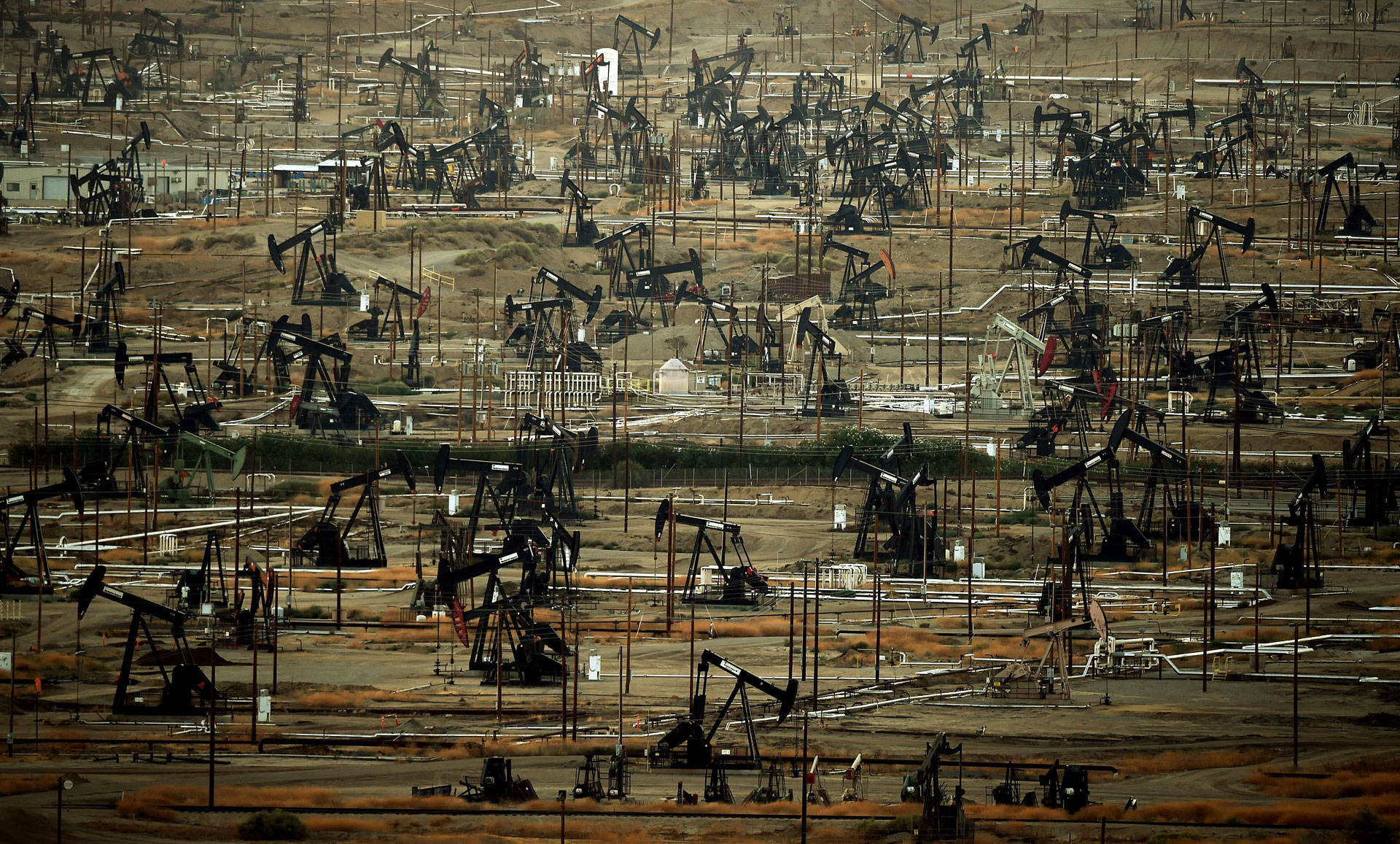
"caption": "Oil companies such as Chevron, which is the principal operator at the Kern River Oil Field, must report their emissions to the state.",
"description": "Oil companies such as Chevron, which is the principal operator at the Kern River Oil Field, must report their emissions to the state.",
"title": "KernOilField",
"credit": "Mark Ralston/AFP/Getty Images",
"status": "inherit",
"isLoading": false,
"fetchFailed": false
},
"science_827060": {
"type": "attachments",
"id": "science_827060",
"meta": {
"index": "attachments_1716263798",
"site": "science",
"id": "827060",
"found": true
},
"parent": 827059,
"imgSizes": {
"twentyfourteen-full-width": {
"file": "https://ww2.kqed.org/app/uploads/sites/35/2016/07/danh7-edit_custom-7525ddbf28e906e4df4eb9aa8624e79cabb1af25-1038x576.jpg",
"width": 1038,
"mimeType": "image/jpeg",
"height": 576
},
"thumbnail": {
"file": "https://ww2.kqed.org/app/uploads/sites/35/2016/07/danh7-edit_custom-7525ddbf28e906e4df4eb9aa8624e79cabb1af25-400x306.jpg",
"width": 400,
"mimeType": "image/jpeg",
"height": 306
},
"fd-sm": {
"file": "https://ww2.kqed.org/app/uploads/sites/35/2016/07/danh7-edit_custom-7525ddbf28e906e4df4eb9aa8624e79cabb1af25-960x734.jpg",
"width": 960,
"mimeType": "image/jpeg",
"height": 734
},
"post-thumbnail": {
"file": "https://ww2.kqed.org/app/uploads/sites/35/2016/07/danh7-edit_custom-7525ddbf28e906e4df4eb9aa8624e79cabb1af25-672x372.jpg",
"width": 672,
"mimeType": "image/jpeg",
"height": 372
},
"kqedFullSize": {
"file": "https://ww2.kqed.org/app/uploads/sites/35/2016/07/danh7-edit_custom-7525ddbf28e906e4df4eb9aa8624e79cabb1af25.jpg",
"width": 2500,
"height": 1912
},
"large": {
"file": "https://ww2.kqed.org/app/uploads/sites/35/2016/07/danh7-edit_custom-7525ddbf28e906e4df4eb9aa8624e79cabb1af25-1440x1101.jpg",
"width": 1440,
"mimeType": "image/jpeg",
"height": 1101
},
"guest-author-50": {
"file": "https://ww2.kqed.org/app/uploads/sites/35/2016/07/danh7-edit_custom-7525ddbf28e906e4df4eb9aa8624e79cabb1af25-50x50.jpg",
"width": 50,
"mimeType": "image/jpeg",
"height": 50
},
"guest-author-96": {
"file": "https://ww2.kqed.org/app/uploads/sites/35/2016/07/danh7-edit_custom-7525ddbf28e906e4df4eb9aa8624e79cabb1af25-96x96.jpg",
"width": 96,
"mimeType": "image/jpeg",
"height": 96
},
"medium": {
"file": "https://ww2.kqed.org/app/uploads/sites/35/2016/07/danh7-edit_custom-7525ddbf28e906e4df4eb9aa8624e79cabb1af25-800x612.jpg",
"width": 800,
"mimeType": "image/jpeg",
"height": 612
},
"guest-author-64": {
"file": "https://ww2.kqed.org/app/uploads/sites/35/2016/07/danh7-edit_custom-7525ddbf28e906e4df4eb9aa8624e79cabb1af25-64x64.jpg",
"width": 64,
"mimeType": "image/jpeg",
"height": 64
},
"guest-author-32": {
"file": "https://ww2.kqed.org/app/uploads/sites/35/2016/07/danh7-edit_custom-7525ddbf28e906e4df4eb9aa8624e79cabb1af25-32x32.jpg",
"width": 32,
"mimeType": "image/jpeg",
"height": 32
},
"fd-lrg": {
"file": "https://ww2.kqed.org/app/uploads/sites/35/2016/07/danh7-edit_custom-7525ddbf28e906e4df4eb9aa8624e79cabb1af25-1920x1468.jpg",
"width": 1920,
"mimeType": "image/jpeg",
"height": 1468
},
"fd-med": {
"file": "https://ww2.kqed.org/app/uploads/sites/35/2016/07/danh7-edit_custom-7525ddbf28e906e4df4eb9aa8624e79cabb1af25-1180x902.jpg",
"width": 1180,
"mimeType": "image/jpeg",
"height": 902
},
"detail": {
"file": "https://ww2.kqed.org/app/uploads/sites/35/2016/07/danh7-edit_custom-7525ddbf28e906e4df4eb9aa8624e79cabb1af25-150x150.jpg",
"width": 150,
"mimeType": "image/jpeg",
"height": 150
},
"medium_large": {
"file": "https://ww2.kqed.org/app/uploads/sites/35/2016/07/danh7-edit_custom-7525ddbf28e906e4df4eb9aa8624e79cabb1af25-768x587.jpg",
"width": 768,
"mimeType": "image/jpeg",
"height": 587
},
"guest-author-128": {
"file": "https://ww2.kqed.org/app/uploads/sites/35/2016/07/danh7-edit_custom-7525ddbf28e906e4df4eb9aa8624e79cabb1af25-128x128.jpg",
"width": 128,
"mimeType": "image/jpeg",
"height": 128
}
},
"publishDate": 1467765890,
"modified": 1467766656,
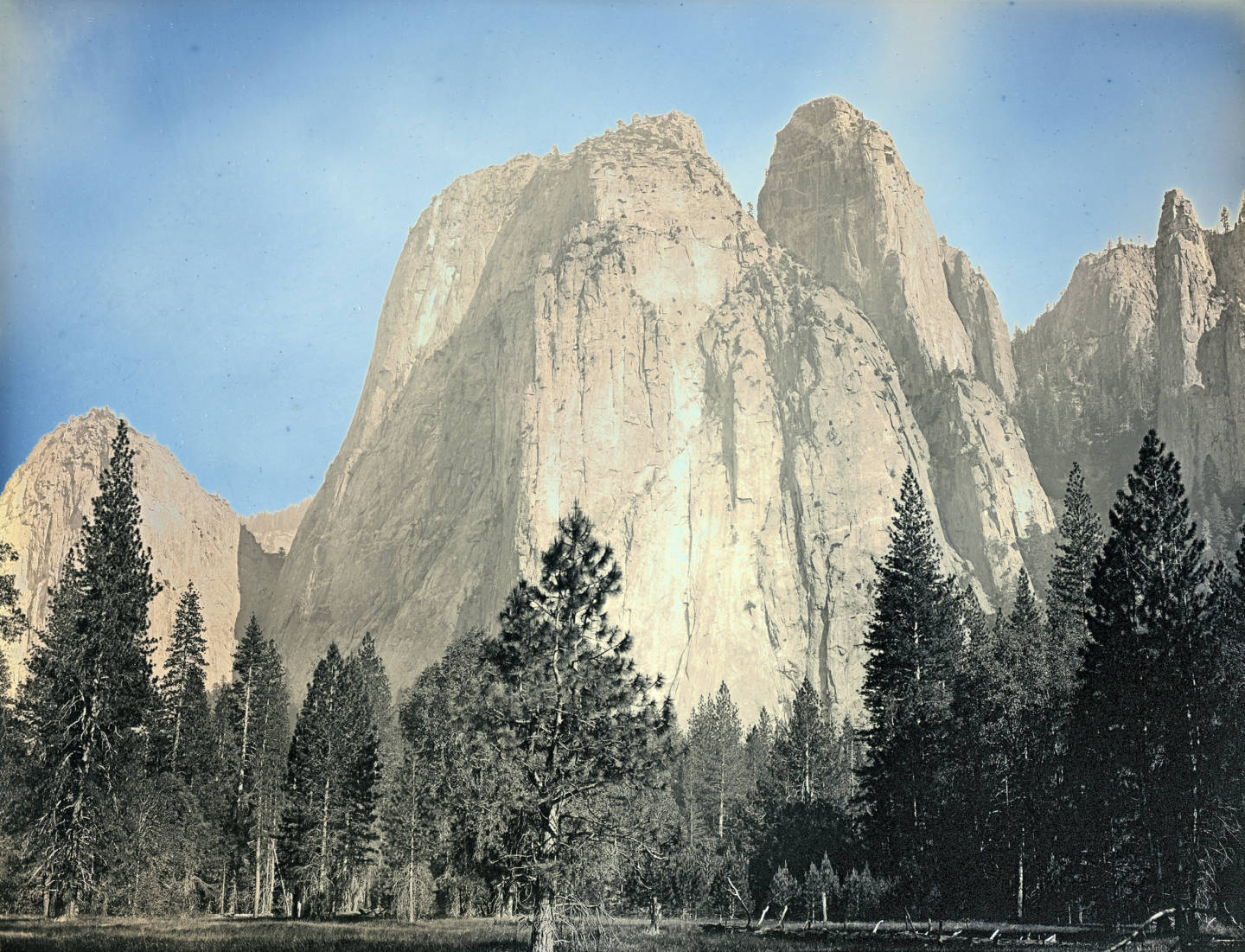
"caption": "Binh Danh melds early photographic materials and timeless landscapes to produce ethereal images of national parks. He made this daguerreotype of Cathedral Rocks and Cathedral Spires in June 2012.\n",
"description": "Binh Danh melds early photographic materials and timeless landscapes to produce ethereal images of national parks. He made this daguerreotype of Cathedral Rocks and Cathedral Spires in June 2012.",
"title": "Binh Danh melds early photographic materials and timeless landscapes to produce ethereal images of national parks. He made this daguerreotype of Cathedral Rocks and Cathedral Spires in June 2012.",
"credit": "Courtesy of Binh Danh",
"status": "inherit",
"isLoading": false,
"fetchFailed": false
},
"science_808815": {
"type": "attachments",
"id": "science_808815",
"meta": {
"index": "attachments_1716263798",
"site": "science",
"id": "808815",
"found": true
},
"parent": 807056,
"imgSizes": {
"twentyfourteen-full-width": {
"file": "https://ww2.kqed.org/app/uploads/sites/35/2016/06/iStock_58822796_XXLARGE_BIRDS-OF-ALCATRAZ-1038x576.jpg",
"width": 1038,
"mimeType": "image/jpeg",
"height": 576
},
"thumbnail": {
"file": "https://ww2.kqed.org/app/uploads/sites/35/2016/06/iStock_58822796_XXLARGE_BIRDS-OF-ALCATRAZ-400x267.jpg",
"width": 400,
"mimeType": "image/jpeg",
"height": 267
},
"fd-sm": {
"file": "https://ww2.kqed.org/app/uploads/sites/35/2016/06/iStock_58822796_XXLARGE_BIRDS-OF-ALCATRAZ-960x640.jpg",
"width": 960,
"mimeType": "image/jpeg",
"height": 640
},
"post-thumbnail": {
"file": "https://ww2.kqed.org/app/uploads/sites/35/2016/06/iStock_58822796_XXLARGE_BIRDS-OF-ALCATRAZ-672x372.jpg",
"width": 672,
"mimeType": "image/jpeg",
"height": 372
},
"kqedFullSize": {
"file": "https://ww2.kqed.org/app/uploads/sites/35/2016/06/iStock_58822796_XXLARGE_BIRDS-OF-ALCATRAZ.jpg",
"width": 5184,
"height": 3456
},
"large": {
"file": "https://ww2.kqed.org/app/uploads/sites/35/2016/06/iStock_58822796_XXLARGE_BIRDS-OF-ALCATRAZ-1440x960.jpg",
"width": 1440,
"mimeType": "image/jpeg",
"height": 960
},
"guest-author-50": {
"file": "https://ww2.kqed.org/app/uploads/sites/35/2016/06/iStock_58822796_XXLARGE_BIRDS-OF-ALCATRAZ-50x50.jpg",
"width": 50,
"mimeType": "image/jpeg",
"height": 50
},
"guest-author-96": {
"file": "https://ww2.kqed.org/app/uploads/sites/35/2016/06/iStock_58822796_XXLARGE_BIRDS-OF-ALCATRAZ-96x96.jpg",
"width": 96,
"mimeType": "image/jpeg",
"height": 96
},
"medium": {
"file": "https://ww2.kqed.org/app/uploads/sites/35/2016/06/iStock_58822796_XXLARGE_BIRDS-OF-ALCATRAZ-800x533.jpg",
"width": 800,
"mimeType": "image/jpeg",
"height": 533
},
"guest-author-64": {
"file": "https://ww2.kqed.org/app/uploads/sites/35/2016/06/iStock_58822796_XXLARGE_BIRDS-OF-ALCATRAZ-64x64.jpg",
"width": 64,
"mimeType": "image/jpeg",
"height": 64
},
"guest-author-32": {
"file": "https://ww2.kqed.org/app/uploads/sites/35/2016/06/iStock_58822796_XXLARGE_BIRDS-OF-ALCATRAZ-32x32.jpg",
"width": 32,
"mimeType": "image/jpeg",
"height": 32
},
"fd-lrg": {
"file": "https://ww2.kqed.org/app/uploads/sites/35/2016/06/iStock_58822796_XXLARGE_BIRDS-OF-ALCATRAZ-1920x1280.jpg",
"width": 1920,
"mimeType": "image/jpeg",
"height": 1280
},
"fd-med": {
"file": "https://ww2.kqed.org/app/uploads/sites/35/2016/06/iStock_58822796_XXLARGE_BIRDS-OF-ALCATRAZ-1180x787.jpg",
"width": 1180,
"mimeType": "image/jpeg",
"height": 787
},
"detail": {
"file": "https://ww2.kqed.org/app/uploads/sites/35/2016/06/iStock_58822796_XXLARGE_BIRDS-OF-ALCATRAZ-150x150.jpg",
"width": 150,
"mimeType": "image/jpeg",
"height": 150
},
"medium_large": {
"file": "https://ww2.kqed.org/app/uploads/sites/35/2016/06/iStock_58822796_XXLARGE_BIRDS-OF-ALCATRAZ-768x512.jpg",
"width": 768,
"mimeType": "image/jpeg",
"height": 512
},
"guest-author-128": {
"file": "https://ww2.kqed.org/app/uploads/sites/35/2016/06/iStock_58822796_XXLARGE_BIRDS-OF-ALCATRAZ-128x128.jpg",
"width": 128,
"mimeType": "image/jpeg",
"height": 128
}
},
"publishDate": 1467137339,
"modified": 1467148240,
"caption": "Seagull flying over Alcatraz Island in the San Francisco Bay, where seabird nesting season is in full swing.",
"description": "San Francisco, CA, USA - September 28, 2011: Alcatraz Island in the San Francisco Bay. Seagull flying, in motion.",
"title": "Alcatraz Island and Birds",
"credit": "Tatiana Morozova/iStock",
"status": "inherit",
"isLoading": false,
"fetchFailed": false
},
"arts_11755643": {
"type": "attachments",
"id": "arts_11755643",
"meta": {
"index": "attachments_1716263798",
"site": "arts",
"id": "11755643",
"found": true
},
"parent": 11753949,
"imgSizes": {
"twentyfourteen-full-width": {
"file": "https://ww2.kqed.org/app/uploads/sites/2/2016/06/favivan5-1-1038x576.jpg",
"width": 1038,
"mimeType": "image/jpeg",
"height": 576
},
"thumbnail": {
"file": "https://ww2.kqed.org/app/uploads/sites/2/2016/06/favivan5-1-400x225.jpg",
"width": 400,
"mimeType": "image/jpeg",
"height": 225
},
"fd-sm": {
"file": "https://ww2.kqed.org/app/uploads/sites/2/2016/06/favivan5-1-960x540.jpg",
"width": 960,
"mimeType": "image/jpeg",
"height": 540
},
"post-thumbnail": {
"file": "https://ww2.kqed.org/app/uploads/sites/2/2016/06/favivan5-1-672x372.jpg",
"width": 672,
"mimeType": "image/jpeg",
"height": 372
},
"kqedFullSize": {
"file": "https://ww2.kqed.org/app/uploads/sites/2/2016/06/favivan5-1.jpg",
"width": 1920,
"height": 1080
},
"large": {
"file": "https://ww2.kqed.org/app/uploads/sites/2/2016/06/favivan5-1-1180x664.jpg",
"width": 1180,
"mimeType": "image/jpeg",
"height": 664
},
"guest-author-50": {
"file": "https://ww2.kqed.org/app/uploads/sites/2/2016/06/favivan5-1-50x50.jpg",
"width": 50,
"mimeType": "image/jpeg",
"height": 50
},
"guest-author-96": {
"file": "https://ww2.kqed.org/app/uploads/sites/2/2016/06/favivan5-1-96x96.jpg",
"width": 96,
"mimeType": "image/jpeg",
"height": 96
},
"medium": {
"file": "https://ww2.kqed.org/app/uploads/sites/2/2016/06/favivan5-1-800x450.jpg",
"width": 800,
"mimeType": "image/jpeg",
"height": 450
},
"guest-author-64": {
"file": "https://ww2.kqed.org/app/uploads/sites/2/2016/06/favivan5-1-64x64.jpg",
"width": 64,
"mimeType": "image/jpeg",
"height": 64
},
"guest-author-32": {
"file": "https://ww2.kqed.org/app/uploads/sites/2/2016/06/favivan5-1-32x32.jpg",
"width": 32,
"mimeType": "image/jpeg",
"height": 32
},
"fd-lrg": {
"file": "https://ww2.kqed.org/app/uploads/sites/2/2016/06/favivan5-1-1920x1080.jpg",
"width": 1920,
"mimeType": "image/jpeg",
"height": 1080
},
"fd-med": {
"file": "https://ww2.kqed.org/app/uploads/sites/2/2016/06/favivan5-1-1180x664.jpg",
"width": 1180,
"mimeType": "image/jpeg",
"height": 664
},
"detail": {
"file": "https://ww2.kqed.org/app/uploads/sites/2/2016/06/favivan5-1-150x150.jpg",
"width": 150,
"mimeType": "image/jpeg",
"height": 150
},
"medium_large": {
"file": "https://ww2.kqed.org/app/uploads/sites/2/2016/06/favivan5-1-768x432.jpg",
"width": 768,
"mimeType": "image/jpeg",
"height": 432
},
"guest-author-128": {
"file": "https://ww2.kqed.org/app/uploads/sites/2/2016/06/favivan5-1-128x128.jpg",
"width": 128,
"mimeType": "image/jpeg",
"height": 128
}
},
"publishDate": 1467263260,
"modified": 1467263331,
"caption": "Artists were key to the success of the People's Climate March",
"description": "Artists were key to the success of the People's Climate March",
"title": "favivan5",
"credit": null,
"status": "inherit",
"isLoading": false,
"fetchFailed": false
},
"news_10590483": {
"type": "attachments",
"id": "news_10590483",
"meta": {
"index": "attachments_1716263798",
"site": "news",
"id": "10590483",
"found": true
},
"parent": 10585739,
"imgSizes": {
"twentyfourteen-full-width": {
"file": "https://ww2.kqed.org/app/uploads/sites/10/2015/07/8587826505_6377441764_o-1038x576.jpg",
"width": 1038,
"mimeType": "image/jpeg",
"height": 576
},
"thumbnail": {
"file": "https://ww2.kqed.org/app/uploads/sites/10/2015/07/8587826505_6377441764_o-400x259.jpg",
"width": 400,
"mimeType": "image/jpeg",
"height": 259
},
"fd-sm": {
"file": "https://ww2.kqed.org/app/uploads/sites/10/2015/07/8587826505_6377441764_o-960x622.jpg",
"width": 960,
"mimeType": "image/jpeg",
"height": 622
},
"post-thumbnail": {
"file": "https://ww2.kqed.org/app/uploads/sites/10/2015/07/8587826505_6377441764_o-672x372.jpg",
"width": 672,
"mimeType": "image/jpeg",
"height": 372
},
"kqedFullSize": {
"file": "https://ww2.kqed.org/app/uploads/sites/10/2015/07/8587826505_6377441764_o-e1436203736700.jpg",
"width": 1920,
"height": 1244
},
"large": {
"file": "https://ww2.kqed.org/app/uploads/sites/10/2015/07/8587826505_6377441764_o-1440x933.jpg",
"width": 1440,
"mimeType": "image/jpeg",
"height": 933
},
"guest-author-96": {
"file": "https://ww2.kqed.org/app/uploads/sites/10/2015/07/8587826505_6377441764_o-96x96.jpg",
"width": 96,
"mimeType": "image/jpeg",
"height": 96
},
"medium": {
"file": "https://ww2.kqed.org/app/uploads/sites/10/2015/07/8587826505_6377441764_o-800x518.jpg",
"width": 800,
"mimeType": "image/jpeg",
"height": 518
},
"guest-author-64": {
"file": "https://ww2.kqed.org/app/uploads/sites/10/2015/07/8587826505_6377441764_o-64x64.jpg",
"width": 64,
"mimeType": "image/jpeg",
"height": 64
},
"guest-author-32": {
"file": "https://ww2.kqed.org/app/uploads/sites/10/2015/07/8587826505_6377441764_o-32x32.jpg",
"width": 32,
"mimeType": "image/jpeg",
"height": 32
},
"jmtc-small-thumb": {
"file": "https://ww2.kqed.org/app/uploads/sites/10/2015/07/8587826505_6377441764_o-280x150.jpg",
"width": 280,
"mimeType": "image/jpeg",
"height": 150
},
"fd-med": {
"file": "https://ww2.kqed.org/app/uploads/sites/10/2015/07/8587826505_6377441764_o-1180x765.jpg",
"width": 1180,
"mimeType": "image/jpeg",
"height": 765
},
"detail": {
"file": "https://ww2.kqed.org/app/uploads/sites/10/2015/07/8587826505_6377441764_o-75x75.jpg",
"width": 75,
"mimeType": "image/jpeg",
"height": 75
},
"guest-author-128": {
"file": "https://ww2.kqed.org/app/uploads/sites/10/2015/07/8587826505_6377441764_o-128x128.jpg",
"width": 128,
"mimeType": "image/jpeg",
"height": 128
}
},
"publishDate": 1436203564,
"modified": 1467125632,
"caption": "Port of Oakland, from the Oakland Estuary. ",
"description": null,
"title": "Port of Oakland",
"credit": "Dan Brekke/KQED",
"status": "inherit",
"isLoading": false,
"fetchFailed": false
},
"science_806526": {
"type": "attachments",
"id": "science_806526",
"meta": {
"index": "attachments_1716263798",
"site": "science",
"id": "806526",
"found": true
},
"parent": 806524,
"imgSizes": {
"thumbnail": {
"file": "https://ww2.kqed.org/app/uploads/sites/35/2016/06/CC_Central_Valley_map-400x266.jpg",
"width": 400,
"mimeType": "image/jpeg",
"height": 266
},
"post-thumbnail": {
"file": "https://ww2.kqed.org/app/uploads/sites/35/2016/06/CC_Central_Valley_map-672x372.jpg",
"width": 672,
"mimeType": "image/jpeg",
"height": 372
},
"kqedFullSize": {
"file": "https://ww2.kqed.org/app/uploads/sites/35/2016/06/CC_Central_Valley_map.jpg",
"width": 720,
"height": 479
},
"guest-author-50": {
"file": "https://ww2.kqed.org/app/uploads/sites/35/2016/06/CC_Central_Valley_map-50x50.jpg",
"width": 50,
"mimeType": "image/jpeg",
"height": 50
},
"guest-author-96": {
"file": "https://ww2.kqed.org/app/uploads/sites/35/2016/06/CC_Central_Valley_map-96x96.jpg",
"width": 96,
"mimeType": "image/jpeg",
"height": 96
},
"guest-author-64": {
"file": "https://ww2.kqed.org/app/uploads/sites/35/2016/06/CC_Central_Valley_map-64x64.jpg",
"width": 64,
"mimeType": "image/jpeg",
"height": 64
},
"detail": {
"file": "https://ww2.kqed.org/app/uploads/sites/35/2016/06/CC_Central_Valley_map-150x150.jpg",
"width": 150,
"mimeType": "image/jpeg",
"height": 150
},
"guest-author-32": {
"file": "https://ww2.kqed.org/app/uploads/sites/35/2016/06/CC_Central_Valley_map-32x32.jpg",
"width": 32,
"mimeType": "image/jpeg",
"height": 32
},
"guest-author-128": {
"file": "https://ww2.kqed.org/app/uploads/sites/35/2016/06/CC_Central_Valley_map-128x128.jpg",
"width": 128,
"mimeType": "image/jpeg",
"height": 128
}
},
"publishDate": 1467056773,
"modified": 1467056805,
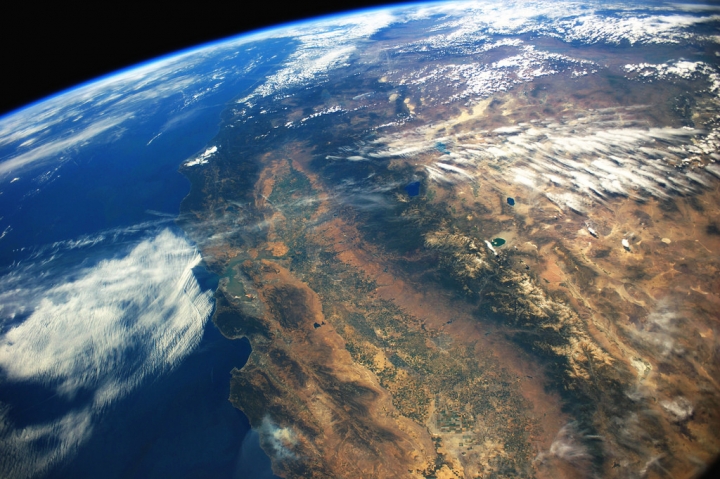
"caption": "California's parched Central Valley in 2014.\n",
"description": null,
"title": "CC_Central_Valley_map",
"credit": "Stuart Rankin/NASA/flickr",
"status": "inherit",
"isLoading": false,
"fetchFailed": false
},
"science_801697": {
"type": "attachments",
"id": "science_801697",
"meta": {
"index": "attachments_1716263798",
"site": "science",
"id": "801697",
"found": true
},
"parent": 801694,
"imgSizes": {
"twentyfourteen-full-width": {
"file": "https://ww2.kqed.org/app/uploads/sites/35/2016/06/Diablo-plant-1038x576.jpg",
"width": 1038,
"mimeType": "image/jpeg",
"height": 576
},
"thumbnail": {
"file": "https://ww2.kqed.org/app/uploads/sites/35/2016/06/Diablo-plant-400x207.jpg",
"width": 400,
"mimeType": "image/jpeg",
"height": 207
},
"fd-sm": {
"file": "https://ww2.kqed.org/app/uploads/sites/35/2016/06/Diablo-plant-960x497.jpg",
"width": 960,
"mimeType": "image/jpeg",
"height": 497
},
"post-thumbnail": {
"file": "https://ww2.kqed.org/app/uploads/sites/35/2016/06/Diablo-plant-672x372.jpg",
"width": 672,
"mimeType": "image/jpeg",
"height": 372
},
"kqedFullSize": {
"file": "https://ww2.kqed.org/app/uploads/sites/35/2016/06/Diablo-plant.jpg",
"width": 1920,
"height": 993
},
"large": {
"file": "https://ww2.kqed.org/app/uploads/sites/35/2016/06/Diablo-plant-1440x745.jpg",
"width": 1440,
"mimeType": "image/jpeg",
"height": 745
},
"guest-author-50": {
"file": "https://ww2.kqed.org/app/uploads/sites/35/2016/06/Diablo-plant-50x50.jpg",
"width": 50,
"mimeType": "image/jpeg",
"height": 50
},
"guest-author-96": {
"file": "https://ww2.kqed.org/app/uploads/sites/35/2016/06/Diablo-plant-96x96.jpg",
"width": 96,
"mimeType": "image/jpeg",
"height": 96
},
"medium": {
"file": "https://ww2.kqed.org/app/uploads/sites/35/2016/06/Diablo-plant-800x414.jpg",
"width": 800,
"mimeType": "image/jpeg",
"height": 414
},
"guest-author-64": {
"file": "https://ww2.kqed.org/app/uploads/sites/35/2016/06/Diablo-plant-64x64.jpg",
"width": 64,
"mimeType": "image/jpeg",
"height": 64
},
"guest-author-32": {
"file": "https://ww2.kqed.org/app/uploads/sites/35/2016/06/Diablo-plant-32x32.jpg",
"width": 32,
"mimeType": "image/jpeg",
"height": 32
},
"fd-lrg": {
"file": "https://ww2.kqed.org/app/uploads/sites/35/2016/06/Diablo-plant-1920x993.jpg",
"width": 1920,
"mimeType": "image/jpeg",
"height": 993
},
"fd-med": {
"file": "https://ww2.kqed.org/app/uploads/sites/35/2016/06/Diablo-plant-1180x610.jpg",
"width": 1180,
"mimeType": "image/jpeg",
"height": 610
},
"detail": {
"file": "https://ww2.kqed.org/app/uploads/sites/35/2016/06/Diablo-plant-150x150.jpg",
"width": 150,
"mimeType": "image/jpeg",
"height": 150
},
"medium_large": {
"file": "https://ww2.kqed.org/app/uploads/sites/35/2016/06/Diablo-plant-768x397.jpg",
"width": 768,
"mimeType": "image/jpeg",
"height": 397
},
"guest-author-128": {
"file": "https://ww2.kqed.org/app/uploads/sites/35/2016/06/Diablo-plant-128x128.jpg",
"width": 128,
"mimeType": "image/jpeg",
"height": 128
}
},
"publishDate": 1466888390,
"modified": 1466888431,
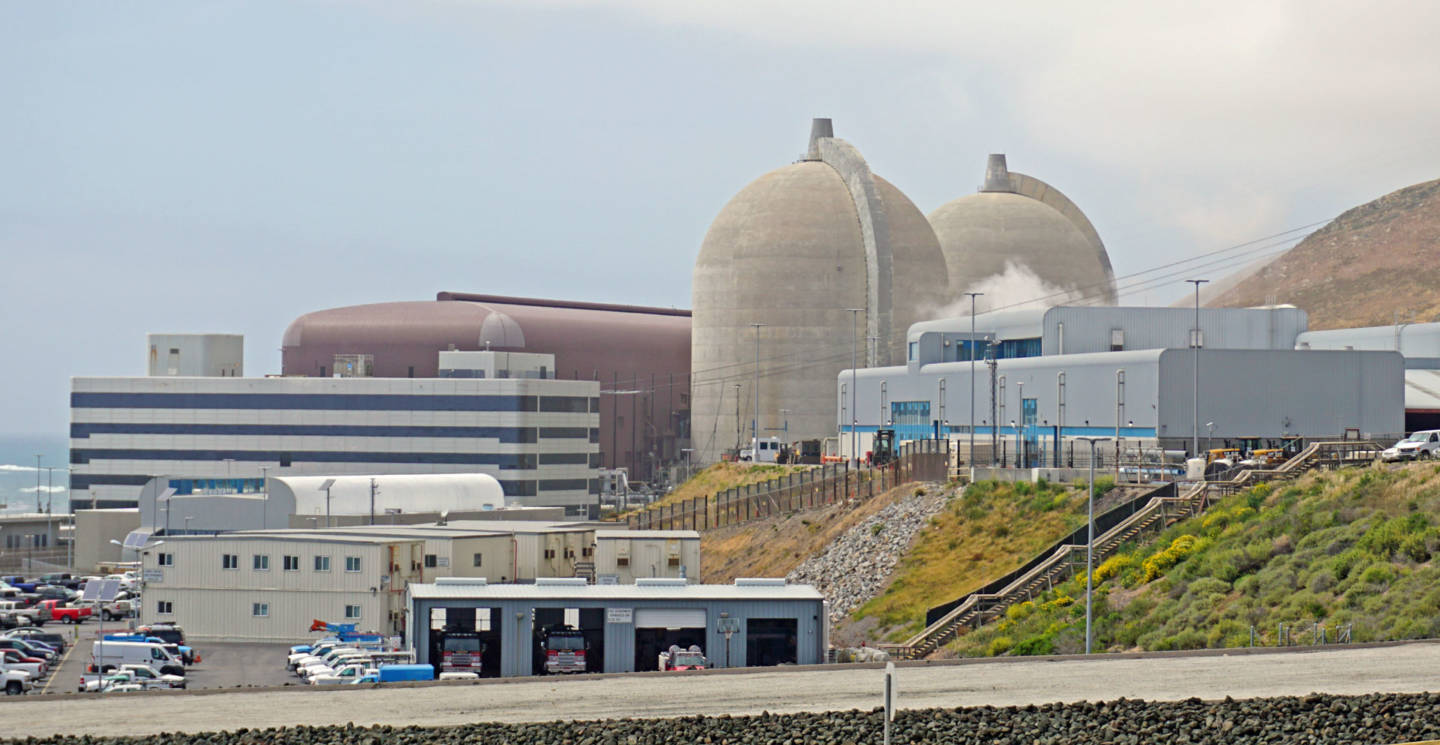
"caption": "PG&E says it will close Diablo Canyon's two nuclear reactors in 2024 and 2025.",
"description": null,
"title": "Diablo-plant",
"credit": "Lauren Sommer/KQED",
"status": "inherit",
"isLoading": false,
"fetchFailed": false
},
"news_11000466": {
"type": "attachments",
"id": "news_11000466",
"meta": {
"index": "attachments_1716263798",
"site": "news",
"id": "11000466",
"found": true
},
"parent": 11000374,
"imgSizes": {
"twentyfourteen-full-width": {
"file": "https://ww2.kqed.org/app/uploads/sites/10/2016/06/iStock_79447111_XLARGE-1038x576.jpg",
"width": 1038,
"mimeType": "image/jpeg",
"height": 576
},
"thumbnail": {
"file": "https://ww2.kqed.org/app/uploads/sites/10/2016/06/iStock_79447111_XLARGE-400x267.jpg",
"width": 400,
"mimeType": "image/jpeg",
"height": 267
},
"fd-sm": {
"file": "https://ww2.kqed.org/app/uploads/sites/10/2016/06/iStock_79447111_XLARGE-960x640.jpg",
"width": 960,
"mimeType": "image/jpeg",
"height": 640
},
"post-thumbnail": {
"file": "https://ww2.kqed.org/app/uploads/sites/10/2016/06/iStock_79447111_XLARGE-672x372.jpg",
"width": 672,
"mimeType": "image/jpeg",
"height": 372
},
"kqedFullSize": {
"file": "https://ww2.kqed.org/app/uploads/sites/10/2016/06/iStock_79447111_XLARGE-e1466828349291.jpg",
"width": 1920,
"height": 1280
},
"large": {
"file": "https://ww2.kqed.org/app/uploads/sites/10/2016/06/iStock_79447111_XLARGE-1920x1280.jpg",
"width": 1920,
"mimeType": "image/jpeg",
"height": 1280
},
"guest-author-50": {
"file": "https://ww2.kqed.org/app/uploads/sites/10/2016/06/iStock_79447111_XLARGE-50x50.jpg",
"width": 50,
"mimeType": "image/jpeg",
"height": 50
},
"guest-author-96": {
"file": "https://ww2.kqed.org/app/uploads/sites/10/2016/06/iStock_79447111_XLARGE-96x96.jpg",
"width": 96,
"mimeType": "image/jpeg",
"height": 96
},
"medium": {
"file": "https://ww2.kqed.org/app/uploads/sites/10/2016/06/iStock_79447111_XLARGE-800x533.jpg",
"width": 800,
"mimeType": "image/jpeg",
"height": 533
},
"guest-author-64": {
"file": "https://ww2.kqed.org/app/uploads/sites/10/2016/06/iStock_79447111_XLARGE-64x64.jpg",
"width": 64,
"mimeType": "image/jpeg",
"height": 64
},
"guest-author-32": {
"file": "https://ww2.kqed.org/app/uploads/sites/10/2016/06/iStock_79447111_XLARGE-32x32.jpg",
"width": 32,
"mimeType": "image/jpeg",
"height": 32
},
"jmtc-small-thumb": {
"file": "https://ww2.kqed.org/app/uploads/sites/10/2016/06/iStock_79447111_XLARGE-280x150.jpg",
"width": 280,
"mimeType": "image/jpeg",
"height": 150
},
"fd-lrg": {
"file": "https://ww2.kqed.org/app/uploads/sites/10/2016/06/iStock_79447111_XLARGE-1920x1280.jpg",
"width": 1920,
"mimeType": "image/jpeg",
"height": 1280
},
"fd-med": {
"file": "https://ww2.kqed.org/app/uploads/sites/10/2016/06/iStock_79447111_XLARGE-1180x787.jpg",
"width": 1180,
"mimeType": "image/jpeg",
"height": 787
},
"detail": {
"file": "https://ww2.kqed.org/app/uploads/sites/10/2016/06/iStock_79447111_XLARGE-150x150.jpg",
"width": 150,
"mimeType": "image/jpeg",
"height": 150
},
"guest-author-128": {
"file": "https://ww2.kqed.org/app/uploads/sites/10/2016/06/iStock_79447111_XLARGE-128x128.jpg",
"width": 128,
"mimeType": "image/jpeg",
"height": 128
}
},
"publishDate": 1466828012,
"modified": 1466828096,
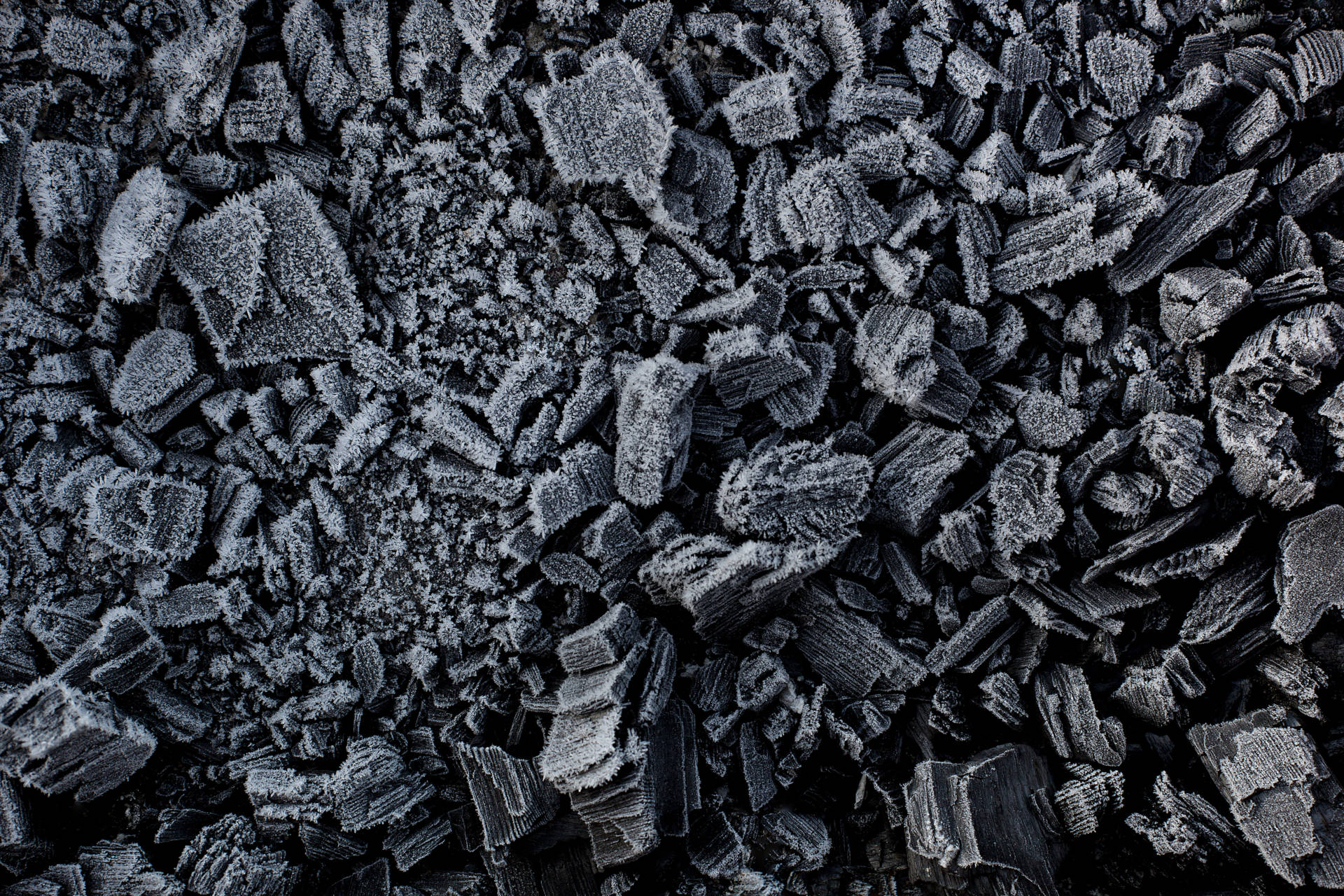
"caption": "Bulk coal. ",
"description": null,
"title": "Coal",
"credit": "iStockphoto",
"status": "inherit",
"isLoading": false,
"fetchFailed": false
},
"news_11000294": {
"type": "attachments",
"id": "news_11000294",
"meta": {
"index": "attachments_1716263798",
"site": "news",
"id": "11000294",
"found": true
},
"parent": 11000237,
"imgSizes": {
"twentyfourteen-full-width": {
"file": "https://ww2.kqed.org/app/uploads/sites/10/2016/06/3052_transform-1038x576.jpg",
"width": 1038,
"mimeType": "image/jpeg",
"height": 576
},
"thumbnail": {
"file": "https://ww2.kqed.org/app/uploads/sites/10/2016/06/3052_transform-400x254.jpg",
"width": 400,
"mimeType": "image/jpeg",
"height": 254
},
"fd-sm": {
"file": "https://ww2.kqed.org/app/uploads/sites/10/2016/06/3052_transform-960x610.jpg",
"width": 960,
"mimeType": "image/jpeg",
"height": 610
},
"post-thumbnail": {
"file": "https://ww2.kqed.org/app/uploads/sites/10/2016/06/3052_transform-672x372.jpg",
"width": 672,
"mimeType": "image/jpeg",
"height": 372
},
"kqedFullSize": {
"file": "https://ww2.kqed.org/app/uploads/sites/10/2016/06/3052_transform.jpg",
"width": 1920,
"height": 1219
},
"large": {
"file": "https://ww2.kqed.org/app/uploads/sites/10/2016/06/3052_transform-1920x1219.jpg",
"width": 1920,
"mimeType": "image/jpeg",
"height": 1219
},
"guest-author-50": {
"file": "https://ww2.kqed.org/app/uploads/sites/10/2016/06/3052_transform-50x50.jpg",
"width": 50,
"mimeType": "image/jpeg",
"height": 50
},
"guest-author-96": {
"file": "https://ww2.kqed.org/app/uploads/sites/10/2016/06/3052_transform-96x96.jpg",
"width": 96,
"mimeType": "image/jpeg",
"height": 96
},
"medium": {
"file": "https://ww2.kqed.org/app/uploads/sites/10/2016/06/3052_transform-800x508.jpg",
"width": 800,
"mimeType": "image/jpeg",
"height": 508
},
"guest-author-64": {
"file": "https://ww2.kqed.org/app/uploads/sites/10/2016/06/3052_transform-64x64.jpg",
"width": 64,
"mimeType": "image/jpeg",
"height": 64
},
"guest-author-32": {
"file": "https://ww2.kqed.org/app/uploads/sites/10/2016/06/3052_transform-32x32.jpg",
"width": 32,
"mimeType": "image/jpeg",
"height": 32
},
"jmtc-small-thumb": {
"file": "https://ww2.kqed.org/app/uploads/sites/10/2016/06/3052_transform-280x150.jpg",
"width": 280,
"mimeType": "image/jpeg",
"height": 150
},
"fd-lrg": {
"file": "https://ww2.kqed.org/app/uploads/sites/10/2016/06/3052_transform-1920x1219.jpg",
"width": 1920,
"mimeType": "image/jpeg",
"height": 1219
},
"fd-med": {
"file": "https://ww2.kqed.org/app/uploads/sites/10/2016/06/3052_transform-1180x749.jpg",
"width": 1180,
"mimeType": "image/jpeg",
"height": 749
},
"detail": {
"file": "https://ww2.kqed.org/app/uploads/sites/10/2016/06/3052_transform-150x150.jpg",
"width": 150,
"mimeType": "image/jpeg",
"height": 150
},
"guest-author-128": {
"file": "https://ww2.kqed.org/app/uploads/sites/10/2016/06/3052_transform-128x128.jpg",
"width": 128,
"mimeType": "image/jpeg",
"height": 128
}
},
"publishDate": 1466813697,
"modified": 1466813773,
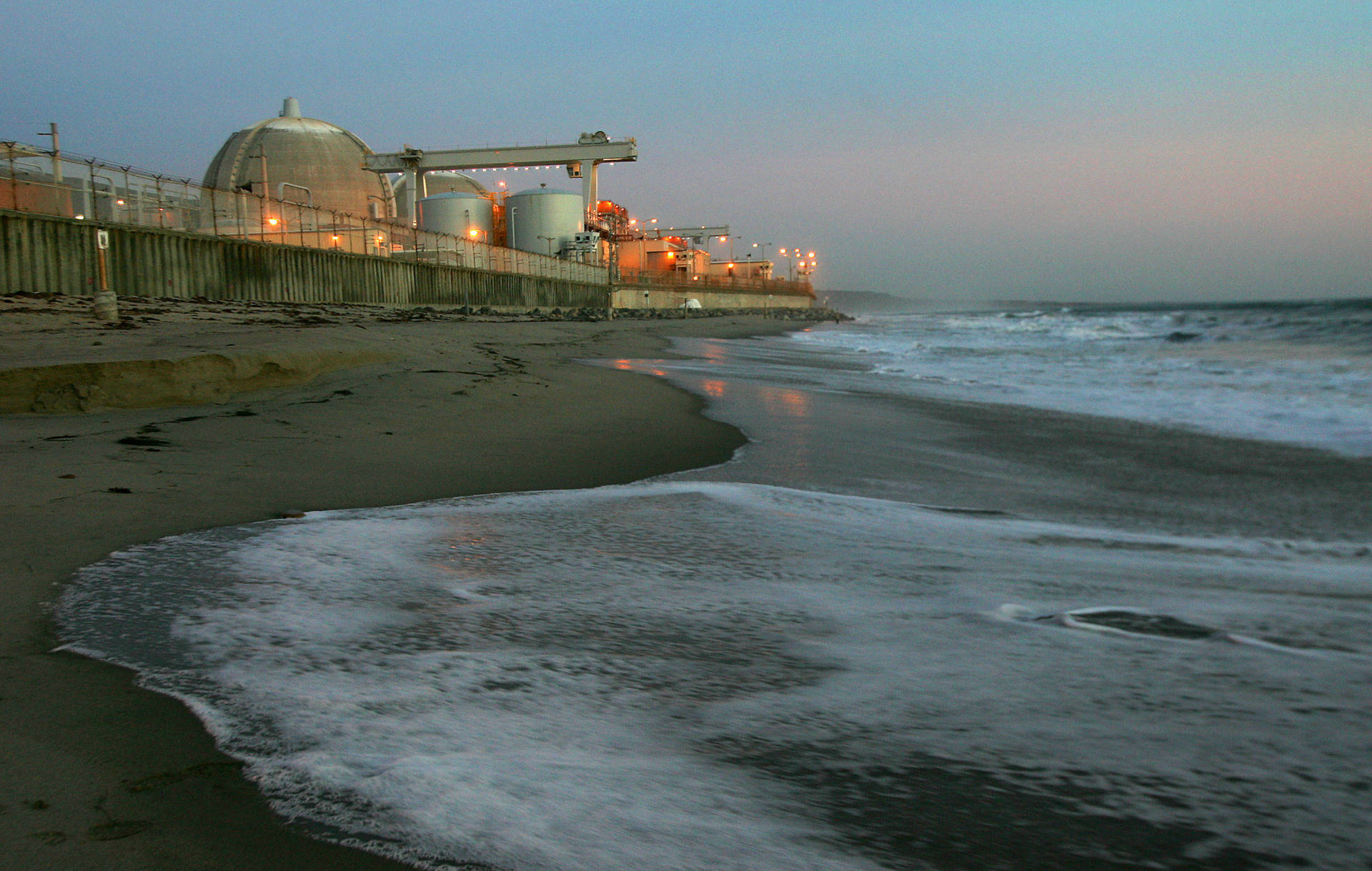
"caption": "Evening sets on the San Onofre atomic power plant December 6, 2004 in northern San Diego County.",
"description": null,
"title": "Future Uncertain For Nuclear Energy In California",
"credit": "David McNew/Getty Images",
"status": "inherit",
"isLoading": false,
"fetchFailed": false
},
"science_798699": {
"type": "attachments",
"id": "science_798699",
"meta": {
"index": "attachments_1716263798",
"site": "science",
"id": "798699",
"found": true
},
"parent": 798698,
"imgSizes": {
"thumbnail": {
"file": "https://ww2.kqed.org/app/uploads/sites/35/2016/06/798698-thumb-400x237.png",
"width": 400,
"mimeType": "image/png",
"height": 237
},
"kqedFullSize": {
"file": "https://ww2.kqed.org/app/uploads/sites/35/2016/06/798698-thumb.png",
"width": 400,
"height": 237
},
"guest-author-50": {
"file": "https://ww2.kqed.org/app/uploads/sites/35/2016/06/798698-thumb-50x50.png",
"width": 50,
"mimeType": "image/png",
"height": 50
},
"guest-author-96": {
"file": "https://ww2.kqed.org/app/uploads/sites/35/2016/06/798698-thumb-96x96.png",
"width": 96,
"mimeType": "image/png",
"height": 96
},
"guest-author-64": {
"file": "https://ww2.kqed.org/app/uploads/sites/35/2016/06/798698-thumb-64x64.png",
"width": 64,
"mimeType": "image/png",
"height": 64
},
"detail": {
"file": "https://ww2.kqed.org/app/uploads/sites/35/2016/06/798698-thumb-150x150.png",
"width": 150,
"mimeType": "image/png",
"height": 150
},
"guest-author-32": {
"file": "https://ww2.kqed.org/app/uploads/sites/35/2016/06/798698-thumb-32x32.png",
"width": 32,
"mimeType": "image/png",
"height": 32
},
"guest-author-128": {
"file": "https://ww2.kqed.org/app/uploads/sites/35/2016/06/798698-thumb-128x128.png",
"width": 128,
"mimeType": "image/png",
"height": 128
}
},
"publishDate": 1466782305,
"modified": 1466782305,
"caption": null,
"description": null,
"title": "Thumbnail for 798698",
"credit": null,
"status": "inherit",
"isLoading": false,
"fetchFailed": false
},
"science_796728": {
"type": "attachments",
"id": "science_796728",
"meta": {
"index": "attachments_1716263798",
"site": "science",
"id": "796728",
"found": true
},
"parent": 796256,
"imgSizes": {
"twentyfourteen-full-width": {
"file": "https://ww2.kqed.org/app/uploads/sites/35/2017/06/squid-1038x576.jpg",
"width": 1038,
"mimeType": "image/jpeg",
"height": 576
},
"thumbnail": {
"file": "https://ww2.kqed.org/app/uploads/sites/35/2017/06/squid-400x267.jpg",
"width": 400,
"mimeType": "image/jpeg",
"height": 267
},
"fd-sm": {
"file": "https://ww2.kqed.org/app/uploads/sites/35/2017/06/squid-960x641.jpg",
"width": 960,
"mimeType": "image/jpeg",
"height": 641
},
"post-thumbnail": {
"file": "https://ww2.kqed.org/app/uploads/sites/35/2017/06/squid-672x372.jpg",
"width": 672,
"mimeType": "image/jpeg",
"height": 372
},
"kqedFullSize": {
"file": "https://ww2.kqed.org/app/uploads/sites/35/2017/06/squid.jpg",
"width": 2400,
"height": 1602
},
"large": {
"file": "https://ww2.kqed.org/app/uploads/sites/35/2017/06/squid-1440x961.jpg",
"width": 1440,
"mimeType": "image/jpeg",
"height": 961
},
"guest-author-50": {
"file": "https://ww2.kqed.org/app/uploads/sites/35/2017/06/squid-50x50.jpg",
"width": 50,
"mimeType": "image/jpeg",
"height": 50
},
"guest-author-96": {
"file": "https://ww2.kqed.org/app/uploads/sites/35/2017/06/squid-96x96.jpg",
"width": 96,
"mimeType": "image/jpeg",
"height": 96
},
"medium": {
"file": "https://ww2.kqed.org/app/uploads/sites/35/2017/06/squid-800x534.jpg",
"width": 800,
"mimeType": "image/jpeg",
"height": 534
},
"guest-author-64": {
"file": "https://ww2.kqed.org/app/uploads/sites/35/2017/06/squid-64x64.jpg",
"width": 64,
"mimeType": "image/jpeg",
"height": 64
},
"guest-author-32": {
"file": "https://ww2.kqed.org/app/uploads/sites/35/2017/06/squid-32x32.jpg",
"width": 32,
"mimeType": "image/jpeg",
"height": 32
},
"fd-lrg": {
"file": "https://ww2.kqed.org/app/uploads/sites/35/2017/06/squid-1920x1282.jpg",
"width": 1920,
"mimeType": "image/jpeg",
"height": 1282
},
"fd-med": {
"file": "https://ww2.kqed.org/app/uploads/sites/35/2017/06/squid-1180x788.jpg",
"width": 1180,
"mimeType": "image/jpeg",
"height": 788
},
"detail": {
"file": "https://ww2.kqed.org/app/uploads/sites/35/2017/06/squid-150x150.jpg",
"width": 150,
"mimeType": "image/jpeg",
"height": 150
},
"medium_large": {
"file": "https://ww2.kqed.org/app/uploads/sites/35/2017/06/squid-768x513.jpg",
"width": 768,
"mimeType": "image/jpeg",
"height": 513
},
"guest-author-128": {
"file": "https://ww2.kqed.org/app/uploads/sites/35/2017/06/squid-128x128.jpg",
"width": 128,
"mimeType": "image/jpeg",
"height": 128
}
},
"publishDate": 1466716661,
"modified": 1466721565,
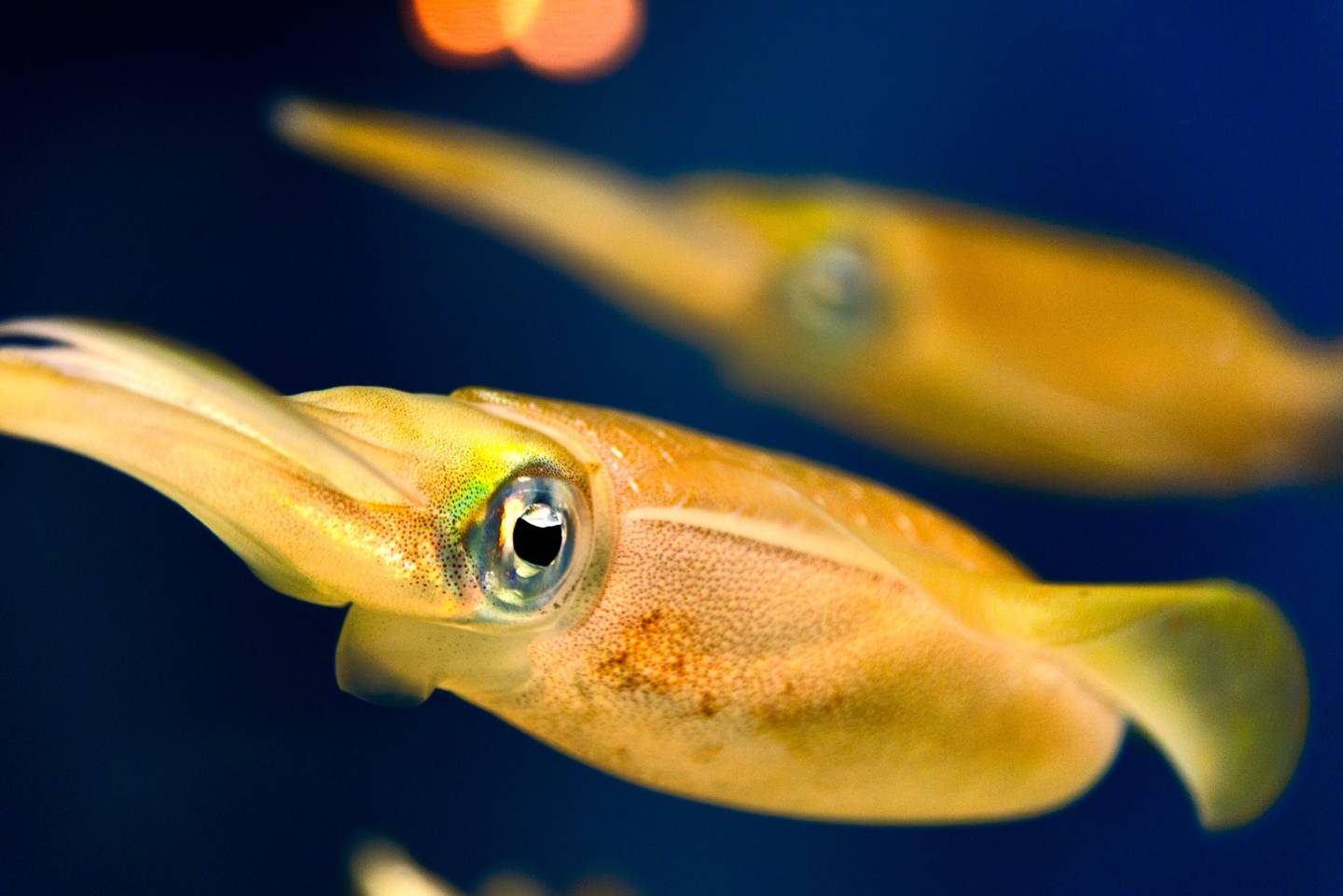
"caption": "Big fin reef squid",
"description": "Big Fin Reef Squid",
"title": "squid",
"credit": "Monterey Bay Aquarium",
"status": "inherit",
"isLoading": false,
"fetchFailed": false
}
},
"audioPlayerReducer": {
"postId": "stream_live",
"isPaused": true,
"isPlaying": false,
"pfsActive": false,
"pledgeModalIsOpen": true,
"playerDrawerIsOpen": false,
"liveAudioPlayStartedAt": 0,
"liveAudioPlayContext": ""
},
"authorsReducer": {
"byline_news_11012602": {
"type": "authors",
"id": "byline_news_11012602",
"meta": {
"override": true
},
"slug": "byline_news_11012602",
"name": "\u003cstrong>\u003ca href=\"https://calmatters.org/about/staff/julie-cart/\">Julie Cart\u003c/a>\u003cbr>\u003ca href=\"https://calmatters.org/\">CALmatters\u003c/a>\u003c/strong>",
"isLoading": false
},
"byline_science_827059": {
"type": "authors",
"id": "byline_science_827059",
"meta": {
"override": true
},
"slug": "byline_science_827059",
"name": "Neda Ulaby\u003c/br>NPR",
"isLoading": false
},
"byline_science_806524": {
"type": "authors",
"id": "byline_science_806524",
"meta": {
"override": true
},
"slug": "byline_science_806524",
"name": "Bobby Magill\u003c/br>Climate Central",
"isLoading": false
},
"byline_news_11000237": {
"type": "authors",
"id": "byline_news_11000237",
"meta": {
"override": true
},
"slug": "byline_news_11000237",
"name": "\u003cStrong>\u003ca href=\"https://twitter.com/bychrisyoung\">Chris Young\u003c/a> and \u003ca href=\"https://twitter.com/yeyelobet\">Ingrid Lobet\u003c/a>\u003cbr />inewsource\u003c/strong>",
"isLoading": false
},
"danbrekke": {
"type": "authors",
"id": "222",
"meta": {
"index": "authors_1716337520",
"id": "222",
"found": true
},
"name": "Dan Brekke",
"firstName": "Dan",
"lastName": "Brekke",
"slug": "danbrekke",
"email": "dbrekke@kqed.org",
"display_author_email": true,
"staff_mastheads": [
"news",
"science"
],
"title": "KQED Editor and Reporter",
"bio": "Dan Brekke is a reporter and editor for KQED News, responsible for coverage of topics ranging from California water issues to the Bay Area's transportation challenges. In a newsroom career that began in Chicago in 1972, Dan has worked for \u003cem>The San Francisco Examiner,\u003c/em> Wired and TechTV and has been published in The New York Times, The New York Times Magazine, Business 2.0, Salon and elsewhere.\r\n\r\nSince joining KQED in 2007, Dan has reported, edited and produced both radio and online features and breaking news pieces. He has shared as both editor and reporter in four Society of Professional Journalists Norcal Excellence in Journalism awards and one Edward R. Murrow regional award. He was chosen for a spring 2017 residency at the Mesa Refuge to advance his research on California salmon.\r\n\r\nEmail Dan at: \u003ca href=\"mailto:dbrekke@kqed.org\">dbrekke@kqed.org\u003c/a>\r\n\r\n\u003cstrong>Twitter:\u003c/strong> \u003ca href=\"https://twitter.com/danbrekke\" rel=\"noopener noreferrer\">twitter.com/danbrekke\u003c/a>\r\n\u003cstrong>Facebook:\u003c/strong> \u003ca href=\"https://www.facebook.com/danbrekke\" rel=\"noopener noreferrer\">www.facebook.com/danbrekke\u003c/a>\r\n\u003cstrong>LinkedIn:\u003c/strong> \u003ca href=\"https://www.linkedin.com/in/danbrekke\" rel=\"noopener noreferrer\">www.linkedin.com/in/danbrekke\u003c/a>",
"avatar": "https://secure.gravatar.com/avatar/8f1f0d2a978fb3b23426c922c7e2af558fa36905b49c4ce76a97dc3c72d27226?s=600&d=mm&r=g",
"twitter": "danbrekke",
"bluesky": null,
"facebook": null,
"instagram": "https://www.instagram.com/dan.brekke/",
"linkedin": "https://www.linkedin.com/in/danbrekke/",
"sites": [
{
"site": "news",
"roles": [
"administrator",
"create_posts"
]
},
{
"site": "stateofhealth",
"roles": [
"editor"
]
},
{
"site": "science",
"roles": [
"editor"
]
},
{
"site": "quest",
"roles": [
"contributor"
]
},
{
"site": "food",
"roles": [
"contributor"
]
},
{
"site": "forum",
"roles": [
"contributor"
]
},
{
"site": "elections",
"roles": [
"editor"
]
},
{
"site": "liveblog",
"roles": [
"editor"
]
}
],
"headData": {
"title": "Dan Brekke | KQED",
"description": "KQED Editor and Reporter",
"ogImgSrc": "https://secure.gravatar.com/avatar/8f1f0d2a978fb3b23426c922c7e2af558fa36905b49c4ce76a97dc3c72d27226?s=600&d=mm&r=g",
"twImgSrc": "https://secure.gravatar.com/avatar/8f1f0d2a978fb3b23426c922c7e2af558fa36905b49c4ce76a97dc3c72d27226?s=600&d=mm&r=g"
},
"isLoading": false,
"link": "/author/danbrekke"
},
"laurensommer": {
"type": "authors",
"id": "239",
"meta": {
"index": "authors_1716337520",
"id": "239",
"found": true
},
"name": "Lauren Sommer",
"firstName": "Lauren",
"lastName": "Sommer",
"slug": "laurensommer",
"email": "lsommer@kqed.org",
"display_author_email": false,
"staff_mastheads": [],
"title": "KQED Contributor",
"bio": "Lauren is a radio reporter formerly covering environment, water, and energy for KQED Science. As part of her day job, she has scaled Sierra Nevada peaks, run from charging elephant seals, and desperately tried to get her sea legs - all in pursuit of good radio. Her work has appeared on Marketplace, Living on Earth, Science Friday and NPR's Morning Edition and All Things Considered. You can find her on Twitter at \u003ca href=\"https://twitter.com/lesommer\">@lesommer\u003c/a>.",
"avatar": "https://secure.gravatar.com/avatar/33aa3772bb86c6ad45b8aca6a238bbdf?s=600&d=blank&r=g",
"twitter": null,
"facebook": null,
"instagram": null,
"linkedin": null,
"sites": [
{
"site": "news",
"roles": [
"author"
]
},
{
"site": "science",
"roles": [
"editor",
"manage_content_types",
"manage_taxonomies"
]
},
{
"site": "quest",
"roles": [
"editor"
]
}
],
"headData": {
"title": "Lauren Sommer | KQED",
"description": "KQED Contributor",
"ogImgSrc": "https://secure.gravatar.com/avatar/33aa3772bb86c6ad45b8aca6a238bbdf?s=600&d=blank&r=g",
"twImgSrc": "https://secure.gravatar.com/avatar/33aa3772bb86c6ad45b8aca6a238bbdf?s=600&d=blank&r=g"
},
"isLoading": false,
"link": "/author/laurensommer"
},
"kwhalen": {
"type": "authors",
"id": "3248",
"meta": {
"index": "authors_1716337520",
"id": "3248",
"found": true
},
"name": "Kelly Whalen",
"firstName": "Kelly",
"lastName": "Whalen",
"slug": "kwhalen",
"email": "kwhalen@kqed.org",
"display_author_email": false,
"staff_mastheads": [],
"title": "Senior Video Producer",
"bio": "Kelly Whalen is a filmmaker and educator who directs and produces social justice documentaries and award-winning arts and culture web series. She is the creator of KQED Arts’ three-time Webby Award-winning YouTube series \u003cem>If Cities Could Dance\u003c/em>, featuring dancers across the country representing their cities’ signature moves, and the director of \u003cem>When the Waters Get Deep\u003c/em>, a documentary about Oakland-based artists SOL Development and their work toward healing their communities’ trauma from gun violence.",
"avatar": "https://secure.gravatar.com/avatar/1a2b57e8a13abdcfc3d4966d9c0e1512?s=600&d=blank&r=g",
"twitter": "kellyfilmmaker",
"facebook": null,
"instagram": null,
"linkedin": null,
"sites": [
{
"site": "arts",
"roles": [
"subscriber"
]
}
],
"headData": {
"title": "Kelly Whalen | KQED",
"description": "Senior Video Producer",
"ogImgSrc": "https://secure.gravatar.com/avatar/1a2b57e8a13abdcfc3d4966d9c0e1512?s=600&d=blank&r=g",
"twImgSrc": "https://secure.gravatar.com/avatar/1a2b57e8a13abdcfc3d4966d9c0e1512?s=600&d=blank&r=g"
},
"isLoading": false,
"link": "/author/kwhalen"
},
"kqedscience": {
"type": "authors",
"id": "6387",
"meta": {
"index": "authors_1716337520",
"id": "6387",
"found": true
},
"name": "KQED Science",
"firstName": "KQED",
"lastName": "Science",
"slug": "kqedscience",
"email": "kqedscience@gmail.com",
"display_author_email": false,
"staff_mastheads": [],
"title": null,
"bio": "KQED Science brings you award-winning science and environment coverage from the Bay Area and beyond by the flagship Northern California PBS and NPR affiliate.",
"avatar": "https://secure.gravatar.com/avatar/5a295ff49cf82a8c0f30937d3f788b2f?s=600&d=blank&r=g",
"twitter": null,
"facebook": null,
"instagram": null,
"linkedin": null,
"sites": [
{
"site": "science",
"roles": [
"contributor"
]
},
{
"site": "quest",
"roles": [
"editor"
]
},
{
"site": "food",
"roles": [
"contributor"
]
}
],
"headData": {
"title": "KQED Science | KQED",
"description": null,
"ogImgSrc": "https://secure.gravatar.com/avatar/5a295ff49cf82a8c0f30937d3f788b2f?s=600&d=blank&r=g",
"twImgSrc": "https://secure.gravatar.com/avatar/5a295ff49cf82a8c0f30937d3f788b2f?s=600&d=blank&r=g"
},
"isLoading": false,
"link": "/author/kqedscience"
},
"cveltman": {
"type": "authors",
"id": "8608",
"meta": {
"index": "authors_1716337520",
"id": "8608",
"found": true
},
"name": "Chloe Veltman",
"firstName": "Chloe",
"lastName": "Veltman",
"slug": "cveltman",
"email": "cveltman@kqed.org",
"display_author_email": true,
"staff_mastheads": [],
"title": "Arts and Culture Reporter",
"bio": "Chloe Veltman is a former arts and culture reporter for KQED. Prior to joining the organization, she launched and led the arts bureau at Colorado Public Radio, served as the Bay Area's culture columnist for the New York Times, and was the founder, host and executive producer of VoiceBox, a national award-winning weekly podcast/radio show and live events series all about the human voice. Chloe is the recipient of numerous prizes, grants and fellowships including a Webby Award for her work on interactive storytelling, both the John S Knight Journalism Fellowship and Humanities Center Fellowship at Stanford University, the Sundance Arts Writing Fellowship and a Library of Congress Research Fellowship. She is the author of the book \"On Acting\" and has appeared as a guest lecturer at Yale University and the San Francisco Conservatory of Music among other institutions. She holds a BA in english literature from King's College, Cambridge, and a Masters in Dramaturgy from the Central School of Speech and Drama/Harvard Institute for Advanced Theater Training.\r\n\u003ca href=\"https://www.chloeveltman.com\">www.chloeveltman.com\u003c/a>",
"avatar": "https://secure.gravatar.com/avatar/55403394b00a1ddab683952c2eb2cf85?s=600&d=blank&r=g",
"twitter": "chloeveltman",
"facebook": null,
"instagram": null,
"linkedin": null,
"sites": [
{
"site": "arts",
"roles": []
},
{
"site": "news",
"roles": [
"author"
]
},
{
"site": "pop",
"roles": [
"editor"
]
},
{
"site": "science",
"roles": []
}
],
"headData": {
"title": "Chloe Veltman | KQED",
"description": "Arts and Culture Reporter",
"ogImgSrc": "https://secure.gravatar.com/avatar/55403394b00a1ddab683952c2eb2cf85?s=600&d=blank&r=g",
"twImgSrc": "https://secure.gravatar.com/avatar/55403394b00a1ddab683952c2eb2cf85?s=600&d=blank&r=g"
},
"isLoading": false,
"link": "/author/cveltman"
},
"amacraecrerar": {
"type": "authors",
"id": "11253",
"meta": {
"index": "authors_1716337520",
"id": "11253",
"found": true
},
"name": "Aurora MacRae-Crerar",
"firstName": "Aurora",
"lastName": "MacRae-Crerar",
"slug": "amacraecrerar",
"email": "amacraecrerar@kqed.org",
"display_author_email": false,
"staff_mastheads": [],
"title": "KQED Contributor",
"bio": "Aurora MacRae-Crerar is delighted to join the KQED Science team as a 2016 AAAS Mass Media Fellow. She is motivated by the desire to understand how small things cause big change--whether that is microbes and their impact on global warming or individual human efforts and their collective power for societal change. She holds a PhD in Biology from the University of Pennsylvania.",
"avatar": "https://secure.gravatar.com/avatar/80522a004aecda3fa75b7dc343270223a09b229d9f820a03dc855618f4f95d06?s=600&d=blank&r=g",
"twitter": null,
"bluesky": null,
"facebook": null,
"instagram": null,
"linkedin": null,
"sites": [
{
"site": "futureofyou",
"roles": [
"subscriber"
]
},
{
"site": "science",
"roles": [
"subscriber"
]
}
],
"headData": {
"title": "Aurora MacRae-Crerar | KQED",
"description": "KQED Contributor",
"ogImgSrc": "https://secure.gravatar.com/avatar/80522a004aecda3fa75b7dc343270223a09b229d9f820a03dc855618f4f95d06?s=600&d=blank&r=g",
"twImgSrc": "https://secure.gravatar.com/avatar/80522a004aecda3fa75b7dc343270223a09b229d9f820a03dc855618f4f95d06?s=600&d=blank&r=g"
},
"isLoading": false,
"link": "/author/amacraecrerar"
},
"cboyle": {
"type": "authors",
"id": "11254",
"meta": {
"index": "authors_1716337520",
"id": "11254",
"found": true
},
"name": "Carrie Boyle",
"firstName": "Carrie",
"lastName": "Boyle",
"slug": "cboyle",
"email": "cboyle@kqed.org",
"display_author_email": false,
"staff_mastheads": [],
"title": "KQED Contributor",
"bio": "Carrie is a KQED Science intern, joining the team as the 2016 recipient of the Dr. and Mrs. Allen Fuhs CSU Monterey Bay-KQED Scholarship. After receiving a B.S. in Environmental Biology at UC Berkeley, she worked as a science educator in San Diego and at the California Academy of Sciences. She loves just about anything that involves the ocean, and is currently working towards her M.S. in Applied Marine and Watershed Science at CSU Monterey Bay.",
"avatar": "https://secure.gravatar.com/avatar/9fed749c83a121dd06b72d2c0b436841?s=600&d=blank&r=g",
"twitter": null,
"facebook": null,
"instagram": null,
"linkedin": null,
"sites": [
{
"site": "science",
"roles": []
}
],
"headData": {
"title": "Carrie Boyle | KQED",
"description": "KQED Contributor",
"ogImgSrc": "https://secure.gravatar.com/avatar/9fed749c83a121dd06b72d2c0b436841?s=600&d=blank&r=g",
"twImgSrc": "https://secure.gravatar.com/avatar/9fed749c83a121dd06b72d2c0b436841?s=600&d=blank&r=g"
},
"isLoading": false,
"link": "/author/cboyle"
}
},
"pagesReducer": {
"science_category_environment": {
"type": "terms",
"id": "science_35",
"meta": {
"index": "terms_1716263798",
"site": "science",
"id": "35",
"score": 12.138525
},
"featImg": null,
"name": "Environment",
"description": null,
"taxonomy": "category",
"headData": {
"twImgId": null,
"twTitle": null,
"ogTitle": null,
"ogImgId": null,
"twDescription": null,
"description": null,
"title": "Environment Archives | KQED Science",
"ogDescription": null
},
"ttid": 37,
"slug": "environment",
"isLoading": false,
"title": "Environment",
"pageMeta": {
"site": "science",
"WpPageTemplate": "page-topic-editorial",
"currentPage": 144
},
"blocks": [
{
"blockName": "kqed/post-list",
"attrs": {
"layout": "cardArticle2",
"query": "posts/science?category=environment",
"seeMore": false,
"paginated": true,
"page": 144
}
},
{
"blockName": "kqed/ad"
}
]
}
},
"pfsSessionReducer": {},
"postsReducer": {
"stream_live": {
"type": "live",
"id": "stream_live",
"audioUrl": "https://streams.kqed.org/kqedradio",
"title": "Live Stream",
"excerpt": "Live Stream information currently unavailable.",
"link": "/radio",
"featImg": "",
"label": {
"name": "KQED Live",
"link": "/"
}
},
"stream_kqedNewscast": {
"type": "posts",
"id": "stream_kqedNewscast",
"audioUrl": "https://www.kqed.org/.stream/anon/radio/RDnews/newscast.mp3?_=1",
"title": "KQED Newscast",
"featImg": "",
"label": {
"name": "88.5 FM",
"link": "/"
}
},
"news_11012602": {
"type": "posts",
"id": "news_11012602",
"meta": {
"index": "posts_1716263798",
"site": "news",
"id": "11012602",
"score": null,
"sort": [
1467925607000
]
},
"guestAuthors": [],
"slug": "with-cap-and-trade-in-doubt-key-questions-go-unanswered",
"title": "With Cap and Trade in Doubt, Key Questions Go Unanswered",
"publishDate": 1467925607,
"format": "image",
"headTitle": "With Cap and Trade in Doubt, Key Questions Go Unanswered | KQED",
"labelTerm": {},
"content": "\u003cp>\u003cem>Editor’s Note: In response to comments from the California Air Resources Board, this story was modified July 8 to clarify language about the operation of state climate change laws.\u003c/em>\u003c/p>\n\u003cp>Assemblyman Brian Jones leaned in to the microphone with a tight smile. It was May, and legislators were debating whether to request an audit of the California Air Resources Board.\u003c/p>\n\u003cp>Frustrated that the agency was not more forthcoming about aspects of the cap-and-trade program it runs, Jones fixed his gaze on the embattled regulator assigned to parry lawmakers’ questions.\u003c/p>\n\u003cp>“My experience is: The longer we give CARB to respond, the more unresponsive they become,” said the legislator, a Republican from Santee.\u003c/p>\n\u003cp>His comment touched off a scathing bipartisan scolding over a lack of transparency surrounding cap and trade, the state’s signature climate-change policy, which is intended to help rewind greenhouse gas emissions to 1990 levels within the next four years.\u003c/p>\n\u003cp>[ad fullwidth]\u003c/p>\n\u003cp>[EmissionsGuage]\u003c/p>\n\u003cp>In Sacramento and elsewhere, fundamental questions about the program’s effectiveness are unanswered, and criticism has been growing over how billions of dollars from auctions of emissions “credits” are doled out. Many of the complaints echo an admonition familiar to schoolchildren: Show your work. Provide the public with a way to track the state’s performance.\u003c/p>\n\u003cp>Is cap and trade, which essentially levies fees on major polluters, a success? How do we know? Which companies still exceed allowed emissions? Which don’t? The air board has consistently said California would reach its emissions targets; how much is cap and trade contributing?\u003c/p>\n\u003cp>These and other issues persist as the program is assailed from legal, political and financial quarters:\u003c/p>\n\u003cul>\n\u003cli>A lawsuit by the California Chamber of Commerce asserts that the price major polluters pay for excessive emissions is an illegal tax. Should the suit prevail, the aspect of the 2006 law that authorized cap and trade could be voided. New legislation would need approval by two-thirds of state lawmakers. That would mean some Republican support — a big ask.\u003c/li>\n\u003c/ul>\n\u003cul>\n\u003cli>Jerry Brown’s scooping up of auction proceeds to help fund the state’s controversial high-speed rail project has given cap and trade’s opponents a fulcrum for complaint, and the Legislature has yet to decide whether to extend the law past its 2020 expiration date. That’s not a sure bet.\u003c/li>\n\u003c/ul>\n\u003cul>\n\u003cli>The uncertainty surrounding the future of cap and trade has resounded in the market where emissions credits are bought and sold. Since 2015, each quarterly auction had produced at least $500 million \u003ca href=\"http://ww2.kqed.org/news/2016/05/26/demand-plummets-for-california-cap-and-trade-pollution-credits\" target=\"_blank\" rel=\"noopener\">until the one held in May\u003c/a>, which yielded only $10 million. A June reserve auction was canceled after no bidders registered.\u003c/li>\n\u003c/ul>\n\u003cp>Michael Gibbs, an assistant executive officer at the air board, insisted that cap and trade is working.\u003c/p>\n\u003cp>“We can see from the evidence that we are making progress, and moving toward our goals,” Gibbs said in an interview. “We’re getting there.”\u003c/p>\n\u003cp>The agency forecast two years ago that cap and trade would account for about a third of total emissions reductions four years from now. But it’s too soon to say how much improvement so far is attributable to cap and trade.\u003c/p>\n\u003cp>“We have a very short data trail on cap and trade at this point, so there is no way to credit specific programs as yet,” agency spokesman Dave Clegern said by email.\u003c/p>\n\u003cp>The program, which began in earnest in 2013 after years of analysis and planning, is only one piece of California’s strategy for fighting climate change. But as the cornerstone of that effort, it is too important to lose, officials say.\u003c/p>\n\u003cp>Cap and trade, authorized by the \u003ca href=\"http://www.arb.ca.gov/cc/ab32/ab32.htm\">landmark legislation\u003c/a> signed by then-Gov. Arnold Schwarzenegger, was conceived to motivate firms to reduce their carbon footprints by innovating — upgrading to more energy-efficient equipment and technology.\u003c/p>\n\u003cp>The state sets an annual limit, or cap, on the cumulative emissions of a wide range of businesses. Those operating above their limits must find ways to function more cleanly or buy allowances from less-polluting businesses that sell credits at auction.\u003c/p>\n\u003cp>The success of the auctions created a deep trough of money — $4 billion so far — that by law must be used to fund projects that lower greenhouse gas emissions, including projects in disadvantaged communities.\u003c/p>\n\u003cp>[CapTradeProceeds]\u003c/p>\n\u003cp>The governor’s rail project has been awarded $850 million from the fund, drawing fire from critics who see only a tenuous connection between the multibillion-dollar long-term project and overall emissions reduction. And officials have struggled to rationalize other expenditures – forestry and agriculture initiatives and other transportation projects, for example, especially when costs are weighed against the emissions they cut.\u003c/p>\n\u003cp>The nonpartisan Legislative Analyst’s Office, which advises lawmakers on financial matters, says that all the projects funded so far will, over their lifetimes, remove a total of about 14 million metric tons of emissions from California’s atmosphere.\u003c/p>\n\u003cp>The state’s annual greenhouse gas \u003ca href=\"http://www.arb.ca.gov/cc/inventory/data/data.htm\">emissions in 2014\u003c/a>, the latest year for which figures are available, were estimated at 441 million metric tons, continuing a downward trend. If the trend holds, California is likely to meet its goal for 2020: 431 million metric tons. The U.S. Environmental Protection Agency estimates that an average American home annually releases about 12 metric tons of carbon dioxide — a greenhouse gas.\u003c/p>\n\u003cp>[contextly_sidebar id=”5A9sqDwTNegDTBvLWkYCCECU1l4pGZ44″]\u003c/p>\n\u003cp>The analyst’s finding, detailed in a \u003ca href=\"http://www.lao.ca.gov/Publications/Detail/3446\">report to the Legislature\u003c/a> in April, excluded the high-speed train, which will not be operational for a decade or more. Once it does begin ferrying passengers up and down the state, according to state estimates, it will reduce state carbon emissions by 44 million tons over 50 years — less than 1 million tons a year.\u003c/p>\n\u003cp>The analyst also found that not all projects are cost-efficient. For example, the usual price in the auctions of reducing one metric ton of emissions is $12.73. Although some of the projects funded by auction proceeds are excellent deals, some cost more than 10 times that sum to achieve the same result, according to the report.\u003c/p>\n\u003cp>The cap-and-trade system was developed with industry at the table.\u003c/p>\n\u003cp>Companies subject to a cap must submit annual pollution reports, and officials say that overall the state’s emissions are declining by about 3 percent a year — a remarkable accomplishment in a growing economy, the air board notes.\u003c/p>\n\u003cp>But there is no mechanism for the public to see whether California companies are reducing their emissions by innovating in the way the law intended or are simply writing checks to continue emitting excess carbon dioxide.\u003c/p>\n\u003cp>Nor can the public know which companies participate in the auctions, or what the bids are. Those details are kept secret, the regulators say, to prevent illegal price fixing. And officials won’t divulge the location where the online trading is managed.\u003c/p>\n\u003cp>[TopEmitters]\u003c/p>\n\u003cp>Some business interests are at pains to say they support cap and trade, even as they complain about the cost of compliance and object to some planned changes.\u003c/p>\n\u003cp>For example, to ease the transition for companies that must reduce their emissions, the air board grants free allowances, which some companies may sell at auction, keeping the money. But regulators plan to begin reducing the free credits next year, saying most firms have successfully integrated the cost of compliance into their business plans.\u003c/p>\n\u003cp>Dorothy Rothrock, president of the California Manufacturers & Technology Association, disagreed, saying companies still rely on those subsidies, which help level the playing field.\u003c/p>\n\u003cp>“California is making manufacturing inhospitable for any number of reasons,” she said, adding that firms here compete against companies elsewhere that are not subject to the same strict rules.\u003c/p>\n\u003cp>But the helping hand to industry will continue to take a bite out of potential auction proceeds, according to air board projections examined by the state Department of Finance.\u003c/p>\n\u003cp>Which companies receive the free credits, and how many? That’s secret.\u003c/p>\n\u003cp>“It’s certainly a challenging time for California climate policy,” said Craig Ebert, president of Climate Action Reserve, a private company that helps businesses with compliance issues. “The tea leaves are murky.”\u003c/p>\n\u003cp>[contextly_sidebar id=”iPJxxI9CkXMYlz1JESyPBHhla58C72bk”]\u003c/p>\n\u003cp>Indeed, even the state’s emissions-reduction goals have been called into question. The Legislature’s attorneys concluded that \u003ca href=\"http://district16.cssrc.us/sites/default/files/160422_LegCounselOpinion_GGRF.pdf\">Brown overreached\u003c/a> last year when he ordered the air board to ramp them up after 2020.\u003c/p>\n\u003cp>But the governor and the air board are resolute. The agency maintains that it has existing authority to operate the cap-and-trade system beyond 2020 and is drafting rules for doing so, to be delivered later in the summer.\u003c/p>\n\u003cp>Gibbs acknowledges that uncertainty “inevitably has some impact” on the cap-and-trade program, citing the poor showing in the May auction.\u003c/p>\n\u003cp>“Understanding what is going to happen post-2020 is fundamental,” Gibbs said. “As those issues get resolved, the uncertainty will be resolved.”\u003c/p>\n\u003cp>Advocates argue that cap and trade is the most effective method of cutting emissions and complements California’s myriad other climate policies.\u003c/p>\n\u003cp>“First and foremost, cap and trade is about reducing emissions, capping them, and ensuring that we don’t exceed the amount of emissions we’ve committed to as a state,” said Erica Morehouse, an attorney for the Environmental Defense Fund, a national group.\u003c/p>\n\u003cp>Can the state meet its target without cap and trade?\u003c/p>\n\u003cp>“It’s still sort of to be determined,” said Ross Brown of the Legislative Analyst’s Office.\u003c/p>\n\u003cp>“Even though we are a few years in,” he said, “I don’t know at this point if I could say it’s successful. We aren’t there yet.”\u003c/p>\n\u003cp>[ad floatright]\u003c/p>\n\u003cp>\u003cem>\u003ca href=\"https://calmatters.org/\" target=\"_blank\" rel=\"noopener\">CALmatters\u003c/a> is a nonprofit journalism venture dedicated to exploring state policies and politics. For more stories by Julie Cart, \u003ca href=\"https://calmatters.org/about/staff/julie-cart/\" target=\"_blank\" rel=\"noopener\">click here\u003c/a>.\u003c/em>\u003c/p>\n\n",
"blocks": [],
"excerpt": "Critics point to a lack of transparency over how billions of dollars from auctions of emissions 'credits' are doled out in California.",
"status": "publish",
"parent": 0,
"modified": 1726001911,
"stats": {
"hasAudio": false,
"hasVideo": false,
"hasChartOrMap": false,
"iframeSrcs": [],
"hasGoogleForm": false,
"hasGallery": false,
"hasHearkenModule": false,
"hasPolis": false,
"paragraphCount": 49,
"wordCount": 1680
},
"headData": {
"title": "With Cap and Trade in Doubt, Key Questions Go Unanswered | KQED",
"description": "Critics point to a lack of transparency over how billions of dollars from auctions of emissions 'credits' are doled out in California.",
"ogTitle": "",
"ogDescription": "",
"ogImgId": "",
"twTitle": "",
"twDescription": "",
"twImgId": "",
"schema": {
"@context": "https://schema.org",
"@type": "NewsArticle",
"headline": "With Cap and Trade in Doubt, Key Questions Go Unanswered",
"datePublished": "2016-07-07T14:06:47-07:00",
"dateModified": "2024-09-10T13:58:31-07:00",
"image": "https://cdn.kqed.org/wp-content/uploads/2020/02/KQED-OG-Image@1x.png",
"isAccessibleForFree": "True",
"publisher": {
"@type": "NewsMediaOrganization",
"@id": "https://www.kqed.org/#organization",
"name": "KQED",
"logo": "https://cdn.kqed.org/wp-content/uploads/2020/02/KQED-OG-Image@1x.png",
"url": "https://www.kqed.org",
"sameAs": [
"https://www.facebook.com/KQED",
"https://twitter.com/KQED",
"https://www.instagram.com/kqed/",
"https://www.tiktok.com/@kqedofficial",
"https://www.linkedin.com/company/kqed",
"https://www.youtube.com/channel/UCeC0IOo7i1P_61zVUWbJ4nw"
]
}
}
},
"source": "CALmatters",
"sourceUrl": "https://calmatters.org/",
"sticky": false,
"nprByline": "\u003cstrong>\u003ca href=\"https://calmatters.org/about/staff/julie-cart/\">Julie Cart\u003c/a>\u003cbr>\u003ca href=\"https://calmatters.org/\">CALmatters\u003c/a>\u003c/strong>",
"path": "/news/11012602/with-cap-and-trade-in-doubt-key-questions-go-unanswered",
"audioTrackLength": null,
"parsedContent": [
{
"type": "contentString",
"content": "\u003cdiv class=\"post-body\">\u003cp>\u003cp>\u003cem>Editor’s Note: In response to comments from the California Air Resources Board, this story was modified July 8 to clarify language about the operation of state climate change laws.\u003c/em>\u003c/p>\n\u003cp>Assemblyman Brian Jones leaned in to the microphone with a tight smile. It was May, and legislators were debating whether to request an audit of the California Air Resources Board.\u003c/p>\n\u003cp>Frustrated that the agency was not more forthcoming about aspects of the cap-and-trade program it runs, Jones fixed his gaze on the embattled regulator assigned to parry lawmakers’ questions.\u003c/p>\n\u003cp>“My experience is: The longer we give CARB to respond, the more unresponsive they become,” said the legislator, a Republican from Santee.\u003c/p>\n\u003cp>His comment touched off a scathing bipartisan scolding over a lack of transparency surrounding cap and trade, the state’s signature climate-change policy, which is intended to help rewind greenhouse gas emissions to 1990 levels within the next four years.\u003c/p>\n\u003cp>\u003c/p>\u003c/div>",
"attributes": {
"named": {},
"numeric": []
}
},
{
"type": "component",
"content": "",
"name": "ad",
"attributes": {
"named": {
"label": "fullwidth"
},
"numeric": [
"fullwidth"
]
}
},
{
"type": "contentString",
"content": "\u003cdiv class=\"post-body\">\u003cp>\u003c/p>\n\u003cp>[EmissionsGuage]\u003c/p>\n\u003cp>In Sacramento and elsewhere, fundamental questions about the program’s effectiveness are unanswered, and criticism has been growing over how billions of dollars from auctions of emissions “credits” are doled out. Many of the complaints echo an admonition familiar to schoolchildren: Show your work. Provide the public with a way to track the state’s performance.\u003c/p>\n\u003cp>Is cap and trade, which essentially levies fees on major polluters, a success? How do we know? Which companies still exceed allowed emissions? Which don’t? The air board has consistently said California would reach its emissions targets; how much is cap and trade contributing?\u003c/p>\n\u003cp>These and other issues persist as the program is assailed from legal, political and financial quarters:\u003c/p>\n\u003cul>\n\u003cli>A lawsuit by the California Chamber of Commerce asserts that the price major polluters pay for excessive emissions is an illegal tax. Should the suit prevail, the aspect of the 2006 law that authorized cap and trade could be voided. New legislation would need approval by two-thirds of state lawmakers. That would mean some Republican support — a big ask.\u003c/li>\n\u003c/ul>\n\u003cul>\n\u003cli>Jerry Brown’s scooping up of auction proceeds to help fund the state’s controversial high-speed rail project has given cap and trade’s opponents a fulcrum for complaint, and the Legislature has yet to decide whether to extend the law past its 2020 expiration date. That’s not a sure bet.\u003c/li>\n\u003c/ul>\n\u003cul>\n\u003cli>The uncertainty surrounding the future of cap and trade has resounded in the market where emissions credits are bought and sold. Since 2015, each quarterly auction had produced at least $500 million \u003ca href=\"http://ww2.kqed.org/news/2016/05/26/demand-plummets-for-california-cap-and-trade-pollution-credits\" target=\"_blank\" rel=\"noopener\">until the one held in May\u003c/a>, which yielded only $10 million. A June reserve auction was canceled after no bidders registered.\u003c/li>\n\u003c/ul>\n\u003cp>Michael Gibbs, an assistant executive officer at the air board, insisted that cap and trade is working.\u003c/p>\n\u003cp>“We can see from the evidence that we are making progress, and moving toward our goals,” Gibbs said in an interview. “We’re getting there.”\u003c/p>\n\u003cp>The agency forecast two years ago that cap and trade would account for about a third of total emissions reductions four years from now. But it’s too soon to say how much improvement so far is attributable to cap and trade.\u003c/p>\n\u003cp>“We have a very short data trail on cap and trade at this point, so there is no way to credit specific programs as yet,” agency spokesman Dave Clegern said by email.\u003c/p>\n\u003cp>The program, which began in earnest in 2013 after years of analysis and planning, is only one piece of California’s strategy for fighting climate change. But as the cornerstone of that effort, it is too important to lose, officials say.\u003c/p>\n\u003cp>Cap and trade, authorized by the \u003ca href=\"http://www.arb.ca.gov/cc/ab32/ab32.htm\">landmark legislation\u003c/a> signed by then-Gov. Arnold Schwarzenegger, was conceived to motivate firms to reduce their carbon footprints by innovating — upgrading to more energy-efficient equipment and technology.\u003c/p>\n\u003cp>The state sets an annual limit, or cap, on the cumulative emissions of a wide range of businesses. Those operating above their limits must find ways to function more cleanly or buy allowances from less-polluting businesses that sell credits at auction.\u003c/p>\n\u003cp>The success of the auctions created a deep trough of money — $4 billion so far — that by law must be used to fund projects that lower greenhouse gas emissions, including projects in disadvantaged communities.\u003c/p>\n\u003cp>[CapTradeProceeds]\u003c/p>\n\u003cp>The governor’s rail project has been awarded $850 million from the fund, drawing fire from critics who see only a tenuous connection between the multibillion-dollar long-term project and overall emissions reduction. And officials have struggled to rationalize other expenditures – forestry and agriculture initiatives and other transportation projects, for example, especially when costs are weighed against the emissions they cut.\u003c/p>\n\u003cp>The nonpartisan Legislative Analyst’s Office, which advises lawmakers on financial matters, says that all the projects funded so far will, over their lifetimes, remove a total of about 14 million metric tons of emissions from California’s atmosphere.\u003c/p>\n\u003cp>The state’s annual greenhouse gas \u003ca href=\"http://www.arb.ca.gov/cc/inventory/data/data.htm\">emissions in 2014\u003c/a>, the latest year for which figures are available, were estimated at 441 million metric tons, continuing a downward trend. If the trend holds, California is likely to meet its goal for 2020: 431 million metric tons. The U.S. Environmental Protection Agency estimates that an average American home annually releases about 12 metric tons of carbon dioxide — a greenhouse gas.\u003c/p>\n\u003cp>\u003c/p>\u003cp>\u003c/p>\u003cp>\u003c/p>\n\u003cp>The analyst’s finding, detailed in a \u003ca href=\"http://www.lao.ca.gov/Publications/Detail/3446\">report to the Legislature\u003c/a> in April, excluded the high-speed train, which will not be operational for a decade or more. Once it does begin ferrying passengers up and down the state, according to state estimates, it will reduce state carbon emissions by 44 million tons over 50 years — less than 1 million tons a year.\u003c/p>\n\u003cp>The analyst also found that not all projects are cost-efficient. For example, the usual price in the auctions of reducing one metric ton of emissions is $12.73. Although some of the projects funded by auction proceeds are excellent deals, some cost more than 10 times that sum to achieve the same result, according to the report.\u003c/p>\n\u003cp>The cap-and-trade system was developed with industry at the table.\u003c/p>\n\u003cp>Companies subject to a cap must submit annual pollution reports, and officials say that overall the state’s emissions are declining by about 3 percent a year — a remarkable accomplishment in a growing economy, the air board notes.\u003c/p>\n\u003cp>But there is no mechanism for the public to see whether California companies are reducing their emissions by innovating in the way the law intended or are simply writing checks to continue emitting excess carbon dioxide.\u003c/p>\n\u003cp>Nor can the public know which companies participate in the auctions, or what the bids are. Those details are kept secret, the regulators say, to prevent illegal price fixing. And officials won’t divulge the location where the online trading is managed.\u003c/p>\n\u003cp>[TopEmitters]\u003c/p>\n\u003cp>Some business interests are at pains to say they support cap and trade, even as they complain about the cost of compliance and object to some planned changes.\u003c/p>\n\u003cp>For example, to ease the transition for companies that must reduce their emissions, the air board grants free allowances, which some companies may sell at auction, keeping the money. But regulators plan to begin reducing the free credits next year, saying most firms have successfully integrated the cost of compliance into their business plans.\u003c/p>\n\u003cp>Dorothy Rothrock, president of the California Manufacturers & Technology Association, disagreed, saying companies still rely on those subsidies, which help level the playing field.\u003c/p>\n\u003cp>“California is making manufacturing inhospitable for any number of reasons,” she said, adding that firms here compete against companies elsewhere that are not subject to the same strict rules.\u003c/p>\n\u003cp>But the helping hand to industry will continue to take a bite out of potential auction proceeds, according to air board projections examined by the state Department of Finance.\u003c/p>\n\u003cp>Which companies receive the free credits, and how many? That’s secret.\u003c/p>\n\u003cp>“It’s certainly a challenging time for California climate policy,” said Craig Ebert, president of Climate Action Reserve, a private company that helps businesses with compliance issues. “The tea leaves are murky.”\u003c/p>\n\u003cp>\u003c/p>\u003cp>\u003c/p>\u003cp>\u003c/p>\n\u003cp>Indeed, even the state’s emissions-reduction goals have been called into question. The Legislature’s attorneys concluded that \u003ca href=\"http://district16.cssrc.us/sites/default/files/160422_LegCounselOpinion_GGRF.pdf\">Brown overreached\u003c/a> last year when he ordered the air board to ramp them up after 2020.\u003c/p>\n\u003cp>But the governor and the air board are resolute. The agency maintains that it has existing authority to operate the cap-and-trade system beyond 2020 and is drafting rules for doing so, to be delivered later in the summer.\u003c/p>\n\u003cp>Gibbs acknowledges that uncertainty “inevitably has some impact” on the cap-and-trade program, citing the poor showing in the May auction.\u003c/p>\n\u003cp>“Understanding what is going to happen post-2020 is fundamental,” Gibbs said. “As those issues get resolved, the uncertainty will be resolved.”\u003c/p>\n\u003cp>Advocates argue that cap and trade is the most effective method of cutting emissions and complements California’s myriad other climate policies.\u003c/p>\n\u003cp>“First and foremost, cap and trade is about reducing emissions, capping them, and ensuring that we don’t exceed the amount of emissions we’ve committed to as a state,” said Erica Morehouse, an attorney for the Environmental Defense Fund, a national group.\u003c/p>\n\u003cp>Can the state meet its target without cap and trade?\u003c/p>\n\u003cp>“It’s still sort of to be determined,” said Ross Brown of the Legislative Analyst’s Office.\u003c/p>\n\u003cp>“Even though we are a few years in,” he said, “I don’t know at this point if I could say it’s successful. We aren’t there yet.”\u003c/p>\n\u003cp>\u003c/p>\u003c/div>",
"attributes": {
"named": {},
"numeric": []
}
},
{
"type": "component",
"content": "",
"name": "ad",
"attributes": {
"named": {
"label": "floatright"
},
"numeric": [
"floatright"
]
}
},
{
"type": "contentString",
"content": "\u003cdiv class=\"post-body\">\u003cp>\u003c/p>\n\u003cp>\u003cem>\u003ca href=\"https://calmatters.org/\" target=\"_blank\" rel=\"noopener\">CALmatters\u003c/a> is a nonprofit journalism venture dedicated to exploring state policies and politics. For more stories by Julie Cart, \u003ca href=\"https://calmatters.org/about/staff/julie-cart/\" target=\"_blank\" rel=\"noopener\">click here\u003c/a>.\u003c/em>\u003c/p>\n\n\u003c/div>\u003c/p>",
"attributes": {
"named": {},
"numeric": []
}
}
],
"link": "/news/11012602/with-cap-and-trade-in-doubt-key-questions-go-unanswered",
"authors": [
"byline_news_11012602"
],
"programs": [
"news_72"
],
"categories": [
"news_34165",
"news_19906",
"news_8",
"news_13",
"news_356"
],
"tags": [
"news_782",
"news_255",
"news_17286"
],
"affiliates": [
"news_18481"
],
"featImg": "news_11012648",
"label": "source_news_11012602"
},
"science_827059": {
"type": "posts",
"id": "science_827059",
"meta": {
"index": "posts_1716263798",
"site": "science",
"id": "827059",
"score": null,
"sort": [
1467767086000
]
},
"parent": 0,
"labelTerm": {},
"blocks": [],
"publishDate": 1467767086,
"format": "standard",
"title": "National Park Daguerreotypes Invite Viewers to 'Merge With the Land'",
"headTitle": "National Park Daguerreotypes Invite Viewers to ‘Merge With the Land’ | KQED",
"content": "\u003cp>Photographer \u003ca href=\"http://www.binhdanh.com/\">Binh Danh\u003c/a> spends his summers tooling around various national parks in a distinctive white van that doubles as a darkroom. “I nicknamed it ‘Louis’ after Louis Daguerre,” the 38-year-old says, smiling from behind his professorial glasses. Louis Daguerre invented the daguerreotype in the 1830s, and Binh Danh has reinvented it for today. Using handmade materials, Danh coats sheets of copper with silver, polishes the plates to a blinding gleam and synthesizes them with iodine to create crystals that act as pixels.\u003c/p>\n\u003cfigure id=\"attachment_827061\" class=\"wp-caption alignright\" style=\"max-width: 244px\">\u003cimg loading=\"lazy\" decoding=\"async\" class=\"wp-image-827061\" src=\"http://ww2.kqed.org/science/wp-content/uploads/sites/35/2016/07/danh13_custom-e69e2ecebe54d265893266314759abe84a503f57-800x1000.jpg\" alt=\"Binh Danh was 2 years old when his family arrived in Northern California after fleeing Vietnam in 1979. Though they lived just a few hours from Yosemite, Danh says they never went to the national parks.\" width=\"244\" height=\"305\" srcset=\"https://cdn.kqed.org/wp-content/uploads/sites/35/2016/07/danh13_custom-e69e2ecebe54d265893266314759abe84a503f57-800x1000.jpg 800w, https://cdn.kqed.org/wp-content/uploads/sites/35/2016/07/danh13_custom-e69e2ecebe54d265893266314759abe84a503f57-400x500.jpg 400w, https://cdn.kqed.org/wp-content/uploads/sites/35/2016/07/danh13_custom-e69e2ecebe54d265893266314759abe84a503f57-768x960.jpg 768w, https://cdn.kqed.org/wp-content/uploads/sites/35/2016/07/danh13_custom-e69e2ecebe54d265893266314759abe84a503f57-1180x1476.jpg 1180w, https://cdn.kqed.org/wp-content/uploads/sites/35/2016/07/danh13_custom-e69e2ecebe54d265893266314759abe84a503f57-960x1201.jpg 960w, https://cdn.kqed.org/wp-content/uploads/sites/35/2016/07/danh13_custom-e69e2ecebe54d265893266314759abe84a503f57.jpg 1309w\" sizes=\"(max-width: 244px) 100vw, 244px\">\u003cfigcaption class=\"wp-caption-text\">Binh Danh was 2 years old when his family arrived in Northern California after fleeing Vietnam in 1979. Though they lived just a few hours from Yosemite, Danh says they never went to the national parks. \u003ccite>(Robert Schultz/Courtesy of Binh Danh)\u003c/cite>\u003c/figcaption>\u003c/figure>\n\u003cp>Danh’s work is part of a larger tradition: More than 100 years ago, early photographers helped publicize the beauty of the national parks. Indeed, the parks might not have existed if it weren’t for photographers like Carleton Watkins and Charles Weed, whose Yosemite images helped persuade Congress to establish the first national park.\u003c/p>\n\u003cp>But Danh brings a contemporary perspective to his work. Now a professor at Arizona State University, he and his family arrived in the U.S. in 1979. “We were the second waves of Vietnamese refugees leaving Vietnam,” Danh says. He, his parents and his three siblings fled civil unrest through jungles and over the South China Sea. They spent months in a Malaysian refugee camp and eventually landed in Northern California when Danh was 2 years old. His parents spoke no English, but they managed to open a television repair shop in San Jose. “I spent all my time there,” Danh remembers. “It was school, then back to the shop to work.”\u003c/p>\n\u003cp>Starting at age 5, Danh worked as the shop’s janitor, cleaning the bathrooms and floors. Even though they were only a few hours from Yosemite, Danh says the family never visited the national parks — after their experience fleeing Vietnam, his parents weren’t interested in roughing it outside. But Danh fell in love with the pictures of the parks he saw on calendars. He became a photographer, he says, when his father gave him a camera right before a school camping trip in fifth grade.\u003c/p>\n\u003cfigure id=\"attachment_827062\" class=\"wp-caption aligncenter\" style=\"max-width: 800px\">\u003cimg loading=\"lazy\" decoding=\"async\" class=\"size-medium wp-image-827062\" src=\"http://ww2.kqed.org/science/wp-content/uploads/sites/35/2016/07/danh4-edit_custom-b698ec2c328084f60355ebcc3d33f377404773a4-800x612.jpg\" alt='Danh says he hopes his images will help viewers \"become a part of this land.\" Above, Yosemite Falls, shown in May 2011.' width=\"800\" height=\"612\" srcset=\"https://cdn.kqed.org/wp-content/uploads/sites/35/2016/07/danh4-edit_custom-b698ec2c328084f60355ebcc3d33f377404773a4-800x612.jpg 800w, https://cdn.kqed.org/wp-content/uploads/sites/35/2016/07/danh4-edit_custom-b698ec2c328084f60355ebcc3d33f377404773a4-400x306.jpg 400w, https://cdn.kqed.org/wp-content/uploads/sites/35/2016/07/danh4-edit_custom-b698ec2c328084f60355ebcc3d33f377404773a4-768x587.jpg 768w, https://cdn.kqed.org/wp-content/uploads/sites/35/2016/07/danh4-edit_custom-b698ec2c328084f60355ebcc3d33f377404773a4-1440x1101.jpg 1440w, https://cdn.kqed.org/wp-content/uploads/sites/35/2016/07/danh4-edit_custom-b698ec2c328084f60355ebcc3d33f377404773a4-1920x1468.jpg 1920w, https://cdn.kqed.org/wp-content/uploads/sites/35/2016/07/danh4-edit_custom-b698ec2c328084f60355ebcc3d33f377404773a4-1180x902.jpg 1180w, https://cdn.kqed.org/wp-content/uploads/sites/35/2016/07/danh4-edit_custom-b698ec2c328084f60355ebcc3d33f377404773a4-960x734.jpg 960w\" sizes=\"(max-width: 800px) 100vw, 800px\">\u003cfigcaption class=\"wp-caption-text\">Danh says he hopes his images will help viewers “become a part of this land.” Above, Yosemite Falls, shown in May 2011. \u003ccite>(Courtesy of Binh Danh)\u003c/cite>\u003c/figcaption>\u003c/figure>\n\u003cp>Today, Danh’s silver daguerreotypes of national parks are superreflective, like mirrors. “I want viewers, when they look at my work, that they see themselves in the picture,” he says, “that they also become part of this land; that they, in a way, merge with the land — but they don’t quite disappear into the land. That they still see themselves in it.”\u003c/p>\n\u003cp>[ad fullwidth]\u003c/p>\n\u003cp>\u003cem>Not \u003c/em>disappearing into the landscape is meaningful for immigrants thinking both about the challenges of assimilation and being overlooked. In the Ken Burns documentary \u003cem>The National Parks: America’s Best Idea,\u003c/em> Carl Pope, former director of the Sierra Club, says the parks “are the meaning of home for many of us. They’re what it means to be an American and to inhabit this continent. It’s the end of the immigrant experience. And they’re what takes you and says, ‘Now, I am an American.’ ”\u003c/p>\n\u003cfigure id=\"attachment_827063\" class=\"wp-caption aligncenter\" style=\"max-width: 640px\">\u003cimg loading=\"lazy\" decoding=\"async\" class=\"size-large wp-image-827063\" src=\"http://ww2.kqed.org/science/wp-content/uploads/sites/35/2016/07/binh-danh-cinders_custom-0d6cdfffcde7a5322e7920981ce49817282c6733-1440x1101.jpg\" alt=\"The Craters of the Moon National Monument and Preserve is a vast volcanic field in Arco, Idaho. Danh made this image, Cinders at Craters of the Moon, in 201\" width=\"640\" height=\"489\" srcset=\"https://cdn.kqed.org/wp-content/uploads/sites/35/2016/07/binh-danh-cinders_custom-0d6cdfffcde7a5322e7920981ce49817282c6733-1440x1101.jpg 1440w, https://cdn.kqed.org/wp-content/uploads/sites/35/2016/07/binh-danh-cinders_custom-0d6cdfffcde7a5322e7920981ce49817282c6733-400x306.jpg 400w, https://cdn.kqed.org/wp-content/uploads/sites/35/2016/07/binh-danh-cinders_custom-0d6cdfffcde7a5322e7920981ce49817282c6733-800x612.jpg 800w, https://cdn.kqed.org/wp-content/uploads/sites/35/2016/07/binh-danh-cinders_custom-0d6cdfffcde7a5322e7920981ce49817282c6733-768x587.jpg 768w, https://cdn.kqed.org/wp-content/uploads/sites/35/2016/07/binh-danh-cinders_custom-0d6cdfffcde7a5322e7920981ce49817282c6733-1920x1468.jpg 1920w, https://cdn.kqed.org/wp-content/uploads/sites/35/2016/07/binh-danh-cinders_custom-0d6cdfffcde7a5322e7920981ce49817282c6733-1180x902.jpg 1180w, https://cdn.kqed.org/wp-content/uploads/sites/35/2016/07/binh-danh-cinders_custom-0d6cdfffcde7a5322e7920981ce49817282c6733-960x734.jpg 960w\" sizes=\"(max-width: 640px) 100vw, 640px\">\u003cfigcaption class=\"wp-caption-text\">The Craters of the Moon National Monument and Preserve is a vast volcanic field in Arco, Idaho. Danh made this image,\u003cem> Cinders at Craters of the Moon,\u003c/em> in 2013. \u003ccite>(Binh Danh/Courtesy of Sun Valley Center for the Arts)\u003c/cite>\u003c/figcaption>\u003c/figure>\n\u003cp>Danh can recite that passage nearly from memory. He says it can be hard not to be overwhelmed by the power of the parks and how they stand for an American ideal that sometimes feels as though it’s slipping away. (He’s also thoughtful about the parks’ histories with Native Americans, who were violently displaced when some parks were created, including Yellowstone and Yosemite.) The photographer has visited about 15 national parks for his daguerreotype series, but the best-known images are from Yosemite. Images from the series have been exhibited at the National Gallery of Art in Washington and at the \u003ca href=\"https://eastman.org/photography-national-parks-traveling\">George Eastman Museum\u003c/a> in Rochester, N.Y.\u003c/p>\n\u003cfigure id=\"attachment_827064\" class=\"wp-caption alignright\" style=\"max-width: 247px\">\u003cimg loading=\"lazy\" decoding=\"async\" class=\" wp-image-827064\" src=\"http://ww2.kqed.org/science/wp-content/uploads/sites/35/2016/07/binh-danh-ranger_lindsay_custom-4dccc5eae6cd4807bd18a0a3bf1c38f8f82ed148-800x1000.jpg\" alt=\"Park ranger Lindsay Smith poses with a chunk of volcanic rock in 2013.\" width=\"247\" height=\"309\" srcset=\"https://cdn.kqed.org/wp-content/uploads/sites/35/2016/07/binh-danh-ranger_lindsay_custom-4dccc5eae6cd4807bd18a0a3bf1c38f8f82ed148-800x1000.jpg 800w, https://cdn.kqed.org/wp-content/uploads/sites/35/2016/07/binh-danh-ranger_lindsay_custom-4dccc5eae6cd4807bd18a0a3bf1c38f8f82ed148-400x500.jpg 400w, https://cdn.kqed.org/wp-content/uploads/sites/35/2016/07/binh-danh-ranger_lindsay_custom-4dccc5eae6cd4807bd18a0a3bf1c38f8f82ed148-768x960.jpg 768w, https://cdn.kqed.org/wp-content/uploads/sites/35/2016/07/binh-danh-ranger_lindsay_custom-4dccc5eae6cd4807bd18a0a3bf1c38f8f82ed148-1440x1800.jpg 1440w, https://cdn.kqed.org/wp-content/uploads/sites/35/2016/07/binh-danh-ranger_lindsay_custom-4dccc5eae6cd4807bd18a0a3bf1c38f8f82ed148-1920x2400.jpg 1920w, https://cdn.kqed.org/wp-content/uploads/sites/35/2016/07/binh-danh-ranger_lindsay_custom-4dccc5eae6cd4807bd18a0a3bf1c38f8f82ed148-1180x1475.jpg 1180w, https://cdn.kqed.org/wp-content/uploads/sites/35/2016/07/binh-danh-ranger_lindsay_custom-4dccc5eae6cd4807bd18a0a3bf1c38f8f82ed148-960x1200.jpg 960w\" sizes=\"(max-width: 247px) 100vw, 247px\">\u003cfigcaption class=\"wp-caption-text\">Park ranger Lindsay Smith poses with a chunk of volcanic rock in 2013. \u003ccite>(Binh Danh/Courtesy of Sun Valley Center for the Arts)\u003c/cite>\u003c/figcaption>\u003c/figure>\n\u003cp>“We loved those Yosemite images,” says Kristin Poole, artistic director of the Sun Valley Center for the Arts in Ketchum, Idaho. Poole invited Danh to be part of \u003ca href=\"http://sunvalleycenter.org/visual-arts/craters-of-the-moon/\" target=\"_blank\" rel=\"noopener\">a project\u003c/a> about Idaho’s Craters of the Moon National Monument and Preserve. It might be one of the weirdest national parks — a vast, forbidding black volcanic field. Poole calls it a study in contrasts: “That really, really pitch black dark craggy landscape with this stunningly blue Idaho sky, and then the sparks of green that are made up of the limber pine trees that grow there,” she says.\u003c/p>\n\u003cp>\u003c/p>\n\u003cp>Danh made daguerreotypes of the landscape and film portraits of the park’s rangers cradling big chunks of volcanic rock — 19th century equipment to create decidedly 21st century views.\u003c/p>\n\u003cdiv class=\"fullattribution\">Copyright 2016 NPR. To see more, visit http://www.npr.org/.\u003cimg decoding=\"async\" src=\"http://www.google-analytics.com/__utm.gif?utmac=UA-5828686-4&utmdt=National+Park+Daguerreotypes+Invite+Viewers+To+%27Merge+With+The+Land%27&utme=8(APIKey)9(MDAxOTAwOTE4MDEyMTkxMDAzNjczZDljZA004)\">\u003c/div>\n\n",
"stats": {
"hasVideo": false,
"hasChartOrMap": false,
"hasAudio": false,
"hasPolis": false,
"wordCount": 910,
"hasGoogleForm": false,
"hasGallery": false,
"hasHearkenModule": false,
"iframeSrcs": [],
"paragraphCount": 11
},
"modified": 1704929971,
"excerpt": "Photographer Binh Danh melds early photographic materials and timeless landscapes to produce ethereal images of national parks. He says it's his hope that viewers \"see themselves in the picture.\"",
"headData": {
"twImgId": "",
"twTitle": "",
"ogTitle": "",
"ogImgId": "",
"twDescription": "",
"description": "Photographer Binh Danh melds early photographic materials and timeless landscapes to produce ethereal images of national parks. He says it's his hope that viewers "see themselves in the picture."",
"title": "National Park Daguerreotypes Invite Viewers to 'Merge With the Land' | KQED",
"ogDescription": "",
"schema": {
"@context": "https://schema.org",
"@type": "Article",
"headline": "National Park Daguerreotypes Invite Viewers to 'Merge With the Land'",
"datePublished": "2016-07-05T18:04:46-07:00",
"dateModified": "2024-01-10T15:39:31-08:00",
"image": "https://cdn.kqed.org/wp-content/uploads/2020/02/KQED-OG-Image@1x.png"
}
},
"guestAuthors": [],
"slug": "national-park-daguerreotypes-invite-viewers-to-merge-with-the-land",
"status": "publish",
"nprApiLink": "http://api.npr.org/query?id=484051741&apiKey=MDAxOTAwOTE4MDEyMTkxMDAzNjczZDljZA004",
"nprStoryDate": "Tue, 05 Jul 2016 16:29:00 -0400",
"nprLastModifiedDate": "Tue, 05 Jul 2016 19:36:54 -0400",
"nprHtmlLink": "http://www.npr.org/2016/07/05/484051741/national-park-daguerreotypes-invite-viewers-to-merge-with-the-land?ft=nprml&f=484051741",
"nprAudio": "http://pd.npr.org/anon.npr-mp3/npr/atc/2016/07/20160705_atc_national_park_daguerreotypes_invite_viewers_to_merge_with_the_land.mp3?orgId=1&topicId=1143&aggIds=469641082&d=276&p=2&story=484051741&t=progseg&e=484768498&seg=9&ft=nprml&f=484051741",
"nprImageAgency": "Courtesy of Binh Danh",
"source": "NPR",
"nprAudioM3u": "http://api.npr.org/m3u/1484832532-f008e9.m3u?orgId=1&topicId=1143&aggIds=469641082&d=276&p=2&story=484051741&t=progseg&e=484768498&seg=9&ft=nprml&f=484051741",
"nprStoryId": "484051741",
"sourceUrl": "http://www.npr.org/series/469641082/national-park-service-centennial",
"nprByline": "Neda Ulaby\u003c/br>NPR",
"sticky": false,
"nprRetrievedStory": "1",
"nprPubDate": "Tue, 05 Jul 2016 19:36:00 -0400",
"path": "/science/827059/national-park-daguerreotypes-invite-viewers-to-merge-with-the-land",
"audioUrl": "http://pd.npr.org/anon.npr-mp3/npr/atc/2016/07/20160705_atc_national_park_daguerreotypes_invite_viewers_to_merge_with_the_land.mp3?orgId=1&topicId=1143&aggIds=469641082&d=276&p=2&story=484051741&t=progseg&e=484768498&seg=9&ft=nprml&f=484051741",
"audioTrackLength": null,
"parsedContent": [
{
"type": "contentString",
"content": "\u003cdiv class=\"post-body\">\u003cp>\u003cp>Photographer \u003ca href=\"http://www.binhdanh.com/\">Binh Danh\u003c/a> spends his summers tooling around various national parks in a distinctive white van that doubles as a darkroom. “I nicknamed it ‘Louis’ after Louis Daguerre,” the 38-year-old says, smiling from behind his professorial glasses. Louis Daguerre invented the daguerreotype in the 1830s, and Binh Danh has reinvented it for today. Using handmade materials, Danh coats sheets of copper with silver, polishes the plates to a blinding gleam and synthesizes them with iodine to create crystals that act as pixels.\u003c/p>\n\u003cfigure id=\"attachment_827061\" class=\"wp-caption alignright\" style=\"max-width: 244px\">\u003cimg loading=\"lazy\" decoding=\"async\" class=\"wp-image-827061\" src=\"http://ww2.kqed.org/science/wp-content/uploads/sites/35/2016/07/danh13_custom-e69e2ecebe54d265893266314759abe84a503f57-800x1000.jpg\" alt=\"Binh Danh was 2 years old when his family arrived in Northern California after fleeing Vietnam in 1979. Though they lived just a few hours from Yosemite, Danh says they never went to the national parks.\" width=\"244\" height=\"305\" srcset=\"https://cdn.kqed.org/wp-content/uploads/sites/35/2016/07/danh13_custom-e69e2ecebe54d265893266314759abe84a503f57-800x1000.jpg 800w, https://cdn.kqed.org/wp-content/uploads/sites/35/2016/07/danh13_custom-e69e2ecebe54d265893266314759abe84a503f57-400x500.jpg 400w, https://cdn.kqed.org/wp-content/uploads/sites/35/2016/07/danh13_custom-e69e2ecebe54d265893266314759abe84a503f57-768x960.jpg 768w, https://cdn.kqed.org/wp-content/uploads/sites/35/2016/07/danh13_custom-e69e2ecebe54d265893266314759abe84a503f57-1180x1476.jpg 1180w, https://cdn.kqed.org/wp-content/uploads/sites/35/2016/07/danh13_custom-e69e2ecebe54d265893266314759abe84a503f57-960x1201.jpg 960w, https://cdn.kqed.org/wp-content/uploads/sites/35/2016/07/danh13_custom-e69e2ecebe54d265893266314759abe84a503f57.jpg 1309w\" sizes=\"(max-width: 244px) 100vw, 244px\">\u003cfigcaption class=\"wp-caption-text\">Binh Danh was 2 years old when his family arrived in Northern California after fleeing Vietnam in 1979. Though they lived just a few hours from Yosemite, Danh says they never went to the national parks. \u003ccite>(Robert Schultz/Courtesy of Binh Danh)\u003c/cite>\u003c/figcaption>\u003c/figure>\n\u003cp>Danh’s work is part of a larger tradition: More than 100 years ago, early photographers helped publicize the beauty of the national parks. Indeed, the parks might not have existed if it weren’t for photographers like Carleton Watkins and Charles Weed, whose Yosemite images helped persuade Congress to establish the first national park.\u003c/p>\n\u003cp>But Danh brings a contemporary perspective to his work. Now a professor at Arizona State University, he and his family arrived in the U.S. in 1979. “We were the second waves of Vietnamese refugees leaving Vietnam,” Danh says. He, his parents and his three siblings fled civil unrest through jungles and over the South China Sea. They spent months in a Malaysian refugee camp and eventually landed in Northern California when Danh was 2 years old. His parents spoke no English, but they managed to open a television repair shop in San Jose. “I spent all my time there,” Danh remembers. “It was school, then back to the shop to work.”\u003c/p>\n\u003cp>Starting at age 5, Danh worked as the shop’s janitor, cleaning the bathrooms and floors. Even though they were only a few hours from Yosemite, Danh says the family never visited the national parks — after their experience fleeing Vietnam, his parents weren’t interested in roughing it outside. But Danh fell in love with the pictures of the parks he saw on calendars. He became a photographer, he says, when his father gave him a camera right before a school camping trip in fifth grade.\u003c/p>\n\u003cfigure id=\"attachment_827062\" class=\"wp-caption aligncenter\" style=\"max-width: 800px\">\u003cimg loading=\"lazy\" decoding=\"async\" class=\"size-medium wp-image-827062\" src=\"http://ww2.kqed.org/science/wp-content/uploads/sites/35/2016/07/danh4-edit_custom-b698ec2c328084f60355ebcc3d33f377404773a4-800x612.jpg\" alt='Danh says he hopes his images will help viewers \"become a part of this land.\" Above, Yosemite Falls, shown in May 2011.' width=\"800\" height=\"612\" srcset=\"https://cdn.kqed.org/wp-content/uploads/sites/35/2016/07/danh4-edit_custom-b698ec2c328084f60355ebcc3d33f377404773a4-800x612.jpg 800w, https://cdn.kqed.org/wp-content/uploads/sites/35/2016/07/danh4-edit_custom-b698ec2c328084f60355ebcc3d33f377404773a4-400x306.jpg 400w, https://cdn.kqed.org/wp-content/uploads/sites/35/2016/07/danh4-edit_custom-b698ec2c328084f60355ebcc3d33f377404773a4-768x587.jpg 768w, https://cdn.kqed.org/wp-content/uploads/sites/35/2016/07/danh4-edit_custom-b698ec2c328084f60355ebcc3d33f377404773a4-1440x1101.jpg 1440w, https://cdn.kqed.org/wp-content/uploads/sites/35/2016/07/danh4-edit_custom-b698ec2c328084f60355ebcc3d33f377404773a4-1920x1468.jpg 1920w, https://cdn.kqed.org/wp-content/uploads/sites/35/2016/07/danh4-edit_custom-b698ec2c328084f60355ebcc3d33f377404773a4-1180x902.jpg 1180w, https://cdn.kqed.org/wp-content/uploads/sites/35/2016/07/danh4-edit_custom-b698ec2c328084f60355ebcc3d33f377404773a4-960x734.jpg 960w\" sizes=\"(max-width: 800px) 100vw, 800px\">\u003cfigcaption class=\"wp-caption-text\">Danh says he hopes his images will help viewers “become a part of this land.” Above, Yosemite Falls, shown in May 2011. \u003ccite>(Courtesy of Binh Danh)\u003c/cite>\u003c/figcaption>\u003c/figure>\n\u003cp>Today, Danh’s silver daguerreotypes of national parks are superreflective, like mirrors. “I want viewers, when they look at my work, that they see themselves in the picture,” he says, “that they also become part of this land; that they, in a way, merge with the land — but they don’t quite disappear into the land. That they still see themselves in it.”\u003c/p>\n\u003cp>\u003c/p>\u003c/div>",
"attributes": {
"named": {},
"numeric": []
}
},
{
"type": "component",
"content": "",
"name": "ad",
"attributes": {
"named": {
"label": "fullwidth"
},
"numeric": [
"fullwidth"
]
}
},
{
"type": "contentString",
"content": "\u003cdiv class=\"post-body\">\u003cp>\u003c/p>\n\u003cp>\u003cem>Not \u003c/em>disappearing into the landscape is meaningful for immigrants thinking both about the challenges of assimilation and being overlooked. In the Ken Burns documentary \u003cem>The National Parks: America’s Best Idea,\u003c/em> Carl Pope, former director of the Sierra Club, says the parks “are the meaning of home for many of us. They’re what it means to be an American and to inhabit this continent. It’s the end of the immigrant experience. And they’re what takes you and says, ‘Now, I am an American.’ ”\u003c/p>\n\u003cfigure id=\"attachment_827063\" class=\"wp-caption aligncenter\" style=\"max-width: 640px\">\u003cimg loading=\"lazy\" decoding=\"async\" class=\"size-large wp-image-827063\" src=\"http://ww2.kqed.org/science/wp-content/uploads/sites/35/2016/07/binh-danh-cinders_custom-0d6cdfffcde7a5322e7920981ce49817282c6733-1440x1101.jpg\" alt=\"The Craters of the Moon National Monument and Preserve is a vast volcanic field in Arco, Idaho. Danh made this image, Cinders at Craters of the Moon, in 201\" width=\"640\" height=\"489\" srcset=\"https://cdn.kqed.org/wp-content/uploads/sites/35/2016/07/binh-danh-cinders_custom-0d6cdfffcde7a5322e7920981ce49817282c6733-1440x1101.jpg 1440w, https://cdn.kqed.org/wp-content/uploads/sites/35/2016/07/binh-danh-cinders_custom-0d6cdfffcde7a5322e7920981ce49817282c6733-400x306.jpg 400w, https://cdn.kqed.org/wp-content/uploads/sites/35/2016/07/binh-danh-cinders_custom-0d6cdfffcde7a5322e7920981ce49817282c6733-800x612.jpg 800w, https://cdn.kqed.org/wp-content/uploads/sites/35/2016/07/binh-danh-cinders_custom-0d6cdfffcde7a5322e7920981ce49817282c6733-768x587.jpg 768w, https://cdn.kqed.org/wp-content/uploads/sites/35/2016/07/binh-danh-cinders_custom-0d6cdfffcde7a5322e7920981ce49817282c6733-1920x1468.jpg 1920w, https://cdn.kqed.org/wp-content/uploads/sites/35/2016/07/binh-danh-cinders_custom-0d6cdfffcde7a5322e7920981ce49817282c6733-1180x902.jpg 1180w, https://cdn.kqed.org/wp-content/uploads/sites/35/2016/07/binh-danh-cinders_custom-0d6cdfffcde7a5322e7920981ce49817282c6733-960x734.jpg 960w\" sizes=\"(max-width: 640px) 100vw, 640px\">\u003cfigcaption class=\"wp-caption-text\">The Craters of the Moon National Monument and Preserve is a vast volcanic field in Arco, Idaho. Danh made this image,\u003cem> Cinders at Craters of the Moon,\u003c/em> in 2013. \u003ccite>(Binh Danh/Courtesy of Sun Valley Center for the Arts)\u003c/cite>\u003c/figcaption>\u003c/figure>\n\u003cp>Danh can recite that passage nearly from memory. He says it can be hard not to be overwhelmed by the power of the parks and how they stand for an American ideal that sometimes feels as though it’s slipping away. (He’s also thoughtful about the parks’ histories with Native Americans, who were violently displaced when some parks were created, including Yellowstone and Yosemite.) The photographer has visited about 15 national parks for his daguerreotype series, but the best-known images are from Yosemite. Images from the series have been exhibited at the National Gallery of Art in Washington and at the \u003ca href=\"https://eastman.org/photography-national-parks-traveling\">George Eastman Museum\u003c/a> in Rochester, N.Y.\u003c/p>\n\u003cfigure id=\"attachment_827064\" class=\"wp-caption alignright\" style=\"max-width: 247px\">\u003cimg loading=\"lazy\" decoding=\"async\" class=\" wp-image-827064\" src=\"http://ww2.kqed.org/science/wp-content/uploads/sites/35/2016/07/binh-danh-ranger_lindsay_custom-4dccc5eae6cd4807bd18a0a3bf1c38f8f82ed148-800x1000.jpg\" alt=\"Park ranger Lindsay Smith poses with a chunk of volcanic rock in 2013.\" width=\"247\" height=\"309\" srcset=\"https://cdn.kqed.org/wp-content/uploads/sites/35/2016/07/binh-danh-ranger_lindsay_custom-4dccc5eae6cd4807bd18a0a3bf1c38f8f82ed148-800x1000.jpg 800w, https://cdn.kqed.org/wp-content/uploads/sites/35/2016/07/binh-danh-ranger_lindsay_custom-4dccc5eae6cd4807bd18a0a3bf1c38f8f82ed148-400x500.jpg 400w, https://cdn.kqed.org/wp-content/uploads/sites/35/2016/07/binh-danh-ranger_lindsay_custom-4dccc5eae6cd4807bd18a0a3bf1c38f8f82ed148-768x960.jpg 768w, https://cdn.kqed.org/wp-content/uploads/sites/35/2016/07/binh-danh-ranger_lindsay_custom-4dccc5eae6cd4807bd18a0a3bf1c38f8f82ed148-1440x1800.jpg 1440w, https://cdn.kqed.org/wp-content/uploads/sites/35/2016/07/binh-danh-ranger_lindsay_custom-4dccc5eae6cd4807bd18a0a3bf1c38f8f82ed148-1920x2400.jpg 1920w, https://cdn.kqed.org/wp-content/uploads/sites/35/2016/07/binh-danh-ranger_lindsay_custom-4dccc5eae6cd4807bd18a0a3bf1c38f8f82ed148-1180x1475.jpg 1180w, https://cdn.kqed.org/wp-content/uploads/sites/35/2016/07/binh-danh-ranger_lindsay_custom-4dccc5eae6cd4807bd18a0a3bf1c38f8f82ed148-960x1200.jpg 960w\" sizes=\"(max-width: 247px) 100vw, 247px\">\u003cfigcaption class=\"wp-caption-text\">Park ranger Lindsay Smith poses with a chunk of volcanic rock in 2013. \u003ccite>(Binh Danh/Courtesy of Sun Valley Center for the Arts)\u003c/cite>\u003c/figcaption>\u003c/figure>\n\u003cp>“We loved those Yosemite images,” says Kristin Poole, artistic director of the Sun Valley Center for the Arts in Ketchum, Idaho. Poole invited Danh to be part of \u003ca href=\"http://sunvalleycenter.org/visual-arts/craters-of-the-moon/\" target=\"_blank\" rel=\"noopener\">a project\u003c/a> about Idaho’s Craters of the Moon National Monument and Preserve. It might be one of the weirdest national parks — a vast, forbidding black volcanic field. Poole calls it a study in contrasts: “That really, really pitch black dark craggy landscape with this stunningly blue Idaho sky, and then the sparks of green that are made up of the limber pine trees that grow there,” she says.\u003c/p>\n\u003cp>\u003c/p>\n\u003cp>Danh made daguerreotypes of the landscape and film portraits of the park’s rangers cradling big chunks of volcanic rock — 19th century equipment to create decidedly 21st century views.\u003c/p>\n\u003cdiv class=\"fullattribution\">Copyright 2016 NPR. To see more, visit http://www.npr.org/.\u003cimg decoding=\"async\" src=\"http://www.google-analytics.com/__utm.gif?utmac=UA-5828686-4&utmdt=National+Park+Daguerreotypes+Invite+Viewers+To+%27Merge+With+The+Land%27&utme=8(APIKey)9(MDAxOTAwOTE4MDEyMTkxMDAzNjczZDljZA004)\">\u003c/div>\n\n\u003c/div>\u003c/p>",
"attributes": {
"named": {},
"numeric": []
}
}
],
"link": "/science/827059/national-park-daguerreotypes-invite-viewers-to-merge-with-the-land",
"authors": [
"byline_science_827059"
],
"series": [
"science_3081",
"science_3259"
],
"categories": [
"science_35"
],
"featImg": "science_827060",
"label": "source_science_827059"
},
"science_807056": {
"type": "posts",
"id": "science_807056",
"meta": {
"index": "posts_1716263798",
"site": "science",
"id": "807056",
"score": null,
"sort": [
1467475220000
]
},
"parent": 0,
"labelTerm": {
"site": "science"
},
"blocks": [],
"publishDate": 1467475220,
"format": "standard",
"title": "Escape to Alcatraz: A Seabird's Eden",
"headTitle": "Escape to Alcatraz: A Seabird’s Eden | KQED",
"content": "\u003cp>Once a symbol of captivity, \u003ca href=\"https://www.nps.gov/alca/index.htm\" target=\"_blank\" rel=\"noopener\">Alcatraz Island\u003c/a> is now a sanctuary for free-flying seabirds.\u003c/p>\n\u003cp>More than 50 years ago, Alcatraz was a high-security prison housing America’s most infamous criminals (e.g., \u003ca href=\"http://ww2.kqed.org/science/2016/07/02/escape-to-alcatraz-a-seabirds-eden/\" target=\"_blank\" rel=\"noopener\">Al “Scarface” Capone\u003c/a> and \u003ca href=\"https://en.wikipedia.org/wiki/Robert_Stroud\" target=\"_blank\" rel=\"noopener\">Robert “Birdman of Alcatraz” Stroud\u003c/a>). The surrounding icy-cold water and forceful currents made inmate escape nearly impossible (\u003ca href=\"https://en.wikipedia.org/wiki/June_1962_Alcatraz_escape\" target=\"_blank\" rel=\"noopener\">with one ingenious exception\u003c/a>). Today, these same characteristics make the island a refuge for seabirds.\u003c/p>\n\u003cp>\u003cstrong>An Island Named for Birds \u003c/strong>\u003c/p>\n\u003cp>The island belonged originally to the birds. Spanish explorers in 1775 named this rock outcropping after its most lively feature, calling it \u003cem>Alcatraces\u003c/em>, or “strange birds.”\u003c/p>\n\u003cfigure id=\"attachment_808810\" class=\"wp-caption aligncenter\" style=\"max-width: 800px\">\u003cimg loading=\"lazy\" decoding=\"async\" class=\"wp-image-808810 size-medium\" src=\"http://ww2.kqed.org/science/wp-content/uploads/sites/35/2016/06/egret2-800x722.jpg\" width=\"800\" height=\"722\" srcset=\"https://cdn.kqed.org/wp-content/uploads/sites/35/2016/06/egret2-800x722.jpg 800w, https://cdn.kqed.org/wp-content/uploads/sites/35/2016/06/egret2-400x361.jpg 400w, https://cdn.kqed.org/wp-content/uploads/sites/35/2016/06/egret2-768x693.jpg 768w, https://cdn.kqed.org/wp-content/uploads/sites/35/2016/06/egret2-1440x1300.jpg 1440w, https://cdn.kqed.org/wp-content/uploads/sites/35/2016/06/egret2-1920x1733.jpg 1920w, https://cdn.kqed.org/wp-content/uploads/sites/35/2016/06/egret2-1180x1065.jpg 1180w, https://cdn.kqed.org/wp-content/uploads/sites/35/2016/06/egret2-960x867.jpg 960w\" sizes=\"(max-width: 800px) 100vw, 800px\">\u003cfigcaption class=\"wp-caption-text\">At one time, the Snowy Egret was hunted to near extinction because its long, graceful feathers were coveted ornaments for ladies’ hats. The Audubon Society (1886) was formed in response, allowing these birds, and many others, to make a heroic comeback. \u003ccite>(Pauline Yeckley/National Park Service)\u003c/cite>\u003c/figcaption>\u003c/figure>\n\u003cp>But these graceful and unusual creatures left the island once it became a fortress in the 1850s. Soldiers used dynamite to transform this jagged chunk of bedrock into a base fit for battle. A ring of rubble skirting the island’s perimeter is a reminder of it’s military legacy.\u003c/p>\n\u003cp>[ad fullwidth]\u003c/p>\n\u003cp>In 1933, the U.S. Justice Department needed a location to house the inmates that were too difficult and dangerous to be contained elsewhere, which resulted in the transition of Alcatraz from a military base to a federal prison in in 1934.\u003c/p>\n\u003cp>\u003cstrong>Where Nature and Culture Interact\u003c/strong>\u003c/p>\n\u003cp>Decommissioned as a penitentiary in 1963, the birds have since re-claimed their namesake. But it wasn’t immediate. Seabirds are very sensitive to ecological disturbance, so it took almost 10 years after the prison was shut down for the seabirds to start coming back. Today, the rubble refuse from the dynamiting of the island has resulted in tide pools that support the birds and other wildlife.\u003c/p>\n\u003caside class=\"pullquote alignright\">‘It’s very unique to be able to come out here and see these nesting seabirds up close.’\u003ccite>Tori Seher, National Park Service\u003c/cite>\u003c/aside>\n\u003cp>Since the 1990s, scientists have been tracking the bird populations closely, inspecting each nest and counting the number of adults, chicks and eggs.\u003c/p>\n\u003cp>Alcatraz is now a National Historic Landmark, and its main draw is the prison, where visitors can do an audio tour, hearing guards and inmates talk about life on The Rock. Visitors don’t often know about the wildlife on the island.\u003c/p>\n\u003cp>“I was attracted to this conflict between cultural resources and natural resources and having them work together,” says Alcatraz biologist, Tori Seher. “The prison is obviously the main attractant, but its a nice surprise that they see when they get out here that there’s natural resources as well.”\u003c/p>\n\u003cfigure id=\"attachment_809265\" class=\"wp-caption aligncenter\" style=\"max-width: 800px\">\u003cimg loading=\"lazy\" decoding=\"async\" class=\"size-medium wp-image-809265\" src=\"http://ww2.kqed.org/science/wp-content/uploads/sites/35/2016/06/iStock_57485856_MEDIUM-800x1067.jpg\" alt=\"Compared to the almost 1,600 prisoners Alcatraz housed over its 30-year tenure as a penitentiary, the island is now home to ~ 5,000 birds in a year. \" width=\"800\" height=\"1067\" srcset=\"https://cdn.kqed.org/wp-content/uploads/sites/35/2016/06/iStock_57485856_MEDIUM-800x1067.jpg 800w, https://cdn.kqed.org/wp-content/uploads/sites/35/2016/06/iStock_57485856_MEDIUM-400x533.jpg 400w, https://cdn.kqed.org/wp-content/uploads/sites/35/2016/06/iStock_57485856_MEDIUM-768x1024.jpg 768w, https://cdn.kqed.org/wp-content/uploads/sites/35/2016/06/iStock_57485856_MEDIUM-1440x1920.jpg 1440w, https://cdn.kqed.org/wp-content/uploads/sites/35/2016/06/iStock_57485856_MEDIUM-1180x1573.jpg 1180w, https://cdn.kqed.org/wp-content/uploads/sites/35/2016/06/iStock_57485856_MEDIUM-960x1280.jpg 960w, https://cdn.kqed.org/wp-content/uploads/sites/35/2016/06/iStock_57485856_MEDIUM.jpg 1704w\" sizes=\"(max-width: 800px) 100vw, 800px\">\u003cfigcaption class=\"wp-caption-text\">Compared to the almost 1,600 prisoners Alcatraz housed over its 30-year tenure, the island is now home to roughly 5,000 birds in a year. \u003ccite>(iStock)\u003c/cite>\u003c/figcaption>\u003c/figure>\n\u003cp>Every spring, seabirds flock to Alcatraz to breed and raise their young—a process that the public cannot usually witness from only 10 feet away.\u003c/p>\n\u003cp>“Seabirds usually nest on these desolate islands that don’t see a lot of people or disturbances,” says Seher, “so it’s very unique to be able to come out here and see these nesting seabirds up close. I don’t know of any other area where you could do that.”\u003c/p>\n\u003cp>Alcatraz sees roughly 5,000 visitors a day, but because of well-implemented park management, there’s very little conflict between the sightseers and the birds. The unexpected, but very real conflict, is between the birds and the use of recreational drones. Because they are operated by remote control, Seher says it’s difficult to trace the drone back to the person flying it. Hovering close to the island, she says, their buzzing scares away the sensitive seabirds, many of which do not return. She says drones are one of the reasons bird populations are dropping slightly right now.\u003c/p>\n\u003cp>Seher urges visitors to really explore the island and not to stop at the audio tour.\u003c/p>\n\u003cp>“My favorite place is the Snowy Egret colony,” she says. On the west side road. “Not too many people go down that road, but you get great views of the Golden Gate Bridge and the city.”\u003c/p>\n\u003cfigure id=\"attachment_809390\" class=\"wp-caption aligncenter\" style=\"max-width: 800px\">\u003cimg loading=\"lazy\" decoding=\"async\" class=\"wp-image-809390 size-medium\" src=\"http://ww2.kqed.org/science/wp-content/uploads/sites/35/2016/06/baby_egrets_PFurtado-800x600.jpg\" width=\"800\" height=\"600\" srcset=\"https://cdn.kqed.org/wp-content/uploads/sites/35/2016/06/baby_egrets_PFurtado-800x600.jpg 800w, https://cdn.kqed.org/wp-content/uploads/sites/35/2016/06/baby_egrets_PFurtado-400x300.jpg 400w, https://cdn.kqed.org/wp-content/uploads/sites/35/2016/06/baby_egrets_PFurtado-768x576.jpg 768w, https://cdn.kqed.org/wp-content/uploads/sites/35/2016/06/baby_egrets_PFurtado-960x720.jpg 960w, https://cdn.kqed.org/wp-content/uploads/sites/35/2016/06/baby_egrets_PFurtado.jpg 1024w\" sizes=\"(max-width: 800px) 100vw, 800px\">\u003cfigcaption class=\"wp-caption-text\">Nesting season is in full swing for the seabirds on Alcatraz Island. Each year, nine different species nest and hatch chicks on the island between Spring and early Fall. From black-crowned night herons to oyster catchers, visitors can see the birds feeding and learning to walk. Here, two snowy egrets chicks huddle next to an egret egg yet to hatch. \u003ccite>(National Park Service)\u003c/cite>\u003c/figcaption>\u003c/figure>\n\u003cp>\u003cstrong>Accidental Edens\u003c/strong>\u003c/p>\n\u003cp>A territory abandoned by humans and vigorously reclaimed by nature, Alcatraz is akin to an accidental Eden.\u003c/p>\n\u003cp>Other examples include the \u003ca href=\"http://www.cnn.com/2011/WORLD/europe/01/14/chernobyl.nature.radiation.debate/\" target=\"_blank\" rel=\"noopener\">site of Chernobyl\u003c/a> in the Ukraine or \u003ca href=\"http://edition.cnn.com/2009/WORLD/asiapcf/10/25/eco.dmz.korea/\" target=\"_blank\" rel=\"noopener\">the DMZ \u003c/a>between North and South Korea. Both areas burst with biodiversity on land\u003cstrong> \u003c/strong>where humans fear to tread.\u003c/p>\n\u003cp>Scientists are now calling on the Obama Adminstration to turn\u003ca href=\"http://www.iflscience.com/environment/guantanamo-bay-could-become-international-cutting-edge-ecological-research-facility/\" target=\"_blank\" rel=\"noopener\"> Guantánamo Bay into an state-of-the-art ecological research station\u003c/a>. They propose that, similar to Alcatraz Island, Guantánamo Bay could transition from a cage for humans to a haven for the recovery of the area’s unique species and a center for climate change studies.\u003c/p>\n\u003cp>\u003c/p>\n\u003cp>\u003cem>A popular destination, \u003ca href=\"https://www.alcatrazcruises.com/index.aspx/\" target=\"_blank\" rel=\"noopener\">tickets \u003c/a>to Alcatraz Island sell out fast, and are likely gone for this July 4th weekend. Check \u003ca href=\"https://www.nps.gov/goga/index.htm/\" target=\"_blank\" rel=\"noopener\">here \u003c/a>for a list of other places to visit within the Golden Gate National Recreation Area.\u003c/em>\u003c/p>\n\n",
"stats": {
"hasVideo": false,
"hasChartOrMap": false,
"hasAudio": false,
"hasPolis": false,
"wordCount": 967,
"hasGoogleForm": false,
"hasGallery": false,
"hasHearkenModule": false,
"iframeSrcs": [],
"paragraphCount": 23
},
"modified": 1704929976,
"excerpt": "It’s nesting season on Alcatraz Island, a rare chance for visitors to watch seabirds raise their new-born chicks.",
"headData": {
"twImgId": "",
"twTitle": "",
"ogTitle": "",
"ogImgId": "",
"twDescription": "",
"description": "It’s nesting season on Alcatraz Island, a rare chance for visitors to watch seabirds raise their new-born chicks.",
"title": "Escape to Alcatraz: A Seabird's Eden | KQED",
"ogDescription": "",
"schema": {
"@context": "https://schema.org",
"@type": "Article",
"headline": "Escape to Alcatraz: A Seabird's Eden",
"datePublished": "2016-07-02T09:00:20-07:00",
"dateModified": "2024-01-10T15:39:36-08:00",
"image": "https://cdn.kqed.org/wp-content/uploads/2020/02/KQED-OG-Image@1x.png"
}
},
"guestAuthors": [],
"slug": "escape-to-alcatraz-a-seabirds-eden",
"status": "publish",
"sticky": false,
"path": "/science/807056/escape-to-alcatraz-a-seabirds-eden",
"audioTrackLength": null,
"parsedContent": [
{
"type": "contentString",
"content": "\u003cdiv class=\"post-body\">\u003cp>\u003cp>Once a symbol of captivity, \u003ca href=\"https://www.nps.gov/alca/index.htm\" target=\"_blank\" rel=\"noopener\">Alcatraz Island\u003c/a> is now a sanctuary for free-flying seabirds.\u003c/p>\n\u003cp>More than 50 years ago, Alcatraz was a high-security prison housing America’s most infamous criminals (e.g., \u003ca href=\"http://ww2.kqed.org/science/2016/07/02/escape-to-alcatraz-a-seabirds-eden/\" target=\"_blank\" rel=\"noopener\">Al “Scarface” Capone\u003c/a> and \u003ca href=\"https://en.wikipedia.org/wiki/Robert_Stroud\" target=\"_blank\" rel=\"noopener\">Robert “Birdman of Alcatraz” Stroud\u003c/a>). The surrounding icy-cold water and forceful currents made inmate escape nearly impossible (\u003ca href=\"https://en.wikipedia.org/wiki/June_1962_Alcatraz_escape\" target=\"_blank\" rel=\"noopener\">with one ingenious exception\u003c/a>). Today, these same characteristics make the island a refuge for seabirds.\u003c/p>\n\u003cp>\u003cstrong>An Island Named for Birds \u003c/strong>\u003c/p>\n\u003cp>The island belonged originally to the birds. Spanish explorers in 1775 named this rock outcropping after its most lively feature, calling it \u003cem>Alcatraces\u003c/em>, or “strange birds.”\u003c/p>\n\u003cfigure id=\"attachment_808810\" class=\"wp-caption aligncenter\" style=\"max-width: 800px\">\u003cimg loading=\"lazy\" decoding=\"async\" class=\"wp-image-808810 size-medium\" src=\"http://ww2.kqed.org/science/wp-content/uploads/sites/35/2016/06/egret2-800x722.jpg\" width=\"800\" height=\"722\" srcset=\"https://cdn.kqed.org/wp-content/uploads/sites/35/2016/06/egret2-800x722.jpg 800w, https://cdn.kqed.org/wp-content/uploads/sites/35/2016/06/egret2-400x361.jpg 400w, https://cdn.kqed.org/wp-content/uploads/sites/35/2016/06/egret2-768x693.jpg 768w, https://cdn.kqed.org/wp-content/uploads/sites/35/2016/06/egret2-1440x1300.jpg 1440w, https://cdn.kqed.org/wp-content/uploads/sites/35/2016/06/egret2-1920x1733.jpg 1920w, https://cdn.kqed.org/wp-content/uploads/sites/35/2016/06/egret2-1180x1065.jpg 1180w, https://cdn.kqed.org/wp-content/uploads/sites/35/2016/06/egret2-960x867.jpg 960w\" sizes=\"(max-width: 800px) 100vw, 800px\">\u003cfigcaption class=\"wp-caption-text\">At one time, the Snowy Egret was hunted to near extinction because its long, graceful feathers were coveted ornaments for ladies’ hats. The Audubon Society (1886) was formed in response, allowing these birds, and many others, to make a heroic comeback. \u003ccite>(Pauline Yeckley/National Park Service)\u003c/cite>\u003c/figcaption>\u003c/figure>\n\u003cp>But these graceful and unusual creatures left the island once it became a fortress in the 1850s. Soldiers used dynamite to transform this jagged chunk of bedrock into a base fit for battle. A ring of rubble skirting the island’s perimeter is a reminder of it’s military legacy.\u003c/p>\n\u003cp>\u003c/p>\u003c/div>",
"attributes": {
"named": {},
"numeric": []
}
},
{
"type": "component",
"content": "",
"name": "ad",
"attributes": {
"named": {
"label": "fullwidth"
},
"numeric": [
"fullwidth"
]
}
},
{
"type": "contentString",
"content": "\u003cdiv class=\"post-body\">\u003cp>\u003c/p>\n\u003cp>In 1933, the U.S. Justice Department needed a location to house the inmates that were too difficult and dangerous to be contained elsewhere, which resulted in the transition of Alcatraz from a military base to a federal prison in in 1934.\u003c/p>\n\u003cp>\u003cstrong>Where Nature and Culture Interact\u003c/strong>\u003c/p>\n\u003cp>Decommissioned as a penitentiary in 1963, the birds have since re-claimed their namesake. But it wasn’t immediate. Seabirds are very sensitive to ecological disturbance, so it took almost 10 years after the prison was shut down for the seabirds to start coming back. Today, the rubble refuse from the dynamiting of the island has resulted in tide pools that support the birds and other wildlife.\u003c/p>\n\u003caside class=\"pullquote alignright\">‘It’s very unique to be able to come out here and see these nesting seabirds up close.’\u003ccite>Tori Seher, National Park Service\u003c/cite>\u003c/aside>\n\u003cp>Since the 1990s, scientists have been tracking the bird populations closely, inspecting each nest and counting the number of adults, chicks and eggs.\u003c/p>\n\u003cp>Alcatraz is now a National Historic Landmark, and its main draw is the prison, where visitors can do an audio tour, hearing guards and inmates talk about life on The Rock. Visitors don’t often know about the wildlife on the island.\u003c/p>\n\u003cp>“I was attracted to this conflict between cultural resources and natural resources and having them work together,” says Alcatraz biologist, Tori Seher. “The prison is obviously the main attractant, but its a nice surprise that they see when they get out here that there’s natural resources as well.”\u003c/p>\n\u003cfigure id=\"attachment_809265\" class=\"wp-caption aligncenter\" style=\"max-width: 800px\">\u003cimg loading=\"lazy\" decoding=\"async\" class=\"size-medium wp-image-809265\" src=\"http://ww2.kqed.org/science/wp-content/uploads/sites/35/2016/06/iStock_57485856_MEDIUM-800x1067.jpg\" alt=\"Compared to the almost 1,600 prisoners Alcatraz housed over its 30-year tenure as a penitentiary, the island is now home to ~ 5,000 birds in a year. \" width=\"800\" height=\"1067\" srcset=\"https://cdn.kqed.org/wp-content/uploads/sites/35/2016/06/iStock_57485856_MEDIUM-800x1067.jpg 800w, https://cdn.kqed.org/wp-content/uploads/sites/35/2016/06/iStock_57485856_MEDIUM-400x533.jpg 400w, https://cdn.kqed.org/wp-content/uploads/sites/35/2016/06/iStock_57485856_MEDIUM-768x1024.jpg 768w, https://cdn.kqed.org/wp-content/uploads/sites/35/2016/06/iStock_57485856_MEDIUM-1440x1920.jpg 1440w, https://cdn.kqed.org/wp-content/uploads/sites/35/2016/06/iStock_57485856_MEDIUM-1180x1573.jpg 1180w, https://cdn.kqed.org/wp-content/uploads/sites/35/2016/06/iStock_57485856_MEDIUM-960x1280.jpg 960w, https://cdn.kqed.org/wp-content/uploads/sites/35/2016/06/iStock_57485856_MEDIUM.jpg 1704w\" sizes=\"(max-width: 800px) 100vw, 800px\">\u003cfigcaption class=\"wp-caption-text\">Compared to the almost 1,600 prisoners Alcatraz housed over its 30-year tenure, the island is now home to roughly 5,000 birds in a year. \u003ccite>(iStock)\u003c/cite>\u003c/figcaption>\u003c/figure>\n\u003cp>Every spring, seabirds flock to Alcatraz to breed and raise their young—a process that the public cannot usually witness from only 10 feet away.\u003c/p>\n\u003cp>“Seabirds usually nest on these desolate islands that don’t see a lot of people or disturbances,” says Seher, “so it’s very unique to be able to come out here and see these nesting seabirds up close. I don’t know of any other area where you could do that.”\u003c/p>\n\u003cp>Alcatraz sees roughly 5,000 visitors a day, but because of well-implemented park management, there’s very little conflict between the sightseers and the birds. The unexpected, but very real conflict, is between the birds and the use of recreational drones. Because they are operated by remote control, Seher says it’s difficult to trace the drone back to the person flying it. Hovering close to the island, she says, their buzzing scares away the sensitive seabirds, many of which do not return. She says drones are one of the reasons bird populations are dropping slightly right now.\u003c/p>\n\u003cp>Seher urges visitors to really explore the island and not to stop at the audio tour.\u003c/p>\n\u003cp>“My favorite place is the Snowy Egret colony,” she says. On the west side road. “Not too many people go down that road, but you get great views of the Golden Gate Bridge and the city.”\u003c/p>\n\u003cfigure id=\"attachment_809390\" class=\"wp-caption aligncenter\" style=\"max-width: 800px\">\u003cimg loading=\"lazy\" decoding=\"async\" class=\"wp-image-809390 size-medium\" src=\"http://ww2.kqed.org/science/wp-content/uploads/sites/35/2016/06/baby_egrets_PFurtado-800x600.jpg\" width=\"800\" height=\"600\" srcset=\"https://cdn.kqed.org/wp-content/uploads/sites/35/2016/06/baby_egrets_PFurtado-800x600.jpg 800w, https://cdn.kqed.org/wp-content/uploads/sites/35/2016/06/baby_egrets_PFurtado-400x300.jpg 400w, https://cdn.kqed.org/wp-content/uploads/sites/35/2016/06/baby_egrets_PFurtado-768x576.jpg 768w, https://cdn.kqed.org/wp-content/uploads/sites/35/2016/06/baby_egrets_PFurtado-960x720.jpg 960w, https://cdn.kqed.org/wp-content/uploads/sites/35/2016/06/baby_egrets_PFurtado.jpg 1024w\" sizes=\"(max-width: 800px) 100vw, 800px\">\u003cfigcaption class=\"wp-caption-text\">Nesting season is in full swing for the seabirds on Alcatraz Island. Each year, nine different species nest and hatch chicks on the island between Spring and early Fall. From black-crowned night herons to oyster catchers, visitors can see the birds feeding and learning to walk. Here, two snowy egrets chicks huddle next to an egret egg yet to hatch. \u003ccite>(National Park Service)\u003c/cite>\u003c/figcaption>\u003c/figure>\n\u003cp>\u003cstrong>Accidental Edens\u003c/strong>\u003c/p>\n\u003cp>A territory abandoned by humans and vigorously reclaimed by nature, Alcatraz is akin to an accidental Eden.\u003c/p>\n\u003cp>Other examples include the \u003ca href=\"http://www.cnn.com/2011/WORLD/europe/01/14/chernobyl.nature.radiation.debate/\" target=\"_blank\" rel=\"noopener\">site of Chernobyl\u003c/a> in the Ukraine or \u003ca href=\"http://edition.cnn.com/2009/WORLD/asiapcf/10/25/eco.dmz.korea/\" target=\"_blank\" rel=\"noopener\">the DMZ \u003c/a>between North and South Korea. Both areas burst with biodiversity on land\u003cstrong> \u003c/strong>where humans fear to tread.\u003c/p>\n\u003cp>Scientists are now calling on the Obama Adminstration to turn\u003ca href=\"http://www.iflscience.com/environment/guantanamo-bay-could-become-international-cutting-edge-ecological-research-facility/\" target=\"_blank\" rel=\"noopener\"> Guantánamo Bay into an state-of-the-art ecological research station\u003c/a>. They propose that, similar to Alcatraz Island, Guantánamo Bay could transition from a cage for humans to a haven for the recovery of the area’s unique species and a center for climate change studies.\u003c/p>\n\u003cp>\u003c/p>\n\u003cp>\u003cem>A popular destination, \u003ca href=\"https://www.alcatrazcruises.com/index.aspx/\" target=\"_blank\" rel=\"noopener\">tickets \u003c/a>to Alcatraz Island sell out fast, and are likely gone for this July 4th weekend. Check \u003ca href=\"https://www.nps.gov/goga/index.htm/\" target=\"_blank\" rel=\"noopener\">here \u003c/a>for a list of other places to visit within the Golden Gate National Recreation Area.\u003c/em>\u003c/p>\n\n\u003c/div>\u003c/p>",
"attributes": {
"named": {},
"numeric": []
}
}
],
"link": "/science/807056/escape-to-alcatraz-a-seabirds-eden",
"authors": [
"11253"
],
"categories": [
"science_2874",
"science_35"
],
"featImg": "science_808815",
"label": "science"
},
"arts_11753949": {
"type": "posts",
"id": "arts_11753949",
"meta": {
"index": "posts_1716263798",
"site": "arts",
"id": "11753949",
"score": null,
"sort": [
1467298826000
]
},
"guestAuthors": [],
"slug": "van-jones-favianna-rodriguez-put-artists-of-color-at-heart-of-environmental-movement",
"title": "Van Jones & Favianna Rodriguez Put Artists of Color at Heart of Environmental Movement",
"publishDate": 1467298826,
"format": "video",
"headTitle": "Van Jones & Favianna Rodriguez Put Artists of Color at Heart of Environmental Movement | KQED",
"labelTerm": {
"site": "arts"
},
"content": "\u003cp>Artist \u003ca href=\"http://favianna.tumblr.com/\" target=\"_blank\" rel=\"noopener\">Favianna Rodriguez\u003c/a> and political commentator \u003ca href=\"http://www.vanjones.net/\" target=\"_blank\" rel=\"noopener\">Van Jones\u003c/a> have a lot in common. They both came up through the grassroots activism scene of the Bay Area in the late 1990s. They both run non-profit organizations/initiatives — respectively, \u003ca href=\"http://www.culturestrike.org/\" target=\"_blank\" rel=\"noopener\">CultureStrike\u003c/a> and \u003ca href=\"http://www.greenforall.org/\" target=\"_blank\" rel=\"noopener\">Green for All \u003c/a>— that seek to provide environmental justice for communities of color. And they’re both on a mission to shake up the environmental movement by putting artists from diverse backgrounds at the forefront of the drive to combat global warming.\u003c/p>\n\u003cp>“For so long, when you think of environmentalists, you think of a white guy in Birkenstocks, and yet communities of color have dirtier air, dirtier water, refineries,” Rodriguez says. “I think in the climate movement we need to make room for more artists to tell stories from the front lines that lead us to action.”\u003c/p>\n\u003cp>Jones and Rodriguez strongly believe that artists coming out of struggling neighborhoods are uniquely equipped to deliver a powerful message about the environment. The traditional ways of talking about climate change are just not getting across. Conversely, comedians, visual artists, writers and other creatives know how to connect the hard facts with people’s hearts.\u003c/p>\n\u003cp>“When we talk about global warming, we have people who are paid millions of dollars to do polls and communicate, but their messages don’t work,” Jones says. “But you get Boots Riley, one of the great rappers, to describe the problem — that’s much more effective.”\u003c/p>\n\u003cp>KQED Arts invited Jones and Rodriguez to share their thoughts about art and the environment in a conversation that was recorded at Rodriguez’s studio in West Oakland on Friday, Jun. 3.\u003c/p>\n\u003cp>[ad fullwidth]\u003c/p>\n\u003cp>In addition to the video, here is an extended audio version of the interview, edited from the original conversation.\u003c/p>\n\u003cp>[soundcloud url=”https://api.soundcloud.com/tracks/271482359″ params=”color=ff5500&auto_play=false&hide_related=false&show_comments=true&show_user=true&show_reposts=false” width=”100%” height=”166″ iframe=”true” /]\u003c/p>\n\u003cp style=\"text-align: right\">\u003cem>–Chloe Veltman\u003c/em>\u003c/p>\n\u003cp>\u003c/p>\n\u003cp style=\"text-align: left\">The above video features the following artists and their work:\u003c/p>\n\u003cul>\n\u003cli>CultureStrike and JustSeeds \u003cem>We are the Storm\u003c/em> climate change portfolio, featuring work by Favianna Rodriguez, Meredith Stern, and Nicolas Medin\u003c/li>\n\u003cli>\u003cem>Brother Earth\u003c/em>, featuring Boots Riley and Josh Healey, produced by Movement Generation\u003c/li>\n\u003cli>\u003cem>Climate Warrior\u003c/em>, produced by CultureStrike\u003c/li>\n\u003cli>\u003cem>Land,\u003c/em> by Lares Feliciano\u003c/li>\n\u003cli>\u003cem>Into the Streets \u003c/em>produced by Meerkat Media Collective\u003c/li>\n\u003cli>Coverage of the Climate Ribbon Project\u003c/li>\n\u003cli>\n\u003c/ul>\n\n",
"blocks": [],
"excerpt": "The political commentator and artist discuss how creative people from diverse racial and ethnic backgrounds are helping to move the needle on global warming\r\n",
"status": "publish",
"parent": 0,
"modified": 1726787577,
"stats": {
"hasAudio": false,
"hasVideo": false,
"hasChartOrMap": false,
"iframeSrcs": [],
"hasGoogleForm": false,
"hasGallery": false,
"hasHearkenModule": false,
"hasPolis": false,
"paragraphCount": 9,
"wordCount": 428
},
"headData": {
"title": "Van Jones & Favianna Rodriguez Put Artists of Color at Heart of Environmental Movement | KQED",
"description": "The political commentator and artist discuss how creative people from diverse racial and ethnic backgrounds are helping to move the needle on global warming\r\n",
"ogTitle": "",
"ogDescription": "",
"ogImgId": "",
"twTitle": "",
"twDescription": "",
"twImgId": "",
"schema": {
"@context": "https://schema.org",
"@type": "Article",
"headline": "Van Jones & Favianna Rodriguez Put Artists of Color at Heart of Environmental Movement",
"datePublished": "2016-06-30T08:00:26-07:00",
"dateModified": "2024-09-19T16:12:57-07:00",
"image": "https://cdn.kqed.org/wp-content/uploads/2020/02/KQED-OG-Image@1x.png"
}
},
"videoEmbed": "https://youtu.be/gyGXz6hUcAg",
"guestFields": "0",
"sticky": false,
"path": "/arts/11753949/van-jones-favianna-rodriguez-put-artists-of-color-at-heart-of-environmental-movement",
"audioTrackLength": null,
"parsedContent": [
{
"type": "contentString",
"content": "\u003cdiv class=\"post-body\">\u003cp>\u003cp>Artist \u003ca href=\"http://favianna.tumblr.com/\" target=\"_blank\" rel=\"noopener\">Favianna Rodriguez\u003c/a> and political commentator \u003ca href=\"http://www.vanjones.net/\" target=\"_blank\" rel=\"noopener\">Van Jones\u003c/a> have a lot in common. They both came up through the grassroots activism scene of the Bay Area in the late 1990s. They both run non-profit organizations/initiatives — respectively, \u003ca href=\"http://www.culturestrike.org/\" target=\"_blank\" rel=\"noopener\">CultureStrike\u003c/a> and \u003ca href=\"http://www.greenforall.org/\" target=\"_blank\" rel=\"noopener\">Green for All \u003c/a>— that seek to provide environmental justice for communities of color. And they’re both on a mission to shake up the environmental movement by putting artists from diverse backgrounds at the forefront of the drive to combat global warming.\u003c/p>\n\u003cp>“For so long, when you think of environmentalists, you think of a white guy in Birkenstocks, and yet communities of color have dirtier air, dirtier water, refineries,” Rodriguez says. “I think in the climate movement we need to make room for more artists to tell stories from the front lines that lead us to action.”\u003c/p>\n\u003cp>Jones and Rodriguez strongly believe that artists coming out of struggling neighborhoods are uniquely equipped to deliver a powerful message about the environment. The traditional ways of talking about climate change are just not getting across. Conversely, comedians, visual artists, writers and other creatives know how to connect the hard facts with people’s hearts.\u003c/p>\n\u003cp>“When we talk about global warming, we have people who are paid millions of dollars to do polls and communicate, but their messages don’t work,” Jones says. “But you get Boots Riley, one of the great rappers, to describe the problem — that’s much more effective.”\u003c/p>\n\u003cp>KQED Arts invited Jones and Rodriguez to share their thoughts about art and the environment in a conversation that was recorded at Rodriguez’s studio in West Oakland on Friday, Jun. 3.\u003c/p>\n\u003cp>\u003c/p>\u003c/div>",
"attributes": {
"named": {},
"numeric": []
}
},
{
"type": "component",
"content": "",
"name": "ad",
"attributes": {
"named": {
"label": "fullwidth"
},
"numeric": [
"fullwidth"
]
}
},
{
"type": "contentString",
"content": "\u003cdiv class=\"post-body\">\u003cp>\u003c/p>\n\u003cp>In addition to the video, here is an extended audio version of the interview, edited from the original conversation.\u003c/p>\n\u003cp>\u003c/p>\u003cp>\u003cdiv class='utils-parseShortcode-shortcodes-__shortcodes__shortcodeWrapper'>\n \u003ciframe width='”100%”' height='”166″'\n scrolling='no' frameborder='no'\n src='https://w.soundcloud.com/player/?url=”https://api.soundcloud.com/tracks/271482359″&visual=true&”color=ff5500&auto_play=false&hide_related=false&show_comments=true&show_user=true&show_reposts=false”'\n title='”https://api.soundcloud.com/tracks/271482359″'>\n \u003c/iframe>\n \u003c/div>\u003c/p>\u003cp>\u003c/p>\n\u003cp style=\"text-align: right\">\u003cem>–Chloe Veltman\u003c/em>\u003c/p>\n\u003cp>\u003c/p>\n\u003cp style=\"text-align: left\">The above video features the following artists and their work:\u003c/p>\n\u003cul>\n\u003cli>CultureStrike and JustSeeds \u003cem>We are the Storm\u003c/em> climate change portfolio, featuring work by Favianna Rodriguez, Meredith Stern, and Nicolas Medin\u003c/li>\n\u003cli>\u003cem>Brother Earth\u003c/em>, featuring Boots Riley and Josh Healey, produced by Movement Generation\u003c/li>\n\u003cli>\u003cem>Climate Warrior\u003c/em>, produced by CultureStrike\u003c/li>\n\u003cli>\u003cem>Land,\u003c/em> by Lares Feliciano\u003c/li>\n\u003cli>\u003cem>Into the Streets \u003c/em>produced by Meerkat Media Collective\u003c/li>\n\u003cli>Coverage of the Climate Ribbon Project\u003c/li>\n\u003cli>\n\u003c/ul>\n\n\u003c/div>\u003c/p>",
"attributes": {
"named": {},
"numeric": []
}
}
],
"link": "/arts/11753949/van-jones-favianna-rodriguez-put-artists-of-color-at-heart-of-environmental-movement",
"authors": [
"8608",
"3248"
],
"categories": [
"arts_235"
],
"tags": [
"arts_1119",
"arts_1118",
"arts_596",
"arts_1007"
],
"featImg": "arts_11755643",
"label": "arts"
},
"news_11003024": {
"type": "posts",
"id": "news_11003024",
"meta": {
"index": "posts_1716263798",
"site": "news",
"id": "11003024",
"score": null,
"sort": [
1467134395000
]
},
"parent": 0,
"labelTerm": {
"site": "news",
"term": 6944
},
"blocks": [],
"publishDate": 1467134395,
"format": "standard",
"disqusTitle": "Oakland City Council Votes to Block Coal Shipments Through Port",
"title": "Oakland City Council Votes to Block Coal Shipments Through Port",
"headTitle": "News Fix | KQED News",
"content": "\u003cp>After more than a year of \u003ca href=\"http://ww2.kqed.org/news/2015/07/06/oakland-mayor-port-developer-in-dispute-over-plan-to-ship-coal\" target=\"_blank\">rancorous exchanges\u003c/a> between city leaders and a powerful developer in charge of building an ambitious new port facility, the Oakland City Council has voted 7-0 to ban coal exports through the city.\u003c/p>\n\u003cp>The vote came after \u003ca href=\"https://ww2.kqed.org/news/2016/06/24/study-backs-oaklands-case-for-blocking-coal-terminal\" target=\"_blank\">a series of environmental analyses\u003c/a> had supported the city's contention that coal shipments through a new bulk cargo facility slated for the waterfront south of the Bay Bridge would pose health, environmental and safety risks for the city and nearby communities.\u003c/p>\n\u003cp>\u003ca href=\"https://philtagami.wordpress.com/about/\" target=\"_blank\">Phil Tagami\u003c/a>, the developer behind the proposal, has argued that his contract with the city allows the shipment of coal and that a ban would violate federal law and the U.S. Constitution's commerce clause and render the new facility commercially infeasible.\u003c/p>\n\u003cp>Hours of public comment, often interrupted by outbursts from the crowd in the packed council chambers and City Hall overflow rooms, preceded Monday's vote.\u003c/p>\n\u003cp>Many in the audience called on the council to reject the ban on coal, saying Oakland needs the jobs that developers of the $260 million facility, the \u003ca href=\"http://obotjv.com/\" target=\"_blank\">Oakland Bulk and Oversized Termina\u003c/a>l, have promised. At one point, some in the audience briefly halted public comment with a chant of \"let us work!\"\u003c/p>\n\u003cp>[ad fullwidth]\u003c/p>\n\u003cp>From the \u003ca href=\"http://www.eastbaytimes.com/breaking-news/ci_30064002/happening-now-oakland-council-considering-ban-coal\" target=\"_blank\">East Bay Times account\u003c/a> of the meeting:\u003c/p>\n\u003cp>\"Poor outcomes of health occur when there is a lack of jobs, increased crime, poorer education, low income and lack of transportation,\" said Dr. H. Geoffrey Watson, \"We're dying more than anyone else.\"\u003c/p>\n\u003cp>Watson runs a \u003ca href=\"http://drwatsonwellness.com/index.html\" target=\"_blank\">community health clinic in northwest Oakland\u003c/a>. His position was echoed by some faith leaders in the city, \u003ca href=\"http://www.sfgate.com/bayarea/article/Hundreds-pack-Oakland-City-Hall-for-coal-ban-vote-8328358.php\" target=\"_blank\">as reported\u003c/a> by the San Francisco Chronicle:\u003c/p>\n\u003cp>“If a person doesn’t have a job, it’s going to affect their health — they can’t get the right kind of medical (care) they need for their families,” said Pastor Kevin Barnes of Abyssinian Missionary Baptist Church.\u003c/p>\n\u003cp>But ministers, physicians and labor representatives also turned out to support the ban. In fact, the city-commissioned report released last week suggested that future coal workers from West Oakland, a community that has suffered severe health impacts from its proximity to sources of pollution like freeways, rail lines and the city's busy port, would be at particularly high risk.\u003c/p>\n\u003cp>Susan Stephenson, executive director of California Interfaith Power and Light, a group organized to address climate change, told the council that its 40 or so congregations in the city \"are united in opposition to bringing coal into Oakland for export.\"\u003c/p>\n\u003cp>Derrick Muhammad, from International Longshore and Warehouse Union Local 10, called the proposal to ship coal from West Oakland \"the equivalent of leading us into Jonestown, making us drink Kool-Aid laced with cyanide, brothers. It might sound good. It might look good. But it's a trick.\"\u003c/p>\n\u003cp>Terminal Logistics Solutions, the firm in charge of building the new bulk cargo facility, has promised state-of-the-art systems, including covered rail cars, enclosed conveyors and sealed domes, that would prevent the release of coal dust into the surrounding community.\u003c/p>\n\u003cp>Skeptics have pointed out that some of those proposed measures -- covered coal cars -- do not yet exist. Others have said there's simply no way of mitigating the dangers posed by coal shipment.\u003c/p>\n\u003cp>\"Coal dust and coal itself have hazards that cannot be eliminated, because of the particles, because of the explosions and because of the fire,\" Amy Kyle, a research scientist at UC Berkeley's School of Public Health, told Monday night's meeting. \"Secondly, the operations at this facility will generate dust in a lot of locations, and there doesn’t seem to be any demonstrated way that all of this can be contained.\"\u003c/p>\n\u003cp>The council also heard a warning from Gregory McConnell, an Oakland attorney and lobbyist representing the new terminal, that the city could expect legal action if it passed the coal ban.\u003c/p>\n\u003cp>“This is not going to end tonight,” he said.\u003c/p>\n\u003cp>Council members were unswayed. Again, from the East Bay Times:\u003c/p>\n\u003cblockquote>\u003cp>Councilmember Noel Gallo said it was incumbent upon the council to protect residents' health and Councilmember Abel Guillen called the tradeoff between jobs and the environment a \"false choice.\"\u003c/p>\n\u003cp>\"It's not just about making a dollar,\" Gallo said. \"It's also about social responsibility.\"\u003c/p>\u003c/blockquote>\n\u003cp>All seven council members present at the meeting voted for the ban. East Oakland Councilwoman Desley Brooks was absent.\u003c/p>\n\u003cp>\u003c/p>\n\u003cp>\u003cem>KQED's Sandhya Dirks contributed to this post. \u003c/em>\u003c/p>\n\n",
"disqusIdentifier": "11003024 http://ww2.kqed.org/news/?p=11003024",
"disqusUrl": "https://ww2.kqed.org/news/2016/06/28/oakland-city-council-votes-to-block-coal-shipments-through-port/",
"stats": {
"hasVideo": false,
"hasChartOrMap": false,
"hasAudio": false,
"hasPolis": false,
"wordCount": 743,
"hasGoogleForm": false,
"hasGallery": false,
"hasHearkenModule": false,
"iframeSrcs": [],
"paragraphCount": 24
},
"modified": 1467148989,
"excerpt": "Council votes 7-0 to ban coal, citing concerns about environmental and health impacts. ",
"headData": {
"twImgId": "",
"twTitle": "",
"ogTitle": "",
"ogImgId": "",
"twDescription": "",
"description": "Council votes 7-0 to ban coal, citing concerns about environmental and health impacts. ",
"title": "Oakland City Council Votes to Block Coal Shipments Through Port | KQED",
"ogDescription": "",
"schema": {
"@context": "https://schema.org",
"@type": "NewsArticle",
"headline": "Oakland City Council Votes to Block Coal Shipments Through Port",
"datePublished": "2016-06-28T10:19:55-07:00",
"dateModified": "2016-06-28T14:23:09-07:00",
"image": "https://cdn.kqed.org/wp-content/uploads/2020/02/KQED-OG-Image@1x.png",
"isAccessibleForFree": "True",
"publisher": {
"@type": "NewsMediaOrganization",
"@id": "https://www.kqed.org/#organization",
"name": "KQED",
"logo": "https://cdn.kqed.org/wp-content/uploads/2020/02/KQED-OG-Image@1x.png",
"url": "https://www.kqed.org",
"sameAs": [
"https://www.facebook.com/KQED",
"https://twitter.com/KQED",
"https://www.instagram.com/kqed/",
"https://www.tiktok.com/@kqedofficial",
"https://www.linkedin.com/company/kqed",
"https://www.youtube.com/channel/UCeC0IOo7i1P_61zVUWbJ4nw"
]
}
}
},
"guestAuthors": [],
"slug": "oakland-city-council-votes-to-block-coal-shipments-through-port",
"status": "publish",
"path": "/news/11003024/oakland-city-council-votes-to-block-coal-shipments-through-port",
"audioTrackLength": null,
"parsedContent": [
{
"type": "contentString",
"content": "\u003cdiv class=\"post-body\">\u003cp>\u003cp>After more than a year of \u003ca href=\"http://ww2.kqed.org/news/2015/07/06/oakland-mayor-port-developer-in-dispute-over-plan-to-ship-coal\" target=\"_blank\">rancorous exchanges\u003c/a> between city leaders and a powerful developer in charge of building an ambitious new port facility, the Oakland City Council has voted 7-0 to ban coal exports through the city.\u003c/p>\n\u003cp>The vote came after \u003ca href=\"https://ww2.kqed.org/news/2016/06/24/study-backs-oaklands-case-for-blocking-coal-terminal\" target=\"_blank\">a series of environmental analyses\u003c/a> had supported the city's contention that coal shipments through a new bulk cargo facility slated for the waterfront south of the Bay Bridge would pose health, environmental and safety risks for the city and nearby communities.\u003c/p>\n\u003cp>\u003ca href=\"https://philtagami.wordpress.com/about/\" target=\"_blank\">Phil Tagami\u003c/a>, the developer behind the proposal, has argued that his contract with the city allows the shipment of coal and that a ban would violate federal law and the U.S. Constitution's commerce clause and render the new facility commercially infeasible.\u003c/p>\n\u003cp>Hours of public comment, often interrupted by outbursts from the crowd in the packed council chambers and City Hall overflow rooms, preceded Monday's vote.\u003c/p>\n\u003cp>Many in the audience called on the council to reject the ban on coal, saying Oakland needs the jobs that developers of the $260 million facility, the \u003ca href=\"http://obotjv.com/\" target=\"_blank\">Oakland Bulk and Oversized Termina\u003c/a>l, have promised. At one point, some in the audience briefly halted public comment with a chant of \"let us work!\"\u003c/p>\n\u003cp>\u003c/p>\u003c/div>",
"attributes": {
"named": {},
"numeric": []
}
},
{
"type": "component",
"content": "",
"name": "ad",
"attributes": {
"named": {
"label": "fullwidth"
},
"numeric": [
"fullwidth"
]
}
},
{
"type": "contentString",
"content": "\u003cdiv class=\"post-body\">\u003cp>\u003c/p>\n\u003cp>From the \u003ca href=\"http://www.eastbaytimes.com/breaking-news/ci_30064002/happening-now-oakland-council-considering-ban-coal\" target=\"_blank\">East Bay Times account\u003c/a> of the meeting:\u003c/p>\n\u003cp>\"Poor outcomes of health occur when there is a lack of jobs, increased crime, poorer education, low income and lack of transportation,\" said Dr. H. Geoffrey Watson, \"We're dying more than anyone else.\"\u003c/p>\n\u003cp>Watson runs a \u003ca href=\"http://drwatsonwellness.com/index.html\" target=\"_blank\">community health clinic in northwest Oakland\u003c/a>. His position was echoed by some faith leaders in the city, \u003ca href=\"http://www.sfgate.com/bayarea/article/Hundreds-pack-Oakland-City-Hall-for-coal-ban-vote-8328358.php\" target=\"_blank\">as reported\u003c/a> by the San Francisco Chronicle:\u003c/p>\n\u003cp>“If a person doesn’t have a job, it’s going to affect their health — they can’t get the right kind of medical (care) they need for their families,” said Pastor Kevin Barnes of Abyssinian Missionary Baptist Church.\u003c/p>\n\u003cp>But ministers, physicians and labor representatives also turned out to support the ban. In fact, the city-commissioned report released last week suggested that future coal workers from West Oakland, a community that has suffered severe health impacts from its proximity to sources of pollution like freeways, rail lines and the city's busy port, would be at particularly high risk.\u003c/p>\n\u003cp>Susan Stephenson, executive director of California Interfaith Power and Light, a group organized to address climate change, told the council that its 40 or so congregations in the city \"are united in opposition to bringing coal into Oakland for export.\"\u003c/p>\n\u003cp>Derrick Muhammad, from International Longshore and Warehouse Union Local 10, called the proposal to ship coal from West Oakland \"the equivalent of leading us into Jonestown, making us drink Kool-Aid laced with cyanide, brothers. It might sound good. It might look good. But it's a trick.\"\u003c/p>\n\u003cp>Terminal Logistics Solutions, the firm in charge of building the new bulk cargo facility, has promised state-of-the-art systems, including covered rail cars, enclosed conveyors and sealed domes, that would prevent the release of coal dust into the surrounding community.\u003c/p>\n\u003cp>Skeptics have pointed out that some of those proposed measures -- covered coal cars -- do not yet exist. Others have said there's simply no way of mitigating the dangers posed by coal shipment.\u003c/p>\n\u003cp>\"Coal dust and coal itself have hazards that cannot be eliminated, because of the particles, because of the explosions and because of the fire,\" Amy Kyle, a research scientist at UC Berkeley's School of Public Health, told Monday night's meeting. \"Secondly, the operations at this facility will generate dust in a lot of locations, and there doesn’t seem to be any demonstrated way that all of this can be contained.\"\u003c/p>\n\u003cp>The council also heard a warning from Gregory McConnell, an Oakland attorney and lobbyist representing the new terminal, that the city could expect legal action if it passed the coal ban.\u003c/p>\n\u003cp>“This is not going to end tonight,” he said.\u003c/p>\n\u003cp>Council members were unswayed. Again, from the East Bay Times:\u003c/p>\n\u003cblockquote>\u003cp>Councilmember Noel Gallo said it was incumbent upon the council to protect residents' health and Councilmember Abel Guillen called the tradeoff between jobs and the environment a \"false choice.\"\u003c/p>\n\u003cp>\"It's not just about making a dollar,\" Gallo said. \"It's also about social responsibility.\"\u003c/p>\u003c/blockquote>\n\u003cp>All seven council members present at the meeting voted for the ban. East Oakland Councilwoman Desley Brooks was absent.\u003c/p>\n\u003cp>\u003c/p>\n\u003cp>\u003cem>KQED's Sandhya Dirks contributed to this post. \u003c/em>\u003c/p>\n\n\u003c/div>\u003c/p>",
"attributes": {
"named": {},
"numeric": []
}
}
],
"link": "/news/11003024/oakland-city-council-votes-to-block-coal-shipments-through-port",
"authors": [
"222"
],
"programs": [
"news_6944"
],
"categories": [
"news_19906",
"news_8",
"news_13",
"news_356"
],
"tags": [
"news_6253",
"news_18"
],
"featImg": "news_10590483",
"label": "news_6944"
},
"science_806524": {
"type": "posts",
"id": "science_806524",
"meta": {
"index": "posts_1716263798",
"site": "science",
"id": "806524",
"score": null,
"sort": [
1467057144000
]
},
"parent": 0,
"labelTerm": {},
"blocks": [],
"publishDate": 1467057144,
"format": "standard",
"title": "‘Water Windfall’ Found in Drought-Stricken California",
"headTitle": "‘Water Windfall’ Found in Drought-Stricken California | KQED",
"content": "\u003cp>California’s Central Valley has three times more freshwater in underground aquifers than previously thought, drinking water that could help the state weather future drought and fortify itself against a changing climate, according to a new Stanford University \u003ca href=\"http://www.pnas.org/cgi/doi/10.1073/pnas.1600400113\">study\u003c/a>.\u003c/p>\n\u003cp>But tapping that water, locked thousands of feet beneath the ground, will be expensive and comes with an enormous risk — it could cause the valley floor to sink, according to the study, published Monday in the Proceedings of the National Academy of Sciences. Sinking land in the Central Valley is threatening roads, homes and other infrastructure, and reduces the amount of water some aquifers can hold.\u003c/p>\n\u003cp>[contextly_sidebar id=”72P76I8tIuQzRZWDlAPOl130H3QbhPQJ”]“It’s not often that you find a ‘water windfall,’ but we just did,” said study co-author \u003ca href=\"https://earth.stanford.edu/rob-jackson\">Rob Jackson\u003c/a>, an earth system science professor at Stanford University. “California’s already using an increasing amount of groundwater from deeper than 1,000 feet. Our goal was to estimate how much water is potentially available.”\u003c/p>\n\u003cp>Climate change is \u003ca href=\"http://www.climatecentral.org/news/weird-weather-entrenched-californias-drought-20438\">exposing the state\u003c/a> to a greater threat of drought, reducing the amount of water available for farming and drinking as higher temperatures evaporate reservoirs. More precipitation is expected to fall as rain instead of snow in California as the world warms, forcing the state to find new ways to store rain water for municipal and agricultural use.\u003c/p>\n\u003cp>To stave off losses during its four-year \u003ca href=\"http://www.climatecentral.org/news/climate-change-bully-california-drought-19354\">drought\u003c/a>, California has relied on groundwater to irrigate its farm fields. So much groundwater is being used that the water table has \u003ca href=\"http://www.sfchronicle.com/bayarea/article/Amid-El-Ni-o-a-push-to-save-California-s-6764490.php\">fallen by 50 feet\u003c/a> in some places in the Central Valley, and the valley floor is sinking, or subsiding, as aquifers are depleted.\u003c/p>\n\u003cp>[ad fullwidth]\u003c/p>\n\u003cp>Land subsidence, which has been occurring in the valley for decades because of groundwater pumping, has accelerated to two inches per month in some places, \u003ca href=\"http://www.jpl.nasa.gov/news/news.php?feature=4693\">according to NASA\u003c/a>. Sinking land threatens roads, bridges, aqueducts, buildings and other infrastructure as the land collapses beneath them.\u003c/p>\n\u003cp>Most of the groundwater comes from aquifers less than 1,000 feet deep. Deeper aquifers are usually considered too salty to be used for drinking or irrigation, requiring costly desalination and drilling operations to access them.\u003c/p>\n\u003cp>Analyzing water data gathered from oil and gas wells across eight Central Valley counties, the Stanford researchers show that there are about 2,700 cubic kilometers of accessible fresh or brackish water locked in the Central Valley’s deep underground aquifers. That’s almost triple the 1,020 cubic kilometers of freshwater that had been previously estimated.\u003c/p>\n\u003cp>Farming in California consumes between 25 million and 33 million acre-feet of water annually, or between 31 and 40 cubic kilometers of water, according to a 2015 Congressional Research Service \u003ca href=\"https://www.fas.org/sgp/crs/misc/R44093.pdf\">report\u003c/a>. A cubic kilometer of water is roughly equivalent to 1.3 times Los Angeles’ annual water use.\u003c/p>\n\u003cp>Some of the water that Jackson’s team found is considered brackish — containing low levels of salt — but it could be affordably desalinated, the study says.\u003c/p>\n\u003cp>“States such as Texas and Florida, and countries, including China and Australia, are already desalinating brackish water to meet their growing water demands,” the study says. “Accounting for deep but relatively fresh groundwater can substantially expand California’s groundwater resources, which is critical given the state’s current water shortages.”\u003c/p>\n\u003cp>Additional research is needed to determine how much tapping the water would cause the valley floor to sink and how oil and gas development, which is common in those deep aquifers, could contaminate the water, especially from fracking, according to the study.\u003c/p>\n\u003cp>“We’re not advocating running out and drilling lots more groundwater wells,” Jackson said. “The Central Valley’s been in denial about groundwater overdrafts for years. We need to consider ground subsidence. We also need to think about oil and gas activities directly in and around freshwater aquifers. Is that the best use of the resource long term?”\u003c/p>\n\u003cp>California’s water agency, the State Department of Water Resources, is concerned about the long-term implications of possibly using — and using up — a newly found reserve of freshwater.\u003c/p>\n\u003cp>“Understanding the total aquifer capacity is valuable from a technical standpoint, but a more useful estimate would be how much of the aquifer can we truly utilize before we experience significant impacts to surrounding agricultural, urban and domestic water users, to public infrastructures, to the environment and to the aquifers’ ability to recharge in a reasonable time frame,” said Lauren Hersh, spokeswoman for the California Department of Water Resources’ Sustainable Groundwater Management \u003ca href=\"http://www.water.ca.gov/groundwater/sgm/\">Program\u003c/a>.\u003c/p>\n\u003cp>\u003ca href=\"https://profile.usgs.gov/lkonikow\">Leonard Konikow\u003c/a>, an emeritus U.S. Geological Survey groundwater scientist and author of a 2013 federal government report on groundwater depletion in the U.S., said deep underground freshwater may be too expensive for many in California to access.\u003c/p>\n\u003cp>“In a severe drought, such deep drilling for water might be justified for municipal or industrial supplies, but I can’t imagine that the cost would ever be justified for agricultural purposes,” he said.\u003c/p>\n\u003cp>But Jackson said deep freshwater is a largely untapped and little-understood resource.\u003c/p>\n\u003cp>“It’s a huge pool of water,” Jackson said. “Some companies and towns are already pumping deep groundwater. It’s a little more expensive to use because of the pumping costs, but people are already doing it. Remember, too, that private landholders often have few restrictions on what they can pump.”\u003c/p>\n\u003cp>\u003c/p>\n\u003cp>\u003ca href=\"http://www.climatecentral.org/\">Climate Central\u003c/a> \u003cem>is an independent organization that researches and reports on climate change.\u003c/em>\u003c/p>\n\n",
"stats": {
"hasVideo": false,
"hasChartOrMap": false,
"hasAudio": false,
"hasPolis": false,
"wordCount": 941,
"hasGoogleForm": false,
"hasGallery": false,
"hasHearkenModule": false,
"iframeSrcs": [],
"paragraphCount": 22
},
"modified": 1704930000,
"excerpt": "California’s Central Valley has three times more freshwater in underground aquifers than previously thought.",
"headData": {
"twImgId": "",
"twTitle": "",
"ogTitle": "",
"ogImgId": "",
"twDescription": "",
"description": "California’s Central Valley has three times more freshwater in underground aquifers than previously thought.",
"title": "‘Water Windfall’ Found in Drought-Stricken California | KQED",
"ogDescription": "",
"schema": {
"@context": "https://schema.org",
"@type": "Article",
"headline": "‘Water Windfall’ Found in Drought-Stricken California",
"datePublished": "2016-06-27T12:52:24-07:00",
"dateModified": "2024-01-10T15:40:00-08:00",
"image": "https://cdn.kqed.org/wp-content/uploads/2020/02/KQED-OG-Image@1x.png"
}
},
"guestAuthors": [],
"slug": "water-windfall-found-in-drought-stricken-california",
"status": "publish",
"sourceUrl": "http://www.climatecentral.org/",
"nprByline": "Bobby Magill\u003c/br>Climate Central",
"sticky": false,
"source": "Climate Central",
"path": "/science/806524/water-windfall-found-in-drought-stricken-california",
"audioTrackLength": null,
"parsedContent": [
{
"type": "contentString",
"content": "\u003cdiv class=\"post-body\">\u003cp>\u003cp>California’s Central Valley has three times more freshwater in underground aquifers than previously thought, drinking water that could help the state weather future drought and fortify itself against a changing climate, according to a new Stanford University \u003ca href=\"http://www.pnas.org/cgi/doi/10.1073/pnas.1600400113\">study\u003c/a>.\u003c/p>\n\u003cp>But tapping that water, locked thousands of feet beneath the ground, will be expensive and comes with an enormous risk — it could cause the valley floor to sink, according to the study, published Monday in the Proceedings of the National Academy of Sciences. Sinking land in the Central Valley is threatening roads, homes and other infrastructure, and reduces the amount of water some aquifers can hold.\u003c/p>\n\u003cp>\u003c/p>\u003cp>\u003c/p>\u003cp>“It’s not often that you find a ‘water windfall,’ but we just did,” said study co-author \u003ca href=\"https://earth.stanford.edu/rob-jackson\">Rob Jackson\u003c/a>, an earth system science professor at Stanford University. “California’s already using an increasing amount of groundwater from deeper than 1,000 feet. Our goal was to estimate how much water is potentially available.”\u003c/p>\n\u003cp>Climate change is \u003ca href=\"http://www.climatecentral.org/news/weird-weather-entrenched-californias-drought-20438\">exposing the state\u003c/a> to a greater threat of drought, reducing the amount of water available for farming and drinking as higher temperatures evaporate reservoirs. More precipitation is expected to fall as rain instead of snow in California as the world warms, forcing the state to find new ways to store rain water for municipal and agricultural use.\u003c/p>\n\u003cp>To stave off losses during its four-year \u003ca href=\"http://www.climatecentral.org/news/climate-change-bully-california-drought-19354\">drought\u003c/a>, California has relied on groundwater to irrigate its farm fields. So much groundwater is being used that the water table has \u003ca href=\"http://www.sfchronicle.com/bayarea/article/Amid-El-Ni-o-a-push-to-save-California-s-6764490.php\">fallen by 50 feet\u003c/a> in some places in the Central Valley, and the valley floor is sinking, or subsiding, as aquifers are depleted.\u003c/p>\n\u003cp>\u003c/p>\u003c/div>",
"attributes": {
"named": {},
"numeric": []
}
},
{
"type": "component",
"content": "",
"name": "ad",
"attributes": {
"named": {
"label": "fullwidth"
},
"numeric": [
"fullwidth"
]
}
},
{
"type": "contentString",
"content": "\u003cdiv class=\"post-body\">\u003cp>\u003c/p>\n\u003cp>Land subsidence, which has been occurring in the valley for decades because of groundwater pumping, has accelerated to two inches per month in some places, \u003ca href=\"http://www.jpl.nasa.gov/news/news.php?feature=4693\">according to NASA\u003c/a>. Sinking land threatens roads, bridges, aqueducts, buildings and other infrastructure as the land collapses beneath them.\u003c/p>\n\u003cp>Most of the groundwater comes from aquifers less than 1,000 feet deep. Deeper aquifers are usually considered too salty to be used for drinking or irrigation, requiring costly desalination and drilling operations to access them.\u003c/p>\n\u003cp>Analyzing water data gathered from oil and gas wells across eight Central Valley counties, the Stanford researchers show that there are about 2,700 cubic kilometers of accessible fresh or brackish water locked in the Central Valley’s deep underground aquifers. That’s almost triple the 1,020 cubic kilometers of freshwater that had been previously estimated.\u003c/p>\n\u003cp>Farming in California consumes between 25 million and 33 million acre-feet of water annually, or between 31 and 40 cubic kilometers of water, according to a 2015 Congressional Research Service \u003ca href=\"https://www.fas.org/sgp/crs/misc/R44093.pdf\">report\u003c/a>. A cubic kilometer of water is roughly equivalent to 1.3 times Los Angeles’ annual water use.\u003c/p>\n\u003cp>Some of the water that Jackson’s team found is considered brackish — containing low levels of salt — but it could be affordably desalinated, the study says.\u003c/p>\n\u003cp>“States such as Texas and Florida, and countries, including China and Australia, are already desalinating brackish water to meet their growing water demands,” the study says. “Accounting for deep but relatively fresh groundwater can substantially expand California’s groundwater resources, which is critical given the state’s current water shortages.”\u003c/p>\n\u003cp>Additional research is needed to determine how much tapping the water would cause the valley floor to sink and how oil and gas development, which is common in those deep aquifers, could contaminate the water, especially from fracking, according to the study.\u003c/p>\n\u003cp>“We’re not advocating running out and drilling lots more groundwater wells,” Jackson said. “The Central Valley’s been in denial about groundwater overdrafts for years. We need to consider ground subsidence. We also need to think about oil and gas activities directly in and around freshwater aquifers. Is that the best use of the resource long term?”\u003c/p>\n\u003cp>California’s water agency, the State Department of Water Resources, is concerned about the long-term implications of possibly using — and using up — a newly found reserve of freshwater.\u003c/p>\n\u003cp>“Understanding the total aquifer capacity is valuable from a technical standpoint, but a more useful estimate would be how much of the aquifer can we truly utilize before we experience significant impacts to surrounding agricultural, urban and domestic water users, to public infrastructures, to the environment and to the aquifers’ ability to recharge in a reasonable time frame,” said Lauren Hersh, spokeswoman for the California Department of Water Resources’ Sustainable Groundwater Management \u003ca href=\"http://www.water.ca.gov/groundwater/sgm/\">Program\u003c/a>.\u003c/p>\n\u003cp>\u003ca href=\"https://profile.usgs.gov/lkonikow\">Leonard Konikow\u003c/a>, an emeritus U.S. Geological Survey groundwater scientist and author of a 2013 federal government report on groundwater depletion in the U.S., said deep underground freshwater may be too expensive for many in California to access.\u003c/p>\n\u003cp>“In a severe drought, such deep drilling for water might be justified for municipal or industrial supplies, but I can’t imagine that the cost would ever be justified for agricultural purposes,” he said.\u003c/p>\n\u003cp>But Jackson said deep freshwater is a largely untapped and little-understood resource.\u003c/p>\n\u003cp>“It’s a huge pool of water,” Jackson said. “Some companies and towns are already pumping deep groundwater. It’s a little more expensive to use because of the pumping costs, but people are already doing it. Remember, too, that private landholders often have few restrictions on what they can pump.”\u003c/p>\n\u003cp>\u003c/p>\n\u003cp>\u003ca href=\"http://www.climatecentral.org/\">Climate Central\u003c/a> \u003cem>is an independent organization that researches and reports on climate change.\u003c/em>\u003c/p>\n\n\u003c/div>\u003c/p>",
"attributes": {
"named": {},
"numeric": []
}
}
],
"link": "/science/806524/water-windfall-found-in-drought-stricken-california",
"authors": [
"byline_science_806524"
],
"categories": [
"science_35",
"science_40",
"science_98"
],
"featImg": "science_806526",
"label": "source_science_806524"
},
"science_801694": {
"type": "posts",
"id": "science_801694",
"meta": {
"index": "posts_1716263798",
"site": "science",
"id": "801694",
"score": null,
"sort": [
1467043258000
]
},
"parent": 0,
"labelTerm": {
"site": "science"
},
"blocks": [],
"publishDate": 1467043258,
"format": "standard",
"title": "Why Plans to Replace Diablo Canyon With 100 Percent Clean Energy Could Fall Short",
"headTitle": "Why Plans to Replace Diablo Canyon With 100 Percent Clean Energy Could Fall Short | KQED",
"content": "\u003cp>When PG&E announced plans to close California’s last remaining nuclear plant last week, it also \u003ca href=\"https://www.pge.com/en/about/newsroom/newsdetails/index.page?title=20160621_in_step_with_californias_evolving_energy_policy_pge_labor_and_environmental_groups_announce_proposal_to_increase_energy_efficiency_renewables_and_storage_while_phasing_out_nuclear_power_over_the_next_decade\" target=\"_blank\" rel=\"noopener\">announced a historic plan\u003c/a> to replace it with clean energy, like solar or wind, and energy efficiency gains.\u003c/p>\n\u003cp>That way, the Diablo Canyon nuclear plant, which doesn’t put out carbon emissions, won’t be replaced with something that does, like natural gas, the utility said.\u003c/p>\n\u003cp>But a 100 percent clean energy transition is less certain than it sounds.\u003c/p>\n\u003cp>Some say that natural gas power plants could also play a role in replacing Diablo Canyon, because of the challenges of adding large amounts of renewable energy to the grid.\u003c/p>\n\u003caside class=\"pullquote alignright\">‘It’s going to be up to everybody to hold them accountable.’\u003ccite>Laura Wisland, Union of Concerned Scientists\u003c/cite>\u003c/aside>\n\u003cp>Solar and wind power \u003ca href=\"http://ww2.kqed.org/science/2016/04/04/what-will-california-do-with-too-much-solar/\" target=\"_blank\" rel=\"noopener\">fluctuate based on the weather conditions \u003c/a>and time of day. Natural gas plants are kept running to fill in the gaps.\u003c/p>\n\u003cp>[ad fullwidth]\u003c/p>\n\u003cp>In the short term, some say closing Diablo Canyon could actually boost greenhouse gas emissions, because there may not be enough renewable energy to cover the loss of the nuclear plant in the first few years after it retires.\u003c/p>\n\u003cp>PG&E says it’s committed to a greenhouse-gas free solution. Whether that happens will depend on how the utility and regulators at the California Public Utilities Commission put that plan in motion.\u003c/p>\n\u003cp>\u003cstrong>A Shrinking Gap?\u003cbr>\n\u003c/strong>\u003c/p>\n\u003cp>Today, Diablo Canyon produces about 20 percent of PG&E’s electricity. That’s a lot of megawatts to replace. PG&E says not all of them be replaced, though, thanks to California’s “changing energy landscape.”\u003c/p>\n\u003cp>“You don’t need it,” said Geisha Williams, president of PG&E Electric. “There’s been so much energy efficiency. There’s been so much power that’s been generated by customers on their own private solar rooftop.”\u003c/p>\n\u003cp>California must double its energy efficiency by 2030 under a state law passed last year, SB 350, which means PG&E’s customers will need less electricity from their utility. \u003ca href=\"http://ww2.kqed.org/science/2016/01/28/california-preserves-solar-incentives-in-defeat-for-utilities/\" target=\"_blank\" rel=\"noopener\">Home solar systems are booming\u003c/a>, which reduces the need for large power plants. Customers in Marin and Sonoma Counties, for example, have left PG&E and are forming their own local utilities, a process known as community choice aggregation.\u003c/p>\n\u003cp>In addition, PG&E is required to get more of its power from renewable sources, like solar and wind, in order to meet the state’s goal of 50 percent renewable power by 2030.\u003cbr>\n\u003c!-- iframe plugin v.4.3 wordpress.org/plugins/iframe/ -->\u003cbr>\n\u003ciframe loading=\"lazy\" id=\"datawrapper-chart-wHtHc\" src=\"//datawrapper.dwcdn.net/wHtHc/5/\" frameborder=\"0\" allowtransparency=\"true\" allowfullscreen=\"allowfullscreen\" webkitallowfullscreen=\"webkitallowfullscreen\" mozallowfullscreen=\"mozallowfullscreen\" oallowfullscreen=\"oallowfullscreen\" msallowfullscreen=\"msallowfullscreen\" width=\"100%\" height=\"330\" scrolling=\"yes\" class=\"iframe-class\">\u003c/iframe>\u003c/p>\n\u003cp>Add all that up and PG&E says it would only need to run Diablo Canyon at half-power in the future, which makes it financially infeasible to keep open.\u003c/p>\n\u003cp>When Diablo retires, PG&E will need to replace roughly 9,000 gigawatt-hours of electricity. (In California, it takes around 6,000 gigawatt-hours to power one million households for a year). Through improved energy efficiency, PG&E expects demand to fall by 2,000 gigawatt-hours by 2025.\u003c/p>\n\u003cp>That leaves a gap of roughly 7,000 gigawatt-hours to make up for the year that Diablo’s reactors go offline.\u003c/p>\n\u003cp>To bridge that gap, PG&E plans to significantly boost the renewable energy it uses by 2031. By six years after Diablo’s retirement, PG&E says it plans to be generating 55 percent renewable power, system-wide.\u003c/p>\n\u003cp>Even considering PG&E’s rapid renewable energy growth, some energy analysts say PG&E may need to turn to natural gas for the first few years after Diablo Canyon’s retirement, a move that could add to California’s greenhouse gas emissions.\u003c/p>\n\u003cp>\u003cstrong>Natural Gas as a ‘Bridge Fuel’\u003cbr>\n\u003c/strong>\u003c/p>\n\u003cp>“They actually increase their dependence on gas-fired generation over a short time frame because that’s really the only option that’s available to them,” said Morris Greenberg, Managing Director of North American Power at \u003ca href=\"http://www.pira.com/\" target=\"_blank\" rel=\"noopener\">PIRA Energy Group\u003c/a>, an energy market research firm.\u003c/p>\n\u003cp>PIRA ran an analysis of the Western electric grid and found that while the use of natural gas is currently declining in Northern California, it could rise around 34 percent from 2023 to 2026 because of Diablo’s closure.\u003c/p>\n\u003cfigure id=\"attachment_610986\" class=\"wp-caption alignright\" style=\"max-width: 640px\">\u003cimg loading=\"lazy\" decoding=\"async\" class=\"wp-image-610986 size-full\" src=\"http://ww2.kqed.org/science/wp-content/uploads/sites/35/2016/04/CAISO2.jpg\" alt=\"Grid operators balance California's transmission system on a minute-by-minute basis at the Independent System Operator.\" width=\"640\" height=\"448\" srcset=\"https://cdn.kqed.org/wp-content/uploads/sites/35/2016/04/CAISO2.jpg 640w, https://cdn.kqed.org/wp-content/uploads/sites/35/2016/04/CAISO2-400x280.jpg 400w\" sizes=\"(max-width: 640px) 100vw, 640px\">\u003cfigcaption class=\"wp-caption-text\">Grid operators balance California’s transmission system on a minute-by-minute basis at the Independent System Operator. \u003ccite>(Lauren Sommer/KQED)\u003c/cite>\u003c/figcaption>\u003c/figure>\n\u003cp>Greenberg says the analysis takes into account PG&E renewable energy goals, but not the exact specifics of the plan announced last week.\u003c/p>\n\u003cp>PG&E says there’s a reason it hasn’t spelled out exactly how it will replace Diablo’s power: it’s hard to predict how energy technology will change.\u003c/p>\n\u003cp>“If I try to write down megawatt-hour by megawatt-hour what fills that gap in 2025 right now, that’s actually a losing strategy,” said Todd Strauss, PG&E’s senior director of energy policy planning.\u003c/p>\n\u003cp>“The proposal clearly recognizes there’s lots of other things that need to be done, but we shouldn’t specify it today,” he said. “We’re committed to having Diablo Canyon’s retirement not result in an increase in greenhouse gas emissions,” Strauss said.\u003c/p>\n\u003cp>Several of the environmental groups that signed on to PG&E’s closure plan say there is a risk of turning to natural gas.\u003c/p>\n\u003cp>“We’re determined to avoid that,” said Ralph Cavanagh of the Natural Resources Defense Council. He says there are alternatives like using energy efficiency programs.\u003c/p>\n\u003cp>“We’re all going to work together to ensure that the fears of our adversaries are not realized: that anytime you lose a nuclear plant you automatically get an uptick in fossil fuels and pollution,” he said.\u003c/p>\n\u003cp>\u003cstrong>Ups and Downs of Renewables\u003c/strong>\u003c/p>\n\u003cp>The solar and wind power that will eventually replace Diablo Canyon is carbon-free, but they only work when the sun is out and the wind is blowing.\u003c/p>\n\u003cp>[contextly_sidebar id=”UDvFW0KjwXA2qzfZs2eJlC9ioUH62sa1″]As clouds cover the sun or the wind dies down, the power supply drops, creating fluctuations on the electric grid. To prevent widespread outages, the state’s grid operator, the \u003ca href=\"http://www.caiso.com/Pages/default.aspx\" target=\"_blank\" rel=\"noopener\">California Independent System Operator\u003c/a> (ISO), has to have another source of energy ready to fill in the gap immediately.\u003c/p>\n\u003cp>Generally, it’s been natural gas power plants, which can be turned up and down as needed. That means gas plants have to be run at the same time as renewables, because once turned off, they can take hours to turn back on.\u003c/p>\n\u003cp>But as more renewable energy comes online, running renewables, natural gas and other power sources all together sometimes creates more power than the state needs. At those times, the California ISO has to \u003ca href=\"http://ww2.kqed.org/science/2016/04/04/what-will-california-do-with-too-much-solar/\" target=\"_blank\" rel=\"noopener\">switch off solar farms\u003c/a> to avoid overloading the grid.\u003c/p>\n\u003cp>Retiring Diablo Canyon could help with that problem. The nuclear plant is designed to run at a steady, constant level. Nuclear advocates have argued that the state needs this kind of “baseload” power. Others say shutting down Diablo could actually improve grid management.\u003c/p>\n\u003cp>“It will reduce the need to curtail our solar power plants,” said Cavanagh. “The nuclear plant can’t be ramped up and down, so it’s occupying space on the grid that solar farms could occupy at much lower cost.”\u003c/p>\n\u003ch2>TOO MUCH RENEWABLE POWER\u003c/h2>\n\u003cp>\u003cb> On a sunny day in March, some solar farms had to shut down because there was more power on the grid than Californians were using. \u003c/b>\u003c/p>\n\u003cdiv class=\"sharedaddy show-for-medium-up\">\n\u003cfigure id=\"attachment_611449\" class=\"wp-caption aligncenter\" style=\"max-width: 1730px\">\u003cimg loading=\"lazy\" decoding=\"async\" class=\"size-full wp-image-611449\" src=\"http://ww2.kqed.org/science/wp-content/uploads/sites/35/2016/04/Solar_-Grid_Desktop.png\" alt=\"SOURCE: California ISO. \" width=\"1730\" height=\"1000\">\u003cfigcaption class=\"wp-caption-text\">SOURCE: California ISO. \u003ccite>(Teodros Hailye/KQED)\u003c/cite>\u003c/figcaption>\u003c/figure>\n\u003c/div>\n\u003cdiv class=\"show-for-small-only\">\n\u003cfigure id=\"attachment_611442\" class=\"wp-caption aligncenter\" style=\"max-width: 750px\">\u003cimg loading=\"lazy\" decoding=\"async\" class=\"wp-image-611442 size-full\" src=\"http://ww2.kqed.org/science/wp-content/uploads/sites/35/2016/04/Solar_Grid_Mobile.png\" alt=\"SOURCE: California ISO\" width=\"750\" height=\"1334\">\u003cfigcaption class=\"wp-caption-text\">SOURCE: California ISO\u003c/figcaption>\u003c/figure>\n\u003c/div>\n\u003cp>\u003cstrong>Natural Gas At the Ready\u003c/strong>\u003c/p>\n\u003cp>But as California approaches the legislative mandate of getting half its electricity from renewable sources, the grid will need more backup power ready to fill in when solar and wind power fluctuate.\u003c/p>\n\u003cp>“We could be at risk of running the gas fleet higher than we would otherwise run it,” said Laura Wisland of the Union of Concerned Scientists.\u003c/p>\n\u003cp>Wisland says there are a number of strategies to avoid that. Spreading solar and wind farms across a wide geographic area would prevent localized weather conditions, like cloud cover or lack of wind, from creating such large fluctuations on the grid.\u003c/p>\n\u003cp>Some solar farms and natural gas plants are also less flexible than they could be, because their contracts limit how often they can be turned down or turned off. Wisland says having fewer limits on that would make it easier for the grid operator to balance the ups and downs of renewable energy.\u003c/p>\n\u003cp>PG&E says it plans to negotiate more flexible contracts with both new renewable projects and older ones whose contracts are expiring soon.\u003c/p>\n\u003cp>\u003ca href=\"http://ww2.kqed.org/science/2016/04/11/too-much-solar-in-california-not-if-you-bottle-it/\" target=\"_blank\" rel=\"noopener\">Energy storage projects\u003c/a>, like large batteries, can also provide power to balance out solar and wind, so natural gas wouldn’t be needed as much.\u003c/p>\n\u003cp>California is also looking at \u003ca href=\"http://ww2.kqed.org/science/2016/04/04/what-will-california-do-with-too-much-solar/\">joining its electric grid to other Western states\u003c/a>, so power can be shared more efficiently throughout the West. Instead of turning on more natural gas plants here, California could hypothetically look for clean power from other states instead.\u003c/p>\n\u003cp>PG&E says it’s interested in those strategies, but state regulators must ultimately approve the decisions.\u003c/p>\n\u003cp>There remains “a lot that is actually beyond PG&E, to be worked out at the California Public Utilities Commission, California ISO, and other California discussions,” says PG&E’s Strauss.\u003c/p>\n\u003cp>“If action occurs too late, then there may be some challenge to the reliability of the system,” he says. “But with a planned, deliberate approach with plenty of foresight, we’re going get reliability in the system.”\u003c/p>\n\u003cp>“When they do sign up more renewables,” Wisland cautions, “they’re going to have to be much more aware of the integration challenges and be much more careful choosing renewables to minimize those challenges.”\u003c/p>\n\u003cp>[ad floatright]\u003c/p>\n\u003cp>PG&E says it will bring its plan to retire Diablo Canyon and replace it with clean energy before regulators later this year. When that happens, Wisland says, “It’s going to be up to everybody to hold them accountable.”\u003c/p>\n\n",
"stats": {
"hasVideo": false,
"hasChartOrMap": true,
"hasAudio": false,
"hasPolis": false,
"wordCount": 1734,
"hasGoogleForm": false,
"hasGallery": false,
"hasHearkenModule": false,
"iframeSrcs": [
"//datawrapper.dwcdn.net/wHtHc/5/"
],
"paragraphCount": 50
},
"modified": 1704930004,
"excerpt": "PG&E says it will replace the nuclear plant with renewable energy, but it's not as easy as it sounds.",
"headData": {
"twImgId": "",
"twTitle": "",
"ogTitle": "",
"ogImgId": "",
"twDescription": "",
"description": "PG&E says it will replace the nuclear plant with renewable energy, but it's not as easy as it sounds.",
"title": "Why Plans to Replace Diablo Canyon With 100 Percent Clean Energy Could Fall Short | KQED",
"ogDescription": "",
"schema": {
"@context": "https://schema.org",
"@type": "Article",
"headline": "Why Plans to Replace Diablo Canyon With 100 Percent Clean Energy Could Fall Short",
"datePublished": "2016-06-27T09:00:58-07:00",
"dateModified": "2024-01-10T15:40:04-08:00",
"image": "https://cdn.kqed.org/wp-content/uploads/2020/02/KQED-OG-Image@1x.png"
}
},
"guestAuthors": [],
"slug": "why-plans-to-replace-diablo-canyon-with-100-percent-clean-energy-could-fall-short",
"status": "publish",
"sticky": false,
"path": "/science/801694/why-plans-to-replace-diablo-canyon-with-100-percent-clean-energy-could-fall-short",
"audioTrackLength": null,
"parsedContent": [
{
"type": "contentString",
"content": "\u003cdiv class=\"post-body\">\u003cp>\u003cp>When PG&E announced plans to close California’s last remaining nuclear plant last week, it also \u003ca href=\"https://www.pge.com/en/about/newsroom/newsdetails/index.page?title=20160621_in_step_with_californias_evolving_energy_policy_pge_labor_and_environmental_groups_announce_proposal_to_increase_energy_efficiency_renewables_and_storage_while_phasing_out_nuclear_power_over_the_next_decade\" target=\"_blank\" rel=\"noopener\">announced a historic plan\u003c/a> to replace it with clean energy, like solar or wind, and energy efficiency gains.\u003c/p>\n\u003cp>That way, the Diablo Canyon nuclear plant, which doesn’t put out carbon emissions, won’t be replaced with something that does, like natural gas, the utility said.\u003c/p>\n\u003cp>But a 100 percent clean energy transition is less certain than it sounds.\u003c/p>\n\u003cp>Some say that natural gas power plants could also play a role in replacing Diablo Canyon, because of the challenges of adding large amounts of renewable energy to the grid.\u003c/p>\n\u003caside class=\"pullquote alignright\">‘It’s going to be up to everybody to hold them accountable.’\u003ccite>Laura Wisland, Union of Concerned Scientists\u003c/cite>\u003c/aside>\n\u003cp>Solar and wind power \u003ca href=\"http://ww2.kqed.org/science/2016/04/04/what-will-california-do-with-too-much-solar/\" target=\"_blank\" rel=\"noopener\">fluctuate based on the weather conditions \u003c/a>and time of day. Natural gas plants are kept running to fill in the gaps.\u003c/p>\n\u003cp>\u003c/p>\u003c/div>",
"attributes": {
"named": {},
"numeric": []
}
},
{
"type": "component",
"content": "",
"name": "ad",
"attributes": {
"named": {
"label": "fullwidth"
},
"numeric": [
"fullwidth"
]
}
},
{
"type": "contentString",
"content": "\u003cdiv class=\"post-body\">\u003cp>\u003c/p>\n\u003cp>In the short term, some say closing Diablo Canyon could actually boost greenhouse gas emissions, because there may not be enough renewable energy to cover the loss of the nuclear plant in the first few years after it retires.\u003c/p>\n\u003cp>PG&E says it’s committed to a greenhouse-gas free solution. Whether that happens will depend on how the utility and regulators at the California Public Utilities Commission put that plan in motion.\u003c/p>\n\u003cp>\u003cstrong>A Shrinking Gap?\u003cbr>\n\u003c/strong>\u003c/p>\n\u003cp>Today, Diablo Canyon produces about 20 percent of PG&E’s electricity. That’s a lot of megawatts to replace. PG&E says not all of them be replaced, though, thanks to California’s “changing energy landscape.”\u003c/p>\n\u003cp>“You don’t need it,” said Geisha Williams, president of PG&E Electric. “There’s been so much energy efficiency. There’s been so much power that’s been generated by customers on their own private solar rooftop.”\u003c/p>\n\u003cp>California must double its energy efficiency by 2030 under a state law passed last year, SB 350, which means PG&E’s customers will need less electricity from their utility. \u003ca href=\"http://ww2.kqed.org/science/2016/01/28/california-preserves-solar-incentives-in-defeat-for-utilities/\" target=\"_blank\" rel=\"noopener\">Home solar systems are booming\u003c/a>, which reduces the need for large power plants. Customers in Marin and Sonoma Counties, for example, have left PG&E and are forming their own local utilities, a process known as community choice aggregation.\u003c/p>\n\u003cp>In addition, PG&E is required to get more of its power from renewable sources, like solar and wind, in order to meet the state’s goal of 50 percent renewable power by 2030.\u003cbr>\n\u003c!-- iframe plugin v.4.3 wordpress.org/plugins/iframe/ -->\u003cbr>\n\u003ciframe loading=\"lazy\" id=\"datawrapper-chart-wHtHc\" src=\"//datawrapper.dwcdn.net/wHtHc/5/\" frameborder=\"0\" allowtransparency=\"true\" allowfullscreen=\"allowfullscreen\" webkitallowfullscreen=\"webkitallowfullscreen\" mozallowfullscreen=\"mozallowfullscreen\" oallowfullscreen=\"oallowfullscreen\" msallowfullscreen=\"msallowfullscreen\" width=\"100%\" height=\"330\" scrolling=\"yes\" class=\"iframe-class\">\u003c/iframe>\u003c/p>\n\u003cp>Add all that up and PG&E says it would only need to run Diablo Canyon at half-power in the future, which makes it financially infeasible to keep open.\u003c/p>\n\u003cp>When Diablo retires, PG&E will need to replace roughly 9,000 gigawatt-hours of electricity. (In California, it takes around 6,000 gigawatt-hours to power one million households for a year). Through improved energy efficiency, PG&E expects demand to fall by 2,000 gigawatt-hours by 2025.\u003c/p>\n\u003cp>That leaves a gap of roughly 7,000 gigawatt-hours to make up for the year that Diablo’s reactors go offline.\u003c/p>\n\u003cp>To bridge that gap, PG&E plans to significantly boost the renewable energy it uses by 2031. By six years after Diablo’s retirement, PG&E says it plans to be generating 55 percent renewable power, system-wide.\u003c/p>\n\u003cp>Even considering PG&E’s rapid renewable energy growth, some energy analysts say PG&E may need to turn to natural gas for the first few years after Diablo Canyon’s retirement, a move that could add to California’s greenhouse gas emissions.\u003c/p>\n\u003cp>\u003cstrong>Natural Gas as a ‘Bridge Fuel’\u003cbr>\n\u003c/strong>\u003c/p>\n\u003cp>“They actually increase their dependence on gas-fired generation over a short time frame because that’s really the only option that’s available to them,” said Morris Greenberg, Managing Director of North American Power at \u003ca href=\"http://www.pira.com/\" target=\"_blank\" rel=\"noopener\">PIRA Energy Group\u003c/a>, an energy market research firm.\u003c/p>\n\u003cp>PIRA ran an analysis of the Western electric grid and found that while the use of natural gas is currently declining in Northern California, it could rise around 34 percent from 2023 to 2026 because of Diablo’s closure.\u003c/p>\n\u003cfigure id=\"attachment_610986\" class=\"wp-caption alignright\" style=\"max-width: 640px\">\u003cimg loading=\"lazy\" decoding=\"async\" class=\"wp-image-610986 size-full\" src=\"http://ww2.kqed.org/science/wp-content/uploads/sites/35/2016/04/CAISO2.jpg\" alt=\"Grid operators balance California's transmission system on a minute-by-minute basis at the Independent System Operator.\" width=\"640\" height=\"448\" srcset=\"https://cdn.kqed.org/wp-content/uploads/sites/35/2016/04/CAISO2.jpg 640w, https://cdn.kqed.org/wp-content/uploads/sites/35/2016/04/CAISO2-400x280.jpg 400w\" sizes=\"(max-width: 640px) 100vw, 640px\">\u003cfigcaption class=\"wp-caption-text\">Grid operators balance California’s transmission system on a minute-by-minute basis at the Independent System Operator. \u003ccite>(Lauren Sommer/KQED)\u003c/cite>\u003c/figcaption>\u003c/figure>\n\u003cp>Greenberg says the analysis takes into account PG&E renewable energy goals, but not the exact specifics of the plan announced last week.\u003c/p>\n\u003cp>PG&E says there’s a reason it hasn’t spelled out exactly how it will replace Diablo’s power: it’s hard to predict how energy technology will change.\u003c/p>\n\u003cp>“If I try to write down megawatt-hour by megawatt-hour what fills that gap in 2025 right now, that’s actually a losing strategy,” said Todd Strauss, PG&E’s senior director of energy policy planning.\u003c/p>\n\u003cp>“The proposal clearly recognizes there’s lots of other things that need to be done, but we shouldn’t specify it today,” he said. “We’re committed to having Diablo Canyon’s retirement not result in an increase in greenhouse gas emissions,” Strauss said.\u003c/p>\n\u003cp>Several of the environmental groups that signed on to PG&E’s closure plan say there is a risk of turning to natural gas.\u003c/p>\n\u003cp>“We’re determined to avoid that,” said Ralph Cavanagh of the Natural Resources Defense Council. He says there are alternatives like using energy efficiency programs.\u003c/p>\n\u003cp>“We’re all going to work together to ensure that the fears of our adversaries are not realized: that anytime you lose a nuclear plant you automatically get an uptick in fossil fuels and pollution,” he said.\u003c/p>\n\u003cp>\u003cstrong>Ups and Downs of Renewables\u003c/strong>\u003c/p>\n\u003cp>The solar and wind power that will eventually replace Diablo Canyon is carbon-free, but they only work when the sun is out and the wind is blowing.\u003c/p>\n\u003cp>\u003c/p>\u003cp>\u003c/p>\u003cp>As clouds cover the sun or the wind dies down, the power supply drops, creating fluctuations on the electric grid. To prevent widespread outages, the state’s grid operator, the \u003ca href=\"http://www.caiso.com/Pages/default.aspx\" target=\"_blank\" rel=\"noopener\">California Independent System Operator\u003c/a> (ISO), has to have another source of energy ready to fill in the gap immediately.\u003c/p>\n\u003cp>Generally, it’s been natural gas power plants, which can be turned up and down as needed. That means gas plants have to be run at the same time as renewables, because once turned off, they can take hours to turn back on.\u003c/p>\n\u003cp>But as more renewable energy comes online, running renewables, natural gas and other power sources all together sometimes creates more power than the state needs. At those times, the California ISO has to \u003ca href=\"http://ww2.kqed.org/science/2016/04/04/what-will-california-do-with-too-much-solar/\" target=\"_blank\" rel=\"noopener\">switch off solar farms\u003c/a> to avoid overloading the grid.\u003c/p>\n\u003cp>Retiring Diablo Canyon could help with that problem. The nuclear plant is designed to run at a steady, constant level. Nuclear advocates have argued that the state needs this kind of “baseload” power. Others say shutting down Diablo could actually improve grid management.\u003c/p>\n\u003cp>“It will reduce the need to curtail our solar power plants,” said Cavanagh. “The nuclear plant can’t be ramped up and down, so it’s occupying space on the grid that solar farms could occupy at much lower cost.”\u003c/p>\n\u003ch2>TOO MUCH RENEWABLE POWER\u003c/h2>\n\u003cp>\u003cb> On a sunny day in March, some solar farms had to shut down because there was more power on the grid than Californians were using. \u003c/b>\u003c/p>\n\u003cdiv class=\"sharedaddy show-for-medium-up\">\n\u003cfigure id=\"attachment_611449\" class=\"wp-caption aligncenter\" style=\"max-width: 1730px\">\u003cimg loading=\"lazy\" decoding=\"async\" class=\"size-full wp-image-611449\" src=\"http://ww2.kqed.org/science/wp-content/uploads/sites/35/2016/04/Solar_-Grid_Desktop.png\" alt=\"SOURCE: California ISO. \" width=\"1730\" height=\"1000\">\u003cfigcaption class=\"wp-caption-text\">SOURCE: California ISO. \u003ccite>(Teodros Hailye/KQED)\u003c/cite>\u003c/figcaption>\u003c/figure>\n\u003c/div>\n\u003cdiv class=\"show-for-small-only\">\n\u003cfigure id=\"attachment_611442\" class=\"wp-caption aligncenter\" style=\"max-width: 750px\">\u003cimg loading=\"lazy\" decoding=\"async\" class=\"wp-image-611442 size-full\" src=\"http://ww2.kqed.org/science/wp-content/uploads/sites/35/2016/04/Solar_Grid_Mobile.png\" alt=\"SOURCE: California ISO\" width=\"750\" height=\"1334\">\u003cfigcaption class=\"wp-caption-text\">SOURCE: California ISO\u003c/figcaption>\u003c/figure>\n\u003c/div>\n\u003cp>\u003cstrong>Natural Gas At the Ready\u003c/strong>\u003c/p>\n\u003cp>But as California approaches the legislative mandate of getting half its electricity from renewable sources, the grid will need more backup power ready to fill in when solar and wind power fluctuate.\u003c/p>\n\u003cp>“We could be at risk of running the gas fleet higher than we would otherwise run it,” said Laura Wisland of the Union of Concerned Scientists.\u003c/p>\n\u003cp>Wisland says there are a number of strategies to avoid that. Spreading solar and wind farms across a wide geographic area would prevent localized weather conditions, like cloud cover or lack of wind, from creating such large fluctuations on the grid.\u003c/p>\n\u003cp>Some solar farms and natural gas plants are also less flexible than they could be, because their contracts limit how often they can be turned down or turned off. Wisland says having fewer limits on that would make it easier for the grid operator to balance the ups and downs of renewable energy.\u003c/p>\n\u003cp>PG&E says it plans to negotiate more flexible contracts with both new renewable projects and older ones whose contracts are expiring soon.\u003c/p>\n\u003cp>\u003ca href=\"http://ww2.kqed.org/science/2016/04/11/too-much-solar-in-california-not-if-you-bottle-it/\" target=\"_blank\" rel=\"noopener\">Energy storage projects\u003c/a>, like large batteries, can also provide power to balance out solar and wind, so natural gas wouldn’t be needed as much.\u003c/p>\n\u003cp>California is also looking at \u003ca href=\"http://ww2.kqed.org/science/2016/04/04/what-will-california-do-with-too-much-solar/\">joining its electric grid to other Western states\u003c/a>, so power can be shared more efficiently throughout the West. Instead of turning on more natural gas plants here, California could hypothetically look for clean power from other states instead.\u003c/p>\n\u003cp>PG&E says it’s interested in those strategies, but state regulators must ultimately approve the decisions.\u003c/p>\n\u003cp>There remains “a lot that is actually beyond PG&E, to be worked out at the California Public Utilities Commission, California ISO, and other California discussions,” says PG&E’s Strauss.\u003c/p>\n\u003cp>“If action occurs too late, then there may be some challenge to the reliability of the system,” he says. “But with a planned, deliberate approach with plenty of foresight, we’re going get reliability in the system.”\u003c/p>\n\u003cp>“When they do sign up more renewables,” Wisland cautions, “they’re going to have to be much more aware of the integration challenges and be much more careful choosing renewables to minimize those challenges.”\u003c/p>\n\u003cp>\u003c/p>\u003c/div>",
"attributes": {
"named": {},
"numeric": []
}
},
{
"type": "component",
"content": "",
"name": "ad",
"attributes": {
"named": {
"label": "floatright"
},
"numeric": [
"floatright"
]
}
},
{
"type": "contentString",
"content": "\u003cdiv class=\"post-body\">\u003cp>\u003c/p>\n\u003cp>PG&E says it will bring its plan to retire Diablo Canyon and replace it with clean energy before regulators later this year. When that happens, Wisland says, “It’s going to be up to everybody to hold them accountable.”\u003c/p>\n\n\u003c/div>\u003c/p>",
"attributes": {
"named": {},
"numeric": []
}
}
],
"link": "/science/801694/why-plans-to-replace-diablo-canyon-with-100-percent-clean-energy-could-fall-short",
"authors": [
"239"
],
"categories": [
"science_31",
"science_33",
"science_35",
"science_40"
],
"tags": [
"science_136",
"science_283",
"science_140"
],
"featImg": "science_801697",
"label": "science"
},
"news_11000374": {
"type": "posts",
"id": "news_11000374",
"meta": {
"index": "posts_1716263798",
"site": "news",
"id": "11000374",
"score": null,
"sort": [
1466829187000
]
},
"parent": 0,
"labelTerm": {
"site": "news",
"term": 6944
},
"blocks": [],
"publishDate": 1466829187,
"format": "audio",
"disqusTitle": "Study Backs Oakland's Case for Blocking Coal Terminal",
"title": "Study Backs Oakland's Case for Blocking Coal Terminal",
"headTitle": "News Fix | KQED News",
"content": "\u003cp>A new analysis of proposed coal shipments through a new West Oakland port complex largely supports the environmental and public health arguments of city officials and community groups fighting to stop the facility.\u003c/p>\n\u003cp>The City Council-commissioned report was released Friday, just days before members are scheduled to hold a public hearing and vote on an ordinance that would block shipments of coal through Oakland port facilities. \u003c/p>\n\u003cp>The report from Environmental Science Associates -- \u003ca href=\"#coalanalysis\">embedded below\u003c/a> -- weighs public and expert comment on coal shipments and concludes that coal dust from the millions of tons of the fossil fuel that could be shipped each year through a new bulk cargo terminal would worsen the already poor air quality in West Oakland and other nearby communities. \u003c/p>\n\u003cp>The report says the degraded air quality would impact largely low-income and minority neighborhoods that have already shown to be suffering harm, including disproportionate rates of respiratory and heart disease, from particulates and other pollutants. \u003c/p>\n\u003cp>Backers of coal shipments, including Oakland developer Phil Tagami, have argued that the facility slated for the old Oakland Army Base will be designed and built to minimize outside impacts. Among the measures outlined in \u003ca href=\"http://www2.oaklandnet.com/w/OAK054936\" target=\"_blank\">a September 2015 report\u003c/a> commissioned by Tagami's firm are covered rail cars, underground transfer compartments and enclosed conveyor systems for moving coal from trains to ships. \u003c/p>\n\u003cp>[ad fullwidth]\u003c/p>\n\u003cp>The developer's assessment, performed by consultant HDR Engineering, concluded that with such measures in place, the amount of coal dust emitted as part of the port's operation would be \"negligible\" and would not pose any risk to public health or the environment. \u003c/p>\n\u003cp>But the ESA analysis flatly disagrees with HDR's conclusion because the proposed steps to limit coal dust either haven't been tried before or haven't been shown to be effective.\u003c/p>\n\u003cp>ESA's report also notes that coal dust could pose a threat to coal port workers and people working at or traveling through the Bay Bridge toll plaza, which is adjacent to the facility. \u003c/p>\n\u003cp>The planned $260 million complex, known formally as the \u003ca href=\"http://obotjv.com/\" target=\"_blank\">Oakland Bulk and Oversized Terminal\u003c/a>, would be equipped to ship a total of 9 million metric tons of loose, non-containerized cargo every year. The company developing the facility, Oakland-based Terminal Logistics Solutions, says about half of that cargo total could be coal. \u003c/p>\n\u003cp>The project became the subject of \u003ca href=\"http://ww2.kqed.org/news/2015/07/06/oakland-mayor-port-developer-in-dispute-over-plan-to-ship-coal\" target=\"_blank\">a dispute\u003c/a> last year between Mayor Libby Schaaf and Tagami, whose California Capital and Investment Group is the principal backer. Schaaf accused Tagami, who in 2013 had vowed no coal would be shipped through the new facility, of going back on his word and defying the \"public’s decree that we will not have coal shipped through our city.\"\u003c/p>\n\u003cp>Tagami and Terminal Logistics chief Jerry Bridges now say the only way the project pencils out financially is through the facility's ability to handle any legal cargo, including coal. The state of Utah, acting on behalf of four coal-producing counties that want to get their product to overseas markets, is \u003ca href=\"https://ww2.kqed.org/news/2016/03/22/author-of-utah-bill-to-help-advance-coal-through-oakland-dismisses-air-quality-concerns\" target=\"_blank\">set to invest\u003c/a> $53 million in the project.\u003c/p>\n\u003cp>Tagami has also suggested that Oakland officials are powerless to stop coal shipments through the terminal because its contract with developers does not specifically forbid handling fossil fuels. \u003c/p>\n\u003cp>The ESA report released Friday is just the latest analysis to find that coal shipments through the bulk cargo facility would degrade air quality in the area and pose a significant health threat. \u003c/p>\n\u003cp>On Thursday, City Councilman Dan Kalb released \u003ca href=\"http://oakland.legistar.com/gateway.aspx?M=F&ID=818d7d32-63fb-4cea-8851-d86ce52e5e33.pdf\" target=\"_blank\">a study\u003c/a> that concluded the movement of coal through the West Oakland terminal \"is likely to have serious and ongoing health effects and safety risks for residents, workers and others who live, work, and/or visit portions of Oakland and adjacent communities.\"\t\u003c/p>\n\u003cp>Kalb, one of the sponsors of the ordinance to block coal shipments, commissioned the study by Zoë Chafe, a researcher at UC Berkeley's Energy and Resources Group.\u003c/p>\n\u003cp>Earlier this month, a panel of researchers working in collaboration with community health advocacy group Human Impact Partners came to \u003ca href=\"http://www.humanimpact.org/wp-content/uploads/Assessment_Health_Safety_Coal_Oakland.pdf\" target=\"_blank\">a similar conclusion\u003c/a>. \u003c/p>\n\u003cp>Opponents of coal shipments, including the San Francisco Bay Area chapter of the Sierra Club, also object to the longer-term impact of encouraging continued use of fossil fuels. \u003c/p>\n\u003cp>April Thomas of the Sierra Club's Beyond Coal campaign said earlier this month that “California’s climate legacy is on the line here. We’ve worked very hard to make California a coal-free state.” \u003c/p>\n\u003cp>\u003ca id=\"coalanalysis\">\u003c/a>\u003c/p>\n\u003cp>\u003c/p>\n\u003cp>\u003c!-- iframe plugin v.4.3 wordpress.org/plugins/iframe/ -->\u003cbr>\n\u003ciframe class=\"scribd_iframe_embed\" src=\"https://www.scribd.com/embeds/316668389/content?start_page=1&view_mode=scroll&access_key=key-9zUrsUgGEklRdksXRwvi&show_recommendations=true\" data-auto-height=\"false\" data-aspect-ratio=\"0.7729220222793488\" scrolling=\"no\" id=\"doc_29742\" width=\"100%\" height=\"600\" frameborder=\"0\">\u003c/iframe>\u003c/p>\n\n",
"disqusIdentifier": "11000374 http://ww2.kqed.org/news/?p=11000374",
"disqusUrl": "https://ww2.kqed.org/news/2016/06/24/study-backs-oaklands-case-for-blocking-coal-terminal/",
"stats": {
"hasVideo": false,
"hasChartOrMap": false,
"hasAudio": false,
"hasPolis": false,
"wordCount": 743,
"hasGoogleForm": false,
"hasGallery": false,
"hasHearkenModule": false,
"iframeSrcs": [],
"paragraphCount": 22
},
"modified": 1467316621,
"excerpt": "Consultant's analysis finds plan to ship coal represents significant health and environmental hazard. ",
"headData": {
"twImgId": "",
"twTitle": "",
"ogTitle": "",
"ogImgId": "",
"twDescription": "",
"description": "Consultant's analysis finds plan to ship coal represents significant health and environmental hazard. ",
"title": "Study Backs Oakland's Case for Blocking Coal Terminal | KQED",
"ogDescription": "",
"schema": {
"@context": "https://schema.org",
"@type": "NewsArticle",
"headline": "Study Backs Oakland's Case for Blocking Coal Terminal",
"datePublished": "2016-06-24T21:33:07-07:00",
"dateModified": "2016-06-30T12:57:01-07:00",
"image": "https://cdn.kqed.org/wp-content/uploads/2020/02/KQED-OG-Image@1x.png",
"isAccessibleForFree": "True",
"publisher": {
"@type": "NewsMediaOrganization",
"@id": "https://www.kqed.org/#organization",
"name": "KQED",
"logo": "https://cdn.kqed.org/wp-content/uploads/2020/02/KQED-OG-Image@1x.png",
"url": "https://www.kqed.org",
"sameAs": [
"https://www.facebook.com/KQED",
"https://twitter.com/KQED",
"https://www.instagram.com/kqed/",
"https://www.tiktok.com/@kqedofficial",
"https://www.linkedin.com/company/kqed",
"https://www.youtube.com/channel/UCeC0IOo7i1P_61zVUWbJ4nw"
]
}
}
},
"guestAuthors": [],
"slug": "study-backs-oaklands-case-for-blocking-coal-terminal",
"status": "publish",
"audioUrl": "http://www.kqed.org/.stream/anon/radio/science/2016/06/WEBOaklandCoalSmall160627.mp3",
"guestFields": "0",
"path": "/news/11000374/study-backs-oaklands-case-for-blocking-coal-terminal",
"audioTrackLength": null,
"parsedContent": [
{
"type": "contentString",
"content": "\u003cdiv class=\"post-body\">\u003cp>\u003cp>A new analysis of proposed coal shipments through a new West Oakland port complex largely supports the environmental and public health arguments of city officials and community groups fighting to stop the facility.\u003c/p>\n\u003cp>The City Council-commissioned report was released Friday, just days before members are scheduled to hold a public hearing and vote on an ordinance that would block shipments of coal through Oakland port facilities. \u003c/p>\n\u003cp>The report from Environmental Science Associates -- \u003ca href=\"#coalanalysis\">embedded below\u003c/a> -- weighs public and expert comment on coal shipments and concludes that coal dust from the millions of tons of the fossil fuel that could be shipped each year through a new bulk cargo terminal would worsen the already poor air quality in West Oakland and other nearby communities. \u003c/p>\n\u003cp>The report says the degraded air quality would impact largely low-income and minority neighborhoods that have already shown to be suffering harm, including disproportionate rates of respiratory and heart disease, from particulates and other pollutants. \u003c/p>\n\u003cp>Backers of coal shipments, including Oakland developer Phil Tagami, have argued that the facility slated for the old Oakland Army Base will be designed and built to minimize outside impacts. Among the measures outlined in \u003ca href=\"http://www2.oaklandnet.com/w/OAK054936\" target=\"_blank\">a September 2015 report\u003c/a> commissioned by Tagami's firm are covered rail cars, underground transfer compartments and enclosed conveyor systems for moving coal from trains to ships. \u003c/p>\n\u003cp>\u003c/p>\u003c/div>",
"attributes": {
"named": {},
"numeric": []
}
},
{
"type": "component",
"content": "",
"name": "ad",
"attributes": {
"named": {
"label": "fullwidth"
},
"numeric": [
"fullwidth"
]
}
},
{
"type": "contentString",
"content": "\u003cdiv class=\"post-body\">\u003cp>\u003c/p>\n\u003cp>The developer's assessment, performed by consultant HDR Engineering, concluded that with such measures in place, the amount of coal dust emitted as part of the port's operation would be \"negligible\" and would not pose any risk to public health or the environment. \u003c/p>\n\u003cp>But the ESA analysis flatly disagrees with HDR's conclusion because the proposed steps to limit coal dust either haven't been tried before or haven't been shown to be effective.\u003c/p>\n\u003cp>ESA's report also notes that coal dust could pose a threat to coal port workers and people working at or traveling through the Bay Bridge toll plaza, which is adjacent to the facility. \u003c/p>\n\u003cp>The planned $260 million complex, known formally as the \u003ca href=\"http://obotjv.com/\" target=\"_blank\">Oakland Bulk and Oversized Terminal\u003c/a>, would be equipped to ship a total of 9 million metric tons of loose, non-containerized cargo every year. The company developing the facility, Oakland-based Terminal Logistics Solutions, says about half of that cargo total could be coal. \u003c/p>\n\u003cp>The project became the subject of \u003ca href=\"http://ww2.kqed.org/news/2015/07/06/oakland-mayor-port-developer-in-dispute-over-plan-to-ship-coal\" target=\"_blank\">a dispute\u003c/a> last year between Mayor Libby Schaaf and Tagami, whose California Capital and Investment Group is the principal backer. Schaaf accused Tagami, who in 2013 had vowed no coal would be shipped through the new facility, of going back on his word and defying the \"public’s decree that we will not have coal shipped through our city.\"\u003c/p>\n\u003cp>Tagami and Terminal Logistics chief Jerry Bridges now say the only way the project pencils out financially is through the facility's ability to handle any legal cargo, including coal. The state of Utah, acting on behalf of four coal-producing counties that want to get their product to overseas markets, is \u003ca href=\"https://ww2.kqed.org/news/2016/03/22/author-of-utah-bill-to-help-advance-coal-through-oakland-dismisses-air-quality-concerns\" target=\"_blank\">set to invest\u003c/a> $53 million in the project.\u003c/p>\n\u003cp>Tagami has also suggested that Oakland officials are powerless to stop coal shipments through the terminal because its contract with developers does not specifically forbid handling fossil fuels. \u003c/p>\n\u003cp>The ESA report released Friday is just the latest analysis to find that coal shipments through the bulk cargo facility would degrade air quality in the area and pose a significant health threat. \u003c/p>\n\u003cp>On Thursday, City Councilman Dan Kalb released \u003ca href=\"http://oakland.legistar.com/gateway.aspx?M=F&ID=818d7d32-63fb-4cea-8851-d86ce52e5e33.pdf\" target=\"_blank\">a study\u003c/a> that concluded the movement of coal through the West Oakland terminal \"is likely to have serious and ongoing health effects and safety risks for residents, workers and others who live, work, and/or visit portions of Oakland and adjacent communities.\"\t\u003c/p>\n\u003cp>Kalb, one of the sponsors of the ordinance to block coal shipments, commissioned the study by Zoë Chafe, a researcher at UC Berkeley's Energy and Resources Group.\u003c/p>\n\u003cp>Earlier this month, a panel of researchers working in collaboration with community health advocacy group Human Impact Partners came to \u003ca href=\"http://www.humanimpact.org/wp-content/uploads/Assessment_Health_Safety_Coal_Oakland.pdf\" target=\"_blank\">a similar conclusion\u003c/a>. \u003c/p>\n\u003cp>Opponents of coal shipments, including the San Francisco Bay Area chapter of the Sierra Club, also object to the longer-term impact of encouraging continued use of fossil fuels. \u003c/p>\n\u003cp>April Thomas of the Sierra Club's Beyond Coal campaign said earlier this month that “California’s climate legacy is on the line here. We’ve worked very hard to make California a coal-free state.” \u003c/p>\n\u003cp>\u003ca id=\"coalanalysis\">\u003c/a>\u003c/p>\n\u003cp>\u003c/p>\n\u003cp>\u003c!-- iframe plugin v.4.3 wordpress.org/plugins/iframe/ -->\u003cbr>\n\u003ciframe class=\"scribd_iframe_embed\" src=\"https://www.scribd.com/embeds/316668389/content?start_page=1&view_mode=scroll&access_key=key-9zUrsUgGEklRdksXRwvi&show_recommendations=true\" data-auto-height=\"false\" data-aspect-ratio=\"0.7729220222793488\" scrolling=\"no\" id=\"doc_29742\" width=\"100%\" height=\"600\" frameborder=\"0\">\u003c/iframe>\u003c/p>\n\n\u003c/div>\u003c/p>",
"attributes": {
"named": {},
"numeric": []
}
}
],
"link": "/news/11000374/study-backs-oaklands-case-for-blocking-coal-terminal",
"authors": [
"222"
],
"programs": [
"news_6944"
],
"categories": [
"news_19906",
"news_13",
"news_356"
],
"tags": [
"news_6253",
"news_19542",
"news_18"
],
"featImg": "news_11000466",
"label": "news_6944"
},
"news_11000237": {
"type": "posts",
"id": "news_11000237",
"meta": {
"index": "posts_1716263798",
"site": "news",
"id": "11000237",
"score": null,
"sort": [
1466866813000
]
},
"parent": 0,
"labelTerm": {
"site": "news",
"term": 72
},
"blocks": [],
"publishDate": 1466866813,
"format": "standard",
"disqusTitle": "Inside the Deal That Shaped San Diego County’s Power Picture",
"title": "Inside the Deal That Shaped San Diego County’s Power Picture",
"headTitle": "The California Report | KQED News",
"content": "\u003cp>San Diegans probably remember little about how they got the two massive stations in Escondido and Otay Mesa that are now their biggest sources of electricity. But more than a dozen energy experts interviewed by \u003cem>inewsource \u003c/em>remember it well.\u003c/p>\n\u003cp>The year was 2003. California had recently gone dark repeatedly as traders colluded to ratchet up power prices and some operators shut down and held back their power. Silicon Valley manufacturers lost \u003ca href=\"http://commdocs.house.gov/committees/bank/hba73595.000/hba73595_0f.htm\">$100 million in a single day\u003c/a> because of the outages.\u003c/p>\n\u003cp>Now, with concerns about electric adequacy front and center, San Diego was going to build its first significant new power plant in years. San Diego Gas & Electric asked companies that build power stations to submit offers for enough to light some 300,000 homes.\u003cbr>\n[contextly_sidebar id=\"NzTmz20QUWvajECsCYAY2NjJVYvxVroW\"]\u003cbr>\nThat would have cost about $200 million, according to averages from the power plant rush at the time. Instead, San Diego bought four times that much power at a cost of $1.4 billion.\u003c/p>\n\u003cp>Some say all that electricity turned out to be needed nearly a decade later, when overnight 2,200 megawatts that pulsed from the beach near the Orange County line into high-voltage lines over Interstate 5 were lost as the San Onofre Nuclear Generating Station went down in 2012.\u003c/p>\n\u003cp>But many believe the deal for the Palomar and Otay Mesa power plants was dirty, and some believe it set the stage for years of similarly sullied agreements that helped determine what San Diego County residents pay — or overpay — for power to this day. Some say it also established a pattern for over-reliance on natural gas — something energy decision-makers are discussing today in the wake of a natural gas storage disaster in Los Angeles County.\u003c/p>\n\u003cfigure id=\"attachment_11000274\" class=\"wp-caption aligncenter\" style=\"max-width: 768px\">\u003ca href=\"http://ww2.kqed.org/news/wp-content/uploads/sites/10/2016/06/California-Public-Utilities-Commission.jpg\">\u003cimg class=\"size-full wp-image-11000274\" src=\"http://ww2.kqed.org/news/wp-content/uploads/sites/10/2016/06/California-Public-Utilities-Commission.jpg\" alt=\"The California Publicly Utilities Commission may be the most powerful regulatory agency in the state. It has authority over privately owned electricity, natural gas, telecommunications, water, railroad, and passenger transportation.\" width=\"768\" height=\"480\" srcset=\"https://ww2.kqed.org/app/uploads/sites/10/2016/06/California-Public-Utilities-Commission.jpg 768w, https://ww2.kqed.org/app/uploads/sites/10/2016/06/California-Public-Utilities-Commission-400x250.jpg 400w\" sizes=\"(max-width: 768px) 100vw, 768px\">\u003c/a>\u003cfigcaption class=\"wp-caption-text\">The California Publicly Utilities Commission may be the most powerful regulatory agency in the state. It has authority over privately owned electricity, natural gas, telecommunications, water, railroad, and passenger transportation. \u003ccite>(Megan Wood/inewsource)\u003c/cite>\u003c/figcaption>\u003c/figure>\n\u003cp>The deal shows that the California Public Utilities Commission, responsible for regulating corporate utilities, dictated winners and losers, toying with decisions that should be based on who can provide reliable electricity at least cost. And it reveals that Michael Peevey, who was then the commission’s president, was out of bounds long before the actions that triggered the current criminal investigation of him by the California Attorney General’s Office.\u003c/p>\n\u003cp>[ad fullwidth]\u003c/p>\n\u003cp>The deal set a “horrific precedent” for future power plant decisions, said Loretta Lynch, a former utility commissioner. In the wake of the energy crisis, “This was one of the first cases where the PUC failed, and they failed because President Peevey from the start was engaged in backroom, secret deals that produced premium prices, premium profits for the utilities.”\u003c/p>\n\u003cp>\u003cstrong>SDG&E Powers Up After Blackouts\u003c/strong>\u003c/p>\n\u003cp>In the aftermath of that, “regulators were focused on stemming the hemorrhaging,” said Scott Anders, director of the Energy Policy Initiatives Center at the University of San Diego School of Law. Their most pressing concern, he said: “‘How do we keep the lights on?’”\u003c/p>\n\u003cp>Many regulators and energy officials thought the answer was more power plants. And in May 2003, the San Diego utility, now allowed to build again, made its first move to stock up on power post-crisis.\u003c/p>\n\u003cp>The utility invited \u003ca href=\"http://www.power-eng.com/articles/2003/05/sdge-seeks-bids-to-meet-energy-needs-starting-in-2005.html\">bids\u003c/a> for 291 megawatts of electricity to meet the region’s needs from 2005 to 2007.\u003c/p>\n\u003caside class=\"alignright\">\n\u003c!-- iframe plugin v.4.3 wordpress.org/plugins/iframe/ -->\u003cbr>\n\u003ciframe width=\"400\" height=\"1950\" frameborder=\"0\" scrolling=\"no\" style=\"overflow-y:hidden;\" src=\"https://magic.piktochart.com/embed/14547498-cpu-timeline\" class=\"iframe-class\">\u003c/iframe>\u003cbr>\n\u003c/aside>\n\u003cp>Twenty-two proposals flowed in, 13 of which seemed to qualify. Some were for smaller power projects, including renewables, while others were for power generated in large, modern natural gas-fired plants.\u003c/p>\n\u003cp>One of the companies was seemingly prohibited from making its offer because it is a sister company of San Diego Gas & Electric. Both are owned by Sempra Energy. Such transactions are usually banned. But the utilities commission allowed Sempra Energy Resources to offer to sell its 555 megawatt Palomar plant in Escondido.\u003c/p>\n\u003cp>Another large bid came from Calpine Corp. to sell power from a 570 megawatt power plant it was already building in Otay Mesa.\u003c/p>\n\u003cp>As the round of bidding closed, the San Diego utility \u003ca href=\"https://www.documentcloud.org/documents/2891204-SDG-amp-E-Motion-to-Enter-Into-Contracts.html\">asked the commission\u003c/a> for permission to ink deals with six bidders — including Sempra Energy Resources and Calpine. Altogether, the contracts would generate enough electricity to power 1.2 million homes — four times as much power as the company originally said it needed.\u003c/p>\n\u003cp>“We were stunned,” said Matt Freedman, staff attorney for The Utility Reform Network, a San Francisco-based consumer advocacy group, recalling his reaction to the utility’s request.\u003c/p>\n\u003cp>\u003cstrong>An Ultimatum\u003c/strong>\u003c/p>\n\u003cp>Freedman suspected something amiss in the bidding and thought it might be revealed in the notebook of James Boothe.\u003c/p>\n\u003cp>Boothe was an economist at a private law firm, and in August 2003, the San Diego utility hired him as a watchdog to make sure its sister company, Sempra Energy Resources, didn’t get special treatment. He found it did not.\u003c/p>\n\u003cp>“SDG&E conducted the negotiations in an impartial, arms-length manner,” he wrote in a \u003ca href=\"https://www.documentcloud.org/documents/2760986-Boothe-Report.html\">report to the commission\u003c/a>. He “detected no trace of favoritism or bias” in the company’s negotiations with its affiliate.\u003c/p>\n\u003cp>But Freedman’s organization and another consumer group, the San Diego-based Utility Consumers’ Action Network, wanted to know more. They requested handwritten notes taken during the negotiations from San Diego Gas & Electric. Then they matched those notes with private meetings between Peevey and Calpine officials.\u003c/p>\n\u003cp>A troubling narrative soon emerged. In the meetings, San Diego Gas & Electric was rejecting Calpine’s offer of Otay Mesa power, saying it was overpriced. Yet the notes showed California’s regulatory agency “repeatedly pushed” the utility to include Otay Mesa as part of the package.\u003c/p>\n\u003cp>“That’s when we decided we had to oppose these deals,” Freedman said.\u003c/p>\n\u003cp>Boothe, the hired watchdog, said in his long utility career what he witnessed in this case stands out.\u003c/p>\n\u003cp>He remembered a negotiating session at San Diego Gas & Electric headquarters. Calpine was there. So was an emissary representing Peevey.\u003c/p>\n\u003cp>He was “very blatant in saying to San Diego that he was there to make sure that a deal got done with Otay Mesa,” recalled Boothe, who now works at the commission, in the water division. “I was a little shocked. I just didn’t see that as the role of the commission to be weighing in on picking a particular project.”\u003c/p>\n\u003cp>Boothe grappled with whether he should notify the commission that Peevey was dictating the outcome of a power plant deal. But after consulting with colleagues at his law firm, he concluded he should focus on the impartiality of the San Diego utility, not the behavior of a government official.\u003c/p>\n\u003cp>Another key individual was witness to Peevey’s intervention. Sempra Energy Resources attorney Kelly Foley, in \u003ca href=\"https://www.documentcloud.org/documents/2891194-Kelly-Foley-Testimony.html\">written testimony\u003c/a> submitted to the state Senate last year, remembered a conference call in the summer of 2003. Representatives from Sempra Energy Resources, Calpine, San Diego Gas & Electric and the utilities commission were on the line.\u003c/p>\n\u003cp>Peevey ran the call. He opened with an ultimatum: “If SDG&E wanted to buy Palomar from its affiliate, SDG&E would also need to make a deal with Calpine for Otay Mesa,” Foley said. Otherwise, the utilities commission “would not approve the proposal to acquire Palomar.”\u003c/p>\n\u003cp>As other companies were rejected from consideration, many also sensed something was improper, even if they were unaware of the extent of Peevey’s involvement.\u003c/p>\n\u003cp>\u003cstrong>A Costly, Unnecessary Power Plant\u003c/strong>\u003c/p>\n\u003cp>A chorus of filings from companies, including \u003ca href=\"https://www.documentcloud.org/documents/2891187-Intergen-amp-Coral-Power-Comments-to-CPUC.html\">Coral Power LLC\u003c/a>; \u003ca href=\"https://www.documentcloud.org/documents/2891182-Dynegy-May-2004-Comments-to-CPUC.html\">Dynegy Marketing and Trade\u003c/a> and InterGen Services Inc., sounded alarms about the proposed deal for Palomar and Otay Mesa in late 2003 and early 2004. They stressed to commissioners that the Otay Mesa project was poorly located and had no connection to the grid. It would require more than $150 million of new transmission lines to bring the power up from South County.\u003c/p>\n\u003cp>Several companies raised one point: San Diego Gas & Electric had tossed out bids on the grounds that they wouldn’t be up and running soon enough — by 2007 — yet Otay Mesa wasn’t expected to be ready until the following year.\u003c/p>\n\u003cp>One of the bids eliminated was a 727 megawatt gas-fired plant at the Miramar Marine Corps Air Station. The bidder, Enpex Corp. of Del Mar, offered a lower-cost alternative to the Palomar and Otay Mesa projects.\u003c/p>\n\u003cp>“The prices being proposed for the two large combined cycle power plants by SDG&E are significantly in excess of today’s fair market price,” Enpex president Richard Hertzberg wrote the commission in October 2003, creating “unnecessary costs to San Diego ratepayers.”\u003c/p>\n\u003cfigure id=\"attachment_11000276\" class=\"wp-caption aligncenter\" style=\"max-width: 768px\">\u003ca href=\"http://ww2.kqed.org/news/wp-content/uploads/sites/10/2016/06/Otay-Mesa-Energy-8.jpg\">\u003cimg class=\"size-full wp-image-11000276\" src=\"http://ww2.kqed.org/news/wp-content/uploads/sites/10/2016/06/Otay-Mesa-Energy-8.jpg\" alt=\"Transmission lines to connect Otay Mesa Energy Center to the grid cost more than $200 million, a cost borne by ratepayers.\" width=\"768\" height=\"499\" srcset=\"https://ww2.kqed.org/app/uploads/sites/10/2016/06/Otay-Mesa-Energy-8.jpg 768w, https://ww2.kqed.org/app/uploads/sites/10/2016/06/Otay-Mesa-Energy-8-400x260.jpg 400w\" sizes=\"(max-width: 768px) 100vw, 768px\">\u003c/a>\u003cfigcaption class=\"wp-caption-text\">Transmission lines to connect Otay Mesa Energy Center to the grid cost more than $200 million, a cost borne by ratepayers. \u003ccite>(Megan Wood/inewsource)\u003c/cite>\u003c/figcaption>\u003c/figure>\n\u003cp>The Office of Ratepayer Advocates, within the utilities commission, is a sizeable section of about 150 analysts and engineers devoted, as its name suggests, to the defense of ratepayer interests. It concluded that the Otay Mesa deal was unnecessary. It said so bluntly to CPUC Commissioner Geoffrey Brown during one meeting, filings show. Otay Mesa “is not needed, not urgent and will not serve any of the needs SDG&E claimed in this proceeding,” officials from the ratepayer office told Brown, \u003ca href=\"https://www.documentcloud.org/documents/2891176-Office-of-Ratepayer-Advocates-March-2004-Meeting.html\">according to a summary\u003c/a> of one meeting.\u003c/p>\n\u003cp>The Utility Reform Network and the Utility Consumers’ Action Network also detailed their concerns in a \u003ca href=\"https://www.documentcloud.org/documents/2891235-TURN-and-UCAN-Response-to-SDGE-Motion.html\">nearly 100-page filing\u003c/a>. They cited exorbitant costs for Otay Mesa’s electricity, Peevey’s involvement in negotiations and a bidding process that was not competitive.\u003c/p>\n\u003cp>“The rush to approve this motion without serious consideration of ratepayer interests could set a very poor precedent” for future power deals, the consumer groups wrote.\u003c/p>\n\u003cp>Most of the documents cited in this story, which are not available online, were retrieved by \u003ci>inewsource\u003c/i> in paper copy from the Public Utilities Commission records room in San Francisco.\u003c/p>\n\u003cp>To respond to what was looking like a done deal, The Utility Reform Network and the Utility Consumers’ Action Network filed a motion seeking to have President Peevey recused, citing his improper role. Peevey himself \u003ca href=\"https://www.documentcloud.org/documents/2747724-Peevey-ACR-Denying-Motion.html\">denied the motion\u003c/a>.\u003c/p>\n\u003cp>The groups “have failed to show that I have a closed mind with regard to the outcome” of the Otay Mesa agreement, he said.\u003c/p>\n\u003cp>In June 2004, the commission approved the deal in a 3-2 vote. Peevey voted with the majority.\u003c/p>\n\u003cp>Peevey did not respond to multiple requests from \u003cem>inewsource\u003c/em> for comment on this story.\u003c/p>\n\u003cp>\u003cstrong>A ‘Bulldog’ of a President\u003c/strong>\u003cbr>\nPeevey came to the utility commission from a career in the private sector. A former president of Southern California Edison, he was appointed to the five-member panel in 2002 and months later elevated to president by Gov. Gray Davis.\u003c/p>\n\u003cp>His former colleagues remember him as an aggressive leader with a penchant for deal-making and a distaste for public process.\u003c/p>\n\u003cp>“He was a bulldog of an individual,” said fellow Commissioner Brown. “Once he made up his mind, that was the way it was gonna be.”\u003c/p>\n\u003cp>Most of the people interviewed for this story — even Peevey’s vocal critics — don’t suggest he profited from the Otay Mesa deal. Instead, they say he was driven by a responsibility to restore financially strapped power companies to health and aggressively \u003ca href=\"http://www.sfgate.com/news/article/New-push-to-deregulate-energy-Schwarzenegger-2583238.php\">power up\u003c/a> California — the latter a mandate handed down from \u003ca href=\"http://www.c-span.org/video/?161656-1/california-state-state-address\">Davis\u003c/a> and \u003ca href=\"https://www.gov.ca.gov/news.php?id=2428\">Gov. Arnold Schwarzenegger\u003c/a> after the energy crisis.\u003c/p>\n\u003cp>“He was hoping they’d build a bust of him and put it in the courtyard of the PUC because he was the guy who got things done,” said Freedman with The Utility Reform Network. “While Rome burned, he wasn’t fiddling. He was actually trying to put out the fire.”\u003c/p>\n\u003cp>Boothe, the economist hired by SDG&E to monitor negotiations, suggested Peevey may have acted to help Calpine, which had gambled big during deregulation and already sunk millions into the Otay Mesa project. Calpine was in need of help — a customer willing to buy its power so it could borrow and complete the power plant. It won this but filed for Chapter 11 bankruptcy anyway in late 2005.\u003c/p>\n\u003cp>Calpine did not respond to requests from \u003cem>inewsource\u003c/em> for comment.\u003c/p>\n\u003cp>\u003cstrong>An Insurance Policy\u003c/strong>\u003c/p>\n\u003cp>Despite the furor, commissioners Peevey, Brown and Susan Kennedy approved Otay Mesa as an insurance policy for the San Diego region.\u003c/p>\n\u003cp>“Our approval of the Otay Mesa [agreement] will allow a clean, new and efficient generator to be built within SDG&E service territory,” the decision said. Both of the new plants were combined cycle, the most efficient type of gas-fired power plant.\u003c/p>\n\u003cp>Two plants are better than one, they reasoned, calling all those in opposition “minimalist.”\u003c/p>\n\u003cfigure id=\"attachment_11000278\" class=\"wp-caption alignleft\" style=\"max-width: 455px\">\u003ca href=\"http://ww2.kqed.org/news/wp-content/uploads/sites/10/2016/06/Otay-Mesa-Energy-10-1024x602.jpg\">\u003cimg class=\"size-full wp-image-11000278\" src=\"http://ww2.kqed.org/news/wp-content/uploads/sites/10/2016/06/Otay-Mesa-Energy-10-1024x602.jpg\" alt=\"The Calpine power plant in Otay Mesa.\" width=\"455\" height=\"267\" srcset=\"https://ww2.kqed.org/app/uploads/sites/10/2016/06/Otay-Mesa-Energy-10-1024x602.jpg 455w, https://ww2.kqed.org/app/uploads/sites/10/2016/06/Otay-Mesa-Energy-10-1024x602-400x235.jpg 400w\" sizes=\"(max-width: 455px) 100vw, 455px\">\u003c/a>\u003cfigcaption class=\"wp-caption-text\">The Calpine power plant in Otay Mesa. \u003ccite>(Megan Wood/inewsource)\u003c/cite>\u003c/figcaption>\u003c/figure>\n\u003cp>Palomar and Otay Mesa did have supporters. The Coalition of California Utility Employees, and California Unions for Reliable Energy said adding the two plants would help the San Diego region replace power generation from older, dirtier plants and result in a “substantial reduction” in air pollution.\u003c/p>\n\u003cp>San Diego Gas & Electric called both plants cost effective and environmentally sound.\u003c/p>\n\u003cp>Larry Chaset, the attorney who attended negotiations in San Diego on behalf of the commission president , disputed that Peevey overstepped his authority. “Peevey’s involvement was simply — and was nothing more than — an effort to get the two sides to talk with each other so that they could reach a deal between themselves,” Chaset wrote in an email to \u003cem>inewsource\u003c/em>. He declined to be interviewed.\u003c/p>\n\u003cp>Commissioner Brown did acknowledge concerns about Peevey’s “‘behind-the-scenes’ meddling.” But, he wrote, “I believe the public and the business community in the San Diego area are willing to pay a little extra for insurance [so] that the past will not be repeated.”\u003c/p>\n\u003cp>But the plan was to close down older, dirtier plants in the region regardless of which company won this bid. And any large investment in electricity can be viewed as insurance, said Jan Reid, an energy consultant who formerly worked in the state ratepayer advocate office. “That’s what they say. ‘It’s an insurance policy,’ but what’s it going to cost us?”\u003c/p>\n\u003cp>Hard numbers for the actual cost of this deal are not something you can simply Google. Filings with the Public Utilities Commission often have “public” versions in which the figures — the cost to the public — are blacked out. \u003cem>inewsource\u003c/em>asked the commission how much ratepayers will pay in total for the Otay Mesa contract. The request was routed to the legal department. The answer: between $670 million and $720 million. The Utility Reform Network estimates $739 million over the 10-year contract.\u003c/p>\n\u003cfigure id=\"attachment_11000281\" class=\"wp-caption alignright\" style=\"max-width: 456px\">\u003ca href=\"http://ww2.kqed.org/news/wp-content/uploads/sites/10/2016/06/Palomar-Power-Plant-1024x619.jpg\">\u003cimg class=\"size-full wp-image-11000281\" src=\"http://ww2.kqed.org/news/wp-content/uploads/sites/10/2016/06/Palomar-Power-Plant-1024x619.jpg\" alt=\"Palomar Energy Center, Escondido\" width=\"456\" height=\"276\" srcset=\"https://ww2.kqed.org/app/uploads/sites/10/2016/06/Palomar-Power-Plant-1024x619.jpg 456w, https://ww2.kqed.org/app/uploads/sites/10/2016/06/Palomar-Power-Plant-1024x619-400x242.jpg 400w\" sizes=\"(max-width: 456px) 100vw, 456px\">\u003c/a>\u003cfigcaption class=\"wp-caption-text\">Palomar Energy Center, Escondido \u003ccite>(Megan Wood/inewsource)\u003c/cite>\u003c/figcaption>\u003c/figure>\n\u003cp>Add to that $209 million for new transmission lines to bring that electricity into the San Diego network plus $494 million for the Palomar Escondido plant, according to the commission, for a total of $1.4 billion.\u003c/p>\n\u003cp>Some commissioners and renewable energy experts believed that committing the San Diego region to gas, or fossil-fueled power in excess of what the company had said was needed, would have a chilling effect on renewable energy in the coming years. It may have slowed renewables.\u003c/p>\n\u003cp>But the newest figures show San Diego Gas & Electric now gets \u003ca href=\"http://inewsource.org/2016/06/13/san-diego-utility-35-percent-renewable/\">35 percent\u003c/a> of its power from clean sources, putting it well ahead of state requirements. It has had large year-over-year increases in the share of its power that is clean each year going back to 2009.\u003c/p>\n\u003cp>Bill Powers, a mechanical engineer and power plant expert who appears as a witness before the commission, said the real effect of this deal and subsequent ones is not that it edged out renewable energy. It’s what that energy costs. California law mandates renewables. But the commission still keeps approving gas-fired plants as well.\u003c/p>\n\u003cp>“Our rates are among the highest in the country and people like to say, ‘Oh, it’s because California has all these different special requirements.’ But not true,” Powers said. “It’s just that we have a compliant PUC that basically finds a way to approve all of these projects that are unnecessary projects and is conducting us along a renewable energy path that the utilities have blessed.”\u003c/p>\n\u003cp>Blessed because building more plants and putting up more transmission lines is the way utilities make money. They don’t earn it by how much electricity they sell. They earn a guaranteed return on their invested capital — 10.3 percent, according to the commission. (The utility requested 11.65 percent on Palomar, but the commission rejected that.)\u003c/p>\n\u003cp>“SDG&E supported approval of the Otay Mesa PPA because the price was fair,” Stephanie Donovan, a spokeswoman for the utility, said in an email. “History has proven that both the Otay Mesa and Palomar Energy Centers have helped SDG&E meet our customers’ energy needs and maintain a reliable electrical system over the past decade.”\u003c/p>\n\u003cp>\u003cstrong>Setting a Precedent\u003c/strong>\u003c/p>\n\u003cp>The biggest cost may have been to the democratic process.\u003c/p>\n\u003cp>Some argue that the deal for Palomar and Otay Mesa set the stage for the corruption scandals that have rocked the California Public Utilities Commission and are prompting calls for reform or even a breakup of this powerful agency.\u003c/p>\n\u003cp>Peevey’s critics say his early success in brokering this deal in the face of widespread criticism emboldened him.\u003c/p>\n\u003cp>“This is an important case,” Freedman said, “because it helps you to understand that this was the way he operated throughout his tenure.”\u003c/p>\n\u003cp>It took more than a decade for Peevey’s deal-making to finally catch up with him and the agency he led.\u003c/p>\n\u003cp>State and federal prosecutors have launched investigations into the commission’s handling of the 2010 San Bruno pipeline explosion and the 2012 closure of the San Onofre nuclear power plant. Both of those probes center on the agency’s cozy relationships with utility executives and how they may have cost California ratepayers billions of dollars.\u003c/p>\n\u003cp>In the case of San Onofre, a raid on Peevey’s home turned up notes showing he and an executive from Southern California Edison sketched out the terms of a $4.7 billion settlement during a private meeting in 2013 in Warsaw, Poland.\u003c/p>\n\u003cp>State lawmakers are demanding changes. They passed six bills to reform the commission last year, but Gov. Jerry Brown vetoed all of them. Three of those bills were authored by Anthony Rendon, D-Lakewood, who is now the Assembly speaker, meaning agency reform is a priority for one of the state’s most powerful politicians.\u003c/p>\n\u003cp>\u003ca href=\"https://leginfo.legislature.ca.gov/faces/billTextClient.xhtml?bill_id=201520160SB660\">Another\u003c/a> sponsored by Democratic state Sens. Mark Leno of San Francisco and Ben Hueso of San Diego would have restricted private communications between utility officials and state regulators and made it easier to recuse biased commissioners — two issues that tainted the process leading to the approval of Palomar and Otay Mesa. A slightly modified version of that \u003ca href=\"http://leginfo.legislature.ca.gov/faces/billTextClient.xhtml?bill_id=201520160SB215\">bill\u003c/a> is again making its way through the Legislature.\u003c/p>\n\u003cp>Two weeks after the veto of the six reform bills last fall, the Aliso Canyon gas well disaster began in Los Angeles County, adding new voices to those calling for reform, including a re-examination of reliance on natural gas.\u003c/p>\n\u003cp>This month, the state Senate passed a bill that pushes the commission to require more battery storage, which allows more reliance on sun and wind, to “better diversify the state’s energy supply.”\u003c/p>\n\u003cp>Also this month, the Assembly overwhelmingly passed a proposal that would bypass the governor, change the California Constitution and potentially lead to the disassembling of the commission’s broad responsibilities over utilities, communications, rail and even ride-hailing companies.\u003c/p>\n\u003cp>Looking back, former Commissioner Carl Wood wonders why the calls for change didn’t come sooner. He recently reviewed the \u003ca href=\"https://www.documentcloud.org/documents/2891256-Loretta-Lynch-and-Carl-Wood-Dissenting-Opinion.html\">opinion he co-wrote\u003c/a> with Lynch challenging the 12-year-old deal for the Palomar and Otay Mesa plants.\u003c/p>\n\u003cp>“It looked like it could have been written yesterday, in terms of describing the corruption of the process,” Wood said. “It’s remarkable that this didn’t become a scandal at that time.”\u003c/p>\n\u003cp>[ad floatright]\u003c/p>\n\u003cp>\u003ca href=\"http://ww2.kqed.org/news/wp-content/uploads/sites/10/2016/06/ATT00001..png\">\u003cimg class=\"alignleft size-full wp-image-11000300\" src=\"http://ww2.kqed.org/news/wp-content/uploads/sites/10/2016/06/ATT00001..png\" alt=\"ATT00001.\" width=\"311\" height=\"310\" srcset=\"https://ww2.kqed.org/app/uploads/sites/10/2016/06/ATT00001..png 311w, https://ww2.kqed.org/app/uploads/sites/10/2016/06/ATT00001.-32x32.png 32w, https://ww2.kqed.org/app/uploads/sites/10/2016/06/ATT00001.-50x50.png 50w, https://ww2.kqed.org/app/uploads/sites/10/2016/06/ATT00001.-64x64.png 64w, https://ww2.kqed.org/app/uploads/sites/10/2016/06/ATT00001.-96x96.png 96w, https://ww2.kqed.org/app/uploads/sites/10/2016/06/ATT00001.-128x128.png 128w, https://ww2.kqed.org/app/uploads/sites/10/2016/06/ATT00001.-150x150.png 150w\" sizes=\"(max-width: 311px) 100vw, 311px\">\u003c/a>\u003cbr>\n\u003cem>This story was produced by inewsource, an investigative news organization in San Diego. If you have a tip, please email \u003ca href=\"mailto:chrisyoung@inewsource.org\">chrisyoung@inewsource.org\u003c/a>.\u003c/em>\u003c/p>\n\n",
"disqusIdentifier": "11000237 http://ww2.kqed.org/news/?p=11000237",
"disqusUrl": "https://ww2.kqed.org/news/2016/06/25/inside-the-deal-that-shaped-san-diego-countys-power-picture/",
"stats": {
"hasVideo": false,
"hasChartOrMap": false,
"hasAudio": false,
"hasPolis": false,
"wordCount": 3501,
"hasGoogleForm": false,
"hasGallery": false,
"hasHearkenModule": false,
"iframeSrcs": [],
"paragraphCount": 85
},
"modified": 1466816404,
"excerpt": "The California Public Utilities Commission wields enormous power, shaping the state’s energy mix. It also determines the bills sent to millions of individuals, businesses and schools.",
"headData": {
"twImgId": "",
"twTitle": "",
"ogTitle": "",
"ogImgId": "",
"twDescription": "",
"description": "The California Public Utilities Commission wields enormous power, shaping the state’s energy mix. It also determines the bills sent to millions of individuals, businesses and schools.",
"title": "Inside the Deal That Shaped San Diego County’s Power Picture | KQED",
"ogDescription": "",
"schema": {
"@context": "https://schema.org",
"@type": "NewsArticle",
"headline": "Inside the Deal That Shaped San Diego County’s Power Picture",
"datePublished": "2016-06-25T08:00:13-07:00",
"dateModified": "2016-06-24T18:00:04-07:00",
"image": "https://cdn.kqed.org/wp-content/uploads/2020/02/KQED-OG-Image@1x.png",
"isAccessibleForFree": "True",
"publisher": {
"@type": "NewsMediaOrganization",
"@id": "https://www.kqed.org/#organization",
"name": "KQED",
"logo": "https://cdn.kqed.org/wp-content/uploads/2020/02/KQED-OG-Image@1x.png",
"url": "https://www.kqed.org",
"sameAs": [
"https://www.facebook.com/KQED",
"https://twitter.com/KQED",
"https://www.instagram.com/kqed/",
"https://www.tiktok.com/@kqedofficial",
"https://www.linkedin.com/company/kqed",
"https://www.youtube.com/channel/UCeC0IOo7i1P_61zVUWbJ4nw"
]
}
}
},
"guestAuthors": [],
"slug": "inside-the-deal-that-shaped-san-diego-countys-power-picture",
"status": "publish",
"nprByline": "\u003cStrong>\u003ca href=\"https://twitter.com/bychrisyoung\">Chris Young\u003c/a> and \u003ca href=\"https://twitter.com/yeyelobet\">Ingrid Lobet\u003c/a>\u003cbr />inewsource\u003c/strong>",
"path": "/news/11000237/inside-the-deal-that-shaped-san-diego-countys-power-picture",
"audioTrackLength": null,
"parsedContent": [
{
"type": "contentString",
"content": "\u003cdiv class=\"post-body\">\u003cp>\u003cp>San Diegans probably remember little about how they got the two massive stations in Escondido and Otay Mesa that are now their biggest sources of electricity. But more than a dozen energy experts interviewed by \u003cem>inewsource \u003c/em>remember it well.\u003c/p>\n\u003cp>The year was 2003. California had recently gone dark repeatedly as traders colluded to ratchet up power prices and some operators shut down and held back their power. Silicon Valley manufacturers lost \u003ca href=\"http://commdocs.house.gov/committees/bank/hba73595.000/hba73595_0f.htm\">$100 million in a single day\u003c/a> because of the outages.\u003c/p>\n\u003cp>Now, with concerns about electric adequacy front and center, San Diego was going to build its first significant new power plant in years. San Diego Gas & Electric asked companies that build power stations to submit offers for enough to light some 300,000 homes.\u003cbr>\n\u003c/p>\u003cp>\u003c/p>\u003cp>\u003cbr>\nThat would have cost about $200 million, according to averages from the power plant rush at the time. Instead, San Diego bought four times that much power at a cost of $1.4 billion.\u003c/p>\n\u003cp>Some say all that electricity turned out to be needed nearly a decade later, when overnight 2,200 megawatts that pulsed from the beach near the Orange County line into high-voltage lines over Interstate 5 were lost as the San Onofre Nuclear Generating Station went down in 2012.\u003c/p>\n\u003cp>But many believe the deal for the Palomar and Otay Mesa power plants was dirty, and some believe it set the stage for years of similarly sullied agreements that helped determine what San Diego County residents pay — or overpay — for power to this day. Some say it also established a pattern for over-reliance on natural gas — something energy decision-makers are discussing today in the wake of a natural gas storage disaster in Los Angeles County.\u003c/p>\n\u003cfigure id=\"attachment_11000274\" class=\"wp-caption aligncenter\" style=\"max-width: 768px\">\u003ca href=\"http://ww2.kqed.org/news/wp-content/uploads/sites/10/2016/06/California-Public-Utilities-Commission.jpg\">\u003cimg class=\"size-full wp-image-11000274\" src=\"http://ww2.kqed.org/news/wp-content/uploads/sites/10/2016/06/California-Public-Utilities-Commission.jpg\" alt=\"The California Publicly Utilities Commission may be the most powerful regulatory agency in the state. It has authority over privately owned electricity, natural gas, telecommunications, water, railroad, and passenger transportation.\" width=\"768\" height=\"480\" srcset=\"https://ww2.kqed.org/app/uploads/sites/10/2016/06/California-Public-Utilities-Commission.jpg 768w, https://ww2.kqed.org/app/uploads/sites/10/2016/06/California-Public-Utilities-Commission-400x250.jpg 400w\" sizes=\"(max-width: 768px) 100vw, 768px\">\u003c/a>\u003cfigcaption class=\"wp-caption-text\">The California Publicly Utilities Commission may be the most powerful regulatory agency in the state. It has authority over privately owned electricity, natural gas, telecommunications, water, railroad, and passenger transportation. \u003ccite>(Megan Wood/inewsource)\u003c/cite>\u003c/figcaption>\u003c/figure>\n\u003cp>The deal shows that the California Public Utilities Commission, responsible for regulating corporate utilities, dictated winners and losers, toying with decisions that should be based on who can provide reliable electricity at least cost. And it reveals that Michael Peevey, who was then the commission’s president, was out of bounds long before the actions that triggered the current criminal investigation of him by the California Attorney General’s Office.\u003c/p>\n\u003cp>\u003c/p>\u003c/div>",
"attributes": {
"named": {},
"numeric": []
}
},
{
"type": "component",
"content": "",
"name": "ad",
"attributes": {
"named": {
"label": "fullwidth"
},
"numeric": [
"fullwidth"
]
}
},
{
"type": "contentString",
"content": "\u003cdiv class=\"post-body\">\u003cp>\u003c/p>\n\u003cp>The deal set a “horrific precedent” for future power plant decisions, said Loretta Lynch, a former utility commissioner. In the wake of the energy crisis, “This was one of the first cases where the PUC failed, and they failed because President Peevey from the start was engaged in backroom, secret deals that produced premium prices, premium profits for the utilities.”\u003c/p>\n\u003cp>\u003cstrong>SDG&E Powers Up After Blackouts\u003c/strong>\u003c/p>\n\u003cp>In the aftermath of that, “regulators were focused on stemming the hemorrhaging,” said Scott Anders, director of the Energy Policy Initiatives Center at the University of San Diego School of Law. Their most pressing concern, he said: “‘How do we keep the lights on?’”\u003c/p>\n\u003cp>Many regulators and energy officials thought the answer was more power plants. And in May 2003, the San Diego utility, now allowed to build again, made its first move to stock up on power post-crisis.\u003c/p>\n\u003cp>The utility invited \u003ca href=\"http://www.power-eng.com/articles/2003/05/sdge-seeks-bids-to-meet-energy-needs-starting-in-2005.html\">bids\u003c/a> for 291 megawatts of electricity to meet the region’s needs from 2005 to 2007.\u003c/p>\n\u003caside class=\"alignright\">\n\u003c!-- iframe plugin v.4.3 wordpress.org/plugins/iframe/ -->\u003cbr>\n\u003ciframe width=\"400\" height=\"1950\" frameborder=\"0\" scrolling=\"no\" style=\"overflow-y:hidden;\" src=\"https://magic.piktochart.com/embed/14547498-cpu-timeline\" class=\"iframe-class\">\u003c/iframe>\u003cbr>\n\u003c/aside>\n\u003cp>Twenty-two proposals flowed in, 13 of which seemed to qualify. Some were for smaller power projects, including renewables, while others were for power generated in large, modern natural gas-fired plants.\u003c/p>\n\u003cp>One of the companies was seemingly prohibited from making its offer because it is a sister company of San Diego Gas & Electric. Both are owned by Sempra Energy. Such transactions are usually banned. But the utilities commission allowed Sempra Energy Resources to offer to sell its 555 megawatt Palomar plant in Escondido.\u003c/p>\n\u003cp>Another large bid came from Calpine Corp. to sell power from a 570 megawatt power plant it was already building in Otay Mesa.\u003c/p>\n\u003cp>As the round of bidding closed, the San Diego utility \u003ca href=\"https://www.documentcloud.org/documents/2891204-SDG-amp-E-Motion-to-Enter-Into-Contracts.html\">asked the commission\u003c/a> for permission to ink deals with six bidders — including Sempra Energy Resources and Calpine. Altogether, the contracts would generate enough electricity to power 1.2 million homes — four times as much power as the company originally said it needed.\u003c/p>\n\u003cp>“We were stunned,” said Matt Freedman, staff attorney for The Utility Reform Network, a San Francisco-based consumer advocacy group, recalling his reaction to the utility’s request.\u003c/p>\n\u003cp>\u003cstrong>An Ultimatum\u003c/strong>\u003c/p>\n\u003cp>Freedman suspected something amiss in the bidding and thought it might be revealed in the notebook of James Boothe.\u003c/p>\n\u003cp>Boothe was an economist at a private law firm, and in August 2003, the San Diego utility hired him as a watchdog to make sure its sister company, Sempra Energy Resources, didn’t get special treatment. He found it did not.\u003c/p>\n\u003cp>“SDG&E conducted the negotiations in an impartial, arms-length manner,” he wrote in a \u003ca href=\"https://www.documentcloud.org/documents/2760986-Boothe-Report.html\">report to the commission\u003c/a>. He “detected no trace of favoritism or bias” in the company’s negotiations with its affiliate.\u003c/p>\n\u003cp>But Freedman’s organization and another consumer group, the San Diego-based Utility Consumers’ Action Network, wanted to know more. They requested handwritten notes taken during the negotiations from San Diego Gas & Electric. Then they matched those notes with private meetings between Peevey and Calpine officials.\u003c/p>\n\u003cp>A troubling narrative soon emerged. In the meetings, San Diego Gas & Electric was rejecting Calpine’s offer of Otay Mesa power, saying it was overpriced. Yet the notes showed California’s regulatory agency “repeatedly pushed” the utility to include Otay Mesa as part of the package.\u003c/p>\n\u003cp>“That’s when we decided we had to oppose these deals,” Freedman said.\u003c/p>\n\u003cp>Boothe, the hired watchdog, said in his long utility career what he witnessed in this case stands out.\u003c/p>\n\u003cp>He remembered a negotiating session at San Diego Gas & Electric headquarters. Calpine was there. So was an emissary representing Peevey.\u003c/p>\n\u003cp>He was “very blatant in saying to San Diego that he was there to make sure that a deal got done with Otay Mesa,” recalled Boothe, who now works at the commission, in the water division. “I was a little shocked. I just didn’t see that as the role of the commission to be weighing in on picking a particular project.”\u003c/p>\n\u003cp>Boothe grappled with whether he should notify the commission that Peevey was dictating the outcome of a power plant deal. But after consulting with colleagues at his law firm, he concluded he should focus on the impartiality of the San Diego utility, not the behavior of a government official.\u003c/p>\n\u003cp>Another key individual was witness to Peevey’s intervention. Sempra Energy Resources attorney Kelly Foley, in \u003ca href=\"https://www.documentcloud.org/documents/2891194-Kelly-Foley-Testimony.html\">written testimony\u003c/a> submitted to the state Senate last year, remembered a conference call in the summer of 2003. Representatives from Sempra Energy Resources, Calpine, San Diego Gas & Electric and the utilities commission were on the line.\u003c/p>\n\u003cp>Peevey ran the call. He opened with an ultimatum: “If SDG&E wanted to buy Palomar from its affiliate, SDG&E would also need to make a deal with Calpine for Otay Mesa,” Foley said. Otherwise, the utilities commission “would not approve the proposal to acquire Palomar.”\u003c/p>\n\u003cp>As other companies were rejected from consideration, many also sensed something was improper, even if they were unaware of the extent of Peevey’s involvement.\u003c/p>\n\u003cp>\u003cstrong>A Costly, Unnecessary Power Plant\u003c/strong>\u003c/p>\n\u003cp>A chorus of filings from companies, including \u003ca href=\"https://www.documentcloud.org/documents/2891187-Intergen-amp-Coral-Power-Comments-to-CPUC.html\">Coral Power LLC\u003c/a>; \u003ca href=\"https://www.documentcloud.org/documents/2891182-Dynegy-May-2004-Comments-to-CPUC.html\">Dynegy Marketing and Trade\u003c/a> and InterGen Services Inc., sounded alarms about the proposed deal for Palomar and Otay Mesa in late 2003 and early 2004. They stressed to commissioners that the Otay Mesa project was poorly located and had no connection to the grid. It would require more than $150 million of new transmission lines to bring the power up from South County.\u003c/p>\n\u003cp>Several companies raised one point: San Diego Gas & Electric had tossed out bids on the grounds that they wouldn’t be up and running soon enough — by 2007 — yet Otay Mesa wasn’t expected to be ready until the following year.\u003c/p>\n\u003cp>One of the bids eliminated was a 727 megawatt gas-fired plant at the Miramar Marine Corps Air Station. The bidder, Enpex Corp. of Del Mar, offered a lower-cost alternative to the Palomar and Otay Mesa projects.\u003c/p>\n\u003cp>“The prices being proposed for the two large combined cycle power plants by SDG&E are significantly in excess of today’s fair market price,” Enpex president Richard Hertzberg wrote the commission in October 2003, creating “unnecessary costs to San Diego ratepayers.”\u003c/p>\n\u003cfigure id=\"attachment_11000276\" class=\"wp-caption aligncenter\" style=\"max-width: 768px\">\u003ca href=\"http://ww2.kqed.org/news/wp-content/uploads/sites/10/2016/06/Otay-Mesa-Energy-8.jpg\">\u003cimg class=\"size-full wp-image-11000276\" src=\"http://ww2.kqed.org/news/wp-content/uploads/sites/10/2016/06/Otay-Mesa-Energy-8.jpg\" alt=\"Transmission lines to connect Otay Mesa Energy Center to the grid cost more than $200 million, a cost borne by ratepayers.\" width=\"768\" height=\"499\" srcset=\"https://ww2.kqed.org/app/uploads/sites/10/2016/06/Otay-Mesa-Energy-8.jpg 768w, https://ww2.kqed.org/app/uploads/sites/10/2016/06/Otay-Mesa-Energy-8-400x260.jpg 400w\" sizes=\"(max-width: 768px) 100vw, 768px\">\u003c/a>\u003cfigcaption class=\"wp-caption-text\">Transmission lines to connect Otay Mesa Energy Center to the grid cost more than $200 million, a cost borne by ratepayers. \u003ccite>(Megan Wood/inewsource)\u003c/cite>\u003c/figcaption>\u003c/figure>\n\u003cp>The Office of Ratepayer Advocates, within the utilities commission, is a sizeable section of about 150 analysts and engineers devoted, as its name suggests, to the defense of ratepayer interests. It concluded that the Otay Mesa deal was unnecessary. It said so bluntly to CPUC Commissioner Geoffrey Brown during one meeting, filings show. Otay Mesa “is not needed, not urgent and will not serve any of the needs SDG&E claimed in this proceeding,” officials from the ratepayer office told Brown, \u003ca href=\"https://www.documentcloud.org/documents/2891176-Office-of-Ratepayer-Advocates-March-2004-Meeting.html\">according to a summary\u003c/a> of one meeting.\u003c/p>\n\u003cp>The Utility Reform Network and the Utility Consumers’ Action Network also detailed their concerns in a \u003ca href=\"https://www.documentcloud.org/documents/2891235-TURN-and-UCAN-Response-to-SDGE-Motion.html\">nearly 100-page filing\u003c/a>. They cited exorbitant costs for Otay Mesa’s electricity, Peevey’s involvement in negotiations and a bidding process that was not competitive.\u003c/p>\n\u003cp>“The rush to approve this motion without serious consideration of ratepayer interests could set a very poor precedent” for future power deals, the consumer groups wrote.\u003c/p>\n\u003cp>Most of the documents cited in this story, which are not available online, were retrieved by \u003ci>inewsource\u003c/i> in paper copy from the Public Utilities Commission records room in San Francisco.\u003c/p>\n\u003cp>To respond to what was looking like a done deal, The Utility Reform Network and the Utility Consumers’ Action Network filed a motion seeking to have President Peevey recused, citing his improper role. Peevey himself \u003ca href=\"https://www.documentcloud.org/documents/2747724-Peevey-ACR-Denying-Motion.html\">denied the motion\u003c/a>.\u003c/p>\n\u003cp>The groups “have failed to show that I have a closed mind with regard to the outcome” of the Otay Mesa agreement, he said.\u003c/p>\n\u003cp>In June 2004, the commission approved the deal in a 3-2 vote. Peevey voted with the majority.\u003c/p>\n\u003cp>Peevey did not respond to multiple requests from \u003cem>inewsource\u003c/em> for comment on this story.\u003c/p>\n\u003cp>\u003cstrong>A ‘Bulldog’ of a President\u003c/strong>\u003cbr>\nPeevey came to the utility commission from a career in the private sector. A former president of Southern California Edison, he was appointed to the five-member panel in 2002 and months later elevated to president by Gov. Gray Davis.\u003c/p>\n\u003cp>His former colleagues remember him as an aggressive leader with a penchant for deal-making and a distaste for public process.\u003c/p>\n\u003cp>“He was a bulldog of an individual,” said fellow Commissioner Brown. “Once he made up his mind, that was the way it was gonna be.”\u003c/p>\n\u003cp>Most of the people interviewed for this story — even Peevey’s vocal critics — don’t suggest he profited from the Otay Mesa deal. Instead, they say he was driven by a responsibility to restore financially strapped power companies to health and aggressively \u003ca href=\"http://www.sfgate.com/news/article/New-push-to-deregulate-energy-Schwarzenegger-2583238.php\">power up\u003c/a> California — the latter a mandate handed down from \u003ca href=\"http://www.c-span.org/video/?161656-1/california-state-state-address\">Davis\u003c/a> and \u003ca href=\"https://www.gov.ca.gov/news.php?id=2428\">Gov. Arnold Schwarzenegger\u003c/a> after the energy crisis.\u003c/p>\n\u003cp>“He was hoping they’d build a bust of him and put it in the courtyard of the PUC because he was the guy who got things done,” said Freedman with The Utility Reform Network. “While Rome burned, he wasn’t fiddling. He was actually trying to put out the fire.”\u003c/p>\n\u003cp>Boothe, the economist hired by SDG&E to monitor negotiations, suggested Peevey may have acted to help Calpine, which had gambled big during deregulation and already sunk millions into the Otay Mesa project. Calpine was in need of help — a customer willing to buy its power so it could borrow and complete the power plant. It won this but filed for Chapter 11 bankruptcy anyway in late 2005.\u003c/p>\n\u003cp>Calpine did not respond to requests from \u003cem>inewsource\u003c/em> for comment.\u003c/p>\n\u003cp>\u003cstrong>An Insurance Policy\u003c/strong>\u003c/p>\n\u003cp>Despite the furor, commissioners Peevey, Brown and Susan Kennedy approved Otay Mesa as an insurance policy for the San Diego region.\u003c/p>\n\u003cp>“Our approval of the Otay Mesa [agreement] will allow a clean, new and efficient generator to be built within SDG&E service territory,” the decision said. Both of the new plants were combined cycle, the most efficient type of gas-fired power plant.\u003c/p>\n\u003cp>Two plants are better than one, they reasoned, calling all those in opposition “minimalist.”\u003c/p>\n\u003cfigure id=\"attachment_11000278\" class=\"wp-caption alignleft\" style=\"max-width: 455px\">\u003ca href=\"http://ww2.kqed.org/news/wp-content/uploads/sites/10/2016/06/Otay-Mesa-Energy-10-1024x602.jpg\">\u003cimg class=\"size-full wp-image-11000278\" src=\"http://ww2.kqed.org/news/wp-content/uploads/sites/10/2016/06/Otay-Mesa-Energy-10-1024x602.jpg\" alt=\"The Calpine power plant in Otay Mesa.\" width=\"455\" height=\"267\" srcset=\"https://ww2.kqed.org/app/uploads/sites/10/2016/06/Otay-Mesa-Energy-10-1024x602.jpg 455w, https://ww2.kqed.org/app/uploads/sites/10/2016/06/Otay-Mesa-Energy-10-1024x602-400x235.jpg 400w\" sizes=\"(max-width: 455px) 100vw, 455px\">\u003c/a>\u003cfigcaption class=\"wp-caption-text\">The Calpine power plant in Otay Mesa. \u003ccite>(Megan Wood/inewsource)\u003c/cite>\u003c/figcaption>\u003c/figure>\n\u003cp>Palomar and Otay Mesa did have supporters. The Coalition of California Utility Employees, and California Unions for Reliable Energy said adding the two plants would help the San Diego region replace power generation from older, dirtier plants and result in a “substantial reduction” in air pollution.\u003c/p>\n\u003cp>San Diego Gas & Electric called both plants cost effective and environmentally sound.\u003c/p>\n\u003cp>Larry Chaset, the attorney who attended negotiations in San Diego on behalf of the commission president , disputed that Peevey overstepped his authority. “Peevey’s involvement was simply — and was nothing more than — an effort to get the two sides to talk with each other so that they could reach a deal between themselves,” Chaset wrote in an email to \u003cem>inewsource\u003c/em>. He declined to be interviewed.\u003c/p>\n\u003cp>Commissioner Brown did acknowledge concerns about Peevey’s “‘behind-the-scenes’ meddling.” But, he wrote, “I believe the public and the business community in the San Diego area are willing to pay a little extra for insurance [so] that the past will not be repeated.”\u003c/p>\n\u003cp>But the plan was to close down older, dirtier plants in the region regardless of which company won this bid. And any large investment in electricity can be viewed as insurance, said Jan Reid, an energy consultant who formerly worked in the state ratepayer advocate office. “That’s what they say. ‘It’s an insurance policy,’ but what’s it going to cost us?”\u003c/p>\n\u003cp>Hard numbers for the actual cost of this deal are not something you can simply Google. Filings with the Public Utilities Commission often have “public” versions in which the figures — the cost to the public — are blacked out. \u003cem>inewsource\u003c/em>asked the commission how much ratepayers will pay in total for the Otay Mesa contract. The request was routed to the legal department. The answer: between $670 million and $720 million. The Utility Reform Network estimates $739 million over the 10-year contract.\u003c/p>\n\u003cfigure id=\"attachment_11000281\" class=\"wp-caption alignright\" style=\"max-width: 456px\">\u003ca href=\"http://ww2.kqed.org/news/wp-content/uploads/sites/10/2016/06/Palomar-Power-Plant-1024x619.jpg\">\u003cimg class=\"size-full wp-image-11000281\" src=\"http://ww2.kqed.org/news/wp-content/uploads/sites/10/2016/06/Palomar-Power-Plant-1024x619.jpg\" alt=\"Palomar Energy Center, Escondido\" width=\"456\" height=\"276\" srcset=\"https://ww2.kqed.org/app/uploads/sites/10/2016/06/Palomar-Power-Plant-1024x619.jpg 456w, https://ww2.kqed.org/app/uploads/sites/10/2016/06/Palomar-Power-Plant-1024x619-400x242.jpg 400w\" sizes=\"(max-width: 456px) 100vw, 456px\">\u003c/a>\u003cfigcaption class=\"wp-caption-text\">Palomar Energy Center, Escondido \u003ccite>(Megan Wood/inewsource)\u003c/cite>\u003c/figcaption>\u003c/figure>\n\u003cp>Add to that $209 million for new transmission lines to bring that electricity into the San Diego network plus $494 million for the Palomar Escondido plant, according to the commission, for a total of $1.4 billion.\u003c/p>\n\u003cp>Some commissioners and renewable energy experts believed that committing the San Diego region to gas, or fossil-fueled power in excess of what the company had said was needed, would have a chilling effect on renewable energy in the coming years. It may have slowed renewables.\u003c/p>\n\u003cp>But the newest figures show San Diego Gas & Electric now gets \u003ca href=\"http://inewsource.org/2016/06/13/san-diego-utility-35-percent-renewable/\">35 percent\u003c/a> of its power from clean sources, putting it well ahead of state requirements. It has had large year-over-year increases in the share of its power that is clean each year going back to 2009.\u003c/p>\n\u003cp>Bill Powers, a mechanical engineer and power plant expert who appears as a witness before the commission, said the real effect of this deal and subsequent ones is not that it edged out renewable energy. It’s what that energy costs. California law mandates renewables. But the commission still keeps approving gas-fired plants as well.\u003c/p>\n\u003cp>“Our rates are among the highest in the country and people like to say, ‘Oh, it’s because California has all these different special requirements.’ But not true,” Powers said. “It’s just that we have a compliant PUC that basically finds a way to approve all of these projects that are unnecessary projects and is conducting us along a renewable energy path that the utilities have blessed.”\u003c/p>\n\u003cp>Blessed because building more plants and putting up more transmission lines is the way utilities make money. They don’t earn it by how much electricity they sell. They earn a guaranteed return on their invested capital — 10.3 percent, according to the commission. (The utility requested 11.65 percent on Palomar, but the commission rejected that.)\u003c/p>\n\u003cp>“SDG&E supported approval of the Otay Mesa PPA because the price was fair,” Stephanie Donovan, a spokeswoman for the utility, said in an email. “History has proven that both the Otay Mesa and Palomar Energy Centers have helped SDG&E meet our customers’ energy needs and maintain a reliable electrical system over the past decade.”\u003c/p>\n\u003cp>\u003cstrong>Setting a Precedent\u003c/strong>\u003c/p>\n\u003cp>The biggest cost may have been to the democratic process.\u003c/p>\n\u003cp>Some argue that the deal for Palomar and Otay Mesa set the stage for the corruption scandals that have rocked the California Public Utilities Commission and are prompting calls for reform or even a breakup of this powerful agency.\u003c/p>\n\u003cp>Peevey’s critics say his early success in brokering this deal in the face of widespread criticism emboldened him.\u003c/p>\n\u003cp>“This is an important case,” Freedman said, “because it helps you to understand that this was the way he operated throughout his tenure.”\u003c/p>\n\u003cp>It took more than a decade for Peevey’s deal-making to finally catch up with him and the agency he led.\u003c/p>\n\u003cp>State and federal prosecutors have launched investigations into the commission’s handling of the 2010 San Bruno pipeline explosion and the 2012 closure of the San Onofre nuclear power plant. Both of those probes center on the agency’s cozy relationships with utility executives and how they may have cost California ratepayers billions of dollars.\u003c/p>\n\u003cp>In the case of San Onofre, a raid on Peevey’s home turned up notes showing he and an executive from Southern California Edison sketched out the terms of a $4.7 billion settlement during a private meeting in 2013 in Warsaw, Poland.\u003c/p>\n\u003cp>State lawmakers are demanding changes. They passed six bills to reform the commission last year, but Gov. Jerry Brown vetoed all of them. Three of those bills were authored by Anthony Rendon, D-Lakewood, who is now the Assembly speaker, meaning agency reform is a priority for one of the state’s most powerful politicians.\u003c/p>\n\u003cp>\u003ca href=\"https://leginfo.legislature.ca.gov/faces/billTextClient.xhtml?bill_id=201520160SB660\">Another\u003c/a> sponsored by Democratic state Sens. Mark Leno of San Francisco and Ben Hueso of San Diego would have restricted private communications between utility officials and state regulators and made it easier to recuse biased commissioners — two issues that tainted the process leading to the approval of Palomar and Otay Mesa. A slightly modified version of that \u003ca href=\"http://leginfo.legislature.ca.gov/faces/billTextClient.xhtml?bill_id=201520160SB215\">bill\u003c/a> is again making its way through the Legislature.\u003c/p>\n\u003cp>Two weeks after the veto of the six reform bills last fall, the Aliso Canyon gas well disaster began in Los Angeles County, adding new voices to those calling for reform, including a re-examination of reliance on natural gas.\u003c/p>\n\u003cp>This month, the state Senate passed a bill that pushes the commission to require more battery storage, which allows more reliance on sun and wind, to “better diversify the state’s energy supply.”\u003c/p>\n\u003cp>Also this month, the Assembly overwhelmingly passed a proposal that would bypass the governor, change the California Constitution and potentially lead to the disassembling of the commission’s broad responsibilities over utilities, communications, rail and even ride-hailing companies.\u003c/p>\n\u003cp>Looking back, former Commissioner Carl Wood wonders why the calls for change didn’t come sooner. He recently reviewed the \u003ca href=\"https://www.documentcloud.org/documents/2891256-Loretta-Lynch-and-Carl-Wood-Dissenting-Opinion.html\">opinion he co-wrote\u003c/a> with Lynch challenging the 12-year-old deal for the Palomar and Otay Mesa plants.\u003c/p>\n\u003cp>“It looked like it could have been written yesterday, in terms of describing the corruption of the process,” Wood said. “It’s remarkable that this didn’t become a scandal at that time.”\u003c/p>\n\u003cp>\u003c/p>\u003c/div>",
"attributes": {
"named": {},
"numeric": []
}
},
{
"type": "component",
"content": "",
"name": "ad",
"attributes": {
"named": {
"label": "floatright"
},
"numeric": [
"floatright"
]
}
},
{
"type": "contentString",
"content": "\u003cdiv class=\"post-body\">\u003cp>\u003c/p>\n\u003cp>\u003ca href=\"http://ww2.kqed.org/news/wp-content/uploads/sites/10/2016/06/ATT00001..png\">\u003cimg class=\"alignleft size-full wp-image-11000300\" src=\"http://ww2.kqed.org/news/wp-content/uploads/sites/10/2016/06/ATT00001..png\" alt=\"ATT00001.\" width=\"311\" height=\"310\" srcset=\"https://ww2.kqed.org/app/uploads/sites/10/2016/06/ATT00001..png 311w, https://ww2.kqed.org/app/uploads/sites/10/2016/06/ATT00001.-32x32.png 32w, https://ww2.kqed.org/app/uploads/sites/10/2016/06/ATT00001.-50x50.png 50w, https://ww2.kqed.org/app/uploads/sites/10/2016/06/ATT00001.-64x64.png 64w, https://ww2.kqed.org/app/uploads/sites/10/2016/06/ATT00001.-96x96.png 96w, https://ww2.kqed.org/app/uploads/sites/10/2016/06/ATT00001.-128x128.png 128w, https://ww2.kqed.org/app/uploads/sites/10/2016/06/ATT00001.-150x150.png 150w\" sizes=\"(max-width: 311px) 100vw, 311px\">\u003c/a>\u003cbr>\n\u003cem>This story was produced by inewsource, an investigative news organization in San Diego. If you have a tip, please email \u003ca href=\"mailto:chrisyoung@inewsource.org\">chrisyoung@inewsource.org\u003c/a>.\u003c/em>\u003c/p>\n\n\u003c/div>\u003c/p>",
"attributes": {
"named": {},
"numeric": []
}
}
],
"link": "/news/11000237/inside-the-deal-that-shaped-san-diego-countys-power-picture",
"authors": [
"byline_news_11000237"
],
"programs": [
"news_72"
],
"categories": [
"news_8",
"news_13",
"news_356"
],
"tags": [
"news_19179",
"news_1067",
"news_17286",
"news_17041"
],
"featImg": "news_11000294",
"label": "news_72"
},
"science_798698": {
"type": "posts",
"id": "science_798698",
"meta": {
"index": "posts_1716263798",
"site": "science",
"id": "798698",
"score": null,
"sort": [
1466781309000
]
},
"parent": 0,
"labelTerm": {
"site": "news"
},
"blocks": [],
"publishDate": 1466781309,
"format": "standard",
"title": "Kern County Blaze Destroys 80 Homes, Threatens 1,500",
"headTitle": "Kern County Blaze Destroys 80 Homes, Threatens 1,500 | KQED",
"content": "\u003cp>Fire agencies are rushing ground crews and aircraft to confront a wildfire that destroyed at least 80 homes after it broke out Thursday afternoon and is threatening 1,500 more near the Kern County community of Lake Isabella. \u003c/p>\n\u003cp>Officials from the federal Bureau of Land Management, U.S. Forest Service and Kern \u003ca href=\"http://ww2.kqed.org/news/2016/06/24/erskine-fire-kern-county\" target=\"_self\" rel=\"nofollow noopener\" id=\"rssmi_more\">Read More …\u003c/a> \u003c/p>\n\u003cp>Source:: \u003ca href=\"http://ww2.kqed.org/news/2016/06/24/erskine-fire-kern-county\" target=\"_self\" title=\"Kern County Blaze Destroys 80 Homes, Threatens 1,500\" rel=\"nofollow noopener\">Newsfix – Science\u003c/a>\u003c/p>\n\u003cp>[ad fullwidth]\u003c/p>\u003cp>\u003c/p>\n",
"stats": {
"hasVideo": false,
"hasChartOrMap": false,
"hasAudio": false,
"hasPolis": false,
"wordCount": 61,
"hasGoogleForm": false,
"hasGallery": false,
"hasHearkenModule": false,
"iframeSrcs": [],
"paragraphCount": 5
},
"modified": 1704930017,
"excerpt": null,
"headData": {
"twImgId": "",
"twTitle": "",
"ogTitle": "",
"ogImgId": "",
"twDescription": "",
"description": "Fire agencies are rushing ground crews and aircraft to confront a wildfire that destroyed at least 80 homes after it broke out Thursday afternoon and is threatening 1,500 more near the Kern County community of Lake Isabella. Officials from the federal Bureau of Land Management, U.S. Forest Service and Kern Read More ... Source:: Newsfix",
"title": "Kern County Blaze Destroys 80 Homes, Threatens 1,500 | KQED",
"ogDescription": "",
"schema": {
"@context": "https://schema.org",
"@type": "Article",
"headline": "Kern County Blaze Destroys 80 Homes, Threatens 1,500",
"datePublished": "2016-06-24T08:15:09-07:00",
"dateModified": "2024-01-10T15:40:17-08:00",
"image": "https://cdn.kqed.org/wp-content/uploads/2020/02/KQED-OG-Image@1x.png"
}
},
"guestAuthors": [],
"slug": "kern-county-blaze-destroys-80-homes-threatens-1500",
"status": "publish",
"redirect": {
"type": "external",
"url": "http://ww2.kqed.org/news/2016/06/24/erskine-fire-kern-county"
},
"rssmiSourceLink": "http://ww2.kqed.org/news/2016/06/24/erskine-fire-kern-county",
"sticky": false,
"path": "/science/798698/kern-county-blaze-destroys-80-homes-threatens-1500",
"audioTrackLength": null,
"parsedContent": [
{
"type": "contentString",
"content": "\u003cdiv class=\"post-body\">\u003cp>\u003cp>Fire agencies are rushing ground crews and aircraft to confront a wildfire that destroyed at least 80 homes after it broke out Thursday afternoon and is threatening 1,500 more near the Kern County community of Lake Isabella. \u003c/p>\n\u003cp>Officials from the federal Bureau of Land Management, U.S. Forest Service and Kern \u003ca href=\"http://ww2.kqed.org/news/2016/06/24/erskine-fire-kern-county\" target=\"_self\" rel=\"nofollow noopener\" id=\"rssmi_more\">Read More …\u003c/a> \u003c/p>\n\u003cp>Source:: \u003ca href=\"http://ww2.kqed.org/news/2016/06/24/erskine-fire-kern-county\" target=\"_self\" title=\"Kern County Blaze Destroys 80 Homes, Threatens 1,500\" rel=\"nofollow noopener\">Newsfix – Science\u003c/a>\u003c/p>\n\u003cp>\u003c/p>\u003c/div>",
"attributes": {
"named": {},
"numeric": []
}
},
{
"type": "component",
"content": "",
"name": "ad",
"attributes": {
"named": {
"label": "fullwidth"
},
"numeric": [
"fullwidth"
]
}
},
{
"type": "contentString",
"content": "\u003cdiv class=\"post-body\">\u003cp>\u003c/p>\u003cp>\u003c/p>\n\u003c/div>\u003c/p>",
"attributes": {
"named": {},
"numeric": []
}
}
],
"link": "http://ww2.kqed.org/news/2016/06/24/erskine-fire-kern-county",
"authors": [
"6387"
],
"categories": [
"science_35"
],
"featImg": "science_798699",
"label": "science"
},
"science_796256": {
"type": "posts",
"id": "science_796256",
"meta": {
"index": "posts_1716263798",
"site": "science",
"id": "796256",
"score": null,
"sort": [
1466780457000
]
},
"parent": 0,
"labelTerm": {
"site": "science"
},
"blocks": [],
"publishDate": 1466780457,
"format": "standard",
"title": "We’re Not Squidding Around – Cephalopod Week Is Sure to Suck You In",
"headTitle": "We’re Not Squidding Around – Cephalopod Week Is Sure to Suck You In | KQED",
"content": "\u003cp>What ocean creature has three hearts, a good memory, and can squeeze through a hole the size of its eye?\u003c/p>\n\u003cp>Yep, it’s \u003ca href=\"http://www.sciencefriday.com/spotlights/cephalopod-week/\">Cephalopod Week\u003c/a>—a week devoted to celebrating the answer to that question, the octopus. And to honoring its cousins the squid, cuttlefish, and nautilus.\u003c/p>\n\u003cp>Cephalopods, if you know your etymology, are creatures whose feet attach to their heads (Greek: \u003cem>kephale\u003c/em>, for head, plus “pod” from root “ped”).\u003c/p>\n\u003cfigure id=\"attachment_796621\" class=\"wp-caption alignnone\" style=\"max-width: 800px\">\u003cimg loading=\"lazy\" decoding=\"async\" class=\"wp-image-796621 size-medium\" src=\"http://ww2.kqed.org/science/wp-content/uploads/sites/35/2017/06/GPO2-800x534.jpg\" alt=\"The giant Pacific octopus is the largest octopus in the world, but that doesn't mean it's always easy to spot - like other octopuses, it changes its skin to match its surroundings and can squeeze its entire body through tiny crevices.\" width=\"800\" height=\"534\" srcset=\"https://cdn.kqed.org/wp-content/uploads/sites/35/2017/06/GPO2-800x534.jpg 800w, https://cdn.kqed.org/wp-content/uploads/sites/35/2017/06/GPO2-400x267.jpg 400w, https://cdn.kqed.org/wp-content/uploads/sites/35/2017/06/GPO2-768x512.jpg 768w, https://cdn.kqed.org/wp-content/uploads/sites/35/2017/06/GPO2-960x640.jpg 960w, https://cdn.kqed.org/wp-content/uploads/sites/35/2017/06/GPO2.jpg 1024w\" sizes=\"(max-width: 800px) 100vw, 800px\">\u003cfigcaption class=\"wp-caption-text\">The giant Pacific octopus is the largest octopus in the world, but that doesn’t mean it’s always easy to spot – like other octopuses, it changes its skin to match its surroundings and can squeeze its entire body through tiny crevices. \u003ccite>(Aquarium of the Bay)\u003c/cite>\u003c/figcaption>\u003c/figure>\n\u003cp>They’ve been around for hundreds of millions of years and \u003ca href=\"http://www.cell.com/current-biology/fulltext/S0960-9822(16)30319-0\">continue to be successful\u003c/a> despite today’s changing ocean. But research shows us they’re still full of surprises.\u003c/p>\n\u003cp>Scientists at UC Berkeley and the California Academy of Sciences recently set out to document an octopus species that has intrigued researchers for decades. Anecdotes about highly unusual gregarious behavior among Nicaragua’s Larger Pacific Striped Octopuses (LPSO) inspired Roy Caldwell and Richard Ross to transport several of the creatures to their labs in 2012.\u003c/p>\n\u003cfigure id=\"attachment_796606\" class=\"wp-caption aligncenter\" style=\"max-width: 994px\">\u003ca href=\"http://ww2.kqed.org/science/wp-content/uploads/sites/35/2017/06/LPSO3.jpg\">\u003cimg loading=\"lazy\" decoding=\"async\" class=\"size-full wp-image-796606\" src=\"http://ww2.kqed.org/science/wp-content/uploads/sites/35/2017/06/LPSO3.jpg\" alt=\"The larger Pacific striped octopus .\" width=\"994\" height=\"768\" srcset=\"https://cdn.kqed.org/wp-content/uploads/sites/35/2017/06/LPSO3.jpg 994w, https://cdn.kqed.org/wp-content/uploads/sites/35/2017/06/LPSO3-400x309.jpg 400w, https://cdn.kqed.org/wp-content/uploads/sites/35/2017/06/LPSO3-800x618.jpg 800w, https://cdn.kqed.org/wp-content/uploads/sites/35/2017/06/LPSO3-768x593.jpg 768w, https://cdn.kqed.org/wp-content/uploads/sites/35/2017/06/LPSO3-960x742.jpg 960w\" sizes=\"(max-width: 994px) 100vw, 994px\">\u003c/a>\u003cfigcaption class=\"wp-caption-text\">The larger Pacific striped octopus is the only octopus known to mate beak-to-beak. \u003ccite>(Richard Ross/California Academy of Sciences)\u003c/cite>\u003c/figcaption>\u003c/figure>\n\u003cp>The larger Pacific striped octopus is becoming well-known for its impressive body pattern and fascinating behavior.\u003c/p>\n\u003cp>[ad fullwidth]\u003c/p>\n\u003cp>In a \u003ca href=\"http://journals.plos.org/plosone/article?id=10.1371/journal.pone.0134152\">paper\u003c/a> published last fall, Caldwell and Ross revealed that the species indeed behaved in ways that were completely unique among octopuses. \u003ca href=\"http://www.nationalgeographic.com/magazine/2016/04/basic-instincts-octopus-mating/\">National Geographic\u003c/a> pointed out these fascinating new behaviors:\u003c/p>\n\u003cblockquote>\u003cp>“[Larger Pacific Striped Octopuses] will share dens and meals, whereas most octopuses are loners (if not cannibals). LPSOs mate as often as daily, and females lay eggs over months; in most other species, females die after raising one brood. And though most octopuses couple warily, at arm’s length, LPSOs mate with the beaks on their undersides pressed together, as if kissing.”\u003c/p>\u003c/blockquote>\n\u003cp>See the behavior for yourself in \u003ca href=\"https://www.youtube.com/watch?v=4zDMXb7VvyM\">this video\u003c/a> from the California Academy of Sciences.\u003c/p>\n\u003cp>But sometimes you don’t need to travel far to discover new octopus behavior – you just need to dive really, \u003cem>really\u003c/em> deep.\u003c/p>\n\u003cfigure id=\"attachment_796393\" class=\"wp-caption alignnone\" style=\"max-width: 800px\">\u003cimg loading=\"lazy\" decoding=\"async\" class=\"size-medium wp-image-796393\" src=\"http://ww2.kqed.org/science/wp-content/uploads/sites/35/2017/06/octomom-may2007-800x450.jpg\" alt=\"When this photo was taken by the Monterey Bay Aquarium Research Institute in May 2007, this octopus mom had over four years of egg brooding ahead of her.\" width=\"800\" height=\"450\" srcset=\"https://cdn.kqed.org/wp-content/uploads/sites/35/2017/06/octomom-may2007-800x450.jpg 800w, https://cdn.kqed.org/wp-content/uploads/sites/35/2017/06/octomom-may2007-400x225.jpg 400w, https://cdn.kqed.org/wp-content/uploads/sites/35/2017/06/octomom-may2007-768x432.jpg 768w, https://cdn.kqed.org/wp-content/uploads/sites/35/2017/06/octomom-may2007-1440x810.jpg 1440w, https://cdn.kqed.org/wp-content/uploads/sites/35/2017/06/octomom-may2007.jpg 1920w, https://cdn.kqed.org/wp-content/uploads/sites/35/2017/06/octomom-may2007-1180x664.jpg 1180w, https://cdn.kqed.org/wp-content/uploads/sites/35/2017/06/octomom-may2007-960x540.jpg 960w\" sizes=\"(max-width: 800px) 100vw, 800px\">\u003cfigcaption class=\"wp-caption-text\">When this photo was taken by the Monterey Bay Aquarium Research Institute in May 2007, this octopus mom had more than four years of egg brooding ahead of her on this deep ocean cliffside. \u003ccite>((c) 2007 MBARI)\u003c/cite>\u003c/figcaption>\u003c/figure>\n\u003cp>One octopus species (\u003cem>Graneledone boreopacifica\u003c/em>) in Monterey Canyon (a deep ocean canyon off the central California coast) \u003ca href=\"https://ww2.kqed.org/science/2014/07/30/deep-sea-octopus-is-mother-of-the-year/\">broke records\u003c/a> when, for 53 months straight, a female was seen brooding her eggs in the exact same spot.\u003c/p>\n\u003cp>Perched on a rock wall more than 4,500 feet below the surface, she was first spotted in 2001 when the \u003ca href=\"http://www.mbari.org/\">Monterey Bay Aquarium Research Institute\u003c/a> (MBARI) sent a remotely operated vehicle (ROV) down on a survey. She now holds the record for the longest known egg-brooding period of any animal (the elephant, admired by us mammals for its lengthy gestation period, carries her young for 22 months, less than half as long).\u003c/p>\n\u003cfigure id=\"attachment_796613\" class=\"wp-caption alignnone\" style=\"max-width: 800px\">\u003cimg loading=\"lazy\" decoding=\"async\" class=\"size-medium wp-image-796613\" src=\"http://ww2.kqed.org/science/wp-content/uploads/sites/35/2017/06/nautilus-800x534.jpg\" alt=\"The chambered nautilus (Nautilus pompilius) is found in tropical waters and maybe even your local aquarium. \" width=\"800\" height=\"534\" srcset=\"https://cdn.kqed.org/wp-content/uploads/sites/35/2017/06/nautilus-800x534.jpg 800w, https://cdn.kqed.org/wp-content/uploads/sites/35/2017/06/nautilus-400x267.jpg 400w, https://cdn.kqed.org/wp-content/uploads/sites/35/2017/06/nautilus-768x513.jpg 768w, https://cdn.kqed.org/wp-content/uploads/sites/35/2017/06/nautilus-1440x961.jpg 1440w, https://cdn.kqed.org/wp-content/uploads/sites/35/2017/06/nautilus-1920x1282.jpg 1920w, https://cdn.kqed.org/wp-content/uploads/sites/35/2017/06/nautilus-1180x788.jpg 1180w, https://cdn.kqed.org/wp-content/uploads/sites/35/2017/06/nautilus-960x641.jpg 960w\" sizes=\"(max-width: 800px) 100vw, 800px\">\u003cfigcaption class=\"wp-caption-text\">The chambered nautilus (Nautilus pompilius) is found in tropical waters and maybe even your local aquarium. \u003ccite>(Monterey Bay Aquarium)\u003c/cite>\u003c/figcaption>\u003c/figure>\n\u003cp>Unlike their egg-brooding octopus cousins, most squid species lay eggs and move on.\u003c/p>\n\u003cp>But in another deep-sea motherhood feat revealed by ROV footage, MBARI researchers discovered that a squid species called \u003cem>Gonatus onyx\u003c/em> carries her eggs. Brad Seibel, a scientist working at MBARI when they first discovered the egg brooding, shared his initial reaction with \u003ca href=\"http://www.sciencefriday.com/articles/the-rare-sight-of-a-brooding-squid/\">Science Friday\u003c/a> this week:\u003c/p>\n\u003cp>“I was just struck by how motionless she was. The fins were barely moving, but the entire egg mass and the animal were horizontal, just hovering completely motionless in mid-water.”\u003c/p>\n\u003cfigure id=\"attachment_796392\" class=\"wp-caption aligncenter\" style=\"max-width: 800px\">\u003cimg loading=\"lazy\" decoding=\"async\" class=\"size-medium wp-image-796392\" src=\"http://ww2.kqed.org/science/wp-content/uploads/sites/35/2017/06/gonatus-brooding-2-800x600.jpg\" alt=\"The squid Gonatus onyx uses hooks under her arms to hold her egg mass as she drifts in the deep sea.\" width=\"800\" height=\"600\" srcset=\"https://cdn.kqed.org/wp-content/uploads/sites/35/2017/06/gonatus-brooding-2-800x600.jpg 800w, https://cdn.kqed.org/wp-content/uploads/sites/35/2017/06/gonatus-brooding-2-400x300.jpg 400w, https://cdn.kqed.org/wp-content/uploads/sites/35/2017/06/gonatus-brooding-2-768x576.jpg 768w, https://cdn.kqed.org/wp-content/uploads/sites/35/2017/06/gonatus-brooding-2-1440x1080.jpg 1440w, https://cdn.kqed.org/wp-content/uploads/sites/35/2017/06/gonatus-brooding-2-1920x1440.jpg 1920w, https://cdn.kqed.org/wp-content/uploads/sites/35/2017/06/gonatus-brooding-2-1180x885.jpg 1180w, https://cdn.kqed.org/wp-content/uploads/sites/35/2017/06/gonatus-brooding-2-960x720.jpg 960w, https://cdn.kqed.org/wp-content/uploads/sites/35/2017/06/gonatus-brooding-2.jpg 2048w\" sizes=\"(max-width: 800px) 100vw, 800px\">\u003cfigcaption class=\"wp-caption-text\">The squid Gonatus onyx uses hooks under her arms to hold her egg mass as she drifts in the deep sea. \u003ccite>((c) 2002 MBARI)\u003c/cite>\u003c/figcaption>\u003c/figure>\n\u003cp>And the discoveries don’t stop there. Check out these recent developments in our ever-evolving cephalopod knowledge:\u003c/p>\n\u003cul>\n\u003cli>\u003ca href=\"http://journals.cambridge.org/action/displayAbstract?fromPage=online&aid=8702876\">\u003cstrong>Second egg-brooding squid species discovered\u003c/strong>\u003c/a>: There’s beautiful footage at 1:20 in this \u003ca href=\"https://www.youtube.com/watch?v=Y6Rd1xVQ-o4\">MBARI video\u003c/a> of the only two squid species known (so far) to carry their eggs.\u003c/li>\n\u003cli>\u003ca href=\"http://www.nature.com/nature/journal/v524/n7564/full/nature14668.html\">\u003cstrong>First whole octopus genome sequenced\u003c/strong>\u003c/a>: The California two-spot octopus (\u003cem>Octopus bimaculoides\u003c/em>) recently became the first octopus to have its entire genome sequenced. See their fascinating findings in this \u003ca href=\"https://www.youtube.com/watch?v=634j7m5U5II\">video\u003c/a> by Nature.\u003c/li>\n\u003cli>\u003ca href=\"http://www.sciencefriday.com/videos/a-shot-in-the-dark-alternative-uses-for-squid-ink\">\u003cstrong>Why do deep sea squids make ink?\u003c/strong>\u003c/a> MBARI postdoctoral fellow \u003ca href=\"http://www.mbari.org/bush-stephanie/\">Stephanie Bush\u003c/a> explains the potential reasons in this Science Friday video.\u003c/li>\n\u003c/ul>\n\u003cp>\u003c/p>\n\u003cp>Want to celebrate Cephalopod Week by seeing some in person? Visit \u003ca href=\"http://www.montereybayaquarium.org/\">Monterey Bay Aquarium’s\u003c/a> Tentacles exhibit, catch a \u003ca href=\"http://aquariumofthebay.org/plan-a-visit/daily-programs\">daily squid dissection\u003c/a> at Aquarium of the Bay, or see the Larger Pacific Striped Octopus at the \u003ca href=\"http://www.calacademy.org\">California Academy of Sciences\u003c/a>.\u003c/p>\n\n",
"stats": {
"hasVideo": false,
"hasChartOrMap": false,
"hasAudio": false,
"hasPolis": false,
"wordCount": 825,
"hasGoogleForm": false,
"hasGallery": false,
"hasHearkenModule": false,
"iframeSrcs": [],
"paragraphCount": 19
},
"modified": 1704930019,
"excerpt": "To celebrate the end of Cephalopod Week, check out our favorite videos and amazing facts about these smart and slippery sea creatures.",
"headData": {
"twImgId": "",
"twTitle": "",
"ogTitle": "",
"ogImgId": "",
"twDescription": "",
"description": "To celebrate the end of Cephalopod Week, check out our favorite videos and amazing facts about these smart and slippery sea creatures.",
"title": "We’re Not Squidding Around – Cephalopod Week Is Sure to Suck You In | KQED",
"ogDescription": "",
"schema": {
"@context": "https://schema.org",
"@type": "Article",
"headline": "We’re Not Squidding Around – Cephalopod Week Is Sure to Suck You In",
"datePublished": "2016-06-24T08:00:57-07:00",
"dateModified": "2024-01-10T15:40:19-08:00",
"image": "https://cdn.kqed.org/wp-content/uploads/2020/02/KQED-OG-Image@1x.png"
}
},
"guestAuthors": [],
"slug": "were-not-squidding-around-cephalopod-week-is-sure-to-suck-you-in",
"status": "publish",
"sticky": false,
"path": "/science/796256/were-not-squidding-around-cephalopod-week-is-sure-to-suck-you-in",
"audioTrackLength": null,
"parsedContent": [
{
"type": "contentString",
"content": "\u003cdiv class=\"post-body\">\u003cp>\u003cp>What ocean creature has three hearts, a good memory, and can squeeze through a hole the size of its eye?\u003c/p>\n\u003cp>Yep, it’s \u003ca href=\"http://www.sciencefriday.com/spotlights/cephalopod-week/\">Cephalopod Week\u003c/a>—a week devoted to celebrating the answer to that question, the octopus. And to honoring its cousins the squid, cuttlefish, and nautilus.\u003c/p>\n\u003cp>Cephalopods, if you know your etymology, are creatures whose feet attach to their heads (Greek: \u003cem>kephale\u003c/em>, for head, plus “pod” from root “ped”).\u003c/p>\n\u003cfigure id=\"attachment_796621\" class=\"wp-caption alignnone\" style=\"max-width: 800px\">\u003cimg loading=\"lazy\" decoding=\"async\" class=\"wp-image-796621 size-medium\" src=\"http://ww2.kqed.org/science/wp-content/uploads/sites/35/2017/06/GPO2-800x534.jpg\" alt=\"The giant Pacific octopus is the largest octopus in the world, but that doesn't mean it's always easy to spot - like other octopuses, it changes its skin to match its surroundings and can squeeze its entire body through tiny crevices.\" width=\"800\" height=\"534\" srcset=\"https://cdn.kqed.org/wp-content/uploads/sites/35/2017/06/GPO2-800x534.jpg 800w, https://cdn.kqed.org/wp-content/uploads/sites/35/2017/06/GPO2-400x267.jpg 400w, https://cdn.kqed.org/wp-content/uploads/sites/35/2017/06/GPO2-768x512.jpg 768w, https://cdn.kqed.org/wp-content/uploads/sites/35/2017/06/GPO2-960x640.jpg 960w, https://cdn.kqed.org/wp-content/uploads/sites/35/2017/06/GPO2.jpg 1024w\" sizes=\"(max-width: 800px) 100vw, 800px\">\u003cfigcaption class=\"wp-caption-text\">The giant Pacific octopus is the largest octopus in the world, but that doesn’t mean it’s always easy to spot – like other octopuses, it changes its skin to match its surroundings and can squeeze its entire body through tiny crevices. \u003ccite>(Aquarium of the Bay)\u003c/cite>\u003c/figcaption>\u003c/figure>\n\u003cp>They’ve been around for hundreds of millions of years and \u003ca href=\"http://www.cell.com/current-biology/fulltext/S0960-9822(16)30319-0\">continue to be successful\u003c/a> despite today’s changing ocean. But research shows us they’re still full of surprises.\u003c/p>\n\u003cp>Scientists at UC Berkeley and the California Academy of Sciences recently set out to document an octopus species that has intrigued researchers for decades. Anecdotes about highly unusual gregarious behavior among Nicaragua’s Larger Pacific Striped Octopuses (LPSO) inspired Roy Caldwell and Richard Ross to transport several of the creatures to their labs in 2012.\u003c/p>\n\u003cfigure id=\"attachment_796606\" class=\"wp-caption aligncenter\" style=\"max-width: 994px\">\u003ca href=\"http://ww2.kqed.org/science/wp-content/uploads/sites/35/2017/06/LPSO3.jpg\">\u003cimg loading=\"lazy\" decoding=\"async\" class=\"size-full wp-image-796606\" src=\"http://ww2.kqed.org/science/wp-content/uploads/sites/35/2017/06/LPSO3.jpg\" alt=\"The larger Pacific striped octopus .\" width=\"994\" height=\"768\" srcset=\"https://cdn.kqed.org/wp-content/uploads/sites/35/2017/06/LPSO3.jpg 994w, https://cdn.kqed.org/wp-content/uploads/sites/35/2017/06/LPSO3-400x309.jpg 400w, https://cdn.kqed.org/wp-content/uploads/sites/35/2017/06/LPSO3-800x618.jpg 800w, https://cdn.kqed.org/wp-content/uploads/sites/35/2017/06/LPSO3-768x593.jpg 768w, https://cdn.kqed.org/wp-content/uploads/sites/35/2017/06/LPSO3-960x742.jpg 960w\" sizes=\"(max-width: 994px) 100vw, 994px\">\u003c/a>\u003cfigcaption class=\"wp-caption-text\">The larger Pacific striped octopus is the only octopus known to mate beak-to-beak. \u003ccite>(Richard Ross/California Academy of Sciences)\u003c/cite>\u003c/figcaption>\u003c/figure>\n\u003cp>The larger Pacific striped octopus is becoming well-known for its impressive body pattern and fascinating behavior.\u003c/p>\n\u003cp>\u003c/p>\u003c/div>",
"attributes": {
"named": {},
"numeric": []
}
},
{
"type": "component",
"content": "",
"name": "ad",
"attributes": {
"named": {
"label": "fullwidth"
},
"numeric": [
"fullwidth"
]
}
},
{
"type": "contentString",
"content": "\u003cdiv class=\"post-body\">\u003cp>\u003c/p>\n\u003cp>In a \u003ca href=\"http://journals.plos.org/plosone/article?id=10.1371/journal.pone.0134152\">paper\u003c/a> published last fall, Caldwell and Ross revealed that the species indeed behaved in ways that were completely unique among octopuses. \u003ca href=\"http://www.nationalgeographic.com/magazine/2016/04/basic-instincts-octopus-mating/\">National Geographic\u003c/a> pointed out these fascinating new behaviors:\u003c/p>\n\u003cblockquote>\u003cp>“[Larger Pacific Striped Octopuses] will share dens and meals, whereas most octopuses are loners (if not cannibals). LPSOs mate as often as daily, and females lay eggs over months; in most other species, females die after raising one brood. And though most octopuses couple warily, at arm’s length, LPSOs mate with the beaks on their undersides pressed together, as if kissing.”\u003c/p>\u003c/blockquote>\n\u003cp>See the behavior for yourself in \u003ca href=\"https://www.youtube.com/watch?v=4zDMXb7VvyM\">this video\u003c/a> from the California Academy of Sciences.\u003c/p>\n\u003cp>But sometimes you don’t need to travel far to discover new octopus behavior – you just need to dive really, \u003cem>really\u003c/em> deep.\u003c/p>\n\u003cfigure id=\"attachment_796393\" class=\"wp-caption alignnone\" style=\"max-width: 800px\">\u003cimg loading=\"lazy\" decoding=\"async\" class=\"size-medium wp-image-796393\" src=\"http://ww2.kqed.org/science/wp-content/uploads/sites/35/2017/06/octomom-may2007-800x450.jpg\" alt=\"When this photo was taken by the Monterey Bay Aquarium Research Institute in May 2007, this octopus mom had over four years of egg brooding ahead of her.\" width=\"800\" height=\"450\" srcset=\"https://cdn.kqed.org/wp-content/uploads/sites/35/2017/06/octomom-may2007-800x450.jpg 800w, https://cdn.kqed.org/wp-content/uploads/sites/35/2017/06/octomom-may2007-400x225.jpg 400w, https://cdn.kqed.org/wp-content/uploads/sites/35/2017/06/octomom-may2007-768x432.jpg 768w, https://cdn.kqed.org/wp-content/uploads/sites/35/2017/06/octomom-may2007-1440x810.jpg 1440w, https://cdn.kqed.org/wp-content/uploads/sites/35/2017/06/octomom-may2007.jpg 1920w, https://cdn.kqed.org/wp-content/uploads/sites/35/2017/06/octomom-may2007-1180x664.jpg 1180w, https://cdn.kqed.org/wp-content/uploads/sites/35/2017/06/octomom-may2007-960x540.jpg 960w\" sizes=\"(max-width: 800px) 100vw, 800px\">\u003cfigcaption class=\"wp-caption-text\">When this photo was taken by the Monterey Bay Aquarium Research Institute in May 2007, this octopus mom had more than four years of egg brooding ahead of her on this deep ocean cliffside. \u003ccite>((c) 2007 MBARI)\u003c/cite>\u003c/figcaption>\u003c/figure>\n\u003cp>One octopus species (\u003cem>Graneledone boreopacifica\u003c/em>) in Monterey Canyon (a deep ocean canyon off the central California coast) \u003ca href=\"https://ww2.kqed.org/science/2014/07/30/deep-sea-octopus-is-mother-of-the-year/\">broke records\u003c/a> when, for 53 months straight, a female was seen brooding her eggs in the exact same spot.\u003c/p>\n\u003cp>Perched on a rock wall more than 4,500 feet below the surface, she was first spotted in 2001 when the \u003ca href=\"http://www.mbari.org/\">Monterey Bay Aquarium Research Institute\u003c/a> (MBARI) sent a remotely operated vehicle (ROV) down on a survey. She now holds the record for the longest known egg-brooding period of any animal (the elephant, admired by us mammals for its lengthy gestation period, carries her young for 22 months, less than half as long).\u003c/p>\n\u003cfigure id=\"attachment_796613\" class=\"wp-caption alignnone\" style=\"max-width: 800px\">\u003cimg loading=\"lazy\" decoding=\"async\" class=\"size-medium wp-image-796613\" src=\"http://ww2.kqed.org/science/wp-content/uploads/sites/35/2017/06/nautilus-800x534.jpg\" alt=\"The chambered nautilus (Nautilus pompilius) is found in tropical waters and maybe even your local aquarium. \" width=\"800\" height=\"534\" srcset=\"https://cdn.kqed.org/wp-content/uploads/sites/35/2017/06/nautilus-800x534.jpg 800w, https://cdn.kqed.org/wp-content/uploads/sites/35/2017/06/nautilus-400x267.jpg 400w, https://cdn.kqed.org/wp-content/uploads/sites/35/2017/06/nautilus-768x513.jpg 768w, https://cdn.kqed.org/wp-content/uploads/sites/35/2017/06/nautilus-1440x961.jpg 1440w, https://cdn.kqed.org/wp-content/uploads/sites/35/2017/06/nautilus-1920x1282.jpg 1920w, https://cdn.kqed.org/wp-content/uploads/sites/35/2017/06/nautilus-1180x788.jpg 1180w, https://cdn.kqed.org/wp-content/uploads/sites/35/2017/06/nautilus-960x641.jpg 960w\" sizes=\"(max-width: 800px) 100vw, 800px\">\u003cfigcaption class=\"wp-caption-text\">The chambered nautilus (Nautilus pompilius) is found in tropical waters and maybe even your local aquarium. \u003ccite>(Monterey Bay Aquarium)\u003c/cite>\u003c/figcaption>\u003c/figure>\n\u003cp>Unlike their egg-brooding octopus cousins, most squid species lay eggs and move on.\u003c/p>\n\u003cp>But in another deep-sea motherhood feat revealed by ROV footage, MBARI researchers discovered that a squid species called \u003cem>Gonatus onyx\u003c/em> carries her eggs. Brad Seibel, a scientist working at MBARI when they first discovered the egg brooding, shared his initial reaction with \u003ca href=\"http://www.sciencefriday.com/articles/the-rare-sight-of-a-brooding-squid/\">Science Friday\u003c/a> this week:\u003c/p>\n\u003cp>“I was just struck by how motionless she was. The fins were barely moving, but the entire egg mass and the animal were horizontal, just hovering completely motionless in mid-water.”\u003c/p>\n\u003cfigure id=\"attachment_796392\" class=\"wp-caption aligncenter\" style=\"max-width: 800px\">\u003cimg loading=\"lazy\" decoding=\"async\" class=\"size-medium wp-image-796392\" src=\"http://ww2.kqed.org/science/wp-content/uploads/sites/35/2017/06/gonatus-brooding-2-800x600.jpg\" alt=\"The squid Gonatus onyx uses hooks under her arms to hold her egg mass as she drifts in the deep sea.\" width=\"800\" height=\"600\" srcset=\"https://cdn.kqed.org/wp-content/uploads/sites/35/2017/06/gonatus-brooding-2-800x600.jpg 800w, https://cdn.kqed.org/wp-content/uploads/sites/35/2017/06/gonatus-brooding-2-400x300.jpg 400w, https://cdn.kqed.org/wp-content/uploads/sites/35/2017/06/gonatus-brooding-2-768x576.jpg 768w, https://cdn.kqed.org/wp-content/uploads/sites/35/2017/06/gonatus-brooding-2-1440x1080.jpg 1440w, https://cdn.kqed.org/wp-content/uploads/sites/35/2017/06/gonatus-brooding-2-1920x1440.jpg 1920w, https://cdn.kqed.org/wp-content/uploads/sites/35/2017/06/gonatus-brooding-2-1180x885.jpg 1180w, https://cdn.kqed.org/wp-content/uploads/sites/35/2017/06/gonatus-brooding-2-960x720.jpg 960w, https://cdn.kqed.org/wp-content/uploads/sites/35/2017/06/gonatus-brooding-2.jpg 2048w\" sizes=\"(max-width: 800px) 100vw, 800px\">\u003cfigcaption class=\"wp-caption-text\">The squid Gonatus onyx uses hooks under her arms to hold her egg mass as she drifts in the deep sea. \u003ccite>((c) 2002 MBARI)\u003c/cite>\u003c/figcaption>\u003c/figure>\n\u003cp>And the discoveries don’t stop there. Check out these recent developments in our ever-evolving cephalopod knowledge:\u003c/p>\n\u003cul>\n\u003cli>\u003ca href=\"http://journals.cambridge.org/action/displayAbstract?fromPage=online&aid=8702876\">\u003cstrong>Second egg-brooding squid species discovered\u003c/strong>\u003c/a>: There’s beautiful footage at 1:20 in this \u003ca href=\"https://www.youtube.com/watch?v=Y6Rd1xVQ-o4\">MBARI video\u003c/a> of the only two squid species known (so far) to carry their eggs.\u003c/li>\n\u003cli>\u003ca href=\"http://www.nature.com/nature/journal/v524/n7564/full/nature14668.html\">\u003cstrong>First whole octopus genome sequenced\u003c/strong>\u003c/a>: The California two-spot octopus (\u003cem>Octopus bimaculoides\u003c/em>) recently became the first octopus to have its entire genome sequenced. See their fascinating findings in this \u003ca href=\"https://www.youtube.com/watch?v=634j7m5U5II\">video\u003c/a> by Nature.\u003c/li>\n\u003cli>\u003ca href=\"http://www.sciencefriday.com/videos/a-shot-in-the-dark-alternative-uses-for-squid-ink\">\u003cstrong>Why do deep sea squids make ink?\u003c/strong>\u003c/a> MBARI postdoctoral fellow \u003ca href=\"http://www.mbari.org/bush-stephanie/\">Stephanie Bush\u003c/a> explains the potential reasons in this Science Friday video.\u003c/li>\n\u003c/ul>\n\u003cp>\u003c/p>\n\u003cp>Want to celebrate Cephalopod Week by seeing some in person? Visit \u003ca href=\"http://www.montereybayaquarium.org/\">Monterey Bay Aquarium’s\u003c/a> Tentacles exhibit, catch a \u003ca href=\"http://aquariumofthebay.org/plan-a-visit/daily-programs\">daily squid dissection\u003c/a> at Aquarium of the Bay, or see the Larger Pacific Striped Octopus at the \u003ca href=\"http://www.calacademy.org\">California Academy of Sciences\u003c/a>.\u003c/p>\n\n\u003c/div>\u003c/p>",
"attributes": {
"named": {},
"numeric": []
}
}
],
"link": "/science/796256/were-not-squidding-around-cephalopod-week-is-sure-to-suck-you-in",
"authors": [
"11254"
],
"categories": [
"science_2874",
"science_30",
"science_35",
"science_2873"
],
"tags": [
"science_1479",
"science_767"
],
"featImg": "science_796728",
"label": "science"
}
},
"podcastsReducer": {
"isFetching": false,
"fetchFailed": false,
"hasFetched": false,
"podcasts": {}
},
"radioProgramsReducer": {
"isFetching": false,
"fetchFailed": false,
"hasFetched": false,
"radioPrograms": {}
},
"radioSearchSegmentsReducer": {},
"programsReducer": {
"all-things-considered": {
"id": "all-things-considered",
"title": "All Things Considered",
"info": "Every weekday, \u003cem>All Things Considered\u003c/em> hosts Robert Siegel, Audie Cornish, Ari Shapiro, and Kelly McEvers present the program's trademark mix of news, interviews, commentaries, reviews, and offbeat features. Michel Martin hosts on the weekends.",
"airtime": "MON-FRI 1pm-2pm, 4:30pm-6:30pm\u003cbr />SAT-SUN 5pm-6pm",
"imageSrc": "https://cdn.kqed.org/wp-content/uploads/2024/04/All-Things-Considered-Podcast-Tile-360x360-1.jpg",
"officialWebsiteLink": "https://www.npr.org/programs/all-things-considered/",
"meta": {
"site": "news",
"source": "npr"
},
"link": "/radio/program/all-things-considered"
},
"american-suburb-podcast": {
"id": "american-suburb-podcast",
"title": "American Suburb: The Podcast",
"tagline": "The flip side of gentrification, told through one town",
"info": "Gentrification is changing cities across America, forcing people from neighborhoods they have long called home. Call them the displaced. Now those priced out of the Bay Area are looking for a better life in an unlikely place. American Suburb follows this migration to one California town along the Delta, 45 miles from San Francisco. But is this once sleepy suburb ready for them?",
"imageSrc": "https://cdn.kqed.org/wp-content/uploads/2024/04/American-Suburb-Podcast-Tile-703x703-1.jpg",
"officialWebsiteLink": "/news/series/american-suburb-podcast",
"meta": {
"site": "news",
"source": "kqed",
"order": 19
},
"link": "/news/series/american-suburb-podcast/",
"subscribe": {
"npr": "https://rpb3r.app.goo.gl/RBrW",
"apple": "https://itunes.apple.com/WebObjects/MZStore.woa/wa/viewPodcast?mt=2&id=1287748328",
"tuneIn": "https://tunein.com/radio/American-Suburb-p1086805/",
"rss": "https://ww2.kqed.org/news/series/american-suburb-podcast/feed/podcast",
"google": "https://podcasts.google.com/feed/aHR0cHM6Ly9mZWVkcy5tZWdhcGhvbmUuZm0vS1FJTkMzMDExODgxNjA5"
}
},
"baycurious": {
"id": "baycurious",
"title": "Bay Curious",
"tagline": "Exploring the Bay Area, one question at a time",
"info": "KQED’s new podcast, Bay Curious, gets to the bottom of the mysteries — both profound and peculiar — that give the Bay Area its unique identity. And we’ll do it with your help! You ask the questions. You decide what Bay Curious investigates. And you join us on the journey to find the answers.",
"imageSrc": "https://cdn.kqed.org/wp-content/uploads/2024/04/Bay-Curious-Podcast-Tile-703x703-1.jpg",
"imageAlt": "KQED Bay Curious",
"officialWebsiteLink": "/news/series/baycurious",
"meta": {
"site": "news",
"source": "kqed",
"order": 3
},
"link": "/podcasts/baycurious",
"subscribe": {
"apple": "https://podcasts.apple.com/us/podcast/bay-curious/id1172473406",
"npr": "https://www.npr.org/podcasts/500557090/bay-curious",
"rss": "https://ww2.kqed.org/news/category/bay-curious-podcast/feed/podcast",
"amazon": "https://music.amazon.com/podcasts/9a90d476-aa04-455d-9a4c-0871ed6216d4/bay-curious",
"stitcher": "https://www.stitcher.com/podcast/kqed/bay-curious",
"spotify": "https://open.spotify.com/show/6O76IdmhixfijmhTZLIJ8k"
}
},
"bbc-world-service": {
"id": "bbc-world-service",
"title": "BBC World Service",
"info": "The day's top stories from BBC News compiled twice daily in the week, once at weekends.",
"airtime": "MON-FRI 9pm-10pm, TUE-FRI 1am-2am",
"imageSrc": "https://cdn.kqed.org/wp-content/uploads/2024/04/BBC-World-Service-Podcast-Tile-360x360-1.jpg",
"officialWebsiteLink": "https://www.bbc.co.uk/sounds/play/live:bbc_world_service",
"meta": {
"site": "news",
"source": "BBC World Service"
},
"link": "/radio/program/bbc-world-service",
"subscribe": {
"apple": "https://itunes.apple.com/us/podcast/global-news-podcast/id135067274?mt=2",
"tuneIn": "https://tunein.com/radio/BBC-World-Service-p455581/",
"rss": "https://podcasts.files.bbci.co.uk/p02nq0gn.rss"
}
},
"californiareport": {
"id": "californiareport",
"title": "The California Report",
"tagline": "California, day by day",
"info": "KQED’s statewide radio news program providing daily coverage of issues, trends and public policy decisions.",
"imageSrc": "https://cdn.kqed.org/wp-content/uploads/2024/04/The-California-Report-Podcast-Tile-703x703-1.jpg",
"imageAlt": "KQED The California Report",
"officialWebsiteLink": "/californiareport",
"meta": {
"site": "news",
"source": "kqed",
"order": 8
},
"link": "/californiareport",
"subscribe": {
"apple": "https://podcasts.apple.com/us/podcast/kqeds-the-california-report/id79681292",
"amazon": "https://music.amazon.com/podcasts/26099305-72af-4542-9dde-ac1807fe36d5/kqed-s-the-california-report",
"npr": "https://www.npr.org/podcasts/432285393/the-california-report",
"stitcher": "https://www.stitcher.com/podcast/kqedfm-kqeds-the-california-report-podcast-8838",
"rss": "https://ww2.kqed.org/news/tag/tcram/feed/podcast"
}
},
"californiareportmagazine": {
"id": "californiareportmagazine",
"title": "The California Report Magazine",
"tagline": "Your state, your stories",
"info": "Every week, The California Report Magazine takes you on a road trip for the ears: to visit the places and meet the people who make California unique. The in-depth storytelling podcast from the California Report.",
"airtime": "FRI 4:30pm-5pm, 6:30pm-7pm, 11pm-11:30pm",
"imageSrc": "https://cdn.kqed.org/wp-content/uploads/2024/04/The-California-Report-Magazine-Podcast-Tile-703x703-1.jpg",
"imageAlt": "KQED The California Report Magazine",
"officialWebsiteLink": "/californiareportmagazine",
"meta": {
"site": "news",
"source": "kqed",
"order": 10
},
"link": "/californiareportmagazine",
"subscribe": {
"apple": "https://podcasts.apple.com/us/podcast/the-california-report-magazine/id1314750545",
"google": "https://podcasts.google.com/feed/aHR0cHM6Ly9mZWVkcy5tZWdhcGhvbmUuZm0vS1FJTkM3NjkwNjk1OTAz",
"npr": "https://www.npr.org/podcasts/564733126/the-california-report-magazine",
"stitcher": "https://www.stitcher.com/podcast/kqed/the-california-report-magazine",
"rss": "https://ww2.kqed.org/news/tag/tcrmag/feed/podcast"
}
},
"city-arts": {
"id": "city-arts",
"title": "City Arts & Lectures",
"info": "A one-hour radio program to hear celebrated writers, artists and thinkers address contemporary ideas and values, often discussing the creative process. Please note: tapes or transcripts are not available",
"imageSrc": "https://ww2.kqed.org/radio/wp-content/uploads/sites/50/2018/05/cityartsandlecture-300x300.jpg",
"officialWebsiteLink": "https://www.cityarts.net/",
"airtime": "SUN 1pm-2pm, TUE 10pm, WED 1am",
"meta": {
"site": "news",
"source": "City Arts & Lectures"
},
"link": "https://www.cityarts.net",
"subscribe": {
"tuneIn": "https://tunein.com/radio/City-Arts-and-Lectures-p692/",
"rss": "https://www.cityarts.net/feed/"
}
},
"closealltabs": {
"id": "closealltabs",
"title": "Close All Tabs",
"tagline": "Your irreverent guide to the trends redefining our world",
"info": "Close All Tabs breaks down how digital culture shapes our world through thoughtful insights and irreverent humor.",
"imageSrc": "https://cdn.kqed.org/wp-content/uploads/2025/02/CAT_2_Tile-scaled.jpg",
"imageAlt": "KQED Close All Tabs",
"officialWebsiteLink": "/podcasts/closealltabs",
"meta": {
"site": "news",
"source": "kqed",
"order": 1
},
"link": "/podcasts/closealltabs",
"subscribe": {
"apple": "https://podcasts.apple.com/us/podcast/close-all-tabs/id214663465",
"rss": "https://feeds.megaphone.fm/KQINC6993880386",
"amazon": "https://music.amazon.com/podcasts/92d9d4ac-67a3-4eed-b10a-fb45d45b1ef2/close-all-tabs",
"spotify": "https://open.spotify.com/show/6LAJFHnGK1pYXYzv6SIol6?si=deb0cae19813417c"
}
},
"code-switch-life-kit": {
"id": "code-switch-life-kit",
"title": "Code Switch / Life Kit",
"info": "\u003cem>Code Switch\u003c/em>, which listeners will hear in the first part of the hour, has fearless and much-needed conversations about race. Hosted by journalists of color, the show tackles the subject of race head-on, exploring how it impacts every part of society — from politics and pop culture to history, sports and more.\u003cbr />\u003cbr />\u003cem>Life Kit\u003c/em>, which will be in the second part of the hour, guides you through spaces and feelings no one prepares you for — from finances to mental health, from workplace microaggressions to imposter syndrome, from relationships to parenting. The show features experts with real world experience and shares their knowledge. Because everyone needs a little help being human.\u003cbr />\u003cbr />\u003ca href=\"https://www.npr.org/podcasts/510312/codeswitch\">\u003cem>Code Switch\u003c/em> offical site and podcast\u003c/a>\u003cbr />\u003ca href=\"https://www.npr.org/lifekit\">\u003cem>Life Kit\u003c/em> offical site and podcast\u003c/a>\u003cbr />",
"airtime": "SUN 9pm-10pm",
"imageSrc": "https://cdn.kqed.org/wp-content/uploads/2024/04/Code-Switch-Life-Kit-Podcast-Tile-360x360-1.jpg",
"meta": {
"site": "radio",
"source": "npr"
},
"link": "/radio/program/code-switch-life-kit",
"subscribe": {
"apple": "https://podcasts.apple.com/podcast/1112190608?mt=2&at=11l79Y&ct=nprdirectory",
"google": "https://podcasts.google.com/feed/aHR0cHM6Ly93d3cubnByLm9yZy9yc3MvcG9kY2FzdC5waHA_aWQ9NTEwMzEy",
"spotify": "https://open.spotify.com/show/3bExJ9JQpkwNhoHvaIIuyV",
"rss": "https://feeds.npr.org/510312/podcast.xml"
}
},
"commonwealth-club": {
"id": "commonwealth-club",
"title": "Commonwealth Club of California Podcast",
"info": "The Commonwealth Club of California is the nation's oldest and largest public affairs forum. As a non-partisan forum, The Club brings to the public airwaves diverse viewpoints on important topics. The Club's weekly radio broadcast - the oldest in the U.S., dating back to 1924 - is carried across the nation on public radio stations and is now podcasting. Our website archive features audio of our recent programs, as well as selected speeches from our long and distinguished history. This podcast feed is usually updated twice a week and is always un-edited.",
"airtime": "THU 10pm, FRI 1am",
"imageSrc": "https://cdn.kqed.org/wp-content/uploads/2024/04/Commonwealth-Club-Podcast-Tile-360x360-1.jpg",
"officialWebsiteLink": "https://www.commonwealthclub.org/podcasts",
"meta": {
"site": "news",
"source": "Commonwealth Club of California"
},
"link": "/radio/program/commonwealth-club",
"subscribe": {
"apple": "https://itunes.apple.com/us/podcast/commonwealth-club-of-california-podcast/id976334034?mt=2",
"google": "https://podcasts.google.com/feed/aHR0cDovL3d3dy5jb21tb253ZWFsdGhjbHViLm9yZy9hdWRpby9wb2RjYXN0L3dlZWtseS54bWw",
"tuneIn": "https://tunein.com/radio/Commonwealth-Club-of-California-p1060/"
}
},
"forum": {
"id": "forum",
"title": "Forum",
"tagline": "The conversation starts here",
"info": "KQED’s live call-in program discussing local, state, national and international issues, as well as in-depth interviews.",
"airtime": "MON-FRI 9am-11am, 10pm-11pm",
"imageSrc": "https://cdn.kqed.org/wp-content/uploads/2024/04/Forum-Podcast-Tile-703x703-1.jpg",
"imageAlt": "KQED Forum with Mina Kim and Alexis Madrigal",
"officialWebsiteLink": "/forum",
"meta": {
"site": "news",
"source": "kqed",
"order": 9
},
"link": "/forum",
"subscribe": {
"apple": "https://podcasts.apple.com/us/podcast/kqeds-forum/id73329719",
"google": "https://podcasts.google.com/feed/aHR0cHM6Ly9mZWVkcy5tZWdhcGhvbmUuZm0vS1FJTkM5NTU3MzgxNjMz",
"npr": "https://www.npr.org/podcasts/432307980/forum",
"stitcher": "https://www.stitcher.com/podcast/kqedfm-kqeds-forum-podcast",
"rss": "https://feeds.megaphone.fm/KQINC9557381633"
}
},
"freakonomics-radio": {
"id": "freakonomics-radio",
"title": "Freakonomics Radio",
"info": "Freakonomics Radio is a one-hour award-winning podcast and public-radio project hosted by Stephen Dubner, with co-author Steve Levitt as a regular guest. It is produced in partnership with WNYC.",
"imageSrc": "https://ww2.kqed.org/news/wp-content/uploads/sites/10/2018/05/freakonomicsRadio.png",
"officialWebsiteLink": "http://freakonomics.com/",
"airtime": "SUN 1am-2am, SAT 3pm-4pm",
"meta": {
"site": "radio",
"source": "WNYC"
},
"link": "/radio/program/freakonomics-radio",
"subscribe": {
"npr": "https://rpb3r.app.goo.gl/4s8b",
"apple": "https://itunes.apple.com/us/podcast/freakonomics-radio/id354668519",
"tuneIn": "https://tunein.com/podcasts/WNYC-Podcasts/Freakonomics-Radio-p272293/",
"rss": "https://feeds.feedburner.com/freakonomicsradio"
}
},
"fresh-air": {
"id": "fresh-air",
"title": "Fresh Air",
"info": "Hosted by Terry Gross, \u003cem>Fresh Air from WHYY\u003c/em> is the Peabody Award-winning weekday magazine of contemporary arts and issues. One of public radio's most popular programs, Fresh Air features intimate conversations with today's biggest luminaries.",
"airtime": "MON-FRI 7pm-8pm",
"imageSrc": "https://cdn.kqed.org/wp-content/uploads/2024/04/Fresh-Air-Podcast-Tile-360x360-1.jpg",
"officialWebsiteLink": "https://www.npr.org/programs/fresh-air/",
"meta": {
"site": "radio",
"source": "npr"
},
"link": "/radio/program/fresh-air",
"subscribe": {
"npr": "https://rpb3r.app.goo.gl/4s8b",
"apple": "https://itunes.apple.com/WebObjects/MZStore.woa/wa/viewPodcast?s=143441&mt=2&id=214089682&at=11l79Y&ct=nprdirectory",
"tuneIn": "https://tunein.com/radio/Fresh-Air-p17/",
"rss": "https://feeds.npr.org/381444908/podcast.xml"
}
},
"here-and-now": {
"id": "here-and-now",
"title": "Here & Now",
"info": "A live production of NPR and WBUR Boston, in collaboration with stations across the country, Here & Now reflects the fluid world of news as it's happening in the middle of the day, with timely, in-depth news, interviews and conversation. Hosted by Robin Young, Jeremy Hobson and Tonya Mosley.",
"airtime": "MON-THU 11am-12pm",
"imageSrc": "https://cdn.kqed.org/wp-content/uploads/2024/04/Here-And-Now-Podcast-Tile-360x360-1.jpg",
"officialWebsiteLink": "http://www.wbur.org/hereandnow",
"meta": {
"site": "news",
"source": "npr"
},
"link": "/radio/program/here-and-now",
"subsdcribe": {
"apple": "https://itunes.apple.com/WebObjects/MZStore.woa/wa/viewPodcast?mt=2&id=426698661",
"tuneIn": "https://tunein.com/radio/Here--Now-p211/",
"rss": "https://feeds.npr.org/510051/podcast.xml"
}
},
"hidden-brain": {
"id": "hidden-brain",
"title": "Hidden Brain",
"info": "Shankar Vedantam uses science and storytelling to reveal the unconscious patterns that drive human behavior, shape our choices and direct our relationships.",
"imageSrc": "https://ww2.kqed.org/radio/wp-content/uploads/sites/50/2018/05/hiddenbrain.jpg",
"officialWebsiteLink": "https://www.npr.org/series/423302056/hidden-brain",
"airtime": "SUN 7pm-8pm",
"meta": {
"site": "news",
"source": "NPR"
},
"link": "/radio/program/hidden-brain",
"subscribe": {
"apple": "https://itunes.apple.com/us/podcast/hidden-brain/id1028908750?mt=2",
"tuneIn": "https://tunein.com/podcasts/Science-Podcasts/Hidden-Brain-p787503/",
"rss": "https://feeds.npr.org/510308/podcast.xml"
}
},
"how-i-built-this": {
"id": "how-i-built-this",
"title": "How I Built This with Guy Raz",
"info": "Guy Raz dives into the stories behind some of the world's best known companies. How I Built This weaves a narrative journey about innovators, entrepreneurs and idealists—and the movements they built.",
"imageSrc": "https://ww2.kqed.org/news/wp-content/uploads/sites/10/2018/05/howIBuiltThis.png",
"officialWebsiteLink": "https://www.npr.org/podcasts/510313/how-i-built-this",
"airtime": "SUN 7:30pm-8pm",
"meta": {
"site": "news",
"source": "npr"
},
"link": "/radio/program/how-i-built-this",
"subscribe": {
"npr": "https://rpb3r.app.goo.gl/3zxy",
"apple": "https://itunes.apple.com/us/podcast/how-i-built-this-with-guy-raz/id1150510297?mt=2",
"tuneIn": "https://tunein.com/podcasts/Arts--Culture-Podcasts/How-I-Built-This-p910896/",
"rss": "https://feeds.npr.org/510313/podcast.xml"
}
},
"hyphenacion": {
"id": "hyphenacion",
"title": "Hyphenación",
"tagline": "Where conversation and cultura meet",
"info": "What kind of no sabo word is Hyphenación? For us, it’s about living within a hyphenation. Like being a third-gen Mexican-American from the Texas border now living that Bay Area Chicano life. Like Xorje! Each week we bring together a couple of hyphenated Latinos to talk all about personal life choices: family, careers, relationships, belonging … everything is on the table. ",
"imageSrc": "https://cdn.kqed.org/wp-content/uploads/2025/03/Hyphenacion_FinalAssets_PodcastTile.png",
"imageAlt": "KQED Hyphenación",
"officialWebsiteLink": "/podcasts/hyphenacion",
"meta": {
"site": "news",
"source": "kqed",
"order": 15
},
"link": "/podcasts/hyphenacion",
"subscribe": {
"apple": "https://podcasts.apple.com/us/podcast/hyphenaci%C3%B3n/id1191591838",
"spotify": "https://open.spotify.com/show/2p3Fifq96nw9BPcmFdIq0o?si=39209f7b25774f38",
"youtube": "https://www.youtube.com/c/kqedarts",
"amazon": "https://music.amazon.com/podcasts/6c3dd23c-93fb-4aab-97ba-1725fa6315f1/hyphenaci%C3%B3n",
"rss": "https://feeds.megaphone.fm/KQINC2275451163"
}
},
"jerrybrown": {
"id": "jerrybrown",
"title": "The Political Mind of Jerry Brown",
"tagline": "Lessons from a lifetime in politics",
"info": "The Political Mind of Jerry Brown brings listeners the wisdom of the former Governor, Mayor, and presidential candidate. Scott Shafer interviewed Brown for more than 40 hours, covering the former governor's life and half-century in the political game – and Brown has some lessons he'd like to share. ",
"imageSrc": "https://cdn.kqed.org/wp-content/uploads/2024/04/The-Political-Mind-of-Jerry-Brown-Podcast-Tile-703x703-1.jpg",
"imageAlt": "KQED The Political Mind of Jerry Brown",
"officialWebsiteLink": "/podcasts/jerrybrown",
"meta": {
"site": "news",
"source": "kqed",
"order": 18
},
"link": "/podcasts/jerrybrown",
"subscribe": {
"npr": "https://www.npr.org/podcasts/790253322/the-political-mind-of-jerry-brown",
"apple": "https://itunes.apple.com/us/podcast/id1492194549",
"rss": "https://ww2.kqed.org/news/series/jerrybrown/feed/podcast/",
"tuneIn": "http://tun.in/pjGcK",
"stitcher": "https://www.stitcher.com/podcast/kqed/the-political-mind-of-jerry-brown",
"spotify": "https://open.spotify.com/show/54C1dmuyFyKMFttY6X2j6r?si=K8SgRCoISNK6ZbjpXrX5-w",
"amazon": "https://music.amazon.com/podcasts/44420f75-3b0e-4301-ab3b-16da6b09e543/the-political-mind-of-jerry-brown"
}
},
"latino-usa": {
"id": "latino-usa",
"title": "Latino USA",
"airtime": "MON 1am-2am, SUN 6pm-7pm",
"info": "Latino USA, the radio journal of news and culture, is the only national, English-language radio program produced from a Latino perspective.",
"imageSrc": "https://ww2.kqed.org/radio/wp-content/uploads/sites/50/2018/04/latinoUsa.jpg",
"officialWebsiteLink": "http://latinousa.org/",
"meta": {
"site": "news",
"source": "npr"
},
"link": "/radio/program/latino-usa",
"subscribe": {
"npr": "https://rpb3r.app.goo.gl/xtTd",
"apple": "https://itunes.apple.com/WebObjects/MZStore.woa/wa/viewPodcast?s=143441&mt=2&id=79681317&at=11l79Y&ct=nprdirectory",
"tuneIn": "https://tunein.com/radio/Latino-USA-p621/",
"rss": "https://feeds.npr.org/510016/podcast.xml"
}
},
"marketplace": {
"id": "marketplace",
"title": "Marketplace",
"info": "Our flagship program, helmed by Kai Ryssdal, examines what the day in money delivered, through stories, conversations, newsworthy numbers and more. Updated Monday through Friday at about 3:30 p.m. PT.",
"airtime": "MON-FRI 4pm-4:30pm, MON-WED 6:30pm-7pm",
"imageSrc": "https://cdn.kqed.org/wp-content/uploads/2024/04/Marketplace-Podcast-Tile-360x360-1.jpg",
"officialWebsiteLink": "https://www.marketplace.org/",
"meta": {
"site": "news",
"source": "American Public Media"
},
"link": "/radio/program/marketplace",
"subscribe": {
"apple": "https://itunes.apple.com/WebObjects/MZStore.woa/wa/viewPodcast?s=143441&mt=2&id=201853034&at=11l79Y&ct=nprdirectory",
"tuneIn": "https://tunein.com/radio/APM-Marketplace-p88/",
"rss": "https://feeds.publicradio.org/public_feeds/marketplace-pm/rss/rss"
}
},
"masters-of-scale": {
"id": "masters-of-scale",
"title": "Masters of Scale",
"info": "Masters of Scale is an original podcast in which LinkedIn co-founder and Greylock Partner Reid Hoffman sets out to describe and prove theories that explain how great entrepreneurs take their companies from zero to a gazillion in ingenious fashion.",
"airtime": "Every other Wednesday June 12 through October 16 at 8pm (repeats Thursdays at 2am)",
"imageSrc": "https://cdn.kqed.org/wp-content/uploads/2024/04/Masters-of-Scale-Podcast-Tile-360x360-1.jpg",
"officialWebsiteLink": "https://mastersofscale.com/",
"meta": {
"site": "radio",
"source": "WaitWhat"
},
"link": "/radio/program/masters-of-scale",
"subscribe": {
"apple": "http://mastersofscale.app.link/",
"rss": "https://rss.art19.com/masters-of-scale"
}
},
"mindshift": {
"id": "mindshift",
"title": "MindShift",
"tagline": "A podcast about the future of learning and how we raise our kids",
"info": "The MindShift podcast explores the innovations in education that are shaping how kids learn. Hosts Ki Sung and Katrina Schwartz introduce listeners to educators, researchers, parents and students who are developing effective ways to improve how kids learn. We cover topics like how fed-up administrators are developing surprising tactics to deal with classroom disruptions; how listening to podcasts are helping kids develop reading skills; the consequences of overparenting; and why interdisciplinary learning can engage students on all ends of the traditional achievement spectrum. This podcast is part of the MindShift education site, a division of KQED News. KQED is an NPR/PBS member station based in San Francisco. You can also visit the MindShift website for episodes and supplemental blog posts or tweet us \u003ca href=\"https://twitter.com/MindShiftKQED\">@MindShiftKQED\u003c/a> or visit us at \u003ca href=\"/mindshift\">MindShift.KQED.org\u003c/a>",
"imageSrc": "https://cdn.kqed.org/wp-content/uploads/2024/04/Mindshift-Podcast-Tile-703x703-1.jpg",
"imageAlt": "KQED MindShift: How We Will Learn",
"officialWebsiteLink": "/mindshift/",
"meta": {
"site": "news",
"source": "kqed",
"order": 12
},
"link": "/podcasts/mindshift",
"subscribe": {
"apple": "https://podcasts.apple.com/us/podcast/mindshift-podcast/id1078765985",
"google": "https://podcasts.google.com/feed/aHR0cHM6Ly9mZWVkcy5tZWdhcGhvbmUuZm0vS1FJTkM1NzY0NjAwNDI5",
"npr": "https://www.npr.org/podcasts/464615685/mind-shift-podcast",
"stitcher": "https://www.stitcher.com/podcast/kqed/stories-teachers-share",
"spotify": "https://open.spotify.com/show/0MxSpNYZKNprFLCl7eEtyx"
}
},
"morning-edition": {
"id": "morning-edition",
"title": "Morning Edition",
"info": "\u003cem>Morning Edition\u003c/em> takes listeners around the country and the world with multi-faceted stories and commentaries every weekday. Hosts Steve Inskeep, David Greene and Rachel Martin bring you the latest breaking news and features to prepare you for the day.",
"airtime": "MON-FRI 3am-9am",
"imageSrc": "https://cdn.kqed.org/wp-content/uploads/2024/04/Morning-Edition-Podcast-Tile-360x360-1.jpg",
"officialWebsiteLink": "https://www.npr.org/programs/morning-edition/",
"meta": {
"site": "news",
"source": "npr"
},
"link": "/radio/program/morning-edition"
},
"onourwatch": {
"id": "onourwatch",
"title": "On Our Watch",
"tagline": "Deeply-reported investigative journalism",
"info": "For decades, the process for how police police themselves has been inconsistent – if not opaque. In some states, like California, these proceedings were completely hidden. After a new police transparency law unsealed scores of internal affairs files, our reporters set out to examine these cases and the shadow world of police discipline. On Our Watch brings listeners into the rooms where officers are questioned and witnesses are interrogated to find out who this system is really protecting. Is it the officers, or the public they've sworn to serve?",
"imageSrc": "https://cdn.kqed.org/wp-content/uploads/2024/04/On-Our-Watch-Podcast-Tile-703x703-1.jpg",
"imageAlt": "On Our Watch from NPR and KQED",
"officialWebsiteLink": "/podcasts/onourwatch",
"meta": {
"site": "news",
"source": "kqed",
"order": 11
},
"link": "/podcasts/onourwatch",
"subscribe": {
"apple": "https://podcasts.apple.com/podcast/id1567098962",
"google": "https://podcasts.google.com/feed/aHR0cHM6Ly9mZWVkcy5ucHIub3JnLzUxMDM2MC9wb2RjYXN0LnhtbD9zYz1nb29nbGVwb2RjYXN0cw",
"npr": "https://rpb3r.app.goo.gl/onourwatch",
"spotify": "https://open.spotify.com/show/0OLWoyizopu6tY1XiuX70x",
"tuneIn": "https://tunein.com/radio/On-Our-Watch-p1436229/",
"stitcher": "https://www.stitcher.com/show/on-our-watch",
"rss": "https://feeds.npr.org/510360/podcast.xml"
}
},
"on-the-media": {
"id": "on-the-media",
"title": "On The Media",
"info": "Our weekly podcast explores how the media 'sausage' is made, casts an incisive eye on fluctuations in the marketplace of ideas, and examines threats to the freedom of information and expression in America and abroad. For one hour a week, the show tries to lift the veil from the process of \"making media,\" especially news media, because it's through that lens that we see the world and the world sees us",
"airtime": "SUN 2pm-3pm, MON 12am-1am",
"imageSrc": "https://ww2.kqed.org/radio/wp-content/uploads/sites/50/2018/04/onTheMedia.png",
"officialWebsiteLink": "https://www.wnycstudios.org/shows/otm",
"meta": {
"site": "news",
"source": "wnyc"
},
"link": "/radio/program/on-the-media",
"subscribe": {
"apple": "https://itunes.apple.com/us/podcast/on-the-media/id73330715?mt=2",
"tuneIn": "https://tunein.com/radio/On-the-Media-p69/",
"rss": "http://feeds.wnyc.org/onthemedia"
}
},
"pbs-newshour": {
"id": "pbs-newshour",
"title": "PBS NewsHour",
"info": "Analysis, background reports and updates from the PBS NewsHour putting today's news in context.",
"airtime": "MON-FRI 3pm-4pm",
"imageSrc": "https://cdn.kqed.org/wp-content/uploads/2024/04/PBS-News-Hour-Podcast-Tile-360x360-1.jpg",
"officialWebsiteLink": "https://www.pbs.org/newshour/",
"meta": {
"site": "news",
"source": "pbs"
},
"link": "/radio/program/pbs-newshour",
"subscribe": {
"apple": "https://itunes.apple.com/us/podcast/pbs-newshour-full-show/id394432287?mt=2",
"tuneIn": "https://tunein.com/radio/PBS-NewsHour---Full-Show-p425698/",
"rss": "https://www.pbs.org/newshour/feeds/rss/podcasts/show"
}
},
"perspectives": {
"id": "perspectives",
"title": "Perspectives",
"tagline": "KQED's series of daily listener commentaries since 1991",
"info": "KQED's series of daily listener commentaries since 1991.",
"imageSrc": "https://cdn.kqed.org/wp-content/uploads/2025/01/Perspectives_Tile_Final.jpg",
"imageAlt": "KQED Perspectives",
"officialWebsiteLink": "/perspectives/",
"meta": {
"site": "radio",
"source": "kqed",
"order": 14
},
"link": "/perspectives",
"subscribe": {
"apple": "https://podcasts.apple.com/us/podcast/id73801135",
"npr": "https://www.npr.org/podcasts/432309616/perspectives",
"rss": "https://ww2.kqed.org/perspectives/category/perspectives/feed/",
"google": "https://podcasts.google.com/feed/aHR0cHM6Ly93dzIua3FlZC5vcmcvcGVyc3BlY3RpdmVzL2NhdGVnb3J5L3BlcnNwZWN0aXZlcy9mZWVkLw"
}
},
"planet-money": {
"id": "planet-money",
"title": "Planet Money",
"info": "The economy explained. Imagine you could call up a friend and say, Meet me at the bar and tell me what's going on with the economy. Now imagine that's actually a fun evening.",
"airtime": "SUN 3pm-4pm",
"imageSrc": "https://ww2.kqed.org/radio/wp-content/uploads/sites/50/2018/04/planetmoney.jpg",
"officialWebsiteLink": "https://www.npr.org/sections/money/",
"meta": {
"site": "news",
"source": "npr"
},
"link": "/radio/program/planet-money",
"subscribe": {
"npr": "https://rpb3r.app.goo.gl/M4f5",
"apple": "https://itunes.apple.com/us/podcast/planet-money/id290783428?mt=2",
"tuneIn": "https://tunein.com/podcasts/Business--Economics-Podcasts/Planet-Money-p164680/",
"rss": "https://feeds.npr.org/510289/podcast.xml"
}
},
"politicalbreakdown": {
"id": "politicalbreakdown",
"title": "Political Breakdown",
"tagline": "Politics from a personal perspective",
"info": "Political Breakdown is a new series that explores the political intersection of California and the nation. Each week hosts Scott Shafer and Marisa Lagos are joined with a new special guest to unpack politics -- with personality — and offer an insider’s glimpse at how politics happens.",
"airtime": "THU 6:30pm-7pm",
"imageSrc": "https://cdn.kqed.org/wp-content/uploads/2024/04/Political-Breakdown-2024-Podcast-Tile-703x703-1.jpg",
"imageAlt": "KQED Political Breakdown",
"officialWebsiteLink": "/podcasts/politicalbreakdown",
"meta": {
"site": "radio",
"source": "kqed",
"order": 5
},
"link": "/podcasts/politicalbreakdown",
"subscribe": {
"apple": "https://podcasts.apple.com/us/podcast/political-breakdown/id1327641087",
"amazon": "https://music.amazon.com/podcasts/e0c2d153-ad36-4c8d-901d-f1da6a724824/political-breakdown",
"npr": "https://www.npr.org/podcasts/572155894/political-breakdown",
"stitcher": "https://www.stitcher.com/podcast/kqed/political-breakdown",
"spotify": "https://open.spotify.com/show/07RVyIjIdk2WDuVehvBMoN",
"rss": "https://ww2.kqed.org/news/tag/political-breakdown/feed/podcast"
}
},
"possible": {
"id": "possible",
"title": "Possible",
"info": "Possible is hosted by entrepreneur Reid Hoffman and writer Aria Finger. Together in Possible, Hoffman and Finger lead enlightening discussions about building a brighter collective future. The show features interviews with visionary guests like Trevor Noah, Sam Altman and Janette Sadik-Khan. Possible paints an optimistic portrait of the world we can create through science, policy, business, art and our shared humanity. It asks: What if everything goes right for once? How can we get there? Each episode also includes a short fiction story generated by advanced AI GPT-4, serving as a thought-provoking springboard to speculate how humanity could leverage technology for good.",
"airtime": "SUN 2pm",
"imageSrc": "https://cdn.kqed.org/wp-content/uploads/2024/04/Possible-Podcast-Tile-360x360-1.jpg",
"officialWebsiteLink": "https://www.possible.fm/",
"meta": {
"site": "news",
"source": "Possible"
},
"link": "/radio/program/possible",
"subscribe": {
"apple": "https://podcasts.apple.com/us/podcast/possible/id1677184070",
"spotify": "https://open.spotify.com/show/730YpdUSNlMyPQwNnyjp4k"
}
},
"pri-the-world": {
"id": "pri-the-world",
"title": "PRI's The World: Latest Edition",
"info": "Each weekday, host Marco Werman and his team of producers bring you the world's most interesting stories in an hour of radio that reminds us just how small our planet really is.",
"airtime": "MON-FRI 2pm-3pm",
"imageSrc": "https://cdn.kqed.org/wp-content/uploads/2024/04/The-World-Podcast-Tile-360x360-1.jpg",
"officialWebsiteLink": "https://www.pri.org/programs/the-world",
"meta": {
"site": "news",
"source": "PRI"
},
"link": "/radio/program/pri-the-world",
"subscribe": {
"apple": "https://itunes.apple.com/us/podcast/pris-the-world-latest-edition/id278196007?mt=2",
"tuneIn": "https://tunein.com/podcasts/News--Politics-Podcasts/PRIs-The-World-p24/",
"rss": "http://feeds.feedburner.com/pri/theworld"
}
},
"radiolab": {
"id": "radiolab",
"title": "Radiolab",
"info": "A two-time Peabody Award-winner, Radiolab is an investigation told through sounds and stories, and centered around one big idea. In the Radiolab world, information sounds like music and science and culture collide. Hosted by Jad Abumrad and Robert Krulwich, the show is designed for listeners who demand skepticism, but appreciate wonder. WNYC Studios is the producer of other leading podcasts including Freakonomics Radio, Death, Sex & Money, On the Media and many more.",
"airtime": "SUN 12am-1am, SAT 2pm-3pm",
"imageSrc": "https://ww2.kqed.org/radio/wp-content/uploads/sites/50/2018/04/radiolab1400.png",
"officialWebsiteLink": "https://www.wnycstudios.org/shows/radiolab/",
"meta": {
"site": "science",
"source": "WNYC"
},
"link": "/radio/program/radiolab",
"subscribe": {
"apple": "https://itunes.apple.com/us/podcast/radiolab/id152249110?mt=2",
"tuneIn": "https://tunein.com/radio/RadioLab-p68032/",
"rss": "https://feeds.wnyc.org/radiolab"
}
},
"reveal": {
"id": "reveal",
"title": "Reveal",
"info": "Created by The Center for Investigative Reporting and PRX, Reveal is public radios first one-hour weekly radio show and podcast dedicated to investigative reporting. Credible, fact based and without a partisan agenda, Reveal combines the power and artistry of driveway moment storytelling with data-rich reporting on critically important issues. The result is stories that inform and inspire, arming our listeners with information to right injustices, hold the powerful accountable and improve lives.Reveal is hosted by Al Letson and showcases the award-winning work of CIR and newsrooms large and small across the nation. In a radio and podcast market crowded with choices, Reveal focuses on important and often surprising stories that illuminate the world for our listeners.",
"airtime": "SAT 4pm-5pm",
"imageSrc": "https://ww2.kqed.org/radio/wp-content/uploads/sites/50/2018/04/reveal300px.png",
"officialWebsiteLink": "https://www.revealnews.org/episodes/",
"meta": {
"site": "news",
"source": "npr"
},
"link": "/radio/program/reveal",
"subscribe": {
"apple": "https://itunes.apple.com/us/podcast/reveal/id886009669",
"tuneIn": "https://tunein.com/radio/Reveal-p679597/",
"rss": "http://feeds.revealradio.org/revealpodcast"
}
},
"rightnowish": {
"id": "rightnowish",
"title": "Rightnowish",
"tagline": "Art is where you find it",
"info": "Rightnowish digs into life in the Bay Area right now… ish. Journalist Pendarvis Harshaw takes us to galleries painted on the sides of liquor stores in West Oakland. We'll dance in warehouses in the Bayview, make smoothies with kids in South Berkeley, and listen to classical music in a 1984 Cutlass Supreme in Richmond. Every week, Pen talks to movers and shakers about how the Bay Area shapes what they create, and how they shape the place we call home.",
"imageSrc": "https://cdn.kqed.org/wp-content/uploads/2024/04/Rightnowish-Podcast-Tile-500x500-1.jpg",
"imageAlt": "KQED Rightnowish with Pendarvis Harshaw",
"officialWebsiteLink": "/podcasts/rightnowish",
"meta": {
"site": "arts",
"source": "kqed",
"order": 16
},
"link": "/podcasts/rightnowish",
"subscribe": {
"npr": "https://www.npr.org/podcasts/721590300/rightnowish",
"rss": "https://ww2.kqed.org/arts/programs/rightnowish/feed/podcast",
"apple": "https://podcasts.apple.com/us/podcast/rightnowish/id1482187648",
"stitcher": "https://www.stitcher.com/podcast/kqed/rightnowish",
"google": "https://podcasts.google.com/feed/aHR0cHM6Ly9mZWVkcy5tZWdhcGhvbmUuZm0vS1FJTkMxMjU5MTY3NDc4",
"spotify": "https://open.spotify.com/show/7kEJuafTzTVan7B78ttz1I"
}
},
"science-friday": {
"id": "science-friday",
"title": "Science Friday",
"info": "Science Friday is a weekly science talk show, broadcast live over public radio stations nationwide. Each week, the show focuses on science topics that are in the news and tries to bring an educated, balanced discussion to bear on the scientific issues at hand. Panels of expert guests join host Ira Flatow, a veteran science journalist, to discuss science and to take questions from listeners during the call-in portion of the program.",
"airtime": "FRI 11am-1pm",
"imageSrc": "https://cdn.kqed.org/wp-content/uploads/2024/04/Science-Friday-Podcast-Tile-360x360-1.jpg",
"officialWebsiteLink": "https://www.wnycstudios.org/shows/science-friday",
"meta": {
"site": "news",
"source": "npr"
},
"link": "/radio/program/science-friday",
"subscribe": {
"apple": "https://itunes.apple.com/WebObjects/MZStore.woa/wa/viewPodcast?s=143441&mt=2&id=73329284&at=11l79Y&ct=nprdirectory",
"tuneIn": "https://tunein.com/radio/Science-Friday-p394/",
"rss": "http://feeds.wnyc.org/science-friday"
}
},
"snap-judgment": {
"id": "snap-judgment",
"title": "Snap Judgment",
"tagline": "Real stories with killer beats",
"info": "The Snap Judgment radio show and podcast mixes real stories with killer beats to produce cinematic, dramatic radio. Snap's musical brand of storytelling dares listeners to see the world through the eyes of another. This is storytelling... with a BEAT!! Snap first aired on public radio stations nationwide in July 2010. Today, Snap Judgment airs on over 450 public radio stations and is brought to the airwaves by KQED & PRX.",
"airtime": "SAT 1pm-2pm, 9pm-10pm",
"imageSrc": "https://cdn.kqed.org/wp-content/uploads/2024/05/Snap-Judgment-Podcast-Tile-703x703-1.jpg",
"imageAlt": "KQED Snap Judgment",
"officialWebsiteLink": "https://snapjudgment.org",
"meta": {
"site": "arts",
"source": "kqed",
"order": 4
},
"link": "https://snapjudgment.org",
"subscribe": {
"apple": "https://podcasts.apple.com/us/podcast/snap-judgment/id283657561",
"npr": "https://www.npr.org/podcasts/449018144/snap-judgment",
"stitcher": "https://www.pandora.com/podcast/snap-judgment/PC:241?source=stitcher-sunset",
"spotify": "https://open.spotify.com/show/3Cct7ZWmxHNAtLgBTqjC5v",
"rss": "https://snap.feed.snapjudgment.org/"
}
},
"soldout": {
"id": "soldout",
"title": "SOLD OUT: Rethinking Housing in America",
"tagline": "A new future for housing",
"info": "Sold Out: Rethinking Housing in America",
"imageSrc": "https://cdn.kqed.org/wp-content/uploads/2024/04/Sold-Out-Podcast-Tile-703x703-1.jpg",
"imageAlt": "KQED Sold Out: Rethinking Housing in America",
"officialWebsiteLink": "/podcasts/soldout",
"meta": {
"site": "news",
"source": "kqed",
"order": 13
},
"link": "/podcasts/soldout",
"subscribe": {
"npr": "https://www.npr.org/podcasts/911586047/s-o-l-d-o-u-t-a-new-future-for-housing",
"apple": "https://podcasts.apple.com/us/podcast/introducing-sold-out-rethinking-housing-in-america/id1531354937",
"rss": "https://feeds.megaphone.fm/soldout",
"spotify": "https://open.spotify.com/show/38dTBSk2ISFoPiyYNoKn1X",
"stitcher": "https://www.stitcher.com/podcast/kqed/sold-out-rethinking-housing-in-america",
"tunein": "https://tunein.com/radio/SOLD-OUT-Rethinking-Housing-in-America-p1365871/"
}
},
"spooked": {
"id": "spooked",
"title": "Spooked",
"tagline": "True-life supernatural stories",
"info": "",
"imageSrc": "https://cdn.kqed.org/wp-content/uploads/2024/10/Spooked-Podcast-Tile-703x703-1.jpg",
"imageAlt": "KQED Spooked",
"officialWebsiteLink": "https://spookedpodcast.org/",
"meta": {
"site": "news",
"source": "kqed",
"order": 7
},
"link": "https://spookedpodcast.org/",
"subscribe": {
"apple": "https://podcasts.apple.com/us/podcast/spooked/id1279361017",
"npr": "https://www.npr.org/podcasts/549547848/snap-judgment-presents-spooked",
"spotify": "https://open.spotify.com/show/76571Rfl3m7PLJQZKQIGCT",
"rss": "https://feeds.simplecast.com/TBotaapn"
}
},
"tech-nation": {
"id": "tech-nation",
"title": "Tech Nation Radio Podcast",
"info": "Tech Nation is a weekly public radio program, hosted by Dr. Moira Gunn. Founded in 1993, it has grown from a simple interview show to a multi-faceted production, featuring conversations with noted technology and science leaders, and a weekly science and technology-related commentary.",
"airtime": "FRI 10pm",
"imageSrc": "https://cdn.kqed.org/wp-content/uploads/2024/04/Tech-Nation-Radio-Podcast-Tile-360x360-1.jpg",
"officialWebsiteLink": "http://technation.podomatic.com/",
"meta": {
"site": "science",
"source": "Tech Nation Media"
},
"link": "/radio/program/tech-nation",
"subscribe": {
"rss": "https://technation.podomatic.com/rss2.xml"
}
},
"ted-radio-hour": {
"id": "ted-radio-hour",
"title": "TED Radio Hour",
"info": "The TED Radio Hour is a journey through fascinating ideas, astonishing inventions, fresh approaches to old problems, and new ways to think and create.",
"airtime": "SUN 3pm-4pm, SAT 10pm-11pm",
"imageSrc": "https://ww2.kqed.org/radio/wp-content/uploads/sites/50/2018/04/tedRadioHour.jpg",
"officialWebsiteLink": "https://www.npr.org/programs/ted-radio-hour/?showDate=2018-06-22",
"meta": {
"site": "news",
"source": "npr"
},
"link": "/radio/program/ted-radio-hour",
"subscribe": {
"npr": "https://rpb3r.app.goo.gl/8vsS",
"apple": "https://itunes.apple.com/WebObjects/MZStore.woa/wa/viewPodcast?s=143441&mt=2&id=523121474&at=11l79Y&ct=nprdirectory",
"tuneIn": "https://tunein.com/radio/TED-Radio-Hour-p418021/",
"rss": "https://feeds.npr.org/510298/podcast.xml"
}
},
"thebay": {
"id": "thebay",
"title": "The Bay",
"tagline": "Local news to keep you rooted",
"info": "Host Devin Katayama walks you through the biggest story of the day with reporters and newsmakers.",
"imageSrc": "https://cdn.kqed.org/wp-content/uploads/2024/04/The-Bay-Podcast-Tile-703x703-1.jpg",
"imageAlt": "KQED The Bay",
"officialWebsiteLink": "/podcasts/thebay",
"meta": {
"site": "radio",
"source": "kqed",
"order": 2
},
"link": "/podcasts/thebay",
"subscribe": {
"apple": "https://podcasts.apple.com/us/podcast/the-bay/id1350043452",
"amazon": "https://music.amazon.com/podcasts/d800ea4c-7a2c-42f2-b861-edaf78a5db0b/the-bay",
"npr": "https://www.npr.org/podcasts/586725995/the-bay",
"stitcher": "https://www.stitcher.com/podcast/kqed/the-bay",
"spotify": "https://open.spotify.com/show/4BIKBKIujizLHlIlBNaAqQ",
"rss": "https://feeds.megaphone.fm/KQINC8259786327"
}
},
"thelatest": {
"id": "thelatest",
"title": "The Latest",
"tagline": "Trusted local news in real time",
"info": "",
"imageSrc": "https://cdn.kqed.org/wp-content/uploads/2025/05/The-Latest-2025-Podcast-Tile-703x703-1.jpg",
"imageAlt": "KQED The Latest",
"officialWebsiteLink": "/thelatest",
"meta": {
"site": "news",
"source": "kqed",
"order": 6
},
"link": "/thelatest",
"subscribe": {
"apple": "https://podcasts.apple.com/us/podcast/the-latest-from-kqed/id1197721799",
"npr": "https://www.npr.org/podcasts/1257949365/the-latest-from-k-q-e-d",
"spotify": "https://open.spotify.com/show/5KIIXMgM9GTi5AepwOYvIZ?si=bd3053fec7244dba",
"rss": "https://feeds.megaphone.fm/KQINC9137121918"
}
},
"theleap": {
"id": "theleap",
"title": "The Leap",
"tagline": "What if you closed your eyes, and jumped?",
"info": "Stories about people making dramatic, risky changes, told by award-winning public radio reporter Judy Campbell.",
"imageSrc": "https://cdn.kqed.org/wp-content/uploads/2024/04/The-Leap-Podcast-Tile-703x703-1.jpg",
"imageAlt": "KQED The Leap",
"officialWebsiteLink": "/podcasts/theleap",
"meta": {
"site": "news",
"source": "kqed",
"order": 17
},
"link": "/podcasts/theleap",
"subscribe": {
"apple": "https://podcasts.apple.com/us/podcast/the-leap/id1046668171",
"npr": "https://www.npr.org/podcasts/447248267/the-leap",
"stitcher": "https://www.stitcher.com/podcast/kqed/the-leap",
"spotify": "https://open.spotify.com/show/3sSlVHHzU0ytLwuGs1SD1U",
"rss": "https://ww2.kqed.org/news/programs/the-leap/feed/podcast"
}
},
"the-moth-radio-hour": {
"id": "the-moth-radio-hour",
"title": "The Moth Radio Hour",
"info": "Since its launch in 1997, The Moth has presented thousands of true stories, told live and without notes, to standing-room-only crowds worldwide. Moth storytellers stand alone, under a spotlight, with only a microphone and a roomful of strangers. The storyteller and the audience embark on a high-wire act of shared experience which is both terrifying and exhilarating. Since 2008, The Moth podcast has featured many of our favorite stories told live on Moth stages around the country. For information on all of our programs and live events, visit themoth.org.",
"airtime": "SAT 8pm-9pm and SUN 11am-12pm",
"imageSrc": "https://ww2.kqed.org/radio/wp-content/uploads/sites/50/2018/04/theMoth.jpg",
"officialWebsiteLink": "https://themoth.org/",
"meta": {
"site": "arts",
"source": "prx"
},
"link": "/radio/program/the-moth-radio-hour",
"subscribe": {
"apple": "https://itunes.apple.com/us/podcast/the-moth-podcast/id275699983?mt=2",
"tuneIn": "https://tunein.com/radio/The-Moth-p273888/",
"rss": "http://feeds.themoth.org/themothpodcast"
}
},
"the-new-yorker-radio-hour": {
"id": "the-new-yorker-radio-hour",
"title": "The New Yorker Radio Hour",
"info": "The New Yorker Radio Hour is a weekly program presented by the magazine's editor, David Remnick, and produced by WNYC Studios and The New Yorker. Each episode features a diverse mix of interviews, profiles, storytelling, and an occasional burst of humor inspired by the magazine, and shaped by its writers, artists, and editors. This isn't a radio version of a magazine, but something all its own, reflecting the rich possibilities of audio storytelling and conversation. Theme music for the show was composed and performed by Merrill Garbus of tUnE-YArDs.",
"airtime": "SAT 10am-11am",
"imageSrc": "https://cdn.kqed.org/wp-content/uploads/2024/04/The-New-Yorker-Podcast-Tile-360x360-1.jpg",
"officialWebsiteLink": "https://www.wnycstudios.org/shows/tnyradiohour",
"meta": {
"site": "arts",
"source": "WNYC"
},
"link": "/radio/program/the-new-yorker-radio-hour",
"subscribe": {
"apple": "https://itunes.apple.com/us/podcast/id1050430296",
"tuneIn": "https://tunein.com/podcasts/WNYC-Podcasts/New-Yorker-Radio-Hour-p803804/",
"rss": "https://feeds.feedburner.com/newyorkerradiohour"
}
},
"the-sam-sanders-show": {
"id": "the-sam-sanders-show",
"title": "The Sam Sanders Show",
"info": "One of public radio's most dynamic voices, Sam Sanders helped launch The NPR Politics Podcast and hosted NPR's hit show It's Been A Minute. Now, the award-winning host returns with something brand new, The Sam Sanders Show. Every week, Sam Sanders and friends dig into the culture that shapes our lives: what's driving the biggest trends, how artists really think, and even the memes you can't stop scrolling past. Sam is beloved for his way of unpacking the world and bringing you up close to fresh currents and engaging conversations. The Sam Sanders Show is smart, funny and always a good time.",
"airtime": "FRI 12-1pm AND SAT 11am-12pm",
"imageSrc": "https://cdn.kqed.org/wp-content/uploads/2025/11/The-Sam-Sanders-Show-Podcast-Tile-400x400-1.jpg",
"officialWebsiteLink": "https://www.kcrw.com/shows/the-sam-sanders-show/latest",
"meta": {
"site": "arts",
"source": "KCRW"
},
"link": "https://www.kcrw.com/shows/the-sam-sanders-show/latest",
"subscribe": {
"rss": "https://feed.cdnstream1.com/zjb/feed/download/ac/28/59/ac28594c-e1d0-4231-8728-61865cdc80e8.xml"
}
},
"the-splendid-table": {
"id": "the-splendid-table",
"title": "The Splendid Table",
"info": "\u003cem>The Splendid Table\u003c/em> hosts our nation's conversations about cooking, sustainability and food culture.",
"imageSrc": "https://cdn.kqed.org/wp-content/uploads/2024/04/The-Splendid-Table-Podcast-Tile-360x360-1.jpg",
"officialWebsiteLink": "https://www.splendidtable.org/",
"airtime": "SUN 10-11 pm",
"meta": {
"site": "radio",
"source": "npr"
},
"link": "/radio/program/the-splendid-table"
},
"this-american-life": {
"id": "this-american-life",
"title": "This American Life",
"info": "This American Life is a weekly public radio show, heard by 2.2 million people on more than 500 stations. Another 2.5 million people download the weekly podcast. It is hosted by Ira Glass, produced in collaboration with Chicago Public Media, delivered to stations by PRX The Public Radio Exchange, and has won all of the major broadcasting awards.",
"airtime": "SAT 12pm-1pm, 7pm-8pm",
"imageSrc": "https://ww2.kqed.org/radio/wp-content/uploads/sites/50/2018/04/thisAmericanLife.png",
"officialWebsiteLink": "https://www.thisamericanlife.org/",
"meta": {
"site": "news",
"source": "wbez"
},
"link": "/radio/program/this-american-life",
"subscribe": {
"apple": "https://itunes.apple.com/WebObjects/MZStore.woa/wa/viewPodcast?s=143441&mt=2&id=201671138&at=11l79Y&ct=nprdirectory",
"rss": "https://www.thisamericanlife.org/podcast/rss.xml"
}
},
"tinydeskradio": {
"id": "tinydeskradio",
"title": "Tiny Desk Radio",
"info": "We're bringing the best of Tiny Desk to the airwaves, only on public radio.",
"airtime": "SUN 8pm and SAT 9pm",
"imageSrc": "https://cdn.kqed.org/wp-content/uploads/2025/04/300x300-For-Member-Station-Logo-Tiny-Desk-Radio-@2x.png",
"officialWebsiteLink": "https://www.npr.org/series/g-s1-52030/tiny-desk-radio",
"meta": {
"site": "news",
"source": "npr"
},
"link": "/radio/program/tinydeskradio",
"subscribe": {
"rss": "https://feeds.npr.org/g-s1-52030/rss.xml"
}
},
"wait-wait-dont-tell-me": {
"id": "wait-wait-dont-tell-me",
"title": "Wait Wait... Don't Tell Me!",
"info": "Peter Sagal and Bill Kurtis host the weekly NPR News quiz show alongside some of the best and brightest news and entertainment personalities.",
"airtime": "SUN 10am-11am, SAT 11am-12pm, SAT 6pm-7pm",
"imageSrc": "https://cdn.kqed.org/wp-content/uploads/2024/04/Wait-Wait-Podcast-Tile-300x300-1.jpg",
"officialWebsiteLink": "https://www.npr.org/programs/wait-wait-dont-tell-me/",
"meta": {
"site": "news",
"source": "npr"
},
"link": "/radio/program/wait-wait-dont-tell-me",
"subscribe": {
"npr": "https://rpb3r.app.goo.gl/Xogv",
"apple": "https://itunes.apple.com/WebObjects/MZStore.woa/wa/viewPodcast?s=143441&mt=2&id=121493804&at=11l79Y&ct=nprdirectory",
"tuneIn": "https://tunein.com/radio/Wait-Wait-Dont-Tell-Me-p46/",
"rss": "https://feeds.npr.org/344098539/podcast.xml"
}
},
"weekend-edition-saturday": {
"id": "weekend-edition-saturday",
"title": "Weekend Edition Saturday",
"info": "Weekend Edition Saturday wraps up the week's news and offers a mix of analysis and features on a wide range of topics, including arts, sports, entertainment, and human interest stories. The two-hour program is hosted by NPR's Peabody Award-winning Scott Simon.",
"airtime": "SAT 5am-10am",
"imageSrc": "https://cdn.kqed.org/wp-content/uploads/2024/04/Weekend-Edition-Podcast-Tile-360x360-1.jpg",
"officialWebsiteLink": "https://www.npr.org/programs/weekend-edition-saturday/",
"meta": {
"site": "news",
"source": "npr"
},
"link": "/radio/program/weekend-edition-saturday"
},
"weekend-edition-sunday": {
"id": "weekend-edition-sunday",
"title": "Weekend Edition Sunday",
"info": "Weekend Edition Sunday features interviews with newsmakers, artists, scientists, politicians, musicians, writers, theologians and historians. The program has covered news events from Nelson Mandela's 1990 release from a South African prison to the capture of Saddam Hussein.",
"airtime": "SUN 5am-10am",
"imageSrc": "https://cdn.kqed.org/wp-content/uploads/2024/04/Weekend-Edition-Podcast-Tile-360x360-1.jpg",
"officialWebsiteLink": "https://www.npr.org/programs/weekend-edition-sunday/",
"meta": {
"site": "news",
"source": "npr"
},
"link": "/radio/program/weekend-edition-sunday"
}
},
"racesReducer": {},
"racesGenElectionReducer": {},
"racesGenElection2026Reducer": {},
"racesGenElection2026PresidentialReducer": {},
"radioSchedulesReducer": {},
"listsReducer": {
"posts/science?category=environment": {
"isFetching": false,
"latestQuery": {
"from": 1716,
"size": 12
},
"vitalsOnly": false,
"totalRequested": 12,
"isLoading": false,
"isLoadingMore": true,
"total": {
"value": 2655,
"relation": "eq"
},
"items": [
"news_11012602",
"science_827059",
"science_807056",
"arts_11753949",
"news_11003024",
"science_806524",
"science_801694",
"news_11000374",
"news_11000237",
"news_11000374",
"science_798698",
"science_796256"
],
"complete": true
}
},
"recallGuideReducer": {
"intros": {},
"policy": {},
"candidates": {}
},
"savedArticleReducer": {
"articles": [],
"status": {}
},
"newslettersReducer": {
"isFetching": false,
"fetchFailed": false,
"hasFetched": false,
"newsletters": {},
"isSubscribing": false,
"isUnsubscribing": false,
"subscribedNewsletters": {}
},
"termsReducer": {
"about": {
"name": "About",
"type": "terms",
"id": "about",
"slug": "about",
"link": "/about",
"taxonomy": "site"
},
"arts": {
"name": "Arts & Culture",
"grouping": [
"arts",
"pop",
"trulyca"
],
"description": "KQED Arts provides daily in-depth coverage of the Bay Area's music, art, film, performing arts, literature and arts news, as well as cultural commentary and criticism.",
"type": "terms",
"id": "arts",
"slug": "arts",
"link": "/arts",
"taxonomy": "site"
},
"artschool": {
"name": "Art School",
"parent": "arts",
"type": "terms",
"id": "artschool",
"slug": "artschool",
"link": "/artschool",
"taxonomy": "site"
},
"bayareabites": {
"name": "KQED food",
"grouping": [
"food",
"bayareabites",
"checkplease"
],
"parent": "food",
"type": "terms",
"id": "bayareabites",
"slug": "bayareabites",
"link": "/food",
"taxonomy": "site"
},
"bayareahiphop": {
"name": "Bay Area Hiphop",
"type": "terms",
"id": "bayareahiphop",
"slug": "bayareahiphop",
"link": "/bayareahiphop",
"taxonomy": "site"
},
"campaign21": {
"name": "Campaign 21",
"type": "terms",
"id": "campaign21",
"slug": "campaign21",
"link": "/campaign21",
"taxonomy": "site"
},
"careers": {
"name": "Careers",
"type": "terms",
"id": "careers",
"slug": "careers",
"link": "/careers",
"taxonomy": "site"
},
"checkplease": {
"name": "KQED food",
"grouping": [
"food",
"bayareabites",
"checkplease"
],
"parent": "food",
"type": "terms",
"id": "checkplease",
"slug": "checkplease",
"link": "/food",
"taxonomy": "site"
},
"education": {
"name": "Education",
"grouping": [
"education"
],
"type": "terms",
"id": "education",
"slug": "education",
"link": "/education",
"taxonomy": "site"
},
"elections": {
"name": "Elections",
"type": "terms",
"id": "elections",
"slug": "elections",
"link": "/elections",
"taxonomy": "site"
},
"events": {
"name": "Events",
"type": "terms",
"id": "events",
"slug": "events",
"link": "/events",
"taxonomy": "site"
},
"event": {
"name": "Event",
"alias": "events",
"type": "terms",
"id": "event",
"slug": "event",
"link": "/event",
"taxonomy": "site"
},
"filmschoolshorts": {
"name": "Film School Shorts",
"type": "terms",
"id": "filmschoolshorts",
"slug": "filmschoolshorts",
"link": "/filmschoolshorts",
"taxonomy": "site"
},
"food": {
"name": "KQED food",
"grouping": [
"food",
"bayareabites",
"checkplease"
],
"type": "terms",
"id": "food",
"slug": "food",
"link": "/food",
"taxonomy": "site"
},
"forum": {
"name": "Forum",
"relatedContentQuery": "posts/forum?",
"parent": "news",
"type": "terms",
"id": "forum",
"slug": "forum",
"link": "/forum",
"taxonomy": "site"
},
"futureofyou": {
"name": "Future of You",
"grouping": [
"science",
"futureofyou"
],
"parent": "science",
"type": "terms",
"id": "futureofyou",
"slug": "futureofyou",
"link": "/futureofyou",
"taxonomy": "site"
},
"jpepinheart": {
"name": "KQED food",
"relatedContentQuery": "posts/food,bayareabites,checkplease",
"parent": "food",
"type": "terms",
"id": "jpepinheart",
"slug": "jpepinheart",
"link": "/food",
"taxonomy": "site"
},
"liveblog": {
"name": "Live Blog",
"type": "terms",
"id": "liveblog",
"slug": "liveblog",
"link": "/liveblog",
"taxonomy": "site"
},
"livetv": {
"name": "Live TV",
"parent": "tv",
"type": "terms",
"id": "livetv",
"slug": "livetv",
"link": "/livetv",
"taxonomy": "site"
},
"lowdown": {
"name": "The Lowdown",
"relatedContentQuery": "posts/lowdown?",
"parent": "news",
"type": "terms",
"id": "lowdown",
"slug": "lowdown",
"link": "/lowdown",
"taxonomy": "site"
},
"mindshift": {
"name": "Mindshift",
"parent": "news",
"description": "MindShift explores the future of education by highlighting the innovative – and sometimes counterintuitive – ways educators and parents are helping all children succeed.",
"type": "terms",
"id": "mindshift",
"slug": "mindshift",
"link": "/mindshift",
"taxonomy": "site"
},
"news": {
"name": "News",
"grouping": [
"news",
"forum"
],
"type": "terms",
"id": "news",
"slug": "news",
"link": "/news",
"taxonomy": "site"
},
"newsletters": {
"name": "newsletters",
"type": "terms",
"id": "newsletters",
"slug": "newsletters",
"link": "/newsletters",
"taxonomy": "site"
},
"perspectives": {
"name": "Perspectives",
"parent": "radio",
"type": "terms",
"id": "perspectives",
"slug": "perspectives",
"link": "/perspectives",
"taxonomy": "site"
},
"podcasts": {
"name": "Podcasts",
"type": "terms",
"id": "podcasts",
"slug": "podcasts",
"link": "/podcasts",
"taxonomy": "site"
},
"pop": {
"name": "Pop",
"parent": "arts",
"type": "terms",
"id": "pop",
"slug": "pop",
"link": "/pop",
"taxonomy": "site"
},
"pressroom": {
"name": "Pressroom",
"type": "terms",
"id": "pressroom",
"slug": "pressroom",
"link": "/pressroom",
"taxonomy": "site"
},
"quest": {
"name": "Quest",
"parent": "science",
"type": "terms",
"id": "quest",
"slug": "quest",
"link": "/quest",
"taxonomy": "site"
},
"radio": {
"name": "Radio",
"grouping": [
"forum",
"perspectives"
],
"description": "Listen to KQED Public Radio – home of Forum and The California Report – on 88.5 FM in San Francisco, 89.3 FM in Sacramento, 88.3 FM in Santa Rosa and 88.1 FM in Martinez.",
"type": "terms",
"id": "radio",
"slug": "radio",
"link": "/radio",
"taxonomy": "site"
},
"root": {
"name": "KQED",
"image": "https://ww2.kqed.org/app/uploads/2020/02/KQED-OG-Image@1x.png",
"imageWidth": 1200,
"imageHeight": 630,
"headData": {
"title": "KQED | News, Radio, Podcasts, TV | Public Media for Northern California",
"description": "KQED provides public radio, television, and independent reporting on issues that matter to the Bay Area. We’re the NPR and PBS member station for Northern California."
},
"type": "terms",
"id": "root",
"slug": "root",
"link": "/root",
"taxonomy": "site"
},
"science": {
"name": "Science",
"grouping": [
"science",
"futureofyou"
],
"description": "KQED Science brings you award-winning science and environment coverage from the Bay Area and beyond.",
"type": "terms",
"id": "science",
"slug": "science",
"link": "/science",
"taxonomy": "site"
},
"stateofhealth": {
"name": "State of Health",
"parent": "science",
"type": "terms",
"id": "stateofhealth",
"slug": "stateofhealth",
"link": "/stateofhealth",
"taxonomy": "site"
},
"support": {
"name": "Support",
"type": "terms",
"id": "support",
"slug": "support",
"link": "/support",
"taxonomy": "site"
},
"thedolist": {
"name": "The Do List",
"parent": "arts",
"type": "terms",
"id": "thedolist",
"slug": "thedolist",
"link": "/thedolist",
"taxonomy": "site"
},
"trulyca": {
"name": "Truly CA",
"grouping": [
"arts",
"pop",
"trulyca"
],
"parent": "arts",
"type": "terms",
"id": "trulyca",
"slug": "trulyca",
"link": "/trulyca",
"taxonomy": "site"
},
"tv": {
"name": "TV",
"type": "terms",
"id": "tv",
"slug": "tv",
"link": "/tv",
"taxonomy": "site"
},
"voterguide": {
"name": "Voter Guide",
"parent": "elections",
"alias": "elections",
"type": "terms",
"id": "voterguide",
"slug": "voterguide",
"link": "/voterguide",
"taxonomy": "site"
},
"guiaelectoral": {
"name": "Guia Electoral",
"parent": "elections",
"alias": "elections",
"type": "terms",
"id": "guiaelectoral",
"slug": "guiaelectoral",
"link": "/guiaelectoral",
"taxonomy": "site"
},
"science_category_environment": {
"isLoading": true
},
"science_35": {
"type": "terms",
"id": "science_35",
"meta": {
"index": "terms_1716263798",
"site": "science",
"id": "35",
"found": true
},
"relationships": {},
"featImg": null,
"name": "Environment",
"description": null,
"taxonomy": "category",
"headData": {
"twImgId": null,
"twTitle": null,
"ogTitle": null,
"ogImgId": null,
"twDescription": null,
"description": null,
"title": "Environment Archives | KQED Science",
"ogDescription": null
},
"ttid": 37,
"slug": "environment",
"isLoading": false,
"link": "/science/category/environment"
},
"source_news_11012602": {
"type": "terms",
"id": "source_news_11012602",
"meta": {
"override": true
},
"name": "CALmatters",
"link": "https://calmatters.org/",
"isLoading": false
},
"source_science_827059": {
"type": "terms",
"id": "source_science_827059",
"meta": {
"override": true
},
"name": "NPR",
"link": "http://www.npr.org/series/469641082/national-park-service-centennial",
"isLoading": false
},
"source_science_806524": {
"type": "terms",
"id": "source_science_806524",
"meta": {
"override": true
},
"name": "Climate Central",
"link": "http://www.climatecentral.org/",
"isLoading": false
},
"news_72": {
"type": "terms",
"id": "news_72",
"meta": {
"index": "terms_1716263798",
"site": "news",
"id": "72",
"found": true
},
"relationships": {},
"featImg": "https://ww2.kqed.org/app/uploads/sites/10/2014/10/TCR-2-Logo-Web-Banners-03.png",
"name": "The California Report",
"description": null,
"taxonomy": "program",
"headData": {
"twImgId": null,
"twTitle": null,
"ogTitle": null,
"ogImgId": null,
"twDescription": null,
"description": null,
"title": "The California Report Archives | KQED News",
"ogDescription": null
},
"ttid": 6969,
"slug": "the-california-report",
"isLoading": false,
"link": "/news/program/the-california-report"
},
"news_34165": {
"type": "terms",
"id": "news_34165",
"meta": {
"index": "terms_1716263798",
"site": "news",
"id": "34165",
"found": true
},
"relationships": {},
"name": "Climate",
"slug": "climate",
"taxonomy": "category",
"description": null,
"featImg": null,
"headData": {
"title": "Climate Archives | KQED News",
"description": null,
"ogTitle": null,
"ogDescription": null,
"ogImgId": null,
"twTitle": null,
"twDescription": null,
"twImgId": null
},
"ttid": 34182,
"isLoading": false,
"link": "/news/category/climate"
},
"news_19906": {
"type": "terms",
"id": "news_19906",
"meta": {
"index": "terms_1716263798",
"site": "news",
"id": "19906",
"found": true
},
"relationships": {},
"featImg": null,
"name": "Environment",
"description": null,
"taxonomy": "category",
"headData": {
"twImgId": null,
"twTitle": null,
"ogTitle": null,
"ogImgId": null,
"twDescription": null,
"description": null,
"title": "Environment Archives | KQED News",
"ogDescription": null
},
"ttid": 19923,
"slug": "environment",
"isLoading": false,
"link": "/news/category/environment"
},
"news_8": {
"type": "terms",
"id": "news_8",
"meta": {
"index": "terms_1716263798",
"site": "news",
"id": "8",
"found": true
},
"relationships": {},
"featImg": null,
"name": "News",
"description": null,
"taxonomy": "category",
"headData": {
"twImgId": null,
"twTitle": null,
"ogTitle": null,
"ogImgId": null,
"twDescription": null,
"description": null,
"title": "News Archives | KQED News",
"ogDescription": null
},
"ttid": 8,
"slug": "news",
"isLoading": false,
"link": "/news/category/news"
},
"news_13": {
"type": "terms",
"id": "news_13",
"meta": {
"index": "terms_1716263798",
"site": "news",
"id": "13",
"found": true
},
"relationships": {},
"name": "Politics",
"slug": "politics",
"taxonomy": "category",
"description": null,
"featImg": null,
"headData": {
"title": "Politics | KQED News",
"description": null,
"ogTitle": null,
"ogDescription": null,
"ogImgId": null,
"twTitle": null,
"twDescription": null,
"twImgId": null
},
"ttid": 13,
"isLoading": false,
"link": "/news/category/politics"
},
"news_356": {
"type": "terms",
"id": "news_356",
"meta": {
"index": "terms_1716263798",
"site": "news",
"id": "356",
"found": true
},
"relationships": {},
"featImg": null,
"name": "Science",
"description": null,
"taxonomy": "category",
"headData": {
"twImgId": null,
"twTitle": null,
"ogTitle": null,
"ogImgId": null,
"twDescription": null,
"description": null,
"title": "Science Archives | KQED News",
"ogDescription": null
},
"ttid": 364,
"slug": "science",
"isLoading": false,
"link": "/news/category/science"
},
"news_782": {
"type": "terms",
"id": "news_782",
"meta": {
"index": "terms_1716263798",
"site": "news",
"id": "782",
"found": true
},
"relationships": {},
"featImg": null,
"name": "cap and trade",
"description": null,
"taxonomy": "tag",
"headData": {
"twImgId": null,
"twTitle": null,
"ogTitle": null,
"ogImgId": null,
"twDescription": null,
"description": null,
"title": "cap and trade Archives | KQED News",
"ogDescription": null
},
"ttid": 791,
"slug": "cap-and-trade",
"isLoading": false,
"link": "/news/tag/cap-and-trade"
},
"news_255": {
"type": "terms",
"id": "news_255",
"meta": {
"index": "terms_1716263798",
"site": "news",
"id": "255",
"found": true
},
"relationships": {},
"featImg": null,
"name": "climate change",
"description": null,
"taxonomy": "tag",
"headData": {
"twImgId": null,
"twTitle": null,
"ogTitle": null,
"ogImgId": null,
"twDescription": null,
"description": null,
"title": "climate change Archives | KQED News",
"ogDescription": null
},
"ttid": 263,
"slug": "climate-change",
"isLoading": false,
"link": "/news/tag/climate-change"
},
"news_17286": {
"type": "terms",
"id": "news_17286",
"meta": {
"index": "terms_1716263798",
"site": "news",
"id": "17286",
"found": true
},
"relationships": {},
"featImg": null,
"name": "tcr",
"description": null,
"taxonomy": "tag",
"headData": {
"twImgId": null,
"twTitle": null,
"ogTitle": null,
"ogImgId": null,
"twDescription": null,
"description": null,
"title": "tcr Archives | KQED News",
"ogDescription": null
},
"ttid": 17318,
"slug": "tcr",
"isLoading": false,
"link": "/news/tag/tcr"
},
"news_18481": {
"type": "terms",
"id": "news_18481",
"meta": {
"index": "terms_1716263798",
"site": "news",
"id": "18481",
"found": true
},
"relationships": {},
"featImg": null,
"name": "CALmatters",
"description": null,
"taxonomy": "affiliate",
"headData": {
"twImgId": null,
"twTitle": null,
"ogTitle": null,
"ogImgId": null,
"twDescription": null,
"description": null,
"title": "CALmatters Archives | KQED Arts",
"ogDescription": null
},
"ttid": 18515,
"slug": "calmatters",
"isLoading": false,
"link": "/news/affiliate/calmatters"
},
"science_3081": {
"type": "terms",
"id": "science_3081",
"meta": {
"index": "terms_1716263798",
"site": "science",
"id": "3081",
"found": true
},
"relationships": {},
"featImg": null,
"name": "National Parks",
"description": null,
"taxonomy": "series",
"headData": {
"twImgId": null,
"twTitle": null,
"ogTitle": null,
"ogImgId": null,
"twDescription": null,
"description": null,
"title": "National Parks Archives | KQED Science",
"ogDescription": null
},
"ttid": 3081,
"slug": "national-parks",
"isLoading": false,
"link": "/science/series/national-parks"
},
"science_3259": {
"type": "terms",
"id": "science_3259",
"meta": {
"index": "terms_1716263798",
"site": "science",
"id": "3259",
"found": true
},
"relationships": {},
"featImg": null,
"name": "PBS Nature Presents Yosemite",
"description": "\u003ciframe width=\"640\" height=\"470\" src=\"https://player.pbs.org/viralplayer/2365985049/?chapter=1\" frameborder=\"0\" marginwidth=\"0\" marginheight=\"0\" scrolling=\"no\" seamless allowfullscreen>\u003c/iframe>\r\n\r\nYosemite Valley is a land forged in wildfire and sculpted by water, the delicate balance of these two elements are essential to the creatures and trees that call this land their home. But with climates changing and temperatures rising, the Sierras are under siege. Water is scarcer and the threat of fire is more common. Join scientists, experts, and adventurers as they trudge through mountains of snow, climb trees as tall as buildings, and soar high in the air to spy just how these global changes are affecting one of America’s greatest wildernesses.\r\n\r\nPBS NATURE'S \u003cem>\u003cstrong>YOSEMITE\u003c/strong>\u003c/em> airs Wednesday, March 29 at 8PM on KQED 9.\r\n\r\n[youtube https://www.youtube.com/watch?v=HwMPQjTZFLg]\r\n\r\n\u003cstrong>Featured Stories\u003c/strong>",
"taxonomy": "series",
"headData": {
"twImgId": null,
"twTitle": null,
"ogTitle": null,
"ogImgId": null,
"twDescription": null,
"description": "Yosemite Valley is a land forged in wildfire and sculpted by water, the delicate balance of these two elements are essential to the creatures and trees that call this land their home. But with climates changing and temperatures rising, the Sierras are under siege. Water is scarcer and the threat of fire is more common. Join scientists, experts, and adventurers as they trudge through mountains of snow, climb trees as tall as buildings, and soar high in the air to spy just how these global changes are affecting one of America’s greatest wildernesses. PBS NATURE'S YOSEMITE airs Wednesday, March 29 at 8PM on KQED 9. [youtube https://www.youtube.com/watch?v=HwMPQjTZFLg] Featured Stories",
"title": "PBS Nature Presents Yosemite Archives | KQED Science",
"ogDescription": null
},
"ttid": 3259,
"slug": "yosemite",
"isLoading": false,
"link": "/science/series/yosemite"
},
"science_2874": {
"type": "terms",
"id": "science_2874",
"meta": {
"index": "terms_1716263798",
"site": "science",
"id": "2874",
"found": true
},
"relationships": {},
"featImg": null,
"name": "Animals",
"description": null,
"taxonomy": "category",
"headData": {
"twImgId": null,
"twTitle": null,
"ogTitle": null,
"ogImgId": null,
"twDescription": null,
"description": null,
"title": "Animals Archives | KQED Science",
"ogDescription": null
},
"ttid": 2874,
"slug": "animals",
"isLoading": false,
"link": "/science/category/animals"
},
"arts_235": {
"type": "terms",
"id": "arts_235",
"meta": {
"index": "terms_1716263798",
"site": "arts",
"id": "235",
"found": true
},
"relationships": {},
"featImg": null,
"name": "News",
"description": null,
"taxonomy": "category",
"headData": {
"twImgId": null,
"twTitle": null,
"ogTitle": null,
"ogImgId": null,
"twDescription": null,
"description": null,
"title": "News Archives | KQED Arts",
"ogDescription": null
},
"ttid": 236,
"slug": "news",
"isLoading": false,
"link": "/arts/category/news"
},
"arts_1119": {
"type": "terms",
"id": "arts_1119",
"meta": {
"index": "terms_1716263798",
"site": "arts",
"id": "1119",
"found": true
},
"relationships": {},
"featImg": null,
"name": "feature",
"description": null,
"taxonomy": "tag",
"headData": {
"twImgId": null,
"twTitle": null,
"ogTitle": null,
"ogImgId": null,
"twDescription": null,
"description": null,
"title": "feature Archives | KQED Arts",
"ogDescription": null
},
"ttid": 1136,
"slug": "feature",
"isLoading": false,
"link": "/arts/tag/feature"
},
"arts_1118": {
"type": "terms",
"id": "arts_1118",
"meta": {
"index": "terms_1716263798",
"site": "arts",
"id": "1118",
"found": true
},
"relationships": {},
"featImg": null,
"name": "featured",
"description": null,
"taxonomy": "tag",
"headData": {
"twImgId": null,
"twTitle": null,
"ogTitle": null,
"ogImgId": null,
"twDescription": null,
"description": null,
"title": "featured Archives | KQED Arts",
"ogDescription": null
},
"ttid": 1135,
"slug": "featured",
"isLoading": false,
"link": "/arts/tag/featured"
},
"arts_596": {
"type": "terms",
"id": "arts_596",
"meta": {
"index": "terms_1716263798",
"site": "arts",
"id": "596",
"found": true
},
"relationships": {},
"featImg": null,
"name": "ntv",
"description": null,
"taxonomy": "tag",
"headData": {
"twImgId": null,
"twTitle": null,
"ogTitle": null,
"ogImgId": null,
"twDescription": null,
"description": null,
"title": "ntv Archives | KQED Arts",
"ogDescription": null
},
"ttid": 602,
"slug": "ntv",
"isLoading": false,
"link": "/arts/tag/ntv"
},
"arts_1007": {
"type": "terms",
"id": "arts_1007",
"meta": {
"index": "terms_1716263798",
"site": "arts",
"id": "1007",
"found": true
},
"relationships": {},
"featImg": null,
"name": "video",
"description": null,
"taxonomy": "tag",
"headData": {
"twImgId": null,
"twTitle": null,
"ogTitle": null,
"ogImgId": null,
"twDescription": null,
"description": null,
"title": "video Archives | KQED Arts",
"ogDescription": null
},
"ttid": 1024,
"slug": "video",
"isLoading": false,
"link": "/arts/tag/video"
},
"news_6944": {
"type": "terms",
"id": "news_6944",
"meta": {
"index": "terms_1716263798",
"site": "news",
"id": "6944",
"found": true
},
"relationships": {},
"featImg": "https://ww2.kqed.org/app/uploads/sites/10/2014/10/News-Fix-Logo-Web-Banners-04.png",
"name": "News Fix",
"description": null,
"taxonomy": "program",
"headData": {
"twImgId": null,
"twTitle": null,
"ogTitle": null,
"ogImgId": null,
"twDescription": null,
"description": "The News Fix is a daily news podcast from KQED that breaks down the latest headlines and provides in-depth analysis of the stories that matter to the Bay Area.",
"title": "News Fix - Daily Dose of Bay Area News | KQED",
"ogDescription": null
},
"ttid": 6968,
"slug": "news-fix",
"isLoading": false,
"link": "/news/program/news-fix"
},
"news_6253": {
"type": "terms",
"id": "news_6253",
"meta": {
"index": "terms_1716263798",
"site": "news",
"id": "6253",
"found": true
},
"relationships": {},
"featImg": null,
"name": "coal",
"description": null,
"taxonomy": "tag",
"headData": {
"twImgId": null,
"twTitle": null,
"ogTitle": null,
"ogImgId": null,
"twDescription": null,
"description": null,
"title": "coal Archives | KQED News",
"ogDescription": null
},
"ttid": 6277,
"slug": "coal",
"isLoading": false,
"link": "/news/tag/coal"
},
"science_40": {
"type": "terms",
"id": "science_40",
"meta": {
"index": "terms_1716263798",
"site": "science",
"id": "40",
"found": true
},
"relationships": {},
"featImg": null,
"name": "News",
"description": null,
"taxonomy": "category",
"headData": {
"twImgId": null,
"twTitle": null,
"ogTitle": null,
"ogImgId": null,
"twDescription": null,
"description": null,
"title": "News Archives | KQED Science",
"ogDescription": null
},
"ttid": 42,
"slug": "news",
"isLoading": false,
"link": "/science/category/news"
},
"science_98": {
"type": "terms",
"id": "science_98",
"meta": {
"index": "terms_1716263798",
"site": "science",
"id": "98",
"found": true
},
"relationships": {},
"featImg": null,
"name": "Water",
"description": null,
"taxonomy": "category",
"headData": {
"twImgId": null,
"twTitle": null,
"ogTitle": null,
"ogImgId": null,
"twDescription": null,
"description": null,
"title": "Water Archives | KQED Science",
"ogDescription": null
},
"ttid": 102,
"slug": "water",
"isLoading": false,
"link": "/science/category/water"
},
"science_31": {
"type": "terms",
"id": "science_31",
"meta": {
"index": "terms_1716263798",
"site": "science",
"id": "31",
"found": true
},
"relationships": {},
"featImg": null,
"name": "Climate",
"description": null,
"taxonomy": "category",
"headData": {
"twImgId": null,
"twTitle": null,
"ogTitle": null,
"ogImgId": null,
"twDescription": null,
"description": null,
"title": "Climate Archives | KQED Science",
"ogDescription": null
},
"ttid": 33,
"slug": "climate",
"isLoading": false,
"link": "/science/category/climate"
},
"science_33": {
"type": "terms",
"id": "science_33",
"meta": {
"index": "terms_1716263798",
"site": "science",
"id": "33",
"found": true
},
"relationships": {},
"featImg": null,
"name": "Energy",
"description": null,
"taxonomy": "category",
"headData": {
"twImgId": null,
"twTitle": null,
"ogTitle": null,
"ogImgId": null,
"twDescription": null,
"description": null,
"title": "Energy Archives | KQED Science",
"ogDescription": null
},
"ttid": 35,
"slug": "energy",
"isLoading": false,
"link": "/science/category/energy"
},
"science_136": {
"type": "terms",
"id": "science_136",
"meta": {
"index": "terms_1716263798",
"site": "science",
"id": "136",
"found": true
},
"relationships": {},
"featImg": null,
"name": "PG&E",
"description": null,
"taxonomy": "tag",
"headData": {
"twImgId": null,
"twTitle": null,
"ogTitle": null,
"ogImgId": null,
"twDescription": null,
"description": null,
"title": "PG&E Archives | KQED Science",
"ogDescription": null
},
"ttid": 140,
"slug": "pge",
"isLoading": false,
"link": "/science/tag/pge"
},
"science_283": {
"type": "terms",
"id": "science_283",
"meta": {
"index": "terms_1716263798",
"site": "science",
"id": "283",
"found": true
},
"relationships": {},
"featImg": null,
"name": "power grid",
"description": null,
"taxonomy": "tag",
"headData": {
"twImgId": null,
"twTitle": null,
"ogTitle": null,
"ogImgId": null,
"twDescription": null,
"description": null,
"title": "power grid Archives | KQED Science",
"ogDescription": null
},
"ttid": 288,
"slug": "power-grid",
"isLoading": false,
"link": "/science/tag/power-grid"
},
"science_140": {
"type": "terms",
"id": "science_140",
"meta": {
"index": "terms_1716263798",
"site": "science",
"id": "140",
"found": true
},
"relationships": {},
"featImg": null,
"name": "renewable energy",
"description": null,
"taxonomy": "tag",
"headData": {
"twImgId": null,
"twTitle": null,
"ogTitle": null,
"ogImgId": null,
"twDescription": null,
"description": null,
"title": "renewable energy Archives | KQED Science",
"ogDescription": null
},
"ttid": 144,
"slug": "renewable-energy",
"isLoading": false,
"link": "/science/tag/renewable-energy"
},
"news_19542": {
"type": "terms",
"id": "news_19542",
"meta": {
"index": "terms_1716263798",
"site": "news",
"id": "19542",
"found": true
},
"relationships": {},
"featImg": null,
"name": "featured",
"description": null,
"taxonomy": "tag",
"headData": {
"twImgId": null,
"twTitle": null,
"ogTitle": null,
"ogImgId": null,
"twDescription": null,
"description": null,
"title": "featured Archives | KQED News",
"ogDescription": null
},
"ttid": 19559,
"slug": "featured",
"isLoading": false,
"link": "/news/tag/featured"
},
"news_19179": {
"type": "terms",
"id": "news_19179",
"meta": {
"index": "terms_1716263798",
"site": "news",
"id": "19179",
"found": true
},
"relationships": {},
"featImg": null,
"name": "CPUC",
"description": null,
"taxonomy": "tag",
"headData": {
"twImgId": null,
"twTitle": null,
"ogTitle": null,
"ogImgId": null,
"twDescription": null,
"description": null,
"title": "CPUC Archives | KQED News",
"ogDescription": null
},
"ttid": 19196,
"slug": "cpuc",
"isLoading": false,
"link": "/news/tag/cpuc"
},
"news_1067": {
"type": "terms",
"id": "news_1067",
"meta": {
"index": "terms_1716263798",
"site": "news",
"id": "1067",
"found": true
},
"relationships": {},
"featImg": null,
"name": "San Onofre",
"description": null,
"taxonomy": "tag",
"headData": {
"twImgId": null,
"twTitle": null,
"ogTitle": null,
"ogImgId": null,
"twDescription": null,
"description": null,
"title": "San Onofre Archives | KQED News",
"ogDescription": null
},
"ttid": 1078,
"slug": "san-onofre",
"isLoading": false,
"link": "/news/tag/san-onofre"
},
"news_17041": {
"type": "terms",
"id": "news_17041",
"meta": {
"index": "terms_1716263798",
"site": "news",
"id": "17041",
"found": true
},
"relationships": {},
"featImg": null,
"name": "the-california-report-featured",
"description": null,
"taxonomy": "tag",
"headData": {
"twImgId": null,
"twTitle": null,
"ogTitle": null,
"ogImgId": null,
"twDescription": null,
"description": null,
"title": "the-california-report-featured Archives | KQED News",
"ogDescription": null
},
"ttid": 17067,
"slug": "the-california-report-featured",
"isLoading": false,
"link": "/news/tag/the-california-report-featured"
},
"science_30": {
"type": "terms",
"id": "science_30",
"meta": {
"index": "terms_1716263798",
"site": "science",
"id": "30",
"found": true
},
"relationships": {},
"featImg": null,
"name": "Biology",
"description": null,
"taxonomy": "category",
"headData": {
"twImgId": null,
"twTitle": null,
"ogTitle": null,
"ogImgId": null,
"twDescription": null,
"description": null,
"title": "Biology Archives | KQED Science",
"ogDescription": null
},
"ttid": 32,
"slug": "biology",
"isLoading": false,
"link": "/science/category/biology"
},
"science_2873": {
"type": "terms",
"id": "science_2873",
"meta": {
"index": "terms_1716263798",
"site": "science",
"id": "2873",
"found": true
},
"relationships": {},
"featImg": null,
"name": "Oceans",
"description": null,
"taxonomy": "category",
"headData": {
"twImgId": null,
"twTitle": null,
"ogTitle": null,
"ogImgId": null,
"twDescription": null,
"description": null,
"title": "Oceans Archives | KQED Science",
"ogDescription": null
},
"ttid": 2873,
"slug": "oceans",
"isLoading": false,
"link": "/science/category/oceans"
},
"science_1479": {
"type": "terms",
"id": "science_1479",
"meta": {
"index": "terms_1716263798",
"site": "science",
"id": "1479",
"found": true
},
"relationships": {},
"featImg": null,
"name": "octopus",
"description": null,
"taxonomy": "tag",
"headData": {
"twImgId": null,
"twTitle": null,
"ogTitle": null,
"ogImgId": null,
"twDescription": null,
"description": null,
"title": "octopus Archives | KQED Science",
"ogDescription": null
},
"ttid": 1488,
"slug": "octopus",
"isLoading": false,
"link": "/science/tag/octopus"
},
"science_767": {
"type": "terms",
"id": "science_767",
"meta": {
"index": "terms_1716263798",
"site": "science",
"id": "767",
"found": true
},
"relationships": {},
"featImg": null,
"name": "squid",
"description": null,
"taxonomy": "tag",
"headData": {
"twImgId": null,
"twTitle": null,
"ogTitle": null,
"ogImgId": null,
"twDescription": null,
"description": null,
"title": "squid Archives | KQED Science",
"ogDescription": null
},
"ttid": 774,
"slug": "squid",
"isLoading": false,
"link": "/science/tag/squid"
}
},
"userPermissionsReducer": {
"wpLoggedIn": false
},
"eventsReducer": {},
"fssReducer": {},
"tvDailyScheduleReducer": {},
"tvWeeklyScheduleReducer": {},
"tvPrimetimeScheduleReducer": {},
"tvMonthlyScheduleReducer": {},
"userAccountReducer": {
"user": {
"email": null,
"emailStatus": "EMAIL_UNVALIDATED",
"loggedStatus": "LOGGED_OUT",
"loggingChecked": false,
"articles": [],
"firstName": null,
"lastName": null,
"phoneNumber": null,
"fetchingMembership": false,
"membershipError": false,
"memberships": [
{
"id": null,
"startDate": null,
"firstName": null,
"lastName": null,
"familyNumber": null,
"memberNumber": null,
"memberSince": null,
"expirationDate": null,
"pfsEligible": false,
"isSustaining": false,
"membershipLevel": "Prospect",
"membershipStatus": "Non Member",
"lastGiftDate": null,
"renewalDate": null,
"lastDonationAmount": null
}
]
},
"authModal": {
"isOpen": false,
"view": "LANDING_VIEW"
},
"error": null
},
"youthMediaReducer": {},
"checkPleaseReducer": {
"filterData": {
"region": {
"key": "Restaurant Region",
"filters": [
"Any Region"
]
},
"cuisine": {
"key": "Restaurant Cuisine",
"filters": [
"Any Cuisine"
]
}
},
"restaurantDataById": {},
"restaurantIdsSorted": [],
"error": null
},
"userAgentReducer": {
"userAgent": "Mozilla/5.0 AppleWebKit/537.36 (KHTML, like Gecko; compatible; ClaudeBot/1.0; +claudebot@anthropic.com)",
"isBot": true
},
"requestOutcomesReducer": {
"notFound": []
}
}