window.__IS_SSR__=true
window.__INITIAL_STATE__={
"attachmentsReducer": {
"audio_0": {
"type": "attachments",
"id": "audio_0",
"imgSizes": {
"kqedFullSize": {
"file": "https://ww2.kqed.org/news/wp-content/themes/KQED-unified/img/audio_bgs/background0.jpg"
}
}
},
"audio_1": {
"type": "attachments",
"id": "audio_1",
"imgSizes": {
"kqedFullSize": {
"file": "https://ww2.kqed.org/news/wp-content/themes/KQED-unified/img/audio_bgs/background1.jpg"
}
}
},
"audio_2": {
"type": "attachments",
"id": "audio_2",
"imgSizes": {
"kqedFullSize": {
"file": "https://ww2.kqed.org/news/wp-content/themes/KQED-unified/img/audio_bgs/background2.jpg"
}
}
},
"audio_3": {
"type": "attachments",
"id": "audio_3",
"imgSizes": {
"kqedFullSize": {
"file": "https://ww2.kqed.org/news/wp-content/themes/KQED-unified/img/audio_bgs/background3.jpg"
}
}
},
"audio_4": {
"type": "attachments",
"id": "audio_4",
"imgSizes": {
"kqedFullSize": {
"file": "https://ww2.kqed.org/news/wp-content/themes/KQED-unified/img/audio_bgs/background4.jpg"
}
}
},
"placeholder": {
"type": "attachments",
"id": "placeholder",
"imgSizes": {
"thumbnail": {
"file": "https://cdn.kqed.org/wp-content/uploads/2024/12/KQED-Default-Image-816638274-2000x1333-1-160x107.jpg",
"width": 160,
"height": 107,
"mimeType": "image/jpeg"
},
"medium": {
"file": "https://cdn.kqed.org/wp-content/uploads/2024/12/KQED-Default-Image-816638274-2000x1333-1-800x533.jpg",
"width": 800,
"height": 533,
"mimeType": "image/jpeg"
},
"medium_large": {
"file": "https://cdn.kqed.org/wp-content/uploads/2024/12/KQED-Default-Image-816638274-2000x1333-1-768x512.jpg",
"width": 768,
"height": 512,
"mimeType": "image/jpeg"
},
"large": {
"file": "https://cdn.kqed.org/wp-content/uploads/2024/12/KQED-Default-Image-816638274-2000x1333-1-1020x680.jpg",
"width": 1020,
"height": 680,
"mimeType": "image/jpeg"
},
"1536x1536": {
"file": "https://cdn.kqed.org/wp-content/uploads/2024/12/KQED-Default-Image-816638274-2000x1333-1-1536x1024.jpg",
"width": 1536,
"height": 1024,
"mimeType": "image/jpeg"
},
"fd-lrg": {
"file": "https://cdn.kqed.org/wp-content/uploads/2024/12/KQED-Default-Image-816638274-2000x1333-1-1536x1024.jpg",
"width": 1536,
"height": 1024,
"mimeType": "image/jpeg"
},
"fd-med": {
"file": "https://cdn.kqed.org/wp-content/uploads/2024/12/KQED-Default-Image-816638274-2000x1333-1-1020x680.jpg",
"width": 1020,
"height": 680,
"mimeType": "image/jpeg"
},
"fd-sm": {
"file": "https://cdn.kqed.org/wp-content/uploads/2024/12/KQED-Default-Image-816638274-2000x1333-1-800x533.jpg",
"width": 800,
"height": 533,
"mimeType": "image/jpeg"
},
"post-thumbnail": {
"file": "https://cdn.kqed.org/wp-content/uploads/2024/12/KQED-Default-Image-816638274-2000x1333-1-672x372.jpg",
"width": 672,
"height": 372,
"mimeType": "image/jpeg"
},
"twentyfourteen-full-width": {
"file": "https://cdn.kqed.org/wp-content/uploads/2024/12/KQED-Default-Image-816638274-2000x1333-1-1038x576.jpg",
"width": 1038,
"height": 576,
"mimeType": "image/jpeg"
},
"xxsmall": {
"file": "https://cdn.kqed.org/wp-content/uploads/2024/12/KQED-Default-Image-816638274-2000x1333-1-160x107.jpg",
"width": 160,
"height": 107,
"mimeType": "image/jpeg"
},
"xsmall": {
"file": "https://cdn.kqed.org/wp-content/uploads/2024/12/KQED-Default-Image-816638274-2000x1333-1-672x372.jpg",
"width": 672,
"height": 372,
"mimeType": "image/jpeg"
},
"small": {
"file": "https://cdn.kqed.org/wp-content/uploads/2024/12/KQED-Default-Image-816638274-2000x1333-1-672x372.jpg",
"width": 672,
"height": 372,
"mimeType": "image/jpeg"
},
"xlarge": {
"file": "https://cdn.kqed.org/wp-content/uploads/2024/12/KQED-Default-Image-816638274-2000x1333-1-1020x680.jpg",
"width": 1020,
"height": 680,
"mimeType": "image/jpeg"
},
"full-width": {
"file": "https://cdn.kqed.org/wp-content/uploads/2024/12/KQED-Default-Image-816638274-2000x1333-1-1920x1280.jpg",
"width": 1920,
"height": 1280,
"mimeType": "image/jpeg"
},
"guest-author-32": {
"file": "https://cdn.kqed.org/wp-content/uploads/2025/01/KQED-Default-Image-816638274-1333x1333-1-160x160.jpg",
"width": 32,
"height": 32,
"mimeType": "image/jpeg"
},
"guest-author-50": {
"file": "https://cdn.kqed.org/wp-content/uploads/2025/01/KQED-Default-Image-816638274-1333x1333-1-160x160.jpg",
"width": 50,
"height": 50,
"mimeType": "image/jpeg"
},
"guest-author-64": {
"file": "https://cdn.kqed.org/wp-content/uploads/2025/01/KQED-Default-Image-816638274-1333x1333-1-160x160.jpg",
"width": 64,
"height": 64,
"mimeType": "image/jpeg"
},
"guest-author-96": {
"file": "https://cdn.kqed.org/wp-content/uploads/2025/01/KQED-Default-Image-816638274-1333x1333-1-160x160.jpg",
"width": 96,
"height": 96,
"mimeType": "image/jpeg"
},
"guest-author-128": {
"file": "https://cdn.kqed.org/wp-content/uploads/2025/01/KQED-Default-Image-816638274-1333x1333-1-160x160.jpg",
"width": 128,
"height": 128,
"mimeType": "image/jpeg"
},
"detail": {
"file": "https://cdn.kqed.org/wp-content/uploads/2025/01/KQED-Default-Image-816638274-1333x1333-1-160x160.jpg",
"width": 160,
"height": 160,
"mimeType": "image/jpeg"
},
"kqedFullSize": {
"file": "https://cdn.kqed.org/wp-content/uploads/2024/12/KQED-Default-Image-816638274-2000x1333-1.jpg",
"width": 2000,
"height": 1333
}
}
},
"news_11059904": {
"type": "attachments",
"id": "news_11059904",
"meta": {
"index": "attachments_1716263798",
"site": "news",
"id": "11059904",
"found": true
},
"parent": 11059838,
"imgSizes": {
"twentyfourteen-full-width": {
"file": "https://ww2.kqed.org/app/uploads/sites/10/2016/08/ebmud-concrete-e1472070857638-1024x576.jpg",
"width": 1024,
"mimeType": "image/jpeg",
"height": 576
},
"thumbnail": {
"file": "https://ww2.kqed.org/app/uploads/sites/10/2016/08/ebmud-concrete-e1472070857638-400x271.jpg",
"width": 400,
"mimeType": "image/jpeg",
"height": 271
},
"fd-sm": {
"file": "https://ww2.kqed.org/app/uploads/sites/10/2016/08/ebmud-concrete-e1472070857638-960x650.jpg",
"width": 960,
"mimeType": "image/jpeg",
"height": 650
},
"post-thumbnail": {
"file": "https://ww2.kqed.org/app/uploads/sites/10/2016/08/ebmud-concrete-e1472070857638-672x372.jpg",
"width": 672,
"mimeType": "image/jpeg",
"height": 372
},
"kqedFullSize": {
"file": "https://ww2.kqed.org/app/uploads/sites/10/2016/08/ebmud-concrete-e1472070857638.jpg",
"width": 1024,
"height": 693
},
"guest-author-50": {
"file": "https://ww2.kqed.org/app/uploads/sites/10/2016/08/ebmud-concrete-e1472070857638-50x50.jpg",
"width": 50,
"mimeType": "image/jpeg",
"height": 50
},
"guest-author-96": {
"file": "https://ww2.kqed.org/app/uploads/sites/10/2016/08/ebmud-concrete-e1472070857638-96x96.jpg",
"width": 96,
"mimeType": "image/jpeg",
"height": 96
},
"medium": {
"file": "https://ww2.kqed.org/app/uploads/sites/10/2016/08/ebmud-concrete-e1472070857638-800x541.jpg",
"width": 800,
"mimeType": "image/jpeg",
"height": 541
},
"guest-author-64": {
"file": "https://ww2.kqed.org/app/uploads/sites/10/2016/08/ebmud-concrete-e1472070857638-64x64.jpg",
"width": 64,
"mimeType": "image/jpeg",
"height": 64
},
"guest-author-32": {
"file": "https://ww2.kqed.org/app/uploads/sites/10/2016/08/ebmud-concrete-e1472070857638-32x32.jpg",
"width": 32,
"mimeType": "image/jpeg",
"height": 32
},
"jmtc-small-thumb": {
"file": "https://ww2.kqed.org/app/uploads/sites/10/2016/08/ebmud-concrete-e1472070857638-280x150.jpg",
"width": 280,
"mimeType": "image/jpeg",
"height": 150
},
"detail": {
"file": "https://ww2.kqed.org/app/uploads/sites/10/2016/08/ebmud-concrete-e1472070857638-150x150.jpg",
"width": 150,
"mimeType": "image/jpeg",
"height": 150
},
"guest-author-128": {
"file": "https://ww2.kqed.org/app/uploads/sites/10/2016/08/ebmud-concrete-e1472070857638-128x128.jpg",
"width": 128,
"mimeType": "image/jpeg",
"height": 128
}
},
"publishDate": 1472070820,
"modified": 1472070964,
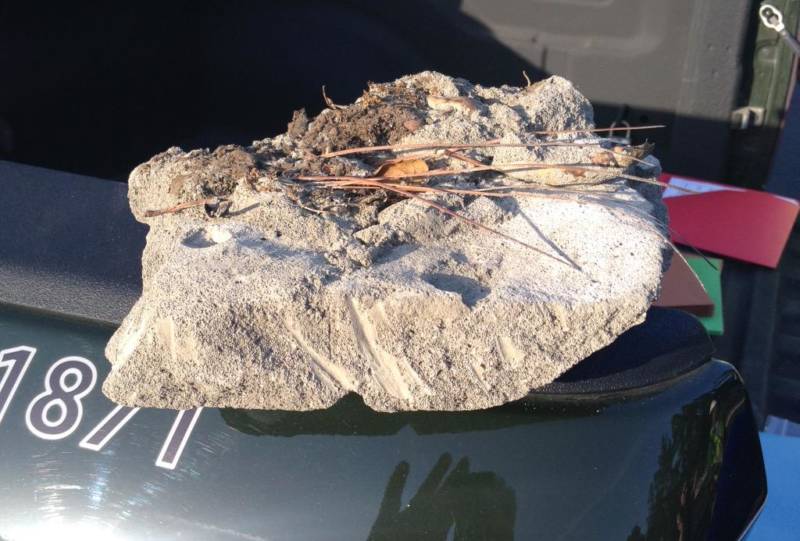
"caption": "A chunk of cellular concrete from the EBMUD spill into Glen Echo Creek. ",
"description": null,
"title": "East Bay MUD Concrete",
"credit": "California Department of Fish and Wildlife",
"status": "inherit",
"isLoading": false,
"fetchFailed": false
},
"news_11059775": {
"type": "attachments",
"id": "news_11059775",
"meta": {
"index": "attachments_1716263798",
"site": "news",
"id": "11059775",
"found": true
},
"parent": 11059733,
"imgSizes": {
"twentyfourteen-full-width": {
"file": "https://ww2.kqed.org/app/uploads/sites/10/2016/08/SlurryDrop-1038x576.jpg",
"width": 1038,
"mimeType": "image/jpeg",
"height": 576
},
"thumbnail": {
"file": "https://ww2.kqed.org/app/uploads/sites/10/2016/08/SlurryDrop-400x267.jpg",
"width": 400,
"mimeType": "image/jpeg",
"height": 267
},
"fd-sm": {
"file": "https://ww2.kqed.org/app/uploads/sites/10/2016/08/SlurryDrop-960x641.jpg",
"width": 960,
"mimeType": "image/jpeg",
"height": 641
},
"post-thumbnail": {
"file": "https://ww2.kqed.org/app/uploads/sites/10/2016/08/SlurryDrop-672x372.jpg",
"width": 672,
"mimeType": "image/jpeg",
"height": 372
},
"kqedFullSize": {
"file": "https://ww2.kqed.org/app/uploads/sites/10/2016/08/SlurryDrop.jpg",
"width": 1920,
"height": 1281
},
"large": {
"file": "https://ww2.kqed.org/app/uploads/sites/10/2016/08/SlurryDrop-1920x1281.jpg",
"width": 1920,
"mimeType": "image/jpeg",
"height": 1281
},
"guest-author-50": {
"file": "https://ww2.kqed.org/app/uploads/sites/10/2016/08/SlurryDrop-50x50.jpg",
"width": 50,
"mimeType": "image/jpeg",
"height": 50
},
"guest-author-96": {
"file": "https://ww2.kqed.org/app/uploads/sites/10/2016/08/SlurryDrop-96x96.jpg",
"width": 96,
"mimeType": "image/jpeg",
"height": 96
},
"medium": {
"file": "https://ww2.kqed.org/app/uploads/sites/10/2016/08/SlurryDrop-800x534.jpg",
"width": 800,
"mimeType": "image/jpeg",
"height": 534
},
"guest-author-64": {
"file": "https://ww2.kqed.org/app/uploads/sites/10/2016/08/SlurryDrop-64x64.jpg",
"width": 64,
"mimeType": "image/jpeg",
"height": 64
},
"guest-author-32": {
"file": "https://ww2.kqed.org/app/uploads/sites/10/2016/08/SlurryDrop-32x32.jpg",
"width": 32,
"mimeType": "image/jpeg",
"height": 32
},
"jmtc-small-thumb": {
"file": "https://ww2.kqed.org/app/uploads/sites/10/2016/08/SlurryDrop-280x150.jpg",
"width": 280,
"mimeType": "image/jpeg",
"height": 150
},
"fd-lrg": {
"file": "https://ww2.kqed.org/app/uploads/sites/10/2016/08/SlurryDrop-1920x1281.jpg",
"width": 1920,
"mimeType": "image/jpeg",
"height": 1281
},
"fd-med": {
"file": "https://ww2.kqed.org/app/uploads/sites/10/2016/08/SlurryDrop-1180x787.jpg",
"width": 1180,
"mimeType": "image/jpeg",
"height": 787
},
"detail": {
"file": "https://ww2.kqed.org/app/uploads/sites/10/2016/08/SlurryDrop-150x150.jpg",
"width": 150,
"mimeType": "image/jpeg",
"height": 150
},
"guest-author-128": {
"file": "https://ww2.kqed.org/app/uploads/sites/10/2016/08/SlurryDrop-128x128.jpg",
"width": 128,
"mimeType": "image/jpeg",
"height": 128
}
},
"publishDate": 1472061874,
"modified": 1472061918,
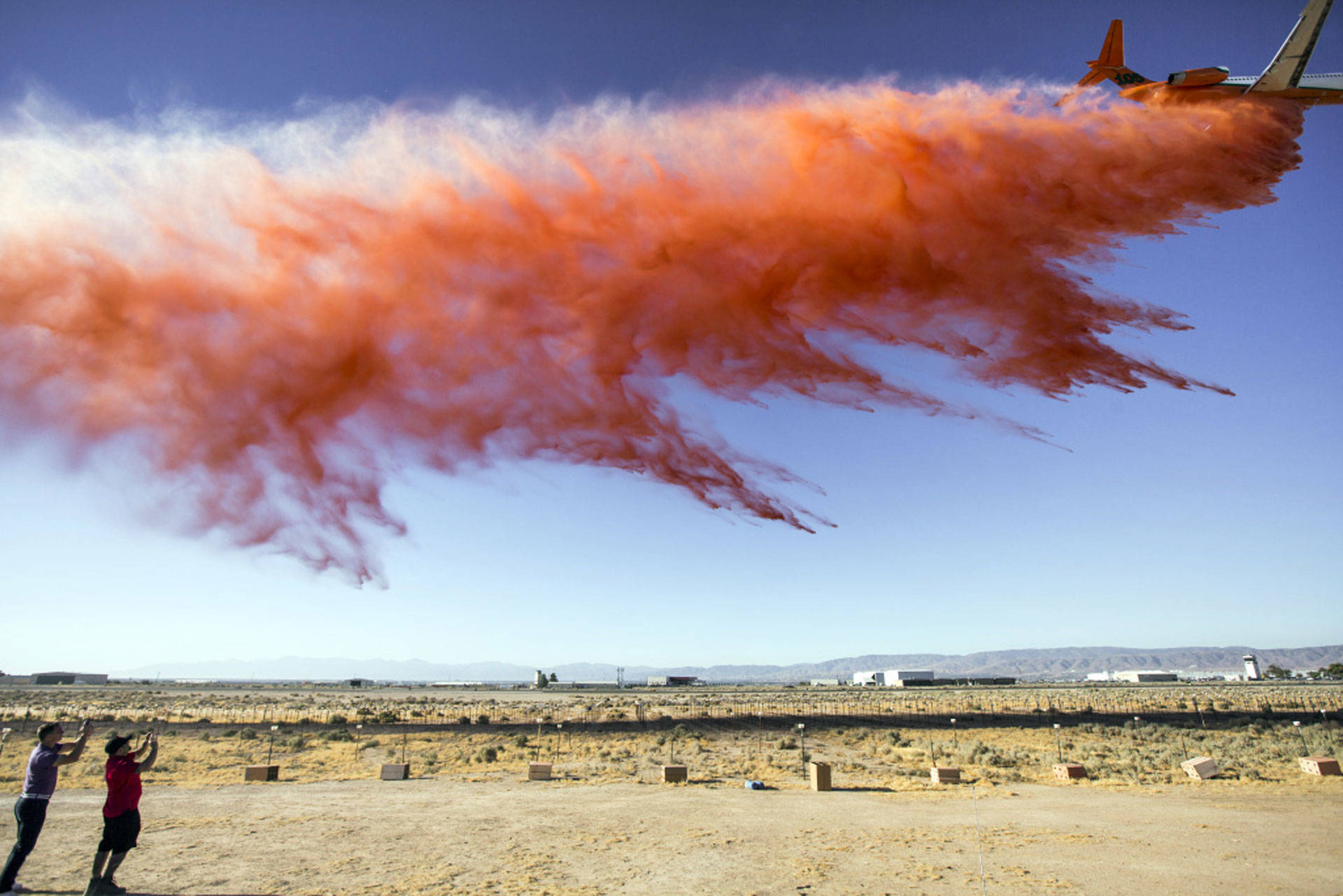
"caption": "The U.S. Forest Service conducts a fire retardant drop test for a new air tanker at Fox Airfield in Lancaster on July 8, 2016.",
"description": "The U.S. Forest Service conducts a fire retardant drop test for a new air tanker at Fox Airfield in Lancaster on July 8, 2016.",
"title": "SlurryDrop",
"credit": "Maya Sugarman/KPCC",
"status": "inherit",
"isLoading": false,
"fetchFailed": false
},
"science_940030": {
"type": "attachments",
"id": "science_940030",
"meta": {
"index": "attachments_1716263798",
"site": "science",
"id": "940030",
"found": true
},
"parent": 940027,
"imgSizes": {
"twentyfourteen-full-width": {
"file": "https://ww2.kqed.org/app/uploads/sites/35/2016/08/IMG_0671-1038x576.jpg",
"width": 1038,
"mimeType": "image/jpeg",
"height": 576
},
"thumbnail": {
"file": "https://ww2.kqed.org/app/uploads/sites/35/2016/08/IMG_0671-400x300.jpg",
"width": 400,
"mimeType": "image/jpeg",
"height": 300
},
"fd-sm": {
"file": "https://ww2.kqed.org/app/uploads/sites/35/2016/08/IMG_0671-960x720.jpg",
"width": 960,
"mimeType": "image/jpeg",
"height": 720
},
"post-thumbnail": {
"file": "https://ww2.kqed.org/app/uploads/sites/35/2016/08/IMG_0671-672x372.jpg",
"width": 672,
"mimeType": "image/jpeg",
"height": 372
},
"kqedFullSize": {
"file": "https://ww2.kqed.org/app/uploads/sites/35/2016/08/IMG_0671.jpg",
"width": 4032,
"height": 3024
},
"large": {
"file": "https://ww2.kqed.org/app/uploads/sites/35/2016/08/IMG_0671-1440x1080.jpg",
"width": 1440,
"mimeType": "image/jpeg",
"height": 1080
},
"guest-author-50": {
"file": "https://ww2.kqed.org/app/uploads/sites/35/2016/08/IMG_0671-50x50.jpg",
"width": 50,
"mimeType": "image/jpeg",
"height": 50
},
"guest-author-96": {
"file": "https://ww2.kqed.org/app/uploads/sites/35/2016/08/IMG_0671-96x96.jpg",
"width": 96,
"mimeType": "image/jpeg",
"height": 96
},
"medium": {
"file": "https://ww2.kqed.org/app/uploads/sites/35/2016/08/IMG_0671-800x600.jpg",
"width": 800,
"mimeType": "image/jpeg",
"height": 600
},
"guest-author-64": {
"file": "https://ww2.kqed.org/app/uploads/sites/35/2016/08/IMG_0671-64x64.jpg",
"width": 64,
"mimeType": "image/jpeg",
"height": 64
},
"guest-author-32": {
"file": "https://ww2.kqed.org/app/uploads/sites/35/2016/08/IMG_0671-32x32.jpg",
"width": 32,
"mimeType": "image/jpeg",
"height": 32
},
"fd-lrg": {
"file": "https://ww2.kqed.org/app/uploads/sites/35/2016/08/IMG_0671-1920x1440.jpg",
"width": 1920,
"mimeType": "image/jpeg",
"height": 1440
},
"fd-med": {
"file": "https://ww2.kqed.org/app/uploads/sites/35/2016/08/IMG_0671-1180x885.jpg",
"width": 1180,
"mimeType": "image/jpeg",
"height": 885
},
"detail": {
"file": "https://ww2.kqed.org/app/uploads/sites/35/2016/08/IMG_0671-150x150.jpg",
"width": 150,
"mimeType": "image/jpeg",
"height": 150
},
"medium_large": {
"file": "https://ww2.kqed.org/app/uploads/sites/35/2016/08/IMG_0671-768x576.jpg",
"width": 768,
"mimeType": "image/jpeg",
"height": 576
},
"guest-author-128": {
"file": "https://ww2.kqed.org/app/uploads/sites/35/2016/08/IMG_0671-128x128.jpg",
"width": 128,
"mimeType": "image/jpeg",
"height": 128
}
},
"publishDate": 1471985179,
"modified": 1471985268,
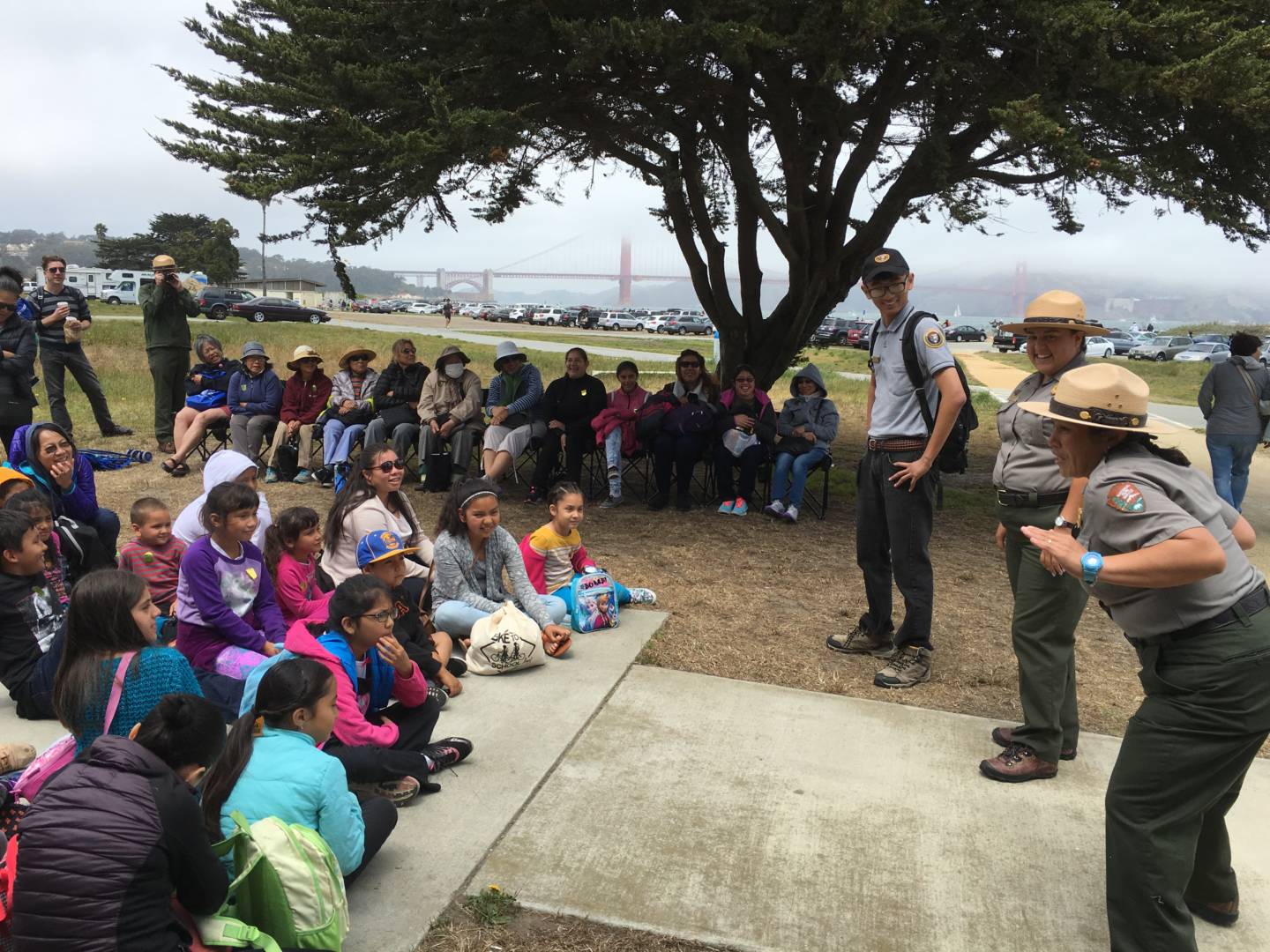
"caption": "Park rangers at Crissy Field educate a group of visitors about the flora and fauna at Golden Gate National Recreation Area. ",
"description": null,
"title": "IMG_0671",
"credit": "Lesley McClurg/ KQED",
"status": "inherit",
"isLoading": false,
"fetchFailed": false
},
"news_11059048": {
"type": "attachments",
"id": "news_11059048",
"meta": {
"index": "attachments_1716263798",
"site": "news",
"id": "11059048",
"found": true
},
"parent": 11059043,
"imgSizes": {
"twentyfourteen-full-width": {
"file": "https://ww2.kqed.org/app/uploads/sites/10/2016/08/BlueCutHotshots-1038x576.jpg",
"width": 1038,
"mimeType": "image/jpeg",
"height": 576
},
"thumbnail": {
"file": "https://ww2.kqed.org/app/uploads/sites/10/2016/08/BlueCutHotshots-400x266.jpg",
"width": 400,
"mimeType": "image/jpeg",
"height": 266
},
"fd-sm": {
"file": "https://ww2.kqed.org/app/uploads/sites/10/2016/08/BlueCutHotshots-960x639.jpg",
"width": 960,
"mimeType": "image/jpeg",
"height": 639
},
"post-thumbnail": {
"file": "https://ww2.kqed.org/app/uploads/sites/10/2016/08/BlueCutHotshots-672x372.jpg",
"width": 672,
"mimeType": "image/jpeg",
"height": 372
},
"kqedFullSize": {
"file": "https://ww2.kqed.org/app/uploads/sites/10/2016/08/BlueCutHotshots.jpg",
"width": 1920,
"height": 1278
},
"large": {
"file": "https://ww2.kqed.org/app/uploads/sites/10/2016/08/BlueCutHotshots-1920x1278.jpg",
"width": 1920,
"mimeType": "image/jpeg",
"height": 1278
},
"guest-author-50": {
"file": "https://ww2.kqed.org/app/uploads/sites/10/2016/08/BlueCutHotshots-50x50.jpg",
"width": 50,
"mimeType": "image/jpeg",
"height": 50
},
"guest-author-96": {
"file": "https://ww2.kqed.org/app/uploads/sites/10/2016/08/BlueCutHotshots-96x96.jpg",
"width": 96,
"mimeType": "image/jpeg",
"height": 96
},
"medium": {
"file": "https://ww2.kqed.org/app/uploads/sites/10/2016/08/BlueCutHotshots-800x533.jpg",
"width": 800,
"mimeType": "image/jpeg",
"height": 533
},
"guest-author-64": {
"file": "https://ww2.kqed.org/app/uploads/sites/10/2016/08/BlueCutHotshots-64x64.jpg",
"width": 64,
"mimeType": "image/jpeg",
"height": 64
},
"guest-author-32": {
"file": "https://ww2.kqed.org/app/uploads/sites/10/2016/08/BlueCutHotshots-32x32.jpg",
"width": 32,
"mimeType": "image/jpeg",
"height": 32
},
"jmtc-small-thumb": {
"file": "https://ww2.kqed.org/app/uploads/sites/10/2016/08/BlueCutHotshots-280x150.jpg",
"width": 280,
"mimeType": "image/jpeg",
"height": 150
},
"fd-lrg": {
"file": "https://ww2.kqed.org/app/uploads/sites/10/2016/08/BlueCutHotshots-1920x1278.jpg",
"width": 1920,
"mimeType": "image/jpeg",
"height": 1278
},
"fd-med": {
"file": "https://ww2.kqed.org/app/uploads/sites/10/2016/08/BlueCutHotshots-1180x785.jpg",
"width": 1180,
"mimeType": "image/jpeg",
"height": 785
},
"detail": {
"file": "https://ww2.kqed.org/app/uploads/sites/10/2016/08/BlueCutHotshots-150x150.jpg",
"width": 150,
"mimeType": "image/jpeg",
"height": 150
},
"guest-author-128": {
"file": "https://ww2.kqed.org/app/uploads/sites/10/2016/08/BlueCutHotshots-128x128.jpg",
"width": 128,
"mimeType": "image/jpeg",
"height": 128
}
},
"publishDate": 1471994635,
"modified": 1471997486,
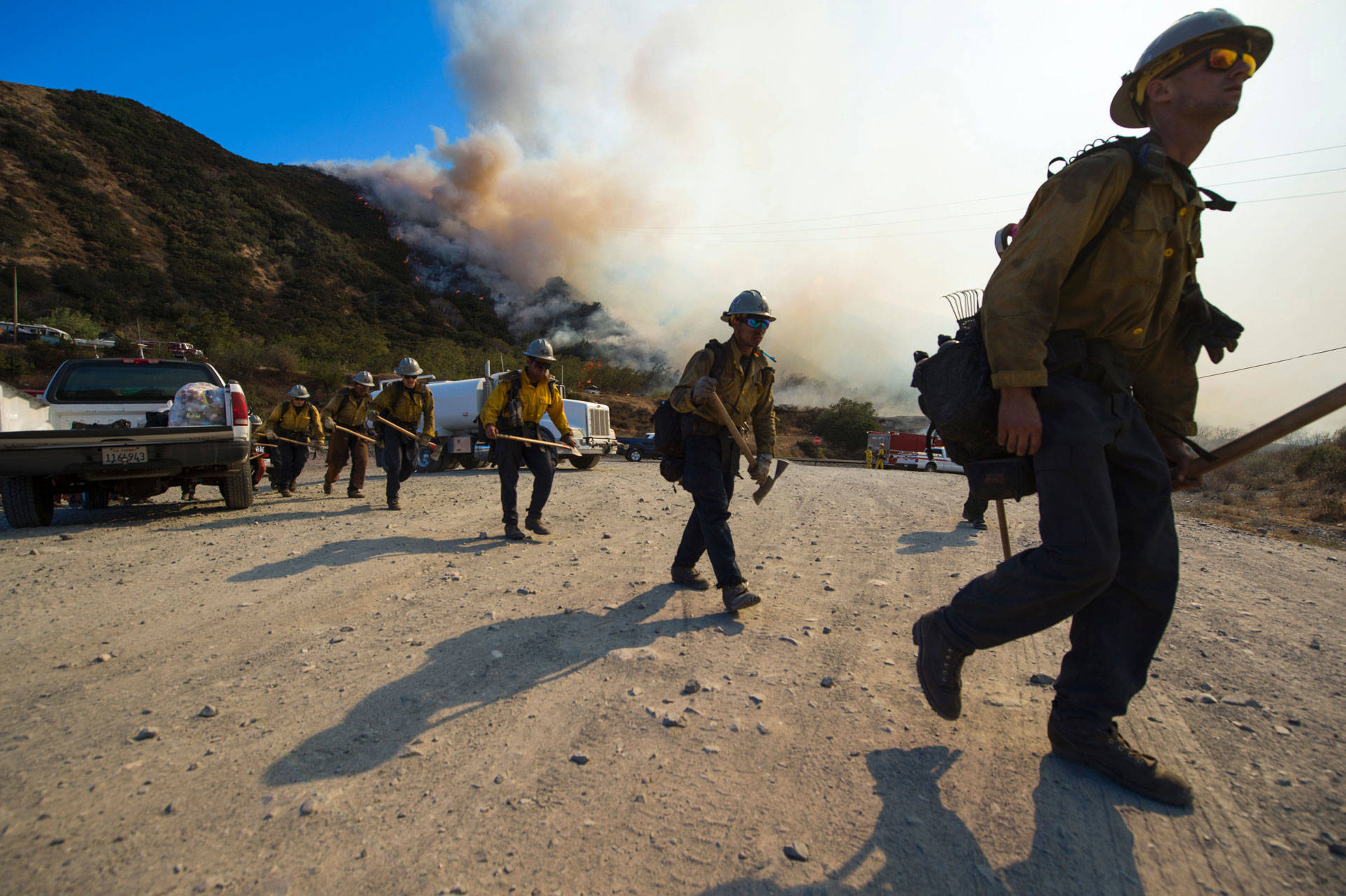
"caption": "Firefighters prepare to clear a hot spot at the Blue Cut Fire near Wrightwood on Aug. 17, 2016. The blaze destroyed nearly 100 homes and forced the evacuation of 80,000 people in San Bernardino County.",
"description": "Firefighters prepare to clear a hot spot at the Blue Cut Fire near Wrightwood on August 17, 2016. The blaze destroyed nearly 100 homes and forced the evacuation of 80,000 people in San Bernardino County.",
"title": "BlueCutHotshots",
"credit": "Robyn Beck/AFP/Getty Images",
"status": "inherit",
"isLoading": false,
"fetchFailed": false
},
"news_11058995": {
"type": "attachments",
"id": "news_11058995",
"meta": {
"index": "attachments_1716263798",
"site": "news",
"id": "11058995",
"found": true
},
"parent": 11058993,
"imgSizes": {
"twentyfourteen-full-width": {
"file": "https://ww2.kqed.org/app/uploads/sites/10/2016/08/RS563_windpower_20120910-1038x576.jpg",
"width": 1038,
"mimeType": "image/jpeg",
"height": 576
},
"thumbnail": {
"file": "https://ww2.kqed.org/app/uploads/sites/10/2016/08/RS563_windpower_20120910-400x229.jpg",
"width": 400,
"mimeType": "image/jpeg",
"height": 229
},
"fd-sm": {
"file": "https://ww2.kqed.org/app/uploads/sites/10/2016/08/RS563_windpower_20120910-960x550.jpg",
"width": 960,
"mimeType": "image/jpeg",
"height": 550
},
"post-thumbnail": {
"file": "https://ww2.kqed.org/app/uploads/sites/10/2016/08/RS563_windpower_20120910-672x372.jpg",
"width": 672,
"mimeType": "image/jpeg",
"height": 372
},
"kqedFullSize": {
"file": "https://ww2.kqed.org/app/uploads/sites/10/2016/08/RS563_windpower_20120910-e1471991321663.jpg",
"width": 1920,
"height": 1100
},
"large": {
"file": "https://ww2.kqed.org/app/uploads/sites/10/2016/08/RS563_windpower_20120910-1920x1100.jpg",
"width": 1920,
"mimeType": "image/jpeg",
"height": 1100
},
"guest-author-50": {
"file": "https://ww2.kqed.org/app/uploads/sites/10/2016/08/RS563_windpower_20120910-50x50.jpg",
"width": 50,
"mimeType": "image/jpeg",
"height": 50
},
"guest-author-96": {
"file": "https://ww2.kqed.org/app/uploads/sites/10/2016/08/RS563_windpower_20120910-96x96.jpg",
"width": 96,
"mimeType": "image/jpeg",
"height": 96
},
"medium": {
"file": "https://ww2.kqed.org/app/uploads/sites/10/2016/08/RS563_windpower_20120910-800x458.jpg",
"width": 800,
"mimeType": "image/jpeg",
"height": 458
},
"guest-author-64": {
"file": "https://ww2.kqed.org/app/uploads/sites/10/2016/08/RS563_windpower_20120910-64x64.jpg",
"width": 64,
"mimeType": "image/jpeg",
"height": 64
},
"guest-author-32": {
"file": "https://ww2.kqed.org/app/uploads/sites/10/2016/08/RS563_windpower_20120910-32x32.jpg",
"width": 32,
"mimeType": "image/jpeg",
"height": 32
},
"jmtc-small-thumb": {
"file": "https://ww2.kqed.org/app/uploads/sites/10/2016/08/RS563_windpower_20120910-280x150.jpg",
"width": 280,
"mimeType": "image/jpeg",
"height": 150
},
"fd-lrg": {
"file": "https://ww2.kqed.org/app/uploads/sites/10/2016/08/RS563_windpower_20120910-1920x1100.jpg",
"width": 1920,
"mimeType": "image/jpeg",
"height": 1100
},
"fd-med": {
"file": "https://ww2.kqed.org/app/uploads/sites/10/2016/08/RS563_windpower_20120910-1180x676.jpg",
"width": 1180,
"mimeType": "image/jpeg",
"height": 676
},
"detail": {
"file": "https://ww2.kqed.org/app/uploads/sites/10/2016/08/RS563_windpower_20120910-150x150.jpg",
"width": 150,
"mimeType": "image/jpeg",
"height": 150
},
"guest-author-128": {
"file": "https://ww2.kqed.org/app/uploads/sites/10/2016/08/RS563_windpower_20120910-128x128.jpg",
"width": 128,
"mimeType": "image/jpeg",
"height": 128
}
},
"publishDate": 1471991264,
"modified": 1471991315,
"caption": "A view of wind turbines at the Kumeyaay Wind Project on the Campo Reservation outside of San Diego, California.",
"description": "A view of wind turbines at the Kumeyaay Wind Project on the Campo Reservation outside of San Diego, California.",
"title": "Native Americans Turn To Wind Power To Generate Revenue",
"credit": "Sandy Huffaker/Getty Images",
"status": "inherit",
"isLoading": false,
"fetchFailed": false
},
"science_929377": {
"type": "attachments",
"id": "science_929377",
"meta": {
"index": "attachments_1716263798",
"site": "science",
"id": "929377",
"found": true
},
"parent": 922896,
"imgSizes": {
"twentyfourteen-full-width": {
"file": "https://ww2.kqed.org/app/uploads/sites/35/2016/08/DL316-Sea-Urchins-pHead-1038x576.jpg",
"width": 1038,
"mimeType": "image/jpeg",
"height": 576
},
"thumbnail": {
"file": "https://ww2.kqed.org/app/uploads/sites/35/2016/08/DL316-Sea-Urchins-pHead-400x225.jpg",
"width": 400,
"mimeType": "image/jpeg",
"height": 225
},
"fd-sm": {
"file": "https://ww2.kqed.org/app/uploads/sites/35/2016/08/DL316-Sea-Urchins-pHead-960x540.jpg",
"width": 960,
"mimeType": "image/jpeg",
"height": 540
},
"post-thumbnail": {
"file": "https://ww2.kqed.org/app/uploads/sites/35/2016/08/DL316-Sea-Urchins-pHead-672x372.jpg",
"width": 672,
"mimeType": "image/jpeg",
"height": 372
},
"kqedFullSize": {
"file": "https://ww2.kqed.org/app/uploads/sites/35/2016/08/DL316-Sea-Urchins-pHead.jpg",
"width": 1920,
"height": 1080
},
"large": {
"file": "https://ww2.kqed.org/app/uploads/sites/35/2016/08/DL316-Sea-Urchins-pHead-1440x810.jpg",
"width": 1440,
"mimeType": "image/jpeg",
"height": 810
},
"guest-author-50": {
"file": "https://ww2.kqed.org/app/uploads/sites/35/2016/08/DL316-Sea-Urchins-pHead-50x50.jpg",
"width": 50,
"mimeType": "image/jpeg",
"height": 50
},
"guest-author-96": {
"file": "https://ww2.kqed.org/app/uploads/sites/35/2016/08/DL316-Sea-Urchins-pHead-96x96.jpg",
"width": 96,
"mimeType": "image/jpeg",
"height": 96
},
"medium": {
"file": "https://ww2.kqed.org/app/uploads/sites/35/2016/08/DL316-Sea-Urchins-pHead-800x450.jpg",
"width": 800,
"mimeType": "image/jpeg",
"height": 450
},
"guest-author-64": {
"file": "https://ww2.kqed.org/app/uploads/sites/35/2016/08/DL316-Sea-Urchins-pHead-64x64.jpg",
"width": 64,
"mimeType": "image/jpeg",
"height": 64
},
"guest-author-32": {
"file": "https://ww2.kqed.org/app/uploads/sites/35/2016/08/DL316-Sea-Urchins-pHead-32x32.jpg",
"width": 32,
"mimeType": "image/jpeg",
"height": 32
},
"fd-lrg": {
"file": "https://ww2.kqed.org/app/uploads/sites/35/2016/08/DL316-Sea-Urchins-pHead-1920x1080.jpg",
"width": 1920,
"mimeType": "image/jpeg",
"height": 1080
},
"fd-med": {
"file": "https://ww2.kqed.org/app/uploads/sites/35/2016/08/DL316-Sea-Urchins-pHead-1180x664.jpg",
"width": 1180,
"mimeType": "image/jpeg",
"height": 664
},
"detail": {
"file": "https://ww2.kqed.org/app/uploads/sites/35/2016/08/DL316-Sea-Urchins-pHead-150x150.jpg",
"width": 150,
"mimeType": "image/jpeg",
"height": 150
},
"medium_large": {
"file": "https://ww2.kqed.org/app/uploads/sites/35/2016/08/DL316-Sea-Urchins-pHead-768x432.jpg",
"width": 768,
"mimeType": "image/jpeg",
"height": 432
},
"guest-author-128": {
"file": "https://ww2.kqed.org/app/uploads/sites/35/2016/08/DL316-Sea-Urchins-pHead-128x128.jpg",
"width": 128,
"mimeType": "image/jpeg",
"height": 128
}
},
"publishDate": 1471549583,
"modified": 1471549621,
"caption": "Purple sea urchins eating kelp",
"description": null,
"title": "DL316 Sea Urchins pHead",
"credit": "Josh Cassidy/KQED",
"status": "inherit",
"isLoading": false,
"fetchFailed": false
},
"science_939757": {
"type": "attachments",
"id": "science_939757",
"meta": {
"index": "attachments_1716263798",
"site": "science",
"id": "939757",
"found": true
},
"parent": 931635,
"imgSizes": {
"twentyfourteen-full-width": {
"file": "https://ww2.kqed.org/app/uploads/sites/35/2016/08/Nautilus_bow-1038x576.jpg",
"width": 1038,
"mimeType": "image/jpeg",
"height": 576
},
"thumbnail": {
"file": "https://ww2.kqed.org/app/uploads/sites/35/2016/08/Nautilus_bow-400x225.jpg",
"width": 400,
"mimeType": "image/jpeg",
"height": 225
},
"fd-sm": {
"file": "https://ww2.kqed.org/app/uploads/sites/35/2016/08/Nautilus_bow-960x540.jpg",
"width": 960,
"mimeType": "image/jpeg",
"height": 540
},
"post-thumbnail": {
"file": "https://ww2.kqed.org/app/uploads/sites/35/2016/08/Nautilus_bow-672x372.jpg",
"width": 672,
"mimeType": "image/jpeg",
"height": 372
},
"kqedFullSize": {
"file": "https://ww2.kqed.org/app/uploads/sites/35/2016/08/Nautilus_bow.jpg",
"width": 1920,
"height": 1080
},
"large": {
"file": "https://ww2.kqed.org/app/uploads/sites/35/2016/08/Nautilus_bow-1440x810.jpg",
"width": 1440,
"mimeType": "image/jpeg",
"height": 810
},
"guest-author-50": {
"file": "https://ww2.kqed.org/app/uploads/sites/35/2016/08/Nautilus_bow-50x50.jpg",
"width": 50,
"mimeType": "image/jpeg",
"height": 50
},
"guest-author-96": {
"file": "https://ww2.kqed.org/app/uploads/sites/35/2016/08/Nautilus_bow-96x96.jpg",
"width": 96,
"mimeType": "image/jpeg",
"height": 96
},
"medium": {
"file": "https://ww2.kqed.org/app/uploads/sites/35/2016/08/Nautilus_bow-800x450.jpg",
"width": 800,
"mimeType": "image/jpeg",
"height": 450
},
"guest-author-64": {
"file": "https://ww2.kqed.org/app/uploads/sites/35/2016/08/Nautilus_bow-64x64.jpg",
"width": 64,
"mimeType": "image/jpeg",
"height": 64
},
"guest-author-32": {
"file": "https://ww2.kqed.org/app/uploads/sites/35/2016/08/Nautilus_bow-32x32.jpg",
"width": 32,
"mimeType": "image/jpeg",
"height": 32
},
"fd-lrg": {
"file": "https://ww2.kqed.org/app/uploads/sites/35/2016/08/Nautilus_bow-1920x1080.jpg",
"width": 1920,
"mimeType": "image/jpeg",
"height": 1080
},
"fd-med": {
"file": "https://ww2.kqed.org/app/uploads/sites/35/2016/08/Nautilus_bow-1180x664.jpg",
"width": 1180,
"mimeType": "image/jpeg",
"height": 664
},
"detail": {
"file": "https://ww2.kqed.org/app/uploads/sites/35/2016/08/Nautilus_bow-150x150.jpg",
"width": 150,
"mimeType": "image/jpeg",
"height": 150
},
"medium_large": {
"file": "https://ww2.kqed.org/app/uploads/sites/35/2016/08/Nautilus_bow-768x432.jpg",
"width": 768,
"mimeType": "image/jpeg",
"height": 432
},
"guest-author-128": {
"file": "https://ww2.kqed.org/app/uploads/sites/35/2016/08/Nautilus_bow-128x128.jpg",
"width": 128,
"mimeType": "image/jpeg",
"height": 128
}
},
"publishDate": 1471976069,
"modified": 1471976141,
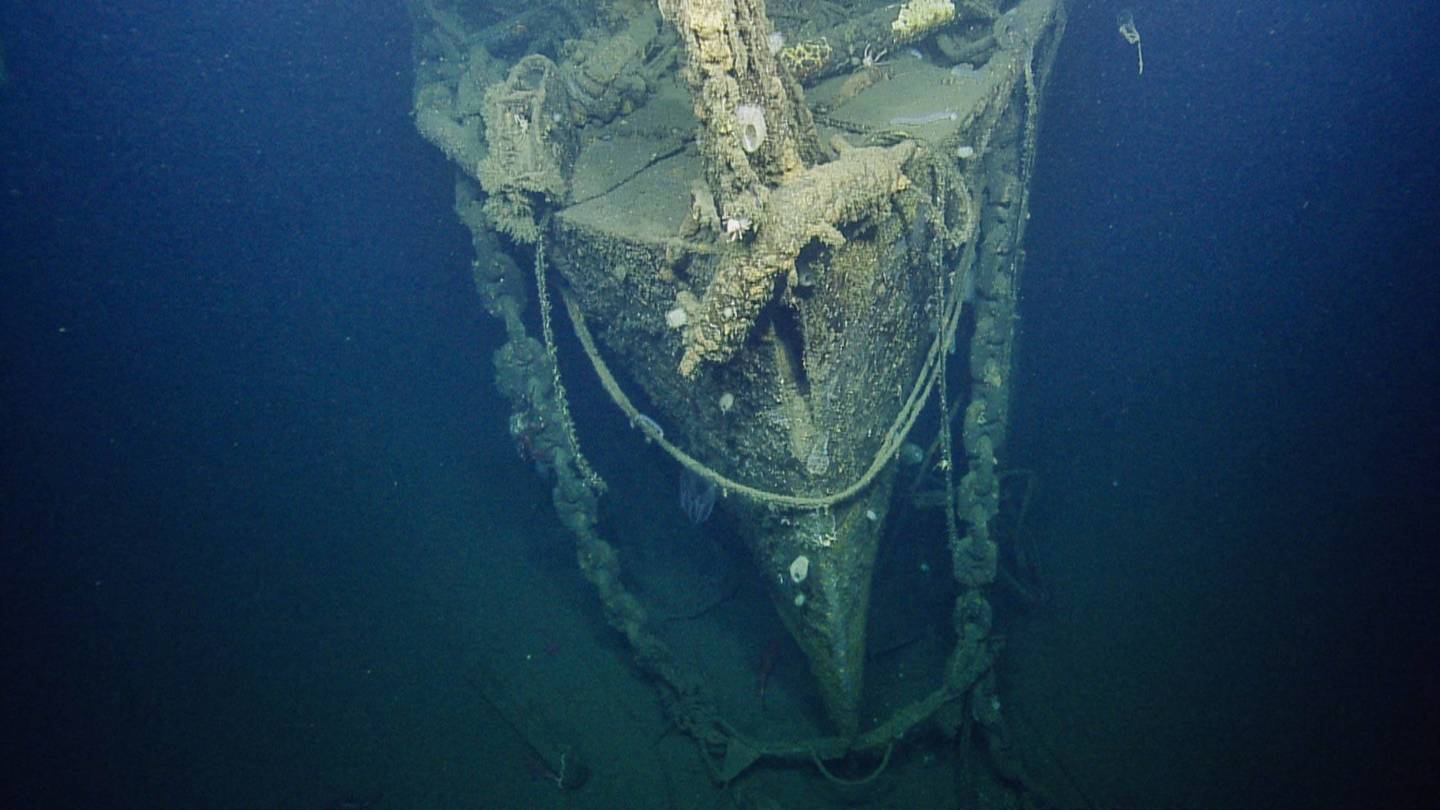
"caption": "Bow of the USS Independence, seen after 65 years underwater.",
"description": null,
"title": "Nautilus_bow",
"credit": "E/V Nautilus",
"status": "inherit",
"isLoading": false,
"fetchFailed": false
},
"science_937879": {
"type": "attachments",
"id": "science_937879",
"meta": {
"index": "attachments_1716263798",
"site": "science",
"id": "937879",
"found": true
},
"parent": 937878,
"imgSizes": {
"twentyfourteen-full-width": {
"file": "https://ww2.kqed.org/app/uploads/sites/35/2016/08/hi-seas-988x576.png",
"width": 988,
"mimeType": "image/png",
"height": 576
},
"thumbnail": {
"file": "https://ww2.kqed.org/app/uploads/sites/35/2016/08/hi-seas-400x266.png",
"width": 400,
"mimeType": "image/png",
"height": 266
},
"fd-sm": {
"file": "https://ww2.kqed.org/app/uploads/sites/35/2016/08/hi-seas-960x638.png",
"width": 960,
"mimeType": "image/png",
"height": 638
},
"post-thumbnail": {
"file": "https://ww2.kqed.org/app/uploads/sites/35/2016/08/hi-seas-672x372.png",
"width": 672,
"mimeType": "image/png",
"height": 372
},
"kqedFullSize": {
"file": "https://ww2.kqed.org/app/uploads/sites/35/2016/08/hi-seas.png",
"width": 988,
"height": 657
},
"guest-author-50": {
"file": "https://ww2.kqed.org/app/uploads/sites/35/2016/08/hi-seas-50x50.png",
"width": 50,
"mimeType": "image/png",
"height": 50
},
"guest-author-96": {
"file": "https://ww2.kqed.org/app/uploads/sites/35/2016/08/hi-seas-96x96.png",
"width": 96,
"mimeType": "image/png",
"height": 96
},
"medium": {
"file": "https://ww2.kqed.org/app/uploads/sites/35/2016/08/hi-seas-800x532.png",
"width": 800,
"mimeType": "image/png",
"height": 532
},
"guest-author-64": {
"file": "https://ww2.kqed.org/app/uploads/sites/35/2016/08/hi-seas-64x64.png",
"width": 64,
"mimeType": "image/png",
"height": 64
},
"guest-author-32": {
"file": "https://ww2.kqed.org/app/uploads/sites/35/2016/08/hi-seas-32x32.png",
"width": 32,
"mimeType": "image/png",
"height": 32
},
"detail": {
"file": "https://ww2.kqed.org/app/uploads/sites/35/2016/08/hi-seas-150x150.png",
"width": 150,
"mimeType": "image/png",
"height": 150
},
"medium_large": {
"file": "https://ww2.kqed.org/app/uploads/sites/35/2016/08/hi-seas-768x511.png",
"width": 768,
"mimeType": "image/png",
"height": 511
},
"guest-author-128": {
"file": "https://ww2.kqed.org/app/uploads/sites/35/2016/08/hi-seas-128x128.png",
"width": 128,
"mimeType": "image/png",
"height": 128
}
},
"publishDate": 1471897208,
"modified": 1471898142,
"caption": "A HI-SEAS crew member walks in a spacesuit during the 2013 HI-SEAS simulated space mission in Hawaii.",
"description": null,
"title": "hi-seas",
"credit": "Angelo Vermeulen/Hi-SEAS",
"status": "inherit",
"isLoading": false,
"fetchFailed": false
},
"science_929569": {
"type": "attachments",
"id": "science_929569",
"meta": {
"index": "attachments_1716263798",
"site": "science",
"id": "929569",
"found": true
},
"parent": 923172,
"imgSizes": {
"twentyfourteen-full-width": {
"file": "https://ww2.kqed.org/app/uploads/sites/35/2016/08/BLUE-GREEN-ALGAE-FEATURE-1038x576.jpg",
"width": 1038,
"mimeType": "image/jpeg",
"height": 576
},
"thumbnail": {
"file": "https://ww2.kqed.org/app/uploads/sites/35/2016/08/BLUE-GREEN-ALGAE-FEATURE-400x300.jpg",
"width": 400,
"mimeType": "image/jpeg",
"height": 300
},
"fd-sm": {
"file": "https://ww2.kqed.org/app/uploads/sites/35/2016/08/BLUE-GREEN-ALGAE-FEATURE-960x721.jpg",
"width": 960,
"mimeType": "image/jpeg",
"height": 721
},
"post-thumbnail": {
"file": "https://ww2.kqed.org/app/uploads/sites/35/2016/08/BLUE-GREEN-ALGAE-FEATURE-672x372.jpg",
"width": 672,
"mimeType": "image/jpeg",
"height": 372
},
"kqedFullSize": {
"file": "https://ww2.kqed.org/app/uploads/sites/35/2016/08/BLUE-GREEN-ALGAE-FEATURE.jpg",
"width": 3352,
"height": 2516
},
"large": {
"file": "https://ww2.kqed.org/app/uploads/sites/35/2016/08/BLUE-GREEN-ALGAE-FEATURE-1440x1081.jpg",
"width": 1440,
"mimeType": "image/jpeg",
"height": 1081
},
"guest-author-50": {
"file": "https://ww2.kqed.org/app/uploads/sites/35/2016/08/BLUE-GREEN-ALGAE-FEATURE-50x50.jpg",
"width": 50,
"mimeType": "image/jpeg",
"height": 50
},
"guest-author-96": {
"file": "https://ww2.kqed.org/app/uploads/sites/35/2016/08/BLUE-GREEN-ALGAE-FEATURE-96x96.jpg",
"width": 96,
"mimeType": "image/jpeg",
"height": 96
},
"medium": {
"file": "https://ww2.kqed.org/app/uploads/sites/35/2016/08/BLUE-GREEN-ALGAE-FEATURE-800x600.jpg",
"width": 800,
"mimeType": "image/jpeg",
"height": 600
},
"guest-author-64": {
"file": "https://ww2.kqed.org/app/uploads/sites/35/2016/08/BLUE-GREEN-ALGAE-FEATURE-64x64.jpg",
"width": 64,
"mimeType": "image/jpeg",
"height": 64
},
"guest-author-32": {
"file": "https://ww2.kqed.org/app/uploads/sites/35/2016/08/BLUE-GREEN-ALGAE-FEATURE-32x32.jpg",
"width": 32,
"mimeType": "image/jpeg",
"height": 32
},
"fd-lrg": {
"file": "https://ww2.kqed.org/app/uploads/sites/35/2016/08/BLUE-GREEN-ALGAE-FEATURE-1920x1441.jpg",
"width": 1920,
"mimeType": "image/jpeg",
"height": 1441
},
"fd-med": {
"file": "https://ww2.kqed.org/app/uploads/sites/35/2016/08/BLUE-GREEN-ALGAE-FEATURE-1180x886.jpg",
"width": 1180,
"mimeType": "image/jpeg",
"height": 886
},
"detail": {
"file": "https://ww2.kqed.org/app/uploads/sites/35/2016/08/BLUE-GREEN-ALGAE-FEATURE-150x150.jpg",
"width": 150,
"mimeType": "image/jpeg",
"height": 150
},
"medium_large": {
"file": "https://ww2.kqed.org/app/uploads/sites/35/2016/08/BLUE-GREEN-ALGAE-FEATURE-768x576.jpg",
"width": 768,
"mimeType": "image/jpeg",
"height": 576
},
"guest-author-128": {
"file": "https://ww2.kqed.org/app/uploads/sites/35/2016/08/BLUE-GREEN-ALGAE-FEATURE-128x128.jpg",
"width": 128,
"mimeType": "image/jpeg",
"height": 128
}
},
"publishDate": 1471557009,
"modified": 1471636375,
"caption": "Blue green algae at Discovery Bay. ",
"description": null,
"title": "BLUE GREEN ALGAE FEATURE",
"credit": "Lesley McClurg/KQED",
"status": "inherit",
"isLoading": false,
"fetchFailed": false
},
"news_11055528": {
"type": "attachments",
"id": "news_11055528",
"meta": {
"index": "attachments_1716263798",
"site": "news",
"id": "11055528",
"found": true
},
"parent": 11055473,
"imgSizes": {
"jmtc-small-thumb": {
"file": "https://ww2.kqed.org/app/uploads/sites/10/2016/08/water-board-280x150.jpg",
"width": 280,
"mimeType": "image/jpeg",
"height": 150
},
"thumbnail": {
"file": "https://ww2.kqed.org/app/uploads/sites/10/2016/08/water-board-400x334.jpg",
"width": 400,
"mimeType": "image/jpeg",
"height": 334
},
"post-thumbnail": {
"file": "https://ww2.kqed.org/app/uploads/sites/10/2016/08/water-board-455x372.jpg",
"width": 455,
"mimeType": "image/jpeg",
"height": 372
},
"kqedFullSize": {
"file": "https://ww2.kqed.org/app/uploads/sites/10/2016/08/water-board.jpg",
"width": 455,
"height": 380
},
"guest-author-50": {
"file": "https://ww2.kqed.org/app/uploads/sites/10/2016/08/water-board-50x50.jpg",
"width": 50,
"mimeType": "image/jpeg",
"height": 50
},
"guest-author-96": {
"file": "https://ww2.kqed.org/app/uploads/sites/10/2016/08/water-board-96x96.jpg",
"width": 96,
"mimeType": "image/jpeg",
"height": 96
},
"guest-author-64": {
"file": "https://ww2.kqed.org/app/uploads/sites/10/2016/08/water-board-64x64.jpg",
"width": 64,
"mimeType": "image/jpeg",
"height": 64
},
"detail": {
"file": "https://ww2.kqed.org/app/uploads/sites/10/2016/08/water-board-150x150.jpg",
"width": 150,
"mimeType": "image/jpeg",
"height": 150
},
"guest-author-32": {
"file": "https://ww2.kqed.org/app/uploads/sites/10/2016/08/water-board-32x32.jpg",
"width": 32,
"mimeType": "image/jpeg",
"height": 32
},
"guest-author-128": {
"file": "https://ww2.kqed.org/app/uploads/sites/10/2016/08/water-board-128x128.jpg",
"width": 128,
"mimeType": "image/jpeg",
"height": 128
}
},
"publishDate": 1471646719,
"modified": 1471646905,
"caption": "East Poterville residents display water delivered by a new system connecting the unincorporated town.",
"description": "East Poterville residents display water delivered by a new system connecting the unincorporated town.",
"title": "water board",
"credit": "California State Water Resources Control Board via Twitter",
"status": "inherit",
"isLoading": false,
"fetchFailed": false
},
"science_914702": {
"type": "attachments",
"id": "science_914702",
"meta": {
"index": "attachments_1716263798",
"site": "science",
"id": "914702",
"found": true
},
"parent": 914603,
"imgSizes": {
"twentyfourteen-full-width": {
"file": "https://ww2.kqed.org/app/uploads/sites/35/2016/08/SJR3-1038x576.jpg",
"width": 1038,
"mimeType": "image/jpeg",
"height": 576
},
"thumbnail": {
"file": "https://ww2.kqed.org/app/uploads/sites/35/2016/08/SJR3-400x206.jpg",
"width": 400,
"mimeType": "image/jpeg",
"height": 206
},
"fd-sm": {
"file": "https://ww2.kqed.org/app/uploads/sites/35/2016/08/SJR3-960x494.jpg",
"width": 960,
"mimeType": "image/jpeg",
"height": 494
},
"post-thumbnail": {
"file": "https://ww2.kqed.org/app/uploads/sites/35/2016/08/SJR3-672x372.jpg",
"width": 672,
"mimeType": "image/jpeg",
"height": 372
},
"kqedFullSize": {
"file": "https://ww2.kqed.org/app/uploads/sites/35/2016/08/SJR3.jpg",
"width": 1920,
"height": 988
},
"large": {
"file": "https://ww2.kqed.org/app/uploads/sites/35/2016/08/SJR3-1440x741.jpg",
"width": 1440,
"mimeType": "image/jpeg",
"height": 741
},
"guest-author-50": {
"file": "https://ww2.kqed.org/app/uploads/sites/35/2016/08/SJR3-50x50.jpg",
"width": 50,
"mimeType": "image/jpeg",
"height": 50
},
"guest-author-96": {
"file": "https://ww2.kqed.org/app/uploads/sites/35/2016/08/SJR3-96x96.jpg",
"width": 96,
"mimeType": "image/jpeg",
"height": 96
},
"medium": {
"file": "https://ww2.kqed.org/app/uploads/sites/35/2016/08/SJR3-800x412.jpg",
"width": 800,
"mimeType": "image/jpeg",
"height": 412
},
"guest-author-64": {
"file": "https://ww2.kqed.org/app/uploads/sites/35/2016/08/SJR3-64x64.jpg",
"width": 64,
"mimeType": "image/jpeg",
"height": 64
},
"guest-author-32": {
"file": "https://ww2.kqed.org/app/uploads/sites/35/2016/08/SJR3-32x32.jpg",
"width": 32,
"mimeType": "image/jpeg",
"height": 32
},
"fd-lrg": {
"file": "https://ww2.kqed.org/app/uploads/sites/35/2016/08/SJR3-1920x988.jpg",
"width": 1920,
"mimeType": "image/jpeg",
"height": 988
},
"fd-med": {
"file": "https://ww2.kqed.org/app/uploads/sites/35/2016/08/SJR3-1180x607.jpg",
"width": 1180,
"mimeType": "image/jpeg",
"height": 607
},
"detail": {
"file": "https://ww2.kqed.org/app/uploads/sites/35/2016/08/SJR3-150x150.jpg",
"width": 150,
"mimeType": "image/jpeg",
"height": 150
},
"medium_large": {
"file": "https://ww2.kqed.org/app/uploads/sites/35/2016/08/SJR3-768x395.jpg",
"width": 768,
"mimeType": "image/jpeg",
"height": 395
},
"guest-author-128": {
"file": "https://ww2.kqed.org/app/uploads/sites/35/2016/08/SJR3-128x128.jpg",
"width": 128,
"mimeType": "image/jpeg",
"height": 128
}
},
"publishDate": 1470957757,
"modified": 1470957776,
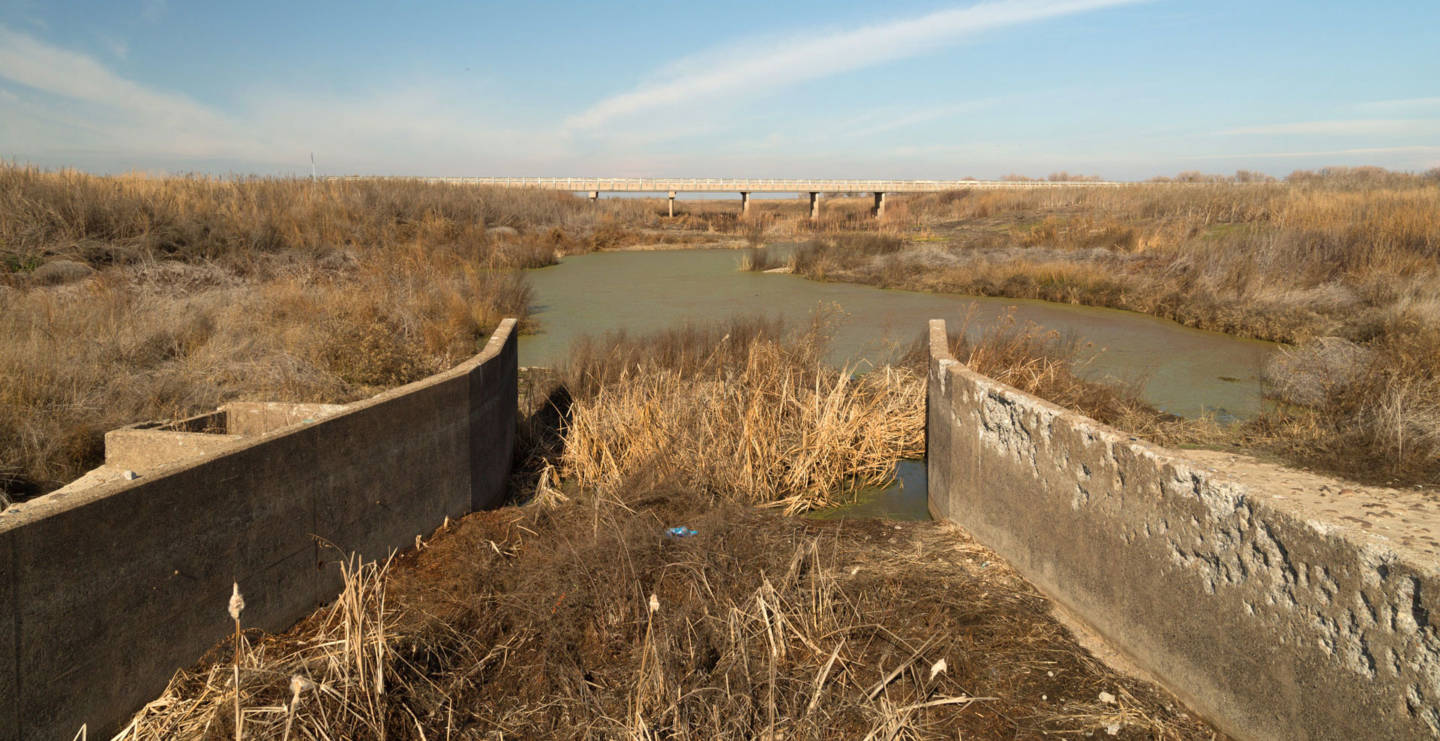
"caption": "California's second largest river, the San Joaquin, goes completely dry in places.",
"description": null,
"title": "SJR3",
"credit": "Josh Cassidy/KQED",
"status": "inherit",
"isLoading": false,
"fetchFailed": false
},
"science_929281": {
"type": "attachments",
"id": "science_929281",
"meta": {
"index": "attachments_1716263798",
"site": "science",
"id": "929281",
"found": true
},
"parent": 929276,
"imgSizes": {
"thumbnail": {
"file": "https://ww2.kqed.org/app/uploads/sites/35/2016/08/california_capitol-400x226.jpg",
"width": 400,
"mimeType": "image/jpeg",
"height": 226
},
"post-thumbnail": {
"file": "https://ww2.kqed.org/app/uploads/sites/35/2016/08/california_capitol-672x372.jpg",
"width": 672,
"mimeType": "image/jpeg",
"height": 372
},
"kqedFullSize": {
"file": "https://ww2.kqed.org/app/uploads/sites/35/2016/08/california_capitol.jpg",
"width": 720,
"height": 406
},
"guest-author-50": {
"file": "https://ww2.kqed.org/app/uploads/sites/35/2016/08/california_capitol-50x50.jpg",
"width": 50,
"mimeType": "image/jpeg",
"height": 50
},
"guest-author-96": {
"file": "https://ww2.kqed.org/app/uploads/sites/35/2016/08/california_capitol-96x96.jpg",
"width": 96,
"mimeType": "image/jpeg",
"height": 96
},
"guest-author-64": {
"file": "https://ww2.kqed.org/app/uploads/sites/35/2016/08/california_capitol-64x64.jpg",
"width": 64,
"mimeType": "image/jpeg",
"height": 64
},
"detail": {
"file": "https://ww2.kqed.org/app/uploads/sites/35/2016/08/california_capitol-150x150.jpg",
"width": 150,
"mimeType": "image/jpeg",
"height": 150
},
"guest-author-32": {
"file": "https://ww2.kqed.org/app/uploads/sites/35/2016/08/california_capitol-32x32.jpg",
"width": 32,
"mimeType": "image/jpeg",
"height": 32
},
"guest-author-128": {
"file": "https://ww2.kqed.org/app/uploads/sites/35/2016/08/california_capitol-128x128.jpg",
"width": 128,
"mimeType": "image/jpeg",
"height": 128
}
},
"publishDate": 1471546137,
"modified": 1471546153,
"caption": "California State Capitol in Sacramento.\n",
"description": null,
"title": "california_capitol",
"credit": "Tiocfaidh ár lá 1916/Flickr",
"status": "inherit",
"isLoading": false,
"fetchFailed": false
}
},
"audioPlayerReducer": {
"postId": "stream_live",
"isPaused": true,
"isPlaying": false,
"pfsActive": false,
"pledgeModalIsOpen": true,
"playerDrawerIsOpen": false,
"liveAudioPlayStartedAt": 0,
"liveAudioPlayContext": ""
},
"authorsReducer": {
"byline_news_11059733": {
"type": "authors",
"id": "byline_news_11059733",
"meta": {
"override": true
},
"slug": "byline_news_11059733",
"name": "\u003cstrong>\u003ca href=\"http://www.scpr.org/about/people/staff/sanden-totten\">Sanden Totten\u003c/a>\u003cbr>\u003ca href=\"http://www.scpr.org/\">KPCC\u003c/a>\u003c/strong>",
"isLoading": false
},
"byline_news_11059043": {
"type": "authors",
"id": "byline_news_11059043",
"meta": {
"override": true
},
"slug": "byline_news_11059043",
"name": "Jason Slotkin",
"isLoading": false
},
"byline_science_937878": {
"type": "authors",
"id": "byline_science_937878",
"meta": {
"override": true
},
"slug": "byline_science_937878",
"name": "Associated Press",
"isLoading": false
},
"byline_science_929276": {
"type": "authors",
"id": "byline_science_929276",
"meta": {
"override": true
},
"slug": "byline_science_929276",
"name": "John Upton\u003c/br>Climate Central",
"isLoading": false
},
"laurensommer": {
"type": "authors",
"id": "239",
"meta": {
"index": "authors_1716337520",
"id": "239",
"found": true
},
"name": "Lauren Sommer",
"firstName": "Lauren",
"lastName": "Sommer",
"slug": "laurensommer",
"email": "lsommer@kqed.org",
"display_author_email": false,
"staff_mastheads": [],
"title": "KQED Contributor",
"bio": "Lauren is a radio reporter formerly covering environment, water, and energy for KQED Science. As part of her day job, she has scaled Sierra Nevada peaks, run from charging elephant seals, and desperately tried to get her sea legs - all in pursuit of good radio. Her work has appeared on Marketplace, Living on Earth, Science Friday and NPR's Morning Edition and All Things Considered. You can find her on Twitter at \u003ca href=\"https://twitter.com/lesommer\">@lesommer\u003c/a>.",
"avatar": "https://secure.gravatar.com/avatar/33aa3772bb86c6ad45b8aca6a238bbdf?s=600&d=blank&r=g",
"twitter": null,
"facebook": null,
"instagram": null,
"linkedin": null,
"sites": [
{
"site": "news",
"roles": [
"author"
]
},
{
"site": "science",
"roles": [
"editor",
"manage_content_types",
"manage_taxonomies"
]
},
{
"site": "quest",
"roles": [
"editor"
]
}
],
"headData": {
"title": "Lauren Sommer | KQED",
"description": "KQED Contributor",
"ogImgSrc": "https://secure.gravatar.com/avatar/33aa3772bb86c6ad45b8aca6a238bbdf?s=600&d=blank&r=g",
"twImgSrc": "https://secure.gravatar.com/avatar/33aa3772bb86c6ad45b8aca6a238bbdf?s=600&d=blank&r=g"
},
"isLoading": false,
"link": "/author/laurensommer"
},
"tgoldberg": {
"type": "authors",
"id": "258",
"meta": {
"index": "authors_1716337520",
"id": "258",
"found": true
},
"name": "Ted Goldberg",
"firstName": "Ted",
"lastName": "Goldberg",
"slug": "tgoldberg",
"email": "tgoldberg@kqed.org",
"display_author_email": true,
"staff_mastheads": [
"news"
],
"title": "KQED Managing Editor, News and Newscasts",
"bio": "Ted Goldberg is Managing Editor of News and Newscasts at KQED. His main reporting beat is the Bay Area's oil refining industry.\r\n\r\nPrior to joining KQED in 2014, Ted worked at CBS News and WCBS AM in New York and Bay City News and KCBS Radio in San Francisco. He graduated from Oberlin College in Ohio in 1998.",
"avatar": "https://secure.gravatar.com/avatar/30ce2e4fe89135e104f89be2394d16225b9d36c121b5b3cb7651ce642978b96f?s=600&d=blank&r=g",
"twitter": "TedrickG",
"bluesky": null,
"facebook": null,
"instagram": null,
"linkedin": null,
"sites": [
{
"site": "news",
"roles": [
"editor"
]
},
{
"site": "science",
"roles": [
"editor"
]
}
],
"headData": {
"title": "Ted Goldberg | KQED",
"description": "KQED Managing Editor, News and Newscasts",
"ogImgSrc": "https://secure.gravatar.com/avatar/30ce2e4fe89135e104f89be2394d16225b9d36c121b5b3cb7651ce642978b96f?s=600&d=blank&r=g",
"twImgSrc": "https://secure.gravatar.com/avatar/30ce2e4fe89135e104f89be2394d16225b9d36c121b5b3cb7651ce642978b96f?s=600&d=blank&r=g"
},
"isLoading": false,
"link": "/author/tgoldberg"
},
"mlagos": {
"type": "authors",
"id": "3239",
"meta": {
"index": "authors_1716337520",
"id": "3239",
"found": true
},
"name": "Marisa Lagos",
"firstName": "Marisa",
"lastName": "Lagos",
"slug": "mlagos",
"email": "mlagos@kqed.org",
"display_author_email": false,
"staff_mastheads": [
"news"
],
"title": "KQED Contributor",
"bio": "Marisa Lagos is a correspondent for KQED’s California Politics and Government Desk and co-hosts the award-winning show and podcast, Political Breakdown. At KQED, Lagos also conducts reporting, analysis and investigations into state, local and national politics for radio, TV, online and onstage. In 2022, she and co-host, Scott Shafer, moderated the only gubernatorial debate in California. In 2020, the \u003ci>Washington Post\u003c/i> named her one of the top political journalists in California; she was nominated for a Peabody and won several other awards for her work investigating the 2017 California wildfires. She has worked at the \u003ci>San Francisco Chronicle\u003c/i>, \u003ci>San Francisco Examiner\u003c/i> and \u003ci>Los Angeles Times\u003c/i>. A UC Santa Barbara graduate, she lives in San Francisco with her two sons and husband.",
"avatar": "https://secure.gravatar.com/avatar/a261a0d3696fc066871ef96b85b5e7d2?s=600&d=blank&r=g",
"twitter": "@mlagos",
"facebook": null,
"instagram": null,
"linkedin": null,
"sites": [
{
"site": "arts",
"roles": [
"author"
]
},
{
"site": "news",
"roles": [
"editor"
]
},
{
"site": "science",
"roles": [
"editor"
]
},
{
"site": "forum",
"roles": [
"author"
]
},
{
"site": "liveblog",
"roles": [
"author"
]
}
],
"headData": {
"title": "Marisa Lagos | KQED",
"description": "KQED Contributor",
"ogImgSrc": "https://secure.gravatar.com/avatar/a261a0d3696fc066871ef96b85b5e7d2?s=600&d=blank&r=g",
"twImgSrc": "https://secure.gravatar.com/avatar/a261a0d3696fc066871ef96b85b5e7d2?s=600&d=blank&r=g"
},
"isLoading": false,
"link": "/author/mlagos"
},
"joshua-cassidy": {
"type": "authors",
"id": "6219",
"meta": {
"index": "authors_1716337520",
"id": "6219",
"found": true
},
"name": "Josh Cassidy",
"firstName": "Josh",
"lastName": "Cassidy",
"slug": "joshua-cassidy",
"email": "jcassidy@kqed.org",
"display_author_email": false,
"staff_mastheads": [
"science"
],
"title": "Digital Video Producer",
"bio": "Josh is a Senior Video Producer for KQED Science, and the Lead Producer and Cinematographer for Deep Look. After receiving his BS in Wildlife Biology from Ohio University, he went on to participate in marine mammal research for NOAA, USGS and the Intersea Foundation. He also served as the president of The Pacific Cetacean Group, a nonprofit organization dedicated to teaching students K-6 about whales. Josh studied science and natural history filmmaking at San Francisco State University and Montana State University.",
"avatar": "https://secure.gravatar.com/avatar/f2582a0801a35af53b734d56bcac2bbe?s=600&d=blank&r=g",
"twitter": null,
"facebook": null,
"instagram": null,
"linkedin": null,
"sites": [
{
"site": "science",
"roles": [
"editor"
]
},
{
"site": "quest",
"roles": [
"author",
"edit_others_posts"
]
}
],
"headData": {
"title": "Josh Cassidy | KQED",
"description": "Digital Video Producer",
"ogImgSrc": "https://secure.gravatar.com/avatar/f2582a0801a35af53b734d56bcac2bbe?s=600&d=blank&r=g",
"twImgSrc": "https://secure.gravatar.com/avatar/f2582a0801a35af53b734d56bcac2bbe?s=600&d=blank&r=g"
},
"isLoading": false,
"link": "/author/joshua-cassidy"
},
"korr": {
"type": "authors",
"id": "11200",
"meta": {
"index": "authors_1716337520",
"id": "11200",
"found": true
},
"name": "Katie Orr",
"firstName": "Katie",
"lastName": "Orr",
"slug": "korr",
"email": "korr@kqed.org",
"display_author_email": false,
"staff_mastheads": [],
"title": "KQED Contributor",
"bio": "Katie Orr was a Sacramento-based reporter for KQED's Politics and Government Desk, covering the state Capitol and a variety of issues including women in politics, voting and elections and legislation. Prior to joining KQED in 2016, Katie was state government reporter for Capital Public Radio in Sacramento. She's also worked for KPBS in San Diego, where she covered City Hall.\r\n\r\nKatie received her masters degree in political science from San Diego State University and holds a Bachelors degree in broadcast journalism from Arizona State University.\r\n\r\nIn 2015 Katie won a national Clarion Award for a series of stories she did on women in California politics. She's been honored by the Society for Professional Journalists and, in 2013, was named by \u003cem>The Washington Post\u003c/em> as one of the country's top state Capitol reporters. She's also reported for the award-winning documentary series \u003cem>The View from Here \u003c/em>and was part of the team that won national PRNDI and Gabriel Awards in 2015. She lives in Sacramento with her husband. Twitter: @1KatieOrr",
"avatar": "https://secure.gravatar.com/avatar/41a40b25845adc78f50808670860449e?s=600&d=blank&r=g",
"twitter": "1katieorr",
"facebook": null,
"instagram": null,
"linkedin": null,
"sites": [
{
"site": "news",
"roles": [
"subscriber"
]
},
{
"site": "stateofhealth",
"roles": [
"author"
]
},
{
"site": "forum",
"roles": [
"author"
]
}
],
"headData": {
"title": "Katie Orr | KQED",
"description": "KQED Contributor",
"ogImgSrc": "https://secure.gravatar.com/avatar/41a40b25845adc78f50808670860449e?s=600&d=blank&r=g",
"twImgSrc": "https://secure.gravatar.com/avatar/41a40b25845adc78f50808670860449e?s=600&d=blank&r=g"
},
"isLoading": false,
"link": "/author/korr"
},
"lesleymcclurg": {
"type": "authors",
"id": "11229",
"meta": {
"index": "authors_1716337520",
"id": "11229",
"found": true
},
"name": "Lesley McClurg",
"firstName": "Lesley",
"lastName": "McClurg",
"slug": "lesleymcclurg",
"email": "lmcclurg@KQED.org",
"display_author_email": false,
"staff_mastheads": [
"news",
"science"
],
"title": "KQED Health Correspondent",
"bio": "Lesley McClurg is a health correspondent and fill-in host whose work is regularly rebroadcast on NPR and PBS programs. She’s earned multiple regional Emmy awards, a national and a regional Edward R. Murrow award, and was named Best Beat Reporter by the Association of Health Care Journalists. The Society of Professional Journalists has recognized her work several times, and the Society of Environmental Journalists spotlighted her coverage of California’s historic drought.\r\n\r\nBefore joining KQED in 2016, Lesley covered food and sustainability for Capital Public Radio, environmental issues for Colorado Public Radio, and reported for KUOW and KCTS 9 in Seattle. Away from the newsroom, she loves skiing with her daughter, mountain biking with her partner, and playing with Ollie, the family’s goldendoodle. On deadline, she runs almost entirely on chocolate chips.\r\n\r\n ",
"avatar": "https://secure.gravatar.com/avatar/bab49e972ea10c774fe0f5e29dba1722b158f7c0d58a360923d1389d380b2978?s=600&d=blank&r=g",
"twitter": "lesleywmcclurg",
"bluesky": null,
"facebook": null,
"instagram": null,
"linkedin": null,
"sites": [
{
"site": "arts",
"roles": [
"author"
]
},
{
"site": "news",
"roles": [
"editor"
]
},
{
"site": "futureofyou",
"roles": [
"editor"
]
},
{
"site": "stateofhealth",
"roles": [
"author"
]
},
{
"site": "science",
"roles": [
"editor"
]
},
{
"site": "quest",
"roles": [
"subscriber"
]
},
{
"site": "forum",
"roles": [
"administrator"
]
},
{
"site": "liveblog",
"roles": [
"author"
]
}
],
"headData": {
"title": "Lesley McClurg | KQED",
"description": "KQED Health Correspondent",
"ogImgSrc": "https://secure.gravatar.com/avatar/bab49e972ea10c774fe0f5e29dba1722b158f7c0d58a360923d1389d380b2978?s=600&d=blank&r=g",
"twImgSrc": "https://secure.gravatar.com/avatar/bab49e972ea10c774fe0f5e29dba1722b158f7c0d58a360923d1389d380b2978?s=600&d=blank&r=g"
},
"isLoading": false,
"link": "/author/lesleymcclurg"
},
"cboyle": {
"type": "authors",
"id": "11254",
"meta": {
"index": "authors_1716337520",
"id": "11254",
"found": true
},
"name": "Carrie Boyle",
"firstName": "Carrie",
"lastName": "Boyle",
"slug": "cboyle",
"email": "cboyle@kqed.org",
"display_author_email": false,
"staff_mastheads": [],
"title": "KQED Contributor",
"bio": "Carrie is a KQED Science intern, joining the team as the 2016 recipient of the Dr. and Mrs. Allen Fuhs CSU Monterey Bay-KQED Scholarship. After receiving a B.S. in Environmental Biology at UC Berkeley, she worked as a science educator in San Diego and at the California Academy of Sciences. She loves just about anything that involves the ocean, and is currently working towards her M.S. in Applied Marine and Watershed Science at CSU Monterey Bay.",
"avatar": "https://secure.gravatar.com/avatar/9fed749c83a121dd06b72d2c0b436841?s=600&d=blank&r=g",
"twitter": null,
"facebook": null,
"instagram": null,
"linkedin": null,
"sites": [
{
"site": "science",
"roles": []
}
],
"headData": {
"title": "Carrie Boyle | KQED",
"description": "KQED Contributor",
"ogImgSrc": "https://secure.gravatar.com/avatar/9fed749c83a121dd06b72d2c0b436841?s=600&d=blank&r=g",
"twImgSrc": "https://secure.gravatar.com/avatar/9fed749c83a121dd06b72d2c0b436841?s=600&d=blank&r=g"
},
"isLoading": false,
"link": "/author/cboyle"
},
"vrancano": {
"type": "authors",
"id": "11276",
"meta": {
"index": "authors_1716337520",
"id": "11276",
"found": true
},
"name": "Vanessa Rancaño",
"firstName": "Vanessa",
"lastName": "Rancaño",
"slug": "vrancano",
"email": "vrancano@kqed.org",
"display_author_email": false,
"staff_mastheads": [
"news"
],
"title": "Reporter",
"bio": "Vanessa Rancaño is a features reporter for KQED. She’s also covered homelessness and education for the station and reported from the Central Valley. Her work has aired across public radio, from flagship national news shows to longform narrative podcasts. Before taking up a mic, she worked as a freelance print journalist. She’s been recognized with a number of national and regional awards. Vanessa grew up in California's Central Valley. She's a former NPR Kroc Fellow, and a graduate of the UC Berkeley Graduate School of Journalism.",
"avatar": "https://secure.gravatar.com/avatar/b3a383dfb0e7ee1c17568f2cf067904ab654d6e3de9743fc661f3c788ade1bed?s=600&d=blank&r=g",
"twitter": "vanessarancano",
"bluesky": null,
"facebook": null,
"instagram": null,
"linkedin": null,
"sites": [
{
"site": "arts",
"roles": [
"editor"
]
},
{
"site": "news",
"roles": [
"editor"
]
},
{
"site": "liveblog",
"roles": [
"contributor"
]
}
],
"headData": {
"title": "Vanessa Rancaño | KQED",
"description": "Reporter",
"ogImgSrc": "https://secure.gravatar.com/avatar/b3a383dfb0e7ee1c17568f2cf067904ab654d6e3de9743fc661f3c788ade1bed?s=600&d=blank&r=g",
"twImgSrc": "https://secure.gravatar.com/avatar/b3a383dfb0e7ee1c17568f2cf067904ab654d6e3de9743fc661f3c788ade1bed?s=600&d=blank&r=g"
},
"isLoading": false,
"link": "/author/vrancano"
}
},
"pagesReducer": {
"science_category_environment": {
"type": "terms",
"id": "science_35",
"meta": {
"index": "terms_1716263798",
"site": "science",
"id": "35",
"score": 12.138525
},
"featImg": null,
"name": "Environment",
"description": null,
"taxonomy": "category",
"headData": {
"twImgId": null,
"twTitle": null,
"ogTitle": null,
"ogImgId": null,
"twDescription": null,
"description": null,
"title": "Environment Archives | KQED Science",
"ogDescription": null
},
"ttid": 37,
"slug": "environment",
"isLoading": false,
"title": "Environment",
"pageMeta": {
"site": "science",
"WpPageTemplate": "page-topic-editorial",
"currentPage": 138
},
"blocks": [
{
"blockName": "kqed/post-list",
"attrs": {
"layout": "cardArticle2",
"query": "posts/science?category=environment",
"seeMore": false,
"paginated": true,
"page": 138
}
},
{
"blockName": "kqed/ad"
}
]
}
},
"pfsSessionReducer": {},
"postsReducer": {
"stream_live": {
"type": "live",
"id": "stream_live",
"audioUrl": "https://streams.kqed.org/kqedradio",
"title": "Live Stream",
"excerpt": "Live Stream information currently unavailable.",
"link": "/radio",
"featImg": "",
"label": {
"name": "KQED Live",
"link": "/"
}
},
"stream_kqedNewscast": {
"type": "posts",
"id": "stream_kqedNewscast",
"audioUrl": "https://www.kqed.org/.stream/anon/radio/RDnews/newscast.mp3?_=1",
"title": "KQED Newscast",
"featImg": "",
"label": {
"name": "88.5 FM",
"link": "/"
}
},
"news_11059838": {
"type": "posts",
"id": "news_11059838",
"meta": {
"index": "posts_1716263798",
"site": "news",
"id": "11059838",
"score": null,
"sort": [
1472071718000
]
},
"guestAuthors": [],
"slug": "state-fines-east-bay-mud-over-oakland-cement-spill",
"title": "State Fines East Bay MUD Over Oakland Cement Spill",
"publishDate": 1472071718,
"format": "standard",
"headTitle": "State Fines East Bay MUD Over Oakland Cement Spill | KQED",
"labelTerm": {
"term": 6944,
"site": "news"
},
"content": "\u003cp>\u003cem>Editor’s note: This story includes \u003ca href=\"#correction\">a correction\u003c/a>.\u003c/em>\u003c/p>\n\u003cp>State regulators plan to fine the East Bay Municipal Utility District $426,000 for polluting a creek in Oakland’s Upper Rockridge neighborhood last year.\u003c/p>\n\u003cp>EBMUD crews were working on a major pipeline replacement project near Glen Echo Creek on April 8, 2015, when a worker accidentally opened an old out-of-service water pipe, dumping more than 34,000 gallons of cellular concrete into the waterway.\u003c/p>\n\u003cp>The \u003ca href=\"https://ww2.kqed.org/news/2015/04/10/oakland-creek-cement-spill-could-take-a-year-to-clean-up/\">spill\u003c/a> violated state water law, prompting the proposed fine by the California Regional Water Quality Control Board, which the local agency has agreed to pay.\u003c/p>\n\u003cp>“It’s an expensive mistake and East Bay MUD has learned its lesson,” said EBMUD spokeswoman Andrea Pook. “For us as a water agency, stewardship of the environment is our main value and our main goal and it’s important to us that we fix this … and that it doesn’t happen again.”\u003c/p>\n\u003cp>[ad fullwidth]\u003c/p>\n\u003cp>The tentative fine comes on the heels of an investigation by state fish and game officials that determined the water district accidentally polluted state waters.\u003c/p>\n\u003cp>The creek is still suffering damage from the spill, and Pook says efforts to restore Glen Echo will take several years.\u003c/p>\n\u003cfigure id=\"attachment_11059900\" class=\"wp-caption alignright\" style=\"max-width: 400px\">\u003ca href=\"http://ww2.kqed.org/news/wp-content/uploads/sites/10/2016/08/ebmudspillmap.png\">\u003cimg loading=\"lazy\" decoding=\"async\" class=\"size-thumbnail wp-image-11059900\" src=\"http://ww2.kqed.org/news/wp-content/uploads/sites/10/2016/08/ebmudspillmap-400x309.png\" alt=\"The East Bay Municipal Utility District's map of the areas affected by a 2015 concrete spill into Glen Echo Creek. (Click for larger image.)\" width=\"400\" height=\"309\" srcset=\"https://cdn.kqed.org/wp-content/uploads/sites/10/2016/08/ebmudspillmap-400x309.png 400w, https://cdn.kqed.org/wp-content/uploads/sites/10/2016/08/ebmudspillmap.png 792w\" sizes=\"(max-width: 400px) 100vw, 400px\">\u003c/a>\u003cfigcaption class=\"wp-caption-text\">The East Bay Municipal Utility District’s map of the areas affected by a 2015 concrete spill into Glen Echo Creek. (Click for larger image.) \u003ccite>(EBMUD)\u003c/cite>\u003c/figcaption>\u003c/figure>\n\u003cp>EBMUD’s latest restoration job will include placing 8 cubic yards of rocks in the creek to prevent erosion and improve wildlife habitat, Pook said. The agency plans to monitor the health of the creek for years, she said.\u003c/p>\n\u003cp>The spill also changed how the water district handles some of its major infrastructure projects.\u003c/p>\n\u003cp>During last year’s pipeline replacement work, an employee thought a valve on the 24-inch water pipe was closed when it was actually open, leading to the spill of about a dozen truckloads of cement.\u003c/p>\n\u003cp>Now, EBMUD requires crews to conduct air-pressure tests on water pipes before placing any material in them.\u003c/p>\n\u003cp>“We instituted a pressure-testing procedure which makes sure that this can’t occur again,” Pook said.\u003c/p>\n\u003cp>Because the spill was judged to be an accident, state officials decided not to file criminal charges and instead agreed to a civil settlement, according to Andrew Hughan, a California Fish and Wildlife spokesman who said his department conducts investigations into hundreds of similar incidents yearly.\u003c/p>\n\u003cp>The proposed penalty is the result of an agreement between several state and local agencies, including Fish and Wildlife, the California Regional Water Quality Control Board and EBMUD. The public can comment on the tentative fine for the next several weeks.\u003c/p>\n\u003cp>If the agreement is adopted, the penalty would go to the regional water board for water pollution cleanup, the San Francisco Estuary Institute to study water quality and the state Office of Spill Prevention and Response.\u003c/p>\n\u003cp>\u003ca id=\"correction\">\u003c/a>\u003c/p>\n\u003cp>\u003c/p>\n\u003cp>\u003cem>Correction: We initially reported that the proposed fine was being issued by the California Department of Fish and Wildlife. The agency proposing the fine is actually the California Regional Water Quality Control Board.\u003c/em>\u003c/p>\n\n",
"blocks": [],
"excerpt": "Utility says it has learned a lesson from what it calls 'an expensive mistake.' ",
"status": "publish",
"parent": 0,
"modified": 1721106494,
"stats": {
"hasAudio": false,
"hasVideo": false,
"hasChartOrMap": false,
"iframeSrcs": [],
"hasGoogleForm": false,
"hasGallery": false,
"hasHearkenModule": false,
"hasPolis": false,
"paragraphCount": 19,
"wordCount": 525
},
"headData": {
"title": "State Fines East Bay MUD Over Oakland Cement Spill | KQED",
"description": "Utility says it has learned a lesson from what it calls 'an expensive mistake.' ",
"ogTitle": "",
"ogDescription": "",
"ogImgId": "",
"twTitle": "",
"twDescription": "",
"twImgId": "",
"schema": {
"@context": "https://schema.org",
"@type": "NewsArticle",
"headline": "State Fines East Bay MUD Over Oakland Cement Spill",
"datePublished": "2016-08-24T13:48:38-07:00",
"dateModified": "2024-07-15T22:08:14-07:00",
"image": "https://cdn.kqed.org/wp-content/uploads/2020/02/KQED-OG-Image@1x.png",
"isAccessibleForFree": "True",
"publisher": {
"@type": "NewsMediaOrganization",
"@id": "https://www.kqed.org/#organization",
"name": "KQED",
"logo": "https://cdn.kqed.org/wp-content/uploads/2020/02/KQED-OG-Image@1x.png",
"url": "https://www.kqed.org",
"sameAs": [
"https://www.facebook.com/KQED",
"https://twitter.com/KQED",
"https://www.instagram.com/kqed/",
"https://www.tiktok.com/@kqedofficial",
"https://www.linkedin.com/company/kqed",
"https://www.youtube.com/channel/UCeC0IOo7i1P_61zVUWbJ4nw"
]
}
}
},
"sticky": false,
"path": "/news/11059838/state-fines-east-bay-mud-over-oakland-cement-spill",
"audioTrackLength": null,
"parsedContent": [
{
"type": "contentString",
"content": "\u003cdiv class=\"post-body\">\u003cp>\u003cp>\u003cem>Editor’s note: This story includes \u003ca href=\"#correction\">a correction\u003c/a>.\u003c/em>\u003c/p>\n\u003cp>State regulators plan to fine the East Bay Municipal Utility District $426,000 for polluting a creek in Oakland’s Upper Rockridge neighborhood last year.\u003c/p>\n\u003cp>EBMUD crews were working on a major pipeline replacement project near Glen Echo Creek on April 8, 2015, when a worker accidentally opened an old out-of-service water pipe, dumping more than 34,000 gallons of cellular concrete into the waterway.\u003c/p>\n\u003cp>The \u003ca href=\"https://ww2.kqed.org/news/2015/04/10/oakland-creek-cement-spill-could-take-a-year-to-clean-up/\">spill\u003c/a> violated state water law, prompting the proposed fine by the California Regional Water Quality Control Board, which the local agency has agreed to pay.\u003c/p>\n\u003cp>“It’s an expensive mistake and East Bay MUD has learned its lesson,” said EBMUD spokeswoman Andrea Pook. “For us as a water agency, stewardship of the environment is our main value and our main goal and it’s important to us that we fix this … and that it doesn’t happen again.”\u003c/p>\n\u003cp>\u003c/p>\u003c/div>",
"attributes": {
"named": {},
"numeric": []
}
},
{
"type": "component",
"content": "",
"name": "ad",
"attributes": {
"named": {
"label": "fullwidth"
},
"numeric": [
"fullwidth"
]
}
},
{
"type": "contentString",
"content": "\u003cdiv class=\"post-body\">\u003cp>\u003c/p>\n\u003cp>The tentative fine comes on the heels of an investigation by state fish and game officials that determined the water district accidentally polluted state waters.\u003c/p>\n\u003cp>The creek is still suffering damage from the spill, and Pook says efforts to restore Glen Echo will take several years.\u003c/p>\n\u003cfigure id=\"attachment_11059900\" class=\"wp-caption alignright\" style=\"max-width: 400px\">\u003ca href=\"http://ww2.kqed.org/news/wp-content/uploads/sites/10/2016/08/ebmudspillmap.png\">\u003cimg loading=\"lazy\" decoding=\"async\" class=\"size-thumbnail wp-image-11059900\" src=\"http://ww2.kqed.org/news/wp-content/uploads/sites/10/2016/08/ebmudspillmap-400x309.png\" alt=\"The East Bay Municipal Utility District's map of the areas affected by a 2015 concrete spill into Glen Echo Creek. (Click for larger image.)\" width=\"400\" height=\"309\" srcset=\"https://cdn.kqed.org/wp-content/uploads/sites/10/2016/08/ebmudspillmap-400x309.png 400w, https://cdn.kqed.org/wp-content/uploads/sites/10/2016/08/ebmudspillmap.png 792w\" sizes=\"(max-width: 400px) 100vw, 400px\">\u003c/a>\u003cfigcaption class=\"wp-caption-text\">The East Bay Municipal Utility District’s map of the areas affected by a 2015 concrete spill into Glen Echo Creek. (Click for larger image.) \u003ccite>(EBMUD)\u003c/cite>\u003c/figcaption>\u003c/figure>\n\u003cp>EBMUD’s latest restoration job will include placing 8 cubic yards of rocks in the creek to prevent erosion and improve wildlife habitat, Pook said. The agency plans to monitor the health of the creek for years, she said.\u003c/p>\n\u003cp>The spill also changed how the water district handles some of its major infrastructure projects.\u003c/p>\n\u003cp>During last year’s pipeline replacement work, an employee thought a valve on the 24-inch water pipe was closed when it was actually open, leading to the spill of about a dozen truckloads of cement.\u003c/p>\n\u003cp>Now, EBMUD requires crews to conduct air-pressure tests on water pipes before placing any material in them.\u003c/p>\n\u003cp>“We instituted a pressure-testing procedure which makes sure that this can’t occur again,” Pook said.\u003c/p>\n\u003cp>Because the spill was judged to be an accident, state officials decided not to file criminal charges and instead agreed to a civil settlement, according to Andrew Hughan, a California Fish and Wildlife spokesman who said his department conducts investigations into hundreds of similar incidents yearly.\u003c/p>\n\u003cp>The proposed penalty is the result of an agreement between several state and local agencies, including Fish and Wildlife, the California Regional Water Quality Control Board and EBMUD. The public can comment on the tentative fine for the next several weeks.\u003c/p>\n\u003cp>If the agreement is adopted, the penalty would go to the regional water board for water pollution cleanup, the San Francisco Estuary Institute to study water quality and the state Office of Spill Prevention and Response.\u003c/p>\n\u003cp>\u003ca id=\"correction\">\u003c/a>\u003c/p>\n\u003cp>\u003c/p>\n\u003cp>\u003cem>Correction: We initially reported that the proposed fine was being issued by the California Department of Fish and Wildlife. The agency proposing the fine is actually the California Regional Water Quality Control Board.\u003c/em>\u003c/p>\n\n\u003c/div>\u003c/p>",
"attributes": {
"named": {},
"numeric": []
}
}
],
"link": "/news/11059838/state-fines-east-bay-mud-over-oakland-cement-spill",
"authors": [
"258"
],
"programs": [
"news_6944"
],
"categories": [
"news_19906",
"news_356"
],
"tags": [
"news_31711",
"news_295",
"news_20013"
],
"featImg": "news_11059904",
"label": "news_6944"
},
"news_11059733": {
"type": "posts",
"id": "news_11059733",
"meta": {
"index": "posts_1716263798",
"site": "news",
"id": "11059733",
"score": null,
"sort": [
1472067982000
]
},
"parent": 0,
"labelTerm": {},
"blocks": [],
"publishDate": 1472067982,
"format": "image",
"disqusTitle": "Inside the Tech Center That Keeps Firefighting at the Cutting Edge",
"title": "Inside the Tech Center That Keeps Firefighting at the Cutting Edge",
"headTitle": "The California Report | KQED News",
"content": "\u003cp>Here's a sobering idea during one of the most destructive fire seasons in memory: Over the next few decades, climate change is expected to supercharge fire risk in California. Researchers think summers will be hotter and drier, increasing the potential for big blazes.\u003c/p>\n\u003cp>\u003ca href=\"http://www.climatecentral.org/news/western-wildfires-climate-change-20475\">One study by the research group Climate Central\u003c/a> predicts that by 2050, the number of high-risk fire days in the state will jump by a fifth, from 120 a year to 145. Add that to the fact that right now, there are 11 million Californians living in fire-prone areas.\u003c/p>\n\u003cp>With this looming threat ahead, what are firefighters doing to prepare?\u003c/p>\n\u003cp>Blowing up hoses for starters, said Sam Wu, project leader with the San Dimas Technology and Development Center.\u003c/p>\n\u003cp>The center is a sprawling 18-acre campus owned by the U.S. Forest Service in the foothills of the San Gabriel Mountains. It's where the future of firefighting is being developed and tested.\u003c/p>\n\u003cfigure id=\"attachment_11059781\" class=\"wp-caption aligncenter\" style=\"max-width: 800px\">\u003cimg class=\"size-medium wp-image-11059781\" src=\"http://ww2.kqed.org/news/wp-content/uploads/sites/10/2016/08/WuHoses-800x539.jpg\" alt=\"Sam Wu holds out two samples of fire hose used at the San Dimas Technology and Development Center.\" width=\"800\" height=\"539\" srcset=\"https://ww2.kqed.org/app/uploads/sites/10/2016/08/WuHoses-800x539.jpg 800w, https://ww2.kqed.org/app/uploads/sites/10/2016/08/WuHoses-400x270.jpg 400w, https://ww2.kqed.org/app/uploads/sites/10/2016/08/WuHoses.jpg 1920w, https://ww2.kqed.org/app/uploads/sites/10/2016/08/WuHoses-1180x795.jpg 1180w, https://ww2.kqed.org/app/uploads/sites/10/2016/08/WuHoses-960x647.jpg 960w\" sizes=\"(max-width: 800px) 100vw, 800px\">\u003cfigcaption class=\"wp-caption-text\">Sam Wu holds out two samples of firehose used at the San Dimas Technology and Development Center. \u003ccite>(Sanden Totten/KPCC)\u003c/cite>\u003c/figcaption>\u003c/figure>\n\u003cp>Wu and his team push trucks, pumps and hoses to their limits. On a typical day, they might pump a hose with as much as 1,200 pounds per square inch of water pressure, four times what your normal firehose experiences.\u003c/p>\n\u003cp>[ad fullwidth]\u003c/p>\n\u003cp>Then they'll drop hot metal cubes on it to see how well the material withstands being struck by a burning ember.\u003c/p>\n\u003cp>Pretty often the hoses explode.\u003c/p>\n\u003cp>\"Last year we bought over 6,600 miles of firehose,\" he added. \"That's a lot of firehose.\"\u003c/p>\n\u003cp>[contextly_sidebar id=\"Jsm6yMVdwcJvzf2DdJSXwD9njlUMFmte\"]\u003c/p>\n\u003cp>It's all in service of making sure firefighters have the toughest, safest and most effective gear when battling blazes.\u003c/p>\n\u003cp>The San Dimas Technology and Development Center was founded just after World War II.\u003c/p>\n\u003cp>\"The government was looking at repurposing excess military equipment to use for domestic firefighting efforts,\" Wu said.\u003c/p>\n\u003cp>The Forest Service took trucks, planes and even helicopters and turned them into tools for fighting fire.\u003c/p>\n\u003cp>In the 1960s, the center started designing better fire engines that could climb steep hills without tipping over. Today it's still tweaking the design, strengthening cabs so trucks that roll over won't crush passengers.\u003c/p>\n\u003cfigure id=\"attachment_11059789\" class=\"wp-caption aligncenter\" style=\"max-width: 800px\">\u003cimg class=\"size-medium wp-image-11059789\" src=\"http://ww2.kqed.org/news/wp-content/uploads/sites/10/2016/08/TiltingTruck-800x563.jpg\" alt=\"Staff at the San Dimas Technology and Development Center use a tilt bed to see how much incline fire trucks can take before they start to tip over.\" width=\"800\" height=\"563\" srcset=\"https://ww2.kqed.org/app/uploads/sites/10/2016/08/TiltingTruck-800x563.jpg 800w, https://ww2.kqed.org/app/uploads/sites/10/2016/08/TiltingTruck-400x281.jpg 400w, https://ww2.kqed.org/app/uploads/sites/10/2016/08/TiltingTruck.jpg 1920w, https://ww2.kqed.org/app/uploads/sites/10/2016/08/TiltingTruck-1180x830.jpg 1180w, https://ww2.kqed.org/app/uploads/sites/10/2016/08/TiltingTruck-960x675.jpg 960w\" sizes=\"(max-width: 800px) 100vw, 800px\">\u003cfigcaption class=\"wp-caption-text\">Staff at the San Dimas Technology and Development Center use a tilt bed to see how much incline fire trucks can take before they start to tip over. \u003ccite>(Sanden Totten/KPCC)\u003c/cite>\u003c/figcaption>\u003c/figure>\n\u003cp>It also helped develop special filters that stop fire-causing sparks from flying out of the exhaust systems of motorcycles and chainsaws. And it pioneered standards for the use of planes that drop fire retardant.\u003c/p>\n\u003cp>These days, the center is working on helping the Forest Service switch its fleet of fire tankers from propeller planes to jets.\u003c/p>\n\u003cp>Even though jets are old hat to commercial airlines, converting them to firefighting safety standards has taken time. Making sure these new planes drop the right amount of retardant in the right place is key.\u003c/p>\n\u003cp>[soundcloud url=\"https://api.soundcloud.com/tracks/281630829\" params=\"color=ff5500&auto_play=false&hide_related=false&show_comments=true&show_user=true&show_reposts=false\" width=\"100%\" height=\"166\" iframe=\"true\" /]\u003c/p>\n\u003cp>The latest models are piloting a newly developed tanker door system to evenly spread that signature orange goo.\u003c/p>\n\u003cp>It's worth the effort, said test pilot Brent Connor.\u003c/p>\n\u003cp>He's been flying and fighting fires for more than 30 years. One thing he likes about the new jets is the speed. Last year he was able to zip from a fire in Fairbanks, Alaska, to another fire in Wendover, Nevada, in roughly four hours.\u003c/p>\n\u003cp>\"In the older airplanes, depending on what that was, that could have been a six to 10-hour flight,\" he said.\u003c/p>\n\u003cp>[gallery type=\"rectangular\" link=\"file\" size=\"medium\" ids=\"11059836,11059835,11059840\"]\u003c/p>\n\u003cp>\u003c!-- iframe plugin v.4.3 wordpress.org/plugins/iframe/ -->\u003cbr>\n\u003ciframe src=\"//giphy.com/embed/l0MYssaDHN0nXDIpG\" width=\"800\" height=\"300\" frameborder=\"0\" class=\"giphy-embed\" scrolling=\"yes\">\u003c/iframe>\u003c/p>\n\u003cp>One big part of firefighting is dealing with, well, a lot of fire. How do you do that in a controlled setting to test crucial gear without accidentally burning down your lab?\u003c/p>\n\u003cp>The center just recently purchased a new burn simulator. It's a machine that can create a large and controlled fire, perfect for seeing how much heat new equipment can take.\u003c/p>\n\u003cp>It's the first of its kind in the country and cost around $350,000. The simulator is capable of generating a wall of fire 47 feet long. The center plans to use it to evaluate the toughness of trucks and other firefighting equipment.\u003c/p>\n\u003cfigure id=\"attachment_11059843\" class=\"wp-caption aligncenter\" style=\"max-width: 800px\">\u003cimg class=\"size-medium wp-image-11059843\" src=\"http://ww2.kqed.org/news/wp-content/uploads/sites/10/2016/08/BurnSim-800x536.jpg\" alt=\"A large fire simulator. The U.S. Forest Service recently purchased one to use in various tests of new firefighting equipment.\" width=\"800\" height=\"536\" srcset=\"https://ww2.kqed.org/app/uploads/sites/10/2016/08/BurnSim-800x536.jpg 800w, https://ww2.kqed.org/app/uploads/sites/10/2016/08/BurnSim-400x268.jpg 400w, https://ww2.kqed.org/app/uploads/sites/10/2016/08/BurnSim.jpg 1920w, https://ww2.kqed.org/app/uploads/sites/10/2016/08/BurnSim-1180x790.jpg 1180w, https://ww2.kqed.org/app/uploads/sites/10/2016/08/BurnSim-960x643.jpg 960w\" sizes=\"(max-width: 800px) 100vw, 800px\">\u003cfigcaption class=\"wp-caption-text\">A large fire simulator. The U.S. Forest Service recently purchased one to use in various tests of new firefighting equipment. \u003ccite>(SAN DIMAS TECHNOLOGY AND DEVELOPMENT CENTER)\u003c/cite>\u003c/figcaption>\u003c/figure>\n\u003cp>The center also evaluates new firefighting tools developed elsewhere, like the Personal Alert and Tracking System (PATS) created by NASA's Jet Propulsion Laboratory for the Department of Homeland Security.\u003c/p>\n\u003cp>It's a combination monitor and communication device that can send alerts across several miles of wilderness, even when there’s no cell reception, said Ed Chow, project leader for the system.\u003c/p>\n\u003cp>That means it can let firefighters know if a blaze is headed their way. It can also keeps tabs on where team members are. It monitors their vital signs and even senses if one falls down a slope and needs help.\u003c/p>\n\u003cp>Chow said the San Dimas Center tested the system and gave feedback on everything from the display to the batteries, which at first were fancy lithium ion.\u003c/p>\n\u003cp>\"And then firefighters say they only use AA-batteries ... all the equipment uses AA-batteries,\" he laughed. He switched to AA after that.\u003c/p>\n\u003cp>Right now, the system is just a prototype, but it could one day be a crucial tool.\u003c/p>\n\u003cfigure id=\"attachment_11059845\" class=\"wp-caption aligncenter\" style=\"max-width: 800px\">\u003cimg class=\"size-medium wp-image-11059845\" src=\"http://ww2.kqed.org/news/wp-content/uploads/sites/10/2016/08/TrackingSystem-800x546.jpg\" alt=\"Ed Chow with NASA's Jet Propulsion Laboratory shows off the Personal Alert and Tracking System he helped develop for firefighters.\" width=\"800\" height=\"546\" srcset=\"https://ww2.kqed.org/app/uploads/sites/10/2016/08/TrackingSystem-800x546.jpg 800w, https://ww2.kqed.org/app/uploads/sites/10/2016/08/TrackingSystem-400x273.jpg 400w, https://ww2.kqed.org/app/uploads/sites/10/2016/08/TrackingSystem.jpg 1920w, https://ww2.kqed.org/app/uploads/sites/10/2016/08/TrackingSystem-1180x805.jpg 1180w, https://ww2.kqed.org/app/uploads/sites/10/2016/08/TrackingSystem-960x655.jpg 960w\" sizes=\"(max-width: 800px) 100vw, 800px\">\u003cfigcaption class=\"wp-caption-text\">Ed Chow with NASA's Jet Propulsion Laboratory shows off the Personal Alert and Tracking System he helped develop for firefighters. \u003ccite>(Sanden Totten/KPCC)\u003c/cite>\u003c/figcaption>\u003c/figure>\n\u003cp>Still, new technology alone won't be enough to curb the growing threat of wildfire, said Tom Scott, a natural resource specialist based at UC Riverside.\u003c/p>\n\u003cp>\"There’s some point where the concept that you have gear that’s going to save you is irrelevant,\" Scott said. \"That’s not going to happen because the fires are going to be too intense and people are going to die.\"\u003c/p>\n\u003cp>Scott thinks research and forest management are also a key part of reducing fire risk.\u003c/p>\n\u003cp>He stresses the need to think critically about where homes are built since in Southern California, people are by far the number one cause of fire. At the same time, we continue to develop communities in fire-prone areas.\u003c/p>\n\u003cp>Sam Wu with the San Dimas center knows that the threat of wildfire grows year by year. He tries not to let it stress him out.\u003c/p>\n\u003cp>\"We hope that we are putting ourselves in a position where we can handle that stuff,\" he said. \"We need to refine the things that we do and think of it on a bigger scale in terms of how we can help firefighters.\"\u003c/p>\n\u003cp>Wu and his team will keep looking for new ways to keep people safe, no matter how many exploded hoses it takes.\u003c/p>\n\u003cp>\u003cem>This story is part of \u003ca href=\"http://www.scpr.org/topics/forever-fire-season\" target=\"_blank\">Forever Fire Season\u003c/a>, KPCC’s in-depth coverage of the new reality of year-round fire season in Southern California. Over the next few weeks we’ll cover those affected by the summer’s destructive wildfires and efforts to develop better firefighting tools and reduce the risk of property damage.\u003c/em>\u003c/p>\n\u003cp>[ad floatright]\u003c/p>\n\u003cp>\u003cem>Let us know your thoughts and questions below in the comments section or \u003ca href=\"https://www.facebook.com/kpcc\">on KPCC’s Facebook page.\u003c/a>\u003c/em>\u003c/p>\n\n",
"disqusIdentifier": "11059733 http://ww2.kqed.org/news/?p=11059733",
"disqusUrl": "https://ww2.kqed.org/news/2016/08/24/inside-the-tech-center-that-keeps-firefighting-at-the-cutting-edge/",
"stats": {
"hasVideo": false,
"hasChartOrMap": false,
"hasAudio": false,
"hasPolis": false,
"wordCount": 1259,
"hasGoogleForm": false,
"hasGallery": true,
"hasHearkenModule": false,
"iframeSrcs": [],
"paragraphCount": 45
},
"modified": 1473183795,
"excerpt": "How are firefighters preparing for more frequent and intense wildfires? Switching to jet aircraft and trying to blow up firehoses, for starters.",
"headData": {
"twImgId": "",
"twTitle": "",
"ogTitle": "",
"ogImgId": "",
"twDescription": "",
"description": "How are firefighters preparing for more frequent and intense wildfires? Switching to jet aircraft and trying to blow up firehoses, for starters.",
"title": "Inside the Tech Center That Keeps Firefighting at the Cutting Edge | KQED",
"ogDescription": "",
"schema": {
"@context": "https://schema.org",
"@type": "NewsArticle",
"headline": "Inside the Tech Center That Keeps Firefighting at the Cutting Edge",
"datePublished": "2016-08-24T12:46:22-07:00",
"dateModified": "2016-09-06T10:43:15-07:00",
"image": "https://cdn.kqed.org/wp-content/uploads/2020/02/KQED-OG-Image@1x.png",
"isAccessibleForFree": "True",
"publisher": {
"@type": "NewsMediaOrganization",
"@id": "https://www.kqed.org/#organization",
"name": "KQED",
"logo": "https://cdn.kqed.org/wp-content/uploads/2020/02/KQED-OG-Image@1x.png",
"url": "https://www.kqed.org",
"sameAs": [
"https://www.facebook.com/KQED",
"https://twitter.com/KQED",
"https://www.instagram.com/kqed/",
"https://www.tiktok.com/@kqedofficial",
"https://www.linkedin.com/company/kqed",
"https://www.youtube.com/channel/UCeC0IOo7i1P_61zVUWbJ4nw"
]
}
}
},
"guestAuthors": [],
"slug": "inside-the-tech-center-that-keeps-firefighting-at-the-cutting-edge",
"status": "publish",
"sourceUrl": "http://www.scpr.org/",
"nprByline": "\u003cstrong>\u003ca href=\"http://www.scpr.org/about/people/staff/sanden-totten\">Sanden Totten\u003c/a>\u003cbr>\u003ca href=\"http://www.scpr.org/\">KPCC\u003c/a>\u003c/strong>",
"source": "KPCC",
"path": "/news/11059733/inside-the-tech-center-that-keeps-firefighting-at-the-cutting-edge",
"audioTrackLength": null,
"parsedContent": [
{
"type": "contentString",
"content": "\u003cdiv class=\"post-body\">\u003cp>\u003cp>Here's a sobering idea during one of the most destructive fire seasons in memory: Over the next few decades, climate change is expected to supercharge fire risk in California. Researchers think summers will be hotter and drier, increasing the potential for big blazes.\u003c/p>\n\u003cp>\u003ca href=\"http://www.climatecentral.org/news/western-wildfires-climate-change-20475\">One study by the research group Climate Central\u003c/a> predicts that by 2050, the number of high-risk fire days in the state will jump by a fifth, from 120 a year to 145. Add that to the fact that right now, there are 11 million Californians living in fire-prone areas.\u003c/p>\n\u003cp>With this looming threat ahead, what are firefighters doing to prepare?\u003c/p>\n\u003cp>Blowing up hoses for starters, said Sam Wu, project leader with the San Dimas Technology and Development Center.\u003c/p>\n\u003cp>The center is a sprawling 18-acre campus owned by the U.S. Forest Service in the foothills of the San Gabriel Mountains. It's where the future of firefighting is being developed and tested.\u003c/p>\n\u003cfigure id=\"attachment_11059781\" class=\"wp-caption aligncenter\" style=\"max-width: 800px\">\u003cimg class=\"size-medium wp-image-11059781\" src=\"http://ww2.kqed.org/news/wp-content/uploads/sites/10/2016/08/WuHoses-800x539.jpg\" alt=\"Sam Wu holds out two samples of fire hose used at the San Dimas Technology and Development Center.\" width=\"800\" height=\"539\" srcset=\"https://ww2.kqed.org/app/uploads/sites/10/2016/08/WuHoses-800x539.jpg 800w, https://ww2.kqed.org/app/uploads/sites/10/2016/08/WuHoses-400x270.jpg 400w, https://ww2.kqed.org/app/uploads/sites/10/2016/08/WuHoses.jpg 1920w, https://ww2.kqed.org/app/uploads/sites/10/2016/08/WuHoses-1180x795.jpg 1180w, https://ww2.kqed.org/app/uploads/sites/10/2016/08/WuHoses-960x647.jpg 960w\" sizes=\"(max-width: 800px) 100vw, 800px\">\u003cfigcaption class=\"wp-caption-text\">Sam Wu holds out two samples of firehose used at the San Dimas Technology and Development Center. \u003ccite>(Sanden Totten/KPCC)\u003c/cite>\u003c/figcaption>\u003c/figure>\n\u003cp>Wu and his team push trucks, pumps and hoses to their limits. On a typical day, they might pump a hose with as much as 1,200 pounds per square inch of water pressure, four times what your normal firehose experiences.\u003c/p>\n\u003cp>\u003c/p>\u003c/div>",
"attributes": {
"named": {},
"numeric": []
}
},
{
"type": "component",
"content": "",
"name": "ad",
"attributes": {
"named": {
"label": "fullwidth"
},
"numeric": [
"fullwidth"
]
}
},
{
"type": "contentString",
"content": "\u003cdiv class=\"post-body\">\u003cp>\u003c/p>\n\u003cp>Then they'll drop hot metal cubes on it to see how well the material withstands being struck by a burning ember.\u003c/p>\n\u003cp>Pretty often the hoses explode.\u003c/p>\n\u003cp>\"Last year we bought over 6,600 miles of firehose,\" he added. \"That's a lot of firehose.\"\u003c/p>\n\u003cp>\u003c/p>\u003cp>\u003c/p>\u003cp>\u003c/p>\n\u003cp>It's all in service of making sure firefighters have the toughest, safest and most effective gear when battling blazes.\u003c/p>\n\u003cp>The San Dimas Technology and Development Center was founded just after World War II.\u003c/p>\n\u003cp>\"The government was looking at repurposing excess military equipment to use for domestic firefighting efforts,\" Wu said.\u003c/p>\n\u003cp>The Forest Service took trucks, planes and even helicopters and turned them into tools for fighting fire.\u003c/p>\n\u003cp>In the 1960s, the center started designing better fire engines that could climb steep hills without tipping over. Today it's still tweaking the design, strengthening cabs so trucks that roll over won't crush passengers.\u003c/p>\n\u003cfigure id=\"attachment_11059789\" class=\"wp-caption aligncenter\" style=\"max-width: 800px\">\u003cimg class=\"size-medium wp-image-11059789\" src=\"http://ww2.kqed.org/news/wp-content/uploads/sites/10/2016/08/TiltingTruck-800x563.jpg\" alt=\"Staff at the San Dimas Technology and Development Center use a tilt bed to see how much incline fire trucks can take before they start to tip over.\" width=\"800\" height=\"563\" srcset=\"https://ww2.kqed.org/app/uploads/sites/10/2016/08/TiltingTruck-800x563.jpg 800w, https://ww2.kqed.org/app/uploads/sites/10/2016/08/TiltingTruck-400x281.jpg 400w, https://ww2.kqed.org/app/uploads/sites/10/2016/08/TiltingTruck.jpg 1920w, https://ww2.kqed.org/app/uploads/sites/10/2016/08/TiltingTruck-1180x830.jpg 1180w, https://ww2.kqed.org/app/uploads/sites/10/2016/08/TiltingTruck-960x675.jpg 960w\" sizes=\"(max-width: 800px) 100vw, 800px\">\u003cfigcaption class=\"wp-caption-text\">Staff at the San Dimas Technology and Development Center use a tilt bed to see how much incline fire trucks can take before they start to tip over. \u003ccite>(Sanden Totten/KPCC)\u003c/cite>\u003c/figcaption>\u003c/figure>\n\u003cp>It also helped develop special filters that stop fire-causing sparks from flying out of the exhaust systems of motorcycles and chainsaws. And it pioneered standards for the use of planes that drop fire retardant.\u003c/p>\n\u003cp>These days, the center is working on helping the Forest Service switch its fleet of fire tankers from propeller planes to jets.\u003c/p>\n\u003cp>Even though jets are old hat to commercial airlines, converting them to firefighting safety standards has taken time. Making sure these new planes drop the right amount of retardant in the right place is key.\u003c/p>\n\u003cp>\u003c/p>\u003cp>\u003cdiv class='utils-parseShortcode-shortcodes-__shortcodes__shortcodeWrapper'>\n \u003ciframe width='100%' height='166'\n scrolling='no' frameborder='no'\n src='https://w.soundcloud.com/player/?url=https://api.soundcloud.com/tracks/281630829&visual=true&color=ff5500&auto_play=false&hide_related=false&show_comments=true&show_user=true&show_reposts=false'\n title='https://api.soundcloud.com/tracks/281630829'>\n \u003c/iframe>\n \u003c/div>\u003c/p>\u003cp>\u003c/p>\n\u003cp>The latest models are piloting a newly developed tanker door system to evenly spread that signature orange goo.\u003c/p>\n\u003cp>It's worth the effort, said test pilot Brent Connor.\u003c/p>\n\u003cp>He's been flying and fighting fires for more than 30 years. One thing he likes about the new jets is the speed. Last year he was able to zip from a fire in Fairbanks, Alaska, to another fire in Wendover, Nevada, in roughly four hours.\u003c/p>\n\u003cp>\"In the older airplanes, depending on what that was, that could have been a six to 10-hour flight,\" he said.\u003c/p>\n\u003cp>\u003c/p>\u003c/div>",
"attributes": {
"named": {},
"numeric": []
}
},
{
"type": "component",
"content": "",
"name": "gallery",
"attributes": {
"named": {
"type": "rectangular",
"link": "file",
"size": "medium",
"ids": "11059836,11059835,11059840",
"label": ""
},
"numeric": []
}
},
{
"type": "contentString",
"content": "\u003cdiv class=\"post-body\">\u003cp>\u003c/p>\n\u003cp>\u003c!-- iframe plugin v.4.3 wordpress.org/plugins/iframe/ -->\u003cbr>\n\u003ciframe src=\"//giphy.com/embed/l0MYssaDHN0nXDIpG\" width=\"800\" height=\"300\" frameborder=\"0\" class=\"giphy-embed\" scrolling=\"yes\">\u003c/iframe>\u003c/p>\n\u003cp>One big part of firefighting is dealing with, well, a lot of fire. How do you do that in a controlled setting to test crucial gear without accidentally burning down your lab?\u003c/p>\n\u003cp>The center just recently purchased a new burn simulator. It's a machine that can create a large and controlled fire, perfect for seeing how much heat new equipment can take.\u003c/p>\n\u003cp>It's the first of its kind in the country and cost around $350,000. The simulator is capable of generating a wall of fire 47 feet long. The center plans to use it to evaluate the toughness of trucks and other firefighting equipment.\u003c/p>\n\u003cfigure id=\"attachment_11059843\" class=\"wp-caption aligncenter\" style=\"max-width: 800px\">\u003cimg class=\"size-medium wp-image-11059843\" src=\"http://ww2.kqed.org/news/wp-content/uploads/sites/10/2016/08/BurnSim-800x536.jpg\" alt=\"A large fire simulator. The U.S. Forest Service recently purchased one to use in various tests of new firefighting equipment.\" width=\"800\" height=\"536\" srcset=\"https://ww2.kqed.org/app/uploads/sites/10/2016/08/BurnSim-800x536.jpg 800w, https://ww2.kqed.org/app/uploads/sites/10/2016/08/BurnSim-400x268.jpg 400w, https://ww2.kqed.org/app/uploads/sites/10/2016/08/BurnSim.jpg 1920w, https://ww2.kqed.org/app/uploads/sites/10/2016/08/BurnSim-1180x790.jpg 1180w, https://ww2.kqed.org/app/uploads/sites/10/2016/08/BurnSim-960x643.jpg 960w\" sizes=\"(max-width: 800px) 100vw, 800px\">\u003cfigcaption class=\"wp-caption-text\">A large fire simulator. The U.S. Forest Service recently purchased one to use in various tests of new firefighting equipment. \u003ccite>(SAN DIMAS TECHNOLOGY AND DEVELOPMENT CENTER)\u003c/cite>\u003c/figcaption>\u003c/figure>\n\u003cp>The center also evaluates new firefighting tools developed elsewhere, like the Personal Alert and Tracking System (PATS) created by NASA's Jet Propulsion Laboratory for the Department of Homeland Security.\u003c/p>\n\u003cp>It's a combination monitor and communication device that can send alerts across several miles of wilderness, even when there’s no cell reception, said Ed Chow, project leader for the system.\u003c/p>\n\u003cp>That means it can let firefighters know if a blaze is headed their way. It can also keeps tabs on where team members are. It monitors their vital signs and even senses if one falls down a slope and needs help.\u003c/p>\n\u003cp>Chow said the San Dimas Center tested the system and gave feedback on everything from the display to the batteries, which at first were fancy lithium ion.\u003c/p>\n\u003cp>\"And then firefighters say they only use AA-batteries ... all the equipment uses AA-batteries,\" he laughed. He switched to AA after that.\u003c/p>\n\u003cp>Right now, the system is just a prototype, but it could one day be a crucial tool.\u003c/p>\n\u003cfigure id=\"attachment_11059845\" class=\"wp-caption aligncenter\" style=\"max-width: 800px\">\u003cimg class=\"size-medium wp-image-11059845\" src=\"http://ww2.kqed.org/news/wp-content/uploads/sites/10/2016/08/TrackingSystem-800x546.jpg\" alt=\"Ed Chow with NASA's Jet Propulsion Laboratory shows off the Personal Alert and Tracking System he helped develop for firefighters.\" width=\"800\" height=\"546\" srcset=\"https://ww2.kqed.org/app/uploads/sites/10/2016/08/TrackingSystem-800x546.jpg 800w, https://ww2.kqed.org/app/uploads/sites/10/2016/08/TrackingSystem-400x273.jpg 400w, https://ww2.kqed.org/app/uploads/sites/10/2016/08/TrackingSystem.jpg 1920w, https://ww2.kqed.org/app/uploads/sites/10/2016/08/TrackingSystem-1180x805.jpg 1180w, https://ww2.kqed.org/app/uploads/sites/10/2016/08/TrackingSystem-960x655.jpg 960w\" sizes=\"(max-width: 800px) 100vw, 800px\">\u003cfigcaption class=\"wp-caption-text\">Ed Chow with NASA's Jet Propulsion Laboratory shows off the Personal Alert and Tracking System he helped develop for firefighters. \u003ccite>(Sanden Totten/KPCC)\u003c/cite>\u003c/figcaption>\u003c/figure>\n\u003cp>Still, new technology alone won't be enough to curb the growing threat of wildfire, said Tom Scott, a natural resource specialist based at UC Riverside.\u003c/p>\n\u003cp>\"There’s some point where the concept that you have gear that’s going to save you is irrelevant,\" Scott said. \"That’s not going to happen because the fires are going to be too intense and people are going to die.\"\u003c/p>\n\u003cp>Scott thinks research and forest management are also a key part of reducing fire risk.\u003c/p>\n\u003cp>He stresses the need to think critically about where homes are built since in Southern California, people are by far the number one cause of fire. At the same time, we continue to develop communities in fire-prone areas.\u003c/p>\n\u003cp>Sam Wu with the San Dimas center knows that the threat of wildfire grows year by year. He tries not to let it stress him out.\u003c/p>\n\u003cp>\"We hope that we are putting ourselves in a position where we can handle that stuff,\" he said. \"We need to refine the things that we do and think of it on a bigger scale in terms of how we can help firefighters.\"\u003c/p>\n\u003cp>Wu and his team will keep looking for new ways to keep people safe, no matter how many exploded hoses it takes.\u003c/p>\n\u003cp>\u003cem>This story is part of \u003ca href=\"http://www.scpr.org/topics/forever-fire-season\" target=\"_blank\">Forever Fire Season\u003c/a>, KPCC’s in-depth coverage of the new reality of year-round fire season in Southern California. Over the next few weeks we’ll cover those affected by the summer’s destructive wildfires and efforts to develop better firefighting tools and reduce the risk of property damage.\u003c/em>\u003c/p>\n\u003cp>\u003c/p>\u003c/div>",
"attributes": {
"named": {},
"numeric": []
}
},
{
"type": "component",
"content": "",
"name": "ad",
"attributes": {
"named": {
"label": "floatright"
},
"numeric": [
"floatright"
]
}
},
{
"type": "contentString",
"content": "\u003cdiv class=\"post-body\">\u003cp>\u003c/p>\n\u003cp>\u003cem>Let us know your thoughts and questions below in the comments section or \u003ca href=\"https://www.facebook.com/kpcc\">on KPCC’s Facebook page.\u003c/a>\u003c/em>\u003c/p>\n\n\u003c/div>\u003c/p>",
"attributes": {
"named": {},
"numeric": []
}
}
],
"link": "/news/11059733/inside-the-tech-center-that-keeps-firefighting-at-the-cutting-edge",
"authors": [
"byline_news_11059733"
],
"programs": [
"news_72"
],
"categories": [
"news_19906",
"news_8",
"news_356",
"news_248"
],
"tags": [
"news_18512",
"news_17286",
"news_17041",
"news_4463"
],
"affiliates": [
"news_7055"
],
"featImg": "news_11059775",
"label": "source_news_11059733"
},
"science_940027": {
"type": "posts",
"id": "science_940027",
"meta": {
"index": "posts_1716263798",
"site": "science",
"id": "940027",
"score": null,
"sort": [
1471997833000
]
},
"parent": 0,
"labelTerm": {
"site": "science",
"term": 3081
},
"blocks": [],
"publishDate": 1471997833,
"format": "standard",
"title": "Poll Challenges Stereotypes About People of Color and National Parks",
"headTitle": "Poll Challenges Stereotypes About People of Color and National Parks | KQED",
"content": "\u003cp>A recent poll challenges the stereotype that people of color aren’t interested in outdoor recreation or national parks.\u003c/p>\n\u003cp>\u003ca href=\"http://newamericamedia.org/\">New America Media\u003c/a> surveyed 900 African American, Latino and Asian Pacific-American voters nationwide about their recreation habits. Seventy percent of participants said they enjoy activities like picnicking, camping, fishing and hunting. And 57 percent of respondents said they’ve visited a national park — more than two-thirds of them in the past three years.\u003c/p>\n\u003caside class=\"pullquote alignright\">‘It really is as simple as providing people with a map. To go to a national park doesn’t mean you have to go to Yosemite. There’s probably one within 30 minutes of wherever you live.’\u003ccite>Anthony Williams,\u003cbr>\nBendixen & Amandi International\u003c/cite>\u003c/aside>\n\u003cp>The numbers do not surprise Rue Mapp, the founder and CEO of \u003ca href=\"http://www.outdoorafro.com/\" target=\"_blank\" rel=\"noopener\">Outdoor Afro\u003c/a>, which sponsors outdoor activities. She says she’s talked with lots of blacks who love spending time in wild places.\u003c/p>\n\u003cp>“I’ve been out in the field and I have been listening to the stories,” Mapp says. “I have been pushing back on the stereotypes and assumptions. My answer has been consistently that you’re not looking in the right places.”\u003c/p>\n\u003cp>It’s important to note that the poll surveyed \u003ci>voters\u003c/i>. The results reflect higher interest levels than one might deduce from \u003ca href=\"https://ww2.kqed.org/science/2016/08/08/national-parks-have-some-work-to-do-to-become-parks-for-all/\" target=\"_blank\" rel=\"noopener\">national visitation numbers\u003c/a>. The most recent \u003ca href=\"https://www.nature.nps.gov/socialscience/docs/CompSurvey2008_2009RaceEthnicity.pdf\">survey\u003c/a> of national parks in 2009 showed that only one in five tourists was a person of color. Yet, the country is twice that diverse.\u003c/p>\n\u003cp>[ad fullwidth]\u003c/p>\n\u003cp>\u003cstrong>Barriers to Entry\u003c/strong>\u003c/p>\n\u003cp>Survey respondents cited long distances and costs as the main reasons they don’t visit national parks more frequently. People of color are more likely to choose a community park near their home than trek to an unknown destination that may be expensive.\u003c/p>\n\u003cp>“They’re simply unaware, to a great extent, about the national public lands that are available around them whether it be parks, forests, historic sites, etcetera,” says Anthony Williams of Bendixen & Amandi International, the public opinion research firm which conducted the poll.\u003c/p>\n\u003cp>Several African-Americans I interviewed on the streets of San Francisco expressed a similar sentiment, for a recent \u003ca href=\"https://ww2.kqed.org/science/2016/08/08/national-parks-have-some-work-to-do-to-become-parks-for-all/\">story\u003c/a> about efforts to increase diversity in national parks. Besides not knowing which national parks are nearby, some people I talked to said they don’t feel welcome and think of national parks as playgrounds for white wealthy folks.\u003c/p>\n\u003cp>\u003cstrong>The National Parks Need Visitors of Color to Stay Relevant\u003c/strong>\u003c/p>\n\u003cp>Williams says increased outreach efforts are needed to educate underrepresented groups that neither the location nor the cost of many national parks is prohibitive.\u003c/p>\n\u003cfigure id=\"attachment_895961\" class=\"wp-caption aligncenter\" style=\"max-width: 800px\">\u003cimg loading=\"lazy\" decoding=\"async\" class=\"size-medium wp-image-895961\" src=\"http://ww2.kqed.org/science/wp-content/uploads/sites/35/2016/08/Olive-Tambou-backpacking-at-point-reyes-annual-female-backpacking-trip-800x600.jpg\" alt=\"Olive Tambou backpacking at Point Reyes National Seashore, about an hour north of San Francisco.\" width=\"800\" height=\"600\">\u003cfigcaption class=\"wp-caption-text\">Olive Tambou backpacks at Point Reyes National Seashore, about an hour north of San Francisco. \u003ccite>(Golden Gate National Parks Conservancy)\u003c/cite>\u003c/figcaption>\u003c/figure>\n\u003cp>“It really is as simple as providing people with a map,” he says. “To go to a national park doesn’t mean you have to go to Yosemite. There’s probably one within 30 minutes of wherever you live.”\u003c/p>\n\u003cp>Eighty percent of survey respondents support proposals to increase visitor access through urban parks, monuments, historic and cultural sites that focus on the contributions of minorities in the country.\u003c/p>\n\u003cp>Until now, the National Park Service has not focused on marketing to communities of color because the the majority of the U.S. population has been of European descent. But demographics are changing. The Census Bureau predicts that by 2043, communities of color will be the national majority.\u003c/p>\n\u003cp>“The parks have to be reintroduced to more Americans in order to create a legacy of experience,” says Williams. “I would compare it to Disneyland. Disneyland has an enormous marketing budget and everybody knows where Disneyland is and what to expect when they get there. And so people budget for it, make the time for it and they go. The national public lands are really a secret that needs to get out.”\u003c/p>\n\u003cp>\u003c/p>\n\u003cp>The release of the New America Media poll coincides with a national tour this week by federal officials who are commemorating the 100th anniversary of the National Park Service. U.S. Secretary of the Interior Sally Jewell and Small Business Administrator Maria Contreras-Sweet will tour César E. Chávez National Monument in Southern California on Wednesday, August 24. They will then hold a town hall discussion addressing diversity and inclusion at national parks.\u003c/p>\n\n",
"stats": {
"hasVideo": false,
"hasChartOrMap": false,
"hasAudio": false,
"hasPolis": false,
"wordCount": 747,
"hasGoogleForm": false,
"hasGallery": false,
"hasHearkenModule": false,
"iframeSrcs": [],
"paragraphCount": 18
},
"modified": 1704929729,
"excerpt": "A recent poll challenges the stereotype that people of color aren't interested in outdoor recreation, or national parks.",
"headData": {
"twImgId": "",
"twTitle": "",
"ogTitle": "",
"ogImgId": "",
"twDescription": "",
"description": "A recent poll challenges the stereotype that people of color aren't interested in outdoor recreation, or national parks.",
"title": "Poll Challenges Stereotypes About People of Color and National Parks | KQED",
"ogDescription": "",
"schema": {
"@context": "https://schema.org",
"@type": "Article",
"headline": "Poll Challenges Stereotypes About People of Color and National Parks",
"datePublished": "2016-08-23T17:17:13-07:00",
"dateModified": "2024-01-10T15:35:29-08:00",
"image": "https://cdn.kqed.org/wp-content/uploads/2020/02/KQED-OG-Image@1x.png"
}
},
"guestAuthors": [],
"slug": "poll-asks-minorities-what-they-think-of-national-parks",
"status": "publish",
"sticky": false,
"path": "/science/940027/poll-asks-minorities-what-they-think-of-national-parks",
"audioTrackLength": null,
"parsedContent": [
{
"type": "contentString",
"content": "\u003cdiv class=\"post-body\">\u003cp>\u003cp>A recent poll challenges the stereotype that people of color aren’t interested in outdoor recreation or national parks.\u003c/p>\n\u003cp>\u003ca href=\"http://newamericamedia.org/\">New America Media\u003c/a> surveyed 900 African American, Latino and Asian Pacific-American voters nationwide about their recreation habits. Seventy percent of participants said they enjoy activities like picnicking, camping, fishing and hunting. And 57 percent of respondents said they’ve visited a national park — more than two-thirds of them in the past three years.\u003c/p>\n\u003caside class=\"pullquote alignright\">‘It really is as simple as providing people with a map. To go to a national park doesn’t mean you have to go to Yosemite. There’s probably one within 30 minutes of wherever you live.’\u003ccite>Anthony Williams,\u003cbr>\nBendixen & Amandi International\u003c/cite>\u003c/aside>\n\u003cp>The numbers do not surprise Rue Mapp, the founder and CEO of \u003ca href=\"http://www.outdoorafro.com/\" target=\"_blank\" rel=\"noopener\">Outdoor Afro\u003c/a>, which sponsors outdoor activities. She says she’s talked with lots of blacks who love spending time in wild places.\u003c/p>\n\u003cp>“I’ve been out in the field and I have been listening to the stories,” Mapp says. “I have been pushing back on the stereotypes and assumptions. My answer has been consistently that you’re not looking in the right places.”\u003c/p>\n\u003cp>It’s important to note that the poll surveyed \u003ci>voters\u003c/i>. The results reflect higher interest levels than one might deduce from \u003ca href=\"https://ww2.kqed.org/science/2016/08/08/national-parks-have-some-work-to-do-to-become-parks-for-all/\" target=\"_blank\" rel=\"noopener\">national visitation numbers\u003c/a>. The most recent \u003ca href=\"https://www.nature.nps.gov/socialscience/docs/CompSurvey2008_2009RaceEthnicity.pdf\">survey\u003c/a> of national parks in 2009 showed that only one in five tourists was a person of color. Yet, the country is twice that diverse.\u003c/p>\n\u003cp>\u003c/p>\u003c/div>",
"attributes": {
"named": {},
"numeric": []
}
},
{
"type": "component",
"content": "",
"name": "ad",
"attributes": {
"named": {
"label": "fullwidth"
},
"numeric": [
"fullwidth"
]
}
},
{
"type": "contentString",
"content": "\u003cdiv class=\"post-body\">\u003cp>\u003c/p>\n\u003cp>\u003cstrong>Barriers to Entry\u003c/strong>\u003c/p>\n\u003cp>Survey respondents cited long distances and costs as the main reasons they don’t visit national parks more frequently. People of color are more likely to choose a community park near their home than trek to an unknown destination that may be expensive.\u003c/p>\n\u003cp>“They’re simply unaware, to a great extent, about the national public lands that are available around them whether it be parks, forests, historic sites, etcetera,” says Anthony Williams of Bendixen & Amandi International, the public opinion research firm which conducted the poll.\u003c/p>\n\u003cp>Several African-Americans I interviewed on the streets of San Francisco expressed a similar sentiment, for a recent \u003ca href=\"https://ww2.kqed.org/science/2016/08/08/national-parks-have-some-work-to-do-to-become-parks-for-all/\">story\u003c/a> about efforts to increase diversity in national parks. Besides not knowing which national parks are nearby, some people I talked to said they don’t feel welcome and think of national parks as playgrounds for white wealthy folks.\u003c/p>\n\u003cp>\u003cstrong>The National Parks Need Visitors of Color to Stay Relevant\u003c/strong>\u003c/p>\n\u003cp>Williams says increased outreach efforts are needed to educate underrepresented groups that neither the location nor the cost of many national parks is prohibitive.\u003c/p>\n\u003cfigure id=\"attachment_895961\" class=\"wp-caption aligncenter\" style=\"max-width: 800px\">\u003cimg loading=\"lazy\" decoding=\"async\" class=\"size-medium wp-image-895961\" src=\"http://ww2.kqed.org/science/wp-content/uploads/sites/35/2016/08/Olive-Tambou-backpacking-at-point-reyes-annual-female-backpacking-trip-800x600.jpg\" alt=\"Olive Tambou backpacking at Point Reyes National Seashore, about an hour north of San Francisco.\" width=\"800\" height=\"600\">\u003cfigcaption class=\"wp-caption-text\">Olive Tambou backpacks at Point Reyes National Seashore, about an hour north of San Francisco. \u003ccite>(Golden Gate National Parks Conservancy)\u003c/cite>\u003c/figcaption>\u003c/figure>\n\u003cp>“It really is as simple as providing people with a map,” he says. “To go to a national park doesn’t mean you have to go to Yosemite. There’s probably one within 30 minutes of wherever you live.”\u003c/p>\n\u003cp>Eighty percent of survey respondents support proposals to increase visitor access through urban parks, monuments, historic and cultural sites that focus on the contributions of minorities in the country.\u003c/p>\n\u003cp>Until now, the National Park Service has not focused on marketing to communities of color because the the majority of the U.S. population has been of European descent. But demographics are changing. The Census Bureau predicts that by 2043, communities of color will be the national majority.\u003c/p>\n\u003cp>“The parks have to be reintroduced to more Americans in order to create a legacy of experience,” says Williams. “I would compare it to Disneyland. Disneyland has an enormous marketing budget and everybody knows where Disneyland is and what to expect when they get there. And so people budget for it, make the time for it and they go. The national public lands are really a secret that needs to get out.”\u003c/p>\n\u003cp>\u003c/p>\n\u003cp>The release of the New America Media poll coincides with a national tour this week by federal officials who are commemorating the 100th anniversary of the National Park Service. U.S. Secretary of the Interior Sally Jewell and Small Business Administrator Maria Contreras-Sweet will tour César E. Chávez National Monument in Southern California on Wednesday, August 24. They will then hold a town hall discussion addressing diversity and inclusion at national parks.\u003c/p>\n\n\u003c/div>\u003c/p>",
"attributes": {
"named": {},
"numeric": []
}
}
],
"link": "/science/940027/poll-asks-minorities-what-they-think-of-national-parks",
"authors": [
"11229"
],
"series": [
"science_3081"
],
"categories": [
"science_32",
"science_35",
"science_40"
],
"tags": [
"science_1349"
],
"featImg": "science_940030",
"label": "science_3081"
},
"news_11059043": {
"type": "posts",
"id": "news_11059043",
"meta": {
"index": "posts_1716263798",
"site": "news",
"id": "11059043",
"score": null,
"sort": [
1471995363000
]
},
"parent": 0,
"labelTerm": {},
"blocks": [],
"publishDate": 1471995363,
"format": "image",
"disqusTitle": "Firefighters Contain Blue Cut Fire, Grapple With Other Blazes",
"title": "Firefighters Contain Blue Cut Fire, Grapple With Other Blazes",
"headTitle": "The California Report | KQED News",
"content": "\u003cp>Firefighters have reached full containment of a blaze east of Los Angeles that forced tens of thousands to evacuate their homes. At the same time, multiple wildfires continued to challenge crews throughout the state.\u003c/p>\n\u003cp>California's Department of Forestry and Fire Information declared \u003ca href=\"http://inciweb.nwcg.gov/incident/4962/\">the Blue Cut Fire\u003c/a> 100 percent contained Tuesday — but not before the 36,000-acre fire destroyed nearly 100 homes and forced the evacuation of 80,000 people in San Bernardino County.\u003c/p>\n\u003cp>By Saturday, crews had largely contained the blaze, allowing the lifting of evacuation orders \u003ca href=\"http://www.npr.org/sections/thetwo-way/2016/08/20/490739379/photos-firefighters-gain-ground-on-californias-blue-cut-wildfire\"> for many residents\u003c/a>. NPR's Nathan Rott says more than 300 crews were pulled off the fire as it dwindled.\u003c/p>\n\u003cp>https://twitter.com/CALFIRE_PIO/status/768104511562932224\u003c/p>\n\u003cp>\"Attention is turning from that fire ... toward others,\" Rott says.\u003c/p>\n\u003cp>[ad fullwidth]\u003c/p>\n\u003cp>Statewide, 10,000 fire personnel are battling six major wildfires, including \u003ca href=\"http://www.fire.ca.gov/current_incidents/incidentdetails/Index/1389\">the Chimney Fire\u003c/a>, which is burning in San Luis Obispo County.\u003c/p>\n\u003cp>https://twitter.com/CALFIRE_PIO/status/767519722778693632\u003c/p>\n\u003cp>That inferno has already consumed 53 structures and 37,101 acres in Central California near Hearst Castle, built by publishing magnate William Randolph Hearst, now a tourist attraction.\u003c/p>\n\u003cp>On Saturday, the California Parks Department announced the property's closure owing to poor air quality. \u003ca href=\"http://hearstcastle.org/\">It remains closed\u003c/a> through the week.\u003c/p>\n\u003cp>Nearly 4,000 fire personnel are working on that fire, which is considered 35 percent contained.\u003c/p>\n\u003cp>In Northern California, the long-burning \u003ca href=\"http://www.fire.ca.gov/current_incidents/incidentdetails/Index/1348\">Soberanes Fire\u003c/a> is 60 percent contained. The fire has been burning for a month and has consumed some 87,000 acres north of Big Sur. \u003ca href=\"https://ww2.kqed.org/news/2016/08/05/soberanes-fire-bulldozer-operator-killed/\" target=\"_blank\">At least one death\u003c/a> has been attributed to the blaze.\u003c/p>\n\u003cp>And just west of Los Angeles, \u003ca href=\"http://inciweb.nwcg.gov/incident/4971/\">the Rey Fire \u003c/a>is burning through wilderness in Santa Barbara County. So far, 27,000 acres have burned. That fire is 30 percent contained.\u003c/p>\n\u003cp>\u003c/p>\n\u003cp>Copyright 2016 NPR. To see more, visit http://www.npr.org/.\u003c/p>\n\n",
"disqusIdentifier": "11059043 http://ww2.kqed.org/news/?p=11059043",
"disqusUrl": "https://ww2.kqed.org/news/2016/08/23/firefighters-contain-blue-cut-fire-grapple-with-other-blazes/",
"stats": {
"hasVideo": false,
"hasChartOrMap": false,
"hasAudio": false,
"hasPolis": false,
"wordCount": 304,
"hasGoogleForm": false,
"hasGallery": false,
"hasHearkenModule": false,
"iframeSrcs": [],
"paragraphCount": 13
},
"modified": 1471997721,
"excerpt": "Crews surrounded the San Bernardino County fire Tuesday. Meanwhile, multiple wildfires continue to bedevil crews, including one near Hearst Castle.",
"headData": {
"twImgId": "",
"twTitle": "",
"ogTitle": "",
"ogImgId": "",
"twDescription": "",
"description": "Crews surrounded the San Bernardino County fire Tuesday. Meanwhile, multiple wildfires continue to bedevil crews, including one near Hearst Castle.",
"title": "Firefighters Contain Blue Cut Fire, Grapple With Other Blazes | KQED",
"ogDescription": "",
"schema": {
"@context": "https://schema.org",
"@type": "NewsArticle",
"headline": "Firefighters Contain Blue Cut Fire, Grapple With Other Blazes",
"datePublished": "2016-08-23T16:36:03-07:00",
"dateModified": "2016-08-23T17:15:21-07:00",
"image": "https://cdn.kqed.org/wp-content/uploads/2020/02/KQED-OG-Image@1x.png",
"isAccessibleForFree": "True",
"publisher": {
"@type": "NewsMediaOrganization",
"@id": "https://www.kqed.org/#organization",
"name": "KQED",
"logo": "https://cdn.kqed.org/wp-content/uploads/2020/02/KQED-OG-Image@1x.png",
"url": "https://www.kqed.org",
"sameAs": [
"https://www.facebook.com/KQED",
"https://twitter.com/KQED",
"https://www.instagram.com/kqed/",
"https://www.tiktok.com/@kqedofficial",
"https://www.linkedin.com/company/kqed",
"https://www.youtube.com/channel/UCeC0IOo7i1P_61zVUWbJ4nw"
]
}
}
},
"guestAuthors": [],
"slug": "firefighters-contain-blue-cut-fire-grapple-with-other-blazes",
"status": "publish",
"sourceUrl": "http://www.npr.org/",
"nprApiLink": "http://api.npr.org/query?id=491093515&apiKey=MDAxOTAwOTE4MDEyMTkxMDAzNjczZDljZA004",
"nprByline": "Jason Slotkin",
"nprStoryDate": "Tue, 23 Aug 2016 17:39:00 -0400",
"nprLastModifiedDate": "Tue, 23 Aug 2016 18:06:35 -0400",
"nprHtmlLink": "http://www.npr.org/sections/thetwo-way/2016/08/23/491093515/california-firefighters-contain-blue-cut-fire-grapple-with-other-blazes?ft=nprml&f=491093515",
"nprImageAgency": "AP",
"source": "NPR",
"nprStoryId": "491093515",
"nprRetrievedStory": "1",
"nprPubDate": "Tue, 23 Aug 2016 18:06:00 -0400",
"path": "/news/11059043/firefighters-contain-blue-cut-fire-grapple-with-other-blazes",
"audioTrackLength": null,
"parsedContent": [
{
"type": "contentString",
"content": "\u003cdiv class=\"post-body\">\u003cp>\u003cp>Firefighters have reached full containment of a blaze east of Los Angeles that forced tens of thousands to evacuate their homes. At the same time, multiple wildfires continued to challenge crews throughout the state.\u003c/p>\n\u003cp>California's Department of Forestry and Fire Information declared \u003ca href=\"http://inciweb.nwcg.gov/incident/4962/\">the Blue Cut Fire\u003c/a> 100 percent contained Tuesday — but not before the 36,000-acre fire destroyed nearly 100 homes and forced the evacuation of 80,000 people in San Bernardino County.\u003c/p>\n\u003cp>By Saturday, crews had largely contained the blaze, allowing the lifting of evacuation orders \u003ca href=\"http://www.npr.org/sections/thetwo-way/2016/08/20/490739379/photos-firefighters-gain-ground-on-californias-blue-cut-wildfire\"> for many residents\u003c/a>. NPR's Nathan Rott says more than 300 crews were pulled off the fire as it dwindled.\u003c/p>\u003c/p>\u003c/div>",
"attributes": {
"named": {},
"numeric": []
}
},
{
"type": "component",
"content": "",
"name": "singleTwitterStatus",
"attributes": {
"named": {
"id": "768104511562932224"
},
"numeric": []
}
},
{
"type": "contentString",
"content": "\u003cdiv class=\"post-body\">\u003cp>\n\u003cp>\"Attention is turning from that fire ... toward others,\" Rott says.\u003c/p>\n\u003cp>\u003c/p>\u003c/div>",
"attributes": {
"named": {},
"numeric": []
}
},
{
"type": "component",
"content": "",
"name": "ad",
"attributes": {
"named": {
"label": "fullwidth"
},
"numeric": [
"fullwidth"
]
}
},
{
"type": "contentString",
"content": "\u003cdiv class=\"post-body\">\u003cp>\u003c/p>\n\u003cp>Statewide, 10,000 fire personnel are battling six major wildfires, including \u003ca href=\"http://www.fire.ca.gov/current_incidents/incidentdetails/Index/1389\">the Chimney Fire\u003c/a>, which is burning in San Luis Obispo County.\u003c/p>\u003c/p>\u003c/div>",
"attributes": {
"named": {},
"numeric": []
}
},
{
"type": "component",
"content": "",
"name": "singleTwitterStatus",
"attributes": {
"named": {
"id": "767519722778693632"
},
"numeric": []
}
},
{
"type": "contentString",
"content": "\u003cdiv class=\"post-body\">\u003cp>\n\u003cp>That inferno has already consumed 53 structures and 37,101 acres in Central California near Hearst Castle, built by publishing magnate William Randolph Hearst, now a tourist attraction.\u003c/p>\n\u003cp>On Saturday, the California Parks Department announced the property's closure owing to poor air quality. \u003ca href=\"http://hearstcastle.org/\">It remains closed\u003c/a> through the week.\u003c/p>\n\u003cp>Nearly 4,000 fire personnel are working on that fire, which is considered 35 percent contained.\u003c/p>\n\u003cp>In Northern California, the long-burning \u003ca href=\"http://www.fire.ca.gov/current_incidents/incidentdetails/Index/1348\">Soberanes Fire\u003c/a> is 60 percent contained. The fire has been burning for a month and has consumed some 87,000 acres north of Big Sur. \u003ca href=\"https://ww2.kqed.org/news/2016/08/05/soberanes-fire-bulldozer-operator-killed/\" target=\"_blank\">At least one death\u003c/a> has been attributed to the blaze.\u003c/p>\n\u003cp>And just west of Los Angeles, \u003ca href=\"http://inciweb.nwcg.gov/incident/4971/\">the Rey Fire \u003c/a>is burning through wilderness in Santa Barbara County. So far, 27,000 acres have burned. That fire is 30 percent contained.\u003c/p>\n\u003cp>\u003c/p>\n\u003cp>Copyright 2016 NPR. To see more, visit http://www.npr.org/.\u003c/p>\n\n\u003c/div>\u003c/p>",
"attributes": {
"named": {},
"numeric": []
}
}
],
"link": "/news/11059043/firefighters-contain-blue-cut-fire-grapple-with-other-blazes",
"authors": [
"byline_news_11059043"
],
"programs": [
"news_6944",
"news_72"
],
"categories": [
"news_19906",
"news_8",
"news_356"
],
"tags": [
"news_19804",
"news_19724",
"news_17286",
"news_4463"
],
"affiliates": [
"news_253"
],
"featImg": "news_11059048",
"label": "source_news_11059043"
},
"news_11058993": {
"type": "posts",
"id": "news_11058993",
"meta": {
"index": "posts_1716263798",
"site": "news",
"id": "11058993",
"score": null,
"sort": [
1472076392000
]
},
"guestAuthors": [],
"slug": "tougher-greenhouse-gas-emission-limits-move-forward-in-legislature",
"title": "Update: Tougher Greenhouse Gas Limits Move to Gov. Brown's Desk",
"publishDate": 1472076392,
"format": "standard",
"headTitle": "Update: Tougher Greenhouse Gas Limits Move to Gov. Brown’s Desk | KQED",
"labelTerm": {
"term": 72,
"site": "news"
},
"content": "\u003cp>\u003cstrong>Update, 4:15 p.m. Wednesday, Aug. 24:\u003c/strong>\u003c/p>\n\u003cp>Lawmakers on Wednesday sent Gov. Jerry Brown a package of climate change legislation that he vowed to sign into law, capping weeks of uncertainty over the future of an issue that both legislative leaders and the governor consider among their top priorities.\u003c/p>\n\u003cp>\u003ca href=\"http://leginfo.legislature.ca.gov/faces/billTextClient.xhtml?bill_id=201520160SB32\" target=\"_blank\" rel=\"noopener\">Senate Bill 32\u003c/a> and \u003ca href=\"http://leginfo.legislature.ca.gov/faces/billNavClient.xhtml?bill_id=201520160AB197\">Assembly Bill 197\u003c/a> would, together, set out much more ambitious greenhouse gas reduction goals, give lawmakers more oversight over the controversial California Air Resources Board and direct the board to prioritize disadvantaged communities when setting rules that help reduce pollution.\u003c/p>\n\u003cp>“Today, California took another historic step forward to clean up our air and reduce harmful fuel emissions,” said state Senate President Pro Tem Kevin \u003cspan class=\"il\">de\u003c/span> \u003cspan class=\"il\">León\u003c/span>, D-Los Angeles. “We showed, also, that we will not be intimidated. We carried out the will of the people of California who overwhelmingly want us to take action, and we are sending a very clear message to the state, the nation and the world that we are committed to our economy.\u003c/p>\n\u003cp>“We know that we can grow and prosper without poisoning our communities or the lungs of our children. and we have proof beyond question that there is indeed a better way,” he said.\u003c/p>\n\u003cp>[ad fullwidth]\u003c/p>\n\u003cp>The portion of AB 197 that attempts to help low-income, highly polluted regions is a response to complaints that past environmental measures have mostly benefited already wealthy communities. Its inclusion, along with the increased legislative oversight of regulators, helped convince moderate Democrats and even a few Republicans to support the bill package.\u003c/p>\n\u003cp>“In passing SB 32, we drew up a road map. AB 197 is the vehicle that gets us there,” said Assembly Speaker Anthony Rendon, D-Los Angeles. \u003cspan class=\"s1\">“Assembly Bill 197 provides the mechanisms to make sure the goals we set in SB 32 are reached. Greater legislative oversight, as well as agency accountability and data transparency from the Air Resources Board, will only make our climate change efforts benefit all Californians.”\u003c/span>\u003c/p>\n\u003cfigure id=\"attachment_11060153\" class=\"wp-caption aligncenter\" style=\"max-width: 800px\">\u003cimg loading=\"lazy\" decoding=\"async\" class=\"wp-image-11060153 size-medium\" src=\"http://ww2.kqed.org/news/wp-content/uploads/sites/10/2016/08/Brown-800x559.jpg\" alt='Gov. Jerry Brown has announced he supports the bills, calling them an “important milestone.\"' width=\"800\" height=\"559\" srcset=\"https://cdn.kqed.org/wp-content/uploads/sites/10/2016/08/Brown-800x559.jpg 800w, https://cdn.kqed.org/wp-content/uploads/sites/10/2016/08/Brown-400x279.jpg 400w, https://cdn.kqed.org/wp-content/uploads/sites/10/2016/08/Brown.jpg 1920w, https://cdn.kqed.org/wp-content/uploads/sites/10/2016/08/Brown-1180x824.jpg 1180w, https://cdn.kqed.org/wp-content/uploads/sites/10/2016/08/Brown-960x671.jpg 960w\" sizes=\"(max-width: 800px) 100vw, 800px\">\u003cfigcaption class=\"wp-caption-text\">Gov. Jerry Brown has announced he supports the bills, calling them an ‘important milestone.’ \u003ccite>(Justin Sullivan/Getty Images)\u003c/cite>\u003c/figcaption>\u003c/figure>\n\u003cp>AB 197 attempts to help disadvantaged communities by directing the Air Resources Board to collect and publicly release more data and create regulations that would reduce pollution at the biggest “stationary” and “mobile” polluters — i.e., industries and vehicles that could be harming those communities.\u003c/p>\n\u003cp>That led to charges that supporters were trying to move away from the state’s cap-and-trade program, which lets big polluters buy the right to emit greenhouse gases, in favor of reducing emissions at their source, like at factories and in cars. While backers of the bills say that’s not the case, the legislation doesn’t specifically mention the state’s cap-and-trade program, which has an uncertain future in part because it is being fought by business groups in court.\u003c/p>\n\u003cp>Brown called the bills an “important milestone,” acknowledging the strong opposition to all of the state’s climate change policies and laws by the oil industry and others.\u003c/p>\n\u003cp>“The passage of these bills gives legislative force to our goals for 2030. This is a real commitment backed up by real power as a result as the votes taken,” he said. “And in many ways the struggle of the last few days is actually quite helpful because often people talk about clean air and global warming in a very abstract way, but the effort to decarbonize our economy in California and throughout the world is a tall hill that we are climbing. And there is opposition, and it is a struggle.”\u003c/p>\n\u003cp>But Republican Assemblywoman Kristin Olsen, of Modesto, said the legislation will only exacerbate the “tale of two Californians” by continuing to pit poorer inland areas against wealthier coastal communities and destroying jobs.\u003c/p>\n\u003cp>“We all want cleaner air. My son has asthma, I get it — we all want to work on policies that will improve the environment, but the question is at what cost?” she said. “And we have already seen thousands upon thousands of Californians hurt, middle-class families, hurt by the policies we have already passed. And we will be driving more people into poverty.”\u003c/p>\n\u003cp>\u003cstrong>Original Post, Tuesday, August 23:\u003c/strong>\u003c/p>\n\u003cp>The Assembly on Tuesday approved \u003ca href=\"http://leginfo.legislature.ca.gov/faces/billTextClient.xhtml?bill_id=201520160SB32\">Senate Bill 32\u003c/a>, which would require California to reduce greenhouse gas emissions to 40 percent below 1990 levels by the year 2030. That’s a step up from the \u003ca href=\"http://leginfo.legislature.ca.gov/faces/billNavClient.xhtml?bill_id=200520060AB32\">current law\u003c/a> that requires emissions meet 1990 levels by 2020.\u003c/p>\n\u003cp>To get there, the state would focus on things like increasing the use of renewable energy and encouraging the use of electric vehicles.\u003c/p>\n\u003cp>Assemblyman Eduardo Garcia (D-Coachella) cast the issue as a moral one.\u003c/p>\n\u003cp>“In this context of climate change and global warming, you know we talk a lot about making sure we save polar bears,” he says. “Well, I want to talk about saving children and making sure they don’t have to live with dirty air.”\u003c/p>\n\u003cp>A broader version of the bill \u003ca href=\"http://ww2.kqed.org/news/2015/09/10/lawmakers-rush-to-pass-bills-by-Friday-deadline/\">failed in the Assembly\u003c/a> last year, and the 2016 version still has many critics. Among them is Assemblyman James Gallagher (R-Plumas Lake). He says the policy undercuts job-creating industries like trucking, construction and manufacturing.\u003c/p>\n\u003cp>“And everybody just likes to just pile it on the oil and gas industry. Those are good-paying jobs that employ a whole lot of people in this state,” he says. “A heck of a lot more than any solar array company does.”\u003c/p>\n\u003cp>The bill faces a final vote in the Senate before it can go to Gov. Jerry Brown, who announced his support in a statement on Tuesday:\u003c/p>\n\u003cblockquote>\u003cp>Yesterday, big oil bought a full-page ad in the capital city’s newspaper of record to halt action on climate. Today, the Assembly Speaker, most Democrats and one brave Republican passed SB 32, rejecting the brazen deception of the oil lobby and their Trump-inspired allies who deny science and fight every reasonable effort to curb global warming.\u003c/p>\n\u003cp>I look forward to signing this bill – and AB 197 – when they land on my desk.\u003c/p>\n\u003cp>With these bills, California’s charting a clear path on climate beyond 2020 and we’ll continue to work to shore up the cap-and-trade program, reduce super pollutants and direct more investment to disadvantaged communities.\u003c/p>\u003c/blockquote>\n\u003cp>But SB 32 can take effect only if \u003ca href=\"http://leginfo.legislature.ca.gov/faces/billNavClient.xhtml?bill_id=201520160AB197\">Assembly Bill 197\u003c/a>, which would regulate the California Air Resources Board, is approved as well.\u003c/p>\n\u003cp>[ad floatright]\u003c/p>\n\u003cp>\u003cem>KQED reporter Marisa Lagos contributed to this report. \u003c/em>\u003c/p>\n\n",
"blocks": [],
"excerpt": "Lawmakers on Wednesday sent Gov. Brown a package of climate change legislation that he vowed to sign into law, capping weeks of uncertainty.",
"status": "publish",
"parent": 0,
"modified": 1726001891,
"stats": {
"hasAudio": false,
"hasVideo": false,
"hasChartOrMap": false,
"iframeSrcs": [],
"hasGoogleForm": false,
"hasGallery": false,
"hasHearkenModule": false,
"hasPolis": false,
"paragraphCount": 28,
"wordCount": 1146
},
"headData": {
"title": "Update: Tougher Greenhouse Gas Limits Move to Gov. Brown's Desk | KQED",
"description": "Lawmakers on Wednesday sent Gov. Brown a package of climate change legislation that he vowed to sign into law, capping weeks of uncertainty.",
"ogTitle": "",
"ogDescription": "",
"ogImgId": "",
"twTitle": "",
"twDescription": "",
"twImgId": "",
"schema": {
"@context": "https://schema.org",
"@type": "NewsArticle",
"headline": "Update: Tougher Greenhouse Gas Limits Move to Gov. Brown's Desk",
"datePublished": "2016-08-24T15:06:32-07:00",
"dateModified": "2024-09-10T13:58:11-07:00",
"image": "https://cdn.kqed.org/wp-content/uploads/2020/02/KQED-OG-Image@1x.png",
"isAccessibleForFree": "True",
"publisher": {
"@type": "NewsMediaOrganization",
"@id": "https://www.kqed.org/#organization",
"name": "KQED",
"logo": "https://cdn.kqed.org/wp-content/uploads/2020/02/KQED-OG-Image@1x.png",
"url": "https://www.kqed.org",
"sameAs": [
"https://www.facebook.com/KQED",
"https://twitter.com/KQED",
"https://www.instagram.com/kqed/",
"https://www.tiktok.com/@kqedofficial",
"https://www.linkedin.com/company/kqed",
"https://www.youtube.com/channel/UCeC0IOo7i1P_61zVUWbJ4nw"
]
}
}
},
"sticky": false,
"customPermalink": "2016/08/23/tougher-greenhouse-gas-emission-limits-move-forward-in-legislature/",
"path": "/news/11058993/tougher-greenhouse-gas-emission-limits-move-forward-in-legislature",
"audioTrackLength": null,
"parsedContent": [
{
"type": "contentString",
"content": "\u003cdiv class=\"post-body\">\u003cp>\u003cp>\u003cstrong>Update, 4:15 p.m. Wednesday, Aug. 24:\u003c/strong>\u003c/p>\n\u003cp>Lawmakers on Wednesday sent Gov. Jerry Brown a package of climate change legislation that he vowed to sign into law, capping weeks of uncertainty over the future of an issue that both legislative leaders and the governor consider among their top priorities.\u003c/p>\n\u003cp>\u003ca href=\"http://leginfo.legislature.ca.gov/faces/billTextClient.xhtml?bill_id=201520160SB32\" target=\"_blank\" rel=\"noopener\">Senate Bill 32\u003c/a> and \u003ca href=\"http://leginfo.legislature.ca.gov/faces/billNavClient.xhtml?bill_id=201520160AB197\">Assembly Bill 197\u003c/a> would, together, set out much more ambitious greenhouse gas reduction goals, give lawmakers more oversight over the controversial California Air Resources Board and direct the board to prioritize disadvantaged communities when setting rules that help reduce pollution.\u003c/p>\n\u003cp>“Today, California took another historic step forward to clean up our air and reduce harmful fuel emissions,” said state Senate President Pro Tem Kevin \u003cspan class=\"il\">de\u003c/span> \u003cspan class=\"il\">León\u003c/span>, D-Los Angeles. “We showed, also, that we will not be intimidated. We carried out the will of the people of California who overwhelmingly want us to take action, and we are sending a very clear message to the state, the nation and the world that we are committed to our economy.\u003c/p>\n\u003cp>“We know that we can grow and prosper without poisoning our communities or the lungs of our children. and we have proof beyond question that there is indeed a better way,” he said.\u003c/p>\n\u003cp>\u003c/p>\u003c/div>",
"attributes": {
"named": {},
"numeric": []
}
},
{
"type": "component",
"content": "",
"name": "ad",
"attributes": {
"named": {
"label": "fullwidth"
},
"numeric": [
"fullwidth"
]
}
},
{
"type": "contentString",
"content": "\u003cdiv class=\"post-body\">\u003cp>\u003c/p>\n\u003cp>The portion of AB 197 that attempts to help low-income, highly polluted regions is a response to complaints that past environmental measures have mostly benefited already wealthy communities. Its inclusion, along with the increased legislative oversight of regulators, helped convince moderate Democrats and even a few Republicans to support the bill package.\u003c/p>\n\u003cp>“In passing SB 32, we drew up a road map. AB 197 is the vehicle that gets us there,” said Assembly Speaker Anthony Rendon, D-Los Angeles. \u003cspan class=\"s1\">“Assembly Bill 197 provides the mechanisms to make sure the goals we set in SB 32 are reached. Greater legislative oversight, as well as agency accountability and data transparency from the Air Resources Board, will only make our climate change efforts benefit all Californians.”\u003c/span>\u003c/p>\n\u003cfigure id=\"attachment_11060153\" class=\"wp-caption aligncenter\" style=\"max-width: 800px\">\u003cimg loading=\"lazy\" decoding=\"async\" class=\"wp-image-11060153 size-medium\" src=\"http://ww2.kqed.org/news/wp-content/uploads/sites/10/2016/08/Brown-800x559.jpg\" alt='Gov. Jerry Brown has announced he supports the bills, calling them an “important milestone.\"' width=\"800\" height=\"559\" srcset=\"https://cdn.kqed.org/wp-content/uploads/sites/10/2016/08/Brown-800x559.jpg 800w, https://cdn.kqed.org/wp-content/uploads/sites/10/2016/08/Brown-400x279.jpg 400w, https://cdn.kqed.org/wp-content/uploads/sites/10/2016/08/Brown.jpg 1920w, https://cdn.kqed.org/wp-content/uploads/sites/10/2016/08/Brown-1180x824.jpg 1180w, https://cdn.kqed.org/wp-content/uploads/sites/10/2016/08/Brown-960x671.jpg 960w\" sizes=\"(max-width: 800px) 100vw, 800px\">\u003cfigcaption class=\"wp-caption-text\">Gov. Jerry Brown has announced he supports the bills, calling them an ‘important milestone.’ \u003ccite>(Justin Sullivan/Getty Images)\u003c/cite>\u003c/figcaption>\u003c/figure>\n\u003cp>AB 197 attempts to help disadvantaged communities by directing the Air Resources Board to collect and publicly release more data and create regulations that would reduce pollution at the biggest “stationary” and “mobile” polluters — i.e., industries and vehicles that could be harming those communities.\u003c/p>\n\u003cp>That led to charges that supporters were trying to move away from the state’s cap-and-trade program, which lets big polluters buy the right to emit greenhouse gases, in favor of reducing emissions at their source, like at factories and in cars. While backers of the bills say that’s not the case, the legislation doesn’t specifically mention the state’s cap-and-trade program, which has an uncertain future in part because it is being fought by business groups in court.\u003c/p>\n\u003cp>Brown called the bills an “important milestone,” acknowledging the strong opposition to all of the state’s climate change policies and laws by the oil industry and others.\u003c/p>\n\u003cp>“The passage of these bills gives legislative force to our goals for 2030. This is a real commitment backed up by real power as a result as the votes taken,” he said. “And in many ways the struggle of the last few days is actually quite helpful because often people talk about clean air and global warming in a very abstract way, but the effort to decarbonize our economy in California and throughout the world is a tall hill that we are climbing. And there is opposition, and it is a struggle.”\u003c/p>\n\u003cp>But Republican Assemblywoman Kristin Olsen, of Modesto, said the legislation will only exacerbate the “tale of two Californians” by continuing to pit poorer inland areas against wealthier coastal communities and destroying jobs.\u003c/p>\n\u003cp>“We all want cleaner air. My son has asthma, I get it — we all want to work on policies that will improve the environment, but the question is at what cost?” she said. “And we have already seen thousands upon thousands of Californians hurt, middle-class families, hurt by the policies we have already passed. And we will be driving more people into poverty.”\u003c/p>\n\u003cp>\u003cstrong>Original Post, Tuesday, August 23:\u003c/strong>\u003c/p>\n\u003cp>The Assembly on Tuesday approved \u003ca href=\"http://leginfo.legislature.ca.gov/faces/billTextClient.xhtml?bill_id=201520160SB32\">Senate Bill 32\u003c/a>, which would require California to reduce greenhouse gas emissions to 40 percent below 1990 levels by the year 2030. That’s a step up from the \u003ca href=\"http://leginfo.legislature.ca.gov/faces/billNavClient.xhtml?bill_id=200520060AB32\">current law\u003c/a> that requires emissions meet 1990 levels by 2020.\u003c/p>\n\u003cp>To get there, the state would focus on things like increasing the use of renewable energy and encouraging the use of electric vehicles.\u003c/p>\n\u003cp>Assemblyman Eduardo Garcia (D-Coachella) cast the issue as a moral one.\u003c/p>\n\u003cp>“In this context of climate change and global warming, you know we talk a lot about making sure we save polar bears,” he says. “Well, I want to talk about saving children and making sure they don’t have to live with dirty air.”\u003c/p>\n\u003cp>A broader version of the bill \u003ca href=\"http://ww2.kqed.org/news/2015/09/10/lawmakers-rush-to-pass-bills-by-Friday-deadline/\">failed in the Assembly\u003c/a> last year, and the 2016 version still has many critics. Among them is Assemblyman James Gallagher (R-Plumas Lake). He says the policy undercuts job-creating industries like trucking, construction and manufacturing.\u003c/p>\n\u003cp>“And everybody just likes to just pile it on the oil and gas industry. Those are good-paying jobs that employ a whole lot of people in this state,” he says. “A heck of a lot more than any solar array company does.”\u003c/p>\n\u003cp>The bill faces a final vote in the Senate before it can go to Gov. Jerry Brown, who announced his support in a statement on Tuesday:\u003c/p>\n\u003cblockquote>\u003cp>Yesterday, big oil bought a full-page ad in the capital city’s newspaper of record to halt action on climate. Today, the Assembly Speaker, most Democrats and one brave Republican passed SB 32, rejecting the brazen deception of the oil lobby and their Trump-inspired allies who deny science and fight every reasonable effort to curb global warming.\u003c/p>\n\u003cp>I look forward to signing this bill – and AB 197 – when they land on my desk.\u003c/p>\n\u003cp>With these bills, California’s charting a clear path on climate beyond 2020 and we’ll continue to work to shore up the cap-and-trade program, reduce super pollutants and direct more investment to disadvantaged communities.\u003c/p>\u003c/blockquote>\n\u003cp>But SB 32 can take effect only if \u003ca href=\"http://leginfo.legislature.ca.gov/faces/billNavClient.xhtml?bill_id=201520160AB197\">Assembly Bill 197\u003c/a>, which would regulate the California Air Resources Board, is approved as well.\u003c/p>\n\u003cp>\u003c/p>\u003c/div>",
"attributes": {
"named": {},
"numeric": []
}
},
{
"type": "component",
"content": "",
"name": "ad",
"attributes": {
"named": {
"label": "floatright"
},
"numeric": [
"floatright"
]
}
},
{
"type": "contentString",
"content": "\u003cdiv class=\"post-body\">\u003cp>\u003c/p>\n\u003cp>\u003cem>KQED reporter Marisa Lagos contributed to this report. \u003c/em>\u003c/p>\n\n\u003c/div>\u003c/p>",
"attributes": {
"named": {},
"numeric": []
}
}
],
"link": "/news/11058993/tougher-greenhouse-gas-emission-limits-move-forward-in-legislature",
"authors": [
"11200",
"3239"
],
"programs": [
"news_6944",
"news_72"
],
"categories": [
"news_34165",
"news_1758",
"news_19906",
"news_8",
"news_13",
"news_356"
],
"tags": [
"news_2704",
"news_255",
"news_19542",
"news_17286",
"news_17041"
],
"featImg": "news_11058995",
"label": "news_72"
},
"science_922896": {
"type": "posts",
"id": "science_922896",
"meta": {
"index": "posts_1716263798",
"site": "science",
"id": "922896",
"score": null,
"sort": [
1471957228000
]
},
"guestAuthors": [],
"slug": "sea-urchins-pull-themselves-inside-out-to-be-reborn",
"title": "Sea Urchins Pull Themselves Inside Out to be Reborn",
"publishDate": 1471957228,
"format": "video",
"headTitle": "Sea Urchins Pull Themselves Inside Out to be Reborn | KQED",
"labelTerm": {
"term": 1935,
"site": "science"
},
"content": "\u003cp>[dl_subscribe]Every summer, millions of people head to the coast to soak up the sun and play in the waves. But they aren’t alone. Just beyond the crashing surf, hundreds of millions of tiny sea urchin larvae are also floating around, preparing for one of the most dramatic transformations in the animal kingdom.\u003c/p>\n\u003cp>Scientists along the Pacific coast are investigating how these microscopic ocean drifters, which look like tiny spaceships, find their way back home to the shoreline, where they attach themselves, grow into spiny creatures and live out a slow-moving life that often exceeds 100 years.\u003c/p>\n\u003cfigure id=\"attachment_922991\" class=\"wp-caption alignnone\" style=\"max-width: 720px\">\u003cimg loading=\"lazy\" decoding=\"async\" class=\"size-full wp-image-922991\" src=\"http://ww2.kqed.org/science/wp-content/uploads/sites/35/2016/08/DL316_seaurchins_floatingpluteus_720.gif\" alt=\"The urchin pluteus drifts in the ocean currents for around a month before it lands on the rocky ocean floor.\" width=\"720\" height=\"405\">\u003cfigcaption class=\"wp-caption-text\">The urchin pluteus drifts in the ocean currents for around a month before it lands on the rocky ocean floor. \u003ccite>(Josh Cassidy/KQED)\u003c/cite>\u003c/figcaption>\u003c/figure>\n\u003cp>“These sorts of studies are absolutely crucial if we want to not only maintain healthy fisheries but indeed a healthy ocean,” says\u003ca href=\"http://staff.washington.edu/hodin/\" target=\"_blank\" rel=\"noopener\"> Jason Hodin\u003c/a>, a research scientist at the University of Washington’s\u003ca href=\"http://depts.washington.edu/fhl/\" target=\"_blank\" rel=\"noopener\"> Friday Harbor Laboratories\u003c/a>.\u003c/p>\n\u003cp>Sea urchins reproduce by sending clouds of eggs and sperm into the water. Millions of larvae are formed, but only a handful make it back to the shoreline to grow into adults.\u003c/p>\n\u003cfigure id=\"attachment_922901\" class=\"wp-caption alignnone\" style=\"max-width: 800px\">\u003cimg loading=\"lazy\" decoding=\"async\" class=\"size-medium wp-image-922901\" src=\"http://ww2.kqed.org/science/wp-content/uploads/sites/35/2016/08/DL316-10-egg-release-800x450.jpg\" alt=\"A female purple urchin releases eggs into the water, in a reproductive strategy known as broadcast spawning. Males release sperm around the same time, and the eggs are fertilized in the open ocean.\" width=\"800\" height=\"450\" srcset=\"https://cdn.kqed.org/wp-content/uploads/sites/35/2016/08/DL316-10-egg-release-800x450.jpg 800w, https://cdn.kqed.org/wp-content/uploads/sites/35/2016/08/DL316-10-egg-release-400x225.jpg 400w, https://cdn.kqed.org/wp-content/uploads/sites/35/2016/08/DL316-10-egg-release-768x432.jpg 768w, https://cdn.kqed.org/wp-content/uploads/sites/35/2016/08/DL316-10-egg-release-1440x810.jpg 1440w, https://cdn.kqed.org/wp-content/uploads/sites/35/2016/08/DL316-10-egg-release-1920x1080.jpg 1920w, https://cdn.kqed.org/wp-content/uploads/sites/35/2016/08/DL316-10-egg-release-1180x664.jpg 1180w, https://cdn.kqed.org/wp-content/uploads/sites/35/2016/08/DL316-10-egg-release-960x540.jpg 960w\" sizes=\"auto, (max-width: 800px) 100vw, 800px\">\u003cfigcaption class=\"wp-caption-text\">A female purple urchin releases eggs into the water, in a reproductive strategy known as broadcast spawning. Males release sperm around the same time, and the eggs are fertilized in the open ocean. \u003ccite>(Josh Cassidy/KQED)\u003c/cite>\u003c/figcaption>\u003c/figure>\n\u003cp>It may sound like a risky life strategy. But in the ocean, it works. Nearly every animal that lives along the shore — from mussels to sea stars to some species of fish — sends its young on an open ocean journey before they return home to grow into adults along the shoreline.\u003c/p>\n\u003cp>[ad fullwidth]\u003c/p>\n\u003cp>“One of the big challenges in understanding marine life cycles is understanding how larvae do this,” says Hodin, who is working with a research team that is trying to learn how purple sea urchins find their way home.\u003c/p>\n\u003cp>“How do they go from this vast open ocean and make their way back to very specific shoreline habitat?”\u003c/p>\n\u003cfigure id=\"attachment_922902\" class=\"wp-caption alignnone\" style=\"max-width: 800px\">\u003cimg loading=\"lazy\" decoding=\"async\" class=\"wp-image-922902 size-medium\" src=\"http://ww2.kqed.org/science/wp-content/uploads/sites/35/2016/08/DL316-12-embryos-800x450.jpg\" alt=\"Millions of urchin embryos are formed in the water, where they develop as they drift in the plankton for around one month. Millions of urchin embryos are formed when clouds of sperm and eggs are mixed in the ocean. They will develop for around one month as they drift among the plankton.\" width=\"800\" height=\"450\" srcset=\"https://cdn.kqed.org/wp-content/uploads/sites/35/2016/08/DL316-12-embryos-800x450.jpg 800w, https://cdn.kqed.org/wp-content/uploads/sites/35/2016/08/DL316-12-embryos-400x225.jpg 400w, https://cdn.kqed.org/wp-content/uploads/sites/35/2016/08/DL316-12-embryos-768x432.jpg 768w, https://cdn.kqed.org/wp-content/uploads/sites/35/2016/08/DL316-12-embryos-1440x810.jpg 1440w, https://cdn.kqed.org/wp-content/uploads/sites/35/2016/08/DL316-12-embryos-1920x1080.jpg 1920w, https://cdn.kqed.org/wp-content/uploads/sites/35/2016/08/DL316-12-embryos-1180x664.jpg 1180w, https://cdn.kqed.org/wp-content/uploads/sites/35/2016/08/DL316-12-embryos-960x540.jpg 960w\" sizes=\"auto, (max-width: 800px) 100vw, 800px\">\u003cfigcaption class=\"wp-caption-text\">Millions of urchin embryos are formed when clouds of sperm and eggs are mixed in the ocean. They will develop for around one month as they drift among the plankton. \u003ccite>(Josh Cassidy/KQED)\u003c/cite>\u003c/figcaption>\u003c/figure>\n\u003cp>Hodin said it is similar to a housing search. When you are looking for a place to live, the first step is to decide on a neighborhood. Hodin, along with\u003ca href=\"http://bml.ucdavis.edu/research/faculty/brian-gaylord/\" target=\"_blank\" rel=\"noopener\"> Brian Gaylord\u003c/a> of the UC Davis\u003ca href=\"http://bml.ucdavis.edu\" target=\"_blank\" rel=\"noopener\"> Bodega Marine Laboratory\u003c/a> in Bodega Bay and\u003ca href=\"http://rtc.sfsu.edu/research/in_ferner.html\" target=\"_blank\" rel=\"noopener\"> Matthew Ferner\u003c/a> of the San Francisco State University\u003ca href=\"http://rtc.sfsu.edu/index.html\" target=\"_blank\" rel=\"noopener\"> Romberg Tiburon Center for Environmental Studies\u003c/a> in Tiburon, recently found that that waves — specifically the strong, thrashing turbulence found in the urchin’s intertidal habitat — play a role in the larval urchin’s journey home.\u003c/p>\n\u003cp>“We think that turbulence is basically an indicator that they’re in a good neighborhood,” he says.\u003c/p>\n\u003cfigure id=\"attachment_922990\" class=\"wp-caption alignnone\" style=\"max-width: 720px\">\u003cimg loading=\"lazy\" decoding=\"async\" class=\"size-full wp-image-922990\" src=\"http://ww2.kqed.org/science/wp-content/uploads/sites/35/2016/08/DL316_seaurchins_tidepoolwave_720.gif\" alt=\"The waves in the intertidal zone are among the most extreme forces found in the ocean. But to a larval urchin, the waves represent home.\" width=\"720\" height=\"405\">\u003cfigcaption class=\"wp-caption-text\">The waves in the intertidal zone are among the most extreme forces found in the ocean. But to a larval urchin, the waves represent home. \u003ccite>(Josh Cassidy/KQED)\u003c/cite>\u003c/figcaption>\u003c/figure>\n\u003cp>In fact, the team discovered that the crashing waves actually make the larval urchin — called a pluteus — \u003ca href=\"http://www.pnas.org/content/110/17/6901.full\" target=\"_blank\" rel=\"noopener\">develop faster\u003c/a>.\u003c/p>\n\u003cp>\u003cb>“\u003c/b>The turbulence acts as a primer,” Gaylord says. “It sort of pushes them into this settlement process earlier than we knew they would do this.”\u003c/p>\n\u003cp>Once the pluteus has found a neighborhood to settle in, it finds a home by using more local cues, like the presence of other adults or certain types of algae. It will then undergo a complete transformation.\u003c/p>\n\u003cp>“If you take a look at these marine larvae, they look literally nothing like the adults,” says Hodin. “In a sea urchin or a sea star, they even have a totally different body symmetry.”\u003c/p>\n\u003cfigure id=\"attachment_922989\" class=\"wp-caption alignnone\" style=\"max-width: 800px\">\u003cimg loading=\"lazy\" decoding=\"async\" class=\"size-medium wp-image-922989\" src=\"http://ww2.kqed.org/science/wp-content/uploads/sites/35/2016/08/DL316-05-pluteus4-800x450.jpg\" alt=\"Sea urchins completely abandon their body type when they transform from larva to adult. This pluteus has two equal halves just like humans, but as an adult urchin it will have fivefold radial symmetry — five equal slices.\" width=\"800\" height=\"450\" srcset=\"https://cdn.kqed.org/wp-content/uploads/sites/35/2016/08/DL316-05-pluteus4-800x450.jpg 800w, https://cdn.kqed.org/wp-content/uploads/sites/35/2016/08/DL316-05-pluteus4-400x225.jpg 400w, https://cdn.kqed.org/wp-content/uploads/sites/35/2016/08/DL316-05-pluteus4-768x432.jpg 768w, https://cdn.kqed.org/wp-content/uploads/sites/35/2016/08/DL316-05-pluteus4-1440x810.jpg 1440w, https://cdn.kqed.org/wp-content/uploads/sites/35/2016/08/DL316-05-pluteus4-1920x1080.jpg 1920w, https://cdn.kqed.org/wp-content/uploads/sites/35/2016/08/DL316-05-pluteus4-1180x664.jpg 1180w, https://cdn.kqed.org/wp-content/uploads/sites/35/2016/08/DL316-05-pluteus4-960x540.jpg 960w\" sizes=\"auto, (max-width: 800px) 100vw, 800px\">\u003cfigcaption class=\"wp-caption-text\">Sea urchins completely abandon their body type when they transform from larva to adult. This pluteus has two equal halves just like humans, but as an adult urchin it will have fivefold radial symmetry — five equal slices. \u003ccite>(Josh Cassidy/KQED)\u003c/cite>\u003c/figcaption>\u003c/figure>\n\u003cp>The larval urchin drifts in the ocean currents as a member of the \u003ca href=\"https://ww2.kqed.org/science/2015/03/03/from-drifter-to-dynamo-the-story-of-plankton/\" target=\"_blank\" rel=\"noopener\">plankton\u003c/a> for a month or longer. How does it change from a tiny drifter the size of a grain of sand to a bottom-dwelling ball of spines?\u003c/p>\n\u003cp>Halfway through its voyage out to sea, “something very interesting happens,” Hodin says. “They do a little trick to try to make that transformation from being a larva to being a juvenile happen faster.” They begin to grow the juvenile urchin form — a miniature adult — inside of the larva’s body.\u003c/p>\n\u003cp>When it reaches the rocky shore, the juvenile urchin bursts out.\u003c/p>\n\u003cp>“It sticks its little tube feet out of the side of the little pluteus larva swimming around, and it grabs hold of the rocks or the bottom of the seafloor,” says\u003ca href=\"http://lowe.stanford.edu/nat-clarke-graduate-student/\" target=\"_blank\" rel=\"noopener\"> Nat Clarke\u003c/a>, a graduate student in Chris Lowe’s \u003ca href=\"http://lowe.stanford.edu\" target=\"_blank\" rel=\"noopener\">Laboratory\u003c/a> at Stanford’s\u003ca href=\"http://hopkinsmarinestation.stanford.edu/\" target=\"_blank\" rel=\"noopener\"> Hopkins Marine Station\u003c/a> in Pacific Grove.\u003c/p>\n\u003cfigure id=\"attachment_922903\" class=\"wp-caption alignnone\" style=\"max-width: 800px\">\u003cimg loading=\"lazy\" decoding=\"async\" class=\"size-medium wp-image-922903\" src=\"http://ww2.kqed.org/science/wp-content/uploads/sites/35/2016/08/DL316-07-tube-feet-800x450.jpg\" alt=\"Tube feet enable adult urchins to grab food and hold on to the rocky seafloor. Juvenile urchins begin their lives on the bottom with just five tube feet.\" width=\"800\" height=\"450\" srcset=\"https://cdn.kqed.org/wp-content/uploads/sites/35/2016/08/DL316-07-tube-feet-800x450.jpg 800w, https://cdn.kqed.org/wp-content/uploads/sites/35/2016/08/DL316-07-tube-feet-400x225.jpg 400w, https://cdn.kqed.org/wp-content/uploads/sites/35/2016/08/DL316-07-tube-feet-768x432.jpg 768w, https://cdn.kqed.org/wp-content/uploads/sites/35/2016/08/DL316-07-tube-feet-1440x810.jpg 1440w, https://cdn.kqed.org/wp-content/uploads/sites/35/2016/08/DL316-07-tube-feet-1920x1080.jpg 1920w, https://cdn.kqed.org/wp-content/uploads/sites/35/2016/08/DL316-07-tube-feet-1180x664.jpg 1180w, https://cdn.kqed.org/wp-content/uploads/sites/35/2016/08/DL316-07-tube-feet-960x540.jpg 960w\" sizes=\"auto, (max-width: 800px) 100vw, 800px\">\u003cfigcaption class=\"wp-caption-text\">Tube feet enable adult urchins to grab food and hold on to the rocky seafloor. Juvenile urchins begin their lives on the bottom with just five tube feet. \u003ccite>(Josh Cassidy/KQED)\u003c/cite>\u003c/figcaption>\u003c/figure>\n\u003cp>Within hours, it begins to resemble the purple, spiky sea urchin that beachgoers regularly see in tidepools and along the ocean bottom.\u003c/p>\n\u003cp>Urchins commonly live for decades. Some can live for more than a century. Scientists know this because nuclear testing in the 1950s left trace amounts of radioactive material in red sea urchins’ shells, enabling researchers to\u003ca href=\"http://fishbull.noaa.gov/1014/19ebertf.pdf\" target=\"_blank\" rel=\"noopener\"> calculate the sea urchins’ age\u003c/a>.\u003c/p>\n\u003cfigure id=\"attachment_923262\" class=\"wp-caption alignnone\" style=\"max-width: 800px\">\u003cimg loading=\"lazy\" decoding=\"async\" class=\"size-medium wp-image-923262\" src=\"http://ww2.kqed.org/science/wp-content/uploads/sites/35/2016/08/DL316-16-AdultsInRocks-800x450.jpg\" alt=\"These purple urchins can live for 50 years or more. \" width=\"800\" height=\"450\" srcset=\"https://cdn.kqed.org/wp-content/uploads/sites/35/2016/08/DL316-16-AdultsInRocks-800x450.jpg 800w, https://cdn.kqed.org/wp-content/uploads/sites/35/2016/08/DL316-16-AdultsInRocks-400x225.jpg 400w, https://cdn.kqed.org/wp-content/uploads/sites/35/2016/08/DL316-16-AdultsInRocks-768x432.jpg 768w, https://cdn.kqed.org/wp-content/uploads/sites/35/2016/08/DL316-16-AdultsInRocks-1440x810.jpg 1440w, https://cdn.kqed.org/wp-content/uploads/sites/35/2016/08/DL316-16-AdultsInRocks-1920x1080.jpg 1920w, https://cdn.kqed.org/wp-content/uploads/sites/35/2016/08/DL316-16-AdultsInRocks-1180x664.jpg 1180w, https://cdn.kqed.org/wp-content/uploads/sites/35/2016/08/DL316-16-AdultsInRocks-960x540.jpg 960w\" sizes=\"auto, (max-width: 800px) 100vw, 800px\">\u003cfigcaption class=\"wp-caption-text\">These purple urchins can live for 50 years or more. \u003ccite>(Josh Cassidy/KQED)\u003c/cite>\u003c/figcaption>\u003c/figure>\n\u003cp>Adult urchins spawn throughout their lives, sending their young out to sea just as their own parents did. Somewhat like salmon, urchins may come back to the place they were born, although scientists aren’t sure yet how or why.\u003c/p>\n\u003cp>[ad floatright]\u003c/p>\n\u003cp>“Research lately has been very, very strongly suggesting that most larvae come back to somewhere near the same shoreline that their parents came from,” Hodin says. “It’s something that people didn’t realize 15 to 20 years ago. There’s a lot more connectivity between the shoreline and the waters offshore where the babies are.”\u003c/p>\n\n",
"blocks": [],
"excerpt": "Conceived in the open sea, tiny spaceship-shaped sea urchin larvae search the vast ocean to find a home. After this incredible odyssey, they undergo one of the most remarkable transformations in nature. ",
"status": "publish",
"parent": 0,
"modified": 1738716469,
"stats": {
"hasAudio": false,
"hasVideo": false,
"hasChartOrMap": false,
"iframeSrcs": [],
"hasGoogleForm": false,
"hasGallery": false,
"hasHearkenModule": false,
"hasPolis": false,
"paragraphCount": 23,
"wordCount": 1064
},
"headData": {
"title": "Sea Urchins Pull Themselves Inside Out to be Reborn | KQED",
"description": "Conceived in the open sea, tiny spaceship-shaped sea urchin larvae search the vast ocean to find a home. After this incredible odyssey, they undergo one of the most remarkable transformations in nature. ",
"ogTitle": "",
"ogDescription": "",
"ogImgId": "",
"twTitle": "",
"twDescription": "",
"twImgId": "",
"schema": {
"@context": "https://schema.org",
"@type": "Article",
"headline": "Sea Urchins Pull Themselves Inside Out to be Reborn",
"datePublished": "2016-08-23T06:00:28-07:00",
"dateModified": "2025-02-04T16:47:49-08:00",
"image": "https://cdn.kqed.org/wp-content/uploads/2020/02/KQED-OG-Image@1x.png"
}
},
"videoEmbed": "https://www.youtube.com/watch?v=ak2xqH5h0YY",
"pbsMediaId": "2365862198",
"sticky": false,
"excludeFromSiteSearch": "Include",
"articleAge": "0",
"path": "/science/922896/sea-urchins-pull-themselves-inside-out-to-be-reborn",
"audioTrackLength": null,
"parsedContent": [
{
"type": "contentString",
"content": "\u003cdiv class=\"post-body\">\u003cp>\u003cp>\u003c/p>\u003c/div>",
"attributes": {
"named": {},
"numeric": []
}
},
{
"type": "component",
"content": "",
"name": "dl_subscribe",
"attributes": {
"named": {
"label": ""
},
"numeric": []
}
},
{
"type": "contentString",
"content": "\u003cdiv class=\"post-body\">\u003cp>Every summer, millions of people head to the coast to soak up the sun and play in the waves. But they aren’t alone. Just beyond the crashing surf, hundreds of millions of tiny sea urchin larvae are also floating around, preparing for one of the most dramatic transformations in the animal kingdom.\u003c/p>\n\u003cp>Scientists along the Pacific coast are investigating how these microscopic ocean drifters, which look like tiny spaceships, find their way back home to the shoreline, where they attach themselves, grow into spiny creatures and live out a slow-moving life that often exceeds 100 years.\u003c/p>\n\u003cfigure id=\"attachment_922991\" class=\"wp-caption alignnone\" style=\"max-width: 720px\">\u003cimg loading=\"lazy\" decoding=\"async\" class=\"size-full wp-image-922991\" src=\"http://ww2.kqed.org/science/wp-content/uploads/sites/35/2016/08/DL316_seaurchins_floatingpluteus_720.gif\" alt=\"The urchin pluteus drifts in the ocean currents for around a month before it lands on the rocky ocean floor.\" width=\"720\" height=\"405\">\u003cfigcaption class=\"wp-caption-text\">The urchin pluteus drifts in the ocean currents for around a month before it lands on the rocky ocean floor. \u003ccite>(Josh Cassidy/KQED)\u003c/cite>\u003c/figcaption>\u003c/figure>\n\u003cp>“These sorts of studies are absolutely crucial if we want to not only maintain healthy fisheries but indeed a healthy ocean,” says\u003ca href=\"http://staff.washington.edu/hodin/\" target=\"_blank\" rel=\"noopener\"> Jason Hodin\u003c/a>, a research scientist at the University of Washington’s\u003ca href=\"http://depts.washington.edu/fhl/\" target=\"_blank\" rel=\"noopener\"> Friday Harbor Laboratories\u003c/a>.\u003c/p>\n\u003cp>Sea urchins reproduce by sending clouds of eggs and sperm into the water. Millions of larvae are formed, but only a handful make it back to the shoreline to grow into adults.\u003c/p>\n\u003cfigure id=\"attachment_922901\" class=\"wp-caption alignnone\" style=\"max-width: 800px\">\u003cimg loading=\"lazy\" decoding=\"async\" class=\"size-medium wp-image-922901\" src=\"http://ww2.kqed.org/science/wp-content/uploads/sites/35/2016/08/DL316-10-egg-release-800x450.jpg\" alt=\"A female purple urchin releases eggs into the water, in a reproductive strategy known as broadcast spawning. Males release sperm around the same time, and the eggs are fertilized in the open ocean.\" width=\"800\" height=\"450\" srcset=\"https://cdn.kqed.org/wp-content/uploads/sites/35/2016/08/DL316-10-egg-release-800x450.jpg 800w, https://cdn.kqed.org/wp-content/uploads/sites/35/2016/08/DL316-10-egg-release-400x225.jpg 400w, https://cdn.kqed.org/wp-content/uploads/sites/35/2016/08/DL316-10-egg-release-768x432.jpg 768w, https://cdn.kqed.org/wp-content/uploads/sites/35/2016/08/DL316-10-egg-release-1440x810.jpg 1440w, https://cdn.kqed.org/wp-content/uploads/sites/35/2016/08/DL316-10-egg-release-1920x1080.jpg 1920w, https://cdn.kqed.org/wp-content/uploads/sites/35/2016/08/DL316-10-egg-release-1180x664.jpg 1180w, https://cdn.kqed.org/wp-content/uploads/sites/35/2016/08/DL316-10-egg-release-960x540.jpg 960w\" sizes=\"auto, (max-width: 800px) 100vw, 800px\">\u003cfigcaption class=\"wp-caption-text\">A female purple urchin releases eggs into the water, in a reproductive strategy known as broadcast spawning. Males release sperm around the same time, and the eggs are fertilized in the open ocean. \u003ccite>(Josh Cassidy/KQED)\u003c/cite>\u003c/figcaption>\u003c/figure>\n\u003cp>It may sound like a risky life strategy. But in the ocean, it works. Nearly every animal that lives along the shore — from mussels to sea stars to some species of fish — sends its young on an open ocean journey before they return home to grow into adults along the shoreline.\u003c/p>\n\u003cp>\u003c/p>\u003c/div>",
"attributes": {
"named": {},
"numeric": []
}
},
{
"type": "component",
"content": "",
"name": "ad",
"attributes": {
"named": {
"label": "fullwidth"
},
"numeric": [
"fullwidth"
]
}
},
{
"type": "contentString",
"content": "\u003cdiv class=\"post-body\">\u003cp>\u003c/p>\n\u003cp>“One of the big challenges in understanding marine life cycles is understanding how larvae do this,” says Hodin, who is working with a research team that is trying to learn how purple sea urchins find their way home.\u003c/p>\n\u003cp>“How do they go from this vast open ocean and make their way back to very specific shoreline habitat?”\u003c/p>\n\u003cfigure id=\"attachment_922902\" class=\"wp-caption alignnone\" style=\"max-width: 800px\">\u003cimg loading=\"lazy\" decoding=\"async\" class=\"wp-image-922902 size-medium\" src=\"http://ww2.kqed.org/science/wp-content/uploads/sites/35/2016/08/DL316-12-embryos-800x450.jpg\" alt=\"Millions of urchin embryos are formed in the water, where they develop as they drift in the plankton for around one month. Millions of urchin embryos are formed when clouds of sperm and eggs are mixed in the ocean. They will develop for around one month as they drift among the plankton.\" width=\"800\" height=\"450\" srcset=\"https://cdn.kqed.org/wp-content/uploads/sites/35/2016/08/DL316-12-embryos-800x450.jpg 800w, https://cdn.kqed.org/wp-content/uploads/sites/35/2016/08/DL316-12-embryos-400x225.jpg 400w, https://cdn.kqed.org/wp-content/uploads/sites/35/2016/08/DL316-12-embryos-768x432.jpg 768w, https://cdn.kqed.org/wp-content/uploads/sites/35/2016/08/DL316-12-embryos-1440x810.jpg 1440w, https://cdn.kqed.org/wp-content/uploads/sites/35/2016/08/DL316-12-embryos-1920x1080.jpg 1920w, https://cdn.kqed.org/wp-content/uploads/sites/35/2016/08/DL316-12-embryos-1180x664.jpg 1180w, https://cdn.kqed.org/wp-content/uploads/sites/35/2016/08/DL316-12-embryos-960x540.jpg 960w\" sizes=\"auto, (max-width: 800px) 100vw, 800px\">\u003cfigcaption class=\"wp-caption-text\">Millions of urchin embryos are formed when clouds of sperm and eggs are mixed in the ocean. They will develop for around one month as they drift among the plankton. \u003ccite>(Josh Cassidy/KQED)\u003c/cite>\u003c/figcaption>\u003c/figure>\n\u003cp>Hodin said it is similar to a housing search. When you are looking for a place to live, the first step is to decide on a neighborhood. Hodin, along with\u003ca href=\"http://bml.ucdavis.edu/research/faculty/brian-gaylord/\" target=\"_blank\" rel=\"noopener\"> Brian Gaylord\u003c/a> of the UC Davis\u003ca href=\"http://bml.ucdavis.edu\" target=\"_blank\" rel=\"noopener\"> Bodega Marine Laboratory\u003c/a> in Bodega Bay and\u003ca href=\"http://rtc.sfsu.edu/research/in_ferner.html\" target=\"_blank\" rel=\"noopener\"> Matthew Ferner\u003c/a> of the San Francisco State University\u003ca href=\"http://rtc.sfsu.edu/index.html\" target=\"_blank\" rel=\"noopener\"> Romberg Tiburon Center for Environmental Studies\u003c/a> in Tiburon, recently found that that waves — specifically the strong, thrashing turbulence found in the urchin’s intertidal habitat — play a role in the larval urchin’s journey home.\u003c/p>\n\u003cp>“We think that turbulence is basically an indicator that they’re in a good neighborhood,” he says.\u003c/p>\n\u003cfigure id=\"attachment_922990\" class=\"wp-caption alignnone\" style=\"max-width: 720px\">\u003cimg loading=\"lazy\" decoding=\"async\" class=\"size-full wp-image-922990\" src=\"http://ww2.kqed.org/science/wp-content/uploads/sites/35/2016/08/DL316_seaurchins_tidepoolwave_720.gif\" alt=\"The waves in the intertidal zone are among the most extreme forces found in the ocean. But to a larval urchin, the waves represent home.\" width=\"720\" height=\"405\">\u003cfigcaption class=\"wp-caption-text\">The waves in the intertidal zone are among the most extreme forces found in the ocean. But to a larval urchin, the waves represent home. \u003ccite>(Josh Cassidy/KQED)\u003c/cite>\u003c/figcaption>\u003c/figure>\n\u003cp>In fact, the team discovered that the crashing waves actually make the larval urchin — called a pluteus — \u003ca href=\"http://www.pnas.org/content/110/17/6901.full\" target=\"_blank\" rel=\"noopener\">develop faster\u003c/a>.\u003c/p>\n\u003cp>\u003cb>“\u003c/b>The turbulence acts as a primer,” Gaylord says. “It sort of pushes them into this settlement process earlier than we knew they would do this.”\u003c/p>\n\u003cp>Once the pluteus has found a neighborhood to settle in, it finds a home by using more local cues, like the presence of other adults or certain types of algae. It will then undergo a complete transformation.\u003c/p>\n\u003cp>“If you take a look at these marine larvae, they look literally nothing like the adults,” says Hodin. “In a sea urchin or a sea star, they even have a totally different body symmetry.”\u003c/p>\n\u003cfigure id=\"attachment_922989\" class=\"wp-caption alignnone\" style=\"max-width: 800px\">\u003cimg loading=\"lazy\" decoding=\"async\" class=\"size-medium wp-image-922989\" src=\"http://ww2.kqed.org/science/wp-content/uploads/sites/35/2016/08/DL316-05-pluteus4-800x450.jpg\" alt=\"Sea urchins completely abandon their body type when they transform from larva to adult. This pluteus has two equal halves just like humans, but as an adult urchin it will have fivefold radial symmetry — five equal slices.\" width=\"800\" height=\"450\" srcset=\"https://cdn.kqed.org/wp-content/uploads/sites/35/2016/08/DL316-05-pluteus4-800x450.jpg 800w, https://cdn.kqed.org/wp-content/uploads/sites/35/2016/08/DL316-05-pluteus4-400x225.jpg 400w, https://cdn.kqed.org/wp-content/uploads/sites/35/2016/08/DL316-05-pluteus4-768x432.jpg 768w, https://cdn.kqed.org/wp-content/uploads/sites/35/2016/08/DL316-05-pluteus4-1440x810.jpg 1440w, https://cdn.kqed.org/wp-content/uploads/sites/35/2016/08/DL316-05-pluteus4-1920x1080.jpg 1920w, https://cdn.kqed.org/wp-content/uploads/sites/35/2016/08/DL316-05-pluteus4-1180x664.jpg 1180w, https://cdn.kqed.org/wp-content/uploads/sites/35/2016/08/DL316-05-pluteus4-960x540.jpg 960w\" sizes=\"auto, (max-width: 800px) 100vw, 800px\">\u003cfigcaption class=\"wp-caption-text\">Sea urchins completely abandon their body type when they transform from larva to adult. This pluteus has two equal halves just like humans, but as an adult urchin it will have fivefold radial symmetry — five equal slices. \u003ccite>(Josh Cassidy/KQED)\u003c/cite>\u003c/figcaption>\u003c/figure>\n\u003cp>The larval urchin drifts in the ocean currents as a member of the \u003ca href=\"https://ww2.kqed.org/science/2015/03/03/from-drifter-to-dynamo-the-story-of-plankton/\" target=\"_blank\" rel=\"noopener\">plankton\u003c/a> for a month or longer. How does it change from a tiny drifter the size of a grain of sand to a bottom-dwelling ball of spines?\u003c/p>\n\u003cp>Halfway through its voyage out to sea, “something very interesting happens,” Hodin says. “They do a little trick to try to make that transformation from being a larva to being a juvenile happen faster.” They begin to grow the juvenile urchin form — a miniature adult — inside of the larva’s body.\u003c/p>\n\u003cp>When it reaches the rocky shore, the juvenile urchin bursts out.\u003c/p>\n\u003cp>“It sticks its little tube feet out of the side of the little pluteus larva swimming around, and it grabs hold of the rocks or the bottom of the seafloor,” says\u003ca href=\"http://lowe.stanford.edu/nat-clarke-graduate-student/\" target=\"_blank\" rel=\"noopener\"> Nat Clarke\u003c/a>, a graduate student in Chris Lowe’s \u003ca href=\"http://lowe.stanford.edu\" target=\"_blank\" rel=\"noopener\">Laboratory\u003c/a> at Stanford’s\u003ca href=\"http://hopkinsmarinestation.stanford.edu/\" target=\"_blank\" rel=\"noopener\"> Hopkins Marine Station\u003c/a> in Pacific Grove.\u003c/p>\n\u003cfigure id=\"attachment_922903\" class=\"wp-caption alignnone\" style=\"max-width: 800px\">\u003cimg loading=\"lazy\" decoding=\"async\" class=\"size-medium wp-image-922903\" src=\"http://ww2.kqed.org/science/wp-content/uploads/sites/35/2016/08/DL316-07-tube-feet-800x450.jpg\" alt=\"Tube feet enable adult urchins to grab food and hold on to the rocky seafloor. Juvenile urchins begin their lives on the bottom with just five tube feet.\" width=\"800\" height=\"450\" srcset=\"https://cdn.kqed.org/wp-content/uploads/sites/35/2016/08/DL316-07-tube-feet-800x450.jpg 800w, https://cdn.kqed.org/wp-content/uploads/sites/35/2016/08/DL316-07-tube-feet-400x225.jpg 400w, https://cdn.kqed.org/wp-content/uploads/sites/35/2016/08/DL316-07-tube-feet-768x432.jpg 768w, https://cdn.kqed.org/wp-content/uploads/sites/35/2016/08/DL316-07-tube-feet-1440x810.jpg 1440w, https://cdn.kqed.org/wp-content/uploads/sites/35/2016/08/DL316-07-tube-feet-1920x1080.jpg 1920w, https://cdn.kqed.org/wp-content/uploads/sites/35/2016/08/DL316-07-tube-feet-1180x664.jpg 1180w, https://cdn.kqed.org/wp-content/uploads/sites/35/2016/08/DL316-07-tube-feet-960x540.jpg 960w\" sizes=\"auto, (max-width: 800px) 100vw, 800px\">\u003cfigcaption class=\"wp-caption-text\">Tube feet enable adult urchins to grab food and hold on to the rocky seafloor. Juvenile urchins begin their lives on the bottom with just five tube feet. \u003ccite>(Josh Cassidy/KQED)\u003c/cite>\u003c/figcaption>\u003c/figure>\n\u003cp>Within hours, it begins to resemble the purple, spiky sea urchin that beachgoers regularly see in tidepools and along the ocean bottom.\u003c/p>\n\u003cp>Urchins commonly live for decades. Some can live for more than a century. Scientists know this because nuclear testing in the 1950s left trace amounts of radioactive material in red sea urchins’ shells, enabling researchers to\u003ca href=\"http://fishbull.noaa.gov/1014/19ebertf.pdf\" target=\"_blank\" rel=\"noopener\"> calculate the sea urchins’ age\u003c/a>.\u003c/p>\n\u003cfigure id=\"attachment_923262\" class=\"wp-caption alignnone\" style=\"max-width: 800px\">\u003cimg loading=\"lazy\" decoding=\"async\" class=\"size-medium wp-image-923262\" src=\"http://ww2.kqed.org/science/wp-content/uploads/sites/35/2016/08/DL316-16-AdultsInRocks-800x450.jpg\" alt=\"These purple urchins can live for 50 years or more. \" width=\"800\" height=\"450\" srcset=\"https://cdn.kqed.org/wp-content/uploads/sites/35/2016/08/DL316-16-AdultsInRocks-800x450.jpg 800w, https://cdn.kqed.org/wp-content/uploads/sites/35/2016/08/DL316-16-AdultsInRocks-400x225.jpg 400w, https://cdn.kqed.org/wp-content/uploads/sites/35/2016/08/DL316-16-AdultsInRocks-768x432.jpg 768w, https://cdn.kqed.org/wp-content/uploads/sites/35/2016/08/DL316-16-AdultsInRocks-1440x810.jpg 1440w, https://cdn.kqed.org/wp-content/uploads/sites/35/2016/08/DL316-16-AdultsInRocks-1920x1080.jpg 1920w, https://cdn.kqed.org/wp-content/uploads/sites/35/2016/08/DL316-16-AdultsInRocks-1180x664.jpg 1180w, https://cdn.kqed.org/wp-content/uploads/sites/35/2016/08/DL316-16-AdultsInRocks-960x540.jpg 960w\" sizes=\"auto, (max-width: 800px) 100vw, 800px\">\u003cfigcaption class=\"wp-caption-text\">These purple urchins can live for 50 years or more. \u003ccite>(Josh Cassidy/KQED)\u003c/cite>\u003c/figcaption>\u003c/figure>\n\u003cp>Adult urchins spawn throughout their lives, sending their young out to sea just as their own parents did. Somewhat like salmon, urchins may come back to the place they were born, although scientists aren’t sure yet how or why.\u003c/p>\n\u003cp>\u003c/p>\u003c/div>",
"attributes": {
"named": {},
"numeric": []
}
},
{
"type": "component",
"content": "",
"name": "ad",
"attributes": {
"named": {
"label": "floatright"
},
"numeric": [
"floatright"
]
}
},
{
"type": "contentString",
"content": "\u003cdiv class=\"post-body\">\u003cp>\u003c/p>\n\u003cp>“Research lately has been very, very strongly suggesting that most larvae come back to somewhere near the same shoreline that their parents came from,” Hodin says. “It’s something that people didn’t realize 15 to 20 years ago. There’s a lot more connectivity between the shoreline and the waters offshore where the babies are.”\u003c/p>\n\n\u003c/div>\u003c/p>",
"attributes": {
"named": {},
"numeric": []
}
}
],
"link": "/science/922896/sea-urchins-pull-themselves-inside-out-to-be-reborn",
"authors": [
"6219",
"11254"
],
"series": [
"science_1935"
],
"categories": [
"science_2874",
"science_30",
"science_35",
"science_2873",
"science_86"
],
"tags": [
"science_843"
],
"featImg": "science_929377",
"label": "science_1935"
},
"science_931635": {
"type": "posts",
"id": "science_931635",
"meta": {
"index": "posts_1716263798",
"site": "science",
"id": "931635",
"score": null,
"sort": [
1471911531000
]
},
"parent": 0,
"labelTerm": {
"site": "science"
},
"blocks": [],
"publishDate": 1471911531,
"format": "standard",
"title": "Watch Live As Underwater Cameras Uncover Ship's Post-Atomic Secrets",
"headTitle": "Watch Live As Underwater Cameras Uncover Ship’s Post-Atomic Secrets | KQED",
"content": "\u003cp>\u003cstrong>\u003cem>Update: Tuesday August 23, 2016 11 a.m.\u003c/em>\u003c/strong>\u003c/p>\n\u003cp>\u003ca href=\"http://www.nautiluslive.org/\" target=\"_blank\" rel=\"noopener\">Live footage\u003c/a> of the sunken \u003cem>USS Independence\u003c/em> near the Farallon Islands is still rolling! Scientists were up all night surveying the WWII-era aircraft carrier and will continue exploring until 2 p.m. PST today. So far, they’ve found a hellcat fighter aircraft, the wing of a second aircraft and sponges the size of doorways.\u003c/p>\n\u003cp>The crew erupted into cheers when it found a “Christmas tree” gauge around 10:48 a.m. The device measures pressure and protects pressure instruments against surges and pulsations.\u003c/p>\n\u003cfigure id=\"attachment_939751\" class=\"wp-caption aligncenter\" style=\"max-width: 635px\">\u003cimg loading=\"lazy\" decoding=\"async\" class=\"wp-image-939751 size-full\" src=\"http://ww2.kqed.org/science/wp-content/uploads/sites/35/2016/08/Nautilus_underwater.png\" alt=\"Nautilus_underwater\" width=\"635\" height=\"354\" srcset=\"https://cdn.kqed.org/wp-content/uploads/sites/35/2016/08/Nautilus_underwater.png 635w, https://cdn.kqed.org/wp-content/uploads/sites/35/2016/08/Nautilus_underwater-400x223.png 400w\" sizes=\"(max-width: 635px) 100vw, 635px\">\u003cfigcaption class=\"wp-caption-text\">Underwater image of a “Christmas tree” gauge around aboard the USS Independence. The device measures pressure and protects pressure instruments against surges and pulsations.\u003c/figcaption>\u003c/figure>\n\u003cp>Finding recognizable items underwater has been a cause for celebration among the crew. To see what else they’ve discovered, check out these recent \u003ca href=\"https://twitter.com/EVNautilus\" target=\"_blank\" rel=\"noopener\">@EVNautilus\u003c/a> tweets:\u003c/p>\n\u003cp>https://twitter.com/EVNautilus/status/768036372968079360\u003c/p>\n\u003cp>[ad fullwidth]\u003c/p>\n\u003cp>https://twitter.com/EVNautilus/status/768017583614332928\u003c/p>\n\u003cp>https://twitter.com/EVNautilus/status/767948253145001984\u003c/p>\n\u003cp>\u003cem>\u003cstrong>Original post: \u003c/strong>\u003c/em>\u003c/p>\n\u003cp>Marine researchers are plumbing the ocean depths of a long-buried aircraft carrier this week near San Francisco Bay, uncovering its atomic secrets and studying its second act as a haven for corals and other marine life.\u003c/p>\n\u003cp>The \u003ca href=\"http://www.nautiluslive.org/blog/2016/08/22/uss-independence-atomic-history-californias-blue-backyard\">\u003cem>USS Independence\u003c/em> has rested unseen under 2,600 feet of water off the Farallon Islands\u003c/a> for 65 years—until now. Researchers aboard the Exploration Vessel\u003cem> Nautilus\u003c/em> left Half Moon Bay Monday en route to the World War II aircraft carrier, and will explore its hidden chambers until August 26.\u003c/p>\n\u003cp>You can \u003ca href=\"http://www.nautiluslive.org/\">watch it live\u003c/a> on a webcam that follows both the action above-decks and in the watery locker below.\u003c/p>\n\u003cfigure id=\"attachment_931916\" class=\"wp-caption aligncenter\" style=\"max-width: 800px\">\u003cimg loading=\"lazy\" decoding=\"async\" class=\"size-medium wp-image-931916\" src=\"http://ww2.kqed.org/science/wp-content/uploads/sites/35/2017/08/urchins-470-800x450.jpg\" alt=\"A crew member on the E/V Nautilus talks to passersby while the ship was docked at the Exploratorium.\" width=\"800\" height=\"450\" srcset=\"https://cdn.kqed.org/wp-content/uploads/sites/35/2017/08/urchins-470-800x450.jpg 800w, https://cdn.kqed.org/wp-content/uploads/sites/35/2017/08/urchins-470-400x225.jpg 400w, https://cdn.kqed.org/wp-content/uploads/sites/35/2017/08/urchins-470-768x432.jpg 768w, https://cdn.kqed.org/wp-content/uploads/sites/35/2017/08/urchins-470-1440x810.jpg 1440w, https://cdn.kqed.org/wp-content/uploads/sites/35/2017/08/urchins-470-1920x1080.jpg 1920w, https://cdn.kqed.org/wp-content/uploads/sites/35/2017/08/urchins-470-1180x664.jpg 1180w, https://cdn.kqed.org/wp-content/uploads/sites/35/2017/08/urchins-470-960x540.jpg 960w\" sizes=\"(max-width: 800px) 100vw, 800px\">\u003cfigcaption class=\"wp-caption-text\">A crew member on the E/V Nautilus talked to passersby while the ship was docked at the Exploratorium. \u003ccite>(Carrie Boyle/KQED)\u003c/cite>\u003c/figcaption>\u003c/figure>\n\u003cp>The crew aboard the\u003cem> E/V Nautilus\u003c/em> recently brought us face-to-face with the diminutive purple \u003ca href=\"http://www.latimes.com/local/lanow/la-me-googly-eyes-20160816-snap-story.html\">googly-eyed squid\u003c/a> off the Southern California Coast.\u003c/p>\n\u003cp>The dive to explore the remains of the \u003cem>USS Independence\u003c/em> will be the first visual survey of the ship since it was scuttled after being used in post-World War II nuclear bomb tests and as a weapon of war against Japan.\u003c/p>\n\u003caside class=\"pullquote alignright\">‘You don’t know what you’re going to encounter. We run the ship somewhat like the emergency room of a hospital, not knowing what the ambulance is going to deliver.’\u003ccite>Robert Ballard, Ocean Exploration Trust\u003c/cite>\u003c/aside>\n\u003cp>Researchers will emerge with “a detailed, full-on visual map of the Independence,” enthuses \u003ca href=\"http://www.jamesdelgado.com/\">James Delgado\u003c/a>, chief scientist for the USS Independence mission on the \u003cem>Nautilus \u003c/em>and the director of the Office of National Marine Sanctuaries’ Maritime Heritage Program. “That has not been done with any big shipwreck other than the \u003cem>Titanic\u003c/em>.”\u003c/p>\n\u003cp>The \u003cem>USS Independence\u003c/em> joined the Pacific Fleet in 1943, helping marines and pilots lay waste to Japan and the Philippines until the war ended in the fall of 1945. It was strafed by Japanese aircraft, bombed and torpedoed, according to \u003ca href=\"http://www.navyhistory.org/wp-content/uploads/2015/04/Herman-Brown.pdf\">this rather thrilling account by a sailor aboard the vessel at the time\u003c/a>.\u003c/p>\n\u003cp>It was one of dozens of ships anchored off the Bikini Atoll in 1946 for a new duty: to act as a nuclear test subject. The ship survived two blasts before returning to Hunter’s Point in San Francisco to be used in decontamination studies.\u003c/p>\n\u003cp>The battered, leaking ship was towed out to sea in 1951, exiting the Golden Gate to be scuttled, or intentionally sunk, about 30 miles offshore, near the Farallon Islands. There it joined a watery graveyard of more than 400 shipwrecks off the Farallon Islands, part of the \u003ca href=\"http://farallones.noaa.gov/\">Greater Farallones National Marine Sanctuary\u003c/a>.\u003c/p>\n\u003cp>\u003cstrong>Rovers go where no one ever has\u003cbr>\n\u003c/strong>\u003c/p>\n\u003cp>The research mission is not without its dangers.\u003c/p>\n\u003cp>The team will be bringing up samples of marine life growing on the wreck—but with extra caution, given the \u003cem>Independence’s \u003c/em>nuclear past. Although they do not expect high levels of radiation, scientists from UC Berkeley are on board to test the radioactivity of any samples and instruments brought up from the wreck.\u003c/p>\n\u003cp>“I love working shipwrecks,” says \u003ca href=\"http://nautiluslive.org/people/robert-ballard\">Robert Ballard\u003c/a>, president of the Ocean Exploration Trust, which operates the \u003cem>Nautilus\u003c/em> expeditions. “But they’re dangerous. We have to be careful.”\u003c/p>\n\u003cp>Ballard, who discovered the remains of the R.M.S. \u003cem>Titanic\u003c/em>, does not hold back his excitement about exploring the \u003cem>Independence \u003c/em>— which is roughly as long as the San Francisco Ferry Building. “We brought our A-team. Because they know when I get near a wreck, I get \u003cem>near\u003c/em> it.”\u003c/p>\n\u003cp>“We’re going to get these guys very close,” he adds. “And you’ll see it live.”\u003c/p>\n\u003cfigure id=\"attachment_931914\" class=\"wp-caption aligncenter\" style=\"max-width: 800px\">\u003cimg loading=\"lazy\" decoding=\"async\" class=\"size-medium wp-image-931914\" src=\"http://ww2.kqed.org/science/wp-content/uploads/sites/35/2017/08/urchins-453-800x450.jpg\" alt='Chris Roman describes the instruments on the ROV Hercules. \"The number one rule of ocean engineering is to keep the water out,\" says Roman, an Associate Professor of University of Rhode Island who has been onboard for many Nautilus expeditions' width=\"800\" height=\"450\" srcset=\"https://cdn.kqed.org/wp-content/uploads/sites/35/2017/08/urchins-453-800x450.jpg 800w, https://cdn.kqed.org/wp-content/uploads/sites/35/2017/08/urchins-453-400x225.jpg 400w, https://cdn.kqed.org/wp-content/uploads/sites/35/2017/08/urchins-453-768x432.jpg 768w, https://cdn.kqed.org/wp-content/uploads/sites/35/2017/08/urchins-453-1440x810.jpg 1440w, https://cdn.kqed.org/wp-content/uploads/sites/35/2017/08/urchins-453-1920x1080.jpg 1920w, https://cdn.kqed.org/wp-content/uploads/sites/35/2017/08/urchins-453-1180x664.jpg 1180w, https://cdn.kqed.org/wp-content/uploads/sites/35/2017/08/urchins-453-960x540.jpg 960w\" sizes=\"(max-width: 800px) 100vw, 800px\">\u003cfigcaption class=\"wp-caption-text\">Chris Roman describes the instruments on the ROV Hercules, which is used to capture real-time footage of the deep sea, feeding it back to the Nautilus via fiber-optic cables. \u003ccite>(Carrie Boyle/KQED)\u003c/cite>\u003c/figcaption>\u003c/figure>\n\u003cp>The “guys” Ballard is referring to are the ship’s two remotely operated vehicles (ROVs), \u003ca href=\"http://www.nautiluslive.org/tech/rov-argus\">Argus\u003c/a> and \u003ca href=\"http://www.nautiluslive.org/tech/rov-hercules\">Hercules\u003c/a>, which shoot deep ocean footage and send it back to the ship’s control room and to millions of viewers on land. The two ROVs work in tandem as they hover above the seafloor, tied together with a bright yellow flexible tether. Argus is connected to the \u003cem>Nautilus \u003c/em>with a long cable made of steel, copper, and fiber-optic wires; its job is to provide stability, light, and an extra set of eyes for Hercules.[contextly_sidebar id=”EcbjB5FqDu81qJ4BxFb2va40eeK8qh55″]\u003c/p>\n\u003cp>ROV technology like this gives us unprecedented views of the ocean. “And the best part is that you share it with everyone,” says Delgado. “That, for me, is the magic.”\u003c/p>\n\u003cp>That magic is made possible by the ship’s satellite, a giant golf ball-shaped dome which enables communication so that online viewers can write in with questions, students can watch from their classrooms, and scientists can call in with advice.\u003c/p>\n\u003cp>“You don’t know what you’re going to encounter,” says Ballard. “We run the ship somewhat like the emergency room of a hospital, not knowing what the ambulance is going to deliver.”\u003c/p>\n\u003cp>\u003cstrong>Corals, sponges and the unknown\u003cbr>\n\u003c/strong>\u003c/p>\n\u003cp>Some of those surprise encounters will be with marine life that have colonized the \u003cem>USS Independence\u003c/em> in the years since its human inhabitants abandoned ship.\u003c/p>\n\u003cp>The coral and sponge communities that exist in our deep, dark backyard provide important habitat in an otherwise flat, sandy underwater world. The corals in particular are impressively long-lived. Local species can live for over 100 years — and they have growth rings that can be analyzed just like tree rings.\u003c/p>\n\u003cfigure id=\"attachment_931917\" class=\"wp-caption aligncenter\" style=\"max-width: 750px\">\u003cimg loading=\"lazy\" decoding=\"async\" class=\"size-full wp-image-931917\" src=\"http://ww2.kqed.org/science/wp-content/uploads/sites/35/2017/08/corals.jpg\" alt=\"Deep sea coral communities are home to a diverse group of organisms, and are largely unexplored.\" width=\"750\" height=\"464\" srcset=\"https://cdn.kqed.org/wp-content/uploads/sites/35/2017/08/corals.jpg 750w, https://cdn.kqed.org/wp-content/uploads/sites/35/2017/08/corals-400x247.jpg 400w\" sizes=\"(max-width: 750px) 100vw, 750px\">\u003cfigcaption class=\"wp-caption-text\">Deep sea coral communities are home to a diverse group of organisms, and are largely unexplored. \u003ccite>(NOAA)\u003c/cite>\u003c/figcaption>\u003c/figure>\n\u003cp>As the ROVs explore the wreck, the researchers on board the \u003cem>Nautilus\u003c/em> will rely upon a network of experts around the world, or what they call “doctors on shore,” who will be watching the live stream and calling in with information and advice. “We can have people leading parts of the dive, or entire dives, or sometimes entire expeditions from shore,” says \u003ca href=\"http://www.nautiluslive.org/people/mike-brennan\">Mike Brennan\u003c/a>, the expedition leader of the \u003cem>Nautilus\u003c/em>.\u003c/p>\n\u003cp>They will have a coral expert from NOAA, \u003ca href=\"http://www.nautiluslive.org/people/peter-etnoyer\">Peter Etnoyer\u003c/a>, telling crew members what to sample and identifying species from a remote location.\u003c/p>\n\u003cp>Over time, scientists can monitor the health of corals and keep track of any changes, such as what might occur as the ocean becomes more acidic due to rising atmospheric carbon dioxide levels.\u003c/p>\n\u003cp>The team may discover new species and even entire reefs on the ship.\u003c/p>\n\u003cp>“Seventy-five percent of the planet is 95% unknown,” says Delgado. “We know more about the moon, Mars, and soon Saturn, than we do what’s right off the coast here in a National Marine Sanctuary.”\u003c/p>\n\u003cp>[ad floatright]\u003c/p>\n\u003cp>“And ultimately, to really understand it, we have to go out there.”\u003c/p>\n\n",
"stats": {
"hasVideo": false,
"hasChartOrMap": false,
"hasAudio": false,
"hasPolis": false,
"wordCount": 1357,
"hasGoogleForm": false,
"hasGallery": false,
"hasHearkenModule": false,
"iframeSrcs": [],
"paragraphCount": 35
},
"modified": 1704929736,
"excerpt": "Ocean explorers bring viewers along via livestream for their first look at the sunken USS Independence near the Farallon Islands. ",
"headData": {
"twImgId": "",
"twTitle": "",
"ogTitle": "",
"ogImgId": "",
"twDescription": "",
"description": "Ocean explorers bring viewers along via livestream for their first look at the sunken USS Independence near the Farallon Islands. ",
"title": "Watch Live As Underwater Cameras Uncover Ship's Post-Atomic Secrets | KQED",
"ogDescription": "",
"schema": {
"@context": "https://schema.org",
"@type": "Article",
"headline": "Watch Live As Underwater Cameras Uncover Ship's Post-Atomic Secrets",
"datePublished": "2016-08-22T17:18:51-07:00",
"dateModified": "2024-01-10T15:35:36-08:00",
"image": "https://cdn.kqed.org/wp-content/uploads/2020/02/KQED-OG-Image@1x.png"
}
},
"guestAuthors": [],
"slug": "watch-live-as-underwater-cameras-uncover-ships-post-atomic-secrets",
"status": "publish",
"sticky": false,
"path": "/science/931635/watch-live-as-underwater-cameras-uncover-ships-post-atomic-secrets",
"audioTrackLength": null,
"parsedContent": [
{
"type": "contentString",
"content": "\u003cdiv class=\"post-body\">\u003cp>\u003cp>\u003cstrong>\u003cem>Update: Tuesday August 23, 2016 11 a.m.\u003c/em>\u003c/strong>\u003c/p>\n\u003cp>\u003ca href=\"http://www.nautiluslive.org/\" target=\"_blank\" rel=\"noopener\">Live footage\u003c/a> of the sunken \u003cem>USS Independence\u003c/em> near the Farallon Islands is still rolling! Scientists were up all night surveying the WWII-era aircraft carrier and will continue exploring until 2 p.m. PST today. So far, they’ve found a hellcat fighter aircraft, the wing of a second aircraft and sponges the size of doorways.\u003c/p>\n\u003cp>The crew erupted into cheers when it found a “Christmas tree” gauge around 10:48 a.m. The device measures pressure and protects pressure instruments against surges and pulsations.\u003c/p>\n\u003cfigure id=\"attachment_939751\" class=\"wp-caption aligncenter\" style=\"max-width: 635px\">\u003cimg loading=\"lazy\" decoding=\"async\" class=\"wp-image-939751 size-full\" src=\"http://ww2.kqed.org/science/wp-content/uploads/sites/35/2016/08/Nautilus_underwater.png\" alt=\"Nautilus_underwater\" width=\"635\" height=\"354\" srcset=\"https://cdn.kqed.org/wp-content/uploads/sites/35/2016/08/Nautilus_underwater.png 635w, https://cdn.kqed.org/wp-content/uploads/sites/35/2016/08/Nautilus_underwater-400x223.png 400w\" sizes=\"(max-width: 635px) 100vw, 635px\">\u003cfigcaption class=\"wp-caption-text\">Underwater image of a “Christmas tree” gauge around aboard the USS Independence. The device measures pressure and protects pressure instruments against surges and pulsations.\u003c/figcaption>\u003c/figure>\n\u003cp>Finding recognizable items underwater has been a cause for celebration among the crew. To see what else they’ve discovered, check out these recent \u003ca href=\"https://twitter.com/EVNautilus\" target=\"_blank\" rel=\"noopener\">@EVNautilus\u003c/a> tweets:\u003c/p>\u003c/p>\u003c/div>",
"attributes": {
"named": {},
"numeric": []
}
},
{
"type": "component",
"content": "",
"name": "singleTwitterStatus",
"attributes": {
"named": {
"id": "768036372968079360"
},
"numeric": []
}
},
{
"type": "contentString",
"content": "\u003cdiv class=\"post-body\">\u003cp>\n\u003cp>\u003c/p>\u003c/div>",
"attributes": {
"named": {},
"numeric": []
}
},
{
"type": "component",
"content": "",
"name": "ad",
"attributes": {
"named": {
"label": "fullwidth"
},
"numeric": [
"fullwidth"
]
}
},
{
"type": "contentString",
"content": "\u003cdiv class=\"post-body\">\u003cp>\u003c/p>\u003c/p>\u003c/div>",
"attributes": {
"named": {},
"numeric": []
}
},
{
"type": "component",
"content": "",
"name": "singleTwitterStatus",
"attributes": {
"named": {
"id": "768017583614332928"
},
"numeric": []
}
},
{
"type": "contentString",
"content": "\u003cdiv class=\"post-body\">\u003cp>\u003c/p>\u003c/div>",
"attributes": {
"named": {},
"numeric": []
}
},
{
"type": "component",
"content": "",
"name": "singleTwitterStatus",
"attributes": {
"named": {
"id": "767948253145001984"
},
"numeric": []
}
},
{
"type": "contentString",
"content": "\u003cdiv class=\"post-body\">\u003cp>\n\u003cp>\u003cem>\u003cstrong>Original post: \u003c/strong>\u003c/em>\u003c/p>\n\u003cp>Marine researchers are plumbing the ocean depths of a long-buried aircraft carrier this week near San Francisco Bay, uncovering its atomic secrets and studying its second act as a haven for corals and other marine life.\u003c/p>\n\u003cp>The \u003ca href=\"http://www.nautiluslive.org/blog/2016/08/22/uss-independence-atomic-history-californias-blue-backyard\">\u003cem>USS Independence\u003c/em> has rested unseen under 2,600 feet of water off the Farallon Islands\u003c/a> for 65 years—until now. Researchers aboard the Exploration Vessel\u003cem> Nautilus\u003c/em> left Half Moon Bay Monday en route to the World War II aircraft carrier, and will explore its hidden chambers until August 26.\u003c/p>\n\u003cp>You can \u003ca href=\"http://www.nautiluslive.org/\">watch it live\u003c/a> on a webcam that follows both the action above-decks and in the watery locker below.\u003c/p>\n\u003cfigure id=\"attachment_931916\" class=\"wp-caption aligncenter\" style=\"max-width: 800px\">\u003cimg loading=\"lazy\" decoding=\"async\" class=\"size-medium wp-image-931916\" src=\"http://ww2.kqed.org/science/wp-content/uploads/sites/35/2017/08/urchins-470-800x450.jpg\" alt=\"A crew member on the E/V Nautilus talks to passersby while the ship was docked at the Exploratorium.\" width=\"800\" height=\"450\" srcset=\"https://cdn.kqed.org/wp-content/uploads/sites/35/2017/08/urchins-470-800x450.jpg 800w, https://cdn.kqed.org/wp-content/uploads/sites/35/2017/08/urchins-470-400x225.jpg 400w, https://cdn.kqed.org/wp-content/uploads/sites/35/2017/08/urchins-470-768x432.jpg 768w, https://cdn.kqed.org/wp-content/uploads/sites/35/2017/08/urchins-470-1440x810.jpg 1440w, https://cdn.kqed.org/wp-content/uploads/sites/35/2017/08/urchins-470-1920x1080.jpg 1920w, https://cdn.kqed.org/wp-content/uploads/sites/35/2017/08/urchins-470-1180x664.jpg 1180w, https://cdn.kqed.org/wp-content/uploads/sites/35/2017/08/urchins-470-960x540.jpg 960w\" sizes=\"(max-width: 800px) 100vw, 800px\">\u003cfigcaption class=\"wp-caption-text\">A crew member on the E/V Nautilus talked to passersby while the ship was docked at the Exploratorium. \u003ccite>(Carrie Boyle/KQED)\u003c/cite>\u003c/figcaption>\u003c/figure>\n\u003cp>The crew aboard the\u003cem> E/V Nautilus\u003c/em> recently brought us face-to-face with the diminutive purple \u003ca href=\"http://www.latimes.com/local/lanow/la-me-googly-eyes-20160816-snap-story.html\">googly-eyed squid\u003c/a> off the Southern California Coast.\u003c/p>\n\u003cp>The dive to explore the remains of the \u003cem>USS Independence\u003c/em> will be the first visual survey of the ship since it was scuttled after being used in post-World War II nuclear bomb tests and as a weapon of war against Japan.\u003c/p>\n\u003caside class=\"pullquote alignright\">‘You don’t know what you’re going to encounter. We run the ship somewhat like the emergency room of a hospital, not knowing what the ambulance is going to deliver.’\u003ccite>Robert Ballard, Ocean Exploration Trust\u003c/cite>\u003c/aside>\n\u003cp>Researchers will emerge with “a detailed, full-on visual map of the Independence,” enthuses \u003ca href=\"http://www.jamesdelgado.com/\">James Delgado\u003c/a>, chief scientist for the USS Independence mission on the \u003cem>Nautilus \u003c/em>and the director of the Office of National Marine Sanctuaries’ Maritime Heritage Program. “That has not been done with any big shipwreck other than the \u003cem>Titanic\u003c/em>.”\u003c/p>\n\u003cp>The \u003cem>USS Independence\u003c/em> joined the Pacific Fleet in 1943, helping marines and pilots lay waste to Japan and the Philippines until the war ended in the fall of 1945. It was strafed by Japanese aircraft, bombed and torpedoed, according to \u003ca href=\"http://www.navyhistory.org/wp-content/uploads/2015/04/Herman-Brown.pdf\">this rather thrilling account by a sailor aboard the vessel at the time\u003c/a>.\u003c/p>\n\u003cp>It was one of dozens of ships anchored off the Bikini Atoll in 1946 for a new duty: to act as a nuclear test subject. The ship survived two blasts before returning to Hunter’s Point in San Francisco to be used in decontamination studies.\u003c/p>\n\u003cp>The battered, leaking ship was towed out to sea in 1951, exiting the Golden Gate to be scuttled, or intentionally sunk, about 30 miles offshore, near the Farallon Islands. There it joined a watery graveyard of more than 400 shipwrecks off the Farallon Islands, part of the \u003ca href=\"http://farallones.noaa.gov/\">Greater Farallones National Marine Sanctuary\u003c/a>.\u003c/p>\n\u003cp>\u003cstrong>Rovers go where no one ever has\u003cbr>\n\u003c/strong>\u003c/p>\n\u003cp>The research mission is not without its dangers.\u003c/p>\n\u003cp>The team will be bringing up samples of marine life growing on the wreck—but with extra caution, given the \u003cem>Independence’s \u003c/em>nuclear past. Although they do not expect high levels of radiation, scientists from UC Berkeley are on board to test the radioactivity of any samples and instruments brought up from the wreck.\u003c/p>\n\u003cp>“I love working shipwrecks,” says \u003ca href=\"http://nautiluslive.org/people/robert-ballard\">Robert Ballard\u003c/a>, president of the Ocean Exploration Trust, which operates the \u003cem>Nautilus\u003c/em> expeditions. “But they’re dangerous. We have to be careful.”\u003c/p>\n\u003cp>Ballard, who discovered the remains of the R.M.S. \u003cem>Titanic\u003c/em>, does not hold back his excitement about exploring the \u003cem>Independence \u003c/em>— which is roughly as long as the San Francisco Ferry Building. “We brought our A-team. Because they know when I get near a wreck, I get \u003cem>near\u003c/em> it.”\u003c/p>\n\u003cp>“We’re going to get these guys very close,” he adds. “And you’ll see it live.”\u003c/p>\n\u003cfigure id=\"attachment_931914\" class=\"wp-caption aligncenter\" style=\"max-width: 800px\">\u003cimg loading=\"lazy\" decoding=\"async\" class=\"size-medium wp-image-931914\" src=\"http://ww2.kqed.org/science/wp-content/uploads/sites/35/2017/08/urchins-453-800x450.jpg\" alt='Chris Roman describes the instruments on the ROV Hercules. \"The number one rule of ocean engineering is to keep the water out,\" says Roman, an Associate Professor of University of Rhode Island who has been onboard for many Nautilus expeditions' width=\"800\" height=\"450\" srcset=\"https://cdn.kqed.org/wp-content/uploads/sites/35/2017/08/urchins-453-800x450.jpg 800w, https://cdn.kqed.org/wp-content/uploads/sites/35/2017/08/urchins-453-400x225.jpg 400w, https://cdn.kqed.org/wp-content/uploads/sites/35/2017/08/urchins-453-768x432.jpg 768w, https://cdn.kqed.org/wp-content/uploads/sites/35/2017/08/urchins-453-1440x810.jpg 1440w, https://cdn.kqed.org/wp-content/uploads/sites/35/2017/08/urchins-453-1920x1080.jpg 1920w, https://cdn.kqed.org/wp-content/uploads/sites/35/2017/08/urchins-453-1180x664.jpg 1180w, https://cdn.kqed.org/wp-content/uploads/sites/35/2017/08/urchins-453-960x540.jpg 960w\" sizes=\"(max-width: 800px) 100vw, 800px\">\u003cfigcaption class=\"wp-caption-text\">Chris Roman describes the instruments on the ROV Hercules, which is used to capture real-time footage of the deep sea, feeding it back to the Nautilus via fiber-optic cables. \u003ccite>(Carrie Boyle/KQED)\u003c/cite>\u003c/figcaption>\u003c/figure>\n\u003cp>The “guys” Ballard is referring to are the ship’s two remotely operated vehicles (ROVs), \u003ca href=\"http://www.nautiluslive.org/tech/rov-argus\">Argus\u003c/a> and \u003ca href=\"http://www.nautiluslive.org/tech/rov-hercules\">Hercules\u003c/a>, which shoot deep ocean footage and send it back to the ship’s control room and to millions of viewers on land. The two ROVs work in tandem as they hover above the seafloor, tied together with a bright yellow flexible tether. Argus is connected to the \u003cem>Nautilus \u003c/em>with a long cable made of steel, copper, and fiber-optic wires; its job is to provide stability, light, and an extra set of eyes for Hercules.\u003c/p>\u003cp>\u003c/p>\u003cp>\u003c/p>\n\u003cp>ROV technology like this gives us unprecedented views of the ocean. “And the best part is that you share it with everyone,” says Delgado. “That, for me, is the magic.”\u003c/p>\n\u003cp>That magic is made possible by the ship’s satellite, a giant golf ball-shaped dome which enables communication so that online viewers can write in with questions, students can watch from their classrooms, and scientists can call in with advice.\u003c/p>\n\u003cp>“You don’t know what you’re going to encounter,” says Ballard. “We run the ship somewhat like the emergency room of a hospital, not knowing what the ambulance is going to deliver.”\u003c/p>\n\u003cp>\u003cstrong>Corals, sponges and the unknown\u003cbr>\n\u003c/strong>\u003c/p>\n\u003cp>Some of those surprise encounters will be with marine life that have colonized the \u003cem>USS Independence\u003c/em> in the years since its human inhabitants abandoned ship.\u003c/p>\n\u003cp>The coral and sponge communities that exist in our deep, dark backyard provide important habitat in an otherwise flat, sandy underwater world. The corals in particular are impressively long-lived. Local species can live for over 100 years — and they have growth rings that can be analyzed just like tree rings.\u003c/p>\n\u003cfigure id=\"attachment_931917\" class=\"wp-caption aligncenter\" style=\"max-width: 750px\">\u003cimg loading=\"lazy\" decoding=\"async\" class=\"size-full wp-image-931917\" src=\"http://ww2.kqed.org/science/wp-content/uploads/sites/35/2017/08/corals.jpg\" alt=\"Deep sea coral communities are home to a diverse group of organisms, and are largely unexplored.\" width=\"750\" height=\"464\" srcset=\"https://cdn.kqed.org/wp-content/uploads/sites/35/2017/08/corals.jpg 750w, https://cdn.kqed.org/wp-content/uploads/sites/35/2017/08/corals-400x247.jpg 400w\" sizes=\"(max-width: 750px) 100vw, 750px\">\u003cfigcaption class=\"wp-caption-text\">Deep sea coral communities are home to a diverse group of organisms, and are largely unexplored. \u003ccite>(NOAA)\u003c/cite>\u003c/figcaption>\u003c/figure>\n\u003cp>As the ROVs explore the wreck, the researchers on board the \u003cem>Nautilus\u003c/em> will rely upon a network of experts around the world, or what they call “doctors on shore,” who will be watching the live stream and calling in with information and advice. “We can have people leading parts of the dive, or entire dives, or sometimes entire expeditions from shore,” says \u003ca href=\"http://www.nautiluslive.org/people/mike-brennan\">Mike Brennan\u003c/a>, the expedition leader of the \u003cem>Nautilus\u003c/em>.\u003c/p>\n\u003cp>They will have a coral expert from NOAA, \u003ca href=\"http://www.nautiluslive.org/people/peter-etnoyer\">Peter Etnoyer\u003c/a>, telling crew members what to sample and identifying species from a remote location.\u003c/p>\n\u003cp>Over time, scientists can monitor the health of corals and keep track of any changes, such as what might occur as the ocean becomes more acidic due to rising atmospheric carbon dioxide levels.\u003c/p>\n\u003cp>The team may discover new species and even entire reefs on the ship.\u003c/p>\n\u003cp>“Seventy-five percent of the planet is 95% unknown,” says Delgado. “We know more about the moon, Mars, and soon Saturn, than we do what’s right off the coast here in a National Marine Sanctuary.”\u003c/p>\n\u003cp>\u003c/p>\u003c/div>",
"attributes": {
"named": {},
"numeric": []
}
},
{
"type": "component",
"content": "",
"name": "ad",
"attributes": {
"named": {
"label": "floatright"
},
"numeric": [
"floatright"
]
}
},
{
"type": "contentString",
"content": "\u003cdiv class=\"post-body\">\u003cp>\u003c/p>\n\u003cp>“And ultimately, to really understand it, we have to go out there.”\u003c/p>\n\n\u003c/div>\u003c/p>",
"attributes": {
"named": {},
"numeric": []
}
}
],
"link": "/science/931635/watch-live-as-underwater-cameras-uncover-ships-post-atomic-secrets",
"authors": [
"11254"
],
"categories": [
"science_35",
"science_40",
"science_2873"
],
"tags": [
"science_2688"
],
"featImg": "science_939757",
"label": "science"
},
"science_937878": {
"type": "posts",
"id": "science_937878",
"meta": {
"index": "posts_1716263798",
"site": "science",
"id": "937878",
"score": null,
"sort": [
1471898168000
]
},
"parent": 0,
"labelTerm": {},
"blocks": [],
"publishDate": 1471898168,
"format": "standard",
"title": "NASA-Funded Mars Simulation in Hawaii Nears End",
"headTitle": "NASA-Funded Mars Simulation in Hawaii Nears End | KQED",
"content": "\u003cp>Six scientists are close to wrapping up a year of near isolation in a Mars simulation on a Hawaii mountain.\u003c/p>\n\u003cp>The scientists are housed in a dome on Mauna Loa and can go outside only in spacesuits, the \u003ca href=\"http://bit.ly/2b9NTgt\" target=\"_blank\" rel=\"noopener\">Hawaii Tribune-Herald reported\u003c/a>.\u003c/p>\n\u003cp>They manage limited resources while conducting research and working to avoid personal conflicts.\u003c/p>\n\u003cp>Communication is delayed the 20 minutes, the length it would take to relay messages from Mars.\u003c/p>\n\u003cp>Kim Binsted, principal investigator for the Hawaii Space Exploration Analog and Simulation, said this simulation is the second-longest of its kind after a mission that lasted 520 days in Russia.\u003c/p>\n\u003cp>[ad fullwidth]\u003c/p>\n\u003cp>“They’re doing OK as far as we can tell,” Binsted said of the scientists.\u003c/p>\n\u003cp>Previous simulations in the Mauna Loa dome have lasted four to eight months.\u003c/p>\n\u003cp>Mauna Loa soil is similar to what would be found on Mars. The area’s high elevation means almost no plant growth.\u003c/p>\n\u003cp>NASA funded the study run through the University of Hawaii.\u003c/p>\n\u003cp>The scientists will have access to fresh produce and other foods not available to them in the dome when the simulation ends Aug. 28.\u003c/p>\n\u003cp>“They are clamoring to get into the ocean,” Binsted said. “I think they will enjoy having a beer as well.”\u003c/p>\n\u003cp>\u003c/p>\n\u003cp>An eight-month simulation starts in January.\u003c/p>\n\n",
"stats": {
"hasVideo": false,
"hasChartOrMap": false,
"hasAudio": false,
"hasPolis": false,
"wordCount": 223,
"hasGoogleForm": false,
"hasGallery": false,
"hasHearkenModule": false,
"iframeSrcs": [],
"paragraphCount": 14
},
"modified": 1704929740,
"excerpt": "After a year in isolation scientists in Hawaii are about to emerge from a Mars simulation. ",
"headData": {
"twImgId": "",
"twTitle": "",
"ogTitle": "",
"ogImgId": "",
"twDescription": "",
"description": "After a year in isolation scientists in Hawaii are about to emerge from a Mars simulation. ",
"title": "NASA-Funded Mars Simulation in Hawaii Nears End | KQED",
"ogDescription": "",
"schema": {
"@context": "https://schema.org",
"@type": "Article",
"headline": "NASA-Funded Mars Simulation in Hawaii Nears End",
"datePublished": "2016-08-22T13:36:08-07:00",
"dateModified": "2024-01-10T15:35:40-08:00",
"image": "https://cdn.kqed.org/wp-content/uploads/2020/02/KQED-OG-Image@1x.png"
}
},
"guestAuthors": [],
"slug": "nasa-funded-mars-simulation-in-hawaii-nears-end",
"status": "publish",
"nprByline": "Associated Press",
"sticky": false,
"source": "Associated Press",
"path": "/science/937878/nasa-funded-mars-simulation-in-hawaii-nears-end",
"audioTrackLength": null,
"parsedContent": [
{
"type": "contentString",
"content": "\u003cdiv class=\"post-body\">\u003cp>\u003cp>Six scientists are close to wrapping up a year of near isolation in a Mars simulation on a Hawaii mountain.\u003c/p>\n\u003cp>The scientists are housed in a dome on Mauna Loa and can go outside only in spacesuits, the \u003ca href=\"http://bit.ly/2b9NTgt\" target=\"_blank\" rel=\"noopener\">Hawaii Tribune-Herald reported\u003c/a>.\u003c/p>\n\u003cp>They manage limited resources while conducting research and working to avoid personal conflicts.\u003c/p>\n\u003cp>Communication is delayed the 20 minutes, the length it would take to relay messages from Mars.\u003c/p>\n\u003cp>Kim Binsted, principal investigator for the Hawaii Space Exploration Analog and Simulation, said this simulation is the second-longest of its kind after a mission that lasted 520 days in Russia.\u003c/p>\n\u003cp>\u003c/p>\u003c/div>",
"attributes": {
"named": {},
"numeric": []
}
},
{
"type": "component",
"content": "",
"name": "ad",
"attributes": {
"named": {
"label": "fullwidth"
},
"numeric": [
"fullwidth"
]
}
},
{
"type": "contentString",
"content": "\u003cdiv class=\"post-body\">\u003cp>\u003c/p>\n\u003cp>“They’re doing OK as far as we can tell,” Binsted said of the scientists.\u003c/p>\n\u003cp>Previous simulations in the Mauna Loa dome have lasted four to eight months.\u003c/p>\n\u003cp>Mauna Loa soil is similar to what would be found on Mars. The area’s high elevation means almost no plant growth.\u003c/p>\n\u003cp>NASA funded the study run through the University of Hawaii.\u003c/p>\n\u003cp>The scientists will have access to fresh produce and other foods not available to them in the dome when the simulation ends Aug. 28.\u003c/p>\n\u003cp>“They are clamoring to get into the ocean,” Binsted said. “I think they will enjoy having a beer as well.”\u003c/p>\n\u003cp>\u003c/p>\n\u003cp>An eight-month simulation starts in January.\u003c/p>\n\n\u003c/div>\u003c/p>",
"attributes": {
"named": {},
"numeric": []
}
}
],
"link": "/science/937878/nasa-funded-mars-simulation-in-hawaii-nears-end",
"authors": [
"byline_science_937878"
],
"categories": [
"science_28",
"science_35",
"science_40"
],
"tags": [
"science_5176",
"science_5179",
"science_5175"
],
"featImg": "science_937879",
"label": "source_science_937878"
},
"science_923172": {
"type": "posts",
"id": "science_923172",
"meta": {
"index": "posts_1716263798",
"site": "science",
"id": "923172",
"score": null,
"sort": [
1471849290000
]
},
"parent": 0,
"labelTerm": {
"site": "science"
},
"blocks": [],
"publishDate": 1471849290,
"format": "audio",
"title": "Toxic Muck: California’s Algae Problem Is Worse Than Ever",
"headTitle": "Toxic Muck: California’s Algae Problem Is Worse Than Ever | KQED",
"content": "\u003cp>Algae blooms are a natural feature of summer, but the record levels of \u003ca href=\"http://www.ecy.wa.gov/programs/wq/plants/algae/publichealth/GeneralCyanobacteria.html\" target=\"_blank\" rel=\"noopener\">cyanobacteria, \u003c/a>or blue-green algae, are rattling state officials this year.\u003c/p>\n\u003cp>“Everyone’s on edge,” says Bev Anderson\u003cb>, \u003c/b>a scientist with \u003ca href=\"http://www.mywaterquality.ca.gov/monitoring_council/cyanohab_network/index.html\" target=\"_blank\" rel=\"noopener\">California’s State Water Resources Control Board\u003c/a>. “We are seeing more than we’ve ever seen before.”\u003c/p>\n\u003cp>She says her inbox overflows with reports of new algae sightings every morning. In some parts of the state, it looks like someone poured a giant can of green paint into the water. And the smell can be rank. When a bloom dies, it reeks of rotten eggs.\u003c/p>\n\u003cp>So far this summer, the state has posted warning signs at 30 freshwater lakes and reservoirs — advising boaters and swimmers to stay out of the water.\u003c/p>\n\u003cp>“We are getting blooms all over the place this summer,” says Anderson. “We’ve got a massive bloom in Lake Elsinore, a lot of the East Bay Parks, Shasta Lake, Lake Oroville, Mountain Meadows Reservoir… and toxin levels are crazy.”\u003c/p>\n\u003cp>[ad fullwidth]\u003c/p>\n\u003cp>It’s not just the number of outbreaks that’s worrying. It’s also the toxins blue-green algae can produce.\u003c/p>\n\u003cp>Health officials get nervous when they detect microcystin, one of several toxins produced by algae, at 20 micrograms per liter. This year, they’re detecting levels of 150,000 micrograms per liter.\u003c/p>\n\u003cfigure id=\"attachment_929572\" class=\"wp-caption aligncenter\" style=\"max-width: 4032px\">\u003cimg loading=\"lazy\" decoding=\"async\" class=\"size-full wp-image-929572\" src=\"http://ww2.kqed.org/science/wp-content/uploads/sites/35/2016/08/IMG_0790.jpg\" alt=\"The docks behind homes at Discovery Bay are quieter than usual due to fears of blue green algae toxins. \" width=\"4032\" height=\"3024\" srcset=\"https://cdn.kqed.org/wp-content/uploads/sites/35/2016/08/IMG_0790.jpg 4032w, https://cdn.kqed.org/wp-content/uploads/sites/35/2016/08/IMG_0790-400x300.jpg 400w, https://cdn.kqed.org/wp-content/uploads/sites/35/2016/08/IMG_0790-800x600.jpg 800w, https://cdn.kqed.org/wp-content/uploads/sites/35/2016/08/IMG_0790-768x576.jpg 768w, https://cdn.kqed.org/wp-content/uploads/sites/35/2016/08/IMG_0790-1440x1080.jpg 1440w, https://cdn.kqed.org/wp-content/uploads/sites/35/2016/08/IMG_0790-1920x1440.jpg 1920w, https://cdn.kqed.org/wp-content/uploads/sites/35/2016/08/IMG_0790-1180x885.jpg 1180w, https://cdn.kqed.org/wp-content/uploads/sites/35/2016/08/IMG_0790-960x720.jpg 960w\" sizes=\"(max-width: 4032px) 100vw, 4032px\">\u003cfigcaption class=\"wp-caption-text\">The docks behind homes at Discovery Bay are quieter than usual due to fears of blue green algae toxins. \u003ccite>(Lesley McClurg/KQED)\u003c/cite>\u003c/figcaption>\u003c/figure>\n\u003cp>But don’t worry — there have not been any reports of contaminated drinking water. Utility districts are screening for toxins to try and keep tap water safe. Plus, drinking water is usually drawn from levels far below where algal blooms tend to float in reservoirs.\u003c/p>\n\u003cp>\u003cb>Summer Recreation on Hold\u003c/b>\u003c/p>\n\u003cp>Boaters and swimmers are the ones who are suffering.\u003c/p>\n\u003cp>Discovery Bay, a suburb east of Walnut Creek, is normally buzzing with boats and jet skis. But this year the waterfront has been eerily still for weeks. There isn’t a soul in the water.\u003c/p>\n\u003cp>Local resident Dave Holmes says he’s never seen anything like it. “We’ve been here since 2002. It is by far the worst we’ve ever seen,” he says.\u003c/p>\n\u003cp>With disgust, Holmes watches his white speedboat and blue kayak bob in mucky green water behind his home. \u003cb> \u003c/b>\u003c/p>\n\u003cp>Kathy and Alfred Gulizia cringe from their table at the Boardwalk Grill. Slime wraps around docks at Discovery Bay’s marina.\u003c/p>\n\u003cp>\u003cstrong>Search Toxic Green Goo Near You\u003c/strong>\u003c/p>\n\u003cp>\u003cem>Click on the dots to see more information about harmful algae blooms throughout the state\u003c/em>\u003cbr>\n\u003c!-- iframe plugin v.4.3 wordpress.org/plugins/iframe/ -->\u003cbr>\n\u003ciframe loading=\"lazy\" width=\"100%\" height=\"520\" frameborder=\"0\" src=\"https://kqednews.carto.com/viz/9339dcfa-63e2-11e6-a111-0e05a8b3e3d7/embed_map\" scrolling=\"yes\" class=\"iframe-class\">\u003c/iframe>\u003c/p>\n\u003cp>“We’ll swim in our pool at the clubhouse where we live,” says Alfred Gulizia.\u003c/p>\n\u003cp>Wade Hensley regrets jumping in the water in mid-July. He ended up in the hospital because his body went numb from the waist down. His doctors can’t explain why he still can’t feel his legs and feet a month later.\u003c/p>\n\u003cp>County health officials did find \u003ca href=\"https://iaspub.epa.gov/tdb/pages/contaminant/contaminantOverview.do?contaminantId=-1336577584\" target=\"_blank\" rel=\"noopener\">microcystin\u003c/a> in Discovery Bay. Common symptoms are dizziness, rashes, fever and vomiting — not numbness. But it can be lethal to dogs and livestock, since the animals are more likely to drink the water or lick the slime off their fur.\u003c/p>\n\u003cp>Twenty two states have had toxic algae outbreaks this summer. Florida declared a state of emergency in two counties, and a bloom sickened more than 100 swimmers in Utah in July. In 2014, 38 states and the District of Columbia reported harmful algal blooms in lakes or other freshwater bodies.\u003c/p>\n\u003cp>\u003cstrong>Rising Temperatures to Blame\u003c/strong>\u003c/p>\n\u003cp>Scientists blame a changing climate for the blooms — at least in part.\u003c/p>\n\u003caside class=\"pullquote alignright\">‘Everyone’s on edge. We are seeing more [blooms] than we’ve ever seen before.’\u003ccite>Bev Anderson, State Water Resources Control Board\u003c/cite>\u003c/aside>\n\u003cp>“We’re getting higher temperatures than we’ve seen ever in the past,” says Anderson. “California had an unprecedented drought for the last five years, which have the water levels very low in a lot of areas.”\u003c/p>\n\u003cp>Shallow waters allow the sun to penetrate easily, and bacteria thrives in hot water.\u003c/p>\n\u003cp>“We have created these massive bathtubs for them to be able to bloom in,” says Anderson. “Tubs are nice and warm, and that’s what these organisms need.”\u003c/p>\n\u003cp>Add fertilizer runoff from farms, golf courses and lawns to the cocktail — nitrogen and phosphorus are the main culprits. This year is especially bad, because Northern California’s wet winter washed an unusually high concentration of these and other nutrients into the water.\u003c/p>\n\u003cp>But toxic algae is not only showing up as a result of urban pollution. Scientists are starting to find blue-green algae in surprising places like pristine mountain lakes and alpine streams\u003cb>.\u003c/b>\u003c/p>\n\u003cp>\u003cstrong>Scarce Solutions Forebode a Scary Future\u003c/strong>\u003c/p>\n\u003cp>Worst of all, scientists are just starting to understand a problem they expect to escalate.\u003c/p>\n\u003cp>[contextly_sidebar id=”NmC21kc2oh7i01MYzHspoLdK57qhQtoT”]“Some areas have been monitoring and seeing blooms for decades, but they’ve never had toxins,” says Anderson. “And when these massive blooms die off, they can cause a rapid drop in dissolved oxygen levels.”\u003c/p>\n\u003cp>Less oxygen can lead to massive fish die-offs, leaving an ecosystem completely altered. In 2010, a microcystin outbreak killed sea otters off the coast of Monterey Bay.\u003c/p>\n\u003cp>Scientists are scrambling for solutions. Algaecides can help temporarily, but the chemicals can also backfire by promoting other toxins.\u003c/p>\n\u003cp>Anderson’s advice is simple.\u003c/p>\n\u003cp>“If in doubt, stay out!” she says. “Don’t go in, don’t let your dogs in.”\u003c/p>\n\u003cp>\u003c/p>\n\u003cp>There’s nothing to do now but wait for the green muck to disappear, and hope for a cold winter to kill it off.\u003c/p>\n\n",
"stats": {
"hasVideo": false,
"hasChartOrMap": true,
"hasAudio": false,
"hasPolis": false,
"wordCount": 992,
"hasGoogleForm": false,
"hasGallery": false,
"hasHearkenModule": false,
"iframeSrcs": [
"https://kqednews.carto.com/viz/9339dcfa-63e2-11e6-a111-0e05a8b3e3d7/embed_map"
],
"paragraphCount": 37
},
"modified": 1704929742,
"excerpt": "Algae toxins have spread beyond urban waterways to pristine mountain lakes and alpine streams. ",
"headData": {
"twImgId": "",
"twTitle": "",
"ogTitle": "",
"ogImgId": "",
"twDescription": "",
"description": "Algae toxins have spread beyond urban waterways to pristine mountain lakes and alpine streams. ",
"title": "Toxic Muck: California’s Algae Problem Is Worse Than Ever | KQED",
"ogDescription": "",
"schema": {
"@context": "https://schema.org",
"@type": "Article",
"headline": "Toxic Muck: California’s Algae Problem Is Worse Than Ever",
"datePublished": "2016-08-22T00:01:30-07:00",
"dateModified": "2024-01-10T15:35:42-08:00",
"image": "https://cdn.kqed.org/wp-content/uploads/2020/02/KQED-OG-Image@1x.png"
}
},
"guestAuthors": [],
"slug": "toxic-muck-californias-algae-problem-is-worse-than-ever",
"status": "publish",
"audioUrl": "http://www.kqed.org/.stream/anon/radio/science/2016/08/WEBBlueAlgaeMcClurg160822.mp3",
"sticky": false,
"audioTrackLength": 312,
"path": "/science/923172/toxic-muck-californias-algae-problem-is-worse-than-ever",
"parsedContent": [
{
"type": "contentString",
"content": "\u003cdiv class=\"post-body\">\u003cp>\u003cp>Algae blooms are a natural feature of summer, but the record levels of \u003ca href=\"http://www.ecy.wa.gov/programs/wq/plants/algae/publichealth/GeneralCyanobacteria.html\" target=\"_blank\" rel=\"noopener\">cyanobacteria, \u003c/a>or blue-green algae, are rattling state officials this year.\u003c/p>\n\u003cp>“Everyone’s on edge,” says Bev Anderson\u003cb>, \u003c/b>a scientist with \u003ca href=\"http://www.mywaterquality.ca.gov/monitoring_council/cyanohab_network/index.html\" target=\"_blank\" rel=\"noopener\">California’s State Water Resources Control Board\u003c/a>. “We are seeing more than we’ve ever seen before.”\u003c/p>\n\u003cp>She says her inbox overflows with reports of new algae sightings every morning. In some parts of the state, it looks like someone poured a giant can of green paint into the water. And the smell can be rank. When a bloom dies, it reeks of rotten eggs.\u003c/p>\n\u003cp>So far this summer, the state has posted warning signs at 30 freshwater lakes and reservoirs — advising boaters and swimmers to stay out of the water.\u003c/p>\n\u003cp>“We are getting blooms all over the place this summer,” says Anderson. “We’ve got a massive bloom in Lake Elsinore, a lot of the East Bay Parks, Shasta Lake, Lake Oroville, Mountain Meadows Reservoir… and toxin levels are crazy.”\u003c/p>\n\u003cp>\u003c/p>\u003c/div>",
"attributes": {
"named": {},
"numeric": []
}
},
{
"type": "component",
"content": "",
"name": "ad",
"attributes": {
"named": {
"label": "fullwidth"
},
"numeric": [
"fullwidth"
]
}
},
{
"type": "contentString",
"content": "\u003cdiv class=\"post-body\">\u003cp>\u003c/p>\n\u003cp>It’s not just the number of outbreaks that’s worrying. It’s also the toxins blue-green algae can produce.\u003c/p>\n\u003cp>Health officials get nervous when they detect microcystin, one of several toxins produced by algae, at 20 micrograms per liter. This year, they’re detecting levels of 150,000 micrograms per liter.\u003c/p>\n\u003cfigure id=\"attachment_929572\" class=\"wp-caption aligncenter\" style=\"max-width: 4032px\">\u003cimg loading=\"lazy\" decoding=\"async\" class=\"size-full wp-image-929572\" src=\"http://ww2.kqed.org/science/wp-content/uploads/sites/35/2016/08/IMG_0790.jpg\" alt=\"The docks behind homes at Discovery Bay are quieter than usual due to fears of blue green algae toxins. \" width=\"4032\" height=\"3024\" srcset=\"https://cdn.kqed.org/wp-content/uploads/sites/35/2016/08/IMG_0790.jpg 4032w, https://cdn.kqed.org/wp-content/uploads/sites/35/2016/08/IMG_0790-400x300.jpg 400w, https://cdn.kqed.org/wp-content/uploads/sites/35/2016/08/IMG_0790-800x600.jpg 800w, https://cdn.kqed.org/wp-content/uploads/sites/35/2016/08/IMG_0790-768x576.jpg 768w, https://cdn.kqed.org/wp-content/uploads/sites/35/2016/08/IMG_0790-1440x1080.jpg 1440w, https://cdn.kqed.org/wp-content/uploads/sites/35/2016/08/IMG_0790-1920x1440.jpg 1920w, https://cdn.kqed.org/wp-content/uploads/sites/35/2016/08/IMG_0790-1180x885.jpg 1180w, https://cdn.kqed.org/wp-content/uploads/sites/35/2016/08/IMG_0790-960x720.jpg 960w\" sizes=\"(max-width: 4032px) 100vw, 4032px\">\u003cfigcaption class=\"wp-caption-text\">The docks behind homes at Discovery Bay are quieter than usual due to fears of blue green algae toxins. \u003ccite>(Lesley McClurg/KQED)\u003c/cite>\u003c/figcaption>\u003c/figure>\n\u003cp>But don’t worry — there have not been any reports of contaminated drinking water. Utility districts are screening for toxins to try and keep tap water safe. Plus, drinking water is usually drawn from levels far below where algal blooms tend to float in reservoirs.\u003c/p>\n\u003cp>\u003cb>Summer Recreation on Hold\u003c/b>\u003c/p>\n\u003cp>Boaters and swimmers are the ones who are suffering.\u003c/p>\n\u003cp>Discovery Bay, a suburb east of Walnut Creek, is normally buzzing with boats and jet skis. But this year the waterfront has been eerily still for weeks. There isn’t a soul in the water.\u003c/p>\n\u003cp>Local resident Dave Holmes says he’s never seen anything like it. “We’ve been here since 2002. It is by far the worst we’ve ever seen,” he says.\u003c/p>\n\u003cp>With disgust, Holmes watches his white speedboat and blue kayak bob in mucky green water behind his home. \u003cb> \u003c/b>\u003c/p>\n\u003cp>Kathy and Alfred Gulizia cringe from their table at the Boardwalk Grill. Slime wraps around docks at Discovery Bay’s marina.\u003c/p>\n\u003cp>\u003cstrong>Search Toxic Green Goo Near You\u003c/strong>\u003c/p>\n\u003cp>\u003cem>Click on the dots to see more information about harmful algae blooms throughout the state\u003c/em>\u003cbr>\n\u003c!-- iframe plugin v.4.3 wordpress.org/plugins/iframe/ -->\u003cbr>\n\u003ciframe loading=\"lazy\" width=\"100%\" height=\"520\" frameborder=\"0\" src=\"https://kqednews.carto.com/viz/9339dcfa-63e2-11e6-a111-0e05a8b3e3d7/embed_map\" scrolling=\"yes\" class=\"iframe-class\">\u003c/iframe>\u003c/p>\n\u003cp>“We’ll swim in our pool at the clubhouse where we live,” says Alfred Gulizia.\u003c/p>\n\u003cp>Wade Hensley regrets jumping in the water in mid-July. He ended up in the hospital because his body went numb from the waist down. His doctors can’t explain why he still can’t feel his legs and feet a month later.\u003c/p>\n\u003cp>County health officials did find \u003ca href=\"https://iaspub.epa.gov/tdb/pages/contaminant/contaminantOverview.do?contaminantId=-1336577584\" target=\"_blank\" rel=\"noopener\">microcystin\u003c/a> in Discovery Bay. Common symptoms are dizziness, rashes, fever and vomiting — not numbness. But it can be lethal to dogs and livestock, since the animals are more likely to drink the water or lick the slime off their fur.\u003c/p>\n\u003cp>Twenty two states have had toxic algae outbreaks this summer. Florida declared a state of emergency in two counties, and a bloom sickened more than 100 swimmers in Utah in July. In 2014, 38 states and the District of Columbia reported harmful algal blooms in lakes or other freshwater bodies.\u003c/p>\n\u003cp>\u003cstrong>Rising Temperatures to Blame\u003c/strong>\u003c/p>\n\u003cp>Scientists blame a changing climate for the blooms — at least in part.\u003c/p>\n\u003caside class=\"pullquote alignright\">‘Everyone’s on edge. We are seeing more [blooms] than we’ve ever seen before.’\u003ccite>Bev Anderson, State Water Resources Control Board\u003c/cite>\u003c/aside>\n\u003cp>“We’re getting higher temperatures than we’ve seen ever in the past,” says Anderson. “California had an unprecedented drought for the last five years, which have the water levels very low in a lot of areas.”\u003c/p>\n\u003cp>Shallow waters allow the sun to penetrate easily, and bacteria thrives in hot water.\u003c/p>\n\u003cp>“We have created these massive bathtubs for them to be able to bloom in,” says Anderson. “Tubs are nice and warm, and that’s what these organisms need.”\u003c/p>\n\u003cp>Add fertilizer runoff from farms, golf courses and lawns to the cocktail — nitrogen and phosphorus are the main culprits. This year is especially bad, because Northern California’s wet winter washed an unusually high concentration of these and other nutrients into the water.\u003c/p>\n\u003cp>But toxic algae is not only showing up as a result of urban pollution. Scientists are starting to find blue-green algae in surprising places like pristine mountain lakes and alpine streams\u003cb>.\u003c/b>\u003c/p>\n\u003cp>\u003cstrong>Scarce Solutions Forebode a Scary Future\u003c/strong>\u003c/p>\n\u003cp>Worst of all, scientists are just starting to understand a problem they expect to escalate.\u003c/p>\n\u003cp>\u003c/p>\u003cp>\u003c/p>\u003cp>“Some areas have been monitoring and seeing blooms for decades, but they’ve never had toxins,” says Anderson. “And when these massive blooms die off, they can cause a rapid drop in dissolved oxygen levels.”\u003c/p>\n\u003cp>Less oxygen can lead to massive fish die-offs, leaving an ecosystem completely altered. In 2010, a microcystin outbreak killed sea otters off the coast of Monterey Bay.\u003c/p>\n\u003cp>Scientists are scrambling for solutions. Algaecides can help temporarily, but the chemicals can also backfire by promoting other toxins.\u003c/p>\n\u003cp>Anderson’s advice is simple.\u003c/p>\n\u003cp>“If in doubt, stay out!” she says. “Don’t go in, don’t let your dogs in.”\u003c/p>\n\u003cp>\u003c/p>\n\u003cp>There’s nothing to do now but wait for the green muck to disappear, and hope for a cold winter to kill it off.\u003c/p>\n\n\u003c/div>\u003c/p>",
"attributes": {
"named": {},
"numeric": []
}
}
],
"link": "/science/923172/toxic-muck-californias-algae-problem-is-worse-than-ever",
"authors": [
"11229"
],
"categories": [
"science_35",
"science_40",
"science_98"
],
"featImg": "science_929569",
"label": "science"
},
"news_11055473": {
"type": "posts",
"id": "news_11055473",
"meta": {
"index": "posts_1716263798",
"site": "news",
"id": "11055473",
"score": null,
"sort": [
1471648479000
]
},
"parent": 0,
"labelTerm": {
"site": "news",
"term": 72
},
"blocks": [],
"publishDate": 1471648479,
"format": "aside",
"disqusTitle": "Residents in Drought-Stricken Town Finally Start To Get Running Water",
"title": "Residents in Drought-Stricken Town Finally Start To Get Running Water",
"headTitle": "The California Report | KQED News",
"content": "\u003cp>https://twitter.com/CaWaterBoards/status/766747460551135232\u003c/p>\n\u003cp>When wells started going dry in the unincorporated Tulare County community of East Porterville two years ago, the area became a poster child for California’s drought.\u003c/p>\n\u003cp>Hundreds of homes were left without water as private wells dried up because of plummeting groundwater levels. Residents, many of them low-income, relied on 300-gallon \u003ca href=\"http://ww2.kqed.org/news/2016/03/20/california-county-still-relying-on-water-tanks-despite-rainfall/\" target=\"_blank\">water containers\u003c/a> on their front lawns, \u003ca href=\"https://ww2.kqed.org/news/2014/11/26/hot-showers-arent-a-luxury-in-california-drought/\" target=\"_blank\">portable showers\u003c/a> and cases of water delivered by volunteers.\u003c/p>\n\u003cp>The small community surrounded in the county known as \"\u003ca href=\"http://water.ca.gov/waterconditions/porterville.cfm\" target=\"_blank\">ground zero\u003c/a>\" for California's drought, according to the state Water Board, got international media attention. Bottled water donations poured in, but what East Porterville residents needed most was a permanent source of water. Now they’re finally getting one.\u003c/p>\n\u003cp>[contextly_sidebar id=\"c4R3fhnAe9t77yUCt7REakYGjlAYesZM\"]\u003c/p>\n\u003cp>For more than a year, state and local officials have been trying to figure out a way to connect East Porterville homes to the water system in neighboring Porterville. Friday, officials began hooking up about 70 homes in the first phase of the project.\u003c/p>\n\u003cp>[ad fullwidth]\u003c/p>\n\u003cp>Julie Phillips, Development Manager for the City of Porterville, says it hasn’t been easy.\u003c/p>\n\u003cp>“I mean we’re installing infrastructure on a scale that is larger than some of our smaller valley communities,” she says. “There’s a population of nearly 7,000. It takes time to plan it.”\u003c/p>\n\u003cp>She says the project plans to bring city hookups to all East Porterville homes that have wells by the end of next near.\u003c/p>\n\u003cp>\u003c/p>\n\u003cp>Across the state, emergency officials say about 2,000 wells remain dry.\u003c/p>\n\n",
"disqusIdentifier": "11055473 http://ww2.kqed.org/news/?p=11055473",
"disqusUrl": "https://ww2.kqed.org/news/2016/08/19/residents-in-drought-stricken-town-finally-get-running-water/",
"stats": {
"hasVideo": false,
"hasChartOrMap": false,
"hasAudio": false,
"hasPolis": false,
"wordCount": 268,
"hasGoogleForm": false,
"hasGallery": false,
"hasHearkenModule": false,
"iframeSrcs": [],
"paragraphCount": 11
},
"modified": 1471648628,
"excerpt": "When wells started going dry in Tulare County community of East Porterville two years ago, the area became a poster child for California’s drought. ",
"headData": {
"twImgId": "",
"twTitle": "",
"ogTitle": "",
"ogImgId": "",
"twDescription": "",
"description": "When wells started going dry in Tulare County community of East Porterville two years ago, the area became a poster child for California’s drought. ",
"title": "Residents in Drought-Stricken Town Finally Start To Get Running Water | KQED",
"ogDescription": "",
"schema": {
"@context": "https://schema.org",
"@type": "NewsArticle",
"headline": "Residents in Drought-Stricken Town Finally Start To Get Running Water",
"datePublished": "2016-08-19T16:14:39-07:00",
"dateModified": "2016-08-19T16:17:08-07:00",
"image": "https://cdn.kqed.org/wp-content/uploads/2020/02/KQED-OG-Image@1x.png",
"isAccessibleForFree": "True",
"publisher": {
"@type": "NewsMediaOrganization",
"@id": "https://www.kqed.org/#organization",
"name": "KQED",
"logo": "https://cdn.kqed.org/wp-content/uploads/2020/02/KQED-OG-Image@1x.png",
"url": "https://www.kqed.org",
"sameAs": [
"https://www.facebook.com/KQED",
"https://twitter.com/KQED",
"https://www.instagram.com/kqed/",
"https://www.tiktok.com/@kqedofficial",
"https://www.linkedin.com/company/kqed",
"https://www.youtube.com/channel/UCeC0IOo7i1P_61zVUWbJ4nw"
]
}
}
},
"guestAuthors": [],
"slug": "residents-in-drought-stricken-town-finally-get-running-water",
"status": "publish",
"path": "/news/11055473/residents-in-drought-stricken-town-finally-get-running-water",
"audioTrackLength": null,
"parsedContent": [
{
"type": "contentString",
"content": "\u003cdiv class=\"post-body\">\u003cp>\u003c/p>\u003c/div>",
"attributes": {
"named": {},
"numeric": []
}
},
{
"type": "component",
"content": "",
"name": "singleTwitterStatus",
"attributes": {
"named": {
"id": "766747460551135232"
},
"numeric": []
}
},
{
"type": "contentString",
"content": "\u003cdiv class=\"post-body\">\u003cp>\n\u003cp>When wells started going dry in the unincorporated Tulare County community of East Porterville two years ago, the area became a poster child for California’s drought.\u003c/p>\n\u003cp>Hundreds of homes were left without water as private wells dried up because of plummeting groundwater levels. Residents, many of them low-income, relied on 300-gallon \u003ca href=\"http://ww2.kqed.org/news/2016/03/20/california-county-still-relying-on-water-tanks-despite-rainfall/\" target=\"_blank\">water containers\u003c/a> on their front lawns, \u003ca href=\"https://ww2.kqed.org/news/2014/11/26/hot-showers-arent-a-luxury-in-california-drought/\" target=\"_blank\">portable showers\u003c/a> and cases of water delivered by volunteers.\u003c/p>\n\u003cp>The small community surrounded in the county known as \"\u003ca href=\"http://water.ca.gov/waterconditions/porterville.cfm\" target=\"_blank\">ground zero\u003c/a>\" for California's drought, according to the state Water Board, got international media attention. Bottled water donations poured in, but what East Porterville residents needed most was a permanent source of water. Now they’re finally getting one.\u003c/p>\n\u003cp>\u003c/p>\u003cp>\u003c/p>\u003cp>\u003c/p>\n\u003cp>For more than a year, state and local officials have been trying to figure out a way to connect East Porterville homes to the water system in neighboring Porterville. Friday, officials began hooking up about 70 homes in the first phase of the project.\u003c/p>\n\u003cp>\u003c/p>\u003c/div>",
"attributes": {
"named": {},
"numeric": []
}
},
{
"type": "component",
"content": "",
"name": "ad",
"attributes": {
"named": {
"label": "fullwidth"
},
"numeric": [
"fullwidth"
]
}
},
{
"type": "contentString",
"content": "\u003cdiv class=\"post-body\">\u003cp>\u003c/p>\n\u003cp>Julie Phillips, Development Manager for the City of Porterville, says it hasn’t been easy.\u003c/p>\n\u003cp>“I mean we’re installing infrastructure on a scale that is larger than some of our smaller valley communities,” she says. “There’s a population of nearly 7,000. It takes time to plan it.”\u003c/p>\n\u003cp>She says the project plans to bring city hookups to all East Porterville homes that have wells by the end of next near.\u003c/p>\n\u003cp>\u003c/p>\n\u003cp>Across the state, emergency officials say about 2,000 wells remain dry.\u003c/p>\n\n\u003c/div>\u003c/p>",
"attributes": {
"named": {},
"numeric": []
}
}
],
"link": "/news/11055473/residents-in-drought-stricken-town-finally-get-running-water",
"authors": [
"11276"
],
"programs": [
"news_72"
],
"categories": [
"news_19906",
"news_8",
"news_356"
],
"tags": [
"news_18022",
"news_311",
"news_17601",
"news_17286",
"news_483"
],
"featImg": "news_11055528",
"label": "news_72"
},
"science_914603": {
"type": "posts",
"id": "science_914603",
"meta": {
"index": "posts_1716263798",
"site": "science",
"id": "914603",
"score": null,
"sort": [
1471617054000
]
},
"parent": 0,
"labelTerm": {
"site": "science",
"term": 87
},
"blocks": [],
"publishDate": 1471617054,
"format": "image",
"title": "The Biggest California Water Decision You’ve Never Heard Of",
"headTitle": "The Biggest California Water Decision You’ve Never Heard Of | KQED",
"content": "\u003cp>Many of California’s farmers, facing severe water cutbacks yet again this year, are blaming the hand they’ve been dealt on environmental protections for endangered fish. The protections limit how much water can be taken up by the huge pumps that serve much of the state.\u003c/p>\n\u003cp>But there’s another root of the problem, often overlooked, that controls both the state’s water supply and the fate of endangered fish: the San Joaquin River.\u003c/p>\n\u003cp>Soon, state officials will make a pivotal decision about how much water should flow down that river each year and the decision will stick for years to come.\u003c/p>\n\u003cp>Some say it could be the most revolutionary change in decades for the West’s largest estuary and the site of California’s fiercest water battles.\u003c/p>\n\u003cp>The San Joaquin is arguably the most heavily tapped river in the state, sometimes going completely dry before it reaches the hub of the state’s water supply, the Sacramento-San Joaquin Delta.\u003c/p>\n\u003cp>[ad fullwidth]\u003c/p>\n\u003cp>In a few weeks, the State Water Resources Control Board will release a draft of \u003ca href=\"http://www.waterboards.ca.gov/waterrights/water_issues/programs/bay_delta/bay_delta_plan/water_quality_control_planning/index.shtml\" target=\"_blank\" rel=\"noopener\">an obscure water quality plan\u003c/a> that could dramatically increase the flow of the river.\u003c/p>\n\u003caside class=\"pullquote alignright\">‘It’s a once-in-a-generation chance to manage the Delta ecosystem.’\u003ccite> Jon Rosenfield, The Bay Institute\u003c/cite>\u003c/aside>\n\u003cp>In the process, the board will have to answer a fundamental question: how much water do Californians need and how much should be left for endangered fish?\u003c/p>\n\u003cp>The board’s decision could have cascading effects across the water system, even for farmers and water suppliers with some of the oldest and most secure water rights in the state.\u003c/p>\n\u003cp>\u003cstrong>The Players\u003c/strong>\u003c/p>\n\u003cp>With salmon and Delta smelt populations driven to the brink of extinction during the drought, the water quality plan comes at a vital moment for some because the water board has the authority to restore freshwater flows that scientists say are sorely lacking.\u003c/p>\n\u003cp>“It’s a once-in-a-generation chance to manage the Delta ecosystem,” says Jon Rosenfield, biologist at The Bay Institute.\u003c/p>\n\u003cp>To boost the flow of the San Joaquin River, state officials could reallocate water from upstream agricultural water districts with “senior” rights, long-considered untouchable. San Francisco and other parts of the Bay Area, which tap into a water source more than 100 miles away, could also be facing cutbacks.\u003c/p>\n\u003cp>But in an odd and unintended twist, cutbacks in one place could benefit farms and cities elsewhere in the state.\u003c/p>\n\u003cfigure id=\"attachment_914708\" class=\"wp-caption aligncenter\" style=\"max-width: 1920px\">\u003cimg loading=\"lazy\" decoding=\"async\" class=\"wp-image-914708 size-full\" src=\"http://ww2.kqed.org/science/wp-content/uploads/sites/35/2016/08/SanLuis.jpg\" alt=\"San Luis Reservoir, which serves the Central Valley and Bay Area, is filled entirely by water from the Delta pumping plants.\" width=\"1920\" height=\"1080\" srcset=\"https://cdn.kqed.org/wp-content/uploads/sites/35/2016/08/SanLuis.jpg 1920w, https://cdn.kqed.org/wp-content/uploads/sites/35/2016/08/SanLuis-400x225.jpg 400w, https://cdn.kqed.org/wp-content/uploads/sites/35/2016/08/SanLuis-800x450.jpg 800w, https://cdn.kqed.org/wp-content/uploads/sites/35/2016/08/SanLuis-768x432.jpg 768w, https://cdn.kqed.org/wp-content/uploads/sites/35/2016/08/SanLuis-1440x810.jpg 1440w, https://cdn.kqed.org/wp-content/uploads/sites/35/2016/08/SanLuis-1180x664.jpg 1180w, https://cdn.kqed.org/wp-content/uploads/sites/35/2016/08/SanLuis-960x540.jpg 960w\" sizes=\"(max-width: 1920px) 100vw, 1920px\">\u003cfigcaption class=\"wp-caption-text\">San Luis Reservoir, which serves the Central Valley and Bay Area, is filled entirely by water from the Delta pumping plants. \u003ccite>(Josh Cassidy/KQED)\u003c/cite>\u003c/figcaption>\u003c/figure>\n\u003cp>Many Central Valley farms and cities from San Jose to San Diego rely on water that’s delivered by huge pumping plants in the Delta. When endangered salmon and steelhead are at risk, those pumps must slow down and pump less water\u003cstrong>.\u003c/strong>\u003c/p>\n\u003cp>But a higher flow from the San Joaquin River generally improves the environmental conditions that trigger the pumping limits. With fewer limits, the Delta pumps could run more of the time, providing more water to those cities and to farmers who have fallowed thousands of acres in recent years.\u003cstrong>\u003cbr>\n\u003c/strong>\u003c/p>\n\u003cp>\u003cstrong>What’s at Stake\u003c/strong>\u003c/p>\n\u003cp>The San Joaquin River and its tributaries, the Stanislaus, Tuolumne and Merced, were dammed a century ago, turning the southern Central Valley into one of the most productive farming areas in the country. But the dams had a huge impact on California’s second-largest river.\u003c/p>\n\u003cp>“Characterizing it as a river is a misnomer,” says Rosenfield. “It goes dry for many, many miles – a completely dry sand bed. It’s been destroyed as a river.”\u003c/p>\n\u003cp>In some spring months, as much as 90 percent of the water is diverted to Central Valley farms and cities. Salmon and steelhead that depend on the river to reproduce often run into a dry riverbed and lack the cool, winding flows they need for their young to survive.\u003cstrong>\u003cbr>\n\u003c/strong>\u003c/p>\n\u003cp>“The San Joaquin River used to support some of the largest Chinook salmon populations in the world,” Rosenfield says.\u003c/p>\n\u003cp>That’s something officials at the State Water Resources Control Board have to take into consideration, as they update the Bay-Delta Water Quality Control Plan. Federal law requires the plan, under the the Clean Water Act, to safeguard drinking water quality and protect local ecosystems. Its last substantial revision was in 1995.\u003c/p>\n\u003cfigure id=\"attachment_914712\" class=\"wp-caption aligncenter\" style=\"max-width: 1006px\">\u003cimg loading=\"lazy\" decoding=\"async\" class=\"wp-image-914712 size-full\" src=\"http://ww2.kqed.org/science/wp-content/uploads/sites/35/2016/08/UIFSJinflow-web.jpg\" alt=\"This past year, the most of the water from the San Joaquin River has been diverted.\" width=\"1006\" height=\"657\" srcset=\"https://cdn.kqed.org/wp-content/uploads/sites/35/2016/08/UIFSJinflow-web.jpg 1006w, https://cdn.kqed.org/wp-content/uploads/sites/35/2016/08/UIFSJinflow-web-400x261.jpg 400w, https://cdn.kqed.org/wp-content/uploads/sites/35/2016/08/UIFSJinflow-web-800x522.jpg 800w, https://cdn.kqed.org/wp-content/uploads/sites/35/2016/08/UIFSJinflow-web-768x502.jpg 768w, https://cdn.kqed.org/wp-content/uploads/sites/35/2016/08/UIFSJinflow-web-960x627.jpg 960w\" sizes=\"(max-width: 1006px) 100vw, 1006px\">\u003cfigcaption class=\"wp-caption-text\">This past year, most of the water from the San Joaquin River has been diverted. \u003ccite>(Source: The Bay Institute)\u003c/cite>\u003c/figcaption>\u003c/figure>\n\u003cp>Now, as part of that update, the water board must decide how much freshwater should flow down the San Joaquin River tributaries. In a later step, the water board will write another plan for the Sacramento River and the rest of the Delta\u003cstrong>.\u003c/strong>\u003c/p>\n\u003cp>In 2010, a state report found that restoring native fish like salmon and steelhead would \u003ca href=\"http://www.waterboards.ca.gov/waterrights/water_issues/programs/bay_delta/deltaflow/docs/draft_report072010.pdf\" target=\"_blank\" rel=\"noopener\">require 60 percent\u003c/a> of the San Joaquin River’s unimpaired flow, or the flow that would come down the river in the absence of human use.\u003c/p>\n\u003cp>However, the water board says it’s required to consider human needs for water, in addition to the needs of the ecosystem.\u003c/p>\n\u003cp>“If you’re interested in protecting the agricultural economy, you come up with a different number than 60 percent,” says Les Grober, Assistant Deputy Director for Water Rights at the water board. “This is when the board revisits that fundamental question about how we balance these uses of water.”\u003c/p>\n\u003cp>In 2012, the water board released its first draft of the water quality control plan update, recommending 35 percent unimpaired flow on the San Joaquin River between February and June.\u003c/p>\n\u003cp>Reaction was swift from both environmental groups and agricultural water districts.\u003c/p>\n\u003caside class=\"pullquote alignright\">‘It’s a contrived plan to get at the senior water rights holders of the state.’\u003cbr>\n\u003ccite> Steve Knell, Oakdale Irrigation District\u003c/cite>\u003c/aside>\n\u003cp>“The 35 percent number was pathetic,” says Rosenfield. “By some measures, it was just maintaining the status quo. Nothing less than 50 percent of the flow is going to restore that river.”\u003c/p>\n\u003cp>State wildlife officials \u003ca href=\"http://www.waterboards.ca.gov/waterrights/water_issues/programs/hearings/baydelta_pdsed/docs/comments032913/scott_cantrell.pdf\" target=\"_blank\" rel=\"noopener\">found it wouldn’t be enough water\u003c/a> to restore salmon to the river. The federal Environmental Protection Agency \u003ca href=\"https://www.epa.gov/sites/production/files/documents/sfdelta-epa-comments-swrcb-wqcp-phase1-sed3-28-2013.pdf\" target=\"_blank\" rel=\"noopener\">agreed\u003c/a>.\u003c/p>\n\u003cp>Upstream water districts saw the 35 percent proposal as far too high, since they’d likely have to give up some of their water. Many hold “senior” water rights, meaning they have first priority to water because their rights are some of the oldest in the state.\u003c/p>\n\u003cp>“That’s really all the point of this is,” says Steve Knell, manager of Oakdale Irrigation District. “It’s a contrived plan to get at the senior water-rights holders of the state.”\u003c/p>\n\u003cfigure id=\"attachment_914715\" class=\"wp-caption aligncenter\" style=\"max-width: 1920px\">\u003cimg loading=\"lazy\" decoding=\"async\" class=\"wp-image-914715 size-full\" src=\"http://ww2.kqed.org/science/wp-content/uploads/sites/35/2016/08/salmonSJR.jpg\" alt=\"California wildlife agencies are slowly returning Chinook salmon to the San Joaquin River.\" width=\"1920\" height=\"1080\" srcset=\"https://cdn.kqed.org/wp-content/uploads/sites/35/2016/08/salmonSJR.jpg 1920w, https://cdn.kqed.org/wp-content/uploads/sites/35/2016/08/salmonSJR-400x225.jpg 400w, https://cdn.kqed.org/wp-content/uploads/sites/35/2016/08/salmonSJR-800x450.jpg 800w, https://cdn.kqed.org/wp-content/uploads/sites/35/2016/08/salmonSJR-768x432.jpg 768w, https://cdn.kqed.org/wp-content/uploads/sites/35/2016/08/salmonSJR-1440x810.jpg 1440w, https://cdn.kqed.org/wp-content/uploads/sites/35/2016/08/salmonSJR-1180x664.jpg 1180w, https://cdn.kqed.org/wp-content/uploads/sites/35/2016/08/salmonSJR-960x540.jpg 960w\" sizes=\"(max-width: 1920px) 100vw, 1920px\">\u003cfigcaption class=\"wp-caption-text\">California wildlife agencies are slowly returning Chinook salmon to the San Joaquin River. \u003ccite>(Lauren Sommer/KQED)\u003c/cite>\u003c/figcaption>\u003c/figure>\n\u003cp>Modesto and Turlock Irrigation Districts estimate that requiring 40 percent unimpaired flow would cost $167 million in lost farm revenue. They speculate it would mean giving up as much as a third of their water. That would be determined by the water board according to the seniority of the water rights of all the districts involved.\u003c/p>\n\u003cp>“For our communities, we’re looking at major economic impacts,” says Jake Wenger of Modesto Irrigation District.\u003c/p>\n\u003cp>\u003cstrong>Another Farmer’s Gain\u003c/strong>\u003c/p>\n\u003cp>Apart from helping struggling fish, a higher flowing San Joaquin River could actually help other farmers and cities, a side effect of the water board’s plan.\u003c/p>\n\u003cp>The reason has to do with geography: the San Joaquin flows right past the gaping mouths of the Delta water pumps.\u003c/p>\n\u003cp>Two huge pumping plants draw millions of gallons of water per minute from the Delta and send it into aqueducts that reach all the way to the Bay Area, Central Valley and cities in Southern California.\u003c/p>\n\u003cp>The pumps have long been the focus of the fiercest battles over water.\u003c/p>\n\u003cfigure id=\"attachment_929467\" class=\"wp-caption aligncenter\" style=\"max-width: 800px\">\u003cimg loading=\"lazy\" decoding=\"async\" class=\"size-full wp-image-929467\" src=\"http://ww2.kqed.org/science/wp-content/uploads/sites/35/2016/08/KQED_Delta.gif\" alt=\"text\" width=\"800\" height=\"590\">\u003cfigcaption class=\"wp-caption-text\">Massive water pumps create huge changes in the Sacramento-San Joaquin Delta’s water flow.\u003c/figcaption>\u003c/figure>\n\u003cp>When they were built, there was little understanding of their effect on the ecosystem. But their sheer power reverses the flow of water in the Delta, drawing endangered salmon and Delta smelt towards the pumps, interfering with their migration and even sucking them in.\u003c/p>\n\u003cp>As a result, federal wildlife officials have put limits on water pumping. During the spring, if the pull is too strong, pumping is limited or shut down to protect the fish. But that reduces the amount of water that reaches the water districts where people depend on it.\u003c/p>\n\u003cp>The meager flow of the San Joaquin River makes the backward pull of the pumps worse. If the river ran more fully, it would push against the backward flows, potentially allowing the pumps to run more of the time.\u003c/p>\n\u003cp>That could help some water district fill their reservoirs, says Jeffrey Kightlinger, general manager of the Metropolitan Water District, the water wholesaler for major Southern California cities like Los Angeles. “The fact that there isn’t much flow there definitely limits our ability to move water.”\u003c/p>\n\u003cp>Other districts that rely on the water pumps are more skeptical of a potential water windfall.\u003c/p>\n\u003cp>“You would think that the response would be ‘that’s great for us’,” says Johnny Amaral of Westlands Water District. “But just because there would be increased flow doesn’t mean they would pump more.”\u003c/p>\n\u003cp>Westlands and other water districts, who usually watch the San Joaquin River with a hawk’s eye, aren’t likely to advocate publicly for higher flows on the river, even though they could benefit. In dry years, many buy water from the “senior” districts upstream and, politically, can’t afford to strain those relationships.\u003c/p>\n\u003cp>The senior water districts facing cutbacks would likely try to ensure that their water wasn’t just handed out to water districts with junior rights, which would be contrary to the state’s water rights system.\u003c/p>\n\u003cp>Environmental groups might say the same. They’d like to see any extra water coming down the San Joaquin earmarked for endangered species in the Delta itself, instead of being diverted away.\u003c/p>\n\u003cp>“It’s huge for not just the San Joaquin River, but for the entire Delta,” says Doug Obegi of the Natural Resources Defense Council.\u003c/p>\n\u003cfigure id=\"attachment_914718\" class=\"wp-caption aligncenter\" style=\"max-width: 1920px\">\u003cimg loading=\"lazy\" decoding=\"async\" class=\"size-full wp-image-914718\" src=\"http://ww2.kqed.org/science/wp-content/uploads/sites/35/2016/08/Banks2.jpg\" alt=\"The Banks Pumping plant draws water out of the Delta and sends it hundreds of miles south.\" width=\"1920\" height=\"1066\" srcset=\"https://cdn.kqed.org/wp-content/uploads/sites/35/2016/08/Banks2.jpg 1920w, https://cdn.kqed.org/wp-content/uploads/sites/35/2016/08/Banks2-400x222.jpg 400w, https://cdn.kqed.org/wp-content/uploads/sites/35/2016/08/Banks2-800x444.jpg 800w, https://cdn.kqed.org/wp-content/uploads/sites/35/2016/08/Banks2-768x426.jpg 768w, https://cdn.kqed.org/wp-content/uploads/sites/35/2016/08/Banks2-1440x800.jpg 1440w, https://cdn.kqed.org/wp-content/uploads/sites/35/2016/08/Banks2-1180x655.jpg 1180w, https://cdn.kqed.org/wp-content/uploads/sites/35/2016/08/Banks2-960x533.jpg 960w, https://cdn.kqed.org/wp-content/uploads/sites/35/2016/08/Banks2-672x372.jpg 672w, https://cdn.kqed.org/wp-content/uploads/sites/35/2016/08/Banks2-1038x576.jpg 1038w\" sizes=\"(max-width: 1920px) 100vw, 1920px\">\u003cfigcaption class=\"wp-caption-text\">The Banks Pumping Plant draws water out of the Delta and sends it hundreds of miles south. \u003ccite>(California Department of Water Resources)\u003c/cite>\u003c/figcaption>\u003c/figure>\n\u003cp>\u003cstrong>What About San Francisco?\u003c/strong>\u003c/p>\n\u003cp>Though it’s far from city limits, the Hetch Hetchy reservoir high in the Sierra Nevada supplies water to San Francisco and more than a million people in the Bay Area. The Hetch Hetchy water system taps into the Tuolumne River, which joins with the San Joaquin River.\u003c/p>\n\u003cp>Four years ago, the water board decided that the San Francisco Public Utilities Commission (SFPUC) would be excluded from its plan for San Joaquin River flows, even though the other water users on the same tributary, Modesto and Turlock Irrigation Districts, are included.\u003c/p>\n\u003cp>Now, it’s looking like that decision has reversed and the city could be told to share its water.\u003c/p>\n\u003cp>“There’s a risk,” says Steve Ritchie, Assistant General Manager at SFPUC. “There’s no doubt about that. Hopefully we would minimize the effect on San Francisco.”\u003c/p>\n\u003cp>SFPUC has more junior water rights than Modesto and Turlock Irrigation Districts, which means it would be first in line to give up water. Ritchie says the city would make the case that the water is necessary for health and human safety.\u003c/p>\n\u003cp>\u003cstrong>Other Appeals for Leeway\u003c/strong>\u003c/p>\n\u003cp>Other San Joaquin River water districts with senior rights, on the three tributaries that feed the river, are hoping to escape water cutbacks through habitat restoration for salmon.\u003c/p>\n\u003cp>“We should be making more habitat that breeds more fish,” says Knell of Oakdale Irrigation District. “We should focus on habitat improvement and widening our rivers out.”\u003c/p>\n\u003cp>Several districts are arguing that they deserve more time to bring salmon populations back.\u003c/p>\n\u003cp>“The goal is to see the salmon numbers come up,” says Wenger of Modesto Irrigation District. “If we’re not hitting them, then we’ll deal with flow.”\u003c/p>\n\u003cfigure id=\"attachment_914724\" class=\"wp-caption aligncenter\" style=\"max-width: 1920px\">\u003cimg loading=\"lazy\" decoding=\"async\" class=\"size-full wp-image-914724\" src=\"http://ww2.kqed.org/science/wp-content/uploads/sites/35/2016/08/SJR2.jpg\" alt=\"A dry channel of the San Joaquin River.\" width=\"1920\" height=\"1080\" srcset=\"https://cdn.kqed.org/wp-content/uploads/sites/35/2016/08/SJR2.jpg 1920w, https://cdn.kqed.org/wp-content/uploads/sites/35/2016/08/SJR2-400x225.jpg 400w, https://cdn.kqed.org/wp-content/uploads/sites/35/2016/08/SJR2-800x450.jpg 800w, https://cdn.kqed.org/wp-content/uploads/sites/35/2016/08/SJR2-768x432.jpg 768w, https://cdn.kqed.org/wp-content/uploads/sites/35/2016/08/SJR2-1440x810.jpg 1440w, https://cdn.kqed.org/wp-content/uploads/sites/35/2016/08/SJR2-1180x664.jpg 1180w, https://cdn.kqed.org/wp-content/uploads/sites/35/2016/08/SJR2-960x540.jpg 960w\" sizes=\"(max-width: 1920px) 100vw, 1920px\">\u003cfigcaption class=\"wp-caption-text\">A dry channel of the San Joaquin River. \u003ccite>(Lauren Sommer/KQED)\u003c/cite>\u003c/figcaption>\u003c/figure>\n\u003cp>No matter what the water board ultimately decides, its likely go the way that most controversial water decisions in the state go: to a judge.\u003c/p>\n\u003cp>“You can bet it’s going to end up in court, if it’s a one-size-fits-all solution,” says Wenger.\u003c/p>\n\u003cp>\u003cstrong>Fate of the Tunnels \u003c/strong>\u003c/p>\n\u003cp>If that wasn’t enough, the water board’s decision on water Delta flow could also determine the fate of Governor Jerry Brown’s headline water project: the \u003ca href=\"http://ww2.kqed.org/science/2016/07/25/about-that-17-billion-water-project-delta-tunnels-101/\" target=\"_blank\" rel=\"noopener\">$17 billion Delta water tunnels\u003c/a>.\u003c/p>\n\u003cp>The Brown Administration says the tunnels, dubbed California WaterFix, would relieve some of the problems at the Delta water pumps. The idea is that the tunnels would draw water from elsewhere in the Delta, so the pumps would be used less.\u003c/p>\n\u003cp>Districts from the Bay Area to Los Angeles that receive that water would be responsible for the tunnels’ hefty price tag. But many want guarantees that they’ll receive more water than they do today. Otherwise, the project is too expensive.\u003c/p>\n\u003cp>If the water board requires more water to flow out of the San Joaquin and Sacramento Rivers in order to restore the ecosystem, the Delta tunnels would have to follow those rules, likely meaning that less water would be delivered to the water districts.\u003c/p>\n\u003cp>If that’s the case, the water board could deliver a lethal blow to the Delta tunnels.\u003c/p>\n\u003cp>[ad floatright]\u003c/p>\n\u003cp>In a few weeks, water board staff will release a new recommendation for unimpaired flow on the San Joaquin River. The board expects to vote on it later this year or early next year.\u003c/p>\n\n",
"stats": {
"hasVideo": false,
"hasChartOrMap": false,
"hasAudio": false,
"hasPolis": false,
"wordCount": 2364,
"hasGoogleForm": false,
"hasGallery": false,
"hasHearkenModule": false,
"iframeSrcs": [],
"paragraphCount": 70
},
"modified": 1704929749,
"excerpt": "Why an obscure plan for one California river could be a game changer for farmers, fish and millions of Californians.",
"headData": {
"twImgId": "",
"twTitle": "",
"ogTitle": "",
"ogImgId": "",
"twDescription": "",
"description": "Why an obscure plan for one California river could be a game changer for farmers, fish and millions of Californians.",
"title": "The Biggest California Water Decision You’ve Never Heard Of | KQED",
"ogDescription": "",
"schema": {
"@context": "https://schema.org",
"@type": "Article",
"headline": "The Biggest California Water Decision You’ve Never Heard Of",
"datePublished": "2016-08-19T07:30:54-07:00",
"dateModified": "2024-01-10T15:35:49-08:00",
"image": "https://cdn.kqed.org/wp-content/uploads/2020/02/KQED-OG-Image@1x.png"
}
},
"guestAuthors": [],
"slug": "the-biggest-california-water-decision-youve-never-heard-of",
"status": "publish",
"sticky": false,
"path": "/science/914603/the-biggest-california-water-decision-youve-never-heard-of",
"audioTrackLength": null,
"parsedContent": [
{
"type": "contentString",
"content": "\u003cdiv class=\"post-body\">\u003cp>\u003cp>Many of California’s farmers, facing severe water cutbacks yet again this year, are blaming the hand they’ve been dealt on environmental protections for endangered fish. The protections limit how much water can be taken up by the huge pumps that serve much of the state.\u003c/p>\n\u003cp>But there’s another root of the problem, often overlooked, that controls both the state’s water supply and the fate of endangered fish: the San Joaquin River.\u003c/p>\n\u003cp>Soon, state officials will make a pivotal decision about how much water should flow down that river each year and the decision will stick for years to come.\u003c/p>\n\u003cp>Some say it could be the most revolutionary change in decades for the West’s largest estuary and the site of California’s fiercest water battles.\u003c/p>\n\u003cp>The San Joaquin is arguably the most heavily tapped river in the state, sometimes going completely dry before it reaches the hub of the state’s water supply, the Sacramento-San Joaquin Delta.\u003c/p>\n\u003cp>\u003c/p>\u003c/div>",
"attributes": {
"named": {},
"numeric": []
}
},
{
"type": "component",
"content": "",
"name": "ad",
"attributes": {
"named": {
"label": "fullwidth"
},
"numeric": [
"fullwidth"
]
}
},
{
"type": "contentString",
"content": "\u003cdiv class=\"post-body\">\u003cp>\u003c/p>\n\u003cp>In a few weeks, the State Water Resources Control Board will release a draft of \u003ca href=\"http://www.waterboards.ca.gov/waterrights/water_issues/programs/bay_delta/bay_delta_plan/water_quality_control_planning/index.shtml\" target=\"_blank\" rel=\"noopener\">an obscure water quality plan\u003c/a> that could dramatically increase the flow of the river.\u003c/p>\n\u003caside class=\"pullquote alignright\">‘It’s a once-in-a-generation chance to manage the Delta ecosystem.’\u003ccite> Jon Rosenfield, The Bay Institute\u003c/cite>\u003c/aside>\n\u003cp>In the process, the board will have to answer a fundamental question: how much water do Californians need and how much should be left for endangered fish?\u003c/p>\n\u003cp>The board’s decision could have cascading effects across the water system, even for farmers and water suppliers with some of the oldest and most secure water rights in the state.\u003c/p>\n\u003cp>\u003cstrong>The Players\u003c/strong>\u003c/p>\n\u003cp>With salmon and Delta smelt populations driven to the brink of extinction during the drought, the water quality plan comes at a vital moment for some because the water board has the authority to restore freshwater flows that scientists say are sorely lacking.\u003c/p>\n\u003cp>“It’s a once-in-a-generation chance to manage the Delta ecosystem,” says Jon Rosenfield, biologist at The Bay Institute.\u003c/p>\n\u003cp>To boost the flow of the San Joaquin River, state officials could reallocate water from upstream agricultural water districts with “senior” rights, long-considered untouchable. San Francisco and other parts of the Bay Area, which tap into a water source more than 100 miles away, could also be facing cutbacks.\u003c/p>\n\u003cp>But in an odd and unintended twist, cutbacks in one place could benefit farms and cities elsewhere in the state.\u003c/p>\n\u003cfigure id=\"attachment_914708\" class=\"wp-caption aligncenter\" style=\"max-width: 1920px\">\u003cimg loading=\"lazy\" decoding=\"async\" class=\"wp-image-914708 size-full\" src=\"http://ww2.kqed.org/science/wp-content/uploads/sites/35/2016/08/SanLuis.jpg\" alt=\"San Luis Reservoir, which serves the Central Valley and Bay Area, is filled entirely by water from the Delta pumping plants.\" width=\"1920\" height=\"1080\" srcset=\"https://cdn.kqed.org/wp-content/uploads/sites/35/2016/08/SanLuis.jpg 1920w, https://cdn.kqed.org/wp-content/uploads/sites/35/2016/08/SanLuis-400x225.jpg 400w, https://cdn.kqed.org/wp-content/uploads/sites/35/2016/08/SanLuis-800x450.jpg 800w, https://cdn.kqed.org/wp-content/uploads/sites/35/2016/08/SanLuis-768x432.jpg 768w, https://cdn.kqed.org/wp-content/uploads/sites/35/2016/08/SanLuis-1440x810.jpg 1440w, https://cdn.kqed.org/wp-content/uploads/sites/35/2016/08/SanLuis-1180x664.jpg 1180w, https://cdn.kqed.org/wp-content/uploads/sites/35/2016/08/SanLuis-960x540.jpg 960w\" sizes=\"(max-width: 1920px) 100vw, 1920px\">\u003cfigcaption class=\"wp-caption-text\">San Luis Reservoir, which serves the Central Valley and Bay Area, is filled entirely by water from the Delta pumping plants. \u003ccite>(Josh Cassidy/KQED)\u003c/cite>\u003c/figcaption>\u003c/figure>\n\u003cp>Many Central Valley farms and cities from San Jose to San Diego rely on water that’s delivered by huge pumping plants in the Delta. When endangered salmon and steelhead are at risk, those pumps must slow down and pump less water\u003cstrong>.\u003c/strong>\u003c/p>\n\u003cp>But a higher flow from the San Joaquin River generally improves the environmental conditions that trigger the pumping limits. With fewer limits, the Delta pumps could run more of the time, providing more water to those cities and to farmers who have fallowed thousands of acres in recent years.\u003cstrong>\u003cbr>\n\u003c/strong>\u003c/p>\n\u003cp>\u003cstrong>What’s at Stake\u003c/strong>\u003c/p>\n\u003cp>The San Joaquin River and its tributaries, the Stanislaus, Tuolumne and Merced, were dammed a century ago, turning the southern Central Valley into one of the most productive farming areas in the country. But the dams had a huge impact on California’s second-largest river.\u003c/p>\n\u003cp>“Characterizing it as a river is a misnomer,” says Rosenfield. “It goes dry for many, many miles – a completely dry sand bed. It’s been destroyed as a river.”\u003c/p>\n\u003cp>In some spring months, as much as 90 percent of the water is diverted to Central Valley farms and cities. Salmon and steelhead that depend on the river to reproduce often run into a dry riverbed and lack the cool, winding flows they need for their young to survive.\u003cstrong>\u003cbr>\n\u003c/strong>\u003c/p>\n\u003cp>“The San Joaquin River used to support some of the largest Chinook salmon populations in the world,” Rosenfield says.\u003c/p>\n\u003cp>That’s something officials at the State Water Resources Control Board have to take into consideration, as they update the Bay-Delta Water Quality Control Plan. Federal law requires the plan, under the the Clean Water Act, to safeguard drinking water quality and protect local ecosystems. Its last substantial revision was in 1995.\u003c/p>\n\u003cfigure id=\"attachment_914712\" class=\"wp-caption aligncenter\" style=\"max-width: 1006px\">\u003cimg loading=\"lazy\" decoding=\"async\" class=\"wp-image-914712 size-full\" src=\"http://ww2.kqed.org/science/wp-content/uploads/sites/35/2016/08/UIFSJinflow-web.jpg\" alt=\"This past year, the most of the water from the San Joaquin River has been diverted.\" width=\"1006\" height=\"657\" srcset=\"https://cdn.kqed.org/wp-content/uploads/sites/35/2016/08/UIFSJinflow-web.jpg 1006w, https://cdn.kqed.org/wp-content/uploads/sites/35/2016/08/UIFSJinflow-web-400x261.jpg 400w, https://cdn.kqed.org/wp-content/uploads/sites/35/2016/08/UIFSJinflow-web-800x522.jpg 800w, https://cdn.kqed.org/wp-content/uploads/sites/35/2016/08/UIFSJinflow-web-768x502.jpg 768w, https://cdn.kqed.org/wp-content/uploads/sites/35/2016/08/UIFSJinflow-web-960x627.jpg 960w\" sizes=\"(max-width: 1006px) 100vw, 1006px\">\u003cfigcaption class=\"wp-caption-text\">This past year, most of the water from the San Joaquin River has been diverted. \u003ccite>(Source: The Bay Institute)\u003c/cite>\u003c/figcaption>\u003c/figure>\n\u003cp>Now, as part of that update, the water board must decide how much freshwater should flow down the San Joaquin River tributaries. In a later step, the water board will write another plan for the Sacramento River and the rest of the Delta\u003cstrong>.\u003c/strong>\u003c/p>\n\u003cp>In 2010, a state report found that restoring native fish like salmon and steelhead would \u003ca href=\"http://www.waterboards.ca.gov/waterrights/water_issues/programs/bay_delta/deltaflow/docs/draft_report072010.pdf\" target=\"_blank\" rel=\"noopener\">require 60 percent\u003c/a> of the San Joaquin River’s unimpaired flow, or the flow that would come down the river in the absence of human use.\u003c/p>\n\u003cp>However, the water board says it’s required to consider human needs for water, in addition to the needs of the ecosystem.\u003c/p>\n\u003cp>“If you’re interested in protecting the agricultural economy, you come up with a different number than 60 percent,” says Les Grober, Assistant Deputy Director for Water Rights at the water board. “This is when the board revisits that fundamental question about how we balance these uses of water.”\u003c/p>\n\u003cp>In 2012, the water board released its first draft of the water quality control plan update, recommending 35 percent unimpaired flow on the San Joaquin River between February and June.\u003c/p>\n\u003cp>Reaction was swift from both environmental groups and agricultural water districts.\u003c/p>\n\u003caside class=\"pullquote alignright\">‘It’s a contrived plan to get at the senior water rights holders of the state.’\u003cbr>\n\u003ccite> Steve Knell, Oakdale Irrigation District\u003c/cite>\u003c/aside>\n\u003cp>“The 35 percent number was pathetic,” says Rosenfield. “By some measures, it was just maintaining the status quo. Nothing less than 50 percent of the flow is going to restore that river.”\u003c/p>\n\u003cp>State wildlife officials \u003ca href=\"http://www.waterboards.ca.gov/waterrights/water_issues/programs/hearings/baydelta_pdsed/docs/comments032913/scott_cantrell.pdf\" target=\"_blank\" rel=\"noopener\">found it wouldn’t be enough water\u003c/a> to restore salmon to the river. The federal Environmental Protection Agency \u003ca href=\"https://www.epa.gov/sites/production/files/documents/sfdelta-epa-comments-swrcb-wqcp-phase1-sed3-28-2013.pdf\" target=\"_blank\" rel=\"noopener\">agreed\u003c/a>.\u003c/p>\n\u003cp>Upstream water districts saw the 35 percent proposal as far too high, since they’d likely have to give up some of their water. Many hold “senior” water rights, meaning they have first priority to water because their rights are some of the oldest in the state.\u003c/p>\n\u003cp>“That’s really all the point of this is,” says Steve Knell, manager of Oakdale Irrigation District. “It’s a contrived plan to get at the senior water-rights holders of the state.”\u003c/p>\n\u003cfigure id=\"attachment_914715\" class=\"wp-caption aligncenter\" style=\"max-width: 1920px\">\u003cimg loading=\"lazy\" decoding=\"async\" class=\"wp-image-914715 size-full\" src=\"http://ww2.kqed.org/science/wp-content/uploads/sites/35/2016/08/salmonSJR.jpg\" alt=\"California wildlife agencies are slowly returning Chinook salmon to the San Joaquin River.\" width=\"1920\" height=\"1080\" srcset=\"https://cdn.kqed.org/wp-content/uploads/sites/35/2016/08/salmonSJR.jpg 1920w, https://cdn.kqed.org/wp-content/uploads/sites/35/2016/08/salmonSJR-400x225.jpg 400w, https://cdn.kqed.org/wp-content/uploads/sites/35/2016/08/salmonSJR-800x450.jpg 800w, https://cdn.kqed.org/wp-content/uploads/sites/35/2016/08/salmonSJR-768x432.jpg 768w, https://cdn.kqed.org/wp-content/uploads/sites/35/2016/08/salmonSJR-1440x810.jpg 1440w, https://cdn.kqed.org/wp-content/uploads/sites/35/2016/08/salmonSJR-1180x664.jpg 1180w, https://cdn.kqed.org/wp-content/uploads/sites/35/2016/08/salmonSJR-960x540.jpg 960w\" sizes=\"(max-width: 1920px) 100vw, 1920px\">\u003cfigcaption class=\"wp-caption-text\">California wildlife agencies are slowly returning Chinook salmon to the San Joaquin River. \u003ccite>(Lauren Sommer/KQED)\u003c/cite>\u003c/figcaption>\u003c/figure>\n\u003cp>Modesto and Turlock Irrigation Districts estimate that requiring 40 percent unimpaired flow would cost $167 million in lost farm revenue. They speculate it would mean giving up as much as a third of their water. That would be determined by the water board according to the seniority of the water rights of all the districts involved.\u003c/p>\n\u003cp>“For our communities, we’re looking at major economic impacts,” says Jake Wenger of Modesto Irrigation District.\u003c/p>\n\u003cp>\u003cstrong>Another Farmer’s Gain\u003c/strong>\u003c/p>\n\u003cp>Apart from helping struggling fish, a higher flowing San Joaquin River could actually help other farmers and cities, a side effect of the water board’s plan.\u003c/p>\n\u003cp>The reason has to do with geography: the San Joaquin flows right past the gaping mouths of the Delta water pumps.\u003c/p>\n\u003cp>Two huge pumping plants draw millions of gallons of water per minute from the Delta and send it into aqueducts that reach all the way to the Bay Area, Central Valley and cities in Southern California.\u003c/p>\n\u003cp>The pumps have long been the focus of the fiercest battles over water.\u003c/p>\n\u003cfigure id=\"attachment_929467\" class=\"wp-caption aligncenter\" style=\"max-width: 800px\">\u003cimg loading=\"lazy\" decoding=\"async\" class=\"size-full wp-image-929467\" src=\"http://ww2.kqed.org/science/wp-content/uploads/sites/35/2016/08/KQED_Delta.gif\" alt=\"text\" width=\"800\" height=\"590\">\u003cfigcaption class=\"wp-caption-text\">Massive water pumps create huge changes in the Sacramento-San Joaquin Delta’s water flow.\u003c/figcaption>\u003c/figure>\n\u003cp>When they were built, there was little understanding of their effect on the ecosystem. But their sheer power reverses the flow of water in the Delta, drawing endangered salmon and Delta smelt towards the pumps, interfering with their migration and even sucking them in.\u003c/p>\n\u003cp>As a result, federal wildlife officials have put limits on water pumping. During the spring, if the pull is too strong, pumping is limited or shut down to protect the fish. But that reduces the amount of water that reaches the water districts where people depend on it.\u003c/p>\n\u003cp>The meager flow of the San Joaquin River makes the backward pull of the pumps worse. If the river ran more fully, it would push against the backward flows, potentially allowing the pumps to run more of the time.\u003c/p>\n\u003cp>That could help some water district fill their reservoirs, says Jeffrey Kightlinger, general manager of the Metropolitan Water District, the water wholesaler for major Southern California cities like Los Angeles. “The fact that there isn’t much flow there definitely limits our ability to move water.”\u003c/p>\n\u003cp>Other districts that rely on the water pumps are more skeptical of a potential water windfall.\u003c/p>\n\u003cp>“You would think that the response would be ‘that’s great for us’,” says Johnny Amaral of Westlands Water District. “But just because there would be increased flow doesn’t mean they would pump more.”\u003c/p>\n\u003cp>Westlands and other water districts, who usually watch the San Joaquin River with a hawk’s eye, aren’t likely to advocate publicly for higher flows on the river, even though they could benefit. In dry years, many buy water from the “senior” districts upstream and, politically, can’t afford to strain those relationships.\u003c/p>\n\u003cp>The senior water districts facing cutbacks would likely try to ensure that their water wasn’t just handed out to water districts with junior rights, which would be contrary to the state’s water rights system.\u003c/p>\n\u003cp>Environmental groups might say the same. They’d like to see any extra water coming down the San Joaquin earmarked for endangered species in the Delta itself, instead of being diverted away.\u003c/p>\n\u003cp>“It’s huge for not just the San Joaquin River, but for the entire Delta,” says Doug Obegi of the Natural Resources Defense Council.\u003c/p>\n\u003cfigure id=\"attachment_914718\" class=\"wp-caption aligncenter\" style=\"max-width: 1920px\">\u003cimg loading=\"lazy\" decoding=\"async\" class=\"size-full wp-image-914718\" src=\"http://ww2.kqed.org/science/wp-content/uploads/sites/35/2016/08/Banks2.jpg\" alt=\"The Banks Pumping plant draws water out of the Delta and sends it hundreds of miles south.\" width=\"1920\" height=\"1066\" srcset=\"https://cdn.kqed.org/wp-content/uploads/sites/35/2016/08/Banks2.jpg 1920w, https://cdn.kqed.org/wp-content/uploads/sites/35/2016/08/Banks2-400x222.jpg 400w, https://cdn.kqed.org/wp-content/uploads/sites/35/2016/08/Banks2-800x444.jpg 800w, https://cdn.kqed.org/wp-content/uploads/sites/35/2016/08/Banks2-768x426.jpg 768w, https://cdn.kqed.org/wp-content/uploads/sites/35/2016/08/Banks2-1440x800.jpg 1440w, https://cdn.kqed.org/wp-content/uploads/sites/35/2016/08/Banks2-1180x655.jpg 1180w, https://cdn.kqed.org/wp-content/uploads/sites/35/2016/08/Banks2-960x533.jpg 960w, https://cdn.kqed.org/wp-content/uploads/sites/35/2016/08/Banks2-672x372.jpg 672w, https://cdn.kqed.org/wp-content/uploads/sites/35/2016/08/Banks2-1038x576.jpg 1038w\" sizes=\"(max-width: 1920px) 100vw, 1920px\">\u003cfigcaption class=\"wp-caption-text\">The Banks Pumping Plant draws water out of the Delta and sends it hundreds of miles south. \u003ccite>(California Department of Water Resources)\u003c/cite>\u003c/figcaption>\u003c/figure>\n\u003cp>\u003cstrong>What About San Francisco?\u003c/strong>\u003c/p>\n\u003cp>Though it’s far from city limits, the Hetch Hetchy reservoir high in the Sierra Nevada supplies water to San Francisco and more than a million people in the Bay Area. The Hetch Hetchy water system taps into the Tuolumne River, which joins with the San Joaquin River.\u003c/p>\n\u003cp>Four years ago, the water board decided that the San Francisco Public Utilities Commission (SFPUC) would be excluded from its plan for San Joaquin River flows, even though the other water users on the same tributary, Modesto and Turlock Irrigation Districts, are included.\u003c/p>\n\u003cp>Now, it’s looking like that decision has reversed and the city could be told to share its water.\u003c/p>\n\u003cp>“There’s a risk,” says Steve Ritchie, Assistant General Manager at SFPUC. “There’s no doubt about that. Hopefully we would minimize the effect on San Francisco.”\u003c/p>\n\u003cp>SFPUC has more junior water rights than Modesto and Turlock Irrigation Districts, which means it would be first in line to give up water. Ritchie says the city would make the case that the water is necessary for health and human safety.\u003c/p>\n\u003cp>\u003cstrong>Other Appeals for Leeway\u003c/strong>\u003c/p>\n\u003cp>Other San Joaquin River water districts with senior rights, on the three tributaries that feed the river, are hoping to escape water cutbacks through habitat restoration for salmon.\u003c/p>\n\u003cp>“We should be making more habitat that breeds more fish,” says Knell of Oakdale Irrigation District. “We should focus on habitat improvement and widening our rivers out.”\u003c/p>\n\u003cp>Several districts are arguing that they deserve more time to bring salmon populations back.\u003c/p>\n\u003cp>“The goal is to see the salmon numbers come up,” says Wenger of Modesto Irrigation District. “If we’re not hitting them, then we’ll deal with flow.”\u003c/p>\n\u003cfigure id=\"attachment_914724\" class=\"wp-caption aligncenter\" style=\"max-width: 1920px\">\u003cimg loading=\"lazy\" decoding=\"async\" class=\"size-full wp-image-914724\" src=\"http://ww2.kqed.org/science/wp-content/uploads/sites/35/2016/08/SJR2.jpg\" alt=\"A dry channel of the San Joaquin River.\" width=\"1920\" height=\"1080\" srcset=\"https://cdn.kqed.org/wp-content/uploads/sites/35/2016/08/SJR2.jpg 1920w, https://cdn.kqed.org/wp-content/uploads/sites/35/2016/08/SJR2-400x225.jpg 400w, https://cdn.kqed.org/wp-content/uploads/sites/35/2016/08/SJR2-800x450.jpg 800w, https://cdn.kqed.org/wp-content/uploads/sites/35/2016/08/SJR2-768x432.jpg 768w, https://cdn.kqed.org/wp-content/uploads/sites/35/2016/08/SJR2-1440x810.jpg 1440w, https://cdn.kqed.org/wp-content/uploads/sites/35/2016/08/SJR2-1180x664.jpg 1180w, https://cdn.kqed.org/wp-content/uploads/sites/35/2016/08/SJR2-960x540.jpg 960w\" sizes=\"(max-width: 1920px) 100vw, 1920px\">\u003cfigcaption class=\"wp-caption-text\">A dry channel of the San Joaquin River. \u003ccite>(Lauren Sommer/KQED)\u003c/cite>\u003c/figcaption>\u003c/figure>\n\u003cp>No matter what the water board ultimately decides, its likely go the way that most controversial water decisions in the state go: to a judge.\u003c/p>\n\u003cp>“You can bet it’s going to end up in court, if it’s a one-size-fits-all solution,” says Wenger.\u003c/p>\n\u003cp>\u003cstrong>Fate of the Tunnels \u003c/strong>\u003c/p>\n\u003cp>If that wasn’t enough, the water board’s decision on water Delta flow could also determine the fate of Governor Jerry Brown’s headline water project: the \u003ca href=\"http://ww2.kqed.org/science/2016/07/25/about-that-17-billion-water-project-delta-tunnels-101/\" target=\"_blank\" rel=\"noopener\">$17 billion Delta water tunnels\u003c/a>.\u003c/p>\n\u003cp>The Brown Administration says the tunnels, dubbed California WaterFix, would relieve some of the problems at the Delta water pumps. The idea is that the tunnels would draw water from elsewhere in the Delta, so the pumps would be used less.\u003c/p>\n\u003cp>Districts from the Bay Area to Los Angeles that receive that water would be responsible for the tunnels’ hefty price tag. But many want guarantees that they’ll receive more water than they do today. Otherwise, the project is too expensive.\u003c/p>\n\u003cp>If the water board requires more water to flow out of the San Joaquin and Sacramento Rivers in order to restore the ecosystem, the Delta tunnels would have to follow those rules, likely meaning that less water would be delivered to the water districts.\u003c/p>\n\u003cp>If that’s the case, the water board could deliver a lethal blow to the Delta tunnels.\u003c/p>\n\u003cp>\u003c/p>\u003c/div>",
"attributes": {
"named": {},
"numeric": []
}
},
{
"type": "component",
"content": "",
"name": "ad",
"attributes": {
"named": {
"label": "floatright"
},
"numeric": [
"floatright"
]
}
},
{
"type": "contentString",
"content": "\u003cdiv class=\"post-body\">\u003cp>\u003c/p>\n\u003cp>In a few weeks, water board staff will release a new recommendation for unimpaired flow on the San Joaquin River. The board expects to vote on it later this year or early next year.\u003c/p>\n\n\u003c/div>\u003c/p>",
"attributes": {
"named": {},
"numeric": []
}
}
],
"link": "/science/914603/the-biggest-california-water-decision-youve-never-heard-of",
"authors": [
"239"
],
"series": [
"science_87"
],
"categories": [
"science_35",
"science_40",
"science_98"
],
"tags": [
"science_392",
"science_202",
"science_572",
"science_261",
"science_247",
"science_201"
],
"featImg": "science_914702",
"label": "science_87"
},
"science_929276": {
"type": "posts",
"id": "science_929276",
"meta": {
"index": "posts_1716263798",
"site": "science",
"id": "929276",
"score": null,
"sort": [
1471546797000
]
},
"parent": 0,
"labelTerm": {},
"blocks": [],
"publishDate": 1471546797,
"format": "standard",
"title": "California Climate Program Faces Uncertain Future Beyond 2020",
"headTitle": "California Climate Program Faces Uncertain Future Beyond 2020 | KQED",
"content": "\u003cp>The opinion of lawyers working for California’s lawmakers became clear in the spring. Without new laws, the state’s prominent cap-and-trade program would be dead after 2020.\u003c/p>\n\u003cp>Such a legal reality could put an end to the pollution reduction program, and with it billions in anticipated revenues and some of the Golden State’s vaunted global leadership on climate action.\u003c/p>\n\u003cp>[contextly_sidebar id=”GcfCjQQ8BZLuU22X1BlTnXqsfQx2AtKu”]Four months after the legislators’ law office \u003ca href=\"http://assets.climatecentral.org/pdfs/August2016_Upton_CapAndTradeLaw.pdf\">concluded\u003c/a> “the plain language” of state law dictates that the state’s cap-and-trade program “may not be applied or used” after 2020, officials in Gov. Jerry Brown’s administration are publicly ignoring the vexing legal questions affecting the flagship program’s future.\u003c/p>\n\u003cp>Under a \u003ca href=\"http://www.arb.ca.gov/regact/2016/capandtrade16/isor.pdf\">proposal prepared this month\u003c/a> by the California Air Resources Board, the cap-and-trade program that it oversees would simply continue operating beyond 2020 — without lawmaker blessing.\u003c/p>\n\u003cp>“They will absolutely be sued,” said \u003ca href=\"http://www.ghgpolicy.org/about/\">Danny Cullenward\u003c/a>, an energy economist and lawyer who researches climate policies at the Carnegie Institution for Science in Silicon Valley. “This is not a secret what they’re doing. The opponents of the system are well aware.”\u003c/p>\n\u003cp>[ad fullwidth]\u003c/p>\n\u003cp>California’s cap-and-trade program was launched in late 2012, immediately becoming one of the world’s highest-profile efforts to cap the amount of climate pollution released by an economy. Permits to release some of the allowed pollution are called allowances, and they’re auctioned off, then traded among large polluters and speculators, raising funds for state programs.\u003c/p>\n\u003cp>The results of California’s biggest cap-and-trade auction yet, which was held electronically Tuesday following the flop of a May auction that fell hundreds of millions of dollars short of expectations, may provide clues as to whether polluters expect the program to survive into 2021.\u003c/p>\n\u003cp>Even as California officials are outwardly nonchalant about the profound legal challenges, behind the scenes they are scrambling to find solutions, quietly consulting outside experts as they attempt to unearth a regulatory fix that could bypass lawmakers without falling afoul of existing law.\u003c/p>\n\u003cp>The \u003ca href=\"http://www.sacbee.com/news/politics-government/capitol-alert/article95752577.html\">Sacramento Bee reported Monday\u003c/a> that Brown’s office may amend high-profile climate legislation to extend cap-and-trade. For now, though, state officials are simply denying to the public that a legal problem even exists.\u003c/p>\n\u003cp>The cap-and-trade program was created by a 2006 climate law, \u003ca href=\"http://www.leginfo.ca.gov/pub/05-06/bill/asm/ab_0001-0050/ab_32_bill_20060927_chaptered.pdf\">AB32\u003c/a>, which stated that the “market-based” system for achieving pollution cuts was “applicable” until the end of 2020. The law requires that state officials “make recommendations” to lawmakers for reducing greenhouse gas emissions after that time.\u003c/p>\n\u003cp>Because of a \u003ca href=\"http://www.lao.ca.gov/ballot/2010/26_11_2010.aspx\">proposition passed\u003c/a> by state voters in 2010 regarding fees and taxes, lawmaker approval of a new or extended cap-and-trade program may require a two-thirds majority.\u003c/p>\n\u003cp>“The legal crisis is, ‘How do we fix that problem?’” Cullenward said. “The Air Resources Board is saying, ‘Oh, we don’t need any new authority, because we’ve got it — we just won’t really tell you what it is.’ ”\u003c/p>\n\u003cp>The board published a \u003ca href=\"http://www.arb.ca.gov/regact/2016/capandtrade16/appa.pdf\">334-page proposal\u003c/a> this month to extend cap-and-trade beyond 2020. It will be debated by the board’s directors next month.\u003c/p>\n\u003cp>The proposal doesn’t provide anything resembling a detailed legal defense. Instead, it notes that “the intent” of the legislature was stated in AB32 as being to “maintain and continue reductions” in climate pollution after 2020.\u003c/p>\n\u003cp>“We believe that under AB32 we have the legal authority to move forward,” Stanley Young, a spokesman for the board, said. “Climate change will not end in 2020, and AB32 explicitly states the intent to ‘maintain and continue reductions in emissions of greenhouse gases beyond 2020.’”\u003c/p>\n\u003cp>Young said the board’s legal position was “developed following a thorough review of the law by our lawyers.” Requests to interview lawyers or review detailed legal briefs were declined.\u003c/p>\n\u003cp>Doubts over cap-and-trade’s future are coinciding with \u003ca href=\"http://www.eenews.net/climatewire/2016/08/15/stories/1060041591\">long-running legislative battles\u003c/a> in Sacramento over efforts to enact California climate laws affecting the period after 2020.\u003c/p>\n\u003cp>Some lawmakers are pushing to require greenhouse gas emissions in the state be reduced to 40 percent below 1990 levels by 2030 — similar to plans adopted last year in the European Union. The legislation is strongly supported by Brown.\u003c/p>\n\u003cp>The battle over cap-and-trade, though, is more confounding than the battle over California’s climate targets.\u003c/p>\n\u003cp>While California’s climate targets would require simple majority support from lawmakers, extending cap-and-trade may require supermajority support. That’s because the cap-and-trade program charges fees, meaning it may be subject to the requirements of an anti-tax proposition endorsed by state voters in 2010.\u003c/p>\n\u003cp>Another shortfall during Tuesday’s allowance auction could indicate that the entities that are regulated by cap-and-trade in California — fuel refineries, factories, power plants and the like — have little confidence that the program will survive into 2021.\u003c/p>\n\u003cp>“If you have another very poor auction, I think what it tells you is that compliance entities lack certainty about what’s going on,” said Dan McGraw, an expert on U.S. carbon markets at \u003ca href=\"http://www.icis.com/\">ICIS Tschach Solutions\u003c/a>, which provides market intelligence.\u003c/p>\n\u003cp>Various theories explain why most of the pollution allowances went unsold during the last auction, which was held in May.\u003c/p>\n\u003cp>There may be many more allowances on the market than industry needs. Key legal victories in the spring by opponents of cap-and-trade and by opponents of EPA climate change rules could have given bidders the jitters. The poor results may have reflected profound uncertainty about the future of cap-and-trade in California after 2020.\u003c/p>\n\u003cp>It may be a week before the results of Tuesday’s online auction are known. “The results from this week are going to be very important,” said \u003ca href=\"https://law.stanford.edu/directory/michael-wara/\">Michael Wara\u003c/a>, a law expert at Stanford whose research focuses on climate and electricity policy.\u003c/p>\n\u003cp>Wara said that California could continue to pursue aggressive reductions in greenhouse gas pollution even without cap-and-trade. That would make such accomplishments harder, though — at a time of rapidly escalating ambitions.\u003c/p>\n\u003cp>Like others, Wara has been calling on the Air Resource Board to lay out its legal rationale for extending cap-and-trade without the support of lawmakers. He believes a public conversation could help, such as by restoring confidence in the allowance market.\u003c/p>\n\u003cp>“ARB is effectively the market regulator, and credibility with the market is incredibly important for it being effective,” Wara said. “It needs to more clearly explain itself.”\u003c/p>\n\u003cp>[ad floatright]\u003c/p>\n\u003cp>\u003ca href=\"http://www.climatecentral.org/\">\u003cspan style=\"font-weight: 400\">Climate Central\u003c/span>\u003c/a> \u003ci>\u003cspan style=\"font-weight: 400\">is an independent organization that researches and reports on climate change.\u003c/span>\u003c/i>\u003c/p>\n\n",
"stats": {
"hasVideo": false,
"hasChartOrMap": false,
"hasAudio": false,
"hasPolis": false,
"wordCount": 1167,
"hasGoogleForm": false,
"hasGallery": false,
"hasHearkenModule": false,
"iframeSrcs": [],
"paragraphCount": 31
},
"modified": 1704929750,
"excerpt": "California's cap-and-trade program is in legal doubt, but state officials are publicly ignoring the problem.",
"headData": {
"twImgId": "",
"twTitle": "",
"ogTitle": "",
"ogImgId": "",
"twDescription": "",
"description": "California's cap-and-trade program is in legal doubt, but state officials are publicly ignoring the problem.",
"title": "California Climate Program Faces Uncertain Future Beyond 2020 | KQED",
"ogDescription": "",
"schema": {
"@context": "https://schema.org",
"@type": "Article",
"headline": "California Climate Program Faces Uncertain Future Beyond 2020",
"datePublished": "2016-08-18T11:59:57-07:00",
"dateModified": "2024-01-10T15:35:50-08:00",
"image": "https://cdn.kqed.org/wp-content/uploads/2020/02/KQED-OG-Image@1x.png"
}
},
"guestAuthors": [],
"slug": "california-climate-program-faces-uncertain-future-beyond-2020",
"status": "publish",
"sourceUrl": "http://www.climatecentral.org/",
"nprByline": "John Upton\u003c/br>Climate Central",
"sticky": false,
"source": "Climate Central",
"path": "/science/929276/california-climate-program-faces-uncertain-future-beyond-2020",
"audioTrackLength": null,
"parsedContent": [
{
"type": "contentString",
"content": "\u003cdiv class=\"post-body\">\u003cp>\u003cp>The opinion of lawyers working for California’s lawmakers became clear in the spring. Without new laws, the state’s prominent cap-and-trade program would be dead after 2020.\u003c/p>\n\u003cp>Such a legal reality could put an end to the pollution reduction program, and with it billions in anticipated revenues and some of the Golden State’s vaunted global leadership on climate action.\u003c/p>\n\u003cp>\u003c/p>\u003cp>\u003c/p>\u003cp>Four months after the legislators’ law office \u003ca href=\"http://assets.climatecentral.org/pdfs/August2016_Upton_CapAndTradeLaw.pdf\">concluded\u003c/a> “the plain language” of state law dictates that the state’s cap-and-trade program “may not be applied or used” after 2020, officials in Gov. Jerry Brown’s administration are publicly ignoring the vexing legal questions affecting the flagship program’s future.\u003c/p>\n\u003cp>Under a \u003ca href=\"http://www.arb.ca.gov/regact/2016/capandtrade16/isor.pdf\">proposal prepared this month\u003c/a> by the California Air Resources Board, the cap-and-trade program that it oversees would simply continue operating beyond 2020 — without lawmaker blessing.\u003c/p>\n\u003cp>“They will absolutely be sued,” said \u003ca href=\"http://www.ghgpolicy.org/about/\">Danny Cullenward\u003c/a>, an energy economist and lawyer who researches climate policies at the Carnegie Institution for Science in Silicon Valley. “This is not a secret what they’re doing. The opponents of the system are well aware.”\u003c/p>\n\u003cp>\u003c/p>\u003c/div>",
"attributes": {
"named": {},
"numeric": []
}
},
{
"type": "component",
"content": "",
"name": "ad",
"attributes": {
"named": {
"label": "fullwidth"
},
"numeric": [
"fullwidth"
]
}
},
{
"type": "contentString",
"content": "\u003cdiv class=\"post-body\">\u003cp>\u003c/p>\n\u003cp>California’s cap-and-trade program was launched in late 2012, immediately becoming one of the world’s highest-profile efforts to cap the amount of climate pollution released by an economy. Permits to release some of the allowed pollution are called allowances, and they’re auctioned off, then traded among large polluters and speculators, raising funds for state programs.\u003c/p>\n\u003cp>The results of California’s biggest cap-and-trade auction yet, which was held electronically Tuesday following the flop of a May auction that fell hundreds of millions of dollars short of expectations, may provide clues as to whether polluters expect the program to survive into 2021.\u003c/p>\n\u003cp>Even as California officials are outwardly nonchalant about the profound legal challenges, behind the scenes they are scrambling to find solutions, quietly consulting outside experts as they attempt to unearth a regulatory fix that could bypass lawmakers without falling afoul of existing law.\u003c/p>\n\u003cp>The \u003ca href=\"http://www.sacbee.com/news/politics-government/capitol-alert/article95752577.html\">Sacramento Bee reported Monday\u003c/a> that Brown’s office may amend high-profile climate legislation to extend cap-and-trade. For now, though, state officials are simply denying to the public that a legal problem even exists.\u003c/p>\n\u003cp>The cap-and-trade program was created by a 2006 climate law, \u003ca href=\"http://www.leginfo.ca.gov/pub/05-06/bill/asm/ab_0001-0050/ab_32_bill_20060927_chaptered.pdf\">AB32\u003c/a>, which stated that the “market-based” system for achieving pollution cuts was “applicable” until the end of 2020. The law requires that state officials “make recommendations” to lawmakers for reducing greenhouse gas emissions after that time.\u003c/p>\n\u003cp>Because of a \u003ca href=\"http://www.lao.ca.gov/ballot/2010/26_11_2010.aspx\">proposition passed\u003c/a> by state voters in 2010 regarding fees and taxes, lawmaker approval of a new or extended cap-and-trade program may require a two-thirds majority.\u003c/p>\n\u003cp>“The legal crisis is, ‘How do we fix that problem?’” Cullenward said. “The Air Resources Board is saying, ‘Oh, we don’t need any new authority, because we’ve got it — we just won’t really tell you what it is.’ ”\u003c/p>\n\u003cp>The board published a \u003ca href=\"http://www.arb.ca.gov/regact/2016/capandtrade16/appa.pdf\">334-page proposal\u003c/a> this month to extend cap-and-trade beyond 2020. It will be debated by the board’s directors next month.\u003c/p>\n\u003cp>The proposal doesn’t provide anything resembling a detailed legal defense. Instead, it notes that “the intent” of the legislature was stated in AB32 as being to “maintain and continue reductions” in climate pollution after 2020.\u003c/p>\n\u003cp>“We believe that under AB32 we have the legal authority to move forward,” Stanley Young, a spokesman for the board, said. “Climate change will not end in 2020, and AB32 explicitly states the intent to ‘maintain and continue reductions in emissions of greenhouse gases beyond 2020.’”\u003c/p>\n\u003cp>Young said the board’s legal position was “developed following a thorough review of the law by our lawyers.” Requests to interview lawyers or review detailed legal briefs were declined.\u003c/p>\n\u003cp>Doubts over cap-and-trade’s future are coinciding with \u003ca href=\"http://www.eenews.net/climatewire/2016/08/15/stories/1060041591\">long-running legislative battles\u003c/a> in Sacramento over efforts to enact California climate laws affecting the period after 2020.\u003c/p>\n\u003cp>Some lawmakers are pushing to require greenhouse gas emissions in the state be reduced to 40 percent below 1990 levels by 2030 — similar to plans adopted last year in the European Union. The legislation is strongly supported by Brown.\u003c/p>\n\u003cp>The battle over cap-and-trade, though, is more confounding than the battle over California’s climate targets.\u003c/p>\n\u003cp>While California’s climate targets would require simple majority support from lawmakers, extending cap-and-trade may require supermajority support. That’s because the cap-and-trade program charges fees, meaning it may be subject to the requirements of an anti-tax proposition endorsed by state voters in 2010.\u003c/p>\n\u003cp>Another shortfall during Tuesday’s allowance auction could indicate that the entities that are regulated by cap-and-trade in California — fuel refineries, factories, power plants and the like — have little confidence that the program will survive into 2021.\u003c/p>\n\u003cp>“If you have another very poor auction, I think what it tells you is that compliance entities lack certainty about what’s going on,” said Dan McGraw, an expert on U.S. carbon markets at \u003ca href=\"http://www.icis.com/\">ICIS Tschach Solutions\u003c/a>, which provides market intelligence.\u003c/p>\n\u003cp>Various theories explain why most of the pollution allowances went unsold during the last auction, which was held in May.\u003c/p>\n\u003cp>There may be many more allowances on the market than industry needs. Key legal victories in the spring by opponents of cap-and-trade and by opponents of EPA climate change rules could have given bidders the jitters. The poor results may have reflected profound uncertainty about the future of cap-and-trade in California after 2020.\u003c/p>\n\u003cp>It may be a week before the results of Tuesday’s online auction are known. “The results from this week are going to be very important,” said \u003ca href=\"https://law.stanford.edu/directory/michael-wara/\">Michael Wara\u003c/a>, a law expert at Stanford whose research focuses on climate and electricity policy.\u003c/p>\n\u003cp>Wara said that California could continue to pursue aggressive reductions in greenhouse gas pollution even without cap-and-trade. That would make such accomplishments harder, though — at a time of rapidly escalating ambitions.\u003c/p>\n\u003cp>Like others, Wara has been calling on the Air Resource Board to lay out its legal rationale for extending cap-and-trade without the support of lawmakers. He believes a public conversation could help, such as by restoring confidence in the allowance market.\u003c/p>\n\u003cp>“ARB is effectively the market regulator, and credibility with the market is incredibly important for it being effective,” Wara said. “It needs to more clearly explain itself.”\u003c/p>\n\u003cp>\u003c/p>\u003c/div>",
"attributes": {
"named": {},
"numeric": []
}
},
{
"type": "component",
"content": "",
"name": "ad",
"attributes": {
"named": {
"label": "floatright"
},
"numeric": [
"floatright"
]
}
},
{
"type": "contentString",
"content": "\u003cdiv class=\"post-body\">\u003cp>\u003c/p>\n\u003cp>\u003ca href=\"http://www.climatecentral.org/\">\u003cspan style=\"font-weight: 400\">Climate Central\u003c/span>\u003c/a> \u003ci>\u003cspan style=\"font-weight: 400\">is an independent organization that researches and reports on climate change.\u003c/span>\u003c/i>\u003c/p>\n\n\u003c/div>\u003c/p>",
"attributes": {
"named": {},
"numeric": []
}
}
],
"link": "/science/929276/california-climate-program-faces-uncertain-future-beyond-2020",
"authors": [
"byline_science_929276"
],
"categories": [
"science_31",
"science_35",
"science_40"
],
"featImg": "science_929281",
"label": "source_science_929276"
}
},
"podcastsReducer": {
"isFetching": false,
"fetchFailed": false,
"hasFetched": false,
"podcasts": {}
},
"radioProgramsReducer": {
"isFetching": false,
"fetchFailed": false,
"hasFetched": false,
"radioPrograms": {}
},
"radioSearchSegmentsReducer": {},
"programsReducer": {
"all-things-considered": {
"id": "all-things-considered",
"title": "All Things Considered",
"info": "Every weekday, \u003cem>All Things Considered\u003c/em> hosts Robert Siegel, Audie Cornish, Ari Shapiro, and Kelly McEvers present the program's trademark mix of news, interviews, commentaries, reviews, and offbeat features. Michel Martin hosts on the weekends.",
"airtime": "MON-FRI 1pm-2pm, 4:30pm-6:30pm\u003cbr />SAT-SUN 5pm-6pm",
"imageSrc": "https://cdn.kqed.org/wp-content/uploads/2024/04/All-Things-Considered-Podcast-Tile-360x360-1.jpg",
"officialWebsiteLink": "https://www.npr.org/programs/all-things-considered/",
"meta": {
"site": "news",
"source": "npr"
},
"link": "/radio/program/all-things-considered"
},
"american-suburb-podcast": {
"id": "american-suburb-podcast",
"title": "American Suburb: The Podcast",
"tagline": "The flip side of gentrification, told through one town",
"info": "Gentrification is changing cities across America, forcing people from neighborhoods they have long called home. Call them the displaced. Now those priced out of the Bay Area are looking for a better life in an unlikely place. American Suburb follows this migration to one California town along the Delta, 45 miles from San Francisco. But is this once sleepy suburb ready for them?",
"imageSrc": "https://cdn.kqed.org/wp-content/uploads/2024/04/American-Suburb-Podcast-Tile-703x703-1.jpg",
"officialWebsiteLink": "/news/series/american-suburb-podcast",
"meta": {
"site": "news",
"source": "kqed",
"order": 19
},
"link": "/news/series/american-suburb-podcast/",
"subscribe": {
"npr": "https://rpb3r.app.goo.gl/RBrW",
"apple": "https://itunes.apple.com/WebObjects/MZStore.woa/wa/viewPodcast?mt=2&id=1287748328",
"tuneIn": "https://tunein.com/radio/American-Suburb-p1086805/",
"rss": "https://ww2.kqed.org/news/series/american-suburb-podcast/feed/podcast",
"google": "https://podcasts.google.com/feed/aHR0cHM6Ly9mZWVkcy5tZWdhcGhvbmUuZm0vS1FJTkMzMDExODgxNjA5"
}
},
"baycurious": {
"id": "baycurious",
"title": "Bay Curious",
"tagline": "Exploring the Bay Area, one question at a time",
"info": "KQED’s new podcast, Bay Curious, gets to the bottom of the mysteries — both profound and peculiar — that give the Bay Area its unique identity. And we’ll do it with your help! You ask the questions. You decide what Bay Curious investigates. And you join us on the journey to find the answers.",
"imageSrc": "https://cdn.kqed.org/wp-content/uploads/2024/04/Bay-Curious-Podcast-Tile-703x703-1.jpg",
"imageAlt": "KQED Bay Curious",
"officialWebsiteLink": "/news/series/baycurious",
"meta": {
"site": "news",
"source": "kqed",
"order": 3
},
"link": "/podcasts/baycurious",
"subscribe": {
"apple": "https://podcasts.apple.com/us/podcast/bay-curious/id1172473406",
"npr": "https://www.npr.org/podcasts/500557090/bay-curious",
"rss": "https://ww2.kqed.org/news/category/bay-curious-podcast/feed/podcast",
"amazon": "https://music.amazon.com/podcasts/9a90d476-aa04-455d-9a4c-0871ed6216d4/bay-curious",
"stitcher": "https://www.stitcher.com/podcast/kqed/bay-curious",
"spotify": "https://open.spotify.com/show/6O76IdmhixfijmhTZLIJ8k"
}
},
"bbc-world-service": {
"id": "bbc-world-service",
"title": "BBC World Service",
"info": "The day's top stories from BBC News compiled twice daily in the week, once at weekends.",
"airtime": "MON-FRI 9pm-10pm, TUE-FRI 1am-2am",
"imageSrc": "https://cdn.kqed.org/wp-content/uploads/2024/04/BBC-World-Service-Podcast-Tile-360x360-1.jpg",
"officialWebsiteLink": "https://www.bbc.co.uk/sounds/play/live:bbc_world_service",
"meta": {
"site": "news",
"source": "BBC World Service"
},
"link": "/radio/program/bbc-world-service",
"subscribe": {
"apple": "https://itunes.apple.com/us/podcast/global-news-podcast/id135067274?mt=2",
"tuneIn": "https://tunein.com/radio/BBC-World-Service-p455581/",
"rss": "https://podcasts.files.bbci.co.uk/p02nq0gn.rss"
}
},
"californiareport": {
"id": "californiareport",
"title": "The California Report",
"tagline": "California, day by day",
"info": "KQED’s statewide radio news program providing daily coverage of issues, trends and public policy decisions.",
"imageSrc": "https://cdn.kqed.org/wp-content/uploads/2024/04/The-California-Report-Podcast-Tile-703x703-1.jpg",
"imageAlt": "KQED The California Report",
"officialWebsiteLink": "/californiareport",
"meta": {
"site": "news",
"source": "kqed",
"order": 8
},
"link": "/californiareport",
"subscribe": {
"apple": "https://podcasts.apple.com/us/podcast/kqeds-the-california-report/id79681292",
"amazon": "https://music.amazon.com/podcasts/26099305-72af-4542-9dde-ac1807fe36d5/kqed-s-the-california-report",
"npr": "https://www.npr.org/podcasts/432285393/the-california-report",
"stitcher": "https://www.stitcher.com/podcast/kqedfm-kqeds-the-california-report-podcast-8838",
"rss": "https://ww2.kqed.org/news/tag/tcram/feed/podcast"
}
},
"californiareportmagazine": {
"id": "californiareportmagazine",
"title": "The California Report Magazine",
"tagline": "Your state, your stories",
"info": "Every week, The California Report Magazine takes you on a road trip for the ears: to visit the places and meet the people who make California unique. The in-depth storytelling podcast from the California Report.",
"airtime": "FRI 4:30pm-5pm, 6:30pm-7pm, 11pm-11:30pm",
"imageSrc": "https://cdn.kqed.org/wp-content/uploads/2024/04/The-California-Report-Magazine-Podcast-Tile-703x703-1.jpg",
"imageAlt": "KQED The California Report Magazine",
"officialWebsiteLink": "/californiareportmagazine",
"meta": {
"site": "news",
"source": "kqed",
"order": 10
},
"link": "/californiareportmagazine",
"subscribe": {
"apple": "https://podcasts.apple.com/us/podcast/the-california-report-magazine/id1314750545",
"google": "https://podcasts.google.com/feed/aHR0cHM6Ly9mZWVkcy5tZWdhcGhvbmUuZm0vS1FJTkM3NjkwNjk1OTAz",
"npr": "https://www.npr.org/podcasts/564733126/the-california-report-magazine",
"stitcher": "https://www.stitcher.com/podcast/kqed/the-california-report-magazine",
"rss": "https://ww2.kqed.org/news/tag/tcrmag/feed/podcast"
}
},
"city-arts": {
"id": "city-arts",
"title": "City Arts & Lectures",
"info": "A one-hour radio program to hear celebrated writers, artists and thinkers address contemporary ideas and values, often discussing the creative process. Please note: tapes or transcripts are not available",
"imageSrc": "https://ww2.kqed.org/radio/wp-content/uploads/sites/50/2018/05/cityartsandlecture-300x300.jpg",
"officialWebsiteLink": "https://www.cityarts.net/",
"airtime": "SUN 1pm-2pm, TUE 10pm, WED 1am",
"meta": {
"site": "news",
"source": "City Arts & Lectures"
},
"link": "https://www.cityarts.net",
"subscribe": {
"tuneIn": "https://tunein.com/radio/City-Arts-and-Lectures-p692/",
"rss": "https://www.cityarts.net/feed/"
}
},
"closealltabs": {
"id": "closealltabs",
"title": "Close All Tabs",
"tagline": "Your irreverent guide to the trends redefining our world",
"info": "Close All Tabs breaks down how digital culture shapes our world through thoughtful insights and irreverent humor.",
"imageSrc": "https://cdn.kqed.org/wp-content/uploads/2025/02/CAT_2_Tile-scaled.jpg",
"imageAlt": "KQED Close All Tabs",
"officialWebsiteLink": "/podcasts/closealltabs",
"meta": {
"site": "news",
"source": "kqed",
"order": 1
},
"link": "/podcasts/closealltabs",
"subscribe": {
"apple": "https://podcasts.apple.com/us/podcast/close-all-tabs/id214663465",
"rss": "https://feeds.megaphone.fm/KQINC6993880386",
"amazon": "https://music.amazon.com/podcasts/92d9d4ac-67a3-4eed-b10a-fb45d45b1ef2/close-all-tabs",
"spotify": "https://open.spotify.com/show/6LAJFHnGK1pYXYzv6SIol6?si=deb0cae19813417c"
}
},
"code-switch-life-kit": {
"id": "code-switch-life-kit",
"title": "Code Switch / Life Kit",
"info": "\u003cem>Code Switch\u003c/em>, which listeners will hear in the first part of the hour, has fearless and much-needed conversations about race. Hosted by journalists of color, the show tackles the subject of race head-on, exploring how it impacts every part of society — from politics and pop culture to history, sports and more.\u003cbr />\u003cbr />\u003cem>Life Kit\u003c/em>, which will be in the second part of the hour, guides you through spaces and feelings no one prepares you for — from finances to mental health, from workplace microaggressions to imposter syndrome, from relationships to parenting. The show features experts with real world experience and shares their knowledge. Because everyone needs a little help being human.\u003cbr />\u003cbr />\u003ca href=\"https://www.npr.org/podcasts/510312/codeswitch\">\u003cem>Code Switch\u003c/em> offical site and podcast\u003c/a>\u003cbr />\u003ca href=\"https://www.npr.org/lifekit\">\u003cem>Life Kit\u003c/em> offical site and podcast\u003c/a>\u003cbr />",
"airtime": "SUN 9pm-10pm",
"imageSrc": "https://cdn.kqed.org/wp-content/uploads/2024/04/Code-Switch-Life-Kit-Podcast-Tile-360x360-1.jpg",
"meta": {
"site": "radio",
"source": "npr"
},
"link": "/radio/program/code-switch-life-kit",
"subscribe": {
"apple": "https://podcasts.apple.com/podcast/1112190608?mt=2&at=11l79Y&ct=nprdirectory",
"google": "https://podcasts.google.com/feed/aHR0cHM6Ly93d3cubnByLm9yZy9yc3MvcG9kY2FzdC5waHA_aWQ9NTEwMzEy",
"spotify": "https://open.spotify.com/show/3bExJ9JQpkwNhoHvaIIuyV",
"rss": "https://feeds.npr.org/510312/podcast.xml"
}
},
"commonwealth-club": {
"id": "commonwealth-club",
"title": "Commonwealth Club of California Podcast",
"info": "The Commonwealth Club of California is the nation's oldest and largest public affairs forum. As a non-partisan forum, The Club brings to the public airwaves diverse viewpoints on important topics. The Club's weekly radio broadcast - the oldest in the U.S., dating back to 1924 - is carried across the nation on public radio stations and is now podcasting. Our website archive features audio of our recent programs, as well as selected speeches from our long and distinguished history. This podcast feed is usually updated twice a week and is always un-edited.",
"airtime": "THU 10pm, FRI 1am",
"imageSrc": "https://cdn.kqed.org/wp-content/uploads/2024/04/Commonwealth-Club-Podcast-Tile-360x360-1.jpg",
"officialWebsiteLink": "https://www.commonwealthclub.org/podcasts",
"meta": {
"site": "news",
"source": "Commonwealth Club of California"
},
"link": "/radio/program/commonwealth-club",
"subscribe": {
"apple": "https://itunes.apple.com/us/podcast/commonwealth-club-of-california-podcast/id976334034?mt=2",
"google": "https://podcasts.google.com/feed/aHR0cDovL3d3dy5jb21tb253ZWFsdGhjbHViLm9yZy9hdWRpby9wb2RjYXN0L3dlZWtseS54bWw",
"tuneIn": "https://tunein.com/radio/Commonwealth-Club-of-California-p1060/"
}
},
"forum": {
"id": "forum",
"title": "Forum",
"tagline": "The conversation starts here",
"info": "KQED’s live call-in program discussing local, state, national and international issues, as well as in-depth interviews.",
"airtime": "MON-FRI 9am-11am, 10pm-11pm",
"imageSrc": "https://cdn.kqed.org/wp-content/uploads/2024/04/Forum-Podcast-Tile-703x703-1.jpg",
"imageAlt": "KQED Forum with Mina Kim and Alexis Madrigal",
"officialWebsiteLink": "/forum",
"meta": {
"site": "news",
"source": "kqed",
"order": 9
},
"link": "/forum",
"subscribe": {
"apple": "https://podcasts.apple.com/us/podcast/kqeds-forum/id73329719",
"google": "https://podcasts.google.com/feed/aHR0cHM6Ly9mZWVkcy5tZWdhcGhvbmUuZm0vS1FJTkM5NTU3MzgxNjMz",
"npr": "https://www.npr.org/podcasts/432307980/forum",
"stitcher": "https://www.stitcher.com/podcast/kqedfm-kqeds-forum-podcast",
"rss": "https://feeds.megaphone.fm/KQINC9557381633"
}
},
"freakonomics-radio": {
"id": "freakonomics-radio",
"title": "Freakonomics Radio",
"info": "Freakonomics Radio is a one-hour award-winning podcast and public-radio project hosted by Stephen Dubner, with co-author Steve Levitt as a regular guest. It is produced in partnership with WNYC.",
"imageSrc": "https://ww2.kqed.org/news/wp-content/uploads/sites/10/2018/05/freakonomicsRadio.png",
"officialWebsiteLink": "http://freakonomics.com/",
"airtime": "SUN 1am-2am, SAT 3pm-4pm",
"meta": {
"site": "radio",
"source": "WNYC"
},
"link": "/radio/program/freakonomics-radio",
"subscribe": {
"npr": "https://rpb3r.app.goo.gl/4s8b",
"apple": "https://itunes.apple.com/us/podcast/freakonomics-radio/id354668519",
"tuneIn": "https://tunein.com/podcasts/WNYC-Podcasts/Freakonomics-Radio-p272293/",
"rss": "https://feeds.feedburner.com/freakonomicsradio"
}
},
"fresh-air": {
"id": "fresh-air",
"title": "Fresh Air",
"info": "Hosted by Terry Gross, \u003cem>Fresh Air from WHYY\u003c/em> is the Peabody Award-winning weekday magazine of contemporary arts and issues. One of public radio's most popular programs, Fresh Air features intimate conversations with today's biggest luminaries.",
"airtime": "MON-FRI 7pm-8pm",
"imageSrc": "https://cdn.kqed.org/wp-content/uploads/2024/04/Fresh-Air-Podcast-Tile-360x360-1.jpg",
"officialWebsiteLink": "https://www.npr.org/programs/fresh-air/",
"meta": {
"site": "radio",
"source": "npr"
},
"link": "/radio/program/fresh-air",
"subscribe": {
"npr": "https://rpb3r.app.goo.gl/4s8b",
"apple": "https://itunes.apple.com/WebObjects/MZStore.woa/wa/viewPodcast?s=143441&mt=2&id=214089682&at=11l79Y&ct=nprdirectory",
"tuneIn": "https://tunein.com/radio/Fresh-Air-p17/",
"rss": "https://feeds.npr.org/381444908/podcast.xml"
}
},
"here-and-now": {
"id": "here-and-now",
"title": "Here & Now",
"info": "A live production of NPR and WBUR Boston, in collaboration with stations across the country, Here & Now reflects the fluid world of news as it's happening in the middle of the day, with timely, in-depth news, interviews and conversation. Hosted by Robin Young, Jeremy Hobson and Tonya Mosley.",
"airtime": "MON-THU 11am-12pm",
"imageSrc": "https://cdn.kqed.org/wp-content/uploads/2024/04/Here-And-Now-Podcast-Tile-360x360-1.jpg",
"officialWebsiteLink": "http://www.wbur.org/hereandnow",
"meta": {
"site": "news",
"source": "npr"
},
"link": "/radio/program/here-and-now",
"subsdcribe": {
"apple": "https://itunes.apple.com/WebObjects/MZStore.woa/wa/viewPodcast?mt=2&id=426698661",
"tuneIn": "https://tunein.com/radio/Here--Now-p211/",
"rss": "https://feeds.npr.org/510051/podcast.xml"
}
},
"hidden-brain": {
"id": "hidden-brain",
"title": "Hidden Brain",
"info": "Shankar Vedantam uses science and storytelling to reveal the unconscious patterns that drive human behavior, shape our choices and direct our relationships.",
"imageSrc": "https://ww2.kqed.org/radio/wp-content/uploads/sites/50/2018/05/hiddenbrain.jpg",
"officialWebsiteLink": "https://www.npr.org/series/423302056/hidden-brain",
"airtime": "SUN 7pm-8pm",
"meta": {
"site": "news",
"source": "NPR"
},
"link": "/radio/program/hidden-brain",
"subscribe": {
"apple": "https://itunes.apple.com/us/podcast/hidden-brain/id1028908750?mt=2",
"tuneIn": "https://tunein.com/podcasts/Science-Podcasts/Hidden-Brain-p787503/",
"rss": "https://feeds.npr.org/510308/podcast.xml"
}
},
"how-i-built-this": {
"id": "how-i-built-this",
"title": "How I Built This with Guy Raz",
"info": "Guy Raz dives into the stories behind some of the world's best known companies. How I Built This weaves a narrative journey about innovators, entrepreneurs and idealists—and the movements they built.",
"imageSrc": "https://ww2.kqed.org/news/wp-content/uploads/sites/10/2018/05/howIBuiltThis.png",
"officialWebsiteLink": "https://www.npr.org/podcasts/510313/how-i-built-this",
"airtime": "SUN 7:30pm-8pm",
"meta": {
"site": "news",
"source": "npr"
},
"link": "/radio/program/how-i-built-this",
"subscribe": {
"npr": "https://rpb3r.app.goo.gl/3zxy",
"apple": "https://itunes.apple.com/us/podcast/how-i-built-this-with-guy-raz/id1150510297?mt=2",
"tuneIn": "https://tunein.com/podcasts/Arts--Culture-Podcasts/How-I-Built-This-p910896/",
"rss": "https://feeds.npr.org/510313/podcast.xml"
}
},
"hyphenacion": {
"id": "hyphenacion",
"title": "Hyphenación",
"tagline": "Where conversation and cultura meet",
"info": "What kind of no sabo word is Hyphenación? For us, it’s about living within a hyphenation. Like being a third-gen Mexican-American from the Texas border now living that Bay Area Chicano life. Like Xorje! Each week we bring together a couple of hyphenated Latinos to talk all about personal life choices: family, careers, relationships, belonging … everything is on the table. ",
"imageSrc": "https://cdn.kqed.org/wp-content/uploads/2025/03/Hyphenacion_FinalAssets_PodcastTile.png",
"imageAlt": "KQED Hyphenación",
"officialWebsiteLink": "/podcasts/hyphenacion",
"meta": {
"site": "news",
"source": "kqed",
"order": 15
},
"link": "/podcasts/hyphenacion",
"subscribe": {
"apple": "https://podcasts.apple.com/us/podcast/hyphenaci%C3%B3n/id1191591838",
"spotify": "https://open.spotify.com/show/2p3Fifq96nw9BPcmFdIq0o?si=39209f7b25774f38",
"youtube": "https://www.youtube.com/c/kqedarts",
"amazon": "https://music.amazon.com/podcasts/6c3dd23c-93fb-4aab-97ba-1725fa6315f1/hyphenaci%C3%B3n",
"rss": "https://feeds.megaphone.fm/KQINC2275451163"
}
},
"jerrybrown": {
"id": "jerrybrown",
"title": "The Political Mind of Jerry Brown",
"tagline": "Lessons from a lifetime in politics",
"info": "The Political Mind of Jerry Brown brings listeners the wisdom of the former Governor, Mayor, and presidential candidate. Scott Shafer interviewed Brown for more than 40 hours, covering the former governor's life and half-century in the political game – and Brown has some lessons he'd like to share. ",
"imageSrc": "https://cdn.kqed.org/wp-content/uploads/2024/04/The-Political-Mind-of-Jerry-Brown-Podcast-Tile-703x703-1.jpg",
"imageAlt": "KQED The Political Mind of Jerry Brown",
"officialWebsiteLink": "/podcasts/jerrybrown",
"meta": {
"site": "news",
"source": "kqed",
"order": 18
},
"link": "/podcasts/jerrybrown",
"subscribe": {
"npr": "https://www.npr.org/podcasts/790253322/the-political-mind-of-jerry-brown",
"apple": "https://itunes.apple.com/us/podcast/id1492194549",
"rss": "https://ww2.kqed.org/news/series/jerrybrown/feed/podcast/",
"tuneIn": "http://tun.in/pjGcK",
"stitcher": "https://www.stitcher.com/podcast/kqed/the-political-mind-of-jerry-brown",
"spotify": "https://open.spotify.com/show/54C1dmuyFyKMFttY6X2j6r?si=K8SgRCoISNK6ZbjpXrX5-w",
"amazon": "https://music.amazon.com/podcasts/44420f75-3b0e-4301-ab3b-16da6b09e543/the-political-mind-of-jerry-brown"
}
},
"latino-usa": {
"id": "latino-usa",
"title": "Latino USA",
"airtime": "MON 1am-2am, SUN 6pm-7pm",
"info": "Latino USA, the radio journal of news and culture, is the only national, English-language radio program produced from a Latino perspective.",
"imageSrc": "https://ww2.kqed.org/radio/wp-content/uploads/sites/50/2018/04/latinoUsa.jpg",
"officialWebsiteLink": "http://latinousa.org/",
"meta": {
"site": "news",
"source": "npr"
},
"link": "/radio/program/latino-usa",
"subscribe": {
"npr": "https://rpb3r.app.goo.gl/xtTd",
"apple": "https://itunes.apple.com/WebObjects/MZStore.woa/wa/viewPodcast?s=143441&mt=2&id=79681317&at=11l79Y&ct=nprdirectory",
"tuneIn": "https://tunein.com/radio/Latino-USA-p621/",
"rss": "https://feeds.npr.org/510016/podcast.xml"
}
},
"marketplace": {
"id": "marketplace",
"title": "Marketplace",
"info": "Our flagship program, helmed by Kai Ryssdal, examines what the day in money delivered, through stories, conversations, newsworthy numbers and more. Updated Monday through Friday at about 3:30 p.m. PT.",
"airtime": "MON-FRI 4pm-4:30pm, MON-WED 6:30pm-7pm",
"imageSrc": "https://cdn.kqed.org/wp-content/uploads/2024/04/Marketplace-Podcast-Tile-360x360-1.jpg",
"officialWebsiteLink": "https://www.marketplace.org/",
"meta": {
"site": "news",
"source": "American Public Media"
},
"link": "/radio/program/marketplace",
"subscribe": {
"apple": "https://itunes.apple.com/WebObjects/MZStore.woa/wa/viewPodcast?s=143441&mt=2&id=201853034&at=11l79Y&ct=nprdirectory",
"tuneIn": "https://tunein.com/radio/APM-Marketplace-p88/",
"rss": "https://feeds.publicradio.org/public_feeds/marketplace-pm/rss/rss"
}
},
"masters-of-scale": {
"id": "masters-of-scale",
"title": "Masters of Scale",
"info": "Masters of Scale is an original podcast in which LinkedIn co-founder and Greylock Partner Reid Hoffman sets out to describe and prove theories that explain how great entrepreneurs take their companies from zero to a gazillion in ingenious fashion.",
"airtime": "Every other Wednesday June 12 through October 16 at 8pm (repeats Thursdays at 2am)",
"imageSrc": "https://cdn.kqed.org/wp-content/uploads/2024/04/Masters-of-Scale-Podcast-Tile-360x360-1.jpg",
"officialWebsiteLink": "https://mastersofscale.com/",
"meta": {
"site": "radio",
"source": "WaitWhat"
},
"link": "/radio/program/masters-of-scale",
"subscribe": {
"apple": "http://mastersofscale.app.link/",
"rss": "https://rss.art19.com/masters-of-scale"
}
},
"mindshift": {
"id": "mindshift",
"title": "MindShift",
"tagline": "A podcast about the future of learning and how we raise our kids",
"info": "The MindShift podcast explores the innovations in education that are shaping how kids learn. Hosts Ki Sung and Katrina Schwartz introduce listeners to educators, researchers, parents and students who are developing effective ways to improve how kids learn. We cover topics like how fed-up administrators are developing surprising tactics to deal with classroom disruptions; how listening to podcasts are helping kids develop reading skills; the consequences of overparenting; and why interdisciplinary learning can engage students on all ends of the traditional achievement spectrum. This podcast is part of the MindShift education site, a division of KQED News. KQED is an NPR/PBS member station based in San Francisco. You can also visit the MindShift website for episodes and supplemental blog posts or tweet us \u003ca href=\"https://twitter.com/MindShiftKQED\">@MindShiftKQED\u003c/a> or visit us at \u003ca href=\"/mindshift\">MindShift.KQED.org\u003c/a>",
"imageSrc": "https://cdn.kqed.org/wp-content/uploads/2024/04/Mindshift-Podcast-Tile-703x703-1.jpg",
"imageAlt": "KQED MindShift: How We Will Learn",
"officialWebsiteLink": "/mindshift/",
"meta": {
"site": "news",
"source": "kqed",
"order": 12
},
"link": "/podcasts/mindshift",
"subscribe": {
"apple": "https://podcasts.apple.com/us/podcast/mindshift-podcast/id1078765985",
"google": "https://podcasts.google.com/feed/aHR0cHM6Ly9mZWVkcy5tZWdhcGhvbmUuZm0vS1FJTkM1NzY0NjAwNDI5",
"npr": "https://www.npr.org/podcasts/464615685/mind-shift-podcast",
"stitcher": "https://www.stitcher.com/podcast/kqed/stories-teachers-share",
"spotify": "https://open.spotify.com/show/0MxSpNYZKNprFLCl7eEtyx"
}
},
"morning-edition": {
"id": "morning-edition",
"title": "Morning Edition",
"info": "\u003cem>Morning Edition\u003c/em> takes listeners around the country and the world with multi-faceted stories and commentaries every weekday. Hosts Steve Inskeep, David Greene and Rachel Martin bring you the latest breaking news and features to prepare you for the day.",
"airtime": "MON-FRI 3am-9am",
"imageSrc": "https://cdn.kqed.org/wp-content/uploads/2024/04/Morning-Edition-Podcast-Tile-360x360-1.jpg",
"officialWebsiteLink": "https://www.npr.org/programs/morning-edition/",
"meta": {
"site": "news",
"source": "npr"
},
"link": "/radio/program/morning-edition"
},
"onourwatch": {
"id": "onourwatch",
"title": "On Our Watch",
"tagline": "Deeply-reported investigative journalism",
"info": "For decades, the process for how police police themselves has been inconsistent – if not opaque. In some states, like California, these proceedings were completely hidden. After a new police transparency law unsealed scores of internal affairs files, our reporters set out to examine these cases and the shadow world of police discipline. On Our Watch brings listeners into the rooms where officers are questioned and witnesses are interrogated to find out who this system is really protecting. Is it the officers, or the public they've sworn to serve?",
"imageSrc": "https://cdn.kqed.org/wp-content/uploads/2024/04/On-Our-Watch-Podcast-Tile-703x703-1.jpg",
"imageAlt": "On Our Watch from NPR and KQED",
"officialWebsiteLink": "/podcasts/onourwatch",
"meta": {
"site": "news",
"source": "kqed",
"order": 11
},
"link": "/podcasts/onourwatch",
"subscribe": {
"apple": "https://podcasts.apple.com/podcast/id1567098962",
"google": "https://podcasts.google.com/feed/aHR0cHM6Ly9mZWVkcy5ucHIub3JnLzUxMDM2MC9wb2RjYXN0LnhtbD9zYz1nb29nbGVwb2RjYXN0cw",
"npr": "https://rpb3r.app.goo.gl/onourwatch",
"spotify": "https://open.spotify.com/show/0OLWoyizopu6tY1XiuX70x",
"tuneIn": "https://tunein.com/radio/On-Our-Watch-p1436229/",
"stitcher": "https://www.stitcher.com/show/on-our-watch",
"rss": "https://feeds.npr.org/510360/podcast.xml"
}
},
"on-the-media": {
"id": "on-the-media",
"title": "On The Media",
"info": "Our weekly podcast explores how the media 'sausage' is made, casts an incisive eye on fluctuations in the marketplace of ideas, and examines threats to the freedom of information and expression in America and abroad. For one hour a week, the show tries to lift the veil from the process of \"making media,\" especially news media, because it's through that lens that we see the world and the world sees us",
"airtime": "SUN 2pm-3pm, MON 12am-1am",
"imageSrc": "https://ww2.kqed.org/radio/wp-content/uploads/sites/50/2018/04/onTheMedia.png",
"officialWebsiteLink": "https://www.wnycstudios.org/shows/otm",
"meta": {
"site": "news",
"source": "wnyc"
},
"link": "/radio/program/on-the-media",
"subscribe": {
"apple": "https://itunes.apple.com/us/podcast/on-the-media/id73330715?mt=2",
"tuneIn": "https://tunein.com/radio/On-the-Media-p69/",
"rss": "http://feeds.wnyc.org/onthemedia"
}
},
"pbs-newshour": {
"id": "pbs-newshour",
"title": "PBS NewsHour",
"info": "Analysis, background reports and updates from the PBS NewsHour putting today's news in context.",
"airtime": "MON-FRI 3pm-4pm",
"imageSrc": "https://cdn.kqed.org/wp-content/uploads/2024/04/PBS-News-Hour-Podcast-Tile-360x360-1.jpg",
"officialWebsiteLink": "https://www.pbs.org/newshour/",
"meta": {
"site": "news",
"source": "pbs"
},
"link": "/radio/program/pbs-newshour",
"subscribe": {
"apple": "https://itunes.apple.com/us/podcast/pbs-newshour-full-show/id394432287?mt=2",
"tuneIn": "https://tunein.com/radio/PBS-NewsHour---Full-Show-p425698/",
"rss": "https://www.pbs.org/newshour/feeds/rss/podcasts/show"
}
},
"perspectives": {
"id": "perspectives",
"title": "Perspectives",
"tagline": "KQED's series of daily listener commentaries since 1991",
"info": "KQED's series of daily listener commentaries since 1991.",
"imageSrc": "https://cdn.kqed.org/wp-content/uploads/2025/01/Perspectives_Tile_Final.jpg",
"imageAlt": "KQED Perspectives",
"officialWebsiteLink": "/perspectives/",
"meta": {
"site": "radio",
"source": "kqed",
"order": 14
},
"link": "/perspectives",
"subscribe": {
"apple": "https://podcasts.apple.com/us/podcast/id73801135",
"npr": "https://www.npr.org/podcasts/432309616/perspectives",
"rss": "https://ww2.kqed.org/perspectives/category/perspectives/feed/",
"google": "https://podcasts.google.com/feed/aHR0cHM6Ly93dzIua3FlZC5vcmcvcGVyc3BlY3RpdmVzL2NhdGVnb3J5L3BlcnNwZWN0aXZlcy9mZWVkLw"
}
},
"planet-money": {
"id": "planet-money",
"title": "Planet Money",
"info": "The economy explained. Imagine you could call up a friend and say, Meet me at the bar and tell me what's going on with the economy. Now imagine that's actually a fun evening.",
"airtime": "SUN 3pm-4pm",
"imageSrc": "https://ww2.kqed.org/radio/wp-content/uploads/sites/50/2018/04/planetmoney.jpg",
"officialWebsiteLink": "https://www.npr.org/sections/money/",
"meta": {
"site": "news",
"source": "npr"
},
"link": "/radio/program/planet-money",
"subscribe": {
"npr": "https://rpb3r.app.goo.gl/M4f5",
"apple": "https://itunes.apple.com/us/podcast/planet-money/id290783428?mt=2",
"tuneIn": "https://tunein.com/podcasts/Business--Economics-Podcasts/Planet-Money-p164680/",
"rss": "https://feeds.npr.org/510289/podcast.xml"
}
},
"politicalbreakdown": {
"id": "politicalbreakdown",
"title": "Political Breakdown",
"tagline": "Politics from a personal perspective",
"info": "Political Breakdown is a new series that explores the political intersection of California and the nation. Each week hosts Scott Shafer and Marisa Lagos are joined with a new special guest to unpack politics -- with personality — and offer an insider’s glimpse at how politics happens.",
"airtime": "THU 6:30pm-7pm",
"imageSrc": "https://cdn.kqed.org/wp-content/uploads/2024/04/Political-Breakdown-2024-Podcast-Tile-703x703-1.jpg",
"imageAlt": "KQED Political Breakdown",
"officialWebsiteLink": "/podcasts/politicalbreakdown",
"meta": {
"site": "radio",
"source": "kqed",
"order": 5
},
"link": "/podcasts/politicalbreakdown",
"subscribe": {
"apple": "https://podcasts.apple.com/us/podcast/political-breakdown/id1327641087",
"amazon": "https://music.amazon.com/podcasts/e0c2d153-ad36-4c8d-901d-f1da6a724824/political-breakdown",
"npr": "https://www.npr.org/podcasts/572155894/political-breakdown",
"stitcher": "https://www.stitcher.com/podcast/kqed/political-breakdown",
"spotify": "https://open.spotify.com/show/07RVyIjIdk2WDuVehvBMoN",
"rss": "https://ww2.kqed.org/news/tag/political-breakdown/feed/podcast"
}
},
"possible": {
"id": "possible",
"title": "Possible",
"info": "Possible is hosted by entrepreneur Reid Hoffman and writer Aria Finger. Together in Possible, Hoffman and Finger lead enlightening discussions about building a brighter collective future. The show features interviews with visionary guests like Trevor Noah, Sam Altman and Janette Sadik-Khan. Possible paints an optimistic portrait of the world we can create through science, policy, business, art and our shared humanity. It asks: What if everything goes right for once? How can we get there? Each episode also includes a short fiction story generated by advanced AI GPT-4, serving as a thought-provoking springboard to speculate how humanity could leverage technology for good.",
"airtime": "SUN 2pm",
"imageSrc": "https://cdn.kqed.org/wp-content/uploads/2024/04/Possible-Podcast-Tile-360x360-1.jpg",
"officialWebsiteLink": "https://www.possible.fm/",
"meta": {
"site": "news",
"source": "Possible"
},
"link": "/radio/program/possible",
"subscribe": {
"apple": "https://podcasts.apple.com/us/podcast/possible/id1677184070",
"spotify": "https://open.spotify.com/show/730YpdUSNlMyPQwNnyjp4k"
}
},
"pri-the-world": {
"id": "pri-the-world",
"title": "PRI's The World: Latest Edition",
"info": "Each weekday, host Marco Werman and his team of producers bring you the world's most interesting stories in an hour of radio that reminds us just how small our planet really is.",
"airtime": "MON-FRI 2pm-3pm",
"imageSrc": "https://cdn.kqed.org/wp-content/uploads/2024/04/The-World-Podcast-Tile-360x360-1.jpg",
"officialWebsiteLink": "https://www.pri.org/programs/the-world",
"meta": {
"site": "news",
"source": "PRI"
},
"link": "/radio/program/pri-the-world",
"subscribe": {
"apple": "https://itunes.apple.com/us/podcast/pris-the-world-latest-edition/id278196007?mt=2",
"tuneIn": "https://tunein.com/podcasts/News--Politics-Podcasts/PRIs-The-World-p24/",
"rss": "http://feeds.feedburner.com/pri/theworld"
}
},
"radiolab": {
"id": "radiolab",
"title": "Radiolab",
"info": "A two-time Peabody Award-winner, Radiolab is an investigation told through sounds and stories, and centered around one big idea. In the Radiolab world, information sounds like music and science and culture collide. Hosted by Jad Abumrad and Robert Krulwich, the show is designed for listeners who demand skepticism, but appreciate wonder. WNYC Studios is the producer of other leading podcasts including Freakonomics Radio, Death, Sex & Money, On the Media and many more.",
"airtime": "SUN 12am-1am, SAT 2pm-3pm",
"imageSrc": "https://ww2.kqed.org/radio/wp-content/uploads/sites/50/2018/04/radiolab1400.png",
"officialWebsiteLink": "https://www.wnycstudios.org/shows/radiolab/",
"meta": {
"site": "science",
"source": "WNYC"
},
"link": "/radio/program/radiolab",
"subscribe": {
"apple": "https://itunes.apple.com/us/podcast/radiolab/id152249110?mt=2",
"tuneIn": "https://tunein.com/radio/RadioLab-p68032/",
"rss": "https://feeds.wnyc.org/radiolab"
}
},
"reveal": {
"id": "reveal",
"title": "Reveal",
"info": "Created by The Center for Investigative Reporting and PRX, Reveal is public radios first one-hour weekly radio show and podcast dedicated to investigative reporting. Credible, fact based and without a partisan agenda, Reveal combines the power and artistry of driveway moment storytelling with data-rich reporting on critically important issues. The result is stories that inform and inspire, arming our listeners with information to right injustices, hold the powerful accountable and improve lives.Reveal is hosted by Al Letson and showcases the award-winning work of CIR and newsrooms large and small across the nation. In a radio and podcast market crowded with choices, Reveal focuses on important and often surprising stories that illuminate the world for our listeners.",
"airtime": "SAT 4pm-5pm",
"imageSrc": "https://ww2.kqed.org/radio/wp-content/uploads/sites/50/2018/04/reveal300px.png",
"officialWebsiteLink": "https://www.revealnews.org/episodes/",
"meta": {
"site": "news",
"source": "npr"
},
"link": "/radio/program/reveal",
"subscribe": {
"apple": "https://itunes.apple.com/us/podcast/reveal/id886009669",
"tuneIn": "https://tunein.com/radio/Reveal-p679597/",
"rss": "http://feeds.revealradio.org/revealpodcast"
}
},
"rightnowish": {
"id": "rightnowish",
"title": "Rightnowish",
"tagline": "Art is where you find it",
"info": "Rightnowish digs into life in the Bay Area right now… ish. Journalist Pendarvis Harshaw takes us to galleries painted on the sides of liquor stores in West Oakland. We'll dance in warehouses in the Bayview, make smoothies with kids in South Berkeley, and listen to classical music in a 1984 Cutlass Supreme in Richmond. Every week, Pen talks to movers and shakers about how the Bay Area shapes what they create, and how they shape the place we call home.",
"imageSrc": "https://cdn.kqed.org/wp-content/uploads/2024/04/Rightnowish-Podcast-Tile-500x500-1.jpg",
"imageAlt": "KQED Rightnowish with Pendarvis Harshaw",
"officialWebsiteLink": "/podcasts/rightnowish",
"meta": {
"site": "arts",
"source": "kqed",
"order": 16
},
"link": "/podcasts/rightnowish",
"subscribe": {
"npr": "https://www.npr.org/podcasts/721590300/rightnowish",
"rss": "https://ww2.kqed.org/arts/programs/rightnowish/feed/podcast",
"apple": "https://podcasts.apple.com/us/podcast/rightnowish/id1482187648",
"stitcher": "https://www.stitcher.com/podcast/kqed/rightnowish",
"google": "https://podcasts.google.com/feed/aHR0cHM6Ly9mZWVkcy5tZWdhcGhvbmUuZm0vS1FJTkMxMjU5MTY3NDc4",
"spotify": "https://open.spotify.com/show/7kEJuafTzTVan7B78ttz1I"
}
},
"science-friday": {
"id": "science-friday",
"title": "Science Friday",
"info": "Science Friday is a weekly science talk show, broadcast live over public radio stations nationwide. Each week, the show focuses on science topics that are in the news and tries to bring an educated, balanced discussion to bear on the scientific issues at hand. Panels of expert guests join host Ira Flatow, a veteran science journalist, to discuss science and to take questions from listeners during the call-in portion of the program.",
"airtime": "FRI 11am-1pm",
"imageSrc": "https://cdn.kqed.org/wp-content/uploads/2024/04/Science-Friday-Podcast-Tile-360x360-1.jpg",
"officialWebsiteLink": "https://www.wnycstudios.org/shows/science-friday",
"meta": {
"site": "news",
"source": "npr"
},
"link": "/radio/program/science-friday",
"subscribe": {
"apple": "https://itunes.apple.com/WebObjects/MZStore.woa/wa/viewPodcast?s=143441&mt=2&id=73329284&at=11l79Y&ct=nprdirectory",
"tuneIn": "https://tunein.com/radio/Science-Friday-p394/",
"rss": "http://feeds.wnyc.org/science-friday"
}
},
"snap-judgment": {
"id": "snap-judgment",
"title": "Snap Judgment",
"tagline": "Real stories with killer beats",
"info": "The Snap Judgment radio show and podcast mixes real stories with killer beats to produce cinematic, dramatic radio. Snap's musical brand of storytelling dares listeners to see the world through the eyes of another. This is storytelling... with a BEAT!! Snap first aired on public radio stations nationwide in July 2010. Today, Snap Judgment airs on over 450 public radio stations and is brought to the airwaves by KQED & PRX.",
"airtime": "SAT 1pm-2pm, 9pm-10pm",
"imageSrc": "https://cdn.kqed.org/wp-content/uploads/2024/05/Snap-Judgment-Podcast-Tile-703x703-1.jpg",
"imageAlt": "KQED Snap Judgment",
"officialWebsiteLink": "https://snapjudgment.org",
"meta": {
"site": "arts",
"source": "kqed",
"order": 4
},
"link": "https://snapjudgment.org",
"subscribe": {
"apple": "https://podcasts.apple.com/us/podcast/snap-judgment/id283657561",
"npr": "https://www.npr.org/podcasts/449018144/snap-judgment",
"stitcher": "https://www.pandora.com/podcast/snap-judgment/PC:241?source=stitcher-sunset",
"spotify": "https://open.spotify.com/show/3Cct7ZWmxHNAtLgBTqjC5v",
"rss": "https://snap.feed.snapjudgment.org/"
}
},
"soldout": {
"id": "soldout",
"title": "SOLD OUT: Rethinking Housing in America",
"tagline": "A new future for housing",
"info": "Sold Out: Rethinking Housing in America",
"imageSrc": "https://cdn.kqed.org/wp-content/uploads/2024/04/Sold-Out-Podcast-Tile-703x703-1.jpg",
"imageAlt": "KQED Sold Out: Rethinking Housing in America",
"officialWebsiteLink": "/podcasts/soldout",
"meta": {
"site": "news",
"source": "kqed",
"order": 13
},
"link": "/podcasts/soldout",
"subscribe": {
"npr": "https://www.npr.org/podcasts/911586047/s-o-l-d-o-u-t-a-new-future-for-housing",
"apple": "https://podcasts.apple.com/us/podcast/introducing-sold-out-rethinking-housing-in-america/id1531354937",
"rss": "https://feeds.megaphone.fm/soldout",
"spotify": "https://open.spotify.com/show/38dTBSk2ISFoPiyYNoKn1X",
"stitcher": "https://www.stitcher.com/podcast/kqed/sold-out-rethinking-housing-in-america",
"tunein": "https://tunein.com/radio/SOLD-OUT-Rethinking-Housing-in-America-p1365871/"
}
},
"spooked": {
"id": "spooked",
"title": "Spooked",
"tagline": "True-life supernatural stories",
"info": "",
"imageSrc": "https://cdn.kqed.org/wp-content/uploads/2024/10/Spooked-Podcast-Tile-703x703-1.jpg",
"imageAlt": "KQED Spooked",
"officialWebsiteLink": "https://spookedpodcast.org/",
"meta": {
"site": "news",
"source": "kqed",
"order": 7
},
"link": "https://spookedpodcast.org/",
"subscribe": {
"apple": "https://podcasts.apple.com/us/podcast/spooked/id1279361017",
"npr": "https://www.npr.org/podcasts/549547848/snap-judgment-presents-spooked",
"spotify": "https://open.spotify.com/show/76571Rfl3m7PLJQZKQIGCT",
"rss": "https://feeds.simplecast.com/TBotaapn"
}
},
"tech-nation": {
"id": "tech-nation",
"title": "Tech Nation Radio Podcast",
"info": "Tech Nation is a weekly public radio program, hosted by Dr. Moira Gunn. Founded in 1993, it has grown from a simple interview show to a multi-faceted production, featuring conversations with noted technology and science leaders, and a weekly science and technology-related commentary.",
"airtime": "FRI 10pm",
"imageSrc": "https://cdn.kqed.org/wp-content/uploads/2024/04/Tech-Nation-Radio-Podcast-Tile-360x360-1.jpg",
"officialWebsiteLink": "http://technation.podomatic.com/",
"meta": {
"site": "science",
"source": "Tech Nation Media"
},
"link": "/radio/program/tech-nation",
"subscribe": {
"rss": "https://technation.podomatic.com/rss2.xml"
}
},
"ted-radio-hour": {
"id": "ted-radio-hour",
"title": "TED Radio Hour",
"info": "The TED Radio Hour is a journey through fascinating ideas, astonishing inventions, fresh approaches to old problems, and new ways to think and create.",
"airtime": "SUN 3pm-4pm, SAT 10pm-11pm",
"imageSrc": "https://ww2.kqed.org/radio/wp-content/uploads/sites/50/2018/04/tedRadioHour.jpg",
"officialWebsiteLink": "https://www.npr.org/programs/ted-radio-hour/?showDate=2018-06-22",
"meta": {
"site": "news",
"source": "npr"
},
"link": "/radio/program/ted-radio-hour",
"subscribe": {
"npr": "https://rpb3r.app.goo.gl/8vsS",
"apple": "https://itunes.apple.com/WebObjects/MZStore.woa/wa/viewPodcast?s=143441&mt=2&id=523121474&at=11l79Y&ct=nprdirectory",
"tuneIn": "https://tunein.com/radio/TED-Radio-Hour-p418021/",
"rss": "https://feeds.npr.org/510298/podcast.xml"
}
},
"thebay": {
"id": "thebay",
"title": "The Bay",
"tagline": "Local news to keep you rooted",
"info": "Host Devin Katayama walks you through the biggest story of the day with reporters and newsmakers.",
"imageSrc": "https://cdn.kqed.org/wp-content/uploads/2024/04/The-Bay-Podcast-Tile-703x703-1.jpg",
"imageAlt": "KQED The Bay",
"officialWebsiteLink": "/podcasts/thebay",
"meta": {
"site": "radio",
"source": "kqed",
"order": 2
},
"link": "/podcasts/thebay",
"subscribe": {
"apple": "https://podcasts.apple.com/us/podcast/the-bay/id1350043452",
"amazon": "https://music.amazon.com/podcasts/d800ea4c-7a2c-42f2-b861-edaf78a5db0b/the-bay",
"npr": "https://www.npr.org/podcasts/586725995/the-bay",
"stitcher": "https://www.stitcher.com/podcast/kqed/the-bay",
"spotify": "https://open.spotify.com/show/4BIKBKIujizLHlIlBNaAqQ",
"rss": "https://feeds.megaphone.fm/KQINC8259786327"
}
},
"thelatest": {
"id": "thelatest",
"title": "The Latest",
"tagline": "Trusted local news in real time",
"info": "",
"imageSrc": "https://cdn.kqed.org/wp-content/uploads/2025/05/The-Latest-2025-Podcast-Tile-703x703-1.jpg",
"imageAlt": "KQED The Latest",
"officialWebsiteLink": "/thelatest",
"meta": {
"site": "news",
"source": "kqed",
"order": 6
},
"link": "/thelatest",
"subscribe": {
"apple": "https://podcasts.apple.com/us/podcast/the-latest-from-kqed/id1197721799",
"npr": "https://www.npr.org/podcasts/1257949365/the-latest-from-k-q-e-d",
"spotify": "https://open.spotify.com/show/5KIIXMgM9GTi5AepwOYvIZ?si=bd3053fec7244dba",
"rss": "https://feeds.megaphone.fm/KQINC9137121918"
}
},
"theleap": {
"id": "theleap",
"title": "The Leap",
"tagline": "What if you closed your eyes, and jumped?",
"info": "Stories about people making dramatic, risky changes, told by award-winning public radio reporter Judy Campbell.",
"imageSrc": "https://cdn.kqed.org/wp-content/uploads/2024/04/The-Leap-Podcast-Tile-703x703-1.jpg",
"imageAlt": "KQED The Leap",
"officialWebsiteLink": "/podcasts/theleap",
"meta": {
"site": "news",
"source": "kqed",
"order": 17
},
"link": "/podcasts/theleap",
"subscribe": {
"apple": "https://podcasts.apple.com/us/podcast/the-leap/id1046668171",
"npr": "https://www.npr.org/podcasts/447248267/the-leap",
"stitcher": "https://www.stitcher.com/podcast/kqed/the-leap",
"spotify": "https://open.spotify.com/show/3sSlVHHzU0ytLwuGs1SD1U",
"rss": "https://ww2.kqed.org/news/programs/the-leap/feed/podcast"
}
},
"the-moth-radio-hour": {
"id": "the-moth-radio-hour",
"title": "The Moth Radio Hour",
"info": "Since its launch in 1997, The Moth has presented thousands of true stories, told live and without notes, to standing-room-only crowds worldwide. Moth storytellers stand alone, under a spotlight, with only a microphone and a roomful of strangers. The storyteller and the audience embark on a high-wire act of shared experience which is both terrifying and exhilarating. Since 2008, The Moth podcast has featured many of our favorite stories told live on Moth stages around the country. For information on all of our programs and live events, visit themoth.org.",
"airtime": "SAT 8pm-9pm and SUN 11am-12pm",
"imageSrc": "https://ww2.kqed.org/radio/wp-content/uploads/sites/50/2018/04/theMoth.jpg",
"officialWebsiteLink": "https://themoth.org/",
"meta": {
"site": "arts",
"source": "prx"
},
"link": "/radio/program/the-moth-radio-hour",
"subscribe": {
"apple": "https://itunes.apple.com/us/podcast/the-moth-podcast/id275699983?mt=2",
"tuneIn": "https://tunein.com/radio/The-Moth-p273888/",
"rss": "http://feeds.themoth.org/themothpodcast"
}
},
"the-new-yorker-radio-hour": {
"id": "the-new-yorker-radio-hour",
"title": "The New Yorker Radio Hour",
"info": "The New Yorker Radio Hour is a weekly program presented by the magazine's editor, David Remnick, and produced by WNYC Studios and The New Yorker. Each episode features a diverse mix of interviews, profiles, storytelling, and an occasional burst of humor inspired by the magazine, and shaped by its writers, artists, and editors. This isn't a radio version of a magazine, but something all its own, reflecting the rich possibilities of audio storytelling and conversation. Theme music for the show was composed and performed by Merrill Garbus of tUnE-YArDs.",
"airtime": "SAT 10am-11am",
"imageSrc": "https://cdn.kqed.org/wp-content/uploads/2024/04/The-New-Yorker-Podcast-Tile-360x360-1.jpg",
"officialWebsiteLink": "https://www.wnycstudios.org/shows/tnyradiohour",
"meta": {
"site": "arts",
"source": "WNYC"
},
"link": "/radio/program/the-new-yorker-radio-hour",
"subscribe": {
"apple": "https://itunes.apple.com/us/podcast/id1050430296",
"tuneIn": "https://tunein.com/podcasts/WNYC-Podcasts/New-Yorker-Radio-Hour-p803804/",
"rss": "https://feeds.feedburner.com/newyorkerradiohour"
}
},
"the-sam-sanders-show": {
"id": "the-sam-sanders-show",
"title": "The Sam Sanders Show",
"info": "One of public radio's most dynamic voices, Sam Sanders helped launch The NPR Politics Podcast and hosted NPR's hit show It's Been A Minute. Now, the award-winning host returns with something brand new, The Sam Sanders Show. Every week, Sam Sanders and friends dig into the culture that shapes our lives: what's driving the biggest trends, how artists really think, and even the memes you can't stop scrolling past. Sam is beloved for his way of unpacking the world and bringing you up close to fresh currents and engaging conversations. The Sam Sanders Show is smart, funny and always a good time.",
"airtime": "FRI 12-1pm AND SAT 11am-12pm",
"imageSrc": "https://cdn.kqed.org/wp-content/uploads/2025/11/The-Sam-Sanders-Show-Podcast-Tile-400x400-1.jpg",
"officialWebsiteLink": "https://www.kcrw.com/shows/the-sam-sanders-show/latest",
"meta": {
"site": "arts",
"source": "KCRW"
},
"link": "https://www.kcrw.com/shows/the-sam-sanders-show/latest",
"subscribe": {
"rss": "https://feed.cdnstream1.com/zjb/feed/download/ac/28/59/ac28594c-e1d0-4231-8728-61865cdc80e8.xml"
}
},
"the-splendid-table": {
"id": "the-splendid-table",
"title": "The Splendid Table",
"info": "\u003cem>The Splendid Table\u003c/em> hosts our nation's conversations about cooking, sustainability and food culture.",
"imageSrc": "https://cdn.kqed.org/wp-content/uploads/2024/04/The-Splendid-Table-Podcast-Tile-360x360-1.jpg",
"officialWebsiteLink": "https://www.splendidtable.org/",
"airtime": "SUN 10-11 pm",
"meta": {
"site": "radio",
"source": "npr"
},
"link": "/radio/program/the-splendid-table"
},
"this-american-life": {
"id": "this-american-life",
"title": "This American Life",
"info": "This American Life is a weekly public radio show, heard by 2.2 million people on more than 500 stations. Another 2.5 million people download the weekly podcast. It is hosted by Ira Glass, produced in collaboration with Chicago Public Media, delivered to stations by PRX The Public Radio Exchange, and has won all of the major broadcasting awards.",
"airtime": "SAT 12pm-1pm, 7pm-8pm",
"imageSrc": "https://ww2.kqed.org/radio/wp-content/uploads/sites/50/2018/04/thisAmericanLife.png",
"officialWebsiteLink": "https://www.thisamericanlife.org/",
"meta": {
"site": "news",
"source": "wbez"
},
"link": "/radio/program/this-american-life",
"subscribe": {
"apple": "https://itunes.apple.com/WebObjects/MZStore.woa/wa/viewPodcast?s=143441&mt=2&id=201671138&at=11l79Y&ct=nprdirectory",
"rss": "https://www.thisamericanlife.org/podcast/rss.xml"
}
},
"tinydeskradio": {
"id": "tinydeskradio",
"title": "Tiny Desk Radio",
"info": "We're bringing the best of Tiny Desk to the airwaves, only on public radio.",
"airtime": "SUN 8pm and SAT 9pm",
"imageSrc": "https://cdn.kqed.org/wp-content/uploads/2025/04/300x300-For-Member-Station-Logo-Tiny-Desk-Radio-@2x.png",
"officialWebsiteLink": "https://www.npr.org/series/g-s1-52030/tiny-desk-radio",
"meta": {
"site": "news",
"source": "npr"
},
"link": "/radio/program/tinydeskradio",
"subscribe": {
"rss": "https://feeds.npr.org/g-s1-52030/rss.xml"
}
},
"wait-wait-dont-tell-me": {
"id": "wait-wait-dont-tell-me",
"title": "Wait Wait... Don't Tell Me!",
"info": "Peter Sagal and Bill Kurtis host the weekly NPR News quiz show alongside some of the best and brightest news and entertainment personalities.",
"airtime": "SUN 10am-11am, SAT 11am-12pm, SAT 6pm-7pm",
"imageSrc": "https://cdn.kqed.org/wp-content/uploads/2024/04/Wait-Wait-Podcast-Tile-300x300-1.jpg",
"officialWebsiteLink": "https://www.npr.org/programs/wait-wait-dont-tell-me/",
"meta": {
"site": "news",
"source": "npr"
},
"link": "/radio/program/wait-wait-dont-tell-me",
"subscribe": {
"npr": "https://rpb3r.app.goo.gl/Xogv",
"apple": "https://itunes.apple.com/WebObjects/MZStore.woa/wa/viewPodcast?s=143441&mt=2&id=121493804&at=11l79Y&ct=nprdirectory",
"tuneIn": "https://tunein.com/radio/Wait-Wait-Dont-Tell-Me-p46/",
"rss": "https://feeds.npr.org/344098539/podcast.xml"
}
},
"weekend-edition-saturday": {
"id": "weekend-edition-saturday",
"title": "Weekend Edition Saturday",
"info": "Weekend Edition Saturday wraps up the week's news and offers a mix of analysis and features on a wide range of topics, including arts, sports, entertainment, and human interest stories. The two-hour program is hosted by NPR's Peabody Award-winning Scott Simon.",
"airtime": "SAT 5am-10am",
"imageSrc": "https://cdn.kqed.org/wp-content/uploads/2024/04/Weekend-Edition-Podcast-Tile-360x360-1.jpg",
"officialWebsiteLink": "https://www.npr.org/programs/weekend-edition-saturday/",
"meta": {
"site": "news",
"source": "npr"
},
"link": "/radio/program/weekend-edition-saturday"
},
"weekend-edition-sunday": {
"id": "weekend-edition-sunday",
"title": "Weekend Edition Sunday",
"info": "Weekend Edition Sunday features interviews with newsmakers, artists, scientists, politicians, musicians, writers, theologians and historians. The program has covered news events from Nelson Mandela's 1990 release from a South African prison to the capture of Saddam Hussein.",
"airtime": "SUN 5am-10am",
"imageSrc": "https://cdn.kqed.org/wp-content/uploads/2024/04/Weekend-Edition-Podcast-Tile-360x360-1.jpg",
"officialWebsiteLink": "https://www.npr.org/programs/weekend-edition-sunday/",
"meta": {
"site": "news",
"source": "npr"
},
"link": "/radio/program/weekend-edition-sunday"
}
},
"racesReducer": {},
"racesGenElectionReducer": {},
"racesGenElection2026Reducer": {},
"racesGenElection2026PresidentialReducer": {},
"radioSchedulesReducer": {},
"listsReducer": {
"posts/science?category=environment": {
"isFetching": false,
"latestQuery": {
"from": 1644,
"size": 12
},
"vitalsOnly": false,
"totalRequested": 12,
"isLoading": false,
"isLoadingMore": true,
"total": {
"value": 2655,
"relation": "eq"
},
"items": [
"news_11059838",
"news_11059733",
"science_940027",
"news_11059043",
"news_11058993",
"science_922896",
"science_931635",
"science_937878",
"science_923172",
"news_11055473",
"science_914603",
"science_929276"
],
"complete": true
}
},
"recallGuideReducer": {
"intros": {},
"policy": {},
"candidates": {}
},
"savedArticleReducer": {
"articles": [],
"status": {}
},
"newslettersReducer": {
"isFetching": false,
"fetchFailed": false,
"hasFetched": false,
"newsletters": {},
"isSubscribing": false,
"isUnsubscribing": false,
"subscribedNewsletters": {}
},
"termsReducer": {
"about": {
"name": "About",
"type": "terms",
"id": "about",
"slug": "about",
"link": "/about",
"taxonomy": "site"
},
"arts": {
"name": "Arts & Culture",
"grouping": [
"arts",
"pop",
"trulyca"
],
"description": "KQED Arts provides daily in-depth coverage of the Bay Area's music, art, film, performing arts, literature and arts news, as well as cultural commentary and criticism.",
"type": "terms",
"id": "arts",
"slug": "arts",
"link": "/arts",
"taxonomy": "site"
},
"artschool": {
"name": "Art School",
"parent": "arts",
"type": "terms",
"id": "artschool",
"slug": "artschool",
"link": "/artschool",
"taxonomy": "site"
},
"bayareabites": {
"name": "KQED food",
"grouping": [
"food",
"bayareabites",
"checkplease"
],
"parent": "food",
"type": "terms",
"id": "bayareabites",
"slug": "bayareabites",
"link": "/food",
"taxonomy": "site"
},
"bayareahiphop": {
"name": "Bay Area Hiphop",
"type": "terms",
"id": "bayareahiphop",
"slug": "bayareahiphop",
"link": "/bayareahiphop",
"taxonomy": "site"
},
"campaign21": {
"name": "Campaign 21",
"type": "terms",
"id": "campaign21",
"slug": "campaign21",
"link": "/campaign21",
"taxonomy": "site"
},
"careers": {
"name": "Careers",
"type": "terms",
"id": "careers",
"slug": "careers",
"link": "/careers",
"taxonomy": "site"
},
"checkplease": {
"name": "KQED food",
"grouping": [
"food",
"bayareabites",
"checkplease"
],
"parent": "food",
"type": "terms",
"id": "checkplease",
"slug": "checkplease",
"link": "/food",
"taxonomy": "site"
},
"education": {
"name": "Education",
"grouping": [
"education"
],
"type": "terms",
"id": "education",
"slug": "education",
"link": "/education",
"taxonomy": "site"
},
"elections": {
"name": "Elections",
"type": "terms",
"id": "elections",
"slug": "elections",
"link": "/elections",
"taxonomy": "site"
},
"events": {
"name": "Events",
"type": "terms",
"id": "events",
"slug": "events",
"link": "/events",
"taxonomy": "site"
},
"event": {
"name": "Event",
"alias": "events",
"type": "terms",
"id": "event",
"slug": "event",
"link": "/event",
"taxonomy": "site"
},
"filmschoolshorts": {
"name": "Film School Shorts",
"type": "terms",
"id": "filmschoolshorts",
"slug": "filmschoolshorts",
"link": "/filmschoolshorts",
"taxonomy": "site"
},
"food": {
"name": "KQED food",
"grouping": [
"food",
"bayareabites",
"checkplease"
],
"type": "terms",
"id": "food",
"slug": "food",
"link": "/food",
"taxonomy": "site"
},
"forum": {
"name": "Forum",
"relatedContentQuery": "posts/forum?",
"parent": "news",
"type": "terms",
"id": "forum",
"slug": "forum",
"link": "/forum",
"taxonomy": "site"
},
"futureofyou": {
"name": "Future of You",
"grouping": [
"science",
"futureofyou"
],
"parent": "science",
"type": "terms",
"id": "futureofyou",
"slug": "futureofyou",
"link": "/futureofyou",
"taxonomy": "site"
},
"jpepinheart": {
"name": "KQED food",
"relatedContentQuery": "posts/food,bayareabites,checkplease",
"parent": "food",
"type": "terms",
"id": "jpepinheart",
"slug": "jpepinheart",
"link": "/food",
"taxonomy": "site"
},
"liveblog": {
"name": "Live Blog",
"type": "terms",
"id": "liveblog",
"slug": "liveblog",
"link": "/liveblog",
"taxonomy": "site"
},
"livetv": {
"name": "Live TV",
"parent": "tv",
"type": "terms",
"id": "livetv",
"slug": "livetv",
"link": "/livetv",
"taxonomy": "site"
},
"lowdown": {
"name": "The Lowdown",
"relatedContentQuery": "posts/lowdown?",
"parent": "news",
"type": "terms",
"id": "lowdown",
"slug": "lowdown",
"link": "/lowdown",
"taxonomy": "site"
},
"mindshift": {
"name": "Mindshift",
"parent": "news",
"description": "MindShift explores the future of education by highlighting the innovative – and sometimes counterintuitive – ways educators and parents are helping all children succeed.",
"type": "terms",
"id": "mindshift",
"slug": "mindshift",
"link": "/mindshift",
"taxonomy": "site"
},
"news": {
"name": "News",
"grouping": [
"news",
"forum"
],
"type": "terms",
"id": "news",
"slug": "news",
"link": "/news",
"taxonomy": "site"
},
"newsletters": {
"name": "newsletters",
"type": "terms",
"id": "newsletters",
"slug": "newsletters",
"link": "/newsletters",
"taxonomy": "site"
},
"perspectives": {
"name": "Perspectives",
"parent": "radio",
"type": "terms",
"id": "perspectives",
"slug": "perspectives",
"link": "/perspectives",
"taxonomy": "site"
},
"podcasts": {
"name": "Podcasts",
"type": "terms",
"id": "podcasts",
"slug": "podcasts",
"link": "/podcasts",
"taxonomy": "site"
},
"pop": {
"name": "Pop",
"parent": "arts",
"type": "terms",
"id": "pop",
"slug": "pop",
"link": "/pop",
"taxonomy": "site"
},
"pressroom": {
"name": "Pressroom",
"type": "terms",
"id": "pressroom",
"slug": "pressroom",
"link": "/pressroom",
"taxonomy": "site"
},
"quest": {
"name": "Quest",
"parent": "science",
"type": "terms",
"id": "quest",
"slug": "quest",
"link": "/quest",
"taxonomy": "site"
},
"radio": {
"name": "Radio",
"grouping": [
"forum",
"perspectives"
],
"description": "Listen to KQED Public Radio – home of Forum and The California Report – on 88.5 FM in San Francisco, 89.3 FM in Sacramento, 88.3 FM in Santa Rosa and 88.1 FM in Martinez.",
"type": "terms",
"id": "radio",
"slug": "radio",
"link": "/radio",
"taxonomy": "site"
},
"root": {
"name": "KQED",
"image": "https://ww2.kqed.org/app/uploads/2020/02/KQED-OG-Image@1x.png",
"imageWidth": 1200,
"imageHeight": 630,
"headData": {
"title": "KQED | News, Radio, Podcasts, TV | Public Media for Northern California",
"description": "KQED provides public radio, television, and independent reporting on issues that matter to the Bay Area. We’re the NPR and PBS member station for Northern California."
},
"type": "terms",
"id": "root",
"slug": "root",
"link": "/root",
"taxonomy": "site"
},
"science": {
"name": "Science",
"grouping": [
"science",
"futureofyou"
],
"description": "KQED Science brings you award-winning science and environment coverage from the Bay Area and beyond.",
"type": "terms",
"id": "science",
"slug": "science",
"link": "/science",
"taxonomy": "site"
},
"stateofhealth": {
"name": "State of Health",
"parent": "science",
"type": "terms",
"id": "stateofhealth",
"slug": "stateofhealth",
"link": "/stateofhealth",
"taxonomy": "site"
},
"support": {
"name": "Support",
"type": "terms",
"id": "support",
"slug": "support",
"link": "/support",
"taxonomy": "site"
},
"thedolist": {
"name": "The Do List",
"parent": "arts",
"type": "terms",
"id": "thedolist",
"slug": "thedolist",
"link": "/thedolist",
"taxonomy": "site"
},
"trulyca": {
"name": "Truly CA",
"grouping": [
"arts",
"pop",
"trulyca"
],
"parent": "arts",
"type": "terms",
"id": "trulyca",
"slug": "trulyca",
"link": "/trulyca",
"taxonomy": "site"
},
"tv": {
"name": "TV",
"type": "terms",
"id": "tv",
"slug": "tv",
"link": "/tv",
"taxonomy": "site"
},
"voterguide": {
"name": "Voter Guide",
"parent": "elections",
"alias": "elections",
"type": "terms",
"id": "voterguide",
"slug": "voterguide",
"link": "/voterguide",
"taxonomy": "site"
},
"guiaelectoral": {
"name": "Guia Electoral",
"parent": "elections",
"alias": "elections",
"type": "terms",
"id": "guiaelectoral",
"slug": "guiaelectoral",
"link": "/guiaelectoral",
"taxonomy": "site"
},
"science_category_environment": {
"isLoading": true
},
"science_35": {
"type": "terms",
"id": "science_35",
"meta": {
"index": "terms_1716263798",
"site": "science",
"id": "35",
"found": true
},
"relationships": {},
"featImg": null,
"name": "Environment",
"description": null,
"taxonomy": "category",
"headData": {
"twImgId": null,
"twTitle": null,
"ogTitle": null,
"ogImgId": null,
"twDescription": null,
"description": null,
"title": "Environment Archives | KQED Science",
"ogDescription": null
},
"ttid": 37,
"slug": "environment",
"isLoading": false,
"link": "/science/category/environment"
},
"source_news_11059733": {
"type": "terms",
"id": "source_news_11059733",
"meta": {
"override": true
},
"name": "KPCC",
"link": "http://www.scpr.org/",
"isLoading": false
},
"source_news_11059043": {
"type": "terms",
"id": "source_news_11059043",
"meta": {
"override": true
},
"name": "NPR",
"link": "http://www.npr.org/",
"isLoading": false
},
"source_science_937878": {
"type": "terms",
"id": "source_science_937878",
"meta": {
"override": true
},
"name": "Associated Press",
"isLoading": false
},
"source_science_929276": {
"type": "terms",
"id": "source_science_929276",
"meta": {
"override": true
},
"name": "Climate Central",
"link": "http://www.climatecentral.org/",
"isLoading": false
},
"news_6944": {
"type": "terms",
"id": "news_6944",
"meta": {
"index": "terms_1716263798",
"site": "news",
"id": "6944",
"found": true
},
"relationships": {},
"featImg": "https://ww2.kqed.org/app/uploads/sites/10/2014/10/News-Fix-Logo-Web-Banners-04.png",
"name": "News Fix",
"description": null,
"taxonomy": "program",
"headData": {
"twImgId": null,
"twTitle": null,
"ogTitle": null,
"ogImgId": null,
"twDescription": null,
"description": "The News Fix is a daily news podcast from KQED that breaks down the latest headlines and provides in-depth analysis of the stories that matter to the Bay Area.",
"title": "News Fix - Daily Dose of Bay Area News | KQED",
"ogDescription": null
},
"ttid": 6968,
"slug": "news-fix",
"isLoading": false,
"link": "/news/program/news-fix"
},
"news_19906": {
"type": "terms",
"id": "news_19906",
"meta": {
"index": "terms_1716263798",
"site": "news",
"id": "19906",
"found": true
},
"relationships": {},
"featImg": null,
"name": "Environment",
"description": null,
"taxonomy": "category",
"headData": {
"twImgId": null,
"twTitle": null,
"ogTitle": null,
"ogImgId": null,
"twDescription": null,
"description": null,
"title": "Environment Archives | KQED News",
"ogDescription": null
},
"ttid": 19923,
"slug": "environment",
"isLoading": false,
"link": "/news/category/environment"
},
"news_356": {
"type": "terms",
"id": "news_356",
"meta": {
"index": "terms_1716263798",
"site": "news",
"id": "356",
"found": true
},
"relationships": {},
"featImg": null,
"name": "Science",
"description": null,
"taxonomy": "category",
"headData": {
"twImgId": null,
"twTitle": null,
"ogTitle": null,
"ogImgId": null,
"twDescription": null,
"description": null,
"title": "Science Archives | KQED News",
"ogDescription": null
},
"ttid": 364,
"slug": "science",
"isLoading": false,
"link": "/news/category/science"
},
"news_31711": {
"type": "terms",
"id": "news_31711",
"meta": {
"index": "terms_1716263798",
"site": "news",
"id": "31711",
"found": true
},
"relationships": {},
"name": "#water",
"slug": "water",
"taxonomy": "tag",
"description": null,
"featImg": null,
"headData": {
"title": "#water | KQED News",
"description": null,
"ogTitle": null,
"ogDescription": null,
"ogImgId": null,
"twTitle": null,
"twDescription": null,
"twImgId": null
},
"ttid": 31728,
"isLoading": false,
"link": "/news/tag/water"
},
"news_295": {
"type": "terms",
"id": "news_295",
"meta": {
"index": "terms_1716263798",
"site": "news",
"id": "295",
"found": true
},
"relationships": {},
"featImg": null,
"name": "EBMUD",
"description": null,
"taxonomy": "tag",
"headData": {
"twImgId": null,
"twTitle": null,
"ogTitle": null,
"ogImgId": null,
"twDescription": null,
"description": null,
"title": "EBMUD Archives | KQED News",
"ogDescription": null
},
"ttid": 303,
"slug": "ebmud",
"isLoading": false,
"link": "/news/tag/ebmud"
},
"news_20013": {
"type": "terms",
"id": "news_20013",
"meta": {
"index": "terms_1716263798",
"site": "news",
"id": "20013",
"found": true
},
"relationships": {},
"featImg": null,
"name": "education",
"description": null,
"taxonomy": "tag",
"headData": {
"twImgId": null,
"twTitle": null,
"ogTitle": null,
"ogImgId": null,
"twDescription": null,
"description": null,
"title": "education Archives | KQED News",
"ogDescription": null
},
"ttid": 20030,
"slug": "education",
"isLoading": false,
"link": "/news/tag/education"
},
"news_72": {
"type": "terms",
"id": "news_72",
"meta": {
"index": "terms_1716263798",
"site": "news",
"id": "72",
"found": true
},
"relationships": {},
"featImg": "https://ww2.kqed.org/app/uploads/sites/10/2014/10/TCR-2-Logo-Web-Banners-03.png",
"name": "The California Report",
"description": null,
"taxonomy": "program",
"headData": {
"twImgId": null,
"twTitle": null,
"ogTitle": null,
"ogImgId": null,
"twDescription": null,
"description": null,
"title": "The California Report Archives | KQED News",
"ogDescription": null
},
"ttid": 6969,
"slug": "the-california-report",
"isLoading": false,
"link": "/news/program/the-california-report"
},
"news_8": {
"type": "terms",
"id": "news_8",
"meta": {
"index": "terms_1716263798",
"site": "news",
"id": "8",
"found": true
},
"relationships": {},
"featImg": null,
"name": "News",
"description": null,
"taxonomy": "category",
"headData": {
"twImgId": null,
"twTitle": null,
"ogTitle": null,
"ogImgId": null,
"twDescription": null,
"description": null,
"title": "News Archives | KQED News",
"ogDescription": null
},
"ttid": 8,
"slug": "news",
"isLoading": false,
"link": "/news/category/news"
},
"news_248": {
"type": "terms",
"id": "news_248",
"meta": {
"index": "terms_1716263798",
"site": "news",
"id": "248",
"found": true
},
"relationships": {},
"featImg": null,
"name": "Technology",
"description": null,
"taxonomy": "category",
"headData": {
"twImgId": null,
"twTitle": null,
"ogTitle": null,
"ogImgId": null,
"twDescription": null,
"description": null,
"title": "Technology Archives | KQED News",
"ogDescription": null
},
"ttid": 256,
"slug": "technology",
"isLoading": false,
"link": "/news/category/technology"
},
"news_18512": {
"type": "terms",
"id": "news_18512",
"meta": {
"index": "terms_1716263798",
"site": "news",
"id": "18512",
"found": true
},
"relationships": {},
"featImg": null,
"name": "firefighters",
"description": null,
"taxonomy": "tag",
"headData": {
"twImgId": null,
"twTitle": null,
"ogTitle": null,
"ogImgId": null,
"twDescription": null,
"description": null,
"title": "firefighters Archives | KQED News",
"ogDescription": null
},
"ttid": 18546,
"slug": "firefighters",
"isLoading": false,
"link": "/news/tag/firefighters"
},
"news_17286": {
"type": "terms",
"id": "news_17286",
"meta": {
"index": "terms_1716263798",
"site": "news",
"id": "17286",
"found": true
},
"relationships": {},
"featImg": null,
"name": "tcr",
"description": null,
"taxonomy": "tag",
"headData": {
"twImgId": null,
"twTitle": null,
"ogTitle": null,
"ogImgId": null,
"twDescription": null,
"description": null,
"title": "tcr Archives | KQED News",
"ogDescription": null
},
"ttid": 17318,
"slug": "tcr",
"isLoading": false,
"link": "/news/tag/tcr"
},
"news_17041": {
"type": "terms",
"id": "news_17041",
"meta": {
"index": "terms_1716263798",
"site": "news",
"id": "17041",
"found": true
},
"relationships": {},
"featImg": null,
"name": "the-california-report-featured",
"description": null,
"taxonomy": "tag",
"headData": {
"twImgId": null,
"twTitle": null,
"ogTitle": null,
"ogImgId": null,
"twDescription": null,
"description": null,
"title": "the-california-report-featured Archives | KQED News",
"ogDescription": null
},
"ttid": 17067,
"slug": "the-california-report-featured",
"isLoading": false,
"link": "/news/tag/the-california-report-featured"
},
"news_4463": {
"type": "terms",
"id": "news_4463",
"meta": {
"index": "terms_1716263798",
"site": "news",
"id": "4463",
"found": true
},
"relationships": {},
"featImg": null,
"name": "wildfires",
"description": null,
"taxonomy": "tag",
"headData": {
"twImgId": null,
"twTitle": null,
"ogTitle": null,
"ogImgId": null,
"twDescription": null,
"description": null,
"title": "wildfires Archives | KQED News",
"ogDescription": null
},
"ttid": 4482,
"slug": "wildfires",
"isLoading": false,
"link": "/news/tag/wildfires"
},
"news_7055": {
"type": "terms",
"id": "news_7055",
"meta": {
"index": "terms_1716263798",
"site": "news",
"id": "7055",
"found": true
},
"relationships": {},
"featImg": null,
"name": "KPCC",
"description": null,
"taxonomy": "affiliate",
"headData": {
"twImgId": null,
"twTitle": null,
"ogTitle": null,
"ogImgId": null,
"twDescription": null,
"description": null,
"title": "KPCC Archives | KQED Arts",
"ogDescription": null
},
"ttid": 7082,
"slug": "kpcc",
"isLoading": false,
"link": "/news/affiliate/kpcc"
},
"science_3081": {
"type": "terms",
"id": "science_3081",
"meta": {
"index": "terms_1716263798",
"site": "science",
"id": "3081",
"found": true
},
"relationships": {},
"featImg": null,
"name": "National Parks",
"description": null,
"taxonomy": "series",
"headData": {
"twImgId": null,
"twTitle": null,
"ogTitle": null,
"ogImgId": null,
"twDescription": null,
"description": null,
"title": "National Parks Archives | KQED Science",
"ogDescription": null
},
"ttid": 3081,
"slug": "national-parks",
"isLoading": false,
"link": "/science/series/national-parks"
},
"science_32": {
"type": "terms",
"id": "science_32",
"meta": {
"index": "terms_1716263798",
"site": "science",
"id": "32",
"found": true
},
"relationships": {},
"featImg": null,
"name": "Education",
"description": null,
"taxonomy": "category",
"headData": {
"twImgId": null,
"twTitle": null,
"ogTitle": null,
"ogImgId": null,
"twDescription": null,
"description": null,
"title": "Education Archives | KQED Science",
"ogDescription": null
},
"ttid": 34,
"slug": "education",
"isLoading": false,
"link": "/science/category/education"
},
"science_40": {
"type": "terms",
"id": "science_40",
"meta": {
"index": "terms_1716263798",
"site": "science",
"id": "40",
"found": true
},
"relationships": {},
"featImg": null,
"name": "News",
"description": null,
"taxonomy": "category",
"headData": {
"twImgId": null,
"twTitle": null,
"ogTitle": null,
"ogImgId": null,
"twDescription": null,
"description": null,
"title": "News Archives | KQED Science",
"ogDescription": null
},
"ttid": 42,
"slug": "news",
"isLoading": false,
"link": "/science/category/news"
},
"science_1349": {
"type": "terms",
"id": "science_1349",
"meta": {
"index": "terms_1716263798",
"site": "science",
"id": "1349",
"found": true
},
"relationships": {},
"featImg": null,
"name": "national parks",
"description": null,
"taxonomy": "tag",
"headData": {
"twImgId": null,
"twTitle": null,
"ogTitle": null,
"ogImgId": null,
"twDescription": null,
"description": null,
"title": "national parks Archives | KQED Science",
"ogDescription": null
},
"ttid": 1358,
"slug": "national-parks",
"isLoading": false,
"link": "/science/tag/national-parks"
},
"news_19804": {
"type": "terms",
"id": "news_19804",
"meta": {
"index": "terms_1716263798",
"site": "news",
"id": "19804",
"found": true
},
"relationships": {},
"name": "Blue Cut Fire",
"slug": "blue-cut-fire",
"taxonomy": "tag",
"description": null,
"featImg": null,
"headData": {
"title": "Blue Cut Fire | KQED News",
"description": null,
"ogTitle": null,
"ogDescription": null,
"ogImgId": null,
"twTitle": null,
"twDescription": null,
"twImgId": null,
"metaRobotsNoIndex": "noindex"
},
"ttid": 19821,
"isLoading": false,
"link": "/news/tag/blue-cut-fire"
},
"news_19724": {
"type": "terms",
"id": "news_19724",
"meta": {
"index": "terms_1716263798",
"site": "news",
"id": "19724",
"found": true
},
"relationships": {},
"featImg": null,
"name": "Soberanes Fire",
"description": null,
"taxonomy": "tag",
"headData": {
"twImgId": null,
"twTitle": null,
"ogTitle": null,
"ogImgId": null,
"twDescription": null,
"description": null,
"title": "Soberanes Fire Archives | KQED News",
"ogDescription": null
},
"ttid": 19741,
"slug": "soberanes-fire",
"isLoading": false,
"link": "/news/tag/soberanes-fire"
},
"news_253": {
"type": "terms",
"id": "news_253",
"meta": {
"index": "terms_1716263798",
"site": "news",
"id": "253",
"found": true
},
"relationships": {},
"featImg": null,
"name": "NPR",
"description": null,
"taxonomy": "affiliate",
"headData": {
"twImgId": null,
"twTitle": null,
"ogTitle": null,
"ogImgId": null,
"twDescription": null,
"description": "KQED is the NPR station for the Bay Area, providing award-winning news, programming, and community engagement.",
"title": "NPR Archives - Get the Latest News and Reports from California | KQED",
"ogDescription": null
},
"ttid": 7083,
"slug": "npr",
"isLoading": false,
"link": "/news/affiliate/npr"
},
"news_34165": {
"type": "terms",
"id": "news_34165",
"meta": {
"index": "terms_1716263798",
"site": "news",
"id": "34165",
"found": true
},
"relationships": {},
"name": "Climate",
"slug": "climate",
"taxonomy": "category",
"description": null,
"featImg": null,
"headData": {
"title": "Climate Archives | KQED News",
"description": null,
"ogTitle": null,
"ogDescription": null,
"ogImgId": null,
"twTitle": null,
"twDescription": null,
"twImgId": null
},
"ttid": 34182,
"isLoading": false,
"link": "/news/category/climate"
},
"news_1758": {
"type": "terms",
"id": "news_1758",
"meta": {
"index": "terms_1716263798",
"site": "news",
"id": "1758",
"found": true
},
"relationships": {},
"featImg": null,
"name": "Economy",
"description": null,
"taxonomy": "category",
"headData": {
"twImgId": null,
"twTitle": null,
"ogTitle": null,
"ogImgId": null,
"twDescription": null,
"description": "Full coverage of the economy",
"title": "Economy Archives | KQED News",
"ogDescription": null
},
"ttid": 2648,
"slug": "economy",
"isLoading": false,
"link": "/news/category/economy"
},
"news_13": {
"type": "terms",
"id": "news_13",
"meta": {
"index": "terms_1716263798",
"site": "news",
"id": "13",
"found": true
},
"relationships": {},
"name": "Politics",
"slug": "politics",
"taxonomy": "category",
"description": null,
"featImg": null,
"headData": {
"title": "Politics | KQED News",
"description": null,
"ogTitle": null,
"ogDescription": null,
"ogImgId": null,
"twTitle": null,
"twDescription": null,
"twImgId": null
},
"ttid": 13,
"isLoading": false,
"link": "/news/category/politics"
},
"news_2704": {
"type": "terms",
"id": "news_2704",
"meta": {
"index": "terms_1716263798",
"site": "news",
"id": "2704",
"found": true
},
"relationships": {},
"featImg": null,
"name": "California Legislature",
"description": null,
"taxonomy": "tag",
"headData": {
"twImgId": null,
"twTitle": null,
"ogTitle": null,
"ogImgId": null,
"twDescription": null,
"description": null,
"title": "California Legislature Archives | KQED News",
"ogDescription": null
},
"ttid": 2722,
"slug": "california-legislature",
"isLoading": false,
"link": "/news/tag/california-legislature"
},
"news_255": {
"type": "terms",
"id": "news_255",
"meta": {
"index": "terms_1716263798",
"site": "news",
"id": "255",
"found": true
},
"relationships": {},
"featImg": null,
"name": "climate change",
"description": null,
"taxonomy": "tag",
"headData": {
"twImgId": null,
"twTitle": null,
"ogTitle": null,
"ogImgId": null,
"twDescription": null,
"description": null,
"title": "climate change Archives | KQED News",
"ogDescription": null
},
"ttid": 263,
"slug": "climate-change",
"isLoading": false,
"link": "/news/tag/climate-change"
},
"news_19542": {
"type": "terms",
"id": "news_19542",
"meta": {
"index": "terms_1716263798",
"site": "news",
"id": "19542",
"found": true
},
"relationships": {},
"featImg": null,
"name": "featured",
"description": null,
"taxonomy": "tag",
"headData": {
"twImgId": null,
"twTitle": null,
"ogTitle": null,
"ogImgId": null,
"twDescription": null,
"description": null,
"title": "featured Archives | KQED News",
"ogDescription": null
},
"ttid": 19559,
"slug": "featured",
"isLoading": false,
"link": "/news/tag/featured"
},
"science_1935": {
"type": "terms",
"id": "science_1935",
"meta": {
"index": "terms_1716263798",
"site": "science",
"id": "1935",
"found": true
},
"relationships": {},
"featImg": null,
"name": "Deep Look",
"description": "[youtube https://www.youtube.com/watch?v=mpAc7SyETD4?rel=0&w=640&h=360]\r\n\r\n\u003cbr/>\r\n\r\n\u003ch2>About Deep Look\u003c/h2>\r\n\r\n[dl_subscribe]\r\n\r\n\u003cp>See the unseen at the very edge of our visible world. Get a new perspective on our place in the universe and meet extraordinary new friends. Explore big scientific mysteries by going incredibly small with Deep Look, a new ultra-HD (4K) short video series created by KQED San Francisco and presented by PBS Digital Studios.\u003c/p>\r\n\r\n\u003cp>Don't miss an episode! \u003ca href=\"http://goo.gl/8NwXqt\">SUBSCRIBE to Deep Look on YouTube.\u003c/a>\u003c/p>\r\n",
"taxonomy": "series",
"headData": {
"twImgId": null,
"twTitle": null,
"ogTitle": null,
"ogImgId": null,
"twDescription": null,
"description": "[youtube https://www.youtube.com/watch?v=mpAc7SyETD4?rel=0&w=640&h=360] About Deep Look [dl_subscribe] See the unseen at the very edge of our visible world. Get a new perspective on our place in the universe and meet extraordinary new friends. Explore big scientific mysteries by going incredibly small with Deep Look, a new ultra-HD (4K) short video series created by KQED San Francisco and presented by PBS Digital Studios. Don't miss an episode! SUBSCRIBE to Deep Look on YouTube.",
"title": "Deep Look Archives | KQED Science",
"ogDescription": null
},
"ttid": 1946,
"slug": "deep-look",
"isLoading": false,
"link": "/science/series/deep-look"
},
"science_2874": {
"type": "terms",
"id": "science_2874",
"meta": {
"index": "terms_1716263798",
"site": "science",
"id": "2874",
"found": true
},
"relationships": {},
"featImg": null,
"name": "Animals",
"description": null,
"taxonomy": "category",
"headData": {
"twImgId": null,
"twTitle": null,
"ogTitle": null,
"ogImgId": null,
"twDescription": null,
"description": null,
"title": "Animals Archives | KQED Science",
"ogDescription": null
},
"ttid": 2874,
"slug": "animals",
"isLoading": false,
"link": "/science/category/animals"
},
"science_30": {
"type": "terms",
"id": "science_30",
"meta": {
"index": "terms_1716263798",
"site": "science",
"id": "30",
"found": true
},
"relationships": {},
"featImg": null,
"name": "Biology",
"description": null,
"taxonomy": "category",
"headData": {
"twImgId": null,
"twTitle": null,
"ogTitle": null,
"ogImgId": null,
"twDescription": null,
"description": null,
"title": "Biology Archives | KQED Science",
"ogDescription": null
},
"ttid": 32,
"slug": "biology",
"isLoading": false,
"link": "/science/category/biology"
},
"science_2873": {
"type": "terms",
"id": "science_2873",
"meta": {
"index": "terms_1716263798",
"site": "science",
"id": "2873",
"found": true
},
"relationships": {},
"featImg": null,
"name": "Oceans",
"description": null,
"taxonomy": "category",
"headData": {
"twImgId": null,
"twTitle": null,
"ogTitle": null,
"ogImgId": null,
"twDescription": null,
"description": null,
"title": "Oceans Archives | KQED Science",
"ogDescription": null
},
"ttid": 2873,
"slug": "oceans",
"isLoading": false,
"link": "/science/category/oceans"
},
"science_86": {
"type": "terms",
"id": "science_86",
"meta": {
"index": "terms_1716263798",
"site": "science",
"id": "86",
"found": true
},
"relationships": {},
"featImg": null,
"name": "Video",
"description": null,
"taxonomy": "category",
"headData": {
"twImgId": null,
"twTitle": null,
"ogTitle": null,
"ogImgId": null,
"twDescription": null,
"description": null,
"title": "Video Archives | KQED Science",
"ogDescription": null
},
"ttid": 89,
"slug": "video",
"isLoading": false,
"link": "/science/category/video"
},
"science_843": {
"type": "terms",
"id": "science_843",
"meta": {
"index": "terms_1716263798",
"site": "science",
"id": "843",
"found": true
},
"relationships": {},
"featImg": null,
"name": "ocean",
"description": null,
"taxonomy": "tag",
"headData": {
"twImgId": null,
"twTitle": null,
"ogTitle": null,
"ogImgId": null,
"twDescription": null,
"description": null,
"title": "ocean Archives | KQED Science",
"ogDescription": null
},
"ttid": 849,
"slug": "ocean",
"isLoading": false,
"link": "/science/tag/ocean"
},
"science_2688": {
"type": "terms",
"id": "science_2688",
"meta": {
"index": "terms_1716263798",
"site": "science",
"id": "2688",
"found": true
},
"relationships": {},
"featImg": null,
"name": "marine life",
"description": null,
"taxonomy": "tag",
"headData": {
"twImgId": null,
"twTitle": null,
"ogTitle": null,
"ogImgId": null,
"twDescription": null,
"description": null,
"title": "marine life Archives | KQED Science",
"ogDescription": null
},
"ttid": 2700,
"slug": "marine-life",
"isLoading": false,
"link": "/science/tag/marine-life"
},
"science_28": {
"type": "terms",
"id": "science_28",
"meta": {
"index": "terms_1716263798",
"site": "science",
"id": "28",
"found": true
},
"relationships": {},
"featImg": null,
"name": "Astronomy",
"description": "Explore the universe with KQED Science! Dive into the latest astronomy news, discover celestial events, and unravel the mysteries of outer space.",
"taxonomy": "category",
"headData": {
"twImgId": null,
"twTitle": null,
"ogTitle": null,
"ogImgId": null,
"twDescription": null,
"description": "Explore the universe with KQED Science! Dive into the latest astronomy news, discover celestial events, and unravel the mysteries of outer space.",
"title": "Astronomy Articles | KQED Science",
"ogDescription": null
},
"ttid": 30,
"slug": "astronomy",
"isLoading": false,
"link": "/science/category/astronomy"
},
"science_5176": {
"type": "terms",
"id": "science_5176",
"meta": {
"index": "terms_1716263798",
"site": "science",
"id": "5176",
"found": true
},
"relationships": {},
"featImg": null,
"name": "astronauts",
"description": null,
"taxonomy": "tag",
"headData": {
"twImgId": null,
"twTitle": null,
"ogTitle": null,
"ogImgId": null,
"twDescription": null,
"description": null,
"title": "astronauts Archives | KQED Science",
"ogDescription": null
},
"ttid": 5176,
"slug": "astronauts",
"isLoading": false,
"link": "/science/tag/astronauts"
},
"science_5179": {
"type": "terms",
"id": "science_5179",
"meta": {
"index": "terms_1716263798",
"site": "science",
"id": "5179",
"found": true
},
"relationships": {},
"featImg": null,
"name": "Mars",
"description": null,
"taxonomy": "tag",
"headData": {
"twImgId": null,
"twTitle": null,
"ogTitle": null,
"ogImgId": null,
"twDescription": null,
"description": null,
"title": "Mars Archives | KQED Science",
"ogDescription": null
},
"ttid": 5179,
"slug": "mars",
"isLoading": false,
"link": "/science/tag/mars"
},
"science_5175": {
"type": "terms",
"id": "science_5175",
"meta": {
"index": "terms_1716263798",
"site": "science",
"id": "5175",
"found": true
},
"relationships": {},
"featImg": null,
"name": "NASA",
"description": null,
"taxonomy": "tag",
"headData": {
"twImgId": null,
"twTitle": null,
"ogTitle": null,
"ogImgId": null,
"twDescription": null,
"description": null,
"title": "NASA Archives | KQED Science",
"ogDescription": null
},
"ttid": 5175,
"slug": "nasa",
"isLoading": false,
"link": "/science/tag/nasa"
},
"science_98": {
"type": "terms",
"id": "science_98",
"meta": {
"index": "terms_1716263798",
"site": "science",
"id": "98",
"found": true
},
"relationships": {},
"featImg": null,
"name": "Water",
"description": null,
"taxonomy": "category",
"headData": {
"twImgId": null,
"twTitle": null,
"ogTitle": null,
"ogImgId": null,
"twDescription": null,
"description": null,
"title": "Water Archives | KQED Science",
"ogDescription": null
},
"ttid": 102,
"slug": "water",
"isLoading": false,
"link": "/science/category/water"
},
"news_18022": {
"type": "terms",
"id": "news_18022",
"meta": {
"index": "terms_1716263798",
"site": "news",
"id": "18022",
"found": true
},
"relationships": {},
"featImg": null,
"name": "California Drought",
"description": null,
"taxonomy": "tag",
"headData": {
"twImgId": null,
"twTitle": null,
"ogTitle": null,
"ogImgId": null,
"twDescription": null,
"description": null,
"title": "California Drought Archives | KQED News",
"ogDescription": null
},
"ttid": 18056,
"slug": "california-drought",
"isLoading": false,
"link": "/news/tag/california-drought"
},
"news_311": {
"type": "terms",
"id": "news_311",
"meta": {
"index": "terms_1716263798",
"site": "news",
"id": "311",
"found": true
},
"relationships": {},
"featImg": null,
"name": "Central Valley",
"description": null,
"taxonomy": "tag",
"headData": {
"twImgId": null,
"twTitle": null,
"ogTitle": null,
"ogImgId": null,
"twDescription": null,
"description": null,
"title": "Central Valley Archives | KQED News",
"ogDescription": null
},
"ttid": 319,
"slug": "central-valley",
"isLoading": false,
"link": "/news/tag/central-valley"
},
"news_17601": {
"type": "terms",
"id": "news_17601",
"meta": {
"index": "terms_1716263798",
"site": "news",
"id": "17601",
"found": true
},
"relationships": {},
"featImg": null,
"name": "Drought",
"description": null,
"taxonomy": "tag",
"headData": {
"twImgId": null,
"twTitle": null,
"ogTitle": null,
"ogImgId": null,
"twDescription": null,
"description": null,
"title": "Drought Archives | KQED News",
"ogDescription": null
},
"ttid": 17635,
"slug": "drought",
"isLoading": false,
"link": "/news/tag/drought"
},
"news_483": {
"type": "terms",
"id": "news_483",
"meta": {
"index": "terms_1716263798",
"site": "news",
"id": "483",
"found": true
},
"relationships": {},
"featImg": null,
"name": "water",
"description": null,
"taxonomy": "tag",
"headData": {
"twImgId": null,
"twTitle": null,
"ogTitle": null,
"ogImgId": null,
"twDescription": null,
"description": null,
"title": "water Archives | KQED News",
"ogDescription": null
},
"ttid": 492,
"slug": "water-2",
"isLoading": false,
"link": "/news/tag/water-2"
},
"science_87": {
"type": "terms",
"id": "science_87",
"meta": {
"index": "terms_1716263798",
"site": "science",
"id": "87",
"found": true
},
"relationships": {},
"featImg": null,
"name": "California's Sacramento-San Joaquin Delta",
"description": "\u003cp>[caption id=\"attachment_11894\" width=\"1180px\"]\u003cimg src=\"https://ww2.kqed.org/science/wp-content/uploads/sites/35/2013/12/deltadiablo.jpg\" alt=\"The Delta at sunset.\" align=\"none\" width=\"1180px\"/> The Delta at sunset. (\u003ca href=\"http://www.flickr.com/photos/artolog/315963076/\">Art Siegel/Flickr\u003c/a>)[/caption]\u003c/p>\r\n\r\n\r\n\u003cp>If you live in California, chances are that the Sacramento-San Joaquin Delta matters to you. It’s the hub for California’s water supply. Two-thirds of Californians get their water from the vast inland Delta, which lies east of San Francisco Bay, at the confluence of California's two largest rivers, the Sacramento and San Joaquin. The water reaches cities from Silicon Valley to San Diego, and supplies millions of acres of Central Valley farmland through sprawling infrastructure projects built over the past century.But the Delta’s natural ecosystem has declined and it's become ground zero for the state’s most contentious battles over water and endangered species.\u003c/p>\u003cstrong>The Problem\u003c/strong>\u003cp>The Delta is home to a number of threatened or endangered species, including Delta smelt and Chinook salmon. Biologists point to a number of reasons for their decline. After the gold rush, farms replaced what was once a rich network of tidal wetlands. About \u003ca href=\"http://science.kqed.org/quest/delta-map/\">95 percent of the Delta’s historic habitat\u003c/a> has been lost. Upstream dams have altered the rivers’ flow, and fish die when they’re drawn toward the large pumps that divert water to the Bay Area and Southern California.\u003c/p>\u003cstrong>The Latest\u003c/strong>\u003cp>To protect fish species, limits were placed on how much water could be pumped out of the Delta. Now, Governor Jerry Brown is proposing a $24.5 billion fix, known as the Bay Delta Conservation Plan. Two 35-mile water tunnels would cross the Delta, bypassing the ecosystem from below. More than 100,000 acres of habitat would be restored. The majority of the costs would be covered by the water users.Concerns remain about whether the plan would help the Delta’s ecosystem recover. Farmers and other residents in the Delta region fear permanent changes to their way of life. And water consumers south of the Delta are reluctant to pay for the project if it doesn’t include assurances that adequate volumes of water are delivered.\u003c/p> \r\n",
"taxonomy": "series",
"headData": {
"twImgId": null,
"twTitle": null,
"ogTitle": null,
"ogImgId": null,
"twDescription": null,
"description": "[caption id=\"attachment_11894\" width=\"1180px\"] The Delta at sunset. (Art Siegel/Flickr)[/caption] If you live in California, chances are that the Sacramento-San Joaquin Delta matters to you. It’s the hub for California’s water supply. Two-thirds of Californians get their water from the vast inland Delta, which lies east of San Francisco Bay, at the confluence of California's two largest rivers, the Sacramento and San Joaquin. The water reaches cities from Silicon Valley to San Diego, and supplies millions of acres of Central Valley farmland through sprawling infrastructure projects built over the past century.But the Delta’s natural ecosystem has declined and it's become ground zero for the state’s most contentious battles over water and endangered species.The ProblemThe Delta is home to a number of threatened or endangered species, including Delta smelt and Chinook salmon. Biologists point to a number of reasons for their decline. After the gold rush, farms replaced what was once a rich network of tidal wetlands. About 95 percent of the Delta’s historic habitat has been lost. Upstream dams have altered the rivers’ flow, and fish die when they’re drawn toward the large pumps that divert water to the Bay Area and Southern California.The LatestTo protect fish species, limits were placed on how much water could be pumped out of the Delta. Now, Governor Jerry Brown is proposing a $24.5 billion fix, known as the Bay Delta Conservation Plan. Two 35-mile water tunnels would cross the Delta, bypassing the ecosystem from below. More than 100,000 acres of habitat would be restored. The majority of the costs would be covered by the water users.Concerns remain about whether the plan would help the Delta’s ecosystem recover. Farmers and other residents in the Delta region fear permanent changes to their way of life. And water consumers south of the Delta are reluctant to pay for the project if it doesn’t include assurances that adequate volumes of water are delivered.",
"title": "California's Sacramento-San Joaquin Delta Archives | KQED Science",
"ogDescription": null
},
"ttid": 90,
"slug": "ca-delta",
"isLoading": false,
"link": "/science/series/ca-delta"
},
"science_392": {
"type": "terms",
"id": "science_392",
"meta": {
"index": "terms_1716263798",
"site": "science",
"id": "392",
"found": true
},
"relationships": {},
"featImg": null,
"name": "agriculture",
"description": null,
"taxonomy": "tag",
"headData": {
"twImgId": null,
"twTitle": null,
"ogTitle": null,
"ogImgId": null,
"twDescription": null,
"description": null,
"title": "agriculture Archives | KQED Science",
"ogDescription": null
},
"ttid": 398,
"slug": "agriculture",
"isLoading": false,
"link": "/science/tag/agriculture"
},
"science_202": {
"type": "terms",
"id": "science_202",
"meta": {
"index": "terms_1716263798",
"site": "science",
"id": "202",
"found": true
},
"relationships": {},
"featImg": null,
"name": "delta",
"description": null,
"taxonomy": "tag",
"headData": {
"twImgId": null,
"twTitle": null,
"ogTitle": null,
"ogImgId": null,
"twDescription": null,
"description": null,
"title": "delta Archives | KQED Science",
"ogDescription": null
},
"ttid": 206,
"slug": "delta",
"isLoading": false,
"link": "/science/tag/delta"
},
"science_572": {
"type": "terms",
"id": "science_572",
"meta": {
"index": "terms_1716263798",
"site": "science",
"id": "572",
"found": true
},
"relationships": {},
"featImg": null,
"name": "drought",
"description": null,
"taxonomy": "tag",
"headData": {
"twImgId": null,
"twTitle": null,
"ogTitle": null,
"ogImgId": null,
"twDescription": null,
"description": null,
"title": "drought Archives | KQED Science",
"ogDescription": null
},
"ttid": 578,
"slug": "drought",
"isLoading": false,
"link": "/science/tag/drought"
},
"science_261": {
"type": "terms",
"id": "science_261",
"meta": {
"index": "terms_1716263798",
"site": "science",
"id": "261",
"found": true
},
"relationships": {},
"featImg": null,
"name": "endangered species",
"description": null,
"taxonomy": "tag",
"headData": {
"twImgId": null,
"twTitle": null,
"ogTitle": null,
"ogImgId": null,
"twDescription": null,
"description": null,
"title": "endangered species Archives | KQED Science",
"ogDescription": null
},
"ttid": 265,
"slug": "endangered-species",
"isLoading": false,
"link": "/science/tag/endangered-species"
},
"science_247": {
"type": "terms",
"id": "science_247",
"meta": {
"index": "terms_1716263798",
"site": "science",
"id": "247",
"found": true
},
"relationships": {},
"featImg": null,
"name": "salmon",
"description": null,
"taxonomy": "tag",
"headData": {
"twImgId": null,
"twTitle": null,
"ogTitle": null,
"ogImgId": null,
"twDescription": null,
"description": null,
"title": "salmon Archives | KQED Science",
"ogDescription": null
},
"ttid": 251,
"slug": "salmon",
"isLoading": false,
"link": "/science/tag/salmon"
},
"science_201": {
"type": "terms",
"id": "science_201",
"meta": {
"index": "terms_1716263798",
"site": "science",
"id": "201",
"found": true
},
"relationships": {},
"featImg": null,
"name": "water",
"description": null,
"taxonomy": "tag",
"headData": {
"twImgId": null,
"twTitle": null,
"ogTitle": null,
"ogImgId": null,
"twDescription": null,
"description": null,
"title": "water Archives | KQED Science",
"ogDescription": null
},
"ttid": 205,
"slug": "water-2",
"isLoading": false,
"link": "/science/tag/water-2"
},
"science_31": {
"type": "terms",
"id": "science_31",
"meta": {
"index": "terms_1716263798",
"site": "science",
"id": "31",
"found": true
},
"relationships": {},
"featImg": null,
"name": "Climate",
"description": null,
"taxonomy": "category",
"headData": {
"twImgId": null,
"twTitle": null,
"ogTitle": null,
"ogImgId": null,
"twDescription": null,
"description": null,
"title": "Climate Archives | KQED Science",
"ogDescription": null
},
"ttid": 33,
"slug": "climate",
"isLoading": false,
"link": "/science/category/climate"
}
},
"userPermissionsReducer": {
"wpLoggedIn": false
},
"eventsReducer": {},
"fssReducer": {},
"tvDailyScheduleReducer": {},
"tvWeeklyScheduleReducer": {},
"tvPrimetimeScheduleReducer": {},
"tvMonthlyScheduleReducer": {},
"userAccountReducer": {
"user": {
"email": null,
"emailStatus": "EMAIL_UNVALIDATED",
"loggedStatus": "LOGGED_OUT",
"loggingChecked": false,
"articles": [],
"firstName": null,
"lastName": null,
"phoneNumber": null,
"fetchingMembership": false,
"membershipError": false,
"memberships": [
{
"id": null,
"startDate": null,
"firstName": null,
"lastName": null,
"familyNumber": null,
"memberNumber": null,
"memberSince": null,
"expirationDate": null,
"pfsEligible": false,
"isSustaining": false,
"membershipLevel": "Prospect",
"membershipStatus": "Non Member",
"lastGiftDate": null,
"renewalDate": null,
"lastDonationAmount": null
}
]
},
"authModal": {
"isOpen": false,
"view": "LANDING_VIEW"
},
"error": null
},
"youthMediaReducer": {},
"checkPleaseReducer": {
"filterData": {
"region": {
"key": "Restaurant Region",
"filters": [
"Any Region"
]
},
"cuisine": {
"key": "Restaurant Cuisine",
"filters": [
"Any Cuisine"
]
}
},
"restaurantDataById": {},
"restaurantIdsSorted": [],
"error": null
},
"userAgentReducer": {
"userAgent": "Mozilla/5.0 AppleWebKit/537.36 (KHTML, like Gecko; compatible; ClaudeBot/1.0; +claudebot@anthropic.com)",
"isBot": true
},
"requestOutcomesReducer": {
"notFound": []
}
}