window.__IS_SSR__=true
window.__INITIAL_STATE__={
"attachmentsReducer": {
"audio_0": {
"type": "attachments",
"id": "audio_0",
"imgSizes": {
"kqedFullSize": {
"file": "https://ww2.kqed.org/news/wp-content/themes/KQED-unified/img/audio_bgs/background0.jpg"
}
}
},
"audio_1": {
"type": "attachments",
"id": "audio_1",
"imgSizes": {
"kqedFullSize": {
"file": "https://ww2.kqed.org/news/wp-content/themes/KQED-unified/img/audio_bgs/background1.jpg"
}
}
},
"audio_2": {
"type": "attachments",
"id": "audio_2",
"imgSizes": {
"kqedFullSize": {
"file": "https://ww2.kqed.org/news/wp-content/themes/KQED-unified/img/audio_bgs/background2.jpg"
}
}
},
"audio_3": {
"type": "attachments",
"id": "audio_3",
"imgSizes": {
"kqedFullSize": {
"file": "https://ww2.kqed.org/news/wp-content/themes/KQED-unified/img/audio_bgs/background3.jpg"
}
}
},
"audio_4": {
"type": "attachments",
"id": "audio_4",
"imgSizes": {
"kqedFullSize": {
"file": "https://ww2.kqed.org/news/wp-content/themes/KQED-unified/img/audio_bgs/background4.jpg"
}
}
},
"placeholder": {
"type": "attachments",
"id": "placeholder",
"imgSizes": {
"thumbnail": {
"file": "https://cdn.kqed.org/wp-content/uploads/2024/12/KQED-Default-Image-816638274-2000x1333-1-160x107.jpg",
"width": 160,
"height": 107,
"mimeType": "image/jpeg"
},
"medium": {
"file": "https://cdn.kqed.org/wp-content/uploads/2024/12/KQED-Default-Image-816638274-2000x1333-1-800x533.jpg",
"width": 800,
"height": 533,
"mimeType": "image/jpeg"
},
"medium_large": {
"file": "https://cdn.kqed.org/wp-content/uploads/2024/12/KQED-Default-Image-816638274-2000x1333-1-768x512.jpg",
"width": 768,
"height": 512,
"mimeType": "image/jpeg"
},
"large": {
"file": "https://cdn.kqed.org/wp-content/uploads/2024/12/KQED-Default-Image-816638274-2000x1333-1-1020x680.jpg",
"width": 1020,
"height": 680,
"mimeType": "image/jpeg"
},
"1536x1536": {
"file": "https://cdn.kqed.org/wp-content/uploads/2024/12/KQED-Default-Image-816638274-2000x1333-1-1536x1024.jpg",
"width": 1536,
"height": 1024,
"mimeType": "image/jpeg"
},
"fd-lrg": {
"file": "https://cdn.kqed.org/wp-content/uploads/2024/12/KQED-Default-Image-816638274-2000x1333-1-1536x1024.jpg",
"width": 1536,
"height": 1024,
"mimeType": "image/jpeg"
},
"fd-med": {
"file": "https://cdn.kqed.org/wp-content/uploads/2024/12/KQED-Default-Image-816638274-2000x1333-1-1020x680.jpg",
"width": 1020,
"height": 680,
"mimeType": "image/jpeg"
},
"fd-sm": {
"file": "https://cdn.kqed.org/wp-content/uploads/2024/12/KQED-Default-Image-816638274-2000x1333-1-800x533.jpg",
"width": 800,
"height": 533,
"mimeType": "image/jpeg"
},
"post-thumbnail": {
"file": "https://cdn.kqed.org/wp-content/uploads/2024/12/KQED-Default-Image-816638274-2000x1333-1-672x372.jpg",
"width": 672,
"height": 372,
"mimeType": "image/jpeg"
},
"twentyfourteen-full-width": {
"file": "https://cdn.kqed.org/wp-content/uploads/2024/12/KQED-Default-Image-816638274-2000x1333-1-1038x576.jpg",
"width": 1038,
"height": 576,
"mimeType": "image/jpeg"
},
"xxsmall": {
"file": "https://cdn.kqed.org/wp-content/uploads/2024/12/KQED-Default-Image-816638274-2000x1333-1-160x107.jpg",
"width": 160,
"height": 107,
"mimeType": "image/jpeg"
},
"xsmall": {
"file": "https://cdn.kqed.org/wp-content/uploads/2024/12/KQED-Default-Image-816638274-2000x1333-1-672x372.jpg",
"width": 672,
"height": 372,
"mimeType": "image/jpeg"
},
"small": {
"file": "https://cdn.kqed.org/wp-content/uploads/2024/12/KQED-Default-Image-816638274-2000x1333-1-672x372.jpg",
"width": 672,
"height": 372,
"mimeType": "image/jpeg"
},
"xlarge": {
"file": "https://cdn.kqed.org/wp-content/uploads/2024/12/KQED-Default-Image-816638274-2000x1333-1-1020x680.jpg",
"width": 1020,
"height": 680,
"mimeType": "image/jpeg"
},
"full-width": {
"file": "https://cdn.kqed.org/wp-content/uploads/2024/12/KQED-Default-Image-816638274-2000x1333-1-1920x1280.jpg",
"width": 1920,
"height": 1280,
"mimeType": "image/jpeg"
},
"guest-author-32": {
"file": "https://cdn.kqed.org/wp-content/uploads/2025/01/KQED-Default-Image-816638274-1333x1333-1-160x160.jpg",
"width": 32,
"height": 32,
"mimeType": "image/jpeg"
},
"guest-author-50": {
"file": "https://cdn.kqed.org/wp-content/uploads/2025/01/KQED-Default-Image-816638274-1333x1333-1-160x160.jpg",
"width": 50,
"height": 50,
"mimeType": "image/jpeg"
},
"guest-author-64": {
"file": "https://cdn.kqed.org/wp-content/uploads/2025/01/KQED-Default-Image-816638274-1333x1333-1-160x160.jpg",
"width": 64,
"height": 64,
"mimeType": "image/jpeg"
},
"guest-author-96": {
"file": "https://cdn.kqed.org/wp-content/uploads/2025/01/KQED-Default-Image-816638274-1333x1333-1-160x160.jpg",
"width": 96,
"height": 96,
"mimeType": "image/jpeg"
},
"guest-author-128": {
"file": "https://cdn.kqed.org/wp-content/uploads/2025/01/KQED-Default-Image-816638274-1333x1333-1-160x160.jpg",
"width": 128,
"height": 128,
"mimeType": "image/jpeg"
},
"detail": {
"file": "https://cdn.kqed.org/wp-content/uploads/2025/01/KQED-Default-Image-816638274-1333x1333-1-160x160.jpg",
"width": 160,
"height": 160,
"mimeType": "image/jpeg"
},
"kqedFullSize": {
"file": "https://cdn.kqed.org/wp-content/uploads/2024/12/KQED-Default-Image-816638274-2000x1333-1.jpg",
"width": 2000,
"height": 1333
}
}
},
"science_672468": {
"type": "attachments",
"id": "science_672468",
"meta": {
"index": "attachments_1716263798",
"site": "science",
"id": "672468",
"found": true
},
"parent": 672467,
"imgSizes": {
"twentyfourteen-full-width": {
"file": "https://ww2.kqed.org/app/uploads/sites/35/2016/05/CM_energy-1038x576.jpg",
"width": 1038,
"mimeType": "image/jpeg",
"height": 576
},
"thumbnail": {
"file": "https://ww2.kqed.org/app/uploads/sites/35/2016/05/CM_energy-400x242.jpg",
"width": 400,
"mimeType": "image/jpeg",
"height": 242
},
"fd-sm": {
"file": "https://ww2.kqed.org/app/uploads/sites/35/2016/05/CM_energy-960x581.jpg",
"width": 960,
"mimeType": "image/jpeg",
"height": 581
},
"post-thumbnail": {
"file": "https://ww2.kqed.org/app/uploads/sites/35/2016/05/CM_energy-672x372.jpg",
"width": 672,
"mimeType": "image/jpeg",
"height": 372
},
"kqedFullSize": {
"file": "https://ww2.kqed.org/app/uploads/sites/35/2016/05/CM_energy.jpg",
"width": 3600,
"height": 2177
},
"large": {
"file": "https://ww2.kqed.org/app/uploads/sites/35/2016/05/CM_energy-1440x871.jpg",
"width": 1440,
"mimeType": "image/jpeg",
"height": 871
},
"guest-author-96": {
"file": "https://ww2.kqed.org/app/uploads/sites/35/2016/05/CM_energy-96x96.jpg",
"width": 96,
"mimeType": "image/jpeg",
"height": 96
},
"medium": {
"file": "https://ww2.kqed.org/app/uploads/sites/35/2016/05/CM_energy-800x484.jpg",
"width": 800,
"mimeType": "image/jpeg",
"height": 484
},
"guest-author-64": {
"file": "https://ww2.kqed.org/app/uploads/sites/35/2016/05/CM_energy-64x64.jpg",
"width": 64,
"mimeType": "image/jpeg",
"height": 64
},
"guest-author-32": {
"file": "https://ww2.kqed.org/app/uploads/sites/35/2016/05/CM_energy-32x32.jpg",
"width": 32,
"mimeType": "image/jpeg",
"height": 32
},
"fd-lrg": {
"file": "https://ww2.kqed.org/app/uploads/sites/35/2016/05/CM_energy-1920x1161.jpg",
"width": 1920,
"mimeType": "image/jpeg",
"height": 1161
},
"fd-med": {
"file": "https://ww2.kqed.org/app/uploads/sites/35/2016/05/CM_energy-1180x714.jpg",
"width": 1180,
"mimeType": "image/jpeg",
"height": 714
},
"detail": {
"file": "https://ww2.kqed.org/app/uploads/sites/35/2016/05/CM_energy-150x150.jpg",
"width": 150,
"mimeType": "image/jpeg",
"height": 150
},
"medium_large": {
"file": "https://ww2.kqed.org/app/uploads/sites/35/2016/05/CM_energy-768x464.jpg",
"width": 768,
"mimeType": "image/jpeg",
"height": 464
},
"guest-author-128": {
"file": "https://ww2.kqed.org/app/uploads/sites/35/2016/05/CM_energy-128x128.jpg",
"width": 128,
"mimeType": "image/jpeg",
"height": 128
}
},
"publishDate": 1462200624,
"modified": 1462200691,
"caption": "A KB Home Double Net Zero home which it bills as a zero net energy user, in El Dorado Hills, February 26, 2016.\n\nPhoto by Robert Durell",
"description": null,
"title": "CALmatters_energy",
"credit": "Robert Durell",
"status": "inherit",
"isLoading": false,
"fetchFailed": false
},
"science_662890": {
"type": "attachments",
"id": "science_662890",
"meta": {
"index": "attachments_1716263798",
"site": "science",
"id": "662890",
"found": true
},
"parent": 662813,
"imgSizes": {
"twentyfourteen-full-width": {
"file": "https://ww2.kqed.org/app/uploads/sites/35/2016/04/indoor-heater-1038x576.jpg",
"width": 1038,
"mimeType": "image/jpeg",
"height": 576
},
"thumbnail": {
"file": "https://ww2.kqed.org/app/uploads/sites/35/2016/04/indoor-heater-400x267.jpg",
"width": 400,
"mimeType": "image/jpeg",
"height": 267
},
"fd-sm": {
"file": "https://ww2.kqed.org/app/uploads/sites/35/2016/04/indoor-heater-960x640.jpg",
"width": 960,
"mimeType": "image/jpeg",
"height": 640
},
"post-thumbnail": {
"file": "https://ww2.kqed.org/app/uploads/sites/35/2016/04/indoor-heater-672x372.jpg",
"width": 672,
"mimeType": "image/jpeg",
"height": 372
},
"kqedFullSize": {
"file": "https://ww2.kqed.org/app/uploads/sites/35/2016/04/indoor-heater.jpg",
"width": 2048,
"height": 1365
},
"large": {
"file": "https://ww2.kqed.org/app/uploads/sites/35/2016/04/indoor-heater-1440x960.jpg",
"width": 1440,
"mimeType": "image/jpeg",
"height": 960
},
"guest-author-96": {
"file": "https://ww2.kqed.org/app/uploads/sites/35/2016/04/indoor-heater-96x96.jpg",
"width": 96,
"mimeType": "image/jpeg",
"height": 96
},
"medium": {
"file": "https://ww2.kqed.org/app/uploads/sites/35/2016/04/indoor-heater-800x533.jpg",
"width": 800,
"mimeType": "image/jpeg",
"height": 533
},
"guest-author-64": {
"file": "https://ww2.kqed.org/app/uploads/sites/35/2016/04/indoor-heater-64x64.jpg",
"width": 64,
"mimeType": "image/jpeg",
"height": 64
},
"guest-author-32": {
"file": "https://ww2.kqed.org/app/uploads/sites/35/2016/04/indoor-heater-32x32.jpg",
"width": 32,
"mimeType": "image/jpeg",
"height": 32
},
"fd-lrg": {
"file": "https://ww2.kqed.org/app/uploads/sites/35/2016/04/indoor-heater-1920x1280.jpg",
"width": 1920,
"mimeType": "image/jpeg",
"height": 1280
},
"fd-med": {
"file": "https://ww2.kqed.org/app/uploads/sites/35/2016/04/indoor-heater-1180x786.jpg",
"width": 1180,
"mimeType": "image/jpeg",
"height": 786
},
"detail": {
"file": "https://ww2.kqed.org/app/uploads/sites/35/2016/04/indoor-heater-150x150.jpg",
"width": 150,
"mimeType": "image/jpeg",
"height": 150
},
"medium_large": {
"file": "https://ww2.kqed.org/app/uploads/sites/35/2016/04/indoor-heater-768x512.jpg",
"width": 768,
"mimeType": "image/jpeg",
"height": 512
},
"guest-author-128": {
"file": "https://ww2.kqed.org/app/uploads/sites/35/2016/04/indoor-heater-128x128.jpg",
"width": 128,
"mimeType": "image/jpeg",
"height": 128
}
},
"publishDate": 1461777969,
"modified": 1461778366,
"caption": "Heating demand in February was 17 percent below normal and March was 26 percent below normal when compared to the previous 10 winter average in the U.S.",
"description": null,
"title": "indoor heater",
"credit": "\u003ca href=\"https://www.flickr.com/photos/126594334@N02/14957861355/in/photolist-oMLX4i-6Znz8Q-o5XGki-9BjaoS-edRn53-9tiWfs-6Znzo7-zveSp-5Tzb3X-e29C1K-72b2gv-5TDwGb-7xrK4b-AWjFj-9nmNi6-8AXChG-5DJCTW-fPBV3r-5QsFtU-5C59DL-4JEUmS-5QsF5N-bkc7YE-KJp9Z-9eeXp-2c5T4-9Ekxrv-kyrrc4-5aHuoV-5Qop32-RmYBX-6Znzgj-5DwBWV-tKAWC-b9ZswB-fiLPyL-4iZTHK-dVT6jB-rTtqb-8vVjuh-gp454G-ejWMSq-4JEUk9-dFnb4w-9iRcPY-wxZFA-7iNaxU-h5bvf-bB1zGH-wxZFy\">Nick Rhyder\u003c/a>/flickr",
"status": "inherit",
"isLoading": false,
"fetchFailed": false
},
"science_659562": {
"type": "attachments",
"id": "science_659562",
"meta": {
"index": "attachments_1716263798",
"site": "science",
"id": "659562",
"found": true
},
"parent": 659551,
"imgSizes": {
"twentyfourteen-full-width": {
"file": "https://ww2.kqed.org/app/uploads/sites/35/2016/04/solar_impulse_-pilots_land-in-CA-1038x576.jpg",
"width": 1038,
"mimeType": "image/jpeg",
"height": 576
},
"thumbnail": {
"file": "https://ww2.kqed.org/app/uploads/sites/35/2016/04/solar_impulse_-pilots_land-in-CA-400x267.jpg",
"width": 400,
"mimeType": "image/jpeg",
"height": 267
},
"fd-sm": {
"file": "https://ww2.kqed.org/app/uploads/sites/35/2016/04/solar_impulse_-pilots_land-in-CA-960x641.jpg",
"width": 960,
"mimeType": "image/jpeg",
"height": 641
},
"post-thumbnail": {
"file": "https://ww2.kqed.org/app/uploads/sites/35/2016/04/solar_impulse_-pilots_land-in-CA-672x372.jpg",
"width": 672,
"mimeType": "image/jpeg",
"height": 372
},
"kqedFullSize": {
"file": "https://ww2.kqed.org/app/uploads/sites/35/2016/04/solar_impulse_-pilots_land-in-CA.jpg",
"width": 1500,
"height": 1001
},
"large": {
"file": "https://ww2.kqed.org/app/uploads/sites/35/2016/04/solar_impulse_-pilots_land-in-CA-1440x961.jpg",
"width": 1440,
"mimeType": "image/jpeg",
"height": 961
},
"guest-author-96": {
"file": "https://ww2.kqed.org/app/uploads/sites/35/2016/04/solar_impulse_-pilots_land-in-CA-96x96.jpg",
"width": 96,
"mimeType": "image/jpeg",
"height": 96
},
"medium": {
"file": "https://ww2.kqed.org/app/uploads/sites/35/2016/04/solar_impulse_-pilots_land-in-CA-800x534.jpg",
"width": 800,
"mimeType": "image/jpeg",
"height": 534
},
"guest-author-64": {
"file": "https://ww2.kqed.org/app/uploads/sites/35/2016/04/solar_impulse_-pilots_land-in-CA-64x64.jpg",
"width": 64,
"mimeType": "image/jpeg",
"height": 64
},
"guest-author-32": {
"file": "https://ww2.kqed.org/app/uploads/sites/35/2016/04/solar_impulse_-pilots_land-in-CA-32x32.jpg",
"width": 32,
"mimeType": "image/jpeg",
"height": 32
},
"fd-med": {
"file": "https://ww2.kqed.org/app/uploads/sites/35/2016/04/solar_impulse_-pilots_land-in-CA-1180x787.jpg",
"width": 1180,
"mimeType": "image/jpeg",
"height": 787
},
"detail": {
"file": "https://ww2.kqed.org/app/uploads/sites/35/2016/04/solar_impulse_-pilots_land-in-CA-75x75.jpg",
"width": 75,
"mimeType": "image/jpeg",
"height": 75
},
"medium_large": {
"file": "https://ww2.kqed.org/app/uploads/sites/35/2016/04/solar_impulse_-pilots_land-in-CA-768x513.jpg",
"width": 768,
"mimeType": "image/jpeg",
"height": 513
},
"guest-author-128": {
"file": "https://ww2.kqed.org/app/uploads/sites/35/2016/04/solar_impulse_-pilots_land-in-CA-128x128.jpg",
"width": 128,
"mimeType": "image/jpeg",
"height": 128
}
},
"publishDate": 1461618158,
"modified": 1461618393,
"caption": "Solar Impulse 2 pilots Bertrand Piccard (right) and Andre Borschberg celebrate after Piccard landed their solar-powered plane at Moffett Field in Mountain View on Saturday.",
"description": null,
"title": "solar_impulse_ pilots_land in CA",
"credit": "Solar Impulse",
"status": "inherit",
"isLoading": false,
"fetchFailed": false
},
"science_652514": {
"type": "attachments",
"id": "science_652514",
"meta": {
"index": "attachments_1716263798",
"site": "science",
"id": "652514",
"found": true
},
"parent": 652435,
"imgSizes": {
"twentyfourteen-full-width": {
"file": "https://ww2.kqed.org/app/uploads/sites/35/2016/04/Solar-Impulse_2016WEB-1038x576.jpg",
"width": 1038,
"mimeType": "image/jpeg",
"height": 576
},
"thumbnail": {
"file": "https://ww2.kqed.org/app/uploads/sites/35/2016/04/Solar-Impulse_2016WEB-400x267.jpg",
"width": 400,
"mimeType": "image/jpeg",
"height": 267
},
"fd-sm": {
"file": "https://ww2.kqed.org/app/uploads/sites/35/2016/04/Solar-Impulse_2016WEB-960x640.jpg",
"width": 960,
"mimeType": "image/jpeg",
"height": 640
},
"post-thumbnail": {
"file": "https://ww2.kqed.org/app/uploads/sites/35/2016/04/Solar-Impulse_2016WEB-672x372.jpg",
"width": 672,
"mimeType": "image/jpeg",
"height": 372
},
"kqedFullSize": {
"file": "https://ww2.kqed.org/app/uploads/sites/35/2016/04/Solar-Impulse_2016WEB.jpg",
"width": 1600,
"height": 1067
},
"large": {
"file": "https://ww2.kqed.org/app/uploads/sites/35/2016/04/Solar-Impulse_2016WEB-1440x960.jpg",
"width": 1440,
"mimeType": "image/jpeg",
"height": 960
},
"guest-author-96": {
"file": "https://ww2.kqed.org/app/uploads/sites/35/2016/04/Solar-Impulse_2016WEB-96x96.jpg",
"width": 96,
"mimeType": "image/jpeg",
"height": 96
},
"medium": {
"file": "https://ww2.kqed.org/app/uploads/sites/35/2016/04/Solar-Impulse_2016WEB-800x534.jpg",
"width": 800,
"mimeType": "image/jpeg",
"height": 534
},
"guest-author-64": {
"file": "https://ww2.kqed.org/app/uploads/sites/35/2016/04/Solar-Impulse_2016WEB-64x64.jpg",
"width": 64,
"mimeType": "image/jpeg",
"height": 64
},
"guest-author-32": {
"file": "https://ww2.kqed.org/app/uploads/sites/35/2016/04/Solar-Impulse_2016WEB-32x32.jpg",
"width": 32,
"mimeType": "image/jpeg",
"height": 32
},
"fd-med": {
"file": "https://ww2.kqed.org/app/uploads/sites/35/2016/04/Solar-Impulse_2016WEB-1180x787.jpg",
"width": 1180,
"mimeType": "image/jpeg",
"height": 787
},
"detail": {
"file": "https://ww2.kqed.org/app/uploads/sites/35/2016/04/Solar-Impulse_2016WEB-75x75.jpg",
"width": 75,
"mimeType": "image/jpeg",
"height": 75
},
"medium_large": {
"file": "https://ww2.kqed.org/app/uploads/sites/35/2016/04/Solar-Impulse_2016WEB-768x512.jpg",
"width": 768,
"mimeType": "image/jpeg",
"height": 512
},
"guest-author-128": {
"file": "https://ww2.kqed.org/app/uploads/sites/35/2016/04/Solar-Impulse_2016WEB-128x128.jpg",
"width": 128,
"mimeType": "image/jpeg",
"height": 128
}
},
"publishDate": 1461262665,
"modified": 1461262761,
"caption": "On Thursday the solar powered plane took off from Hawaii and headed for Mountain View, California and is expected to arrive in about three days.",
"description": null,
"title": "Solar Impulse_2016WEB",
"credit": "Solar Impulse",
"status": "inherit",
"isLoading": false,
"fetchFailed": false
},
"science_641705": {
"type": "attachments",
"id": "science_641705",
"meta": {
"index": "attachments_1716263798",
"site": "science",
"id": "641705",
"found": true
},
"parent": 639833,
"imgSizes": {
"twentyfourteen-full-width": {
"file": "https://ww2.kqed.org/app/uploads/sites/35/2016/04/Tesla-factory-aerial-1038x576.jpg",
"width": 1038,
"mimeType": "image/jpeg",
"height": 576
},
"thumbnail": {
"file": "https://ww2.kqed.org/app/uploads/sites/35/2016/04/Tesla-factory-aerial-400x214.jpg",
"width": 400,
"mimeType": "image/jpeg",
"height": 214
},
"fd-sm": {
"file": "https://ww2.kqed.org/app/uploads/sites/35/2016/04/Tesla-factory-aerial-960x514.jpg",
"width": 960,
"mimeType": "image/jpeg",
"height": 514
},
"post-thumbnail": {
"file": "https://ww2.kqed.org/app/uploads/sites/35/2016/04/Tesla-factory-aerial-672x372.jpg",
"width": 672,
"mimeType": "image/jpeg",
"height": 372
},
"kqedFullSize": {
"file": "https://ww2.kqed.org/app/uploads/sites/35/2016/04/Tesla-factory-aerial.jpg",
"width": 1920,
"height": 1028
},
"large": {
"file": "https://ww2.kqed.org/app/uploads/sites/35/2016/04/Tesla-factory-aerial-1440x771.jpg",
"width": 1440,
"mimeType": "image/jpeg",
"height": 771
},
"guest-author-96": {
"file": "https://ww2.kqed.org/app/uploads/sites/35/2016/04/Tesla-factory-aerial-96x96.jpg",
"width": 96,
"mimeType": "image/jpeg",
"height": 96
},
"medium": {
"file": "https://ww2.kqed.org/app/uploads/sites/35/2016/04/Tesla-factory-aerial-800x428.jpg",
"width": 800,
"mimeType": "image/jpeg",
"height": 428
},
"guest-author-64": {
"file": "https://ww2.kqed.org/app/uploads/sites/35/2016/04/Tesla-factory-aerial-64x64.jpg",
"width": 64,
"mimeType": "image/jpeg",
"height": 64
},
"guest-author-32": {
"file": "https://ww2.kqed.org/app/uploads/sites/35/2016/04/Tesla-factory-aerial-32x32.jpg",
"width": 32,
"mimeType": "image/jpeg",
"height": 32
},
"fd-lrg": {
"file": "https://ww2.kqed.org/app/uploads/sites/35/2016/04/Tesla-factory-aerial-1920x1028.jpg",
"width": 1920,
"mimeType": "image/jpeg",
"height": 1028
},
"fd-med": {
"file": "https://ww2.kqed.org/app/uploads/sites/35/2016/04/Tesla-factory-aerial-1180x632.jpg",
"width": 1180,
"mimeType": "image/jpeg",
"height": 632
},
"detail": {
"file": "https://ww2.kqed.org/app/uploads/sites/35/2016/04/Tesla-factory-aerial-75x75.jpg",
"width": 75,
"mimeType": "image/jpeg",
"height": 75
},
"medium_large": {
"file": "https://ww2.kqed.org/app/uploads/sites/35/2016/04/Tesla-factory-aerial-768x411.jpg",
"width": 768,
"mimeType": "image/jpeg",
"height": 411
},
"guest-author-128": {
"file": "https://ww2.kqed.org/app/uploads/sites/35/2016/04/Tesla-factory-aerial-128x128.jpg",
"width": 128,
"mimeType": "image/jpeg",
"height": 128
}
},
"publishDate": 1460753438,
"modified": 1460759073,
"caption": "About 14 percent of the Gigfactory has been built so far. It’s expected to be one of the largest buildings on the planet.",
"description": null,
"title": "Tesla-factory-aerial",
"credit": "Tesla",
"status": "inherit",
"isLoading": false,
"fetchFailed": false
},
"science_637305": {
"type": "attachments",
"id": "science_637305",
"meta": {
"index": "attachments_1716263798",
"site": "science",
"id": "637305",
"found": true
},
"parent": 637296,
"imgSizes": {
"twentyfourteen-full-width": {
"file": "https://ww2.kqed.org/app/uploads/sites/35/2016/04/peabody-high-res-1038x576.jpg",
"width": 1038,
"mimeType": "image/jpeg",
"height": 576
},
"thumbnail": {
"file": "https://ww2.kqed.org/app/uploads/sites/35/2016/04/peabody-high-res-400x267.jpg",
"width": 400,
"mimeType": "image/jpeg",
"height": 267
},
"fd-sm": {
"file": "https://ww2.kqed.org/app/uploads/sites/35/2016/04/peabody-high-res-960x640.jpg",
"width": 960,
"mimeType": "image/jpeg",
"height": 640
},
"post-thumbnail": {
"file": "https://ww2.kqed.org/app/uploads/sites/35/2016/04/peabody-high-res-672x372.jpg",
"width": 672,
"mimeType": "image/jpeg",
"height": 372
},
"kqedFullSize": {
"file": "https://ww2.kqed.org/app/uploads/sites/35/2016/04/peabody-high-res.jpg",
"width": 4992,
"height": 3328
},
"large": {
"file": "https://ww2.kqed.org/app/uploads/sites/35/2016/04/peabody-high-res-1440x960.jpg",
"width": 1440,
"mimeType": "image/jpeg",
"height": 960
},
"guest-author-96": {
"file": "https://ww2.kqed.org/app/uploads/sites/35/2016/04/peabody-high-res-96x96.jpg",
"width": 96,
"mimeType": "image/jpeg",
"height": 96
},
"medium": {
"file": "https://ww2.kqed.org/app/uploads/sites/35/2016/04/peabody-high-res-800x533.jpg",
"width": 800,
"mimeType": "image/jpeg",
"height": 533
},
"guest-author-64": {
"file": "https://ww2.kqed.org/app/uploads/sites/35/2016/04/peabody-high-res-64x64.jpg",
"width": 64,
"mimeType": "image/jpeg",
"height": 64
},
"guest-author-32": {
"file": "https://ww2.kqed.org/app/uploads/sites/35/2016/04/peabody-high-res-32x32.jpg",
"width": 32,
"mimeType": "image/jpeg",
"height": 32
},
"fd-lrg": {
"file": "https://ww2.kqed.org/app/uploads/sites/35/2016/04/peabody-high-res-1920x1280.jpg",
"width": 1920,
"mimeType": "image/jpeg",
"height": 1280
},
"fd-med": {
"file": "https://ww2.kqed.org/app/uploads/sites/35/2016/04/peabody-high-res-1180x787.jpg",
"width": 1180,
"mimeType": "image/jpeg",
"height": 787
},
"detail": {
"file": "https://ww2.kqed.org/app/uploads/sites/35/2016/04/peabody-high-res-75x75.jpg",
"width": 75,
"mimeType": "image/jpeg",
"height": 75
},
"medium_large": {
"file": "https://ww2.kqed.org/app/uploads/sites/35/2016/04/peabody-high-res-768x512.jpg",
"width": 768,
"mimeType": "image/jpeg",
"height": 512
},
"guest-author-128": {
"file": "https://ww2.kqed.org/app/uploads/sites/35/2016/04/peabody-high-res-128x128.jpg",
"width": 128,
"mimeType": "image/jpeg",
"height": 128
}
},
"publishDate": 1460570075,
"modified": 1460570108,
"caption": "In a tweet posted early Wednesday, the company said, \"Peabody voluntarily files 4 Chapter 11 protection – emphasizes ordinary course of business.\"",
"description": null,
"title": "peabody high res",
"credit": "Peabody Energy",
"status": "inherit",
"isLoading": false,
"fetchFailed": false
},
"science_624413": {
"type": "attachments",
"id": "science_624413",
"meta": {
"index": "attachments_1716263798",
"site": "science",
"id": "624413",
"found": true
},
"parent": 624410,
"imgSizes": {
"twentyfourteen-full-width": {
"file": "https://ww2.kqed.org/app/uploads/sites/35/2016/04/Nrel-solar3-1038x576.jpg",
"width": 1038,
"mimeType": "image/jpeg",
"height": 576
},
"thumbnail": {
"file": "https://ww2.kqed.org/app/uploads/sites/35/2016/04/Nrel-solar3-400x167.jpg",
"width": 400,
"mimeType": "image/jpeg",
"height": 167
},
"fd-sm": {
"file": "https://ww2.kqed.org/app/uploads/sites/35/2016/04/Nrel-solar3-960x402.jpg",
"width": 960,
"mimeType": "image/jpeg",
"height": 402
},
"post-thumbnail": {
"file": "https://ww2.kqed.org/app/uploads/sites/35/2016/04/Nrel-solar3-672x372.jpg",
"width": 672,
"mimeType": "image/jpeg",
"height": 372
},
"kqedFullSize": {
"file": "https://ww2.kqed.org/app/uploads/sites/35/2016/04/Nrel-solar3-e1460400288207.jpg",
"width": 1920,
"height": 804
},
"large": {
"file": "https://ww2.kqed.org/app/uploads/sites/35/2016/04/Nrel-solar3-1440x603.jpg",
"width": 1440,
"mimeType": "image/jpeg",
"height": 603
},
"guest-author-96": {
"file": "https://ww2.kqed.org/app/uploads/sites/35/2016/04/Nrel-solar3-96x96.jpg",
"width": 96,
"mimeType": "image/jpeg",
"height": 96
},
"medium": {
"file": "https://ww2.kqed.org/app/uploads/sites/35/2016/04/Nrel-solar3-800x335.jpg",
"width": 800,
"mimeType": "image/jpeg",
"height": 335
},
"guest-author-64": {
"file": "https://ww2.kqed.org/app/uploads/sites/35/2016/04/Nrel-solar3-64x64.jpg",
"width": 64,
"mimeType": "image/jpeg",
"height": 64
},
"guest-author-32": {
"file": "https://ww2.kqed.org/app/uploads/sites/35/2016/04/Nrel-solar3-32x32.jpg",
"width": 32,
"mimeType": "image/jpeg",
"height": 32
},
"fd-lrg": {
"file": "https://ww2.kqed.org/app/uploads/sites/35/2016/04/Nrel-solar3-1920x804.jpg",
"width": 1920,
"mimeType": "image/jpeg",
"height": 804
},
"fd-med": {
"file": "https://ww2.kqed.org/app/uploads/sites/35/2016/04/Nrel-solar3-1180x494.jpg",
"width": 1180,
"mimeType": "image/jpeg",
"height": 494
},
"detail": {
"file": "https://ww2.kqed.org/app/uploads/sites/35/2016/04/Nrel-solar3-75x75.jpg",
"width": 75,
"mimeType": "image/jpeg",
"height": 75
},
"medium_large": {
"file": "https://ww2.kqed.org/app/uploads/sites/35/2016/04/Nrel-solar3-768x321.jpg",
"width": 768,
"mimeType": "image/jpeg",
"height": 321
},
"guest-author-128": {
"file": "https://ww2.kqed.org/app/uploads/sites/35/2016/04/Nrel-solar3-128x128.jpg",
"width": 128,
"mimeType": "image/jpeg",
"height": 128
}
},
"publishDate": 1460066077,
"modified": 1460158257,
"caption": "Power from solar farms like this one in Fresno drops off at sunset, just as Californians need the most energy.",
"description": null,
"title": "solar",
"credit": "Terry O'Rourke/NREL",
"status": "inherit",
"isLoading": false,
"fetchFailed": false
},
"science_622458": {
"type": "attachments",
"id": "science_622458",
"meta": {
"index": "attachments_1716263798",
"site": "science",
"id": "622458",
"found": true
},
"parent": 622359,
"imgSizes": {
"twentyfourteen-full-width": {
"file": "https://ww2.kqed.org/app/uploads/sites/35/2016/04/jc_boyle2-1024x576.jpg",
"width": 1024,
"mimeType": "image/jpeg",
"height": 576
},
"thumbnail": {
"file": "https://ww2.kqed.org/app/uploads/sites/35/2016/04/jc_boyle2-400x266.jpg",
"width": 400,
"mimeType": "image/jpeg",
"height": 266
},
"fd-sm": {
"file": "https://ww2.kqed.org/app/uploads/sites/35/2016/04/jc_boyle2-960x638.jpg",
"width": 960,
"mimeType": "image/jpeg",
"height": 638
},
"post-thumbnail": {
"file": "https://ww2.kqed.org/app/uploads/sites/35/2016/04/jc_boyle2-672x372.jpg",
"width": 672,
"mimeType": "image/jpeg",
"height": 372
},
"kqedFullSize": {
"file": "https://ww2.kqed.org/app/uploads/sites/35/2016/04/jc_boyle2.jpg",
"width": 1024,
"height": 681
},
"guest-author-96": {
"file": "https://ww2.kqed.org/app/uploads/sites/35/2016/04/jc_boyle2-96x96.jpg",
"width": 96,
"mimeType": "image/jpeg",
"height": 96
},
"medium": {
"file": "https://ww2.kqed.org/app/uploads/sites/35/2016/04/jc_boyle2-800x532.jpg",
"width": 800,
"mimeType": "image/jpeg",
"height": 532
},
"guest-author-64": {
"file": "https://ww2.kqed.org/app/uploads/sites/35/2016/04/jc_boyle2-64x64.jpg",
"width": 64,
"mimeType": "image/jpeg",
"height": 64
},
"detail": {
"file": "https://ww2.kqed.org/app/uploads/sites/35/2016/04/jc_boyle2-75x75.jpg",
"width": 75,
"mimeType": "image/jpeg",
"height": 75
},
"guest-author-32": {
"file": "https://ww2.kqed.org/app/uploads/sites/35/2016/04/jc_boyle2-32x32.jpg",
"width": 32,
"mimeType": "image/jpeg",
"height": 32
},
"medium_large": {
"file": "https://ww2.kqed.org/app/uploads/sites/35/2016/04/jc_boyle2-768x511.jpg",
"width": 768,
"mimeType": "image/jpeg",
"height": 511
},
"guest-author-128": {
"file": "https://ww2.kqed.org/app/uploads/sites/35/2016/04/jc_boyle2-128x128.jpg",
"width": 128,
"mimeType": "image/jpeg",
"height": 128
}
},
"publishDate": 1459989587,
"modified": 1459991045,
"caption": "The J.C. Boyle Dam in Oregon, just north of the California border. It's one of four dams that would be removed from the Klamath River under agreements signed Wednesday in a ceremony at the mouth of the river, on the Northern California coast. \n",
"description": null,
"title": "klamath river",
"credit": "Amelia Templeton/Oregon Public Broadcasting",
"status": "inherit",
"isLoading": false,
"fetchFailed": false
},
"science_610114": {
"type": "attachments",
"id": "science_610114",
"meta": {
"index": "attachments_1716263798",
"site": "science",
"id": "610114",
"found": true
},
"parent": 610026,
"imgSizes": {
"twentyfourteen-full-width": {
"file": "https://ww2.kqed.org/app/uploads/sites/35/2016/03/Recurrent-Energy_Columbia-3-6-1038x576.jpg",
"width": 1038,
"mimeType": "image/jpeg",
"height": 576
},
"thumbnail": {
"file": "https://ww2.kqed.org/app/uploads/sites/35/2016/03/Recurrent-Energy_Columbia-3-6-400x198.jpg",
"width": 400,
"mimeType": "image/jpeg",
"height": 198
},
"fd-sm": {
"file": "https://ww2.kqed.org/app/uploads/sites/35/2016/03/Recurrent-Energy_Columbia-3-6-960x476.jpg",
"width": 960,
"mimeType": "image/jpeg",
"height": 476
},
"post-thumbnail": {
"file": "https://ww2.kqed.org/app/uploads/sites/35/2016/03/Recurrent-Energy_Columbia-3-6-672x372.jpg",
"width": 672,
"mimeType": "image/jpeg",
"height": 372
},
"kqedFullSize": {
"file": "https://ww2.kqed.org/app/uploads/sites/35/2016/03/Recurrent-Energy_Columbia-3-6.jpg",
"width": 1920,
"height": 952
},
"large": {
"file": "https://ww2.kqed.org/app/uploads/sites/35/2016/03/Recurrent-Energy_Columbia-3-6-1440x714.jpg",
"width": 1440,
"mimeType": "image/jpeg",
"height": 714
},
"guest-author-96": {
"file": "https://ww2.kqed.org/app/uploads/sites/35/2016/03/Recurrent-Energy_Columbia-3-6-96x96.jpg",
"width": 96,
"mimeType": "image/jpeg",
"height": 96
},
"medium": {
"file": "https://ww2.kqed.org/app/uploads/sites/35/2016/03/Recurrent-Energy_Columbia-3-6-800x397.jpg",
"width": 800,
"mimeType": "image/jpeg",
"height": 397
},
"guest-author-64": {
"file": "https://ww2.kqed.org/app/uploads/sites/35/2016/03/Recurrent-Energy_Columbia-3-6-64x64.jpg",
"width": 64,
"mimeType": "image/jpeg",
"height": 64
},
"guest-author-32": {
"file": "https://ww2.kqed.org/app/uploads/sites/35/2016/03/Recurrent-Energy_Columbia-3-6-32x32.jpg",
"width": 32,
"mimeType": "image/jpeg",
"height": 32
},
"fd-lrg": {
"file": "https://ww2.kqed.org/app/uploads/sites/35/2016/03/Recurrent-Energy_Columbia-3-6-1920x952.jpg",
"width": 1920,
"mimeType": "image/jpeg",
"height": 952
},
"fd-med": {
"file": "https://ww2.kqed.org/app/uploads/sites/35/2016/03/Recurrent-Energy_Columbia-3-6-1180x585.jpg",
"width": 1180,
"mimeType": "image/jpeg",
"height": 585
},
"detail": {
"file": "https://ww2.kqed.org/app/uploads/sites/35/2016/03/Recurrent-Energy_Columbia-3-6-75x75.jpg",
"width": 75,
"mimeType": "image/jpeg",
"height": 75
},
"medium_large": {
"file": "https://ww2.kqed.org/app/uploads/sites/35/2016/03/Recurrent-Energy_Columbia-3-6-768x381.jpg",
"width": 768,
"mimeType": "image/jpeg",
"height": 381
},
"guest-author-128": {
"file": "https://ww2.kqed.org/app/uploads/sites/35/2016/03/Recurrent-Energy_Columbia-3-6-128x128.jpg",
"width": 128,
"mimeType": "image/jpeg",
"height": 128
}
},
"publishDate": 1459491744,
"modified": 1459491794,
"caption": "Some solar farms, like this Recurrent Energy project in Kern County, are being turned off on sunny days.",
"description": null,
"title": "Recurrent-Energy_Columbia-3-(6)",
"credit": "Recurrent Energy",
"status": "inherit",
"isLoading": false,
"fetchFailed": false
},
"science_607287": {
"type": "attachments",
"id": "science_607287",
"meta": {
"index": "attachments_1716263798",
"site": "science",
"id": "607287",
"found": true
},
"parent": 607020,
"imgSizes": {
"twentyfourteen-full-width": {
"file": "https://ww2.kqed.org/app/uploads/sites/35/2016/03/OKquakedamage-1038x576.jpg",
"width": 1038,
"mimeType": "image/jpeg",
"height": 576
},
"thumbnail": {
"file": "https://ww2.kqed.org/app/uploads/sites/35/2016/03/OKquakedamage-400x225.jpg",
"width": 400,
"mimeType": "image/jpeg",
"height": 225
},
"fd-sm": {
"file": "https://ww2.kqed.org/app/uploads/sites/35/2016/03/OKquakedamage-960x540.jpg",
"width": 960,
"mimeType": "image/jpeg",
"height": 540
},
"post-thumbnail": {
"file": "https://ww2.kqed.org/app/uploads/sites/35/2016/03/OKquakedamage-672x372.jpg",
"width": 672,
"mimeType": "image/jpeg",
"height": 372
},
"kqedFullSize": {
"file": "https://ww2.kqed.org/app/uploads/sites/35/2016/03/OKquakedamage.jpg",
"width": 1200,
"height": 675
},
"guest-author-96": {
"file": "https://ww2.kqed.org/app/uploads/sites/35/2016/03/OKquakedamage-96x96.jpg",
"width": 96,
"mimeType": "image/jpeg",
"height": 96
},
"medium": {
"file": "https://ww2.kqed.org/app/uploads/sites/35/2016/03/OKquakedamage-800x450.jpg",
"width": 800,
"mimeType": "image/jpeg",
"height": 450
},
"guest-author-64": {
"file": "https://ww2.kqed.org/app/uploads/sites/35/2016/03/OKquakedamage-64x64.jpg",
"width": 64,
"mimeType": "image/jpeg",
"height": 64
},
"guest-author-32": {
"file": "https://ww2.kqed.org/app/uploads/sites/35/2016/03/OKquakedamage-32x32.jpg",
"width": 32,
"mimeType": "image/jpeg",
"height": 32
},
"fd-med": {
"file": "https://ww2.kqed.org/app/uploads/sites/35/2016/03/OKquakedamage-1180x664.jpg",
"width": 1180,
"mimeType": "image/jpeg",
"height": 664
},
"detail": {
"file": "https://ww2.kqed.org/app/uploads/sites/35/2016/03/OKquakedamage-75x75.jpg",
"width": 75,
"mimeType": "image/jpeg",
"height": 75
},
"medium_large": {
"file": "https://ww2.kqed.org/app/uploads/sites/35/2016/03/OKquakedamage-768x432.jpg",
"width": 768,
"mimeType": "image/jpeg",
"height": 432
},
"guest-author-128": {
"file": "https://ww2.kqed.org/app/uploads/sites/35/2016/03/OKquakedamage-128x128.jpg",
"width": 128,
"mimeType": "image/jpeg",
"height": 128
}
},
"publishDate": 1459369519,
"modified": 1459380956,
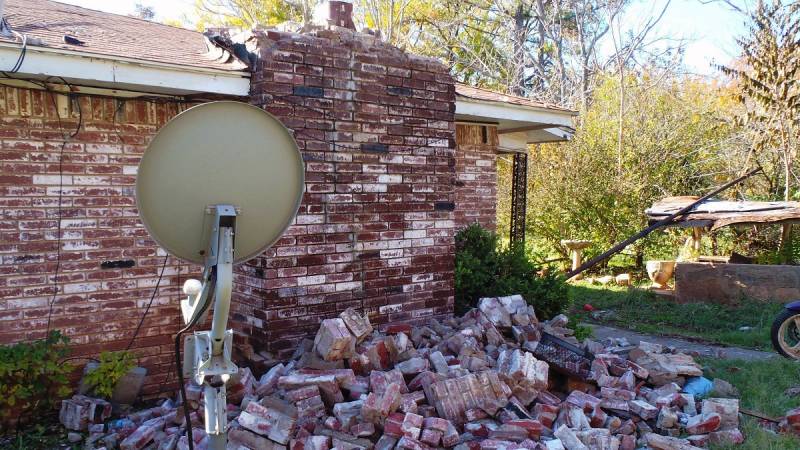
"caption": "This home in central Oklahoma was damaged by a magnitude 5.6 earthquake on November 6, 2011. A new one-year forecast offers a warning to residents living where quakes are induced by oilfield practices.",
"description": null,
"title": "OKquakedamage",
"credit": "Brian Sherrod/U.S. Geological Survey",
"status": "inherit",
"isLoading": false,
"fetchFailed": false
},
"science_606858": {
"type": "attachments",
"id": "science_606858",
"meta": {
"index": "attachments_1716263798",
"site": "science",
"id": "606858",
"found": true
},
"parent": 606852,
"imgSizes": {
"thumbnail": {
"file": "https://ww2.kqed.org/app/uploads/sites/35/2016/03/RS18297_GettyImages-505256470-sfi-400x268.jpg",
"width": 400,
"mimeType": "image/jpeg",
"height": 268
},
"kqedFullSize": {
"file": "https://ww2.kqed.org/app/uploads/sites/35/2016/03/RS18297_GettyImages-505256470-sfi.jpg",
"width": 537,
"height": 360
},
"guest-author-96": {
"file": "https://ww2.kqed.org/app/uploads/sites/35/2016/03/RS18297_GettyImages-505256470-sfi-96x96.jpg",
"width": 96,
"mimeType": "image/jpeg",
"height": 96
},
"guest-author-64": {
"file": "https://ww2.kqed.org/app/uploads/sites/35/2016/03/RS18297_GettyImages-505256470-sfi-64x64.jpg",
"width": 64,
"mimeType": "image/jpeg",
"height": 64
},
"detail": {
"file": "https://ww2.kqed.org/app/uploads/sites/35/2016/03/RS18297_GettyImages-505256470-sfi-75x75.jpg",
"width": 75,
"mimeType": "image/jpeg",
"height": 75
},
"guest-author-32": {
"file": "https://ww2.kqed.org/app/uploads/sites/35/2016/03/RS18297_GettyImages-505256470-sfi-32x32.jpg",
"width": 32,
"mimeType": "image/jpeg",
"height": 32
},
"guest-author-128": {
"file": "https://ww2.kqed.org/app/uploads/sites/35/2016/03/RS18297_GettyImages-505256470-sfi-128x128.jpg",
"width": 128,
"mimeType": "image/jpeg",
"height": 128
}
},
"publishDate": 1459353183,
"modified": 1459353435,
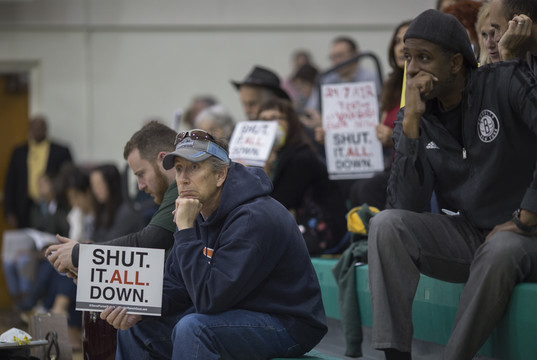
"caption": "In January, people attend a public hearing in Granada Hills, California after the Aliso Canyon natural gas storage facility began spewing methane.",
"description": null,
"title": "RS18297_GettyImages-505256470-sfi",
"credit": "David McNew",
"status": "inherit",
"isLoading": false,
"fetchFailed": false
},
"science_560425": {
"type": "attachments",
"id": "science_560425",
"meta": {
"index": "attachments_1716263798",
"site": "science",
"id": "560425",
"found": true
},
"parent": 560424,
"imgSizes": {
"twentyfourteen-full-width": {
"file": "https://ww2.kqed.org/app/uploads/sites/35/2016/03/4662824108_7cf8329eb5_b-1024x576.jpg",
"width": 1024,
"mimeType": "image/jpeg",
"height": 576
},
"thumbnail": {
"file": "https://ww2.kqed.org/app/uploads/sites/35/2016/03/4662824108_7cf8329eb5_b-400x266.jpg",
"width": 400,
"mimeType": "image/jpeg",
"height": 266
},
"fd-sm": {
"file": "https://ww2.kqed.org/app/uploads/sites/35/2016/03/4662824108_7cf8329eb5_b-960x638.jpg",
"width": 960,
"mimeType": "image/jpeg",
"height": 638
},
"post-thumbnail": {
"file": "https://ww2.kqed.org/app/uploads/sites/35/2016/03/4662824108_7cf8329eb5_b-672x372.jpg",
"width": 672,
"mimeType": "image/jpeg",
"height": 372
},
"kqedFullSize": {
"file": "https://ww2.kqed.org/app/uploads/sites/35/2016/03/4662824108_7cf8329eb5_b.jpg",
"width": 1024,
"height": 681
},
"guest-author-96": {
"file": "https://ww2.kqed.org/app/uploads/sites/35/2016/03/4662824108_7cf8329eb5_b-96x96.jpg",
"width": 96,
"mimeType": "image/jpeg",
"height": 96
},
"medium": {
"file": "https://ww2.kqed.org/app/uploads/sites/35/2016/03/4662824108_7cf8329eb5_b-800x532.jpg",
"width": 800,
"mimeType": "image/jpeg",
"height": 532
},
"guest-author-64": {
"file": "https://ww2.kqed.org/app/uploads/sites/35/2016/03/4662824108_7cf8329eb5_b-64x64.jpg",
"width": 64,
"mimeType": "image/jpeg",
"height": 64
},
"detail": {
"file": "https://ww2.kqed.org/app/uploads/sites/35/2016/03/4662824108_7cf8329eb5_b-75x75.jpg",
"width": 75,
"mimeType": "image/jpeg",
"height": 75
},
"guest-author-32": {
"file": "https://ww2.kqed.org/app/uploads/sites/35/2016/03/4662824108_7cf8329eb5_b-32x32.jpg",
"width": 32,
"mimeType": "image/jpeg",
"height": 32
},
"medium_large": {
"file": "https://ww2.kqed.org/app/uploads/sites/35/2016/03/4662824108_7cf8329eb5_b-768x511.jpg",
"width": 768,
"mimeType": "image/jpeg",
"height": 511
},
"guest-author-128": {
"file": "https://ww2.kqed.org/app/uploads/sites/35/2016/03/4662824108_7cf8329eb5_b-128x128.jpg",
"width": 128,
"mimeType": "image/jpeg",
"height": 128
}
},
"publishDate": 1457053904,
"modified": 1457053993,
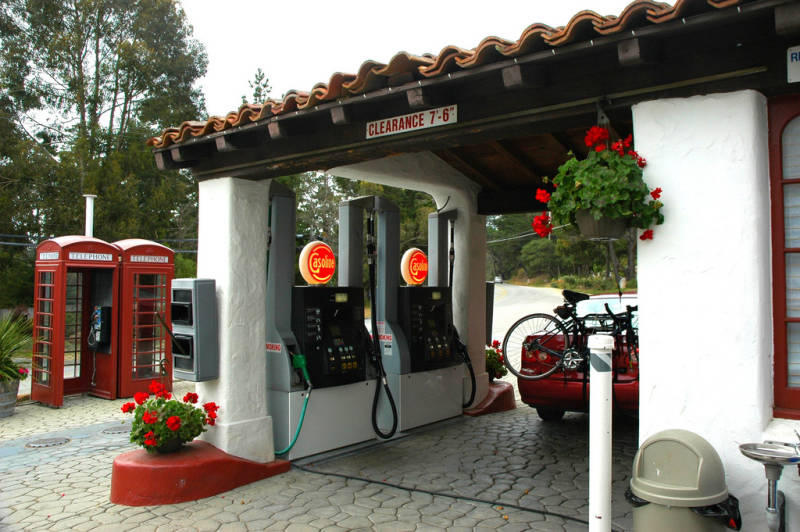
"caption": "A gas station on California's Highway 1.",
"description": null,
"title": "gas station",
"credit": null,
"status": "inherit",
"isLoading": false,
"fetchFailed": false
}
},
"audioPlayerReducer": {
"postId": "stream_live",
"isPaused": true,
"isPlaying": false,
"pfsActive": false,
"pledgeModalIsOpen": true,
"playerDrawerIsOpen": false,
"liveAudioPlayStartedAt": 0,
"liveAudioPlayContext": ""
},
"authorsReducer": {
"byline_science_672467": {
"type": "authors",
"id": "byline_science_672467",
"meta": {
"override": true
},
"slug": "byline_science_672467",
"name": "Julie Cart\u003c/br> CALmatters",
"isLoading": false
},
"byline_science_662813": {
"type": "authors",
"id": "byline_science_662813",
"meta": {
"override": true
},
"slug": "byline_science_662813",
"name": "\u003ca href=\"http://www.climatecentral.org/what-we-do/people/bobby-magill\" target=\"_blank\">Bobby Magill\u003c/a>\u003c/br>\u003ca href=\"http://www.climatecentral.org/\" target=\"_blank\">Climate Central\u003c/a>",
"isLoading": false
},
"byline_science_659551": {
"type": "authors",
"id": "byline_science_659551",
"meta": {
"override": true
},
"slug": "byline_science_659551",
"name": "Merrit Kennedy\u003c/br>NPR",
"isLoading": false
},
"byline_science_652435": {
"type": "authors",
"id": "byline_science_652435",
"meta": {
"override": true
},
"slug": "byline_science_652435",
"name": "Audrey McAvoy and Caleb Jones\u003c/br>\u003cb>Associated Press\u003c/b>",
"isLoading": false
},
"byline_science_637296": {
"type": "authors",
"id": "byline_science_637296",
"meta": {
"override": true
},
"slug": "byline_science_637296",
"name": "Camila Domonoske\u003c/br>NPR",
"isLoading": false
},
"byline_science_622359": {
"type": "authors",
"id": "byline_science_622359",
"meta": {
"override": true
},
"slug": "byline_science_622359",
"name": "\u003cstrong>Oregon Public Broadcasting\u003c/strong>",
"isLoading": false
},
"byline_science_606852": {
"type": "authors",
"id": "byline_science_606852",
"meta": {
"override": true
},
"slug": "byline_science_606852",
"name": "\u003ca href=\"http://bigstory.ap.org/content/michael-biesecker\">Michael Biesecker\u003c/a>\u003cbr> Associated Press",
"isLoading": false
},
"byline_science_560424": {
"type": "authors",
"id": "byline_science_560424",
"meta": {
"override": true
},
"slug": "byline_science_560424",
"name": "Laurel Rosenhall,\u003cbr>\u003cstrong>CALmatters\u003c/strong>",
"isLoading": false
},
"laurensommer": {
"type": "authors",
"id": "239",
"meta": {
"index": "authors_1716337520",
"id": "239",
"found": true
},
"name": "Lauren Sommer",
"firstName": "Lauren",
"lastName": "Sommer",
"slug": "laurensommer",
"email": "lsommer@kqed.org",
"display_author_email": false,
"staff_mastheads": [],
"title": "KQED Contributor",
"bio": "Lauren is a radio reporter formerly covering environment, water, and energy for KQED Science. As part of her day job, she has scaled Sierra Nevada peaks, run from charging elephant seals, and desperately tried to get her sea legs - all in pursuit of good radio. Her work has appeared on Marketplace, Living on Earth, Science Friday and NPR's Morning Edition and All Things Considered. You can find her on Twitter at \u003ca href=\"https://twitter.com/lesommer\">@lesommer\u003c/a>.",
"avatar": "https://secure.gravatar.com/avatar/33aa3772bb86c6ad45b8aca6a238bbdf?s=600&d=blank&r=g",
"twitter": null,
"facebook": null,
"instagram": null,
"linkedin": null,
"sites": [
{
"site": "news",
"roles": [
"author"
]
},
{
"site": "science",
"roles": [
"editor",
"manage_content_types",
"manage_taxonomies"
]
},
{
"site": "quest",
"roles": [
"editor"
]
}
],
"headData": {
"title": "Lauren Sommer | KQED",
"description": "KQED Contributor",
"ogImgSrc": "https://secure.gravatar.com/avatar/33aa3772bb86c6ad45b8aca6a238bbdf?s=600&d=blank&r=g",
"twImgSrc": "https://secure.gravatar.com/avatar/33aa3772bb86c6ad45b8aca6a238bbdf?s=600&d=blank&r=g"
},
"isLoading": false,
"link": "/author/laurensommer"
},
"andrew-alden": {
"type": "authors",
"id": "6228",
"meta": {
"index": "authors_1716337520",
"id": "6228",
"found": true
},
"name": "Andrew Alden",
"firstName": "Andrew",
"lastName": "Alden",
"slug": "andrew-alden",
"email": "alden@andrew-alden.com",
"display_author_email": false,
"staff_mastheads": [],
"title": null,
"bio": "Andrew Alden earned his geology degree at the University of New Hampshire and moved back to the Bay Area to work at the U.S. Geological Survey for six years. He has \u003ca href=\"http://geology.about.com/\">written on geology for About.com\u003c/a> since its founding in 1997. In 2007, he started the Oakland Geology blog, which won recognition as \"Best of the East Bay\" from the \u003ci>East Bay Express\u003c/i> in 2010. In writing about geology in the Bay Area and surroundings, he hopes to share some of the useful and pleasurable insights that geologists give us—not just facts about the deep past, but an attitude that might be called the \u003ci>deep present\u003c/i>.\r\n\r\nRead his \u003ca href=\"http://science.kqed.org/quest/author/andrew-alden/\">previous contributions\u003c/a> to \u003ca href=\"http://http://science.kqed.org/quest/\">QUEST\u003c/a>, a project dedicated to exploring the Science of Sustainability.",
"avatar": "https://secure.gravatar.com/avatar/9eaa0afc32f98c5fc7ce634437334a64?s=600&d=blank&r=g",
"twitter": null,
"facebook": null,
"instagram": null,
"linkedin": null,
"sites": [
{
"site": "science",
"roles": [
"author"
]
},
{
"site": "quest",
"roles": [
"subscriber"
]
}
],
"headData": {
"title": "Andrew Alden | KQED",
"description": null,
"ogImgSrc": "https://secure.gravatar.com/avatar/9eaa0afc32f98c5fc7ce634437334a64?s=600&d=blank&r=g",
"twImgSrc": "https://secure.gravatar.com/avatar/9eaa0afc32f98c5fc7ce634437334a64?s=600&d=blank&r=g"
},
"isLoading": false,
"link": "/author/andrew-alden"
}
},
"pagesReducer": {
"science_category_energy": {
"type": "terms",
"id": "science_33",
"meta": {
"index": "terms_1716263798",
"site": "science",
"id": "33",
"score": 12.797476
},
"featImg": null,
"name": "Energy",
"description": null,
"taxonomy": "category",
"headData": {
"twImgId": null,
"twTitle": null,
"ogTitle": null,
"ogImgId": null,
"twDescription": null,
"description": null,
"title": "Energy Archives | KQED Science",
"ogDescription": null
},
"ttid": 35,
"slug": "energy",
"isLoading": false,
"title": "Energy",
"pageMeta": {
"site": "science",
"WpPageTemplate": "page-topic-editorial",
"currentPage": 23
},
"blocks": [
{
"blockName": "kqed/post-list",
"attrs": {
"layout": "cardArticle2",
"query": "posts/science?category=energy",
"seeMore": false,
"paginated": true,
"page": 23
}
},
{
"blockName": "kqed/ad"
}
]
}
},
"pfsSessionReducer": {},
"postsReducer": {
"stream_live": {
"type": "live",
"id": "stream_live",
"audioUrl": "https://streams.kqed.org/kqedradio",
"title": "Live Stream",
"excerpt": "Live Stream information currently unavailable.",
"link": "/radio",
"featImg": "",
"label": {
"name": "KQED Live",
"link": "/"
}
},
"stream_kqedNewscast": {
"type": "posts",
"id": "stream_kqedNewscast",
"audioUrl": "https://www.kqed.org/.stream/anon/radio/RDnews/newscast.mp3?_=1",
"title": "KQED Newscast",
"featImg": "",
"label": {
"name": "88.5 FM",
"link": "/"
}
},
"science_672467": {
"type": "posts",
"id": "science_672467",
"meta": {
"index": "posts_1716263798",
"site": "science",
"id": "672467",
"score": null,
"sort": [
1462201258000
]
},
"parent": 0,
"labelTerm": {},
"blocks": [],
"publishDate": 1462201258,
"format": "standard",
"title": "Buildings Must Improve Their Energy Use; Here's What That Means for You",
"headTitle": "Buildings Must Improve Their Energy Use; Here’s What That Means for You | KQED",
"content": "\u003cp>Rows of newly minted model homes unspool across a verdant, rolling landscape in El Dorado Hills, a sprawling master-planned community near Sacramento.\u003c/p>\n\u003cp>Solar panels glint across 1,000 acres of rooftops. On a tidy cul-de-sac, a faux-grass lawn flanks the driveway to the home of the future.\u003c/p>\n\u003caside class=\"pullquote alignright\">‘It’s important that sustainability not be defined just in terms of environmental sustainability, but equality and income sustainability .’\u003ccite>Tyson Slocum, Public Citizen energy program director\u003c/cite>\u003c/aside>\n\u003cp>The two-story residence brims with state-of-the-art energy-saving technology: highly efficient heating and cooling systems, dense wall insulation, triple-paned windows, smog-gobbling roof tiles and “smart” appliances that spring into action when power demand is lowest.\u003c/p>\n\u003cp>Power-sipping homes like this will be critical to the state’s recalibrated energy policies. Those policies now include a law that requires California’s built environment—tens of millions of structures—to operate twice as efficiently by the year 2030, slashing consumption of electricity and natural gas to half their projected levels.\u003c/p>\n\u003cp>The mandate, intended to reduce the state’s need for carbon-spewing power plants, is part of California’s mission to address climate change by cutting greenhouse-gas emissions. Residential and commercial buildings account for about 20 percent of those pollutants.\u003c/p>\n\u003cp>[ad fullwidth]\u003c/p>\n\u003cp>\u003cimg loading=\"lazy\" decoding=\"async\" class=\"aligncenter wp-image-672472 size-full\" src=\"http://ww2.kqed.org/science/wp-content/uploads/sites/35/2016/05/energy_home_001-e1462201168963.jpg\" alt=\"energy_home_001\" width=\"1930\" height=\"1947\" srcset=\"https://cdn.kqed.org/wp-content/uploads/sites/35/2016/05/energy_home_001-e1462201168963.jpg 1930w, https://cdn.kqed.org/wp-content/uploads/sites/35/2016/05/energy_home_001-e1462201168963-400x404.jpg 400w, https://cdn.kqed.org/wp-content/uploads/sites/35/2016/05/energy_home_001-e1462201168963-800x807.jpg 800w, https://cdn.kqed.org/wp-content/uploads/sites/35/2016/05/energy_home_001-e1462201168963-768x775.jpg 768w, https://cdn.kqed.org/wp-content/uploads/sites/35/2016/05/energy_home_001-e1462201168963-1440x1453.jpg 1440w, https://cdn.kqed.org/wp-content/uploads/sites/35/2016/05/energy_home_001-e1462201168963-1920x1937.jpg 1920w, https://cdn.kqed.org/wp-content/uploads/sites/35/2016/05/energy_home_001-e1462201168963-1180x1190.jpg 1180w, https://cdn.kqed.org/wp-content/uploads/sites/35/2016/05/energy_home_001-e1462201168963-960x968.jpg 960w, https://cdn.kqed.org/wp-content/uploads/sites/35/2016/05/energy_home_001-e1462201168963-32x32.jpg 32w, https://cdn.kqed.org/wp-content/uploads/sites/35/2016/05/energy_home_001-e1462201168963-64x64.jpg 64w, https://cdn.kqed.org/wp-content/uploads/sites/35/2016/05/energy_home_001-e1462201168963-96x96.jpg 96w, https://cdn.kqed.org/wp-content/uploads/sites/35/2016/05/energy_home_001-e1462201168963-128x128.jpg 128w, https://cdn.kqed.org/wp-content/uploads/sites/35/2016/05/energy_home_001-e1462201168963-150x150.jpg 150w\" sizes=\"(max-width: 1930px) 100vw, 1930px\">\u003c/p>\n\u003cp>Exactly how the state’s ambitious goal will be achieved is unclear, and agreement on the price tag is elusive. What is certain is that making homes and other buildings use energy more efficiently will cost money up front, in a state that has some of the country’s most expensive real estate and is struggling to create more affordable housing.\u003c/p>\n\u003cp>California home prices are more than twice the national average, according to the nonpartisan Legislative Analyst’s Office.\u003c/p>\n\u003cp>Officials and some builders insist that consumers and businesses will save money in the long run as utility bills shrink and the resale value of houses and commercial structures increases.\u003cbr>\nOthers view the goal as something more akin to the well-appointed homes in El Dorado Hills: a lovely thing to aspire to, difficult to reach.\u003c/p>\n\u003cp>There is, however, wide agreement on the enormity of the task, which builds on policies requiring more reliance on renewable-energy sources such as sun and wind and fostering mass transit to get cars off the road.\u003c/p>\n\u003cp>“This is a long-term project,” said Andrew McAllister, a member of the California Energy Commission. “Everyone has to play a part. There’s no one big solution, no silver bullet. There is a lot of silver buckshot.”\u003c/p>\n\u003cp>The new law, created last year by Gov. Jerry Brown and the legislature, offers no blueprint for implementing a policy that could touch millions of homes and nearly every school, church, office building and shopping center in California.\u003c/p>\n\u003cp>No action is required for existing homes or commercial buildings unless they undergo significant renovations. And the law stipulates that its implementation not be financially onerous for Californians.\u003c/p>\n\u003cp>But important questions of exactly how much the policy will ultimately cost and who will pay are unresolved, despite related legislation passed to help with the expense.\u003c/p>\n\u003cfigure id=\"attachment_672475\" class=\"wp-caption aligncenter\" style=\"max-width: 700px\">\u003cimg loading=\"lazy\" decoding=\"async\" class=\"size-full wp-image-672475\" src=\"http://ww2.kqed.org/science/wp-content/uploads/sites/35/2016/05/ENERGY-USE.png\" alt=\"A new building code will cover many existing structures.\" width=\"700\" height=\"700\" srcset=\"https://cdn.kqed.org/wp-content/uploads/sites/35/2016/05/ENERGY-USE.png 700w, https://cdn.kqed.org/wp-content/uploads/sites/35/2016/05/ENERGY-USE-400x400.png 400w, https://cdn.kqed.org/wp-content/uploads/sites/35/2016/05/ENERGY-USE-32x32.png 32w, https://cdn.kqed.org/wp-content/uploads/sites/35/2016/05/ENERGY-USE-64x64.png 64w, https://cdn.kqed.org/wp-content/uploads/sites/35/2016/05/ENERGY-USE-96x96.png 96w, https://cdn.kqed.org/wp-content/uploads/sites/35/2016/05/ENERGY-USE-128x128.png 128w, https://cdn.kqed.org/wp-content/uploads/sites/35/2016/05/ENERGY-USE-150x150.png 150w\" sizes=\"(max-width: 700px) 100vw, 700px\">\u003cfigcaption class=\"wp-caption-text\">A new building code will cover many existing structures. \u003ccite>(Val B. Mina for CALmatters)\u003c/cite>\u003c/figcaption>\u003c/figure>\n\u003cp>There are other fundamental questions as well, such as exactly how to measure efficiency, where to start — Brown has suggested beginning with state-owned structures — and how energy upgrades will affect the state’s scarce low-income housing supply.\u003c/p>\n\u003cp>The task of figuring things out lies largely with the Energy Commission and the Public Utilities Commission. The agencies say they hope to know by the middle of next year how to update a tangle of existing building codes and other regulations, modernize the state’s electricity grid to incorporate more renewable energy and craft an educational campaign to inform consumers of what’s coming.\u003c/p>\n\u003cp>The Air Resources Board, which regulates air quality in California, will help, as will the major utilities.\u003c/p>\n\u003cp>“The details are not fleshed out. But to reach our climate targets, investing in energy efficiency is important,” said Sen. Fran Pavley (D-Agoura Hills), author of a landmark California law, signed in 2006 by then-Gov. Arnold Schwarzenegger, that launched a comprehensive effort to combat climate change.\u003c/p>\n\u003cp>“It’s going to be costly,” Pavley said. “…To me, the challenge is how to implement the upfront capital cost.”\u003c/p>\n\u003cp>When Brown signed the energy-efficiency bill into law last year, he described the changing climate as a “catastrophe” and called on Californians to do their part.\u003c/p>\n\u003cp>In fact, California has been on an energy diet for decades. Many of the state’s energy programs date to Brown’s first tenure as governor in the 1970s, a response to an oil embargo that sent gasoline prices into the stratosphere. His administration wrote energy efficiency into the building code, and California became the first state to create strict energy standards for appliances.\u003c/p>\n\u003cp>Per capita electricity consumption here has remained mostly flat since 1975, while national energy use has gone up 50 percent, according to the federal Energy Information Assn. Additionally, even though electricity rates in California exceed the national average, residents’ annual bills are among the lowest in the country. California’s aggressive appliance standards, for example, have saved consumers $75 billion since appliance efficiency programs launched in 1978, a state analysis says.\u003c/p>\n\u003cp>The state energy commission estimates that new building codes alone will save Californians $1.6 billion over the next 30 years.\u003c/p>\n\u003cp>For example, although the building code is ratcheted up periodically to reflect technological advances, at least half of existing structures were erected before 1978, according to the state commission. Residential and commercial buildings account for about two-thirds of statewide electricity use, so there’s a lot of catching up to do in some quarters.\u003c/p>\n\u003cp>For the moment, and until the state’s approach is fleshed out, progress toward the government’s new targets rests heavily on the building code, which is revised every three years. It won’t fully reflect the new law until 2020, but the latest update, to take effect Jan. 1 of next year, does require a higher degree of efficiency.\u003c/p>\n\u003cfigure id=\"attachment_672476\" class=\"wp-caption aligncenter\" style=\"max-width: 1874px\">\u003cimg loading=\"lazy\" decoding=\"async\" class=\"size-full wp-image-672476\" src=\"http://ww2.kqed.org/science/wp-content/uploads/sites/35/2016/05/electricity_consumption_sector-1.png\" alt=\"Residential and commercial users consume most of California's available power. \" width=\"1874\" height=\"2031\" srcset=\"https://cdn.kqed.org/wp-content/uploads/sites/35/2016/05/electricity_consumption_sector-1.png 1874w, https://cdn.kqed.org/wp-content/uploads/sites/35/2016/05/electricity_consumption_sector-1-400x434.png 400w, https://cdn.kqed.org/wp-content/uploads/sites/35/2016/05/electricity_consumption_sector-1-800x867.png 800w, https://cdn.kqed.org/wp-content/uploads/sites/35/2016/05/electricity_consumption_sector-1-768x832.png 768w, https://cdn.kqed.org/wp-content/uploads/sites/35/2016/05/electricity_consumption_sector-1-1440x1561.png 1440w, https://cdn.kqed.org/wp-content/uploads/sites/35/2016/05/electricity_consumption_sector-1-1180x1279.png 1180w, https://cdn.kqed.org/wp-content/uploads/sites/35/2016/05/electricity_consumption_sector-1-960x1040.png 960w\" sizes=\"(max-width: 1874px) 100vw, 1874px\">\u003cfigcaption class=\"wp-caption-text\">Residential and commercial users consume most of California’s available power. \u003ccite>(Source: California Energy Commission)\u003c/cite>\u003c/figcaption>\u003c/figure>\n\u003cp>Starting in January, homeowners who embark on major renovations—the type that trigger permits and inspections—may have new requirements for walls and attics, need high-performance lighting or require tankless water heaters, among other items. And inspections for compliance will be, at least in the near term, the most important tool for advancing the energy-efficiency goals.\u003c/p>\n\u003cp>Homeowners, however, are less than assiduous about getting permits even when they are required: The energy commission estimates that 90 percent of residential heating and cooling upgrades, for example, are performed without official permission.\u003c/p>\n\u003cp>Enforcement is easier for work performed on large commercial structures, which is more likely to come to the attention of inspectors and can incur heavy violation penalties. And businesses are worried.\u003c/p>\n\u003cp>Matthew Hargrove, Senior Vice President of governmental affairs at the California Business Properties Assn., represents owners of commercial buildings, who are concerned about the cost of upgrades. He said the last code update, in 2014, required advancements that tripled the cost of redoing lighting systems.\u003c/p>\n\u003cp>The mandate seemed simple enough, he said, but “we had lighting contractors saying the requirements were so expensive that their businesses died on the vine” when many building owners chose not to upgrade.\u003c/p>\n\u003cp>Refurbishing buildings that have modern, more efficient infrastructures may be relatively affordable, but those structures are poor candidates to reap significant energy savings, Hargrove said.\u003c/p>\n\u003cp>The real savings are to be found in older commercial buildings, but those are often held by owners who can least afford upgrades, Hargrove said. When a commercial building erected in the 1920s or 1930s requires major work, the cost of bringing it to code may be prohibitive.\u003c/p>\n\u003cp>Despite the unknowns, it seems certain that maximum residential efficiency will come with some sticker shock for homeowners. Estimates vary dramatically, depending on the extent of efficiency.\u003c/p>\n\u003cp>Jacob Atalla is Vice President of Sustainability for KB Home, which is building the technologically sophisticated houses in El Dorado Hills. He said the systems in those structures save about $1,000 annually in utility expenses. But the price tag for those houses runs about $50,000 more than for homes without so many energy-saving bells and whistles.\u003c/p>\n\u003cp>The energy commission, however, estimates it will cost only an additional $2,700 for a new home to simply meet the building code taking effect Jan. 1. The agency estimates that over the life of a 30-year mortgage, those code requirements would save a homeowner $7,400 in energy and maintenance expenses.\u003c/p>\n\u003cp>However, a commission report last year acknowledged that most Californians stay in homes only five to eight years and “may not recoup the value of a deep retrofit project while they own the home.”\u003c/p>\n\u003cp>Officials point out there are ways to soften the blow. Utility companies currently offer $1 billion a year for programs, some funded by their customers, to encourage energy efficiency. Major utilities and state agencies offer rebates for homeowners who upgrade, and myriad programs help low-income families use less energy.\u003c/p>\n\u003cp>In addition, state funds have been set aside to help aging schools upgrade. Schools spent $300 million last year on such improvements as newer windows and modern heating and cooling systems.\u003c/p>\n\u003cp>Nonetheless, there is concern that the burden of complying with the requirements will fall heavily on the poorest Californians. Nearly a third of the state’s utility customers are categorized as low-income, according to the Public Utilities Commission.\u003c/p>\n\u003cp>They currently receive about $30 million a year in federal weatherproofing assistance, according to the Public Utilities Commission. But they may need more.\u003c/p>\n\u003cp>“It’s important that sustainability not be defined just in terms of environmental sustainability, but equality and income sustainability,” said Tyson Slocum, director of the energy program at Public Citizen, the non-partisan public interest group. “Cost can’t be a barrier to participate.”\u003c/p>\n\u003cp>Proponents note that as technology evolves, it gets less expensive. A 2015 state report envisions an $8 billion annual private-sector efficiency marketplace, in which technology companies innovate with products and services to make energy savings reachable for more people.\u003c/p>\n\u003cp>State officials vow that California will find a way to slash its energy footprint as it educates residents about how, and why, to do so.\u003c/p>\n\u003cp>“Part of the challenge is a relatively basic education, so that people can understand what their actions imply in terms of energy consumption,” McAllister said.\u003c/p>\n\u003cp>“The conditions are absolutely there to achieve our goals,” said, “We can do it.”\u003c/p>\n\u003cp>[ad floatright]\u003c/p>\n\u003cp>\u003cem>CALmatters is a non-profit journalism venture dedicated to exploring state policies and politics. For more stories by Julie Cart go to calmatters.org/about/staff/julie-cart/\u003c/em>\u003c/p>\n\n",
"stats": {
"hasVideo": false,
"hasChartOrMap": false,
"hasAudio": false,
"hasPolis": false,
"wordCount": 1875,
"hasGoogleForm": false,
"hasGallery": false,
"hasHearkenModule": false,
"iframeSrcs": [],
"paragraphCount": 48
},
"modified": 1704930240,
"excerpt": "Big renovations and new construction may cost more, but officials say you’ll ultimately save money.",
"headData": {
"twImgId": "",
"twTitle": "",
"ogTitle": "",
"ogImgId": "",
"twDescription": "",
"description": "Big renovations and new construction may cost more, but officials say you’ll ultimately save money.",
"title": "Buildings Must Improve Their Energy Use; Here's What That Means for You | KQED",
"ogDescription": "",
"schema": {
"@context": "https://schema.org",
"@type": "Article",
"headline": "Buildings Must Improve Their Energy Use; Here's What That Means for You",
"datePublished": "2016-05-02T08:00:58-07:00",
"dateModified": "2024-01-10T15:44:00-08:00",
"image": "https://cdn.kqed.org/wp-content/uploads/2020/02/KQED-OG-Image@1x.png"
}
},
"guestAuthors": [],
"slug": "buildings-must-improve-their-energy-use-heres-what-that-means-for-you",
"status": "publish",
"sourceUrl": "https://calmatters.org/",
"nprByline": "Julie Cart\u003c/br> CALmatters",
"sticky": false,
"source": "CALmatters",
"path": "/science/672467/buildings-must-improve-their-energy-use-heres-what-that-means-for-you",
"audioTrackLength": null,
"parsedContent": [
{
"type": "contentString",
"content": "\u003cdiv class=\"post-body\">\u003cp>\u003cp>Rows of newly minted model homes unspool across a verdant, rolling landscape in El Dorado Hills, a sprawling master-planned community near Sacramento.\u003c/p>\n\u003cp>Solar panels glint across 1,000 acres of rooftops. On a tidy cul-de-sac, a faux-grass lawn flanks the driveway to the home of the future.\u003c/p>\n\u003caside class=\"pullquote alignright\">‘It’s important that sustainability not be defined just in terms of environmental sustainability, but equality and income sustainability .’\u003ccite>Tyson Slocum, Public Citizen energy program director\u003c/cite>\u003c/aside>\n\u003cp>The two-story residence brims with state-of-the-art energy-saving technology: highly efficient heating and cooling systems, dense wall insulation, triple-paned windows, smog-gobbling roof tiles and “smart” appliances that spring into action when power demand is lowest.\u003c/p>\n\u003cp>Power-sipping homes like this will be critical to the state’s recalibrated energy policies. Those policies now include a law that requires California’s built environment—tens of millions of structures—to operate twice as efficiently by the year 2030, slashing consumption of electricity and natural gas to half their projected levels.\u003c/p>\n\u003cp>The mandate, intended to reduce the state’s need for carbon-spewing power plants, is part of California’s mission to address climate change by cutting greenhouse-gas emissions. Residential and commercial buildings account for about 20 percent of those pollutants.\u003c/p>\n\u003cp>\u003c/p>\u003c/div>",
"attributes": {
"named": {},
"numeric": []
}
},
{
"type": "component",
"content": "",
"name": "ad",
"attributes": {
"named": {
"label": "fullwidth"
},
"numeric": [
"fullwidth"
]
}
},
{
"type": "contentString",
"content": "\u003cdiv class=\"post-body\">\u003cp>\u003c/p>\n\u003cp>\u003cimg loading=\"lazy\" decoding=\"async\" class=\"aligncenter wp-image-672472 size-full\" src=\"http://ww2.kqed.org/science/wp-content/uploads/sites/35/2016/05/energy_home_001-e1462201168963.jpg\" alt=\"energy_home_001\" width=\"1930\" height=\"1947\" srcset=\"https://cdn.kqed.org/wp-content/uploads/sites/35/2016/05/energy_home_001-e1462201168963.jpg 1930w, https://cdn.kqed.org/wp-content/uploads/sites/35/2016/05/energy_home_001-e1462201168963-400x404.jpg 400w, https://cdn.kqed.org/wp-content/uploads/sites/35/2016/05/energy_home_001-e1462201168963-800x807.jpg 800w, https://cdn.kqed.org/wp-content/uploads/sites/35/2016/05/energy_home_001-e1462201168963-768x775.jpg 768w, https://cdn.kqed.org/wp-content/uploads/sites/35/2016/05/energy_home_001-e1462201168963-1440x1453.jpg 1440w, https://cdn.kqed.org/wp-content/uploads/sites/35/2016/05/energy_home_001-e1462201168963-1920x1937.jpg 1920w, https://cdn.kqed.org/wp-content/uploads/sites/35/2016/05/energy_home_001-e1462201168963-1180x1190.jpg 1180w, https://cdn.kqed.org/wp-content/uploads/sites/35/2016/05/energy_home_001-e1462201168963-960x968.jpg 960w, https://cdn.kqed.org/wp-content/uploads/sites/35/2016/05/energy_home_001-e1462201168963-32x32.jpg 32w, https://cdn.kqed.org/wp-content/uploads/sites/35/2016/05/energy_home_001-e1462201168963-64x64.jpg 64w, https://cdn.kqed.org/wp-content/uploads/sites/35/2016/05/energy_home_001-e1462201168963-96x96.jpg 96w, https://cdn.kqed.org/wp-content/uploads/sites/35/2016/05/energy_home_001-e1462201168963-128x128.jpg 128w, https://cdn.kqed.org/wp-content/uploads/sites/35/2016/05/energy_home_001-e1462201168963-150x150.jpg 150w\" sizes=\"(max-width: 1930px) 100vw, 1930px\">\u003c/p>\n\u003cp>Exactly how the state’s ambitious goal will be achieved is unclear, and agreement on the price tag is elusive. What is certain is that making homes and other buildings use energy more efficiently will cost money up front, in a state that has some of the country’s most expensive real estate and is struggling to create more affordable housing.\u003c/p>\n\u003cp>California home prices are more than twice the national average, according to the nonpartisan Legislative Analyst’s Office.\u003c/p>\n\u003cp>Officials and some builders insist that consumers and businesses will save money in the long run as utility bills shrink and the resale value of houses and commercial structures increases.\u003cbr>\nOthers view the goal as something more akin to the well-appointed homes in El Dorado Hills: a lovely thing to aspire to, difficult to reach.\u003c/p>\n\u003cp>There is, however, wide agreement on the enormity of the task, which builds on policies requiring more reliance on renewable-energy sources such as sun and wind and fostering mass transit to get cars off the road.\u003c/p>\n\u003cp>“This is a long-term project,” said Andrew McAllister, a member of the California Energy Commission. “Everyone has to play a part. There’s no one big solution, no silver bullet. There is a lot of silver buckshot.”\u003c/p>\n\u003cp>The new law, created last year by Gov. Jerry Brown and the legislature, offers no blueprint for implementing a policy that could touch millions of homes and nearly every school, church, office building and shopping center in California.\u003c/p>\n\u003cp>No action is required for existing homes or commercial buildings unless they undergo significant renovations. And the law stipulates that its implementation not be financially onerous for Californians.\u003c/p>\n\u003cp>But important questions of exactly how much the policy will ultimately cost and who will pay are unresolved, despite related legislation passed to help with the expense.\u003c/p>\n\u003cfigure id=\"attachment_672475\" class=\"wp-caption aligncenter\" style=\"max-width: 700px\">\u003cimg loading=\"lazy\" decoding=\"async\" class=\"size-full wp-image-672475\" src=\"http://ww2.kqed.org/science/wp-content/uploads/sites/35/2016/05/ENERGY-USE.png\" alt=\"A new building code will cover many existing structures.\" width=\"700\" height=\"700\" srcset=\"https://cdn.kqed.org/wp-content/uploads/sites/35/2016/05/ENERGY-USE.png 700w, https://cdn.kqed.org/wp-content/uploads/sites/35/2016/05/ENERGY-USE-400x400.png 400w, https://cdn.kqed.org/wp-content/uploads/sites/35/2016/05/ENERGY-USE-32x32.png 32w, https://cdn.kqed.org/wp-content/uploads/sites/35/2016/05/ENERGY-USE-64x64.png 64w, https://cdn.kqed.org/wp-content/uploads/sites/35/2016/05/ENERGY-USE-96x96.png 96w, https://cdn.kqed.org/wp-content/uploads/sites/35/2016/05/ENERGY-USE-128x128.png 128w, https://cdn.kqed.org/wp-content/uploads/sites/35/2016/05/ENERGY-USE-150x150.png 150w\" sizes=\"(max-width: 700px) 100vw, 700px\">\u003cfigcaption class=\"wp-caption-text\">A new building code will cover many existing structures. \u003ccite>(Val B. Mina for CALmatters)\u003c/cite>\u003c/figcaption>\u003c/figure>\n\u003cp>There are other fundamental questions as well, such as exactly how to measure efficiency, where to start — Brown has suggested beginning with state-owned structures — and how energy upgrades will affect the state’s scarce low-income housing supply.\u003c/p>\n\u003cp>The task of figuring things out lies largely with the Energy Commission and the Public Utilities Commission. The agencies say they hope to know by the middle of next year how to update a tangle of existing building codes and other regulations, modernize the state’s electricity grid to incorporate more renewable energy and craft an educational campaign to inform consumers of what’s coming.\u003c/p>\n\u003cp>The Air Resources Board, which regulates air quality in California, will help, as will the major utilities.\u003c/p>\n\u003cp>“The details are not fleshed out. But to reach our climate targets, investing in energy efficiency is important,” said Sen. Fran Pavley (D-Agoura Hills), author of a landmark California law, signed in 2006 by then-Gov. Arnold Schwarzenegger, that launched a comprehensive effort to combat climate change.\u003c/p>\n\u003cp>“It’s going to be costly,” Pavley said. “…To me, the challenge is how to implement the upfront capital cost.”\u003c/p>\n\u003cp>When Brown signed the energy-efficiency bill into law last year, he described the changing climate as a “catastrophe” and called on Californians to do their part.\u003c/p>\n\u003cp>In fact, California has been on an energy diet for decades. Many of the state’s energy programs date to Brown’s first tenure as governor in the 1970s, a response to an oil embargo that sent gasoline prices into the stratosphere. His administration wrote energy efficiency into the building code, and California became the first state to create strict energy standards for appliances.\u003c/p>\n\u003cp>Per capita electricity consumption here has remained mostly flat since 1975, while national energy use has gone up 50 percent, according to the federal Energy Information Assn. Additionally, even though electricity rates in California exceed the national average, residents’ annual bills are among the lowest in the country. California’s aggressive appliance standards, for example, have saved consumers $75 billion since appliance efficiency programs launched in 1978, a state analysis says.\u003c/p>\n\u003cp>The state energy commission estimates that new building codes alone will save Californians $1.6 billion over the next 30 years.\u003c/p>\n\u003cp>For example, although the building code is ratcheted up periodically to reflect technological advances, at least half of existing structures were erected before 1978, according to the state commission. Residential and commercial buildings account for about two-thirds of statewide electricity use, so there’s a lot of catching up to do in some quarters.\u003c/p>\n\u003cp>For the moment, and until the state’s approach is fleshed out, progress toward the government’s new targets rests heavily on the building code, which is revised every three years. It won’t fully reflect the new law until 2020, but the latest update, to take effect Jan. 1 of next year, does require a higher degree of efficiency.\u003c/p>\n\u003cfigure id=\"attachment_672476\" class=\"wp-caption aligncenter\" style=\"max-width: 1874px\">\u003cimg loading=\"lazy\" decoding=\"async\" class=\"size-full wp-image-672476\" src=\"http://ww2.kqed.org/science/wp-content/uploads/sites/35/2016/05/electricity_consumption_sector-1.png\" alt=\"Residential and commercial users consume most of California's available power. \" width=\"1874\" height=\"2031\" srcset=\"https://cdn.kqed.org/wp-content/uploads/sites/35/2016/05/electricity_consumption_sector-1.png 1874w, https://cdn.kqed.org/wp-content/uploads/sites/35/2016/05/electricity_consumption_sector-1-400x434.png 400w, https://cdn.kqed.org/wp-content/uploads/sites/35/2016/05/electricity_consumption_sector-1-800x867.png 800w, https://cdn.kqed.org/wp-content/uploads/sites/35/2016/05/electricity_consumption_sector-1-768x832.png 768w, https://cdn.kqed.org/wp-content/uploads/sites/35/2016/05/electricity_consumption_sector-1-1440x1561.png 1440w, https://cdn.kqed.org/wp-content/uploads/sites/35/2016/05/electricity_consumption_sector-1-1180x1279.png 1180w, https://cdn.kqed.org/wp-content/uploads/sites/35/2016/05/electricity_consumption_sector-1-960x1040.png 960w\" sizes=\"(max-width: 1874px) 100vw, 1874px\">\u003cfigcaption class=\"wp-caption-text\">Residential and commercial users consume most of California’s available power. \u003ccite>(Source: California Energy Commission)\u003c/cite>\u003c/figcaption>\u003c/figure>\n\u003cp>Starting in January, homeowners who embark on major renovations—the type that trigger permits and inspections—may have new requirements for walls and attics, need high-performance lighting or require tankless water heaters, among other items. And inspections for compliance will be, at least in the near term, the most important tool for advancing the energy-efficiency goals.\u003c/p>\n\u003cp>Homeowners, however, are less than assiduous about getting permits even when they are required: The energy commission estimates that 90 percent of residential heating and cooling upgrades, for example, are performed without official permission.\u003c/p>\n\u003cp>Enforcement is easier for work performed on large commercial structures, which is more likely to come to the attention of inspectors and can incur heavy violation penalties. And businesses are worried.\u003c/p>\n\u003cp>Matthew Hargrove, Senior Vice President of governmental affairs at the California Business Properties Assn., represents owners of commercial buildings, who are concerned about the cost of upgrades. He said the last code update, in 2014, required advancements that tripled the cost of redoing lighting systems.\u003c/p>\n\u003cp>The mandate seemed simple enough, he said, but “we had lighting contractors saying the requirements were so expensive that their businesses died on the vine” when many building owners chose not to upgrade.\u003c/p>\n\u003cp>Refurbishing buildings that have modern, more efficient infrastructures may be relatively affordable, but those structures are poor candidates to reap significant energy savings, Hargrove said.\u003c/p>\n\u003cp>The real savings are to be found in older commercial buildings, but those are often held by owners who can least afford upgrades, Hargrove said. When a commercial building erected in the 1920s or 1930s requires major work, the cost of bringing it to code may be prohibitive.\u003c/p>\n\u003cp>Despite the unknowns, it seems certain that maximum residential efficiency will come with some sticker shock for homeowners. Estimates vary dramatically, depending on the extent of efficiency.\u003c/p>\n\u003cp>Jacob Atalla is Vice President of Sustainability for KB Home, which is building the technologically sophisticated houses in El Dorado Hills. He said the systems in those structures save about $1,000 annually in utility expenses. But the price tag for those houses runs about $50,000 more than for homes without so many energy-saving bells and whistles.\u003c/p>\n\u003cp>The energy commission, however, estimates it will cost only an additional $2,700 for a new home to simply meet the building code taking effect Jan. 1. The agency estimates that over the life of a 30-year mortgage, those code requirements would save a homeowner $7,400 in energy and maintenance expenses.\u003c/p>\n\u003cp>However, a commission report last year acknowledged that most Californians stay in homes only five to eight years and “may not recoup the value of a deep retrofit project while they own the home.”\u003c/p>\n\u003cp>Officials point out there are ways to soften the blow. Utility companies currently offer $1 billion a year for programs, some funded by their customers, to encourage energy efficiency. Major utilities and state agencies offer rebates for homeowners who upgrade, and myriad programs help low-income families use less energy.\u003c/p>\n\u003cp>In addition, state funds have been set aside to help aging schools upgrade. Schools spent $300 million last year on such improvements as newer windows and modern heating and cooling systems.\u003c/p>\n\u003cp>Nonetheless, there is concern that the burden of complying with the requirements will fall heavily on the poorest Californians. Nearly a third of the state’s utility customers are categorized as low-income, according to the Public Utilities Commission.\u003c/p>\n\u003cp>They currently receive about $30 million a year in federal weatherproofing assistance, according to the Public Utilities Commission. But they may need more.\u003c/p>\n\u003cp>“It’s important that sustainability not be defined just in terms of environmental sustainability, but equality and income sustainability,” said Tyson Slocum, director of the energy program at Public Citizen, the non-partisan public interest group. “Cost can’t be a barrier to participate.”\u003c/p>\n\u003cp>Proponents note that as technology evolves, it gets less expensive. A 2015 state report envisions an $8 billion annual private-sector efficiency marketplace, in which technology companies innovate with products and services to make energy savings reachable for more people.\u003c/p>\n\u003cp>State officials vow that California will find a way to slash its energy footprint as it educates residents about how, and why, to do so.\u003c/p>\n\u003cp>“Part of the challenge is a relatively basic education, so that people can understand what their actions imply in terms of energy consumption,” McAllister said.\u003c/p>\n\u003cp>“The conditions are absolutely there to achieve our goals,” said, “We can do it.”\u003c/p>\n\u003cp>\u003c/p>\u003c/div>",
"attributes": {
"named": {},
"numeric": []
}
},
{
"type": "component",
"content": "",
"name": "ad",
"attributes": {
"named": {
"label": "floatright"
},
"numeric": [
"floatright"
]
}
},
{
"type": "contentString",
"content": "\u003cdiv class=\"post-body\">\u003cp>\u003c/p>\n\u003cp>\u003cem>CALmatters is a non-profit journalism venture dedicated to exploring state policies and politics. For more stories by Julie Cart go to calmatters.org/about/staff/julie-cart/\u003c/em>\u003c/p>\n\n\u003c/div>\u003c/p>",
"attributes": {
"named": {},
"numeric": []
}
}
],
"link": "/science/672467/buildings-must-improve-their-energy-use-heres-what-that-means-for-you",
"authors": [
"byline_science_672467"
],
"categories": [
"science_33",
"science_35",
"science_40"
],
"featImg": "science_672468",
"label": "source_science_672467"
},
"science_662813": {
"type": "posts",
"id": "science_662813",
"meta": {
"index": "posts_1716263798",
"site": "science",
"id": "662813",
"score": null,
"sort": [
1461779377000
]
},
"parent": 0,
"labelTerm": {},
"blocks": [],
"publishDate": 1461779377,
"format": "standard",
"title": "Strong El Niño Helped Lower U.S. Heating Costs",
"headTitle": "Strong El Niño Helped Lower U.S. Heating Costs | KQED",
"content": "\u003cp>Was your heating bill a bit friendlier to your wallet this winter? If so, there’s a good chance you can thank El Niño.\u003c/p>\n\u003cp>The exceptionally strong El Niño in the Pacific has been driving \u003ca href=\"http://www.climatecentral.org/news/monster-el-nino-transforms-worlds-weather-20138\">chaotic weather\u003c/a> across the globe for months, but it also contributed to a mild winter in the U.S., which was about 15 percent warmer than the winter of 2014-2015.\u003cbr>\n[contextly_sidebar id=”zVCqv5TKYC3HFMByoxD0YLpimFkWBXMg”]\u003cbr>\nThe milder temperatures led people to use less energy to heat their homes compared to the previous winter, a new U.S. Department of Energy \u003ca href=\"http://www.eia.gov/todayinenergy/detail.cfm?id=25952\">report\u003c/a> shows. Above-normal temperatures contributed to a 16 percent drop in demand for propane used for heating, a 45 percent drop in heating oil consumption and a 6 percent decrease in electricity consumption compared to the winter of 2014-2015.\u003c/p>\n\u003cp>Heating demand nationwide declined as much as 27 percent in December compared to the average of the previous 10 winters as measured in \u003ca href=\"https://www.eia.gov/energyexplained/index.cfm?page=about_degree_days\">heating degree days\u003c/a>, a measure of how much utility bills increase as a result of the weather, according to the report.\u003c/p>\n\u003cp>Though heating demand in January matched the 10-year average, February demand was 17 percent below normal and March was 26 percent below normal.\u003c/p>\n\u003cp>Slade Johnson, an analyst for the U.S. Energy Information Administration, said it’s too early to know if such a dramatic fall in energy demand for home heating has been seen before until at least late spring when the nation’s heating season has passed.\u003c/p>\n\u003cp>[ad fullwidth]\u003c/p>\n\u003cp>“The El Niño event is still occurring, although it is expected to dissipate by late spring or early summer,” Johnson said.\u003c/p>\n\u003cp>The energy used for home heating is a contributor to climate change because of its use of natural gas, oil and electricity. Home heating accounts for about 63 percent of residential natural gas consumption, for example.\u003c/p>\n\u003cp>Heating oil is often used in place of natural gas and electricity in the northeast. Heating oil is a highly-polluting crude oil product that emits about the\u003ca href=\"http://www.eia.gov/tools/faqs/faq.cfm?id=73&t=11\">same amount\u003c/a> of carbon dioxide as diesel fuel — less than coal but more than gasoline.\u003c/p>\n\u003cp>About half of all households in the U.S. heat their homes with natural gas, the cleanest fossil fuel used for home heating, which emits roughly half the carbon dioxide as coal.\u003c/p>\n\u003cp>It won’t be possible to know the exact effect that El Niño had on U.S. greenhouse gas emissions from energy use this winter until the final numbers are tallied later this year, but emissions from U.S. energy consumption were down by 2.5 percent in 2015 compared to the previous year, EIA analyst Perry Lindstrom said.\u003c/p>\n\u003cp>\u003c/p>\n\u003cp>“Some of that was because of the warmer heating season — especially at the end of the year,” he said. “The other emissions effect is that, as a result of the above, natural gas prices were low and natural gas pushed out coal in electricity generation.”\u003c/p>\n\n",
"stats": {
"hasVideo": false,
"hasChartOrMap": false,
"hasAudio": false,
"hasPolis": false,
"wordCount": 510,
"hasGoogleForm": false,
"hasGallery": false,
"hasHearkenModule": false,
"iframeSrcs": [],
"paragraphCount": 13
},
"modified": 1704930257,
"excerpt": "Heating demand declined nationwide in December, February and March.",
"headData": {
"twImgId": "",
"twTitle": "",
"ogTitle": "",
"ogImgId": "",
"twDescription": "",
"description": "Heating demand declined nationwide in December, February and March.",
"title": "Strong El Niño Helped Lower U.S. Heating Costs | KQED",
"ogDescription": "",
"schema": {
"@context": "https://schema.org",
"@type": "Article",
"headline": "Strong El Niño Helped Lower U.S. Heating Costs",
"datePublished": "2016-04-27T10:49:37-07:00",
"dateModified": "2024-01-10T15:44:17-08:00",
"image": "https://cdn.kqed.org/wp-content/uploads/2020/02/KQED-OG-Image@1x.png"
}
},
"guestAuthors": [],
"slug": "strong-el-nino-helped-lower-u-s-heating-costs",
"status": "publish",
"sourceUrl": "http://www.climatecentral.org/",
"nprByline": "\u003ca href=\"http://www.climatecentral.org/what-we-do/people/bobby-magill\" target=\"_blank\">Bobby Magill\u003c/a>\u003c/br>\u003ca href=\"http://www.climatecentral.org/\" target=\"_blank\">Climate Central\u003c/a>",
"sticky": false,
"source": "Climate Central",
"path": "/science/662813/strong-el-nino-helped-lower-u-s-heating-costs",
"audioTrackLength": null,
"parsedContent": [
{
"type": "contentString",
"content": "\u003cdiv class=\"post-body\">\u003cp>\u003cp>Was your heating bill a bit friendlier to your wallet this winter? If so, there’s a good chance you can thank El Niño.\u003c/p>\n\u003cp>The exceptionally strong El Niño in the Pacific has been driving \u003ca href=\"http://www.climatecentral.org/news/monster-el-nino-transforms-worlds-weather-20138\">chaotic weather\u003c/a> across the globe for months, but it also contributed to a mild winter in the U.S., which was about 15 percent warmer than the winter of 2014-2015.\u003cbr>\n\u003c/p>\u003cp>\u003c/p>\u003cp>\u003cbr>\nThe milder temperatures led people to use less energy to heat their homes compared to the previous winter, a new U.S. Department of Energy \u003ca href=\"http://www.eia.gov/todayinenergy/detail.cfm?id=25952\">report\u003c/a> shows. Above-normal temperatures contributed to a 16 percent drop in demand for propane used for heating, a 45 percent drop in heating oil consumption and a 6 percent decrease in electricity consumption compared to the winter of 2014-2015.\u003c/p>\n\u003cp>Heating demand nationwide declined as much as 27 percent in December compared to the average of the previous 10 winters as measured in \u003ca href=\"https://www.eia.gov/energyexplained/index.cfm?page=about_degree_days\">heating degree days\u003c/a>, a measure of how much utility bills increase as a result of the weather, according to the report.\u003c/p>\n\u003cp>Though heating demand in January matched the 10-year average, February demand was 17 percent below normal and March was 26 percent below normal.\u003c/p>\n\u003cp>Slade Johnson, an analyst for the U.S. Energy Information Administration, said it’s too early to know if such a dramatic fall in energy demand for home heating has been seen before until at least late spring when the nation’s heating season has passed.\u003c/p>\n\u003cp>\u003c/p>\u003c/div>",
"attributes": {
"named": {},
"numeric": []
}
},
{
"type": "component",
"content": "",
"name": "ad",
"attributes": {
"named": {
"label": "fullwidth"
},
"numeric": [
"fullwidth"
]
}
},
{
"type": "contentString",
"content": "\u003cdiv class=\"post-body\">\u003cp>\u003c/p>\n\u003cp>“The El Niño event is still occurring, although it is expected to dissipate by late spring or early summer,” Johnson said.\u003c/p>\n\u003cp>The energy used for home heating is a contributor to climate change because of its use of natural gas, oil and electricity. Home heating accounts for about 63 percent of residential natural gas consumption, for example.\u003c/p>\n\u003cp>Heating oil is often used in place of natural gas and electricity in the northeast. Heating oil is a highly-polluting crude oil product that emits about the\u003ca href=\"http://www.eia.gov/tools/faqs/faq.cfm?id=73&t=11\">same amount\u003c/a> of carbon dioxide as diesel fuel — less than coal but more than gasoline.\u003c/p>\n\u003cp>About half of all households in the U.S. heat their homes with natural gas, the cleanest fossil fuel used for home heating, which emits roughly half the carbon dioxide as coal.\u003c/p>\n\u003cp>It won’t be possible to know the exact effect that El Niño had on U.S. greenhouse gas emissions from energy use this winter until the final numbers are tallied later this year, but emissions from U.S. energy consumption were down by 2.5 percent in 2015 compared to the previous year, EIA analyst Perry Lindstrom said.\u003c/p>\n\u003cp>\u003c/p>\n\u003cp>“Some of that was because of the warmer heating season — especially at the end of the year,” he said. “The other emissions effect is that, as a result of the above, natural gas prices were low and natural gas pushed out coal in electricity generation.”\u003c/p>\n\n\u003c/div>\u003c/p>",
"attributes": {
"named": {},
"numeric": []
}
}
],
"link": "/science/662813/strong-el-nino-helped-lower-u-s-heating-costs",
"authors": [
"byline_science_662813"
],
"categories": [
"science_31",
"science_33",
"science_35",
"science_40"
],
"tags": [
"science_371"
],
"featImg": "science_662890",
"label": "source_science_662813"
},
"science_659551": {
"type": "posts",
"id": "science_659551",
"meta": {
"index": "posts_1716263798",
"site": "science",
"id": "659551",
"score": null,
"sort": [
1461618303000
]
},
"parent": 0,
"labelTerm": {},
"blocks": [],
"publishDate": 1461618303,
"format": "standard",
"title": "Experimental Solar-Powered Plane Completes Journey Across the Pacific",
"headTitle": "Experimental Solar-Powered Plane Completes Journey Across the Pacific | KQED",
"content": "\u003cp>Experimental solar-powered plane Solar Impulse 2 has landed in Mountain View, Calif., after a three-day flight across the Pacific.\u003c/p>\n\u003cp>“Good morning, California!” the plane’s visibly emotional pilot Bertrand Piccard told a cheering crowd at Moffett Airfield, where he landed at 11:44 p.m. local time. He’s soon handed an extra large bottle of champagne.\u003c/p>\n\u003cp>The Solar Impulse team is attempting to fly around the world using only the power of the sun.\u003c/p>\n\u003cp>\u003ca href=\"http://www.npr.org/sections/thetwo-way/2016/04/21/475113210/experimental-solar-powered-plane-takes-flight-after-9-month-delay\">As we reported\u003c/a>, Piccard took off from Hawaii early Thursday after a nine-month delay for repairs. The previous leg, a five-day long trip from Japan to Hawaii, broke a world record for the longest duration nonstop solo flight. But it also fried the plane’s batteries.\u003c/p>\n\u003cp>https://twitter.com/solarimpulse/status/724670652129640448\u003cbr>\nhttps://twitter.com/solarimpulse/status/724601229431721984\u003cbr>\nhttps://twitter.com/solarimpulse/status/724217612297748480\u003cbr>\nThe journey across the Pacific was the ninth leg in their journey, which started in Abu Dhabi. The team hopes to eventually end there.\u003c/p>\n\u003cp>[ad fullwidth]\u003c/p>\n\u003cp>\u003c/p>\n\u003cp>It’s meant to send a message about clean energy, the team says in a statement:\u003c/p>\n\u003cblockquote>\n\u003cp>“By attempting the first solar flight around the world, pushing back the boundaries of the possible, going into the unknown, and taking on a project deemed impossible by industry experts, Bertrand Piccard and [alternating pilot] André Borschberg want to support concrete actions for sustainability and show that the world can be run on clean technologies.”\u003c/p>\n\u003c/blockquote>\n\u003cdiv class=\"fullattribution\">Copyright 2016 NPR. To see more, visit http://www.npr.org/.\u003cimg decoding=\"async\" src=\"http://www.google-analytics.com/__utm.gif?utmac=UA-5828686-4&utmdt=Experimental+Solar-Powered+Plane+Completes+Journey+Across+The+Pacific&utme=8(APIKey)9(MDAxOTAwOTE4MDEyMTkxMDAzNjczZDljZA004)\">\u003c/div>\n\n",
"stats": {
"hasVideo": false,
"hasChartOrMap": false,
"hasAudio": false,
"hasPolis": false,
"wordCount": 260,
"hasGoogleForm": false,
"hasGallery": false,
"hasHearkenModule": false,
"iframeSrcs": [],
"paragraphCount": 8
},
"modified": 1704930263,
"excerpt": "Solar Impulse 2 flew for three days from Hawaii to California after a nine month delay for repairs. The team is aiming to complete a round-the-world journey using only the sun's power.",
"headData": {
"twImgId": "",
"twTitle": "",
"ogTitle": "",
"ogImgId": "",
"twDescription": "",
"description": "Solar Impulse 2 flew for three days from Hawaii to California after a nine month delay for repairs. The team is aiming to complete a round-the-world journey using only the sun's power.",
"title": "Experimental Solar-Powered Plane Completes Journey Across the Pacific | KQED",
"ogDescription": "",
"schema": {
"@context": "https://schema.org",
"@type": "Article",
"headline": "Experimental Solar-Powered Plane Completes Journey Across the Pacific",
"datePublished": "2016-04-25T14:05:03-07:00",
"dateModified": "2024-01-10T15:44:23-08:00",
"image": "https://cdn.kqed.org/wp-content/uploads/2020/02/KQED-OG-Image@1x.png"
}
},
"guestAuthors": [],
"slug": "experimental-solar-powered-plane-completes-journey-across-the-pacific",
"status": "publish",
"nprApiLink": "http://api.npr.org/query?id=475473222&apiKey=MDAxOTAwOTE4MDEyMTkxMDAzNjczZDljZA004",
"nprByline": "Merrit Kennedy\u003c/br>NPR",
"nprStoryDate": "Sun, 24 Apr 2016 08:38:00 -0400",
"nprLastModifiedDate": "Mon, 25 Apr 2016 09:26:21 -0400",
"sticky": false,
"nprHtmlLink": "http://www.npr.org/sections/thetwo-way/2016/04/24/475473222/experimental-solar-powered-plane-completes-journey-across-the-pacific?ft=nprml&f=475473222",
"nprImageAgency": "AP",
"nprImageCredit": "Noah Berger",
"source": "NPR",
"nprStoryId": "475473222",
"nprRetrievedStory": "1",
"nprPubDate": "Mon, 25 Apr 2016 09:26:00 -0400",
"path": "/science/659551/experimental-solar-powered-plane-completes-journey-across-the-pacific",
"audioTrackLength": null,
"parsedContent": [
{
"type": "contentString",
"content": "\u003cdiv class=\"post-body\">\u003cp>\u003cp>Experimental solar-powered plane Solar Impulse 2 has landed in Mountain View, Calif., after a three-day flight across the Pacific.\u003c/p>\n\u003cp>“Good morning, California!” the plane’s visibly emotional pilot Bertrand Piccard told a cheering crowd at Moffett Airfield, where he landed at 11:44 p.m. local time. He’s soon handed an extra large bottle of champagne.\u003c/p>\n\u003cp>The Solar Impulse team is attempting to fly around the world using only the power of the sun.\u003c/p>\n\u003cp>\u003ca href=\"http://www.npr.org/sections/thetwo-way/2016/04/21/475113210/experimental-solar-powered-plane-takes-flight-after-9-month-delay\">As we reported\u003c/a>, Piccard took off from Hawaii early Thursday after a nine-month delay for repairs. The previous leg, a five-day long trip from Japan to Hawaii, broke a world record for the longest duration nonstop solo flight. But it also fried the plane’s batteries.\u003c/p>\u003c/p>\u003c/div>",
"attributes": {
"named": {},
"numeric": []
}
},
{
"type": "component",
"content": "",
"name": "singleTwitterStatus",
"attributes": {
"named": {
"id": "724670652129640448"
},
"numeric": []
}
},
{
"type": "contentString",
"content": "\u003cdiv class=\"post-body\">\u003cp>\u003cbr>\u003c/p>\u003c/div>",
"attributes": {
"named": {},
"numeric": []
}
},
{
"type": "component",
"content": "",
"name": "singleTwitterStatus",
"attributes": {
"named": {
"id": "724601229431721984"
},
"numeric": []
}
},
{
"type": "contentString",
"content": "\u003cdiv class=\"post-body\">\u003cp>\u003cbr>\u003c/p>\u003c/div>",
"attributes": {
"named": {},
"numeric": []
}
},
{
"type": "component",
"content": "",
"name": "singleTwitterStatus",
"attributes": {
"named": {
"id": "724217612297748480"
},
"numeric": []
}
},
{
"type": "contentString",
"content": "\u003cdiv class=\"post-body\">\u003cp>\u003cbr>\nThe journey across the Pacific was the ninth leg in their journey, which started in Abu Dhabi. The team hopes to eventually end there.\u003c/p>\n\u003cp>\u003c/p>\u003c/div>",
"attributes": {
"named": {},
"numeric": []
}
},
{
"type": "component",
"content": "",
"name": "ad",
"attributes": {
"named": {
"label": "fullwidth"
},
"numeric": [
"fullwidth"
]
}
},
{
"type": "contentString",
"content": "\u003cdiv class=\"post-body\">\u003cp>\u003c/p>\n\u003cp>\u003c/p>\n\u003cp>It’s meant to send a message about clean energy, the team says in a statement:\u003c/p>\n\u003cblockquote>\n\u003cp>“By attempting the first solar flight around the world, pushing back the boundaries of the possible, going into the unknown, and taking on a project deemed impossible by industry experts, Bertrand Piccard and [alternating pilot] André Borschberg want to support concrete actions for sustainability and show that the world can be run on clean technologies.”\u003c/p>\n\u003c/blockquote>\n\u003cdiv class=\"fullattribution\">Copyright 2016 NPR. To see more, visit http://www.npr.org/.\u003cimg decoding=\"async\" src=\"http://www.google-analytics.com/__utm.gif?utmac=UA-5828686-4&utmdt=Experimental+Solar-Powered+Plane+Completes+Journey+Across+The+Pacific&utme=8(APIKey)9(MDAxOTAwOTE4MDEyMTkxMDAzNjczZDljZA004)\">\u003c/div>\n\n\u003c/div>\u003c/p>",
"attributes": {
"named": {},
"numeric": []
}
}
],
"link": "/science/659551/experimental-solar-powered-plane-completes-journey-across-the-pacific",
"authors": [
"byline_science_659551"
],
"categories": [
"science_33",
"science_35",
"science_40"
],
"featImg": "science_659562",
"label": "source_science_659551"
},
"science_652435": {
"type": "posts",
"id": "science_652435",
"meta": {
"index": "posts_1716263798",
"site": "science",
"id": "652435",
"score": null,
"sort": [
1461265175000
]
},
"parent": 0,
"labelTerm": {},
"blocks": [],
"publishDate": 1461265175,
"format": "standard",
"title": "Solar Plane Successfully Departs From Hawaii and Heads Toward California",
"headTitle": "Solar Plane Successfully Departs From Hawaii and Heads Toward California | KQED",
"content": "\u003cp>After some uncertainty about the winds, the Solar Impulse team has taken off from Hawaii, venturing off on another leg of their solar-powered, around-the-world journey nearly 10 months after landing in the state.\u003c/p>\n\u003cp>The aircraft landed in Hawaii last July but was forced to stay in the islands after the plane’s battery system sustained heat damage on its trip from Japan.\u003c/p>\n\u003cp>[contextly_sidebar id=”p9oQOTG1a3PYHqszMsA2jzrSPjdHxUlC”]The Swiss-made Solar Impulse 2 left Hawaii early Thursday and was on course to land in Mountain View, California, in about three days.\u003c/p>\n\u003cp>The aircraft started its journey in March 2015 from Abu Dhabi, the capital of the United Arab Emirates, then made stops in Oman, Myanmar, China and Japan. It’s on the ninth leg of its circumnavigation.\u003c/p>\n\u003cp>Piccard said the idea of crossing the ocean in a solar-powered plane a few years ago stressed him out, but Thursday morning he was confident things would go according to plan.\u003c/p>\n\u003cp>[ad fullwidth]\u003c/p>\n\u003cp>Piccard also said the flight’s destination, in the heart of Silicon Valley, is fitting. He said on his way to the airfield that when the plane lands there, it will land “in the middle of the pioneering spirit.”\u003c/p>\n\u003cp>Piccard’s co-pilot Andre Borschberg, who flew the leg from Japan to Hawaii, told Piccard he greatly admires his dedication and strength.\u003c/p>\n\u003cp>He said the plane “represents what we could do on the ground in our communities, in our cities.”\u003c/p>\n\u003cp>The team was delayed in Asia, as well. When first attempting to fly from Nanjing, China, to Hawaii, the crew had to end their trip early and divert to Japan because of unfavorable weather and a damaged wing.\u003c/p>\n\u003cp>A month later, when the weather conditions were right, the plane departed from an airport in Nagoya in central Japan for Hawaii.\u003c/p>\n\u003cp>That trans-Pacific leg was the riskiest part of the plane’s global travels, as there was nowhere for it to land in an emergency. The same is true for the trip from Hawaii to the U.S. mainland.\u003c/p>\n\u003cp>The plane’s ideal flight speed is about 28 mph, though that can double during the day when the sun’s rays are strongest. The carbon-fiber aircraft weighs more than 5,000 pounds, or about as much as a minivan or midsize truck.\u003c/p>\n\u003cp>\u003c/p>\n\u003cp>The wings of Solar Impulse 2, which stretch wider than those of a Boeing 747, are equipped with 17,000 solar cells that power propellers and charge batteries. The plane runs on stored energy at night.\u003c/p>\n\n",
"stats": {
"hasVideo": false,
"hasChartOrMap": false,
"hasAudio": false,
"hasPolis": false,
"wordCount": 434,
"hasGoogleForm": false,
"hasGallery": false,
"hasHearkenModule": false,
"iframeSrcs": [],
"paragraphCount": 15
},
"modified": 1704930277,
"excerpt": "Two Swiss pioneers want to complete the first ever around-the-world solar flight with Solar Impulse 2, a solar airplane capable of flying day and night without any fuel.",
"headData": {
"twImgId": "",
"twTitle": "",
"ogTitle": "",
"ogImgId": "",
"twDescription": "",
"description": "Two Swiss pioneers want to complete the first ever around-the-world solar flight with Solar Impulse 2, a solar airplane capable of flying day and night without any fuel.",
"title": "Solar Plane Successfully Departs From Hawaii and Heads Toward California | KQED",
"ogDescription": "",
"schema": {
"@context": "https://schema.org",
"@type": "Article",
"headline": "Solar Plane Successfully Departs From Hawaii and Heads Toward California",
"datePublished": "2016-04-21T11:59:35-07:00",
"dateModified": "2024-01-10T15:44:37-08:00",
"image": "https://cdn.kqed.org/wp-content/uploads/2020/02/KQED-OG-Image@1x.png"
}
},
"guestAuthors": [],
"slug": "solar-plane-successfully-departs-from-hawaii-and-heads-toward-california",
"status": "publish",
"nprByline": "Audrey McAvoy and Caleb Jones\u003c/br>\u003cb>Associated Press\u003c/b>",
"sticky": false,
"source": "Associated Press",
"path": "/science/652435/solar-plane-successfully-departs-from-hawaii-and-heads-toward-california",
"audioTrackLength": null,
"parsedContent": [
{
"type": "contentString",
"content": "\u003cdiv class=\"post-body\">\u003cp>\u003cp>After some uncertainty about the winds, the Solar Impulse team has taken off from Hawaii, venturing off on another leg of their solar-powered, around-the-world journey nearly 10 months after landing in the state.\u003c/p>\n\u003cp>The aircraft landed in Hawaii last July but was forced to stay in the islands after the plane’s battery system sustained heat damage on its trip from Japan.\u003c/p>\n\u003cp>\u003c/p>\u003cp>\u003c/p>\u003cp>The Swiss-made Solar Impulse 2 left Hawaii early Thursday and was on course to land in Mountain View, California, in about three days.\u003c/p>\n\u003cp>The aircraft started its journey in March 2015 from Abu Dhabi, the capital of the United Arab Emirates, then made stops in Oman, Myanmar, China and Japan. It’s on the ninth leg of its circumnavigation.\u003c/p>\n\u003cp>Piccard said the idea of crossing the ocean in a solar-powered plane a few years ago stressed him out, but Thursday morning he was confident things would go according to plan.\u003c/p>\n\u003cp>\u003c/p>\u003c/div>",
"attributes": {
"named": {},
"numeric": []
}
},
{
"type": "component",
"content": "",
"name": "ad",
"attributes": {
"named": {
"label": "fullwidth"
},
"numeric": [
"fullwidth"
]
}
},
{
"type": "contentString",
"content": "\u003cdiv class=\"post-body\">\u003cp>\u003c/p>\n\u003cp>Piccard also said the flight’s destination, in the heart of Silicon Valley, is fitting. He said on his way to the airfield that when the plane lands there, it will land “in the middle of the pioneering spirit.”\u003c/p>\n\u003cp>Piccard’s co-pilot Andre Borschberg, who flew the leg from Japan to Hawaii, told Piccard he greatly admires his dedication and strength.\u003c/p>\n\u003cp>He said the plane “represents what we could do on the ground in our communities, in our cities.”\u003c/p>\n\u003cp>The team was delayed in Asia, as well. When first attempting to fly from Nanjing, China, to Hawaii, the crew had to end their trip early and divert to Japan because of unfavorable weather and a damaged wing.\u003c/p>\n\u003cp>A month later, when the weather conditions were right, the plane departed from an airport in Nagoya in central Japan for Hawaii.\u003c/p>\n\u003cp>That trans-Pacific leg was the riskiest part of the plane’s global travels, as there was nowhere for it to land in an emergency. The same is true for the trip from Hawaii to the U.S. mainland.\u003c/p>\n\u003cp>The plane’s ideal flight speed is about 28 mph, though that can double during the day when the sun’s rays are strongest. The carbon-fiber aircraft weighs more than 5,000 pounds, or about as much as a minivan or midsize truck.\u003c/p>\n\u003cp>\u003c/p>\n\u003cp>The wings of Solar Impulse 2, which stretch wider than those of a Boeing 747, are equipped with 17,000 solar cells that power propellers and charge batteries. The plane runs on stored energy at night.\u003c/p>\n\n\u003c/div>\u003c/p>",
"attributes": {
"named": {},
"numeric": []
}
}
],
"link": "/science/652435/solar-plane-successfully-departs-from-hawaii-and-heads-toward-california",
"authors": [
"byline_science_652435"
],
"categories": [
"science_33",
"science_89",
"science_40"
],
"featImg": "science_652514",
"label": "source_science_652435"
},
"science_639833": {
"type": "posts",
"id": "science_639833",
"meta": {
"index": "posts_1716263798",
"site": "science",
"id": "639833",
"score": null,
"sort": [
1460760617000
]
},
"parent": 0,
"labelTerm": {
"site": "science"
},
"blocks": [],
"publishDate": 1460760617,
"format": "image",
"title": "Inside Tesla’s Mysterious Desert Battery Factory",
"headTitle": "Inside Tesla’s Mysterious Desert Battery Factory | KQED",
"content": "\u003cp>Tesla’s Gigafactory is a lot like Willy Wonka’s Chocolate Factory: it’s mysterious, it’s big and few people have been inside.\u003c/p>\n\u003cp>For almost two years now, the company has been building the largest battery factory on the planet high in the Nevada desert—a factory that it says could revolutionize the way consumers use energy at home.\u003c/p>\n\u003cp>It’s tucked away in a dusty valley, half an hour east of Reno. Driving up Electric Avenue, the factory is a stark contrast on the horizon. It’s a sleek white building with a red stripe, almost like one of the company’s cars.\u003c/p>\n\u003cp>\u003cstrong>Listen to the Story:\u003c/strong>\u003cbr>\nhttp://www.kqed.org/.stream/anon/radio/science/2016/04/WEBTeslaGigafactorySommer160418.mp3\u003cbr>\n“It’s really hard to get a sense of scale,” says Tesla co-founder and Chief Technical Officer JB Straubel. “I mean, it’s huge.”\u003c/p>\n\u003cp>We’re up on the roof of the Gigafactory, the small piece that has been built already, trying to get a glimpse of that scale.\u003c/p>\n\u003cp>[ad fullwidth]\u003c/p>\n\u003cp>“So you can see the building footprint that would be in front of us to the west and north,” he says, pointing to the flat expanse of land where the rest of the factory will go—all 5.8 million square feet of it.\u003c/p>\n\u003cp>“I’m not a huge football fan but I think it’s on the order of around a hundred football fields,” Straubel says.\u003c/p>\n\u003cp>Like Willy Wonka’s factory, there’s a lot of hype about this place, both for the records it’s breaking and the company’s mystique. People have been caught sneaking onto the property to see it under construction.\u003c/p>\n\u003cfigure id=\"attachment_641708\" class=\"wp-caption aligncenter\" style=\"max-width: 1200px\">\u003cimg loading=\"lazy\" decoding=\"async\" class=\"size-full wp-image-641708\" src=\"http://ww2.kqed.org/science/wp-content/uploads/sites/35/2016/04/Outside2.jpg\" alt=\"Tesla begins battery production while the neighboring sections of the factory are still under construction.\" width=\"1200\" height=\"624\" srcset=\"https://cdn.kqed.org/wp-content/uploads/sites/35/2016/04/Outside2.jpg 1200w, https://cdn.kqed.org/wp-content/uploads/sites/35/2016/04/Outside2-400x208.jpg 400w, https://cdn.kqed.org/wp-content/uploads/sites/35/2016/04/Outside2-800x416.jpg 800w, https://cdn.kqed.org/wp-content/uploads/sites/35/2016/04/Outside2-768x399.jpg 768w, https://cdn.kqed.org/wp-content/uploads/sites/35/2016/04/Outside2-1180x614.jpg 1180w, https://cdn.kqed.org/wp-content/uploads/sites/35/2016/04/Outside2-960x499.jpg 960w\" sizes=\"(max-width: 1200px) 100vw, 1200px\">\u003cfigcaption class=\"wp-caption-text\">Tesla is beginning battery production while neighboring sections of the factory are still under construction. \u003ccite>(Lauren Sommer/KQED)\u003c/cite>\u003c/figcaption>\u003c/figure>\n\u003cp>With its multiple floors, it’ll be one of the largest factories in the U.S., period. Its main rival is Boeing’s factory in Everett, Washington where 747s are assembled.\u003c/p>\n\u003cp>Nevada beat out several states by luring Tesla with an incentive package worth more than a billion dollars. Lawmakers here are watching like hawks for the economic benefits, like making sure Nevadans make up a big part of the factory’s construction crew and 6,000 permanent workers.\u003c/p>\n\u003cp>\u003cstrong>Baking Batteries\u003c/strong>\u003c/p>\n\u003cp>Inside the factory, that workforce is going full steam ahead. Workers are welding steel, pouring concrete and installing highly specialized machines, shrouded in plastic. It goes on for room after room after room.\u003c/p>\n\u003cfigure id=\"attachment_641713\" class=\"wp-caption aligncenter\" style=\"max-width: 1200px\">\u003cimg loading=\"lazy\" decoding=\"async\" class=\"size-full wp-image-641713\" src=\"http://ww2.kqed.org/science/wp-content/uploads/sites/35/2016/04/Inside1.jpg\" alt=\"Production is underway for Tesla's home battery, the Powerwall.\" width=\"1200\" height=\"655\" srcset=\"https://cdn.kqed.org/wp-content/uploads/sites/35/2016/04/Inside1.jpg 1200w, https://cdn.kqed.org/wp-content/uploads/sites/35/2016/04/Inside1-400x218.jpg 400w, https://cdn.kqed.org/wp-content/uploads/sites/35/2016/04/Inside1-800x437.jpg 800w, https://cdn.kqed.org/wp-content/uploads/sites/35/2016/04/Inside1-768x419.jpg 768w, https://cdn.kqed.org/wp-content/uploads/sites/35/2016/04/Inside1-1180x644.jpg 1180w, https://cdn.kqed.org/wp-content/uploads/sites/35/2016/04/Inside1-960x524.jpg 960w\" sizes=\"(max-width: 1200px) 100vw, 1200px\">\u003cfigcaption class=\"wp-caption-text\">Production is underway for Tesla’s home battery, the Powerwall. \u003ccite>(Lauren Sommer/KQED)\u003c/cite>\u003c/figcaption>\u003c/figure>\n\u003cp>“So this is a pretty exciting room,” Straubel says. It’s filled with huge metal tanks, almost like an insanely-large industrial kitchen. “This is where we will actually mix the materials, the raw materials, we mix them into what’s called a slurry.”\u003c/p>\n\u003cp>The main pieces of the lithium-ion batteries, the anode and cathode, are baked by huge machines in yet another room.\u003c/p>\n\u003cp>“It’s a little bit like a giant baking oven except it’s a few hundred feet long,” he says.\u003c/p>\n\u003cp>As each section of the Gigafactory is completed, Tesla moves in and starts battery production immediately. It will eventually be connected by rail to Tesla’s car-assembly plant in Fremont, California.\u003c/p>\n\u003cp>Straubel says the Gigafactory will even run on renewable energy from solar panels covering the roof, as well as off-site renewable projects and batteries, of course.\u003c/p>\n\u003cfigure id=\"attachment_641717\" class=\"wp-caption aligncenter\" style=\"max-width: 1200px\">\u003cimg loading=\"lazy\" decoding=\"async\" class=\"size-full wp-image-641717\" src=\"http://ww2.kqed.org/science/wp-content/uploads/sites/35/2016/04/Inside3.jpg\" alt=\"Tesla CTO JB Straubel in front of Powerpacks, refrigerator-size batteries for factories or electric utilities.\" width=\"1200\" height=\"693\" srcset=\"https://cdn.kqed.org/wp-content/uploads/sites/35/2016/04/Inside3.jpg 1200w, https://cdn.kqed.org/wp-content/uploads/sites/35/2016/04/Inside3-400x231.jpg 400w, https://cdn.kqed.org/wp-content/uploads/sites/35/2016/04/Inside3-800x462.jpg 800w, https://cdn.kqed.org/wp-content/uploads/sites/35/2016/04/Inside3-768x444.jpg 768w, https://cdn.kqed.org/wp-content/uploads/sites/35/2016/04/Inside3-1180x681.jpg 1180w, https://cdn.kqed.org/wp-content/uploads/sites/35/2016/04/Inside3-960x554.jpg 960w\" sizes=\"(max-width: 1200px) 100vw, 1200px\">\u003cfigcaption class=\"wp-caption-text\">Tesla CTO JB Straubel in front of Powerpacks, refrigerator-size batteries for factories or electric utilities. \u003ccite>(Lauren Sommer/KQED)\u003c/cite>\u003c/figcaption>\u003c/figure>\n\u003cp>\u003cstrong>All About Scale\u003c/strong>\u003c/p>\n\u003cp>Tesla expects the factory, created in partnership with Panasonic, to double the world’s capacity for lithium-ion battery production, eventually making 35 gigawatt-hours of energy storage annually. That would supply 500,000 of its electric cars, a significant leap over what the company is producing now.\u003c/p>\n\u003cp>“It’s not just about building a lot more batteries but it’s about reducing the cost,” Straubel says.\u003c/p>\n\u003cfigure id=\"attachment_641710\" class=\"wp-caption alignright\" style=\"max-width: 355px\">\u003cimg loading=\"lazy\" decoding=\"async\" class=\"wp-image-641710\" src=\"http://ww2.kqed.org/science/wp-content/uploads/sites/35/2016/04/Tesla_V06_160415-400x711.png\" alt=\"Tesla_V06_160415\" width=\"355\" height=\"631\" srcset=\"https://cdn.kqed.org/wp-content/uploads/sites/35/2016/04/Tesla_V06_160415-400x711.png 400w, https://cdn.kqed.org/wp-content/uploads/sites/35/2016/04/Tesla_V06_160415.png 750w\" sizes=\"(max-width: 355px) 100vw, 355px\">\u003cfigcaption class=\"wp-caption-text\">Source: Tesla. Graphics by Teodros Hailye/KQED\u003c/figcaption>\u003c/figure>\n\u003cp>Tesla is known for its pricey cars. Its sedan, the Model S, starts at $76,500 before tax credits, and batteries are a big part of the sticker price. Analysts estimate that most battery packs cost well over $10,000.\u003c/p>\n\u003cp>Which is why, Straubel says, the Gigafactory is about scale. He believes scaling up could drive down the cost of batteries 30 percent or more.\u003c/p>\n\u003cp>“We think we’ll probably be able to exceed that,” Straubel says. “Our vehicles can be more affordable. More people can have access to them.”\u003c/p>\n\u003cp>That’s what the company is going for with the new \u003ca href=\"https://www.teslamotors.com/model3\" target=\"_blank\" rel=\"noopener\">Model 3\u003c/a>, its first mass market car, announced last month. It’ll run around $28,000 dollars after the federal tax credit.\u003c/p>\n\u003cp>It won’t come out until late next year, but customers lined up in droves to put down $1,000 deposits.\u003c/p>\n\u003cp>“We have today over 325,000 reservations for Model 3, representing this enormous backlog of orders,” he says.\u003c/p>\n\u003cp>The catch is that Tesla can’t fill those orders without this factory up and running.\u003c/p>\n\u003cp>“That’s part of why we’re trying to go so fast and accelerate the construction here, so we are ready ahead of time,” Straubel says.\u003c/p>\n\u003cfigure id=\"attachment_641809\" class=\"wp-caption aligncenter\" style=\"max-width: 800px\">\u003cimg loading=\"lazy\" decoding=\"async\" class=\"size-medium wp-image-641809\" src=\"http://ww2.kqed.org/science/wp-content/uploads/sites/35/2016/04/Outside3-800x436.jpg\" alt=\"Under Nevada’s tax incentive package, half of the workers hired must be Nevada residents.\" width=\"800\" height=\"436\" srcset=\"https://cdn.kqed.org/wp-content/uploads/sites/35/2016/04/Outside3-800x436.jpg 800w, https://cdn.kqed.org/wp-content/uploads/sites/35/2016/04/Outside3-400x218.jpg 400w, https://cdn.kqed.org/wp-content/uploads/sites/35/2016/04/Outside3-768x418.jpg 768w, https://cdn.kqed.org/wp-content/uploads/sites/35/2016/04/Outside3-1440x785.jpg 1440w, https://cdn.kqed.org/wp-content/uploads/sites/35/2016/04/Outside3-1180x643.jpg 1180w, https://cdn.kqed.org/wp-content/uploads/sites/35/2016/04/Outside3-960x523.jpg 960w, https://cdn.kqed.org/wp-content/uploads/sites/35/2016/04/Outside3.jpg 1472w\" sizes=\"(max-width: 800px) 100vw, 800px\">\u003cfigcaption class=\"wp-caption-text\">Under Nevada’s tax incentive package, half of the workers hired must be Nevada residents. \u003ccite>(Lauren Sommer/KQED)\u003c/cite>\u003c/figcaption>\u003c/figure>\n\u003cp>\u003cstrong>A Home Battery\u003c/strong>\u003c/p>\n\u003cp>Just one room over, the part of the Gigafactory that is running is making something else: the \u003ca href=\"https://www.teslamotors.com/powerwall\">Powerwall\u003c/a>.\u003c/p>\n\u003cp>It’s a flat battery, about 4 feet long, 3 feet wide, and it’s Tesla’s first battery for your house. There are stacks of them on the factory floor, ready to ship to customers.\u003c/p>\n\u003cp>“If someone has solar on their house and they install a Powerwall, what this lets you do is store your surplus solar energy,” Straubel says. Homeowners could then use around 7 kilowatt-hours of that stored energy at night, which is several hours’ worth, depending on energy demand.\u003c/p>\n\u003cfigure id=\"attachment_641719\" class=\"wp-caption alignright\" style=\"max-width: 400px\">\u003cimg loading=\"lazy\" decoding=\"async\" class=\"size-thumbnail wp-image-641719\" src=\"http://ww2.kqed.org/science/wp-content/uploads/sites/35/2016/04/Powerwall-400x344.jpg\" alt=\"Tesla's home battery, designed to store solar energy for use at night.\" width=\"400\" height=\"344\" srcset=\"https://cdn.kqed.org/wp-content/uploads/sites/35/2016/04/Powerwall-400x344.jpg 400w, https://cdn.kqed.org/wp-content/uploads/sites/35/2016/04/Powerwall.jpg 800w, https://cdn.kqed.org/wp-content/uploads/sites/35/2016/04/Powerwall-768x660.jpg 768w\" sizes=\"(max-width: 400px) 100vw, 400px\">\u003cfigcaption class=\"wp-caption-text\">Tesla’s home battery, designed to store solar energy for use at night. \u003ccite>(Lauren Sommer/KQED)\u003c/cite>\u003c/figcaption>\u003c/figure>\n\u003cp>The production floor is also stacked with Powerpacks, a larger version of the battery about the size of a refrigerator. They’re designed to store electricity at factories, industrial sites, or on the grid itself by electric utilities.\u003c/p>\n\u003cp>The machines humming in this part of the plant are part of Tesla’s ultimate vision for their customers: an electric car in the garage and batteries that store all the solar power they need. It’s a future free of fossil fuels, Straubel says.\u003c/p>\n\u003cp>“Batteries are the missing piece in allowing sustainable energy to scale up to 100 percent of our energy needs,” he says. “We’re confident that eventually just about every vehicle on the road will move to being electric.”\u003c/p>\n\u003cp>“That’s changing the transportation landscape. That’s changing the energy landscape. It is changing the world,” he says.\u003c/p>\n\u003cp>It probably doesn’t need to be said: trying to change the world is a major gamble.\u003c/p>\n\u003cp>\u003cstrong>Gamble in the Desert\u003c/strong>\u003c/p>\n\u003cp>“Is [Tesla CEO] Elon Musk far-seeing and investing in the future? Or is he making big bets that could all collapse at once?” says Severin Borenstein, an energy economist at UC Berkeley.\u003c/p>\n\u003cp>When it comes to fighting climate change, Borenstien says the world could use lots of electric cars and low-cost, solar batteries.\u003c/p>\n\u003cfigure id=\"attachment_641722\" class=\"wp-caption aligncenter\" style=\"max-width: 800px\">\u003cimg loading=\"lazy\" decoding=\"async\" class=\"size-medium wp-image-641722\" src=\"http://ww2.kqed.org/science/wp-content/uploads/sites/35/2016/04/Tesla-Aerial-Perspective-800x389.jpg\" alt=\"An artist rendering of the Gigafactory, covered in solar panels that will power the facility.\" width=\"800\" height=\"389\" srcset=\"https://cdn.kqed.org/wp-content/uploads/sites/35/2016/04/Tesla-Aerial-Perspective-800x389.jpg 800w, https://cdn.kqed.org/wp-content/uploads/sites/35/2016/04/Tesla-Aerial-Perspective-400x195.jpg 400w, https://cdn.kqed.org/wp-content/uploads/sites/35/2016/04/Tesla-Aerial-Perspective-768x374.jpg 768w, https://cdn.kqed.org/wp-content/uploads/sites/35/2016/04/Tesla-Aerial-Perspective-1440x701.jpg 1440w, https://cdn.kqed.org/wp-content/uploads/sites/35/2016/04/Tesla-Aerial-Perspective-1180x574.jpg 1180w, https://cdn.kqed.org/wp-content/uploads/sites/35/2016/04/Tesla-Aerial-Perspective-960x467.jpg 960w, https://cdn.kqed.org/wp-content/uploads/sites/35/2016/04/Tesla-Aerial-Perspective.jpg 1878w\" sizes=\"(max-width: 800px) 100vw, 800px\">\u003cfigcaption class=\"wp-caption-text\">An artist rendering of the Gigafactory, covered in solar panels that will power the facility. \u003ccite>(Tesla)\u003c/cite>\u003c/figcaption>\u003c/figure>\n\u003cp>“If we could figure out a way to produce batteries at large-scale and low-cost, it would really be a game changer for reducing greenhouse gas emissions,” he says.\u003c/p>\n\u003cp>The question, he says, is whether consumers are ready to buy into Tesla’s vision.\u003c/p>\n\u003cp>Gas prices have been extremely low, which hurts demand for efficient cars. And then there’s the $3,000 Powerwall battery. Electric rates in many states make it hard to actually save money storing your own electricity.\u003c/p>\n\u003cp>In California and some other states, solar customers are paid by their electric utilities for the extra solar power they put onto the grid, a policy known as “\u003ca href=\"http://ww2.kqed.org/science/2015/12/07/with-rooftop-solar-booming-california-utilities-want-to-charge-more/\" target=\"_blank\" rel=\"noopener\">net-energy metering\u003c/a>.” That creates little financial incentive to store solar energy at home.\u003c/p>\n\u003cp>A battery could save someone money if electricity costs a lot more at night than it does during the day. Borenstein says few states have those kind of electricity prices.\u003c/p>\n\u003cp>“Average households are not going to get much or any value from these batteries,” Borenstein says.\u003c/p>\n\u003cfigure id=\"attachment_641724\" class=\"wp-caption aligncenter\" style=\"max-width: 800px\">\u003cimg loading=\"lazy\" decoding=\"async\" class=\"size-medium wp-image-641724\" src=\"http://ww2.kqed.org/science/wp-content/uploads/sites/35/2016/04/Inside2-800x403.jpg\" alt=\"Tesla's Powerwall production line.\" width=\"800\" height=\"403\" srcset=\"https://cdn.kqed.org/wp-content/uploads/sites/35/2016/04/Inside2-800x403.jpg 800w, https://cdn.kqed.org/wp-content/uploads/sites/35/2016/04/Inside2-400x202.jpg 400w, https://cdn.kqed.org/wp-content/uploads/sites/35/2016/04/Inside2-768x387.jpg 768w, https://cdn.kqed.org/wp-content/uploads/sites/35/2016/04/Inside2-1180x595.jpg 1180w, https://cdn.kqed.org/wp-content/uploads/sites/35/2016/04/Inside2-960x484.jpg 960w, https://cdn.kqed.org/wp-content/uploads/sites/35/2016/04/Inside2.jpg 1200w\" sizes=\"(max-width: 800px) 100vw, 800px\">\u003cfigcaption class=\"wp-caption-text\">Tesla’s Powerwall production line. \u003ccite>(Lauren Sommer/KQED)\u003c/cite>\u003c/figcaption>\u003c/figure>\n\u003cp>Early adopters may not care, though.\u003c/p>\n\u003cp>“They’re people who like that and feel good about it and they’re mostly pretty darn rich,” he says.\u003c/p>\n\u003cp>Tesla is betting that cheaper batteries will make everyone else want a home battery and electric car, too, something that could finally lead the company to profitability.\u003c/p>\n\u003cp>[ad floatright]\u003c/p>\n\u003cp>The $5 billion Gigafactory is exactly that gamble. If Tesla stays on schedule, the factory will be fully open in four years.\u003c/p>\n\n",
"stats": {
"hasVideo": false,
"hasChartOrMap": false,
"hasAudio": true,
"hasPolis": false,
"wordCount": 1591,
"hasGoogleForm": false,
"hasGallery": false,
"hasHearkenModule": false,
"iframeSrcs": [],
"paragraphCount": 52
},
"modified": 1704930315,
"excerpt": "It'll be the largest battery factory on the planet and Tesla is betting it'll be revolutionary.",
"headData": {
"twImgId": "",
"twTitle": "",
"ogTitle": "",
"ogImgId": "",
"twDescription": "",
"description": "It'll be the largest battery factory on the planet and Tesla is betting it'll be revolutionary.",
"title": "Inside Tesla’s Mysterious Desert Battery Factory | KQED",
"ogDescription": "",
"schema": {
"@context": "https://schema.org",
"@type": "Article",
"headline": "Inside Tesla’s Mysterious Desert Battery Factory",
"datePublished": "2016-04-15T15:50:17-07:00",
"dateModified": "2024-01-10T15:45:15-08:00",
"image": "https://cdn.kqed.org/wp-content/uploads/2020/02/KQED-OG-Image@1x.png"
}
},
"guestAuthors": [],
"slug": "inside-teslas-mysterious-desert-battery-factory",
"status": "publish",
"sticky": false,
"path": "/science/639833/inside-teslas-mysterious-desert-battery-factory",
"audioUrl": "http://www.kqed.org/.stream/anon/radio/science/2016/04/WEBTeslaGigafactorySommer160418.mp3",
"audioDuration": null,
"audioTrackLength": null,
"parsedContent": [
{
"type": "contentString",
"content": "\u003cdiv class=\"post-body\">\u003cp>\u003cp>Tesla’s Gigafactory is a lot like Willy Wonka’s Chocolate Factory: it’s mysterious, it’s big and few people have been inside.\u003c/p>\n\u003cp>For almost two years now, the company has been building the largest battery factory on the planet high in the Nevada desert—a factory that it says could revolutionize the way consumers use energy at home.\u003c/p>\n\u003cp>It’s tucked away in a dusty valley, half an hour east of Reno. Driving up Electric Avenue, the factory is a stark contrast on the horizon. It’s a sleek white building with a red stripe, almost like one of the company’s cars.\u003c/p>\n\u003cp>\u003cstrong>Listen to the Story:\u003c/strong>\u003cbr>\nhttp://www.kqed.org/.stream/anon/radio/science/2016/04/WEBTeslaGigafactorySommer160418.mp3\u003cbr>\n“It’s really hard to get a sense of scale,” says Tesla co-founder and Chief Technical Officer JB Straubel. “I mean, it’s huge.”\u003c/p>\n\u003cp>We’re up on the roof of the Gigafactory, the small piece that has been built already, trying to get a glimpse of that scale.\u003c/p>\n\u003cp>\u003c/p>\u003c/div>",
"attributes": {
"named": {},
"numeric": []
}
},
{
"type": "component",
"content": "",
"name": "ad",
"attributes": {
"named": {
"label": "fullwidth"
},
"numeric": [
"fullwidth"
]
}
},
{
"type": "contentString",
"content": "\u003cdiv class=\"post-body\">\u003cp>\u003c/p>\n\u003cp>“So you can see the building footprint that would be in front of us to the west and north,” he says, pointing to the flat expanse of land where the rest of the factory will go—all 5.8 million square feet of it.\u003c/p>\n\u003cp>“I’m not a huge football fan but I think it’s on the order of around a hundred football fields,” Straubel says.\u003c/p>\n\u003cp>Like Willy Wonka’s factory, there’s a lot of hype about this place, both for the records it’s breaking and the company’s mystique. People have been caught sneaking onto the property to see it under construction.\u003c/p>\n\u003cfigure id=\"attachment_641708\" class=\"wp-caption aligncenter\" style=\"max-width: 1200px\">\u003cimg loading=\"lazy\" decoding=\"async\" class=\"size-full wp-image-641708\" src=\"http://ww2.kqed.org/science/wp-content/uploads/sites/35/2016/04/Outside2.jpg\" alt=\"Tesla begins battery production while the neighboring sections of the factory are still under construction.\" width=\"1200\" height=\"624\" srcset=\"https://cdn.kqed.org/wp-content/uploads/sites/35/2016/04/Outside2.jpg 1200w, https://cdn.kqed.org/wp-content/uploads/sites/35/2016/04/Outside2-400x208.jpg 400w, https://cdn.kqed.org/wp-content/uploads/sites/35/2016/04/Outside2-800x416.jpg 800w, https://cdn.kqed.org/wp-content/uploads/sites/35/2016/04/Outside2-768x399.jpg 768w, https://cdn.kqed.org/wp-content/uploads/sites/35/2016/04/Outside2-1180x614.jpg 1180w, https://cdn.kqed.org/wp-content/uploads/sites/35/2016/04/Outside2-960x499.jpg 960w\" sizes=\"(max-width: 1200px) 100vw, 1200px\">\u003cfigcaption class=\"wp-caption-text\">Tesla is beginning battery production while neighboring sections of the factory are still under construction. \u003ccite>(Lauren Sommer/KQED)\u003c/cite>\u003c/figcaption>\u003c/figure>\n\u003cp>With its multiple floors, it’ll be one of the largest factories in the U.S., period. Its main rival is Boeing’s factory in Everett, Washington where 747s are assembled.\u003c/p>\n\u003cp>Nevada beat out several states by luring Tesla with an incentive package worth more than a billion dollars. Lawmakers here are watching like hawks for the economic benefits, like making sure Nevadans make up a big part of the factory’s construction crew and 6,000 permanent workers.\u003c/p>\n\u003cp>\u003cstrong>Baking Batteries\u003c/strong>\u003c/p>\n\u003cp>Inside the factory, that workforce is going full steam ahead. Workers are welding steel, pouring concrete and installing highly specialized machines, shrouded in plastic. It goes on for room after room after room.\u003c/p>\n\u003cfigure id=\"attachment_641713\" class=\"wp-caption aligncenter\" style=\"max-width: 1200px\">\u003cimg loading=\"lazy\" decoding=\"async\" class=\"size-full wp-image-641713\" src=\"http://ww2.kqed.org/science/wp-content/uploads/sites/35/2016/04/Inside1.jpg\" alt=\"Production is underway for Tesla's home battery, the Powerwall.\" width=\"1200\" height=\"655\" srcset=\"https://cdn.kqed.org/wp-content/uploads/sites/35/2016/04/Inside1.jpg 1200w, https://cdn.kqed.org/wp-content/uploads/sites/35/2016/04/Inside1-400x218.jpg 400w, https://cdn.kqed.org/wp-content/uploads/sites/35/2016/04/Inside1-800x437.jpg 800w, https://cdn.kqed.org/wp-content/uploads/sites/35/2016/04/Inside1-768x419.jpg 768w, https://cdn.kqed.org/wp-content/uploads/sites/35/2016/04/Inside1-1180x644.jpg 1180w, https://cdn.kqed.org/wp-content/uploads/sites/35/2016/04/Inside1-960x524.jpg 960w\" sizes=\"(max-width: 1200px) 100vw, 1200px\">\u003cfigcaption class=\"wp-caption-text\">Production is underway for Tesla’s home battery, the Powerwall. \u003ccite>(Lauren Sommer/KQED)\u003c/cite>\u003c/figcaption>\u003c/figure>\n\u003cp>“So this is a pretty exciting room,” Straubel says. It’s filled with huge metal tanks, almost like an insanely-large industrial kitchen. “This is where we will actually mix the materials, the raw materials, we mix them into what’s called a slurry.”\u003c/p>\n\u003cp>The main pieces of the lithium-ion batteries, the anode and cathode, are baked by huge machines in yet another room.\u003c/p>\n\u003cp>“It’s a little bit like a giant baking oven except it’s a few hundred feet long,” he says.\u003c/p>\n\u003cp>As each section of the Gigafactory is completed, Tesla moves in and starts battery production immediately. It will eventually be connected by rail to Tesla’s car-assembly plant in Fremont, California.\u003c/p>\n\u003cp>Straubel says the Gigafactory will even run on renewable energy from solar panels covering the roof, as well as off-site renewable projects and batteries, of course.\u003c/p>\n\u003cfigure id=\"attachment_641717\" class=\"wp-caption aligncenter\" style=\"max-width: 1200px\">\u003cimg loading=\"lazy\" decoding=\"async\" class=\"size-full wp-image-641717\" src=\"http://ww2.kqed.org/science/wp-content/uploads/sites/35/2016/04/Inside3.jpg\" alt=\"Tesla CTO JB Straubel in front of Powerpacks, refrigerator-size batteries for factories or electric utilities.\" width=\"1200\" height=\"693\" srcset=\"https://cdn.kqed.org/wp-content/uploads/sites/35/2016/04/Inside3.jpg 1200w, https://cdn.kqed.org/wp-content/uploads/sites/35/2016/04/Inside3-400x231.jpg 400w, https://cdn.kqed.org/wp-content/uploads/sites/35/2016/04/Inside3-800x462.jpg 800w, https://cdn.kqed.org/wp-content/uploads/sites/35/2016/04/Inside3-768x444.jpg 768w, https://cdn.kqed.org/wp-content/uploads/sites/35/2016/04/Inside3-1180x681.jpg 1180w, https://cdn.kqed.org/wp-content/uploads/sites/35/2016/04/Inside3-960x554.jpg 960w\" sizes=\"(max-width: 1200px) 100vw, 1200px\">\u003cfigcaption class=\"wp-caption-text\">Tesla CTO JB Straubel in front of Powerpacks, refrigerator-size batteries for factories or electric utilities. \u003ccite>(Lauren Sommer/KQED)\u003c/cite>\u003c/figcaption>\u003c/figure>\n\u003cp>\u003cstrong>All About Scale\u003c/strong>\u003c/p>\n\u003cp>Tesla expects the factory, created in partnership with Panasonic, to double the world’s capacity for lithium-ion battery production, eventually making 35 gigawatt-hours of energy storage annually. That would supply 500,000 of its electric cars, a significant leap over what the company is producing now.\u003c/p>\n\u003cp>“It’s not just about building a lot more batteries but it’s about reducing the cost,” Straubel says.\u003c/p>\n\u003cfigure id=\"attachment_641710\" class=\"wp-caption alignright\" style=\"max-width: 355px\">\u003cimg loading=\"lazy\" decoding=\"async\" class=\"wp-image-641710\" src=\"http://ww2.kqed.org/science/wp-content/uploads/sites/35/2016/04/Tesla_V06_160415-400x711.png\" alt=\"Tesla_V06_160415\" width=\"355\" height=\"631\" srcset=\"https://cdn.kqed.org/wp-content/uploads/sites/35/2016/04/Tesla_V06_160415-400x711.png 400w, https://cdn.kqed.org/wp-content/uploads/sites/35/2016/04/Tesla_V06_160415.png 750w\" sizes=\"(max-width: 355px) 100vw, 355px\">\u003cfigcaption class=\"wp-caption-text\">Source: Tesla. Graphics by Teodros Hailye/KQED\u003c/figcaption>\u003c/figure>\n\u003cp>Tesla is known for its pricey cars. Its sedan, the Model S, starts at $76,500 before tax credits, and batteries are a big part of the sticker price. Analysts estimate that most battery packs cost well over $10,000.\u003c/p>\n\u003cp>Which is why, Straubel says, the Gigafactory is about scale. He believes scaling up could drive down the cost of batteries 30 percent or more.\u003c/p>\n\u003cp>“We think we’ll probably be able to exceed that,” Straubel says. “Our vehicles can be more affordable. More people can have access to them.”\u003c/p>\n\u003cp>That’s what the company is going for with the new \u003ca href=\"https://www.teslamotors.com/model3\" target=\"_blank\" rel=\"noopener\">Model 3\u003c/a>, its first mass market car, announced last month. It’ll run around $28,000 dollars after the federal tax credit.\u003c/p>\n\u003cp>It won’t come out until late next year, but customers lined up in droves to put down $1,000 deposits.\u003c/p>\n\u003cp>“We have today over 325,000 reservations for Model 3, representing this enormous backlog of orders,” he says.\u003c/p>\n\u003cp>The catch is that Tesla can’t fill those orders without this factory up and running.\u003c/p>\n\u003cp>“That’s part of why we’re trying to go so fast and accelerate the construction here, so we are ready ahead of time,” Straubel says.\u003c/p>\n\u003cfigure id=\"attachment_641809\" class=\"wp-caption aligncenter\" style=\"max-width: 800px\">\u003cimg loading=\"lazy\" decoding=\"async\" class=\"size-medium wp-image-641809\" src=\"http://ww2.kqed.org/science/wp-content/uploads/sites/35/2016/04/Outside3-800x436.jpg\" alt=\"Under Nevada’s tax incentive package, half of the workers hired must be Nevada residents.\" width=\"800\" height=\"436\" srcset=\"https://cdn.kqed.org/wp-content/uploads/sites/35/2016/04/Outside3-800x436.jpg 800w, https://cdn.kqed.org/wp-content/uploads/sites/35/2016/04/Outside3-400x218.jpg 400w, https://cdn.kqed.org/wp-content/uploads/sites/35/2016/04/Outside3-768x418.jpg 768w, https://cdn.kqed.org/wp-content/uploads/sites/35/2016/04/Outside3-1440x785.jpg 1440w, https://cdn.kqed.org/wp-content/uploads/sites/35/2016/04/Outside3-1180x643.jpg 1180w, https://cdn.kqed.org/wp-content/uploads/sites/35/2016/04/Outside3-960x523.jpg 960w, https://cdn.kqed.org/wp-content/uploads/sites/35/2016/04/Outside3.jpg 1472w\" sizes=\"(max-width: 800px) 100vw, 800px\">\u003cfigcaption class=\"wp-caption-text\">Under Nevada’s tax incentive package, half of the workers hired must be Nevada residents. \u003ccite>(Lauren Sommer/KQED)\u003c/cite>\u003c/figcaption>\u003c/figure>\n\u003cp>\u003cstrong>A Home Battery\u003c/strong>\u003c/p>\n\u003cp>Just one room over, the part of the Gigafactory that is running is making something else: the \u003ca href=\"https://www.teslamotors.com/powerwall\">Powerwall\u003c/a>.\u003c/p>\n\u003cp>It’s a flat battery, about 4 feet long, 3 feet wide, and it’s Tesla’s first battery for your house. There are stacks of them on the factory floor, ready to ship to customers.\u003c/p>\n\u003cp>“If someone has solar on their house and they install a Powerwall, what this lets you do is store your surplus solar energy,” Straubel says. Homeowners could then use around 7 kilowatt-hours of that stored energy at night, which is several hours’ worth, depending on energy demand.\u003c/p>\n\u003cfigure id=\"attachment_641719\" class=\"wp-caption alignright\" style=\"max-width: 400px\">\u003cimg loading=\"lazy\" decoding=\"async\" class=\"size-thumbnail wp-image-641719\" src=\"http://ww2.kqed.org/science/wp-content/uploads/sites/35/2016/04/Powerwall-400x344.jpg\" alt=\"Tesla's home battery, designed to store solar energy for use at night.\" width=\"400\" height=\"344\" srcset=\"https://cdn.kqed.org/wp-content/uploads/sites/35/2016/04/Powerwall-400x344.jpg 400w, https://cdn.kqed.org/wp-content/uploads/sites/35/2016/04/Powerwall.jpg 800w, https://cdn.kqed.org/wp-content/uploads/sites/35/2016/04/Powerwall-768x660.jpg 768w\" sizes=\"(max-width: 400px) 100vw, 400px\">\u003cfigcaption class=\"wp-caption-text\">Tesla’s home battery, designed to store solar energy for use at night. \u003ccite>(Lauren Sommer/KQED)\u003c/cite>\u003c/figcaption>\u003c/figure>\n\u003cp>The production floor is also stacked with Powerpacks, a larger version of the battery about the size of a refrigerator. They’re designed to store electricity at factories, industrial sites, or on the grid itself by electric utilities.\u003c/p>\n\u003cp>The machines humming in this part of the plant are part of Tesla’s ultimate vision for their customers: an electric car in the garage and batteries that store all the solar power they need. It’s a future free of fossil fuels, Straubel says.\u003c/p>\n\u003cp>“Batteries are the missing piece in allowing sustainable energy to scale up to 100 percent of our energy needs,” he says. “We’re confident that eventually just about every vehicle on the road will move to being electric.”\u003c/p>\n\u003cp>“That’s changing the transportation landscape. That’s changing the energy landscape. It is changing the world,” he says.\u003c/p>\n\u003cp>It probably doesn’t need to be said: trying to change the world is a major gamble.\u003c/p>\n\u003cp>\u003cstrong>Gamble in the Desert\u003c/strong>\u003c/p>\n\u003cp>“Is [Tesla CEO] Elon Musk far-seeing and investing in the future? Or is he making big bets that could all collapse at once?” says Severin Borenstein, an energy economist at UC Berkeley.\u003c/p>\n\u003cp>When it comes to fighting climate change, Borenstien says the world could use lots of electric cars and low-cost, solar batteries.\u003c/p>\n\u003cfigure id=\"attachment_641722\" class=\"wp-caption aligncenter\" style=\"max-width: 800px\">\u003cimg loading=\"lazy\" decoding=\"async\" class=\"size-medium wp-image-641722\" src=\"http://ww2.kqed.org/science/wp-content/uploads/sites/35/2016/04/Tesla-Aerial-Perspective-800x389.jpg\" alt=\"An artist rendering of the Gigafactory, covered in solar panels that will power the facility.\" width=\"800\" height=\"389\" srcset=\"https://cdn.kqed.org/wp-content/uploads/sites/35/2016/04/Tesla-Aerial-Perspective-800x389.jpg 800w, https://cdn.kqed.org/wp-content/uploads/sites/35/2016/04/Tesla-Aerial-Perspective-400x195.jpg 400w, https://cdn.kqed.org/wp-content/uploads/sites/35/2016/04/Tesla-Aerial-Perspective-768x374.jpg 768w, https://cdn.kqed.org/wp-content/uploads/sites/35/2016/04/Tesla-Aerial-Perspective-1440x701.jpg 1440w, https://cdn.kqed.org/wp-content/uploads/sites/35/2016/04/Tesla-Aerial-Perspective-1180x574.jpg 1180w, https://cdn.kqed.org/wp-content/uploads/sites/35/2016/04/Tesla-Aerial-Perspective-960x467.jpg 960w, https://cdn.kqed.org/wp-content/uploads/sites/35/2016/04/Tesla-Aerial-Perspective.jpg 1878w\" sizes=\"(max-width: 800px) 100vw, 800px\">\u003cfigcaption class=\"wp-caption-text\">An artist rendering of the Gigafactory, covered in solar panels that will power the facility. \u003ccite>(Tesla)\u003c/cite>\u003c/figcaption>\u003c/figure>\n\u003cp>“If we could figure out a way to produce batteries at large-scale and low-cost, it would really be a game changer for reducing greenhouse gas emissions,” he says.\u003c/p>\n\u003cp>The question, he says, is whether consumers are ready to buy into Tesla’s vision.\u003c/p>\n\u003cp>Gas prices have been extremely low, which hurts demand for efficient cars. And then there’s the $3,000 Powerwall battery. Electric rates in many states make it hard to actually save money storing your own electricity.\u003c/p>\n\u003cp>In California and some other states, solar customers are paid by their electric utilities for the extra solar power they put onto the grid, a policy known as “\u003ca href=\"http://ww2.kqed.org/science/2015/12/07/with-rooftop-solar-booming-california-utilities-want-to-charge-more/\" target=\"_blank\" rel=\"noopener\">net-energy metering\u003c/a>.” That creates little financial incentive to store solar energy at home.\u003c/p>\n\u003cp>A battery could save someone money if electricity costs a lot more at night than it does during the day. Borenstein says few states have those kind of electricity prices.\u003c/p>\n\u003cp>“Average households are not going to get much or any value from these batteries,” Borenstein says.\u003c/p>\n\u003cfigure id=\"attachment_641724\" class=\"wp-caption aligncenter\" style=\"max-width: 800px\">\u003cimg loading=\"lazy\" decoding=\"async\" class=\"size-medium wp-image-641724\" src=\"http://ww2.kqed.org/science/wp-content/uploads/sites/35/2016/04/Inside2-800x403.jpg\" alt=\"Tesla's Powerwall production line.\" width=\"800\" height=\"403\" srcset=\"https://cdn.kqed.org/wp-content/uploads/sites/35/2016/04/Inside2-800x403.jpg 800w, https://cdn.kqed.org/wp-content/uploads/sites/35/2016/04/Inside2-400x202.jpg 400w, https://cdn.kqed.org/wp-content/uploads/sites/35/2016/04/Inside2-768x387.jpg 768w, https://cdn.kqed.org/wp-content/uploads/sites/35/2016/04/Inside2-1180x595.jpg 1180w, https://cdn.kqed.org/wp-content/uploads/sites/35/2016/04/Inside2-960x484.jpg 960w, https://cdn.kqed.org/wp-content/uploads/sites/35/2016/04/Inside2.jpg 1200w\" sizes=\"(max-width: 800px) 100vw, 800px\">\u003cfigcaption class=\"wp-caption-text\">Tesla’s Powerwall production line. \u003ccite>(Lauren Sommer/KQED)\u003c/cite>\u003c/figcaption>\u003c/figure>\n\u003cp>Early adopters may not care, though.\u003c/p>\n\u003cp>“They’re people who like that and feel good about it and they’re mostly pretty darn rich,” he says.\u003c/p>\n\u003cp>Tesla is betting that cheaper batteries will make everyone else want a home battery and electric car, too, something that could finally lead the company to profitability.\u003c/p>\n\u003cp>\u003c/p>\u003c/div>",
"attributes": {
"named": {},
"numeric": []
}
},
{
"type": "component",
"content": "",
"name": "ad",
"attributes": {
"named": {
"label": "floatright"
},
"numeric": [
"floatright"
]
}
},
{
"type": "contentString",
"content": "\u003cdiv class=\"post-body\">\u003cp>\u003c/p>\n\u003cp>The $5 billion Gigafactory is exactly that gamble. If Tesla stays on schedule, the factory will be fully open in four years.\u003c/p>\n\n\u003c/div>\u003c/p>",
"attributes": {
"named": {},
"numeric": []
}
}
],
"link": "/science/639833/inside-teslas-mysterious-desert-battery-factory",
"authors": [
"239"
],
"categories": [
"science_46",
"science_33",
"science_89",
"science_35",
"science_40",
"science_43"
],
"tags": [
"science_188",
"science_845",
"science_140"
],
"featImg": "science_641705",
"label": "science"
},
"science_637296": {
"type": "posts",
"id": "science_637296",
"meta": {
"index": "posts_1716263798",
"site": "science",
"id": "637296",
"score": null,
"sort": [
1460569996000
]
},
"parent": 0,
"labelTerm": {},
"blocks": [],
"publishDate": 1460569996,
"format": "standard",
"title": "Largest U.S. Coal Company Files for Bankruptcy",
"headTitle": "Largest U.S. Coal Company Files for Bankruptcy | KQED",
"content": "\u003cp>A coal-mining giant has filed for Chapter 11 bankruptcy protection amid an industrywide slump.\u003c/p>\n\u003cp>Peabody Energy — which is the biggest coal miner in the U.S. and says it is the largest private-sector coal company in the world — is looking to restructure its heavy debt load and gain relief from its creditors. It hopes to continue operations unimpeded.\u003c/p>\n\u003cp>The St. Louis-based company said \u003ca href=\"https://mscusppegrs01.blob.core.windows.net/mmfiles/sitemedia/ch11/announcement%20press%20release.pdf\">in a statement\u003c/a> that the pressure on the coal industry is “unprecedented.” It cited a drop in prices, weaker demand from China, the rise of competition from fracking and “ongoing regulatory challenges” as reasons for the restructuring.\u003c/p>\n\u003cp>Earlier this year, Arch Coal — the second-largest coal miner in the U.S. — \u003ca href=\"http://www.bloomberg.com/news/articles/2016-01-11/arch-coal-files-for-bankruptcy-reaches-4-5-billion-debt-deal\">filed for bankruptcy\u003c/a>. Bloomberg noted that three other major coal miners went bankrupt \u003ca href=\"http://www.bloomberg.com/news/articles/2016-01-21/the-coal-miner-on-everybody-s-list-as-next-bankruptcy-victim\">the year before that\u003c/a>, and many industry watchers had expected Peabody to follow suit.\u003c/p>\n\u003cp>Dashed dreams of China-powered prosperity contributed to the coal giant’s financial woes. Peabody bought Australian mining firm MacArthur in 2011 for \u003ca href=\"http://dealbook.nytimes.com/2011/11/16/peabody-energy-takes-full-control-of-macarthur-coal/\">nearly $5 billion\u003c/a>. It was \u003ca href=\"http://www.stltoday.com/business/local/with-macarthur-acquisition-peabody-lays-heavier-bet-on-asia/article_6d55d79b-c6d1-5a22-9189-f869ce985bcf.html\">a bet on Asian growth\u003c/a>, planned at a time when coal prices had been on the rise for two years.\u003c/p>\n\u003cp>[ad fullwidth]\u003c/p>\n\u003cp>That same year, coal prices \u003ca href=\"https://www.quandl.com/data/EIA/COAL\">began to drop\u003c/a>. The industry entered a long slump — \u003ca href=\"http://www.google.com/finance?chdnp=1&chdd=1&chds=1&chdv=1&chvs=maximized&chdeh=0&chfdeh=0&chdet=1460549465977&chddm=984147&chls=IntervalBasedLine&q=INDEXDJX:DJUSCL&ntsp=0&ei=GjcOV6OZAoKymAHdh5-gCQ\">where it remains today\u003c/a>. And instead of surging, growth in China \u003ca href=\"http://www.scmp.com/business/economy/article/1409527/stagnant-growth-adds-pressure-rebalancing-chinas-economy\">was stagnant\u003c/a>.\u003c/p>\n\u003cp>Today, Peabody carries a heavy debt burden. \u003ca href=\"http://www.abc.net.au/news/2016-03-11/peabody's-demise-parallels-the-decline-of-king-coal/7241246\">Australia’s ABC News reports\u003c/a> that Peabody owes $10.1 billion and has $10.9 billion in assets — and that the company lost $2 billion in 2015.\u003c/p>\n\u003cp>In the statement announcing the Chapter 11 restructuring, Peabody also revealed that a planned \u003ca href=\"http://www.cnbc.com/2015/11/23/peabody-energy-to-sell-new-mexico-colorado-assets-for-358-mln.html\">sale of its New Mexico and Colorado mines\u003c/a> has fallen through.\u003c/p>\n\u003cp>Mine operations are continuing as usual, Peabody said in the statement.\u003c/p>\n\u003cp>Last month, Inside Energy’s Leigh Paterson \u003ca href=\"http://www.npr.org/2016/03/25/471817223/bankruptcies-fuel-uncertainty-in-coal-communities\">reported for NPR\u003c/a> on what bankruptcy means in the coal industry. She noted that a bankrupt Peabody subsidiary recently raised ire by trying to cut insurance for retired employees.\u003c/p>\n\u003cp>And cleanup liabilities are often among the debts that a bankrupt coal-mining company is attempting to negotiate, Paterson says.\u003c/p>\n\u003cp>Peabody said in its statement that the company is proud of its work in land restoration, or repairing areas damaged by mining, and will “meet its reclamation obligations.”\u003c/p>\n\u003cp>Shale gas, increasingly produced in the U.S. through the practice of hydraulic fracturing, or fracking, was named by Peabody as a factor in its bankruptcy.\u003c/p>\n\u003cp>In the long-term, as NPR’s Jeff Brady \u003ca href=\"http://www.npr.org/2016/02/17/466033966/from-the-ashes-of-some-coal-plants-new-energy-rises\">reported in February\u003c/a>, there’s another challenge facing the coal industry:\u003c/p>\n\u003cblockquote>\u003cp>“The renewable \u003ca href=\"http://www.npr.org/2015/12/29/460812946/tax-breaks-falling-costs-are-boosting-wind-and-solar\">energy building boom\u003c/a> also is stressing the industry. Once solar and wind projects are built, the power is cheap to produce.\u003c/p>\n\u003cp>” ‘Gas puts the immediate threat to coal, but the combination of gas and renewables places a longer-term threat to coal,’ says Andy Roberts, analyst in international thermal coal markets for the consulting firm Wood Mackenzie.\u003c/p>\n\u003cp>“He says last year was tough for coal companies, and the future likely will be \u003ca href=\"http://www.woodmac.com/blog/happy-new-year-coal-producers-or-maybe-not/\" target=\"_blank\" rel=\"noopener\">even more painful\u003c/a>.\u003c/p>\n\u003cp>” ‘Probably, over the long, long time, only the strongest of them are going to survive,’ Roberts says.”\u003c/p>\u003c/blockquote>\n\u003cp>\u003c/p>\n\u003cp>One way companies can strengthen their position in the struggling industry? Declaring bankruptcy, Jeff wrote.\u003c/p>\n\u003cdiv class=\"fullattribution\">Copyright 2016 NPR. To see more, visit http://www.npr.org/.\u003cimg decoding=\"async\" src=\"http://www.google-analytics.com/__utm.gif?utmac=UA-5828686-4&utmdt=U.S.+Coal+Giant+Peabody+Energy+Files+For+Bankruptcy&utme=8(APIKey)9(MDAxOTAwOTE4MDEyMTkxMDAzNjczZDljZA004)\" alt=\"\">\u003c/div>\n\n",
"stats": {
"hasVideo": false,
"hasChartOrMap": false,
"hasAudio": false,
"hasPolis": false,
"wordCount": 567,
"hasGoogleForm": false,
"hasGallery": false,
"hasHearkenModule": false,
"iframeSrcs": [],
"paragraphCount": 21
},
"modified": 1704930354,
"excerpt": "As the coal industry struggles with falling prices, weak Chinese demand, regulatory changes and competition from fracking, St. Louis-based Peabody has filed for Chapter 11 bankruptcy protection.",
"headData": {
"twImgId": "",
"twTitle": "",
"ogTitle": "",
"ogImgId": "",
"twDescription": "",
"description": "As the coal industry struggles with falling prices, weak Chinese demand, regulatory changes and competition from fracking, St. Louis-based Peabody has filed for Chapter 11 bankruptcy protection.",
"title": "Largest U.S. Coal Company Files for Bankruptcy | KQED",
"ogDescription": "",
"schema": {
"@context": "https://schema.org",
"@type": "Article",
"headline": "Largest U.S. Coal Company Files for Bankruptcy",
"datePublished": "2016-04-13T10:53:16-07:00",
"dateModified": "2024-01-10T15:45:54-08:00",
"image": "https://cdn.kqed.org/wp-content/uploads/2020/02/KQED-OG-Image@1x.png"
}
},
"guestAuthors": [],
"slug": "largest-u-s-coal-company-files-for-bankruptcy",
"status": "publish",
"nprApiLink": "http://api.npr.org/query?id=474059310&apiKey=MDAxOTAwOTE4MDEyMTkxMDAzNjczZDljZA004",
"nprStoryDate": "Wed, 13 Apr 2016 09:46:00 -0400",
"nprLastModifiedDate": "Wed, 13 Apr 2016 10:20:18 -0400",
"nprHtmlLink": "http://www.npr.org/sections/thetwo-way/2016/04/13/474059310/u-s-coal-giant-peabody-energy-files-for-bankruptcy?ft=nprml&f=474059310",
"nprAudio": "http://pd.npr.org/anon.npr-mp3/npr/me/2016/03/20160325_me_bankruptcies_fuel_uncertainty_in_coal_communities.mp3?orgId=1&topicId=1006&d=242&story=474059310&ft=nprml&f=474059310",
"nprImageAgency": "AP",
"source": "NPR",
"nprAudioM3u": "http://api.npr.org/m3u/1474063766-6ef0de.m3u?orgId=1&topicId=1006&d=242&story=474059310&ft=nprml&f=474059310",
"nprStoryId": "474059310",
"nprByline": "Camila Domonoske\u003c/br>NPR",
"sticky": false,
"nprImageCredit": "Seth Perlman",
"nprRetrievedStory": "1",
"nprPubDate": "Wed, 13 Apr 2016 10:20:00 -0400",
"path": "/science/637296/largest-u-s-coal-company-files-for-bankruptcy",
"audioUrl": "http://pd.npr.org/anon.npr-mp3/npr/me/2016/03/20160325_me_bankruptcies_fuel_uncertainty_in_coal_communities.mp3?orgId=1&topicId=1006&d=242&story=474059310&ft=nprml&f=474059310",
"audioTrackLength": null,
"parsedContent": [
{
"type": "contentString",
"content": "\u003cdiv class=\"post-body\">\u003cp>\u003cp>A coal-mining giant has filed for Chapter 11 bankruptcy protection amid an industrywide slump.\u003c/p>\n\u003cp>Peabody Energy — which is the biggest coal miner in the U.S. and says it is the largest private-sector coal company in the world — is looking to restructure its heavy debt load and gain relief from its creditors. It hopes to continue operations unimpeded.\u003c/p>\n\u003cp>The St. Louis-based company said \u003ca href=\"https://mscusppegrs01.blob.core.windows.net/mmfiles/sitemedia/ch11/announcement%20press%20release.pdf\">in a statement\u003c/a> that the pressure on the coal industry is “unprecedented.” It cited a drop in prices, weaker demand from China, the rise of competition from fracking and “ongoing regulatory challenges” as reasons for the restructuring.\u003c/p>\n\u003cp>Earlier this year, Arch Coal — the second-largest coal miner in the U.S. — \u003ca href=\"http://www.bloomberg.com/news/articles/2016-01-11/arch-coal-files-for-bankruptcy-reaches-4-5-billion-debt-deal\">filed for bankruptcy\u003c/a>. Bloomberg noted that three other major coal miners went bankrupt \u003ca href=\"http://www.bloomberg.com/news/articles/2016-01-21/the-coal-miner-on-everybody-s-list-as-next-bankruptcy-victim\">the year before that\u003c/a>, and many industry watchers had expected Peabody to follow suit.\u003c/p>\n\u003cp>Dashed dreams of China-powered prosperity contributed to the coal giant’s financial woes. Peabody bought Australian mining firm MacArthur in 2011 for \u003ca href=\"http://dealbook.nytimes.com/2011/11/16/peabody-energy-takes-full-control-of-macarthur-coal/\">nearly $5 billion\u003c/a>. It was \u003ca href=\"http://www.stltoday.com/business/local/with-macarthur-acquisition-peabody-lays-heavier-bet-on-asia/article_6d55d79b-c6d1-5a22-9189-f869ce985bcf.html\">a bet on Asian growth\u003c/a>, planned at a time when coal prices had been on the rise for two years.\u003c/p>\n\u003cp>\u003c/p>\u003c/div>",
"attributes": {
"named": {},
"numeric": []
}
},
{
"type": "component",
"content": "",
"name": "ad",
"attributes": {
"named": {
"label": "fullwidth"
},
"numeric": [
"fullwidth"
]
}
},
{
"type": "contentString",
"content": "\u003cdiv class=\"post-body\">\u003cp>\u003c/p>\n\u003cp>That same year, coal prices \u003ca href=\"https://www.quandl.com/data/EIA/COAL\">began to drop\u003c/a>. The industry entered a long slump — \u003ca href=\"http://www.google.com/finance?chdnp=1&chdd=1&chds=1&chdv=1&chvs=maximized&chdeh=0&chfdeh=0&chdet=1460549465977&chddm=984147&chls=IntervalBasedLine&q=INDEXDJX:DJUSCL&ntsp=0&ei=GjcOV6OZAoKymAHdh5-gCQ\">where it remains today\u003c/a>. And instead of surging, growth in China \u003ca href=\"http://www.scmp.com/business/economy/article/1409527/stagnant-growth-adds-pressure-rebalancing-chinas-economy\">was stagnant\u003c/a>.\u003c/p>\n\u003cp>Today, Peabody carries a heavy debt burden. \u003ca href=\"http://www.abc.net.au/news/2016-03-11/peabody's-demise-parallels-the-decline-of-king-coal/7241246\">Australia’s ABC News reports\u003c/a> that Peabody owes $10.1 billion and has $10.9 billion in assets — and that the company lost $2 billion in 2015.\u003c/p>\n\u003cp>In the statement announcing the Chapter 11 restructuring, Peabody also revealed that a planned \u003ca href=\"http://www.cnbc.com/2015/11/23/peabody-energy-to-sell-new-mexico-colorado-assets-for-358-mln.html\">sale of its New Mexico and Colorado mines\u003c/a> has fallen through.\u003c/p>\n\u003cp>Mine operations are continuing as usual, Peabody said in the statement.\u003c/p>\n\u003cp>Last month, Inside Energy’s Leigh Paterson \u003ca href=\"http://www.npr.org/2016/03/25/471817223/bankruptcies-fuel-uncertainty-in-coal-communities\">reported for NPR\u003c/a> on what bankruptcy means in the coal industry. She noted that a bankrupt Peabody subsidiary recently raised ire by trying to cut insurance for retired employees.\u003c/p>\n\u003cp>And cleanup liabilities are often among the debts that a bankrupt coal-mining company is attempting to negotiate, Paterson says.\u003c/p>\n\u003cp>Peabody said in its statement that the company is proud of its work in land restoration, or repairing areas damaged by mining, and will “meet its reclamation obligations.”\u003c/p>\n\u003cp>Shale gas, increasingly produced in the U.S. through the practice of hydraulic fracturing, or fracking, was named by Peabody as a factor in its bankruptcy.\u003c/p>\n\u003cp>In the long-term, as NPR’s Jeff Brady \u003ca href=\"http://www.npr.org/2016/02/17/466033966/from-the-ashes-of-some-coal-plants-new-energy-rises\">reported in February\u003c/a>, there’s another challenge facing the coal industry:\u003c/p>\n\u003cblockquote>\u003cp>“The renewable \u003ca href=\"http://www.npr.org/2015/12/29/460812946/tax-breaks-falling-costs-are-boosting-wind-and-solar\">energy building boom\u003c/a> also is stressing the industry. Once solar and wind projects are built, the power is cheap to produce.\u003c/p>\n\u003cp>” ‘Gas puts the immediate threat to coal, but the combination of gas and renewables places a longer-term threat to coal,’ says Andy Roberts, analyst in international thermal coal markets for the consulting firm Wood Mackenzie.\u003c/p>\n\u003cp>“He says last year was tough for coal companies, and the future likely will be \u003ca href=\"http://www.woodmac.com/blog/happy-new-year-coal-producers-or-maybe-not/\" target=\"_blank\" rel=\"noopener\">even more painful\u003c/a>.\u003c/p>\n\u003cp>” ‘Probably, over the long, long time, only the strongest of them are going to survive,’ Roberts says.”\u003c/p>\u003c/blockquote>\n\u003cp>\u003c/p>\n\u003cp>One way companies can strengthen their position in the struggling industry? Declaring bankruptcy, Jeff wrote.\u003c/p>\n\u003cdiv class=\"fullattribution\">Copyright 2016 NPR. To see more, visit http://www.npr.org/.\u003cimg decoding=\"async\" src=\"http://www.google-analytics.com/__utm.gif?utmac=UA-5828686-4&utmdt=U.S.+Coal+Giant+Peabody+Energy+Files+For+Bankruptcy&utme=8(APIKey)9(MDAxOTAwOTE4MDEyMTkxMDAzNjczZDljZA004)\" alt=\"\">\u003c/div>\n\n\u003c/div>\u003c/p>",
"attributes": {
"named": {},
"numeric": []
}
}
],
"link": "/science/637296/largest-u-s-coal-company-files-for-bankruptcy",
"authors": [
"byline_science_637296"
],
"categories": [
"science_31",
"science_33",
"science_40"
],
"featImg": "science_637305",
"label": "source_science_637296"
},
"science_624410": {
"type": "posts",
"id": "science_624410",
"meta": {
"index": "posts_1716263798",
"site": "science",
"id": "624410",
"score": null,
"sort": [
1460379630000
]
},
"parent": 0,
"labelTerm": {
"site": "science"
},
"blocks": [],
"publishDate": 1460379630,
"format": "image",
"title": "Too Much Solar in California? Not If You Bottle It",
"headTitle": "Too Much Solar in California? Not If You Bottle It | KQED",
"content": "\u003cp>The cost of solar power has plummeted in recent years, which has led to a renewable energy boom in California.\u003c/p>\n\u003cp>But there’s a big hang-up: solar energy doesn’t provide a 24-hour supply. When the sun sets, the power from solar farms drops off, just as California needs it most.\u003c/p>\n\u003cp>That’s sparked new interest in technology that stores electricity. And the energy storage technology race is going far beyond your typical battery.\u003c/p>\n\u003cp>\u003cstrong>Solar Peaking\u003c/strong>\u003c/p>\n\u003cp>“Pretty much everyday, we hit peak output,” says Michael Wheeler, a vice president at \u003ca href=\"http://recurrentenergy.com/\" target=\"_blank\" rel=\"noopener\">Recurrent Energy\u003c/a> in San Francisco, looking at a screen showing the solar farms his company manages.\u003c/p>\n\u003cp>[ad fullwidth]\u003c/p>\n\u003cp>But earlier this spring, something happened that, at first, doesn’t seem to make sense.\u003c/p>\n\u003caside class=\"pullquote alignright\">‘We’ve built these solar projects and to the extent that we have to turn them off more and more often, it doesn’t make a lot of sense.’\u003ccite>Michael Wheeler,\u003cbr>\nRecurrent Energy\u003c/cite>\u003c/aside>\n\u003cp>It was the middle of the day, when one of the solar farms was cranking out electricity, and his company got a message.\u003c/p>\n\u003cp>“The grid operator is telling us they don’t need all of it,” Wheeler says.\u003c/p>\n\u003cp>There was too much electricity on the grid. The electric grid managers were telling solar farms to shut down.\u003c/p>\n\u003cp>“The project went from almost peak output to zero for about two hours,” he says.\u003c/p>\n\u003cp>This happens on sunny, spring days when there is plenty of solar power but Californians aren’t using a lot of air conditioning yet, so demand for power is low.\u003c/p>\n\u003cp>The solar and wind power comes in on top of what natural gas power plants are generating. Because renewable energy production goes up and down with passing clouds and wind conditions, grid operators say they need the continuous supply from natural gas to make up for those fluctuations.\u003c/p>\n\u003cfigure id=\"attachment_626879\" class=\"wp-caption aligncenter\" style=\"max-width: 640px\">\u003cimg loading=\"lazy\" decoding=\"async\" class=\"size-full wp-image-626879\" src=\"http://ww2.kqed.org/science/wp-content/uploads/sites/35/2016/04/PGEbattery-web.jpg\" alt=\"PG&E's battery in San Jose can store more than six hours of energy.\" width=\"640\" height=\"441\" srcset=\"https://cdn.kqed.org/wp-content/uploads/sites/35/2016/04/PGEbattery-web.jpg 640w, https://cdn.kqed.org/wp-content/uploads/sites/35/2016/04/PGEbattery-web-400x276.jpg 400w\" sizes=\"(max-width: 640px) 100vw, 640px\">\u003cfigcaption class=\"wp-caption-text\">PG&E’s battery in San Jose can store more than six hours of energy. \u003ccite>(PG&E)\u003c/cite>\u003c/figcaption>\u003c/figure>\n\u003cp>Shutting down natural gas would leave the power supply less stable. Many gas plants can take between four and eight hours to restart, once they’re turned off.\u003c/p>\n\u003cp>As more solar farms come online, the pressure to shut them down on mild, sunny days is only expected to become greater. California plans to get 50 percent of its electricity from renewable sources by 2030.\u003c/p>\n\u003cp>“We’ve built these solar projects and to the extent that we have to turn them off more and more often, it doesn’t make a lot of sense,” Wheeler says. “It would be a lot better to find uses for that electricity.”\u003c/p>\n\u003cp>\u003cstrong>Shifting Solar\u003c/strong>\u003c/p>\n\u003cp>California’s grid operators have proposed \u003ca href=\"http://ww2.kqed.org/science/2016/04/04/what-will-california-do-with-too-much-solar/\" target=\"_blank\" rel=\"noopener\">linking the state’s grid\u003c/a> to other Western states, so the excess solar energy could be shared.\u003c/p>\n\u003cp>Another solution is to store the solar energy, because there’s an obvious need for power in the evening, right as the sun goes down.\u003c/p>\n\u003cp>[contextly_sidebar id=”l7OdPh3xOLqw1w8wvqvYo5vgdvoYG5Li”]“Everybody comes home from work and they turn on their lights and that uses a lot of power,” says Shayle Kann who analyzes renewable energy at \u003ca href=\"https://www.greentechmedia.com/about\" target=\"_blank\" rel=\"noopener\">Greentech Media\u003c/a> in Boston.\u003c/p>\n\u003cp>California’s electricity demand peaks in the evening. Storing solar power for just a few hours would allow solar farms to help meet that peak.\u003c/p>\n\u003cp>“It makes that solar energy dispatchable,” he says. “In other words, you can control when it goes into the grid.”\u003c/p>\n\u003cp>\u003cstrong>Listen to the Story:\u003cbr>\n\u003c/strong>\u003cbr>\nhttp://www.kqed.org/.stream/anon/radio/science/2016/04/WEBEnergyStorageSommer160411.mp3\u003cbr>\nSince California regulators don’t want to see solar farms turn off, they’re \u003ca href=\"http://www.cpuc.ca.gov/General.aspx?id=3462\" target=\"_blank\" rel=\"noopener\">requiring utilities\u003c/a> to build energy storage on the grid. All together, Pacific Gas & Electric, Southern California Edison and San Diego Gas & Electric must install 1.3 gigawatts of energy storage by 2020, which is about the same as a couple power plants.\u003c/p>\n\u003cp>That mandate is the first of its kind in the country. So far, batteries have been the dominant technology.\u003c/p>\n\u003cp>“Batteries in consumer electronics—you’re used to your Duracell batteries and things—we’ve had those for a very long time,” says Kann. “What’s new is deploying that on a large scale for the grid.”\u003c/p>\n\u003cp>There are a handful of \u003ca href=\"http://ww2.kqed.org/science/2013/05/24/the-biggest-battery-you-havent-seen/\" target=\"_blank\" rel=\"noopener\">large banks of batteries\u003c/a> on the grid already, some the size of a semi-truck, which can store electricity for several hours.\u003c/p>\n\u003cp>\u003cstrong>Bottling Electricity\u003c/strong>\u003c/p>\n\u003cp>Batteries are coming down in cost dramatically, but they’re still relatively expensive compared to other sources of power.\u003c/p>\n\u003cp>That’s launched start-up companies looking for a different way to store energy.\u003c/p>\n\u003cp>“So what you’re looking at, really, is best described as a giant scuba tank,” says Steve Crane, pointing to a 25-foot tank in the warehouse of his company, \u003ca href=\"http://www.lightsail.com/\" target=\"_blank\" rel=\"noopener\">LightSail Energy\u003c/a> in Berkeley, California.\u003c/p>\n\u003cfigure id=\"attachment_626973\" class=\"wp-caption aligncenter\" style=\"max-width: 900px\">\u003cimg loading=\"lazy\" decoding=\"async\" class=\"size-full wp-image-626973\" src=\"http://ww2.kqed.org/science/wp-content/uploads/sites/35/2016/04/LightSail-900-2.jpg\" alt=\"Steve Crane of LightSail Energy at their headquarters in Berkeley. \" width=\"900\" height=\"533\" srcset=\"https://cdn.kqed.org/wp-content/uploads/sites/35/2016/04/LightSail-900-2.jpg 900w, https://cdn.kqed.org/wp-content/uploads/sites/35/2016/04/LightSail-900-2-400x237.jpg 400w, https://cdn.kqed.org/wp-content/uploads/sites/35/2016/04/LightSail-900-2-800x474.jpg 800w, https://cdn.kqed.org/wp-content/uploads/sites/35/2016/04/LightSail-900-2-768x455.jpg 768w\" sizes=\"(max-width: 900px) 100vw, 900px\">\u003cfigcaption class=\"wp-caption-text\">Steve Crane of LightSail Energy at their headquarters in Berkeley. \u003ccite>(Lauren Sommer/KQED)\u003c/cite>\u003c/figcaption>\u003c/figure>\n\u003cp>A scuba tank is the inspiration for his technology, which compresses air.\u003c/p>\n\u003cp>“The electrical energy is hard to hold on to,” says Crane. “Compressed air is relatively easy to store for hours or even days.”\u003c/p>\n\u003cp>Here’s how it works: when there’s extra electricity, Crane turns on a giant air pump. It fills the tank, compressing the air by 200 times.\u003c/p>\n\u003cp>Then when electricity is needed, the air is released to drive an electric generator. The hard part has been dealing with all the heat this makes; Crane’s technology uses water to capture some of the heat.\u003c/p>\n\u003cp>“Any air compressor that you use, even a bicycle pump, creates heat,” says Crane. “A bicycle pump will feel warm after you’ve used it for a while.”\u003c/p>\n\u003cp>The idea of storing energy by compressing air isn’t new, but other projects have stored the air in \u003ca href=\"http://caes.pnnl.gov/\" target=\"_blank\" rel=\"noopener\">large underground caverns\u003c/a>.\u003c/p>\n\u003cp>By using tanks, LightSail’s technology would be more modular. It’s still in the early stages, with the company working on its first pilot projects. But Crane hopes it will have an edge over batteries, because it’s likely going to be cheaper and it lasts longer.\u003c/p>\n\u003cp>“If you have a laptop or cell phone,” he says, “you know that after two to three years, you start to see significant deterioration.”\u003c/p>\n\u003cp>Crane says interest has sky-rocketed for energy storage technology like his and other other non-battery approaches, such as \u003ca href=\"http://www.npr.org/sections/alltechconsidered/2016/04/05/470810118/solar-and-wind-energy-may-be-nice-but-how-can-we-store-it\" target=\"_blank\" rel=\"noopener\">ice, molten salt\u003c/a> or mechanical machines \u003ca href=\"http://amberkinetics.com/\" target=\"_blank\" rel=\"noopener\">called flywheels\u003c/a>.\u003c/p>\n\u003cp>“Nobody had ever heard of energy storage when I got into this field six or seven years ago,” he says. “Now it’s something that the governor of California talks about. However, the funding that is available for new technology in this area is pretty much zero.”\u003c/p>\n\u003cp>Research and development can take years and venture capital firms like to see faster results.\u003c/p>\n\u003cp>[ad floatright]\u003c/p>\n\u003cp>But if California is to meet its ambitious renewable energy goals, energy storage technology will have to catch up.\u003c/p>\n\n",
"stats": {
"hasVideo": false,
"hasChartOrMap": false,
"hasAudio": true,
"hasPolis": false,
"wordCount": 1214,
"hasGoogleForm": false,
"hasGallery": false,
"hasHearkenModule": false,
"iframeSrcs": [],
"paragraphCount": 43
},
"modified": 1704930373,
"excerpt": "On sunny spring days, California's solar plants sometimes have to shut down because there's more energy on the grid than we need. But some innovators have better ideas.",
"headData": {
"twImgId": "",
"twTitle": "",
"ogTitle": "",
"ogImgId": "",
"twDescription": "",
"description": "On sunny spring days, California's solar plants sometimes have to shut down because there's more energy on the grid than we need. But some innovators have better ideas.",
"title": "Too Much Solar in California? Not If You Bottle It | KQED",
"ogDescription": "",
"schema": {
"@context": "https://schema.org",
"@type": "Article",
"headline": "Too Much Solar in California? Not If You Bottle It",
"datePublished": "2016-04-11T06:00:30-07:00",
"dateModified": "2024-01-10T15:46:13-08:00",
"image": "https://cdn.kqed.org/wp-content/uploads/2020/02/KQED-OG-Image@1x.png"
}
},
"guestAuthors": [],
"slug": "too-much-solar-in-california-not-if-you-bottle-it",
"status": "publish",
"sticky": false,
"path": "/science/624410/too-much-solar-in-california-not-if-you-bottle-it",
"audioUrl": "http://www.kqed.org/.stream/anon/radio/science/2016/04/WEBEnergyStorageSommer160411.mp3",
"audioDuration": null,
"audioTrackLength": null,
"parsedContent": [
{
"type": "contentString",
"content": "\u003cdiv class=\"post-body\">\u003cp>\u003cp>The cost of solar power has plummeted in recent years, which has led to a renewable energy boom in California.\u003c/p>\n\u003cp>But there’s a big hang-up: solar energy doesn’t provide a 24-hour supply. When the sun sets, the power from solar farms drops off, just as California needs it most.\u003c/p>\n\u003cp>That’s sparked new interest in technology that stores electricity. And the energy storage technology race is going far beyond your typical battery.\u003c/p>\n\u003cp>\u003cstrong>Solar Peaking\u003c/strong>\u003c/p>\n\u003cp>“Pretty much everyday, we hit peak output,” says Michael Wheeler, a vice president at \u003ca href=\"http://recurrentenergy.com/\" target=\"_blank\" rel=\"noopener\">Recurrent Energy\u003c/a> in San Francisco, looking at a screen showing the solar farms his company manages.\u003c/p>\n\u003cp>\u003c/p>\u003c/div>",
"attributes": {
"named": {},
"numeric": []
}
},
{
"type": "component",
"content": "",
"name": "ad",
"attributes": {
"named": {
"label": "fullwidth"
},
"numeric": [
"fullwidth"
]
}
},
{
"type": "contentString",
"content": "\u003cdiv class=\"post-body\">\u003cp>\u003c/p>\n\u003cp>But earlier this spring, something happened that, at first, doesn’t seem to make sense.\u003c/p>\n\u003caside class=\"pullquote alignright\">‘We’ve built these solar projects and to the extent that we have to turn them off more and more often, it doesn’t make a lot of sense.’\u003ccite>Michael Wheeler,\u003cbr>\nRecurrent Energy\u003c/cite>\u003c/aside>\n\u003cp>It was the middle of the day, when one of the solar farms was cranking out electricity, and his company got a message.\u003c/p>\n\u003cp>“The grid operator is telling us they don’t need all of it,” Wheeler says.\u003c/p>\n\u003cp>There was too much electricity on the grid. The electric grid managers were telling solar farms to shut down.\u003c/p>\n\u003cp>“The project went from almost peak output to zero for about two hours,” he says.\u003c/p>\n\u003cp>This happens on sunny, spring days when there is plenty of solar power but Californians aren’t using a lot of air conditioning yet, so demand for power is low.\u003c/p>\n\u003cp>The solar and wind power comes in on top of what natural gas power plants are generating. Because renewable energy production goes up and down with passing clouds and wind conditions, grid operators say they need the continuous supply from natural gas to make up for those fluctuations.\u003c/p>\n\u003cfigure id=\"attachment_626879\" class=\"wp-caption aligncenter\" style=\"max-width: 640px\">\u003cimg loading=\"lazy\" decoding=\"async\" class=\"size-full wp-image-626879\" src=\"http://ww2.kqed.org/science/wp-content/uploads/sites/35/2016/04/PGEbattery-web.jpg\" alt=\"PG&E's battery in San Jose can store more than six hours of energy.\" width=\"640\" height=\"441\" srcset=\"https://cdn.kqed.org/wp-content/uploads/sites/35/2016/04/PGEbattery-web.jpg 640w, https://cdn.kqed.org/wp-content/uploads/sites/35/2016/04/PGEbattery-web-400x276.jpg 400w\" sizes=\"(max-width: 640px) 100vw, 640px\">\u003cfigcaption class=\"wp-caption-text\">PG&E’s battery in San Jose can store more than six hours of energy. \u003ccite>(PG&E)\u003c/cite>\u003c/figcaption>\u003c/figure>\n\u003cp>Shutting down natural gas would leave the power supply less stable. Many gas plants can take between four and eight hours to restart, once they’re turned off.\u003c/p>\n\u003cp>As more solar farms come online, the pressure to shut them down on mild, sunny days is only expected to become greater. California plans to get 50 percent of its electricity from renewable sources by 2030.\u003c/p>\n\u003cp>“We’ve built these solar projects and to the extent that we have to turn them off more and more often, it doesn’t make a lot of sense,” Wheeler says. “It would be a lot better to find uses for that electricity.”\u003c/p>\n\u003cp>\u003cstrong>Shifting Solar\u003c/strong>\u003c/p>\n\u003cp>California’s grid operators have proposed \u003ca href=\"http://ww2.kqed.org/science/2016/04/04/what-will-california-do-with-too-much-solar/\" target=\"_blank\" rel=\"noopener\">linking the state’s grid\u003c/a> to other Western states, so the excess solar energy could be shared.\u003c/p>\n\u003cp>Another solution is to store the solar energy, because there’s an obvious need for power in the evening, right as the sun goes down.\u003c/p>\n\u003cp>\u003c/p>\u003cp>\u003c/p>\u003cp>“Everybody comes home from work and they turn on their lights and that uses a lot of power,” says Shayle Kann who analyzes renewable energy at \u003ca href=\"https://www.greentechmedia.com/about\" target=\"_blank\" rel=\"noopener\">Greentech Media\u003c/a> in Boston.\u003c/p>\n\u003cp>California’s electricity demand peaks in the evening. Storing solar power for just a few hours would allow solar farms to help meet that peak.\u003c/p>\n\u003cp>“It makes that solar energy dispatchable,” he says. “In other words, you can control when it goes into the grid.”\u003c/p>\n\u003cp>\u003cstrong>Listen to the Story:\u003cbr>\n\u003c/strong>\u003cbr>\nhttp://www.kqed.org/.stream/anon/radio/science/2016/04/WEBEnergyStorageSommer160411.mp3\u003cbr>\nSince California regulators don’t want to see solar farms turn off, they’re \u003ca href=\"http://www.cpuc.ca.gov/General.aspx?id=3462\" target=\"_blank\" rel=\"noopener\">requiring utilities\u003c/a> to build energy storage on the grid. All together, Pacific Gas & Electric, Southern California Edison and San Diego Gas & Electric must install 1.3 gigawatts of energy storage by 2020, which is about the same as a couple power plants.\u003c/p>\n\u003cp>That mandate is the first of its kind in the country. So far, batteries have been the dominant technology.\u003c/p>\n\u003cp>“Batteries in consumer electronics—you’re used to your Duracell batteries and things—we’ve had those for a very long time,” says Kann. “What’s new is deploying that on a large scale for the grid.”\u003c/p>\n\u003cp>There are a handful of \u003ca href=\"http://ww2.kqed.org/science/2013/05/24/the-biggest-battery-you-havent-seen/\" target=\"_blank\" rel=\"noopener\">large banks of batteries\u003c/a> on the grid already, some the size of a semi-truck, which can store electricity for several hours.\u003c/p>\n\u003cp>\u003cstrong>Bottling Electricity\u003c/strong>\u003c/p>\n\u003cp>Batteries are coming down in cost dramatically, but they’re still relatively expensive compared to other sources of power.\u003c/p>\n\u003cp>That’s launched start-up companies looking for a different way to store energy.\u003c/p>\n\u003cp>“So what you’re looking at, really, is best described as a giant scuba tank,” says Steve Crane, pointing to a 25-foot tank in the warehouse of his company, \u003ca href=\"http://www.lightsail.com/\" target=\"_blank\" rel=\"noopener\">LightSail Energy\u003c/a> in Berkeley, California.\u003c/p>\n\u003cfigure id=\"attachment_626973\" class=\"wp-caption aligncenter\" style=\"max-width: 900px\">\u003cimg loading=\"lazy\" decoding=\"async\" class=\"size-full wp-image-626973\" src=\"http://ww2.kqed.org/science/wp-content/uploads/sites/35/2016/04/LightSail-900-2.jpg\" alt=\"Steve Crane of LightSail Energy at their headquarters in Berkeley. \" width=\"900\" height=\"533\" srcset=\"https://cdn.kqed.org/wp-content/uploads/sites/35/2016/04/LightSail-900-2.jpg 900w, https://cdn.kqed.org/wp-content/uploads/sites/35/2016/04/LightSail-900-2-400x237.jpg 400w, https://cdn.kqed.org/wp-content/uploads/sites/35/2016/04/LightSail-900-2-800x474.jpg 800w, https://cdn.kqed.org/wp-content/uploads/sites/35/2016/04/LightSail-900-2-768x455.jpg 768w\" sizes=\"(max-width: 900px) 100vw, 900px\">\u003cfigcaption class=\"wp-caption-text\">Steve Crane of LightSail Energy at their headquarters in Berkeley. \u003ccite>(Lauren Sommer/KQED)\u003c/cite>\u003c/figcaption>\u003c/figure>\n\u003cp>A scuba tank is the inspiration for his technology, which compresses air.\u003c/p>\n\u003cp>“The electrical energy is hard to hold on to,” says Crane. “Compressed air is relatively easy to store for hours or even days.”\u003c/p>\n\u003cp>Here’s how it works: when there’s extra electricity, Crane turns on a giant air pump. It fills the tank, compressing the air by 200 times.\u003c/p>\n\u003cp>Then when electricity is needed, the air is released to drive an electric generator. The hard part has been dealing with all the heat this makes; Crane’s technology uses water to capture some of the heat.\u003c/p>\n\u003cp>“Any air compressor that you use, even a bicycle pump, creates heat,” says Crane. “A bicycle pump will feel warm after you’ve used it for a while.”\u003c/p>\n\u003cp>The idea of storing energy by compressing air isn’t new, but other projects have stored the air in \u003ca href=\"http://caes.pnnl.gov/\" target=\"_blank\" rel=\"noopener\">large underground caverns\u003c/a>.\u003c/p>\n\u003cp>By using tanks, LightSail’s technology would be more modular. It’s still in the early stages, with the company working on its first pilot projects. But Crane hopes it will have an edge over batteries, because it’s likely going to be cheaper and it lasts longer.\u003c/p>\n\u003cp>“If you have a laptop or cell phone,” he says, “you know that after two to three years, you start to see significant deterioration.”\u003c/p>\n\u003cp>Crane says interest has sky-rocketed for energy storage technology like his and other other non-battery approaches, such as \u003ca href=\"http://www.npr.org/sections/alltechconsidered/2016/04/05/470810118/solar-and-wind-energy-may-be-nice-but-how-can-we-store-it\" target=\"_blank\" rel=\"noopener\">ice, molten salt\u003c/a> or mechanical machines \u003ca href=\"http://amberkinetics.com/\" target=\"_blank\" rel=\"noopener\">called flywheels\u003c/a>.\u003c/p>\n\u003cp>“Nobody had ever heard of energy storage when I got into this field six or seven years ago,” he says. “Now it’s something that the governor of California talks about. However, the funding that is available for new technology in this area is pretty much zero.”\u003c/p>\n\u003cp>Research and development can take years and venture capital firms like to see faster results.\u003c/p>\n\u003cp>\u003c/p>\u003c/div>",
"attributes": {
"named": {},
"numeric": []
}
},
{
"type": "component",
"content": "",
"name": "ad",
"attributes": {
"named": {
"label": "floatright"
},
"numeric": [
"floatright"
]
}
},
{
"type": "contentString",
"content": "\u003cdiv class=\"post-body\">\u003cp>\u003c/p>\n\u003cp>But if California is to meet its ambitious renewable energy goals, energy storage technology will have to catch up.\u003c/p>\n\n\u003c/div>\u003c/p>",
"attributes": {
"named": {},
"numeric": []
}
}
],
"link": "/science/624410/too-much-solar-in-california-not-if-you-bottle-it",
"authors": [
"239"
],
"categories": [
"science_46",
"science_33",
"science_89",
"science_35",
"science_40",
"science_43"
],
"tags": [
"science_188",
"science_283",
"science_138"
],
"featImg": "science_624413",
"label": "science"
},
"science_622359": {
"type": "posts",
"id": "science_622359",
"meta": {
"index": "posts_1716263798",
"site": "science",
"id": "622359",
"score": null,
"sort": [
1459990056000
]
},
"parent": 0,
"labelTerm": {},
"blocks": [],
"publishDate": 1459990056,
"format": "standard",
"title": "Historic Agreements Would Take Down Four Dams on the Klamath River",
"headTitle": "Historic Agreements Would Take Down Four Dams on the Klamath River | KQED",
"content": "\u003cp>The Governors of California and Oregon joined Interior Secretary Sally Jewell today at the mouth of the Klamath River in Northern California to sign agreements that are expected to lead to the removal of four hydroelectric dams and the restoration of salmon and steelhead runs over 300 miles of river habitat.\u003c/p>\n\u003cp>OPB reporter Jes Burns \u003ca href=\"http://www.opb.org/news/article/historic-klamath-dam-removal-gets-a-second-chance/\" target=\"_blank\" rel=\"noopener\">wrote about the deal\u003c/a>:\u003c/p>\n\u003cblockquote>\u003cp>Supporters of a resolution to one of the West’s most protracted water wars made their way to a remote location on Northern California coast to witness the signing of two major agreements Wednesday that could make history.\u003c/p>\n\u003cp>The new deals move the region a big step closer to the removal of four dams on the Klamath River, which runs through Southern Oregon and Northern California. It also ensures that farmers will not be financially responsible for restoration of salmon runs once the dams are gone.\u003c/p>\n\u003cp>…\u003c/p>\n\u003cp>California’s Gov. Brown expressed optimism that the agreements signed Wednesday would have a lasting impact.\u003c/p>\n\u003cp>“The end goal here is the river, the fish and the sustainability. Not for the next election cycle but for eons and thousands of years. That’s the significance here,” he said. “We’re starting to get it right after so many years of getting it wrong. What a beautiful day.”\u003c/p>\u003c/blockquote>\n\u003cp>[ad fullwidth]\u003c/p>\u003cp>\u003c/p>\n",
"stats": {
"hasVideo": false,
"hasChartOrMap": false,
"hasAudio": false,
"hasPolis": false,
"wordCount": 228,
"hasGoogleForm": false,
"hasGallery": false,
"hasHearkenModule": false,
"iframeSrcs": [],
"paragraphCount": 9
},
"modified": 1704930393,
"excerpt": "The agreements end a decades-long dispute and aim to open hundreds of miles of river for restored salmon runs.",
"headData": {
"twImgId": "",
"twTitle": "",
"ogTitle": "",
"ogImgId": "",
"twDescription": "",
"description": "The agreements end a decades-long dispute and aim to open hundreds of miles of river for restored salmon runs.",
"title": "Historic Agreements Would Take Down Four Dams on the Klamath River | KQED",
"ogDescription": "",
"schema": {
"@context": "https://schema.org",
"@type": "Article",
"headline": "Historic Agreements Would Take Down Four Dams on the Klamath River",
"datePublished": "2016-04-06T17:47:36-07:00",
"dateModified": "2024-01-10T15:46:33-08:00",
"image": "https://cdn.kqed.org/wp-content/uploads/2020/02/KQED-OG-Image@1x.png"
}
},
"guestAuthors": [],
"slug": "historic-agreements-would-take-down-four-dams-on-the-klamath-river",
"status": "publish",
"nprByline": "\u003cstrong>Oregon Public Broadcasting\u003c/strong>",
"sticky": false,
"source": "Oregon Public Broadcasting",
"path": "/science/622359/historic-agreements-would-take-down-four-dams-on-the-klamath-river",
"audioTrackLength": null,
"parsedContent": [
{
"type": "contentString",
"content": "\u003cdiv class=\"post-body\">\u003cp>\u003cp>The Governors of California and Oregon joined Interior Secretary Sally Jewell today at the mouth of the Klamath River in Northern California to sign agreements that are expected to lead to the removal of four hydroelectric dams and the restoration of salmon and steelhead runs over 300 miles of river habitat.\u003c/p>\n\u003cp>OPB reporter Jes Burns \u003ca href=\"http://www.opb.org/news/article/historic-klamath-dam-removal-gets-a-second-chance/\" target=\"_blank\" rel=\"noopener\">wrote about the deal\u003c/a>:\u003c/p>\n\u003cblockquote>\u003cp>Supporters of a resolution to one of the West’s most protracted water wars made their way to a remote location on Northern California coast to witness the signing of two major agreements Wednesday that could make history.\u003c/p>\n\u003cp>The new deals move the region a big step closer to the removal of four dams on the Klamath River, which runs through Southern Oregon and Northern California. It also ensures that farmers will not be financially responsible for restoration of salmon runs once the dams are gone.\u003c/p>\n\u003cp>…\u003c/p>\n\u003cp>California’s Gov. Brown expressed optimism that the agreements signed Wednesday would have a lasting impact.\u003c/p>\n\u003cp>“The end goal here is the river, the fish and the sustainability. Not for the next election cycle but for eons and thousands of years. That’s the significance here,” he said. “We’re starting to get it right after so many years of getting it wrong. What a beautiful day.”\u003c/p>\u003c/blockquote>\n\u003cp>\u003c/p>\u003c/div>",
"attributes": {
"named": {},
"numeric": []
}
},
{
"type": "component",
"content": "",
"name": "ad",
"attributes": {
"named": {
"label": "fullwidth"
},
"numeric": [
"fullwidth"
]
}
},
{
"type": "contentString",
"content": "\u003cdiv class=\"post-body\">\u003cp>\u003c/p>\u003cp>\u003c/p>\n\u003c/div>\u003c/p>",
"attributes": {
"named": {},
"numeric": []
}
}
],
"link": "/science/622359/historic-agreements-would-take-down-four-dams-on-the-klamath-river",
"authors": [
"byline_science_622359"
],
"categories": [
"science_33",
"science_35",
"science_40",
"science_98"
],
"tags": [
"science_1195",
"science_247"
],
"featImg": "science_622458",
"label": "source_science_622359"
},
"science_610026": {
"type": "posts",
"id": "science_610026",
"meta": {
"index": "posts_1716263798",
"site": "science",
"id": "610026",
"score": null,
"sort": [
1459753290000
]
},
"parent": 0,
"labelTerm": {
"site": "science"
},
"blocks": [],
"publishDate": 1459753290,
"format": "image",
"title": "What Will California Do With Too Much Solar?",
"headTitle": "What Will California Do With Too Much Solar? | KQED",
"content": "\u003cp>Solar energy records are falling left and right in California these days, as the state steams ahead toward its ambitious renewable energy goals.\u003c/p>\n\u003cp>But the success of solar has brought about a hidden downside: on some perfectly sunny days, solar farms are being told to turn off.\u003c/p>\n\u003cp>That’s because in the spring and fall, when Californians aren’t using much air conditioning and demand for electricity is low, the surge of midday solar power is more than the state can use.\u003c/p>\n\u003cp>It’s becoming a growing concern for those running the grid at the California Independent System Operator. At their Folsom headquarters, a team continually manages the power supply for most of the state, keeping the lights on for some 30 million people.\u003c/p>\n\u003cp>“It’s constantly solving a constant problem, meaning you’re always trying to balance,” says Nancy Traweek, who directs system operations for the grid.\u003c/p>\n\u003ch2>TOO MUCH RENEWABLE POWER\u003c/h2>\n\u003cp>\u003cb> On March 27, a sunny day, some solar farms had to shut down because there was more power on the grid than Californians were using. \u003c/b>\u003c/p>\n\u003cdiv class=\"sharedaddy show-for-medium-up\">\n\u003cfigure id=\"attachment_611449\" class=\"wp-caption aligncenter\" style=\"max-width: 1730px\">\u003cimg loading=\"lazy\" decoding=\"async\" class=\"size-full wp-image-611449\" src=\"https://ww2.kqed.org/app/uploads/sites/35/2016/04/Solar_Desktop.jpg\" alt=\"SOURCE: California ISO. \" width=\"1730\" height=\"1000\">\u003cfigcaption class=\"wp-caption-text\">SOURCE: California ISO. \u003ccite>(Teodros Hailye/KQED)\u003c/cite>\u003c/figcaption>\u003c/figure>\n\u003c/div>\n\u003cp>\u003cstrong>Ups and Downs of Renewables\u003c/strong>\u003c/p>\n\u003cp>[ad fullwidth]\u003c/p>\n\u003cp>In the past, balancing California’s electric was fairly straightforward. The power supply was constant, coming from natural gas and nuclear power plants that put out a steady stream of electricity.\u003c/p>\n\u003cp>But the growth of solar and wind power has thrown a wild card in the mix. The sun and wind are much less predictable.\u003c/p>\n\u003cp>“All of a sudden you have a major cloud that comes over a solar field,” Traweek says, and that causes the solar power to drop off.\u003c/p>\n\u003cp>“That [power] needs to come from somewhere else immediately,” she says.\u003c/p>\n\u003cp>So grid operators have to keep the natural gas plants running in the background. If they’re turned off, many take four to eight hours start up again.\u003c/p>\n\u003cp>California’s highest demand for electricity also happens right as the sun goes down, when Californians come home from work and lights turn on. Grid operators need natural gas power plants at the ready to meet that peak and to fill the gap that’s left by solar power.\u003c/p>\n\u003cp>\u003cstrong>Listen to the Story:\u003c/strong>\u003cbr>\nhttp://www.kqed.org/.stream/anon/radio/science/2016/04/WEBWesternGridSommer160404.mp3\u003c/p>\n\u003cp>But add up all those energy sources – solar, wind, natural gas, as well as hydropower, nuclear and others – and on some days, they’re making more electricity than California needs.\u003c/p>\n\u003cp>“When it gets really bad, now we really got to start cutting as much as we possibly can,” Traweek says. “If that’s not done, then you could have a blackout.”\u003c/p>\n\u003cp>So, grid operators have to tell solar farms to shut off.\u003c/p>\n\u003cp>“That’s zero-carbon, clean energy,” says Keith Casey, a vice president at the California Independent System Operator. “It would just be a travesty to curtail large amounts of it.”\u003c/p>\n\u003cp>Casey says the problem will only get worse as more solar and wind connect to the grid. California plans to hit 50 percent renewable energy by 2030.\u003c/p>\n\u003cp>\u003cstrong>Joining Grids Across the West\u003c/strong>\u003c/p>\n\u003cp>California’s grid operator is developing a solution, one that is garnering controversy across state lines.\u003c/p>\n\u003cfigure id=\"attachment_610986\" class=\"wp-caption alignright\" style=\"max-width: 640px\">\u003cimg loading=\"lazy\" decoding=\"async\" class=\"wp-image-610986 size-full\" src=\"http://ww2.kqed.org/science/wp-content/uploads/sites/35/2016/04/CAISO2.jpg\" alt=\"\" width=\"640\" height=\"448\" srcset=\"https://cdn.kqed.org/wp-content/uploads/sites/35/2016/04/CAISO2.jpg 640w, https://cdn.kqed.org/wp-content/uploads/sites/35/2016/04/CAISO2-400x280.jpg 400w\" sizes=\"(max-width: 640px) 100vw, 640px\">\u003cfigcaption class=\"wp-caption-text\">Grid operators manage 80 percent of California’s transmission system at the California Independent System Operator. \u003ccite>(Lauren Sommer/KQED)\u003c/cite>\u003c/figcaption>\u003c/figure>\n\u003cp>Right now, California’s grid runs mostly on its own, like an island. But there are power lines reaching across the West.\u003c/p>\n\u003cp>“You’re operating your little piece of the system,” Casey says, “but if you can operate it as an integrated whole, you can just operate the system more efficiently.”\u003c/p>\n\u003cp>So, Casey is proposing California join up with its neighbors. Instead of having lots of electric grids across the West, each doing their own thing, there would be a larger regional grid, sharing power across state lines.\u003c/p>\n\u003cp>When California has too much solar power, neighboring states would buy it, preventing California from having to switch off the solar farms.\u003c/p>\n\u003cp>“It’s a win-win,” Casey says. “We really think we need to seize the most efficient opportunities that are out there for integrating renewables.”\u003c/p>\n\u003cp>This marriage of electric grids would start with \u003ca href=\"https://www.pacificorp.com/index.html\" target=\"_blank\" rel=\"noopener noreferrer\">PacifiCorp\u003c/a>, a utility that runs its own grid in Oregon, Utah, Idaho and Wyoming.\u003c/p>\n\u003cp>A \u003ca href=\"http://www.caiso.com/Documents/StudyBenefits-PacifiCorp-ISOIntegration.pdf\" target=\"_blank\" rel=\"noopener noreferrer\">study commissioned by PacifiCorp \u003c/a>found that customers across both regions would save $154 to $335 million annually through sharing lower-cost renewable energy and avoiding turning off solar farms.\u003c/p>\n\u003cp>\u003cstrong>Coal Power on the Line\u003c/strong>\u003c/p>\n\u003cp>But PacifiCorp isn’t a partner everyone wants to get in bed with.\u003c/p>\n\u003cp>“PacifiCorp is by far the largest owner of coal plants in the Western United States,” says Travis Ritchie, an attorney with the Sierra Club. In 2014, more than 60 percent of PacifiCorp’s electricity came from coal power.\u003c/p>\n\u003cfigure id=\"attachment_611762\" class=\"wp-caption alignright\" style=\"max-width: 378px\">\u003ca href=\"http://ww2.kqed.org/science/wp-content/uploads/sites/35/2016/04/ISO-PacifiCorpTerritories.jpg\" rel=\"attachment wp-att-611762\">\u003cimg loading=\"lazy\" decoding=\"async\" class=\"wp-image-611762\" src=\"http://ww2.kqed.org/science/wp-content/uploads/sites/35/2016/04/ISO-PacifiCorpTerritories-800x965.jpg\" alt=\"ISO-PacifiCorpTerritories\" width=\"378\" height=\"456\" srcset=\"https://cdn.kqed.org/wp-content/uploads/sites/35/2016/04/ISO-PacifiCorpTerritories-800x965.jpg 800w, https://cdn.kqed.org/wp-content/uploads/sites/35/2016/04/ISO-PacifiCorpTerritories-400x482.jpg 400w, https://cdn.kqed.org/wp-content/uploads/sites/35/2016/04/ISO-PacifiCorpTerritories-768x926.jpg 768w, https://cdn.kqed.org/wp-content/uploads/sites/35/2016/04/ISO-PacifiCorpTerritories-1180x1423.jpg 1180w, https://cdn.kqed.org/wp-content/uploads/sites/35/2016/04/ISO-PacifiCorpTerritories-960x1158.jpg 960w, https://cdn.kqed.org/wp-content/uploads/sites/35/2016/04/ISO-PacifiCorpTerritories.jpg 1254w\" sizes=\"(max-width: 378px) 100vw, 378px\">\u003c/a>\u003cfigcaption class=\"wp-caption-text\">SOURCE: \u003ccite>(California Independent System Operator)\u003c/cite>\u003c/figcaption>\u003c/figure>\n\u003cp>“That’s a big problem for California,” he says. “We have put forth a lot of really great policy measures to stop coal for climate reasons, for pollution reasons.”\u003c/p>\n\u003cp>PacifiCorp’s coal power wouldn’t necessarily flow into California. The state’s climate change law, AB 32, means that electricity from other states has a price tacked on that raises the cost of fossil fuels to account for their carbon emissions.\u003c/p>\n\u003cp>But Ritchie warns that joining a regional electric grid, governed across several states with different agendas, could mean giving up some of California’s autonomy.\u003c/p>\n\u003cp>“Will California actually lose the ability lead on climate issues if it gives up its power to Utah and Wyoming, two states that are actively fighting everything about climate change that California is working to promote?” he says.\u003c/p>\n\u003cp>Several state legislators have the same concern. In February, they \u003ca href=\"https://drive.google.com/file/d/0BwIXiaj8LQ3GR2VPQWpFTmx5Nnc/view\" target=\"_blank\" rel=\"noopener noreferrer\">sent a letter\u003c/a> to Governor Jerry Brown raising red flags about the merger.\u003c/p>\n\u003cp>“We have made great strides to make sure that our electricity is as clean as possible,” says California Assembly Speaker Anthony Rendon. “I want to make sure that joining a wider grid doesn’t impact that.”\u003c/p>\n\u003cp>\u003cstrong>Storing vs. Sharing\u003c/strong>\u003c/p>\n\u003cp>Others point out that joining electric grids isn’t the only way to deal with excess renewable energy.\u003c/p>\n\u003cp>[contextly_sidebar id=”EfB9kf250phSVRQi9fJGcucaaiRZAMC8″]“Energy storage is probably the biggest hammer in the toolbox,” says Paul Denholm, analyst at the National Renewable Energy Lab in Colorado.\u003c/p>\n\u003cp>Large batteries and other energy storage technologies could store the excess solar energy California is producing during the day. But until prices come down, storage remains costly.\u003c/p>\n\u003cp>Denholm says according to his analysis, California will probably need both storage and a regional grid to reach its 50 percent renewable goal in the most cost-effective way.\u003c/p>\n\u003cp>Other types of energy, apart from solar, could also become more flexible. Many natural gas power plants have signed contracts with utilities that limit how often they can be turned off or ramped up and down.\u003c/p>\n\u003cp>“We need to make sure we can schedule the power plants to be available when needed,” Denholm says. “Those contracts have to change so the output from the power plants can vary.”\u003c/p>\n\u003cp>With renewable energy growing at a rapid clip, other states could soon face the same challenges.\u003c/p>\n\u003cp>“We are looking at a tipping point for wind and solar,” Denholm says. “Wind and solar in many places in the country is actually the cheapest option. And that’s the first time in history where that’s been the case.”\u003c/p>\n\u003cp>[ad floatright]\u003c/p>\n\u003cp>The California Independent System Operator and PacifiCorp will spend the next two years studying their plan to integrate, as well as making their case before regulators in several states. If the plan moves ahead, the two would join up by 2019.\u003c/p>\n\n",
"stats": {
"hasVideo": false,
"hasChartOrMap": false,
"hasAudio": true,
"hasPolis": false,
"wordCount": 1337,
"hasGoogleForm": false,
"hasGallery": false,
"hasHearkenModule": false,
"iframeSrcs": [],
"paragraphCount": 49
},
"modified": 1704930410,
"excerpt": "It actually \u003cem>is\u003c/em> a problem. And the solutions are either expensive or controversial.",
"headData": {
"twImgId": "",
"twTitle": "",
"ogTitle": "",
"ogImgId": "",
"twDescription": "",
"description": "It actually is a problem. And the solutions are either expensive or controversial.",
"title": "What Will California Do With Too Much Solar? | KQED",
"ogDescription": "",
"schema": {
"@context": "https://schema.org",
"@type": "Article",
"headline": "What Will California Do With Too Much Solar?",
"datePublished": "2016-04-04T00:01:30-07:00",
"dateModified": "2024-01-10T15:46:50-08:00",
"image": "https://cdn.kqed.org/wp-content/uploads/2020/02/KQED-OG-Image@1x.png"
}
},
"guestAuthors": [],
"slug": "what-will-california-do-with-too-much-solar",
"status": "publish",
"sticky": false,
"audioTrackLength": 305,
"path": "/science/610026/what-will-california-do-with-too-much-solar",
"audioUrl": "http://www.kqed.org/.stream/anon/radio/science/2016/04/WEBWesternGridSommer160404.mp3",
"audioDuration": null,
"parsedContent": [
{
"type": "contentString",
"content": "\u003cdiv class=\"post-body\">\u003cp>\u003cp>Solar energy records are falling left and right in California these days, as the state steams ahead toward its ambitious renewable energy goals.\u003c/p>\n\u003cp>But the success of solar has brought about a hidden downside: on some perfectly sunny days, solar farms are being told to turn off.\u003c/p>\n\u003cp>That’s because in the spring and fall, when Californians aren’t using much air conditioning and demand for electricity is low, the surge of midday solar power is more than the state can use.\u003c/p>\n\u003cp>It’s becoming a growing concern for those running the grid at the California Independent System Operator. At their Folsom headquarters, a team continually manages the power supply for most of the state, keeping the lights on for some 30 million people.\u003c/p>\n\u003cp>“It’s constantly solving a constant problem, meaning you’re always trying to balance,” says Nancy Traweek, who directs system operations for the grid.\u003c/p>\n\u003ch2>TOO MUCH RENEWABLE POWER\u003c/h2>\n\u003cp>\u003cb> On March 27, a sunny day, some solar farms had to shut down because there was more power on the grid than Californians were using. \u003c/b>\u003c/p>\n\u003cdiv class=\"sharedaddy show-for-medium-up\">\n\u003cfigure id=\"attachment_611449\" class=\"wp-caption aligncenter\" style=\"max-width: 1730px\">\u003cimg loading=\"lazy\" decoding=\"async\" class=\"size-full wp-image-611449\" src=\"https://ww2.kqed.org/app/uploads/sites/35/2016/04/Solar_Desktop.jpg\" alt=\"SOURCE: California ISO. \" width=\"1730\" height=\"1000\">\u003cfigcaption class=\"wp-caption-text\">SOURCE: California ISO. \u003ccite>(Teodros Hailye/KQED)\u003c/cite>\u003c/figcaption>\u003c/figure>\n\u003c/div>\n\u003cp>\u003cstrong>Ups and Downs of Renewables\u003c/strong>\u003c/p>\n\u003cp>\u003c/p>\u003c/div>",
"attributes": {
"named": {},
"numeric": []
}
},
{
"type": "component",
"content": "",
"name": "ad",
"attributes": {
"named": {
"label": "fullwidth"
},
"numeric": [
"fullwidth"
]
}
},
{
"type": "contentString",
"content": "\u003cdiv class=\"post-body\">\u003cp>\u003c/p>\n\u003cp>In the past, balancing California’s electric was fairly straightforward. The power supply was constant, coming from natural gas and nuclear power plants that put out a steady stream of electricity.\u003c/p>\n\u003cp>But the growth of solar and wind power has thrown a wild card in the mix. The sun and wind are much less predictable.\u003c/p>\n\u003cp>“All of a sudden you have a major cloud that comes over a solar field,” Traweek says, and that causes the solar power to drop off.\u003c/p>\n\u003cp>“That [power] needs to come from somewhere else immediately,” she says.\u003c/p>\n\u003cp>So grid operators have to keep the natural gas plants running in the background. If they’re turned off, many take four to eight hours start up again.\u003c/p>\n\u003cp>California’s highest demand for electricity also happens right as the sun goes down, when Californians come home from work and lights turn on. Grid operators need natural gas power plants at the ready to meet that peak and to fill the gap that’s left by solar power.\u003c/p>\n\u003cp>\u003cstrong>Listen to the Story:\u003c/strong>\u003cbr>\u003c/p>\u003c/div>",
"attributes": {
"named": {},
"numeric": []
}
},
{
"type": "component",
"content": "",
"name": "audioLink",
"attributes": {
"named": {
"src": "http://www.kqed.org/.stream/anon/radio/science/2016/04/WEBWesternGridSommer160404.mp3"
},
"numeric": []
}
},
{
"type": "contentString",
"content": "\u003cdiv class=\"post-body\">\u003cp>\u003cp>But add up all those energy sources – solar, wind, natural gas, as well as hydropower, nuclear and others – and on some days, they’re making more electricity than California needs.\u003c/p>\n\u003cp>“When it gets really bad, now we really got to start cutting as much as we possibly can,” Traweek says. “If that’s not done, then you could have a blackout.”\u003c/p>\n\u003cp>So, grid operators have to tell solar farms to shut off.\u003c/p>\n\u003cp>“That’s zero-carbon, clean energy,” says Keith Casey, a vice president at the California Independent System Operator. “It would just be a travesty to curtail large amounts of it.”\u003c/p>\n\u003cp>Casey says the problem will only get worse as more solar and wind connect to the grid. California plans to hit 50 percent renewable energy by 2030.\u003c/p>\n\u003cp>\u003cstrong>Joining Grids Across the West\u003c/strong>\u003c/p>\n\u003cp>California’s grid operator is developing a solution, one that is garnering controversy across state lines.\u003c/p>\n\u003cfigure id=\"attachment_610986\" class=\"wp-caption alignright\" style=\"max-width: 640px\">\u003cimg loading=\"lazy\" decoding=\"async\" class=\"wp-image-610986 size-full\" src=\"http://ww2.kqed.org/science/wp-content/uploads/sites/35/2016/04/CAISO2.jpg\" alt=\"\" width=\"640\" height=\"448\" srcset=\"https://cdn.kqed.org/wp-content/uploads/sites/35/2016/04/CAISO2.jpg 640w, https://cdn.kqed.org/wp-content/uploads/sites/35/2016/04/CAISO2-400x280.jpg 400w\" sizes=\"(max-width: 640px) 100vw, 640px\">\u003cfigcaption class=\"wp-caption-text\">Grid operators manage 80 percent of California’s transmission system at the California Independent System Operator. \u003ccite>(Lauren Sommer/KQED)\u003c/cite>\u003c/figcaption>\u003c/figure>\n\u003cp>Right now, California’s grid runs mostly on its own, like an island. But there are power lines reaching across the West.\u003c/p>\n\u003cp>“You’re operating your little piece of the system,” Casey says, “but if you can operate it as an integrated whole, you can just operate the system more efficiently.”\u003c/p>\n\u003cp>So, Casey is proposing California join up with its neighbors. Instead of having lots of electric grids across the West, each doing their own thing, there would be a larger regional grid, sharing power across state lines.\u003c/p>\n\u003cp>When California has too much solar power, neighboring states would buy it, preventing California from having to switch off the solar farms.\u003c/p>\n\u003cp>“It’s a win-win,” Casey says. “We really think we need to seize the most efficient opportunities that are out there for integrating renewables.”\u003c/p>\n\u003cp>This marriage of electric grids would start with \u003ca href=\"https://www.pacificorp.com/index.html\" target=\"_blank\" rel=\"noopener noreferrer\">PacifiCorp\u003c/a>, a utility that runs its own grid in Oregon, Utah, Idaho and Wyoming.\u003c/p>\n\u003cp>A \u003ca href=\"http://www.caiso.com/Documents/StudyBenefits-PacifiCorp-ISOIntegration.pdf\" target=\"_blank\" rel=\"noopener noreferrer\">study commissioned by PacifiCorp \u003c/a>found that customers across both regions would save $154 to $335 million annually through sharing lower-cost renewable energy and avoiding turning off solar farms.\u003c/p>\n\u003cp>\u003cstrong>Coal Power on the Line\u003c/strong>\u003c/p>\n\u003cp>But PacifiCorp isn’t a partner everyone wants to get in bed with.\u003c/p>\n\u003cp>“PacifiCorp is by far the largest owner of coal plants in the Western United States,” says Travis Ritchie, an attorney with the Sierra Club. In 2014, more than 60 percent of PacifiCorp’s electricity came from coal power.\u003c/p>\n\u003cfigure id=\"attachment_611762\" class=\"wp-caption alignright\" style=\"max-width: 378px\">\u003ca href=\"http://ww2.kqed.org/science/wp-content/uploads/sites/35/2016/04/ISO-PacifiCorpTerritories.jpg\" rel=\"attachment wp-att-611762\">\u003cimg loading=\"lazy\" decoding=\"async\" class=\"wp-image-611762\" src=\"http://ww2.kqed.org/science/wp-content/uploads/sites/35/2016/04/ISO-PacifiCorpTerritories-800x965.jpg\" alt=\"ISO-PacifiCorpTerritories\" width=\"378\" height=\"456\" srcset=\"https://cdn.kqed.org/wp-content/uploads/sites/35/2016/04/ISO-PacifiCorpTerritories-800x965.jpg 800w, https://cdn.kqed.org/wp-content/uploads/sites/35/2016/04/ISO-PacifiCorpTerritories-400x482.jpg 400w, https://cdn.kqed.org/wp-content/uploads/sites/35/2016/04/ISO-PacifiCorpTerritories-768x926.jpg 768w, https://cdn.kqed.org/wp-content/uploads/sites/35/2016/04/ISO-PacifiCorpTerritories-1180x1423.jpg 1180w, https://cdn.kqed.org/wp-content/uploads/sites/35/2016/04/ISO-PacifiCorpTerritories-960x1158.jpg 960w, https://cdn.kqed.org/wp-content/uploads/sites/35/2016/04/ISO-PacifiCorpTerritories.jpg 1254w\" sizes=\"(max-width: 378px) 100vw, 378px\">\u003c/a>\u003cfigcaption class=\"wp-caption-text\">SOURCE: \u003ccite>(California Independent System Operator)\u003c/cite>\u003c/figcaption>\u003c/figure>\n\u003cp>“That’s a big problem for California,” he says. “We have put forth a lot of really great policy measures to stop coal for climate reasons, for pollution reasons.”\u003c/p>\n\u003cp>PacifiCorp’s coal power wouldn’t necessarily flow into California. The state’s climate change law, AB 32, means that electricity from other states has a price tacked on that raises the cost of fossil fuels to account for their carbon emissions.\u003c/p>\n\u003cp>But Ritchie warns that joining a regional electric grid, governed across several states with different agendas, could mean giving up some of California’s autonomy.\u003c/p>\n\u003cp>“Will California actually lose the ability lead on climate issues if it gives up its power to Utah and Wyoming, two states that are actively fighting everything about climate change that California is working to promote?” he says.\u003c/p>\n\u003cp>Several state legislators have the same concern. In February, they \u003ca href=\"https://drive.google.com/file/d/0BwIXiaj8LQ3GR2VPQWpFTmx5Nnc/view\" target=\"_blank\" rel=\"noopener noreferrer\">sent a letter\u003c/a> to Governor Jerry Brown raising red flags about the merger.\u003c/p>\n\u003cp>“We have made great strides to make sure that our electricity is as clean as possible,” says California Assembly Speaker Anthony Rendon. “I want to make sure that joining a wider grid doesn’t impact that.”\u003c/p>\n\u003cp>\u003cstrong>Storing vs. Sharing\u003c/strong>\u003c/p>\n\u003cp>Others point out that joining electric grids isn’t the only way to deal with excess renewable energy.\u003c/p>\n\u003cp>\u003c/p>\u003cp>\u003c/p>\u003cp>“Energy storage is probably the biggest hammer in the toolbox,” says Paul Denholm, analyst at the National Renewable Energy Lab in Colorado.\u003c/p>\n\u003cp>Large batteries and other energy storage technologies could store the excess solar energy California is producing during the day. But until prices come down, storage remains costly.\u003c/p>\n\u003cp>Denholm says according to his analysis, California will probably need both storage and a regional grid to reach its 50 percent renewable goal in the most cost-effective way.\u003c/p>\n\u003cp>Other types of energy, apart from solar, could also become more flexible. Many natural gas power plants have signed contracts with utilities that limit how often they can be turned off or ramped up and down.\u003c/p>\n\u003cp>“We need to make sure we can schedule the power plants to be available when needed,” Denholm says. “Those contracts have to change so the output from the power plants can vary.”\u003c/p>\n\u003cp>With renewable energy growing at a rapid clip, other states could soon face the same challenges.\u003c/p>\n\u003cp>“We are looking at a tipping point for wind and solar,” Denholm says. “Wind and solar in many places in the country is actually the cheapest option. And that’s the first time in history where that’s been the case.”\u003c/p>\n\u003cp>\u003c/p>\u003c/div>",
"attributes": {
"named": {},
"numeric": []
}
},
{
"type": "component",
"content": "",
"name": "ad",
"attributes": {
"named": {
"label": "floatright"
},
"numeric": [
"floatright"
]
}
},
{
"type": "contentString",
"content": "\u003cdiv class=\"post-body\">\u003cp>\u003c/p>\n\u003cp>The California Independent System Operator and PacifiCorp will spend the next two years studying their plan to integrate, as well as making their case before regulators in several states. If the plan moves ahead, the two would join up by 2019.\u003c/p>\n\n\u003c/div>\u003c/p>",
"attributes": {
"named": {},
"numeric": []
}
}
],
"link": "/science/610026/what-will-california-do-with-too-much-solar",
"authors": [
"239"
],
"categories": [
"science_46",
"science_31",
"science_33",
"science_89",
"science_35",
"science_40"
],
"tags": [
"science_1916",
"science_1041",
"science_283",
"science_140",
"science_138"
],
"featImg": "science_610114",
"label": "science"
},
"science_607020": {
"type": "posts",
"id": "science_607020",
"meta": {
"index": "posts_1716263798",
"site": "science",
"id": "607020",
"score": null,
"sort": [
1459407683000
]
},
"parent": 0,
"labelTerm": {
"site": "science"
},
"blocks": [],
"publishDate": 1459407683,
"format": "standard",
"title": "Oil Production Puts Millions of Americans at Risk From Earthquakes",
"headTitle": "Oil Production Puts Millions of Americans at Risk From Earthquakes | KQED",
"content": "\u003cp>California has naturally shaky ground and because of that, the government has been mapping and quantifying our earthquake risk for many years.\u003c/p>\n\u003cp>Now an unusual \u003ca href=\"https://pubs.er.usgs.gov/publication/ofr20161035\" target=\"_blank\" rel=\"noopener\">earthquake forecast\u003c/a> by federal scientists warns that nearly 8 million Americans in the central and eastern states face potentially damaging earthquakes caused by oil production.\u003c/p>\n\u003cp>Natural earthquakes in the central and eastern states are rare and small. But over the last 10 years a boom in oil and gas drilling has resulted in unnatural — geologists call them “induced” — earthquakes in places not used to them.\u003c/p>\n\u003cp>Mark Petersen of the U.S. Geological Survey, lead scientist for the new forecast, says citizens in states like Oklahoma, Texas and Arkansas have reported about 1,500 cases of earthquake damage, ranging from fallen objects to cracked walls and foundations.\u003c/p>\n\u003cp>Scientists now know why induced quakes are \u003ca href=\"http://earthquake.usgs.gov/research/induced/\" target=\"_blank\" rel=\"noopener\">strongly linked to oil production\u003c/a>. Getting oil out of rock generates a lot of wastewater. Oil companies dispose of that wastewater by injecting it into very deep rocks, where the changes in underground pressure may wake up long-dormant geological faults. These faults then find themselves able to release their ancient stresses in earthquakes.\u003c/p>\n\u003cp>[ad fullwidth]\u003c/p>\n\u003cp>This combination of deep wastewater injection and old, susceptible faults is not common. The great majority of deep injection wells cause no trouble. And the ones that do, we’re learning, quickly stop misbehaving once the pumping stops.\u003c/p>\n\u003cfigure id=\"attachment_607538\" class=\"wp-caption aligncenter\" style=\"max-width: 1848px\">\u003ca href=\"http://ww2.kqed.org/science/wp-content/uploads/sites/35/2016/03/Quake-map-e1459381804728.jpg\" rel=\"attachment wp-att-607538\">\u003cimg loading=\"lazy\" decoding=\"async\" src=\"http://ww2.kqed.org/science/wp-content/uploads/sites/35/2016/03/Quake-map-e1459381804728.jpg\" alt=\"USGS map displaying 21 areas where scientists have observed rapid changes in seismicity that are associated with wastewater injection. The map also shows natural and induced earthquakes with a magnitude greater than or equal to 2.5.\" width=\"1848\" height=\"1375\" class=\"size-full wp-image-607538\" srcset=\"https://cdn.kqed.org/wp-content/uploads/sites/35/2016/03/Quake-map-e1459381804728.jpg 1848w, https://cdn.kqed.org/wp-content/uploads/sites/35/2016/03/Quake-map-e1459381804728-400x298.jpg 400w, https://cdn.kqed.org/wp-content/uploads/sites/35/2016/03/Quake-map-e1459381804728-800x595.jpg 800w, https://cdn.kqed.org/wp-content/uploads/sites/35/2016/03/Quake-map-e1459381804728-768x571.jpg 768w, https://cdn.kqed.org/wp-content/uploads/sites/35/2016/03/Quake-map-e1459381804728-1440x1071.jpg 1440w, https://cdn.kqed.org/wp-content/uploads/sites/35/2016/03/Quake-map-e1459381804728-1180x878.jpg 1180w, https://cdn.kqed.org/wp-content/uploads/sites/35/2016/03/Quake-map-e1459381804728-960x714.jpg 960w\" sizes=\"(max-width: 1848px) 100vw, 1848px\">\u003c/a>\u003cfigcaption class=\"wp-caption-text\">USGS map displaying 21 areas where scientists have observed rapid changes in seismicity that are associated with wastewater injection. The map also shows natural and induced earthquakes with a magnitude greater than or equal to 2.5. \u003ccite>(U.S. Geological Survey)\u003c/cite>\u003c/figcaption>\u003c/figure>\n\u003cp>But the U.S. Geological Survey has been cautious about what to tell people. Earthquake control — the ability to stop induced earthquakes by cutting back on pumping — changes traditional thinking in the earthquake science community.\u003c/p>\n\u003cp>Scientists usually present earthquake forecasts in terms that structural engineers and building officials can understand and apply when they design and build structures. And natural earthquakes occur on time scales measured in decades and centuries. So a one-year forecast is of little use to building specialists.\u003c/p>\n\u003cp>The new one-year forecast, Peterson says, “is mostly an awareness thing. We don’t know how people are going to use this model.”\u003c/p>\n\u003cp>But for public awareness, a yearly estimate may actually help reduce alarm because induced earthquakes respond quickly to changes in pumping. Once state regulators \u003ca href=\"http://earthquakes.ok.gov/\" target=\"_blank\" rel=\"noopener\">order pumping cutbacks\u003c/a>, the hazard shown in a short-term forecast will probably be gone in another year’s version.\u003c/p>\n\u003cp>The forecast for 2016 is based on well-understood earthquake behavior — the places where earthquakes are occurring now are where they will tend to occur in coming months.\u003c/p>\n\u003cp>Eager to reach the general public, Petersen’s team translated the forecast into more familiar terms — the odds that people will experience damaging shaking during the rest of 2016. The resulting map shows that residents of central Oklahoma have a greater than 10 percent chance of earthquake damage this year. (It also shows the well-known New Madrid region, where natural earthquakes are expected.)\u003c/p>\n\u003cfigure id=\"attachment_607022\" class=\"wp-caption alignnone\" style=\"max-width: 1236px\">\u003cimg loading=\"lazy\" decoding=\"async\" class=\"size-full wp-image-607022\" src=\"http://ww2.kqed.org/science/wp-content/uploads/sites/35/2016/03/CEUS-chance-of-damage.png\" alt=\"Chance of quake damage in 2016, central and eastern U.S.\" width=\"1236\" height=\"859\" srcset=\"https://cdn.kqed.org/wp-content/uploads/sites/35/2016/03/CEUS-chance-of-damage.png 1236w, https://cdn.kqed.org/wp-content/uploads/sites/35/2016/03/CEUS-chance-of-damage-400x278.png 400w, https://cdn.kqed.org/wp-content/uploads/sites/35/2016/03/CEUS-chance-of-damage-800x556.png 800w, https://cdn.kqed.org/wp-content/uploads/sites/35/2016/03/CEUS-chance-of-damage-768x534.png 768w, https://cdn.kqed.org/wp-content/uploads/sites/35/2016/03/CEUS-chance-of-damage-1180x820.png 1180w, https://cdn.kqed.org/wp-content/uploads/sites/35/2016/03/CEUS-chance-of-damage-960x667.png 960w\" sizes=\"(max-width: 1236px) 100vw, 1236px\">\u003cfigcaption class=\"wp-caption-text\">Final map showing the chance of earthquake damage during 2016 in the central and eastern United States. The western states are shown for comparison. Only the New Madrid region is noticeably prone to natural earthquakes. All the other areas of higher risk reflect the odds of induced earthquakes. \u003ccite>(U.S. Geological Survey)\u003c/cite>\u003c/figcaption>\u003c/figure>\n\u003cp>Petersen wants people to know that the hazard of induced earthquakes is definite, but limited. \u003c/p>\n\u003cp>“There’s a chance that you can sustain some damage,” he says. “It’s not real likely.”\u003c/p>\n\u003cp>The map of western states shows only natural earthquakes, and is shown for comparison with the central and eastern states. The region between Gilroy and Pinnacles National Park, marked in dark colors, is not an oil-producing region; instead, the San Andreas fault has been active here in recent months, producing numerous small natural quakes. The odds say that more of them, not necessarily big ones, will continue. There appear to be \u003ca href=\"http://ww2.kqed.org/science/2016/02/18/how-oil-and-gas-production-triggers-earthquakes-in-california/\">few induced earthquakes\u003c/a> in California.\u003c/p>\n\u003cp>\u003c/p>\n\u003cp>Petersen hopes that next year’s forecast will be different, thanks to steps the affected states are taking. And maybe our midwestern friends and relatives can pick up tips from California on how to \u003ca href=\"https://www.ready.gov/earthquakes\" target=\"_blank\" rel=\"noopener\">deal with earthquakes\u003c/a>.\u003c/p>\n\n",
"stats": {
"hasVideo": false,
"hasChartOrMap": false,
"hasAudio": false,
"hasPolis": false,
"wordCount": 734,
"hasGoogleForm": false,
"hasGallery": false,
"hasHearkenModule": false,
"iframeSrcs": [],
"paragraphCount": 18
},
"modified": 1704930418,
"excerpt": "An unusual one-year forecast of Midwestern earthquakes may arm local governments with useful information for reducing risk. ",
"headData": {
"twImgId": "",
"twTitle": "",
"ogTitle": "",
"ogImgId": "",
"twDescription": "",
"description": "An unusual one-year forecast of Midwestern earthquakes may arm local governments with useful information for reducing risk. ",
"title": "Oil Production Puts Millions of Americans at Risk From Earthquakes | KQED",
"ogDescription": "",
"schema": {
"@context": "https://schema.org",
"@type": "Article",
"headline": "Oil Production Puts Millions of Americans at Risk From Earthquakes",
"datePublished": "2016-03-31T00:01:23-07:00",
"dateModified": "2024-01-10T15:46:58-08:00",
"image": "https://cdn.kqed.org/wp-content/uploads/2020/02/KQED-OG-Image@1x.png"
}
},
"guestAuthors": [],
"slug": "oil-production-puts-millions-of-americans-at-risk-from-earthquakes",
"status": "publish",
"sticky": false,
"path": "/science/607020/oil-production-puts-millions-of-americans-at-risk-from-earthquakes",
"audioTrackLength": null,
"parsedContent": [
{
"type": "contentString",
"content": "\u003cdiv class=\"post-body\">\u003cp>\u003cp>California has naturally shaky ground and because of that, the government has been mapping and quantifying our earthquake risk for many years.\u003c/p>\n\u003cp>Now an unusual \u003ca href=\"https://pubs.er.usgs.gov/publication/ofr20161035\" target=\"_blank\" rel=\"noopener\">earthquake forecast\u003c/a> by federal scientists warns that nearly 8 million Americans in the central and eastern states face potentially damaging earthquakes caused by oil production.\u003c/p>\n\u003cp>Natural earthquakes in the central and eastern states are rare and small. But over the last 10 years a boom in oil and gas drilling has resulted in unnatural — geologists call them “induced” — earthquakes in places not used to them.\u003c/p>\n\u003cp>Mark Petersen of the U.S. Geological Survey, lead scientist for the new forecast, says citizens in states like Oklahoma, Texas and Arkansas have reported about 1,500 cases of earthquake damage, ranging from fallen objects to cracked walls and foundations.\u003c/p>\n\u003cp>Scientists now know why induced quakes are \u003ca href=\"http://earthquake.usgs.gov/research/induced/\" target=\"_blank\" rel=\"noopener\">strongly linked to oil production\u003c/a>. Getting oil out of rock generates a lot of wastewater. Oil companies dispose of that wastewater by injecting it into very deep rocks, where the changes in underground pressure may wake up long-dormant geological faults. These faults then find themselves able to release their ancient stresses in earthquakes.\u003c/p>\n\u003cp>\u003c/p>\u003c/div>",
"attributes": {
"named": {},
"numeric": []
}
},
{
"type": "component",
"content": "",
"name": "ad",
"attributes": {
"named": {
"label": "fullwidth"
},
"numeric": [
"fullwidth"
]
}
},
{
"type": "contentString",
"content": "\u003cdiv class=\"post-body\">\u003cp>\u003c/p>\n\u003cp>This combination of deep wastewater injection and old, susceptible faults is not common. The great majority of deep injection wells cause no trouble. And the ones that do, we’re learning, quickly stop misbehaving once the pumping stops.\u003c/p>\n\u003cfigure id=\"attachment_607538\" class=\"wp-caption aligncenter\" style=\"max-width: 1848px\">\u003ca href=\"http://ww2.kqed.org/science/wp-content/uploads/sites/35/2016/03/Quake-map-e1459381804728.jpg\" rel=\"attachment wp-att-607538\">\u003cimg loading=\"lazy\" decoding=\"async\" src=\"http://ww2.kqed.org/science/wp-content/uploads/sites/35/2016/03/Quake-map-e1459381804728.jpg\" alt=\"USGS map displaying 21 areas where scientists have observed rapid changes in seismicity that are associated with wastewater injection. The map also shows natural and induced earthquakes with a magnitude greater than or equal to 2.5.\" width=\"1848\" height=\"1375\" class=\"size-full wp-image-607538\" srcset=\"https://cdn.kqed.org/wp-content/uploads/sites/35/2016/03/Quake-map-e1459381804728.jpg 1848w, https://cdn.kqed.org/wp-content/uploads/sites/35/2016/03/Quake-map-e1459381804728-400x298.jpg 400w, https://cdn.kqed.org/wp-content/uploads/sites/35/2016/03/Quake-map-e1459381804728-800x595.jpg 800w, https://cdn.kqed.org/wp-content/uploads/sites/35/2016/03/Quake-map-e1459381804728-768x571.jpg 768w, https://cdn.kqed.org/wp-content/uploads/sites/35/2016/03/Quake-map-e1459381804728-1440x1071.jpg 1440w, https://cdn.kqed.org/wp-content/uploads/sites/35/2016/03/Quake-map-e1459381804728-1180x878.jpg 1180w, https://cdn.kqed.org/wp-content/uploads/sites/35/2016/03/Quake-map-e1459381804728-960x714.jpg 960w\" sizes=\"(max-width: 1848px) 100vw, 1848px\">\u003c/a>\u003cfigcaption class=\"wp-caption-text\">USGS map displaying 21 areas where scientists have observed rapid changes in seismicity that are associated with wastewater injection. The map also shows natural and induced earthquakes with a magnitude greater than or equal to 2.5. \u003ccite>(U.S. Geological Survey)\u003c/cite>\u003c/figcaption>\u003c/figure>\n\u003cp>But the U.S. Geological Survey has been cautious about what to tell people. Earthquake control — the ability to stop induced earthquakes by cutting back on pumping — changes traditional thinking in the earthquake science community.\u003c/p>\n\u003cp>Scientists usually present earthquake forecasts in terms that structural engineers and building officials can understand and apply when they design and build structures. And natural earthquakes occur on time scales measured in decades and centuries. So a one-year forecast is of little use to building specialists.\u003c/p>\n\u003cp>The new one-year forecast, Peterson says, “is mostly an awareness thing. We don’t know how people are going to use this model.”\u003c/p>\n\u003cp>But for public awareness, a yearly estimate may actually help reduce alarm because induced earthquakes respond quickly to changes in pumping. Once state regulators \u003ca href=\"http://earthquakes.ok.gov/\" target=\"_blank\" rel=\"noopener\">order pumping cutbacks\u003c/a>, the hazard shown in a short-term forecast will probably be gone in another year’s version.\u003c/p>\n\u003cp>The forecast for 2016 is based on well-understood earthquake behavior — the places where earthquakes are occurring now are where they will tend to occur in coming months.\u003c/p>\n\u003cp>Eager to reach the general public, Petersen’s team translated the forecast into more familiar terms — the odds that people will experience damaging shaking during the rest of 2016. The resulting map shows that residents of central Oklahoma have a greater than 10 percent chance of earthquake damage this year. (It also shows the well-known New Madrid region, where natural earthquakes are expected.)\u003c/p>\n\u003cfigure id=\"attachment_607022\" class=\"wp-caption alignnone\" style=\"max-width: 1236px\">\u003cimg loading=\"lazy\" decoding=\"async\" class=\"size-full wp-image-607022\" src=\"http://ww2.kqed.org/science/wp-content/uploads/sites/35/2016/03/CEUS-chance-of-damage.png\" alt=\"Chance of quake damage in 2016, central and eastern U.S.\" width=\"1236\" height=\"859\" srcset=\"https://cdn.kqed.org/wp-content/uploads/sites/35/2016/03/CEUS-chance-of-damage.png 1236w, https://cdn.kqed.org/wp-content/uploads/sites/35/2016/03/CEUS-chance-of-damage-400x278.png 400w, https://cdn.kqed.org/wp-content/uploads/sites/35/2016/03/CEUS-chance-of-damage-800x556.png 800w, https://cdn.kqed.org/wp-content/uploads/sites/35/2016/03/CEUS-chance-of-damage-768x534.png 768w, https://cdn.kqed.org/wp-content/uploads/sites/35/2016/03/CEUS-chance-of-damage-1180x820.png 1180w, https://cdn.kqed.org/wp-content/uploads/sites/35/2016/03/CEUS-chance-of-damage-960x667.png 960w\" sizes=\"(max-width: 1236px) 100vw, 1236px\">\u003cfigcaption class=\"wp-caption-text\">Final map showing the chance of earthquake damage during 2016 in the central and eastern United States. The western states are shown for comparison. Only the New Madrid region is noticeably prone to natural earthquakes. All the other areas of higher risk reflect the odds of induced earthquakes. \u003ccite>(U.S. Geological Survey)\u003c/cite>\u003c/figcaption>\u003c/figure>\n\u003cp>Petersen wants people to know that the hazard of induced earthquakes is definite, but limited. \u003c/p>\n\u003cp>“There’s a chance that you can sustain some damage,” he says. “It’s not real likely.”\u003c/p>\n\u003cp>The map of western states shows only natural earthquakes, and is shown for comparison with the central and eastern states. The region between Gilroy and Pinnacles National Park, marked in dark colors, is not an oil-producing region; instead, the San Andreas fault has been active here in recent months, producing numerous small natural quakes. The odds say that more of them, not necessarily big ones, will continue. There appear to be \u003ca href=\"http://ww2.kqed.org/science/2016/02/18/how-oil-and-gas-production-triggers-earthquakes-in-california/\">few induced earthquakes\u003c/a> in California.\u003c/p>\n\u003cp>\u003c/p>\n\u003cp>Petersen hopes that next year’s forecast will be different, thanks to steps the affected states are taking. And maybe our midwestern friends and relatives can pick up tips from California on how to \u003ca href=\"https://www.ready.gov/earthquakes\" target=\"_blank\" rel=\"noopener\">deal with earthquakes\u003c/a>.\u003c/p>\n\n\u003c/div>\u003c/p>",
"attributes": {
"named": {},
"numeric": []
}
}
],
"link": "/science/607020/oil-production-puts-millions-of-americans-at-risk-from-earthquakes",
"authors": [
"6228"
],
"categories": [
"science_33",
"science_38"
],
"tags": [
"science_257",
"science_838"
],
"featImg": "science_607287",
"label": "science"
},
"science_606852": {
"type": "posts",
"id": "science_606852",
"meta": {
"index": "posts_1716263798",
"site": "science",
"id": "606852",
"score": null,
"sort": [
1459353624000
]
},
"parent": 0,
"labelTerm": {},
"blocks": [],
"publishDate": 1459353624,
"format": "standard",
"title": "EPA Aims to Cut Methane Leaks From Natural Gas Companies",
"headTitle": "EPA Aims to Cut Methane Leaks From Natural Gas Companies | KQED",
"content": "\u003cp>The Obama administration on Wednesday announced a new partnership with 41 energy companies that have agreed to voluntarily reduce methane emissions from natural gas operations to help combat climate change.[contextly_sidebar id=”ZDIdOu7d1PC70kD2JpUdRtF4n11ZtRkq”]\u003c/p>\n\u003cp>The \u003ca href=\"https://www3.epa.gov/\" target=\"_blank\" rel=\"noopener\">Environmental Protection Agency\u003c/a> unveiled the \u003ca href=\"https://www3.epa.gov/gasstar/methanechallenge/\" target=\"_blank\" rel=\"noopener\">Natural Gas STAR Methane Challenge Program\u003c/a> at this week’s Global Methane Forum held in Washington. Methane is a potent greenhouse gas, capable of trapping 25 times more heat in the atmosphere than an equivalent amount of carbon dioxide.\u003c/p>\n\u003cp>EPA Administrator Gina McCarthy said the voluntary program is meant to protect public health and combat climate change while providing a platform for companies to report actions taken to reduce methane emissions.\u003c/p>\n\u003cp>The announcement comes after the worst methane leak in the nation’s history was finally plugged last month at an underground storage facility owned by Southern California Gas Co. The months-long disaster required the evacuation of 6,400 families and released the climate-warming equivalent of the annual pollution from more than a half million cars.\u003c/p>\n\u003cp>While the massive California leak focused public attention of the issue, much smaller and more mundane leaks from natural gas operations in the United States have an even larger cumulative impact as a man-made cause of warming the planet.\u003c/p>\n\u003cp>[ad fullwidth]\u003c/p>\n\u003cp>SoCal Gas is among those who’ve signed onto the voluntary emissions reduction program, along with major gas pipeline and distribution providers Duke Energy, Exelon, TransCanada, Xcel Energy and MidAmerican Energy Co.\u003c/p>\n\u003cp>President Barack Obama and Canadian Prime Minister Justin Trudeau \u003ca href=\"http://www.latimes.com/world/mexico-americas/la-fg-sej-canada-arctic-climate-20160310-story.html\">committed earlier this month\u003c/a> to reducing methane emissions from the oil and gas sectors by at least 40 percent over the next decade, compared to 2012 levels. Such reductions are seen as essential to achieving national targets for greenhouse gas reductions agreed to in December as part of the landmark climate accord reached in Paris.\u003c/p>\n\u003cp>\u003c/p>\n\u003cp>Republicans in Congress have opposed such measures, saying they will cost the U.S. economy jobs while doing little to reduce climate change.\u003c/p>\n\n",
"stats": {
"hasVideo": false,
"hasChartOrMap": false,
"hasAudio": false,
"hasPolis": false,
"wordCount": 333,
"hasGoogleForm": false,
"hasGallery": false,
"hasHearkenModule": false,
"iframeSrcs": [],
"paragraphCount": 10
},
"modified": 1704930421,
"excerpt": "After the worst methane leak in the nation's history, energy companies have agreed to voluntarily reduce emissions from natural gas operations.",
"headData": {
"twImgId": "",
"twTitle": "",
"ogTitle": "",
"ogImgId": "",
"twDescription": "",
"description": "After the worst methane leak in the nation's history, energy companies have agreed to voluntarily reduce emissions from natural gas operations.",
"title": "EPA Aims to Cut Methane Leaks From Natural Gas Companies | KQED",
"ogDescription": "",
"schema": {
"@context": "https://schema.org",
"@type": "Article",
"headline": "EPA Aims to Cut Methane Leaks From Natural Gas Companies",
"datePublished": "2016-03-30T09:00:24-07:00",
"dateModified": "2024-01-10T15:47:01-08:00",
"image": "https://cdn.kqed.org/wp-content/uploads/2020/02/KQED-OG-Image@1x.png"
}
},
"guestAuthors": [],
"slug": "epa-aims-to-cut-methane-leaks-from-natural-gas-companies",
"status": "publish",
"nprByline": "\u003ca href=\"http://bigstory.ap.org/content/michael-biesecker\">Michael Biesecker\u003c/a>\u003cbr> Associated Press",
"sticky": false,
"source": "\u003ca href=\"http://hosted.ap.org/dynamic/fronts/HOME?SITE=AP&SECTION=HOME\">Associated Press\u003c/a>",
"path": "/science/606852/epa-aims-to-cut-methane-leaks-from-natural-gas-companies",
"audioTrackLength": null,
"parsedContent": [
{
"type": "contentString",
"content": "\u003cdiv class=\"post-body\">\u003cp>\u003cp>The Obama administration on Wednesday announced a new partnership with 41 energy companies that have agreed to voluntarily reduce methane emissions from natural gas operations to help combat climate change.\u003c/p>\u003cp>\u003c/p>\u003cp>\u003c/p>\n\u003cp>The \u003ca href=\"https://www3.epa.gov/\" target=\"_blank\" rel=\"noopener\">Environmental Protection Agency\u003c/a> unveiled the \u003ca href=\"https://www3.epa.gov/gasstar/methanechallenge/\" target=\"_blank\" rel=\"noopener\">Natural Gas STAR Methane Challenge Program\u003c/a> at this week’s Global Methane Forum held in Washington. Methane is a potent greenhouse gas, capable of trapping 25 times more heat in the atmosphere than an equivalent amount of carbon dioxide.\u003c/p>\n\u003cp>EPA Administrator Gina McCarthy said the voluntary program is meant to protect public health and combat climate change while providing a platform for companies to report actions taken to reduce methane emissions.\u003c/p>\n\u003cp>The announcement comes after the worst methane leak in the nation’s history was finally plugged last month at an underground storage facility owned by Southern California Gas Co. The months-long disaster required the evacuation of 6,400 families and released the climate-warming equivalent of the annual pollution from more than a half million cars.\u003c/p>\n\u003cp>While the massive California leak focused public attention of the issue, much smaller and more mundane leaks from natural gas operations in the United States have an even larger cumulative impact as a man-made cause of warming the planet.\u003c/p>\n\u003cp>\u003c/p>\u003c/div>",
"attributes": {
"named": {},
"numeric": []
}
},
{
"type": "component",
"content": "",
"name": "ad",
"attributes": {
"named": {
"label": "fullwidth"
},
"numeric": [
"fullwidth"
]
}
},
{
"type": "contentString",
"content": "\u003cdiv class=\"post-body\">\u003cp>\u003c/p>\n\u003cp>SoCal Gas is among those who’ve signed onto the voluntary emissions reduction program, along with major gas pipeline and distribution providers Duke Energy, Exelon, TransCanada, Xcel Energy and MidAmerican Energy Co.\u003c/p>\n\u003cp>President Barack Obama and Canadian Prime Minister Justin Trudeau \u003ca href=\"http://www.latimes.com/world/mexico-americas/la-fg-sej-canada-arctic-climate-20160310-story.html\">committed earlier this month\u003c/a> to reducing methane emissions from the oil and gas sectors by at least 40 percent over the next decade, compared to 2012 levels. Such reductions are seen as essential to achieving national targets for greenhouse gas reductions agreed to in December as part of the landmark climate accord reached in Paris.\u003c/p>\n\u003cp>\u003c/p>\n\u003cp>Republicans in Congress have opposed such measures, saying they will cost the U.S. economy jobs while doing little to reduce climate change.\u003c/p>\n\n\u003c/div>\u003c/p>",
"attributes": {
"named": {},
"numeric": []
}
}
],
"link": "/science/606852/epa-aims-to-cut-methane-leaks-from-natural-gas-companies",
"authors": [
"byline_science_606852"
],
"categories": [
"science_31",
"science_33",
"science_35",
"science_40"
],
"tags": [
"science_784",
"science_1041"
],
"featImg": "science_606858",
"label": "source_science_606852"
},
"science_560424": {
"type": "posts",
"id": "science_560424",
"meta": {
"index": "posts_1716263798",
"site": "science",
"id": "560424",
"score": null,
"sort": [
1457114425000
]
},
"parent": 0,
"labelTerm": {
"site": "science"
},
"blocks": [],
"publishDate": 1457114425,
"format": "standard",
"title": "Oil Gears Up for Another Climate Fight",
"headTitle": "Oil Gears Up for Another Climate Fight | KQED",
"content": "\u003cp>A Harvard economist known globally for his work on climate change policy sat in the Sacramento office of the oil industry’s lobbying firm recently, making the case that California is fighting global warming the wrong way.\u003c/p>\n\u003cp>The state has a good \u003ca href=\"https://calmatters.org/articles/cap-and-trade-is-california-a-leader-or-a-loner/\" target=\"_blank\" rel=\"noopener\">cap and trade system\u003c/a>, Robert Stavins said, but some of its other environmental policies are weakening it. He pointed to a rule known as the low carbon fuel standard, which is supposed to increase production of clean fuels. Environmental advocates consider it a complement to the \u003ca href=\"https://calmatters.org/atom/cap-and-trade-in-two-and-half-minutes-video\" target=\"_blank\" rel=\"noopener\">cap and trade\u003c/a> program that makes industry pay for emitting carbon; Stavins had other words.\u003c/p>\n\u003cp>“It’s contradictory. It’s counter productive. It’s perverse,” he said. “I would recommend eliminating it.”\u003c/p>\n\u003cp>California’s low carbon fuel policy is shaping up as a major fight this year for the state’s oil industry, an influential behemoth that spent more than $10.9 million lobbying Sacramento last year, more than any other interest group.\u003c/p>\n\u003cp>“There’s a storm coming,” biofuels lobbyist Chris Hessler told a roomful of clean energy advocates at a recent conference on low carbon fuels. “If we don’t meet this attack vigorously, we’re all going to be in a lot of trouble.”\u003c/p>\n\u003cp>[ad fullwidth]\u003c/p>\n\u003cp>The oil industry was front and center in the biggest fight to hit the state Capitol last year: a proposal to cut California’s petroleum consumption in half over the next 15 years to slow the pace of climate change. The industry won its battle when lawmakers \u003ca href=\"https://calmatters.org/articles/despite-setbacks-california-climate-push-accelerates/\" target=\"_blank\" rel=\"noopener\">stripped the oil provision\u003c/a> from Senate Bill 350. But California’s larger oil war is far from over, and the newest battle lines are beginning to emerge.\u003c/p>\n\u003cfigure id=\"attachment_560491\" class=\"wp-caption alignright\" style=\"max-width: 800px\">\u003ca href=\"http://ww2.kqed.org/science/wp-content/uploads/sites/35/2016/03/Stavins.jpg\" rel=\"attachment wp-att-560491\">\u003cimg loading=\"lazy\" decoding=\"async\" class=\"size-medium wp-image-560491\" src=\"http://ww2.kqed.org/science/wp-content/uploads/sites/35/2016/03/Stavins-800x600.jpg\" alt=\"Harvard economist Robert Stavins.\" width=\"800\" height=\"600\" srcset=\"https://cdn.kqed.org/wp-content/uploads/sites/35/2016/03/Stavins-800x600.jpg 800w, https://cdn.kqed.org/wp-content/uploads/sites/35/2016/03/Stavins-400x300.jpg 400w, https://cdn.kqed.org/wp-content/uploads/sites/35/2016/03/Stavins-768x576.jpg 768w, https://cdn.kqed.org/wp-content/uploads/sites/35/2016/03/Stavins-1180x885.jpg 1180w, https://cdn.kqed.org/wp-content/uploads/sites/35/2016/03/Stavins-960x720.jpg 960w, https://cdn.kqed.org/wp-content/uploads/sites/35/2016/03/Stavins.jpg 1200w\" sizes=\"(max-width: 800px) 100vw, 800px\">\u003c/a>\u003cfigcaption class=\"wp-caption-text\">Harvard economist Robert Stavins. \u003ccite>(Laurel Rosenhall/CALmatters)\u003c/cite>\u003c/figcaption>\u003c/figure>\n\u003cp>Gov. Jerry Brown is plowing ahead with plans to cut vehicle oil use in half through executive orders and regulations like the low carbon fuel standard. The standard requires producers to cut the carbon intensity of their fuels 10 percent by 2020. To reach the standard, refineries will have to make a blend that uses more alternative fuels – like ethanol – and less oil.\u003c/p>\n\u003cp>The program was adopted in 2009 but was locked in a court battle for years. California regulators prevailed, and took action last year to \u003ca href=\"http://bigstory.ap.org/article/2c27a7e0387b483bbc739b833898df51/california-regulators-restore-emissions-cutting-fuel-rule\" target=\"_blank\" rel=\"noopener\">resume the program\u003c/a>. Now producers must start changing the way they formulate their fuel or buy credits if their product is over the limit.\u003c/p>\n\u003cp>That’s led to higher costs for fuel makers, which they are passing on to consumers at a rate of about 4 cents per gallon, according to the California Energy Commission. At that rate, oil companies are paying about $750 million per year for the fuel standard. But the price is likely to keep increasing, the oil industry warns, as it gets tougher to meet the standard that increases over time.\u003c/p>\n\u003cp>Which is where Stavins’ argument comes in. It goes like this: the cleaner fuels required by the low carbon fuel standard will emit less greenhouse gas. That will reduce the need for fuel producers to buy permits in the cap and trade system (which makes industry pay for emitting climate-warming pollution) and create additional emissions by allowing other manufacturers to buy the pollution permits. Less demand will also depress prices on the cap and trade market.\u003c/p>\n\u003cp>[contextly_sidebar id=”Lk2E4GoDAWfNmHIH7oYj6jIjlcHzHDKs”]Stavins is the director of Harvard’s Environmental Economics Program and part of the Intergovernmental Panel on Climate Change, a prestigious group of experts who review research for the United Nations. He’s also an advisor to the Western States Petroleum Association, which paid him to make the trip to Sacramento, where he talked with reporters before a day of meetings with lawmakers and business leaders.\u003c/p>\n\u003cp>Environmental advocates and California clean air regulators reject his view. They say the fuel standard works in harmony with other carbon-reducing programs and it’s an important piece of California’s effort to achieve its climate change goals.\u003c/p>\n\u003cp>“One of the major goals of the low carbon fuel standard… is to drive innovation of new and alternative low carbon fuels,” said Stanley Young, spokesman for the California Air Resources Board. “The cap and trade program on its own cannot do that.”\u003c/p>\n\u003cp>Alternative fuel producers gathered in a ballroom near the Capitol days after Stavins’ visit to Sacramento. During a presentation on the rising price of low carbon fuel credits, Hessler, the biofuels lobbyist, warned that the program is coming under “political attack.”\u003c/p>\n\u003cp>He defended the fuel standard by saying the regulation limits the price of the credits, and the cost to consumers will be kept down as some fuel producers make money by selling credits to others. He urged conference participants to share his information with California policymakers to counter opposition to the low carbon fuel standard.\u003c/p>\n\u003cp>“We’ve got to be ready for this,” Hessler said.\u003c/p>\n\u003cp>A fight last year over a low carbon fuel standard in the state of Washington may provide some clues about how things could go down here. There, Democratic Gov. Jay Inslee proposed a low carbon fuel standard but failed to earn enough support for it in the Legislature. The fuel standard became a bargaining chip for Republicans in negotiations about funding for transportation infrastructure.\u003c/p>\n\u003cp>Here in California, lawmakers and Gov. Brown are also negotiating a plan to pay for a \u003ca href=\"https://calmatters.org/articles/long-neglected-road-maintenance-is-now-urgent-and-expensive/\" target=\"_blank\" rel=\"noopener\">backlog of repairs\u003c/a> to state roads and highways. Brown has pitched spending $36 billion over the next decade with a mix of taxes and other revenue sources. Republican votes are necessary to reach the two-thirds threshold for approving new taxes. So far, Republicans have balked at the plan, with some suggesting that the fuel standard should be included in the negotiations.\u003c/p>\n\u003cp>“As we’re having the discussions about transportation funding in general in California, and transportation taxes in particular, this ought to be part of the discussion,” said Assemblyman Jay Obernolte (R-Hesperia).\u003c/p>\n\u003cp>It’s a message echoed by the president of the Western States Petroleum Association, which advocated against the low carbon fuel standard in Washington. Catherine Reheis-Boyd said she wants California lawmakers to “take a very hard look” at the low carbon fuel standard as they consider the future of climate change policies and the desire to repair the state’s roads.\u003c/p>\n\u003cp>[ad floatright]\u003c/p>\n\u003cp>“All those things interplay,” Reheis-Boyd said. “That’s a big conversation. I think people across the state are willing to have it, and I think we’re at a pivotal point to have it this year.”\u003c/p>\n\n",
"stats": {
"hasVideo": false,
"hasChartOrMap": false,
"hasAudio": false,
"hasPolis": false,
"wordCount": 1131,
"hasGoogleForm": false,
"hasGallery": false,
"hasHearkenModule": false,
"iframeSrcs": [],
"paragraphCount": 23
},
"modified": 1704930528,
"excerpt": "Clean energy advocates are bracing for a battle over the state's low carbon fuel standard and other climate issues.",
"headData": {
"twImgId": "",
"twTitle": "",
"ogTitle": "",
"ogImgId": "",
"twDescription": "",
"description": "Clean energy advocates are bracing for a battle over the state's low carbon fuel standard and other climate issues.",
"title": "Oil Gears Up for Another Climate Fight | KQED",
"ogDescription": "",
"schema": {
"@context": "https://schema.org",
"@type": "Article",
"headline": "Oil Gears Up for Another Climate Fight",
"datePublished": "2016-03-04T10:00:25-08:00",
"dateModified": "2024-01-10T15:48:48-08:00",
"image": "https://cdn.kqed.org/wp-content/uploads/2020/02/KQED-OG-Image@1x.png"
}
},
"guestAuthors": [],
"slug": "oil-gears-up-for-another-climate-fight",
"status": "publish",
"nprByline": "Laurel Rosenhall,\u003cbr>\u003cstrong>CALmatters\u003c/strong>",
"sticky": false,
"path": "/science/560424/oil-gears-up-for-another-climate-fight",
"audioTrackLength": null,
"parsedContent": [
{
"type": "contentString",
"content": "\u003cdiv class=\"post-body\">\u003cp>\u003cp>A Harvard economist known globally for his work on climate change policy sat in the Sacramento office of the oil industry’s lobbying firm recently, making the case that California is fighting global warming the wrong way.\u003c/p>\n\u003cp>The state has a good \u003ca href=\"https://calmatters.org/articles/cap-and-trade-is-california-a-leader-or-a-loner/\" target=\"_blank\" rel=\"noopener\">cap and trade system\u003c/a>, Robert Stavins said, but some of its other environmental policies are weakening it. He pointed to a rule known as the low carbon fuel standard, which is supposed to increase production of clean fuels. Environmental advocates consider it a complement to the \u003ca href=\"https://calmatters.org/atom/cap-and-trade-in-two-and-half-minutes-video\" target=\"_blank\" rel=\"noopener\">cap and trade\u003c/a> program that makes industry pay for emitting carbon; Stavins had other words.\u003c/p>\n\u003cp>“It’s contradictory. It’s counter productive. It’s perverse,” he said. “I would recommend eliminating it.”\u003c/p>\n\u003cp>California’s low carbon fuel policy is shaping up as a major fight this year for the state’s oil industry, an influential behemoth that spent more than $10.9 million lobbying Sacramento last year, more than any other interest group.\u003c/p>\n\u003cp>“There’s a storm coming,” biofuels lobbyist Chris Hessler told a roomful of clean energy advocates at a recent conference on low carbon fuels. “If we don’t meet this attack vigorously, we’re all going to be in a lot of trouble.”\u003c/p>\n\u003cp>\u003c/p>\u003c/div>",
"attributes": {
"named": {},
"numeric": []
}
},
{
"type": "component",
"content": "",
"name": "ad",
"attributes": {
"named": {
"label": "fullwidth"
},
"numeric": [
"fullwidth"
]
}
},
{
"type": "contentString",
"content": "\u003cdiv class=\"post-body\">\u003cp>\u003c/p>\n\u003cp>The oil industry was front and center in the biggest fight to hit the state Capitol last year: a proposal to cut California’s petroleum consumption in half over the next 15 years to slow the pace of climate change. The industry won its battle when lawmakers \u003ca href=\"https://calmatters.org/articles/despite-setbacks-california-climate-push-accelerates/\" target=\"_blank\" rel=\"noopener\">stripped the oil provision\u003c/a> from Senate Bill 350. But California’s larger oil war is far from over, and the newest battle lines are beginning to emerge.\u003c/p>\n\u003cfigure id=\"attachment_560491\" class=\"wp-caption alignright\" style=\"max-width: 800px\">\u003ca href=\"http://ww2.kqed.org/science/wp-content/uploads/sites/35/2016/03/Stavins.jpg\" rel=\"attachment wp-att-560491\">\u003cimg loading=\"lazy\" decoding=\"async\" class=\"size-medium wp-image-560491\" src=\"http://ww2.kqed.org/science/wp-content/uploads/sites/35/2016/03/Stavins-800x600.jpg\" alt=\"Harvard economist Robert Stavins.\" width=\"800\" height=\"600\" srcset=\"https://cdn.kqed.org/wp-content/uploads/sites/35/2016/03/Stavins-800x600.jpg 800w, https://cdn.kqed.org/wp-content/uploads/sites/35/2016/03/Stavins-400x300.jpg 400w, https://cdn.kqed.org/wp-content/uploads/sites/35/2016/03/Stavins-768x576.jpg 768w, https://cdn.kqed.org/wp-content/uploads/sites/35/2016/03/Stavins-1180x885.jpg 1180w, https://cdn.kqed.org/wp-content/uploads/sites/35/2016/03/Stavins-960x720.jpg 960w, https://cdn.kqed.org/wp-content/uploads/sites/35/2016/03/Stavins.jpg 1200w\" sizes=\"(max-width: 800px) 100vw, 800px\">\u003c/a>\u003cfigcaption class=\"wp-caption-text\">Harvard economist Robert Stavins. \u003ccite>(Laurel Rosenhall/CALmatters)\u003c/cite>\u003c/figcaption>\u003c/figure>\n\u003cp>Gov. Jerry Brown is plowing ahead with plans to cut vehicle oil use in half through executive orders and regulations like the low carbon fuel standard. The standard requires producers to cut the carbon intensity of their fuels 10 percent by 2020. To reach the standard, refineries will have to make a blend that uses more alternative fuels – like ethanol – and less oil.\u003c/p>\n\u003cp>The program was adopted in 2009 but was locked in a court battle for years. California regulators prevailed, and took action last year to \u003ca href=\"http://bigstory.ap.org/article/2c27a7e0387b483bbc739b833898df51/california-regulators-restore-emissions-cutting-fuel-rule\" target=\"_blank\" rel=\"noopener\">resume the program\u003c/a>. Now producers must start changing the way they formulate their fuel or buy credits if their product is over the limit.\u003c/p>\n\u003cp>That’s led to higher costs for fuel makers, which they are passing on to consumers at a rate of about 4 cents per gallon, according to the California Energy Commission. At that rate, oil companies are paying about $750 million per year for the fuel standard. But the price is likely to keep increasing, the oil industry warns, as it gets tougher to meet the standard that increases over time.\u003c/p>\n\u003cp>Which is where Stavins’ argument comes in. It goes like this: the cleaner fuels required by the low carbon fuel standard will emit less greenhouse gas. That will reduce the need for fuel producers to buy permits in the cap and trade system (which makes industry pay for emitting climate-warming pollution) and create additional emissions by allowing other manufacturers to buy the pollution permits. Less demand will also depress prices on the cap and trade market.\u003c/p>\n\u003cp>\u003c/p>\u003cp>\u003c/p>\u003cp>Stavins is the director of Harvard’s Environmental Economics Program and part of the Intergovernmental Panel on Climate Change, a prestigious group of experts who review research for the United Nations. He’s also an advisor to the Western States Petroleum Association, which paid him to make the trip to Sacramento, where he talked with reporters before a day of meetings with lawmakers and business leaders.\u003c/p>\n\u003cp>Environmental advocates and California clean air regulators reject his view. They say the fuel standard works in harmony with other carbon-reducing programs and it’s an important piece of California’s effort to achieve its climate change goals.\u003c/p>\n\u003cp>“One of the major goals of the low carbon fuel standard… is to drive innovation of new and alternative low carbon fuels,” said Stanley Young, spokesman for the California Air Resources Board. “The cap and trade program on its own cannot do that.”\u003c/p>\n\u003cp>Alternative fuel producers gathered in a ballroom near the Capitol days after Stavins’ visit to Sacramento. During a presentation on the rising price of low carbon fuel credits, Hessler, the biofuels lobbyist, warned that the program is coming under “political attack.”\u003c/p>\n\u003cp>He defended the fuel standard by saying the regulation limits the price of the credits, and the cost to consumers will be kept down as some fuel producers make money by selling credits to others. He urged conference participants to share his information with California policymakers to counter opposition to the low carbon fuel standard.\u003c/p>\n\u003cp>“We’ve got to be ready for this,” Hessler said.\u003c/p>\n\u003cp>A fight last year over a low carbon fuel standard in the state of Washington may provide some clues about how things could go down here. There, Democratic Gov. Jay Inslee proposed a low carbon fuel standard but failed to earn enough support for it in the Legislature. The fuel standard became a bargaining chip for Republicans in negotiations about funding for transportation infrastructure.\u003c/p>\n\u003cp>Here in California, lawmakers and Gov. Brown are also negotiating a plan to pay for a \u003ca href=\"https://calmatters.org/articles/long-neglected-road-maintenance-is-now-urgent-and-expensive/\" target=\"_blank\" rel=\"noopener\">backlog of repairs\u003c/a> to state roads and highways. Brown has pitched spending $36 billion over the next decade with a mix of taxes and other revenue sources. Republican votes are necessary to reach the two-thirds threshold for approving new taxes. So far, Republicans have balked at the plan, with some suggesting that the fuel standard should be included in the negotiations.\u003c/p>\n\u003cp>“As we’re having the discussions about transportation funding in general in California, and transportation taxes in particular, this ought to be part of the discussion,” said Assemblyman Jay Obernolte (R-Hesperia).\u003c/p>\n\u003cp>It’s a message echoed by the president of the Western States Petroleum Association, which advocated against the low carbon fuel standard in Washington. Catherine Reheis-Boyd said she wants California lawmakers to “take a very hard look” at the low carbon fuel standard as they consider the future of climate change policies and the desire to repair the state’s roads.\u003c/p>\n\u003cp>\u003c/p>\u003c/div>",
"attributes": {
"named": {},
"numeric": []
}
},
{
"type": "component",
"content": "",
"name": "ad",
"attributes": {
"named": {
"label": "floatright"
},
"numeric": [
"floatright"
]
}
},
{
"type": "contentString",
"content": "\u003cdiv class=\"post-body\">\u003cp>\u003c/p>\n\u003cp>“All those things interplay,” Reheis-Boyd said. “That’s a big conversation. I think people across the state are willing to have it, and I think we’re at a pivotal point to have it this year.”\u003c/p>\n\n\u003c/div>\u003c/p>",
"attributes": {
"named": {},
"numeric": []
}
}
],
"link": "/science/560424/oil-gears-up-for-another-climate-fight",
"authors": [
"byline_science_560424"
],
"categories": [
"science_31",
"science_33",
"science_16",
"science_40"
],
"tags": [
"science_121",
"science_953",
"science_952"
],
"featImg": "science_560425",
"label": "science"
}
},
"podcastsReducer": {
"isFetching": false,
"fetchFailed": false,
"hasFetched": false,
"podcasts": {}
},
"radioProgramsReducer": {
"isFetching": false,
"fetchFailed": false,
"hasFetched": false,
"radioPrograms": {}
},
"radioSearchSegmentsReducer": {},
"programsReducer": {
"all-things-considered": {
"id": "all-things-considered",
"title": "All Things Considered",
"info": "Every weekday, \u003cem>All Things Considered\u003c/em> hosts Robert Siegel, Audie Cornish, Ari Shapiro, and Kelly McEvers present the program's trademark mix of news, interviews, commentaries, reviews, and offbeat features. Michel Martin hosts on the weekends.",
"airtime": "MON-FRI 1pm-2pm, 4:30pm-6:30pm\u003cbr />SAT-SUN 5pm-6pm",
"imageSrc": "https://cdn.kqed.org/wp-content/uploads/2024/04/All-Things-Considered-Podcast-Tile-360x360-1.jpg",
"officialWebsiteLink": "https://www.npr.org/programs/all-things-considered/",
"meta": {
"site": "news",
"source": "npr"
},
"link": "/radio/program/all-things-considered"
},
"american-suburb-podcast": {
"id": "american-suburb-podcast",
"title": "American Suburb: The Podcast",
"tagline": "The flip side of gentrification, told through one town",
"info": "Gentrification is changing cities across America, forcing people from neighborhoods they have long called home. Call them the displaced. Now those priced out of the Bay Area are looking for a better life in an unlikely place. American Suburb follows this migration to one California town along the Delta, 45 miles from San Francisco. But is this once sleepy suburb ready for them?",
"imageSrc": "https://cdn.kqed.org/wp-content/uploads/2024/04/American-Suburb-Podcast-Tile-703x703-1.jpg",
"officialWebsiteLink": "/news/series/american-suburb-podcast",
"meta": {
"site": "news",
"source": "kqed",
"order": 19
},
"link": "/news/series/american-suburb-podcast/",
"subscribe": {
"npr": "https://rpb3r.app.goo.gl/RBrW",
"apple": "https://itunes.apple.com/WebObjects/MZStore.woa/wa/viewPodcast?mt=2&id=1287748328",
"tuneIn": "https://tunein.com/radio/American-Suburb-p1086805/",
"rss": "https://ww2.kqed.org/news/series/american-suburb-podcast/feed/podcast",
"google": "https://podcasts.google.com/feed/aHR0cHM6Ly9mZWVkcy5tZWdhcGhvbmUuZm0vS1FJTkMzMDExODgxNjA5"
}
},
"baycurious": {
"id": "baycurious",
"title": "Bay Curious",
"tagline": "Exploring the Bay Area, one question at a time",
"info": "KQED’s new podcast, Bay Curious, gets to the bottom of the mysteries — both profound and peculiar — that give the Bay Area its unique identity. And we’ll do it with your help! You ask the questions. You decide what Bay Curious investigates. And you join us on the journey to find the answers.",
"imageSrc": "https://cdn.kqed.org/wp-content/uploads/2024/04/Bay-Curious-Podcast-Tile-703x703-1.jpg",
"imageAlt": "KQED Bay Curious",
"officialWebsiteLink": "/news/series/baycurious",
"meta": {
"site": "news",
"source": "kqed",
"order": 3
},
"link": "/podcasts/baycurious",
"subscribe": {
"apple": "https://podcasts.apple.com/us/podcast/bay-curious/id1172473406",
"npr": "https://www.npr.org/podcasts/500557090/bay-curious",
"rss": "https://ww2.kqed.org/news/category/bay-curious-podcast/feed/podcast",
"amazon": "https://music.amazon.com/podcasts/9a90d476-aa04-455d-9a4c-0871ed6216d4/bay-curious",
"stitcher": "https://www.stitcher.com/podcast/kqed/bay-curious",
"spotify": "https://open.spotify.com/show/6O76IdmhixfijmhTZLIJ8k"
}
},
"bbc-world-service": {
"id": "bbc-world-service",
"title": "BBC World Service",
"info": "The day's top stories from BBC News compiled twice daily in the week, once at weekends.",
"airtime": "MON-FRI 9pm-10pm, TUE-FRI 1am-2am",
"imageSrc": "https://cdn.kqed.org/wp-content/uploads/2024/04/BBC-World-Service-Podcast-Tile-360x360-1.jpg",
"officialWebsiteLink": "https://www.bbc.co.uk/sounds/play/live:bbc_world_service",
"meta": {
"site": "news",
"source": "BBC World Service"
},
"link": "/radio/program/bbc-world-service",
"subscribe": {
"apple": "https://itunes.apple.com/us/podcast/global-news-podcast/id135067274?mt=2",
"tuneIn": "https://tunein.com/radio/BBC-World-Service-p455581/",
"rss": "https://podcasts.files.bbci.co.uk/p02nq0gn.rss"
}
},
"californiareport": {
"id": "californiareport",
"title": "The California Report",
"tagline": "California, day by day",
"info": "KQED’s statewide radio news program providing daily coverage of issues, trends and public policy decisions.",
"imageSrc": "https://cdn.kqed.org/wp-content/uploads/2024/04/The-California-Report-Podcast-Tile-703x703-1.jpg",
"imageAlt": "KQED The California Report",
"officialWebsiteLink": "/californiareport",
"meta": {
"site": "news",
"source": "kqed",
"order": 8
},
"link": "/californiareport",
"subscribe": {
"apple": "https://podcasts.apple.com/us/podcast/kqeds-the-california-report/id79681292",
"amazon": "https://music.amazon.com/podcasts/26099305-72af-4542-9dde-ac1807fe36d5/kqed-s-the-california-report",
"npr": "https://www.npr.org/podcasts/432285393/the-california-report",
"stitcher": "https://www.stitcher.com/podcast/kqedfm-kqeds-the-california-report-podcast-8838",
"rss": "https://ww2.kqed.org/news/tag/tcram/feed/podcast"
}
},
"californiareportmagazine": {
"id": "californiareportmagazine",
"title": "The California Report Magazine",
"tagline": "Your state, your stories",
"info": "Every week, The California Report Magazine takes you on a road trip for the ears: to visit the places and meet the people who make California unique. The in-depth storytelling podcast from the California Report.",
"airtime": "FRI 4:30pm-5pm, 6:30pm-7pm, 11pm-11:30pm",
"imageSrc": "https://cdn.kqed.org/wp-content/uploads/2024/04/The-California-Report-Magazine-Podcast-Tile-703x703-1.jpg",
"imageAlt": "KQED The California Report Magazine",
"officialWebsiteLink": "/californiareportmagazine",
"meta": {
"site": "news",
"source": "kqed",
"order": 10
},
"link": "/californiareportmagazine",
"subscribe": {
"apple": "https://podcasts.apple.com/us/podcast/the-california-report-magazine/id1314750545",
"google": "https://podcasts.google.com/feed/aHR0cHM6Ly9mZWVkcy5tZWdhcGhvbmUuZm0vS1FJTkM3NjkwNjk1OTAz",
"npr": "https://www.npr.org/podcasts/564733126/the-california-report-magazine",
"stitcher": "https://www.stitcher.com/podcast/kqed/the-california-report-magazine",
"rss": "https://ww2.kqed.org/news/tag/tcrmag/feed/podcast"
}
},
"city-arts": {
"id": "city-arts",
"title": "City Arts & Lectures",
"info": "A one-hour radio program to hear celebrated writers, artists and thinkers address contemporary ideas and values, often discussing the creative process. Please note: tapes or transcripts are not available",
"imageSrc": "https://ww2.kqed.org/radio/wp-content/uploads/sites/50/2018/05/cityartsandlecture-300x300.jpg",
"officialWebsiteLink": "https://www.cityarts.net/",
"airtime": "SUN 1pm-2pm, TUE 10pm, WED 1am",
"meta": {
"site": "news",
"source": "City Arts & Lectures"
},
"link": "https://www.cityarts.net",
"subscribe": {
"tuneIn": "https://tunein.com/radio/City-Arts-and-Lectures-p692/",
"rss": "https://www.cityarts.net/feed/"
}
},
"closealltabs": {
"id": "closealltabs",
"title": "Close All Tabs",
"tagline": "Your irreverent guide to the trends redefining our world",
"info": "Close All Tabs breaks down how digital culture shapes our world through thoughtful insights and irreverent humor.",
"imageSrc": "https://cdn.kqed.org/wp-content/uploads/2025/02/CAT_2_Tile-scaled.jpg",
"imageAlt": "KQED Close All Tabs",
"officialWebsiteLink": "/podcasts/closealltabs",
"meta": {
"site": "news",
"source": "kqed",
"order": 1
},
"link": "/podcasts/closealltabs",
"subscribe": {
"apple": "https://podcasts.apple.com/us/podcast/close-all-tabs/id214663465",
"rss": "https://feeds.megaphone.fm/KQINC6993880386",
"amazon": "https://music.amazon.com/podcasts/92d9d4ac-67a3-4eed-b10a-fb45d45b1ef2/close-all-tabs",
"spotify": "https://open.spotify.com/show/6LAJFHnGK1pYXYzv6SIol6?si=deb0cae19813417c"
}
},
"code-switch-life-kit": {
"id": "code-switch-life-kit",
"title": "Code Switch / Life Kit",
"info": "\u003cem>Code Switch\u003c/em>, which listeners will hear in the first part of the hour, has fearless and much-needed conversations about race. Hosted by journalists of color, the show tackles the subject of race head-on, exploring how it impacts every part of society — from politics and pop culture to history, sports and more.\u003cbr />\u003cbr />\u003cem>Life Kit\u003c/em>, which will be in the second part of the hour, guides you through spaces and feelings no one prepares you for — from finances to mental health, from workplace microaggressions to imposter syndrome, from relationships to parenting. The show features experts with real world experience and shares their knowledge. Because everyone needs a little help being human.\u003cbr />\u003cbr />\u003ca href=\"https://www.npr.org/podcasts/510312/codeswitch\">\u003cem>Code Switch\u003c/em> offical site and podcast\u003c/a>\u003cbr />\u003ca href=\"https://www.npr.org/lifekit\">\u003cem>Life Kit\u003c/em> offical site and podcast\u003c/a>\u003cbr />",
"airtime": "SUN 9pm-10pm",
"imageSrc": "https://cdn.kqed.org/wp-content/uploads/2024/04/Code-Switch-Life-Kit-Podcast-Tile-360x360-1.jpg",
"meta": {
"site": "radio",
"source": "npr"
},
"link": "/radio/program/code-switch-life-kit",
"subscribe": {
"apple": "https://podcasts.apple.com/podcast/1112190608?mt=2&at=11l79Y&ct=nprdirectory",
"google": "https://podcasts.google.com/feed/aHR0cHM6Ly93d3cubnByLm9yZy9yc3MvcG9kY2FzdC5waHA_aWQ9NTEwMzEy",
"spotify": "https://open.spotify.com/show/3bExJ9JQpkwNhoHvaIIuyV",
"rss": "https://feeds.npr.org/510312/podcast.xml"
}
},
"commonwealth-club": {
"id": "commonwealth-club",
"title": "Commonwealth Club of California Podcast",
"info": "The Commonwealth Club of California is the nation's oldest and largest public affairs forum. As a non-partisan forum, The Club brings to the public airwaves diverse viewpoints on important topics. The Club's weekly radio broadcast - the oldest in the U.S., dating back to 1924 - is carried across the nation on public radio stations and is now podcasting. Our website archive features audio of our recent programs, as well as selected speeches from our long and distinguished history. This podcast feed is usually updated twice a week and is always un-edited.",
"airtime": "THU 10pm, FRI 1am",
"imageSrc": "https://cdn.kqed.org/wp-content/uploads/2024/04/Commonwealth-Club-Podcast-Tile-360x360-1.jpg",
"officialWebsiteLink": "https://www.commonwealthclub.org/podcasts",
"meta": {
"site": "news",
"source": "Commonwealth Club of California"
},
"link": "/radio/program/commonwealth-club",
"subscribe": {
"apple": "https://itunes.apple.com/us/podcast/commonwealth-club-of-california-podcast/id976334034?mt=2",
"google": "https://podcasts.google.com/feed/aHR0cDovL3d3dy5jb21tb253ZWFsdGhjbHViLm9yZy9hdWRpby9wb2RjYXN0L3dlZWtseS54bWw",
"tuneIn": "https://tunein.com/radio/Commonwealth-Club-of-California-p1060/"
}
},
"forum": {
"id": "forum",
"title": "Forum",
"tagline": "The conversation starts here",
"info": "KQED’s live call-in program discussing local, state, national and international issues, as well as in-depth interviews.",
"airtime": "MON-FRI 9am-11am, 10pm-11pm",
"imageSrc": "https://cdn.kqed.org/wp-content/uploads/2024/04/Forum-Podcast-Tile-703x703-1.jpg",
"imageAlt": "KQED Forum with Mina Kim and Alexis Madrigal",
"officialWebsiteLink": "/forum",
"meta": {
"site": "news",
"source": "kqed",
"order": 9
},
"link": "/forum",
"subscribe": {
"apple": "https://podcasts.apple.com/us/podcast/kqeds-forum/id73329719",
"google": "https://podcasts.google.com/feed/aHR0cHM6Ly9mZWVkcy5tZWdhcGhvbmUuZm0vS1FJTkM5NTU3MzgxNjMz",
"npr": "https://www.npr.org/podcasts/432307980/forum",
"stitcher": "https://www.stitcher.com/podcast/kqedfm-kqeds-forum-podcast",
"rss": "https://feeds.megaphone.fm/KQINC9557381633"
}
},
"freakonomics-radio": {
"id": "freakonomics-radio",
"title": "Freakonomics Radio",
"info": "Freakonomics Radio is a one-hour award-winning podcast and public-radio project hosted by Stephen Dubner, with co-author Steve Levitt as a regular guest. It is produced in partnership with WNYC.",
"imageSrc": "https://ww2.kqed.org/news/wp-content/uploads/sites/10/2018/05/freakonomicsRadio.png",
"officialWebsiteLink": "http://freakonomics.com/",
"airtime": "SUN 1am-2am, SAT 3pm-4pm",
"meta": {
"site": "radio",
"source": "WNYC"
},
"link": "/radio/program/freakonomics-radio",
"subscribe": {
"npr": "https://rpb3r.app.goo.gl/4s8b",
"apple": "https://itunes.apple.com/us/podcast/freakonomics-radio/id354668519",
"tuneIn": "https://tunein.com/podcasts/WNYC-Podcasts/Freakonomics-Radio-p272293/",
"rss": "https://feeds.feedburner.com/freakonomicsradio"
}
},
"fresh-air": {
"id": "fresh-air",
"title": "Fresh Air",
"info": "Hosted by Terry Gross, \u003cem>Fresh Air from WHYY\u003c/em> is the Peabody Award-winning weekday magazine of contemporary arts and issues. One of public radio's most popular programs, Fresh Air features intimate conversations with today's biggest luminaries.",
"airtime": "MON-FRI 7pm-8pm",
"imageSrc": "https://cdn.kqed.org/wp-content/uploads/2024/04/Fresh-Air-Podcast-Tile-360x360-1.jpg",
"officialWebsiteLink": "https://www.npr.org/programs/fresh-air/",
"meta": {
"site": "radio",
"source": "npr"
},
"link": "/radio/program/fresh-air",
"subscribe": {
"npr": "https://rpb3r.app.goo.gl/4s8b",
"apple": "https://itunes.apple.com/WebObjects/MZStore.woa/wa/viewPodcast?s=143441&mt=2&id=214089682&at=11l79Y&ct=nprdirectory",
"tuneIn": "https://tunein.com/radio/Fresh-Air-p17/",
"rss": "https://feeds.npr.org/381444908/podcast.xml"
}
},
"here-and-now": {
"id": "here-and-now",
"title": "Here & Now",
"info": "A live production of NPR and WBUR Boston, in collaboration with stations across the country, Here & Now reflects the fluid world of news as it's happening in the middle of the day, with timely, in-depth news, interviews and conversation. Hosted by Robin Young, Jeremy Hobson and Tonya Mosley.",
"airtime": "MON-THU 11am-12pm",
"imageSrc": "https://cdn.kqed.org/wp-content/uploads/2024/04/Here-And-Now-Podcast-Tile-360x360-1.jpg",
"officialWebsiteLink": "http://www.wbur.org/hereandnow",
"meta": {
"site": "news",
"source": "npr"
},
"link": "/radio/program/here-and-now",
"subsdcribe": {
"apple": "https://itunes.apple.com/WebObjects/MZStore.woa/wa/viewPodcast?mt=2&id=426698661",
"tuneIn": "https://tunein.com/radio/Here--Now-p211/",
"rss": "https://feeds.npr.org/510051/podcast.xml"
}
},
"hidden-brain": {
"id": "hidden-brain",
"title": "Hidden Brain",
"info": "Shankar Vedantam uses science and storytelling to reveal the unconscious patterns that drive human behavior, shape our choices and direct our relationships.",
"imageSrc": "https://ww2.kqed.org/radio/wp-content/uploads/sites/50/2018/05/hiddenbrain.jpg",
"officialWebsiteLink": "https://www.npr.org/series/423302056/hidden-brain",
"airtime": "SUN 7pm-8pm",
"meta": {
"site": "news",
"source": "NPR"
},
"link": "/radio/program/hidden-brain",
"subscribe": {
"apple": "https://itunes.apple.com/us/podcast/hidden-brain/id1028908750?mt=2",
"tuneIn": "https://tunein.com/podcasts/Science-Podcasts/Hidden-Brain-p787503/",
"rss": "https://feeds.npr.org/510308/podcast.xml"
}
},
"how-i-built-this": {
"id": "how-i-built-this",
"title": "How I Built This with Guy Raz",
"info": "Guy Raz dives into the stories behind some of the world's best known companies. How I Built This weaves a narrative journey about innovators, entrepreneurs and idealists—and the movements they built.",
"imageSrc": "https://ww2.kqed.org/news/wp-content/uploads/sites/10/2018/05/howIBuiltThis.png",
"officialWebsiteLink": "https://www.npr.org/podcasts/510313/how-i-built-this",
"airtime": "SUN 7:30pm-8pm",
"meta": {
"site": "news",
"source": "npr"
},
"link": "/radio/program/how-i-built-this",
"subscribe": {
"npr": "https://rpb3r.app.goo.gl/3zxy",
"apple": "https://itunes.apple.com/us/podcast/how-i-built-this-with-guy-raz/id1150510297?mt=2",
"tuneIn": "https://tunein.com/podcasts/Arts--Culture-Podcasts/How-I-Built-This-p910896/",
"rss": "https://feeds.npr.org/510313/podcast.xml"
}
},
"hyphenacion": {
"id": "hyphenacion",
"title": "Hyphenación",
"tagline": "Where conversation and cultura meet",
"info": "What kind of no sabo word is Hyphenación? For us, it’s about living within a hyphenation. Like being a third-gen Mexican-American from the Texas border now living that Bay Area Chicano life. Like Xorje! Each week we bring together a couple of hyphenated Latinos to talk all about personal life choices: family, careers, relationships, belonging … everything is on the table. ",
"imageSrc": "https://cdn.kqed.org/wp-content/uploads/2025/03/Hyphenacion_FinalAssets_PodcastTile.png",
"imageAlt": "KQED Hyphenación",
"officialWebsiteLink": "/podcasts/hyphenacion",
"meta": {
"site": "news",
"source": "kqed",
"order": 15
},
"link": "/podcasts/hyphenacion",
"subscribe": {
"apple": "https://podcasts.apple.com/us/podcast/hyphenaci%C3%B3n/id1191591838",
"spotify": "https://open.spotify.com/show/2p3Fifq96nw9BPcmFdIq0o?si=39209f7b25774f38",
"youtube": "https://www.youtube.com/c/kqedarts",
"amazon": "https://music.amazon.com/podcasts/6c3dd23c-93fb-4aab-97ba-1725fa6315f1/hyphenaci%C3%B3n",
"rss": "https://feeds.megaphone.fm/KQINC2275451163"
}
},
"jerrybrown": {
"id": "jerrybrown",
"title": "The Political Mind of Jerry Brown",
"tagline": "Lessons from a lifetime in politics",
"info": "The Political Mind of Jerry Brown brings listeners the wisdom of the former Governor, Mayor, and presidential candidate. Scott Shafer interviewed Brown for more than 40 hours, covering the former governor's life and half-century in the political game – and Brown has some lessons he'd like to share. ",
"imageSrc": "https://cdn.kqed.org/wp-content/uploads/2024/04/The-Political-Mind-of-Jerry-Brown-Podcast-Tile-703x703-1.jpg",
"imageAlt": "KQED The Political Mind of Jerry Brown",
"officialWebsiteLink": "/podcasts/jerrybrown",
"meta": {
"site": "news",
"source": "kqed",
"order": 18
},
"link": "/podcasts/jerrybrown",
"subscribe": {
"npr": "https://www.npr.org/podcasts/790253322/the-political-mind-of-jerry-brown",
"apple": "https://itunes.apple.com/us/podcast/id1492194549",
"rss": "https://ww2.kqed.org/news/series/jerrybrown/feed/podcast/",
"tuneIn": "http://tun.in/pjGcK",
"stitcher": "https://www.stitcher.com/podcast/kqed/the-political-mind-of-jerry-brown",
"spotify": "https://open.spotify.com/show/54C1dmuyFyKMFttY6X2j6r?si=K8SgRCoISNK6ZbjpXrX5-w",
"amazon": "https://music.amazon.com/podcasts/44420f75-3b0e-4301-ab3b-16da6b09e543/the-political-mind-of-jerry-brown"
}
},
"latino-usa": {
"id": "latino-usa",
"title": "Latino USA",
"airtime": "MON 1am-2am, SUN 6pm-7pm",
"info": "Latino USA, the radio journal of news and culture, is the only national, English-language radio program produced from a Latino perspective.",
"imageSrc": "https://ww2.kqed.org/radio/wp-content/uploads/sites/50/2018/04/latinoUsa.jpg",
"officialWebsiteLink": "http://latinousa.org/",
"meta": {
"site": "news",
"source": "npr"
},
"link": "/radio/program/latino-usa",
"subscribe": {
"npr": "https://rpb3r.app.goo.gl/xtTd",
"apple": "https://itunes.apple.com/WebObjects/MZStore.woa/wa/viewPodcast?s=143441&mt=2&id=79681317&at=11l79Y&ct=nprdirectory",
"tuneIn": "https://tunein.com/radio/Latino-USA-p621/",
"rss": "https://feeds.npr.org/510016/podcast.xml"
}
},
"marketplace": {
"id": "marketplace",
"title": "Marketplace",
"info": "Our flagship program, helmed by Kai Ryssdal, examines what the day in money delivered, through stories, conversations, newsworthy numbers and more. Updated Monday through Friday at about 3:30 p.m. PT.",
"airtime": "MON-FRI 4pm-4:30pm, MON-WED 6:30pm-7pm",
"imageSrc": "https://cdn.kqed.org/wp-content/uploads/2024/04/Marketplace-Podcast-Tile-360x360-1.jpg",
"officialWebsiteLink": "https://www.marketplace.org/",
"meta": {
"site": "news",
"source": "American Public Media"
},
"link": "/radio/program/marketplace",
"subscribe": {
"apple": "https://itunes.apple.com/WebObjects/MZStore.woa/wa/viewPodcast?s=143441&mt=2&id=201853034&at=11l79Y&ct=nprdirectory",
"tuneIn": "https://tunein.com/radio/APM-Marketplace-p88/",
"rss": "https://feeds.publicradio.org/public_feeds/marketplace-pm/rss/rss"
}
},
"masters-of-scale": {
"id": "masters-of-scale",
"title": "Masters of Scale",
"info": "Masters of Scale is an original podcast in which LinkedIn co-founder and Greylock Partner Reid Hoffman sets out to describe and prove theories that explain how great entrepreneurs take their companies from zero to a gazillion in ingenious fashion.",
"airtime": "Every other Wednesday June 12 through October 16 at 8pm (repeats Thursdays at 2am)",
"imageSrc": "https://cdn.kqed.org/wp-content/uploads/2024/04/Masters-of-Scale-Podcast-Tile-360x360-1.jpg",
"officialWebsiteLink": "https://mastersofscale.com/",
"meta": {
"site": "radio",
"source": "WaitWhat"
},
"link": "/radio/program/masters-of-scale",
"subscribe": {
"apple": "http://mastersofscale.app.link/",
"rss": "https://rss.art19.com/masters-of-scale"
}
},
"mindshift": {
"id": "mindshift",
"title": "MindShift",
"tagline": "A podcast about the future of learning and how we raise our kids",
"info": "The MindShift podcast explores the innovations in education that are shaping how kids learn. Hosts Ki Sung and Katrina Schwartz introduce listeners to educators, researchers, parents and students who are developing effective ways to improve how kids learn. We cover topics like how fed-up administrators are developing surprising tactics to deal with classroom disruptions; how listening to podcasts are helping kids develop reading skills; the consequences of overparenting; and why interdisciplinary learning can engage students on all ends of the traditional achievement spectrum. This podcast is part of the MindShift education site, a division of KQED News. KQED is an NPR/PBS member station based in San Francisco. You can also visit the MindShift website for episodes and supplemental blog posts or tweet us \u003ca href=\"https://twitter.com/MindShiftKQED\">@MindShiftKQED\u003c/a> or visit us at \u003ca href=\"/mindshift\">MindShift.KQED.org\u003c/a>",
"imageSrc": "https://cdn.kqed.org/wp-content/uploads/2024/04/Mindshift-Podcast-Tile-703x703-1.jpg",
"imageAlt": "KQED MindShift: How We Will Learn",
"officialWebsiteLink": "/mindshift/",
"meta": {
"site": "news",
"source": "kqed",
"order": 12
},
"link": "/podcasts/mindshift",
"subscribe": {
"apple": "https://podcasts.apple.com/us/podcast/mindshift-podcast/id1078765985",
"google": "https://podcasts.google.com/feed/aHR0cHM6Ly9mZWVkcy5tZWdhcGhvbmUuZm0vS1FJTkM1NzY0NjAwNDI5",
"npr": "https://www.npr.org/podcasts/464615685/mind-shift-podcast",
"stitcher": "https://www.stitcher.com/podcast/kqed/stories-teachers-share",
"spotify": "https://open.spotify.com/show/0MxSpNYZKNprFLCl7eEtyx"
}
},
"morning-edition": {
"id": "morning-edition",
"title": "Morning Edition",
"info": "\u003cem>Morning Edition\u003c/em> takes listeners around the country and the world with multi-faceted stories and commentaries every weekday. Hosts Steve Inskeep, David Greene and Rachel Martin bring you the latest breaking news and features to prepare you for the day.",
"airtime": "MON-FRI 3am-9am",
"imageSrc": "https://cdn.kqed.org/wp-content/uploads/2024/04/Morning-Edition-Podcast-Tile-360x360-1.jpg",
"officialWebsiteLink": "https://www.npr.org/programs/morning-edition/",
"meta": {
"site": "news",
"source": "npr"
},
"link": "/radio/program/morning-edition"
},
"onourwatch": {
"id": "onourwatch",
"title": "On Our Watch",
"tagline": "Deeply-reported investigative journalism",
"info": "For decades, the process for how police police themselves has been inconsistent – if not opaque. In some states, like California, these proceedings were completely hidden. After a new police transparency law unsealed scores of internal affairs files, our reporters set out to examine these cases and the shadow world of police discipline. On Our Watch brings listeners into the rooms where officers are questioned and witnesses are interrogated to find out who this system is really protecting. Is it the officers, or the public they've sworn to serve?",
"imageSrc": "https://cdn.kqed.org/wp-content/uploads/2024/04/On-Our-Watch-Podcast-Tile-703x703-1.jpg",
"imageAlt": "On Our Watch from NPR and KQED",
"officialWebsiteLink": "/podcasts/onourwatch",
"meta": {
"site": "news",
"source": "kqed",
"order": 11
},
"link": "/podcasts/onourwatch",
"subscribe": {
"apple": "https://podcasts.apple.com/podcast/id1567098962",
"google": "https://podcasts.google.com/feed/aHR0cHM6Ly9mZWVkcy5ucHIub3JnLzUxMDM2MC9wb2RjYXN0LnhtbD9zYz1nb29nbGVwb2RjYXN0cw",
"npr": "https://rpb3r.app.goo.gl/onourwatch",
"spotify": "https://open.spotify.com/show/0OLWoyizopu6tY1XiuX70x",
"tuneIn": "https://tunein.com/radio/On-Our-Watch-p1436229/",
"stitcher": "https://www.stitcher.com/show/on-our-watch",
"rss": "https://feeds.npr.org/510360/podcast.xml"
}
},
"on-the-media": {
"id": "on-the-media",
"title": "On The Media",
"info": "Our weekly podcast explores how the media 'sausage' is made, casts an incisive eye on fluctuations in the marketplace of ideas, and examines threats to the freedom of information and expression in America and abroad. For one hour a week, the show tries to lift the veil from the process of \"making media,\" especially news media, because it's through that lens that we see the world and the world sees us",
"airtime": "SUN 2pm-3pm, MON 12am-1am",
"imageSrc": "https://ww2.kqed.org/radio/wp-content/uploads/sites/50/2018/04/onTheMedia.png",
"officialWebsiteLink": "https://www.wnycstudios.org/shows/otm",
"meta": {
"site": "news",
"source": "wnyc"
},
"link": "/radio/program/on-the-media",
"subscribe": {
"apple": "https://itunes.apple.com/us/podcast/on-the-media/id73330715?mt=2",
"tuneIn": "https://tunein.com/radio/On-the-Media-p69/",
"rss": "http://feeds.wnyc.org/onthemedia"
}
},
"pbs-newshour": {
"id": "pbs-newshour",
"title": "PBS NewsHour",
"info": "Analysis, background reports and updates from the PBS NewsHour putting today's news in context.",
"airtime": "MON-FRI 3pm-4pm",
"imageSrc": "https://cdn.kqed.org/wp-content/uploads/2024/04/PBS-News-Hour-Podcast-Tile-360x360-1.jpg",
"officialWebsiteLink": "https://www.pbs.org/newshour/",
"meta": {
"site": "news",
"source": "pbs"
},
"link": "/radio/program/pbs-newshour",
"subscribe": {
"apple": "https://itunes.apple.com/us/podcast/pbs-newshour-full-show/id394432287?mt=2",
"tuneIn": "https://tunein.com/radio/PBS-NewsHour---Full-Show-p425698/",
"rss": "https://www.pbs.org/newshour/feeds/rss/podcasts/show"
}
},
"perspectives": {
"id": "perspectives",
"title": "Perspectives",
"tagline": "KQED's series of daily listener commentaries since 1991",
"info": "KQED's series of daily listener commentaries since 1991.",
"imageSrc": "https://cdn.kqed.org/wp-content/uploads/2025/01/Perspectives_Tile_Final.jpg",
"imageAlt": "KQED Perspectives",
"officialWebsiteLink": "/perspectives/",
"meta": {
"site": "radio",
"source": "kqed",
"order": 14
},
"link": "/perspectives",
"subscribe": {
"apple": "https://podcasts.apple.com/us/podcast/id73801135",
"npr": "https://www.npr.org/podcasts/432309616/perspectives",
"rss": "https://ww2.kqed.org/perspectives/category/perspectives/feed/",
"google": "https://podcasts.google.com/feed/aHR0cHM6Ly93dzIua3FlZC5vcmcvcGVyc3BlY3RpdmVzL2NhdGVnb3J5L3BlcnNwZWN0aXZlcy9mZWVkLw"
}
},
"planet-money": {
"id": "planet-money",
"title": "Planet Money",
"info": "The economy explained. Imagine you could call up a friend and say, Meet me at the bar and tell me what's going on with the economy. Now imagine that's actually a fun evening.",
"airtime": "SUN 3pm-4pm",
"imageSrc": "https://ww2.kqed.org/radio/wp-content/uploads/sites/50/2018/04/planetmoney.jpg",
"officialWebsiteLink": "https://www.npr.org/sections/money/",
"meta": {
"site": "news",
"source": "npr"
},
"link": "/radio/program/planet-money",
"subscribe": {
"npr": "https://rpb3r.app.goo.gl/M4f5",
"apple": "https://itunes.apple.com/us/podcast/planet-money/id290783428?mt=2",
"tuneIn": "https://tunein.com/podcasts/Business--Economics-Podcasts/Planet-Money-p164680/",
"rss": "https://feeds.npr.org/510289/podcast.xml"
}
},
"politicalbreakdown": {
"id": "politicalbreakdown",
"title": "Political Breakdown",
"tagline": "Politics from a personal perspective",
"info": "Political Breakdown is a new series that explores the political intersection of California and the nation. Each week hosts Scott Shafer and Marisa Lagos are joined with a new special guest to unpack politics -- with personality — and offer an insider’s glimpse at how politics happens.",
"airtime": "THU 6:30pm-7pm",
"imageSrc": "https://cdn.kqed.org/wp-content/uploads/2024/04/Political-Breakdown-2024-Podcast-Tile-703x703-1.jpg",
"imageAlt": "KQED Political Breakdown",
"officialWebsiteLink": "/podcasts/politicalbreakdown",
"meta": {
"site": "radio",
"source": "kqed",
"order": 5
},
"link": "/podcasts/politicalbreakdown",
"subscribe": {
"apple": "https://podcasts.apple.com/us/podcast/political-breakdown/id1327641087",
"amazon": "https://music.amazon.com/podcasts/e0c2d153-ad36-4c8d-901d-f1da6a724824/political-breakdown",
"npr": "https://www.npr.org/podcasts/572155894/political-breakdown",
"stitcher": "https://www.stitcher.com/podcast/kqed/political-breakdown",
"spotify": "https://open.spotify.com/show/07RVyIjIdk2WDuVehvBMoN",
"rss": "https://ww2.kqed.org/news/tag/political-breakdown/feed/podcast"
}
},
"possible": {
"id": "possible",
"title": "Possible",
"info": "Possible is hosted by entrepreneur Reid Hoffman and writer Aria Finger. Together in Possible, Hoffman and Finger lead enlightening discussions about building a brighter collective future. The show features interviews with visionary guests like Trevor Noah, Sam Altman and Janette Sadik-Khan. Possible paints an optimistic portrait of the world we can create through science, policy, business, art and our shared humanity. It asks: What if everything goes right for once? How can we get there? Each episode also includes a short fiction story generated by advanced AI GPT-4, serving as a thought-provoking springboard to speculate how humanity could leverage technology for good.",
"airtime": "SUN 2pm",
"imageSrc": "https://cdn.kqed.org/wp-content/uploads/2024/04/Possible-Podcast-Tile-360x360-1.jpg",
"officialWebsiteLink": "https://www.possible.fm/",
"meta": {
"site": "news",
"source": "Possible"
},
"link": "/radio/program/possible",
"subscribe": {
"apple": "https://podcasts.apple.com/us/podcast/possible/id1677184070",
"spotify": "https://open.spotify.com/show/730YpdUSNlMyPQwNnyjp4k"
}
},
"pri-the-world": {
"id": "pri-the-world",
"title": "PRI's The World: Latest Edition",
"info": "Each weekday, host Marco Werman and his team of producers bring you the world's most interesting stories in an hour of radio that reminds us just how small our planet really is.",
"airtime": "MON-FRI 2pm-3pm",
"imageSrc": "https://cdn.kqed.org/wp-content/uploads/2024/04/The-World-Podcast-Tile-360x360-1.jpg",
"officialWebsiteLink": "https://www.pri.org/programs/the-world",
"meta": {
"site": "news",
"source": "PRI"
},
"link": "/radio/program/pri-the-world",
"subscribe": {
"apple": "https://itunes.apple.com/us/podcast/pris-the-world-latest-edition/id278196007?mt=2",
"tuneIn": "https://tunein.com/podcasts/News--Politics-Podcasts/PRIs-The-World-p24/",
"rss": "http://feeds.feedburner.com/pri/theworld"
}
},
"radiolab": {
"id": "radiolab",
"title": "Radiolab",
"info": "A two-time Peabody Award-winner, Radiolab is an investigation told through sounds and stories, and centered around one big idea. In the Radiolab world, information sounds like music and science and culture collide. Hosted by Jad Abumrad and Robert Krulwich, the show is designed for listeners who demand skepticism, but appreciate wonder. WNYC Studios is the producer of other leading podcasts including Freakonomics Radio, Death, Sex & Money, On the Media and many more.",
"airtime": "SUN 12am-1am, SAT 2pm-3pm",
"imageSrc": "https://ww2.kqed.org/radio/wp-content/uploads/sites/50/2018/04/radiolab1400.png",
"officialWebsiteLink": "https://www.wnycstudios.org/shows/radiolab/",
"meta": {
"site": "science",
"source": "WNYC"
},
"link": "/radio/program/radiolab",
"subscribe": {
"apple": "https://itunes.apple.com/us/podcast/radiolab/id152249110?mt=2",
"tuneIn": "https://tunein.com/radio/RadioLab-p68032/",
"rss": "https://feeds.wnyc.org/radiolab"
}
},
"reveal": {
"id": "reveal",
"title": "Reveal",
"info": "Created by The Center for Investigative Reporting and PRX, Reveal is public radios first one-hour weekly radio show and podcast dedicated to investigative reporting. Credible, fact based and without a partisan agenda, Reveal combines the power and artistry of driveway moment storytelling with data-rich reporting on critically important issues. The result is stories that inform and inspire, arming our listeners with information to right injustices, hold the powerful accountable and improve lives.Reveal is hosted by Al Letson and showcases the award-winning work of CIR and newsrooms large and small across the nation. In a radio and podcast market crowded with choices, Reveal focuses on important and often surprising stories that illuminate the world for our listeners.",
"airtime": "SAT 4pm-5pm",
"imageSrc": "https://ww2.kqed.org/radio/wp-content/uploads/sites/50/2018/04/reveal300px.png",
"officialWebsiteLink": "https://www.revealnews.org/episodes/",
"meta": {
"site": "news",
"source": "npr"
},
"link": "/radio/program/reveal",
"subscribe": {
"apple": "https://itunes.apple.com/us/podcast/reveal/id886009669",
"tuneIn": "https://tunein.com/radio/Reveal-p679597/",
"rss": "http://feeds.revealradio.org/revealpodcast"
}
},
"rightnowish": {
"id": "rightnowish",
"title": "Rightnowish",
"tagline": "Art is where you find it",
"info": "Rightnowish digs into life in the Bay Area right now… ish. Journalist Pendarvis Harshaw takes us to galleries painted on the sides of liquor stores in West Oakland. We'll dance in warehouses in the Bayview, make smoothies with kids in South Berkeley, and listen to classical music in a 1984 Cutlass Supreme in Richmond. Every week, Pen talks to movers and shakers about how the Bay Area shapes what they create, and how they shape the place we call home.",
"imageSrc": "https://cdn.kqed.org/wp-content/uploads/2024/04/Rightnowish-Podcast-Tile-500x500-1.jpg",
"imageAlt": "KQED Rightnowish with Pendarvis Harshaw",
"officialWebsiteLink": "/podcasts/rightnowish",
"meta": {
"site": "arts",
"source": "kqed",
"order": 16
},
"link": "/podcasts/rightnowish",
"subscribe": {
"npr": "https://www.npr.org/podcasts/721590300/rightnowish",
"rss": "https://ww2.kqed.org/arts/programs/rightnowish/feed/podcast",
"apple": "https://podcasts.apple.com/us/podcast/rightnowish/id1482187648",
"stitcher": "https://www.stitcher.com/podcast/kqed/rightnowish",
"google": "https://podcasts.google.com/feed/aHR0cHM6Ly9mZWVkcy5tZWdhcGhvbmUuZm0vS1FJTkMxMjU5MTY3NDc4",
"spotify": "https://open.spotify.com/show/7kEJuafTzTVan7B78ttz1I"
}
},
"science-friday": {
"id": "science-friday",
"title": "Science Friday",
"info": "Science Friday is a weekly science talk show, broadcast live over public radio stations nationwide. Each week, the show focuses on science topics that are in the news and tries to bring an educated, balanced discussion to bear on the scientific issues at hand. Panels of expert guests join host Ira Flatow, a veteran science journalist, to discuss science and to take questions from listeners during the call-in portion of the program.",
"airtime": "FRI 11am-1pm",
"imageSrc": "https://cdn.kqed.org/wp-content/uploads/2024/04/Science-Friday-Podcast-Tile-360x360-1.jpg",
"officialWebsiteLink": "https://www.wnycstudios.org/shows/science-friday",
"meta": {
"site": "news",
"source": "npr"
},
"link": "/radio/program/science-friday",
"subscribe": {
"apple": "https://itunes.apple.com/WebObjects/MZStore.woa/wa/viewPodcast?s=143441&mt=2&id=73329284&at=11l79Y&ct=nprdirectory",
"tuneIn": "https://tunein.com/radio/Science-Friday-p394/",
"rss": "http://feeds.wnyc.org/science-friday"
}
},
"snap-judgment": {
"id": "snap-judgment",
"title": "Snap Judgment",
"tagline": "Real stories with killer beats",
"info": "The Snap Judgment radio show and podcast mixes real stories with killer beats to produce cinematic, dramatic radio. Snap's musical brand of storytelling dares listeners to see the world through the eyes of another. This is storytelling... with a BEAT!! Snap first aired on public radio stations nationwide in July 2010. Today, Snap Judgment airs on over 450 public radio stations and is brought to the airwaves by KQED & PRX.",
"airtime": "SAT 1pm-2pm, 9pm-10pm",
"imageSrc": "https://cdn.kqed.org/wp-content/uploads/2024/05/Snap-Judgment-Podcast-Tile-703x703-1.jpg",
"imageAlt": "KQED Snap Judgment",
"officialWebsiteLink": "https://snapjudgment.org",
"meta": {
"site": "arts",
"source": "kqed",
"order": 4
},
"link": "https://snapjudgment.org",
"subscribe": {
"apple": "https://podcasts.apple.com/us/podcast/snap-judgment/id283657561",
"npr": "https://www.npr.org/podcasts/449018144/snap-judgment",
"stitcher": "https://www.pandora.com/podcast/snap-judgment/PC:241?source=stitcher-sunset",
"spotify": "https://open.spotify.com/show/3Cct7ZWmxHNAtLgBTqjC5v",
"rss": "https://snap.feed.snapjudgment.org/"
}
},
"soldout": {
"id": "soldout",
"title": "SOLD OUT: Rethinking Housing in America",
"tagline": "A new future for housing",
"info": "Sold Out: Rethinking Housing in America",
"imageSrc": "https://cdn.kqed.org/wp-content/uploads/2024/04/Sold-Out-Podcast-Tile-703x703-1.jpg",
"imageAlt": "KQED Sold Out: Rethinking Housing in America",
"officialWebsiteLink": "/podcasts/soldout",
"meta": {
"site": "news",
"source": "kqed",
"order": 13
},
"link": "/podcasts/soldout",
"subscribe": {
"npr": "https://www.npr.org/podcasts/911586047/s-o-l-d-o-u-t-a-new-future-for-housing",
"apple": "https://podcasts.apple.com/us/podcast/introducing-sold-out-rethinking-housing-in-america/id1531354937",
"rss": "https://feeds.megaphone.fm/soldout",
"spotify": "https://open.spotify.com/show/38dTBSk2ISFoPiyYNoKn1X",
"stitcher": "https://www.stitcher.com/podcast/kqed/sold-out-rethinking-housing-in-america",
"tunein": "https://tunein.com/radio/SOLD-OUT-Rethinking-Housing-in-America-p1365871/"
}
},
"spooked": {
"id": "spooked",
"title": "Spooked",
"tagline": "True-life supernatural stories",
"info": "",
"imageSrc": "https://cdn.kqed.org/wp-content/uploads/2024/10/Spooked-Podcast-Tile-703x703-1.jpg",
"imageAlt": "KQED Spooked",
"officialWebsiteLink": "https://spookedpodcast.org/",
"meta": {
"site": "news",
"source": "kqed",
"order": 7
},
"link": "https://spookedpodcast.org/",
"subscribe": {
"apple": "https://podcasts.apple.com/us/podcast/spooked/id1279361017",
"npr": "https://www.npr.org/podcasts/549547848/snap-judgment-presents-spooked",
"spotify": "https://open.spotify.com/show/76571Rfl3m7PLJQZKQIGCT",
"rss": "https://feeds.simplecast.com/TBotaapn"
}
},
"tech-nation": {
"id": "tech-nation",
"title": "Tech Nation Radio Podcast",
"info": "Tech Nation is a weekly public radio program, hosted by Dr. Moira Gunn. Founded in 1993, it has grown from a simple interview show to a multi-faceted production, featuring conversations with noted technology and science leaders, and a weekly science and technology-related commentary.",
"airtime": "FRI 10pm",
"imageSrc": "https://cdn.kqed.org/wp-content/uploads/2024/04/Tech-Nation-Radio-Podcast-Tile-360x360-1.jpg",
"officialWebsiteLink": "http://technation.podomatic.com/",
"meta": {
"site": "science",
"source": "Tech Nation Media"
},
"link": "/radio/program/tech-nation",
"subscribe": {
"rss": "https://technation.podomatic.com/rss2.xml"
}
},
"ted-radio-hour": {
"id": "ted-radio-hour",
"title": "TED Radio Hour",
"info": "The TED Radio Hour is a journey through fascinating ideas, astonishing inventions, fresh approaches to old problems, and new ways to think and create.",
"airtime": "SUN 3pm-4pm, SAT 10pm-11pm",
"imageSrc": "https://ww2.kqed.org/radio/wp-content/uploads/sites/50/2018/04/tedRadioHour.jpg",
"officialWebsiteLink": "https://www.npr.org/programs/ted-radio-hour/?showDate=2018-06-22",
"meta": {
"site": "news",
"source": "npr"
},
"link": "/radio/program/ted-radio-hour",
"subscribe": {
"npr": "https://rpb3r.app.goo.gl/8vsS",
"apple": "https://itunes.apple.com/WebObjects/MZStore.woa/wa/viewPodcast?s=143441&mt=2&id=523121474&at=11l79Y&ct=nprdirectory",
"tuneIn": "https://tunein.com/radio/TED-Radio-Hour-p418021/",
"rss": "https://feeds.npr.org/510298/podcast.xml"
}
},
"thebay": {
"id": "thebay",
"title": "The Bay",
"tagline": "Local news to keep you rooted",
"info": "Host Devin Katayama walks you through the biggest story of the day with reporters and newsmakers.",
"imageSrc": "https://cdn.kqed.org/wp-content/uploads/2024/04/The-Bay-Podcast-Tile-703x703-1.jpg",
"imageAlt": "KQED The Bay",
"officialWebsiteLink": "/podcasts/thebay",
"meta": {
"site": "radio",
"source": "kqed",
"order": 2
},
"link": "/podcasts/thebay",
"subscribe": {
"apple": "https://podcasts.apple.com/us/podcast/the-bay/id1350043452",
"amazon": "https://music.amazon.com/podcasts/d800ea4c-7a2c-42f2-b861-edaf78a5db0b/the-bay",
"npr": "https://www.npr.org/podcasts/586725995/the-bay",
"stitcher": "https://www.stitcher.com/podcast/kqed/the-bay",
"spotify": "https://open.spotify.com/show/4BIKBKIujizLHlIlBNaAqQ",
"rss": "https://feeds.megaphone.fm/KQINC8259786327"
}
},
"thelatest": {
"id": "thelatest",
"title": "The Latest",
"tagline": "Trusted local news in real time",
"info": "",
"imageSrc": "https://cdn.kqed.org/wp-content/uploads/2025/05/The-Latest-2025-Podcast-Tile-703x703-1.jpg",
"imageAlt": "KQED The Latest",
"officialWebsiteLink": "/thelatest",
"meta": {
"site": "news",
"source": "kqed",
"order": 6
},
"link": "/thelatest",
"subscribe": {
"apple": "https://podcasts.apple.com/us/podcast/the-latest-from-kqed/id1197721799",
"npr": "https://www.npr.org/podcasts/1257949365/the-latest-from-k-q-e-d",
"spotify": "https://open.spotify.com/show/5KIIXMgM9GTi5AepwOYvIZ?si=bd3053fec7244dba",
"rss": "https://feeds.megaphone.fm/KQINC9137121918"
}
},
"theleap": {
"id": "theleap",
"title": "The Leap",
"tagline": "What if you closed your eyes, and jumped?",
"info": "Stories about people making dramatic, risky changes, told by award-winning public radio reporter Judy Campbell.",
"imageSrc": "https://cdn.kqed.org/wp-content/uploads/2024/04/The-Leap-Podcast-Tile-703x703-1.jpg",
"imageAlt": "KQED The Leap",
"officialWebsiteLink": "/podcasts/theleap",
"meta": {
"site": "news",
"source": "kqed",
"order": 17
},
"link": "/podcasts/theleap",
"subscribe": {
"apple": "https://podcasts.apple.com/us/podcast/the-leap/id1046668171",
"npr": "https://www.npr.org/podcasts/447248267/the-leap",
"stitcher": "https://www.stitcher.com/podcast/kqed/the-leap",
"spotify": "https://open.spotify.com/show/3sSlVHHzU0ytLwuGs1SD1U",
"rss": "https://ww2.kqed.org/news/programs/the-leap/feed/podcast"
}
},
"the-moth-radio-hour": {
"id": "the-moth-radio-hour",
"title": "The Moth Radio Hour",
"info": "Since its launch in 1997, The Moth has presented thousands of true stories, told live and without notes, to standing-room-only crowds worldwide. Moth storytellers stand alone, under a spotlight, with only a microphone and a roomful of strangers. The storyteller and the audience embark on a high-wire act of shared experience which is both terrifying and exhilarating. Since 2008, The Moth podcast has featured many of our favorite stories told live on Moth stages around the country. For information on all of our programs and live events, visit themoth.org.",
"airtime": "SAT 8pm-9pm and SUN 11am-12pm",
"imageSrc": "https://ww2.kqed.org/radio/wp-content/uploads/sites/50/2018/04/theMoth.jpg",
"officialWebsiteLink": "https://themoth.org/",
"meta": {
"site": "arts",
"source": "prx"
},
"link": "/radio/program/the-moth-radio-hour",
"subscribe": {
"apple": "https://itunes.apple.com/us/podcast/the-moth-podcast/id275699983?mt=2",
"tuneIn": "https://tunein.com/radio/The-Moth-p273888/",
"rss": "http://feeds.themoth.org/themothpodcast"
}
},
"the-new-yorker-radio-hour": {
"id": "the-new-yorker-radio-hour",
"title": "The New Yorker Radio Hour",
"info": "The New Yorker Radio Hour is a weekly program presented by the magazine's editor, David Remnick, and produced by WNYC Studios and The New Yorker. Each episode features a diverse mix of interviews, profiles, storytelling, and an occasional burst of humor inspired by the magazine, and shaped by its writers, artists, and editors. This isn't a radio version of a magazine, but something all its own, reflecting the rich possibilities of audio storytelling and conversation. Theme music for the show was composed and performed by Merrill Garbus of tUnE-YArDs.",
"airtime": "SAT 10am-11am",
"imageSrc": "https://cdn.kqed.org/wp-content/uploads/2024/04/The-New-Yorker-Podcast-Tile-360x360-1.jpg",
"officialWebsiteLink": "https://www.wnycstudios.org/shows/tnyradiohour",
"meta": {
"site": "arts",
"source": "WNYC"
},
"link": "/radio/program/the-new-yorker-radio-hour",
"subscribe": {
"apple": "https://itunes.apple.com/us/podcast/id1050430296",
"tuneIn": "https://tunein.com/podcasts/WNYC-Podcasts/New-Yorker-Radio-Hour-p803804/",
"rss": "https://feeds.feedburner.com/newyorkerradiohour"
}
},
"the-sam-sanders-show": {
"id": "the-sam-sanders-show",
"title": "The Sam Sanders Show",
"info": "One of public radio's most dynamic voices, Sam Sanders helped launch The NPR Politics Podcast and hosted NPR's hit show It's Been A Minute. Now, the award-winning host returns with something brand new, The Sam Sanders Show. Every week, Sam Sanders and friends dig into the culture that shapes our lives: what's driving the biggest trends, how artists really think, and even the memes you can't stop scrolling past. Sam is beloved for his way of unpacking the world and bringing you up close to fresh currents and engaging conversations. The Sam Sanders Show is smart, funny and always a good time.",
"airtime": "FRI 12-1pm AND SAT 11am-12pm",
"imageSrc": "https://cdn.kqed.org/wp-content/uploads/2025/11/The-Sam-Sanders-Show-Podcast-Tile-400x400-1.jpg",
"officialWebsiteLink": "https://www.kcrw.com/shows/the-sam-sanders-show/latest",
"meta": {
"site": "arts",
"source": "KCRW"
},
"link": "https://www.kcrw.com/shows/the-sam-sanders-show/latest",
"subscribe": {
"rss": "https://feed.cdnstream1.com/zjb/feed/download/ac/28/59/ac28594c-e1d0-4231-8728-61865cdc80e8.xml"
}
},
"the-splendid-table": {
"id": "the-splendid-table",
"title": "The Splendid Table",
"info": "\u003cem>The Splendid Table\u003c/em> hosts our nation's conversations about cooking, sustainability and food culture.",
"imageSrc": "https://cdn.kqed.org/wp-content/uploads/2024/04/The-Splendid-Table-Podcast-Tile-360x360-1.jpg",
"officialWebsiteLink": "https://www.splendidtable.org/",
"airtime": "SUN 10-11 pm",
"meta": {
"site": "radio",
"source": "npr"
},
"link": "/radio/program/the-splendid-table"
},
"this-american-life": {
"id": "this-american-life",
"title": "This American Life",
"info": "This American Life is a weekly public radio show, heard by 2.2 million people on more than 500 stations. Another 2.5 million people download the weekly podcast. It is hosted by Ira Glass, produced in collaboration with Chicago Public Media, delivered to stations by PRX The Public Radio Exchange, and has won all of the major broadcasting awards.",
"airtime": "SAT 12pm-1pm, 7pm-8pm",
"imageSrc": "https://ww2.kqed.org/radio/wp-content/uploads/sites/50/2018/04/thisAmericanLife.png",
"officialWebsiteLink": "https://www.thisamericanlife.org/",
"meta": {
"site": "news",
"source": "wbez"
},
"link": "/radio/program/this-american-life",
"subscribe": {
"apple": "https://itunes.apple.com/WebObjects/MZStore.woa/wa/viewPodcast?s=143441&mt=2&id=201671138&at=11l79Y&ct=nprdirectory",
"rss": "https://www.thisamericanlife.org/podcast/rss.xml"
}
},
"tinydeskradio": {
"id": "tinydeskradio",
"title": "Tiny Desk Radio",
"info": "We're bringing the best of Tiny Desk to the airwaves, only on public radio.",
"airtime": "SUN 8pm and SAT 9pm",
"imageSrc": "https://cdn.kqed.org/wp-content/uploads/2025/04/300x300-For-Member-Station-Logo-Tiny-Desk-Radio-@2x.png",
"officialWebsiteLink": "https://www.npr.org/series/g-s1-52030/tiny-desk-radio",
"meta": {
"site": "news",
"source": "npr"
},
"link": "/radio/program/tinydeskradio",
"subscribe": {
"rss": "https://feeds.npr.org/g-s1-52030/rss.xml"
}
},
"wait-wait-dont-tell-me": {
"id": "wait-wait-dont-tell-me",
"title": "Wait Wait... Don't Tell Me!",
"info": "Peter Sagal and Bill Kurtis host the weekly NPR News quiz show alongside some of the best and brightest news and entertainment personalities.",
"airtime": "SUN 10am-11am, SAT 11am-12pm, SAT 6pm-7pm",
"imageSrc": "https://cdn.kqed.org/wp-content/uploads/2024/04/Wait-Wait-Podcast-Tile-300x300-1.jpg",
"officialWebsiteLink": "https://www.npr.org/programs/wait-wait-dont-tell-me/",
"meta": {
"site": "news",
"source": "npr"
},
"link": "/radio/program/wait-wait-dont-tell-me",
"subscribe": {
"npr": "https://rpb3r.app.goo.gl/Xogv",
"apple": "https://itunes.apple.com/WebObjects/MZStore.woa/wa/viewPodcast?s=143441&mt=2&id=121493804&at=11l79Y&ct=nprdirectory",
"tuneIn": "https://tunein.com/radio/Wait-Wait-Dont-Tell-Me-p46/",
"rss": "https://feeds.npr.org/344098539/podcast.xml"
}
},
"weekend-edition-saturday": {
"id": "weekend-edition-saturday",
"title": "Weekend Edition Saturday",
"info": "Weekend Edition Saturday wraps up the week's news and offers a mix of analysis and features on a wide range of topics, including arts, sports, entertainment, and human interest stories. The two-hour program is hosted by NPR's Peabody Award-winning Scott Simon.",
"airtime": "SAT 5am-10am",
"imageSrc": "https://cdn.kqed.org/wp-content/uploads/2024/04/Weekend-Edition-Podcast-Tile-360x360-1.jpg",
"officialWebsiteLink": "https://www.npr.org/programs/weekend-edition-saturday/",
"meta": {
"site": "news",
"source": "npr"
},
"link": "/radio/program/weekend-edition-saturday"
},
"weekend-edition-sunday": {
"id": "weekend-edition-sunday",
"title": "Weekend Edition Sunday",
"info": "Weekend Edition Sunday features interviews with newsmakers, artists, scientists, politicians, musicians, writers, theologians and historians. The program has covered news events from Nelson Mandela's 1990 release from a South African prison to the capture of Saddam Hussein.",
"airtime": "SUN 5am-10am",
"imageSrc": "https://cdn.kqed.org/wp-content/uploads/2024/04/Weekend-Edition-Podcast-Tile-360x360-1.jpg",
"officialWebsiteLink": "https://www.npr.org/programs/weekend-edition-sunday/",
"meta": {
"site": "news",
"source": "npr"
},
"link": "/radio/program/weekend-edition-sunday"
}
},
"racesReducer": {},
"racesGenElectionReducer": {},
"racesGenElection2026Reducer": {},
"racesGenElection2026PresidentialReducer": {},
"radioSchedulesReducer": {},
"listsReducer": {
"posts/science?category=energy": {
"isFetching": false,
"latestQuery": {
"from": 264,
"size": 12
},
"vitalsOnly": false,
"totalRequested": 12,
"isLoading": false,
"isLoadingMore": true,
"total": {
"value": 409,
"relation": "eq"
},
"items": [
"science_672467",
"science_662813",
"science_659551",
"science_652435",
"science_639833",
"science_637296",
"science_624410",
"science_622359",
"science_610026",
"science_607020",
"science_606852",
"science_560424"
],
"complete": true
}
},
"recallGuideReducer": {
"intros": {},
"policy": {},
"candidates": {}
},
"savedArticleReducer": {
"articles": [],
"status": {}
},
"newslettersReducer": {
"isFetching": false,
"fetchFailed": false,
"hasFetched": false,
"newsletters": {},
"isSubscribing": false,
"isUnsubscribing": false,
"subscribedNewsletters": {}
},
"termsReducer": {
"about": {
"name": "About",
"type": "terms",
"id": "about",
"slug": "about",
"link": "/about",
"taxonomy": "site"
},
"arts": {
"name": "Arts & Culture",
"grouping": [
"arts",
"pop",
"trulyca"
],
"description": "KQED Arts provides daily in-depth coverage of the Bay Area's music, art, film, performing arts, literature and arts news, as well as cultural commentary and criticism.",
"type": "terms",
"id": "arts",
"slug": "arts",
"link": "/arts",
"taxonomy": "site"
},
"artschool": {
"name": "Art School",
"parent": "arts",
"type": "terms",
"id": "artschool",
"slug": "artschool",
"link": "/artschool",
"taxonomy": "site"
},
"bayareabites": {
"name": "KQED food",
"grouping": [
"food",
"bayareabites",
"checkplease"
],
"parent": "food",
"type": "terms",
"id": "bayareabites",
"slug": "bayareabites",
"link": "/food",
"taxonomy": "site"
},
"bayareahiphop": {
"name": "Bay Area Hiphop",
"type": "terms",
"id": "bayareahiphop",
"slug": "bayareahiphop",
"link": "/bayareahiphop",
"taxonomy": "site"
},
"campaign21": {
"name": "Campaign 21",
"type": "terms",
"id": "campaign21",
"slug": "campaign21",
"link": "/campaign21",
"taxonomy": "site"
},
"careers": {
"name": "Careers",
"type": "terms",
"id": "careers",
"slug": "careers",
"link": "/careers",
"taxonomy": "site"
},
"checkplease": {
"name": "KQED food",
"grouping": [
"food",
"bayareabites",
"checkplease"
],
"parent": "food",
"type": "terms",
"id": "checkplease",
"slug": "checkplease",
"link": "/food",
"taxonomy": "site"
},
"education": {
"name": "Education",
"grouping": [
"education"
],
"type": "terms",
"id": "education",
"slug": "education",
"link": "/education",
"taxonomy": "site"
},
"elections": {
"name": "Elections",
"type": "terms",
"id": "elections",
"slug": "elections",
"link": "/elections",
"taxonomy": "site"
},
"events": {
"name": "Events",
"type": "terms",
"id": "events",
"slug": "events",
"link": "/events",
"taxonomy": "site"
},
"event": {
"name": "Event",
"alias": "events",
"type": "terms",
"id": "event",
"slug": "event",
"link": "/event",
"taxonomy": "site"
},
"filmschoolshorts": {
"name": "Film School Shorts",
"type": "terms",
"id": "filmschoolshorts",
"slug": "filmschoolshorts",
"link": "/filmschoolshorts",
"taxonomy": "site"
},
"food": {
"name": "KQED food",
"grouping": [
"food",
"bayareabites",
"checkplease"
],
"type": "terms",
"id": "food",
"slug": "food",
"link": "/food",
"taxonomy": "site"
},
"forum": {
"name": "Forum",
"relatedContentQuery": "posts/forum?",
"parent": "news",
"type": "terms",
"id": "forum",
"slug": "forum",
"link": "/forum",
"taxonomy": "site"
},
"futureofyou": {
"name": "Future of You",
"grouping": [
"science",
"futureofyou"
],
"parent": "science",
"type": "terms",
"id": "futureofyou",
"slug": "futureofyou",
"link": "/futureofyou",
"taxonomy": "site"
},
"jpepinheart": {
"name": "KQED food",
"relatedContentQuery": "posts/food,bayareabites,checkplease",
"parent": "food",
"type": "terms",
"id": "jpepinheart",
"slug": "jpepinheart",
"link": "/food",
"taxonomy": "site"
},
"liveblog": {
"name": "Live Blog",
"type": "terms",
"id": "liveblog",
"slug": "liveblog",
"link": "/liveblog",
"taxonomy": "site"
},
"livetv": {
"name": "Live TV",
"parent": "tv",
"type": "terms",
"id": "livetv",
"slug": "livetv",
"link": "/livetv",
"taxonomy": "site"
},
"lowdown": {
"name": "The Lowdown",
"relatedContentQuery": "posts/lowdown?",
"parent": "news",
"type": "terms",
"id": "lowdown",
"slug": "lowdown",
"link": "/lowdown",
"taxonomy": "site"
},
"mindshift": {
"name": "Mindshift",
"parent": "news",
"description": "MindShift explores the future of education by highlighting the innovative – and sometimes counterintuitive – ways educators and parents are helping all children succeed.",
"type": "terms",
"id": "mindshift",
"slug": "mindshift",
"link": "/mindshift",
"taxonomy": "site"
},
"news": {
"name": "News",
"grouping": [
"news",
"forum"
],
"type": "terms",
"id": "news",
"slug": "news",
"link": "/news",
"taxonomy": "site"
},
"newsletters": {
"name": "newsletters",
"type": "terms",
"id": "newsletters",
"slug": "newsletters",
"link": "/newsletters",
"taxonomy": "site"
},
"perspectives": {
"name": "Perspectives",
"parent": "radio",
"type": "terms",
"id": "perspectives",
"slug": "perspectives",
"link": "/perspectives",
"taxonomy": "site"
},
"podcasts": {
"name": "Podcasts",
"type": "terms",
"id": "podcasts",
"slug": "podcasts",
"link": "/podcasts",
"taxonomy": "site"
},
"pop": {
"name": "Pop",
"parent": "arts",
"type": "terms",
"id": "pop",
"slug": "pop",
"link": "/pop",
"taxonomy": "site"
},
"pressroom": {
"name": "Pressroom",
"type": "terms",
"id": "pressroom",
"slug": "pressroom",
"link": "/pressroom",
"taxonomy": "site"
},
"quest": {
"name": "Quest",
"parent": "science",
"type": "terms",
"id": "quest",
"slug": "quest",
"link": "/quest",
"taxonomy": "site"
},
"radio": {
"name": "Radio",
"grouping": [
"forum",
"perspectives"
],
"description": "Listen to KQED Public Radio – home of Forum and The California Report – on 88.5 FM in San Francisco, 89.3 FM in Sacramento, 88.3 FM in Santa Rosa and 88.1 FM in Martinez.",
"type": "terms",
"id": "radio",
"slug": "radio",
"link": "/radio",
"taxonomy": "site"
},
"root": {
"name": "KQED",
"image": "https://ww2.kqed.org/app/uploads/2020/02/KQED-OG-Image@1x.png",
"imageWidth": 1200,
"imageHeight": 630,
"headData": {
"title": "KQED | News, Radio, Podcasts, TV | Public Media for Northern California",
"description": "KQED provides public radio, television, and independent reporting on issues that matter to the Bay Area. We’re the NPR and PBS member station for Northern California."
},
"type": "terms",
"id": "root",
"slug": "root",
"link": "/root",
"taxonomy": "site"
},
"science": {
"name": "Science",
"grouping": [
"science",
"futureofyou"
],
"description": "KQED Science brings you award-winning science and environment coverage from the Bay Area and beyond.",
"type": "terms",
"id": "science",
"slug": "science",
"link": "/science",
"taxonomy": "site"
},
"stateofhealth": {
"name": "State of Health",
"parent": "science",
"type": "terms",
"id": "stateofhealth",
"slug": "stateofhealth",
"link": "/stateofhealth",
"taxonomy": "site"
},
"support": {
"name": "Support",
"type": "terms",
"id": "support",
"slug": "support",
"link": "/support",
"taxonomy": "site"
},
"thedolist": {
"name": "The Do List",
"parent": "arts",
"type": "terms",
"id": "thedolist",
"slug": "thedolist",
"link": "/thedolist",
"taxonomy": "site"
},
"trulyca": {
"name": "Truly CA",
"grouping": [
"arts",
"pop",
"trulyca"
],
"parent": "arts",
"type": "terms",
"id": "trulyca",
"slug": "trulyca",
"link": "/trulyca",
"taxonomy": "site"
},
"tv": {
"name": "TV",
"type": "terms",
"id": "tv",
"slug": "tv",
"link": "/tv",
"taxonomy": "site"
},
"voterguide": {
"name": "Voter Guide",
"parent": "elections",
"alias": "elections",
"type": "terms",
"id": "voterguide",
"slug": "voterguide",
"link": "/voterguide",
"taxonomy": "site"
},
"guiaelectoral": {
"name": "Guia Electoral",
"parent": "elections",
"alias": "elections",
"type": "terms",
"id": "guiaelectoral",
"slug": "guiaelectoral",
"link": "/guiaelectoral",
"taxonomy": "site"
},
"science_category_energy": {
"isLoading": true
},
"science_33": {
"type": "terms",
"id": "science_33",
"meta": {
"index": "terms_1716263798",
"site": "science",
"id": "33",
"found": true
},
"relationships": {},
"featImg": null,
"name": "Energy",
"description": null,
"taxonomy": "category",
"headData": {
"twImgId": null,
"twTitle": null,
"ogTitle": null,
"ogImgId": null,
"twDescription": null,
"description": null,
"title": "Energy Archives | KQED Science",
"ogDescription": null
},
"ttid": 35,
"slug": "energy",
"isLoading": false,
"link": "/science/category/energy"
},
"source_science_672467": {
"type": "terms",
"id": "source_science_672467",
"meta": {
"override": true
},
"name": "CALmatters",
"link": "https://calmatters.org/",
"isLoading": false
},
"source_science_662813": {
"type": "terms",
"id": "source_science_662813",
"meta": {
"override": true
},
"name": "Climate Central",
"link": "http://www.climatecentral.org/",
"isLoading": false
},
"source_science_659551": {
"type": "terms",
"id": "source_science_659551",
"meta": {
"override": true
},
"name": "NPR",
"isLoading": false
},
"source_science_652435": {
"type": "terms",
"id": "source_science_652435",
"meta": {
"override": true
},
"name": "Associated Press",
"isLoading": false
},
"source_science_637296": {
"type": "terms",
"id": "source_science_637296",
"meta": {
"override": true
},
"name": "NPR",
"isLoading": false
},
"source_science_622359": {
"type": "terms",
"id": "source_science_622359",
"meta": {
"override": true
},
"name": "Oregon Public Broadcasting",
"isLoading": false
},
"source_science_606852": {
"type": "terms",
"id": "source_science_606852",
"meta": {
"override": true
},
"name": "\u003ca href=\"http://hosted.ap.org/dynamic/fronts/HOME?SITE=AP&SECTION=HOME\">Associated Press\u003c/a>",
"isLoading": false
},
"science_35": {
"type": "terms",
"id": "science_35",
"meta": {
"index": "terms_1716263798",
"site": "science",
"id": "35",
"found": true
},
"relationships": {},
"featImg": null,
"name": "Environment",
"description": null,
"taxonomy": "category",
"headData": {
"twImgId": null,
"twTitle": null,
"ogTitle": null,
"ogImgId": null,
"twDescription": null,
"description": null,
"title": "Environment Archives | KQED Science",
"ogDescription": null
},
"ttid": 37,
"slug": "environment",
"isLoading": false,
"link": "/science/category/environment"
},
"science_40": {
"type": "terms",
"id": "science_40",
"meta": {
"index": "terms_1716263798",
"site": "science",
"id": "40",
"found": true
},
"relationships": {},
"featImg": null,
"name": "News",
"description": null,
"taxonomy": "category",
"headData": {
"twImgId": null,
"twTitle": null,
"ogTitle": null,
"ogImgId": null,
"twDescription": null,
"description": null,
"title": "News Archives | KQED Science",
"ogDescription": null
},
"ttid": 42,
"slug": "news",
"isLoading": false,
"link": "/science/category/news"
},
"science_31": {
"type": "terms",
"id": "science_31",
"meta": {
"index": "terms_1716263798",
"site": "science",
"id": "31",
"found": true
},
"relationships": {},
"featImg": null,
"name": "Climate",
"description": null,
"taxonomy": "category",
"headData": {
"twImgId": null,
"twTitle": null,
"ogTitle": null,
"ogImgId": null,
"twDescription": null,
"description": null,
"title": "Climate Archives | KQED Science",
"ogDescription": null
},
"ttid": 33,
"slug": "climate",
"isLoading": false,
"link": "/science/category/climate"
},
"science_371": {
"type": "terms",
"id": "science_371",
"meta": {
"index": "terms_1716263798",
"site": "science",
"id": "371",
"found": true
},
"relationships": {},
"featImg": null,
"name": "el nino",
"description": null,
"taxonomy": "tag",
"headData": {
"twImgId": null,
"twTitle": null,
"ogTitle": null,
"ogImgId": null,
"twDescription": null,
"description": null,
"title": "el nino Archives | KQED Science",
"ogDescription": null
},
"ttid": 377,
"slug": "el-nino",
"isLoading": false,
"link": "/science/tag/el-nino"
},
"science_89": {
"type": "terms",
"id": "science_89",
"meta": {
"index": "terms_1716263798",
"site": "science",
"id": "89",
"found": true
},
"relationships": {},
"featImg": null,
"name": "Engineering",
"description": null,
"taxonomy": "category",
"headData": {
"twImgId": null,
"twTitle": null,
"ogTitle": null,
"ogImgId": null,
"twDescription": null,
"description": null,
"title": "Engineering Archives | KQED Science",
"ogDescription": null
},
"ttid": 92,
"slug": "engineering",
"isLoading": false,
"link": "/science/category/engineering"
},
"science_46": {
"type": "terms",
"id": "science_46",
"meta": {
"index": "terms_1716263798",
"site": "science",
"id": "46",
"found": true
},
"relationships": {},
"featImg": null,
"name": "Audio",
"description": null,
"taxonomy": "category",
"headData": {
"twImgId": null,
"twTitle": null,
"ogTitle": null,
"ogImgId": null,
"twDescription": null,
"description": null,
"title": "Audio Archives | KQED Science",
"ogDescription": null
},
"ttid": 48,
"slug": "audio",
"isLoading": false,
"link": "/science/category/audio"
},
"science_43": {
"type": "terms",
"id": "science_43",
"meta": {
"index": "terms_1716263798",
"site": "science",
"id": "43",
"found": true
},
"relationships": {},
"featImg": null,
"name": "Radio",
"description": null,
"taxonomy": "category",
"headData": {
"twImgId": null,
"twTitle": null,
"ogTitle": null,
"ogImgId": null,
"twDescription": null,
"description": null,
"title": "Radio Archives | KQED Science",
"ogDescription": null
},
"ttid": 45,
"slug": "radio",
"isLoading": false,
"link": "/science/category/radio"
},
"science_188": {
"type": "terms",
"id": "science_188",
"meta": {
"index": "terms_1716263798",
"site": "science",
"id": "188",
"found": true
},
"relationships": {},
"featImg": null,
"name": "batteries",
"description": null,
"taxonomy": "tag",
"headData": {
"twImgId": null,
"twTitle": null,
"ogTitle": null,
"ogImgId": null,
"twDescription": null,
"description": null,
"title": "batteries Archives | KQED Science",
"ogDescription": null
},
"ttid": 192,
"slug": "batteries",
"isLoading": false,
"link": "/science/tag/batteries"
},
"science_845": {
"type": "terms",
"id": "science_845",
"meta": {
"index": "terms_1716263798",
"site": "science",
"id": "845",
"found": true
},
"relationships": {},
"featImg": null,
"name": "electric cars",
"description": null,
"taxonomy": "tag",
"headData": {
"twImgId": null,
"twTitle": null,
"ogTitle": null,
"ogImgId": null,
"twDescription": null,
"description": null,
"title": "electric cars Archives | KQED Science",
"ogDescription": null
},
"ttid": 851,
"slug": "electric-cars",
"isLoading": false,
"link": "/science/tag/electric-cars"
},
"science_140": {
"type": "terms",
"id": "science_140",
"meta": {
"index": "terms_1716263798",
"site": "science",
"id": "140",
"found": true
},
"relationships": {},
"featImg": null,
"name": "renewable energy",
"description": null,
"taxonomy": "tag",
"headData": {
"twImgId": null,
"twTitle": null,
"ogTitle": null,
"ogImgId": null,
"twDescription": null,
"description": null,
"title": "renewable energy Archives | KQED Science",
"ogDescription": null
},
"ttid": 144,
"slug": "renewable-energy",
"isLoading": false,
"link": "/science/tag/renewable-energy"
},
"science_283": {
"type": "terms",
"id": "science_283",
"meta": {
"index": "terms_1716263798",
"site": "science",
"id": "283",
"found": true
},
"relationships": {},
"featImg": null,
"name": "power grid",
"description": null,
"taxonomy": "tag",
"headData": {
"twImgId": null,
"twTitle": null,
"ogTitle": null,
"ogImgId": null,
"twDescription": null,
"description": null,
"title": "power grid Archives | KQED Science",
"ogDescription": null
},
"ttid": 288,
"slug": "power-grid",
"isLoading": false,
"link": "/science/tag/power-grid"
},
"science_138": {
"type": "terms",
"id": "science_138",
"meta": {
"index": "terms_1716263798",
"site": "science",
"id": "138",
"found": true
},
"relationships": {},
"featImg": null,
"name": "solar",
"description": null,
"taxonomy": "tag",
"headData": {
"twImgId": null,
"twTitle": null,
"ogTitle": null,
"ogImgId": null,
"twDescription": null,
"description": null,
"title": "solar Archives | KQED Science",
"ogDescription": null
},
"ttid": 142,
"slug": "solar",
"isLoading": false,
"link": "/science/tag/solar"
},
"science_98": {
"type": "terms",
"id": "science_98",
"meta": {
"index": "terms_1716263798",
"site": "science",
"id": "98",
"found": true
},
"relationships": {},
"featImg": null,
"name": "Water",
"description": null,
"taxonomy": "category",
"headData": {
"twImgId": null,
"twTitle": null,
"ogTitle": null,
"ogImgId": null,
"twDescription": null,
"description": null,
"title": "Water Archives | KQED Science",
"ogDescription": null
},
"ttid": 102,
"slug": "water",
"isLoading": false,
"link": "/science/category/water"
},
"science_1195": {
"type": "terms",
"id": "science_1195",
"meta": {
"index": "terms_1716263798",
"site": "science",
"id": "1195",
"found": true
},
"relationships": {},
"featImg": null,
"name": "dams",
"description": null,
"taxonomy": "tag",
"headData": {
"twImgId": null,
"twTitle": null,
"ogTitle": null,
"ogImgId": null,
"twDescription": null,
"description": null,
"title": "dams Archives | KQED Science",
"ogDescription": null
},
"ttid": 1204,
"slug": "dams",
"isLoading": false,
"link": "/science/tag/dams"
},
"science_247": {
"type": "terms",
"id": "science_247",
"meta": {
"index": "terms_1716263798",
"site": "science",
"id": "247",
"found": true
},
"relationships": {},
"featImg": null,
"name": "salmon",
"description": null,
"taxonomy": "tag",
"headData": {
"twImgId": null,
"twTitle": null,
"ogTitle": null,
"ogImgId": null,
"twDescription": null,
"description": null,
"title": "salmon Archives | KQED Science",
"ogDescription": null
},
"ttid": 251,
"slug": "salmon",
"isLoading": false,
"link": "/science/tag/salmon"
},
"science_1916": {
"type": "terms",
"id": "science_1916",
"meta": {
"index": "terms_1716263798",
"site": "science",
"id": "1916",
"found": true
},
"relationships": {},
"featImg": null,
"name": "coal",
"description": null,
"taxonomy": "tag",
"headData": {
"twImgId": null,
"twTitle": null,
"ogTitle": null,
"ogImgId": null,
"twDescription": null,
"description": null,
"title": "coal Archives | KQED Science",
"ogDescription": null
},
"ttid": 1927,
"slug": "coal",
"isLoading": false,
"link": "/science/tag/coal"
},
"science_1041": {
"type": "terms",
"id": "science_1041",
"meta": {
"index": "terms_1716263798",
"site": "science",
"id": "1041",
"found": true
},
"relationships": {},
"featImg": null,
"name": "natural gas",
"description": null,
"taxonomy": "tag",
"headData": {
"twImgId": null,
"twTitle": null,
"ogTitle": null,
"ogImgId": null,
"twDescription": null,
"description": null,
"title": "natural gas Archives | KQED Science",
"ogDescription": null
},
"ttid": 1049,
"slug": "natural-gas",
"isLoading": false,
"link": "/science/tag/natural-gas"
},
"science_38": {
"type": "terms",
"id": "science_38",
"meta": {
"index": "terms_1716263798",
"site": "science",
"id": "38",
"found": true
},
"relationships": {},
"featImg": null,
"name": "Geology",
"description": null,
"taxonomy": "category",
"headData": {
"twImgId": null,
"twTitle": null,
"ogTitle": null,
"ogImgId": null,
"twDescription": null,
"description": null,
"title": "Geology Archives | KQED Science",
"ogDescription": null
},
"ttid": 40,
"slug": "geology",
"isLoading": false,
"link": "/science/category/geology"
},
"science_257": {
"type": "terms",
"id": "science_257",
"meta": {
"index": "terms_1716263798",
"site": "science",
"id": "257",
"found": true
},
"relationships": {},
"featImg": null,
"name": "earthquake",
"description": null,
"taxonomy": "tag",
"headData": {
"twImgId": null,
"twTitle": null,
"ogTitle": null,
"ogImgId": null,
"twDescription": null,
"description": null,
"title": "earthquake Archives | KQED Science",
"ogDescription": null
},
"ttid": 261,
"slug": "earthquake",
"isLoading": false,
"link": "/science/tag/earthquake"
},
"science_838": {
"type": "terms",
"id": "science_838",
"meta": {
"index": "terms_1716263798",
"site": "science",
"id": "838",
"found": true
},
"relationships": {},
"featImg": null,
"name": "USGS",
"description": null,
"taxonomy": "tag",
"headData": {
"twImgId": null,
"twTitle": null,
"ogTitle": null,
"ogImgId": null,
"twDescription": null,
"description": null,
"title": "USGS Archives | KQED Science",
"ogDescription": null
},
"ttid": 844,
"slug": "usgs-2",
"isLoading": false,
"link": "/science/tag/usgs-2"
},
"science_784": {
"type": "terms",
"id": "science_784",
"meta": {
"index": "terms_1716263798",
"site": "science",
"id": "784",
"found": true
},
"relationships": {},
"featImg": null,
"name": "methane",
"description": null,
"taxonomy": "tag",
"headData": {
"twImgId": null,
"twTitle": null,
"ogTitle": null,
"ogImgId": null,
"twDescription": null,
"description": null,
"title": "methane Archives | KQED Science",
"ogDescription": null
},
"ttid": 791,
"slug": "methane",
"isLoading": false,
"link": "/science/tag/methane"
},
"science_16": {
"type": "terms",
"id": "science_16",
"meta": {
"index": "terms_1716263798",
"site": "science",
"id": "16",
"found": true
},
"relationships": {},
"featImg": null,
"name": "Import",
"description": null,
"taxonomy": "category",
"headData": {
"twImgId": null,
"twTitle": null,
"ogTitle": null,
"ogImgId": null,
"twDescription": null,
"description": null,
"title": "Import Archives | KQED Science",
"ogDescription": null
},
"ttid": 17,
"slug": "import",
"isLoading": false,
"link": "/science/category/import"
},
"science_121": {
"type": "terms",
"id": "science_121",
"meta": {
"index": "terms_1716263798",
"site": "science",
"id": "121",
"found": true
},
"relationships": {},
"featImg": null,
"name": "cap and trade",
"description": null,
"taxonomy": "tag",
"headData": {
"twImgId": null,
"twTitle": null,
"ogTitle": null,
"ogImgId": null,
"twDescription": null,
"description": null,
"title": "cap and trade Archives | KQED Science",
"ogDescription": null
},
"ttid": 125,
"slug": "cap-and-trade",
"isLoading": false,
"link": "/science/tag/cap-and-trade"
},
"science_953": {
"type": "terms",
"id": "science_953",
"meta": {
"index": "terms_1716263798",
"site": "science",
"id": "953",
"found": true
},
"relationships": {},
"featImg": null,
"name": "gas",
"description": null,
"taxonomy": "tag",
"headData": {
"twImgId": null,
"twTitle": null,
"ogTitle": null,
"ogImgId": null,
"twDescription": null,
"description": null,
"title": "gas Archives | KQED Science",
"ogDescription": null
},
"ttid": 960,
"slug": "gas",
"isLoading": false,
"link": "/science/tag/gas"
},
"science_952": {
"type": "terms",
"id": "science_952",
"meta": {
"index": "terms_1716263798",
"site": "science",
"id": "952",
"found": true
},
"relationships": {},
"featImg": null,
"name": "oil",
"description": null,
"taxonomy": "tag",
"headData": {
"twImgId": null,
"twTitle": null,
"ogTitle": null,
"ogImgId": null,
"twDescription": null,
"description": null,
"title": "oil Archives | KQED Science",
"ogDescription": null
},
"ttid": 959,
"slug": "oil",
"isLoading": false,
"link": "/science/tag/oil"
}
},
"userPermissionsReducer": {
"wpLoggedIn": false
},
"eventsReducer": {},
"fssReducer": {},
"tvDailyScheduleReducer": {},
"tvWeeklyScheduleReducer": {},
"tvPrimetimeScheduleReducer": {},
"tvMonthlyScheduleReducer": {},
"userAccountReducer": {
"user": {
"email": null,
"emailStatus": "EMAIL_UNVALIDATED",
"loggedStatus": "LOGGED_OUT",
"loggingChecked": false,
"articles": [],
"firstName": null,
"lastName": null,
"phoneNumber": null,
"fetchingMembership": false,
"membershipError": false,
"memberships": [
{
"id": null,
"startDate": null,
"firstName": null,
"lastName": null,
"familyNumber": null,
"memberNumber": null,
"memberSince": null,
"expirationDate": null,
"pfsEligible": false,
"isSustaining": false,
"membershipLevel": "Prospect",
"membershipStatus": "Non Member",
"lastGiftDate": null,
"renewalDate": null,
"lastDonationAmount": null
}
]
},
"authModal": {
"isOpen": false,
"view": "LANDING_VIEW"
},
"error": null
},
"youthMediaReducer": {},
"checkPleaseReducer": {
"filterData": {
"region": {
"key": "Restaurant Region",
"filters": [
"Any Region"
]
},
"cuisine": {
"key": "Restaurant Cuisine",
"filters": [
"Any Cuisine"
]
}
},
"restaurantDataById": {},
"restaurantIdsSorted": [],
"error": null
},
"userAgentReducer": {
"userAgent": "Mozilla/5.0 AppleWebKit/537.36 (KHTML, like Gecko; compatible; ClaudeBot/1.0; +claudebot@anthropic.com)",
"isBot": true
},
"requestOutcomesReducer": {
"notFound": []
}
}